VerkehrszeichenVereinigte Staaten
51. Halteverbot
Halteverbot bedeutet, dass Fahrzeuge an der angegebenen Stelle freiwillig überhaupt nicht anhalten dürfen, auch nicht kurz zum Ein- oder Aussteigenlassen von Personen oder zum Be- und Entladen. Es ist eine strengere Beschränkung als ein Parkverbot.
Ein Halteverbot kann durch Verkehrszeichen, Fahrbahnmarkierungen oder örtliche Verkehrsregeln angezeigt werden. Fahrer sollten bis zu einer Stelle weiterfahren, an der Halten erlaubt ist, sofern sie nicht durch Verkehrslage, Notfall oder eine andere gesetzliche Pflicht zum Anhalten gezwungen sind.
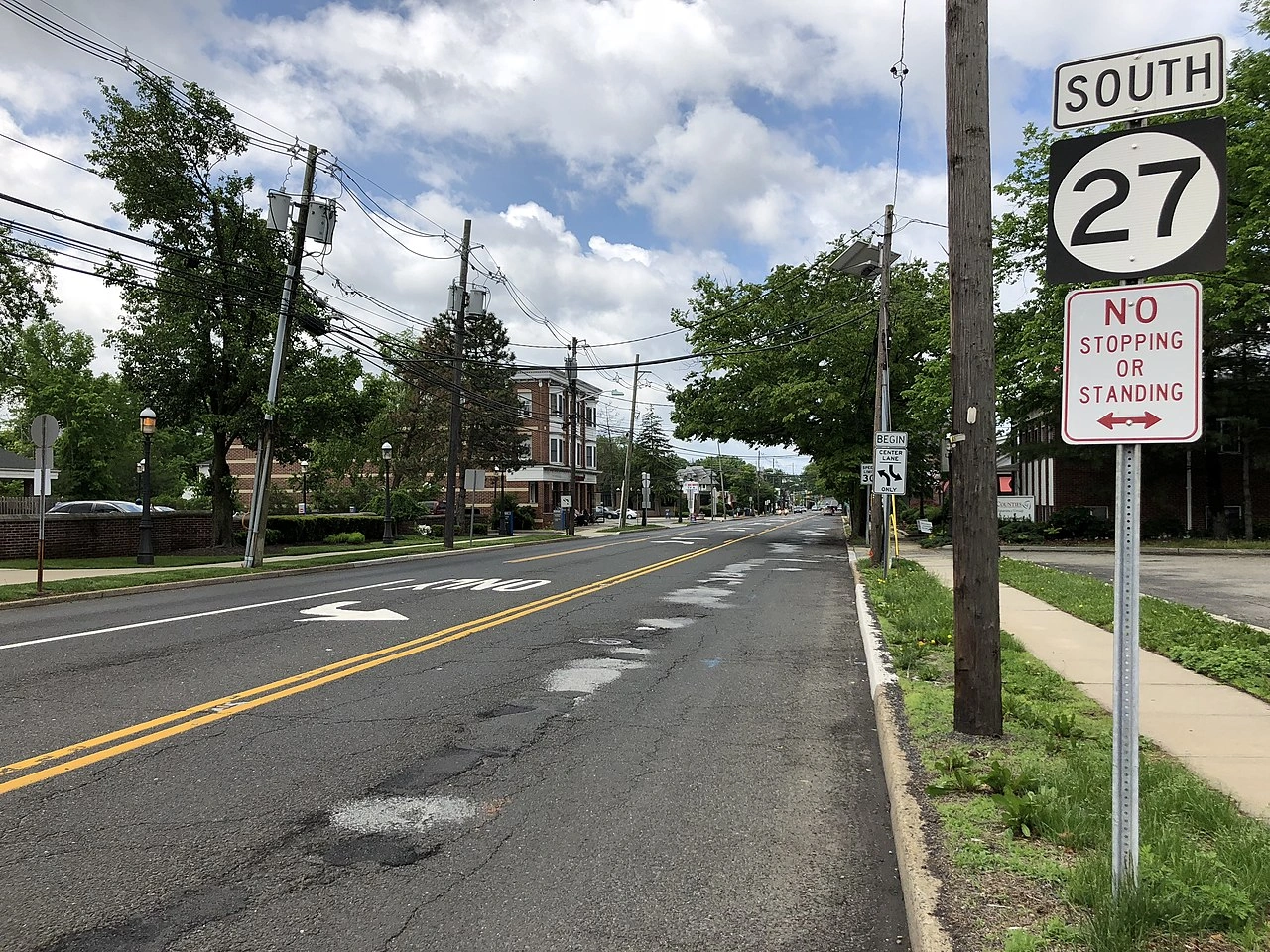
What does a no stopping restriction mean?
It means that a driver may not voluntarily stop the vehicle in the restricted area. The prohibition normally includes stopping to pick up or drop off passengers or to load or unload goods.
What is the difference between no stopping and no parking?
No stopping is the stricter restriction. A no-parking rule may still allow a brief stop for activities such as picking up passengers or loading goods, while a no-stopping rule prohibits these voluntary stops as well.
Can you stop in a no-stopping area during an emergency?
A driver may have to stop because of an emergency, traffic conditions, a red light, police instructions or another situation outside the driver's control. Such compulsory stops are generally different from voluntarily stopping the vehicle.
52. Längsparken
Längsparken ist eine Parkmethode, bei der ein Fahrzeug parallel zum Straßenrand abgestellt wird, häufig in einer Lücke zwischen zwei geparkten Fahrzeugen. Sie wird besonders dort genutzt, wo Parkplätze längs am Straßenrand angeordnet sind.
Beim Längsparken wird das Fahrzeug normalerweise neben der freien Lücke positioniert und anschließend rückwärts eingeparkt, während Spiegel, tote Winkel und umliegender Verkehr sorgfältig kontrolliert werden. Das Fahrzeug sollte am Ende innerhalb der zulässigen Parkfläche und ausreichend nah am Straßenrand stehen, ohne andere Verkehrsteilnehmer zu behindern.
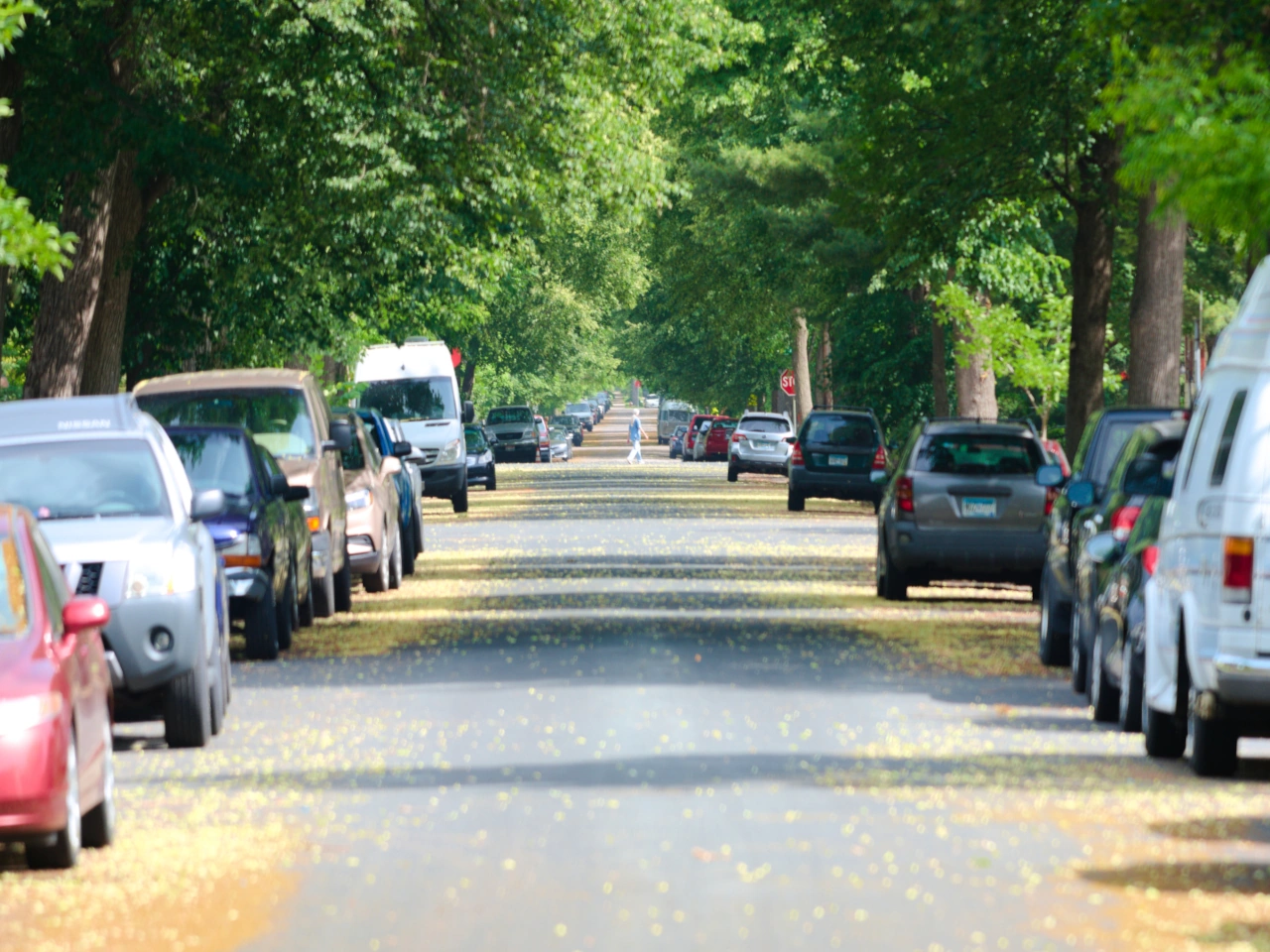
What is parallel parking?
Parallel parking means positioning a vehicle parallel to the edge of the road, typically between vehicles already parked along the kerb or roadside.
What should you check before parallel parking?
Check mirrors and blind spots, signal when required and make sure there is enough space to complete the manoeuvre without endangering pedestrians, cyclists or other traffic.
How should a vehicle be positioned after parallel parking?
The vehicle should be completely within the permitted parking area, reasonably close to the road edge and positioned so that it does not unnecessarily obstruct traffic or access to other vehicles.
53. Park and Ride
Park and Ride ist eine Parkanlage, auf der Fahrer ihr Fahrzeug abstellen und die Fahrt mit öffentlichen Verkehrsmitteln, dem Fahrrad oder einem anderen Verkehrsmittel fortsetzen. Solche Anlagen liegen häufig am Stadtrand oder in der Nähe wichtiger Verkehrsachsen.
Park-and-Ride-Anlagen können Verkehr und Parkdruck in stark belasteten Stadtgebieten verringern, indem Fahrer einen Teil ihrer Reise ohne Auto zurücklegen. Parkgebühren, maximale Parkdauer und Verbindungen zum öffentlichen Verkehr unterscheiden sich je nach Standort.
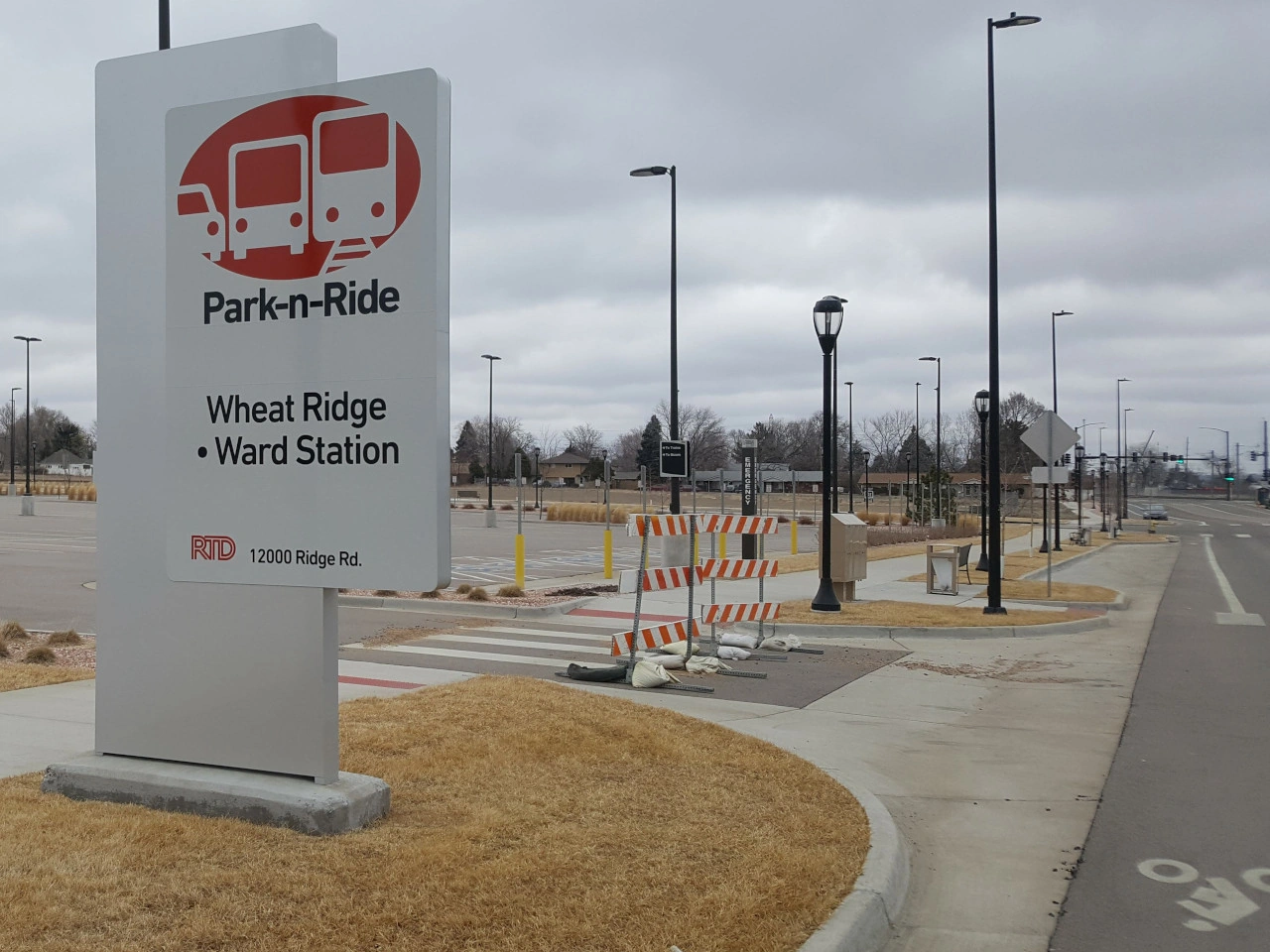
What does P+R mean?
P+R stands for park and ride. It indicates a facility where drivers can park their vehicle and continue their journey using public transport or another form of transport.
Where are park-and-ride facilities usually located?
They are commonly located on the outskirts of cities, near major roads or beside railway, metro, tram or bus connections so that drivers can transfer conveniently to another mode of transport.
Is parking at a park-and-ride always free?
No. Some facilities are free, while others charge for parking or offer special combined parking and public-transport fares. Conditions depend on the individual facility and local authority.
54. Kiss and Ride
Ein Kiss-and-Ride-Bereich ist eine ausgewiesene Stelle, an der Fahrer kurz anhalten dürfen, um Fahrgäste abzusetzen oder abzuholen. Solche Bereiche befinden sich häufig an Schulen, Bahnhöfen, Flughäfen und anderen stark frequentierten Zielen, damit Personen ein- oder aussteigen können, ohne normale Parkplätze zu belegen.
Kiss and Ride ist für sehr kurze Haltezeiten und nicht zum Warten oder Parken vorgesehen. Fahrer sollten nur so lange bleiben, wie zum Ein- oder Aussteigen nötig ist, und alle Verkehrszeichen, Zeitlimits, Fahrbahnmarkierungen und örtlichen Vorschriften beachten.
What is a Kiss and Ride area?
A Kiss and Ride area is a designated place where drivers can briefly stop to drop off or pick up passengers. It is intended to keep passenger transfers quick and reduce unnecessary parking or congestion near busy destinations.
Can you park in a Kiss and Ride area?
Normally no. Kiss and Ride areas are intended for immediate passenger drop-off or pick-up rather than ordinary parking. The exact legal restrictions depend on the signs and local regulations applying to the area.
Can you wait for someone in a Kiss and Ride area?
Generally, you should not remain in the area waiting for a passenger who is not ready to enter the vehicle. If waiting is necessary, use an ordinary parking or waiting area unless local signs specifically permit waiting.
How long may you stay in a Kiss and Ride area?
Only for the short period necessary for passengers to get in or out, unless signs specify a particular maximum time. Some locations establish an explicit time limit, while others simply require immediate drop-off or pick-up.
Should the driver remain in the vehicle?
Where possible, the driver should normally remain ready to move the vehicle immediately. Leaving the vehicle to accompany a passenger into a building may turn the stop into parking and can prevent other drivers from using the area efficiently.
Can you use a Kiss and Ride area to load luggage?
Passengers may normally take the luggage they need when entering or leaving the vehicle, provided this forms part of the immediate passenger transfer. Using the area for prolonged loading or unloading may not be permitted.
Where are Kiss and Ride areas commonly found?
They are frequently located near schools, railway stations, airports, hospitals and other busy destinations where many passengers are dropped off or collected within a short period.
Can taxis use a Kiss and Ride area?
This depends on the local signs and regulations. A general passenger drop-off area may be available to taxis, while some locations provide separate taxi ranks or reserve the Kiss and Ride area for particular users.
Can you leave your vehicle unattended in a Kiss and Ride area?
Normally this should be avoided. Kiss and Ride areas are designed for rapid passenger transfers, and leaving the vehicle unattended can obstruct other users. Specific local rules may expressly prohibit parking or unattended vehicles.
What should you do if your passenger is not ready?
Move to a suitable parking or waiting area and return when the passenger is ready to be collected. Remaining in the Kiss and Ride area unnecessarily can block the facility and contribute to congestion.
55. Behindertenparkplatz
Behindertenparkplätze sind Stellplätze und Parkberechtigungen für Menschen mit Behinderungen, die die geltenden Voraussetzungen erfüllen. Reservierte Stellplätze sind normalerweise durch das internationale Rollstuhlsymbol gekennzeichnet und so angeordnet, dass nahe gelegene Einrichtungen leichter erreichbar sind.
Für die Nutzung ist grundsätzlich ein gültiger Behindertenparkausweis oder eine entsprechende Karte erforderlich. Die Berechtigung gehört normalerweise der berechtigten Person und nicht einem bestimmten Fahrzeug und darf nur verwendet werden, wenn diese Person selbst fährt oder im Fahrzeug mitfährt.
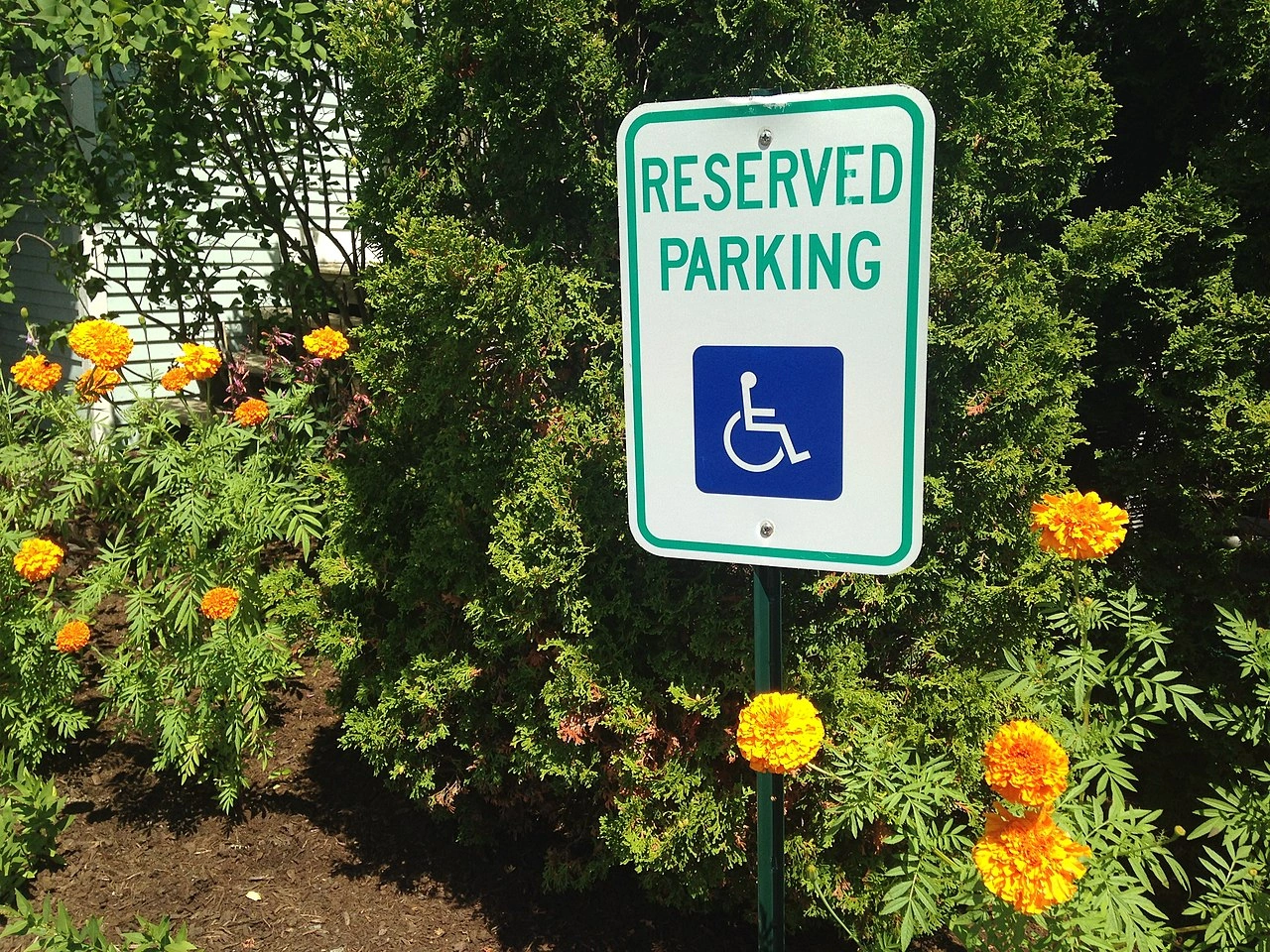
Who may use a disabled parking space?
Disabled parking spaces are intended for eligible people who hold a valid disabled parking permit or card. The exact eligibility requirements and permit system depend on the country.
Can someone use a disabled parking permit when the holder is not present?
Generally no. Disabled parking permits are normally personal and may only be used when the permit holder is driving or travelling in the vehicle.
Does a disabled parking permit always provide free parking?
No. A permit may provide access to reserved spaces or exemptions from certain parking restrictions, but rules concerning parking charges and time limits vary between countries and local authorities.
56. Verkehrsmanagement
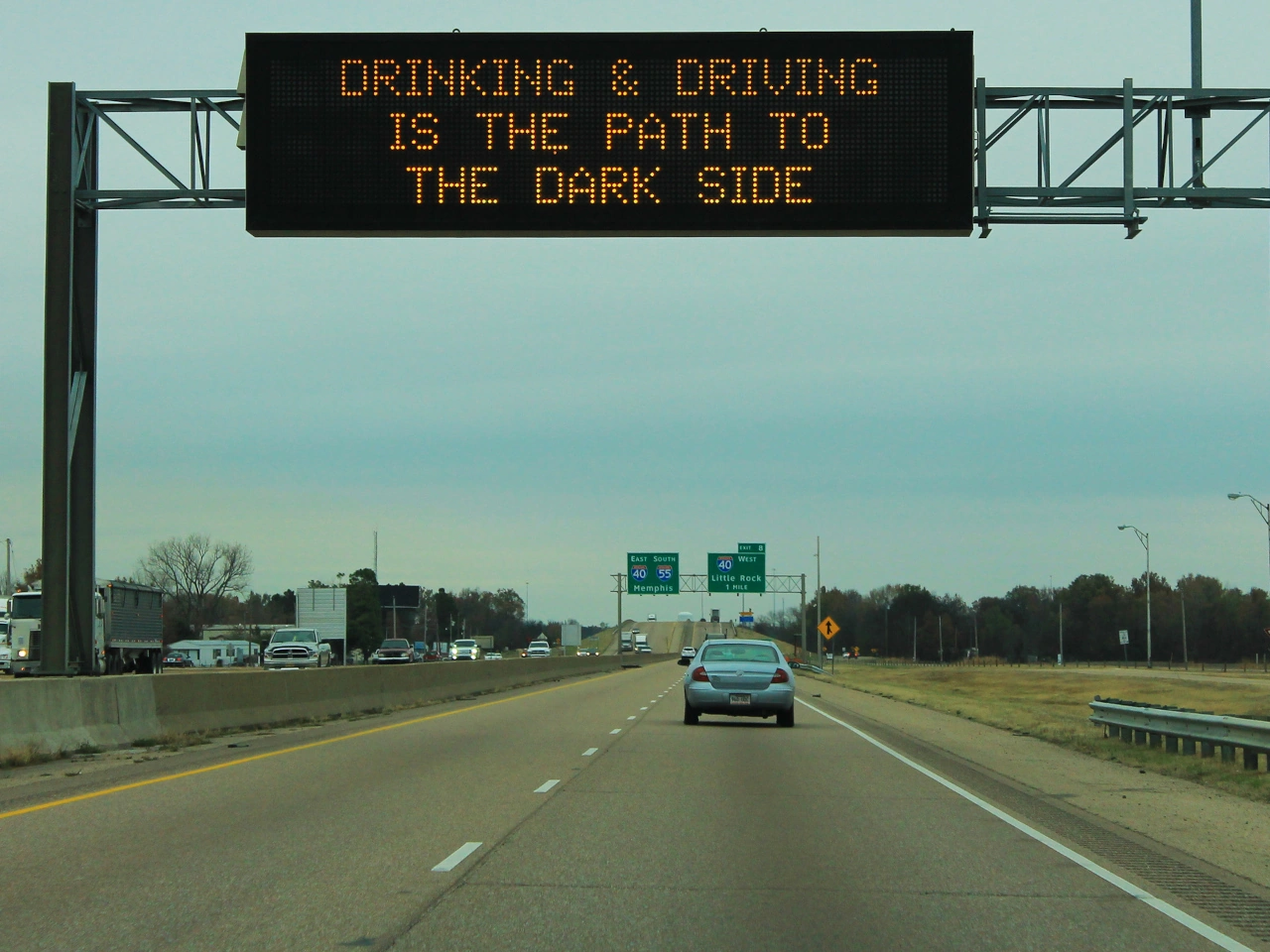
Verkehrsmanagement ist die organisierte Steuerung, Regelung und Führung von Verkehrsteilnehmern zur Verbesserung von Sicherheit, Verkehrsfluss und effizienter Straßennutzung. Dazu können Ampeln, Verkehrszeichen, Fahrbahnmarkierungen, Fahrstreifensteuerung, variable Geschwindigkeitsbegrenzungen, Umleitungen und Anweisungen befugter Personen gehören.
Verkehrsmanagement kann dauerhaft oder vorübergehend sein. Temporäre Maßnahmen werden häufig bei Straßenarbeiten, Stau, Unfällen, öffentlichen Veranstaltungen oder anderen Ereignissen eingeführt. Fahrer und andere Verkehrsteilnehmer müssen die vor Ort geltenden Zeichen, Signale und Anweisungen befolgen, auch wenn sie von der normalen Verkehrsführung abweichen.
What is traffic management?
Traffic management is the organised control and guidance of traffic using signs, signals, road markings, lane controls, speed restrictions, diversions and other measures.
Why is traffic management used?
Traffic management is used to improve safety, control traffic flow and reduce disruption. It can also protect road workers, pedestrians, cyclists and emergency services.
How can traffic be managed?
Common methods include traffic lights, road signs, road markings, variable-message signs, lane-control signals, temporary barriers, speed restrictions and diversions. Authorised persons may also direct traffic.
Can traffic management change the normal speed limit?
Yes. Temporary or variable speed-limit signs may impose a different maximum speed because of congestion, roadworks, weather, incidents or other conditions. Drivers must follow the limit currently displayed.
Can traffic management change which lanes you may use?
Yes. Lane-control signals, temporary signs or road markings may close lanes, move traffic into different lanes or require drivers to change lane. Follow the current signs and markings rather than the normal road layout.
What should you do when a traffic lane is closed?
Move into an open lane safely and in good time, following any arrows, signs and local merging rules. Never continue along a lane that is clearly indicated as closed.
Can temporary traffic signs be compulsory?
Yes. Properly authorised temporary signs used for roadworks, incidents or other traffic-management measures must be obeyed in the same way as other official traffic signs.
What should you do when an authorised person directs traffic?
Follow the directions of the authorised person. In many countries, these directions take precedence over traffic lights, road signs or the normal traffic rules.
How is traffic managed around roadworks?
Roadworks may use temporary speed limits, lane closures, barriers, temporary markings, traffic lights and diversions. Road users should reduce speed where necessary and carefully follow the temporary route.
Does traffic management also protect pedestrians and cyclists?
Yes. Temporary or permanent traffic arrangements should account for pedestrians and cyclists as well as motor vehicles. They may be provided with separate routes, crossings, signals or diversions where necessary.
57. Rückwärtsfahren
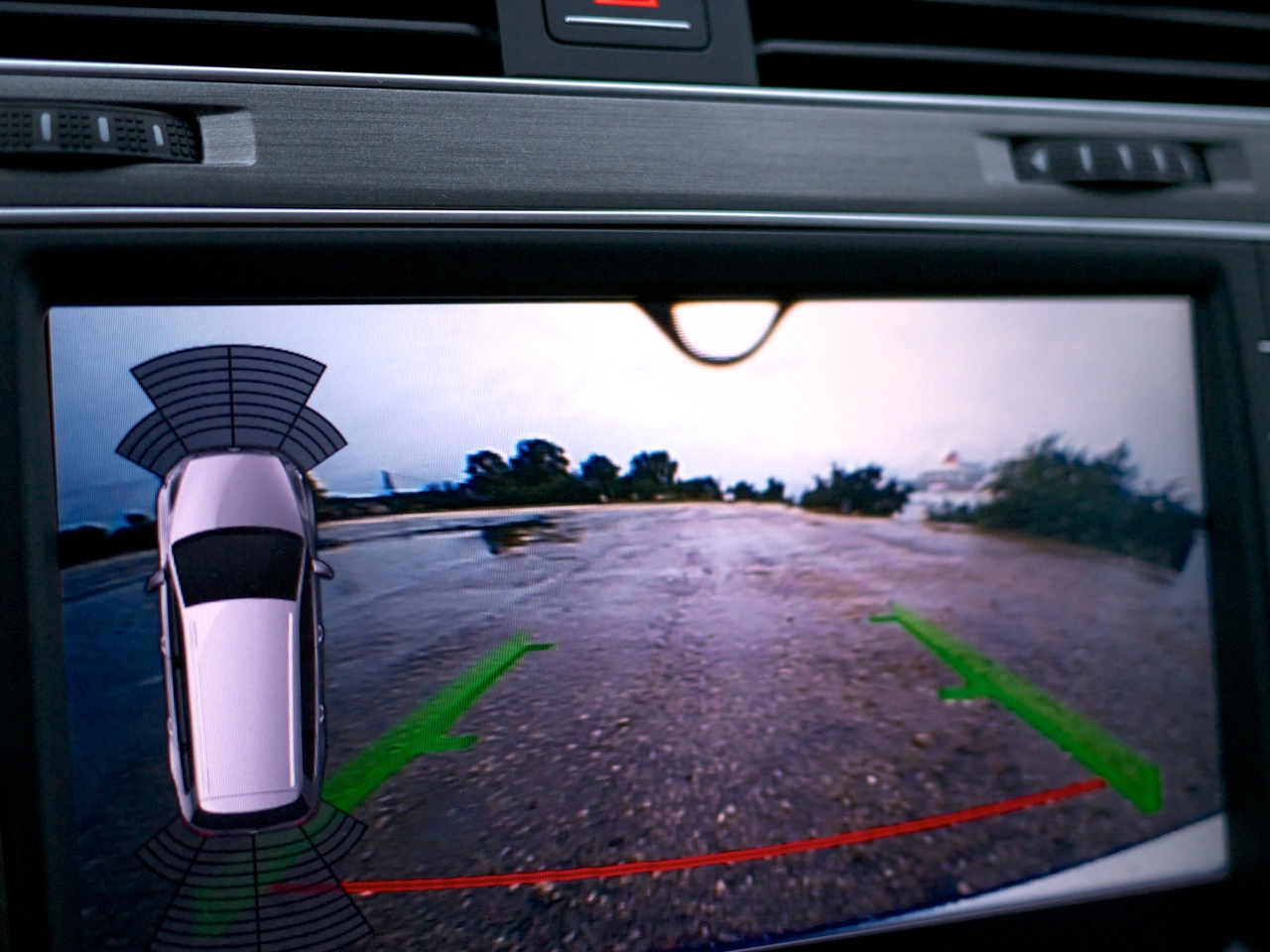
Rückwärtsfahren bedeutet, ein Fahrzeug rückwärts zu bewegen. Es wird häufig beim Parken, beim Verlassen enger Bereiche oder zum Umsetzen eines Fahrzeugs genutzt, wenn Vorwärtsfahren nicht praktisch ist.
Vor dem Rückwärtsfahren sollte der Fahrer Spiegel und tote Winkel prüfen, den Bereich rund um das Fahrzeug sorgfältig beobachten und sicherstellen, dass der Raum hinter dem Fahrzeug frei ist. Rückwärtsfahren sollte langsam und nur so lange wie nötig erfolgen, weil die Sicht nach hinten häufig eingeschränkt ist.
What should you check before reversing?
Check behind and around the vehicle for pedestrians, cyclists, other vehicles and obstacles. Use mirrors and cameras where available, but also look directly because monitoring systems can have blind spots.
Who has priority when a vehicle is reversing?
In many countries, reversing is treated as a manoeuvre and the reversing driver must give way to other road users. The exact legal requirements depend on national traffic rules.
Should you reverse for a long distance?
No. Reversing should normally be limited to the distance necessary to complete the manoeuvre safely. Driving forward generally provides better visibility and vehicle control.
58. Wenden
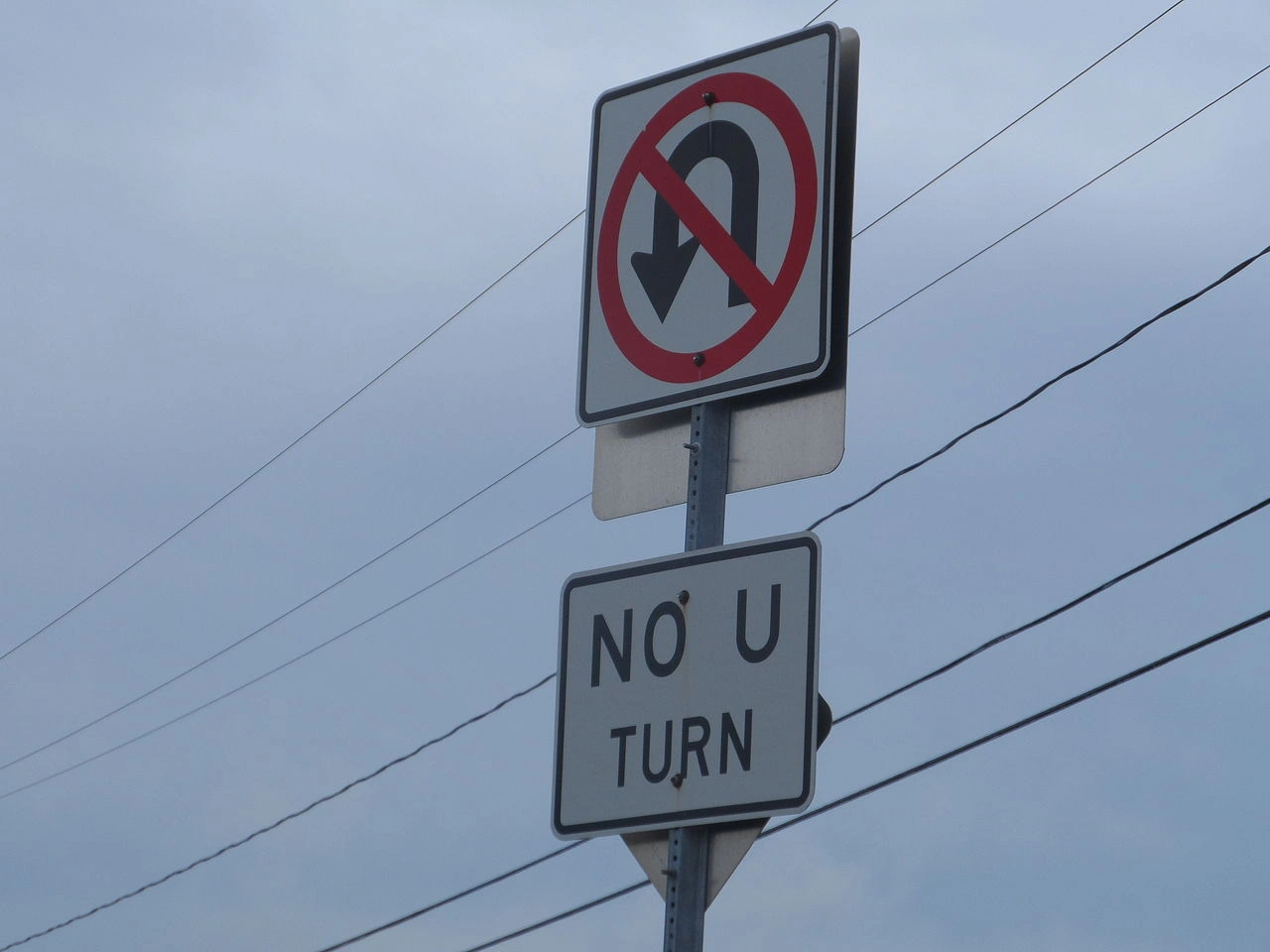
Ein Wendemanöver ist ein Fahrmanöver, bei dem ein Fahrzeug umkehrt, um in die entgegengesetzte Richtung weiterzufahren. Dabei wird normalerweise ein Teil der Fahrbahn gekreuzt und anschließend in Gegenrichtung wieder in den Verkehr eingefahren.
Vor dem Wenden sollte der Fahrer den umliegenden Verkehr, Fußgänger und Radfahrer prüfen, bei Bedarf blinken und sicherstellen, dass ausreichend Sicht und Platz für das sichere Manöver vorhanden sind. Wenden kann durch Verkehrszeichen oder auf bestimmten Straßentypen verboten sein.
What is a U-turn?
A U-turn is a manoeuvre used to reverse a vehicle's direction so that it continues along the road in the opposite direction.
What should you check before making a U-turn?
Check traffic in all relevant directions, mirrors and blind spots, and look for pedestrians, cyclists and other road users. Make sure there is sufficient visibility and space and that the manoeuvre is permitted.
Can you make a U-turn anywhere?
No. U-turns may be prohibited by traffic signs or road rules and should never be attempted where visibility, road layout or traffic conditions make the manoeuvre unsafe.
59. Fahrgemeinschaft
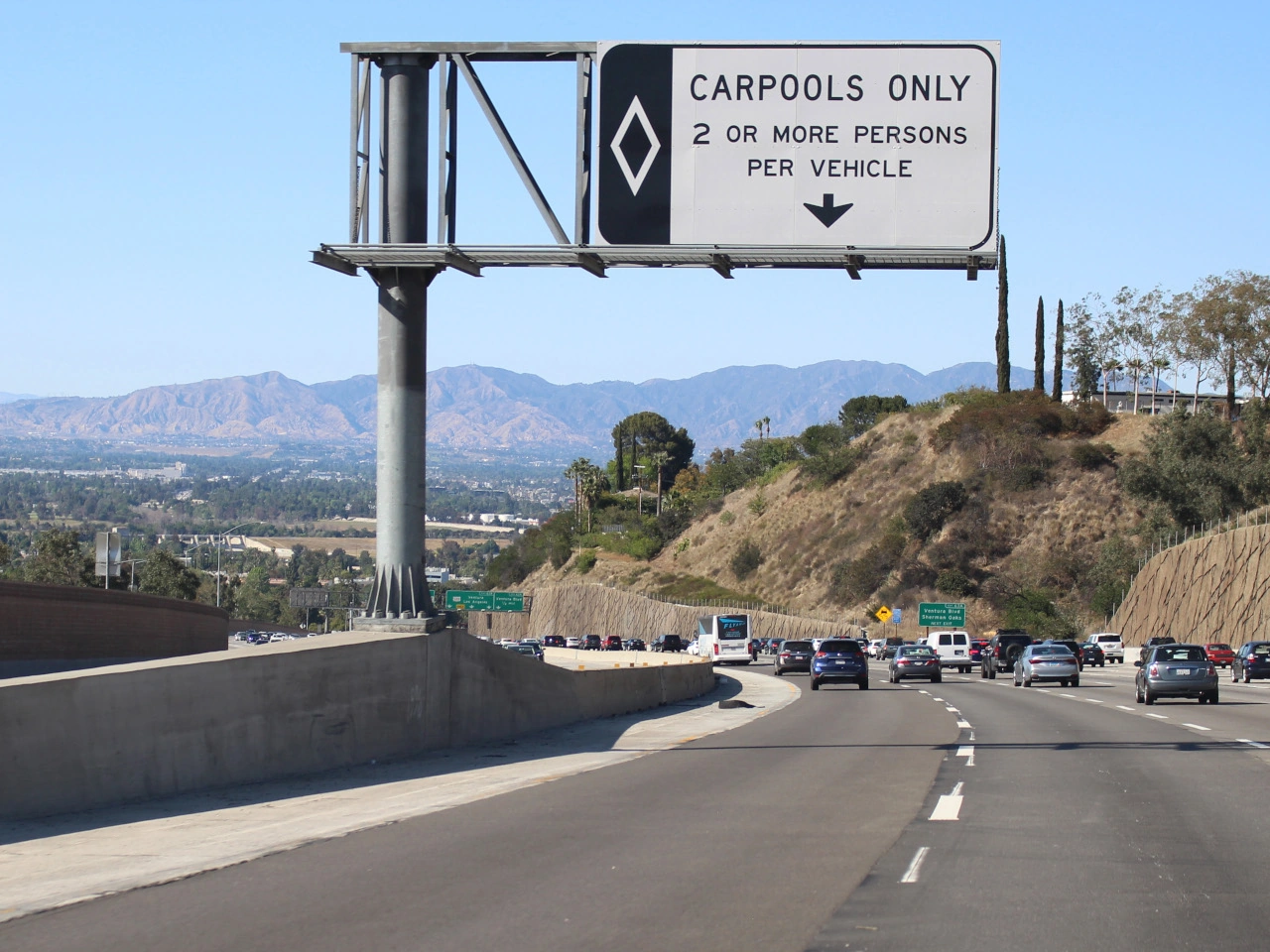
Eine Fahrgemeinschaft bedeutet, dass mehrere Personen, die in dieselbe Richtung fahren, eine Autofahrt gemeinsam zurücklegen. Die Mitfahrer können sich die Fahrtkosten teilen oder einfach gemeinsam fahren, um die Zahl separater Fahrzeuge auf derselben Strecke zu verringern.
Fahrgemeinschaften werden häufig für Arbeitswege, Schulfahrten und längere Strecken genutzt. Einige Straßennetze bieten besondere Mitfahrerparkplätze, auf denen Reisende sich treffen, ein Fahrzeug abstellen und gemeinsam weiterfahren können.
What is carpooling?
Carpooling means two or more people sharing the same car for a journey instead of travelling separately in different vehicles.
What is a carpool parking area?
A carpool parking area is a designated place where travellers can meet, park one or more vehicles and continue their journey together in a shared car.
Is carpooling the same as carsharing?
No. Carpooling means several people travelling together in the same vehicle, while carsharing means different users having access to the same shared vehicle at different times.
60. Umleitung
Eine Umleitung ist eine vorübergehende alternative Strecke, die genutzt wird, wenn die normale Straße gesperrt, blockiert oder nicht verfügbar ist. Umleitungen werden häufig bei Straßenarbeiten, Unfällen, öffentlichen Veranstaltungen, Überschwemmungen oder anderen Störungen eingerichtet. Fahrer sollten den vorübergehenden Wegweisern aufmerksam folgen, bei Bedarf die Geschwindigkeit verringern und mit unbekannten Straßen, veränderten Vorfahrtsregelungen oder zusätzlichem Verkehr auf der Ersatzstrecke rechnen.
What is a detour?
A detour is an alternative route that directs traffic around a closed, blocked or restricted section of road.
Why are detours used?
Detours may be introduced because of roadworks, accidents, flooding, public events or other temporary obstructions that prevent normal use of the road.
Do you have to follow a detour?
Drivers must follow mandatory traffic signs and authorised traffic directions. A signed detour should be followed when the normal route is closed or restricted.
Are detours always temporary?
Most detours are temporary and remain in place only while the normal route is unavailable, although they can sometimes last for an extended period during major works.
Should you drive differently on a detour?
Yes. Detours may use unfamiliar or smaller roads, so drivers should reduce speed where necessary, watch for changed priorities and follow temporary signs carefully.
What is the difference between a detour and a diversion?
Detour and diversion generally describe the same concept: an alternative route around a road that cannot be used normally. The preferred term varies between countries and languages.
61. Ungeregelte Kreuzung
Eine ungeregelte Kreuzung ist eine Kreuzung, an der die Vorfahrt nicht ausdrücklich durch Ampeln, eine befugte Person oder vorfahrtregelnde Verkehrszeichen festgelegt ist. Fahrer müssen daher anhand der in dem jeweiligen Land geltenden allgemeinen Verkehrsregeln bestimmen, wer Vorfahrt hat.
Die Regel unterscheidet sich je nach Land und kann Vorfahrt von rechts, Vorfahrt von links oder eine andere allgemeine Vorfahrtsregel vorsehen. Fahrer sollten sich einer ungeregelten Kreuzung vorsichtig nähern, den Verkehr aus allen Richtungen beobachten und niemals annehmen, dass eine breitere oder stärker befahrene Straße automatisch Vorfahrt hat.
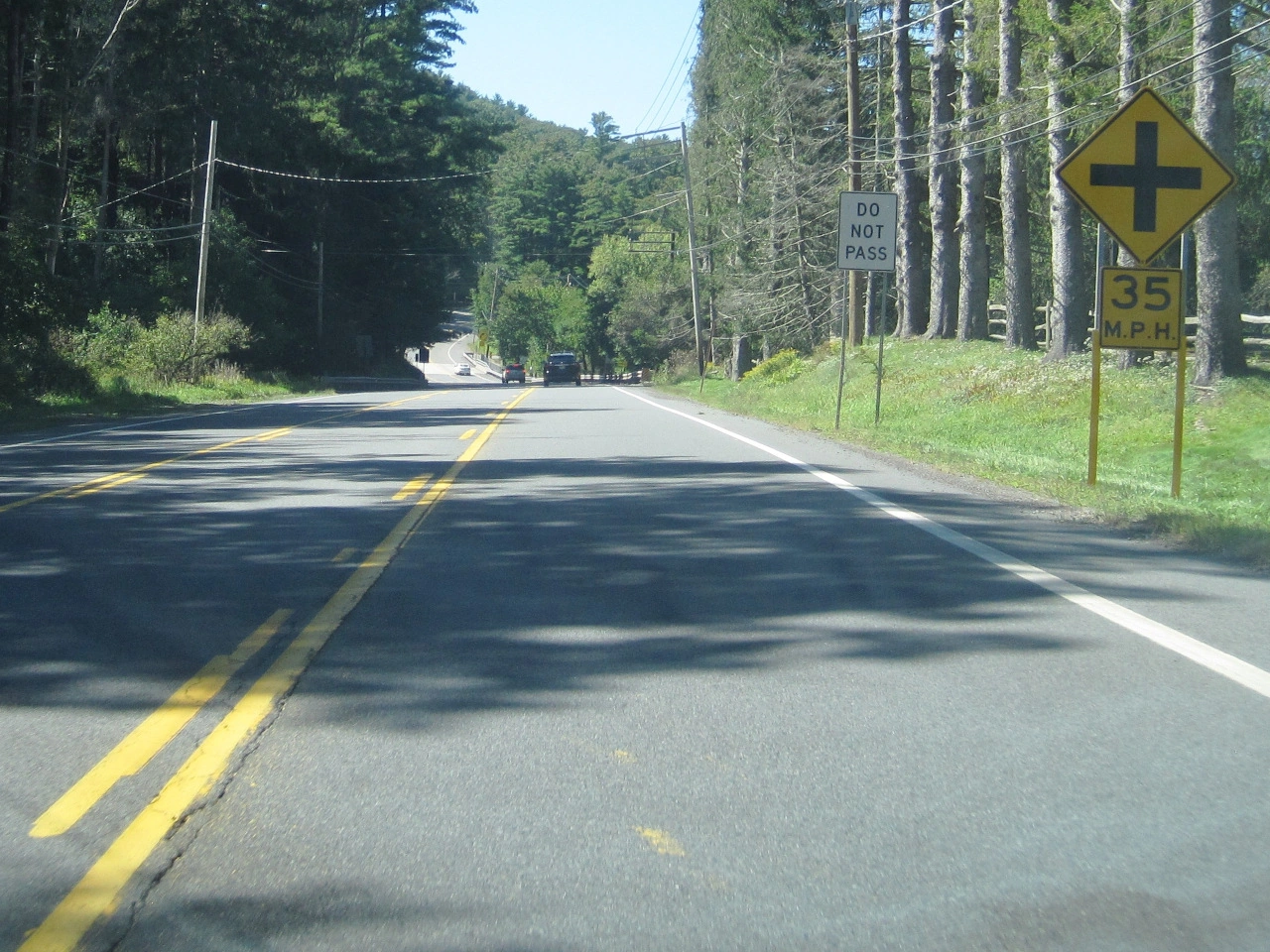
What is an uncontrolled crossroad?
An uncontrolled crossroad is an intersection where priority is not specifically assigned by traffic lights, an authorised person or priority signs. Drivers must use the default priority rules of the country.
Who has priority at an uncontrolled crossroad?
This depends on the local traffic law. Some countries use priority from the right, while others use different rules. Drivers should know the default intersection rule of the country in which they are driving.
Does the wider road automatically have priority?
Not necessarily. The width, surface or amount of traffic on a road does not by itself determine priority unless local law specifically provides otherwise.
Should you slow down at an uncontrolled crossroad?
Yes. Approach at a speed that allows you to observe approaching traffic, determine who has priority and stop safely if necessary.
Do cyclists have to follow the priority rules at an uncontrolled crossroad?
Yes. Cyclists generally follow the applicable intersection priority rules unless a specific cycle facility, sign or local rule provides otherwise.
Does driving straight ahead automatically give you priority?
No. Continuing straight ahead does not automatically give priority over traffic approaching on another road. The applicable priority rules must still be followed.
Does turning right or left change the priority rules?
Turning may create additional obligations, particularly towards pedestrians, cyclists or opposing traffic. Drivers must follow both the intersection priority rule and the rules governing the intended turn.
What if two vehicles reach an uncontrolled crossroad at the same time?
Apply the country's default priority rule. Do not rely simply on which vehicle appears to have arrived first unless local law specifically uses that rule.
What if the traffic lights at an intersection are not working?
The intersection is not necessarily completely uncontrolled. Priority signs, road markings and default priority rules may still determine who must give way. Drivers should approach with particular caution.
What should you do if you are unsure who has priority?
Reduce speed and be prepared to stop. Never force your way through an intersection simply because the priority situation is unclear.
62. Rampe
Eine Rampe ist eine Verbindungsstraße, über die Fahrzeuge eine andere Straße erreichen oder verlassen, insbesondere eine Autobahn, Schnellstraße oder andere höhenfrei geführte Straße. Rampen werden häufig an Anschlussstellen verwendet, um Straßen miteinander zu verbinden, ohne dass sich die Verkehrsströme höhengleich kreuzen.
Eine Auffahrtsrampe führt den Verkehr auf die Hauptstraße, eine Abfahrtsrampe von ihr weg. Fahrer sollten Verkehrszeichen und Fahrbahnmarkierungen beachten, ihre Geschwindigkeit anpassen und sorgfältig auf ein- oder ausfädelnden Verkehr achten.
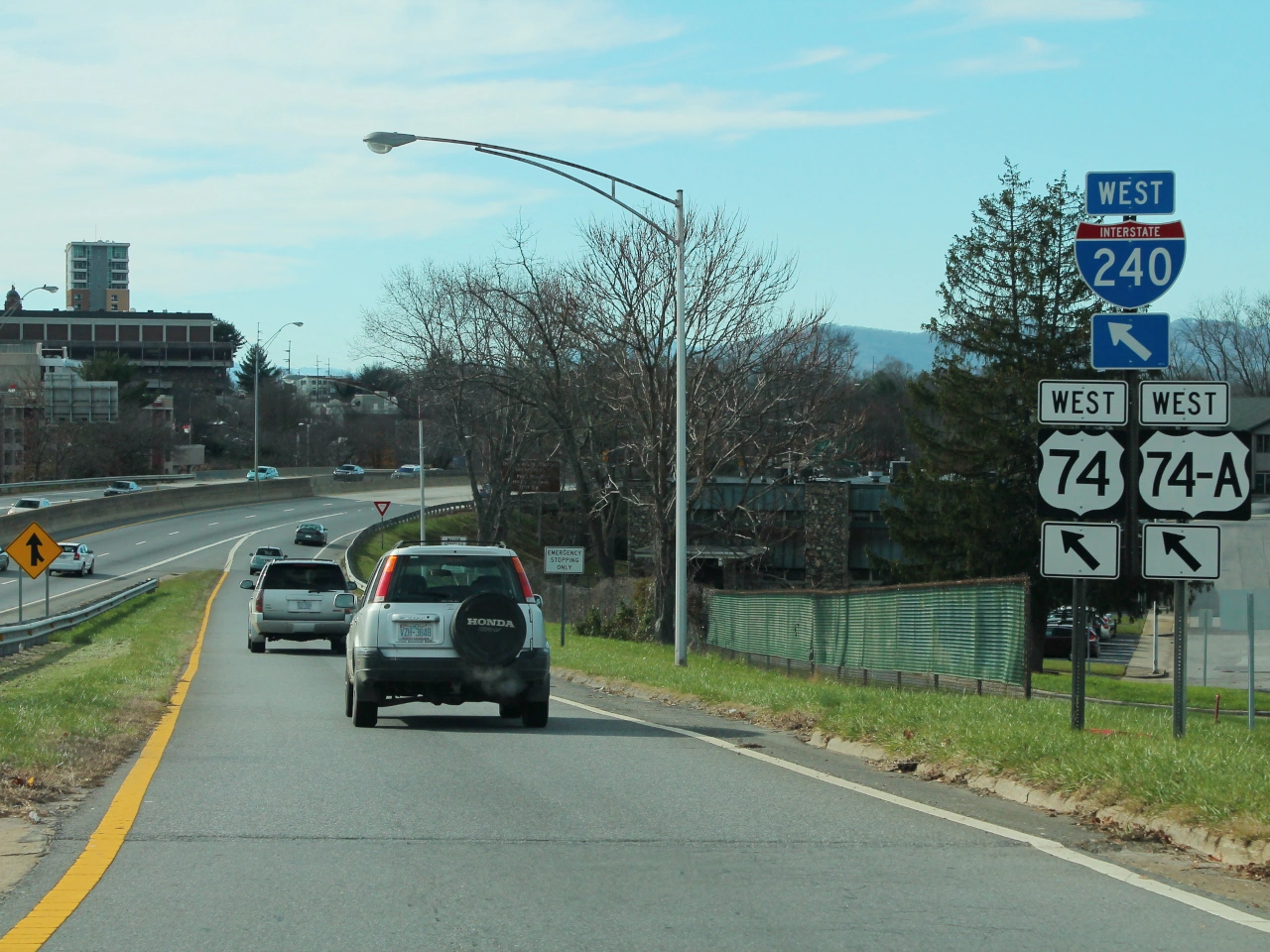
What is a road ramp?
A ramp is a connecting road used to enter or leave another road, particularly a motorway, expressway or grade-separated highway.
What is the difference between an entrance ramp and an exit ramp?
An entrance ramp carries traffic toward the main road, while an exit ramp carries traffic away from it toward another road or destination.
How should you use a motorway entrance ramp?
Follow the signs and road markings, use the ramp to adjust your speed to the traffic on the motorway and merge only when it is safe and permitted. The exact priority rules depend on the country.
63. Ausfahrt
Eine Ausfahrt ist eine ausgewiesene Strecke oder Stelle, an der Verkehr eine Straße, Autobahn, Schnellstraße oder andere Hauptverkehrsroute verlässt. Auf Hochgeschwindigkeitsstraßen führt eine Ausfahrt normalerweise von der Hauptfahrbahn auf einen Ausfahrstreifen oder eine Rampe, die mit einer anderen Straße oder einem Ziel verbunden ist.
Fahrer sollten vor einer Ausfahrt Wegweiser und Fahrbahnmarkierungen beachten, sich rechtzeitig in den richtigen Fahrstreifen einordnen und ihre Geschwindigkeit nach Verlassen des Hauptverkehrsflusses bei Bedarf anpassen.
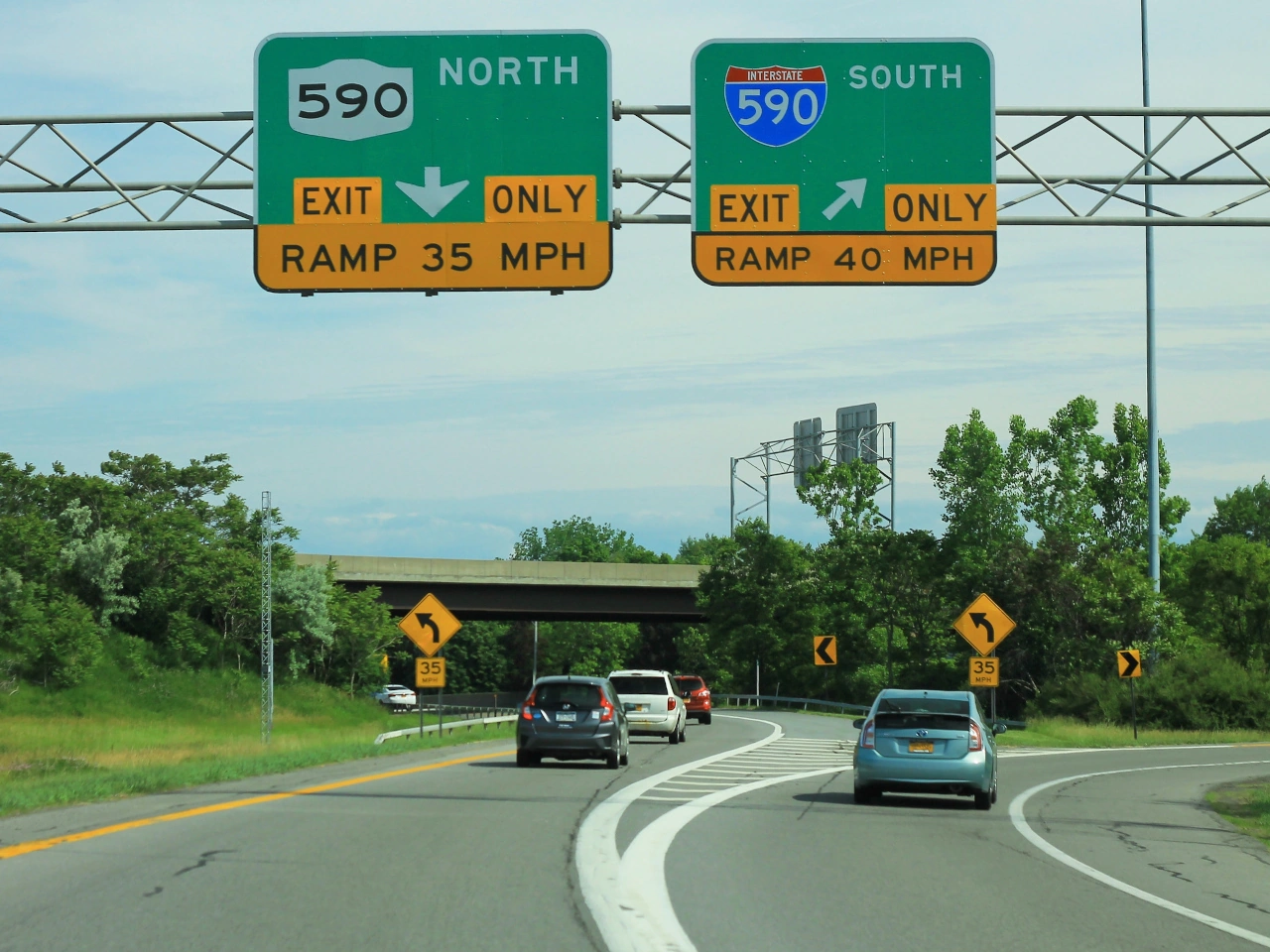
What is a road exit?
An exit is a designated route or point that allows traffic to leave a road, motorway or expressway and continue toward another road or destination.
How should you prepare for an exit?
Check the direction signs, select the correct lane in good time, signal when required and avoid sudden lane changes when approaching the exit.
What should you do if you miss your exit?
Continue safely along the road and use a later exit or another permitted route. Do not stop, reverse or make a dangerous sudden manoeuvre simply to reach an exit you have missed.
64. Reiten
Reiten bezeichnet das Reiten und Aktivitäten mit Pferden und Reitern. Im Straßenverkehr können Reiter je nach Regeln und Infrastruktur Straßen, Reitwege oder speziell ausgewiesene Routen nutzen.
Fahrer, die sich Pferden und Reitern nähern, sollten die Geschwindigkeit verringern, ausreichend Abstand halten und plötzlichen Lärm oder Bewegungen vermeiden, die das Tier erschrecken könnten. Auch Reiter müssen die für sie geltenden Verkehrsregeln beachten.
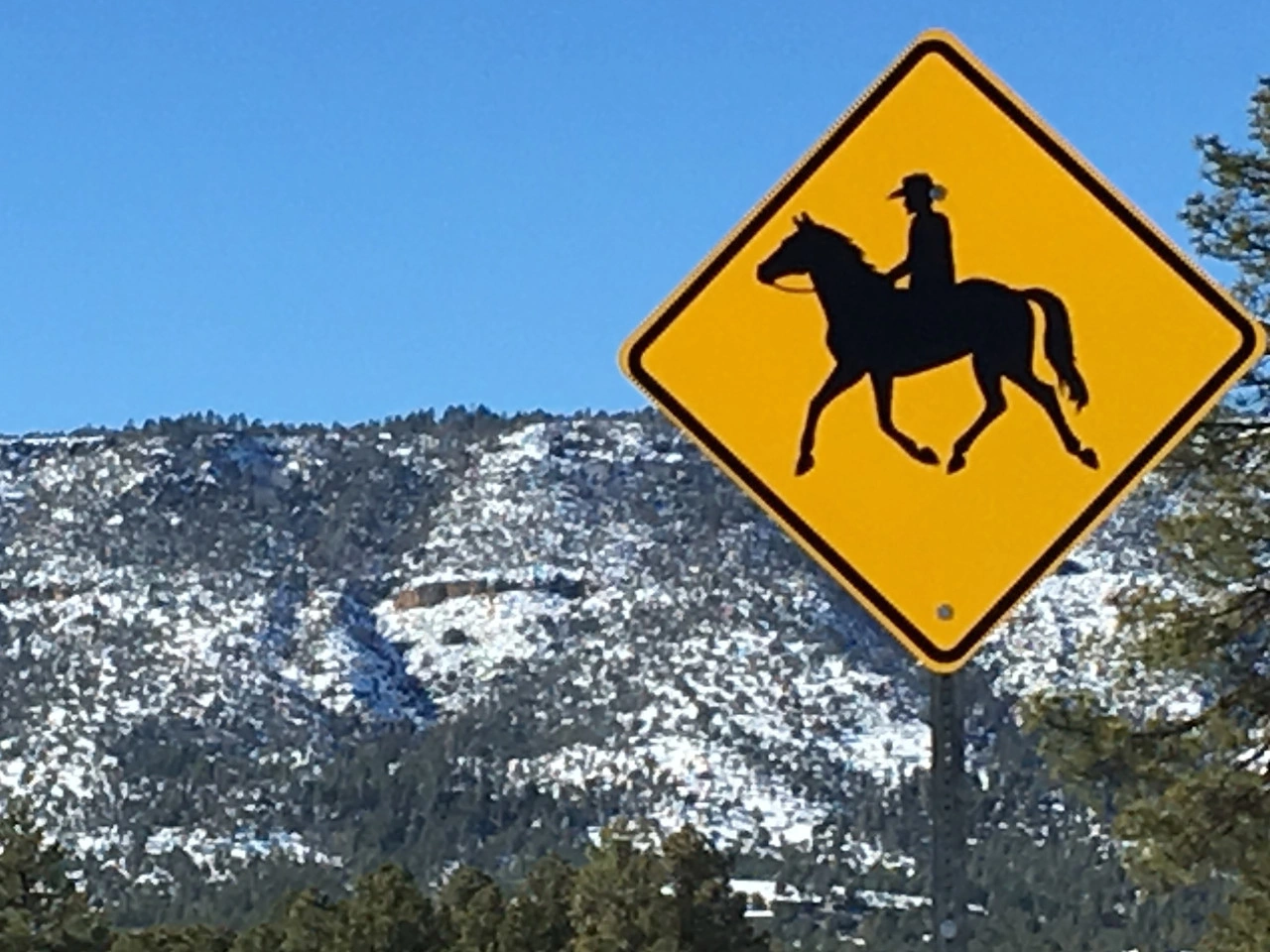
What does equestrian mean in road traffic?
Equestrian refers to horse riding and, in a traffic context, particularly to people travelling on horseback or using designated horse-riding routes.
Where can equestrians ride?
Depending on local rules, riders may use roads, bridleways, paths or routes specifically designated for horse riding.
How should drivers behave near horse riders?
Drivers should slow down, leave plenty of space and pass calmly, avoiding sudden acceleration, horn use or other actions that could frighten the horse.
65. Notausgang
Ein Notausgang ist ein gekennzeichneter Fluchtweg, über den Verkehrsteilnehmer einen Tunnel oder eine andere geschlossene Verkehrsanlage bei einem schweren Ereignis wie Brand, Rauchentwicklung oder einem anderen Notfall verlassen können. Notausgänge führen in einen sichereren Bereich, der von der unmittelbaren Gefahr getrennt ist.
Im Notfall sollten Insassen ihr Fahrzeug verlassen, wenn eine Evakuierung erforderlich ist, und den Notausgangsschildern und Anweisungen folgen. Sie sollten sich von der Gefahr entfernen, statt im Tunnel zu bleiben oder zum Fahrzeug zurückzukehren.
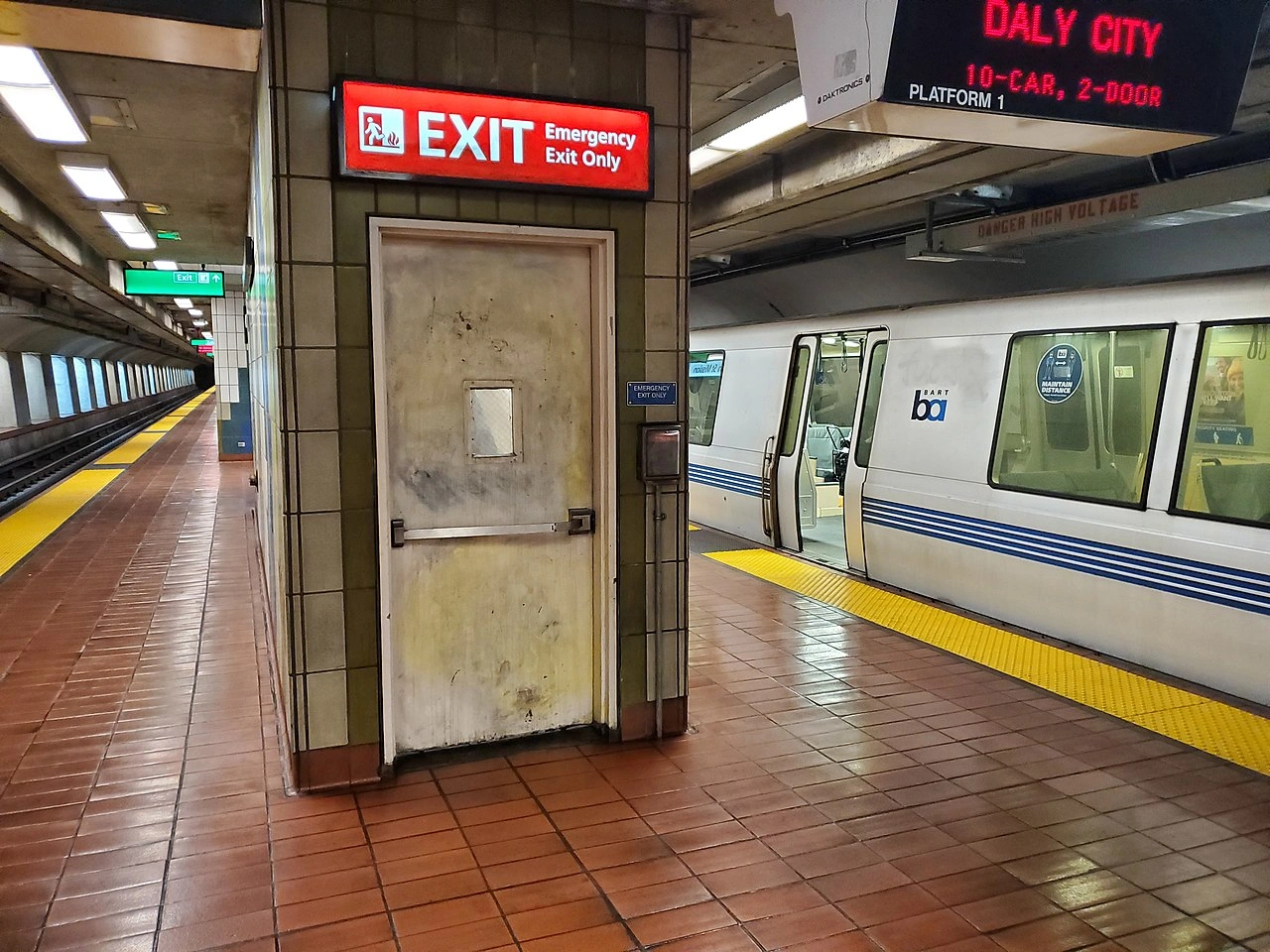
What is an emergency exit in a road tunnel?
An emergency exit is a designated escape route that allows people to leave the traffic area of a tunnel and reach a safer location during an emergency.
When should you use a tunnel emergency exit?
Use an emergency exit when evacuation is necessary because of fire, smoke or another serious danger, or when instructed to evacuate by tunnel personnel or emergency services.
Should you take your vehicle through an emergency exit?
No. Tunnel emergency exits are intended for people evacuating on foot. Leave the vehicle when necessary and follow the marked escape route towards safety.
66. Notfall-Auslaufspur
Eine Notfall-Auslaufspur, auch Notfallfluchtspur genannt, ist ein speziell angelegter Fahrstreifen, der ein Fahrzeug mit ausgefallener oder unzureichender Bremswirkung zum Stillstand bringen soll, insbesondere ein schweres Fahrzeug bei einer steilen Talfahrt. Die Spur kann eine Gegensteigung, tiefen Kies oder eine andere energieabsorbierende Oberfläche nutzen, um das Fahrzeug abzubremsen und anzuhalten.
Ein Fahrer mit Bremsversagen sollte die Notfallspur so früh und sicher wie möglich benutzen, statt weiter bergab zu fahren. Solche Spuren sind reine Notfalleinrichtungen und dürfen nicht zum normalen Halten, Parken oder Wenden verwendet werden.
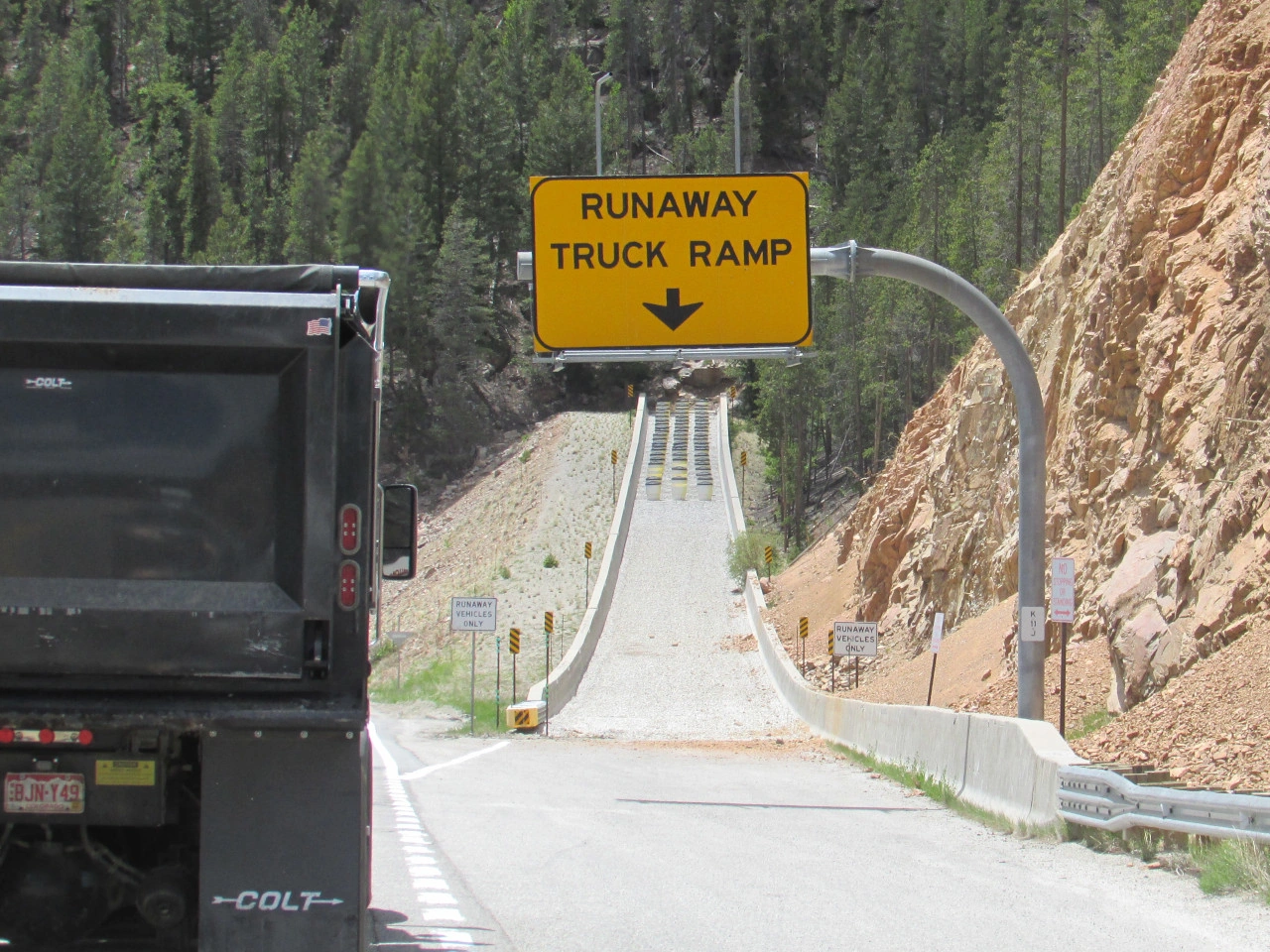
What is a runaway truck ramp used for?
It provides an emergency stopping area for a vehicle that can no longer slow down adequately with its normal brakes. It is particularly intended for heavy vehicles on long or steep descents.
How does a runaway truck ramp stop a vehicle?
Depending on its design, the ramp may rise uphill or contain deep gravel, sand or another arresting material that creates resistance and rapidly reduces the vehicle's speed.
Can you use a runaway truck ramp for normal stopping or parking?
No. An escape ramp is an emergency safety facility and should be kept clear for vehicles that have lost effective braking or control.
67. Überbreite oder übergroße Ladung
Eine übergroße Ladung ist eine Ladung, durch die ein Fahrzeug oder eine Fahrzeugkombination die normalerweise zulässigen Abmessungen im Straßenverkehr überschreitet, etwa bei Länge, Breite oder Höhe. Solche Transporte betreffen häufig große Maschinen, Bauteile oder andere Gegenstände, die sich nicht sinnvoll in kleinere Ladungen aufteilen lassen.
Der Transport einer übergroßen Ladung kann eine Sondergenehmigung, eine genehmigte Route, Warnzeichen, Beleuchtung oder Begleitfahrzeuge erfordern. Fahrer müssen die Bedingungen der für die befahrenen Straßen zuständigen Behörden einhalten.
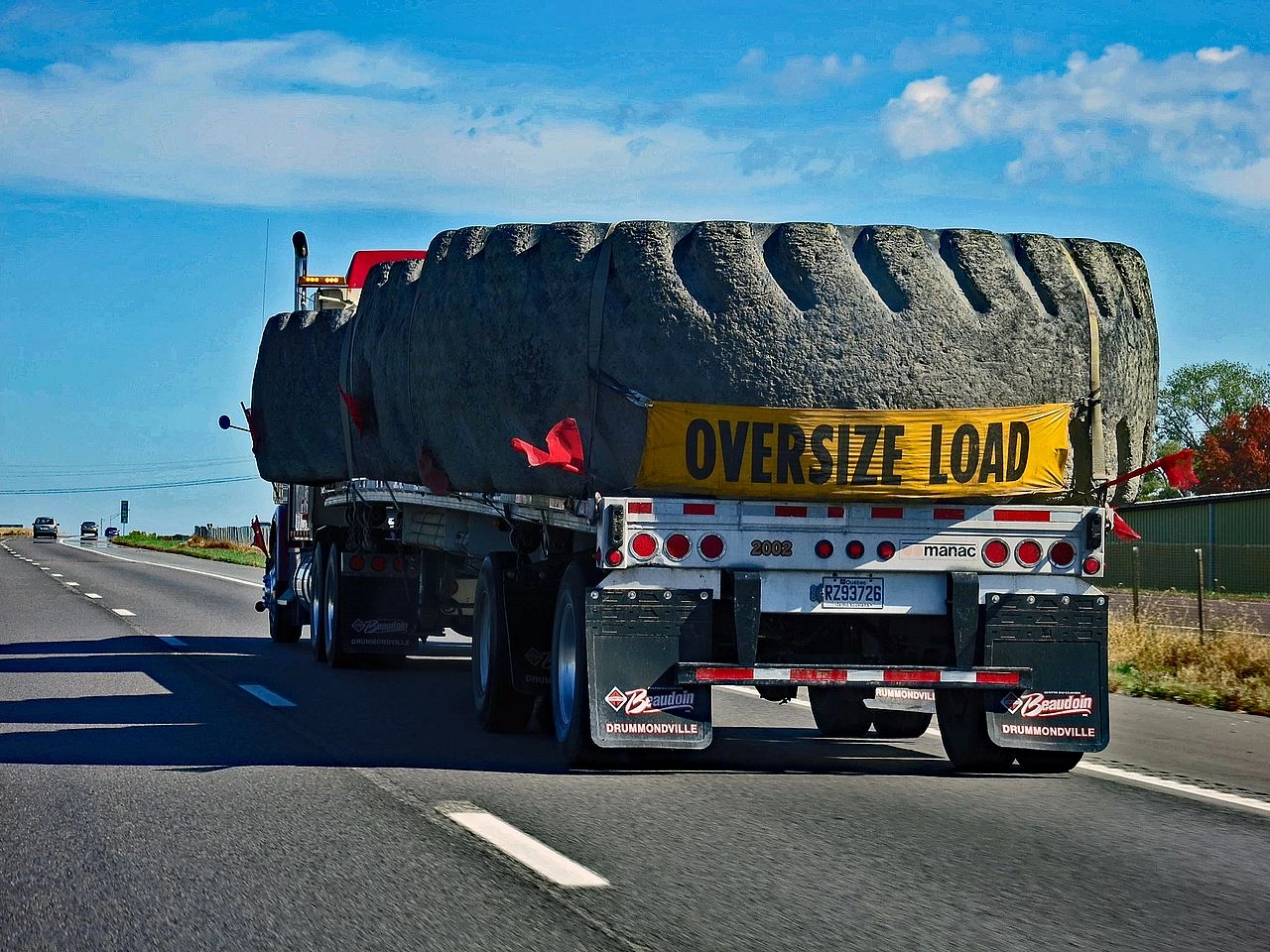
What is an oversize load?
An oversize load is a load that makes a vehicle or vehicle combination exceed one or more of the normal legal dimensions for road use, such as its permitted width, height or length.
Does an oversize load require a special permit?
Often yes. Depending on the country, dimensions and route, a permit may be required and can specify where and when the vehicle may travel and what additional safety measures must be used.
Why might an oversize load need an escort vehicle?
Escort vehicles can warn other road users, help manage difficult road sections and assist the exceptional vehicle when its size creates additional traffic risks. The number and type of escorts required depend on national rules and the dimensions of the transport.
68. Ortsgrenze
Eine Ortsgrenze ist die Grenze, an der für Zwecke des Straßenverkehrs eine geschlossene Ortschaft oder ein städtisches Gebiet beginnt oder endet. Sie wird häufig durch ein Ortsnamens- oder Ortstafelzeichen gekennzeichnet und kann den Punkt markieren, an dem besondere Verkehrsregeln wie innerörtliche Geschwindigkeitsbegrenzungen, Parkregeln oder andere Beschränkungen beginnen oder enden.
Eine verkehrsrechtliche Ortsgrenze entspricht nicht zwingend genau der Verwaltungsgrenze einer Stadt oder Gemeinde. Ihre rechtliche Bedeutung richtet sich nach den im jeweiligen Land verwendeten Verkehrszeichen und Verkehrsregeln.
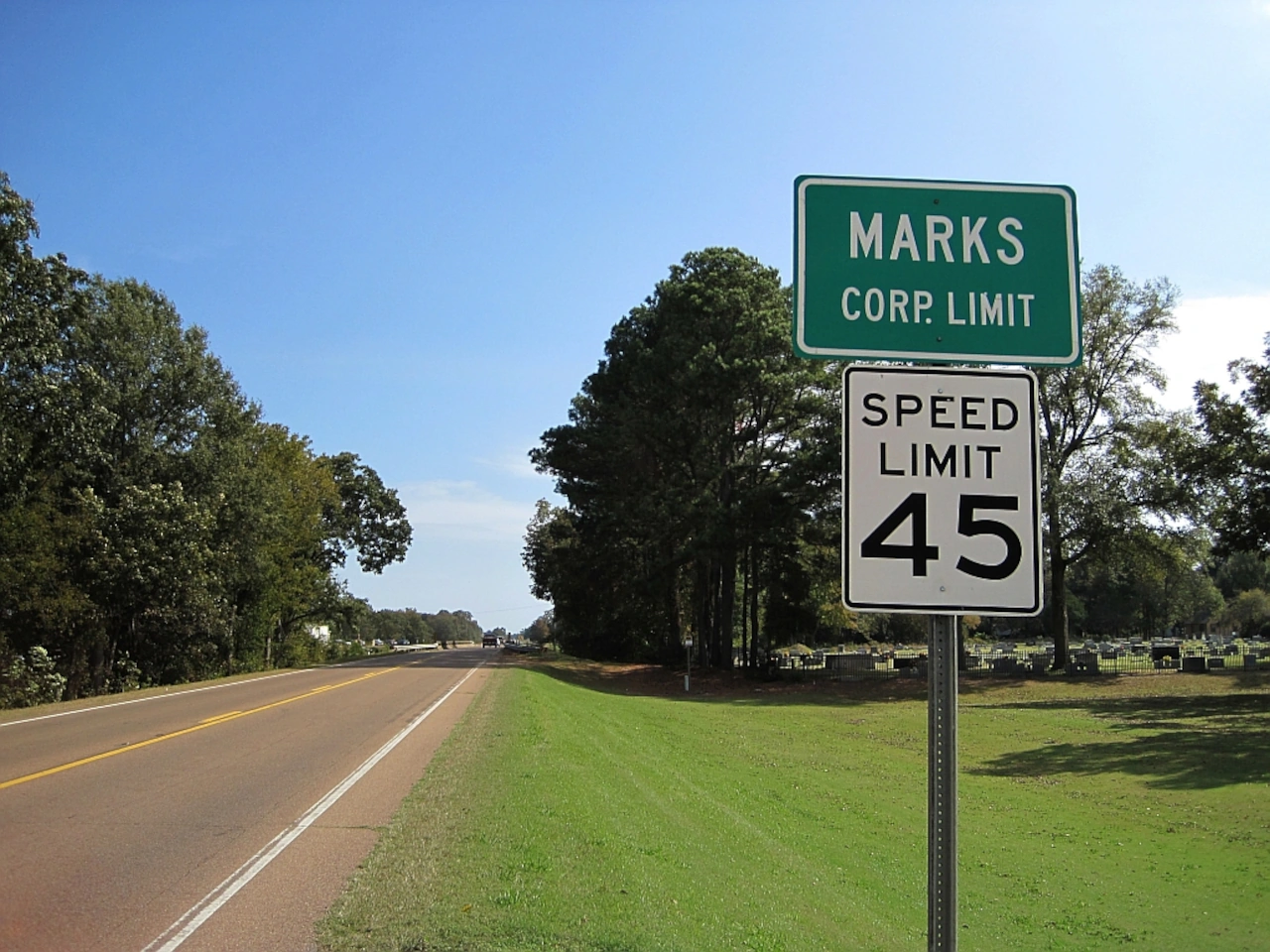
What is a city limit?
A city limit marks the boundary of a city, town, village, locality or municipality. On roads, it is often indicated by a place-name or boundary sign.
Does a city-limit sign always mark a built-up area?
No. A city-limit or locality sign may simply identify a place or administrative boundary. A legally defined built-up area can use a different sign or definition.
Does passing a city-limit sign always change the speed limit?
No. In some countries a locality or boundary sign has consequences for traffic rules, while in others it mainly identifies the place. Drivers must follow the traffic signs and rules that apply in that country.
Is a city limit the same as a municipal boundary?
Not always. Some signs indicate an administrative municipal boundary, while others identify a city, town, village or locality without exactly following the municipality's legal boundary.
What is the difference between a city limit and a built-up area?
A city limit identifies the boundary of a named place or administrative area. A built-up area is a traffic-law concept that may affect rules such as default speed limits. The two boundaries can coincide, but they do not have to.
69. Sehenswürdigkeit
Eine Sehenswürdigkeit ist ein interessanter Ort, den Besucher aus kulturellen, historischen, freizeitbezogenen, natürlichen oder unterhaltenden Gründen aufsuchen. Beispiele sind Denkmäler, Burgen, Museen, Aussichtspunkte, Freizeitparks und andere bemerkenswerte Ziele.
Sehenswürdigkeiten können durch Tourismus- oder Wegweiserzeichen ausgeschildert sein, die Reisenden den Weg zum Ziel zeigen. Farben, Symbole und dargestellte Arten von Sehenswürdigkeiten unterscheiden sich je nach Land.
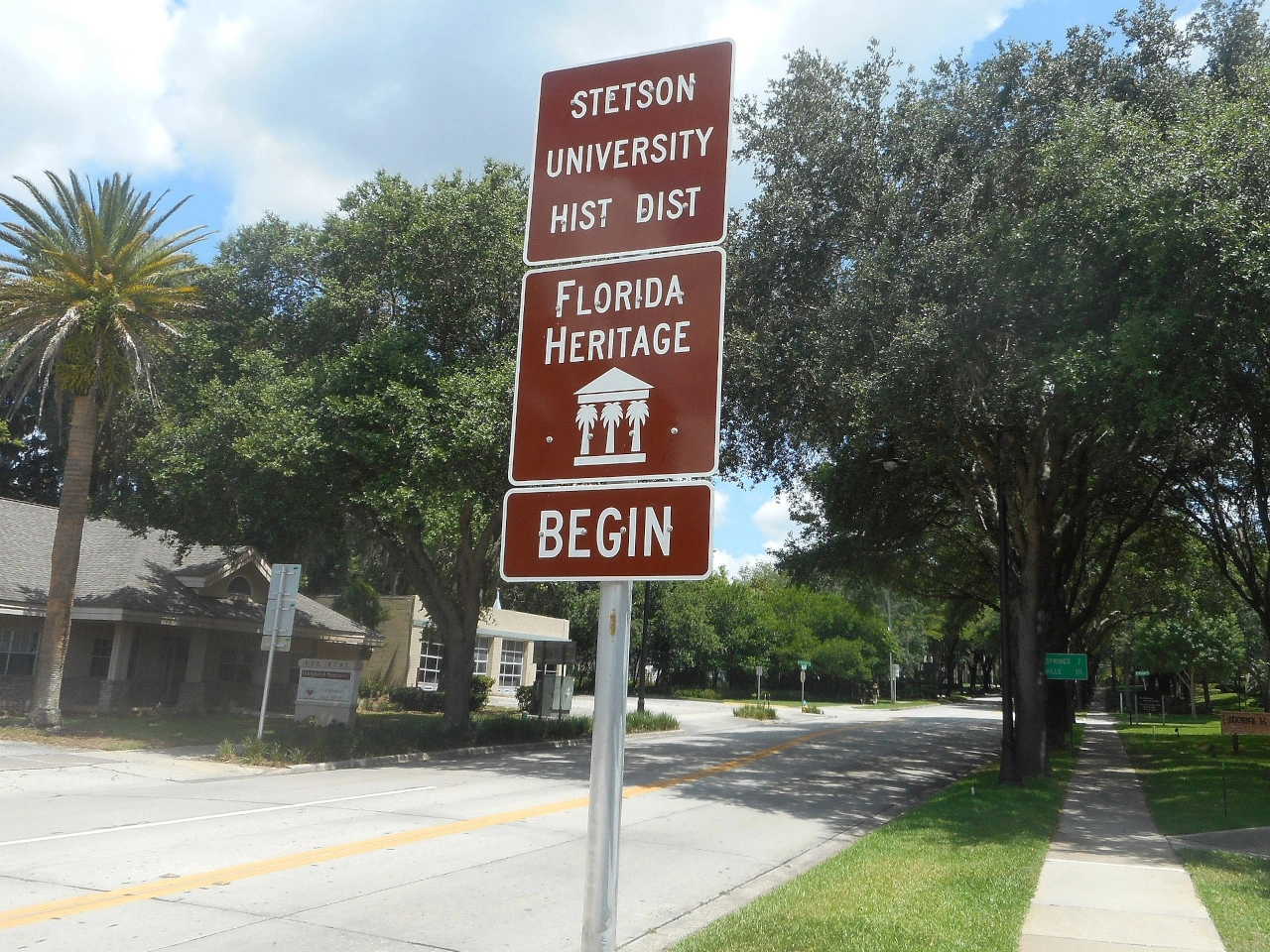
What is a tourist attraction?
A tourist attraction is a place that visitors travel to because of its cultural, historical, natural, recreational or entertainment value.
What are examples of tourist attractions?
Examples include monuments, castles, museums, scenic locations, cultural sites, amusement parks and recreational destinations.
Can tourist attractions be indicated by road signs?
Yes. Many countries use tourist or direction signs to guide travellers toward important attractions and places of interest.
70. Hupe
Eine Hupe ist eine akustische Warneinrichtung, mit der andere Verkehrsteilnehmer bei Gefahr gewarnt oder aus Sicherheitsgründen aufmerksam gemacht werden. Die meisten Kraftfahrzeuge haben eine elektrische Hupe, die über das Lenkrad betätigt wird. Verkehrsregeln beschränken in der Regel unnötiges oder übermäßiges Hupen, insbesondere in geschlossenen Ortschaften oder Wohngebieten. Die Hupe sollte daher als Warneinrichtung und nicht zum Ausdruck von Ärger oder zum Grüßen anderer Verkehrsteilnehmer verwendet werden.
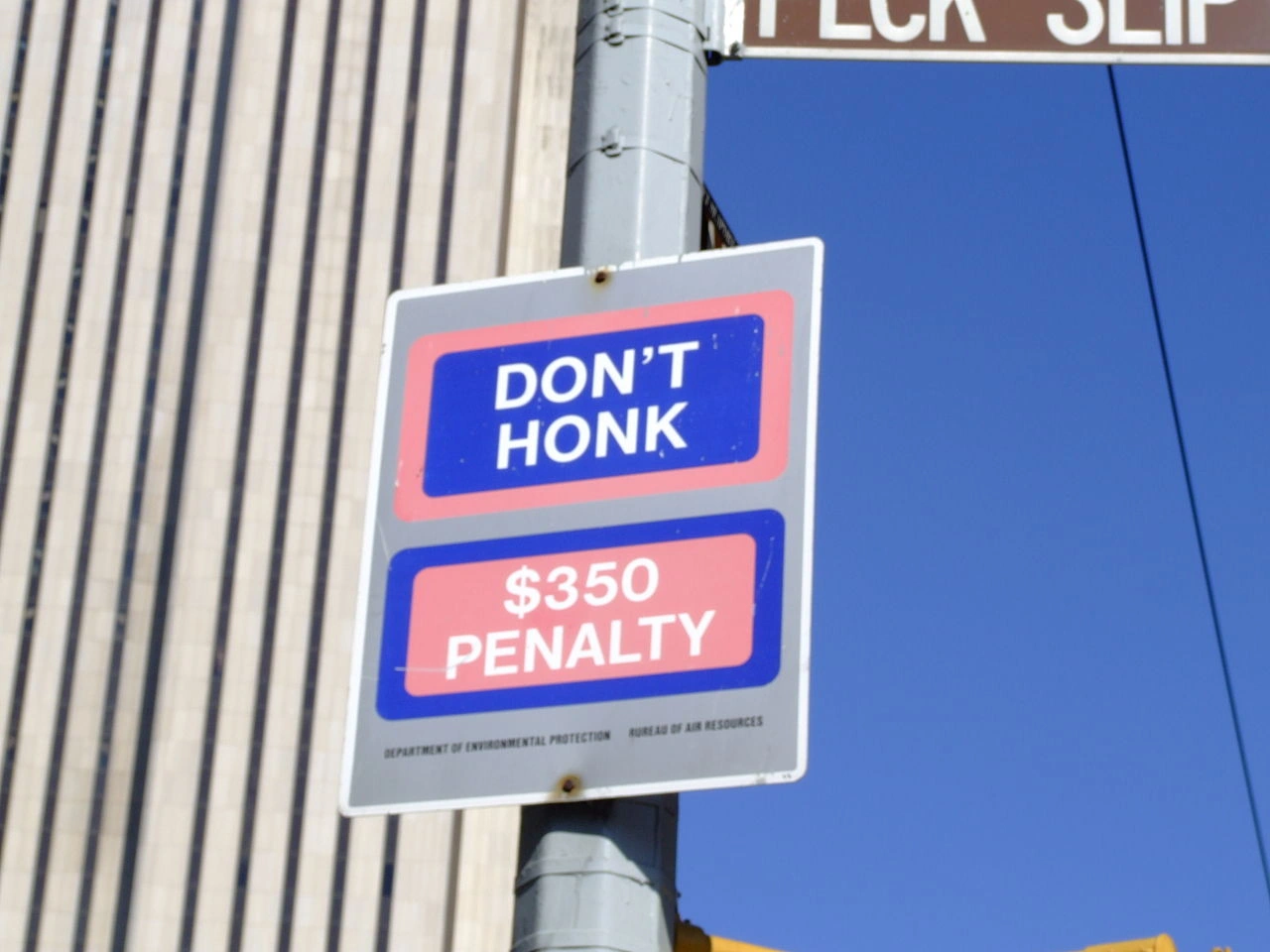
What is a car horn?
A car horn is a sound-producing warning device used to alert other road users when their attention is needed for safety.
When should you use the horn?
The horn should generally be used when a sound warning is necessary to help prevent danger or an accident. The exact circumstances in which horn use is permitted depend on local traffic laws.
Can you use the horn to show annoyance?
Generally, no. A horn is intended as a safety warning device, and unnecessary or excessive use may be prohibited by local traffic rules.
Can you use the horn at night?
Rules for using the horn at night vary between countries. Some traffic laws restrict sound signals at night and require drivers to use their lights instead, except when there is immediate danger.
Can a vehicle horn be modified?
Vehicle horns may have to meet technical requirements for their sound and operation. Horns that imitate emergency-service sirens or otherwise fail applicable vehicle standards may be prohibited.
Is the horn checked during a vehicle inspection?
In countries with periodic technical inspections, the operation and condition of the horn may be checked as part of the vehicle's safety equipment.
71. Achslastbegrenzung
Eine Achslastbegrenzung ist die höchstens zulässige Masse bzw. Last, die von einer einzelnen Fahrzeugachse getragen wird. Sie begrenzt die Kraft, die eine Achse und ihre Räder unabhängig vom Gesamtgewicht des Fahrzeugs auf die Straße übertragen dürfen.
Achslastbegrenzungen schützen Brücken und Straßenoberflächen vor übermäßiger Belastung und tragen zum sicheren Fahrzeugbetrieb bei. Ein Fahrzeug kann die zulässige Gesamtmasse einhalten und dennoch eine Achslast überschreiten, wenn die Ladung falsch verteilt ist.
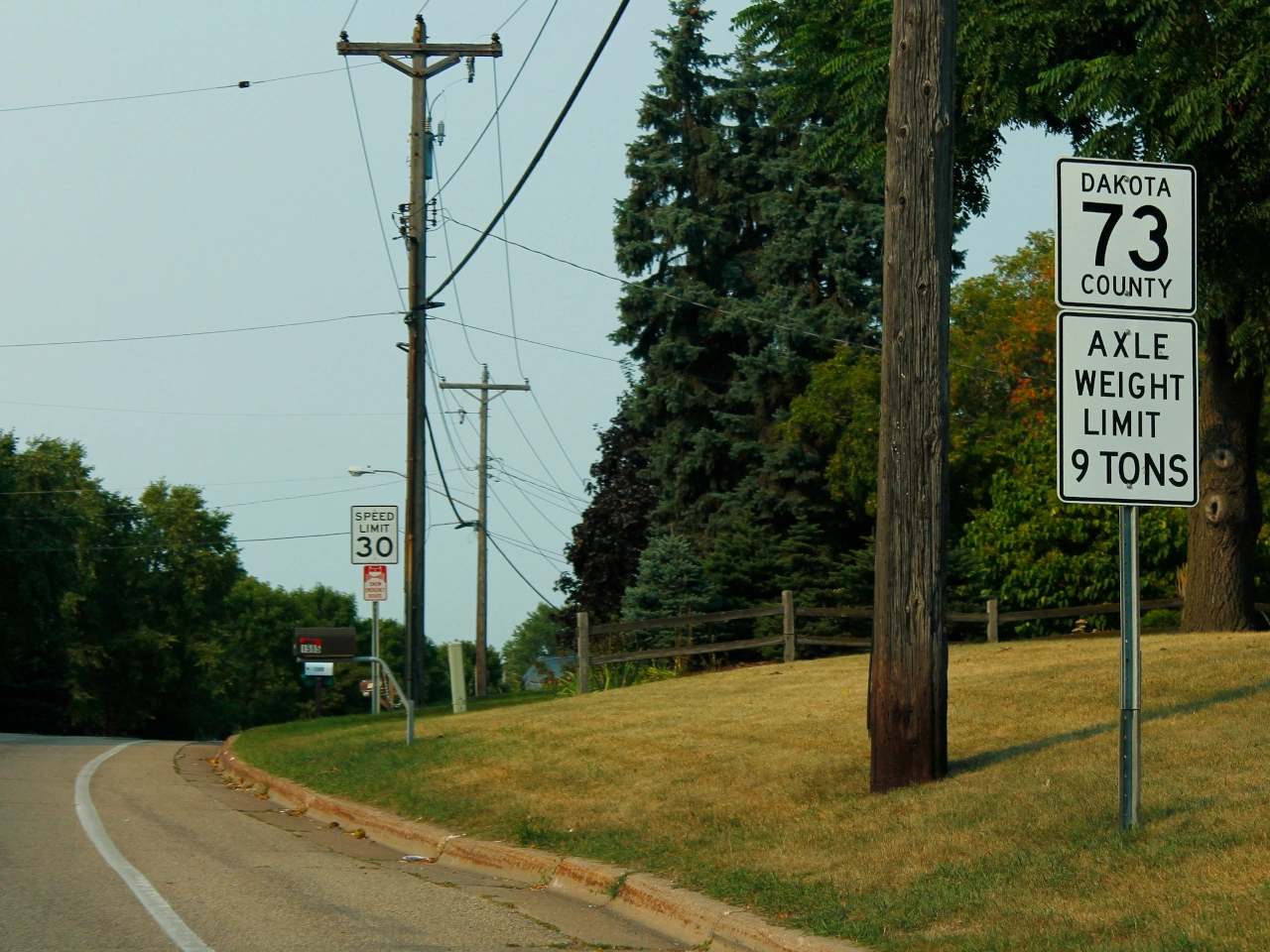
What does an axle weight limit mean?
An axle weight limit specifies the maximum permitted load carried by an individual axle or axle group. A vehicle exceeding the indicated axle load may not use the restricted road or structure.
Is axle weight the same as total vehicle weight?
No. Total vehicle weight is the combined weight of the entire vehicle and its load, while axle weight is the portion of that weight supported by a particular axle. Both limits may apply at the same time.
Why are axle weight limits used?
They help prevent excessive stress on roads and structures such as bridges. They also ensure that vehicle loads are distributed safely between the axles.
72. Kennzeichen
Ein Kennzeichen, auch Zulassungs- oder Nummernschild genannt, ist eine Tafel mit einer eindeutigen Registrierungskennung, die einem Fahrzeug von der zuständigen Zulassungsbehörde zugeteilt wird. Es ermöglicht die Identifizierung des Fahrzeugs für Zulassung, Verkehrsüberwachung, Besteuerung, Versicherung und Parkraumkontrolle.
Aussehen, Format, Anbringung und Anzahl vorgeschriebener Kennzeichen unterscheiden sich zwischen Ländern und Fahrzeugkategorien. Fahrer müssen sicherstellen, dass vorgeschriebene Kennzeichen ordnungsgemäß angebracht, gut sichtbar und lesbar sind, und die örtlichen Regeln bei Verlust, Diebstahl, Beschädigung oder Ersatz beachten.
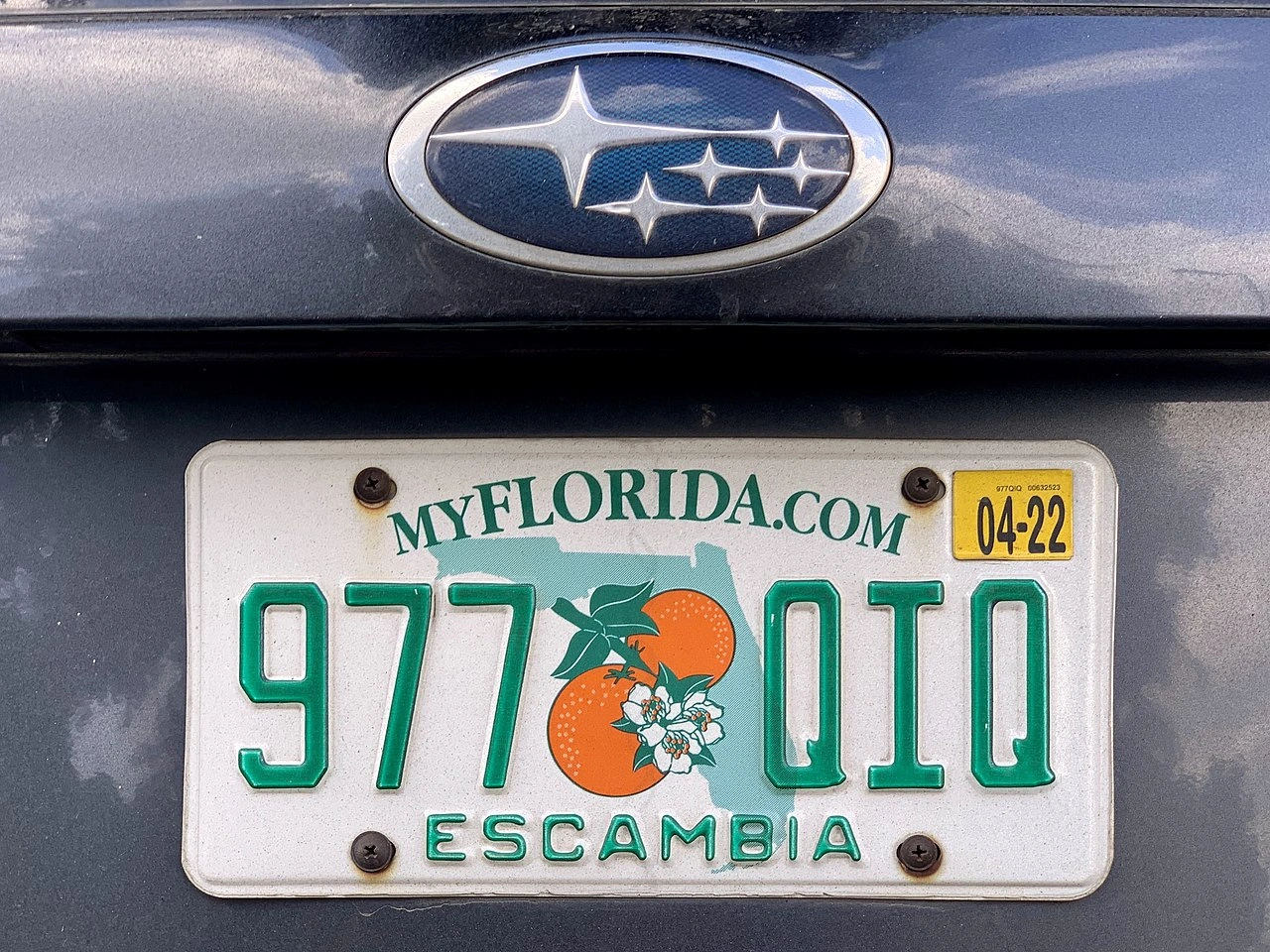
What is a licence plate?
A licence plate is a plate displaying the registration identifier assigned to a vehicle. It allows authorities and other authorised systems to identify the vehicle's registration.
Is a licence plate the same as a registration plate?
Yes. Licence plate, registration plate and number plate are different terms commonly used for the plate displaying a vehicle's official registration number.
Does every vehicle need a licence plate?
Most motor vehicles used on public roads must display one or more registration plates, but requirements differ for motorcycles, trailers, agricultural vehicles and other special vehicle categories.
Do vehicles need both front and rear licence plates?
This depends on the country and vehicle type. Cars commonly require front and rear plates, while motorcycles and certain other vehicles may require only a rear plate.
Must a licence plate remain visible?
Yes. A required registration plate must normally remain clearly visible and readable. It should not be hidden by luggage, dirt, accessories or other objects.
Can you modify a licence plate?
Generally no. Changing the characters, colours, dimensions or appearance of an official plate may make it invalid or illegal. Plates and authorised reproductions must comply with local specifications.
What should you do if a licence plate is lost or stolen?
Follow the local reporting and replacement procedure. Many countries require the loss or theft to be reported to the police or vehicle-registration authority before a replacement plate can be issued.
Can you drive with a damaged licence plate?
A plate must remain legible and compliant with local requirements. If damage prevents it from being read or makes it invalid, it should be replaced according to the local registration procedure.
Can a licence plate be personalised?
Some countries allow motorists to request a personalised registration combination. The available characters, formats and prohibited combinations are determined by the registration authority.
Does a licence plate stay with the vehicle when it is sold?
This varies between countries. In some systems the plate remains with the vehicle, while in others it remains associated with the registered holder and may be retained or returned when the vehicle is sold.
73. Ladestation
Eine Ladestation ist ein Ort mit einem oder mehreren Ladepunkten, an denen die Batterie eines Elektro- oder Plug-in-Hybridfahrzeugs an eine Stromversorgung angeschlossen und aufgeladen werden kann. Ladestationen können an öffentlichen Straßen, auf Parkplätzen, an Rastanlagen oder auf Privatgrundstücken liegen.
Ladeplätze können für tatsächlich ladende Fahrzeuge reserviert sein und Parkbeschränkungen, Zeitlimits, Gebühren oder anderen Bedingungen unterliegen. Fahrer müssen die Verkehrszeichen, Parkregeln und Ladeanweisungen am Standort beachten.
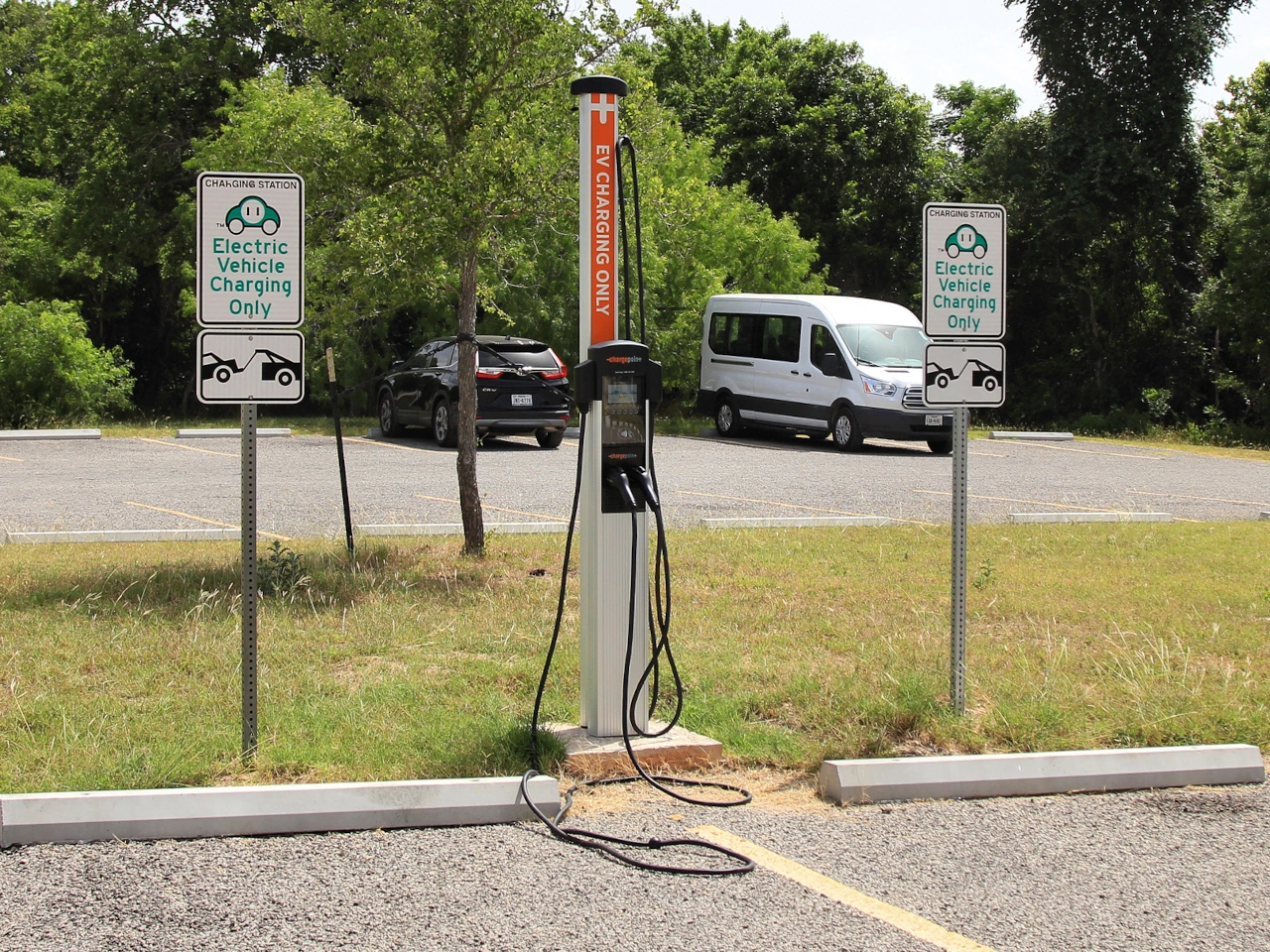
What is a charging station?
A charging station is a location where electric vehicles can be connected to an electricity supply to recharge their batteries. A station may contain one or several individual charging points.
Who can use an electric-vehicle charging station?
Charging stations are intended for vehicles that can be externally charged, such as battery-electric vehicles and plug-in hybrid vehicles. The exact vehicle categories permitted may be indicated by local signs or operator conditions.
Is a charging space an ordinary parking space?
Not necessarily. A space beside a charger may be reserved for electric vehicles or vehicles that are charging. Drivers must check the signs and markings before parking there.
Can a petrol or diesel vehicle park at a charging station?
Not where the parking space is officially reserved for electric vehicles. An ordinary parking space located near a charger may be different, so the applicable signs and markings determine who may park there.
Can an electric vehicle park at a charging point without charging?
This depends on the local traffic and parking rules. Many charging spaces require the vehicle to be connected to the charger, even if the vehicle itself is electric.
Do you have to pay to use a charging station?
Charging may be free or subject to payment. The price and payment method are determined by the charging operator, while separate parking charges may also apply.
Can a charging station have a maximum parking time?
Yes. Traffic signs, parking regulations or charging conditions may establish a maximum duration to encourage drivers to move their vehicles and make the charger available to others.
Must you move the vehicle when charging is finished?
Follow the local parking rules and charging conditions. Some locations require vehicles to leave after charging or impose additional fees or time limits when the charging session has ended.
Does using a charger override ordinary parking restrictions?
No. A charging station does not allow a driver to ignore no-parking rules, reserved spaces, time limits or other traffic regulations. The vehicle must still be legally parked.
Are all charging stations equally fast?
No. Charging stations can provide different charging powers. Some are intended for longer parking periods, while high-power chargers can recharge compatible vehicles much more quickly.
74. Überflutung
Überflutung entsteht, wenn Wasser aufgrund von Starkregen, übertretenden Flüssen, unzureichender Entwässerung, Sturmfluten oder anderen Ursachen eine Straße bedeckt oder bedroht. Überflutete Straßen können sehr schnell gefährlich werden, weil Wasser die Reifenhaftung vermindert, Schlaglöcher oder Trümmer verdeckt und Tiefe oder Strömungsstärke schwer einschätzbar macht.
Fahrer sollten bei Überflutung die Geschwindigkeit verringern, die Situation sorgfältig beurteilen und Warnzeichen oder Straßensperrungen beachten. Wenn Tiefe oder Zustand des Wassers unklar sind, ist es sicherer, nicht in den überfluteten Abschnitt einzufahren und eine andere Route zu wählen.
Why is flooding dangerous for road traffic?
Floodwater can reduce grip, hide damage or debris, affect vehicle control and make the actual depth of the water difficult to judge.
Should you drive through a flooded road?
Only when it is clearly safe and permitted. If the depth, current or road condition is uncertain, drivers should avoid entering the flooded section and find another route.
How can flooding be indicated to drivers?
Authorities may use warning signs, temporary traffic signs, barriers or road-closure signs to warn drivers or prevent access to a flooded road.
75. Senke
Eine Senke ist ein tiefer liegender Straßenabschnitt, bei dem die Fahrbahn über eine relativ kurze Strecke abfällt und anschließend wieder ansteigt. Eine Senke kann die Sicht einschränken, die Fahrzeugstabilität beeinflussen und Wasser sammeln, wodurch der weitere Straßenverlauf schwerer einzuschätzen ist.
Fahrer sollten sich einer Senke bei Bedarf mit reduzierter Geschwindigkeit nähern, das Fahrzeug kontrolliert führen und auf verdeckte Fahrzeuge, Fußgänger, Radfahrer oder stehendes Wasser innerhalb oder hinter der Vertiefung achten.
What is a dip in the road?
A dip is a short depression in the road surface where the road falls and then rises again.
Why can a road dip be dangerous?
A dip can reduce visibility, affect vehicle stability and hide road users or obstacles. Water may also collect in the lowest part of the depression.
How should you drive through a dip?
Approach at a suitable speed, keep the vehicle under control and be prepared for hazards that may not be visible until you enter or leave the dip.

Verkehrsregeln
Vereinigte Staaten