


QuizTraffic rulesAustria
This interesting quiz helps you test your knowledge in a clear and visual way. With easy multiple-choice questions, you can quickly build confidence and learn new facts while keeping it simple, interactive, and fun.
 Traffic signs
 Traffic rules
 Austria
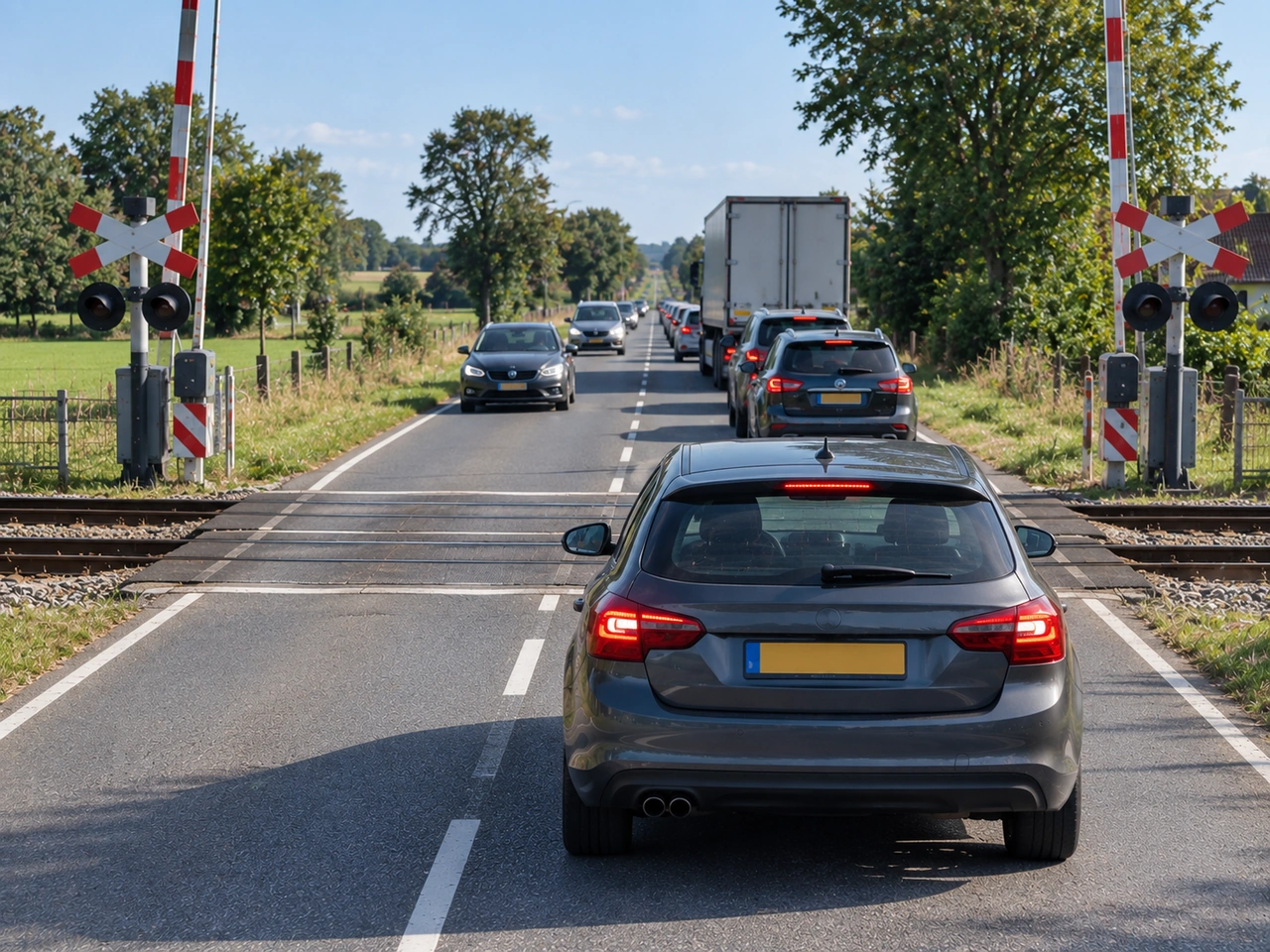
451. What should you do if traffic beyond a railway crossing is blocked?
Never enter a railway crossing unless you can clear the tracks completely. If traffic ahead is blocked, wait before the crossing so you cannot become trapped on the railway.
AI-generated by Traffic-rules.com • WCIT • CC BY-SA

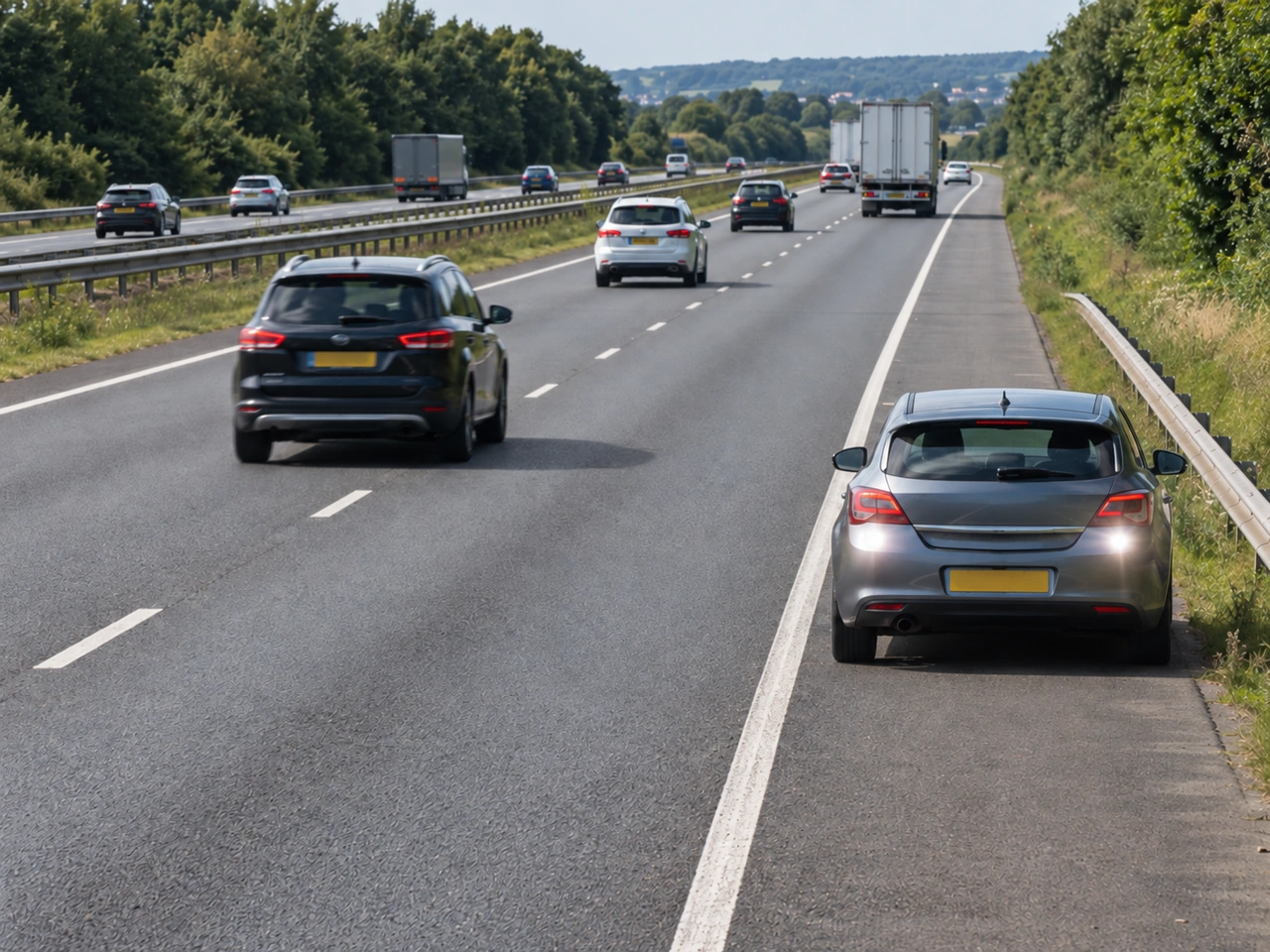
452. Why are reversing and making a U-turn on a motorway extremely dangerous?
Motorway traffic travels at high speed. Unexpected reversing or turning can cause a severe collision.
AI-generated by Traffic-rules.com • WCIT • CC BY-SA
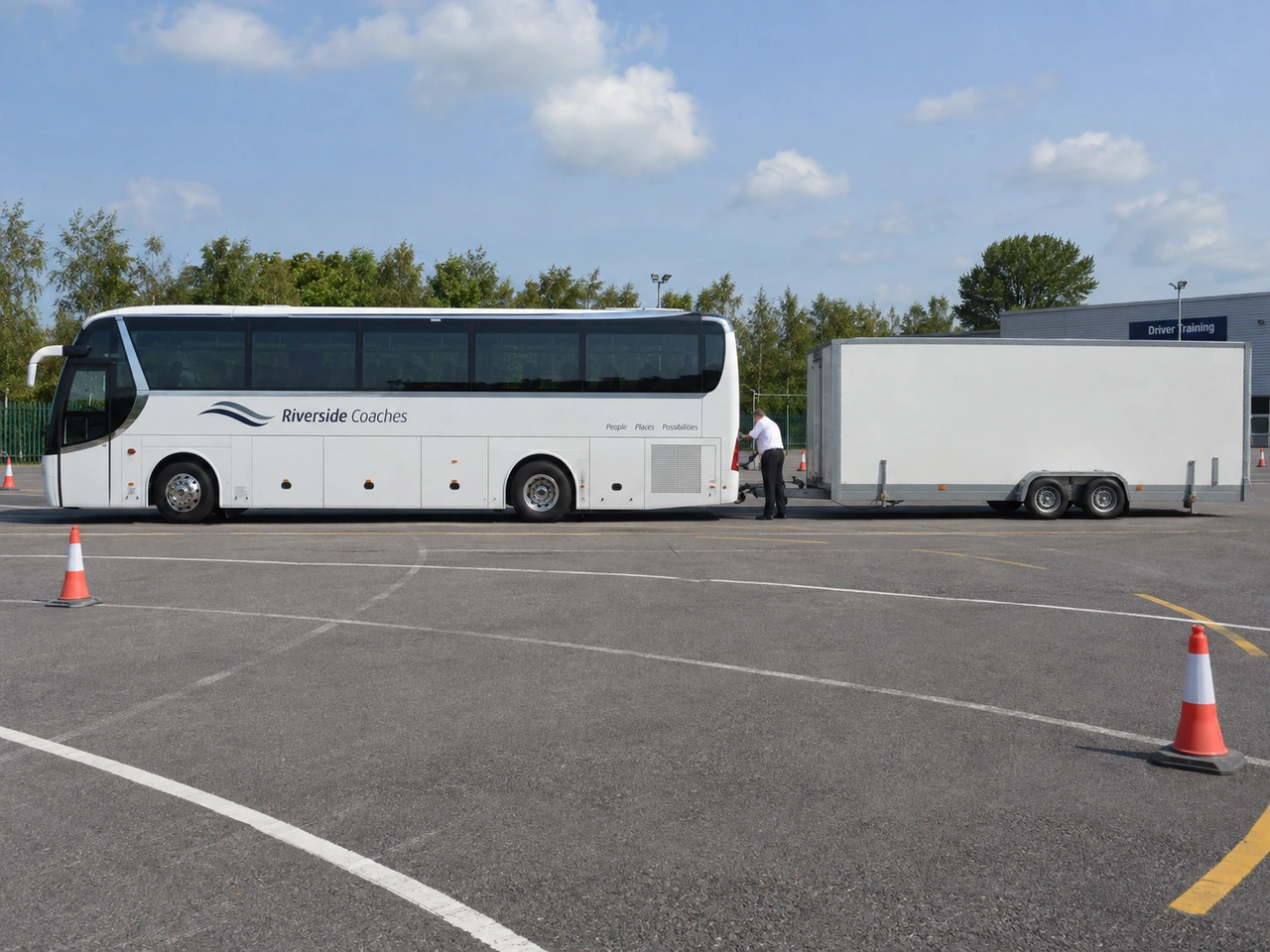
453. What is the minimum licence for a D bus towing a trailer over 750 kg?
Category D permits a trailer with a maximum authorised mass of up to 750 kg. A category D vehicle towing a trailer above 750 kg requires category DE.
AI-generated by Traffic-rules.com • WCIT • CC BY-SA
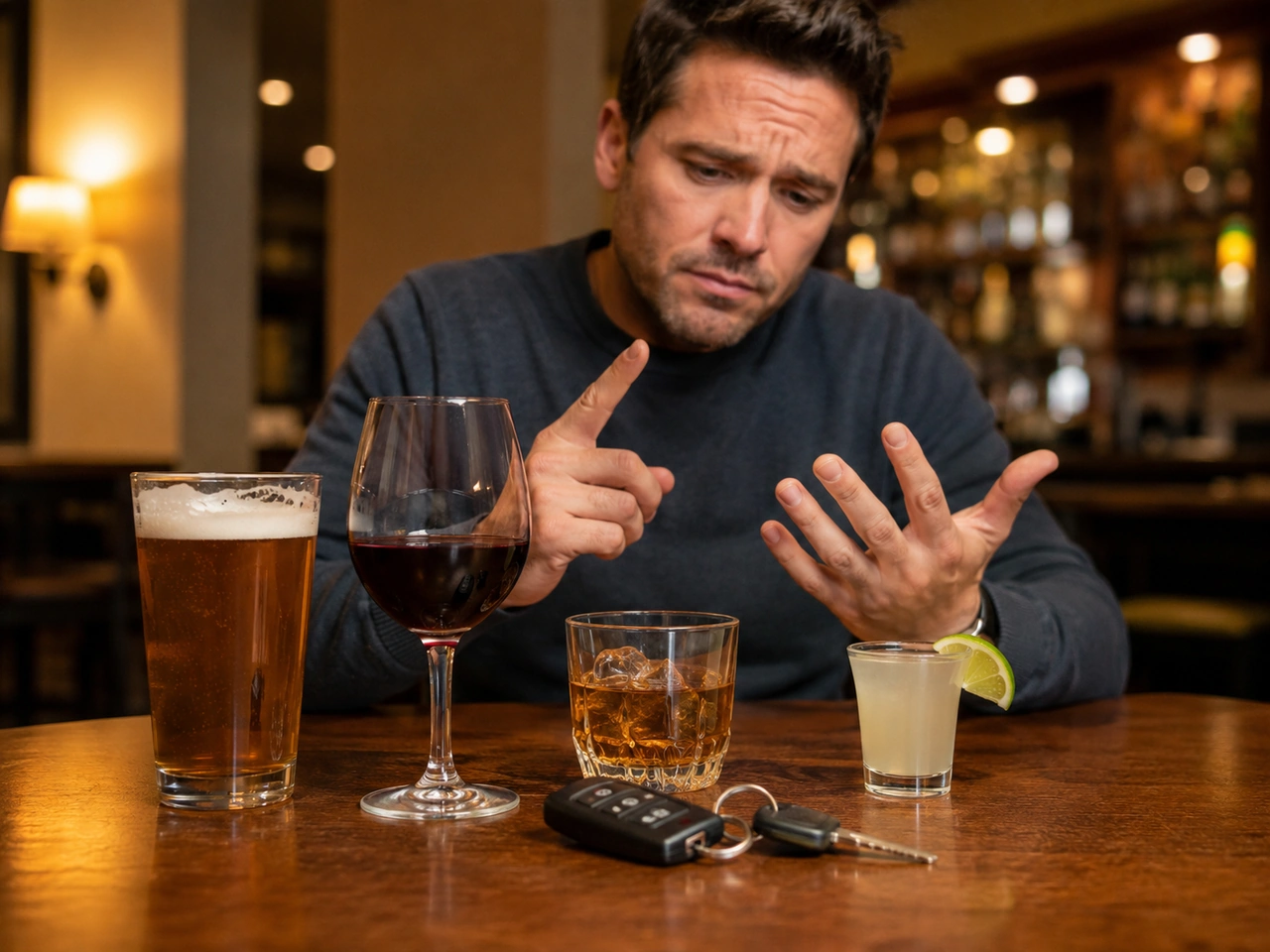
454. Why is counting drinks an unreliable way to decide whether you can drive?
Alcohol concentration and serving sizes vary, and factors such as body size, food, medication, and time can affect impairment.
AI-generated by Traffic-rules.com • WCIT • CC BY-SA
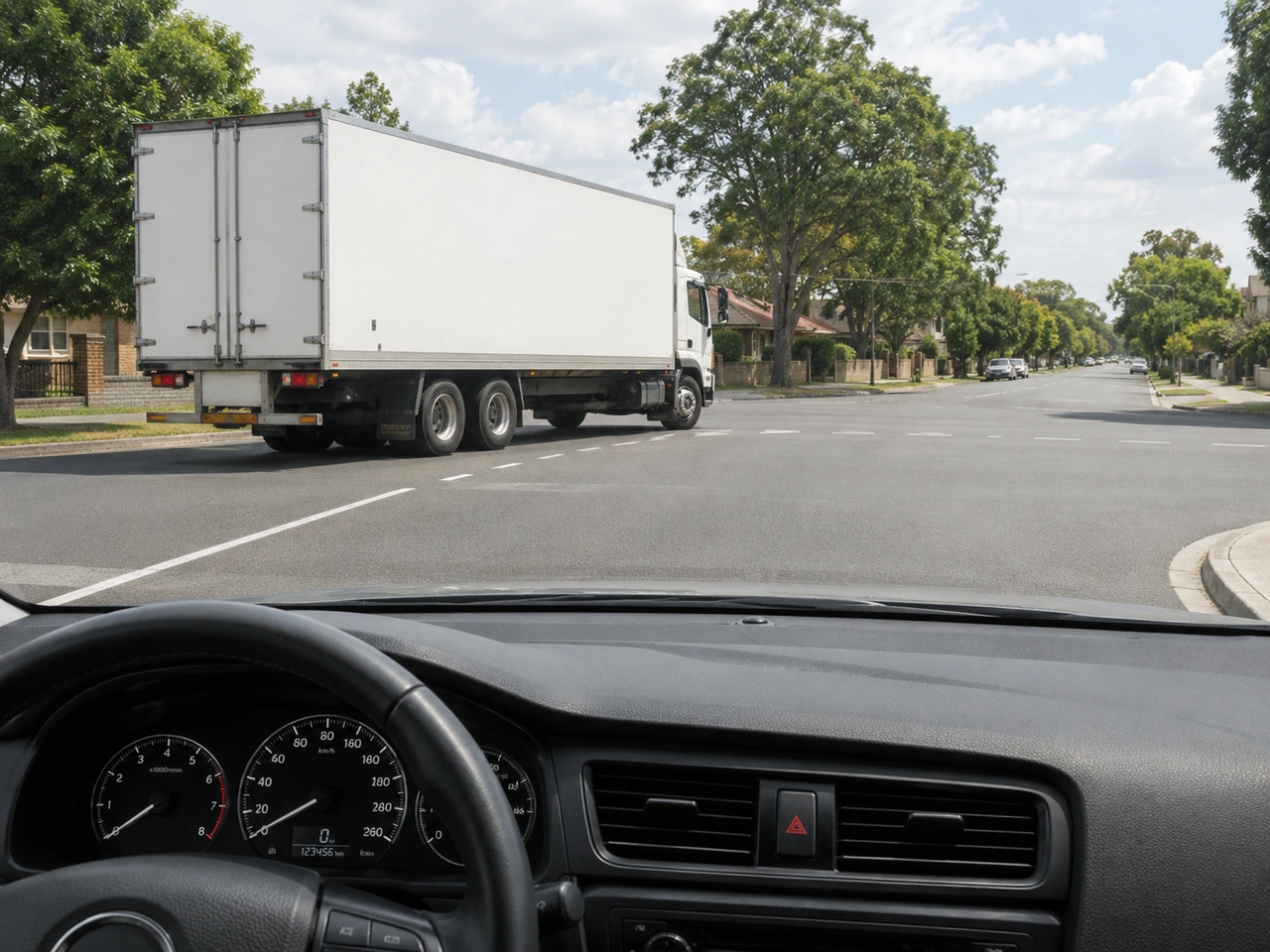
455. Why should you leave space beside large vehicles when they turn?
Large vehicles often swing wide when turning and have larger blind spots. Keep clear and do not move into the space beside them.
AI-generated by Traffic-rules.com • WCIT • CC BY-SA
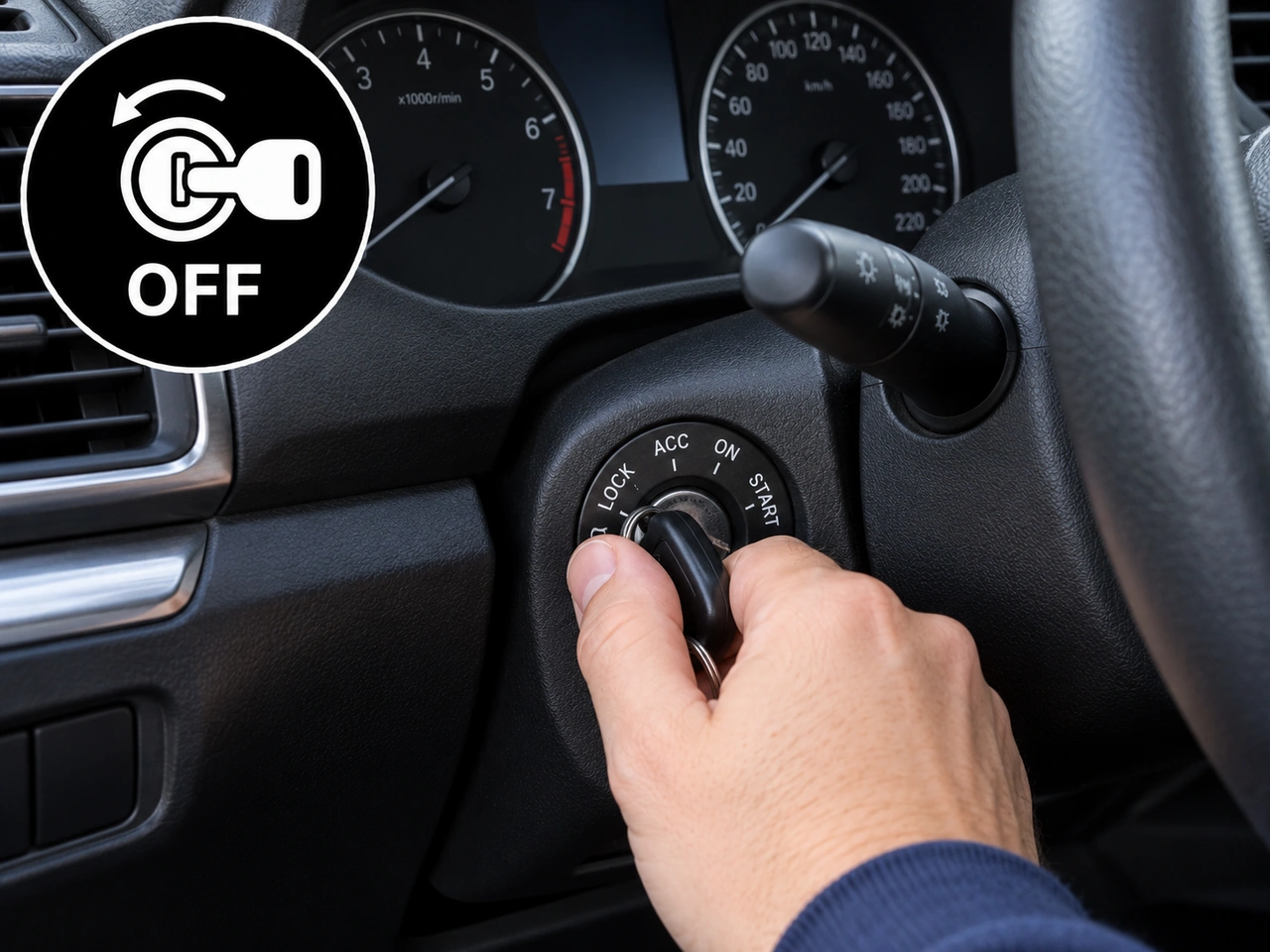
456. What does turning a traditional ignition switch to OFF normally do?
Turning a traditional ignition switch to OFF switches off the engine and ignition systems. The key can then normally be moved to the LOCK position and removed.
AI-generated by Traffic-rules.com • WCIT • CC BY-SA
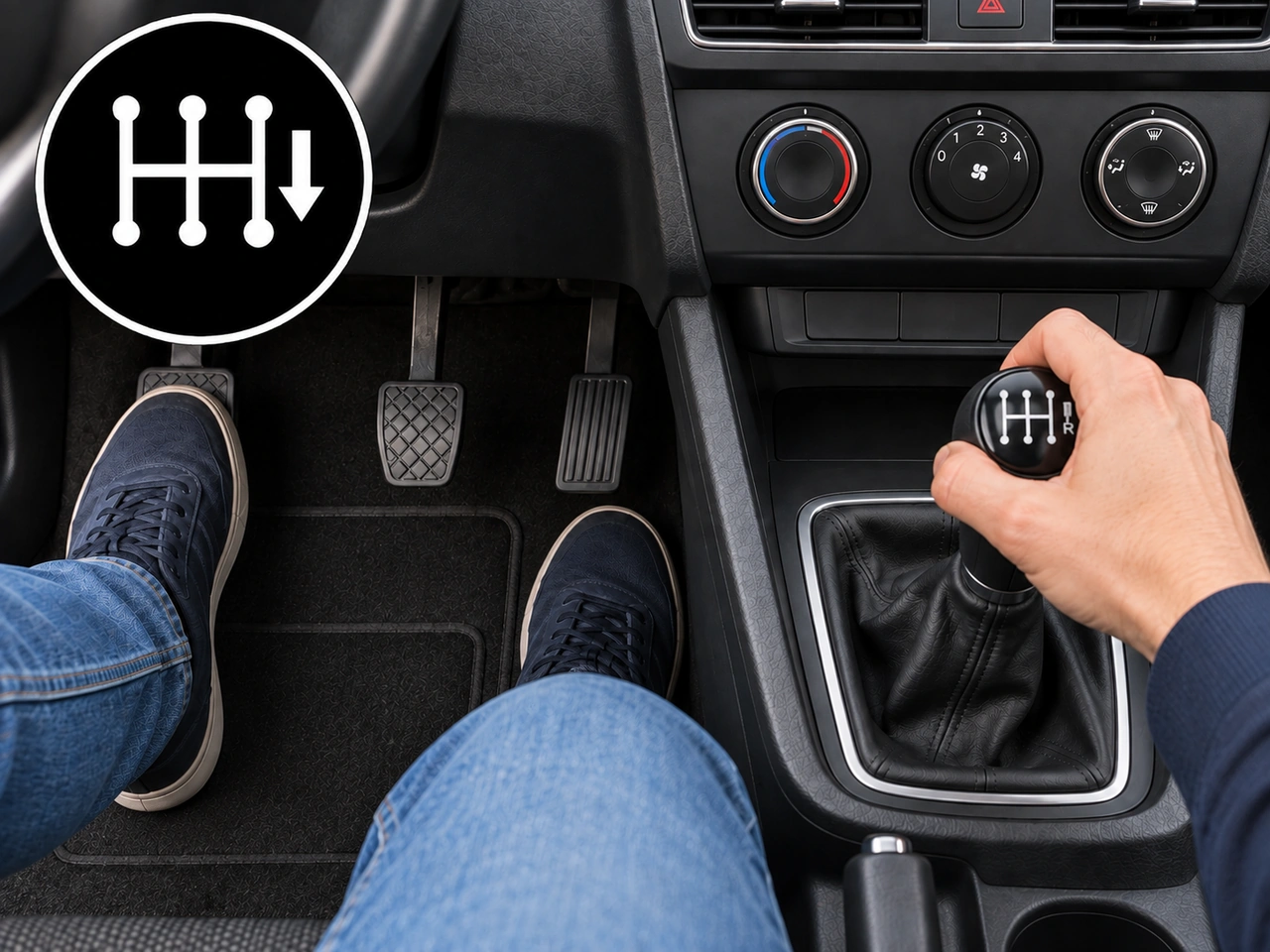
457. What can selecting a lower gear provide in a manual vehicle?
Selecting a suitable lower gear can increase engine braking, helping the vehicle slow or control its speed without relying entirely on the brakes.
AI-generated by Traffic-rules.com • WCIT • CC BY-SA
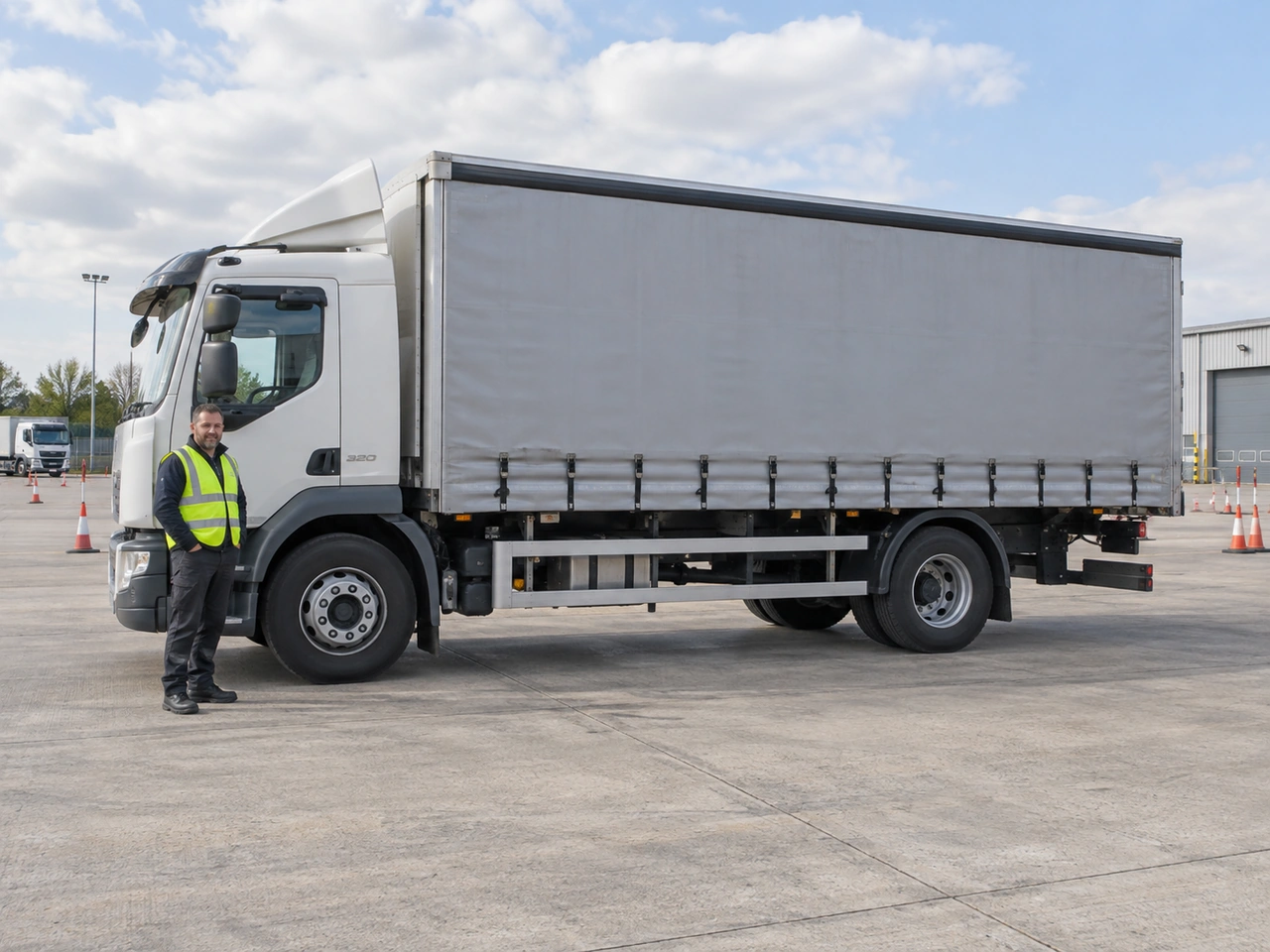
458. Which licence category is mainly associated with trucks?
Driving licence C is mainly associated with trucks. Category C1 covers smaller heavy vehicles, C covers larger heavy vehicles, and C1E and CE allow heavier trailers.
AI-generated by Traffic-rules.com • WCIT • CC BY-SA
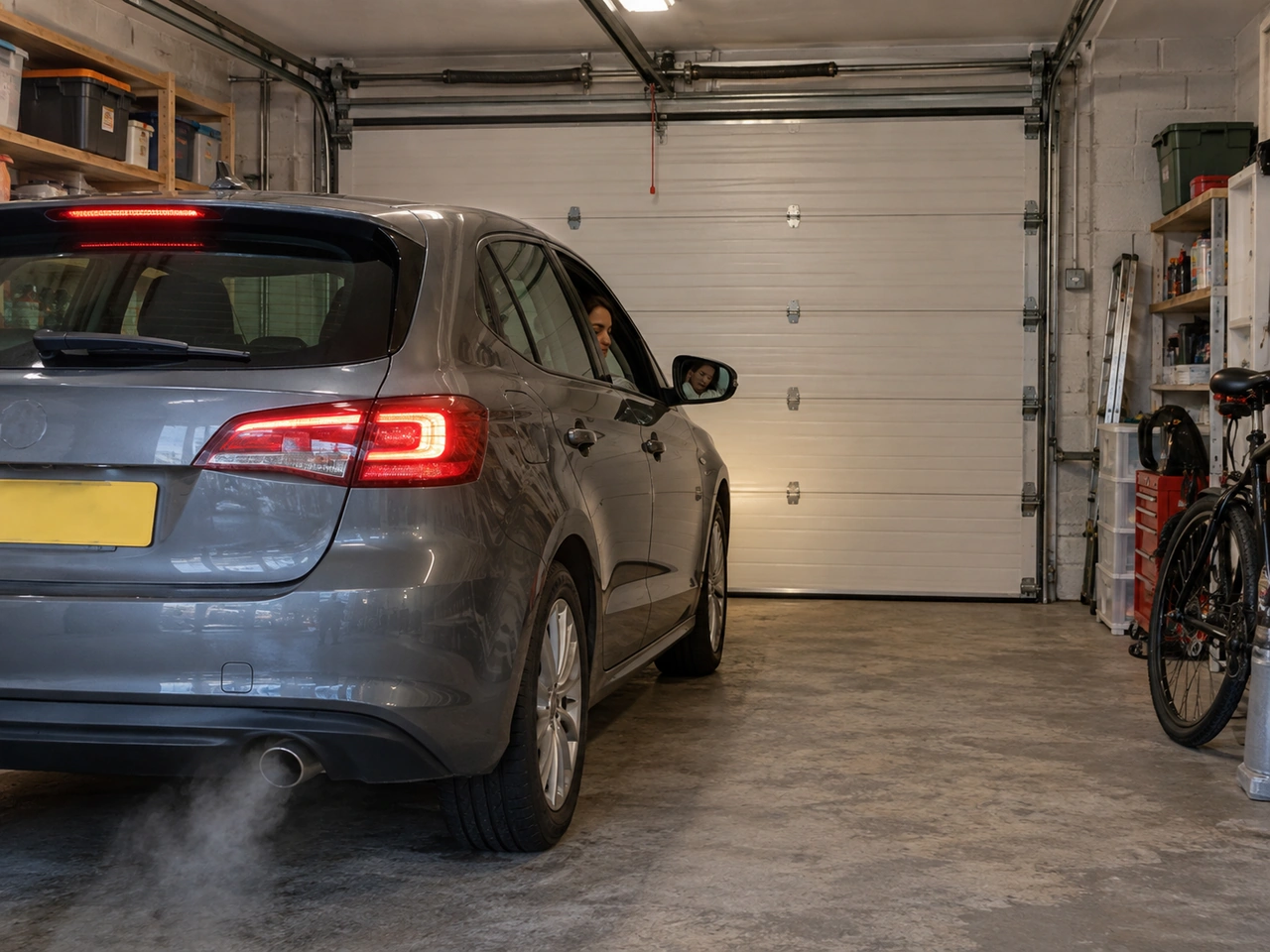
459. Why should you never leave a petrol or diesel engine running in an enclosed space?
Exhaust gases from petrol and diesel engines can contain carbon monoxide, a poisonous gas that can build up quickly in an enclosed or poorly ventilated space. Never leave the engine running inside a closed garage or similar area.
AI-generated by Traffic-rules.com • WCIT • CC BY-SA
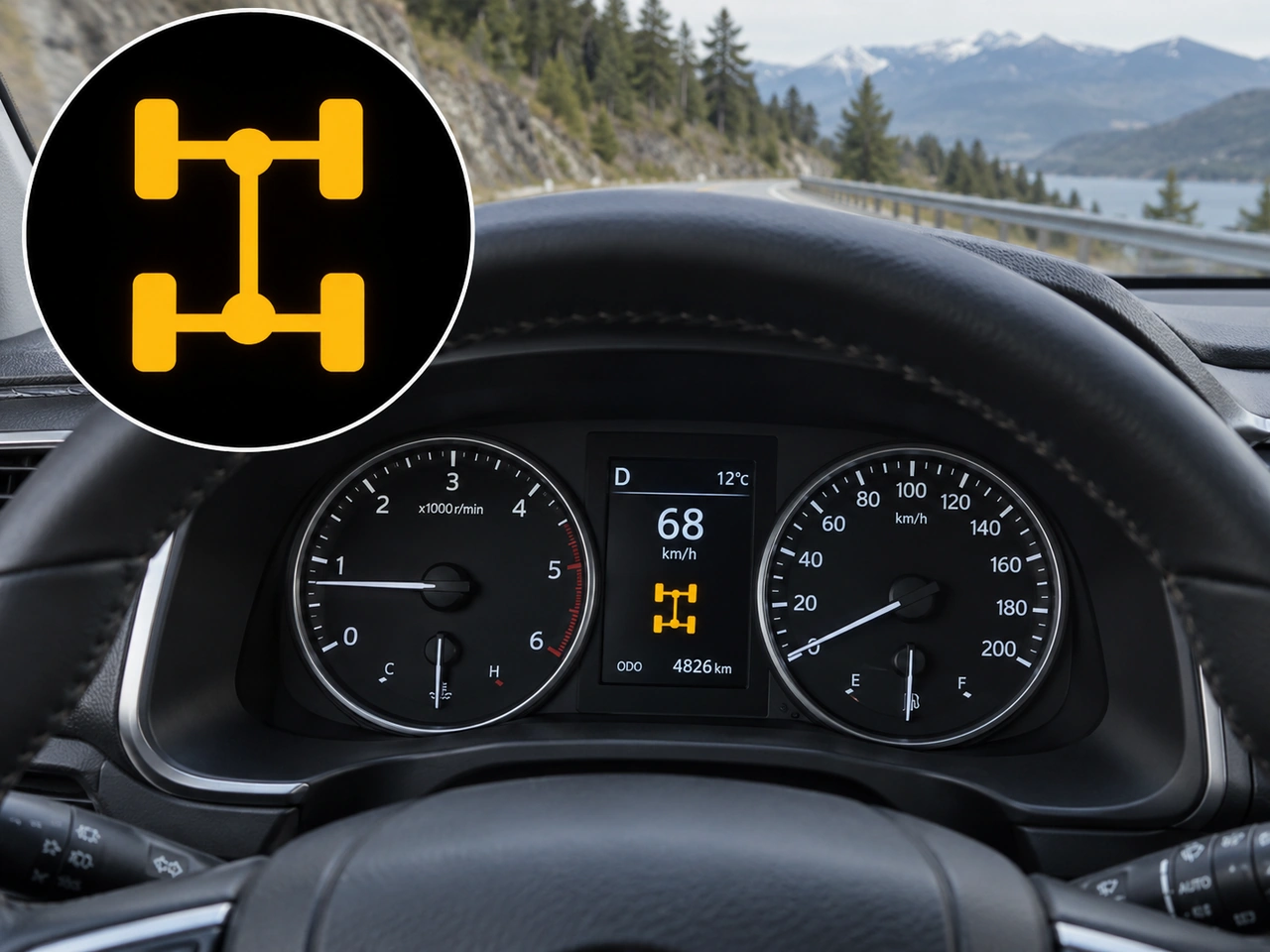
460. What does this dashboard symbol indicate?
This symbol relates to the vehicle's four-wheel-drive system, which can transmit power to all four wheels. The exact symbol and operating modes vary between vehicles.
AI-generated by Traffic-rules.com • WCIT • CC BY-SA
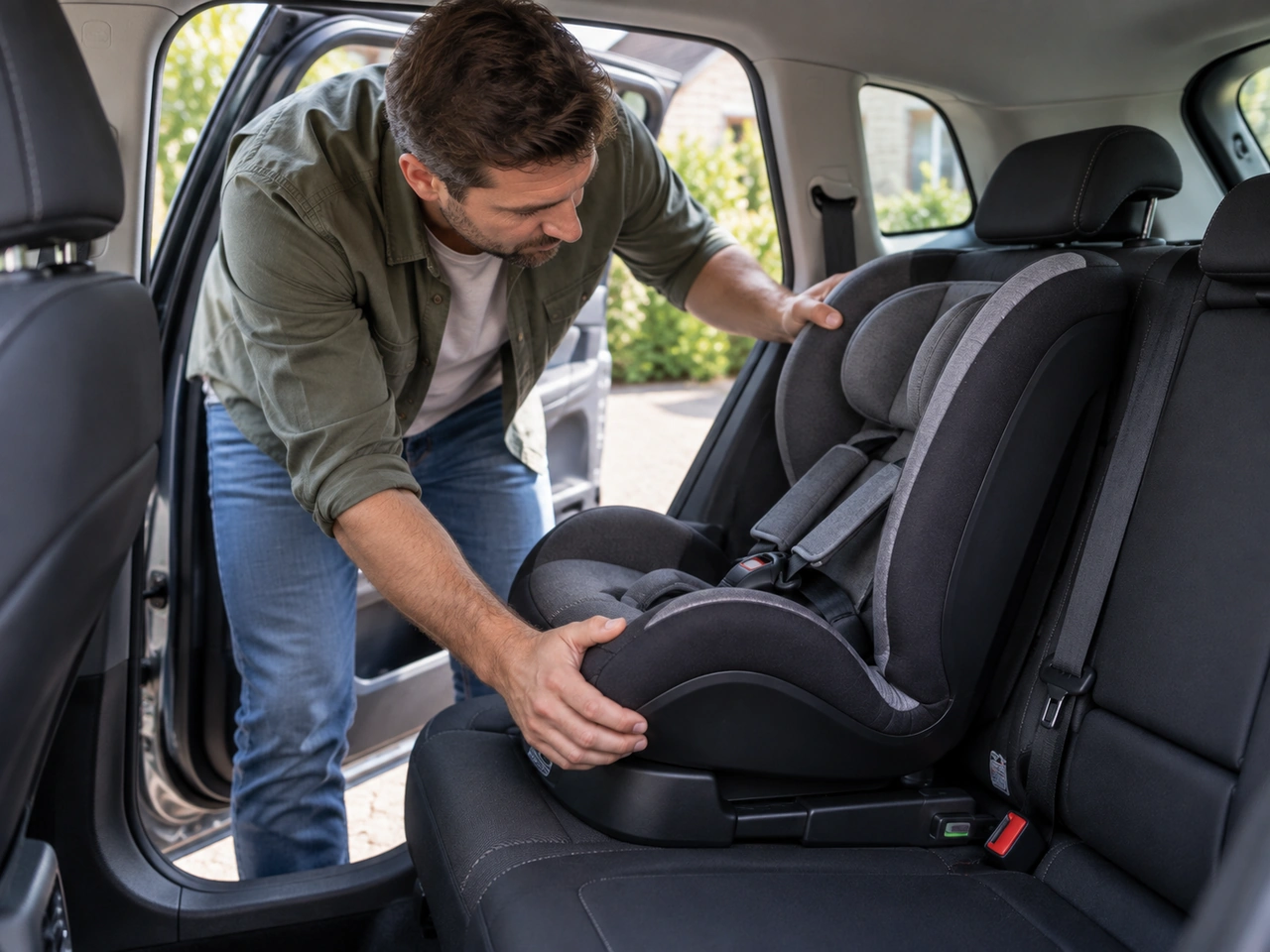
461. What should you check after fitting a child restraint?
A child restraint should be installed securely and used according to the manufacturer's instructions. Check that the seat is firmly attached, the belt or ISOFIX connection is correct, and the child is restrained properly before driving.
AI-generated by Traffic-rules.com • WCIT • CC BY-SA
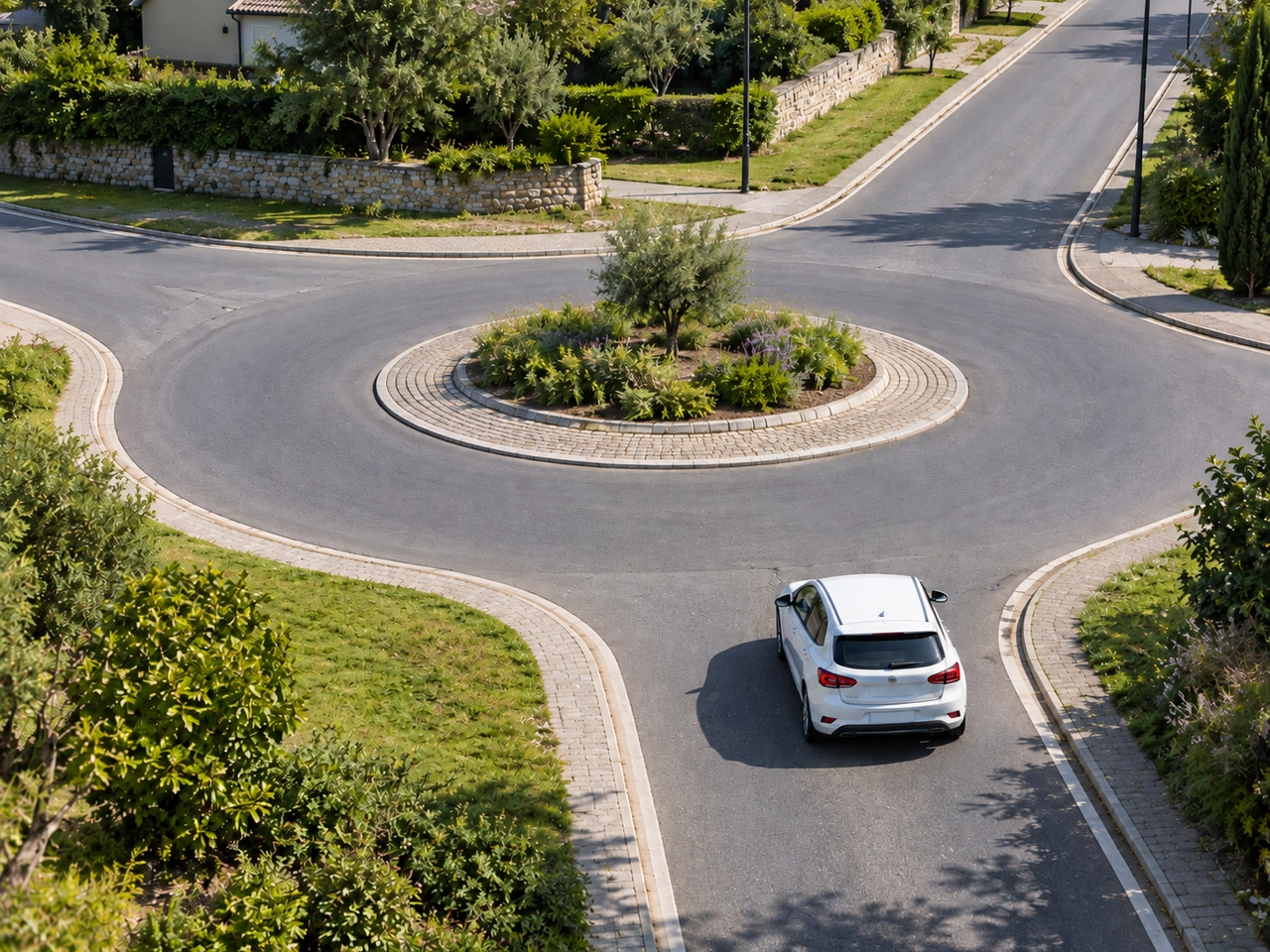
462. Who normally has priority at roundabouts in Austria?
In Austria, traffic entering a roundabout normally gives way to traffic already circulating.
AI-generated by Traffic-rules.com • WCIT • CC BY-SA
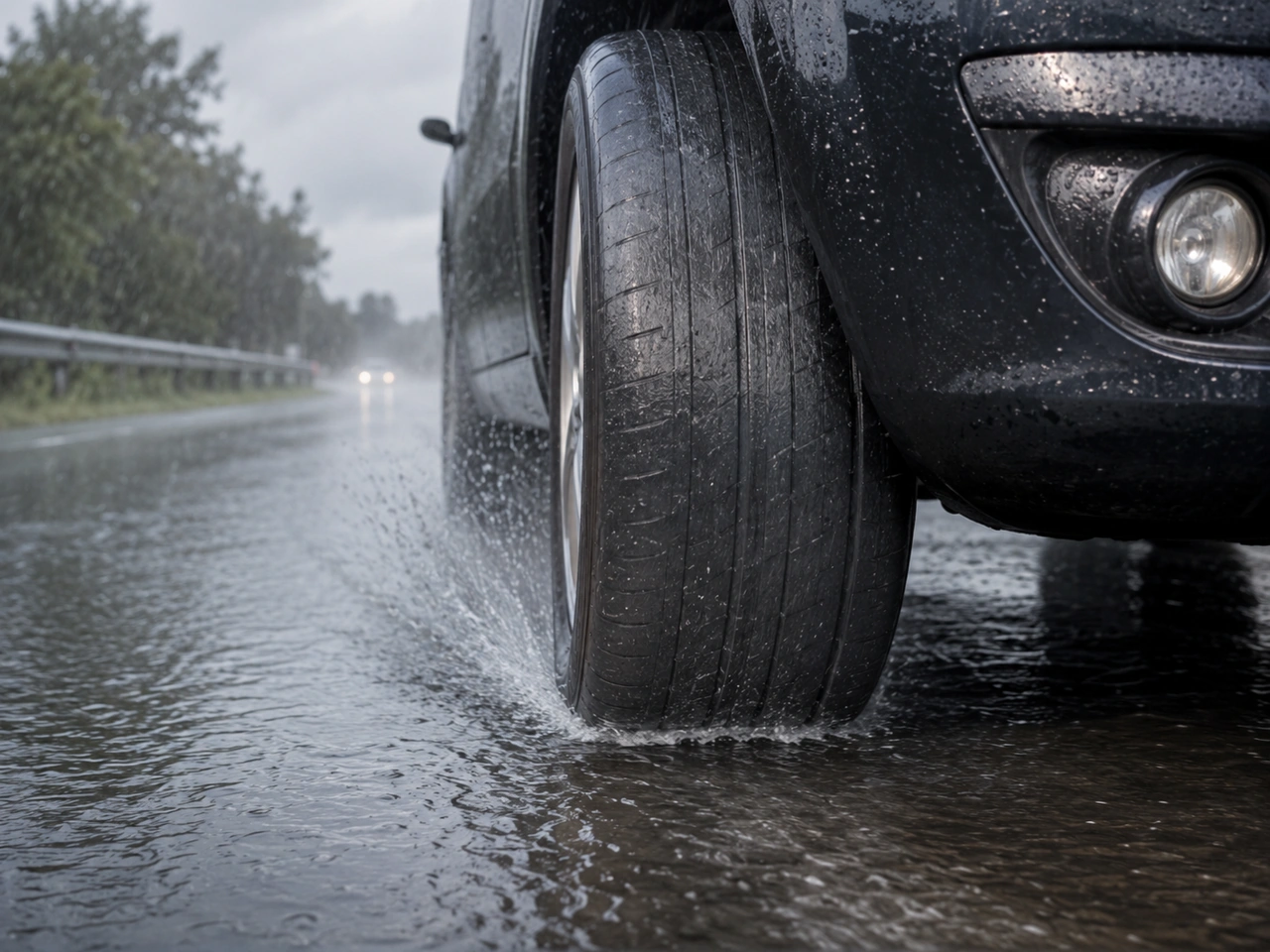
463. How can worn tyres affect driving in heavy rain?
Tyre tread helps channel water away and maintain grip. Worn tyres cannot clear water as effectively, increasing stopping distance and the risk of aquaplaning.
AI-generated by Traffic-rules.com • WCIT • CC BY-SA
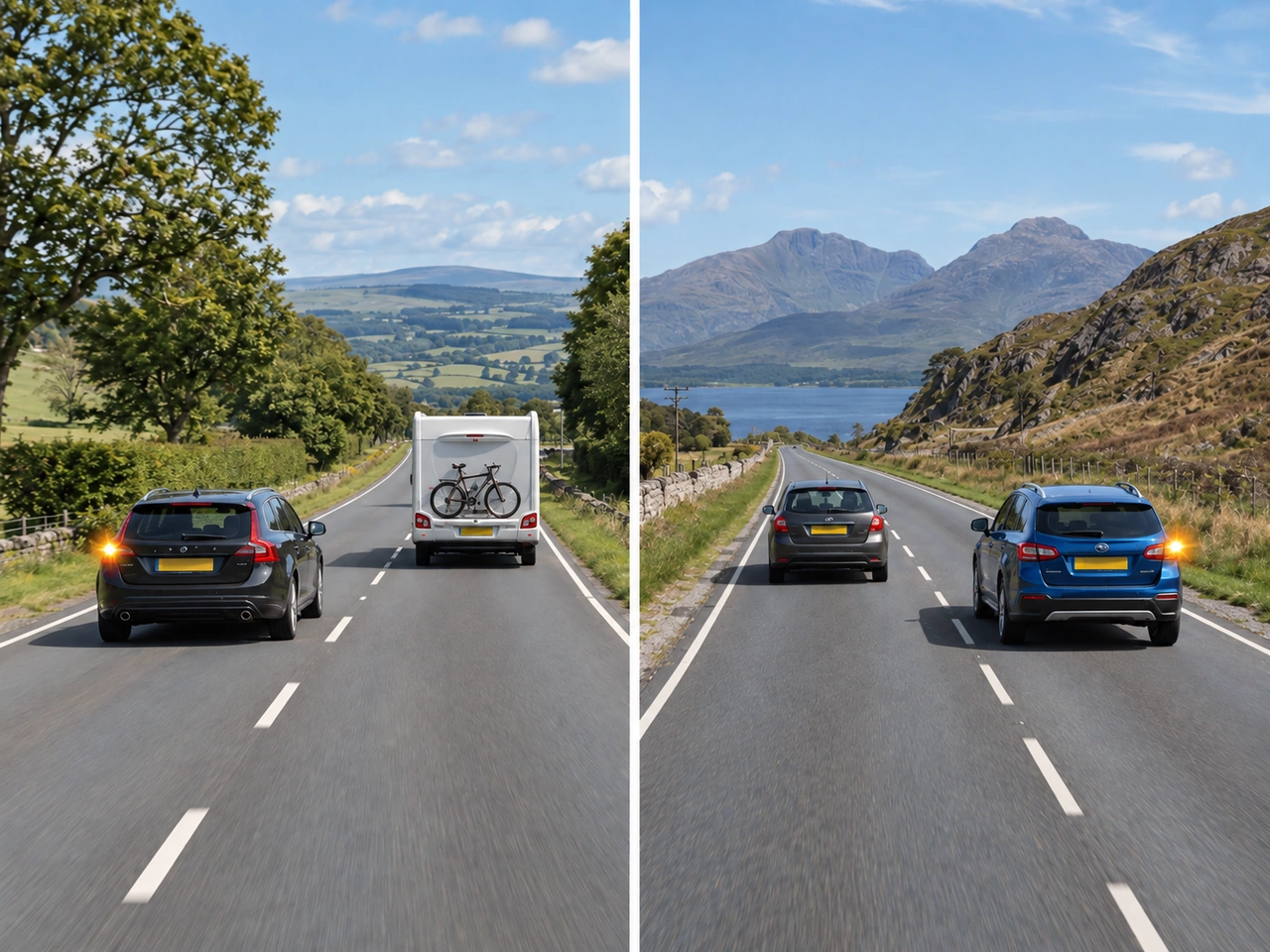
464. Which side is normally used for overtaking in Austria?
Drivers normally overtake on the left-hand side in Austria.
AI-generated by Traffic-rules.com • WCIT • CC BY-SA
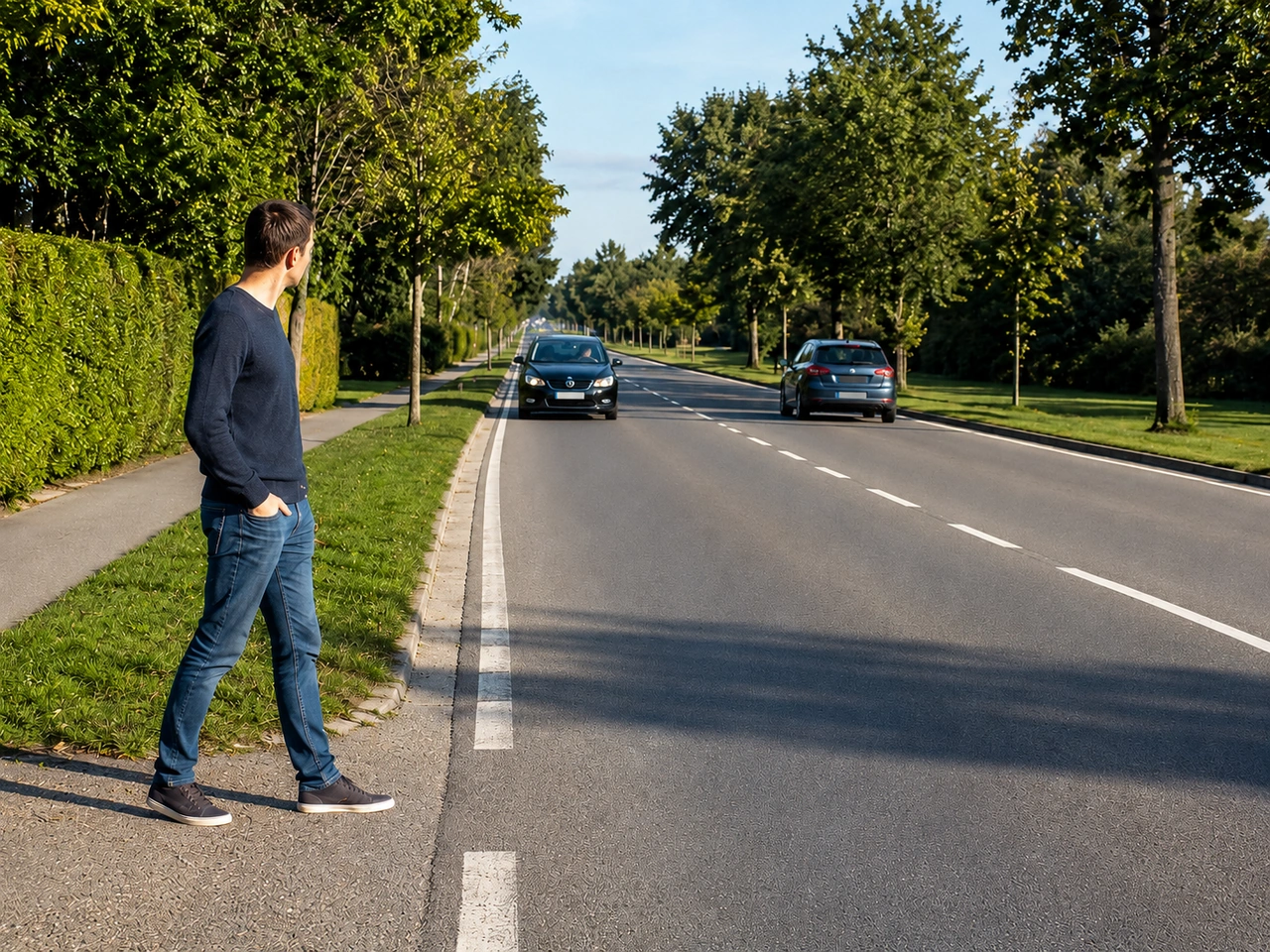
465. What should you do when crossing a road with no marked crossing nearby?
If there is no marked crossing nearby, choose a safe place where you can clearly see approaching traffic.
AI-generated by Traffic-rules.com • WCIT • CC BY-SA
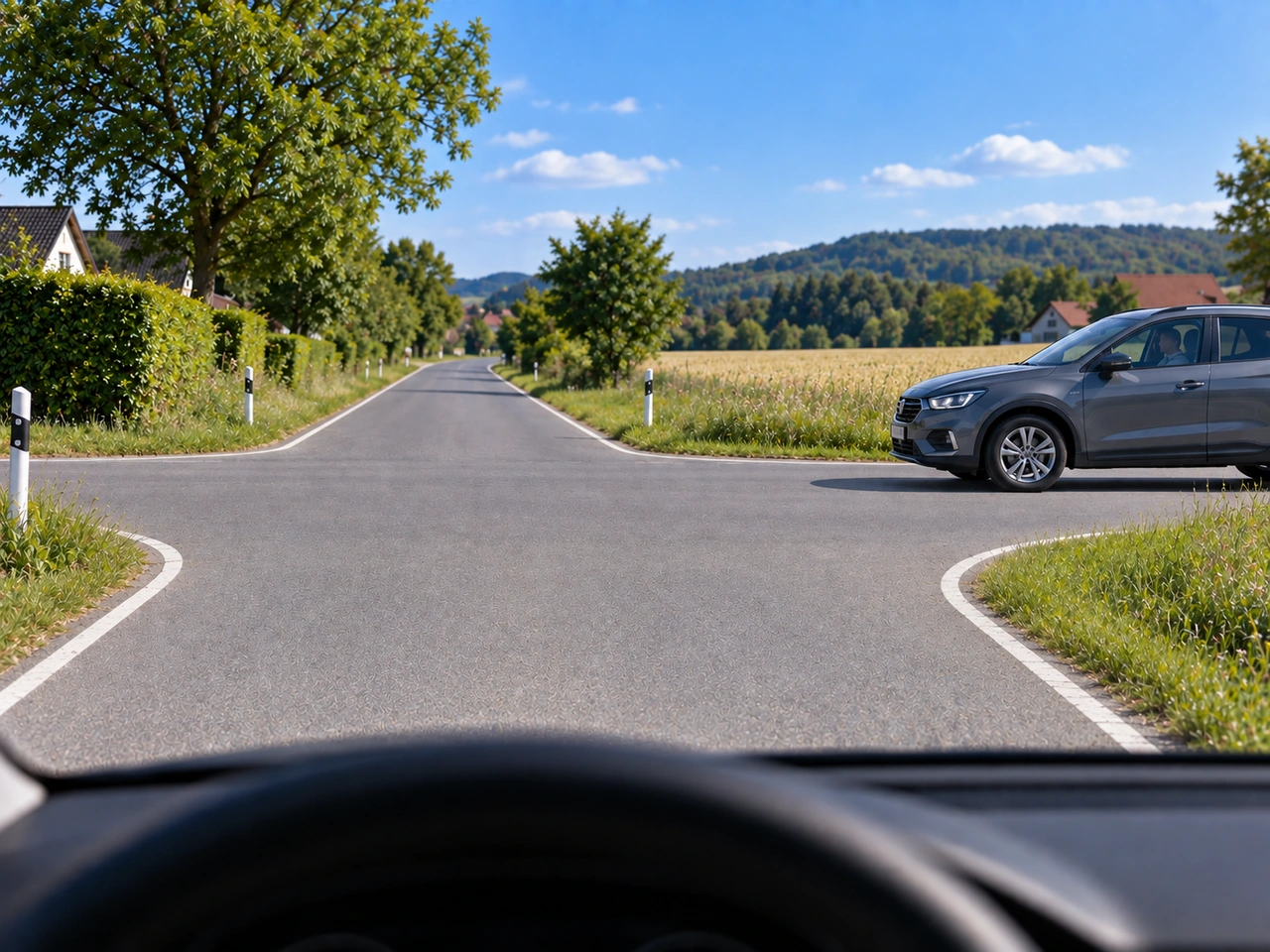
466. Who generally has priority at an uncontrolled intersection in Austria?
At an uncontrolled intersection in Austria, you generally give way to traffic approaching from the right.
AI-generated by Traffic-rules.com • WCIT • CC BY-SA
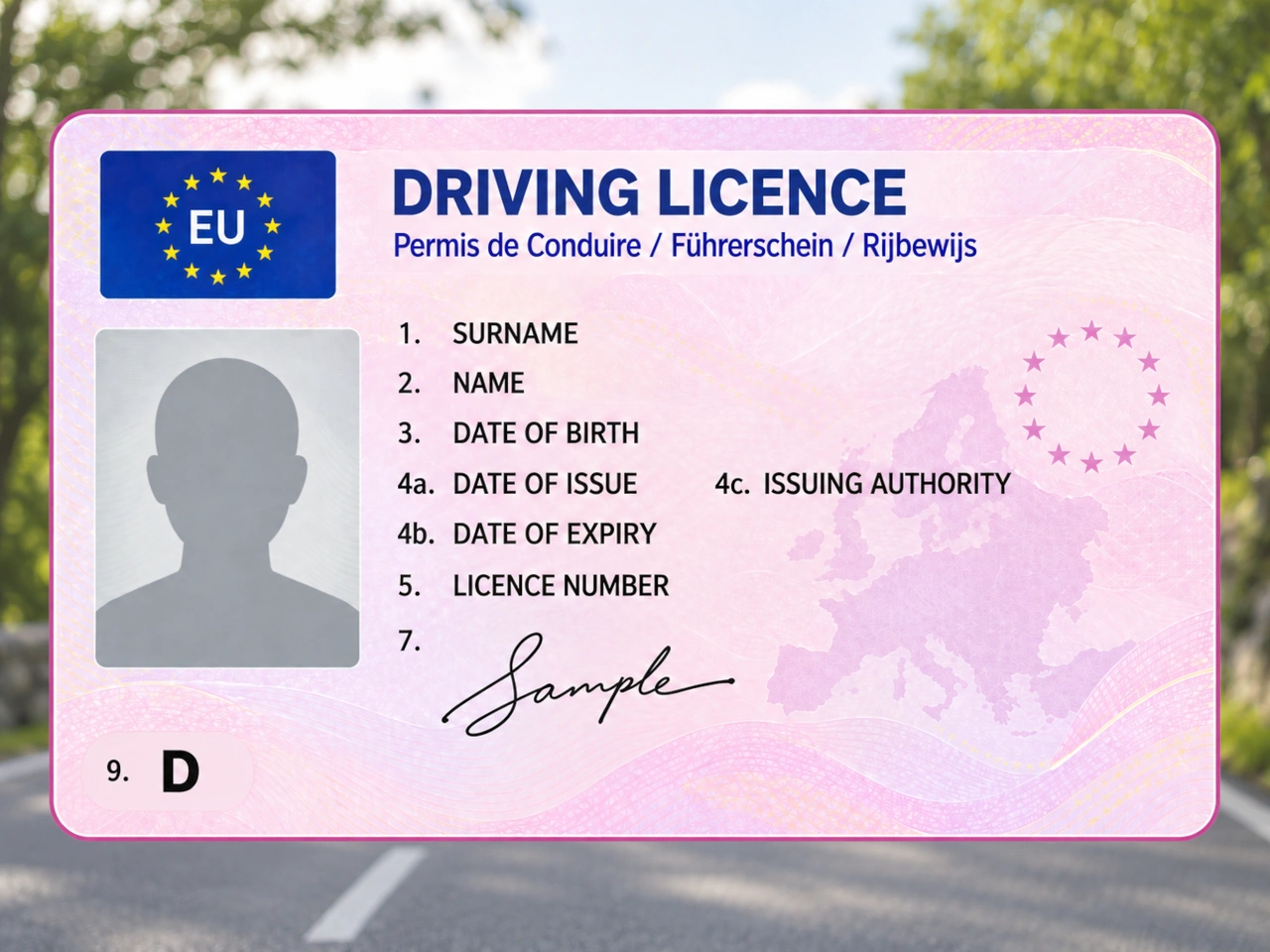
467. Which vehicle type is mainly associated with driving licence D?
Driving licence D is mainly associated with buses. Category D1 covers smaller buses, D covers larger buses, and D1E and DE allow heavier trailers.
AI-generated by Traffic-rules.com • WCIT • CC BY-SA
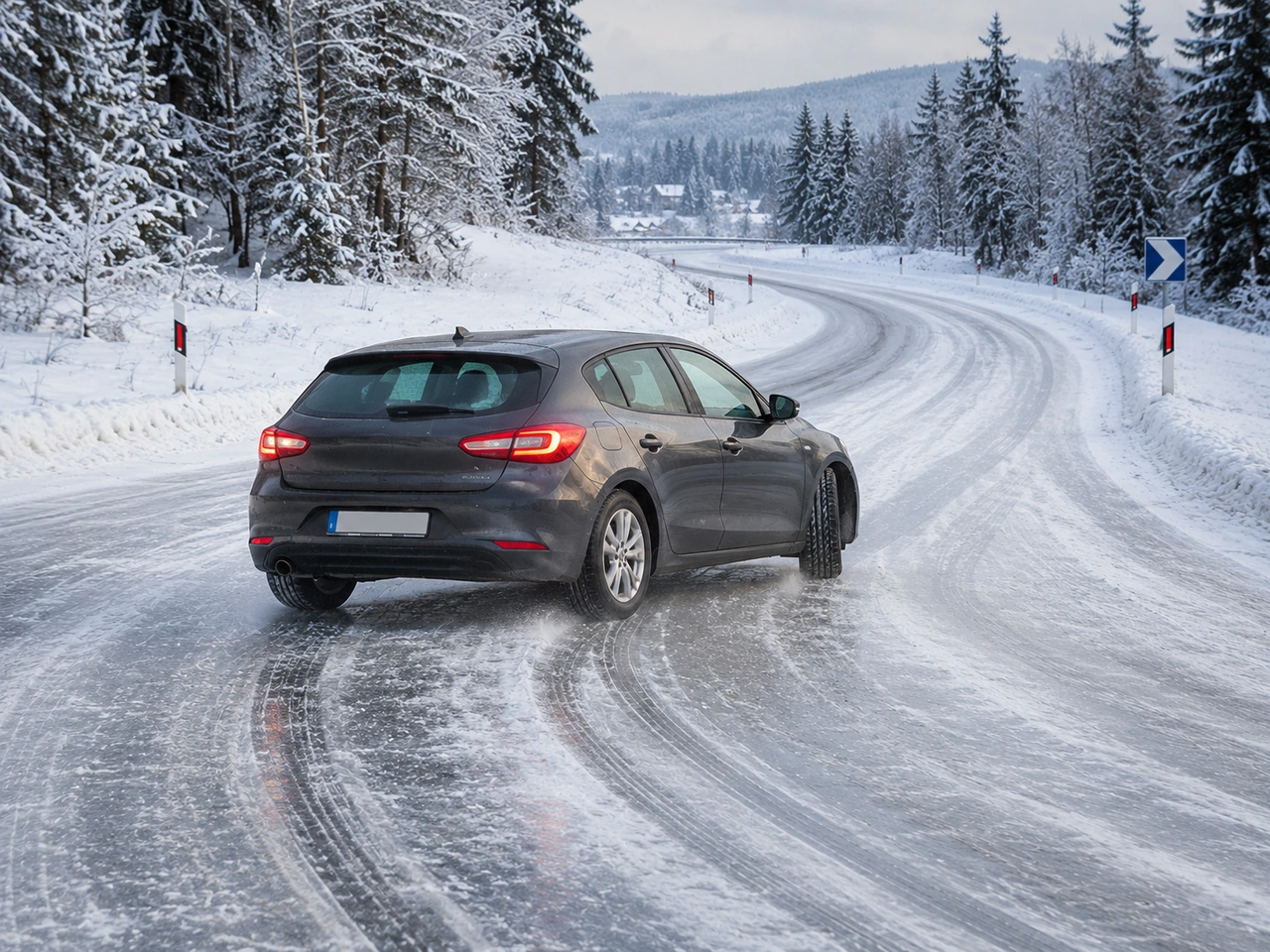
468. What should you do if your vehicle begins to skid on ice?
Avoid sudden braking or steering. Look where you want to go and use gentle controls while the tyres regain grip.
AI-generated by Traffic-rules.com • WCIT • CC BY-SA
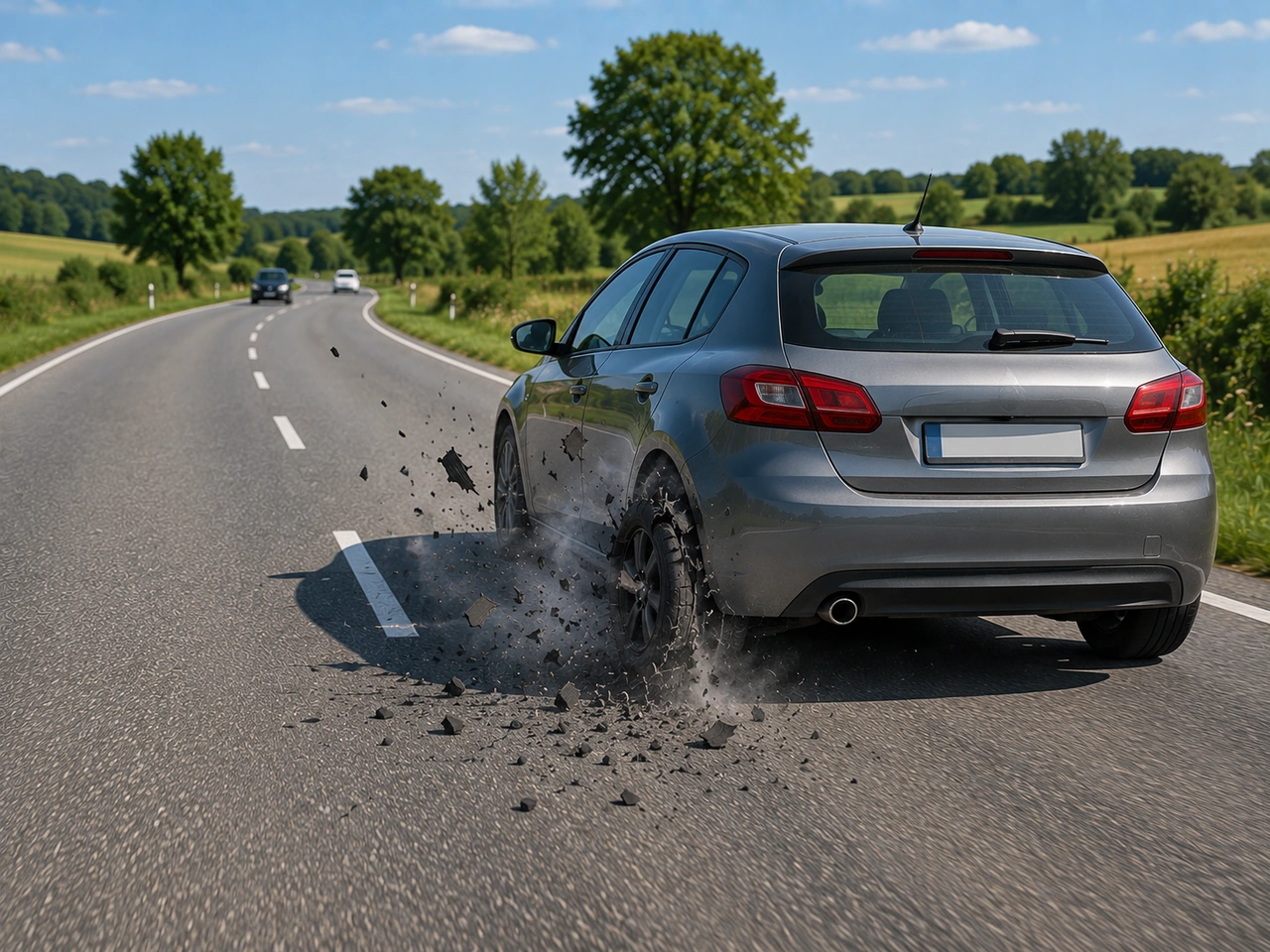
469. What should you do if one of your tyres suddenly bursts while driving?
A tyre burst can make the vehicle unstable. Hold the wheel firmly, avoid sudden braking or steering, and slow down gradually.
AI-generated by Traffic-rules.com • WCIT • CC BY-SA
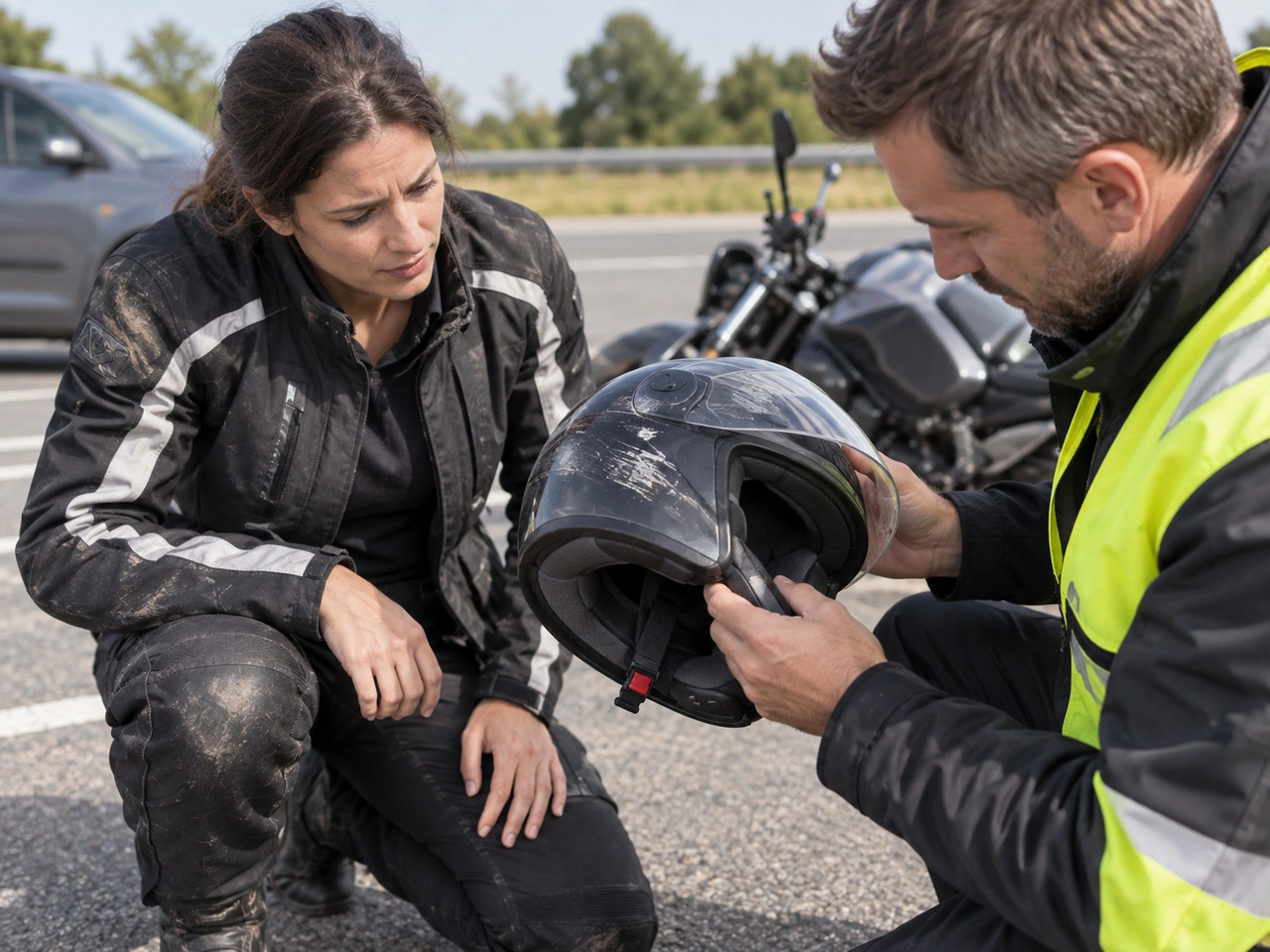
470. What should you do with a helmet that has taken a significant impact in a collision?
A helmet can be damaged internally by a significant impact even when no damage is visible from the outside. Stop using the helmet and follow the manufacturer's guidance, which will commonly require replacement after a significant impact.
AI-generated by Traffic-rules.com • WCIT • CC BY-SA
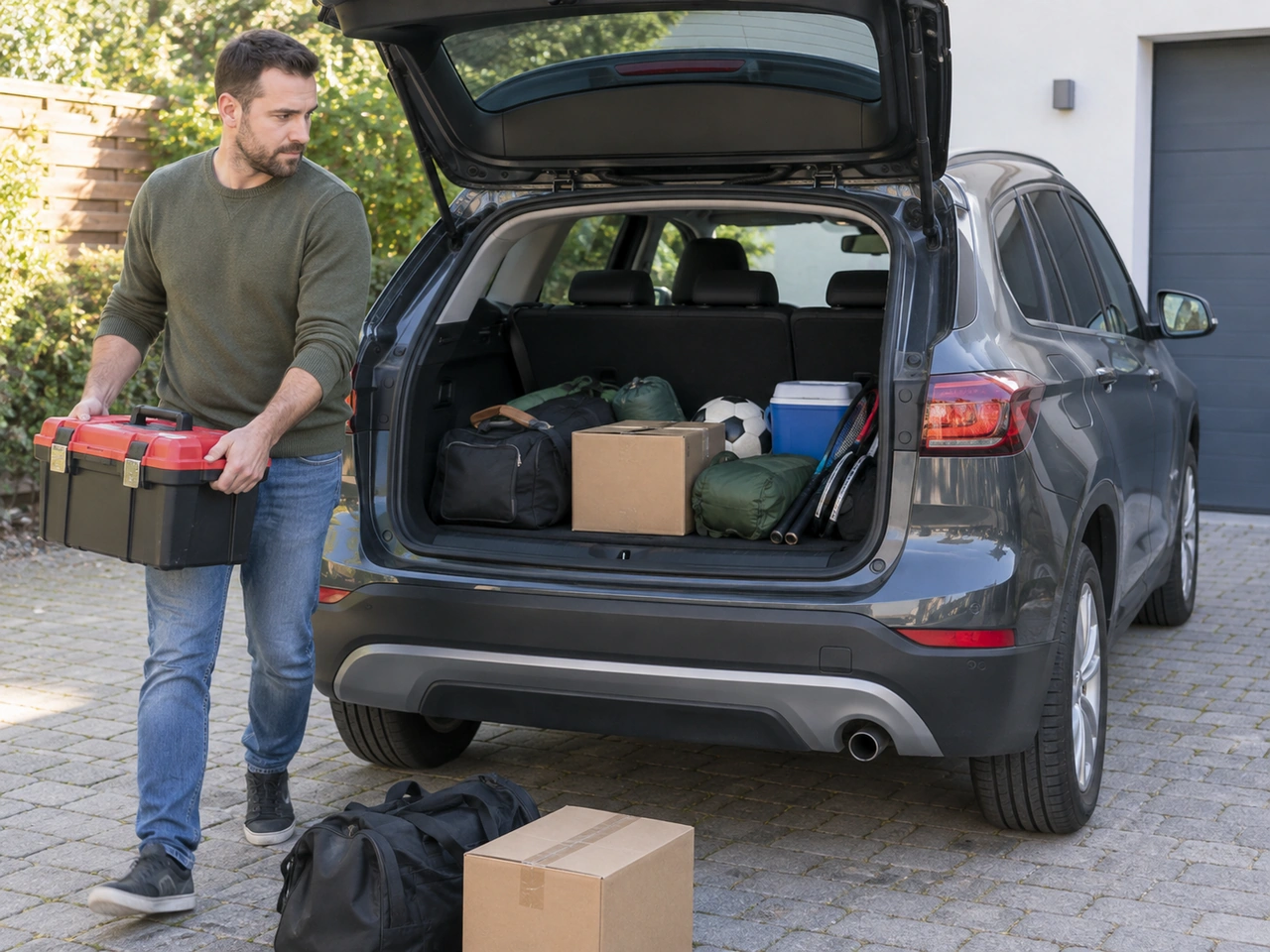
471. How can unnecessary weight affect a vehicle's energy use?
Extra weight generally requires more energy when accelerating and climbing. Removing unnecessary heavy items can help reduce fuel or energy consumption while keeping all essential equipment in the vehicle.
AI-generated by Traffic-rules.com • WCIT • CC BY-SA
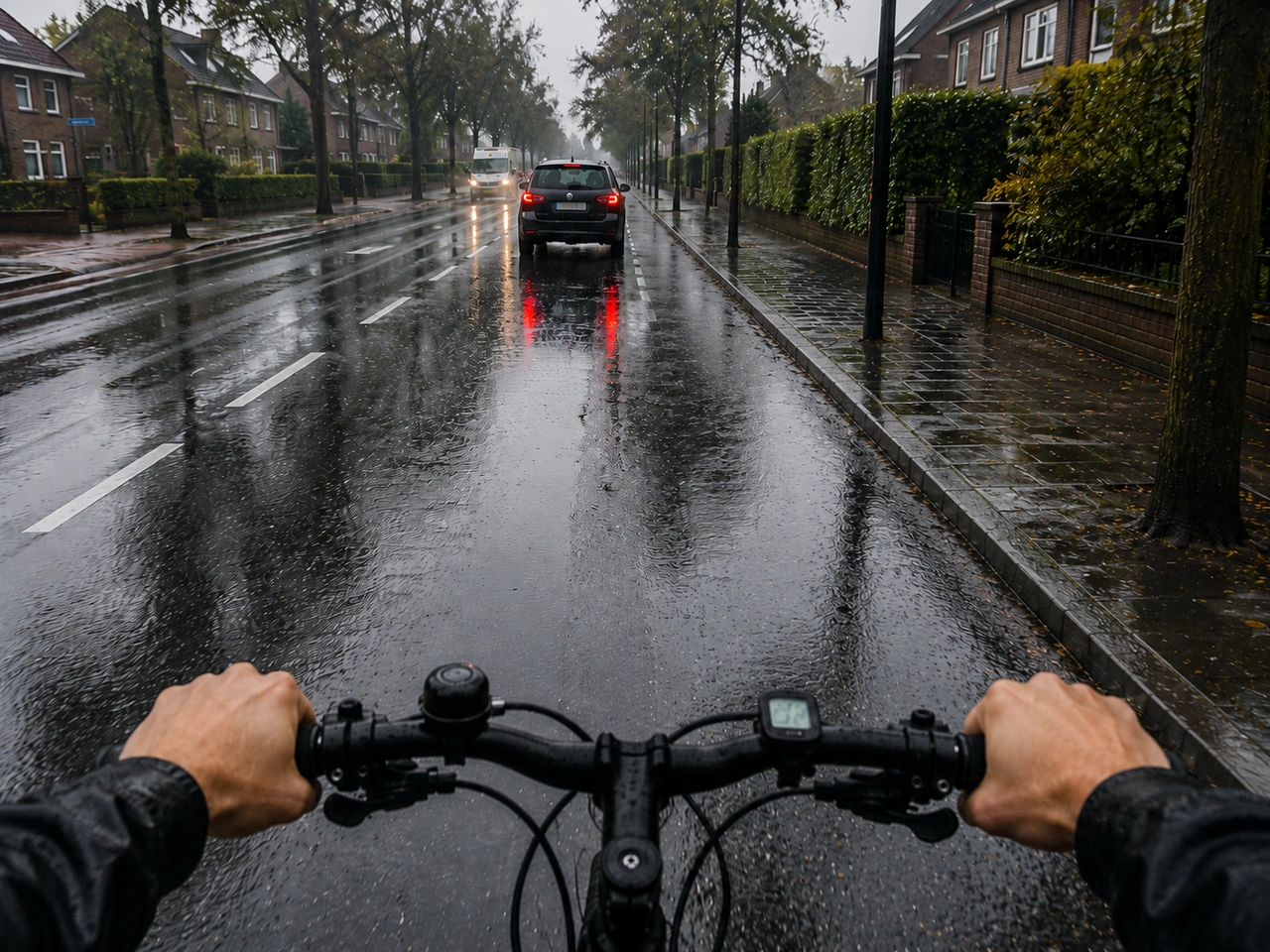
472. How should cyclists brake on a wet road?
Wet surfaces reduce grip and increase stopping distance. Smooth, early braking helps prevent skidding.
AI-generated by Traffic-rules.com • WCIT • CC BY-SA
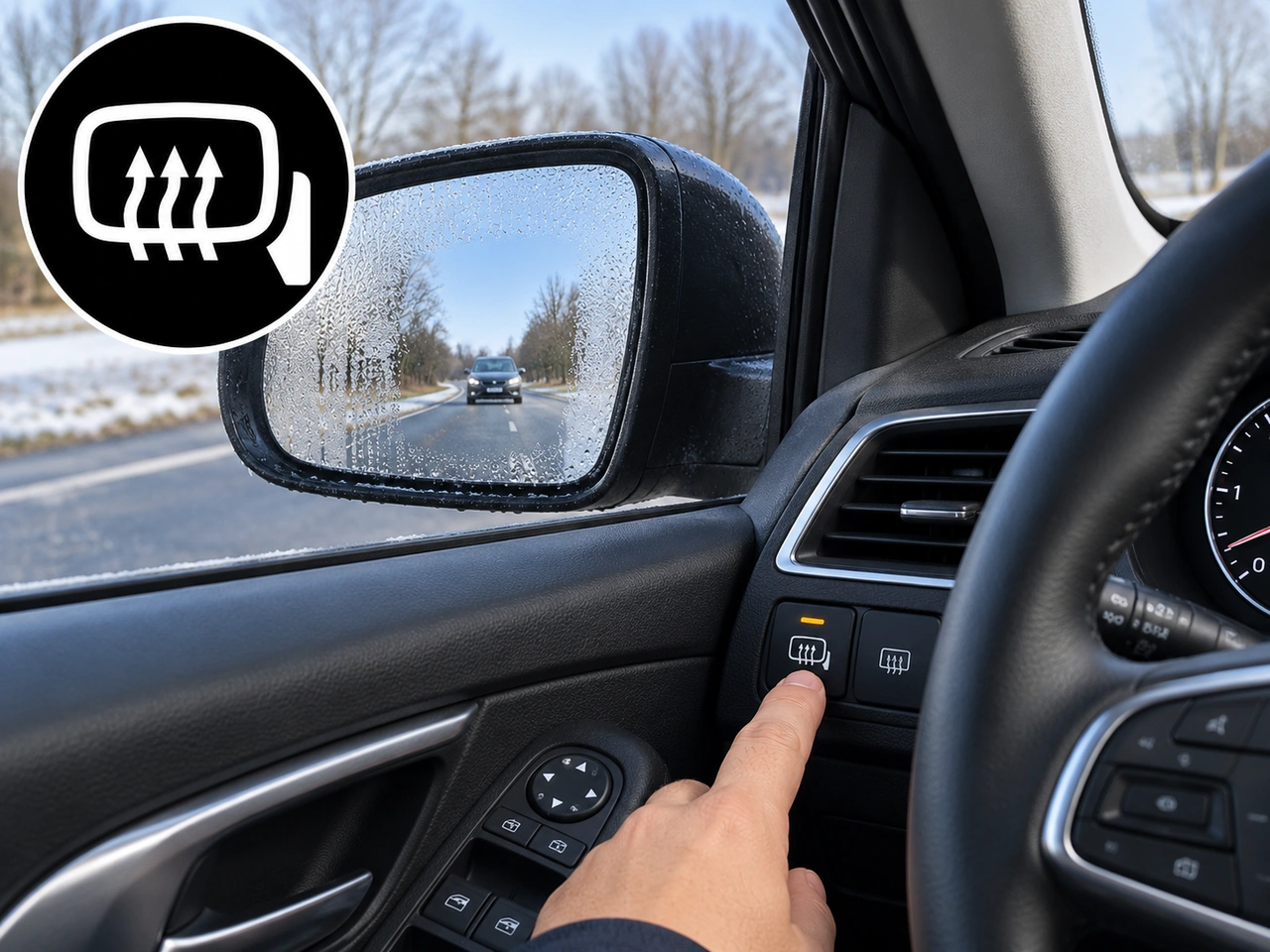
473. What is the purpose of heated door mirrors?
Heated door mirrors warm the mirror glass to help clear mist, condensation, or light ice and improve rearward visibility. On some vehicles, they operate together with the rear-window demister.
AI-generated by Traffic-rules.com • WCIT • CC BY-SA
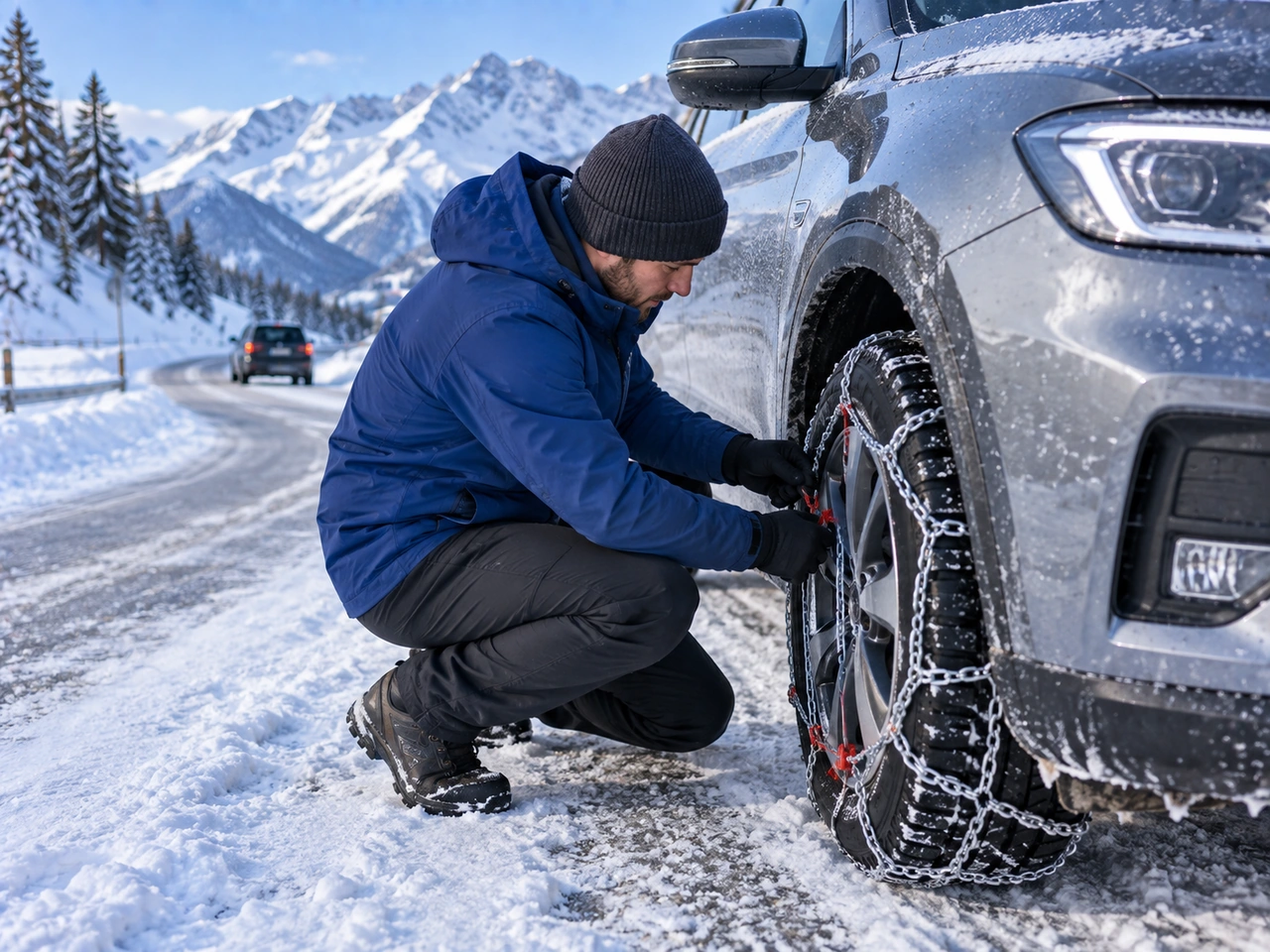
474. When are snow chains required in Austria?
Snow chains must be used in Austria when required by road signs.
AI-generated by Traffic-rules.com • WCIT • CC BY-SA
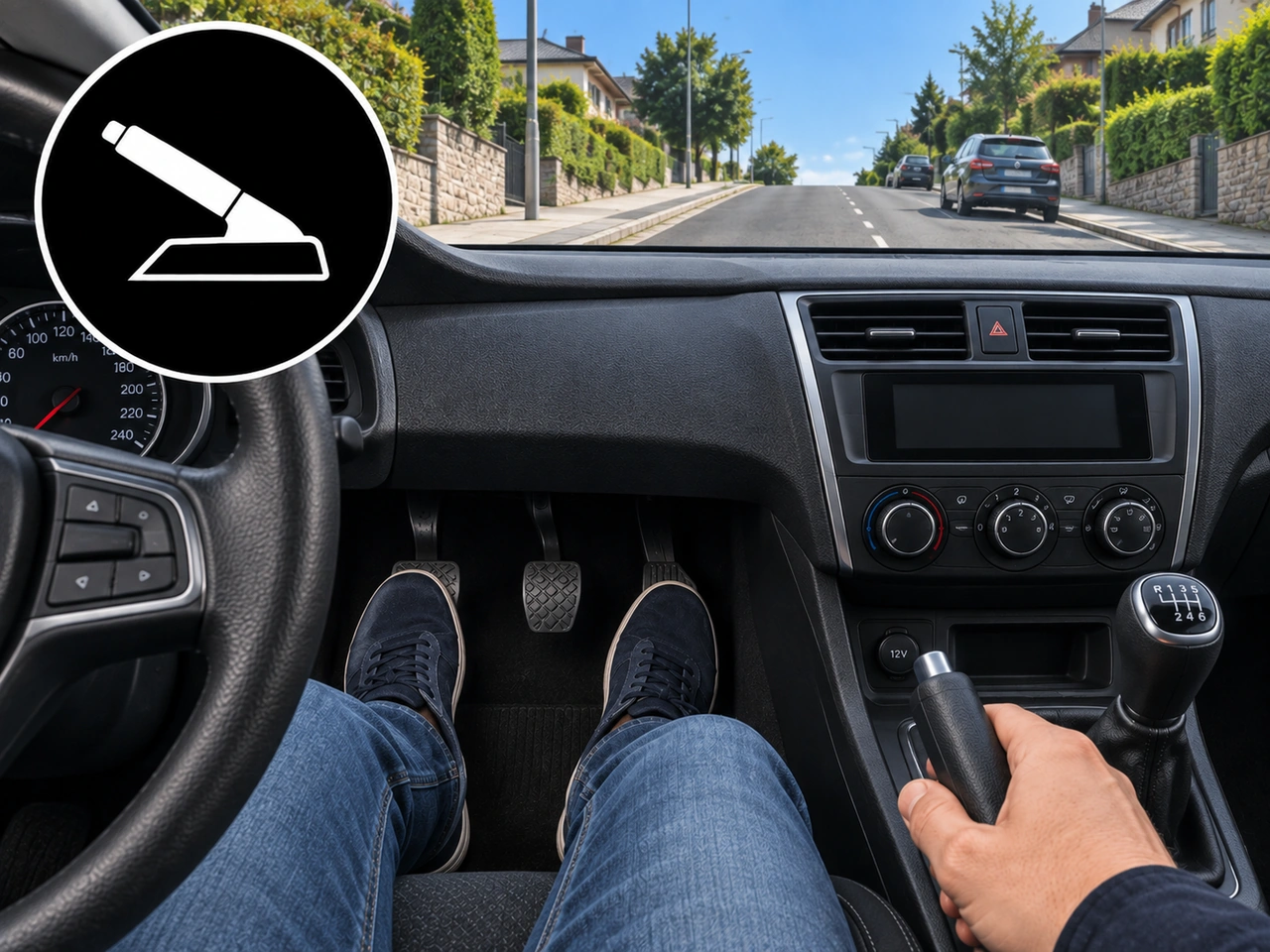
475. How can the parking brake help when moving off uphill?
When moving off uphill, the parking brake can hold the vehicle stationary while you prepare to move. Release it smoothly once the clutch reaches the biting point and sufficient power is applied.
AI-generated by Traffic-rules.com • WCIT • CC BY-SA
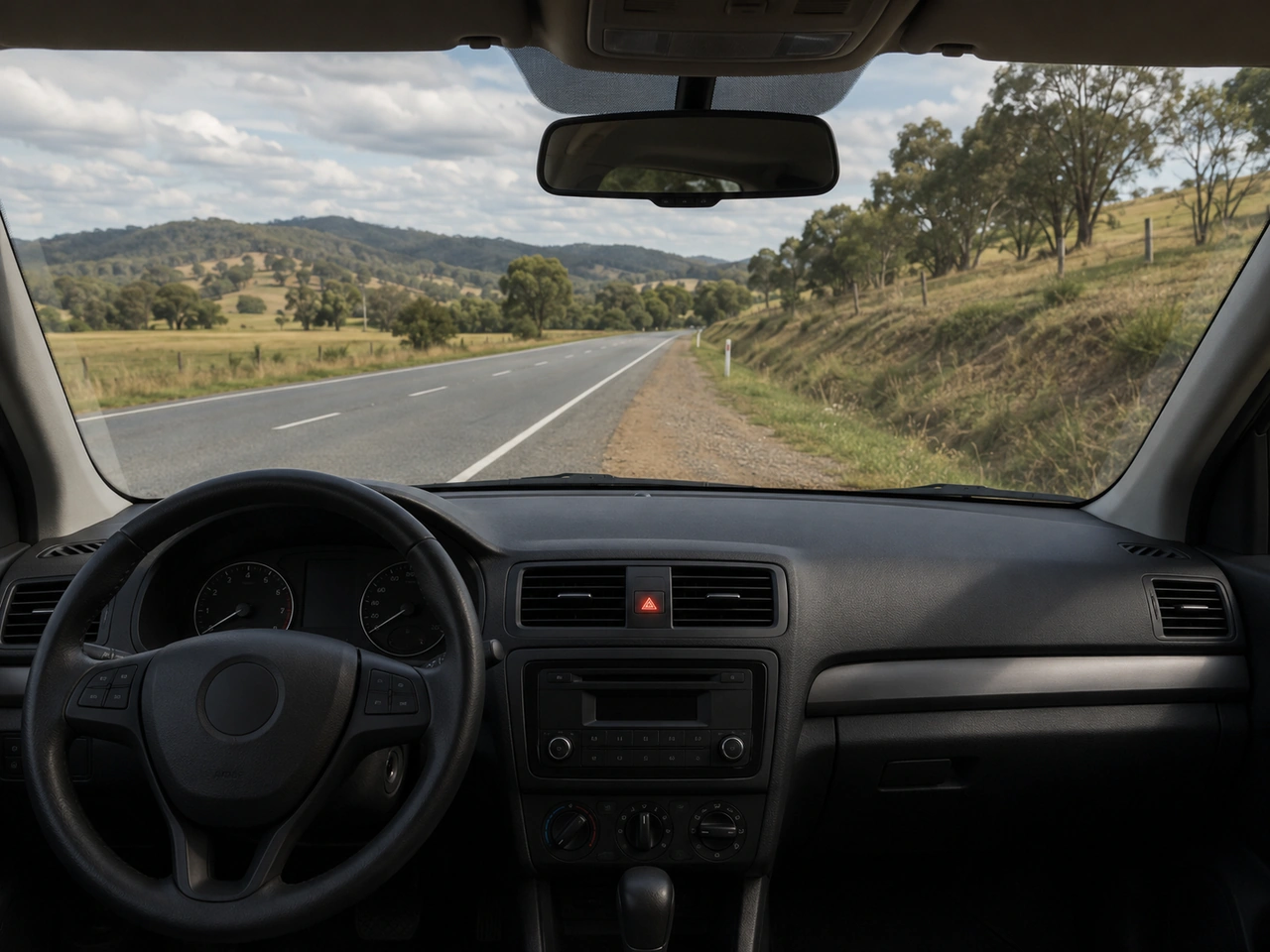
476. How should you leave a broken-down vehicle when traffic is passing nearby?
Leaving through the side away from traffic reduces the risk of being struck by a passing vehicle.
AI-generated by Traffic-rules.com • WCIT • CC BY-SA
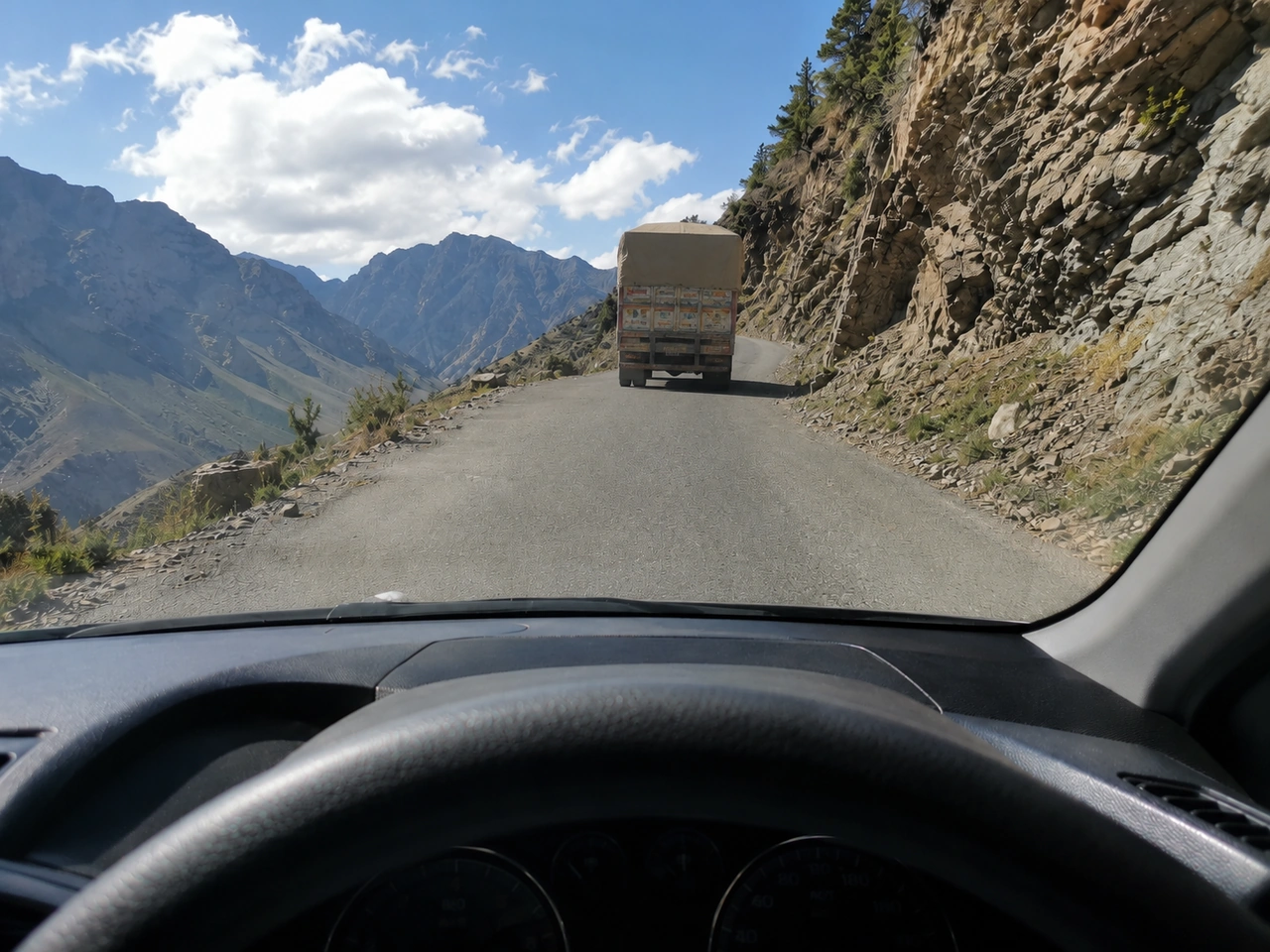
477. Why should you leave extra space behind a vehicle climbing a steep hill?
Vehicles may lose speed or briefly roll backward when starting on a steep incline. Extra space gives you more time to react.
AI-generated by Traffic-rules.com • WCIT • CC BY-SA
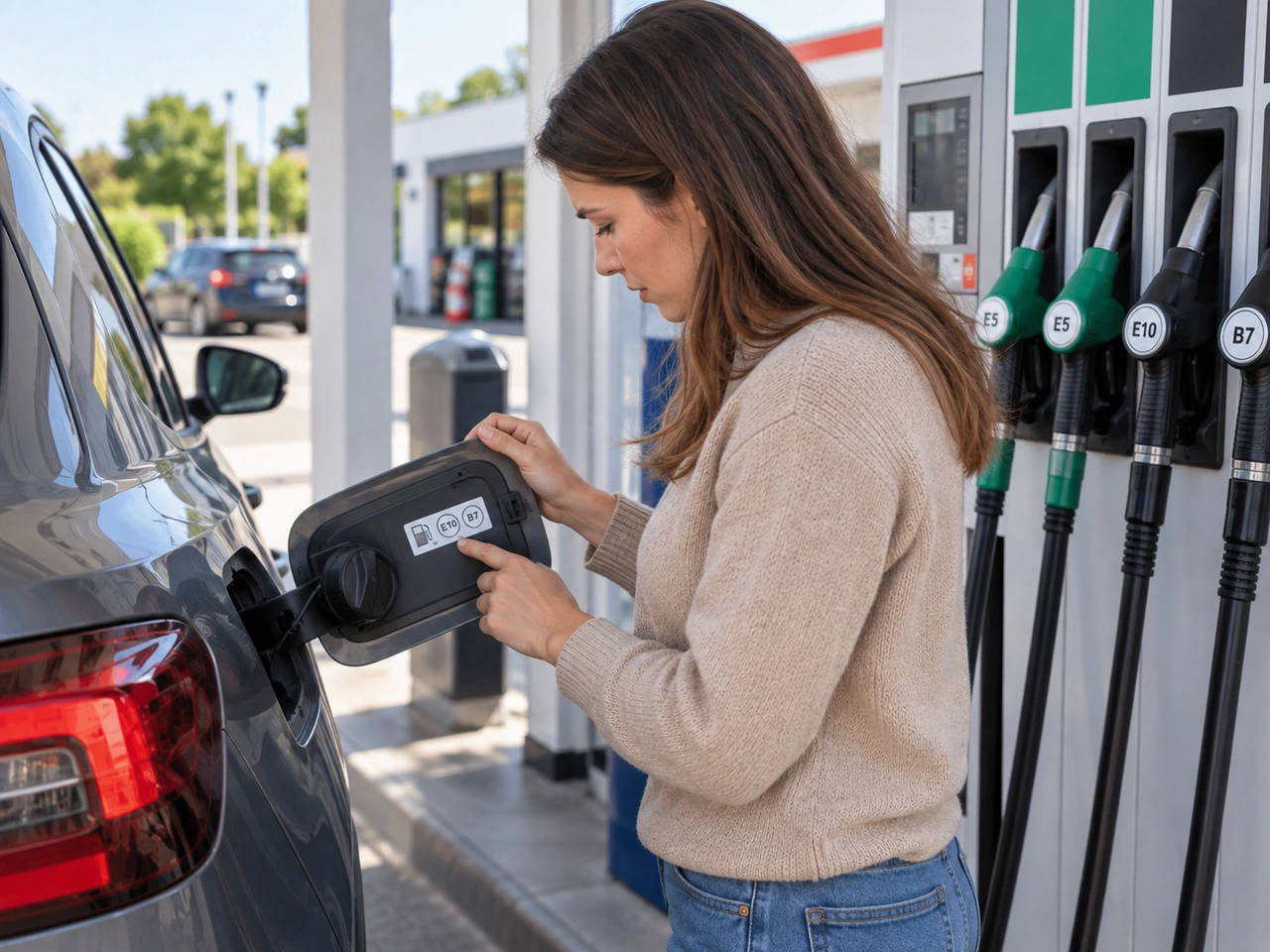
478. How can you check which fuel is suitable for your vehicle?
Before refuelling, check which fuel type the vehicle requires. The correct fuel is often shown inside the fuel-filler flap, on or near the fuel cap, or in the vehicle information or owner's manual. Do not rely only on nozzle colours, as these can vary between filling stations and countries.
AI-generated by Traffic-rules.com • WCIT • CC BY-SA
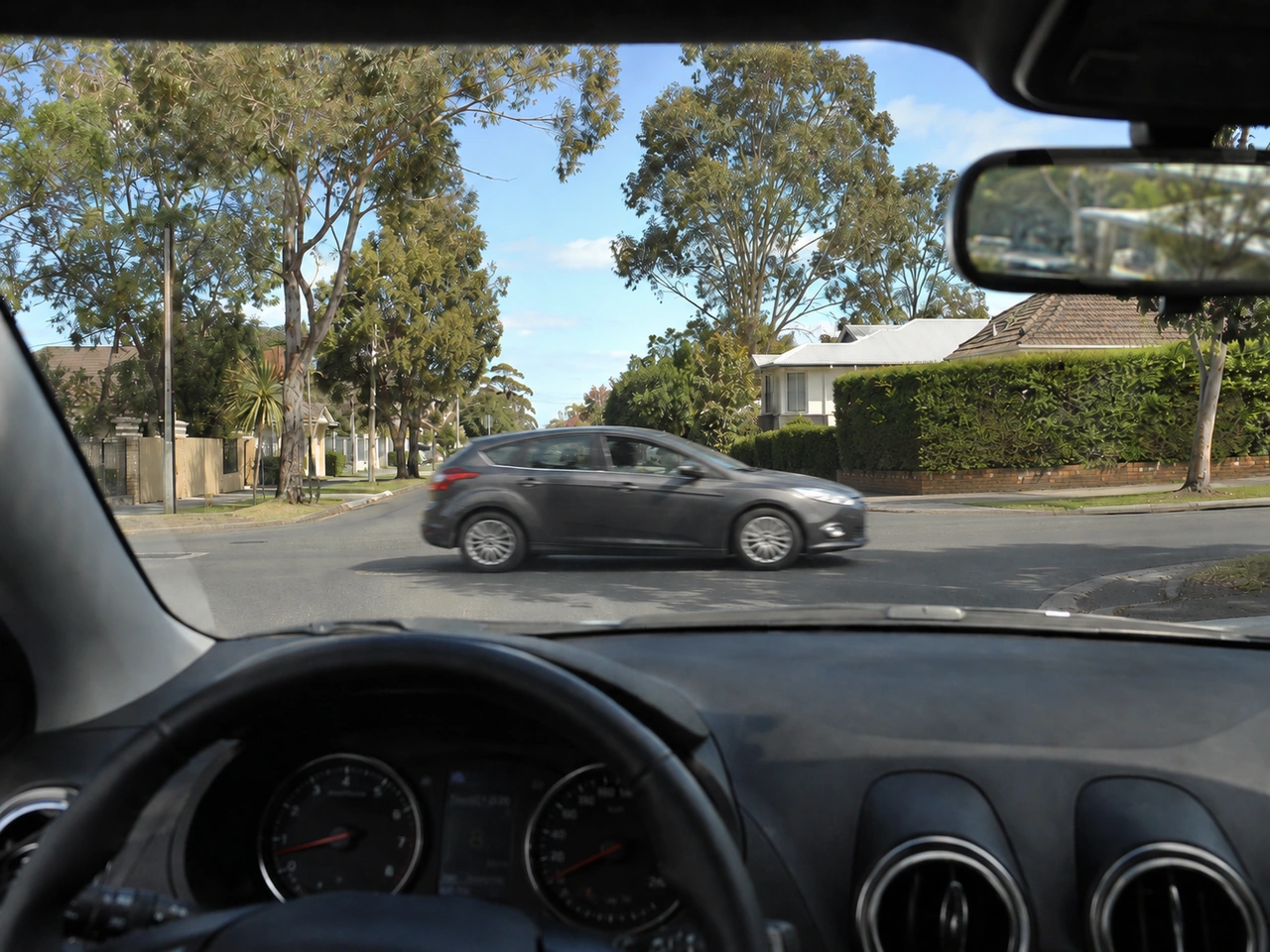
479. What should you do if another driver does not give way when they should?
Even if you have priority, safety comes first. Slow down, stay calm, and avoid creating a dangerous situation.
AI-generated by Traffic-rules.com • WCIT • CC BY-SA
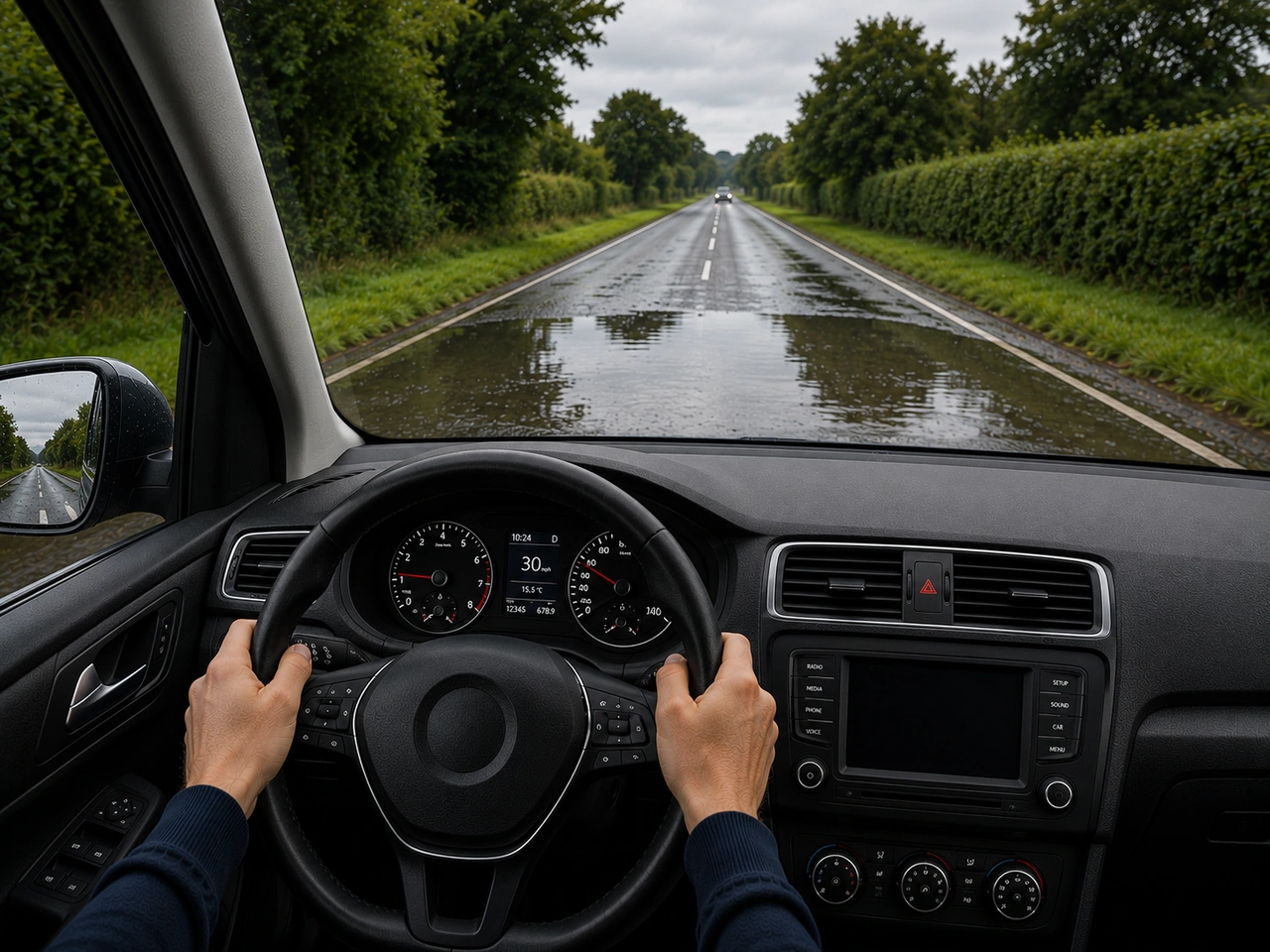
480. What should you do before driving through a puddle?
Large puddles can hide holes, reduce grip, or cause water to splash onto pedestrians or other vehicles. Slow down and proceed carefully.
AI-generated by Traffic-rules.com • WCIT • CC BY-SA
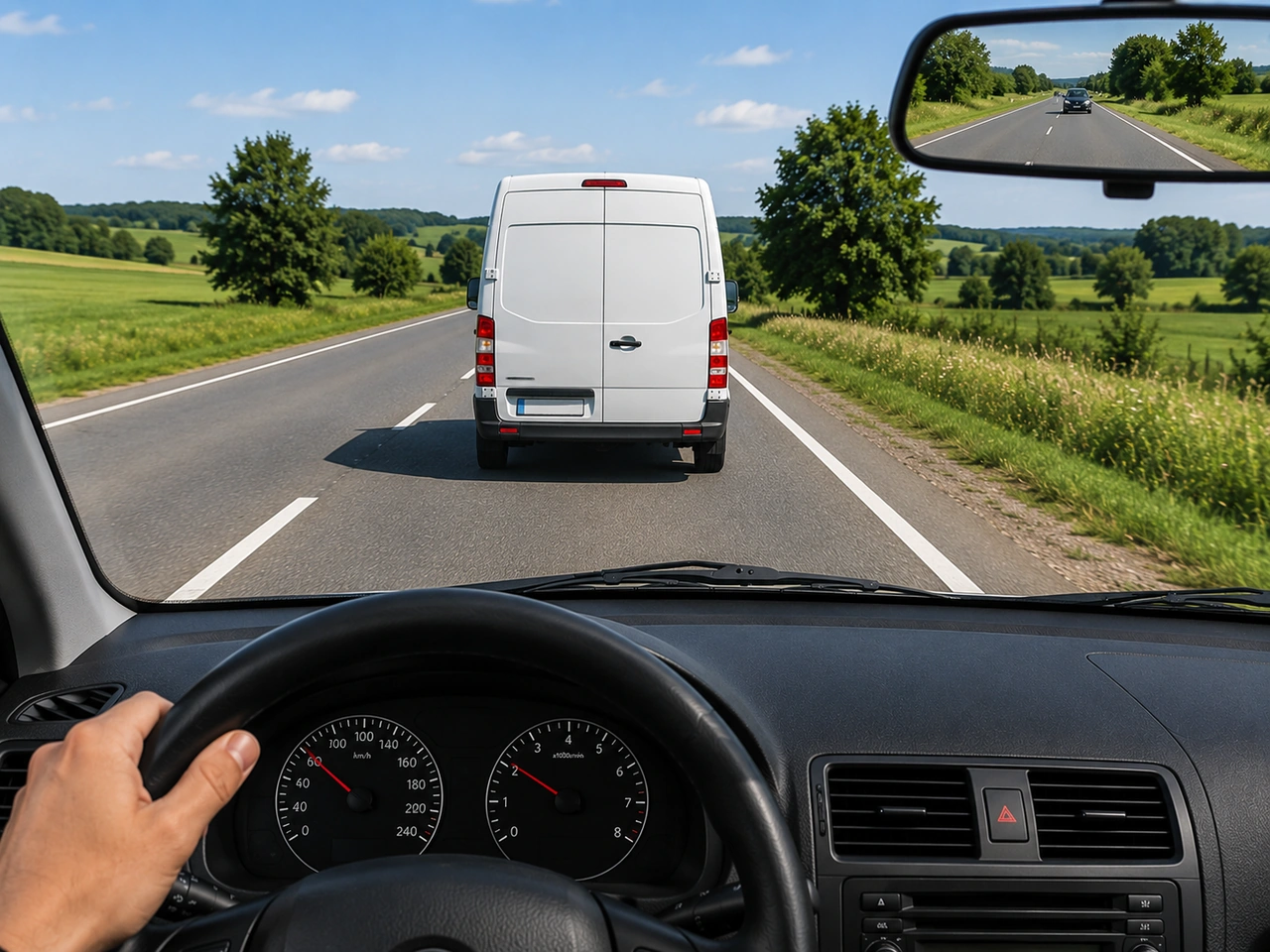
481. What is the main risk when following a vehicle with limited rear visibility?
Vans, trucks, and vehicles with blocked rear windows may have limited visibility. Keep extra distance and avoid sitting in blind spots.
AI-generated by Traffic-rules.com • WCIT • CC BY-SA
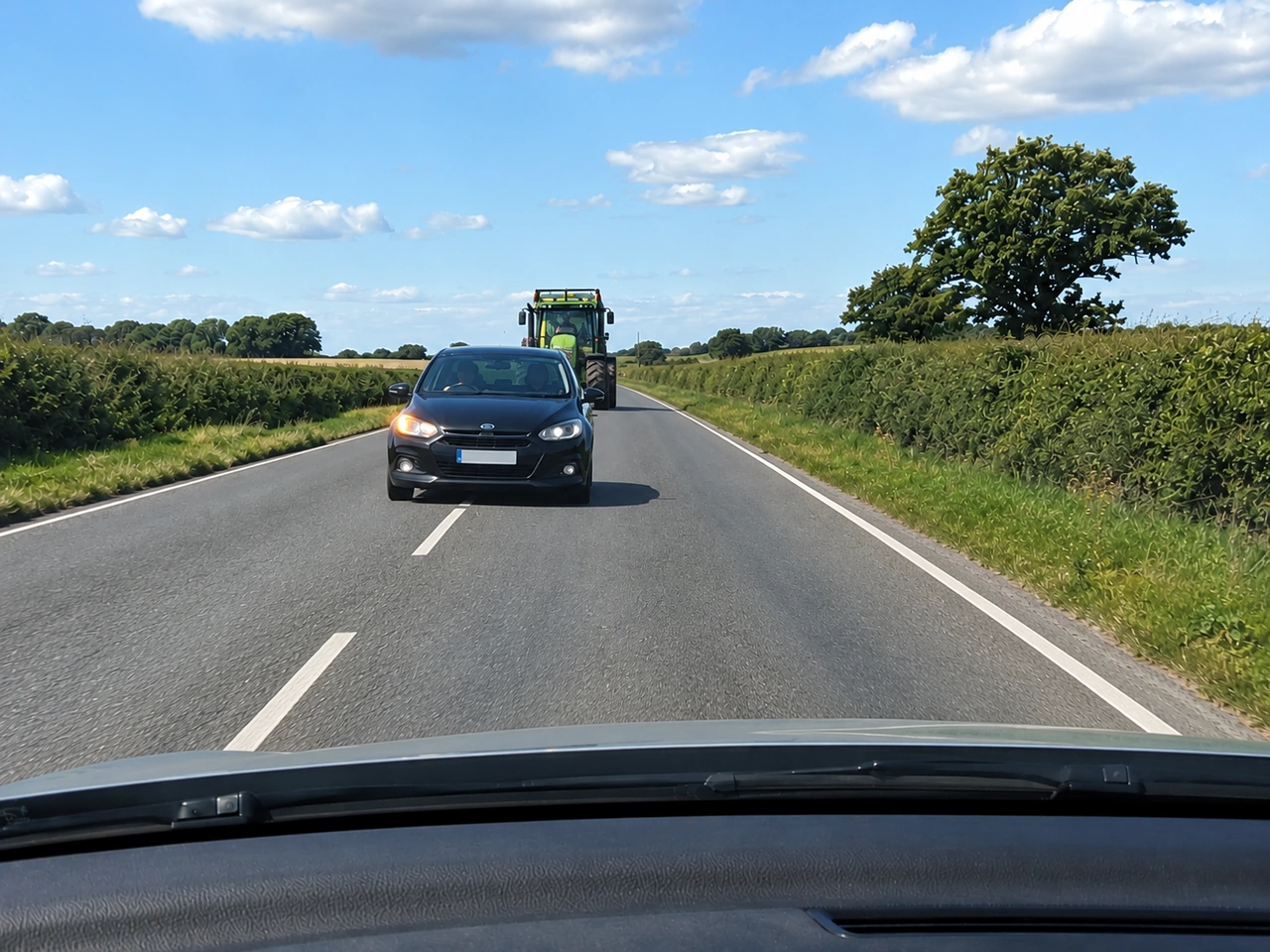
482. What should you do if an overtaking vehicle is coming toward you?
If an oncoming vehicle creates danger while overtaking, reduce speed and make space if it is safe to do so. Avoid sudden movements that could create an additional hazard.
AI-generated by Traffic-rules.com • WCIT • CC BY-SA
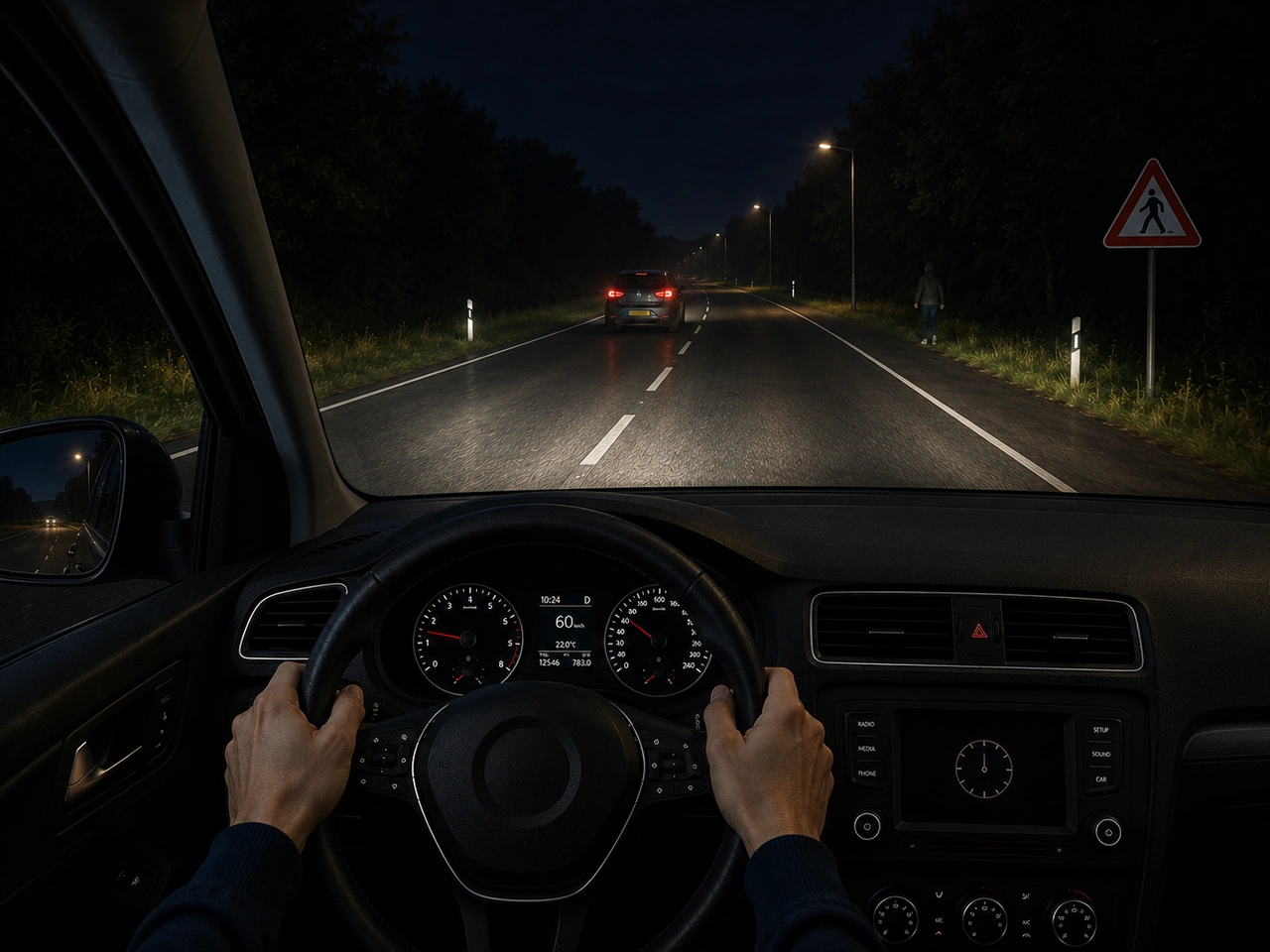
483. Why should you be extra careful at night?
At night, it is harder to see pedestrians, cyclists, road markings, and hazards. Reduce speed and use the correct lights.
AI-generated by Traffic-rules.com • WCIT • CC BY-SA
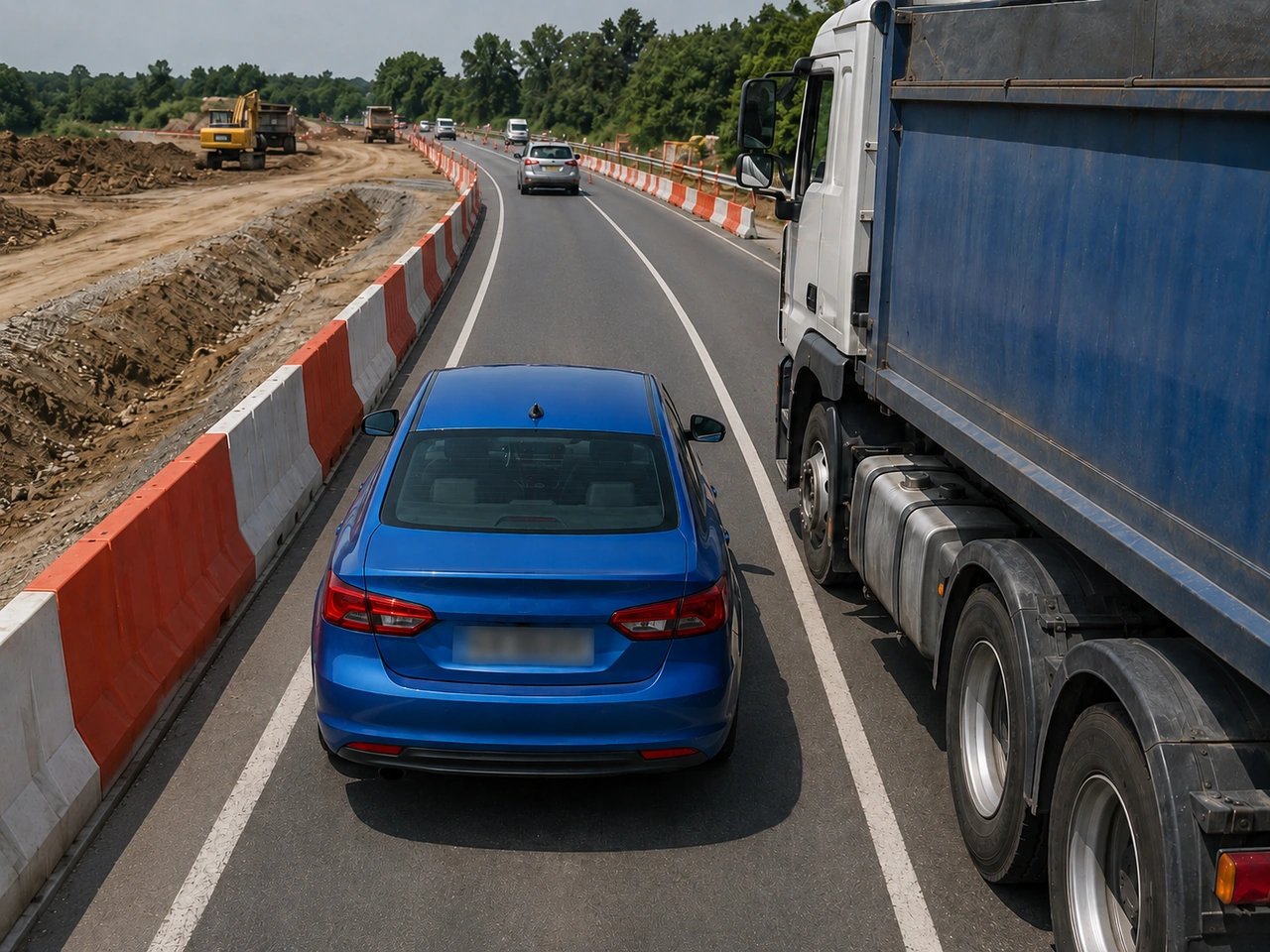
484. What should you expect when lanes become narrower in roadworks?
Narrow lanes leave less room for error. Keep a steady position, avoid drifting toward barriers or nearby vehicles, and reduce speed if necessary.
AI-generated by Traffic-rules.com • WCIT • CC BY-SA
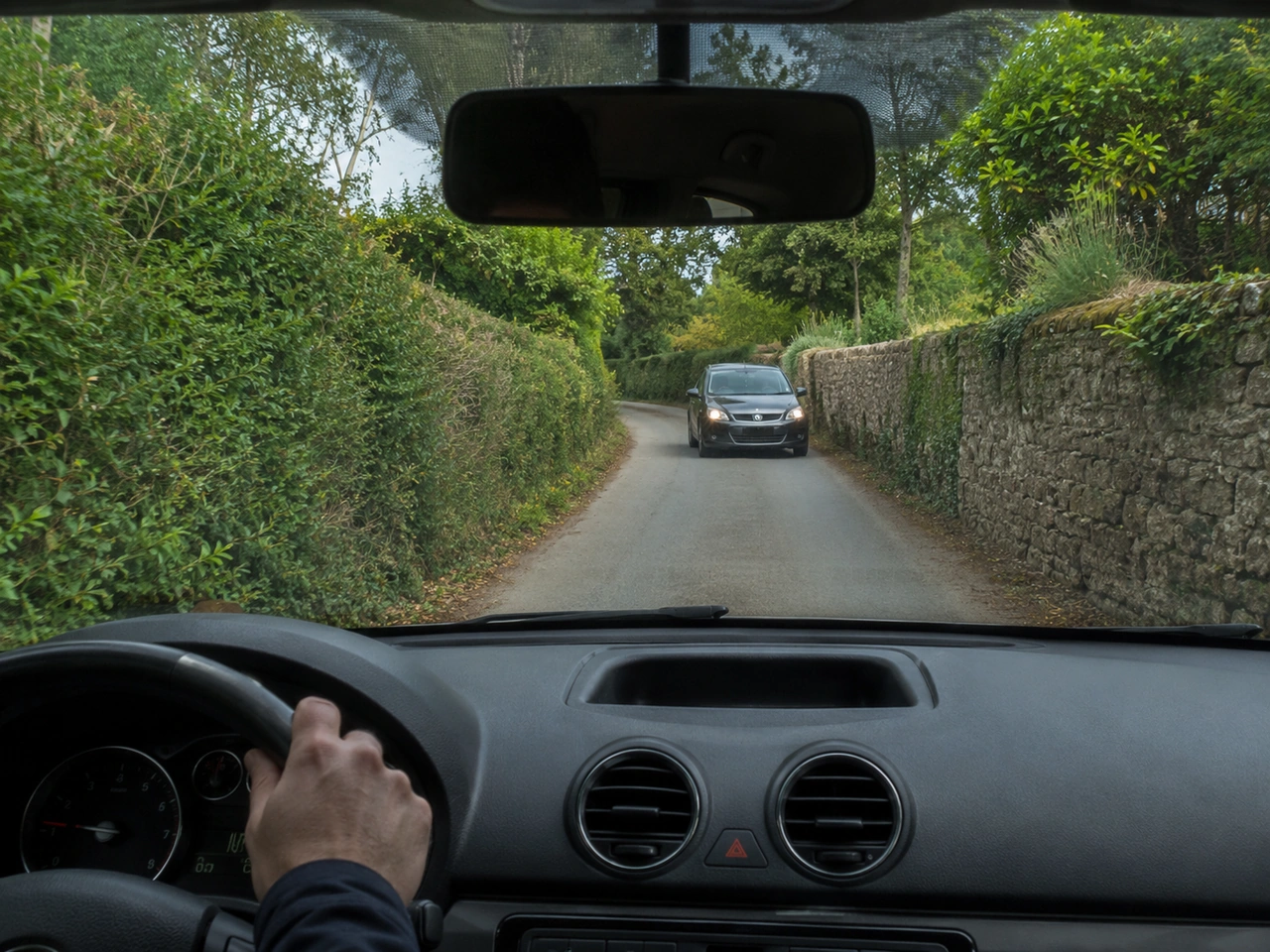
485. What should you do when approaching a narrow road with oncoming traffic?
On narrow roads, reduce speed and be prepared to stop or use a suitable passing place. Leave enough space for the oncoming vehicle and avoid forcing either vehicle into an unsafe position.
AI-generated by Traffic-rules.com • WCIT • CC BY-SA
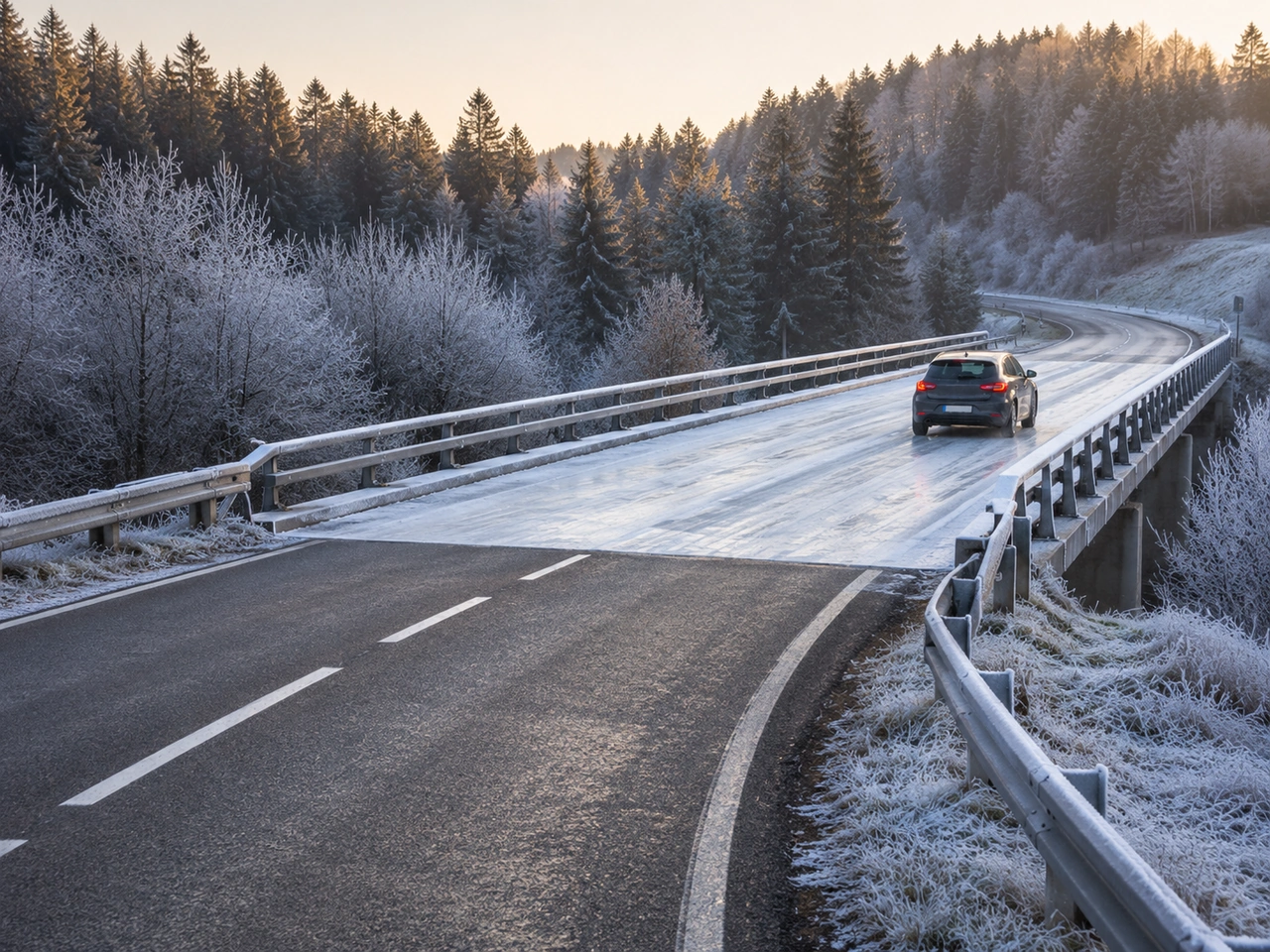
486. Why can bridges and overpasses become icy before nearby roads?
Bridges lose heat from both their upper and lower surfaces, so they can freeze before roads built directly on the ground.
AI-generated by Traffic-rules.com • WCIT • CC BY-SA
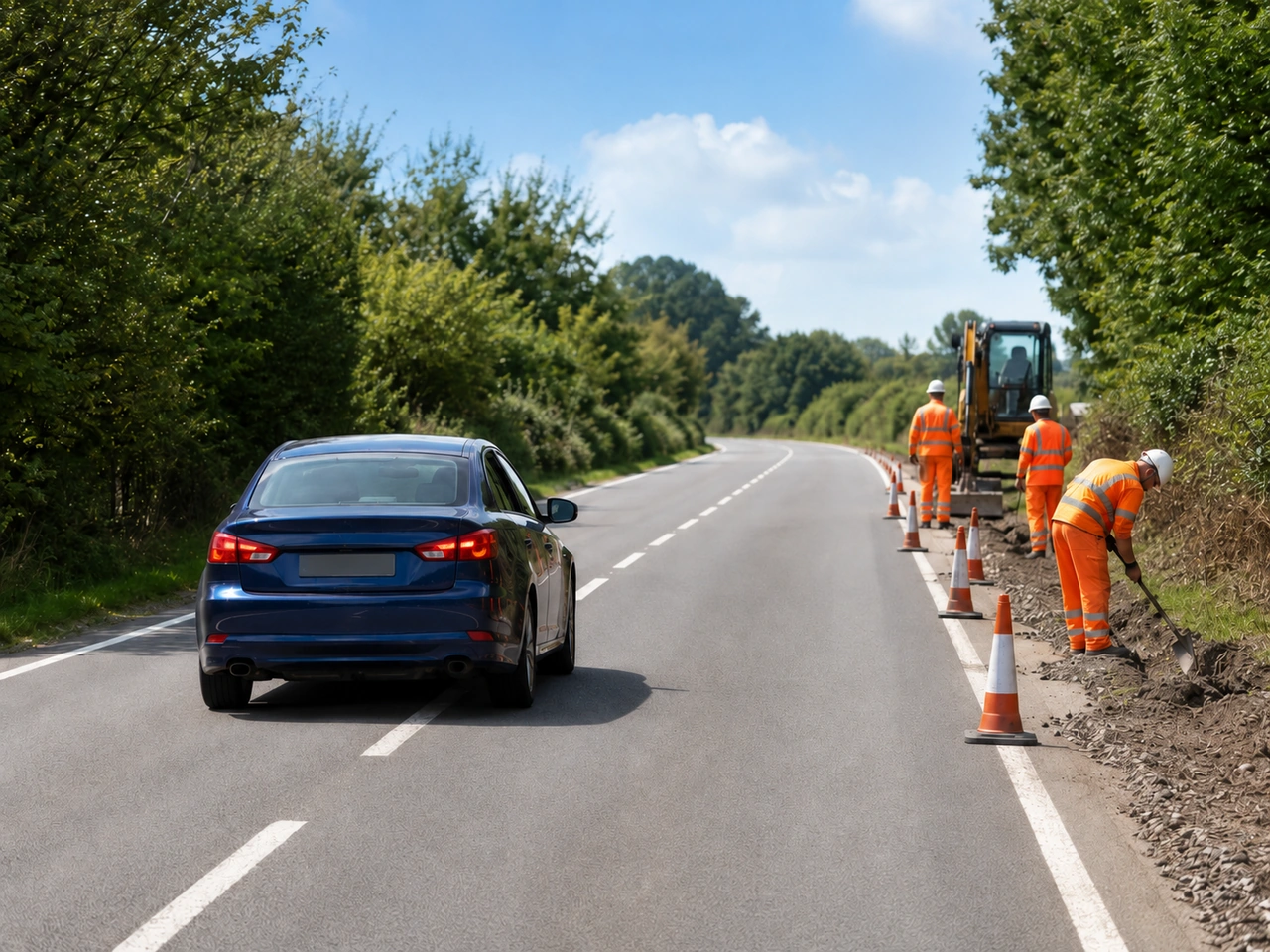
487. Why should you leave extra space when passing road workers?
Workers may be only a short distance from passing vehicles. Reduce speed and leave as much safe space as possible.
AI-generated by Traffic-rules.com • WCIT • CC BY-SA
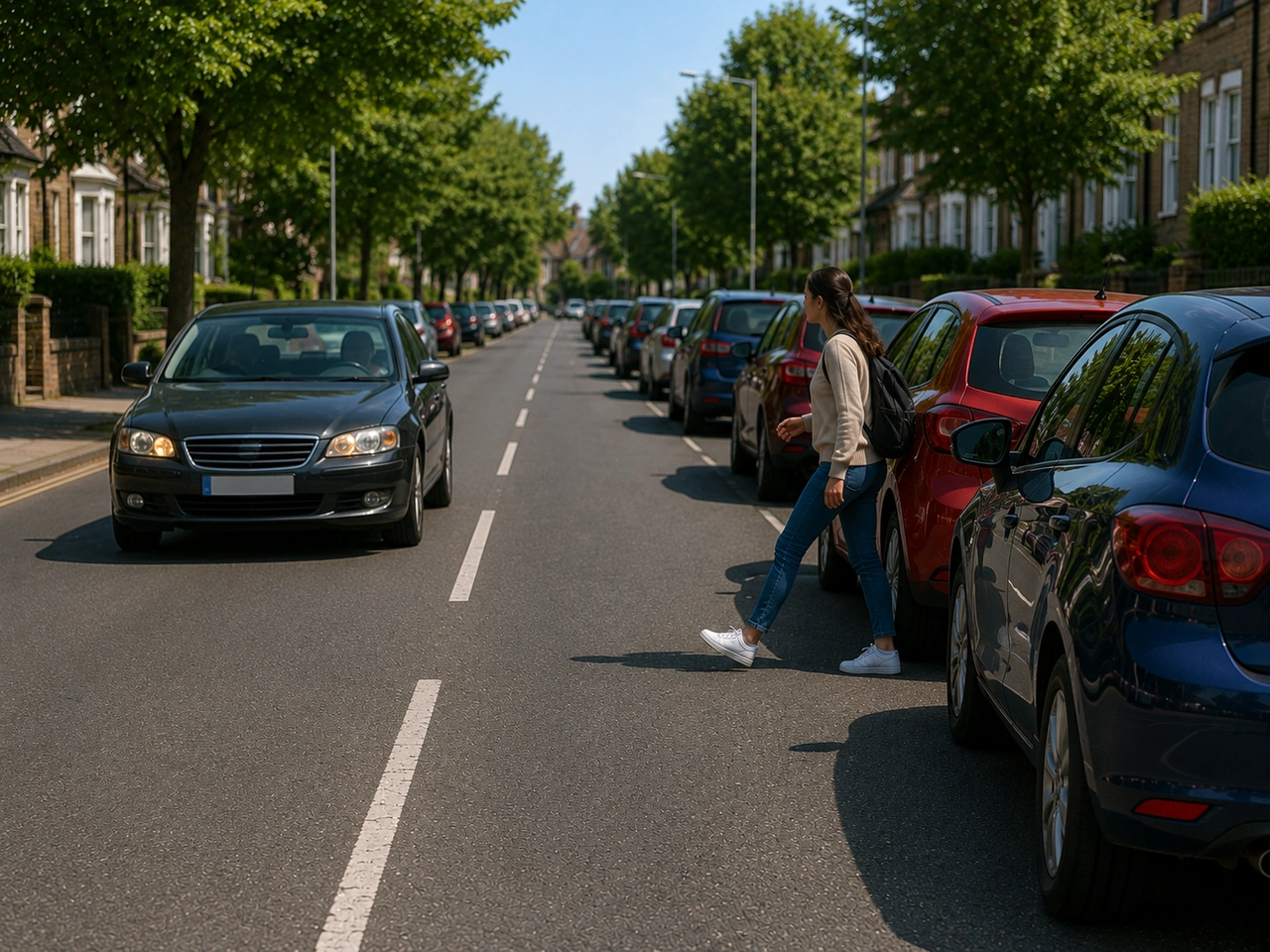
488. Why is it dangerous to cross between parked cars?
Parked vehicles can block the view between pedestrians and drivers. This makes it harder to see approaching traffic and harder for drivers to see you.
AI-generated by Traffic-rules.com • WCIT • CC BY-SA
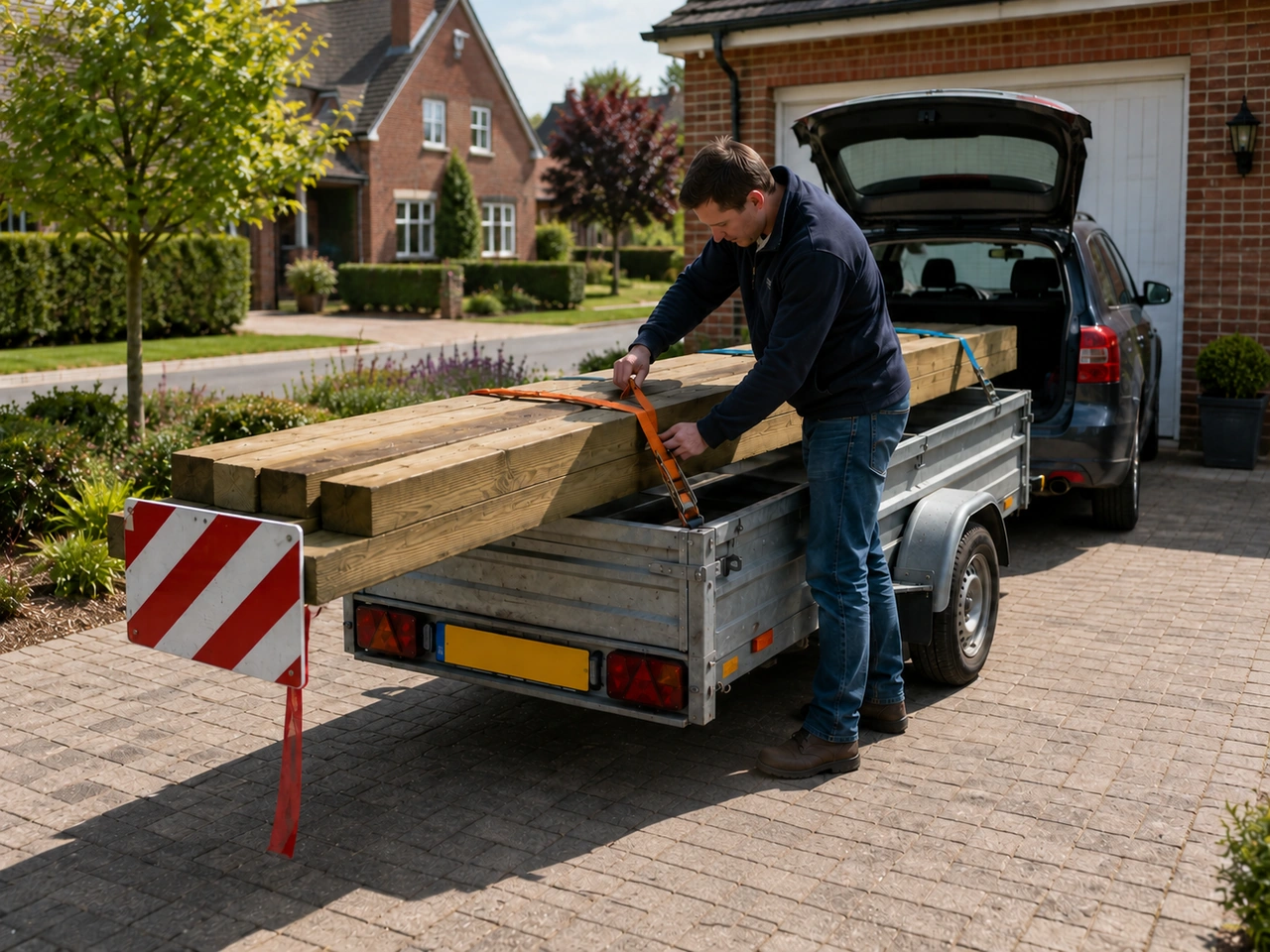
489. What should you do if a load extends beyond the vehicle?
An extending load may create additional danger and may require specific markings or equipment under local rules.
AI-generated by Traffic-rules.com • WCIT • CC BY-SA
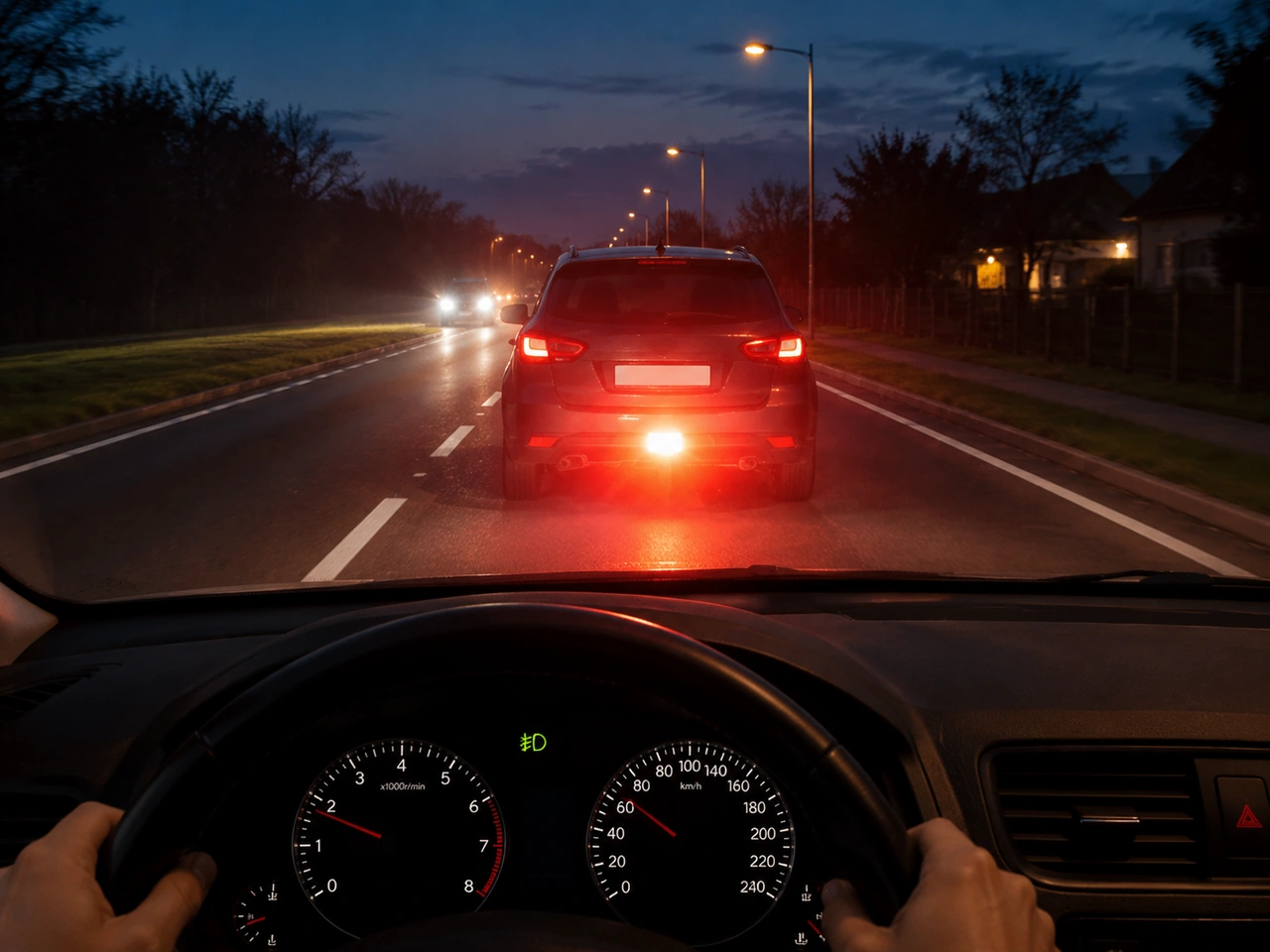
490. When should you switch off your fog lights?
Fog lights can dazzle other road users when visibility is normal, so switch them off when conditions improve.
AI-generated by Traffic-rules.com • WCIT • CC BY-SA
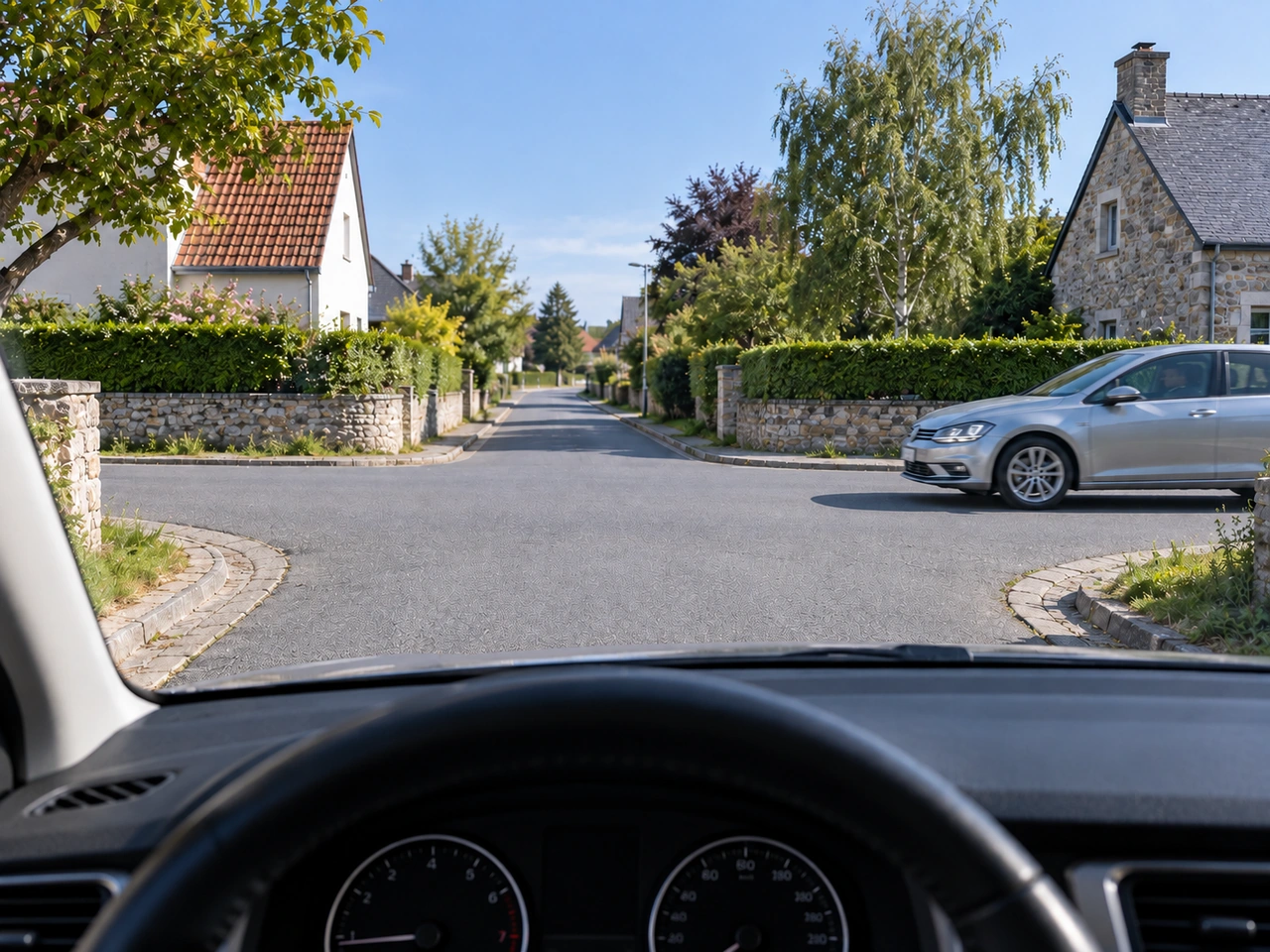
491. Does the priority-to-the-right rule apply in Austria?
In Austria, the priority-to-the-right rule generally applies at uncontrolled intersections.
AI-generated by Traffic-rules.com • WCIT • CC BY-SA
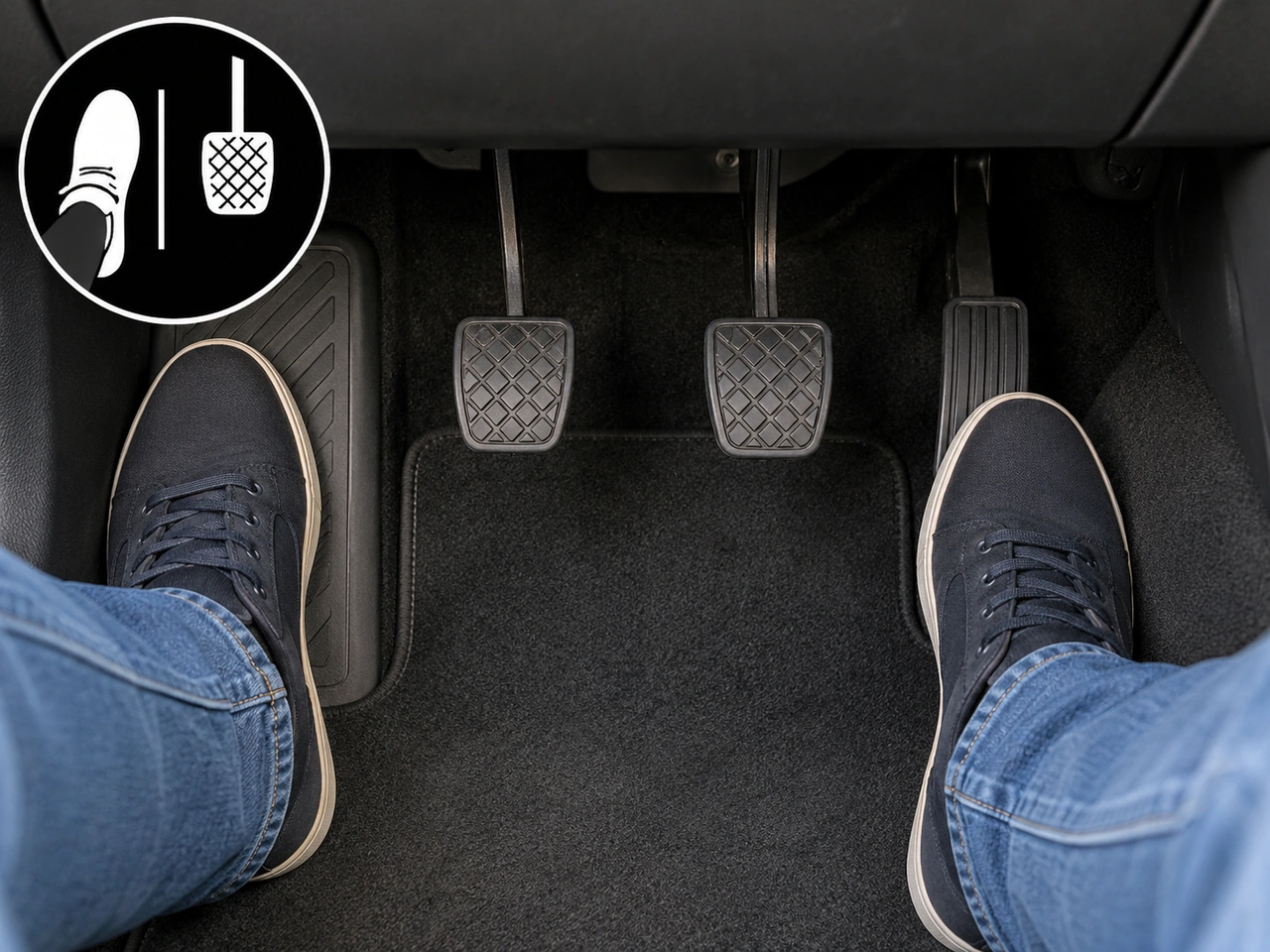
492. Why should you avoid resting your foot on the clutch pedal while driving?
Resting your foot on the clutch pedal can apply slight pressure to the clutch mechanism and cause unnecessary wear. Keep your left foot off the clutch when it is not needed.
AI-generated by Traffic-rules.com • WCIT • CC BY-SA

493. What should you do before a long journey to reduce the risk of driver fatigue?
Getting enough sleep before a long journey helps reduce the risk of driver fatigue. Plan breaks in advance and avoid starting a long drive when you are already tired.
AI-generated by Traffic-rules.com • WCIT • CC BY-SA
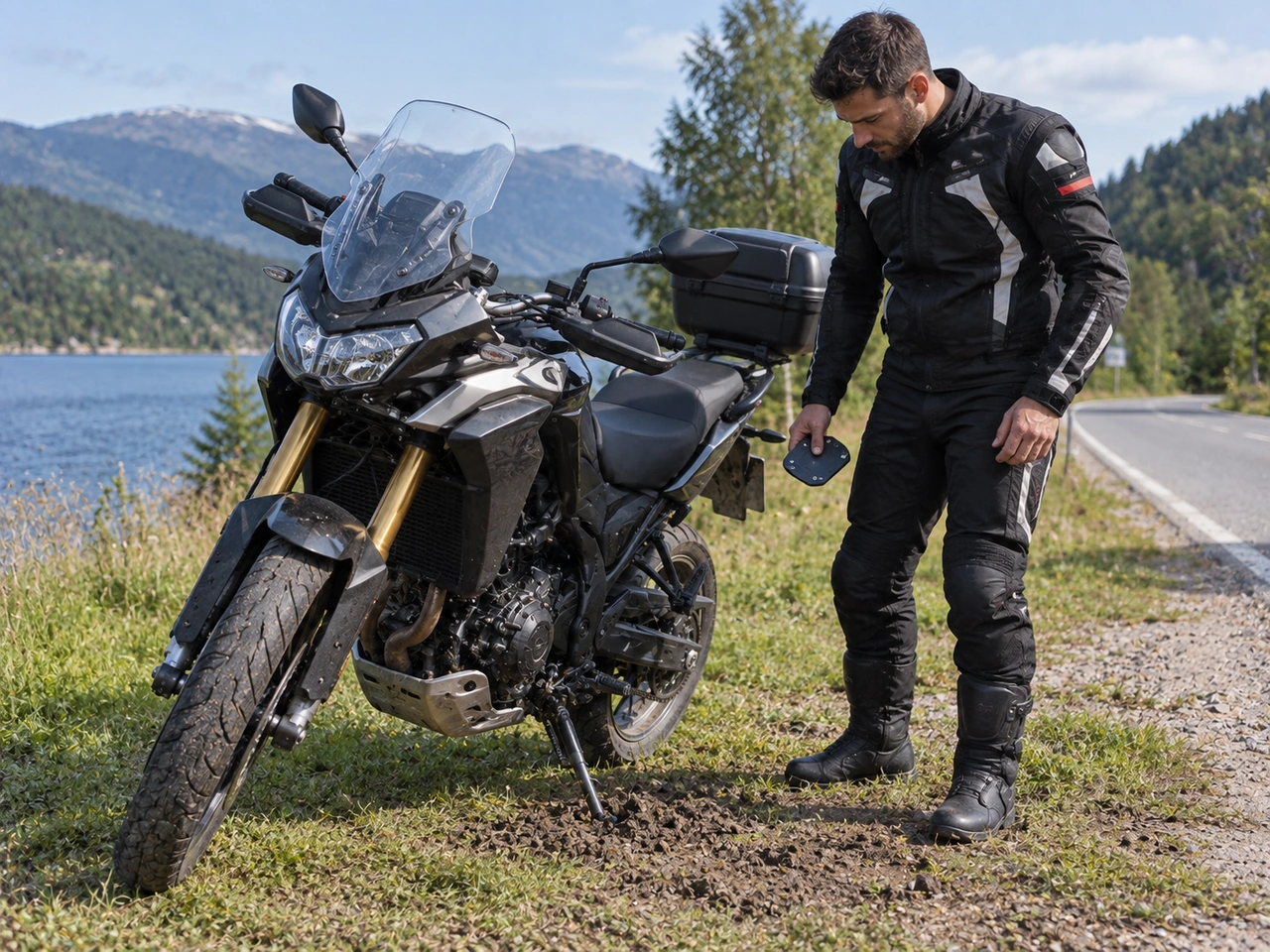
494. Why should you take care when parking a motorcycle on soft ground?
On soft or unstable ground, the side or centre stand can sink or move, causing the motorcycle to fall. Park on a firm, stable surface or use a suitable support under the stand when necessary.
AI-generated by Traffic-rules.com • WCIT • CC BY-SA
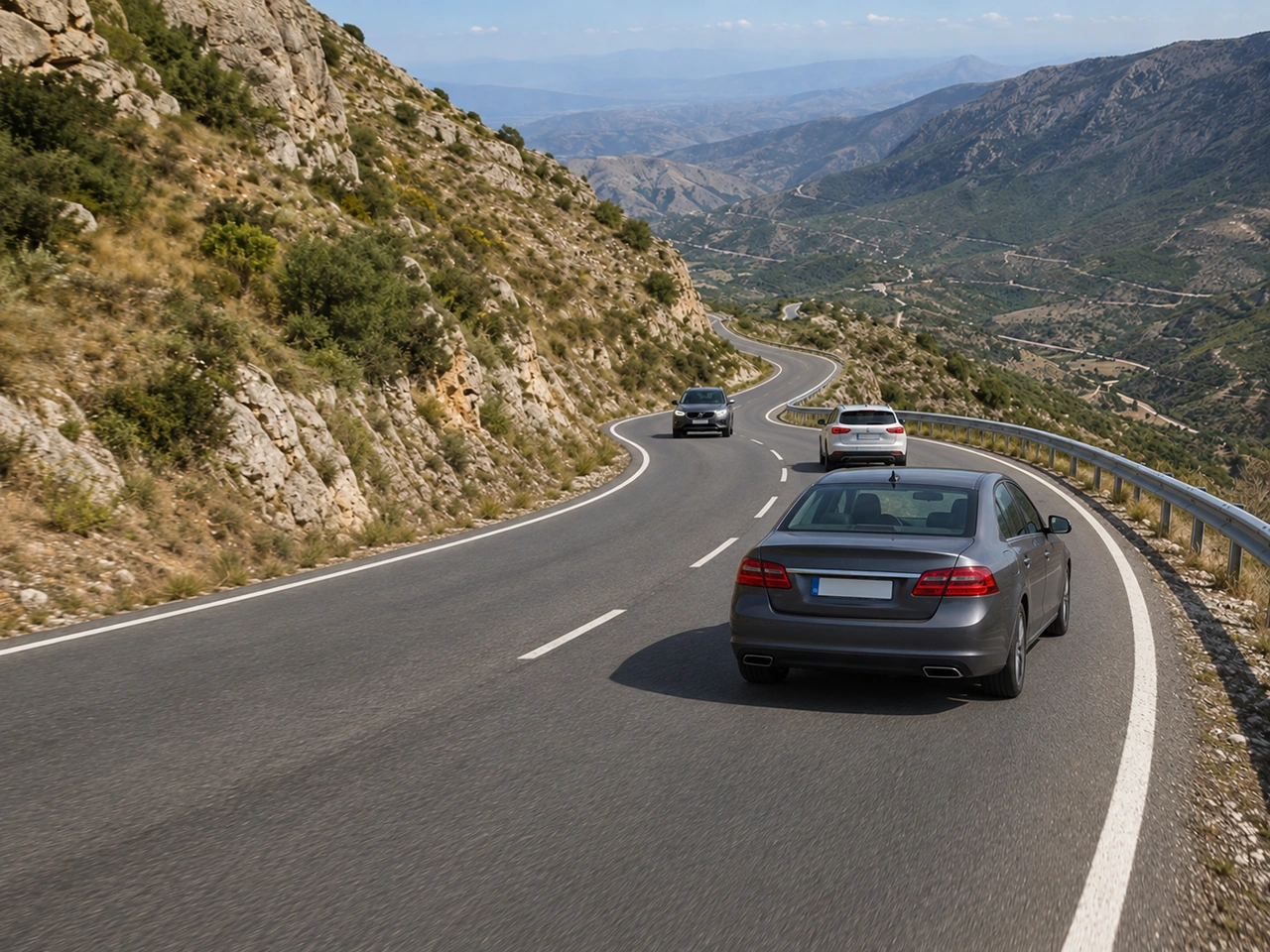
495. What can happen if you use the brakes continuously on a long descent?
Continuous braking can cause the brakes to overheat and fade, reducing braking performance. Use a lower gear to help control speed with engine braking.
AI-generated by Traffic-rules.com • WCIT • CC BY-SA
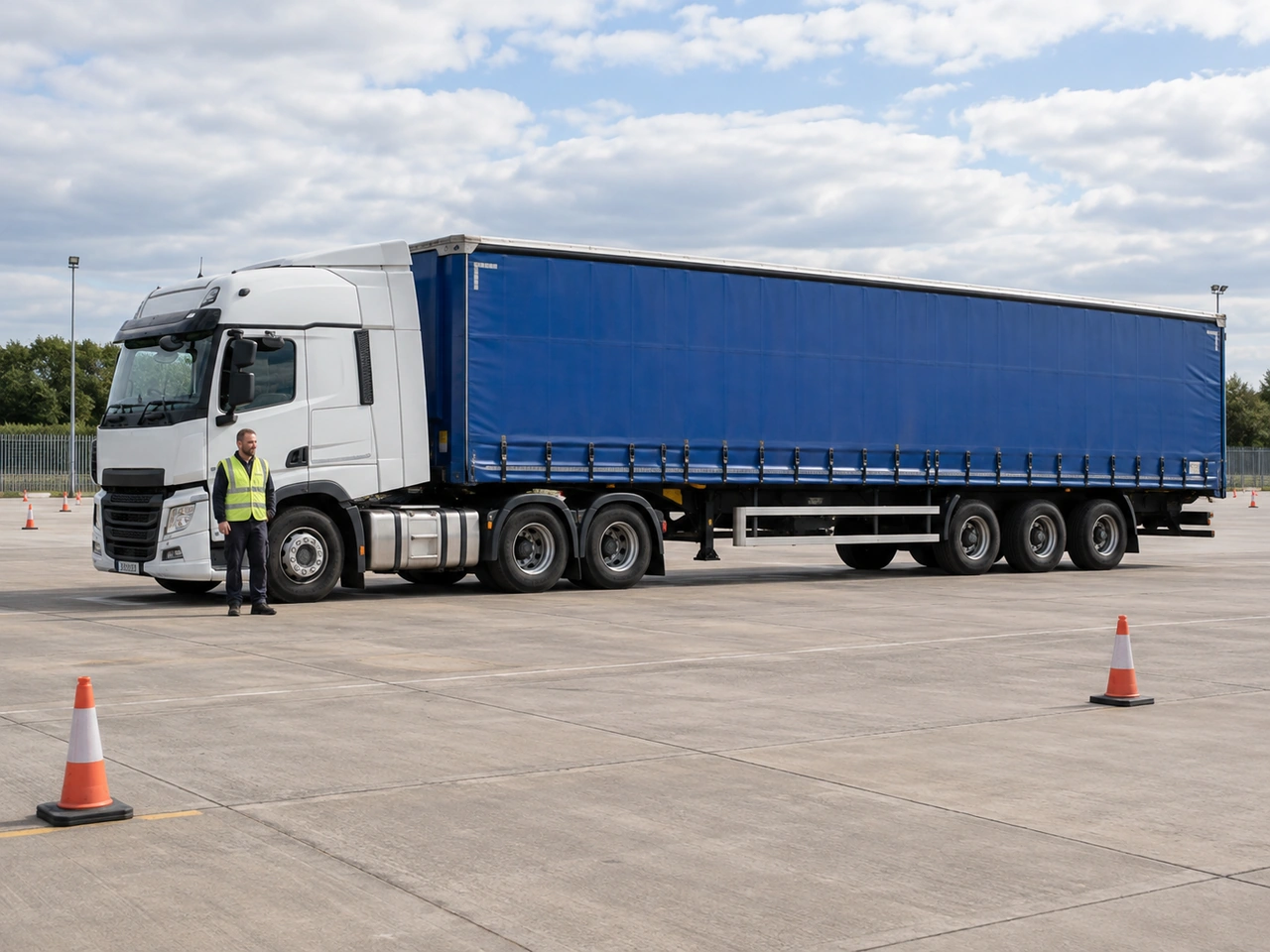
496. What is the minimum licence for a C vehicle towing a trailer over 750 kg?
Category C permits a trailer with a maximum authorised mass of up to 750 kg. A category C vehicle towing a trailer or semi-trailer above 750 kg requires category CE.
AI-generated by Traffic-rules.com • WCIT • CC BY-SA
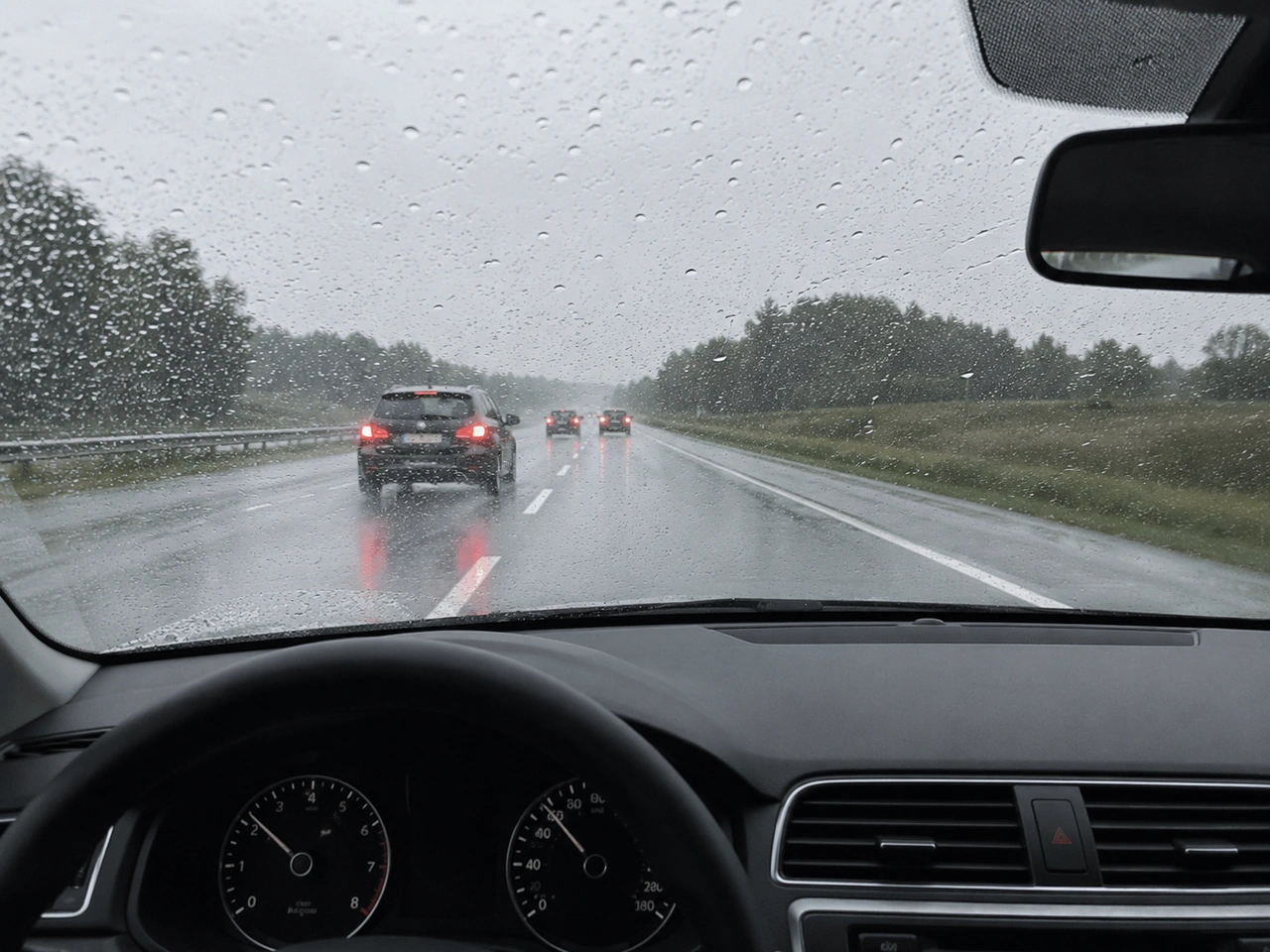
497. Rain can reduce tyre grip and increase stopping distance.
Wet roads reduce traction, so your vehicle may need more distance to stop safely.
AI-generated by Traffic-rules.com • WCIT • CC BY-SA
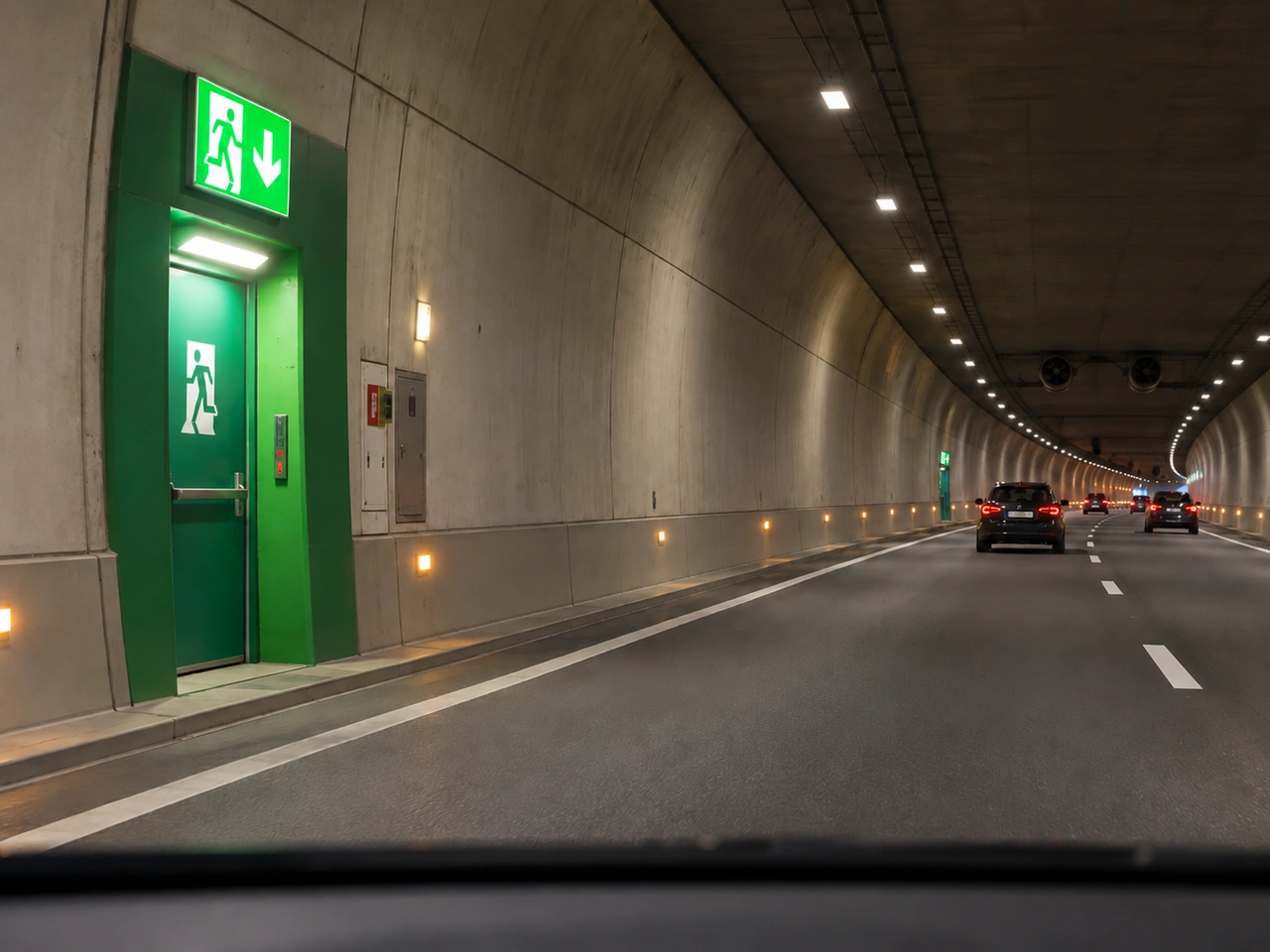
498. Why should you notice the location of emergency exits in a tunnel?
Knowing where emergency exits and refuge areas are located can save valuable time during a fire, collision, or evacuation.
AI-generated by Traffic-rules.com • WCIT • CC BY-SA
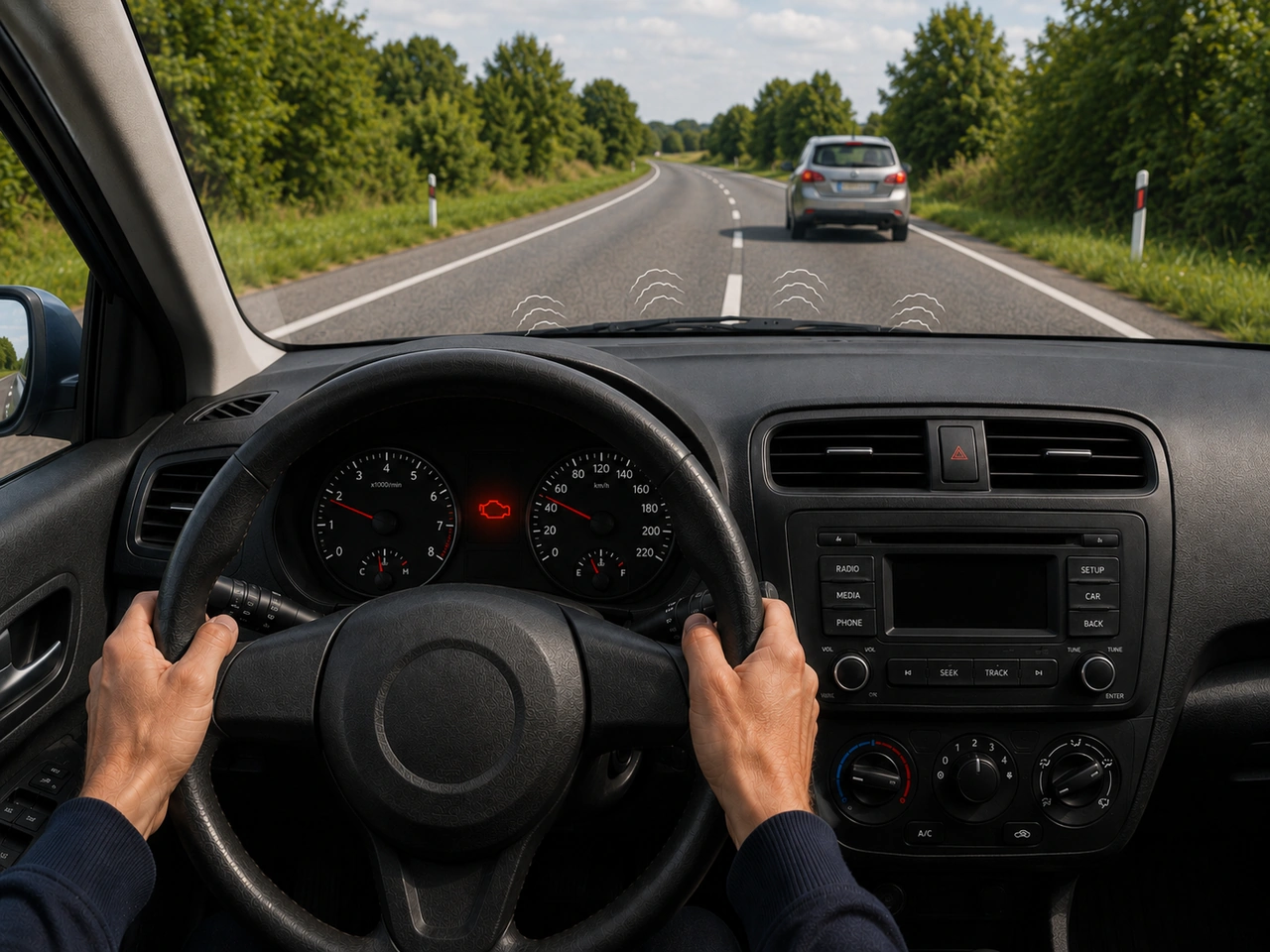
499. What should you do if a red warning light appears with an unusual noise?
A red warning combined with an unusual noise may indicate a serious fault. Continuing could cause damage or loss of control.
AI-generated by Traffic-rules.com • WCIT • CC BY-SA
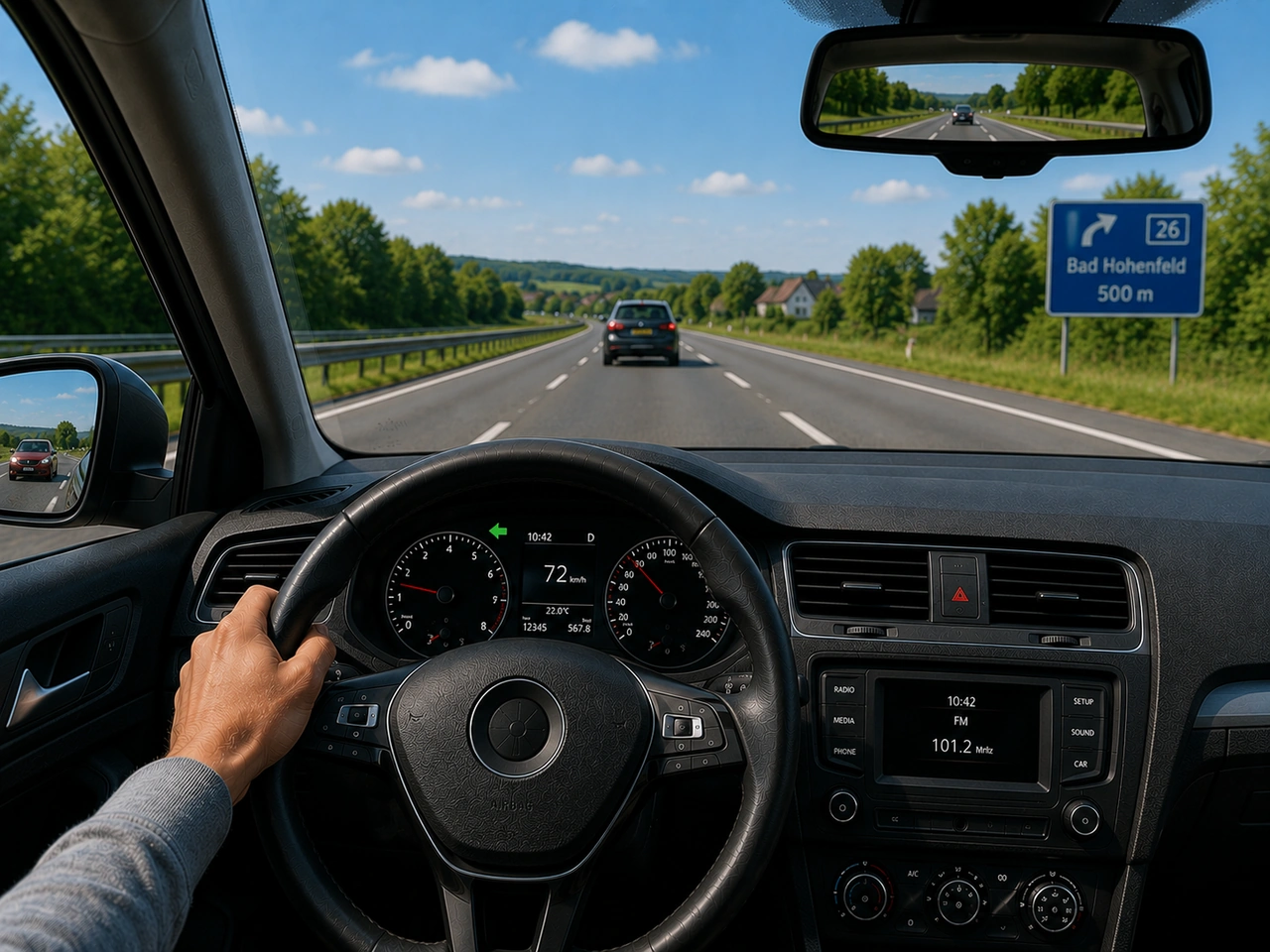
500. Using indicators helps other road users understand your intentions.
Indicators help communicate your intended direction and improve safety for everyone on the road.
AI-generated by Traffic-rules.com • WCIT • CC BY-SA