


QuizTraffic rulesColombia
This interesting quiz helps you test your knowledge in a clear and visual way. With easy multiple-choice questions, you can quickly build confidence and learn new facts while keeping it simple, interactive, and fun.
 Traffic signs
 Traffic rules
 Colombia
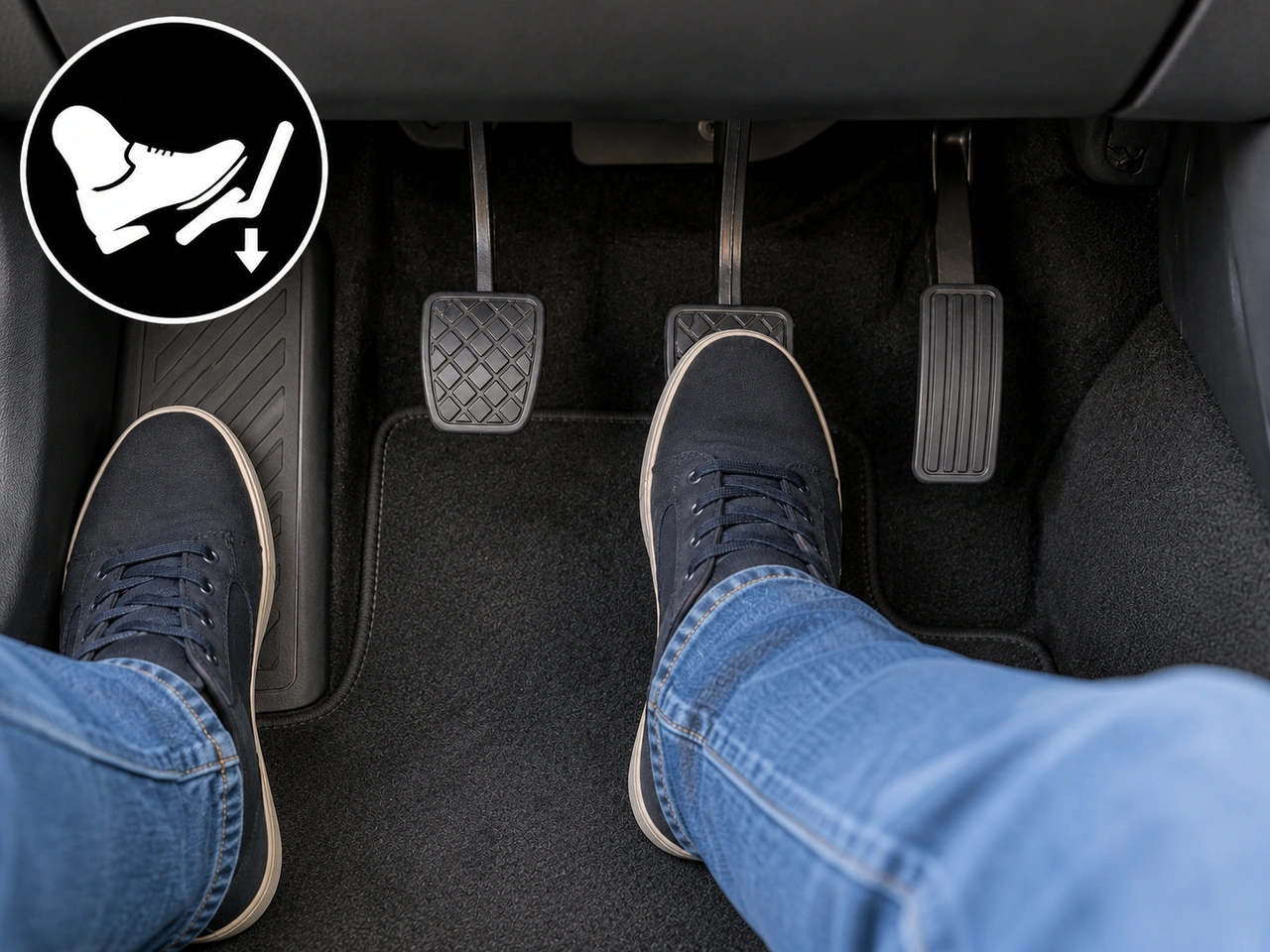
201. How should you normally apply the brake pedal for a smooth stop?
For normal braking, apply the brake pedal progressively and smoothly. As the vehicle comes to a stop, easing the pressure slightly can help avoid a sudden jerk.
AI-generated by Traffic-rules.com • WCIT • CC BY-SA

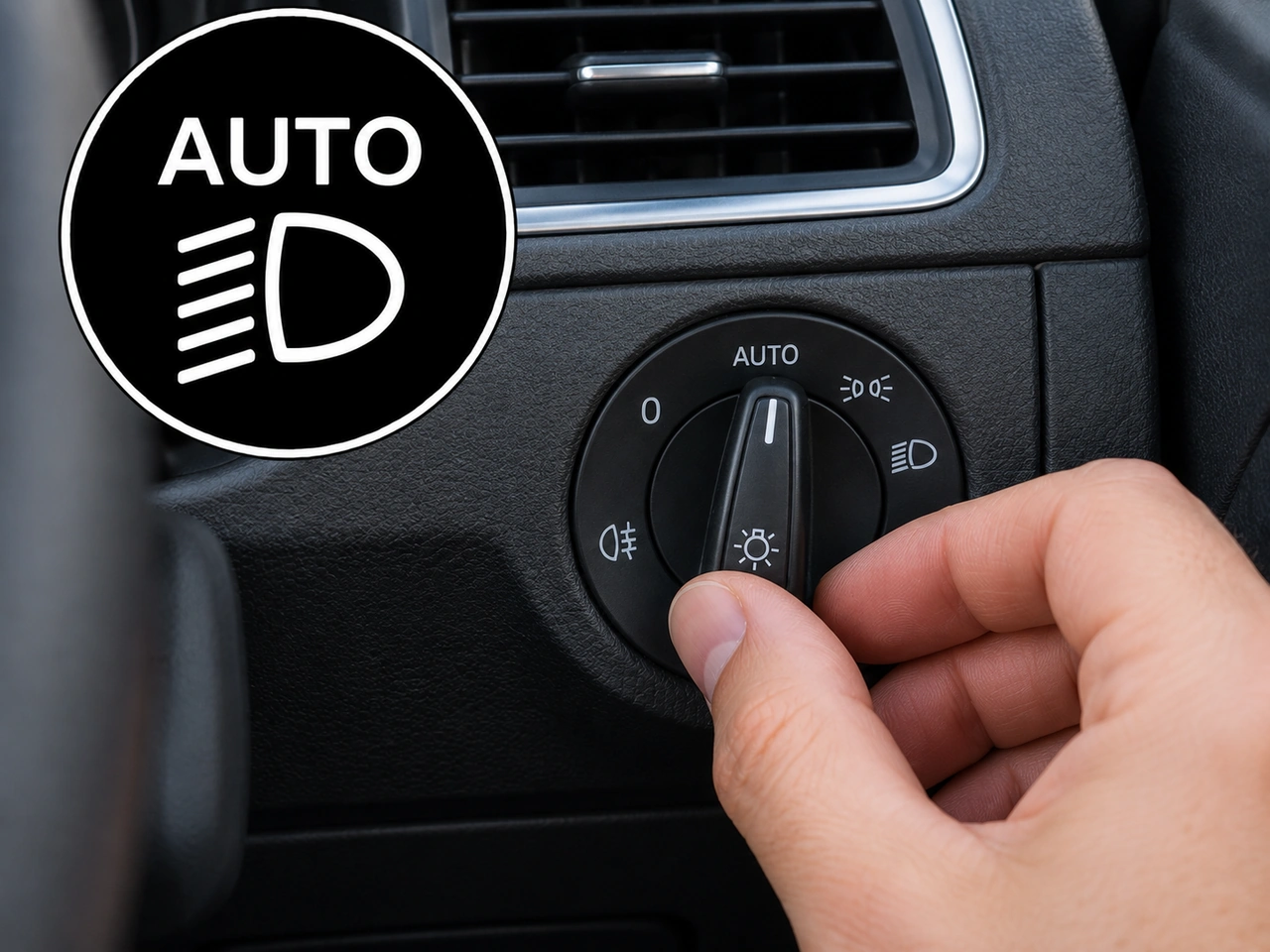
202. What does the AUTO setting on the lighting control do?
The AUTO lighting setting allows the vehicle to switch its exterior lights on or off automatically according to ambient light conditions. The driver remains responsible for ensuring that the correct lights are being used.
AI-generated by Traffic-rules.com • WCIT • CC BY-SA
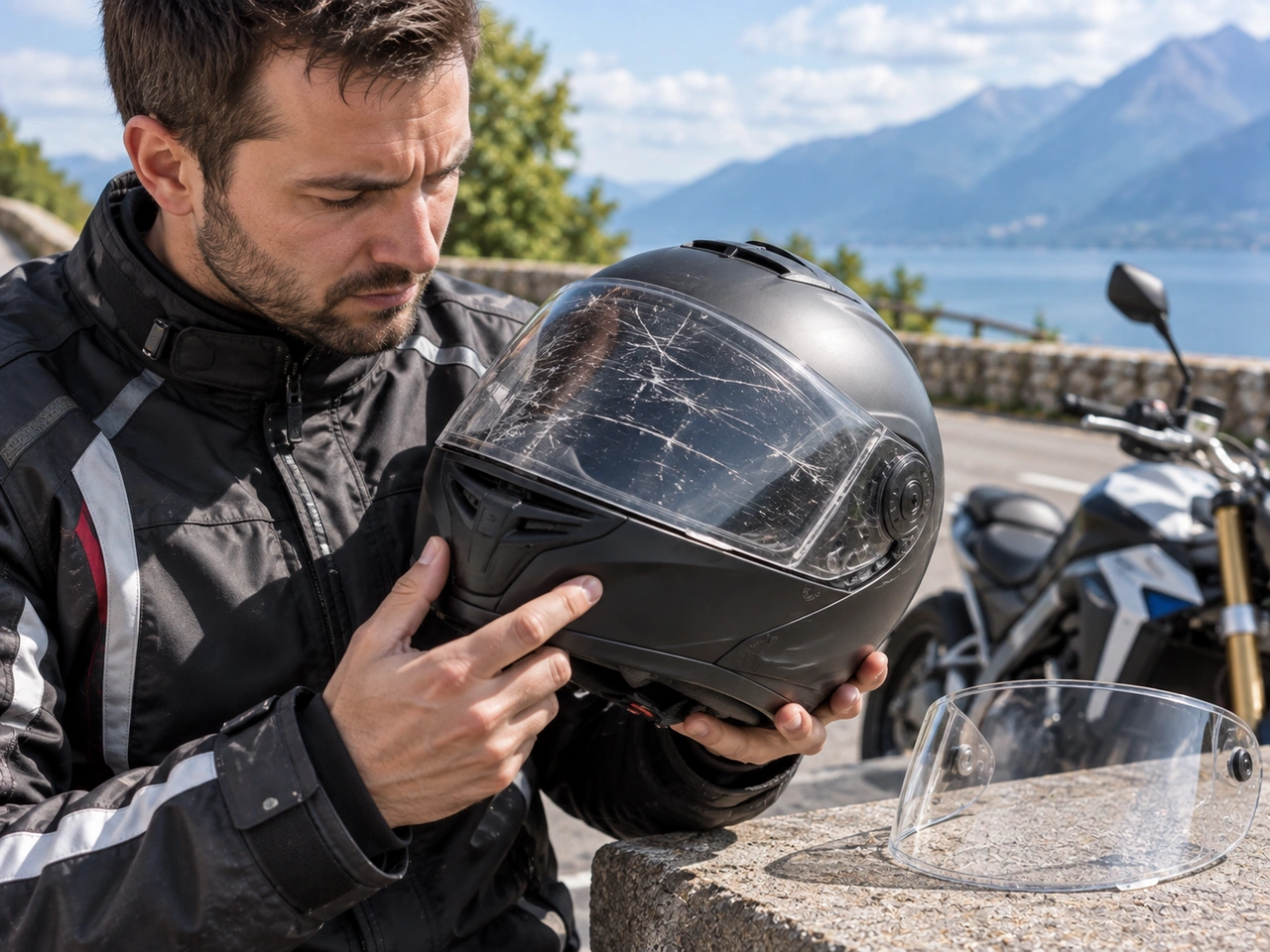
203. What should you do if a motorcycle helmet visor is badly scratched?
A badly scratched or damaged visor can reduce or distort your view, especially in bright sunlight or at night. Replace a visor that no longer provides a clear, safe view and follow the helmet manufacturer's instructions.
AI-generated by Traffic-rules.com • WCIT • CC BY-SA
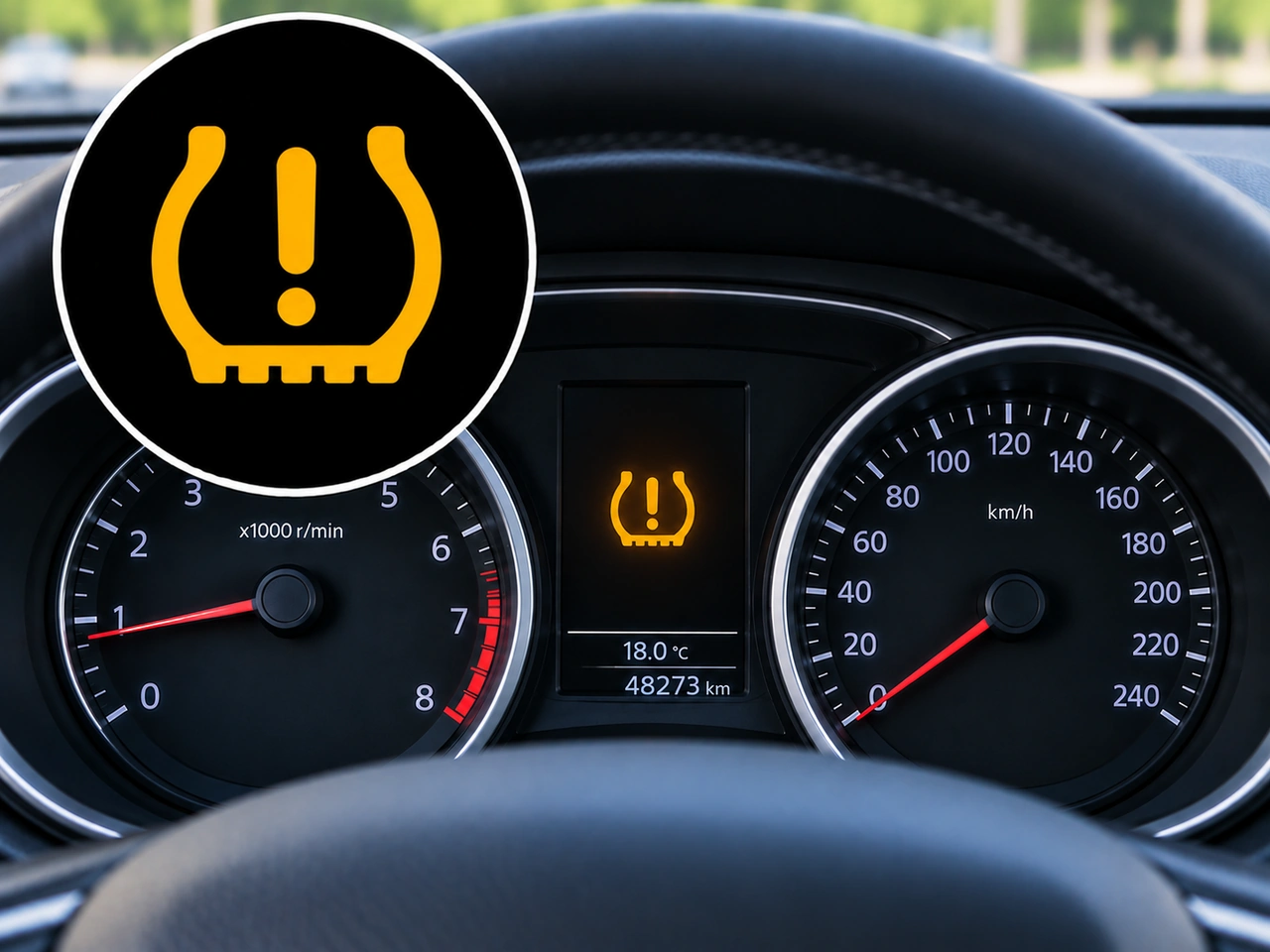
204. What does this dashboard symbol indicate?
This symbol indicates that one or more tyres may have low pressure. Check the tyre pressures and inspect the tyres for damage or a puncture.
AI-generated by Traffic-rules.com • WCIT • CC BY-SA
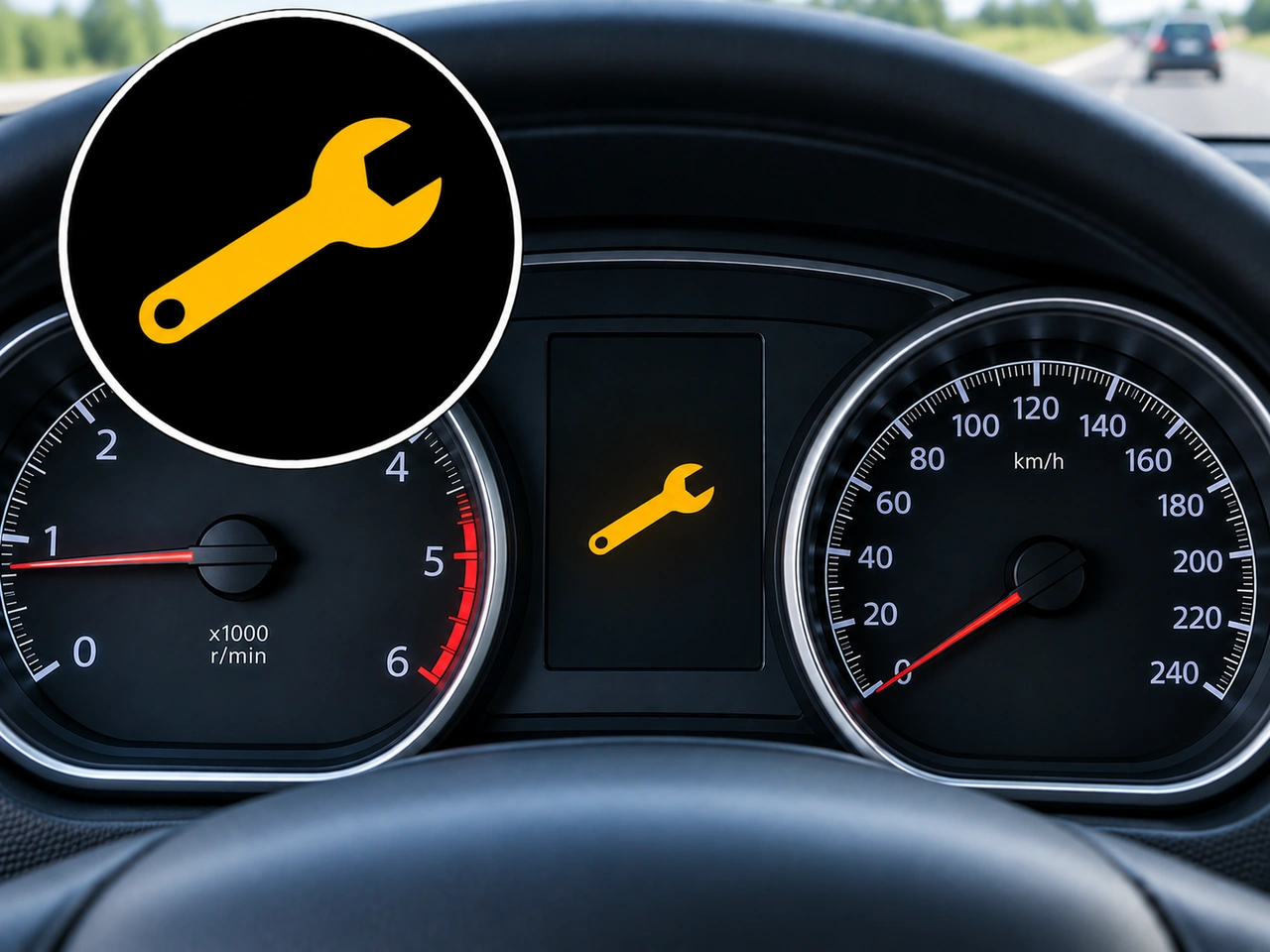
205. What does this dashboard symbol indicate?
This symbol indicates that the vehicle requires servicing or maintenance. The exact meaning and required maintenance can vary between vehicles, so check the vehicle information display or owner's manual.
AI-generated by Traffic-rules.com • WCIT • CC BY-SA
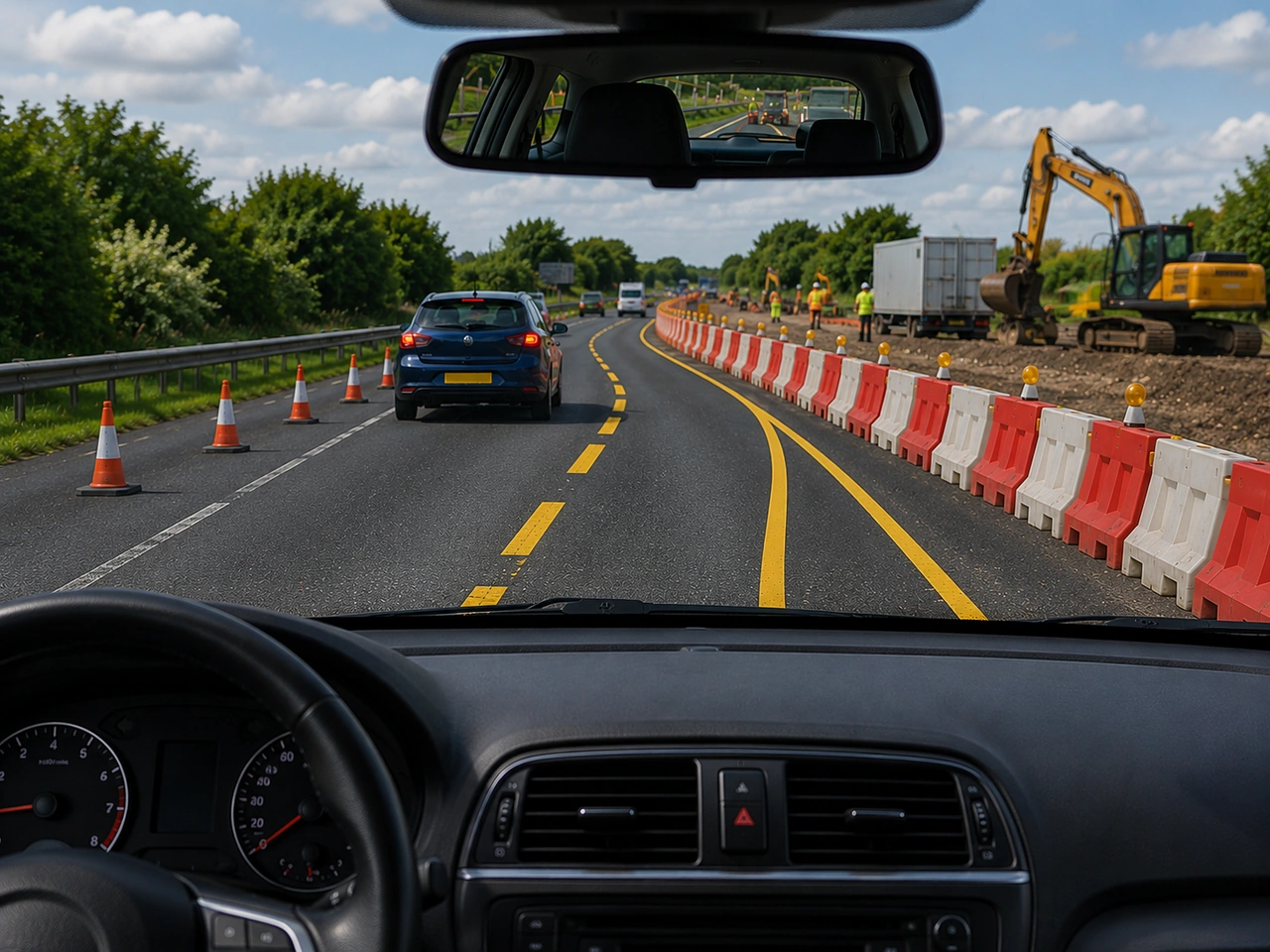
206. Which road markings should you follow through roadworks?
Temporary road markings may replace the normal lane layout during roadworks. Follow the markings and signs that currently guide traffic.
AI-generated by Traffic-rules.com • WCIT • CC BY-SA
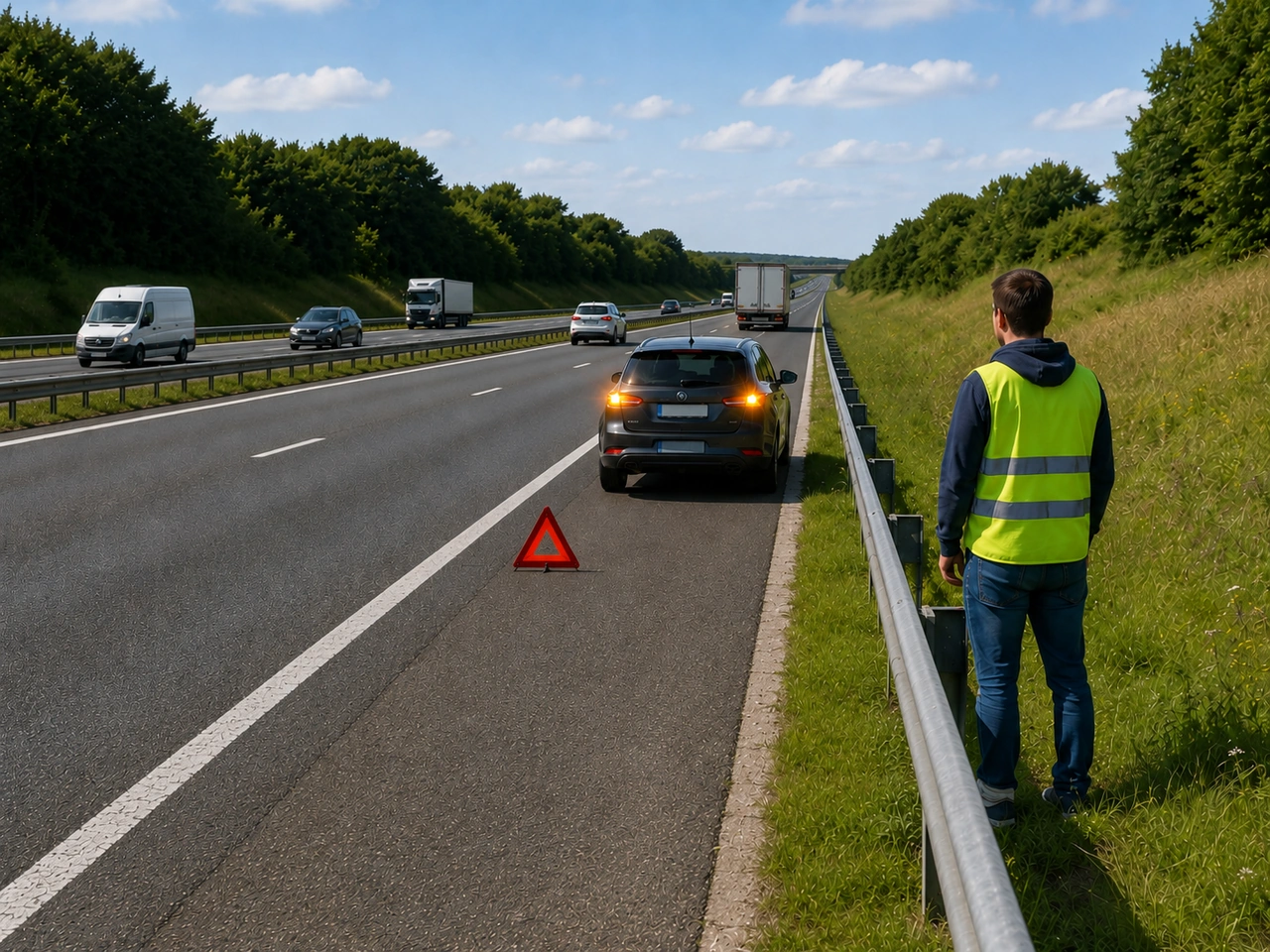
207. Where should you normally wait after a breakdown on a high-speed road?
A stationary vehicle can be struck by passing traffic. Waiting behind a barrier provides better protection.
AI-generated by Traffic-rules.com • WCIT • CC BY-SA
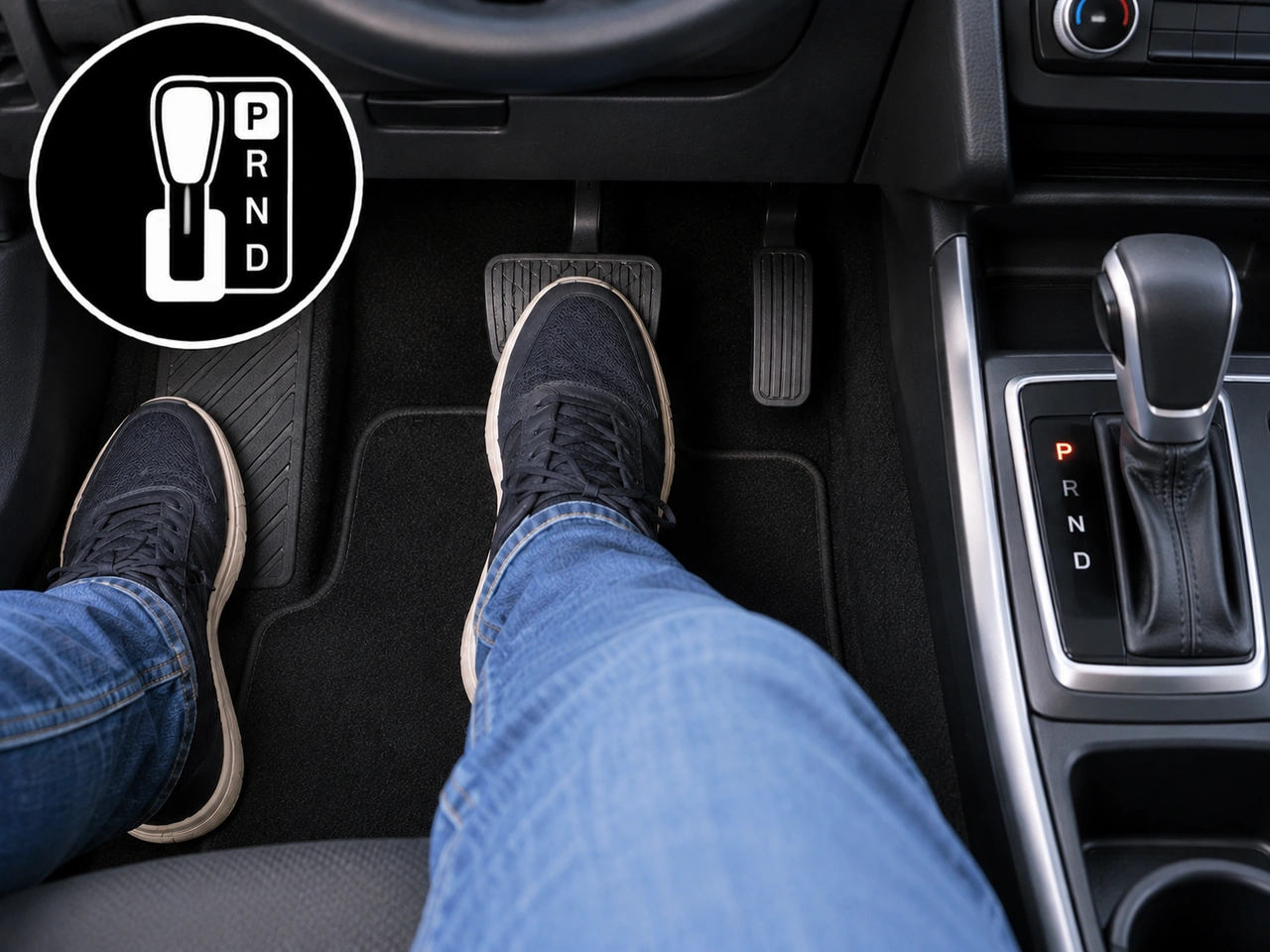
208. What should you normally do before starting an automatic vehicle?
Before starting an automatic vehicle, make sure P (Park) or N (Neutral) is selected and press the brake pedal. Many automatic vehicles will only allow the engine to start when these conditions are met.
AI-generated by Traffic-rules.com • WCIT • CC BY-SA
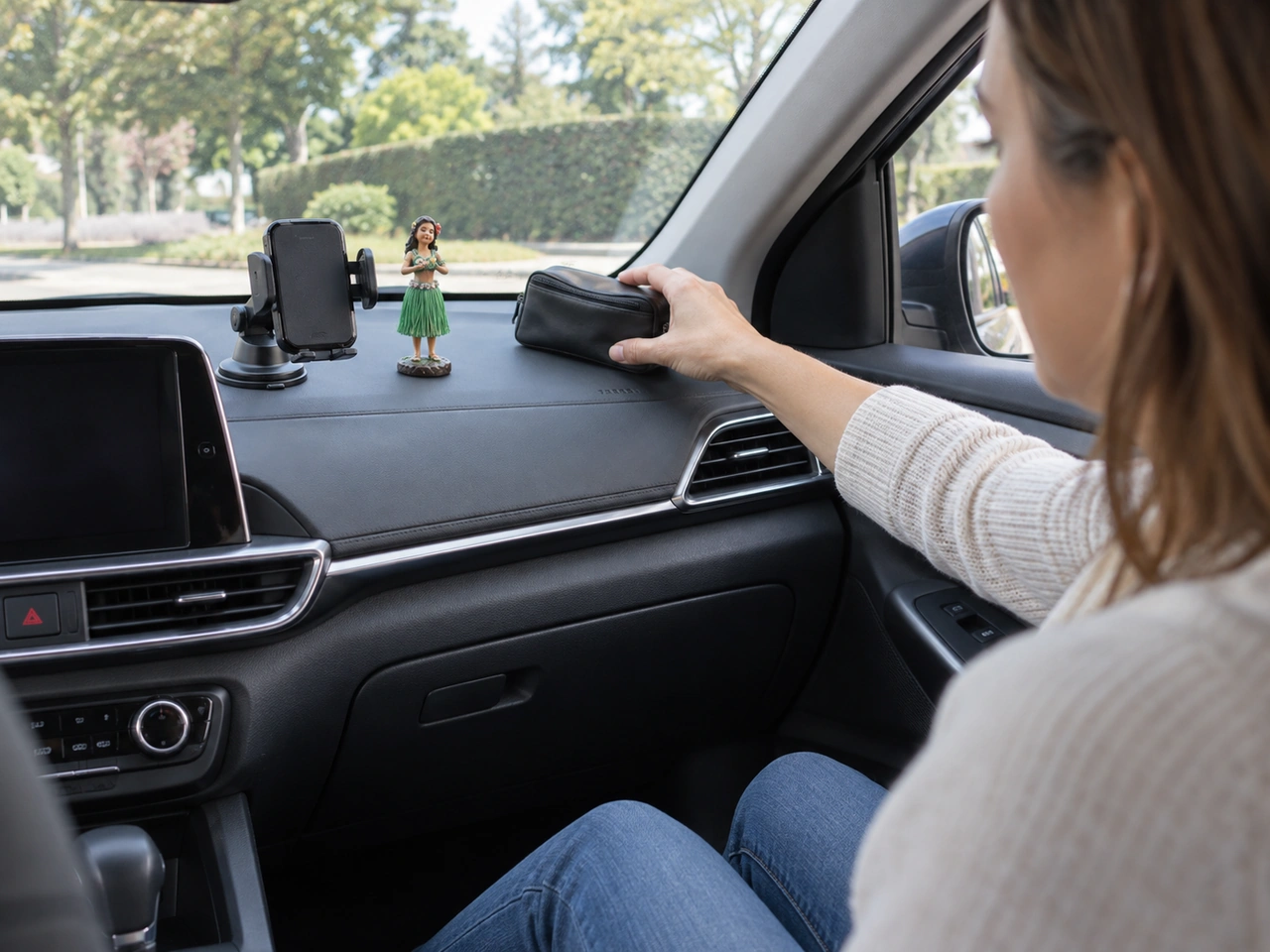
209. Why should you avoid placing objects on or over an airbag cover?
Do not place or attach objects over an airbag cover or in an airbag's deployment area. They may interfere with the airbag as it inflates and could be thrown towards occupants when the airbag deploys.
AI-generated by Traffic-rules.com • WCIT • CC BY-SA
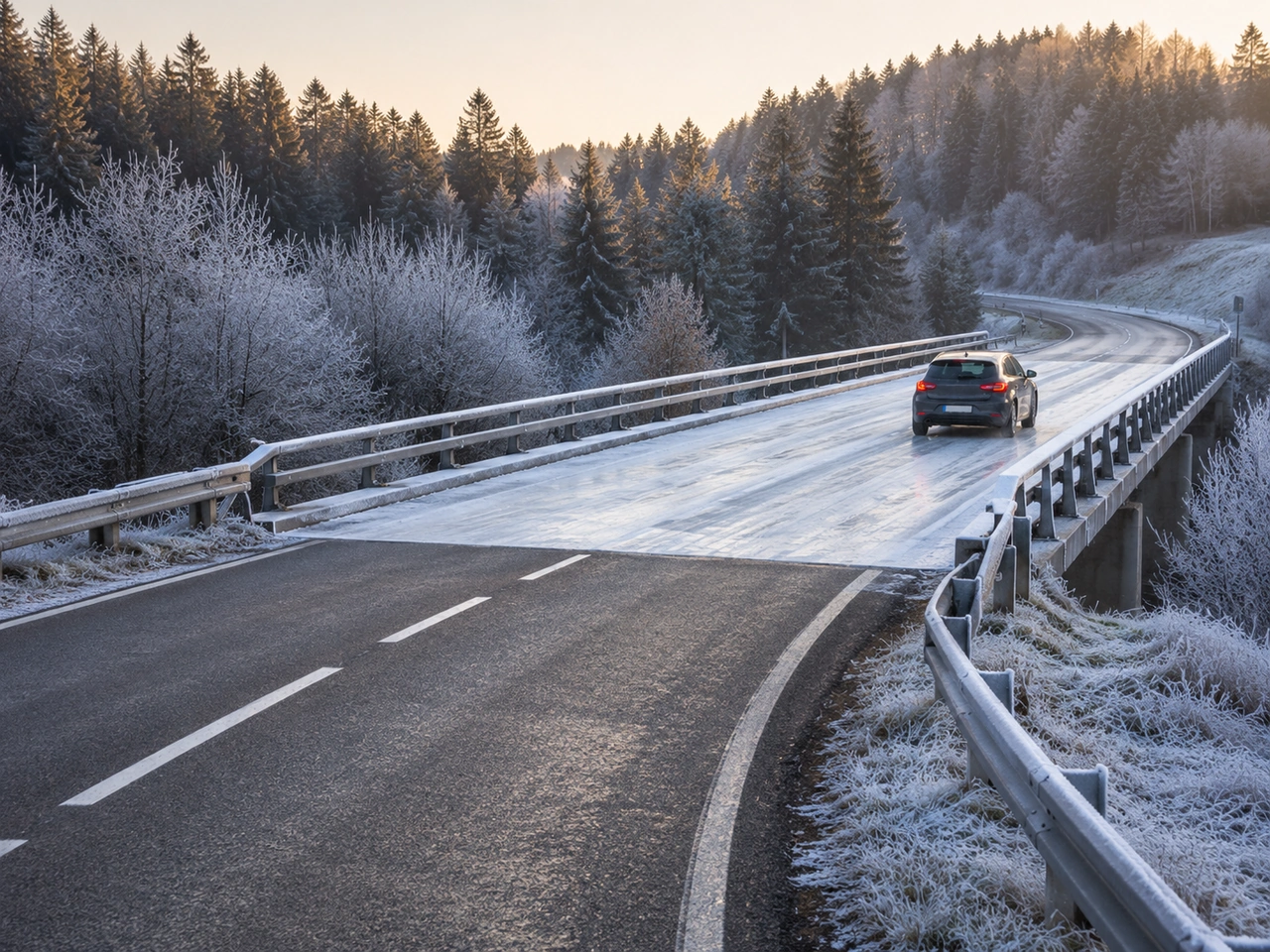
210. Why can bridges and overpasses become icy before nearby roads?
Bridges lose heat from both their upper and lower surfaces, so they can freeze before roads built directly on the ground.
AI-generated by Traffic-rules.com • WCIT • CC BY-SA
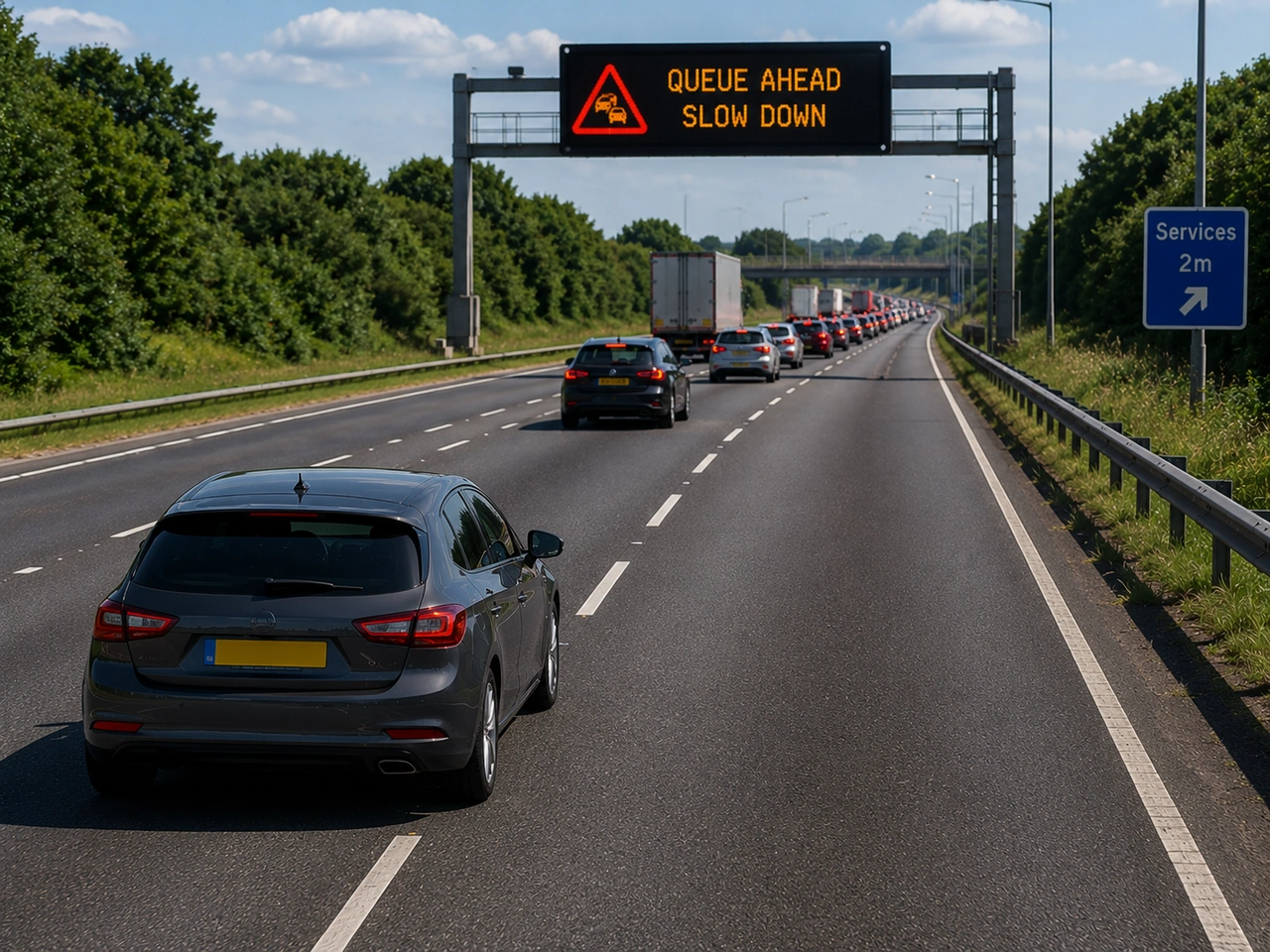
211. Why is a larger following distance needed at motorway speeds?
At higher speeds, you travel farther during your reaction time and need more distance to brake. A larger gap gives you more time and space to stop safely.
AI-generated by Traffic-rules.com • WCIT • CC BY-SA
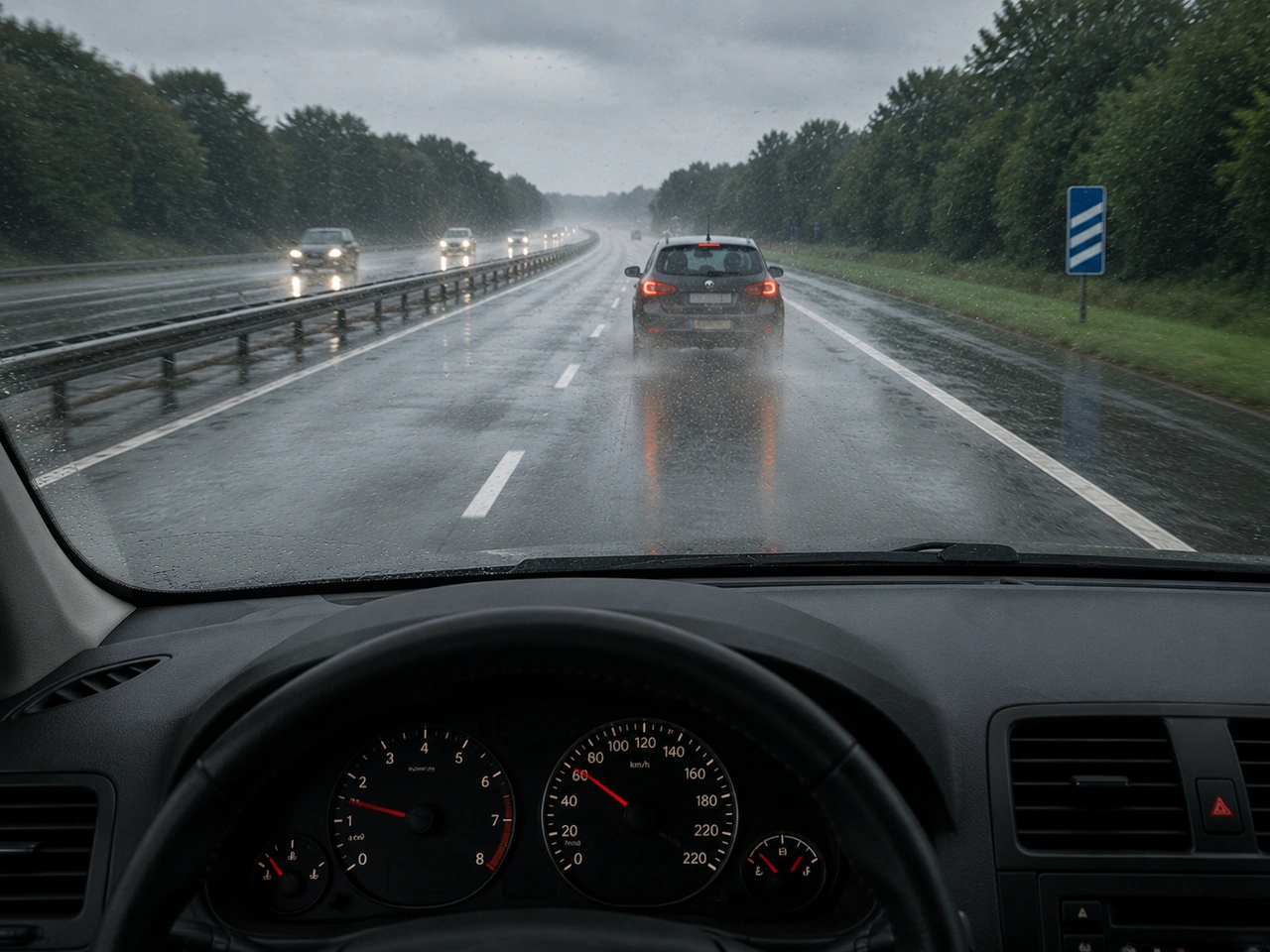
212. Why should you increase your following distance on wet roads?
Water reduces grip between the tyres and the road, so it takes longer to slow down or stop safely.
AI-generated by Traffic-rules.com • WCIT • CC BY-SA
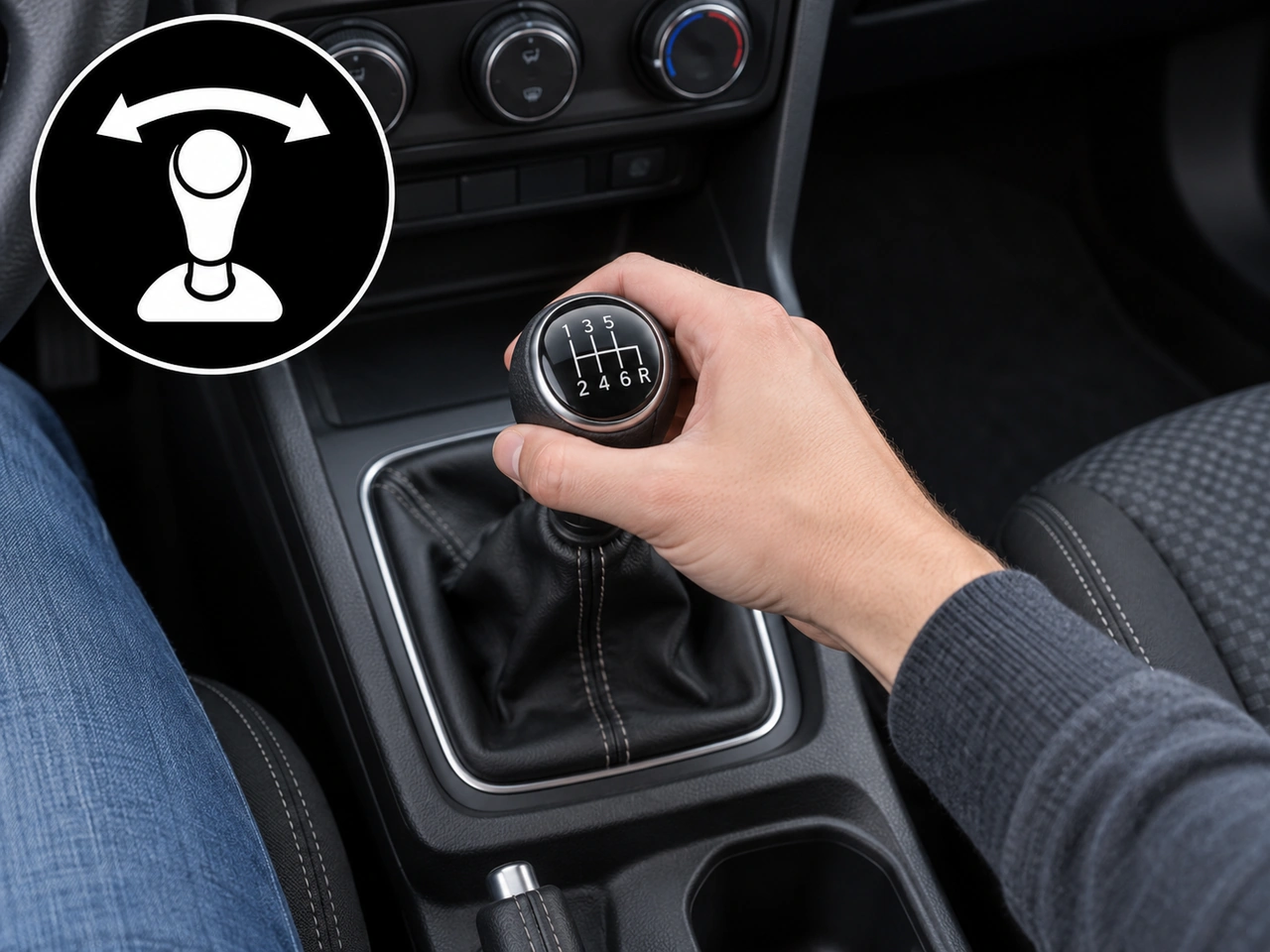
213. How can you check that a manual gearbox is in neutral?
When a manual gearbox is in neutral, the gear lever can normally be moved freely from side to side across the centre of the gear pattern. Check that neutral is selected before starting the engine when appropriate.
AI-generated by Traffic-rules.com • WCIT • CC BY-SA
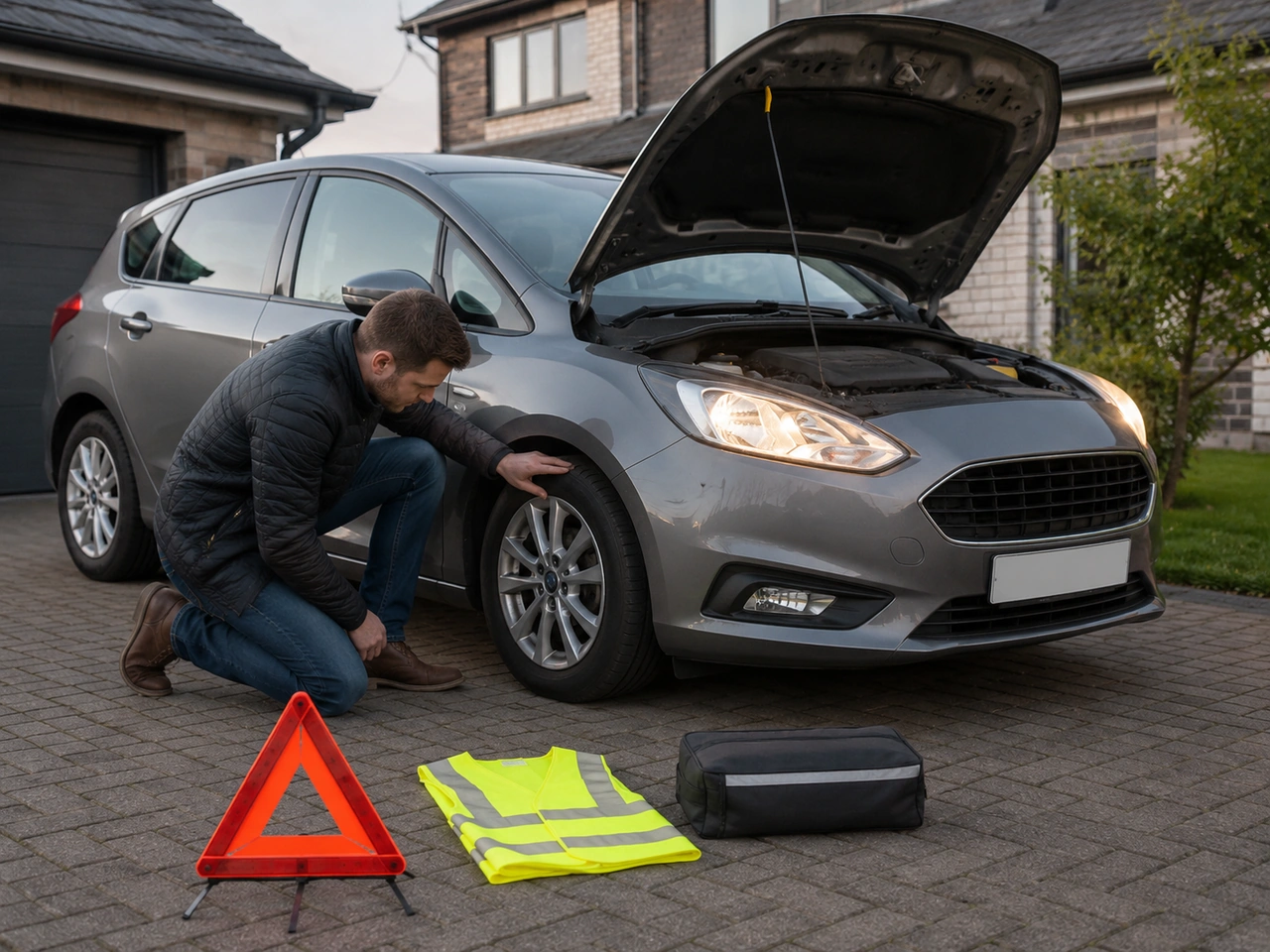
214. What should you check before starting a long journey?
A brief vehicle check can reveal tyre damage, low fluid levels, faulty lights, or visibility problems before they cause danger. Also confirm that any spare wheel or tyre-repair equipment is available and usable.
AI-generated by Traffic-rules.com • WCIT • CC BY-SA
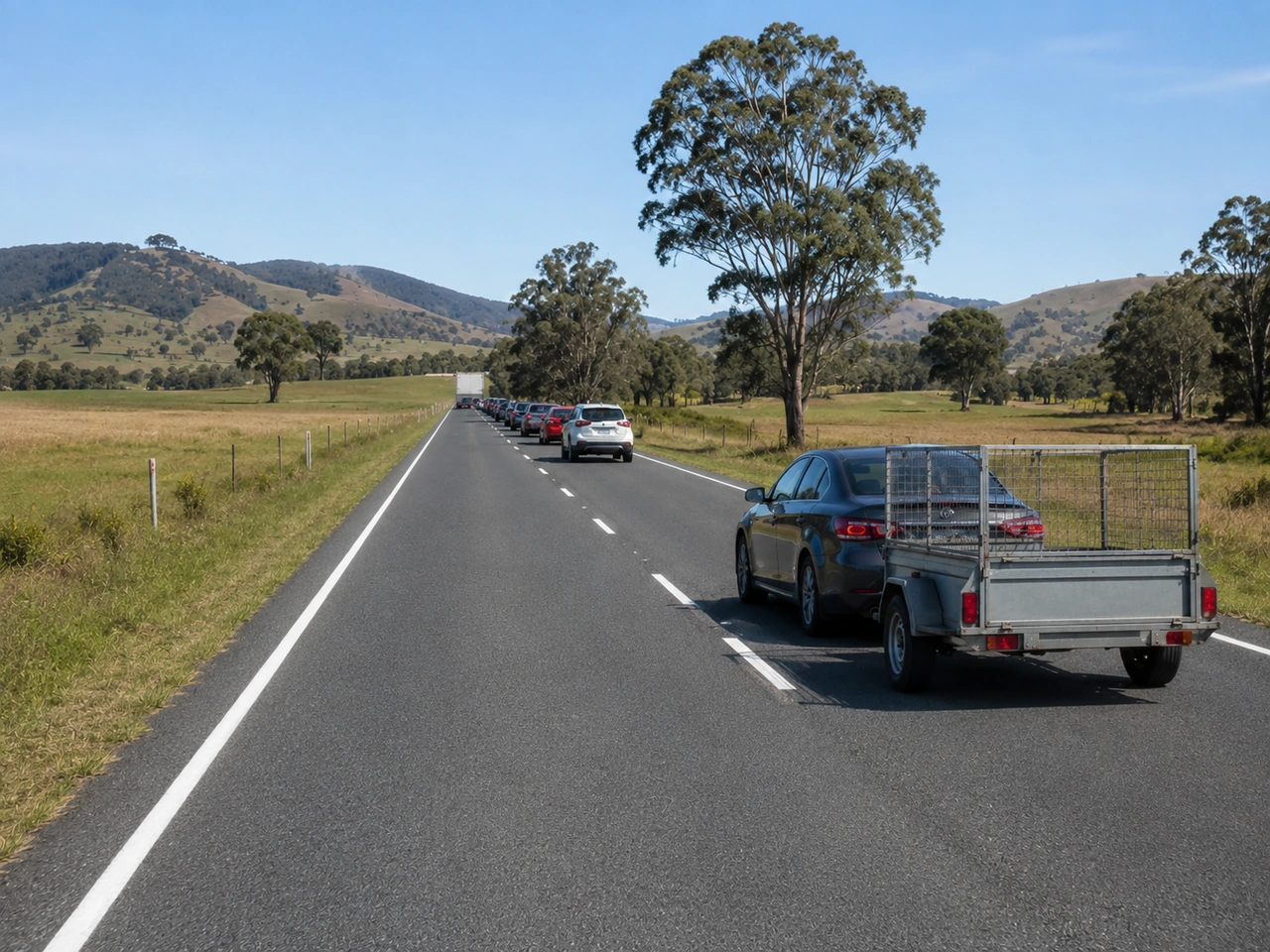
215. Why should you leave extra following distance when towing?
Towing adds weight and can increase stopping distance. Extra space gives you more time to react and brake smoothly.
AI-generated by Traffic-rules.com • WCIT • CC BY-SA
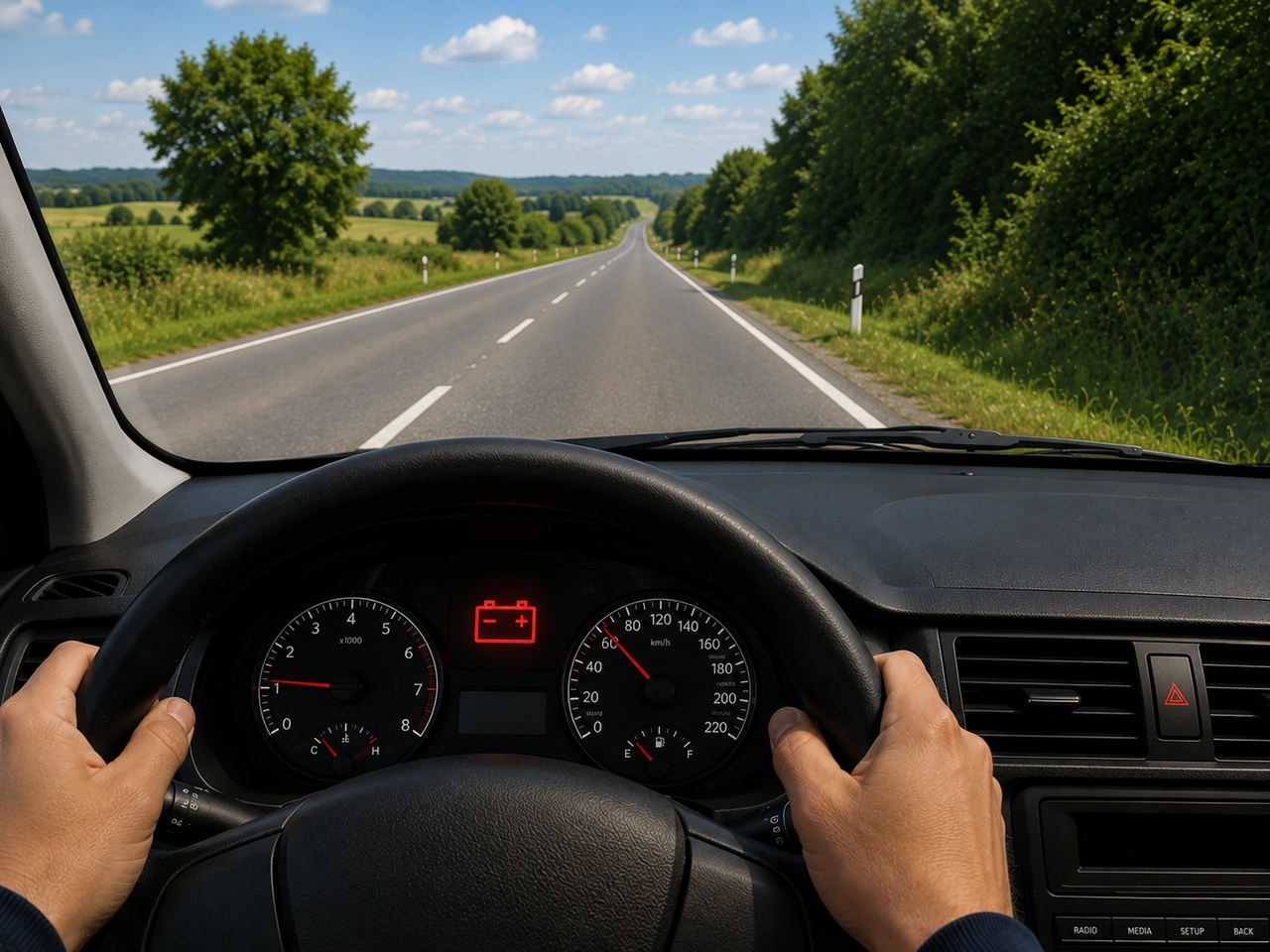
216. What should you do if the charging-system warning light comes on?
The alternator or charging system may have failed. The vehicle may stop once the remaining battery charge is exhausted.
AI-generated by Traffic-rules.com • WCIT • CC BY-SA
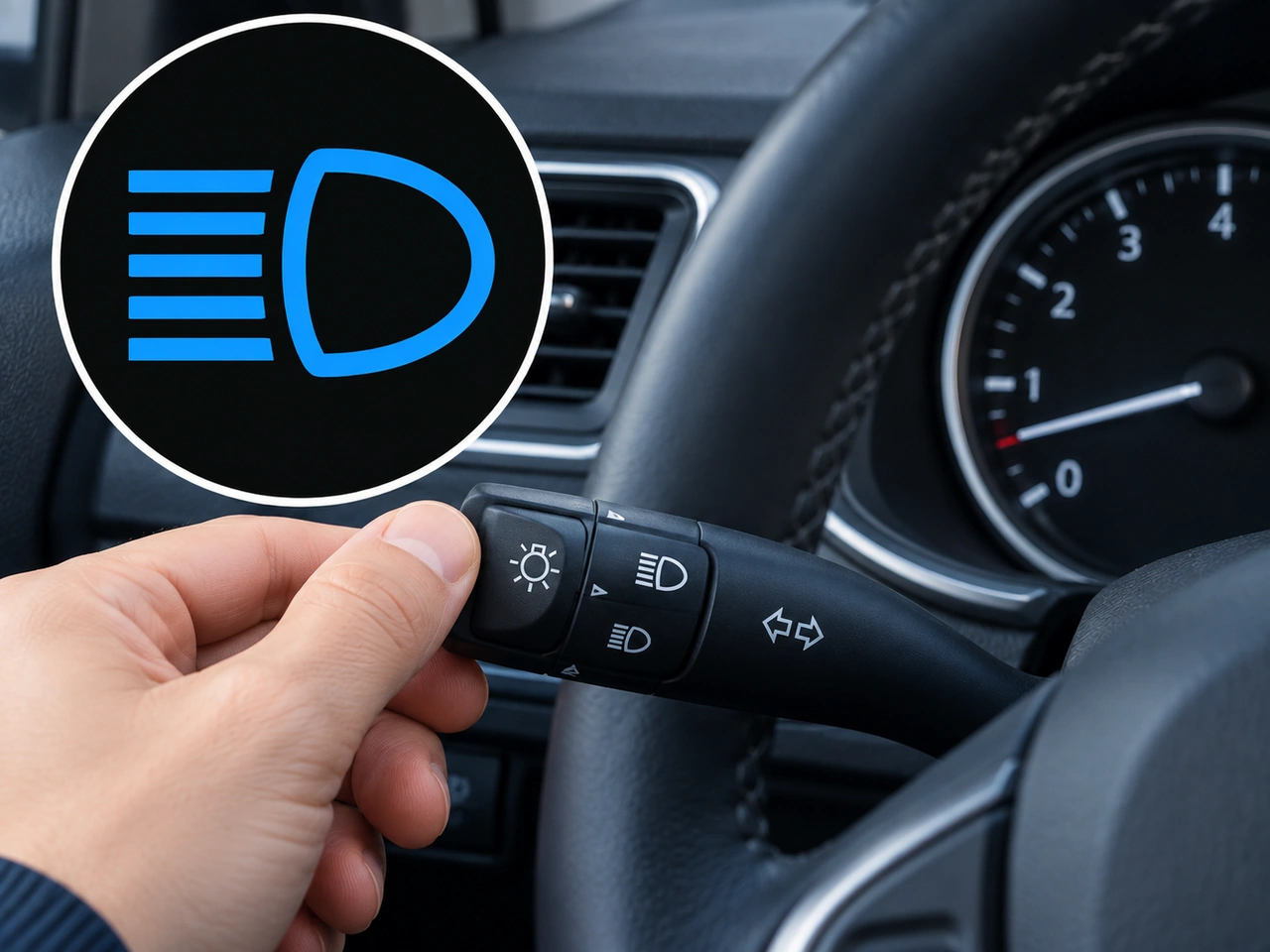
217. What does this dashboard symbol indicate?
This symbol indicates that the main beam headlights are switched on. Main beam illuminates the road farther ahead but can dazzle other road users, so it should be changed to dipped headlights when necessary.
AI-generated by Traffic-rules.com • WCIT • CC BY-SA
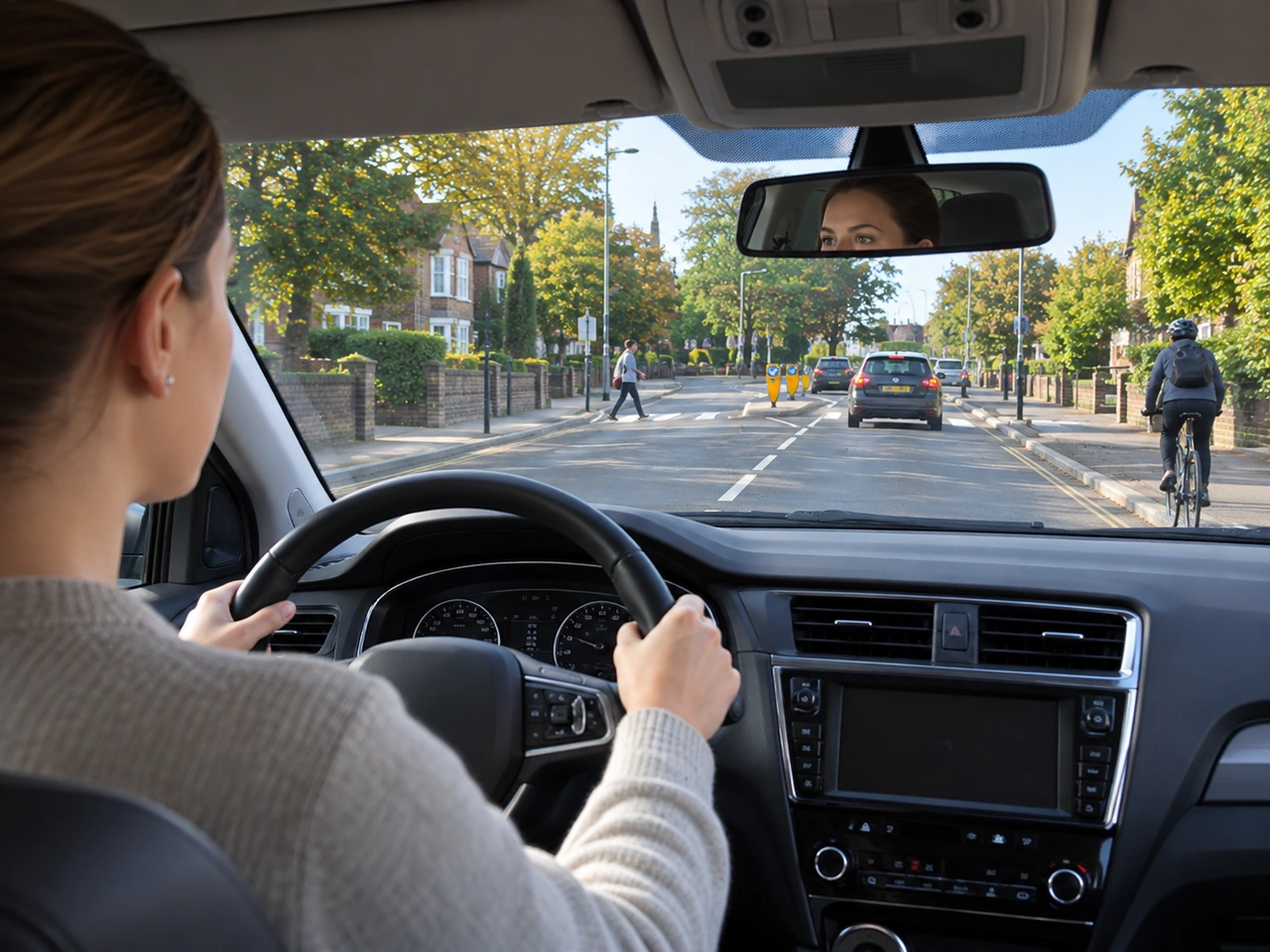
218. Why should you look well ahead while driving?
Looking well ahead helps you identify developing hazards early, such as slowing traffic, pedestrians, junctions, or changing road conditions. Earlier detection gives you more time to assess the situation and respond smoothly and safely.
AI-generated by Traffic-rules.com • WCIT • CC BY-SA
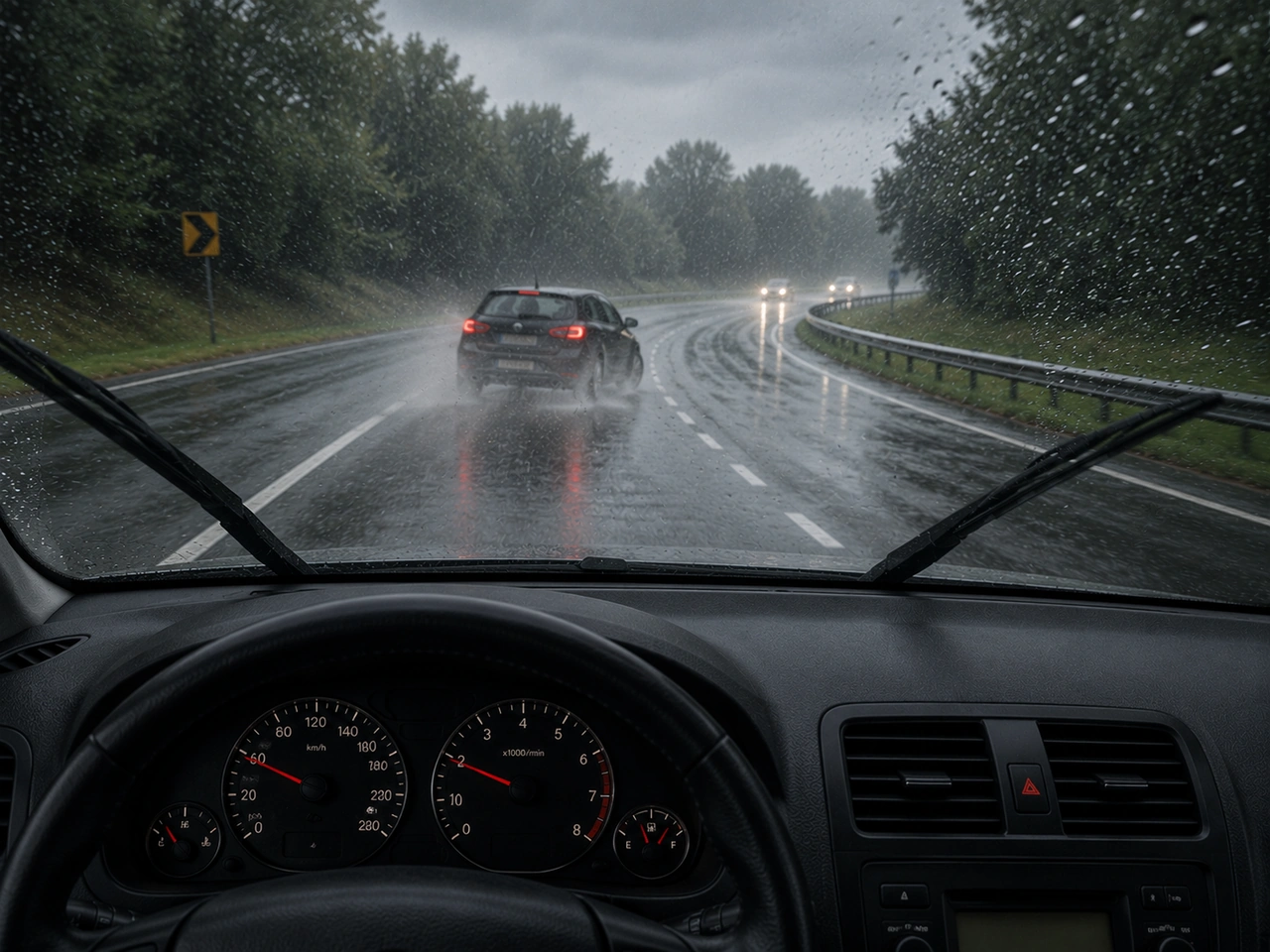
219. What should you avoid if your vehicle loses grip on a wet road?
Abrupt inputs can upset the vehicle further. Smooth control gives the tyres a better chance to regain grip.
AI-generated by Traffic-rules.com • WCIT • CC BY-SA
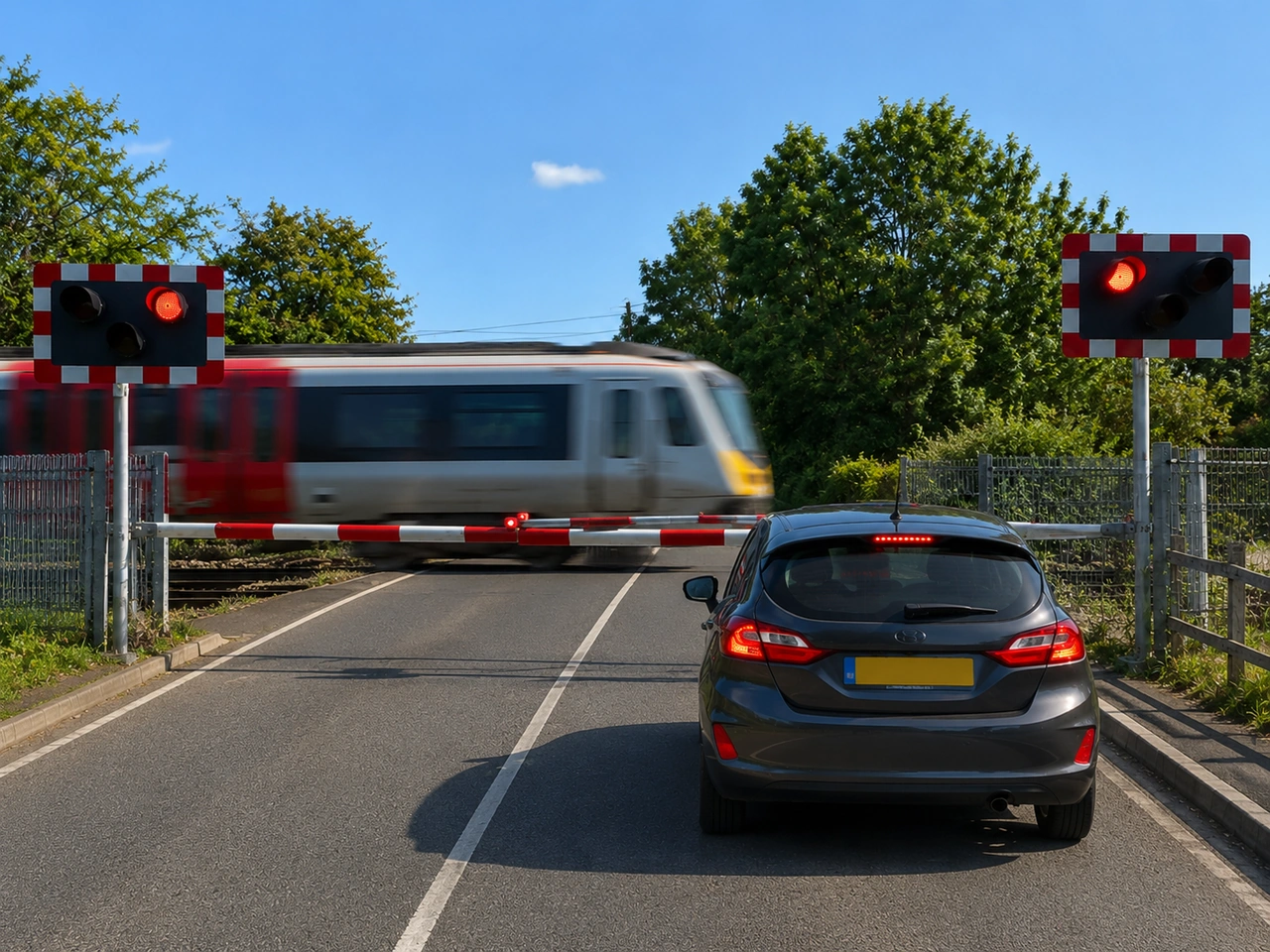
220. What should you do at a railway crossing when the barriers are closing?
Never enter a railway crossing when barriers are closing or warning signals are active. Stop and wait until it is safe.
AI-generated by Traffic-rules.com • WCIT • CC BY-SA
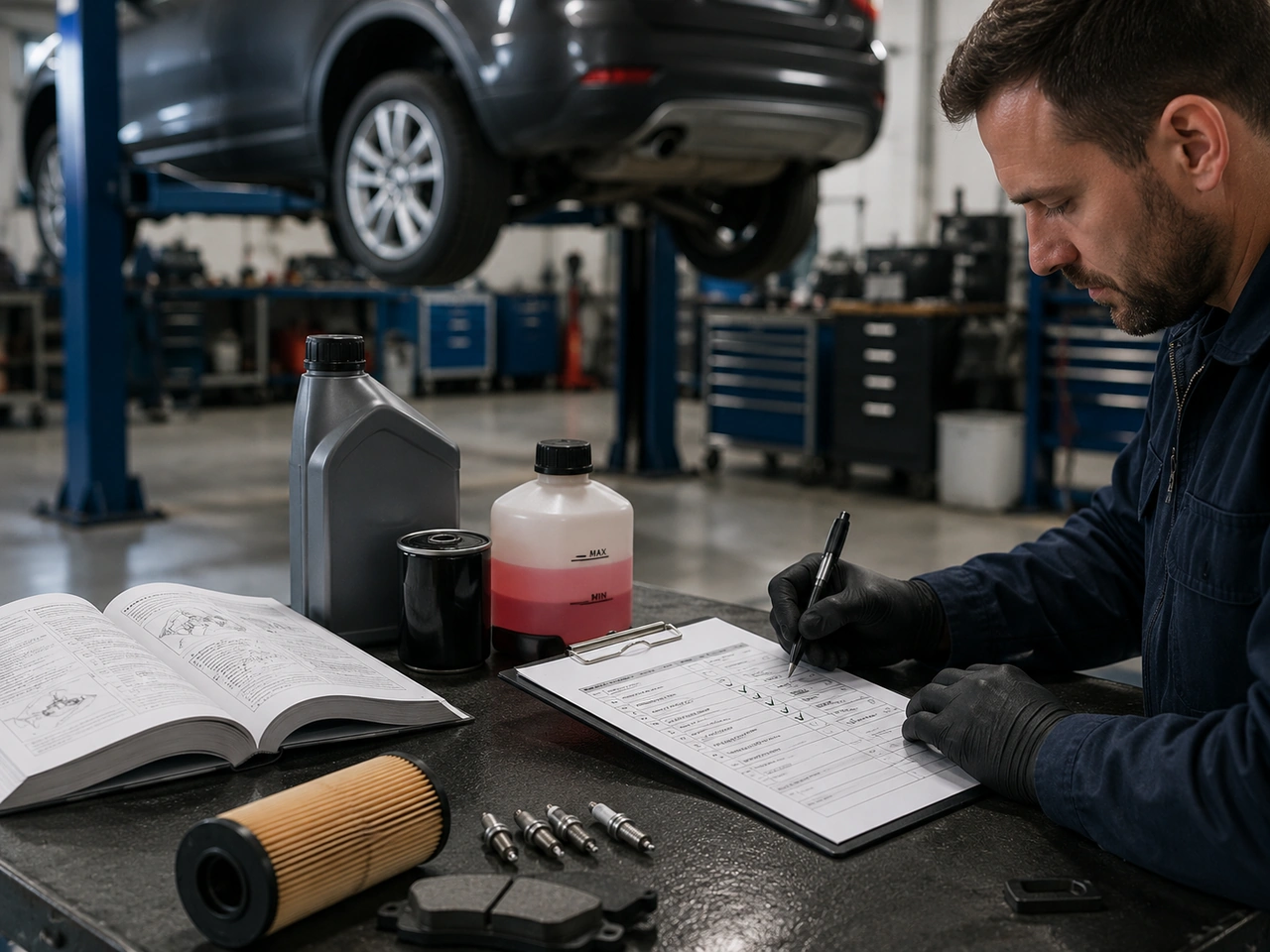
221. Why should you follow the manufacturer's service schedule?
Scheduled servicing helps ensure that brakes, tyres, fluids, filters, steering, suspension, and other important systems are checked and maintained before faults become more serious.
AI-generated by Traffic-rules.com • WCIT • CC BY-SA
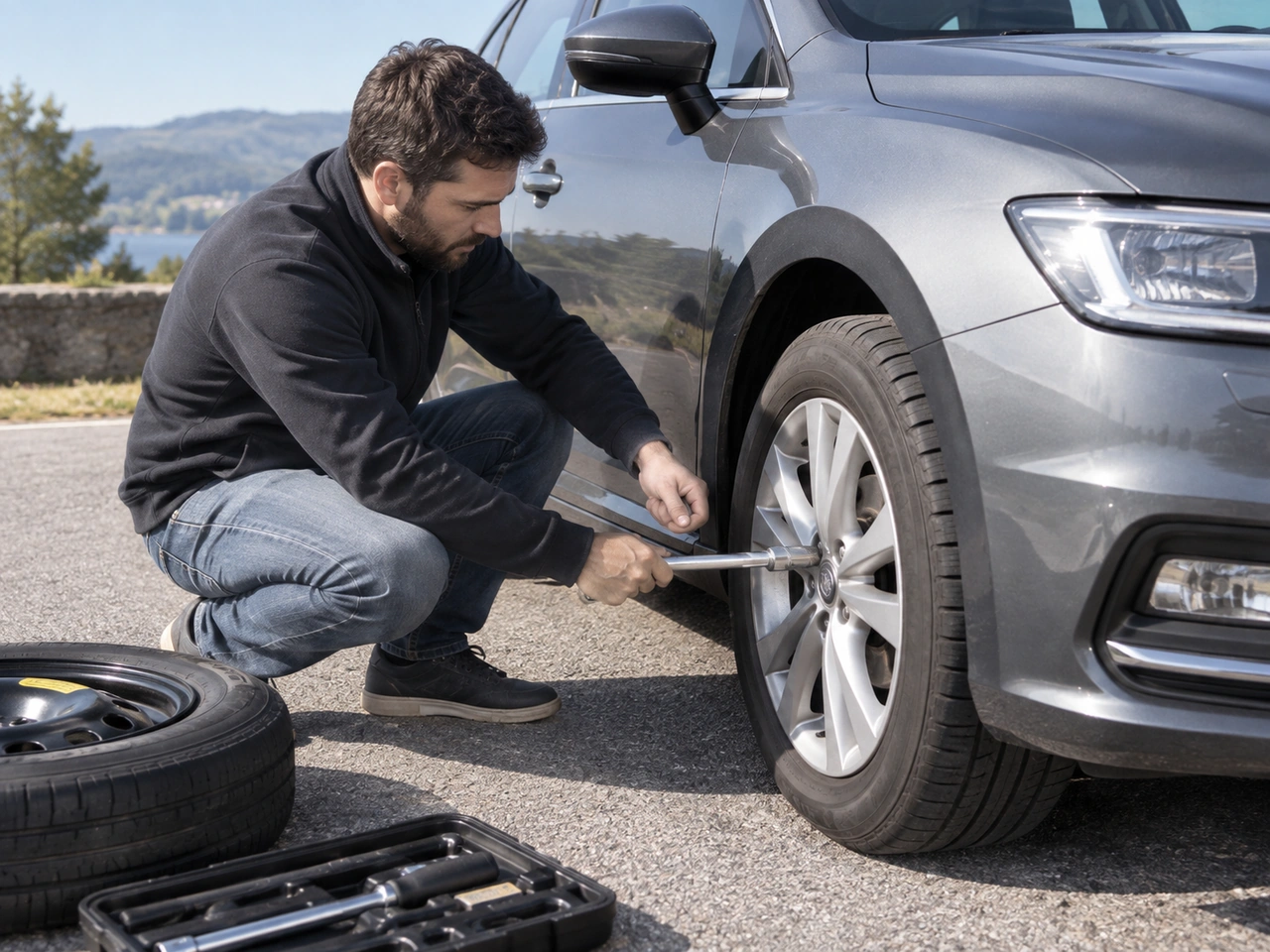
222. What should you check after fitting a wheel?
After fitting a wheel, make sure the wheel nuts are tightened correctly using the manufacturer's specified procedure and torque. Incorrectly tightened wheel nuts can loosen or damage the wheel. Recheck them later if the vehicle or wheel manufacturer recommends it.
AI-generated by Traffic-rules.com • WCIT • CC BY-SA
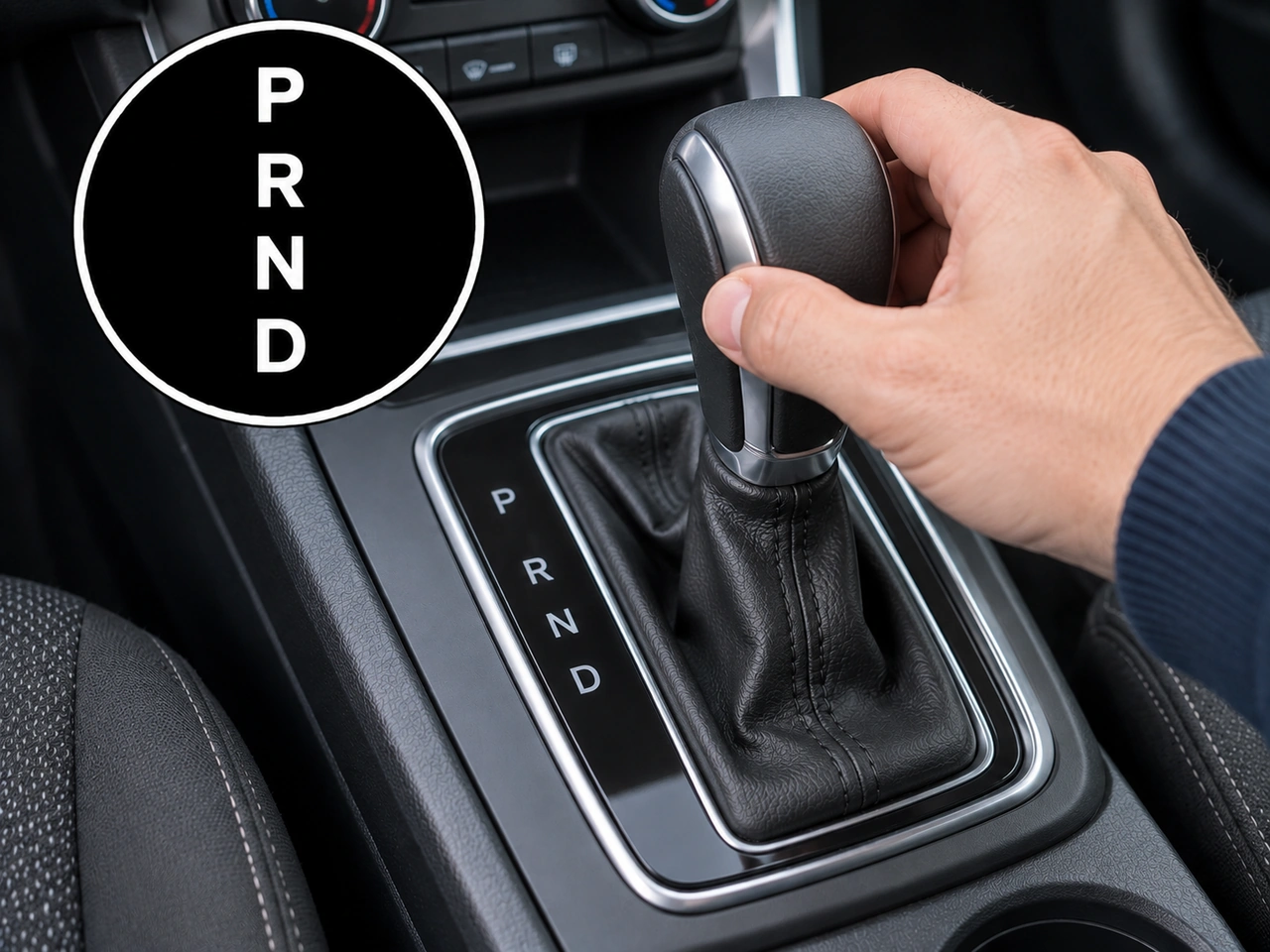
223. Which selector position is used when parking the vehicle?
Select P (Park) when parking an automatic vehicle. Park locks the transmission, but the parking brake should also be applied to secure the vehicle.
AI-generated by Traffic-rules.com • WCIT • CC BY-SA
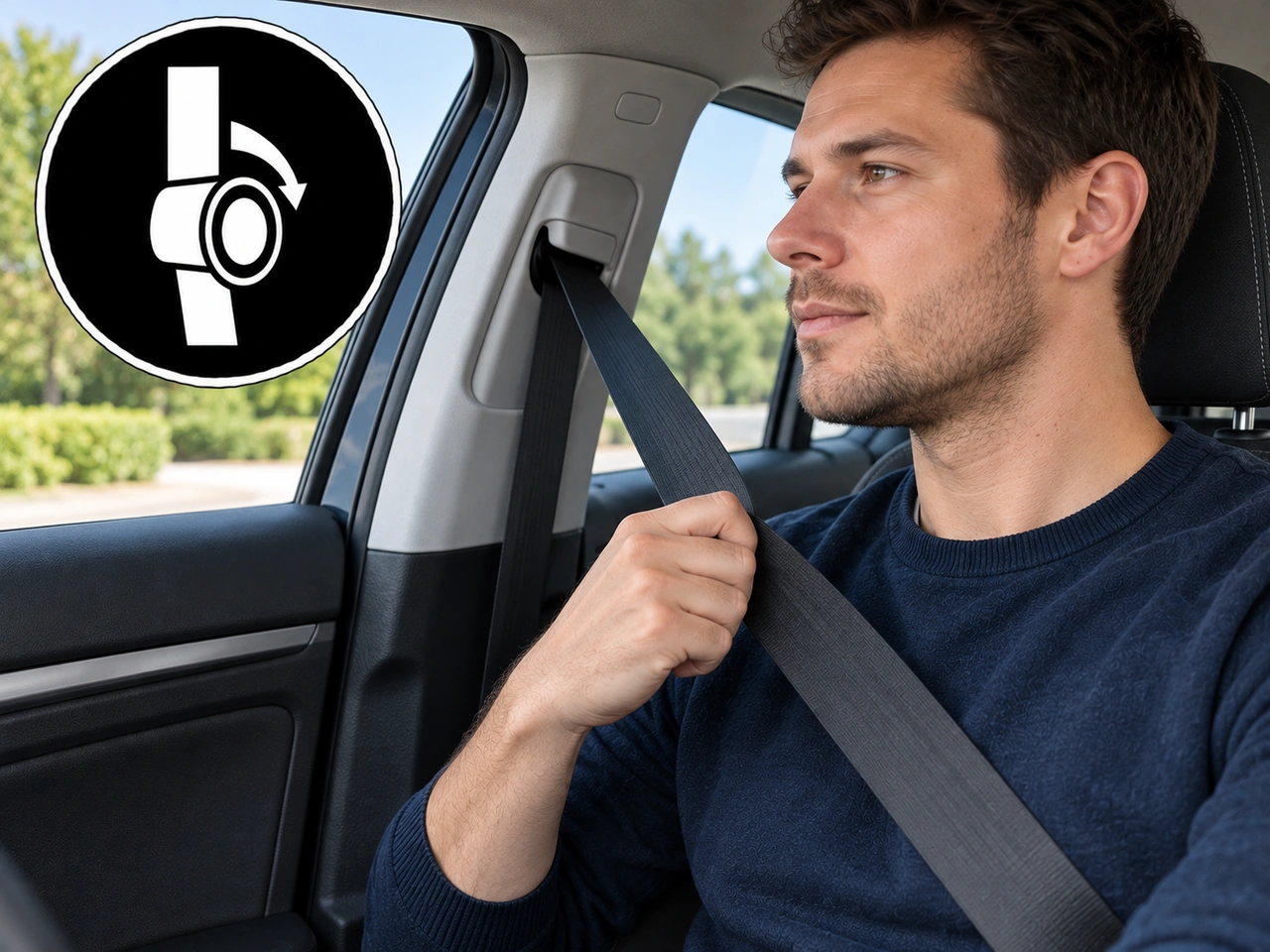
224. What is the purpose of the seat-belt retractor?
The seat-belt retractor takes up slack and helps keep the belt properly positioned against the body. It allows normal movement but can lock during sudden braking, rapid belt movement or a collision.
AI-generated by Traffic-rules.com • WCIT • CC BY-SA
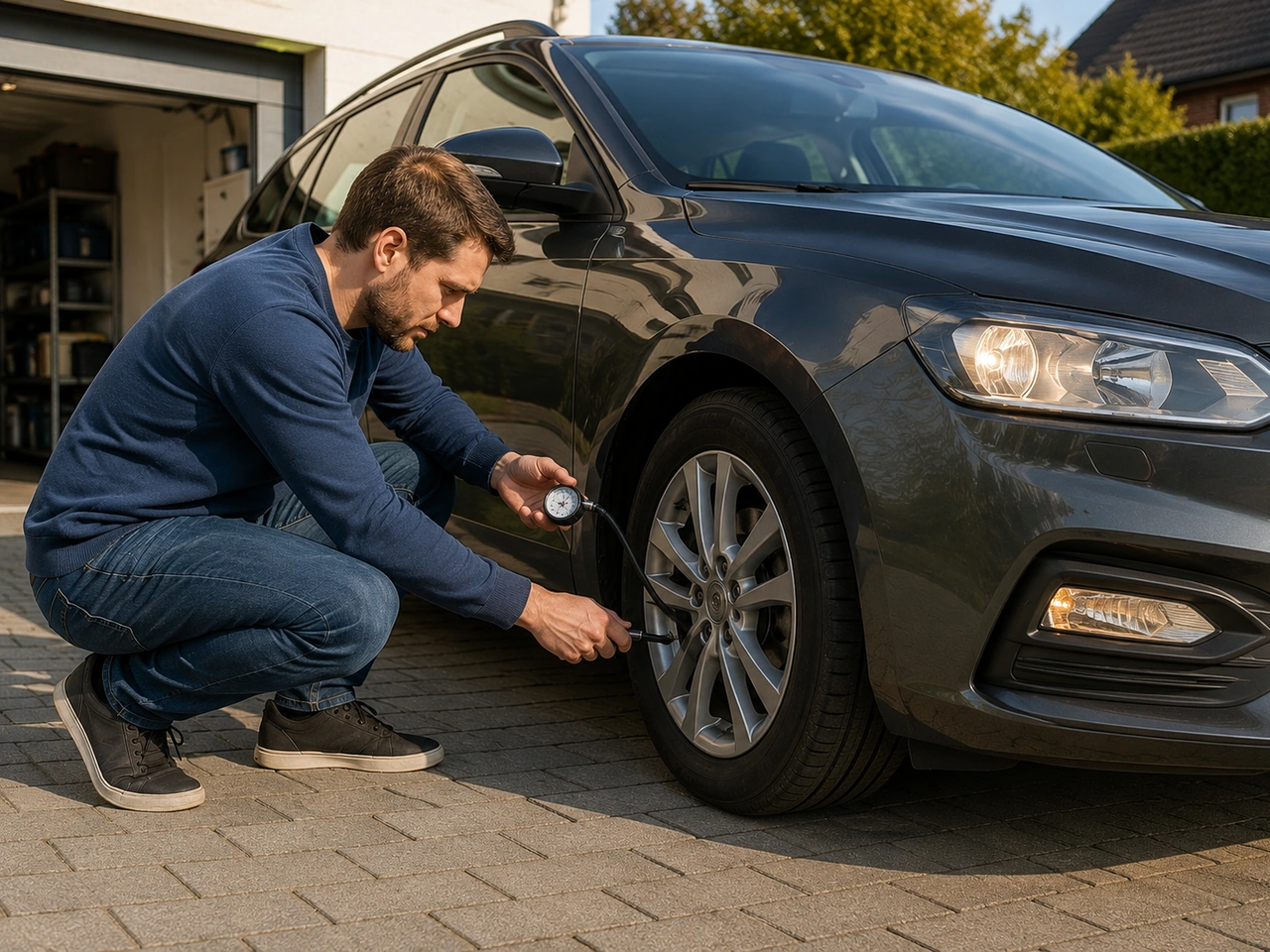
225. How should tyre pressure normally be checked?
Tyre pressure rises as tyres become warm. Check them when cold and use the pressure specified on the vehicle label or in the owner's manual.
AI-generated by Traffic-rules.com • WCIT • CC BY-SA
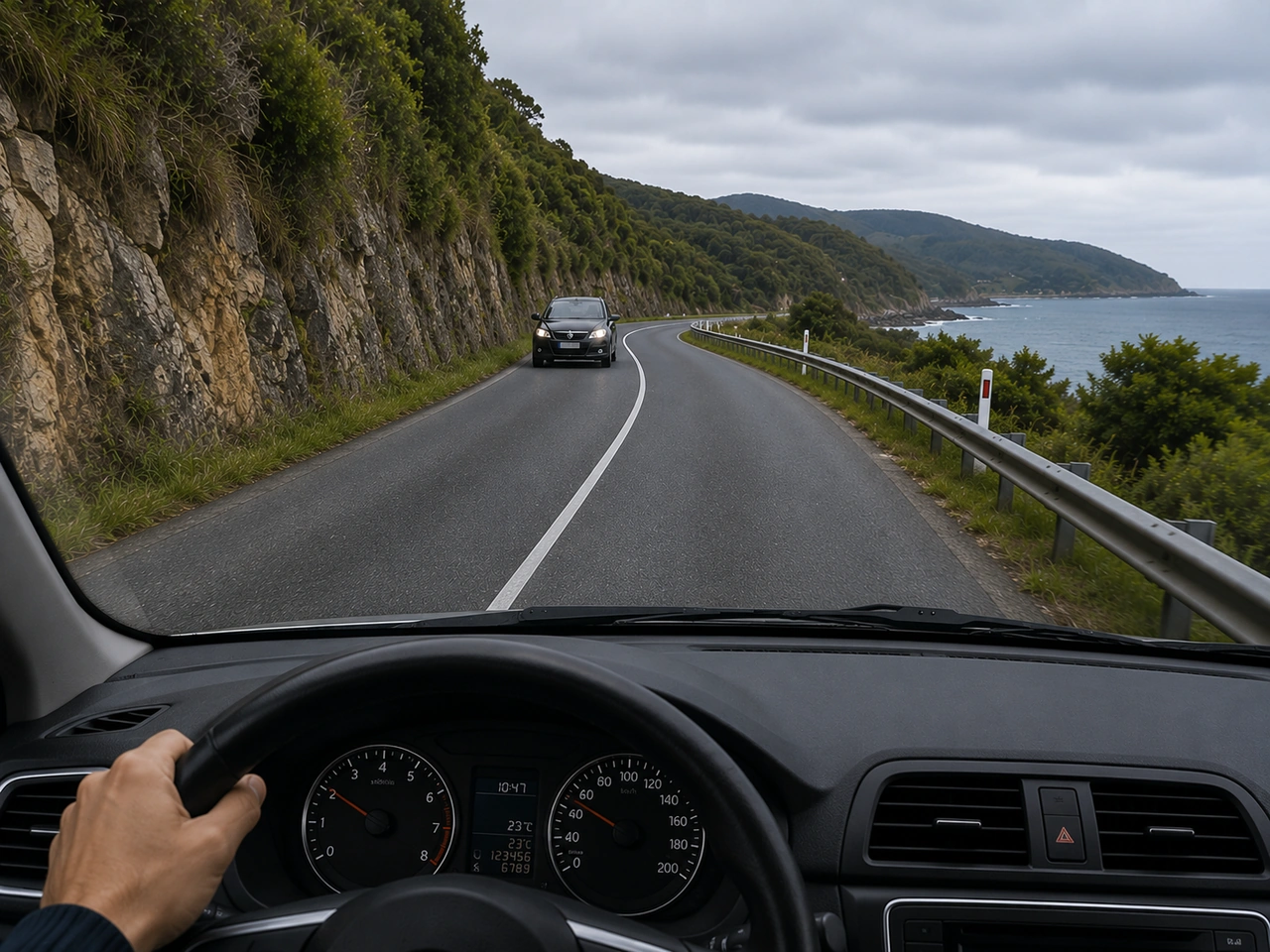
226. What should you do when approaching a curve with poor visibility?
A curve can hide oncoming traffic, obstacles, cyclists, or pedestrians. Reduce speed and keep a safe position.
AI-generated by Traffic-rules.com • WCIT • CC BY-SA
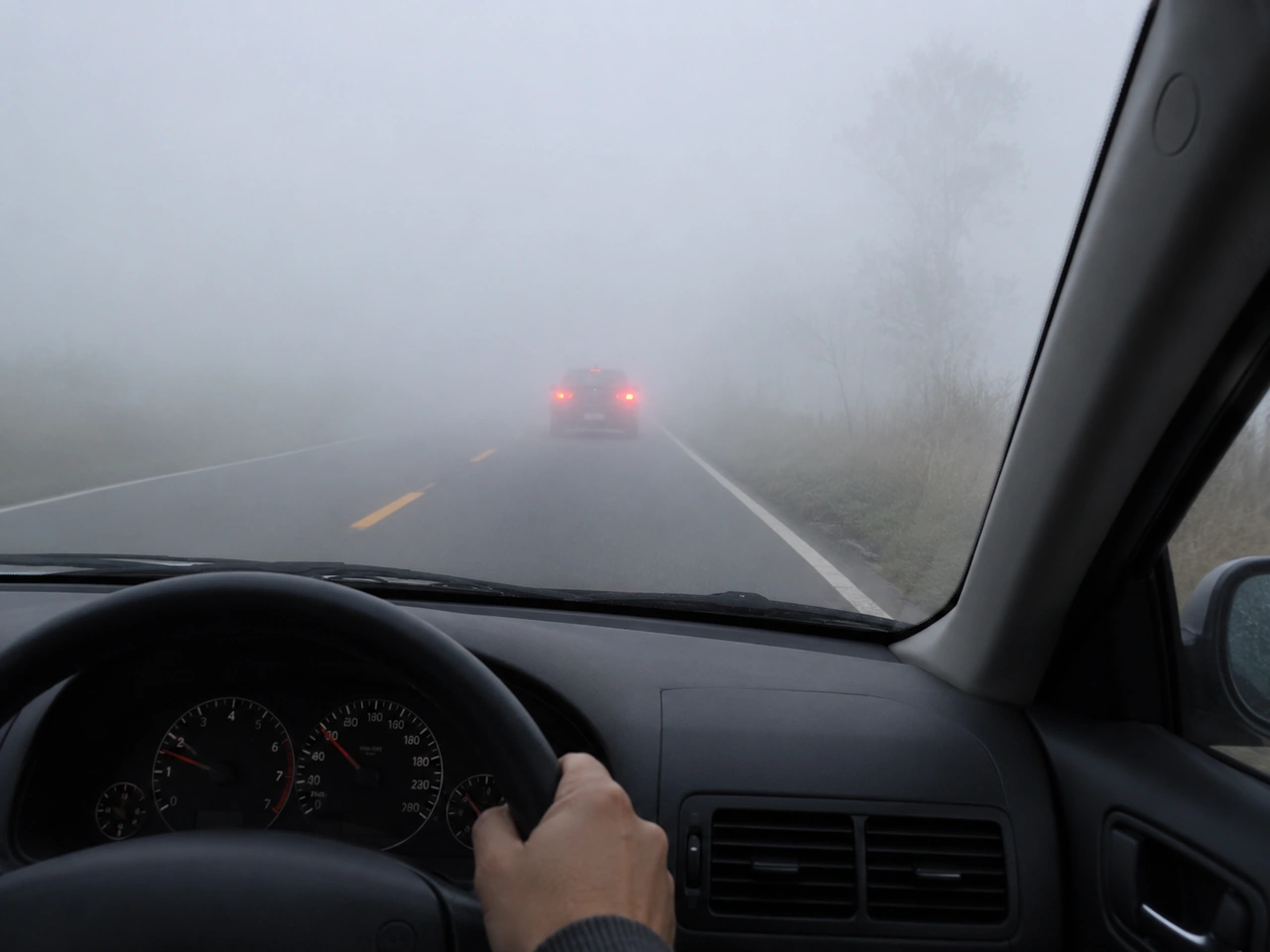
227. Why should you reduce speed in fog?
Fog can hide obstacles, pedestrians, and other vehicles. Lower speed gives you more time to react.
AI-generated by Traffic-rules.com • WCIT • CC BY-SA
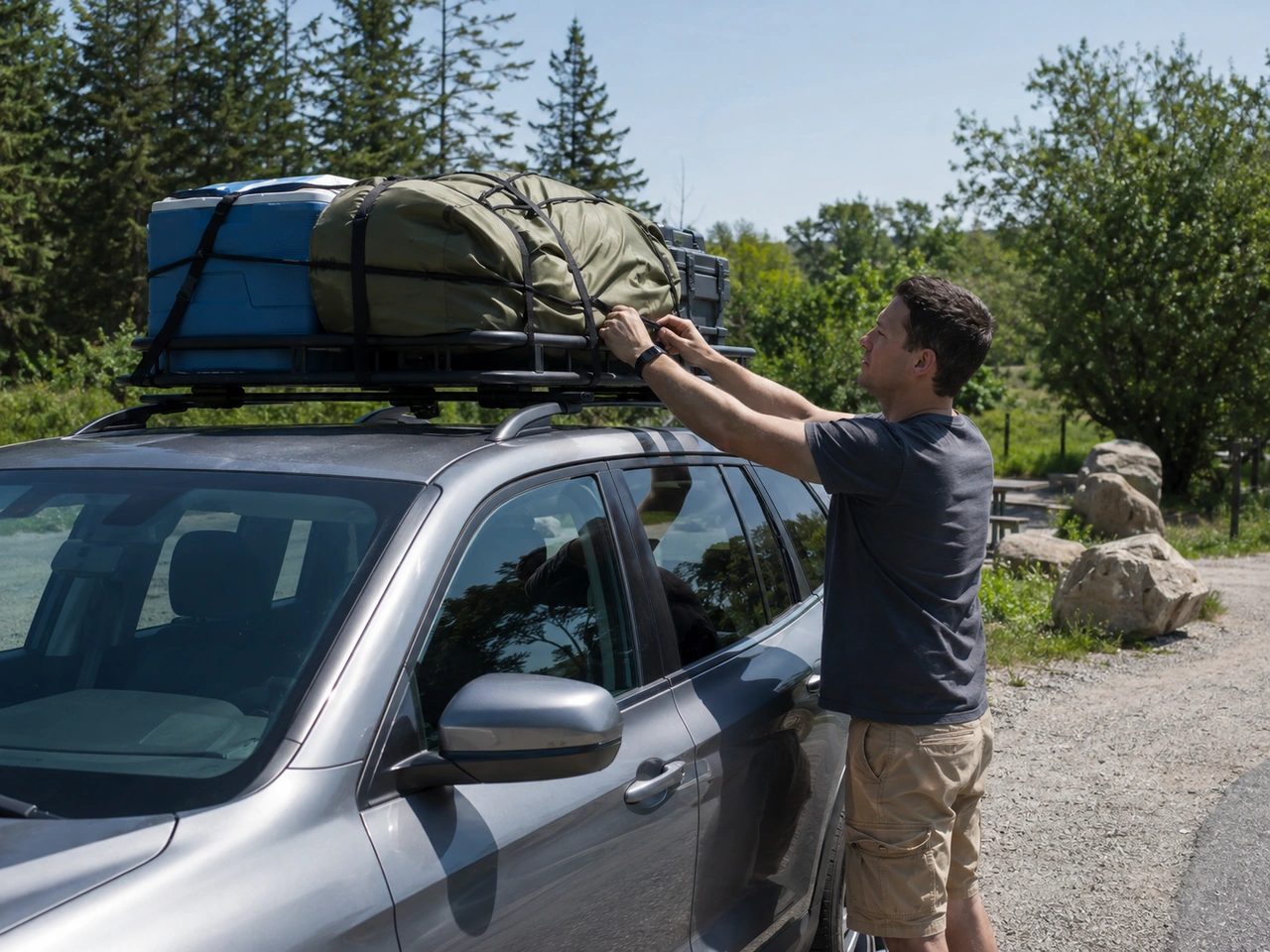
228. Why must a roof load be securely attached?
A roof load is exposed to strong airflow and movement. It must be restrained correctly and kept within the permitted limits.
AI-generated by Traffic-rules.com • WCIT • CC BY-SA
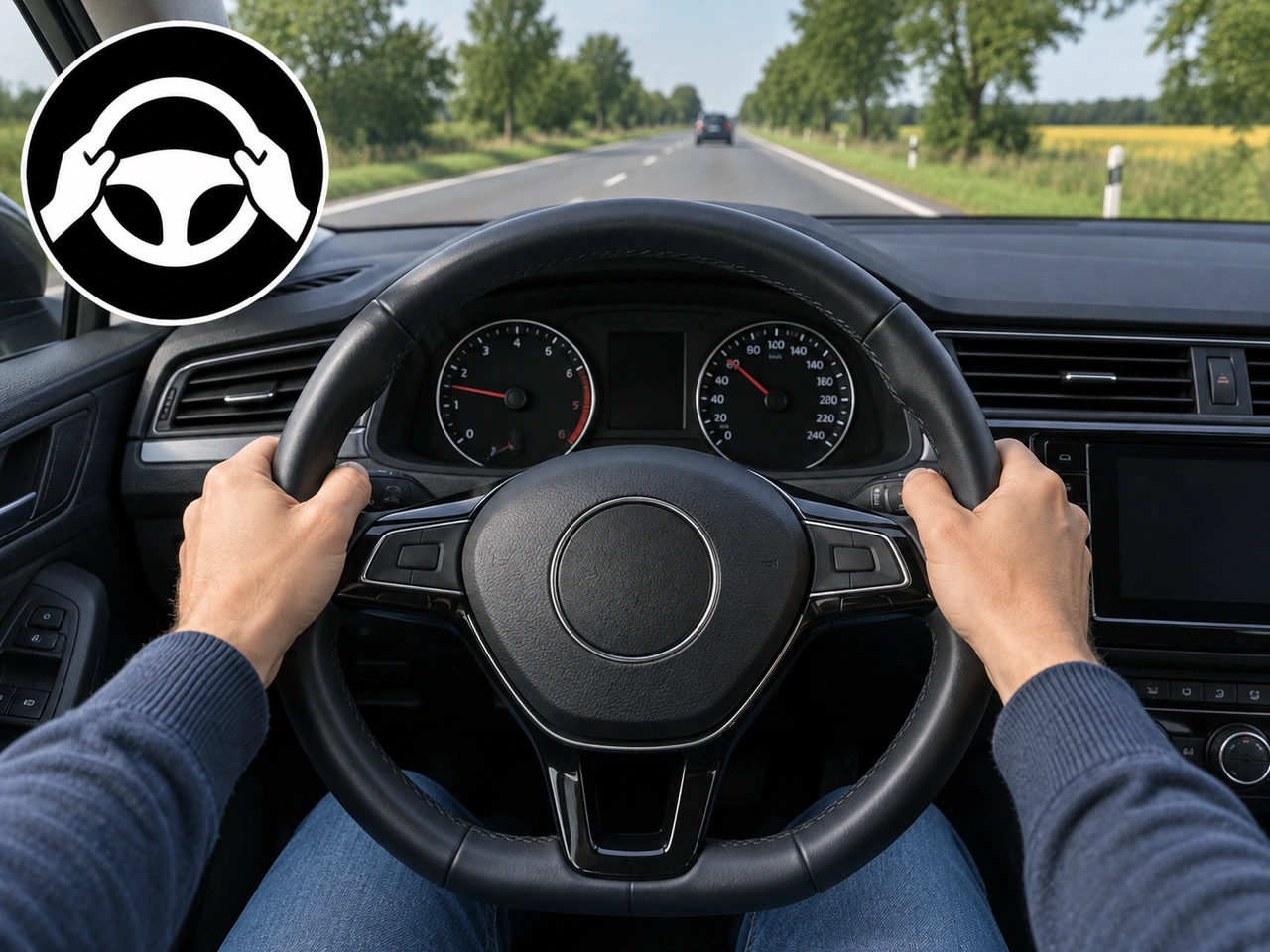
229. How should you normally hold the steering wheel while driving?
Hold the steering wheel with both hands in a balanced position so that you can steer smoothly and react quickly. A position around nine and three o'clock generally provides good control.
AI-generated by Traffic-rules.com • WCIT • CC BY-SA
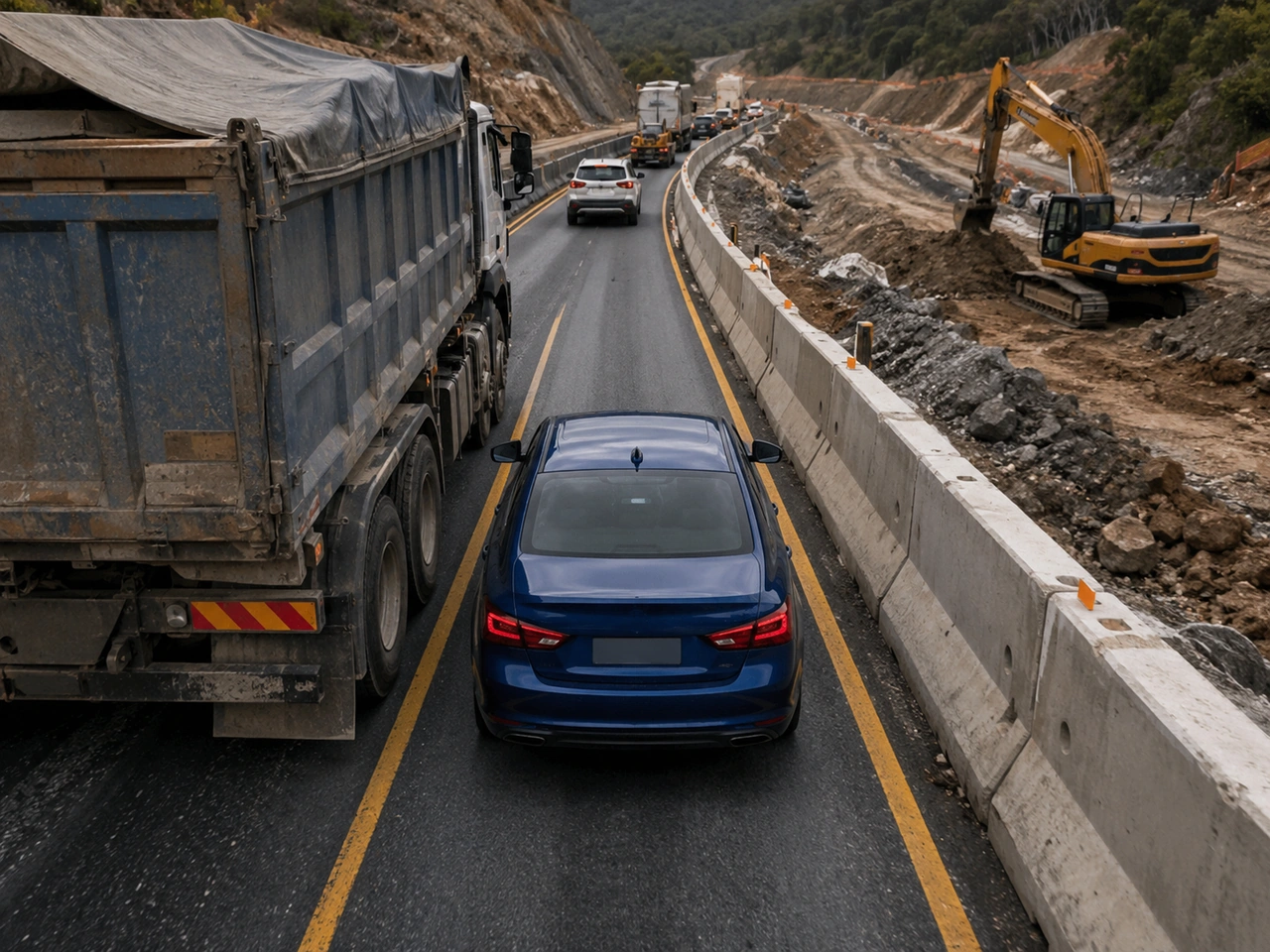
230. Why should you avoid unnecessary lane changes in roadworks?
Frequent lane changes create additional risk where space is limited and drivers are already adapting to temporary layouts.
AI-generated by Traffic-rules.com • WCIT • CC BY-SA
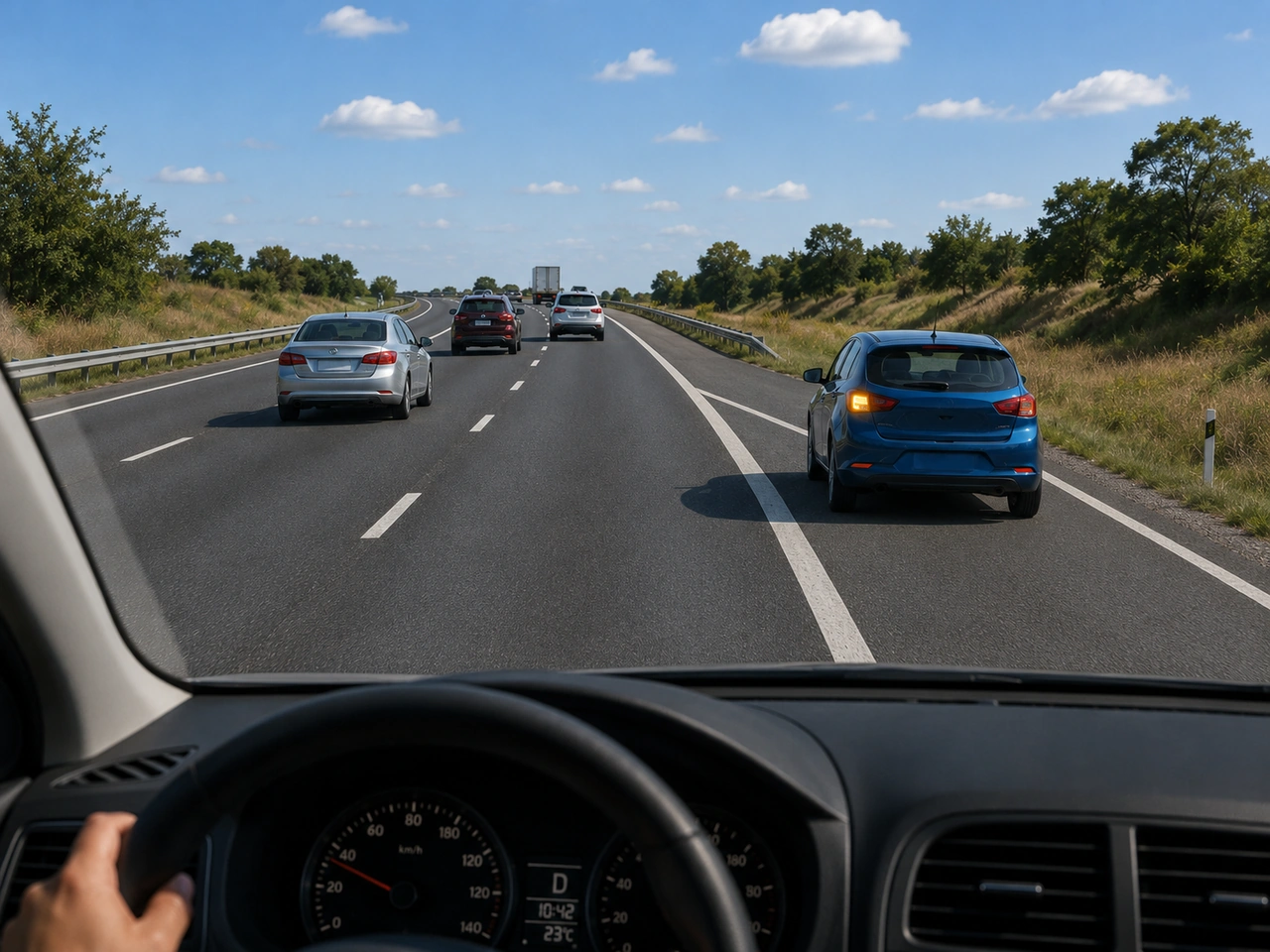
231. What should you do when joining a motorway from an entry lane?
Use the entry lane to build a suitable speed, check carefully, signal, and merge only when it is safe.
AI-generated by Traffic-rules.com • WCIT • CC BY-SA
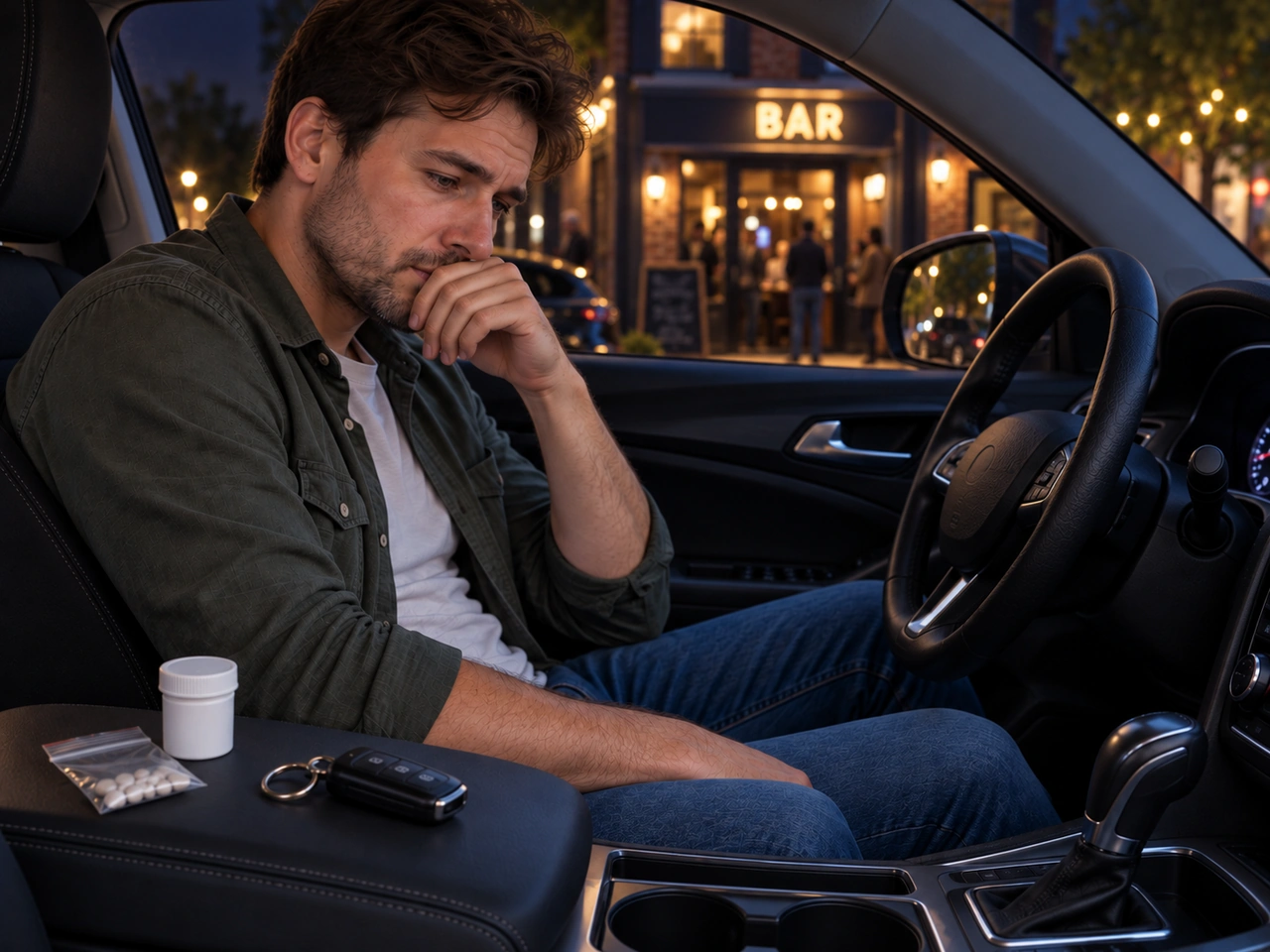
232. What should you do if you have taken drugs that may impair your driving?
Drugs can impair judgement, coordination, concentration, and reaction time. Their effects can be unpredictable and may continue after you feel that the main effects have passed. Do not drive while impaired.
AI-generated by Traffic-rules.com • WCIT • CC BY-SA
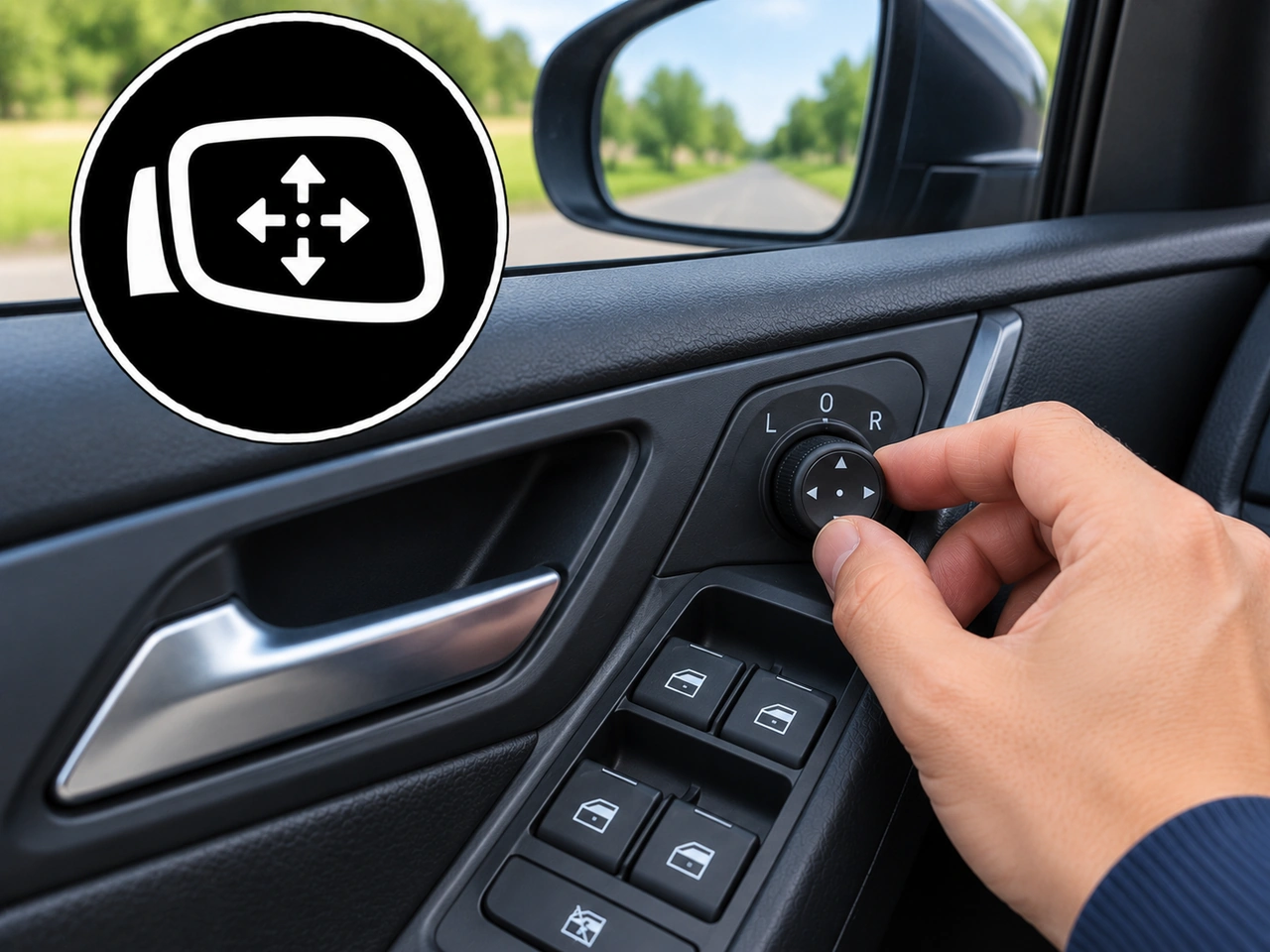
233. What does this vehicle-control symbol indicate?
This control adjusts the vehicle's exterior mirrors. The driver normally selects the left or right mirror and then moves the control to change its angle.
AI-generated by Traffic-rules.com • WCIT • CC BY-SA
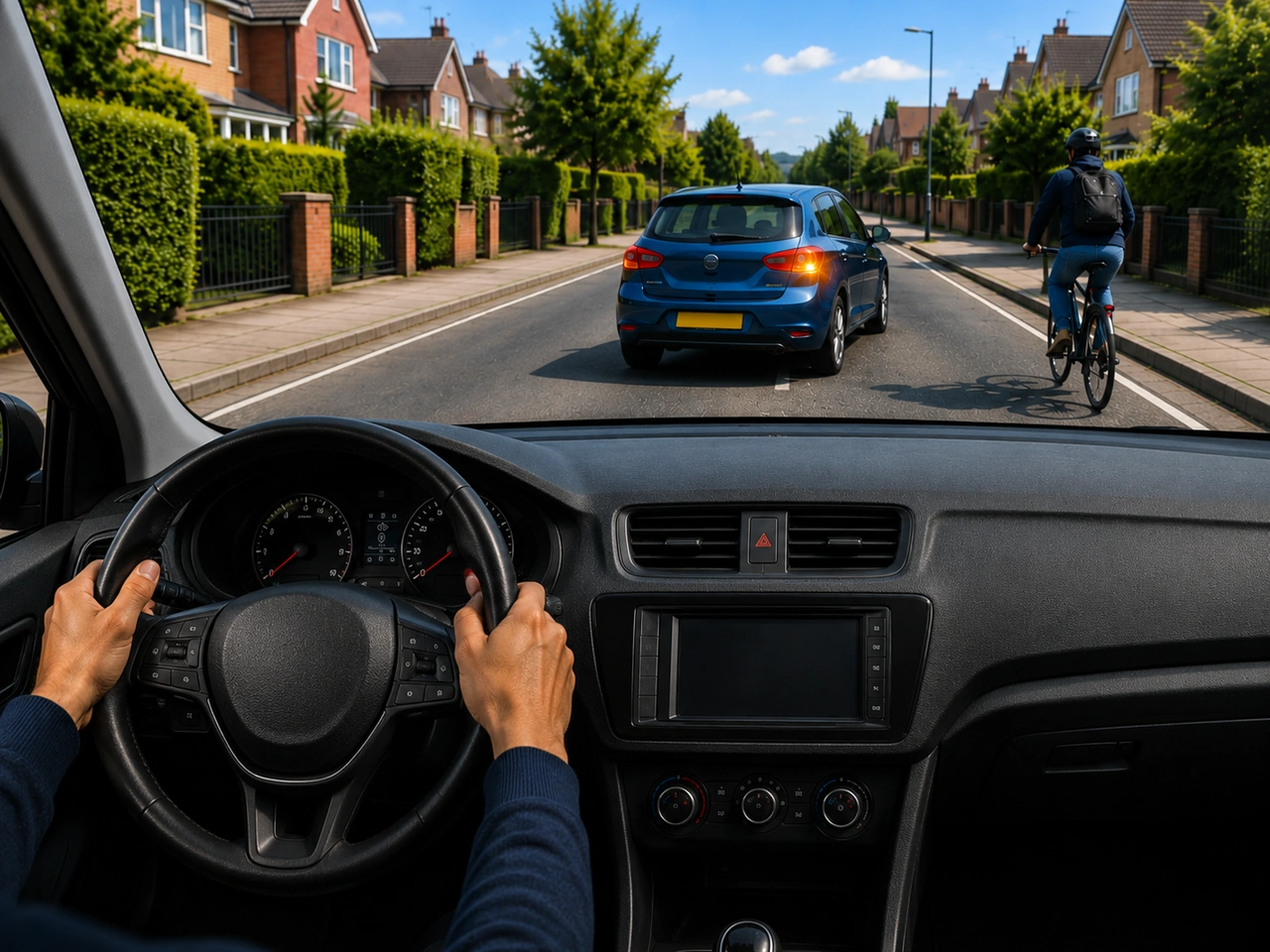
234. What should you do if another road user makes a mistake?
Road users can make mistakes. Staying calm and reacting safely helps prevent crashes.
AI-generated by Traffic-rules.com • WCIT • CC BY-SA
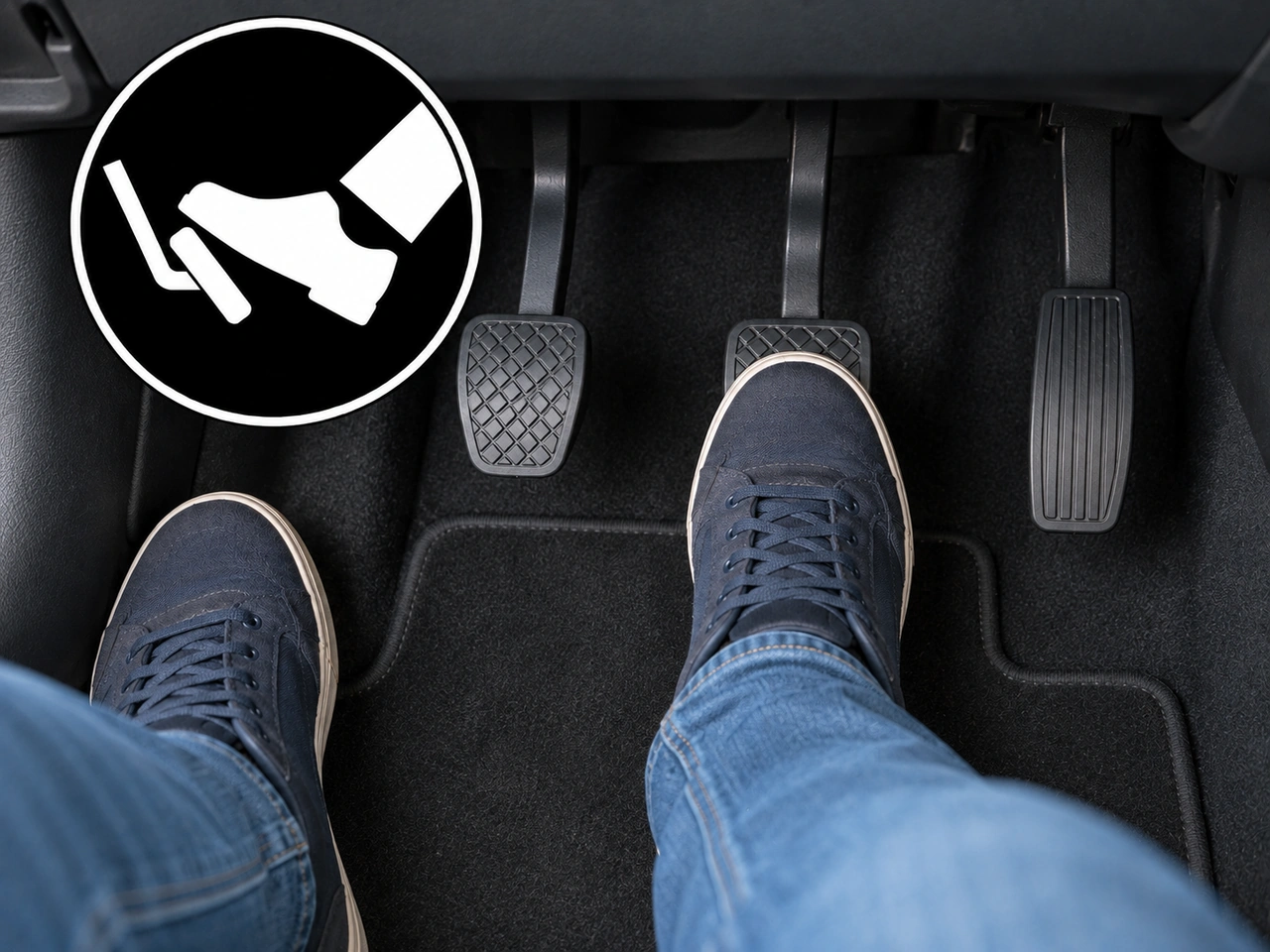
235. Which pedal is used to slow down or stop the vehicle?
The brake pedal is used to reduce the vehicle's speed or bring it to a stop. In a manual vehicle, it is the middle pedal.
AI-generated by Traffic-rules.com • WCIT • CC BY-SA
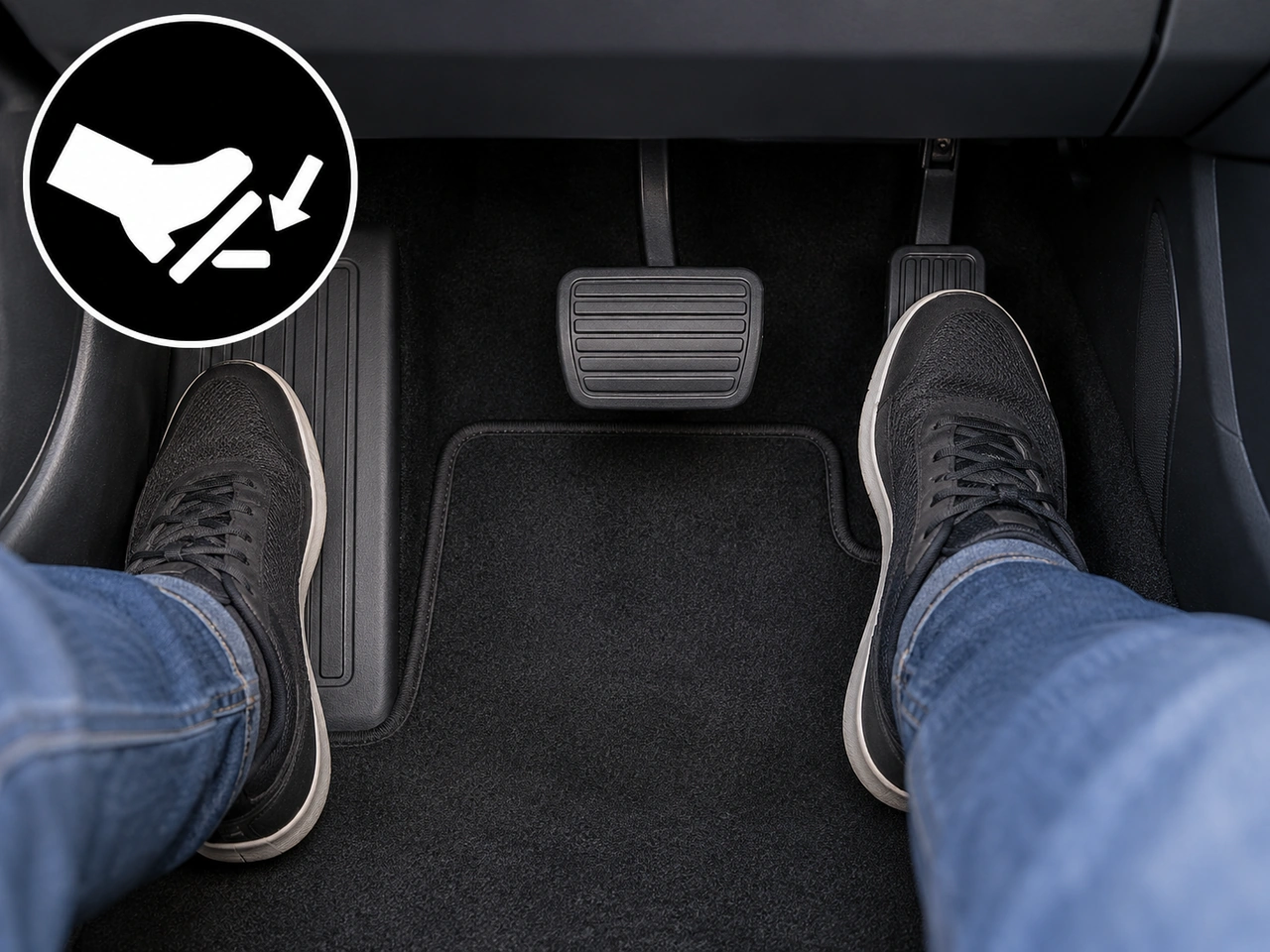
236. What may happen when you press the accelerator fully in an automatic vehicle?
In many automatic vehicles, pressing the accelerator fully can activate kickdown, causing the transmission to select a lower gear and provide stronger acceleration.
AI-generated by Traffic-rules.com • WCIT • CC BY-SA
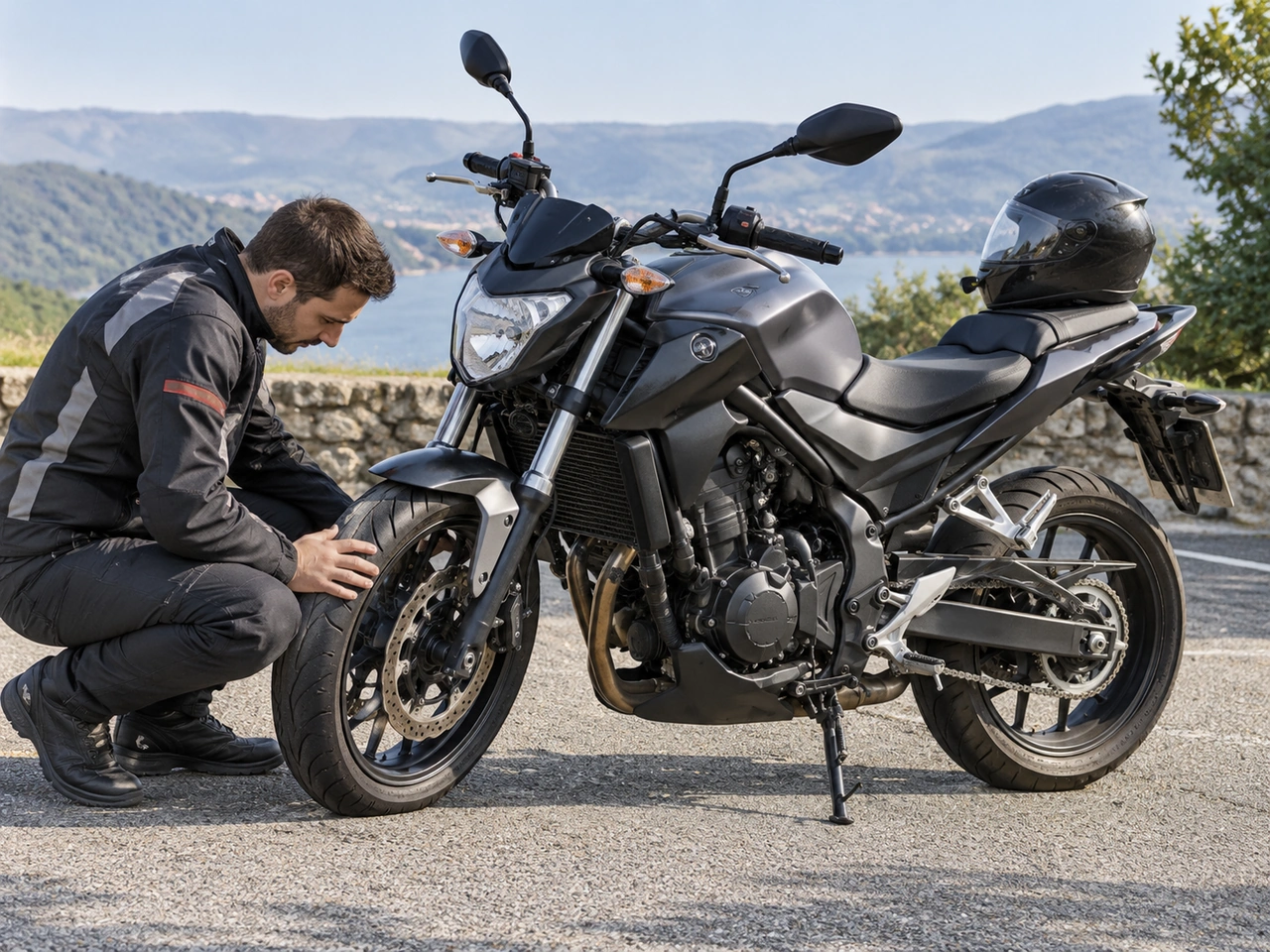
237. What should you check before starting a motorcycle journey?
Before riding, carry out a basic safety check. Check the tyres, brakes, lights, steering and controls, and inspect the drive chain, belt or other drive components where applicable. Finding a problem before setting off can prevent a breakdown or loss of control.
AI-generated by Traffic-rules.com • WCIT • CC BY-SA
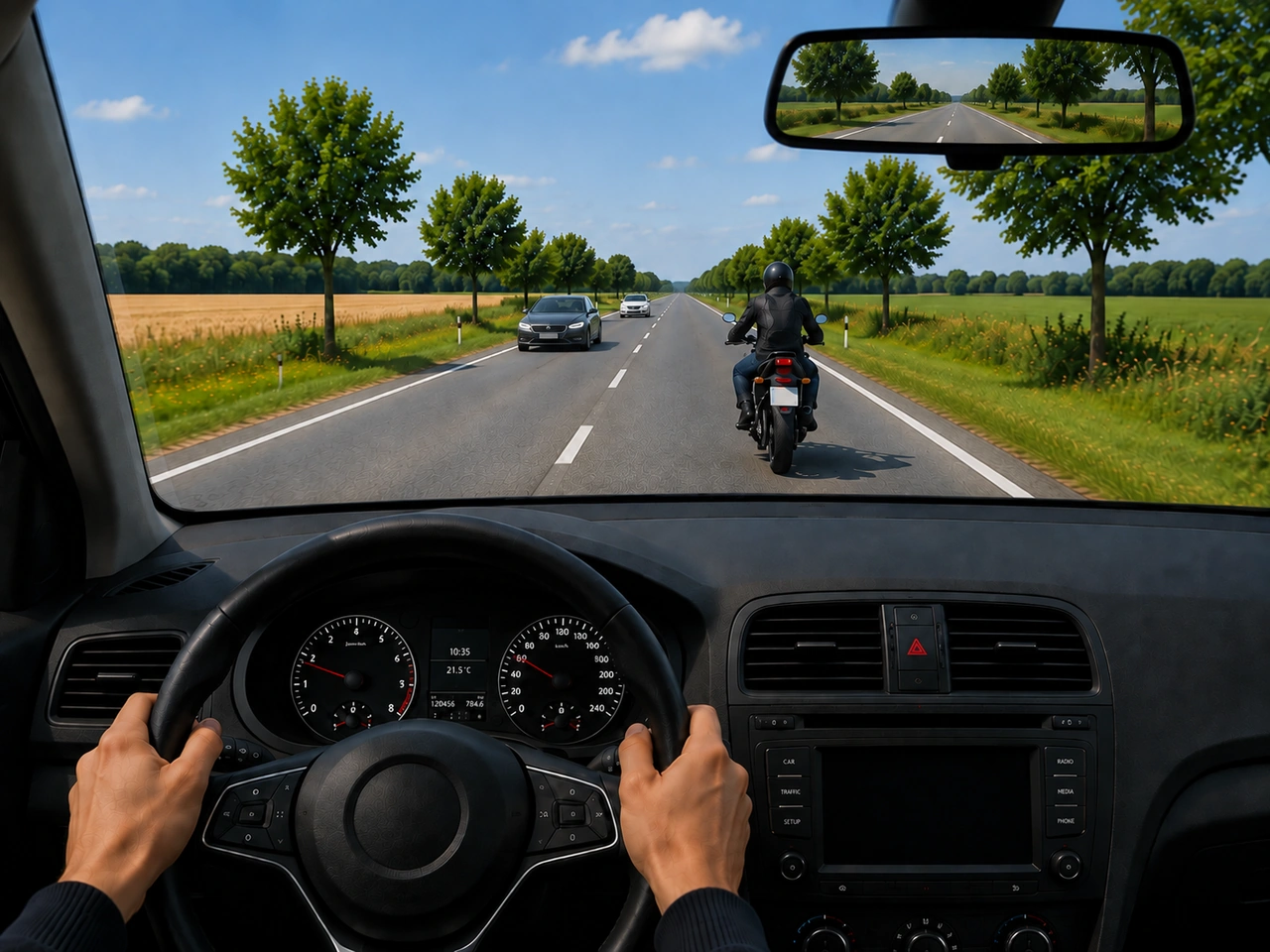
238. Why should you leave extra space behind a motorcycle?
Motorcyclists are more exposed than car drivers. Extra following distance gives you more time to react safely.
AI-generated by Traffic-rules.com • WCIT • CC BY-SA
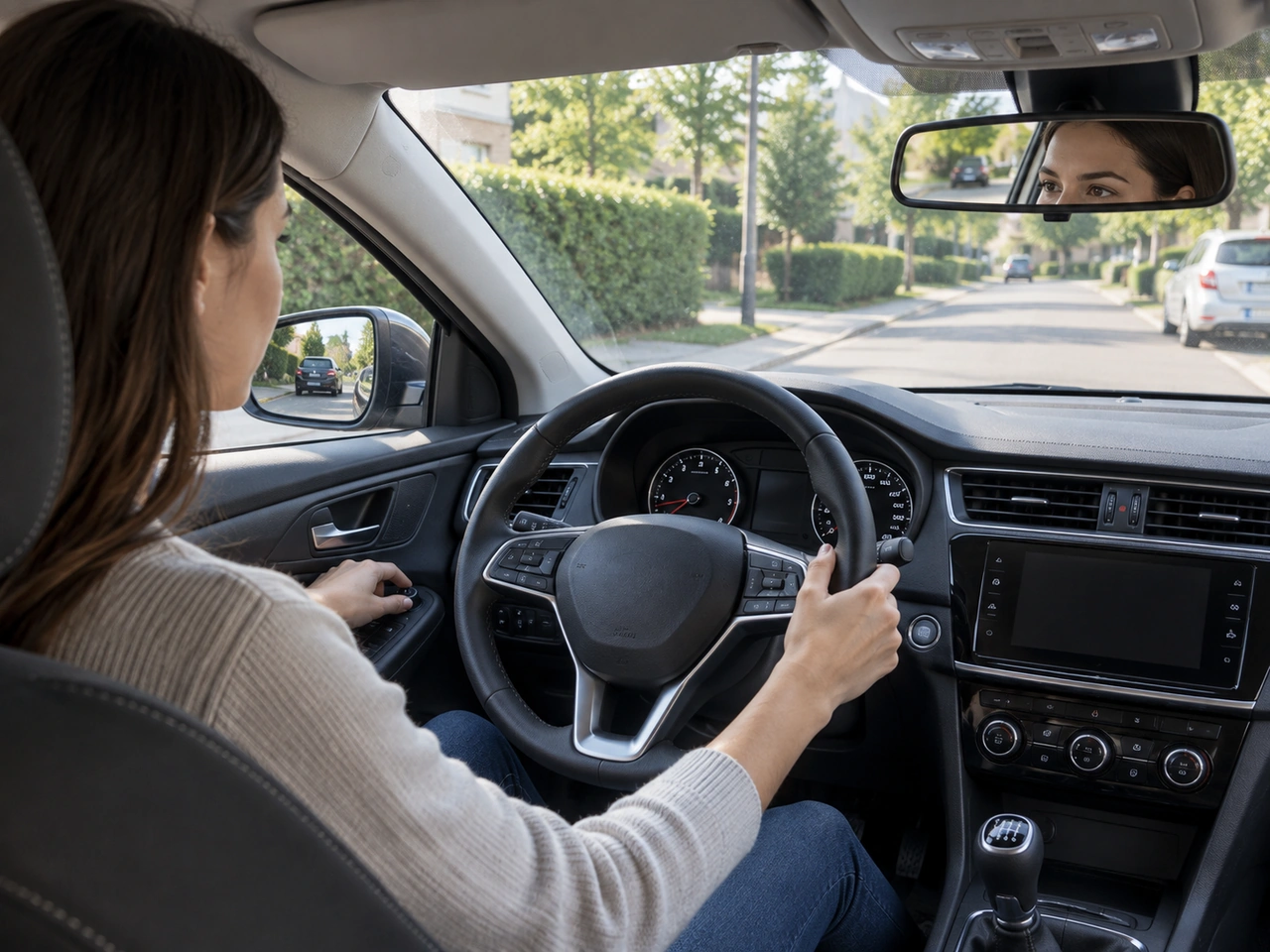
239. Why should you adjust the seat and mirrors correctly before driving?
A correct driving position helps you operate the pedals and steering comfortably and maintain proper control. Correctly adjusted mirrors improve your view around the vehicle and help reduce blind spots. Adjust both before starting your journey.
AI-generated by Traffic-rules.com • WCIT • CC BY-SA
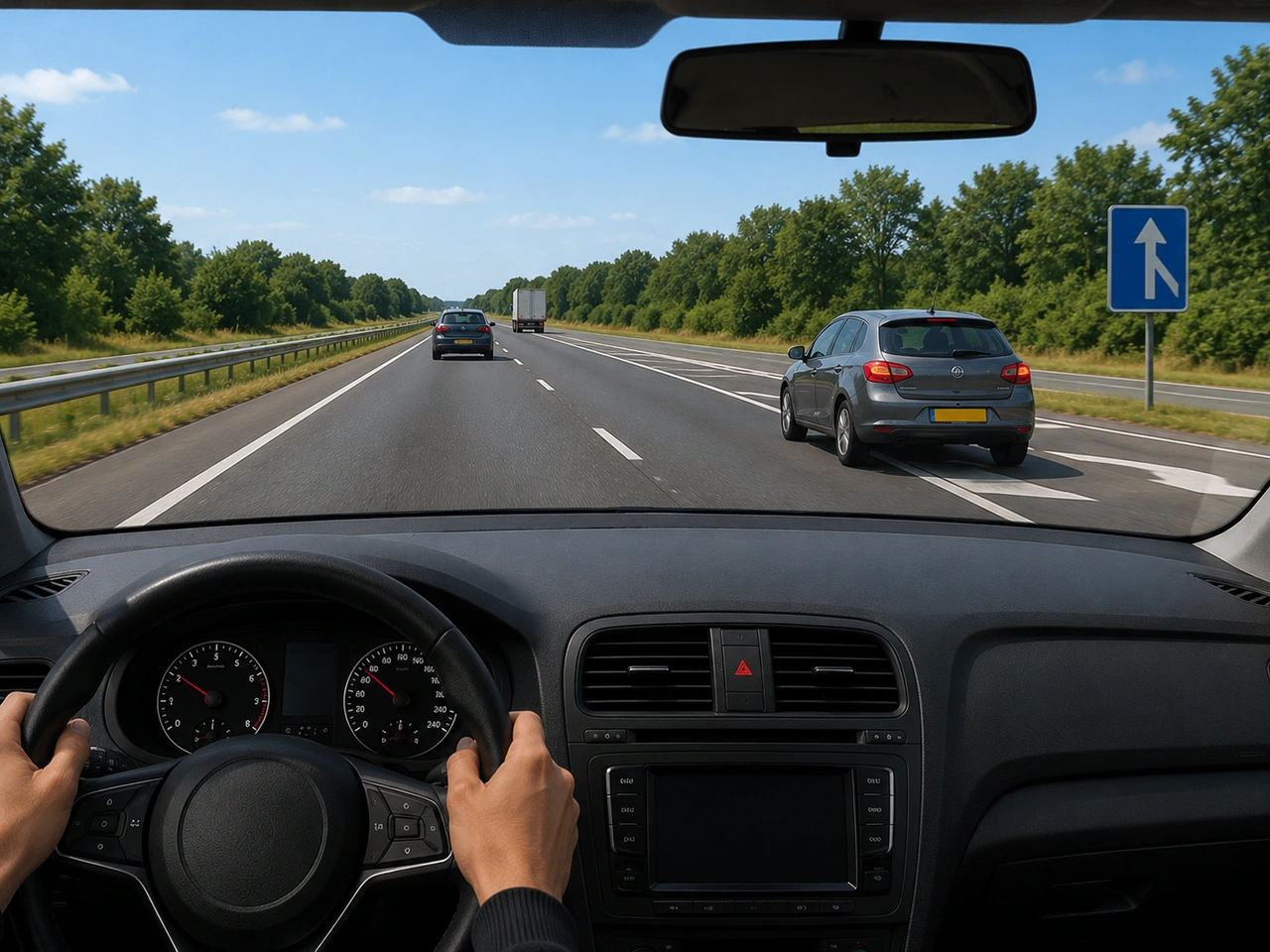
240. What should you do when traffic is merging from another lane?
When traffic merges, good observation and speed control help vehicles join safely without sudden braking or conflict.
AI-generated by Traffic-rules.com • WCIT • CC BY-SA
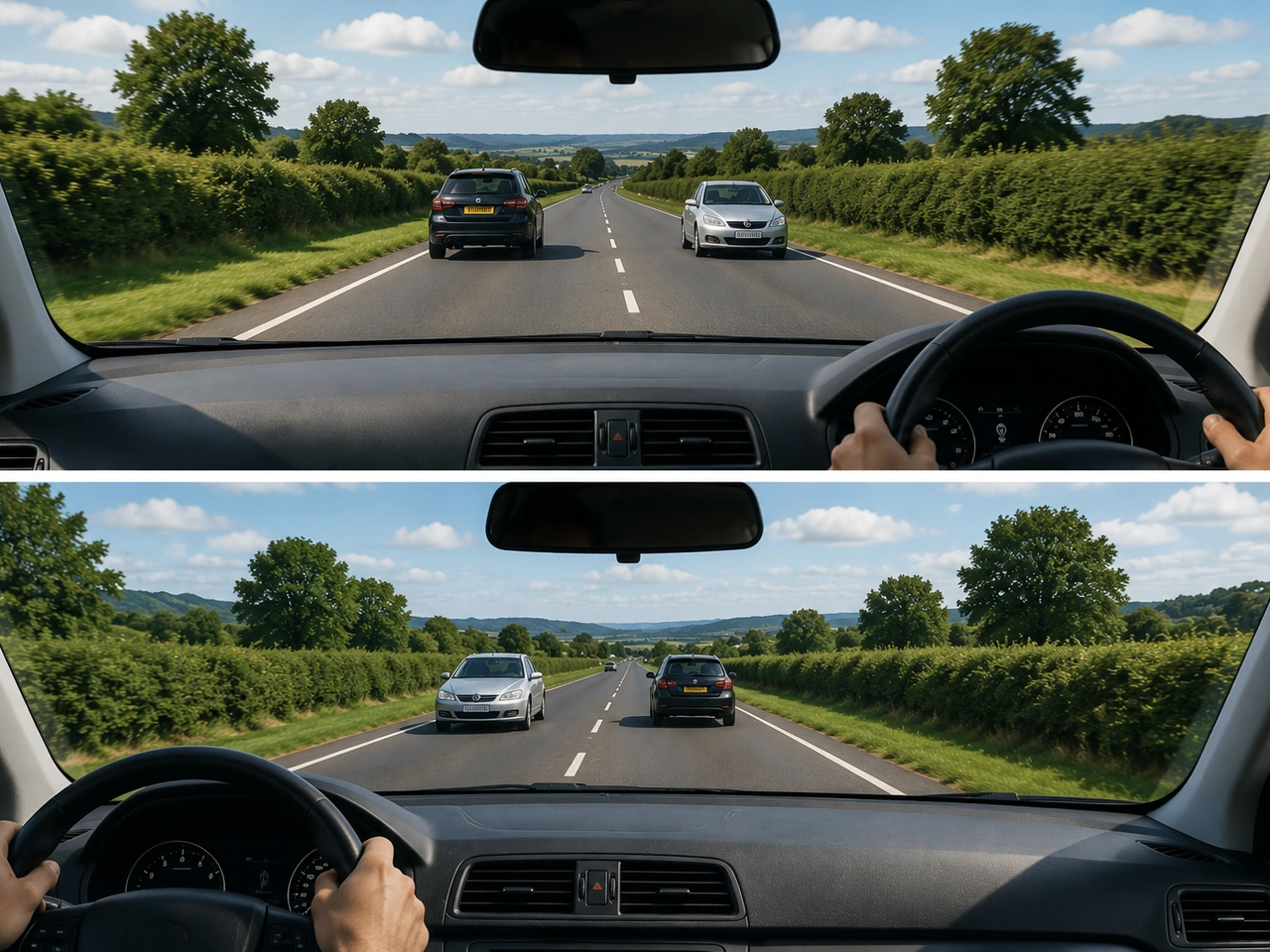
241. Which side do people drive on in Colombia?
Traffic drives on the right-hand side of the road in Colombia.
AI-generated by Traffic-rules.com • WCIT • CC BY-SA
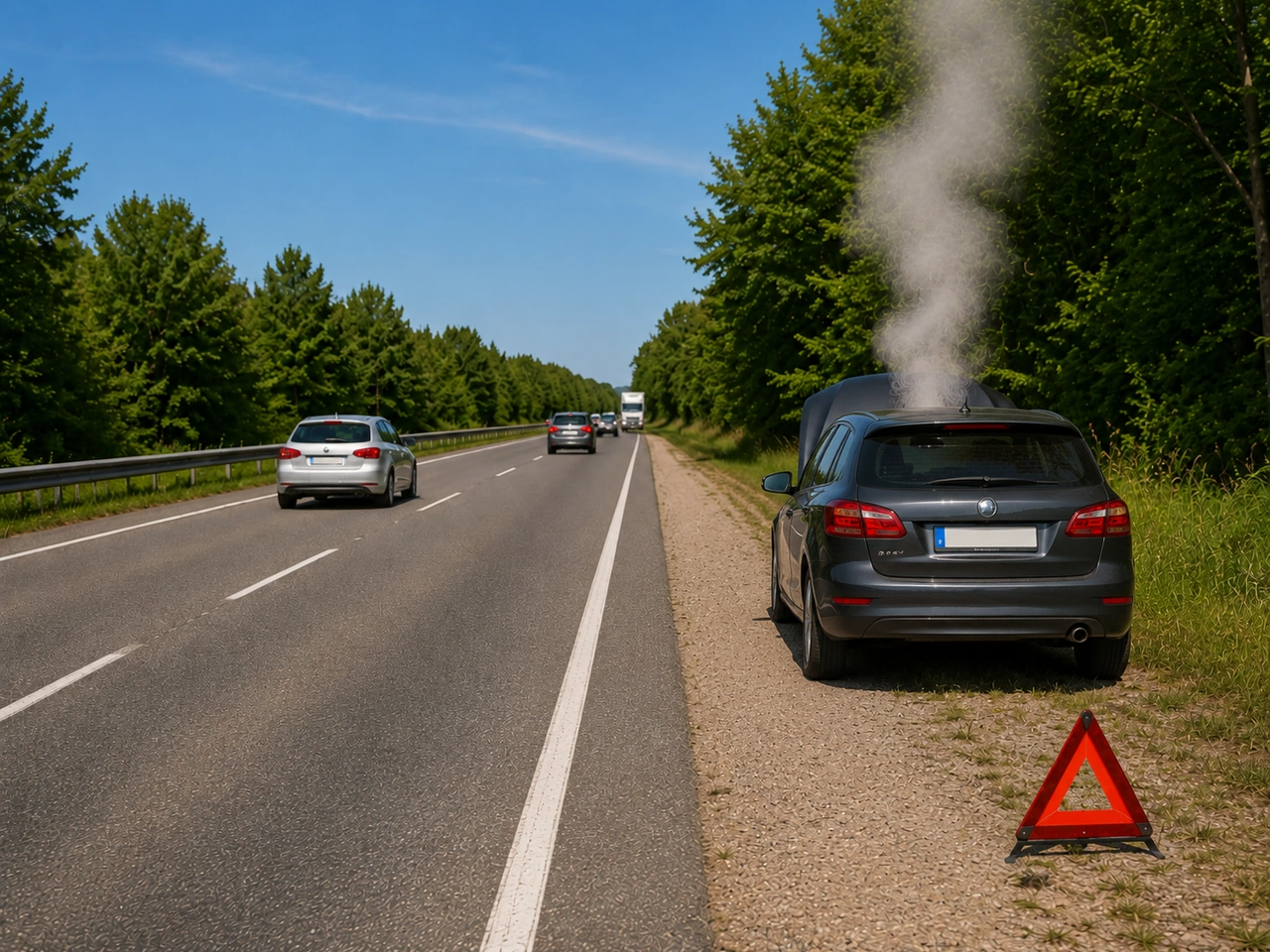
242. What should you do if steam begins coming from underneath the bonnet?
Steam can indicate an overheated and pressurised cooling system. Do not remove the coolant cap while the system is hot.
AI-generated by Traffic-rules.com • WCIT • CC BY-SA
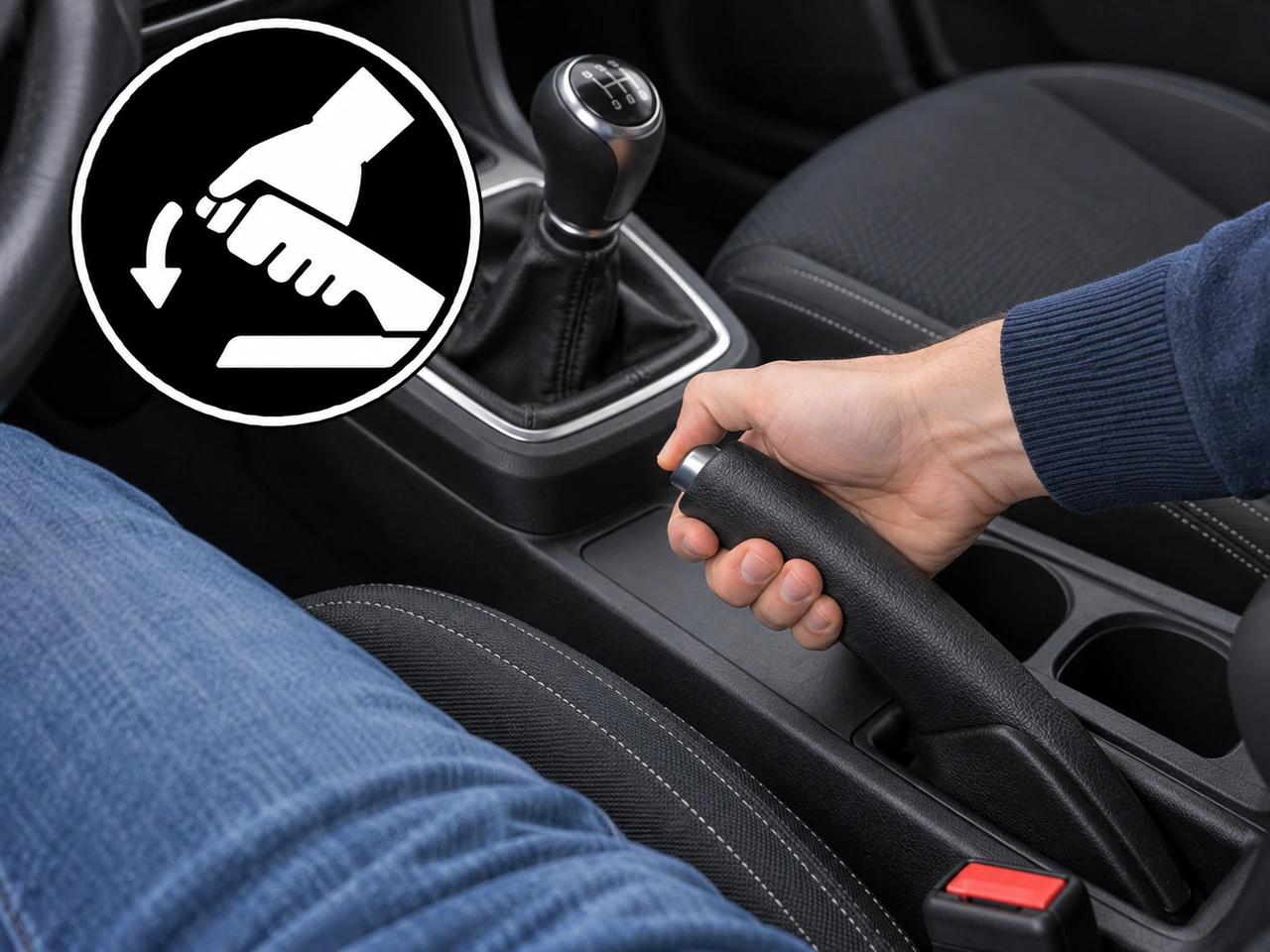
243. What should you do with a manual parking brake before driving away?
The manual parking brake should be released fully before driving away. Driving with it partly applied can cause unnecessary brake wear and overheating.
AI-generated by Traffic-rules.com • WCIT • CC BY-SA
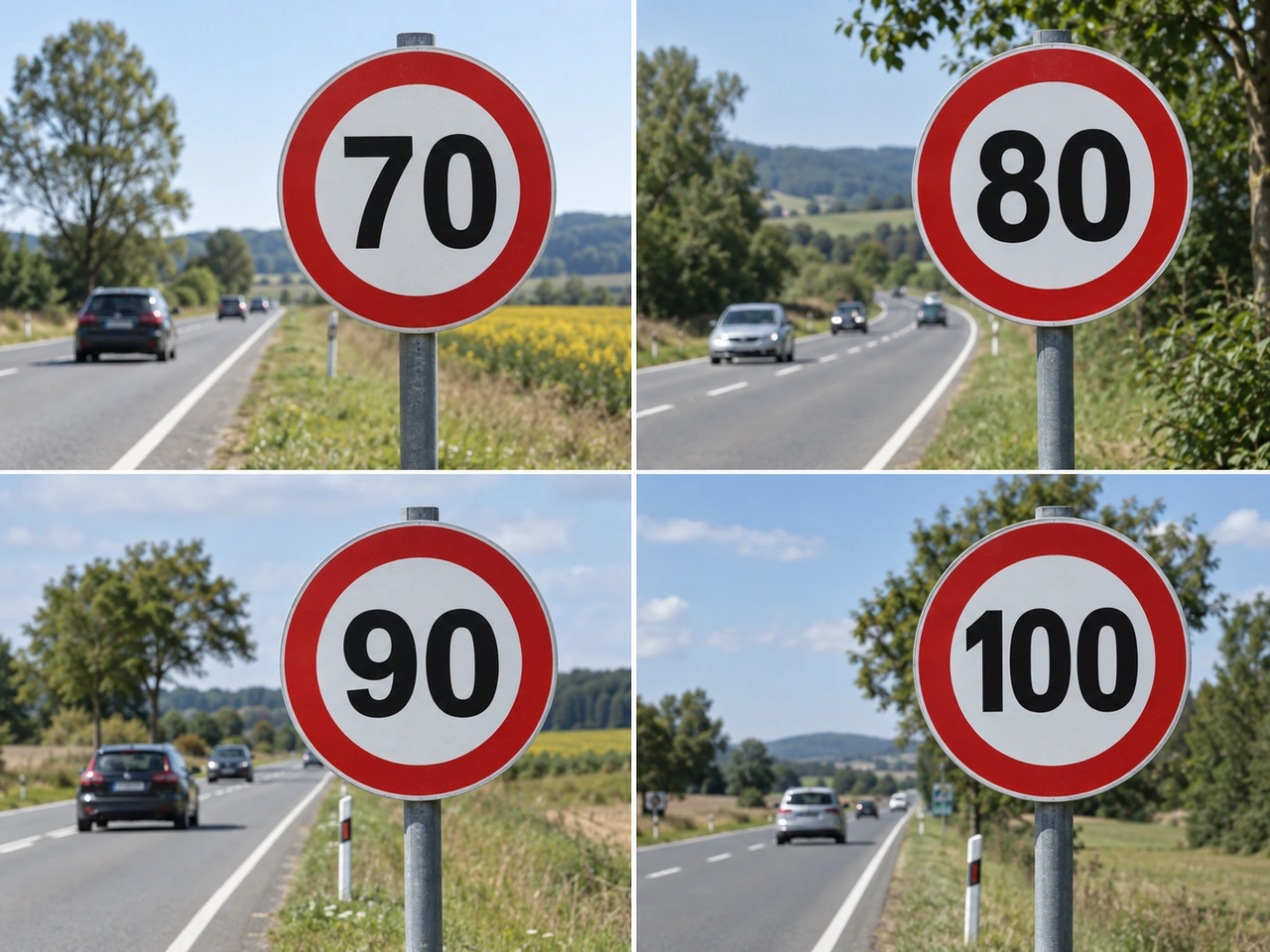
244. What is the general speed limit for cars on ordinary roads outside built-up areas in Colombia?
In Colombia, the general speed limit for cars on ordinary roads outside built-up areas is 90 km/h, unless signs indicate otherwise.
AI-generated by Traffic-rules.com • WCIT • CC BY-SA
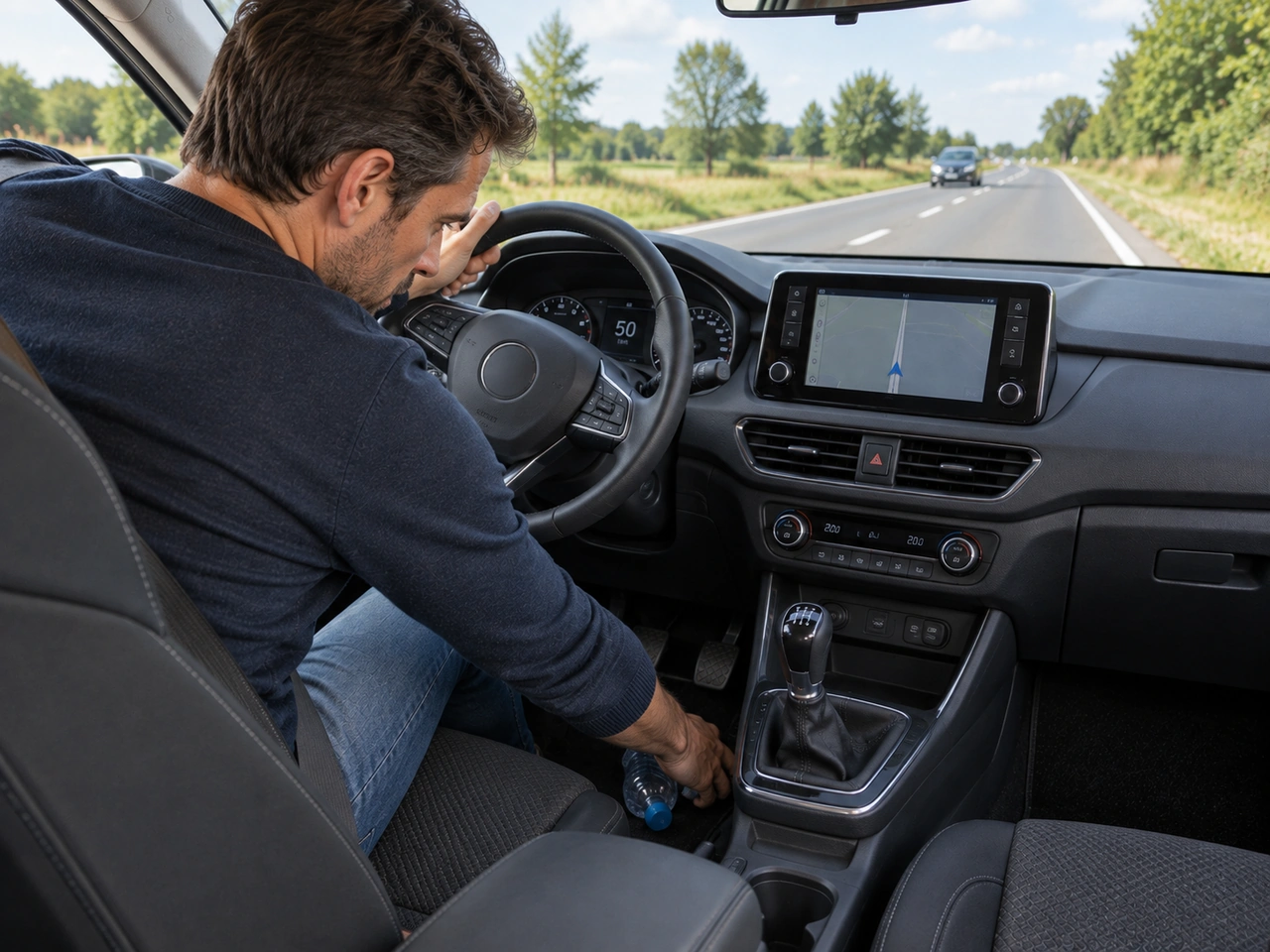
245. What should you do if an object falls into the driver's footwell while driving?
Do not reach down for an object while driving, as this takes your attention away from the road and can affect vehicle control. If something falls into the driver's footwell, keep control of the vehicle and stop somewhere safe before removing it.
AI-generated by Traffic-rules.com • WCIT • CC BY-SA
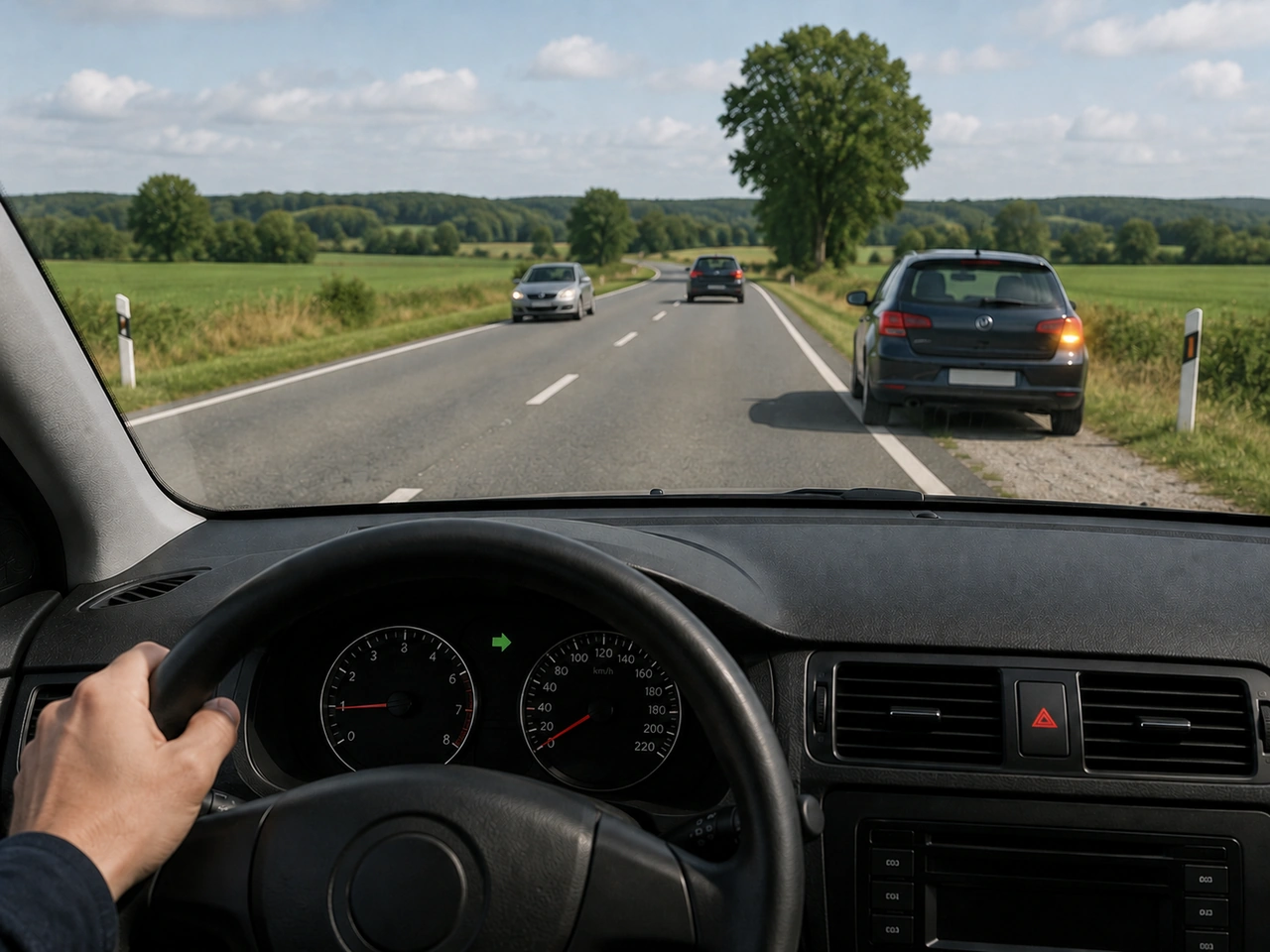
246. What should you do if your vehicle develops a serious fault while driving?
Your first priority is to keep control of the vehicle. Reduce speed smoothly and move out of the path of traffic where possible, signalling when appropriate. Avoid harsh steering or braking unless necessary.
AI-generated by Traffic-rules.com • WCIT • CC BY-SA
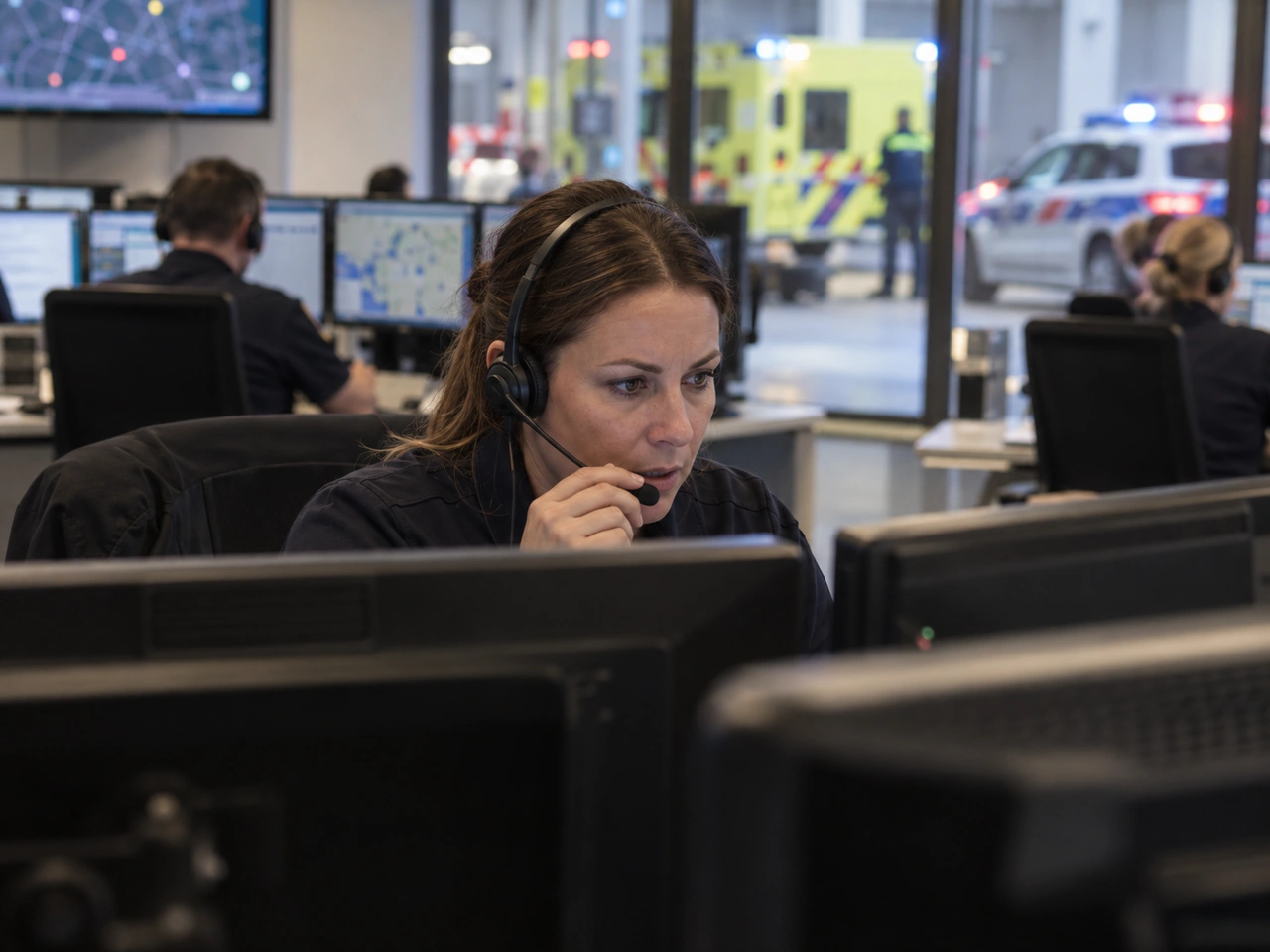
247. What is the main emergency number in Colombia?
The main emergency number in Colombia is 123.
AI-generated by Traffic-rules.com • WCIT • CC BY-SA
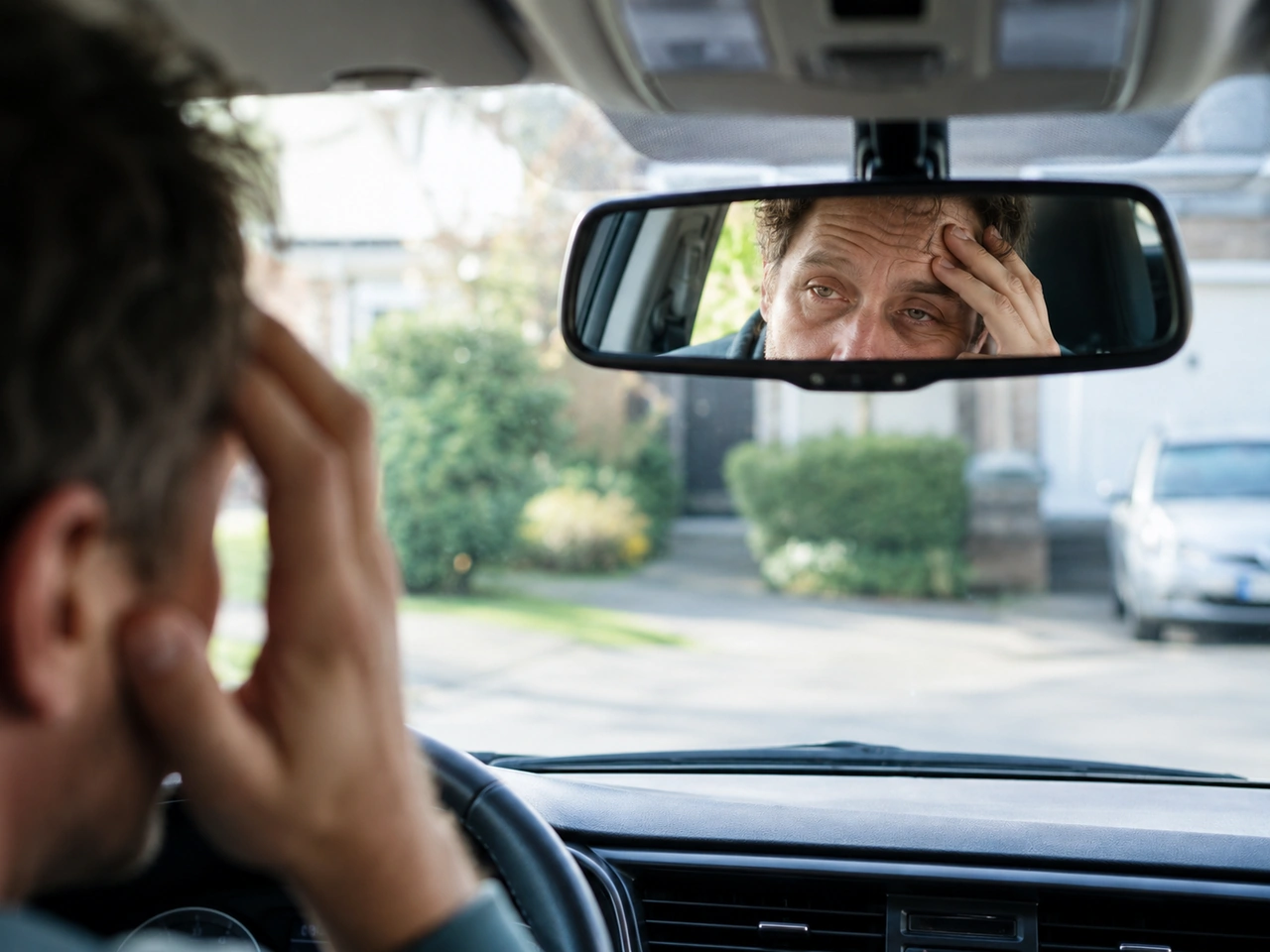
248. Can you assume that you are safe to drive the morning after drinking?
The body needs time to process alcohol. Sleeping, eating, showering, or drinking coffee does not instantly remove it.
AI-generated by Traffic-rules.com • WCIT • CC BY-SA
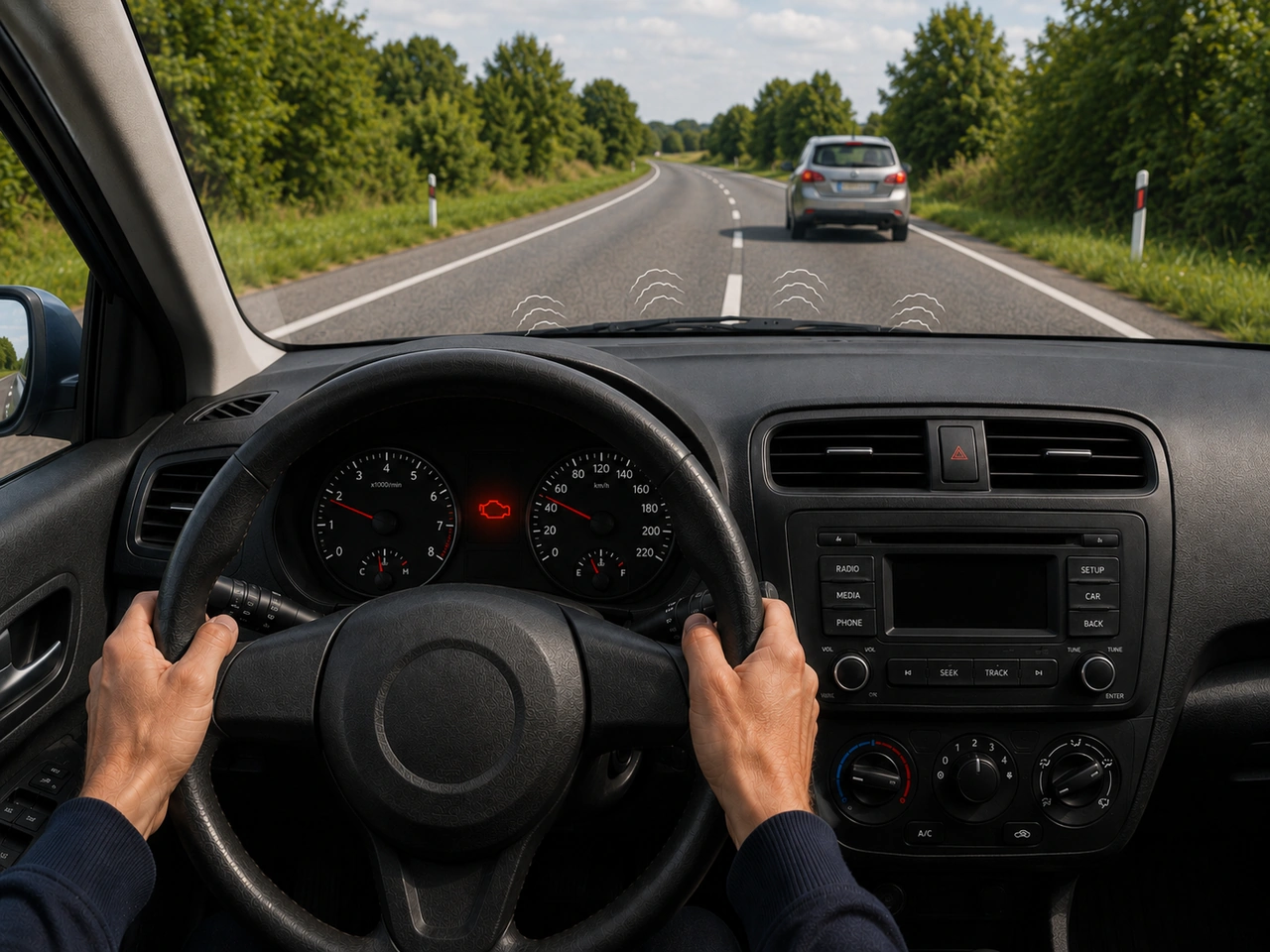
249. What should you do if a red warning light appears with an unusual noise?
A red warning combined with an unusual noise may indicate a serious fault. Continuing could cause damage or loss of control.
AI-generated by Traffic-rules.com • WCIT • CC BY-SA
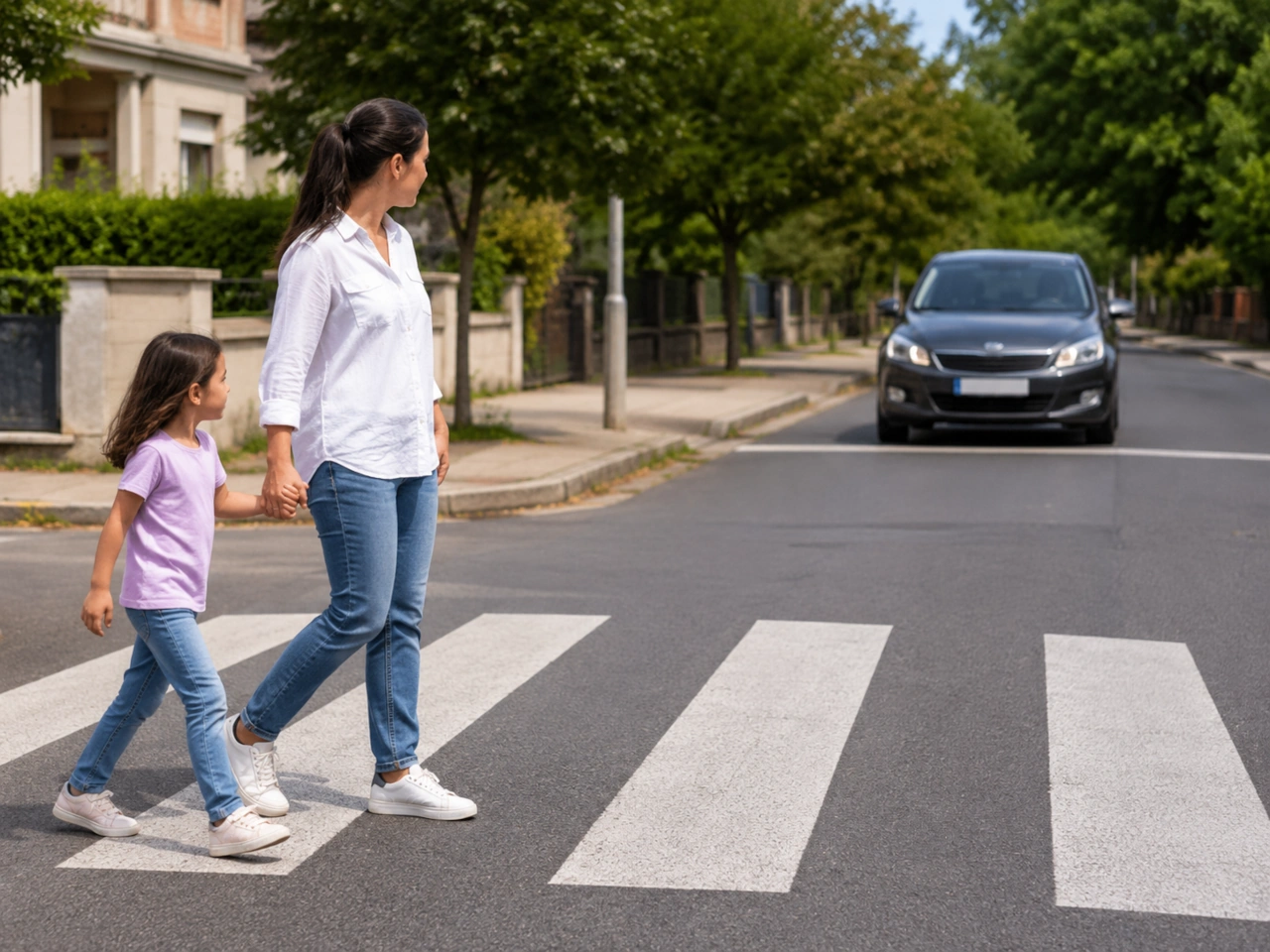
250. What is the safest way to cross the road with a child?
Children can be unpredictable near traffic. Keep them close and guide them safely across the road.
AI-generated by Traffic-rules.com • WCIT • CC BY-SA