


QuizTraffic rulesDenmark
This interesting quiz helps you test your knowledge in a clear and visual way. With easy multiple-choice questions, you can quickly build confidence and learn new facts while keeping it simple, interactive, and fun.
 Traffic signs
 Traffic rules
 Denmark
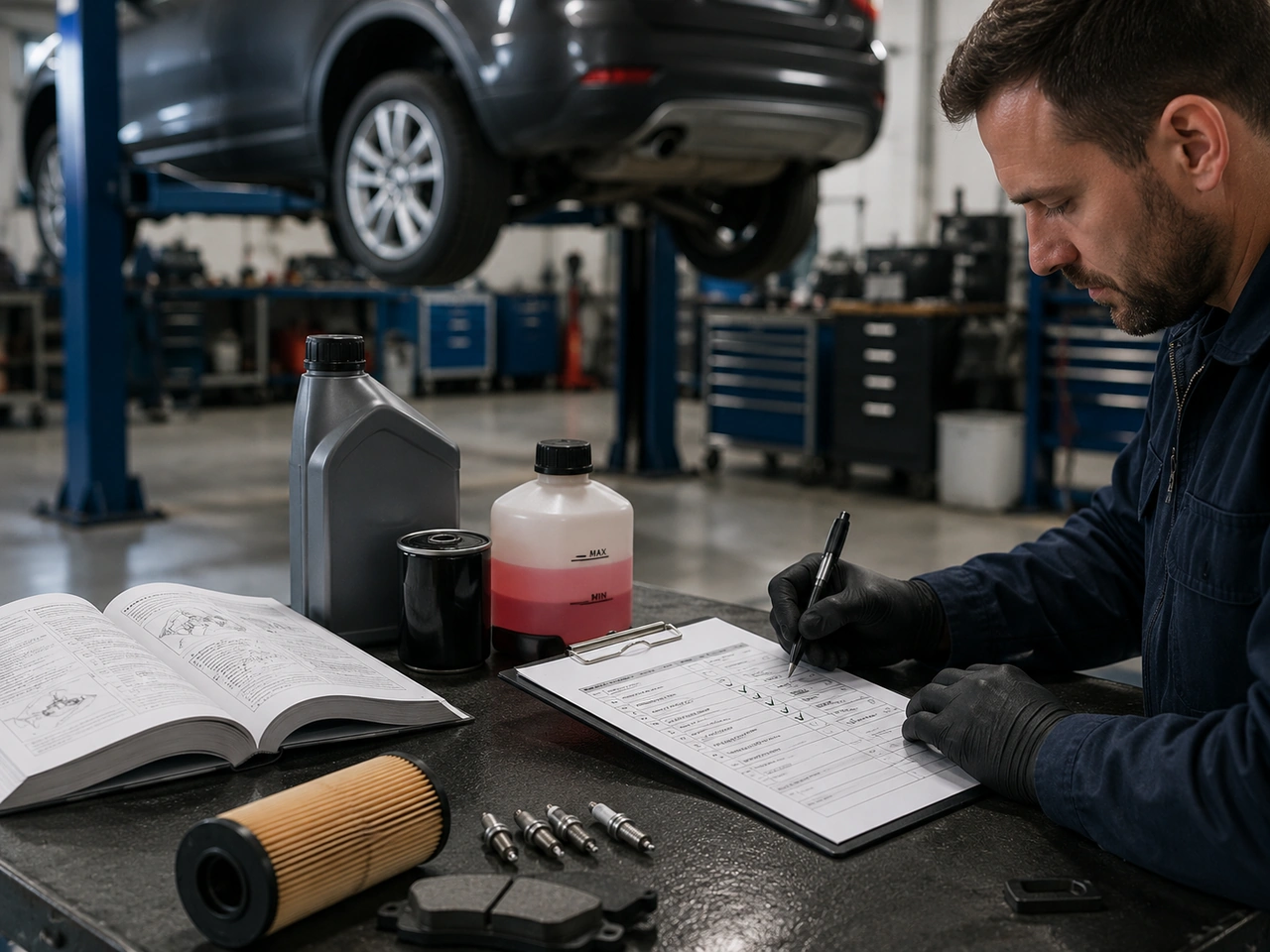
251. Why should you follow the manufacturer's service schedule?
Scheduled servicing helps ensure that brakes, tyres, fluids, filters, steering, suspension, and other important systems are checked and maintained before faults become more serious.
AI-generated by Traffic-rules.com • WCIT • CC BY-SA

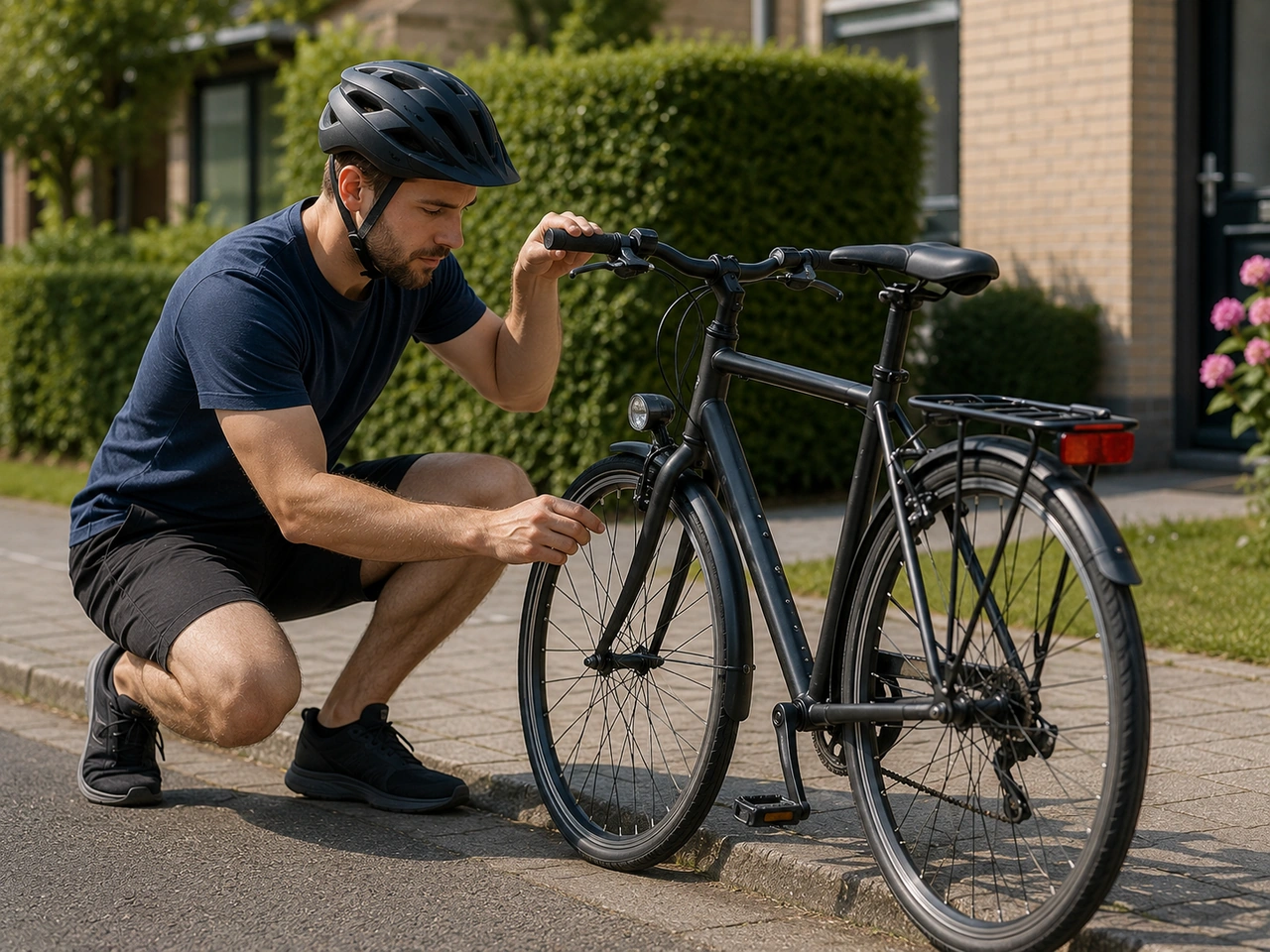
252. What should you check before starting a bicycle journey?
A basic safety check can reveal problems with the brakes, tyres, lights, or steering before they cause an accident.
AI-generated by Traffic-rules.com • WCIT • CC BY-SA
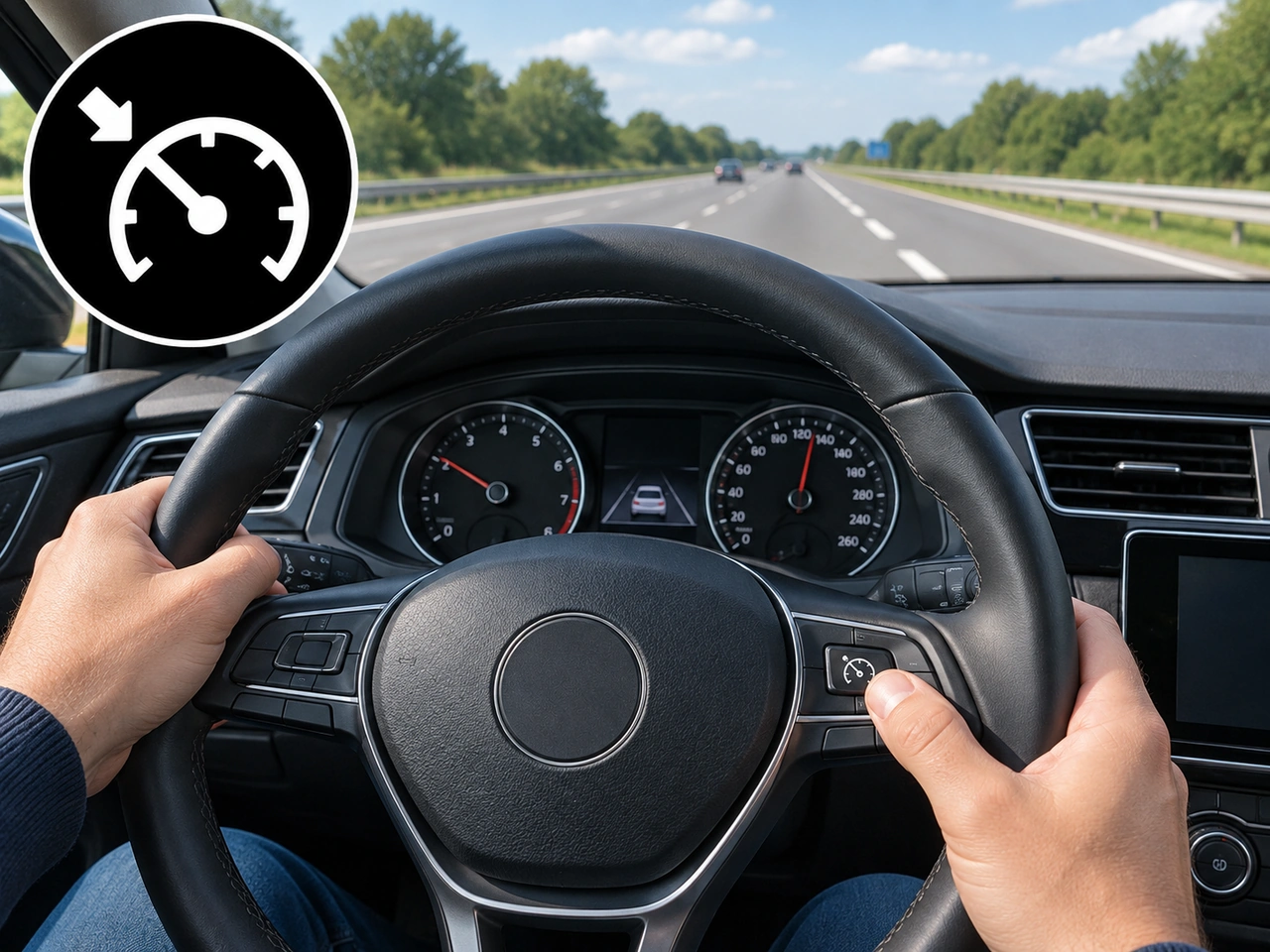
253. What is the purpose of cruise control?
Cruise control can maintain a selected speed without the driver continuously pressing the accelerator. The driver must remain attentive and ready to brake or take control when necessary.
AI-generated by Traffic-rules.com • WCIT • CC BY-SA
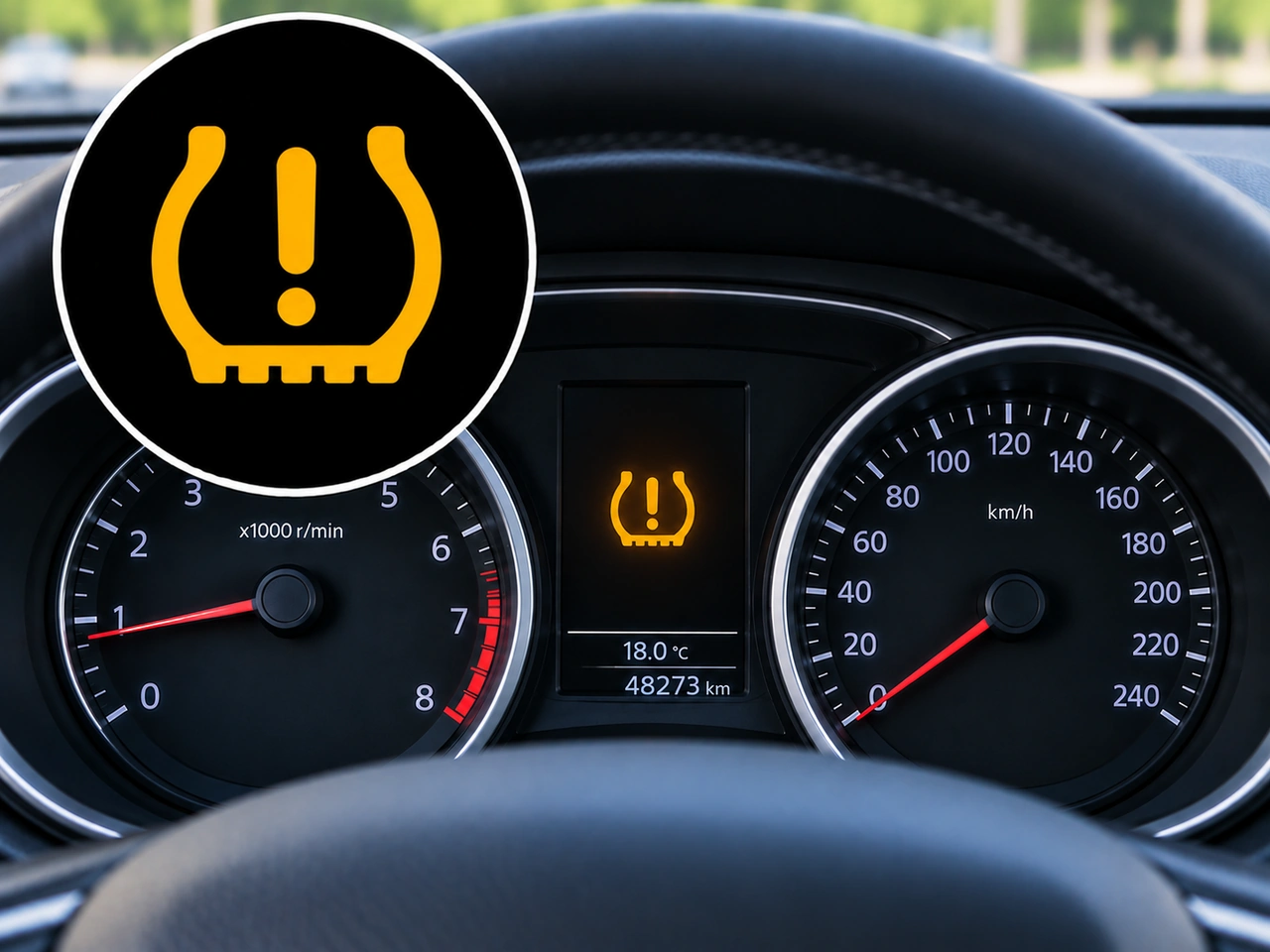
254. What does this dashboard symbol indicate?
This symbol indicates that one or more tyres may have low pressure. Check the tyre pressures and inspect the tyres for damage or a puncture.
AI-generated by Traffic-rules.com • WCIT • CC BY-SA
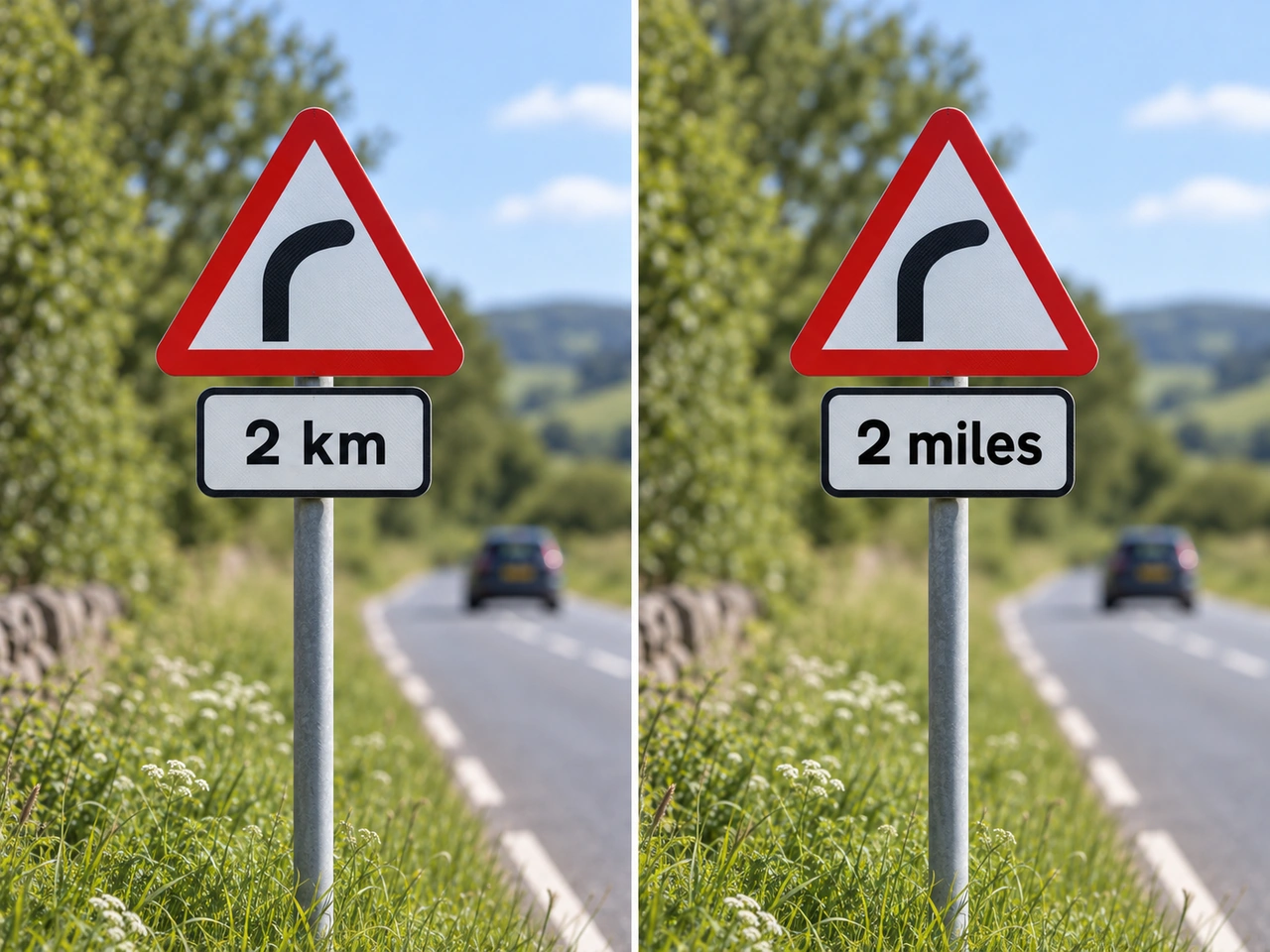
255. Which distance unit is used on road signs in Denmark?
Road distances in Denmark are normally shown in kilometres.
AI-generated by Traffic-rules.com • WCIT • CC BY-SA
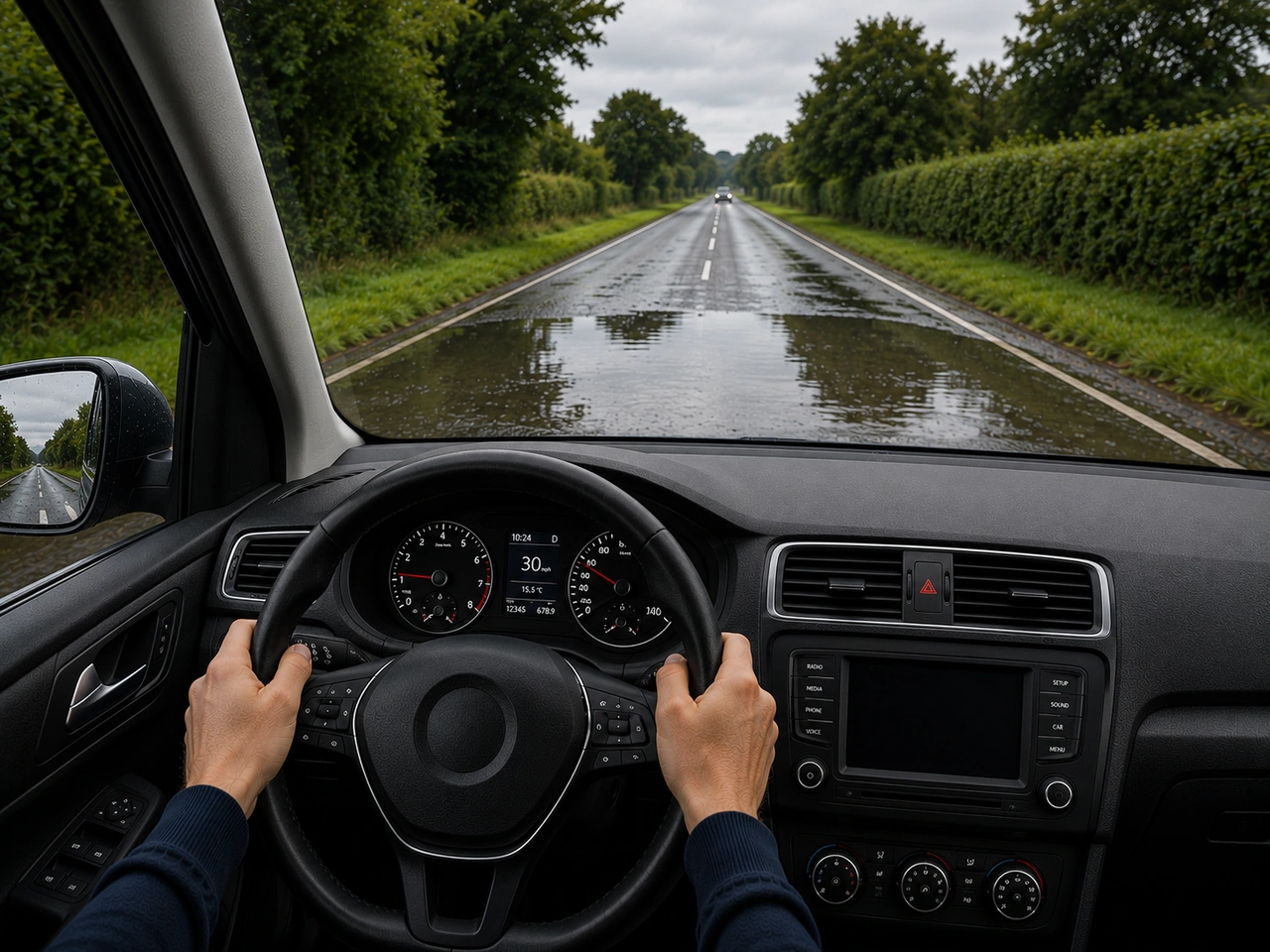
256. What should you do before driving through a puddle?
Large puddles can hide holes, reduce grip, or cause water to splash onto pedestrians or other vehicles. Slow down and proceed carefully.
AI-generated by Traffic-rules.com • WCIT • CC BY-SA

257. Why is riding a bicycle after drinking alcohol dangerous?
Alcohol can make it harder to balance, steer, judge distances, and react to hazards. Riding a bicycle while impaired may also be against the law.
AI-generated by Traffic-rules.com • WCIT • CC BY-SA
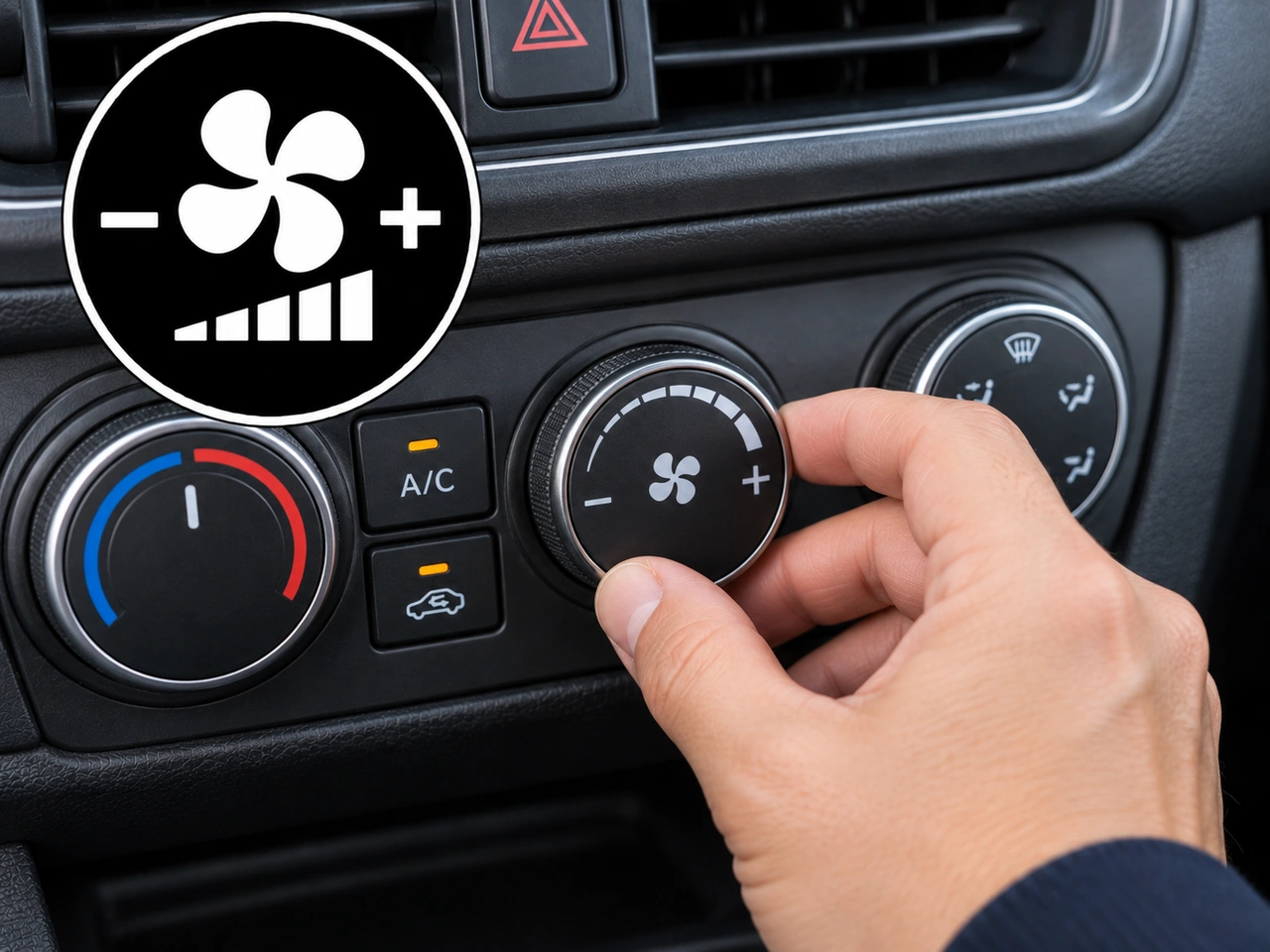
258. What does this vehicle-control symbol indicate?
This control adjusts the cabin ventilation fan speed. Increasing the setting moves more air through the vehicle's ventilation and climate-control system.
AI-generated by Traffic-rules.com • WCIT • CC BY-SA
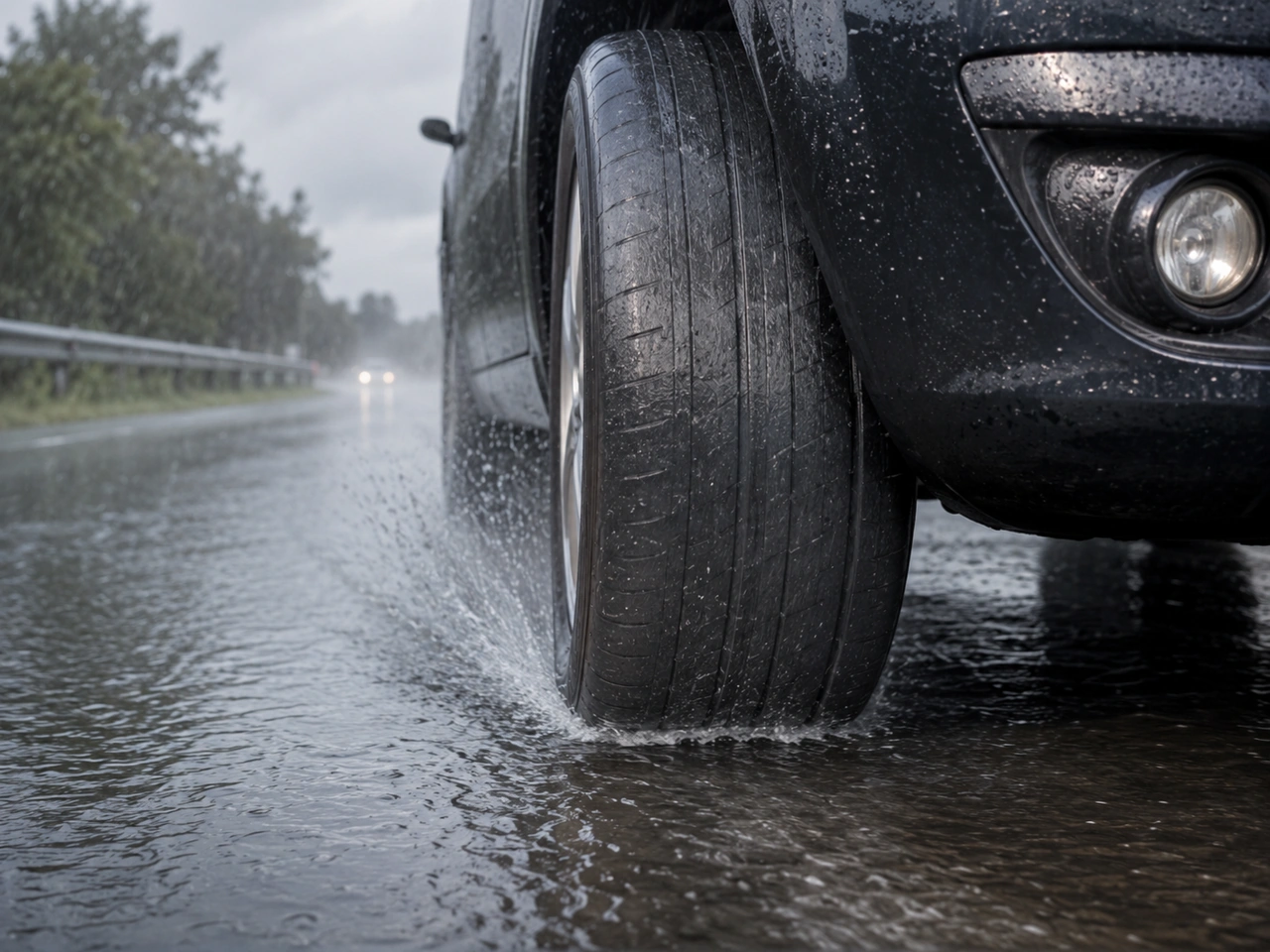
259. How can worn tyres affect driving in heavy rain?
Tyre tread helps channel water away and maintain grip. Worn tyres cannot clear water as effectively, increasing stopping distance and the risk of aquaplaning.
AI-generated by Traffic-rules.com • WCIT • CC BY-SA
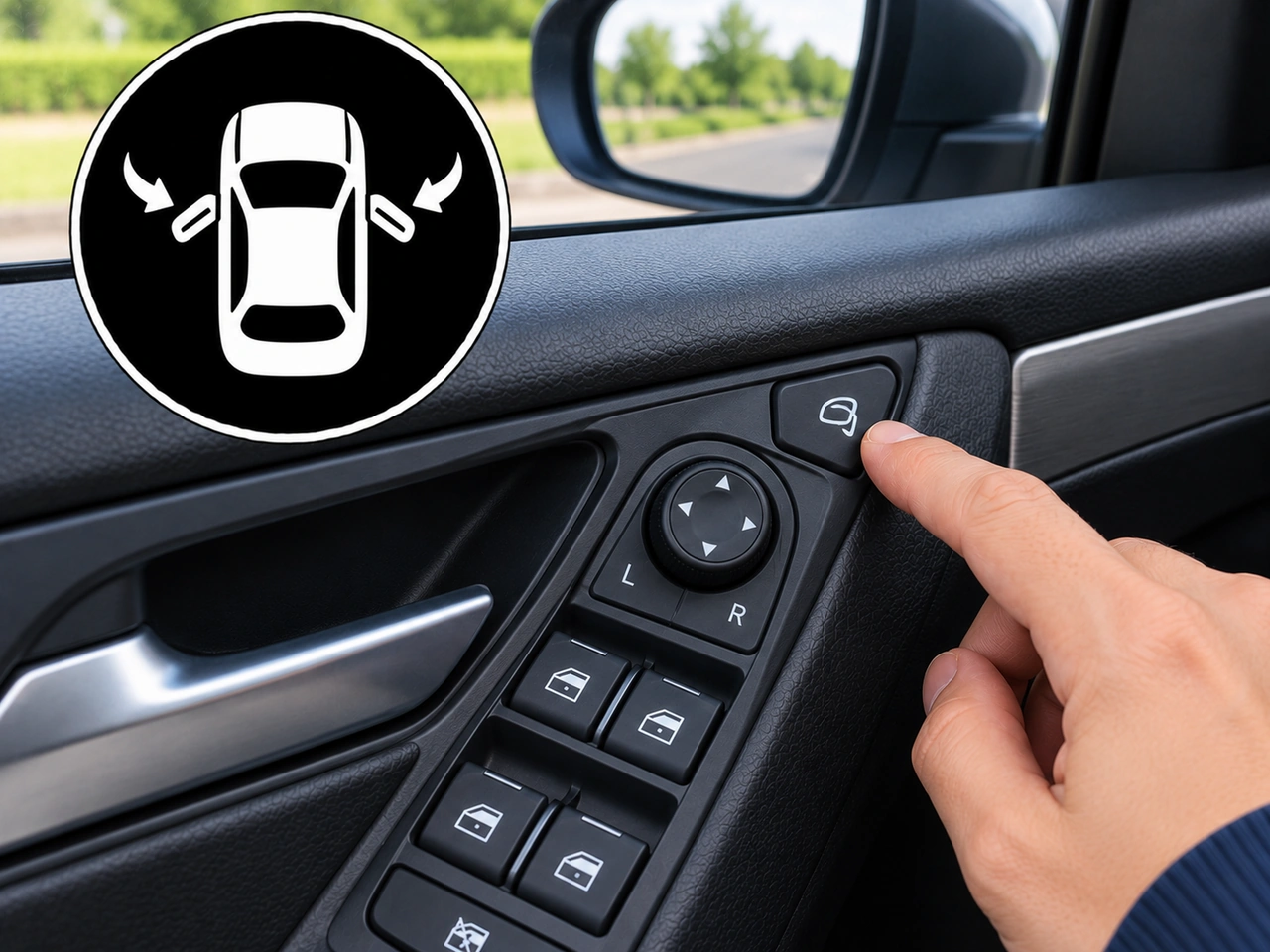
260. What does this vehicle-control symbol indicate?
This control folds or unfolds the vehicle's exterior mirrors. It is useful when parking in narrow spaces or when leaving the vehicle parked.
AI-generated by Traffic-rules.com • WCIT • CC BY-SA
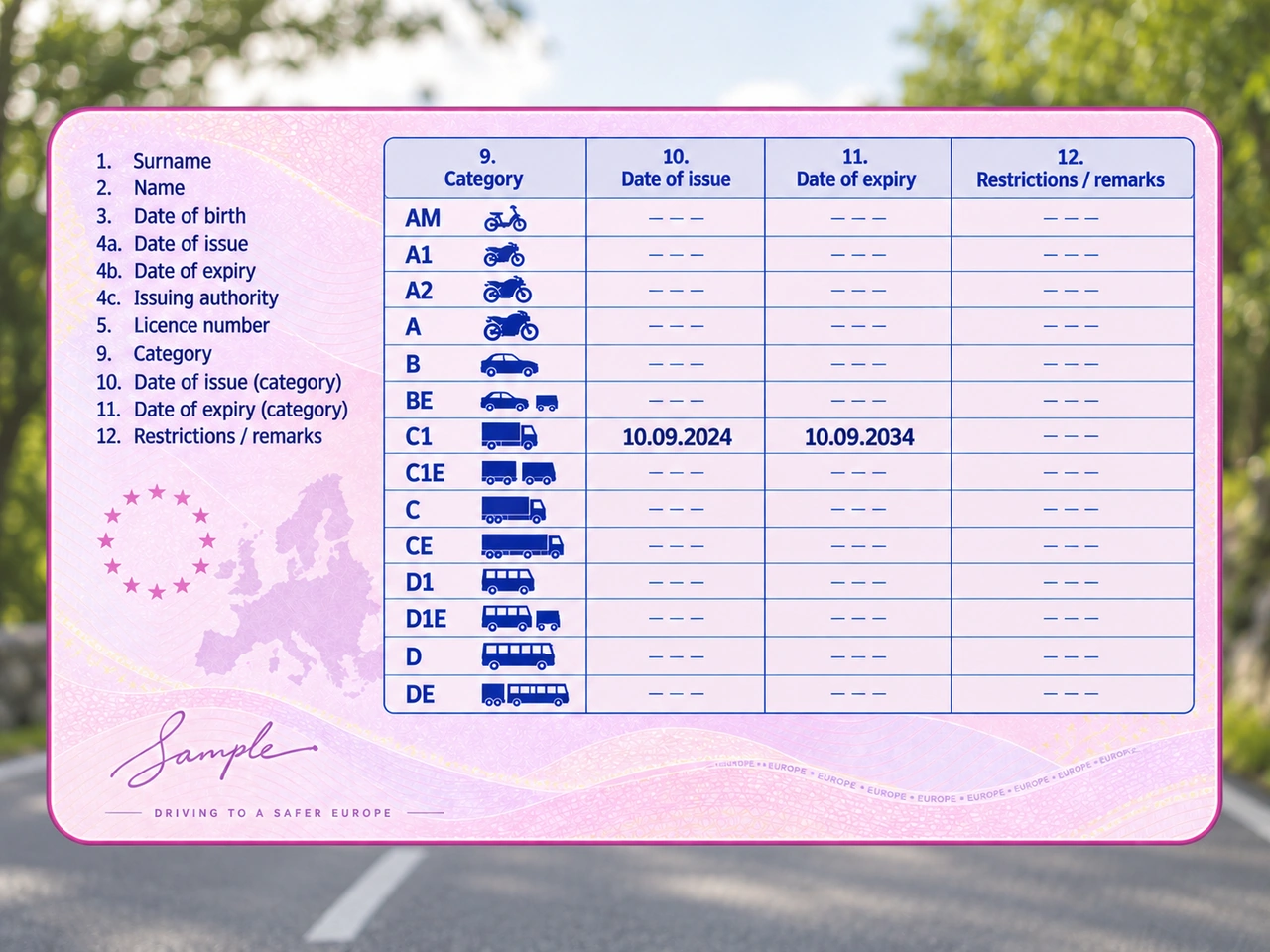
261. Which vehicles are covered by driving licence C1?
Category C1 covers motor vehicles, other than buses, with a maximum authorised mass above 3,500 kg and not exceeding 7,500 kg. They may carry no more than eight passengers in addition to the driver and may tow a trailer up to 750 kg.
AI-generated by Traffic-rules.com • WCIT • CC BY-SA
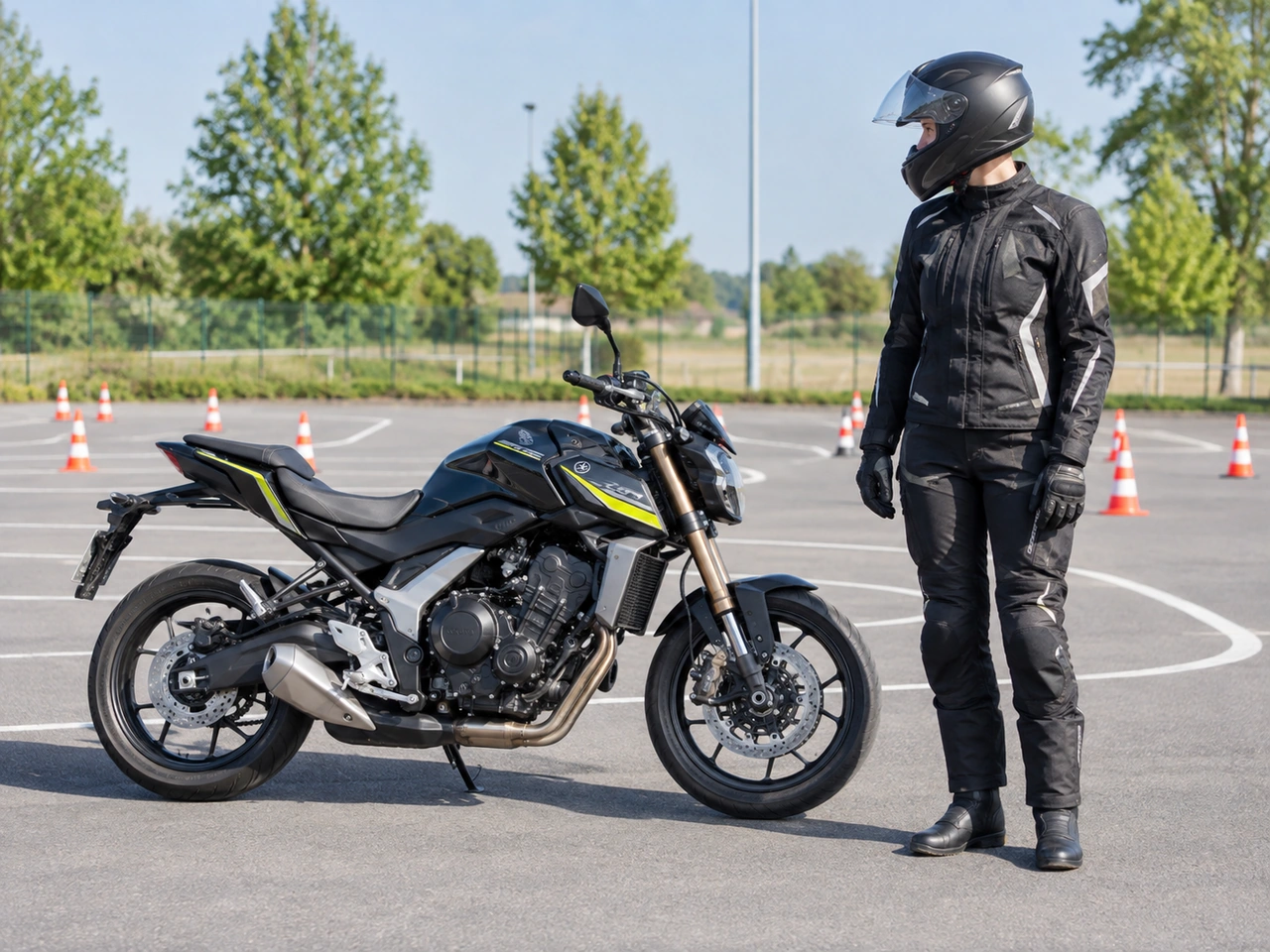
262. What is the minimum licence for a 35 kW motorcycle at 0.2 kW/kg, derived from 70 kW?
Category A2 covers motorcycles with power not exceeding 35 kW and a power-to-weight ratio not exceeding 0.2 kW/kg. The motorcycle must not be derived from a vehicle with more than double its power, so a 35 kW motorcycle may be derived from a vehicle of up to 70 kW.
AI-generated by Traffic-rules.com • WCIT • CC BY-SA
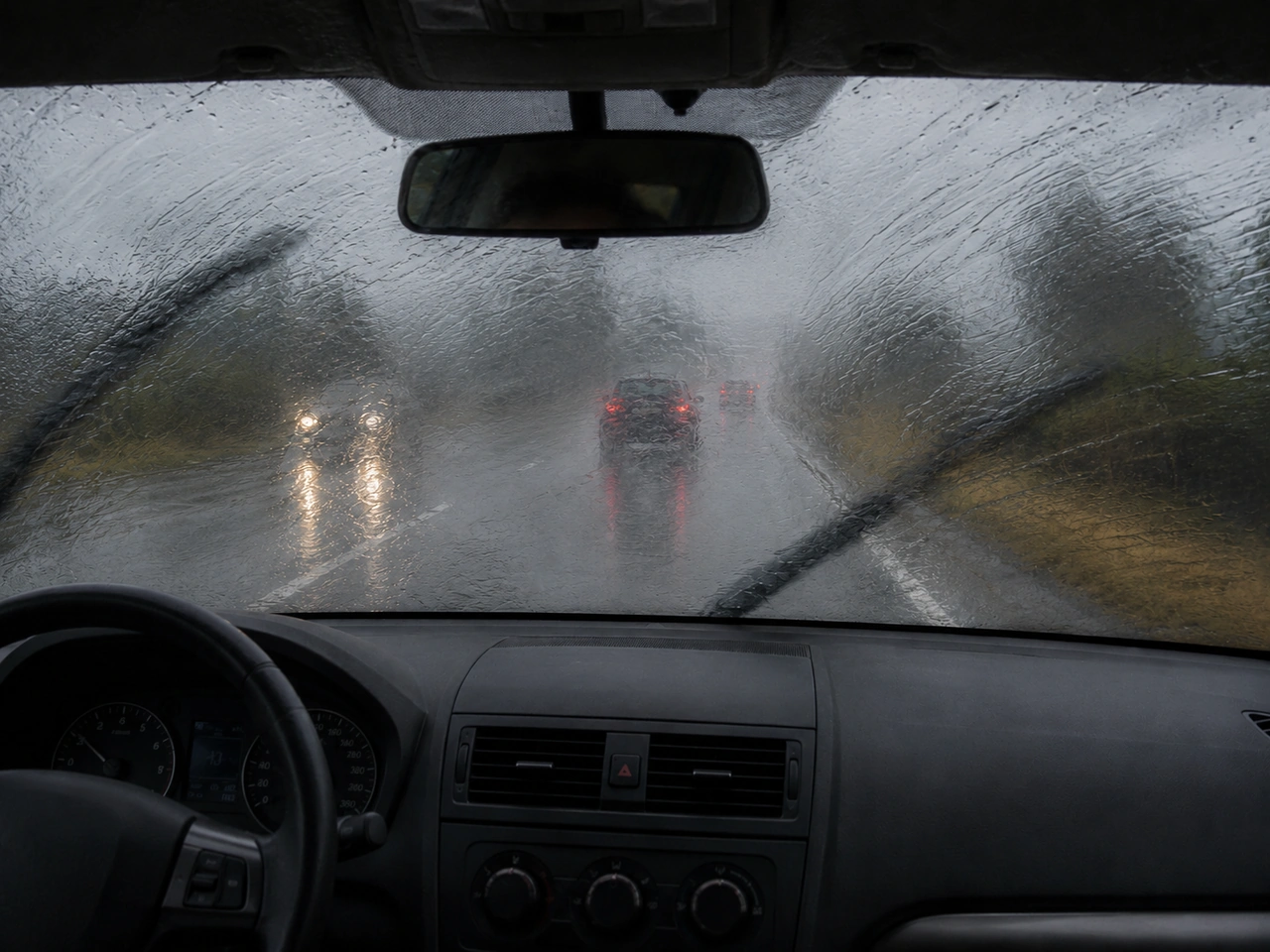
263. What should you do if the windscreen wipers leave the glass smeared?
Worn or dirty wiper blades can seriously reduce visibility in rain. Clean them first and replace them if they remain ineffective or damaged.
AI-generated by Traffic-rules.com • WCIT • CC BY-SA
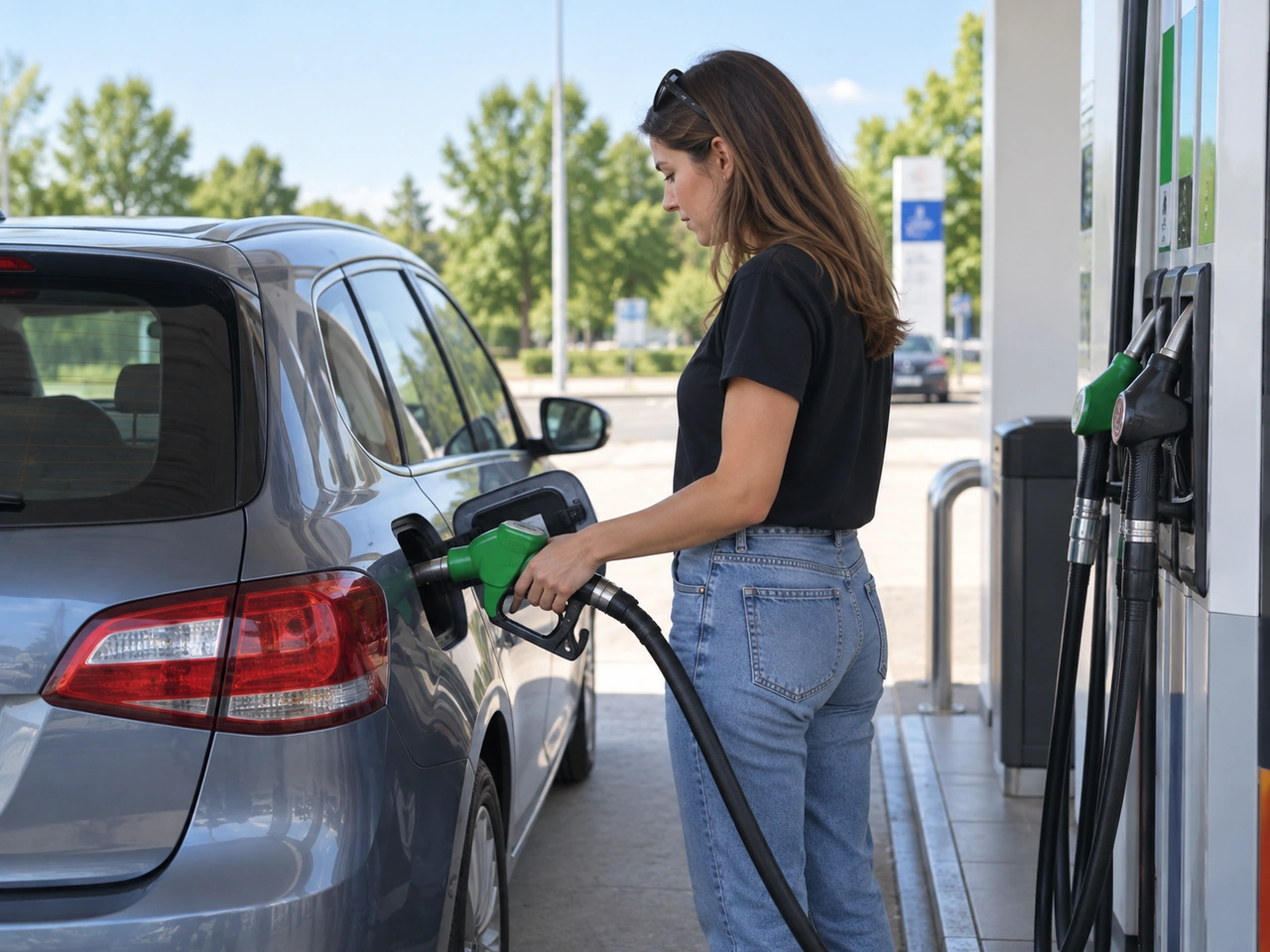
264. What should you do before refuelling a petrol or diesel vehicle?
Switch off the engine before refuelling. Fuel vapours are flammable, so avoid ignition sources and follow the safety instructions at the filling station. If fuel is spilled, do not start the vehicle until the situation has been made safe.
AI-generated by Traffic-rules.com • WCIT • CC BY-SA
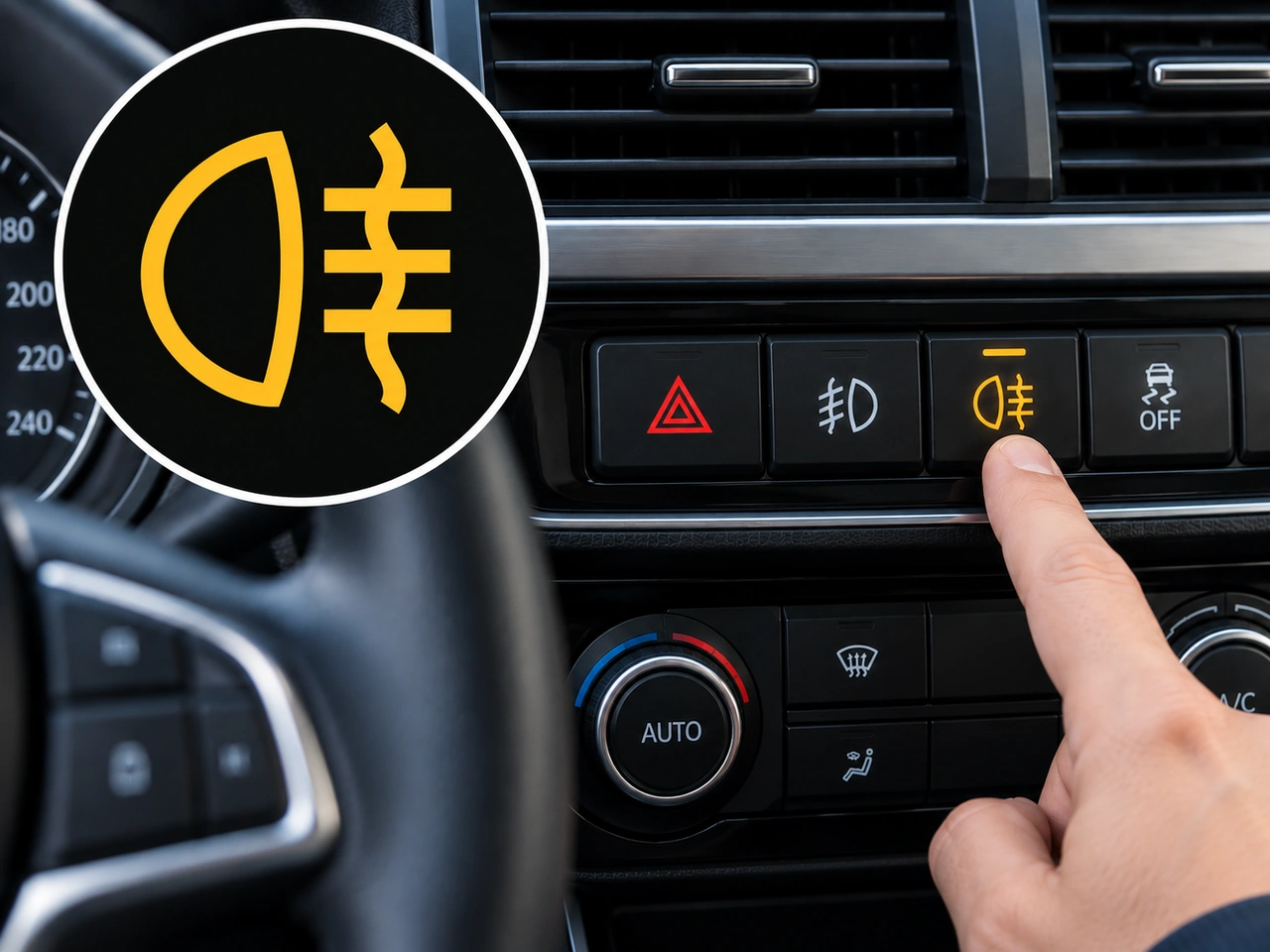
265. What does this dashboard symbol indicate?
This symbol indicates that the rear fog lights are switched on. Rear fog lights make the vehicle more visible from behind in conditions of severely reduced visibility, but they can dazzle other road users when used unnecessarily.
AI-generated by Traffic-rules.com • WCIT • CC BY-SA
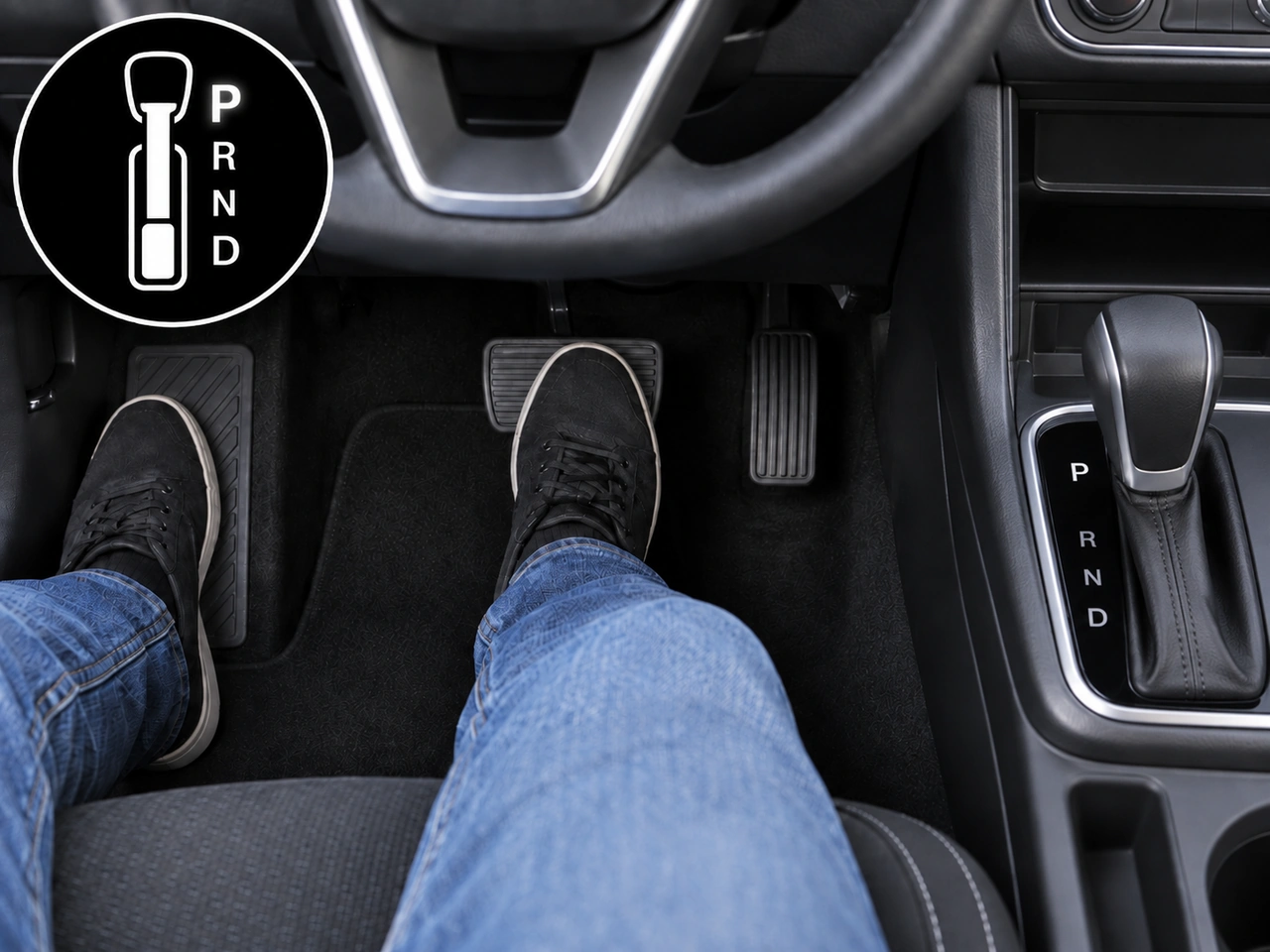
266. What should you normally select before leaving an automatic vehicle parked?
Select P (Park) before leaving an automatic vehicle parked. Park locks the transmission to help prevent the vehicle from rolling; the parking brake should also be applied.
AI-generated by Traffic-rules.com • WCIT • CC BY-SA
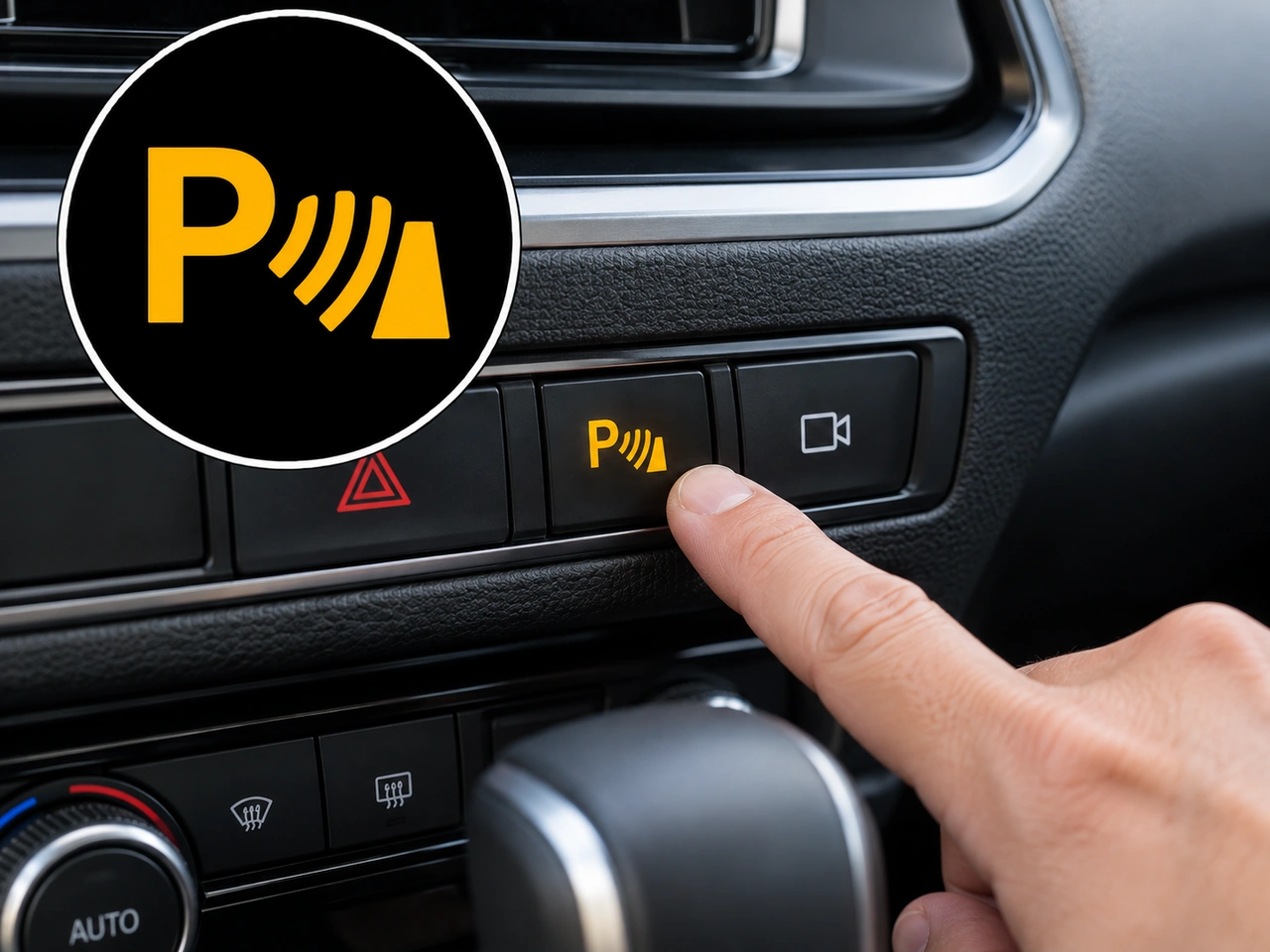
267. What does this dashboard symbol indicate?
This symbol relates to the vehicle's parking assistance system. Depending on the vehicle, the system may use sensors or cameras to detect obstacles and assist the driver while parking.
AI-generated by Traffic-rules.com • WCIT • CC BY-SA
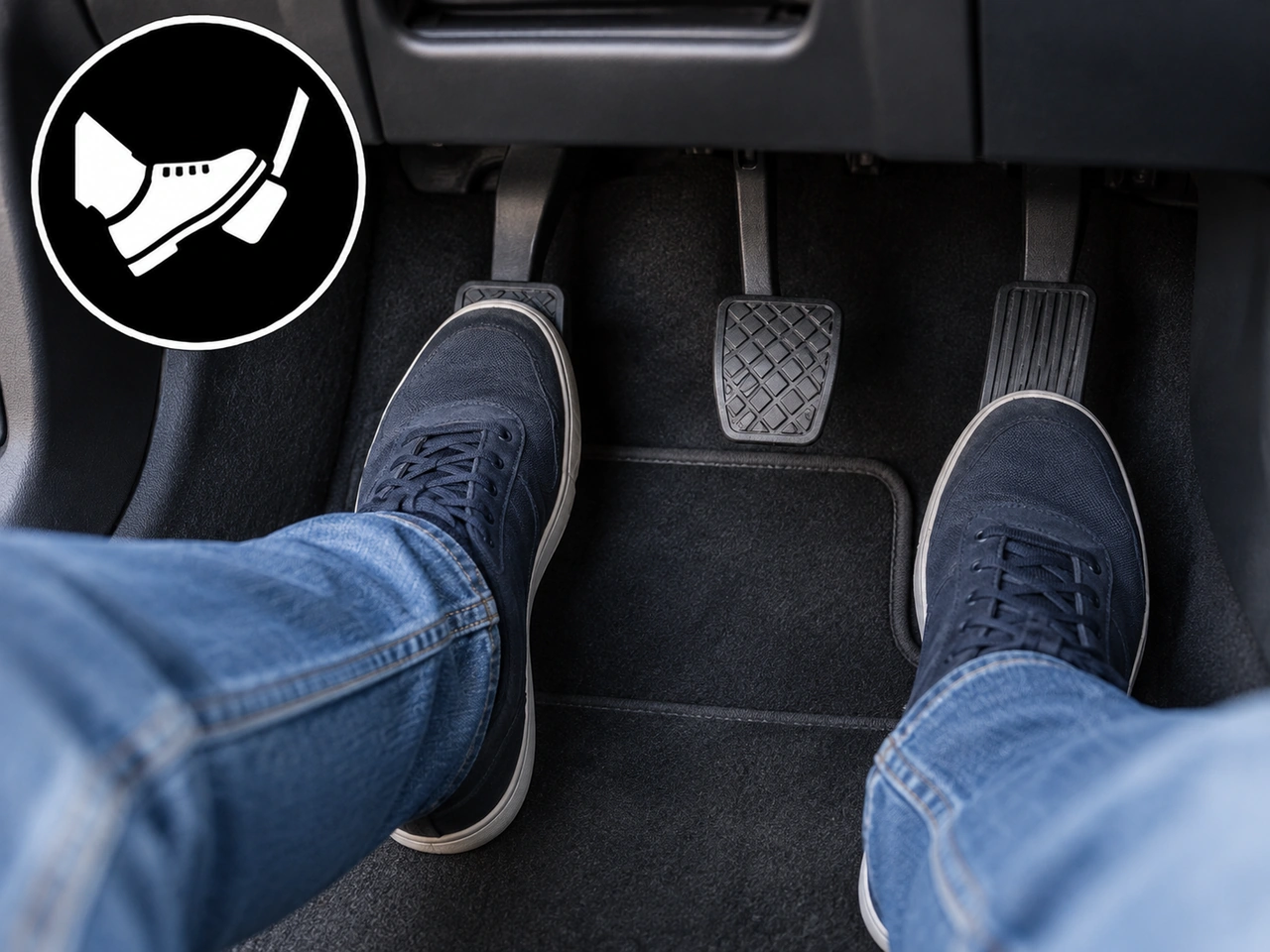
268. Why should you avoid keeping the clutch pedal pressed while driving?
Keeping the clutch pedal pressed while the vehicle is moving disconnects the engine from the transmission. This reduces engine braking and can reduce your control of the vehicle.
AI-generated by Traffic-rules.com • WCIT • CC BY-SA
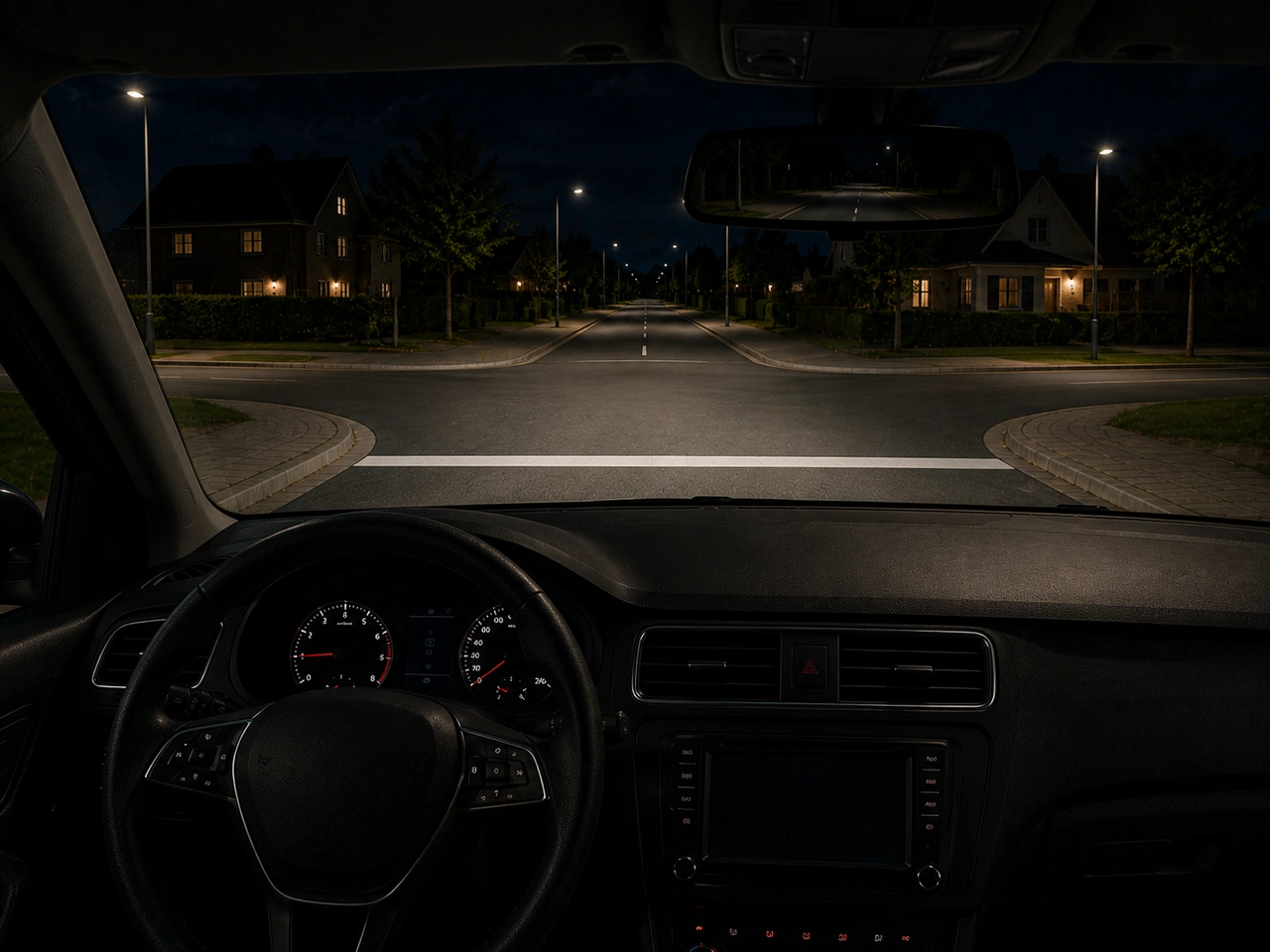
269. What colour is a stop sign usually?
Stop signs are almost always red because red is universally associated with danger and the need to stop immediately.
AI-generated by Traffic-rules.com • WCIT • CC BY-SA
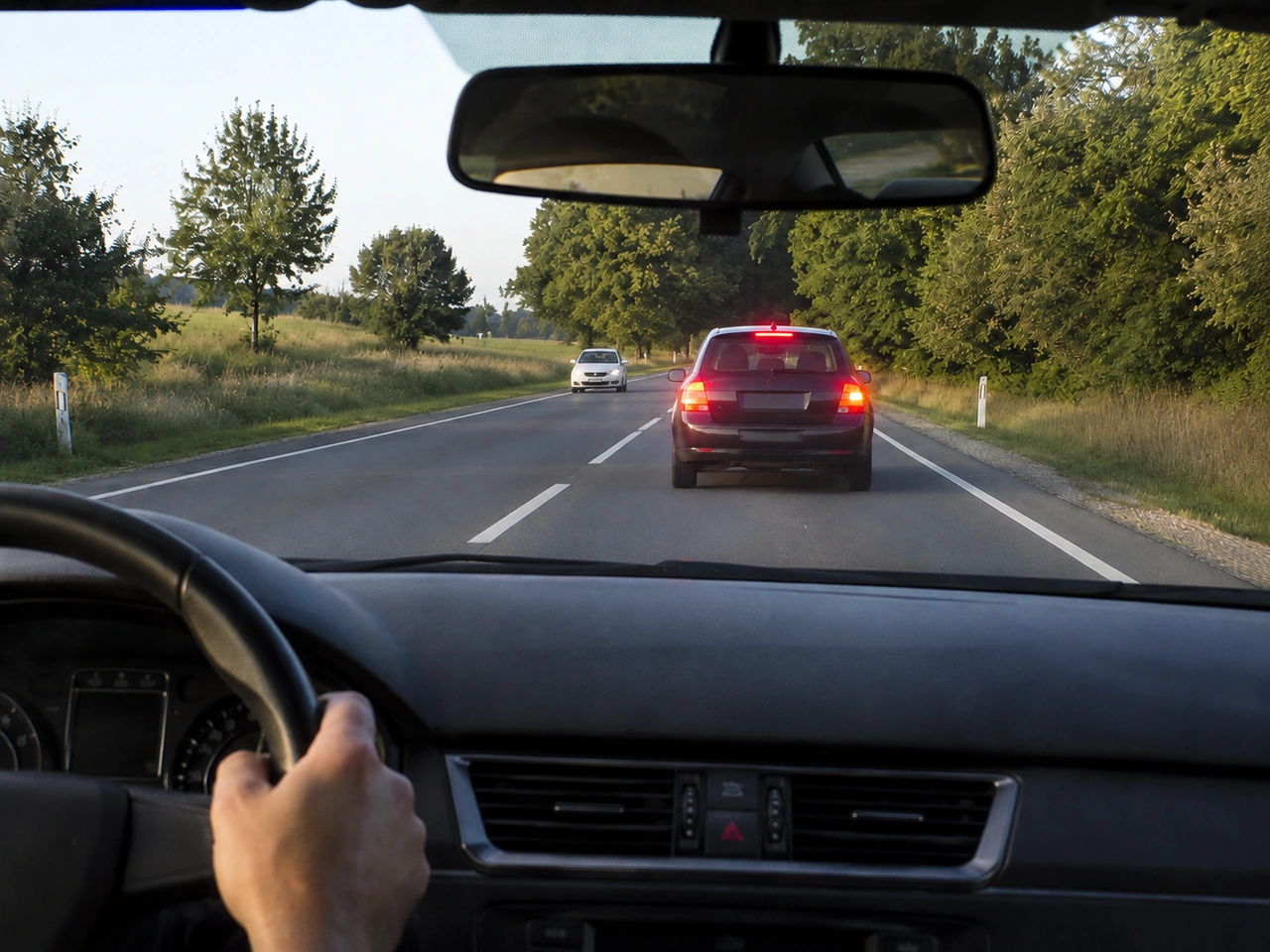
270. Why should you avoid sudden braking when it is not necessary?
Sudden braking can surprise drivers behind you and increase the risk of a rear-end collision.
AI-generated by Traffic-rules.com • WCIT • CC BY-SA
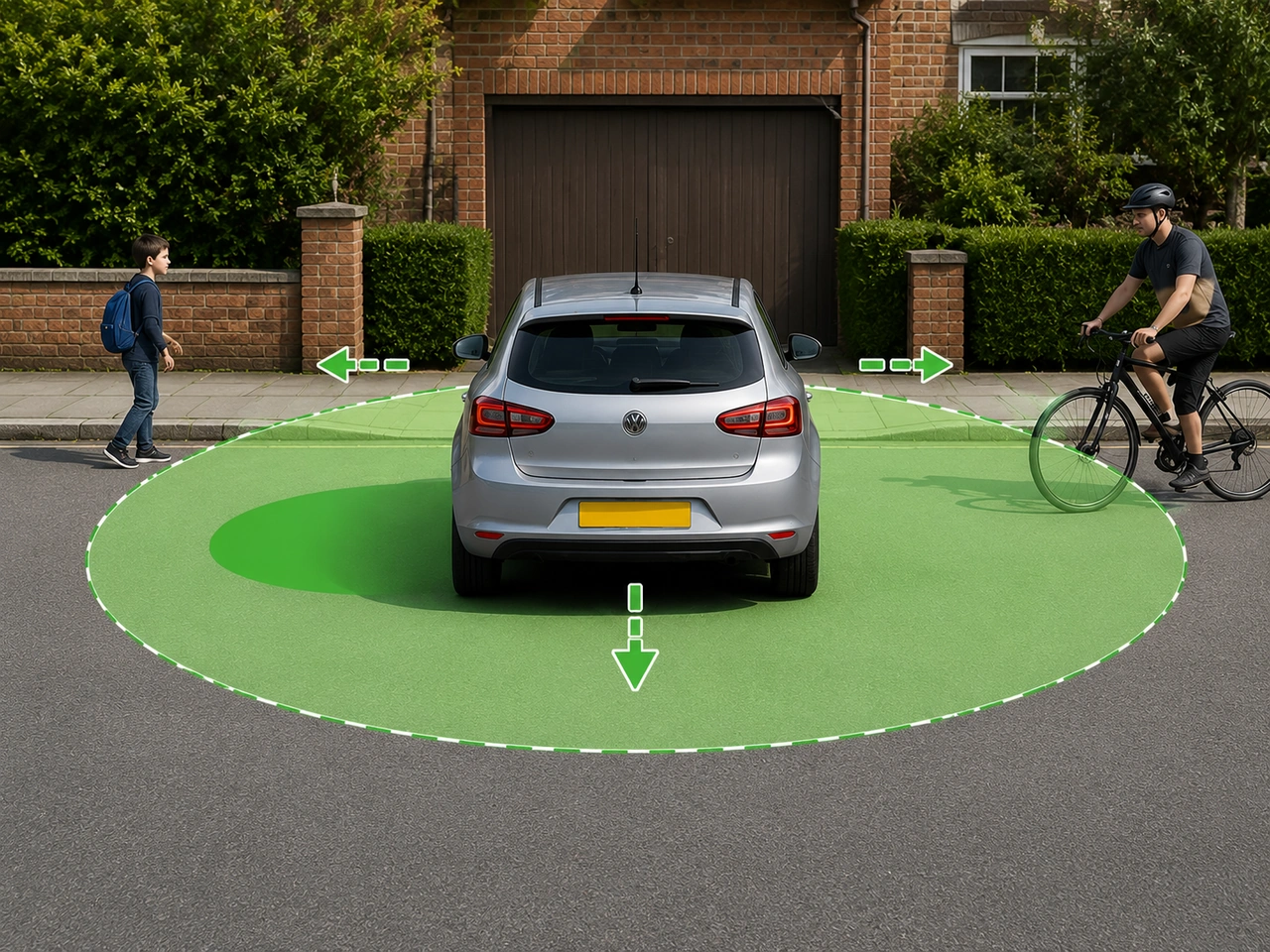
271. What should you do before reversing your vehicle?
Before reversing, check all around the vehicle, including blind spots, for pedestrians, cyclists, vehicles, and other hazards. Reverse slowly and keep checking as you move.
AI-generated by Traffic-rules.com • WCIT • CC BY-SA
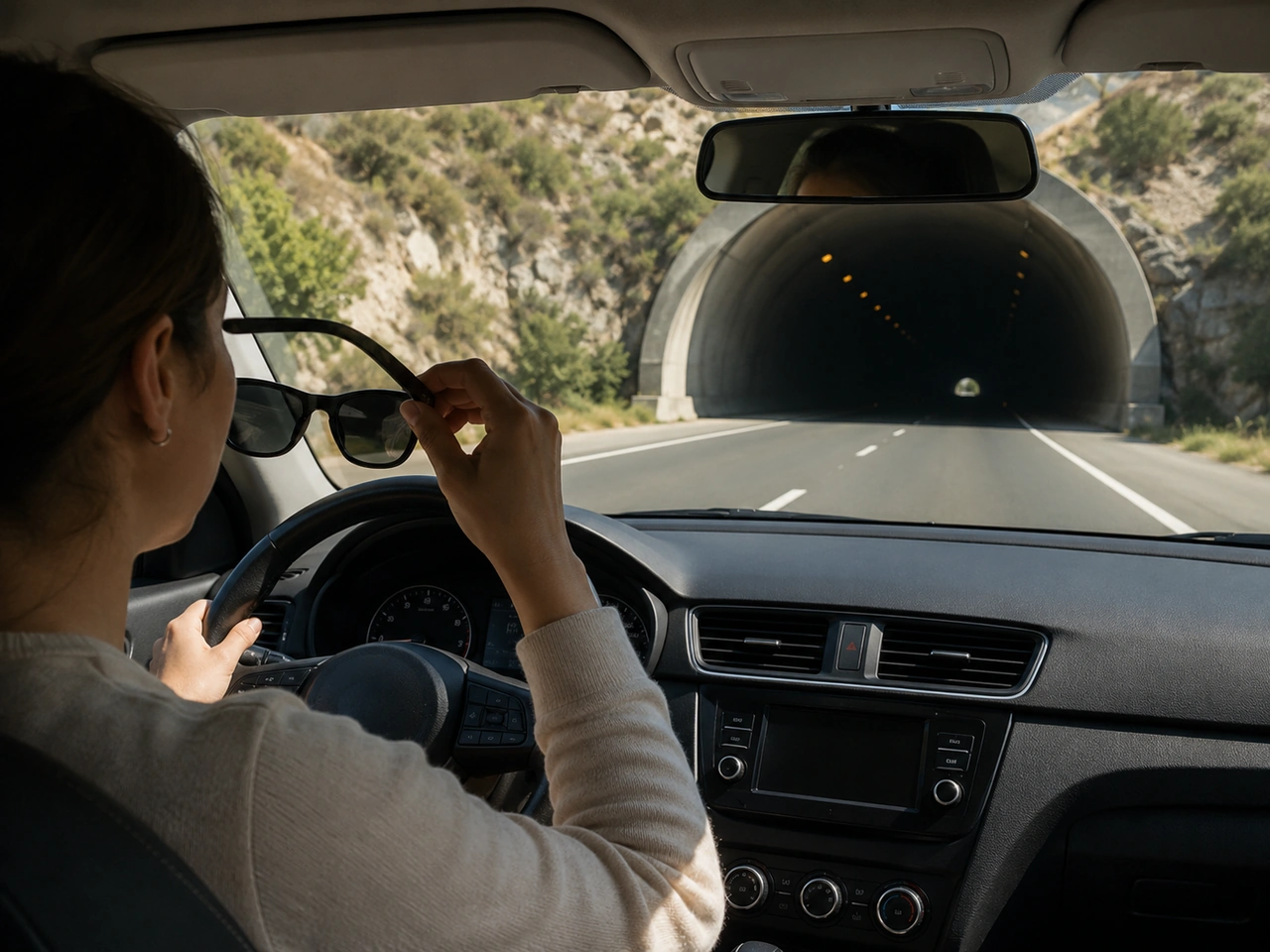
272. Why should you remove dark sunglasses before entering a tunnel?
Dark sunglasses reduce the amount of light reaching your eyes and can make hazards inside a tunnel harder to see.
AI-generated by Traffic-rules.com • WCIT • CC BY-SA
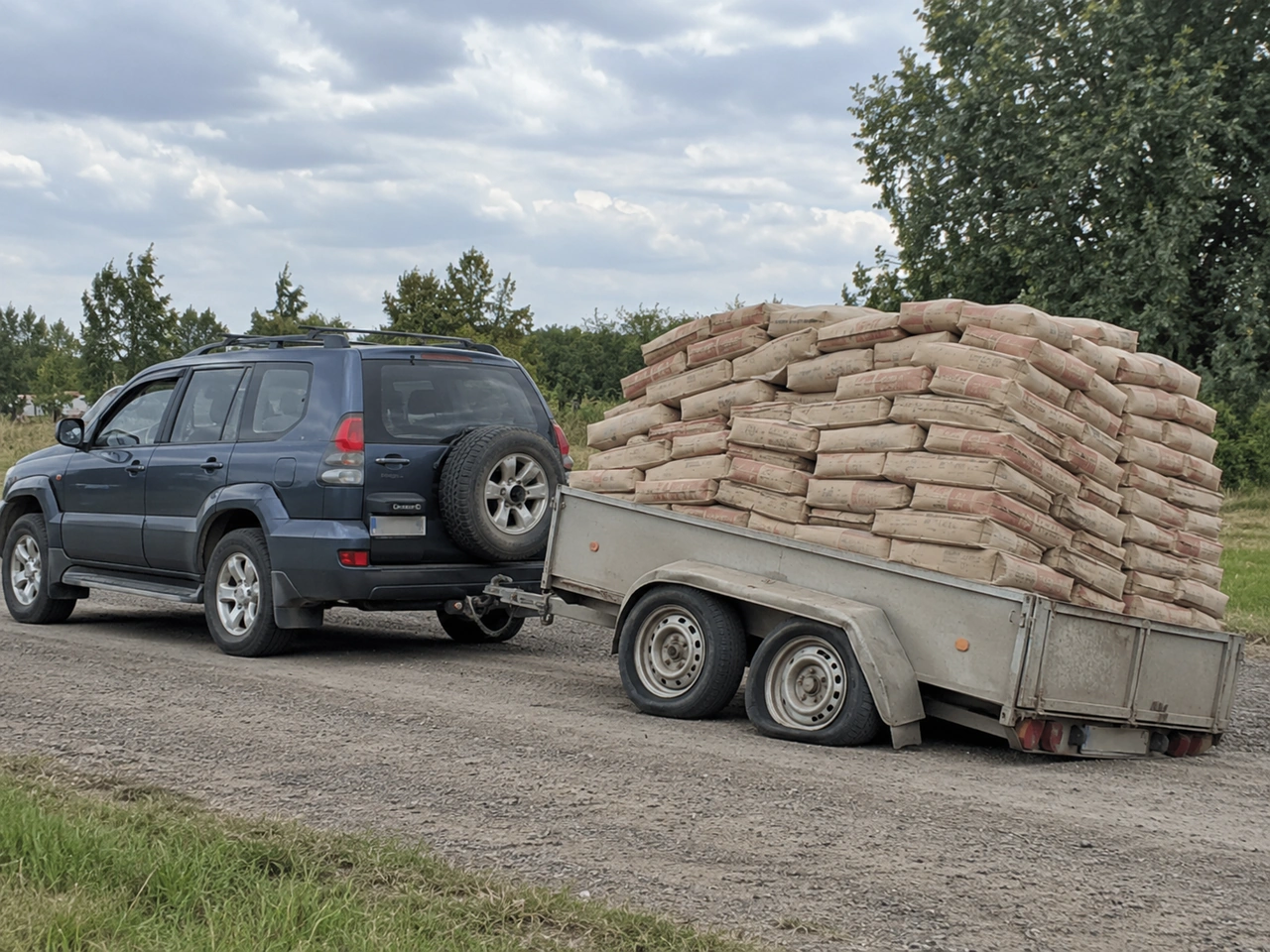
273. Why should you avoid overloading a trailer?
Overloading can affect braking, steering, tyres, suspension, and trailer stability. Always remain within permitted limits. After loading, check that the load is secure and correctly distributed before starting your journey.
AI-generated by Traffic-rules.com • WCIT • CC BY-SA
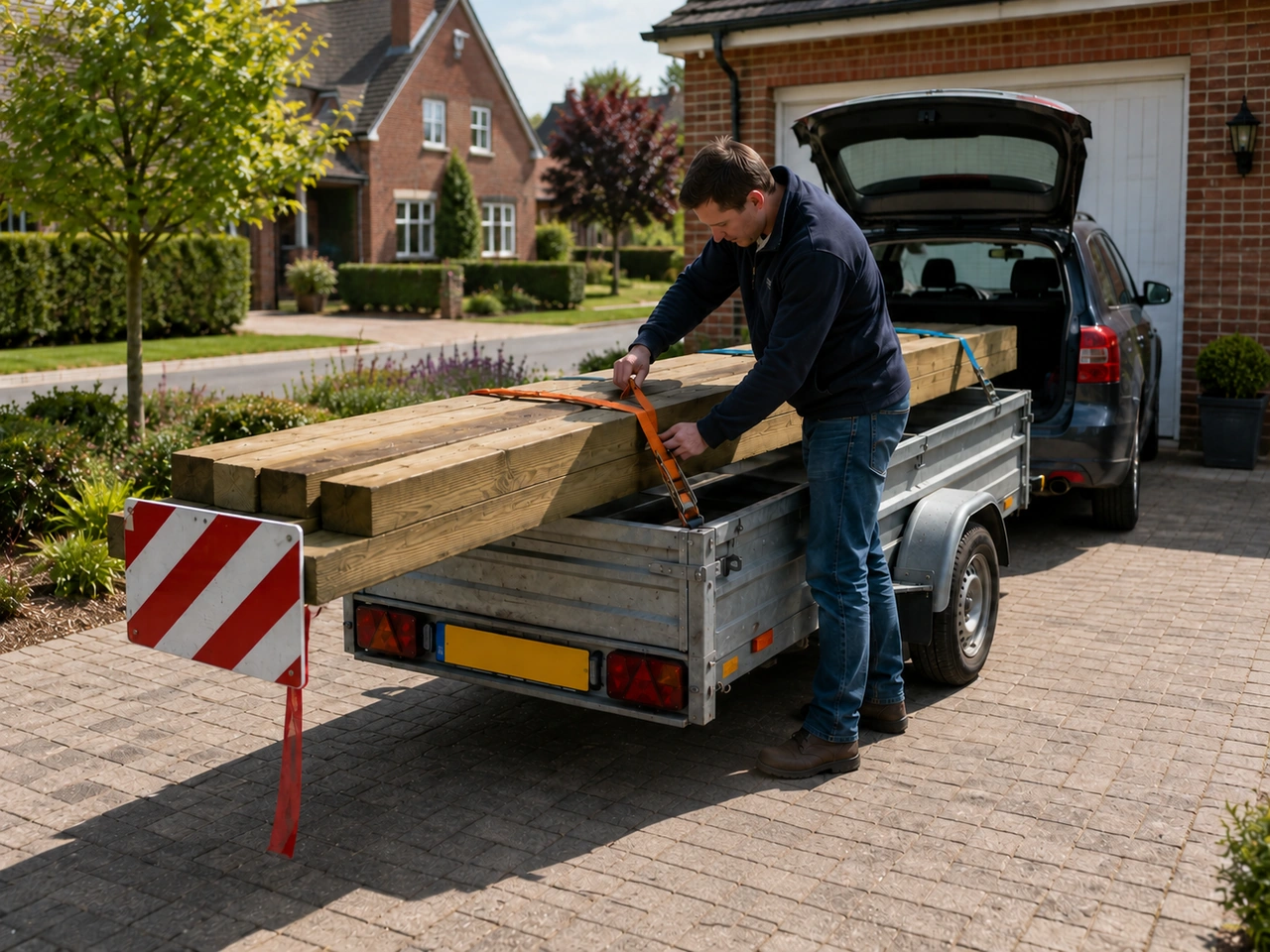
274. What should you do if a load extends beyond the vehicle?
An extending load may create additional danger and may require specific markings or equipment under local rules.
AI-generated by Traffic-rules.com • WCIT • CC BY-SA
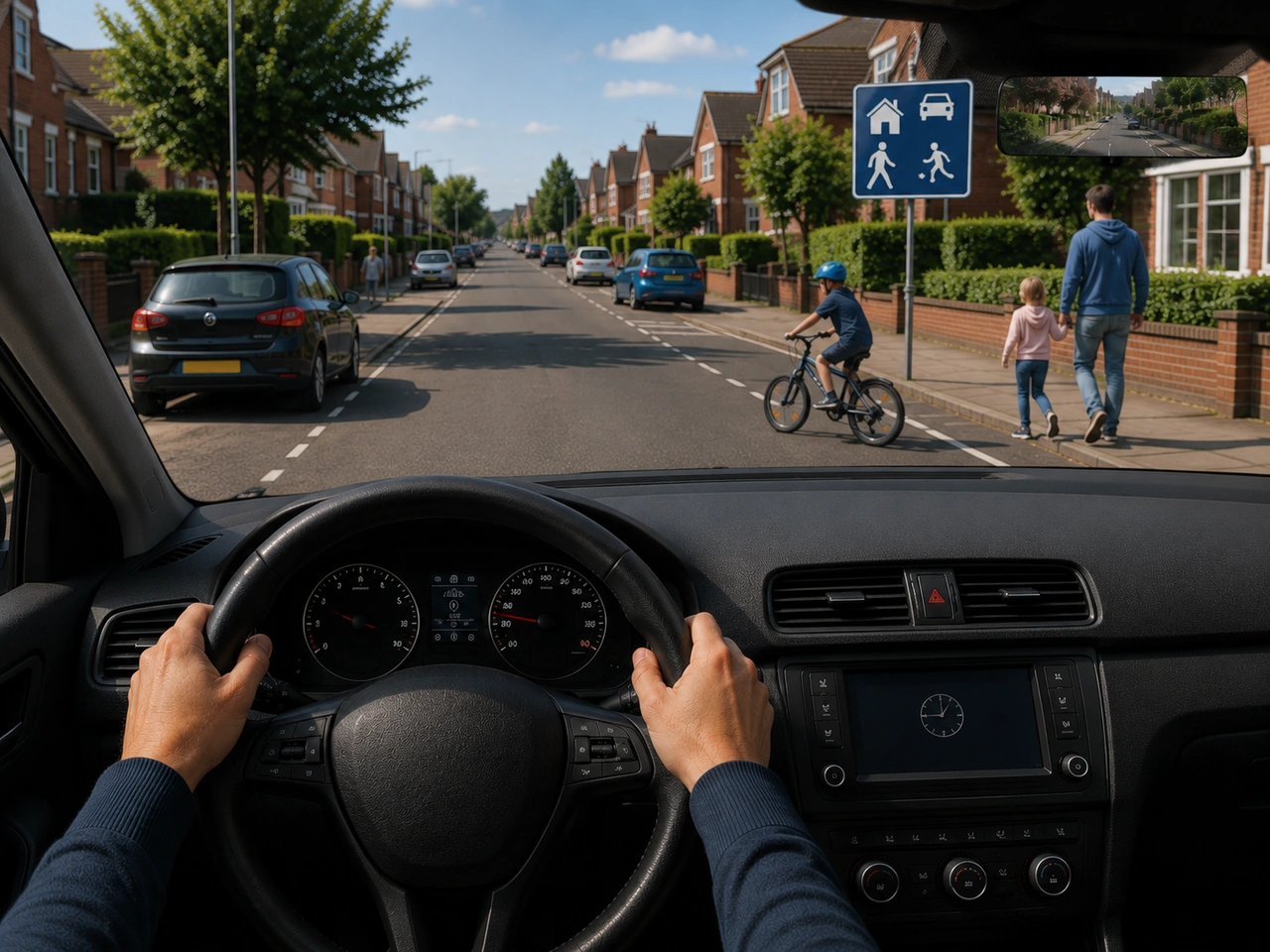
275. Why should you reduce speed in residential areas?
Residential areas often have pedestrians, cyclists, parked vehicles, driveways, and children, and hazards may appear suddenly. Lower speed gives you more time to react and stop safely.
AI-generated by Traffic-rules.com • WCIT • CC BY-SA
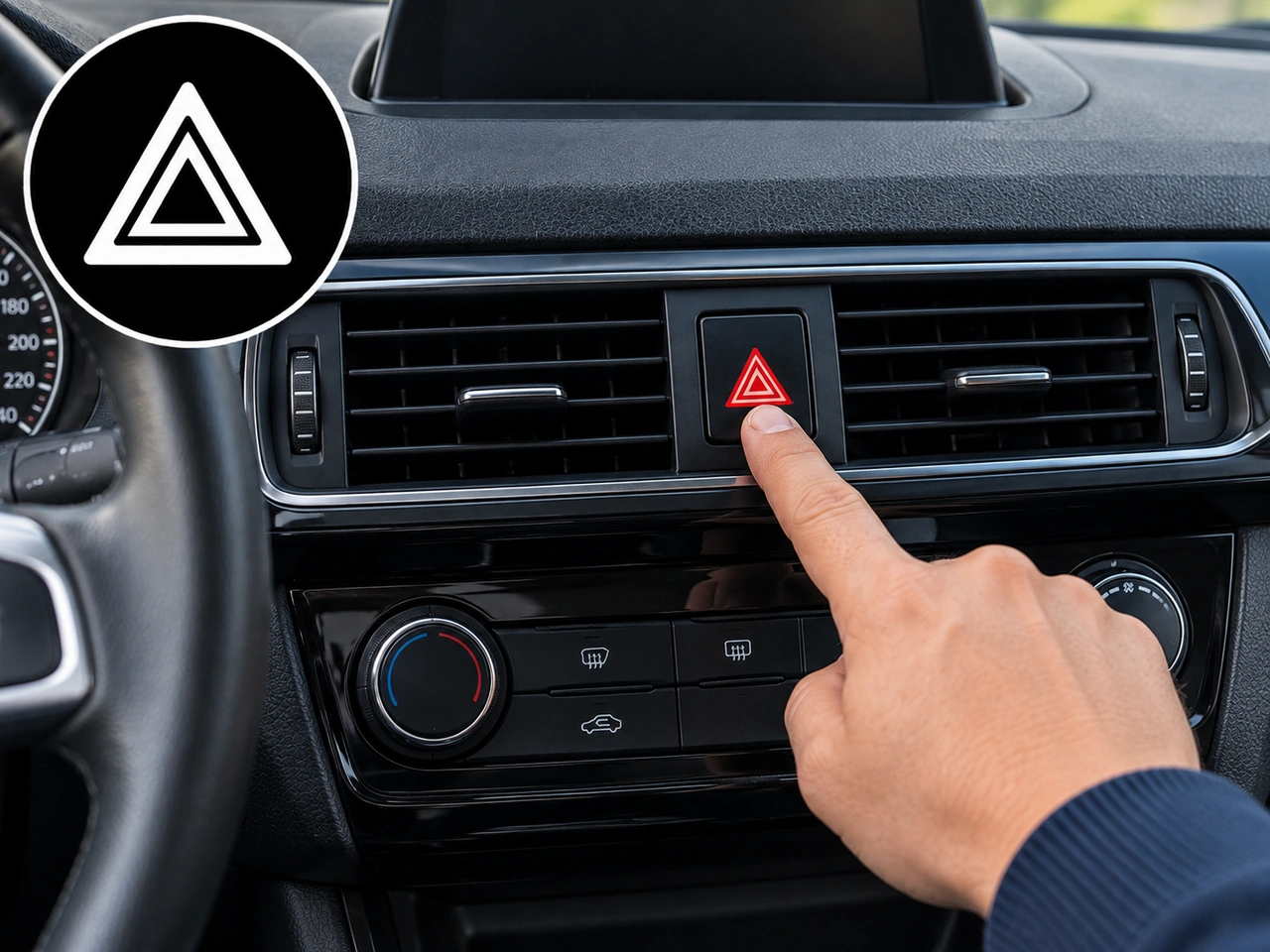
276. Which control activates all direction indicators at the same time?
The hazard warning light switch activates all direction indicators at the same time to warn other road users of a hazard or emergency.
AI-generated by Traffic-rules.com • WCIT • CC BY-SA
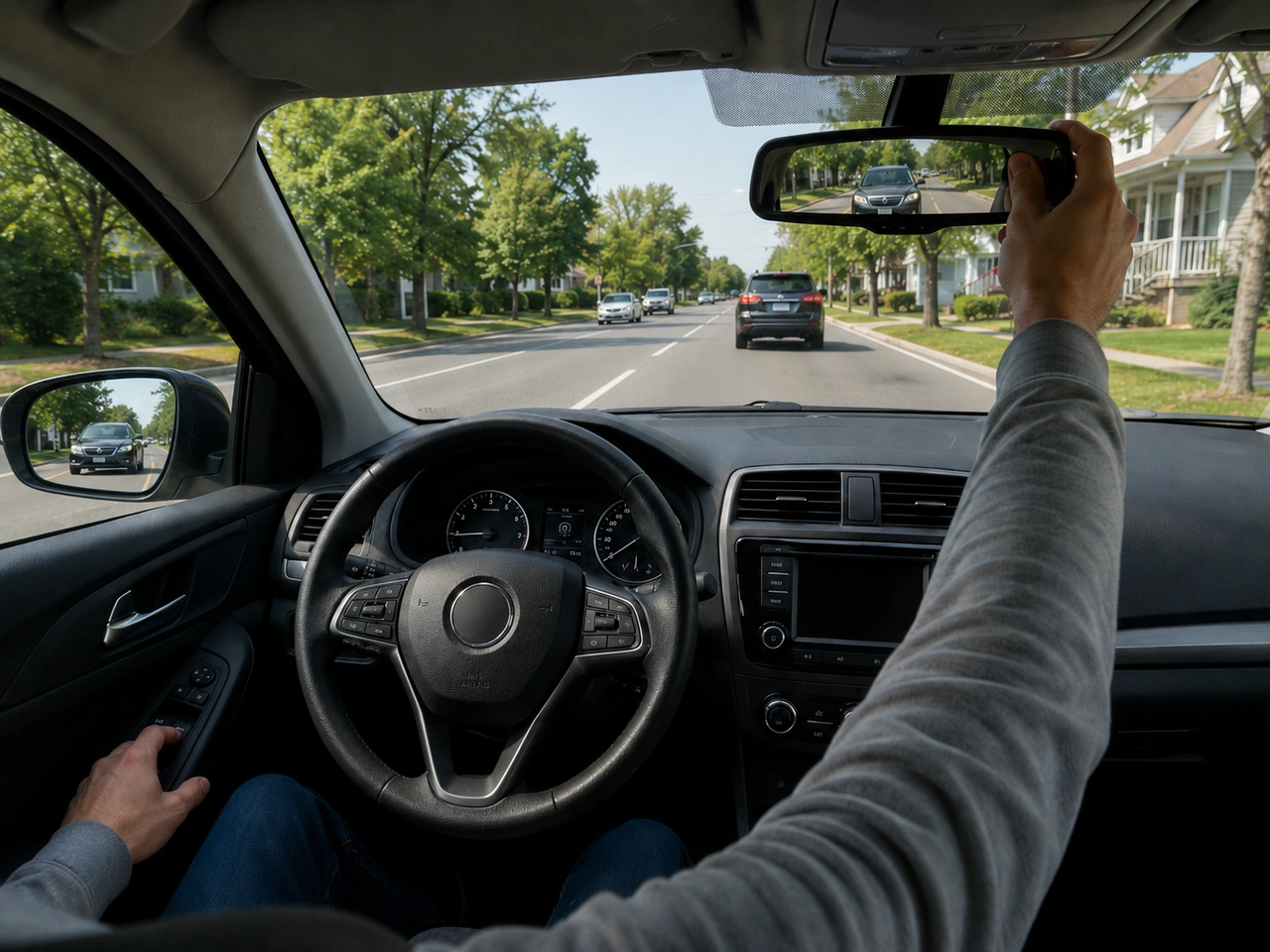
277. You should adjust your mirrors before you start driving.
Properly adjusted mirrors improve visibility and help you monitor traffic around your vehicle.
AI-generated by Traffic-rules.com • WCIT • CC BY-SA
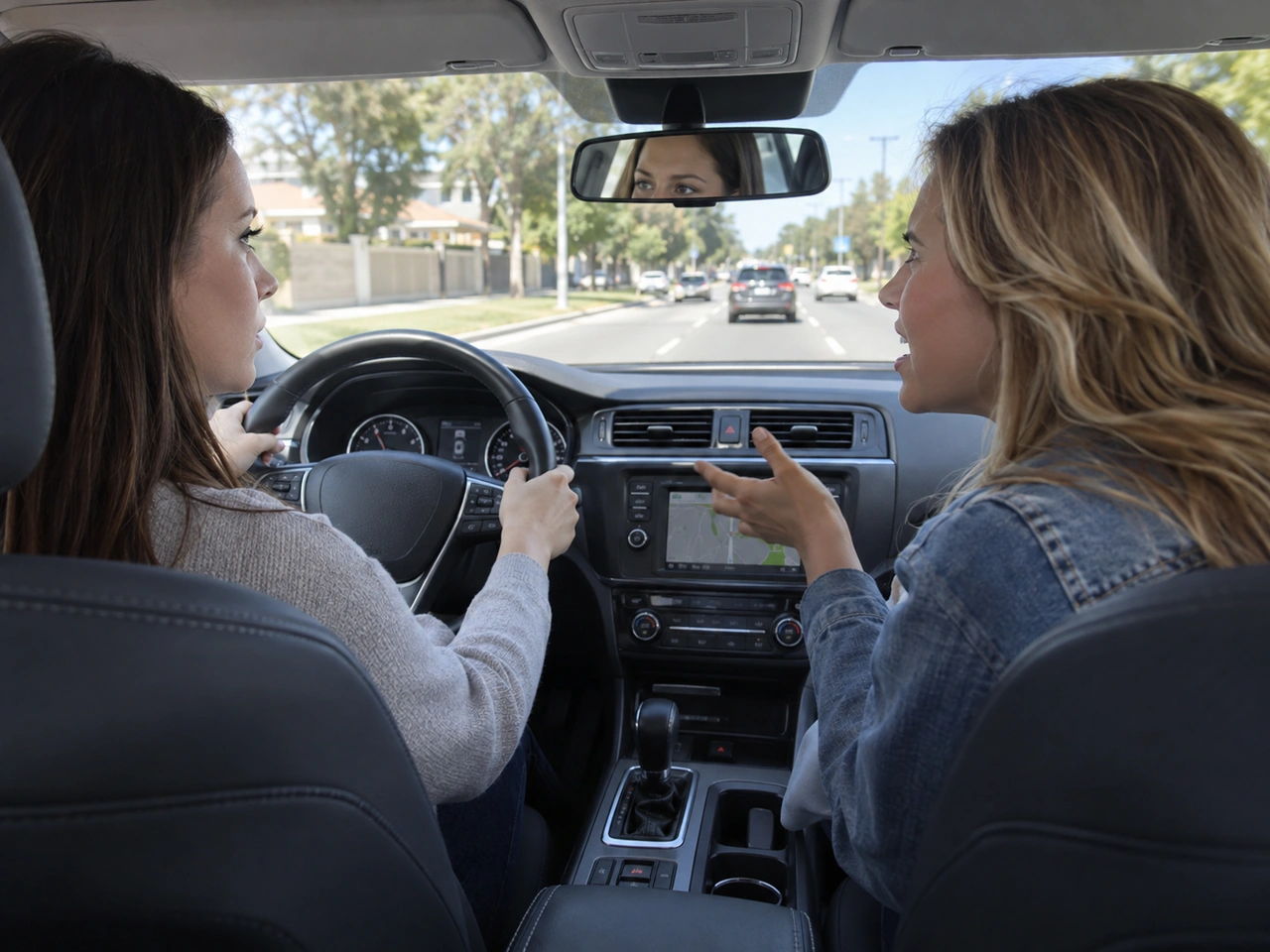
278. What should you do if passengers are distracting you while driving?
Passengers can reduce a driver's attention and concentration. If their behaviour becomes distracting, ask them to stop and keep your focus on driving. If necessary, stop somewhere safe before dealing with the situation.
AI-generated by Traffic-rules.com • WCIT • CC BY-SA
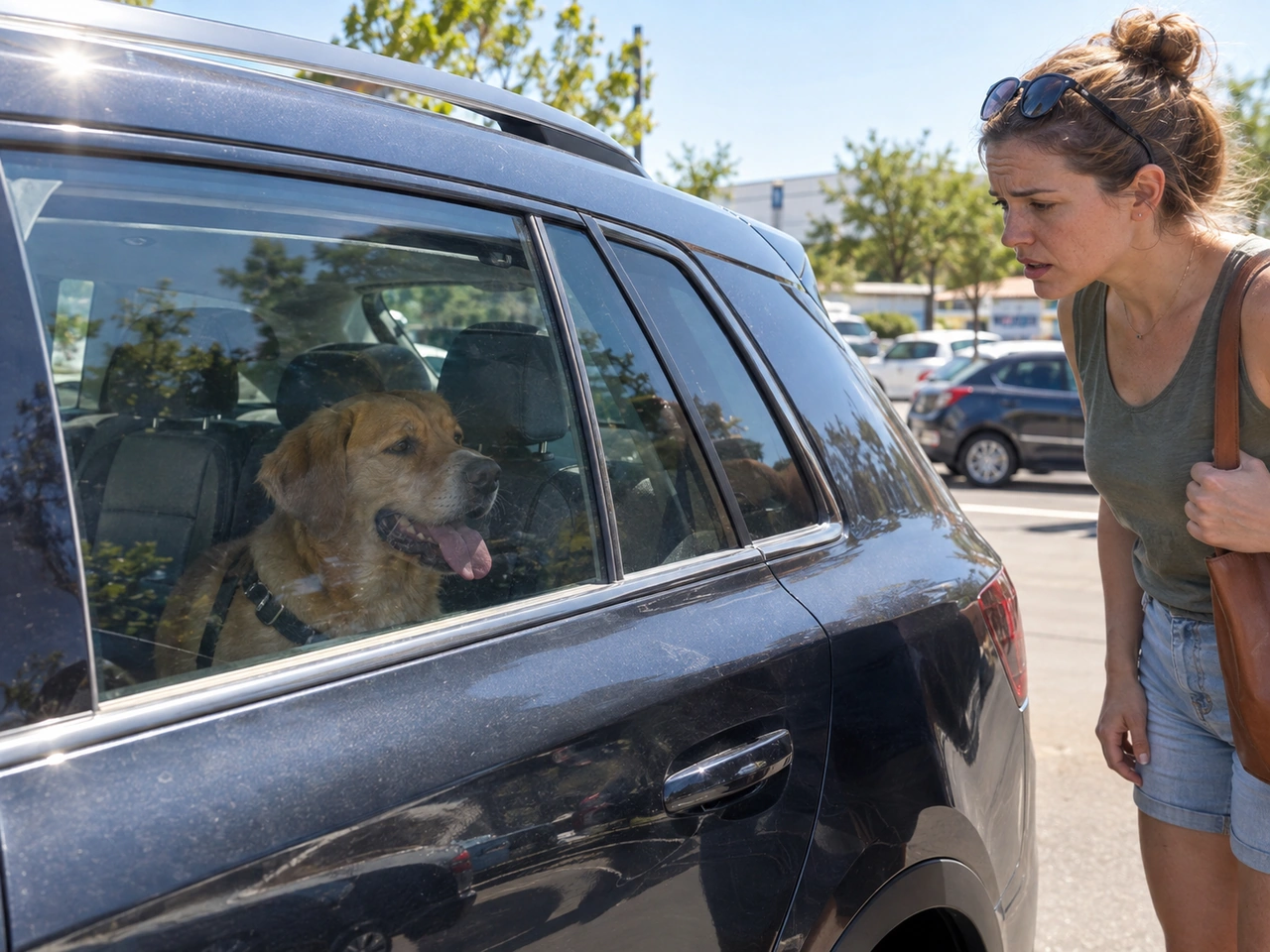
279. Why should you never leave a child or pet alone in a parked vehicle on a warm day?
The inside of a parked vehicle can heat up rapidly, even when the outside temperature does not feel extreme. Children and animals are particularly vulnerable to overheating and heatstroke. Leaving a window partly open does not make the vehicle safe.
AI-generated by Traffic-rules.com • WCIT • CC BY-SA
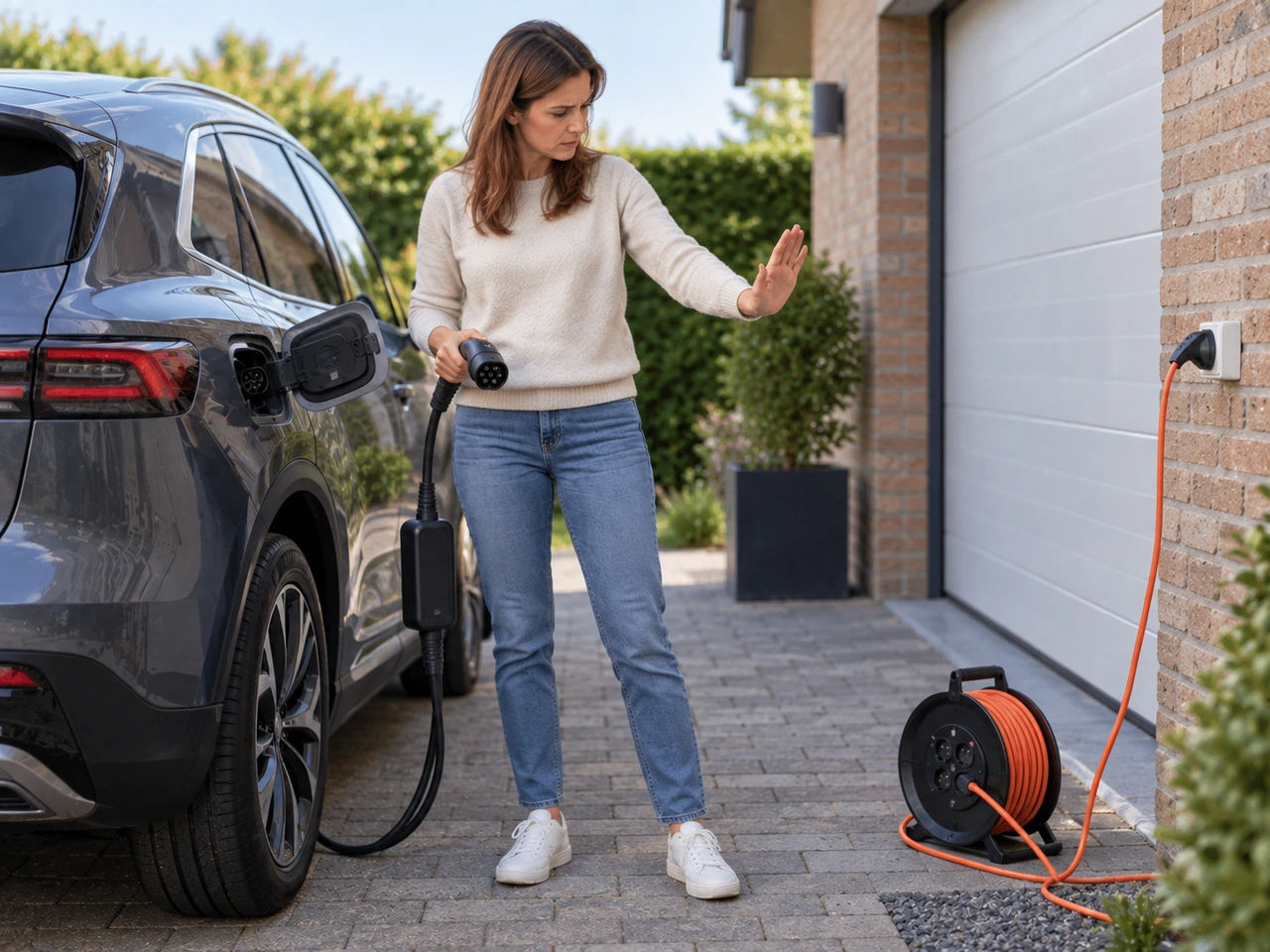
280. Why should you avoid using an ordinary extension lead to charge an electric vehicle?
An ordinary household extension lead may not be designed for the sustained electrical load required for EV charging and can overheat. Use suitable approved charging equipment and follow the vehicle and charging-equipment manufacturer's instructions.
AI-generated by Traffic-rules.com • WCIT • CC BY-SA
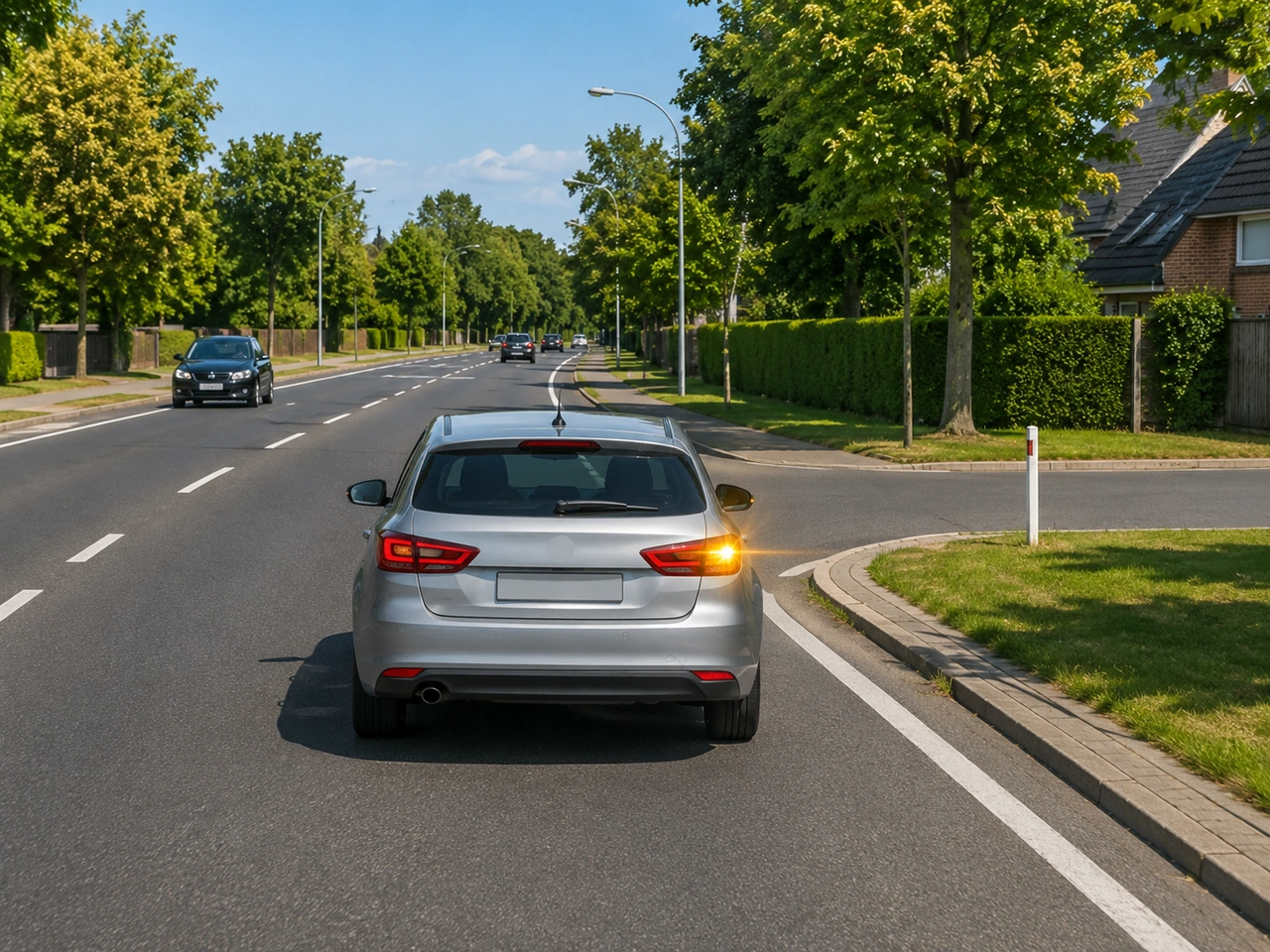
281. Why should you use your indicator before turning?
Indicators help other drivers, cyclists, and pedestrians understand your intentions in time.
AI-generated by Traffic-rules.com • WCIT • CC BY-SA
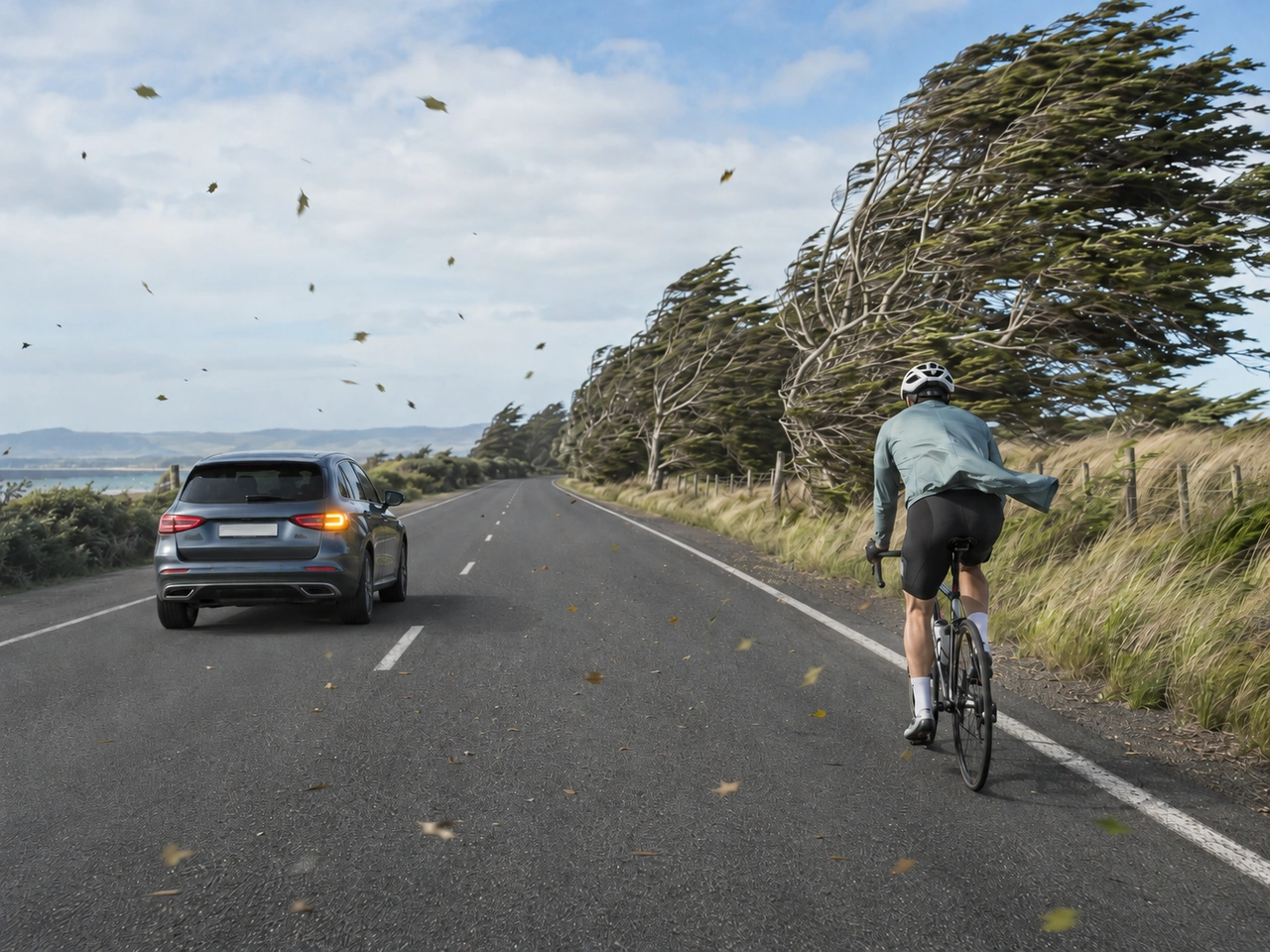
282. Why should you leave extra space when passing cyclists in strong winds?
Strong gusts can affect cyclists' balance and direction. Extra passing space reduces the risk of a collision.
AI-generated by Traffic-rules.com • WCIT • CC BY-SA
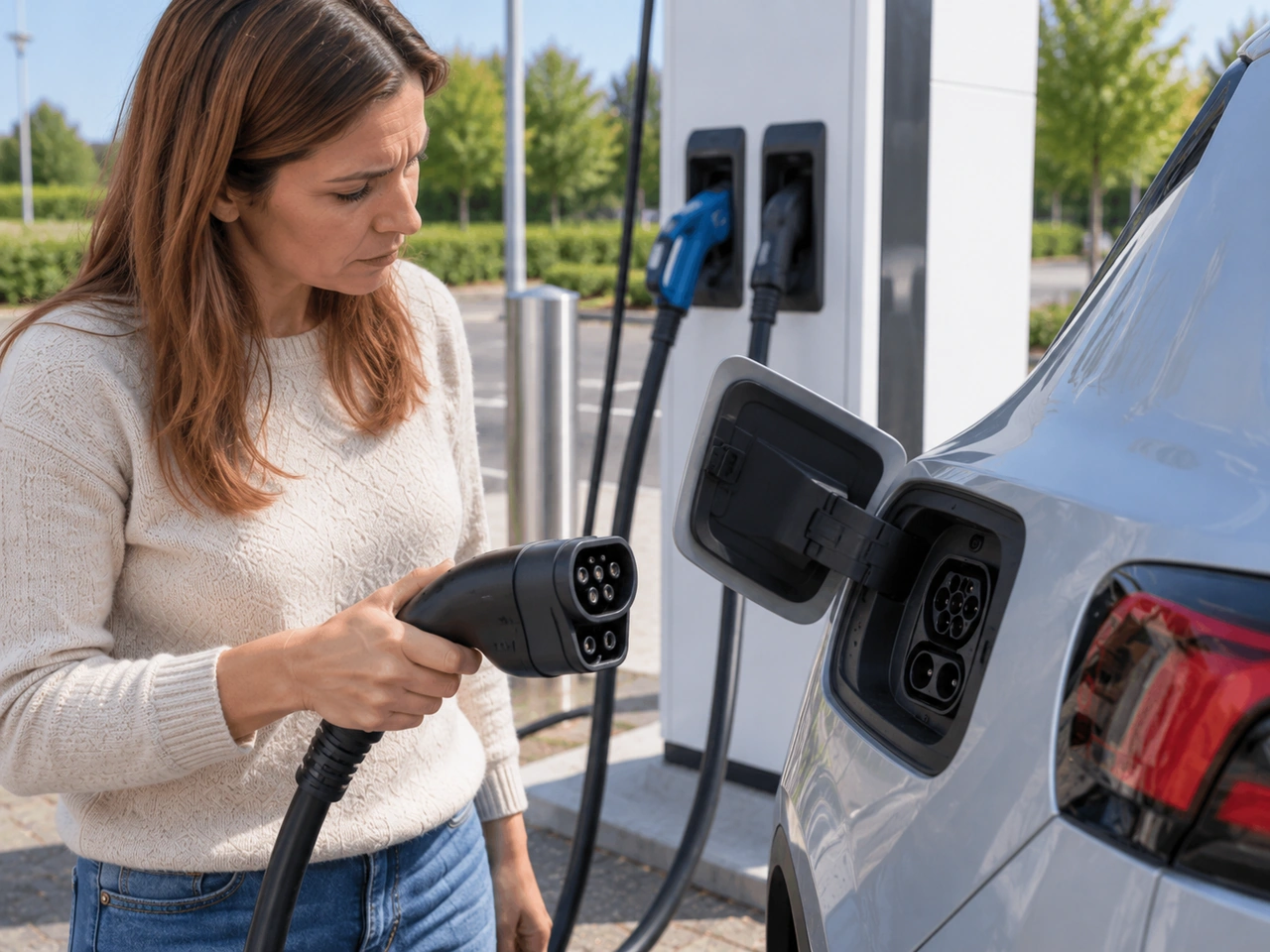
283. What should you check before connecting an electric vehicle to a charger?
Charging connectors and charging capabilities can vary between vehicles and charging stations. Use compatible charging equipment that is suitable for the vehicle and follow the vehicle and charger manufacturer's instructions.
AI-generated by Traffic-rules.com • WCIT • CC BY-SA
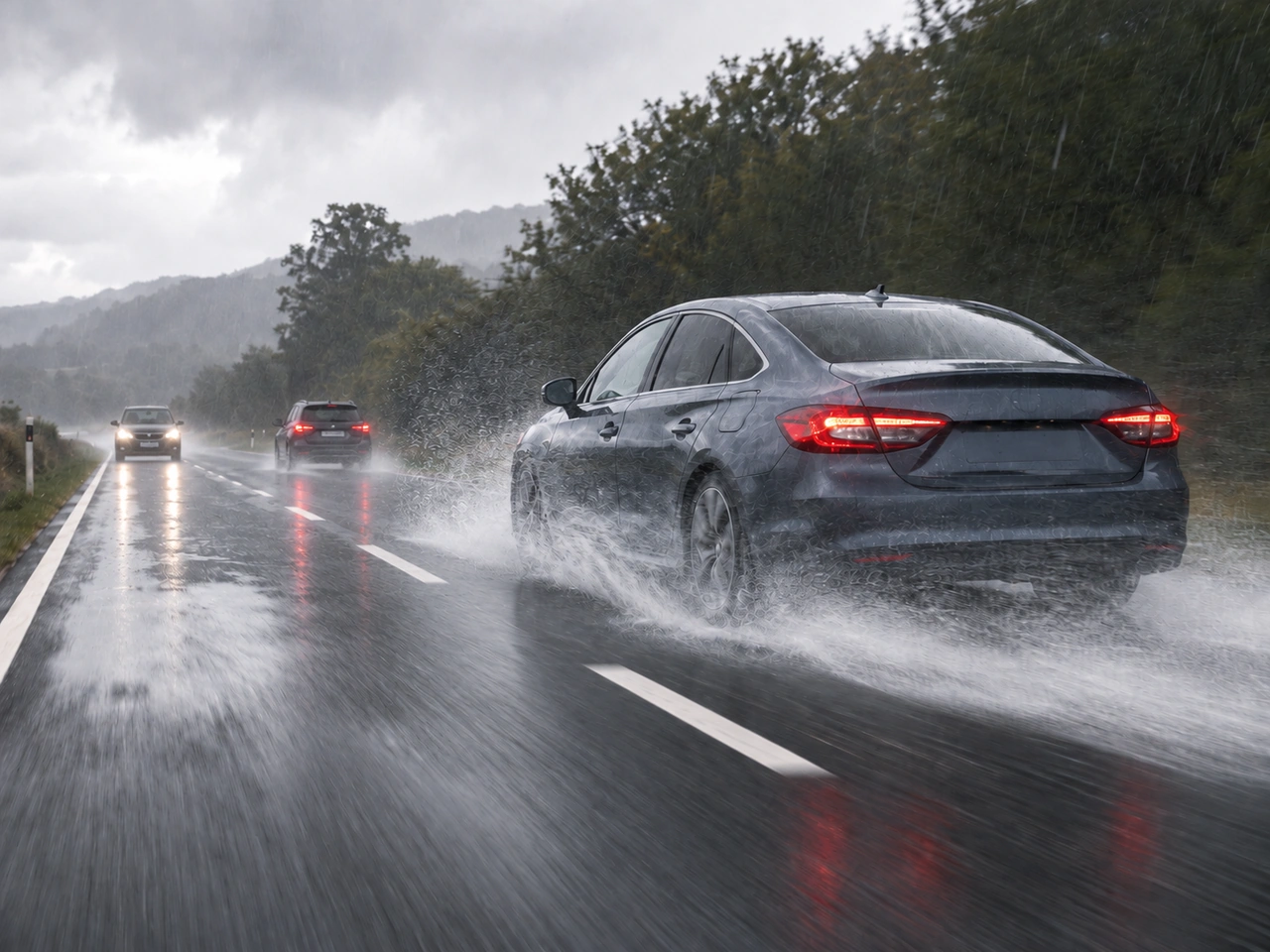
284. Why does higher speed increase the risk of aquaplaning?
At higher speeds, the tyres may not disperse water effectively, making it easier for the vehicle to lose contact with the road.
AI-generated by Traffic-rules.com • WCIT • CC BY-SA
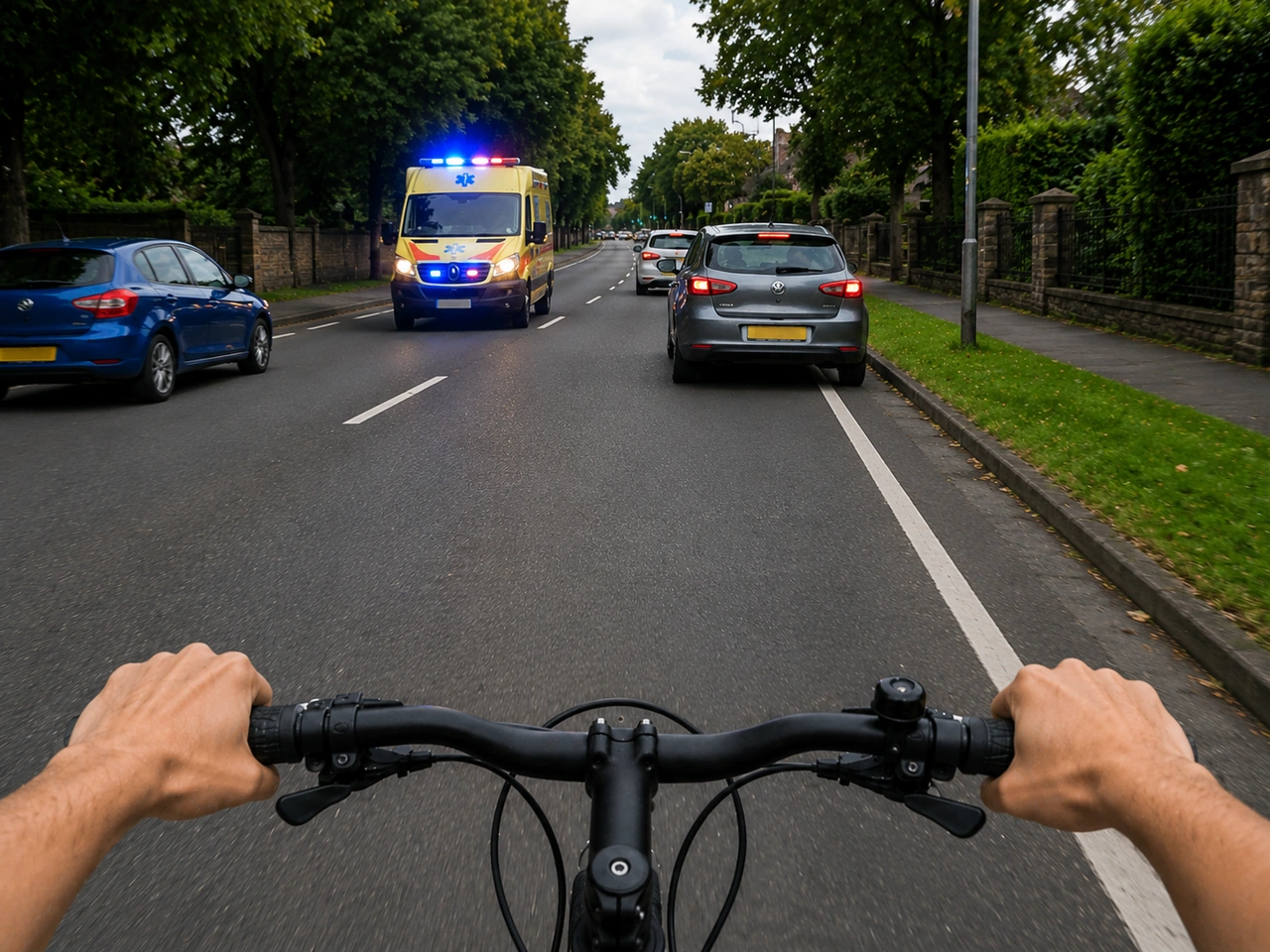
285. What should cyclists do when an emergency vehicle with lights and siren approaches?
Emergency vehicles need a clear route. Move predictably and stop only where doing so is safe.
AI-generated by Traffic-rules.com • WCIT • CC BY-SA
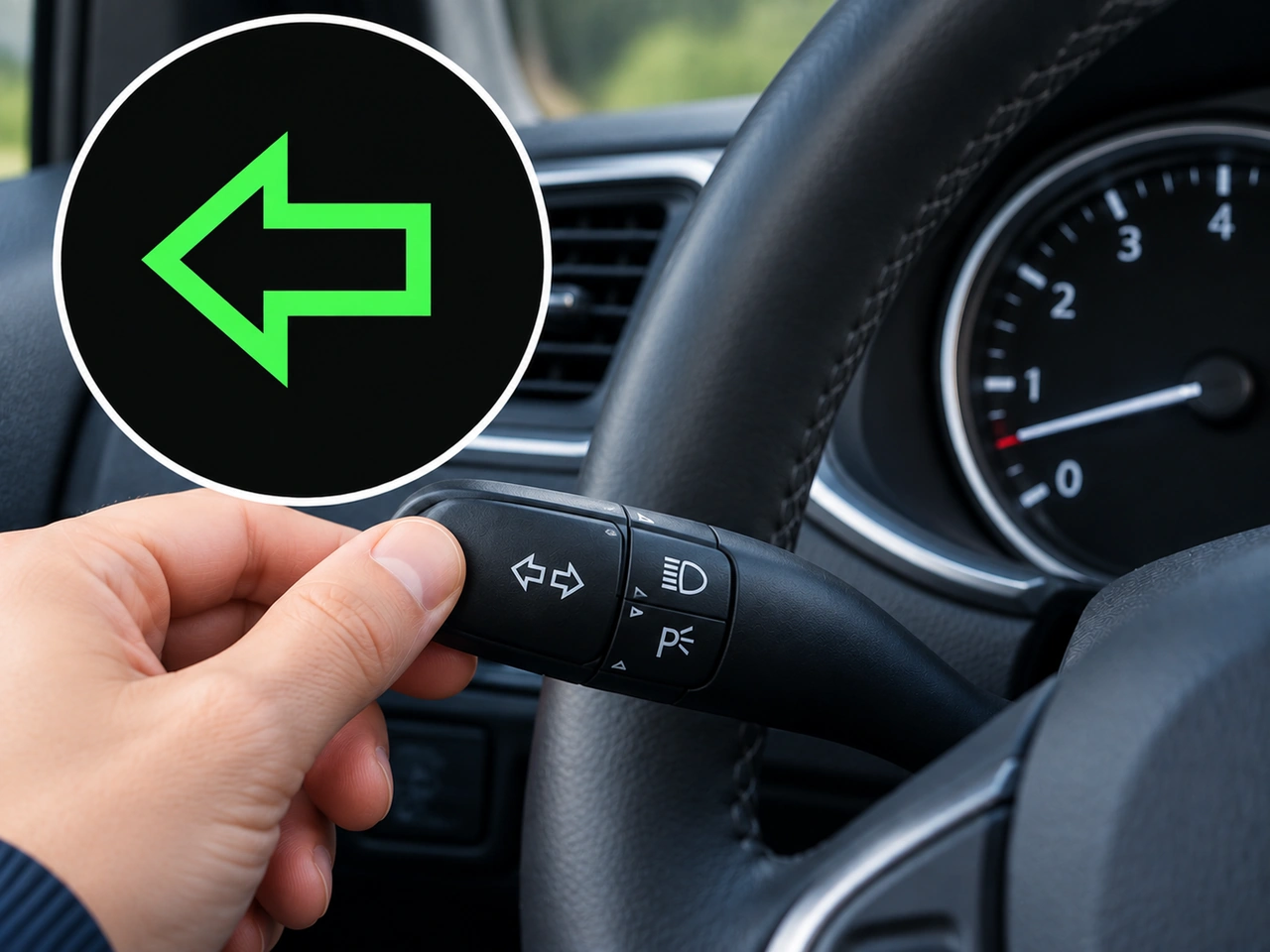
286. What does this dashboard symbol indicate?
This symbol indicates that a direction indicator is operating. The flashing indicator shows the direction in which the driver intends to turn or change position on the road.
AI-generated by Traffic-rules.com • WCIT • CC BY-SA
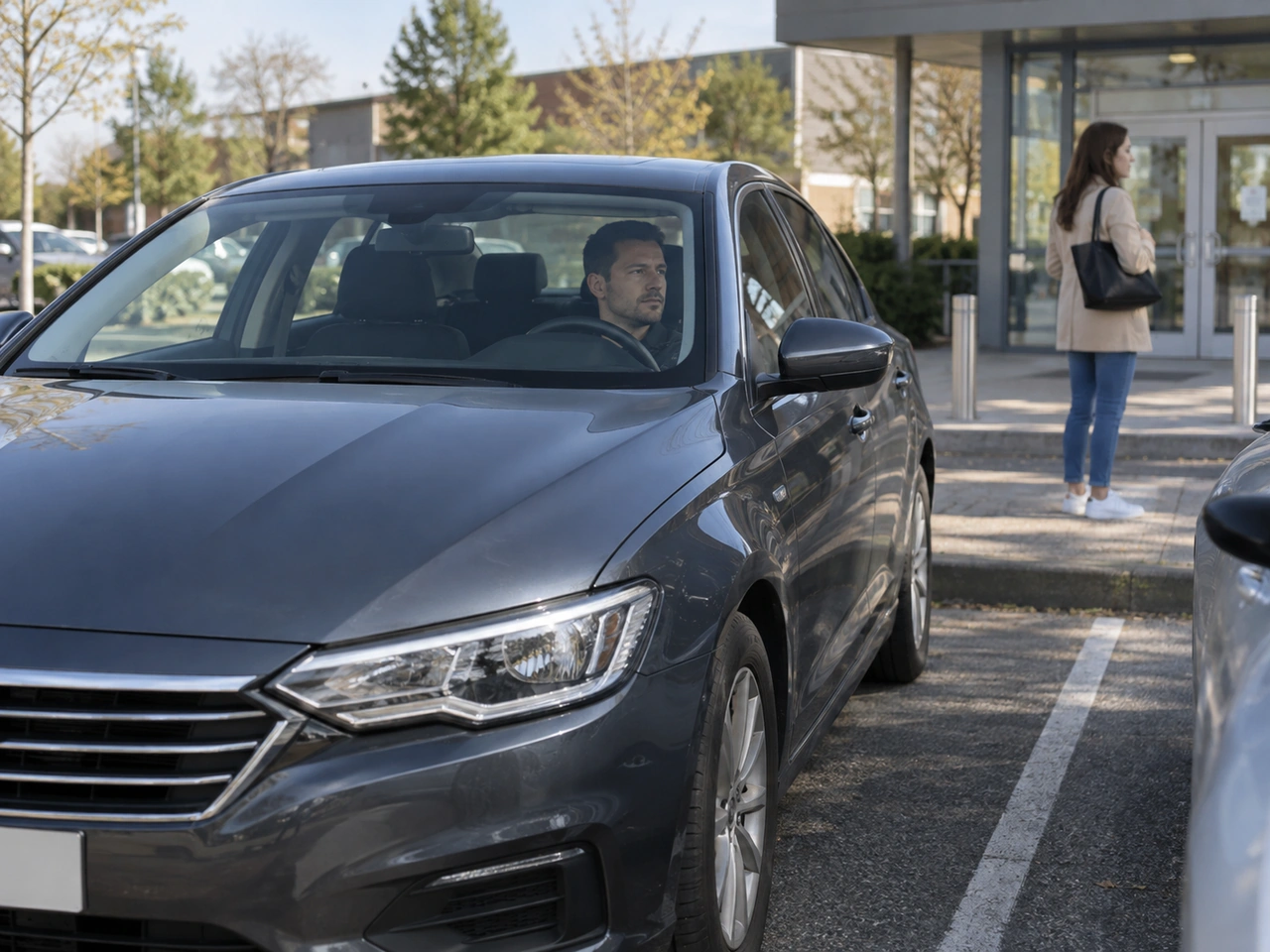
287. Why should unnecessary engine idling be avoided?
An idling combustion engine uses fuel while the vehicle is stationary. Avoid unnecessary idling where it is safe and appropriate to switch the engine off, taking account of the vehicle manufacturer's instructions and local rules.
AI-generated by Traffic-rules.com • WCIT • CC BY-SA
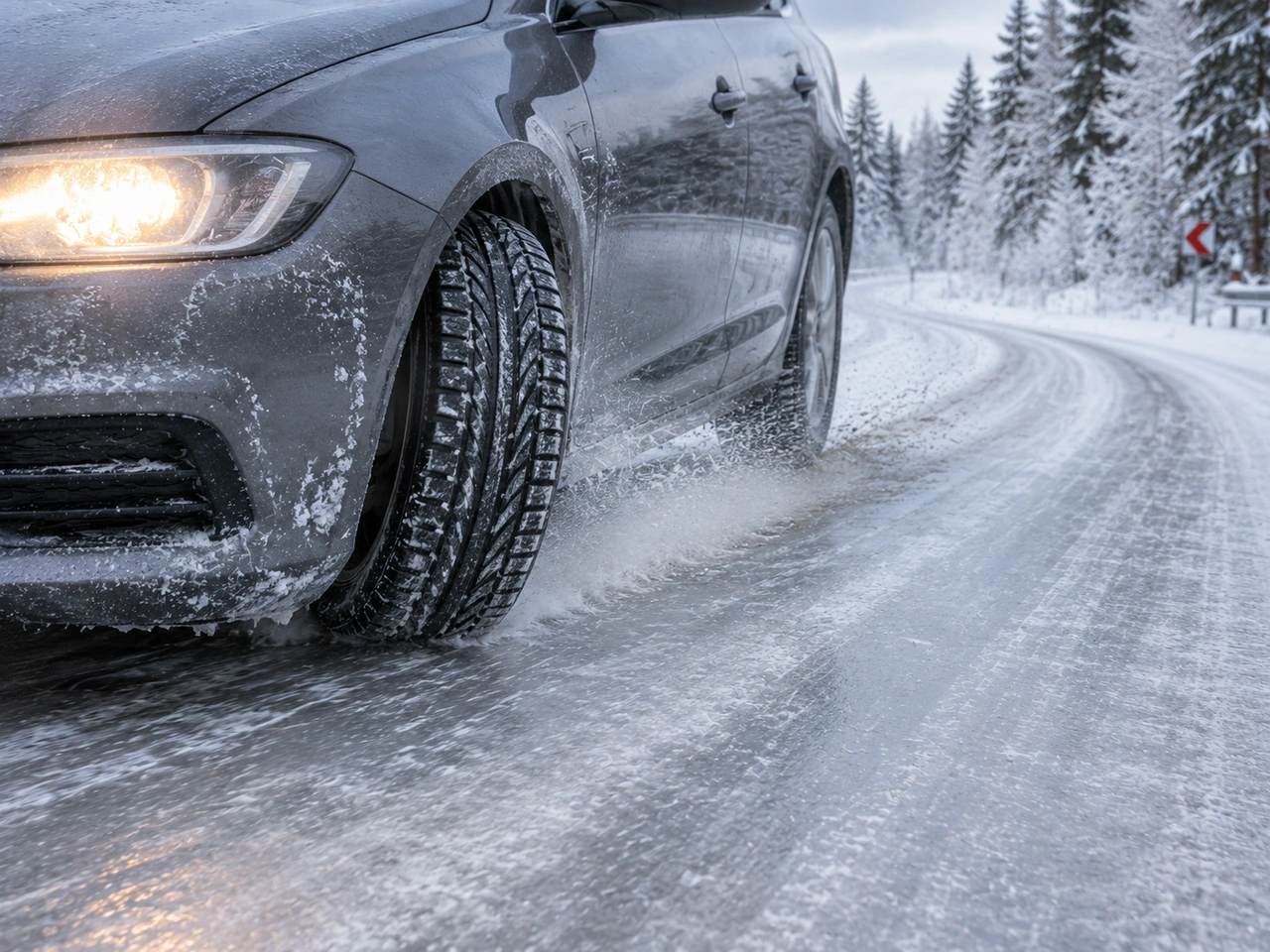
288. Why should you avoid sudden steering movements on snow or ice?
Abrupt steering can overwhelm the limited grip available on a slippery surface. Steering smoothly helps keep the vehicle stable.
AI-generated by Traffic-rules.com • WCIT • CC BY-SA
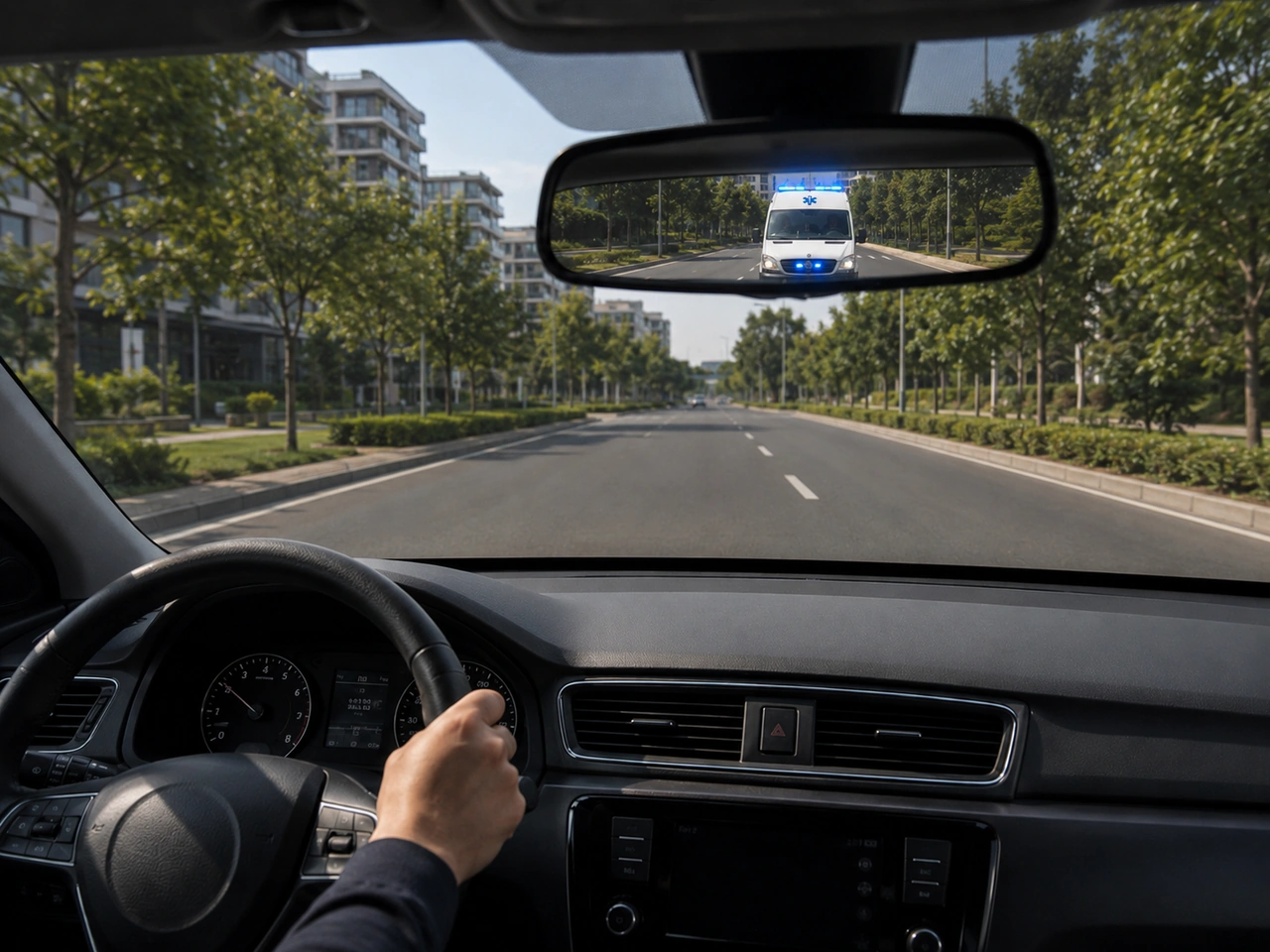
289. What should you do if an emergency vehicle approaches with lights or siren on?
When an emergency vehicle uses lights or siren, check your surroundings and make room safely without sudden or dangerous movements.
AI-generated by Traffic-rules.com • WCIT • CC BY-SA
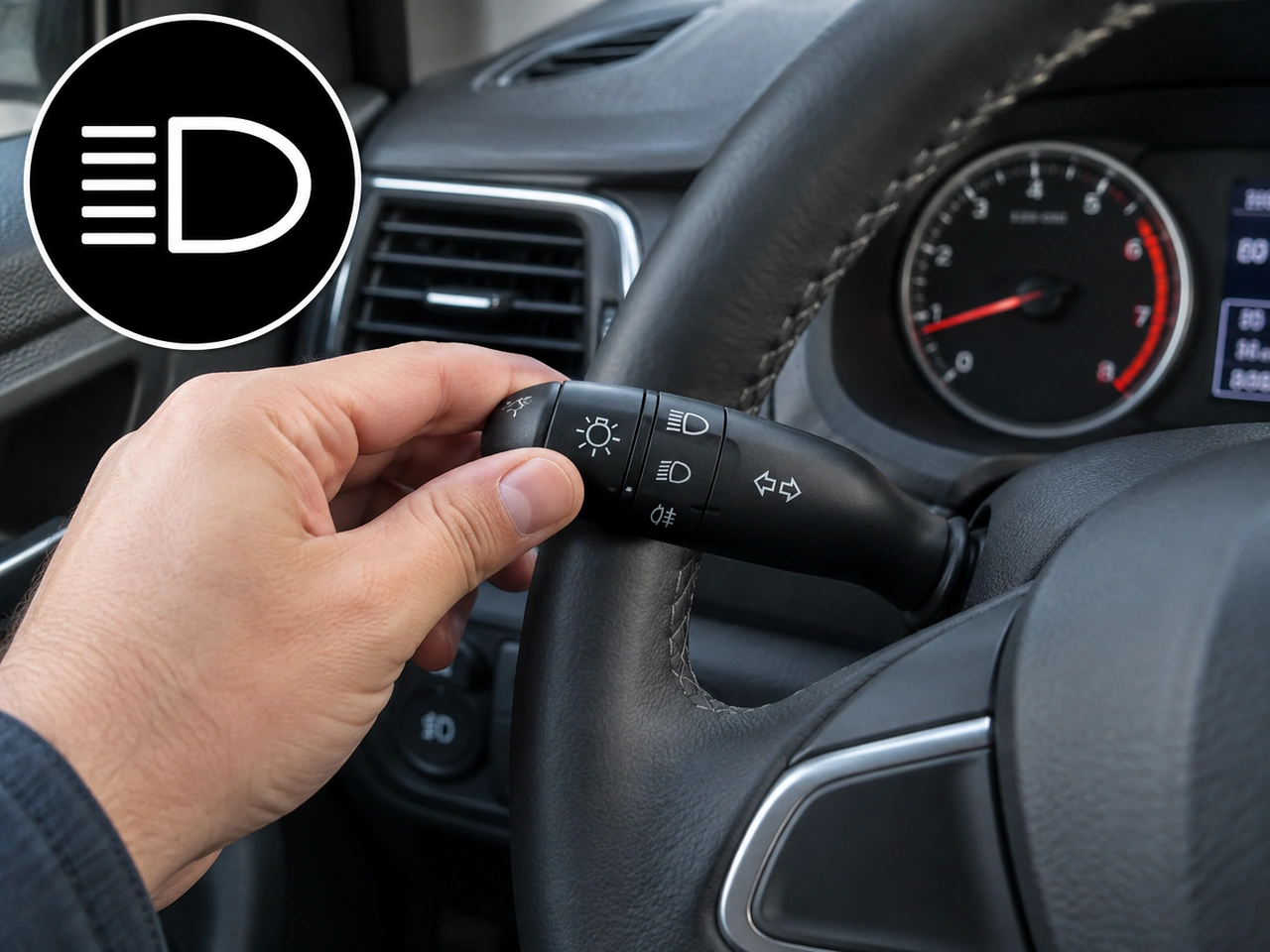
290. Which control is normally used to switch between dipped and main beam headlights?
The lighting stalk is normally used to switch between dipped and main beam headlights. The exact movement varies between vehicles, so check the vehicle controls before driving.
AI-generated by Traffic-rules.com • WCIT • CC BY-SA
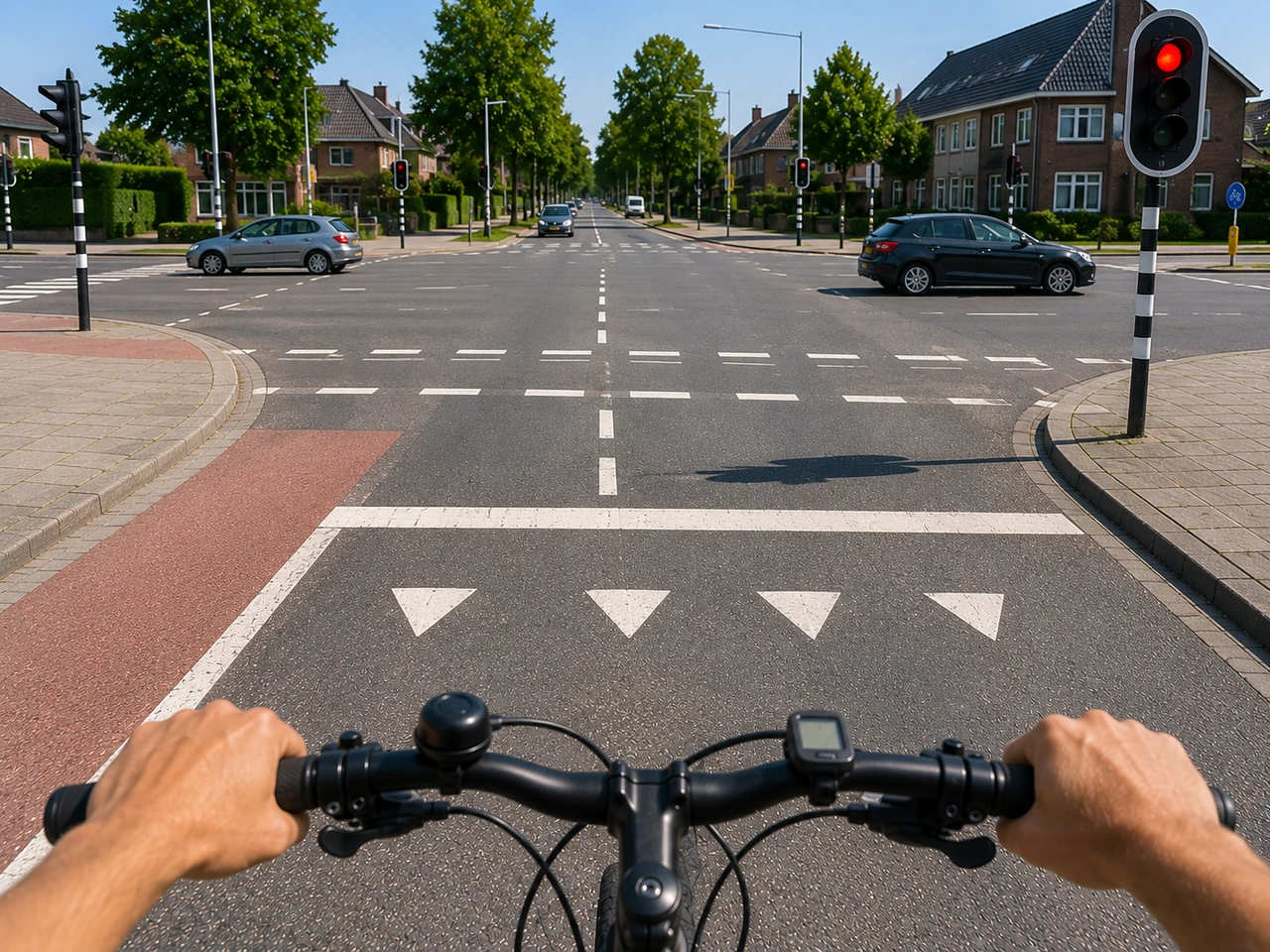
291. What should cyclists do when approaching a junction?
Junctions create conflict points between road users. Slowing down gives you more time to see hazards and react safely.
AI-generated by Traffic-rules.com • WCIT • CC BY-SA
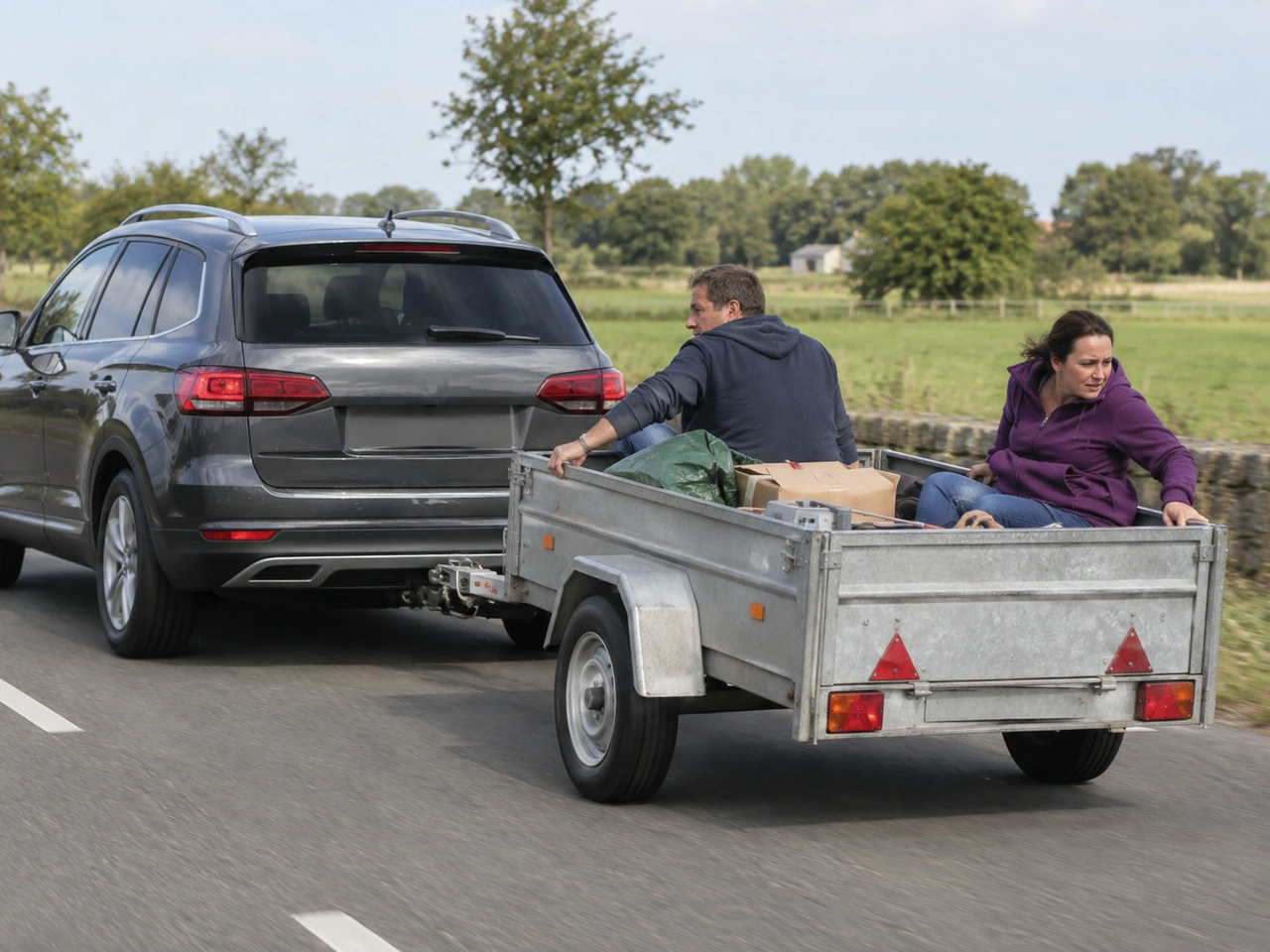
292. Should passengers travel in an ordinary goods trailer?
An ordinary goods trailer is not designed to carry passengers and normally has no suitable seats or restraint systems. Passengers should travel in seating positions designed and approved for carrying people. Special passenger-carrying trailers may be subject to different local rules.
AI-generated by Traffic-rules.com • WCIT • CC BY-SA
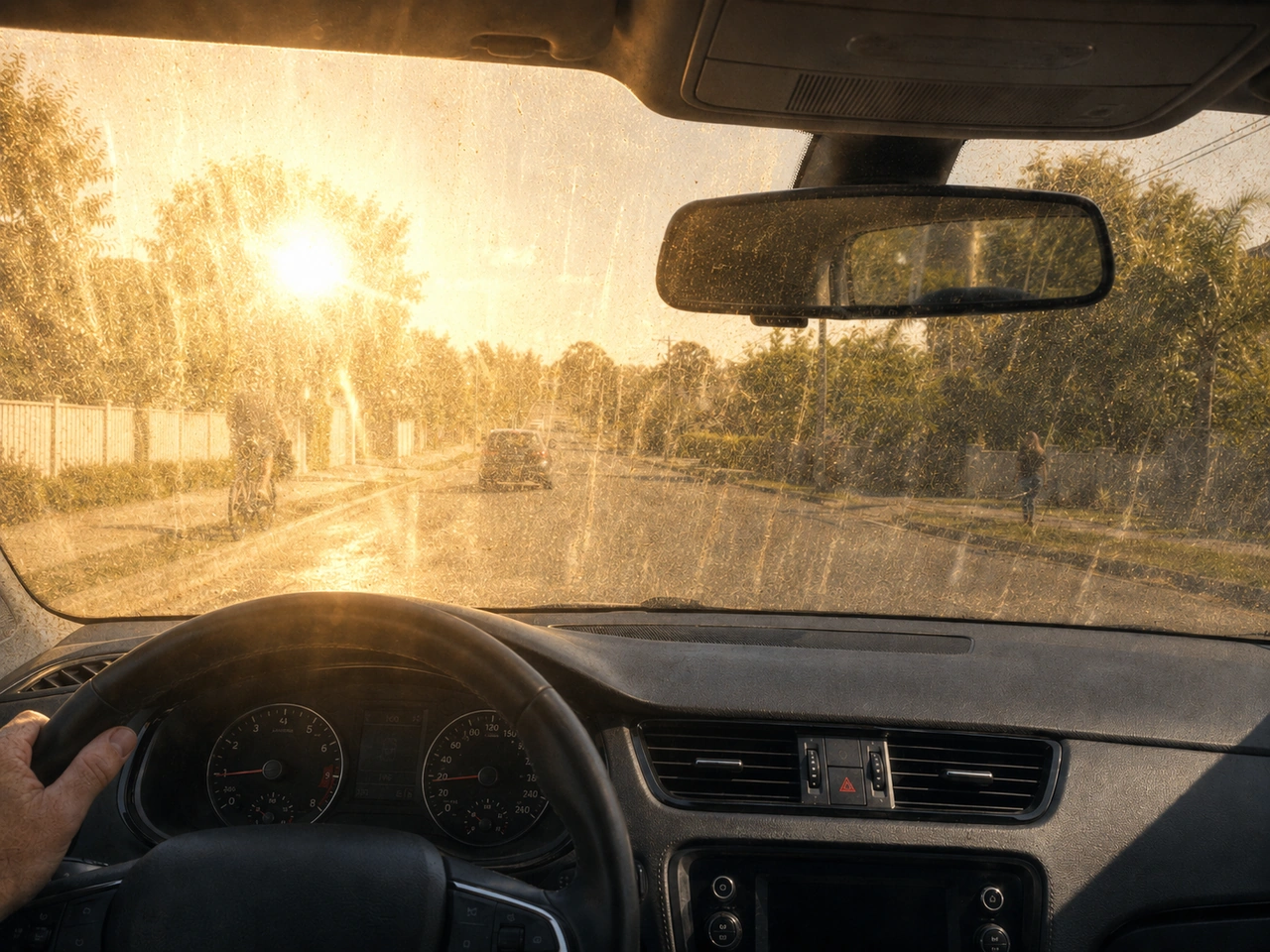
293. Why should you keep your windscreen clean?
A clean windscreen gives you a clear view of the road, signs, pedestrians, cyclists, and other vehicles.
AI-generated by Traffic-rules.com • WCIT • CC BY-SA
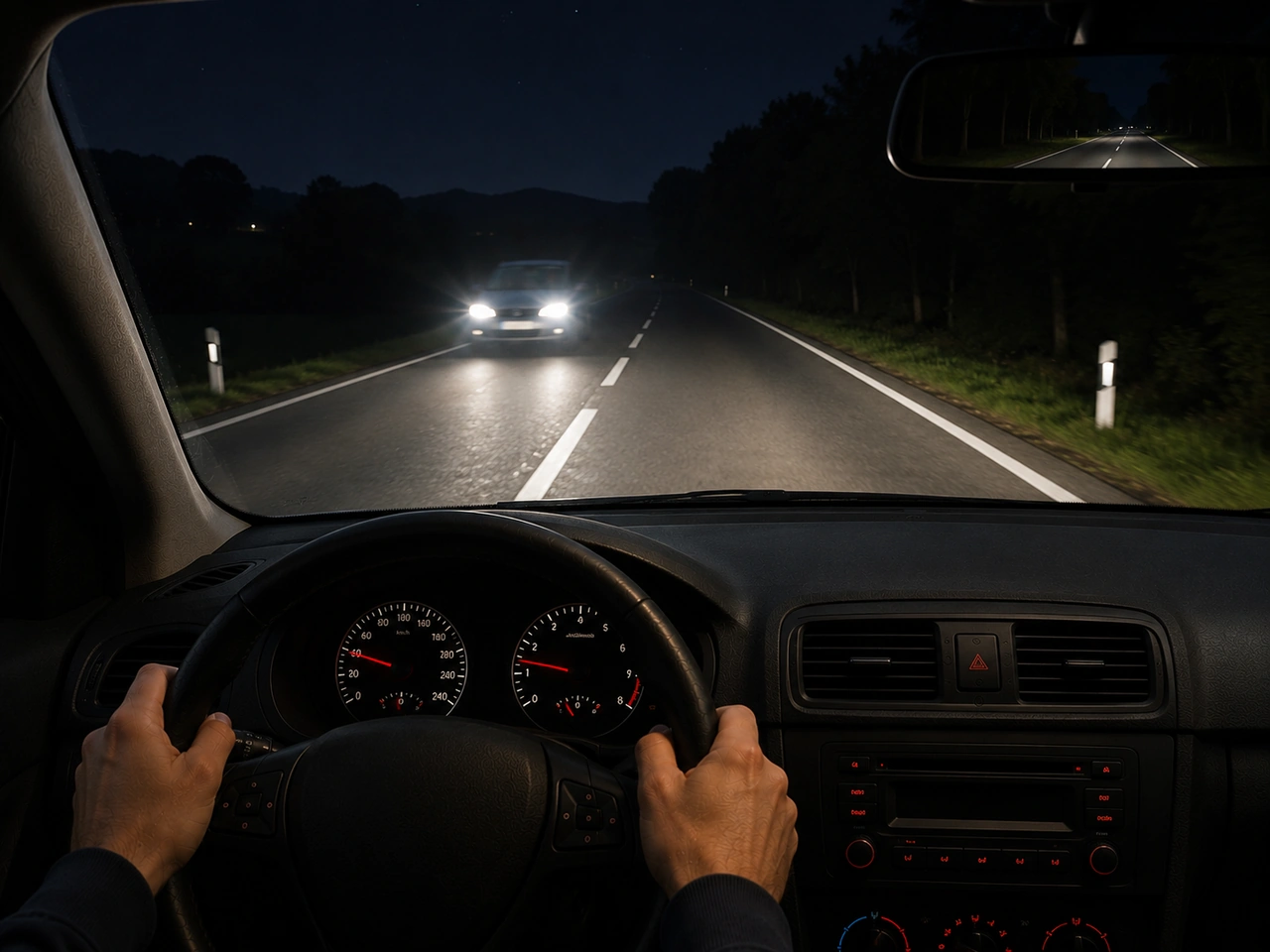
294. What should you do if oncoming headlights dazzle you at night?
Bright headlights can reduce your vision. Avoid staring at them, slow down if needed, and use the road edge or lane markings to guide you safely.
AI-generated by Traffic-rules.com • WCIT • CC BY-SA
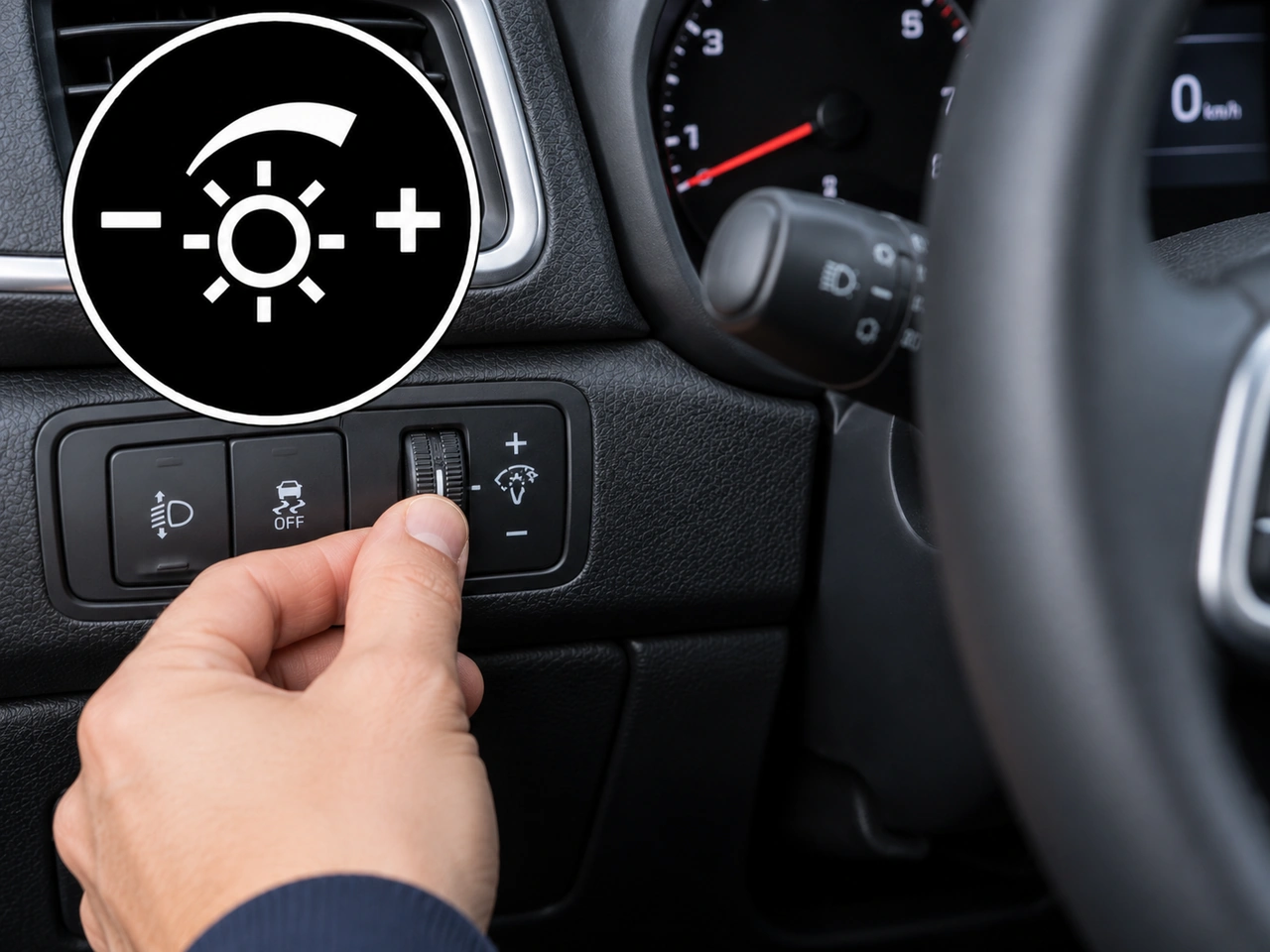
295. What does this vehicle-control symbol indicate?
This control adjusts the brightness of the instrument panel and dashboard illumination, allowing the driver to reduce or increase the lighting level.
AI-generated by Traffic-rules.com • WCIT • CC BY-SA
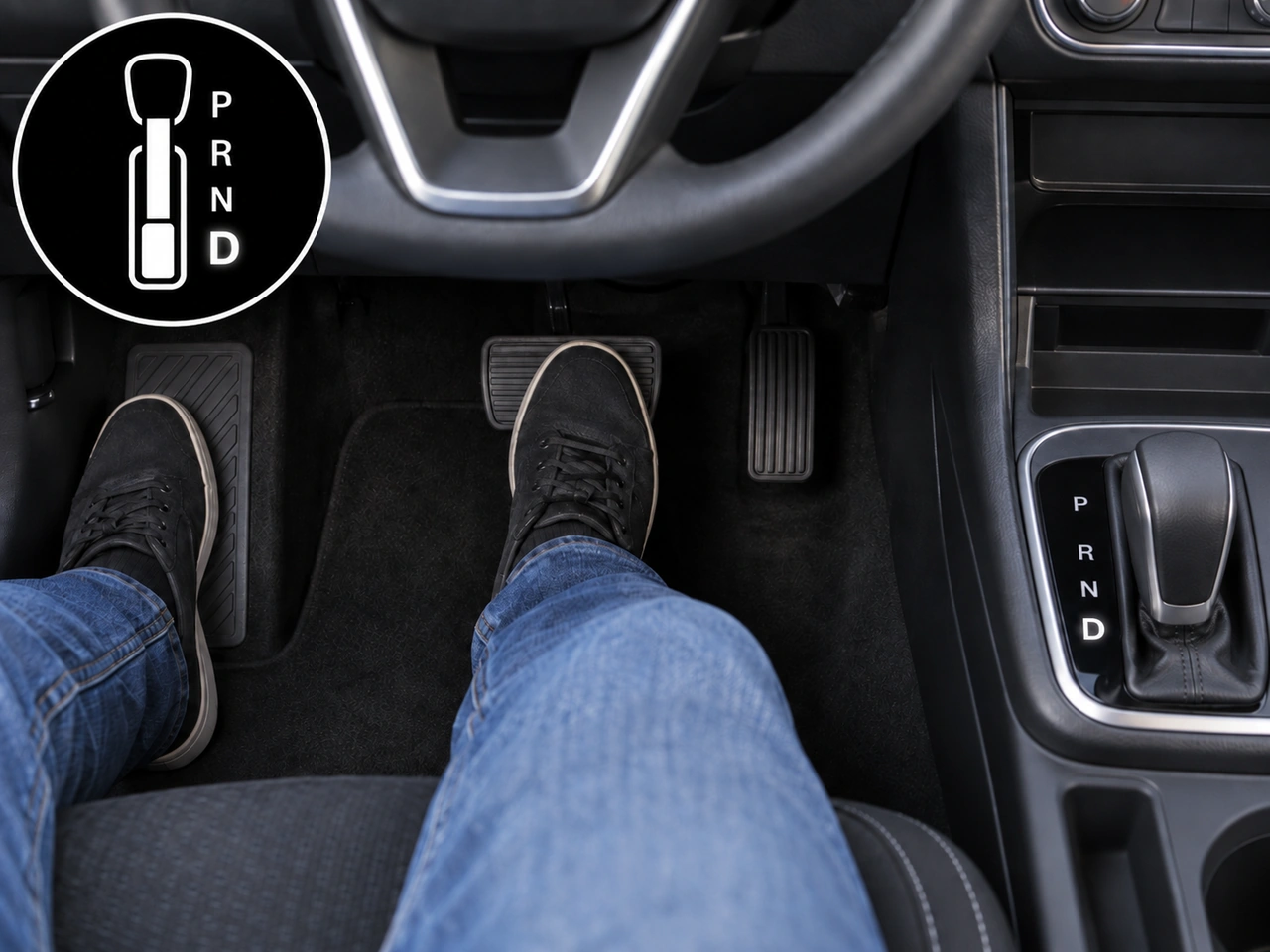
296. What should you do when an automatic vehicle is stationary in D?
An automatic vehicle may creep forward when D (Drive) is selected, even without pressing the accelerator. Keep the brake pedal pressed while stationary to prevent unintended movement.
AI-generated by Traffic-rules.com • WCIT • CC BY-SA
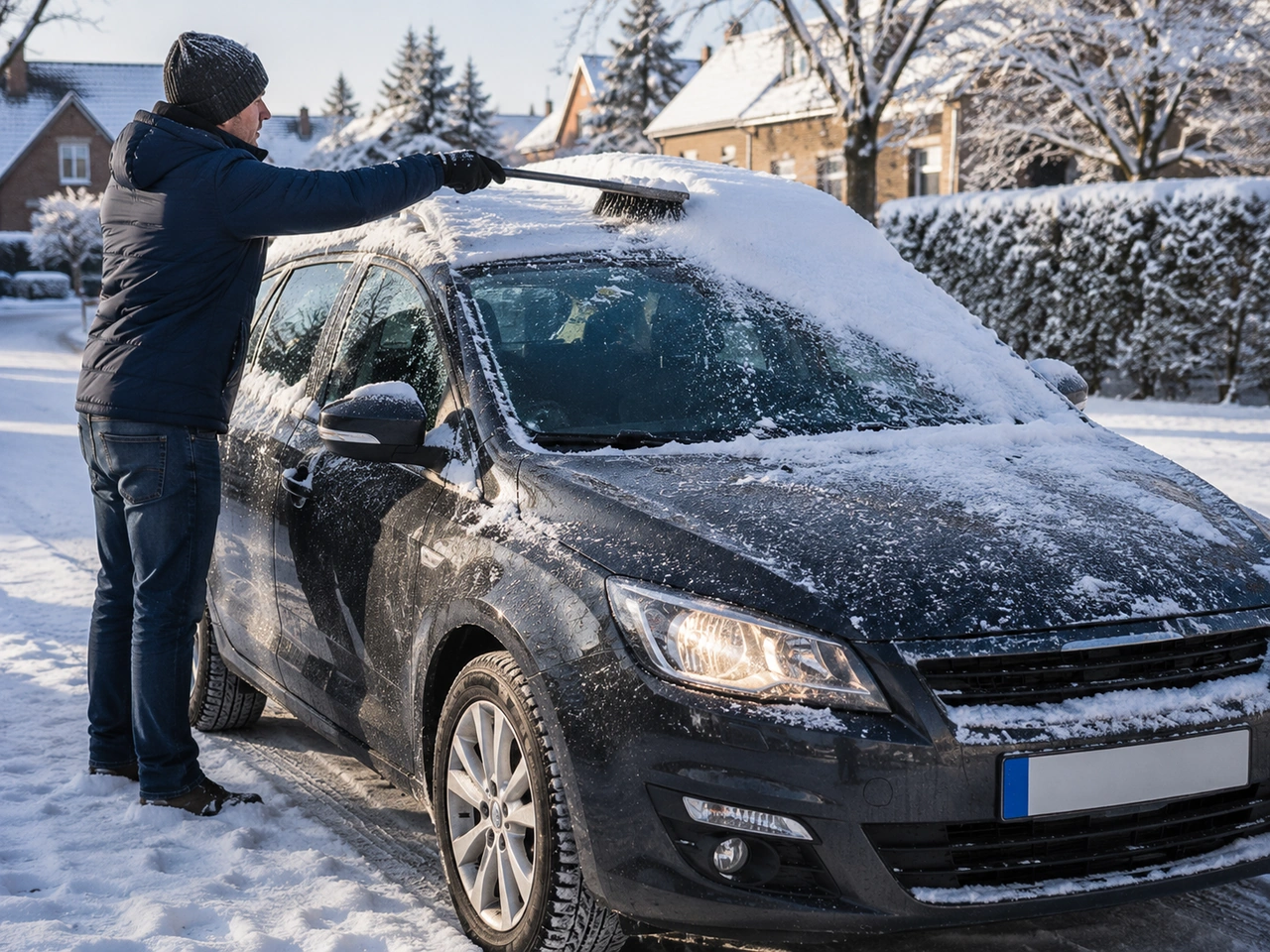
297. What should you do before driving if snow or ice covers your vehicle?
You need a clear view in every direction. Snow or ice left on the roof can also fall or blow onto other road users.
AI-generated by Traffic-rules.com • WCIT • CC BY-SA
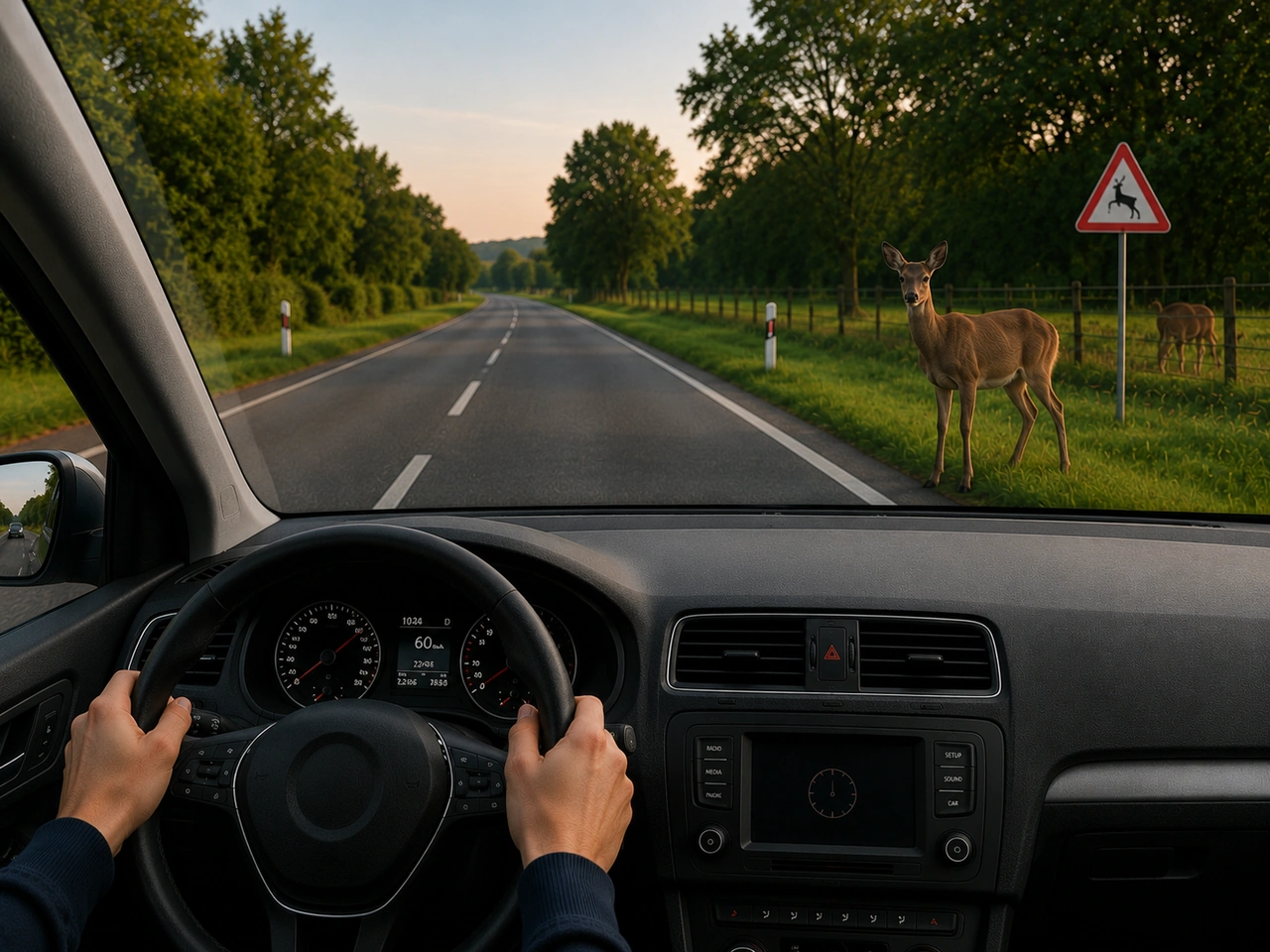
298. What should you do when driving near animals?
Animals can move unpredictably. Slow down, stay alert, and be prepared to stop safely.
AI-generated by Traffic-rules.com • WCIT • CC BY-SA
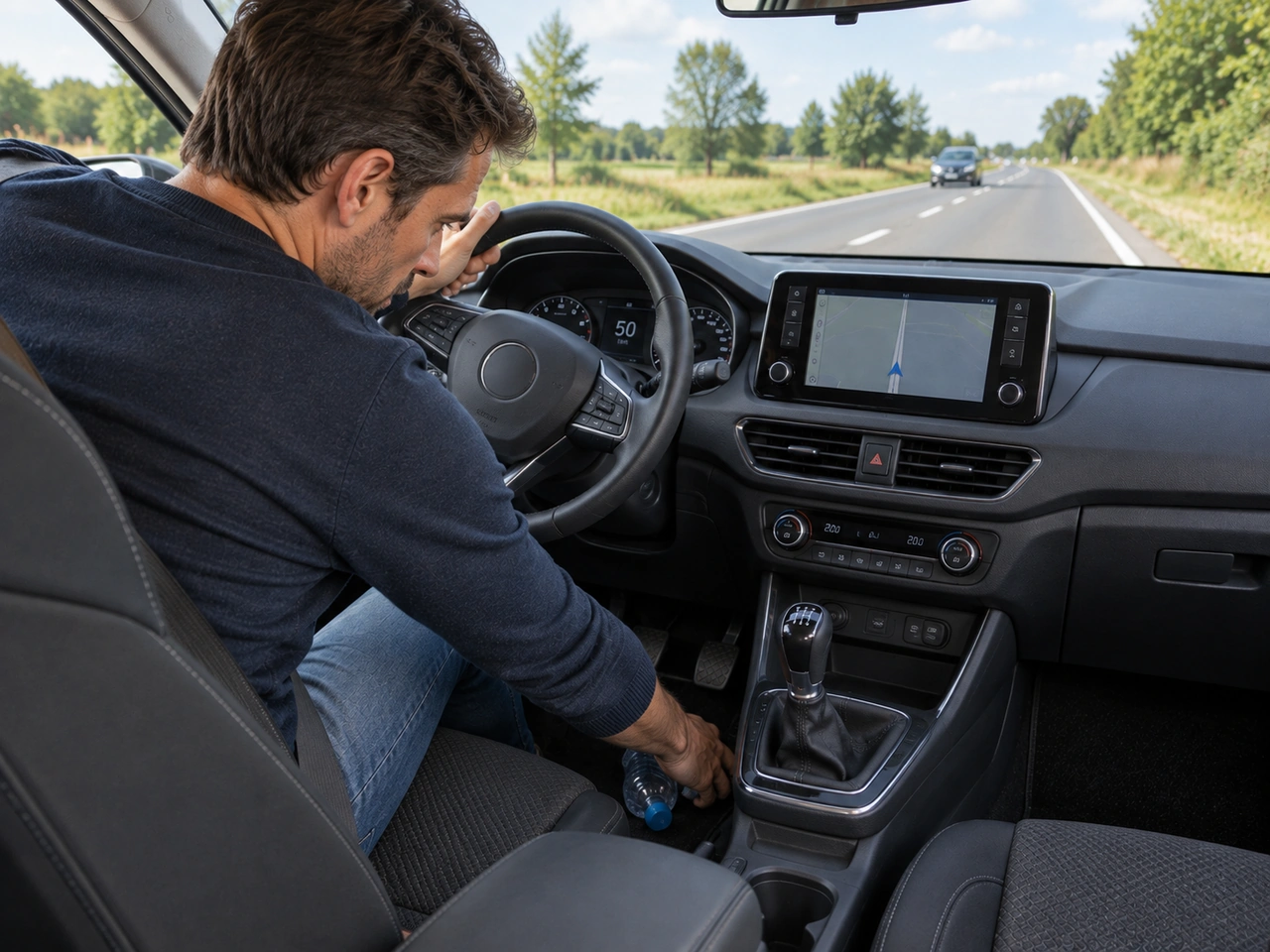
299. What should you do if an object falls into the driver's footwell while driving?
Do not reach down for an object while driving, as this takes your attention away from the road and can affect vehicle control. If something falls into the driver's footwell, keep control of the vehicle and stop somewhere safe before removing it.
AI-generated by Traffic-rules.com • WCIT • CC BY-SA
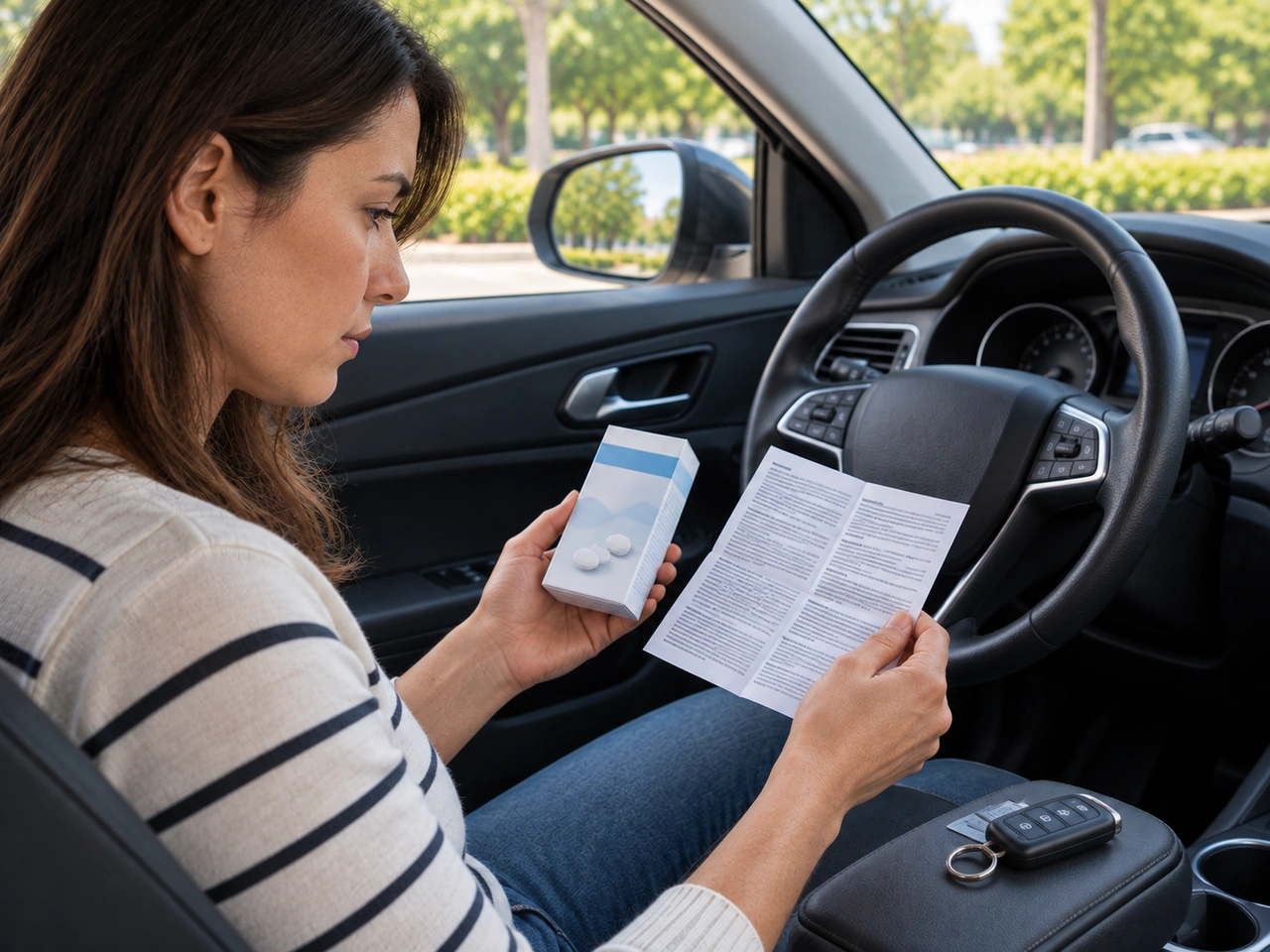
300. What should you do before driving after taking medicine?
Some medicines can affect driving ability by causing drowsiness, dizziness, blurred vision, slower reactions, or reduced concentration. Check the label or patient information and follow advice from your doctor or pharmacist before driving.
AI-generated by Traffic-rules.com • WCIT • CC BY-SA