


QuizTraffic rulesFrance
Test your knowledge with our multiple-choice quiz. Learn from each answer and improve your understanding of the traffic rules and road signs of France.
 Traffic signs
 Traffic rules
 France
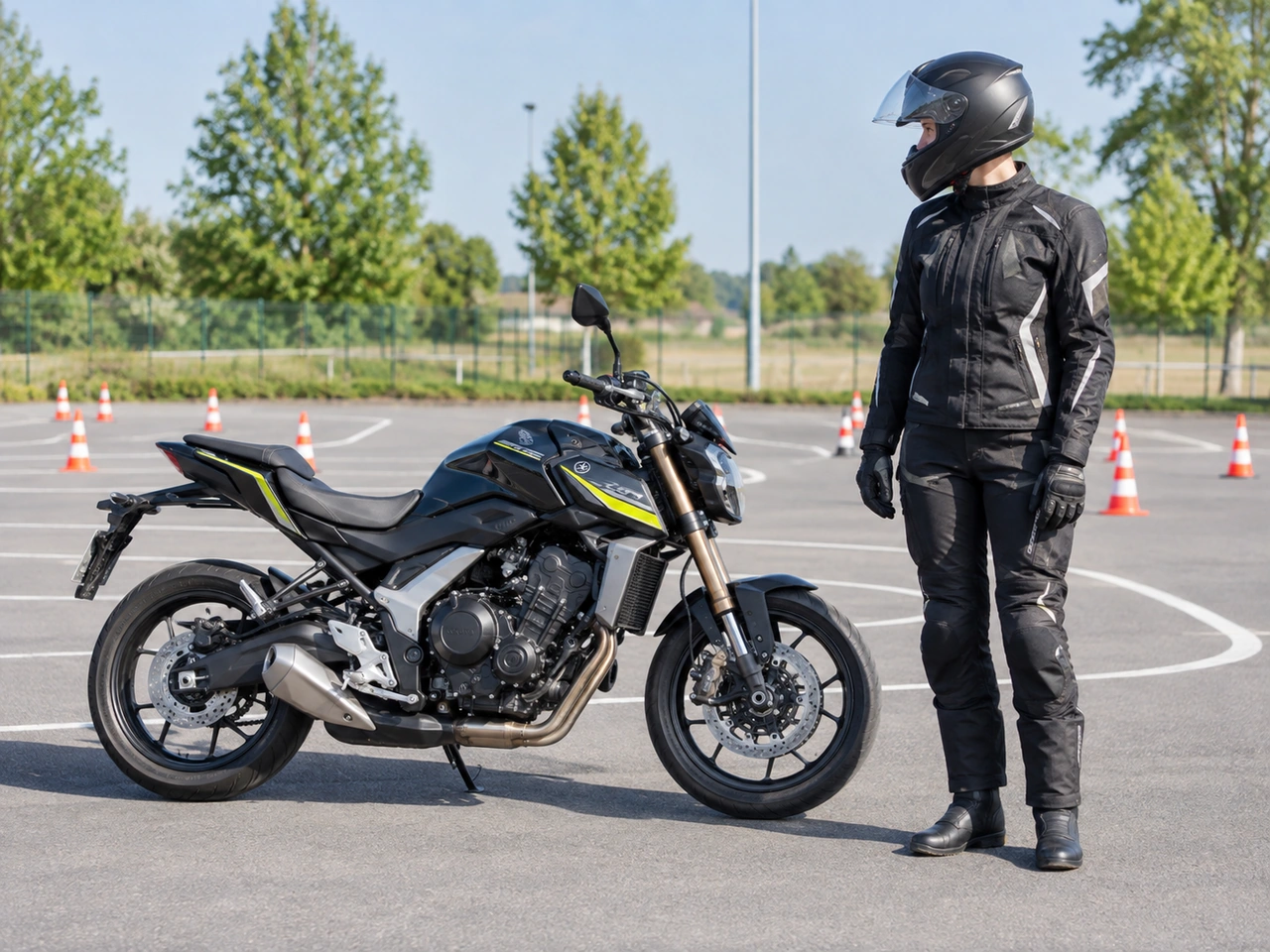
151. What is the minimum licence for a 35 kW motorcycle at 0.2 kW/kg, derived from 70 kW?
Category A2 covers motorcycles with power not exceeding 35 kW and a power-to-weight ratio not exceeding 0.2 kW/kg. The motorcycle must not be derived from a vehicle with more than double its power, so a 35 kW motorcycle may be derived from a vehicle of up to 70 kW.
AI-generated by Traffic-rules.com • WCIT • CC BY-SA

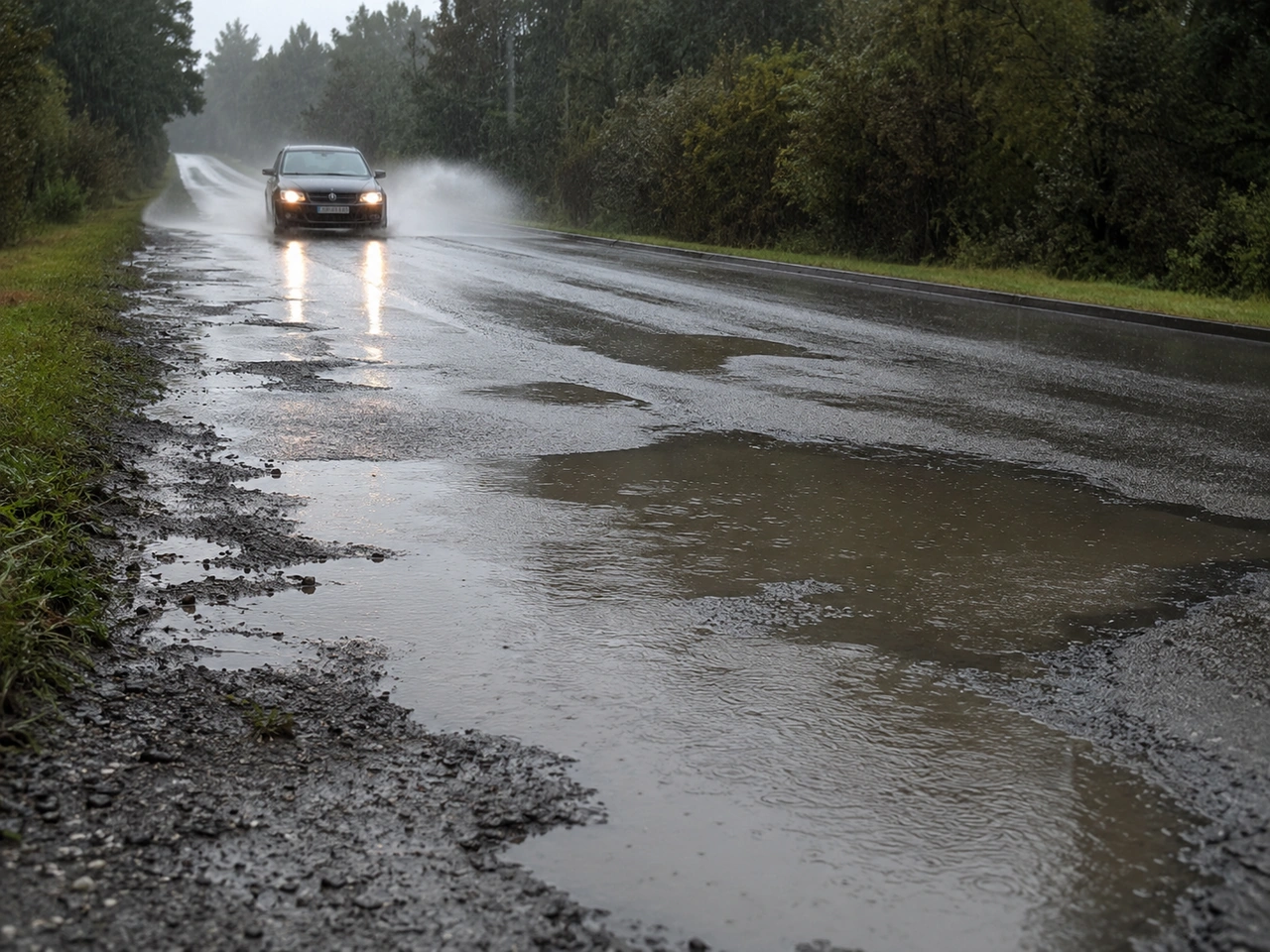
152. Which roads are most likely to cause aquaplaning?
Standing water can collect in dips, ruts, or puddles, increasing the chance that tyres will lose grip.
AI-generated by Traffic-rules.com • WCIT • CC BY-SA
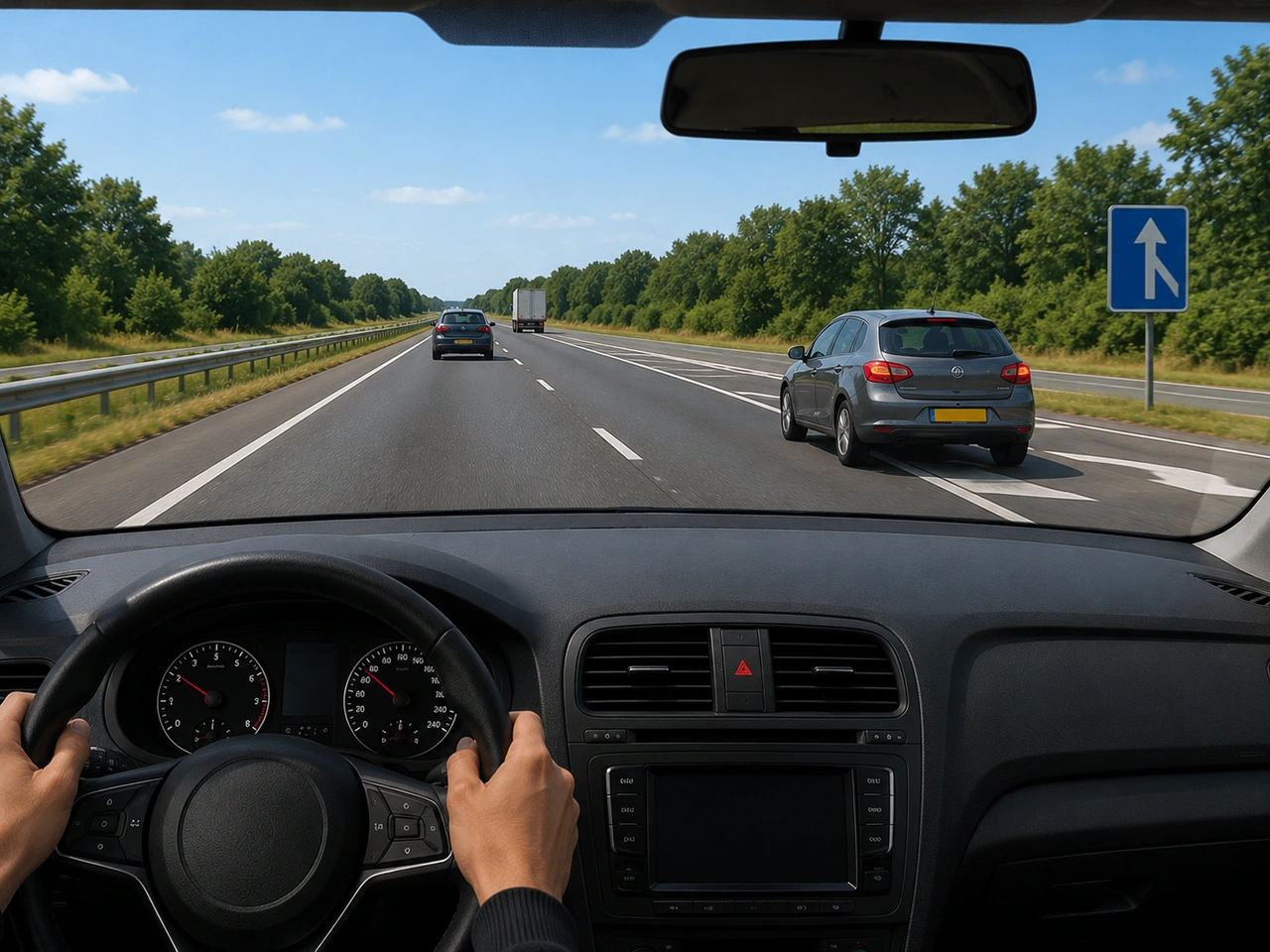
153. What should you do when traffic is merging from another lane?
When traffic merges, good observation and speed control help vehicles join safely without sudden braking or conflict.
AI-generated by Traffic-rules.com • WCIT • CC BY-SA
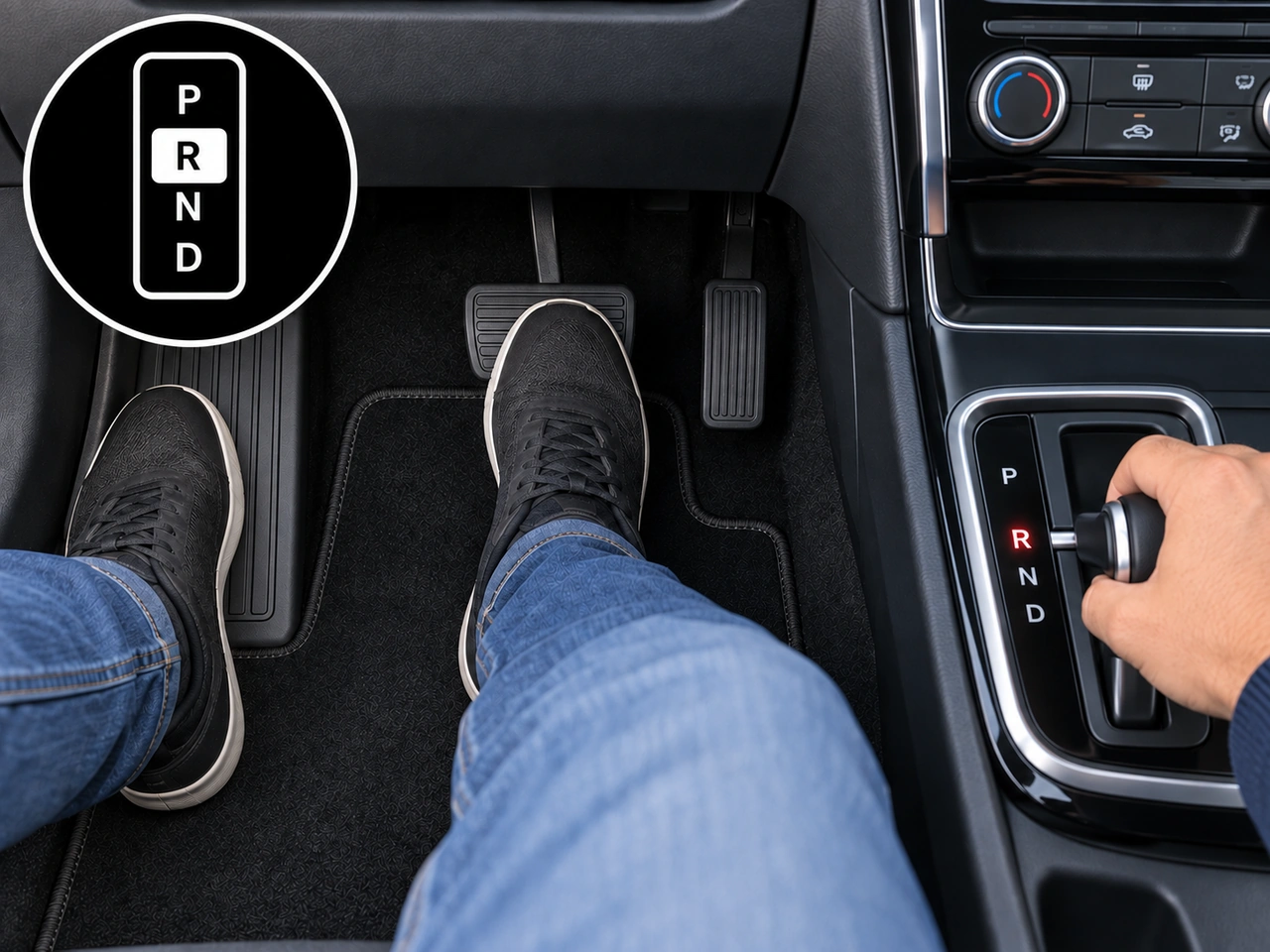
154. When should you select R (Reverse) in an automatic vehicle?
Select R (Reverse) only after the vehicle has come to a complete stop. Selecting Reverse while the vehicle is still moving forward can damage the transmission.
AI-generated by Traffic-rules.com • WCIT • CC BY-SA
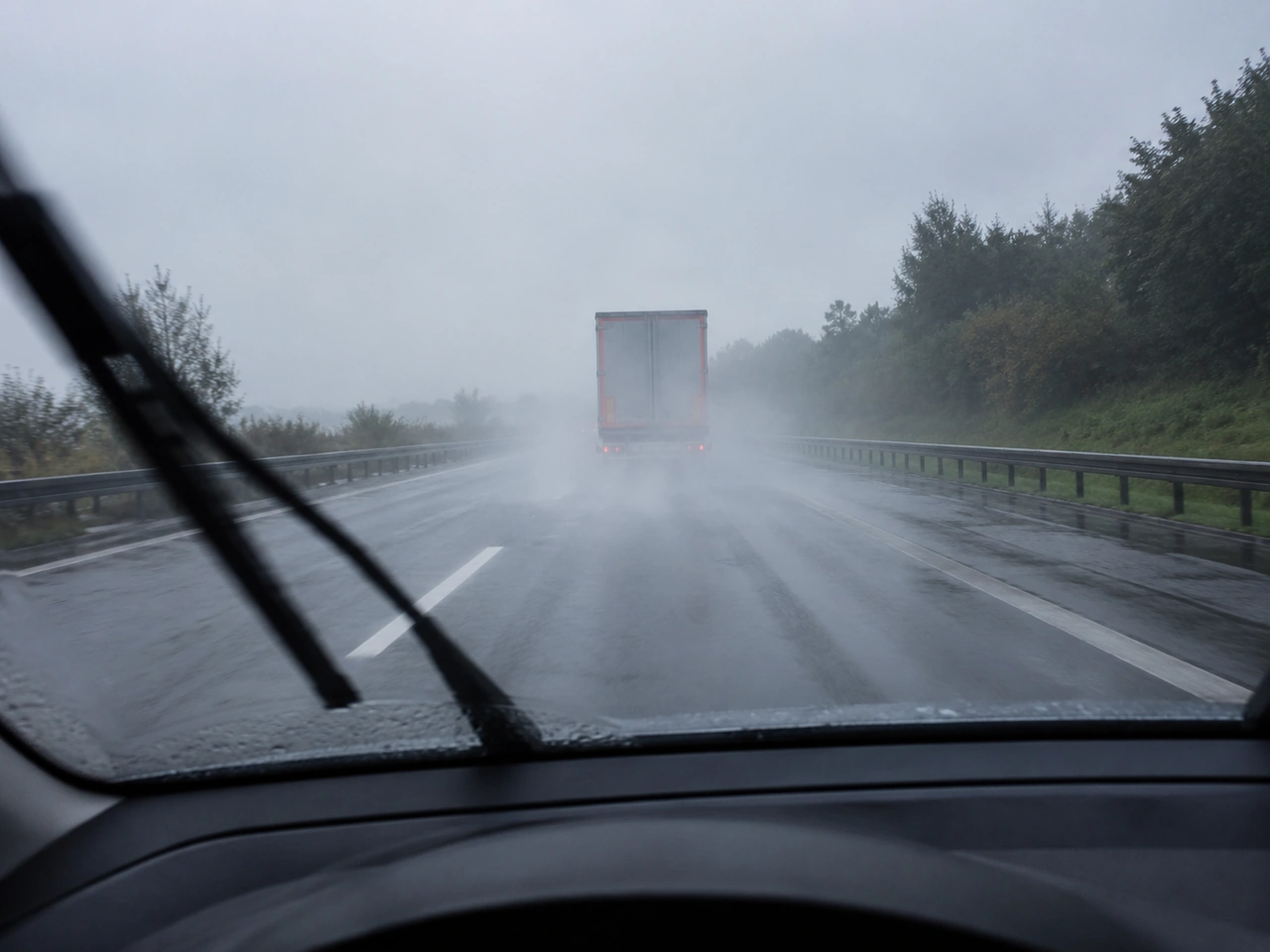
155. What should you do if spray from other vehicles makes it hard to see?
Spray can seriously reduce visibility. Slowing down and increasing your distance gives you more time and a clearer view.
AI-generated by Traffic-rules.com • WCIT • CC BY-SA
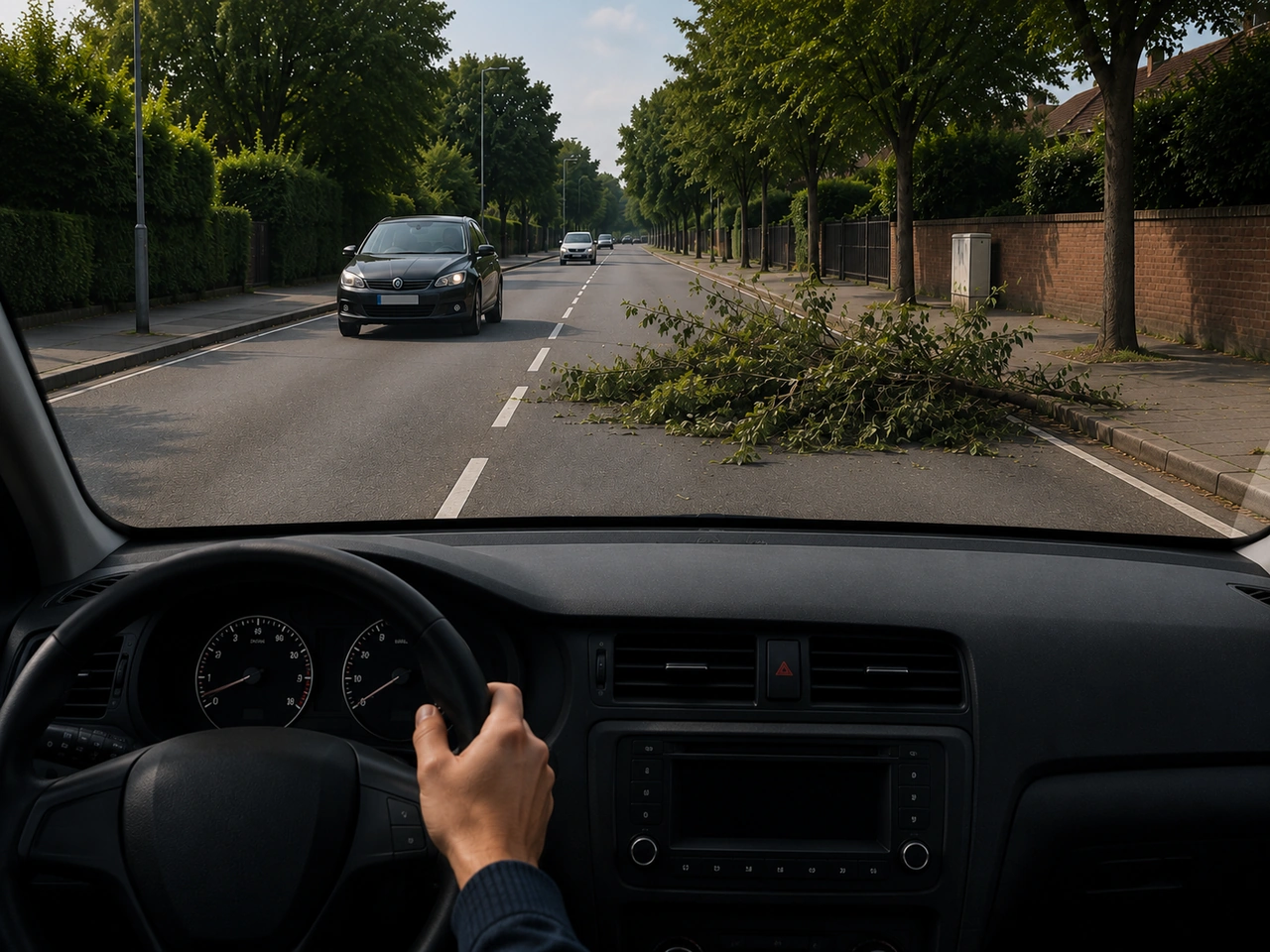
156. What should you do if your lane is blocked by an obstacle?
If your lane is blocked, reduce speed, check mirrors and oncoming traffic, and only move around the obstacle when it is safe.
AI-generated by Traffic-rules.com • WCIT • CC BY-SA
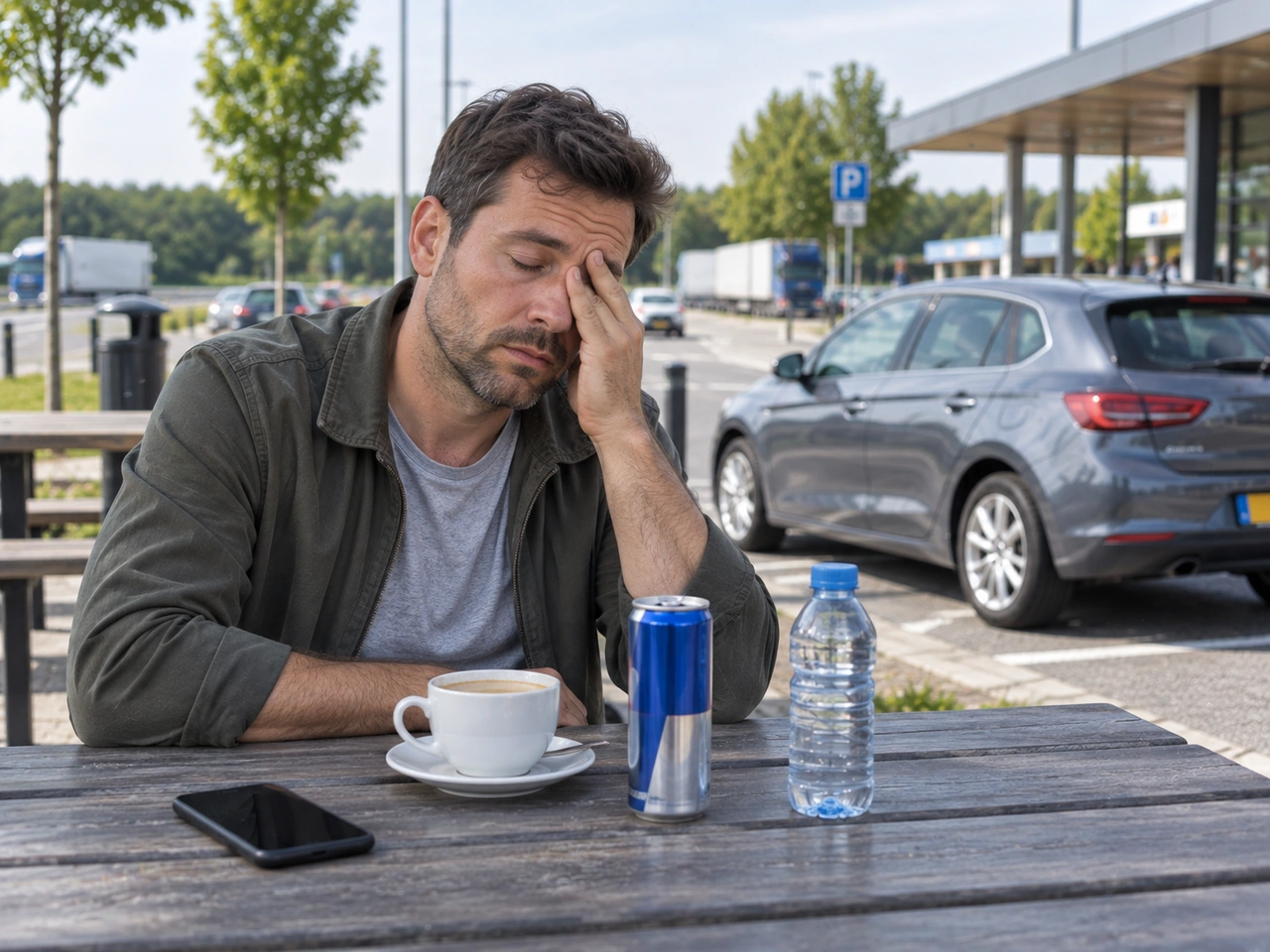
157. Can coffee, energy drinks, fresh air, or loud music replace proper rest when you are tired?
Coffee, energy drinks, fresh air, or loud music may make you feel more alert for a short time, but they do not remove fatigue. If you are too tired to drive safely, stop somewhere safe and get proper rest.
AI-generated by Traffic-rules.com • WCIT • CC BY-SA
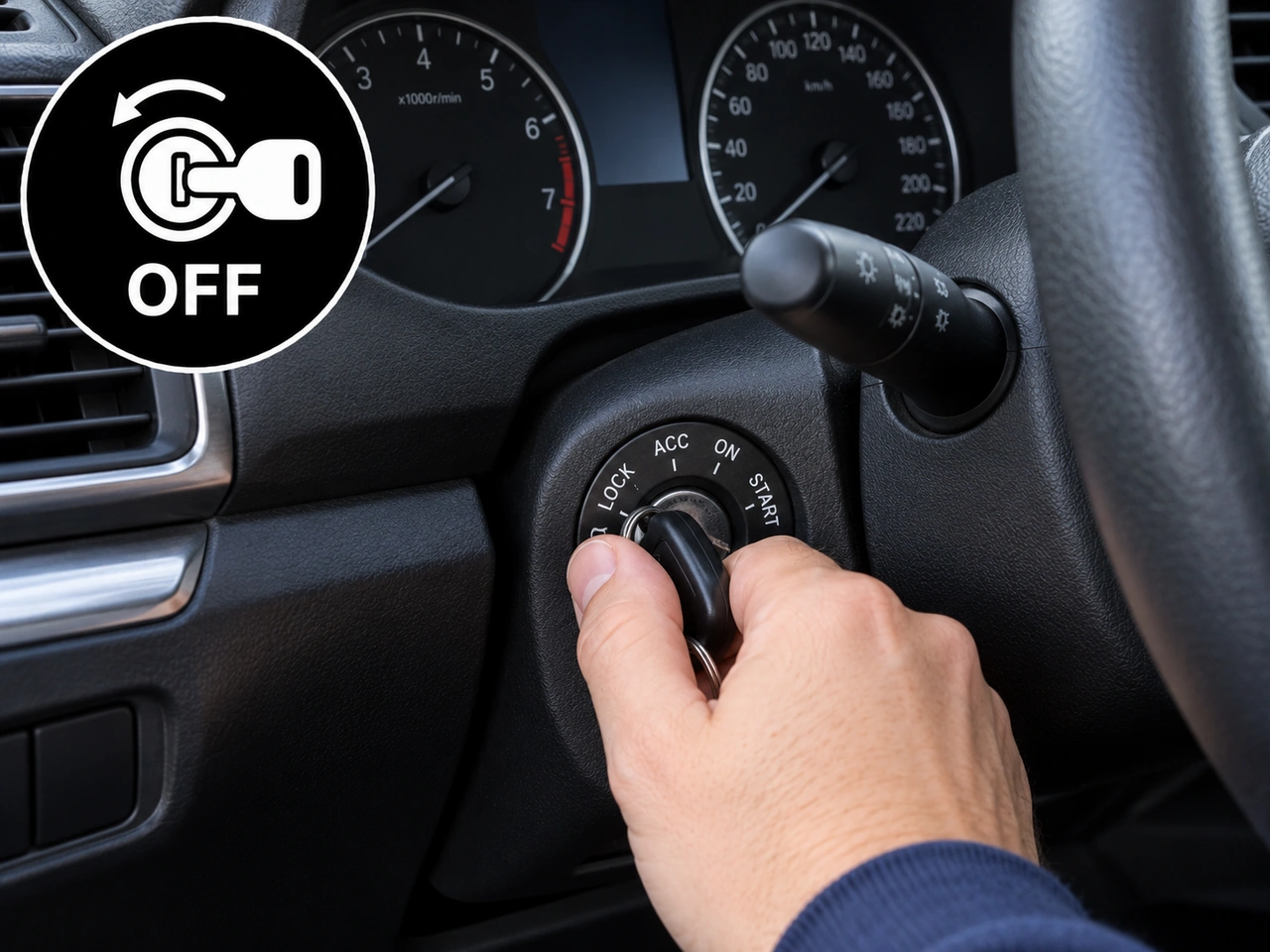
158. What does turning a traditional ignition switch to OFF normally do?
Turning a traditional ignition switch to OFF switches off the engine and ignition systems. The key can then normally be moved to the LOCK position and removed.
AI-generated by Traffic-rules.com • WCIT • CC BY-SA
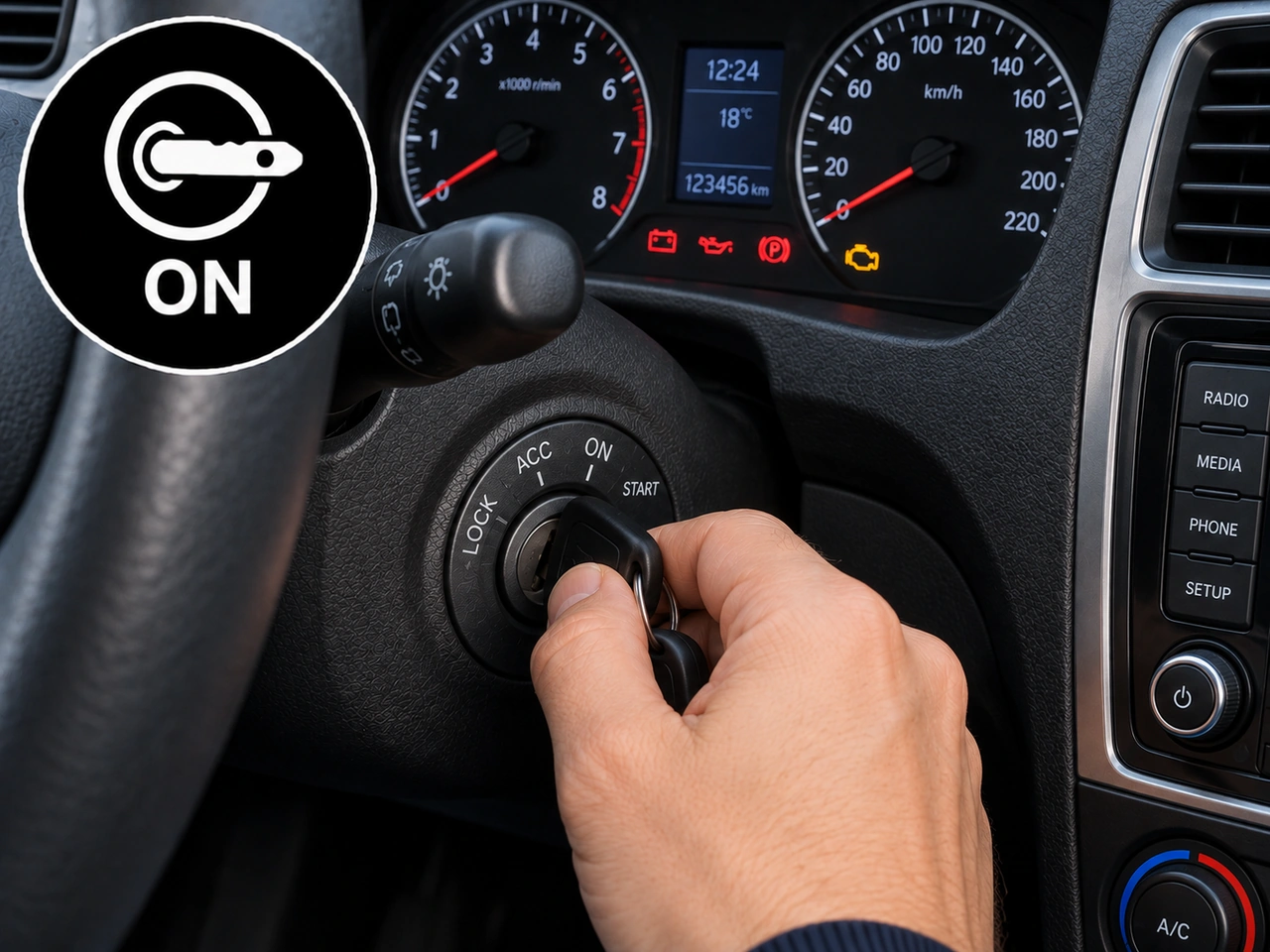
159. What does the ON position of a traditional ignition switch normally do?
The ON position normally switches on the vehicle's electrical and ignition systems without operating the starter motor. The engine is started by turning the key further to the START position.
AI-generated by Traffic-rules.com • WCIT • CC BY-SA
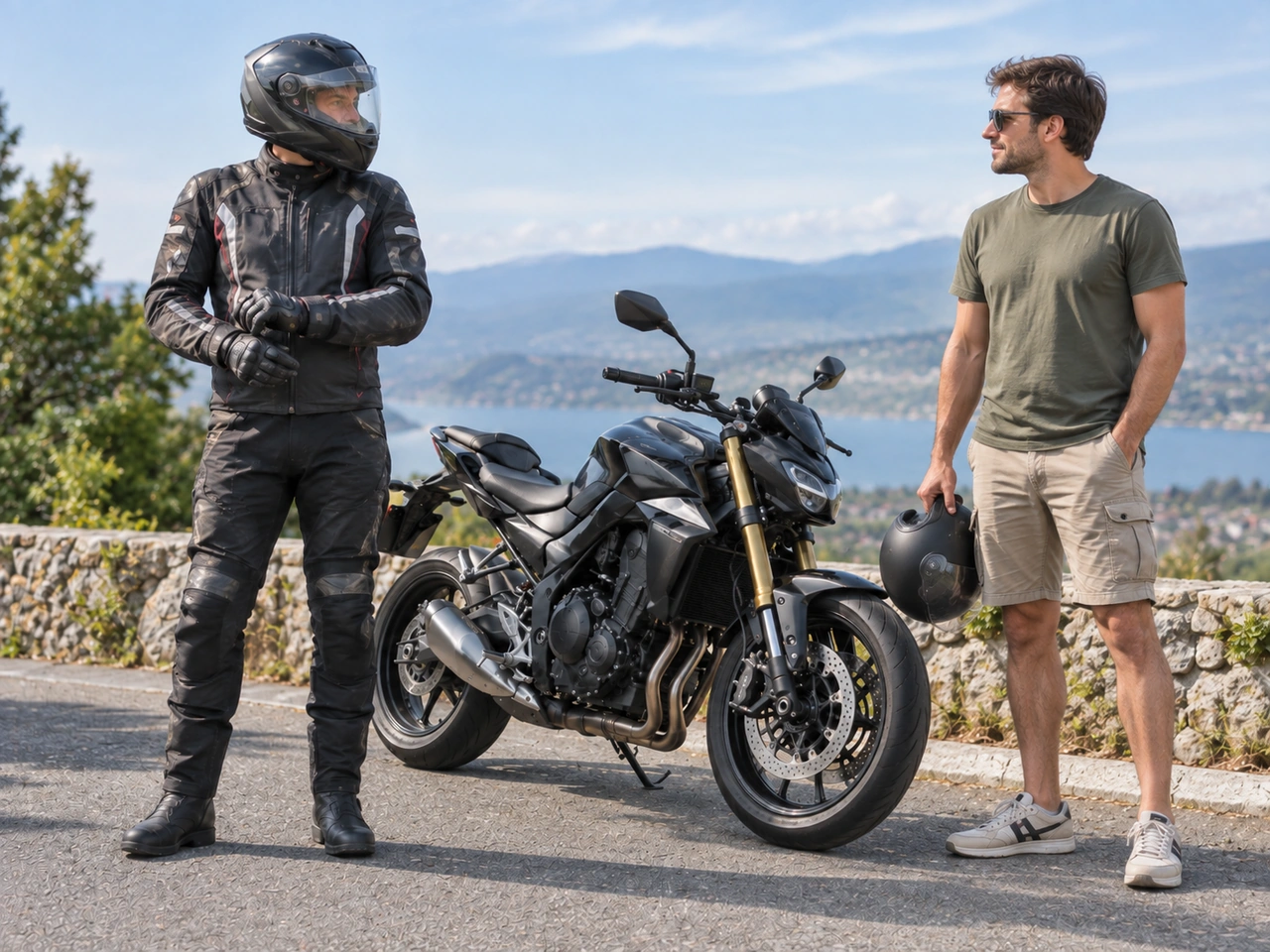
160. Should motorcyclists wear protective clothing?
Motorcyclists should wear protective clothing because it can reduce injuries from falls, impacts and sliding on the road. Suitable jackets, trousers, gloves and boots provide additional protection, but they do not replace a securely fitted helmet or safe riding.
AI-generated by Traffic-rules.com • WCIT • CC BY-SA
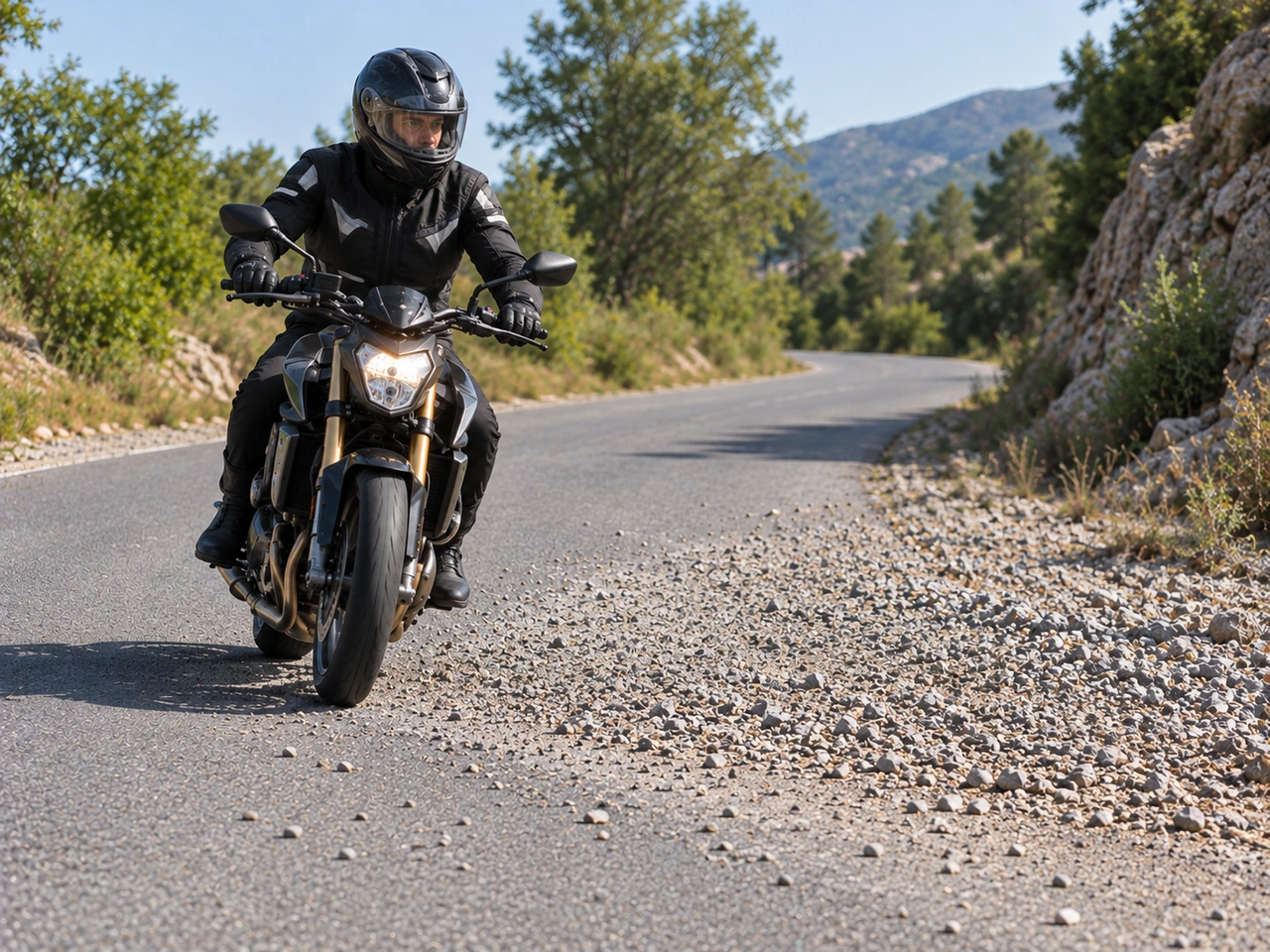
161. What should a motorcyclist do when approaching loose gravel?
Loose gravel can significantly reduce tyre grip. Reduce speed before reaching it, keep the motorcycle as upright as practical, and avoid sudden braking, acceleration or steering while crossing the loose surface.
AI-generated by Traffic-rules.com • WCIT • CC BY-SA
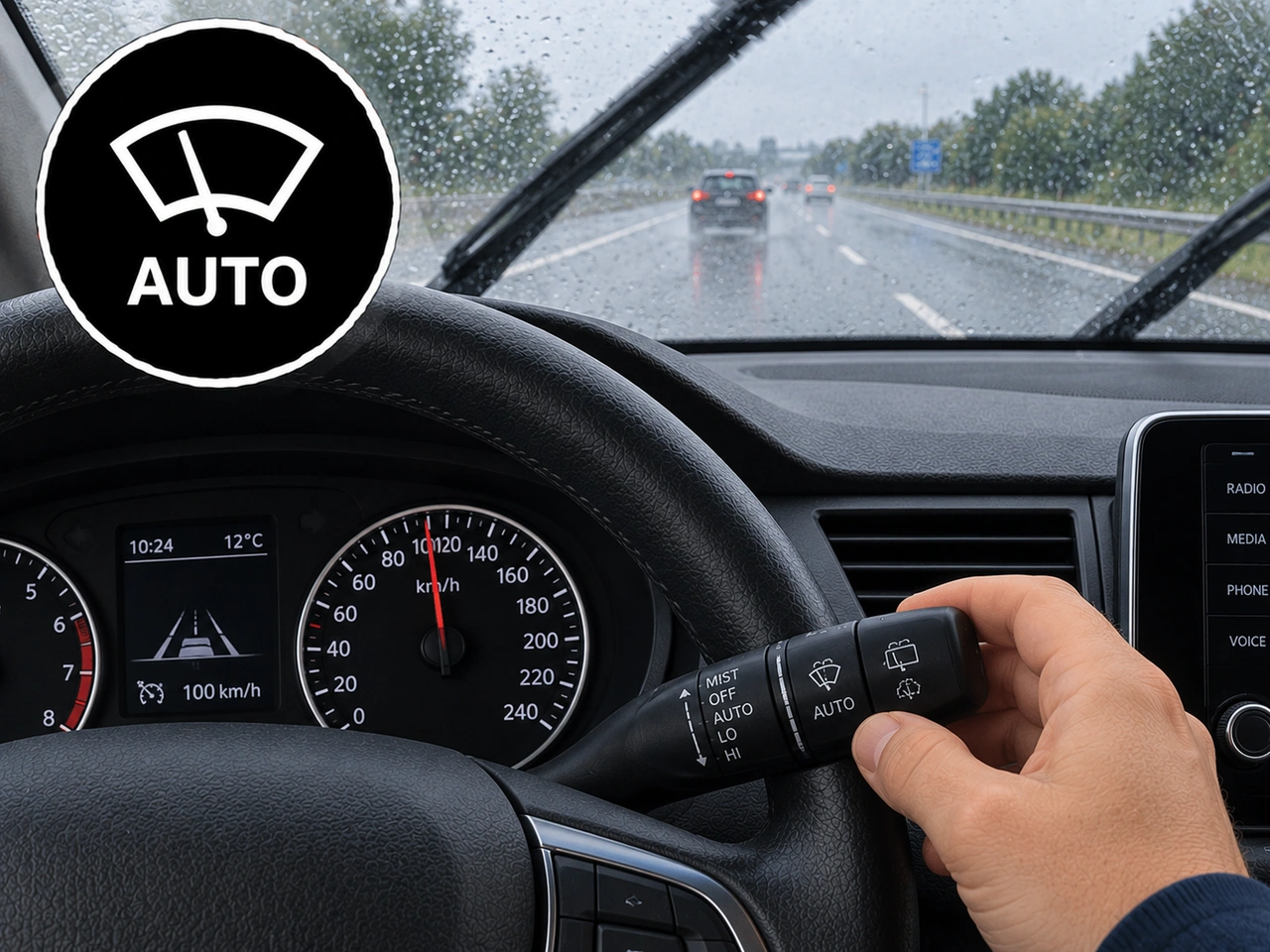
162. What does AUTO on a windscreen-wiper control normally do?
When AUTO is selected, a rain sensor can operate the windscreen wipers automatically and adjust their operation according to the amount of moisture detected on the windscreen.
AI-generated by Traffic-rules.com • WCIT • CC BY-SA
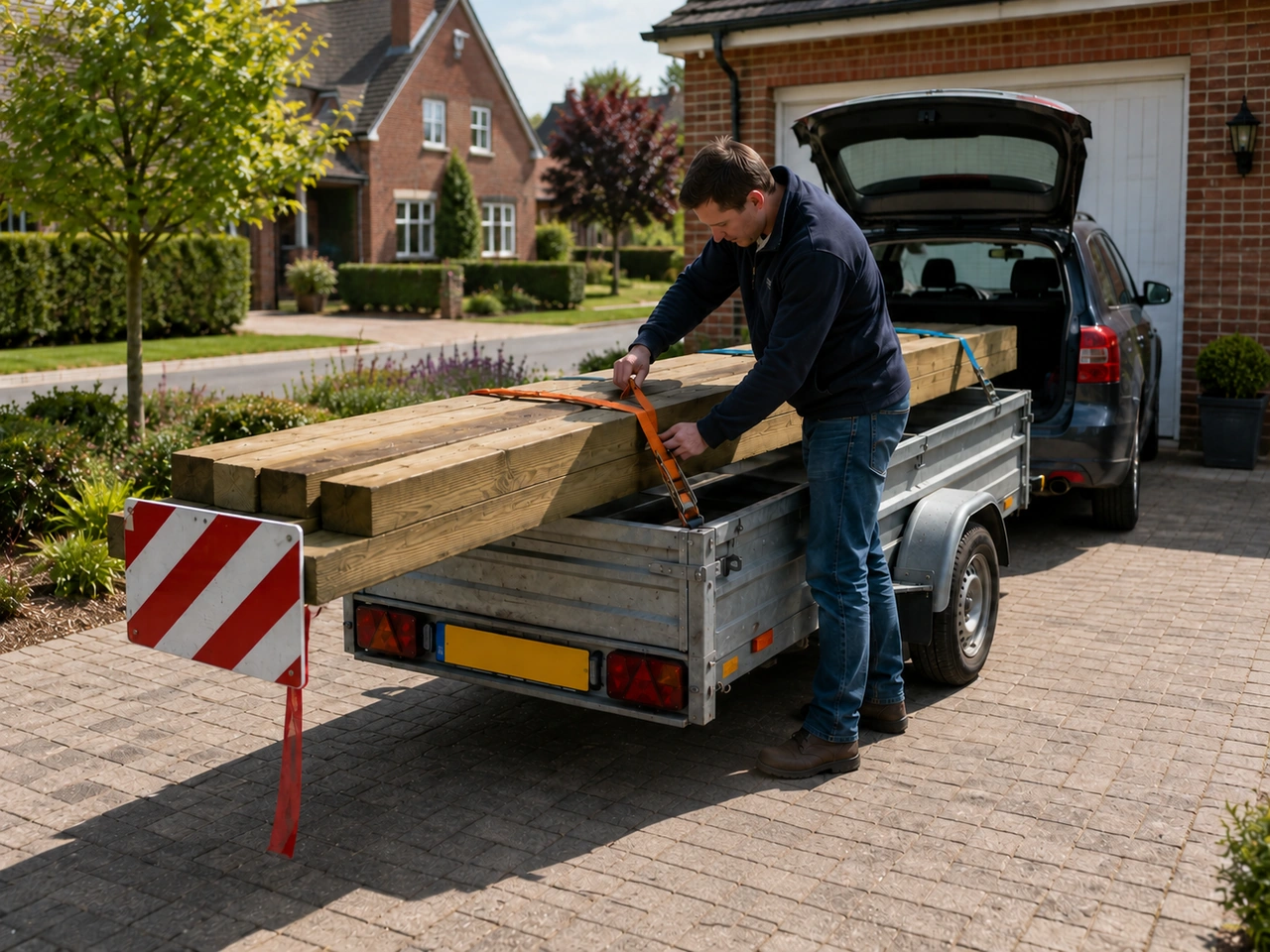
163. What should you do if a load extends beyond the vehicle?
An extending load may create additional danger and may require specific markings or equipment under local rules.
AI-generated by Traffic-rules.com • WCIT • CC BY-SA
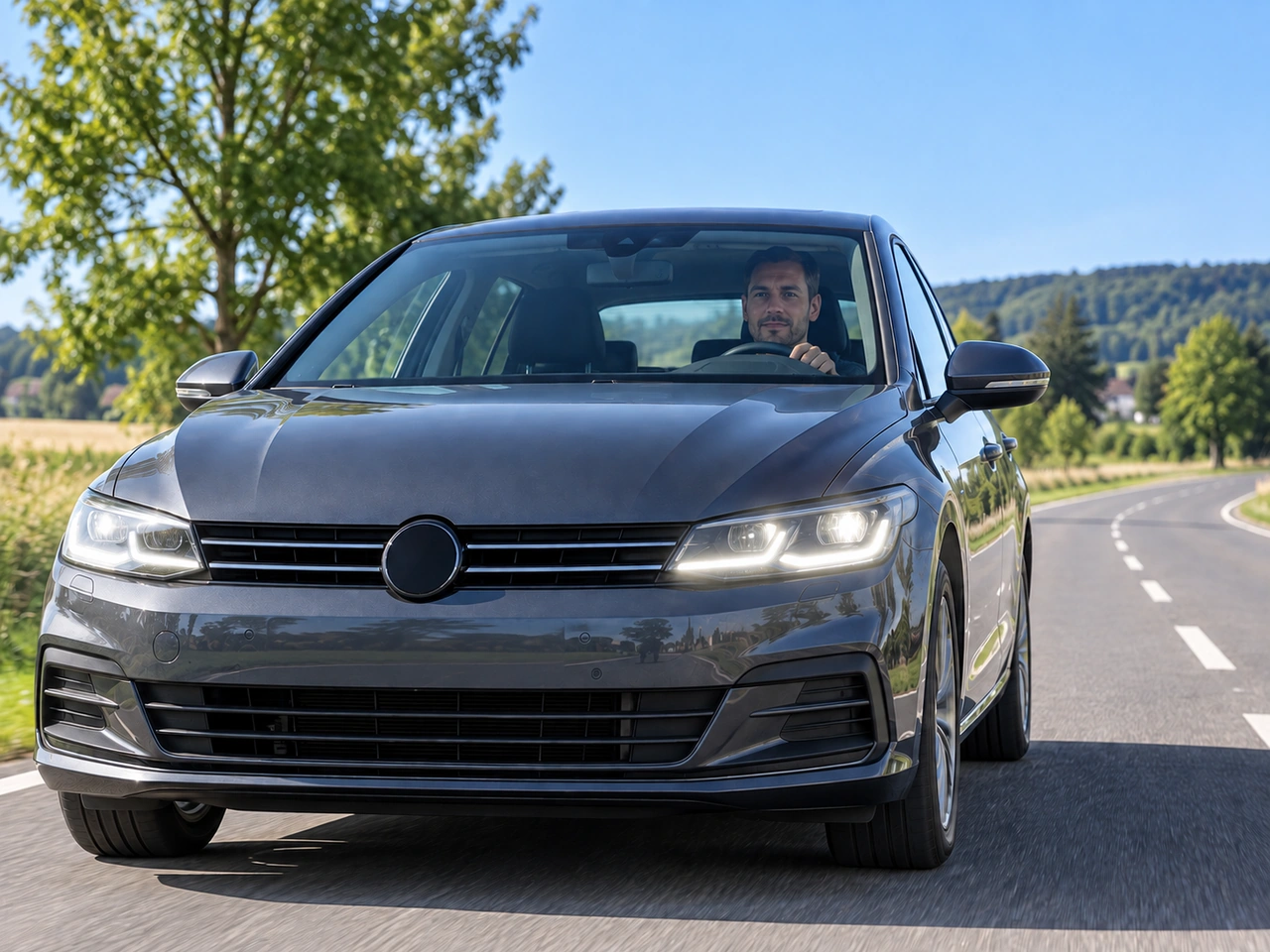
164. Are headlights required during the day in France?
Drivers in France are not generally required to use headlights during normal daytime conditions.
AI-generated by Traffic-rules.com • WCIT • CC BY-SA
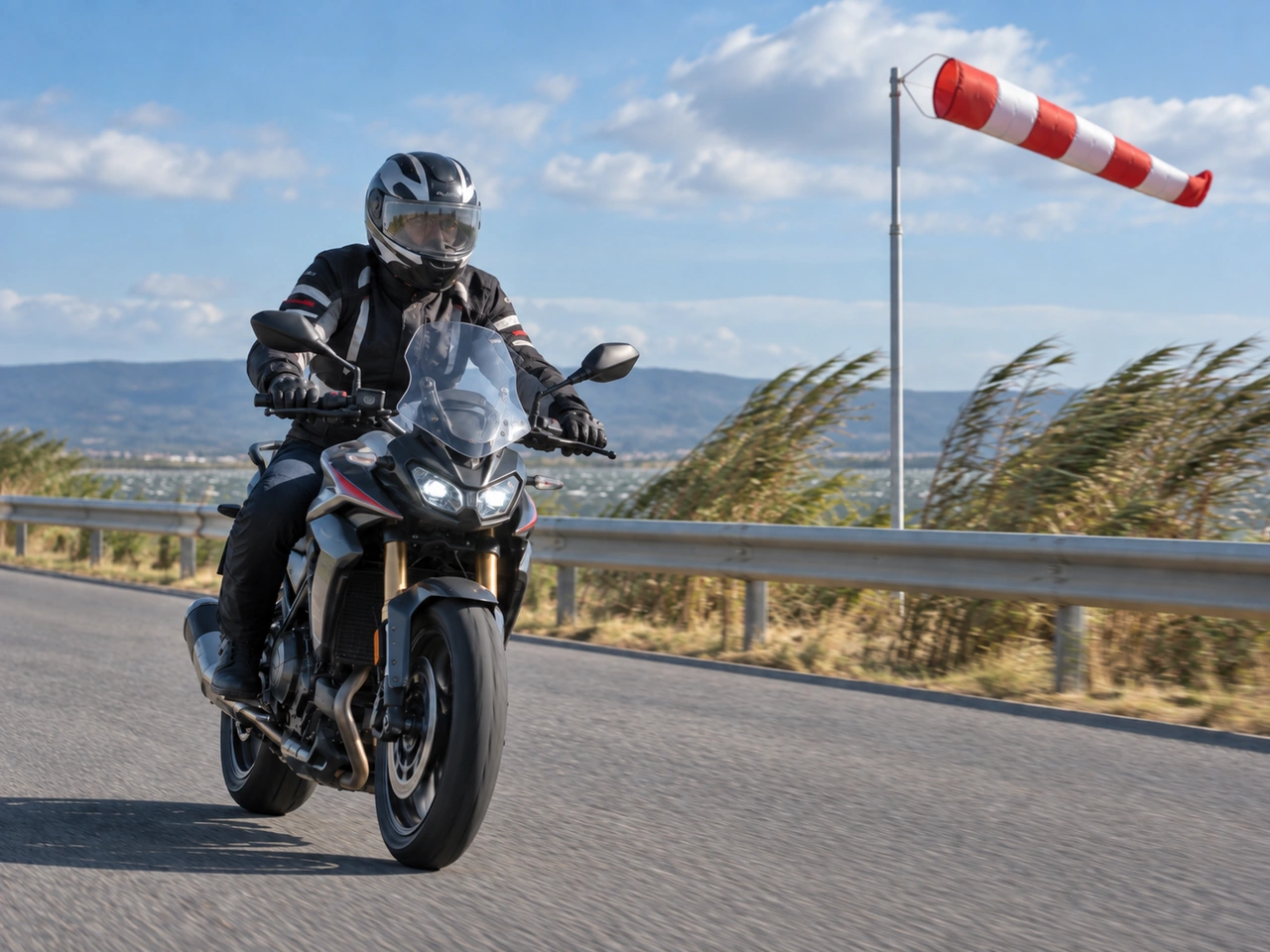
165. What should a motorcyclist do in strong crosswinds?
Strong crosswinds can push a motorcycle sideways and sudden gusts can affect its stability. Reduce speed, keep a steady grip on the handlebars and allow extra space, especially on exposed roads, bridges, or when passing gaps and large vehicles.
AI-generated by Traffic-rules.com • WCIT • CC BY-SA
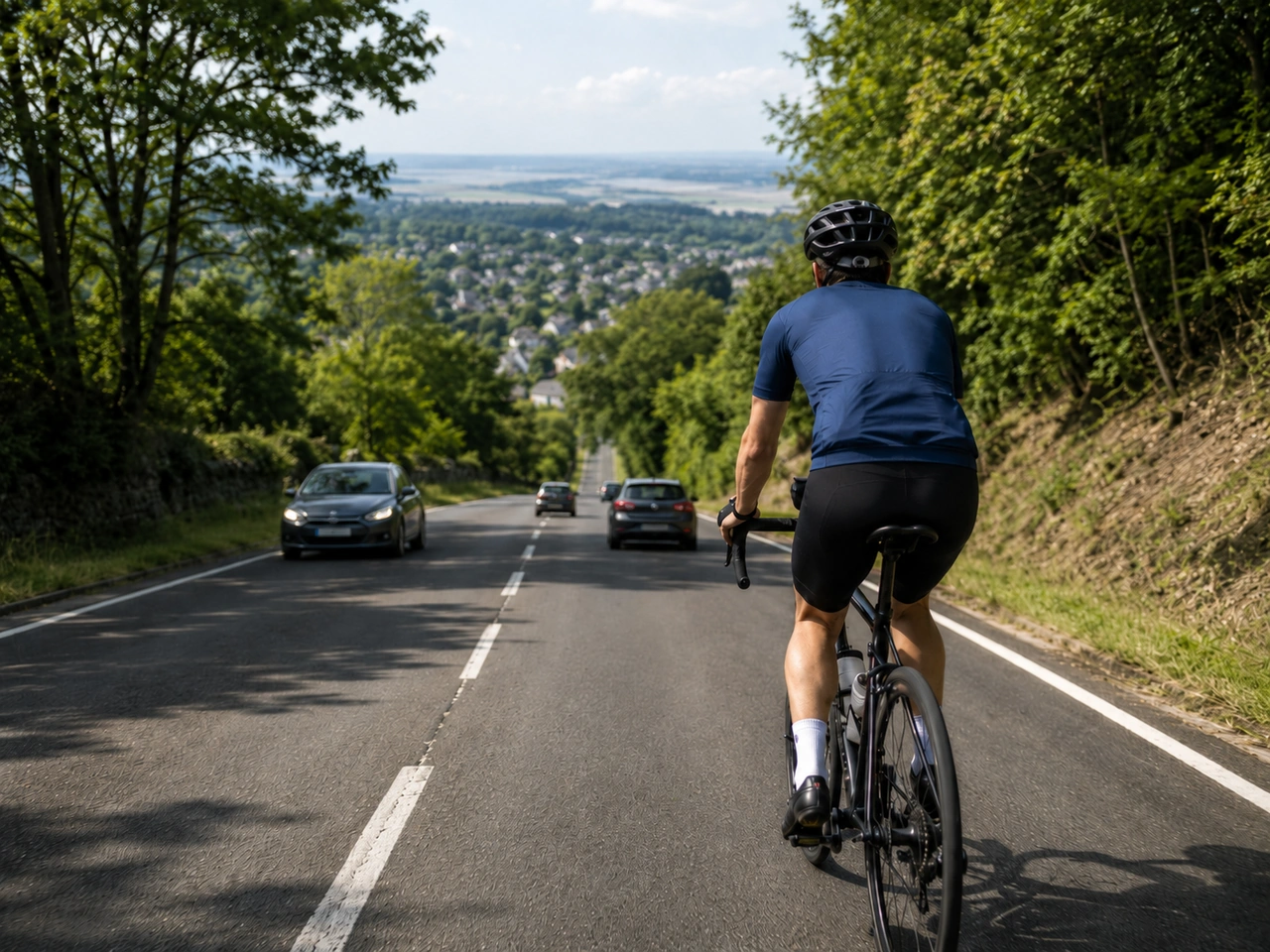
166. What should cyclists do when cycling downhill?
Higher speed increases stopping distance and reduces reaction time. Maintain a speed that allows you to stop safely.
AI-generated by Traffic-rules.com • WCIT • CC BY-SA
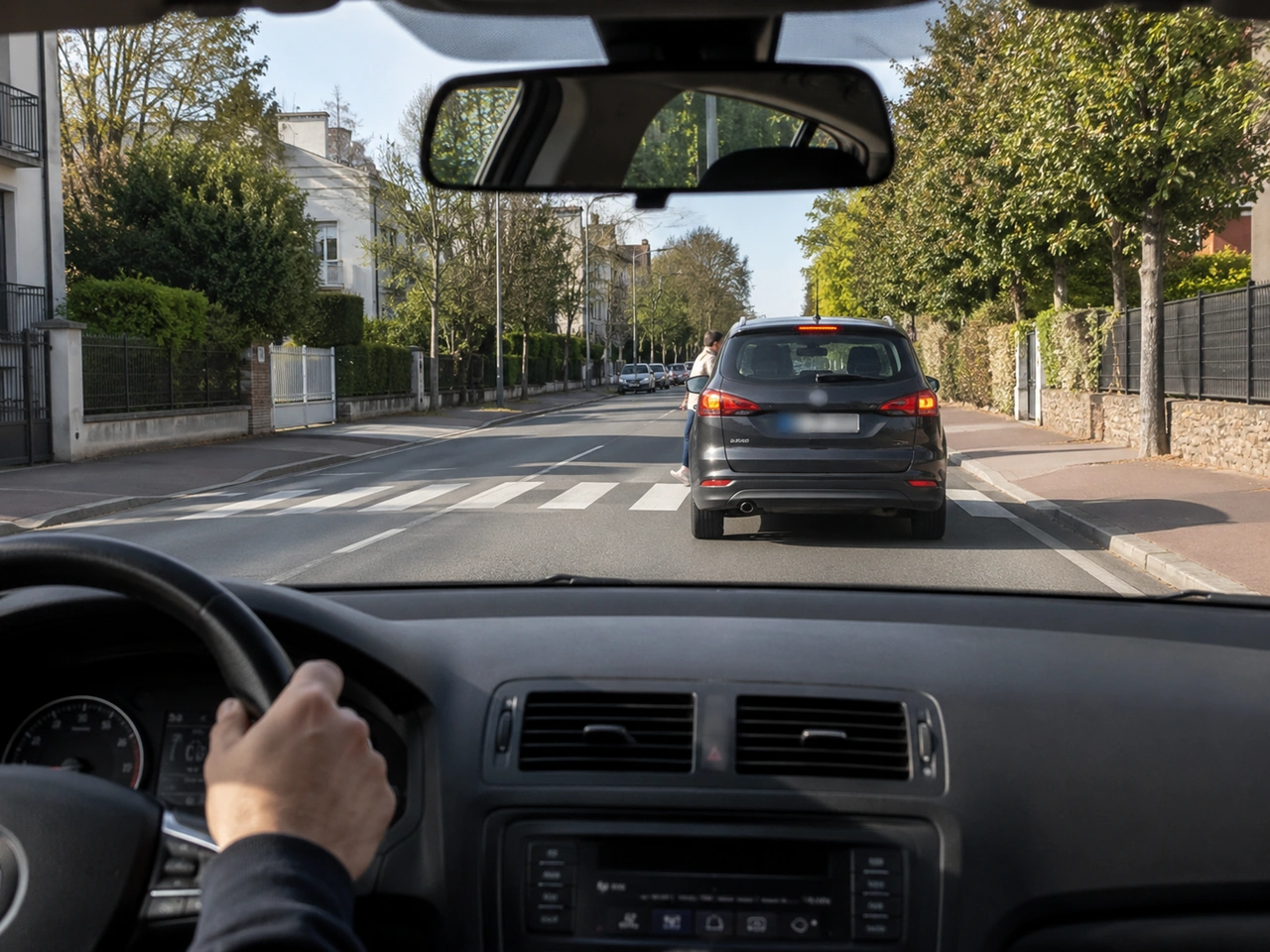
167. Why should you avoid overtaking when approaching a pedestrian crossing?
A vehicle slowing or stopping near a pedestrian crossing may be hiding someone who is crossing. Overtaking could put you directly into the pedestrian's path.
AI-generated by Traffic-rules.com • WCIT • CC BY-SA
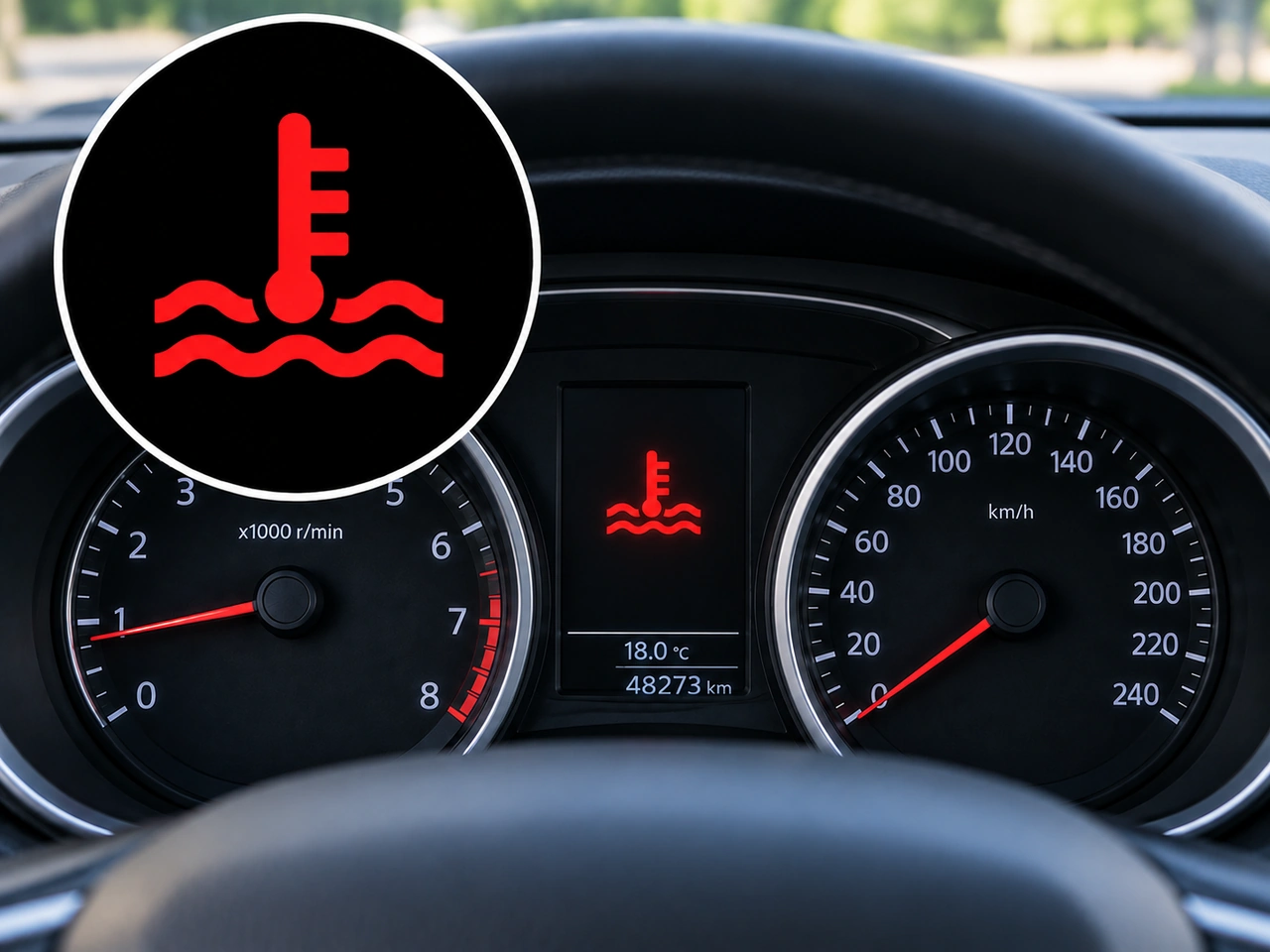
168. What does this dashboard symbol indicate?
This symbol indicates that the engine coolant temperature is too high. If it illuminates while driving, stop safely and allow the engine to cool before investigating the cause.
AI-generated by Traffic-rules.com • WCIT • CC BY-SA
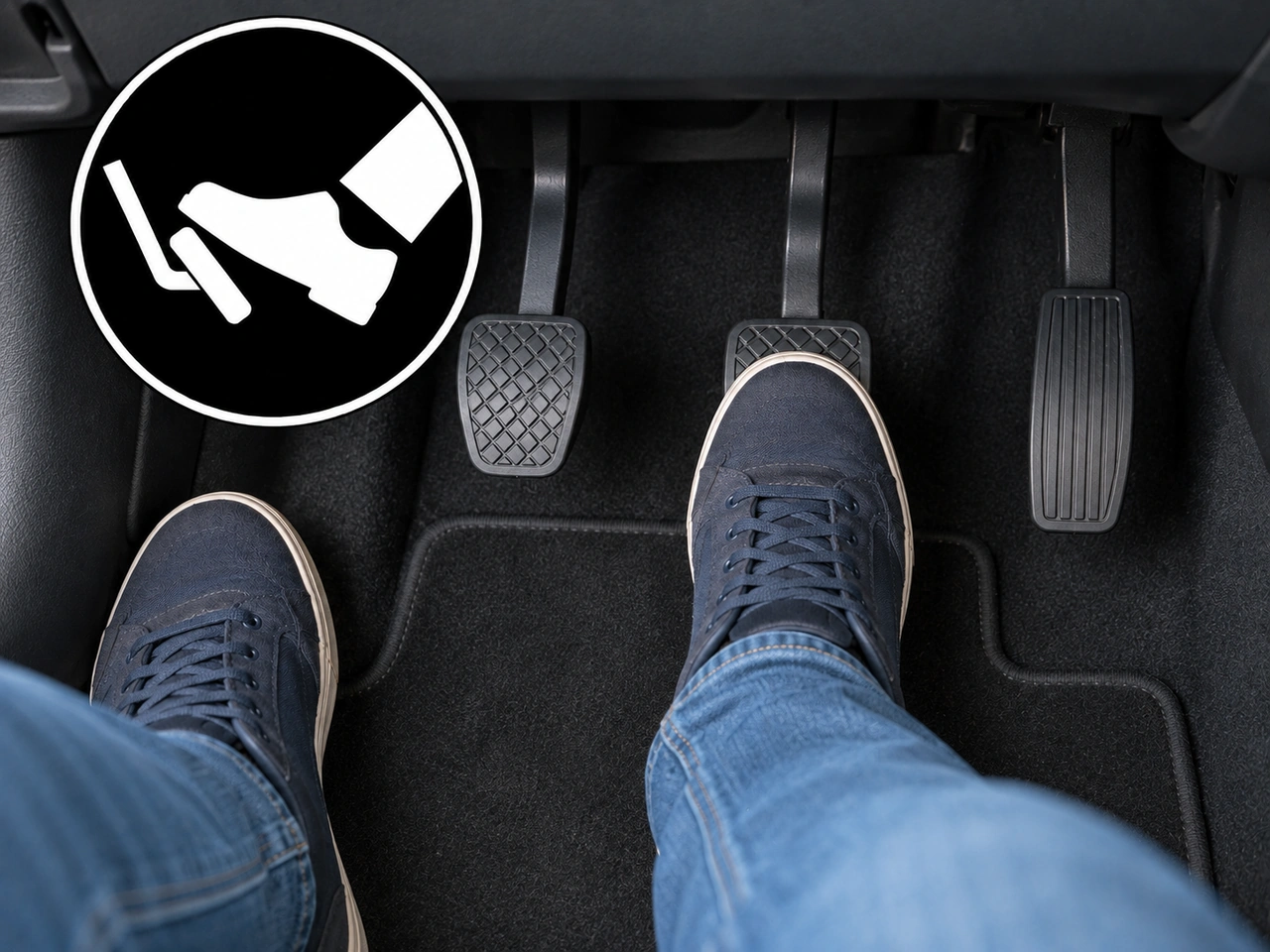
169. Which pedal is used to slow down or stop the vehicle?
The brake pedal is used to reduce the vehicle's speed or bring it to a stop. In a manual vehicle, it is the middle pedal.
AI-generated by Traffic-rules.com • WCIT • CC BY-SA
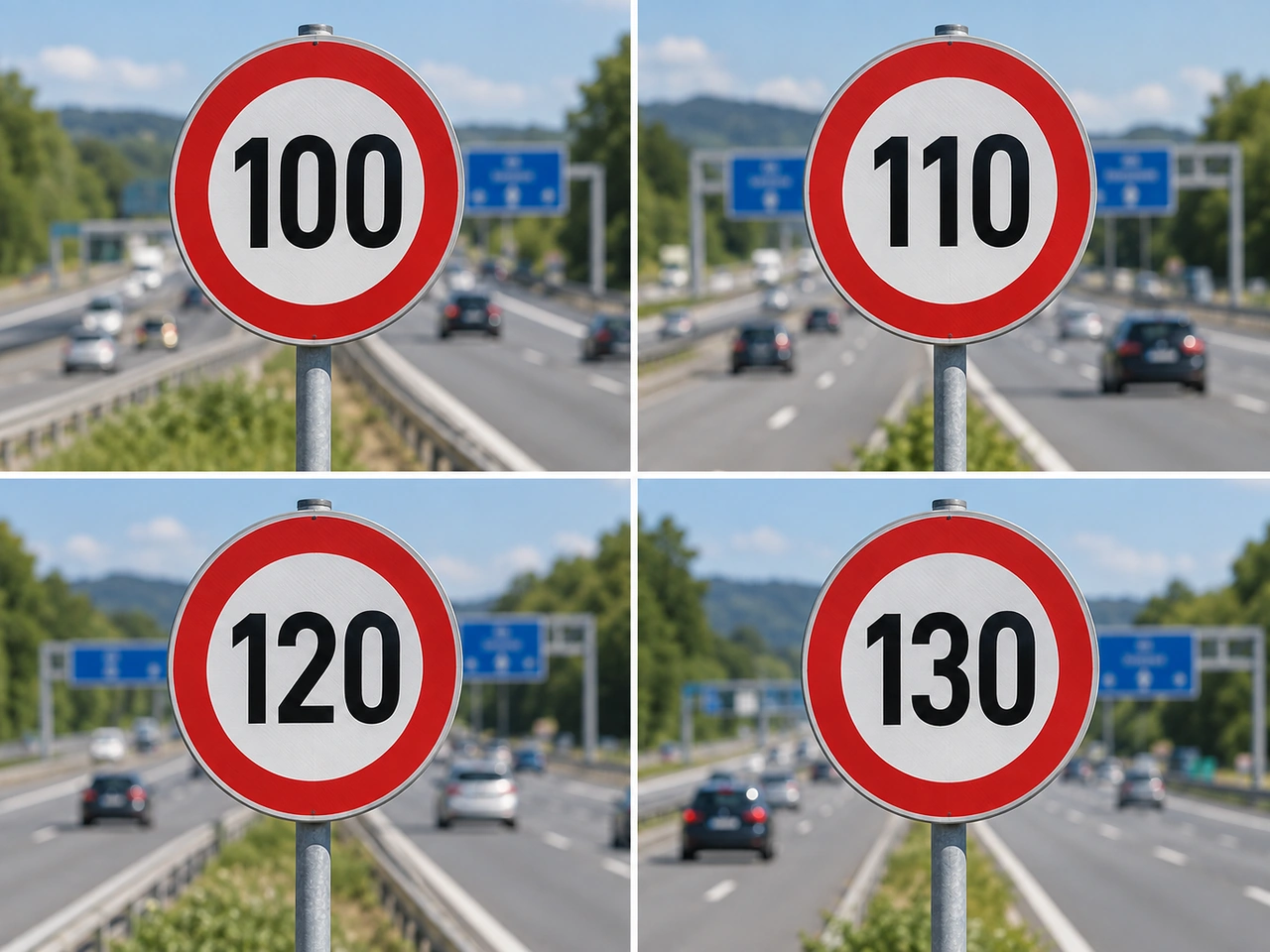
170. What is the general motorway speed limit for cars in France?
The general motorway speed limit for cars in France is 130 km/h, unless signs indicate otherwise.
AI-generated by Traffic-rules.com • WCIT • CC BY-SA
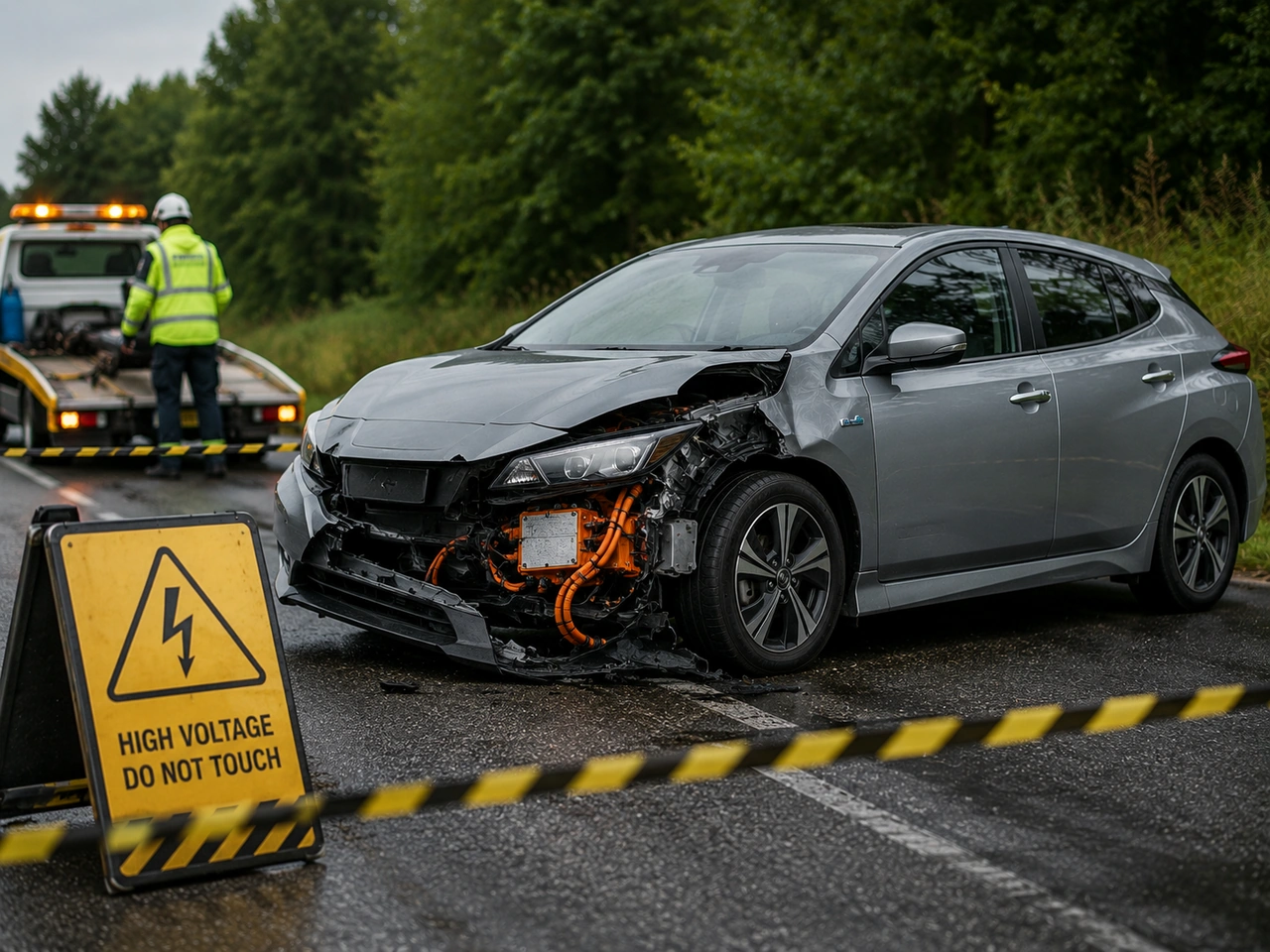
171. What should you do around a damaged electric or hybrid vehicle?
Electric and hybrid vehicles can contain dangerous high-voltage systems. Do not touch damaged cables, batteries, or electrical components.
AI-generated by Traffic-rules.com • WCIT • CC BY-SA
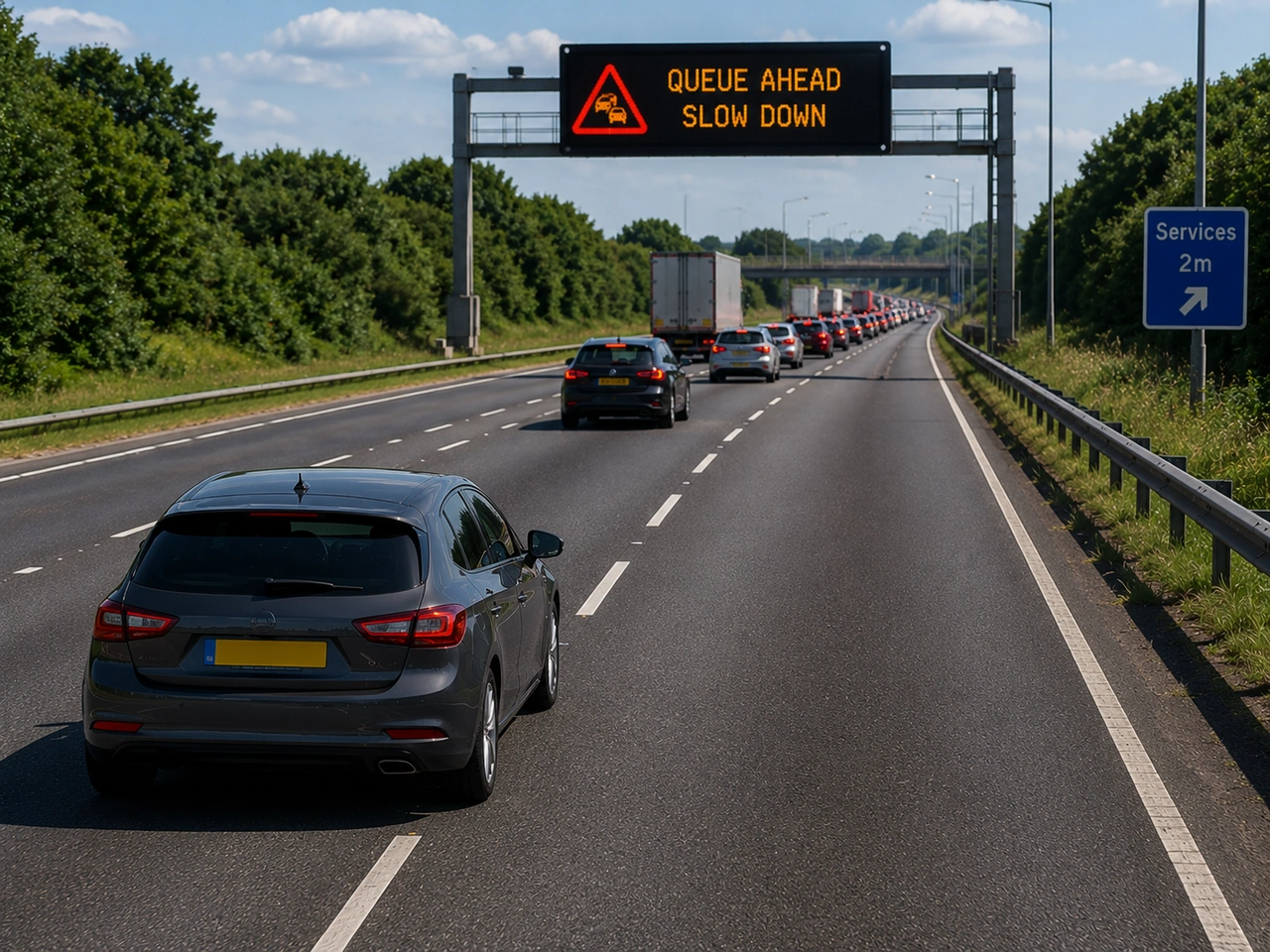
172. Why is a larger following distance needed at motorway speeds?
At higher speeds, you travel farther during your reaction time and need more distance to brake. A larger gap gives you more time and space to stop safely.
AI-generated by Traffic-rules.com • WCIT • CC BY-SA
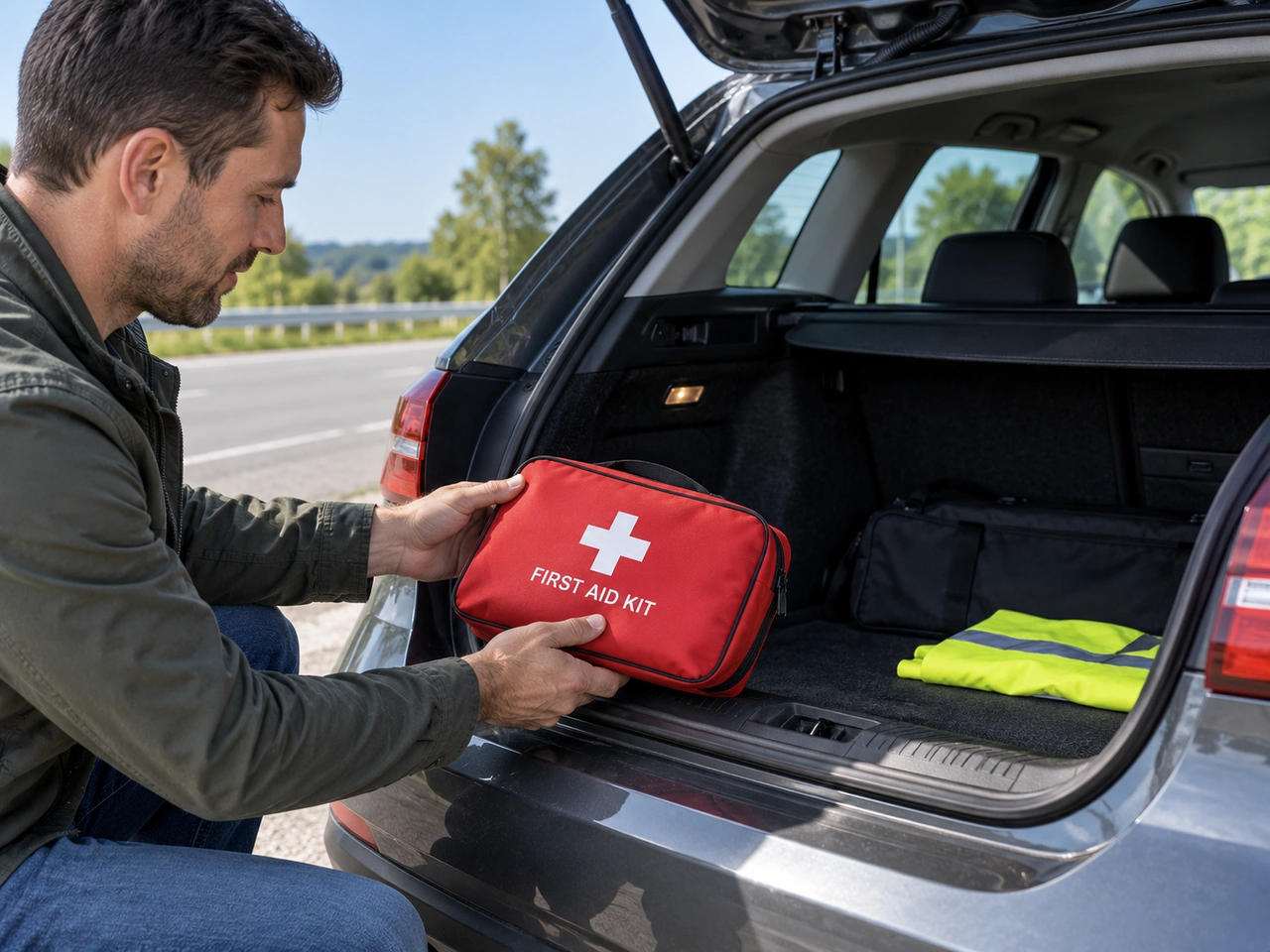
173. Is a first-aid kit required in cars in France?
Cars in France are not generally required to carry a first-aid kit.
AI-generated by Traffic-rules.com • WCIT • CC BY-SA
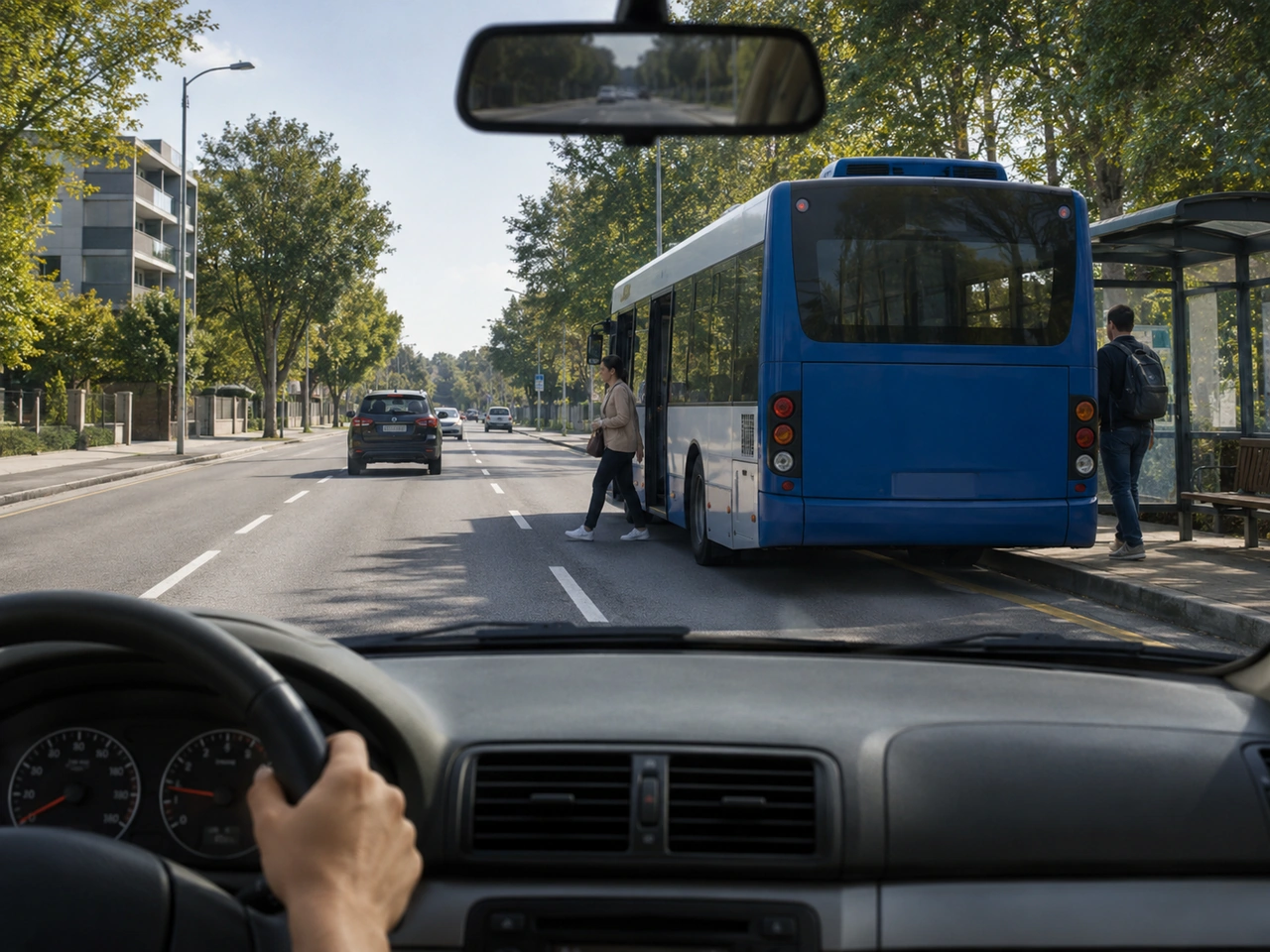
174. Why should you be careful when driving beside a bus at a stop?
Stopped buses can hide pedestrians, and passengers may cross unexpectedly. Slow down and be ready to react.
AI-generated by Traffic-rules.com • WCIT • CC BY-SA
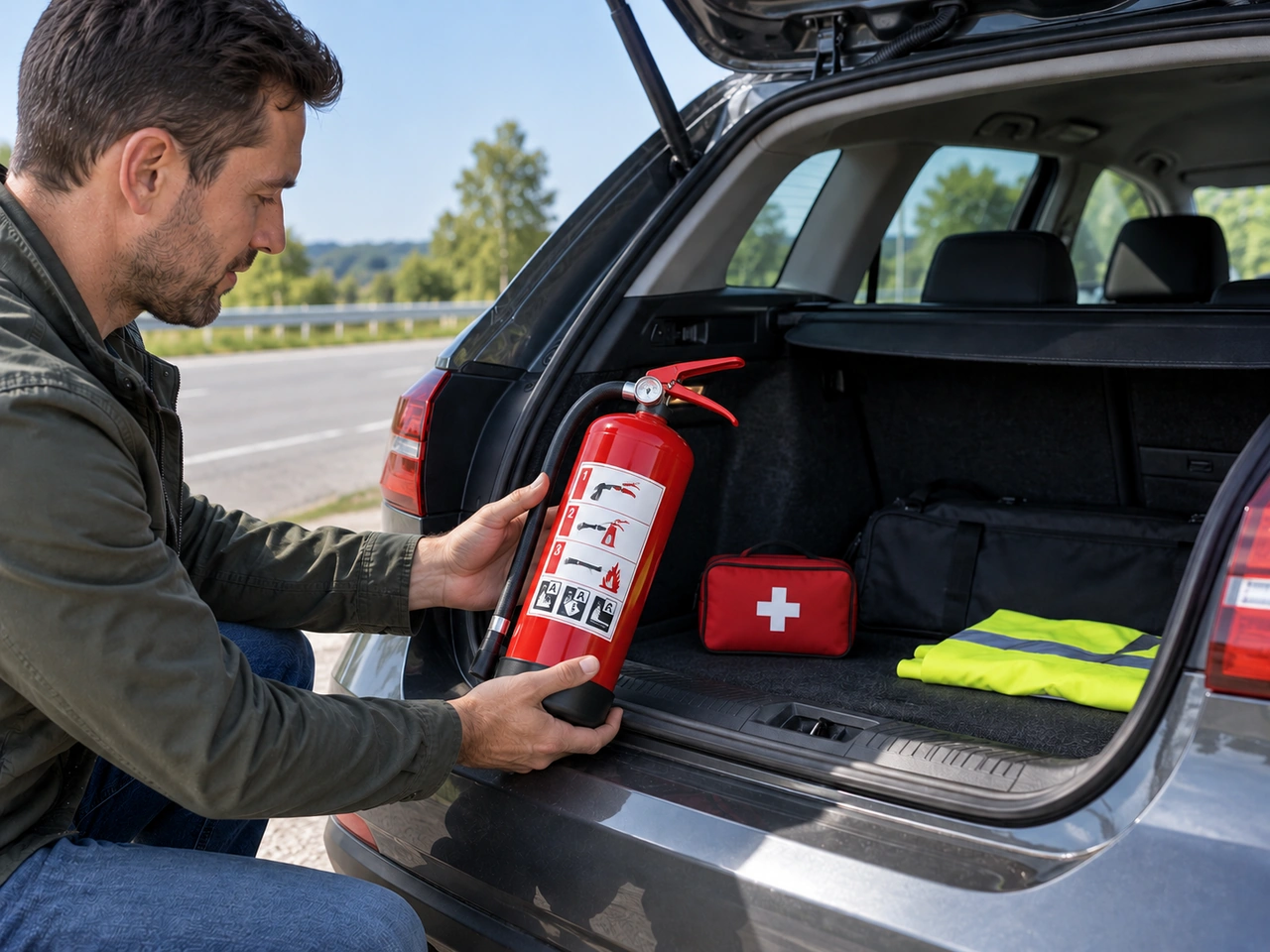
175. Is a fire extinguisher required in cars in France?
Cars in France are not generally required to carry a fire extinguisher.
AI-generated by Traffic-rules.com • WCIT • CC BY-SA
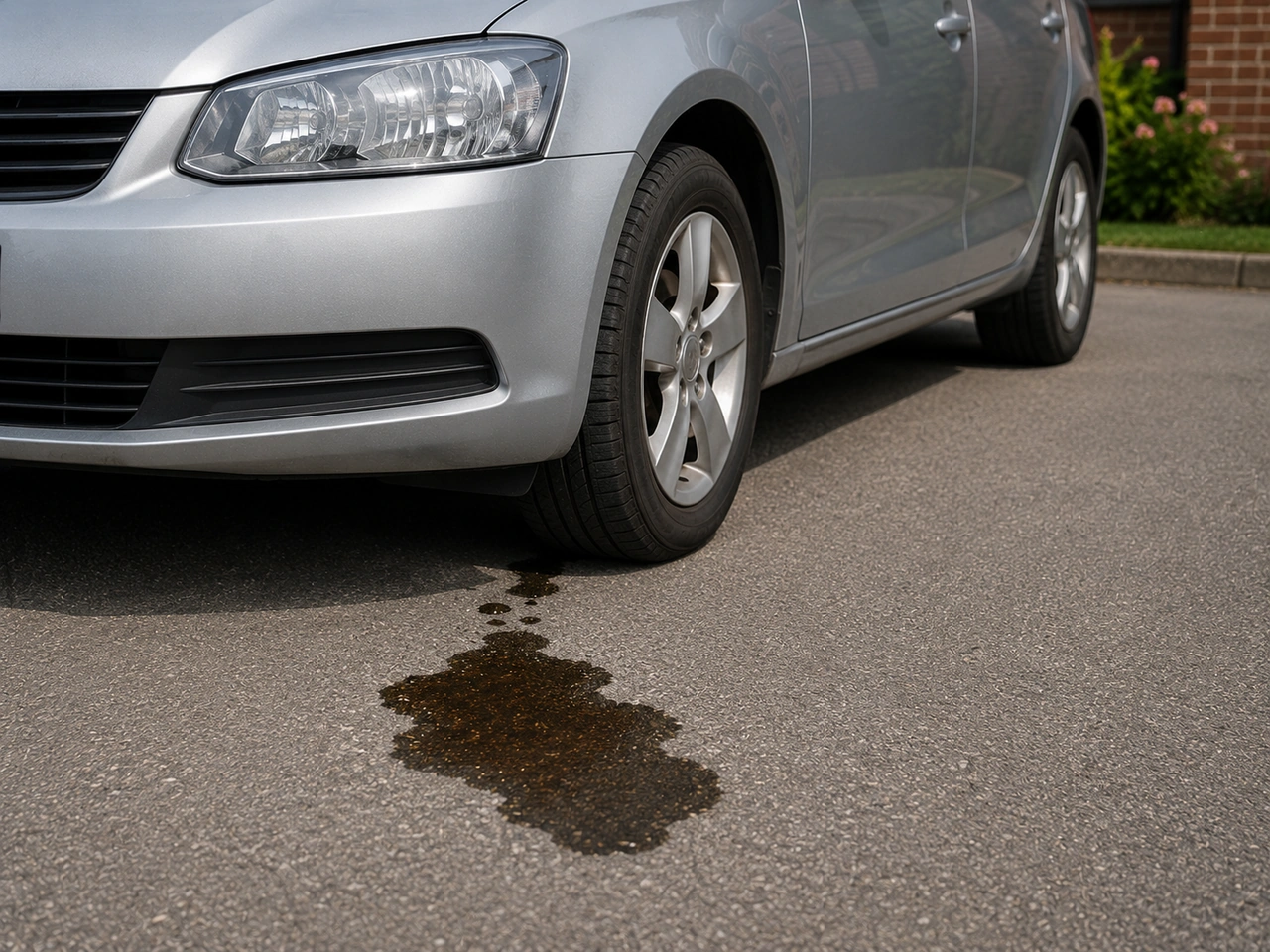
176. What should you do if you notice an unfamiliar fluid underneath your vehicle?
Clear water from air conditioning can be normal, but oil, coolant, fuel, transmission fluid, or brake fluid may indicate a fault requiring urgent attention.
AI-generated by Traffic-rules.com • WCIT • CC BY-SA
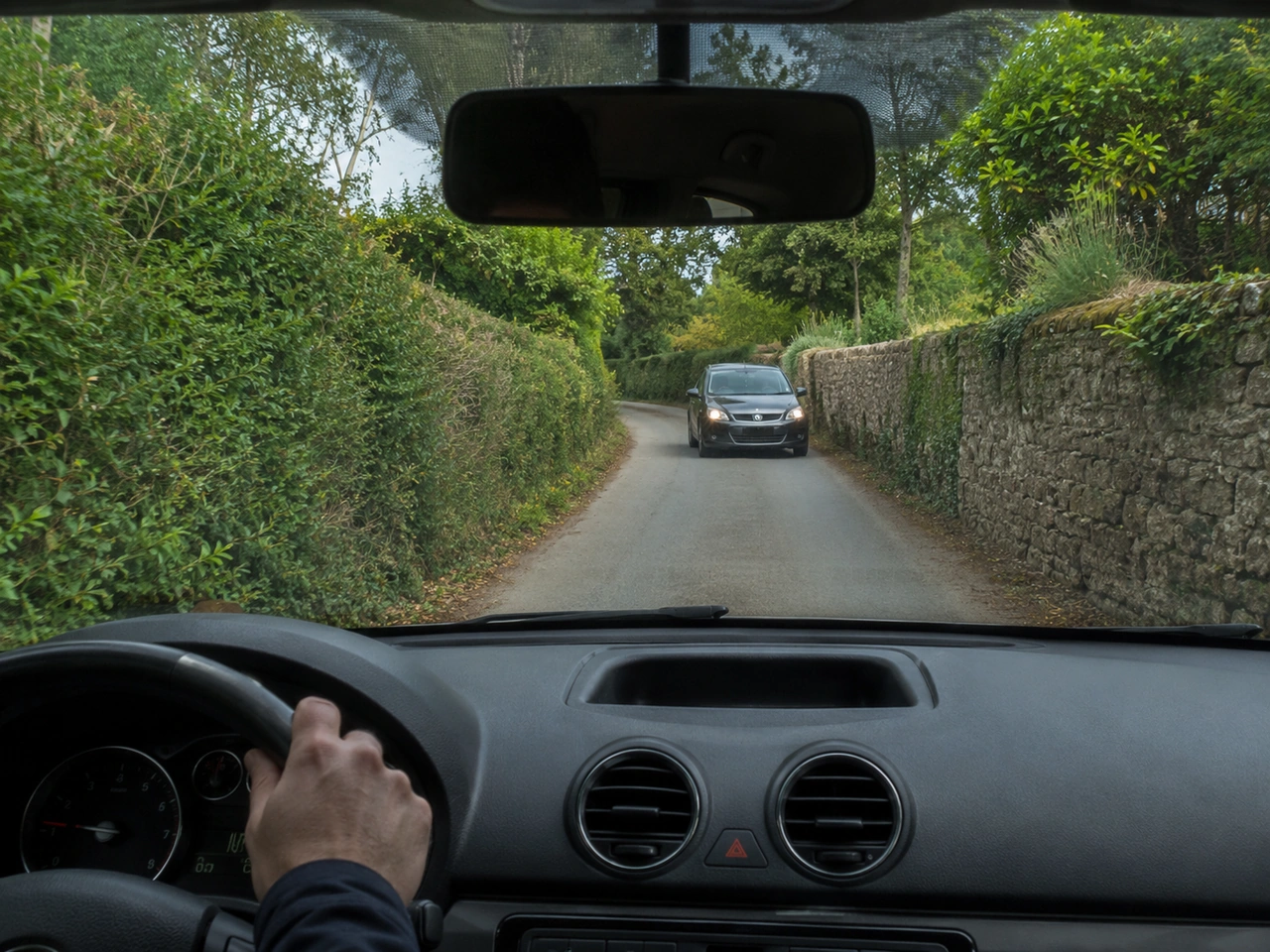
177. What should you do when approaching a narrow road with oncoming traffic?
On narrow roads, reduce speed and be prepared to stop or use a suitable passing place. Leave enough space for the oncoming vehicle and avoid forcing either vehicle into an unsafe position.
AI-generated by Traffic-rules.com • WCIT • CC BY-SA
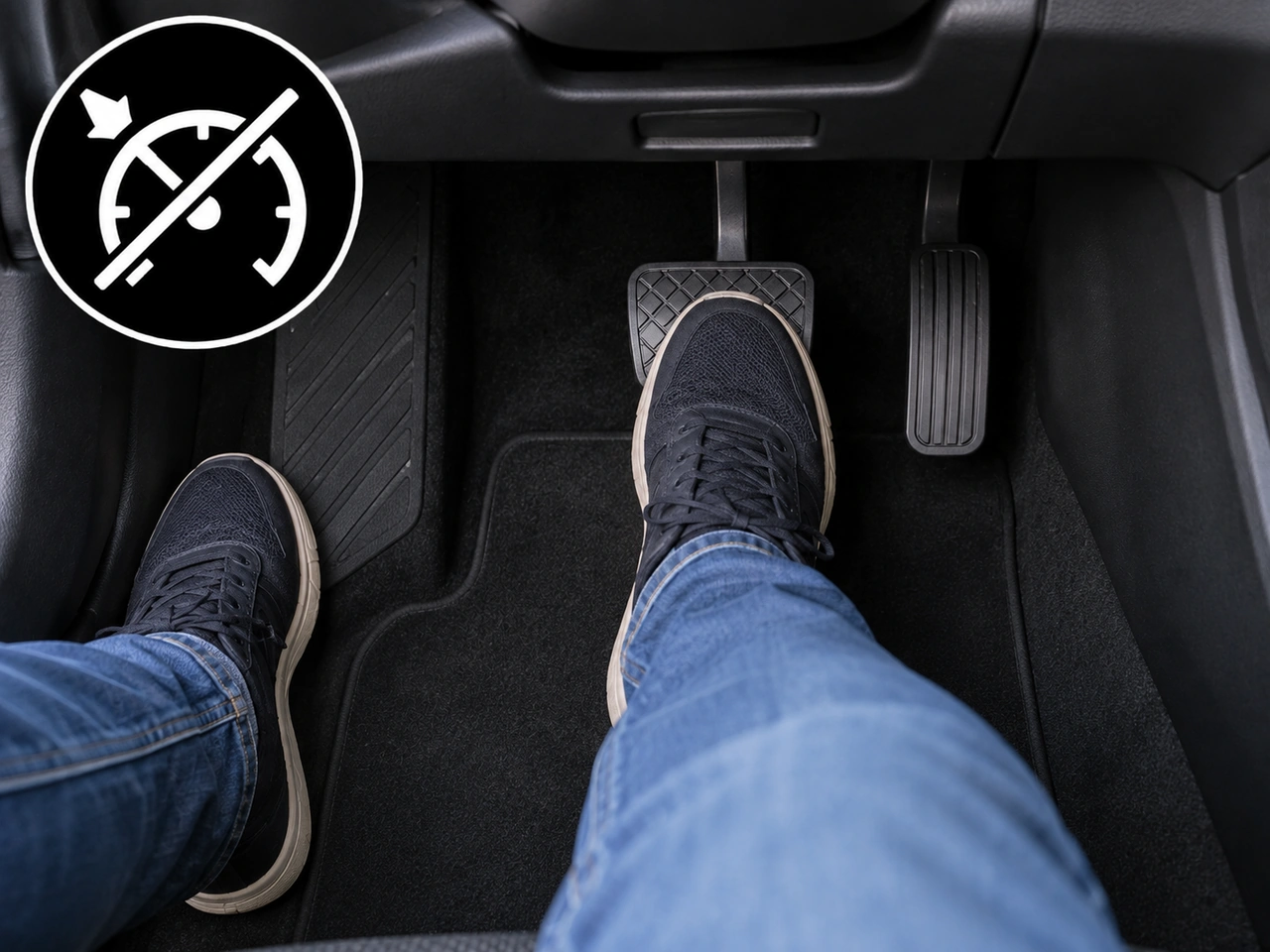
178. What normally happens to cruise control when you press the brake pedal?
Pressing the brake pedal normally cancels or temporarily disengages cruise control, returning speed control to the driver.
AI-generated by Traffic-rules.com • WCIT • CC BY-SA
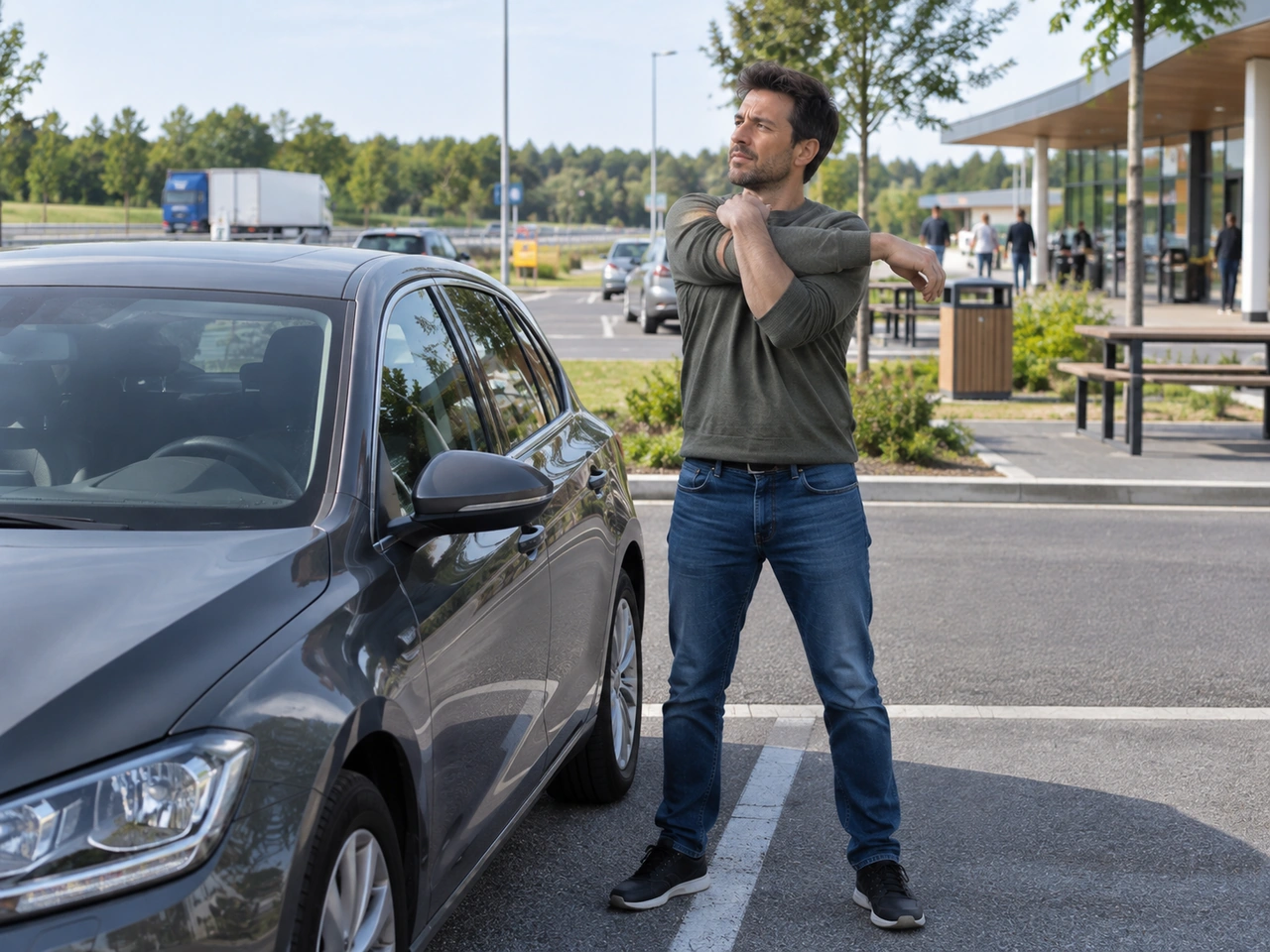
179. Why should you take regular breaks during a long journey?
Regular breaks during a long journey help reduce fatigue and maintain concentration. Do not wait until you are struggling to stay awake before stopping to rest.
AI-generated by Traffic-rules.com • WCIT • CC BY-SA
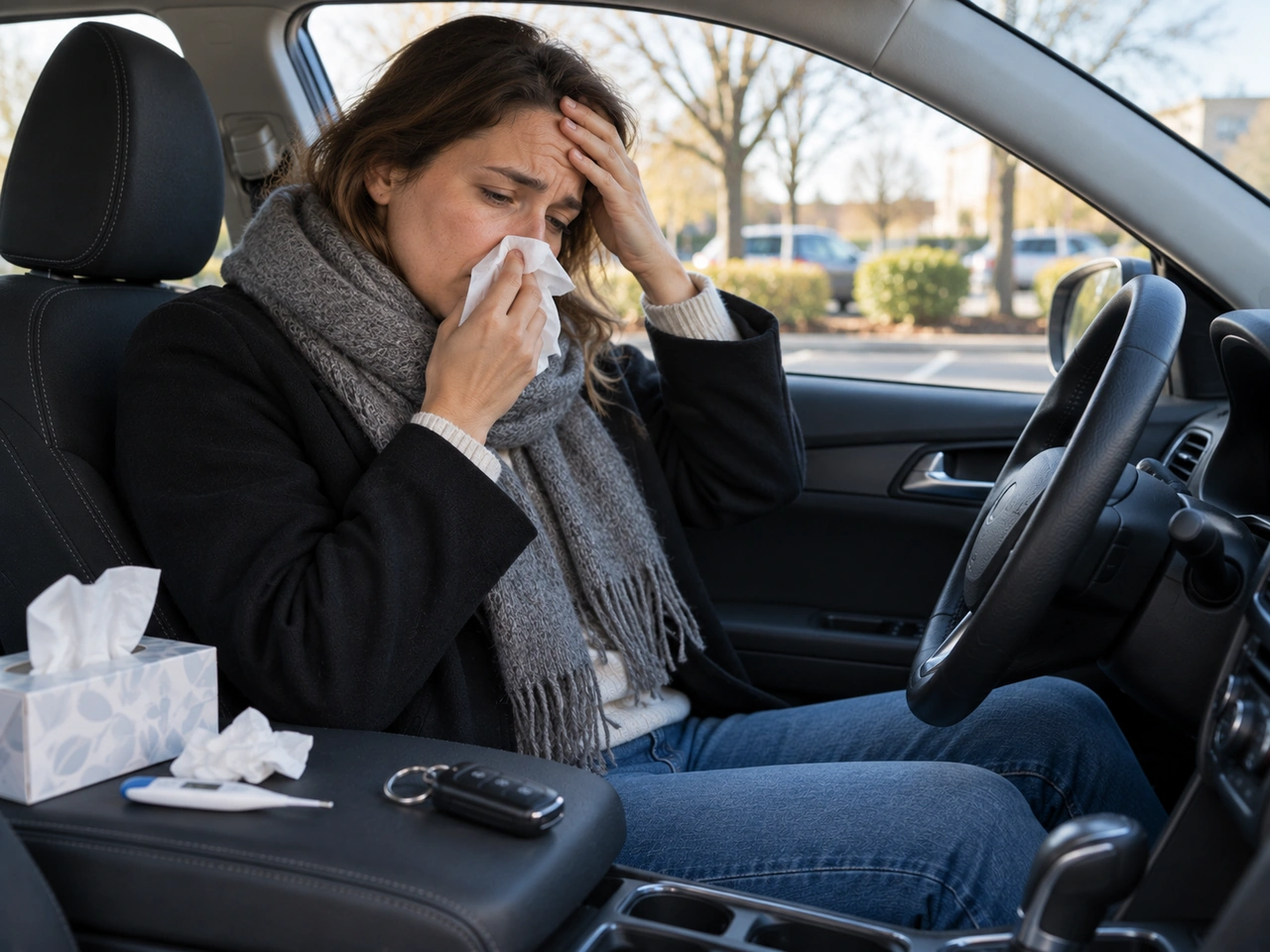
180. What should you do if illness affects your ability to drive safely?
Illness can reduce concentration, alertness, coordination, or reaction time. If you do not feel fit to drive safely, postpone the journey or use another form of transport.
AI-generated by Traffic-rules.com • WCIT • CC BY-SA
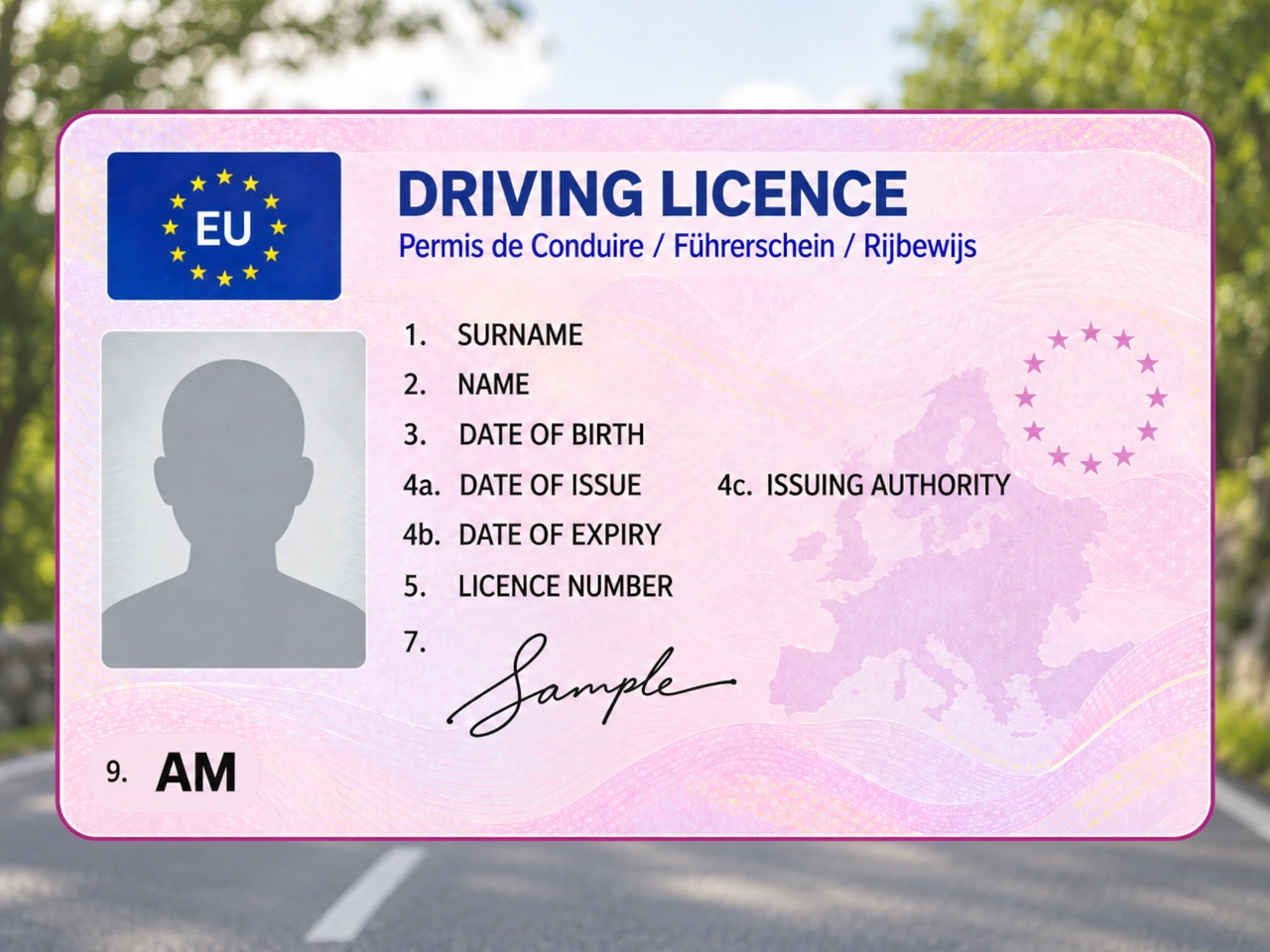
181. Which vehicle type is mainly associated with driving licence AM?
Driving licence AM is mainly associated with mopeds. Category AM covers mopeds with a design speed above 25 km/h and up to 45 km/h.
AI-generated by Traffic-rules.com • WCIT • CC BY-SA
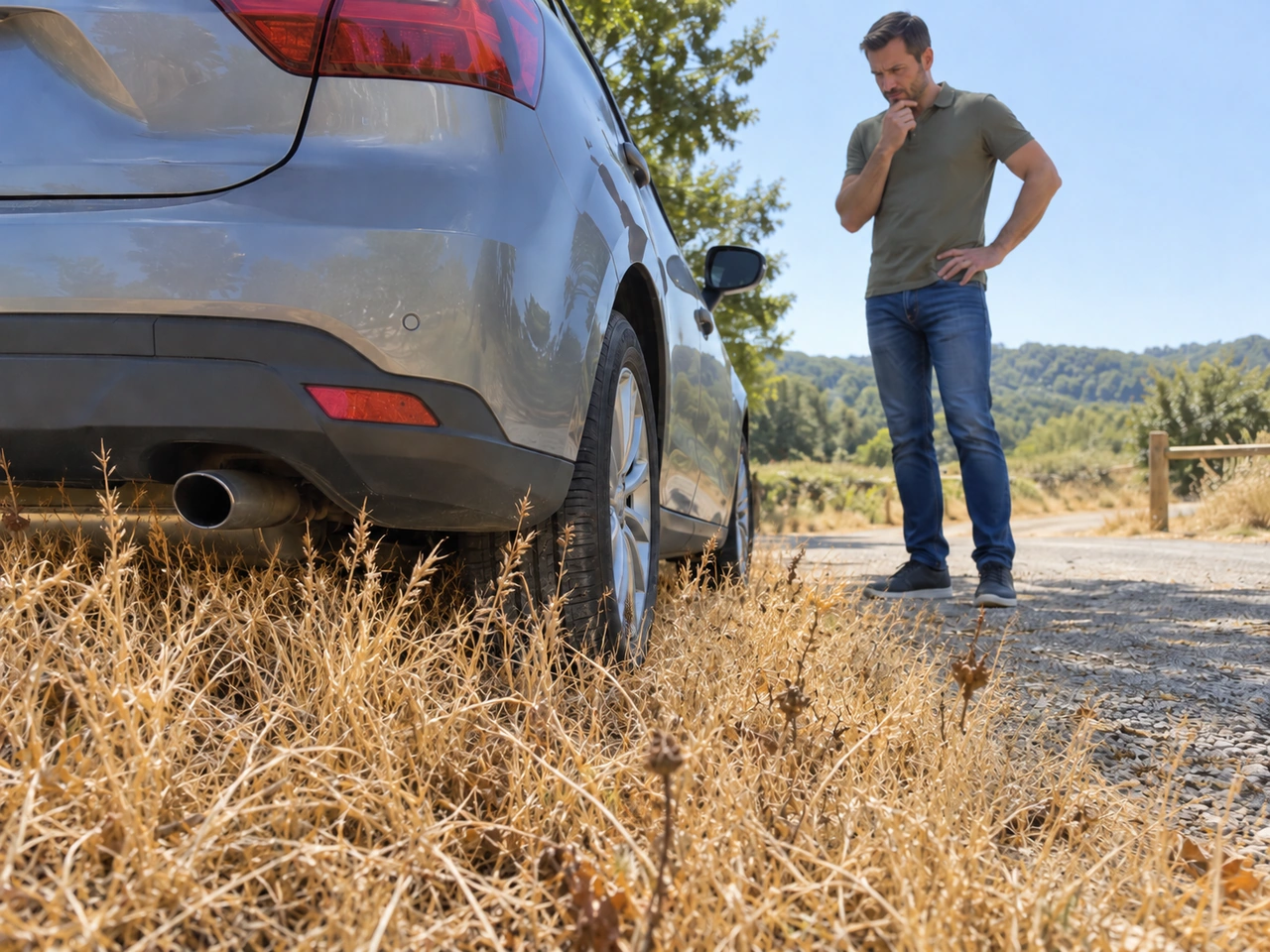
182. Why should you avoid parking a petrol or diesel vehicle on dry grass?
Parts of the exhaust system, especially the catalytic converter, can become very hot while driving. Parking over dry grass, leaves, or other combustible vegetation can create a fire risk. Park on a suitable non-flammable surface whenever possible.
AI-generated by Traffic-rules.com • WCIT • CC BY-SA
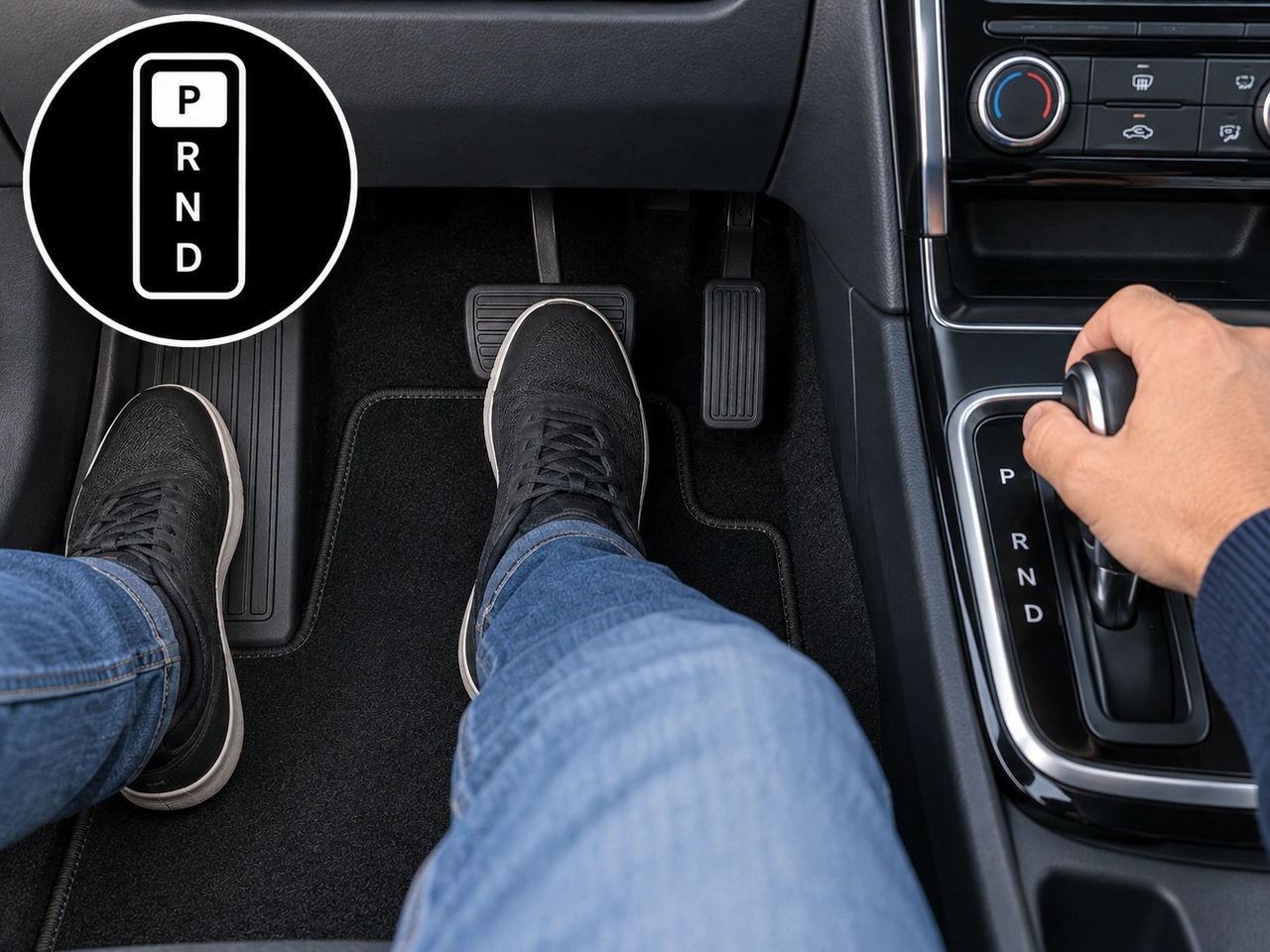
183. When should you select P (Park) in an automatic vehicle?
Select P (Park) only after the vehicle has come to a complete stop. Selecting Park while the vehicle is moving can damage the transmission.
AI-generated by Traffic-rules.com • WCIT • CC BY-SA
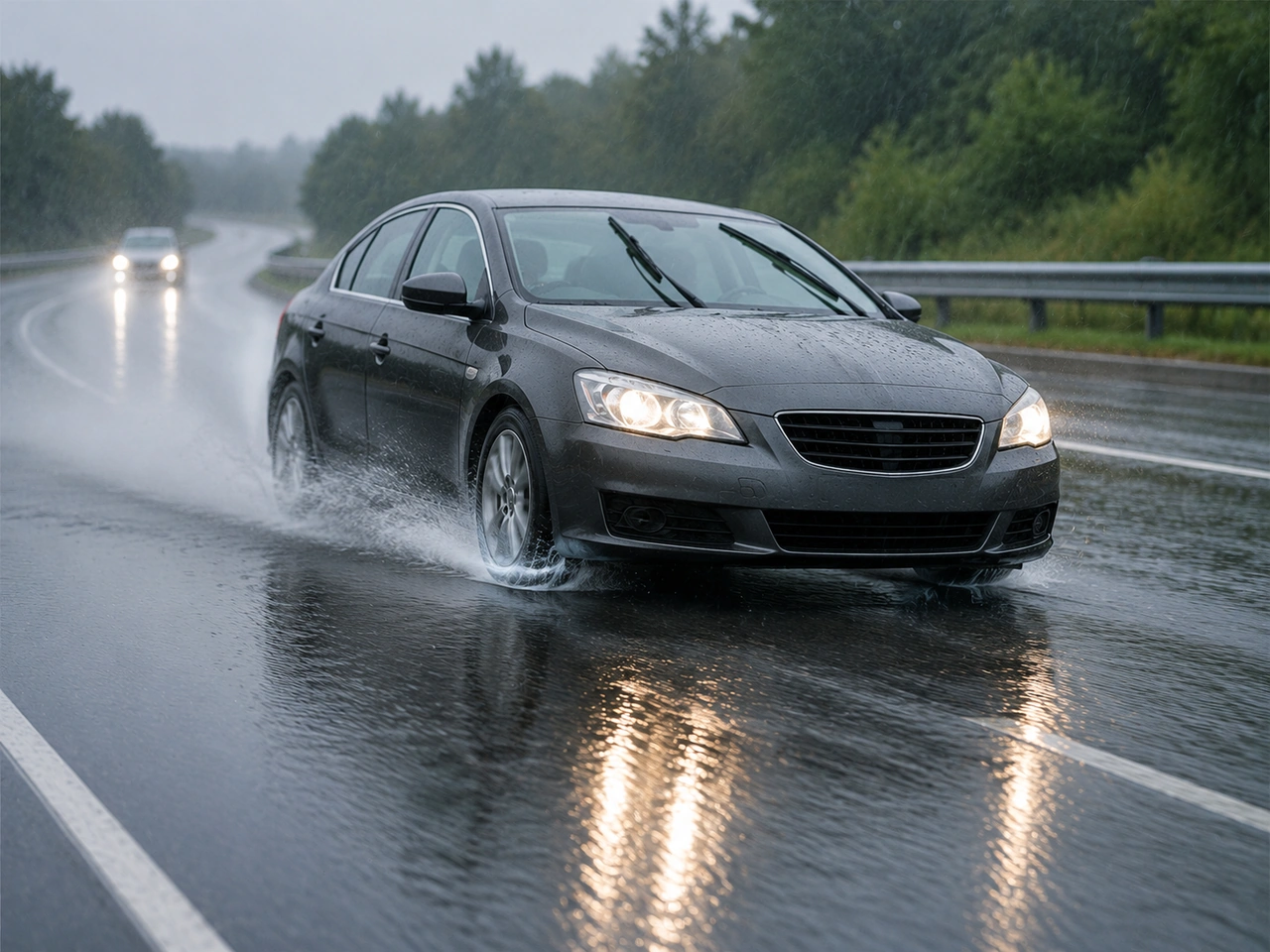
184. What is aquaplaning?
Aquaplaning occurs when water builds up between the tyres and the road, causing a loss of grip and control. The risk increases at higher speeds.
AI-generated by Traffic-rules.com • WCIT • CC BY-SA
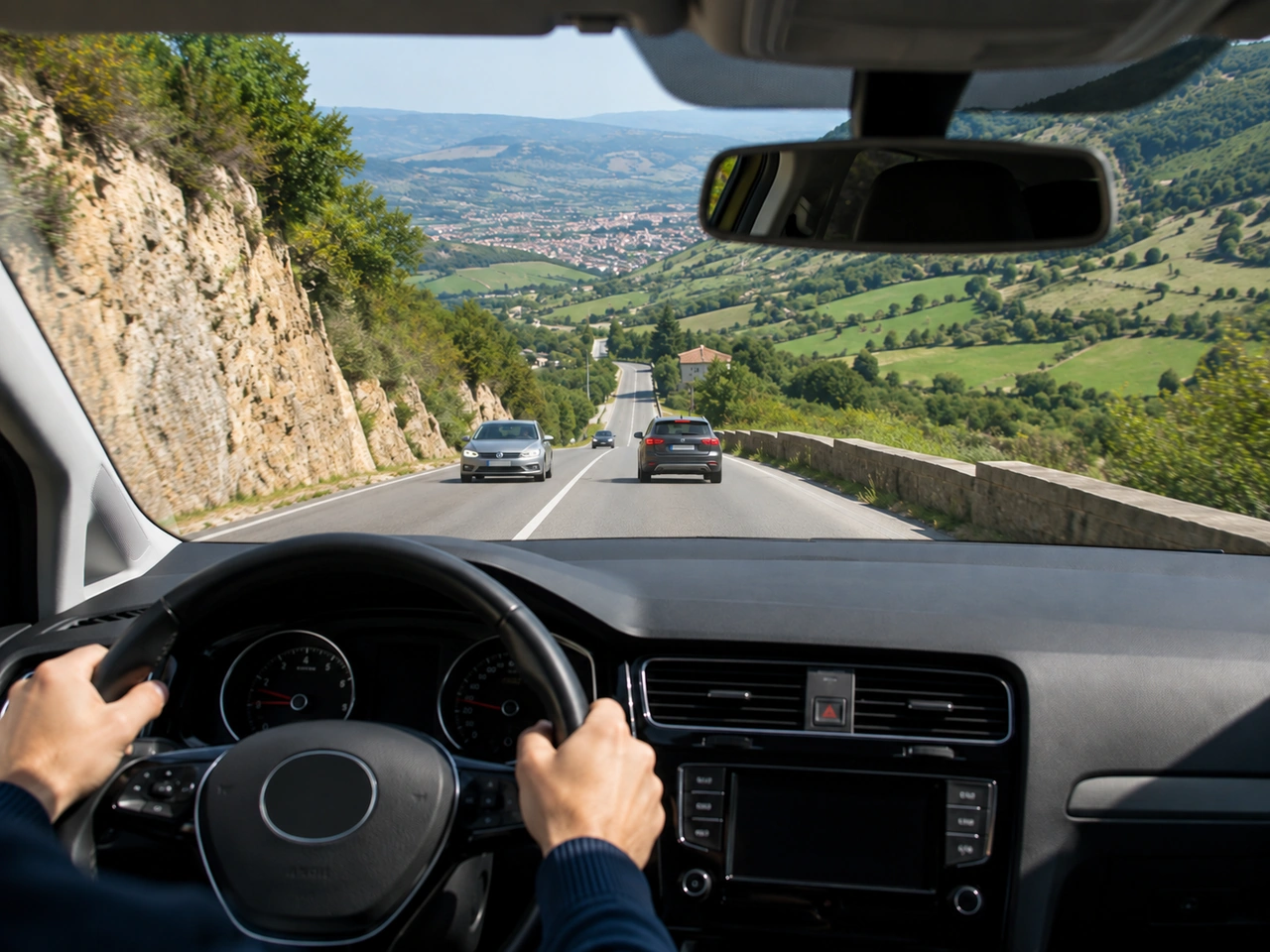
185. What should you do before driving down a long, steep hill?
A lower gear helps control your speed and reduces the amount of continuous braking needed on a long descent.
AI-generated by Traffic-rules.com • WCIT • CC BY-SA
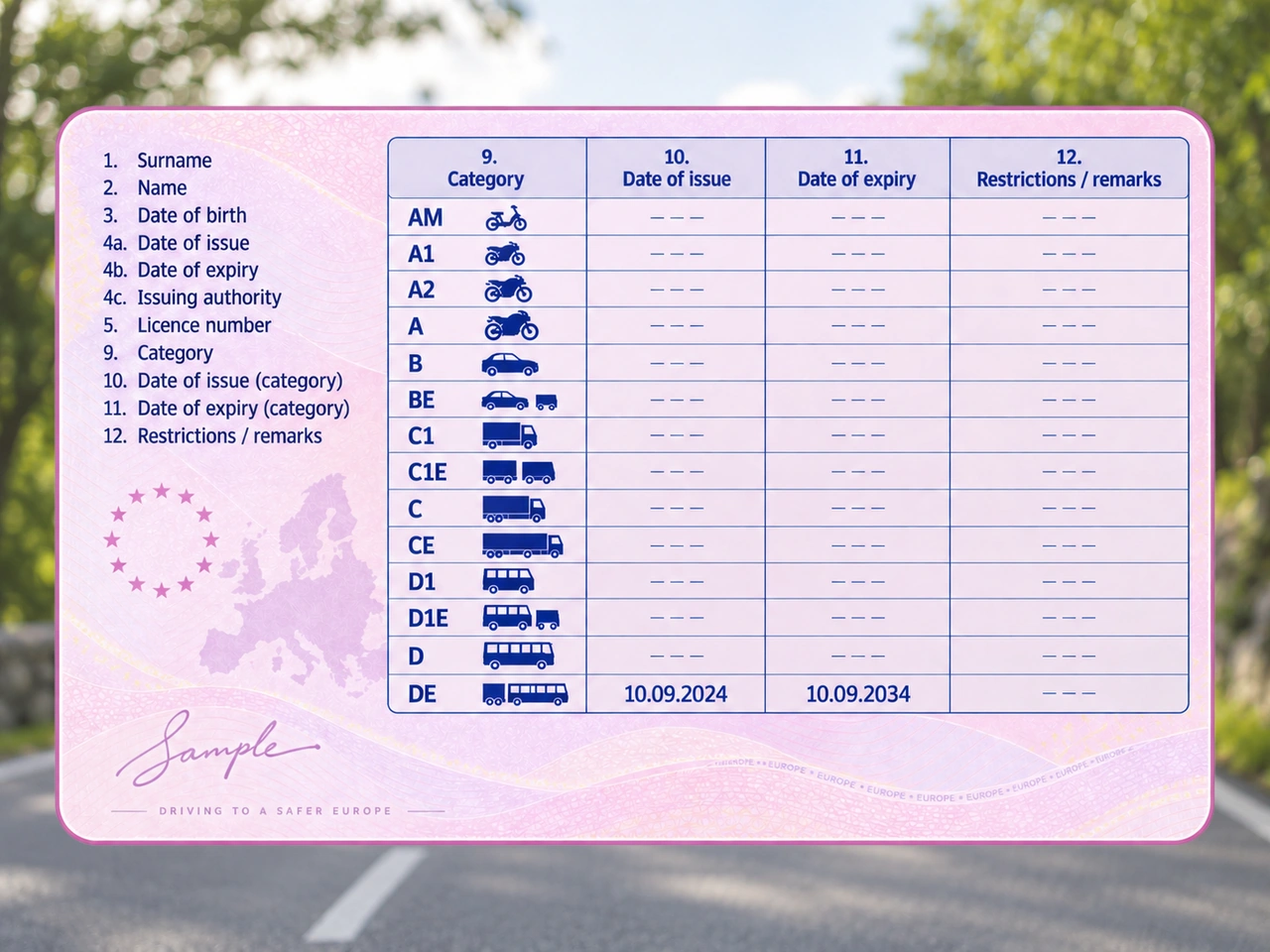
186. Which vehicle combination is covered by driving licence DE?
Category DE covers combinations consisting of a category D towing vehicle and a trailer with a maximum authorised mass above 750 kg.
AI-generated by Traffic-rules.com • WCIT • CC BY-SA
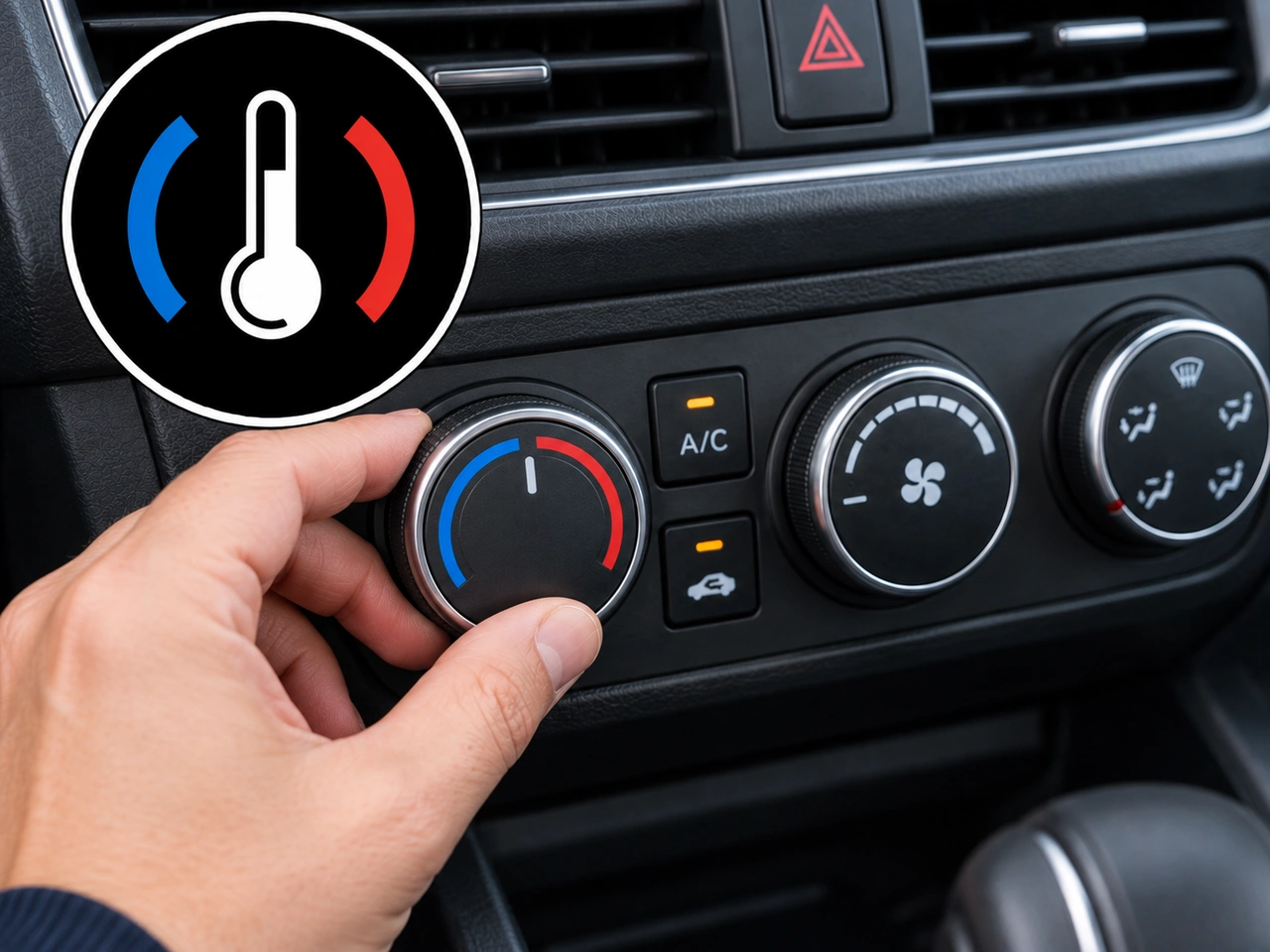
187. What does this vehicle-control symbol indicate?
This control adjusts the temperature of the air supplied to the cabin. Turning it towards the blue side lowers the selected temperature, while turning it towards the red side raises it.
AI-generated by Traffic-rules.com • WCIT • CC BY-SA
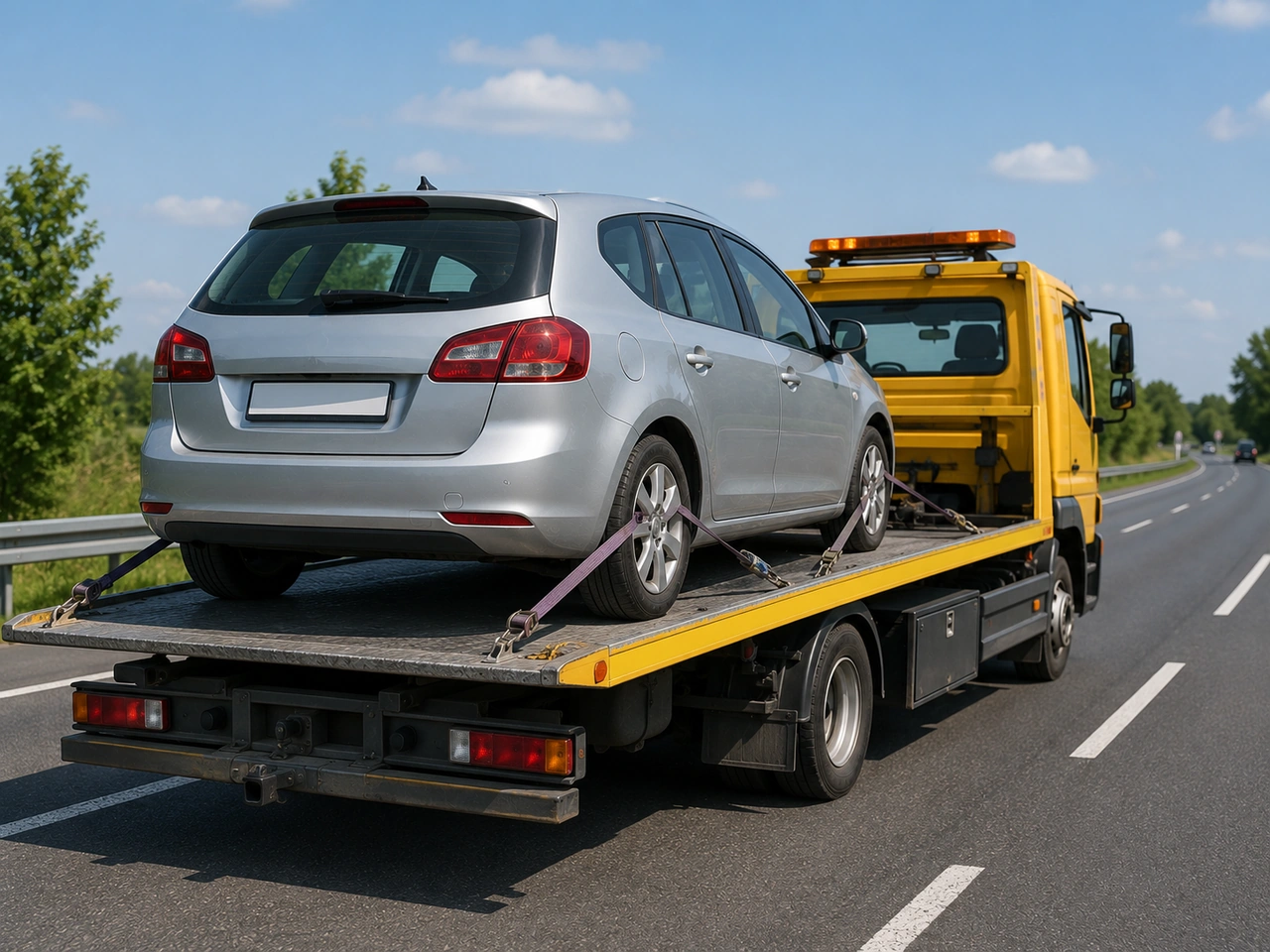
188. How should a disabled vehicle be towed?
Incorrect towing can damage the vehicle or cause loss of control. Follow the manufacturer's instructions and local rules, and use professional recovery when the correct procedure is uncertain.
AI-generated by Traffic-rules.com • WCIT • CC BY-SA
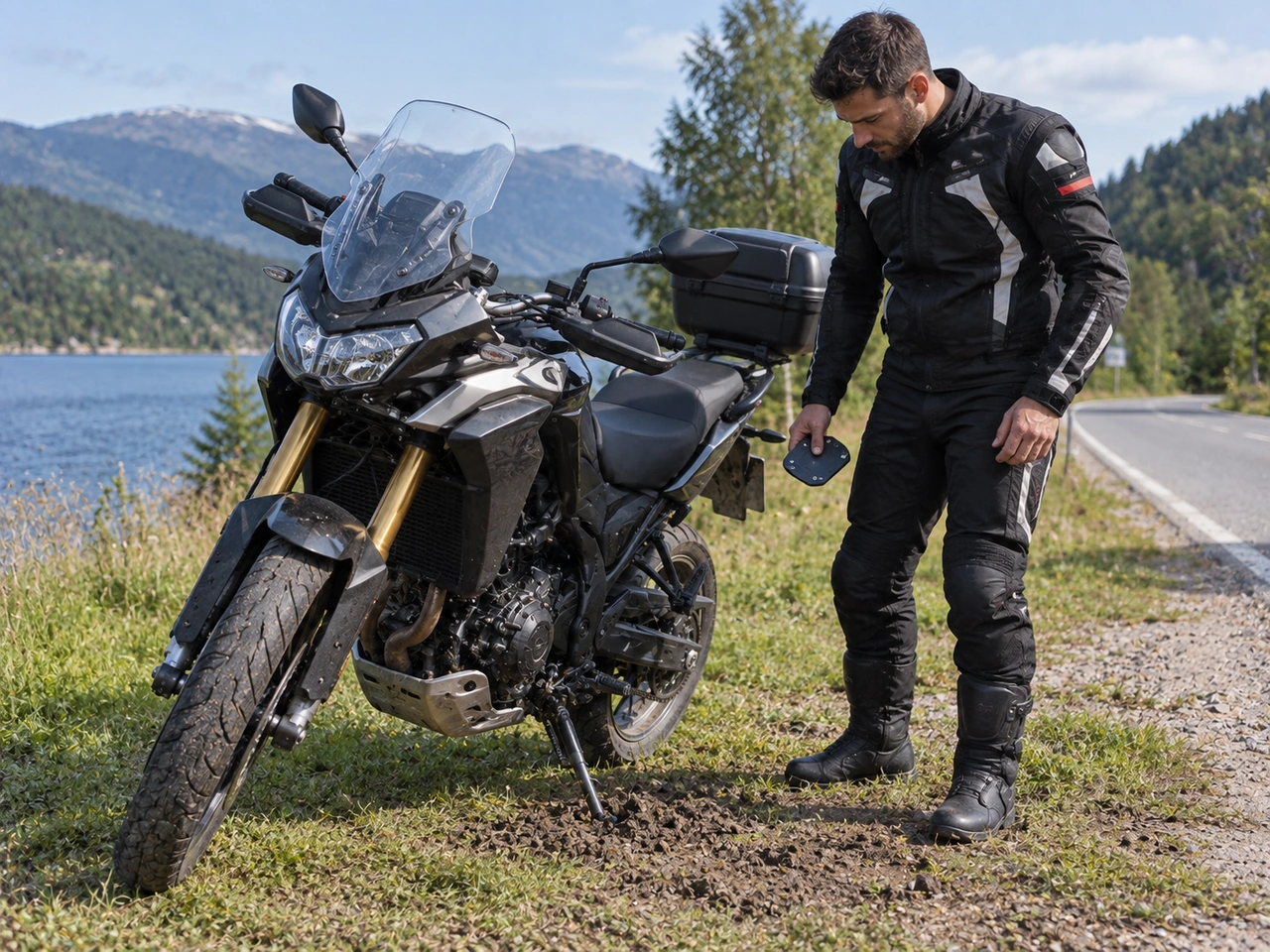
189. Why should you take care when parking a motorcycle on soft ground?
On soft or unstable ground, the side or centre stand can sink or move, causing the motorcycle to fall. Park on a firm, stable surface or use a suitable support under the stand when necessary.
AI-generated by Traffic-rules.com • WCIT • CC BY-SA
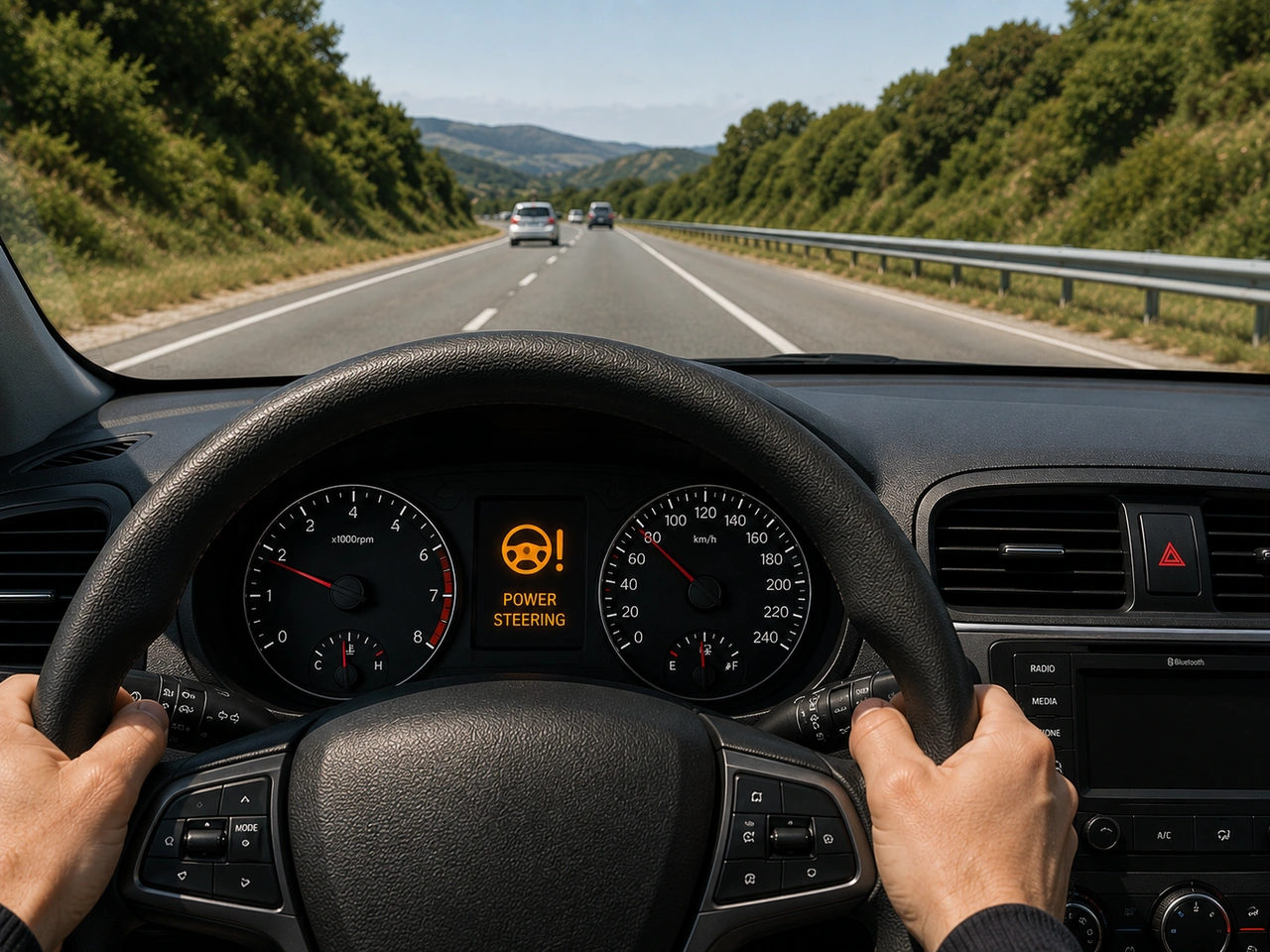
190. What should you do if the power steering suddenly stops assisting you?
The vehicle can normally still be steered, but much more effort may be required. Reduce speed and arrange an inspection.
AI-generated by Traffic-rules.com • WCIT • CC BY-SA
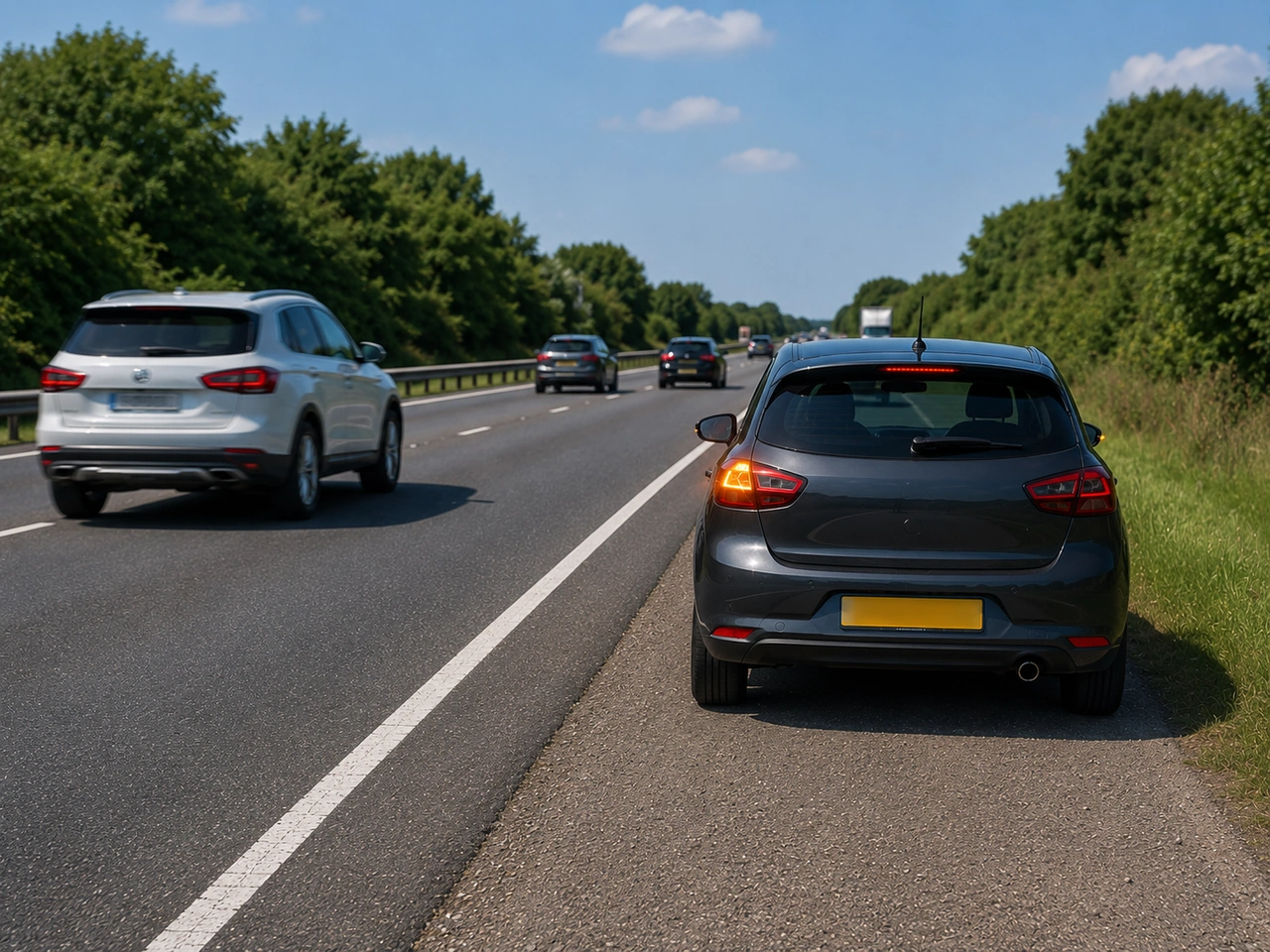
191. What should you do before rejoining traffic after a breakdown?
Check mirrors and blind spots, signal clearly, and build up speed safely without causing approaching traffic to brake suddenly.
AI-generated by Traffic-rules.com • WCIT • CC BY-SA
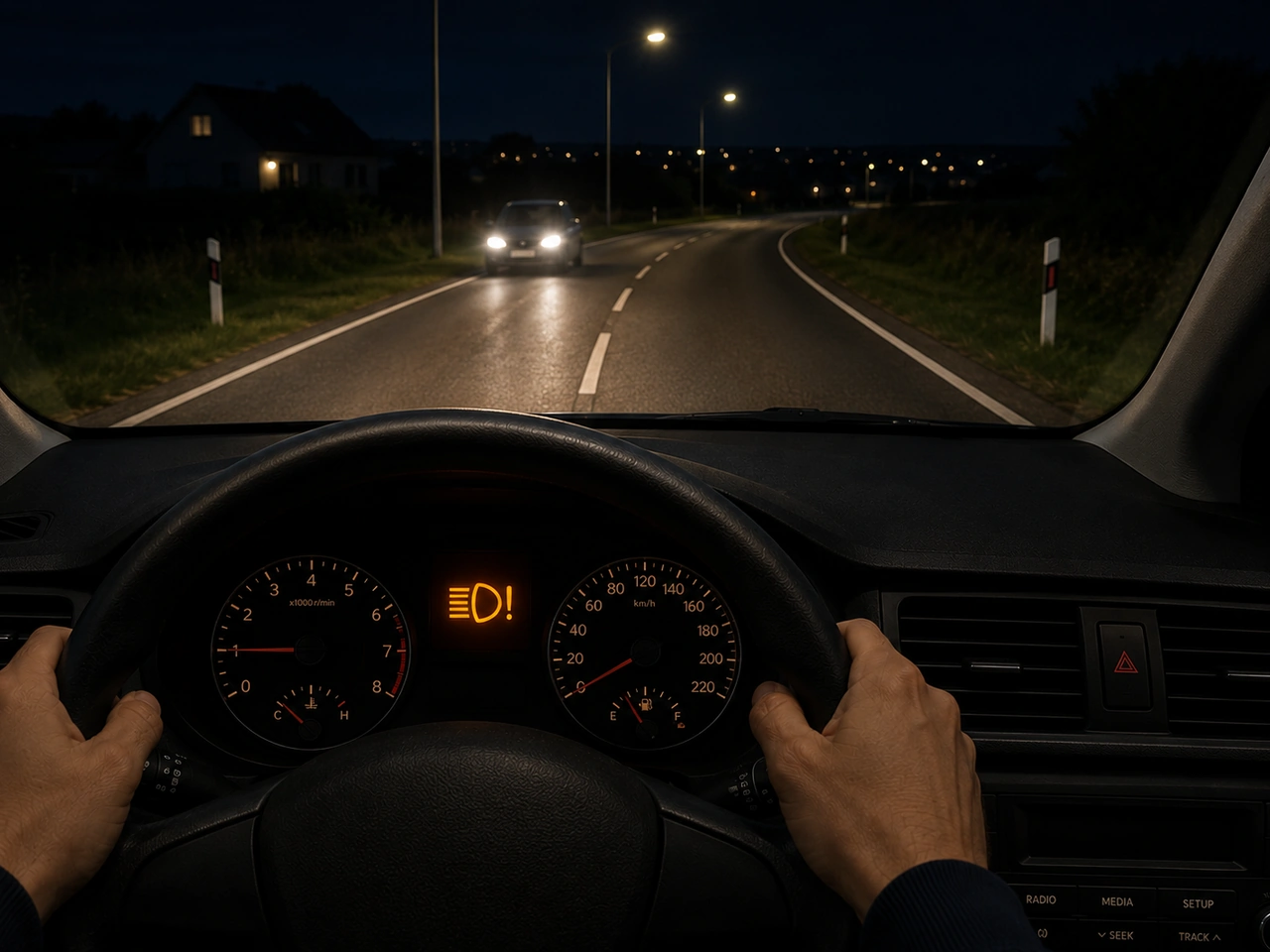
192. What should you do if your headlights fail while driving at night?
Without effective headlights, you may not see hazards and other road users may not see you. Stop in a safe location as soon as possible.
AI-generated by Traffic-rules.com • WCIT • CC BY-SA
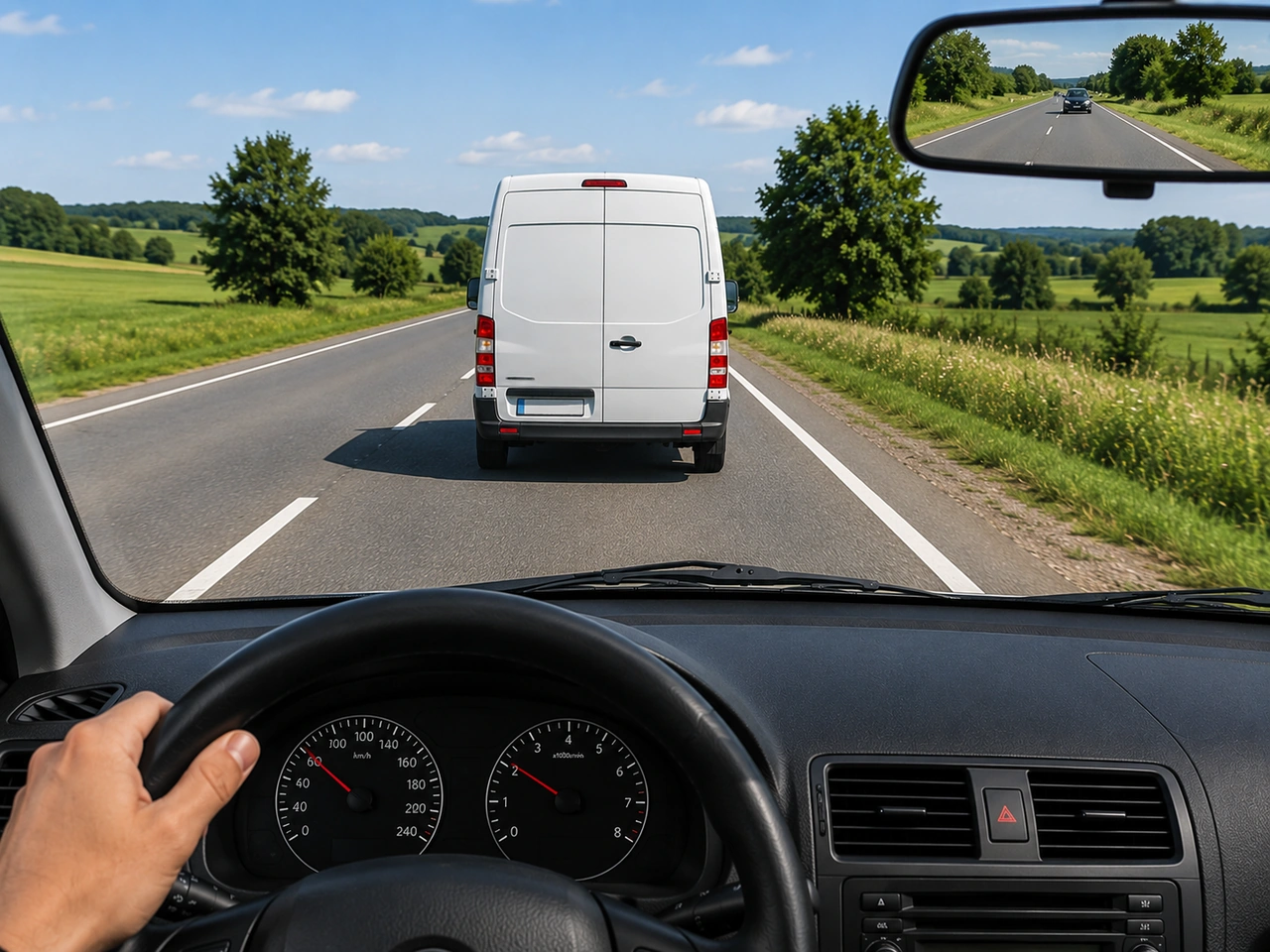
193. What is the main risk when following a vehicle with limited rear visibility?
Vans, trucks, and vehicles with blocked rear windows may have limited visibility. Keep extra distance and avoid sitting in blind spots.
AI-generated by Traffic-rules.com • WCIT • CC BY-SA
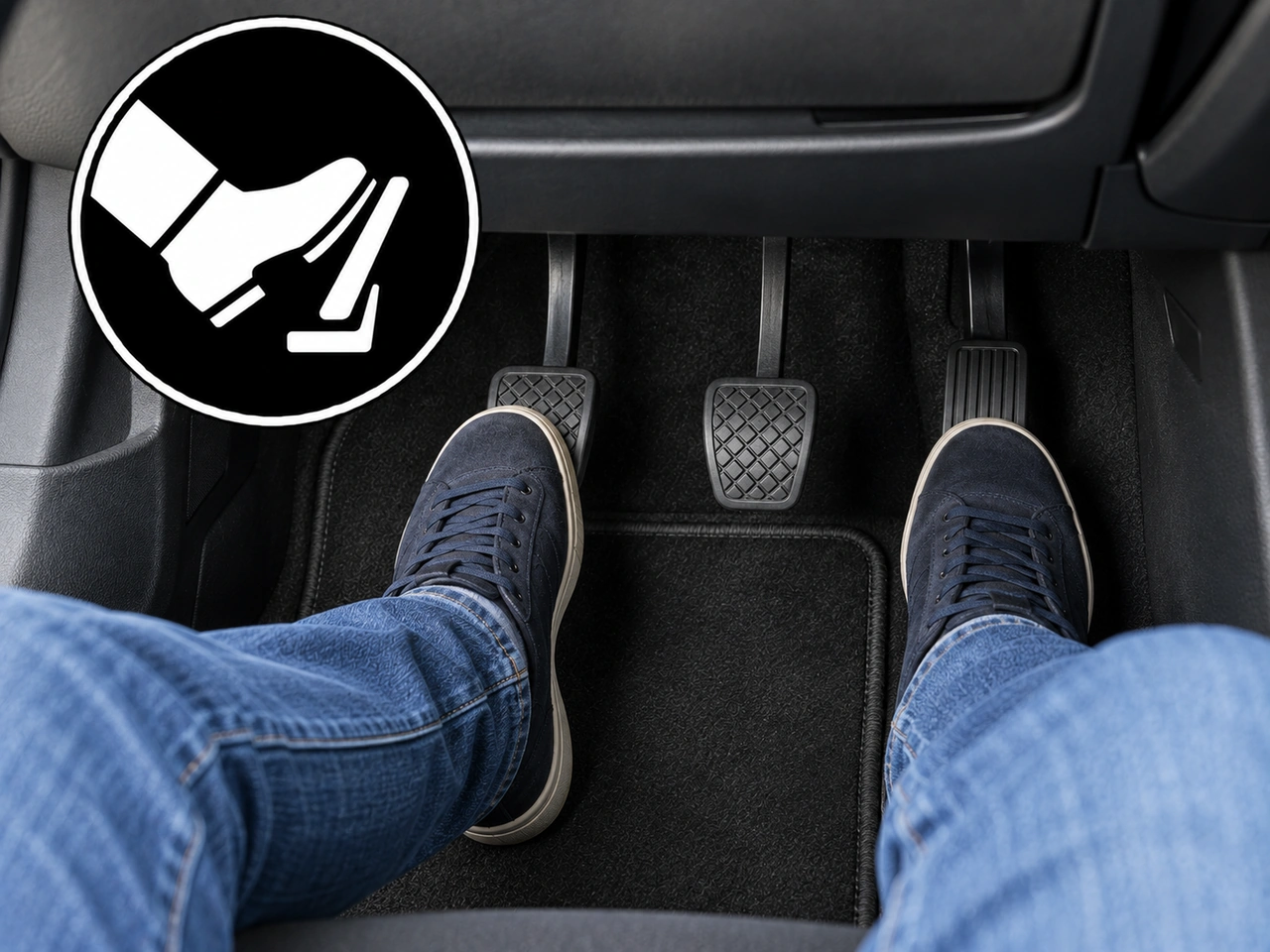
194. What is the clutch biting point?
The clutch biting point is reached as the clutch pedal is released and the clutch begins to transmit power from the engine to the transmission. Controlling this point helps the driver move off smoothly.
AI-generated by Traffic-rules.com • WCIT • CC BY-SA
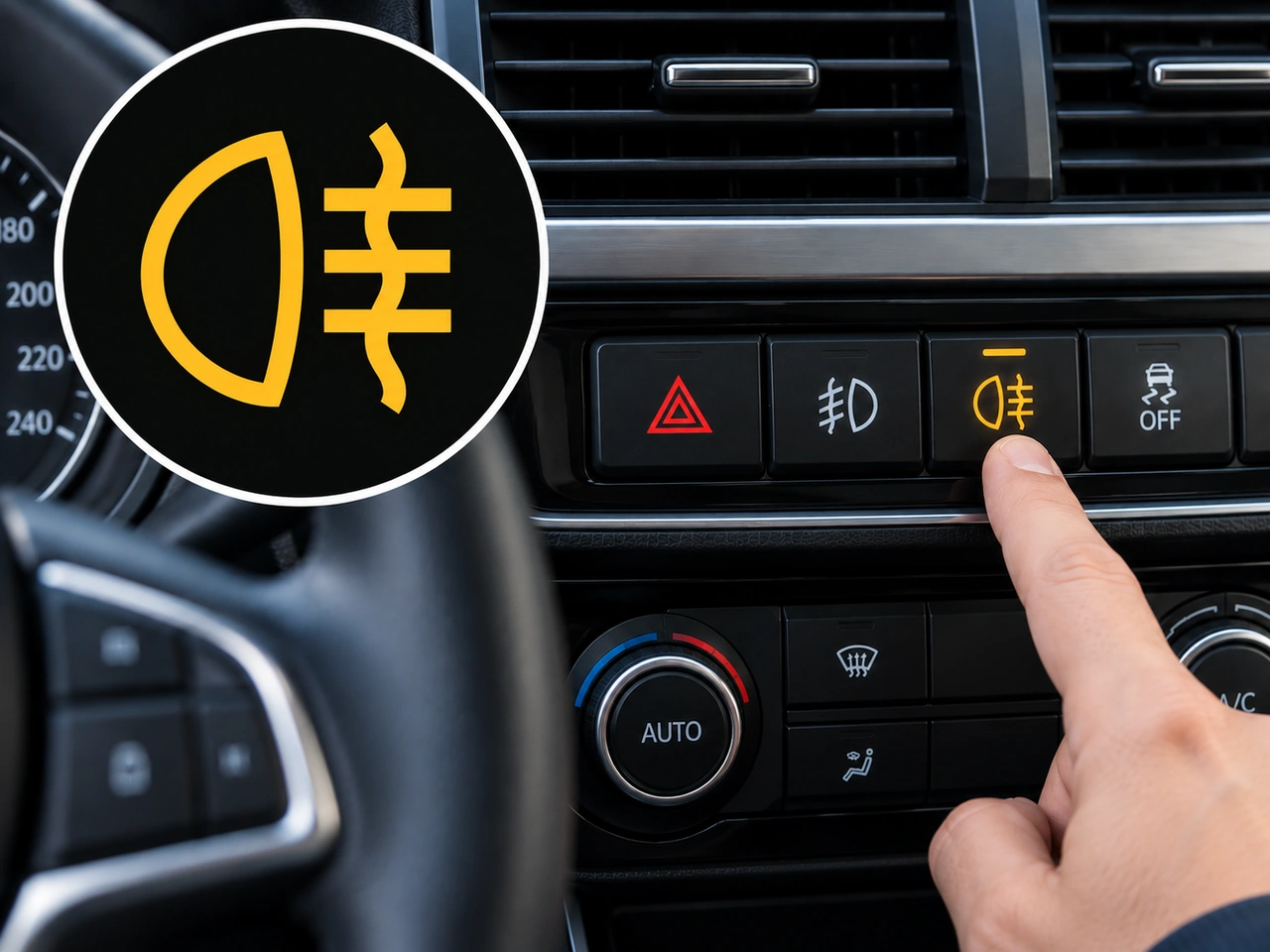
195. What does this dashboard symbol indicate?
This symbol indicates that the rear fog lights are switched on. Rear fog lights make the vehicle more visible from behind in conditions of severely reduced visibility, but they can dazzle other road users when used unnecessarily.
AI-generated by Traffic-rules.com • WCIT • CC BY-SA
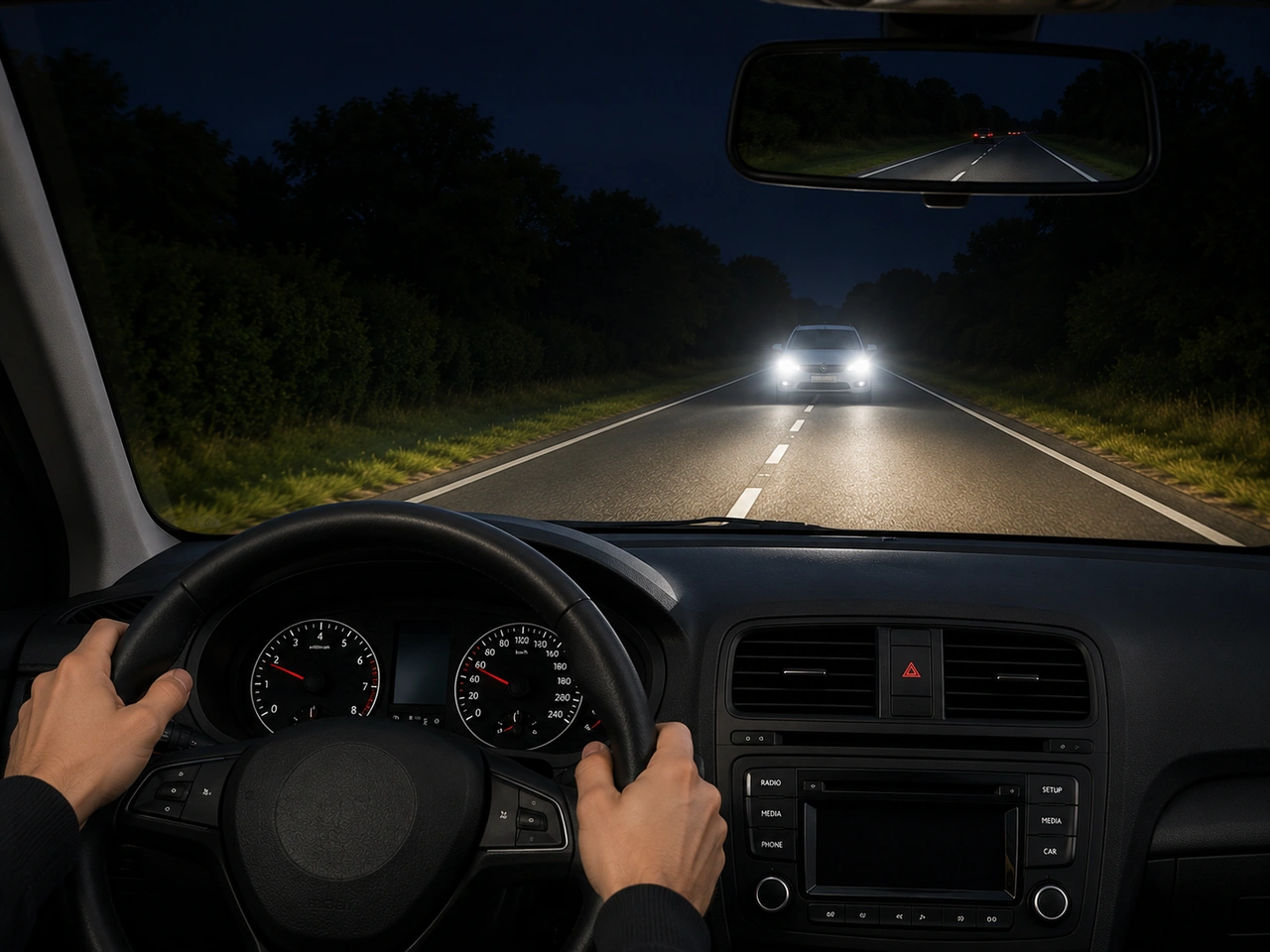
196. What should you do if your main beam could dazzle another driver?
Main beam can dazzle other road users and reduce their visibility. Switch to dipped headlights whenever your main beam could dazzle another driver.
AI-generated by Traffic-rules.com • WCIT • CC BY-SA
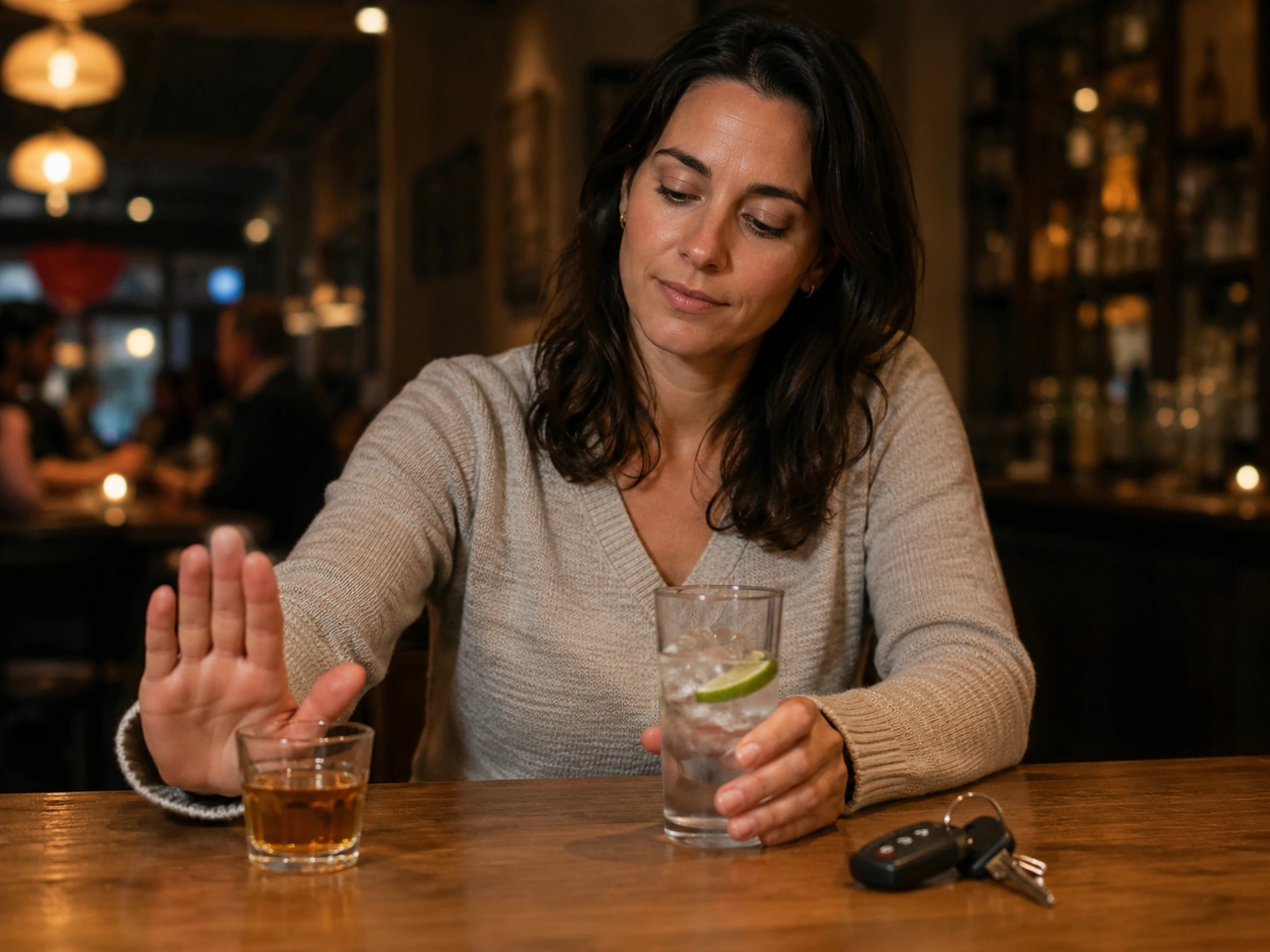
197. Should the legal alcohol limit be treated as a safe target?
A legal limit is an enforcement threshold, not a recommended drinking level. Even a small amount of alcohol can affect driving performance.
AI-generated by Traffic-rules.com • WCIT • CC BY-SA
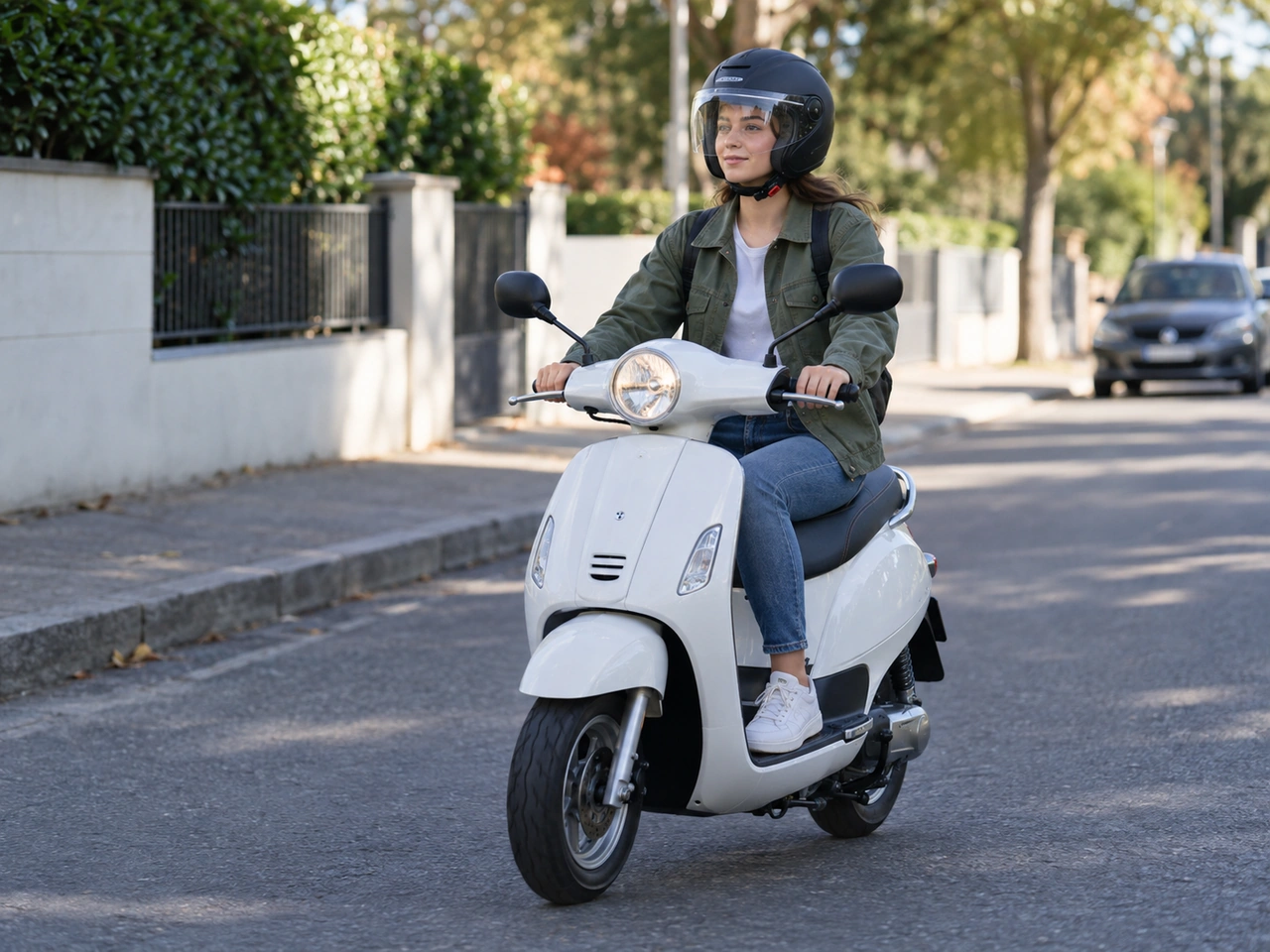
198. Are moped riders generally required to wear a helmet in France?
Moped riders in France are generally required to wear an approved helmet.
AI-generated by Traffic-rules.com • WCIT • CC BY-SA
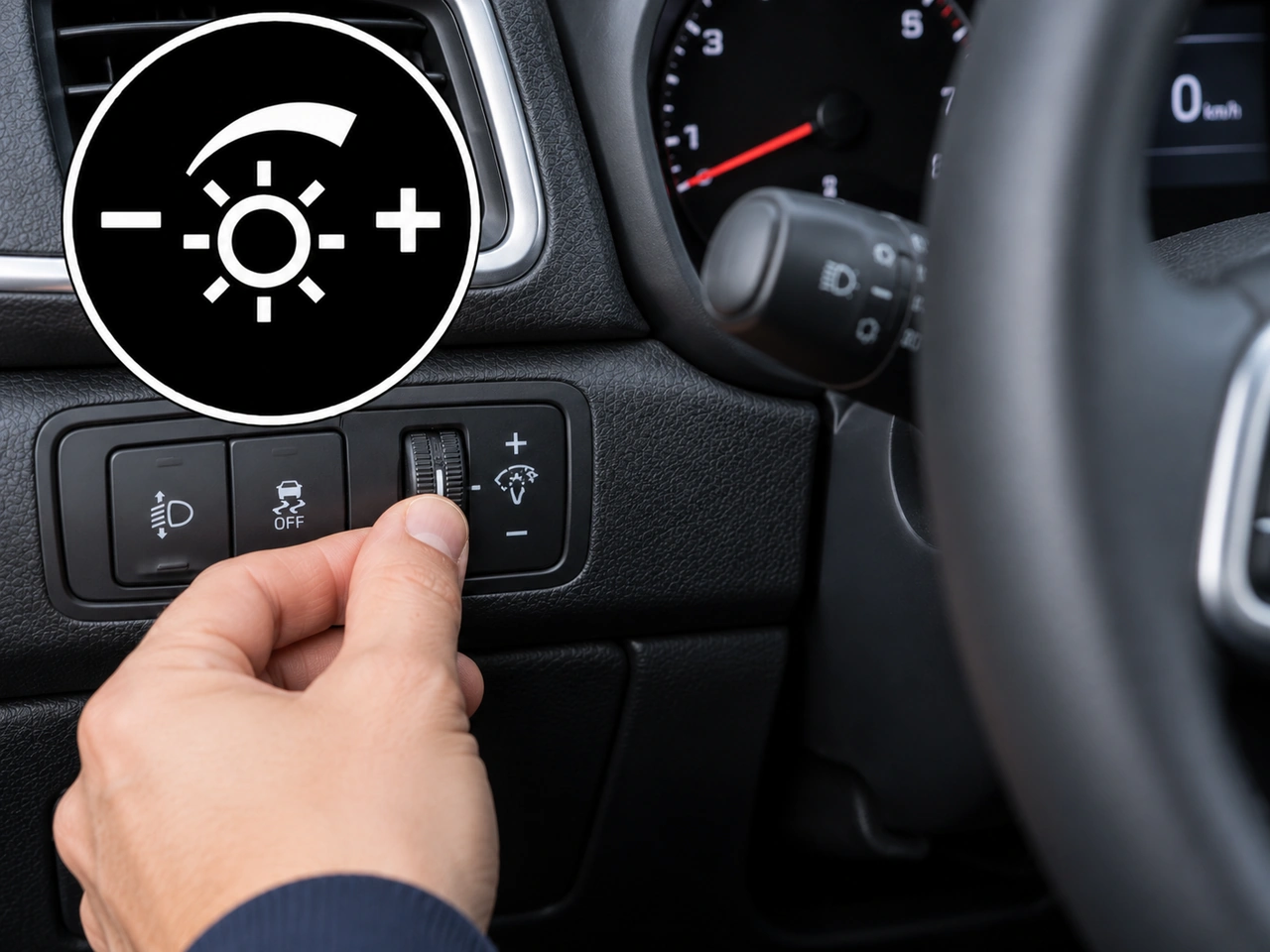
199. What does this vehicle-control symbol indicate?
This control adjusts the brightness of the instrument panel and dashboard illumination, allowing the driver to reduce or increase the lighting level.
AI-generated by Traffic-rules.com • WCIT • CC BY-SA
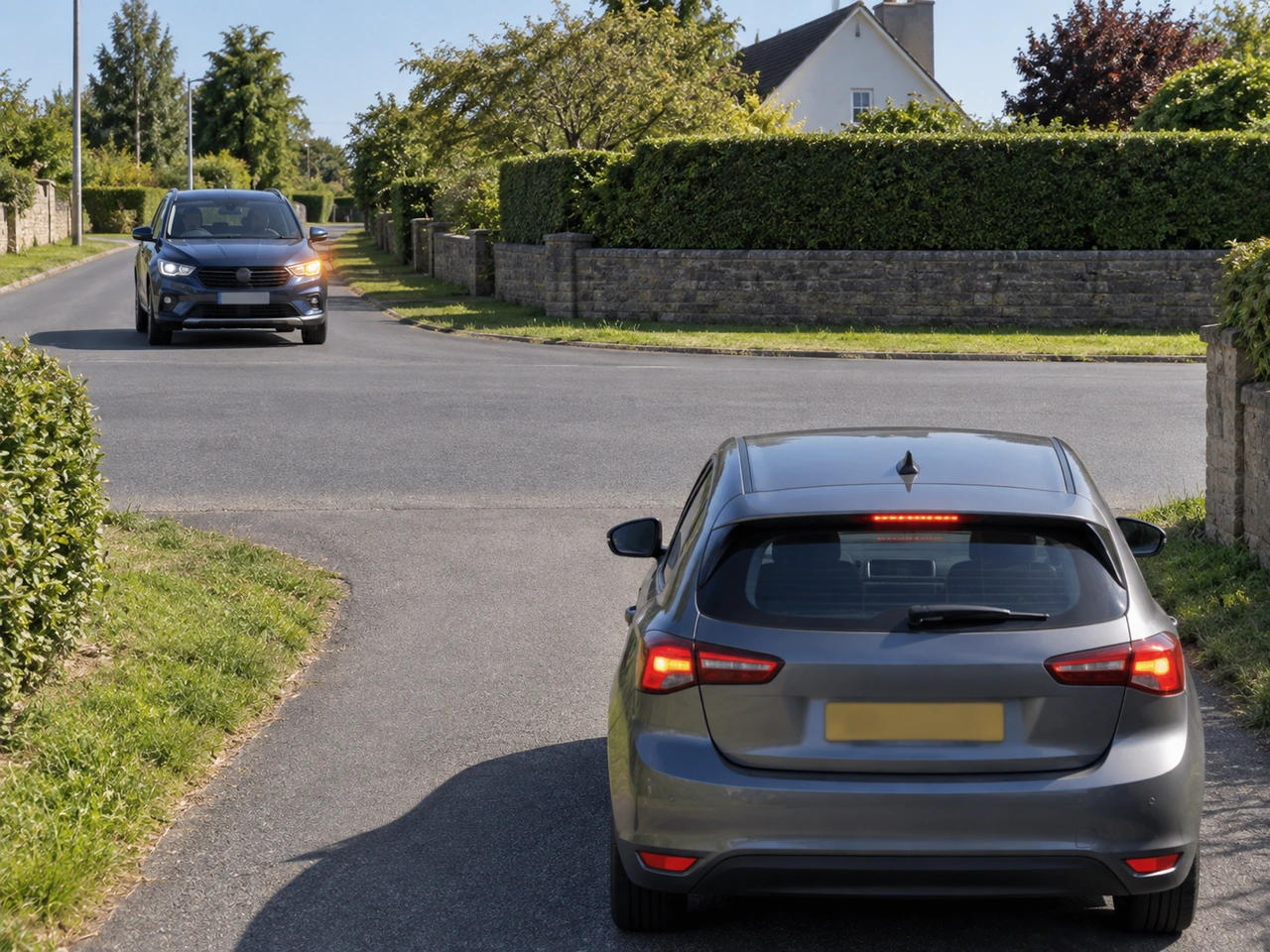
200. What should you do if another vehicle is signalling to turn?
An indicator shows an intention, but it does not guarantee that the driver will turn. The signal may have been left on accidentally or the driver's intentions may change. Observe the vehicle's speed and position and proceed only when you are sure it is safe.
AI-generated by Traffic-rules.com • WCIT • CC BY-SA