


QuizTraffic rulesUnited Kingdom
This interesting quiz helps you test your knowledge in a clear and visual way. With easy multiple-choice questions, you can quickly build confidence and learn new facts while keeping it simple, interactive, and fun.
 Traffic signs
 Traffic rules
 United Kingdom
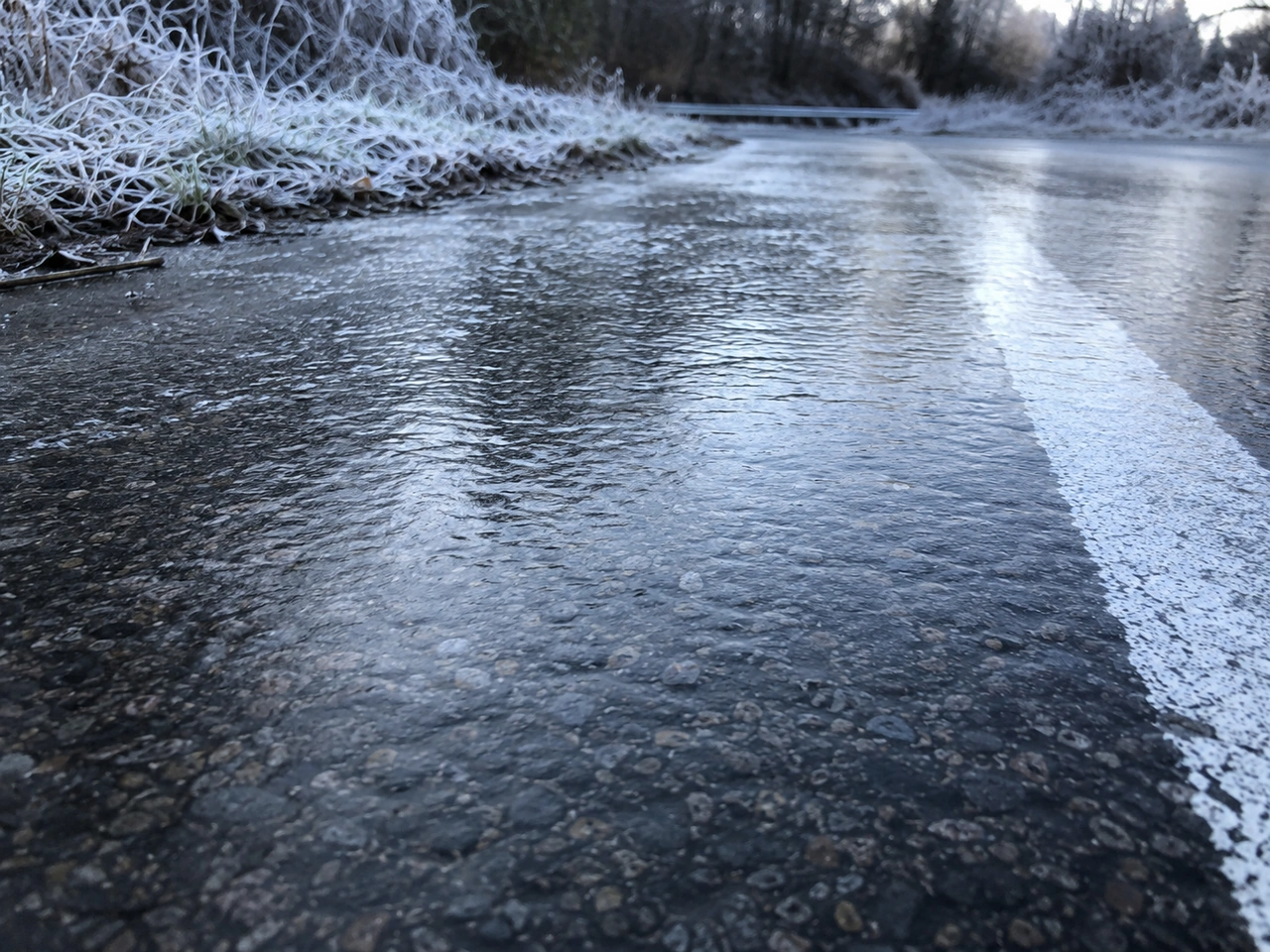
51. What is black ice?
Black ice is difficult to detect because the road surface may look merely wet. It can cause a sudden and severe loss of grip.
AI-generated by Traffic-rules.com • WCIT • CC BY-SA

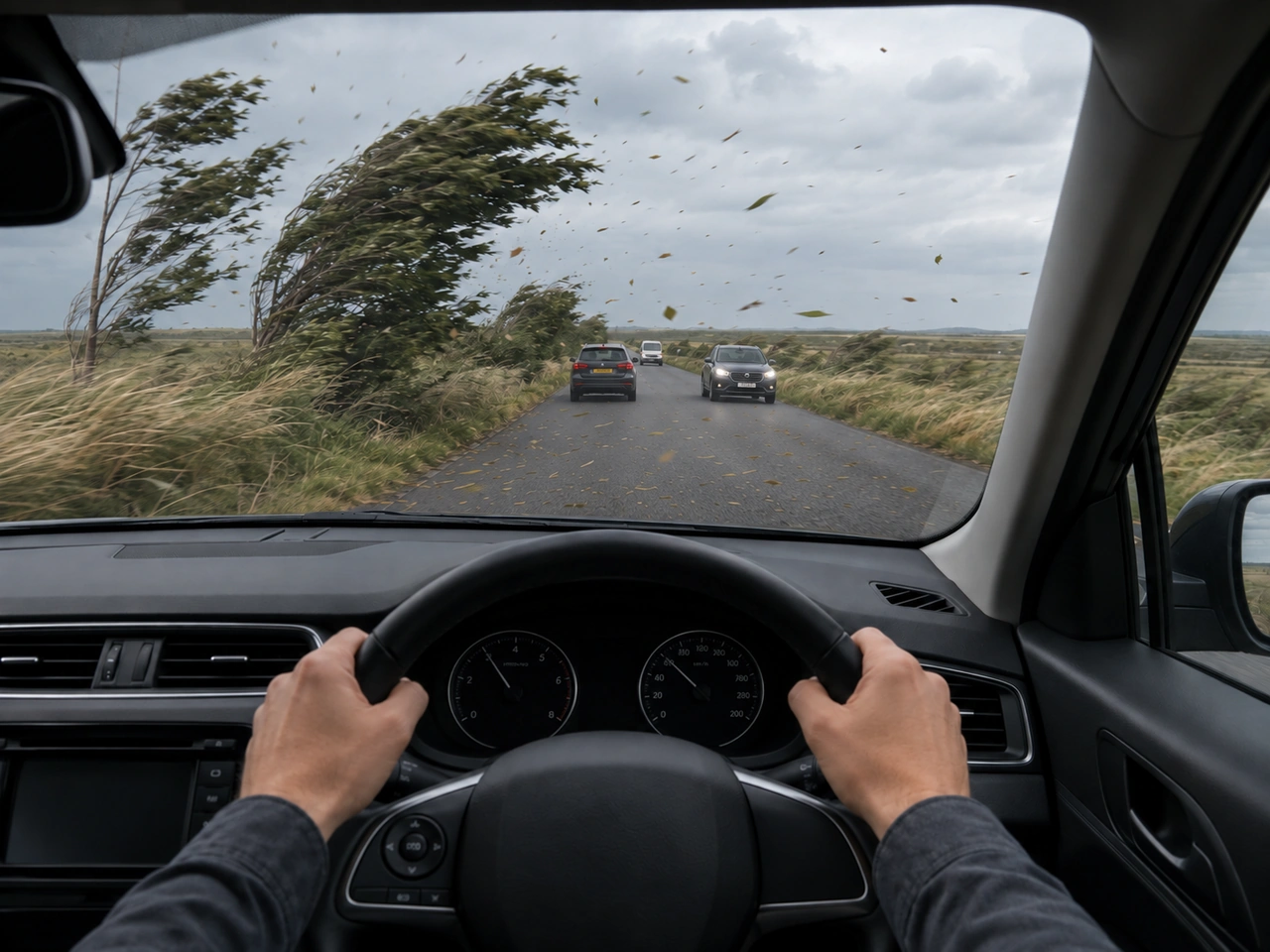
52. What should you do if strong winds push your vehicle sideways?
Strong winds can push your vehicle off course, especially at higher speeds. Reduce speed and use smooth steering to stay in control.
AI-generated by Traffic-rules.com • WCIT • CC BY-SA
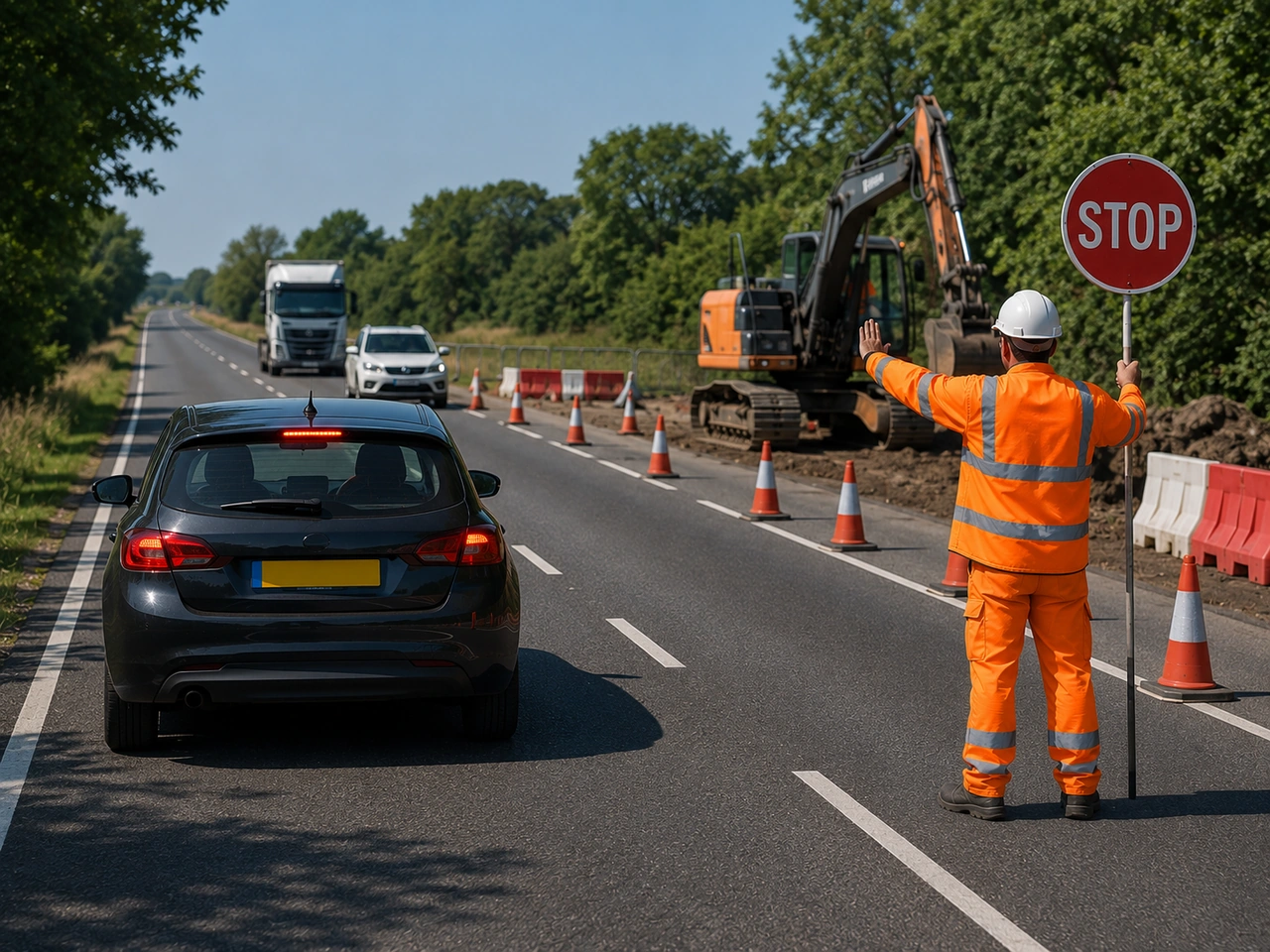
53. What should you do when a road worker directs traffic?
Authorised road workers may control traffic through a work zone. Watch carefully and follow their directions.
AI-generated by Traffic-rules.com • WCIT • CC BY-SA
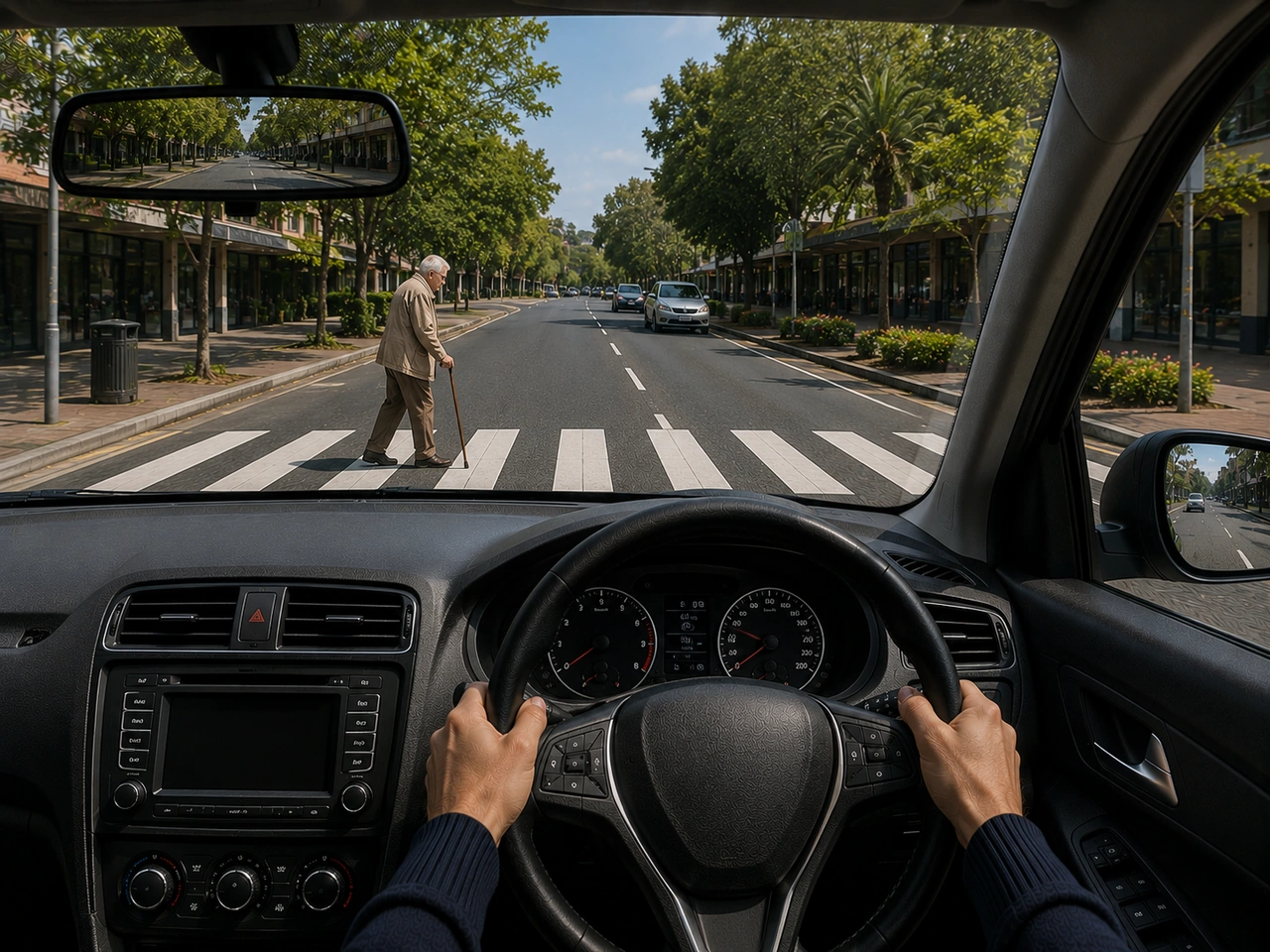
54. What should you do if a pedestrian is crossing slowly?
Some pedestrians may need more time to cross. Stay patient, keep a safe distance, and do not pressure them.
AI-generated by Traffic-rules.com • WCIT • CC BY-SA
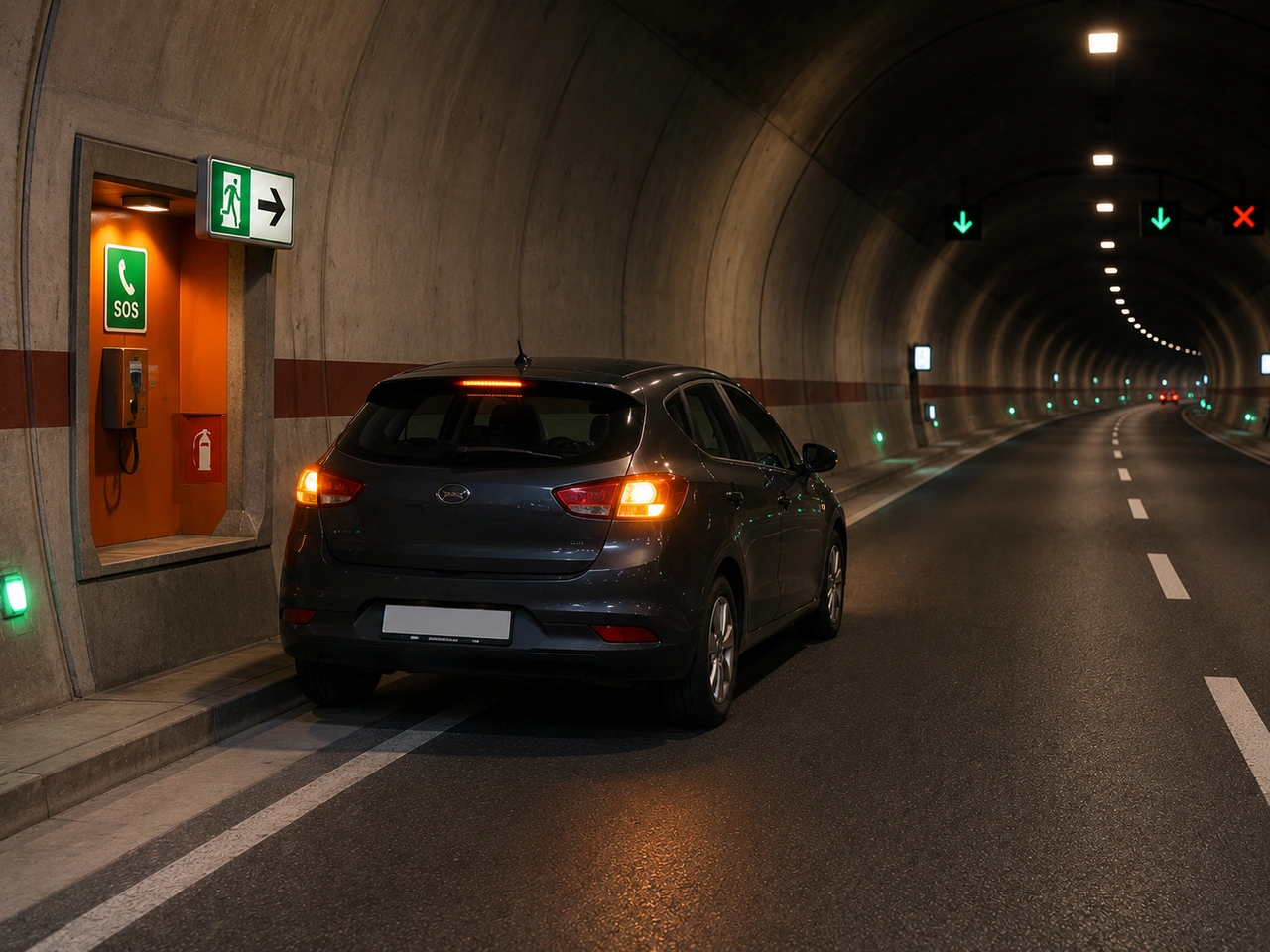
55. What should you do if your vehicle breaks down inside a road tunnel?
If possible, stop in an emergency bay or another safe place and use the hazard lights. Contact tunnel control using an emergency telephone or other available assistance system, and follow the tunnel signs and instructions.
AI-generated by Traffic-rules.com • WCIT • CC BY-SA
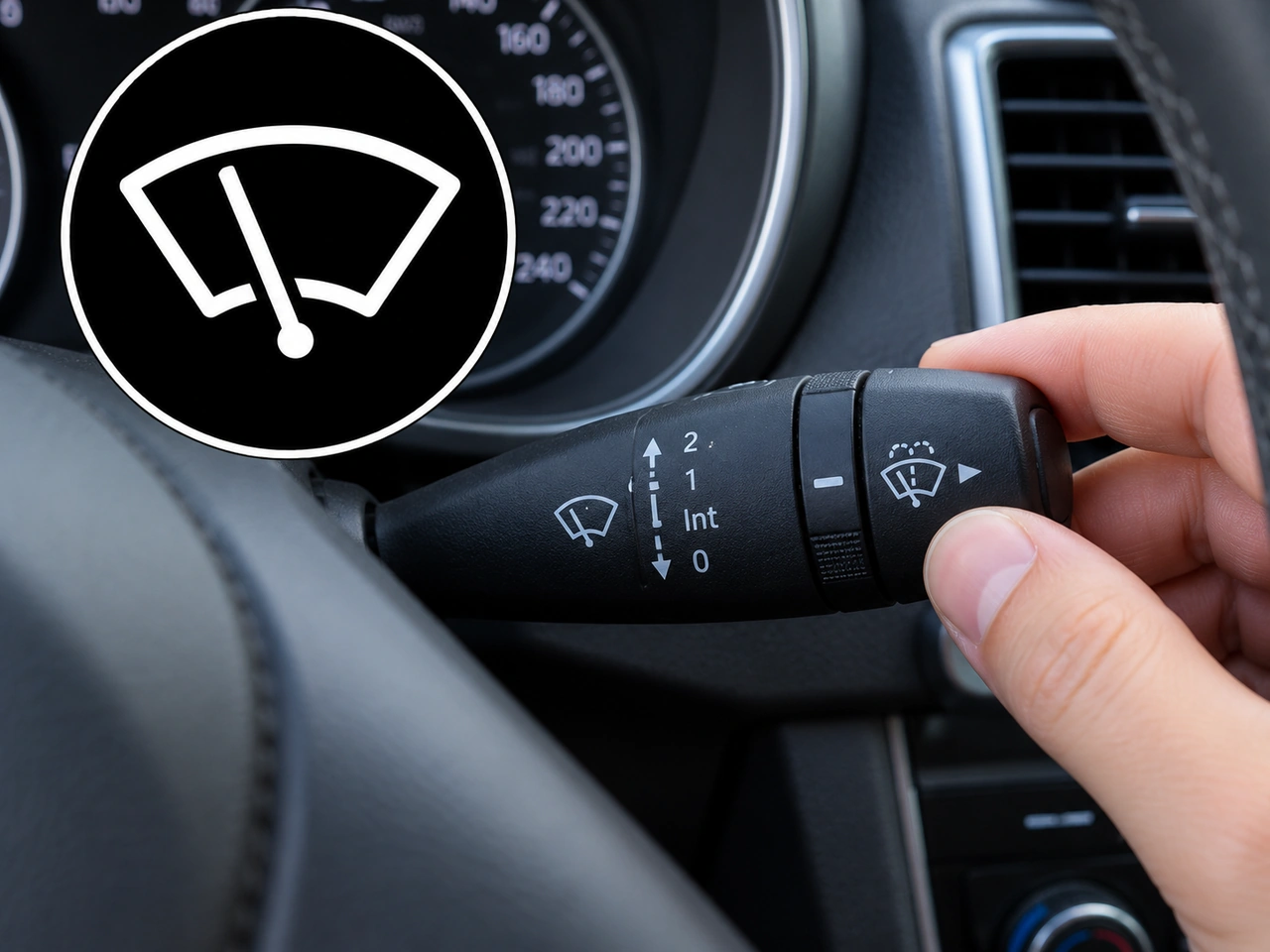
56. What does this vehicle-control symbol indicate?
This symbol relates to the windscreen wipers. The control allows the driver to select an appropriate wiping mode or speed for the amount of rain and visibility conditions.
AI-generated by Traffic-rules.com • WCIT • CC BY-SA
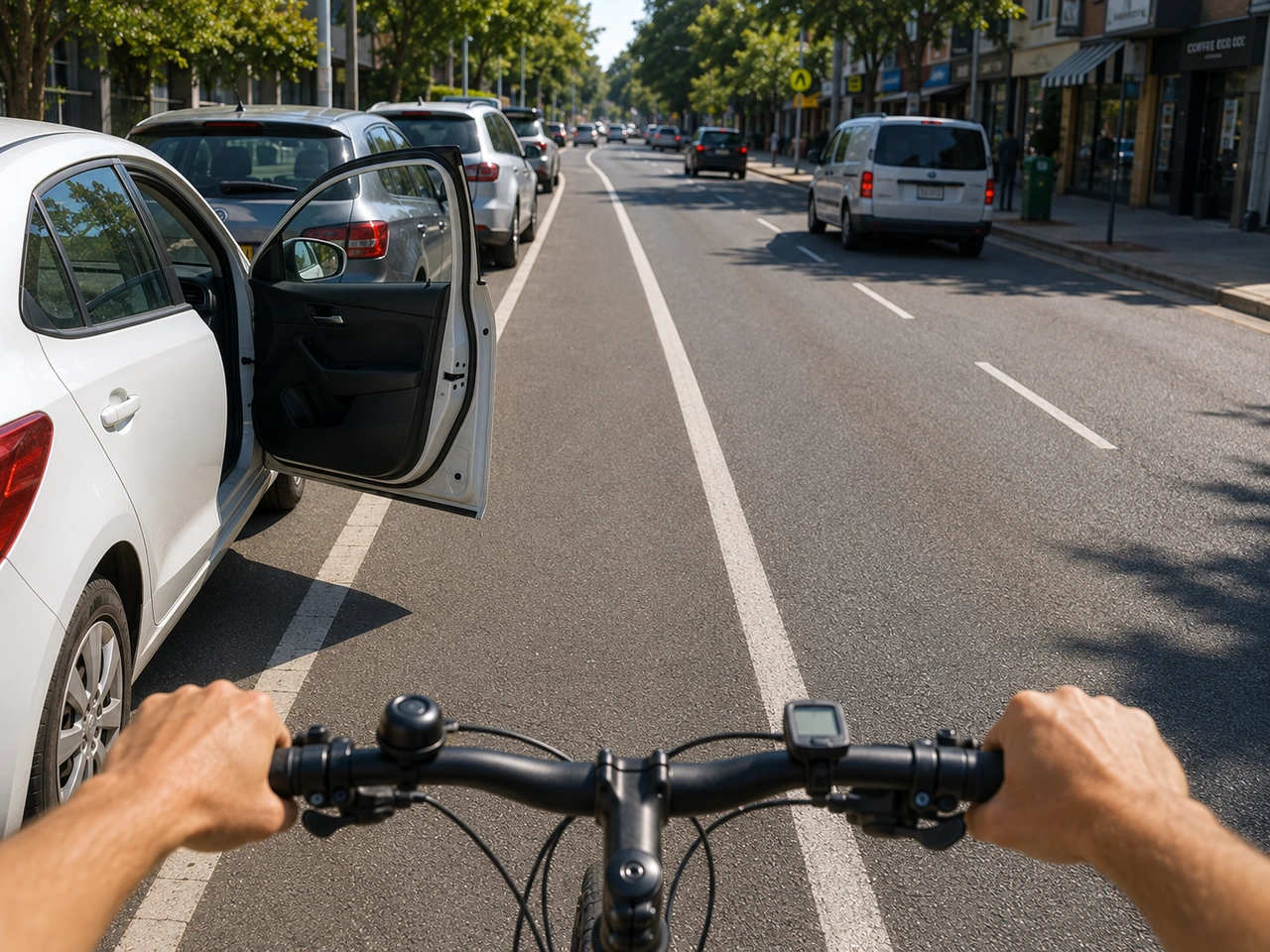
57. Why should you leave space when cycling beside parked cars?
A driver or passenger may open a door without seeing you. Leaving space reduces the risk of a dooring collision.
AI-generated by Traffic-rules.com • WCIT • CC BY-SA
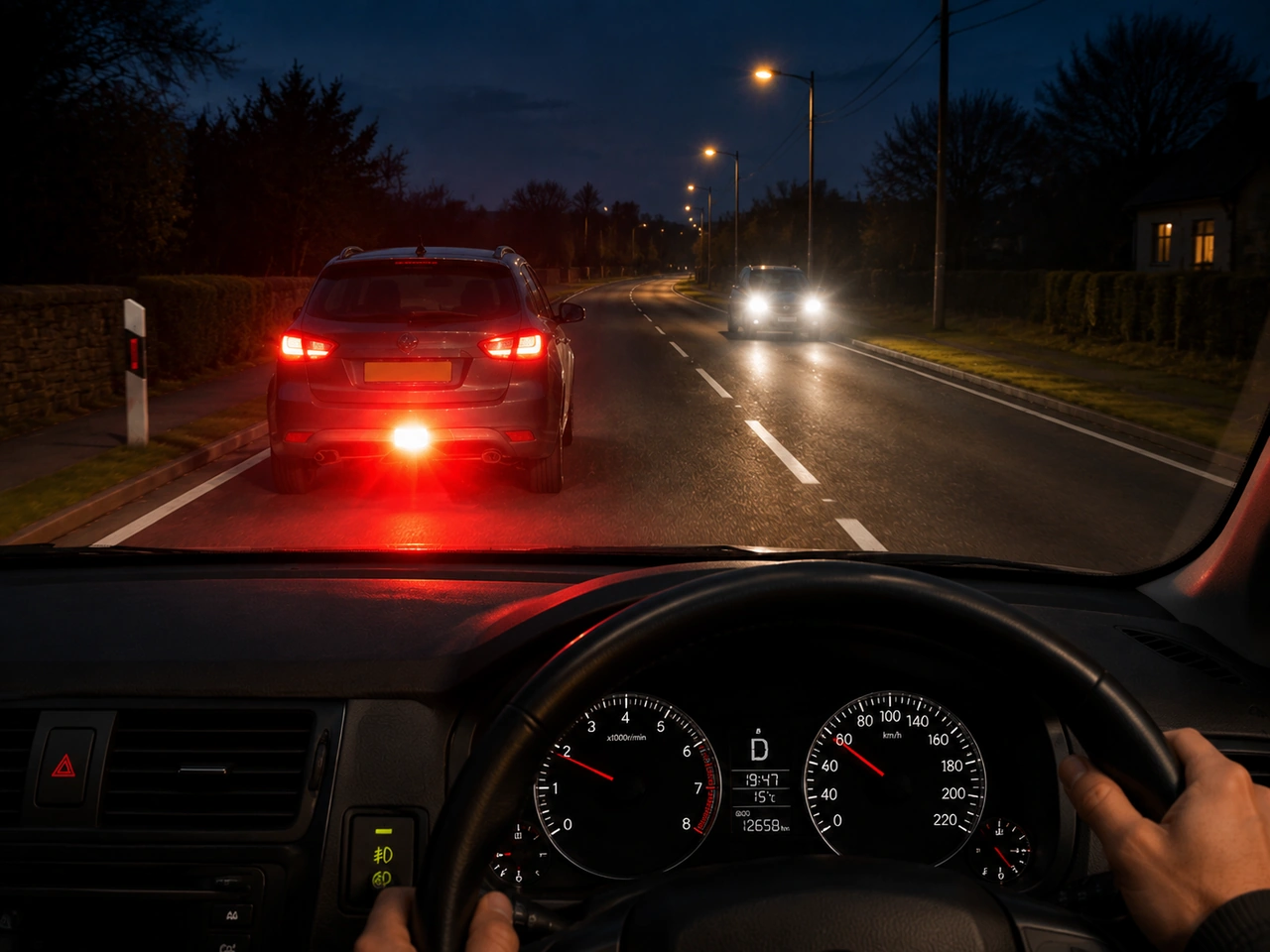
58. When should you switch off your fog lights?
Fog lights can dazzle other road users when visibility is normal, so switch them off when conditions improve.
AI-generated by Traffic-rules.com • WCIT • CC BY-SA
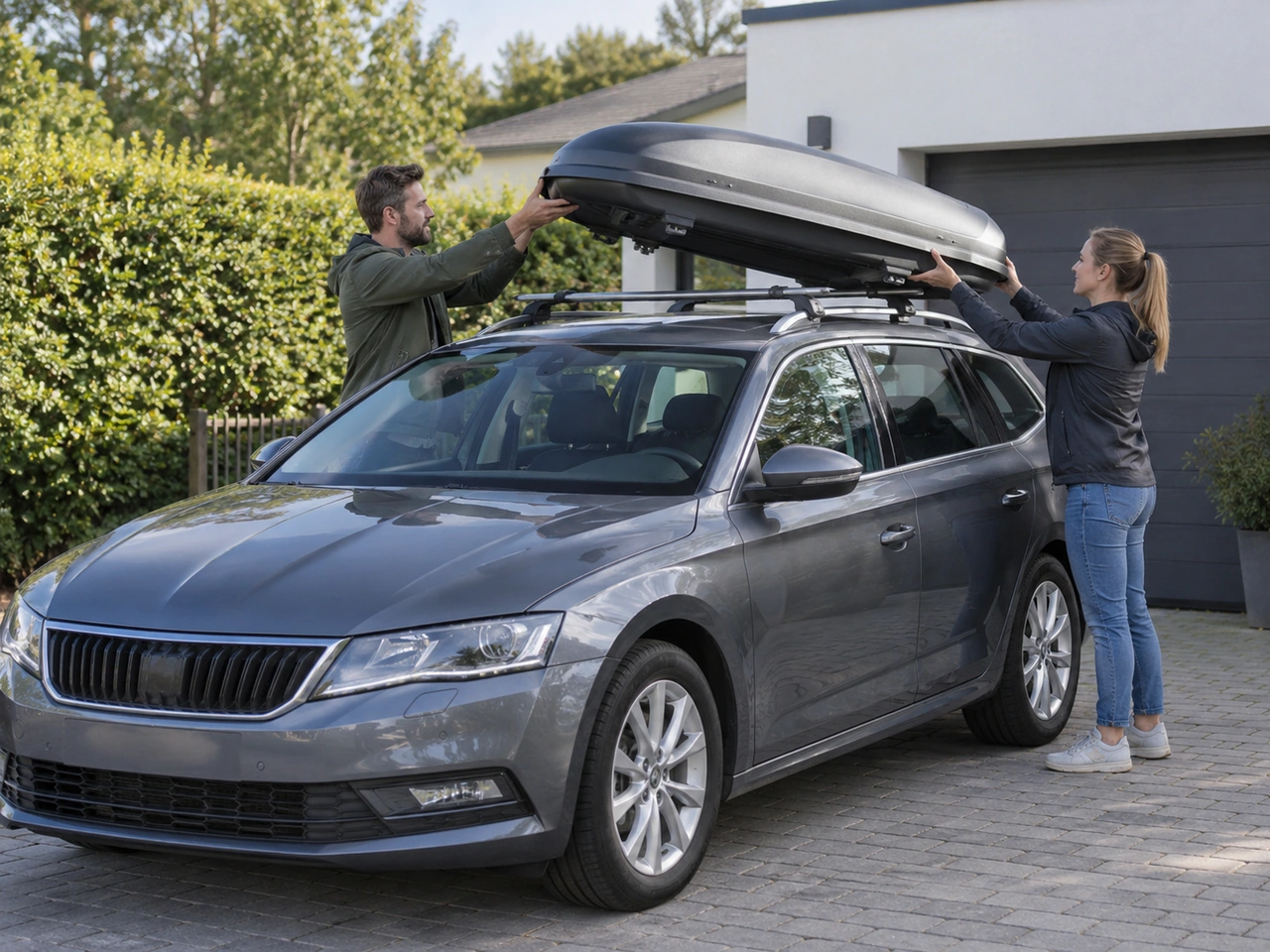
59. Why should an unused roof rack or roof box be removed?
An unused roof rack or roof box increases aerodynamic drag, particularly at higher speeds. Removing it when it is not needed can reduce fuel or energy consumption.
AI-generated by Traffic-rules.com • WCIT • CC BY-SA
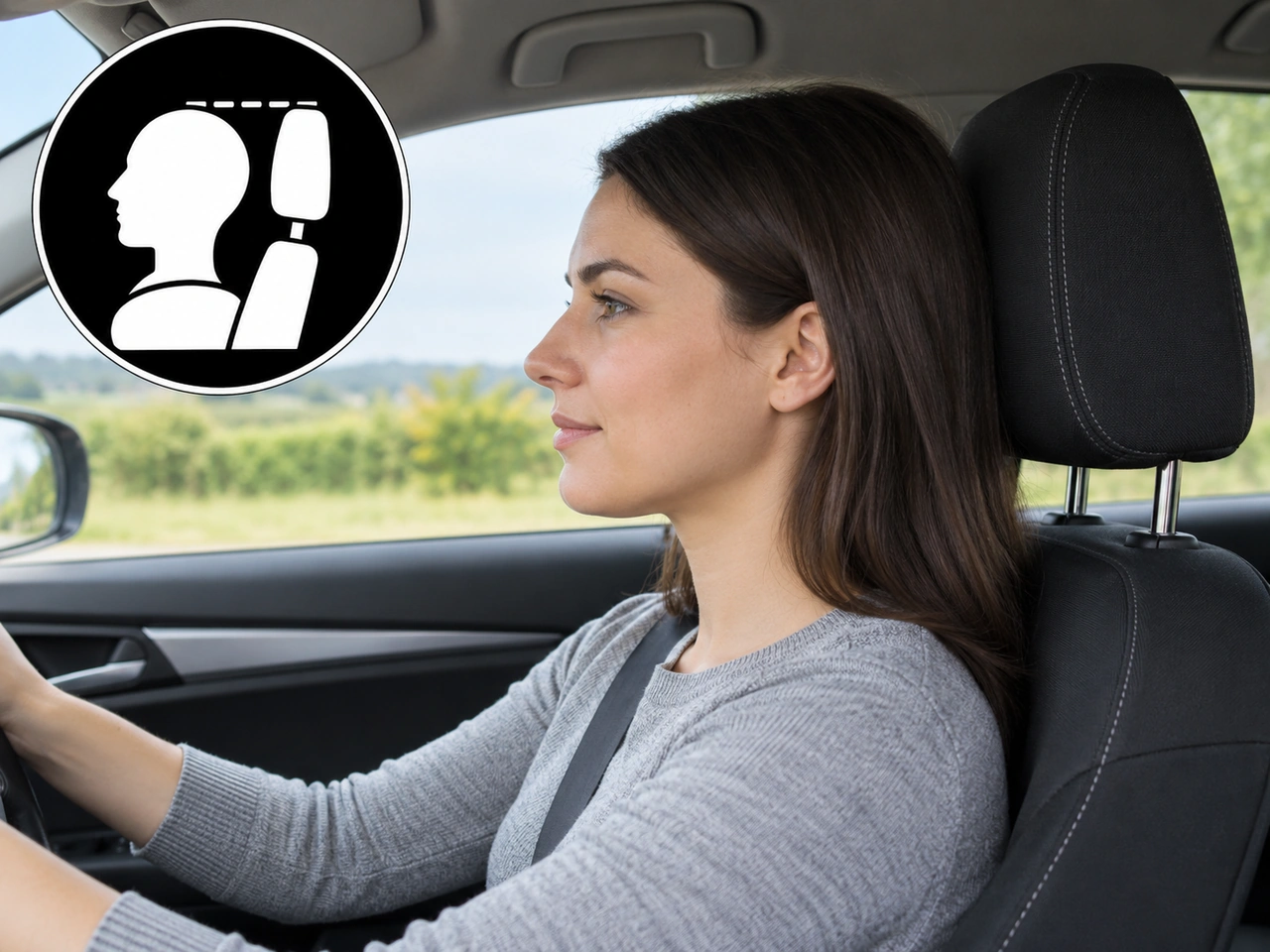
60. Where should the top of the head restraint normally be positioned?
The head restraint should normally be adjusted so that its top is approximately level with the top of the head. This helps reduce the risk of neck injury in a collision.
AI-generated by Traffic-rules.com • WCIT • CC BY-SA
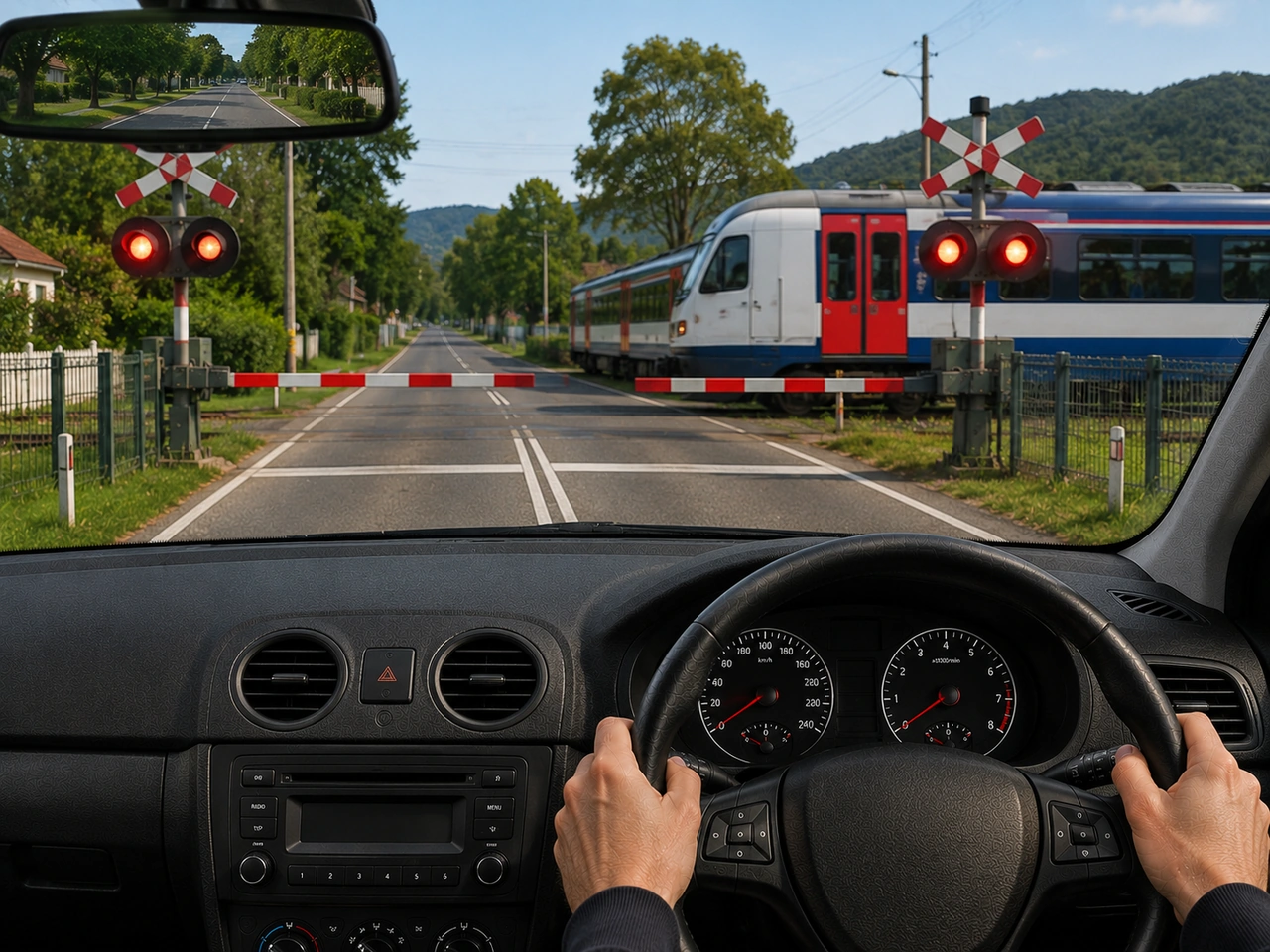
61. What should you do at a railway crossing with warning lights flashing?
Flashing warning lights mean a train may be approaching. Stop before the crossing and wait until the warning has ended and the crossing is clear.
AI-generated by Traffic-rules.com • WCIT • CC BY-SA
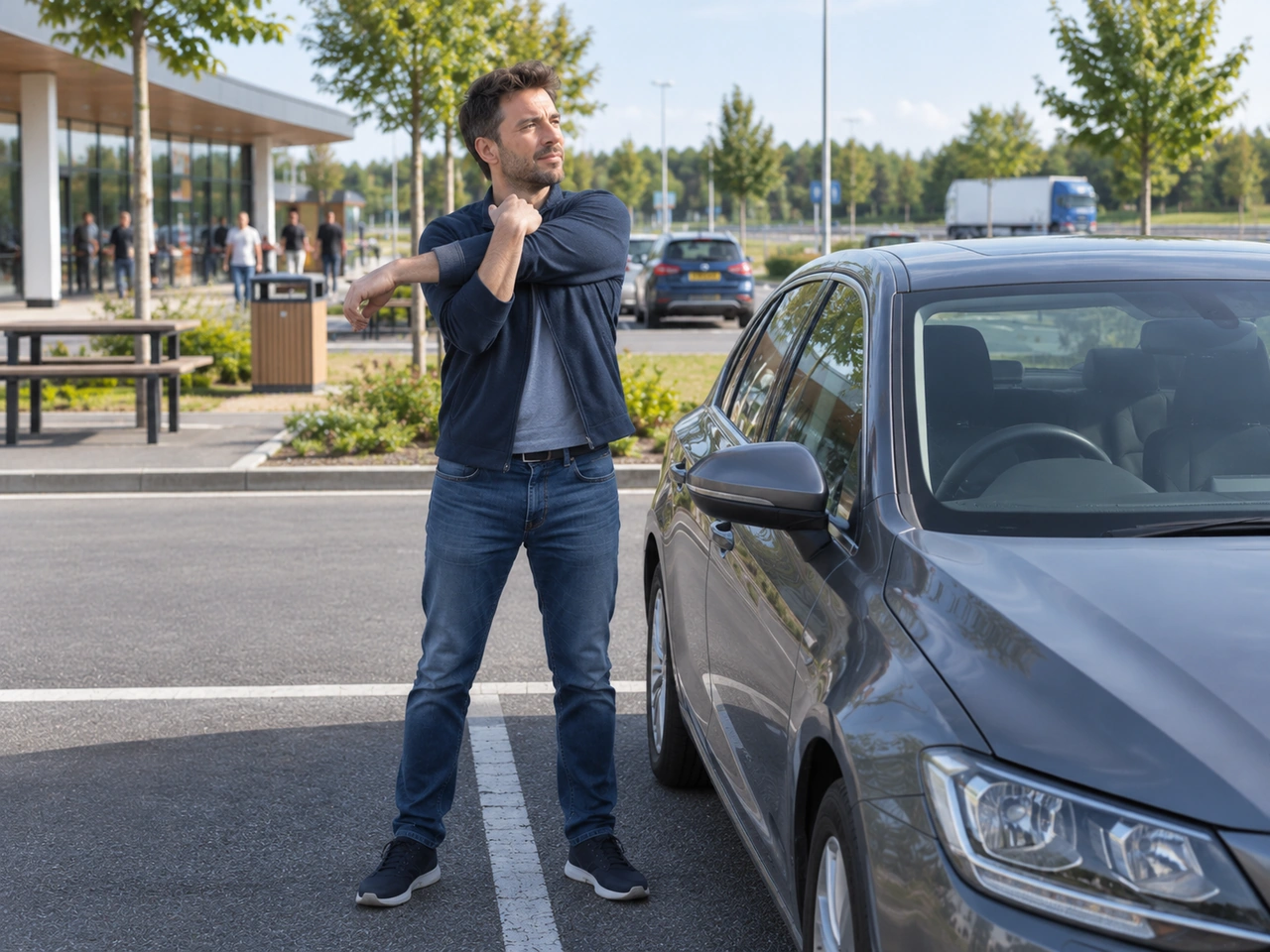
62. Why should you take regular breaks during a long journey?
Regular breaks during a long journey help reduce fatigue and maintain concentration. Do not wait until you are struggling to stay awake before stopping to rest.
AI-generated by Traffic-rules.com • WCIT • CC BY-SA
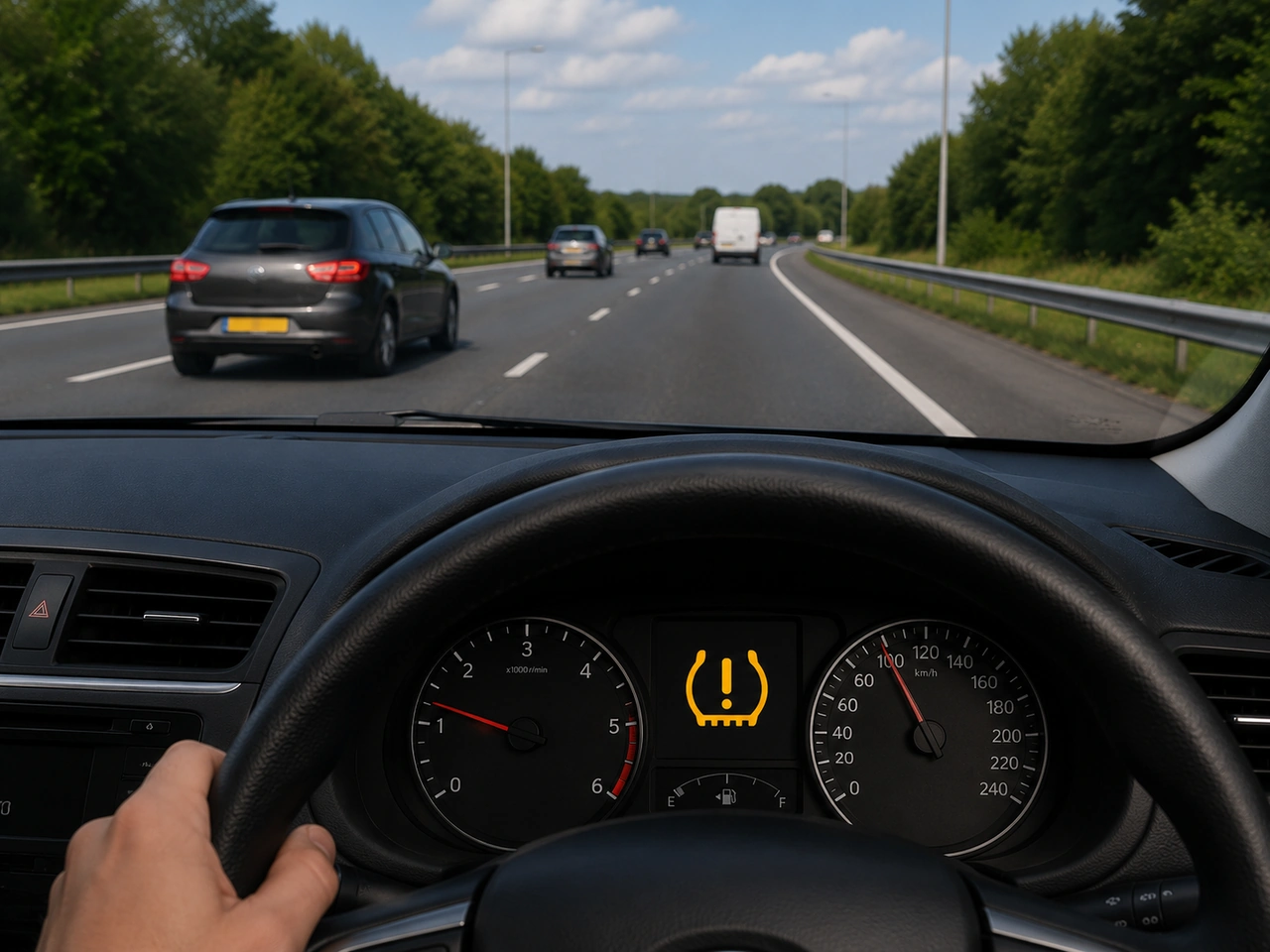
63. What should you do if a tyre-pressure warning appears and handling changes?
A pressure loss or damaged tyre can affect steering and braking. If the tyre-pressure warning appears together with a change in handling, it may indicate a serious tyre problem. Stop safely and inspect the tyres before continuing.
AI-generated by Traffic-rules.com • WCIT • CC BY-SA
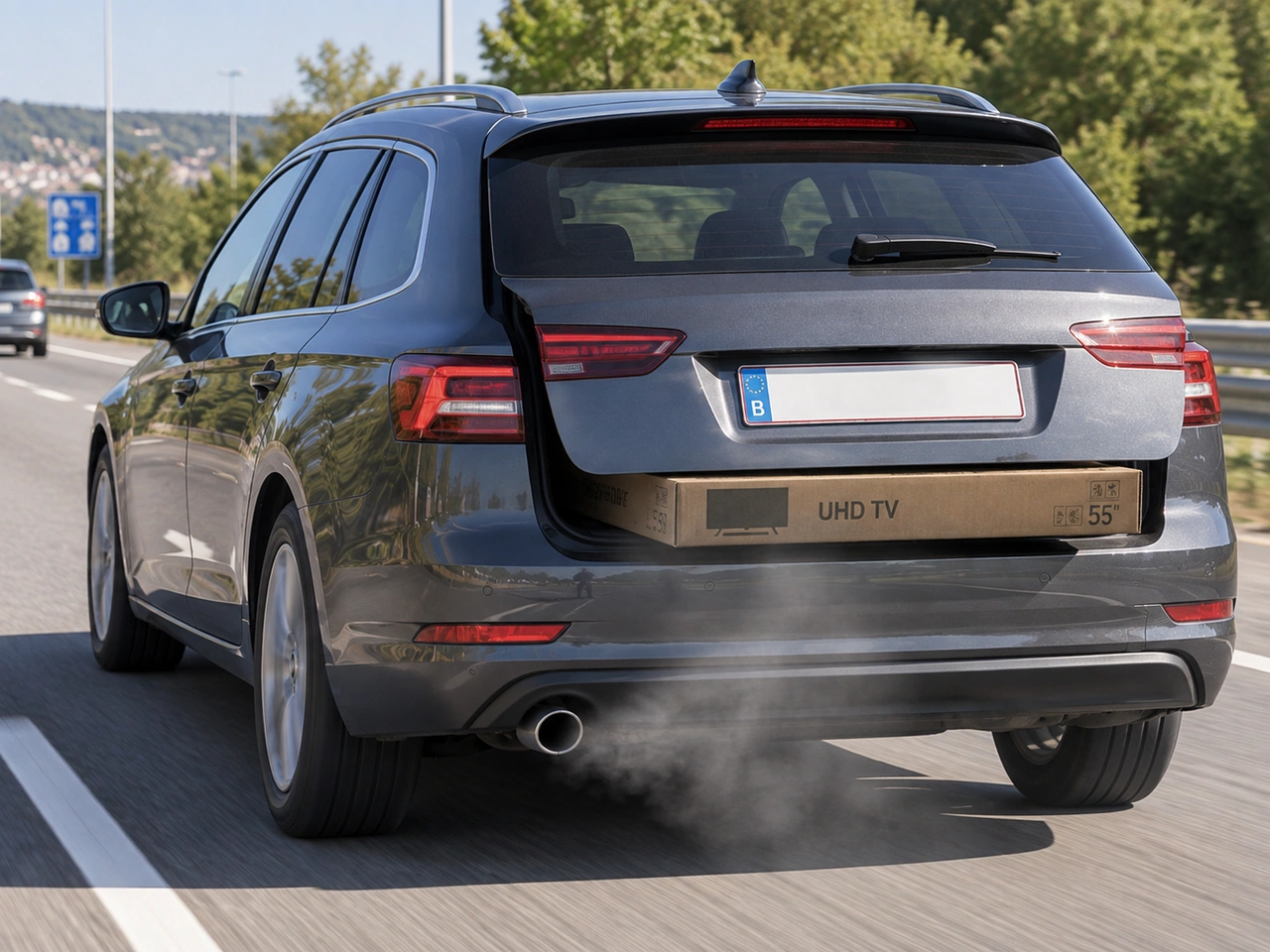
64. What is a danger of driving a petrol or diesel vehicle with the boot or tailgate open?
Driving with the boot or tailgate open can allow exhaust gases to be drawn into the vehicle. Exhaust fumes may contain carbon monoxide, which is poisonous and may be difficult to detect. Keep the luggage compartment properly closed while driving whenever possible.
AI-generated by Traffic-rules.com • WCIT • CC BY-SA
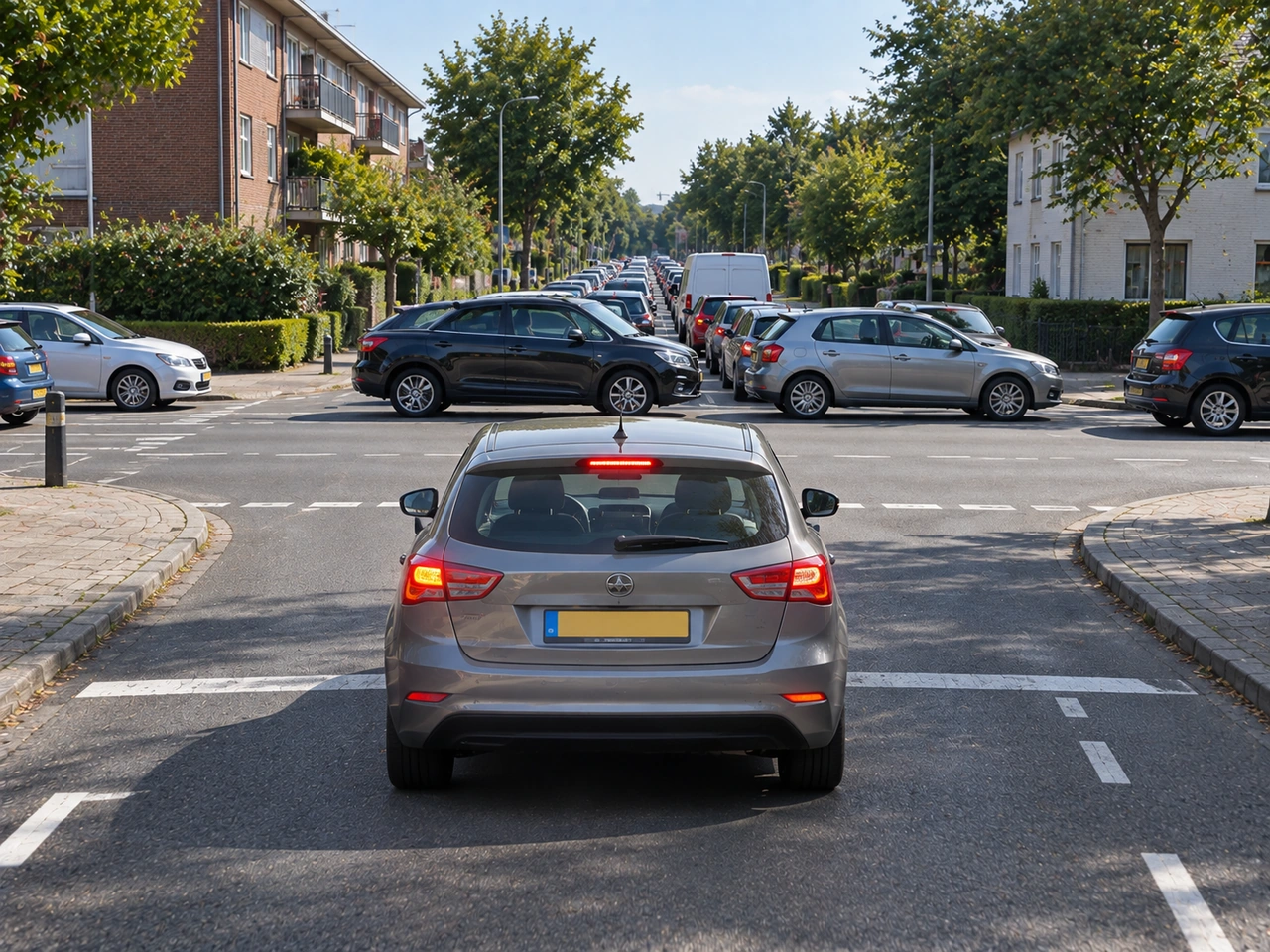
65. What should you do if traffic ahead is blocking a junction?
Do not enter a junction if traffic ahead prevents you from clearing it safely. Waiting before the junction helps avoid blocking crossing traffic, pedestrians, cyclists, or other road users.
AI-generated by Traffic-rules.com • WCIT • CC BY-SA
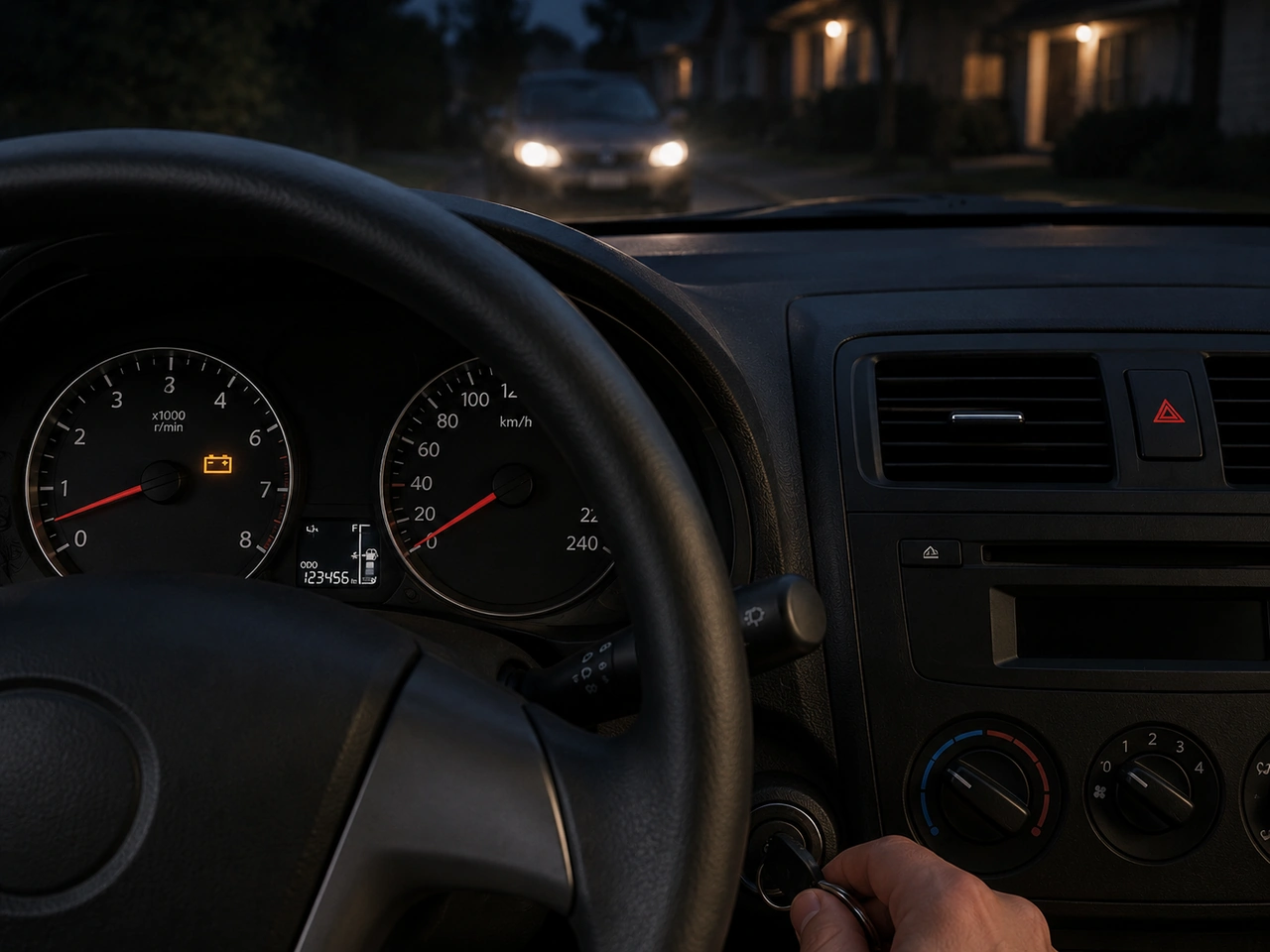
66. What can slow engine cranking or dim lights indicate?
Slow starting, dim lights, or repeated battery warnings can indicate a weak battery, poor electrical connection, or a fault in the charging system.
AI-generated by Traffic-rules.com • WCIT • CC BY-SA
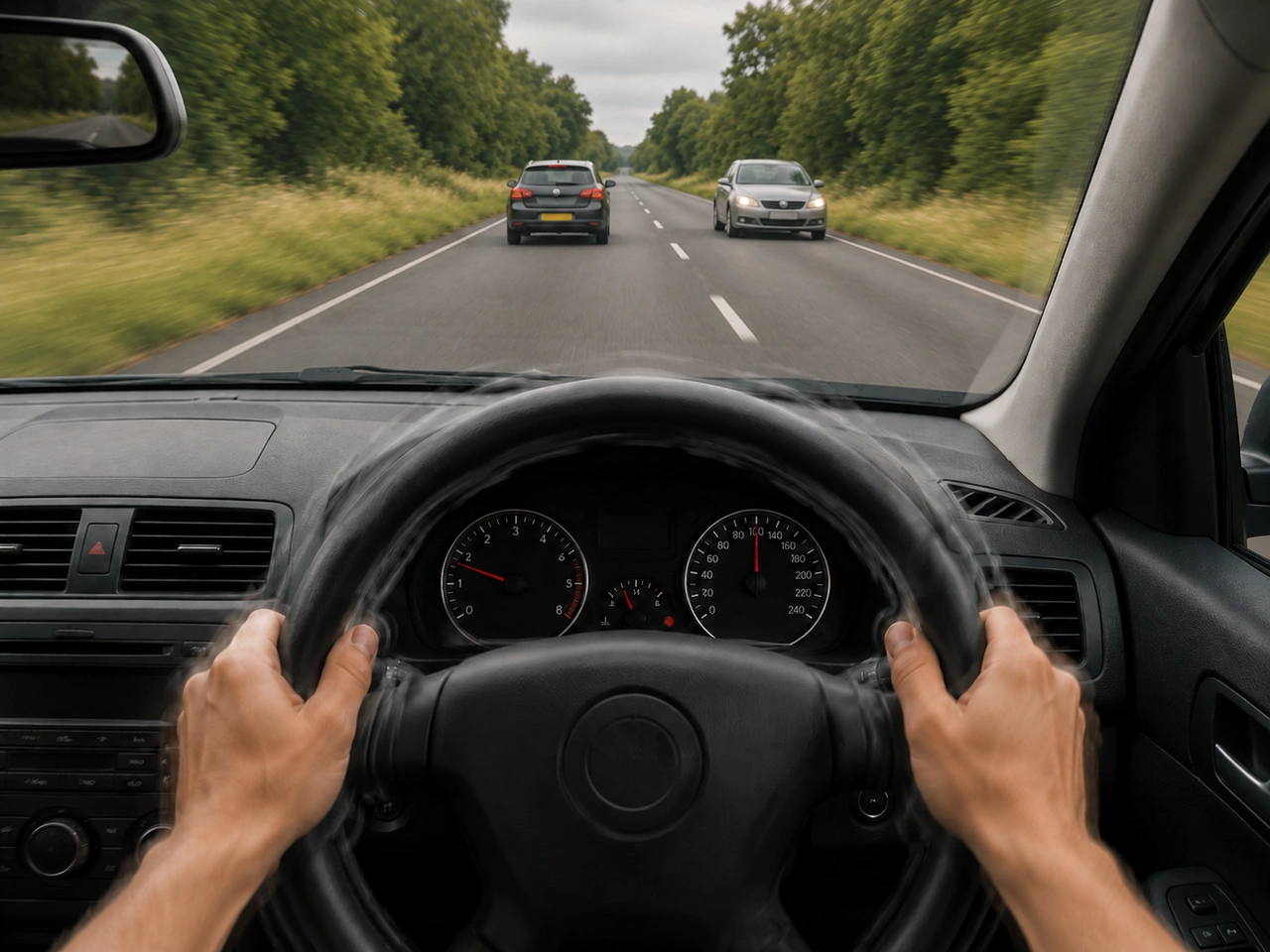
67. What should you do if an unusual vibration develops in the steering wheel?
An unusual vibration may indicate tyre damage, wheel imbalance, loose components, or another mechanical fault. Reduce speed and arrange an inspection.
AI-generated by Traffic-rules.com • WCIT • CC BY-SA
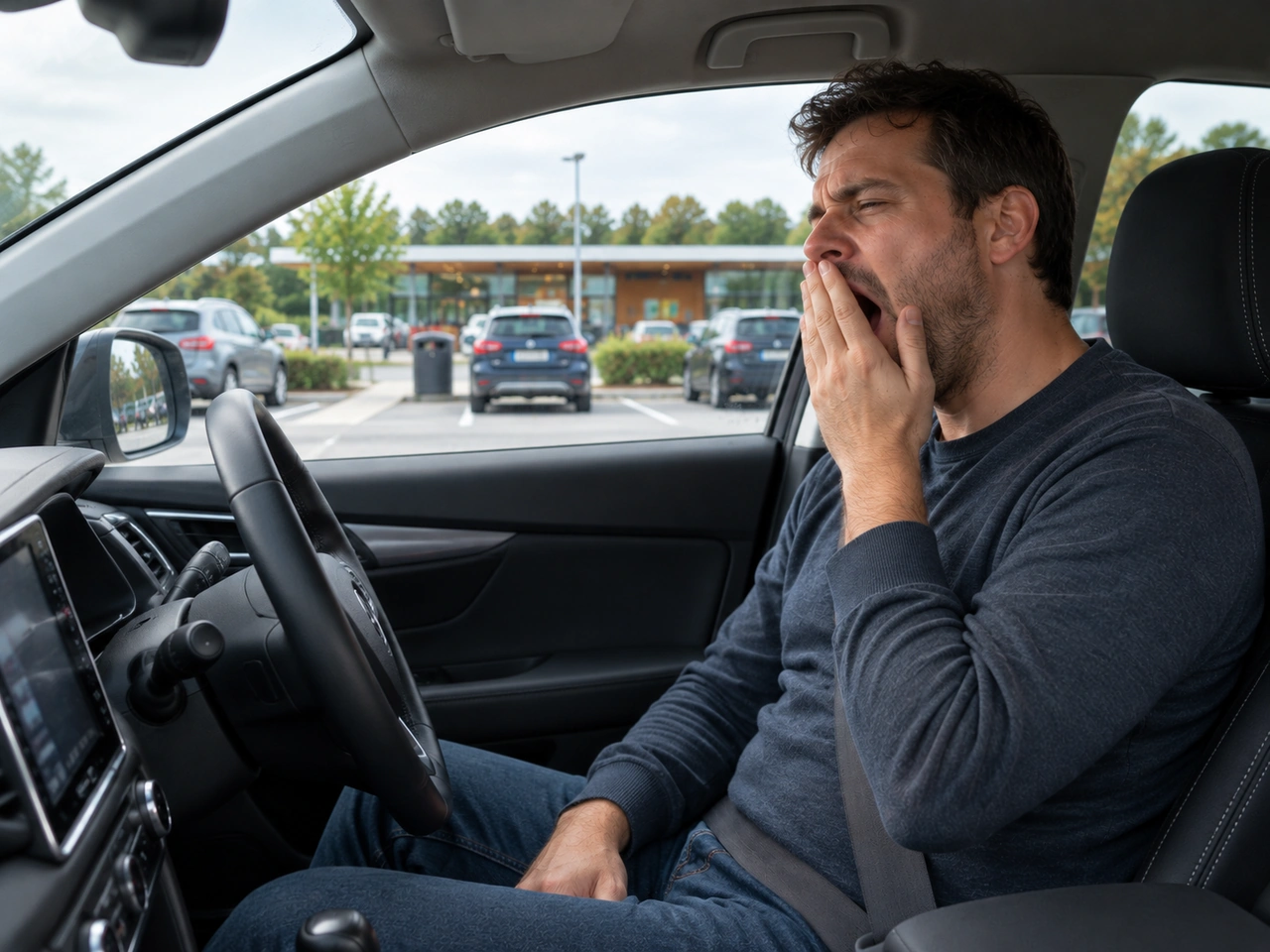
68. Which signs may indicate that you are becoming too tired to drive safely?
Warning signs of driver fatigue can include repeated yawning, heavy eyelids, difficulty concentrating, wandering thoughts, and trouble maintaining a steady road position. These signs mean you should stop and rest before continuing.
AI-generated by Traffic-rules.com • WCIT • CC BY-SA
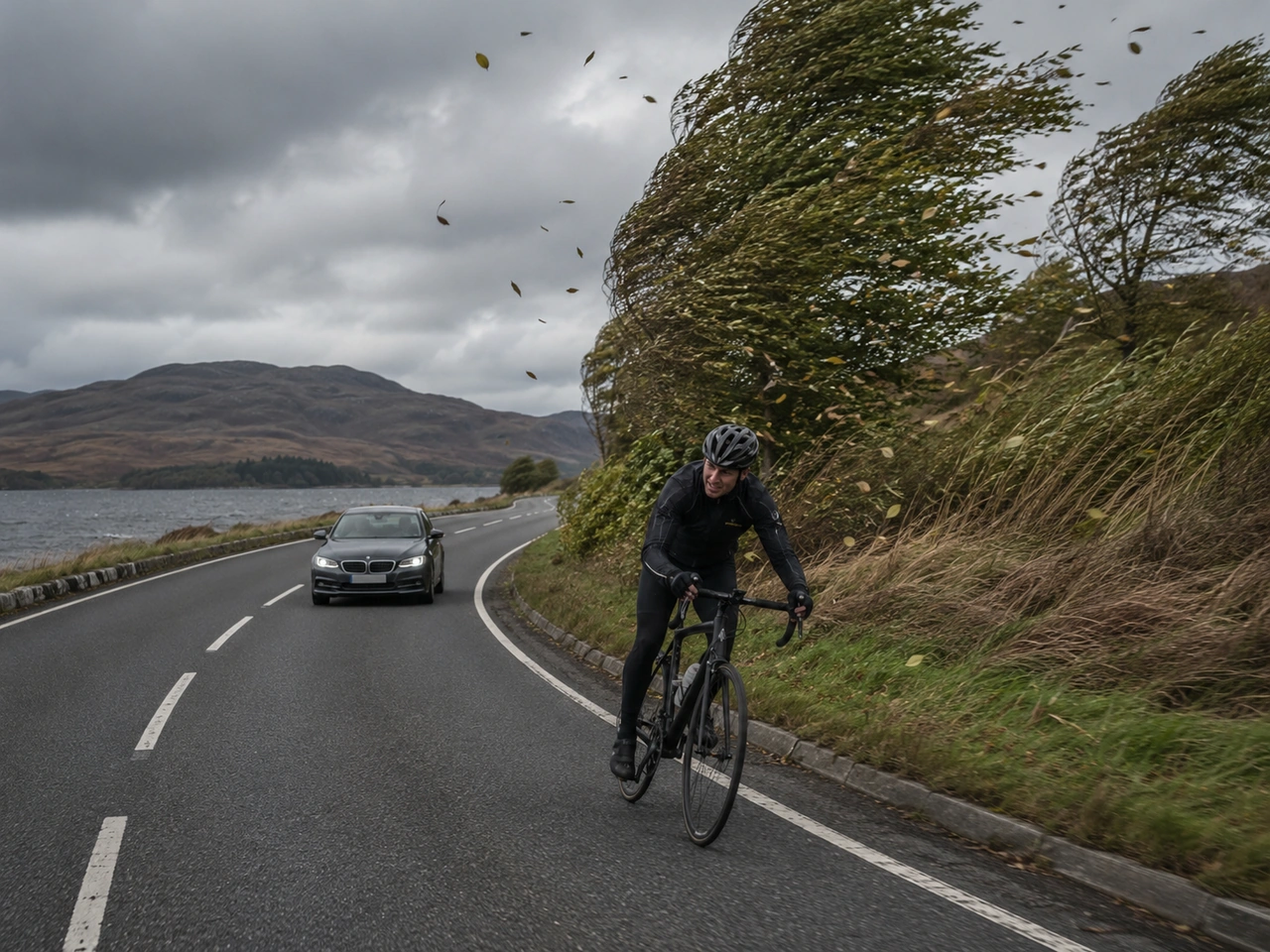
69. Why should you leave extra space when passing cyclists in strong winds?
Strong gusts can affect cyclists' balance and direction. Extra passing space reduces the risk of a collision.
AI-generated by Traffic-rules.com • WCIT • CC BY-SA
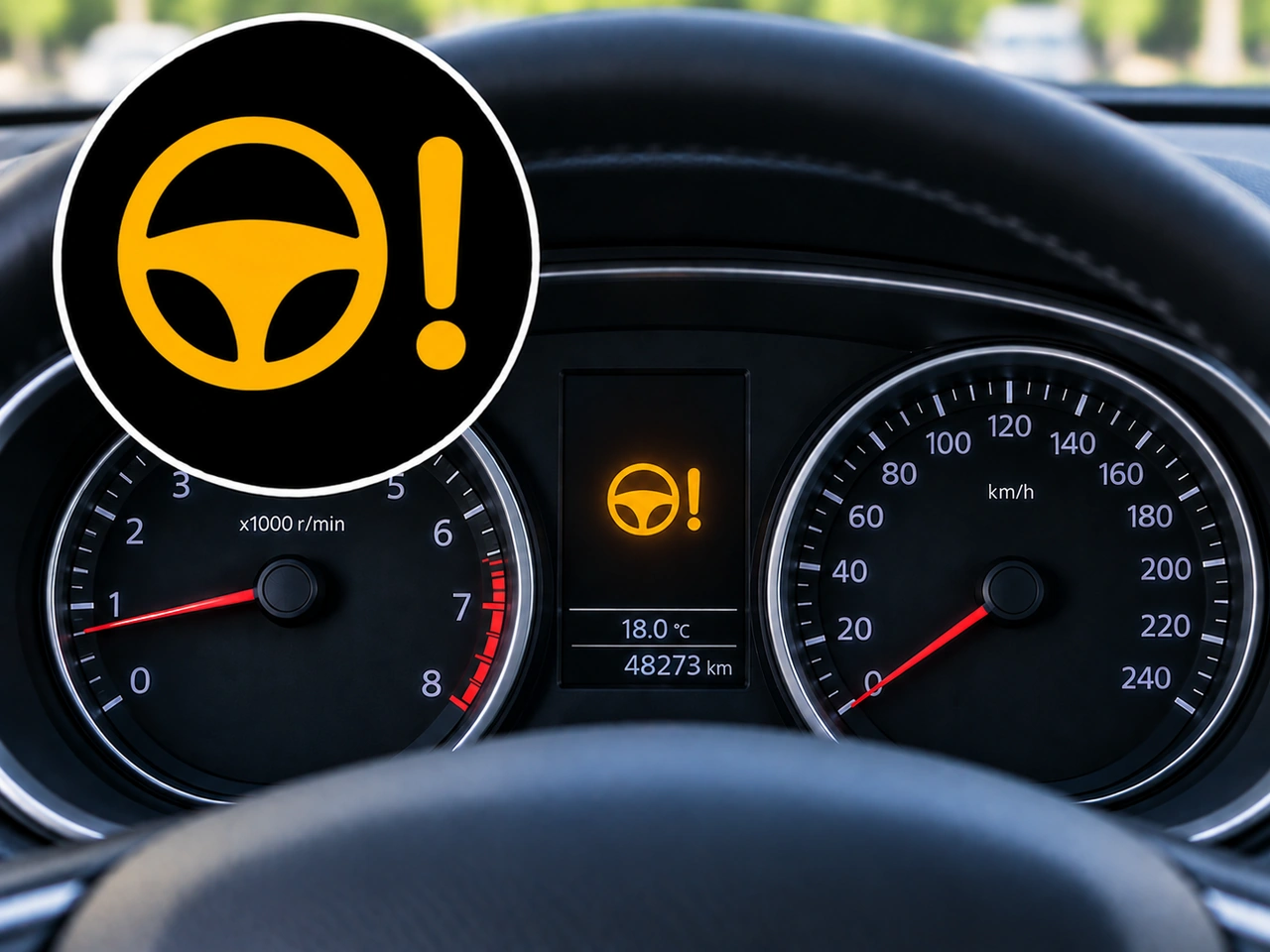
70. What does this dashboard symbol indicate?
This symbol indicates a possible fault with the power-steering system. Steering assistance may be reduced or unavailable, making the steering wheel harder to turn.
AI-generated by Traffic-rules.com • WCIT • CC BY-SA
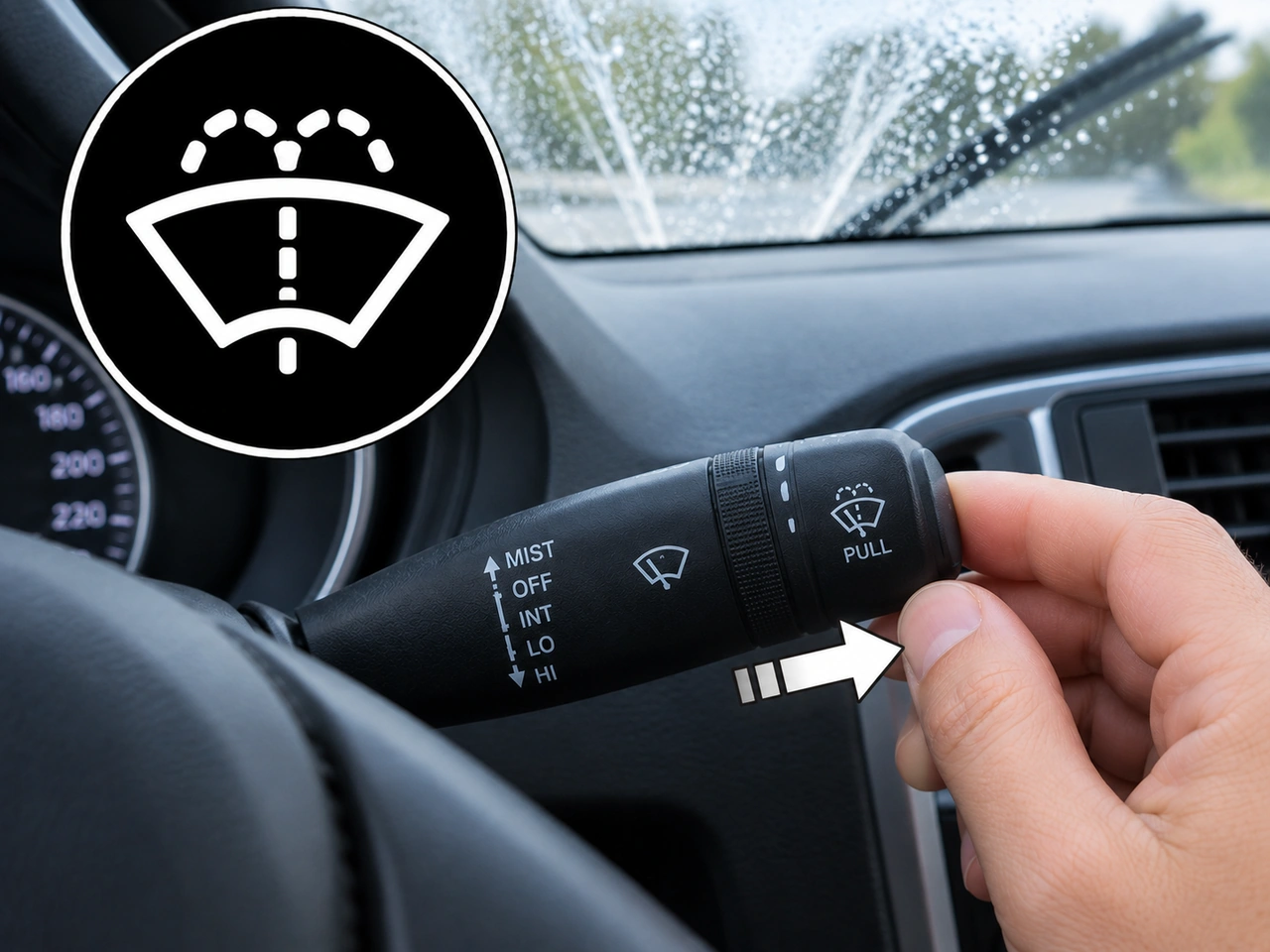
71. What does this vehicle-control symbol indicate?
This symbol indicates the windscreen washer. Operating the control sprays washer fluid onto the windscreen and normally activates the wipers to help clean the glass.
AI-generated by Traffic-rules.com • WCIT • CC BY-SA
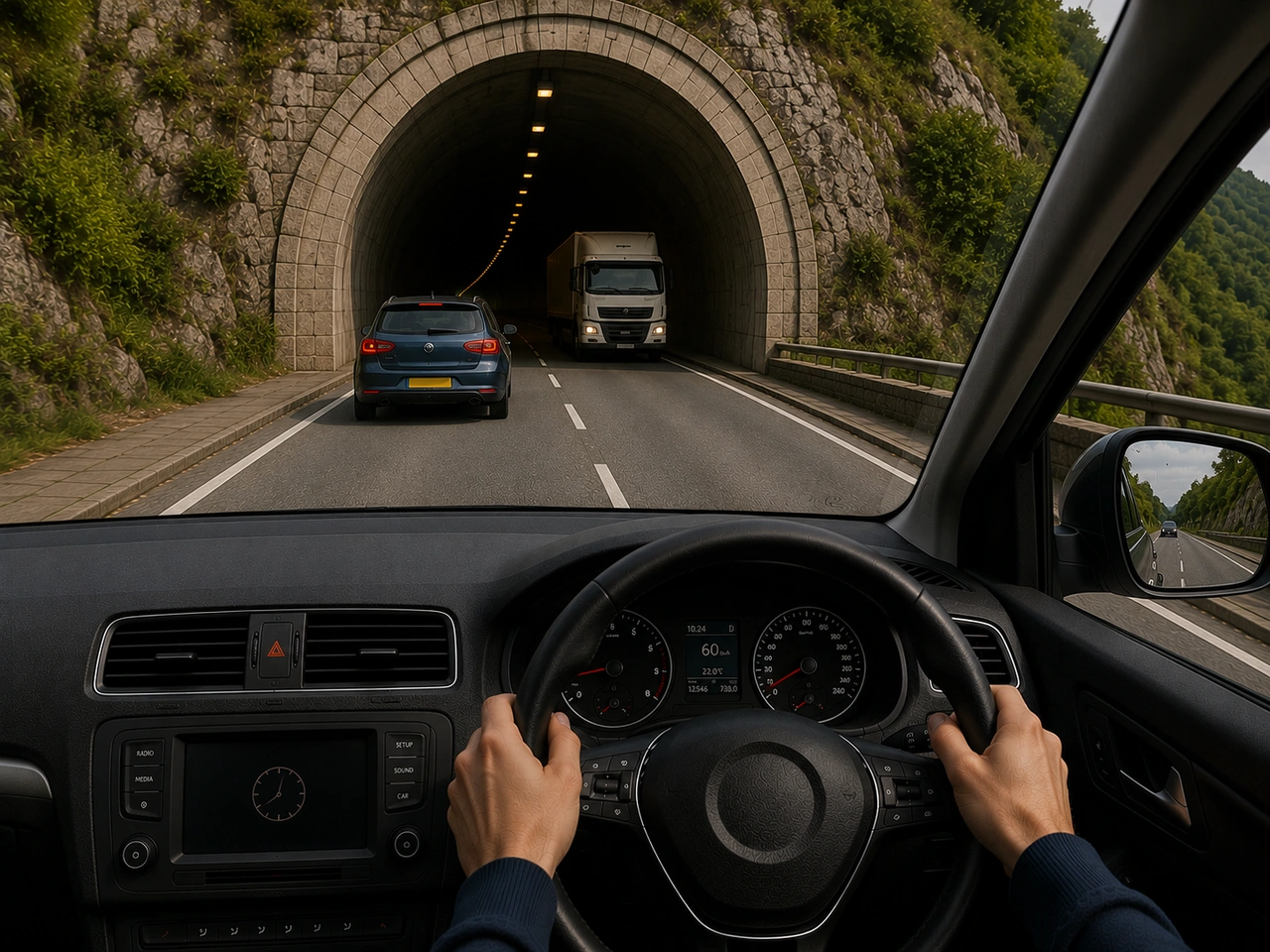
72. What should you do when approaching a tunnel?
When entering a tunnel, use the correct lights, keep enough distance, and stay alert for slower traffic.
AI-generated by Traffic-rules.com • WCIT • CC BY-SA
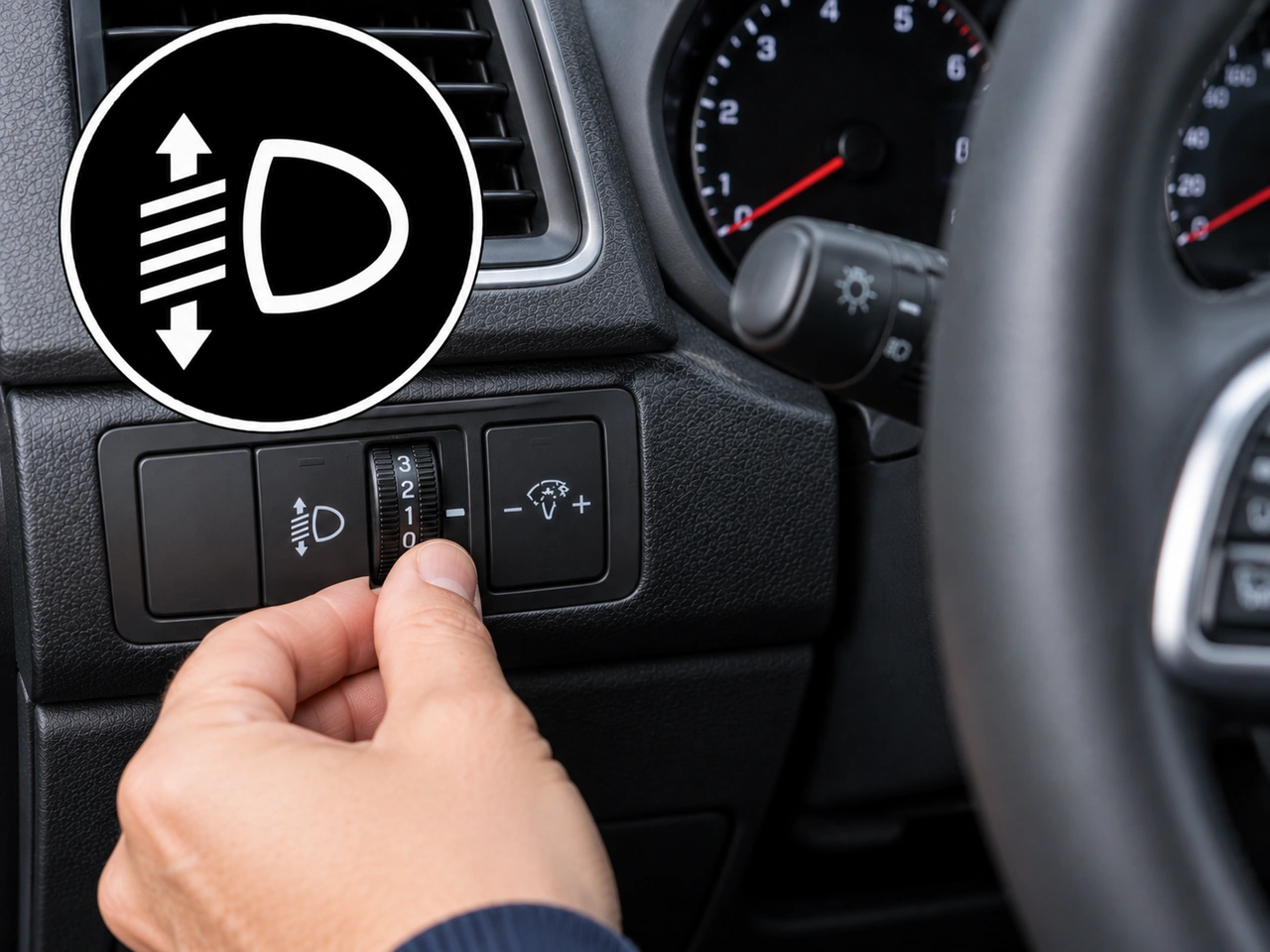
73. What does this vehicle-control symbol indicate?
This control adjusts the vertical aim of the headlights. It can be used to lower the beam when the vehicle is heavily loaded, helping to avoid dazzling other road users.
AI-generated by Traffic-rules.com • WCIT • CC BY-SA
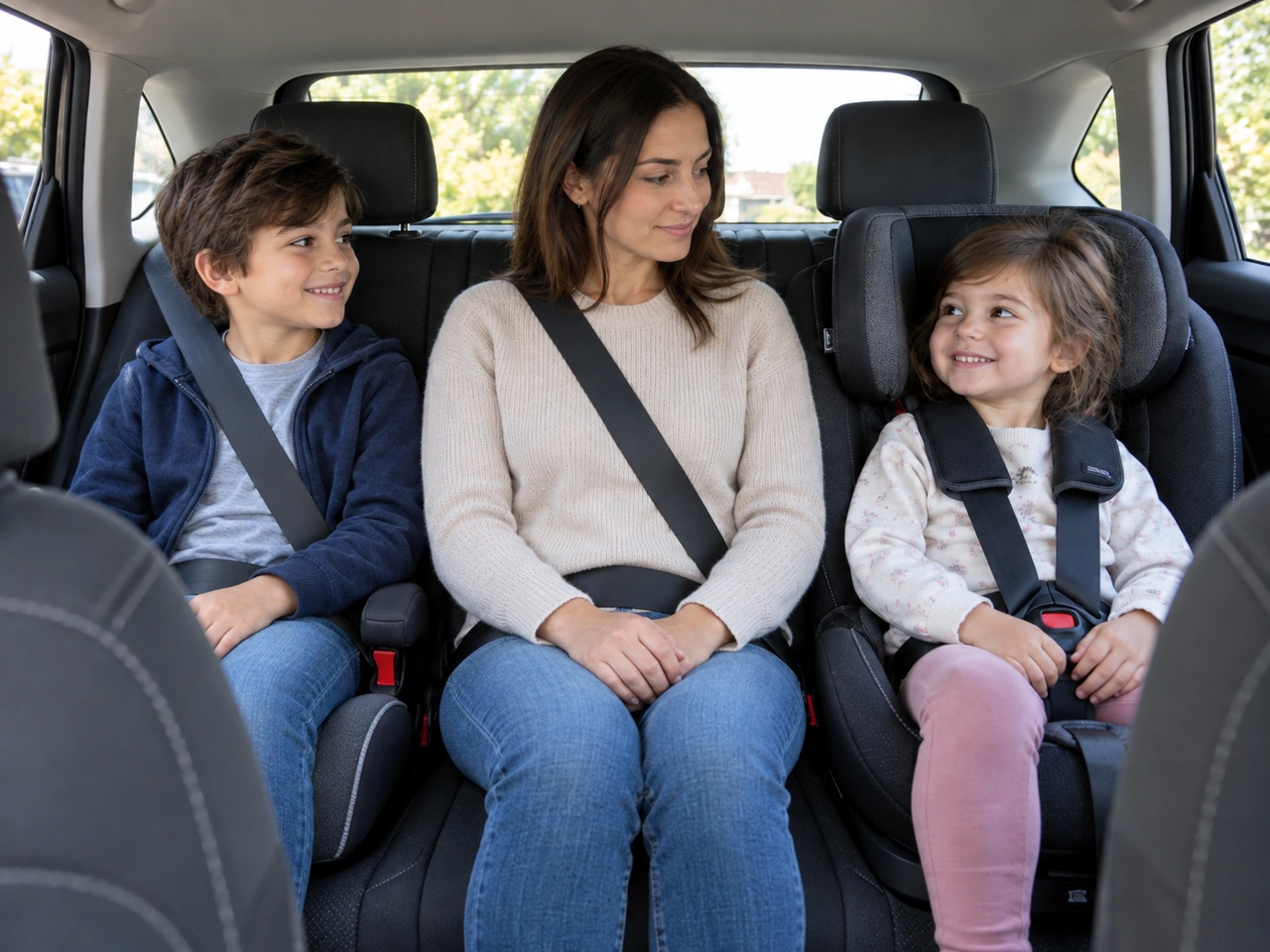
74. Should rear-seat passengers be securely restrained?
Rear-seat passengers should be securely restrained using seat belts or suitable child restraints as appropriate. Proper restraint reduces the risk of serious injury and prevents occupants from being thrown around or forwards in a collision.
AI-generated by Traffic-rules.com • WCIT • CC BY-SA
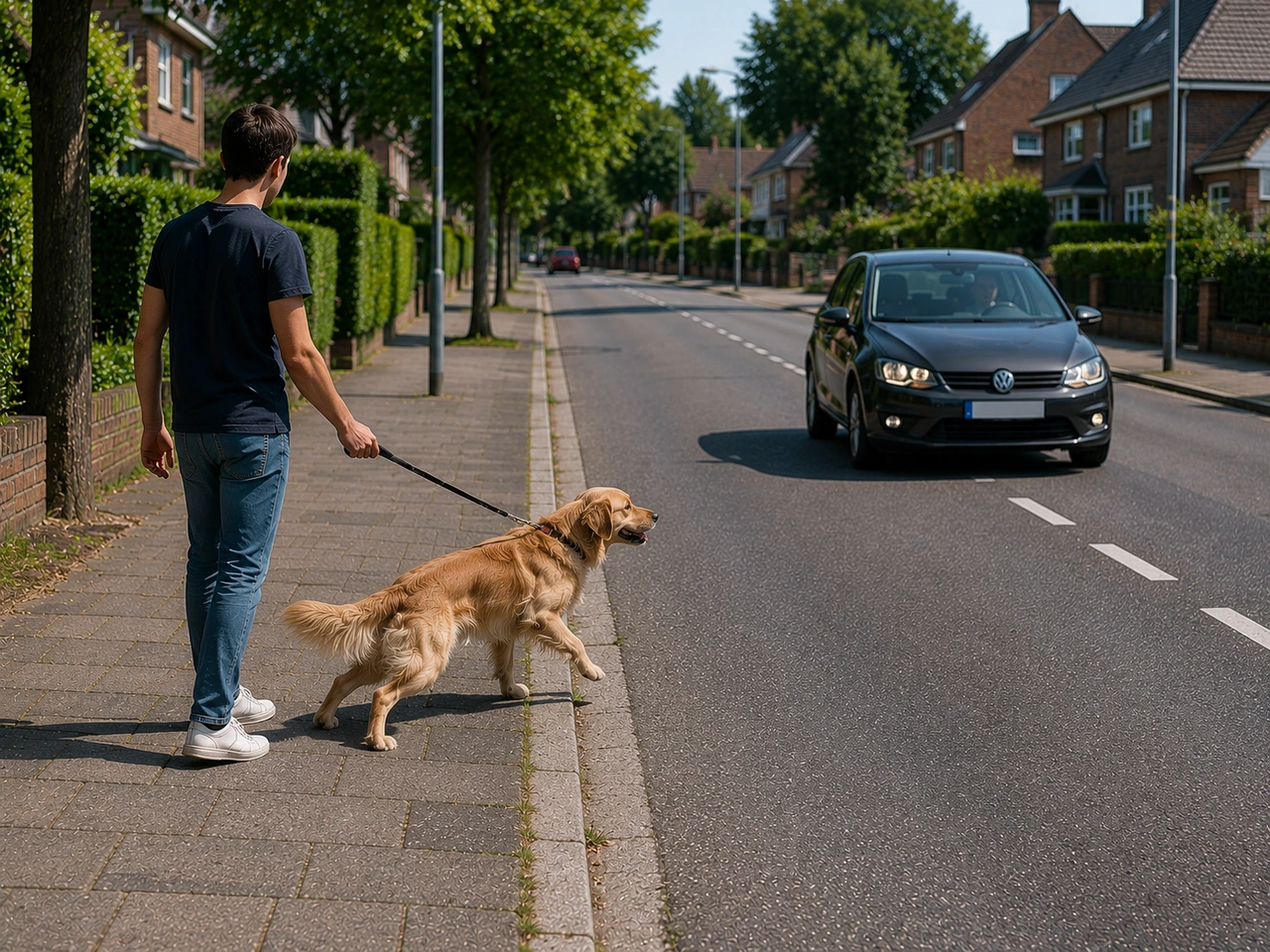
75. Why should pedestrians avoid sudden movements near traffic?
Sudden movements can surprise drivers and reduce the time they have to slow down or stop safely.
AI-generated by Traffic-rules.com • WCIT • CC BY-SA
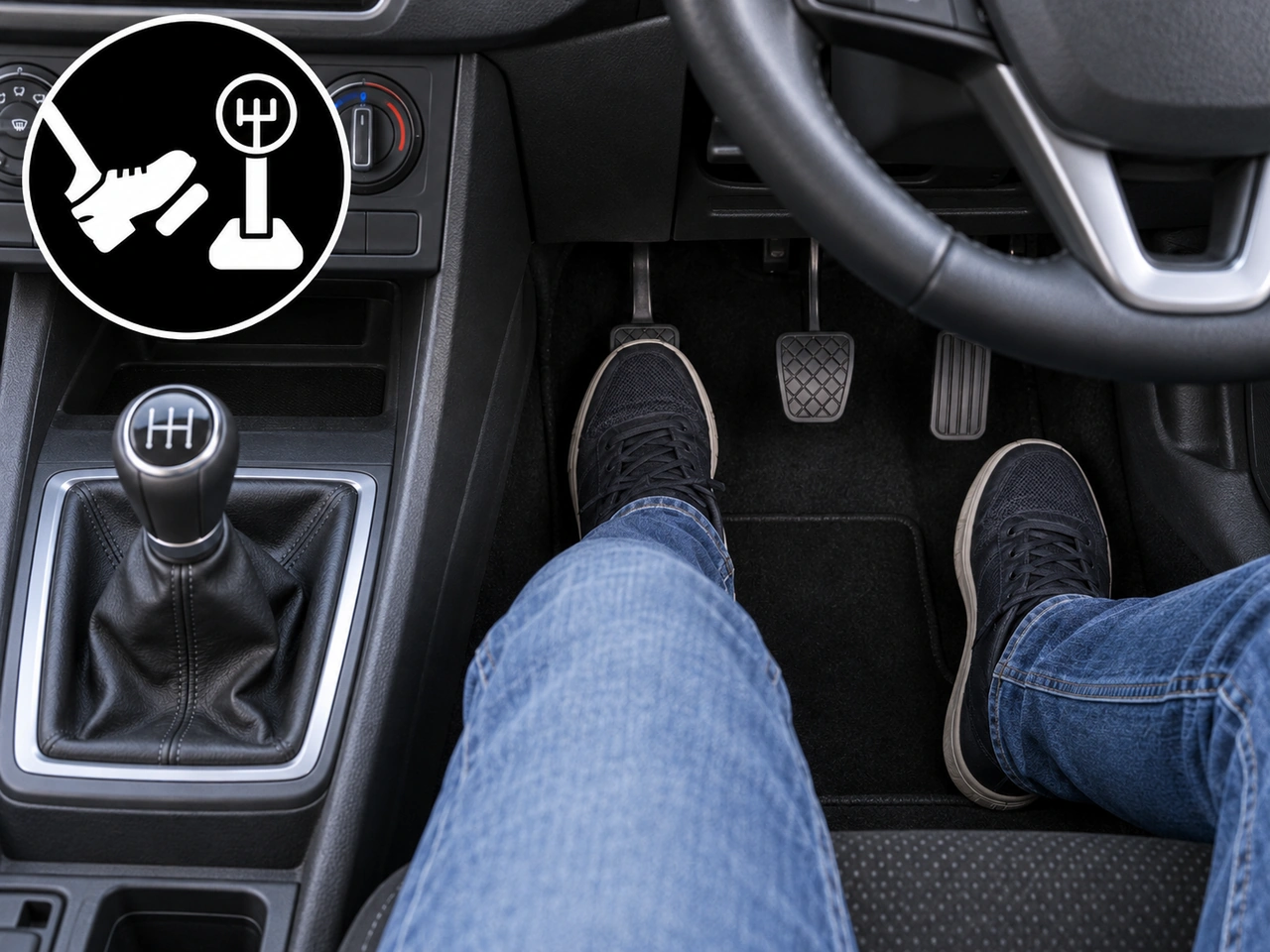
76. What should you check before starting a manual vehicle?
Before starting a manual vehicle, make sure the gearbox is in neutral and press the clutch pedal. This helps prevent the vehicle from moving unexpectedly when the engine starts.
AI-generated by Traffic-rules.com • WCIT • CC BY-SA

77. What should you do if a friend who has been drinking wants to drive?
Preventing an impaired person from driving can protect them, their passengers, and other road users. Arrange a sober driver, taxi, public transport, or accommodation.
AI-generated by Traffic-rules.com • WCIT • CC BY-SA

78. What is the safest choice if you have consumed alcohol?
Alcohol can impair judgement, coordination, vision, and reaction time. A sober driver, taxi, public transport, or an overnight stay is the safer choice.
AI-generated by Traffic-rules.com • WCIT • CC BY-SA
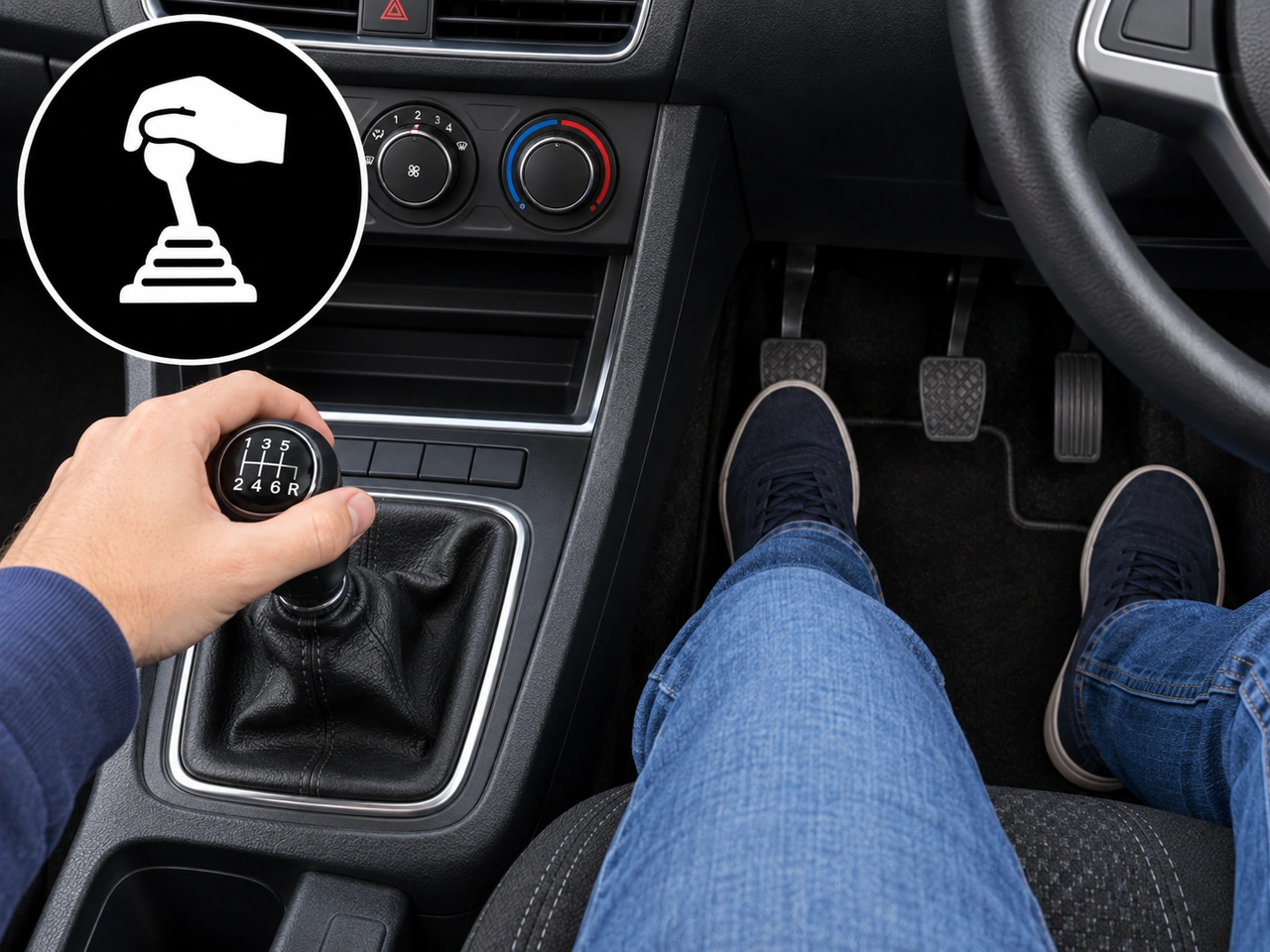
79. What should you do if a gear does not engage easily in a manual vehicle?
If a gear does not engage easily, do not force the gear lever. Make sure the clutch is fully pressed and the vehicle's speed is suitable for the gear before trying again.
AI-generated by Traffic-rules.com • WCIT • CC BY-SA
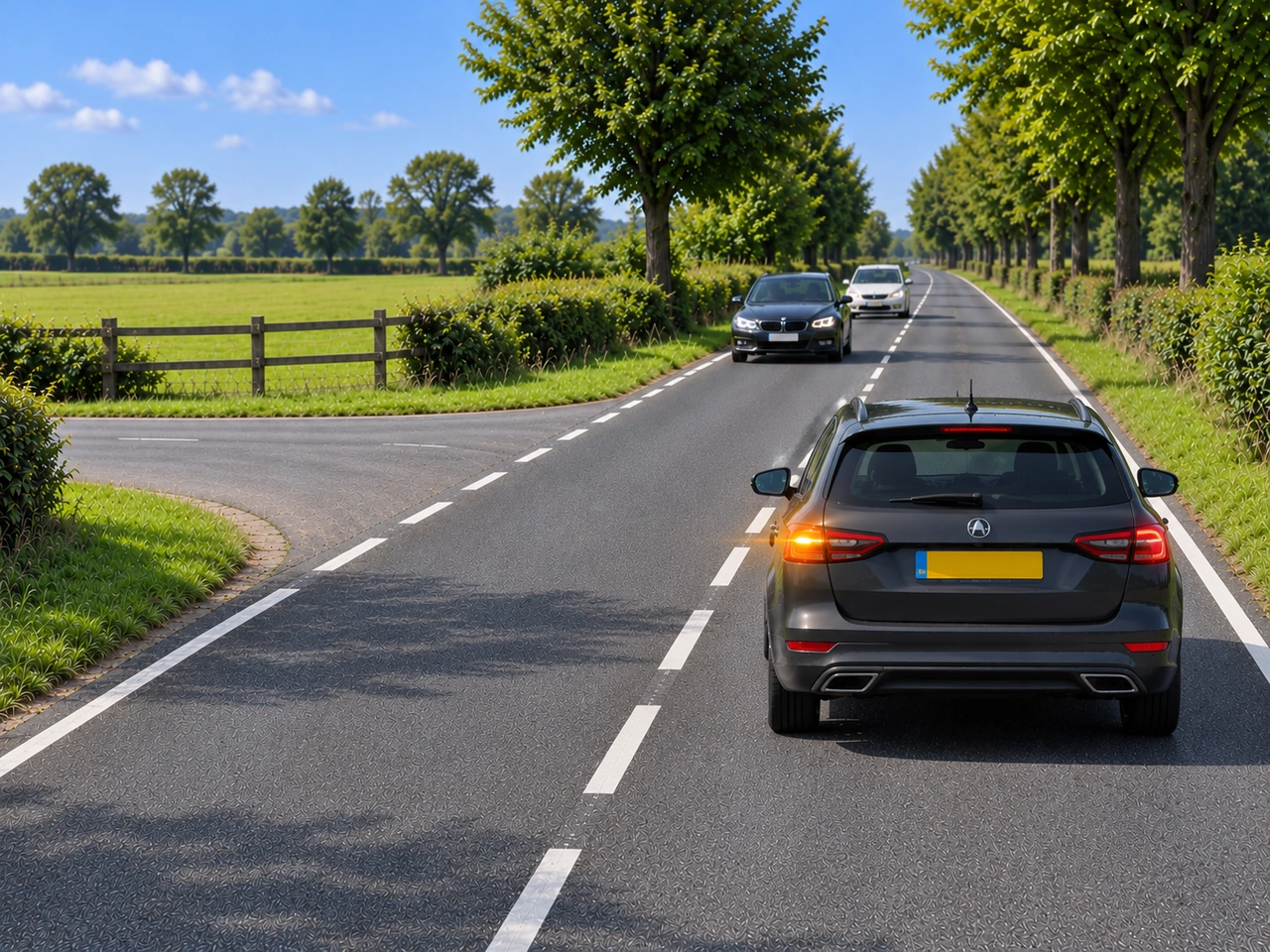
80. Why should you be careful when turning across oncoming traffic?
Turning across traffic requires careful observation. Misjudging speed or distance can lead to a serious collision.
AI-generated by Traffic-rules.com • WCIT • CC BY-SA
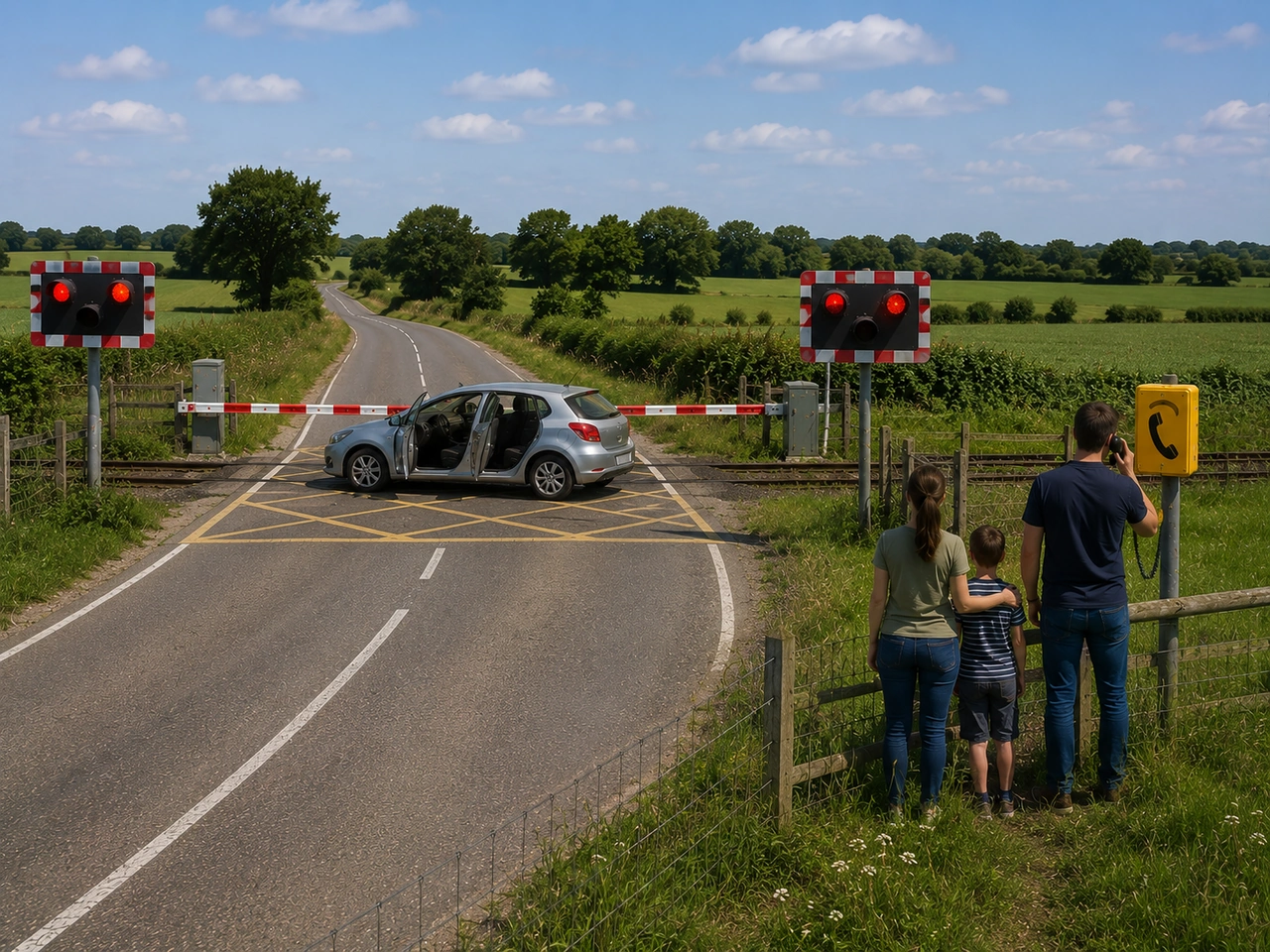
81. What should you do if your vehicle becomes stuck on a railway crossing?
Move everyone well away from the tracks. Use the crossing emergency telephone or displayed contact information where available, or contact the emergency services immediately.
AI-generated by Traffic-rules.com • WCIT • CC BY-SA
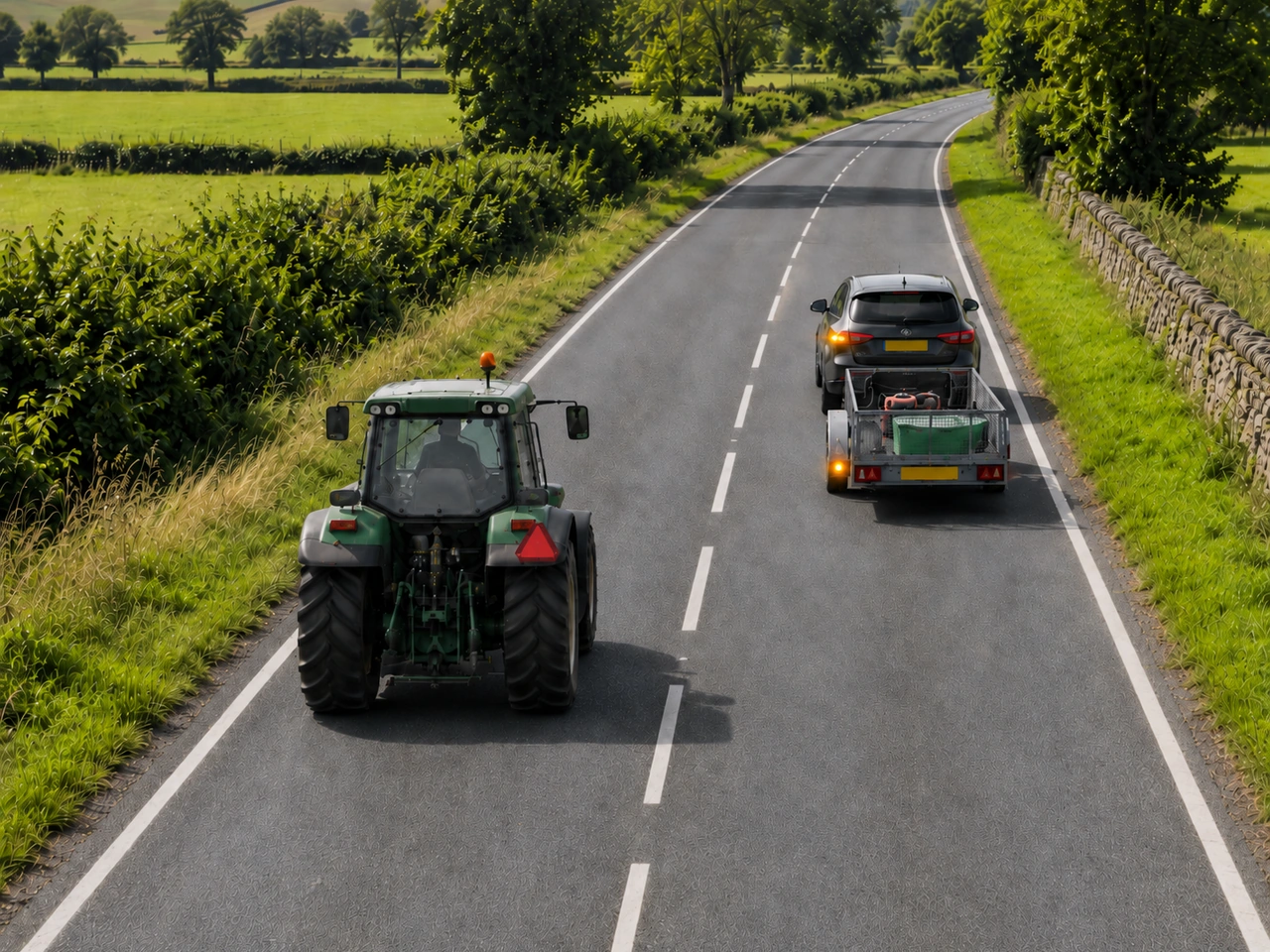
82. What should you do before overtaking while towing a trailer?
A towing vehicle accelerates more slowly, and the trailer makes the whole vehicle combination longer. Remember to allow a much larger safe gap before overtaking and enough space to return safely to your lane.
AI-generated by Traffic-rules.com • WCIT • CC BY-SA
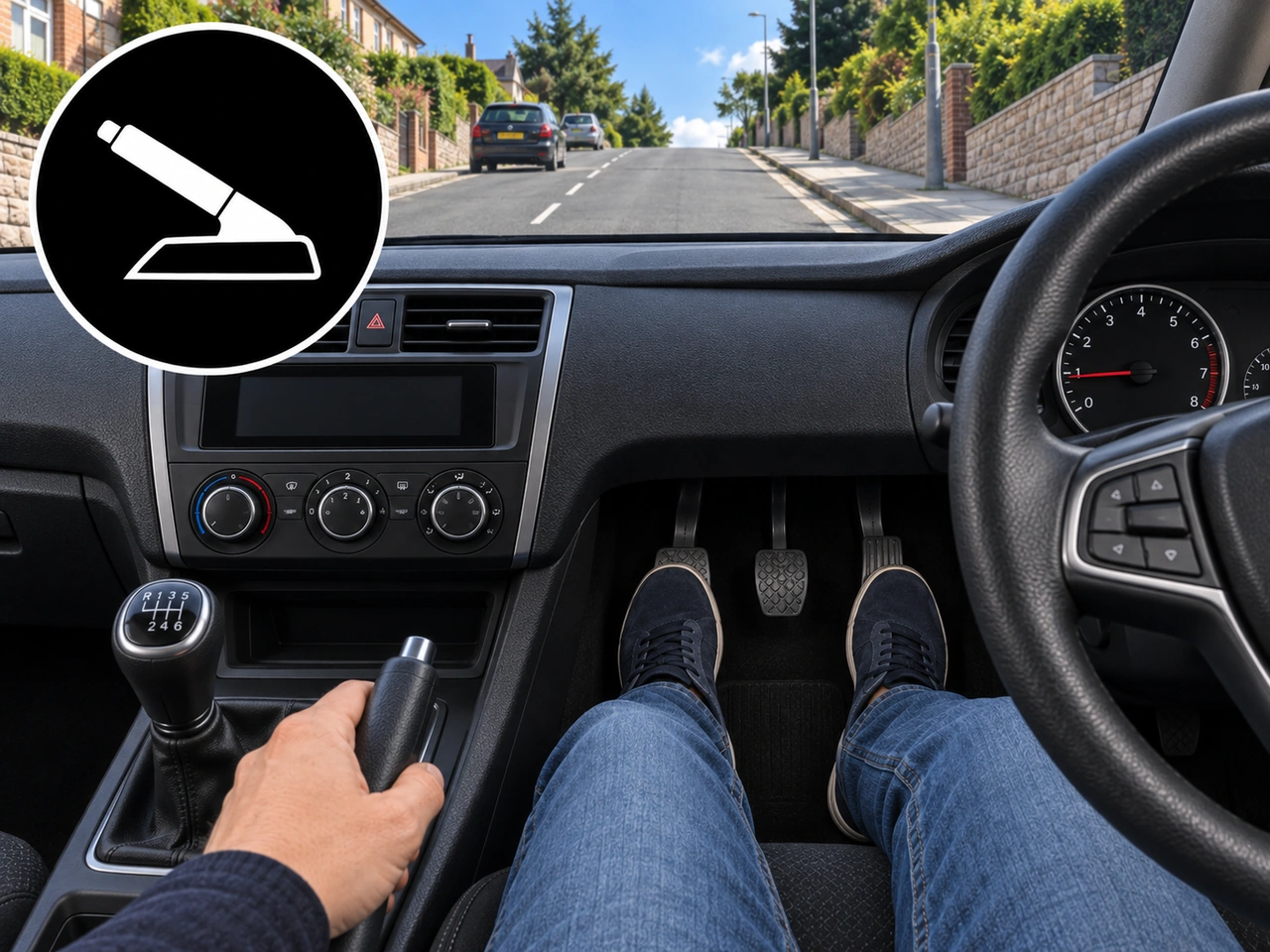
83. How can the parking brake help when moving off uphill?
When moving off uphill, the parking brake can hold the vehicle stationary while you prepare to move. Release it smoothly once the clutch reaches the biting point and sufficient power is applied.
AI-generated by Traffic-rules.com • WCIT • CC BY-SA
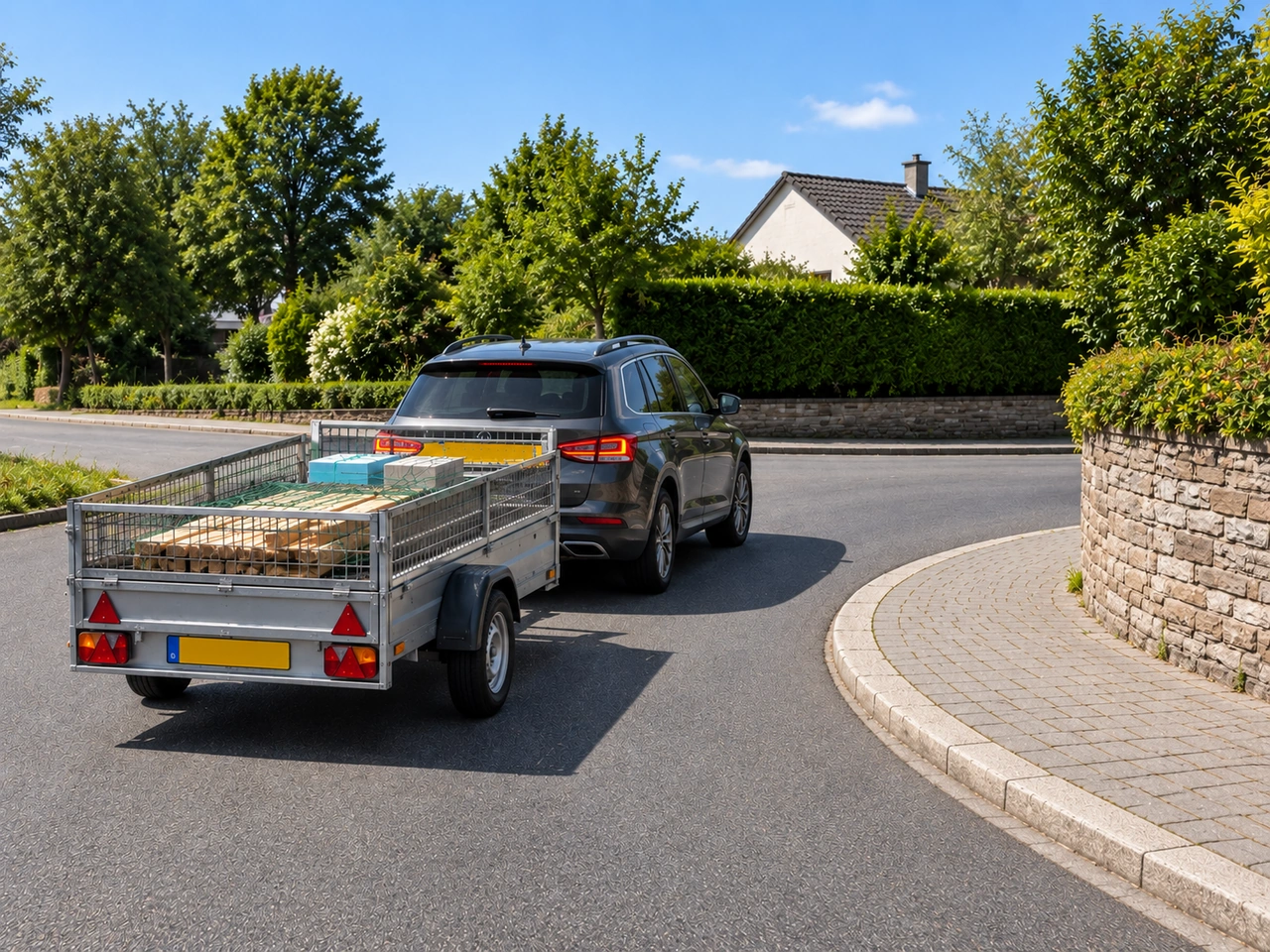
84. Why must you take wider turns when towing a trailer?
Trailer wheels cut closer to the inside of a turn. Allow enough clearance from kerbs, signs, pedestrians, and other vehicles.
AI-generated by Traffic-rules.com • WCIT • CC BY-SA
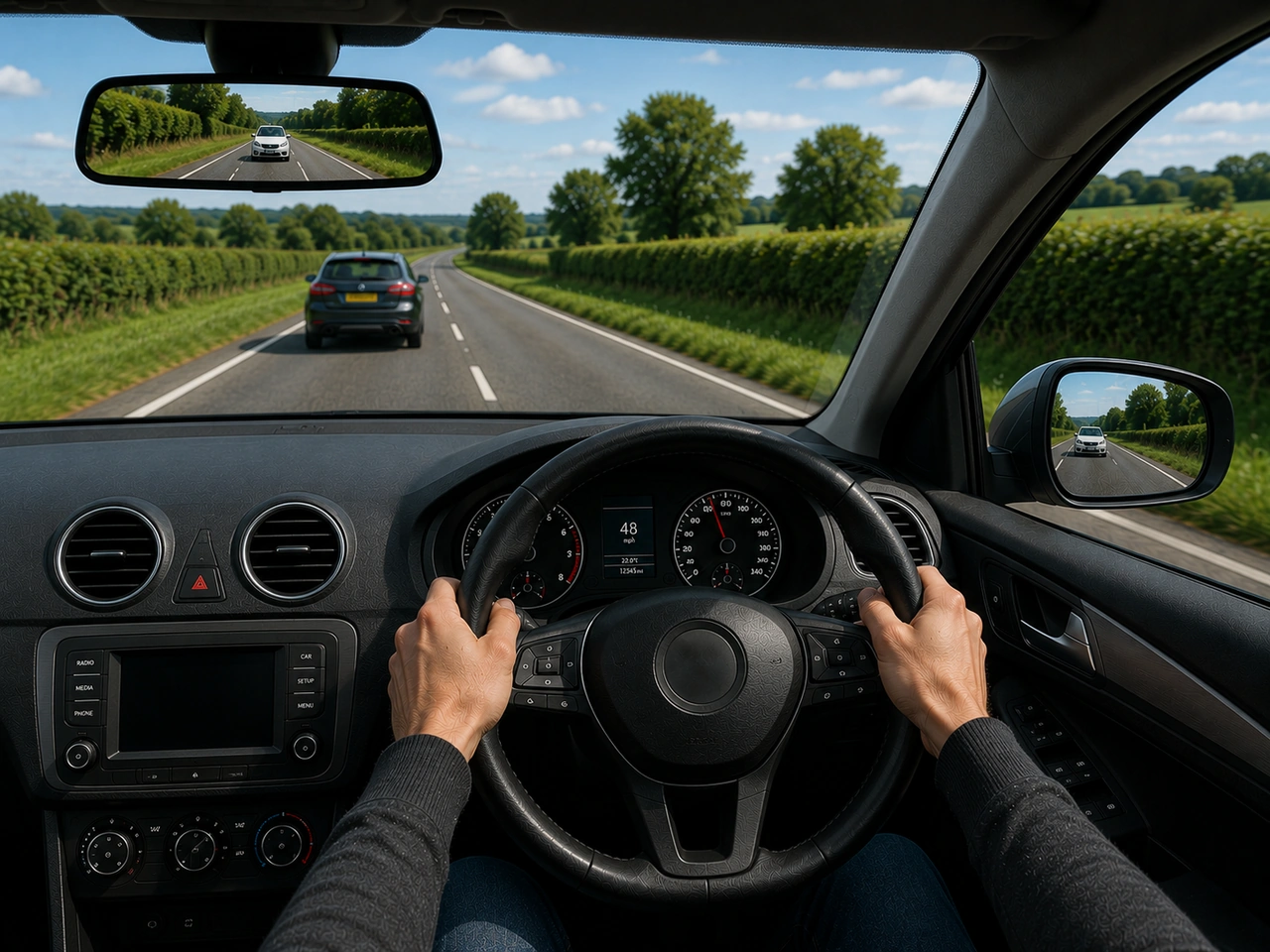
85. What should you do before overtaking another vehicle?
Before overtaking, check the road, mirrors, blind spots, signs, and markings, use your indicator, and only overtake when it is safe and permitted.
AI-generated by Traffic-rules.com • WCIT • CC BY-SA
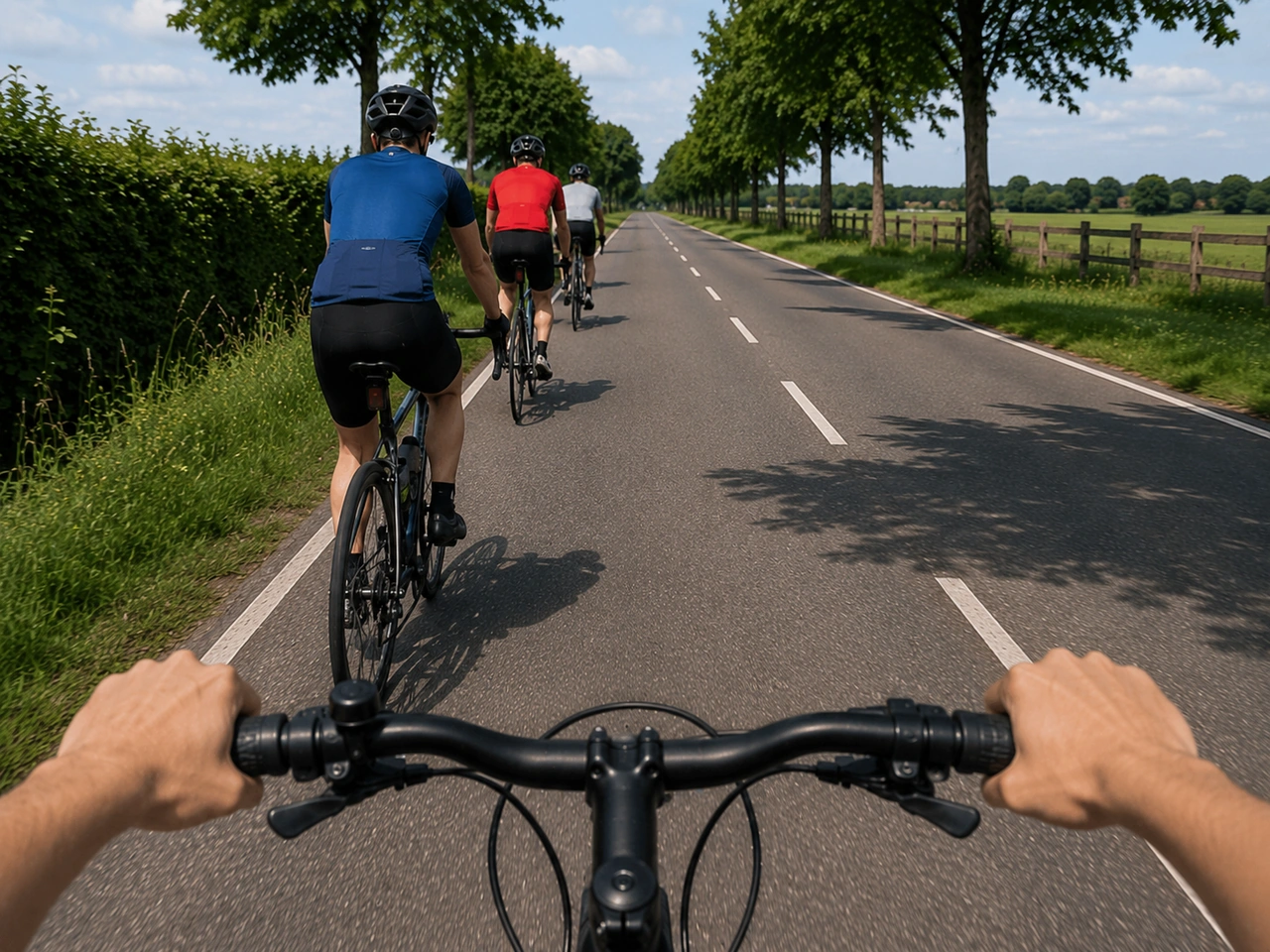
86. How should cyclists ride when travelling in a group?
Safe spacing and communication help group members respond to braking, turns, obstacles, and changing traffic conditions.
AI-generated by Traffic-rules.com • WCIT • CC BY-SA
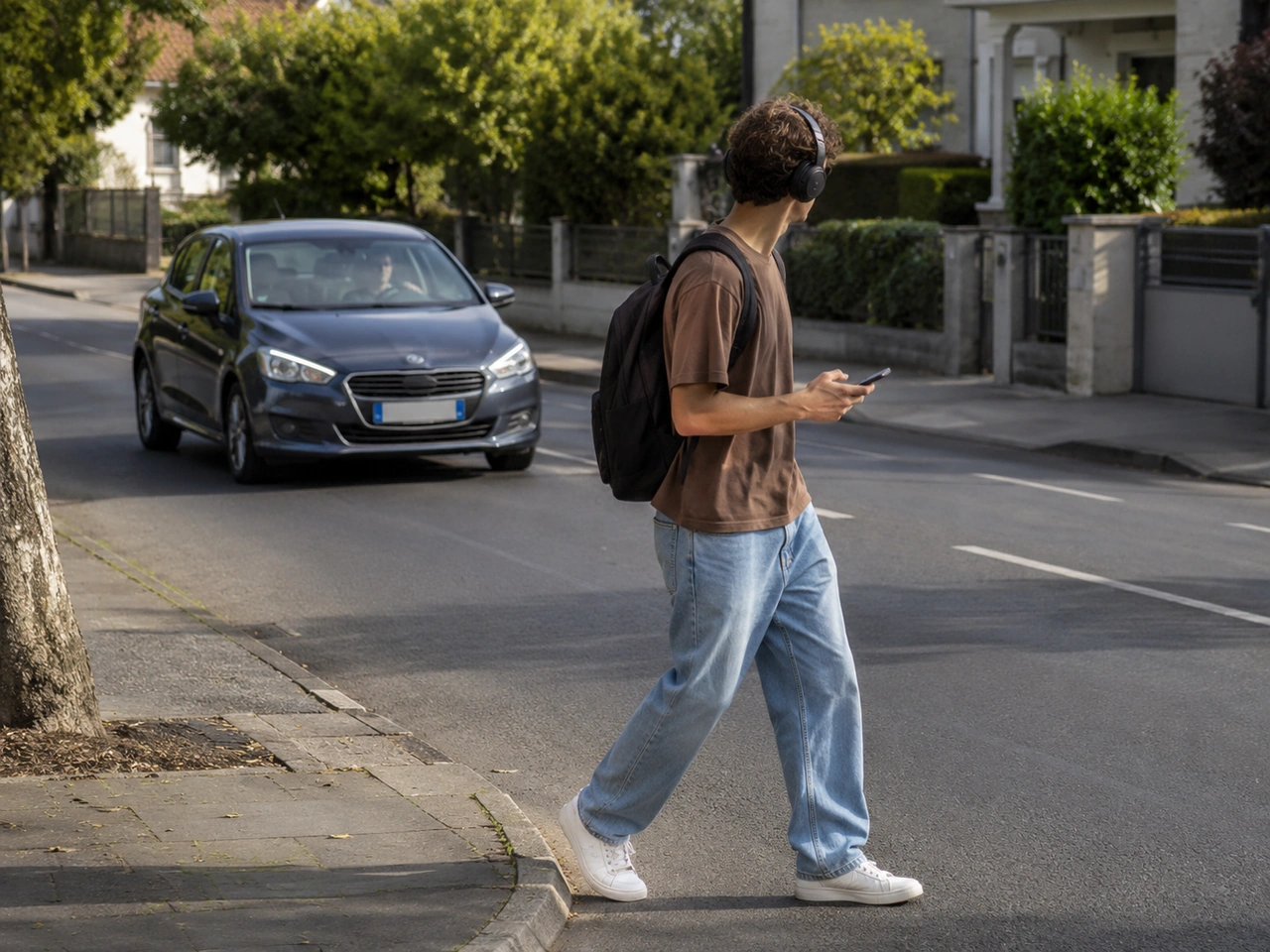
87. Why is it dangerous to cross while listening to loud music?
Loud music can reduce your awareness of vehicles, bicycles, horns, and other warning sounds.
AI-generated by Traffic-rules.com • WCIT • CC BY-SA
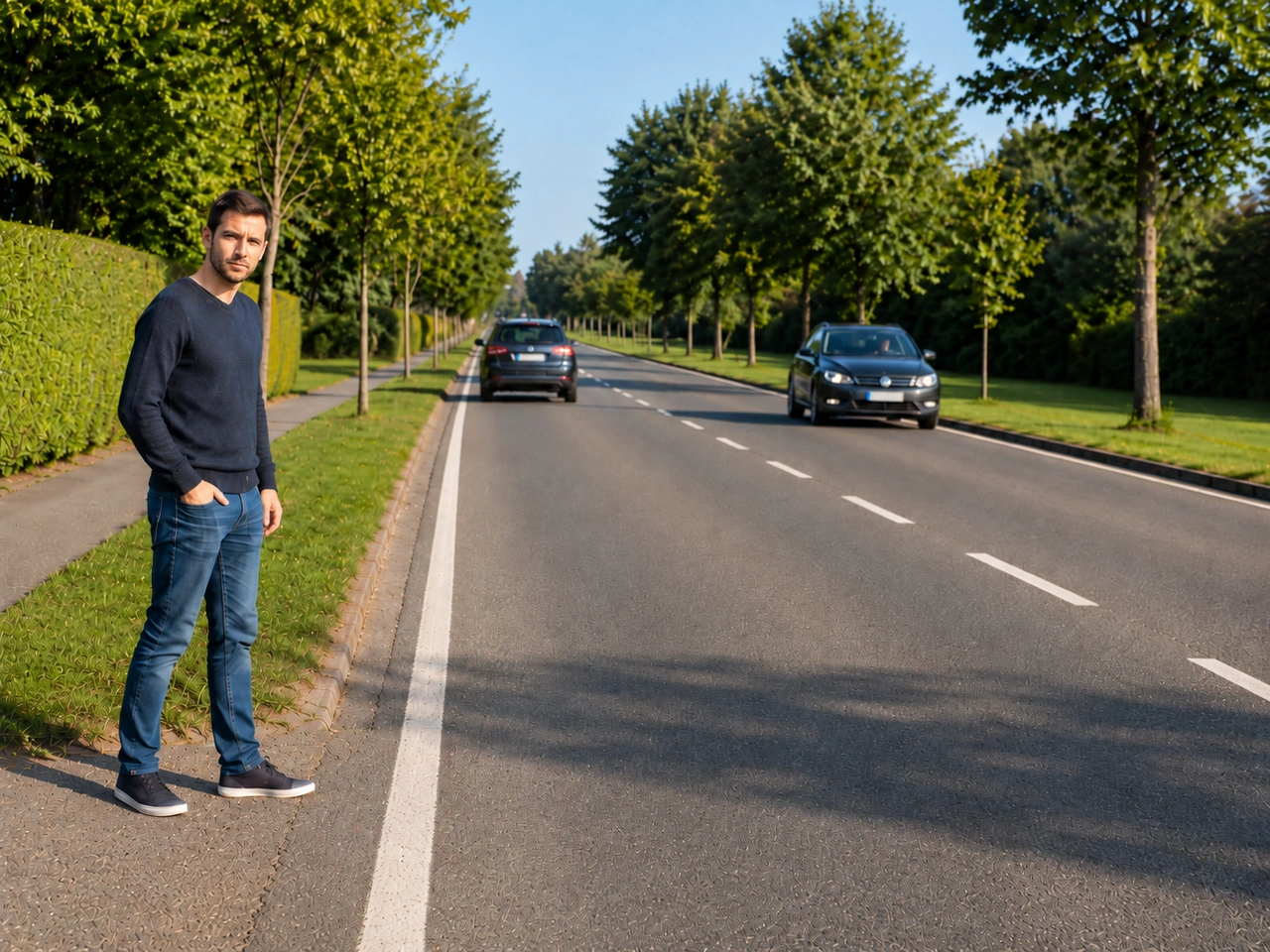
88. What should you do when crossing a road with no marked crossing nearby?
If there is no marked crossing nearby, choose a safe place where you can clearly see approaching traffic.
AI-generated by Traffic-rules.com • WCIT • CC BY-SA
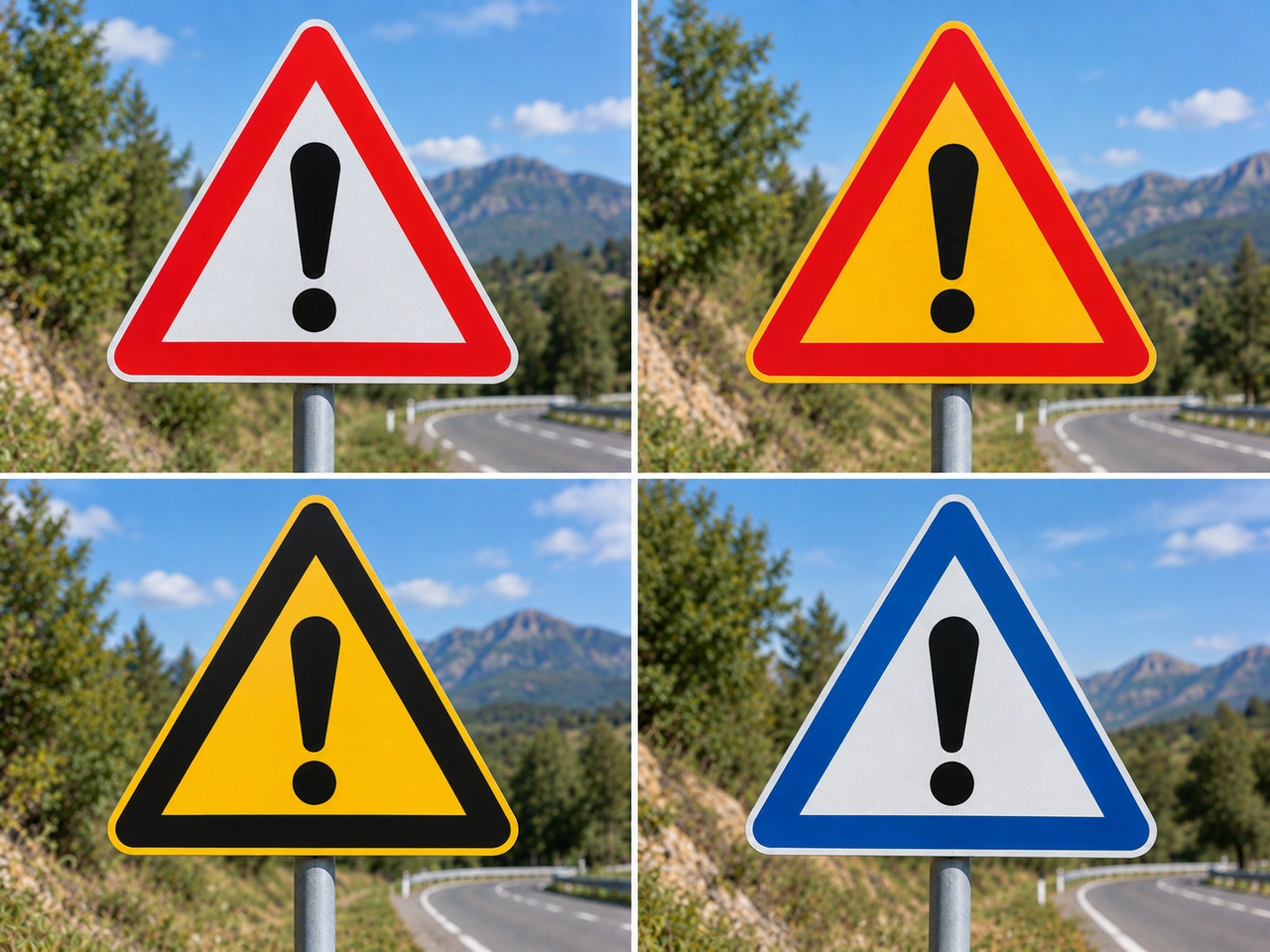
89. Which colour combination is commonly used for warning signs in United Kingdom?
Most warning signs in United Kingdom have a red border with a white background.
AI-generated by Traffic-rules.com • WCIT • CC BY-SA
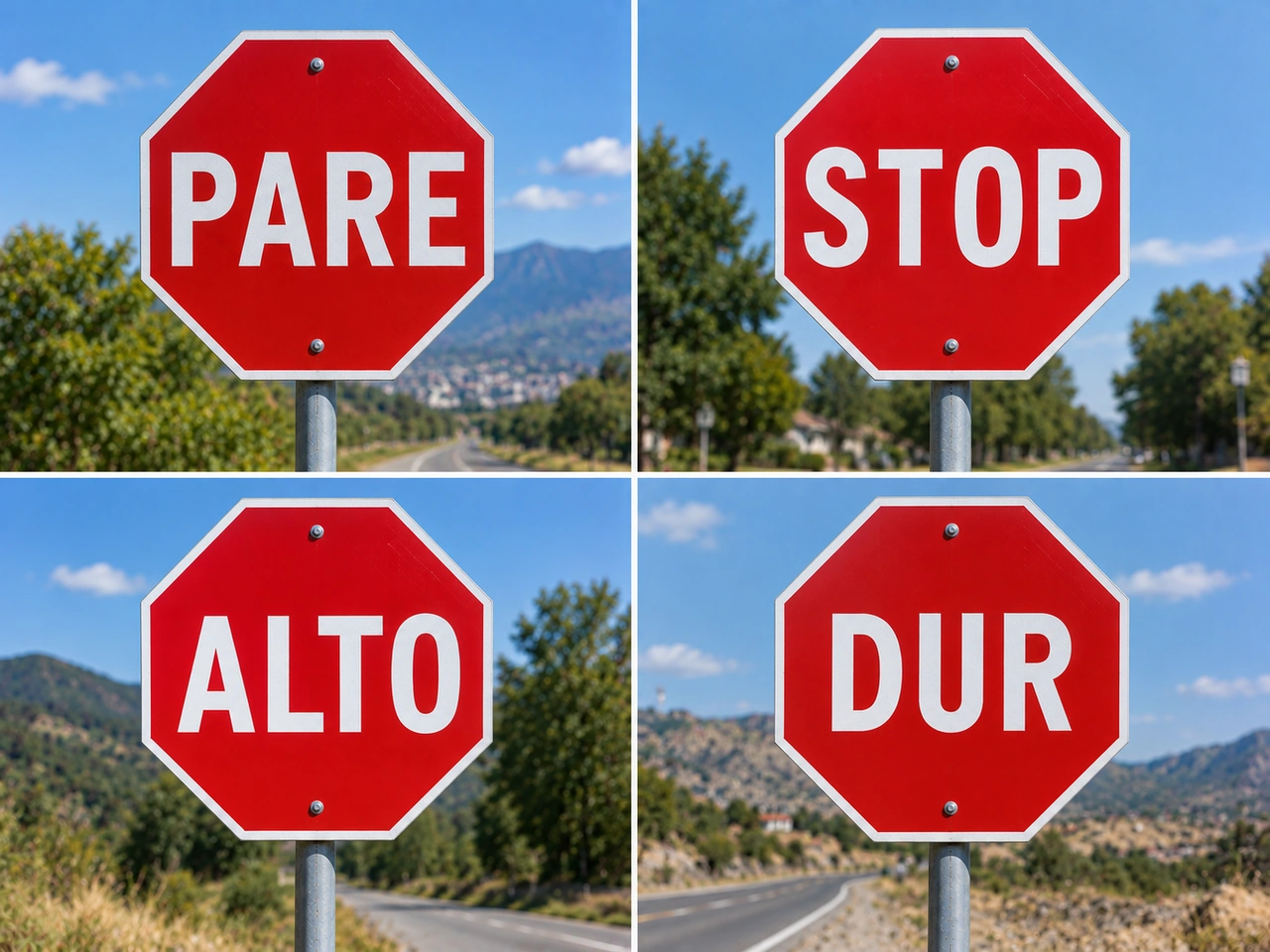
90. What word is commonly shown on STOP signs in United Kingdom?
In United Kingdom, STOP signs commonly display the word STOP.
AI-generated by Traffic-rules.com • WCIT • CC BY-SA
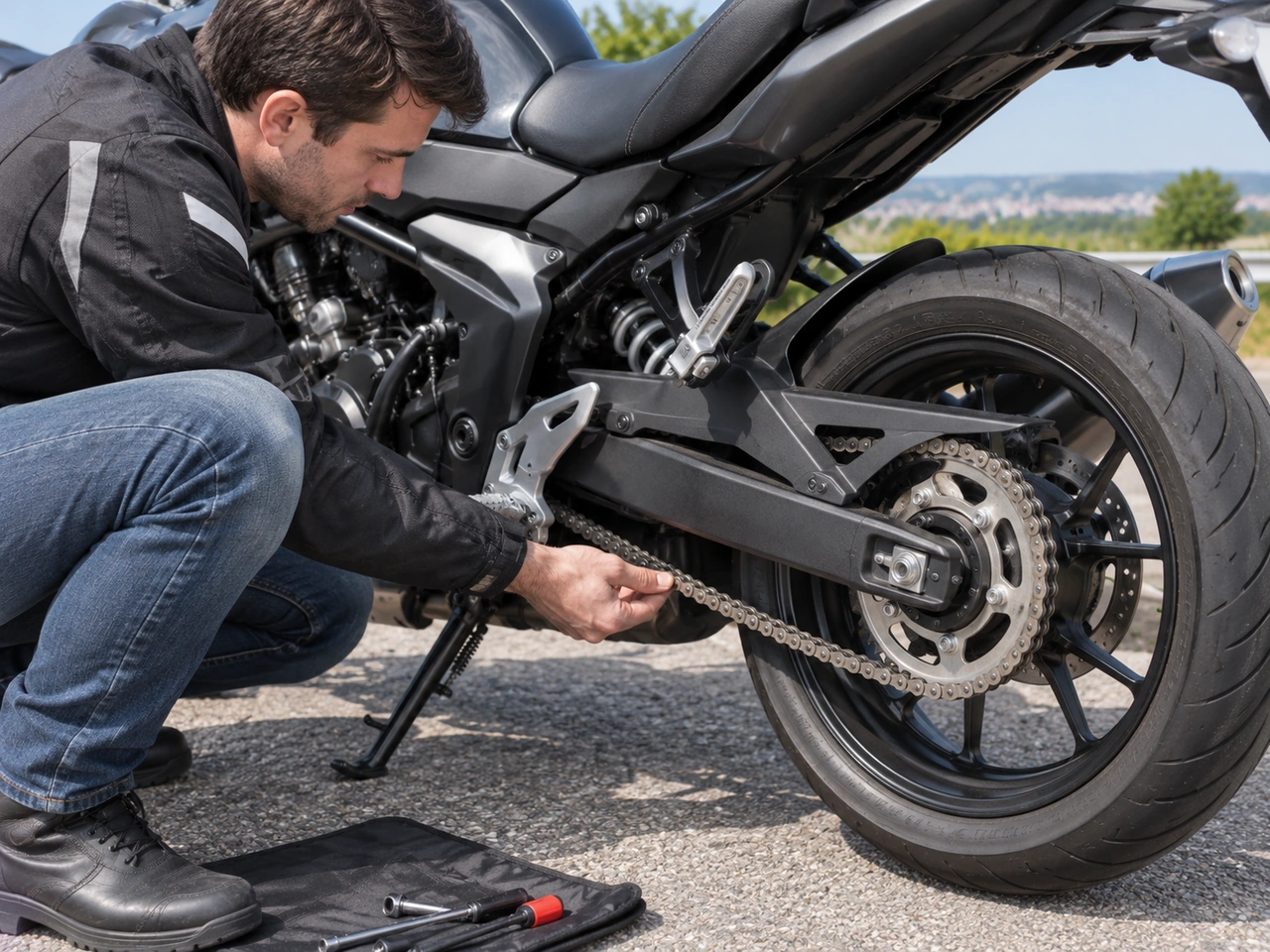
91. What should you do if a motorcycle's drive chain is too loose?
A loose drive chain can affect power transmission, damage components, or come off the sprockets. The chain should have the correct tension and lubrication specified by the motorcycle manufacturer. A chain that is too tight can also cause damage.
AI-generated by Traffic-rules.com • WCIT • CC BY-SA
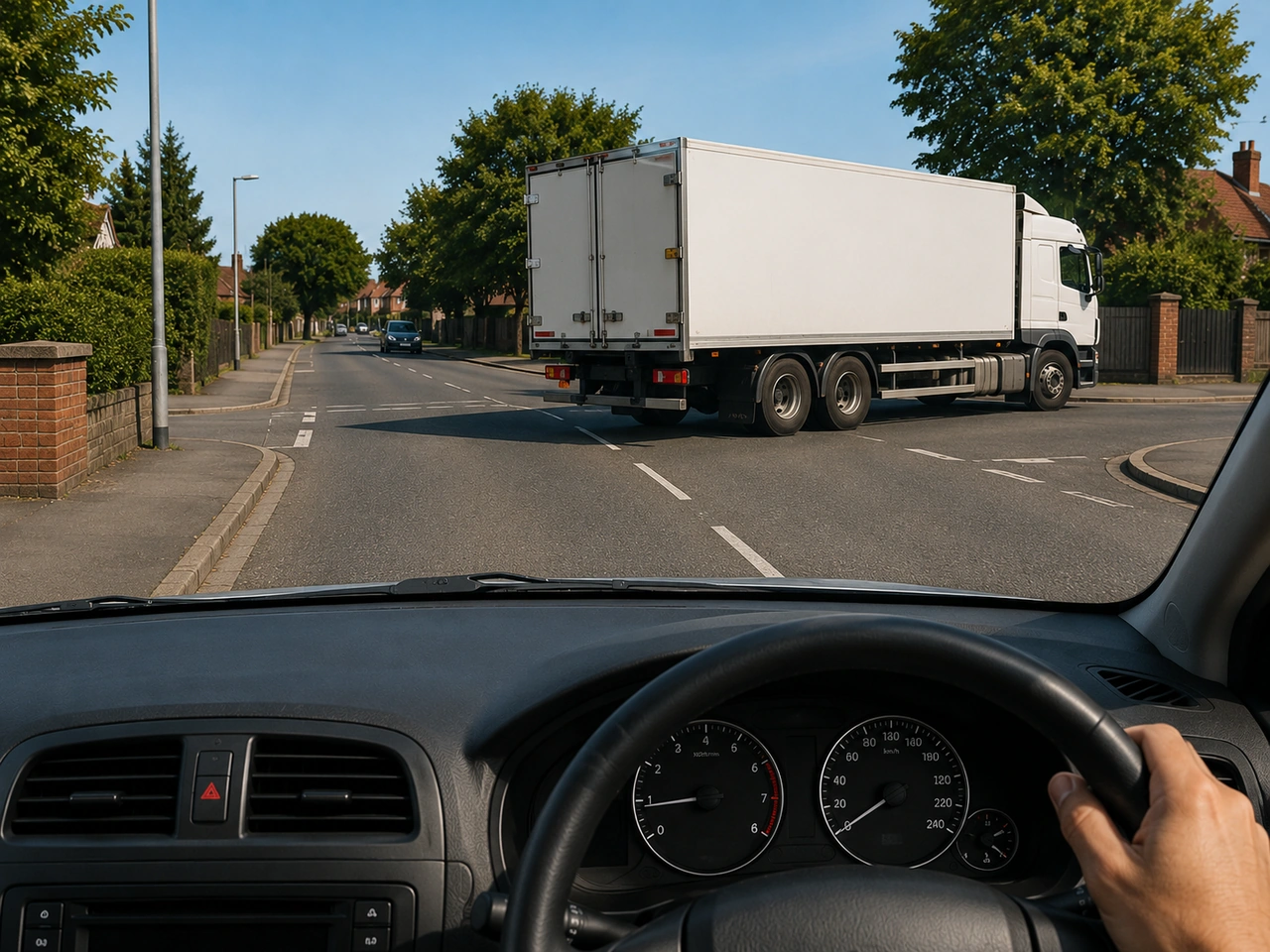
92. Why should you leave space beside large vehicles when they turn?
Large vehicles often swing wide when turning and have larger blind spots. Keep clear and do not move into the space beside them.
AI-generated by Traffic-rules.com • WCIT • CC BY-SA
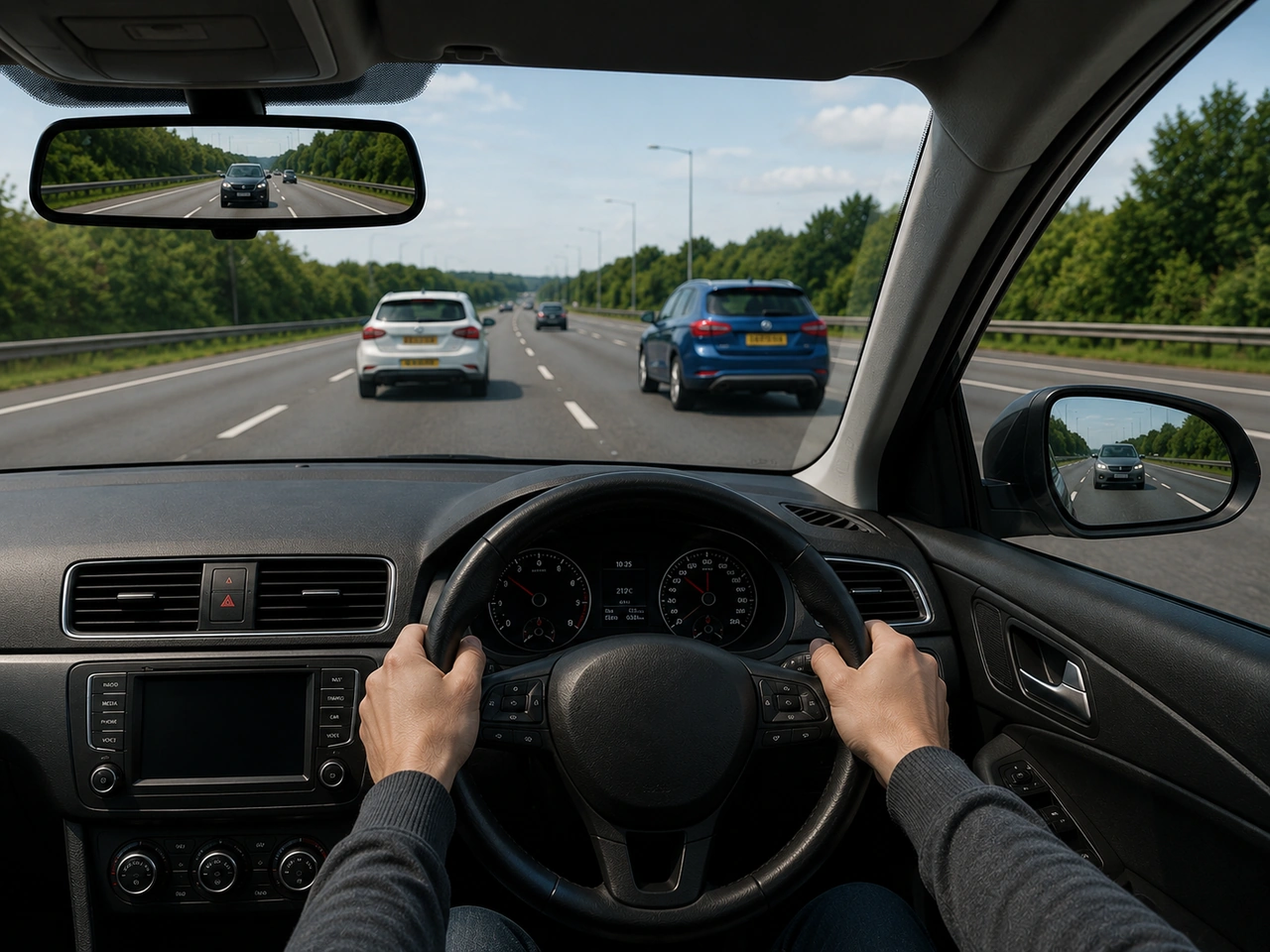
93. What should you do before changing lanes?
Always check your mirrors, look over your shoulder if necessary, and make sure it is safe before changing lanes.
AI-generated by Traffic-rules.com • WCIT • CC BY-SA
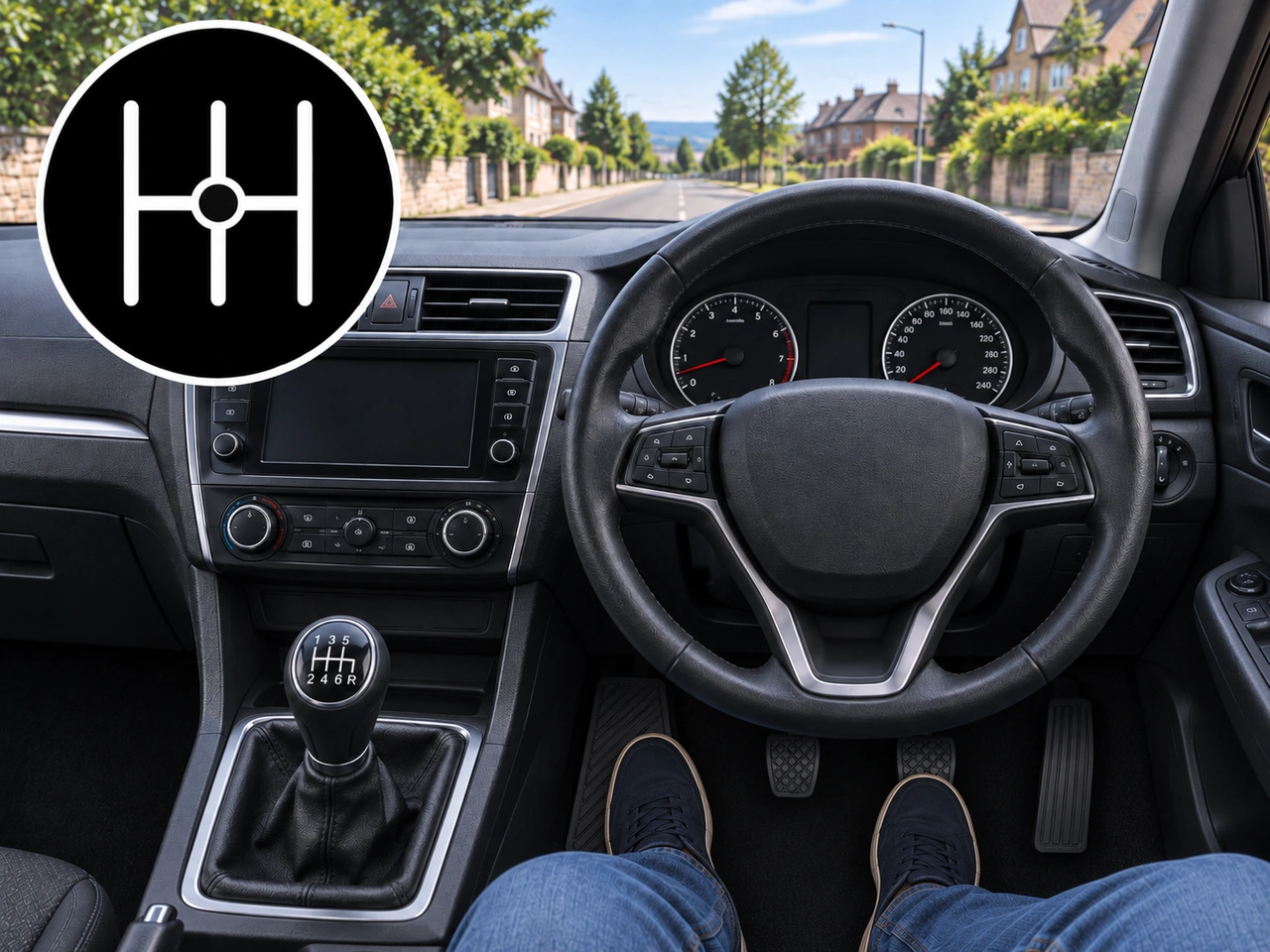
94. What should you normally do with the gearbox during a longer stop in a manual vehicle?
During a longer stop, selecting neutral and releasing the clutch can reduce unnecessary strain on the clutch release mechanism. Keep the vehicle securely held with the brake or parking brake as appropriate.
AI-generated by Traffic-rules.com • WCIT • CC BY-SA
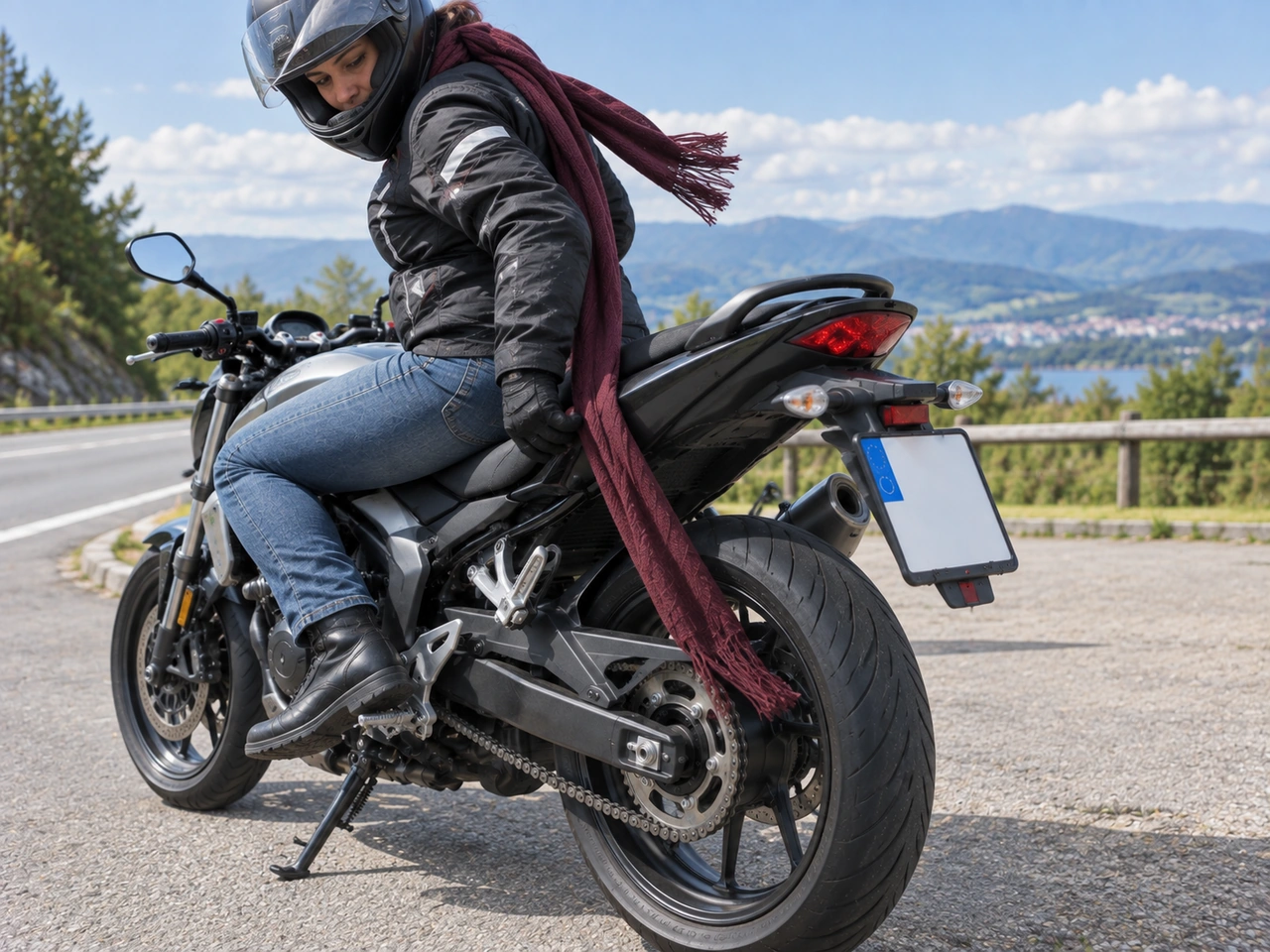
95. Why should loose clothing be avoided when riding a motorcycle?
Loose clothing, straps or scarves can flap in the wind or become caught in moving parts such as the chain or wheel. Motorcycle clothing should fit securely and should not have loose items that could interfere with safe riding.
AI-generated by Traffic-rules.com • WCIT • CC BY-SA
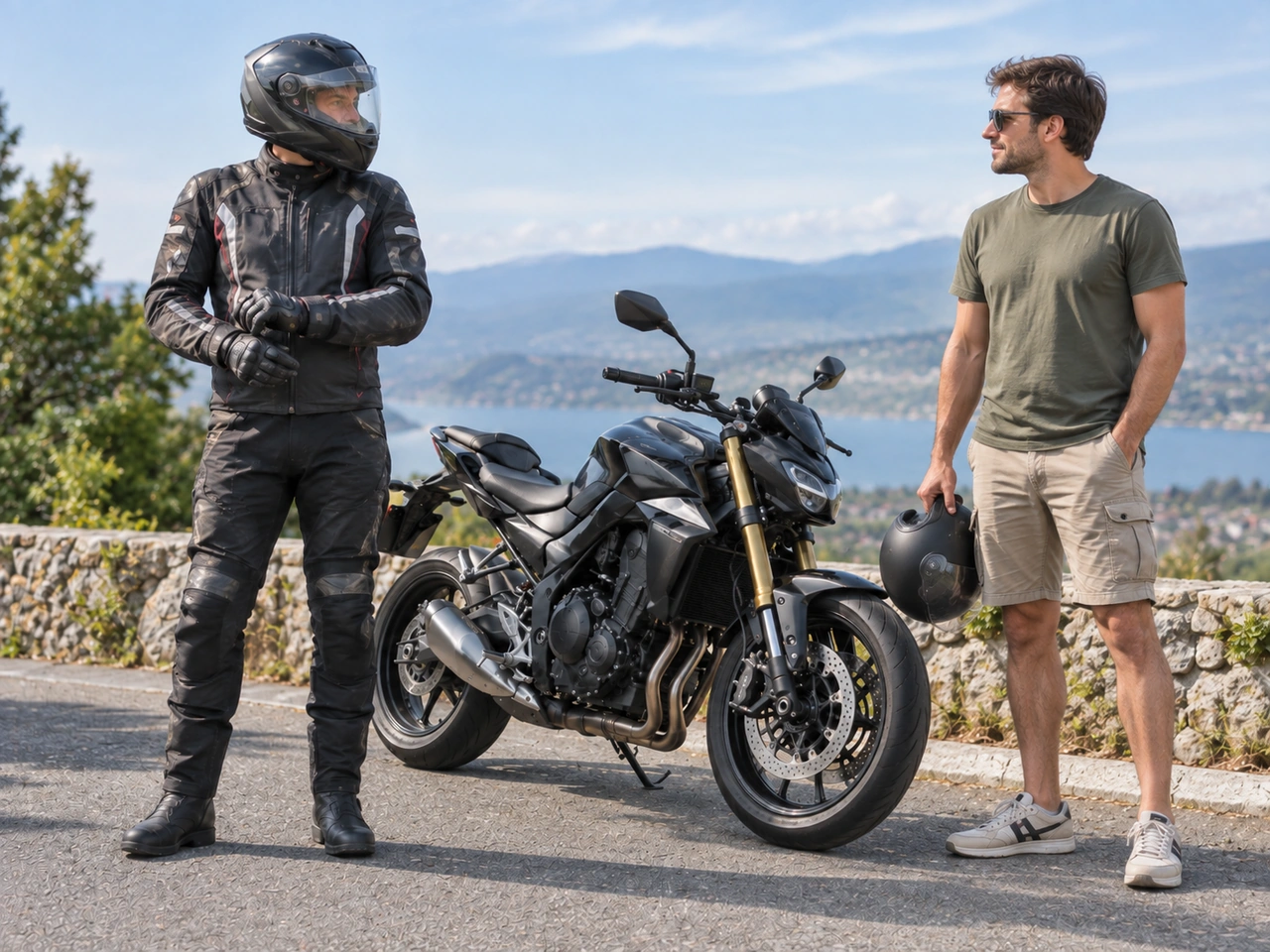
96. Should motorcyclists wear protective clothing?
Motorcyclists should wear protective clothing because it can reduce injuries from falls, impacts and sliding on the road. Suitable jackets, trousers, gloves and boots provide additional protection, but they do not replace a securely fitted helmet or safe riding.
AI-generated by Traffic-rules.com • WCIT • CC BY-SA
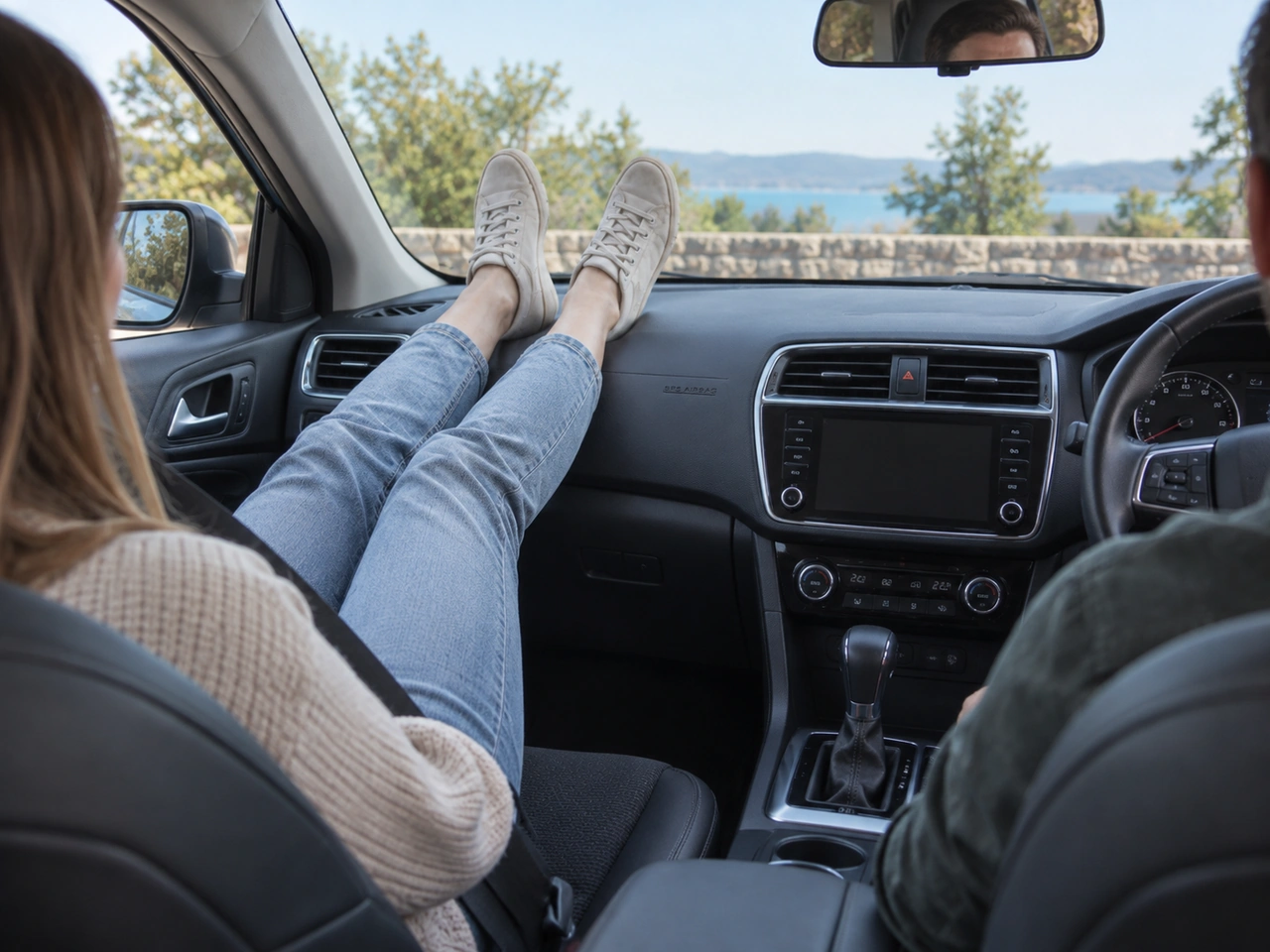
97. Why should a front passenger keep their feet off the dashboard?
A front airbag deploys very quickly and with considerable force. If a passenger has their feet or legs on the dashboard, airbag deployment can force their legs backwards and greatly increase the risk of serious injury. Passengers should sit normally with their feet in the footwell and wear their seat belts correctly. The driver should make sure everyone is seated and restrained safely before setting off.
AI-generated by Traffic-rules.com • WCIT • CC BY-SA
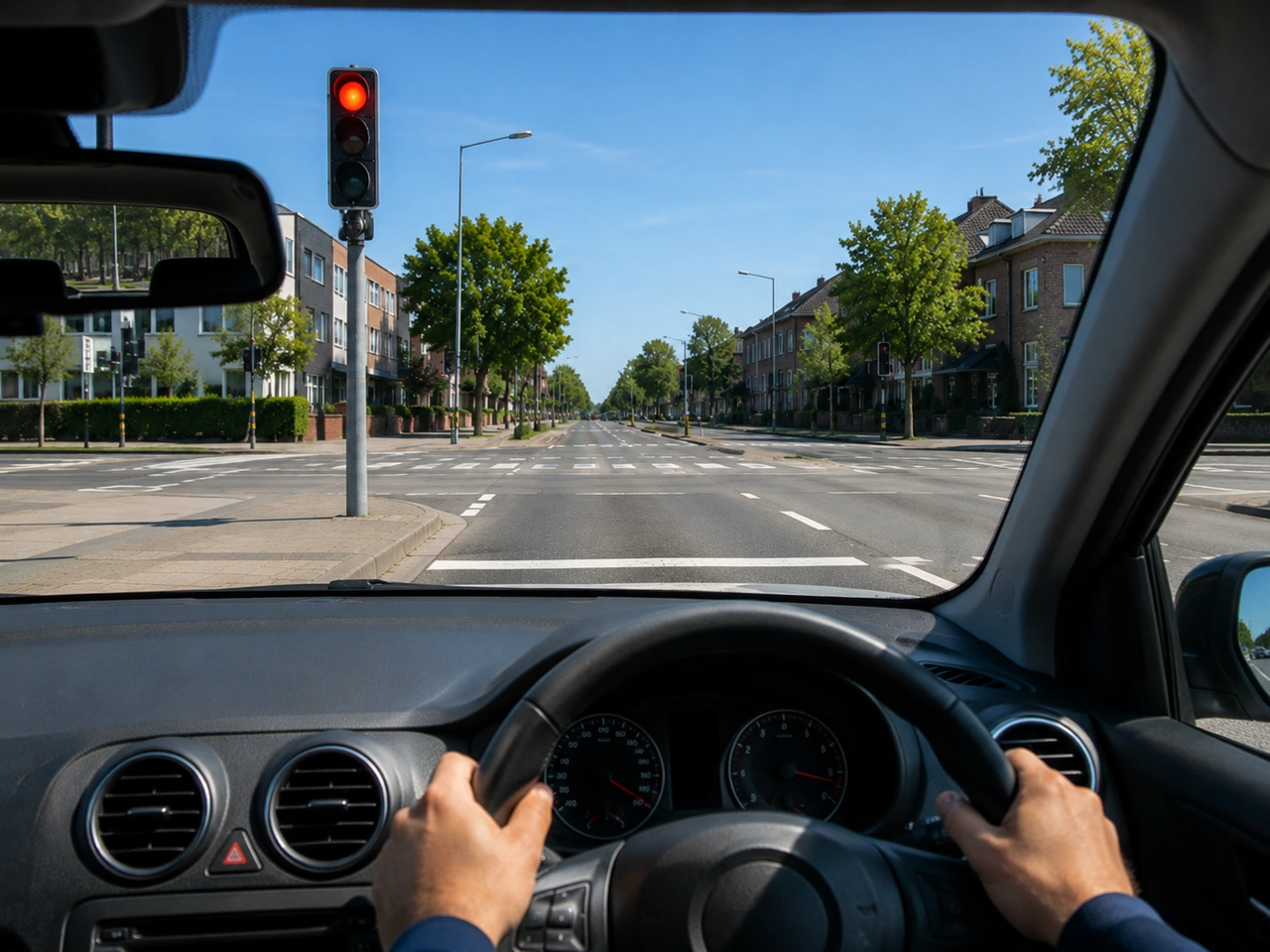
98. What should you do when a traffic light turns red?
A red traffic light means you must stop before the stop line, pedestrian crossing, or intersection unless a sign or signal indicates otherwise.
AI-generated by Traffic-rules.com • WCIT • CC BY-SA
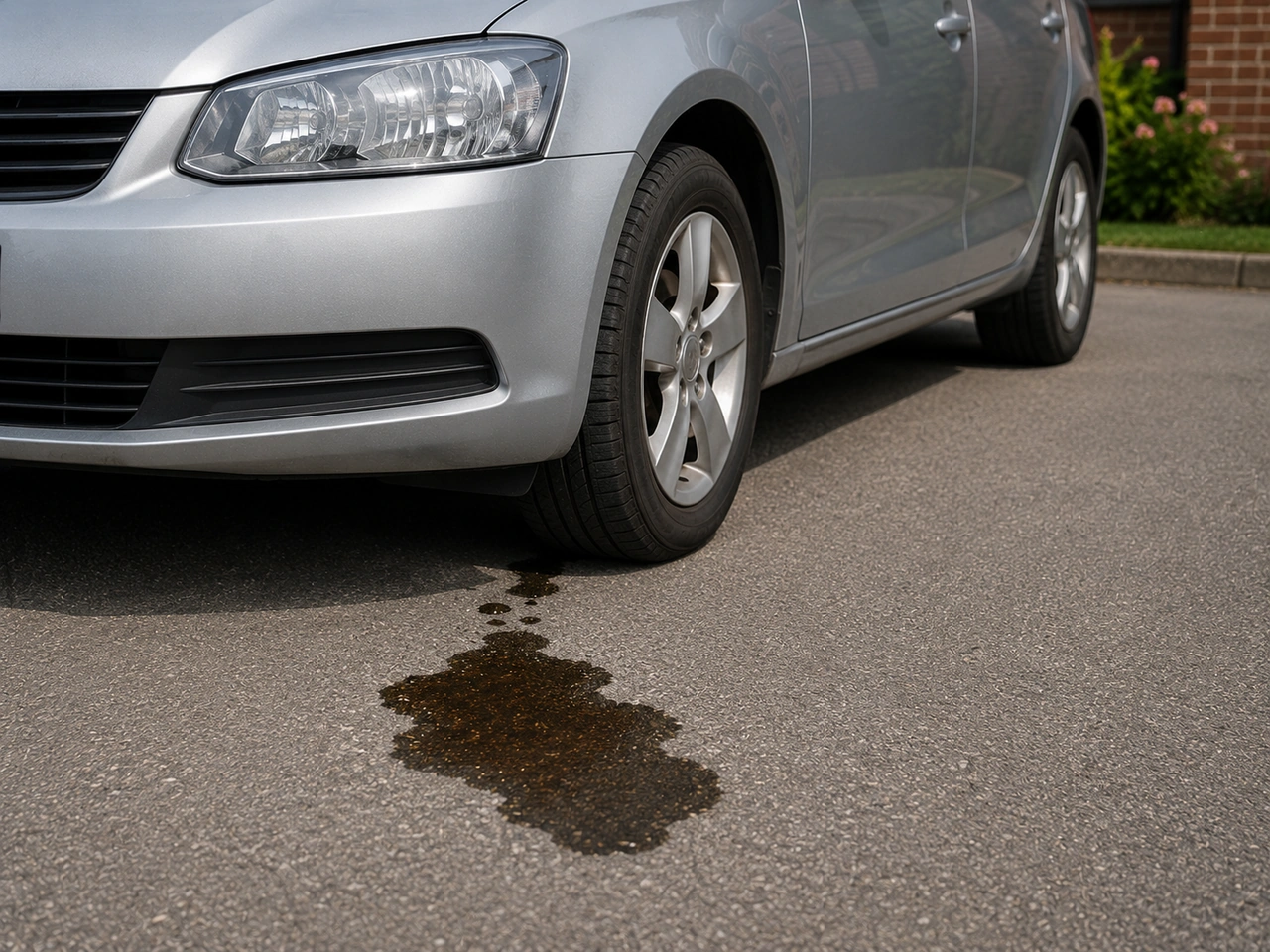
99. What should you do if you notice an unfamiliar fluid underneath your vehicle?
Clear water from air conditioning can be normal, but oil, coolant, fuel, transmission fluid, or brake fluid may indicate a fault requiring urgent attention.
AI-generated by Traffic-rules.com • WCIT • CC BY-SA
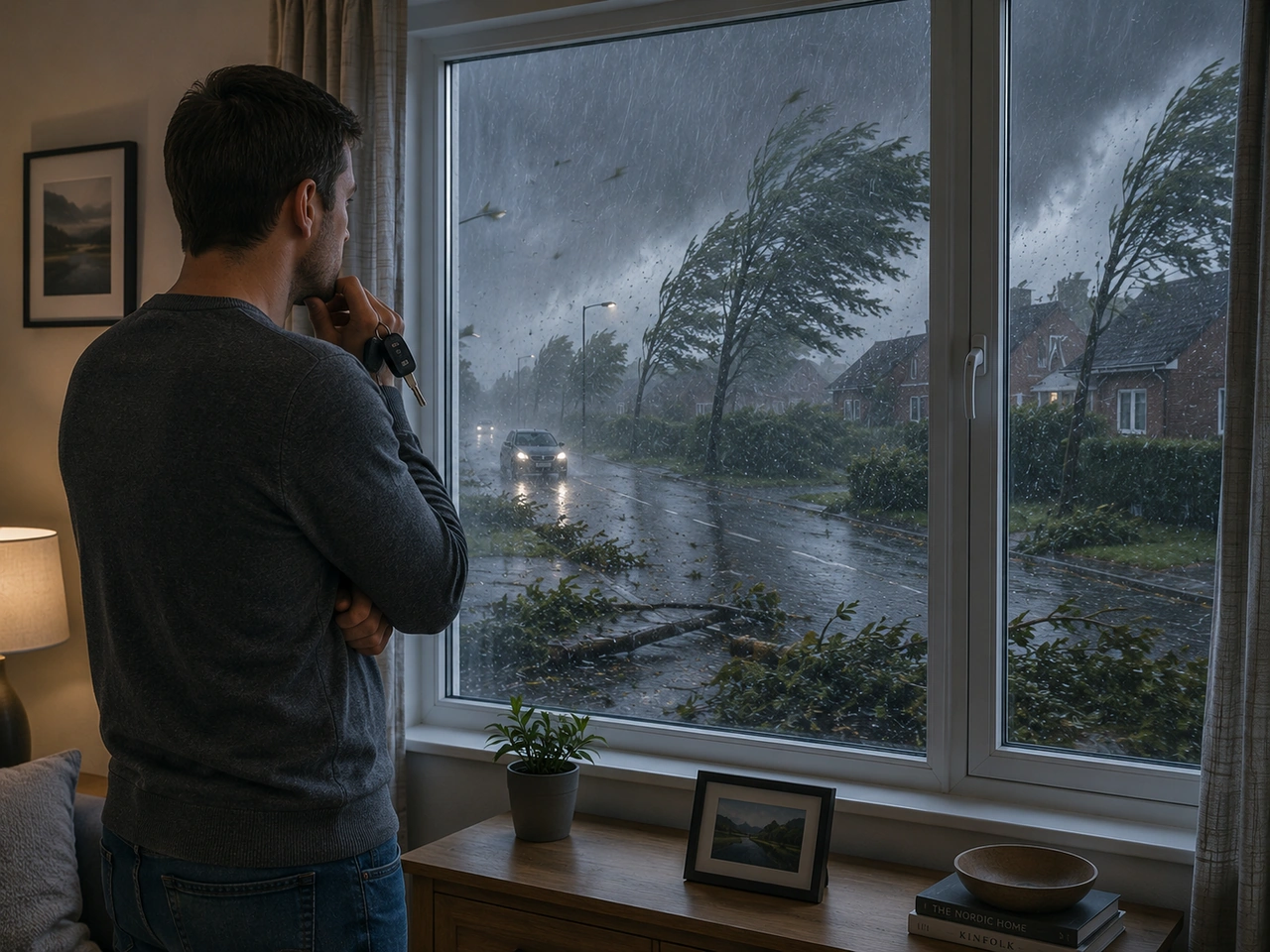
100. When should you consider delaying a journey because of severe weather?
Severe weather can create dangerous conditions. Delaying a journey may be the safest choice when risks are too high.
AI-generated by Traffic-rules.com • WCIT • CC BY-SA