


QuizTraffic rulesUnited Kingdom
This interesting quiz helps you test your knowledge in a clear and visual way. With easy multiple-choice questions, you can quickly build confidence and learn new facts while keeping it simple, interactive, and fun.
 Traffic signs
 Traffic rules
 United Kingdom
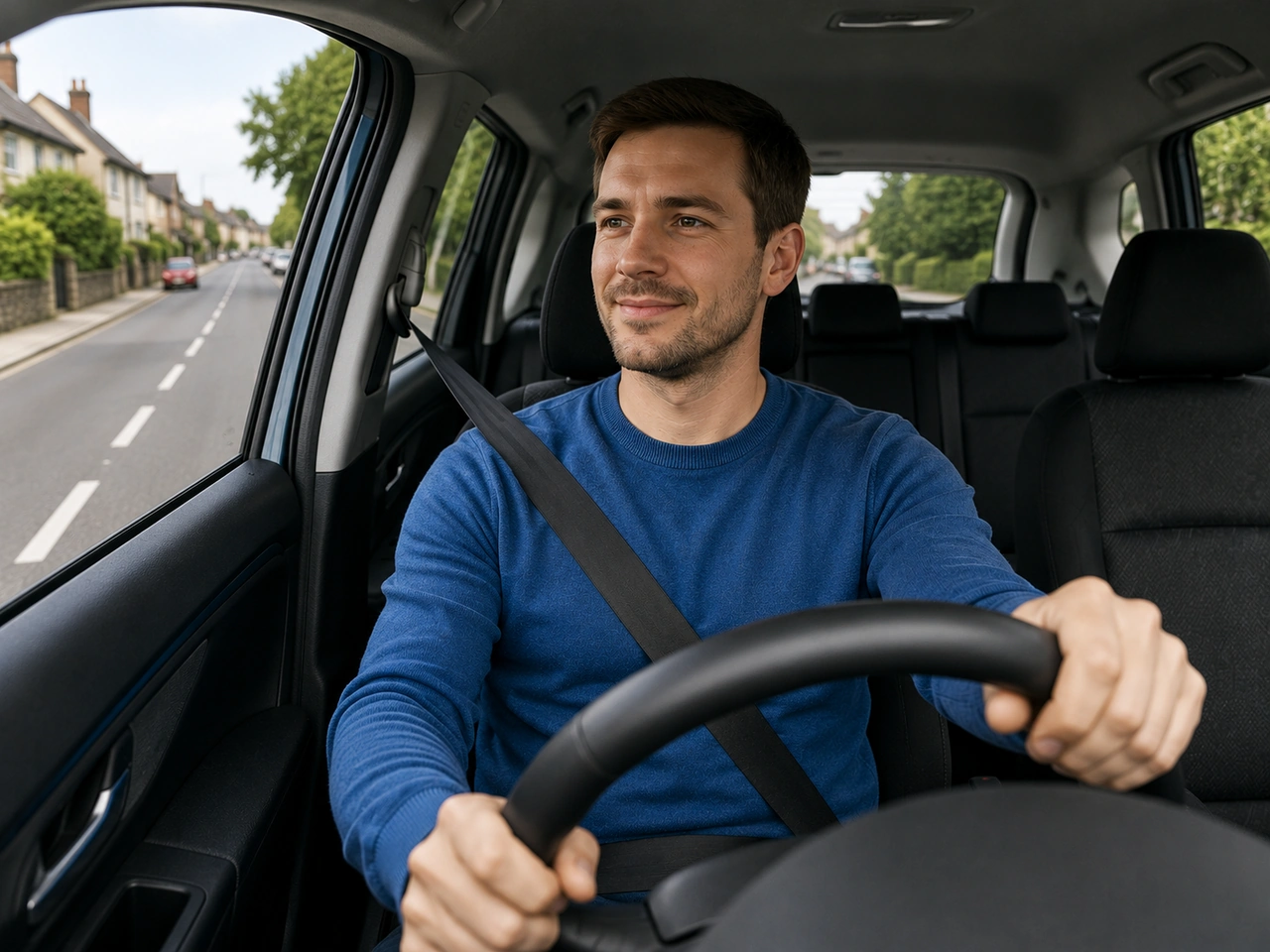
551. You should always wear a seat belt, even on short trips.
Seat belts reduce the risk of serious injury and should be worn on every trip, even short ones.
AI-generated by Traffic-rules.com • WCIT • CC BY-SA

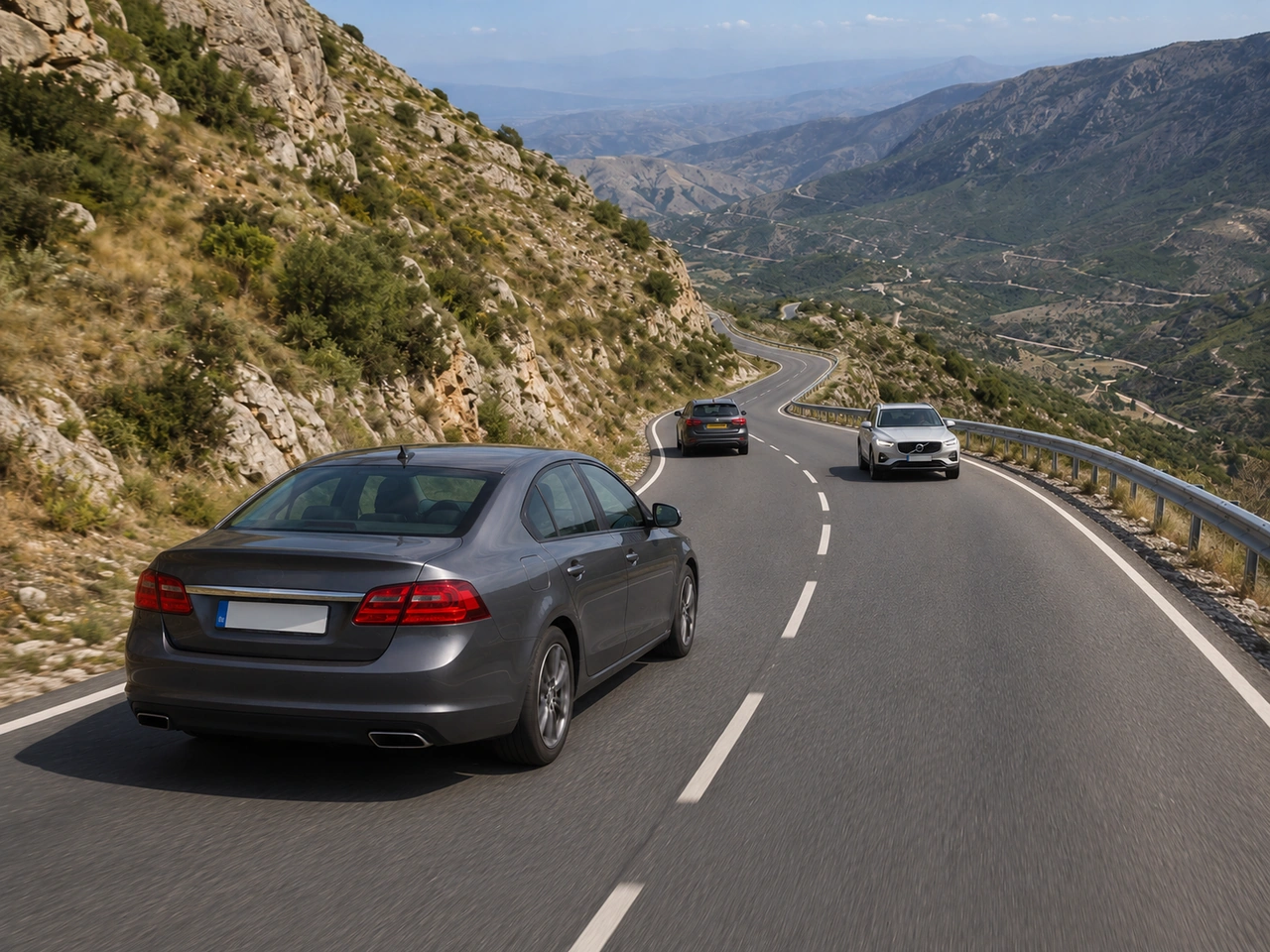
552. What can happen if you use the brakes continuously on a long descent?
Continuous braking can cause the brakes to overheat and fade, reducing braking performance. Use a lower gear to help control speed with engine braking.
AI-generated by Traffic-rules.com • WCIT • CC BY-SA
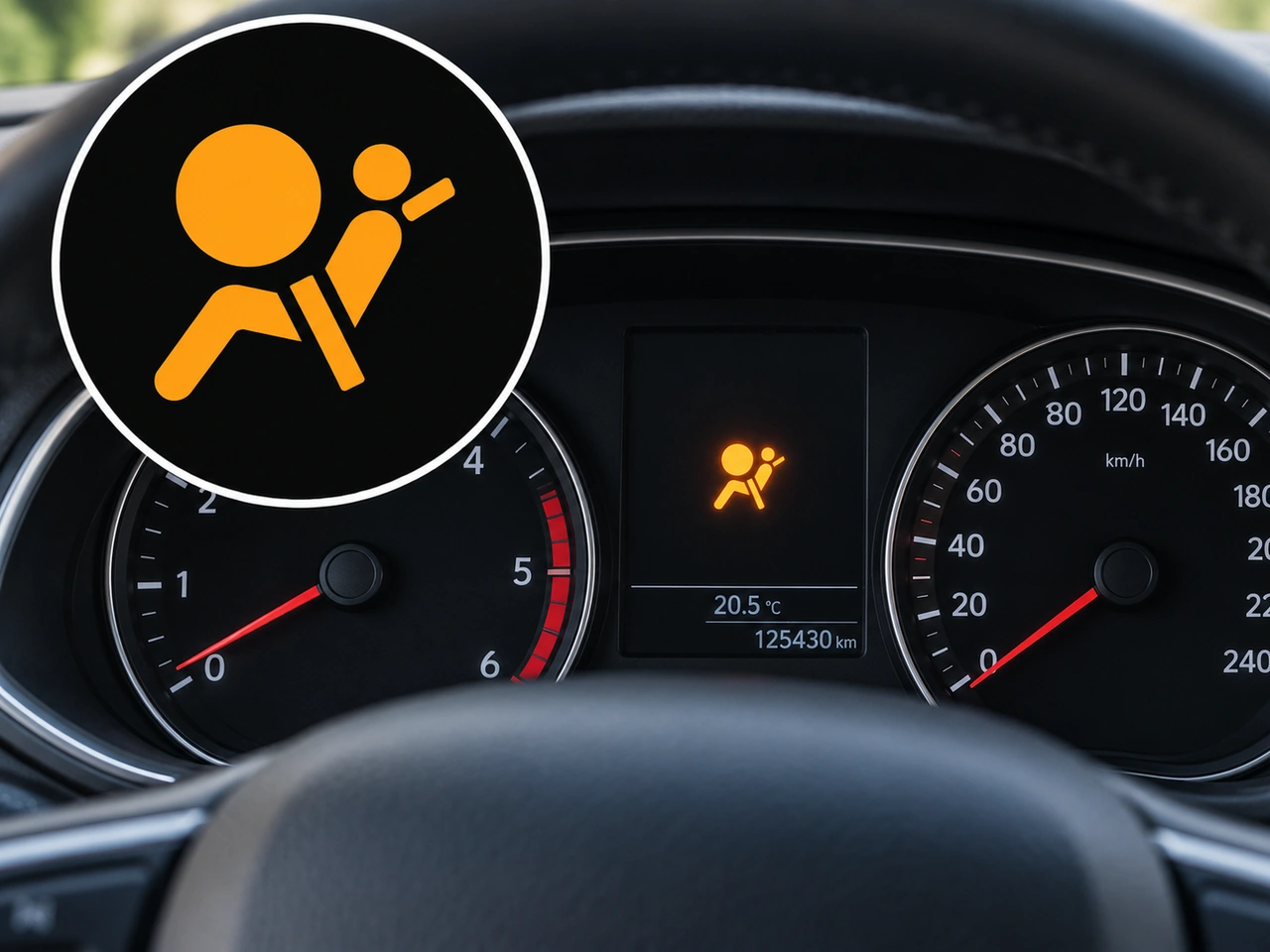
553. What does this dashboard symbol indicate?
This symbol indicates a possible fault in the airbag or supplementary restraint system. If it remains illuminated while driving, the system should be checked because one or more airbags or seat-belt pretensioners may not operate correctly in a collision.
AI-generated by Traffic-rules.com • WCIT • CC BY-SA
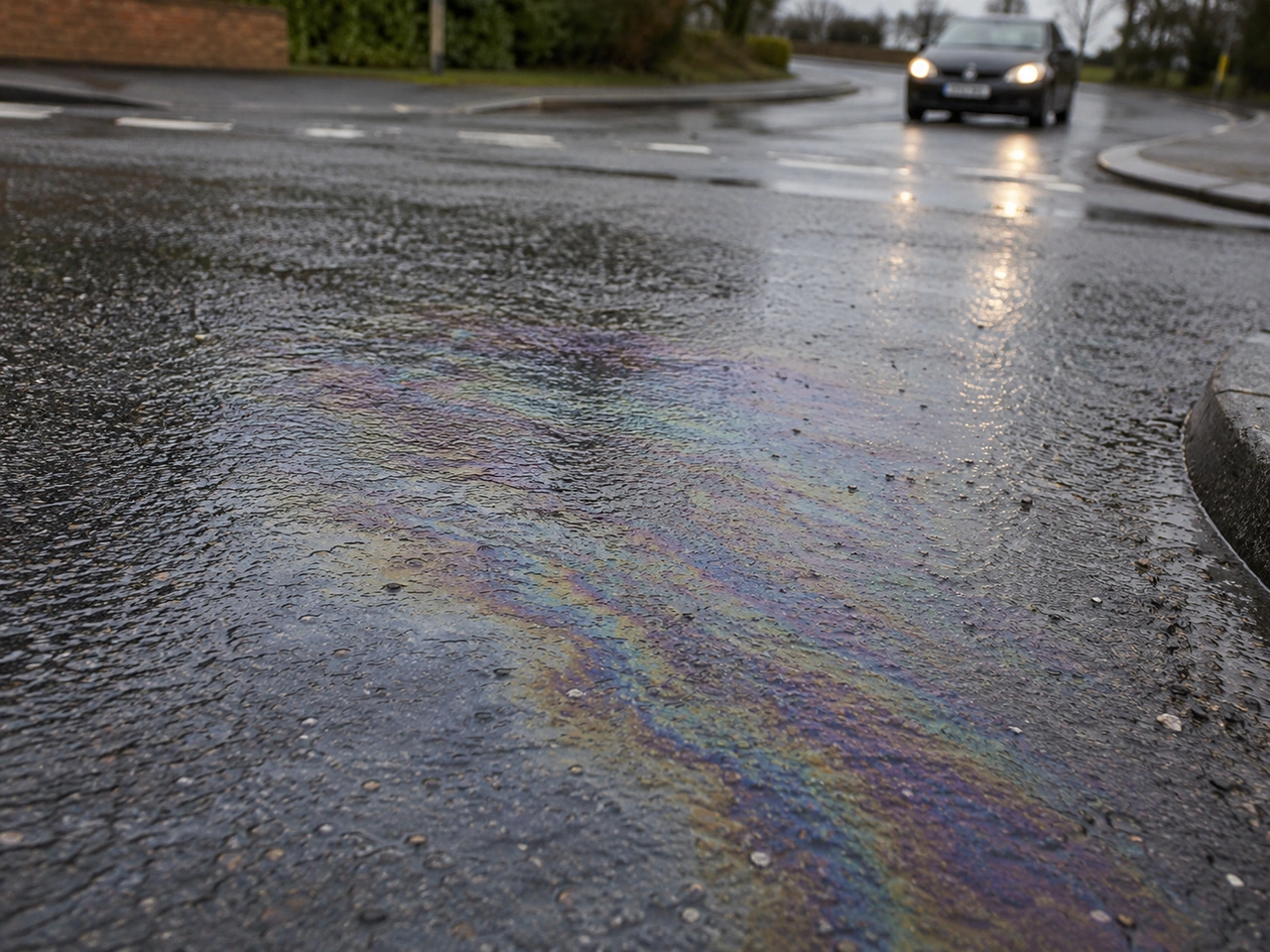
554. Why are roads especially slippery during rain after a dry period?
After a dry period, oil and dirt can build up on the road. The first rain mixes with them and can make the surface very slippery.
AI-generated by Traffic-rules.com • WCIT • CC BY-SA
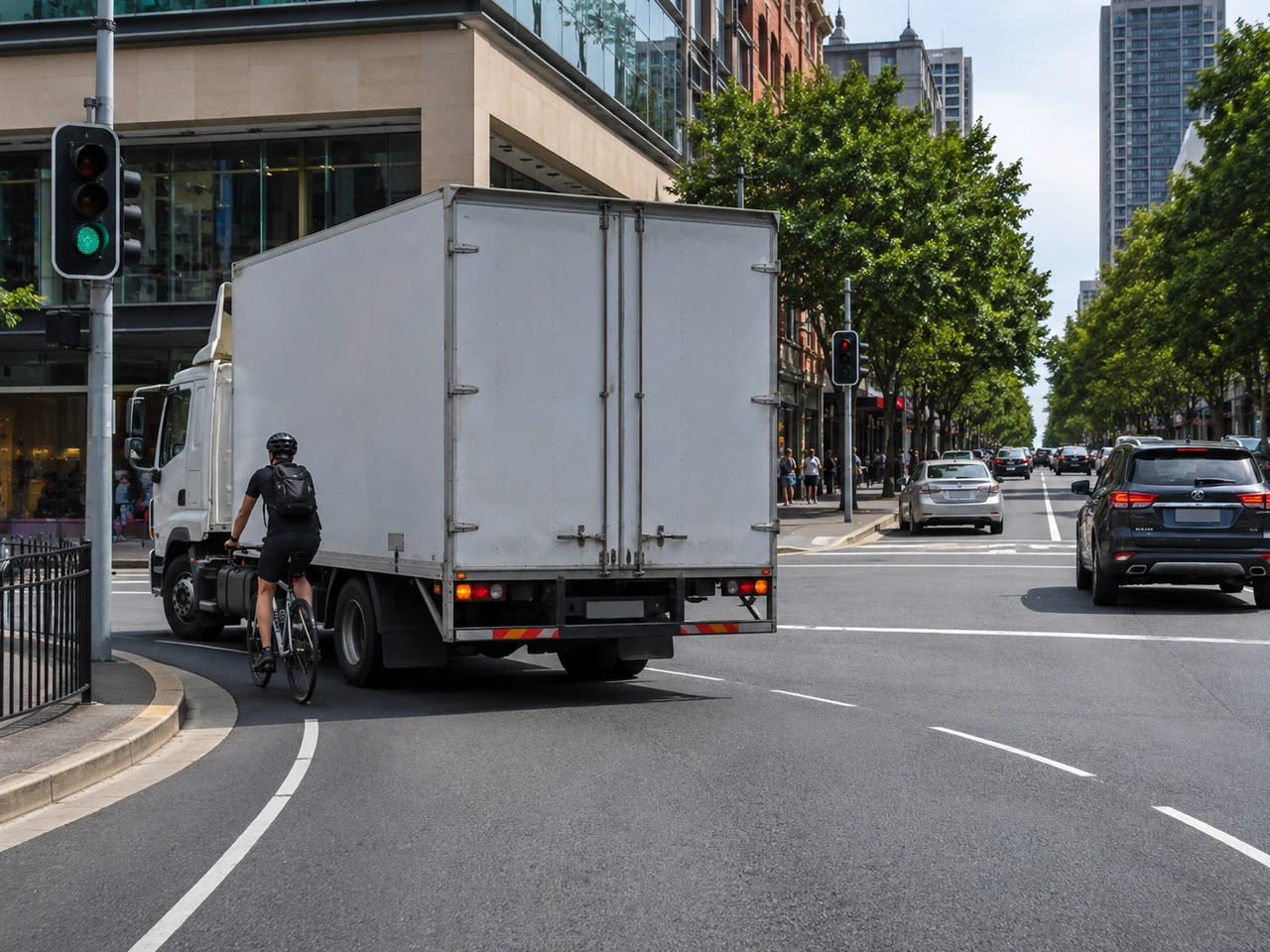
555. Why should cyclists avoid riding in a large vehicle's blind spot?
Buses and trucks have large areas where the driver cannot see cyclists, especially beside the vehicle and near turns.
AI-generated by Traffic-rules.com • WCIT • CC BY-SA
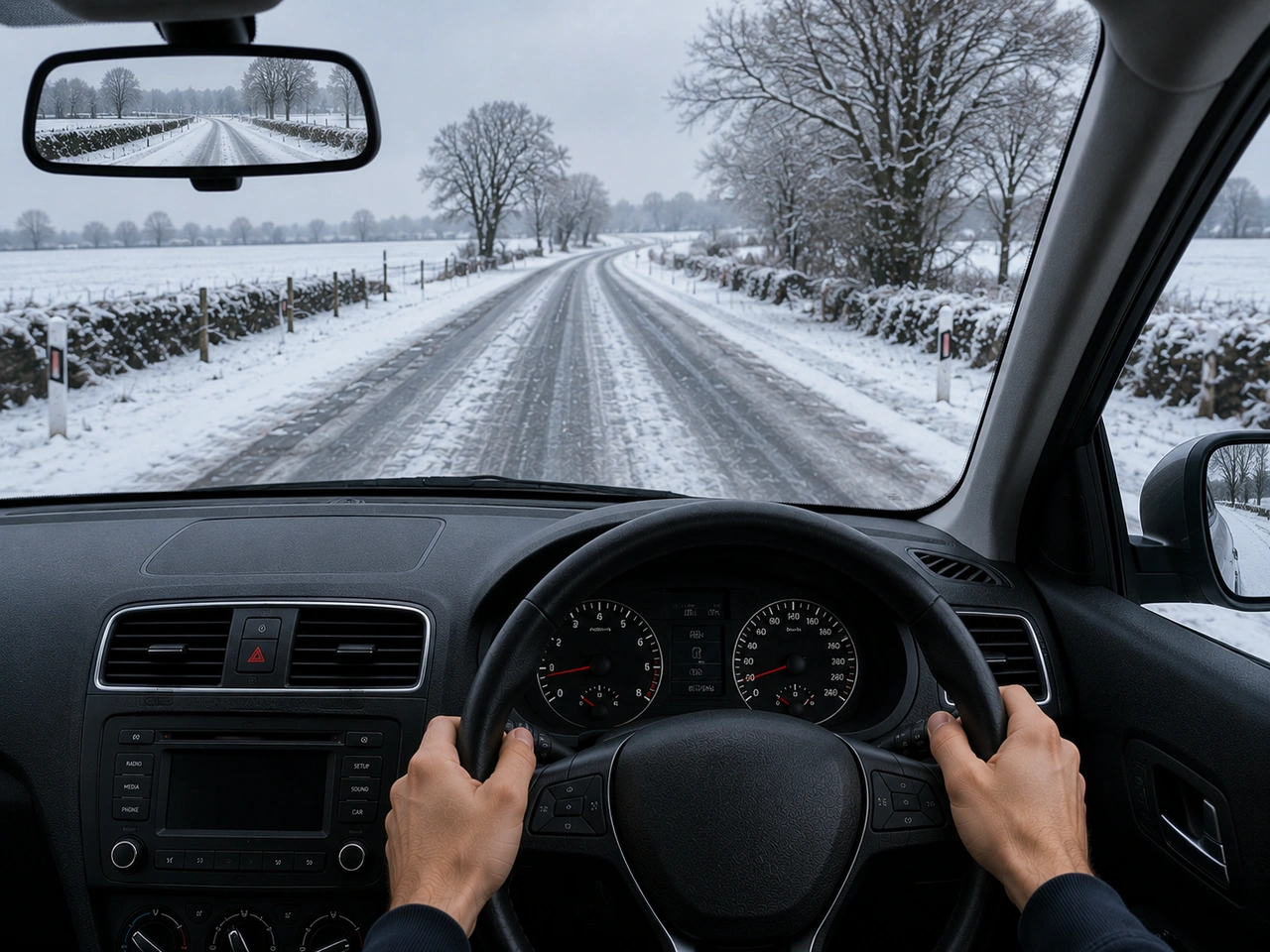
556. What should you do when driving on icy roads?
Ice greatly reduces tyre grip. Drive gently, keep extra distance, and avoid sudden movements that could cause a skid.
AI-generated by Traffic-rules.com • WCIT • CC BY-SA
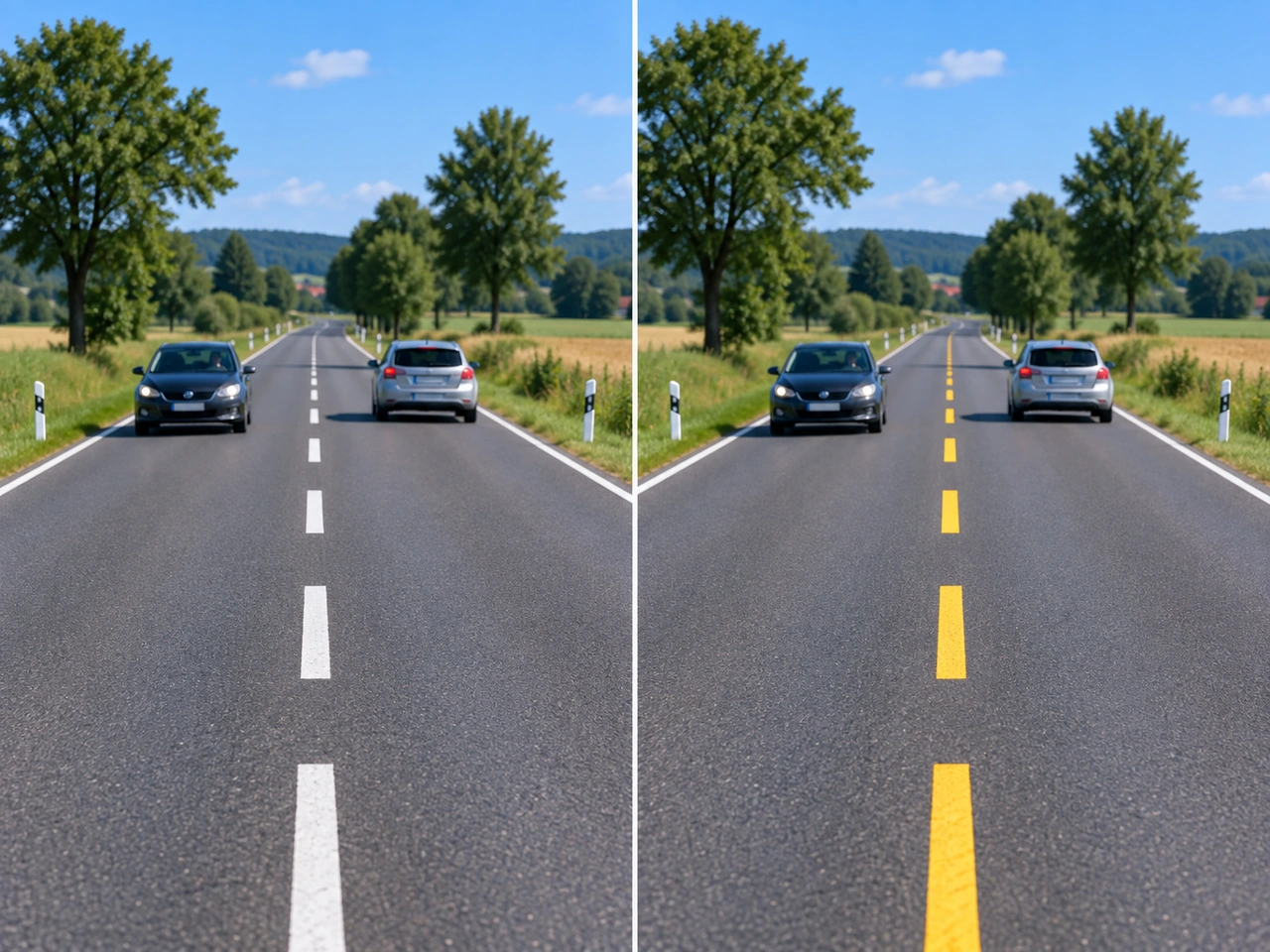
557. What colour is normally used for the centre line separating opposing traffic in United Kingdom?
Roads in United Kingdom normally use a white centre line to separate traffic travelling in opposite directions.
AI-generated by Traffic-rules.com • WCIT • CC BY-SA
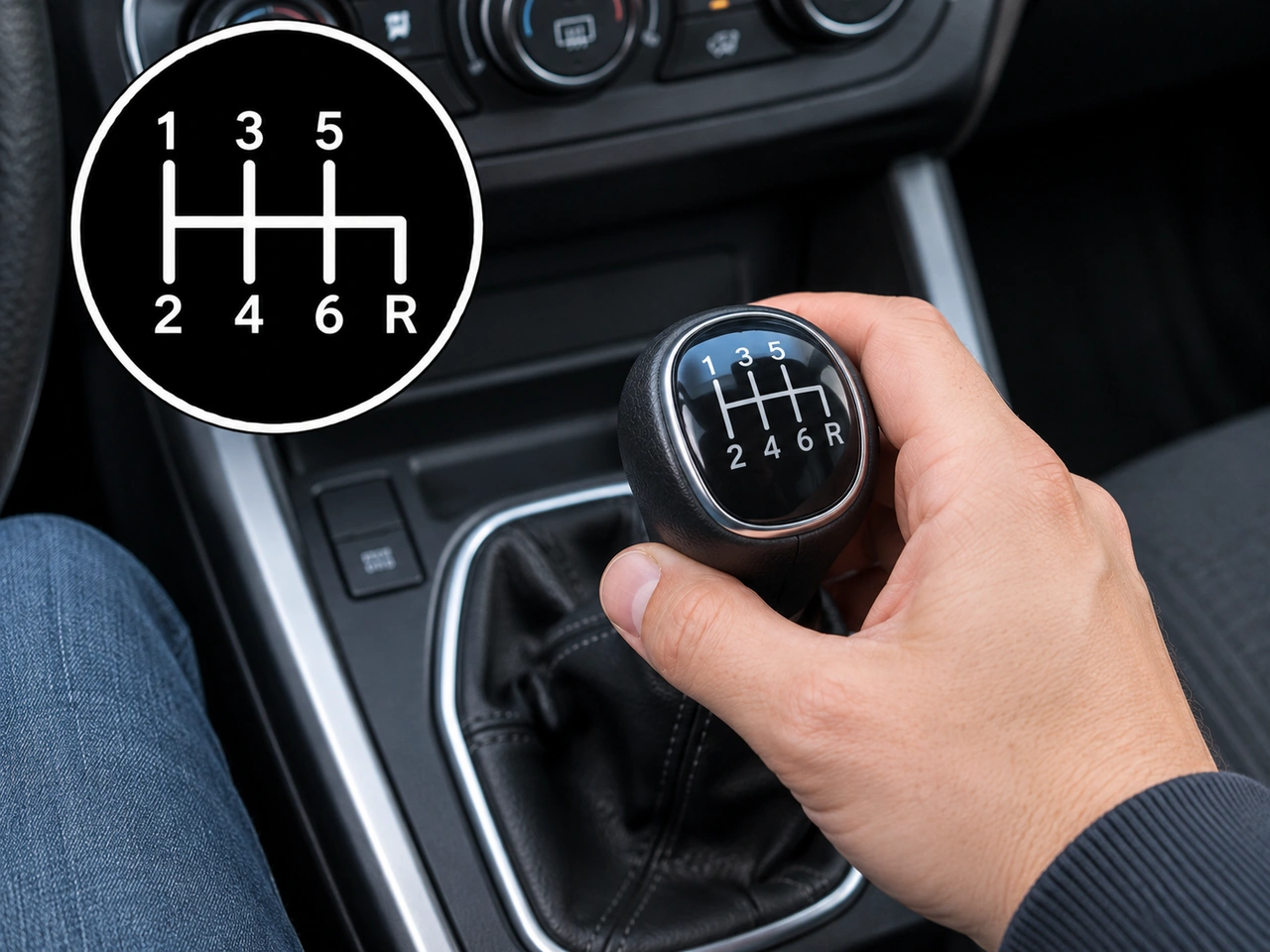
558. Which gear is used to drive a manual vehicle backwards?
Select R (Reverse) when you need to drive a manual vehicle backwards. The vehicle should be stationary before Reverse is selected.
AI-generated by Traffic-rules.com • WCIT • CC BY-SA
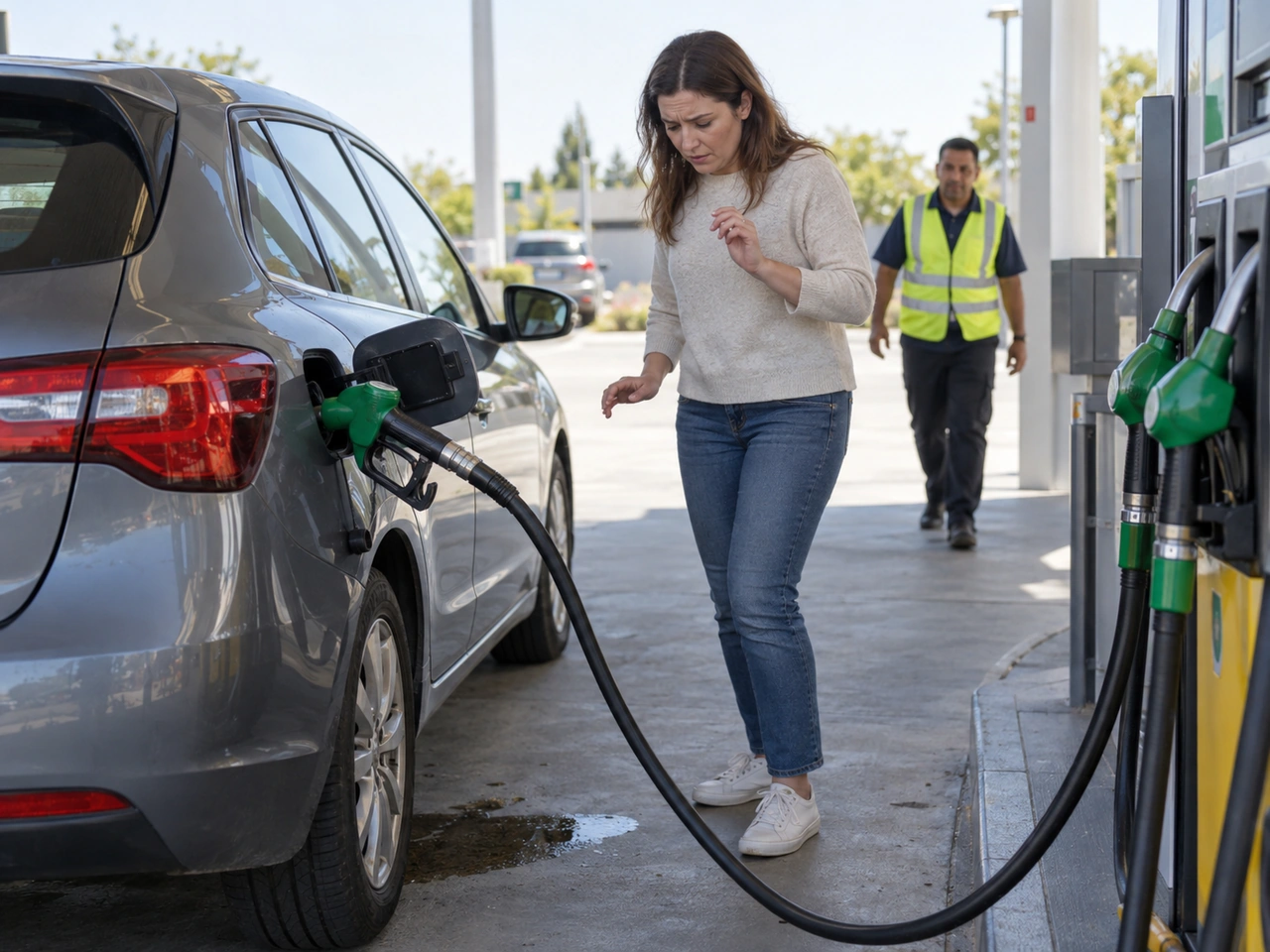
559. What should you do if fuel spills while you are refuelling?
If fuel is spilled, stop refuelling immediately and keep flames, sparks, and other ignition sources away. Do not start the vehicle until the situation is safe. Alert filling-station staff and follow their instructions for dealing with the spill.
AI-generated by Traffic-rules.com • WCIT • CC BY-SA
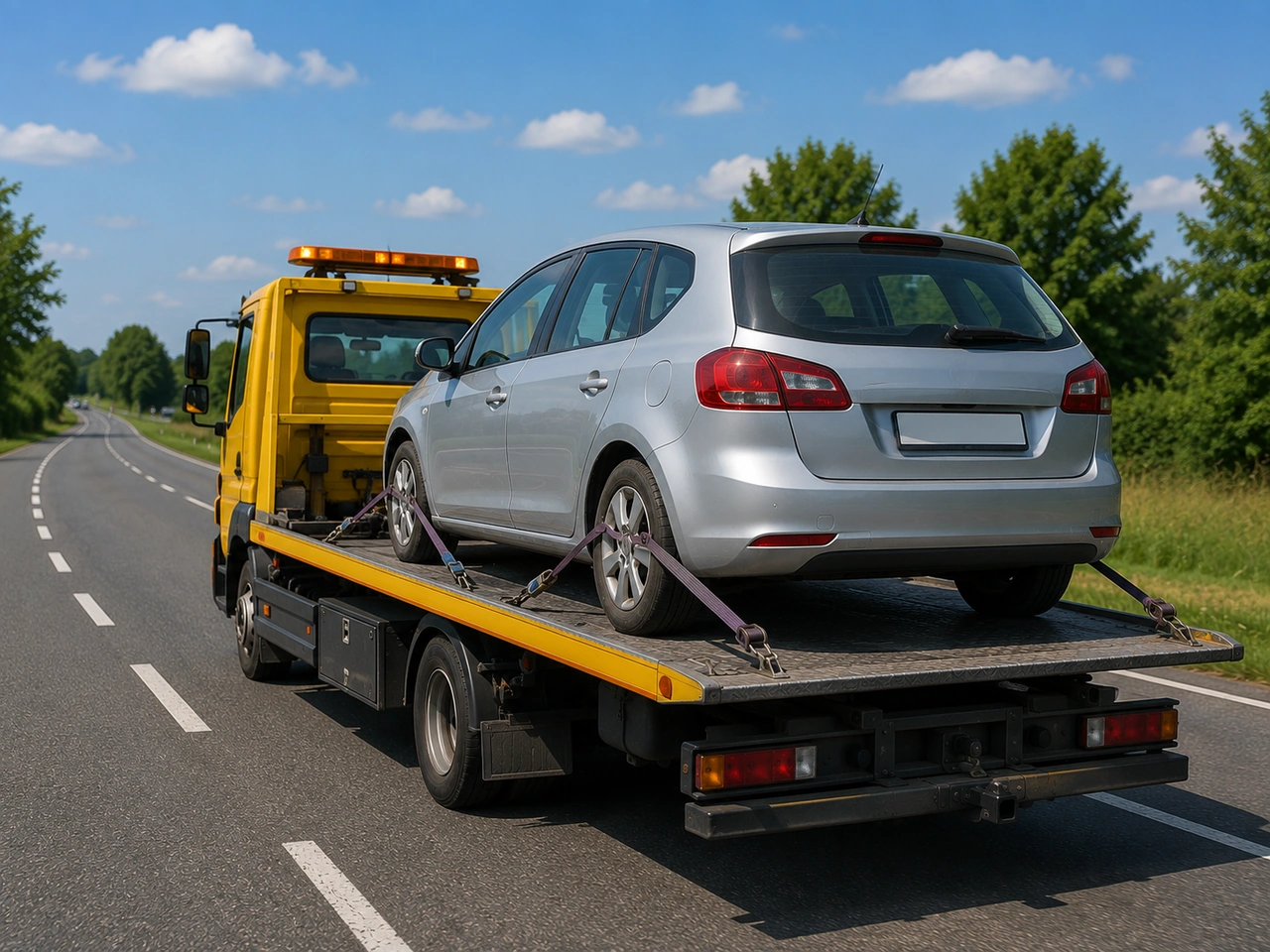
560. How should a disabled vehicle be towed?
Incorrect towing can damage the vehicle or cause loss of control. Follow the manufacturer's instructions and local rules, and use professional recovery when the correct procedure is uncertain.
AI-generated by Traffic-rules.com • WCIT • CC BY-SA
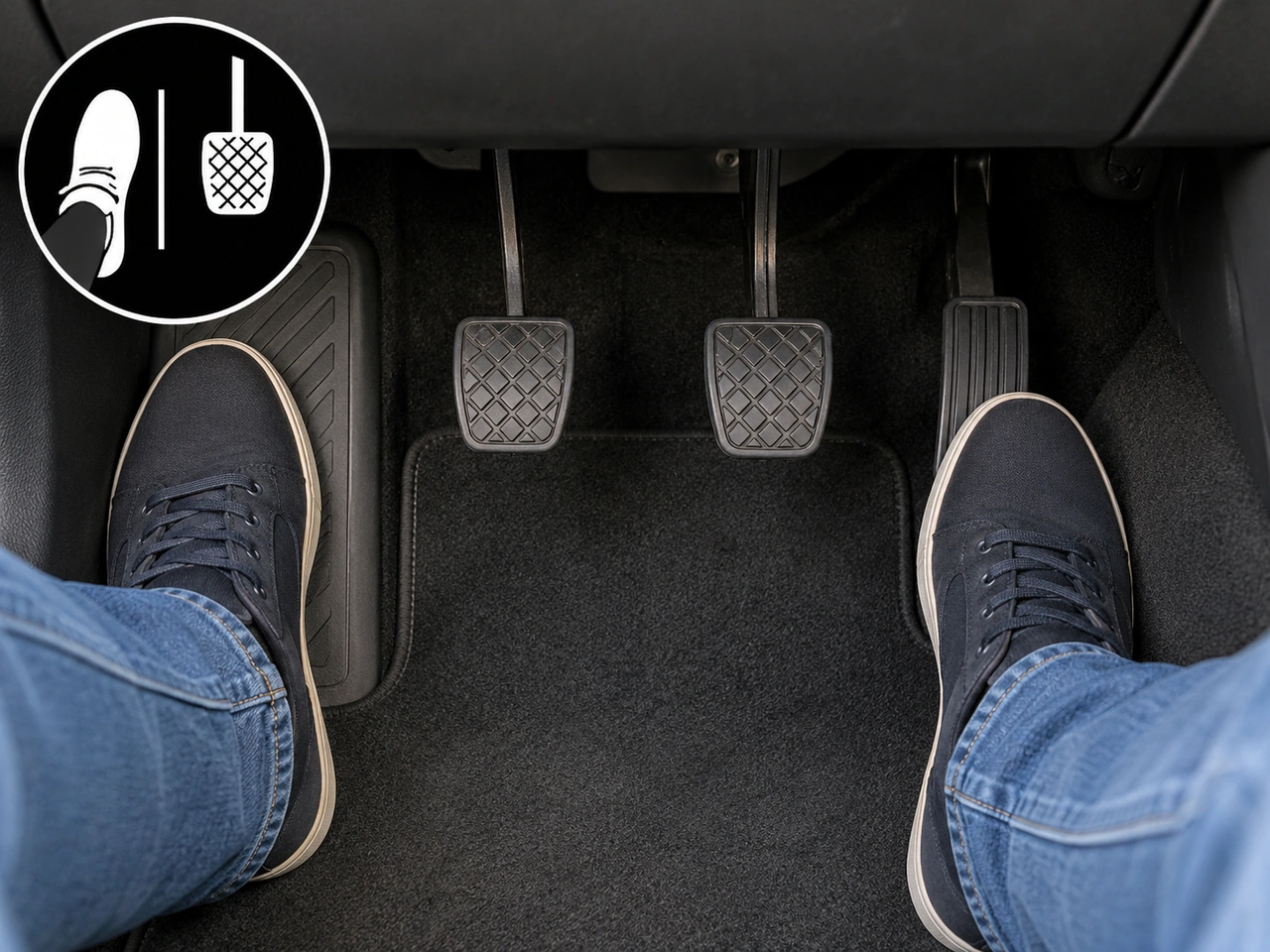
561. Why should you avoid resting your foot on the clutch pedal while driving?
Resting your foot on the clutch pedal can apply slight pressure to the clutch mechanism and cause unnecessary wear. Keep your left foot off the clutch when it is not needed.
AI-generated by Traffic-rules.com • WCIT • CC BY-SA
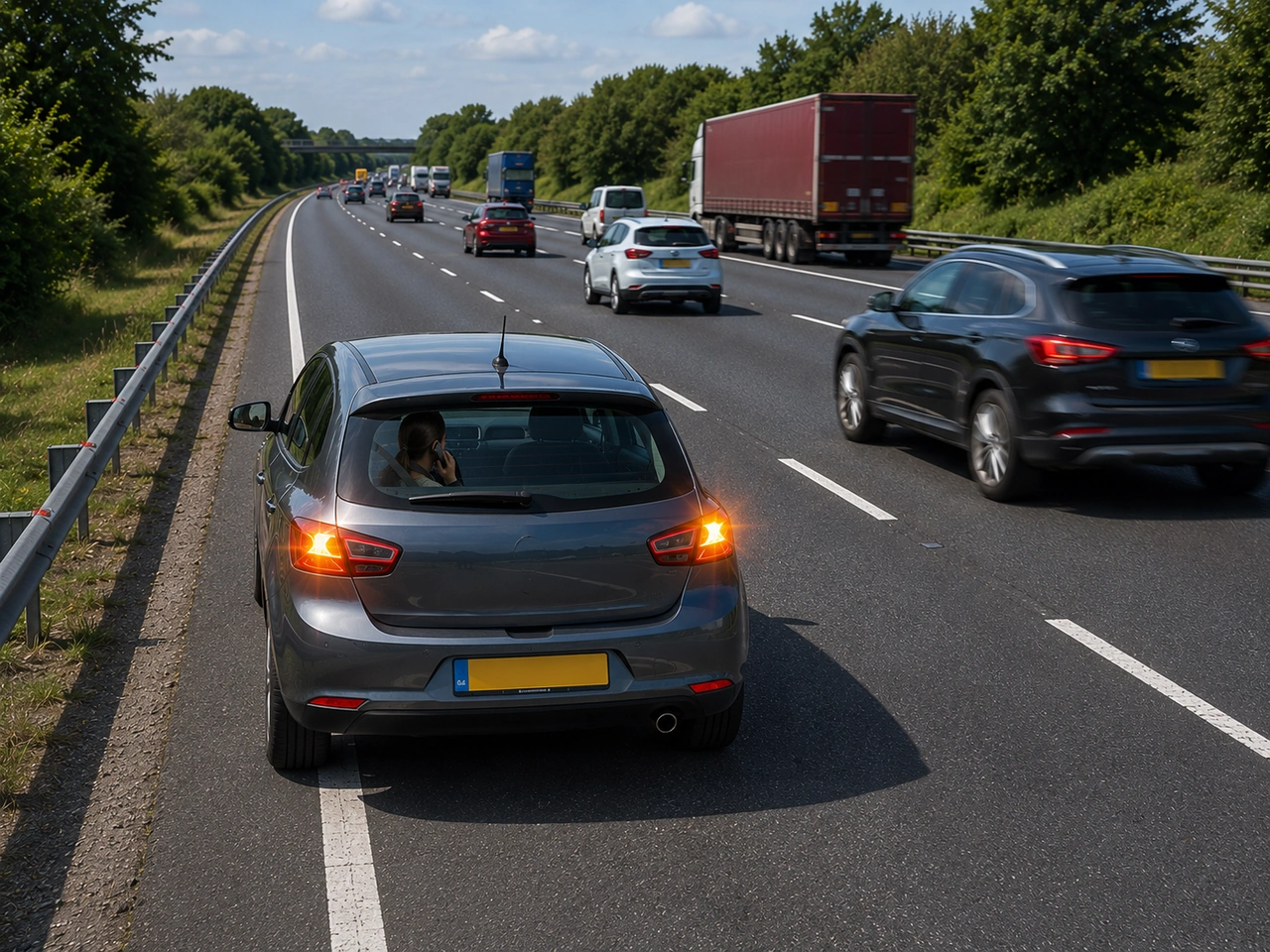
562. What should you do if it is unsafe to leave a stranded vehicle?
If leaving the vehicle would put you in greater danger, remain restrained, make the vehicle visible, contact the emergency services, and follow their instructions.
AI-generated by Traffic-rules.com • WCIT • CC BY-SA
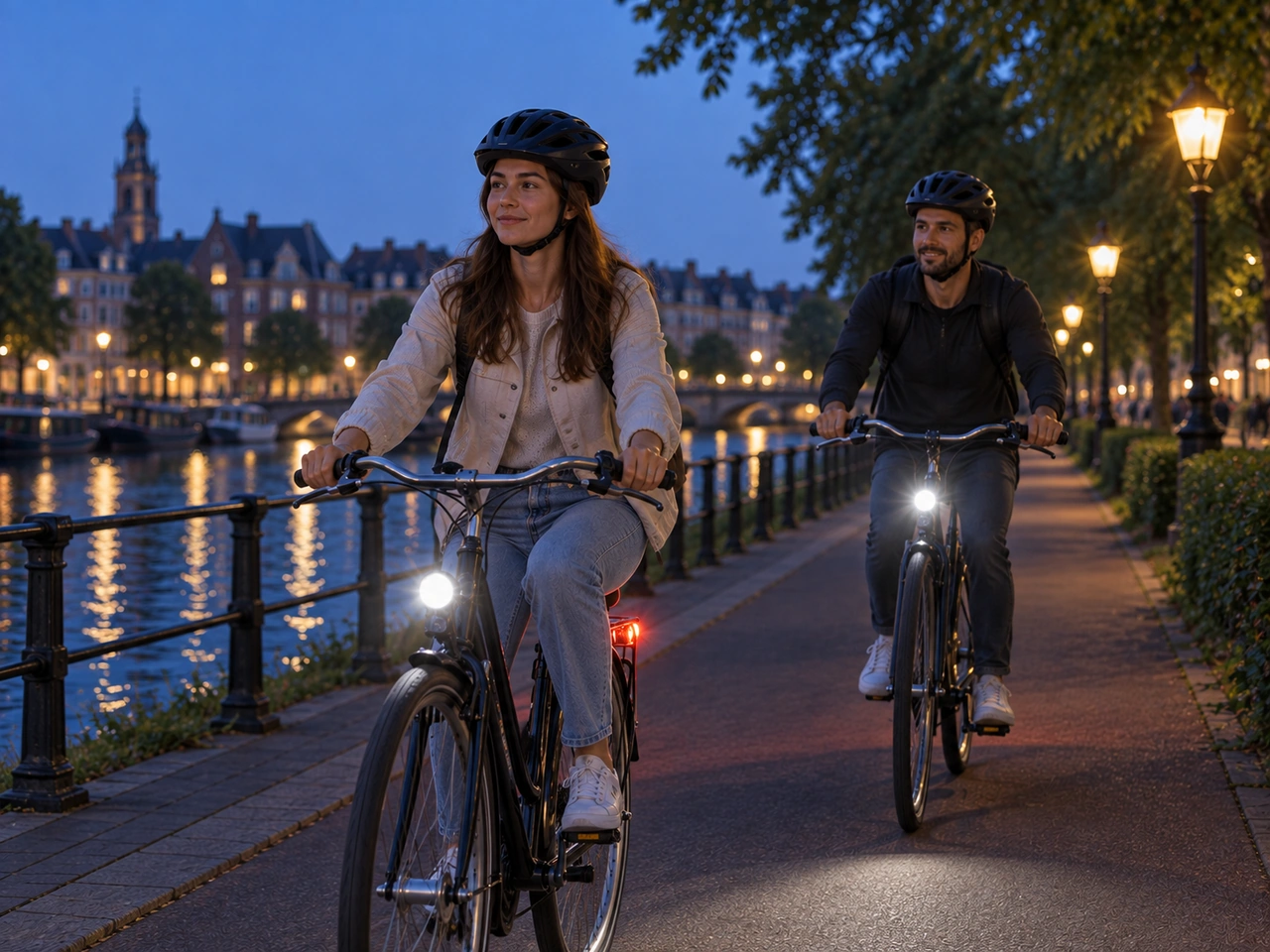
563. Are bicycle lights required at night in United Kingdom?
Cyclists in United Kingdom are generally required to use bicycle lights at night.
AI-generated by Traffic-rules.com • WCIT • CC BY-SA
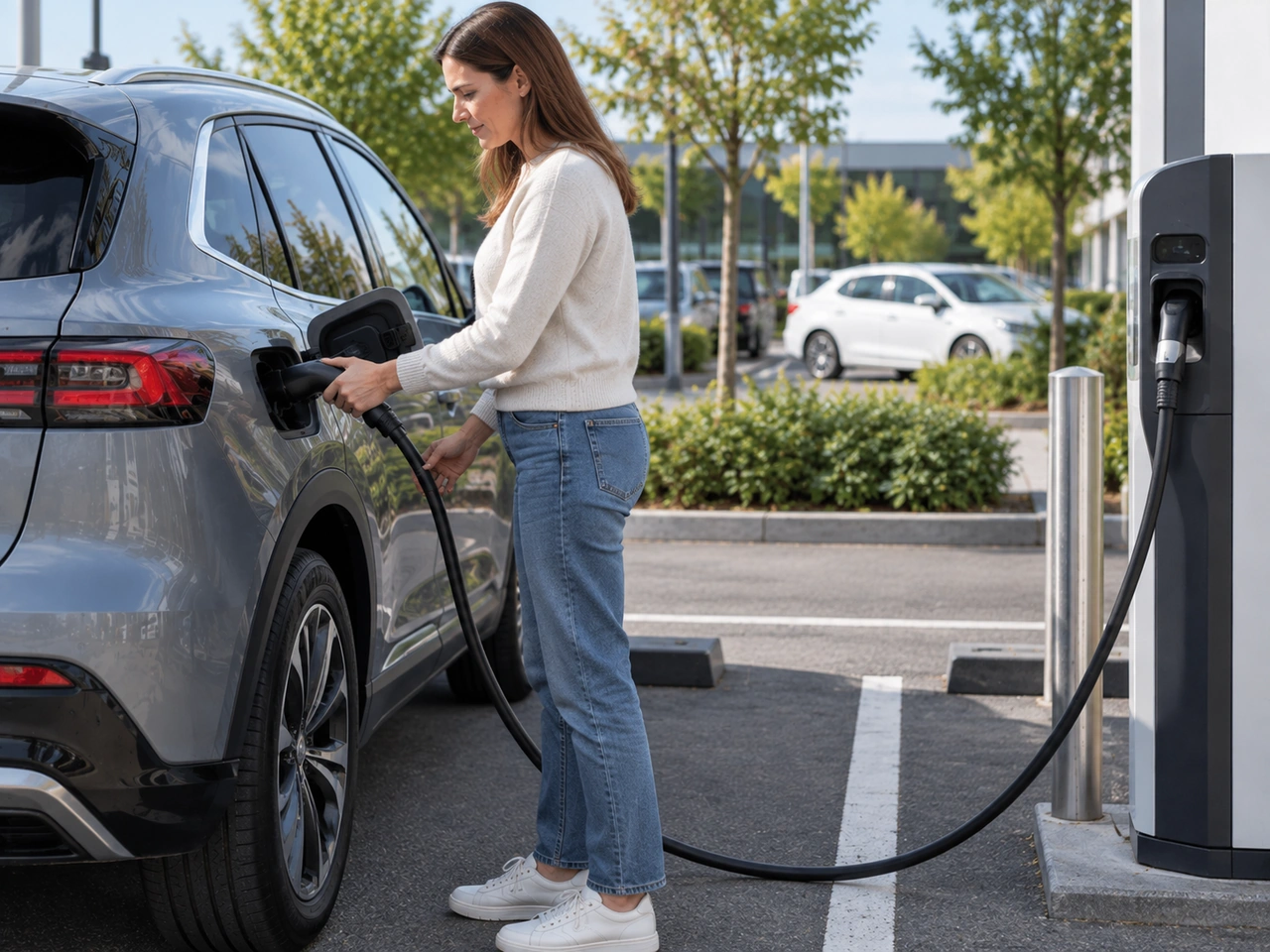
564. What should you do before driving away after charging an electric vehicle?
Before driving away, disconnect the charging cable correctly and return it to the charger or store it securely in the vehicle, as appropriate. Close the charging port and check that the area around the vehicle is clear.
AI-generated by Traffic-rules.com • WCIT • CC BY-SA
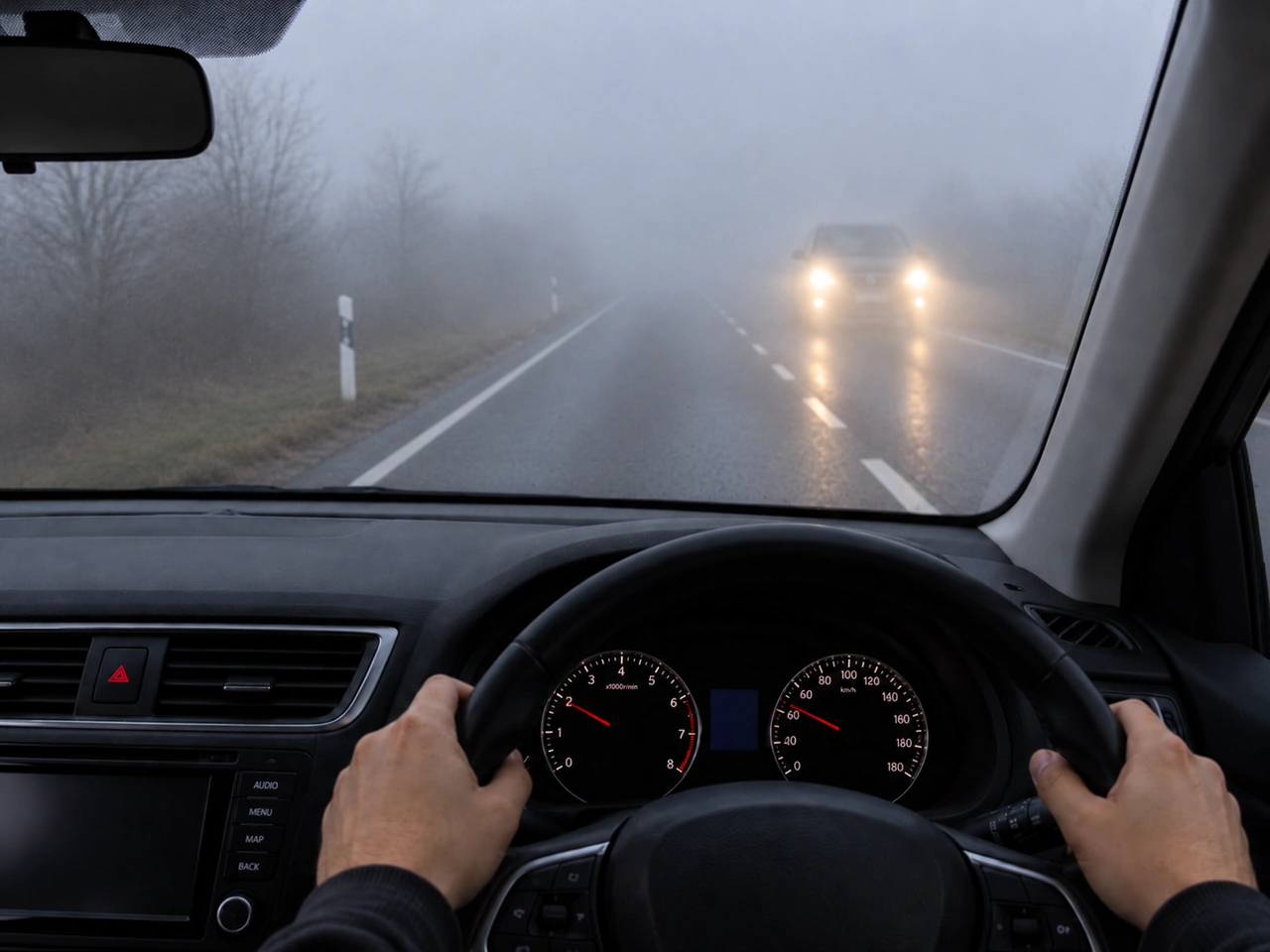
565. Why can fog make it difficult to judge the speed of other vehicles?
Fog reduces visual information, making it harder to judge how far away another vehicle is and how quickly it is approaching.
AI-generated by Traffic-rules.com • WCIT • CC BY-SA
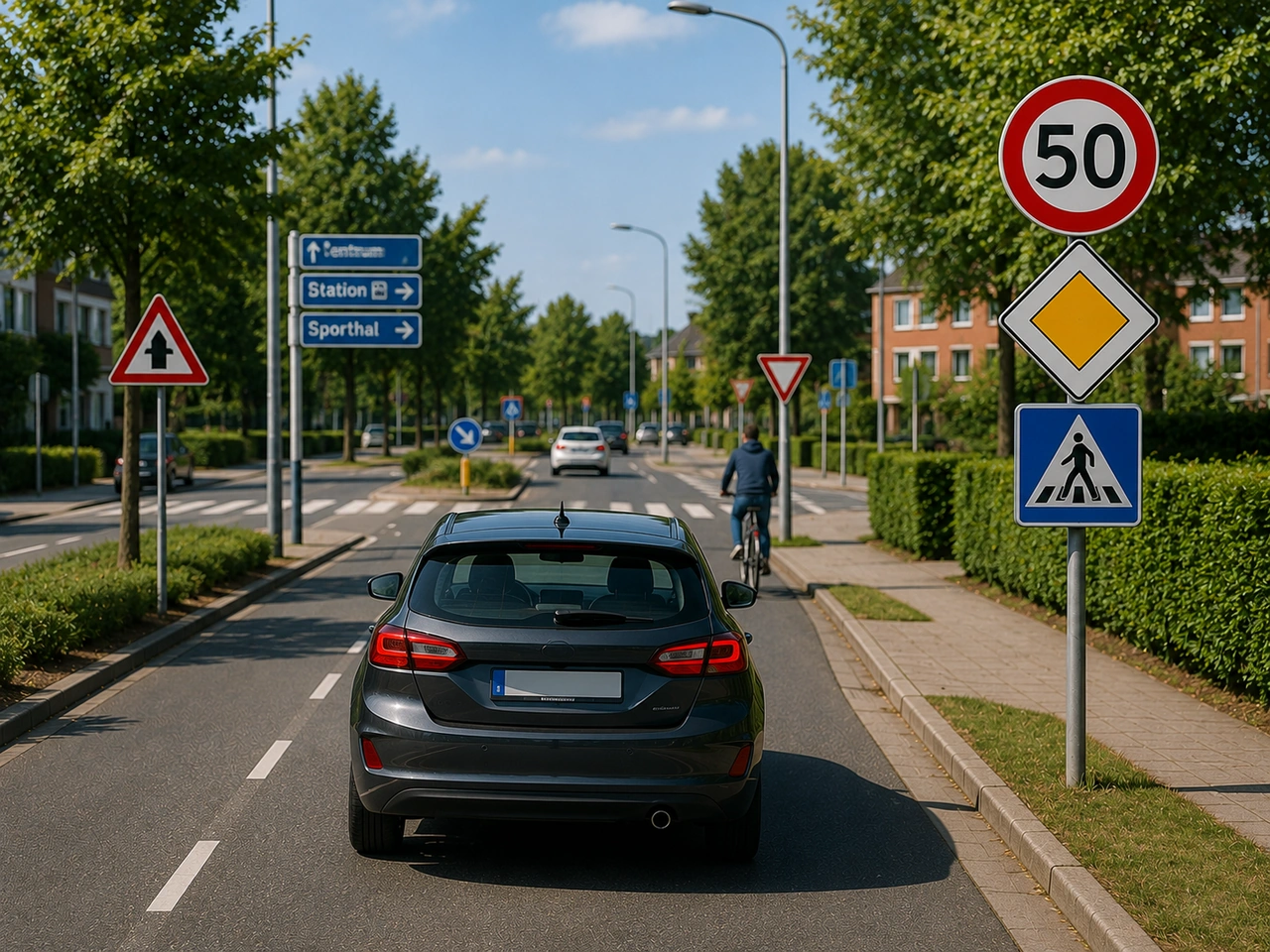
566. Why should you obey traffic signs?
Traffic signs help organise traffic and improve safety for drivers, cyclists, and pedestrians.
AI-generated by Traffic-rules.com • WCIT • CC BY-SA
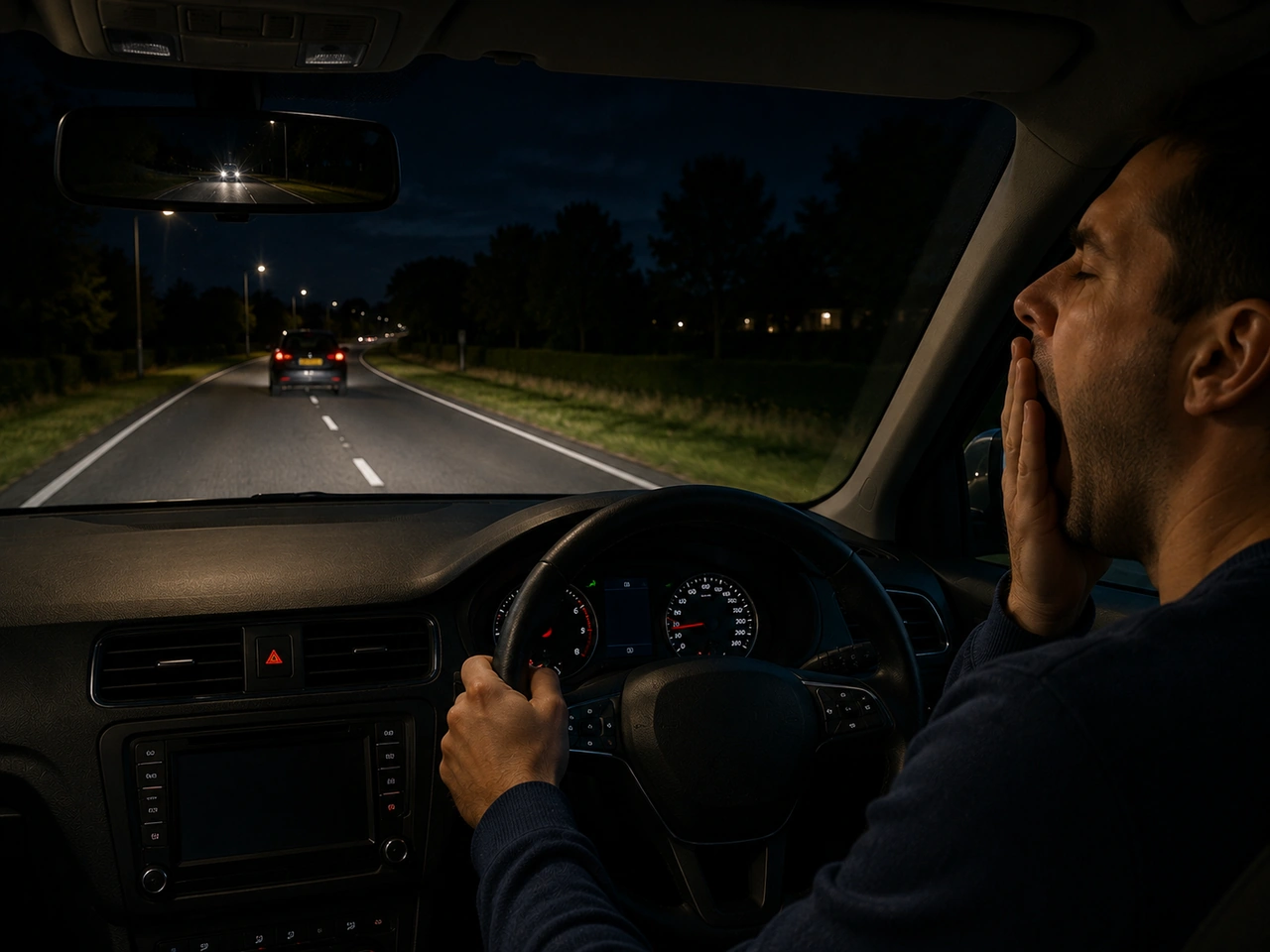
567. What should you do if you feel tired while driving?
Driving while tired reduces concentration and reaction time. Stop somewhere safe and rest before continuing.
AI-generated by Traffic-rules.com • WCIT • CC BY-SA
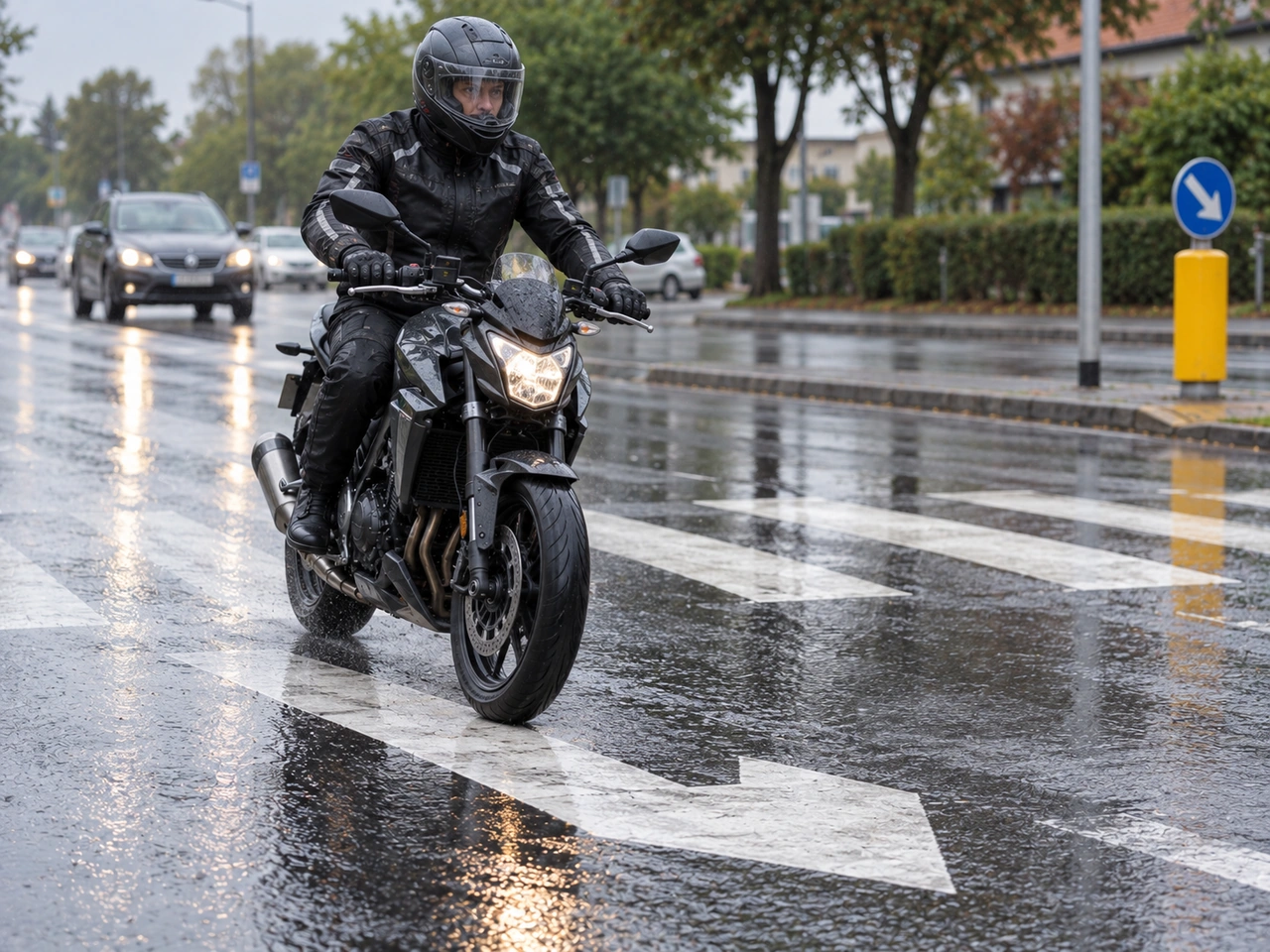
568. Why should motorcyclists take extra care on wet road markings?
Wet painted road markings can provide less grip than the surrounding road surface. Ride smoothly over them and avoid sudden braking, acceleration or steering that could cause the tyres to lose grip.
AI-generated by Traffic-rules.com • WCIT • CC BY-SA
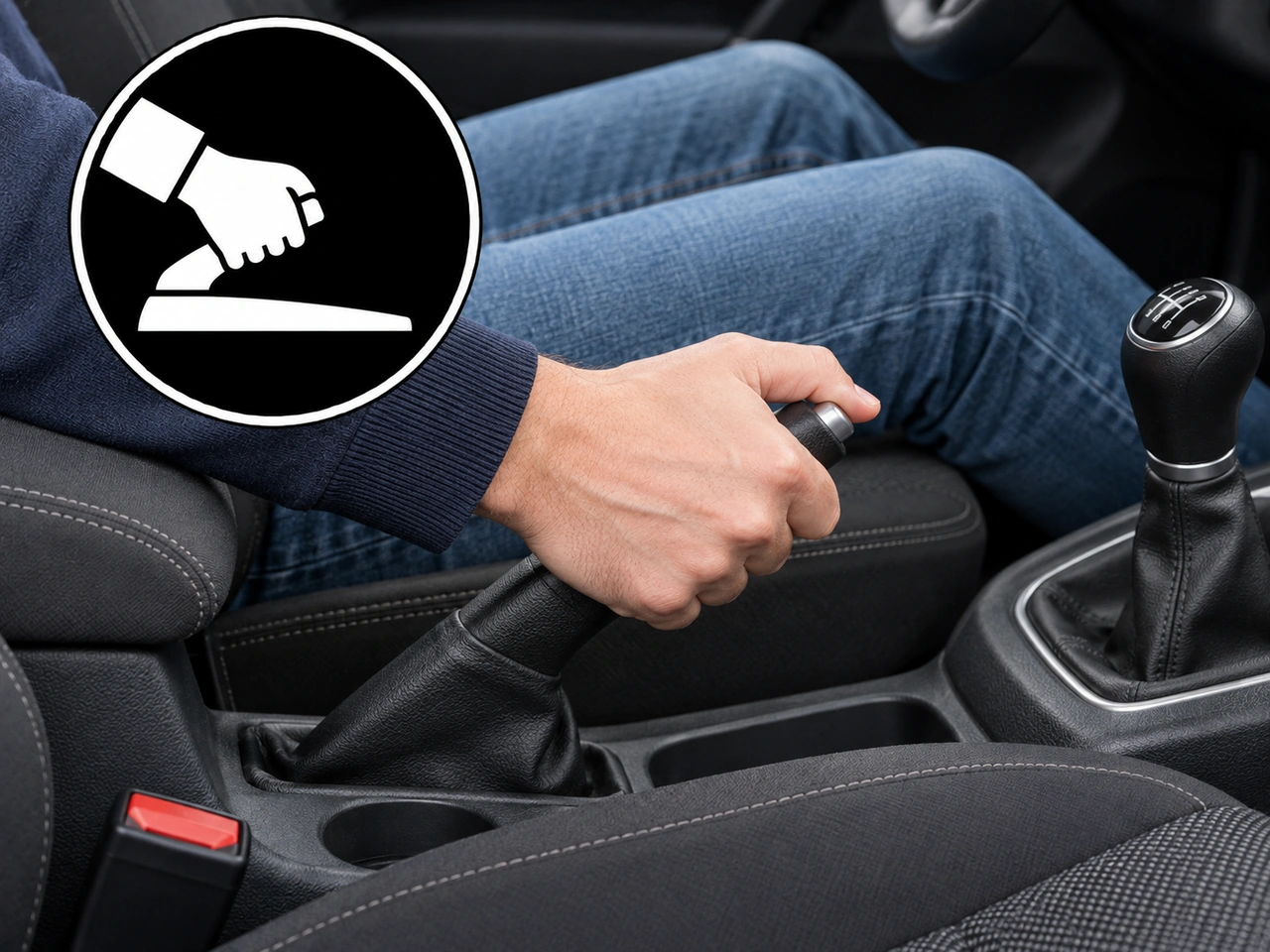
569. What is the purpose of the manual parking brake?
The manual parking brake helps keep the vehicle stationary when parked. It is normally applied by pulling up the handbrake lever and released before driving away.
AI-generated by Traffic-rules.com • WCIT • CC BY-SA
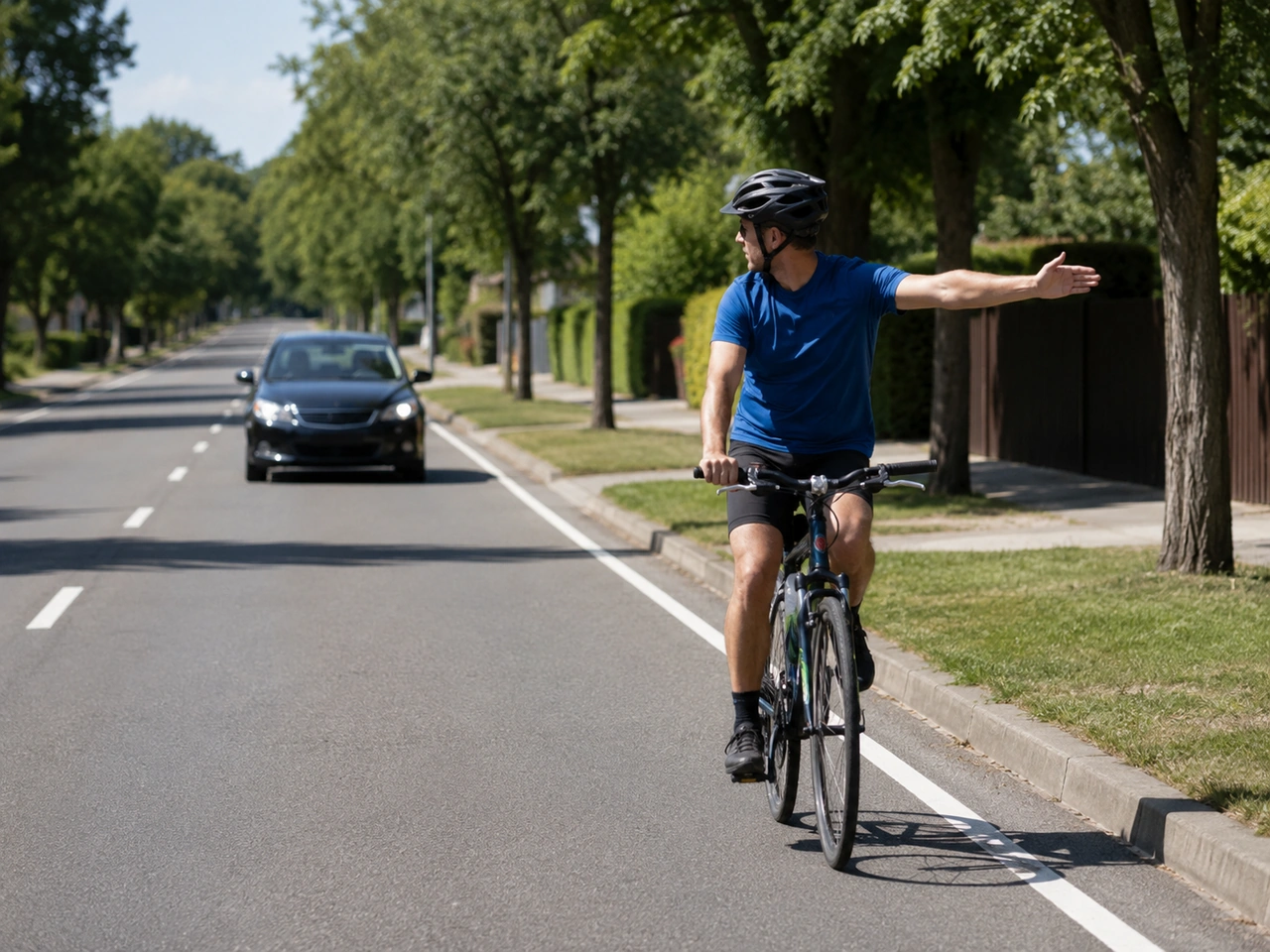
570. What should cyclists do before turning or changing position on the road?
Checking behind and signalling gives other road users time to understand what you intend to do.
AI-generated by Traffic-rules.com • WCIT • CC BY-SA
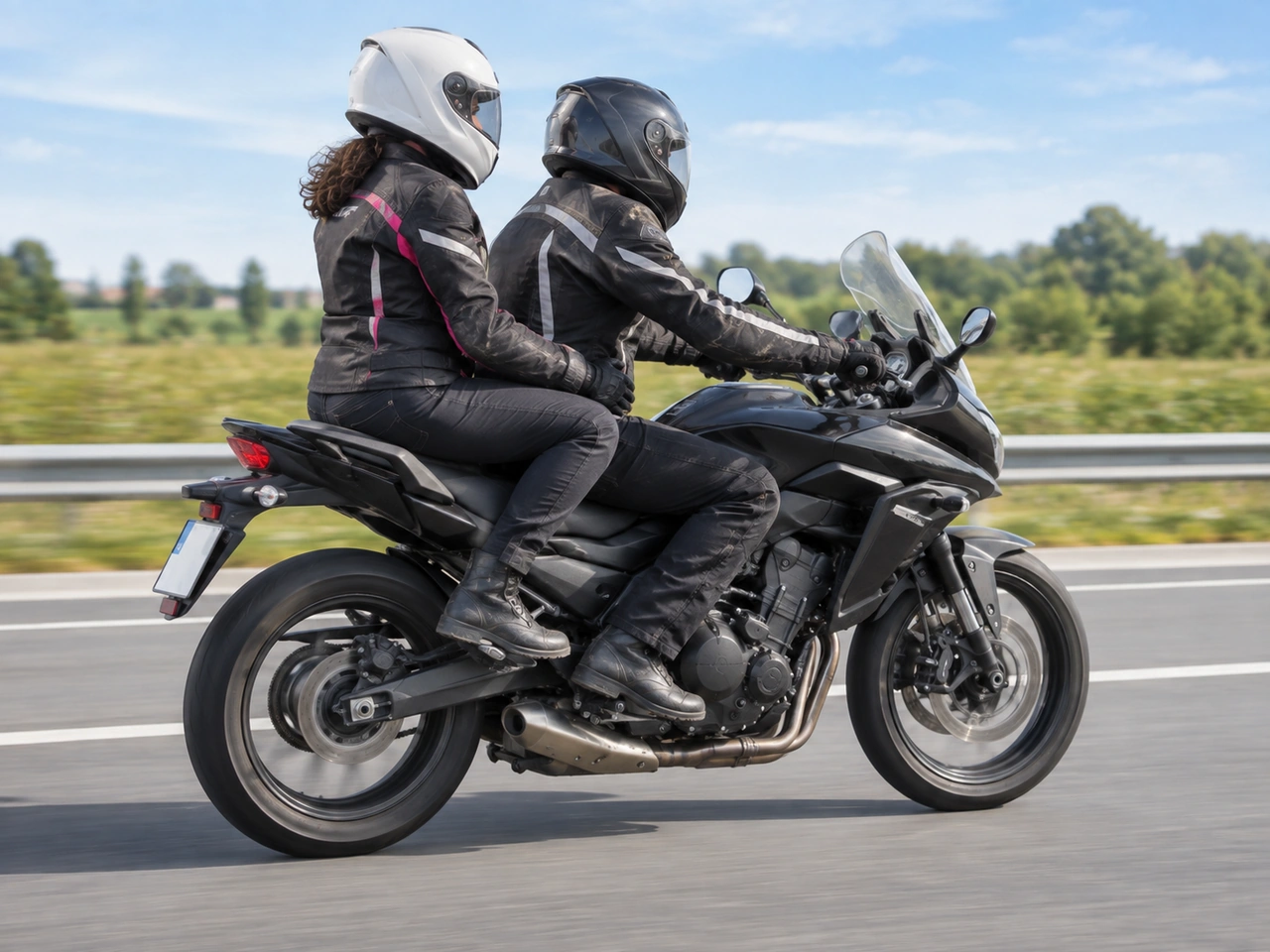
571. How should a passenger normally sit on a motorcycle?
A motorcycle passenger should sit securely on the designated passenger seat, keep both feet on the footrests and avoid sudden movements that could affect the motorcycle's balance and stability.
AI-generated by Traffic-rules.com • WCIT • CC BY-SA
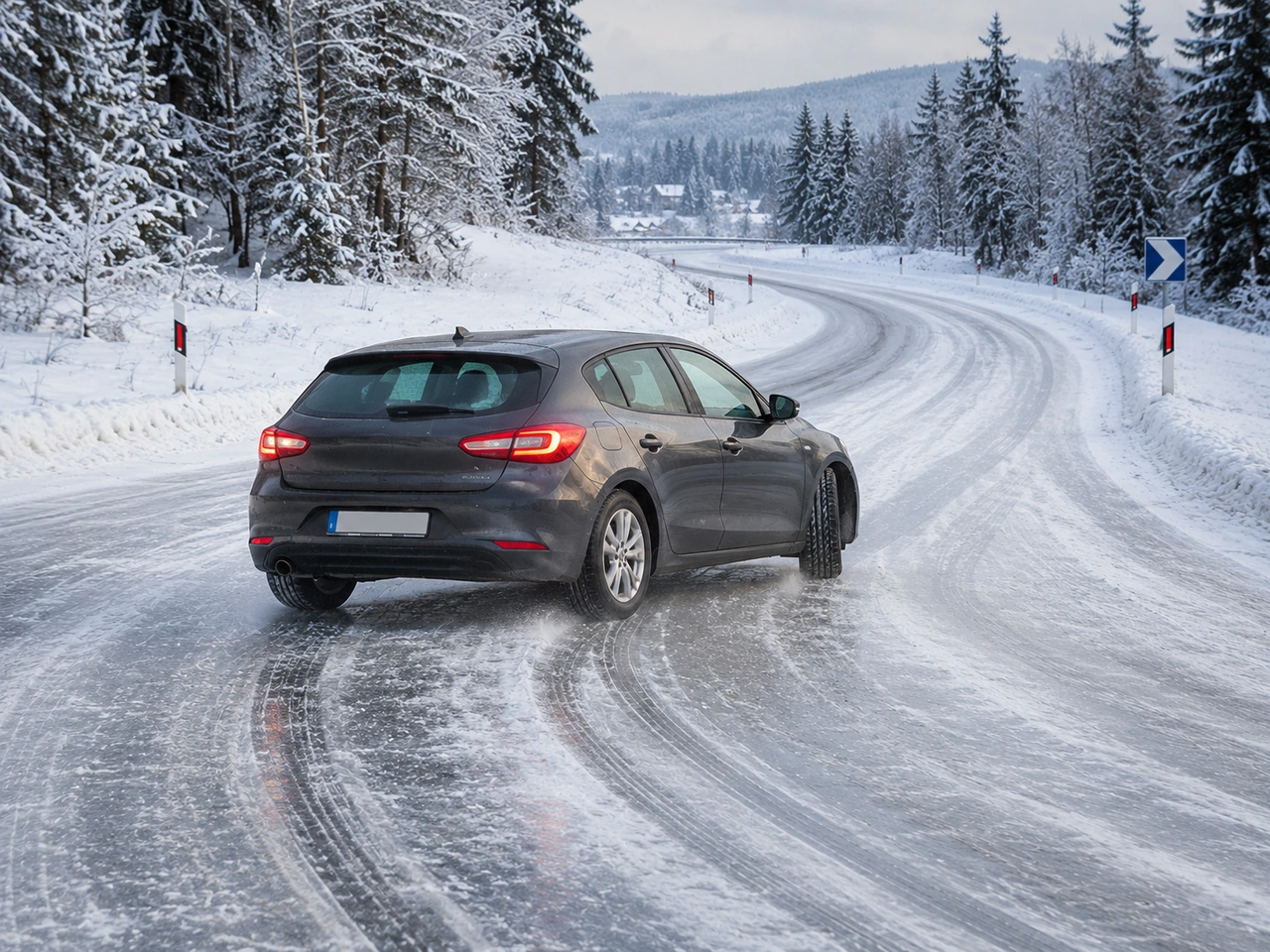
572. What should you do if your vehicle begins to skid on ice?
Avoid sudden braking or steering. Look where you want to go and use gentle controls while the tyres regain grip.
AI-generated by Traffic-rules.com • WCIT • CC BY-SA
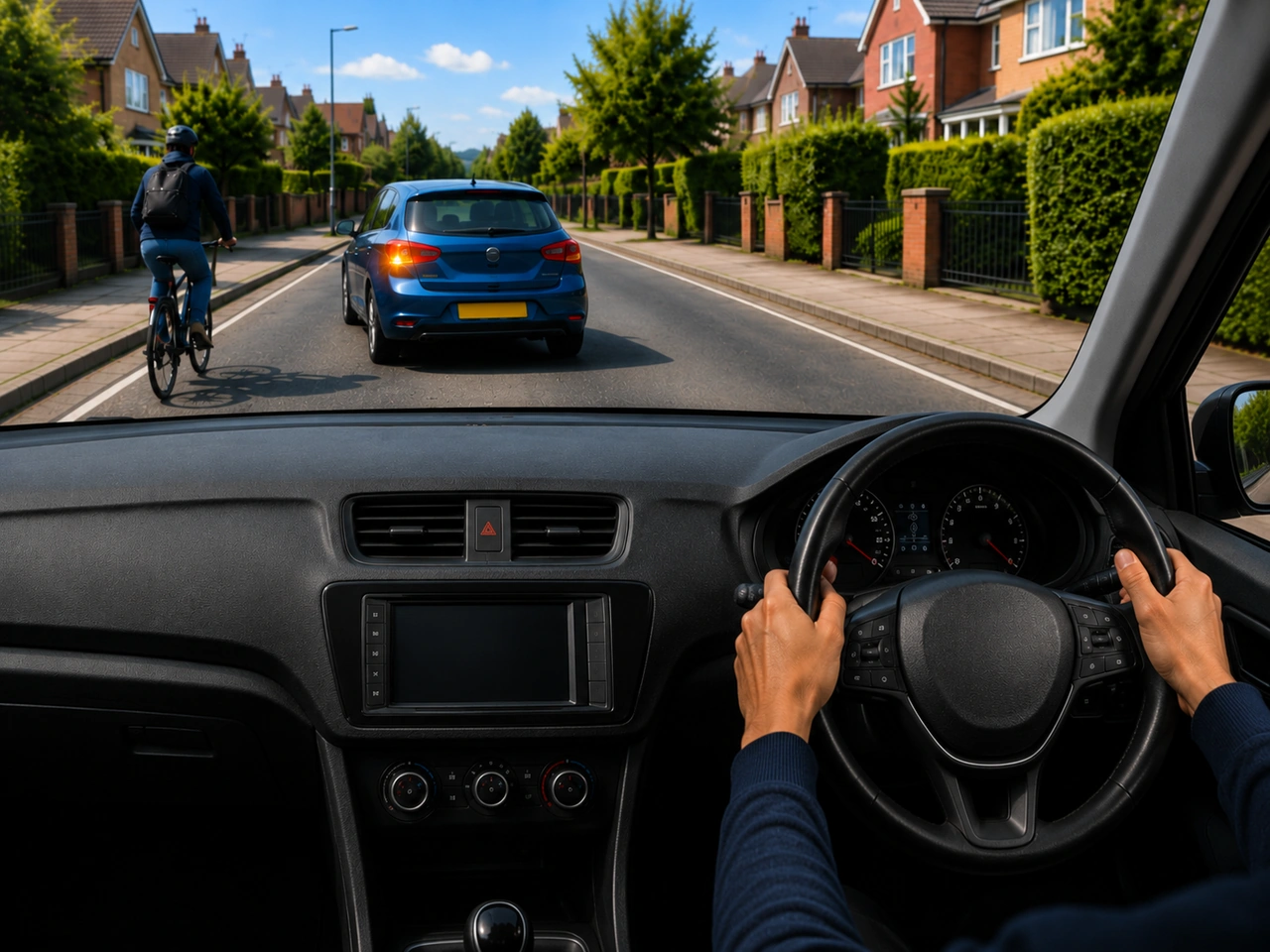
573. What should you do if another road user makes a mistake?
Road users can make mistakes. Staying calm and reacting safely helps prevent crashes.
AI-generated by Traffic-rules.com • WCIT • CC BY-SA
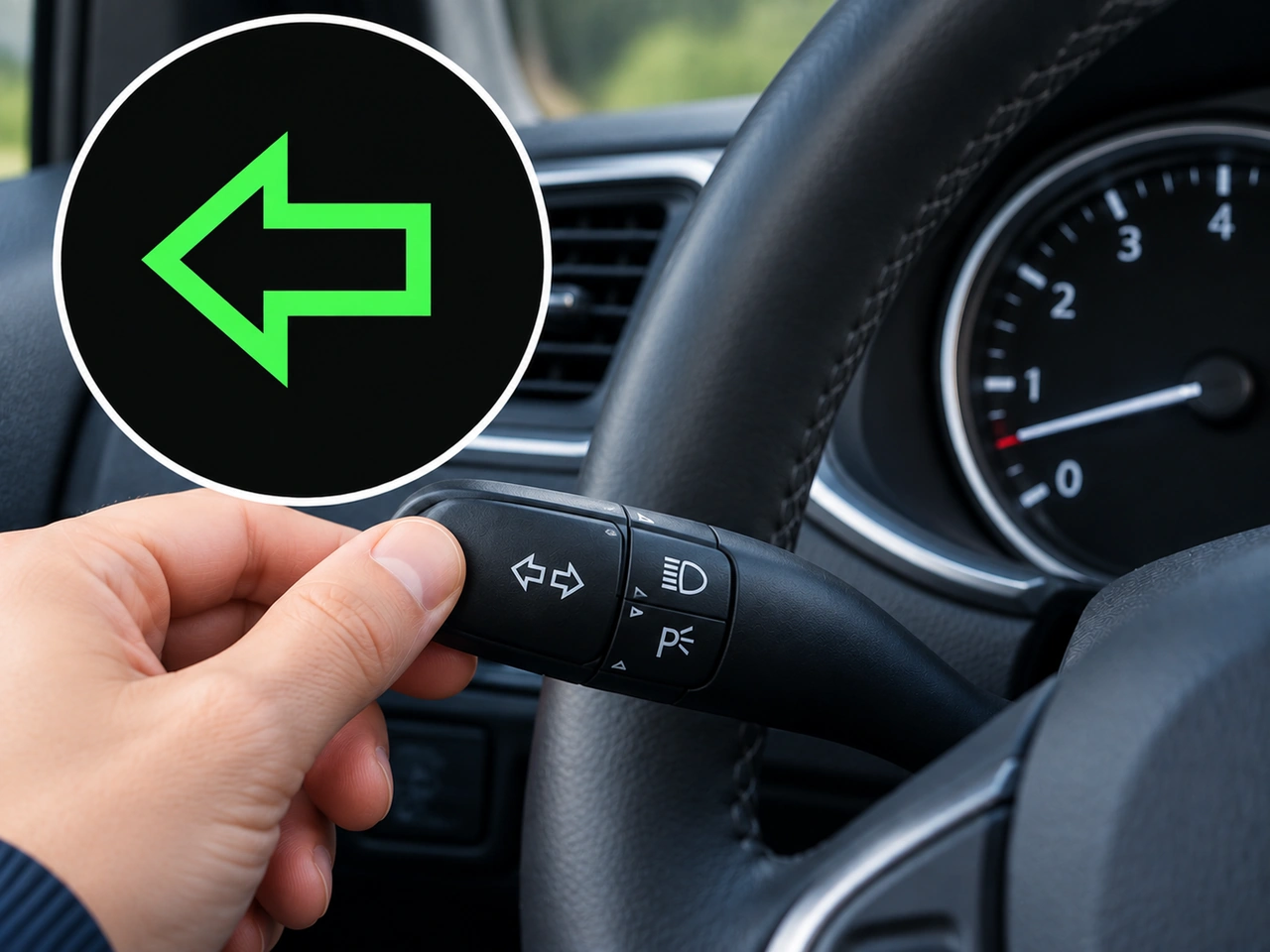
574. What does this dashboard symbol indicate?
This symbol indicates that a direction indicator is operating. The flashing indicator shows the direction in which the driver intends to turn or change position on the road.
AI-generated by Traffic-rules.com • WCIT • CC BY-SA
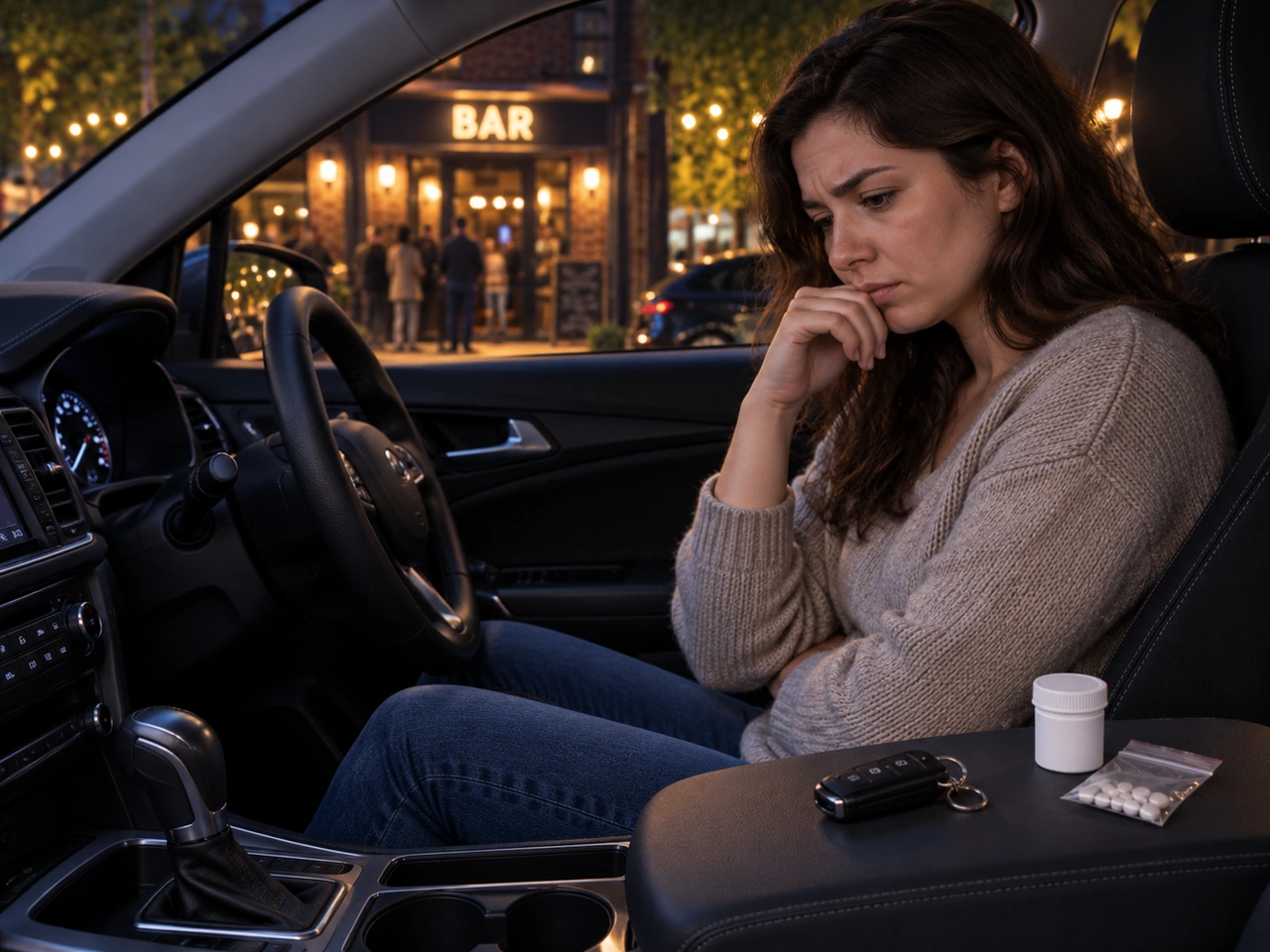
575. What should you do if you have taken drugs that may impair your driving?
Drugs can impair judgement, coordination, concentration, and reaction time. Their effects can be unpredictable and may continue after you feel that the main effects have passed. Do not drive while impaired.
AI-generated by Traffic-rules.com • WCIT • CC BY-SA
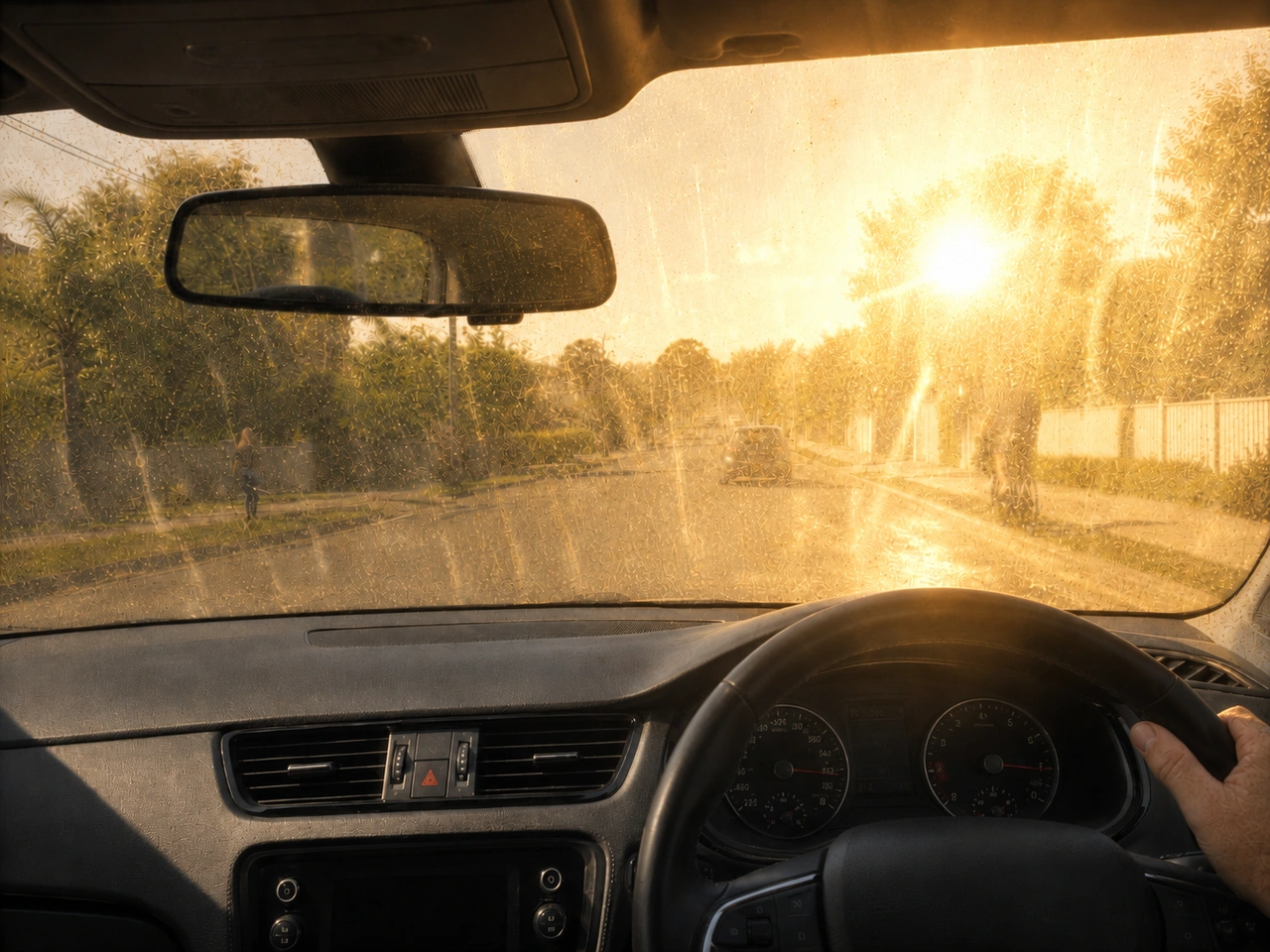
576. Why should you keep your windscreen clean?
A clean windscreen gives you a clear view of the road, signs, pedestrians, cyclists, and other vehicles.
AI-generated by Traffic-rules.com • WCIT • CC BY-SA
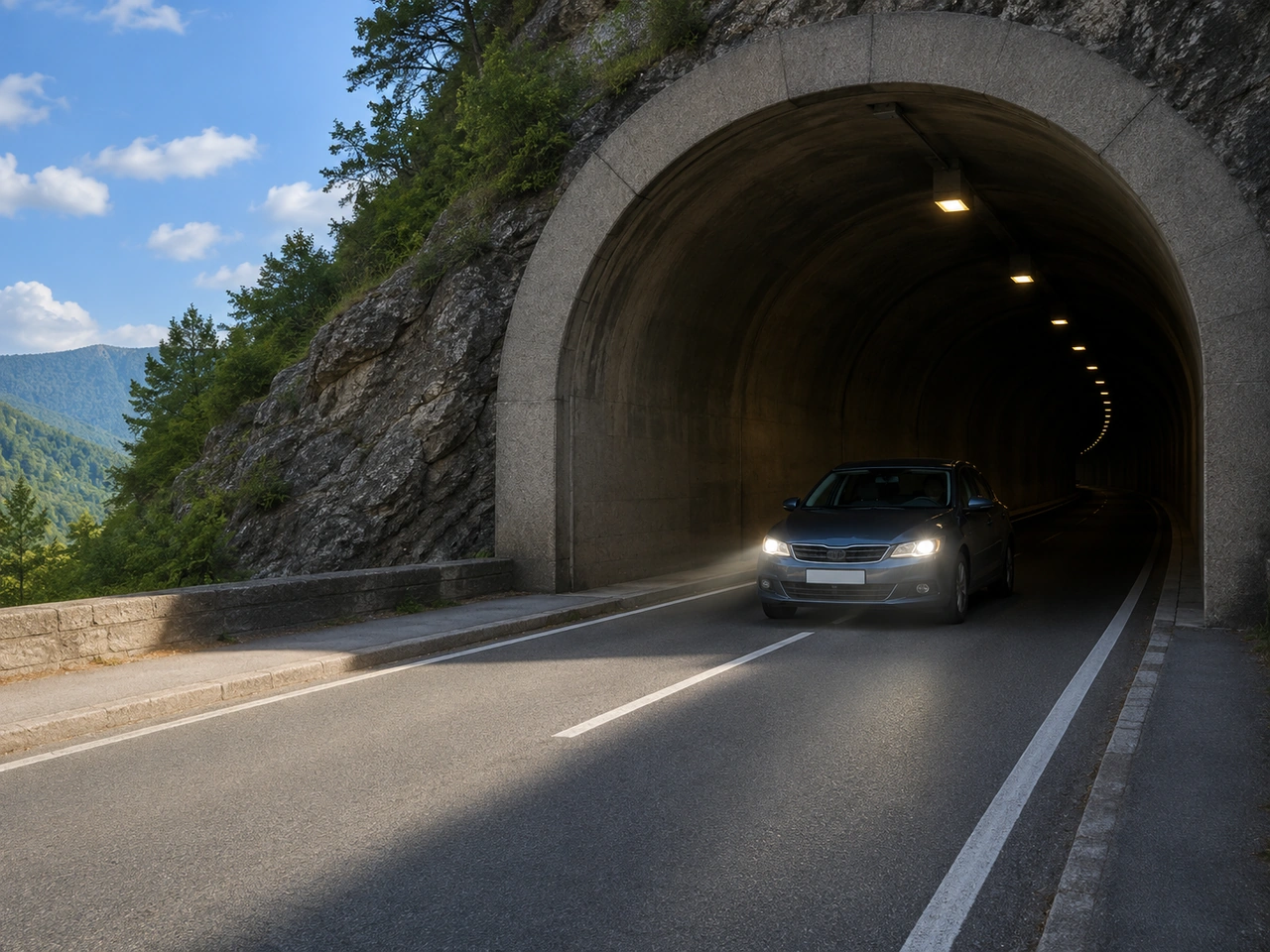
577. Why should you switch on dipped headlights before entering a tunnel?
Tunnel lighting may be much darker than daylight. Dipped headlights help you see and make your vehicle more visible.
AI-generated by Traffic-rules.com • WCIT • CC BY-SA
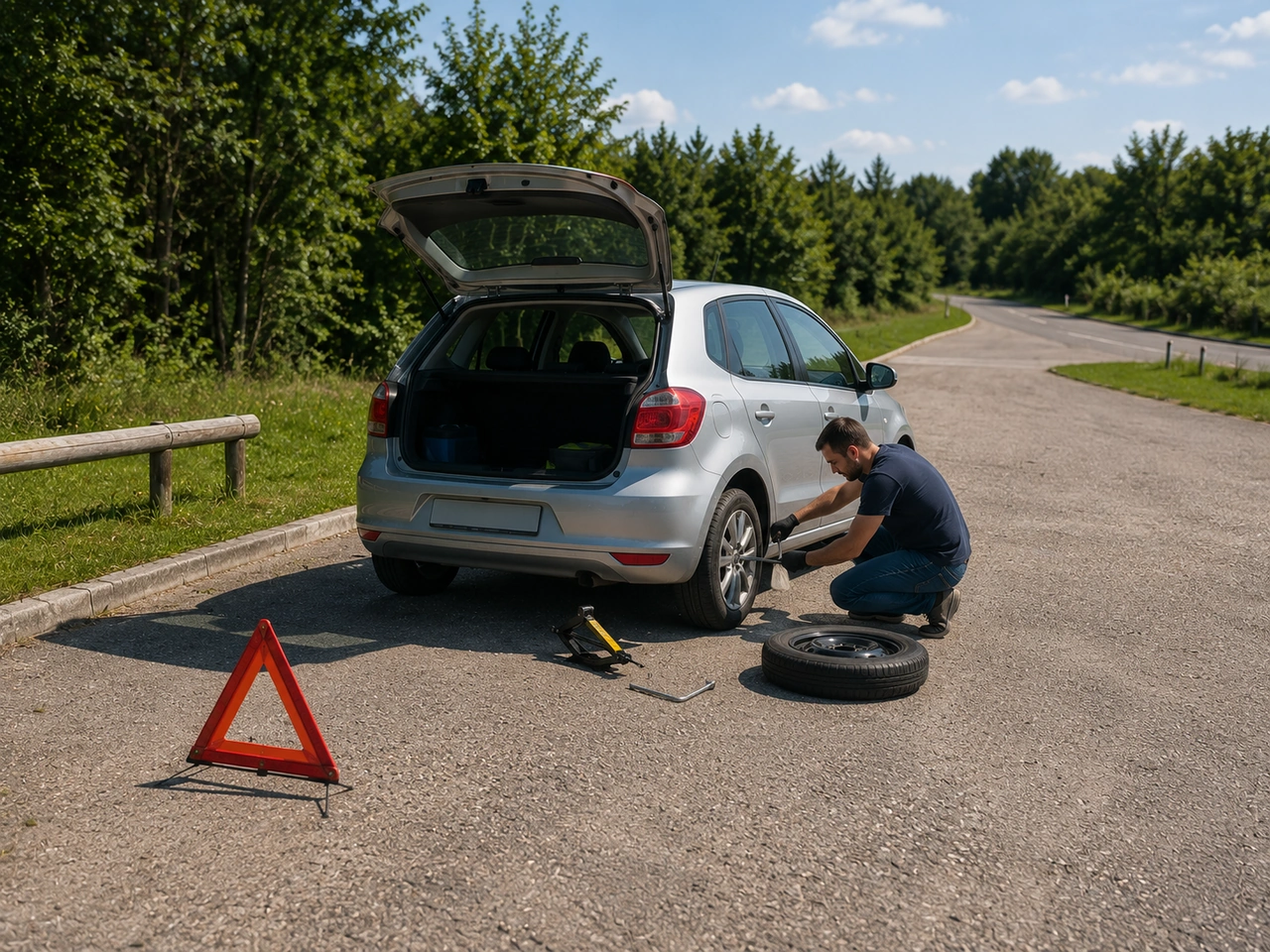
578. Where should you change a wheel after a puncture?
The vehicle must be stable and protected from traffic. Apply the parking brake and follow the manufacturer's wheel-changing instructions.
AI-generated by Traffic-rules.com • WCIT • CC BY-SA
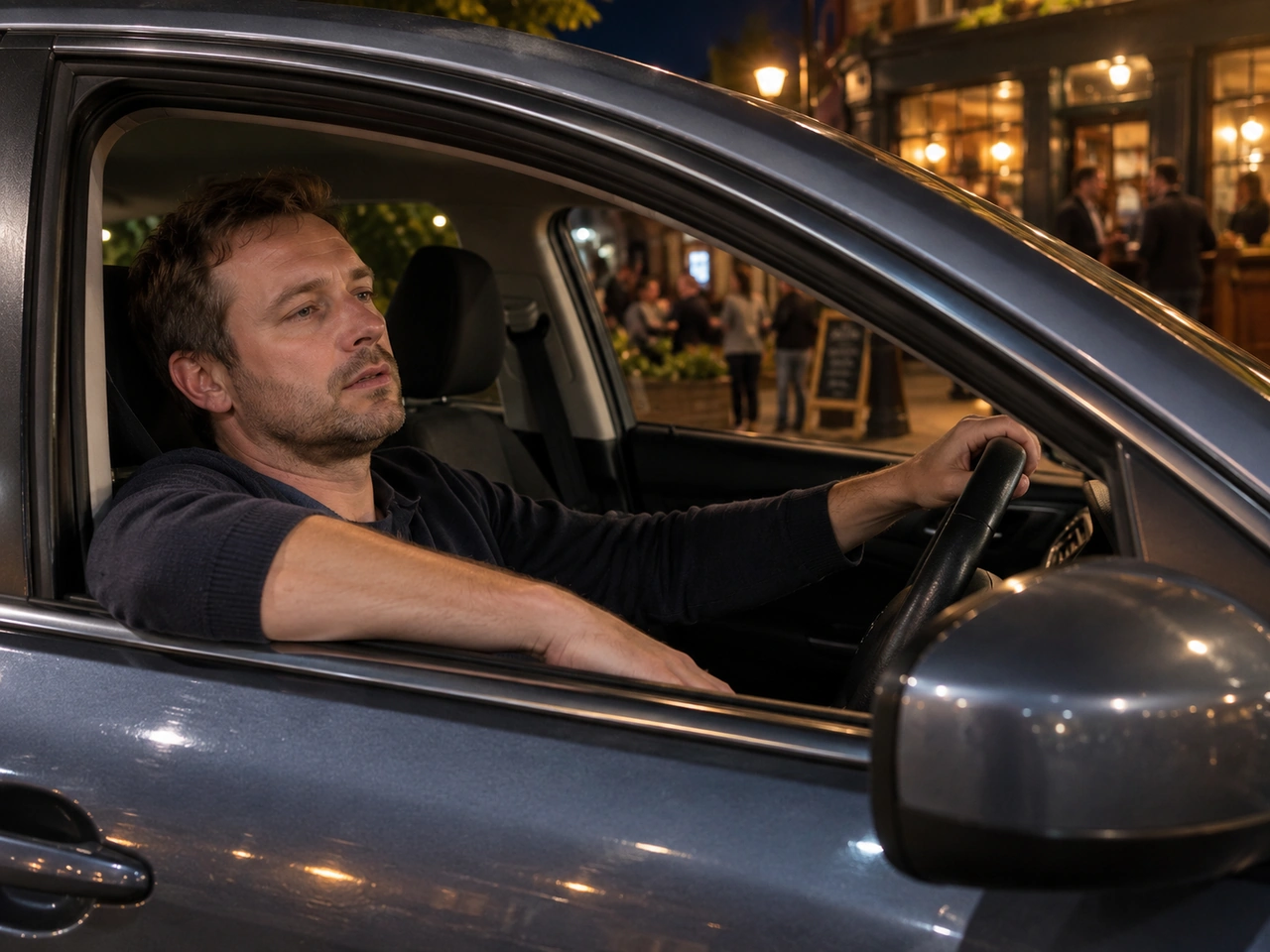
579. Does opening a window make an alcohol-impaired driver safe?
Fresh air may make someone feel more awake, but it does not reduce their alcohol concentration or restore safe driving ability.
AI-generated by Traffic-rules.com • WCIT • CC BY-SA
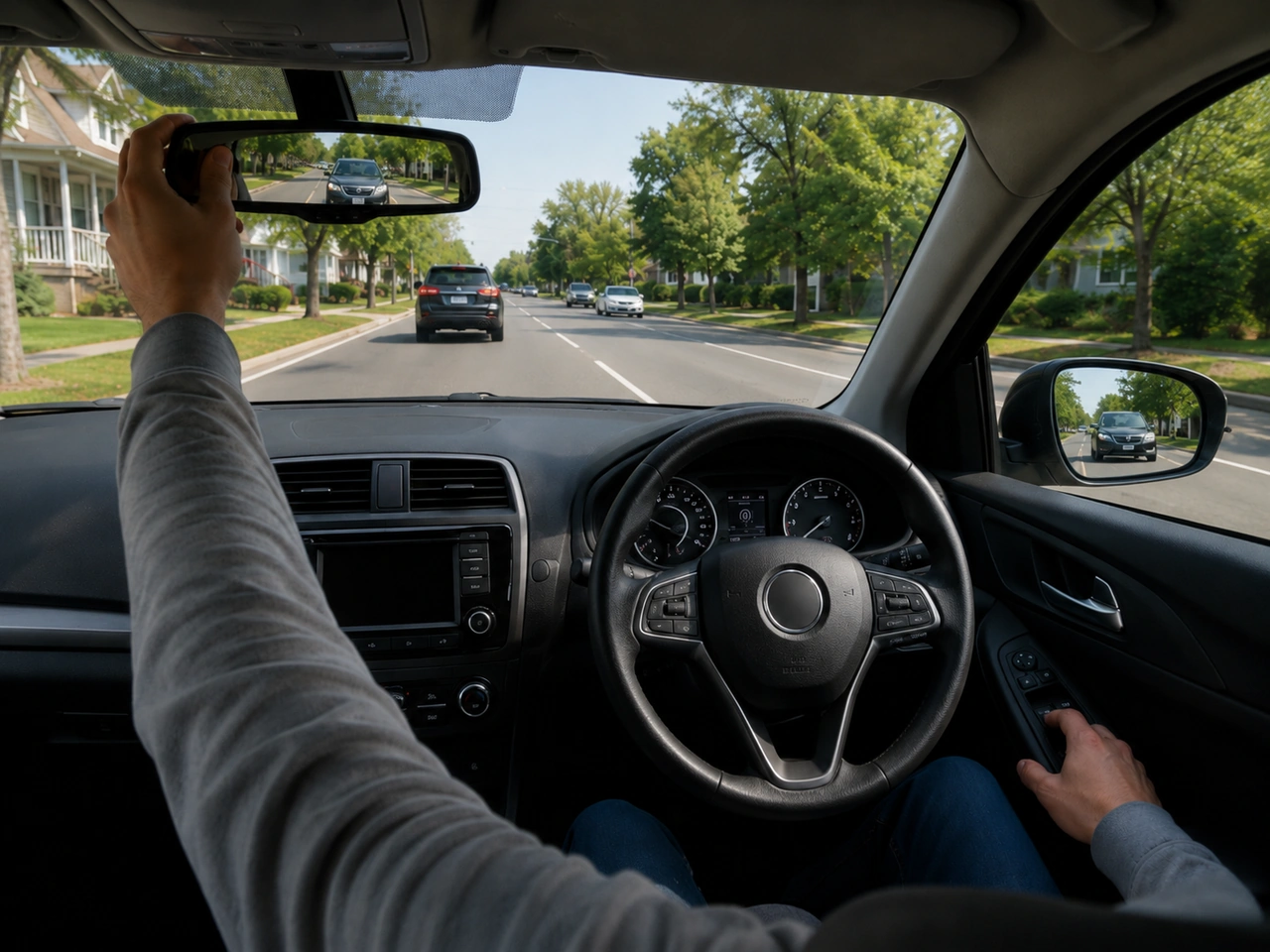
580. You should adjust your mirrors before you start driving.
Properly adjusted mirrors improve visibility and help you monitor traffic around your vehicle.
AI-generated by Traffic-rules.com • WCIT • CC BY-SA
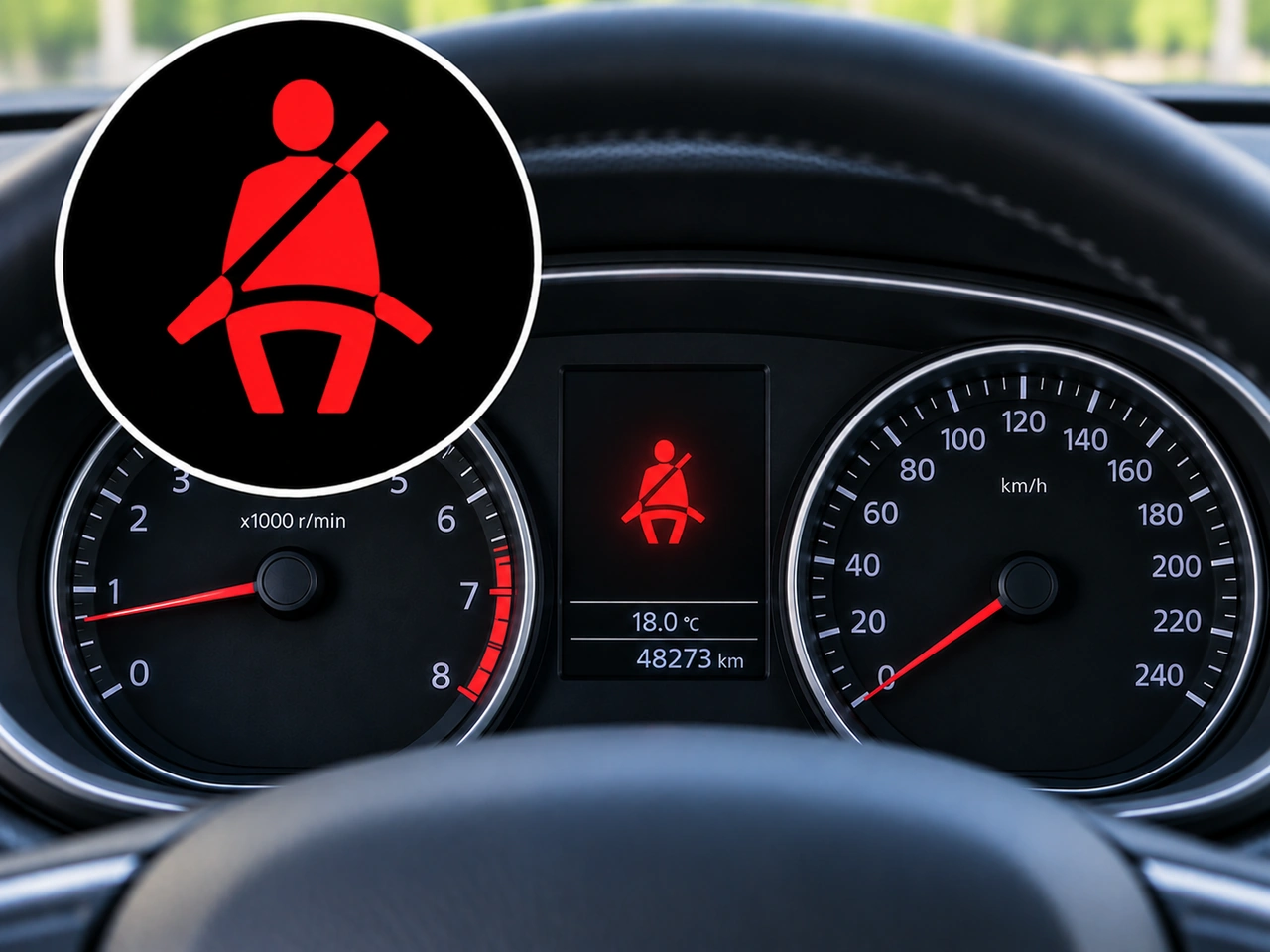
581. What does this dashboard symbol indicate?
This symbol is a seat-belt reminder. It indicates that the driver or another detected occupant has not fastened their seat belt.
AI-generated by Traffic-rules.com • WCIT • CC BY-SA
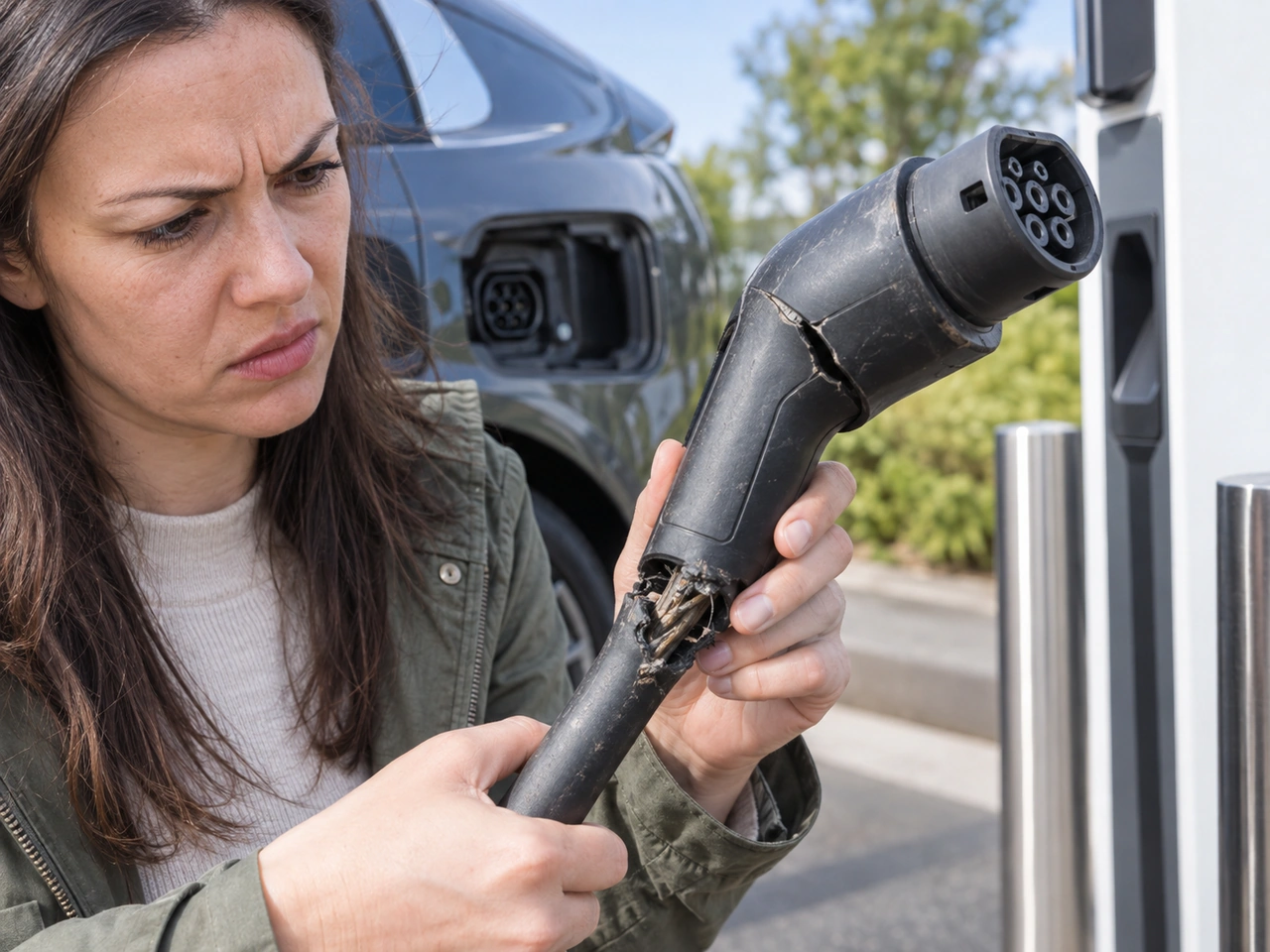
582. What should you do if an EV charging cable or connector is damaged?
Do not use a damaged charging cable or connector. Damage can create a risk of electric shock, overheating, or fire. Use suitable undamaged charging equipment and report the fault or arrange professional repair or replacement.
AI-generated by Traffic-rules.com • WCIT • CC BY-SA
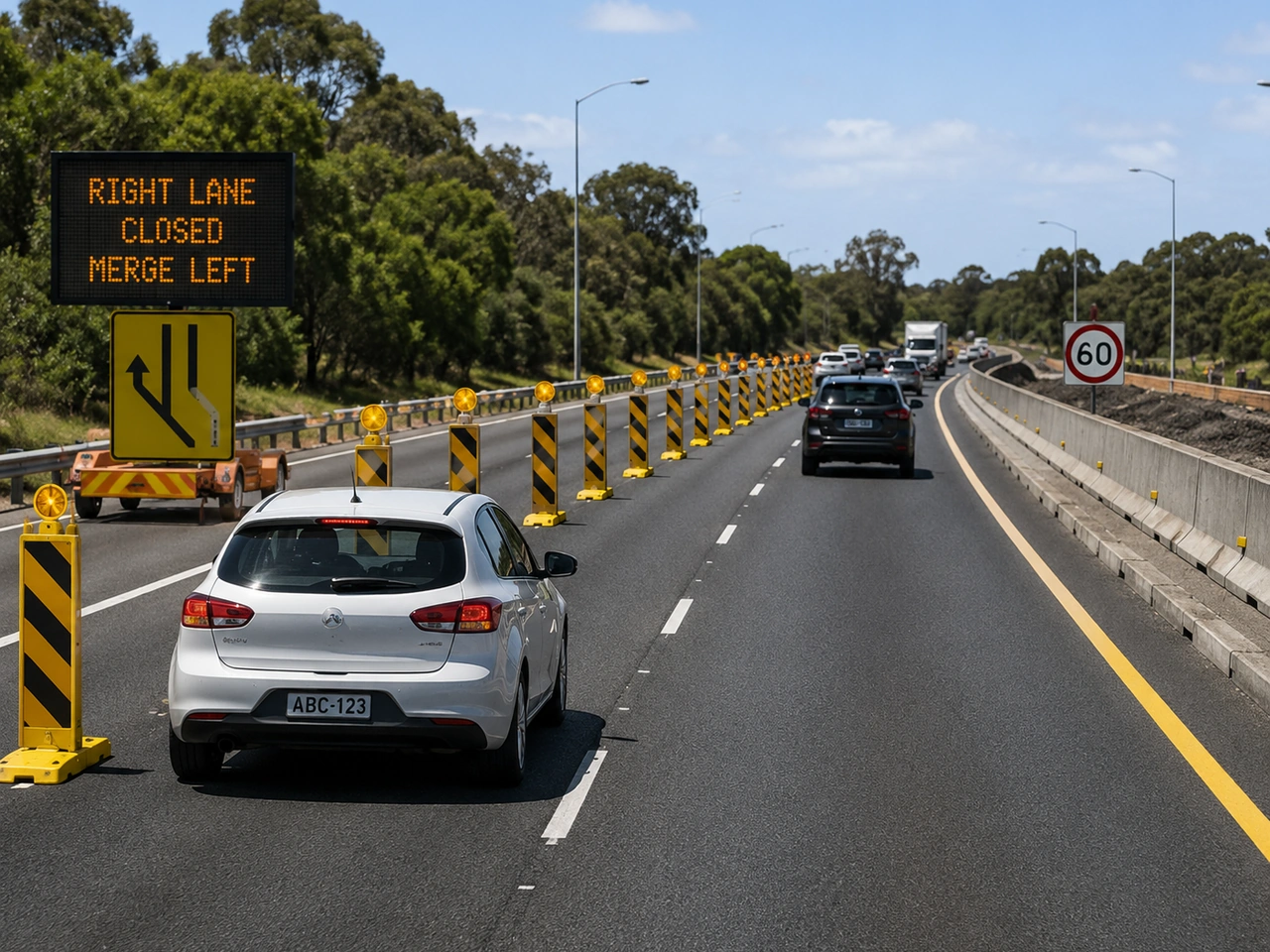
583. What should you do when approaching a temporary lane closure?
Observe the temporary signs, adjust your speed, and merge safely according to the traffic situation and local rules.
AI-generated by Traffic-rules.com • WCIT • CC BY-SA
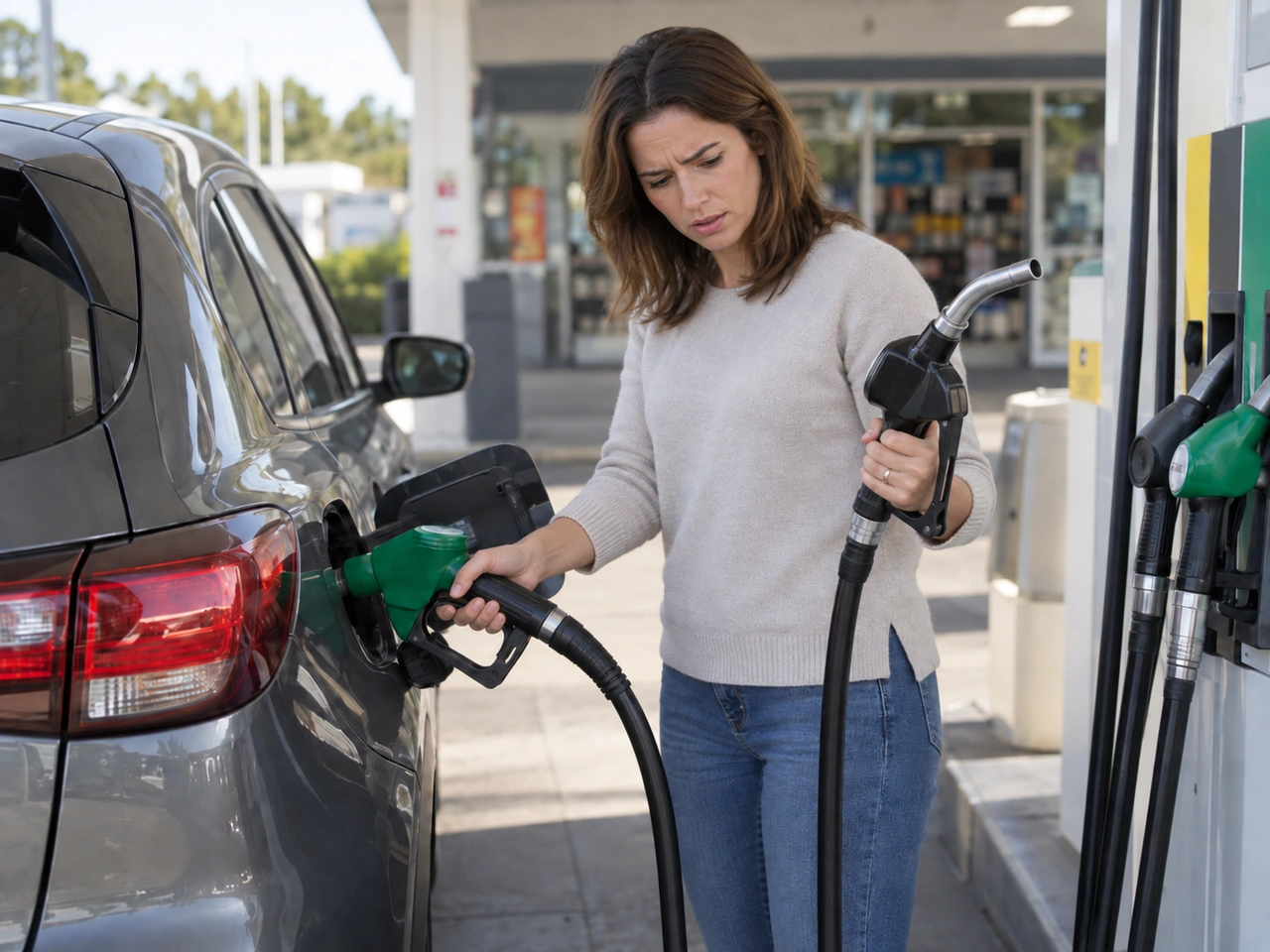
584. What should you do if you realise you have put the wrong fuel in your vehicle?
If you have used the wrong fuel, do not start the engine. Starting it can circulate the incorrect fuel and cause further damage. If possible, avoid switching on the ignition and seek appropriate roadside or workshop assistance.
AI-generated by Traffic-rules.com • WCIT • CC BY-SA
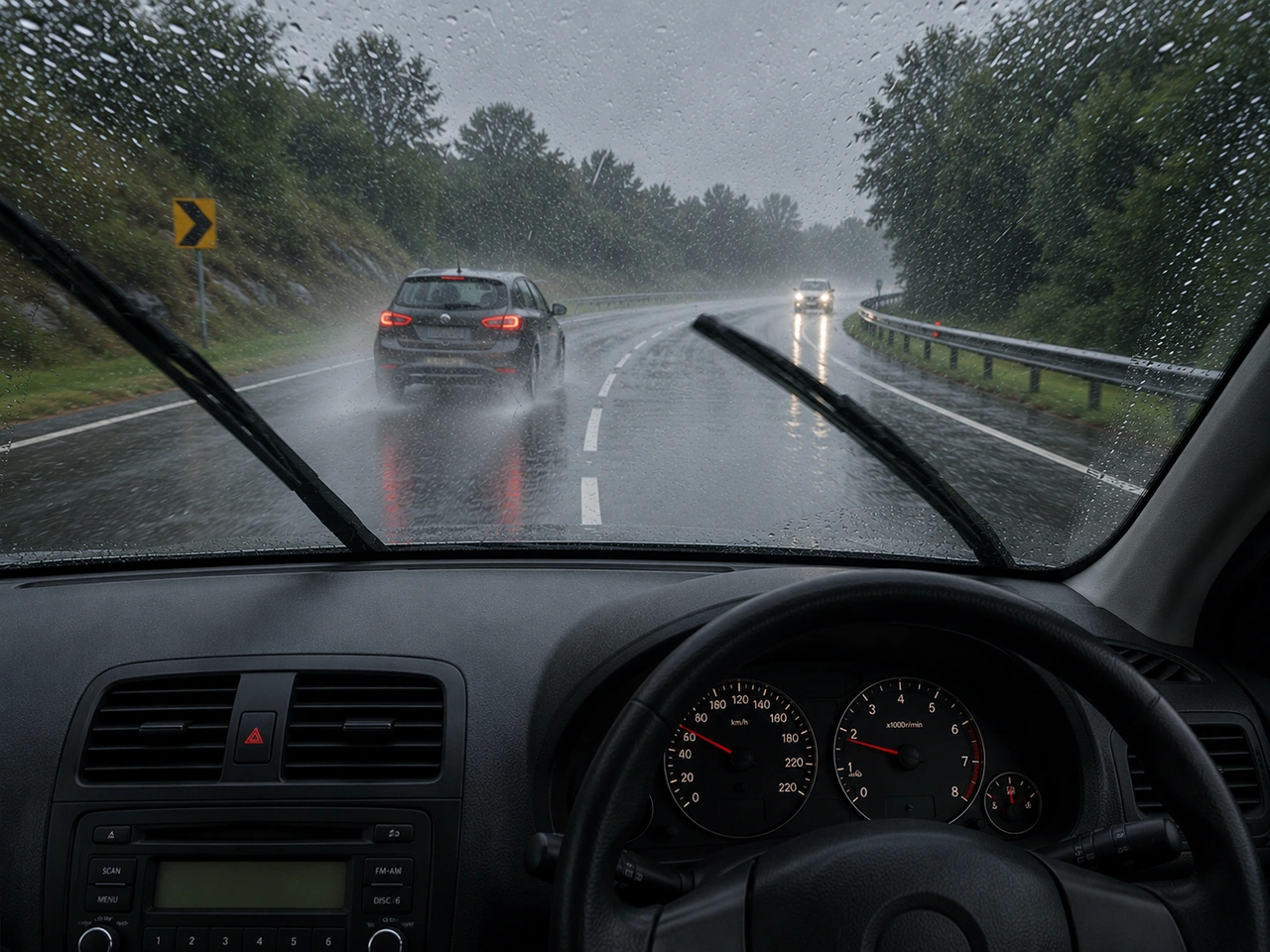
585. What should you avoid if your vehicle loses grip on a wet road?
Abrupt inputs can upset the vehicle further. Smooth control gives the tyres a better chance to regain grip.
AI-generated by Traffic-rules.com • WCIT • CC BY-SA
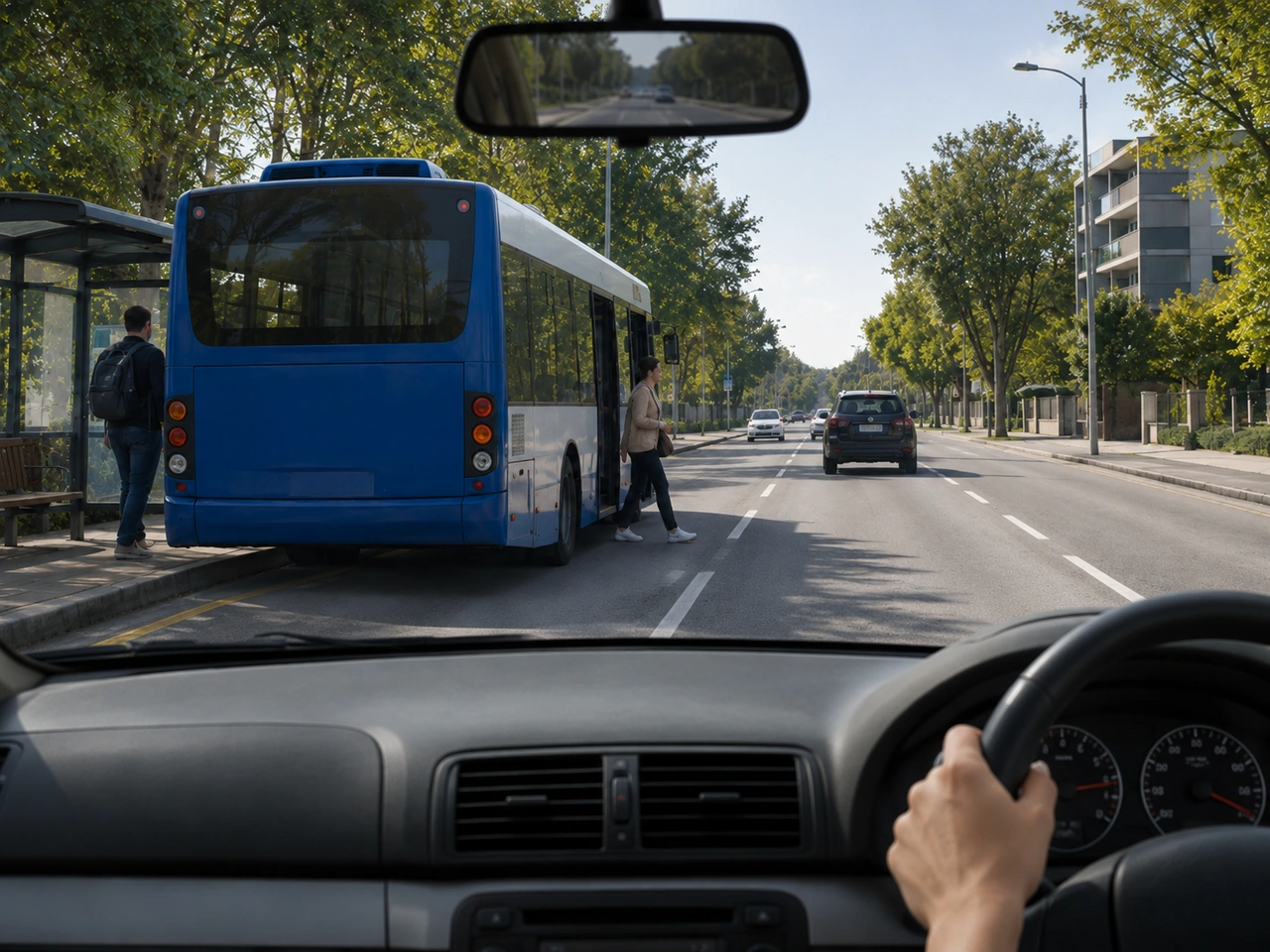
586. Why should you be careful when driving beside a bus at a stop?
Stopped buses can hide pedestrians, and passengers may cross unexpectedly. Slow down and be ready to react.
AI-generated by Traffic-rules.com • WCIT • CC BY-SA
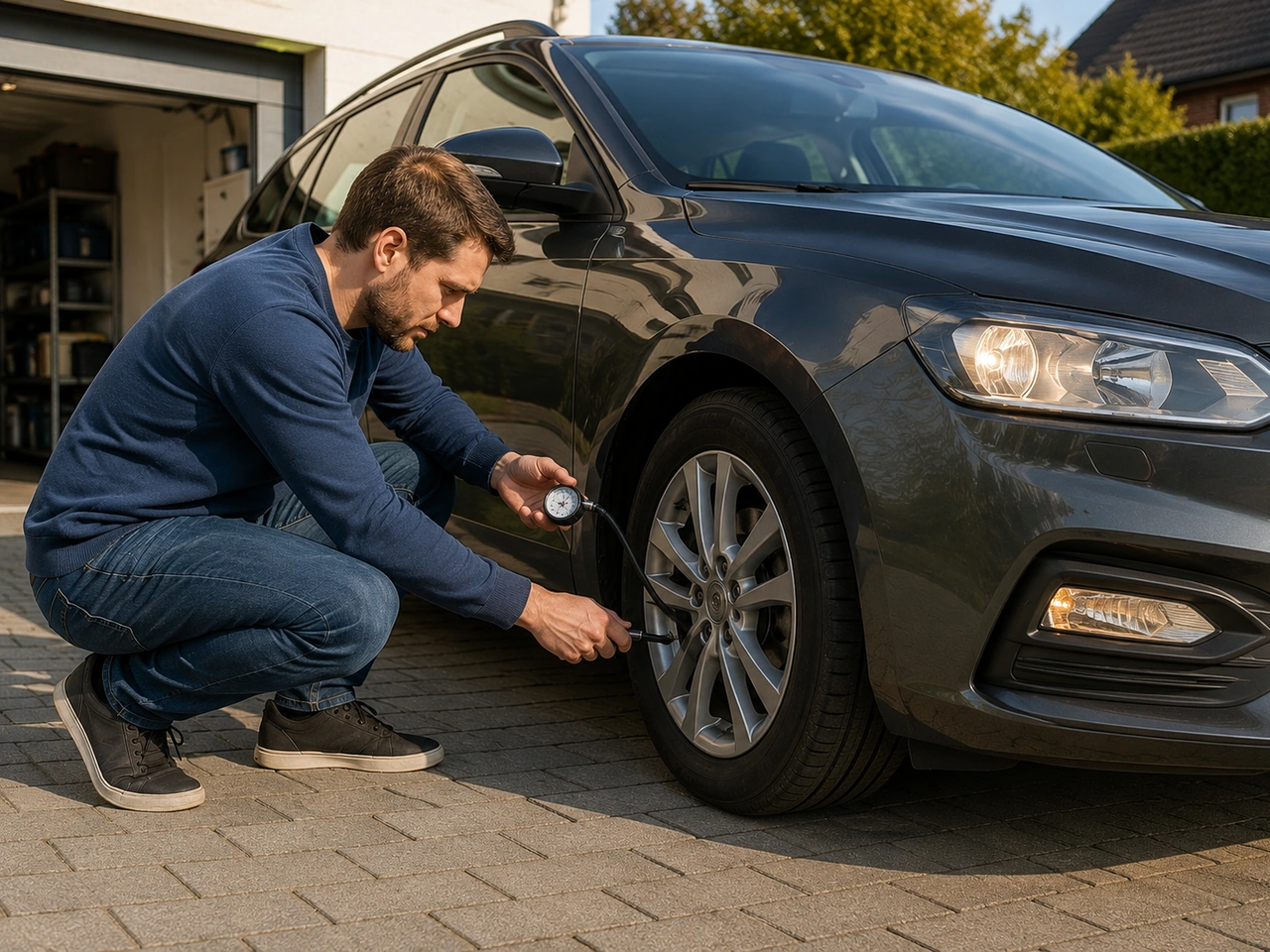
587. How should tyre pressure normally be checked?
Tyre pressure rises as tyres become warm. Check them when cold and use the pressure specified on the vehicle label or in the owner's manual.
AI-generated by Traffic-rules.com • WCIT • CC BY-SA
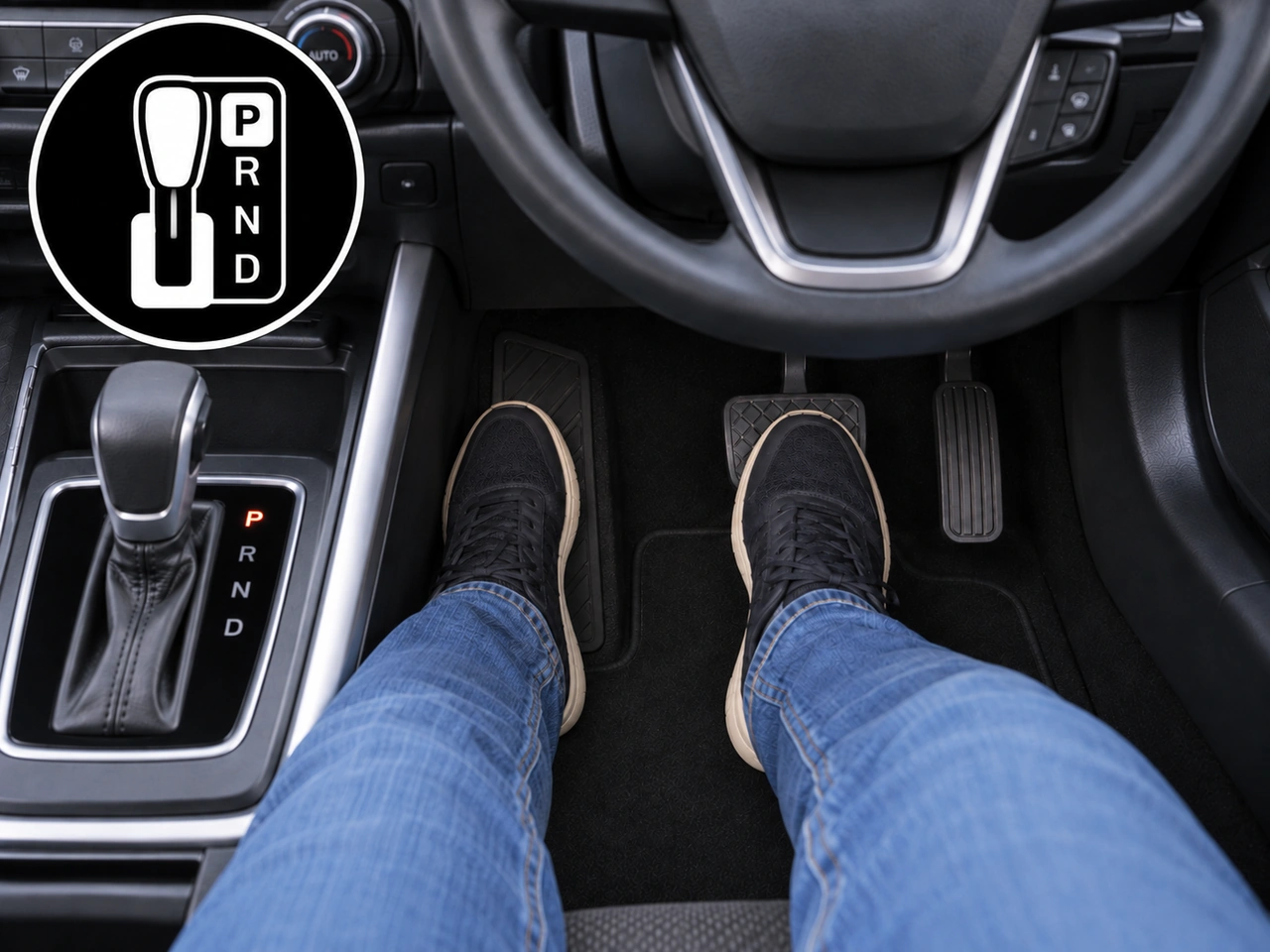
588. What should you normally do before starting an automatic vehicle?
Before starting an automatic vehicle, make sure P (Park) or N (Neutral) is selected and press the brake pedal. Many automatic vehicles will only allow the engine to start when these conditions are met.
AI-generated by Traffic-rules.com • WCIT • CC BY-SA
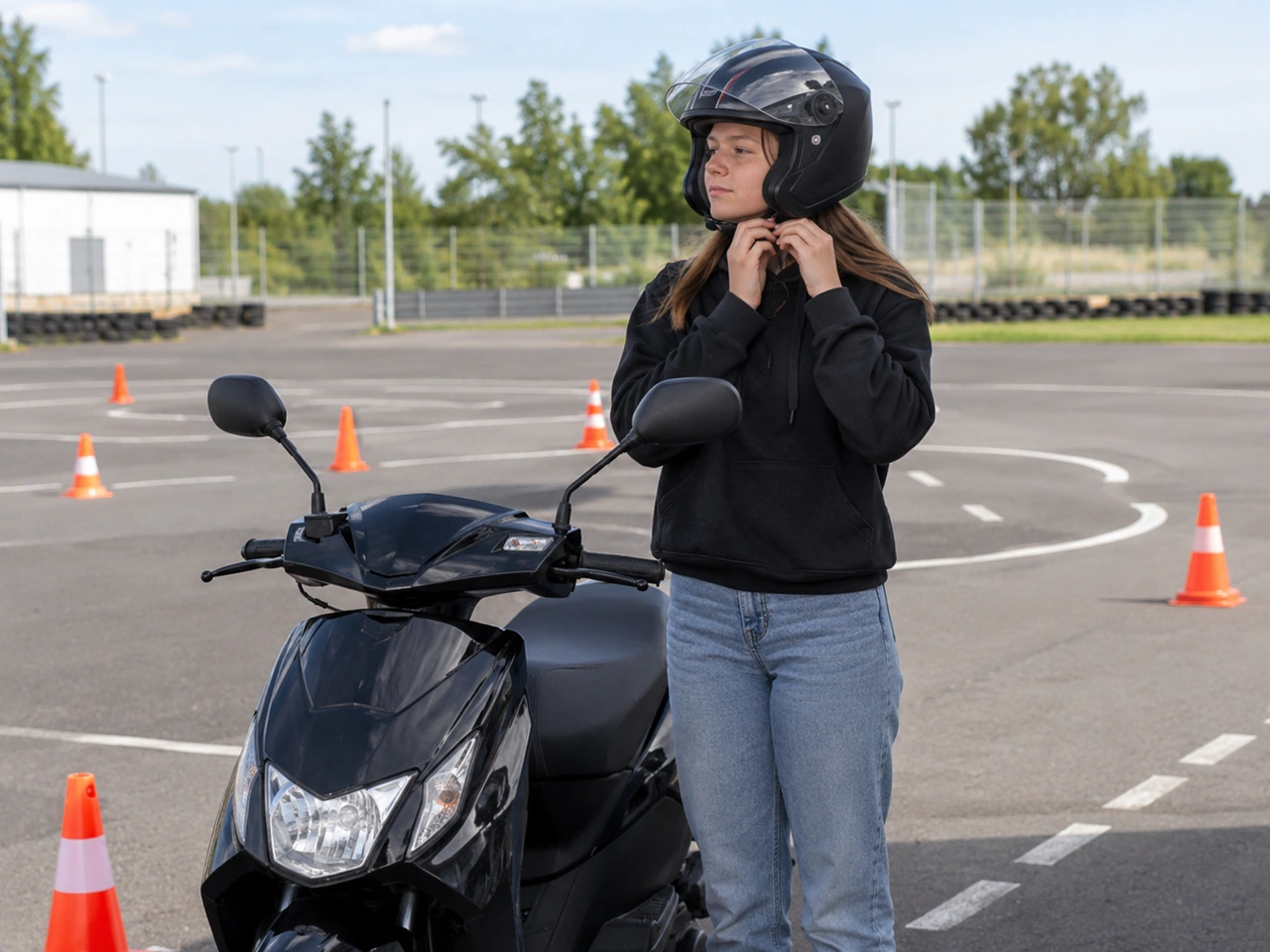
589. What is the minimum age for riding a moped in United Kingdom?
The minimum age for riding a moped in United Kingdom is generally 16 years.
AI-generated by Traffic-rules.com • WCIT • CC BY-SA
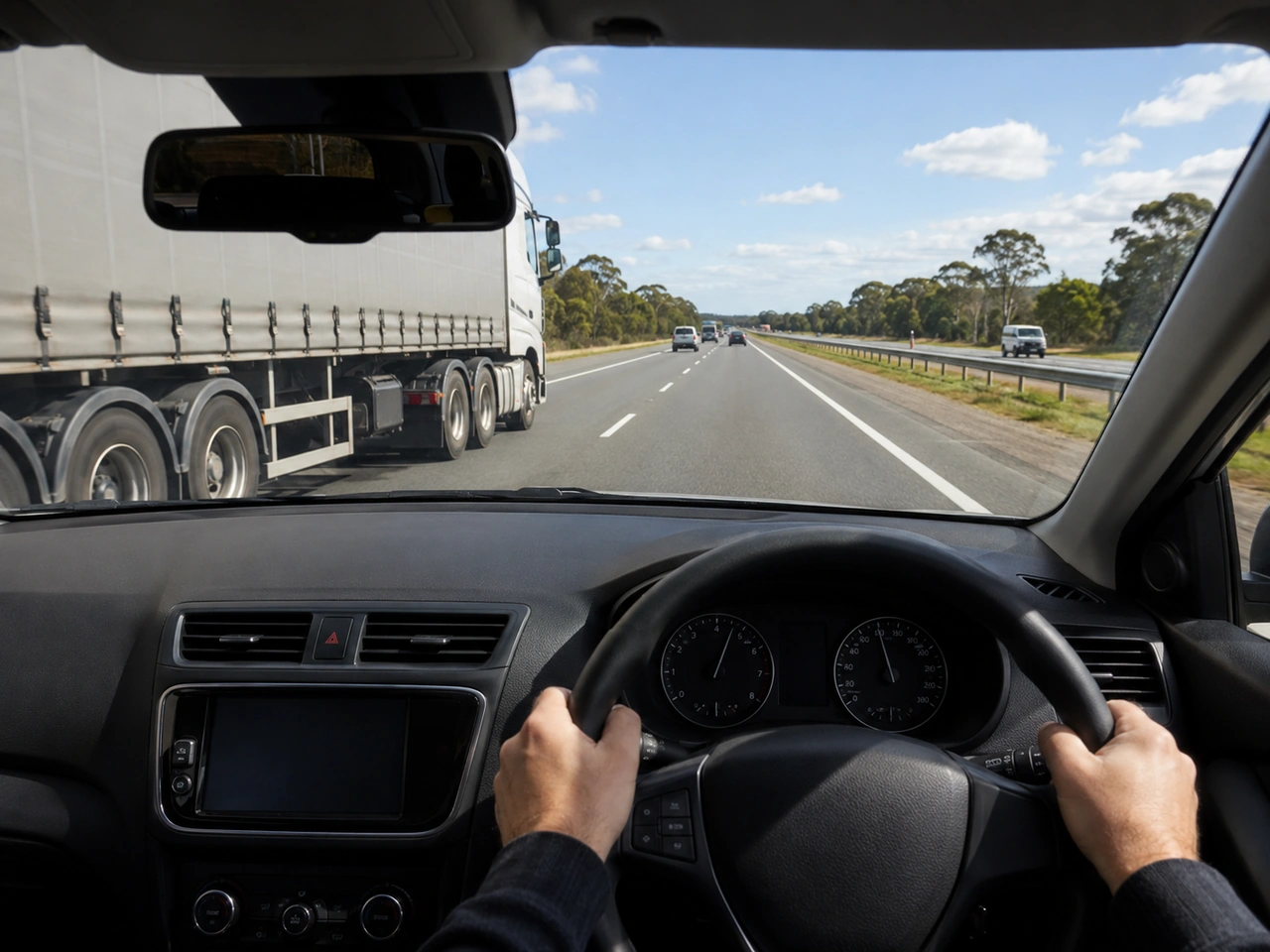
590. It is safer to drive faster than the speed limit when overtaking.
You must still drive safely and obey traffic laws. Speeding increases risk and is not automatically justified by overtaking.
AI-generated by Traffic-rules.com • WCIT • CC BY-SA
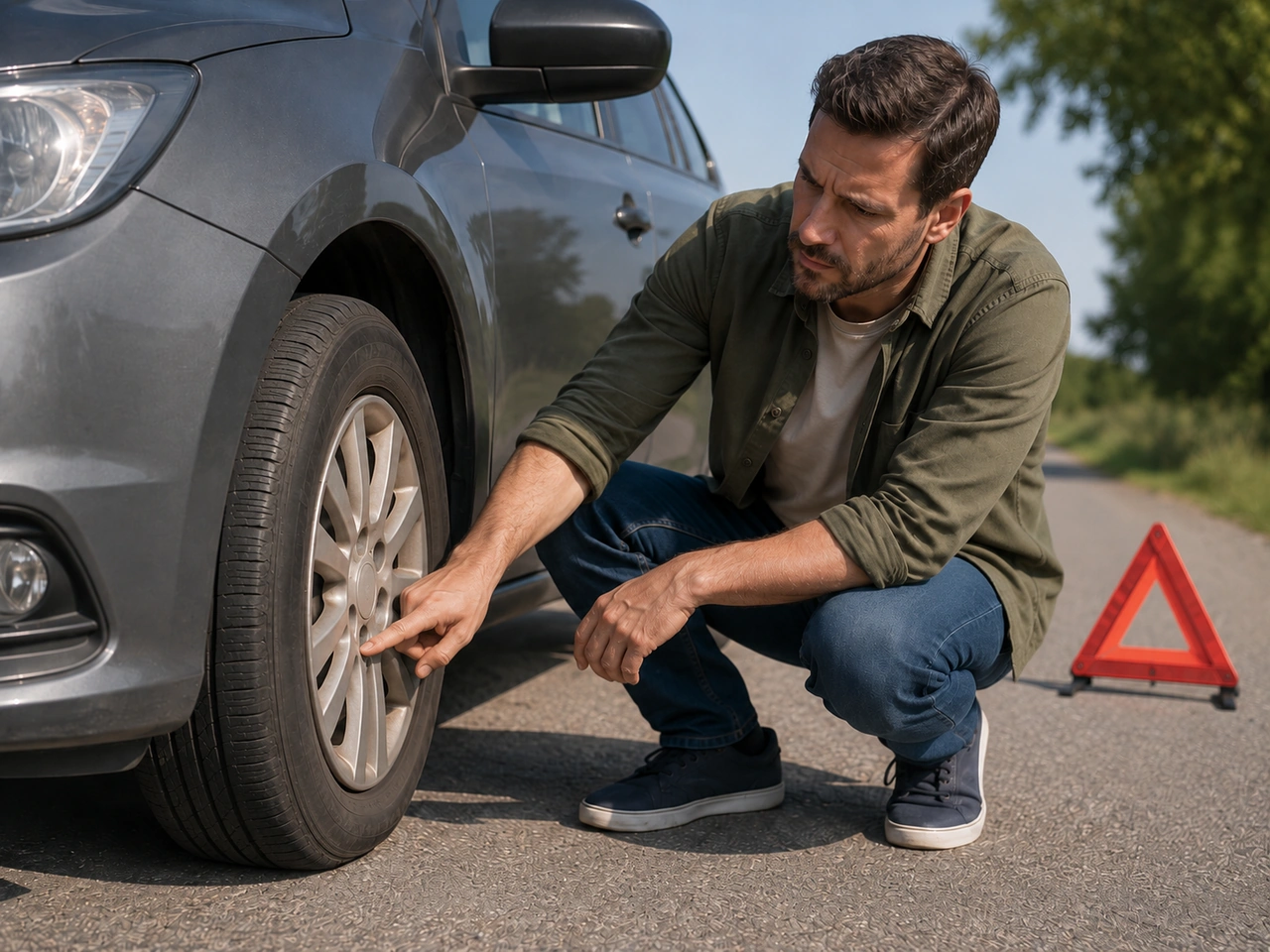
591. What should you do if a tyre has a deep cut, bulge, or exposed cords?
Cuts, bulges, and exposed cords can indicate serious structural damage. The tyre may fail suddenly and should not be used normally.
AI-generated by Traffic-rules.com • WCIT • CC BY-SA
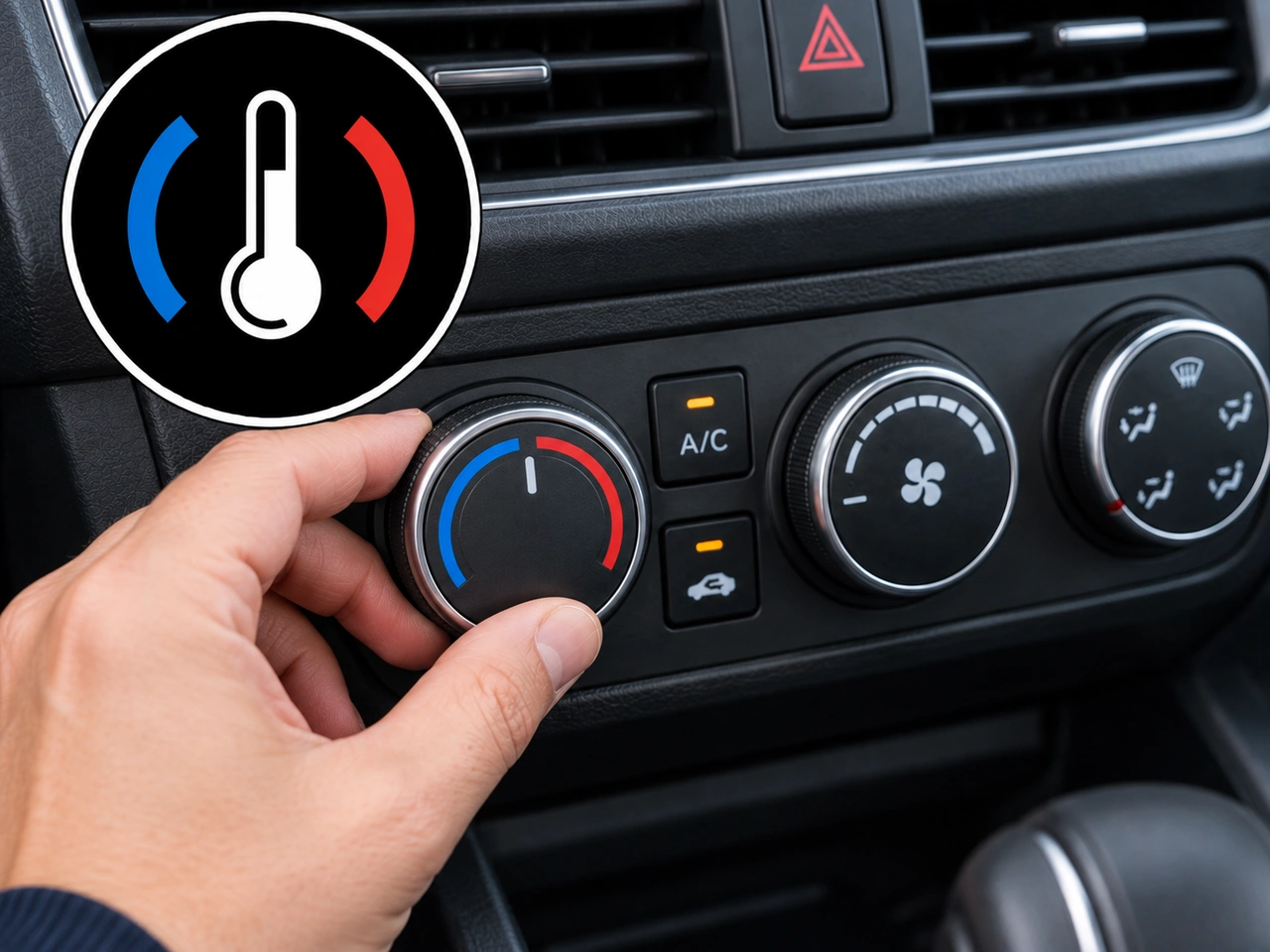
592. What does this vehicle-control symbol indicate?
This control adjusts the temperature of the air supplied to the cabin. Turning it towards the blue side lowers the selected temperature, while turning it towards the red side raises it.
AI-generated by Traffic-rules.com • WCIT • CC BY-SA
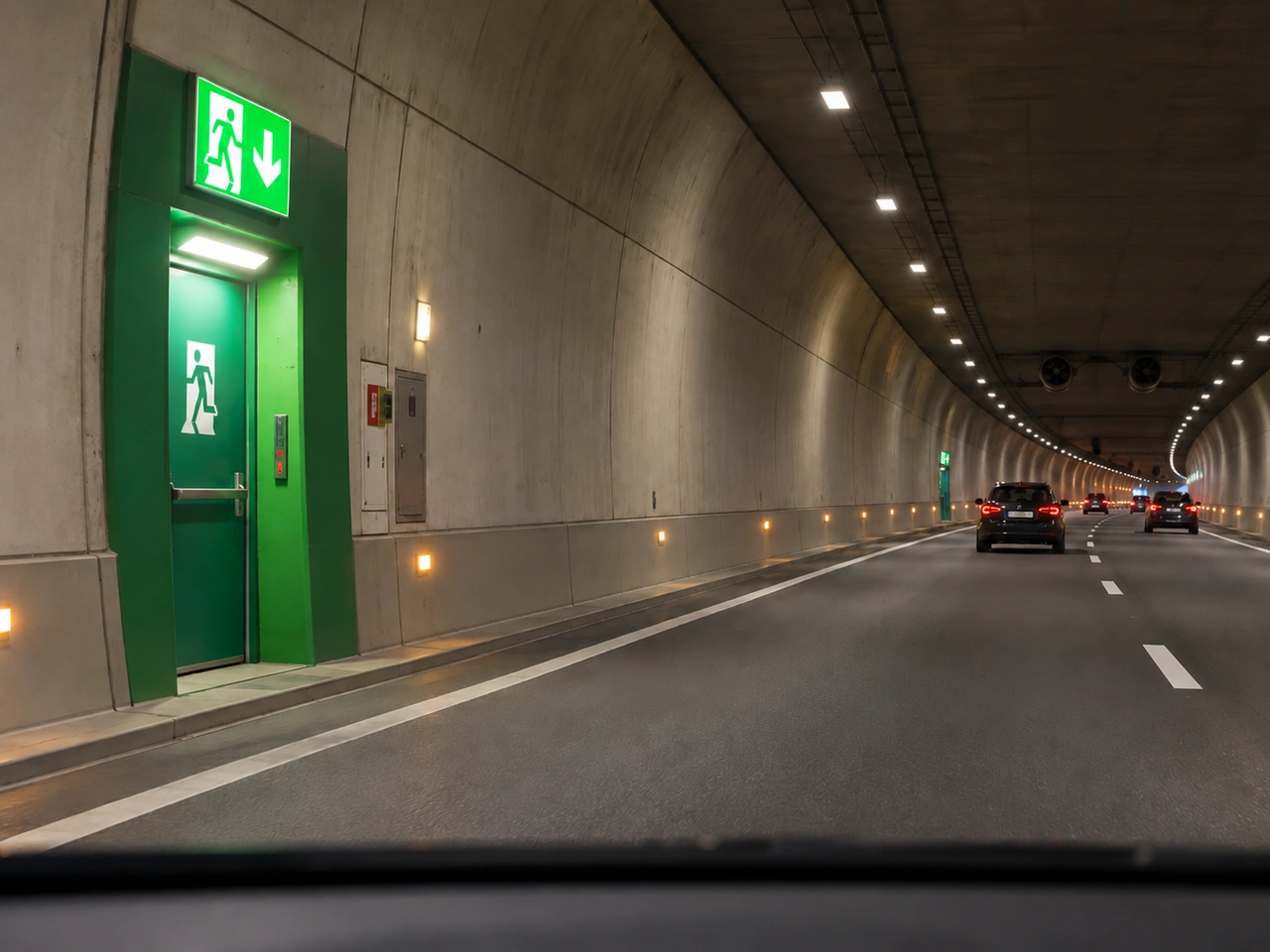
593. Why should you notice the location of emergency exits in a tunnel?
Knowing where emergency exits and refuge areas are located can save valuable time during a fire, collision, or evacuation.
AI-generated by Traffic-rules.com • WCIT • CC BY-SA
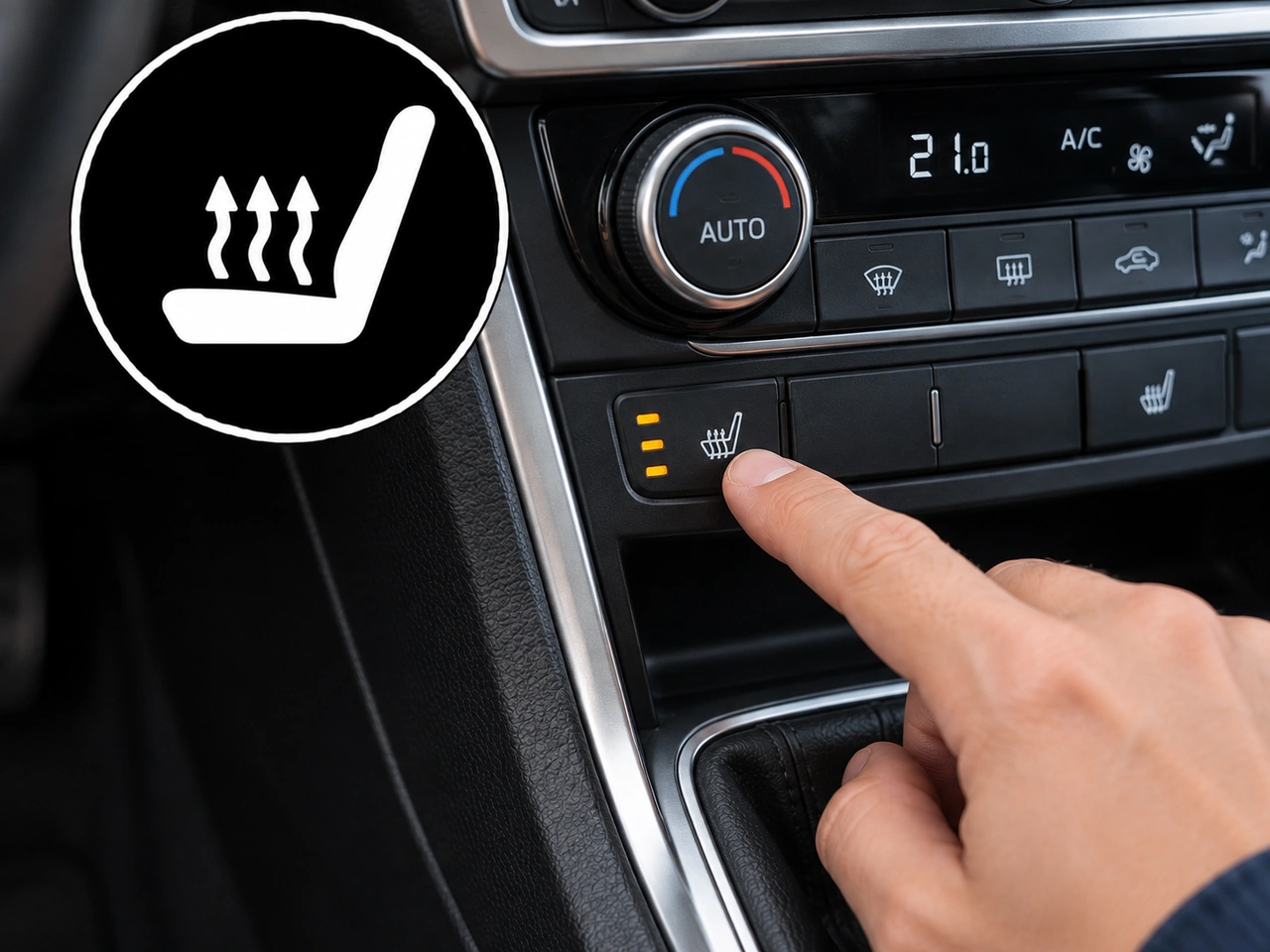
594. What does this vehicle-control symbol indicate?
This control activates the seat heating, which warms the seat cushion and, on many vehicles, the backrest. Several heat levels may be available.
AI-generated by Traffic-rules.com • WCIT • CC BY-SA
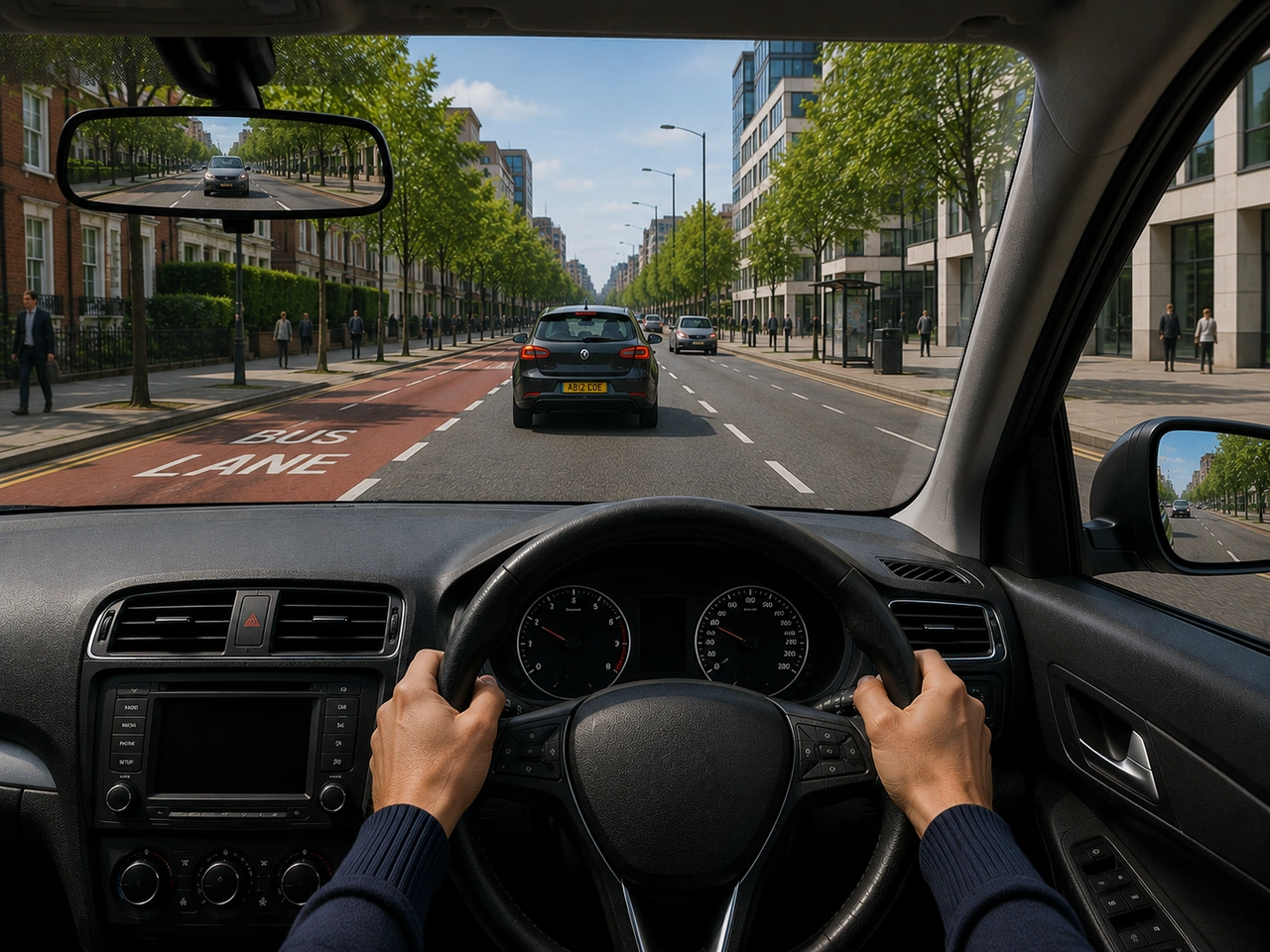
595. Why should you take extra care when crossing a tram or bus lane?
Check carefully before crossing or entering a tram or bus lane. Trams cannot steer around obstacles, and both trams and buses may need significant distance to stop.
AI-generated by Traffic-rules.com • WCIT • CC BY-SA
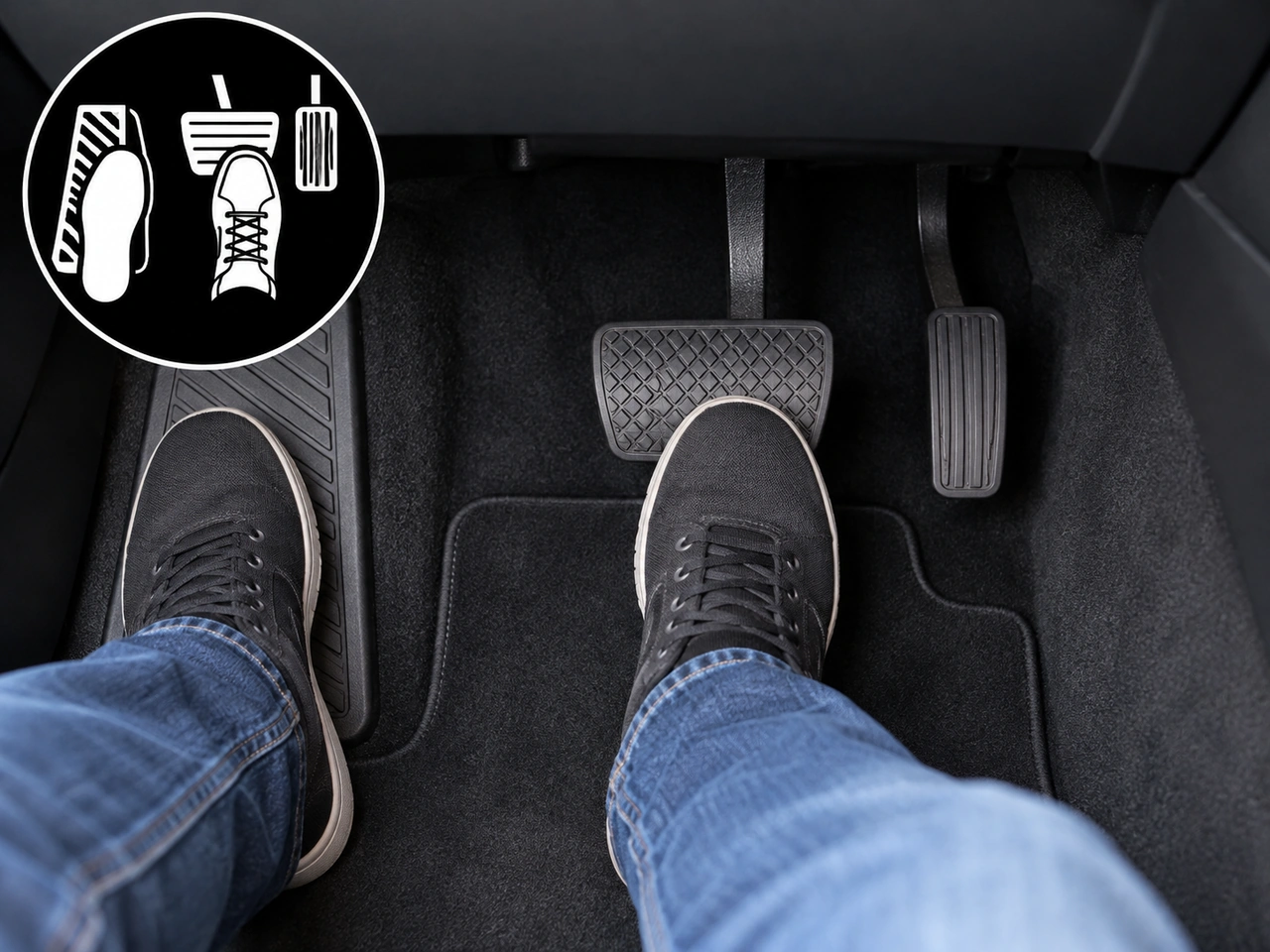
596. Which foot should normally operate the brake and accelerator in an automatic vehicle?
In an automatic vehicle, the right foot should normally operate both the brake and accelerator pedals. The left foot should rest on the footrest to reduce the risk of pressing both pedals at the same time.
AI-generated by Traffic-rules.com • WCIT • CC BY-SA
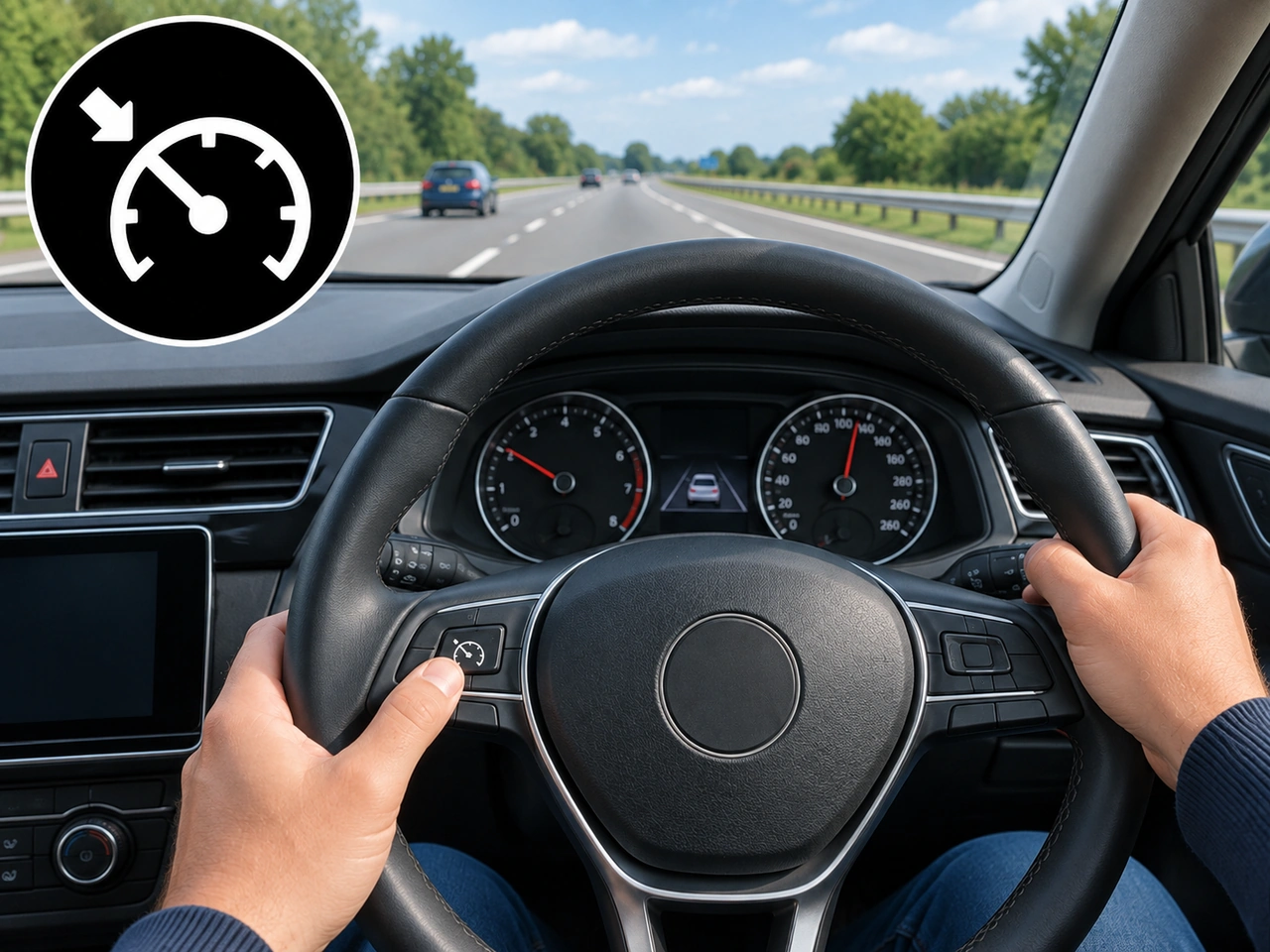
597. What is the purpose of cruise control?
Cruise control can maintain a selected speed without the driver continuously pressing the accelerator. The driver must remain attentive and ready to brake or take control when necessary.
AI-generated by Traffic-rules.com • WCIT • CC BY-SA
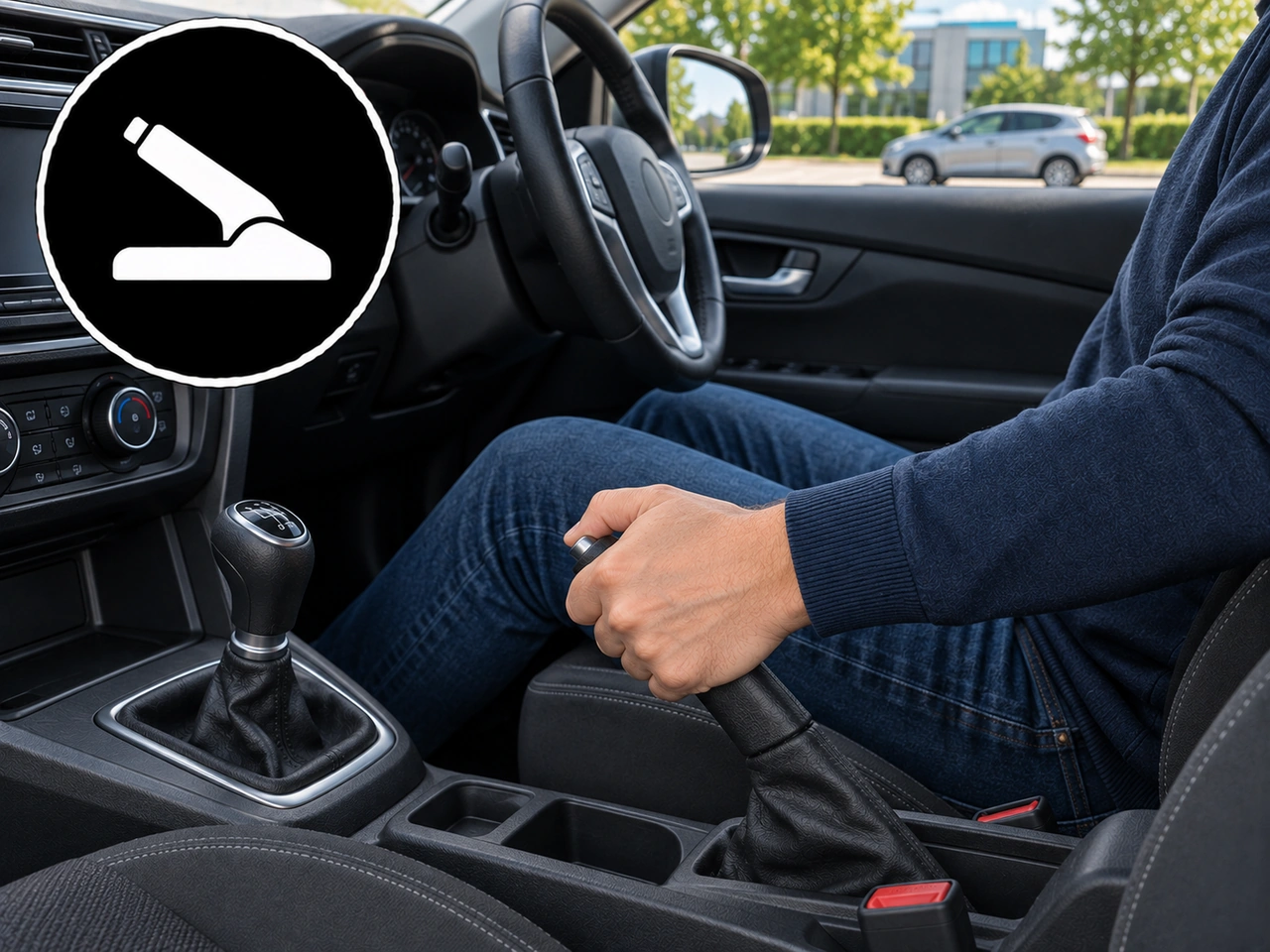
598. What should you do with the parking brake before leaving a parked vehicle?
Before leaving a parked vehicle, apply the parking brake securely to help prevent unintended movement. Also select the appropriate gear or transmission position for parking.
AI-generated by Traffic-rules.com • WCIT • CC BY-SA
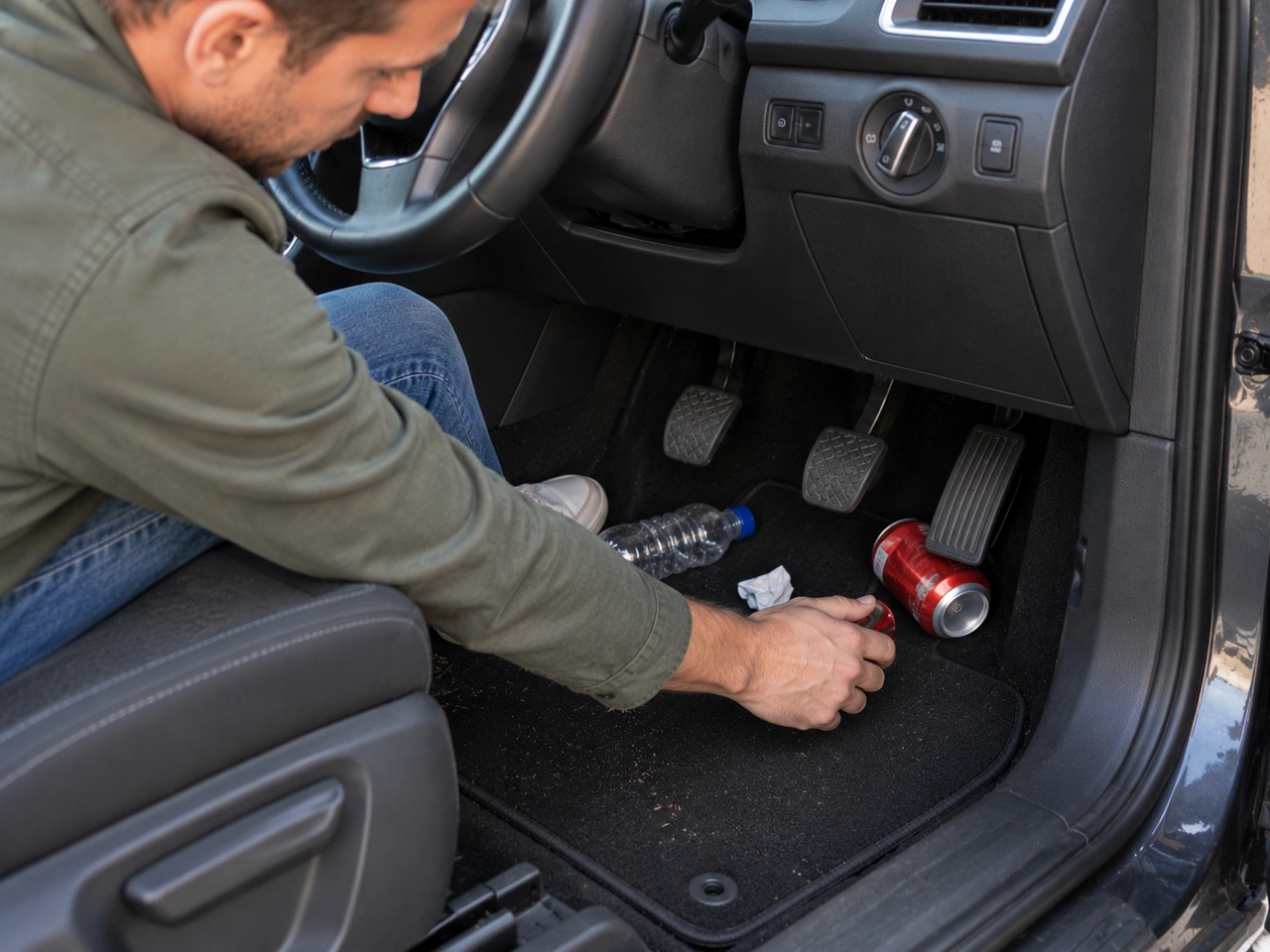
599. Why should you keep the driver's footwell free of loose objects?
Loose objects in the driver's footwell, such as bottles, cans, or rubbish, can roll into the pedal area and interfere with the accelerator, brake, or clutch. Keep the footwell clear so you can operate the pedals safely and without obstruction.
AI-generated by Traffic-rules.com • WCIT • CC BY-SA
