


QuizTraffic rulesIceland
Test your knowledge with our multiple-choice quiz. Learn from each answer and improve your understanding of the traffic rules and road signs of Iceland.
 Traffic signs
 Traffic rules
 Iceland
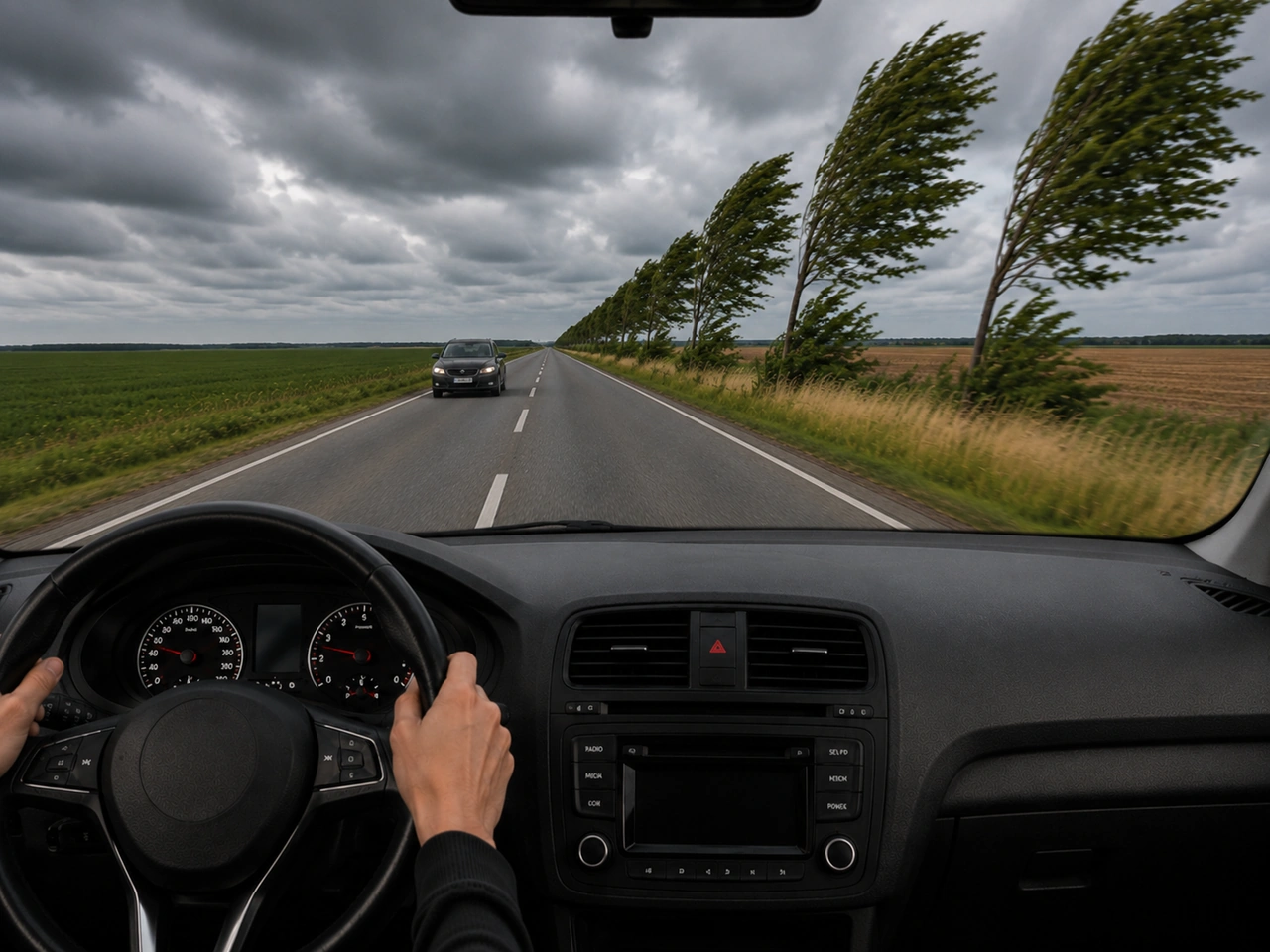
151. What should you do when driving in strong wind?
Strong wind can affect vehicle control, especially near open areas, bridges, large vehicles, cyclists, and motorcyclists.
AI-generated by Traffic-rules.com • WCIT • CC BY-SA

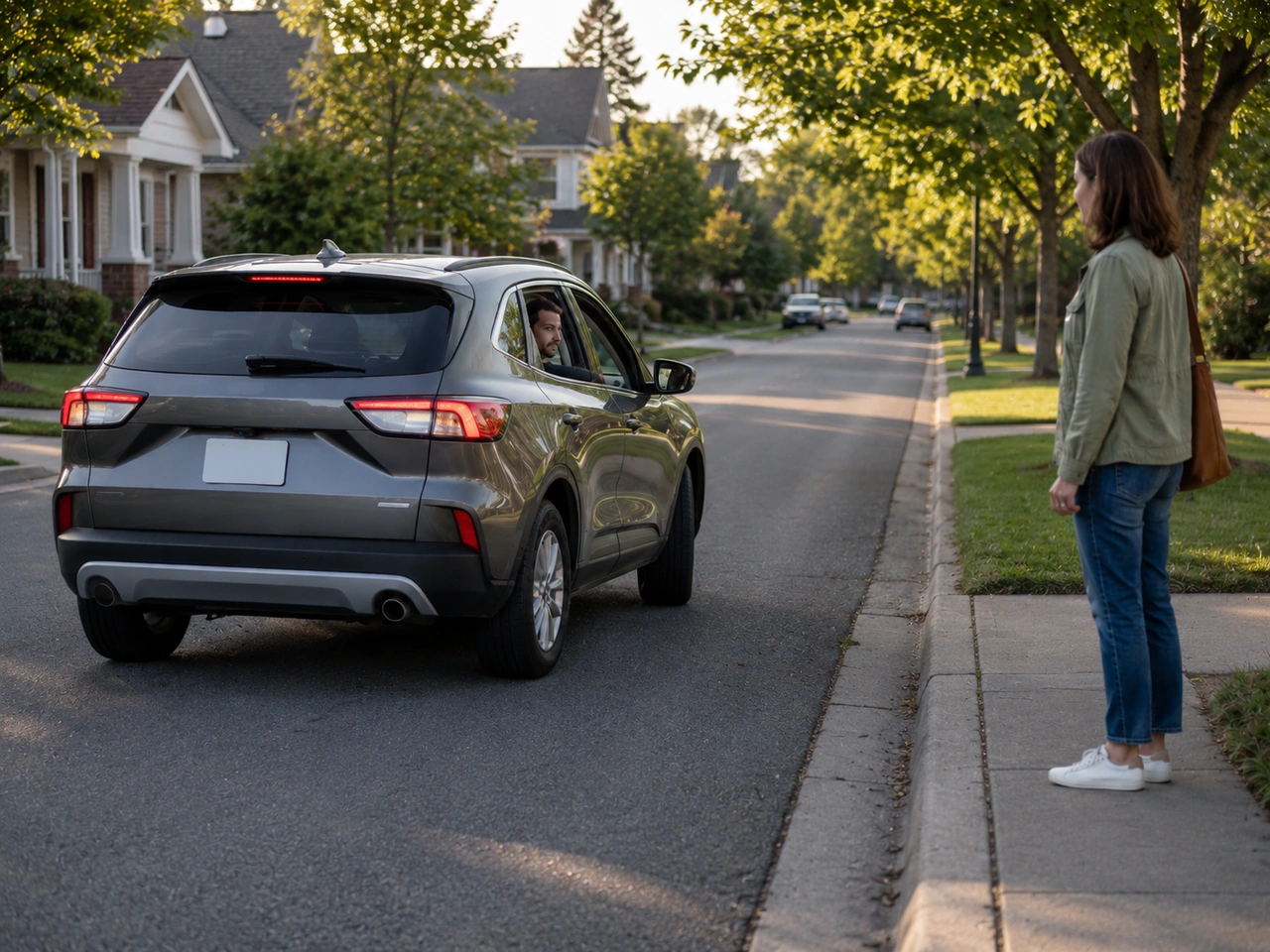
152. What should you do if a vehicle is reversing near you?
Reversing vehicles have blind spots. Stay away from the vehicle and make sure the driver can see you.
AI-generated by Traffic-rules.com • WCIT • CC BY-SA
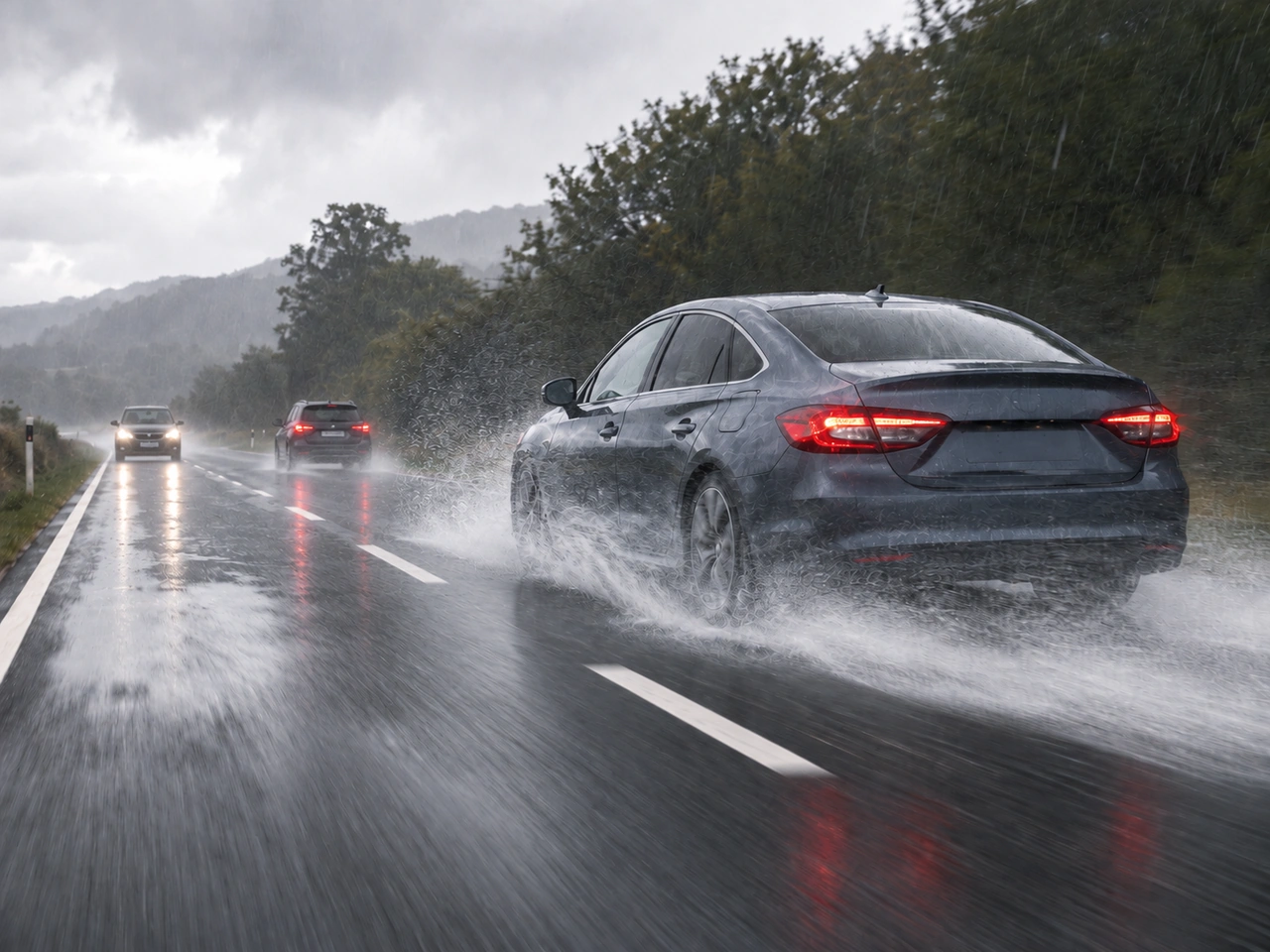
153. Why does higher speed increase the risk of aquaplaning?
At higher speeds, the tyres may not disperse water effectively, making it easier for the vehicle to lose contact with the road.
AI-generated by Traffic-rules.com • WCIT • CC BY-SA
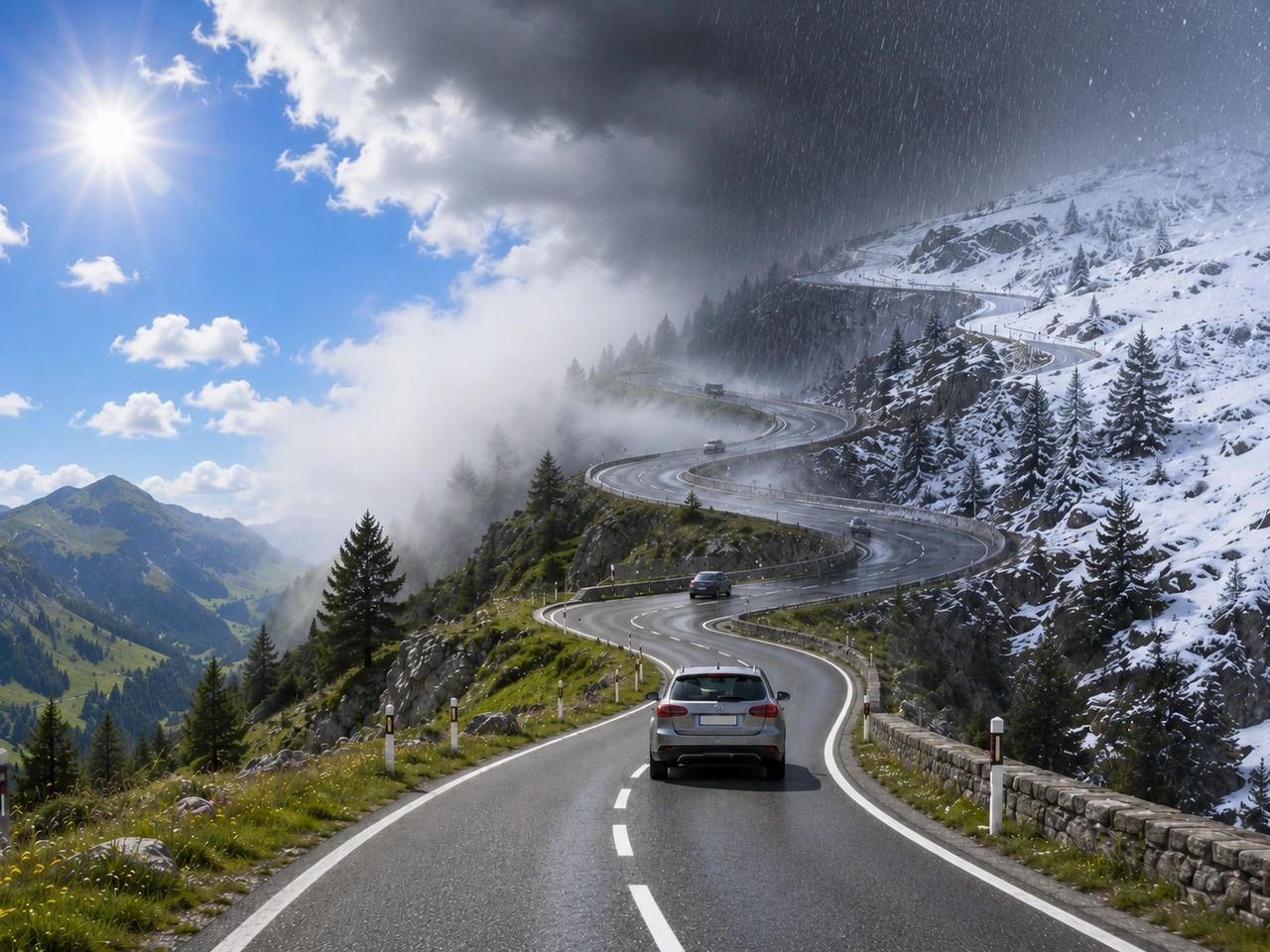
154. Why should you be prepared for changing conditions on mountain roads?
Fog, rain, snow, ice, falling rocks, and strong winds can develop rapidly in mountainous areas.
AI-generated by Traffic-rules.com • WCIT • CC BY-SA
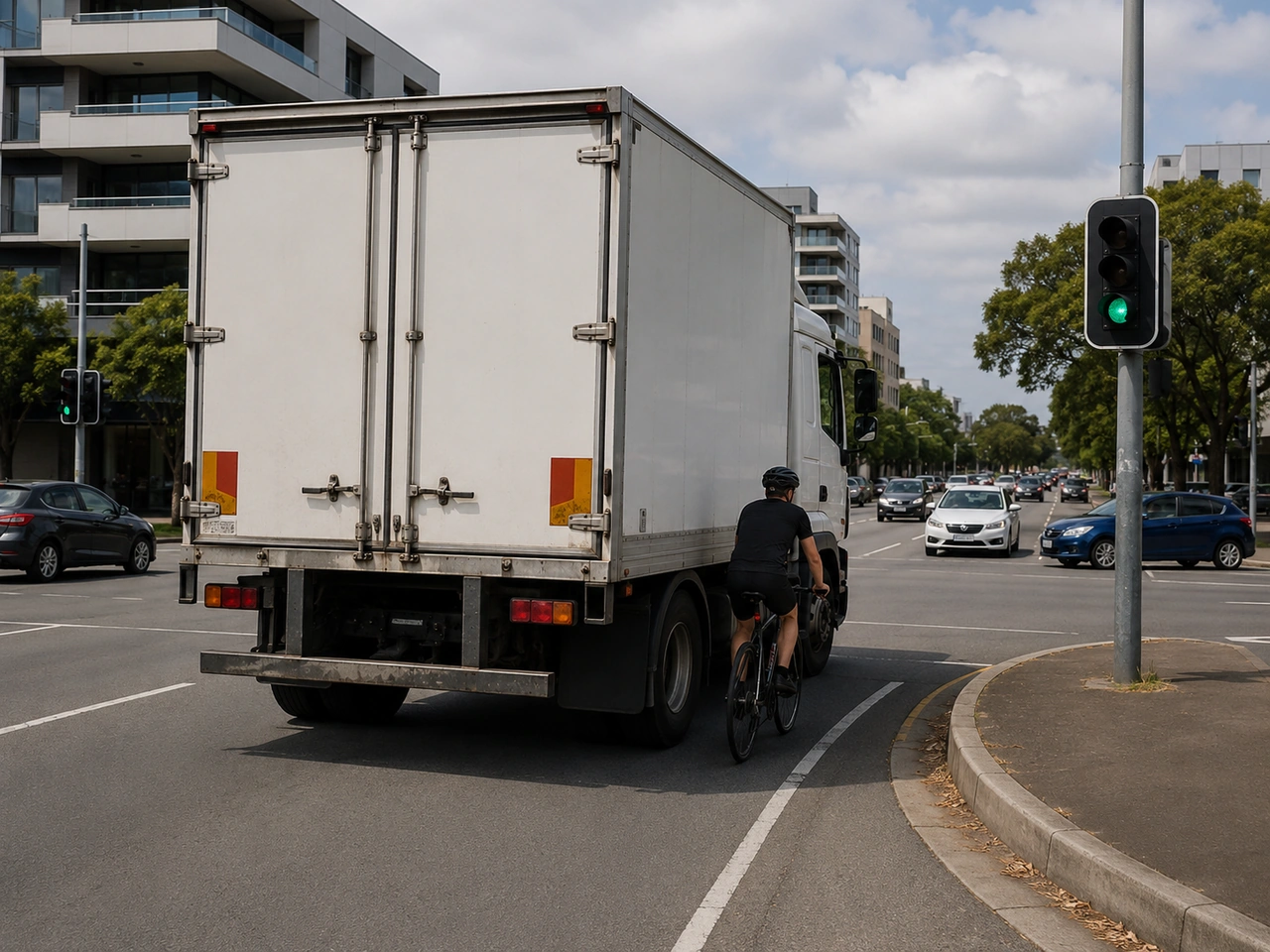
155. Why should cyclists avoid riding in a large vehicle's blind spot?
Buses and trucks have large areas where the driver cannot see cyclists, especially beside the vehicle and near turns.
AI-generated by Traffic-rules.com • WCIT • CC BY-SA
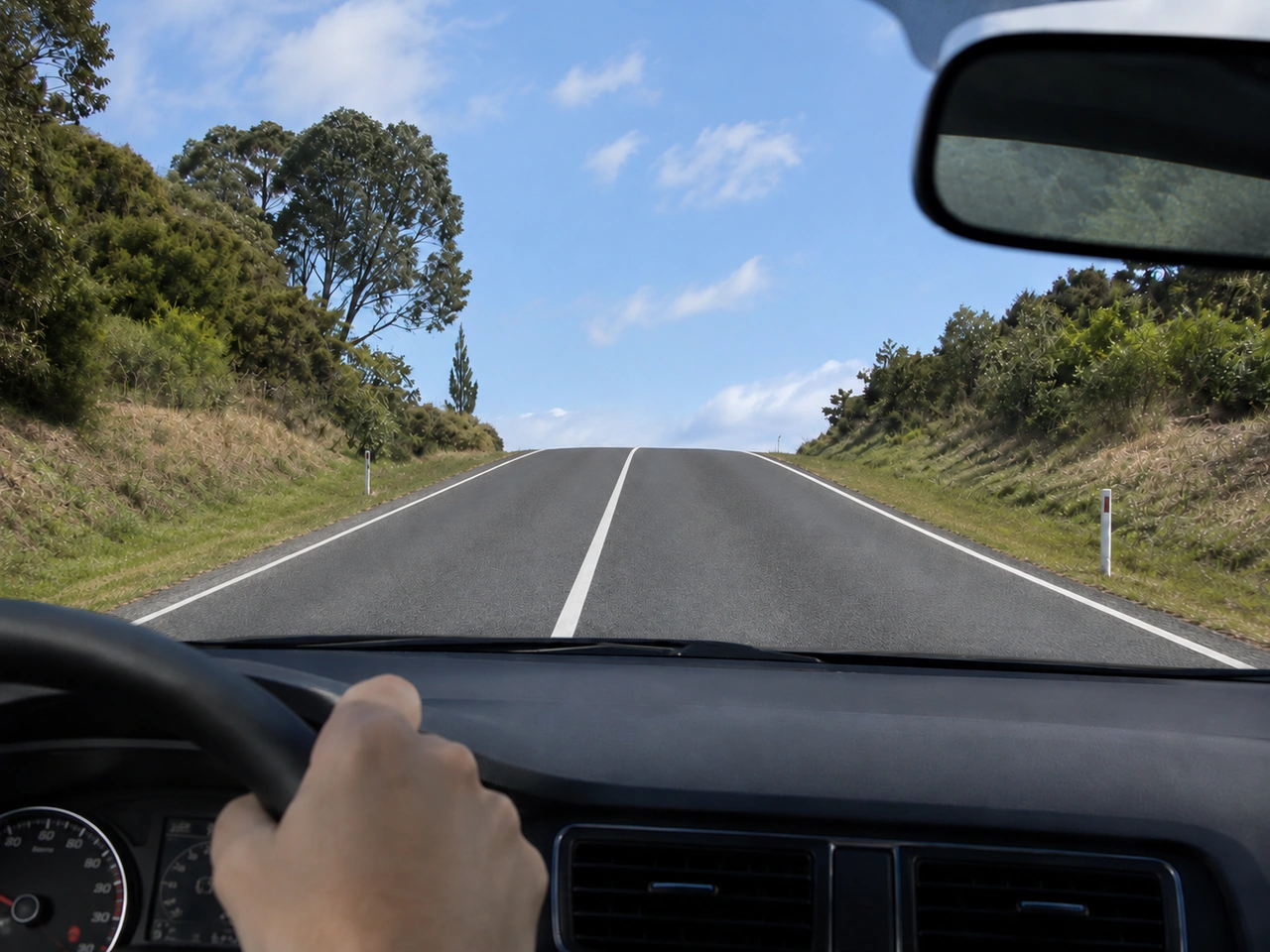
156. What should you do when approaching a hill crest?
A hill crest can hide vehicles, cyclists, pedestrians, or obstacles. Reduce speed and stay in your lane.
AI-generated by Traffic-rules.com • WCIT • CC BY-SA
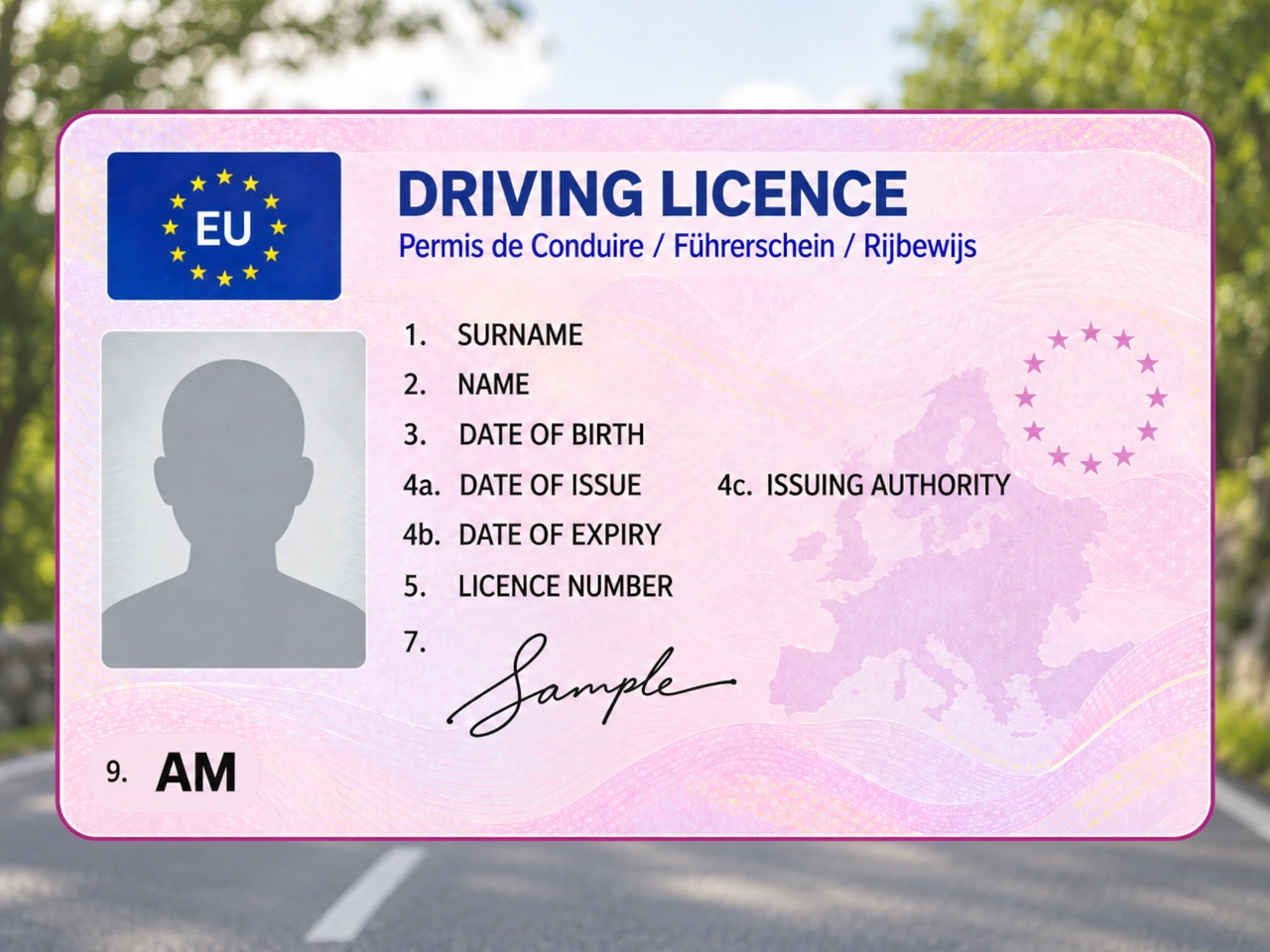
157. Which vehicle type is mainly associated with driving licence AM?
Driving licence AM is mainly associated with mopeds. Category AM covers mopeds with a design speed above 25 km/h and up to 45 km/h.
AI-generated by Traffic-rules.com • WCIT • CC BY-SA
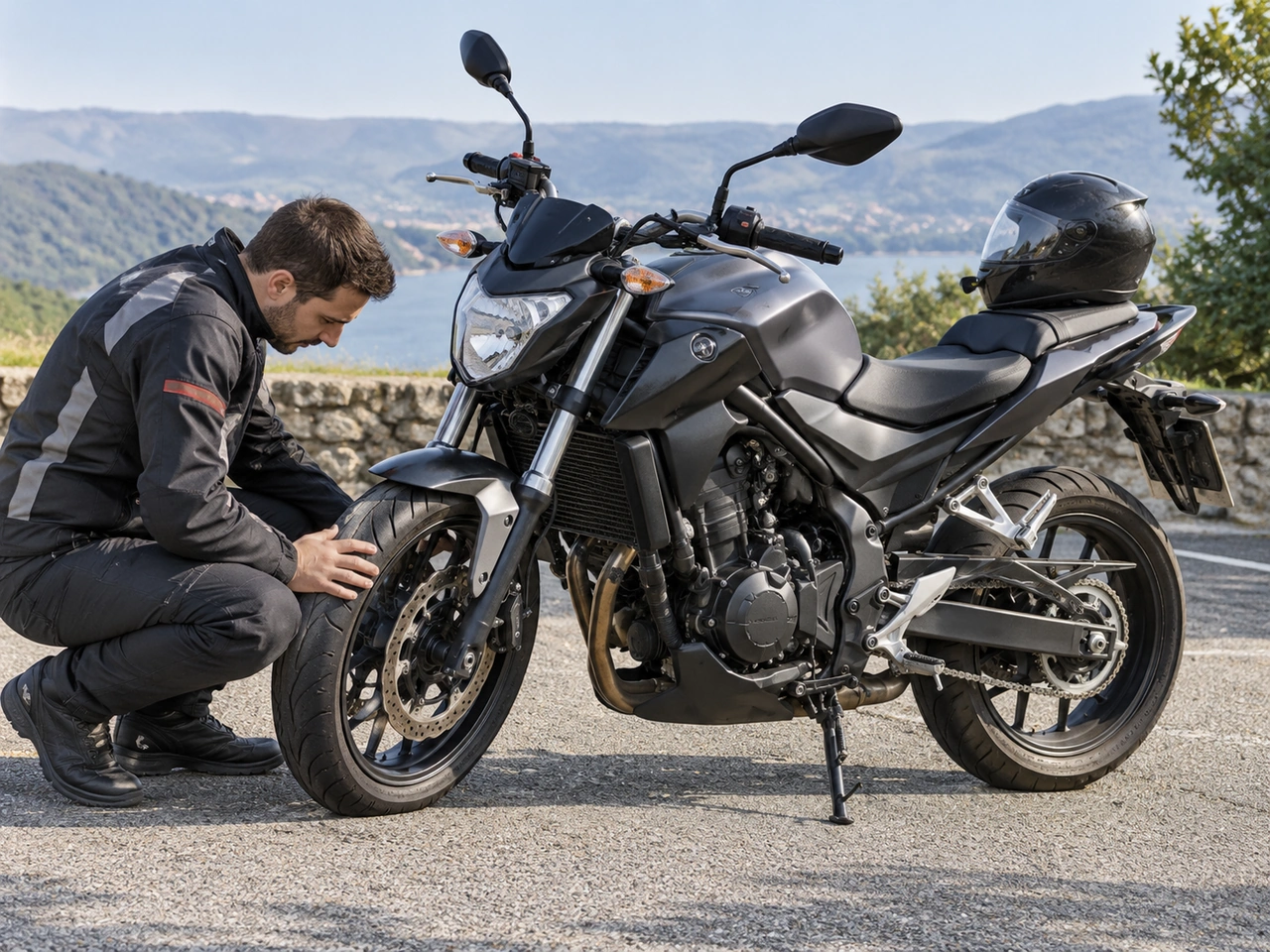
158. What should you check before starting a motorcycle journey?
Before riding, carry out a basic safety check. Check the tyres, brakes, lights, steering and controls, and inspect the drive chain, belt or other drive components where applicable. Finding a problem before setting off can prevent a breakdown or loss of control.
AI-generated by Traffic-rules.com • WCIT • CC BY-SA
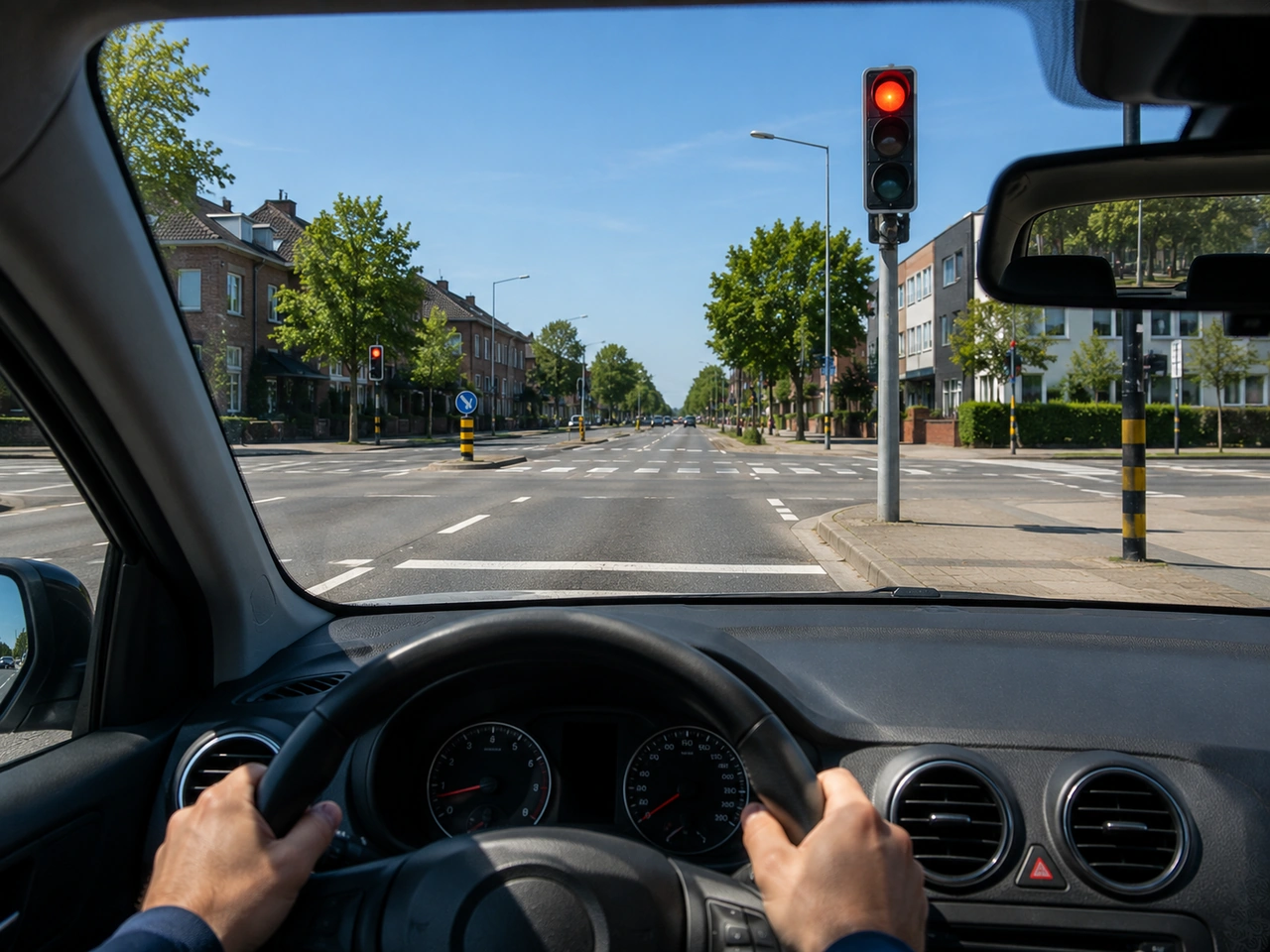
159. What should you do when a traffic light turns red?
A red traffic light means you must stop before the stop line, pedestrian crossing, or intersection unless a sign or signal indicates otherwise.
AI-generated by Traffic-rules.com • WCIT • CC BY-SA
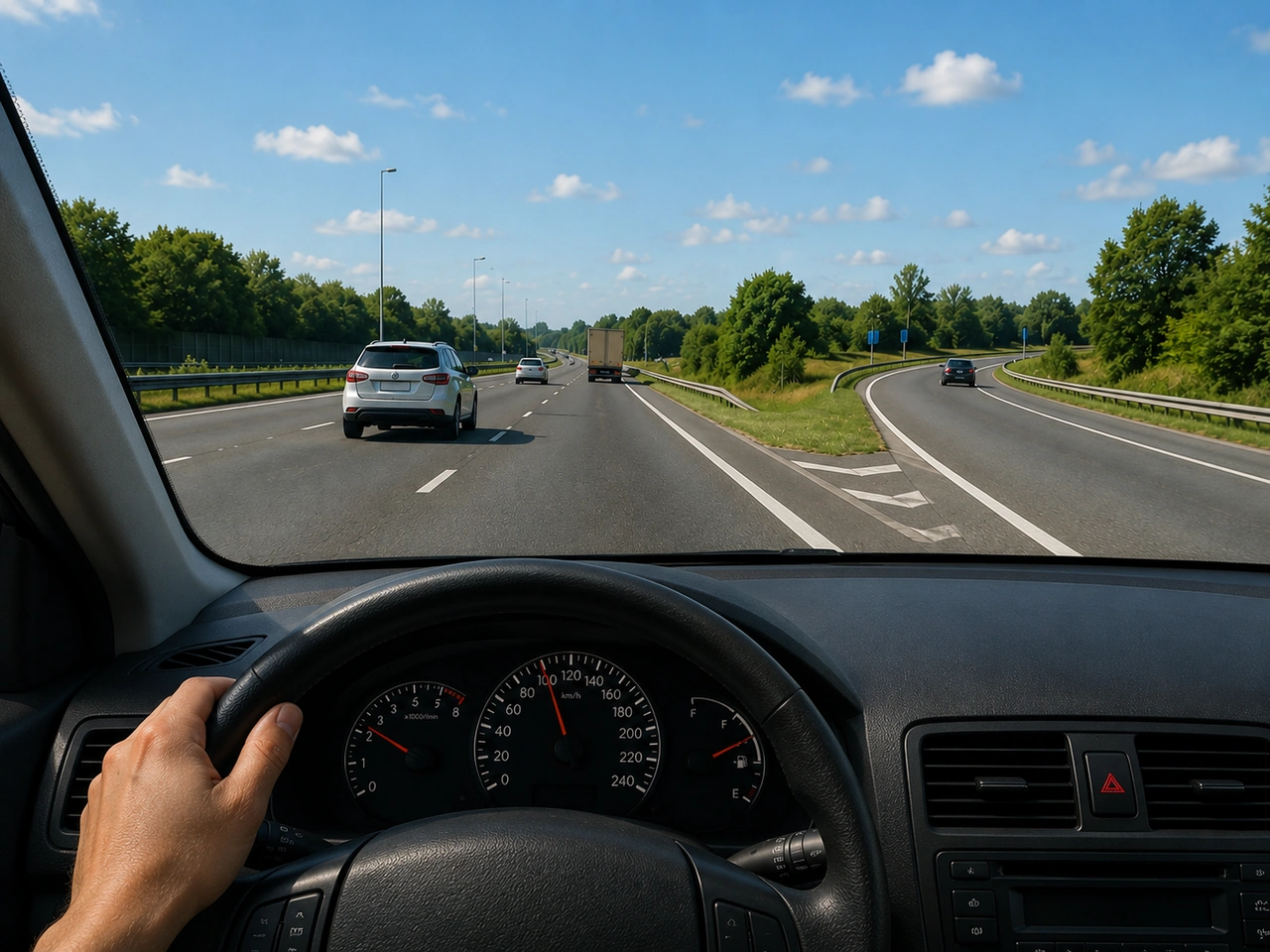
160. What should you do if you miss your motorway exit?
Never reverse or make a sudden manoeuvre. Continue safely and change your route at the next suitable exit.
AI-generated by Traffic-rules.com • WCIT • CC BY-SA
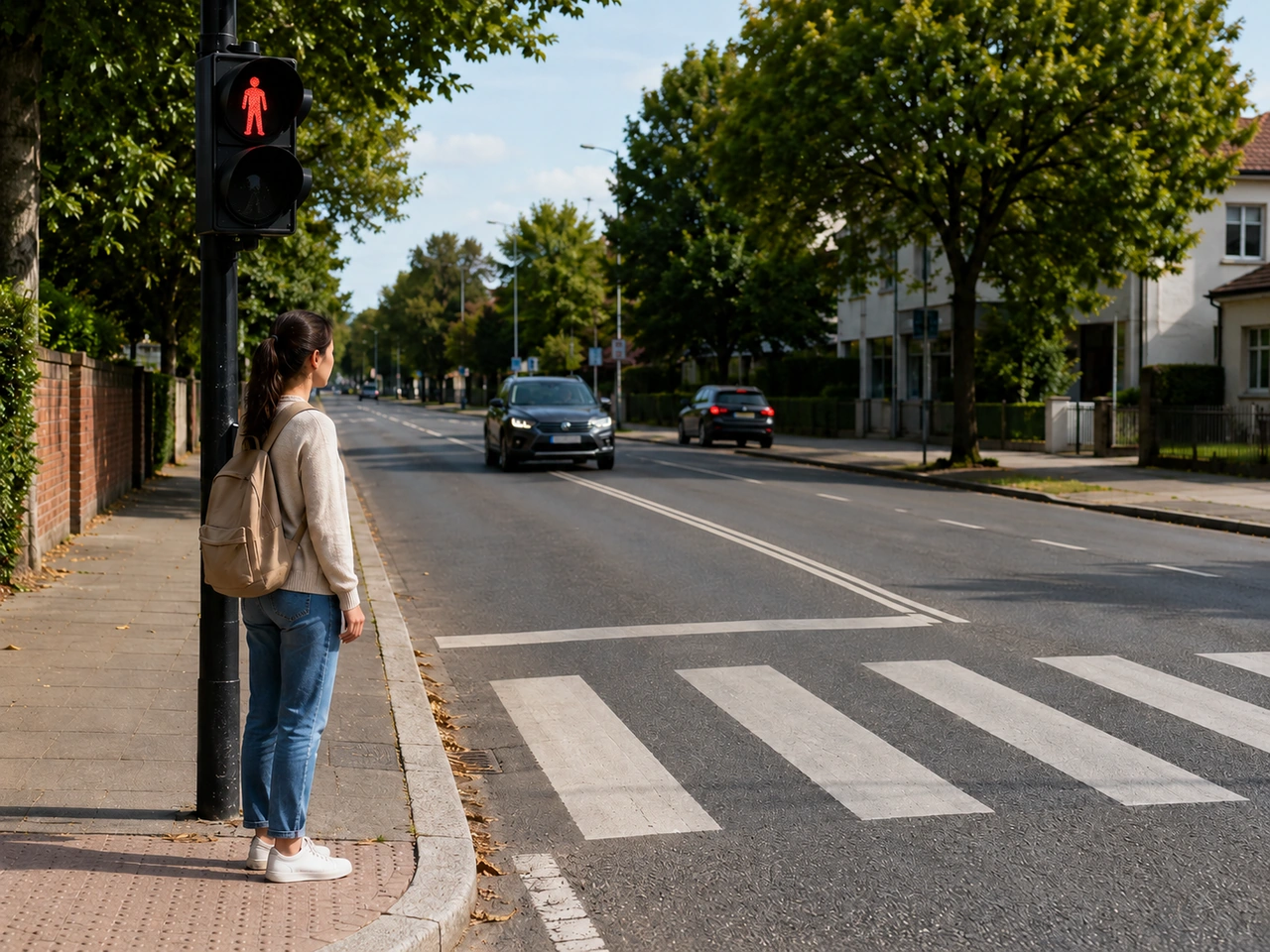
161. What should you do if the pedestrian light is red?
A red pedestrian signal means you should wait before crossing.
AI-generated by Traffic-rules.com • WCIT • CC BY-SA
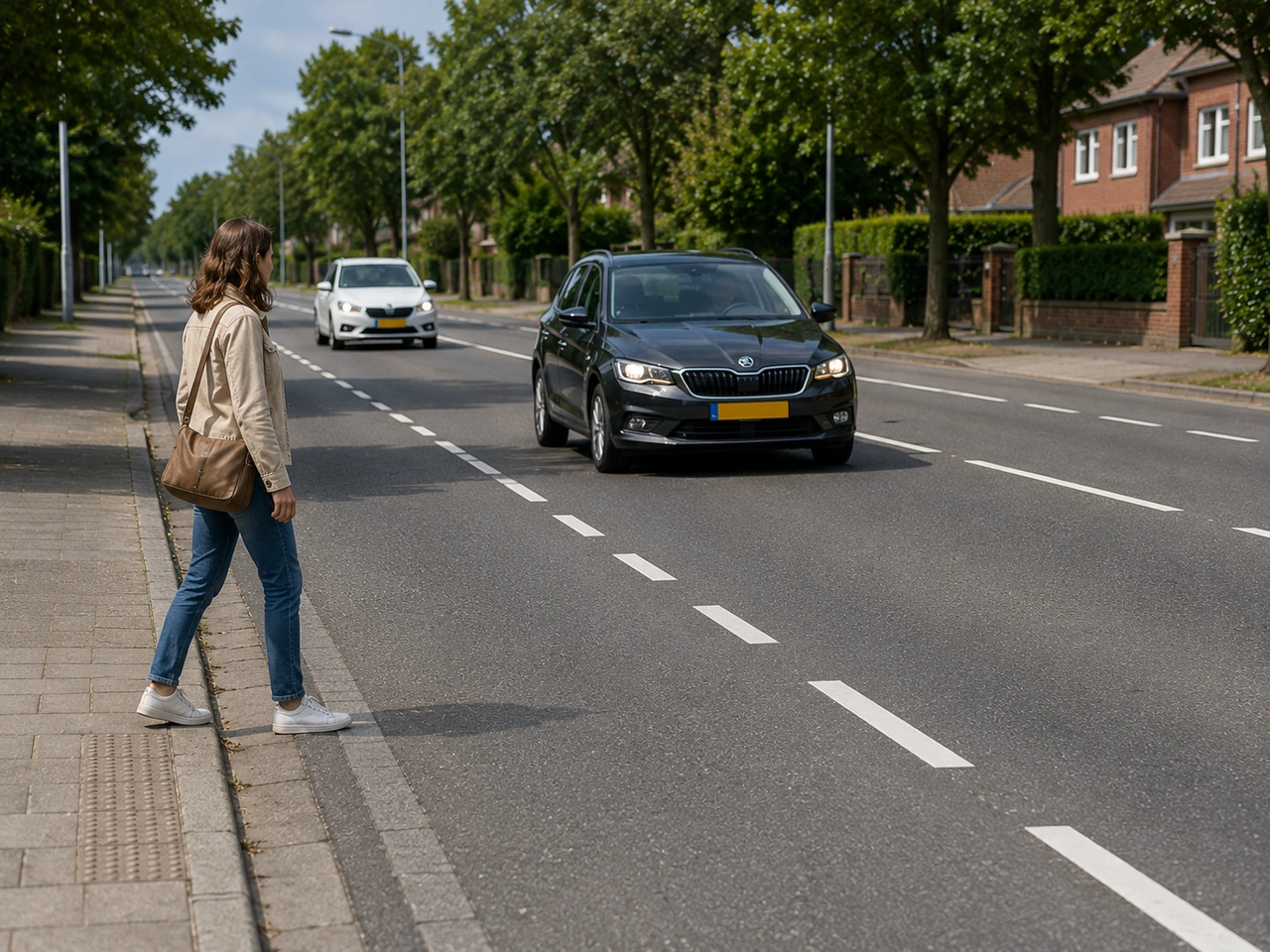
162. What should you do before crossing the road?
Always check for approaching traffic from every direction before crossing.
AI-generated by Traffic-rules.com • WCIT • CC BY-SA
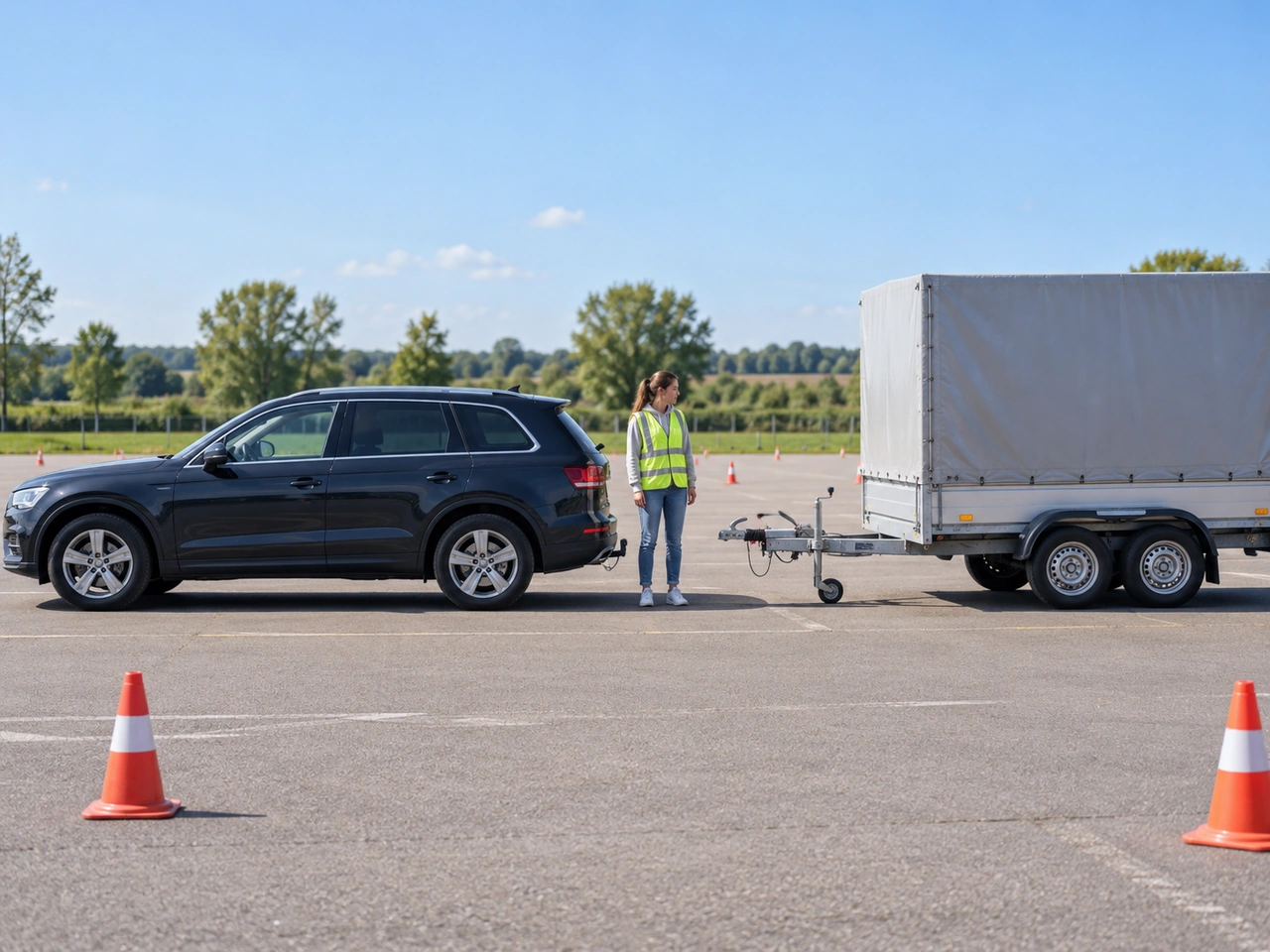
163. What licence is needed for a B vehicle towing a trailer up to 3,500 kg above 4,250 kg combined MAM?
Category BE covers a category B towing vehicle with a trailer or semi-trailer having a maximum authorised mass of up to 3,500 kg. Category B with Code 96 is limited to combinations with a maximum authorised mass of up to 4,250 kg.
AI-generated by Traffic-rules.com • WCIT • CC BY-SA
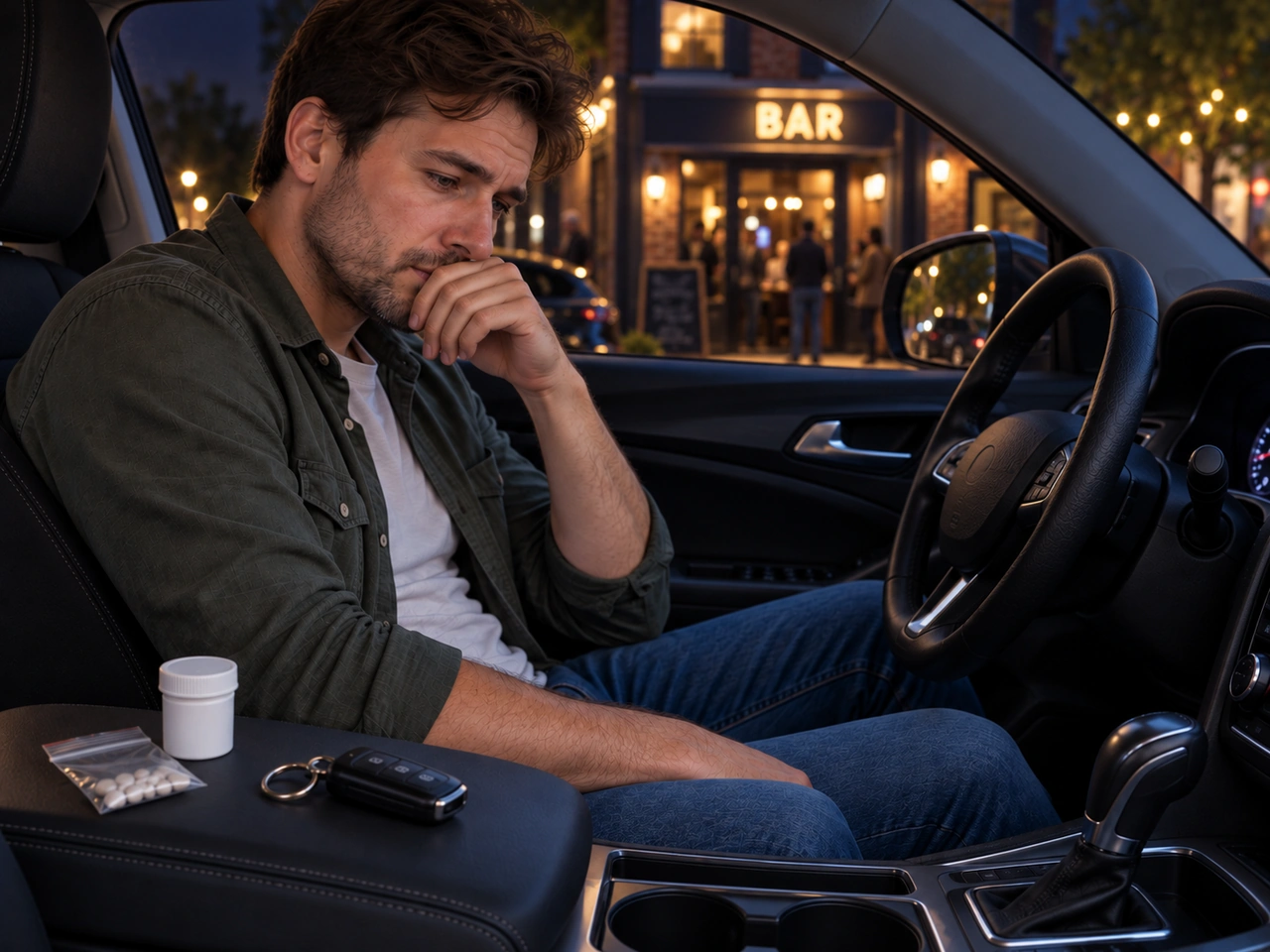
164. What should you do if you have taken drugs that may impair your driving?
Drugs can impair judgement, coordination, concentration, and reaction time. Their effects can be unpredictable and may continue after you feel that the main effects have passed. Do not drive while impaired.
AI-generated by Traffic-rules.com • WCIT • CC BY-SA
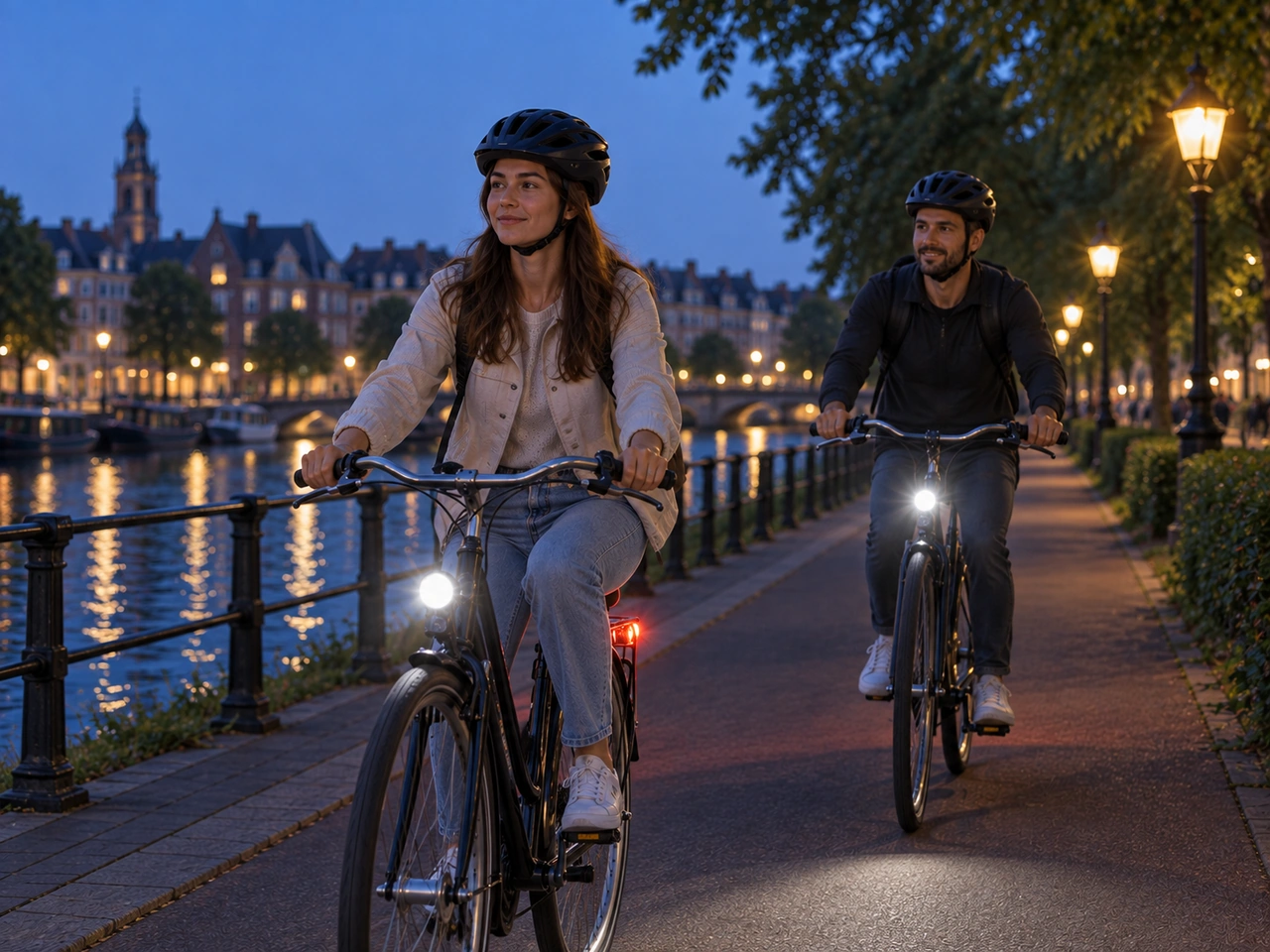
165. Are bicycle lights required at night in Iceland?
Cyclists in Iceland are generally required to use bicycle lights at night.
AI-generated by Traffic-rules.com • WCIT • CC BY-SA
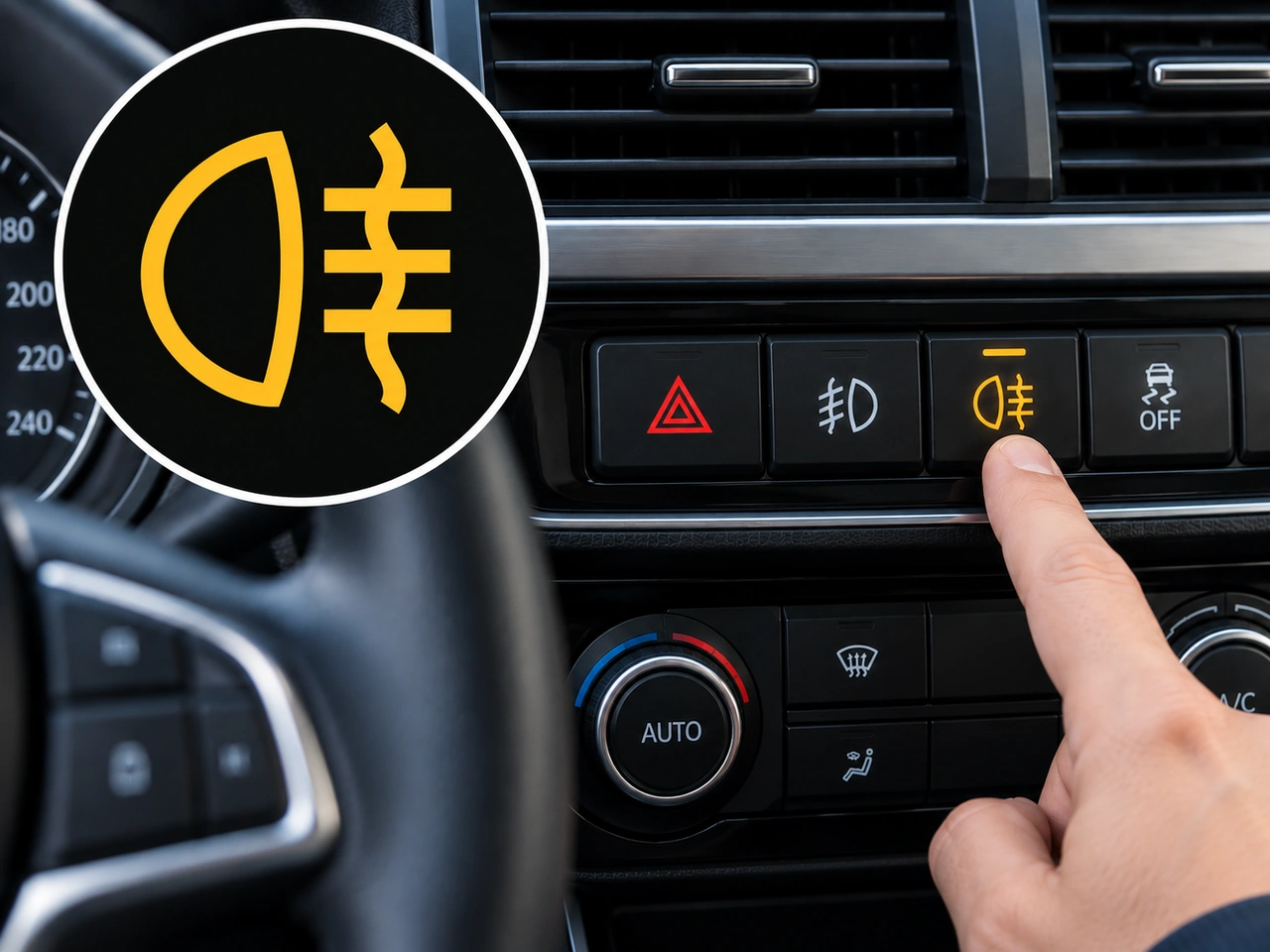
166. What does this dashboard symbol indicate?
This symbol indicates that the rear fog lights are switched on. Rear fog lights make the vehicle more visible from behind in conditions of severely reduced visibility, but they can dazzle other road users when used unnecessarily.
AI-generated by Traffic-rules.com • WCIT • CC BY-SA
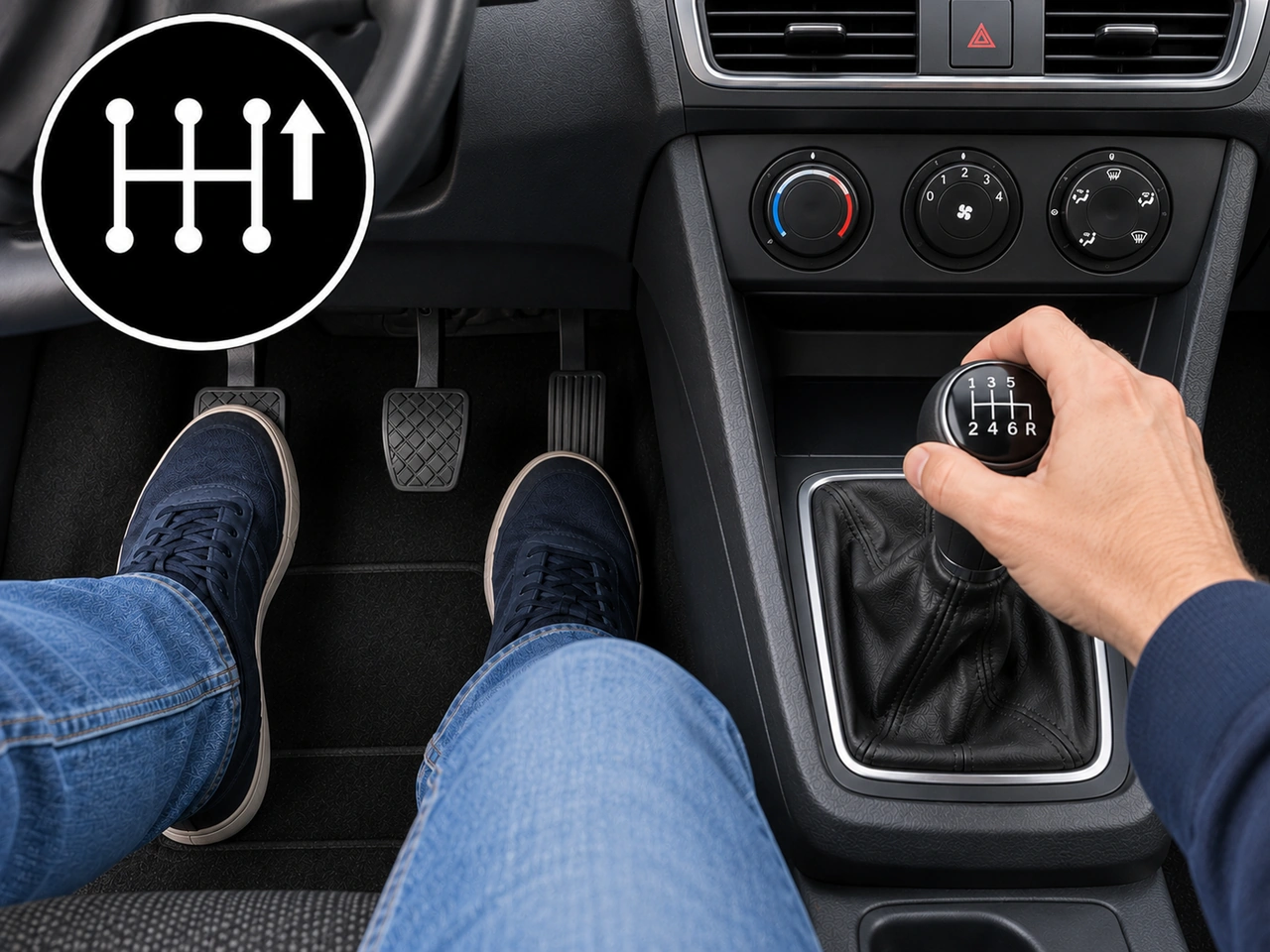
167. What should you normally do with the accelerator when changing to a higher gear?
When changing to a higher gear, ease off the accelerator as you press the clutch and select the next gear. Release the clutch smoothly and then apply the accelerator progressively.
AI-generated by Traffic-rules.com • WCIT • CC BY-SA
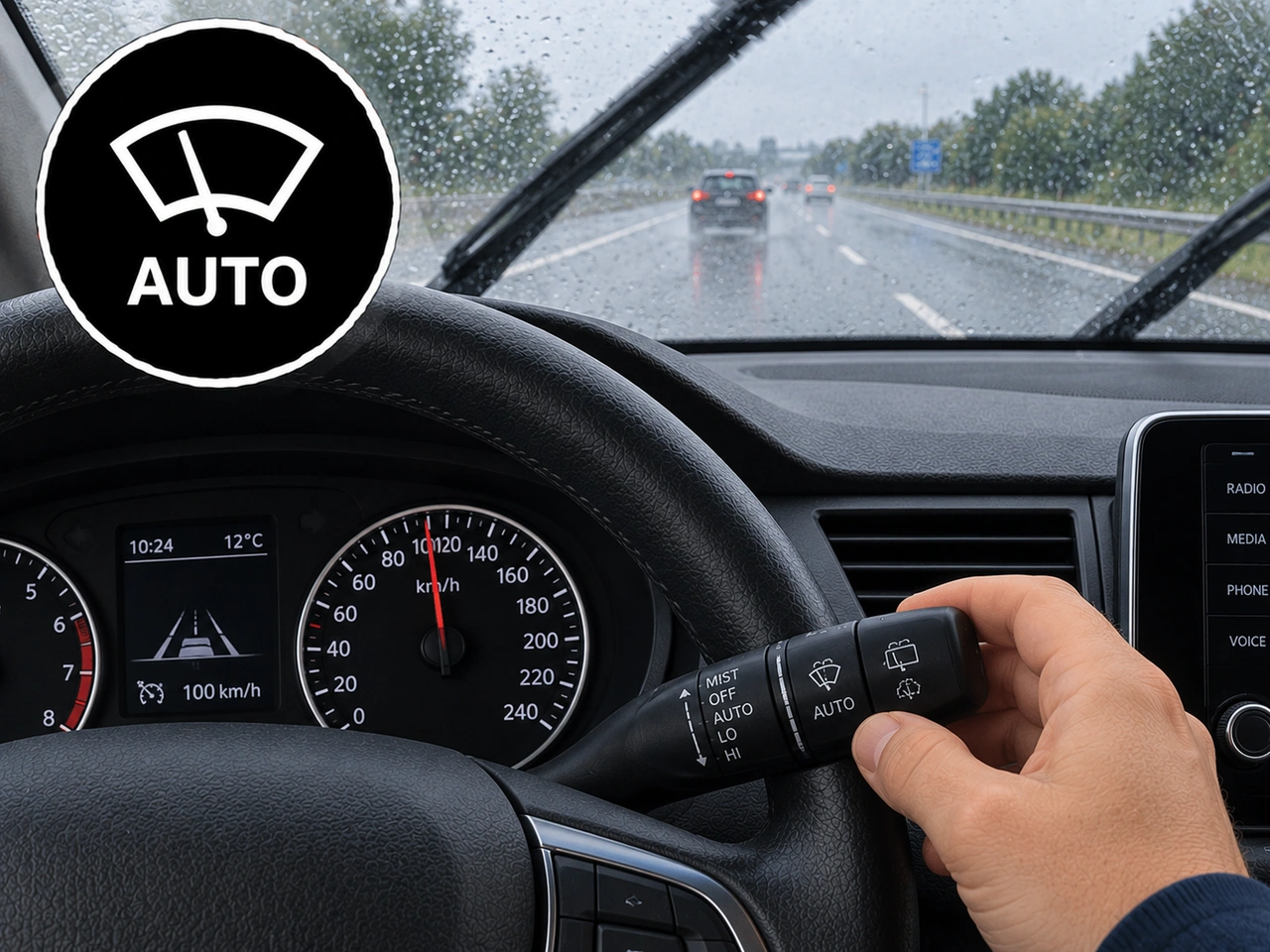
168. What does AUTO on a windscreen-wiper control normally do?
When AUTO is selected, a rain sensor can operate the windscreen wipers automatically and adjust their operation according to the amount of moisture detected on the windscreen.
AI-generated by Traffic-rules.com • WCIT • CC BY-SA
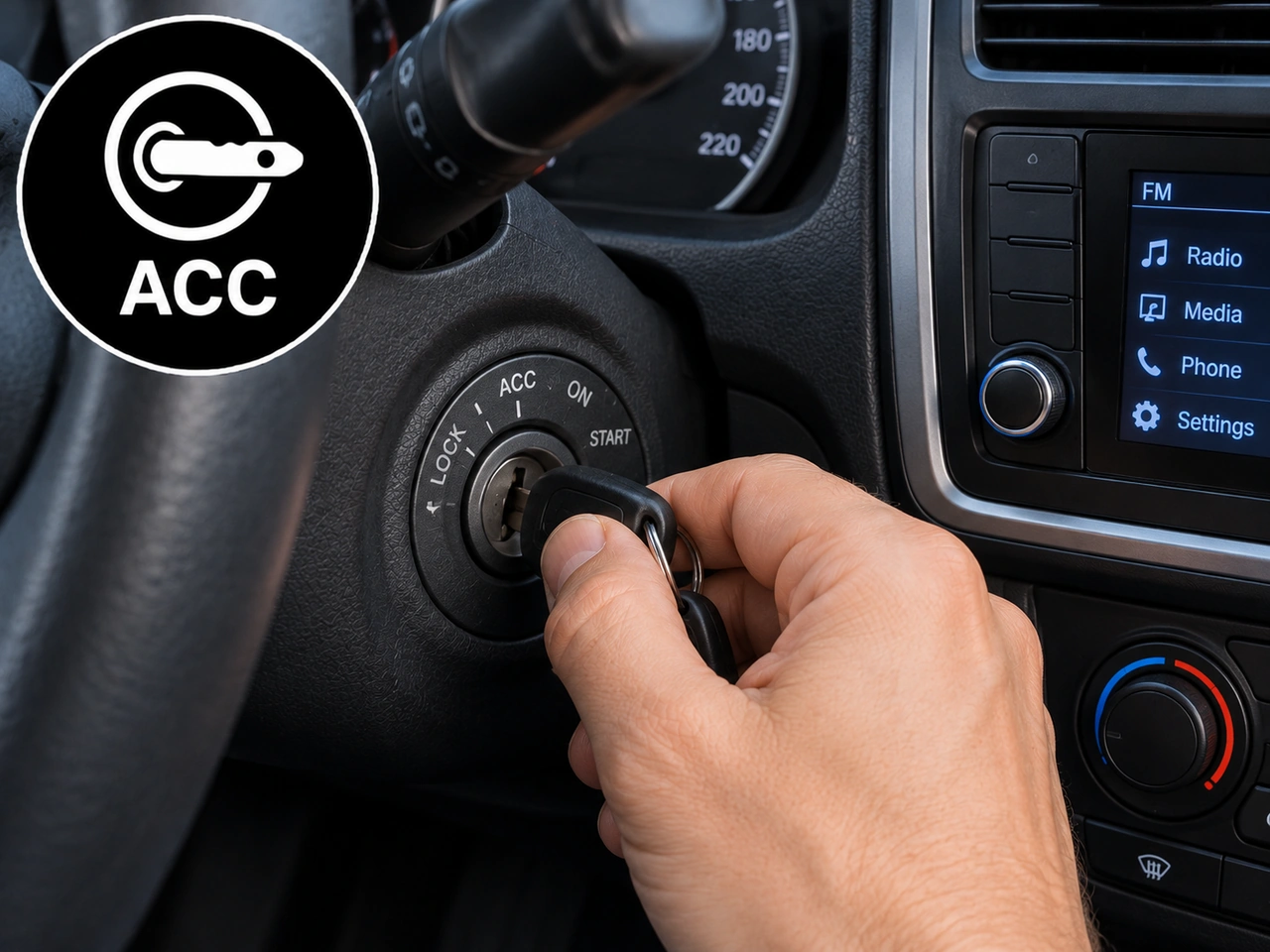
169. What does the ACC position of a traditional ignition switch normally allow?
The ACC (accessory) position normally supplies power to certain electrical accessories, such as the audio system, without starting the engine. The exact functions available can vary between vehicles.
AI-generated by Traffic-rules.com • WCIT • CC BY-SA
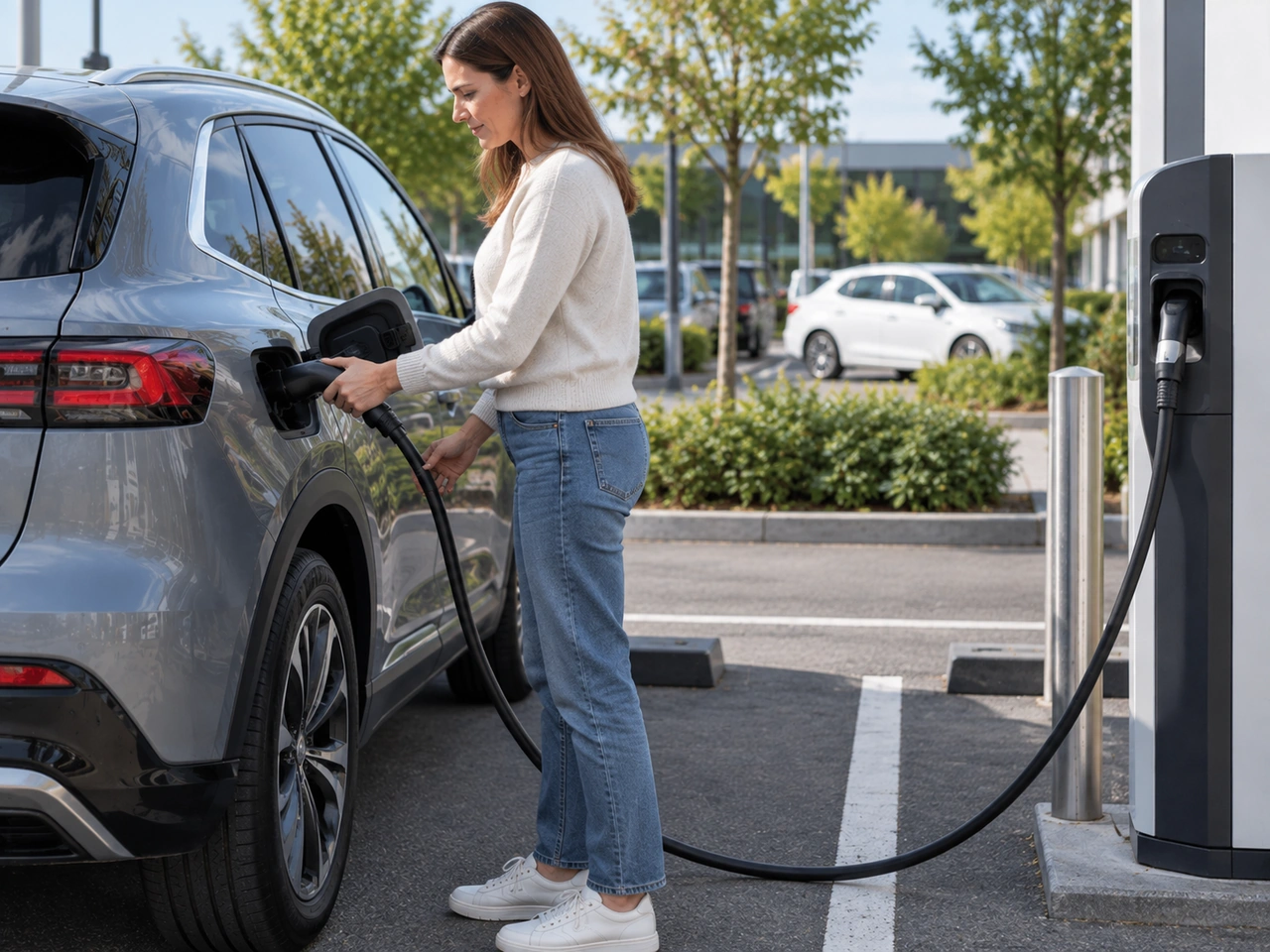
170. What should you do before driving away after charging an electric vehicle?
Before driving away, disconnect the charging cable correctly and return it to the charger or store it securely in the vehicle, as appropriate. Close the charging port and check that the area around the vehicle is clear.
AI-generated by Traffic-rules.com • WCIT • CC BY-SA
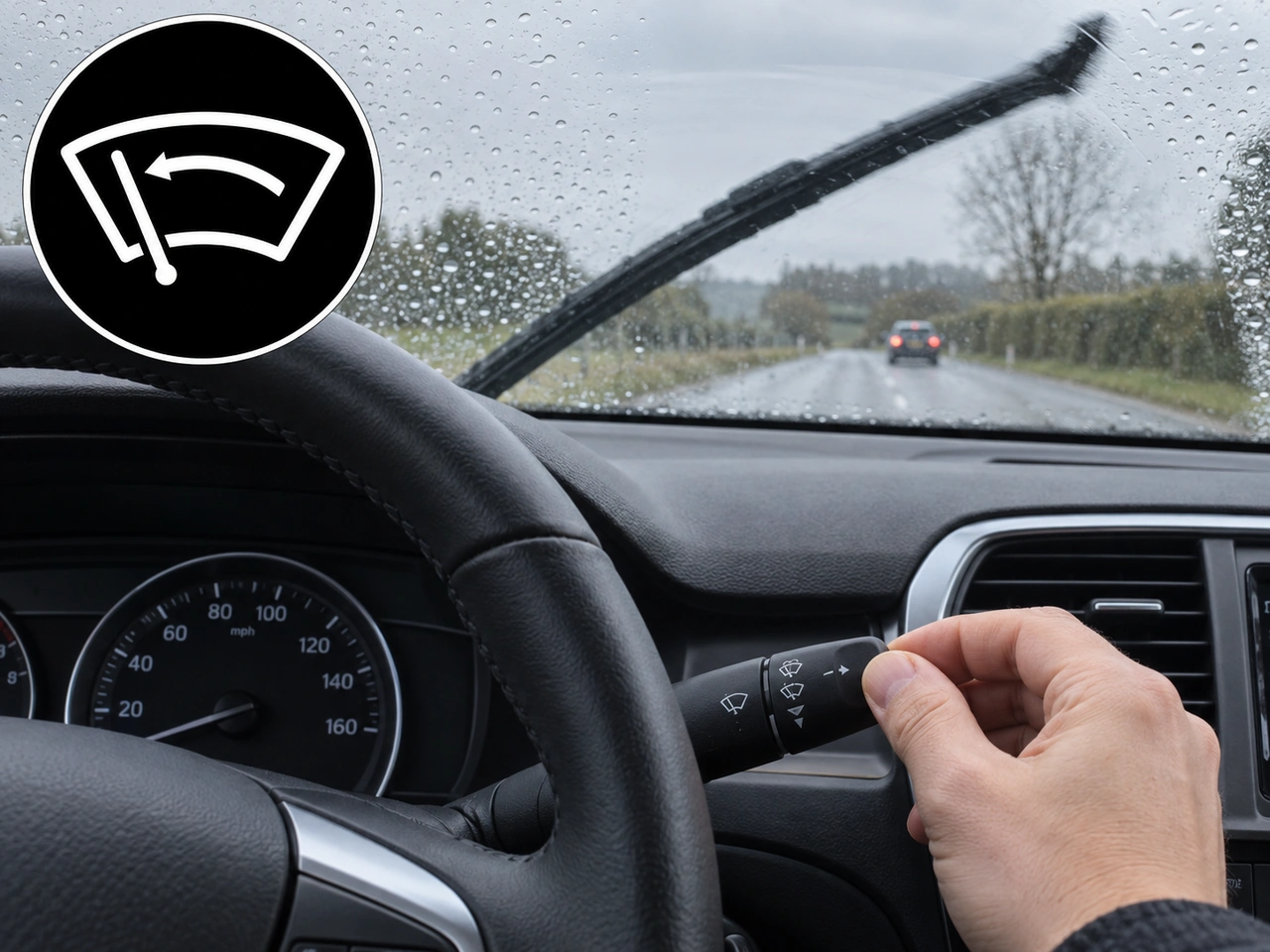
171. What does the single-wipe position of the windscreen-wiper control do?
The single-wipe position operates the windscreen wipers for one sweep and then stops. It is useful when only a small amount of water or spray needs to be cleared from the windscreen.
AI-generated by Traffic-rules.com • WCIT • CC BY-SA
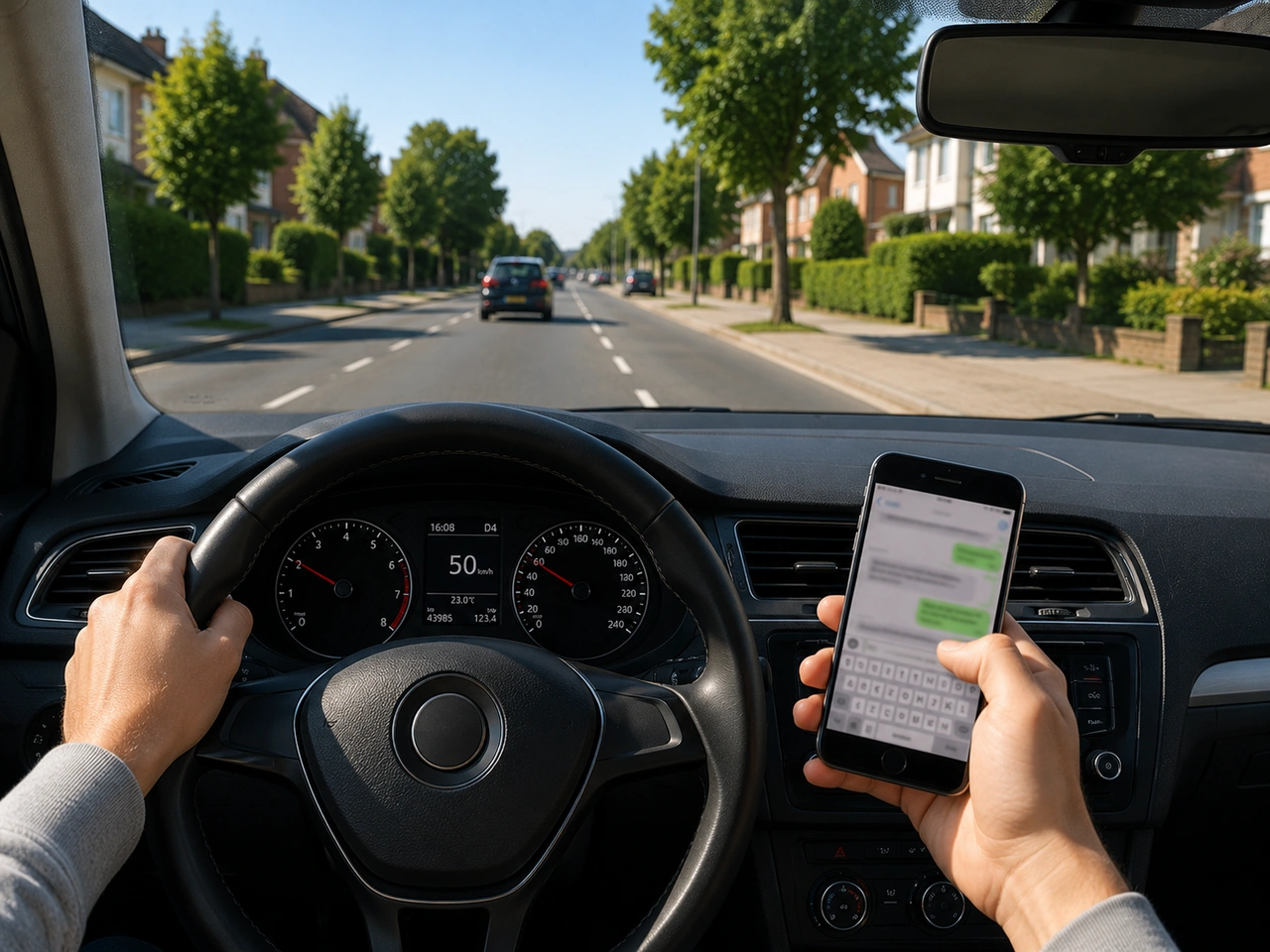
172. It is safe to look at your phone briefly while driving.
Using your phone while driving is distracting and dangerous, even for a very short moment.
AI-generated by Traffic-rules.com • WCIT • CC BY-SA
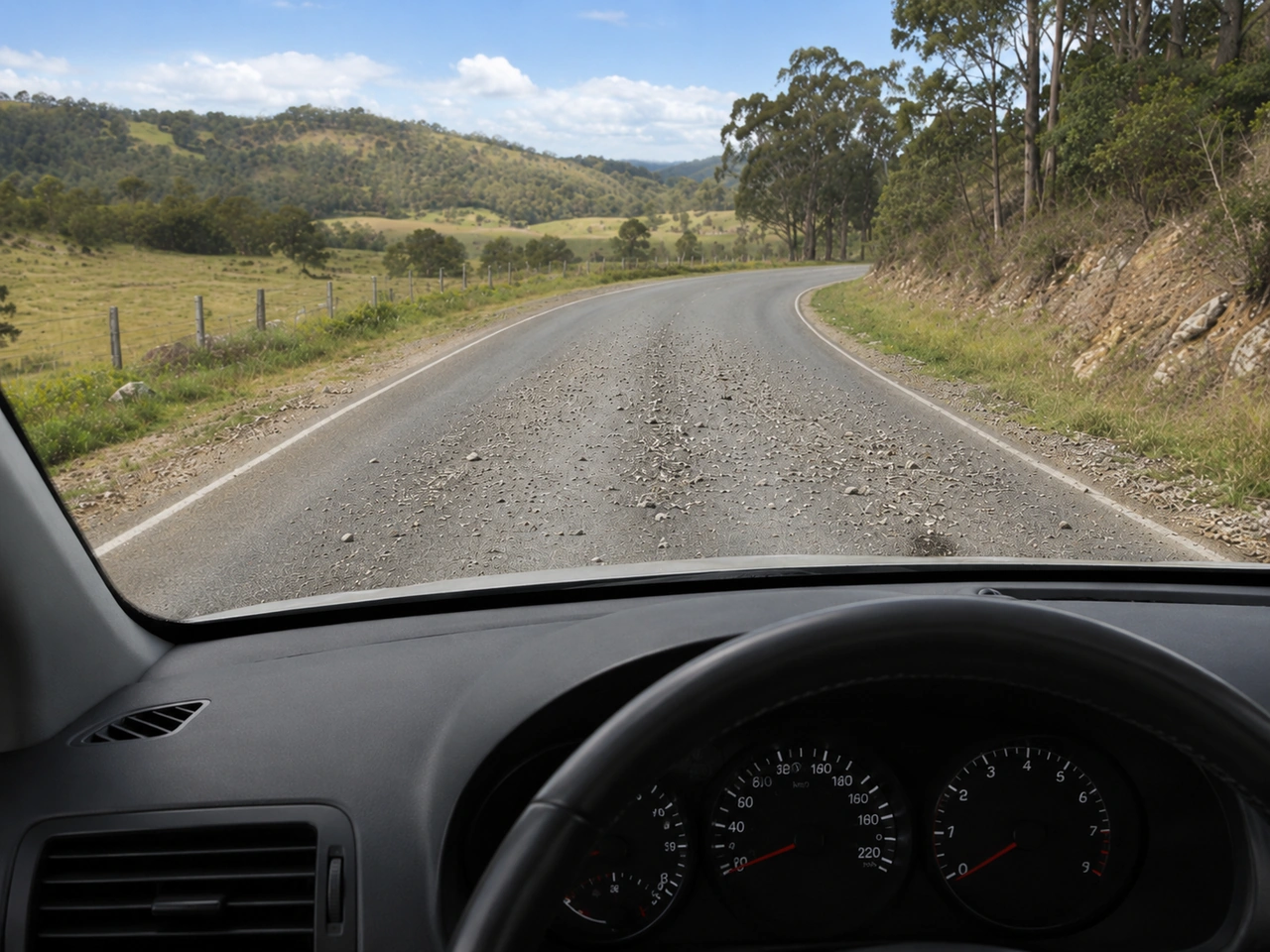
173. What should you do if you see loose gravel on the road?
Loose gravel reduces grip and can make the vehicle skid. Slow down and use smooth steering and braking.
AI-generated by Traffic-rules.com • WCIT • CC BY-SA
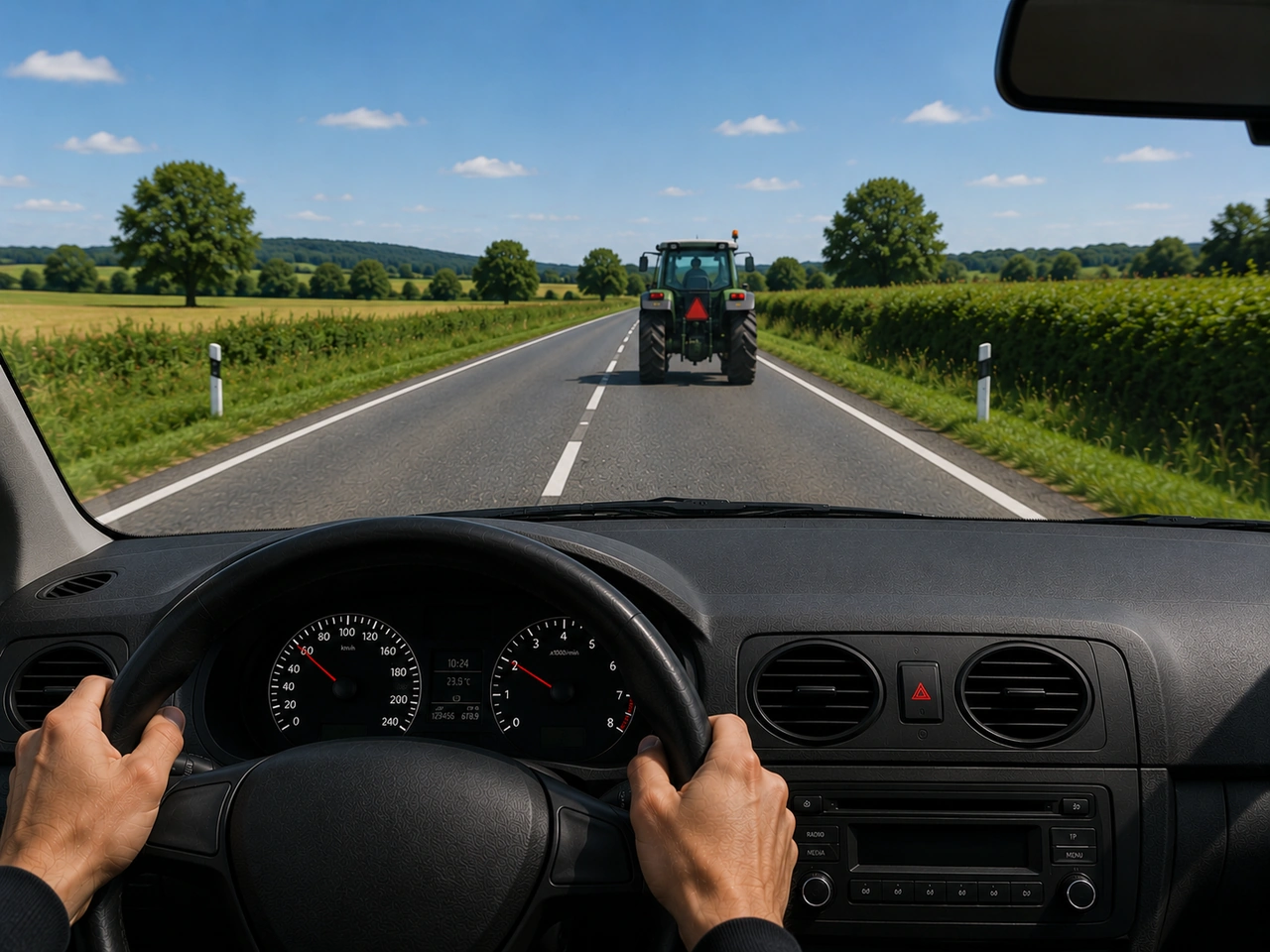
174. What should you do before overtaking a slow-moving vehicle?
Before overtaking, make sure you have enough visibility, space, and time. Signal clearly before moving out, do not exceed the speed limit, and never overtake if the road ahead is not clear.
AI-generated by Traffic-rules.com • WCIT • CC BY-SA
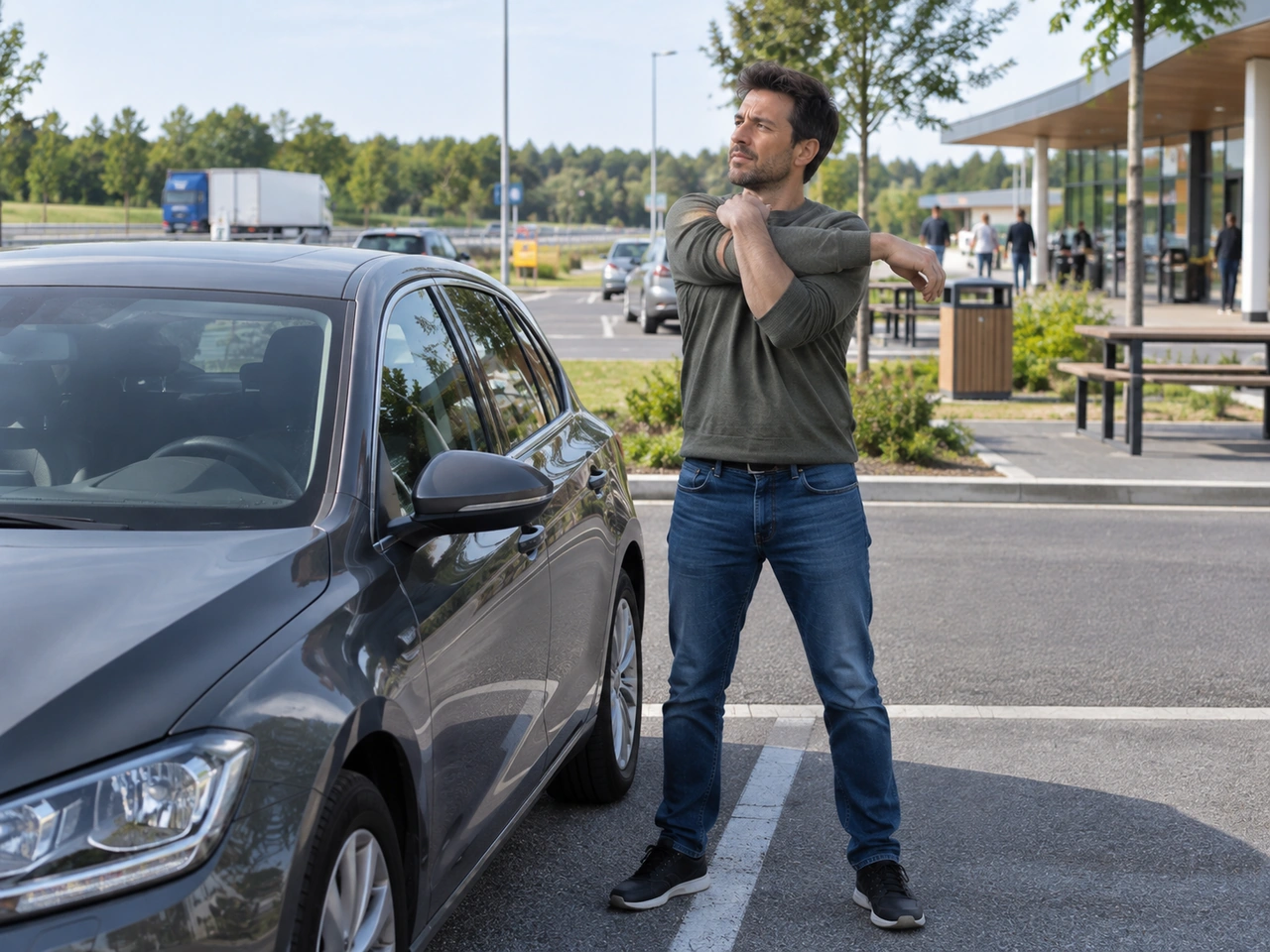
175. Why should you take regular breaks during a long journey?
Regular breaks during a long journey help reduce fatigue and maintain concentration. Do not wait until you are struggling to stay awake before stopping to rest.
AI-generated by Traffic-rules.com • WCIT • CC BY-SA
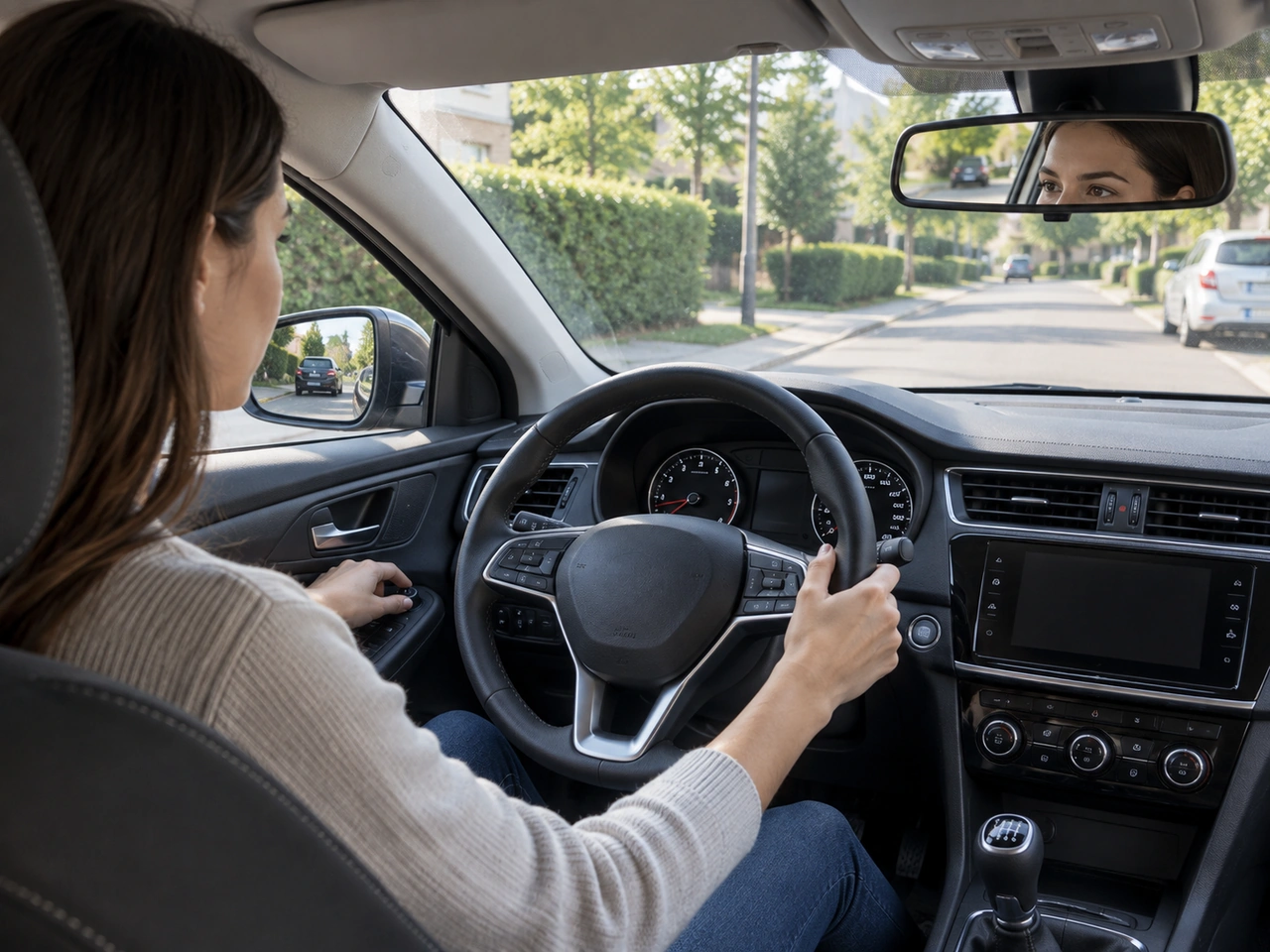
176. Why should you adjust the seat and mirrors correctly before driving?
A correct driving position helps you operate the pedals and steering comfortably and maintain proper control. Correctly adjusted mirrors improve your view around the vehicle and help reduce blind spots. Adjust both before starting your journey.
AI-generated by Traffic-rules.com • WCIT • CC BY-SA
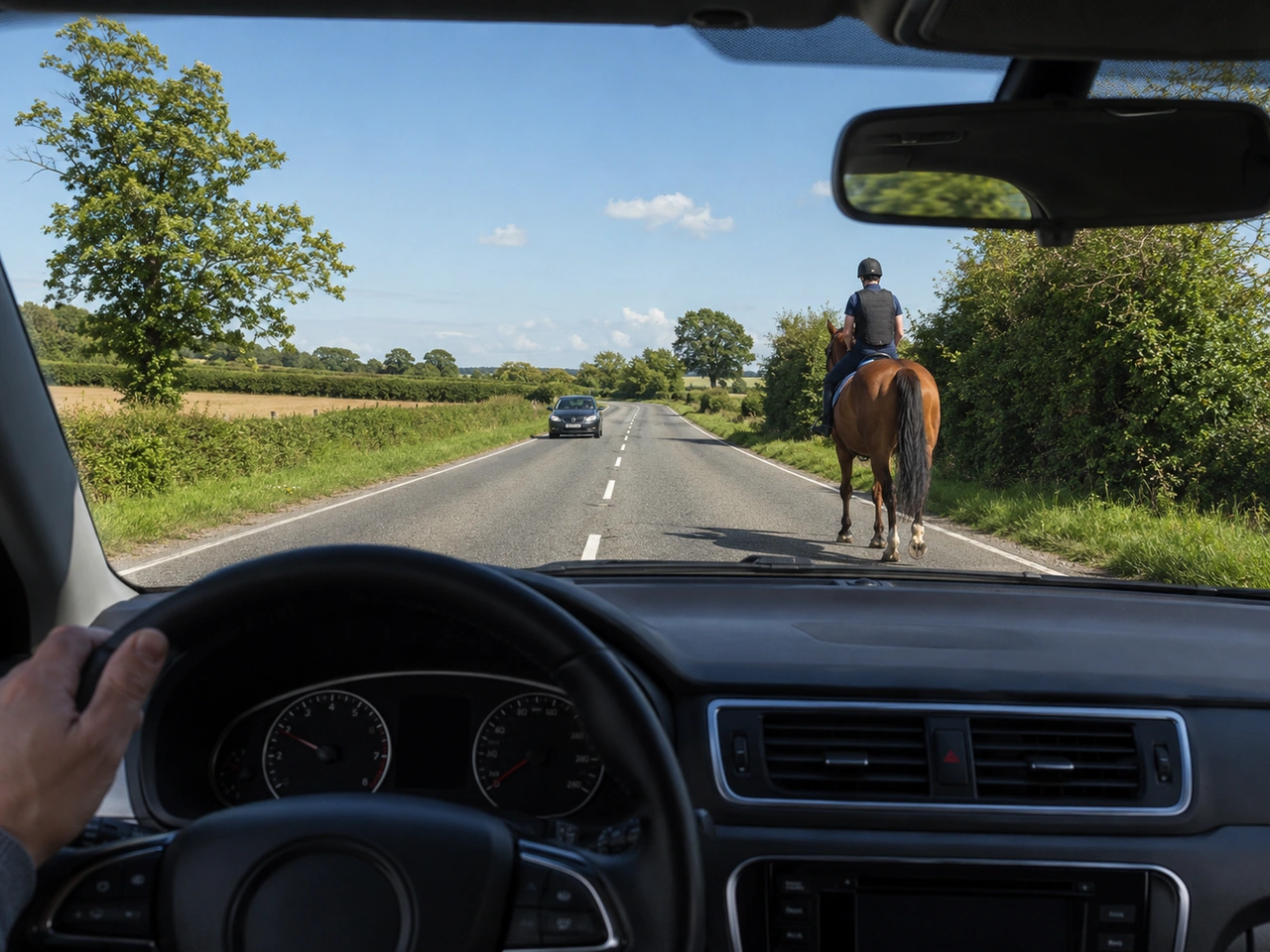
177. What should you do when passing a horse rider?
Horses can be startled by noise or sudden movement. Slow down, pass carefully, and leave enough space.
AI-generated by Traffic-rules.com • WCIT • CC BY-SA
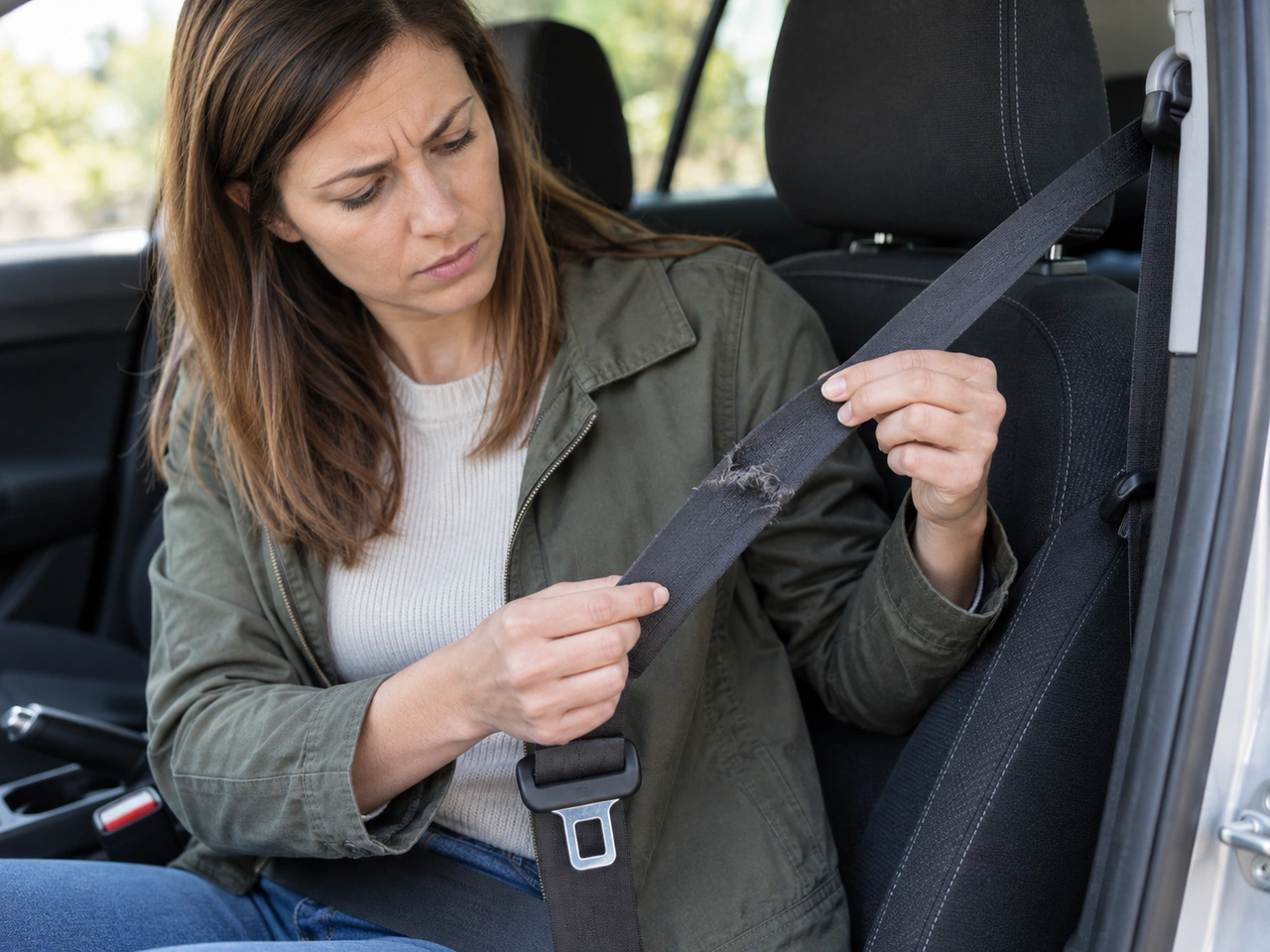
178. What should you do if a seat belt is frayed or damaged?
A damaged seat belt may not provide proper protection in a collision. Frayed webbing, damaged buckles, faulty retractors, or other defects should be professionally inspected and repaired or replaced before the seat belt is relied upon.
AI-generated by Traffic-rules.com • WCIT • CC BY-SA
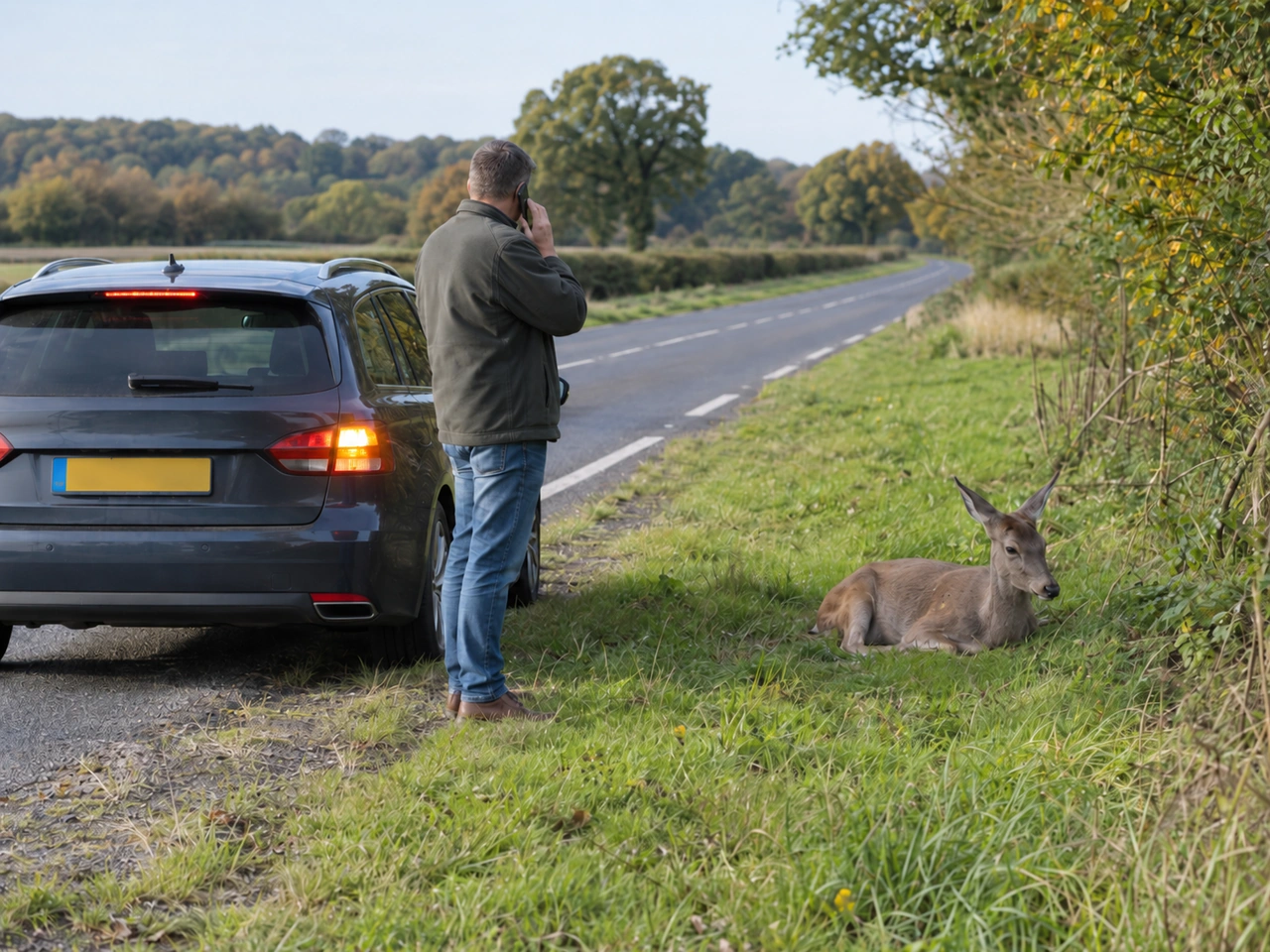
179. What should you do after hitting an animal with your vehicle?
After an animal collision, stop in a safe place if possible and protect yourself and other road users from further danger. Do not approach an injured or frightened animal unless it is safe to do so. Contact the appropriate police, road authority, animal service, or emergency service as required by the situation and local rules.
AI-generated by Traffic-rules.com • WCIT • CC BY-SA
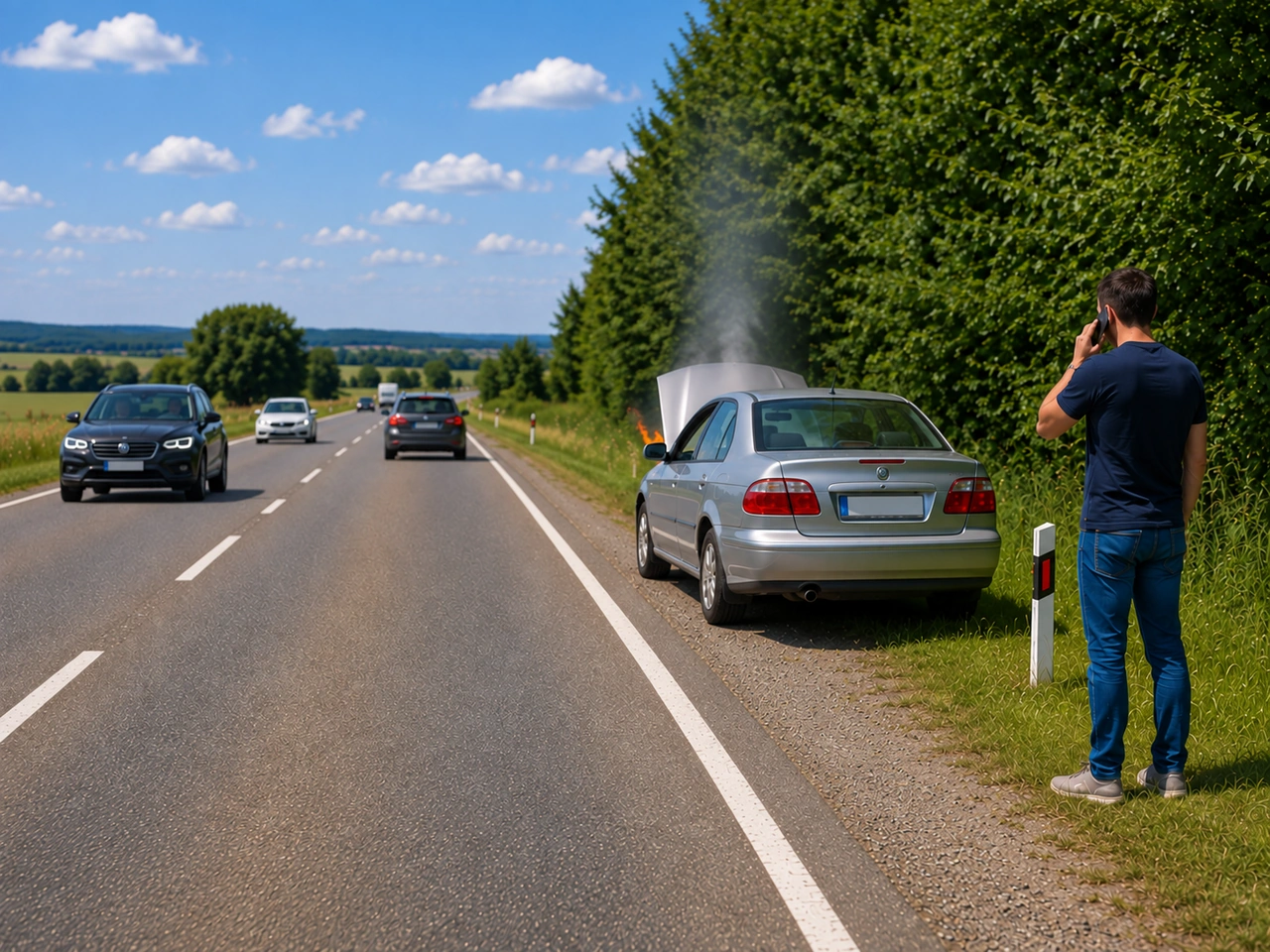
180. What should you do if your vehicle catches fire?
Move everyone well away from the vehicle and call emergency services. If the fire is small and it is safe to do so, use a suitable fire extinguisher. Opening the bonnet fully can supply additional oxygen and cause the fire to intensify.
AI-generated by Traffic-rules.com • WCIT • CC BY-SA
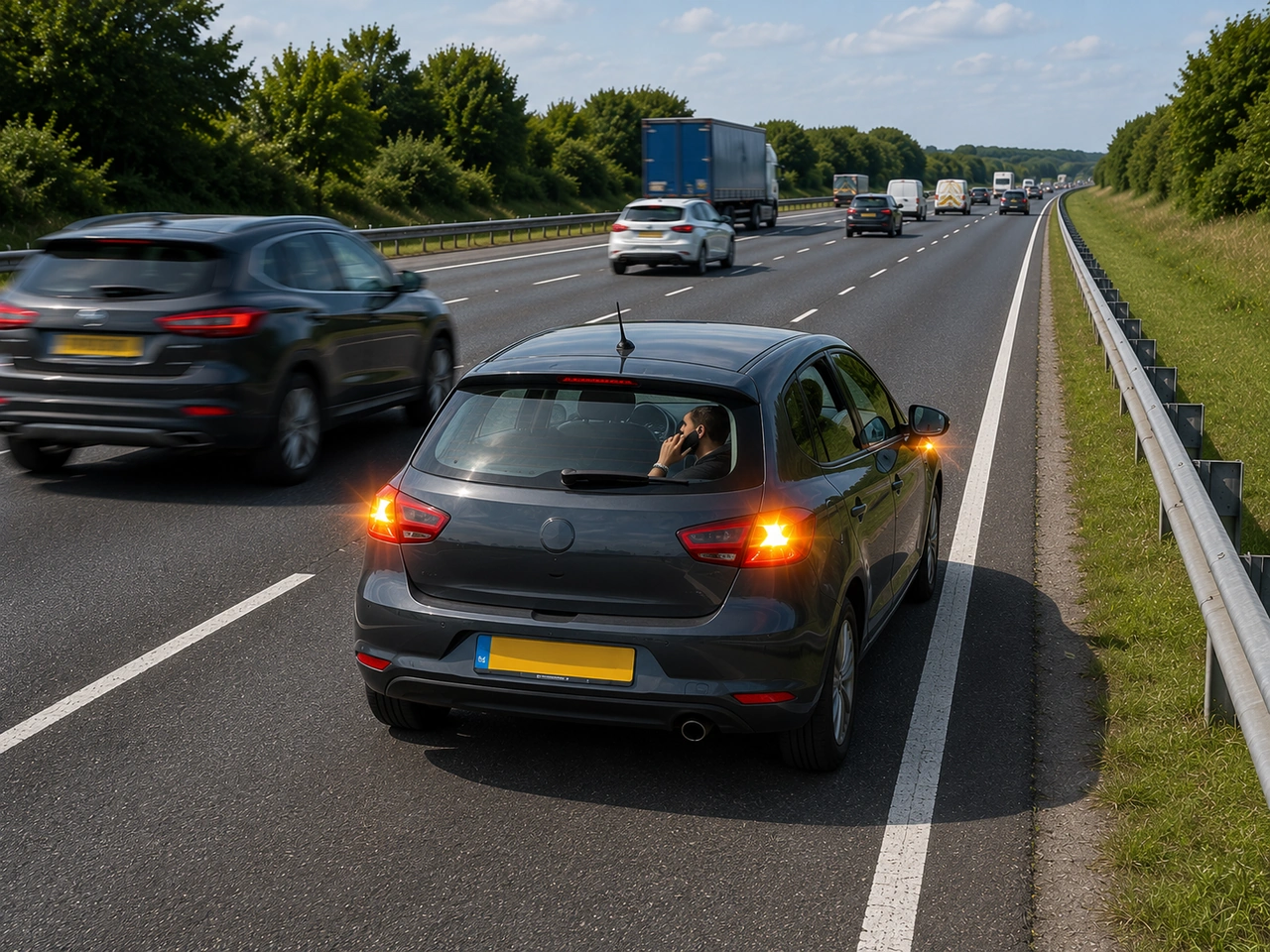
181. What should you do if it is unsafe to leave a stranded vehicle?
If leaving the vehicle would put you in greater danger, remain restrained, make the vehicle visible, contact the emergency services, and follow their instructions.
AI-generated by Traffic-rules.com • WCIT • CC BY-SA
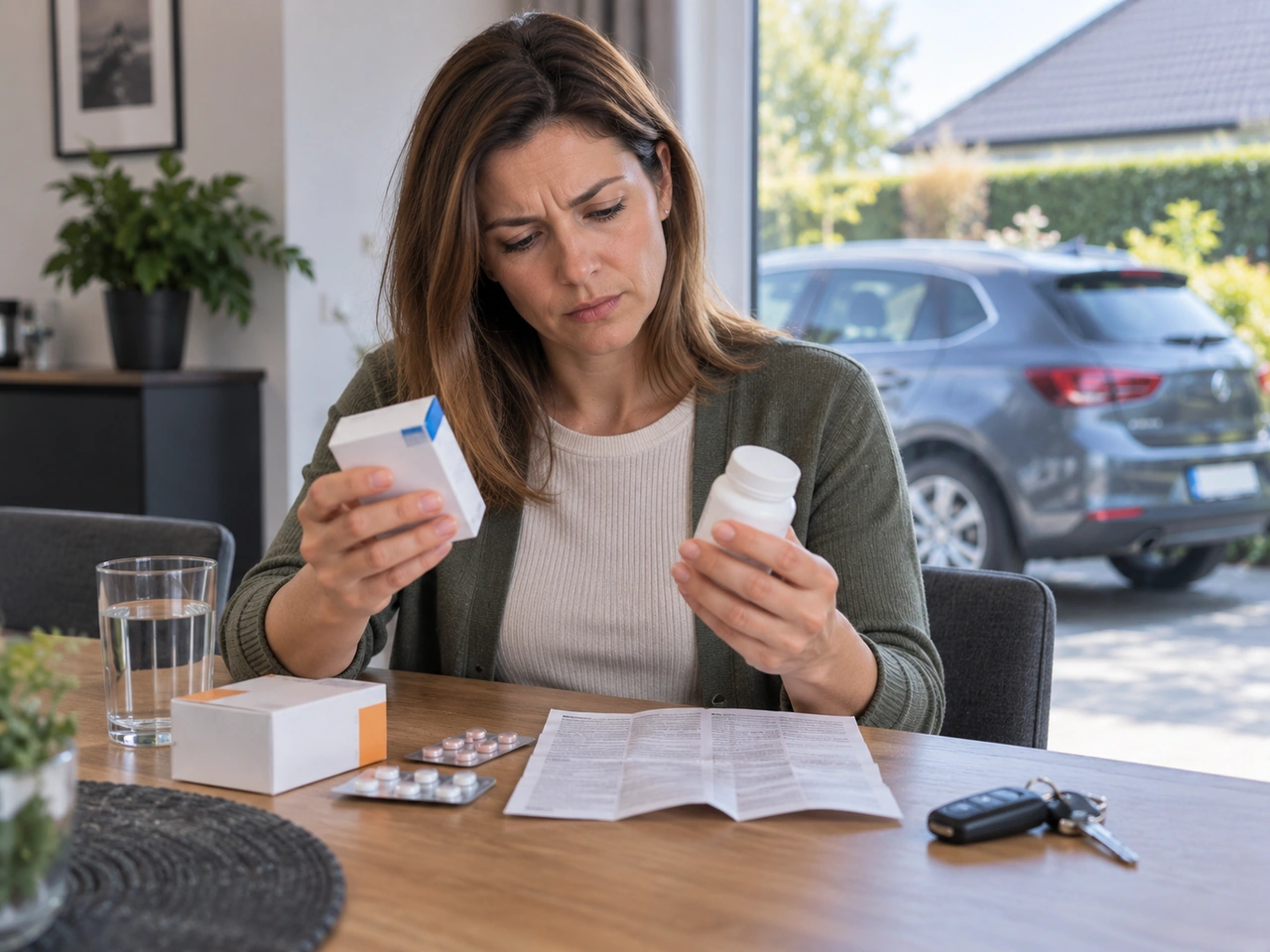
182. Why should you be careful when taking more than one medicine before driving?
Different medicines can interact or have combined side effects such as drowsiness, dizziness, blurred vision, or slower reactions. Check the instructions and seek advice from a doctor or pharmacist if you are unsure whether it is safe to drive.
AI-generated by Traffic-rules.com • WCIT • CC BY-SA
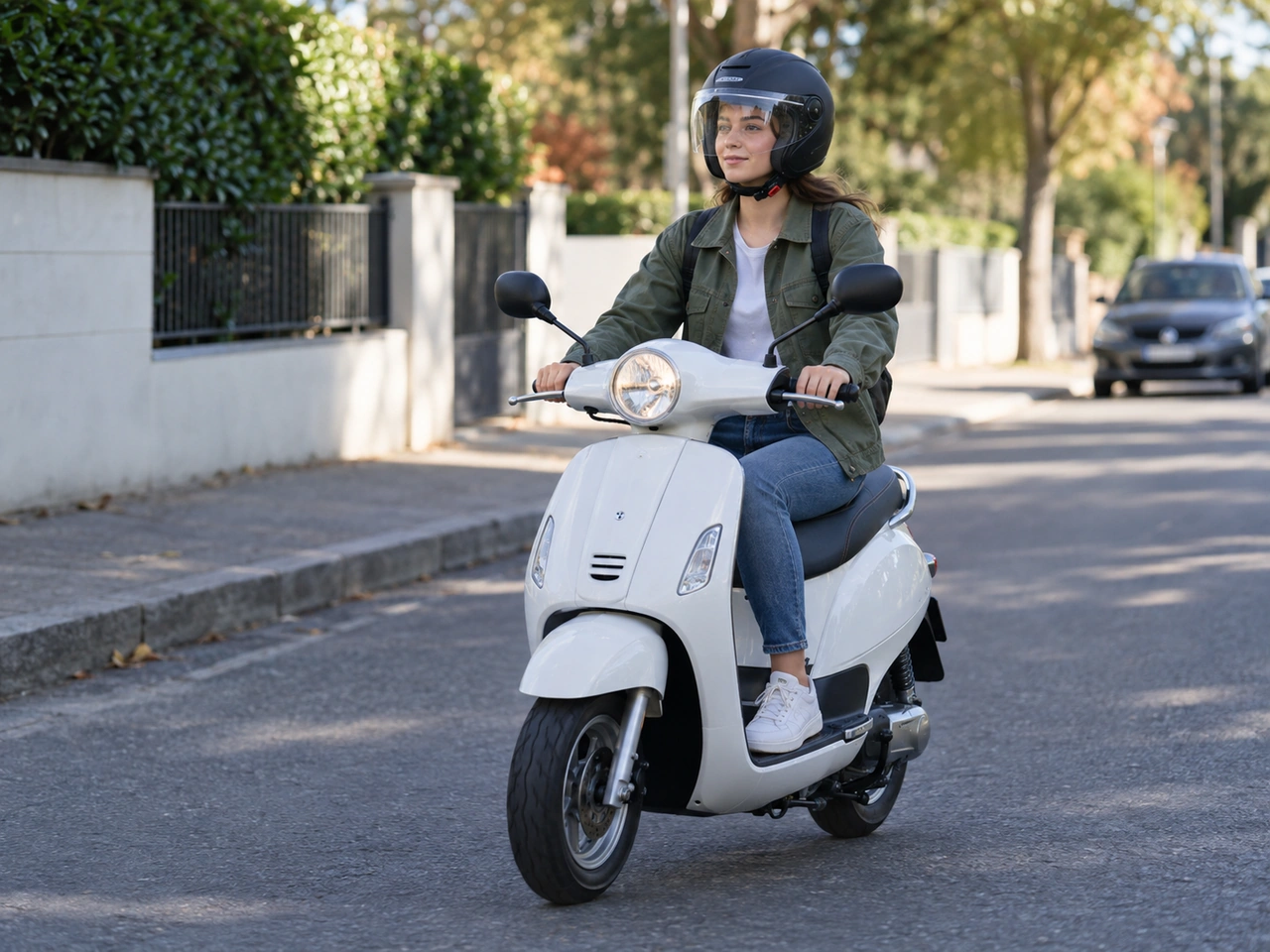
183. Are moped riders generally required to wear a helmet in Iceland?
Moped riders in Iceland are generally required to wear an approved helmet.
AI-generated by Traffic-rules.com • WCIT • CC BY-SA
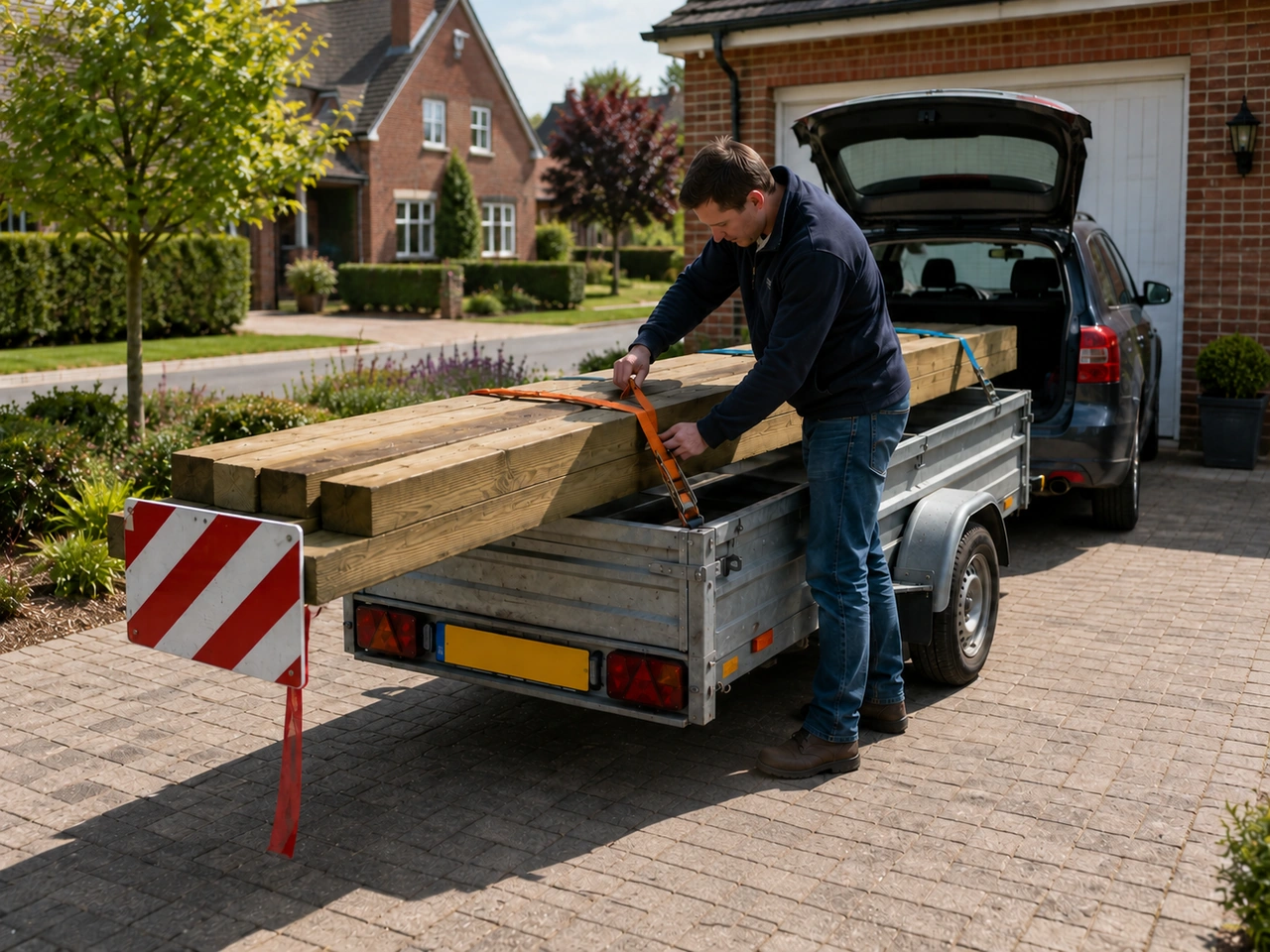
184. What should you do if a load extends beyond the vehicle?
An extending load may create additional danger and may require specific markings or equipment under local rules.
AI-generated by Traffic-rules.com • WCIT • CC BY-SA
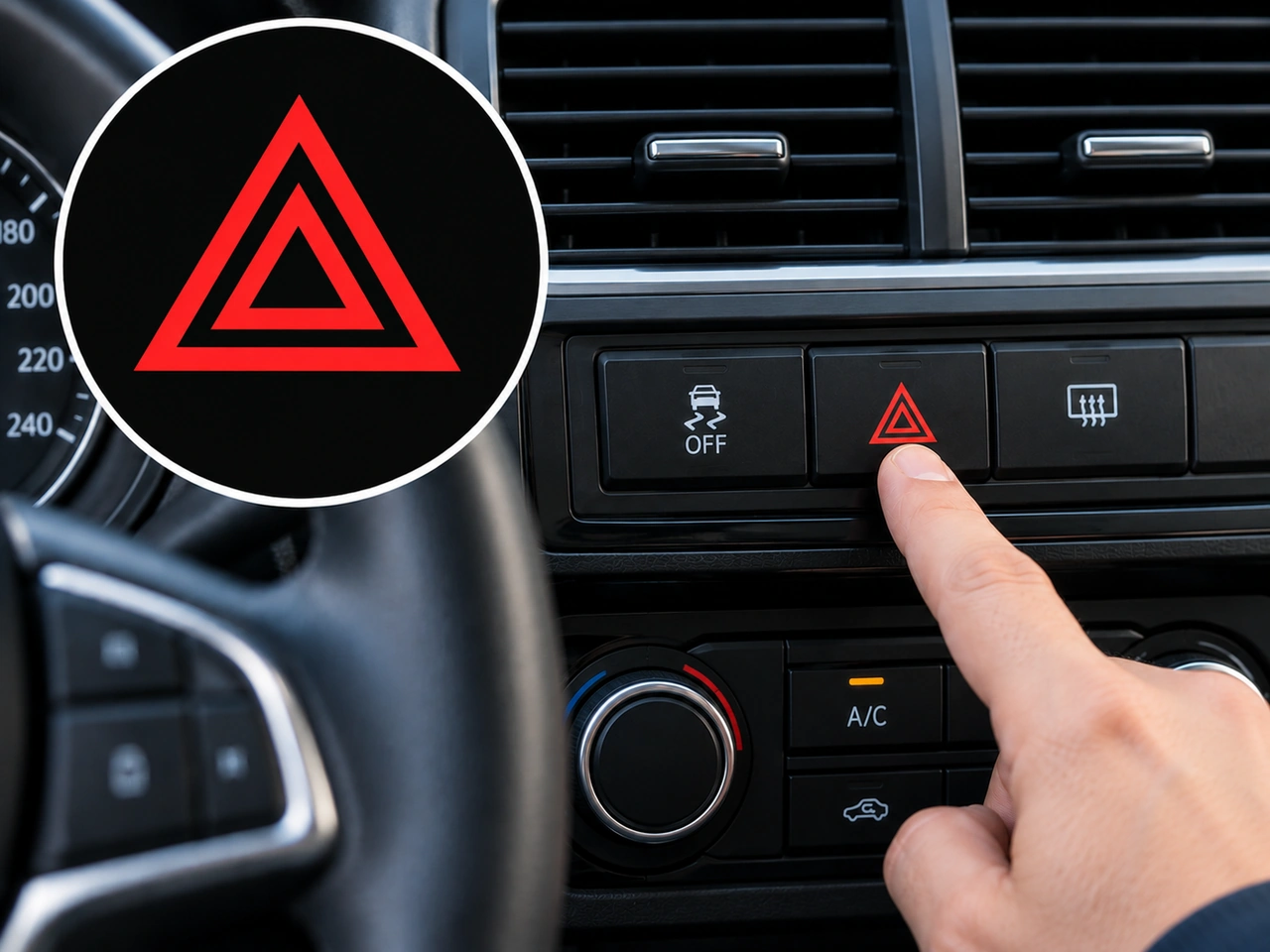
185. What does this dashboard symbol indicate?
This symbol indicates the hazard warning lights. When activated, all direction indicators flash simultaneously to warn other road users of a hazard or unusual situation.
AI-generated by Traffic-rules.com • WCIT • CC BY-SA
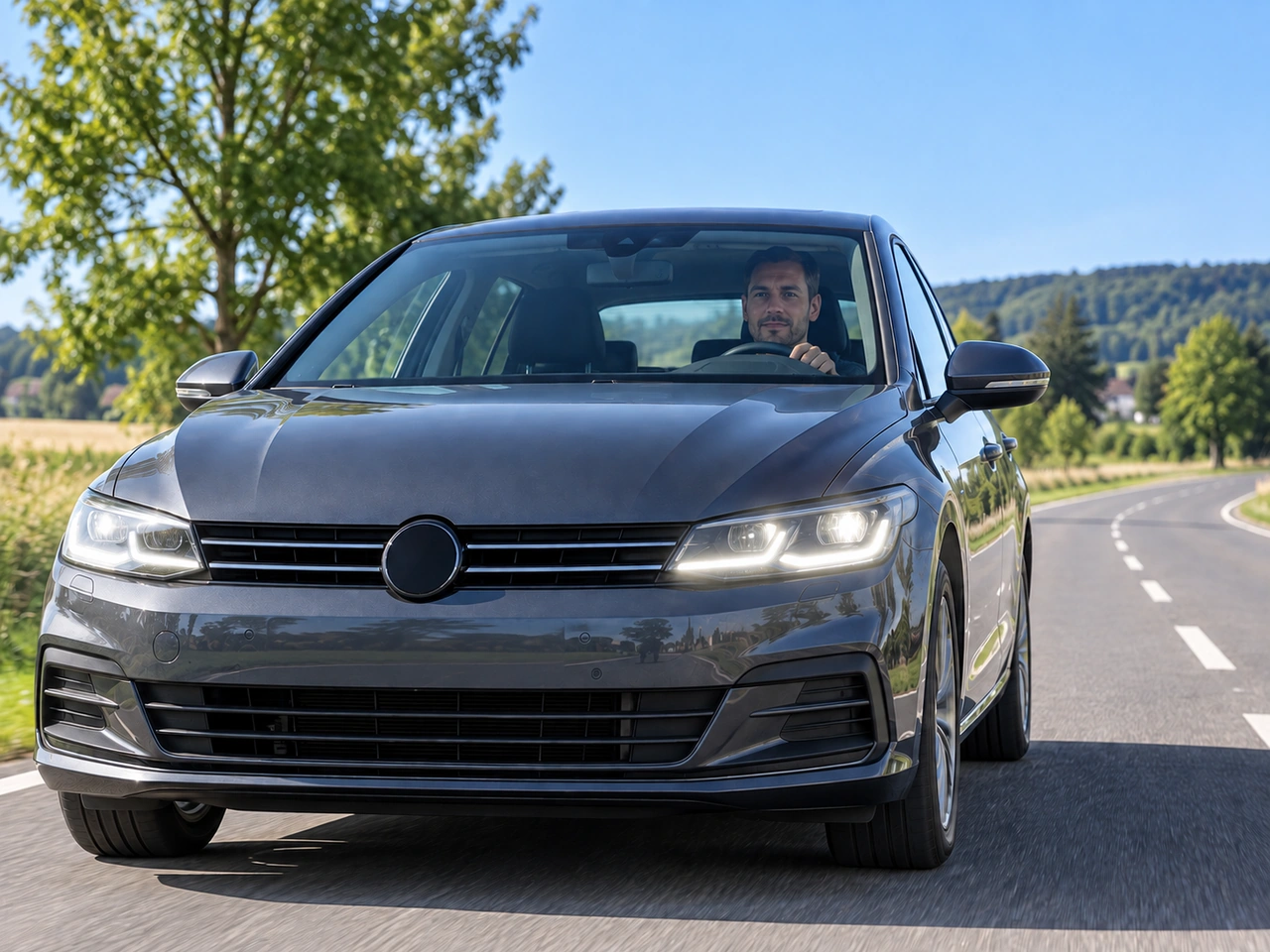
186. Are headlights required during the day in Iceland?
Drivers in Iceland are generally required to use daytime running lights or dipped headlights during the day.
AI-generated by Traffic-rules.com • WCIT • CC BY-SA
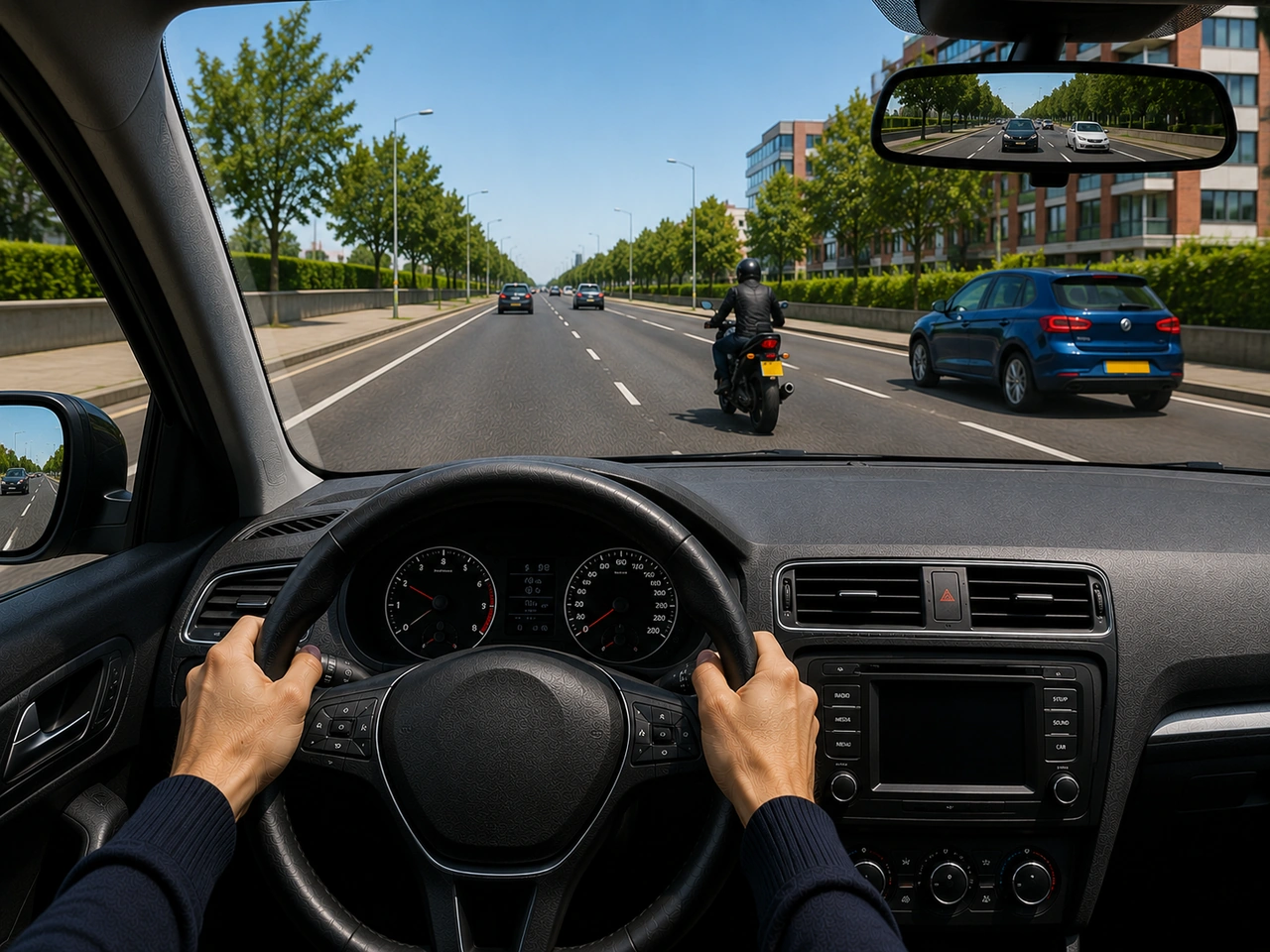
187. Why should you check for motorcyclists before changing lanes?
Motorcyclists are smaller and can be hidden in blind spots. Check mirrors, signal, and look carefully before changing lanes.
AI-generated by Traffic-rules.com • WCIT • CC BY-SA
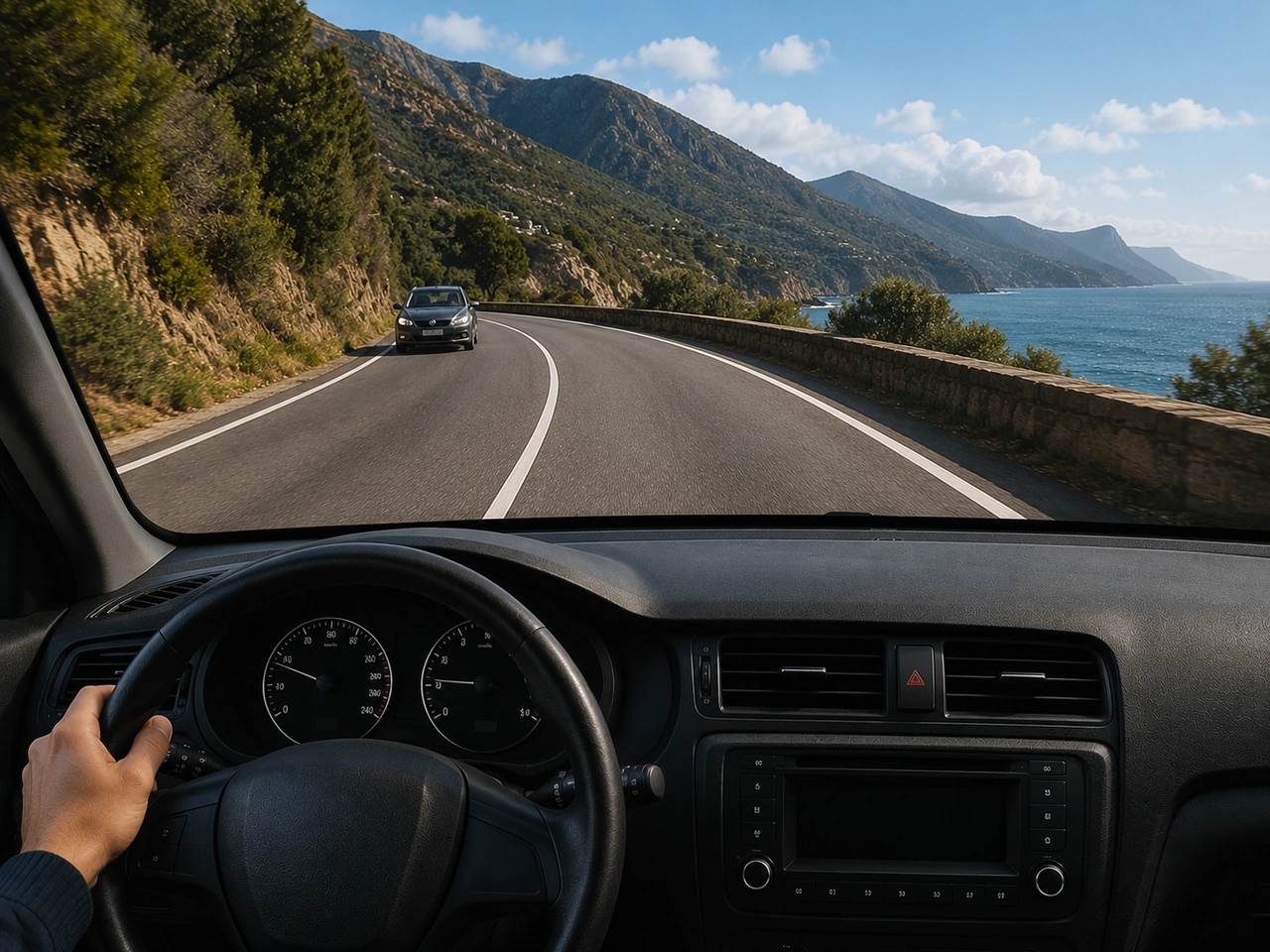
188. Why should you avoid braking hard on a curve?
Hard braking on a curve can upset the vehicle's balance and reduce grip. Slow down before the curve and steer smoothly.
AI-generated by Traffic-rules.com • WCIT • CC BY-SA
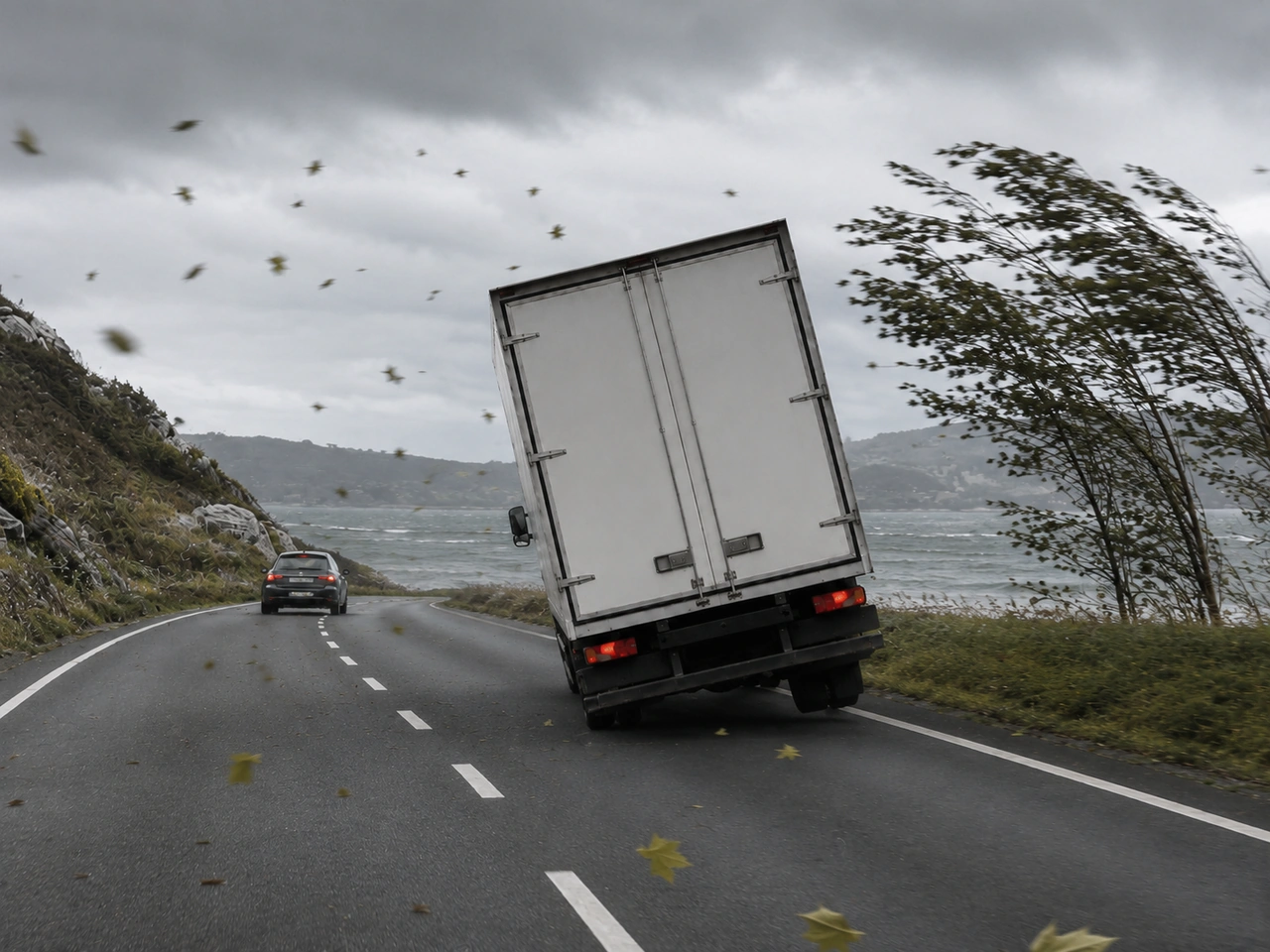
189. Which vehicles are especially vulnerable to strong crosswinds?
High-sided vehicles can be pushed sideways because of their large side area. Cyclists and motorcyclists can also be strongly affected by sudden gusts.
AI-generated by Traffic-rules.com • WCIT • CC BY-SA
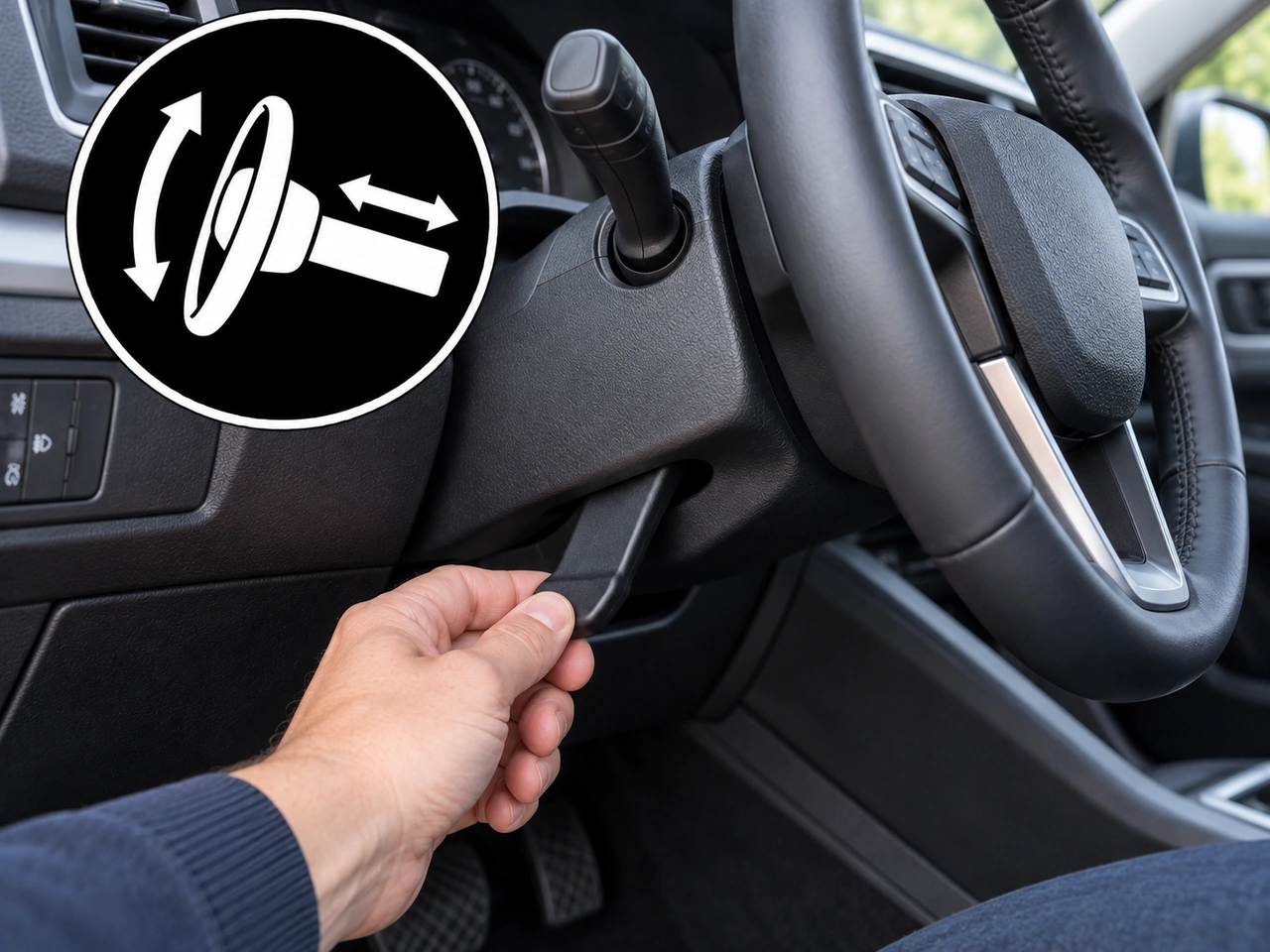
190. What does this vehicle-control symbol indicate?
This control adjusts the position of the steering wheel. Depending on the vehicle, the steering wheel may be moved up or down and forwards or backwards to obtain a safe and comfortable driving position.
AI-generated by Traffic-rules.com • WCIT • CC BY-SA
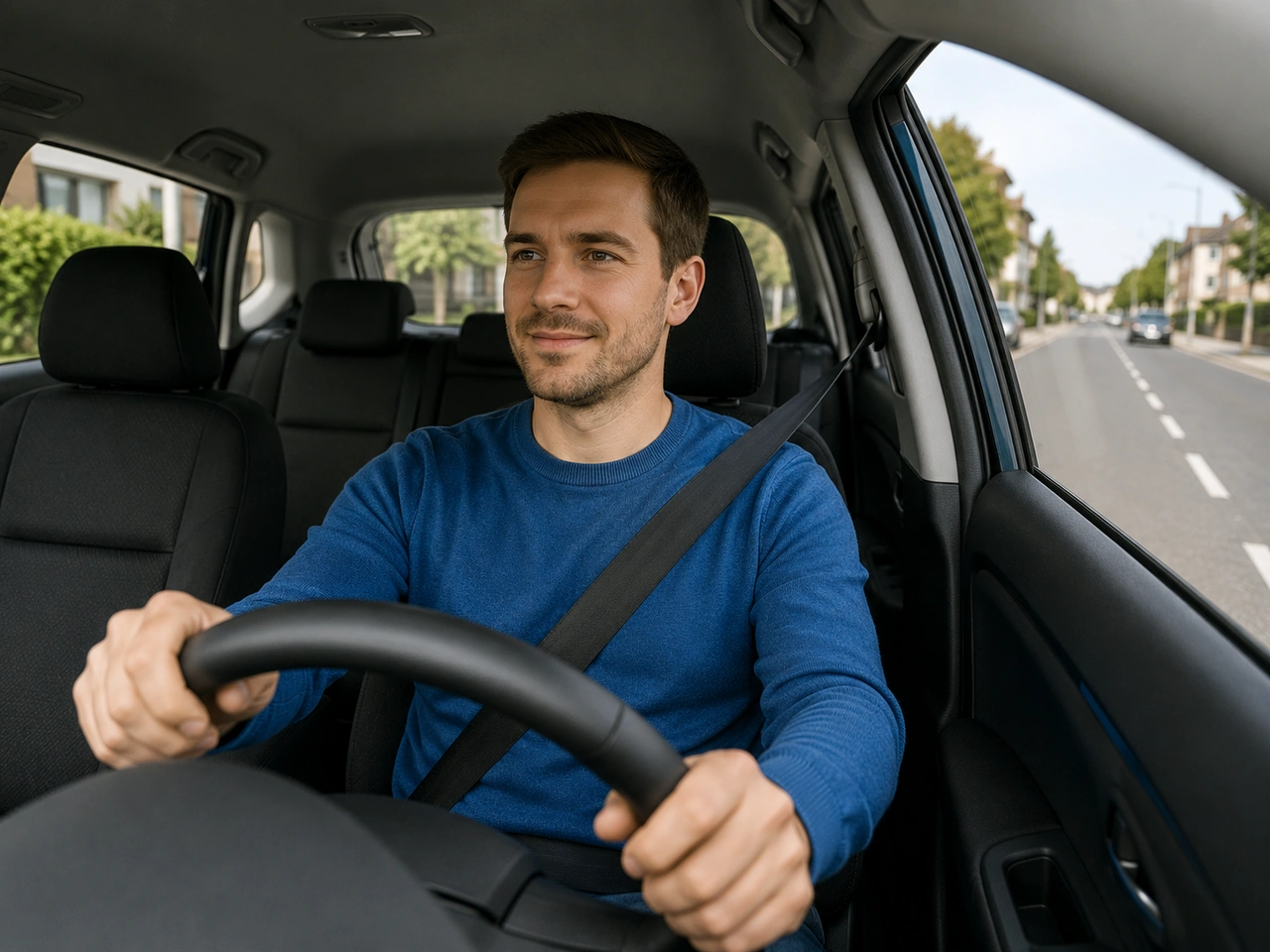
191. You should always wear a seat belt, even on short trips.
Seat belts reduce the risk of serious injury and should be worn on every trip, even short ones.
AI-generated by Traffic-rules.com • WCIT • CC BY-SA
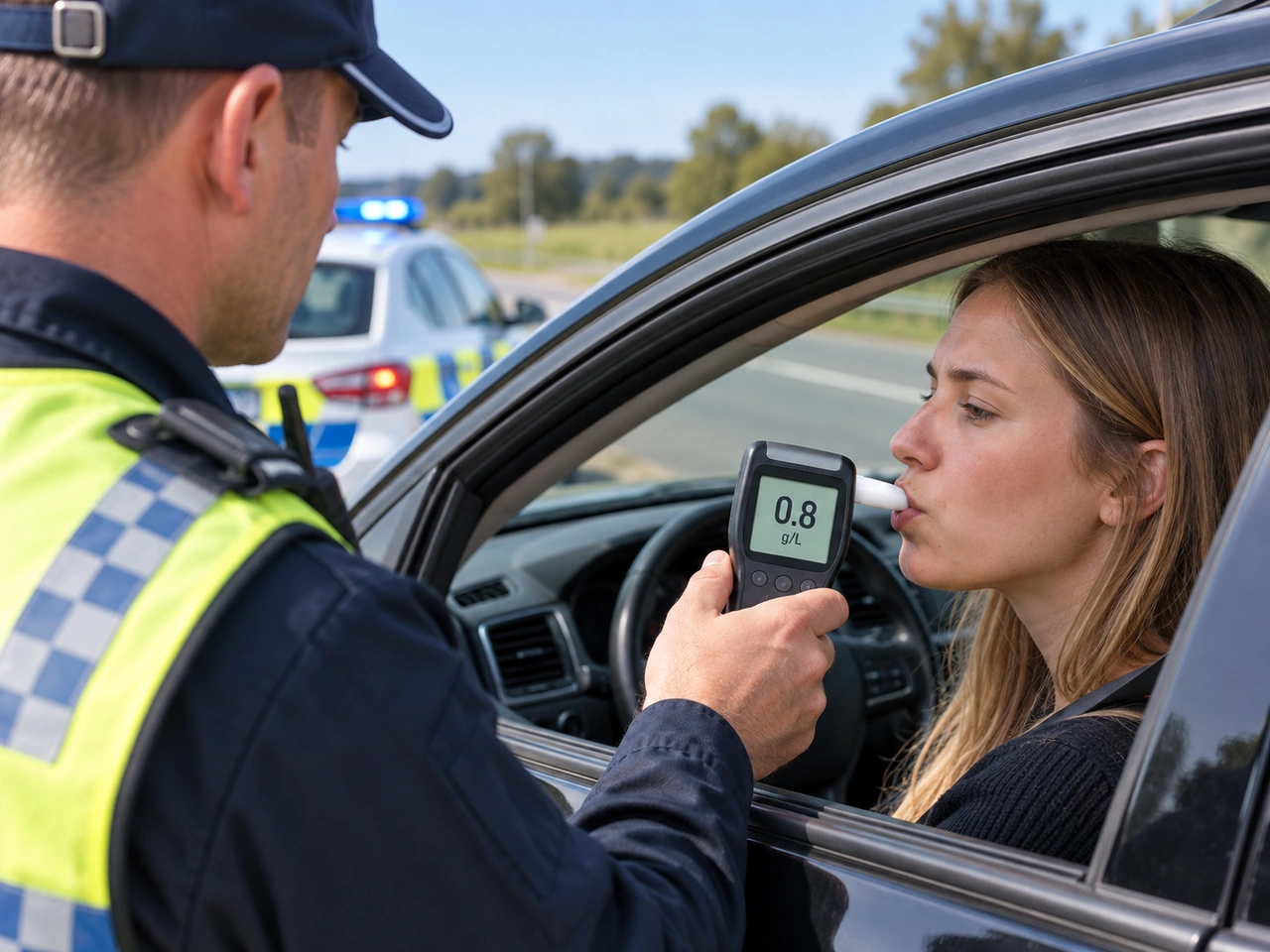
192. What is the legal blood alcohol limit for ordinary drivers in Iceland?
The legal blood alcohol limit for ordinary drivers in Iceland is 0.5 g/L.
AI-generated by Traffic-rules.com • WCIT • CC BY-SA
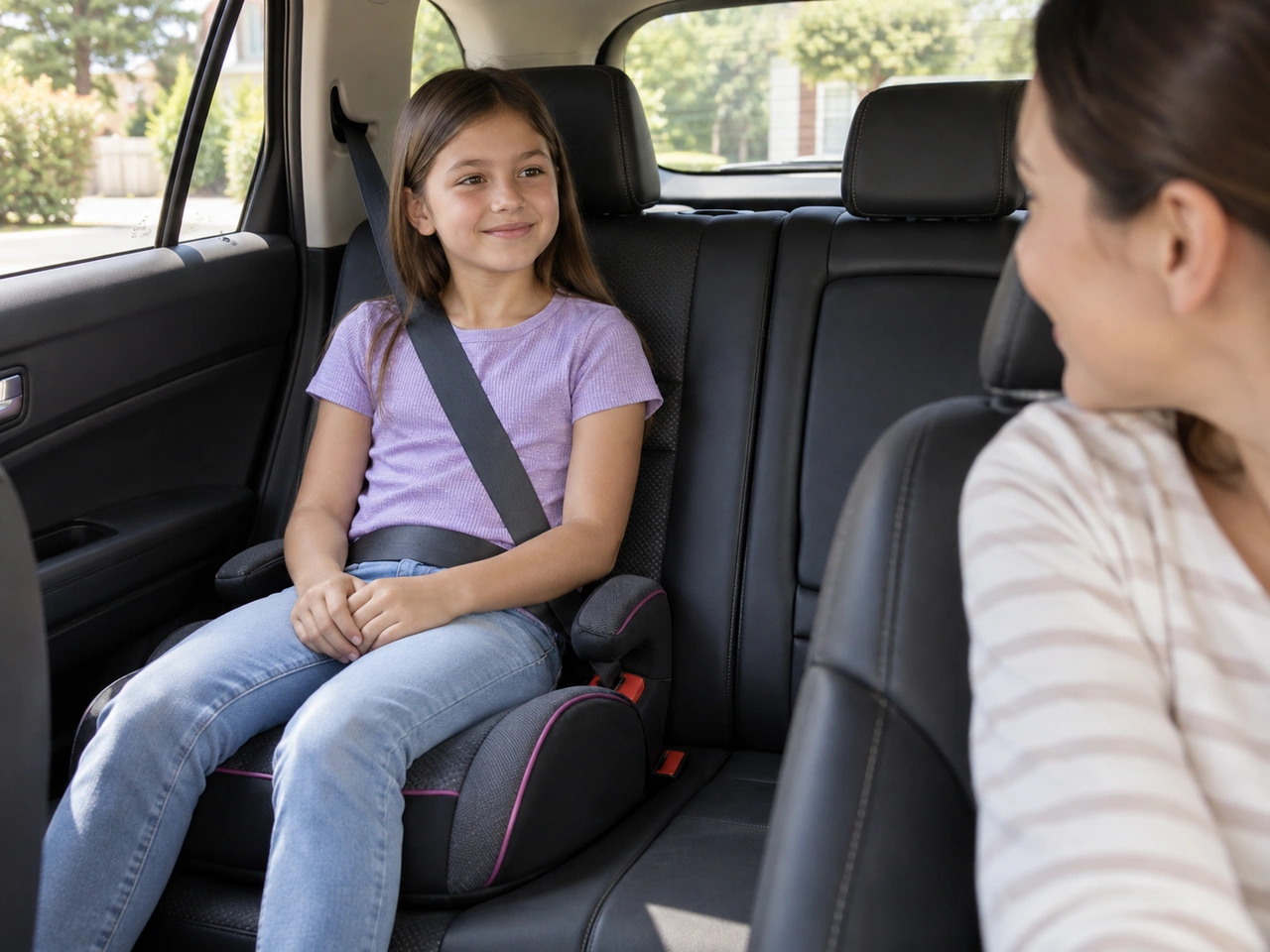
193. What is the main purpose of a booster seat?
A booster seat raises and positions a child so the vehicle seat belt fits correctly. The lap belt should sit low across the hips and the shoulder belt should pass across the chest and shoulder, rather than the neck or abdomen.
AI-generated by Traffic-rules.com • WCIT • CC BY-SA
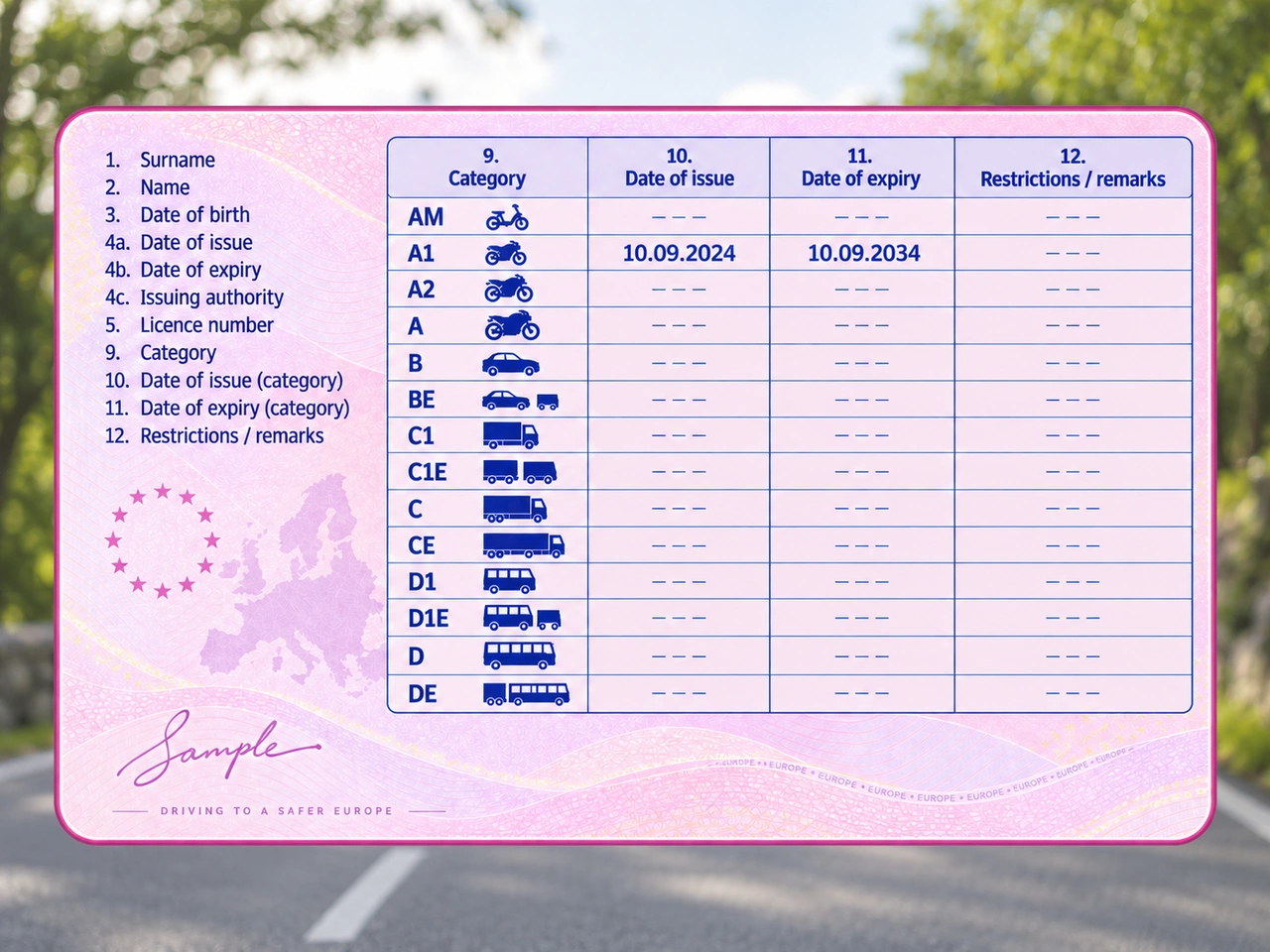
194. Which motorcycles are covered by driving licence A1?
Category A1 covers motorcycles with an engine capacity of no more than 125 cm³, power of no more than 11 kW, and a power-to-weight ratio of no more than 0.1 kW/kg. It also covers powered tricycles up to 15 kW.
AI-generated by Traffic-rules.com • WCIT • CC BY-SA
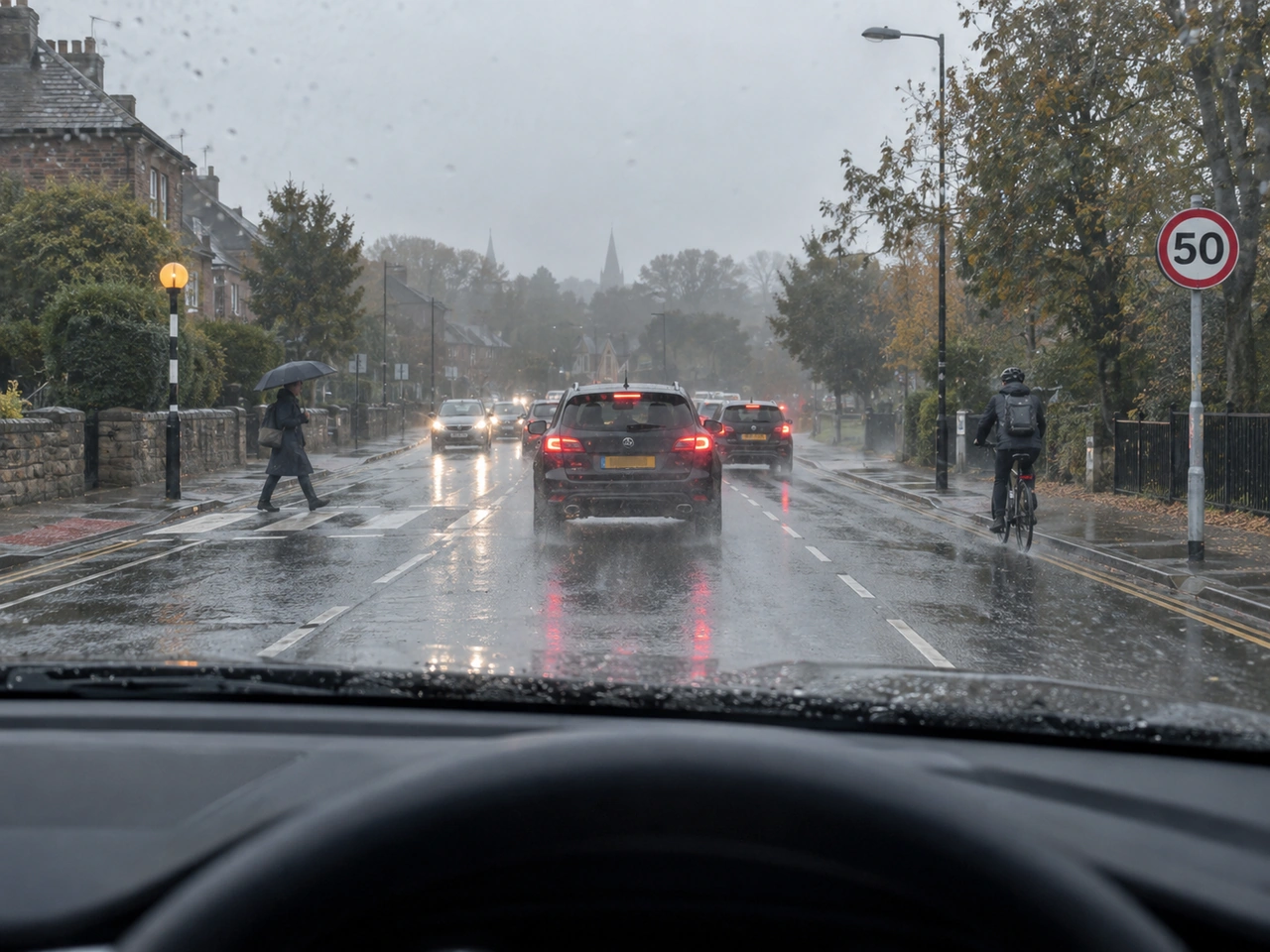
195. Does driving at the speed limit always mean your speed is safe?
A speed limit is a maximum permitted speed, not a target. You may need to drive more slowly because of traffic, poor visibility, weather, road conditions, pedestrians, cyclists, or other hazards.
AI-generated by Traffic-rules.com • WCIT • CC BY-SA
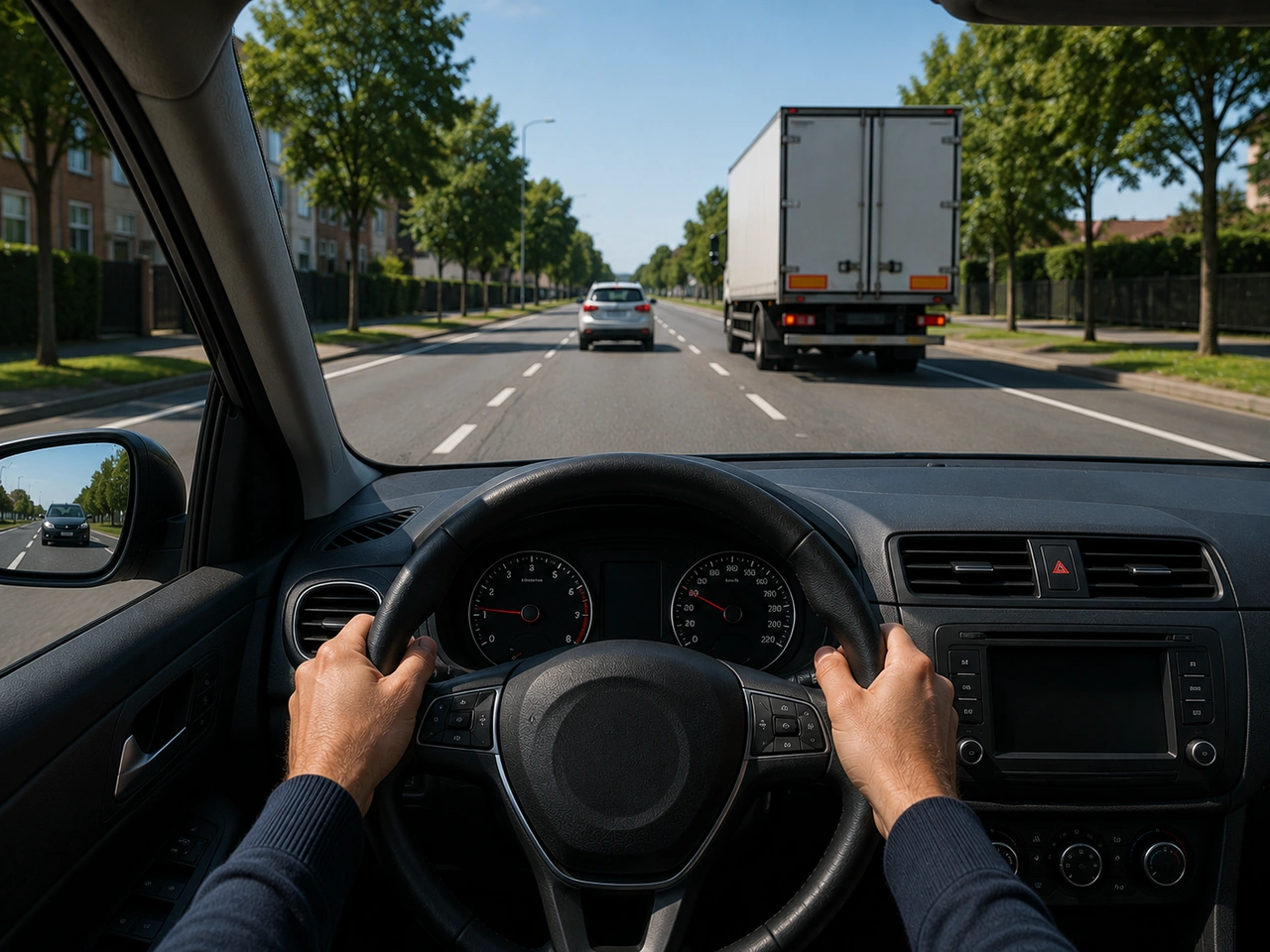
196. You should stay focused on the road and avoid unnecessary distractions.
Distractions reduce awareness and reaction time, making driving more dangerous.
AI-generated by Traffic-rules.com • WCIT • CC BY-SA
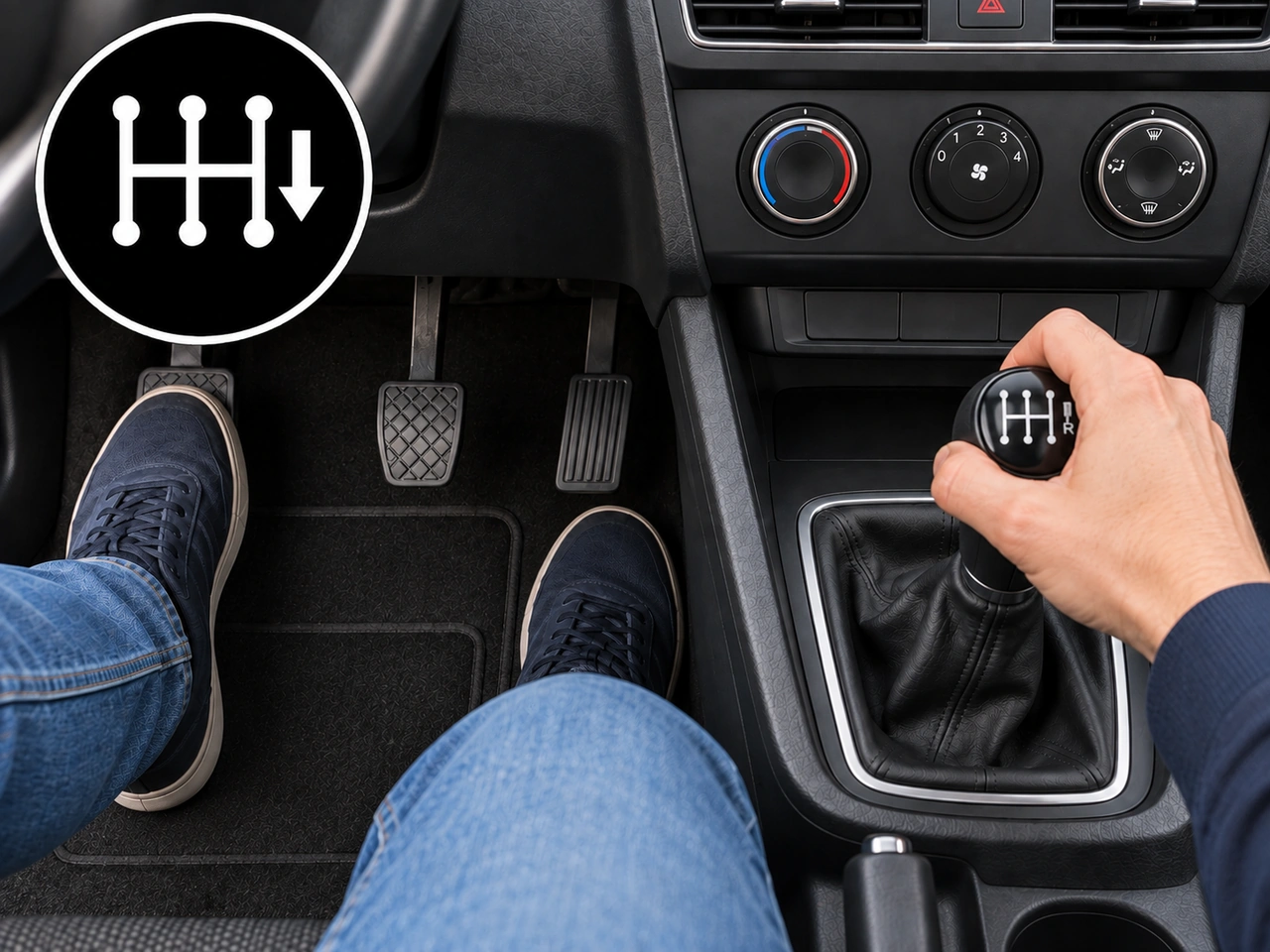
197. What can selecting a lower gear provide in a manual vehicle?
Selecting a suitable lower gear can increase engine braking, helping the vehicle slow or control its speed without relying entirely on the brakes.
AI-generated by Traffic-rules.com • WCIT • CC BY-SA
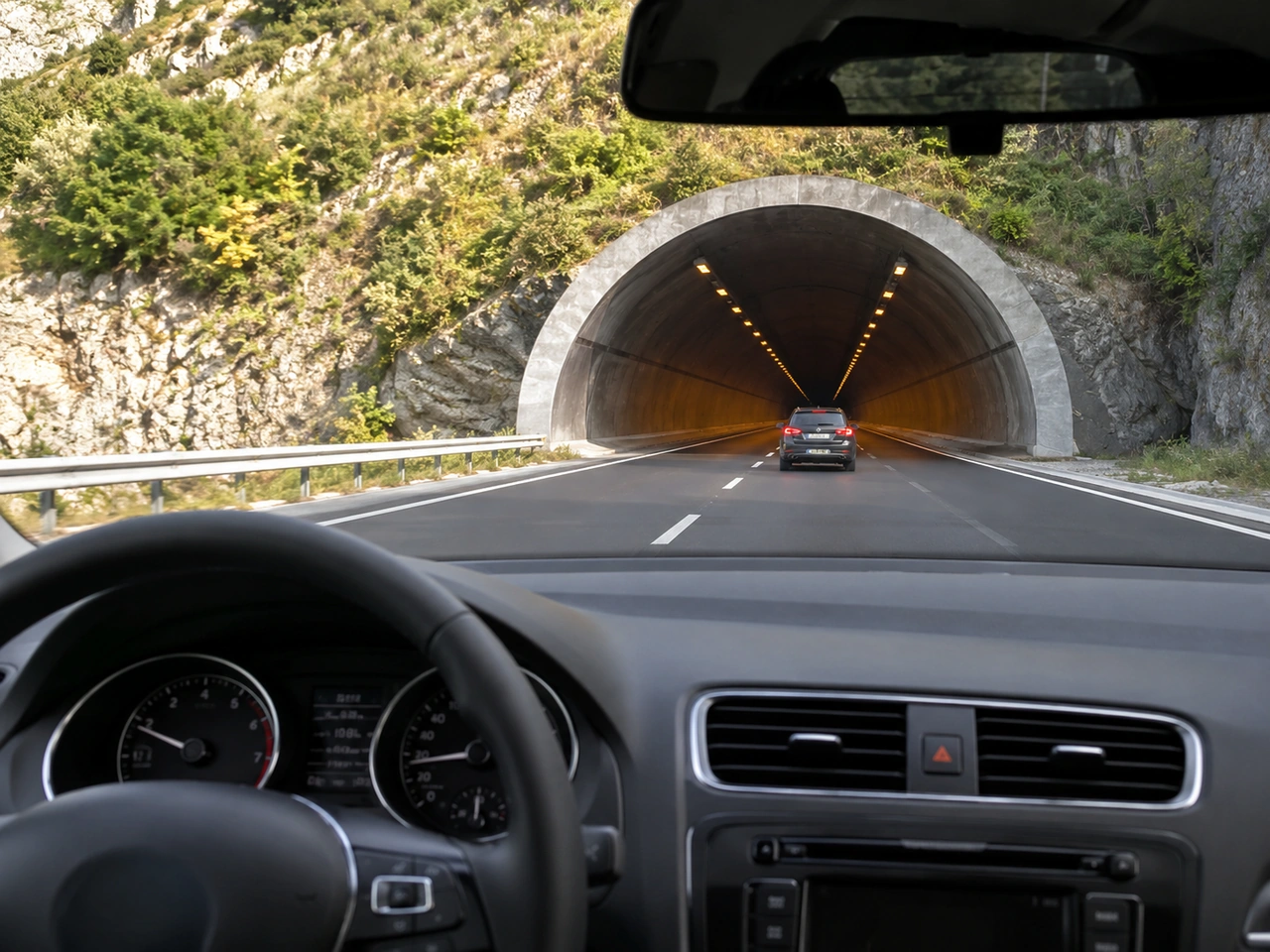
198. What should you do when approaching a tunnel?
When entering a tunnel, use the correct lights, keep enough distance, and stay alert for slower traffic.
AI-generated by Traffic-rules.com • WCIT • CC BY-SA
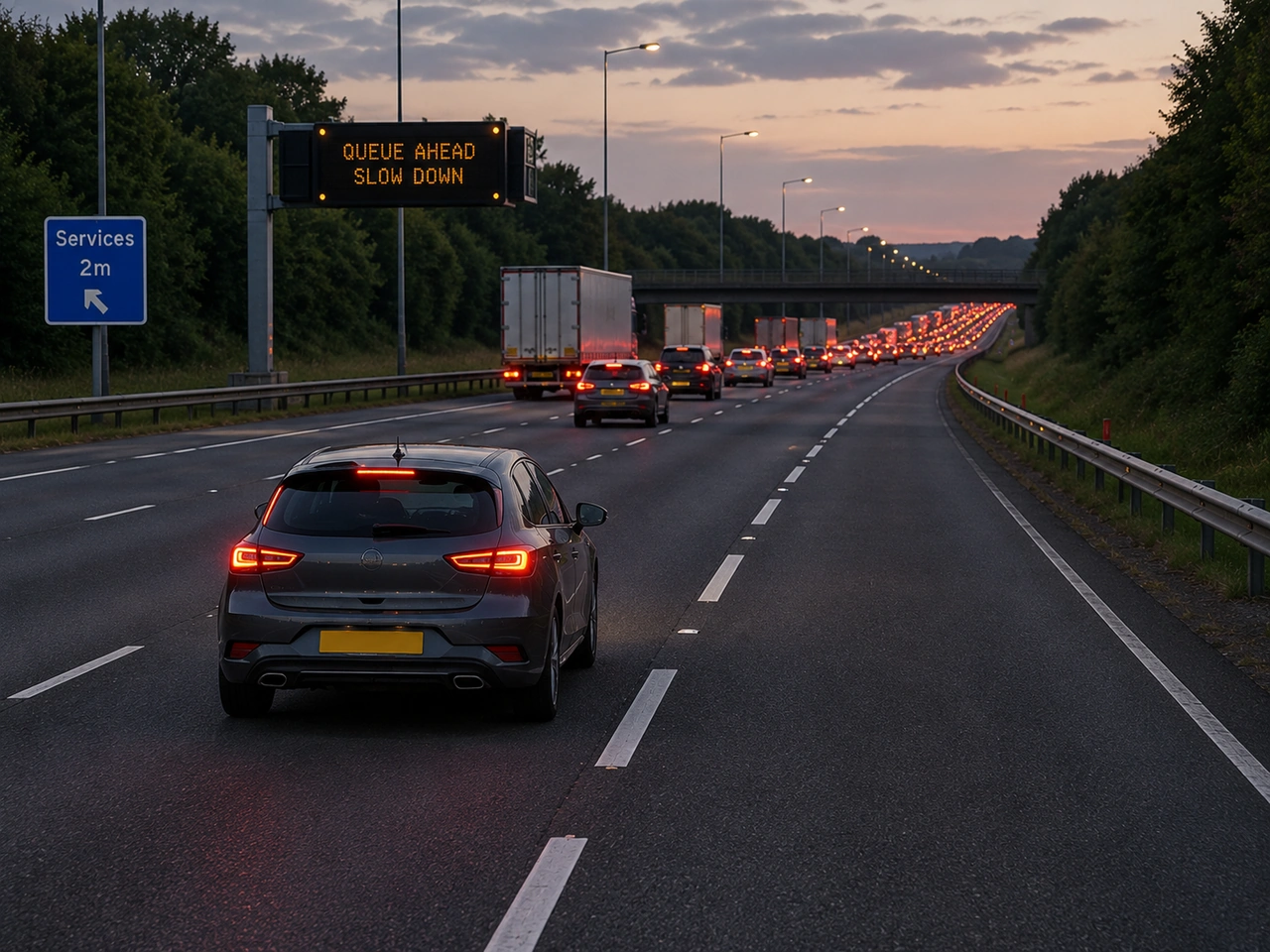
199. What should you do when approaching stationary or slow-moving traffic on a motorway?
Motorway queues can appear suddenly. Early braking gives following traffic more time to react.
AI-generated by Traffic-rules.com • WCIT • CC BY-SA
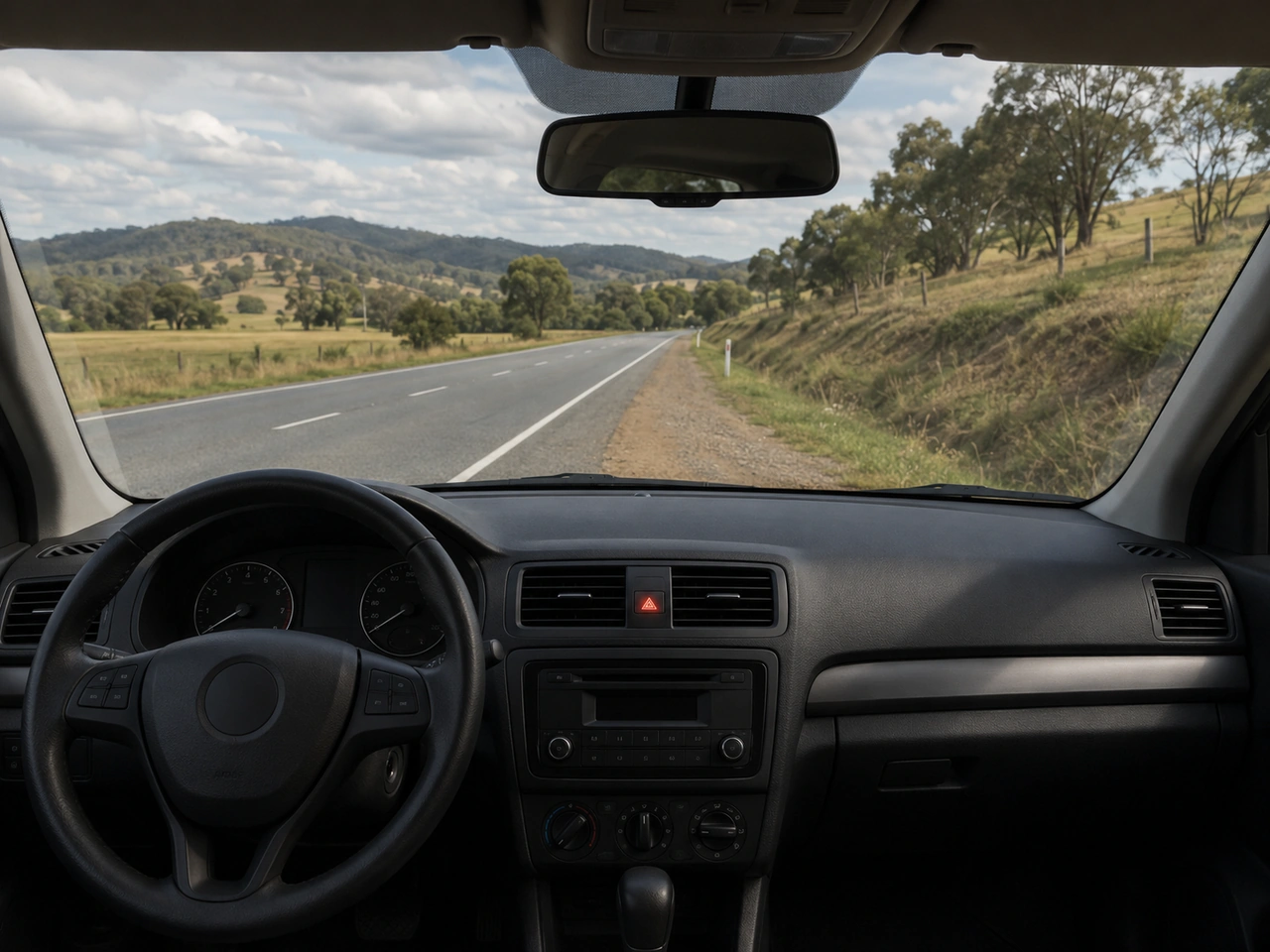
200. What should you do after stopping because of a breakdown?
Secure the vehicle so that it cannot move and use the hazard warning lights to alert approaching traffic. Where required and safe, place a warning triangle to give additional warning.
AI-generated by Traffic-rules.com • WCIT • CC BY-SA