


QuizTraffic rulesIceland
Test your knowledge with our multiple-choice quiz. Learn from each answer and improve your understanding of the traffic rules and road signs of Iceland.
 Traffic signs
 Traffic rules
 Iceland
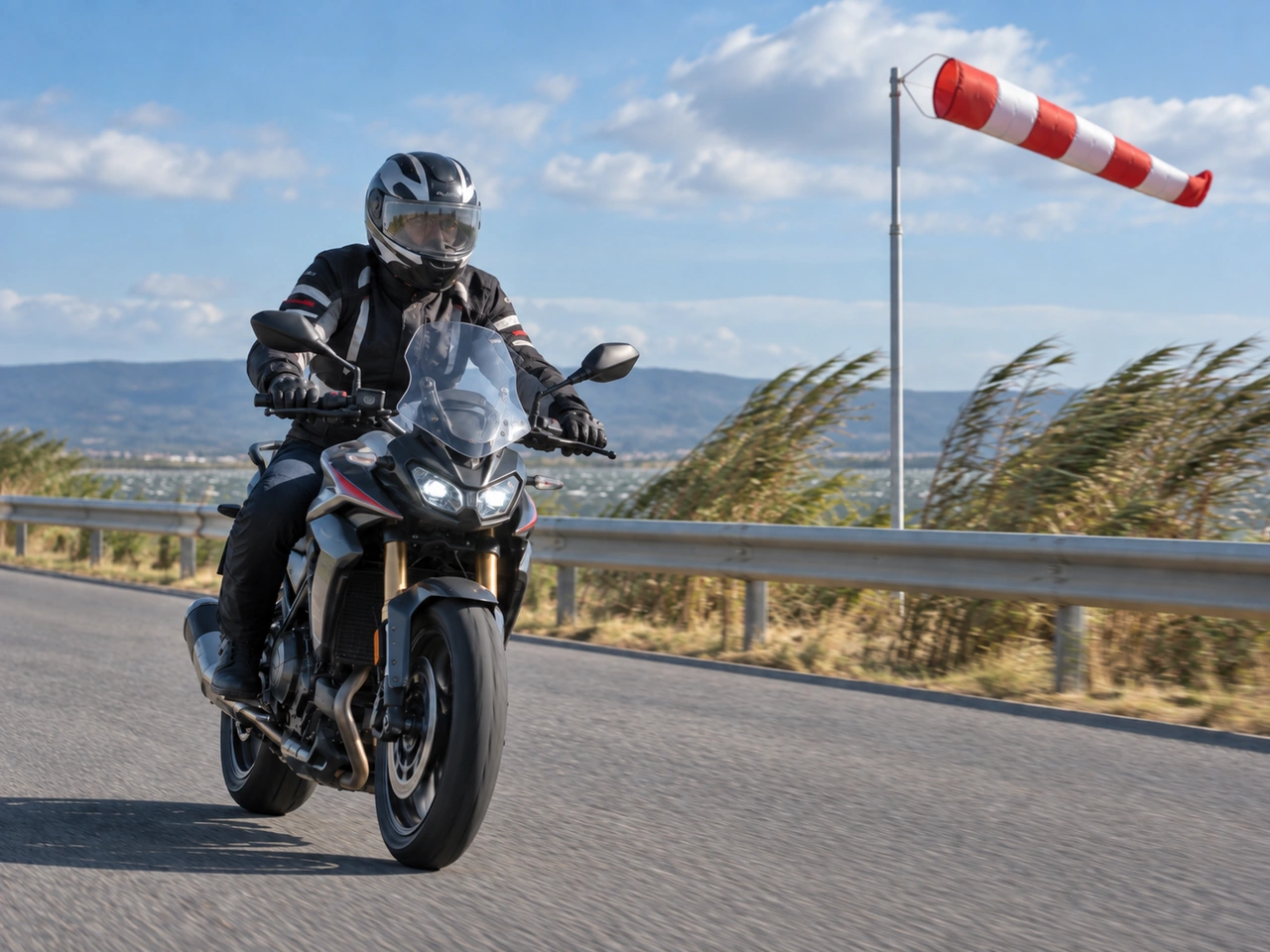
251. What should a motorcyclist do in strong crosswinds?
Strong crosswinds can push a motorcycle sideways and sudden gusts can affect its stability. Reduce speed, keep a steady grip on the handlebars and allow extra space, especially on exposed roads, bridges, or when passing gaps and large vehicles.
AI-generated by Traffic-rules.com • WCIT • CC BY-SA

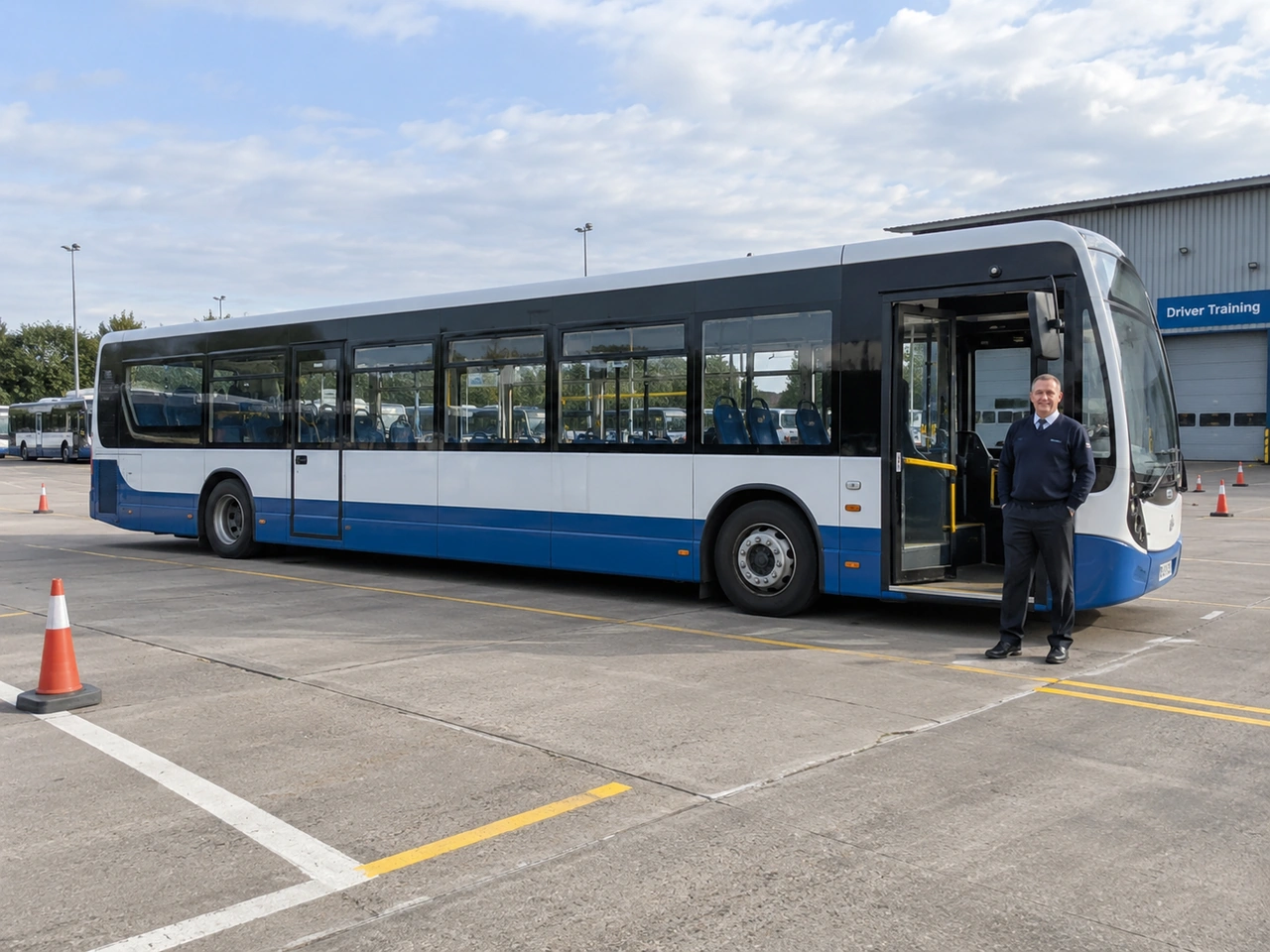
252. What is the minimum licence for a bus designed for more than 16 passengers?
Category D1 is limited to vehicles designed for no more than 16 passengers in addition to the driver. A bus designed for more than 16 passengers therefore requires category D.
AI-generated by Traffic-rules.com • WCIT • CC BY-SA
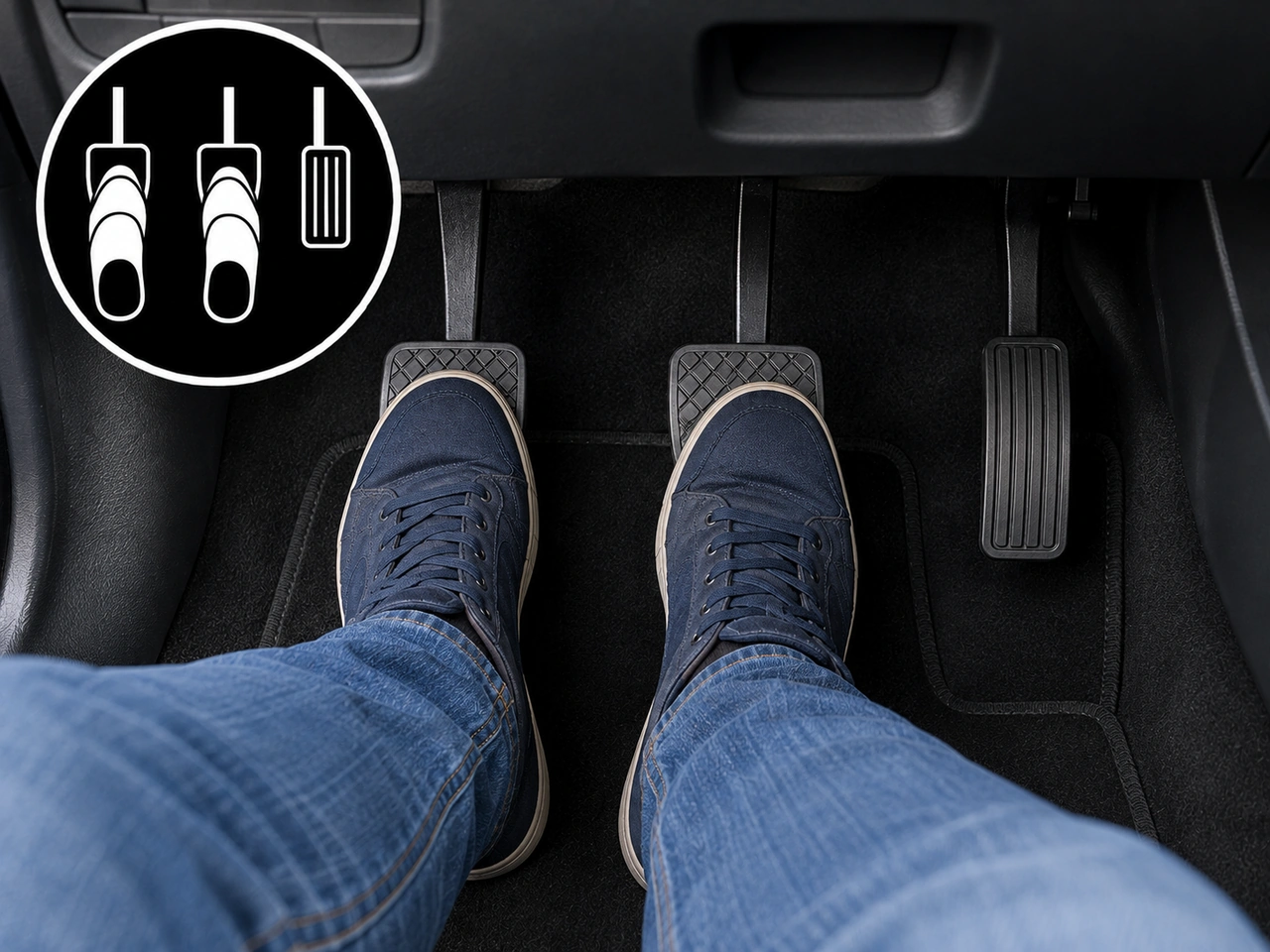
253. What should you do with the clutch during emergency braking in a manual vehicle?
During emergency braking in a manual vehicle, maintain firm pressure on the brake and press the clutch pedal fully so the engine does not stall as the vehicle slows. Do not reduce braking pressure while operating the clutch.
AI-generated by Traffic-rules.com • WCIT • CC BY-SA
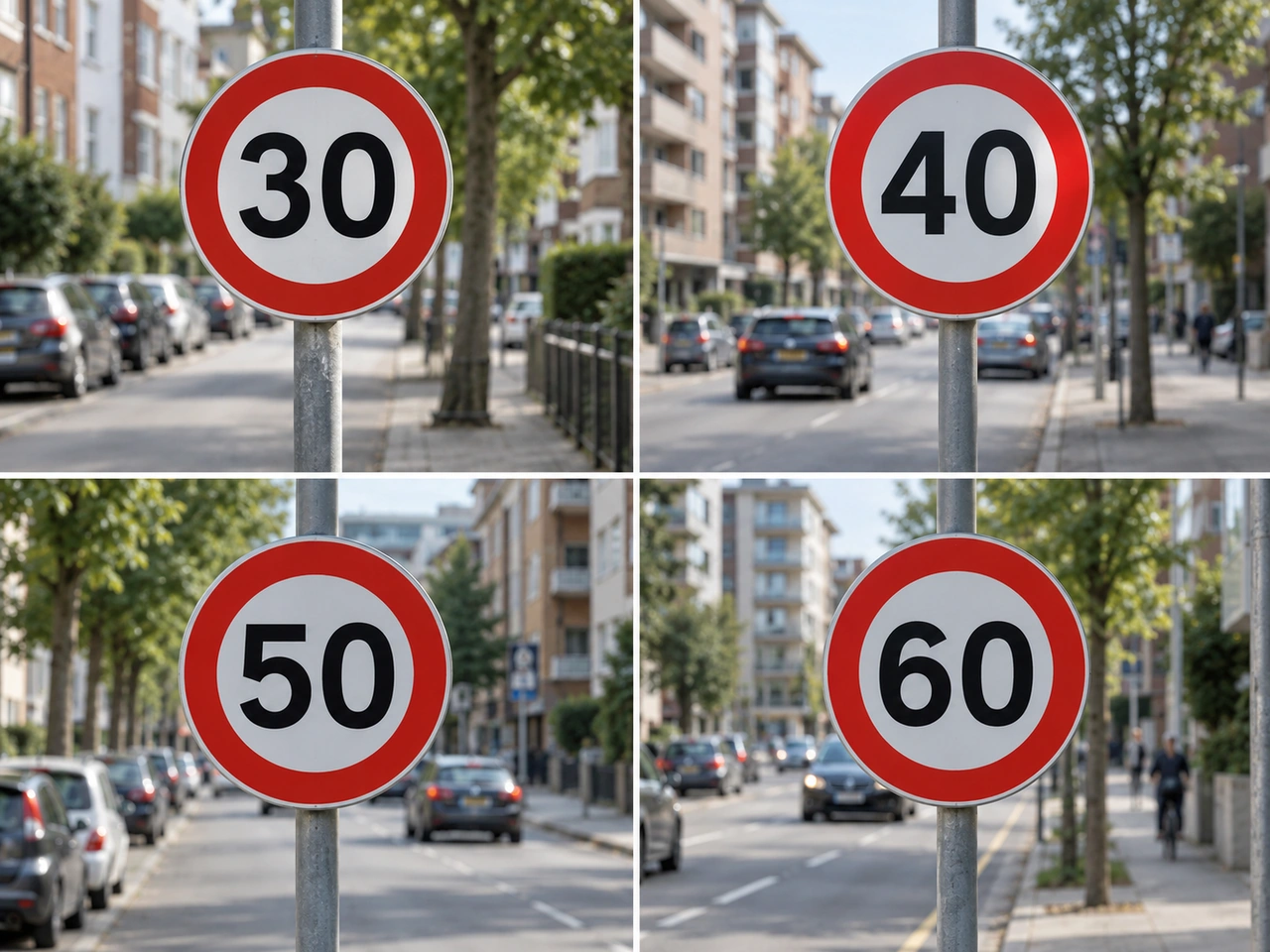
254. What is the general speed limit for cars in built-up areas in Iceland?
The general speed limit for cars in built-up areas in Iceland is 50 km/h, unless signs indicate otherwise.
AI-generated by Traffic-rules.com • WCIT • CC BY-SA
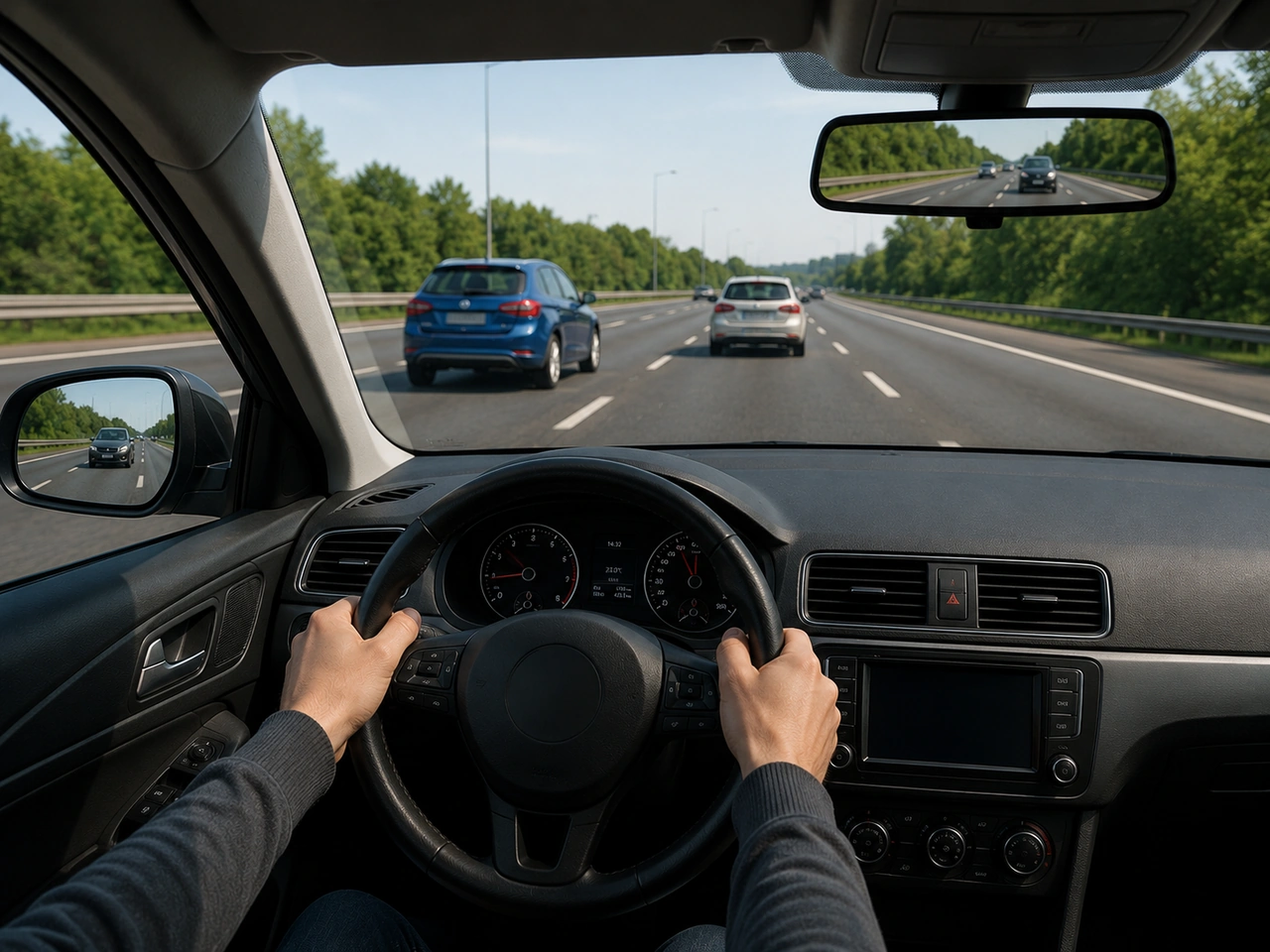
255. What should you do before changing lanes?
Always check your mirrors, look over your shoulder if necessary, and make sure it is safe before changing lanes.
AI-generated by Traffic-rules.com • WCIT • CC BY-SA
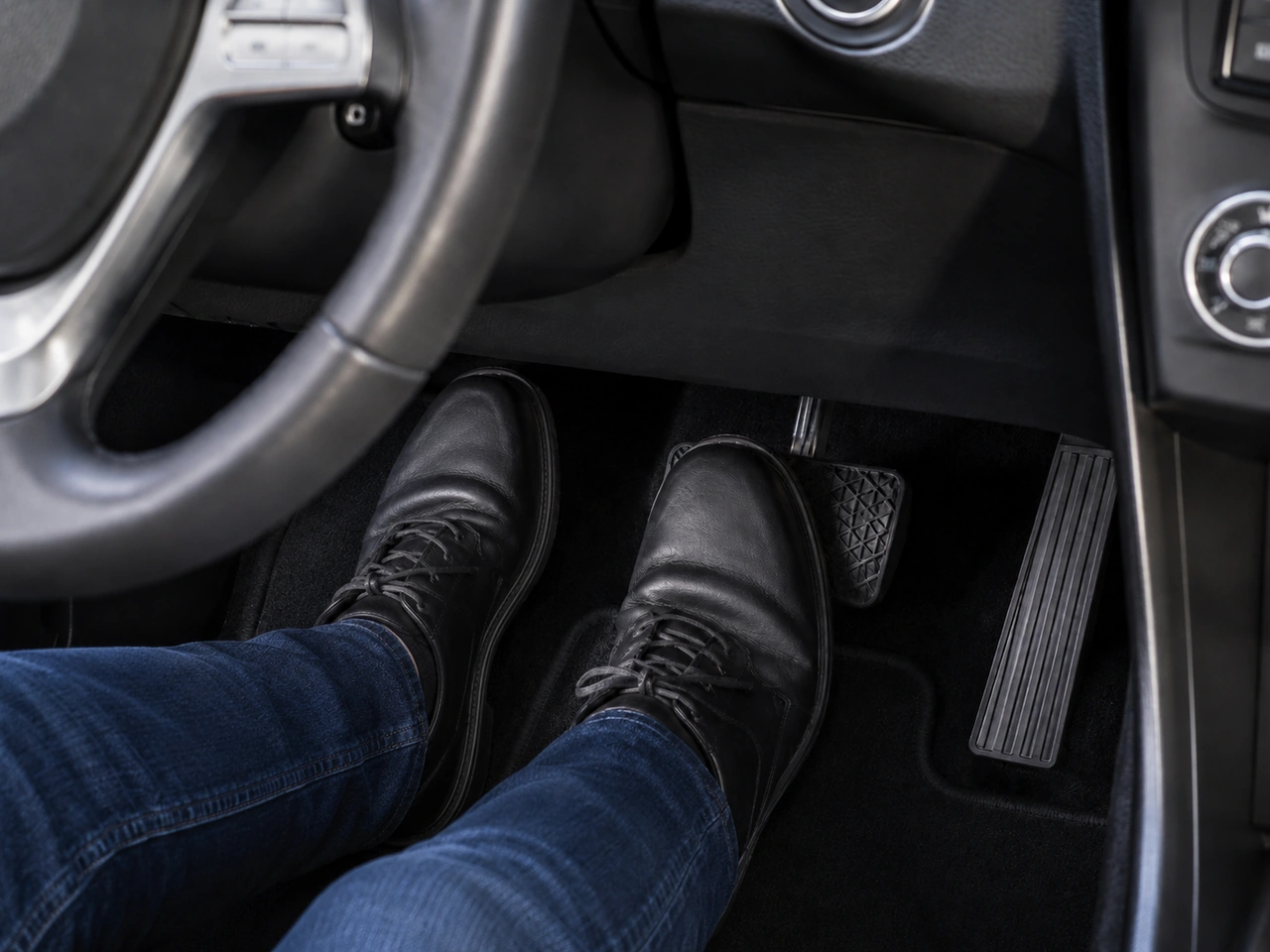
256. What should you do if the brake pedal feels unusually soft?
A soft brake pedal or increased stopping distance may indicate a serious brake fault. Do not continue driving normally until the system has been checked.
AI-generated by Traffic-rules.com • WCIT • CC BY-SA
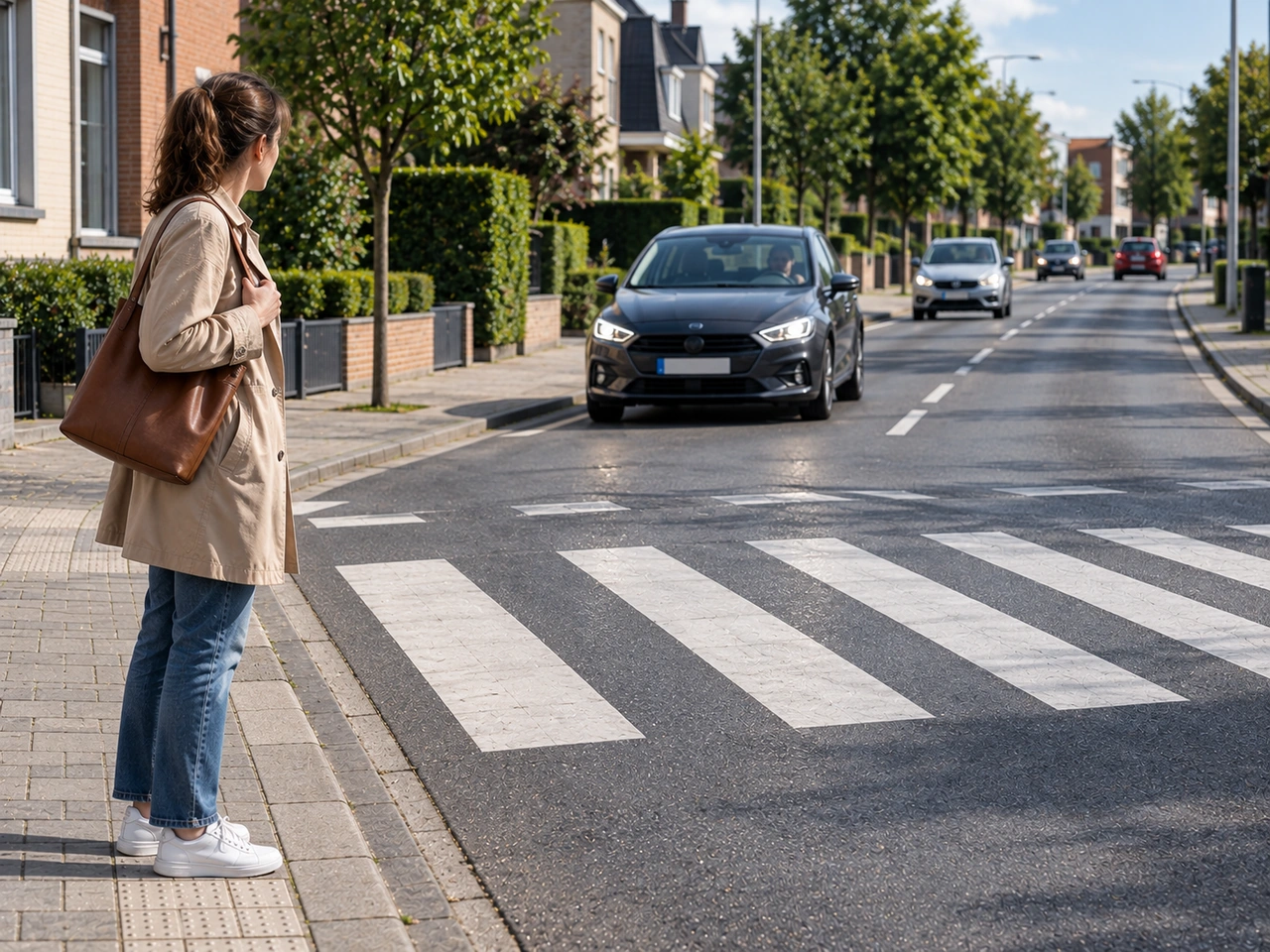
257. What should you do before using a pedestrian crossing?
Even at a pedestrian crossing, make sure approaching drivers have seen you and are able to stop before you cross.
AI-generated by Traffic-rules.com • WCIT • CC BY-SA
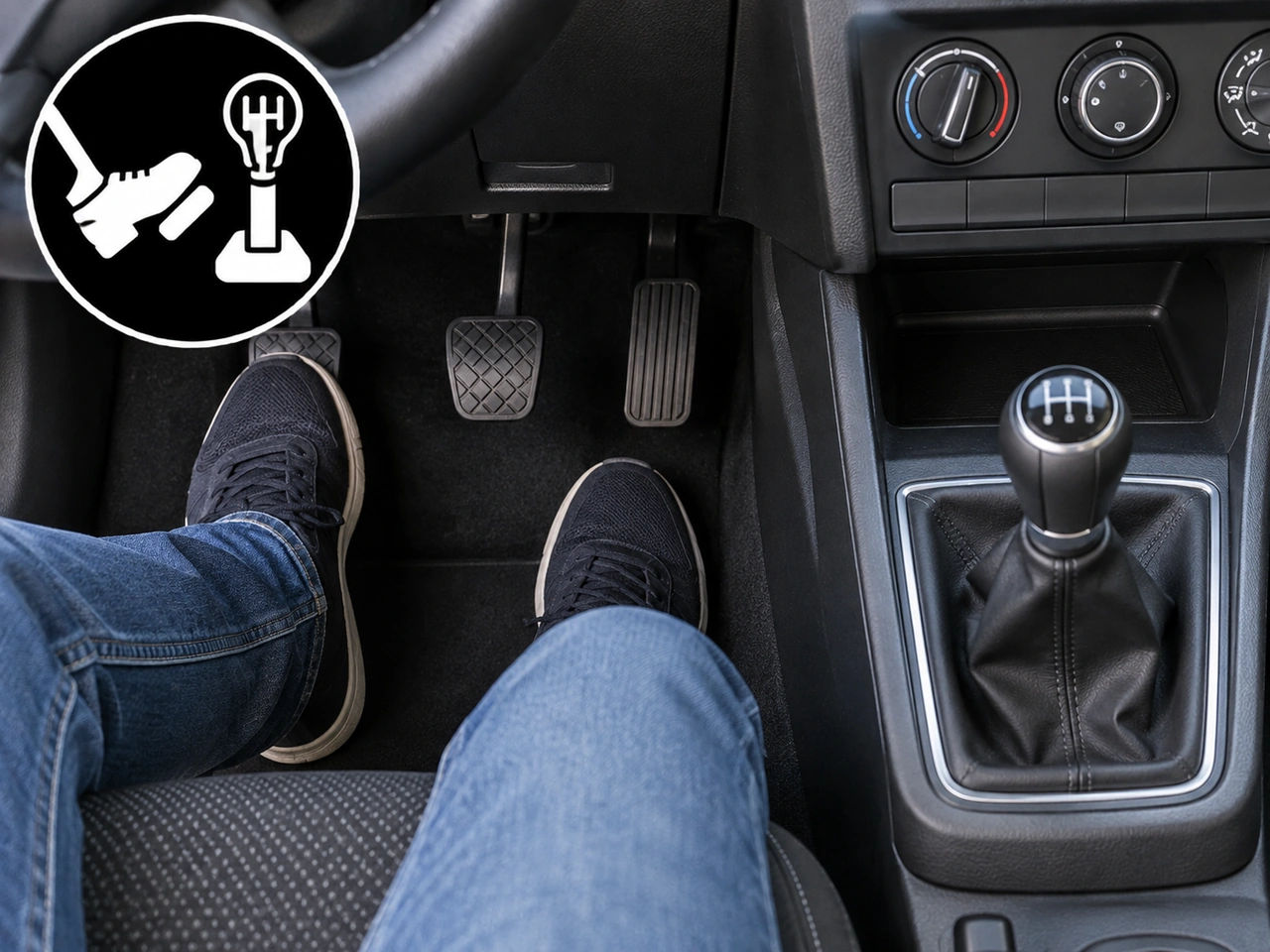
258. What should you check before starting a manual vehicle?
Before starting a manual vehicle, make sure the gearbox is in neutral and press the clutch pedal. This helps prevent the vehicle from moving unexpectedly when the engine starts.
AI-generated by Traffic-rules.com • WCIT • CC BY-SA
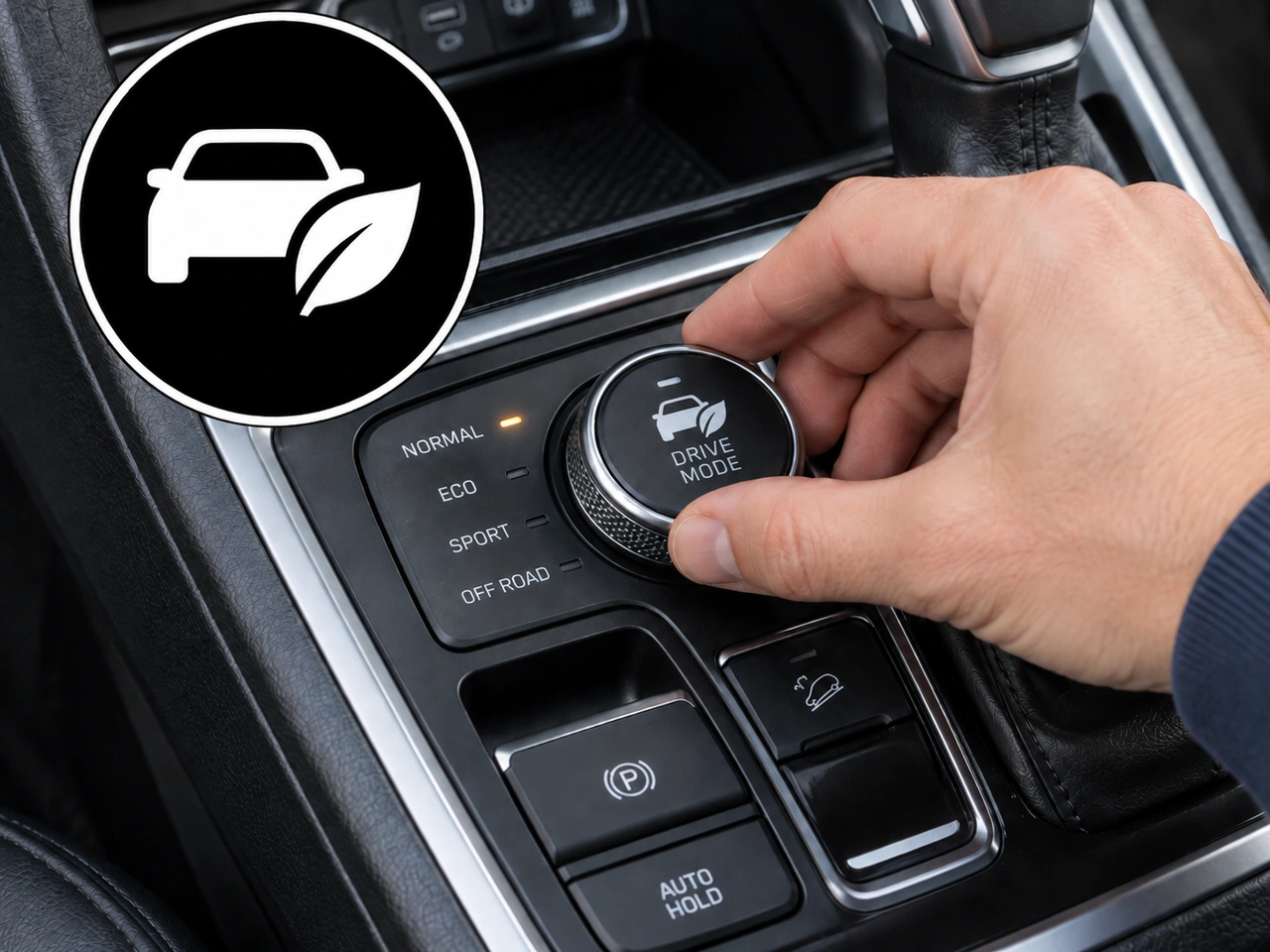
259. What does this vehicle-control symbol indicate?
This control selects a driving mode. Depending on the vehicle, different modes can alter characteristics such as accelerator response, steering assistance, transmission behaviour or energy use.
AI-generated by Traffic-rules.com • WCIT • CC BY-SA
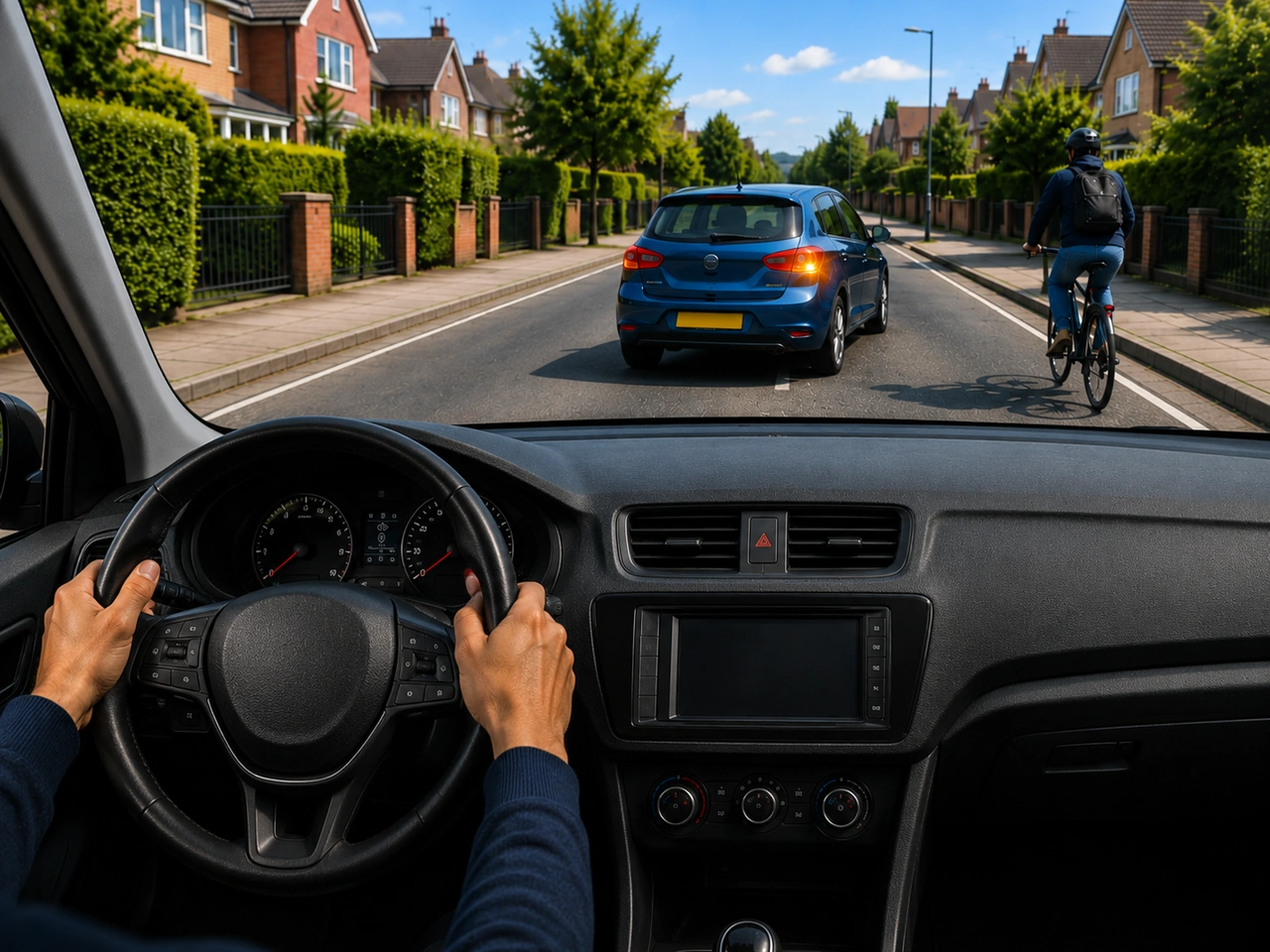
260. What should you do if another road user makes a mistake?
Road users can make mistakes. Staying calm and reacting safely helps prevent crashes.
AI-generated by Traffic-rules.com • WCIT • CC BY-SA
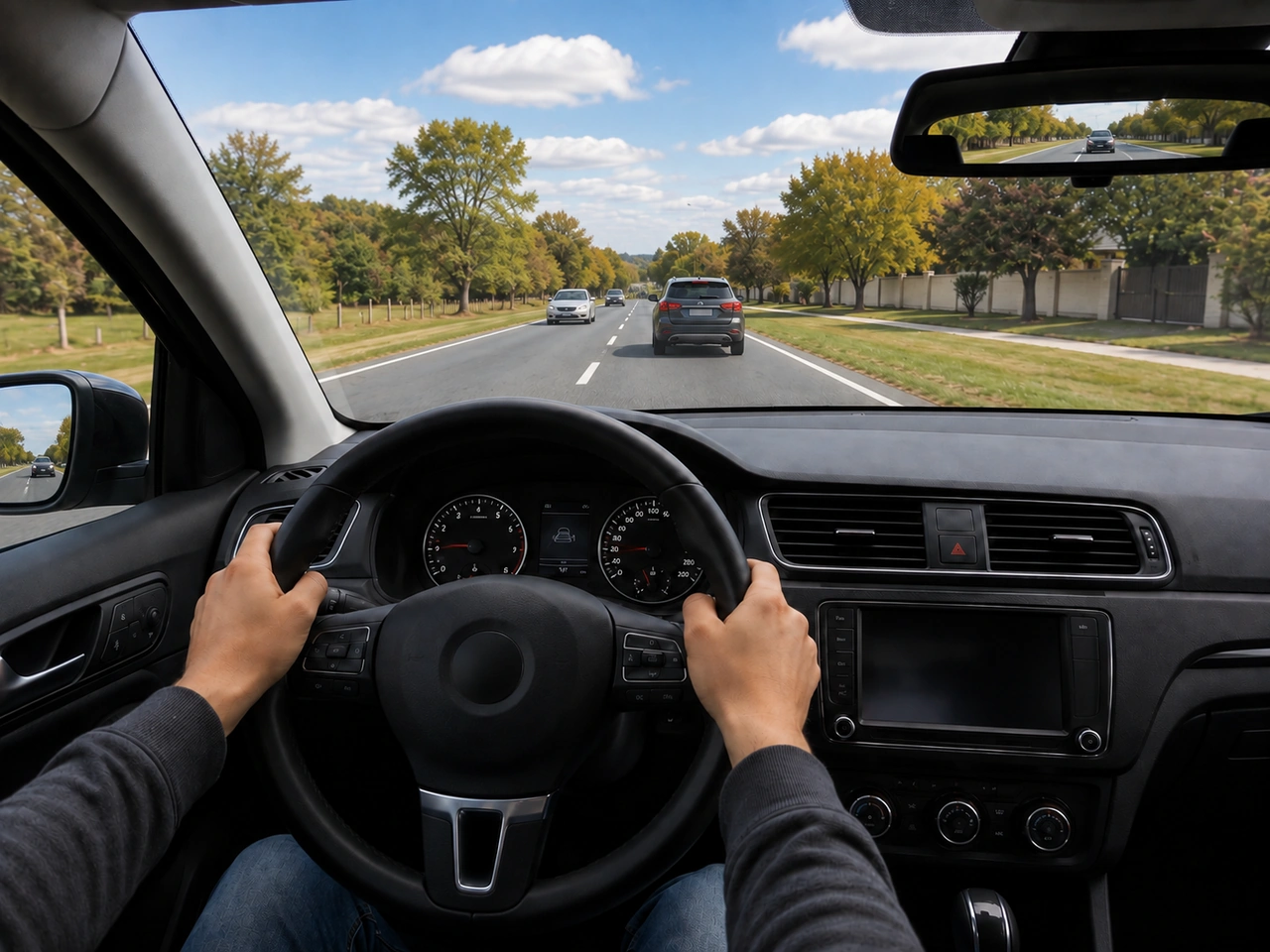
261. You should keep both hands ready to control the steering.
Keeping proper control of the steering wheel helps you react safely to changes in traffic and road conditions.
AI-generated by Traffic-rules.com • WCIT • CC BY-SA
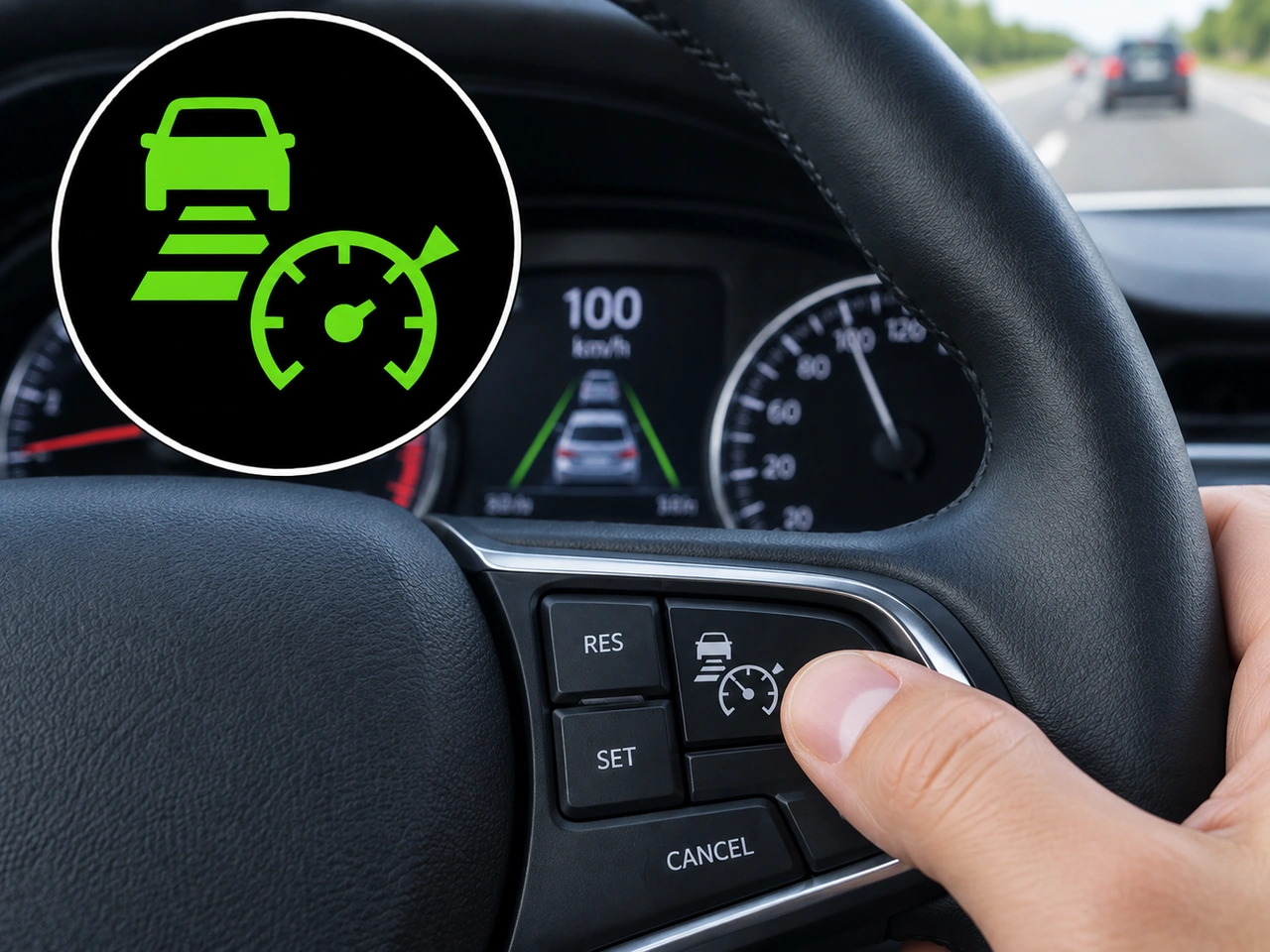
262. What does this dashboard symbol indicate?
This symbol relates to adaptive cruise control (ACC). The system can maintain a selected speed and automatically adjust the vehicle's speed to help maintain a set distance from traffic ahead.
AI-generated by Traffic-rules.com • WCIT • CC BY-SA
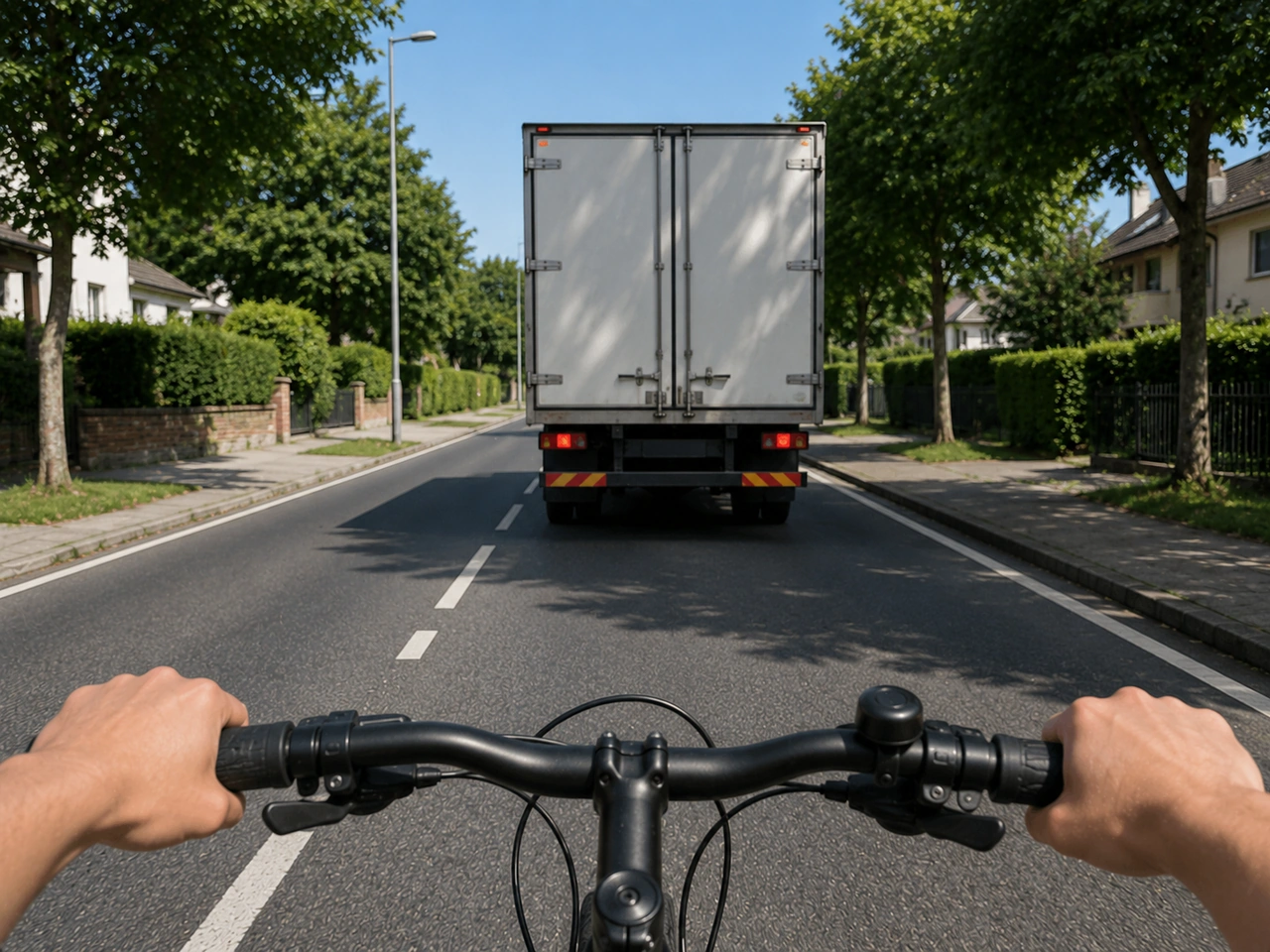
263. What should cyclists do near a large vehicle that may be turning?
Large vehicles need extra space to turn and may move across a cyclist's path. Remaining behind is usually safer.
AI-generated by Traffic-rules.com • WCIT • CC BY-SA
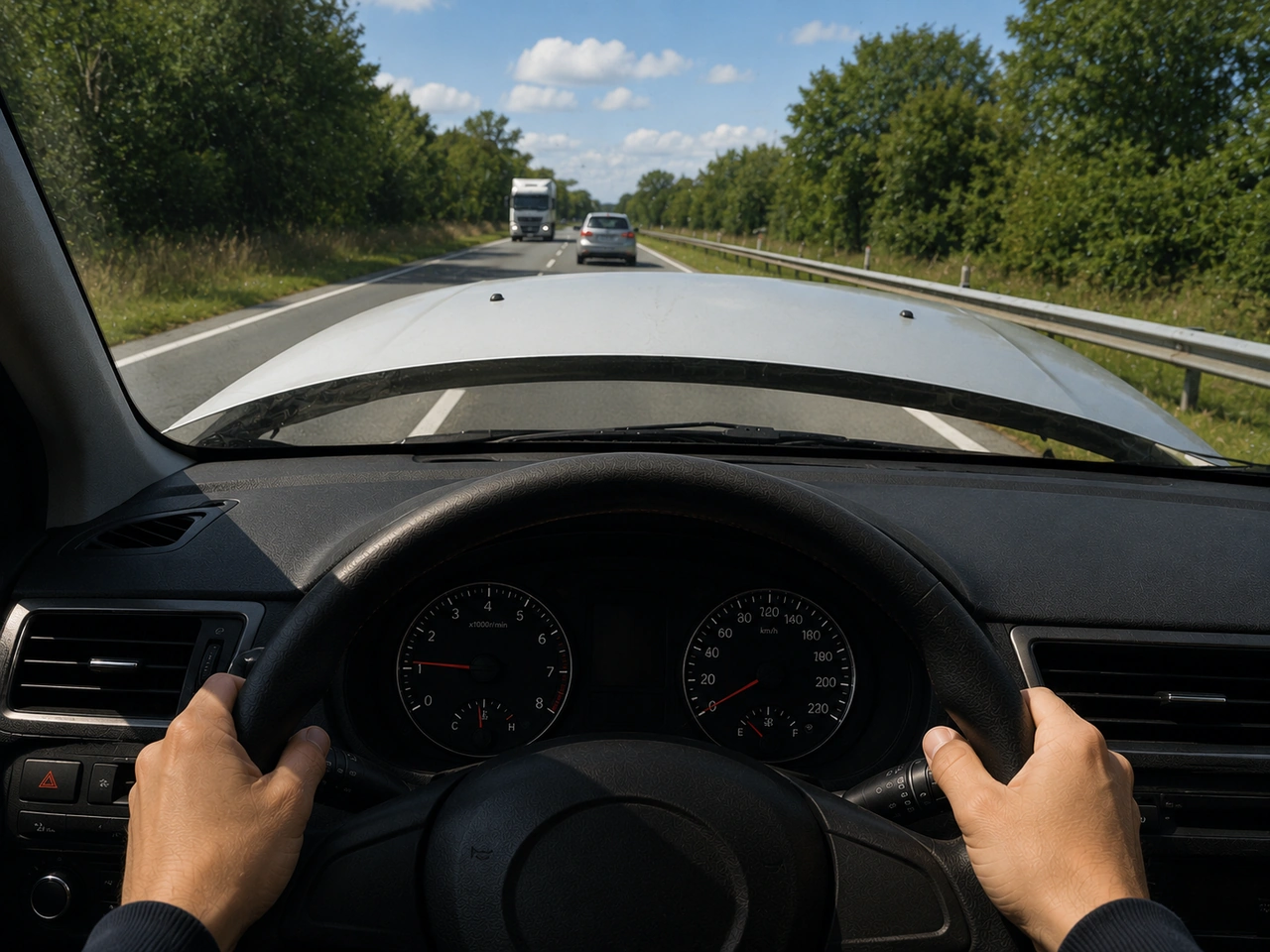
264. What should you do if the bonnet suddenly opens while you are driving?
The bonnet may completely obstruct your view. Avoid sudden movements, use the road markings or available gap to maintain direction, and stop safely.
AI-generated by Traffic-rules.com • WCIT • CC BY-SA
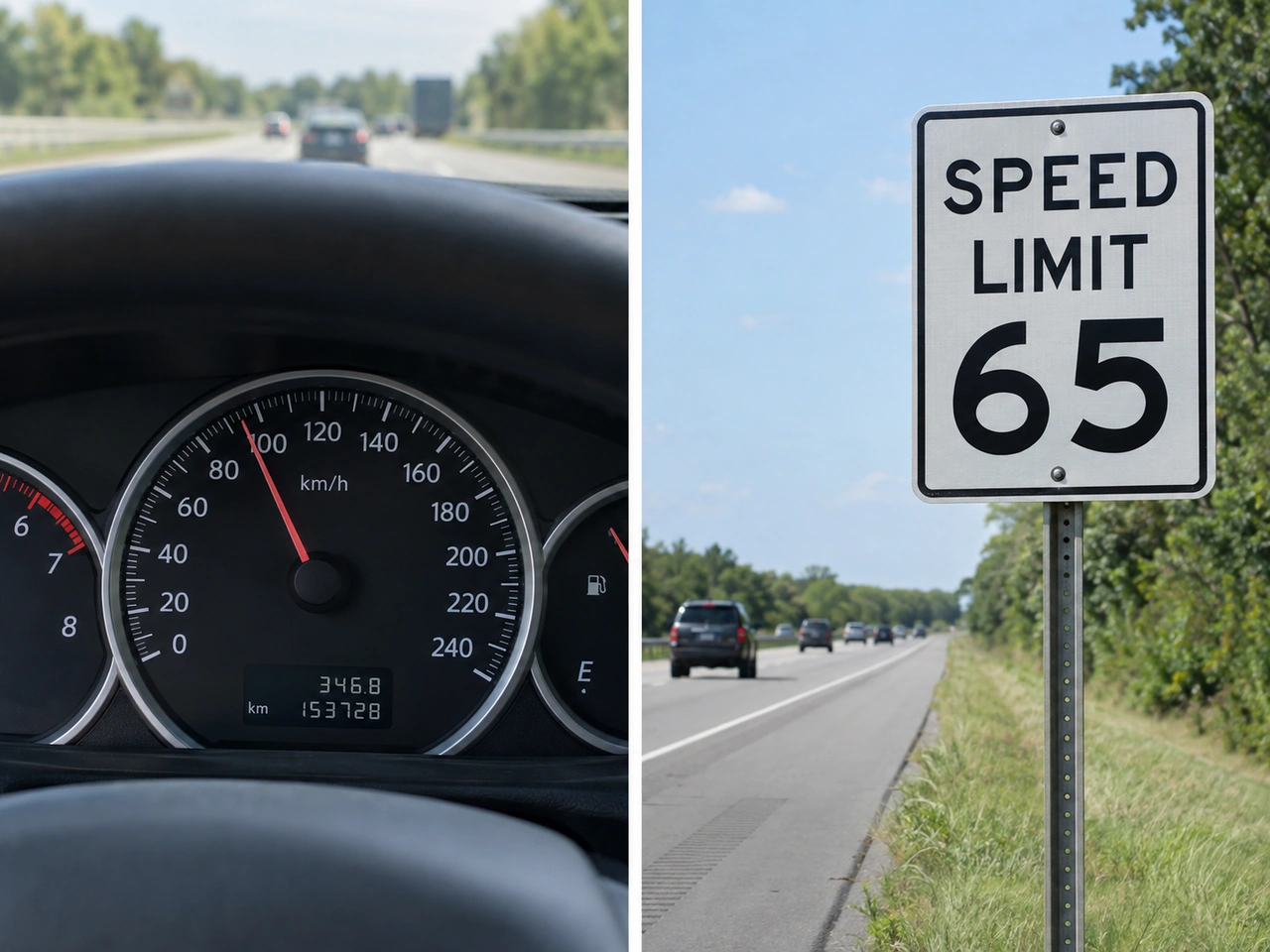
265. Which speed unit is used in Iceland?
Road speeds in Iceland are shown in kilometres per hour (km/h).
AI-generated by Traffic-rules.com • WCIT • CC BY-SA
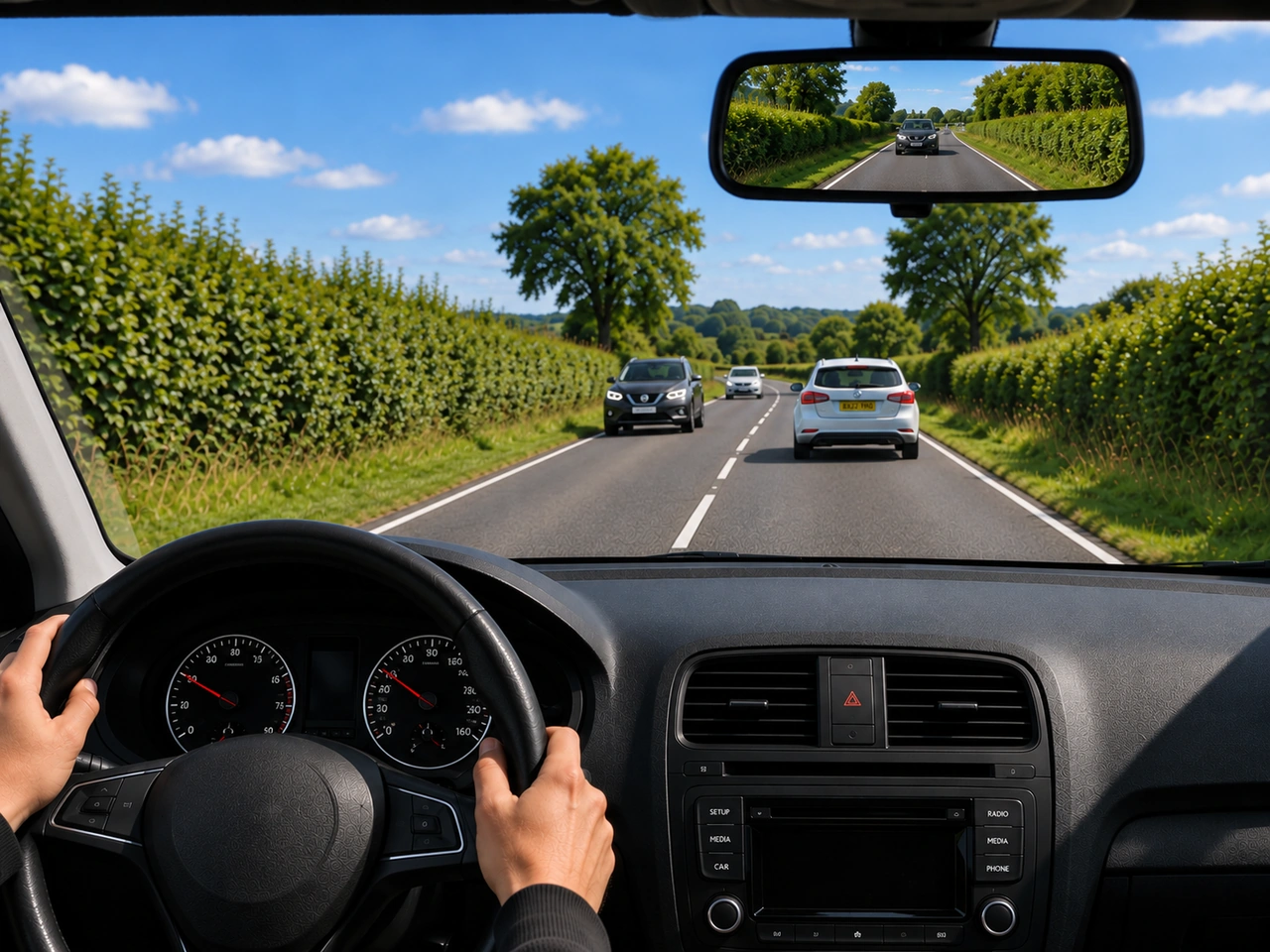
266. Why should you check your mirrors before braking?
Checking your mirrors helps you understand what is happening behind you and anticipate how following traffic may react. In an emergency, do not delay necessary braking.
AI-generated by Traffic-rules.com • WCIT • CC BY-SA
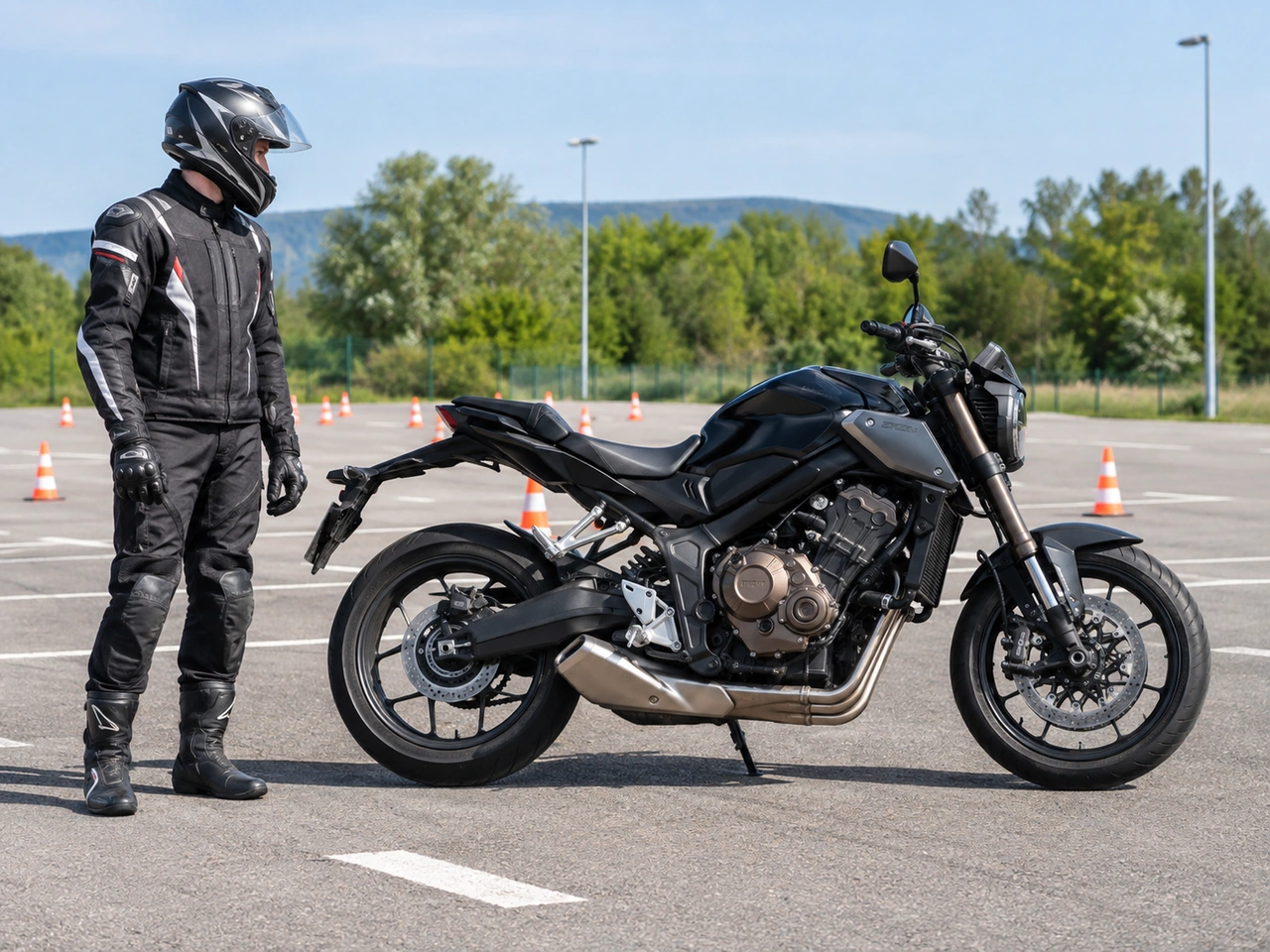
267. What is the minimum licence for a motorcycle with more than 35 kW?
Category A2 is limited to motorcycles with power not exceeding 35 kW. A motorcycle with more than 35 kW therefore requires category A.
AI-generated by Traffic-rules.com • WCIT • CC BY-SA
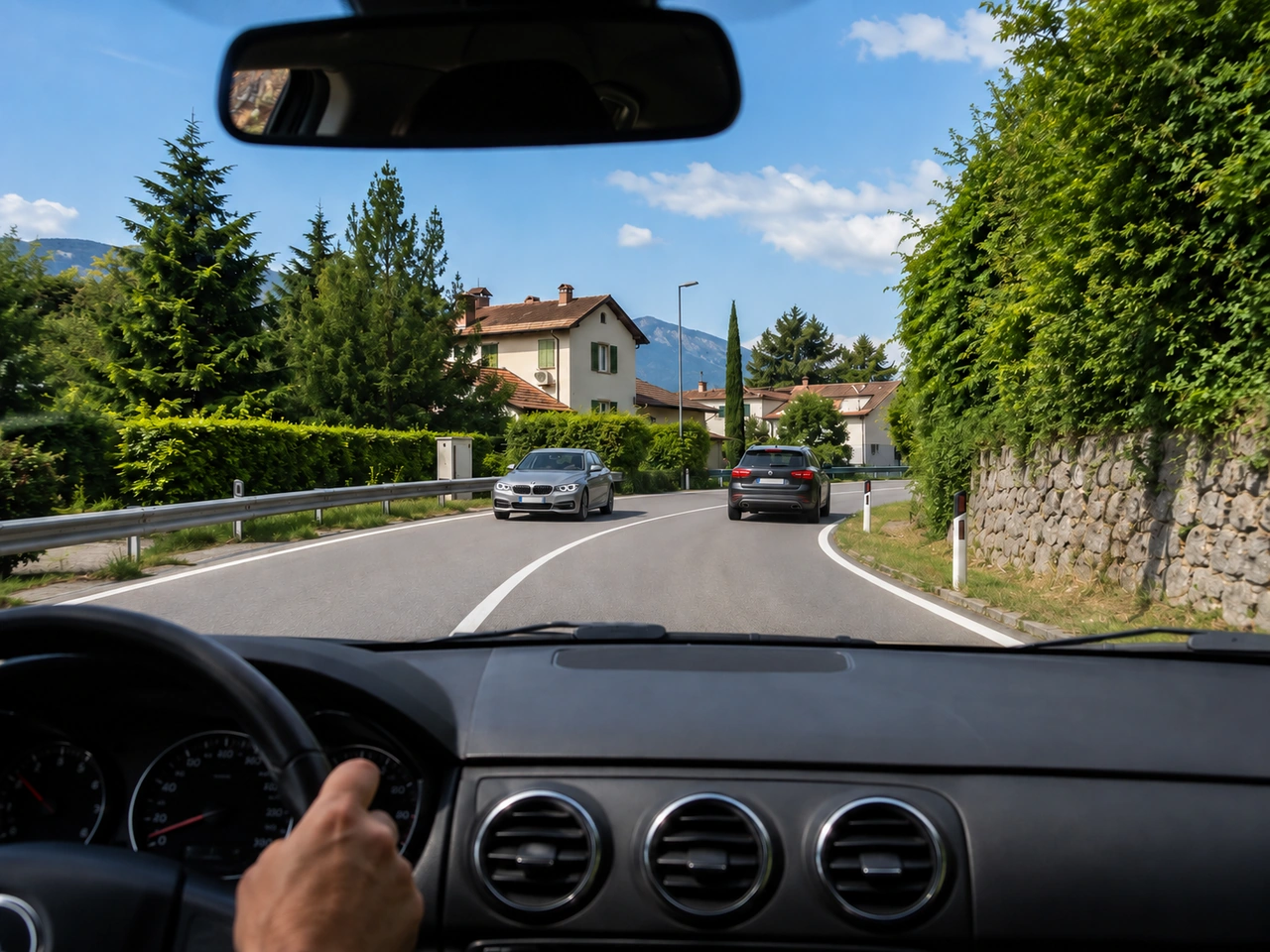
268. Why should you slow down before a sharp bend?
Sharp bends reduce your view and can make the vehicle harder to control, so you should slow down before entering the bend.
AI-generated by Traffic-rules.com • WCIT • CC BY-SA
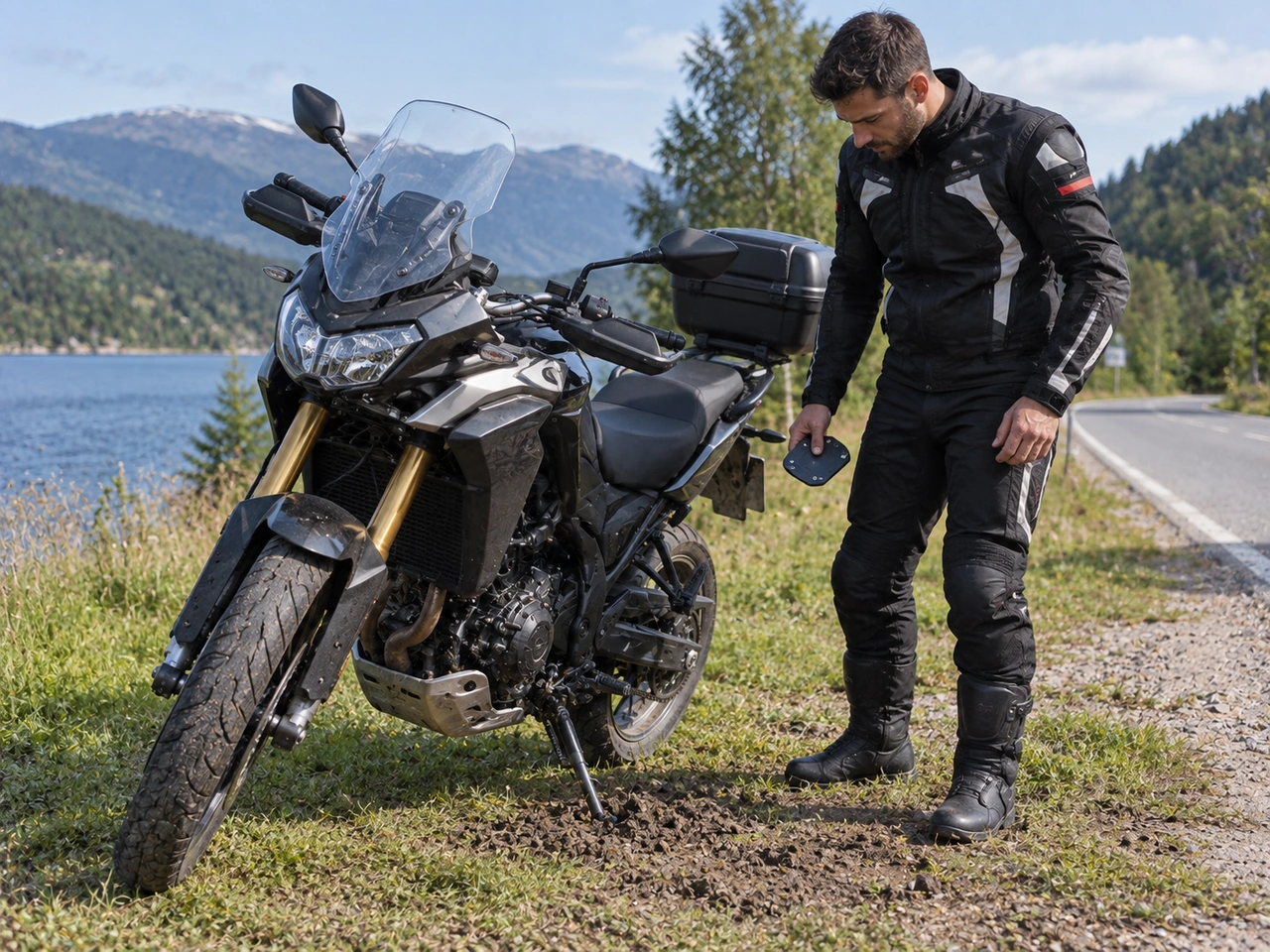
269. Why should you take care when parking a motorcycle on soft ground?
On soft or unstable ground, the side or centre stand can sink or move, causing the motorcycle to fall. Park on a firm, stable surface or use a suitable support under the stand when necessary.
AI-generated by Traffic-rules.com • WCIT • CC BY-SA
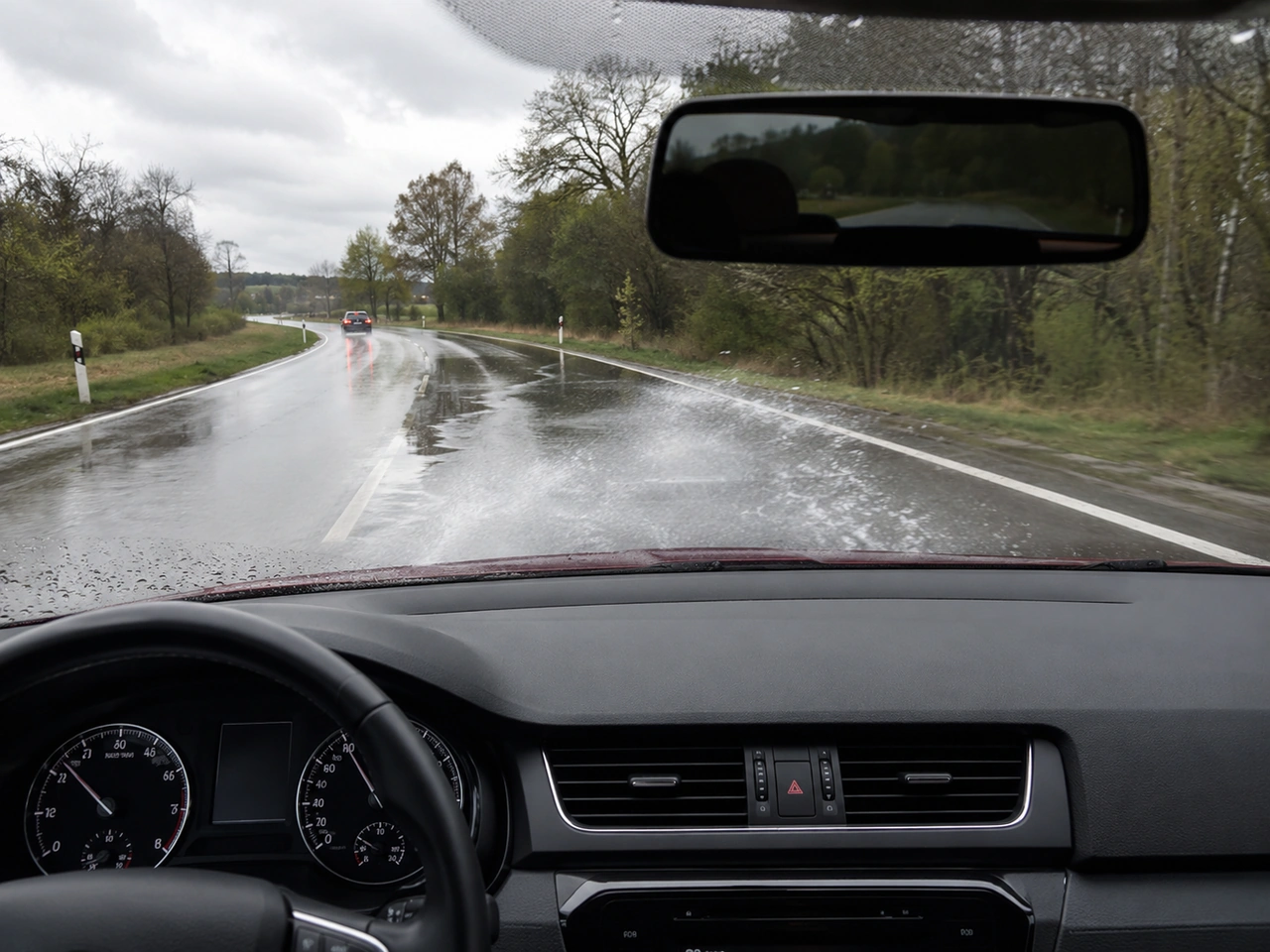
270. Why is it dangerous to drive through standing water at speed?
Driving too fast through water can cause aquaplaning, where the tyres lose grip and the driver may lose control.
AI-generated by Traffic-rules.com • WCIT • CC BY-SA
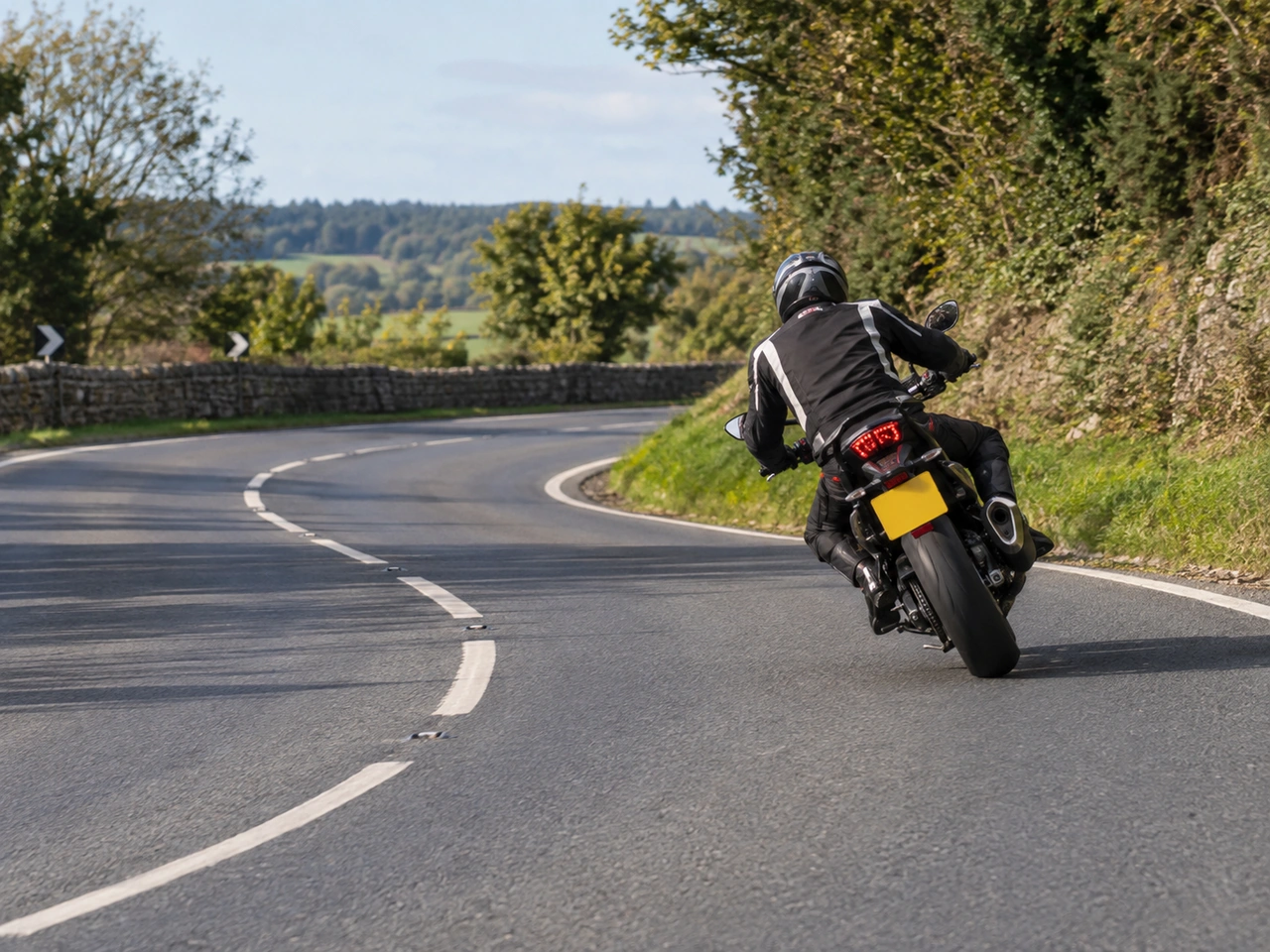
271. Why should hard braking be avoided while a motorcycle is leaning in a bend?
When a motorcycle is leaning, the tyres are already using grip to turn. Hard braking can demand additional grip and may reduce stability. Whenever possible, adjust speed before the bend and use smooth, controlled inputs while cornering.
AI-generated by Traffic-rules.com • WCIT • CC BY-SA
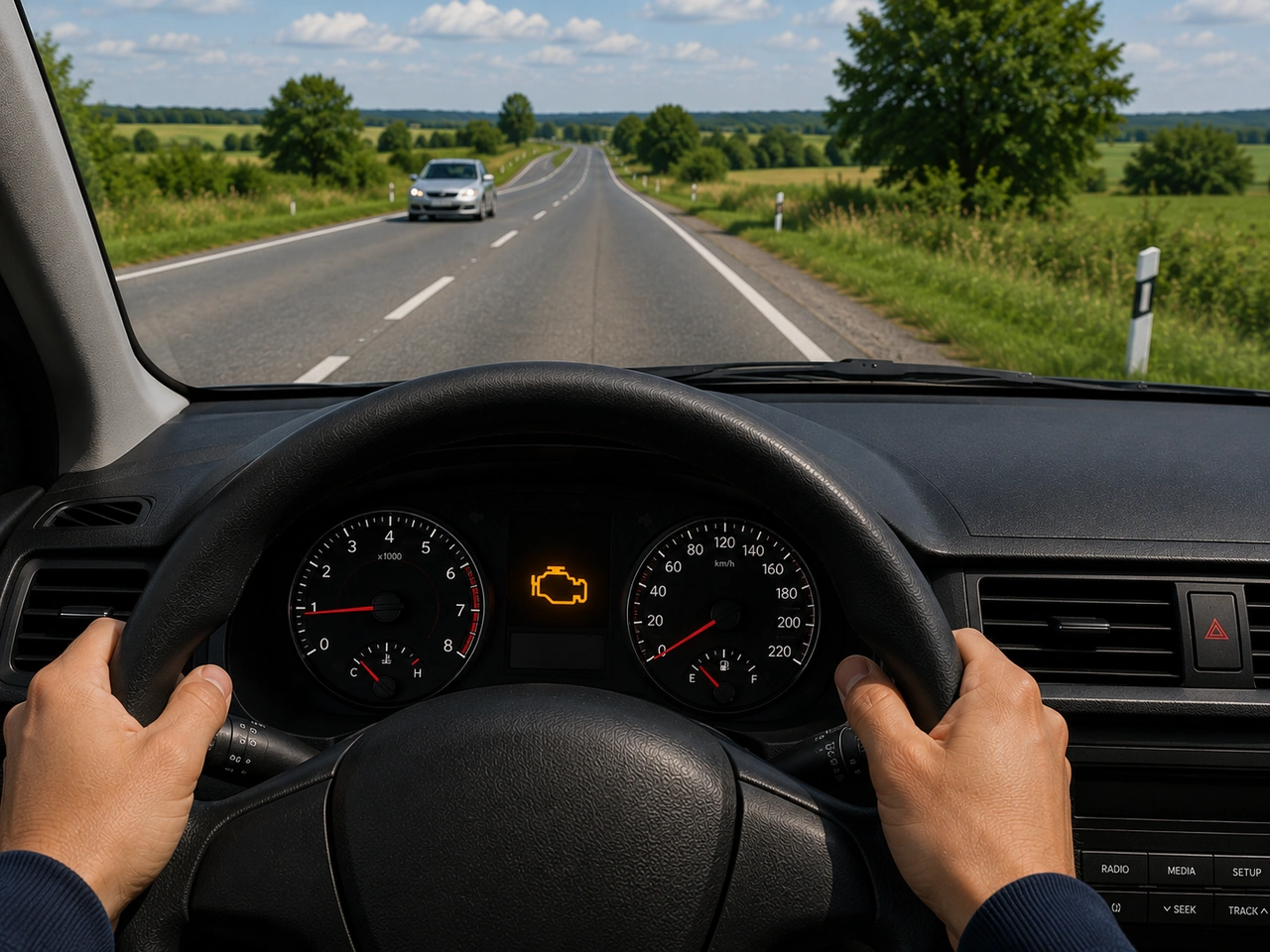
272. What should you expect if the engine suddenly stalls while the vehicle is moving?
Power assistance may be reduced when the engine stops. Keep control, use the hazard lights if needed, and steer toward a safe stopping area.
AI-generated by Traffic-rules.com • WCIT • CC BY-SA
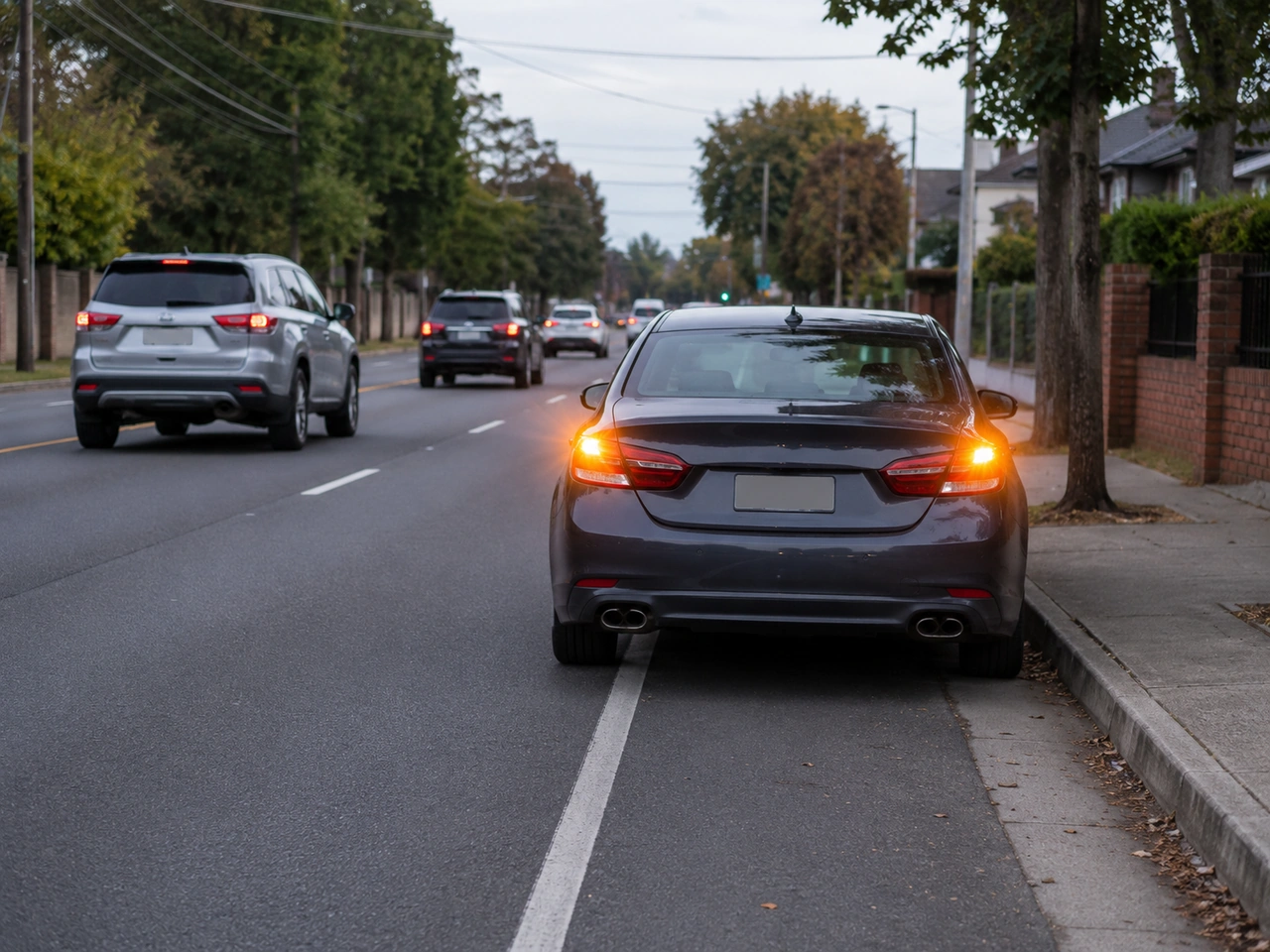
273. You may park anywhere as long as you leave your hazard lights on.
Hazard lights are used to warn other road users of a hazard or an unexpectedly stopped vehicle. They do not make illegal or unsafe parking acceptable.
AI-generated by Traffic-rules.com • WCIT • CC BY-SA
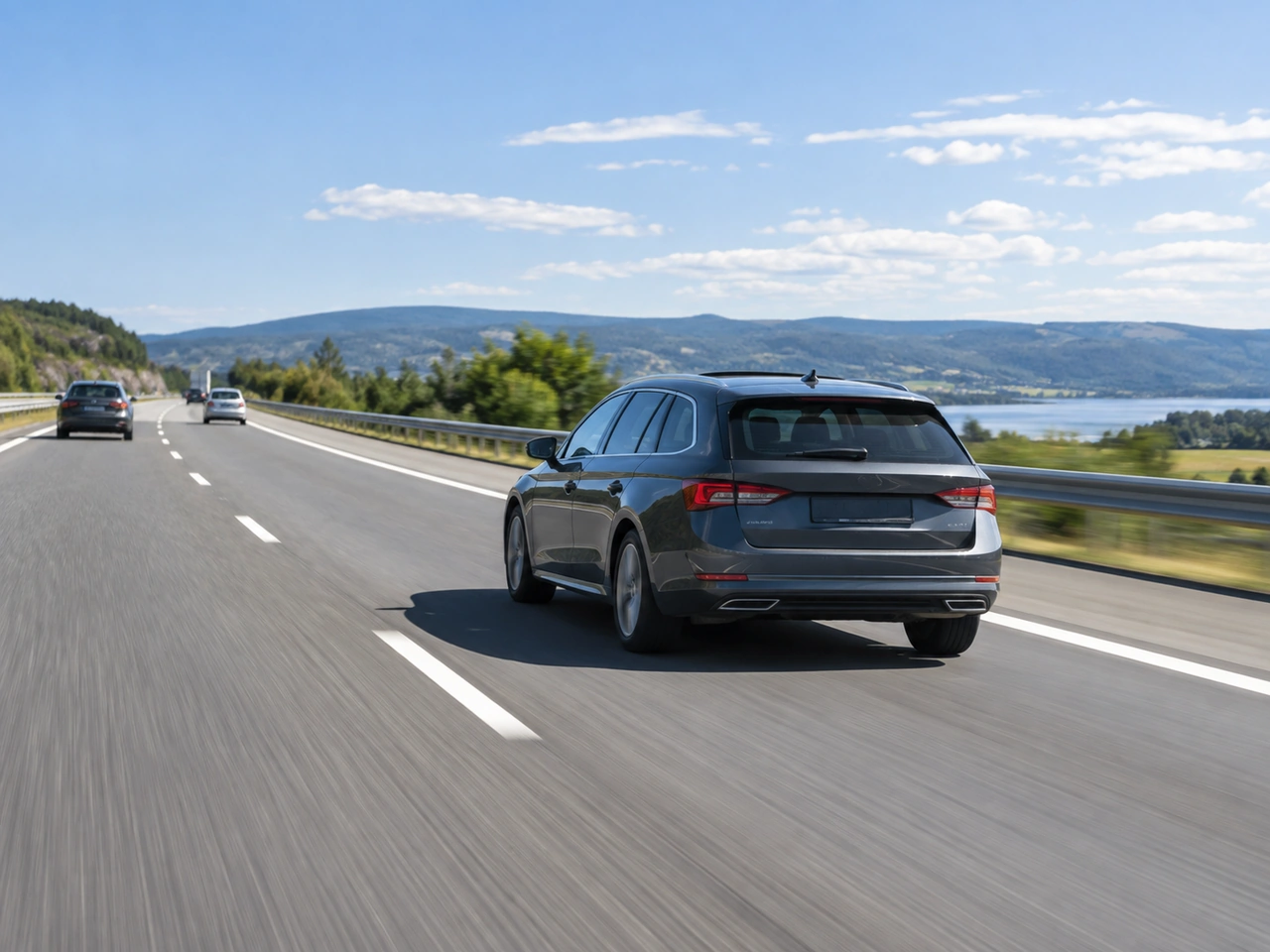
274. How can higher speed affect fuel or energy consumption?
As speed increases, aerodynamic resistance generally rises, so the vehicle needs more energy to maintain that speed. Driving smoothly at an appropriate speed can therefore reduce fuel or energy consumption.
AI-generated by Traffic-rules.com • WCIT • CC BY-SA
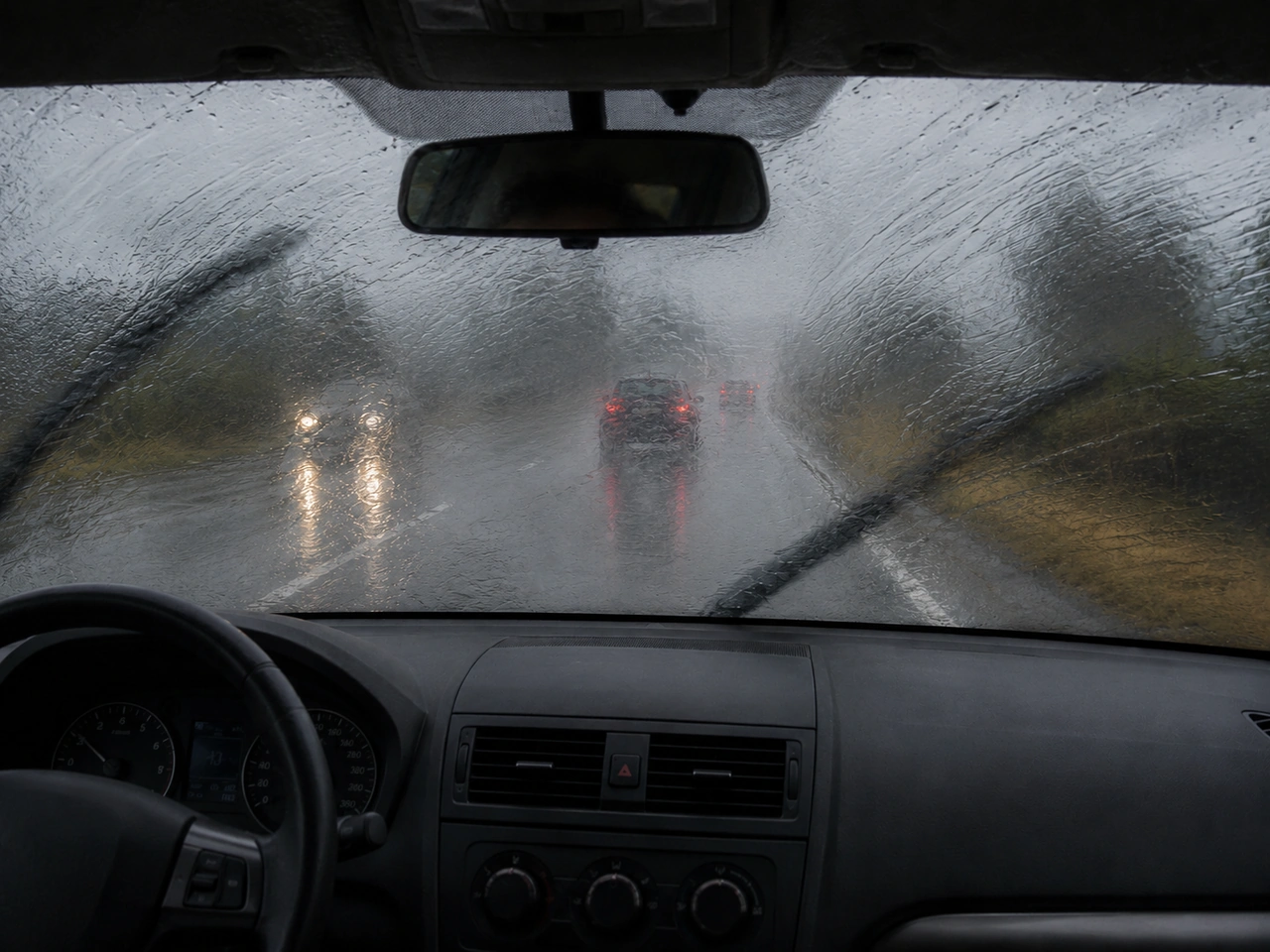
275. What should you do if the windscreen wipers leave the glass smeared?
Worn or dirty wiper blades can seriously reduce visibility in rain. Clean them first and replace them if they remain ineffective or damaged.
AI-generated by Traffic-rules.com • WCIT • CC BY-SA
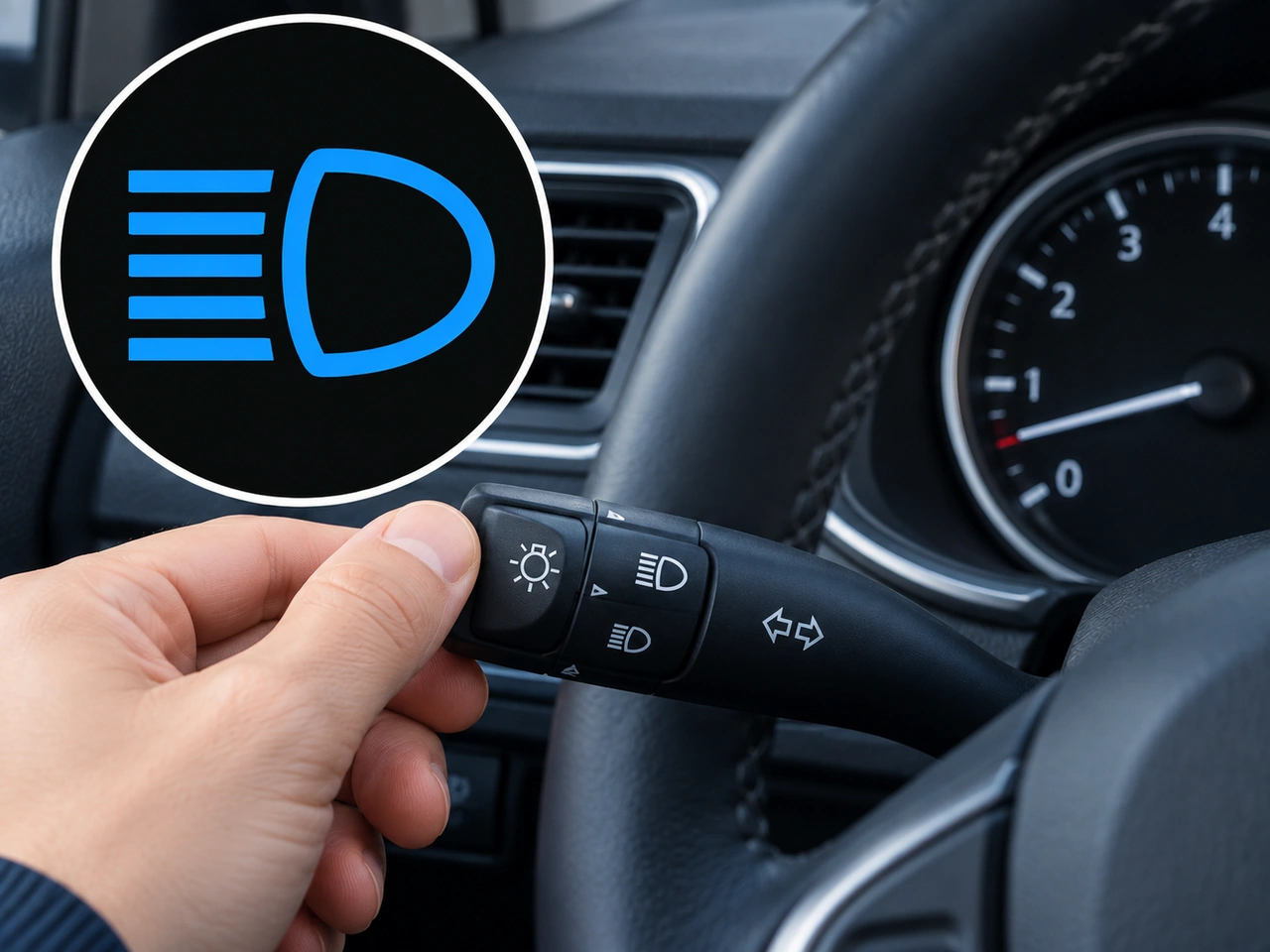
276. What does this dashboard symbol indicate?
This symbol indicates that the main beam headlights are switched on. Main beam illuminates the road farther ahead but can dazzle other road users, so it should be changed to dipped headlights when necessary.
AI-generated by Traffic-rules.com • WCIT • CC BY-SA
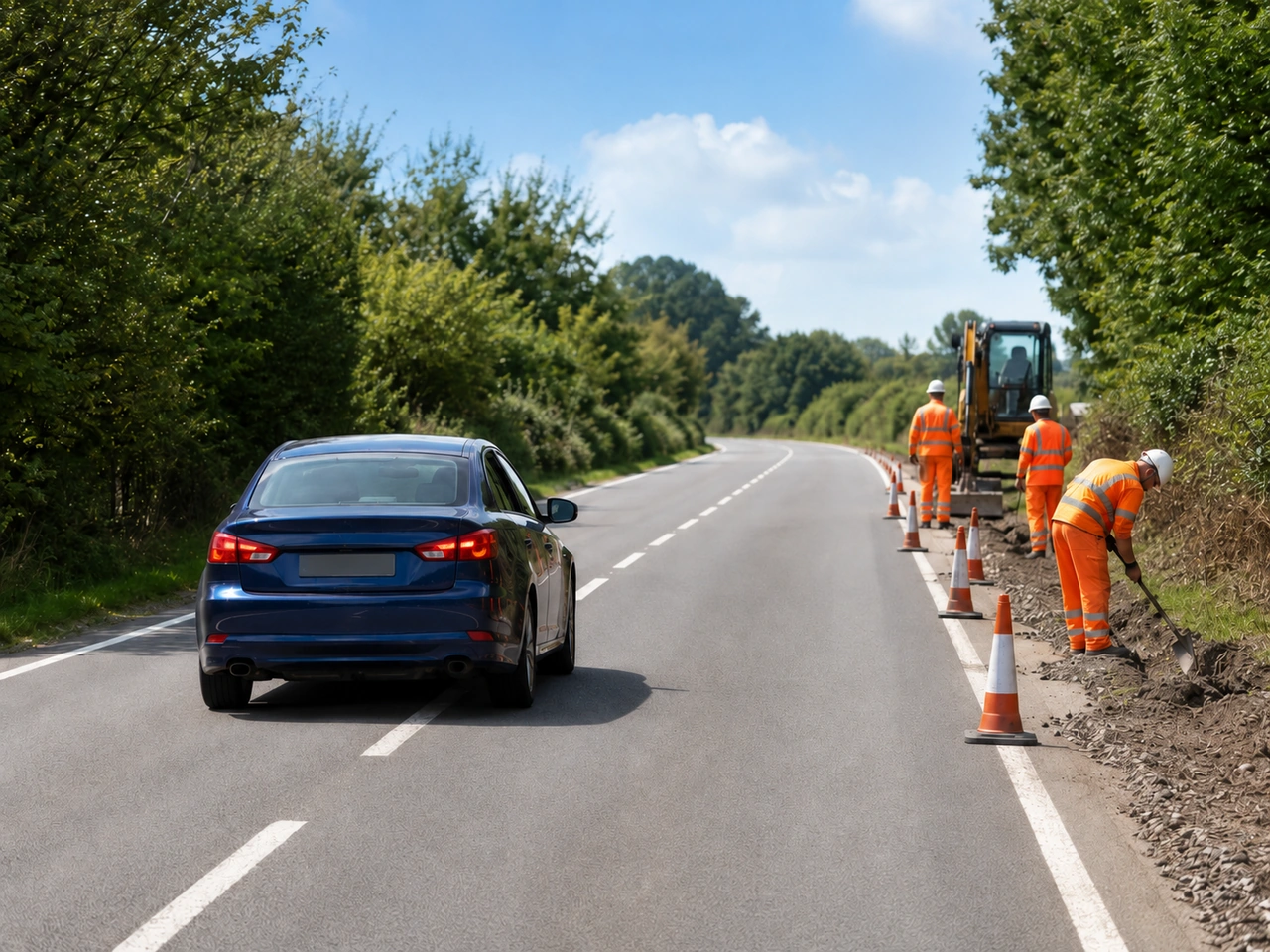
277. Why should you leave extra space when passing road workers?
Workers may be only a short distance from passing vehicles. Reduce speed and leave as much safe space as possible.
AI-generated by Traffic-rules.com • WCIT • CC BY-SA
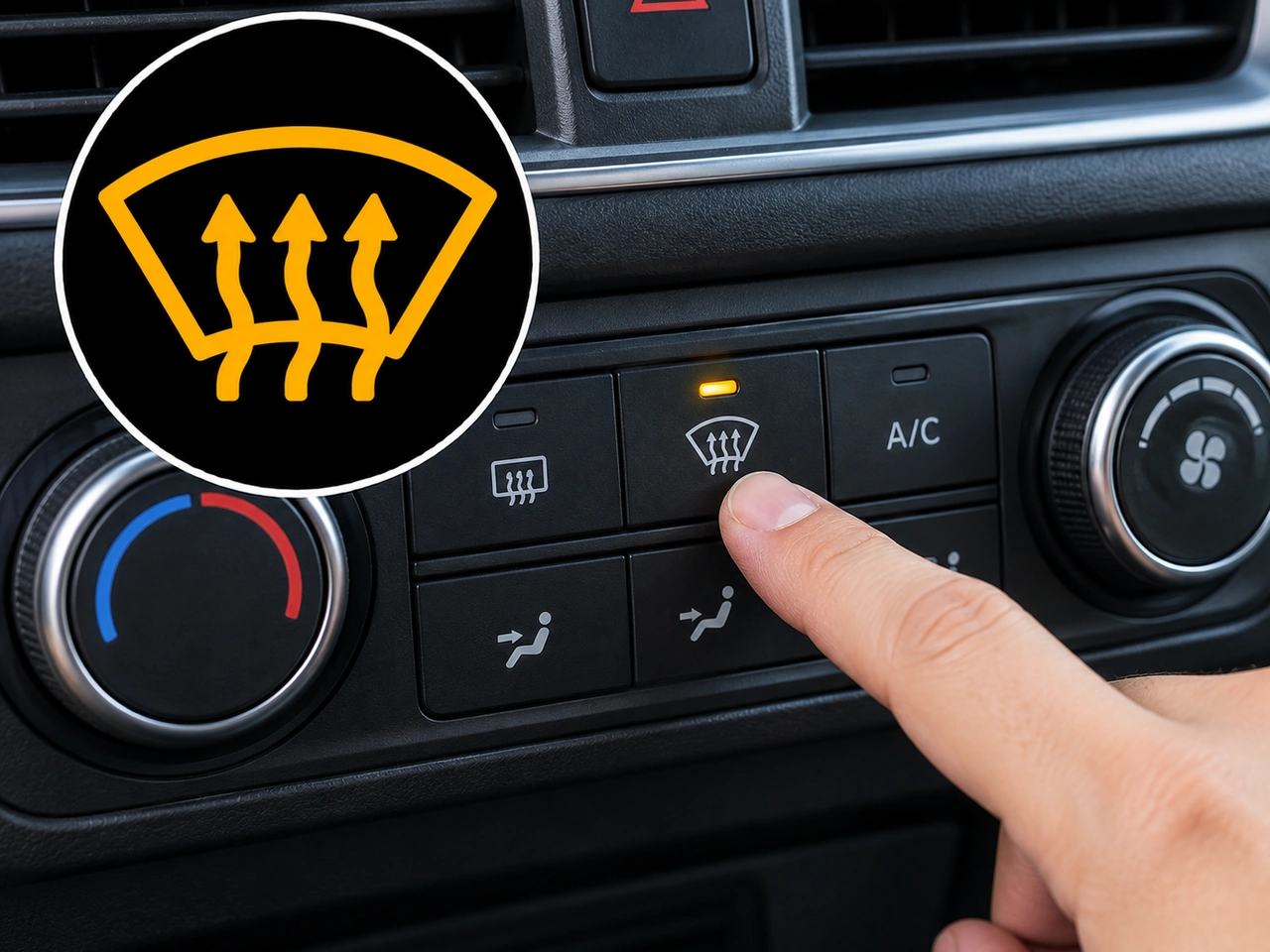
278. What does this dashboard symbol indicate?
This symbol indicates the front windscreen demister. It directs airflow towards the windscreen to help clear condensation, mist or frost and restore a clear view.
AI-generated by Traffic-rules.com • WCIT • CC BY-SA
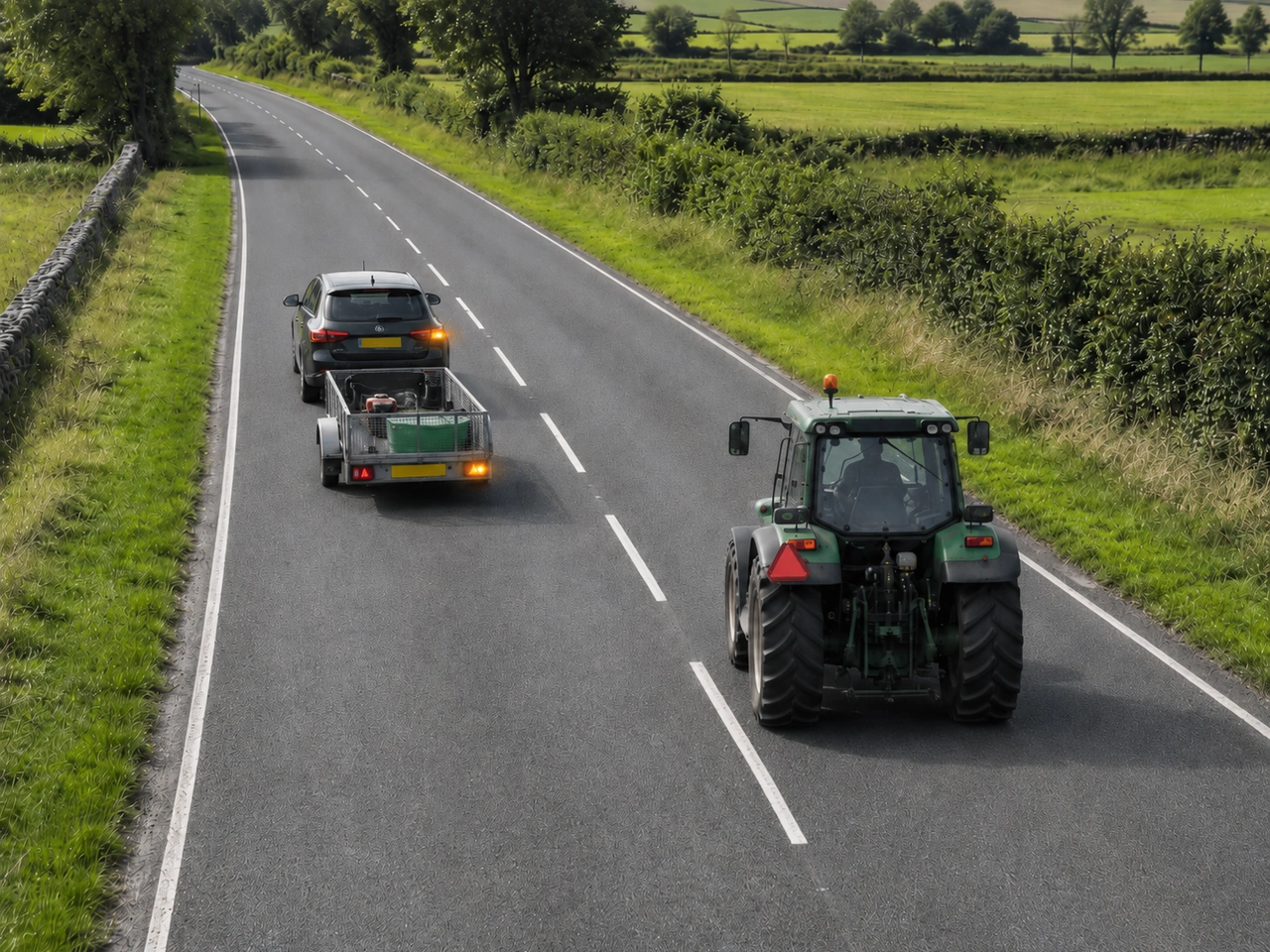
279. What should you do before overtaking while towing a trailer?
A towing vehicle accelerates more slowly, and the trailer makes the whole vehicle combination longer. Remember to allow a much larger safe gap before overtaking and enough space to return safely to your lane.
AI-generated by Traffic-rules.com • WCIT • CC BY-SA
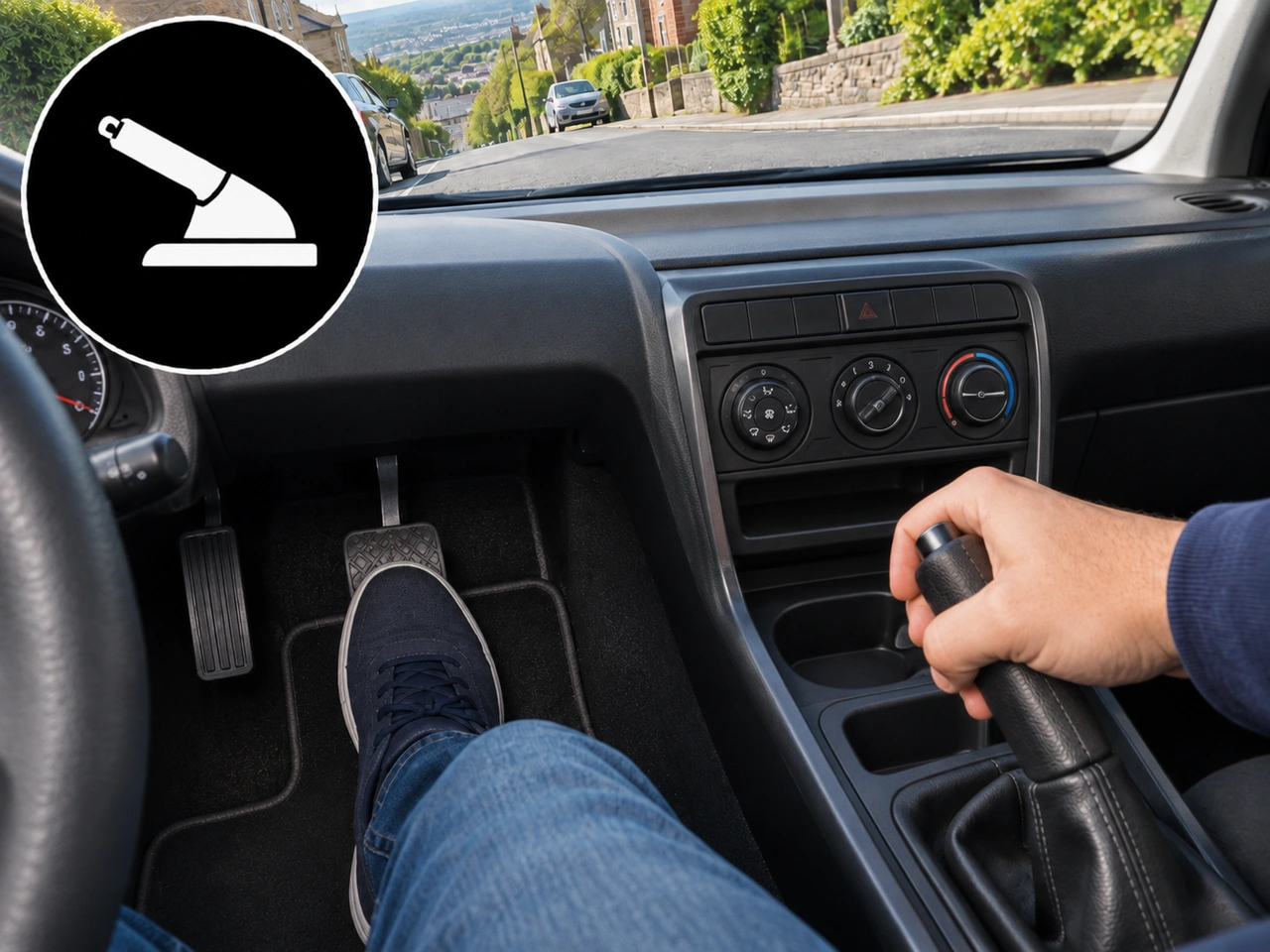
280. What should you do before releasing the parking brake on a slope?
Before releasing the parking brake on a slope, make sure the vehicle cannot roll unexpectedly. Use the service brake or, when moving off in a manual vehicle, establish the clutch biting point and sufficient power before releasing the parking brake.
AI-generated by Traffic-rules.com • WCIT • CC BY-SA
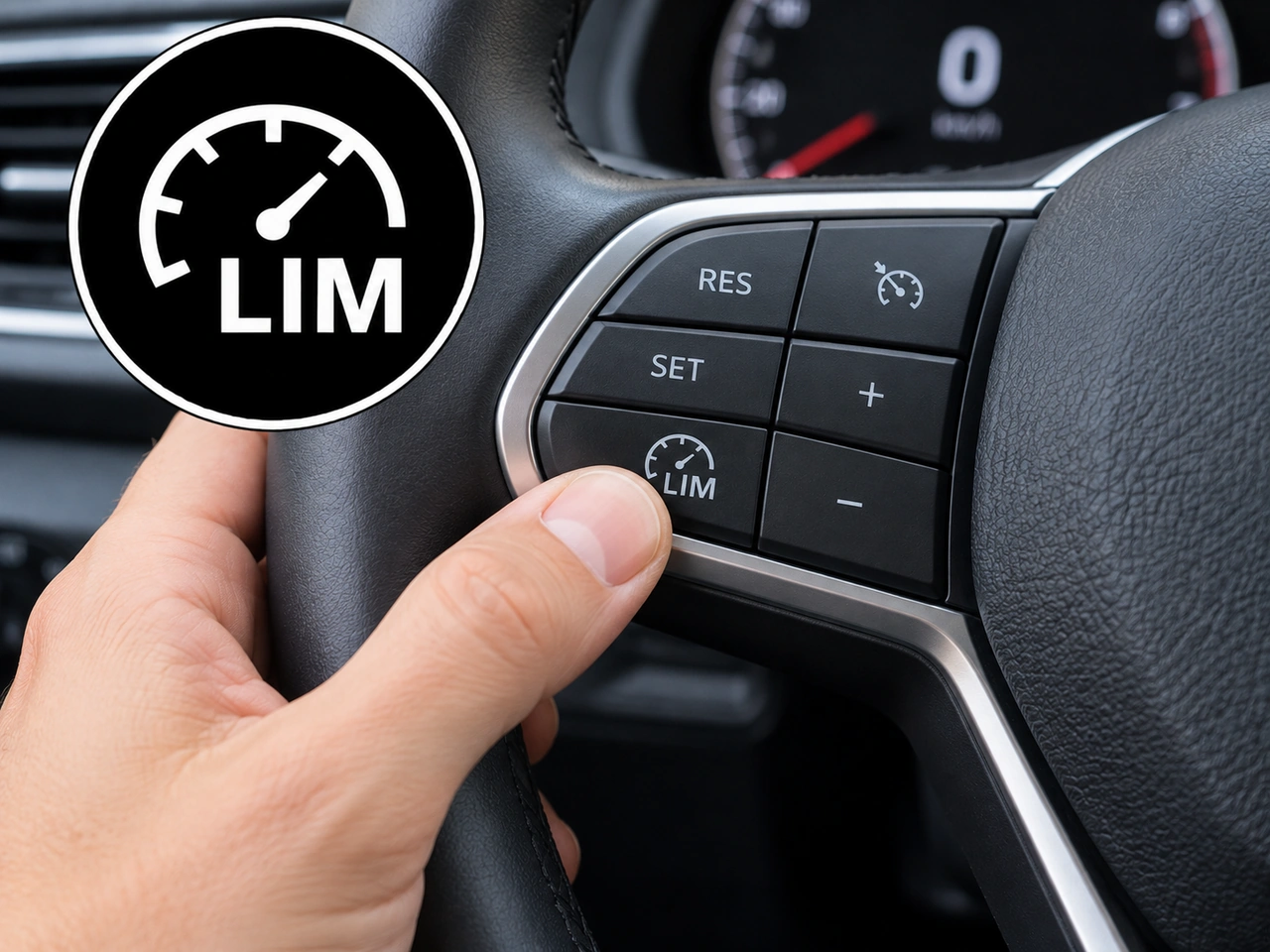
281. What does this vehicle-control symbol indicate?
The speed limiter allows the driver to set a maximum speed that the vehicle should not normally exceed while the accelerator is being used.
AI-generated by Traffic-rules.com • WCIT • CC BY-SA
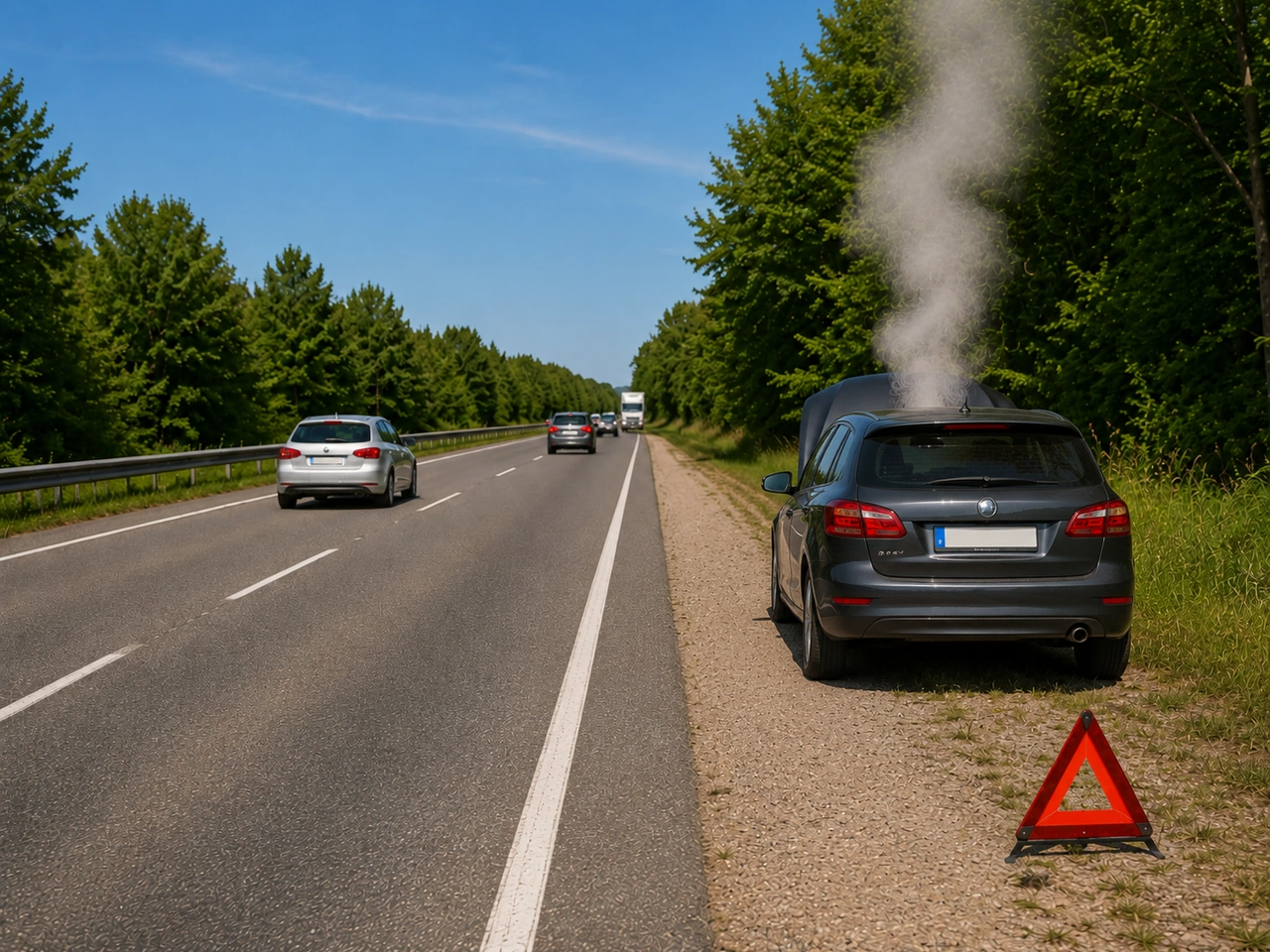
282. What should you do if steam begins coming from underneath the bonnet?
Steam can indicate an overheated and pressurised cooling system. Do not remove the coolant cap while the system is hot.
AI-generated by Traffic-rules.com • WCIT • CC BY-SA
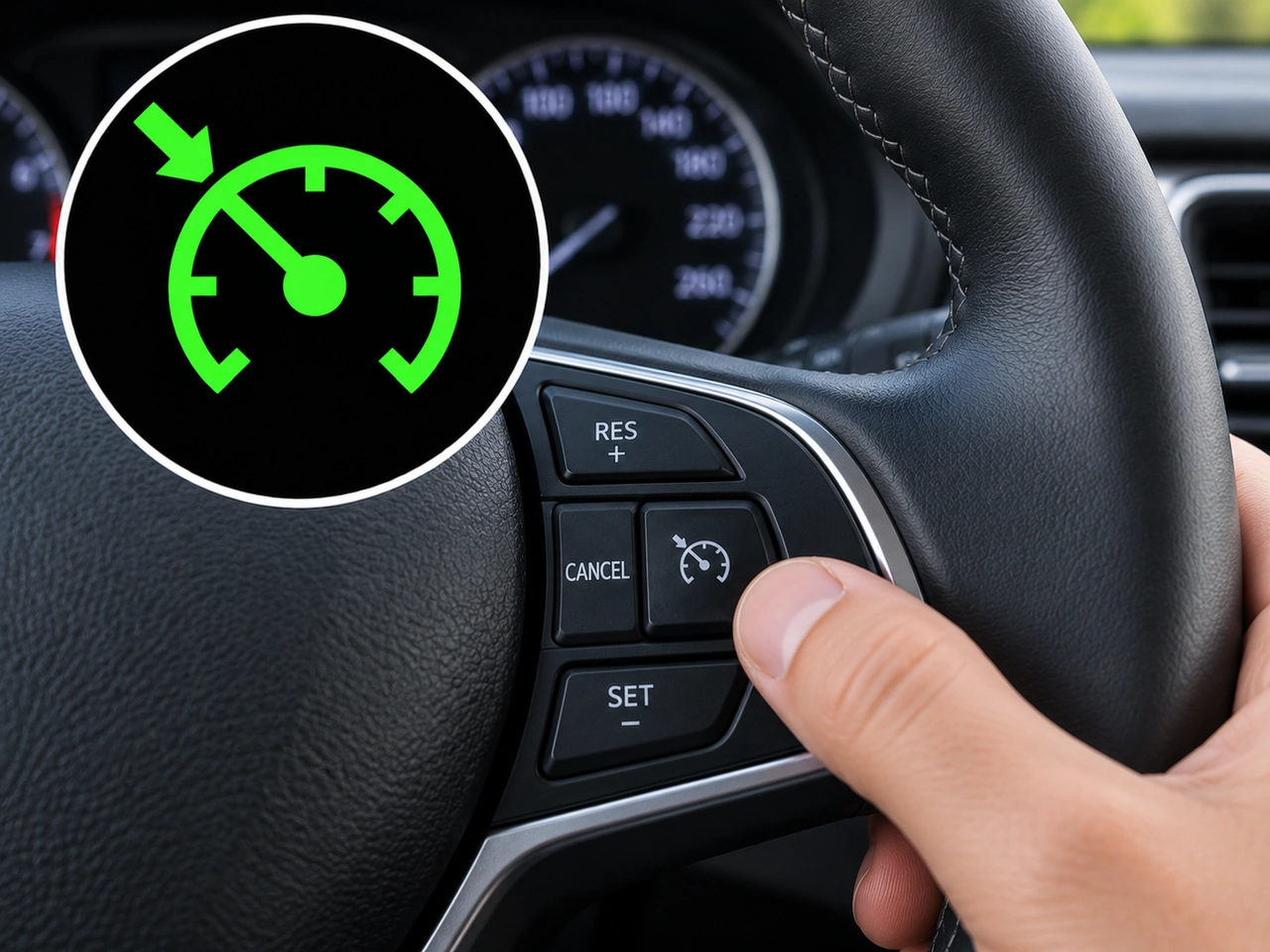
283. What does this dashboard symbol indicate?
This symbol indicates the cruise-control system. Cruise control can maintain a selected vehicle speed without the driver continuously pressing the accelerator. The exact indicator behaviour can vary between vehicles.
AI-generated by Traffic-rules.com • WCIT • CC BY-SA
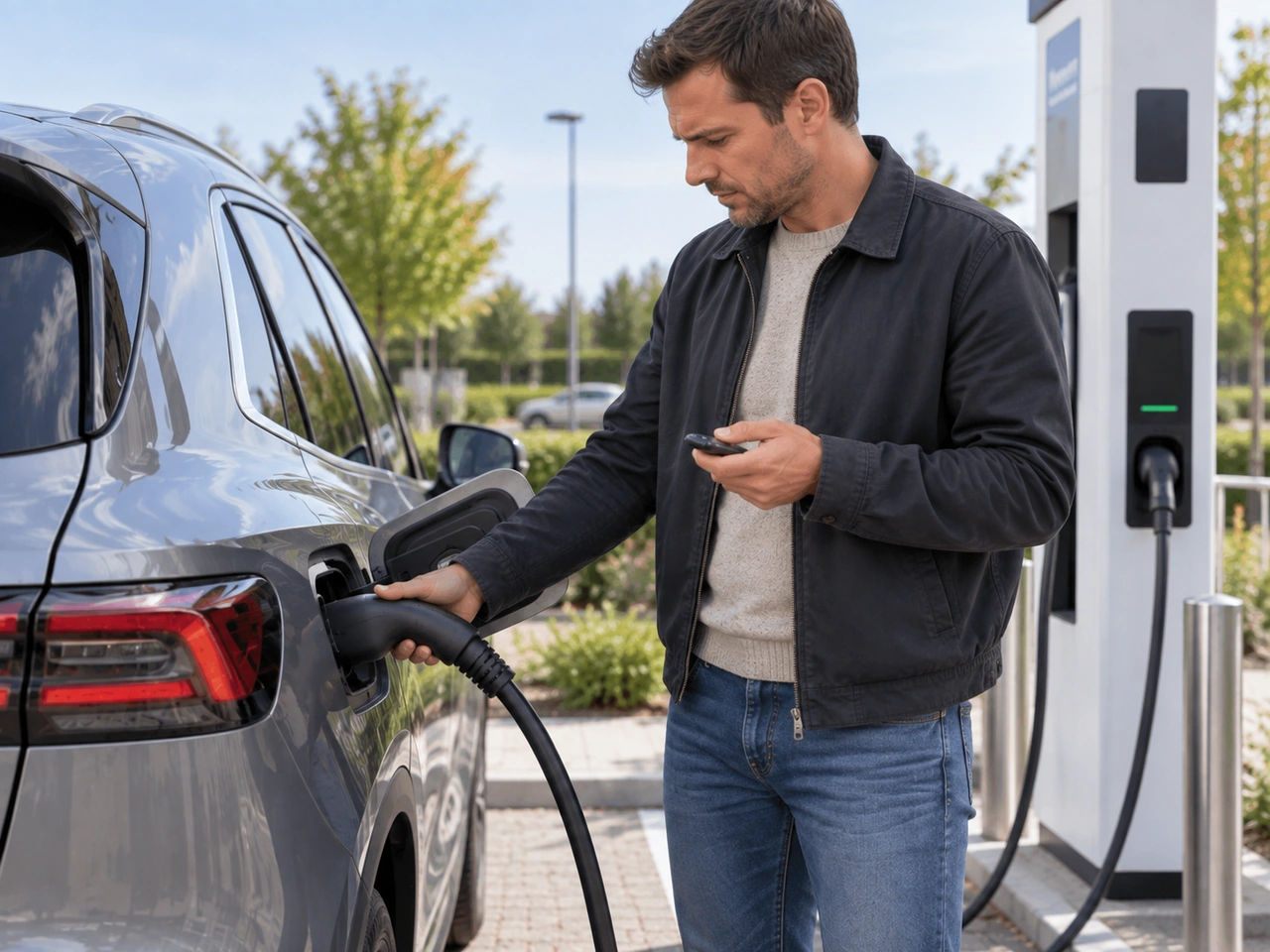
284. What should you do if an EV charging connector will not release from the vehicle?
Charging connectors may remain locked while charging or until the vehicle is unlocked. Stop the charging session and follow the vehicle or charger's release procedure. Never force the connector; if it remains stuck, seek appropriate assistance.
AI-generated by Traffic-rules.com • WCIT • CC BY-SA
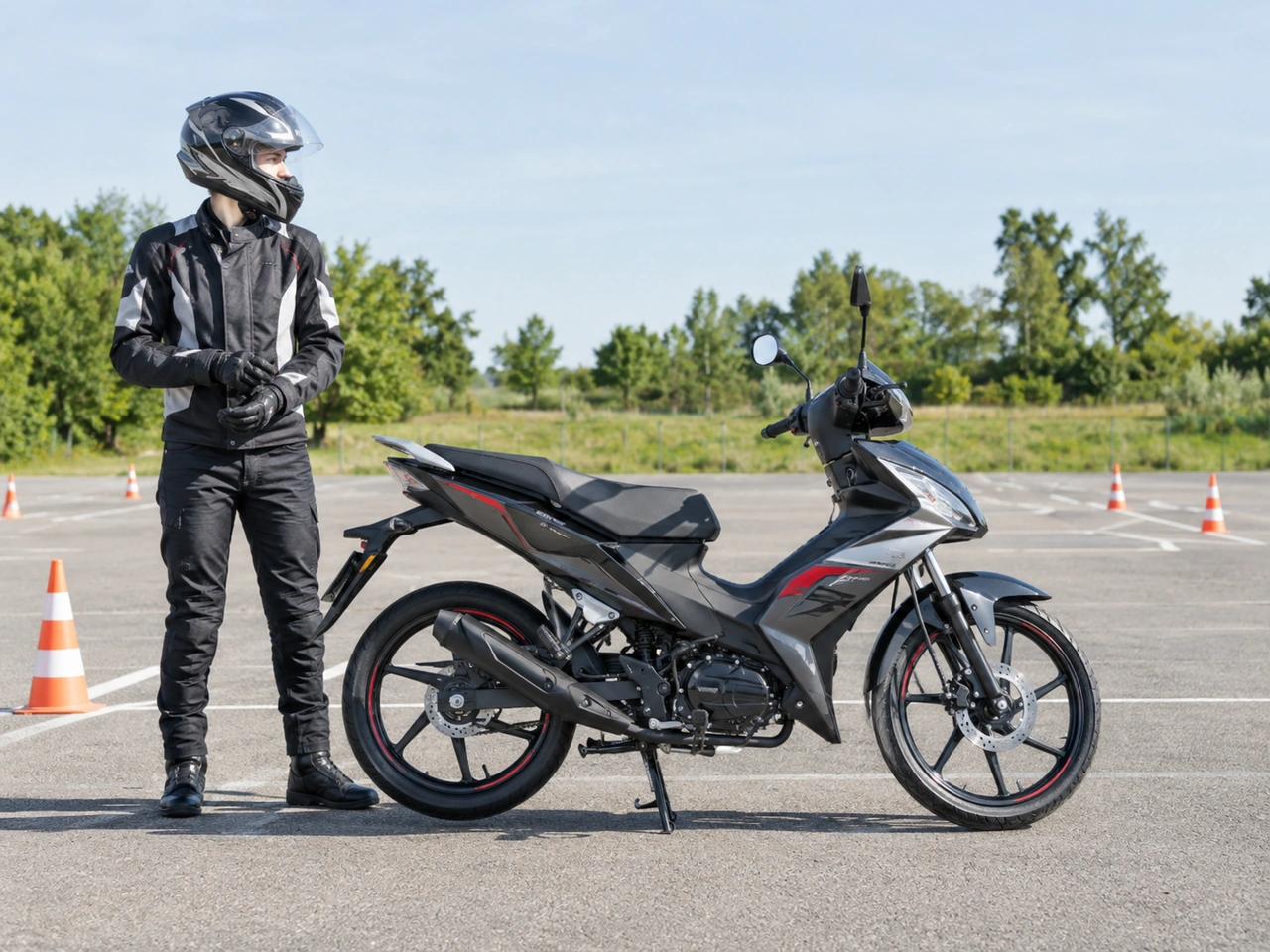
285. What is the minimum licence for a moped with a design speed over 25 and up to 45 km/h?
Category AM covers certain two- and three-wheeled mopeds with a maximum design speed above 25 km/h and not exceeding 45 km/h, as well as light quadricycles.
AI-generated by Traffic-rules.com • WCIT • CC BY-SA
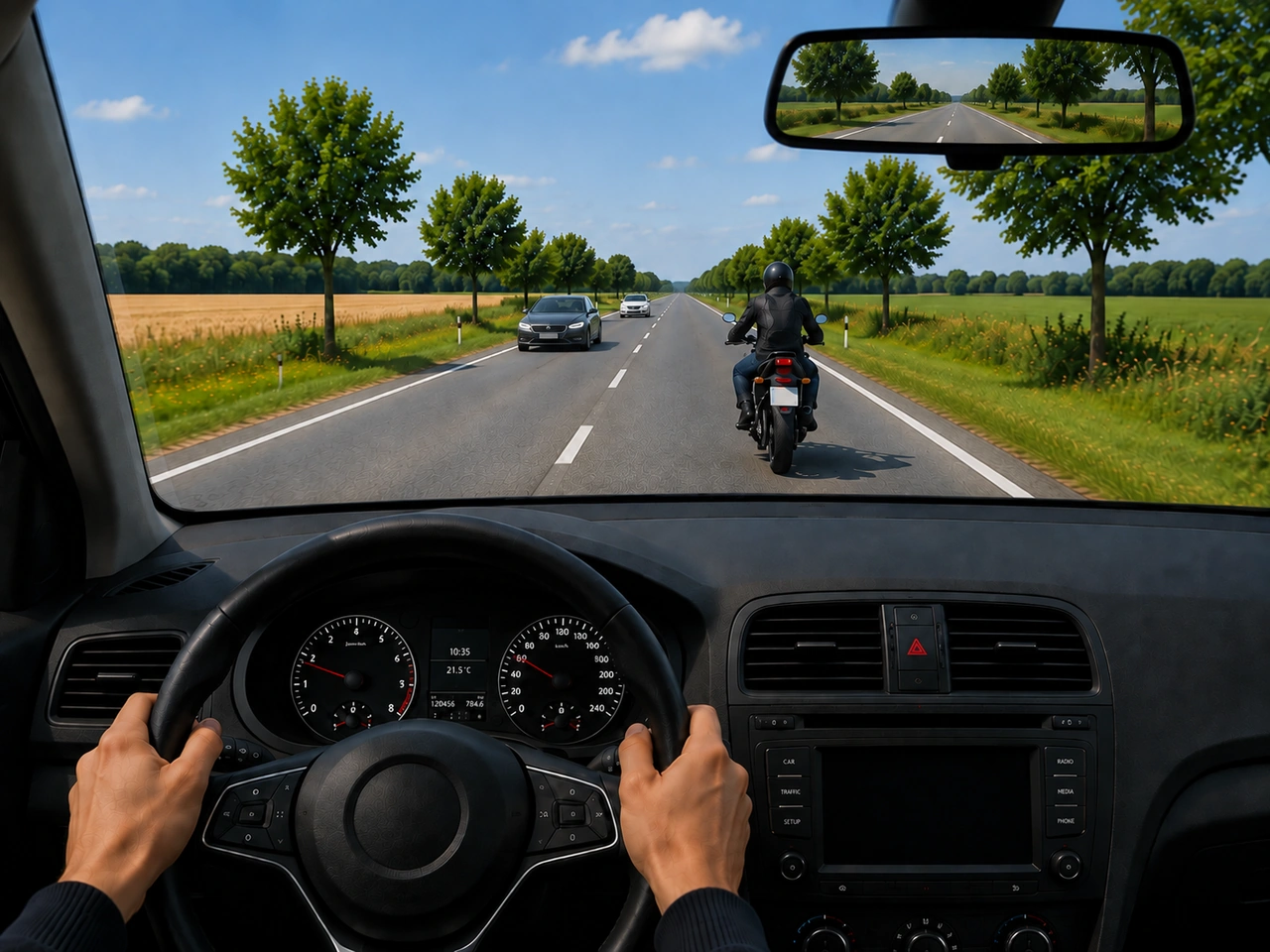
286. Why should you leave extra space behind a motorcycle?
Motorcyclists are more exposed than car drivers. Extra following distance gives you more time to react safely.
AI-generated by Traffic-rules.com • WCIT • CC BY-SA
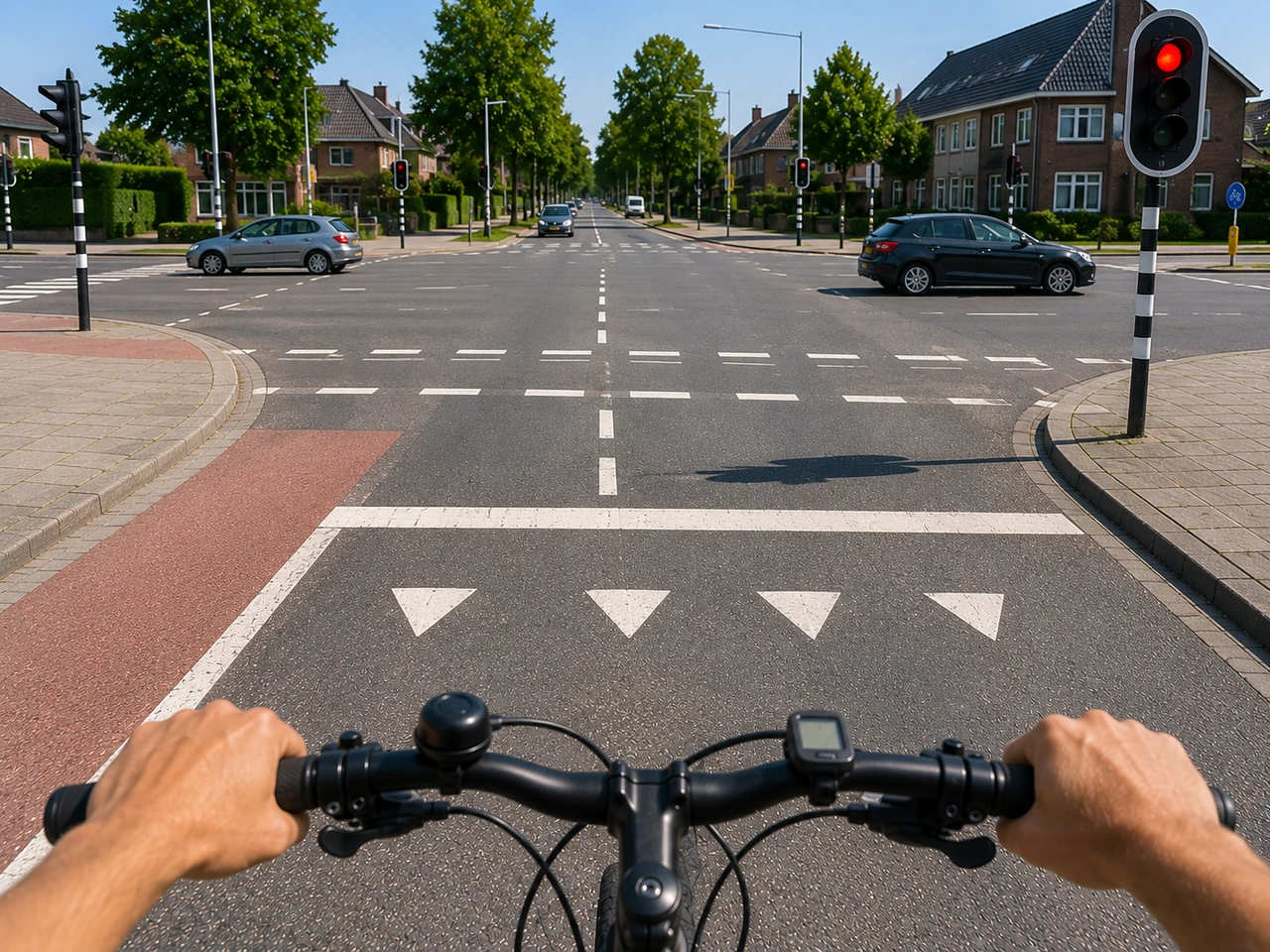
287. What should cyclists do when approaching a junction?
Junctions create conflict points between road users. Slowing down gives you more time to see hazards and react safely.
AI-generated by Traffic-rules.com • WCIT • CC BY-SA
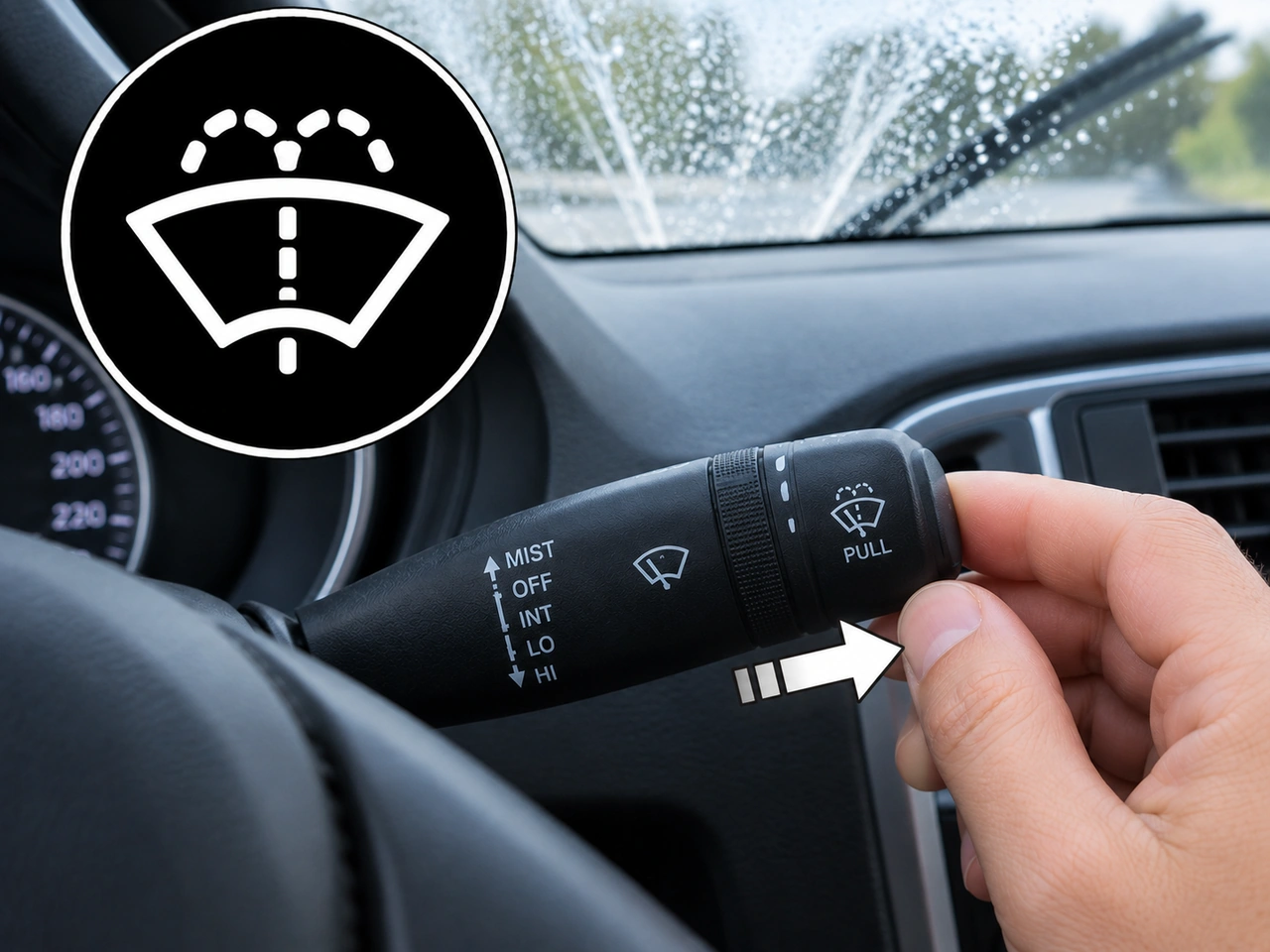
288. What does this vehicle-control symbol indicate?
This symbol indicates the windscreen washer. Operating the control sprays washer fluid onto the windscreen and normally activates the wipers to help clean the glass.
AI-generated by Traffic-rules.com • WCIT • CC BY-SA
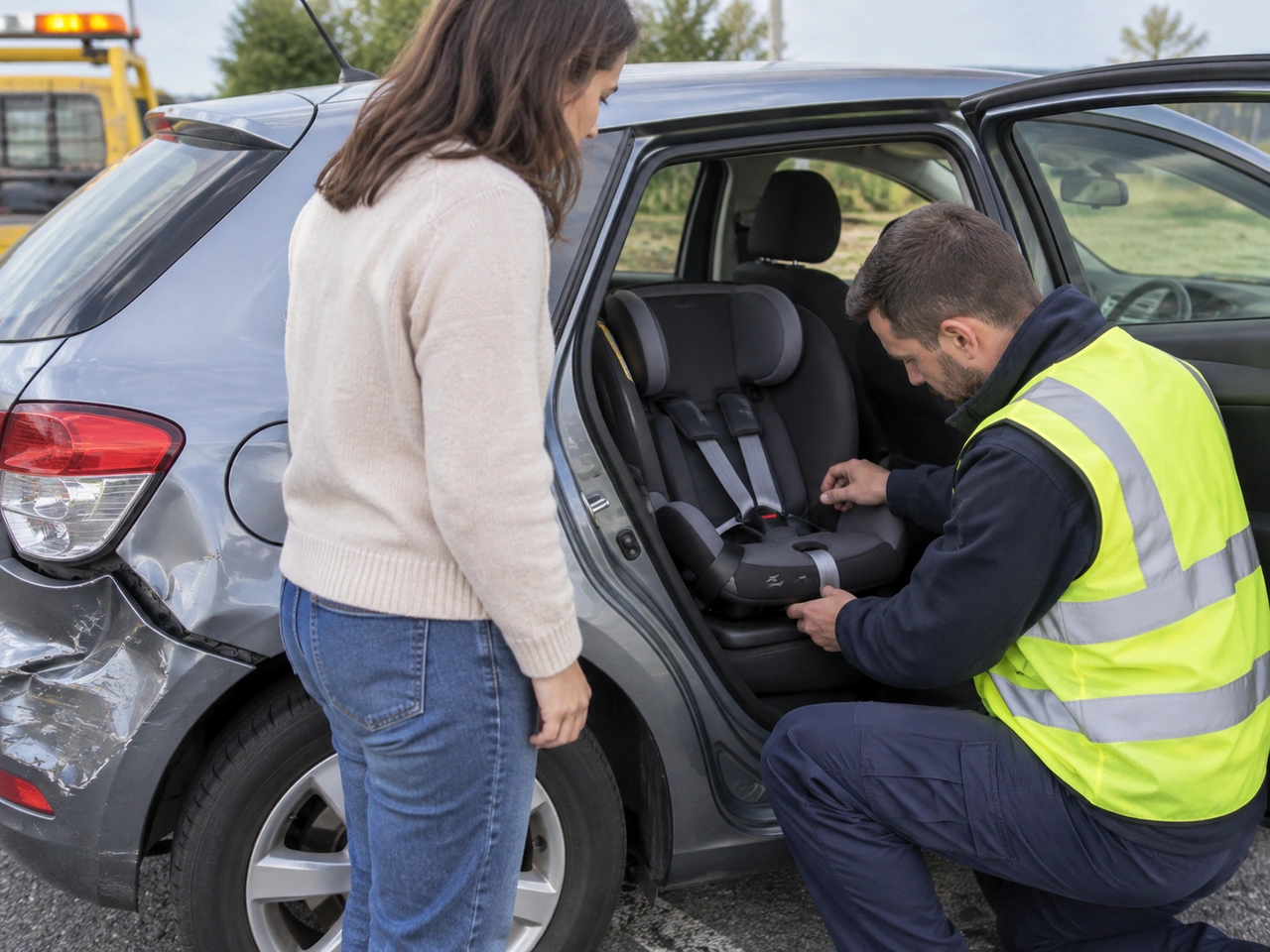
289. What should you do with a child restraint after a collision?
A child restraint may be damaged in a collision even when the damage is not obvious. Follow the manufacturer's instructions, as the restraint may need to be inspected or replaced before it is used again.
AI-generated by Traffic-rules.com • WCIT • CC BY-SA
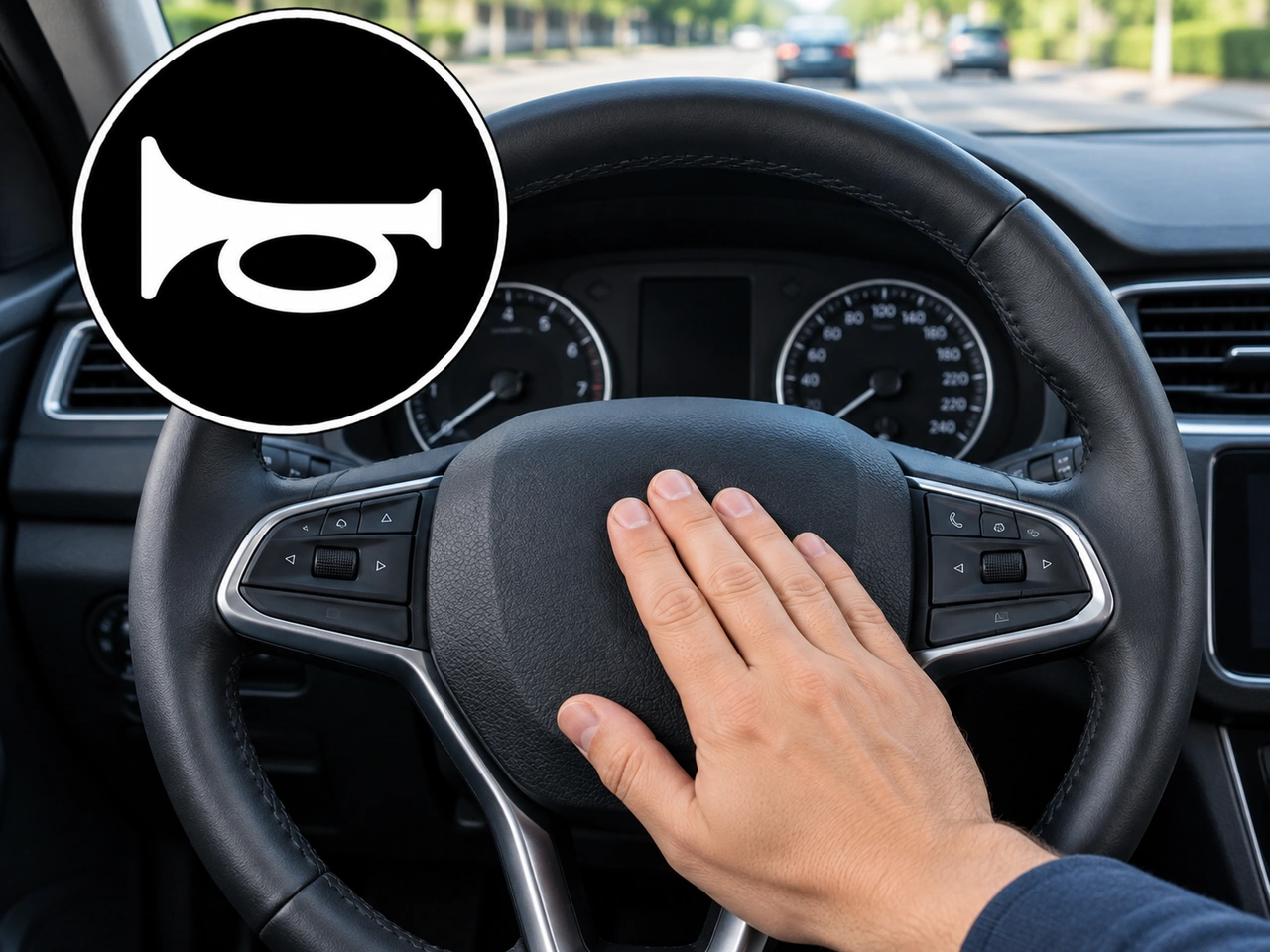
290. What does this vehicle-control symbol indicate?
This symbol indicates the horn control. The horn is used to warn other road users of your presence when necessary.
AI-generated by Traffic-rules.com • WCIT • CC BY-SA
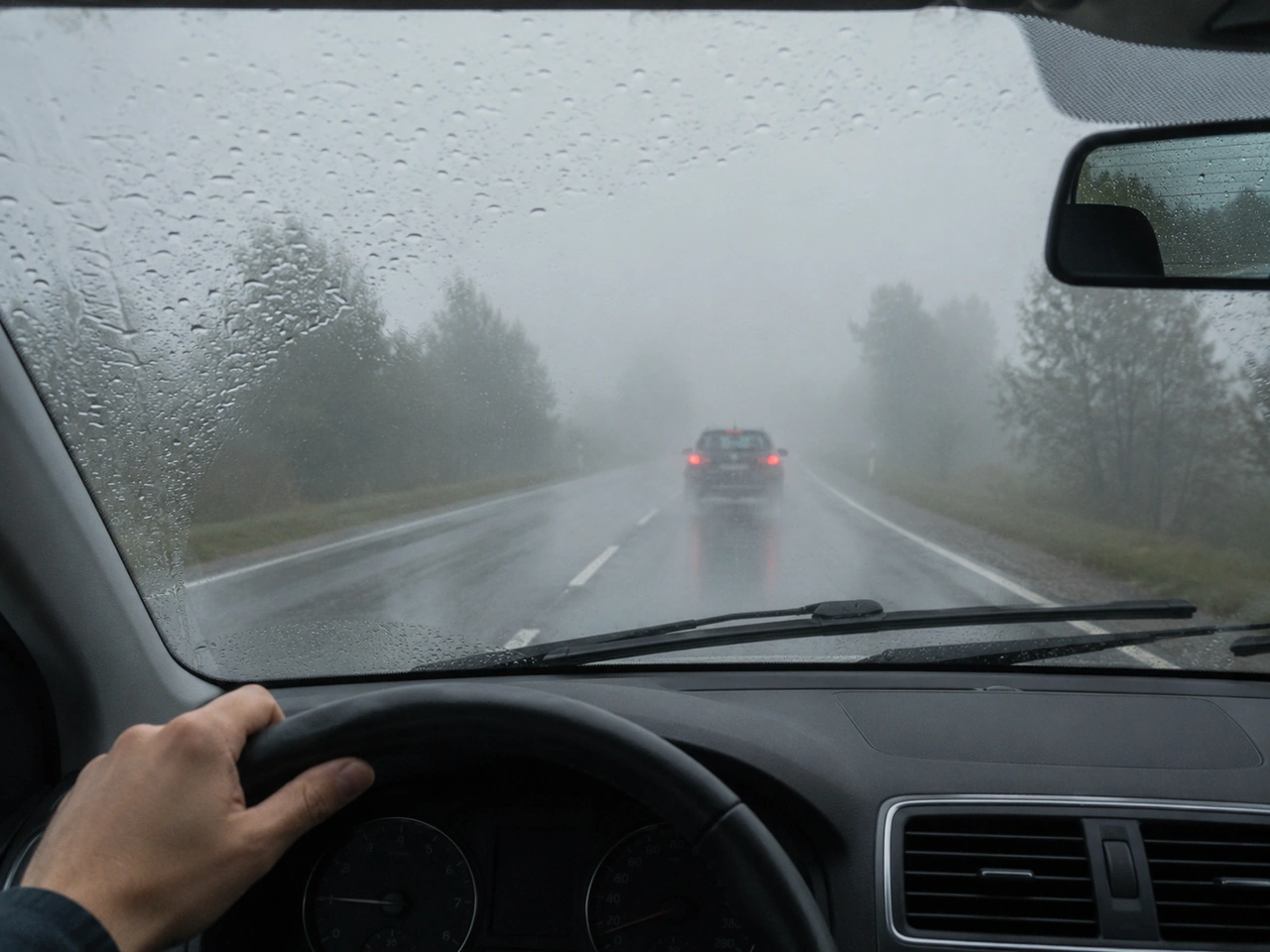
291. Why should you adjust your speed in bad weather?
Rain, snow, fog, and ice can reduce visibility and tyre grip. Lower speed gives you more time and distance to react and stop safely.
AI-generated by Traffic-rules.com • WCIT • CC BY-SA
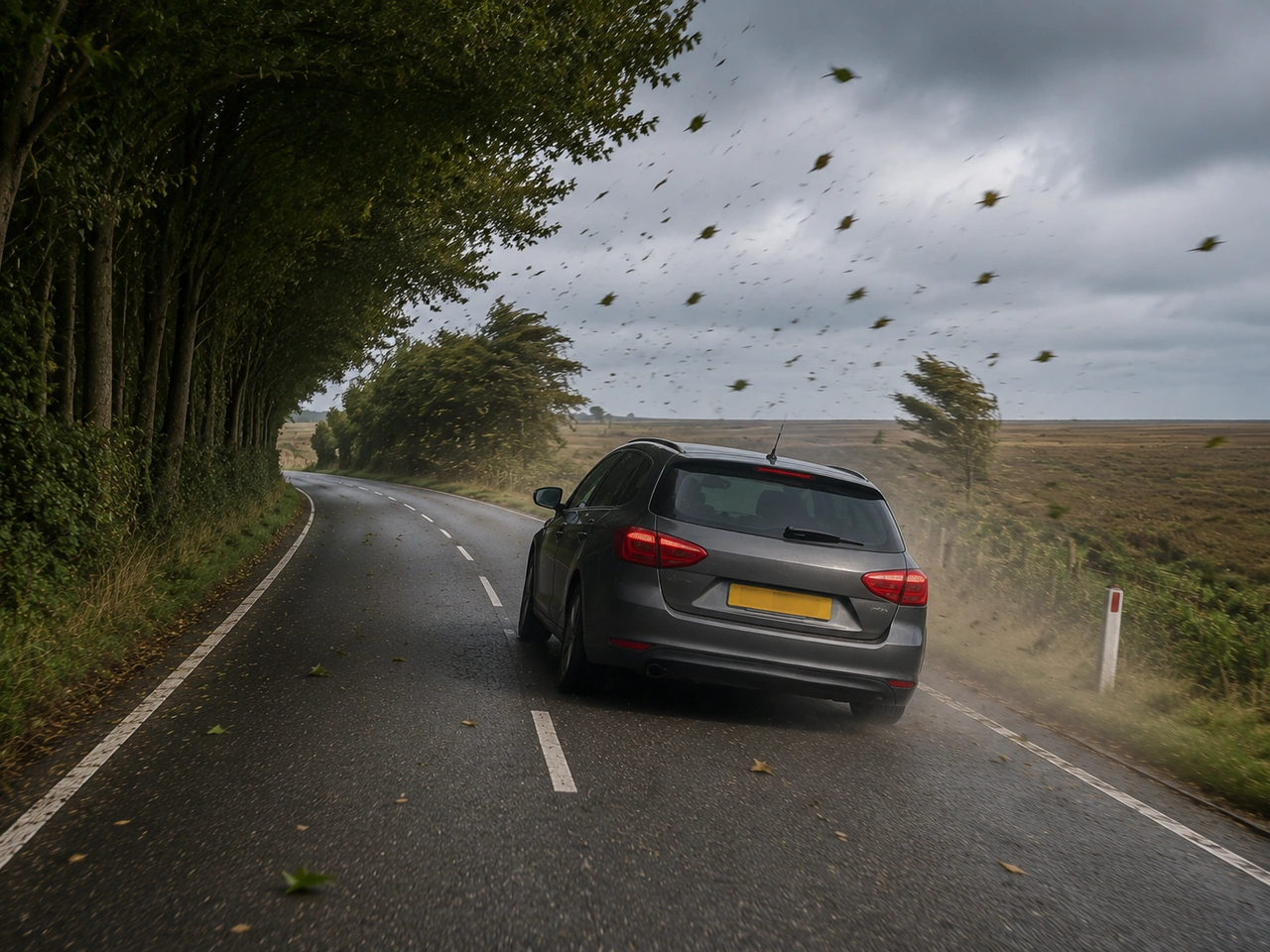
292. What should you expect when leaving a sheltered area during strong winds?
Buildings, trees, and other obstacles can block wind. When you leave shelter, a sudden gust may push your vehicle.
AI-generated by Traffic-rules.com • WCIT • CC BY-SA
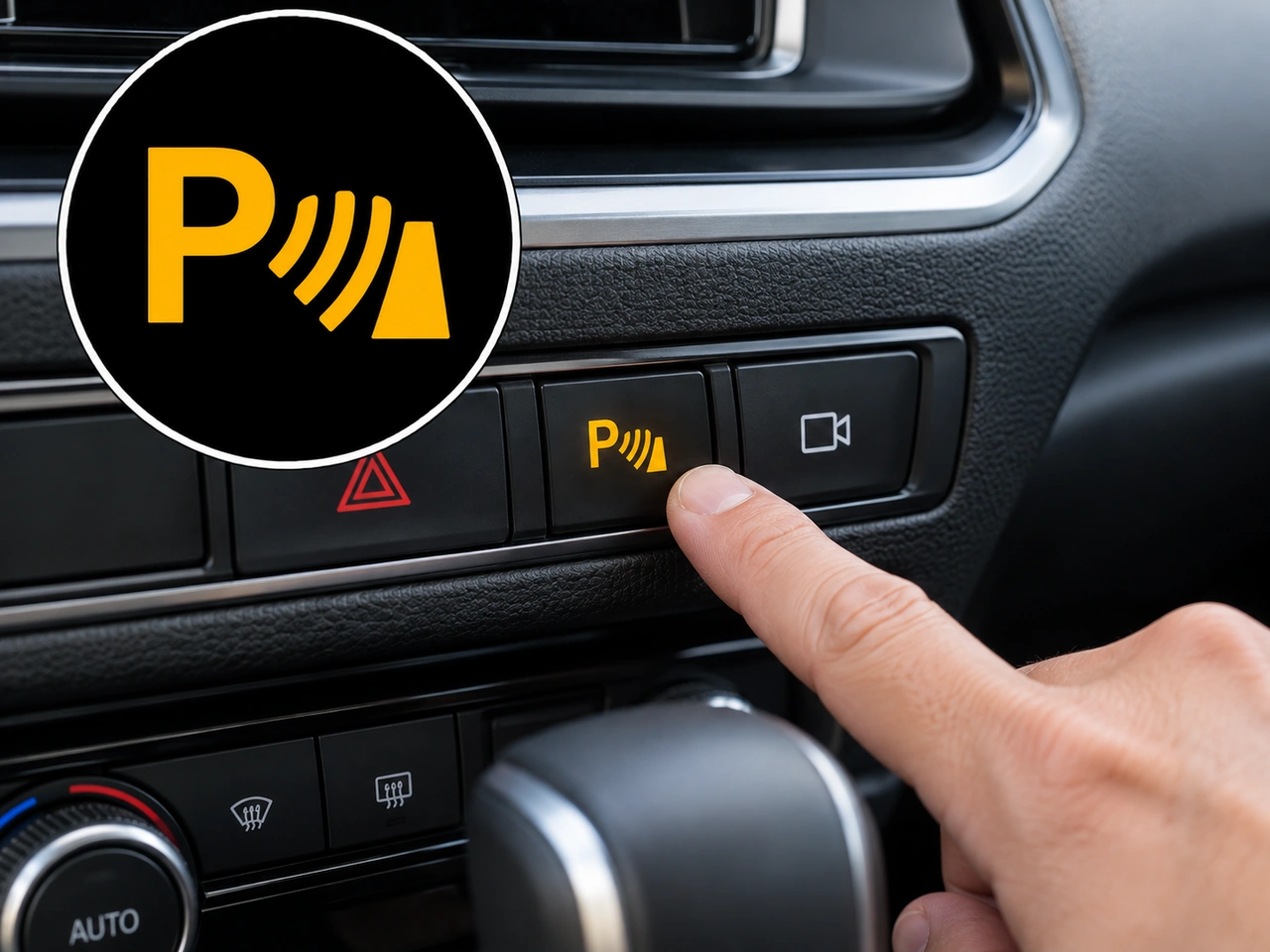
293. What does this dashboard symbol indicate?
This symbol relates to the vehicle's parking assistance system. Depending on the vehicle, the system may use sensors or cameras to detect obstacles and assist the driver while parking.
AI-generated by Traffic-rules.com • WCIT • CC BY-SA
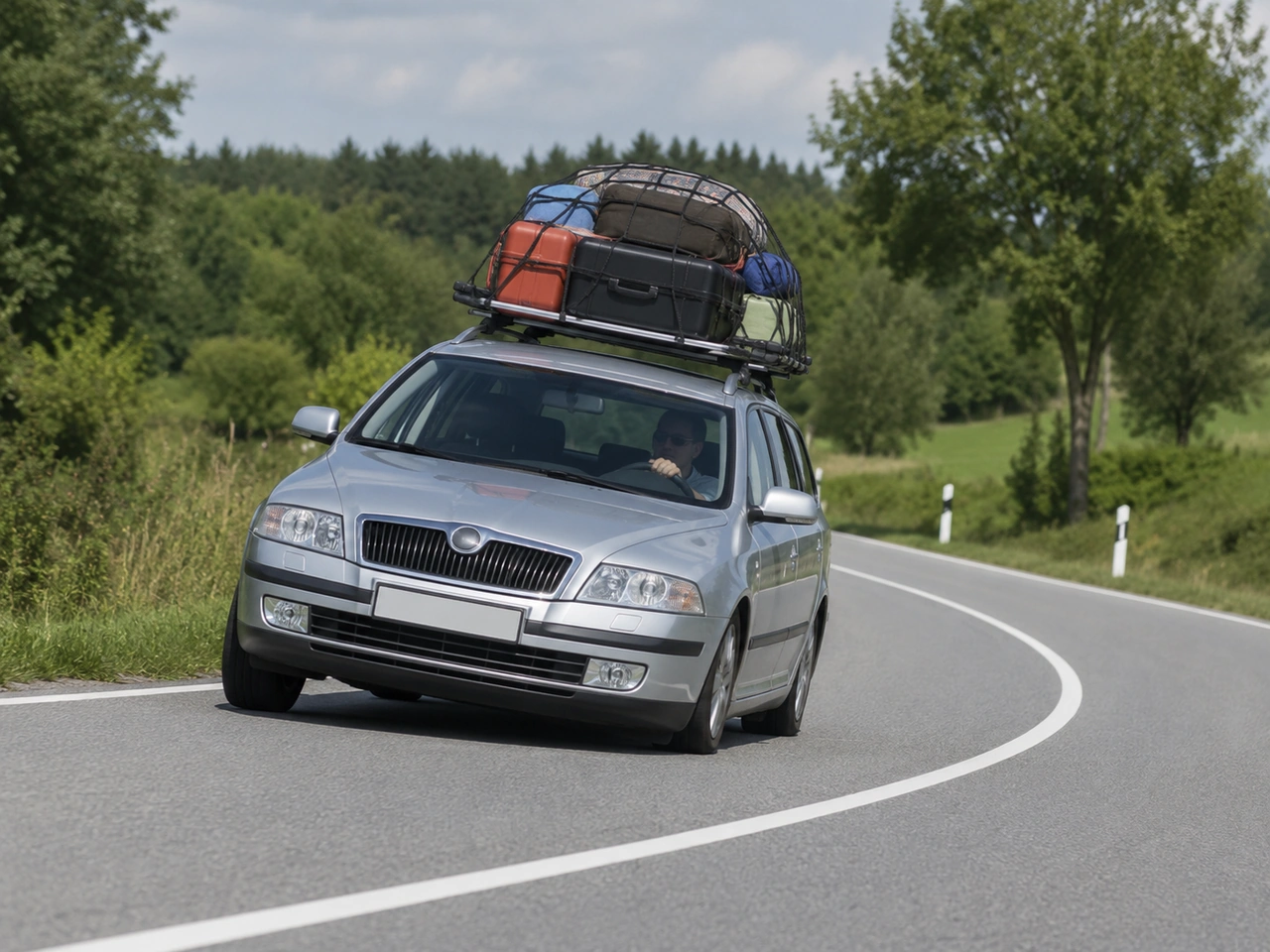
294. How can a roof load affect vehicle handling?
Weight carried high on the vehicle can increase body movement and make sudden steering or cornering less stable.
AI-generated by Traffic-rules.com • WCIT • CC BY-SA
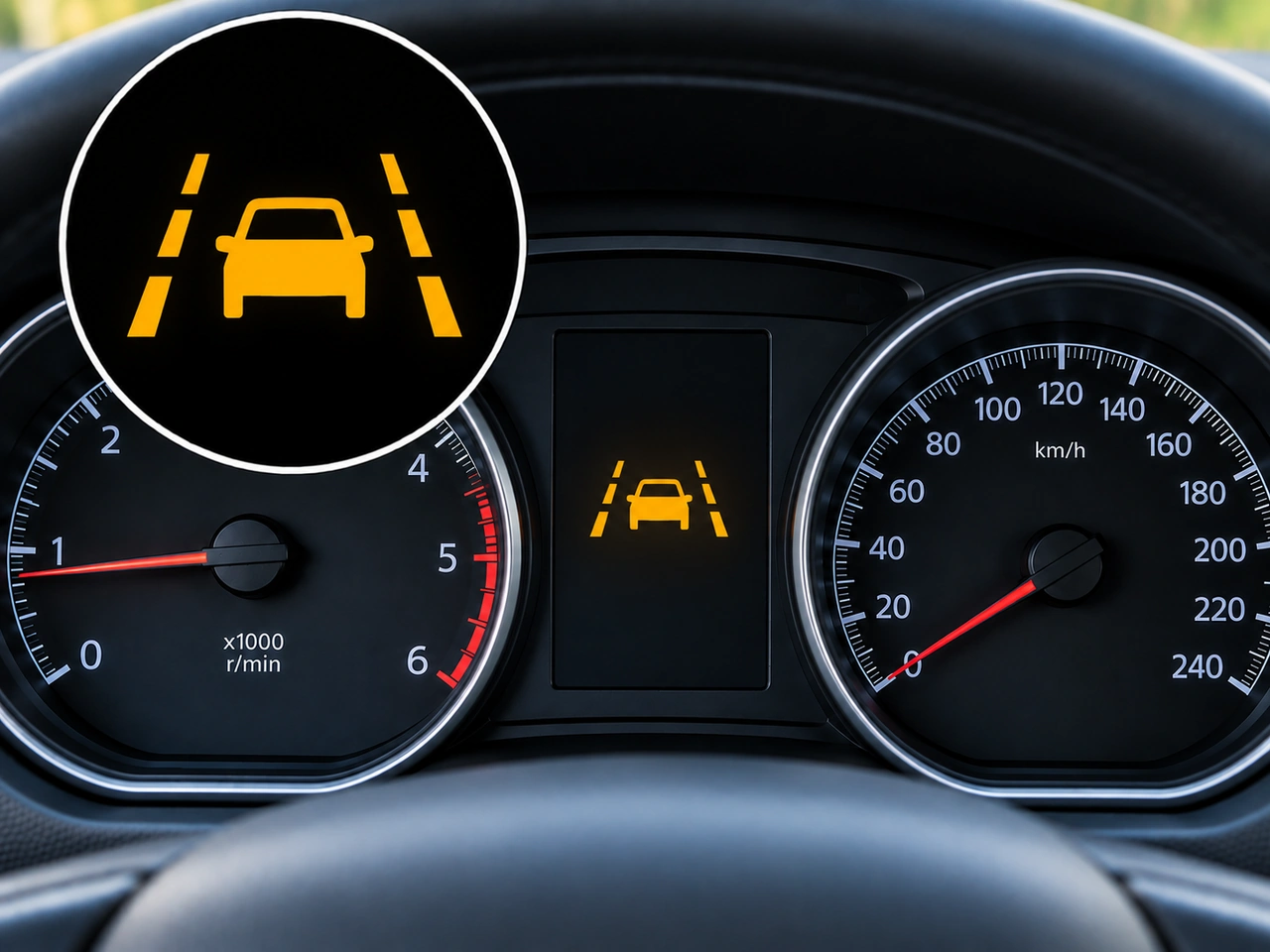
295. What does this dashboard symbol indicate?
This symbol relates to the lane-departure warning or lane-keeping system. The system monitors the vehicle's position within its lane and may warn the driver if the vehicle begins to leave the lane unintentionally.
AI-generated by Traffic-rules.com • WCIT • CC BY-SA
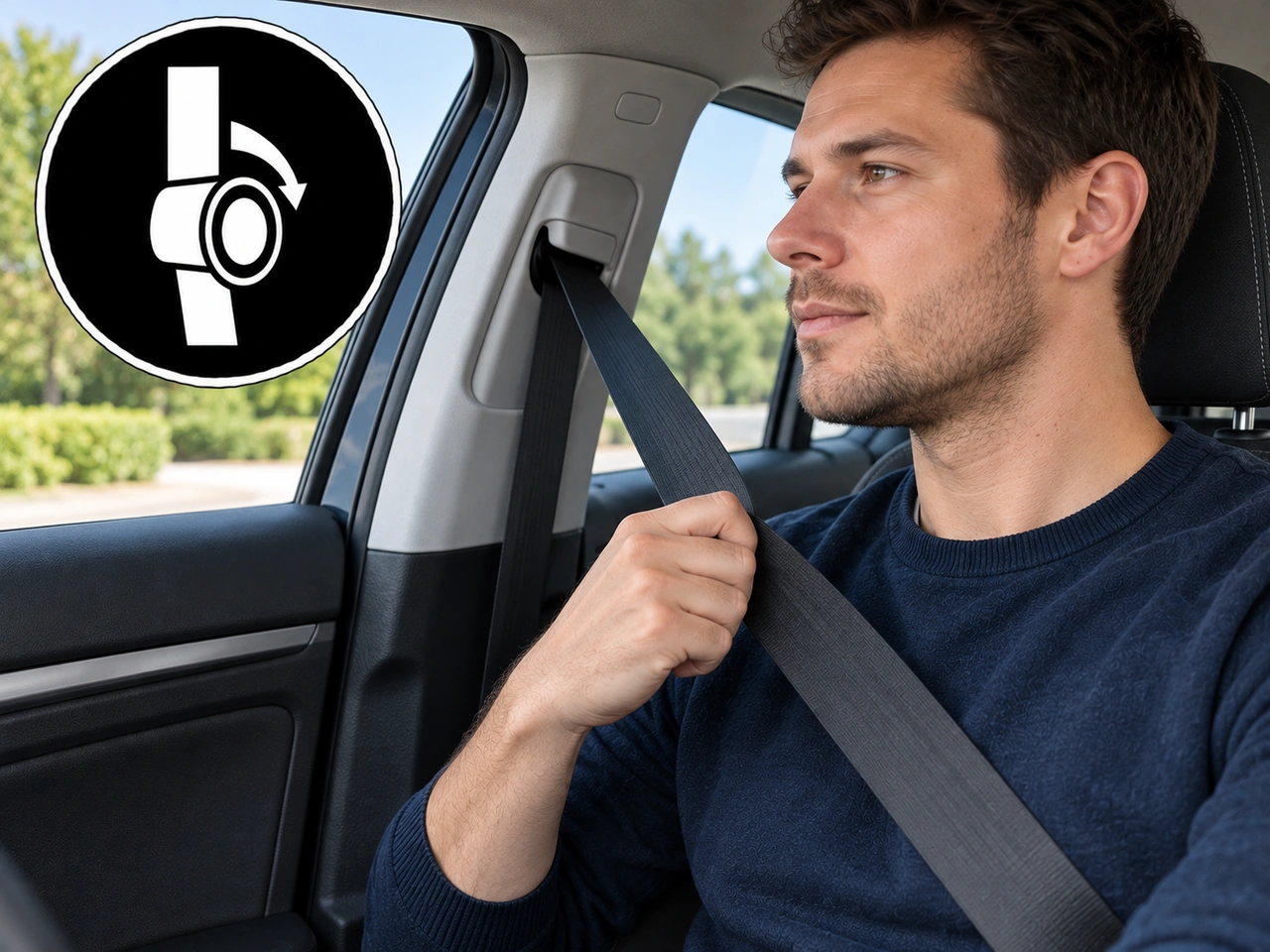
296. What is the purpose of the seat-belt retractor?
The seat-belt retractor takes up slack and helps keep the belt properly positioned against the body. It allows normal movement but can lock during sudden braking, rapid belt movement or a collision.
AI-generated by Traffic-rules.com • WCIT • CC BY-SA
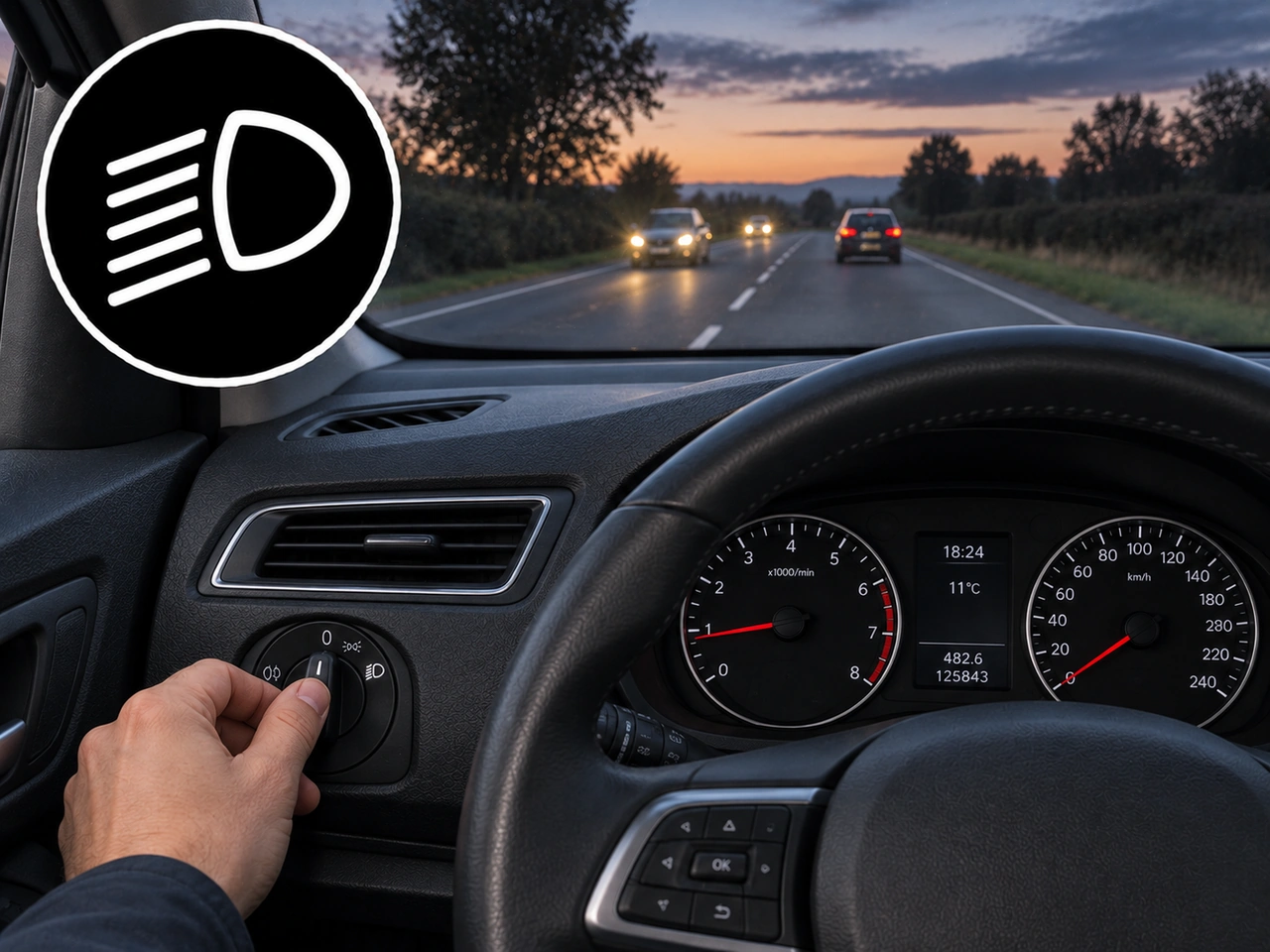
297. Which control is normally used to switch on the dipped headlights?
The lighting control is normally used to switch on the dipped headlights. Depending on the vehicle, it may be a rotary switch or part of a lighting stalk.
AI-generated by Traffic-rules.com • WCIT • CC BY-SA
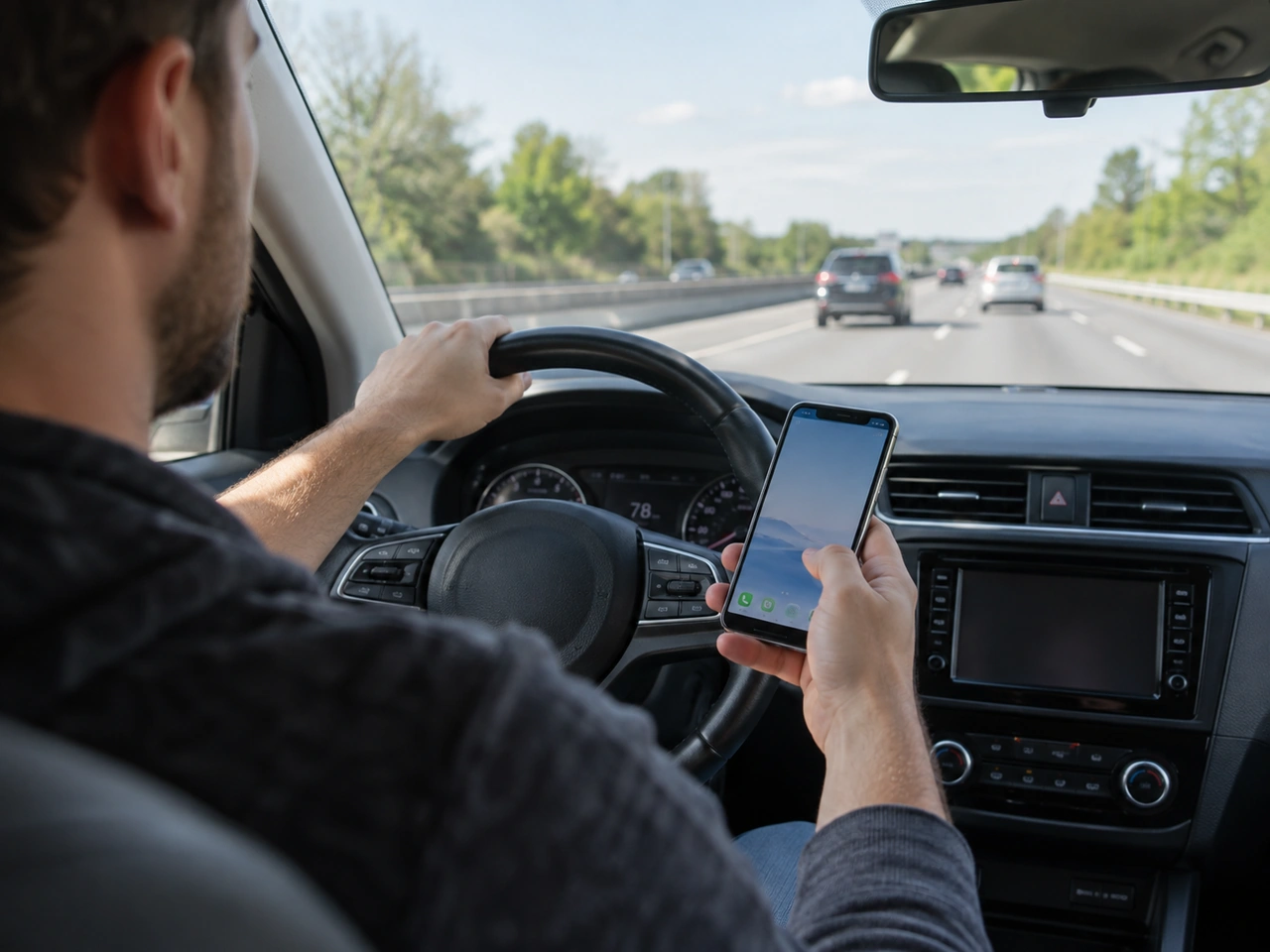
298. Can drivers use a handheld phone while driving in Iceland?
Drivers in Iceland are generally not allowed to use a handheld phone while driving.
AI-generated by Traffic-rules.com • WCIT • CC BY-SA
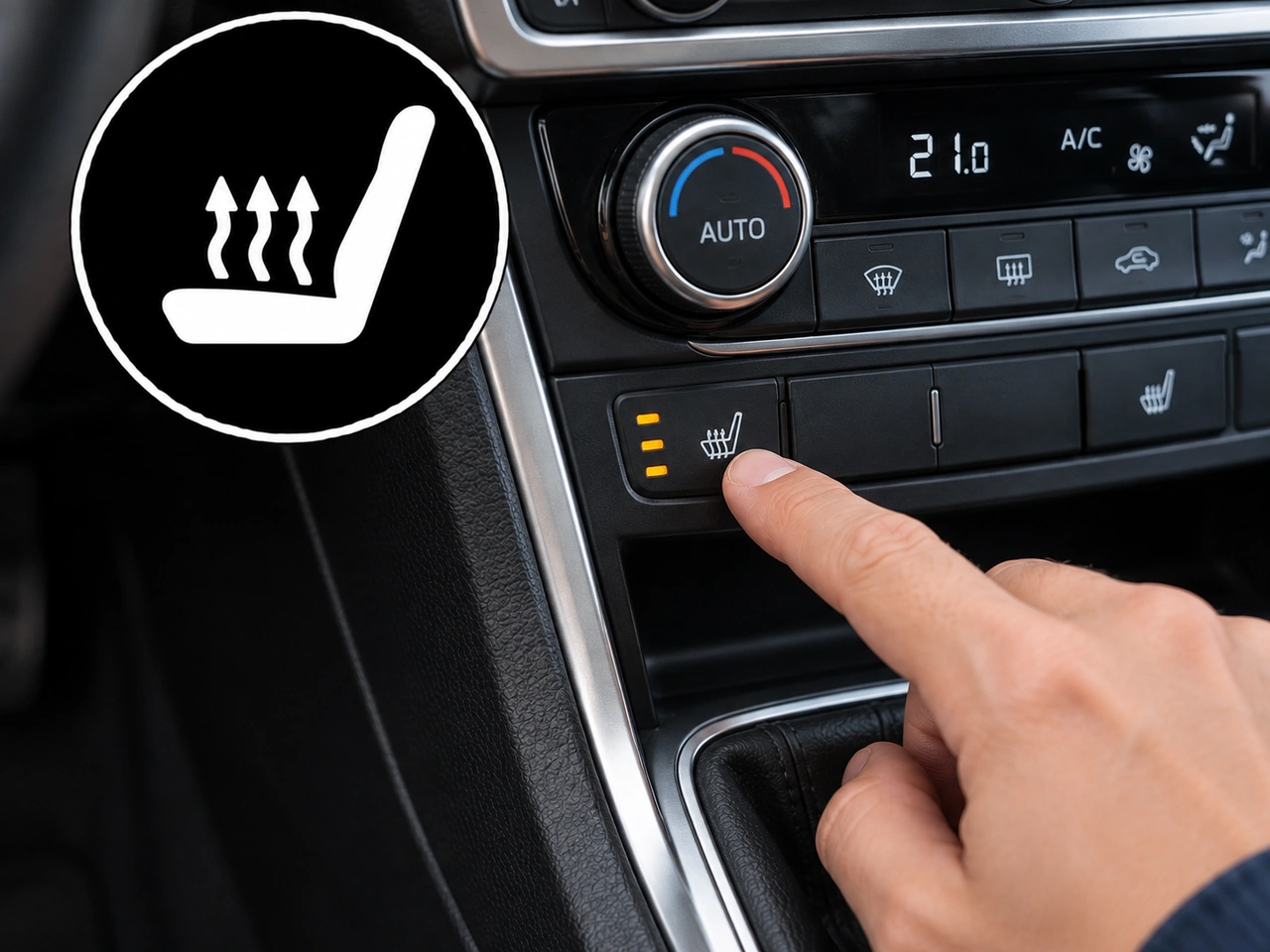
299. What does this vehicle-control symbol indicate?
This control activates the seat heating, which warms the seat cushion and, on many vehicles, the backrest. Several heat levels may be available.
AI-generated by Traffic-rules.com • WCIT • CC BY-SA
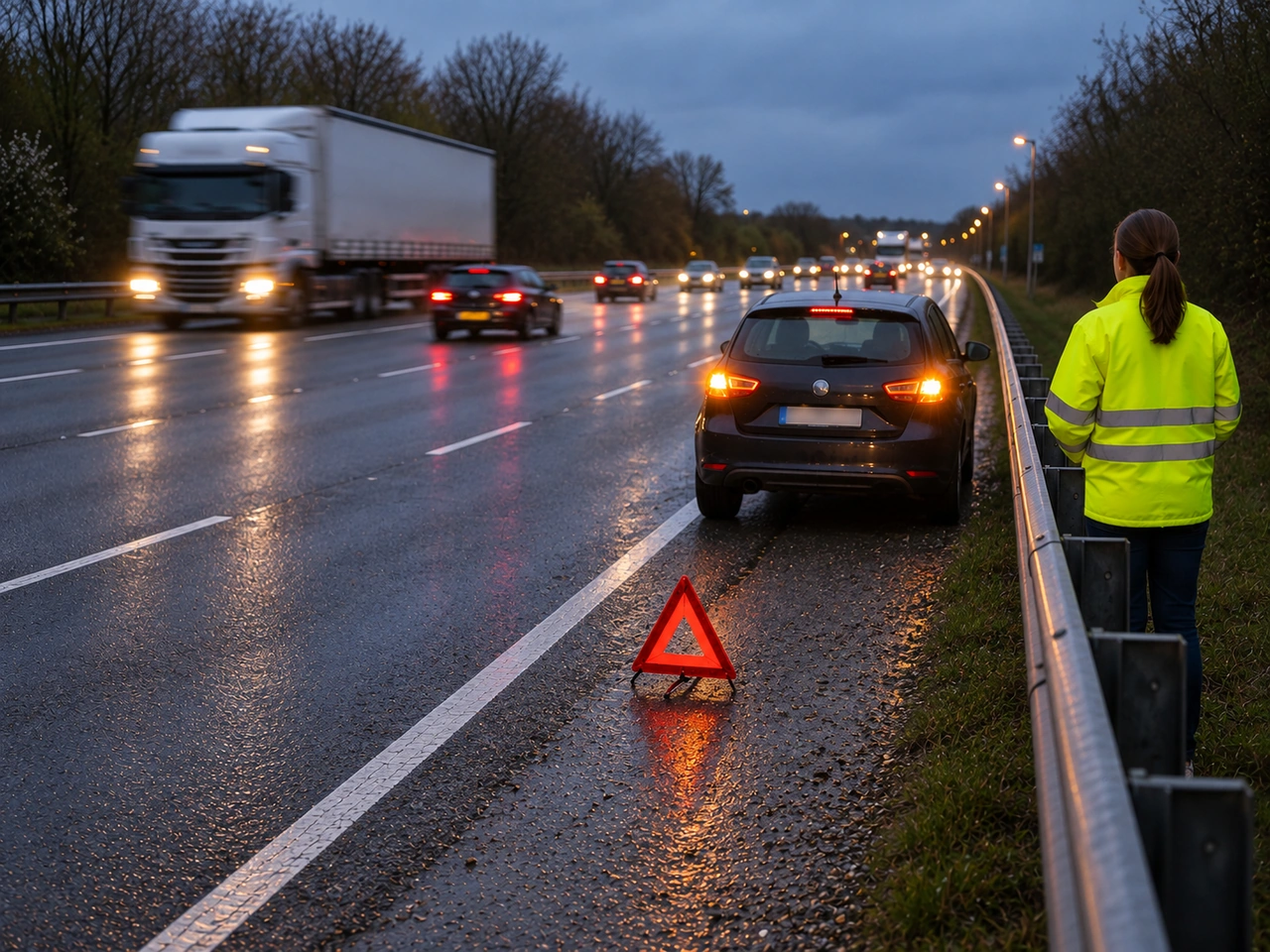
300. Why is high-visibility clothing useful during a roadside breakdown?
High-visibility clothing improves your visibility, especially at night or in poor weather, but you must still remain away from traffic.
AI-generated by Traffic-rules.com • WCIT • CC BY-SA