

QuizTraffic rulesNepal
This interesting quiz helps you test your knowledge in a clear and visual way. With easy multiple-choice questions, you can quickly build confidence and learn new facts while keeping it simple, interactive, and fun.
 Traffic signs
 Traffic rules
 Nepal
Nepal
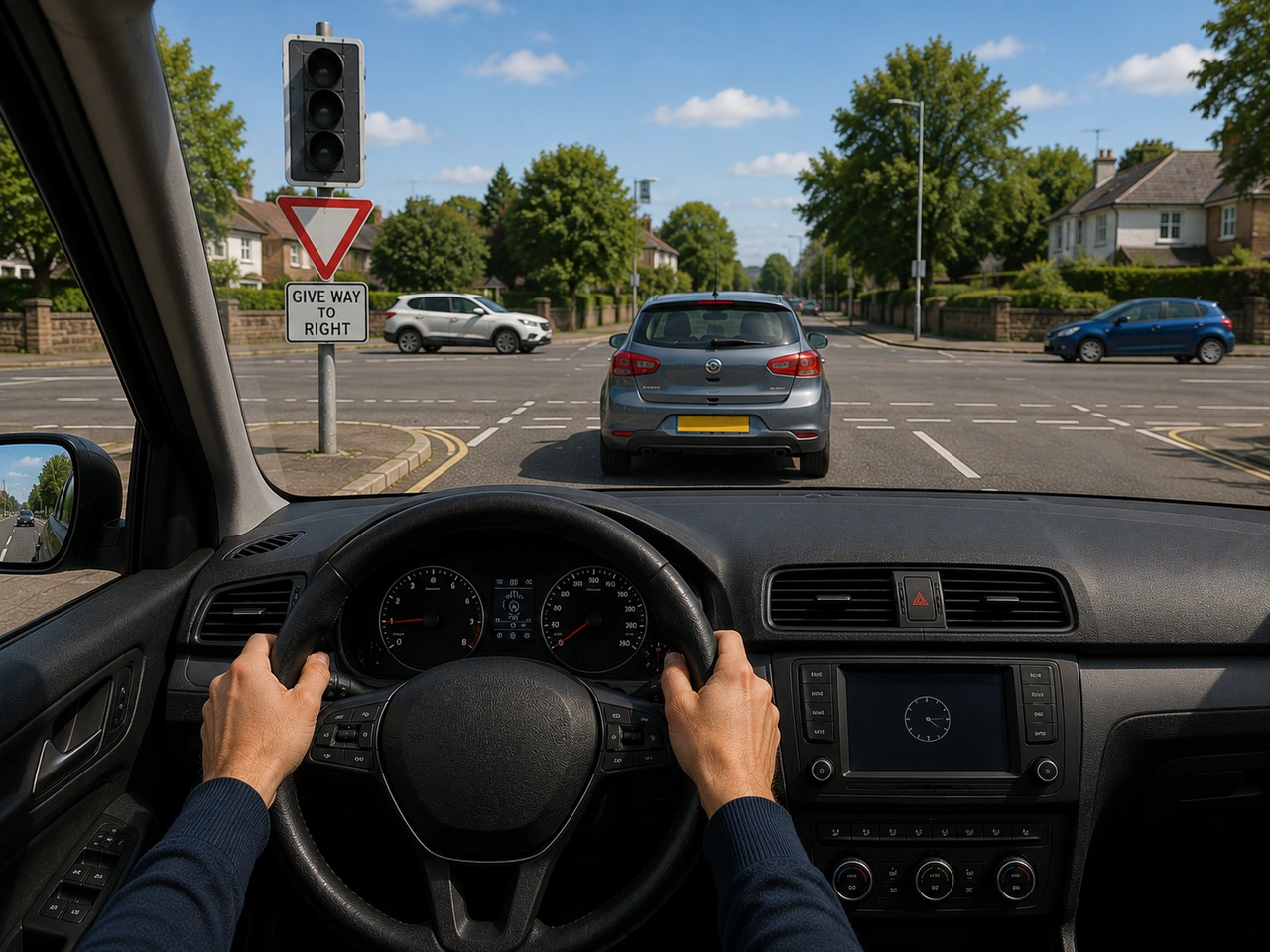
151. What should you do when traffic lights are not working?
If traffic lights are not working, slow down, observe carefully, and follow signs, road markings, or local priority rules.
AI-generated by Traffic-rules.com • WCIT • CC BY-SA

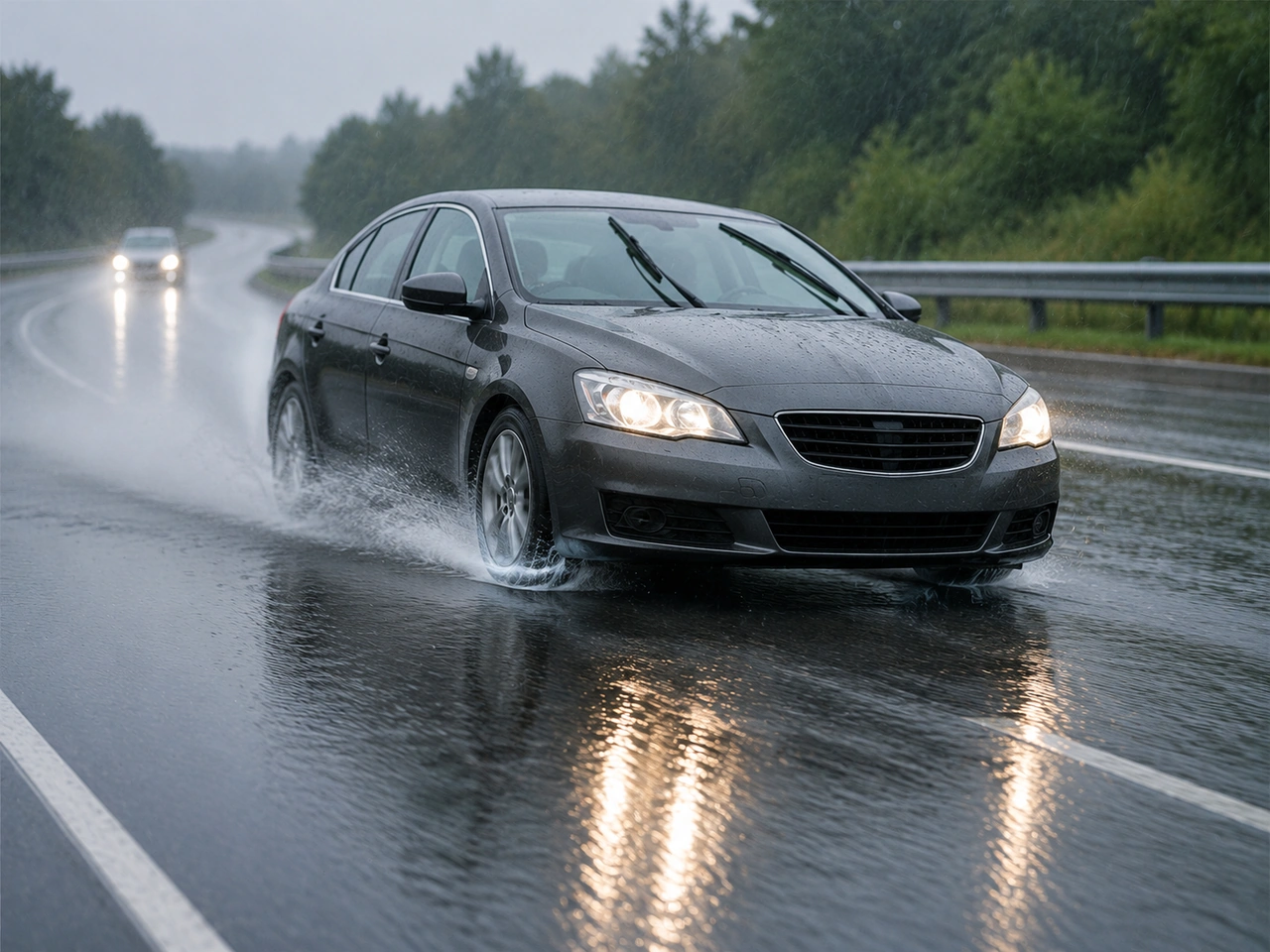
152. What is aquaplaning?
Aquaplaning occurs when water builds up between the tyres and the road, causing a loss of grip and control. The risk increases at higher speeds.
AI-generated by Traffic-rules.com • WCIT • CC BY-SA
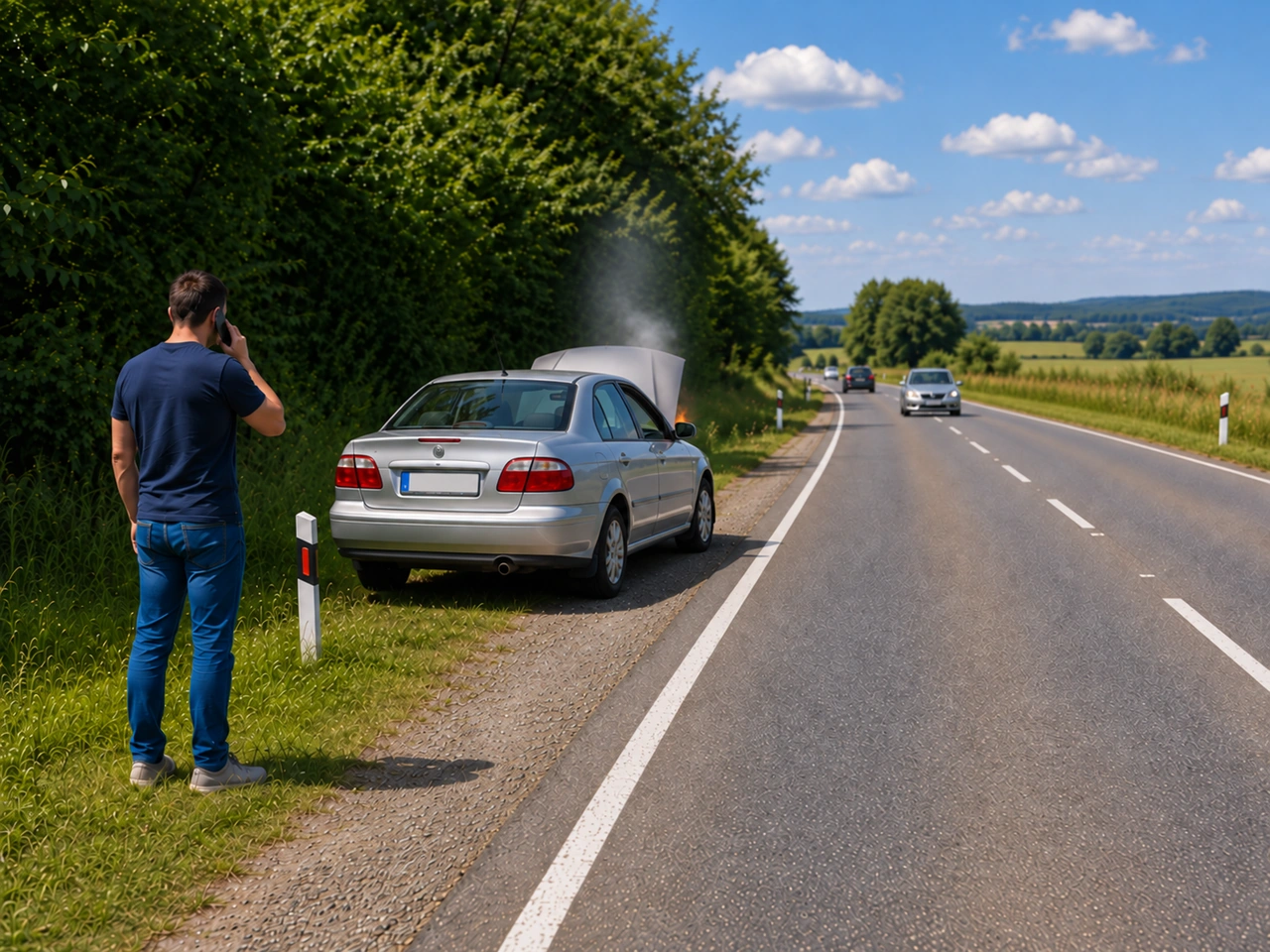
153. What should you do if your vehicle catches fire?
Move everyone well away from the vehicle and call emergency services. If the fire is small and it is safe to do so, use a suitable fire extinguisher. Opening the bonnet fully can supply additional oxygen and cause the fire to intensify.
AI-generated by Traffic-rules.com • WCIT • CC BY-SA
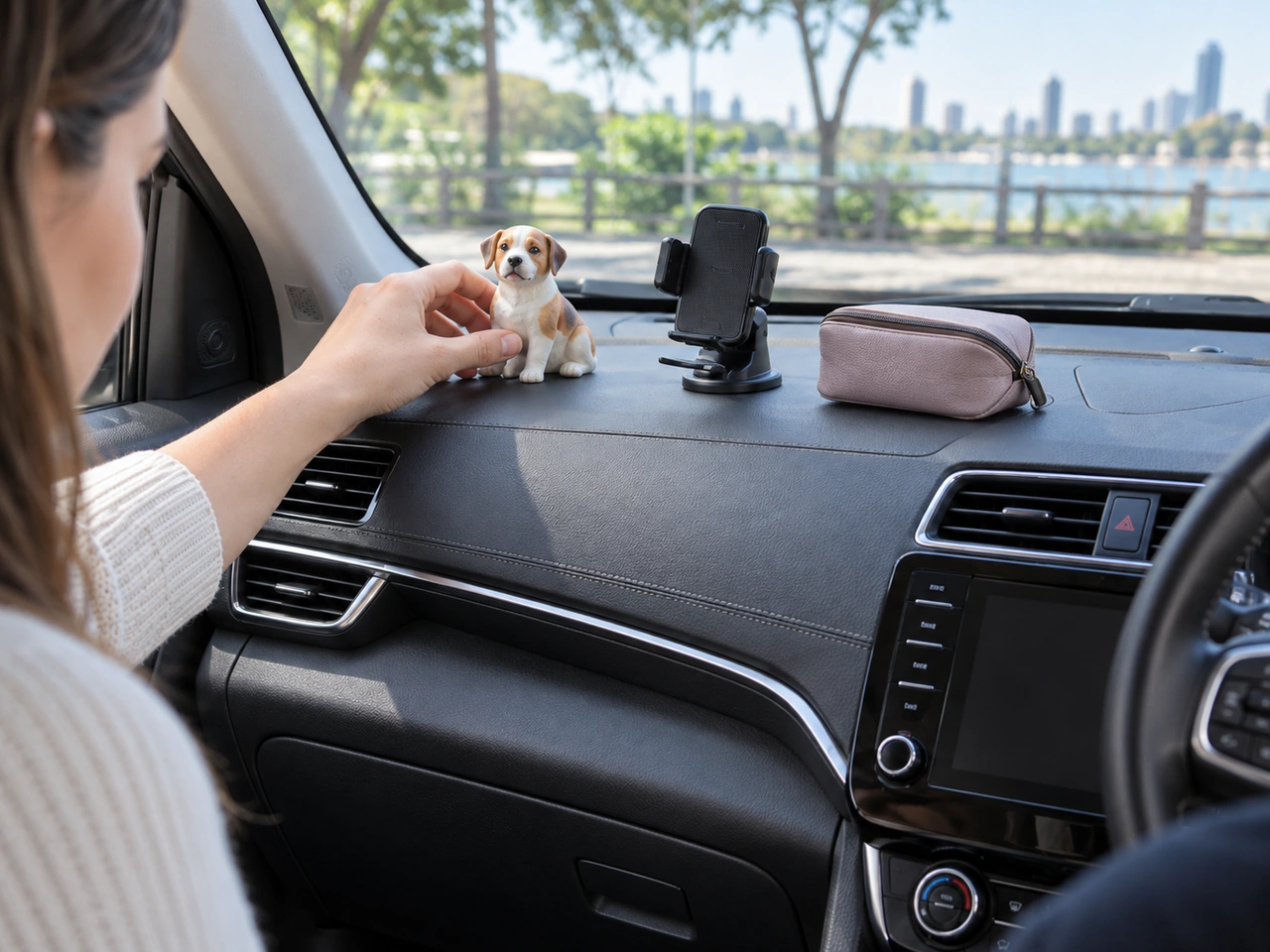
154. Why should you avoid placing objects on or over an airbag cover?
Do not place or attach objects over an airbag cover or in an airbag's deployment area. They may interfere with the airbag as it inflates and could be thrown towards occupants when the airbag deploys.
AI-generated by Traffic-rules.com • WCIT • CC BY-SA
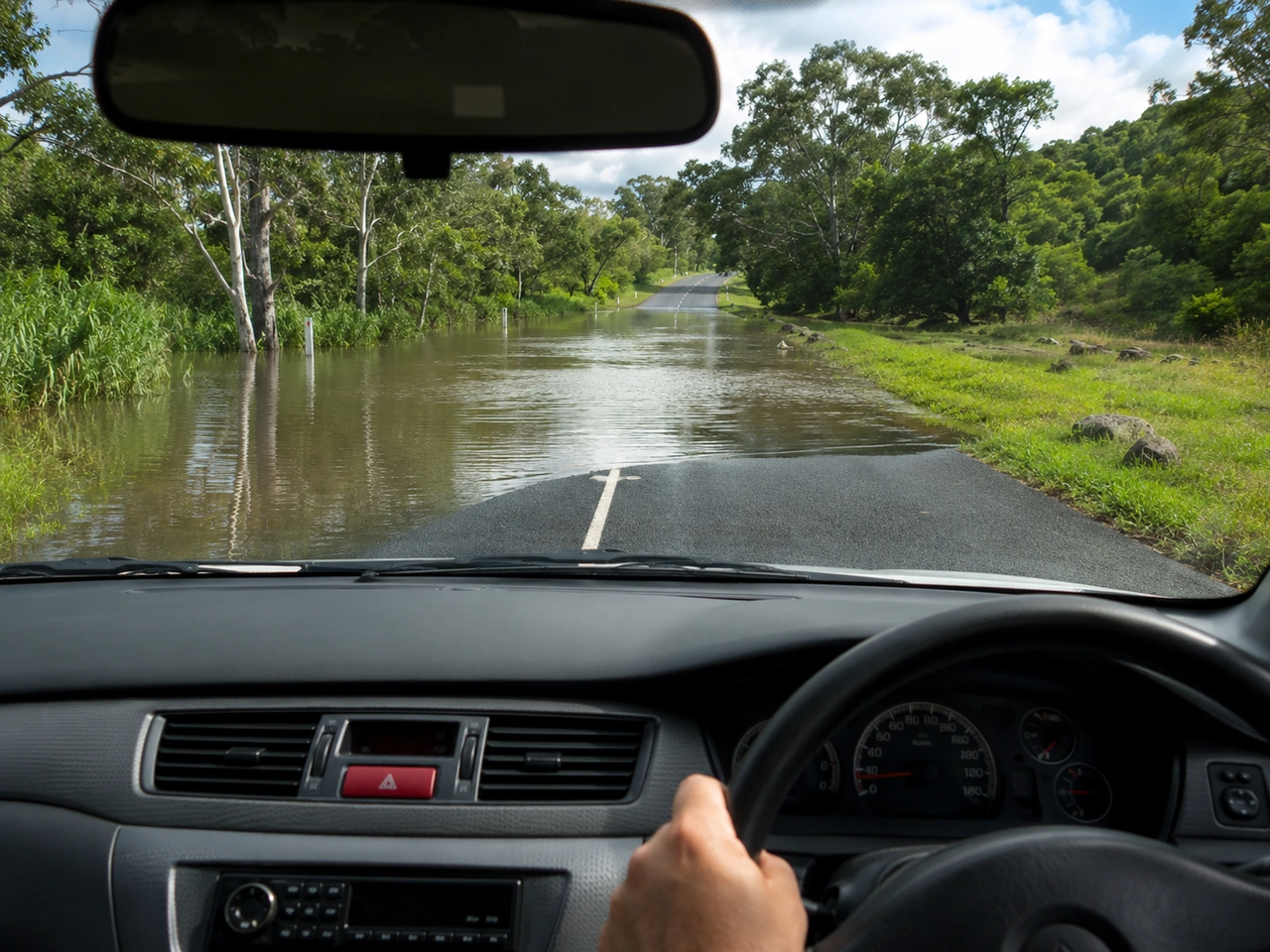
155. Why should you avoid driving through deep water?
Deep water can damage the engine, reduce braking ability, hide hazards, or cause the vehicle to lose grip. Reduce speed, assess the depth and conditions carefully, and avoid entering the water if you are unsure it is safe. If necessary, stop and use another route.
AI-generated by Traffic-rules.com • WCIT • CC BY-SA
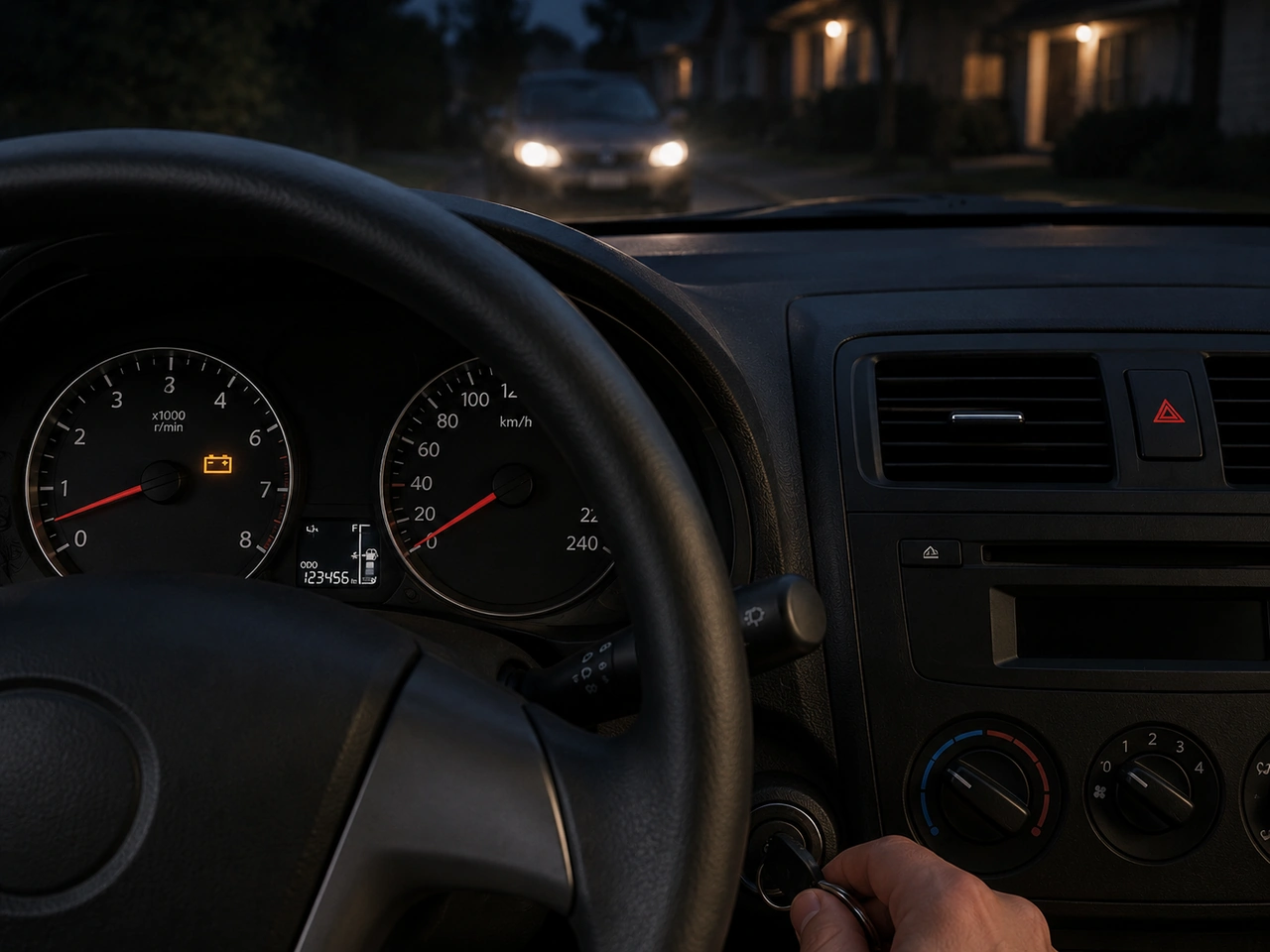
156. What can slow engine cranking or dim lights indicate?
Slow starting, dim lights, or repeated battery warnings can indicate a weak battery, poor electrical connection, or a fault in the charging system.
AI-generated by Traffic-rules.com • WCIT • CC BY-SA
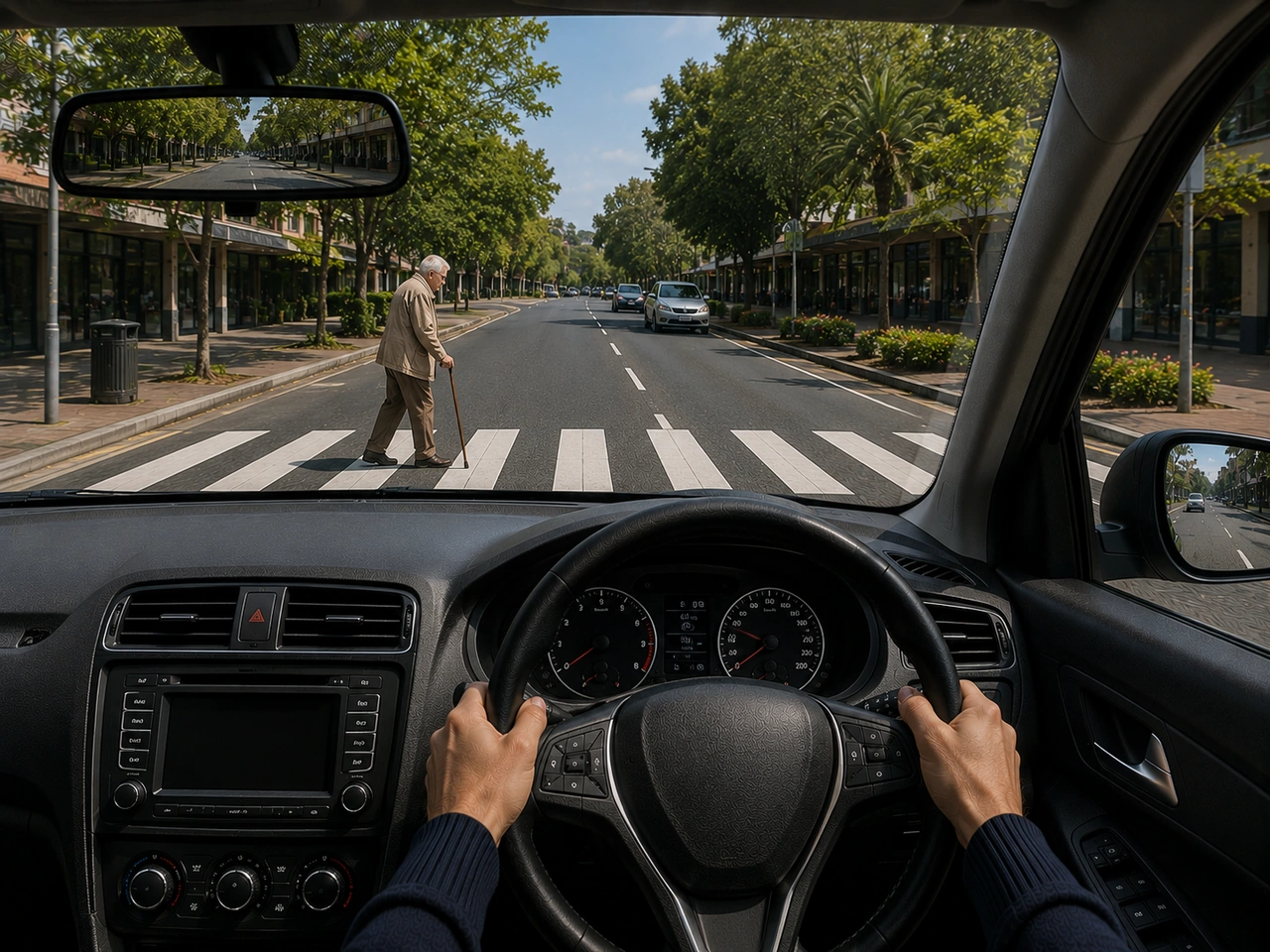
157. What should you do if a pedestrian is crossing slowly?
Some pedestrians may need more time to cross. Stay patient, keep a safe distance, and do not pressure them.
AI-generated by Traffic-rules.com • WCIT • CC BY-SA
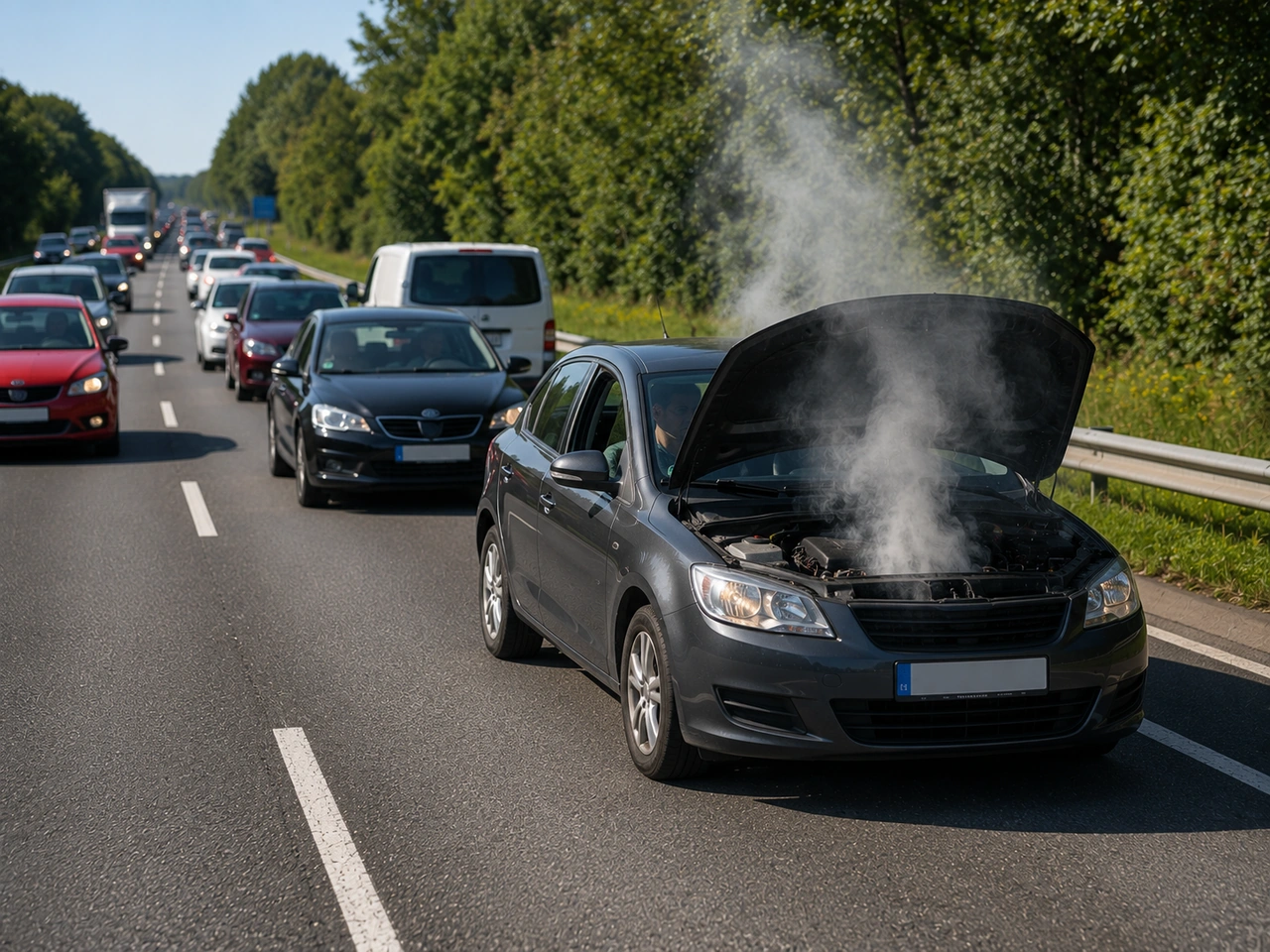
158. What should you do if your vehicle breaks down on a busy road?
If your vehicle breaks down, make it visible and get yourself away from moving traffic. Safety comes before repairing the vehicle.
AI-generated by Traffic-rules.com • WCIT • CC BY-SA
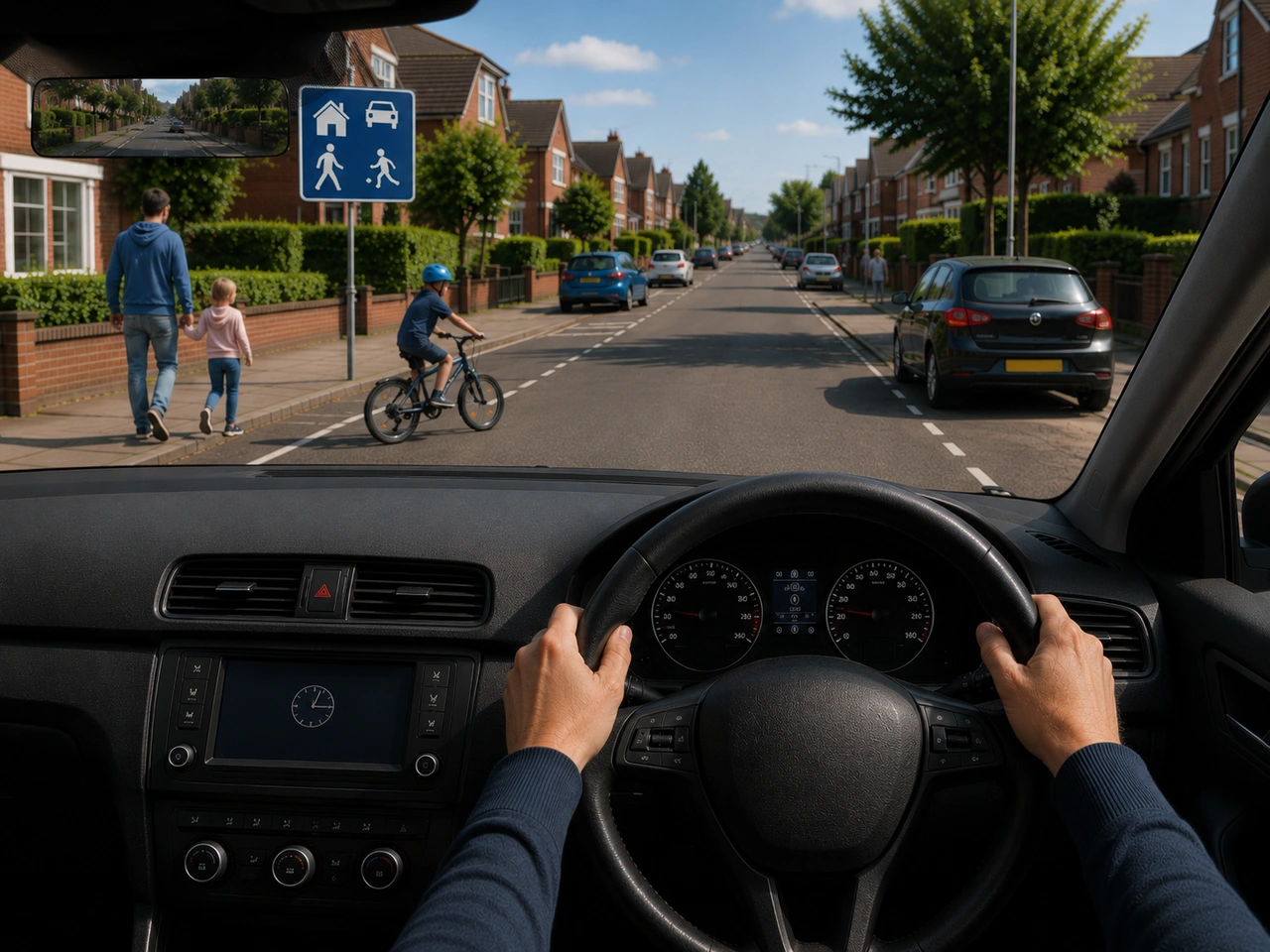
159. Why should you reduce speed in residential areas?
Residential areas often have pedestrians, cyclists, parked vehicles, driveways, and children, and hazards may appear suddenly. Lower speed gives you more time to react and stop safely.
AI-generated by Traffic-rules.com • WCIT • CC BY-SA
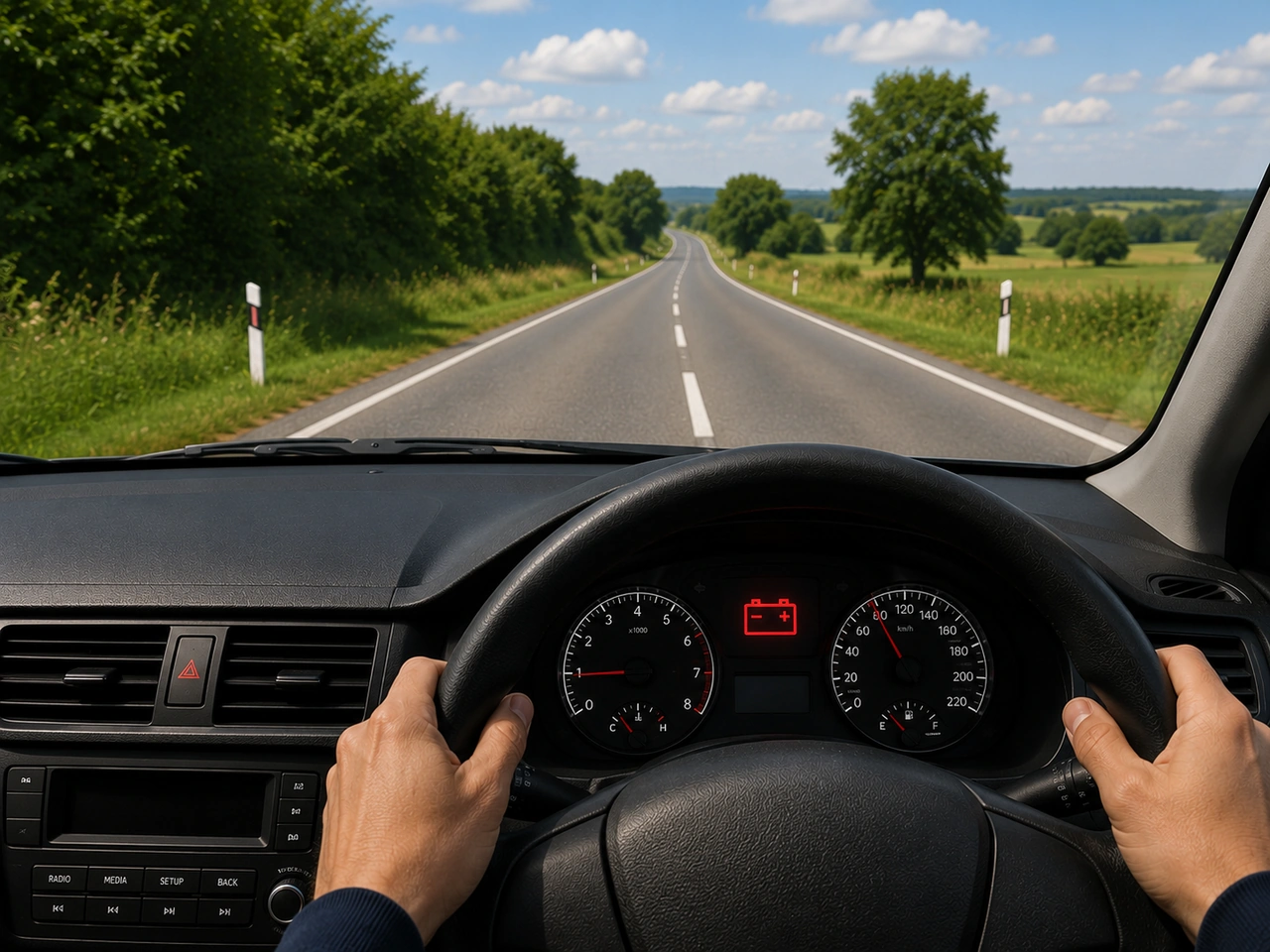
160. What should you do if the charging-system warning light comes on?
The alternator or charging system may have failed. The vehicle may stop once the remaining battery charge is exhausted.
AI-generated by Traffic-rules.com • WCIT • CC BY-SA
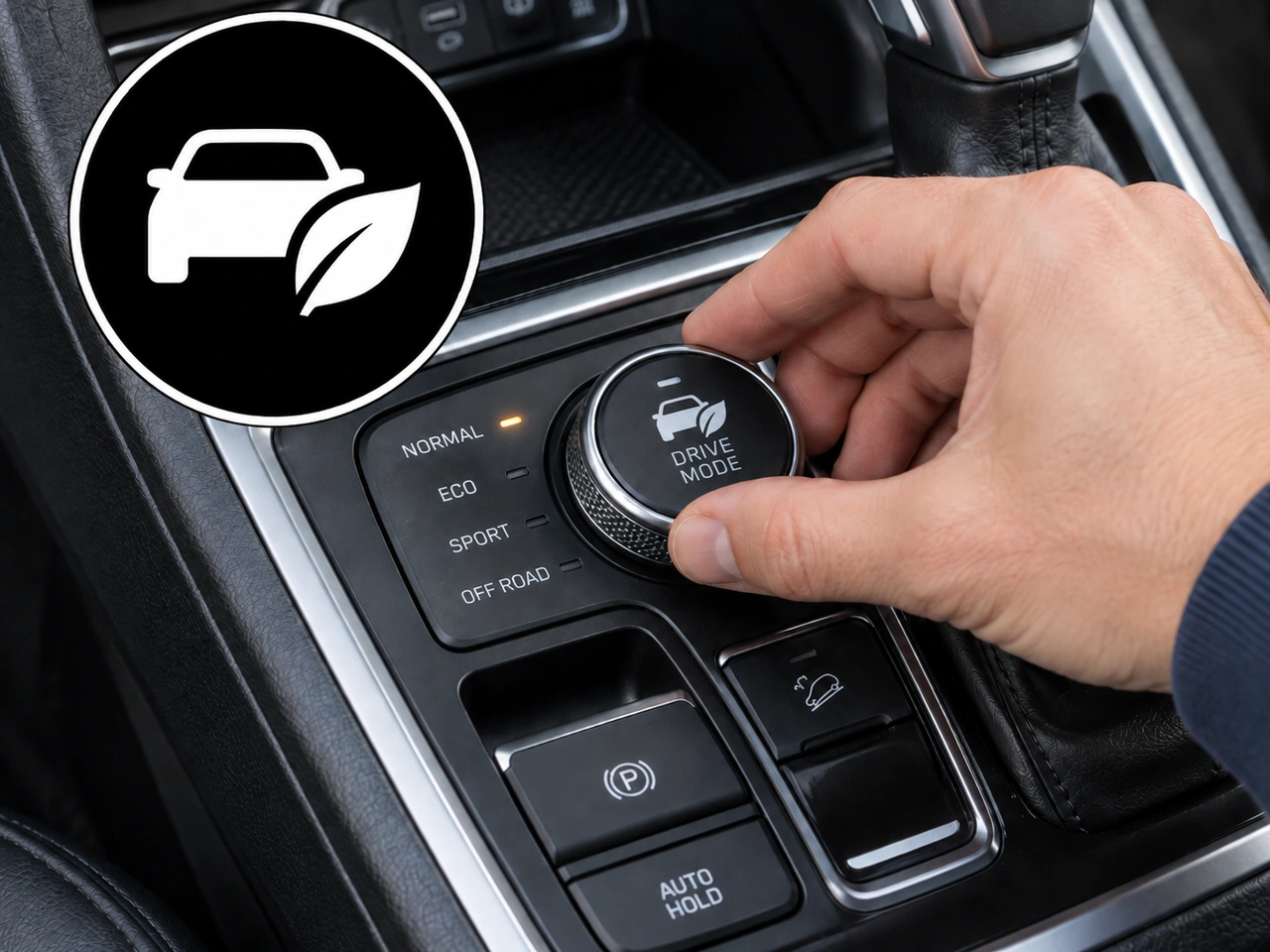
161. What does this vehicle-control symbol indicate?
This control selects a driving mode. Depending on the vehicle, different modes can alter characteristics such as accelerator response, steering assistance, transmission behaviour or energy use.
AI-generated by Traffic-rules.com • WCIT • CC BY-SA
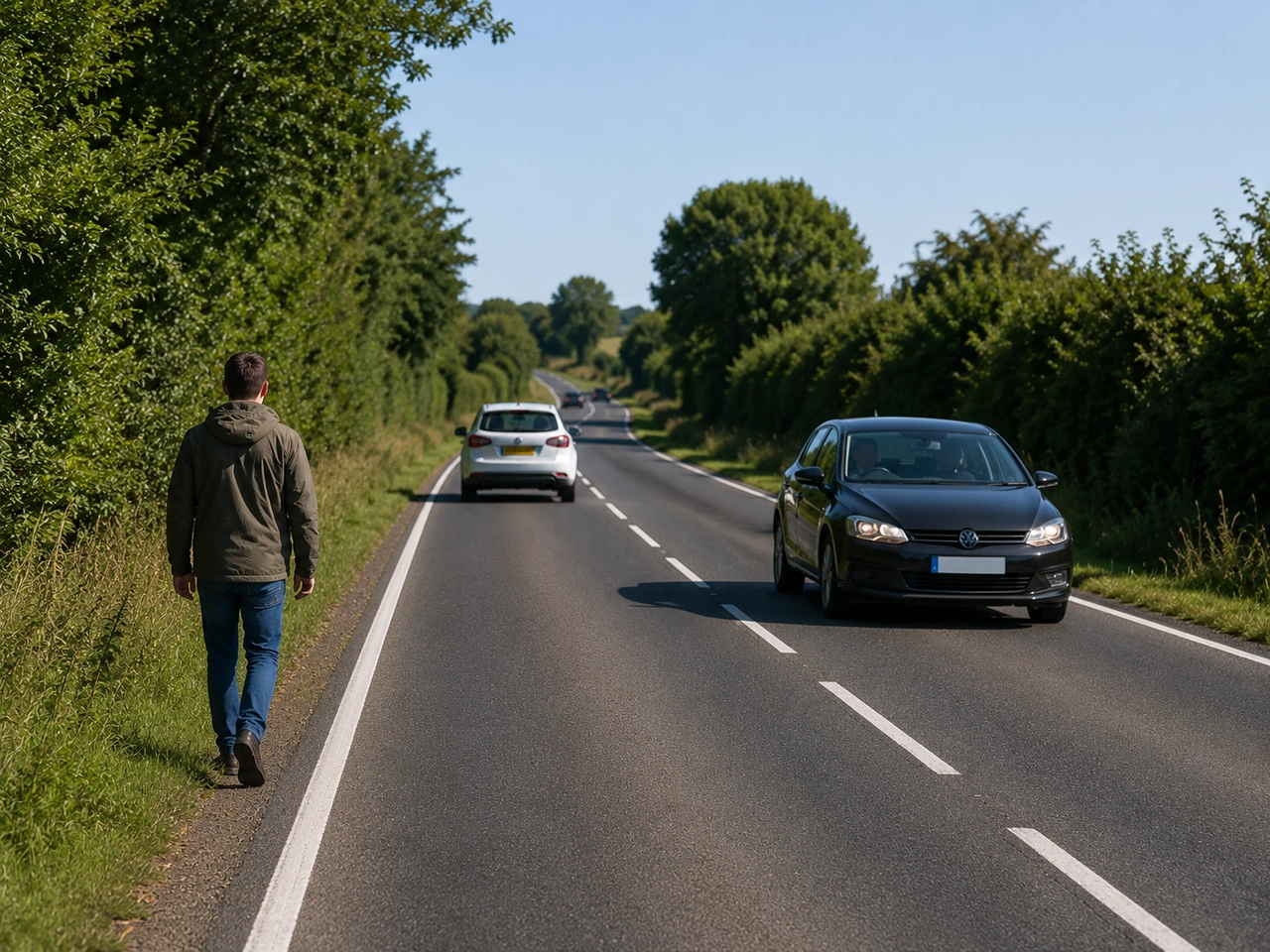
162. What should you do if there is no pavement?
If there is no pavement, stay as far from traffic as possible and remain alert. The exact side of the road depends on local traffic rules.
AI-generated by Traffic-rules.com • WCIT • CC BY-SA
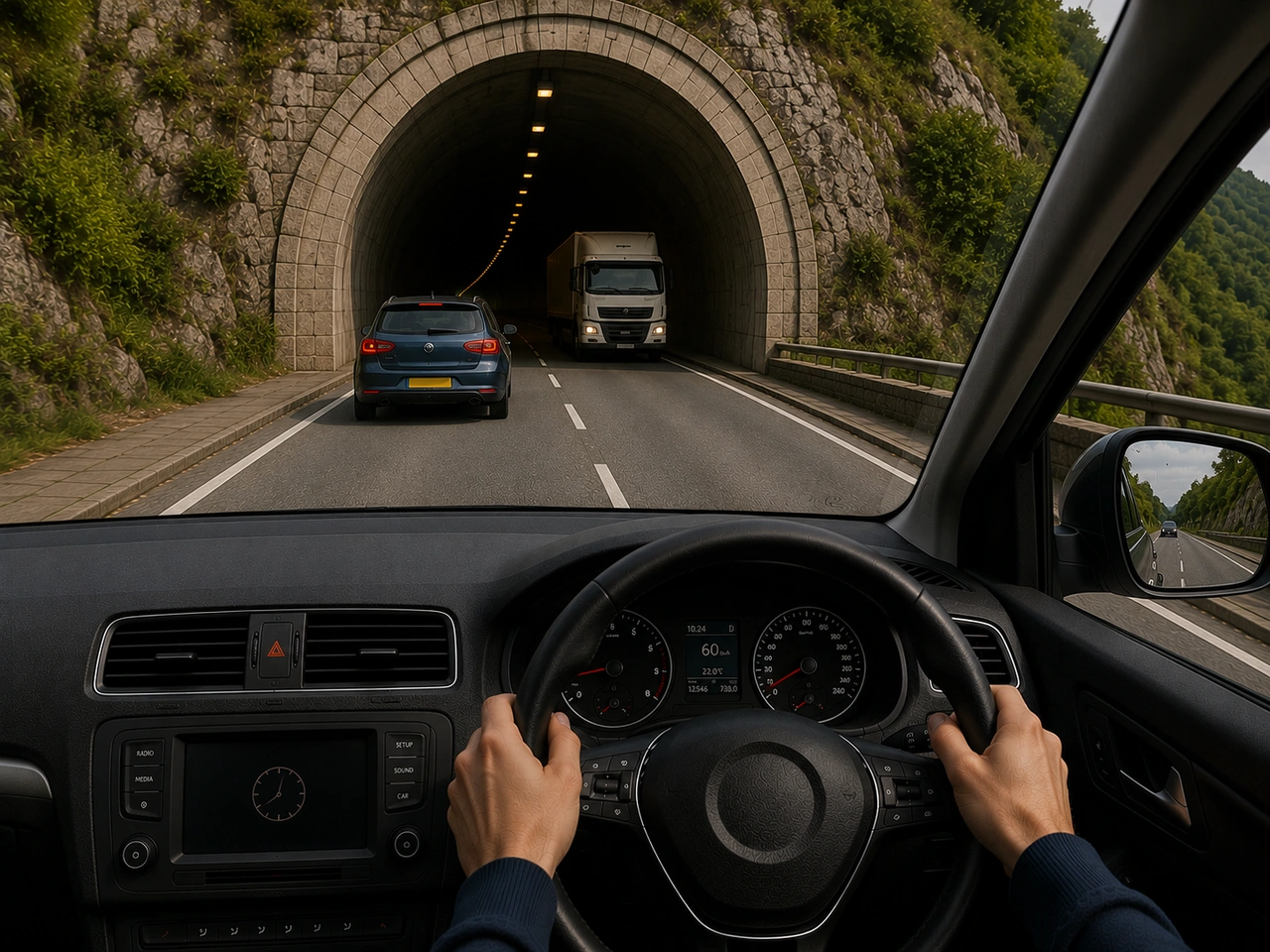
163. What should you do when approaching a tunnel?
When entering a tunnel, use the correct lights, keep enough distance, and stay alert for slower traffic.
AI-generated by Traffic-rules.com • WCIT • CC BY-SA
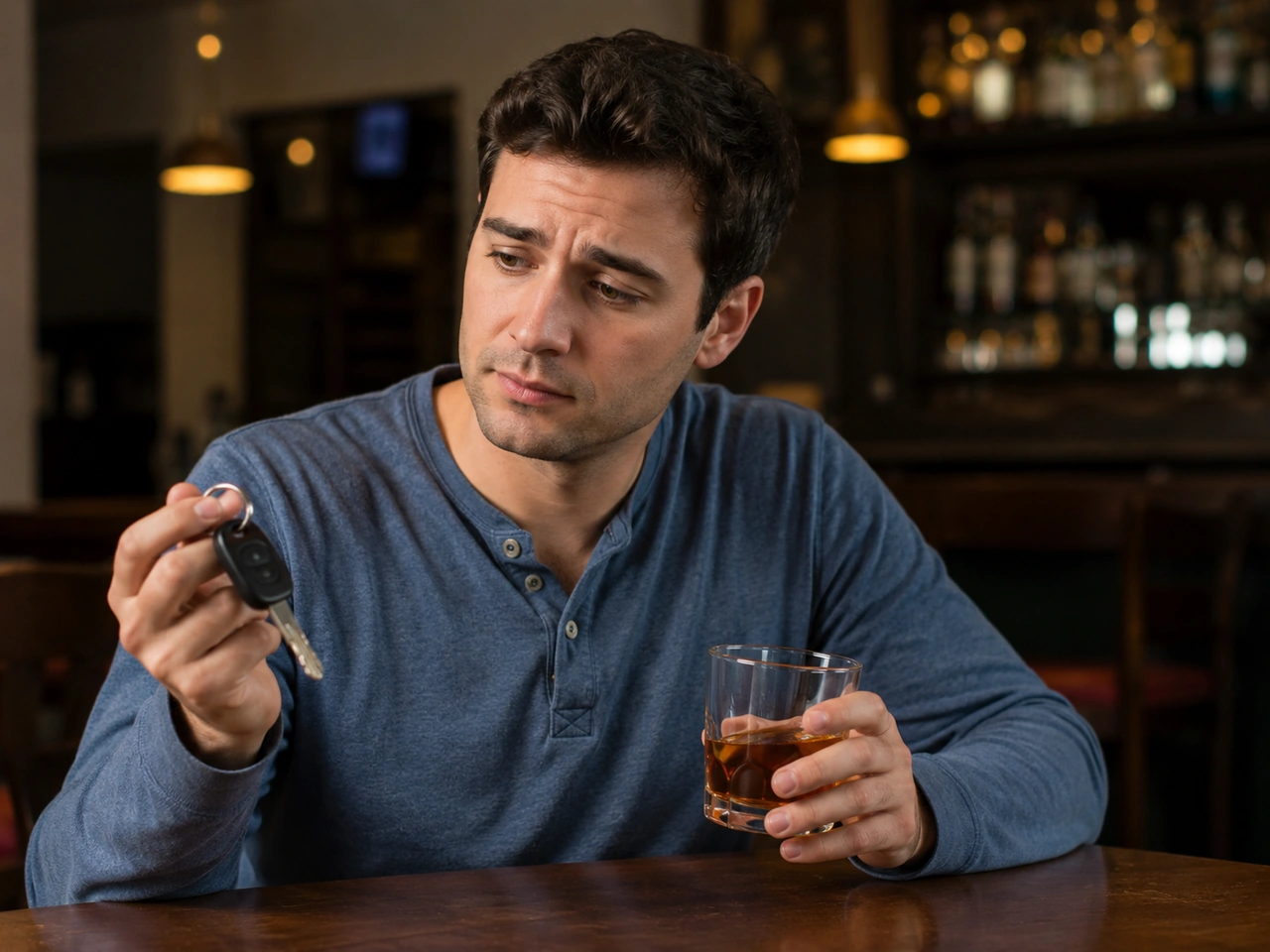
164. What is the safest choice if you have consumed alcohol?
Alcohol can impair judgement, coordination, vision, and reaction time. A sober driver, taxi, public transport, or an overnight stay is the safer choice.
AI-generated by Traffic-rules.com • WCIT • CC BY-SA
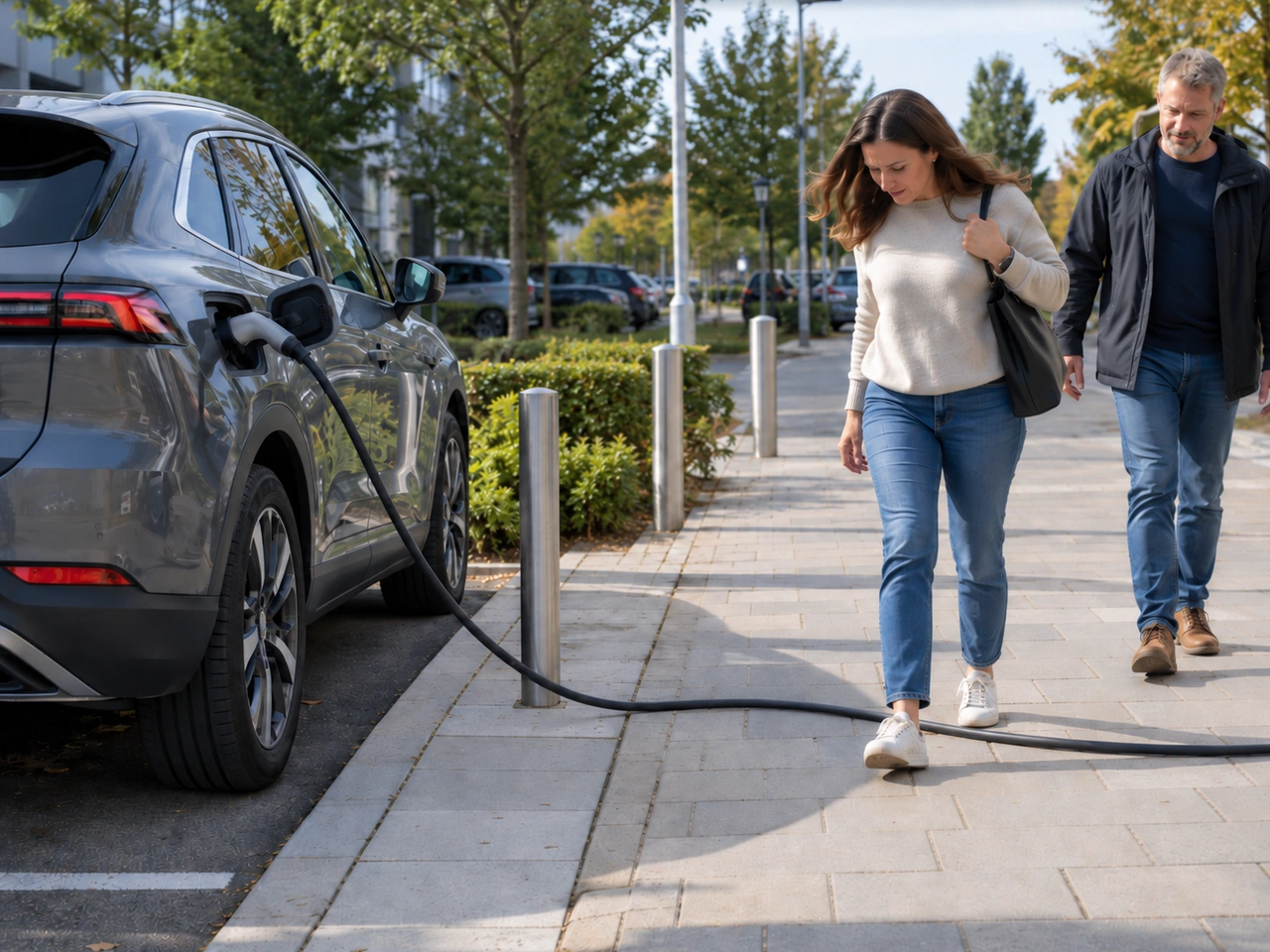
165. How should an EV charging cable be positioned where pedestrians may pass?
An EV charging cable should be positioned so it does not create a trip hazard or unnecessarily obstruct pedestrians. Where a cable must cross a walking route, use an appropriate approved cable-management or protection system and follow local requirements.
AI-generated by Traffic-rules.com • WCIT • CC BY-SA
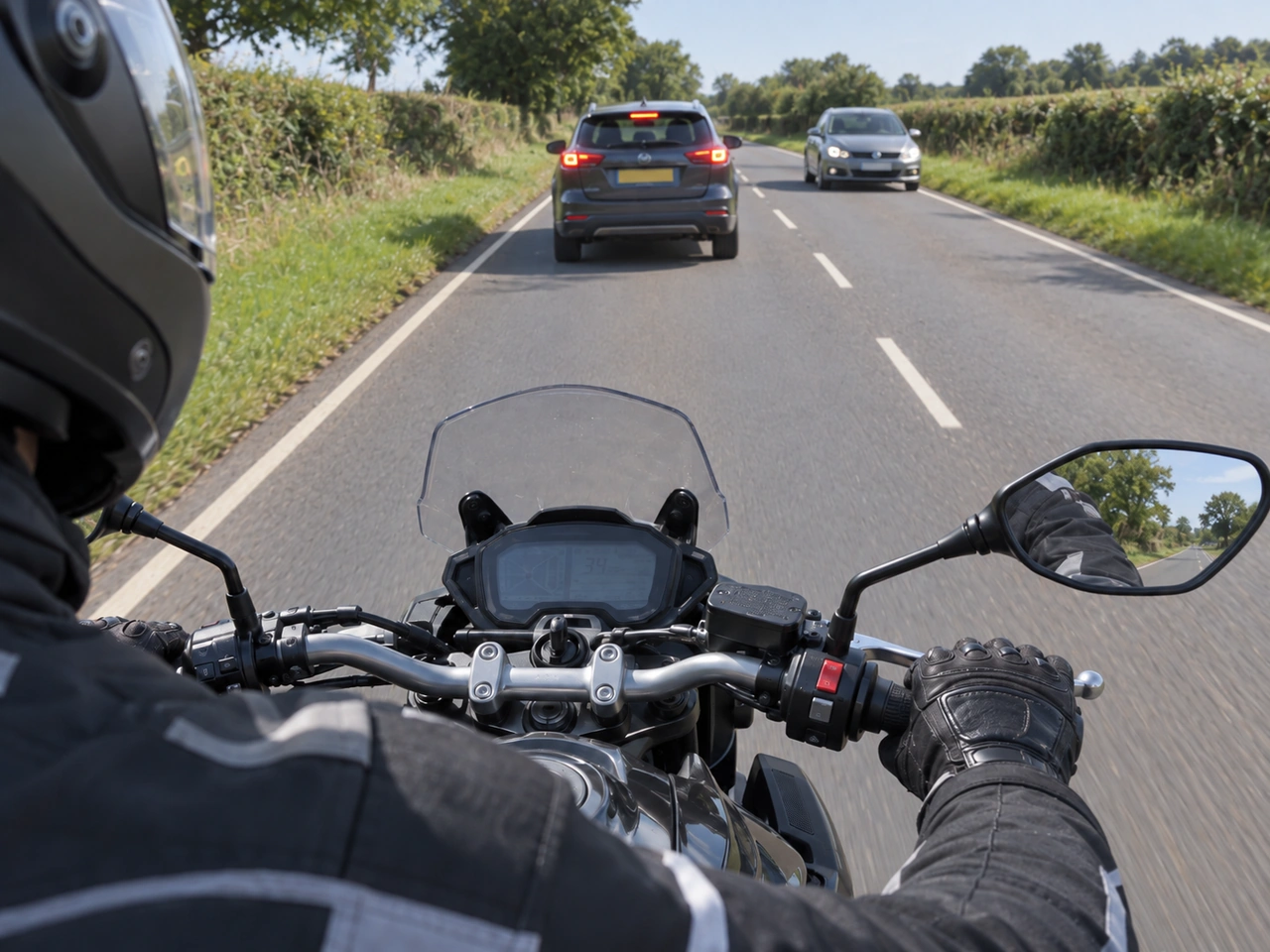
166. How should you normally brake on a motorcycle?
During normal braking, use both the front and rear brakes smoothly and progressively. The front brake normally provides much of the braking force, while the rear brake also helps slow and stabilise the motorcycle. Sudden or poorly balanced braking can reduce stability or cause a wheel to lose grip.
AI-generated by Traffic-rules.com • WCIT • CC BY-SA
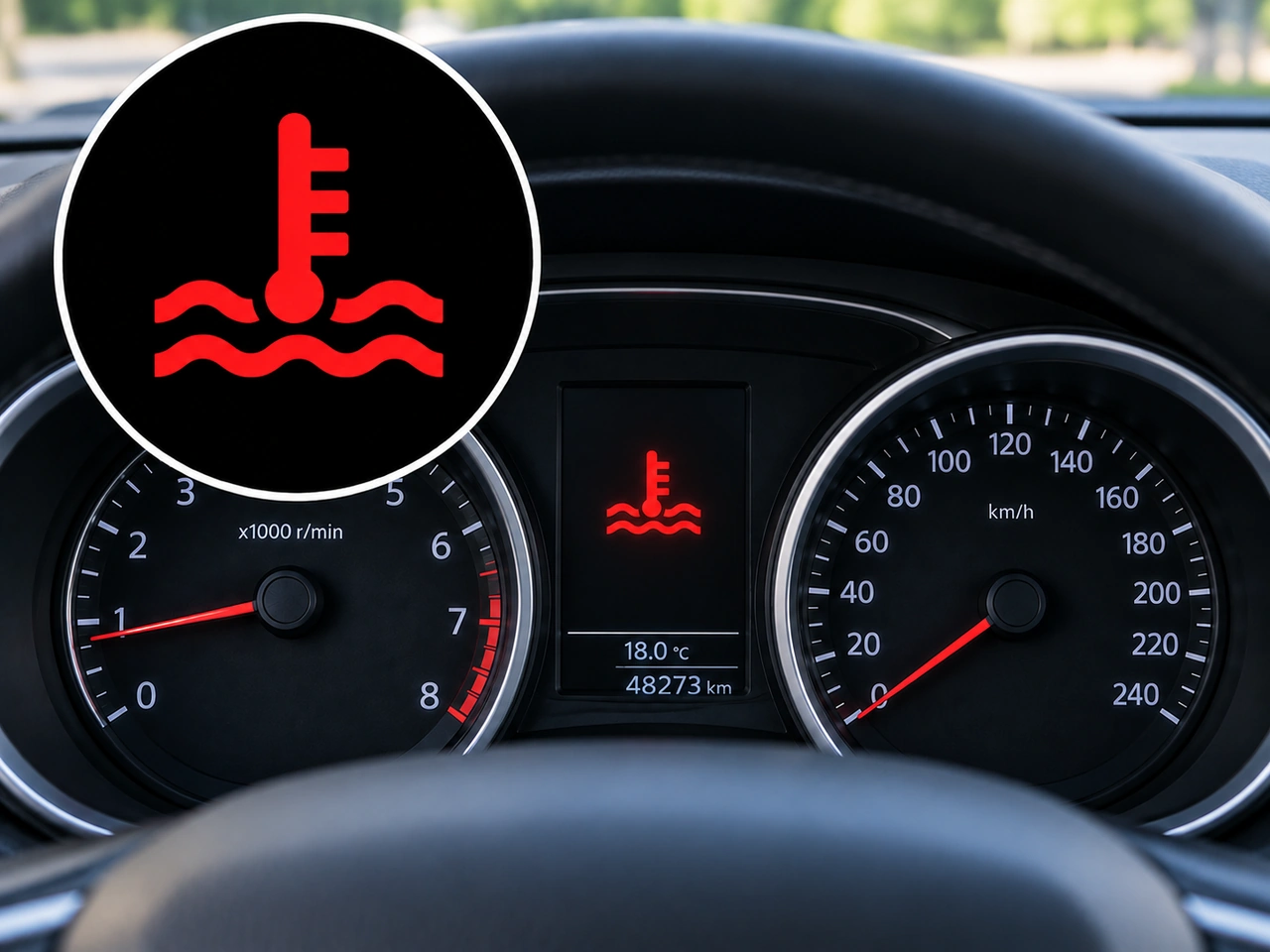
167. What does this dashboard symbol indicate?
This symbol indicates that the engine coolant temperature is too high. If it illuminates while driving, stop safely and allow the engine to cool before investigating the cause.
AI-generated by Traffic-rules.com • WCIT • CC BY-SA
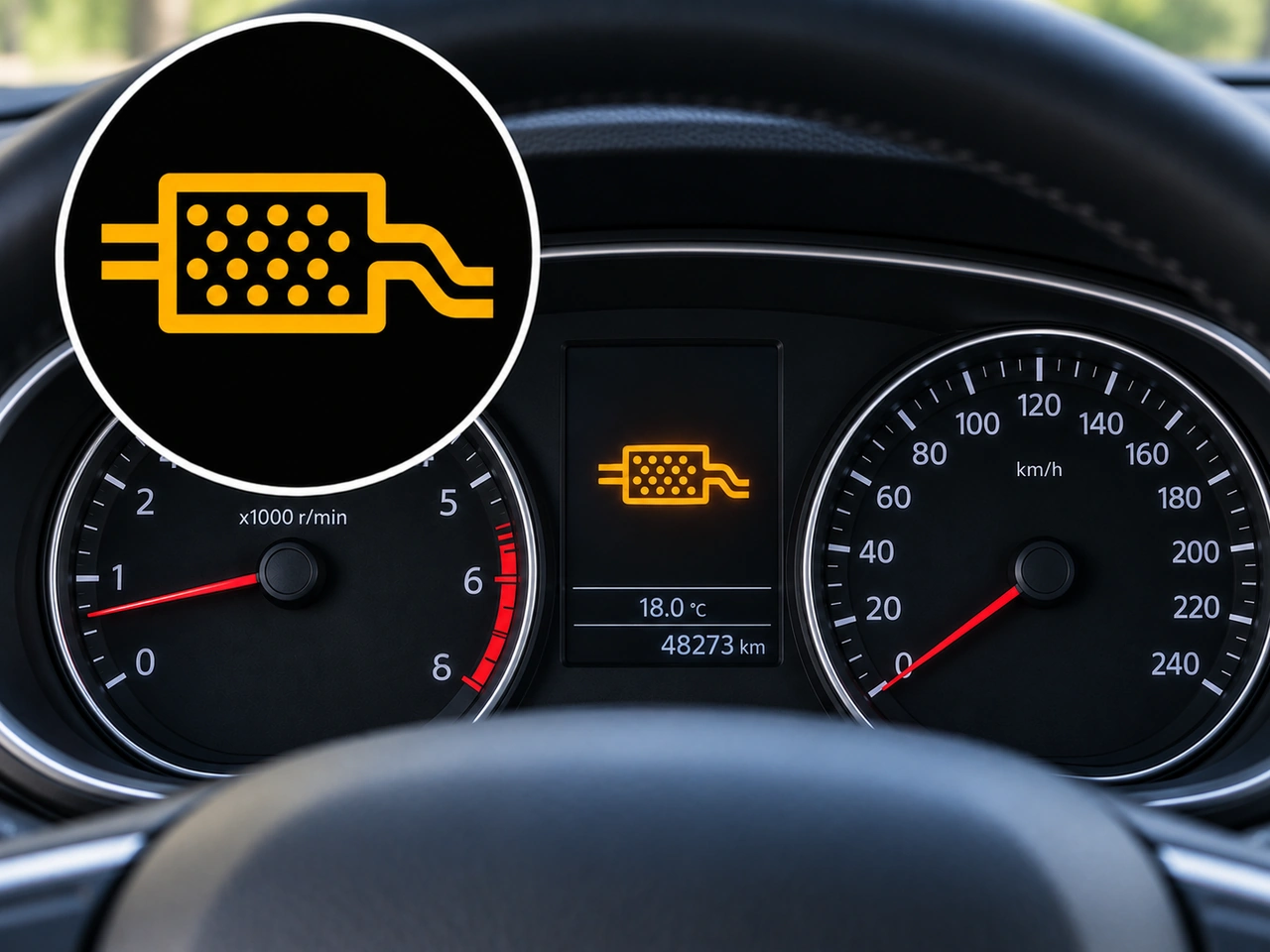
168. What does this dashboard symbol indicate?
This symbol indicates a problem with the diesel particulate filter (DPF), often because soot has accumulated in the filter. The vehicle may require regeneration or professional inspection, depending on the vehicle and warning status.
AI-generated by Traffic-rules.com • WCIT • CC BY-SA
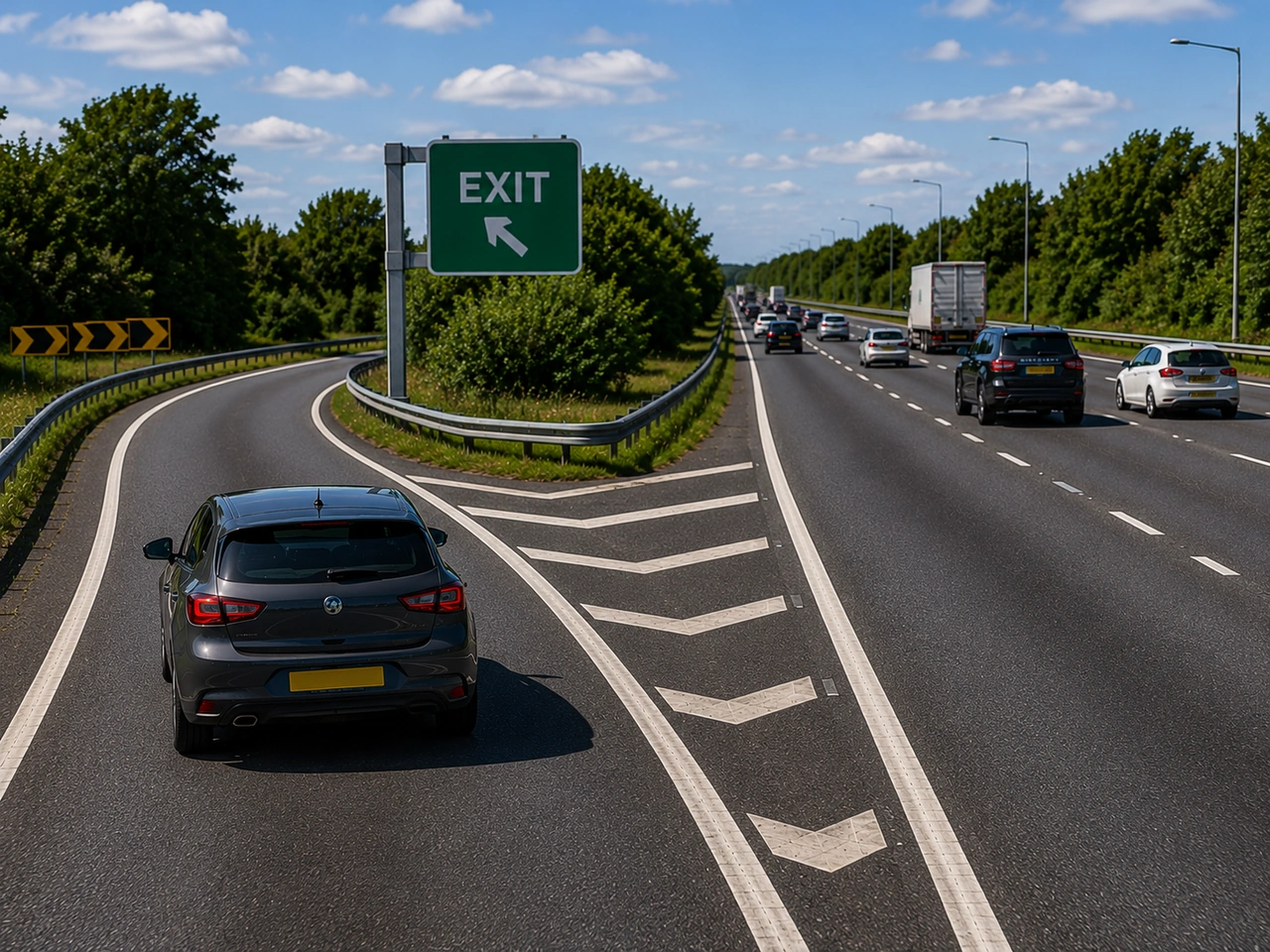
169. What should you do before leaving a motorway?
Plan your exit early, move into the correct lane safely, and reduce speed after entering the exit road where appropriate.
AI-generated by Traffic-rules.com • WCIT • CC BY-SA
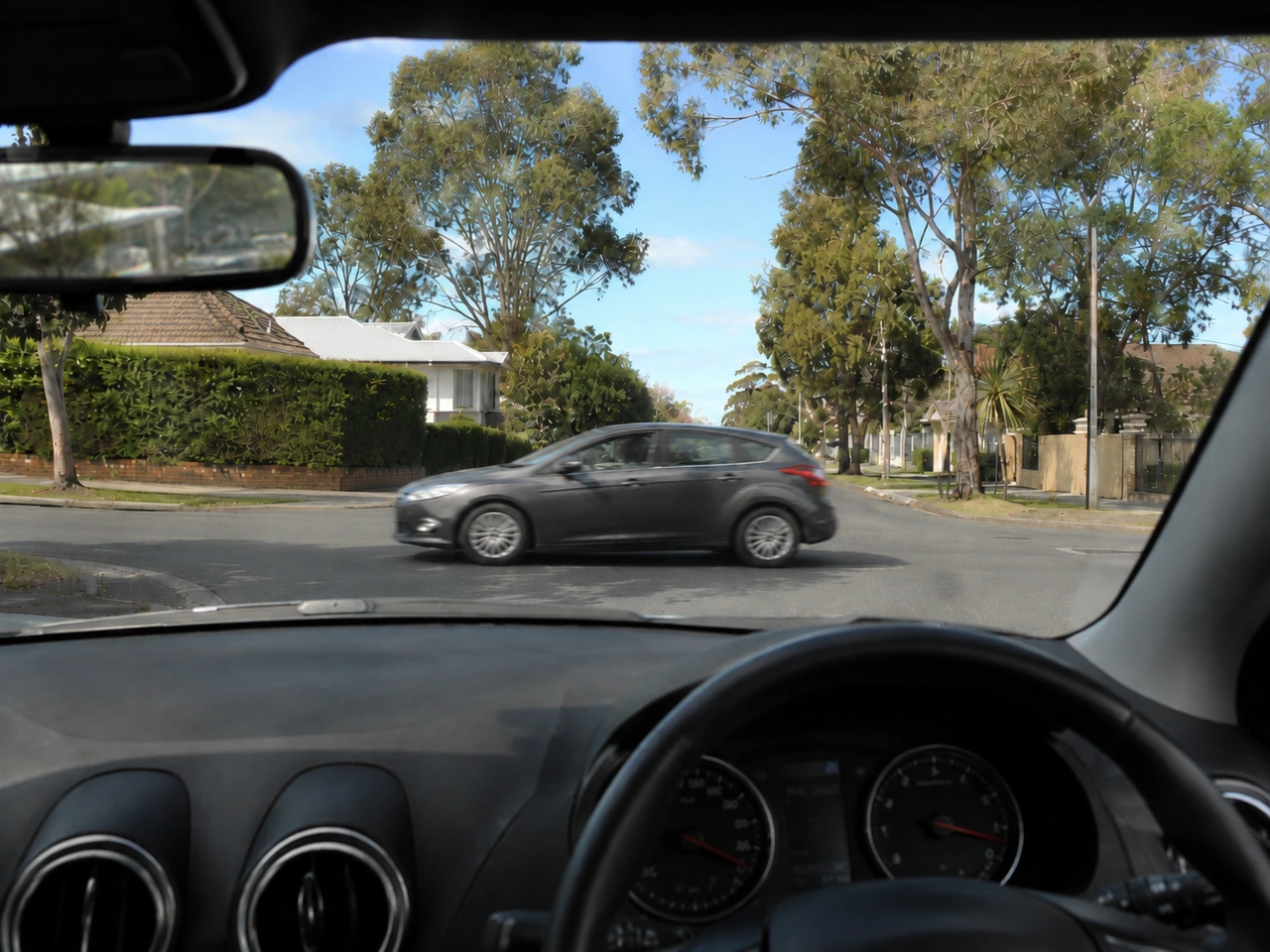
170. What should you do if another driver does not give way when they should?
Even if you have priority, safety comes first. Slow down, stay calm, and avoid creating a dangerous situation.
AI-generated by Traffic-rules.com • WCIT • CC BY-SA
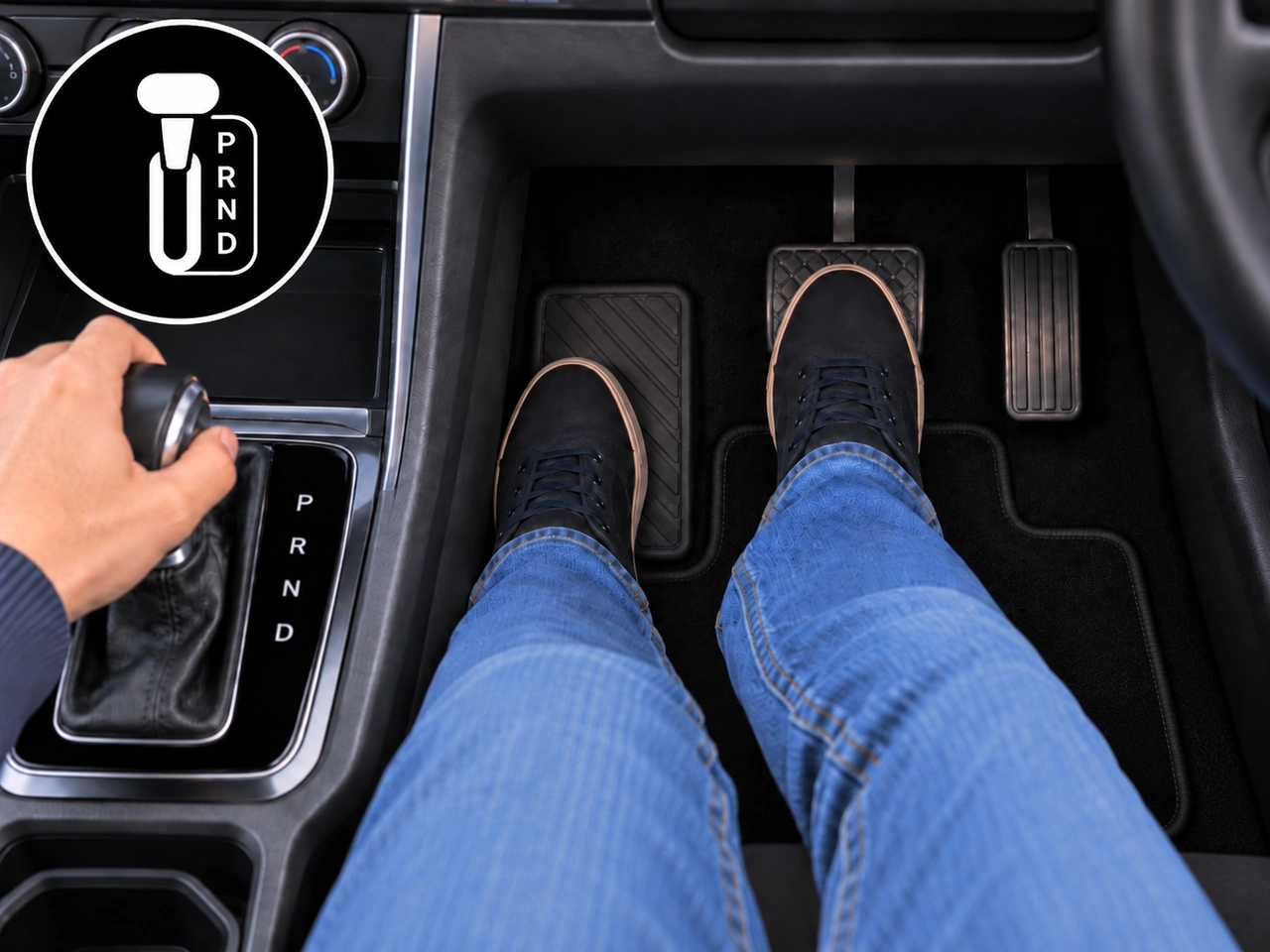
171. What should you normally do before selecting D or R in an automatic vehicle?
Before selecting D (Drive) or R (Reverse), keep the brake pedal pressed to prevent the vehicle from moving unexpectedly when the gear is engaged.
AI-generated by Traffic-rules.com • WCIT • CC BY-SA
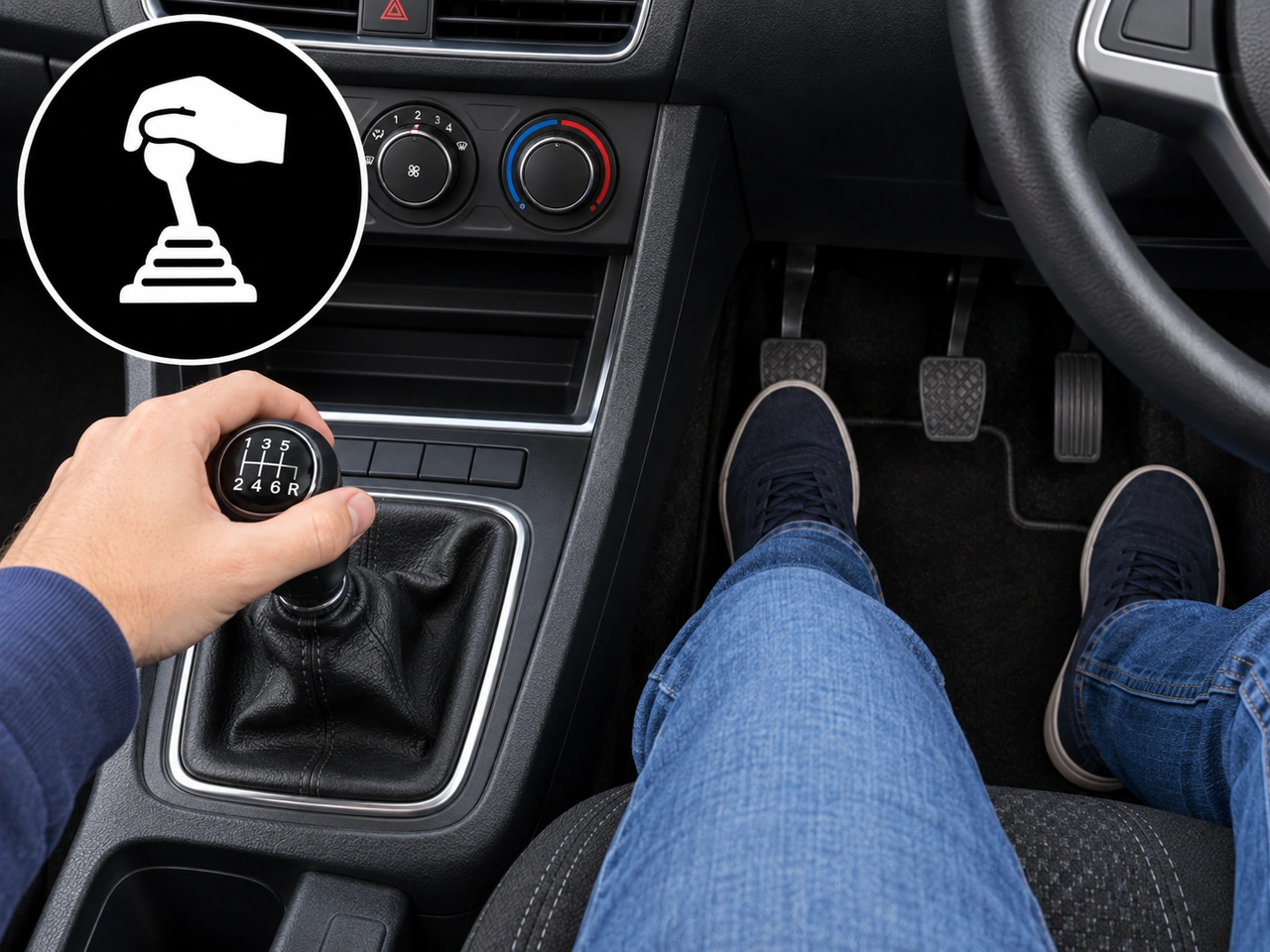
172. What should you do if a gear does not engage easily in a manual vehicle?
If a gear does not engage easily, do not force the gear lever. Make sure the clutch is fully pressed and the vehicle's speed is suitable for the gear before trying again.
AI-generated by Traffic-rules.com • WCIT • CC BY-SA
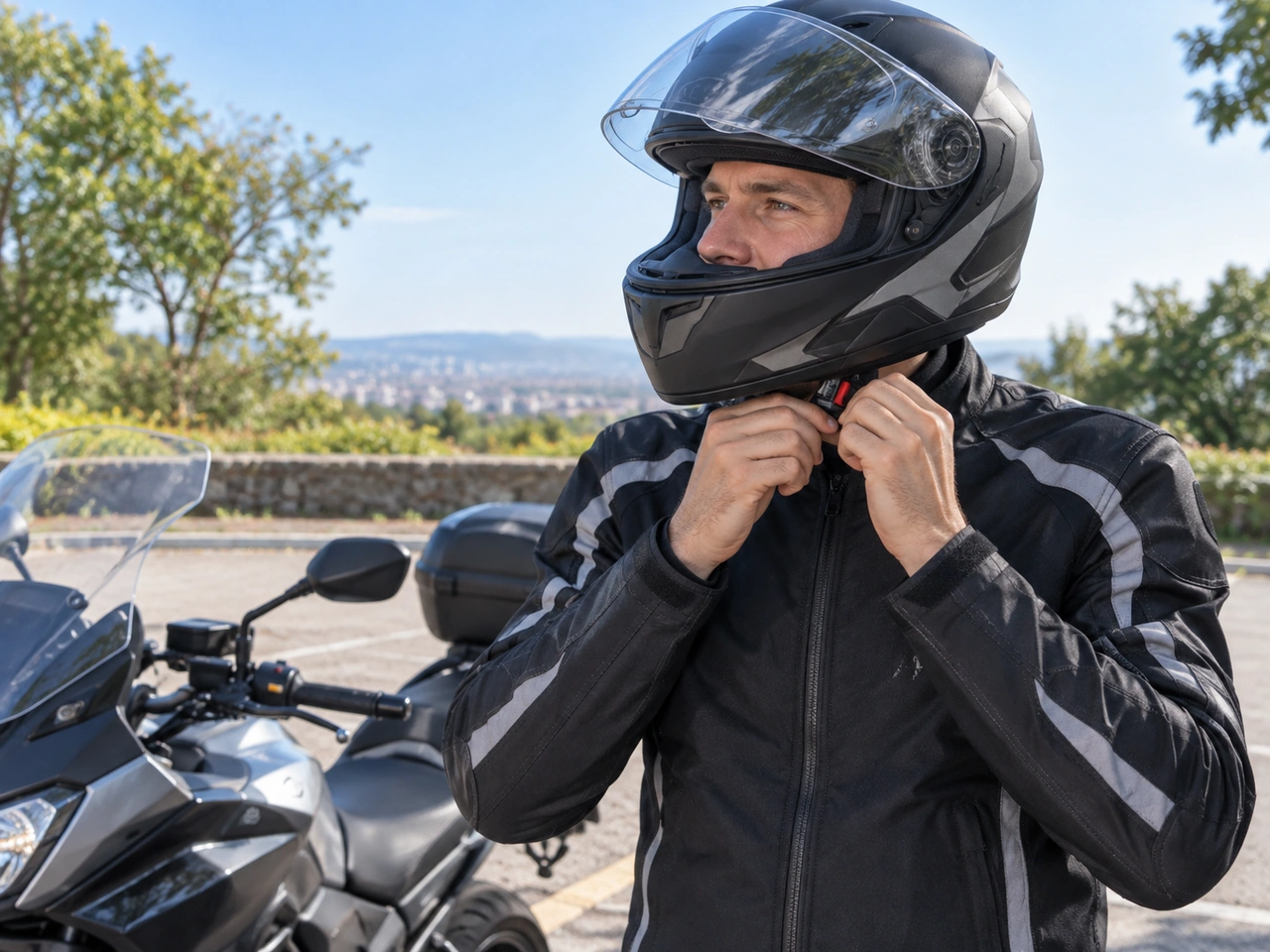
173. Why should a motorcycle helmet be worn correctly and securely fastened?
A correctly fitted and securely fastened motorcycle helmet helps protect the rider's head and can reduce the risk and severity of head injury in a collision or fall.
AI-generated by Traffic-rules.com • WCIT • CC BY-SA
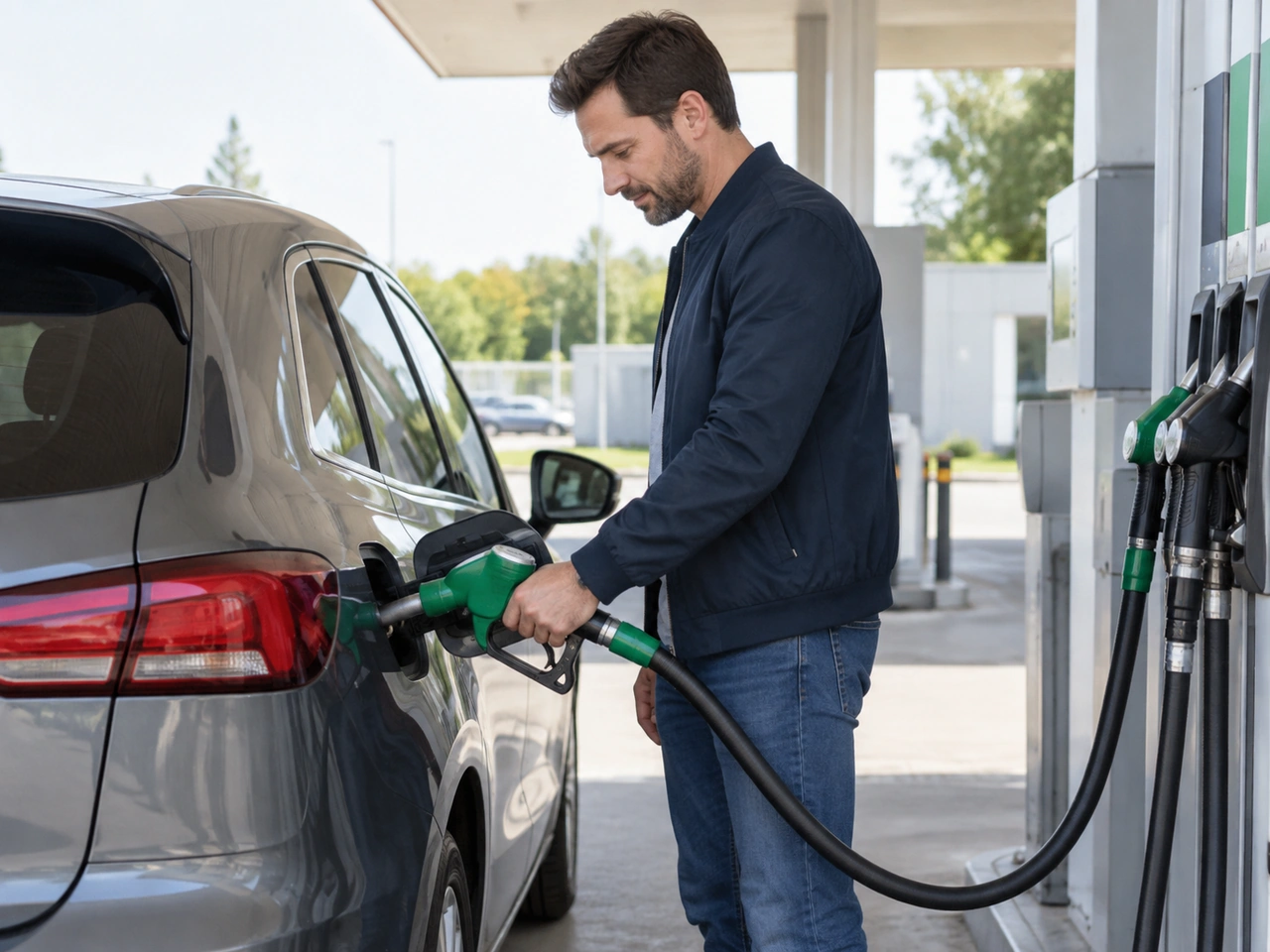
174. What should you normally do when the fuel nozzle automatically clicks off?
When the fuel nozzle automatically clicks off, stop refuelling rather than repeatedly topping up the tank. Continuing can cause fuel to spill or overflow and may interfere with the vehicle's fuel-vapour control system.
AI-generated by Traffic-rules.com • WCIT • CC BY-SA
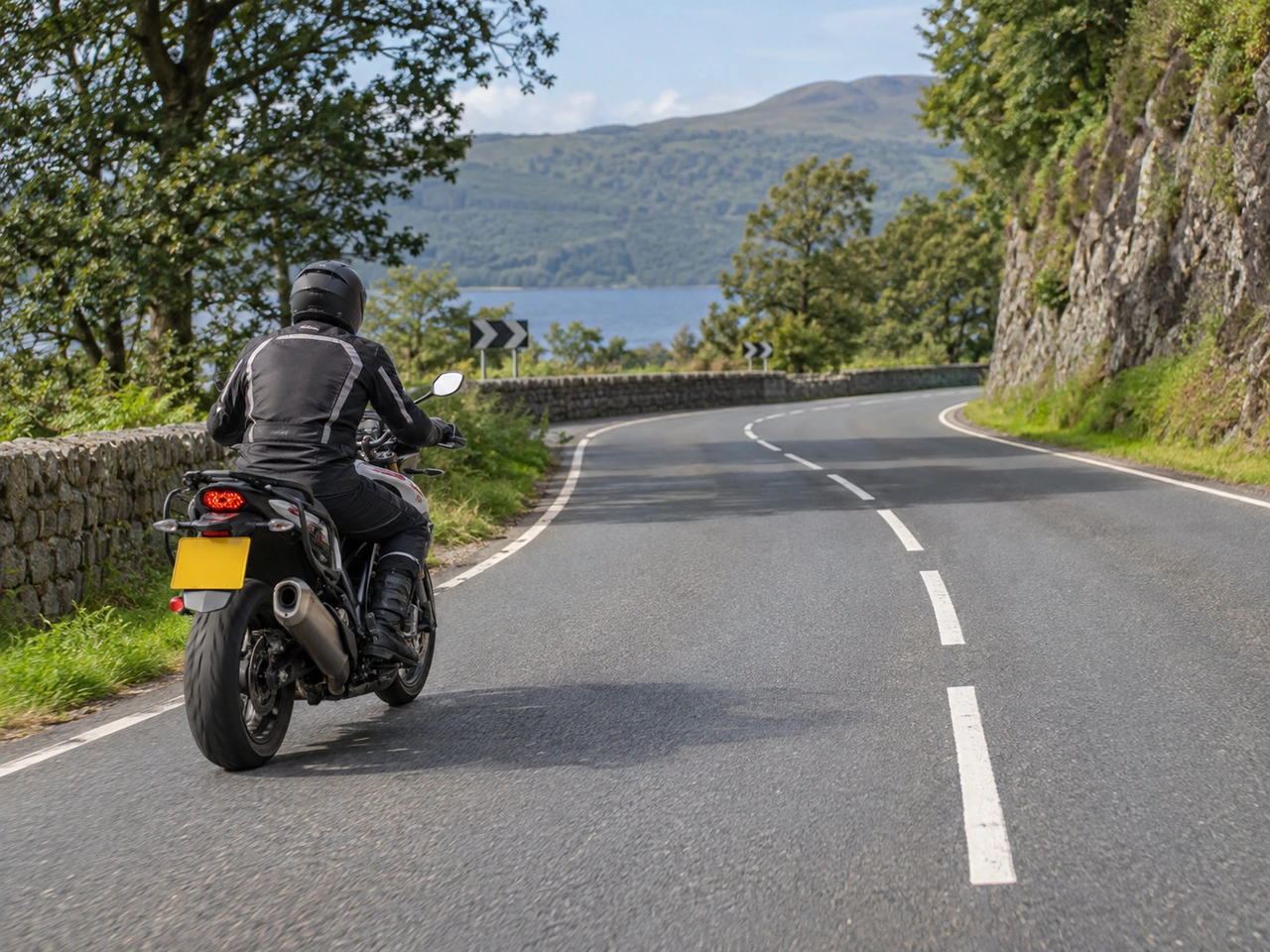
175. What should a motorcyclist do before entering a bend?
Adjust your speed before entering the bend so you can steer smoothly and remain within a safe position. Look through the bend towards where you want to travel and be prepared for hazards that may be hidden from view.
AI-generated by Traffic-rules.com • WCIT • CC BY-SA
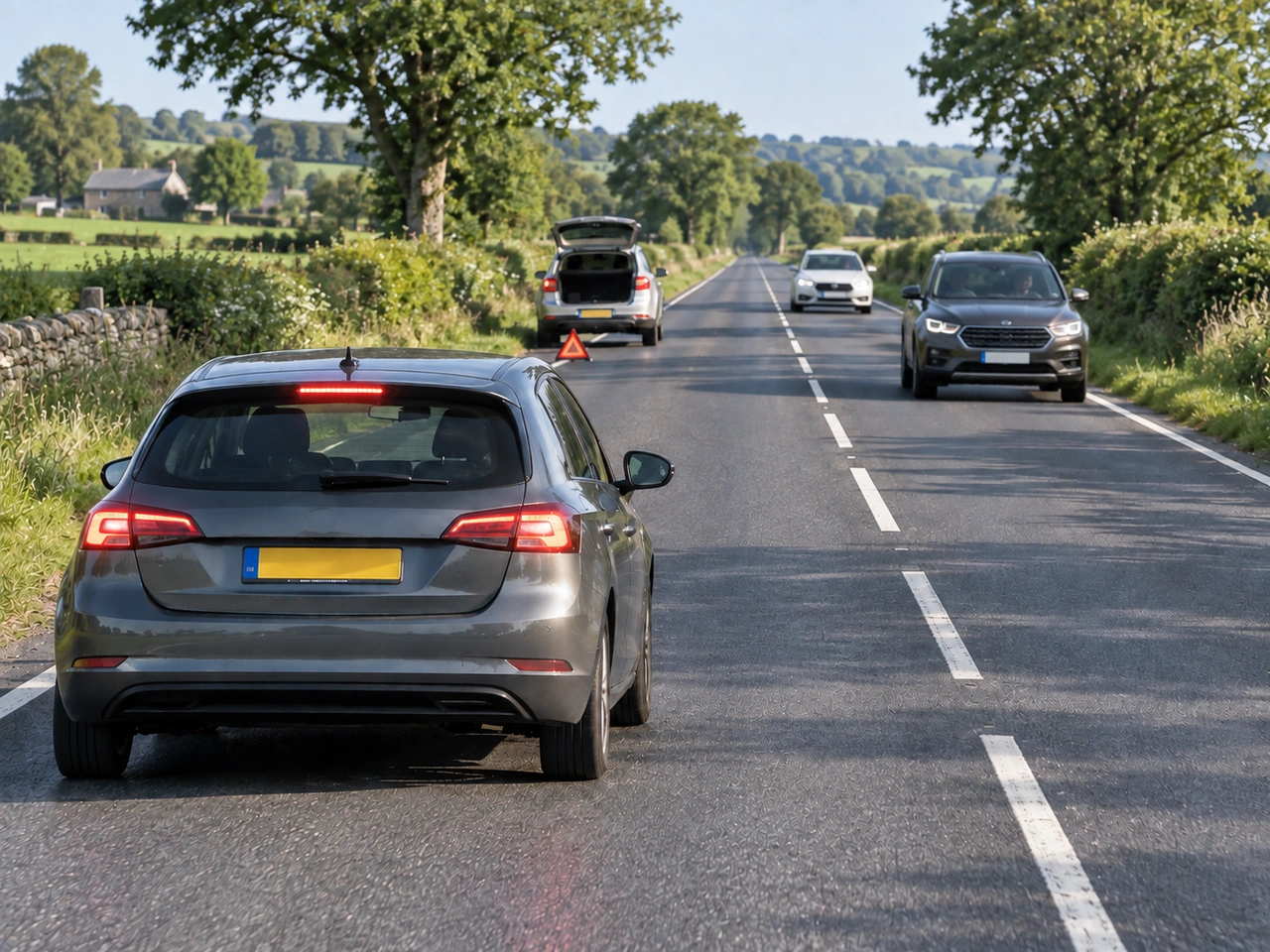
176. What makes up the total stopping distance of a vehicle?
The total stopping distance consists of the distance travelled while the driver reacts to a hazard plus the distance travelled while the vehicle is braking to a stop.
AI-generated by Traffic-rules.com • WCIT • CC BY-SA
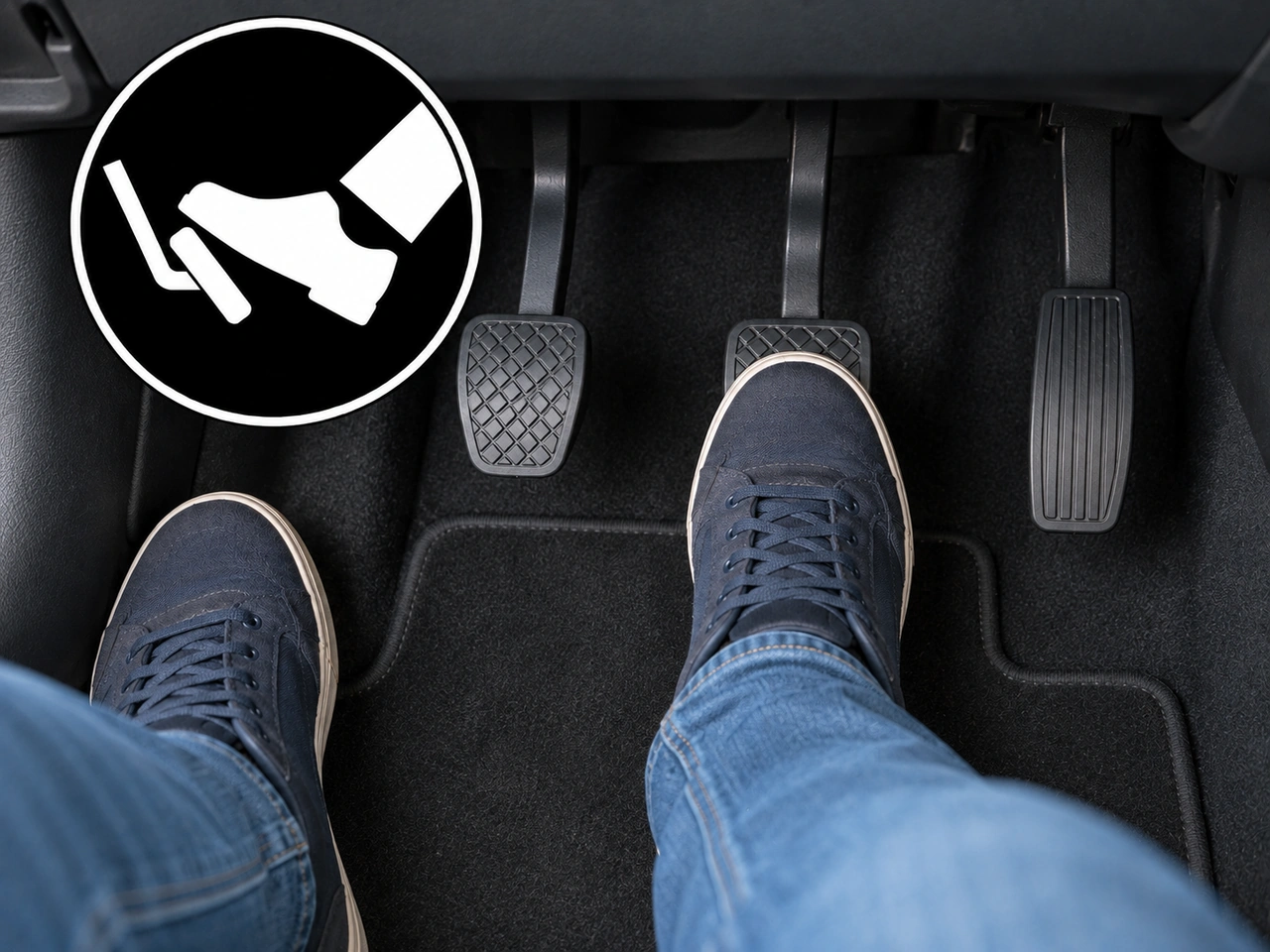
177. Which pedal is used to slow down or stop the vehicle?
The brake pedal is used to reduce the vehicle's speed or bring it to a stop. In a manual vehicle, it is the middle pedal.
AI-generated by Traffic-rules.com • WCIT • CC BY-SA
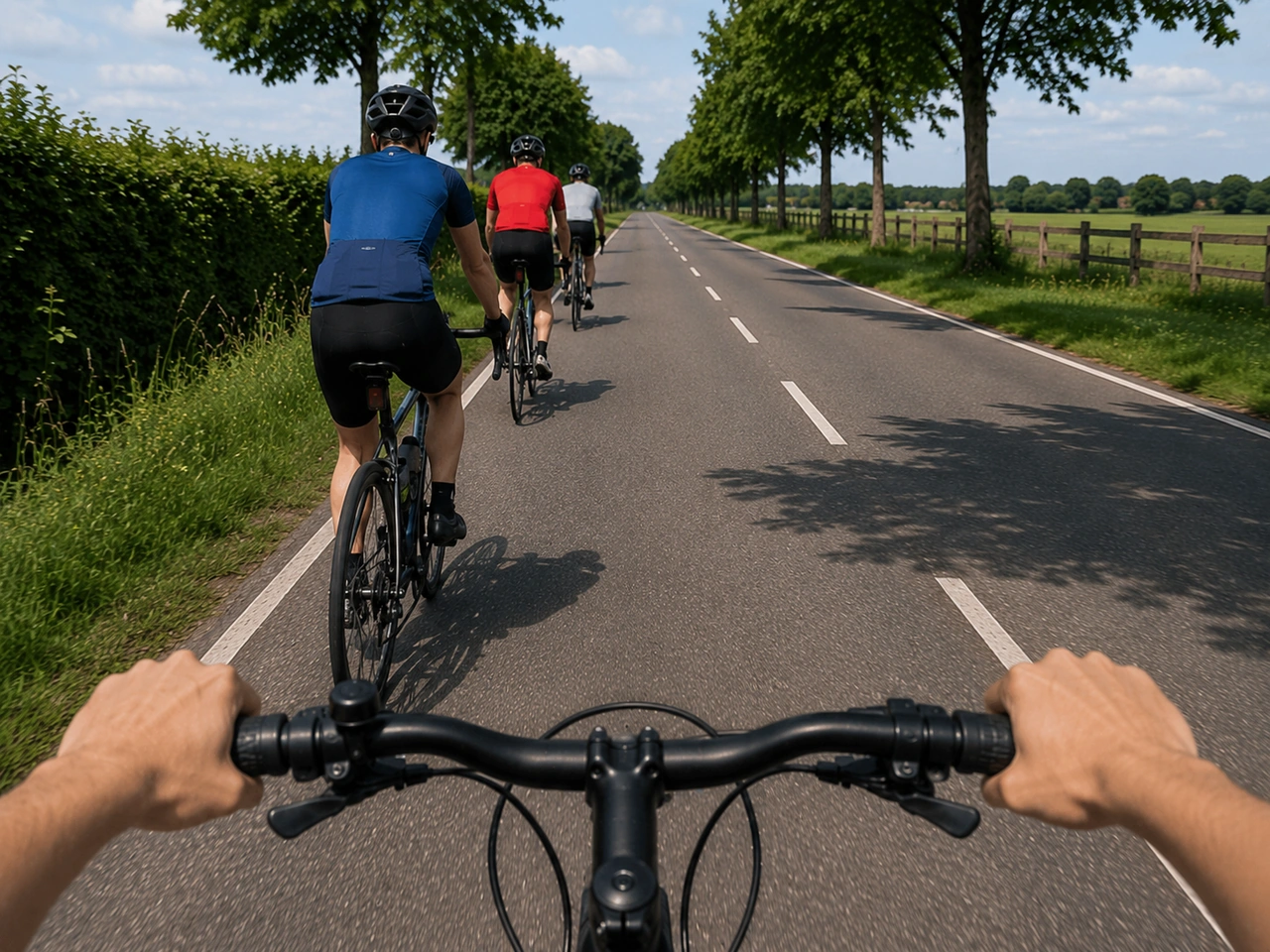
178. How should cyclists ride when travelling in a group?
Safe spacing and communication help group members respond to braking, turns, obstacles, and changing traffic conditions.
AI-generated by Traffic-rules.com • WCIT • CC BY-SA
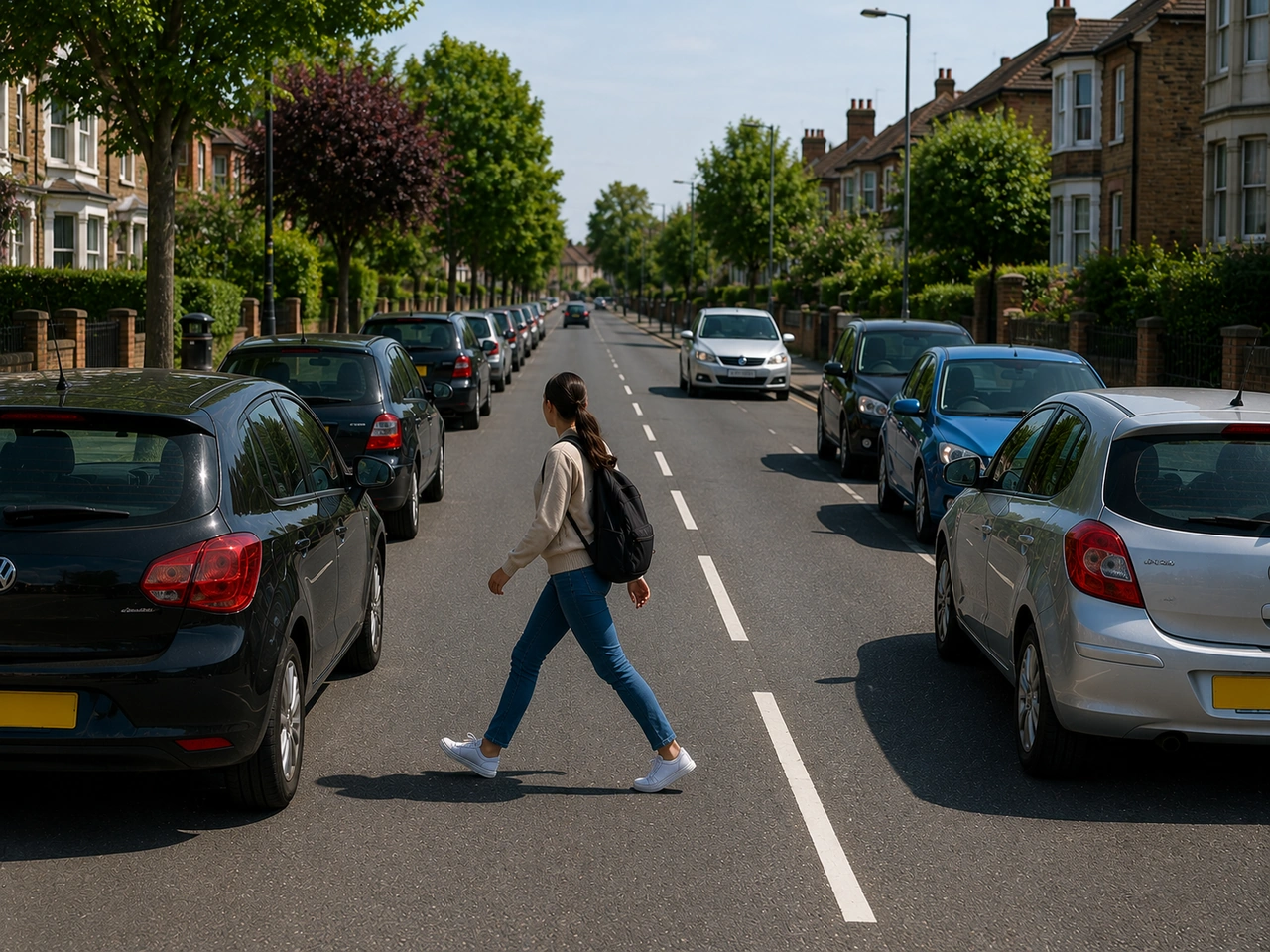
179. Why is it dangerous to cross between parked cars?
Parked vehicles can block the view between pedestrians and drivers. This makes it harder to see approaching traffic and harder for drivers to see you.
AI-generated by Traffic-rules.com • WCIT • CC BY-SA
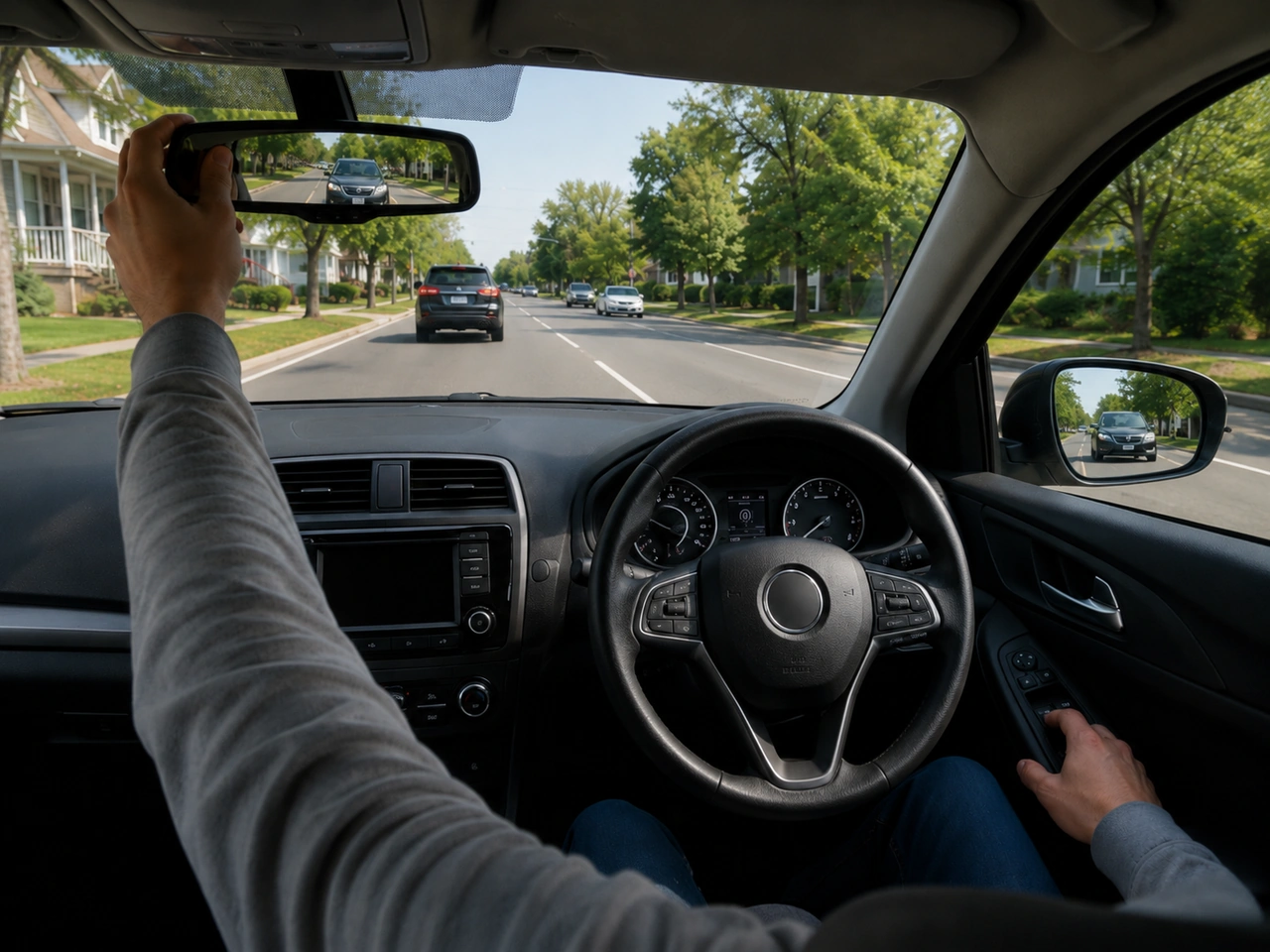
180. You should adjust your mirrors before you start driving.
Properly adjusted mirrors improve visibility and help you monitor traffic around your vehicle.
AI-generated by Traffic-rules.com • WCIT • CC BY-SA
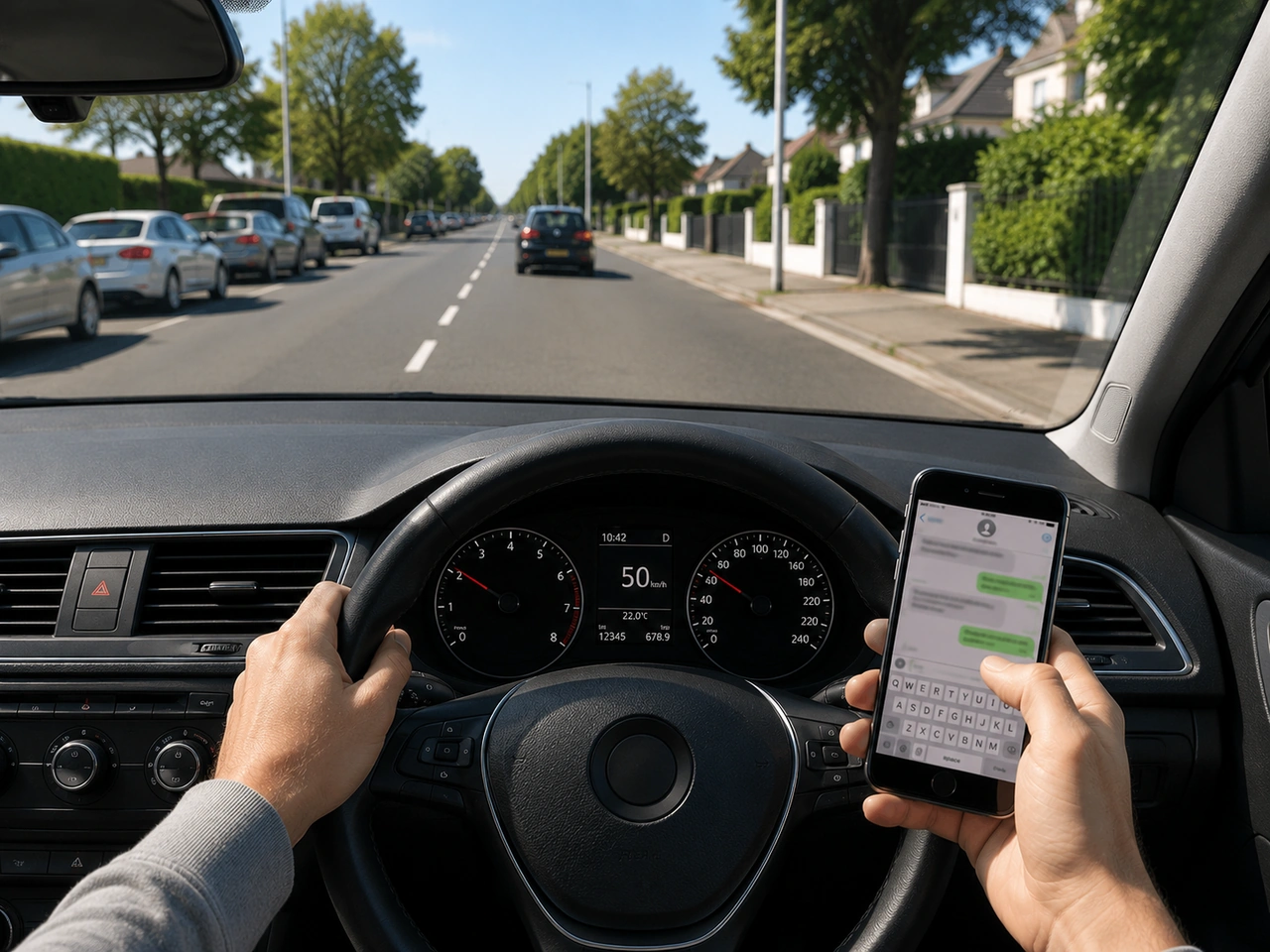
181. It is safe to look at your phone briefly while driving.
Using your phone while driving is distracting and dangerous, even for a very short moment.
AI-generated by Traffic-rules.com • WCIT • CC BY-SA
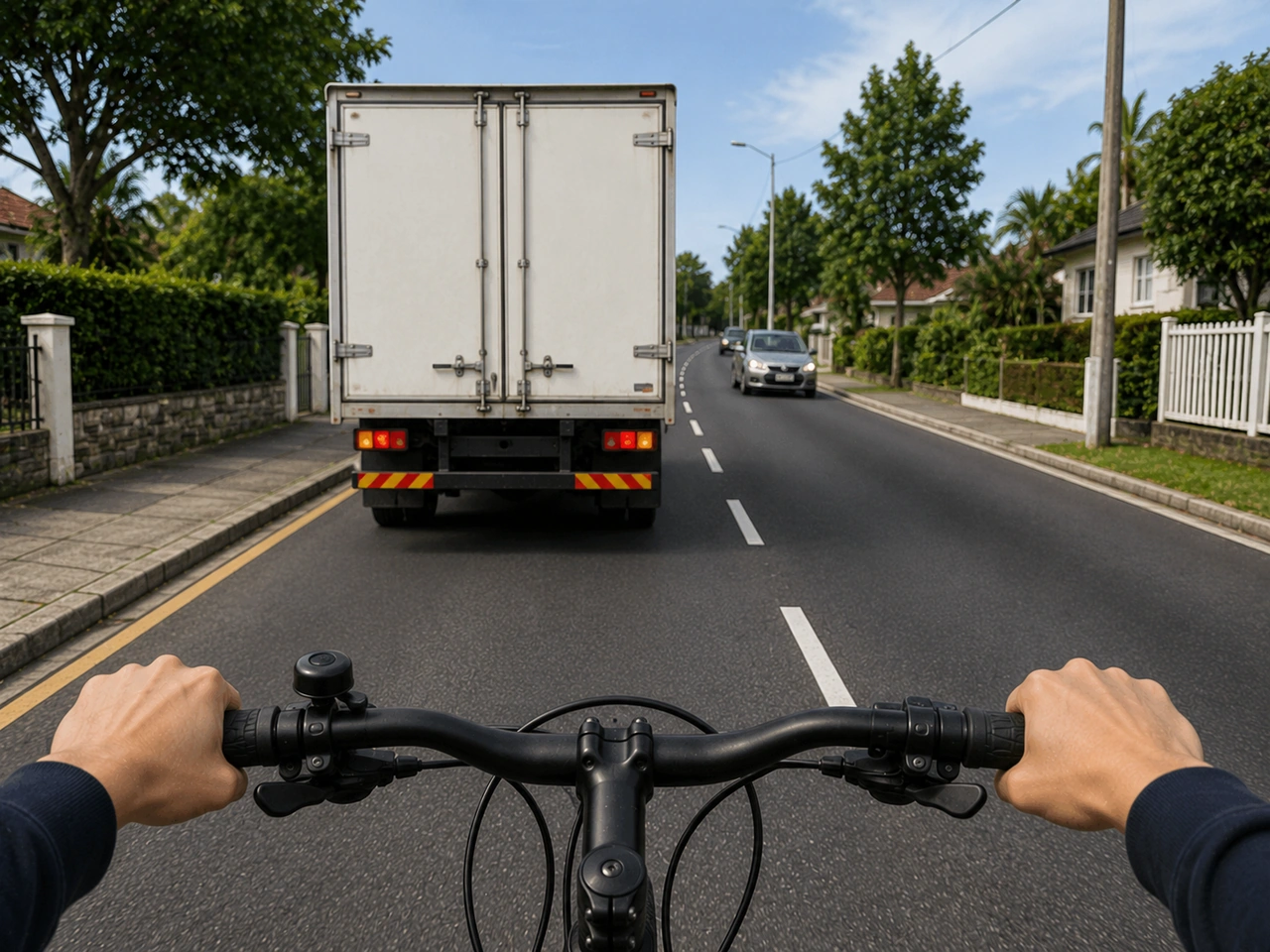
182. What should cyclists do near a large vehicle that may be turning?
Large vehicles need extra space to turn and may move across a cyclist's path. Remaining behind is usually safer.
AI-generated by Traffic-rules.com • WCIT • CC BY-SA
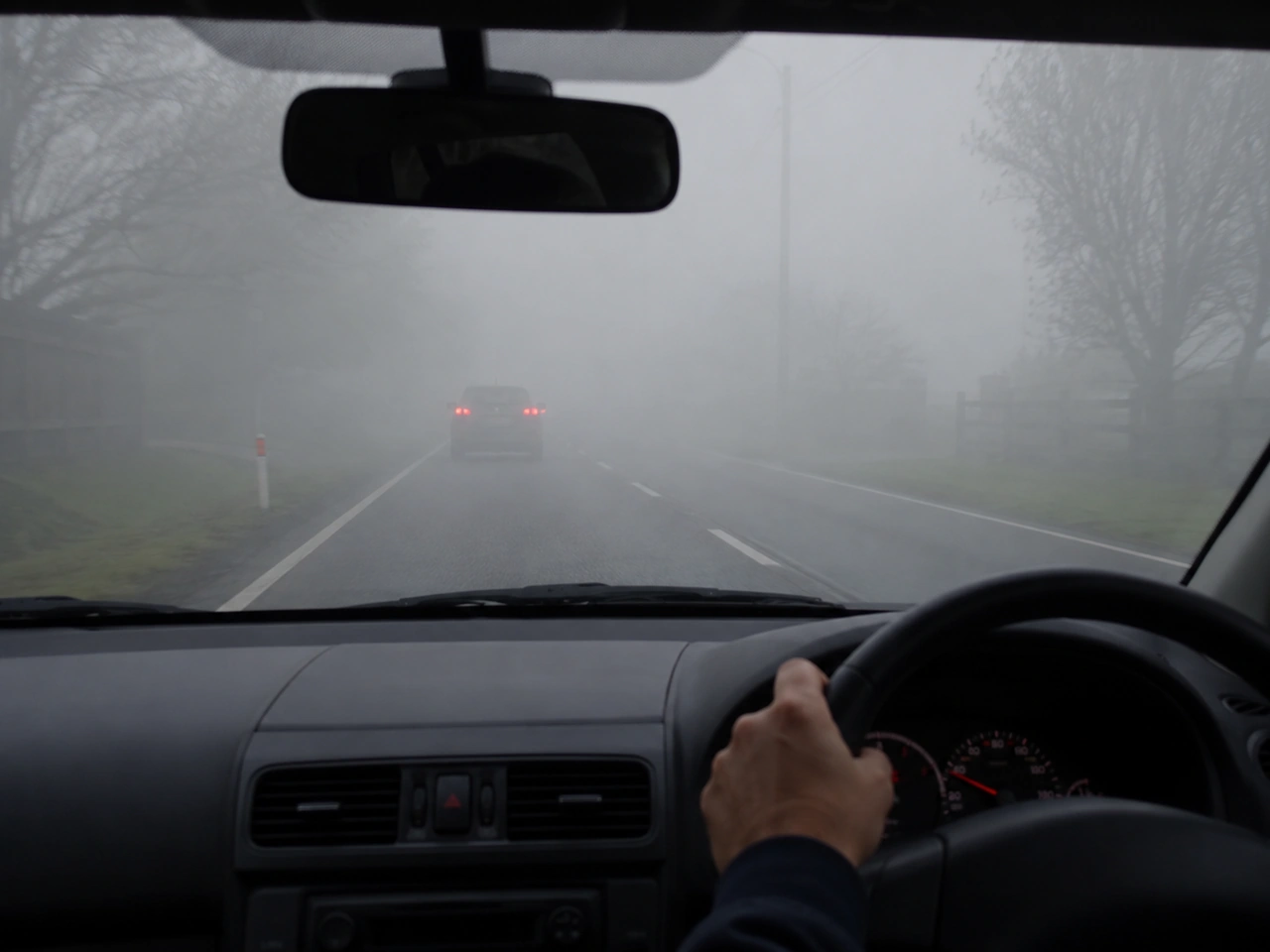
183. What should you do if visibility is reduced by fog?
Fog makes it harder to see and be seen. Reduce speed, increase following distance, and use the correct lights.
AI-generated by Traffic-rules.com • WCIT • CC BY-SA
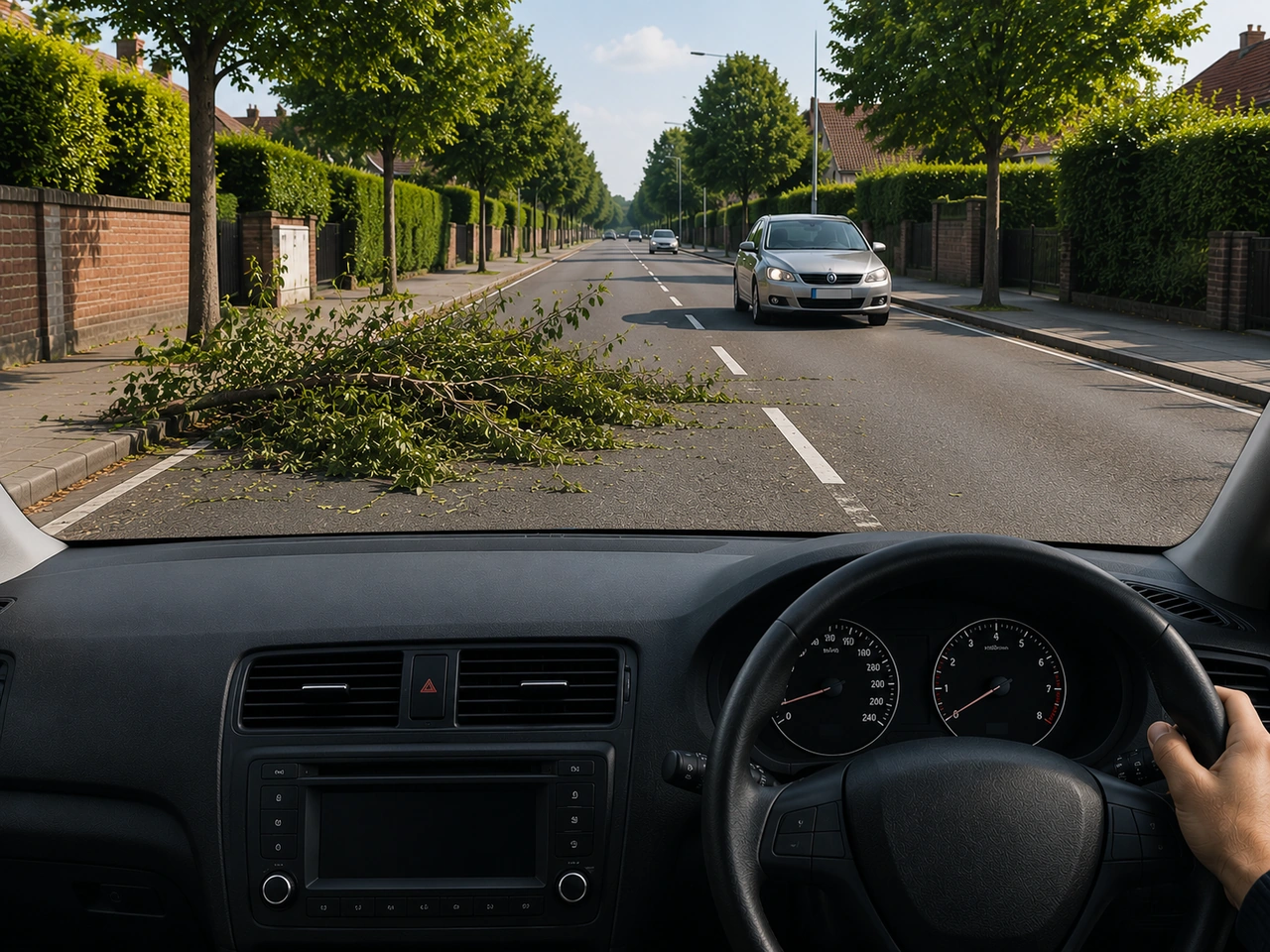
184. What should you do if your lane is blocked by an obstacle?
If your lane is blocked, reduce speed, check mirrors and oncoming traffic, and only move around the obstacle when it is safe.
AI-generated by Traffic-rules.com • WCIT • CC BY-SA
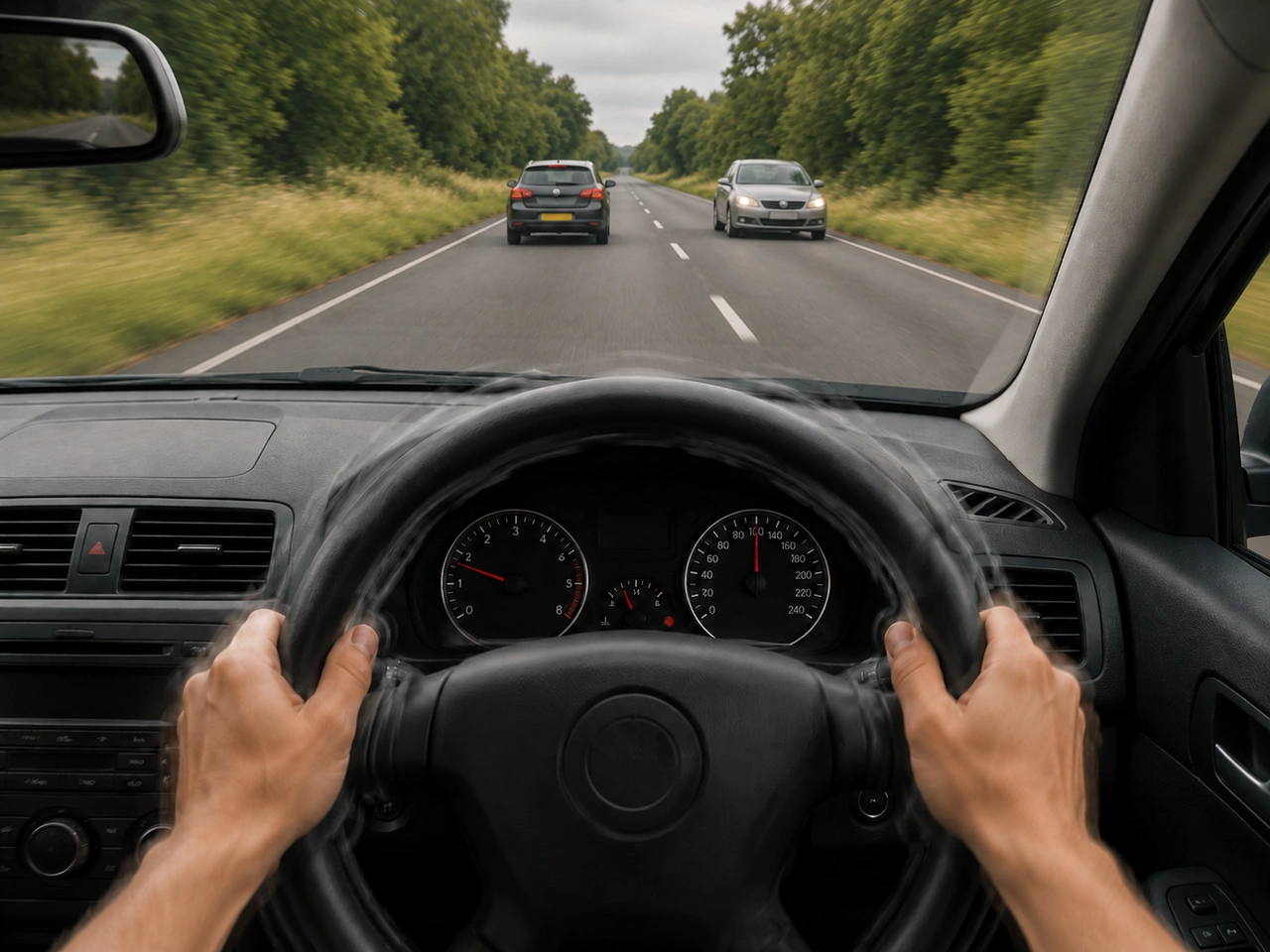
185. What should you do if an unusual vibration develops in the steering wheel?
An unusual vibration may indicate tyre damage, wheel imbalance, loose components, or another mechanical fault. Reduce speed and arrange an inspection.
AI-generated by Traffic-rules.com • WCIT • CC BY-SA
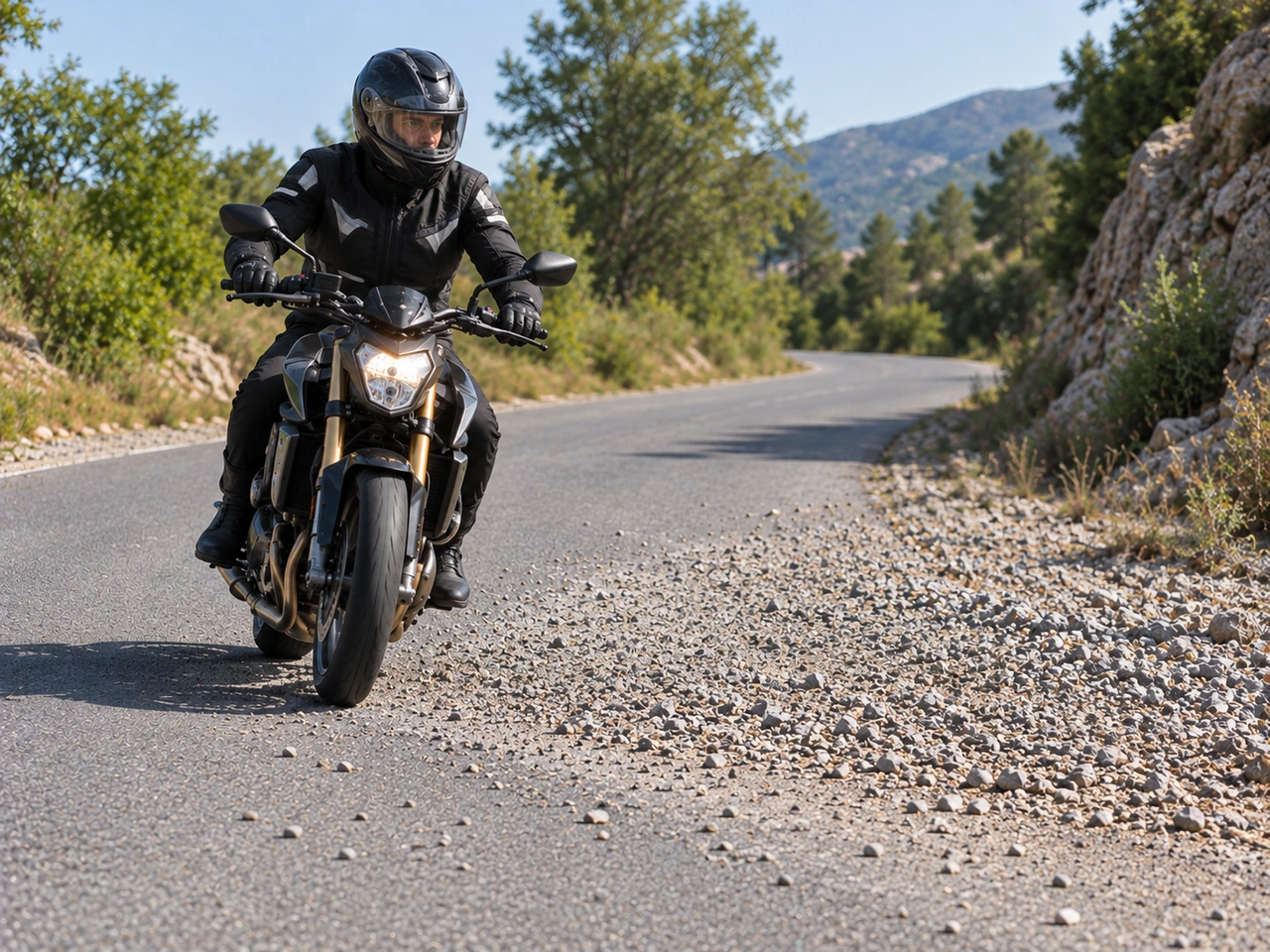
186. What should a motorcyclist do when approaching loose gravel?
Loose gravel can significantly reduce tyre grip. Reduce speed before reaching it, keep the motorcycle as upright as practical, and avoid sudden braking, acceleration or steering while crossing the loose surface.
AI-generated by Traffic-rules.com • WCIT • CC BY-SA
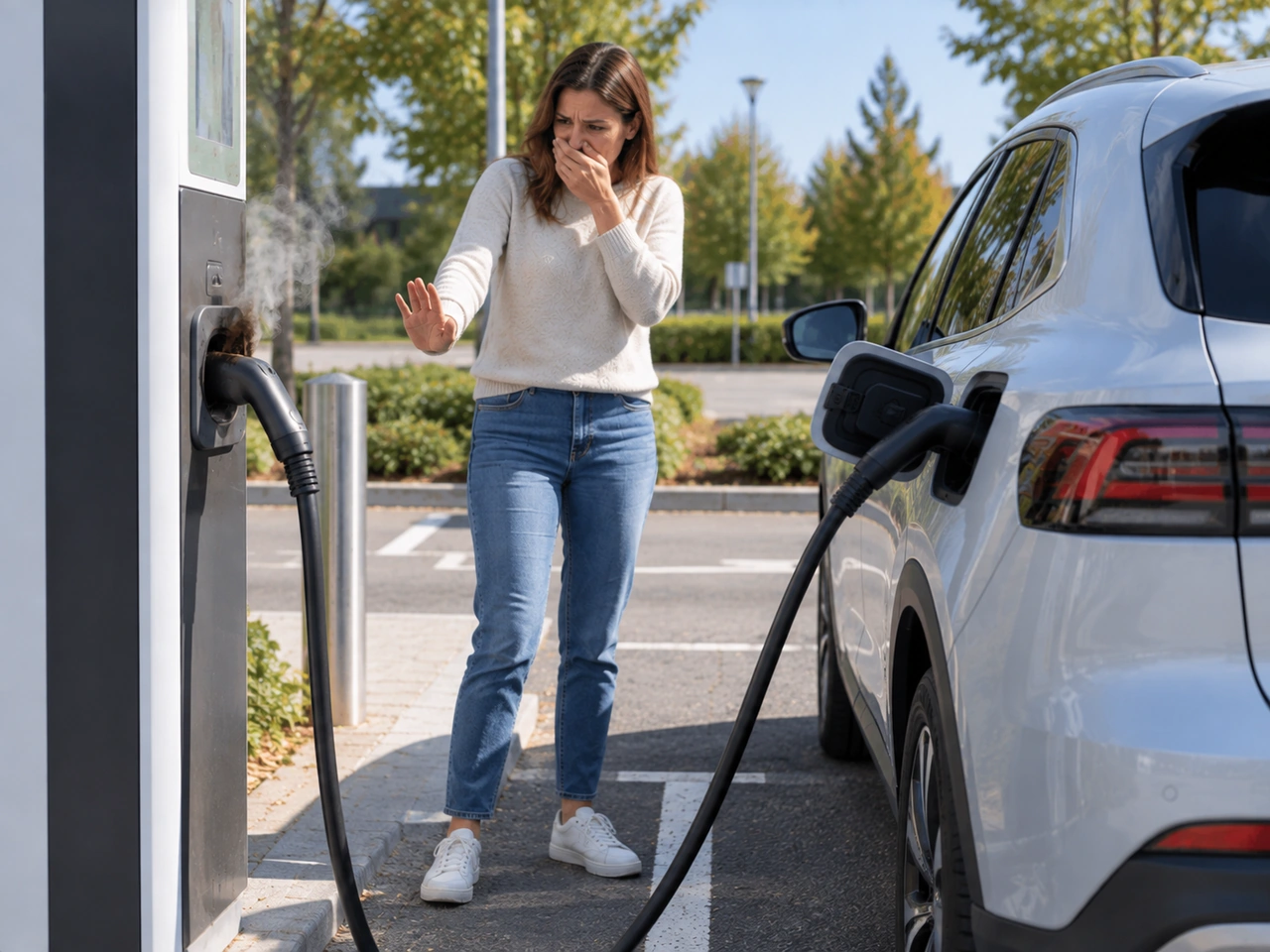
187. What should you do if EV charging equipment becomes unusually hot or smells burnt?
Unusual heat, a burning smell, smoke, sparks, or repeated charging faults can indicate an electrical problem. Stop using the charging equipment if it is safe to do so, keep clear of anything damaged or overheating, and report the fault or seek appropriate assistance.
AI-generated by Traffic-rules.com • WCIT • CC BY-SA
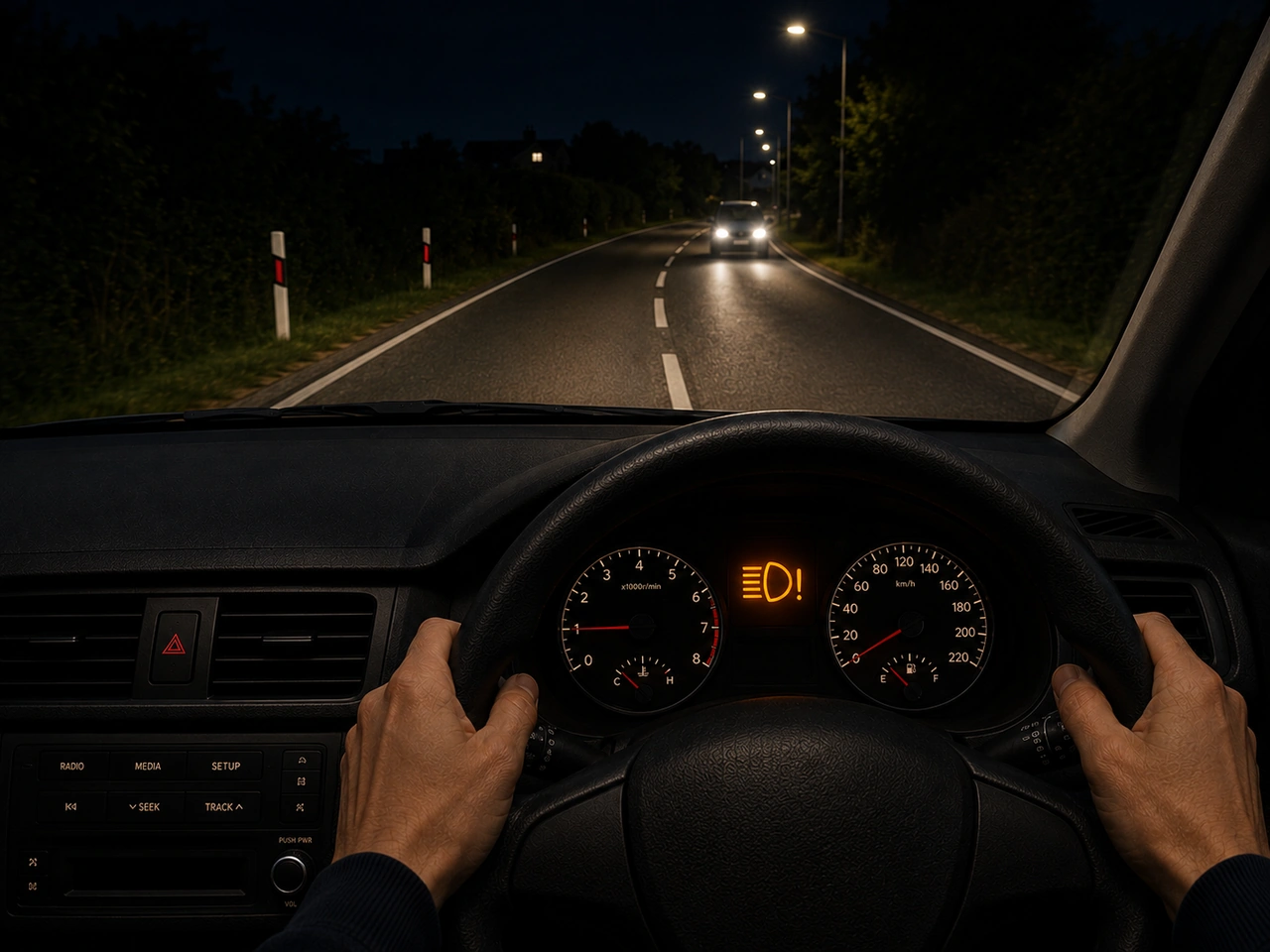
188. What should you do if your headlights fail while driving at night?
Without effective headlights, you may not see hazards and other road users may not see you. Stop in a safe location as soon as possible.
AI-generated by Traffic-rules.com • WCIT • CC BY-SA
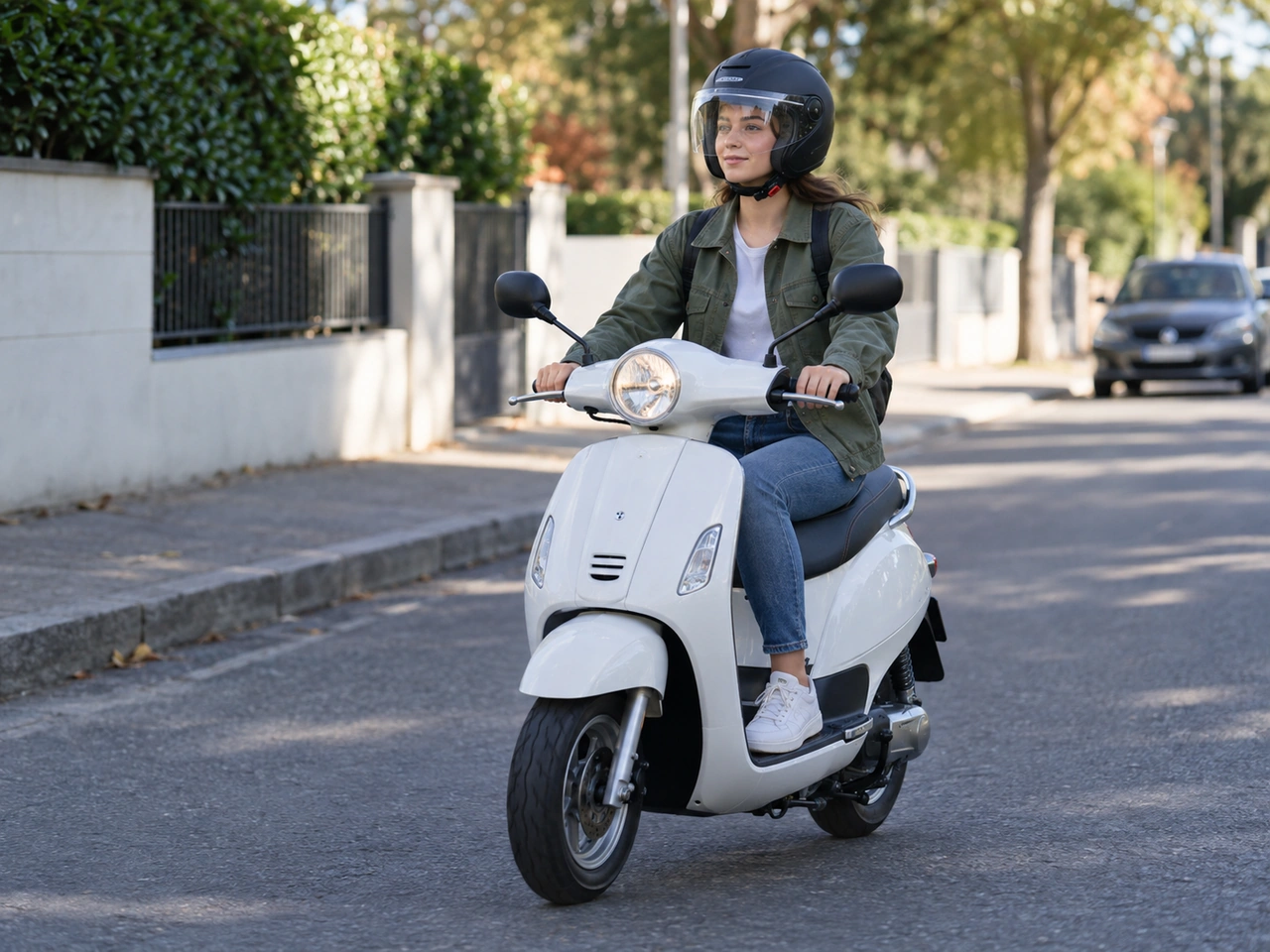
189. Are moped riders generally required to wear a helmet in Nepal?
Moped riders in Nepal are generally required to wear an approved helmet.
AI-generated by Traffic-rules.com • WCIT • CC BY-SA
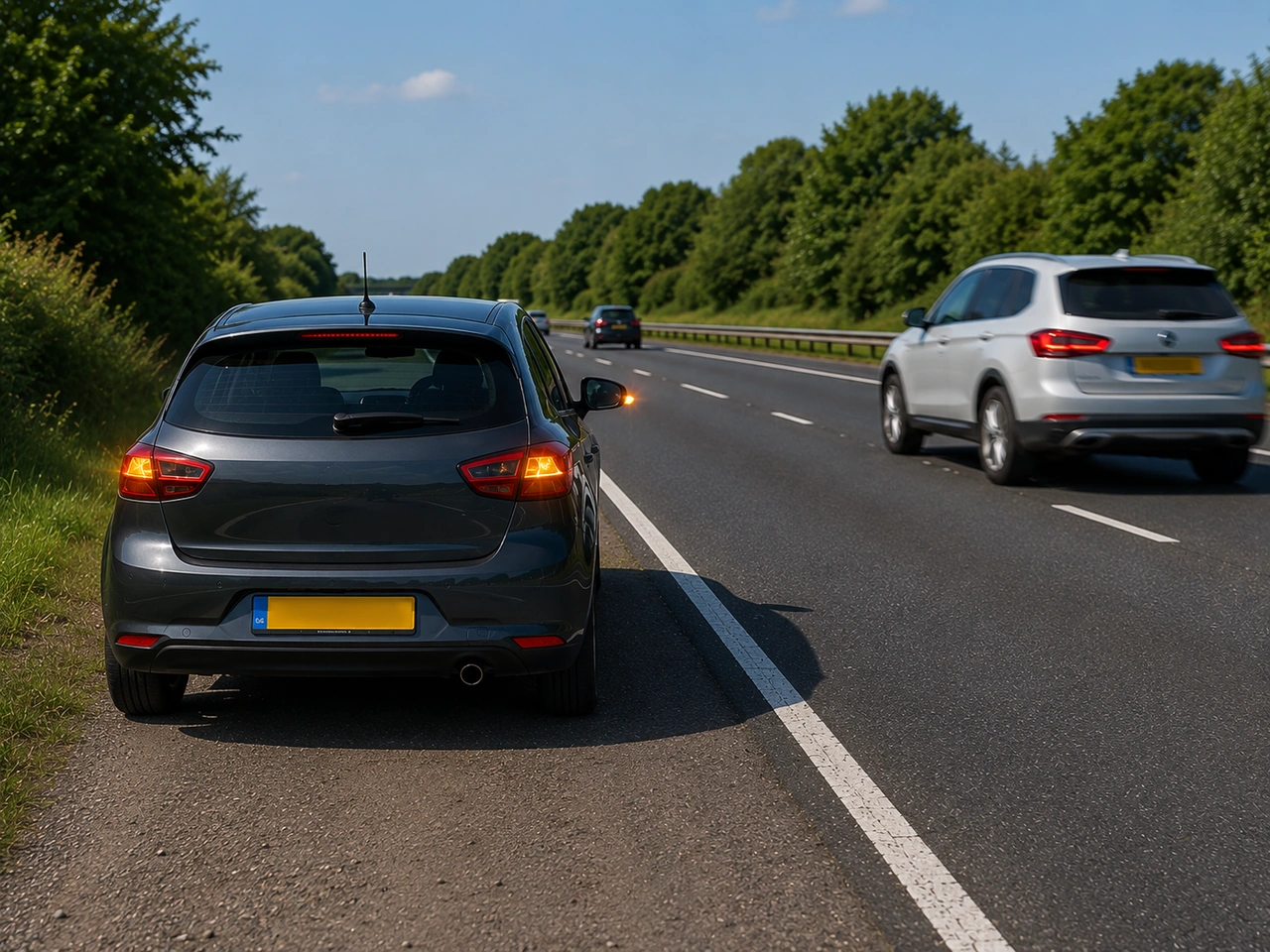
190. What should you do before rejoining traffic after a breakdown?
Check mirrors and blind spots, signal clearly, and build up speed safely without causing approaching traffic to brake suddenly.
AI-generated by Traffic-rules.com • WCIT • CC BY-SA
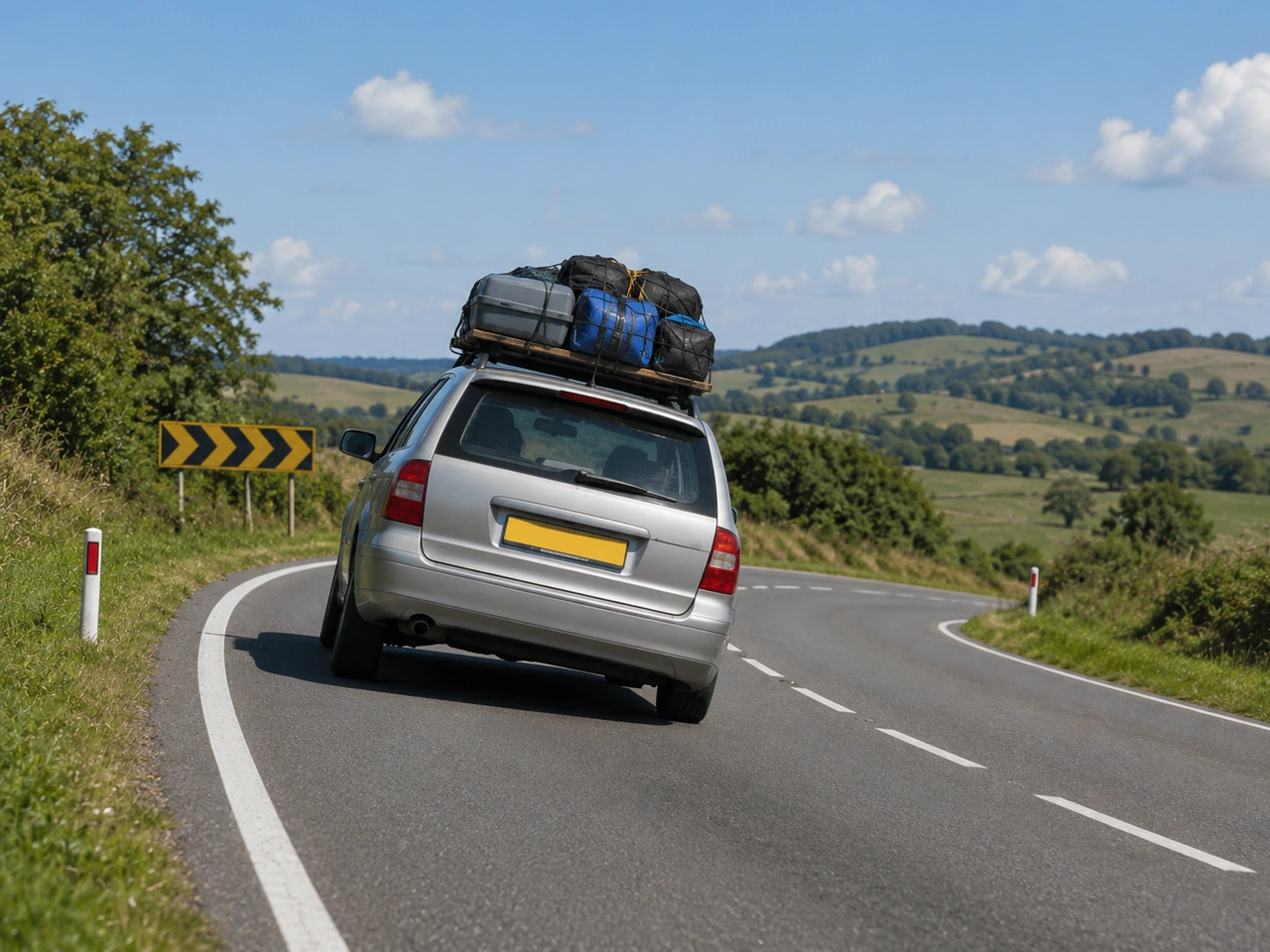
191. How can a roof load affect vehicle handling?
Weight carried high on the vehicle can increase body movement and make sudden steering or cornering less stable.
AI-generated by Traffic-rules.com • WCIT • CC BY-SA
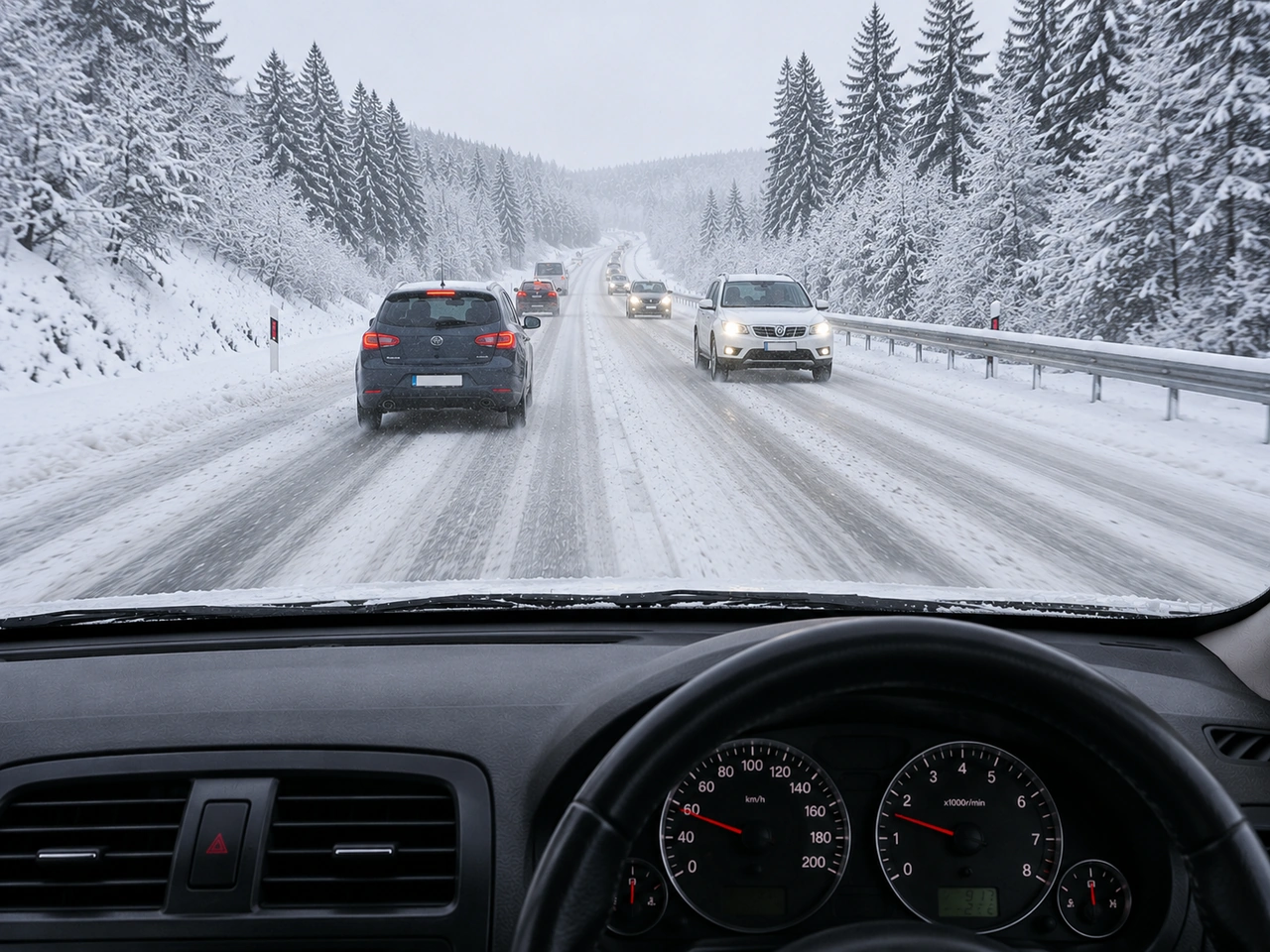
192. What should you do when the road is covered with snow or ice?
Snow and ice greatly reduce tyre grip. Lower speed, extra distance, and gentle steering, braking, and acceleration help maintain control.
AI-generated by Traffic-rules.com • WCIT • CC BY-SA
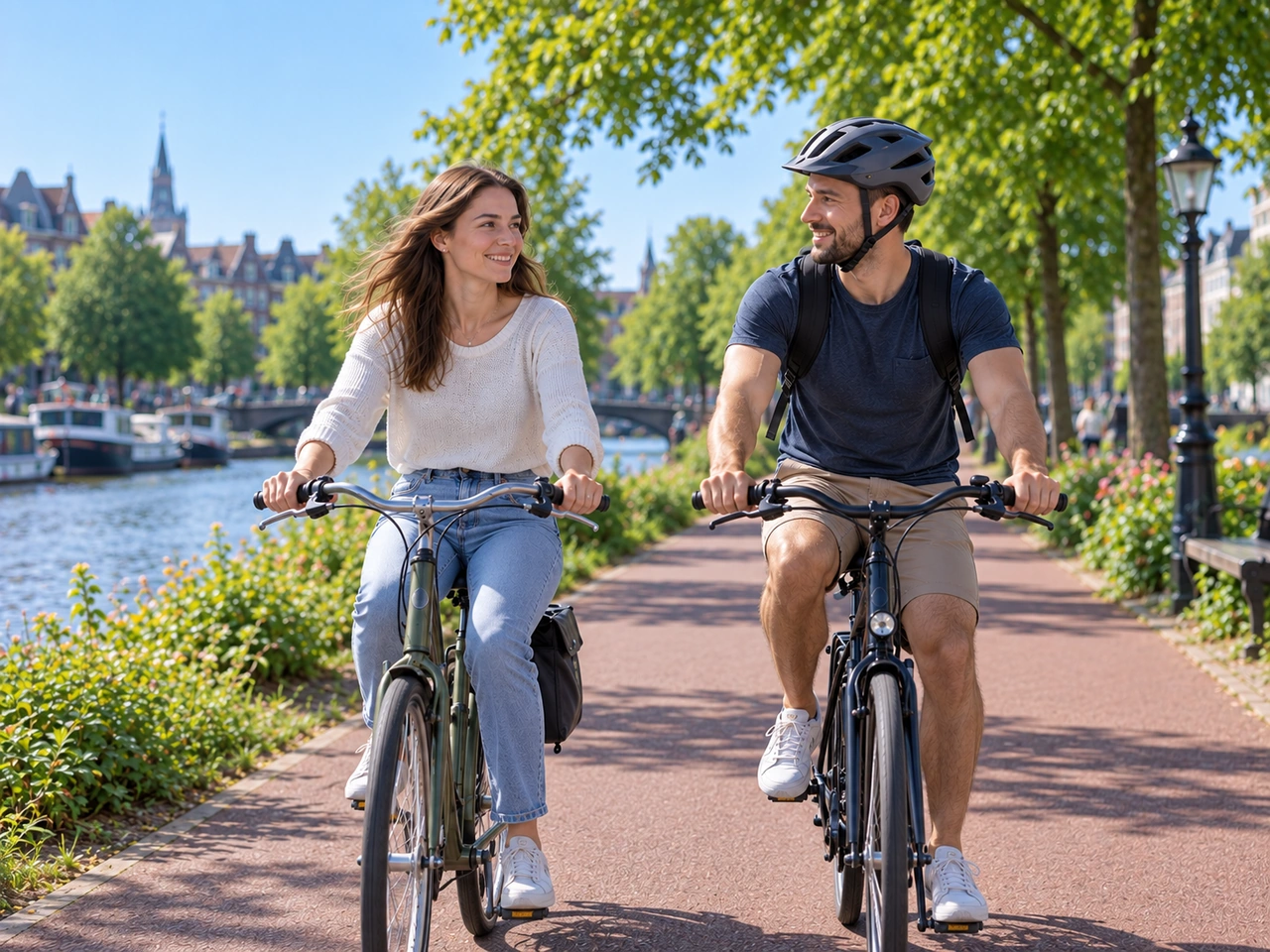
193. Are bicycle helmets generally required in Nepal?
Bicycle helmets are not generally required for all cyclists in Nepal, although specific age or regional rules may apply.
AI-generated by Traffic-rules.com • WCIT • CC BY-SA
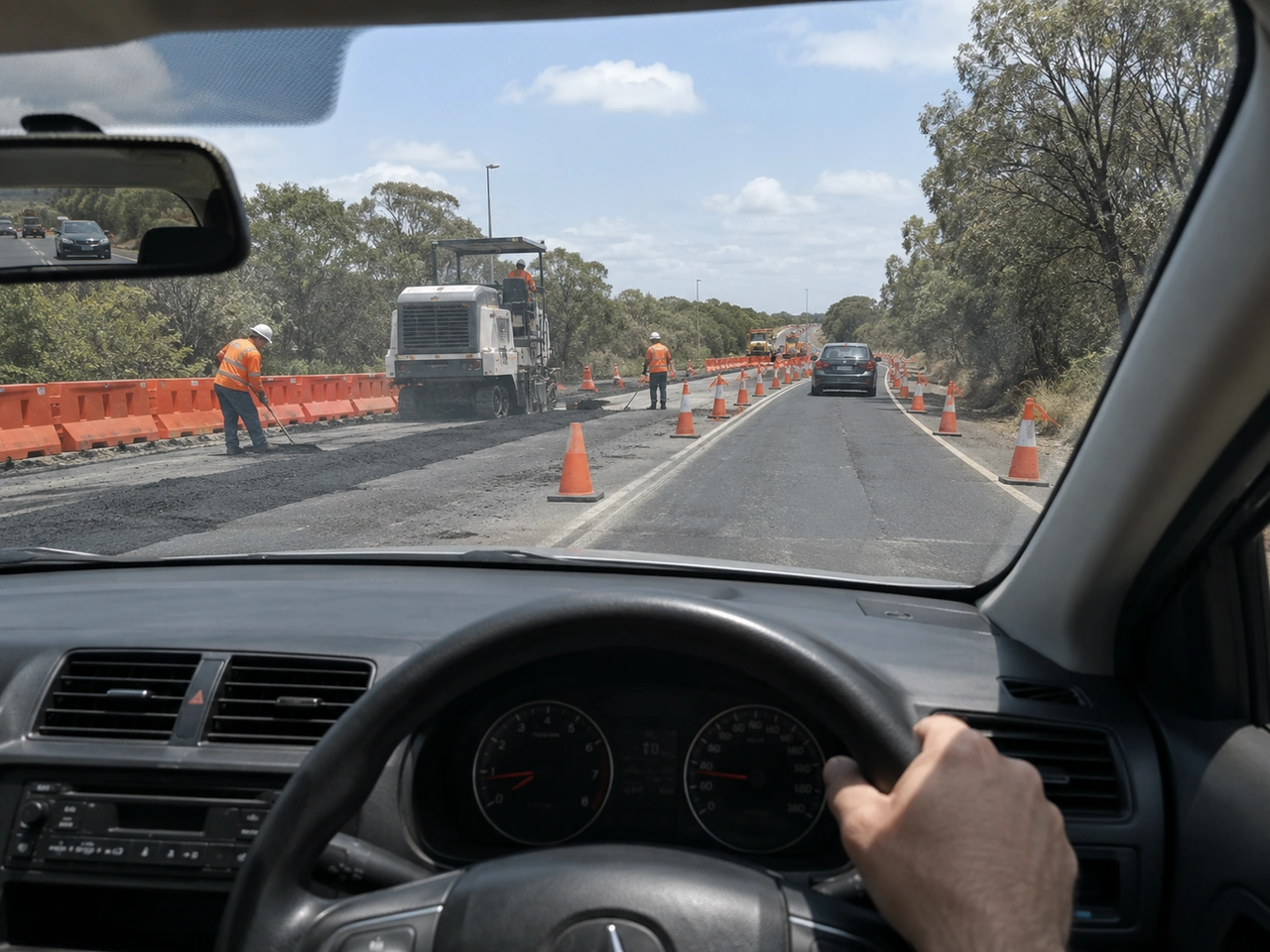
194. Why should you reduce speed when approaching roadworks?
Roadworks can involve workers, machinery, changing lane layouts, and uneven surfaces. Lower speed gives you more time to react.
AI-generated by Traffic-rules.com • WCIT • CC BY-SA
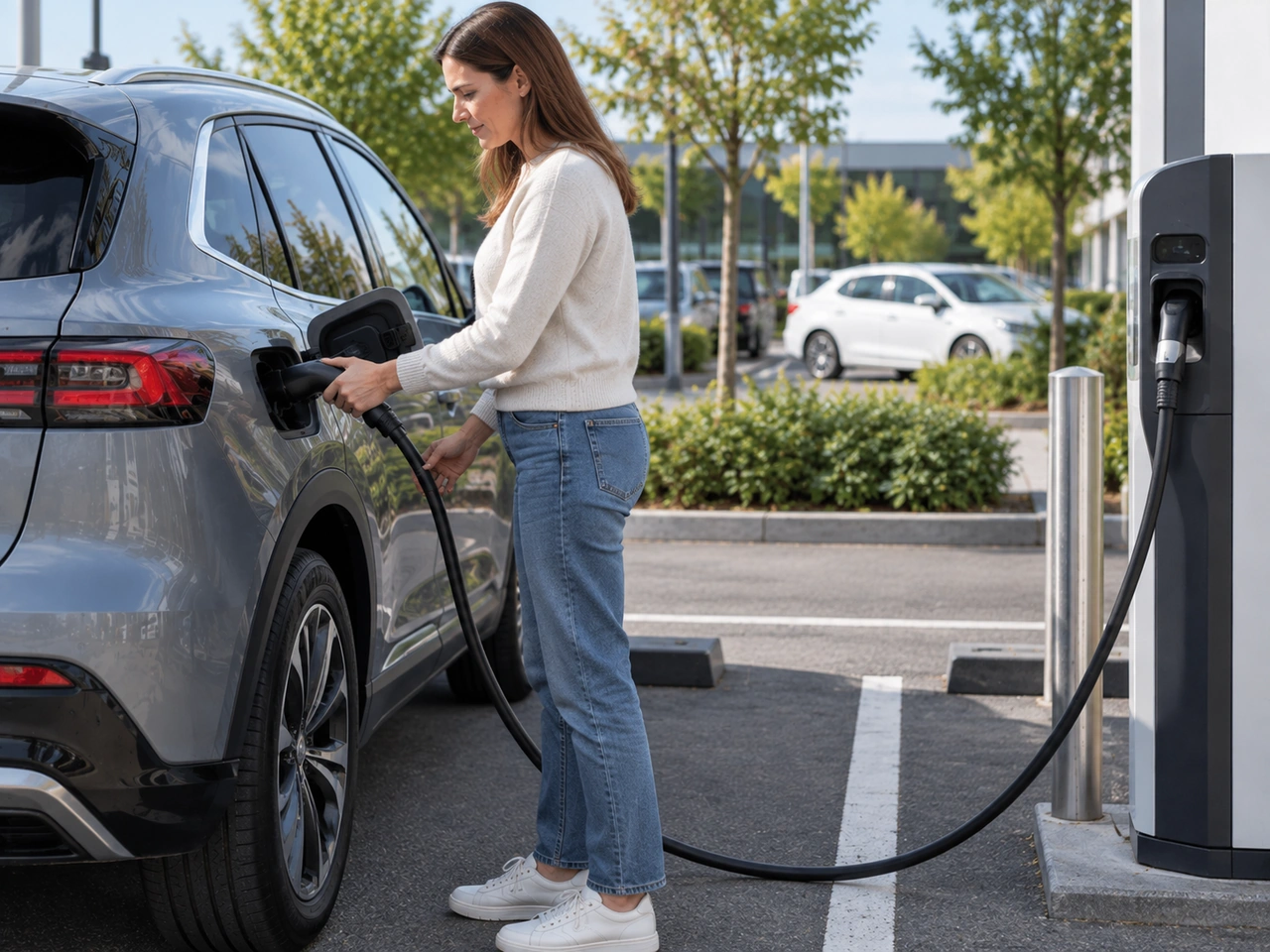
195. What should you do before driving away after charging an electric vehicle?
Before driving away, disconnect the charging cable correctly and return it to the charger or store it securely in the vehicle, as appropriate. Close the charging port and check that the area around the vehicle is clear.
AI-generated by Traffic-rules.com • WCIT • CC BY-SA
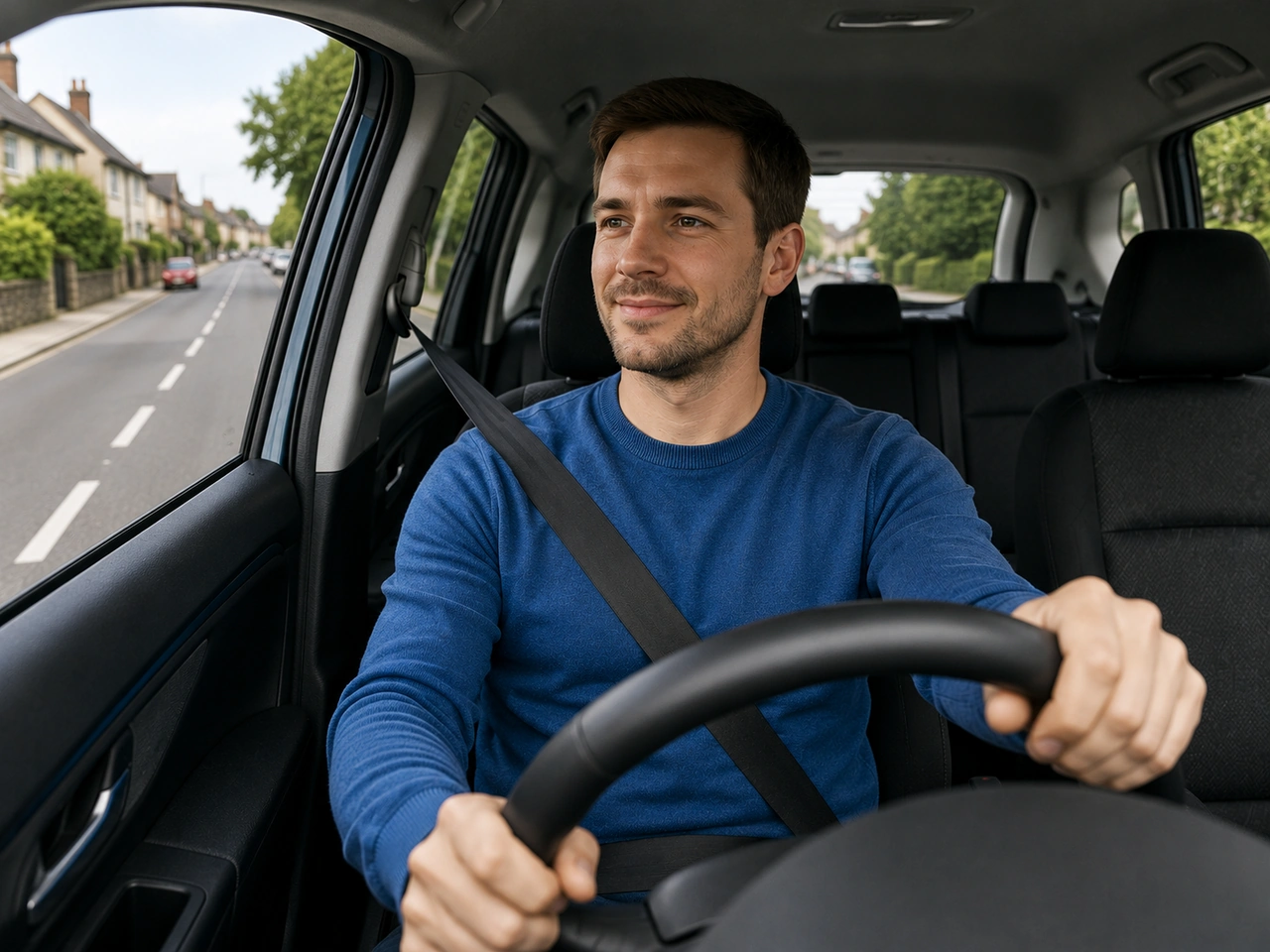
196. You should always wear a seat belt, even on short trips.
Seat belts reduce the risk of serious injury and should be worn on every trip, even short ones.
AI-generated by Traffic-rules.com • WCIT • CC BY-SA
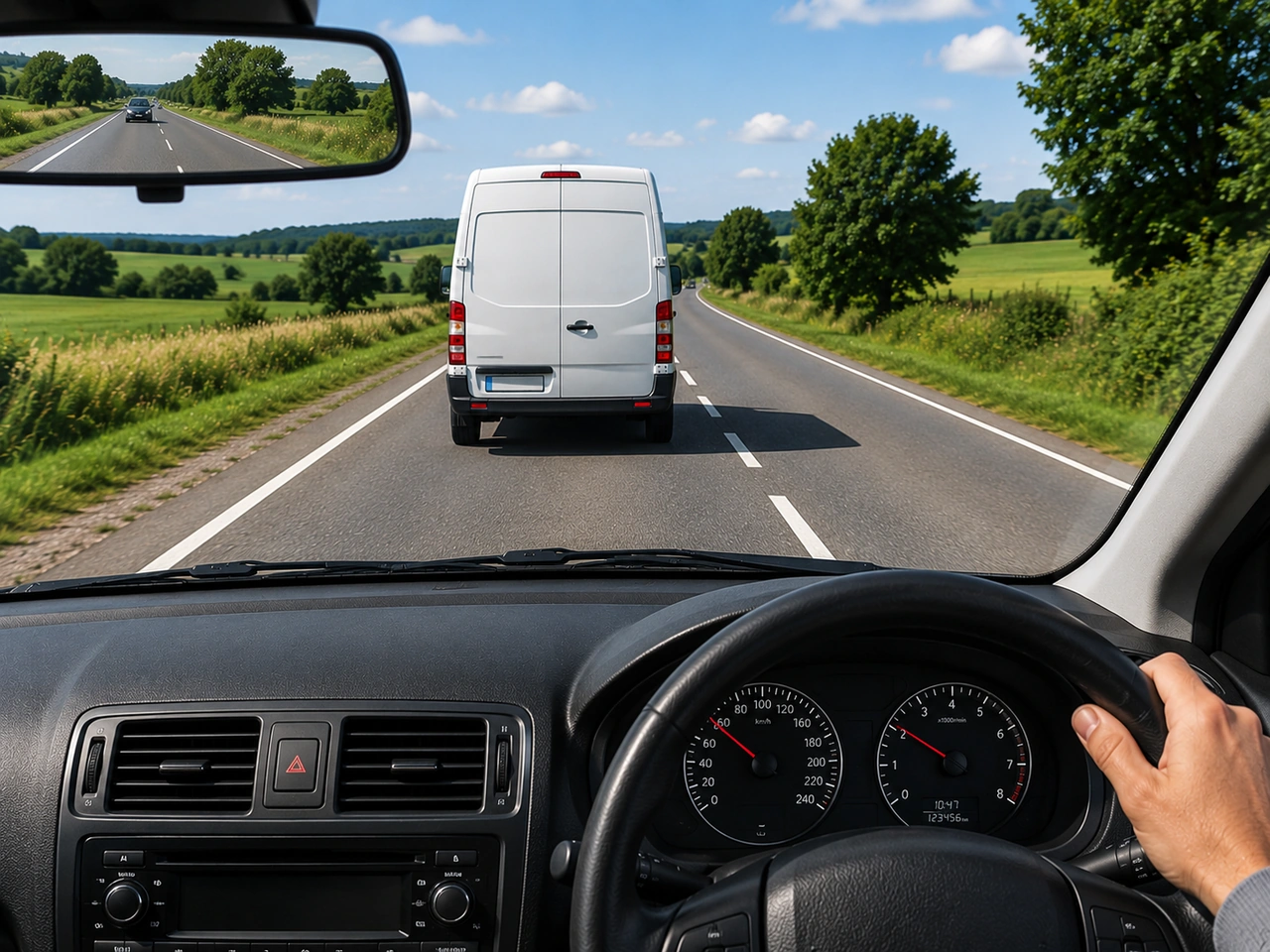
197. What is the main risk when following a vehicle with limited rear visibility?
Vans, trucks, and vehicles with blocked rear windows may have limited visibility. Keep extra distance and avoid sitting in blind spots.
AI-generated by Traffic-rules.com • WCIT • CC BY-SA
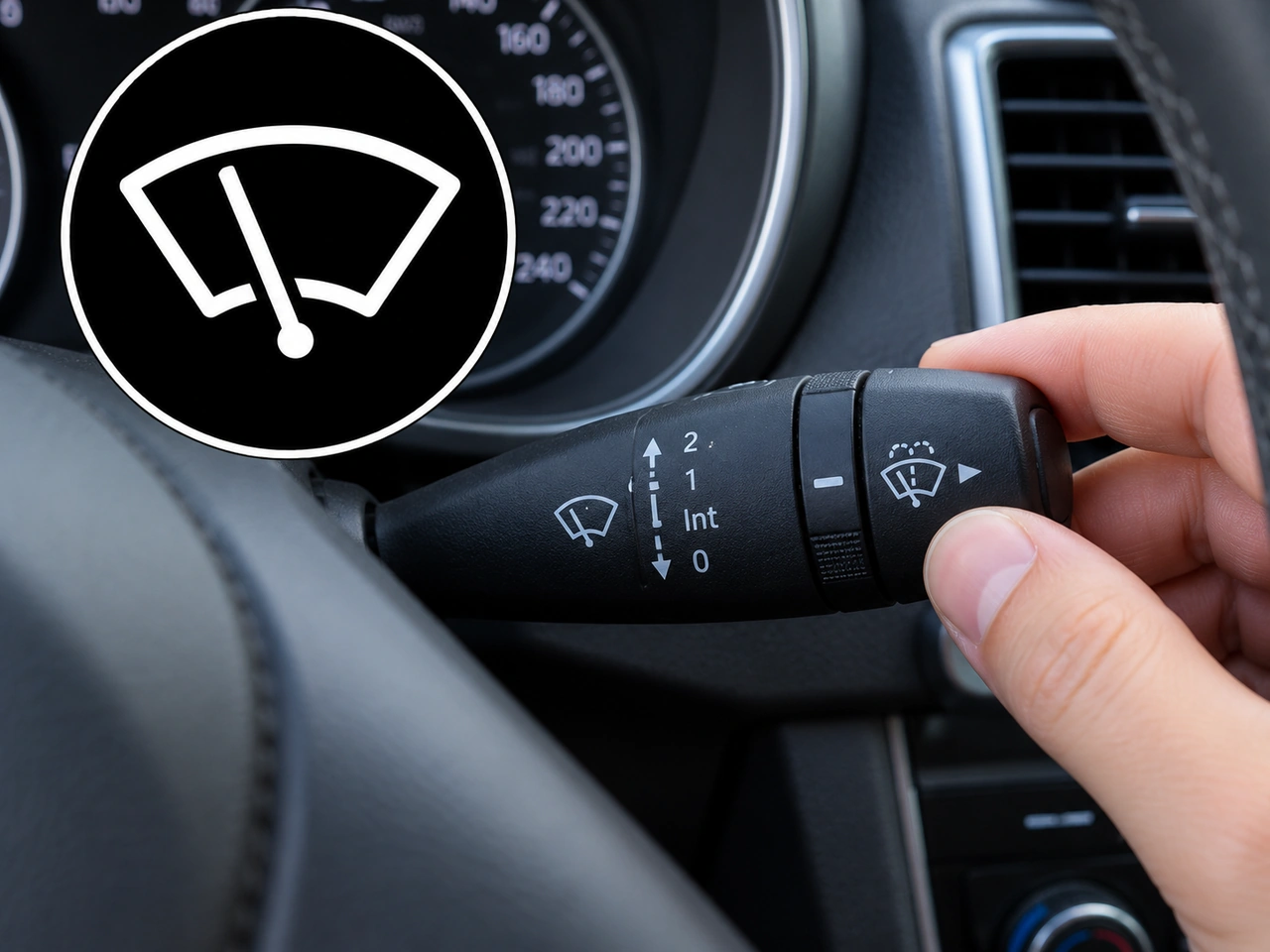
198. What does this vehicle-control symbol indicate?
This symbol relates to the windscreen wipers. The control allows the driver to select an appropriate wiping mode or speed for the amount of rain and visibility conditions.
AI-generated by Traffic-rules.com • WCIT • CC BY-SA
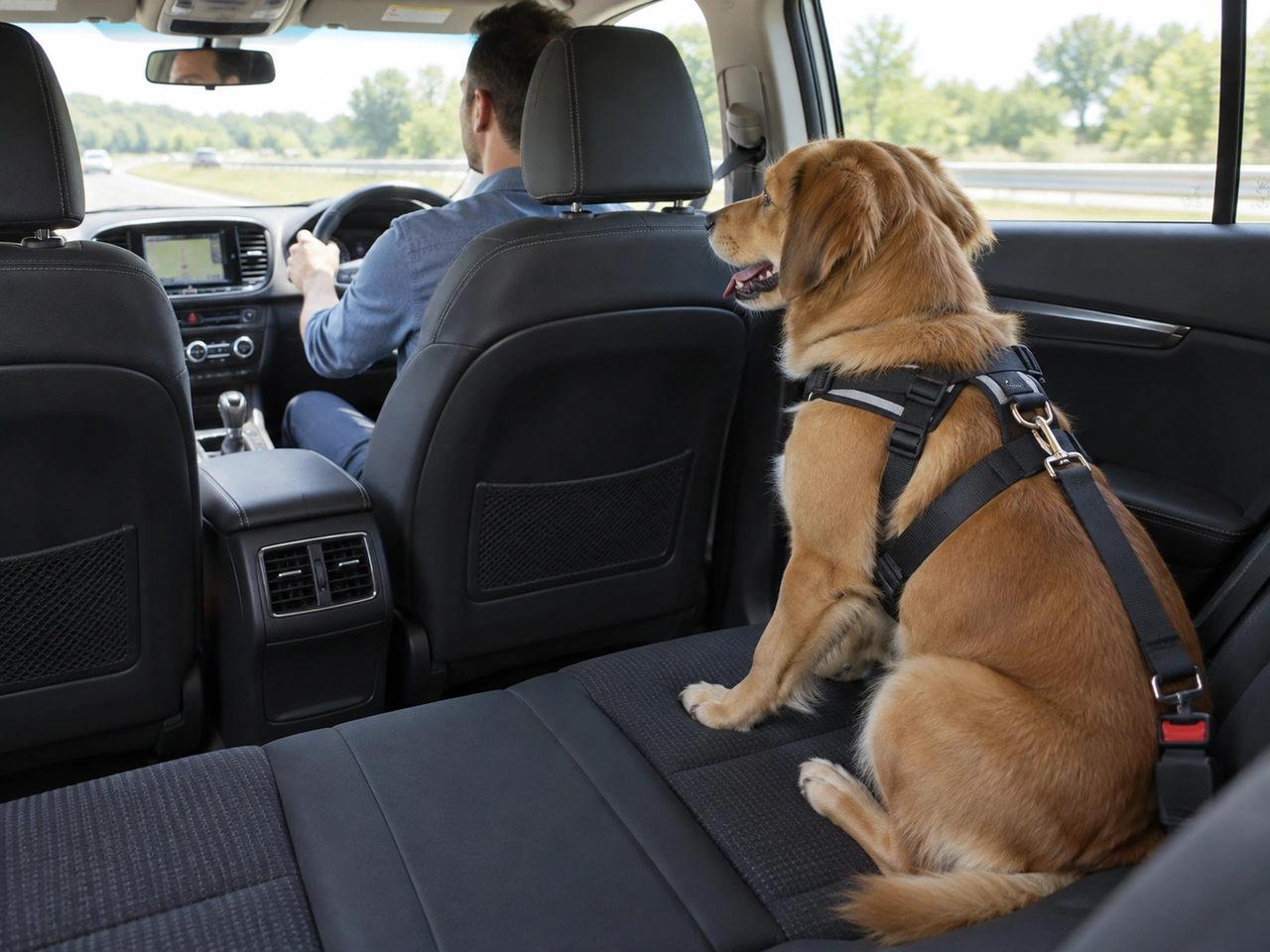
199. How should pets be carried safely in a vehicle?
A pet moving freely inside a vehicle can distract the driver and may be thrown around during sudden braking or a collision. Use a suitable carrier, harness, barrier, or other secure restraint appropriate for the animal and vehicle.
AI-generated by Traffic-rules.com • WCIT • CC BY-SA
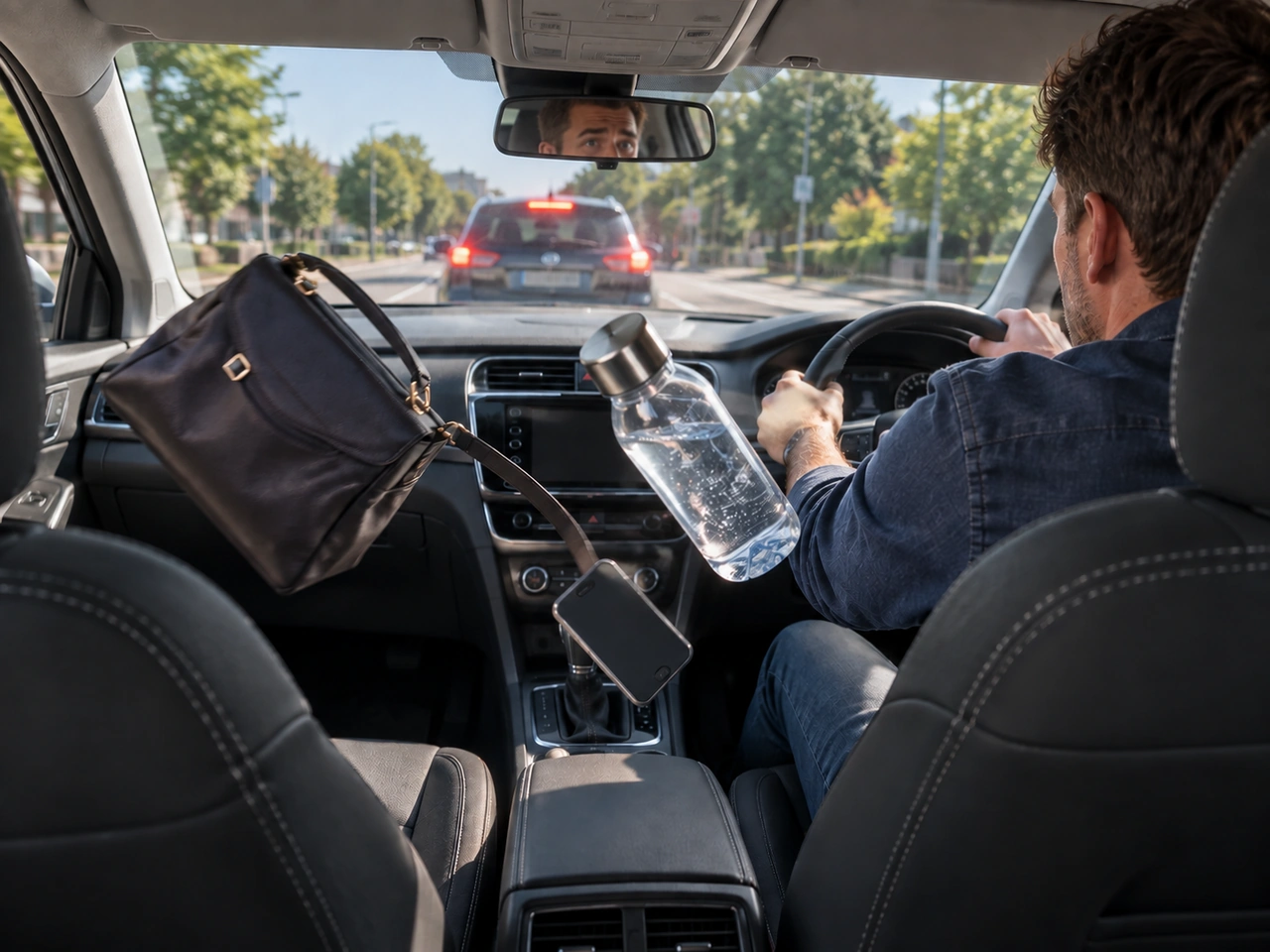
200. Why should loose items inside a vehicle be secured?
Loose objects can move or be thrown forwards during sudden braking or a collision. Secure luggage and other items so they cannot injure occupants or interfere with the driver or vehicle controls.
AI-generated by Traffic-rules.com • WCIT • CC BY-SA