


QuizTraffic rulesPoland
Test your knowledge with our multiple-choice quiz. Learn from each answer and improve your understanding of the traffic rules and road signs of Poland.
 Traffic signs
 Traffic rules
 Poland
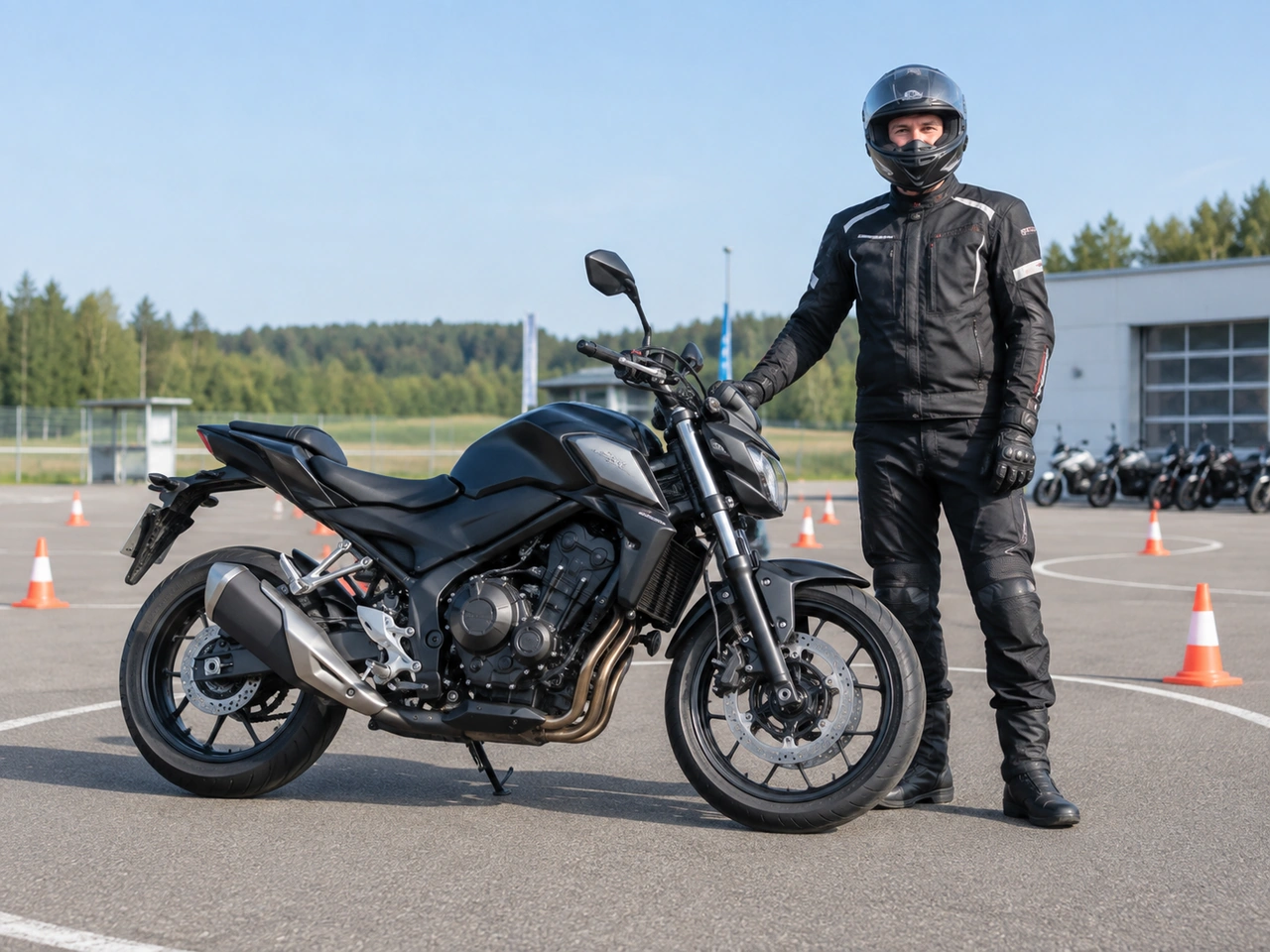
151. Which licence category is mainly associated with motorcycles?
Driving licence A is mainly associated with motorcycles. Category A1 covers lighter motorcycles, A2 covers medium-powered motorcycles, and A covers more powerful motorcycles.
AI-generated by Traffic-rules.com • WCIT • CC BY-SA

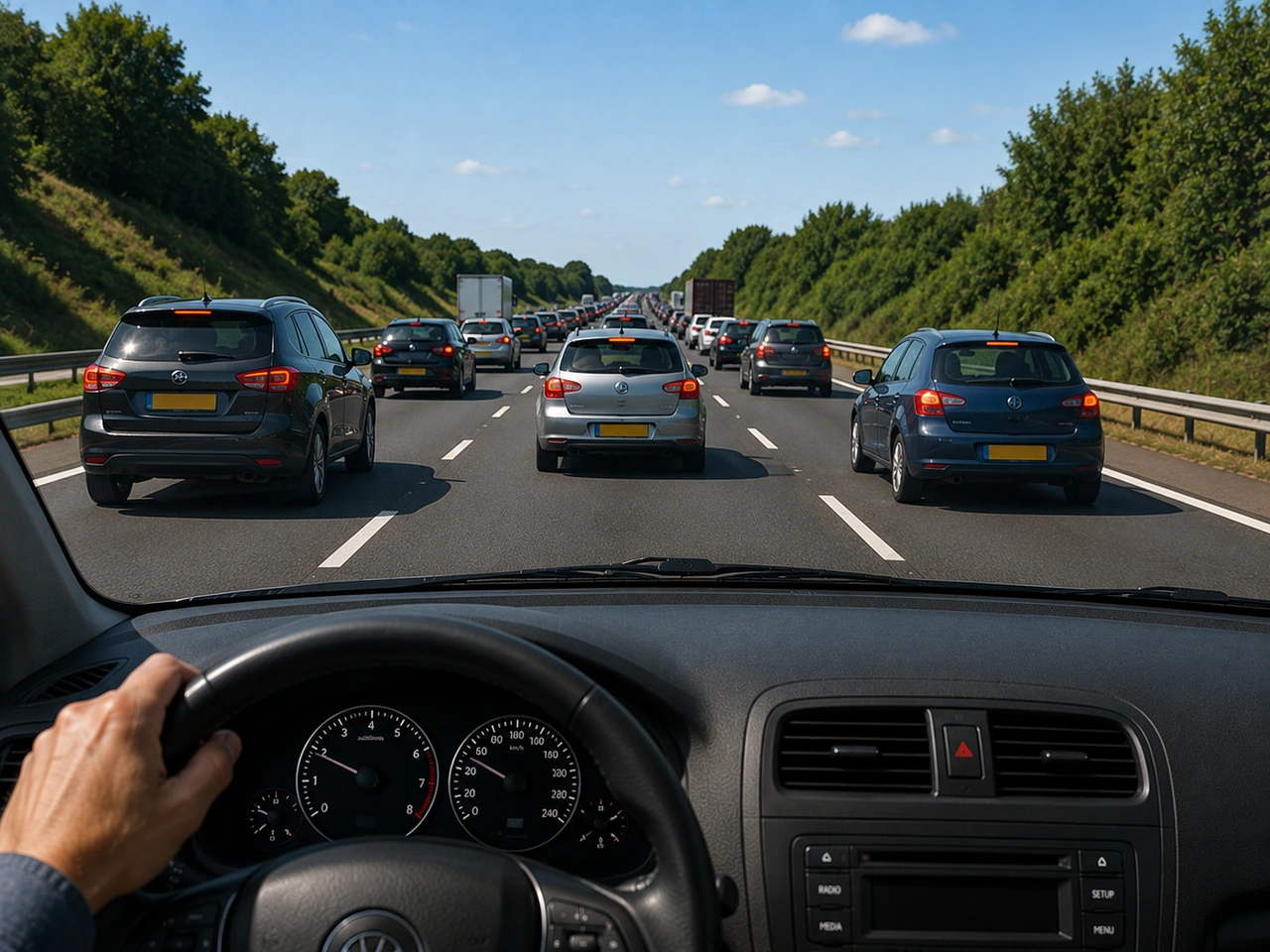
152. What should you do if traffic suddenly slows on a motorway?
When traffic slows suddenly, reduce speed smoothly, keep a safe distance, and use hazard lights if needed to warn following traffic.
AI-generated by Traffic-rules.com • WCIT • CC BY-SA
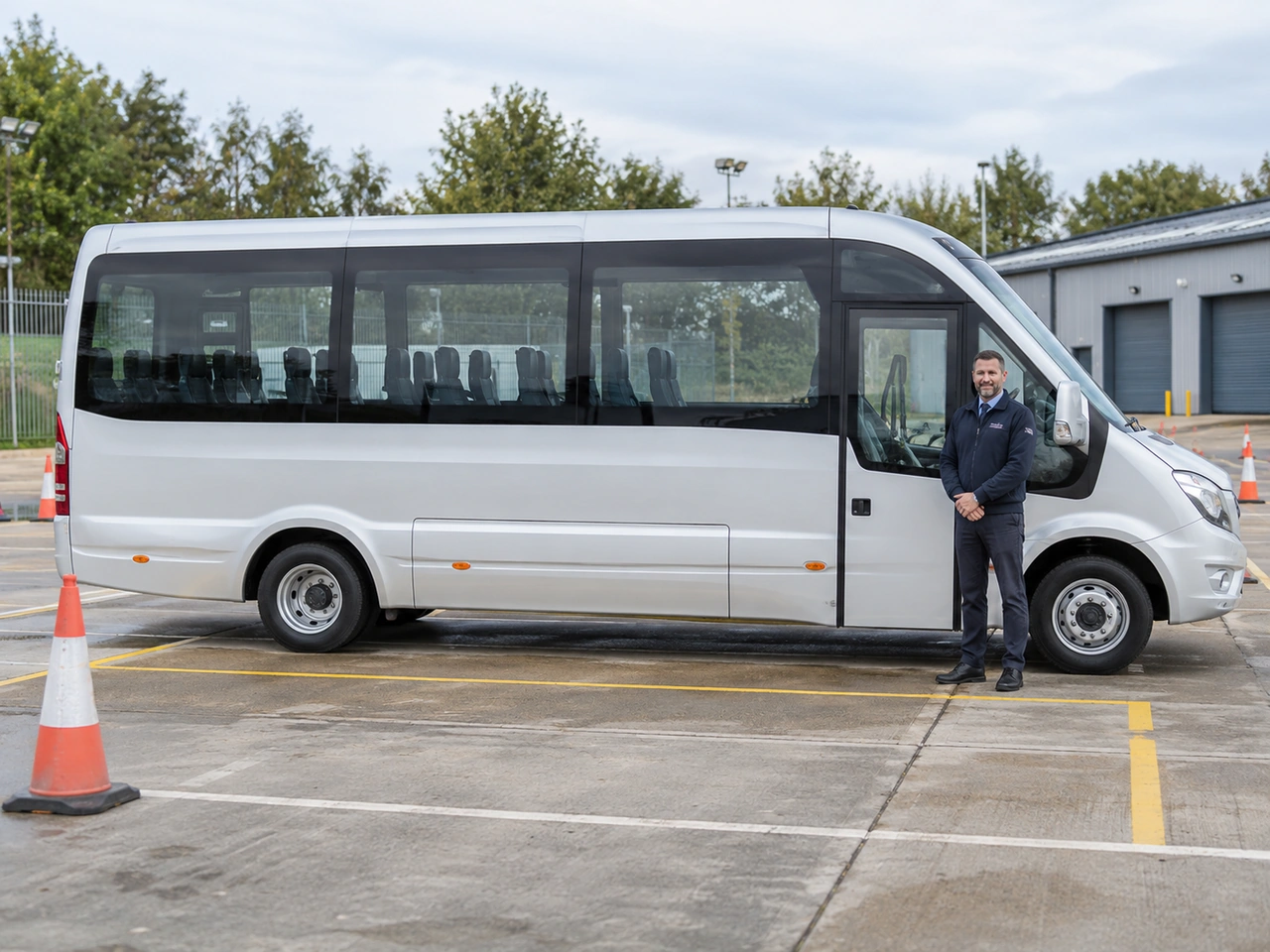
153. What is the minimum licence for an 8 m minibus designed for 16 passengers plus the driver?
Category D1 covers vehicles designed to carry no more than 16 passengers in addition to the driver and with a maximum length of 8 metres.
AI-generated by Traffic-rules.com • WCIT • CC BY-SA
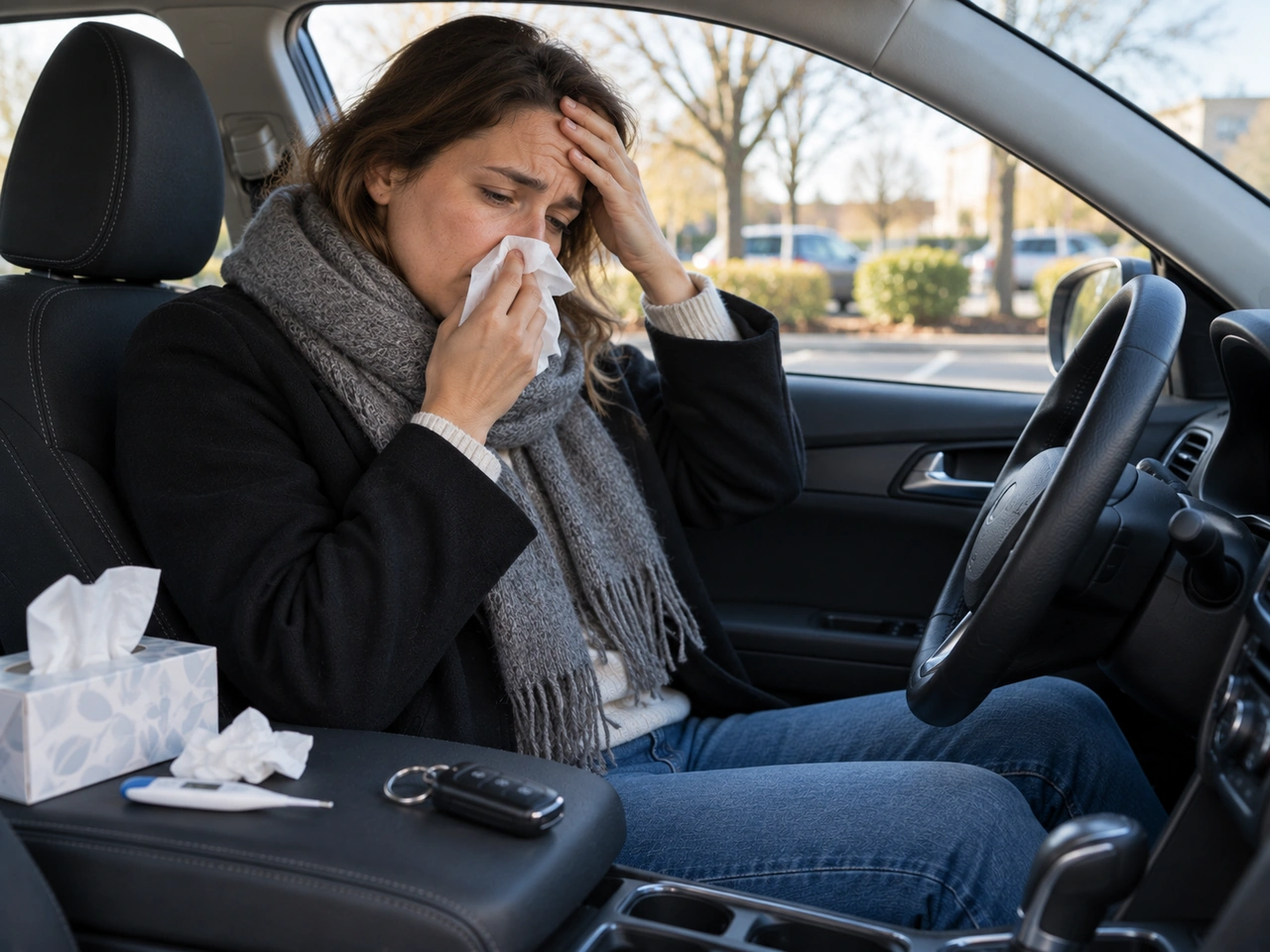
154. What should you do if illness affects your ability to drive safely?
Illness can reduce concentration, alertness, coordination, or reaction time. If you do not feel fit to drive safely, postpone the journey or use another form of transport.
AI-generated by Traffic-rules.com • WCIT • CC BY-SA
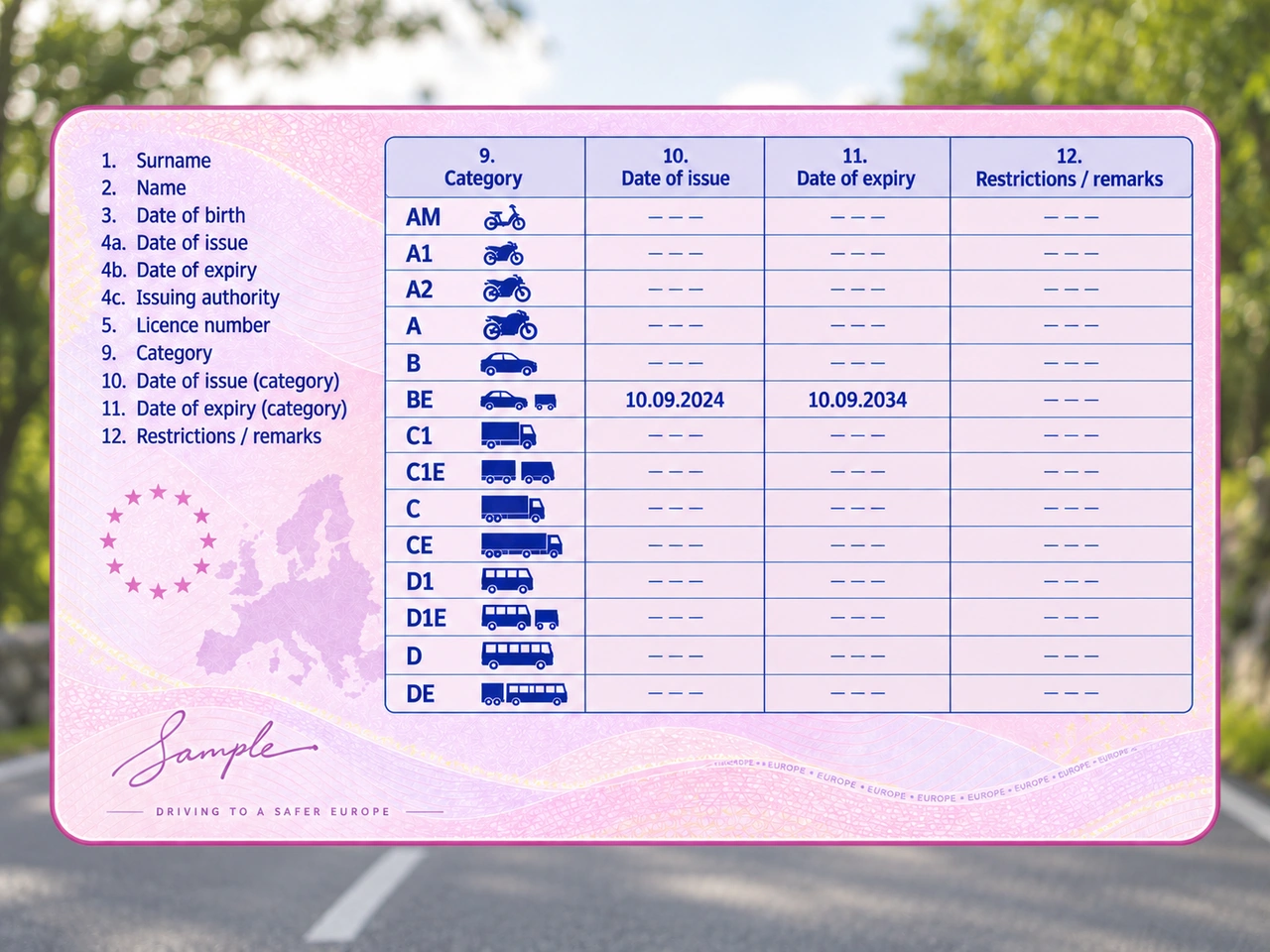
155. Which vehicle combination is covered by driving licence BE?
Category BE covers combinations consisting of a category B towing vehicle and a trailer or semi-trailer with a maximum authorised mass of no more than 3,500 kg. Lighter combinations may already be covered by category B.
AI-generated by Traffic-rules.com • WCIT • CC BY-SA
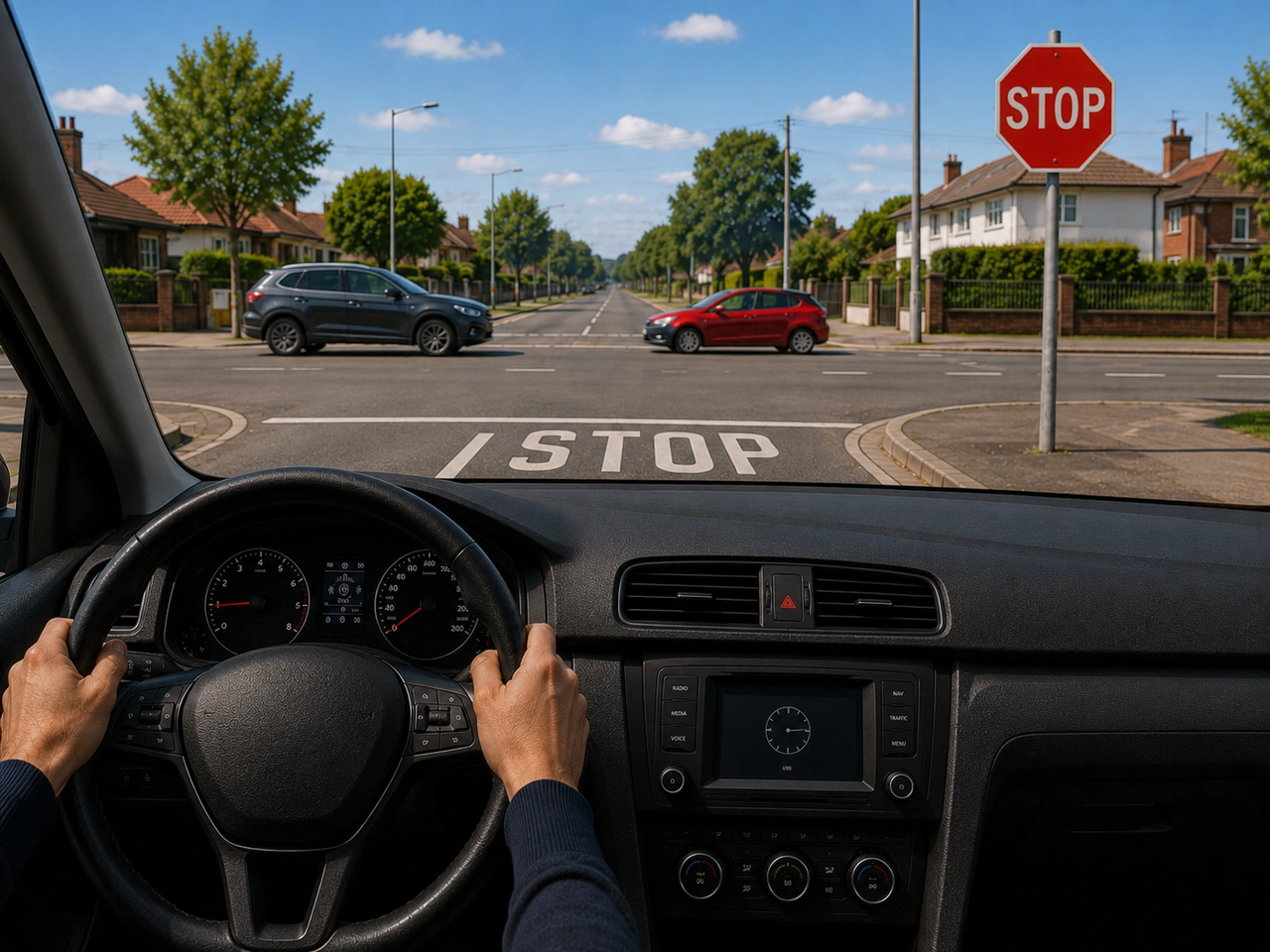
156. What should you do when approaching a stop sign?
A stop sign requires you to come to a complete stop at the required position. Check carefully for other road users and proceed only when it is safe.
AI-generated by Traffic-rules.com • WCIT • CC BY-SA
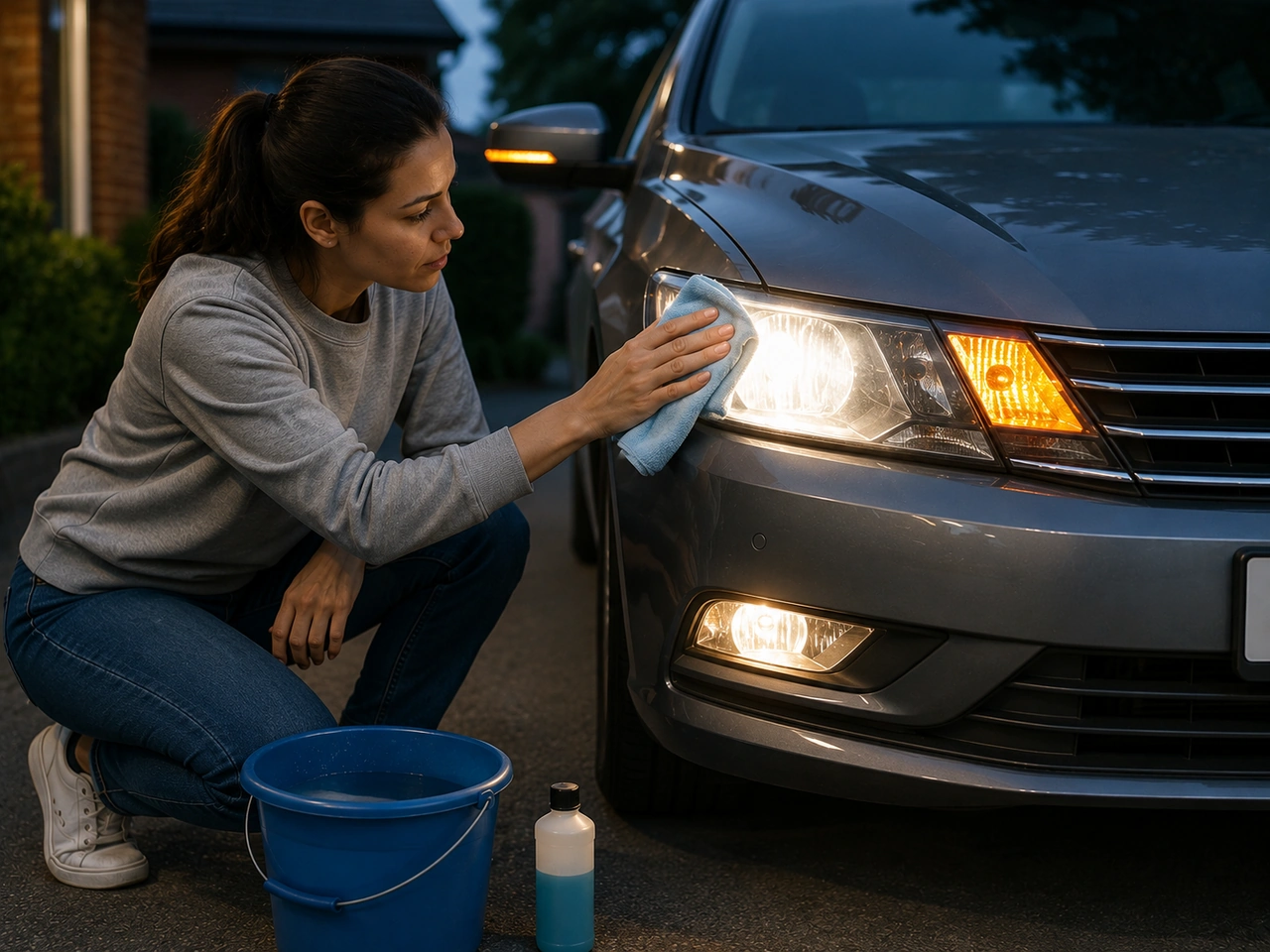
157. Why should headlights, indicators, and other exterior lights be kept clean and working?
Dirty or faulty lights reduce visibility and make it harder for other road users to understand when you are braking, turning, reversing, or changing position.
AI-generated by Traffic-rules.com • WCIT • CC BY-SA
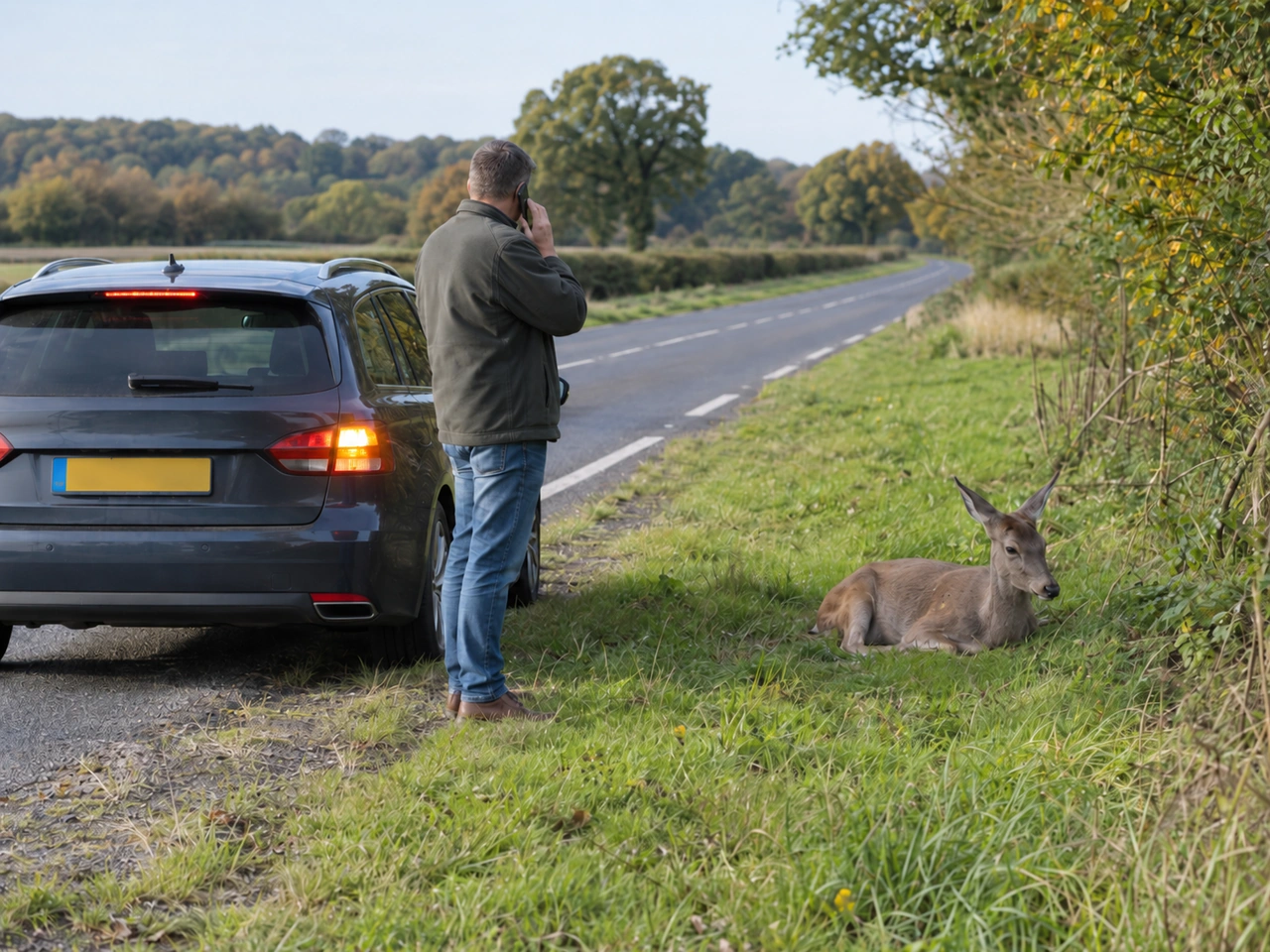
158. What should you do after hitting an animal with your vehicle?
After an animal collision, stop in a safe place if possible and protect yourself and other road users from further danger. Do not approach an injured or frightened animal unless it is safe to do so. Contact the appropriate police, road authority, animal service, or emergency service as required by the situation and local rules.
AI-generated by Traffic-rules.com • WCIT • CC BY-SA
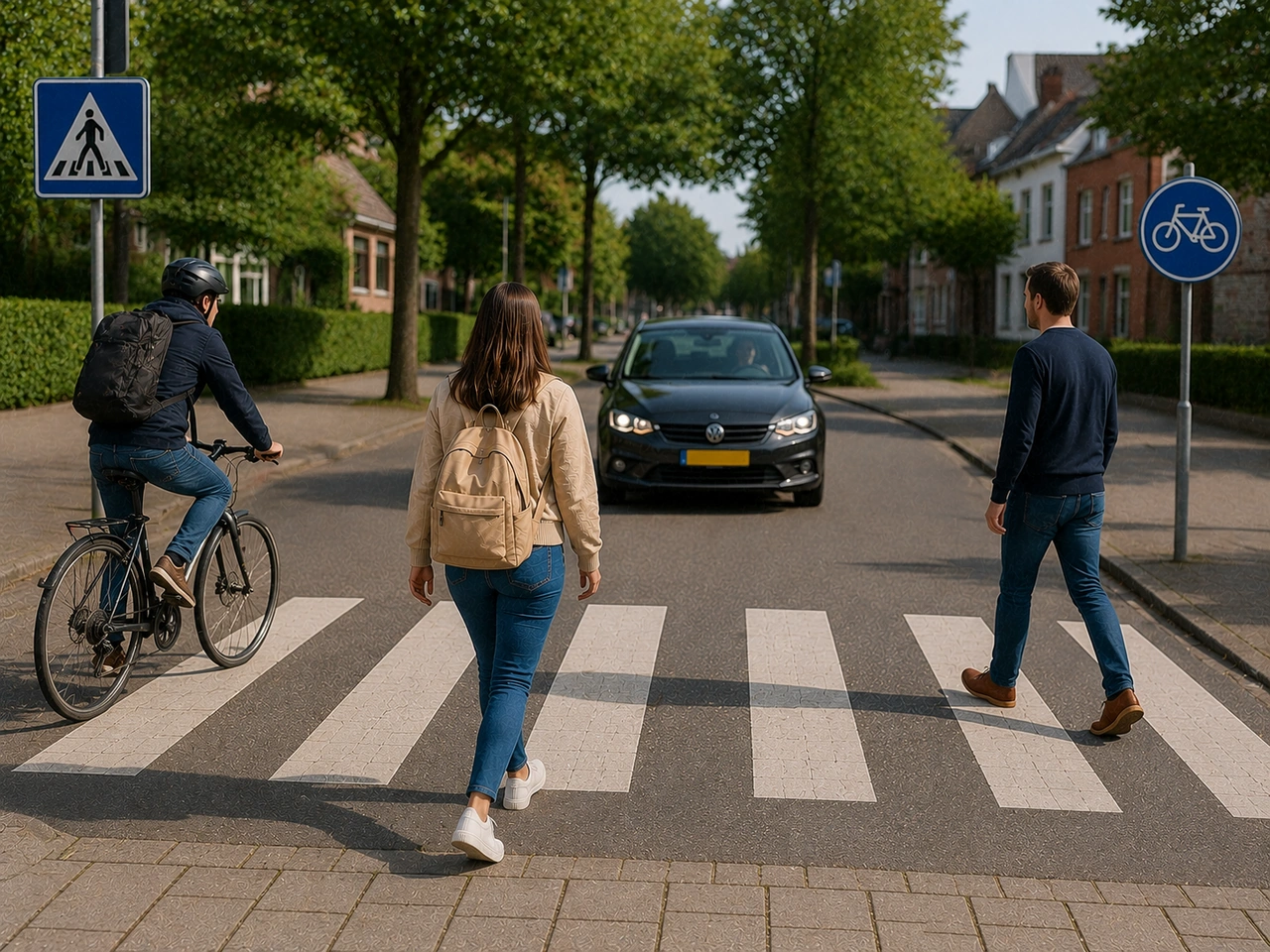
159. Who is responsible for staying safe when crossing the road?
Road safety is a shared responsibility. Pedestrians, drivers, and cyclists all need to stay alert and follow the rules.
AI-generated by Traffic-rules.com • WCIT • CC BY-SA
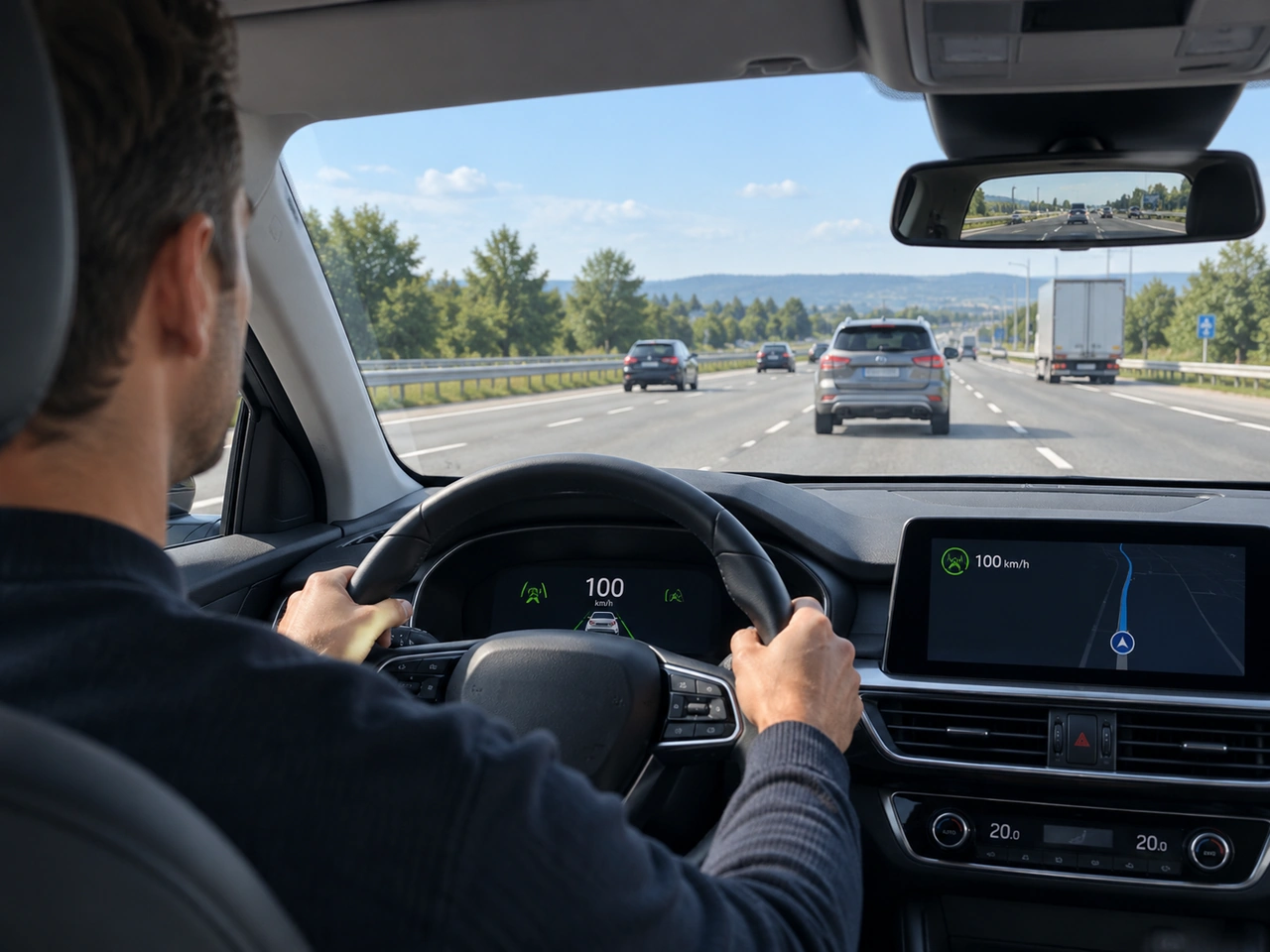
160. What should you remember when using driver-assistance systems?
Driver-assistance systems can help with tasks such as maintaining speed, monitoring lanes, or warning about hazards, but they do not replace the driver. Stay attentive, monitor the road and traffic, and be ready to take control whenever necessary.
AI-generated by Traffic-rules.com • WCIT • CC BY-SA
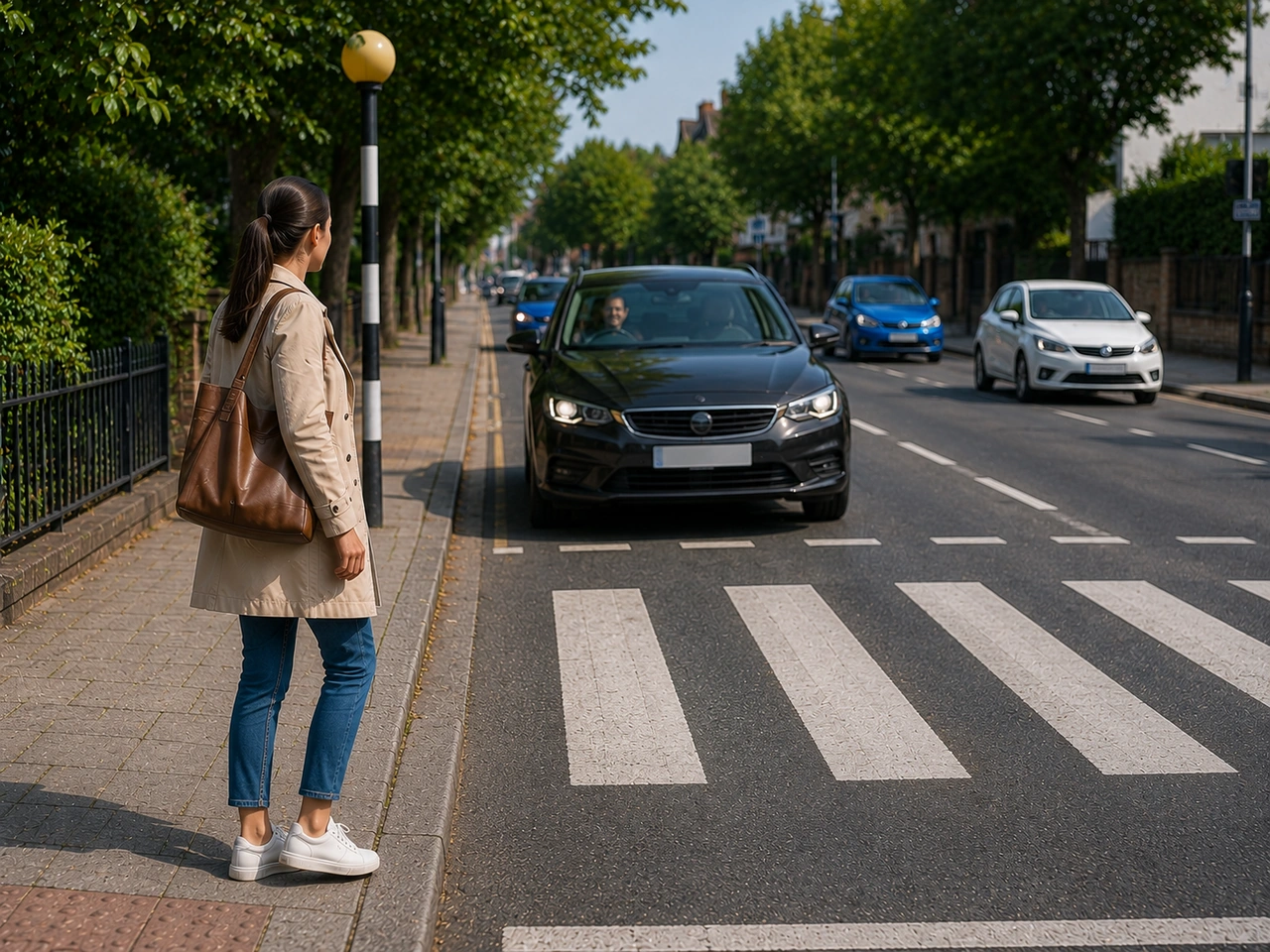
161. What should you do if traffic stops and a driver waves you across?
One driver may stop, but other vehicles may still be moving. Always check all lanes before crossing.
AI-generated by Traffic-rules.com • WCIT • CC BY-SA
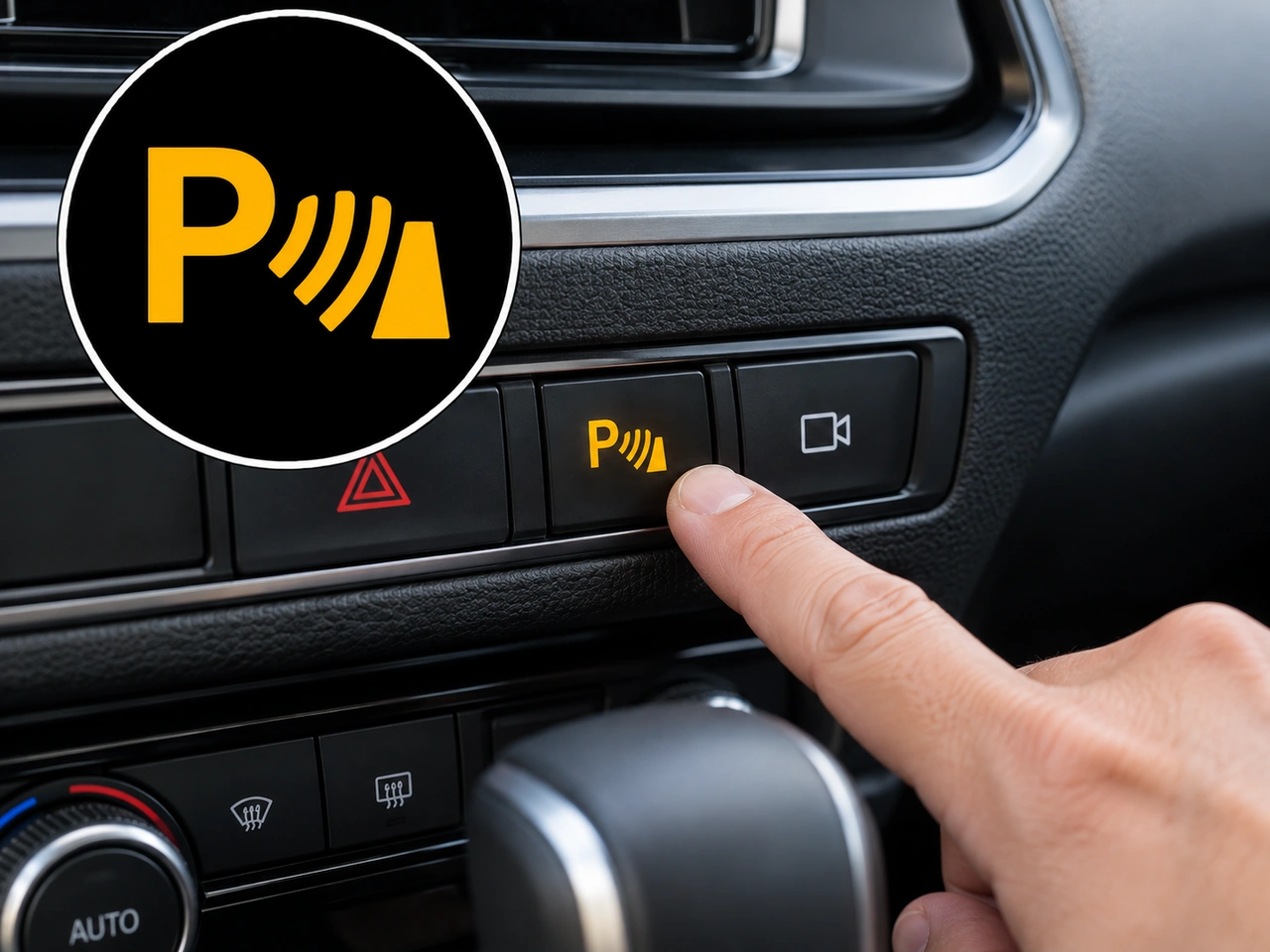
162. What does this dashboard symbol indicate?
This symbol relates to the vehicle's parking assistance system. Depending on the vehicle, the system may use sensors or cameras to detect obstacles and assist the driver while parking.
AI-generated by Traffic-rules.com • WCIT • CC BY-SA
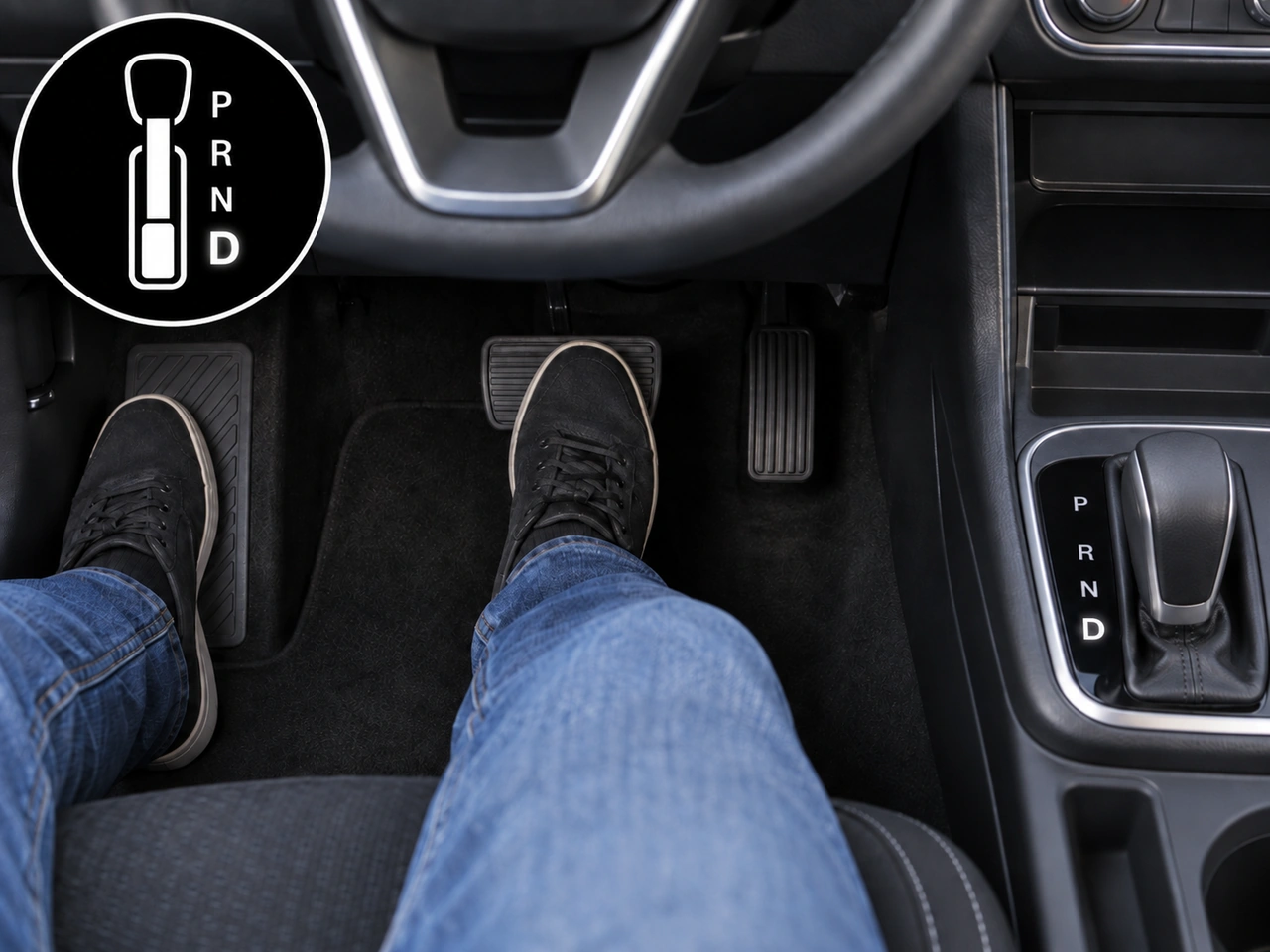
163. What should you do when an automatic vehicle is stationary in D?
An automatic vehicle may creep forward when D (Drive) is selected, even without pressing the accelerator. Keep the brake pedal pressed while stationary to prevent unintended movement.
AI-generated by Traffic-rules.com • WCIT • CC BY-SA
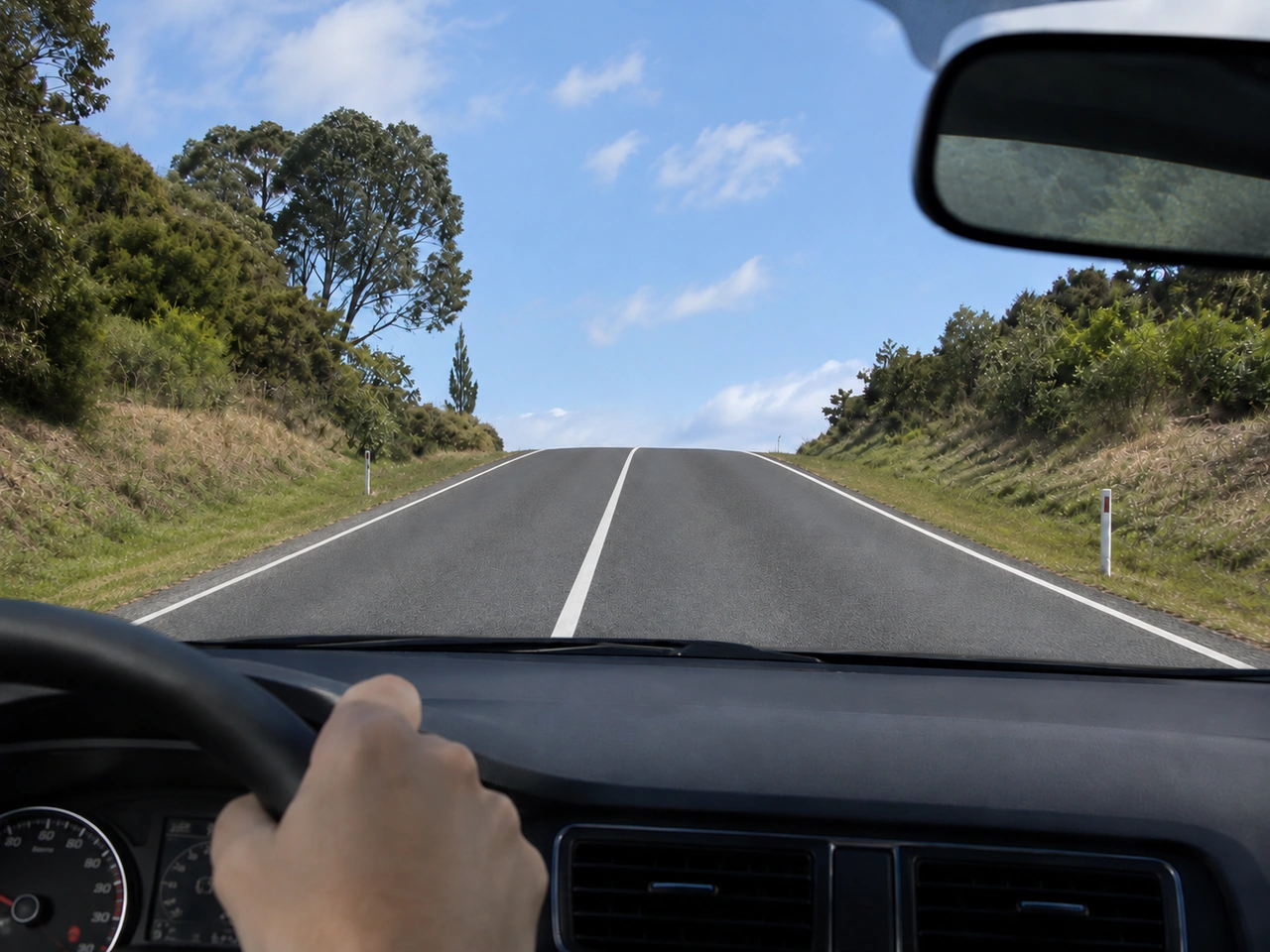
164. What should you do when approaching a hill crest?
A hill crest can hide vehicles, cyclists, pedestrians, or obstacles. Reduce speed and stay in your lane.
AI-generated by Traffic-rules.com • WCIT • CC BY-SA
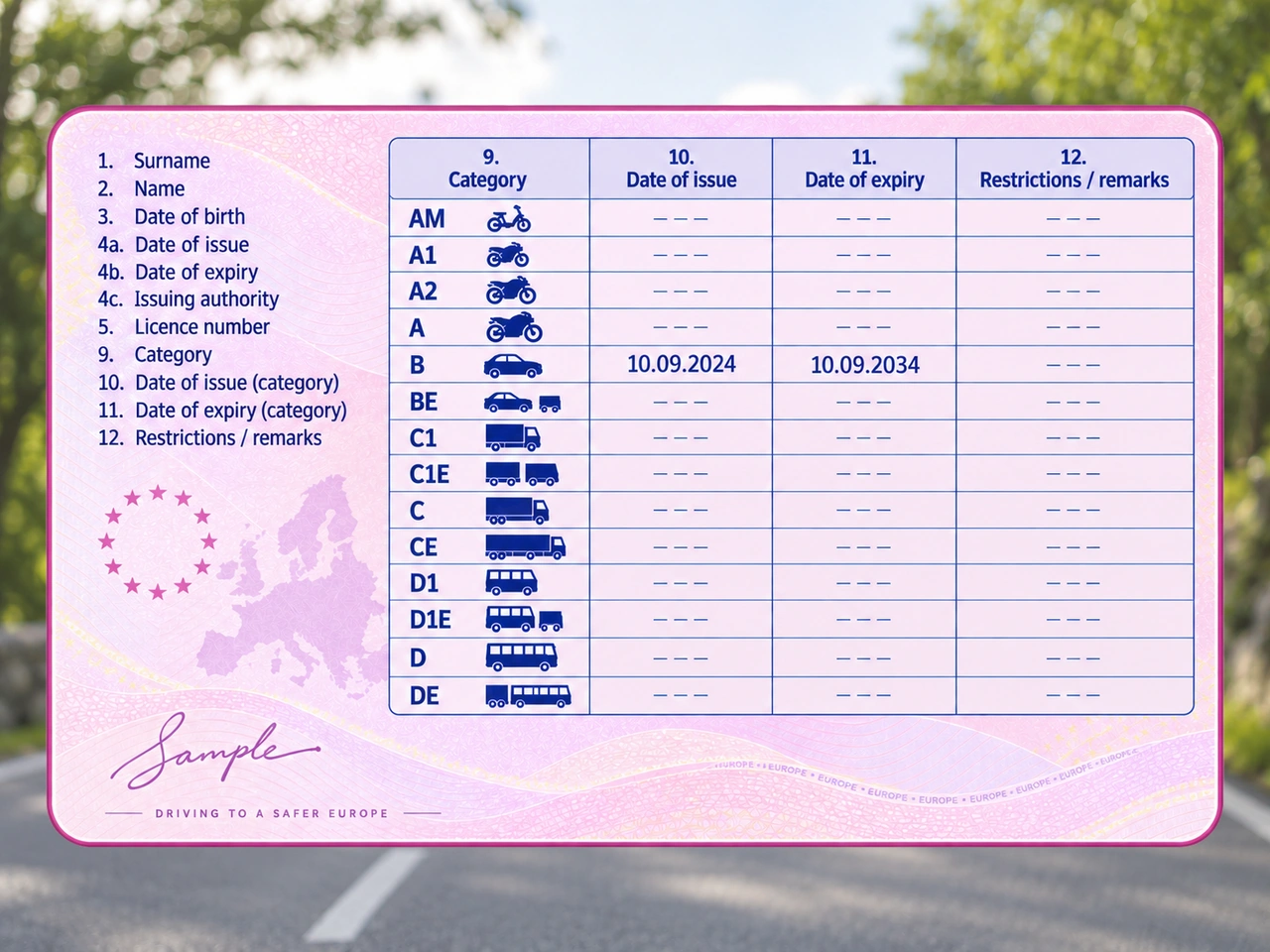
165. Which vehicles are normally covered by driving licence B?
Category B normally covers motor vehicles with a maximum authorised mass of no more than 3,500 kg and designed to carry no more than eight passengers in addition to the driver. Trailer rules depend on the trailer and combined authorised mass.
AI-generated by Traffic-rules.com • WCIT • CC BY-SA
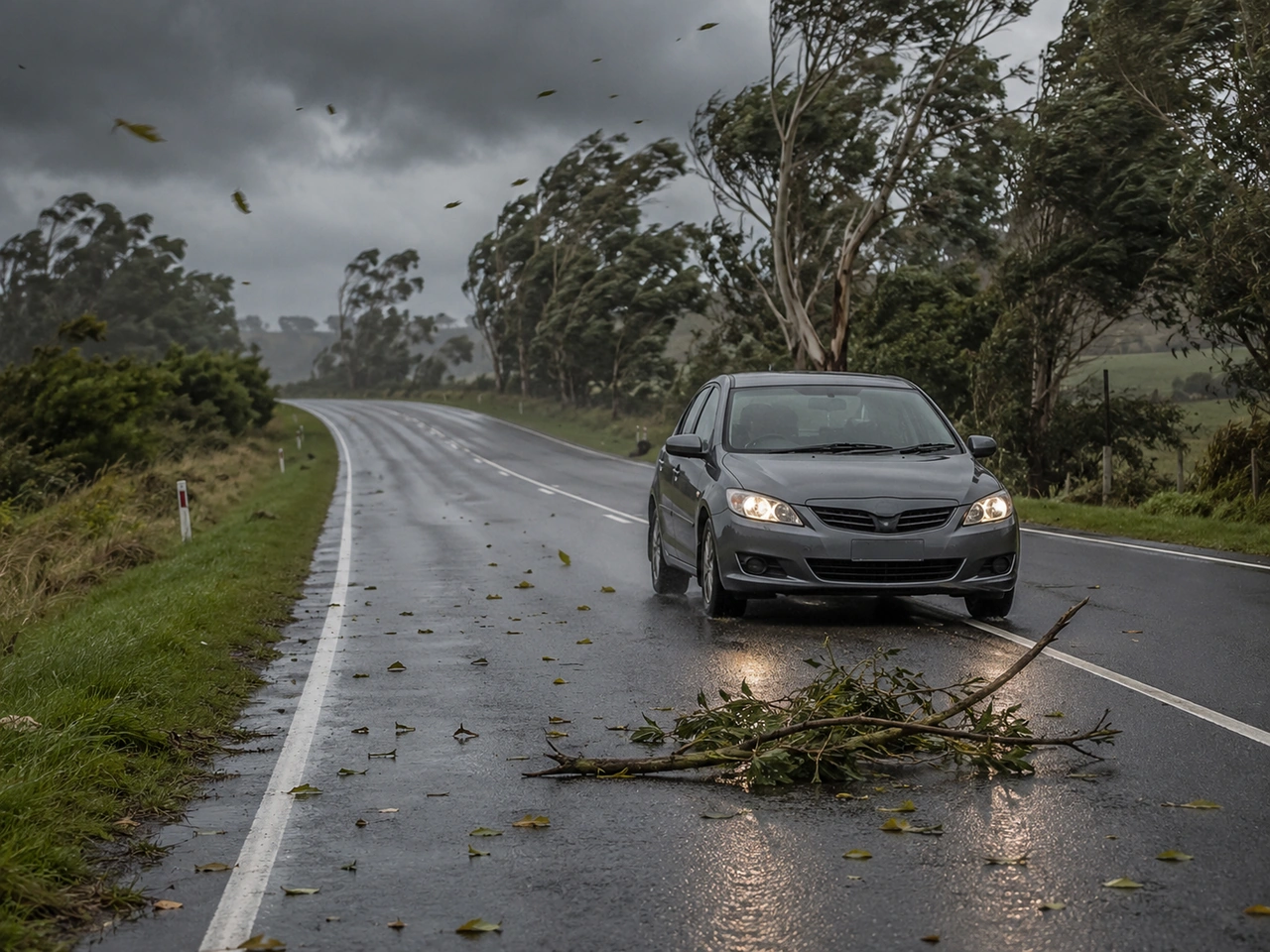
166. What should you do when branches or debris are blowing onto the road?
Wind can blow unexpected obstacles onto the road. Reduce speed and avoid them safely.
AI-generated by Traffic-rules.com • WCIT • CC BY-SA
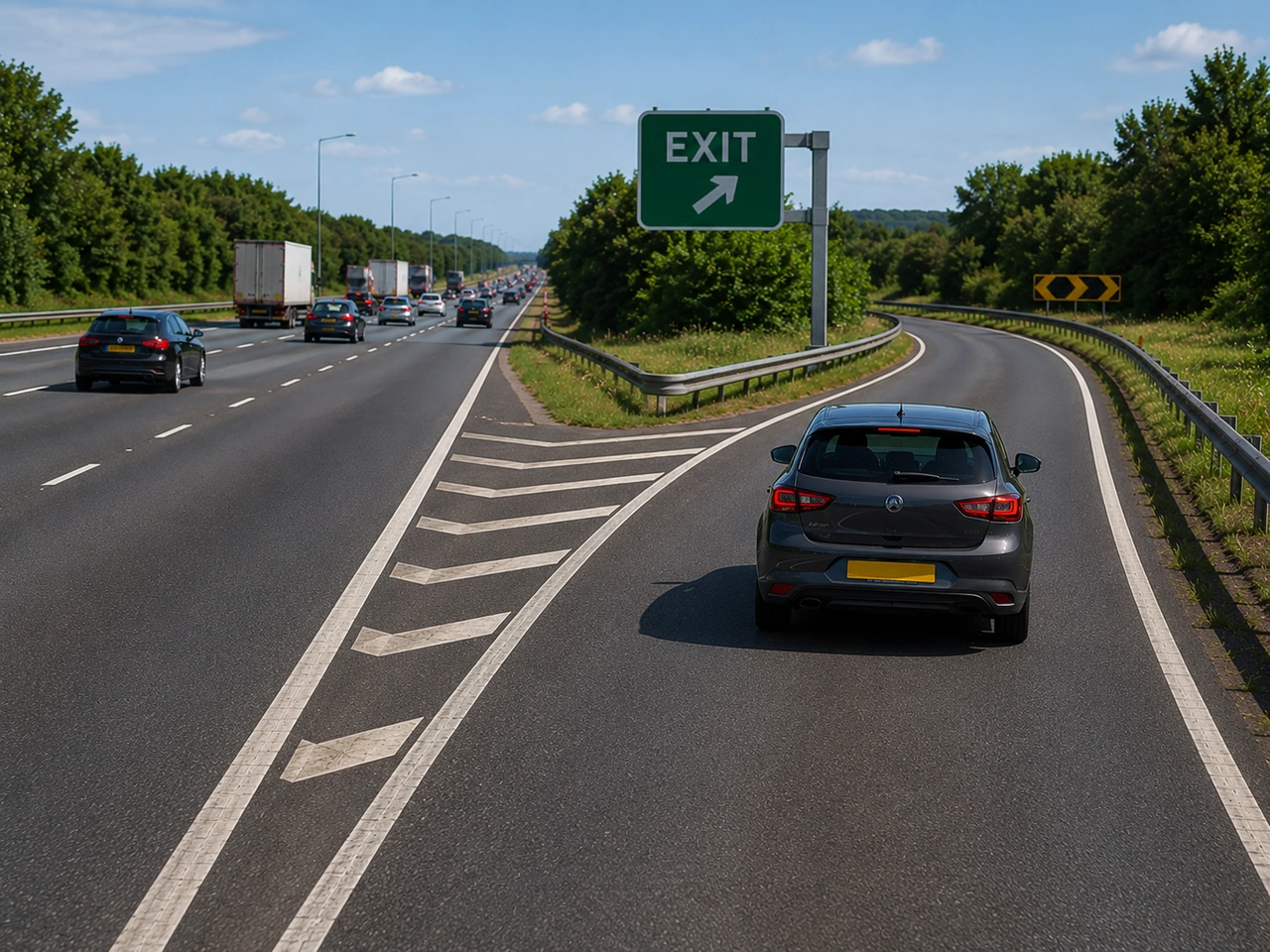
167. What should you do before leaving a motorway?
Plan your exit early, move into the correct lane safely, and reduce speed after entering the exit road where appropriate.
AI-generated by Traffic-rules.com • WCIT • CC BY-SA
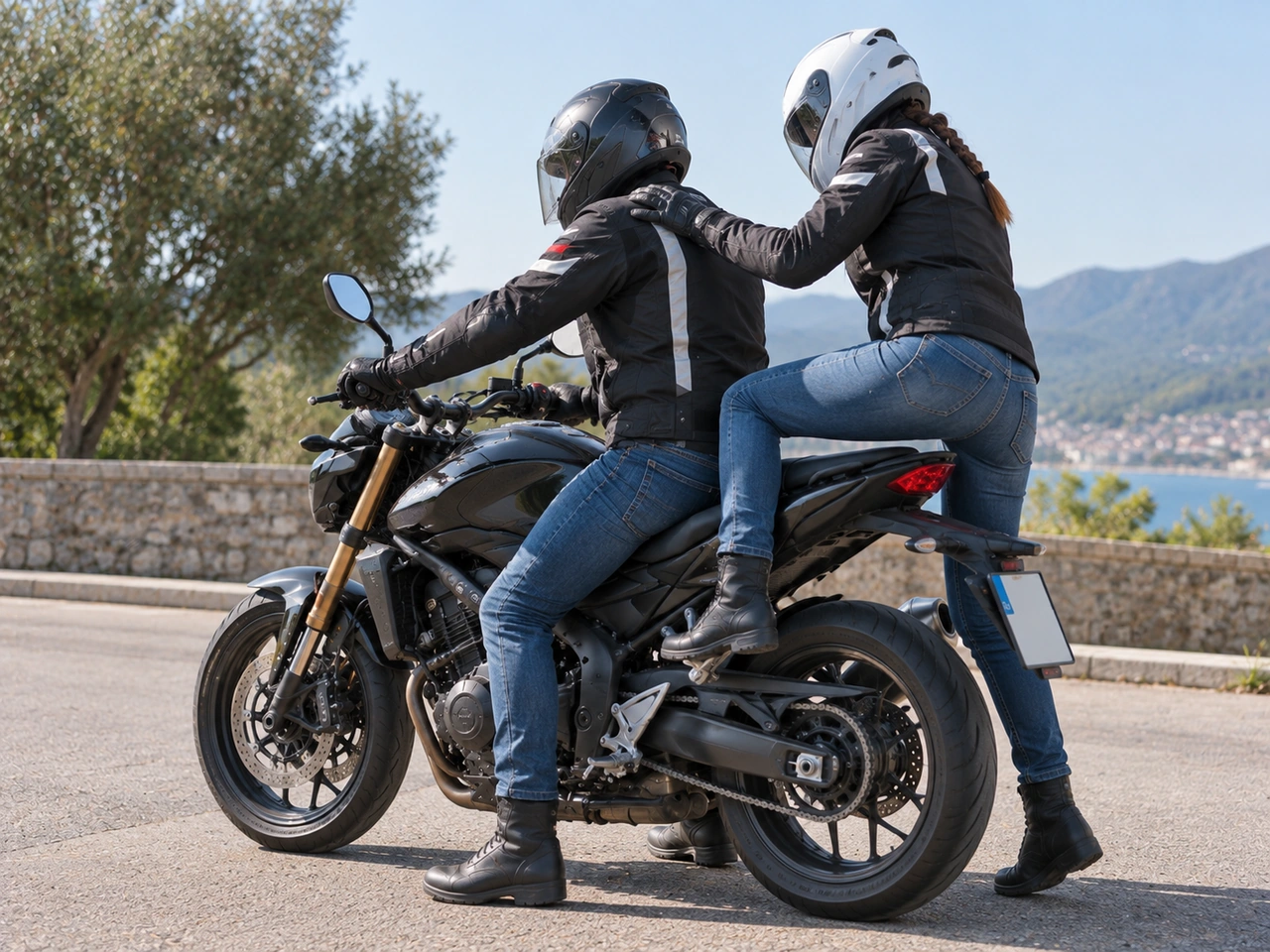
168. When should a passenger get on or off a motorcycle?
A passenger getting on or off can shift the motorcycle's balance suddenly. The motorcycle should be stationary and stable, and the passenger should wait until the rider is ready and prepared to support the extra movement.
AI-generated by Traffic-rules.com • WCIT • CC BY-SA
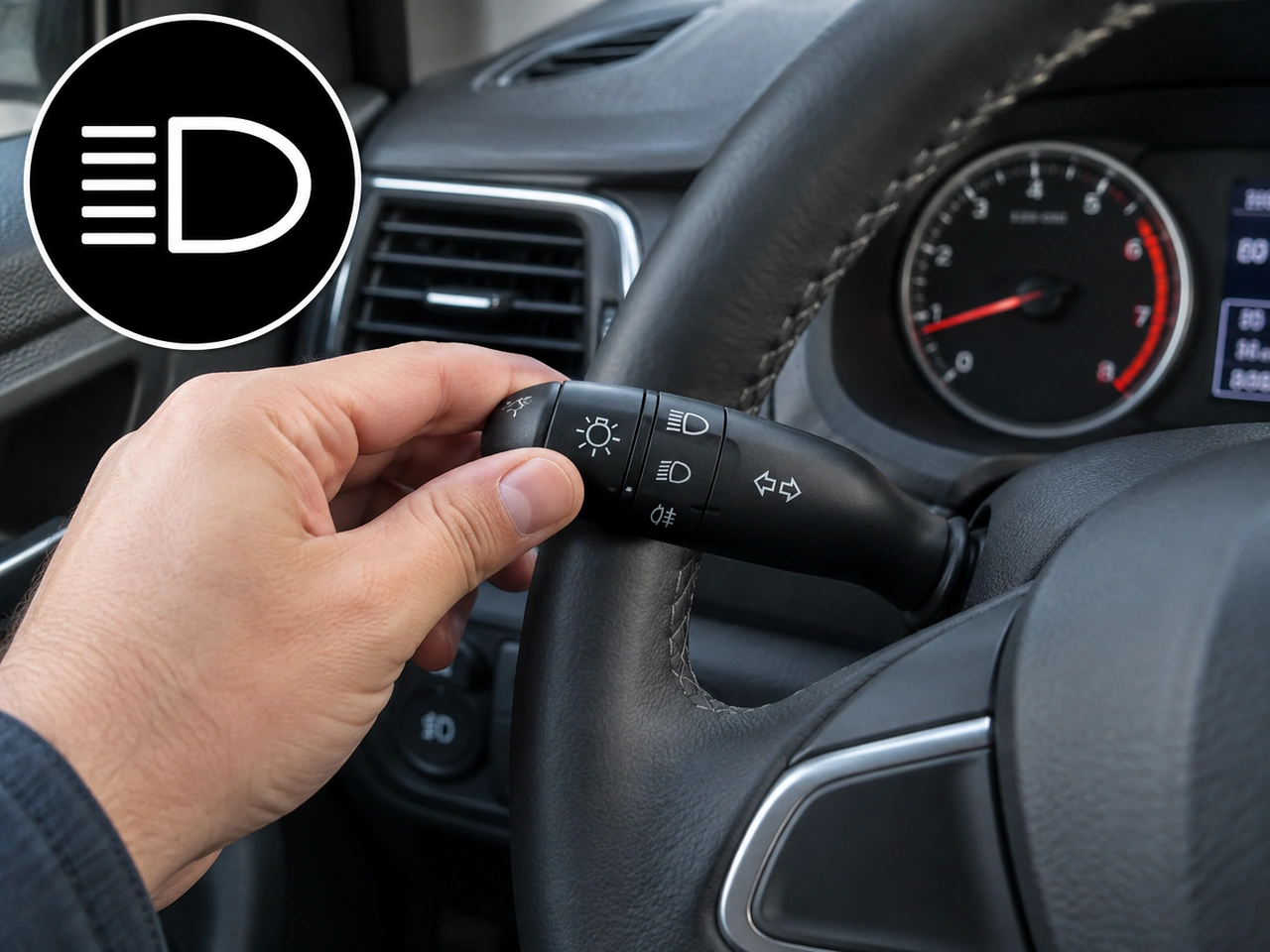
169. Which control is normally used to switch between dipped and main beam headlights?
The lighting stalk is normally used to switch between dipped and main beam headlights. The exact movement varies between vehicles, so check the vehicle controls before driving.
AI-generated by Traffic-rules.com • WCIT • CC BY-SA
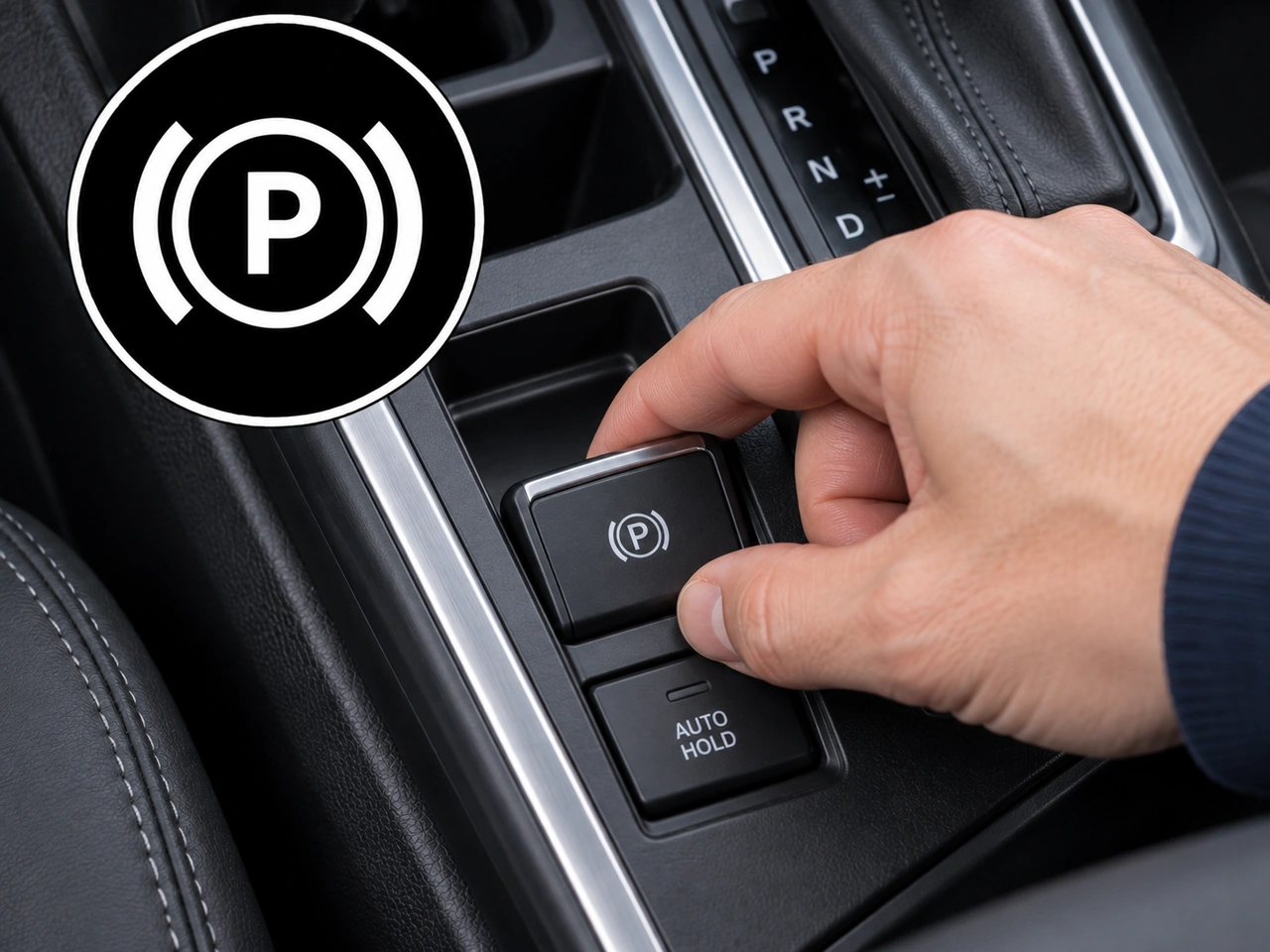
170. What does this vehicle-control symbol indicate?
This control operates the electronic parking brake. Pulling or pressing the switch applies or releases the parking brake, depending on the vehicle.
AI-generated by Traffic-rules.com • WCIT • CC BY-SA
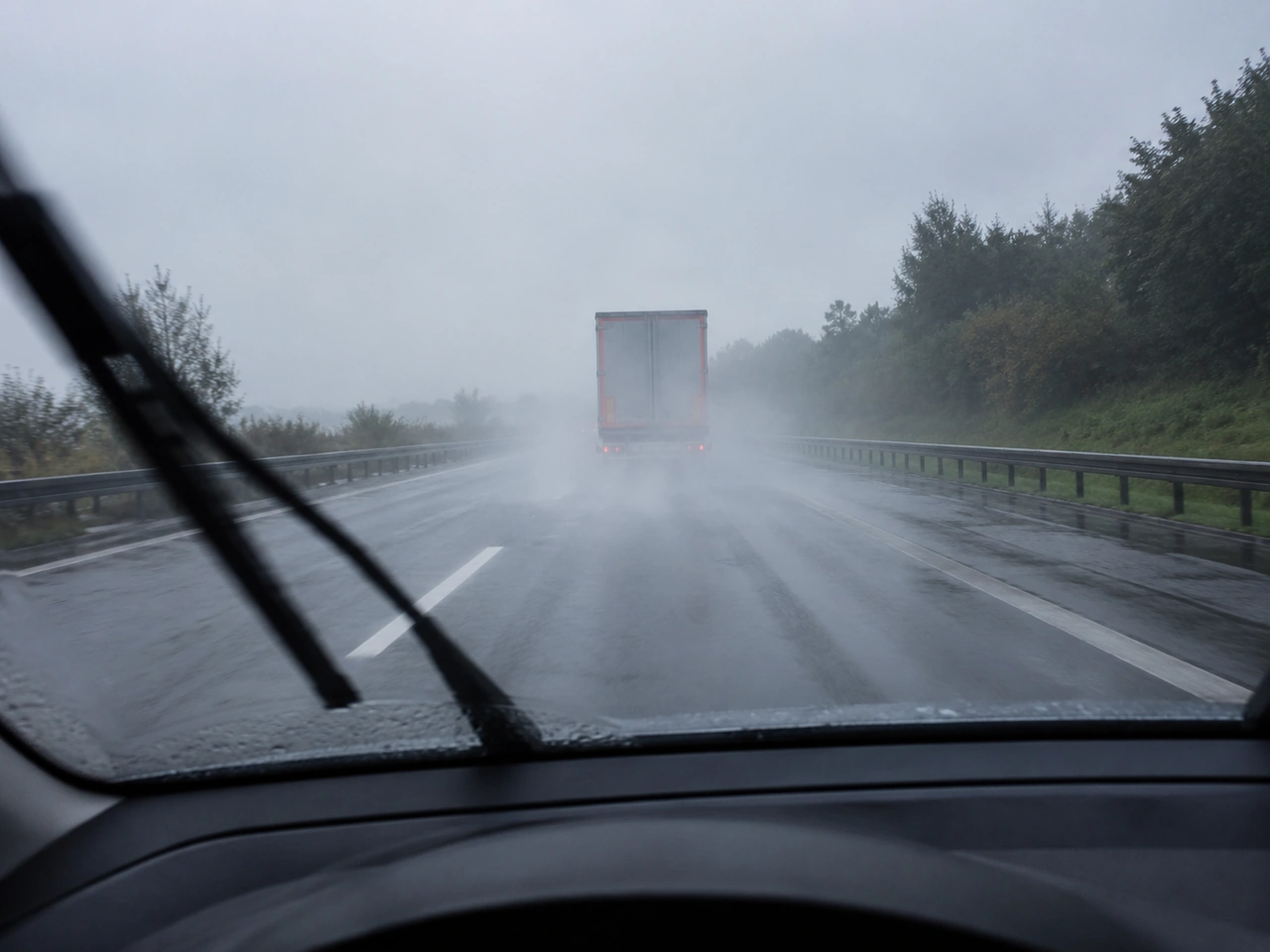
171. What should you do if spray from other vehicles makes it hard to see?
Spray can seriously reduce visibility. Slowing down and increasing your distance gives you more time and a clearer view.
AI-generated by Traffic-rules.com • WCIT • CC BY-SA
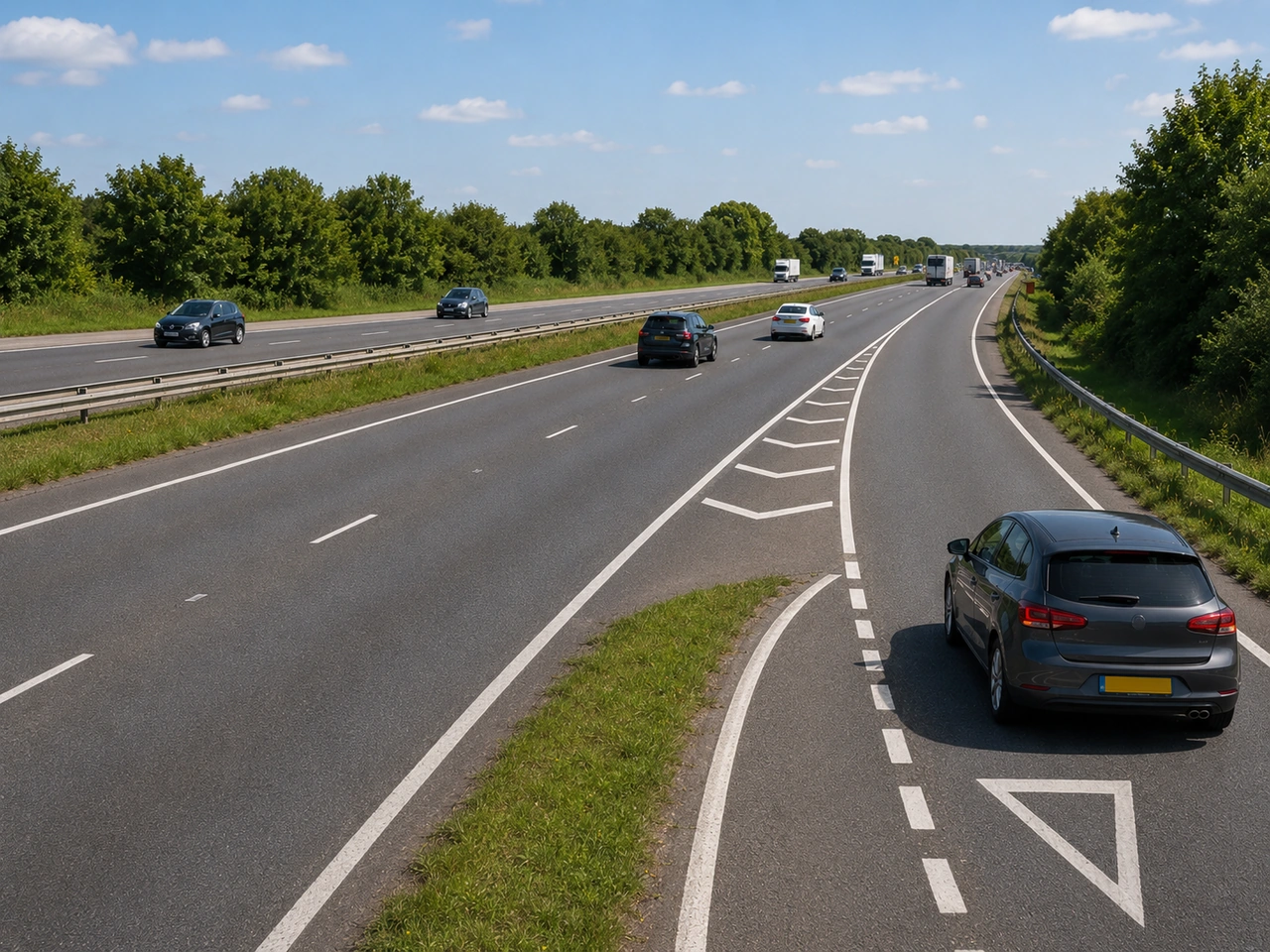
172. Who normally has priority when you enter a motorway from an entry lane?
You must adjust your speed and find a safe gap without forcing motorway traffic to brake or change direction.
AI-generated by Traffic-rules.com • WCIT • CC BY-SA
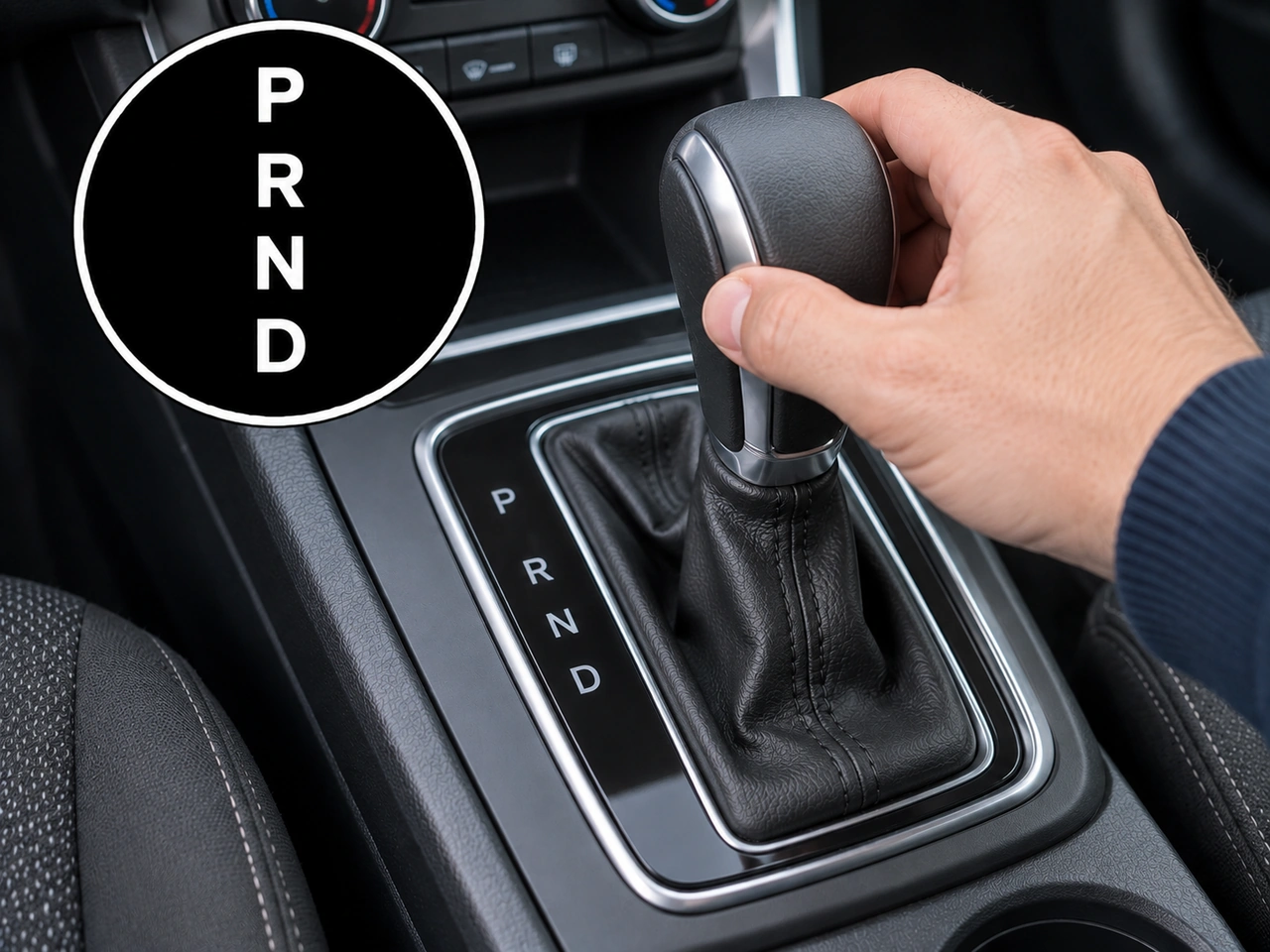
173. Which selector position is used to drive the vehicle backwards?
Select R (Reverse) when you need to drive the vehicle backwards. The vehicle should be stationary before selecting Reverse.
AI-generated by Traffic-rules.com • WCIT • CC BY-SA
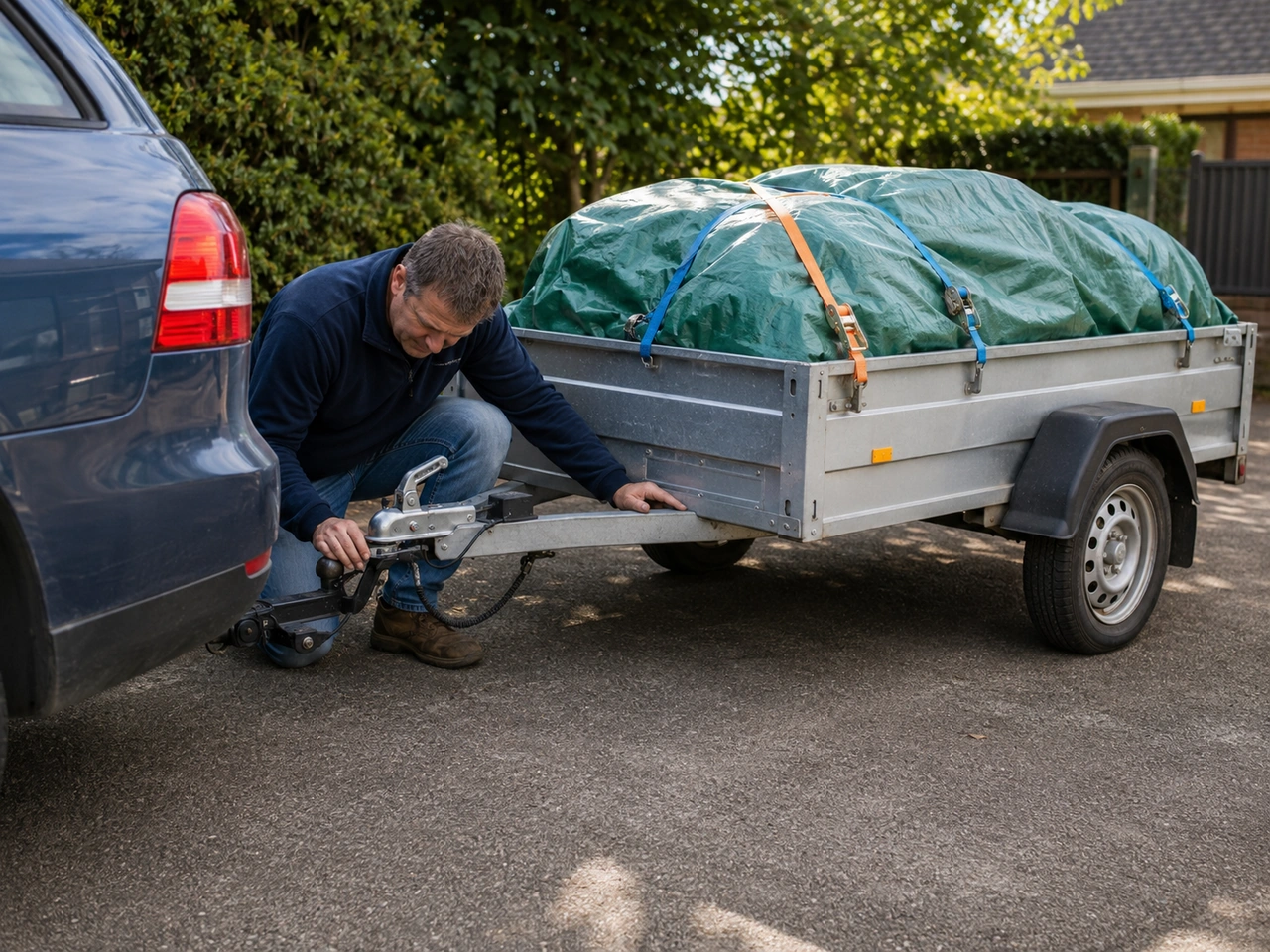
174. What should you check before towing a trailer?
The trailer must be correctly connected and roadworthy. Its lights, tyres, safety connections, and load should all be checked.
AI-generated by Traffic-rules.com • WCIT • CC BY-SA
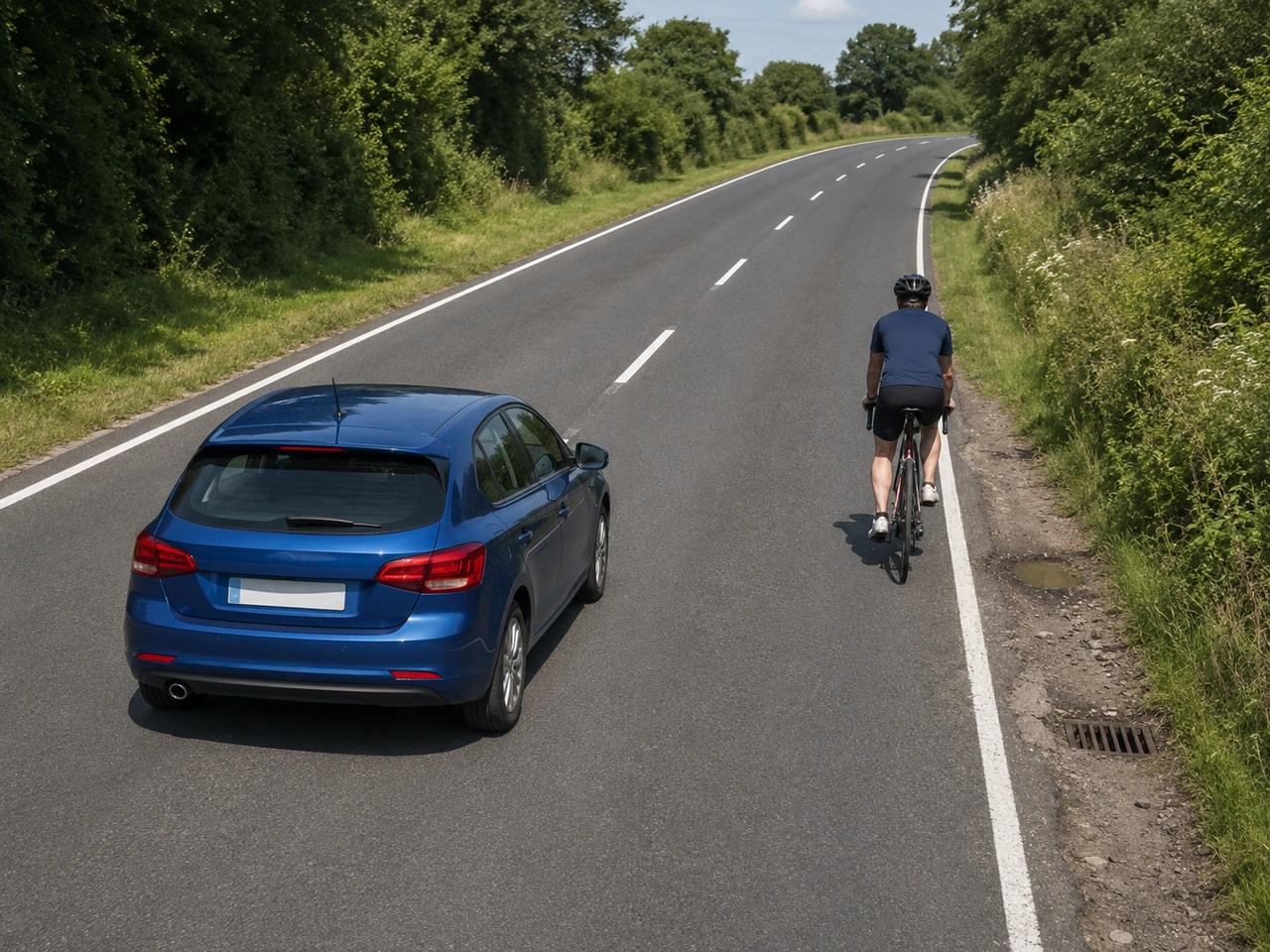
175. Why should you keep a safe distance from cyclists?
Cyclists may need to move around potholes, parked cars, or drains. Giving them enough space helps prevent dangerous situations.
AI-generated by Traffic-rules.com • WCIT • CC BY-SA
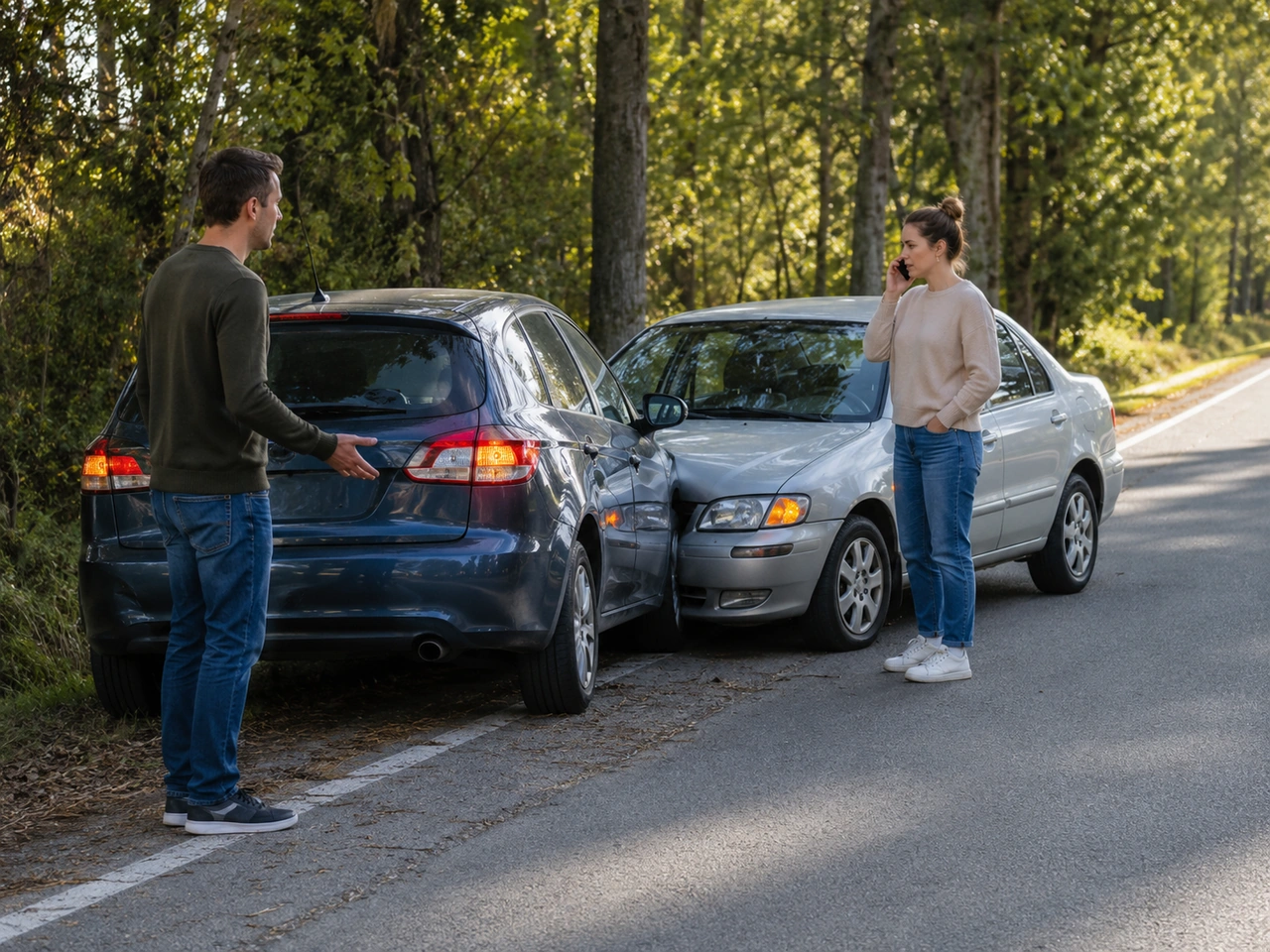
176. What should you do first after a collision?
Stop the vehicle, warn other traffic where appropriate, assess immediate danger and injuries, and contact the emergency services when needed. Exchange any details required by local law.
AI-generated by Traffic-rules.com • WCIT • CC BY-SA
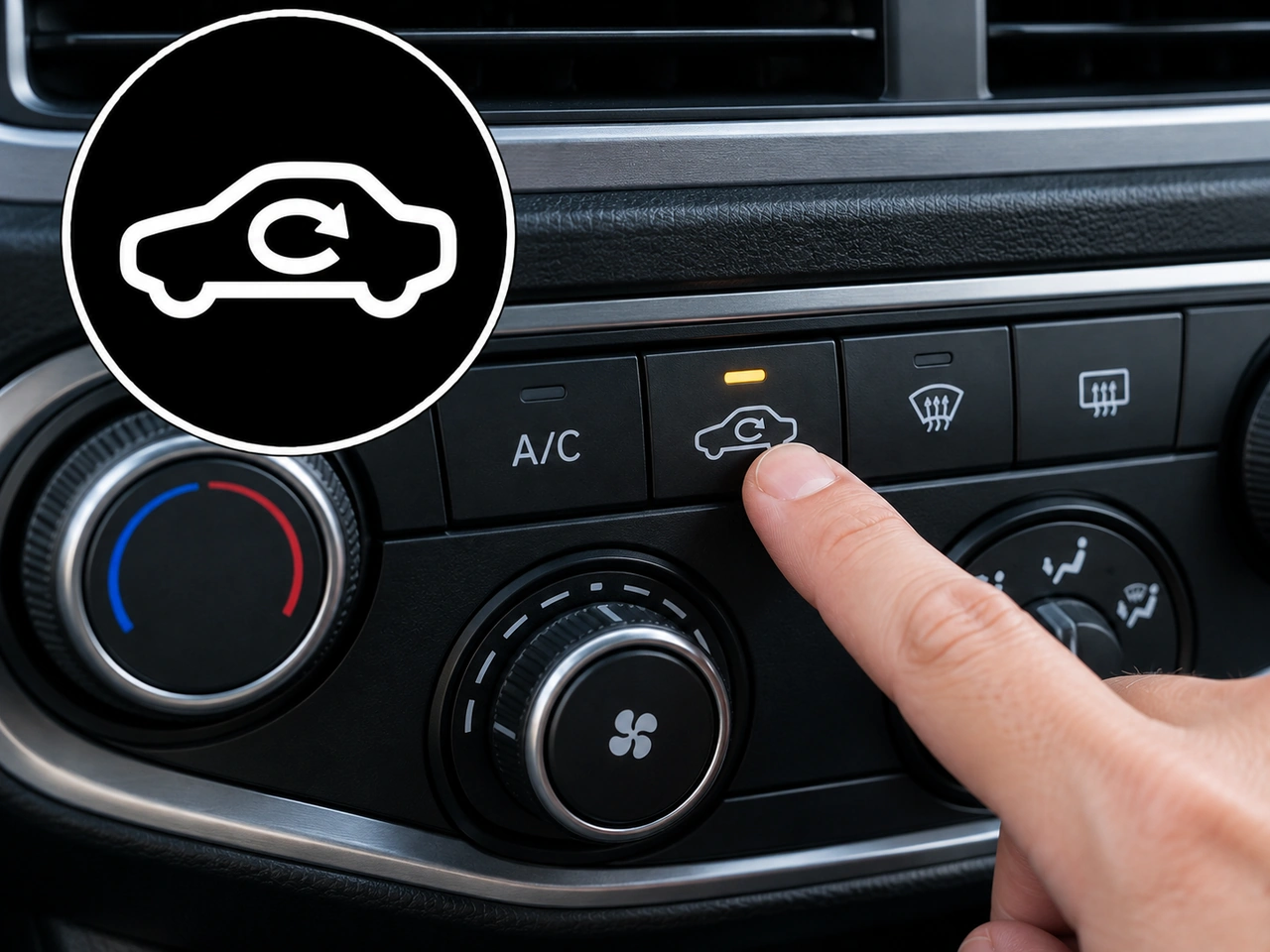
177. What does this vehicle-control symbol indicate?
This symbol activates air recirculation, which reduces the amount of outside air entering the vehicle and recirculates air already inside the cabin. It can be useful when driving through polluted air or when cooling the interior quickly.
AI-generated by Traffic-rules.com • WCIT • CC BY-SA
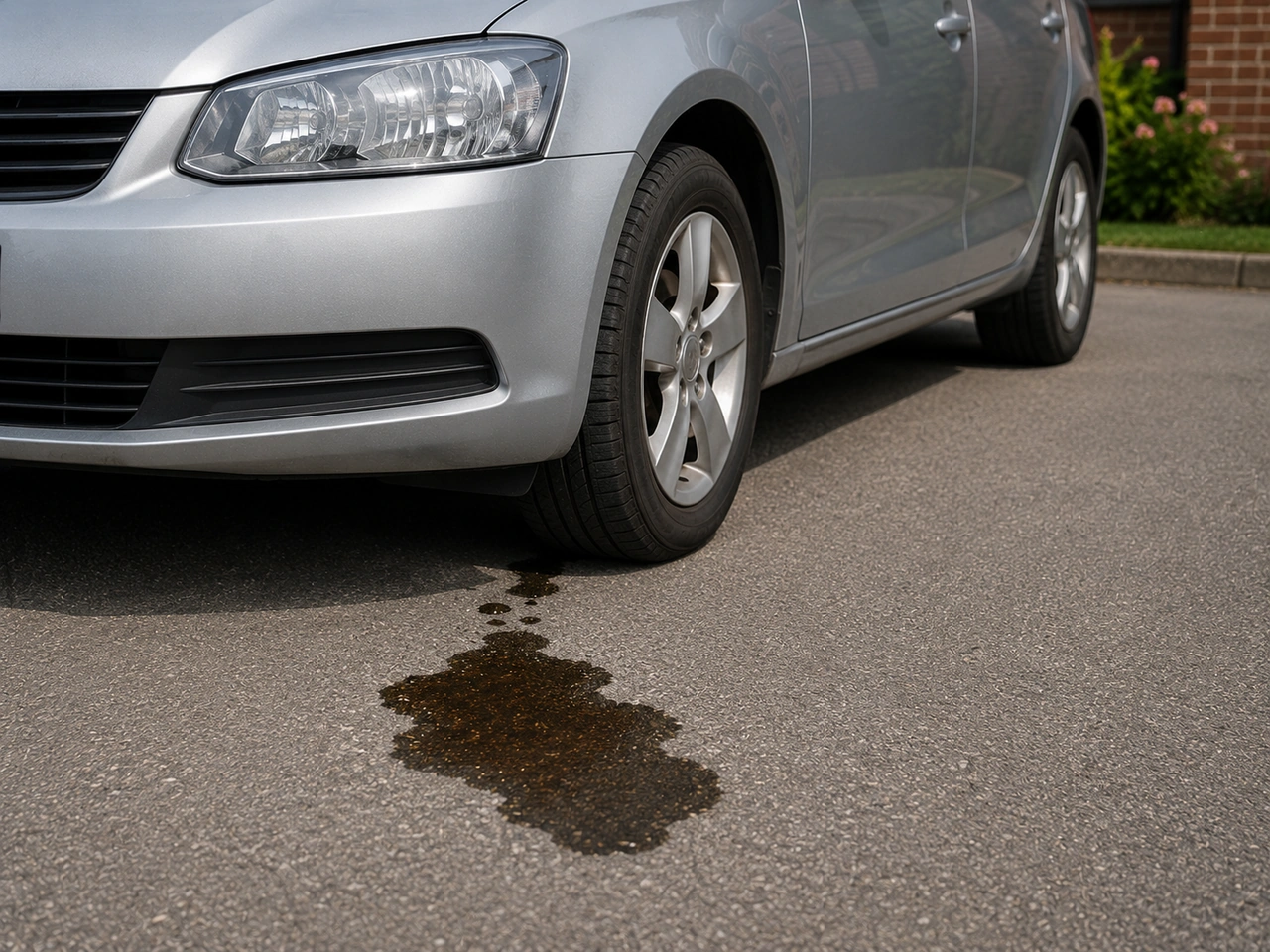
178. What should you do if you notice an unfamiliar fluid underneath your vehicle?
Clear water from air conditioning can be normal, but oil, coolant, fuel, transmission fluid, or brake fluid may indicate a fault requiring urgent attention.
AI-generated by Traffic-rules.com • WCIT • CC BY-SA
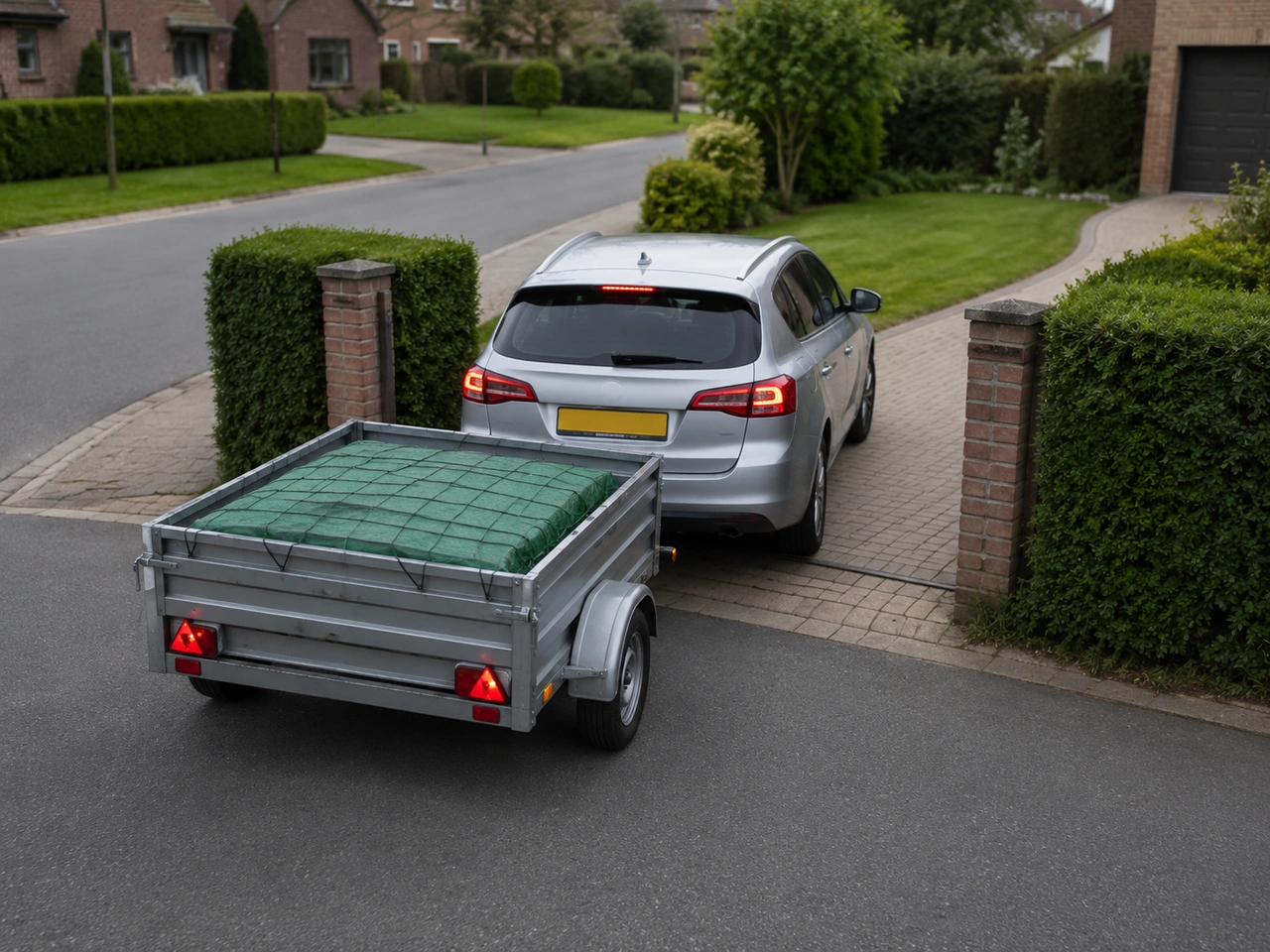
179. What should you do when reversing with a trailer?
Trailers react quickly to steering while reversing. Move slowly, observe carefully, and use a guide only from a safe visible position.
AI-generated by Traffic-rules.com • WCIT • CC BY-SA
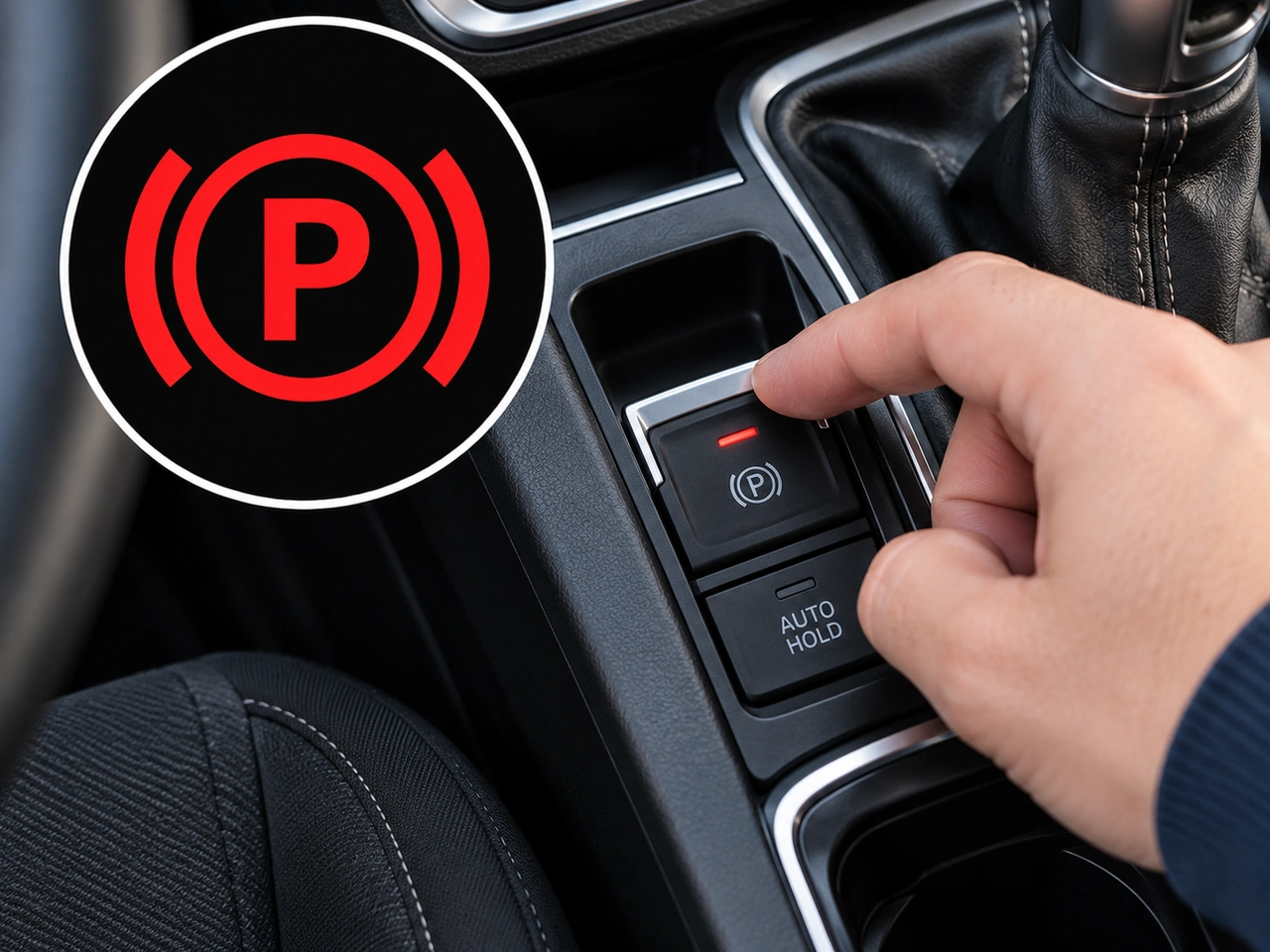
180. What does this dashboard symbol indicate?
This symbol indicates that the parking brake is applied. It should normally go out when the parking brake is fully released.
AI-generated by Traffic-rules.com • WCIT • CC BY-SA
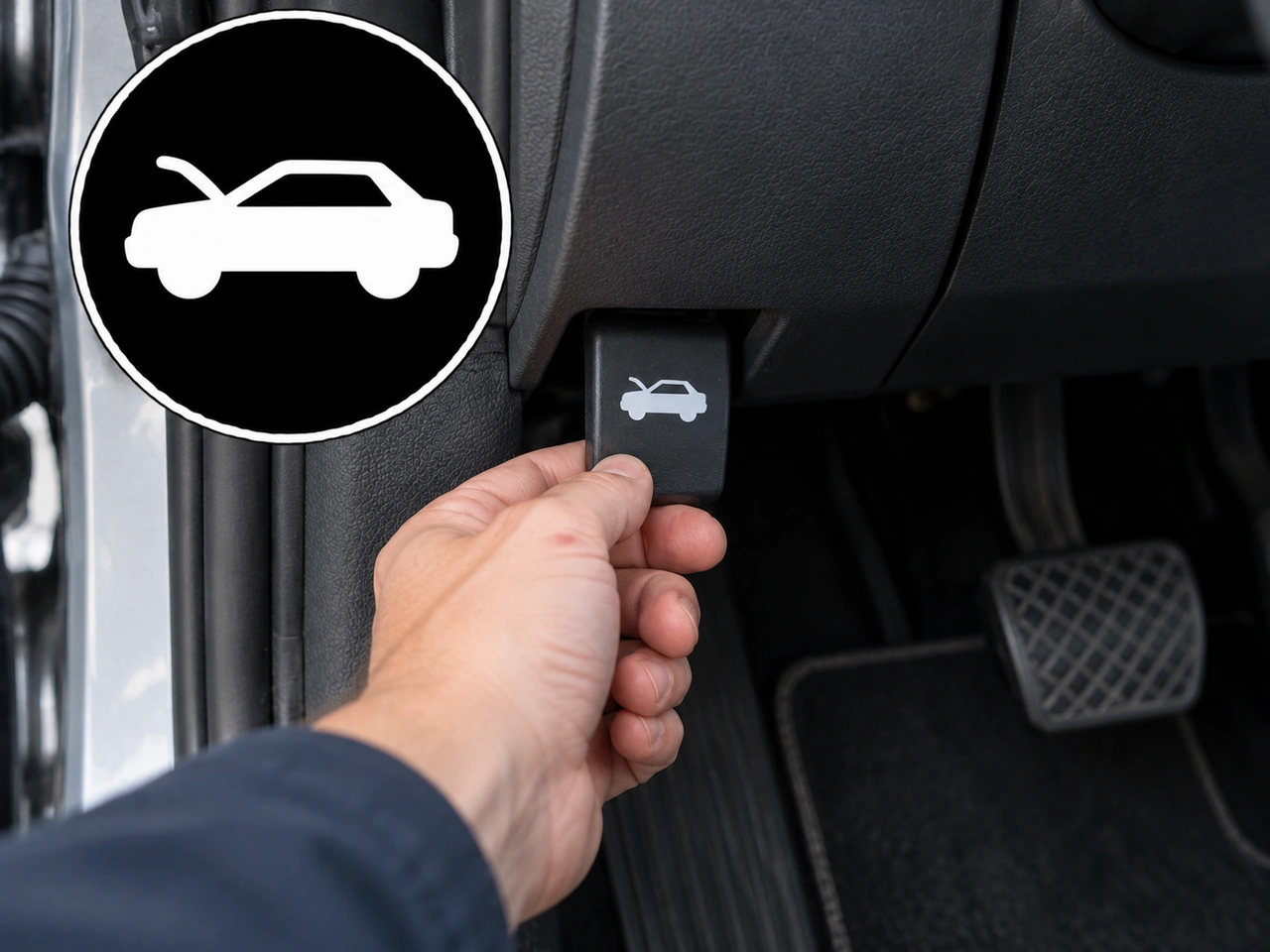
181. What does this vehicle-control symbol indicate?
This control releases the bonnet so that it can be opened. A secondary safety catch under the bonnet normally has to be released before it can be fully raised.
AI-generated by Traffic-rules.com • WCIT • CC BY-SA
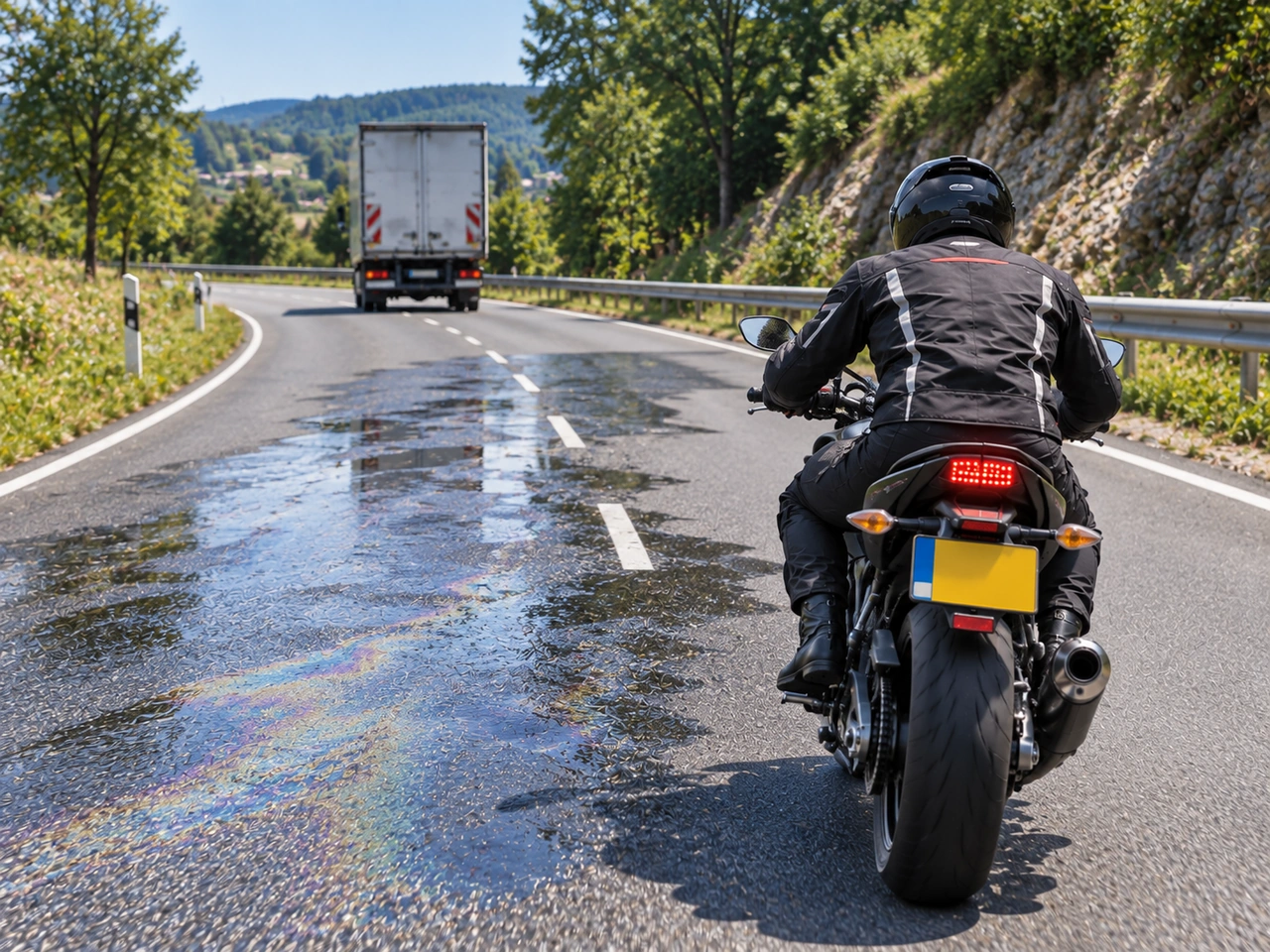
182. Why should you take extra care if oil or diesel is spilled on the road?
Oil, diesel and other fluids can create a very slippery road surface, particularly for motorcycles and bicycles. Reduce speed, avoid sudden braking or steering and keep the vehicle as stable as possible when crossing a contaminated area.
AI-generated by Traffic-rules.com • WCIT • CC BY-SA
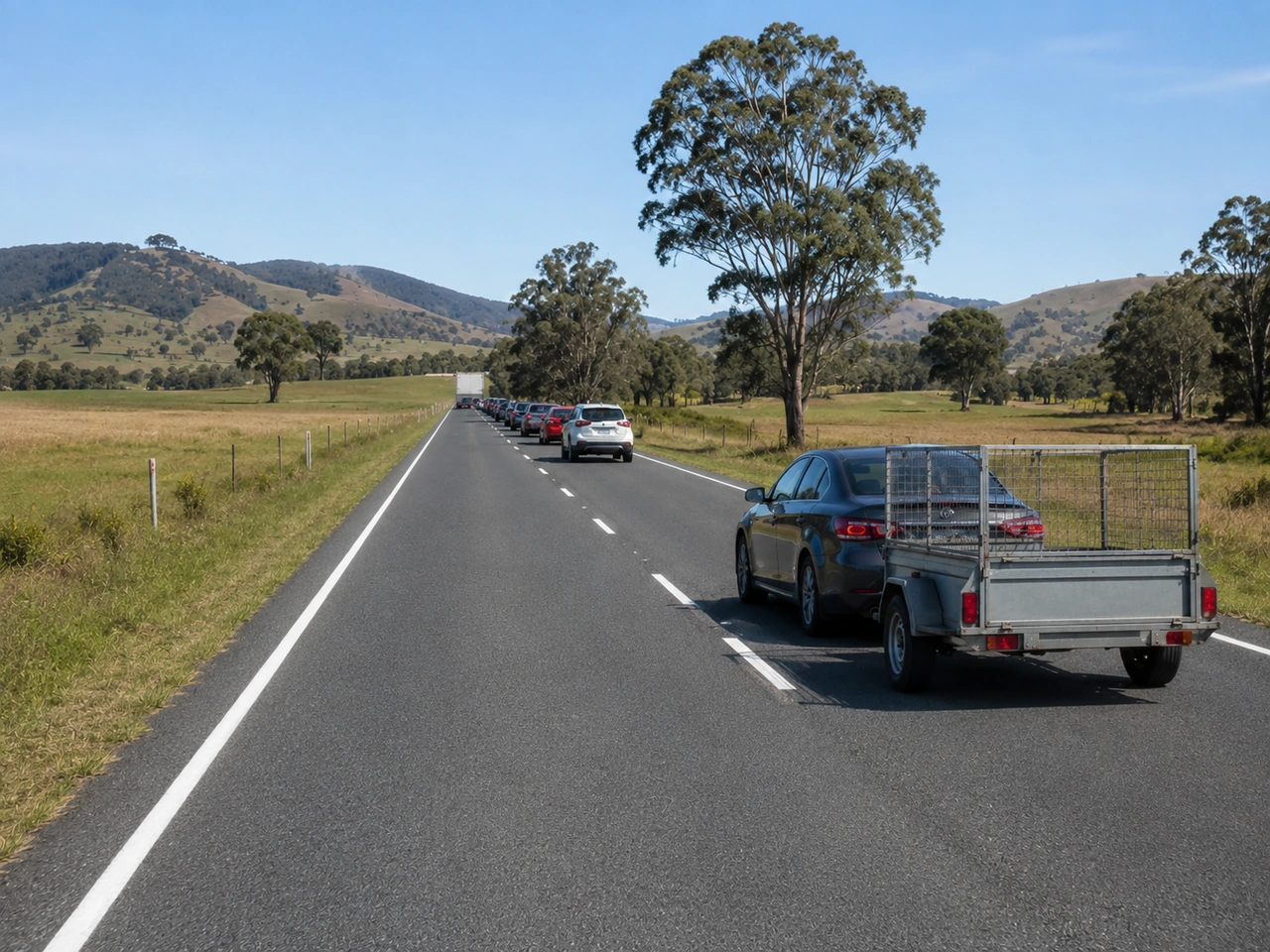
183. Why should you leave extra following distance when towing?
Towing adds weight and can increase stopping distance. Extra space gives you more time to react and brake smoothly.
AI-generated by Traffic-rules.com • WCIT • CC BY-SA
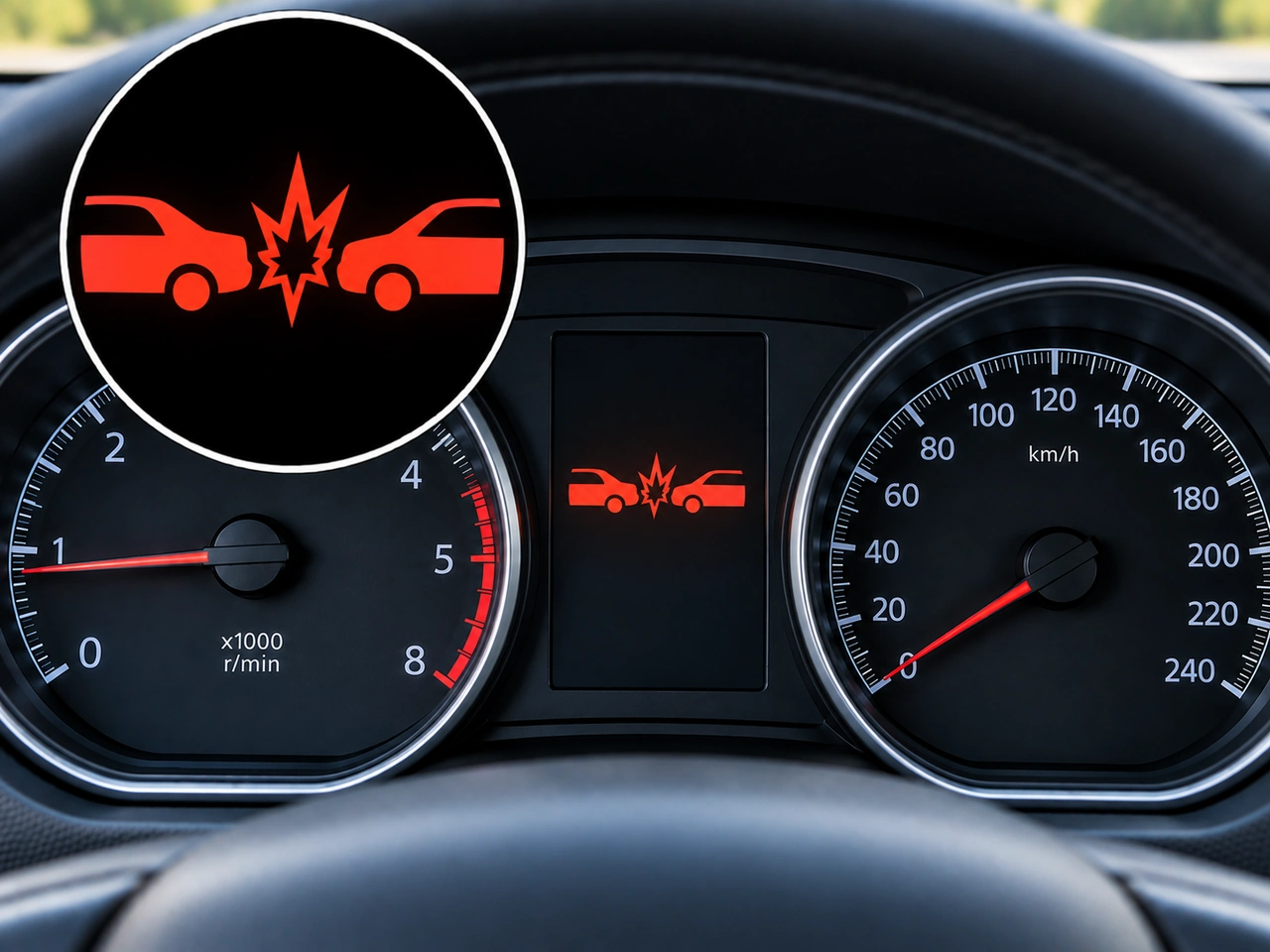
184. What does this dashboard symbol indicate?
This symbol relates to the forward-collision warning or automatic emergency braking system. It may warn the driver when the vehicle detects a risk of collision with traffic ahead.
AI-generated by Traffic-rules.com • WCIT • CC BY-SA
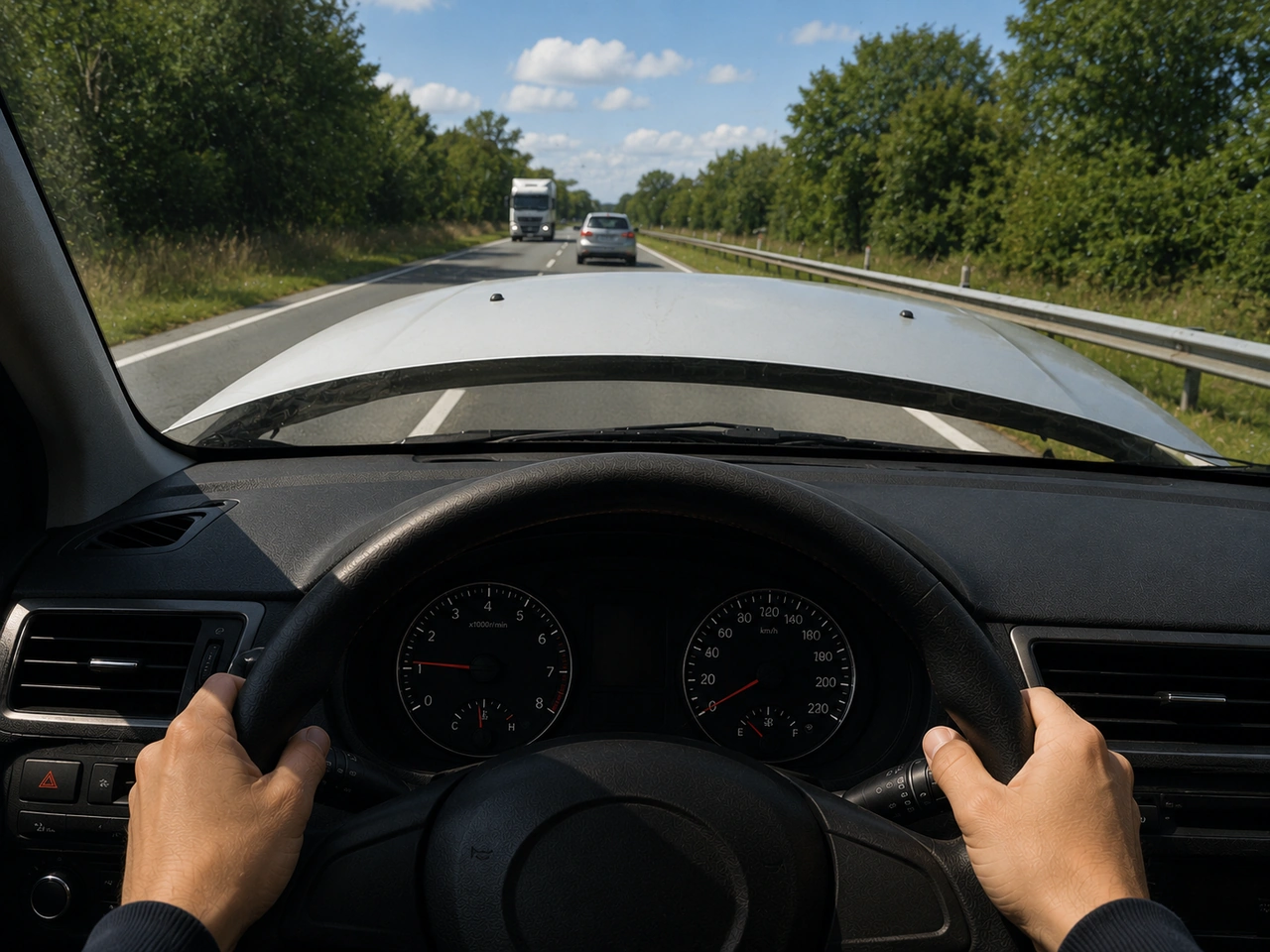
185. What should you do if the bonnet suddenly opens while you are driving?
The bonnet may completely obstruct your view. Avoid sudden movements, use the road markings or available gap to maintain direction, and stop safely.
AI-generated by Traffic-rules.com • WCIT • CC BY-SA
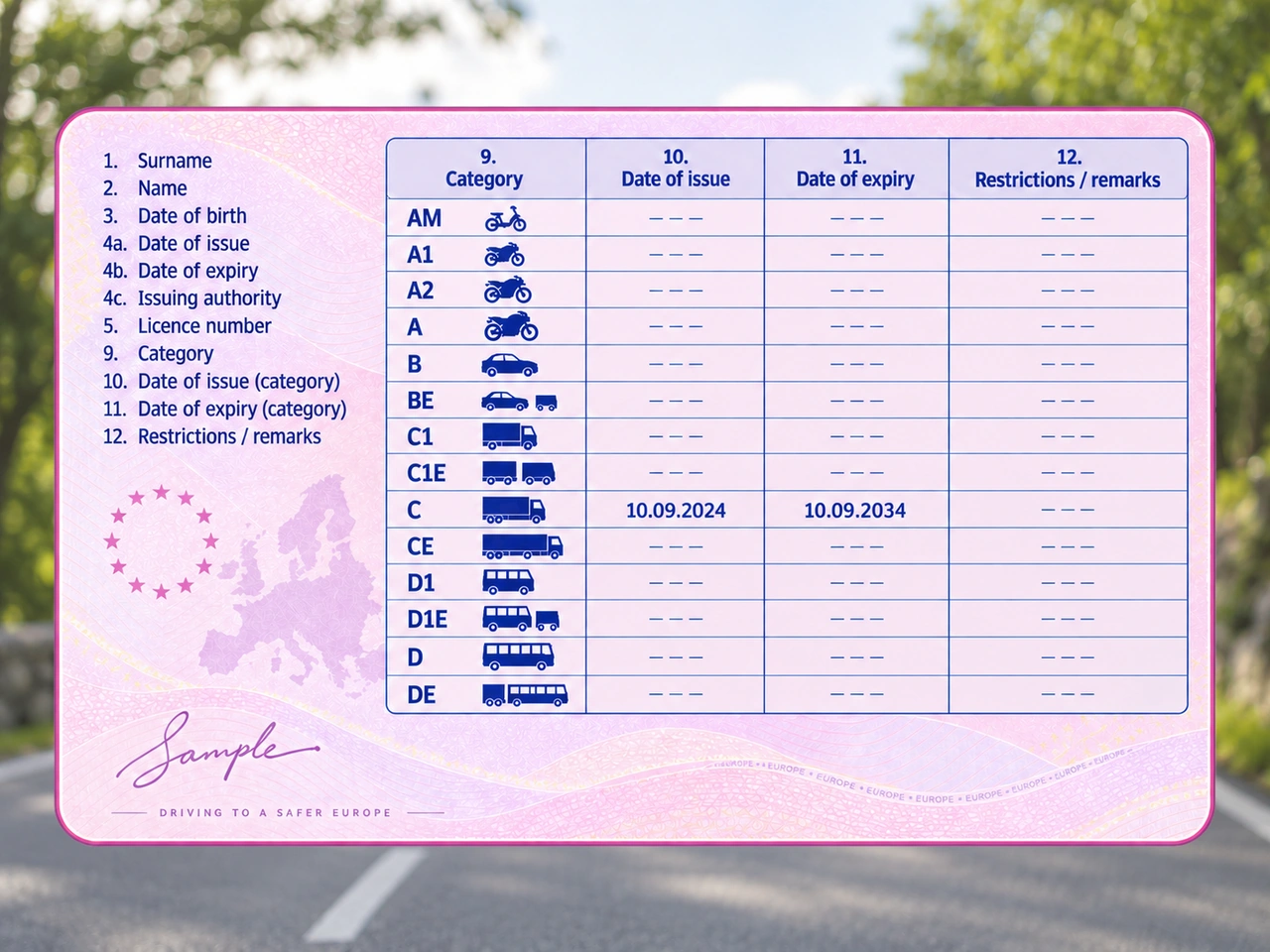
186. Which vehicles are covered by driving licence C?
Category C covers motor vehicles, other than categories D1 and D, with a maximum authorised mass above 3,500 kg and designed to carry no more than eight passengers in addition to the driver. A trailer up to 750 kg may be towed.
AI-generated by Traffic-rules.com • WCIT • CC BY-SA
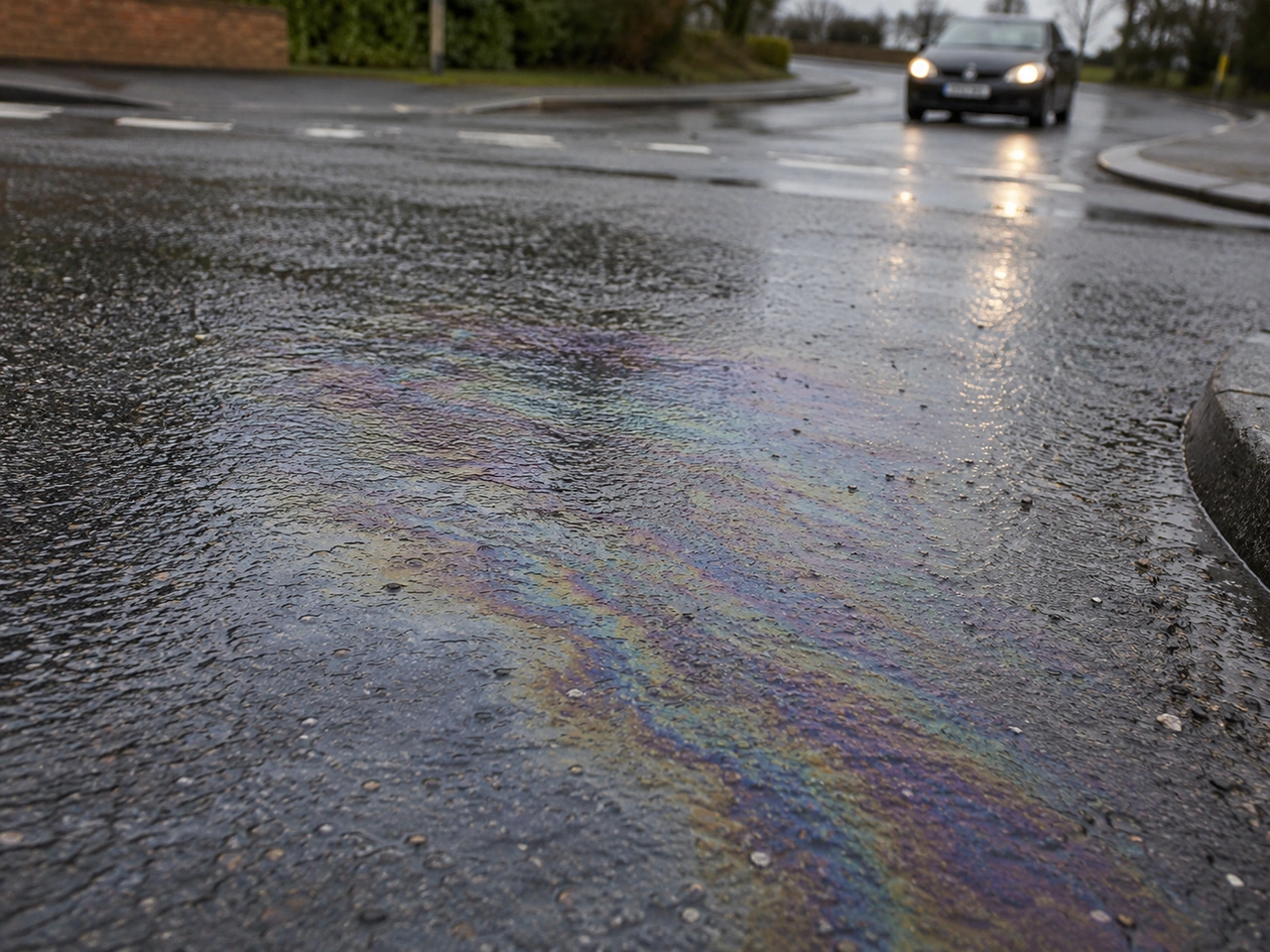
187. Why are roads especially slippery during rain after a dry period?
After a dry period, oil and dirt can build up on the road. The first rain mixes with them and can make the surface very slippery.
AI-generated by Traffic-rules.com • WCIT • CC BY-SA
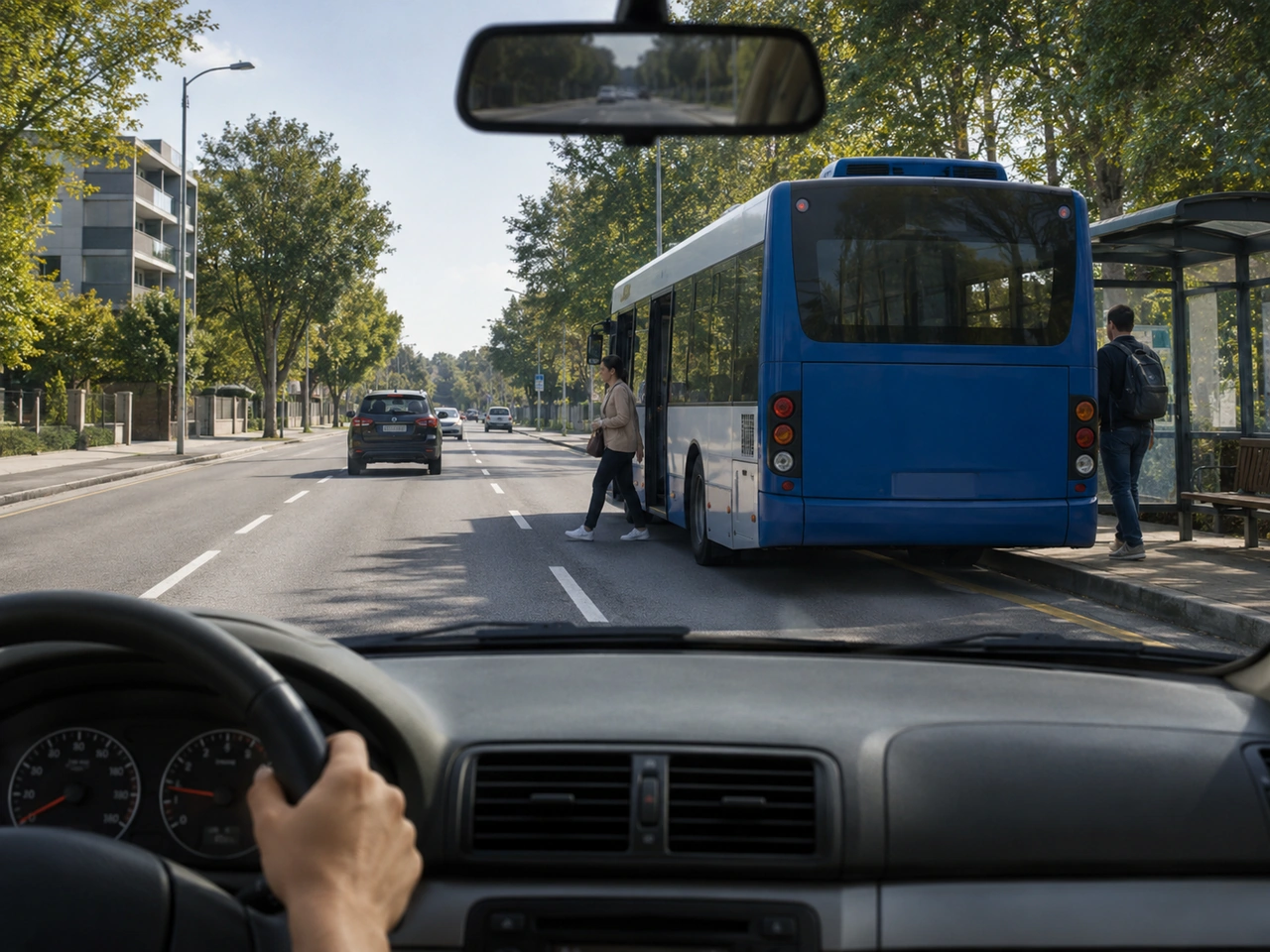
188. Why should you be careful when driving beside a bus at a stop?
Stopped buses can hide pedestrians, and passengers may cross unexpectedly. Slow down and be ready to react.
AI-generated by Traffic-rules.com • WCIT • CC BY-SA
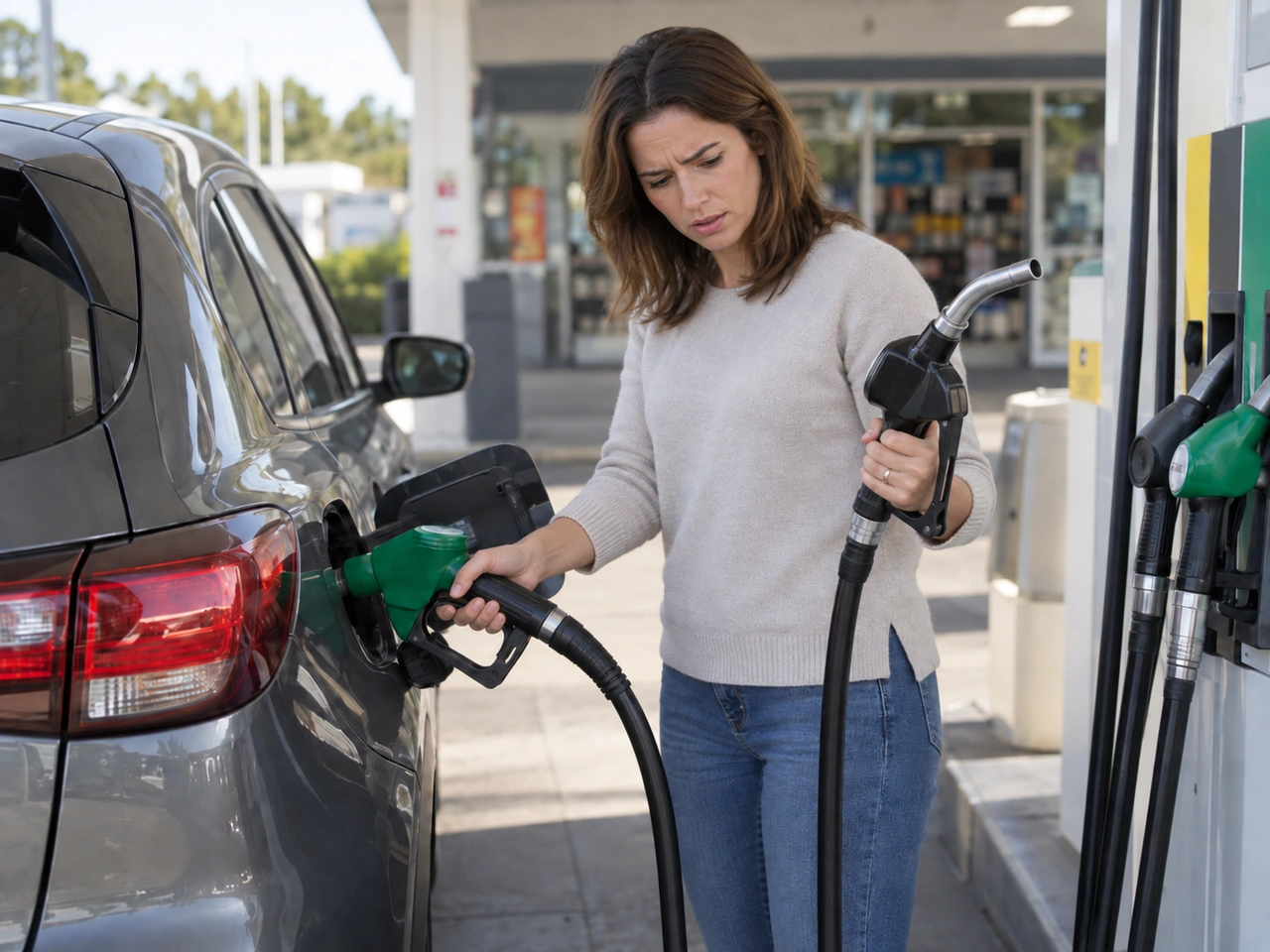
189. What should you do if you realise you have put the wrong fuel in your vehicle?
If you have used the wrong fuel, do not start the engine. Starting it can circulate the incorrect fuel and cause further damage. If possible, avoid switching on the ignition and seek appropriate roadside or workshop assistance.
AI-generated by Traffic-rules.com • WCIT • CC BY-SA
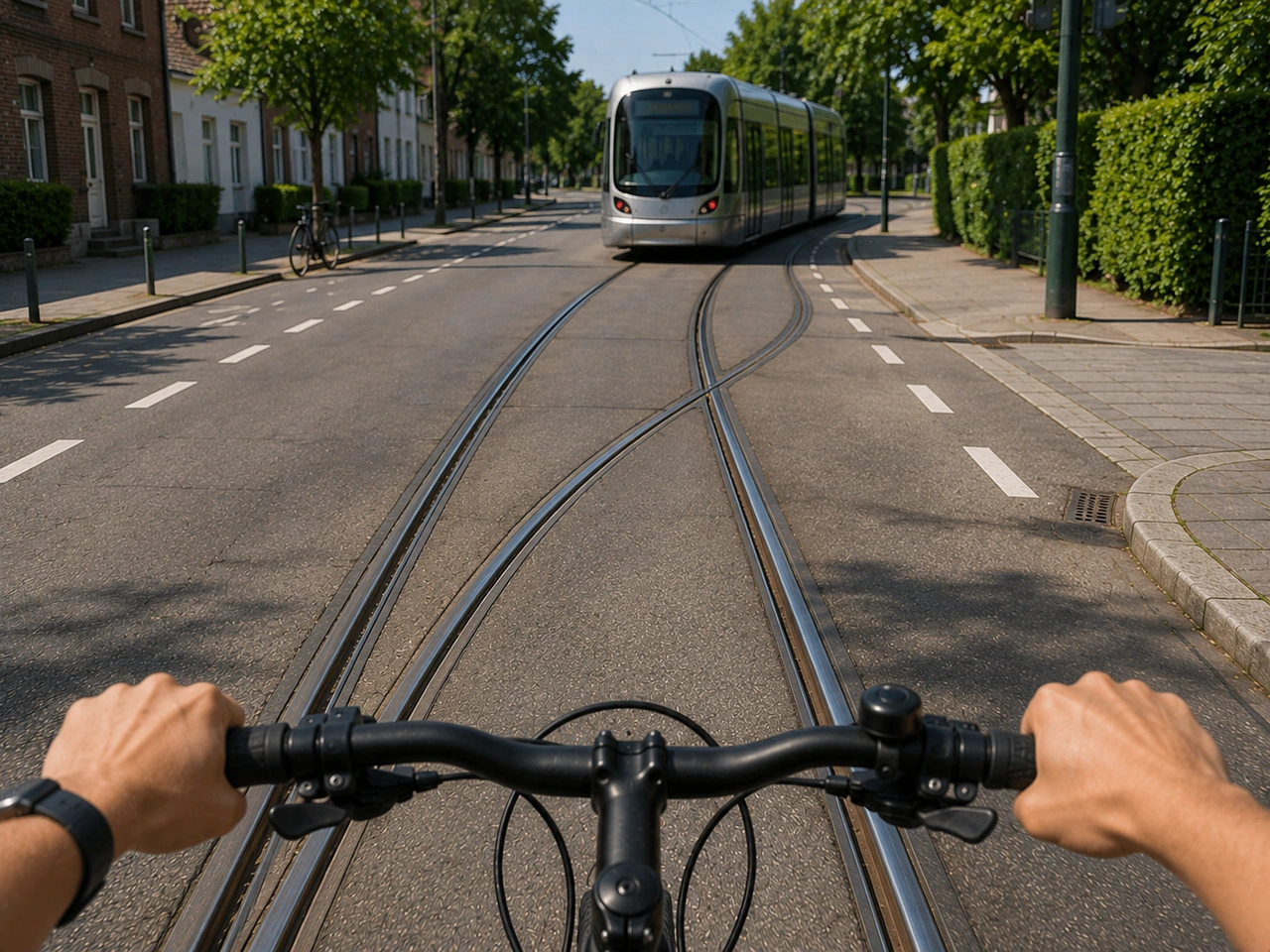
190. How should cyclists cross railway or tram tracks?
A bicycle wheel can become trapped in a rail groove. Crossing at a wider angle reduces this risk.
AI-generated by Traffic-rules.com • WCIT • CC BY-SA
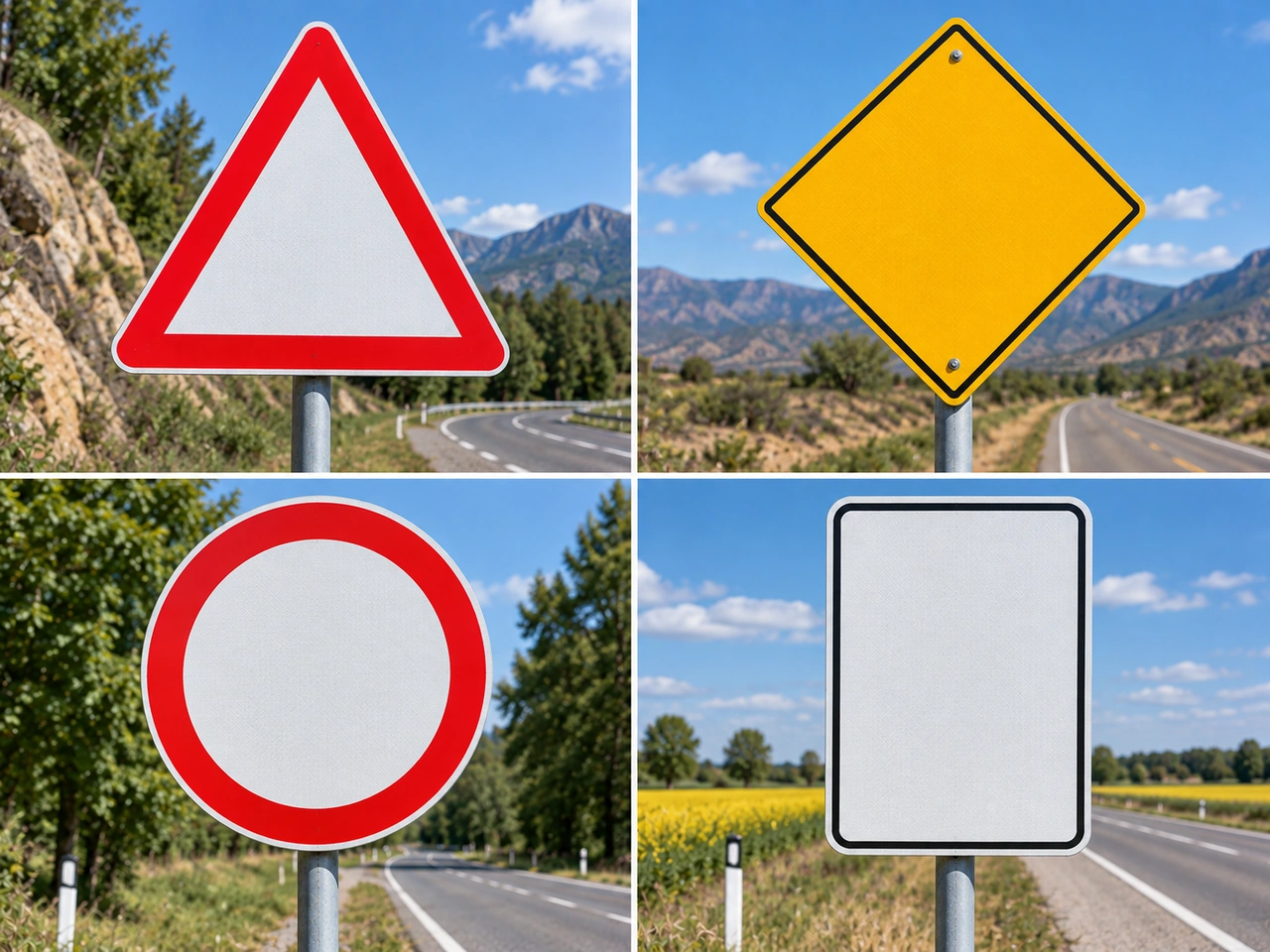
191. What shape are most warning signs in Poland?
Most warning signs in Poland are triangular.
AI-generated by Traffic-rules.com • WCIT • CC BY-SA
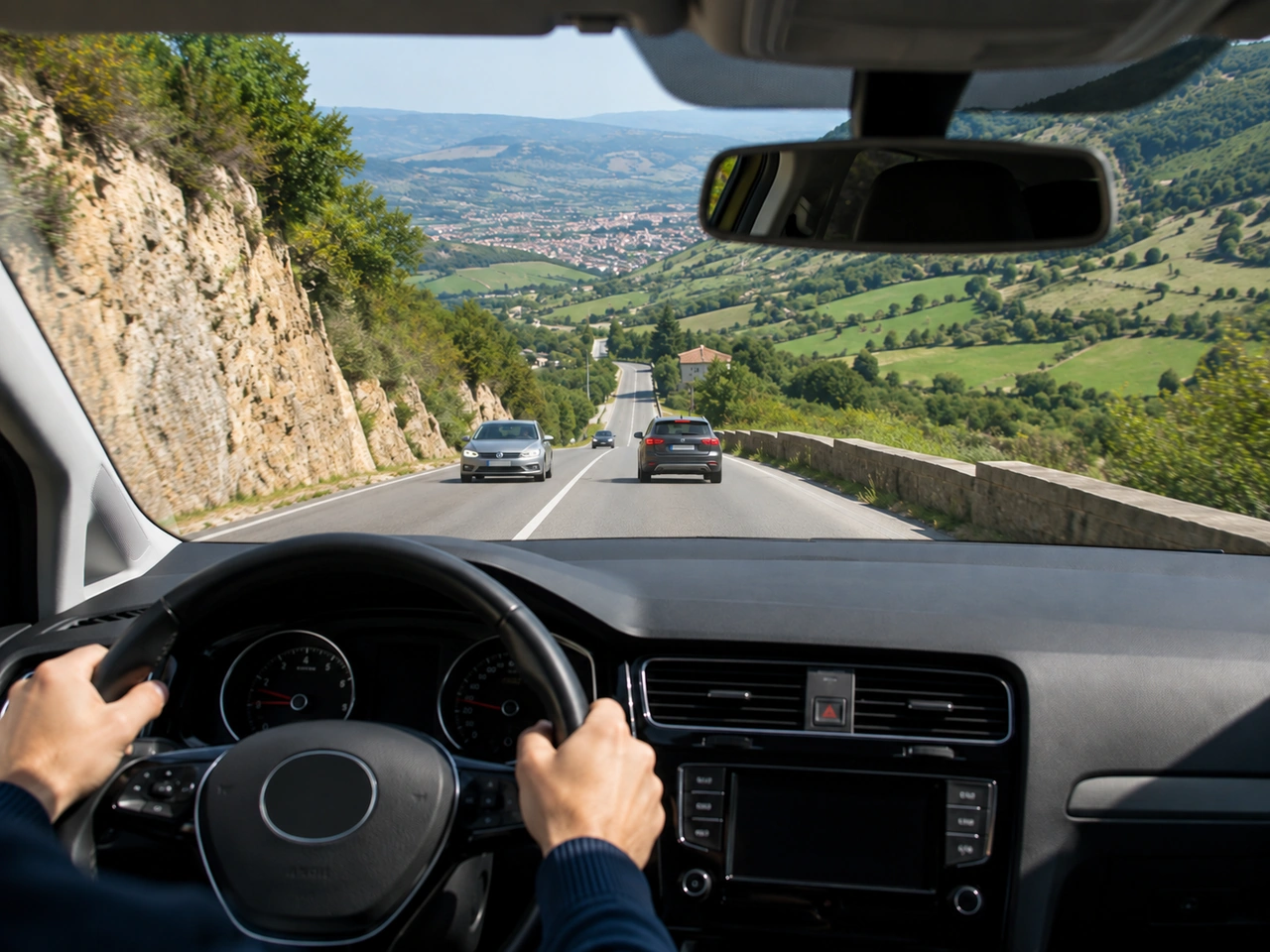
192. What should you do before driving down a long, steep hill?
A lower gear helps control your speed and reduces the amount of continuous braking needed on a long descent.
AI-generated by Traffic-rules.com • WCIT • CC BY-SA
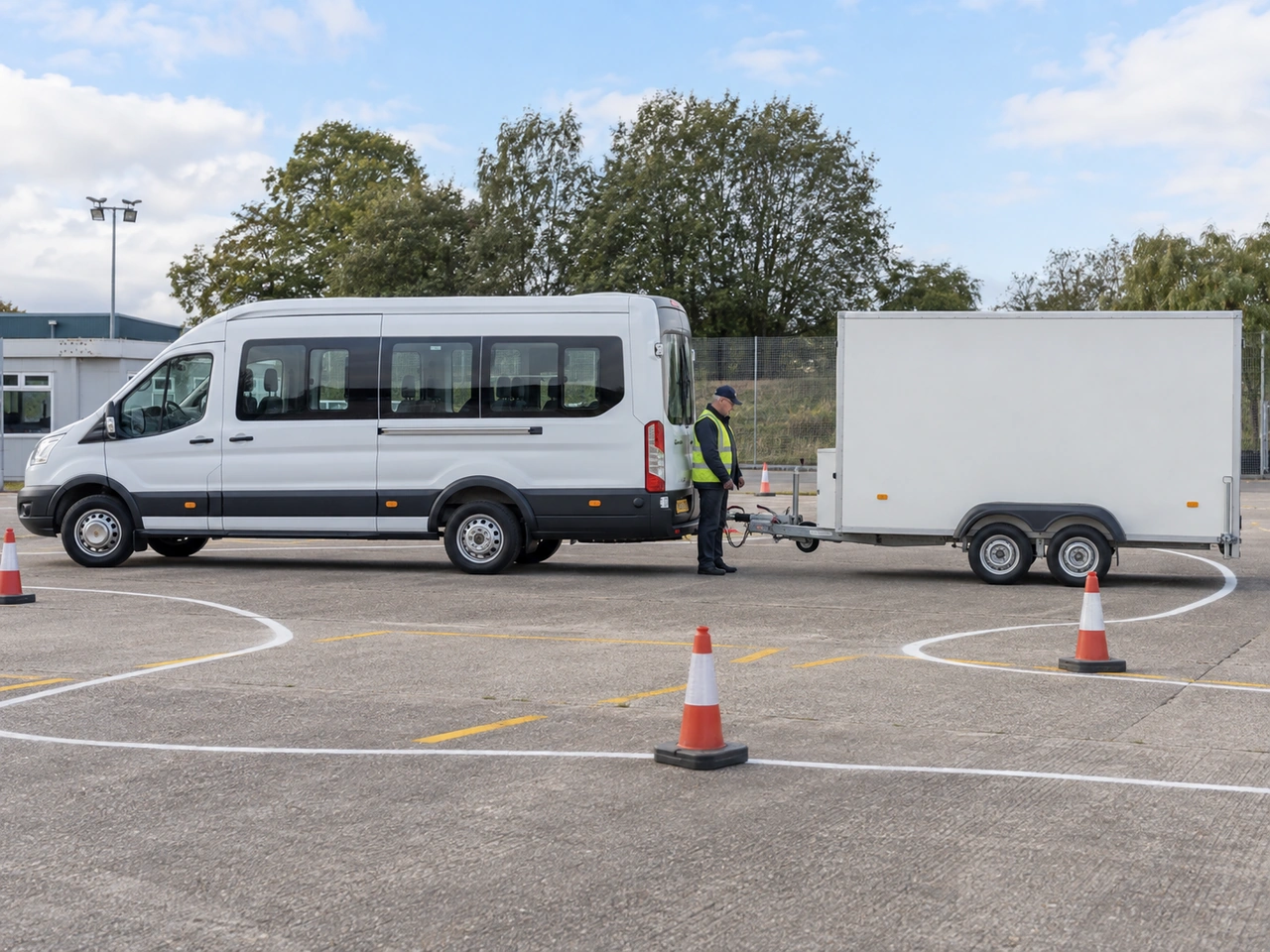
193. What is the minimum licence for a D1 minibus towing a trailer over 750 kg?
Category D1 permits a trailer with a maximum authorised mass of up to 750 kg. A D1 vehicle towing a trailer above 750 kg requires category D1E.
AI-generated by Traffic-rules.com • WCIT • CC BY-SA
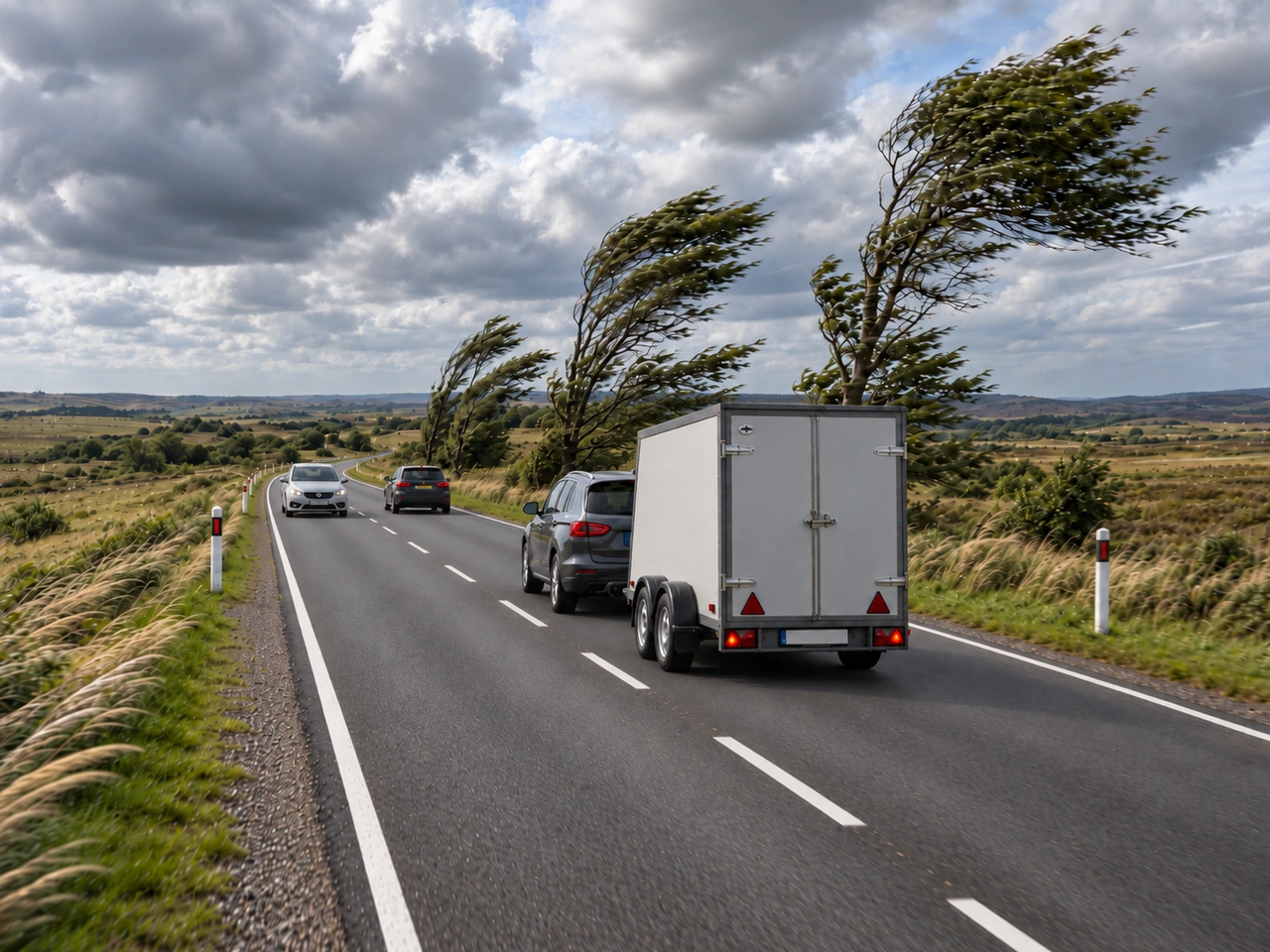
194. How can strong crosswinds affect a vehicle towing a trailer?
Trailers have large side surfaces and may be affected strongly by wind, especially on bridges and exposed roads.
AI-generated by Traffic-rules.com • WCIT • CC BY-SA
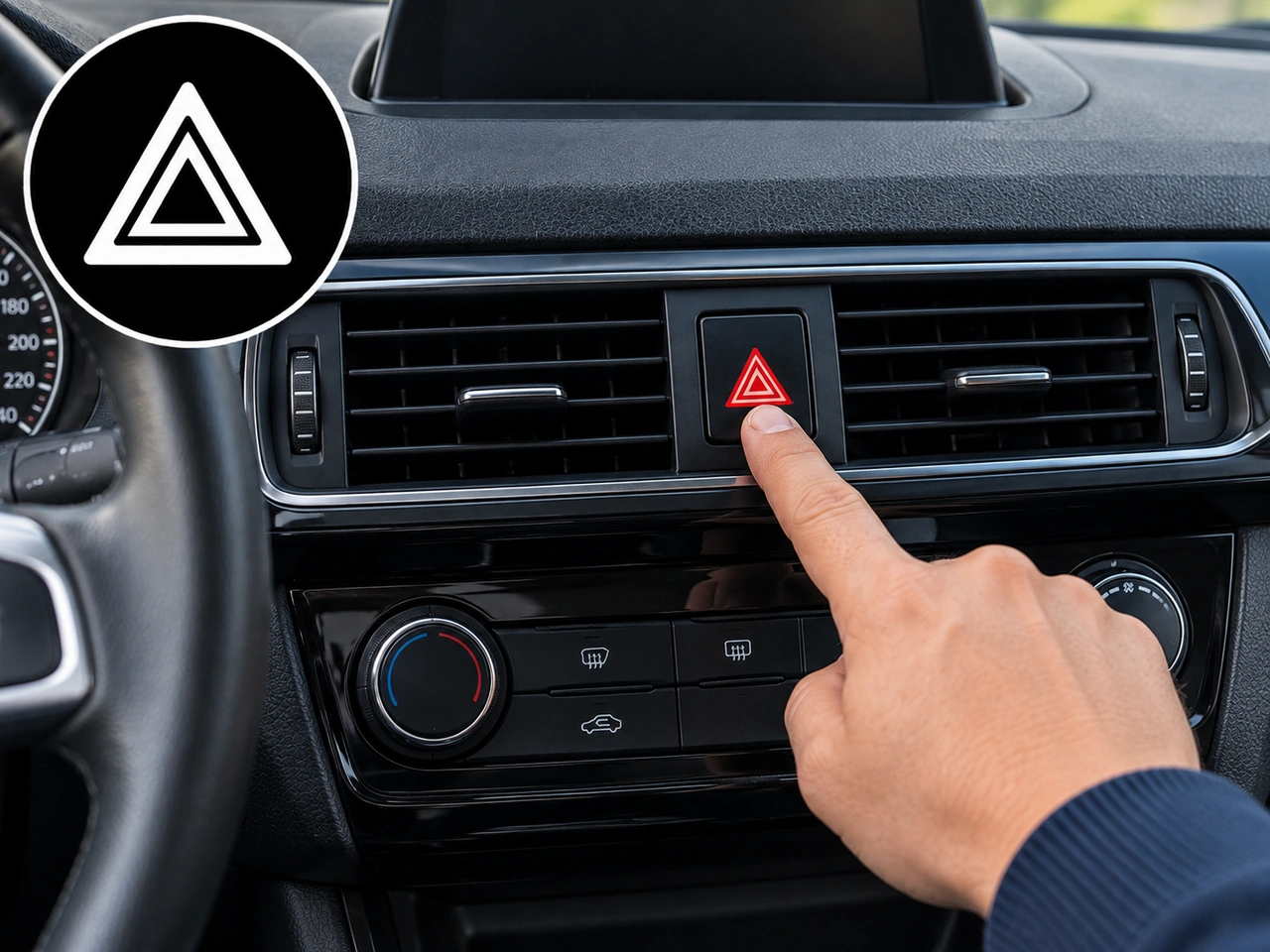
195. Which control activates all direction indicators at the same time?
The hazard warning light switch activates all direction indicators at the same time to warn other road users of a hazard or emergency.
AI-generated by Traffic-rules.com • WCIT • CC BY-SA
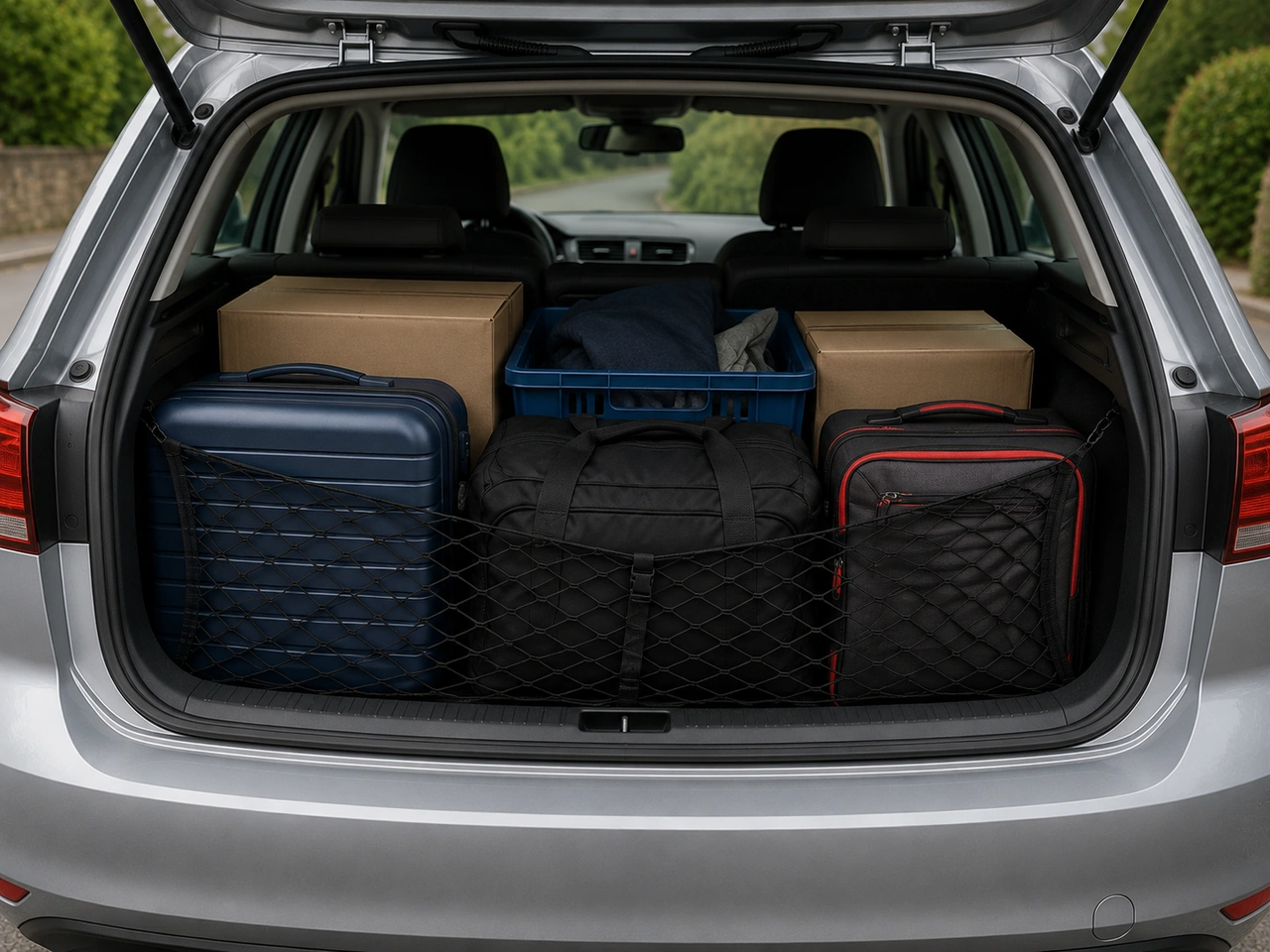
196. How should luggage or other cargo be carried in or on a vehicle?
Unsecured or overloaded cargo can affect steering and braking, injure occupants during sudden stops, or fall into the road. It must not obstruct the driver's view or vehicle lights.
AI-generated by Traffic-rules.com • WCIT • CC BY-SA
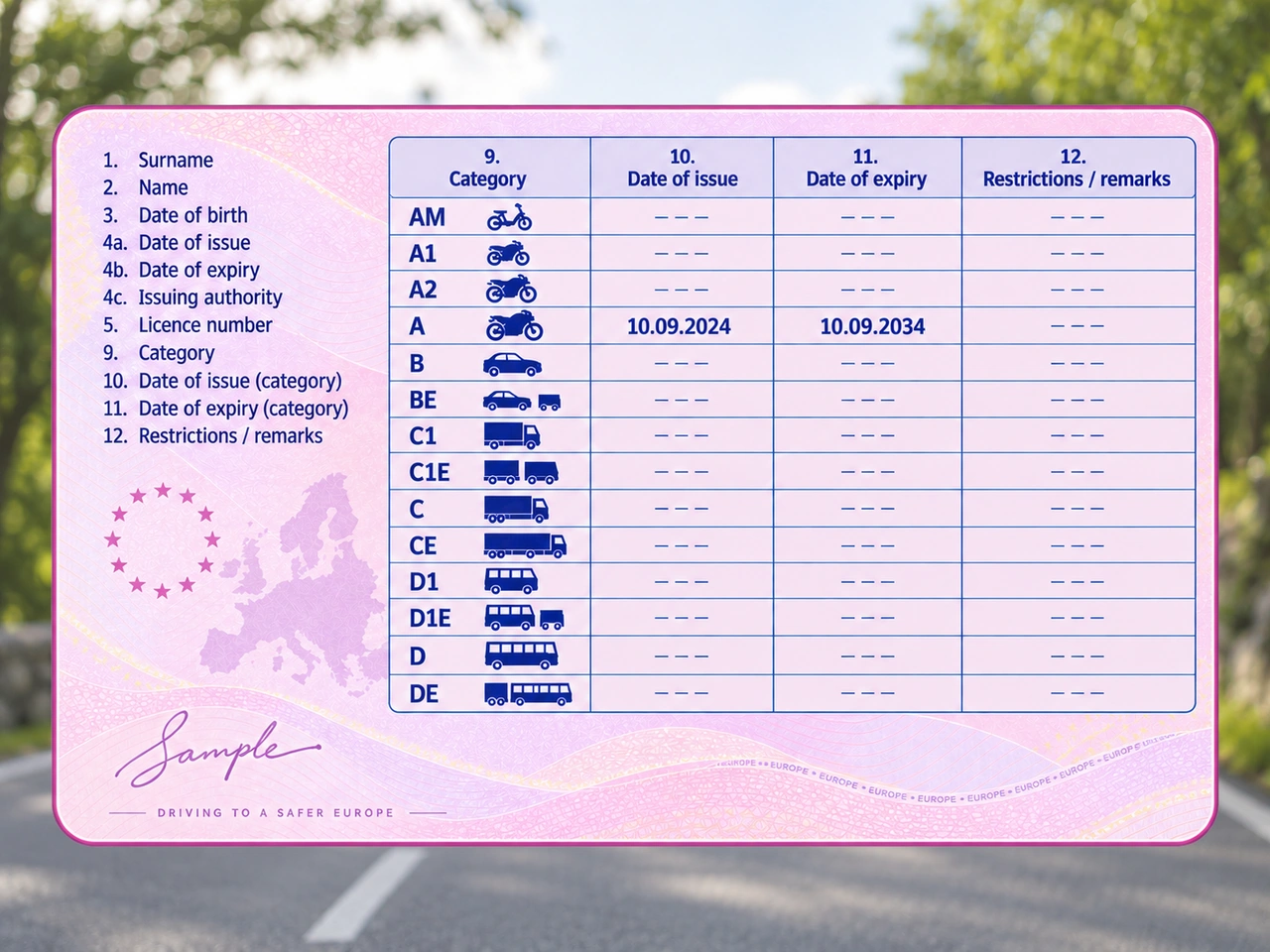
197. Which motorcycles are covered by driving licence A?
Category A covers motorcycles without the power restrictions that apply to categories A1 and A2. It also covers powered tricycles with power exceeding 15 kW.
AI-generated by Traffic-rules.com • WCIT • CC BY-SA
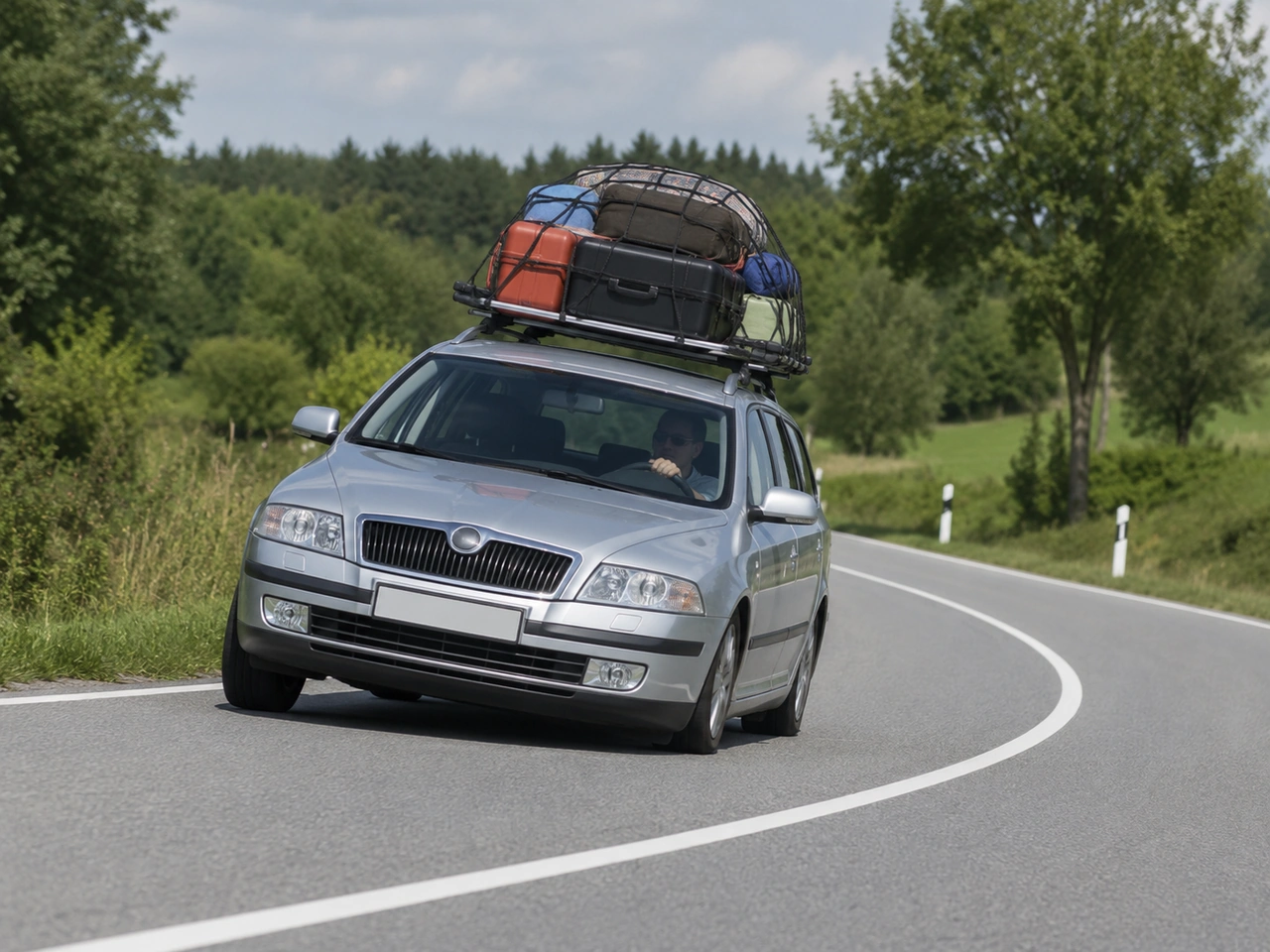
198. How can a roof load affect vehicle handling?
Weight carried high on the vehicle can increase body movement and make sudden steering or cornering less stable.
AI-generated by Traffic-rules.com • WCIT • CC BY-SA
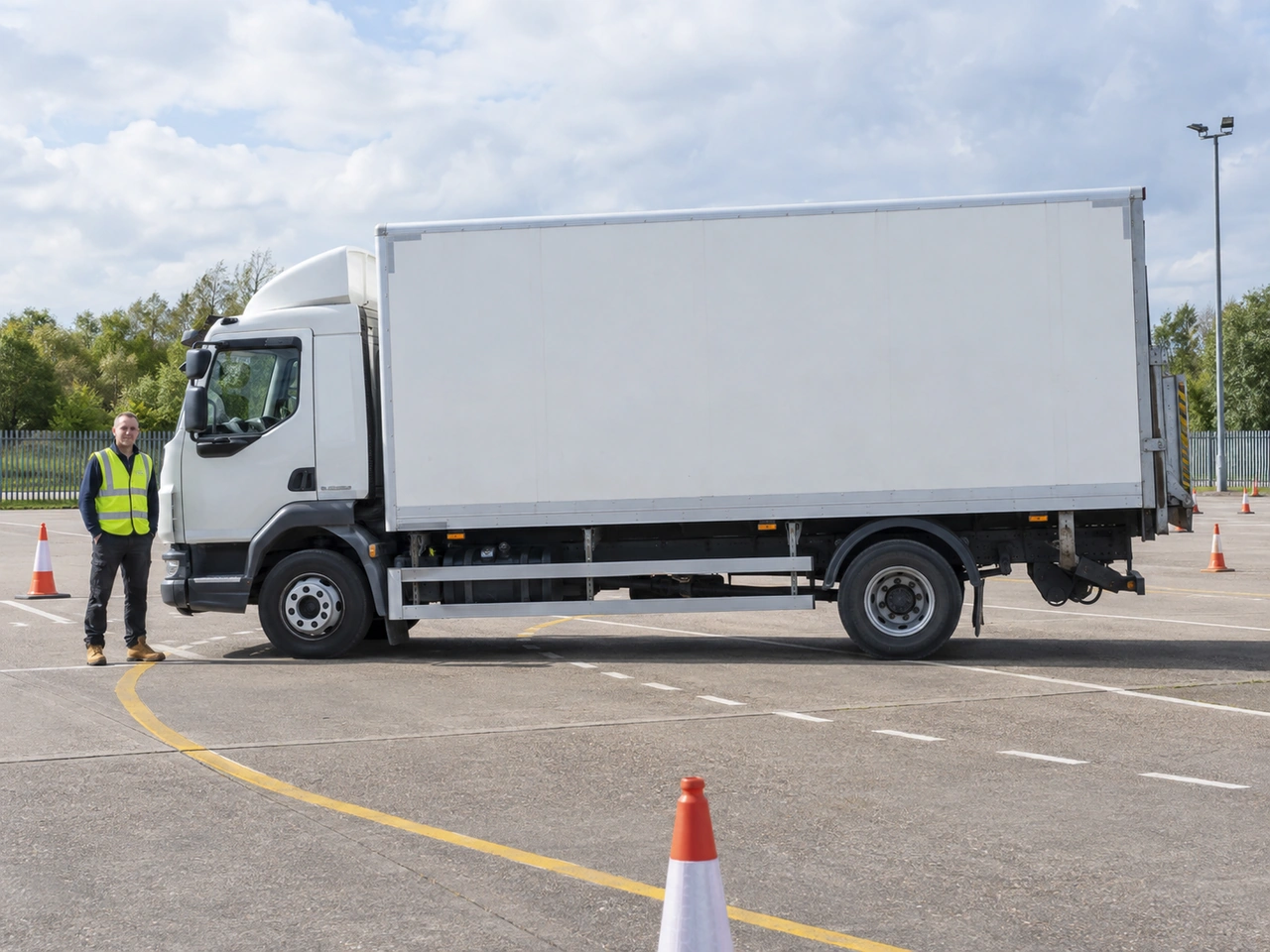
199. What is the minimum licence for a goods vehicle with a 7,500 kg maximum authorised mass?
Category C1 covers motor vehicles, other than categories D1 and D, with a maximum authorised mass above 3,500 kg and not exceeding 7,500 kg.
AI-generated by Traffic-rules.com • WCIT • CC BY-SA
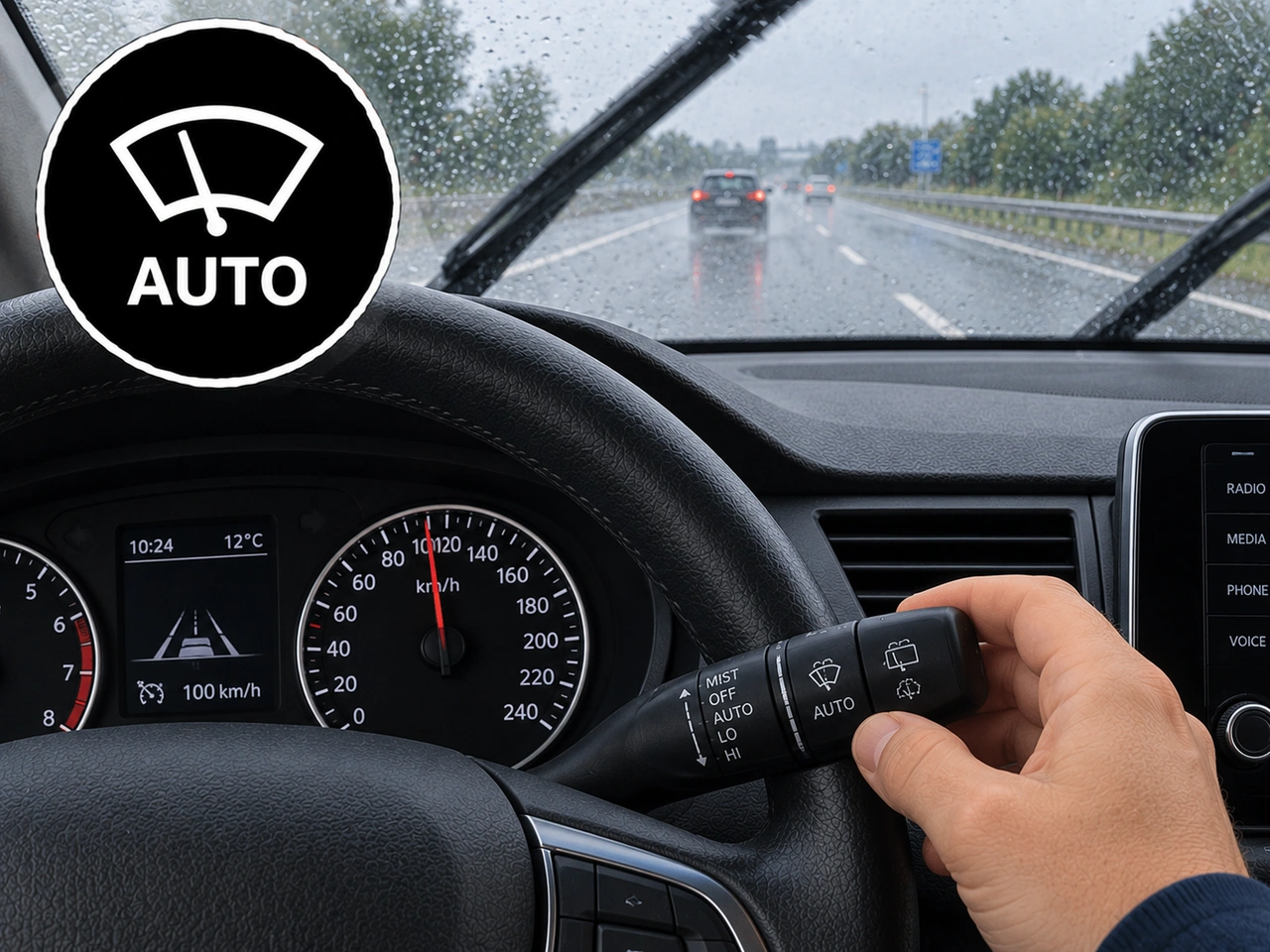
200. What does AUTO on a windscreen-wiper control normally do?
When AUTO is selected, a rain sensor can operate the windscreen wipers automatically and adjust their operation according to the amount of moisture detected on the windscreen.
AI-generated by Traffic-rules.com • WCIT • CC BY-SA