


QuizTraffic rulesPortugal
This interesting quiz helps you test your knowledge in a clear and visual way. With easy multiple-choice questions, you can quickly build confidence and learn new facts while keeping it simple, interactive, and fun.
 Traffic signs
 Traffic rules
 Portugal
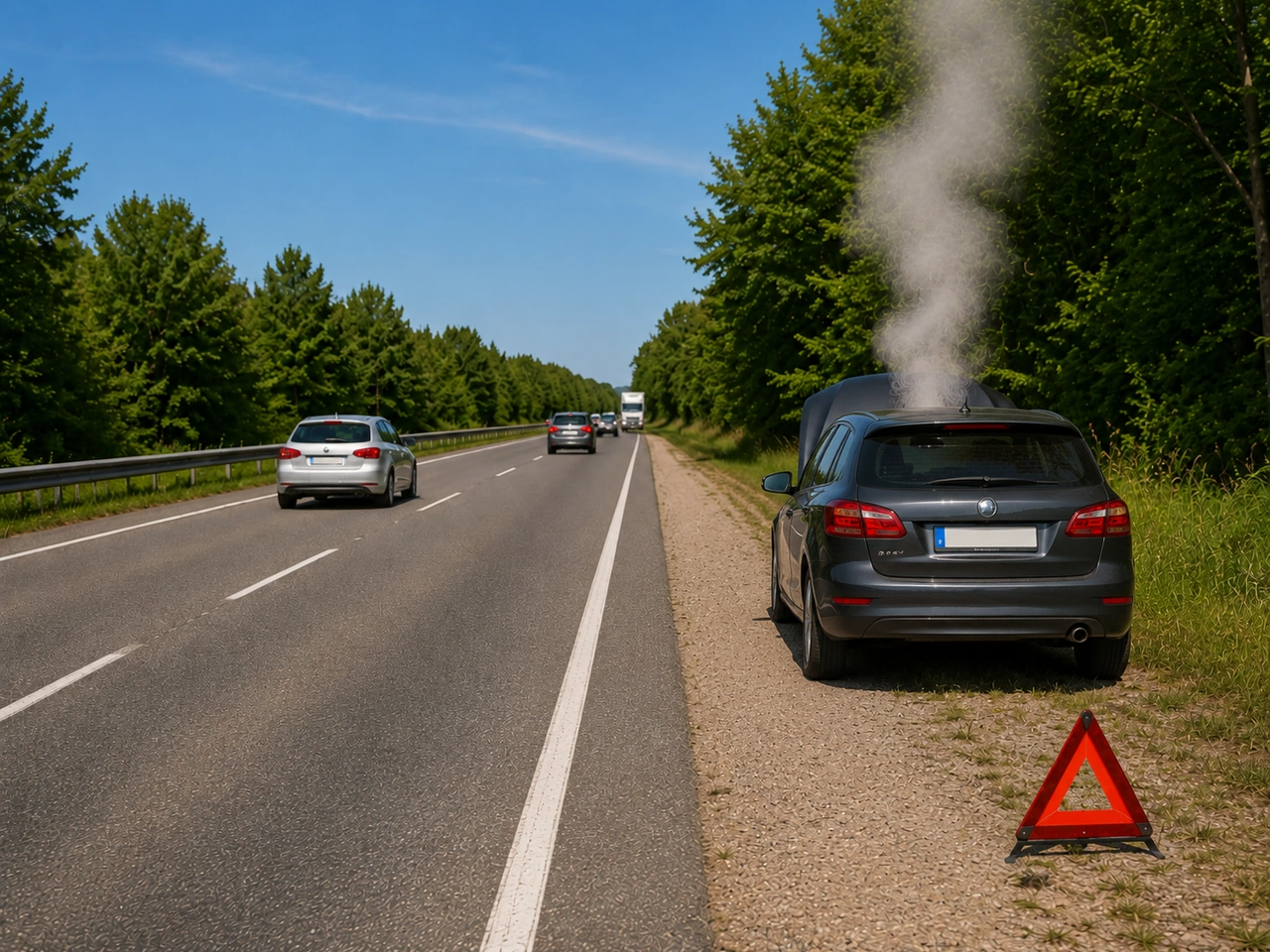
201. What should you do if steam begins coming from underneath the bonnet?
Steam can indicate an overheated and pressurised cooling system. Do not remove the coolant cap while the system is hot.
AI-generated by Traffic-rules.com • WCIT • CC BY-SA

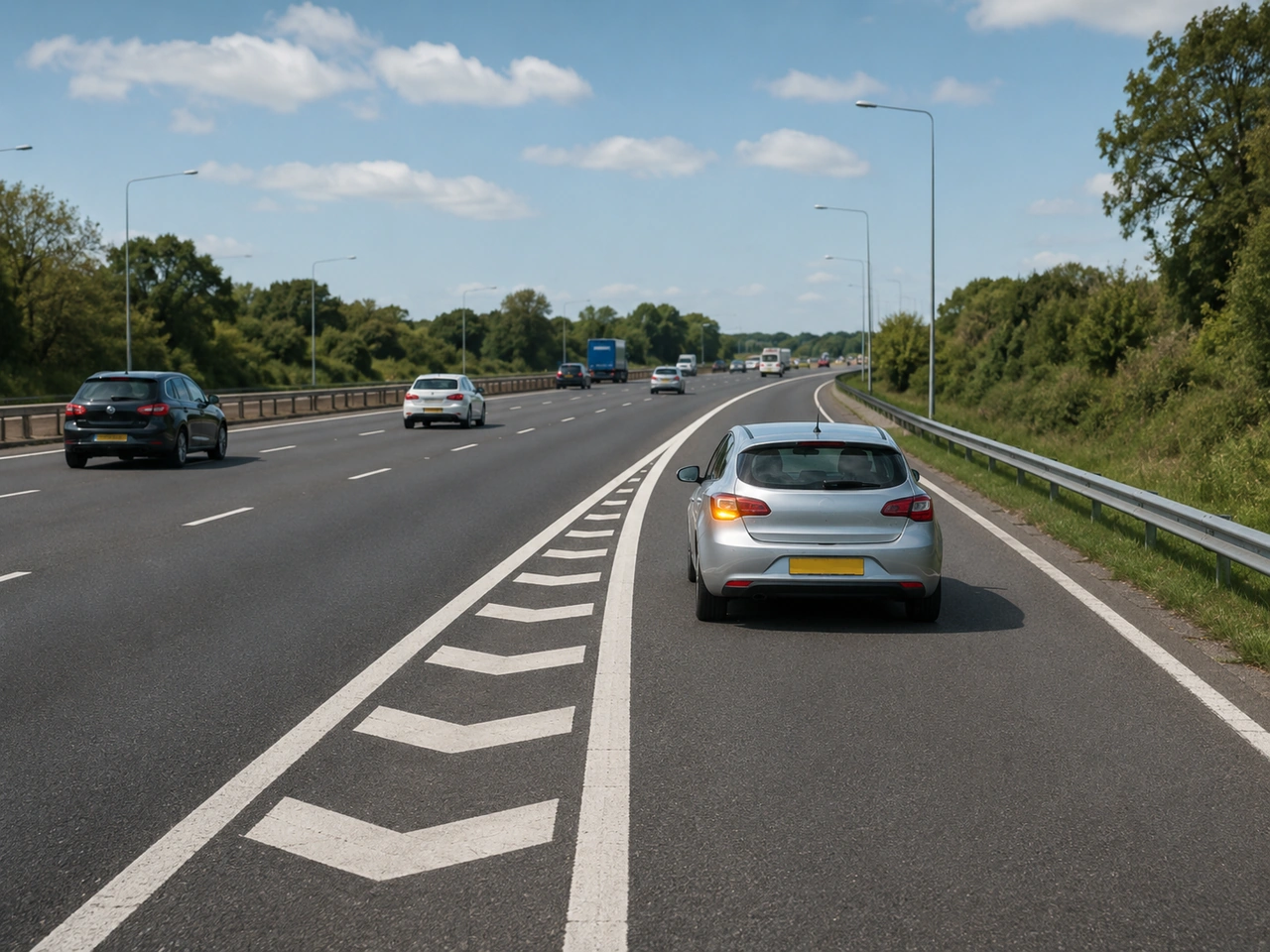
202. What should you do before joining a motorway?
Observe motorway traffic early, signal clearly, and merge only when there is a safe gap.
AI-generated by Traffic-rules.com • WCIT • CC BY-SA
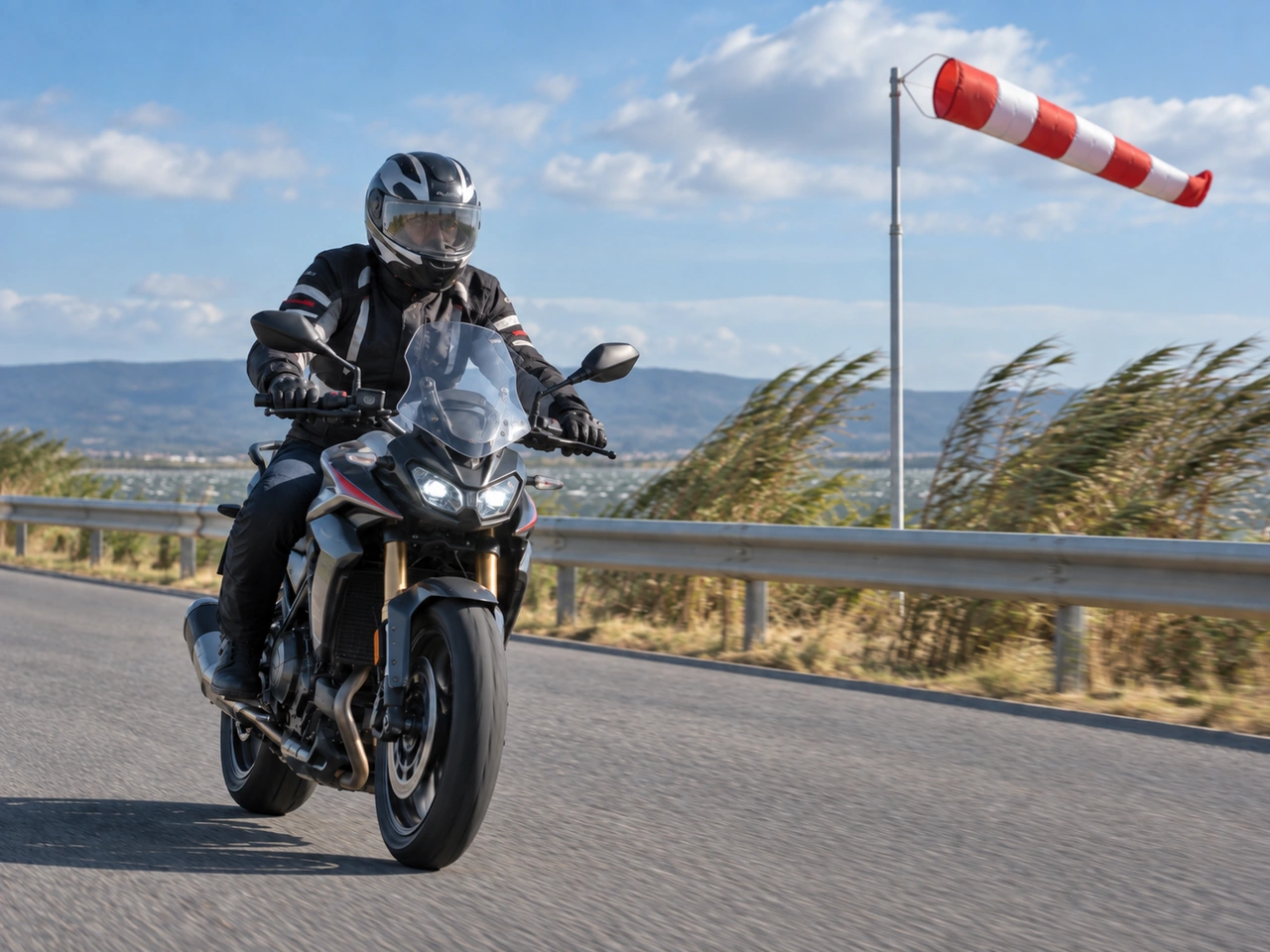
203. What should a motorcyclist do in strong crosswinds?
Strong crosswinds can push a motorcycle sideways and sudden gusts can affect its stability. Reduce speed, keep a steady grip on the handlebars and allow extra space, especially on exposed roads, bridges, or when passing gaps and large vehicles.
AI-generated by Traffic-rules.com • WCIT • CC BY-SA
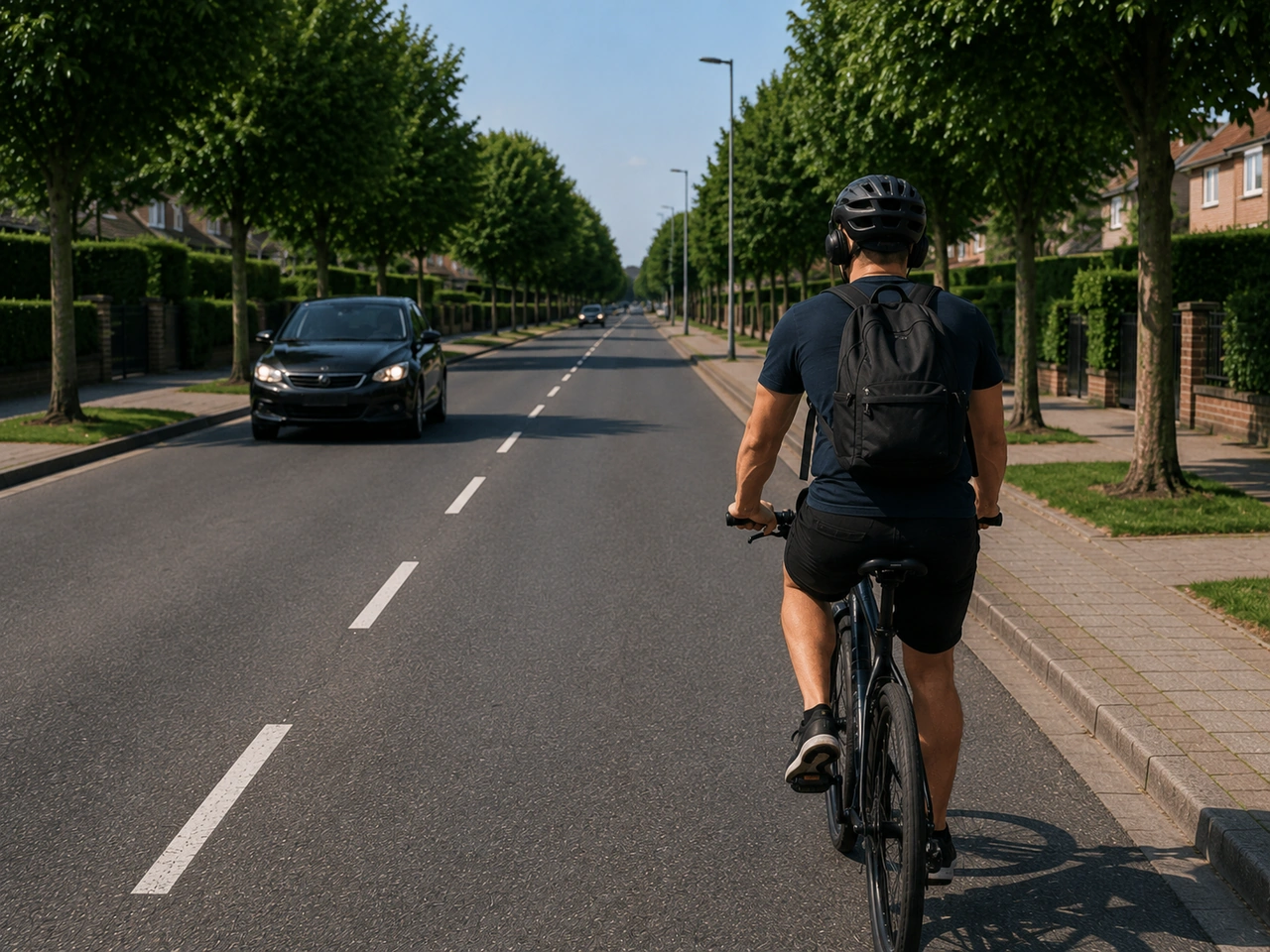
204. Why can loud music be dangerous while cycling?
Hearing approaching vehicles, bells, horns, and other warning sounds is an important part of staying aware.
AI-generated by Traffic-rules.com • WCIT • CC BY-SA
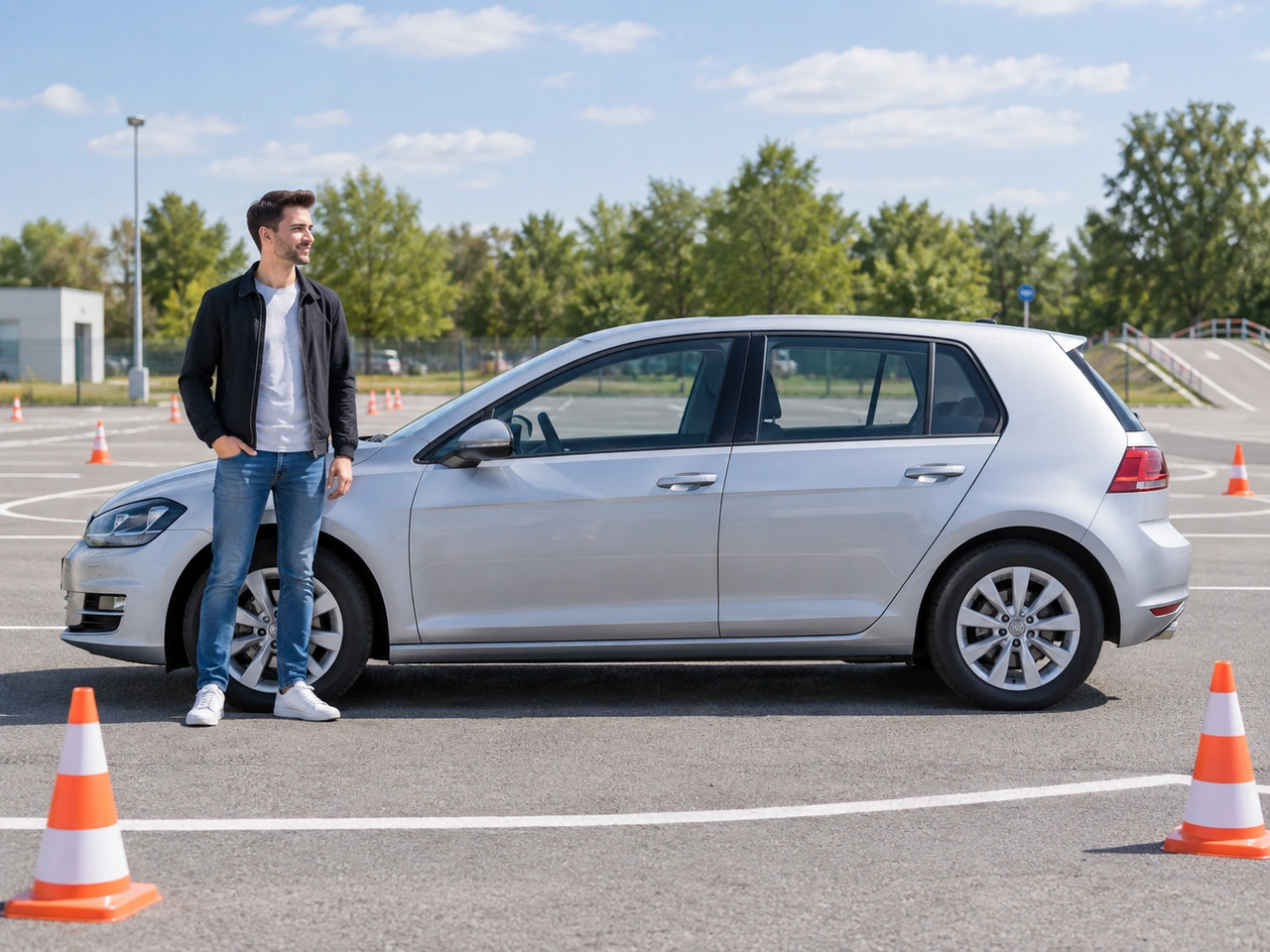
205. What is the minimum licence for a car with a maximum authorised mass of 3,500 kg?
Category B normally covers motor vehicles with a maximum authorised mass not exceeding 3,500 kg and designed to carry no more than eight passengers in addition to the driver.
AI-generated by Traffic-rules.com • WCIT • CC BY-SA
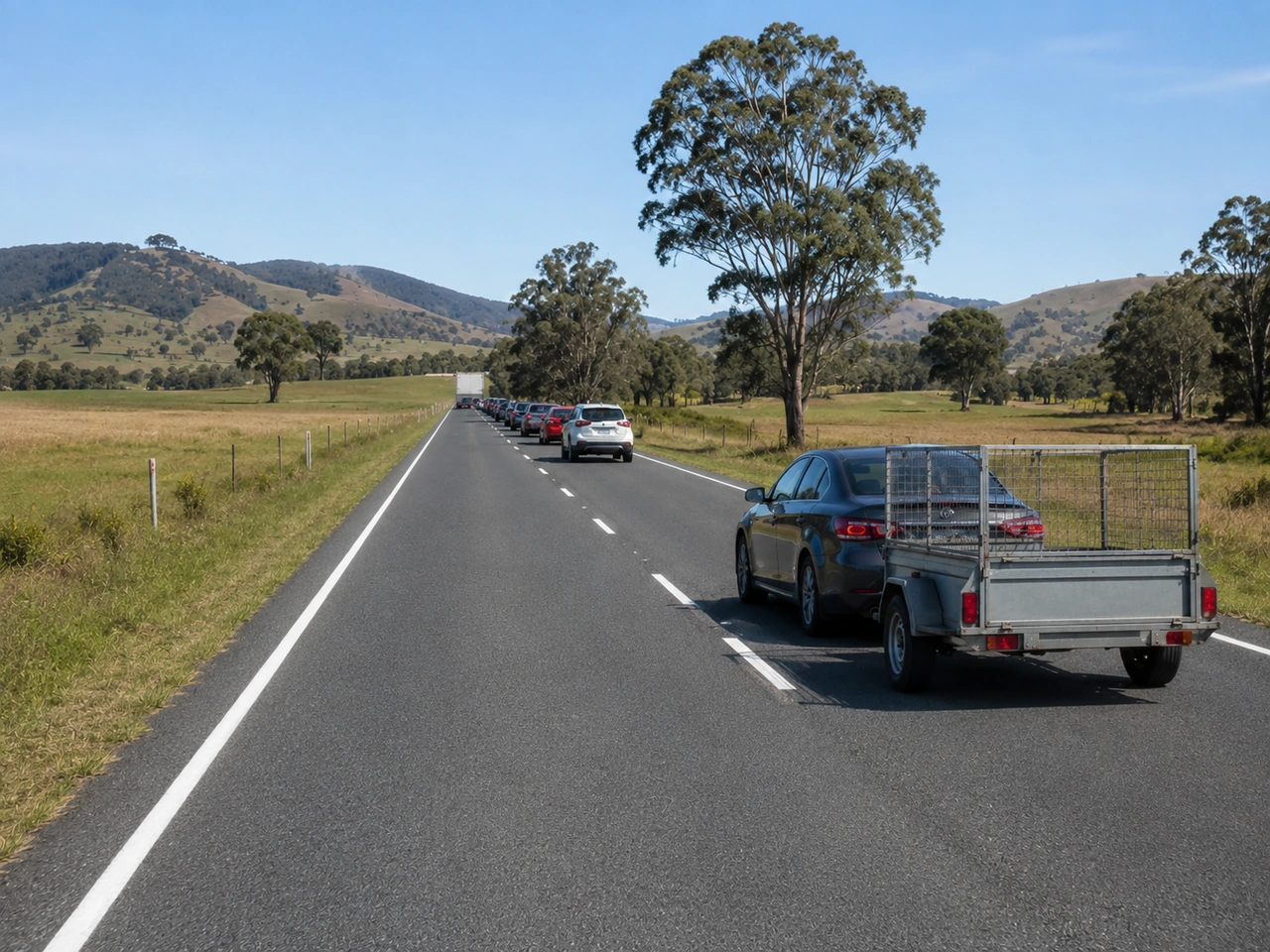
206. Why should you leave extra following distance when towing?
Towing adds weight and can increase stopping distance. Extra space gives you more time to react and brake smoothly.
AI-generated by Traffic-rules.com • WCIT • CC BY-SA
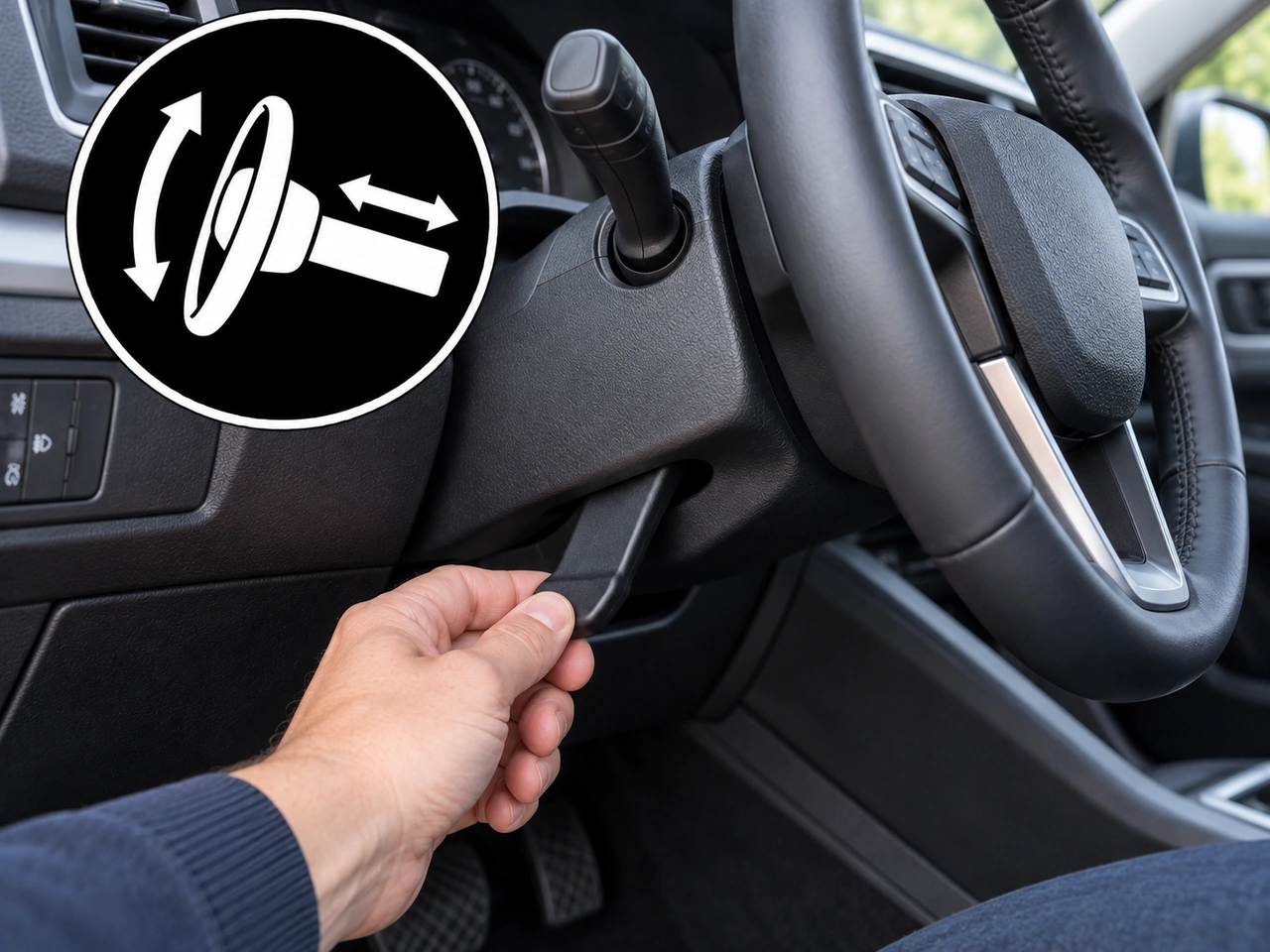
207. What does this vehicle-control symbol indicate?
This control adjusts the position of the steering wheel. Depending on the vehicle, the steering wheel may be moved up or down and forwards or backwards to obtain a safe and comfortable driving position.
AI-generated by Traffic-rules.com • WCIT • CC BY-SA
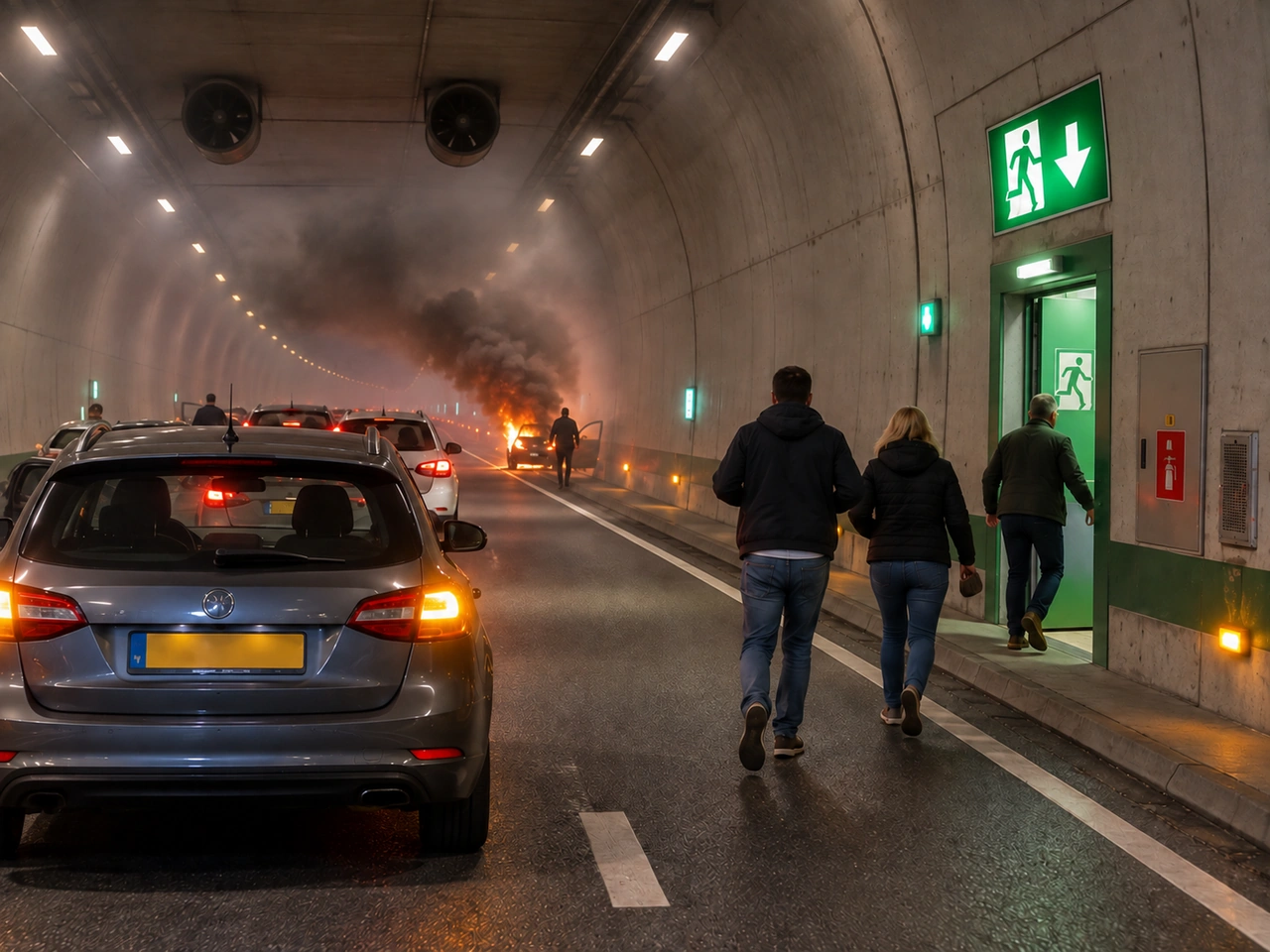
208. What should you do if you see smoke or fire inside a tunnel?
If it is safe to drive out of the tunnel, do so. If you cannot continue safely, stop, switch off the engine, leave the vehicle, and use the marked emergency exits or refuge routes. Follow tunnel-control instructions.
AI-generated by Traffic-rules.com • WCIT • CC BY-SA
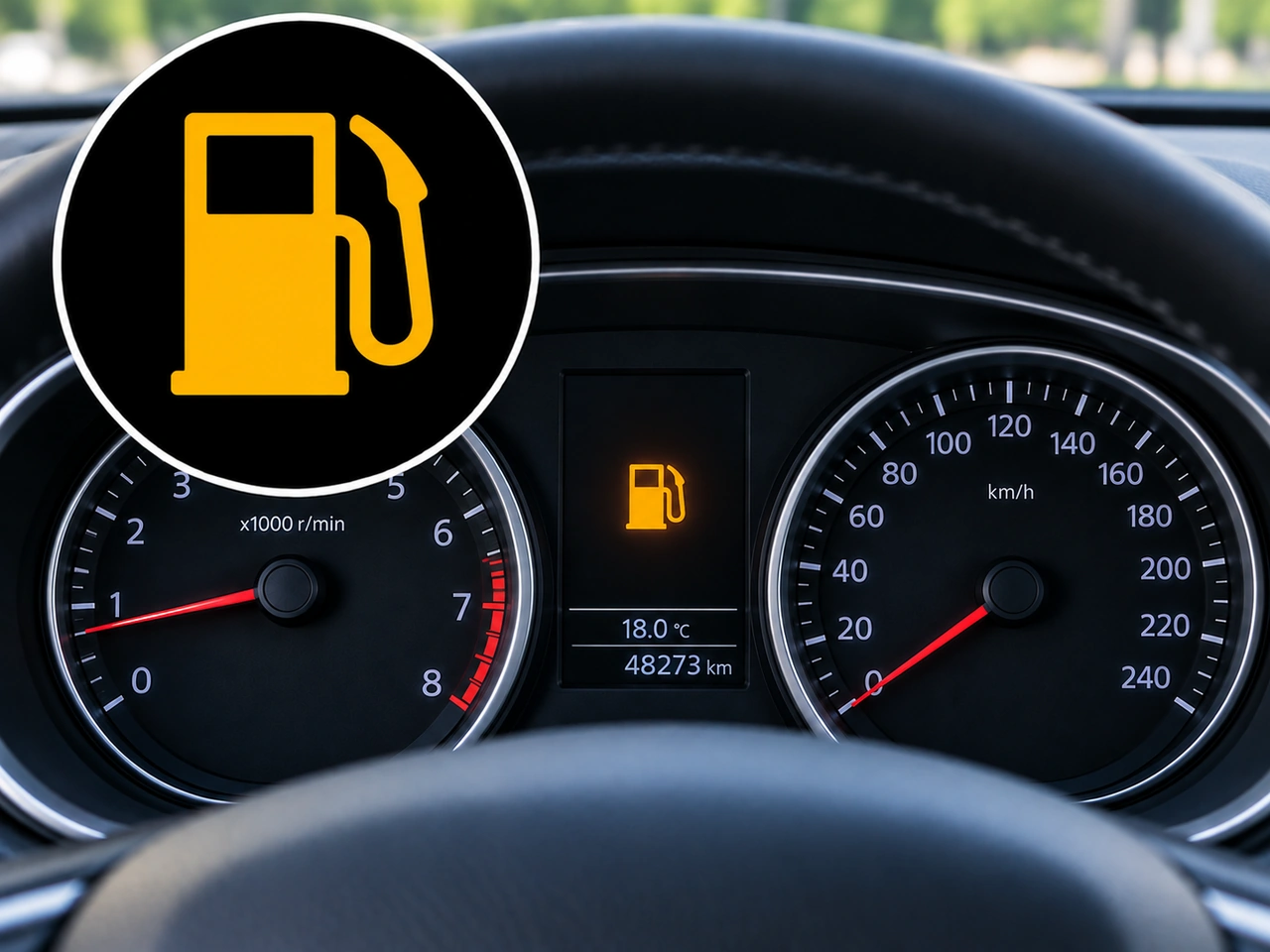
209. What does this dashboard symbol indicate?
This symbol indicates that the fuel level is low. Refuel soon to reduce the risk of running out of fuel.
AI-generated by Traffic-rules.com • WCIT • CC BY-SA
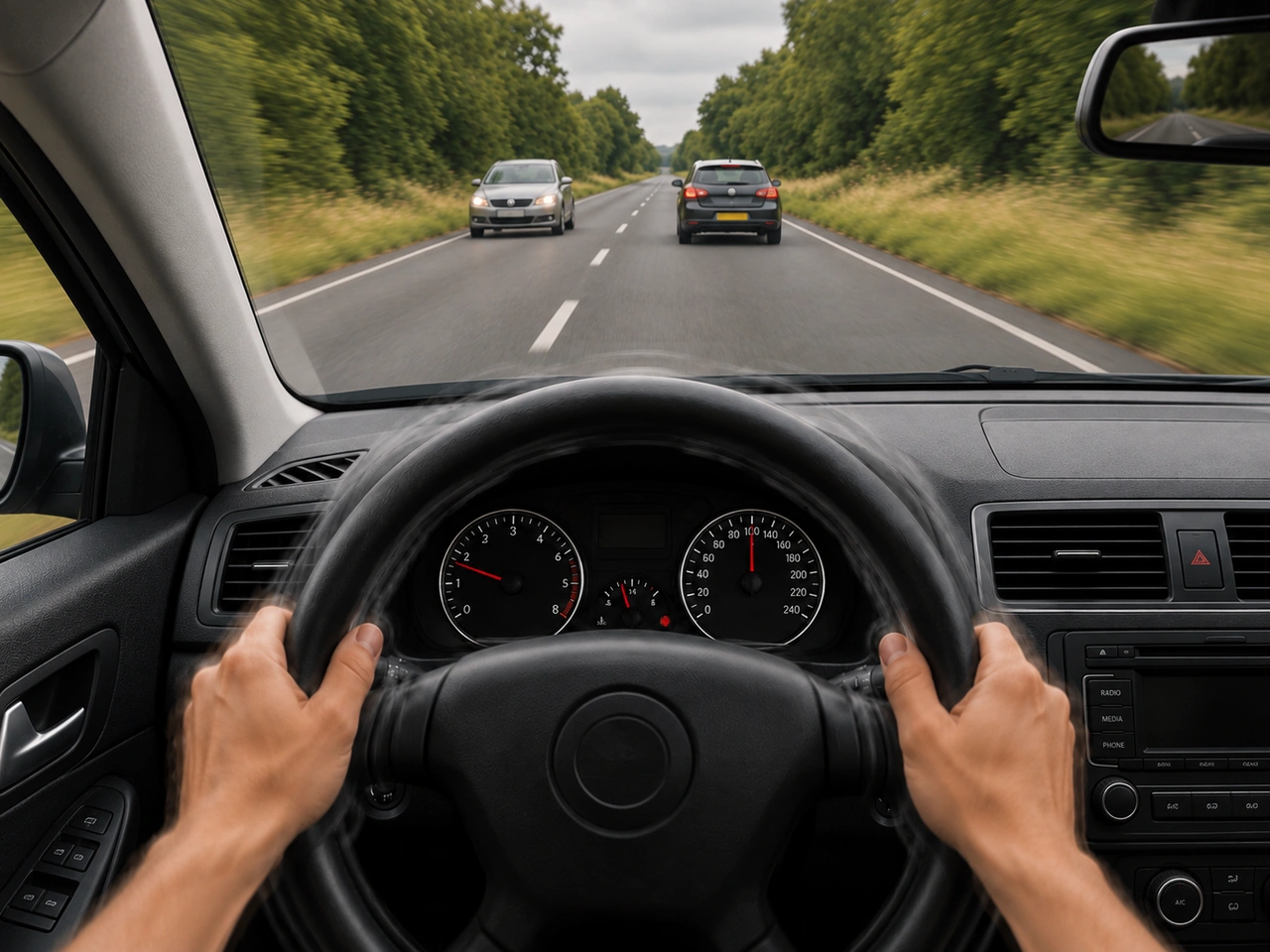
210. What should you do if an unusual vibration develops in the steering wheel?
An unusual vibration may indicate tyre damage, wheel imbalance, loose components, or another mechanical fault. Reduce speed and arrange an inspection.
AI-generated by Traffic-rules.com • WCIT • CC BY-SA
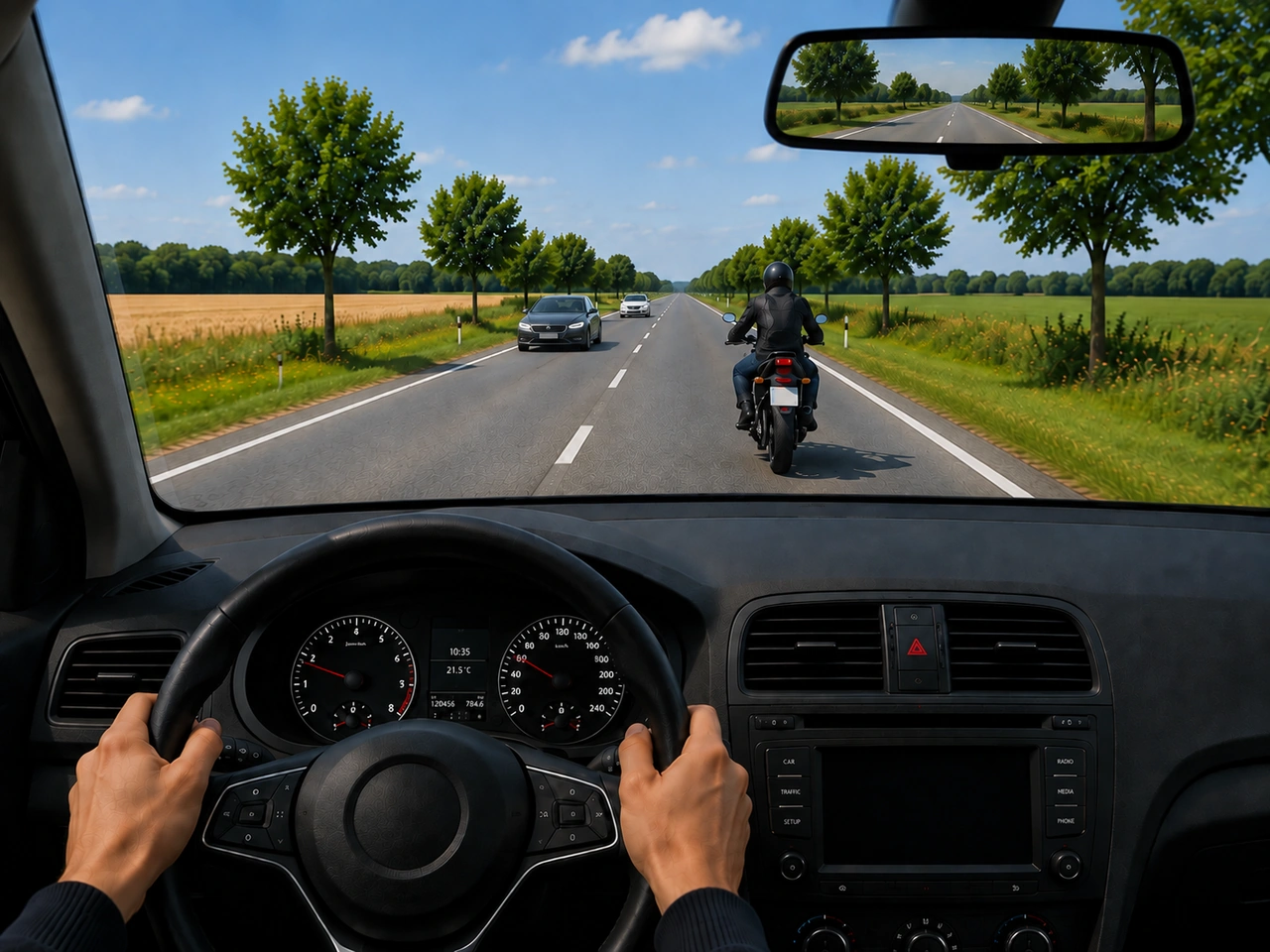
211. Why should you leave extra space behind a motorcycle?
Motorcyclists are more exposed than car drivers. Extra following distance gives you more time to react safely.
AI-generated by Traffic-rules.com • WCIT • CC BY-SA
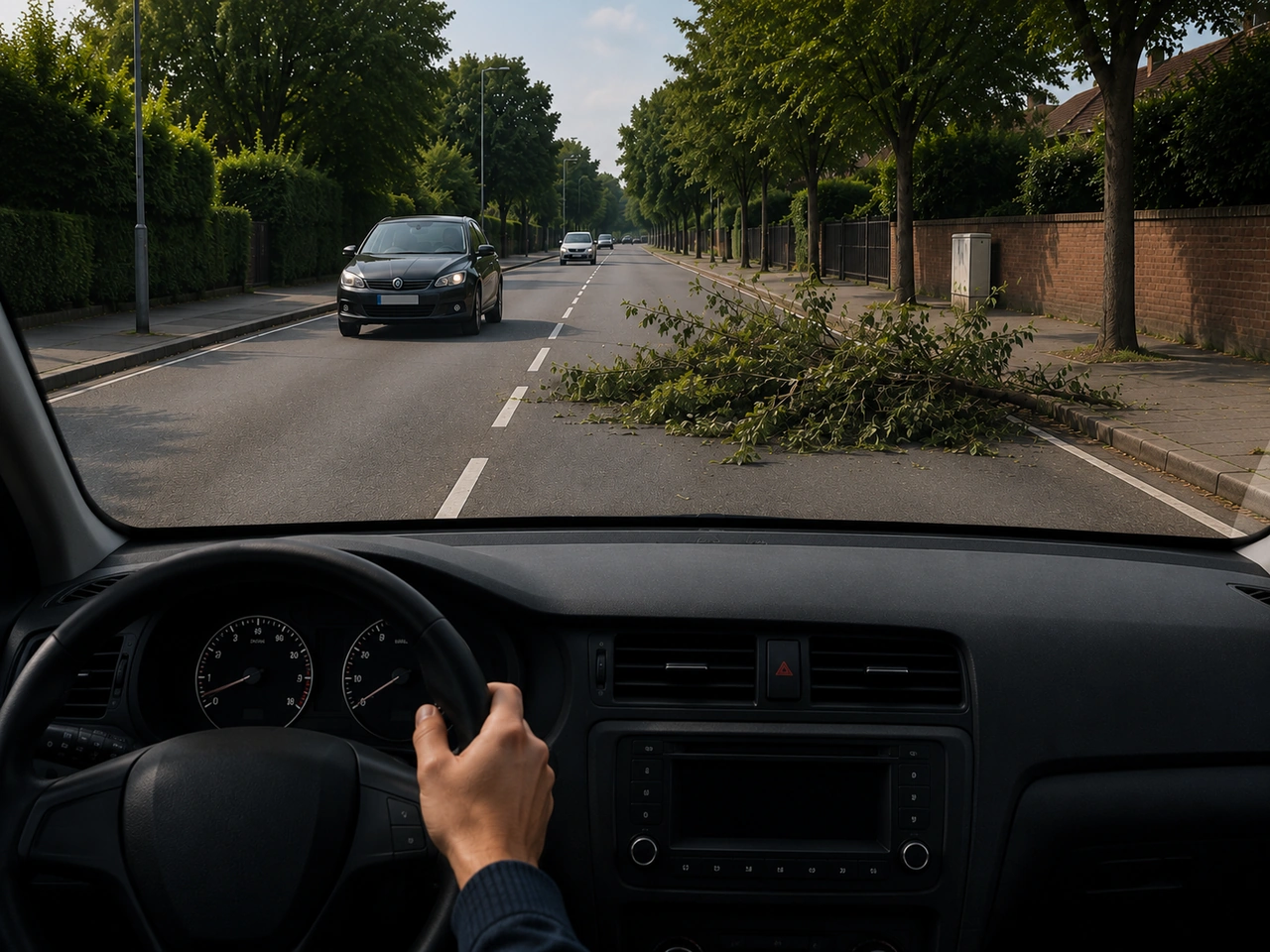
212. What should you do if your lane is blocked by an obstacle?
If your lane is blocked, reduce speed, check mirrors and oncoming traffic, and only move around the obstacle when it is safe.
AI-generated by Traffic-rules.com • WCIT • CC BY-SA
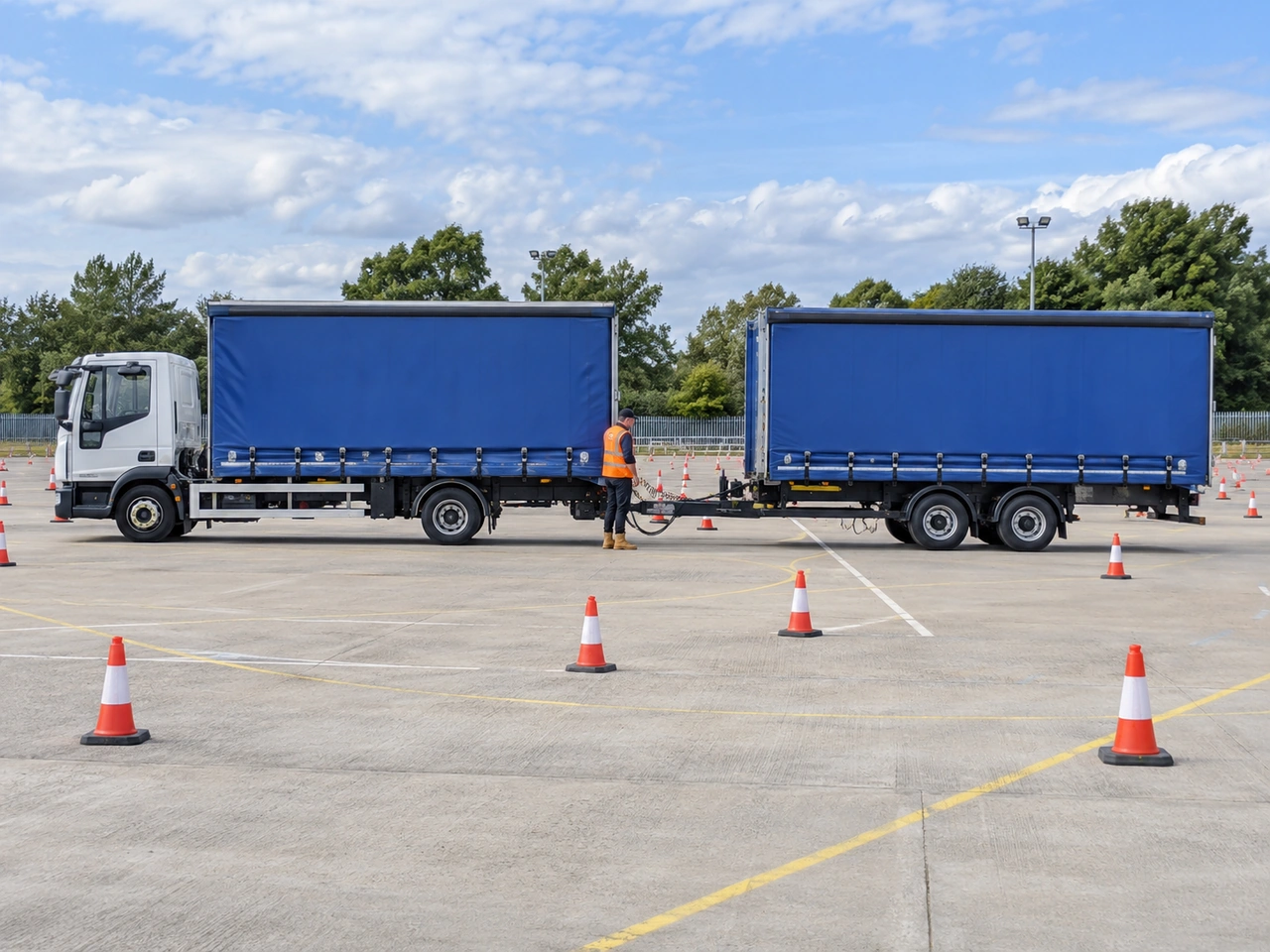
213. What is the minimum licence for a 12,000 kg C1 combination with a trailer over 750 kg?
Category C1E covers a category C1 vehicle towing a trailer or semi-trailer over 750 kg, provided the maximum authorised mass of the combination does not exceed 12,000 kg.
AI-generated by Traffic-rules.com • WCIT • CC BY-SA
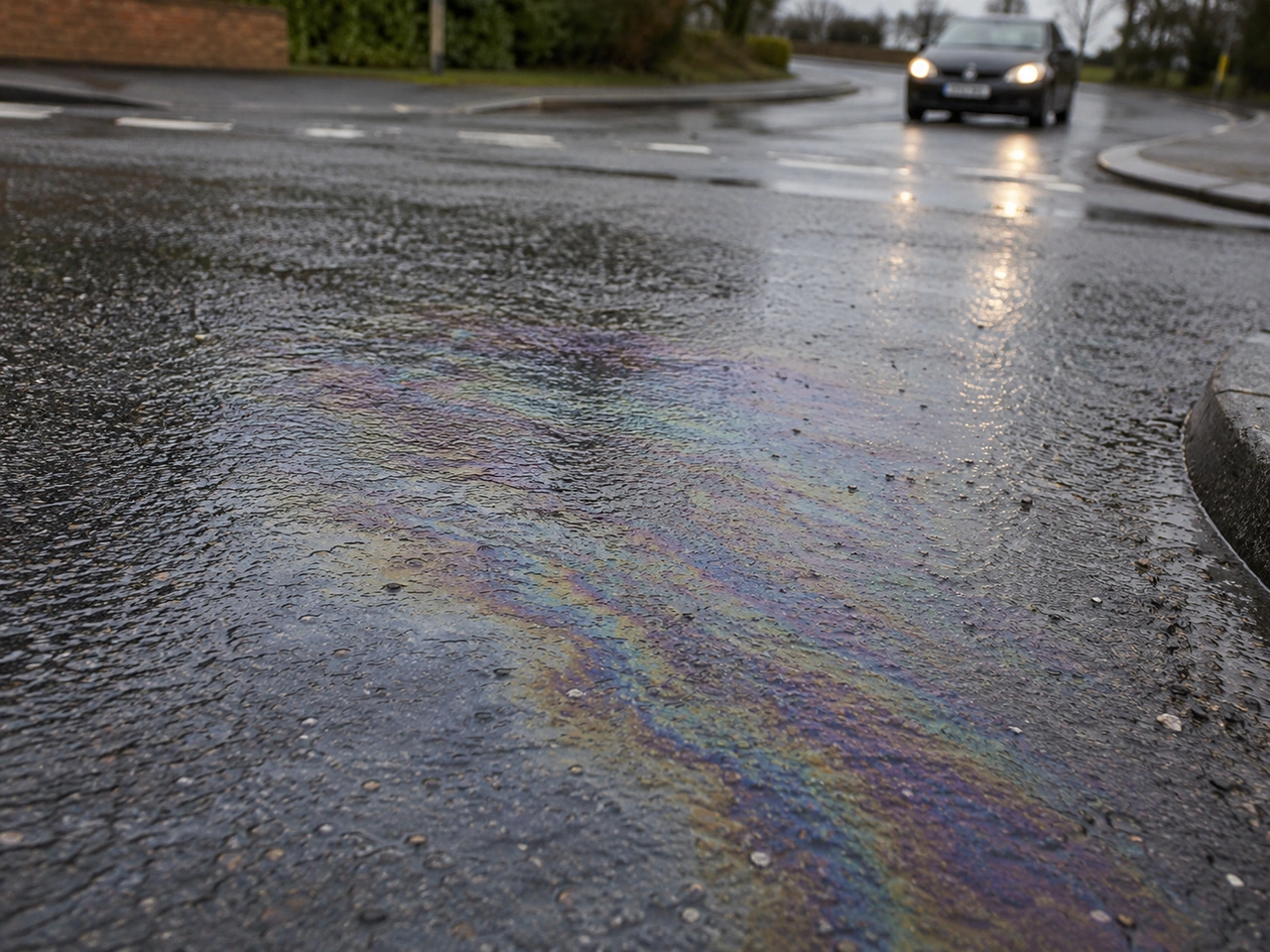
214. Why are roads especially slippery during rain after a dry period?
After a dry period, oil and dirt can build up on the road. The first rain mixes with them and can make the surface very slippery.
AI-generated by Traffic-rules.com • WCIT • CC BY-SA
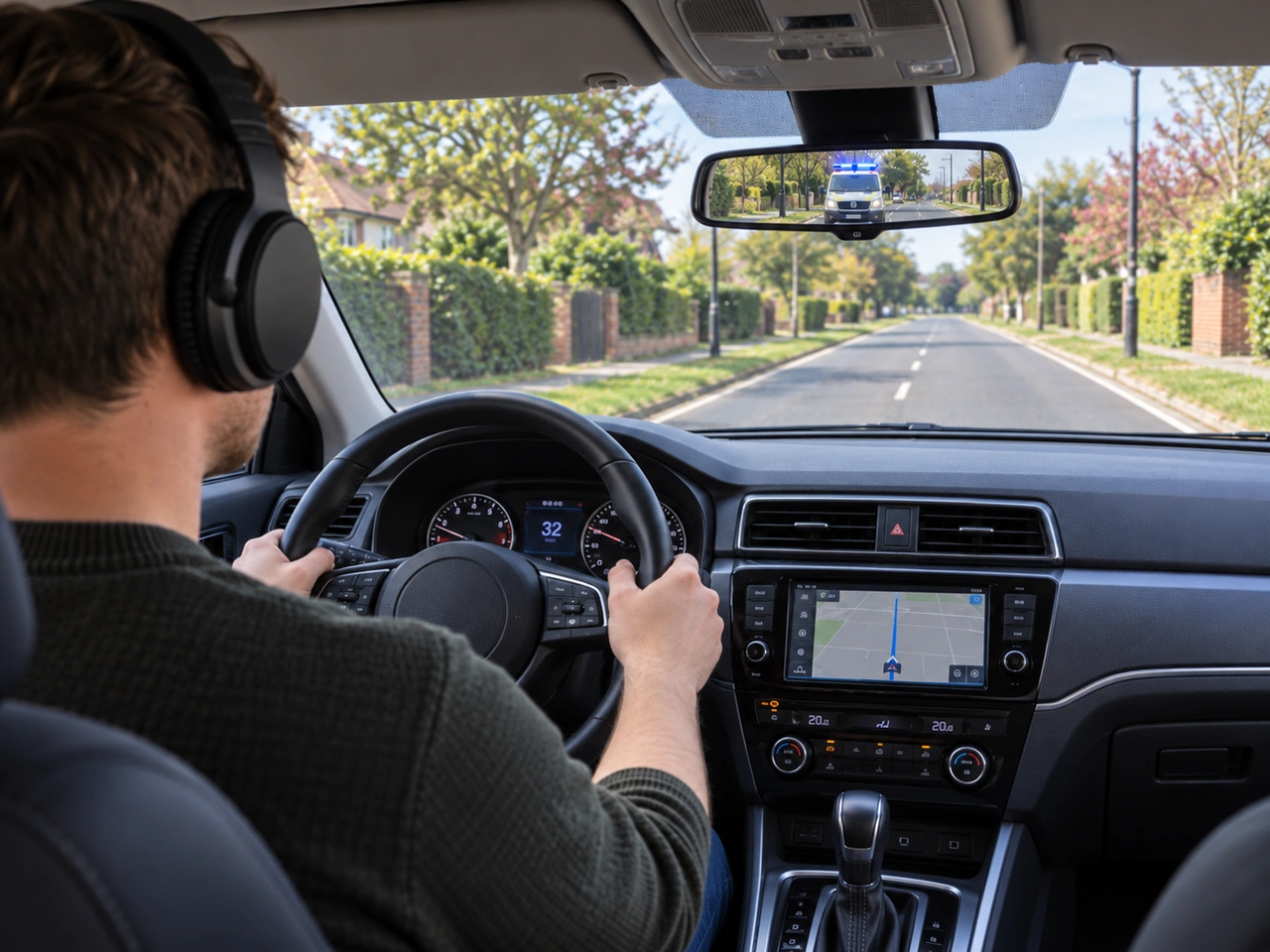
215. Why can headphones or very loud music be dangerous while driving?
Headphones or very loud music can reduce your awareness of horns, sirens, warning sounds, and surrounding traffic. Keep the volume at a level that allows you to remain aware of what is happening around the vehicle.
AI-generated by Traffic-rules.com • WCIT • CC BY-SA
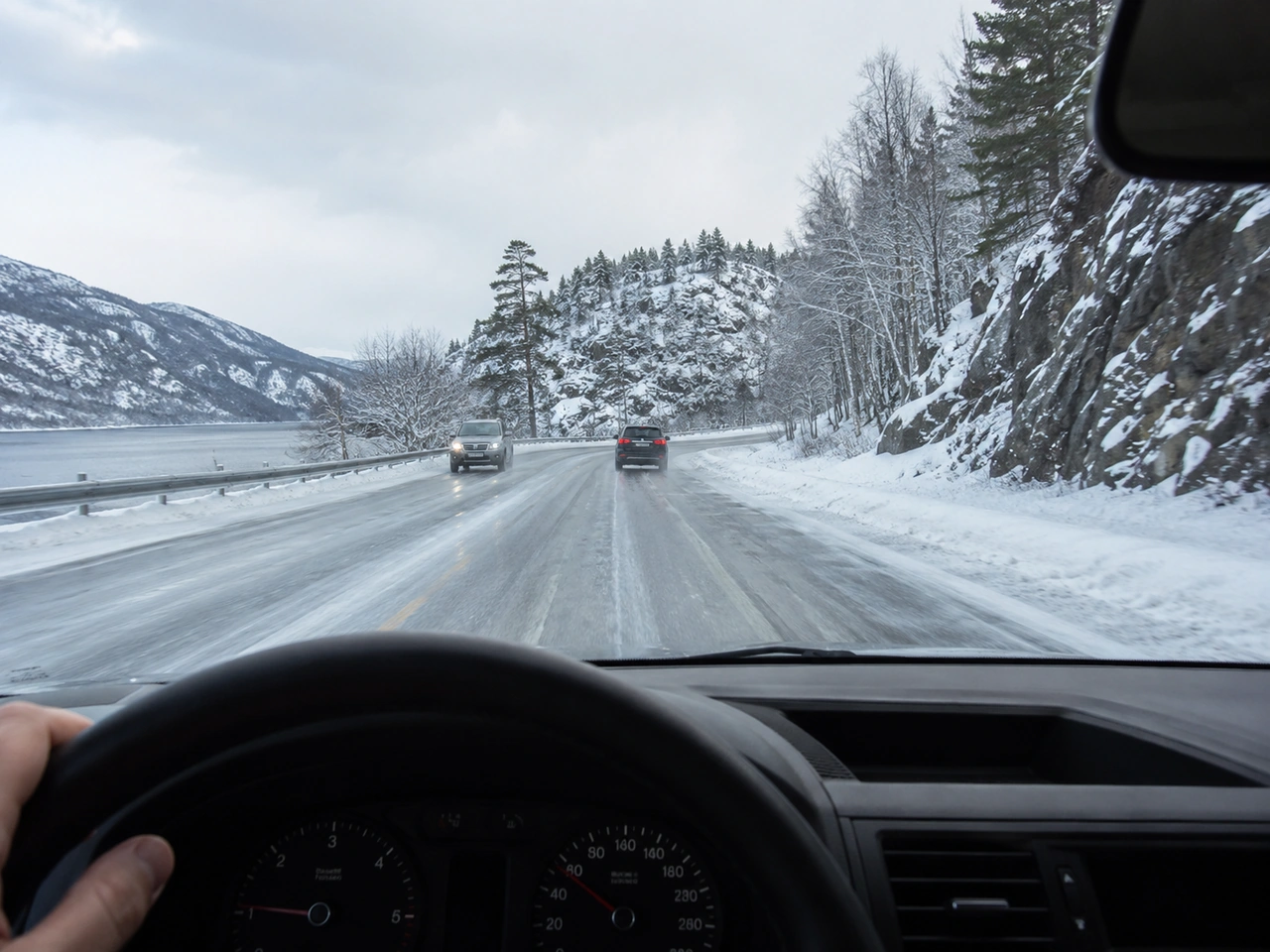
216. How should you brake on a slippery road?
Sudden braking can cause the wheels to lose grip. Smooth, progressive braking reduces the risk of skidding.
AI-generated by Traffic-rules.com • WCIT • CC BY-SA
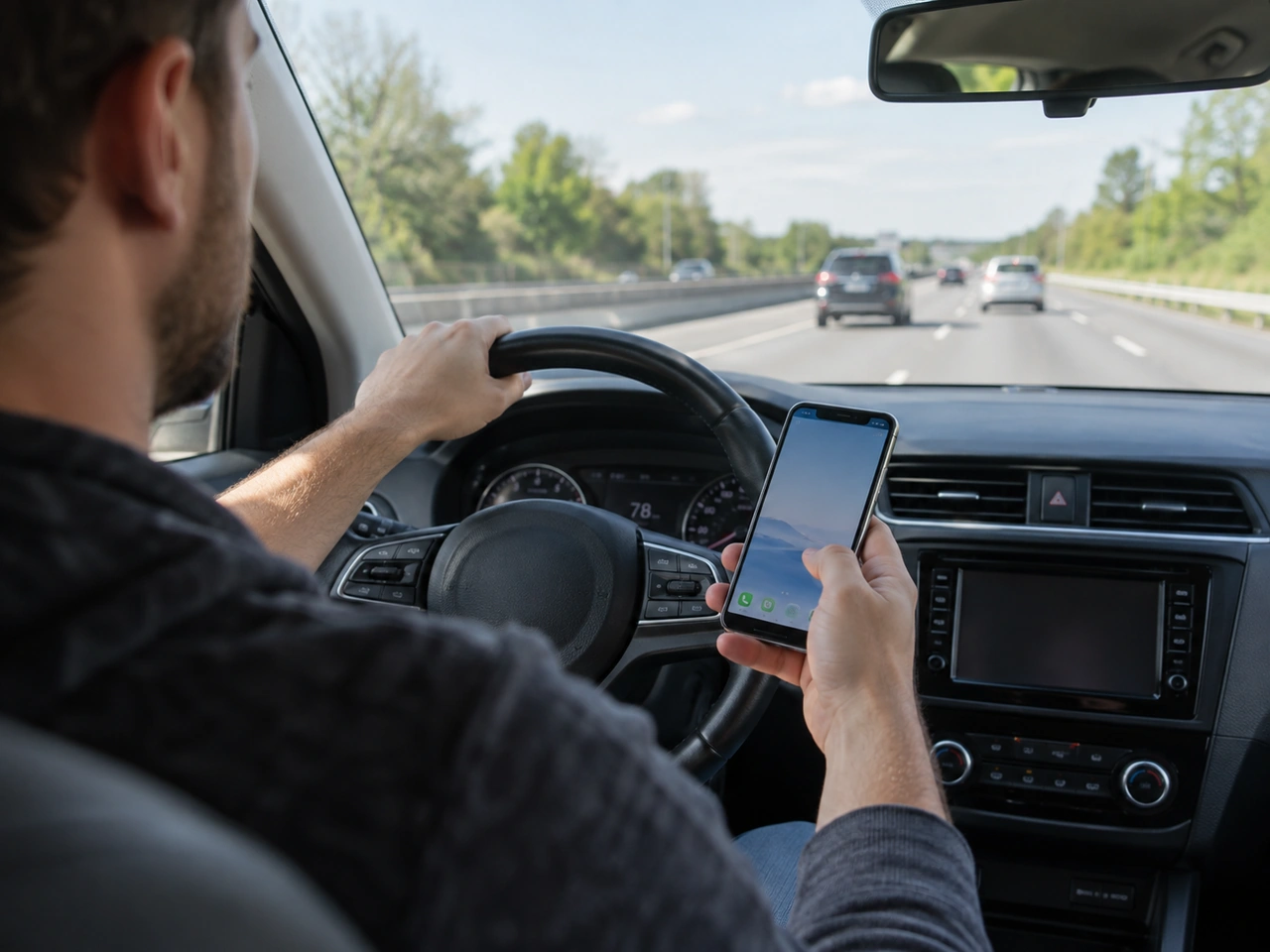
217. Can drivers use a handheld phone while driving in Portugal?
Drivers in Portugal are generally not allowed to use a handheld phone while driving.
AI-generated by Traffic-rules.com • WCIT • CC BY-SA
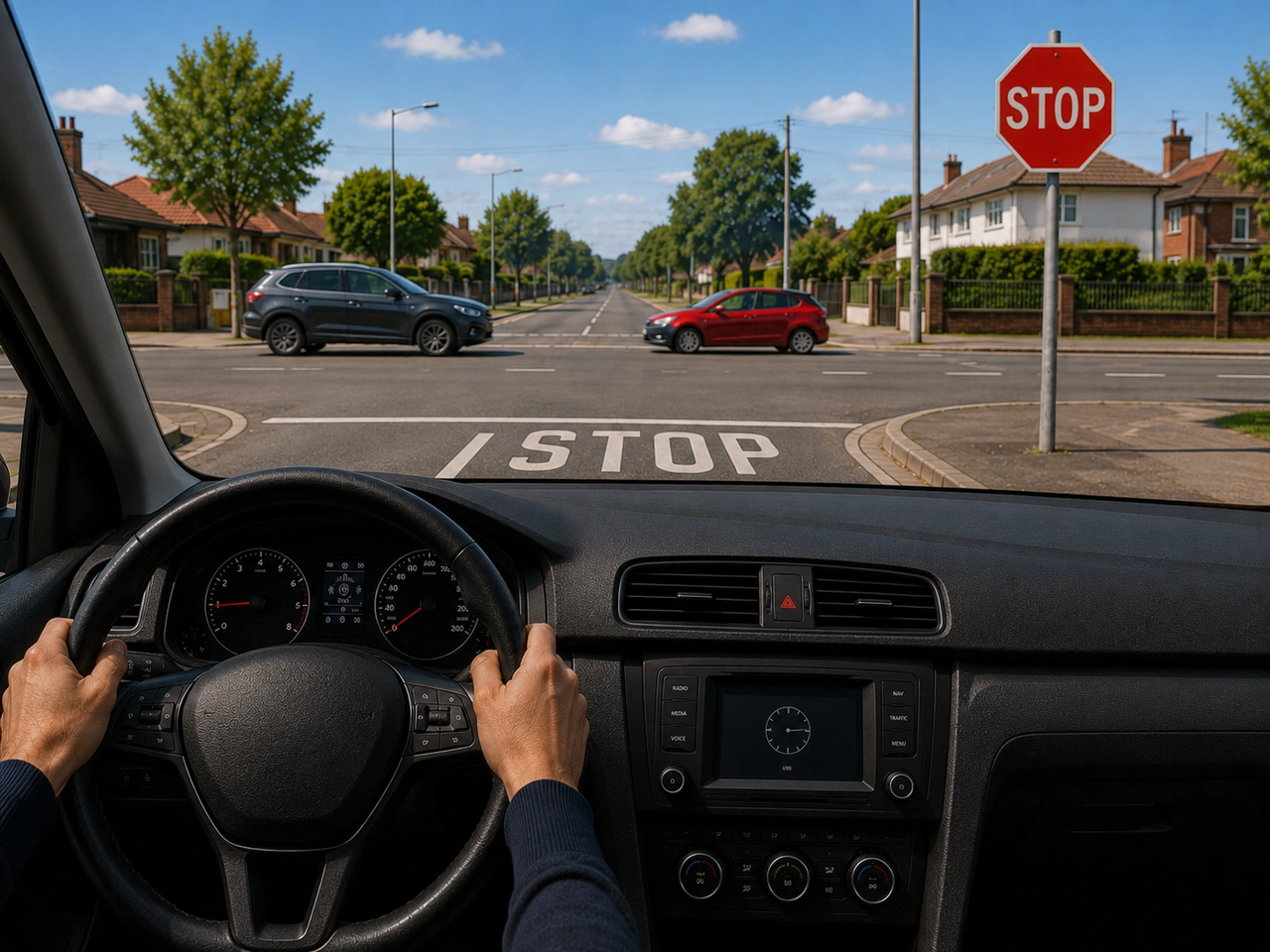
218. What should you do when approaching a stop sign?
A stop sign requires you to come to a complete stop at the required position. Check carefully for other road users and proceed only when it is safe.
AI-generated by Traffic-rules.com • WCIT • CC BY-SA
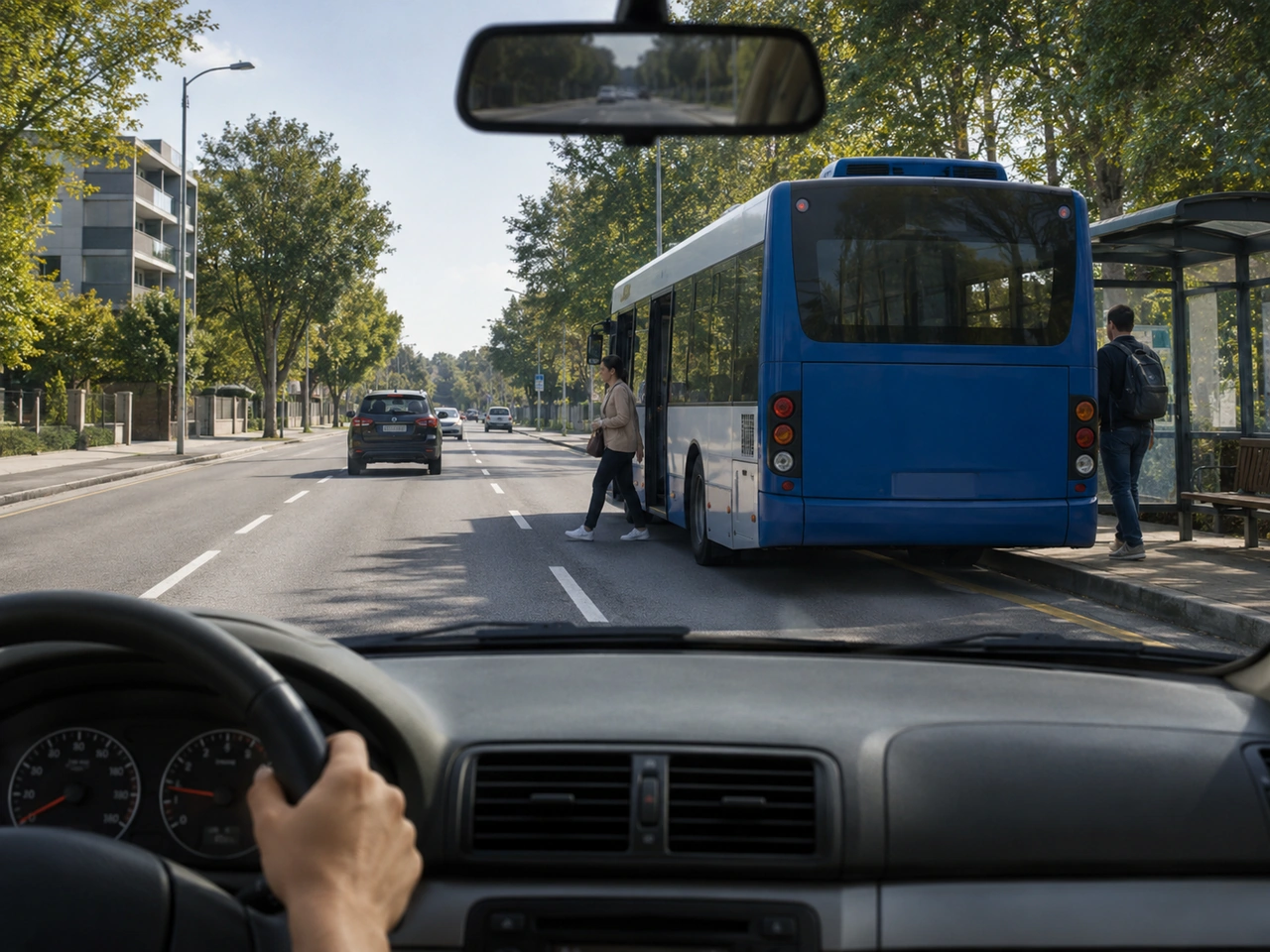
219. Why should you be careful when driving beside a bus at a stop?
Stopped buses can hide pedestrians, and passengers may cross unexpectedly. Slow down and be ready to react.
AI-generated by Traffic-rules.com • WCIT • CC BY-SA
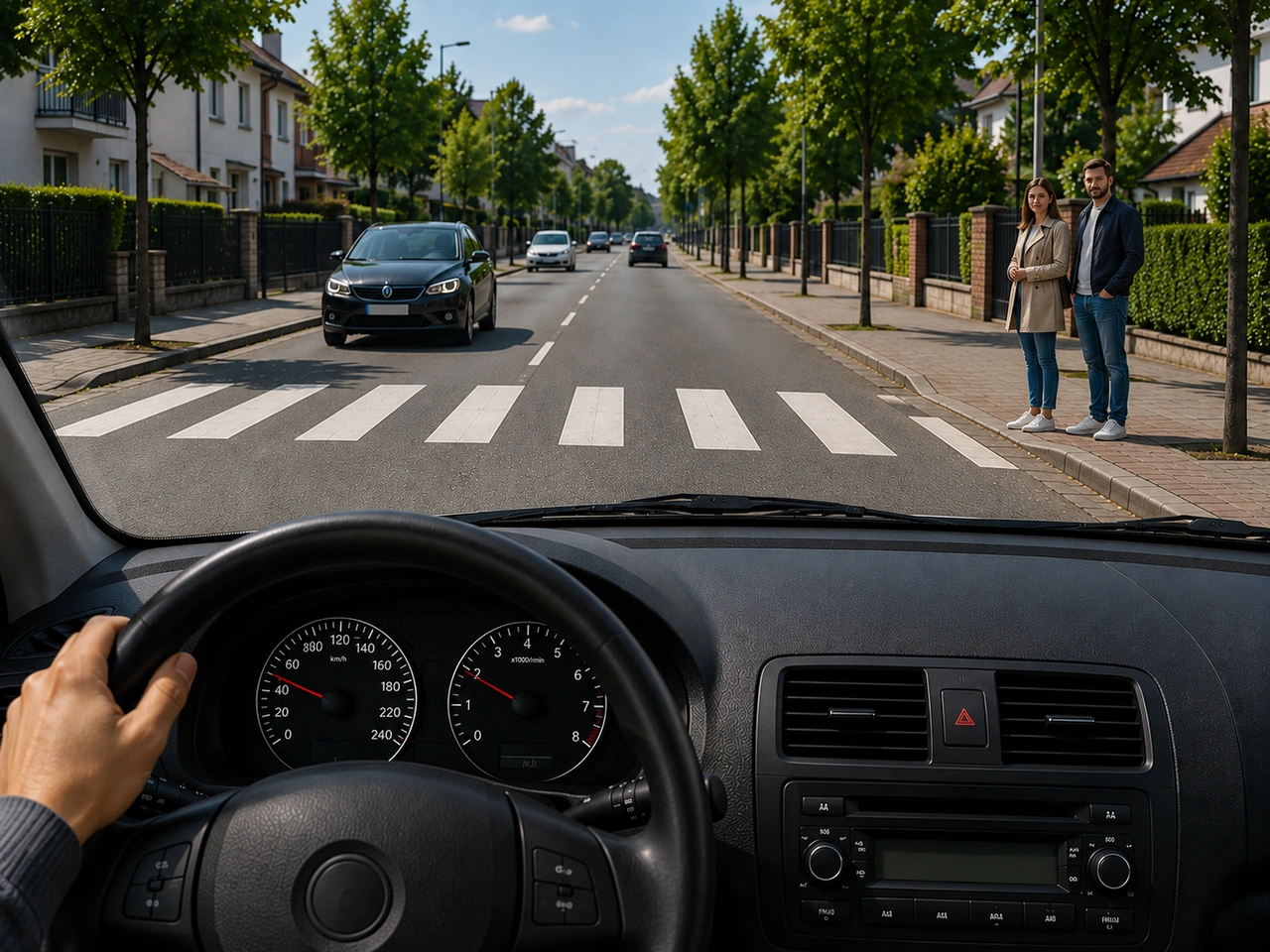
220. What should you do when people are waiting at a pedestrian crossing?
When people are waiting near a pedestrian crossing, reduce your speed and be ready to stop. Pedestrians may begin crossing at any moment.
AI-generated by Traffic-rules.com • WCIT • CC BY-SA
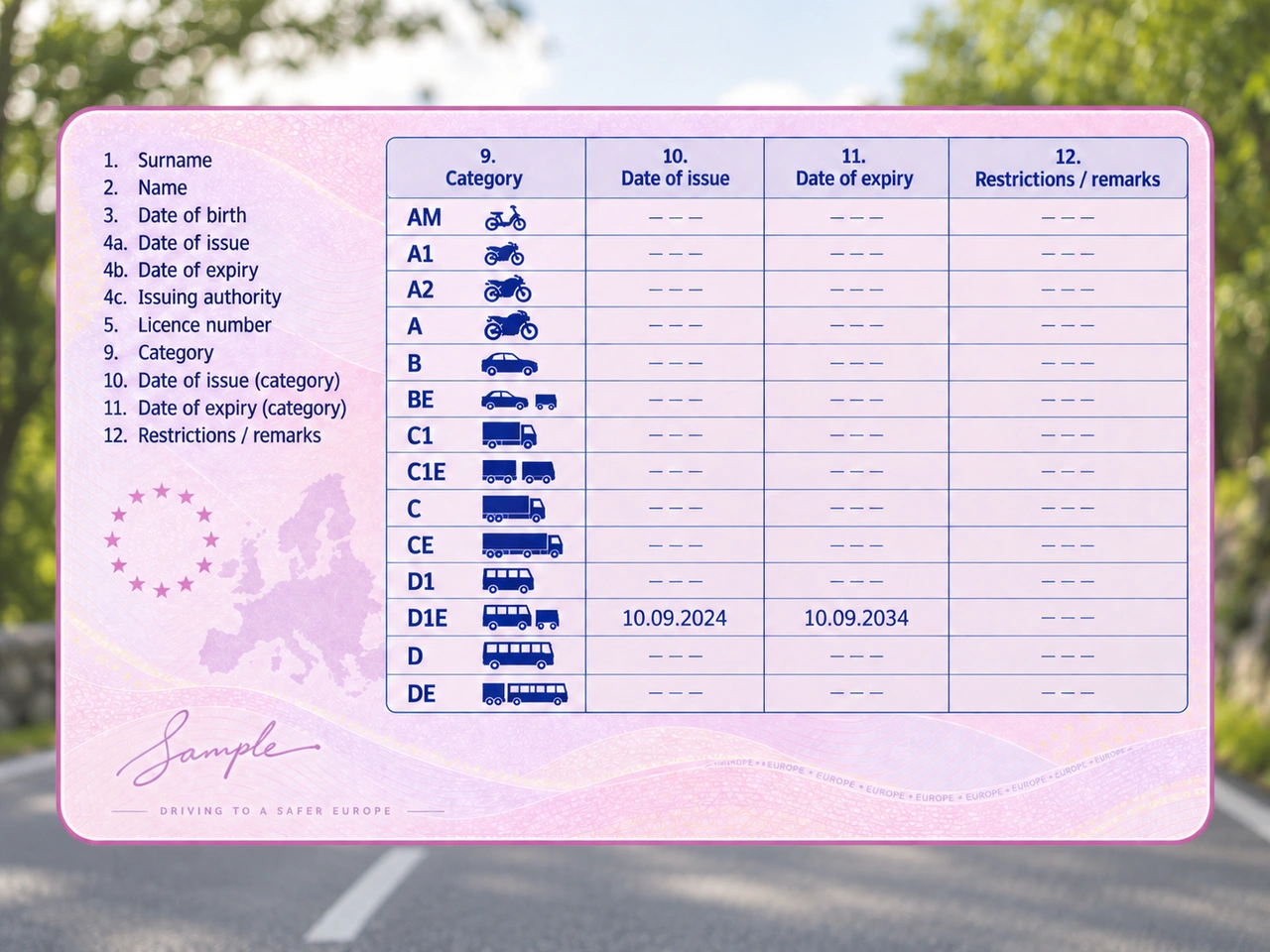
221. Which vehicle combination is covered by driving licence D1E?
Category D1E covers combinations consisting of a category D1 vehicle and a trailer with a maximum authorised mass above 750 kg.
AI-generated by Traffic-rules.com • WCIT • CC BY-SA
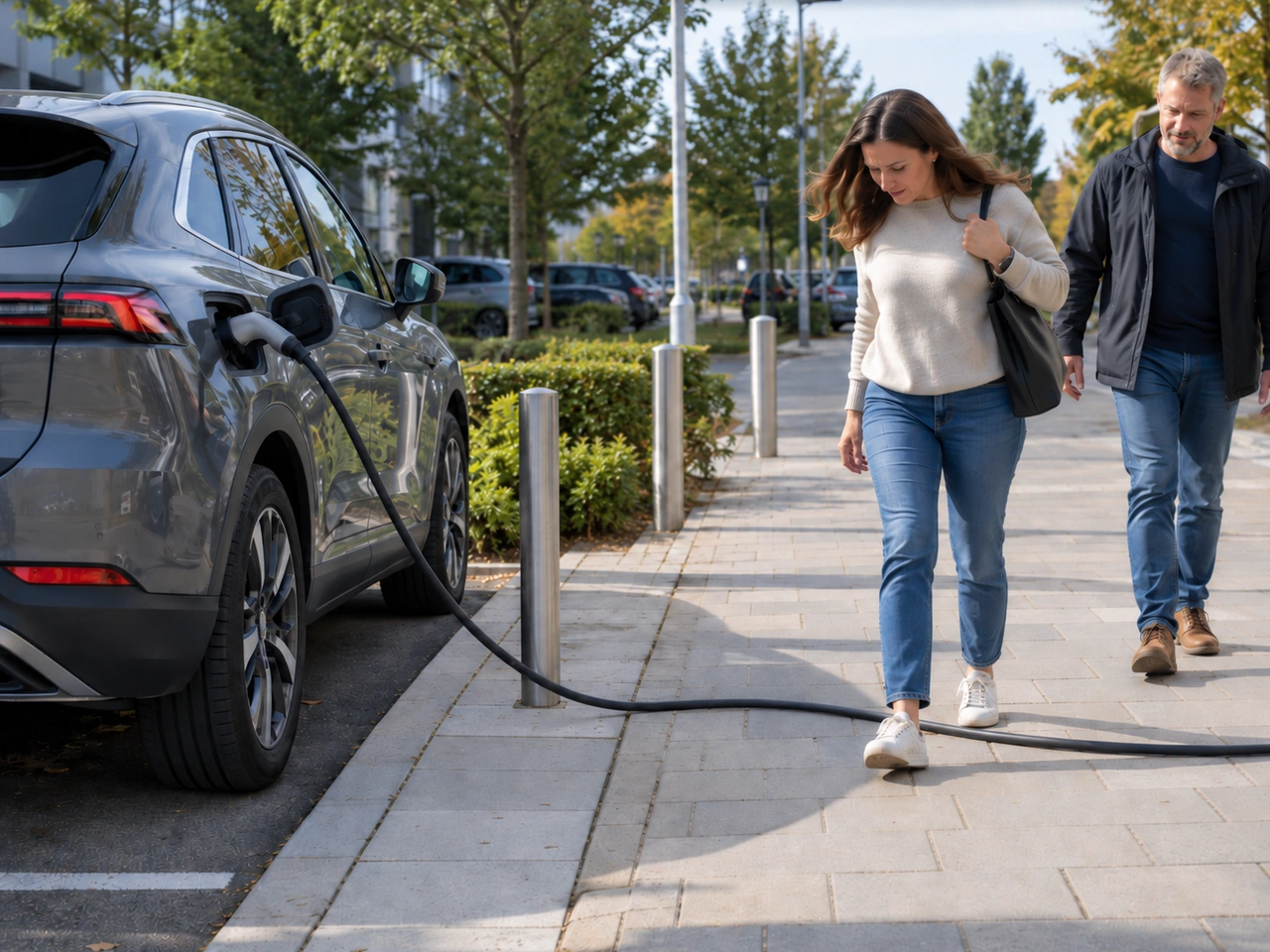
222. How should an EV charging cable be positioned where pedestrians may pass?
An EV charging cable should be positioned so it does not create a trip hazard or unnecessarily obstruct pedestrians. Where a cable must cross a walking route, use an appropriate approved cable-management or protection system and follow local requirements.
AI-generated by Traffic-rules.com • WCIT • CC BY-SA
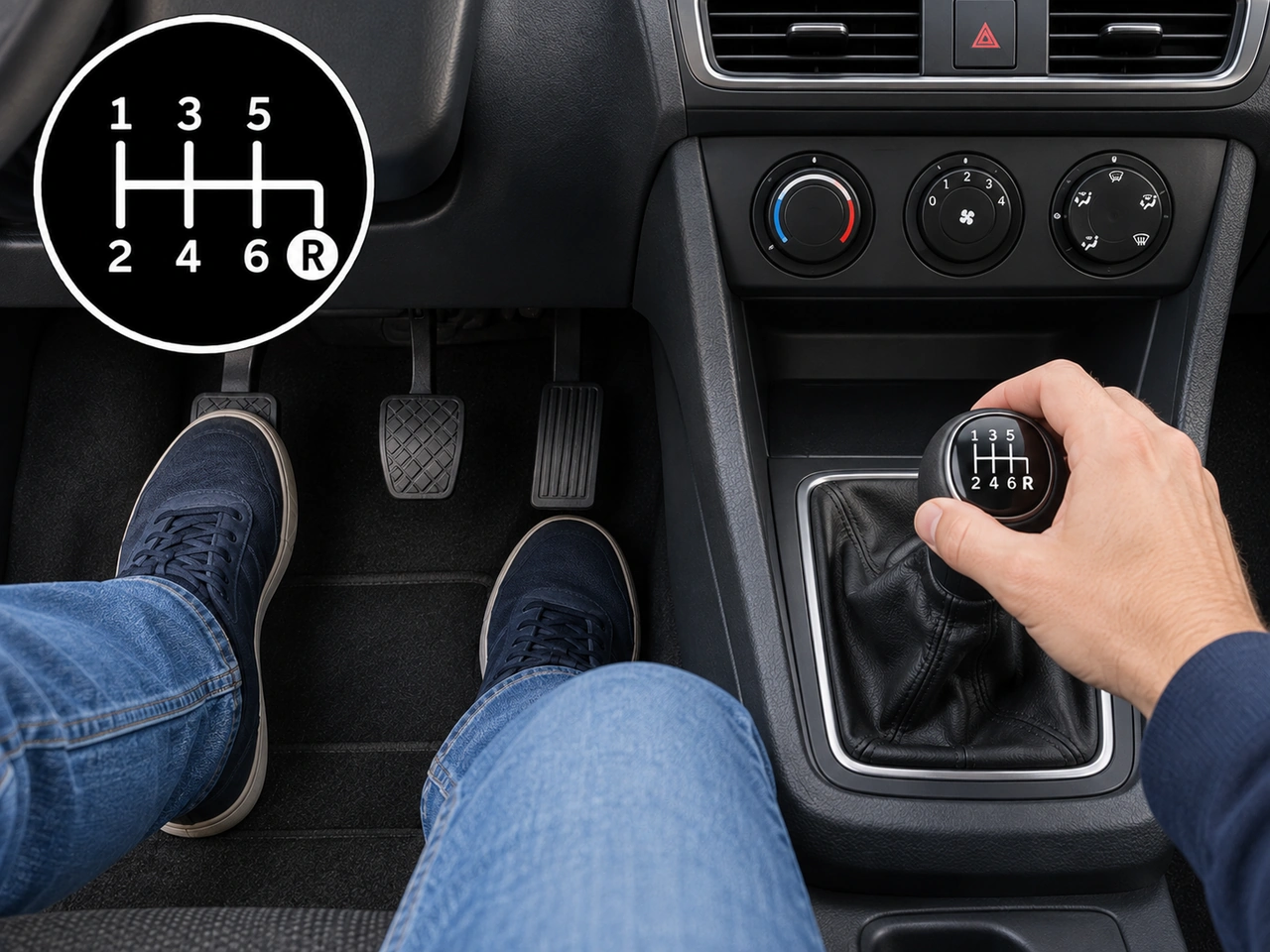
223. When should you select reverse gear in a manual vehicle?
Select reverse gear only after the vehicle has come to a complete stop. Press the clutch fully before selecting reverse to avoid unnecessary wear or damage to the transmission.
AI-generated by Traffic-rules.com • WCIT • CC BY-SA
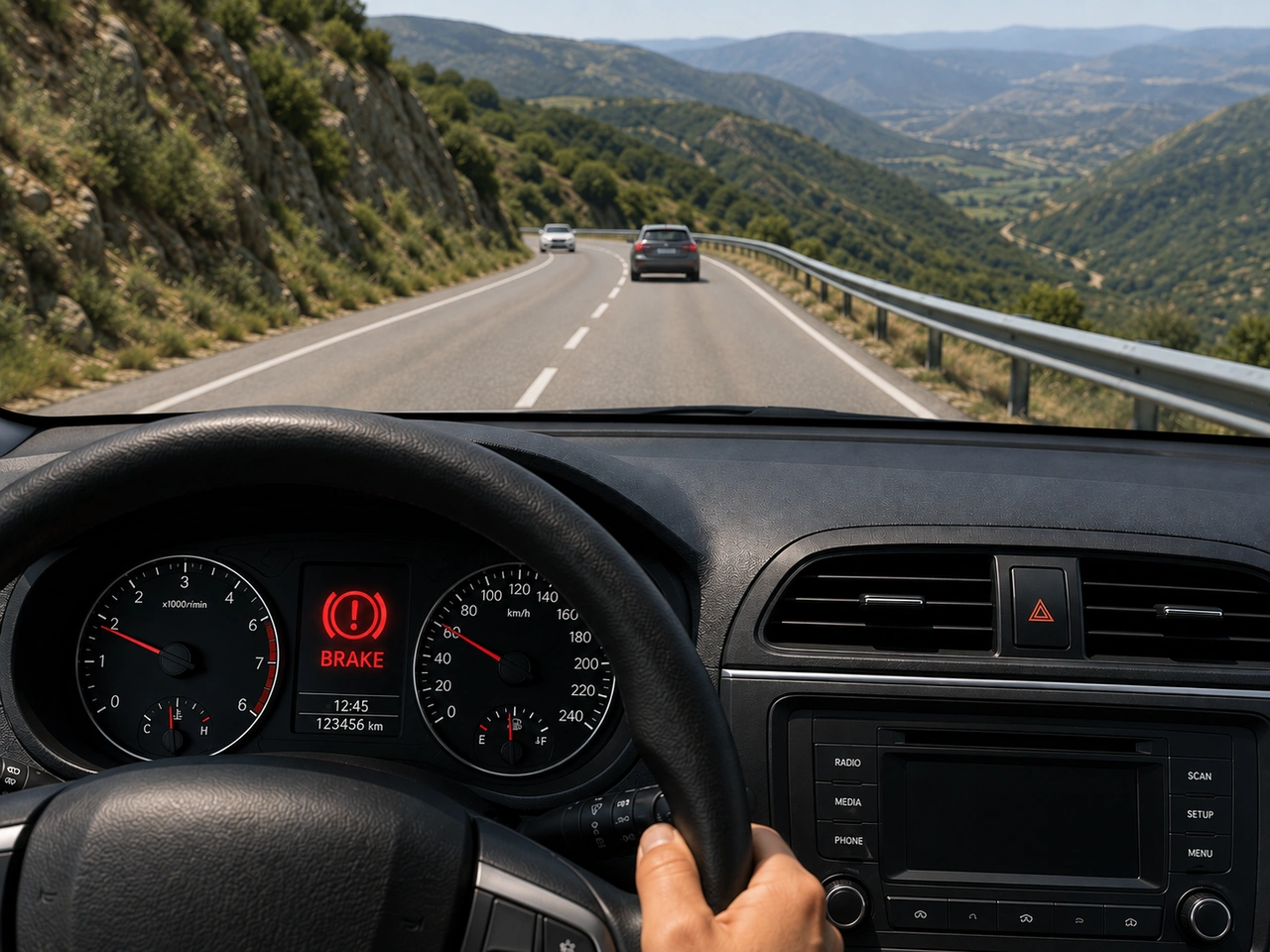
224. What should you do if the brakes fade during a long descent?
Continuous braking can cause overheating and reduced braking performance. A lower gear provides engine braking and reduces demand on the brakes.
AI-generated by Traffic-rules.com • WCIT • CC BY-SA
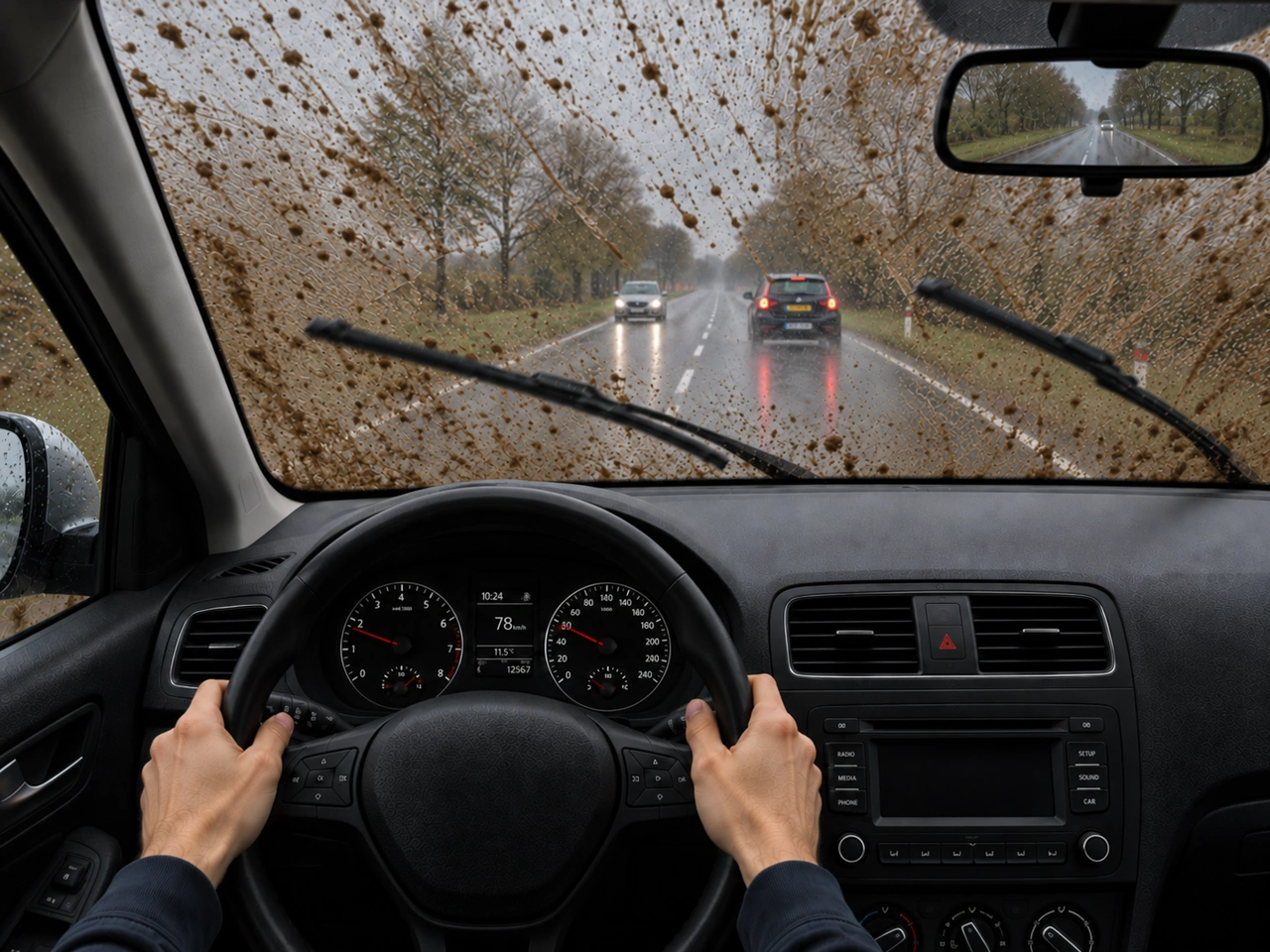
225. What should you do if your windscreen becomes covered with mud or spray?
Clear visibility is essential. Slow down safely and use your washers and wipers until you can see the road clearly again.
AI-generated by Traffic-rules.com • WCIT • CC BY-SA
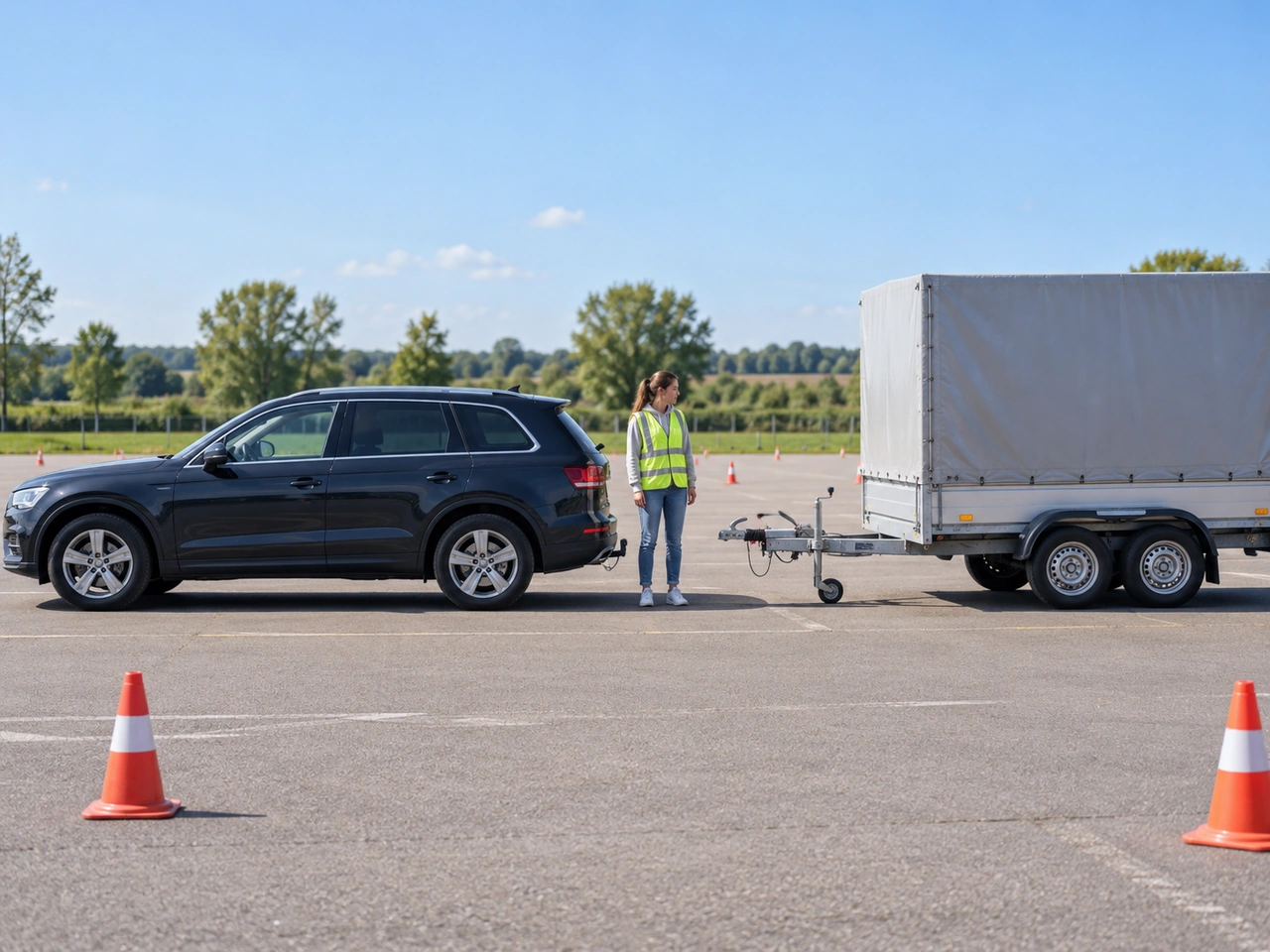
226. What licence is needed for a B vehicle towing a trailer up to 3,500 kg above 4,250 kg combined MAM?
Category BE covers a category B towing vehicle with a trailer or semi-trailer having a maximum authorised mass of up to 3,500 kg. Category B with Code 96 is limited to combinations with a maximum authorised mass of up to 4,250 kg.
AI-generated by Traffic-rules.com • WCIT • CC BY-SA
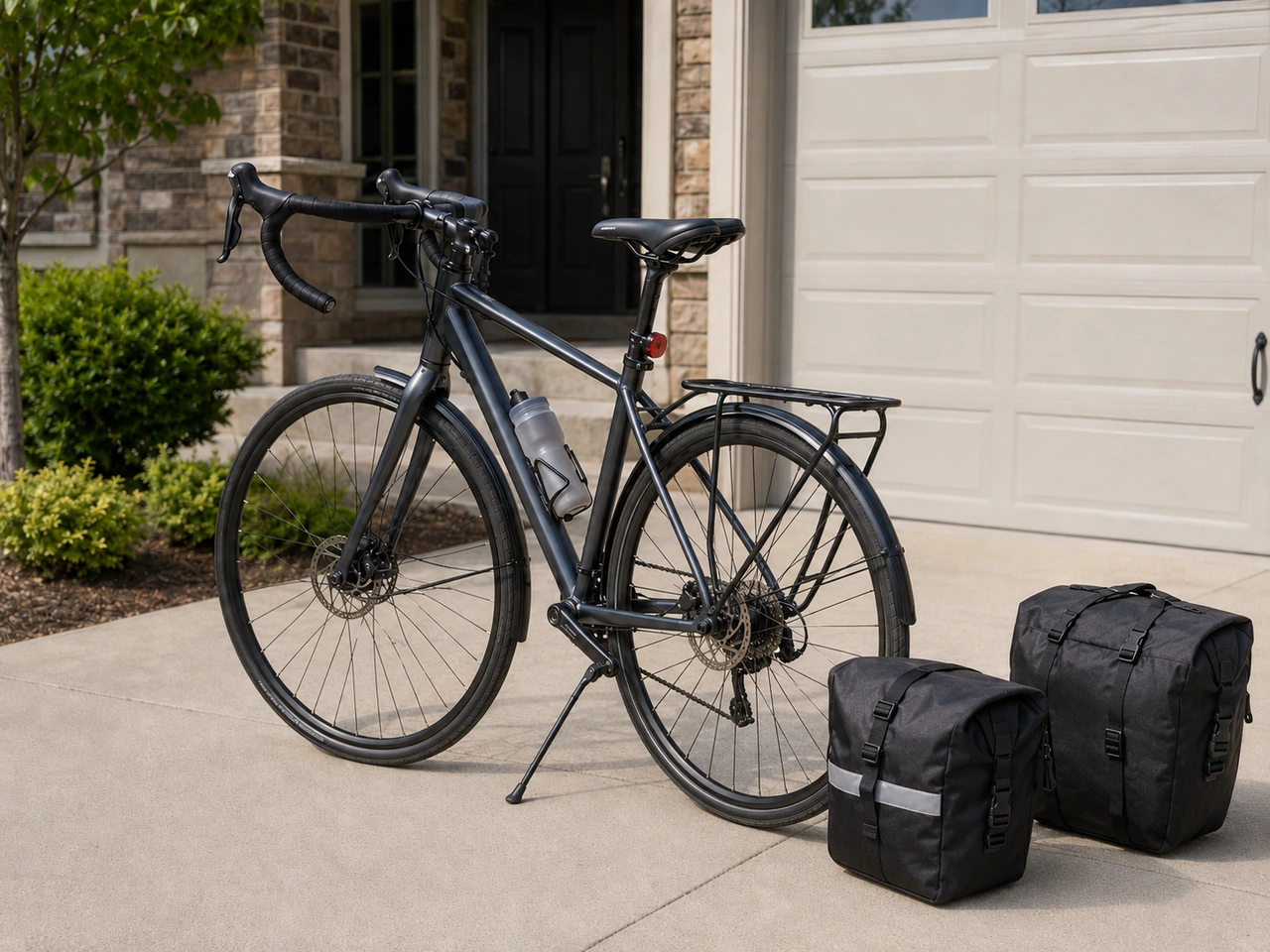
227. How should luggage be carried on a bicycle?
Loose or badly positioned luggage can interfere with control, become caught in the wheels, or hide bicycle lights.
AI-generated by Traffic-rules.com • WCIT • CC BY-SA
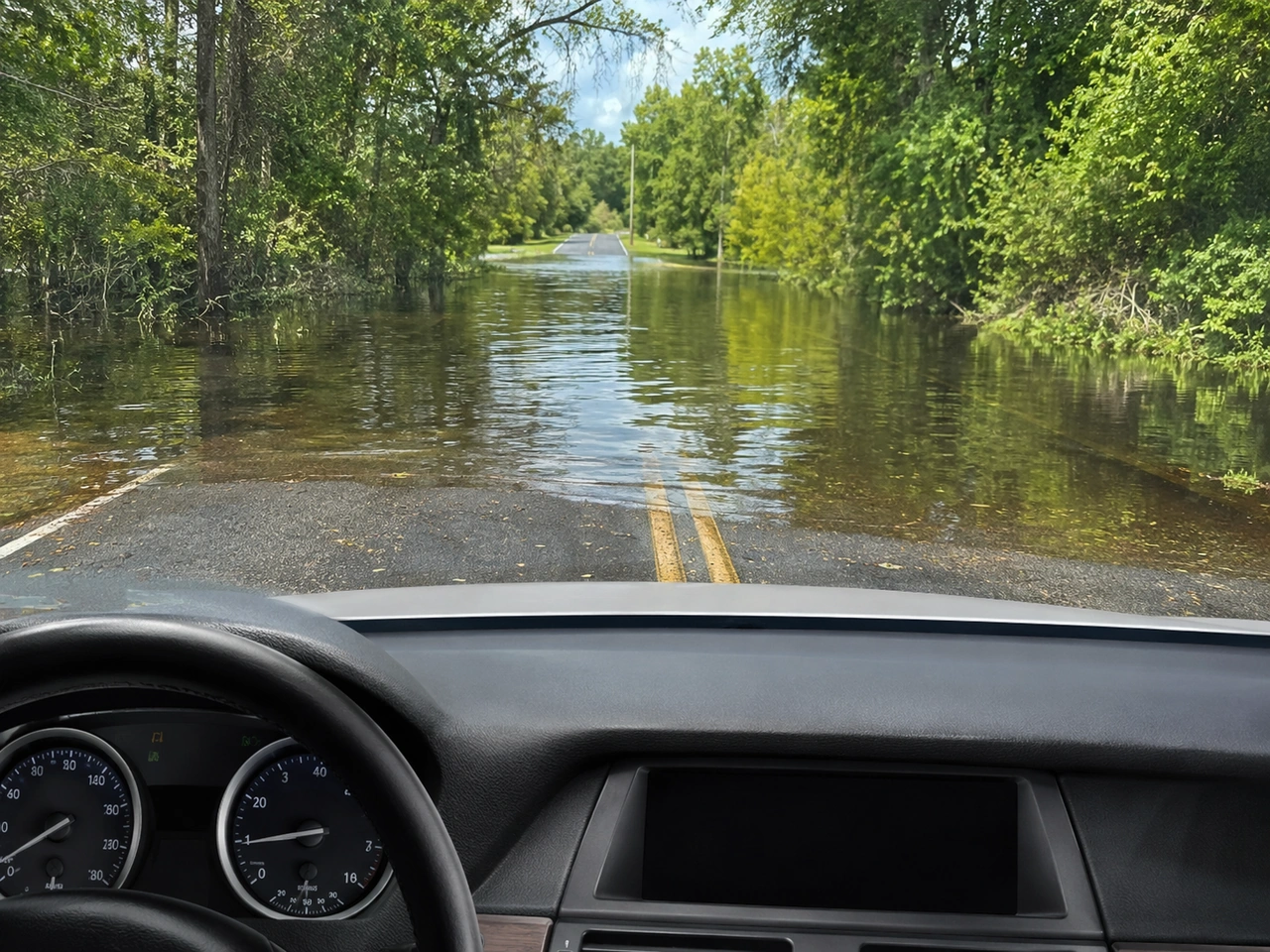
228. Why should you avoid driving through deep water?
Deep water can damage the engine, reduce braking ability, hide hazards, or cause the vehicle to lose grip. Reduce speed, assess the depth and conditions carefully, and avoid entering the water if you are unsure it is safe. If necessary, stop and use another route.
AI-generated by Traffic-rules.com • WCIT • CC BY-SA
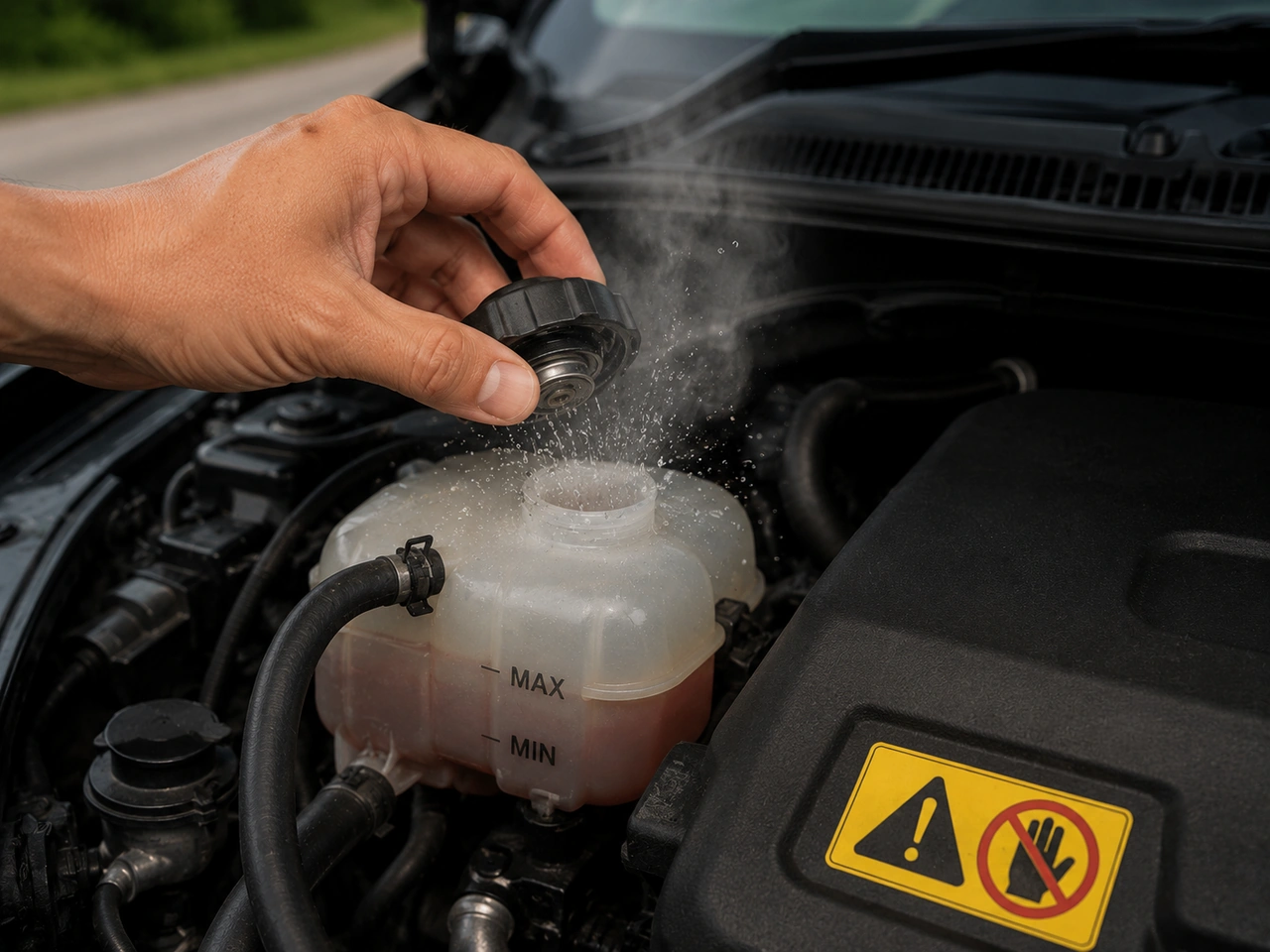
229. Why should you avoid removing the coolant cap while the engine is hot?
A hot cooling system may remain under pressure. Allow the engine to cool and follow the manufacturer's instructions before checking or adding coolant.
AI-generated by Traffic-rules.com • WCIT • CC BY-SA
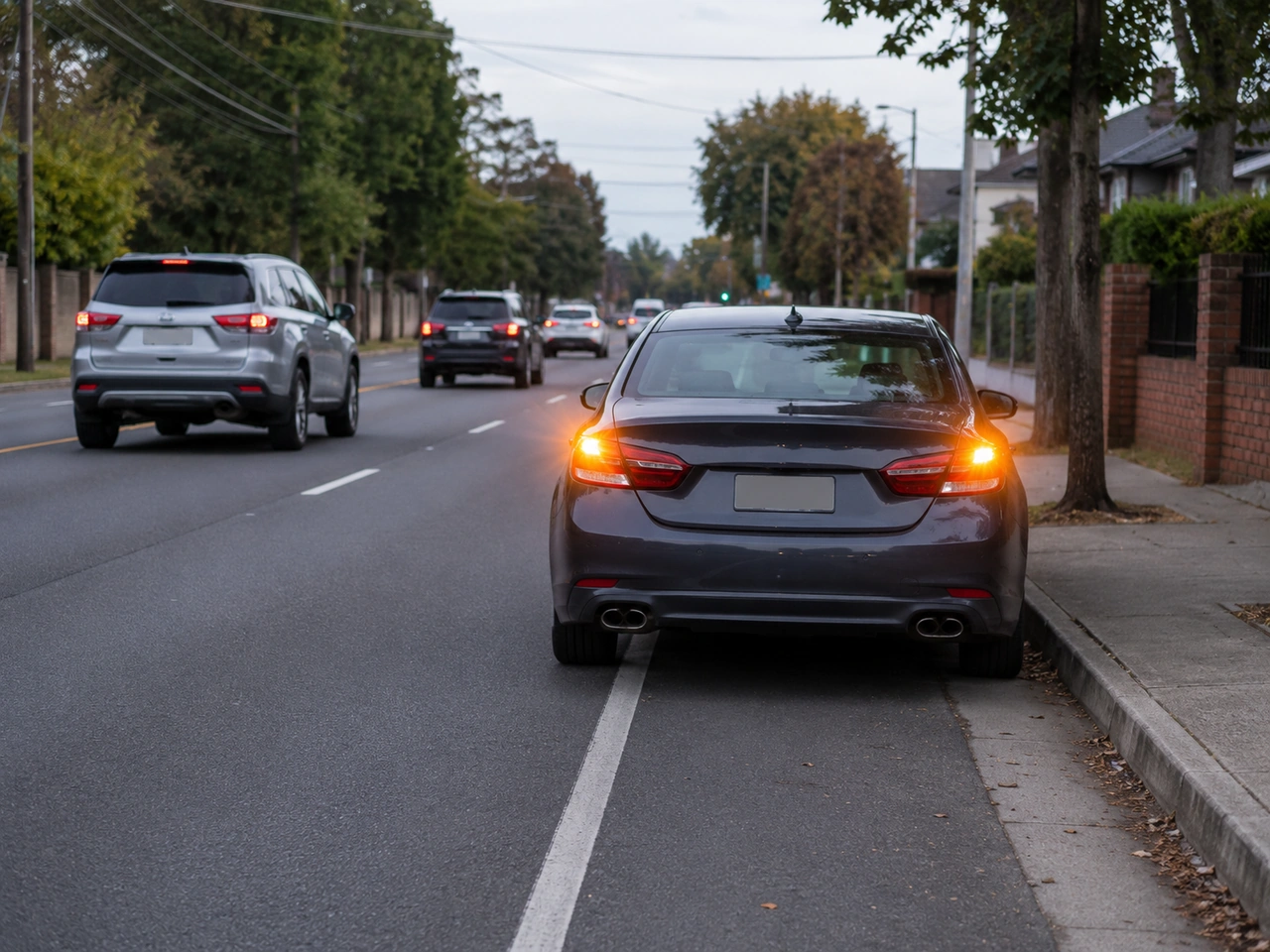
230. You may park anywhere as long as you leave your hazard lights on.
Hazard lights are used to warn other road users of a hazard or an unexpectedly stopped vehicle. They do not make illegal or unsafe parking acceptable.
AI-generated by Traffic-rules.com • WCIT • CC BY-SA
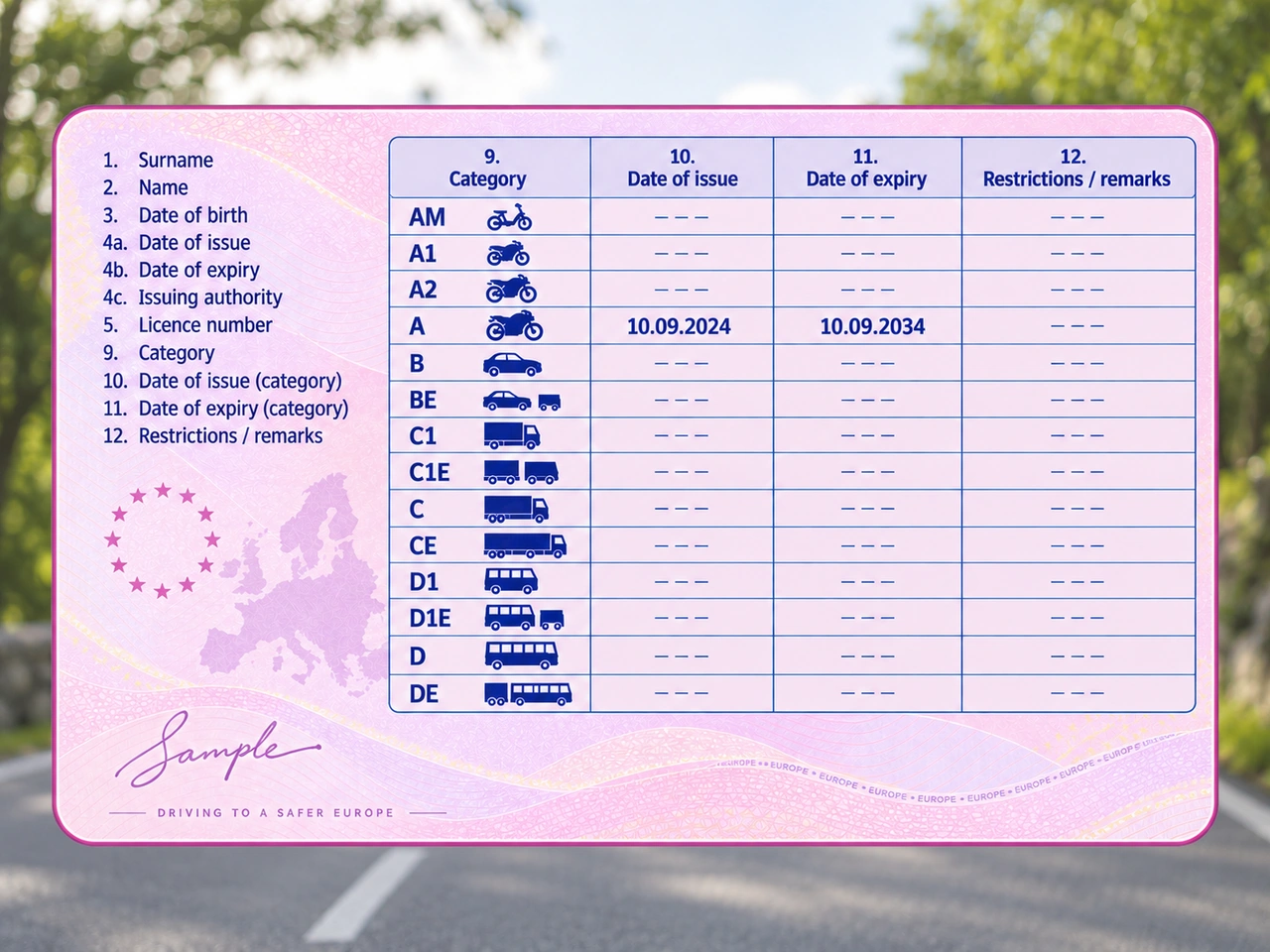
231. Which motorcycles are covered by driving licence A?
Category A covers motorcycles without the power restrictions that apply to categories A1 and A2. It also covers powered tricycles with power exceeding 15 kW.
AI-generated by Traffic-rules.com • WCIT • CC BY-SA
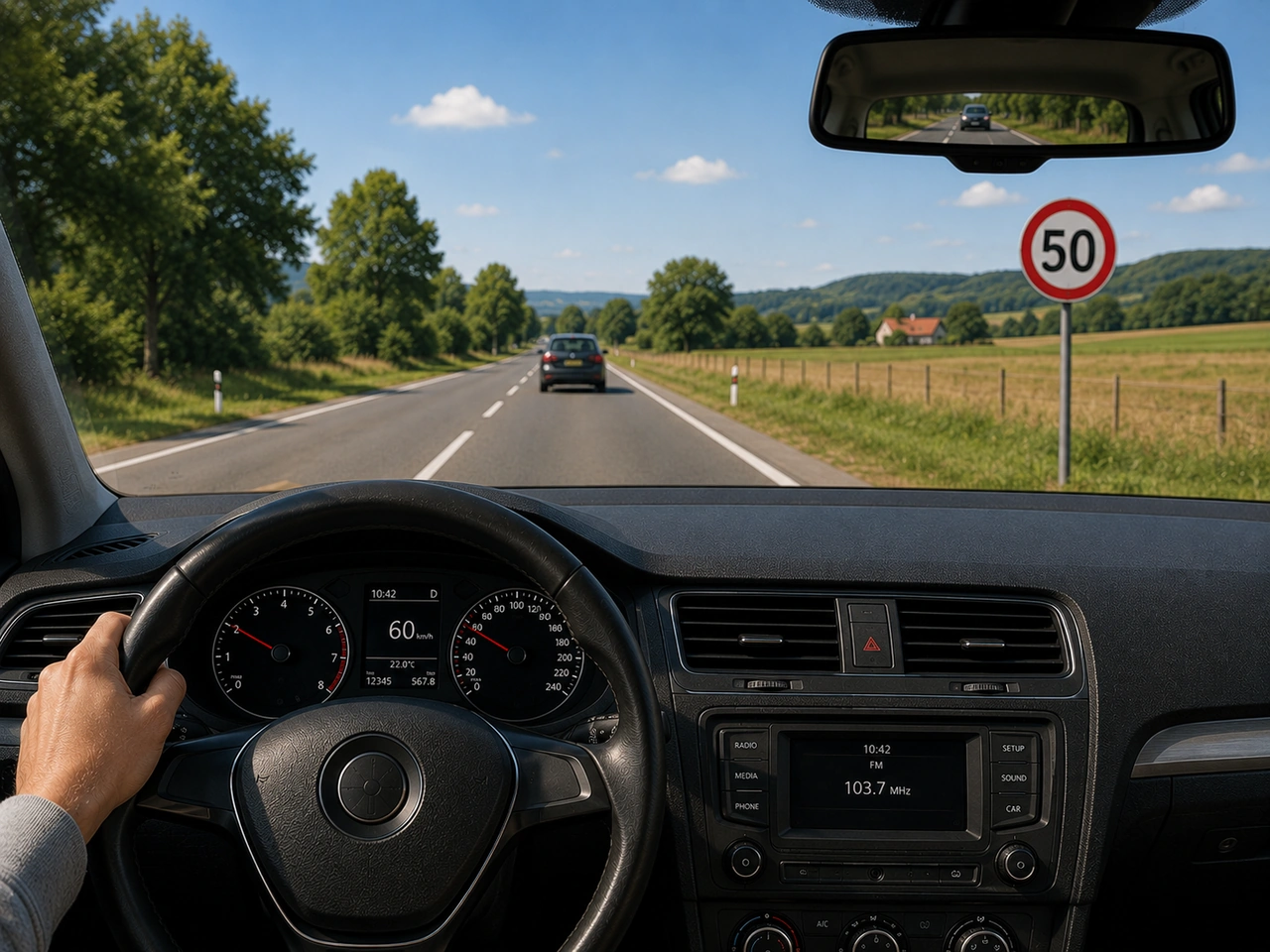
232. Speed limits only apply when there is heavy traffic.
Speed limits apply at all times unless a different limit is clearly indicated.
AI-generated by Traffic-rules.com • WCIT • CC BY-SA
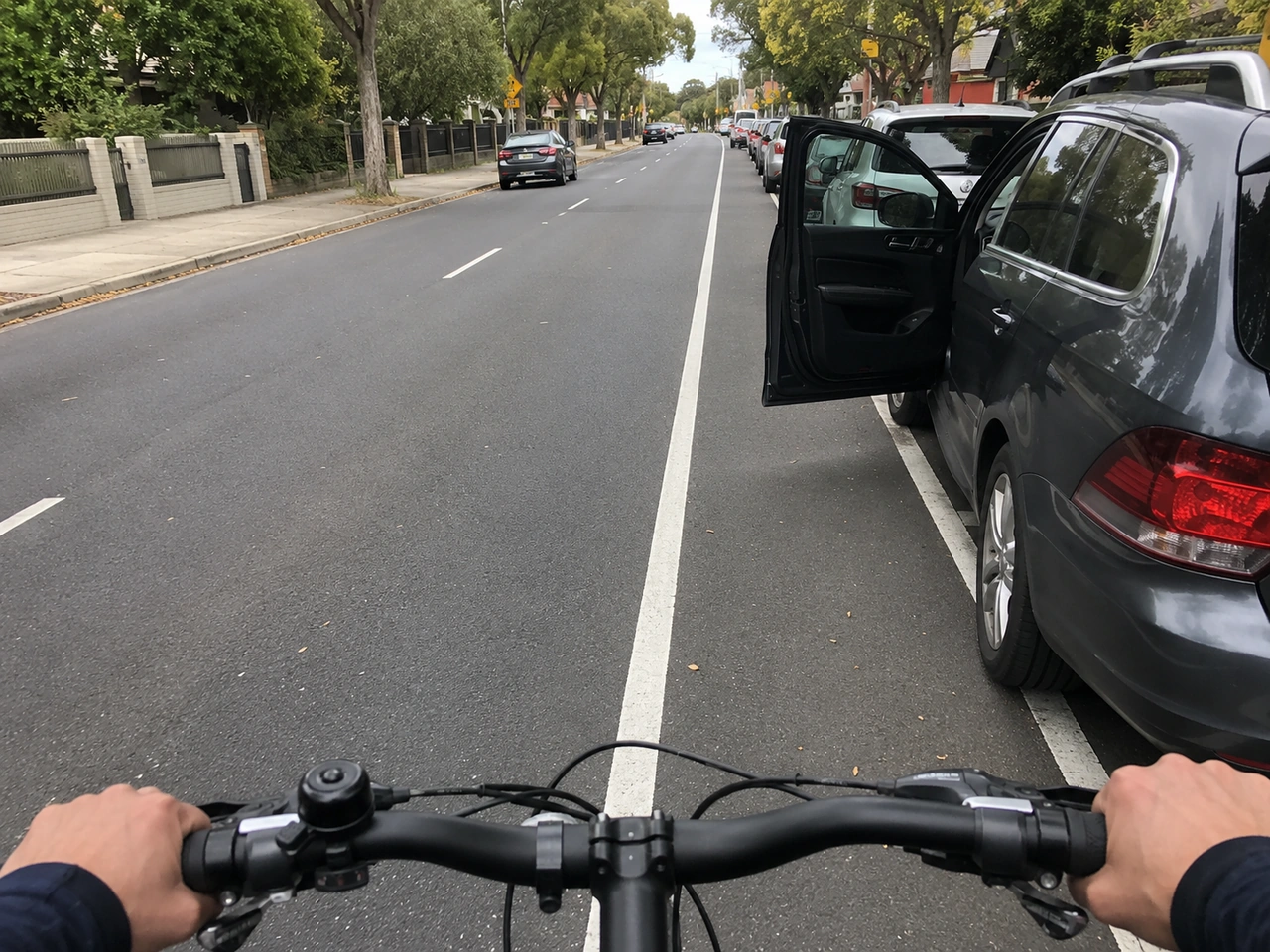
233. Why should you leave space when cycling beside parked cars?
A driver or passenger may open a door without seeing you. Leaving space reduces the risk of a dooring collision.
AI-generated by Traffic-rules.com • WCIT • CC BY-SA
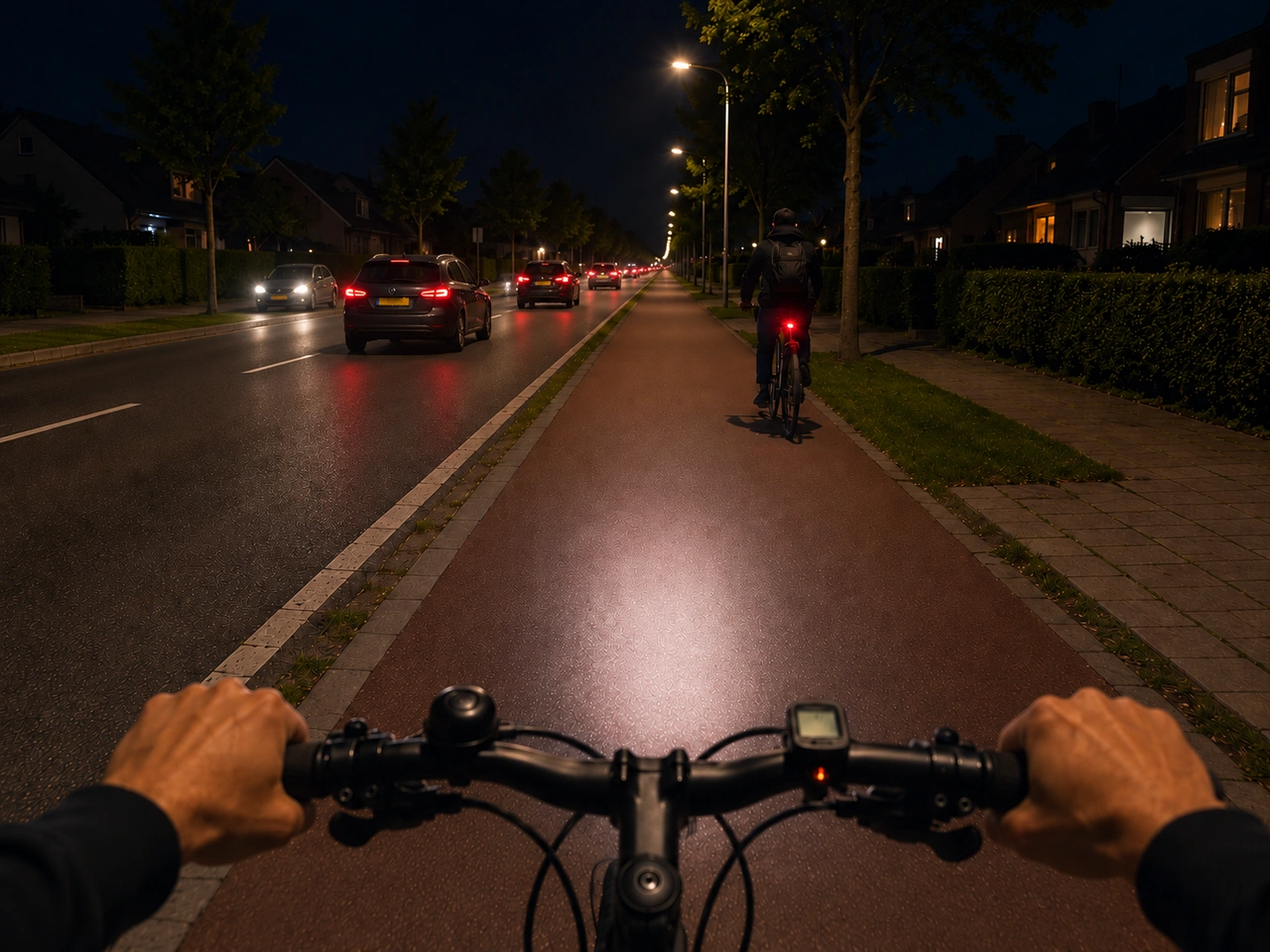
234. Why is it important to use bicycle lights at night?
Front and rear lights improve visibility and make it easier for drivers, cyclists, and pedestrians to detect you.
AI-generated by Traffic-rules.com • WCIT • CC BY-SA
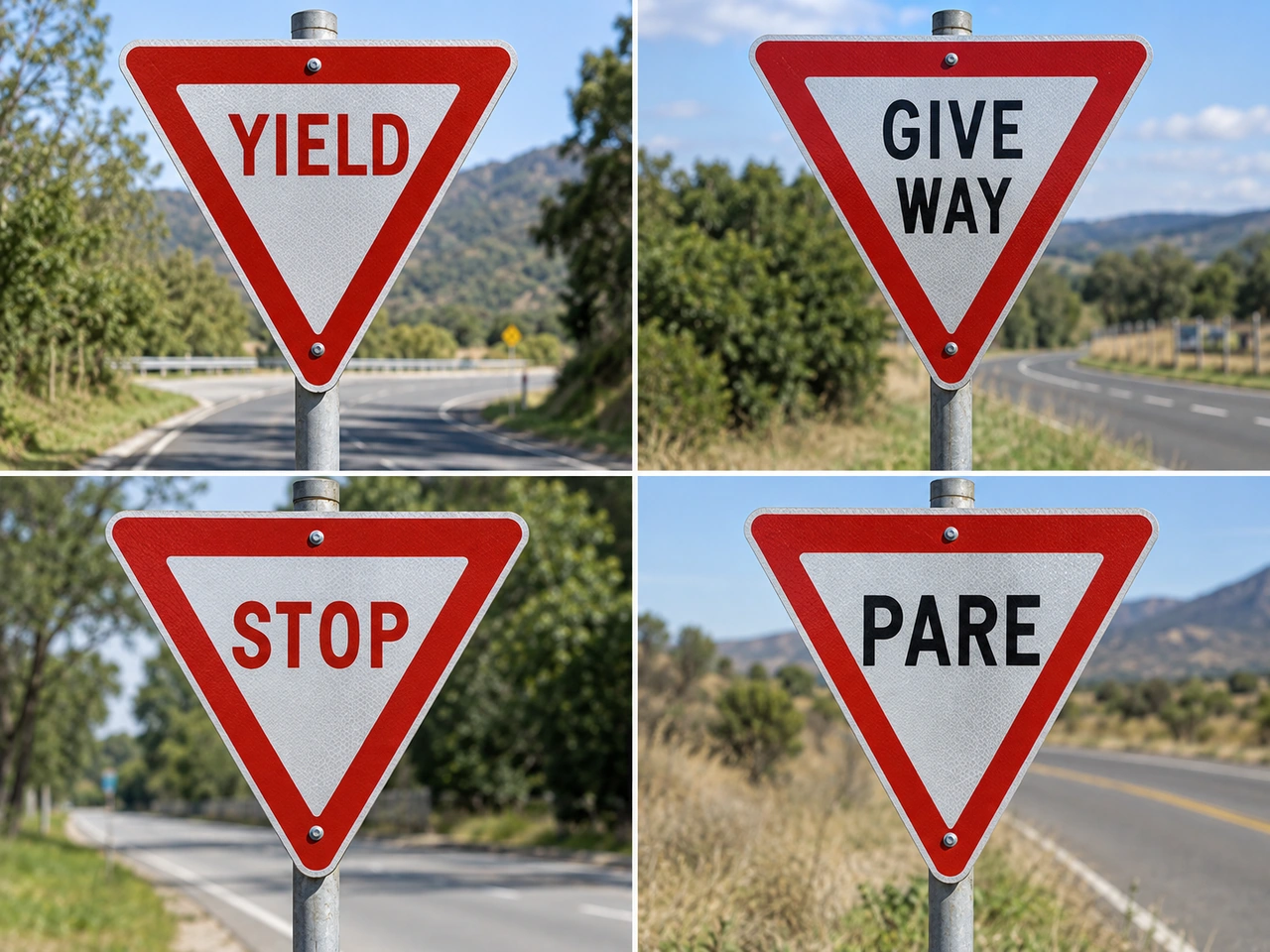
235. What wording is commonly shown on give-way signs in Portugal?
Give-way signs in Portugal normally use the inverted triangular symbol without wording.
AI-generated by Traffic-rules.com • WCIT • CC BY-SA
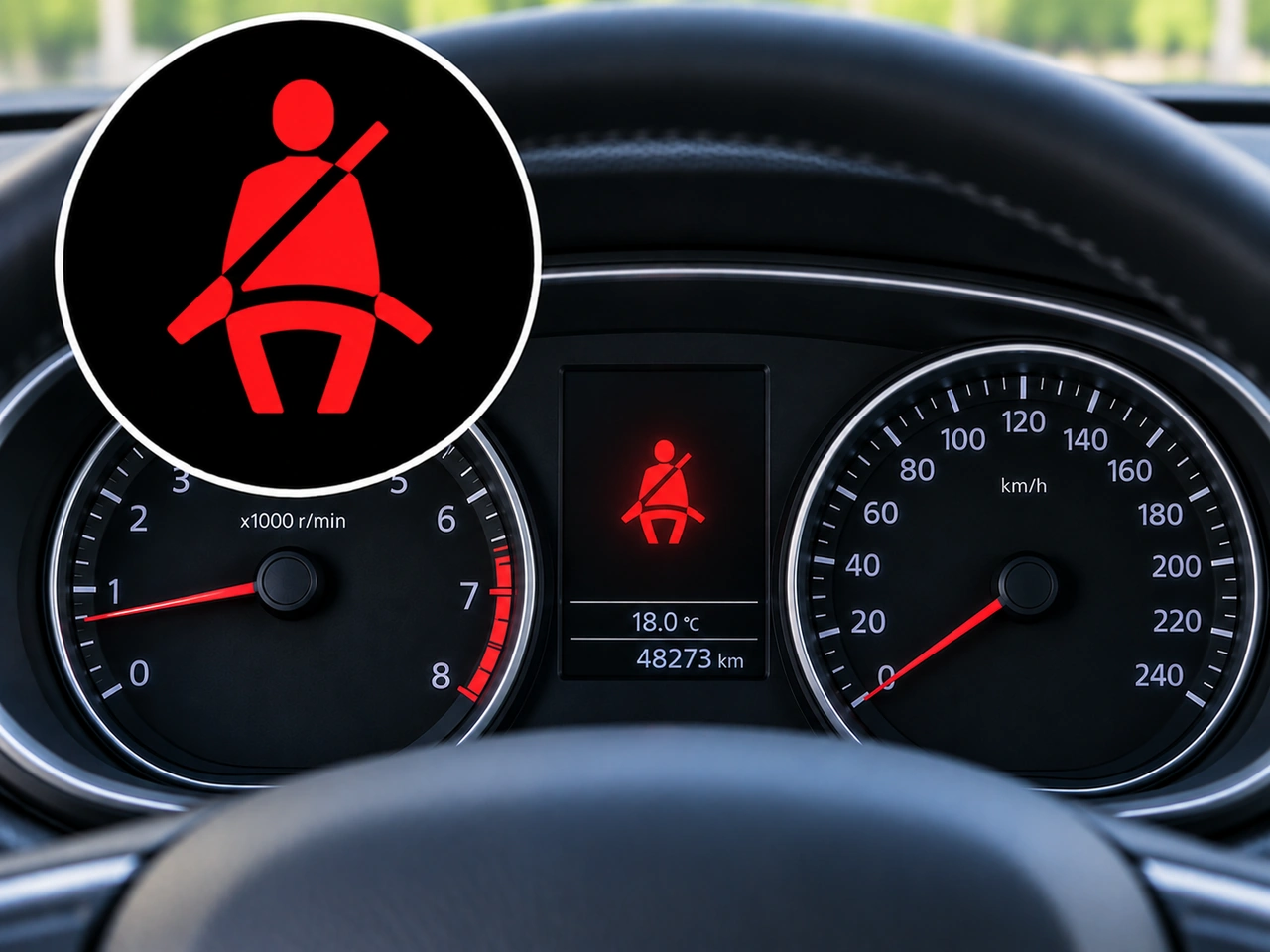
236. What does this dashboard symbol indicate?
This symbol is a seat-belt reminder. It indicates that the driver or another detected occupant has not fastened their seat belt.
AI-generated by Traffic-rules.com • WCIT • CC BY-SA
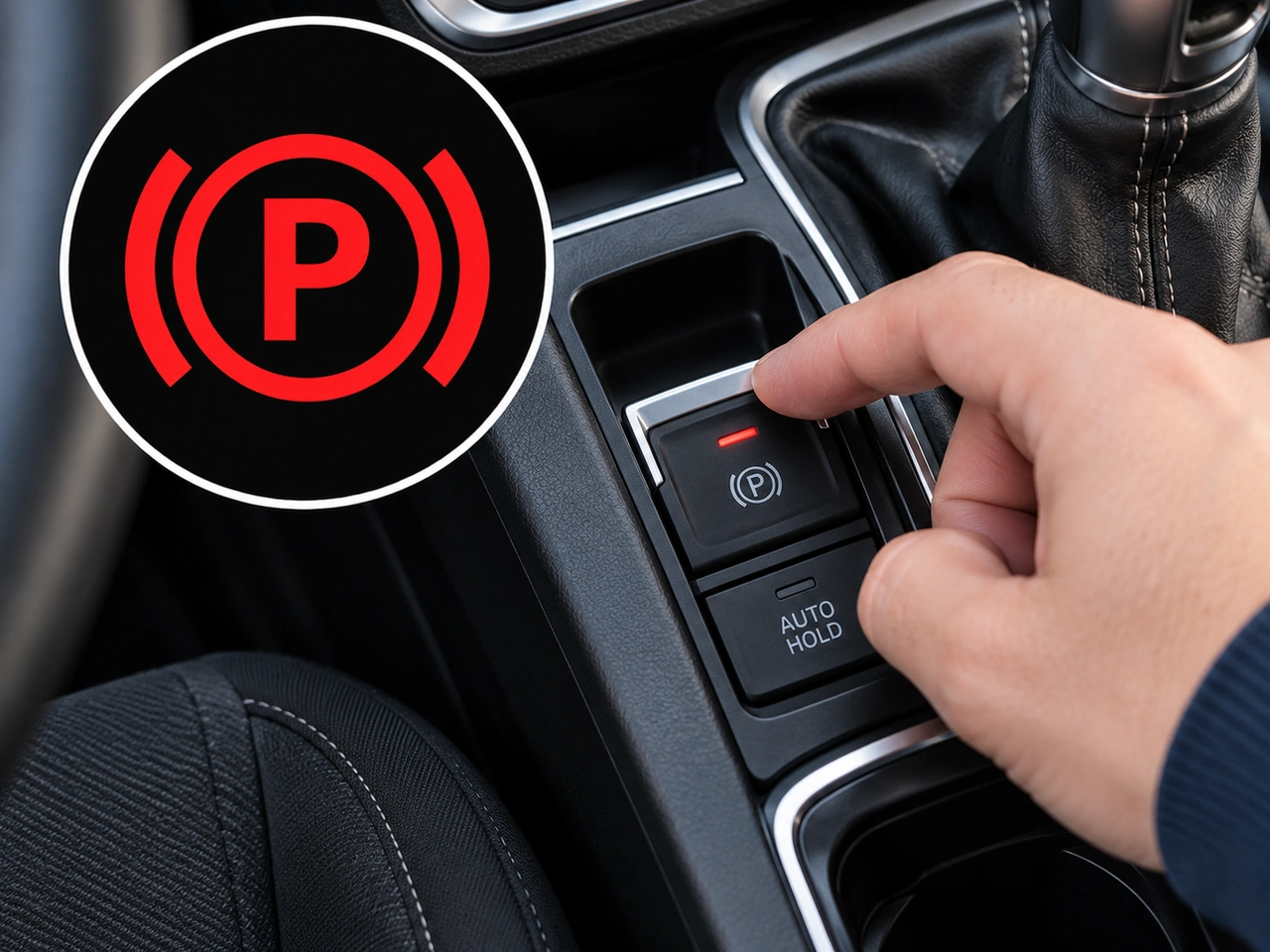
237. What does this dashboard symbol indicate?
This symbol indicates that the parking brake is applied. It should normally go out when the parking brake is fully released.
AI-generated by Traffic-rules.com • WCIT • CC BY-SA
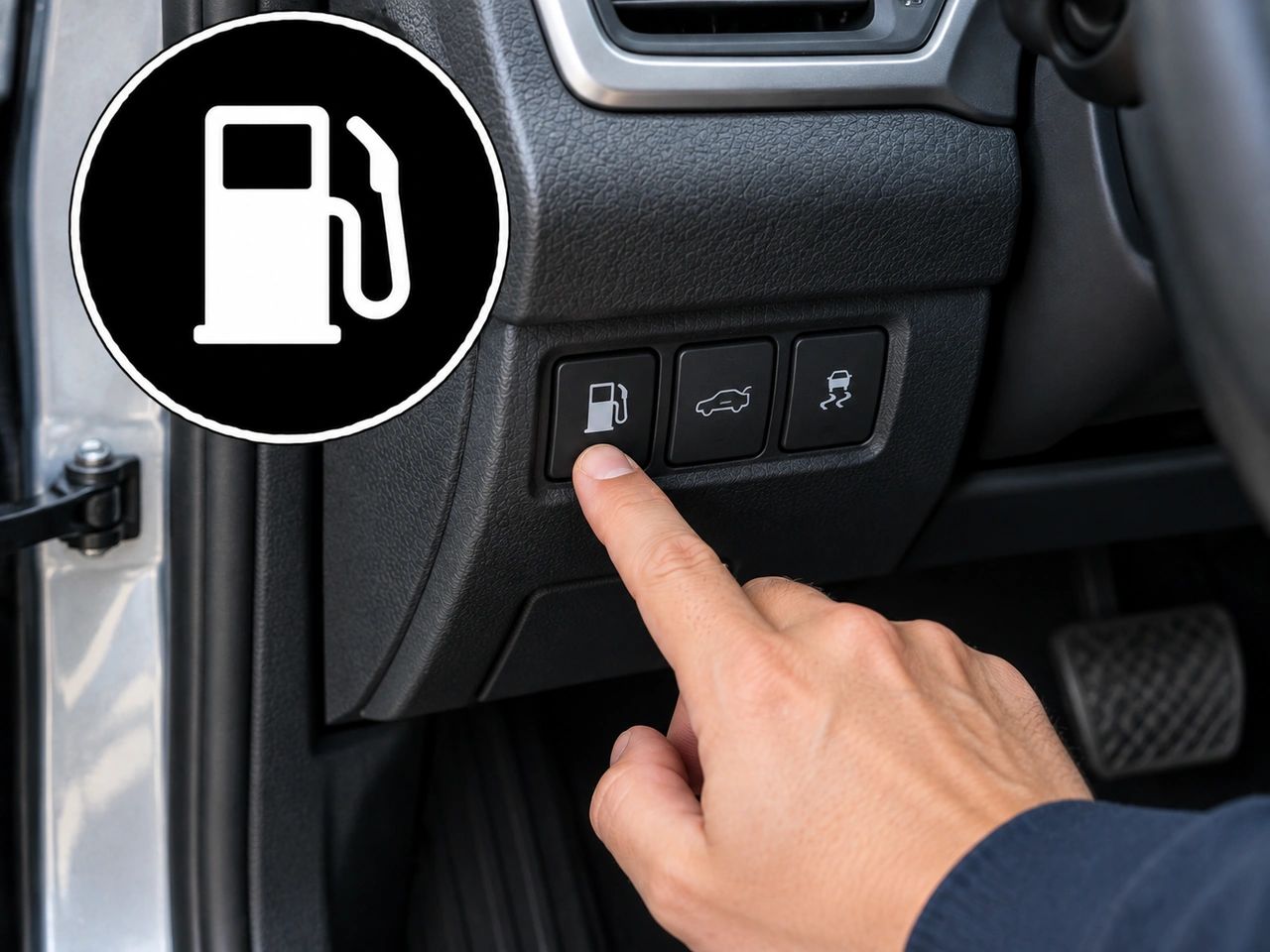
238. What does this vehicle-control symbol indicate?
This control releases the fuel-filler flap, allowing access to the vehicle's fuel filler.
AI-generated by Traffic-rules.com • WCIT • CC BY-SA
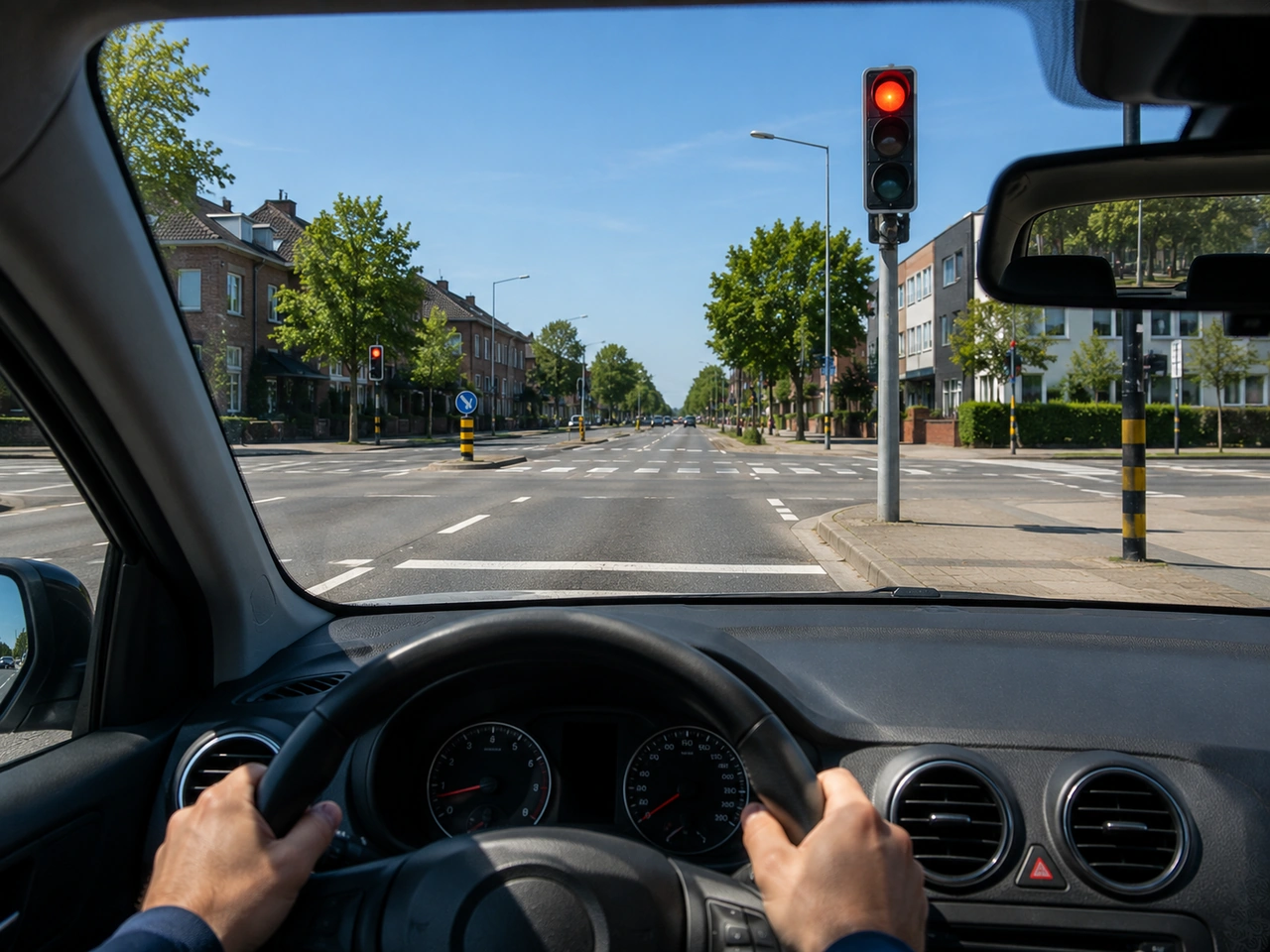
239. What should you do when a traffic light turns red?
A red traffic light means you must stop before the stop line, pedestrian crossing, or intersection unless a sign or signal indicates otherwise.
AI-generated by Traffic-rules.com • WCIT • CC BY-SA
240. Which licence category is mainly associated with cars?
Driving licence B is mainly associated with cars. Category B covers ordinary cars, while category B with Code 96 and category BE allow heavier trailer combinations.
AI-generated by Traffic-rules.com • WCIT • CC BY-SA
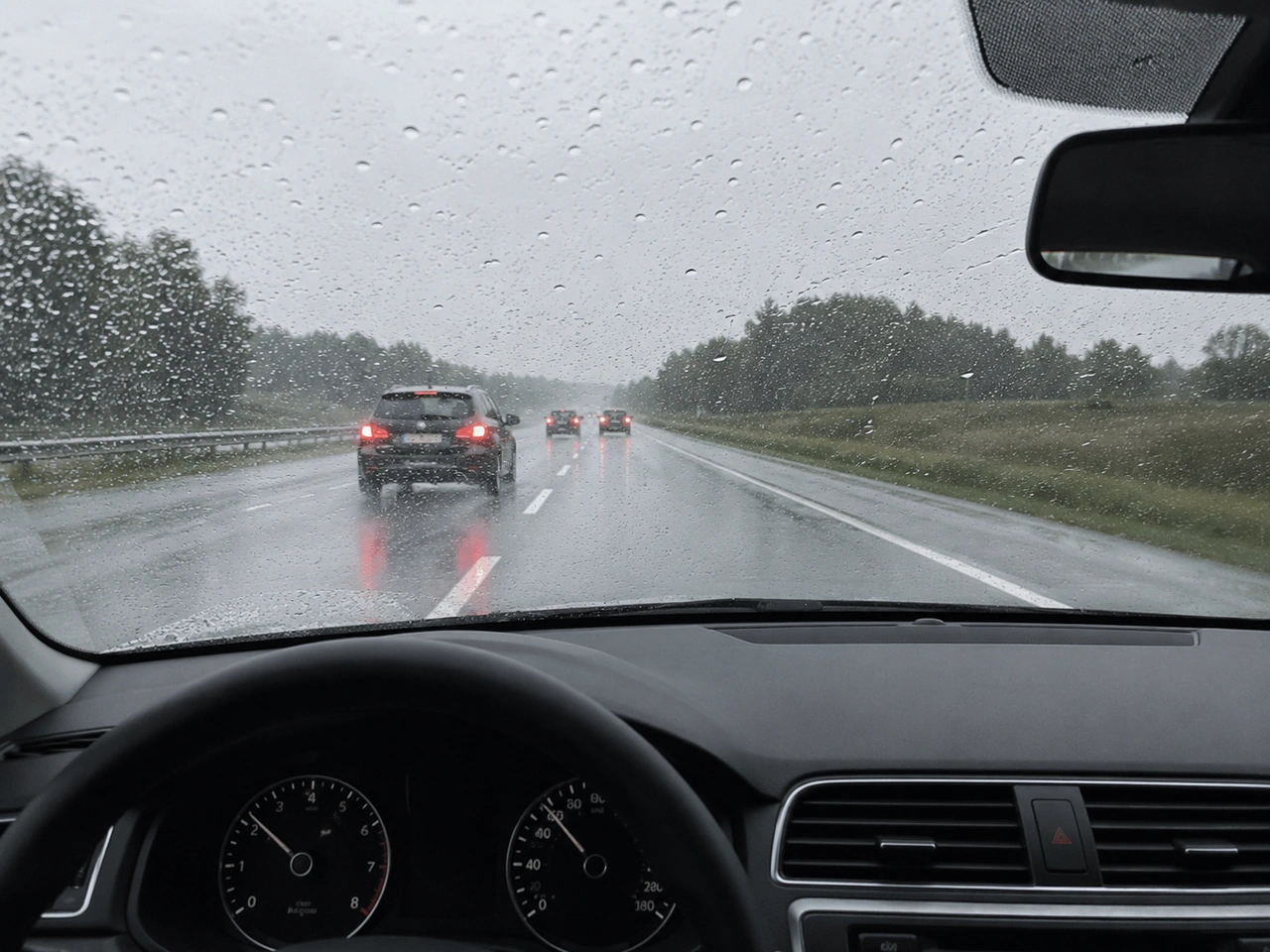
241. Rain can reduce tyre grip and increase stopping distance.
Wet roads reduce traction, so your vehicle may need more distance to stop safely.
AI-generated by Traffic-rules.com • WCIT • CC BY-SA
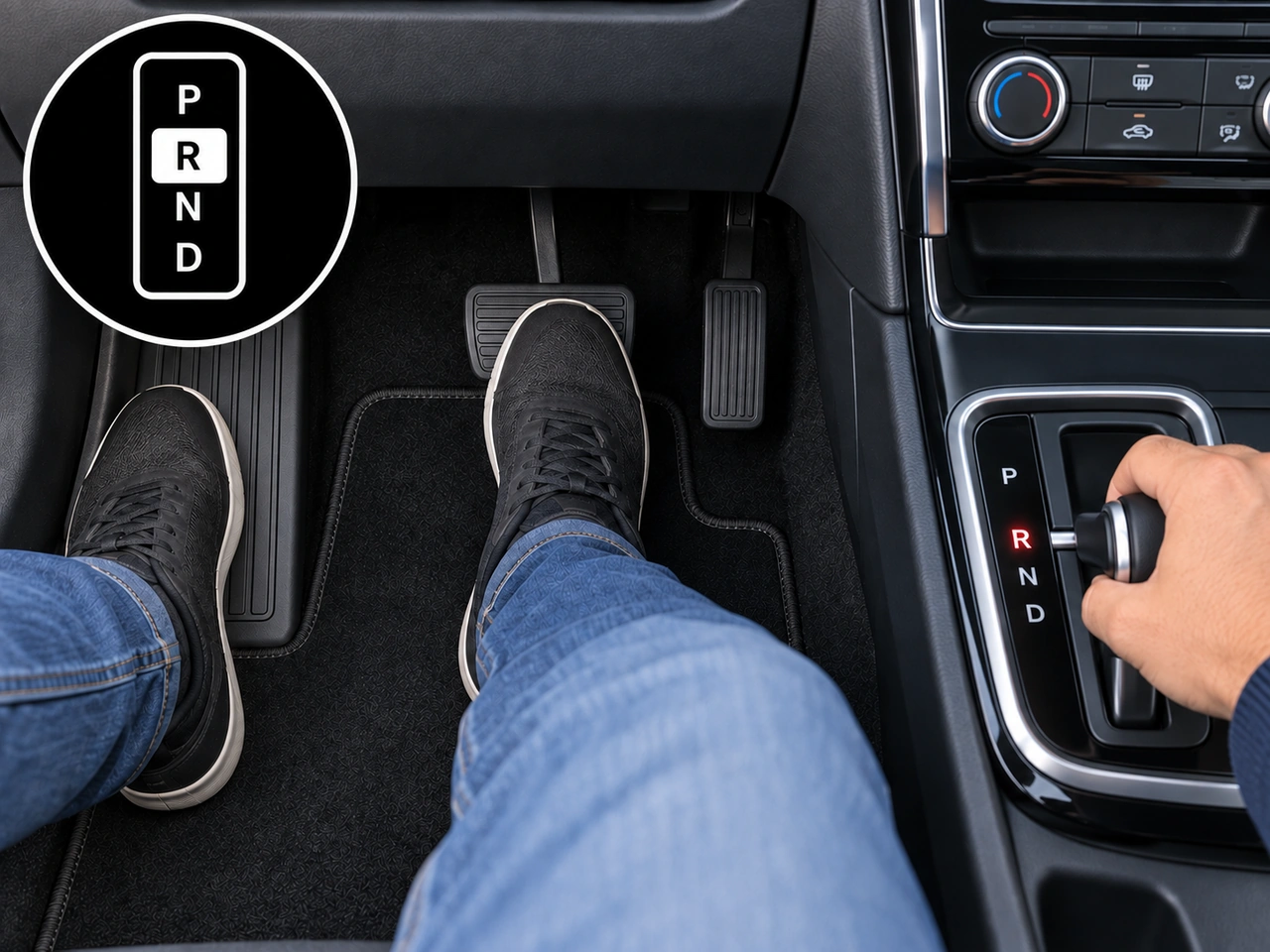
242. When should you select R (Reverse) in an automatic vehicle?
Select R (Reverse) only after the vehicle has come to a complete stop. Selecting Reverse while the vehicle is still moving forward can damage the transmission.
AI-generated by Traffic-rules.com • WCIT • CC BY-SA
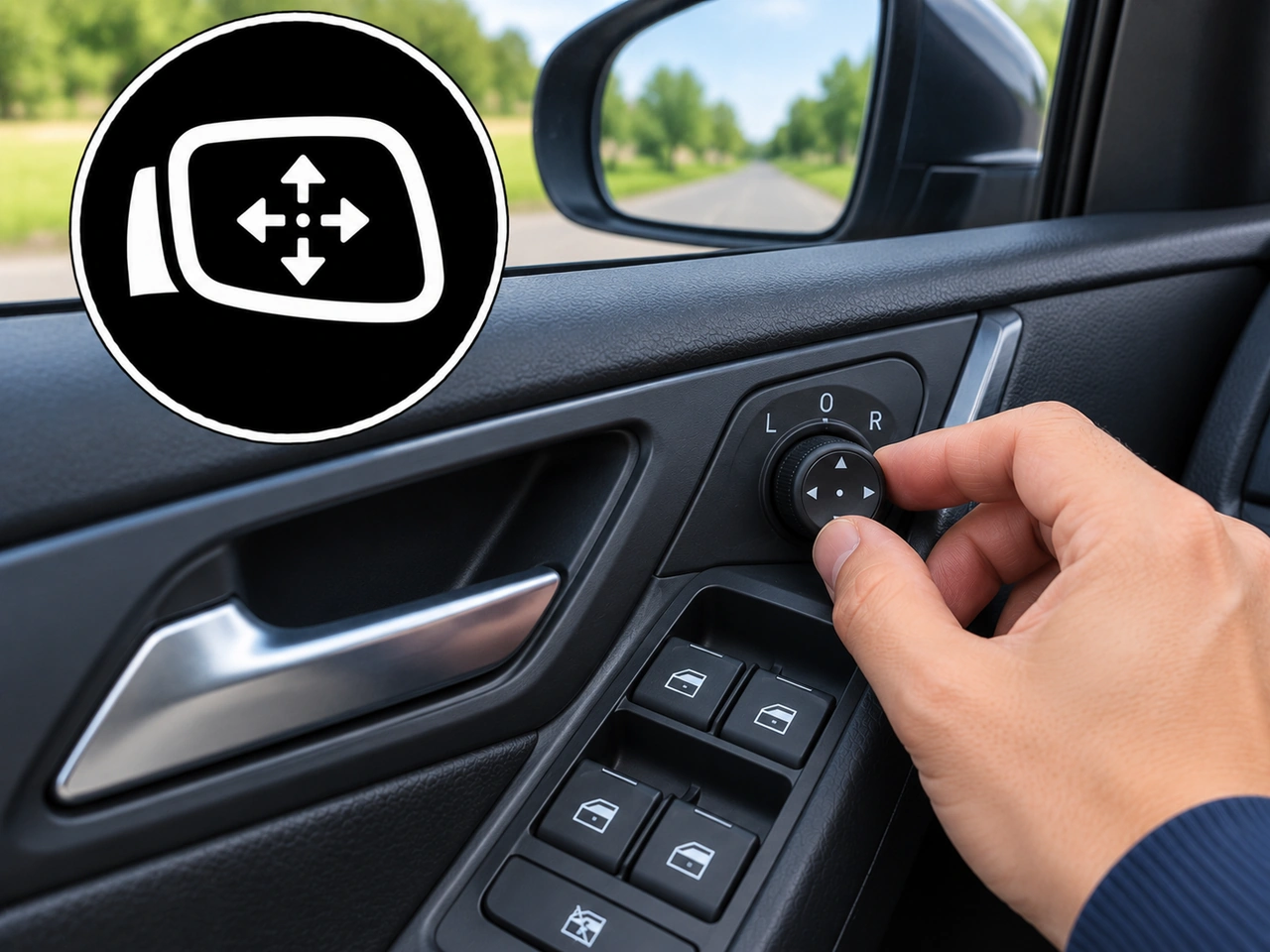
243. What does this vehicle-control symbol indicate?
This control adjusts the vehicle's exterior mirrors. The driver normally selects the left or right mirror and then moves the control to change its angle.
AI-generated by Traffic-rules.com • WCIT • CC BY-SA
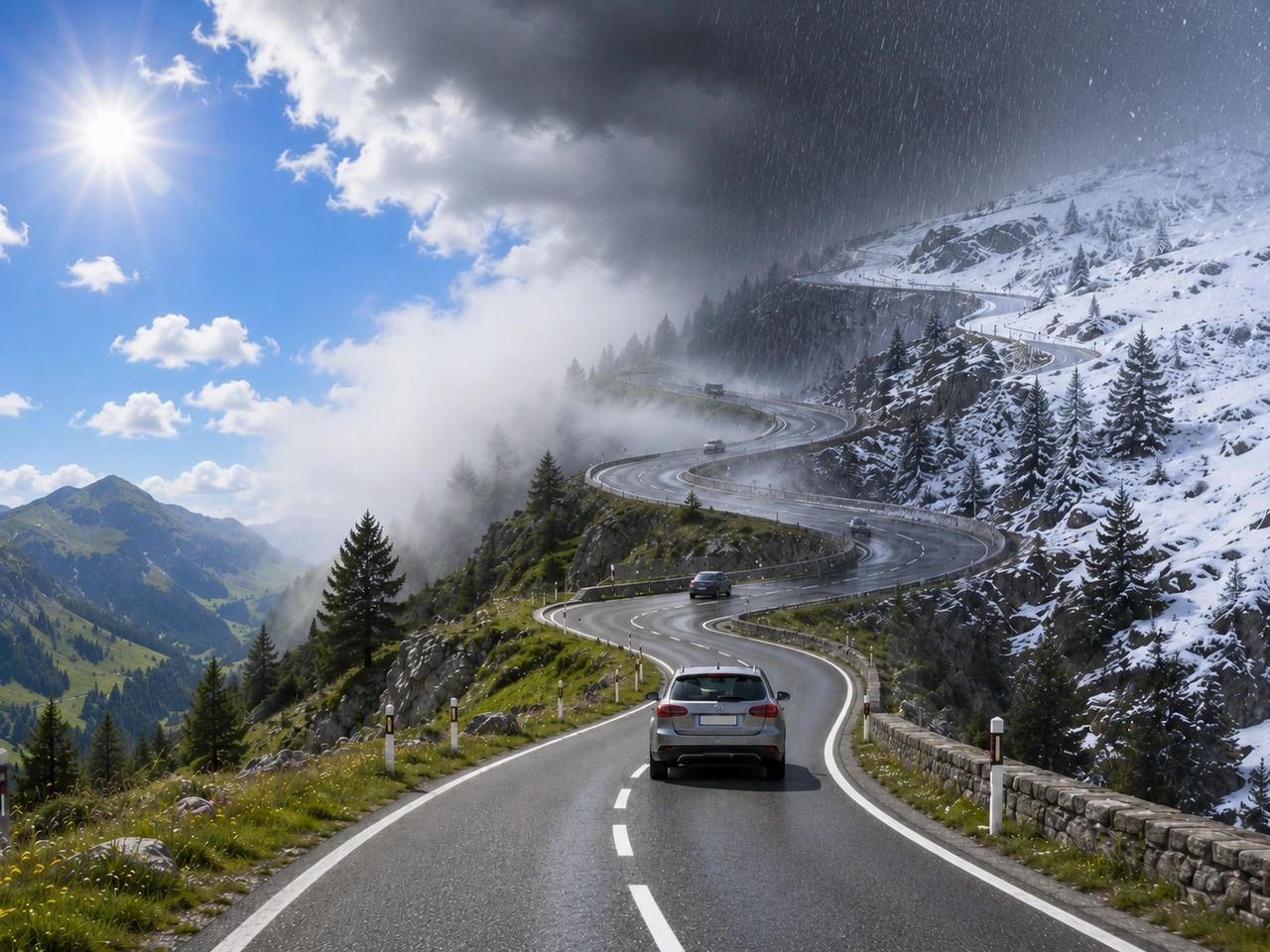
244. Why should you be prepared for changing conditions on mountain roads?
Fog, rain, snow, ice, falling rocks, and strong winds can develop rapidly in mountainous areas.
AI-generated by Traffic-rules.com • WCIT • CC BY-SA
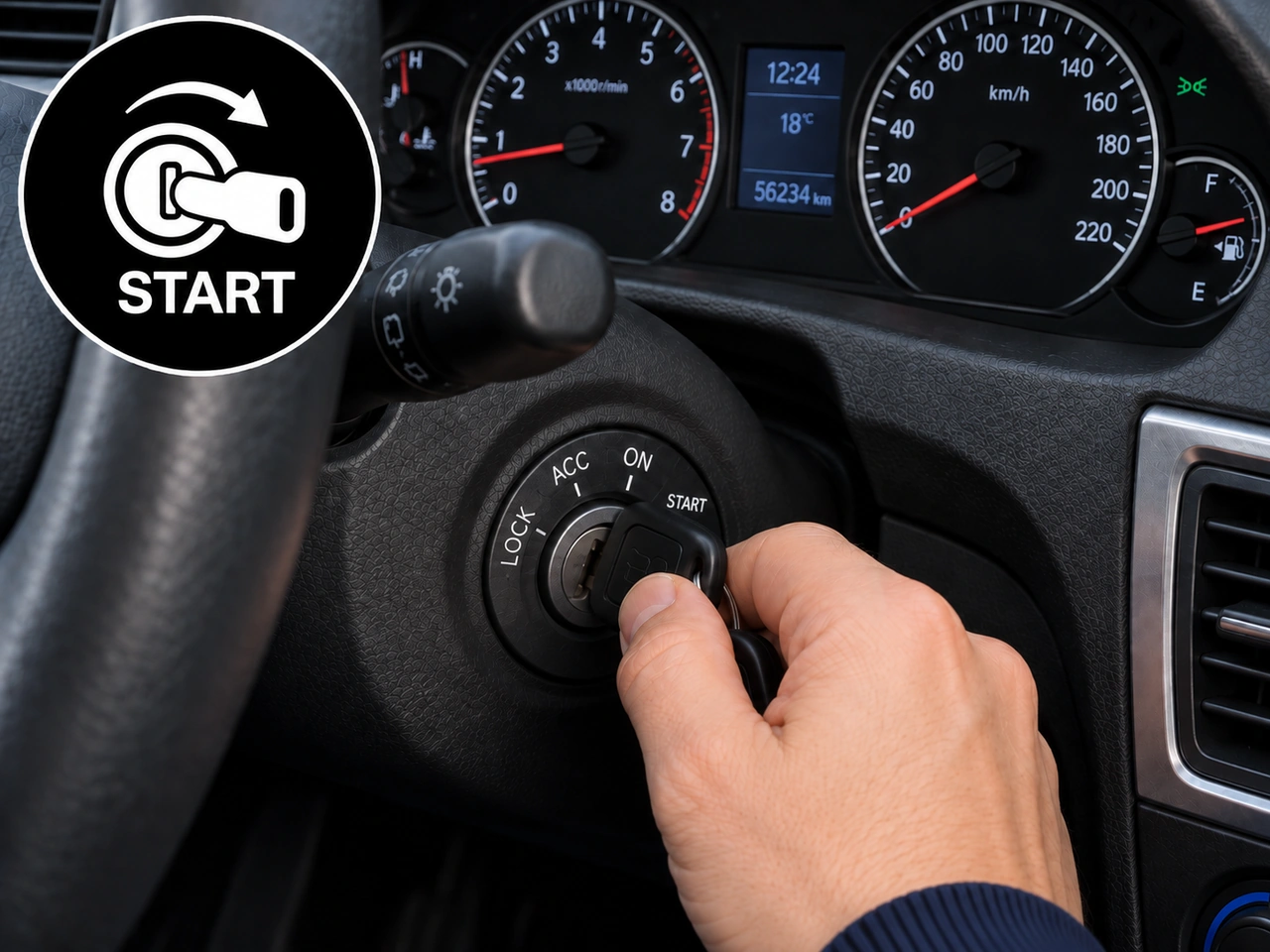
245. What should you do with the ignition key once the engine starts?
Once the engine starts, release the ignition key so it returns from START to the ON position. Holding the key in START unnecessarily can keep the starter motor engaged.
AI-generated by Traffic-rules.com • WCIT • CC BY-SA
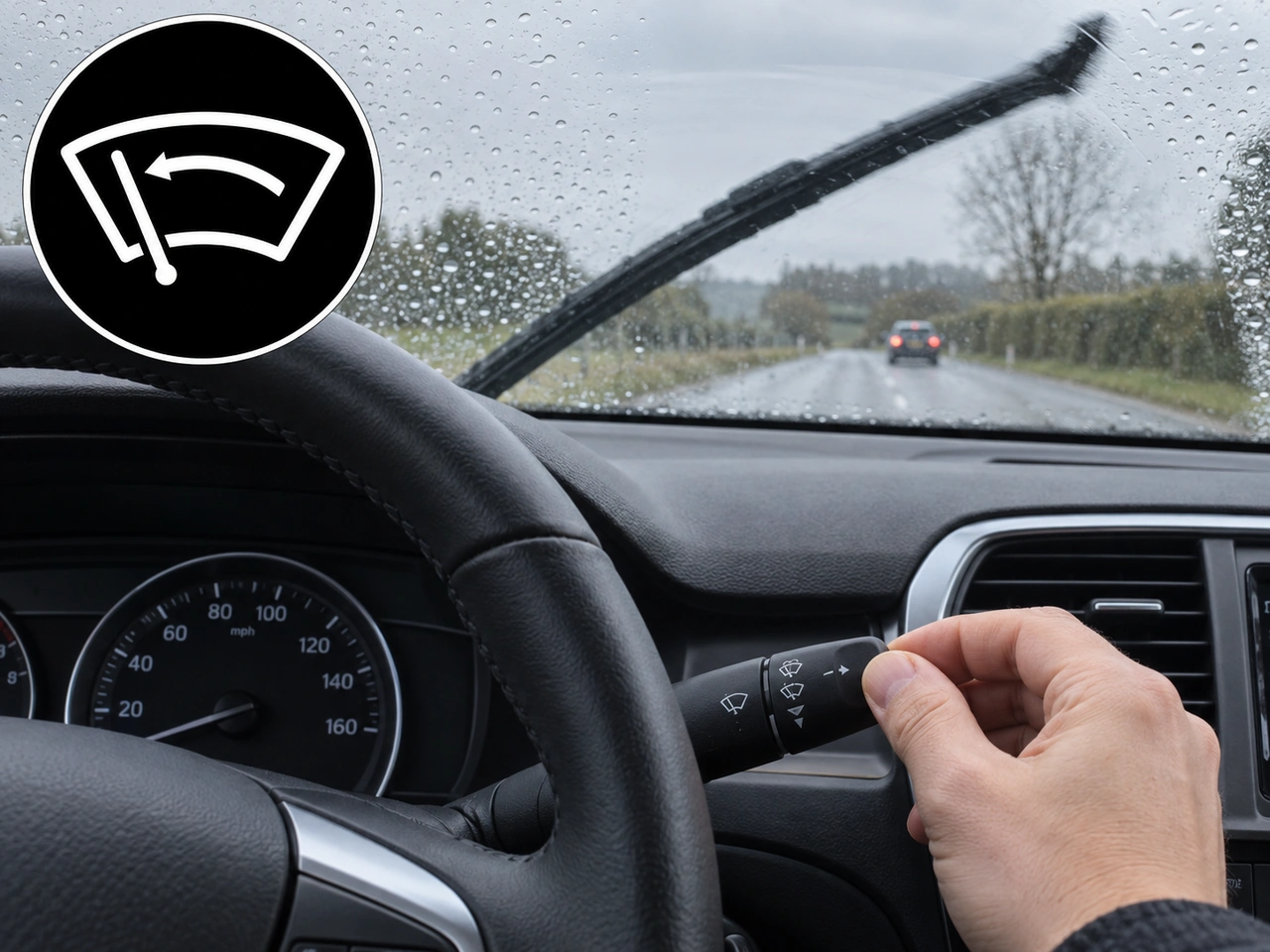
246. What does the single-wipe position of the windscreen-wiper control do?
The single-wipe position operates the windscreen wipers for one sweep and then stops. It is useful when only a small amount of water or spray needs to be cleared from the windscreen.
AI-generated by Traffic-rules.com • WCIT • CC BY-SA
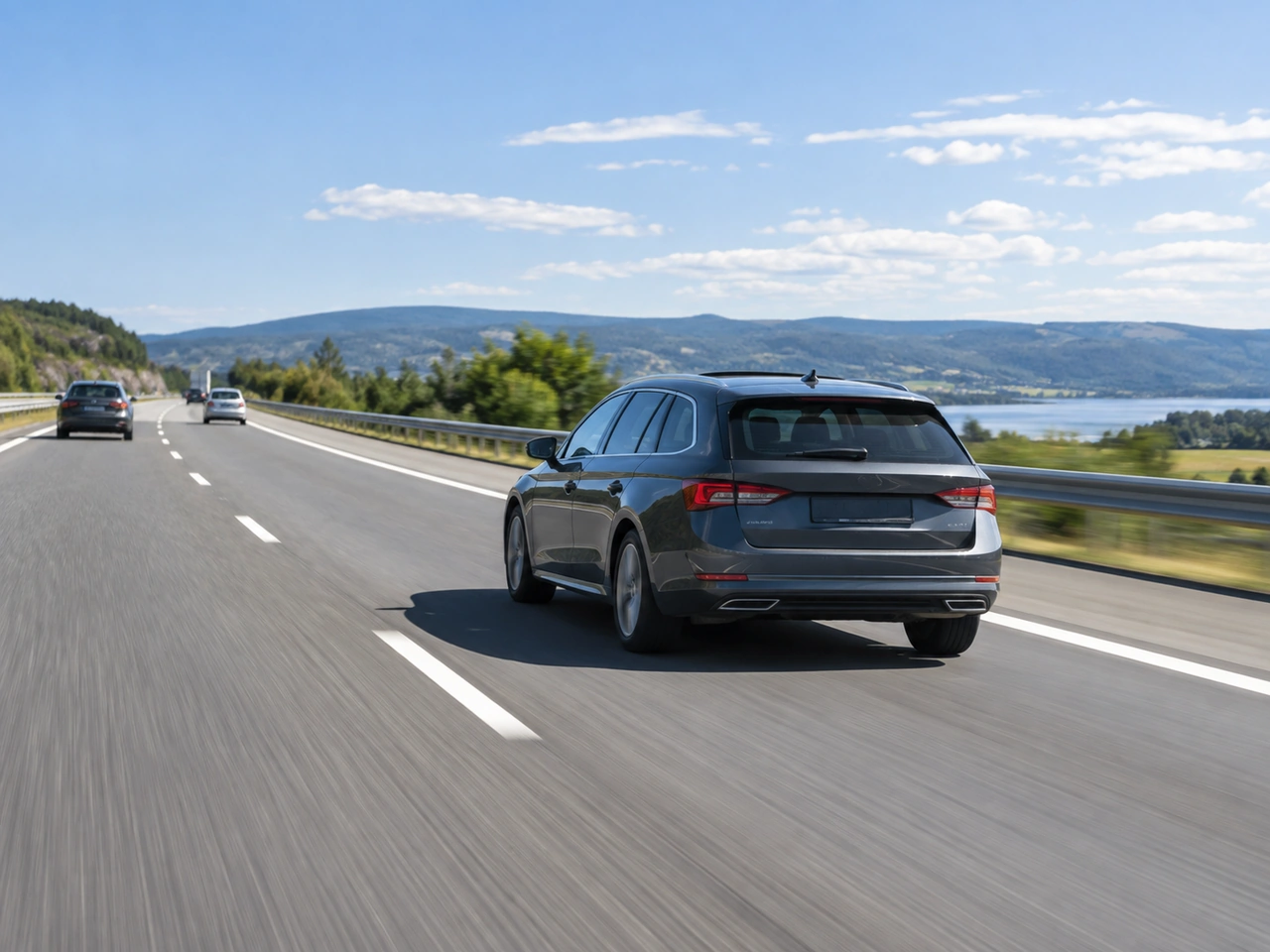
247. How can higher speed affect fuel or energy consumption?
As speed increases, aerodynamic resistance generally rises, so the vehicle needs more energy to maintain that speed. Driving smoothly at an appropriate speed can therefore reduce fuel or energy consumption.
AI-generated by Traffic-rules.com • WCIT • CC BY-SA
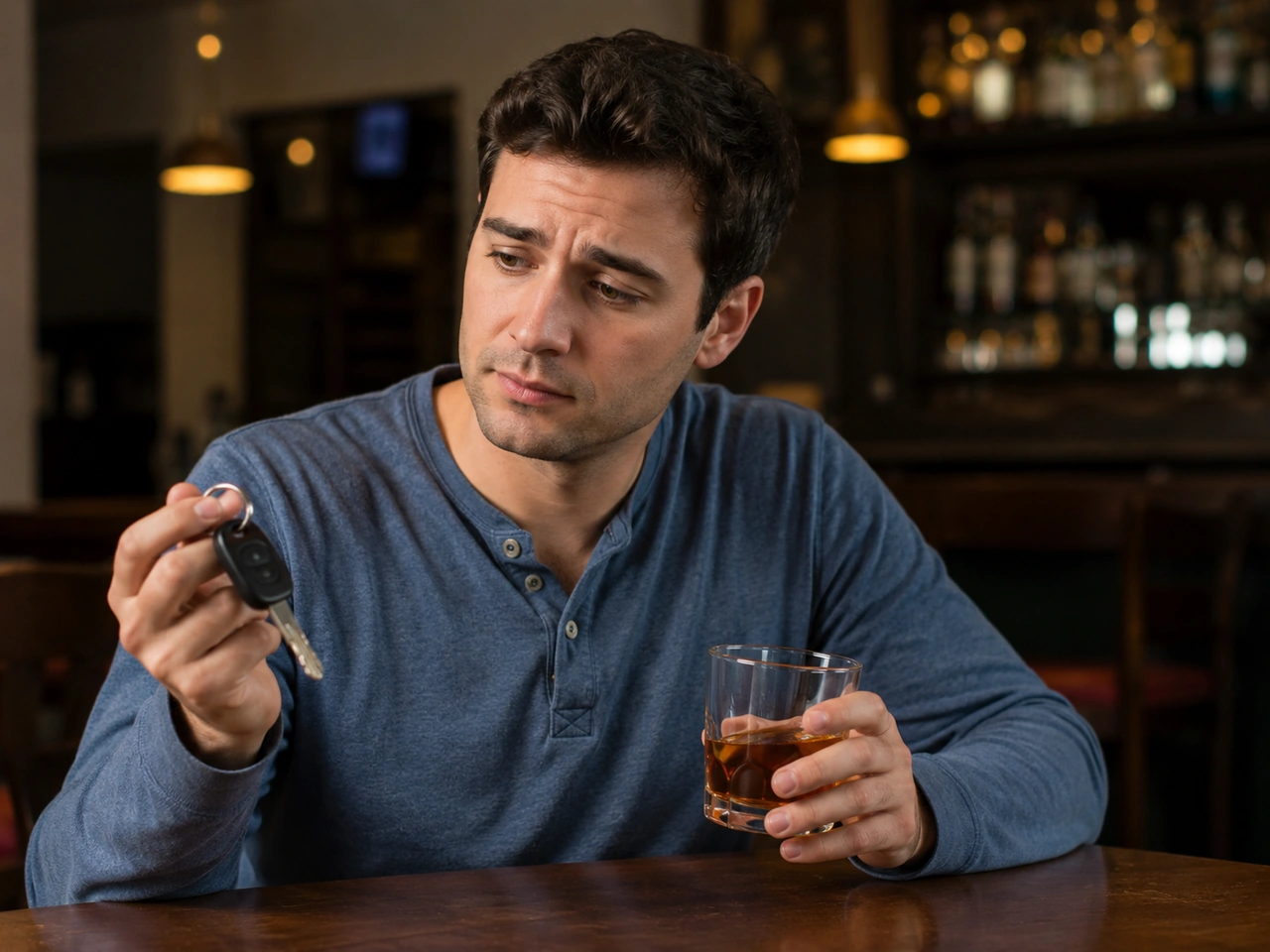
248. What is the safest choice if you have consumed alcohol?
Alcohol can impair judgement, coordination, vision, and reaction time. A sober driver, taxi, public transport, or an overnight stay is the safer choice.
AI-generated by Traffic-rules.com • WCIT • CC BY-SA
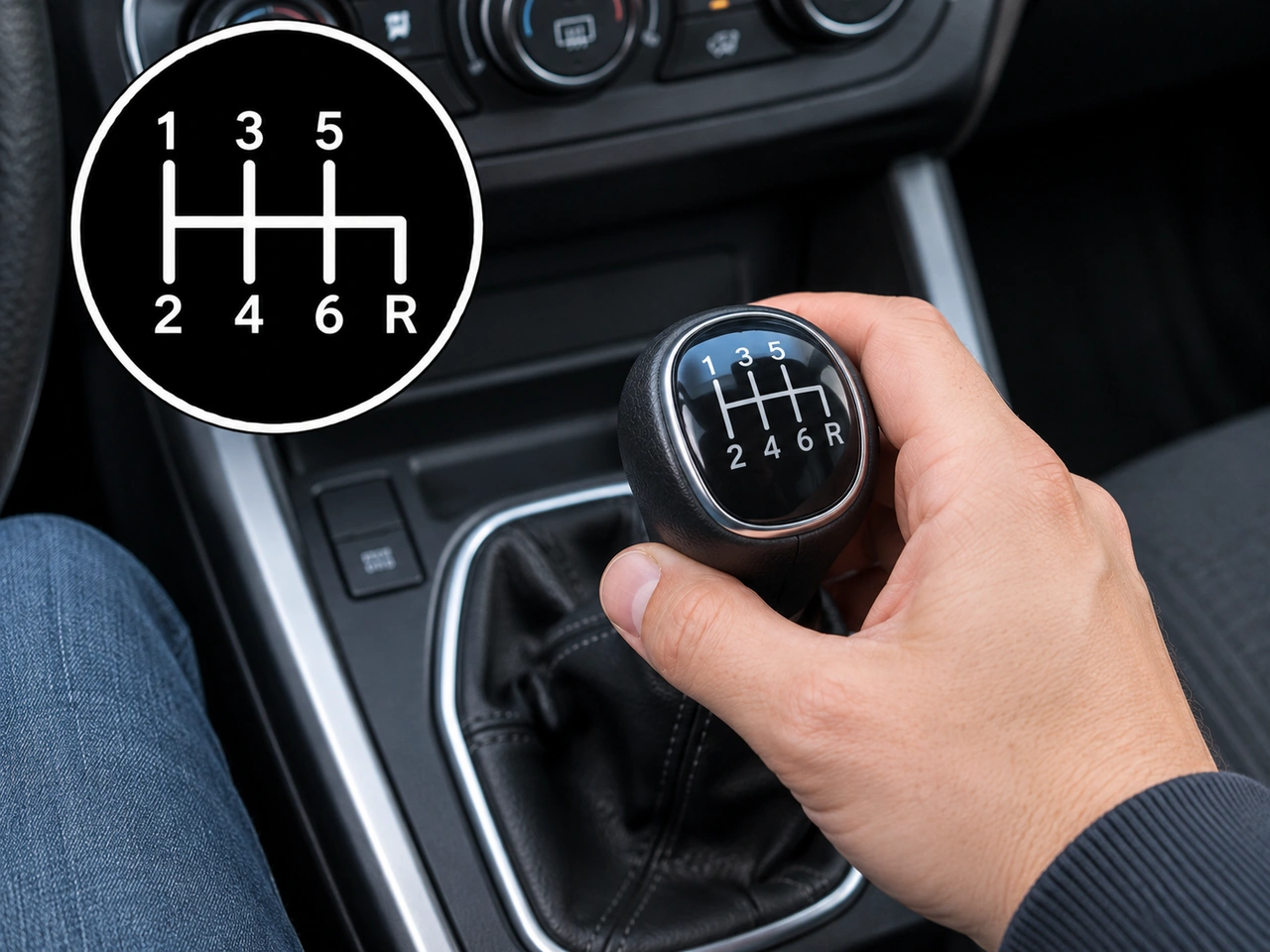
249. Which gear is normally used when moving off from a standstill?
1st gear is normally used when moving off from a standstill because it provides the greatest pulling power at low speed.
AI-generated by Traffic-rules.com • WCIT • CC BY-SA
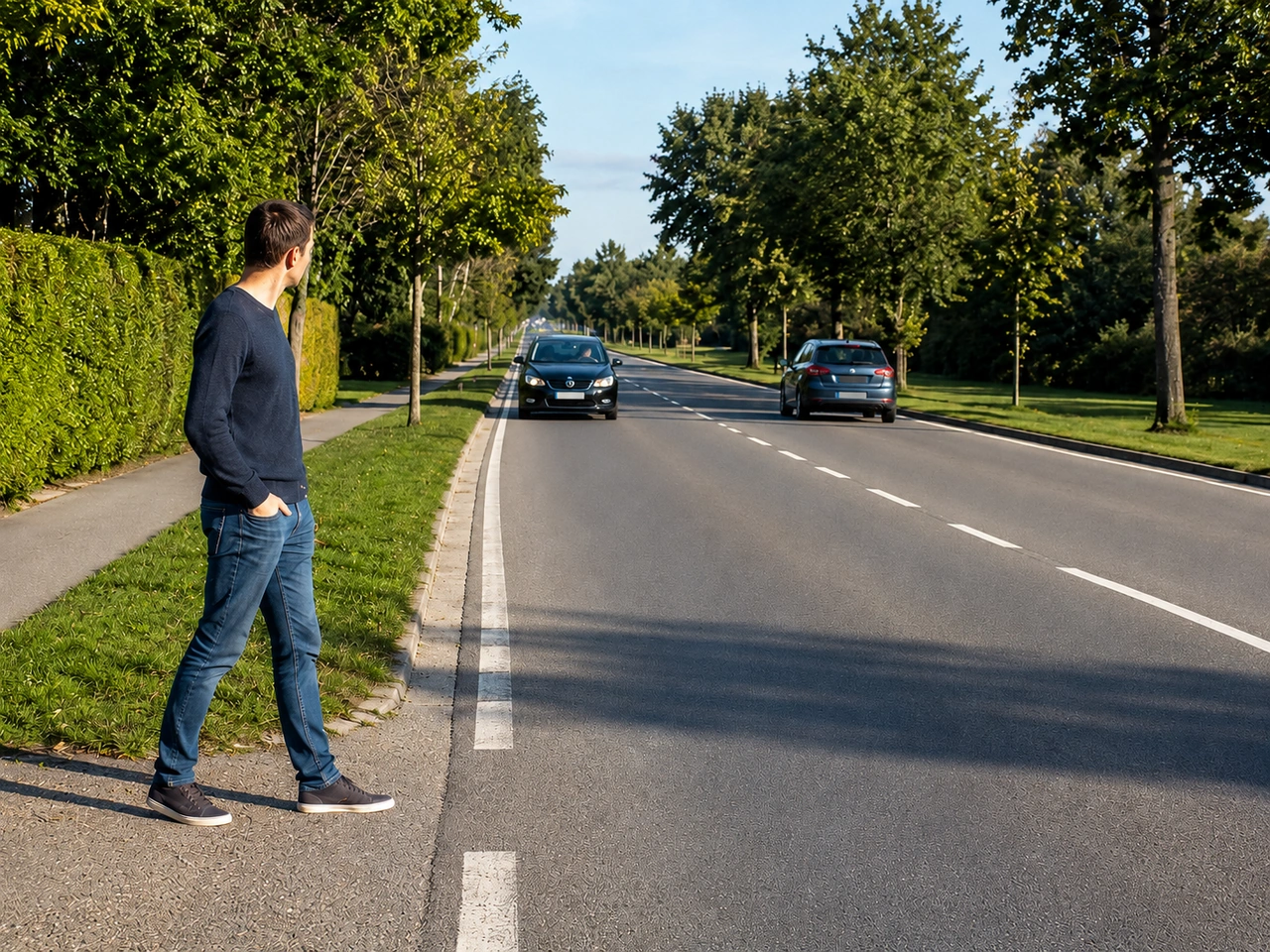
250. What should you do when crossing a road with no marked crossing nearby?
If there is no marked crossing nearby, choose a safe place where you can clearly see approaching traffic.
AI-generated by Traffic-rules.com • WCIT • CC BY-SA