


Traffic signsUnited States
 Traffic rules
 United States
251. Glovebox
A glovebox, also called a glove compartment, is a storage compartment built into the dashboard in front of the passenger seat. It is commonly used to keep vehicle documents, the owner’s manual and other small items within easy reach. The glovebox should be kept closed while driving so that it does not obstruct passengers or allow loose objects to fall into the vehicle. Avoid storing valuables or items that can be damaged by the high temperatures that may develop inside a parked car.
Wikimedia.org • Q4RadioGuy • CC BY
Should the glovebox be closed while driving?
Yes. Toyota’s owner-manual guidance says to keep the glovebox closed: during sudden braking or swerving, an occupant could be struck by the open compartment or its contents. Follow the instructions for your vehicle.
🔗 assets.sia.toyota.com • Toyota owner manual OM21046U, glove box safety
Where should I check how to open or lock my glovebox?
Use your vehicle’s owner’s manual. Latches and locks differ. The retrieved Toyota manual, for example, describes a lever to open the glovebox and a key or mechanical key to lock it, depending on the vehicle’s key system.
🔗 assets.sia.toyota.com • Toyota owner manual OM21046U, glove box safety

252. Visibility
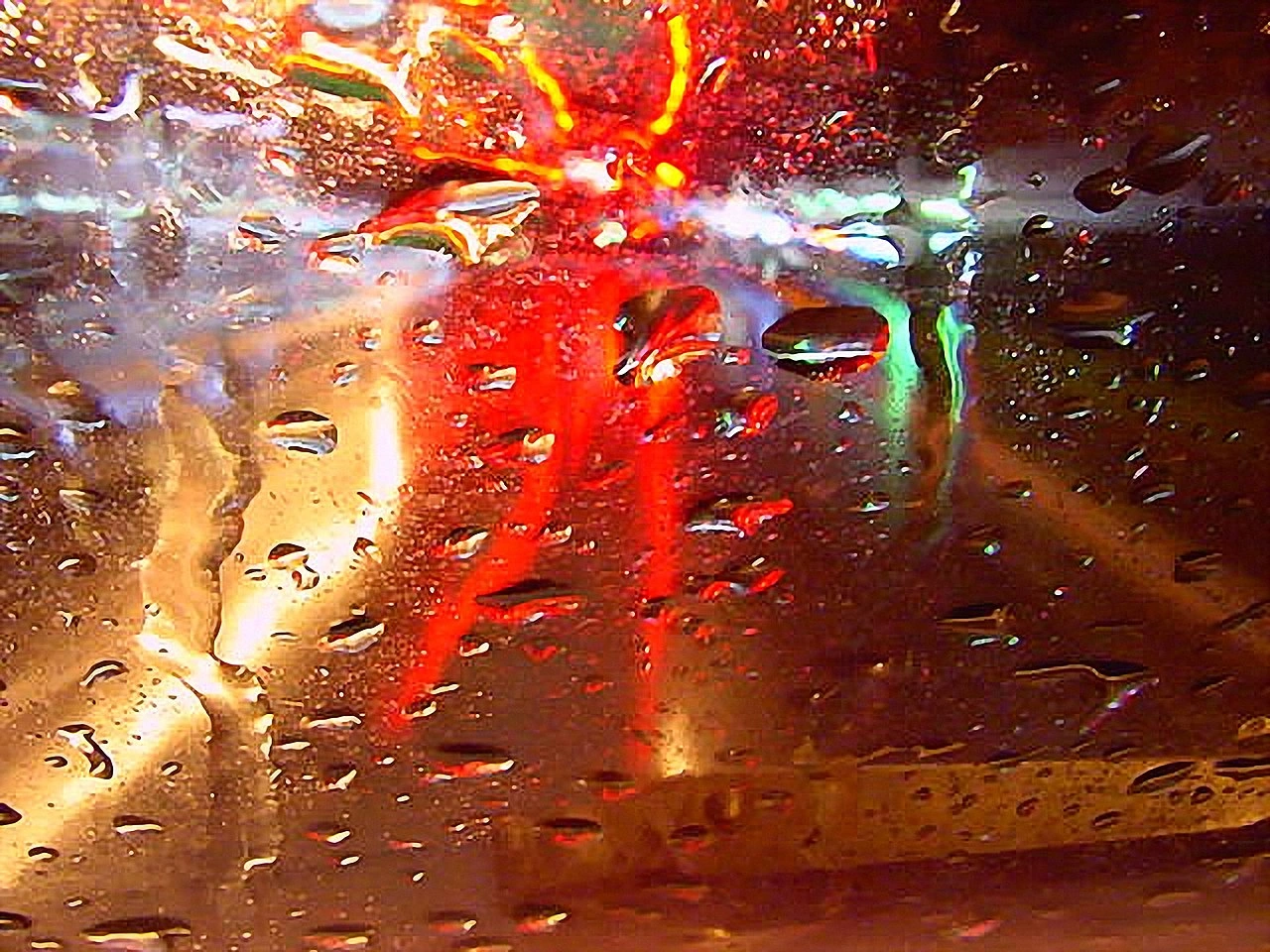
Visibility is the ability of a driver to see the road, other road users and potential hazards clearly, while also making the vehicle visible to others. Visibility can be reduced by darkness, fog, rain, snow, dirty or misted windows, glare and objects that obstruct the driver’s view. Drivers should keep windows, mirrors and lights clean, remove anything that blocks their field of vision and use the appropriate vehicle lights when visibility is reduced.
Wikimedia.org • Rick Doble • CC BY-SA
What does visibility mean when driving?
Visibility describes how clearly a driver can see the road, traffic and hazards and how easily other road users can see the vehicle.
🔗 gov.uk • Great Britain Highway Code, Rules 226–237, adverse weather; national guidance example
🔗 weather.metoffice.gov.uk • Met Office, freezing rain formation
🔗 weather.metoffice.gov.uk • Met Office, frost, transparent glaze and black ice
🔗 ops.fhwa.dot.gov • US FHWA, anti-icing chemistry and treatment timing
What can reduce visibility while driving?
Visibility can be reduced by darkness, fog, rain, snow, glare, dirty or misted windows and objects that obstruct the driver’s view.
🔗 gov.uk • Great Britain Highway Code, Rules 226–237, adverse weather; national guidance example
🔗 weather.metoffice.gov.uk • Met Office, freezing rain formation
🔗 weather.metoffice.gov.uk • Met Office, frost, transparent glaze and black ice
🔗 ops.fhwa.dot.gov • US FHWA, anti-icing chemistry and treatment timing
What should you do when visibility is poor?
Reduce your speed, increase your following distance and use the appropriate lights. Make sure you can see far enough ahead to react safely to traffic and obstacles.
🔗 gov.uk • Great Britain Highway Code, Rules 226–237, adverse weather; national guidance example
🔗 weather.metoffice.gov.uk • Met Office, freezing rain formation
🔗 weather.metoffice.gov.uk • Met Office, frost, transparent glaze and black ice
🔗 ops.fhwa.dot.gov • US FHWA, anti-icing chemistry and treatment timing
253. Snow
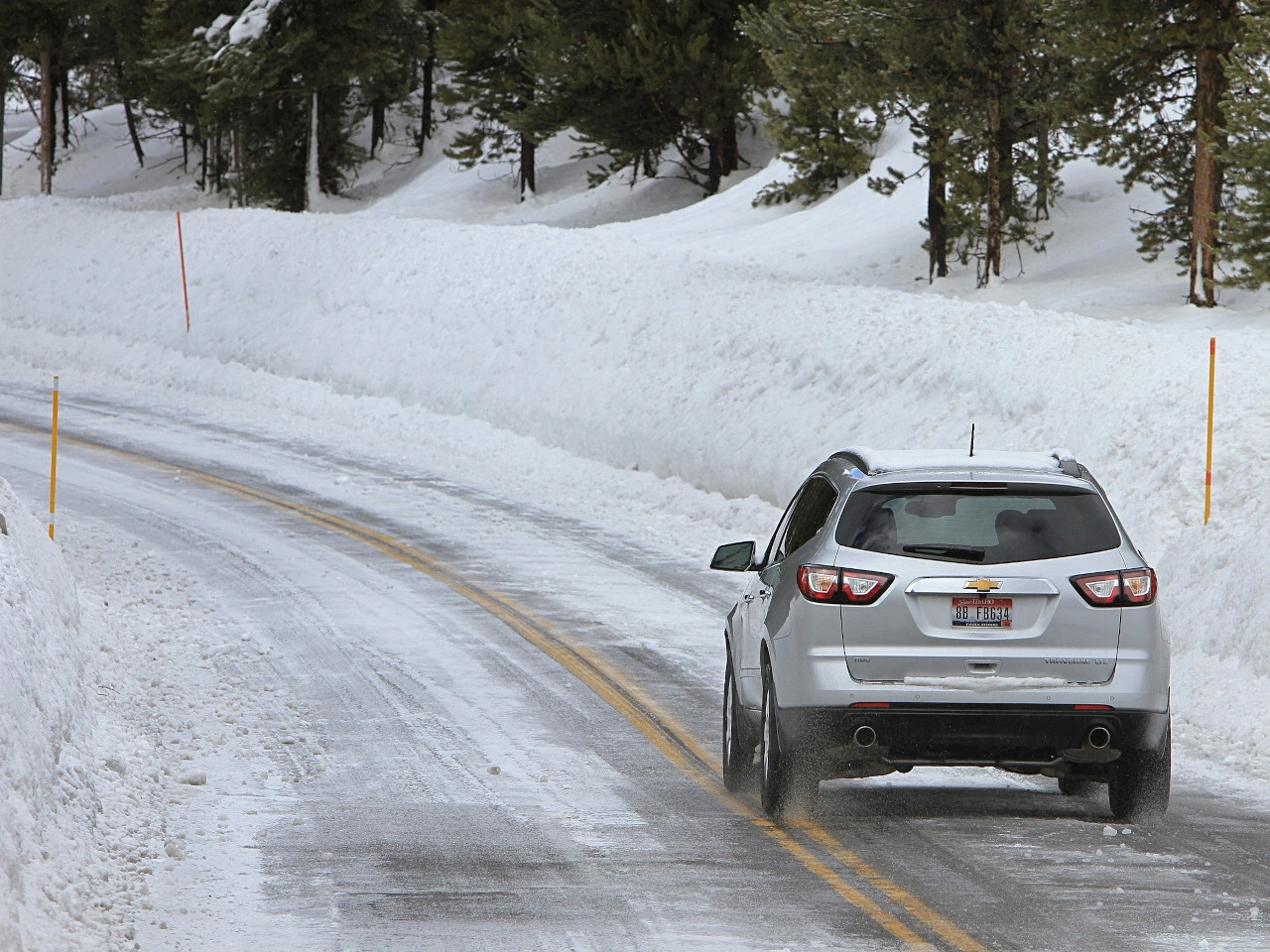
Snow can make roads slippery, reduce visibility and greatly increase stopping distances. Drivers should reduce speed, increase their following distance and accelerate, steer and brake smoothly to avoid losing control. Snow or ice should be removed from the windows, mirrors and lights before driving, and suitable tyres or other winter equipment may be required depending on the country and road conditions.
Wikimedia.org • Jim Peaco • CC0
How does snow affect driving?
Snow can reduce tyre grip, visibility and vehicle control and increase the distance needed to slow down or stop.
🔗 gov.uk • Great Britain Highway Code, Rules 226–237, adverse weather; national guidance example
🔗 weather.metoffice.gov.uk • Met Office, freezing rain formation
🔗 weather.metoffice.gov.uk • Met Office, frost, transparent glaze and black ice
🔗 ops.fhwa.dot.gov • US FHWA, anti-icing chemistry and treatment timing
How should you drive on snow?
Drive more slowly, increase your following distance and use smooth acceleration, steering and braking. Sudden movements can cause the tyres to lose grip.
🔗 gov.uk • Great Britain Highway Code, Rules 226–237, adverse weather; national guidance example
🔗 weather.metoffice.gov.uk • Met Office, freezing rain formation
🔗 weather.metoffice.gov.uk • Met Office, frost, transparent glaze and black ice
🔗 ops.fhwa.dot.gov • US FHWA, anti-icing chemistry and treatment timing
Should snow be removed from a vehicle before driving?
Yes. Remove snow and ice that obstruct the windscreen, windows, mirrors and lights. Snow should also be removed where it could fall from the vehicle and create a hazard for other road users.
🔗 gov.uk • Great Britain Highway Code, Rules 226–237, adverse weather; national guidance example
🔗 weather.metoffice.gov.uk • Met Office, freezing rain formation
🔗 weather.metoffice.gov.uk • Met Office, frost, transparent glaze and black ice
🔗 ops.fhwa.dot.gov • US FHWA, anti-icing chemistry and treatment timing
254. Ice
Ice can make a road extremely slippery and significantly reduce tyre grip, steering control and braking performance. Ice may be difficult to see, especially when it forms a thin transparent layer known as black ice. Drivers should reduce speed, increase their following distance and accelerate, steer and brake smoothly. Extra caution is needed on bridges, shaded roads and other places where ice may remain even when surrounding roads appear clear.

Wikimedia.org • Petelewisr • CC0
Why is ice dangerous when driving?
Ice can cause a major loss of tyre grip, making it harder to steer, brake or accelerate without skidding.
🔗 gov.uk • Great Britain Highway Code, Rules 226–237, adverse weather; national guidance example
🔗 weather.metoffice.gov.uk • Met Office, freezing rain formation
🔗 weather.metoffice.gov.uk • Met Office, frost, transparent glaze and black ice
🔗 ops.fhwa.dot.gov • US FHWA, anti-icing chemistry and treatment timing
What is black ice?
Black ice is a thin, transparent layer of ice that can be difficult to distinguish from the road surface. It is particularly dangerous because drivers may not notice it until the vehicle begins to lose grip.
🔗 gov.uk • Great Britain Highway Code, Rules 226–237, adverse weather; national guidance example
🔗 weather.metoffice.gov.uk • Met Office, freezing rain formation
🔗 weather.metoffice.gov.uk • Met Office, frost, transparent glaze and black ice
🔗 ops.fhwa.dot.gov • US FHWA, anti-icing chemistry and treatment timing
How should you drive on an icy road?
Reduce speed, increase your following distance and use smooth steering, acceleration and braking. Avoid sudden movements that could cause the tyres to lose grip.
🔗 gov.uk • Great Britain Highway Code, Rules 226–237, adverse weather; national guidance example
🔗 weather.metoffice.gov.uk • Met Office, freezing rain formation
🔗 weather.metoffice.gov.uk • Met Office, frost, transparent glaze and black ice
🔗 ops.fhwa.dot.gov • US FHWA, anti-icing chemistry and treatment timing
255. Rain
Rain can reduce visibility, tyre grip and vehicle control while increasing stopping distances. Water on the road can also cause aquaplaning, where the tyres lose contact with the road surface. Drivers should reduce speed, increase their following distance, avoid sudden steering or braking and use the appropriate lights when visibility is reduced. Extra care is needed during heavy rain and when water collects in wheel tracks or on poorly drained roads.

Wikimedia.org • Oregon Department of Transportation • CC BY
How does rain affect driving?
Rain can reduce visibility and tyre grip, increase stopping distances and make it more difficult to control the vehicle safely.
🔗 gov.uk • Great Britain Highway Code, Rules 226–237, adverse weather; national guidance example
🔗 weather.metoffice.gov.uk • Met Office, freezing rain formation
🔗 weather.metoffice.gov.uk • Met Office, frost, transparent glaze and black ice
🔗 ops.fhwa.dot.gov • US FHWA, anti-icing chemistry and treatment timing
How should you drive in heavy rain?
Reduce speed, increase your following distance and use smooth steering, acceleration and braking. Use the appropriate lights and be prepared for reduced visibility and standing water.
🔗 gov.uk • Great Britain Highway Code, Rules 226–237, adverse weather; national guidance example
🔗 weather.metoffice.gov.uk • Met Office, freezing rain formation
🔗 weather.metoffice.gov.uk • Met Office, frost, transparent glaze and black ice
🔗 ops.fhwa.dot.gov • US FHWA, anti-icing chemistry and treatment timing
Why should you increase the following distance in rain?
Wet roads can increase the distance needed to stop. A larger following distance gives you more time and space to react safely.
🔗 gov.uk • Great Britain Highway Code, Rules 226–237, adverse weather; national guidance example
🔗 weather.metoffice.gov.uk • Met Office, freezing rain formation
🔗 weather.metoffice.gov.uk • Met Office, frost, transparent glaze and black ice
🔗 ops.fhwa.dot.gov • US FHWA, anti-icing chemistry and treatment timing
256. Freezing rain
Freezing rain occurs when supercooled raindrops freeze on contact with cold roads, vehicles and other surfaces, creating a thin layer of ice. This can make roads extremely slippery even when they appear wet rather than frozen. Drivers should reduce speed, increase their following distance and avoid sudden acceleration, steering or braking. Bridges, shaded sections and untreated roads can become particularly hazardous, and conditions may change quickly as freezing rain continues.

Wikimedia.org • Famartin • CC BY-SA
What is freezing rain?
Freezing rain is rain that freezes when it reaches a sufficiently cold surface, forming a layer of ice on roads, vehicles and other objects.
🔗 gov.uk • Great Britain Highway Code, Rules 226–237, adverse weather; national guidance example
🔗 weather.metoffice.gov.uk • Met Office, freezing rain formation
🔗 weather.metoffice.gov.uk • Met Office, frost, transparent glaze and black ice
🔗 ops.fhwa.dot.gov • US FHWA, anti-icing chemistry and treatment timing
Why is freezing rain dangerous for drivers?
Freezing rain can create very slippery and difficult-to-see ice, greatly reducing tyre grip and making steering and braking more difficult.
🔗 gov.uk • Great Britain Highway Code, Rules 226–237, adverse weather; national guidance example
🔗 weather.metoffice.gov.uk • Met Office, freezing rain formation
🔗 weather.metoffice.gov.uk • Met Office, frost, transparent glaze and black ice
🔗 ops.fhwa.dot.gov • US FHWA, anti-icing chemistry and treatment timing
How should you drive in freezing rain?
Reduce speed, increase your following distance and use smooth acceleration, steering and braking. Avoid unnecessary driving if conditions become extremely slippery.
🔗 gov.uk • Great Britain Highway Code, Rules 226–237, adverse weather; national guidance example
🔗 weather.metoffice.gov.uk • Met Office, freezing rain formation
🔗 weather.metoffice.gov.uk • Met Office, frost, transparent glaze and black ice
🔗 ops.fhwa.dot.gov • US FHWA, anti-icing chemistry and treatment timing
257. Fog
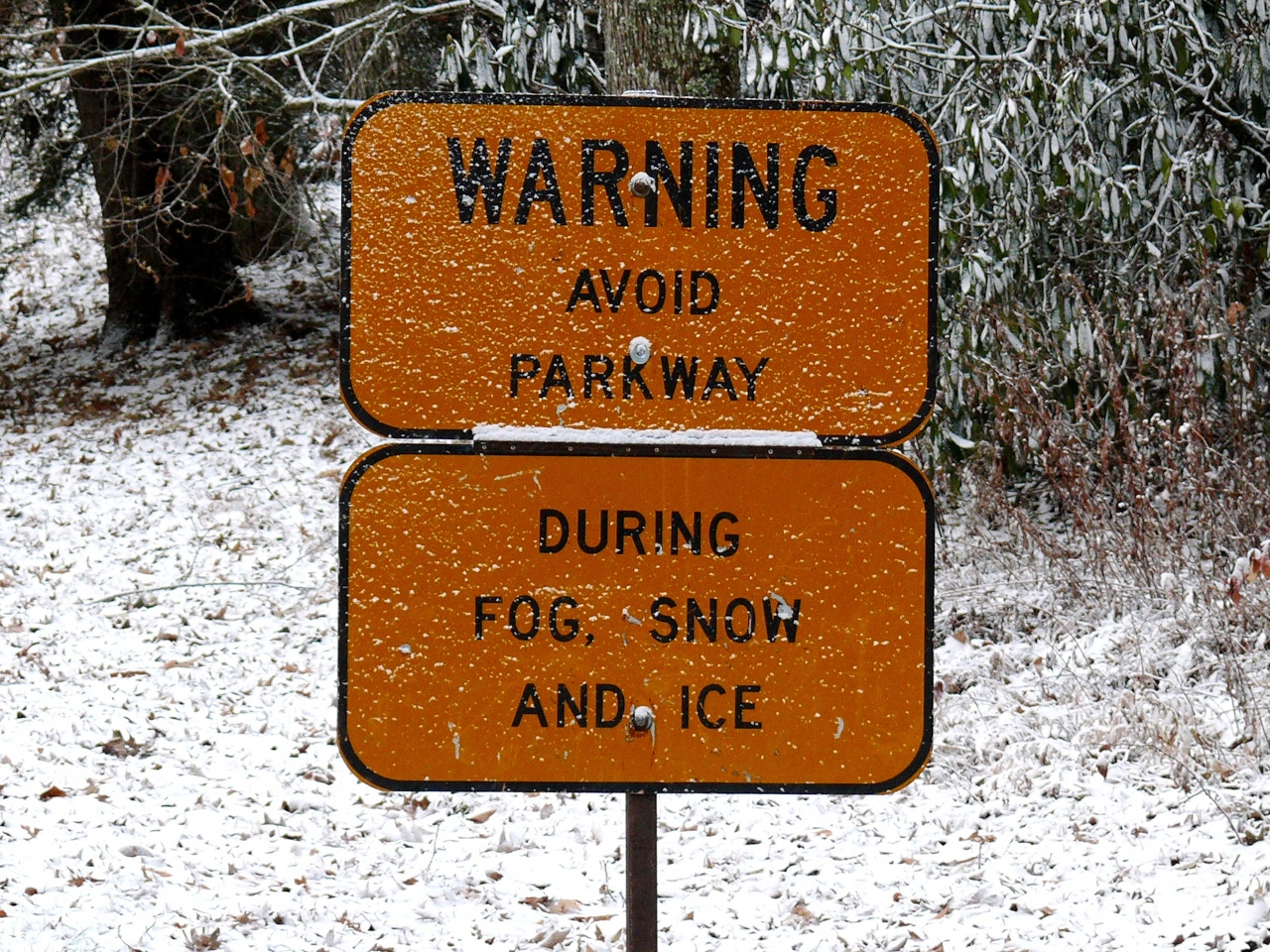
Fog can greatly reduce visibility and make it difficult to judge speed, distance and the position of other road users. Drivers should reduce speed, increase their following distance and use the appropriate lights without dazzling others. Avoid relying only on the vehicle ahead as a guide, and be prepared for sudden changes in visibility. When fog is very dense, stopping in a safe place may be the best option.
Wikimedia.org • Ken Thomas • CC0
Why is fog dangerous when driving?
Fog can greatly reduce visibility and make it harder to judge speed, distance and the movement of other road users.
🔗 gov.uk • Great Britain Highway Code, Rules 226–237, adverse weather; national guidance example
🔗 weather.metoffice.gov.uk • Met Office, freezing rain formation
🔗 weather.metoffice.gov.uk • Met Office, frost, transparent glaze and black ice
🔗 ops.fhwa.dot.gov • US FHWA, anti-icing chemistry and treatment timing
How should you drive in fog?
Reduce speed, increase your following distance and use the appropriate lights. Drive so that you can stop safely within the distance you can clearly see.
🔗 gov.uk • Great Britain Highway Code, Rules 226–237, adverse weather; national guidance example
🔗 weather.metoffice.gov.uk • Met Office, freezing rain formation
🔗 weather.metoffice.gov.uk • Met Office, frost, transparent glaze and black ice
🔗 ops.fhwa.dot.gov • US FHWA, anti-icing chemistry and treatment timing
Should you use high-beam headlights in fog?
Usually not. High beams can reflect from the water droplets in fog and make visibility worse. Use the lighting permitted and recommended under local traffic rules.
🔗 gov.uk • Great Britain Highway Code, Rules 226–237, adverse weather; national guidance example
🔗 weather.metoffice.gov.uk • Met Office, freezing rain formation
🔗 weather.metoffice.gov.uk • Met Office, frost, transparent glaze and black ice
🔗 ops.fhwa.dot.gov • US FHWA, anti-icing chemistry and treatment timing
258. Hail
Hail can reduce visibility, make the road slippery and create sudden hazardous driving conditions. Hailstones may accumulate on the road and reduce tyre grip in a similar way to ice or loose material, while larger hailstones can also damage windscreens and vehicle bodywork. Drivers should reduce speed, increase their following distance, avoid sudden steering or braking and, when conditions become severe, consider stopping at a safe place until the hailstorm passes.
Why is hail dangerous when driving?
Hail can reduce visibility and tyre grip, make the road slippery and distract drivers because of the sudden noise and impact of hailstones.
🔗 gov.uk • Great Britain Highway Code, Rules 226–237, adverse weather; national guidance example
🔗 weather.metoffice.gov.uk • Met Office, freezing rain formation
🔗 weather.metoffice.gov.uk • Met Office, frost, transparent glaze and black ice
🔗 ops.fhwa.dot.gov • US FHWA, anti-icing chemistry and treatment timing
How should you drive during a hailstorm?
Reduce speed, increase your following distance and use smooth steering and braking. If the hail becomes severe or visibility is very poor, consider stopping at a safe place away from moving traffic.
🔗 gov.uk • Great Britain Highway Code, Rules 226–237, adverse weather; national guidance example
🔗 weather.metoffice.gov.uk • Met Office, freezing rain formation
🔗 weather.metoffice.gov.uk • Met Office, frost, transparent glaze and black ice
🔗 ops.fhwa.dot.gov • US FHWA, anti-icing chemistry and treatment timing
Is it safer to stop during severe hail?
If visibility or road conditions become too dangerous, it may be safer to stop at a suitable place away from moving traffic and continue when conditions improve.
🔗 gov.uk • Great Britain Highway Code, Rules 226–237, adverse weather; national guidance example
🔗 weather.metoffice.gov.uk • Met Office, freezing rain formation
🔗 weather.metoffice.gov.uk • Met Office, frost, transparent glaze and black ice
🔗 ops.fhwa.dot.gov • US FHWA, anti-icing chemistry and treatment timing
259. Sunlight
Sunlight can reduce visibility when the sun is low in the sky or when bright light reflects from wet roads, snow, buildings or other vehicles. Sun glare can make traffic lights, signs, pedestrians and other road users difficult to see. Drivers should reduce speed when necessary, keep the windscreen clean, use the sun visor or suitable sunglasses and leave extra space to react to hazards that may be temporarily hidden by glare.

Wikimedia.org • Frank Contreras Cardenas • CC BY-SA
Why can sunlight be dangerous when driving?
Bright or low sunlight can cause glare and temporarily reduce visibility, making traffic lights, signs, pedestrians and other road users more difficult to see.
🔗 gov.uk • Great Britain Highway Code, Rules 226–237, adverse weather; national guidance example
🔗 weather.metoffice.gov.uk • Met Office, freezing rain formation
🔗 weather.metoffice.gov.uk • Met Office, frost, transparent glaze and black ice
🔗 ops.fhwa.dot.gov • US FHWA, anti-icing chemistry and treatment timing
When is sun glare most likely to cause problems?
Glare is often strongest when the sun is low in the sky, particularly around sunrise and sunset, and when sunlight reflects from wet roads, snow, glass or other bright surfaces.
🔗 gov.uk • Great Britain Highway Code, Rules 226–237, adverse weather; national guidance example
🔗 weather.metoffice.gov.uk • Met Office, freezing rain formation
🔗 weather.metoffice.gov.uk • Met Office, frost, transparent glaze and black ice
🔗 ops.fhwa.dot.gov • US FHWA, anti-icing chemistry and treatment timing
What should you do when sunlight makes it difficult to see?
Reduce speed and increase your following distance so you have more time to react. Use the sun visor where helpful and avoid continuing at a speed that is too high for the available visibility.
🔗 gov.uk • Great Britain Highway Code, Rules 226–237, adverse weather; national guidance example
🔗 weather.metoffice.gov.uk • Met Office, freezing rain formation
🔗 weather.metoffice.gov.uk • Met Office, frost, transparent glaze and black ice
🔗 ops.fhwa.dot.gov • US FHWA, anti-icing chemistry and treatment timing
260. Sunglasses
Sunglasses can reduce glare and improve visual comfort when driving in bright sunlight, especially when the sun is low or reflects from wet roads, snow or other surfaces. Drivers should choose lenses that allow traffic lights, signs and other road users to remain clearly visible. Very dark lenses can reduce visibility in tunnels, at night or in changing light conditions, so sunglasses should be removed when they make it harder to see the road safely.

Wikimedia.org • Vancouver 125 • CC BY
Can sunglasses help when driving?
Yes. Sunglasses can reduce glare and improve visual comfort in bright sunlight, making it easier to see the road and surrounding traffic.
🔗 gov.uk • Great Britain Highway Code, Rules 226–237, adverse weather; national guidance example
🔗 weather.metoffice.gov.uk • Met Office, freezing rain formation
🔗 weather.metoffice.gov.uk • Met Office, frost, transparent glaze and black ice
🔗 ops.fhwa.dot.gov • US FHWA, anti-icing chemistry and treatment timing
When are sunglasses most useful while driving?
They are particularly useful when the sun is low in the sky or when bright light reflects from wet roads, snow, glass or other surfaces.
🔗 gov.uk • Great Britain Highway Code, Rules 226–237, adverse weather; national guidance example
🔗 weather.metoffice.gov.uk • Met Office, freezing rain formation
🔗 weather.metoffice.gov.uk • Met Office, frost, transparent glaze and black ice
🔗 ops.fhwa.dot.gov • US FHWA, anti-icing chemistry and treatment timing
Are very dark sunglasses suitable for driving?
Very dark lenses can reduce the amount of light reaching the eyes and may make it difficult to see in tunnels, shade, poor weather or at night. Sunglasses should not interfere with safe visibility.
🔗 gov.uk • Great Britain Highway Code, Rules 226–237, adverse weather; national guidance example
🔗 weather.metoffice.gov.uk • Met Office, freezing rain formation
🔗 weather.metoffice.gov.uk • Met Office, frost, transparent glaze and black ice
🔗 ops.fhwa.dot.gov • US FHWA, anti-icing chemistry and treatment timing
261. Salt
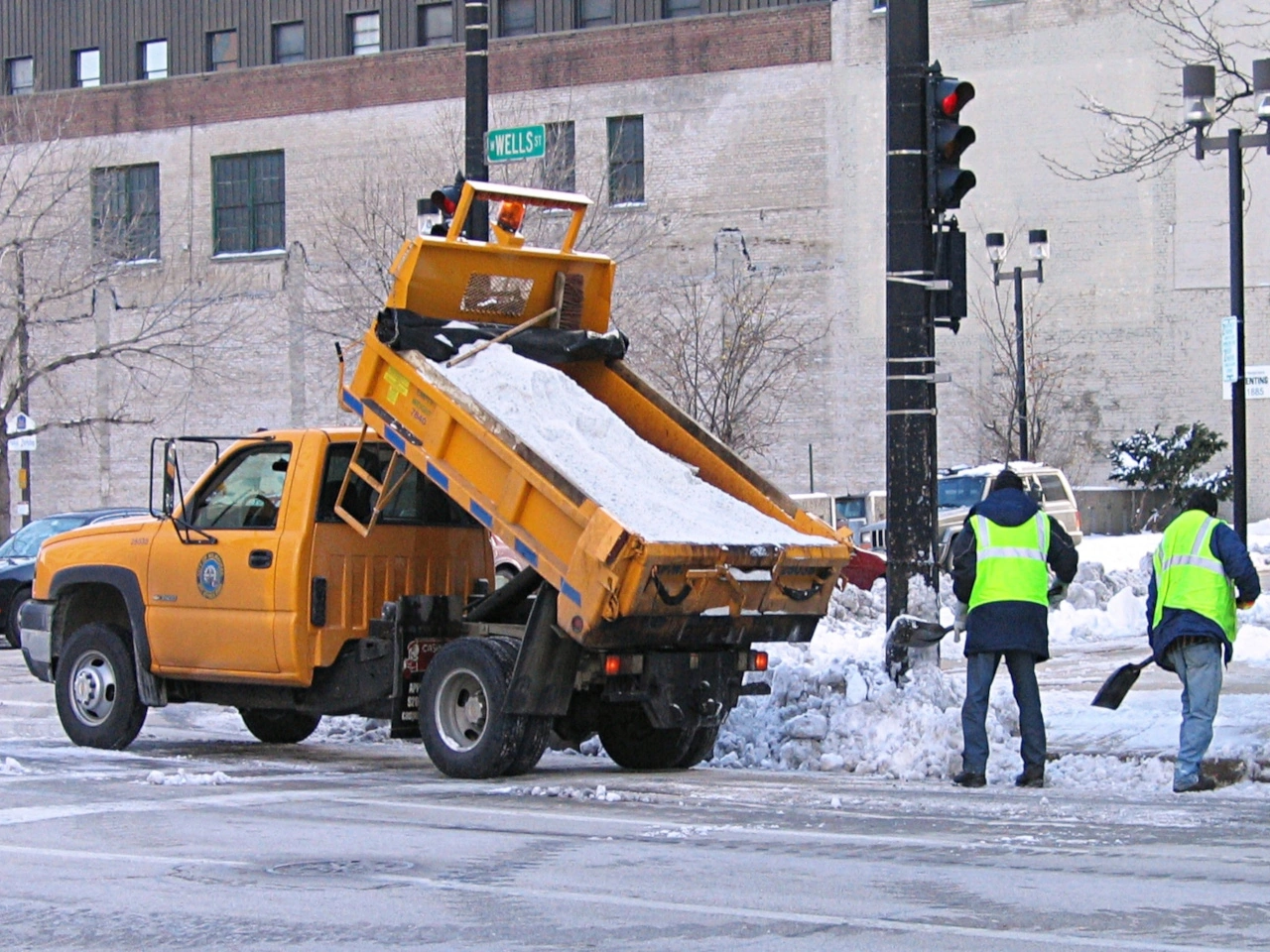
Salt is commonly used for deicing and anti-icing roads in winter. It lowers the freezing point of water, helping to prevent ice from forming or to melt existing snow and ice. Road authorities may spread dry salt, wet salt or brine before or during freezing conditions. Salt improves road safety, but drivers should still reduce speed and adapt to slippery conditions because treated roads can remain hazardous, especially during heavy snowfall, freezing rain or very low temperatures.
Wikimedia.org • Michael Pereckas • CC BY
Why is salt used on roads in winter?
Salt helps lower the freezing point of water, making it harder for ice to form and helping existing snow or ice melt.
🔗 gov.uk • Great Britain Highway Code, Rules 226–237, adverse weather; national guidance example
🔗 weather.metoffice.gov.uk • Met Office, freezing rain formation
🔗 weather.metoffice.gov.uk • Met Office, frost, transparent glaze and black ice
🔗 ops.fhwa.dot.gov • US FHWA, anti-icing chemistry and treatment timing
What is the difference between deicing and anti-icing?
Anti-icing means treating the road before ice forms, while deicing means applying salt or another treatment after snow or ice is already present.
🔗 gov.uk • Great Britain Highway Code, Rules 226–237, adverse weather; national guidance example
🔗 weather.metoffice.gov.uk • Met Office, freezing rain formation
🔗 weather.metoffice.gov.uk • Met Office, frost, transparent glaze and black ice
🔗 ops.fhwa.dot.gov • US FHWA, anti-icing chemistry and treatment timing
Does salt make an icy road completely safe?
No. Salt can improve grip by reducing snow and ice, but treated roads can still be slippery. Drivers should continue to reduce speed and increase their following distance.
🔗 gov.uk • Great Britain Highway Code, Rules 226–237, adverse weather; national guidance example
🔗 weather.metoffice.gov.uk • Met Office, freezing rain formation
🔗 weather.metoffice.gov.uk • Met Office, frost, transparent glaze and black ice
🔗 ops.fhwa.dot.gov • US FHWA, anti-icing chemistry and treatment timing
262. Air conditioning
Air conditioning helps control the temperature and humidity inside a vehicle and can improve comfort and visibility. In hot weather it cools the passenger compartment, while in damp conditions it can help remove moisture from the air and clear mist from the windows more quickly. Drivers should use the system in a way that keeps the interior comfortable without creating large temperature differences, and the system should be maintained so that it continues to work effectively.
Wikimedia.org • Mattes • CC0
What does air conditioning do in a car?
Air conditioning cools and dehumidifies the air inside the vehicle, helping improve comfort and reduce moisture on the windows.
🔗 gov.uk • Great Britain Highway Code, Rules 226–237, adverse weather; national guidance example
🔗 weather.metoffice.gov.uk • Met Office, freezing rain formation
🔗 weather.metoffice.gov.uk • Met Office, frost, transparent glaze and black ice
🔗 ops.fhwa.dot.gov • US FHWA, anti-icing chemistry and treatment timing
Can air conditioning help demist the windscreen?
Yes. Because air conditioning removes moisture from the air, it can help clear condensation from the windscreen and windows more quickly.
🔗 gov.uk • Great Britain Highway Code, Rules 226–237, adverse weather; national guidance example
🔗 weather.metoffice.gov.uk • Met Office, freezing rain formation
🔗 weather.metoffice.gov.uk • Met Office, frost, transparent glaze and black ice
🔗 ops.fhwa.dot.gov • US FHWA, anti-icing chemistry and treatment timing
Should air conditioning be used in winter?
Air conditioning can help demist windows in winter when the vehicle system permits it. Use the handbook’s demisting or automatic-climate settings. Operation can depend on temperature and system conditions, so do not assume the compressor will always run.
🔗 gov.uk • Great Britain Highway Code, Rules 226–237, adverse weather; national guidance example
🔗 weather.metoffice.gov.uk • Met Office, freezing rain formation
🔗 weather.metoffice.gov.uk • Met Office, frost, transparent glaze and black ice
🔗 ops.fhwa.dot.gov • US FHWA, anti-icing chemistry and treatment timing
263. Hydroplaning
Hydroplaning, also called aquaplaning, occurs when a layer of water builds up between a vehicle’s tyres and the road surface, causing the tyres to lose contact with the road. Steering, braking and acceleration can then become much less effective. The risk increases with speed, standing water and worn tyres. Drivers should reduce speed in heavy rain, avoid sudden steering or braking and make sure their tyres are in good condition with sufficient tread depth.
What is hydroplaning?
Hydroplaning occurs when water separates the tyres from the road surface, reducing or temporarily removing normal tyre grip.
🔗 gov.uk • Great Britain Highway Code, Rules 226–237, adverse weather; national guidance example
🔗 weather.metoffice.gov.uk • Met Office, freezing rain formation
🔗 weather.metoffice.gov.uk • Met Office, frost, transparent glaze and black ice
🔗 ops.fhwa.dot.gov • US FHWA, anti-icing chemistry and treatment timing
What should you do if your vehicle starts hydroplaning?
Remain calm, ease off the accelerator and avoid sudden braking or steering. Keep the steering movements smooth and controlled until the tyres regain contact with the road.
🔗 gov.uk • Great Britain Highway Code, Rules 226–237, adverse weather; national guidance example
🔗 weather.metoffice.gov.uk • Met Office, freezing rain formation
🔗 weather.metoffice.gov.uk • Met Office, frost, transparent glaze and black ice
🔗 ops.fhwa.dot.gov • US FHWA, anti-icing chemistry and treatment timing
At what speed does hydroplaning occur?
There is no single speed at which hydroplaning always begins. The risk depends on speed, water depth, tyre condition, tyre pressure and the road surface.
🔗 gov.uk • Great Britain Highway Code, Rules 226–237, adverse weather; national guidance example
🔗 weather.metoffice.gov.uk • Met Office, freezing rain formation
🔗 weather.metoffice.gov.uk • Met Office, frost, transparent glaze and black ice
🔗 ops.fhwa.dot.gov • US FHWA, anti-icing chemistry and treatment timing
264. Loose chippings
Loose chippings are small stones or gravel lying on the road surface, often after roadworks or surface treatment. They can reduce tyre grip, increase braking distance and be thrown into the air by passing vehicles, potentially damaging windscreens or other vehicles. Drivers should reduce speed, increase their following distance and avoid sudden acceleration, braking or steering. Extra space should also be kept from other vehicles where loose stones may be projected from their tyres.
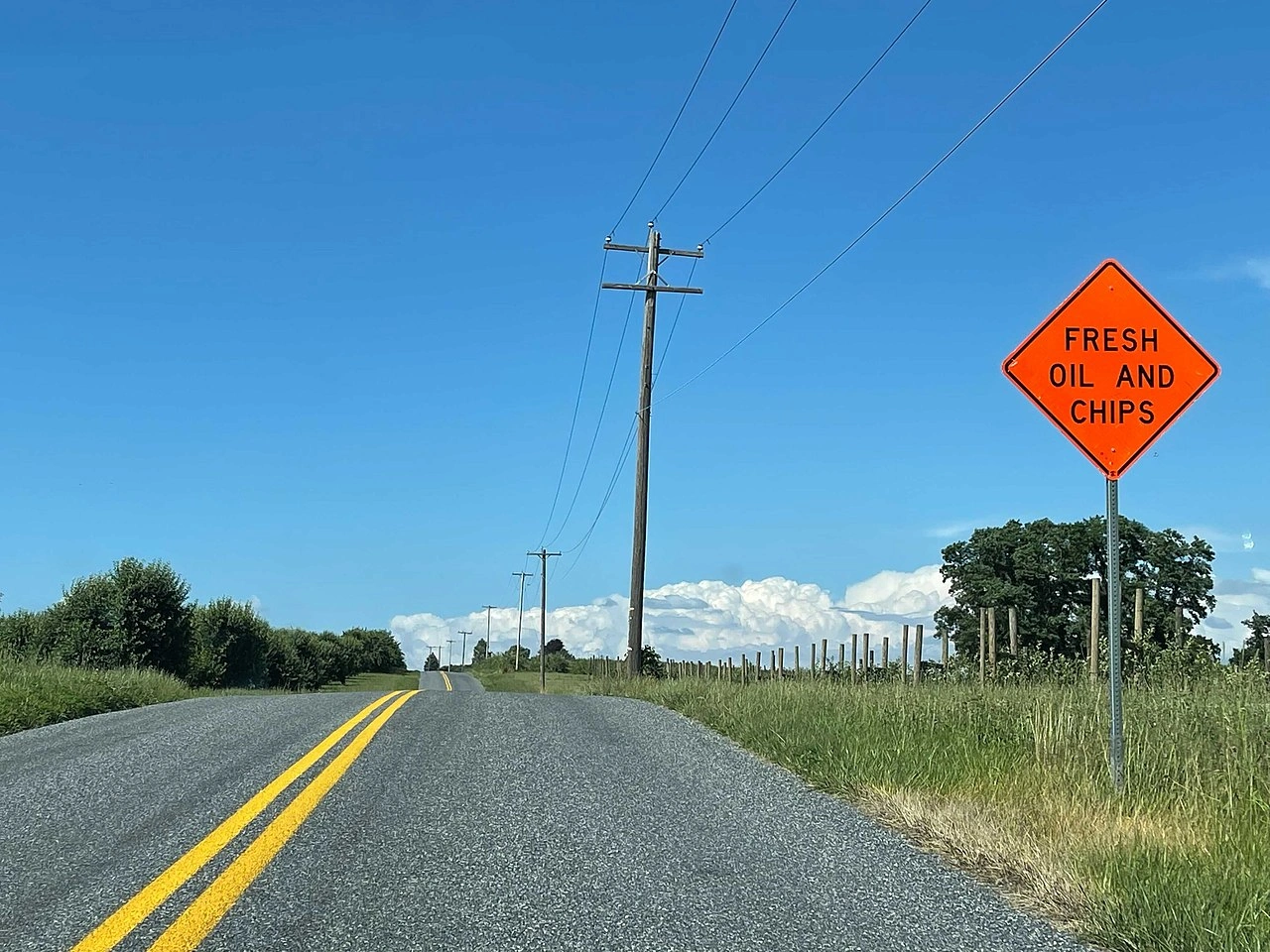
Wikimedia.org • Christopher Meng • CC BY-SA
What are loose chippings?
Loose chippings are small stones or pieces of gravel lying loose on the road surface, often after resurfacing or road maintenance.
🔗 gov.uk • Great Britain Highway Code, Rules 226–237, adverse weather; national guidance example
🔗 weather.metoffice.gov.uk • Met Office, freezing rain formation
🔗 weather.metoffice.gov.uk • Met Office, frost, transparent glaze and black ice
🔗 ops.fhwa.dot.gov • US FHWA, anti-icing chemistry and treatment timing
How should you drive on loose chippings?
Reduce speed, increase your following distance and avoid sudden acceleration, braking or steering. Keep additional space from other vehicles where stones may be thrown up by their tyres.
🔗 gov.uk • Great Britain Highway Code, Rules 226–237, adverse weather; national guidance example
🔗 weather.metoffice.gov.uk • Met Office, freezing rain formation
🔗 weather.metoffice.gov.uk • Met Office, frost, transparent glaze and black ice
🔗 ops.fhwa.dot.gov • US FHWA, anti-icing chemistry and treatment timing
Can loose chippings increase stopping distance?
Yes. Loose material between the tyres and road can reduce available grip, making braking and steering less effective.
🔗 gov.uk • Great Britain Highway Code, Rules 226–237, adverse weather; national guidance example
🔗 weather.metoffice.gov.uk • Met Office, freezing rain formation
🔗 weather.metoffice.gov.uk • Met Office, frost, transparent glaze and black ice
🔗 ops.fhwa.dot.gov • US FHWA, anti-icing chemistry and treatment timing
265. Blind spot
A blind spot is an area around a vehicle that the driver cannot see directly or through the mirrors. Blind spots vary with the size and design of the vehicle and can be particularly large around trucks, buses and other high-sided vehicles. Drivers should adjust their mirrors correctly and check beside the vehicle before changing lanes, turning or moving away. Cyclists, pedestrians and motorcyclists should also avoid remaining beside large vehicles where the driver may not be able to see them.
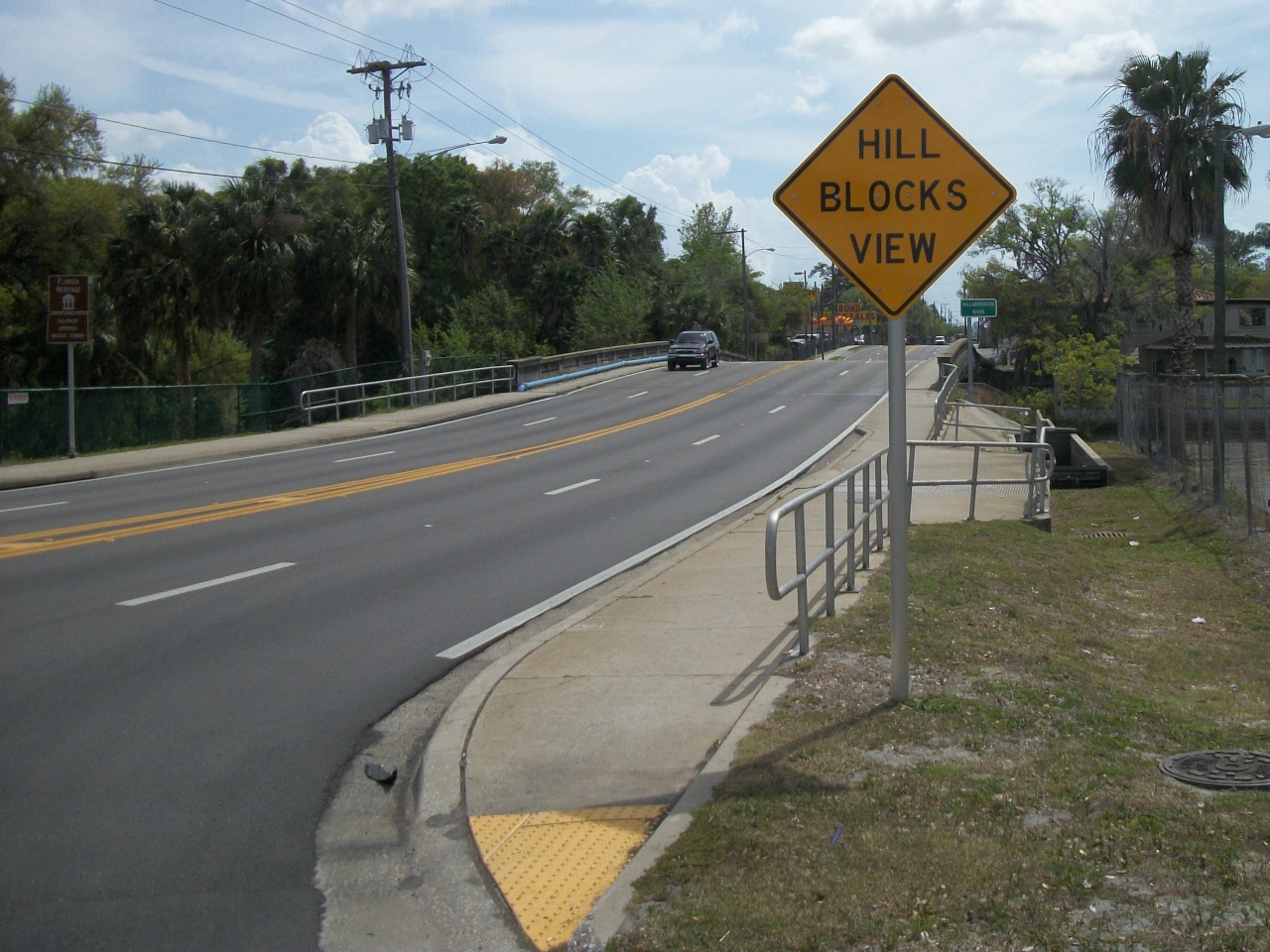
Wikimedia.org • DanTD • CC BY-SA
What is a blind spot?
A blind spot is an area around a vehicle that cannot be seen directly by the driver or adequately through the mirrors.
How should you check a blind spot?
Adjust the mirrors correctly and, where necessary, make a brief direct check beside the vehicle before changing lanes, turning or moving away. The exact technique depends on the vehicle.
Where should cyclists avoid riding near a truck?
Cyclists should avoid remaining directly beside, immediately in front of or close behind a large vehicle, particularly near intersections where the vehicle may turn.
266. Distraction
Distraction is anything that takes a driver’s attention away from safely controlling the vehicle and observing the road. Common distractions include mobile phones, navigation systems, passengers, eating, adjusting controls or looking away from traffic. Distraction can be visual, manual or mental and may significantly increase reaction time. Drivers should keep their attention on the road, prepare navigation and other settings before moving and avoid activities that interfere with safe driving.

Wikimedia.org • Melissa Wenger • CC0
What is distracted driving?
Distracted driving occurs when a driver's visual, manual or mental attention is diverted from driving and the surrounding traffic.
🔗 gov.uk • Great Britain Highway Code, Rules 159–169, observation; national guidance example
What are common driving distractions?
Common distractions include mobile phones, navigation systems, passengers, eating, adjusting vehicle controls and looking away from the road.
🔗 gov.uk • Great Britain Highway Code, Rules 159–169, observation; national guidance example
Why is using a phone while driving dangerous?
Using a phone can combine visual, manual and mental distraction, reducing the driver's ability to notice hazards and react quickly.
🔗 gov.uk • Great Britain Highway Code, Rules 159–169, observation; national guidance example
267. Emotions
Emotions can influence attention, judgement and driving behaviour. Anger, stress, fear, sadness or excitement may cause a driver to become distracted, impatient or more likely to take risks. Strong emotions can also affect concentration and reaction time. Drivers should recognise when their emotional state is interfering with safe driving and, if necessary, slow down, take a break or stop in a safe place until they feel able to continue calmly and attentively.

Wikimedia.org • Raysonho • CC0
Can emotions affect driving?
Yes. Strong emotions can affect attention, judgement, reaction time and decision-making, which can make safe driving more difficult.
🔗 gov.uk • Great Britain Highway Code, Rules 159–169, observation; national guidance example
Why is anger dangerous when driving?
Anger can lead to impatience, aggressive manoeuvres, speeding or reduced attention. Drivers should avoid reacting emotionally to other road users.
🔗 gov.uk • Great Britain Highway Code, Rules 159–169, observation; national guidance example
What should you do if you are too emotional to drive safely?
If your emotional state is affecting concentration or judgement, stop or delay the journey when possible and continue only when you feel able to drive safely.
🔗 gov.uk • Great Britain Highway Code, Rules 159–169, observation; national guidance example
268. Road rage
Road rage is aggressive, hostile or intimidating behaviour by a road user toward others in traffic. It can include excessive honking, tailgating, shouting, threatening gestures, blocking another vehicle or making deliberately aggressive manoeuvres. Anger can reduce judgement and increase risk-taking, turning a minor traffic conflict into a dangerous situation. Drivers should avoid confrontation, remain calm, keep a safe distance and never retaliate against aggressive behaviour.
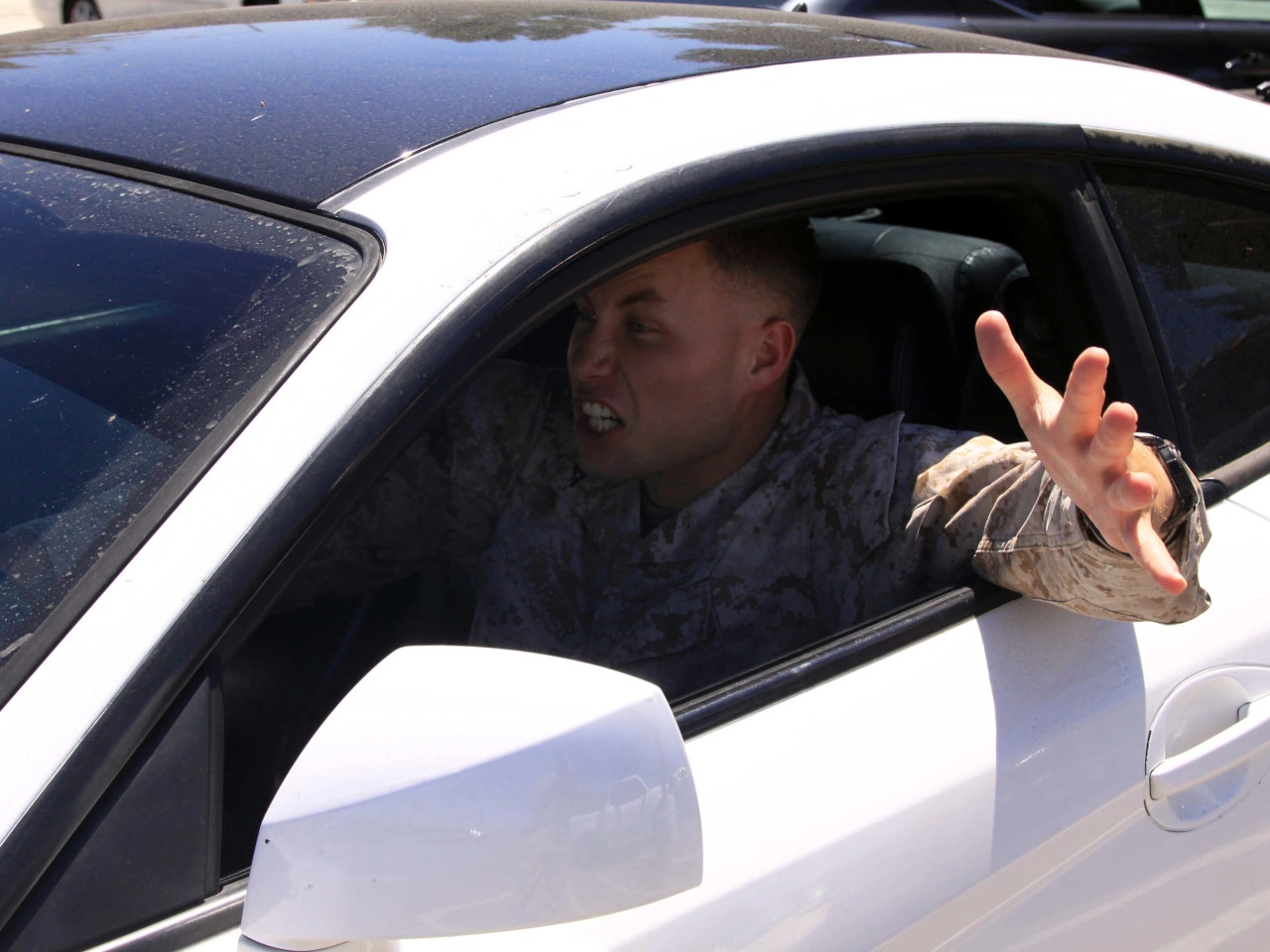
Wikimedia.org • DaleHulm • CC BY-SA
What is road rage?
Road rage is aggressive, hostile or intimidating behaviour directed at other road users, often caused by anger or frustration in traffic.
🔗 gov.uk • Great Britain Highway Code, Rules 159–169, observation; national guidance example
What should you do if another driver becomes aggressive?
Stay calm, avoid confrontation, maintain a safe distance and do not retaliate or copy the other driver's behaviour. If necessary, move away from the situation when it is safe to do so.
🔗 gov.uk • Great Britain Highway Code, Rules 159–169, observation; national guidance example
Should you stop to confront an aggressive driver?
Do not stop simply to confront an aggressive driver. Avoid retaliation, keep a safe distance and move away to a safe place when possible. If you feel threatened, contact the police as soon as you can do so safely.
🔗 gov.uk • Great Britain Highway Code, Rules 159–169, observation; national guidance example
269. Health
Health can affect a person’s ability to drive safely. Illness, injury, poor vision, reduced mobility, fatigue, certain medical conditions and some medicines can interfere with concentration, reaction time, judgement or vehicle control. Drivers should recognise when their physical or mental condition may make driving unsafe and should seek medical advice when necessary. In some countries, specific health conditions must be reported and may require a medical examination or restrictions on the driving licence.

Wikimedia.org • Shixart1985 • CC BY
How can health affect driving?
Health problems can affect vision, concentration, reaction time, judgement, coordination and vehicle control, making safe driving more difficult.
🔗 gov.uk • GOV.UK, health conditions and driving; GB reporting example
🔗 nei.nih.gov • US National Eye Institute, low vision and night blindness
Should you drive when you are ill?
Not if the illness makes it difficult to concentrate, react quickly or control the vehicle safely. Drivers should delay the journey or seek medical advice when necessary.
🔗 gov.uk • GOV.UK, health conditions and driving; GB reporting example
🔗 nei.nih.gov • US National Eye Institute, low vision and night blindness
Can medication affect driving?
Yes. Some medicines can cause drowsiness, dizziness, blurred vision or slower reactions. Always follow the instructions provided with the medicine and advice from a healthcare professional.
🔗 gov.uk • GOV.UK, health conditions and driving; GB reporting example
🔗 nei.nih.gov • US National Eye Institute, low vision and night blindness
270. Epilepsy
Epilepsy is a neurological condition that can cause recurrent seizures, which may involve changes in awareness, movement, sensation or consciousness. Because a seizure can temporarily prevent a person from controlling a vehicle safely, epilepsy can affect driving fitness and driving-licence requirements. The rules vary between countries and usually depend on factors such as the type of seizure, how long the person has been seizure-free, treatment and medical assessment. Anyone who experiences a seizure should follow the applicable driving rules and seek medical advice before driving again.

Wikimedia.org • Henry Vandyke Carter • CC0
Can epilepsy affect your ability to drive?
Yes. A seizure can cause loss of awareness, consciousness or vehicle control, so epilepsy can affect whether a person is medically fit to drive.
🔗 uhb.nhs.uk • University Hospitals Birmingham NHS, seizures and driving, current DVLA role
🔗 gov.uk • GOV.UK, health conditions and driving; GB example
Can a person with epilepsy have a driving licence?
In many countries, yes, provided specific medical and seizure-free requirements are met. The exact conditions depend on the country, licence category and individual medical situation.
🔗 uhb.nhs.uk • University Hospitals Birmingham NHS, seizures and driving, current DVLA role
🔗 gov.uk • GOV.UK, health conditions and driving; GB example
What should you do after having a seizure?
Stop driving after a seizure or blackout and seek medical advice. Check the licensing authority’s requirements before returning to driving; the permitted return depends on the jurisdiction, licence category and circumstances. In Great Britain, DVLA decides the licensing restriction, not the doctor alone.
🔗 uhb.nhs.uk • University Hospitals Birmingham NHS, seizures and driving, current DVLA role
🔗 gov.uk • GOV.UK, health conditions and driving; GB example
271. Night blindness
Night blindness, also called nyctalopia, is reduced ability to see in darkness or low-light conditions. It can make it difficult to recognise pedestrians, cyclists, road markings, bends or obstacles at night and during twilight. Night blindness can have different causes, including certain eye conditions, vitamin deficiencies or problems with the retina. Drivers who have difficulty seeing in low light should avoid driving in conditions where their vision is inadequate and seek professional eye care.
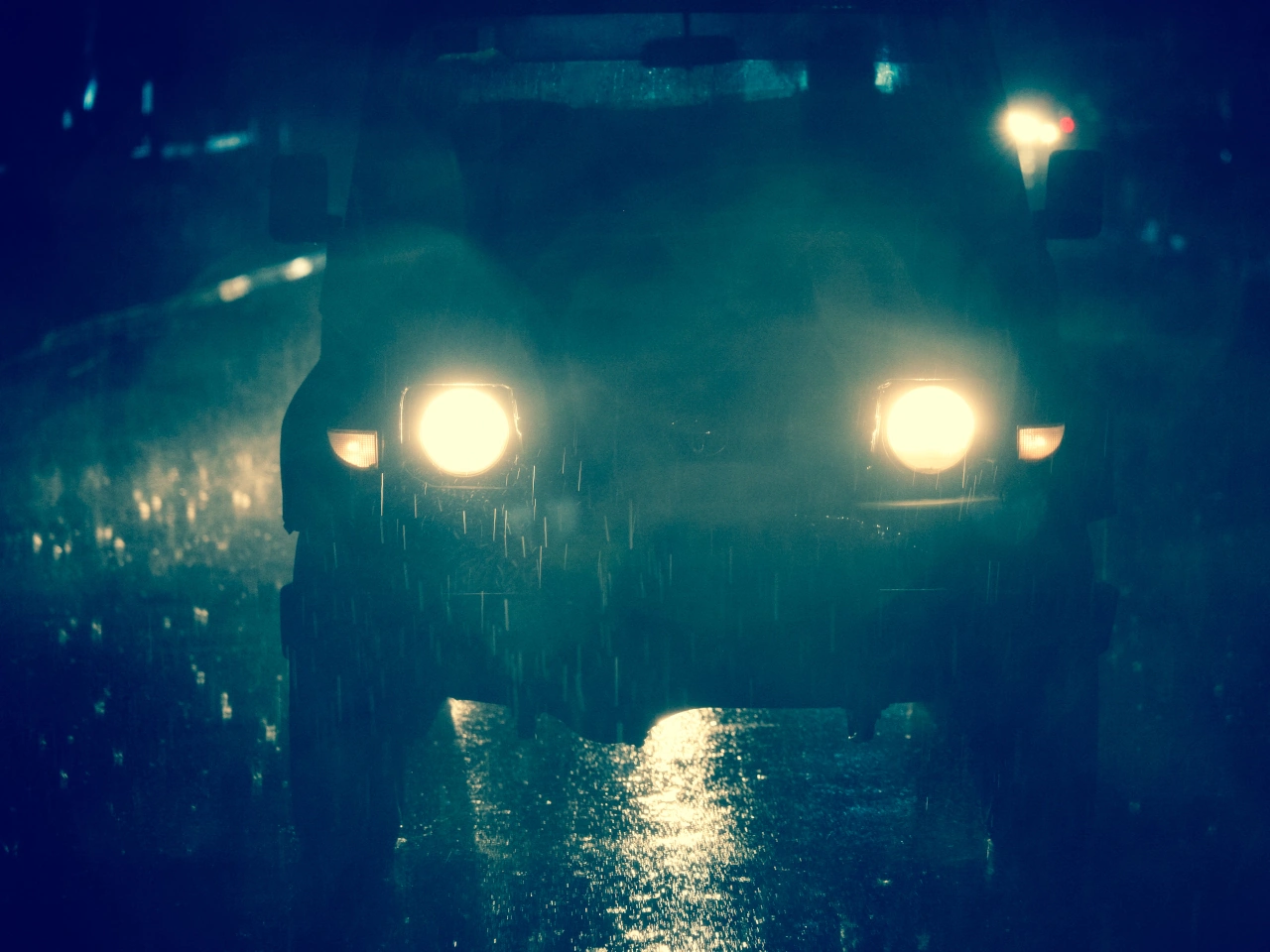
Wikimedia.org • Alex Proimos • CC BY
What is night blindness?
Night blindness is difficulty seeing in darkness or low-light conditions, even when daytime vision may be relatively good.
🔗 gov.uk • GOV.UK, health conditions and driving; GB reporting example
🔗 nei.nih.gov • US National Eye Institute, low vision and night blindness
Why is night blindness dangerous when driving?
It can make pedestrians, cyclists, road edges, signs and obstacles harder to detect, reducing the time available to react safely.
🔗 gov.uk • GOV.UK, health conditions and driving; GB reporting example
🔗 nei.nih.gov • US National Eye Institute, low vision and night blindness
Is night blindness the same as being completely blind at night?
No. Night blindness usually means reduced vision in dim conditions, not a complete loss of sight.
🔗 gov.uk • GOV.UK, health conditions and driving; GB reporting example
🔗 nei.nih.gov • US National Eye Institute, low vision and night blindness
272. Visual impairment
Visual impairment is a reduction in vision that can affect a person’s ability to see clearly, judge distances, detect movement or recognise hazards. It can involve reduced visual acuity, a restricted field of vision, poor contrast sensitivity, double vision or difficulty seeing in low light. Because safe driving depends heavily on vision, drivers must meet the minimum eyesight standards required in their country and use glasses, contact lenses or other approved visual aids when necessary.

Wikimedia.org • Anonymous9000 • CC BY
How can visual impairment affect driving?
Visual impairment can make it harder to recognise signs, detect pedestrians and vehicles, judge distance and speed or see hazards in time.
🔗 gov.uk • GOV.UK, health conditions and driving; GB reporting example
🔗 nei.nih.gov • US National Eye Institute, low vision and night blindness
What aspects of vision are important for driving?
Important functions include visual acuity, the field of vision, contrast sensitivity and the ability to see in low or changing light. Medical standards can also address double vision and other impairments. The required assessment depends on the country and licence category.
🔗 gov.uk • GOV.UK, health conditions and driving; GB reporting example
🔗 nei.nih.gov • US National Eye Institute, low vision and night blindness
What should you do if your eyesight becomes worse?
If your vision changes significantly or may no longer meet the required standards, seek an eye examination and medical advice before continuing to drive.
🔗 gov.uk • GOV.UK, health conditions and driving; GB reporting example
🔗 nei.nih.gov • US National Eye Institute, low vision and night blindness
273. Fatigue
Fatigue reduces concentration, reaction time, judgement and the ability to stay alert while driving. It can develop after long periods behind the wheel, insufficient sleep, illness, irregular working hours or driving at times when the body normally expects rest. Warning signs include frequent yawning, heavy eyelids, difficulty keeping a steady speed or lane position and forgetting parts of the journey. Drivers should stop and rest as soon as they notice signs of tiredness and should not rely on caffeine, fresh air or loud music as substitutes for sleep.
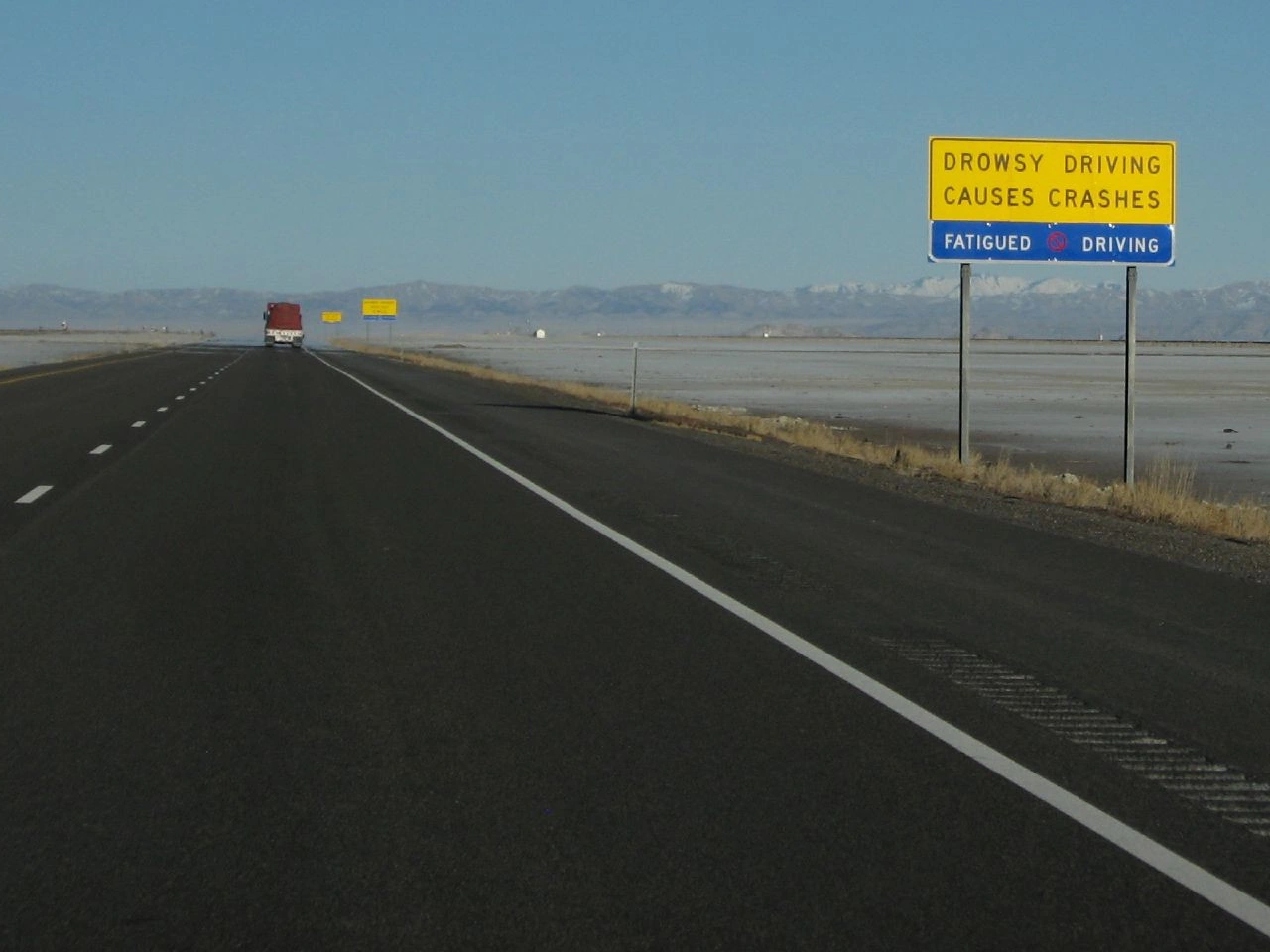
Wikimedia.org • Ken Lund • CC BY-SA
Why is fatigue dangerous when driving?
Fatigue can slow reaction time, reduce concentration and impair judgement, increasing the risk of missing hazards or losing control of the vehicle.
What are common signs of driver fatigue?
Feeling sleepy while driving is a warning to stop and rest safely. NHTSA also identifies crossing roadway lines or hitting a rumble strip as signs of drowsiness. Do not wait for a lane departure before taking action; Great Britain’s Highway Code advises against starting a journey when tired.
What should you do if you feel tired while driving?
Stop at a safe place and rest before continuing. If possible, take a short nap or end the journey until you are sufficiently rested.
274. Defects
Defects are faults, damage or wear that can affect a vehicle’s safety, roadworthiness or compliance with technical requirements. Defects may involve tyres, brakes, lights, steering, suspension, windows, bodywork, electrical systems or other components. Some are minor and should be repaired as soon as possible, while serious or dangerous defects can make the vehicle unsafe to drive. Drivers should regularly check their vehicle and repair problems before they become a safety risk.

Wikimedia.org • Wikiuser100000 • CC BY-SA
What is a vehicle defect?
A vehicle defect is a fault, damage or excessive wear that affects the condition, operation, safety or legal compliance of a vehicle.
🔗 gov.uk • Great Britain Highway Code, Annex 6, maintenance defects; national guidance example
What are common vehicle defects?
Common defects include worn tyres, faulty lights, damaged brakes, steering problems, cracked windows, suspension faults and damaged electrical components.
🔗 gov.uk • Great Britain Highway Code, Annex 6, maintenance defects; national guidance example
What should you do if you discover a vehicle defect?
Assess whether the vehicle can still be driven safely and have the defect repaired as soon as possible. Do not continue driving if the defect creates a serious safety risk.
🔗 gov.uk • Great Britain Highway Code, Annex 6, maintenance defects; national guidance example
275. Traffic violation
A traffic violation is an act that breaks a traffic law or road rule, such as speeding, ignoring a traffic sign, using a prohibited device while driving or failing to give way. Violations vary in seriousness and can lead to warnings, fines, penalty points, licence suspension or other sanctions depending on the country. More serious behaviour that creates a high risk to other road users may result in heavier penalties or criminal proceedings.
What is a traffic violation?
A traffic violation occurs when a road user fails to follow an applicable traffic law, regulation, sign, signal or instruction.
🔗 wegcode.be • Belgium, Road Traffic Act of 16 March 1968, offences and sanctions; Belgian example
🔗 gov.uk • GOV.UK, drink-driving penalties; GB example
🔗 gov.uk • Great Britain Highway Code, Rules 124–125, speed compliance; national guidance example
What are common traffic violations?
Common violations include speeding, failing to stop, ignoring traffic lights, illegal parking, unsafe overtaking, using a phone while driving and failing to wear a seat belt.
🔗 wegcode.be • Belgium, Road Traffic Act of 16 March 1968, offences and sanctions; Belgian example
🔗 gov.uk • GOV.UK, drink-driving penalties; GB example
🔗 gov.uk • Great Britain Highway Code, Rules 124–125, speed compliance; national guidance example
What penalties can apply to traffic violations?
Depending on the country and offence, penalties can include fines, penalty points, driving bans, licence suspension, vehicle restrictions or court proceedings.
🔗 wegcode.be • Belgium, Road Traffic Act of 16 March 1968, offences and sanctions; Belgian example
🔗 gov.uk • GOV.UK, drink-driving penalties; GB example
🔗 gov.uk • Great Britain Highway Code, Rules 124–125, speed compliance; national guidance example