


Traffic signsUnited States
 Traffic rules
 United States
51. No stopping
No stopping means that vehicles are not permitted to stop voluntarily at the indicated location, even briefly for picking up or dropping off passengers or loading or unloading goods. It is a stricter restriction than a no-parking rule.
A no-stopping restriction may be indicated by a traffic sign, road marking or local traffic regulation. Drivers should continue to a place where stopping is permitted unless they are forced to stop by traffic conditions, an emergency or another legal requirement.
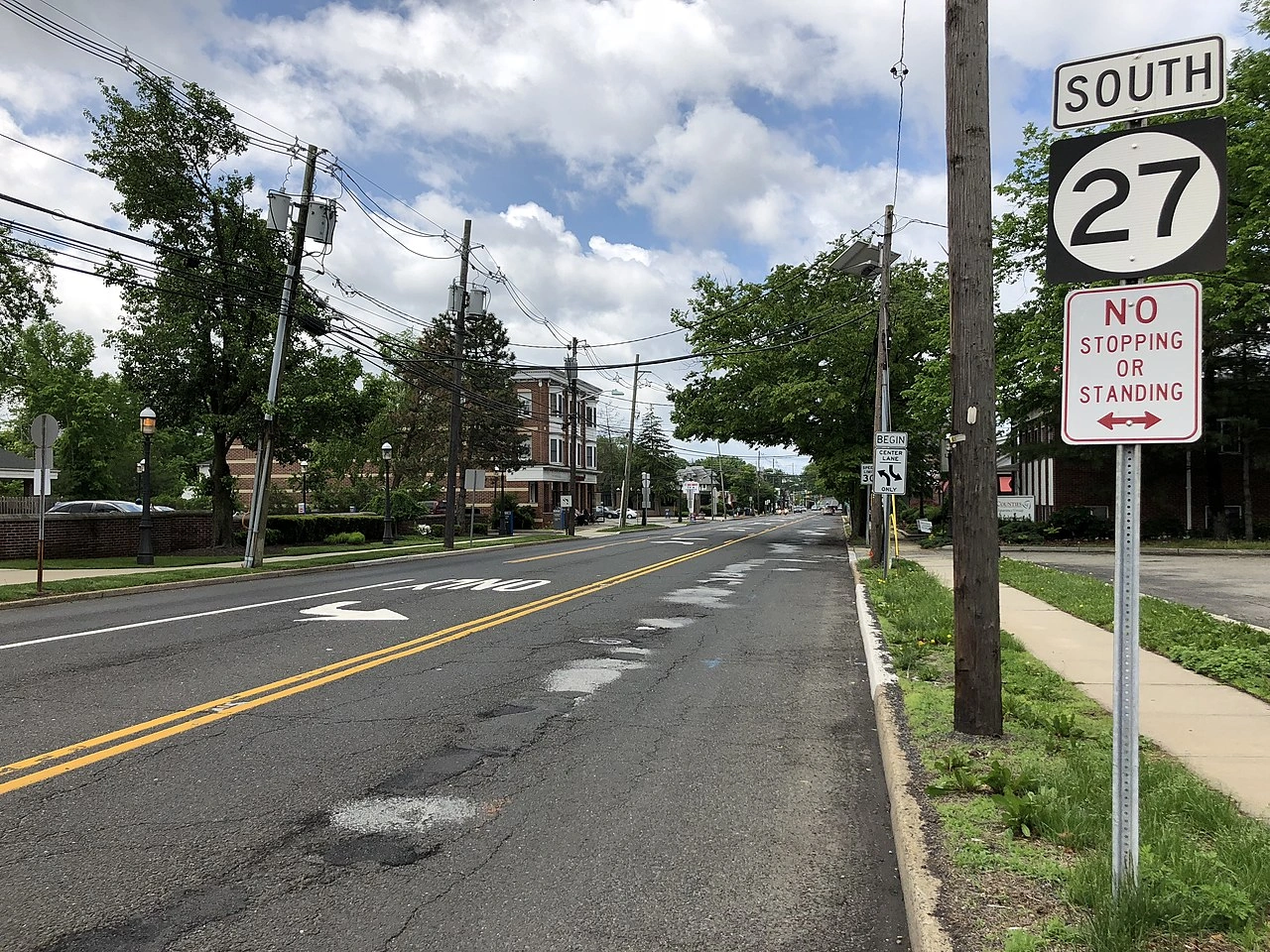
Wikimedia.org • Famartin • CC BY-SA
How is No Stopping different from No Standing in New York City?
At a No Stopping sign, drivers may not wait, load goods or stop for passenger pickup. At No Standing, an immediate passenger pickup or drop-off is still allowed, but goods loading is not. These distinctions are local rules.
🔗 home4.nyc.gov • New York City Department of Transportation, parking restrictions
Can you drop off a passenger beside a red kerb in California?
No. Red means no stopping, standing or parking. A specifically marked bus zone permits the designated buses.

52. Parallel parking
Parallel parking is a method of parking a vehicle parallel to the edge of the road, usually in a space between two parked vehicles. It is commonly used where parking spaces are arranged along the side of a street.
Parallel parking normally involves positioning the vehicle beside the available space and reversing into it while carefully checking mirrors, blind spots and surrounding traffic. The vehicle should finish within the permitted parking area and close enough to the road edge without obstructing other road users.
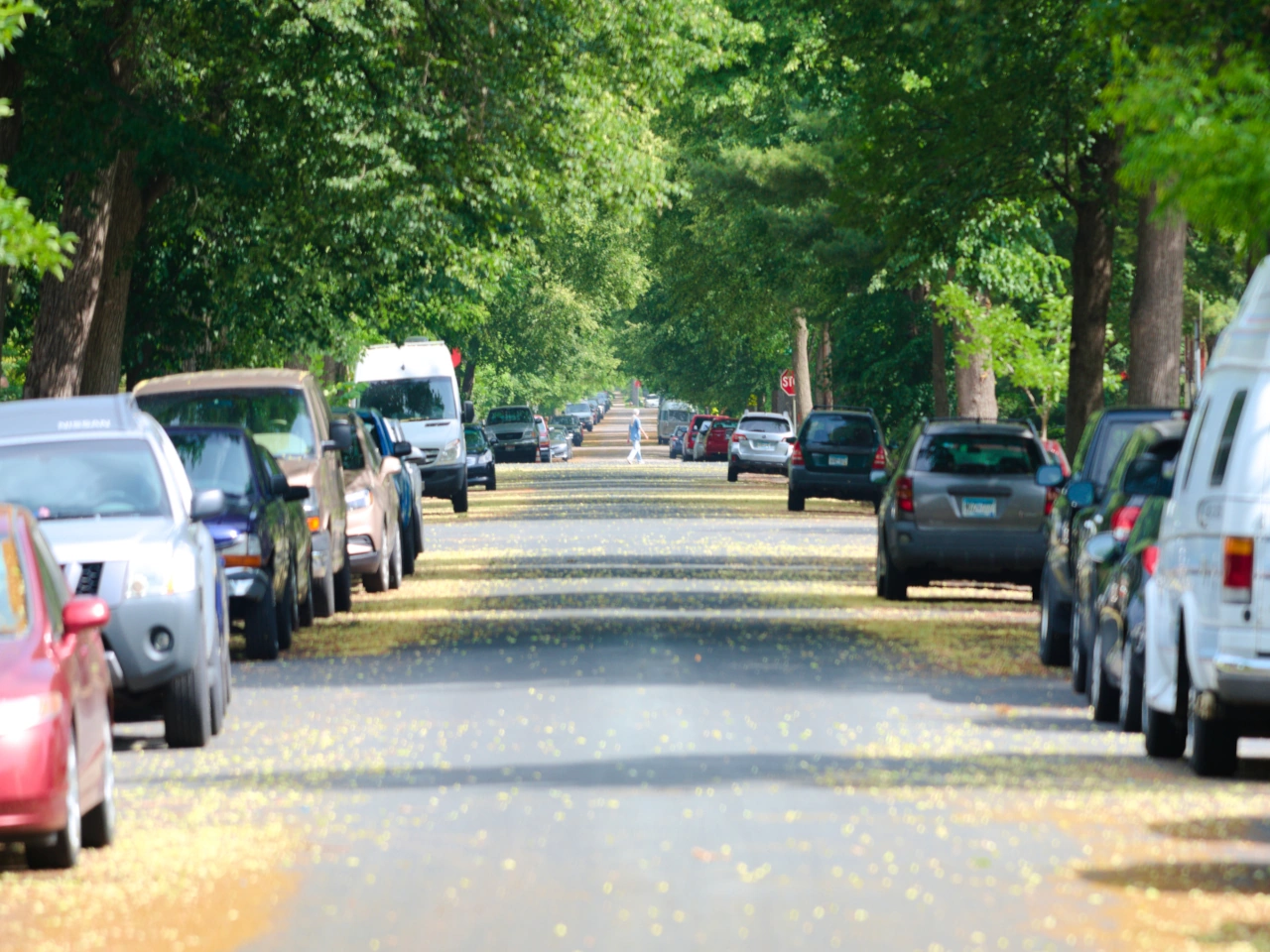
Wikimedia.org • Fibonacci Blue • CC BY
What size space does California DMV recommend for parallel parking?
Look for a space at least three feet longer than your vehicle.
🔗 dmv.ca.gov • California DMV, Driver Handbook, parallel parking
How should you show your intention to parallel-park in California?
Signal when selecting the space and keep the signal on while positioning beside the vehicle ahead.
🔗 dmv.ca.gov • California DMV, Driver Handbook, parallel parking
How far alongside the front car should you position yourself in California?
DMV recommends about two feet of side clearance before backing into the space.
🔗 dmv.ca.gov • California DMV, Driver Handbook, parallel parking
Which checks does California DMV recommend before reversing into a space?
Check the rear-view mirror and look over your shoulder for pedestrians and approaching vehicles.
🔗 dmv.ca.gov • California DMV, Driver Handbook, parallel parking
How close to the kerb should a California parallel park finish?
Parallel to the kerb and within 18 inches of it.
🔗 dmv.ca.gov • California DMV, Driver Handbook, parallel parking
Can you adjust forwards and backwards when parallel-parking in California?
Yes. DMV explains that controlled adjustments may be needed to straighten the vehicle.
🔗 dmv.ca.gov • California DMV, Driver Handbook, parallel parking
53. Park and ride
Park and ride is a parking facility where drivers leave their vehicle and continue their journey using public transport, a bicycle or another mode of transport. These facilities are commonly located near the edge of a city or close to major transport routes.
Park-and-ride facilities can reduce traffic and parking demand in busy urban areas by encouraging drivers to complete part of their journey without a car. Parking charges, maximum stay and public transport connections vary between locations.
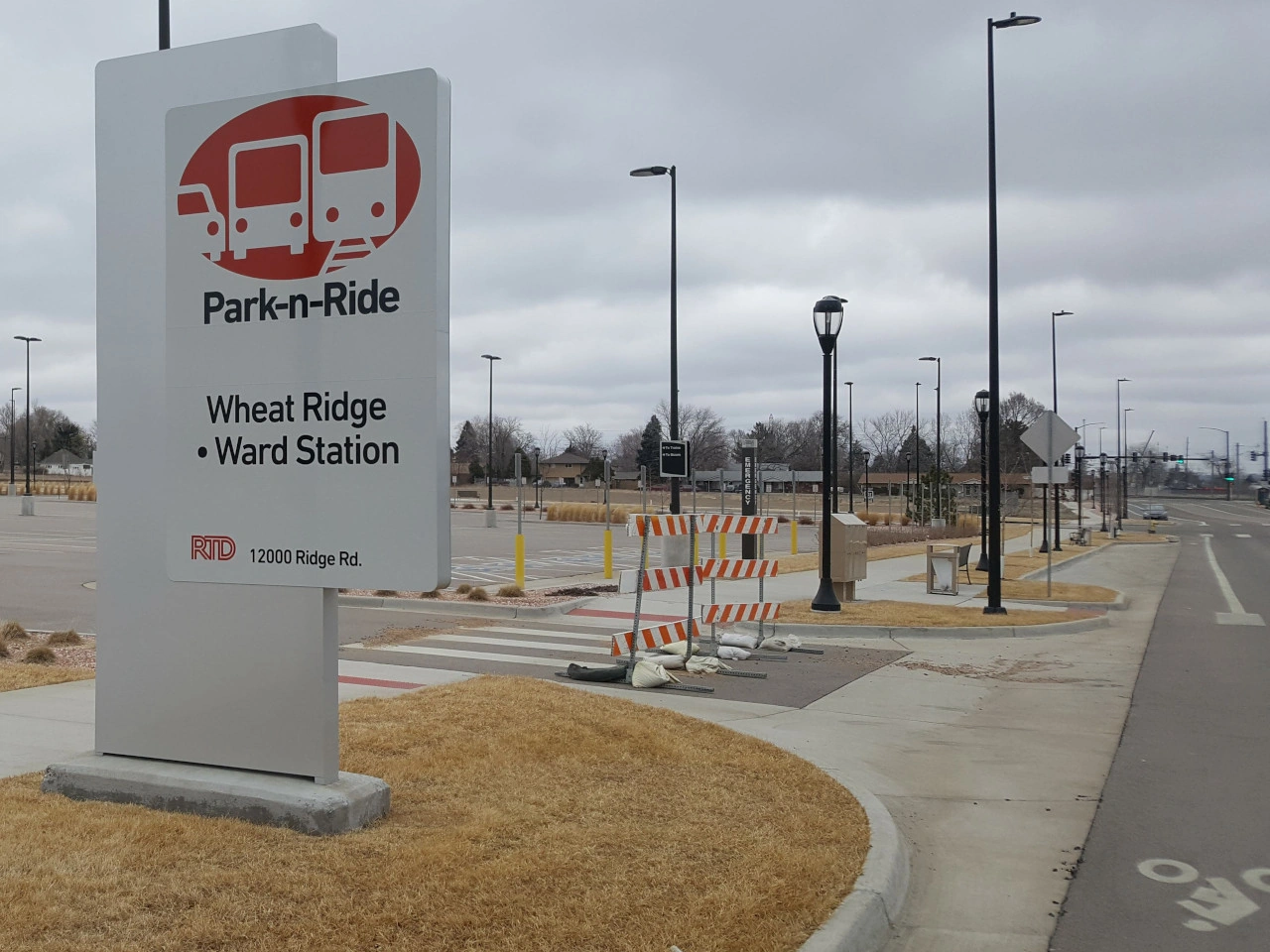
Wikimedia.org • Xnatedawgx • CC BY-SA
What information is needed for daily LA Metro parking payment?
Your registration, TAP number and payment card; app or online payments also need the posted zone number.
🔗 metro.net • Los Angeles Metro, station parking and payment FAQ
Can you currently pay LA Metro parking fees from a TAP card balance?
No. Use the kiosk, Metro Parking app or official online payment service.
🔗 metro.net • Los Angeles Metro, station parking and payment FAQ
Can a transit user leave a car overnight at an LA Metro lot?
Yes, up to 72 consecutive hours. Arrange extended authorisation before a longer stay.
🔗 metro.net • Los Angeles Metro, station parking and payment FAQ
Does an LA Metro monthly parking permit work at every station?
No. Permits are issued for specific facilities and cannot be transferred between them.
🔗 metro.net • Los Angeles Metro, station parking and payment FAQ
Can two cars use one LA Metro monthly parking permit simultaneously?
No. Two registrations may be listed, but only one vehicle may park at a time.
🔗 metro.net • Los Angeles Metro, station parking and payment FAQ
Must regular LA Metro monthly parking permit holders use transit?
Yes. The standard requirement is transit use on at least ten days per month.
🔗 metro.net • Los Angeles Metro, station parking and payment FAQ
54. Kiss and ride
A Kiss and Ride area is a designated place where drivers may stop briefly to drop off or pick up passengers. These areas are commonly provided near schools, railway stations, airports and other busy destinations to allow passengers to enter or leave a vehicle without occupying ordinary parking spaces.
A Kiss and Ride area is intended for very short stops rather than waiting or parking. Drivers should remain only as long as necessary for passengers to get in or out and must follow any traffic signs, time limits, road markings or local regulations applying to the area.

Wikimedia.org • An_Errant_Knight • CC BY-SA
What is a Kiss and Ride area?
A Kiss and Ride area is a designated place where drivers can briefly stop to drop off or pick up passengers. It is intended to keep passenger transfers quick and reduce unnecessary parking or congestion near busy destinations.
🔗 education.nsw.gov.au • NSW Education, safe travel and Kiss and Ride zones
🔗 revesby-p.schools.nsw.gov.au • NSW Revesby Public School, Kiss and Ride operating instructions
Can you leave your vehicle unattended in a Kiss and Ride area?
Normally this should be avoided. Kiss and Ride areas are designed for rapid passenger transfers, and leaving the vehicle unattended can obstruct other users. Specific local rules may expressly prohibit parking or unattended vehicles.
🔗 education.nsw.gov.au • NSW Education, safe travel and Kiss and Ride zones
🔗 revesby-p.schools.nsw.gov.au • NSW Revesby Public School, Kiss and Ride operating instructions
What should you do if your passenger is not ready?
Move to a suitable parking or waiting area and return when the passenger is ready to be collected. Remaining in the Kiss and Ride area unnecessarily can block the facility and contribute to congestion.
🔗 education.nsw.gov.au • NSW Education, safe travel and Kiss and Ride zones
🔗 revesby-p.schools.nsw.gov.au • NSW Revesby Public School, Kiss and Ride operating instructions
55. Disabled parking
Disabled parking refers to parking spaces and parking privileges reserved for people with disabilities who meet the applicable eligibility requirements. Reserved spaces are normally identified by the international wheelchair symbol and are positioned to provide easier access to nearby facilities.
Use of a disabled parking space generally requires a valid disabled parking permit or card. The permit normally belongs to the eligible person rather than to a particular vehicle and may only be used when that person is driving or travelling in the vehicle.
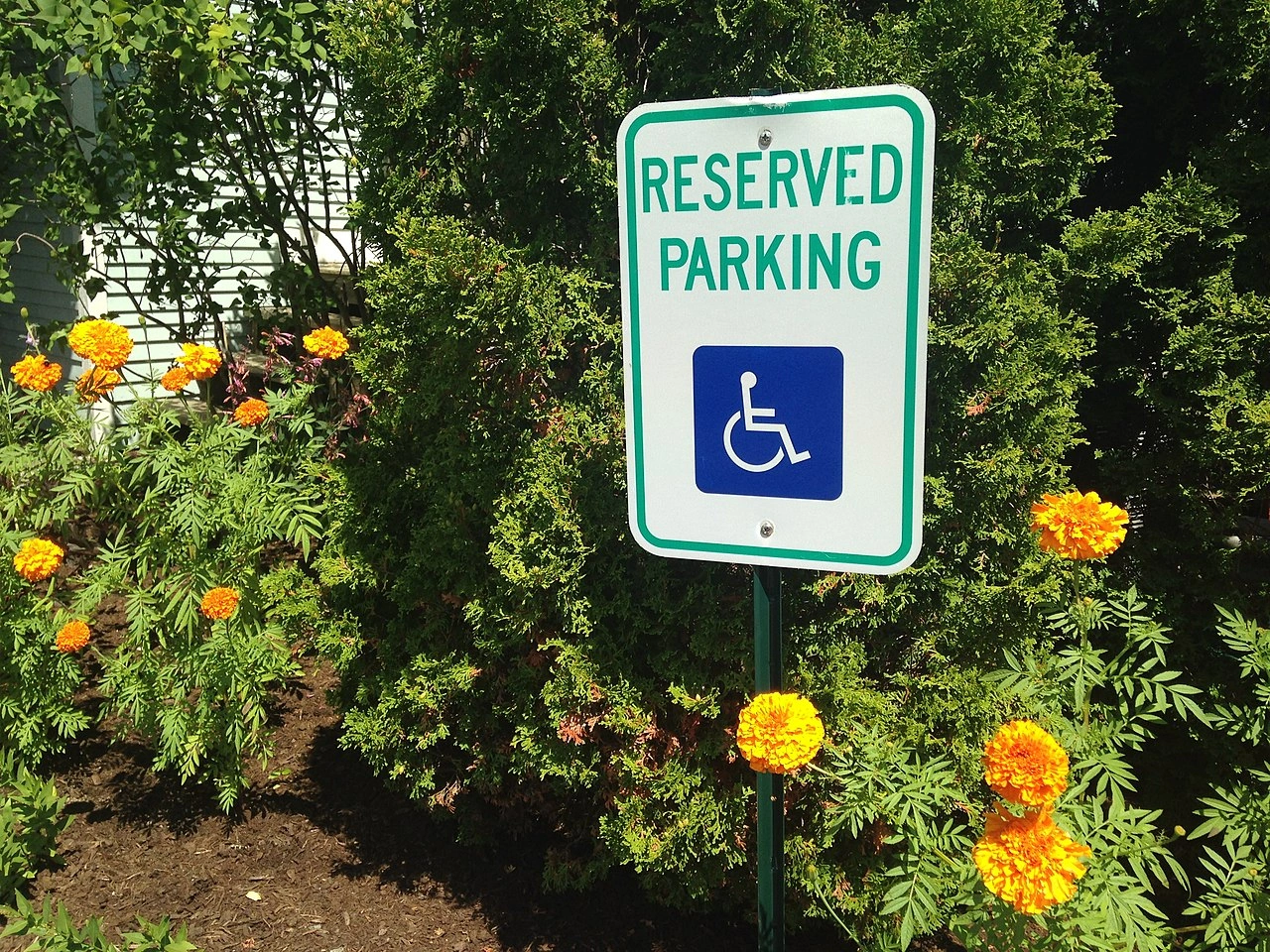
Wikimedia.org • MarkBuckawicki • CC0
Is a state disability placard enough for on-street disabled parking privileges in New York City?
Not generally. A New York State disability hangtag can be used in designated off-street accessible spaces in New York City, while the separate NYC disability parking placard provides qualifying on-street concessions. Do not treat one as equivalent to the other.
🔗 nyc.gov • New York City Department of Transportation, two disability parking permits
Can somebody else use a New York State disability parking hangtag without its holder?
No. New York State’s disability parking hangtag may be displayed only when its holder is travelling in the vehicle. Relatives or friends cannot use it independently for their own parking or errands. Check the applicable parking rules and permit recognition when travelling elsewhere.
Can you park in the striped area beside a California accessible space?
No. The crosshatched area must remain clear for wheelchair and lift access.
Does a valid California disability placard provide free on-street metered parking?
Yes. California DMV lists on-street metered spaces among its no-charge privileges. This does not establish a nationwide exemption.
🔗 dmv.ca.gov • California DMV, disability parking privileges and limitations
Does a California disability placard allow parking at red, yellow or white kerbs?
No. The placard does not provide a parking exemption at those kerbs. Observe their stopping and loading rules.
🔗 dmv.ca.gov • California DMV, disability parking privileges and limitations
56. Traffic management
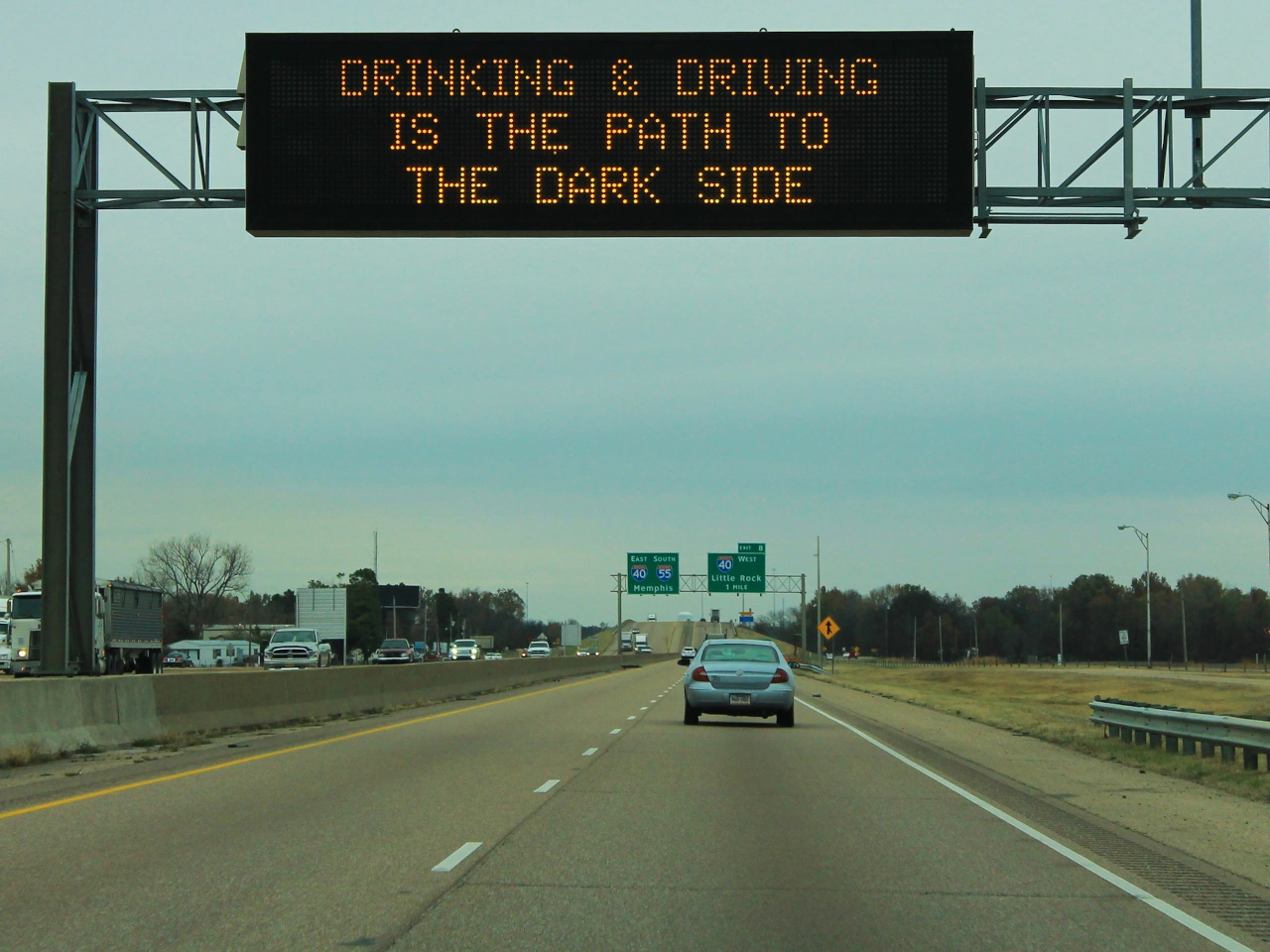
Traffic management is the organised control, regulation and guidance of road users to improve safety, traffic flow and the efficient use of roads. It can include traffic lights, road signs, road markings, lane controls, variable speed limits, diversions and directions given by authorised persons.
Traffic management may be permanent or temporary. Temporary measures are commonly introduced during roadworks, congestion, collisions, public events or other incidents. Drivers and other road users must follow the signs, signals and instructions applying at the location, even when they differ from the normal traffic arrangement.
Wikimedia.org • formulanone • CC BY-SA
What is traffic management?
Traffic management is the organised control and guidance of traffic using signs, signals, road markings, lane controls, speed restrictions, diversions and other measures.
🔗 gov.uk • Great Britain Highway Code, Rules 133–134; national guidance example
🔗 gov.uk • Great Britain Highway Code, Rules 257–258; national guidance example
🔗 gov.uk • UK Department for Transport, Know Your Traffic Signs, information signs
Can traffic management change the normal speed limit?
Yes. Temporary or variable speed-limit signs may impose a different maximum speed because of congestion, roadworks, weather, incidents or other conditions. Drivers must follow the limit currently displayed.
🔗 gov.uk • Great Britain Highway Code, Rules 133–134; national guidance example
🔗 gov.uk • Great Britain Highway Code, Rules 257–258; national guidance example
🔗 gov.uk • UK Department for Transport, Know Your Traffic Signs, information signs
What should you do when a traffic lane is closed?
Follow the signs and signals governing where the closure begins and how to merge. Move safely into an open lane at the instructed point; local merge-in-turn rules may apply in congestion. Do not drive beyond a signal or marking that prohibits use of the lane.
🔗 gov.uk • Great Britain Highway Code, Rules 133–134; national guidance example
🔗 gov.uk • Great Britain Highway Code, Rules 257–258; national guidance example
🔗 gov.uk • UK Department for Transport, Know Your Traffic Signs, information signs
57. Reversing
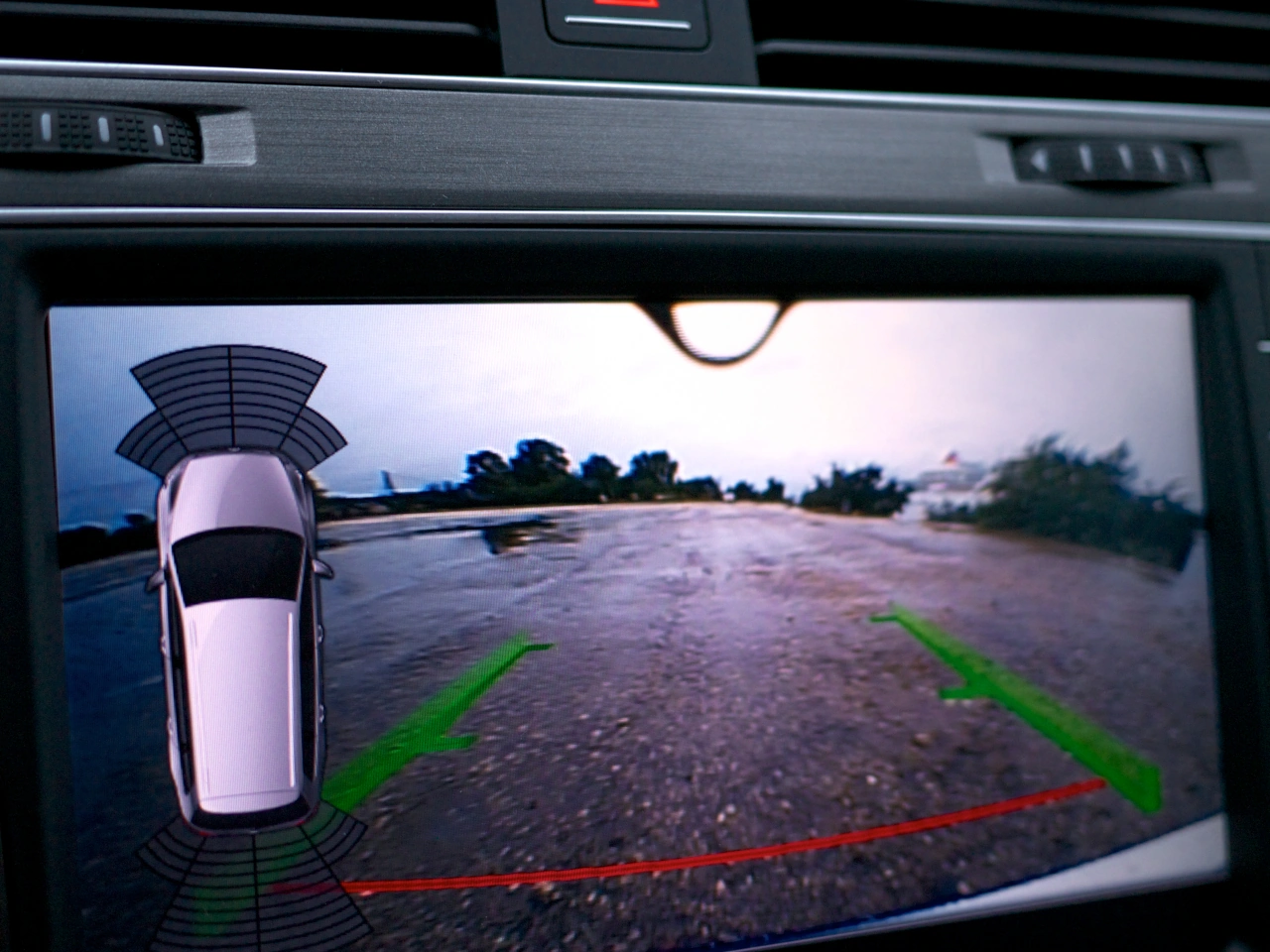
Reversing means driving a vehicle backwards. It is commonly used when parking, leaving a confined space or repositioning a vehicle where forward movement is not practical.
Before reversing, the driver should check mirrors and blind spots, look carefully around the vehicle and make sure the area behind is clear. Reversing should be performed slowly and only for as long as necessary because visibility behind the vehicle is often limited.
Wikimedia.org • Kārlis Dambrāns • CC BY
What checks does California DMV recommend before straight-line backing?
Check traffic and blind spots, using the rear-view mirror and an over-shoulder look.
At what speed should you practise straight-line backing in California?
A smooth, safe speed that lets you control the vehicle and correct the steering.
How far does California DMV’s straight-line backing exercise extend?
Three vehicle lengths while remaining within three feet of the kerb; this is practice guidance.
Must you keep observing after beginning a California backing manoeuvre?
Yes. Stay aware of what is behind the vehicle throughout.
58. U-turn
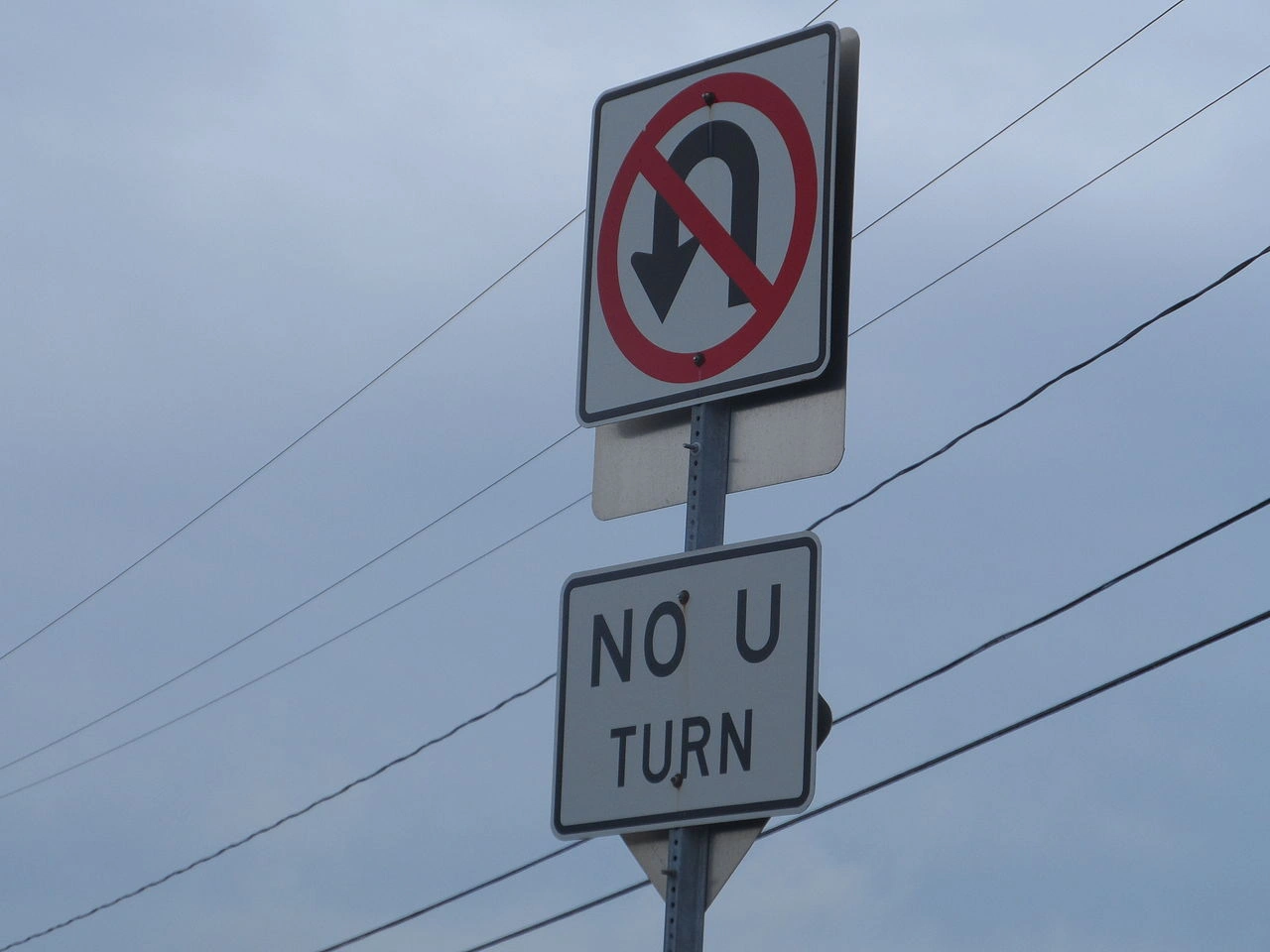
A U-turn is a driving manoeuvre in which a vehicle turns around to travel in the opposite direction. It normally involves crossing part of the roadway and re-entering traffic facing the direction from which the vehicle came.
Before making a U-turn, the driver should check surrounding traffic, pedestrians and cyclists, signal when required and make sure there is enough visibility and space to complete the manoeuvre safely. U-turns may be prohibited by traffic signs or on particular types of roads.
Wikimedia.org • MarkBuckawicki • CC0
Can you make a California U-turn on a green signal?
Yes, if safe and no NO U-TURN sign or other restriction prohibits it.
Can you U-turn across two double-yellow sets forming a California road barrier?
Not across the barrier; use a designated opening.
59. Carpool
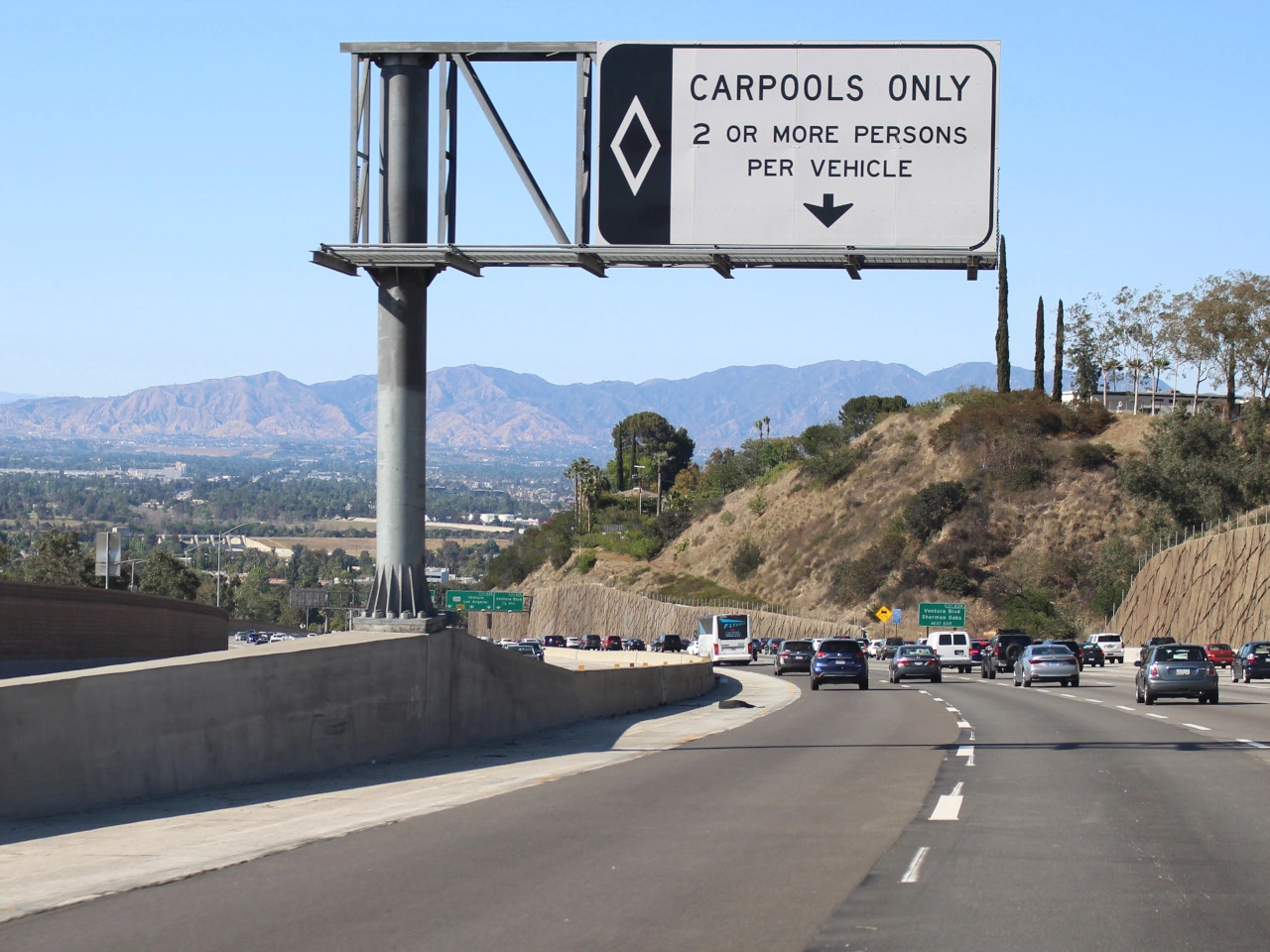
Carpool means sharing a car journey with one or more other people who are travelling in the same direction. The occupants may share travel costs or simply travel together to reduce the number of separate vehicles making the same journey.
Carpooling is commonly used for commuting, school journeys and longer-distance travel. Some road networks provide dedicated carpool parking areas where travellers can meet, leave one vehicle and continue their journey together.
Wikimedia.org • Coolcaesar • CC BY-SA
Is carpooling the same as carsharing?
No. Carpooling means several people travelling together in the same vehicle, while carsharing means different users having access to the same shared vehicle at different times.
60. Detour
A detour, also called a diversion, is a temporary alternative route used when the normal road is closed, blocked or unavailable. Detours are commonly introduced during roadworks, accidents, public events, flooding or other disruptions. Drivers should follow the temporary direction signs carefully, reduce speed where necessary and expect unfamiliar roads, changed priorities or additional traffic along the alternative route.
Wikimedia.org • Famartin • CC BY-SA
What is a detour?
A detour is an alternative route that directs traffic around a closed, blocked or restricted section of road.
🔗 gov.uk • Great Britain Highway Code, Rules 259 and 263–274; national guidance example
Why are detours used?
Detours may be introduced because of roadworks, accidents, flooding, public events or other temporary obstructions that prevent normal use of the road.
🔗 gov.uk • Great Britain Highway Code, Rules 259 and 263–274; national guidance example
What is the difference between a detour and a diversion?
Detour and diversion generally describe the same concept: an alternative route around a road that cannot be used normally. The preferred term varies between countries and languages.
🔗 gov.uk • Great Britain Highway Code, Rules 259 and 263–274; national guidance example
61. Uncontrolled crossroad
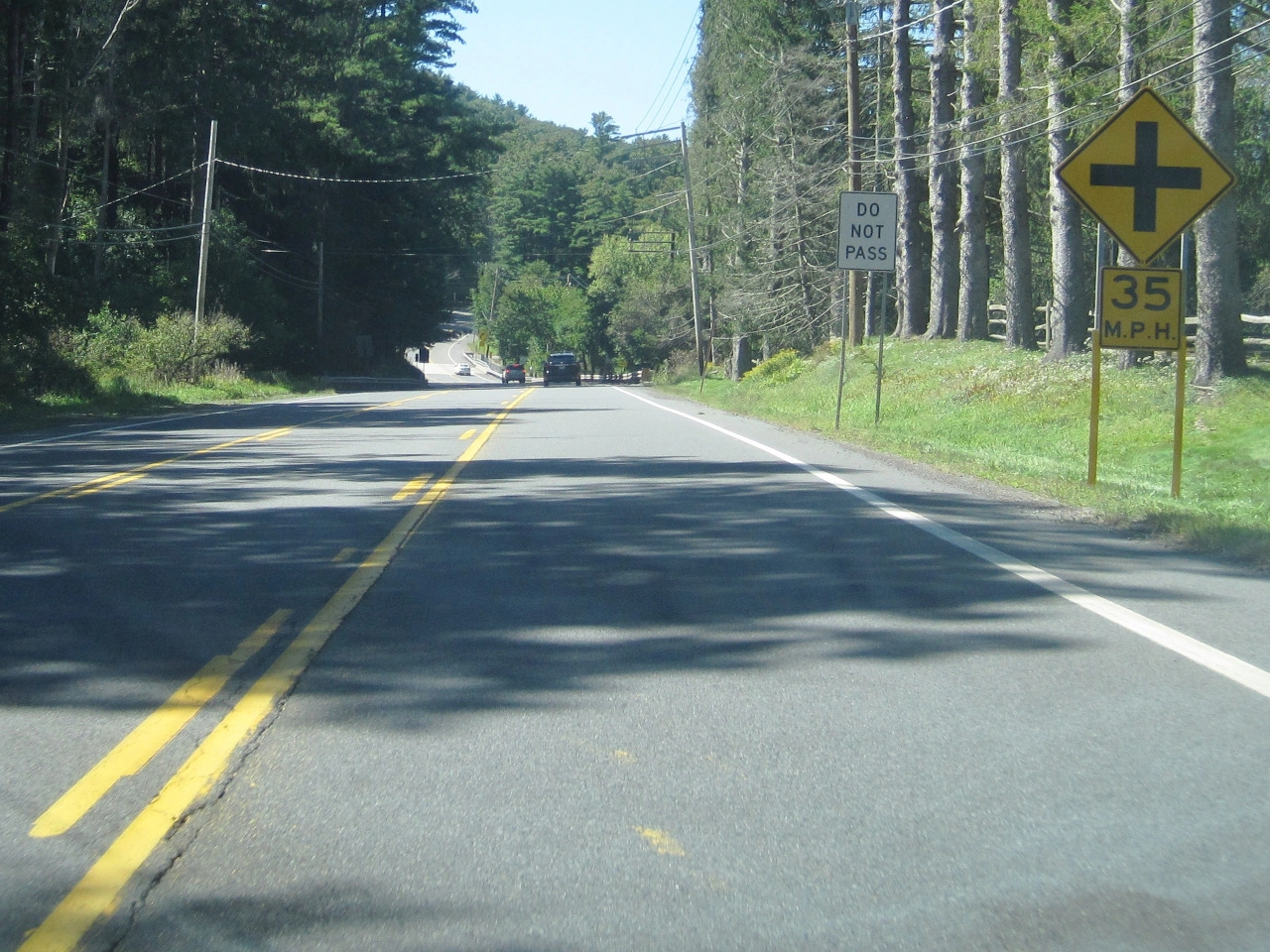
An uncontrolled crossroad is an intersection where traffic priority is not specifically regulated by traffic lights, an authorised person or signs assigning priority to particular approaches. Drivers must therefore determine who has priority using the default traffic rules that apply in that country.
The applicable rule varies between countries and may include priority from the right, priority from the left or another default right-of-way rule. Drivers should approach an uncontrolled crossroad carefully, observe traffic from every direction and never assume that a wider or busier road automatically has priority.
Wikimedia.org • Mr. Matté • CC BY-SA
What is an uncontrolled crossroad?
An uncontrolled crossroad is an intersection where priority is not specifically assigned by traffic lights, an authorised person or priority signs. Drivers must use the default priority rules of the country.
Who has priority at an uncontrolled crossroad?
This depends on the local traffic law. Some countries use priority from the right, while others use different rules. Drivers should know the default intersection rule of the country in which they are driving.
What should you do if you are unsure who has priority?
Reduce speed and be prepared to stop. Never force your way through an intersection simply because the priority situation is unclear.
62. Ramp
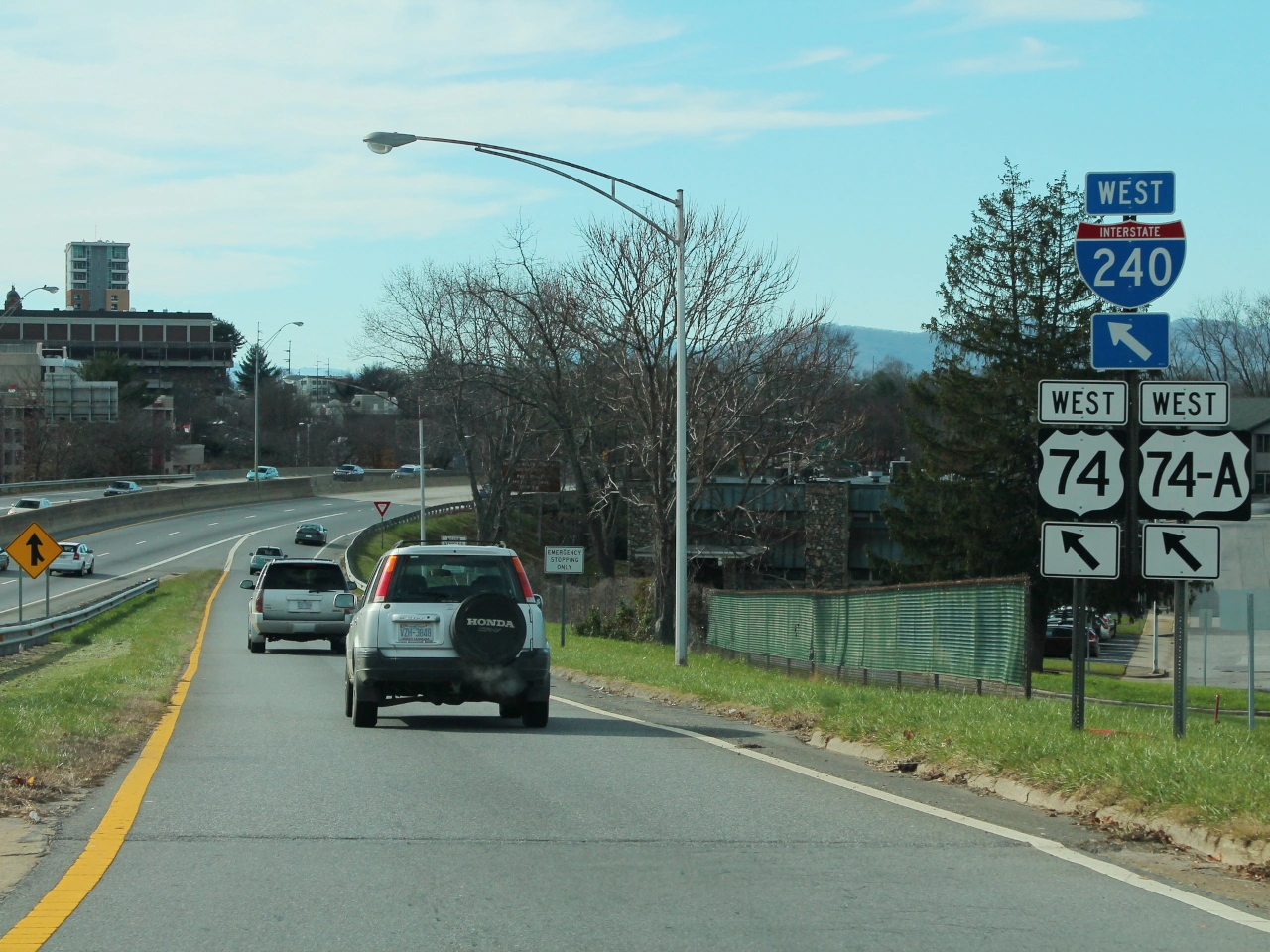
A ramp is a connecting road that allows vehicles to enter or leave another road, especially a motorway, expressway or other grade-separated road. Ramps are commonly used at interchanges to connect roads without requiring traffic to cross directly at the same level.
An entrance ramp leads traffic onto the main road, while an exit ramp leads traffic away from it. Drivers should follow the signs and road markings, adjust their speed and watch carefully for merging or diverging traffic.
Wikimedia.org • formulanone • CC BY-SA
How should you use a motorway entrance ramp?
Follow the signs and road markings, use the ramp to adjust your speed to the traffic on the motorway and merge only when it is safe and permitted. The exact priority rules depend on the country.
🔗 gov.uk • Great Britain Highway Code, Rules 259 and 263–274; national guidance example
63. Exit
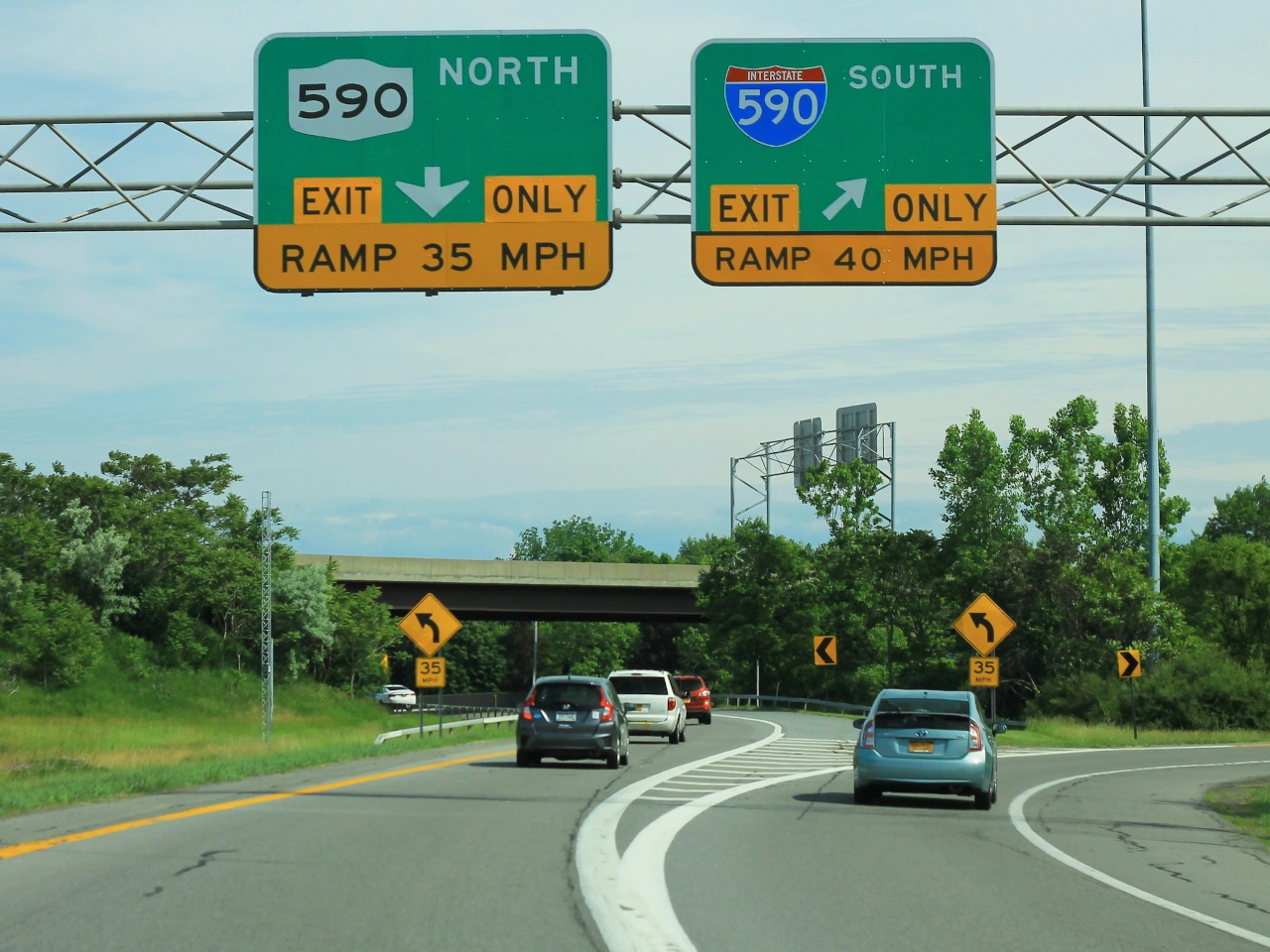
An exit is a designated route or point where traffic leaves a road, motorway, expressway or other major route. On high-speed roads, an exit usually leads from the main carriageway onto an exit lane or ramp that connects with another road or destination.
Drivers approaching an exit should follow the direction signs and road markings, move into the appropriate lane in good time and adjust their speed as necessary after leaving the main traffic flow.
Wikimedia.org • formulanone • CC BY-SA
How early does California DMV recommend signalling for a highway exit?
About five seconds, approximately 400 feet, before exiting from the proper lane.
Can you cross a solid line to reach a California highway exit?
No. DMV says not to cross solid lines when exiting.
64. Horse riding
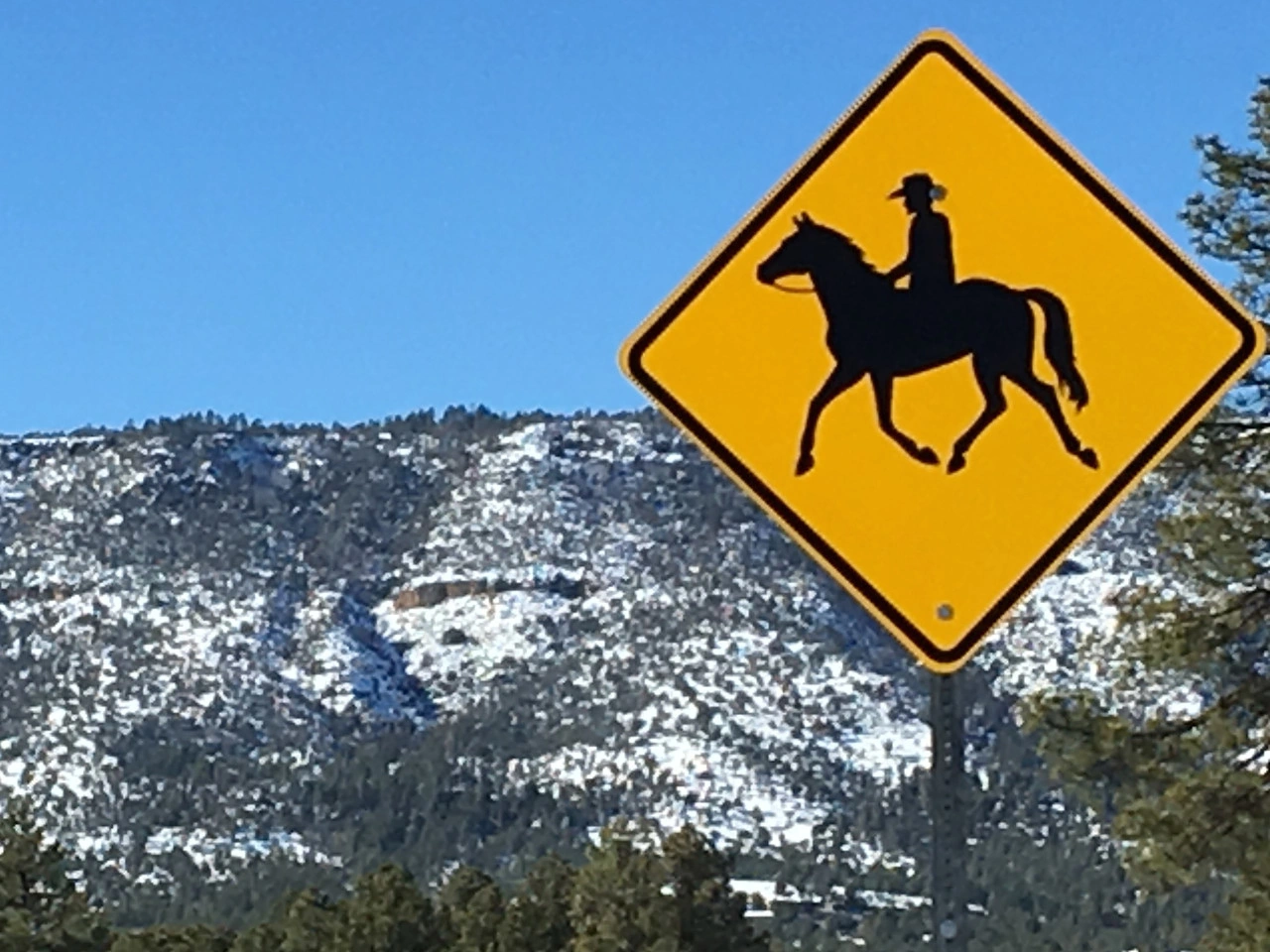
Horse riding includes activities involving horses and riders. In road traffic, an equestrian or horse rider may use roads, bridleways or specially designated routes, depending on the rules and infrastructure provided.
Drivers approaching horses and riders should reduce speed, leave sufficient space and avoid sudden noise or movements that could frighten the animal. Riders must also follow the traffic rules that apply to them.
Wikimedia.org • cogdogblog • CC BY
What does equestrian mean in road traffic?
Equestrian refers to horse riding and, in a traffic context, particularly to people travelling on horseback or using designated horse-riding routes.
🔗 gov.uk • Great Britain Highway Code, Rule 215; national guidance example
How should drivers behave near horse riders?
Drivers should slow down, leave plenty of space and pass calmly, avoiding sudden acceleration, horn use or other actions that could frighten the horse.
🔗 gov.uk • Great Britain Highway Code, Rule 215; national guidance example
65. Emergency exit
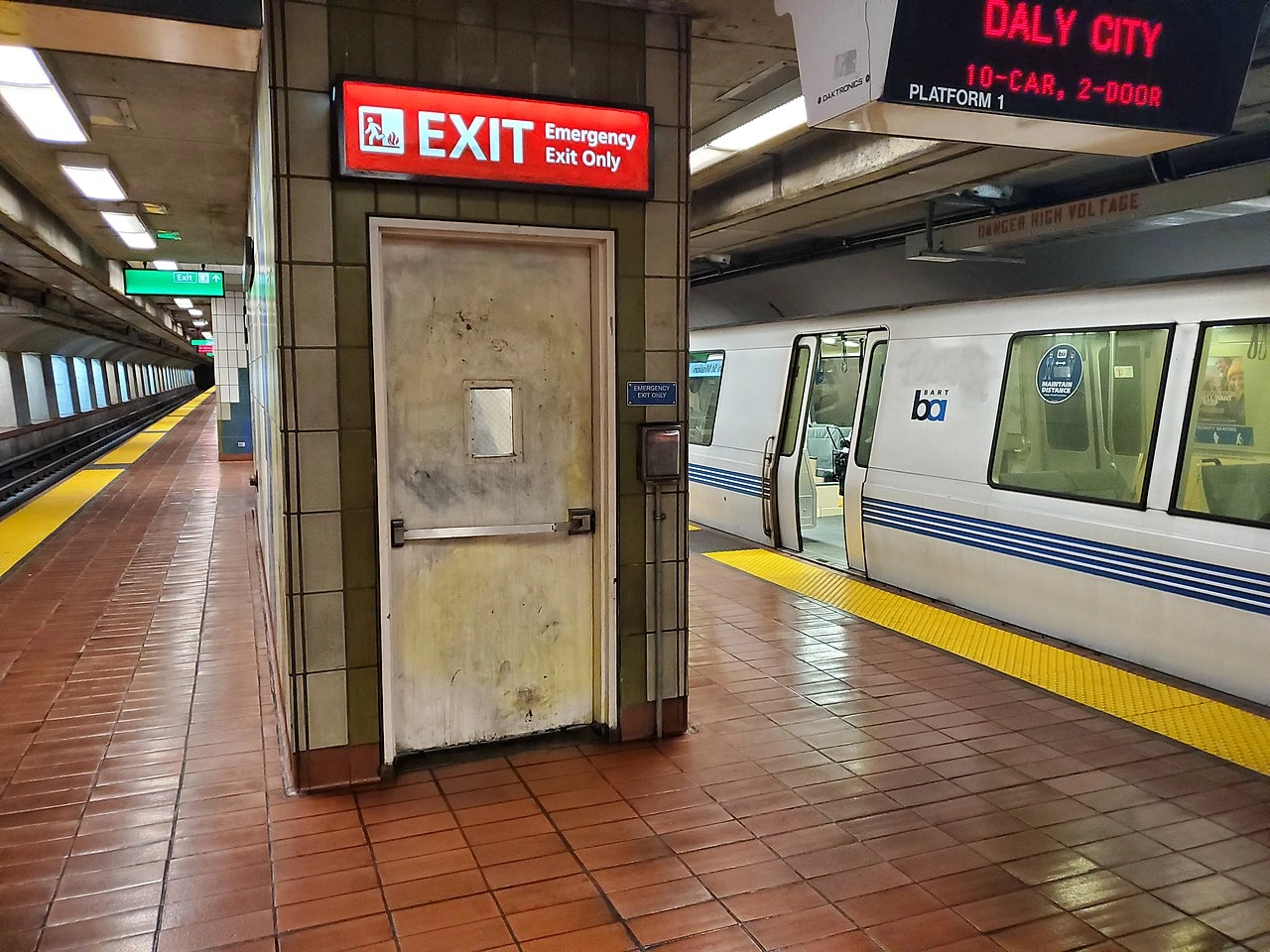
An emergency exit is a marked escape route that allows road users to leave a tunnel or other enclosed traffic facility during a serious incident such as a fire, smoke development or another emergency. Emergency exits lead towards a safer area separated from the immediate danger.
In an emergency, occupants should leave their vehicle when evacuation is necessary and follow the emergency-exit signs and instructions. They should move away from the danger rather than remaining inside the tunnel or returning to their vehicle.
Wikimedia.org • Pi.1415926535 • CC BY-SA
Should you take your vehicle through an emergency exit?
No. Tunnel emergency exits are intended for people evacuating on foot. Leave the vehicle when necessary and follow the marked escape route towards safety.
🔗 crisiscenter.be • Belgian National Crisis Centre, tunnel evacuation on foot
🔗 merseytravel.gov.uk • Merseytravel, road-tunnel evacuation instructions
🔗 gov.uk • UK DfT, emergency-exit pedestrian signs and information symbols
66. Runaway truck ramp
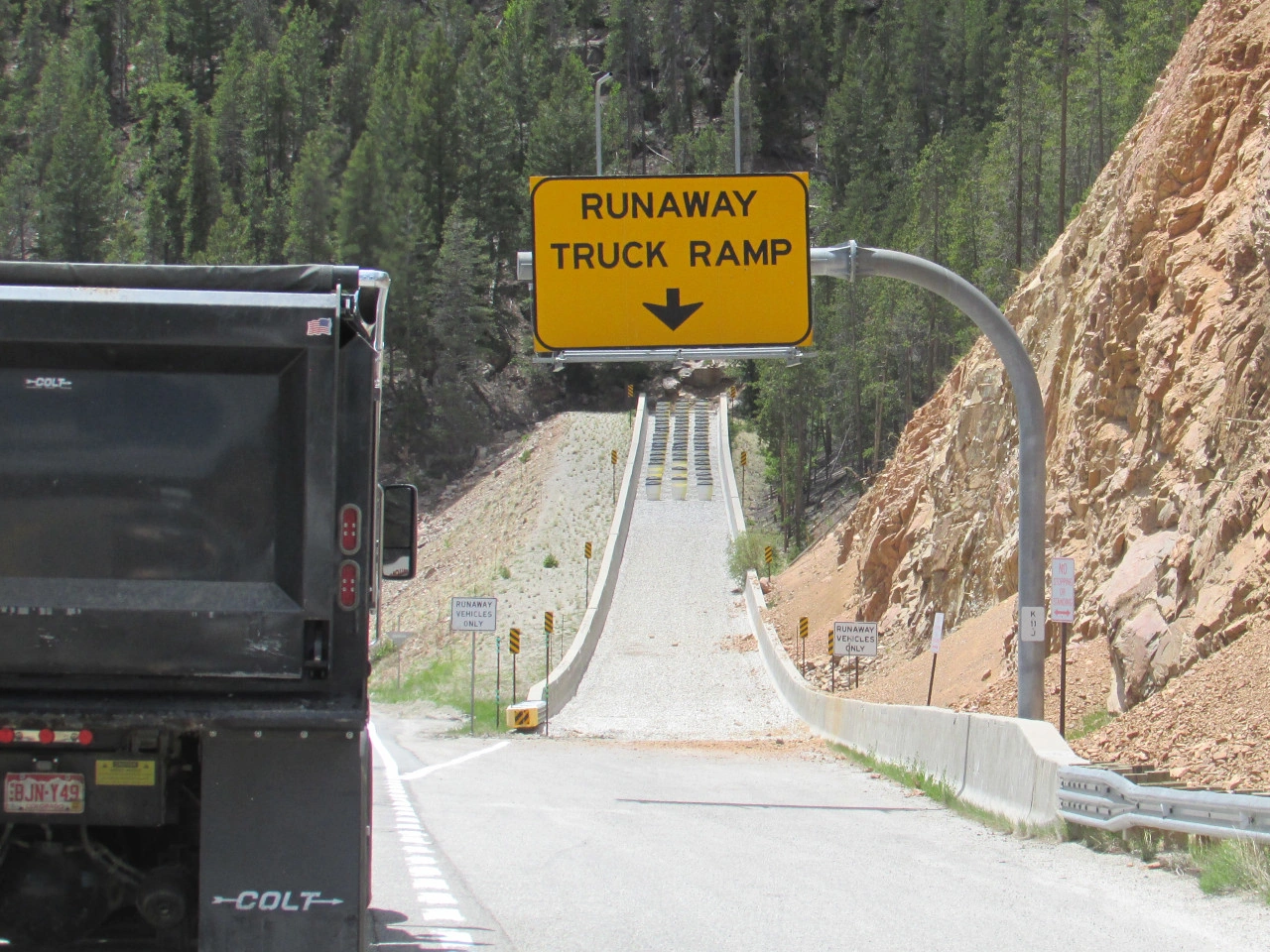
A runaway truck ramp, also called an emergency escape lane, is a specially constructed lane designed to stop a vehicle that has lost effective braking, particularly a heavy vehicle descending a steep hill. The ramp may use an uphill gradient, deep gravel or another energy-absorbing surface to slow and stop the vehicle.
A driver who has lost braking ability should enter the escape ramp as early and safely as possible rather than trying to continue down the hill. Escape ramps are emergency facilities and must not be used for ordinary stopping, parking or turning.
Wikimedia.org • Chris_Light • CC BY-SA
Can you use a runaway truck ramp for normal stopping or parking?
No. An escape ramp is an emergency safety facility and should be kept clear for vehicles that have lost effective braking or control.
67. Oversize load
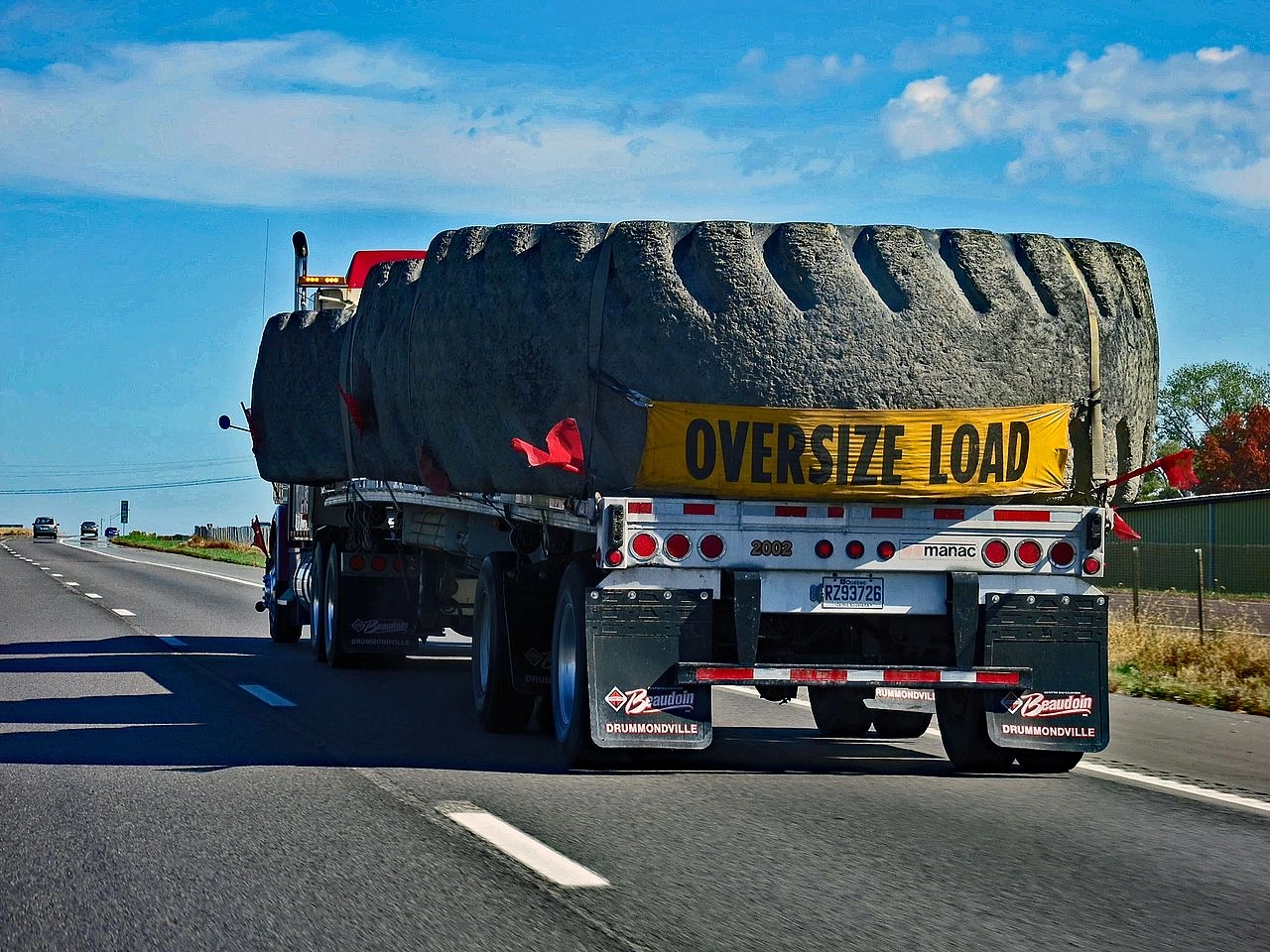
An oversize load is a load that causes a vehicle or vehicle combination to exceed the normally permitted dimensions for road traffic, such as maximum length, width or height. Oversize loads often involve large machinery, construction components or other items that cannot reasonably be divided into smaller loads.
Transporting an oversize load may require a special permit, an approved route, warning signs, lights or escort vehicles. Drivers must comply with the conditions imposed by the authorities responsible for the roads on which the transport takes place.
Wikimedia.org • ajmexico • CC BY
Why might an oversize load need an escort vehicle?
An escort can warn other road users and help an unusually large vehicle negotiate its planned route. The required escorts depend on local rules and the transport’s dimensions and weight. Do not assume a private escort has police powers to stop or direct traffic; British guidance expressly distinguishes those roles.
🔗 assets.publishing.service.gov.uk • Highways England, abnormal-load self-escort guidance
68. City limit
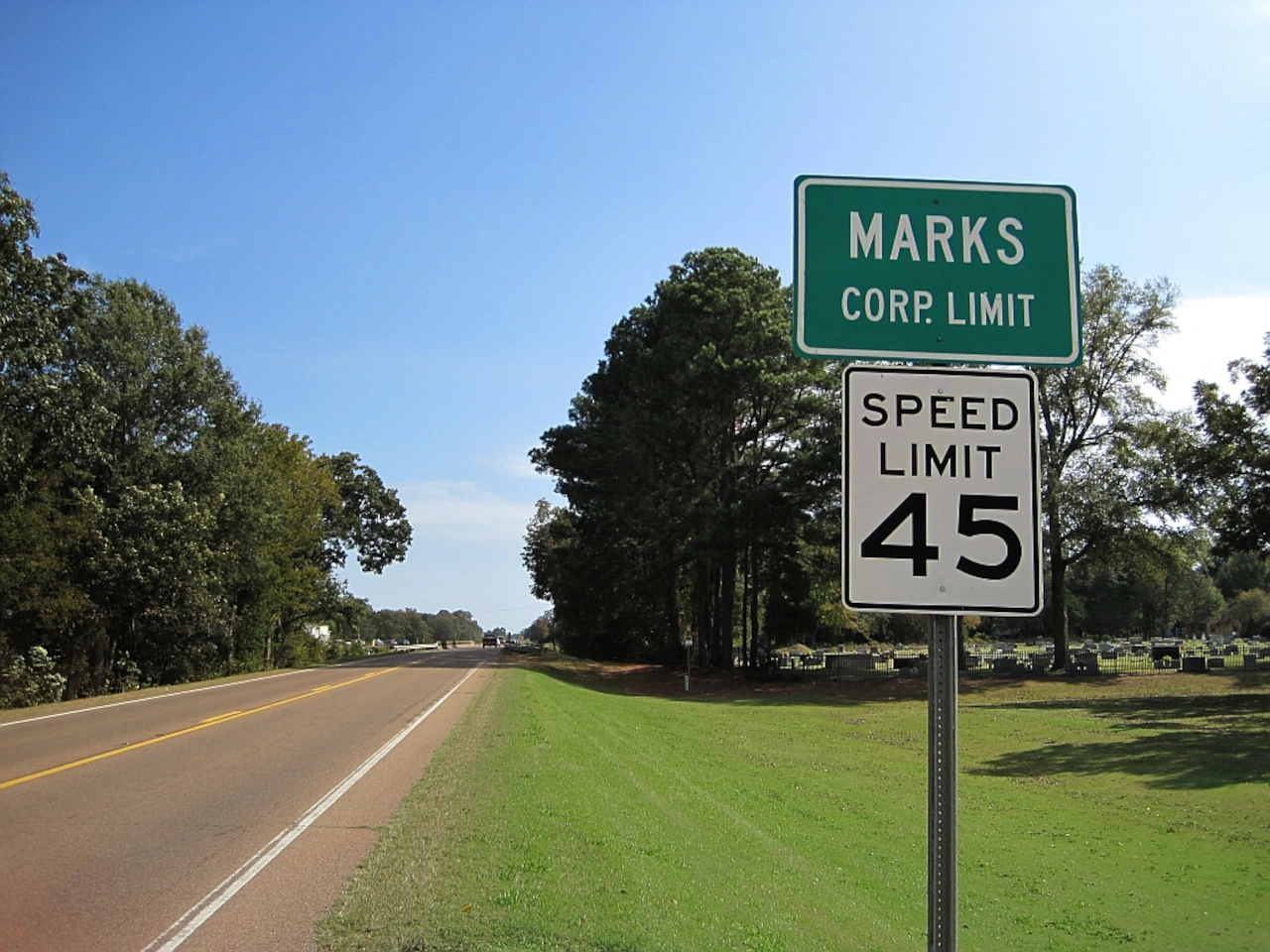
A city limit is a boundary or roadside indication showing that a driver is entering or leaving a named city, town, village, locality or municipality. It is commonly marked by a place-name or boundary sign.
The meaning of these signs varies between countries. A city-limit or locality sign may identify an administrative boundary, a named settlement or a traffic-related boundary. It does not necessarily mark the beginning or end of a legally defined built-up area, and passing the sign does not always change the applicable speed limit or other traffic rules.
Wikimedia.org • Thomas R Machnitzki • CC BY
What is a city limit?
A city limit identifies the boundary of a named city, town or municipality. A roadside place-name or boundary sign may identify that boundary, a locality or a legally defined built-up area; its exact meaning depends on the sign system.
🔗 gov.uk • UK Department for Transport, Know Your Traffic Signs, boundary signs
 City limit.
 End of city limit.
Does a city-limit sign always mark a built-up area?
No. A city-limit or locality sign may simply identify a place or administrative boundary. A legally defined built-up area can use a different sign or definition.
🔗 gov.uk • UK Department for Transport, Know Your Traffic Signs, boundary signs
What is the difference between a city limit and a built-up area?
A city limit identifies the boundary of a named place or administrative area. A built-up area is a traffic-law concept that may affect rules such as default speed limits. The two boundaries can coincide, but they do not have to.
🔗 gov.uk • UK Department for Transport, Know Your Traffic Signs, boundary signs
69. Tourist attraction
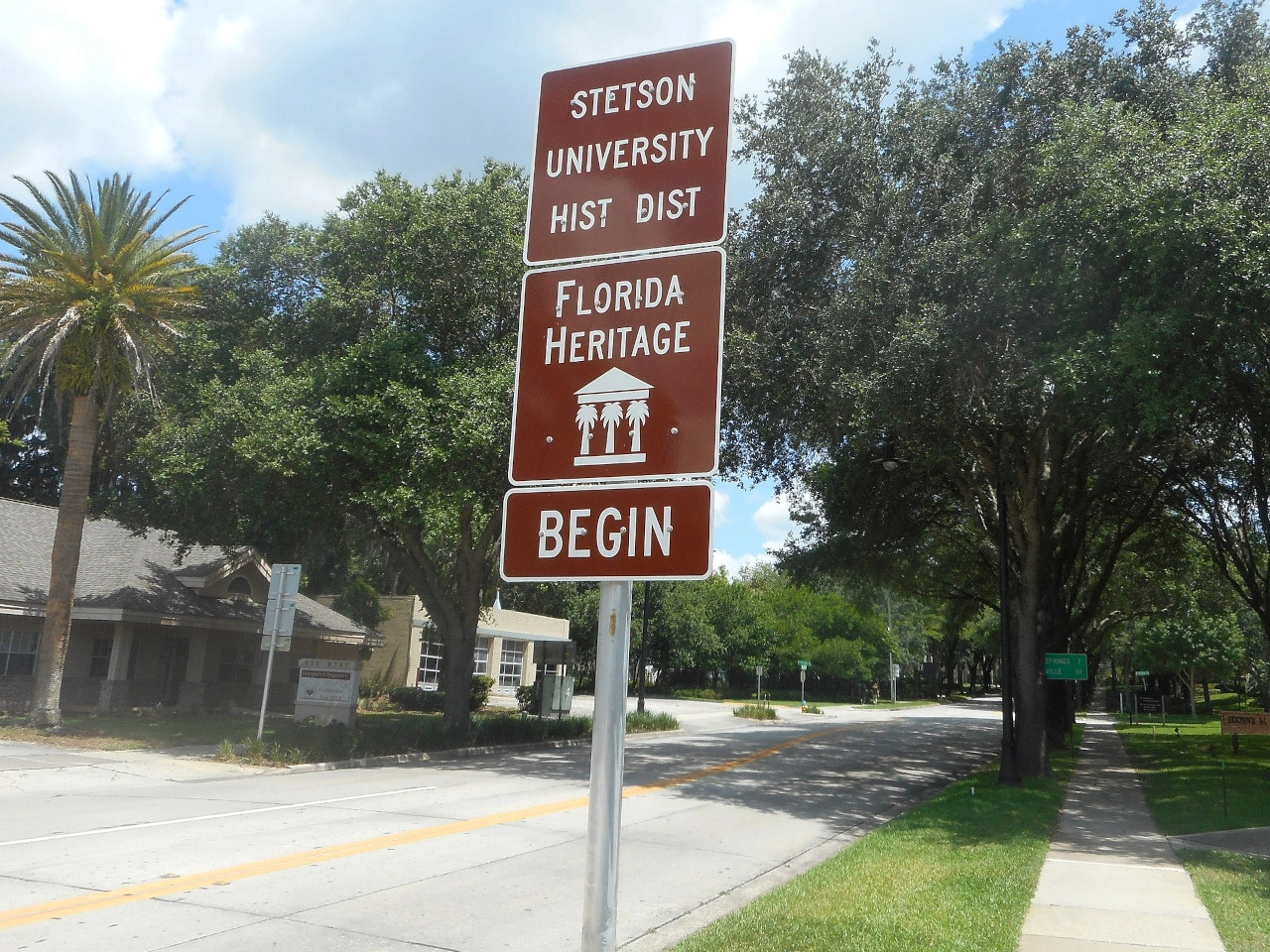
A tourist attraction is a place of interest that visitors may travel to for cultural, historical, recreational, natural or entertainment purposes. Examples include monuments, castles, museums, scenic sites, amusement parks and other notable destinations.
Tourist attractions may be indicated by tourist or direction signs that help travellers find the destination. The colours, symbols and types of attractions shown vary between countries.
Wikimedia.org • DanTD • CC BY-SA
Can tourist attractions be indicated by road signs?
Yes. Many countries use tourist or direction signs to guide travellers toward important attractions and places of interest.
70. Horn
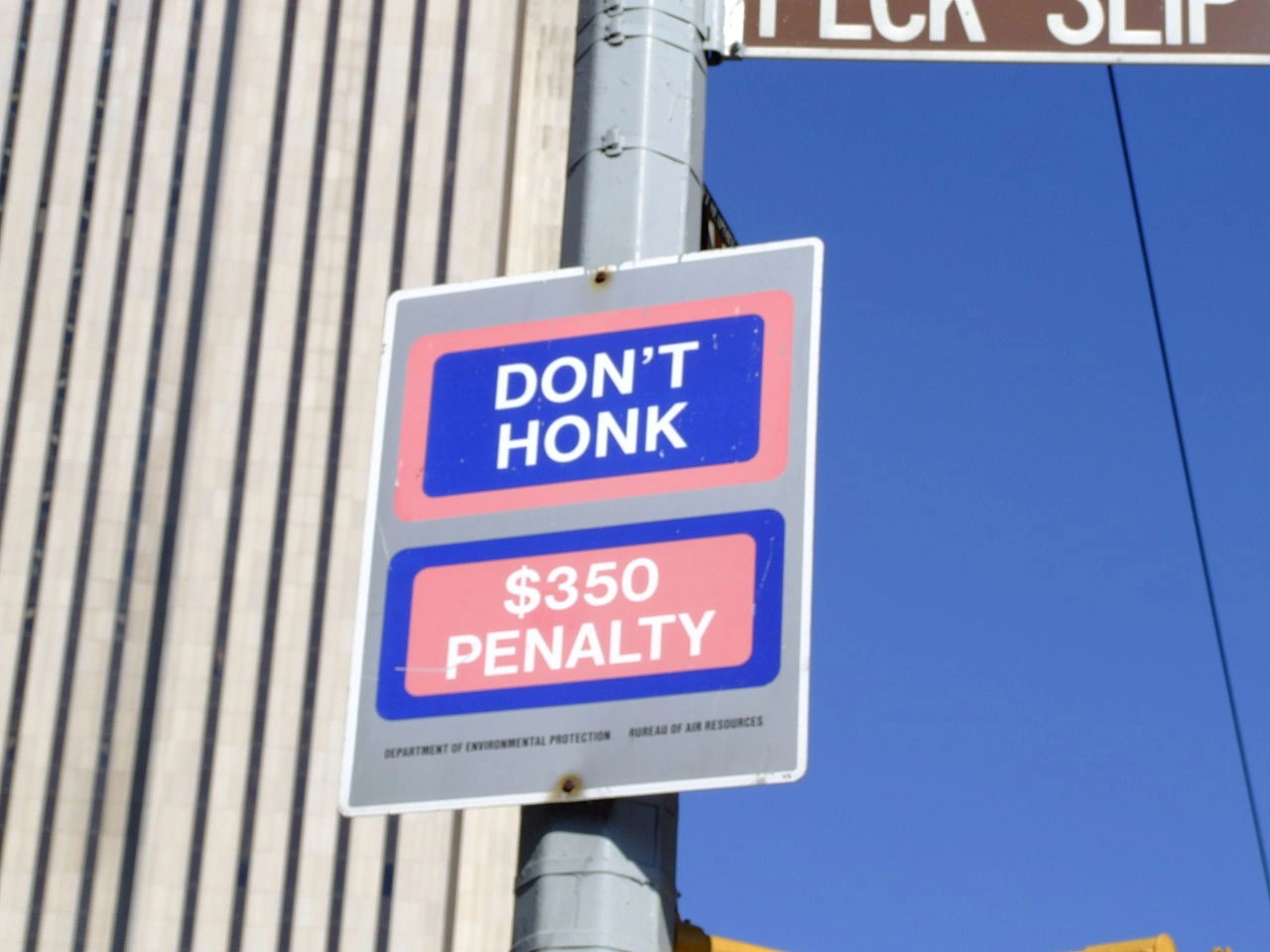
A horn is a sound-producing device used to warn other road users of danger or to attract their attention when necessary for safety. Most motor vehicles are equipped with an electric horn operated from the steering wheel. Traffic laws generally restrict unnecessary or excessive horn use, especially in built-up or residential areas. The horn should therefore be used as a warning device rather than as a way to express frustration or greet other road users.
Wikimedia.org • Andy_C • CC BY-SA
What is a car horn?
A car horn is a sound-producing warning device used to alert other road users when their attention is needed for safety.
🔗 gov.uk • Great Britain Highway Code, Rule 112; national guidance example
When should you use the horn?
The horn should generally be used when a sound warning is necessary to help prevent danger or an accident. The exact circumstances in which horn use is permitted depend on local traffic laws.
🔗 gov.uk • Great Britain Highway Code, Rule 112; national guidance example
Can you use the horn to show annoyance?
Generally, no. A horn is intended as a safety warning device, and unnecessary or excessive use may be prohibited by local traffic rules.
🔗 gov.uk • Great Britain Highway Code, Rule 112; national guidance example
71. Axle weight limit
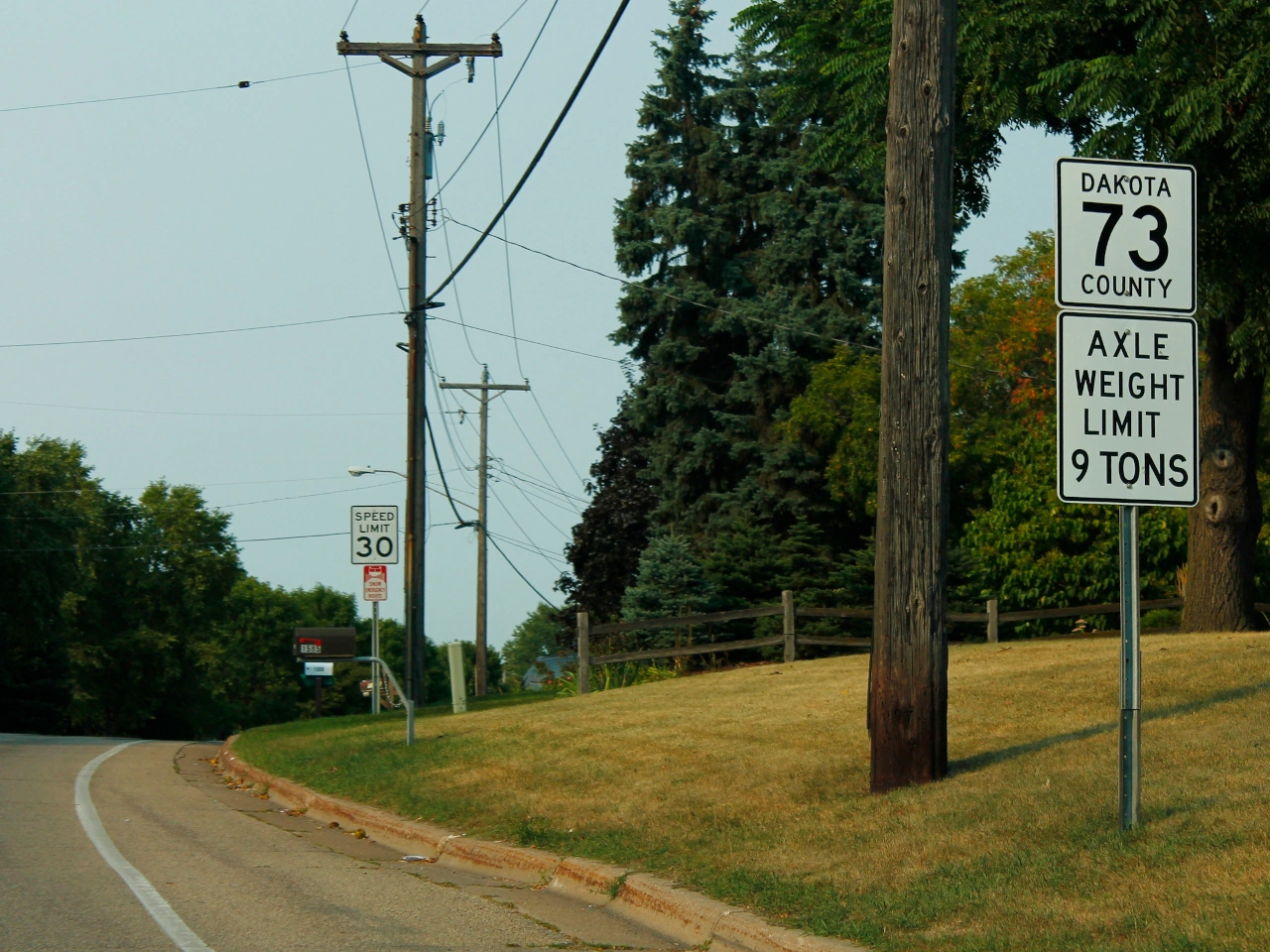
An axle weight limit is the maximum permitted weight or load carried by a single axle of a vehicle. It limits how much force an axle and its wheels may transmit to the road, independently of the vehicle's total weight.
Axle weight limits help protect bridges and road surfaces from excessive loads and contribute to safe vehicle operation. A vehicle can comply with an overall weight limit while still exceeding an axle limit if its load is distributed incorrectly.
Wikimedia.org • formulanone • CC BY-SA
What does an axle weight limit mean?
An axle weight limit specifies the maximum permitted load carried by an individual axle or axle group. A vehicle exceeding the indicated axle load may not use the restricted road or structure.
Why are axle weight limits used?
They help prevent excessive stress on roads and structures such as bridges. They also ensure that vehicle loads are distributed safely between the axles.
72. Licence plate
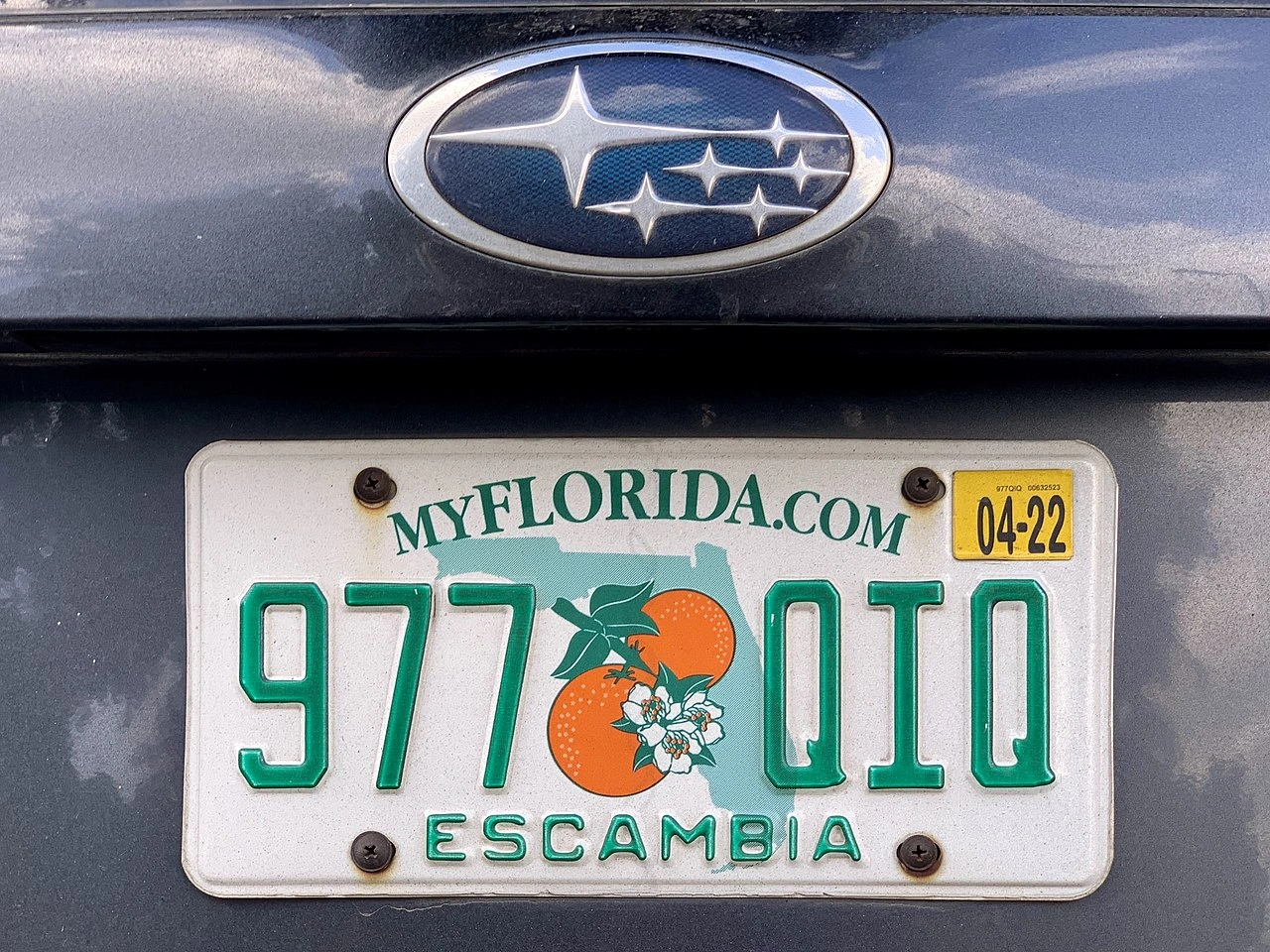
A licence plate, also called a registration plate or number plate, is a plate displaying a unique registration identifier assigned to a vehicle by the competent registration authority. It allows the vehicle to be identified for purposes such as registration, traffic enforcement, taxation, insurance and parking control.
The appearance, format, placement and number of plates required vary between countries and vehicle categories. Drivers must ensure that required licence plates are correctly fitted, clearly visible and legible and must follow the local rules when a plate is lost, stolen, damaged or replaced.
Wikimedia.org • Kgbo • CC BY-SA
What is a licence plate?
A licence plate is a plate displaying the registration identifier assigned to a vehicle. It allows authorities and other authorised systems to identify the vehicle's registration.
Is a licence plate the same as a registration plate?
Yes. Licence plate, registration plate and number plate are different terms commonly used for the plate displaying a vehicle's official registration number.
What should you do if a licence plate is lost or stolen?
Follow the local reporting and replacement procedure. For example, UK guidance says stolen plates should be reported to the police and DVLA, and replacement plates are needed before driving. Check the registration authority’s procedure for a lost plate; it may differ from the theft process.
73. Charging station
A charging station is a location equipped with one or more charging points where the battery of an electric or plug-in hybrid vehicle can be connected to an electricity supply and recharged. Charging stations may be located along public roads, in car parks, at service areas or on private property.
Charging spaces may be reserved for vehicles that are charging and can be subject to parking restrictions, time limits, payment requirements or other conditions. Drivers must follow the traffic signs, parking regulations and charging instructions applying at the location.
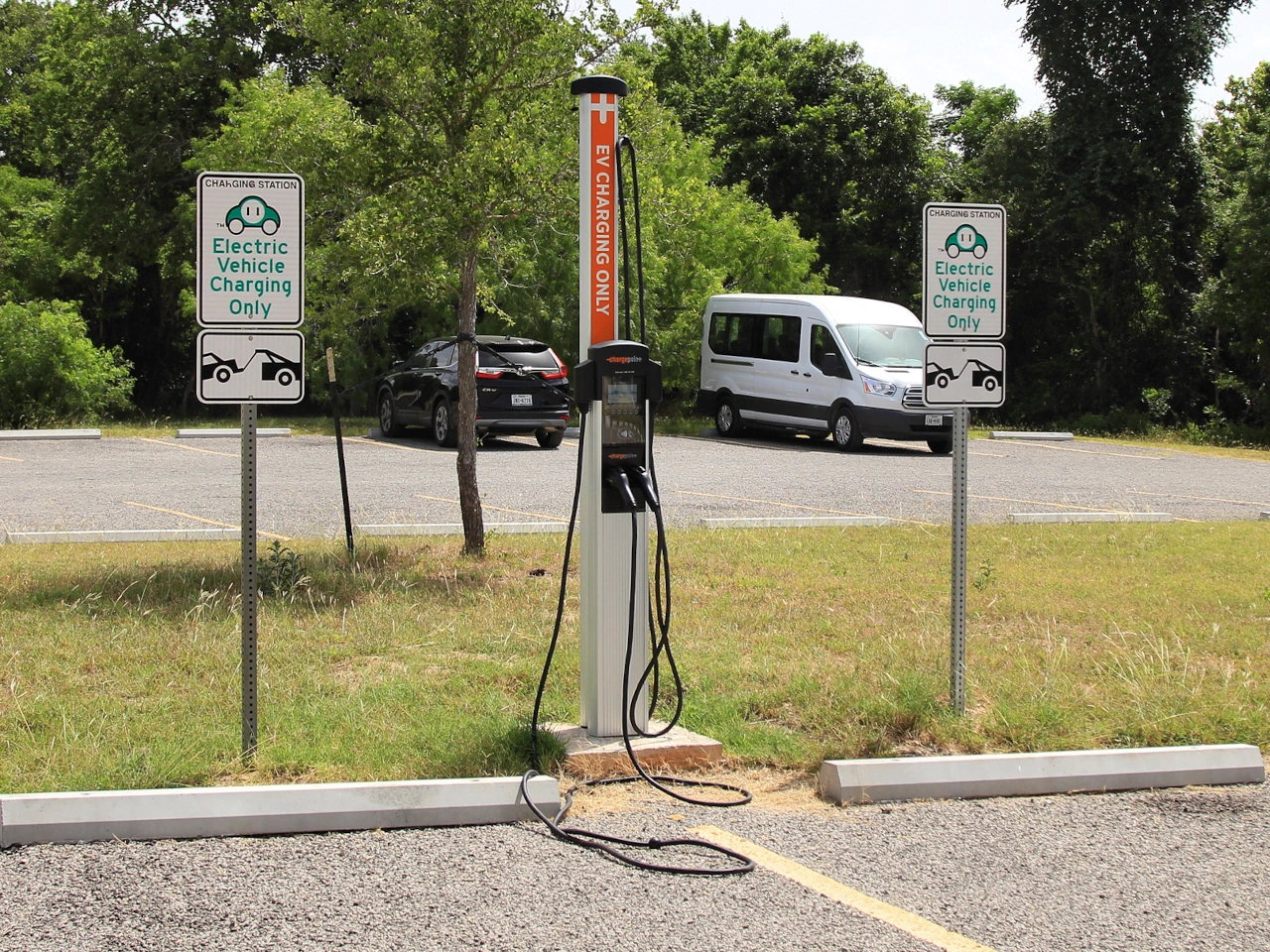
Wikimedia.org • Larry D. Moore • CC BY
What is a charging station?
A charging station is a location where electric vehicles can be connected to an electricity supply to recharge their batteries. A station may contain one or several individual charging points.
🔗 tfl.gov.uk • Transport for London, electric vehicles and charging points; London example
Who can use an electric-vehicle charging station?
Charging stations are intended for vehicles that can be externally charged, such as battery-electric vehicles and plug-in hybrid vehicles. The exact vehicle categories permitted may be indicated by local signs or operator conditions.
🔗 tfl.gov.uk • Transport for London, electric vehicles and charging points; London example
Can a charging station have a maximum parking time?
Yes. Traffic signs, parking regulations or charging conditions may establish a maximum duration to encourage drivers to move their vehicles and make the charger available to others.
🔗 tfl.gov.uk • Transport for London, electric vehicles and charging points; London example
74. Flooding
Flooding occurs when water covers or threatens a road because of heavy rain, overflowing rivers, poor drainage, storm surges or other causes. Flooded roads can become dangerous very quickly because water can reduce tyre grip, hide potholes or debris and make it difficult to judge the depth or strength of the current.
Drivers approaching flooding should slow down, assess the situation carefully and obey any warning signs or road closures. If the depth or condition of the water is uncertain, the safer option is to avoid entering the flooded section and use another route.

Wikimedia.org • Juliancolton • CC0
Why is flooding dangerous for road traffic?
Floodwater can reduce grip, hide damage or debris, affect vehicle control and make the actual depth of the water difficult to judge.
🔗 gov.uk • Great Britain Highway Code, Rules 226–237; national guidance example
How can flooding be indicated to drivers?
Authorities may use warning signs, temporary traffic signs, barriers or road-closure signs to warn drivers or prevent access to a flooded road.
🔗 gov.uk • Great Britain Highway Code, Rules 226–237; national guidance example
75. Dip
A dip is a low or sunken section of the road where the surface drops and then rises again over a relatively short distance. A dip can reduce visibility, affect vehicle stability and sometimes collect water, making it more difficult for drivers to judge the road ahead.
Drivers approaching a dip should reduce speed when necessary, maintain control and watch for hidden vehicles, pedestrians, cyclists or standing water beyond or within the depression.

Wikimedia.org • DanTD • CC BY-SA
How should you drive through a dip?
Approach at a suitable speed, keep the vehicle under control and be prepared for hazards that may not be visible until you enter or leave the dip.
🔗 gov.uk • Great Britain Highway Code, Rules 226–237; national guidance example