


QuizTraffic rulesUnited States
This interesting quiz helps you test your knowledge in a clear and visual way. With easy multiple-choice questions, you can quickly build confidence and learn new facts while keeping it simple, interactive, and fun.
 Traffic signs
 Traffic rules
 United States
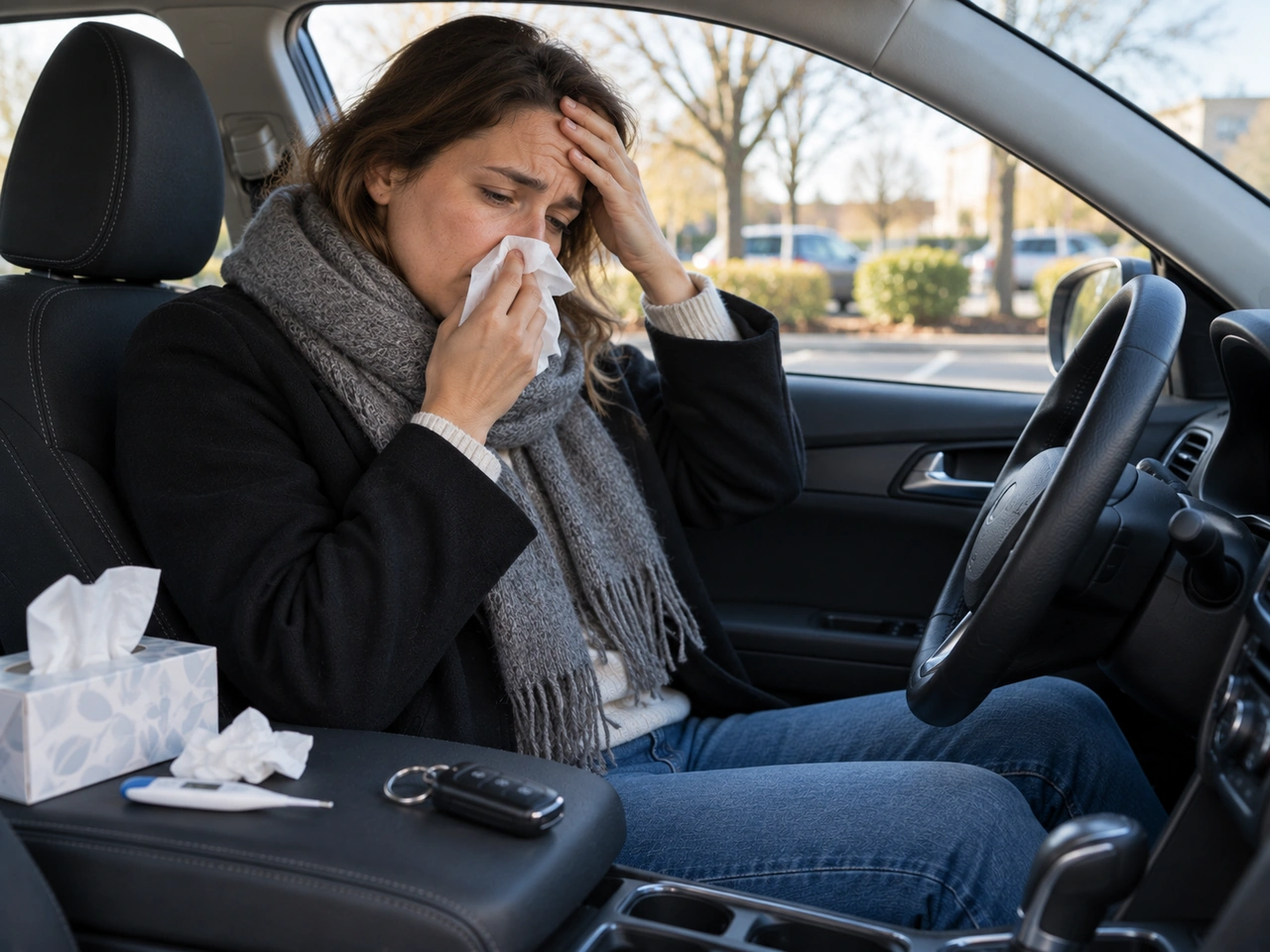
201. What should you do if illness affects your ability to drive safely?
Illness can reduce concentration, alertness, coordination, or reaction time. If you do not feel fit to drive safely, postpone the journey or use another form of transport.
AI-generated by Traffic-rules.com • WCIT • CC BY-SA

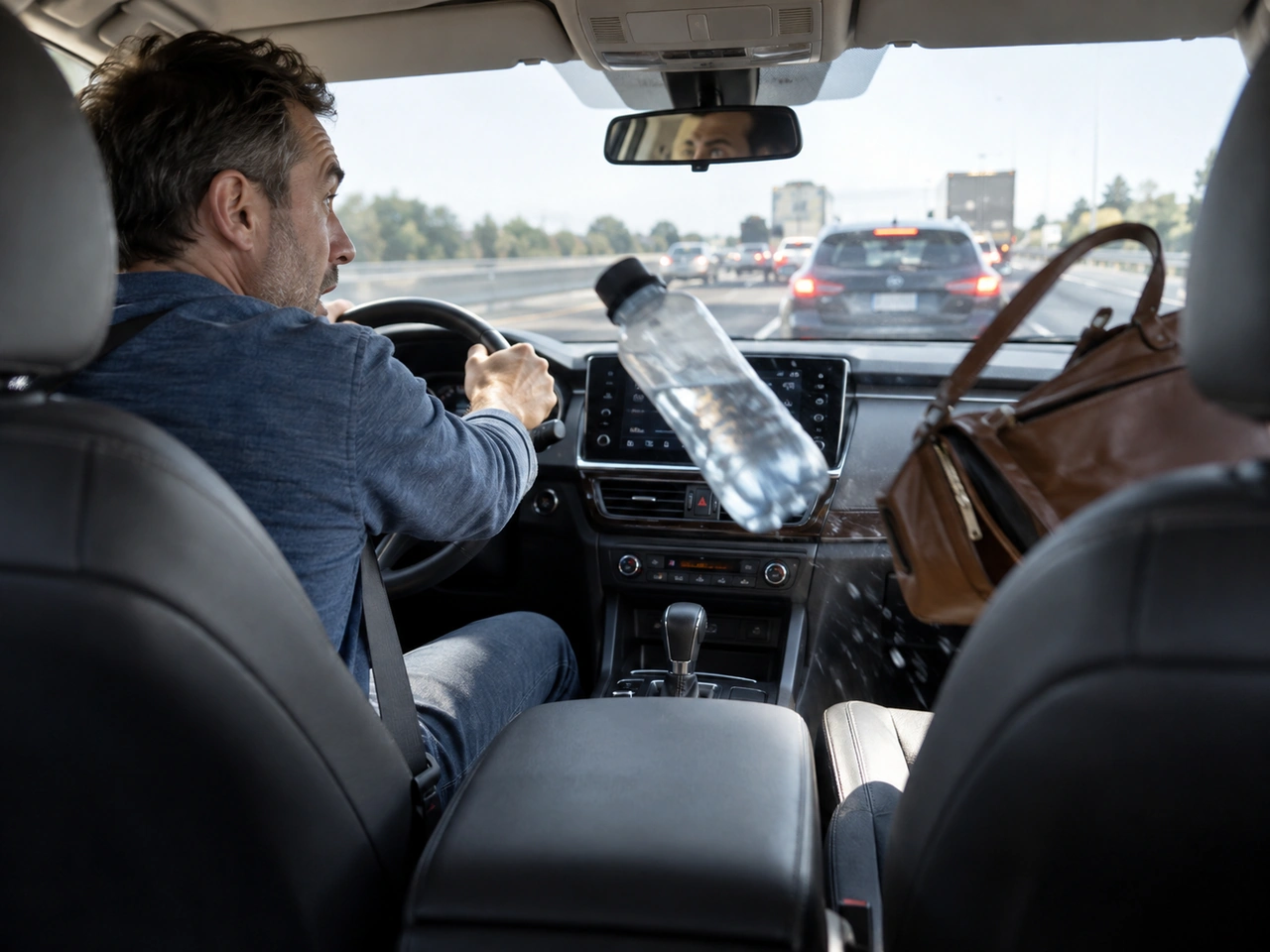
202. Why should loose items inside a vehicle be secured?
Loose objects can move or be thrown forwards during sudden braking or a collision. Secure luggage and other items so they cannot injure occupants or interfere with the driver or vehicle controls.
AI-generated by Traffic-rules.com • WCIT • CC BY-SA
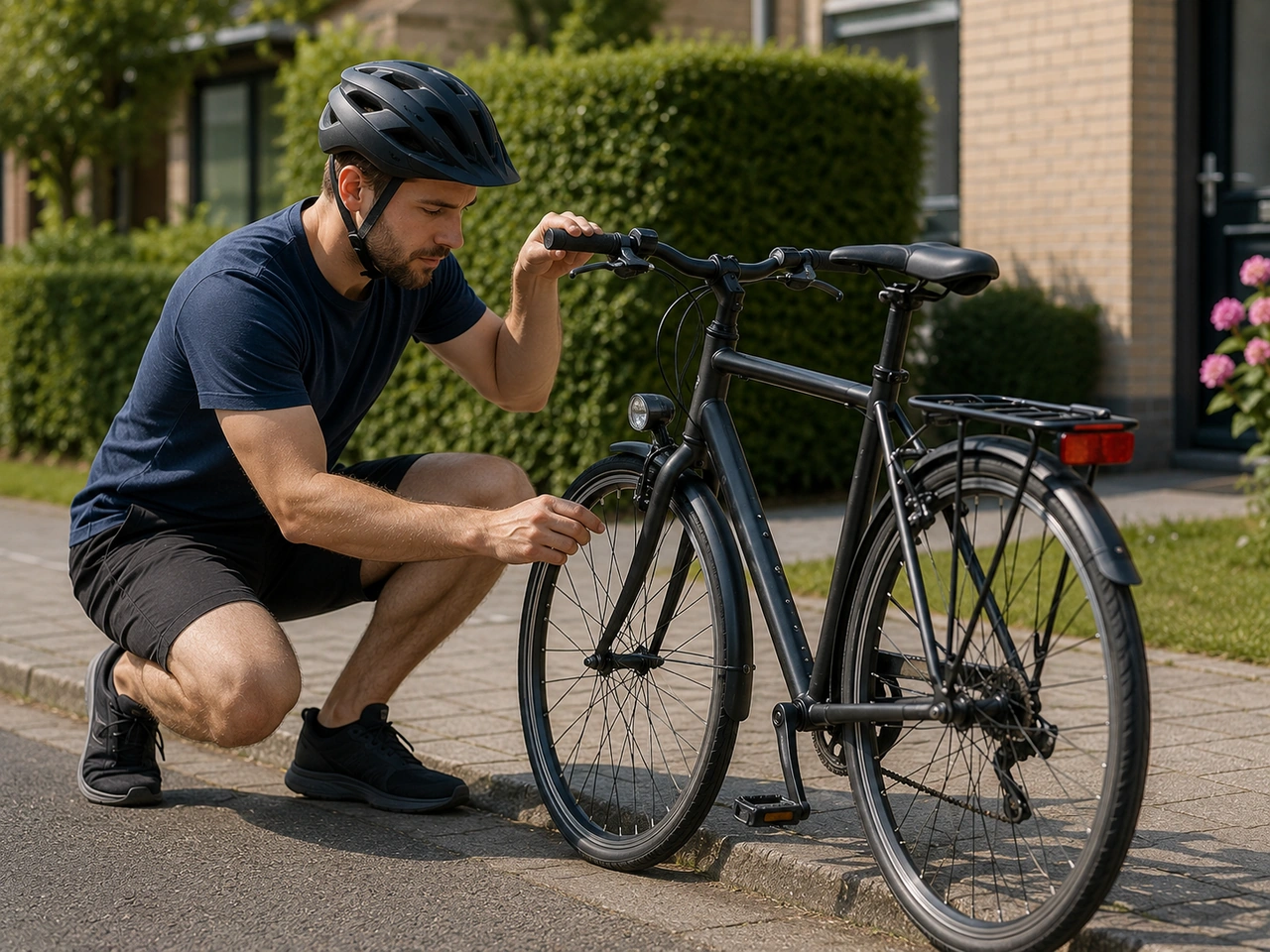
203. What should you check before starting a bicycle journey?
A basic safety check can reveal problems with the brakes, tyres, lights, or steering before they cause an accident.
AI-generated by Traffic-rules.com • WCIT • CC BY-SA
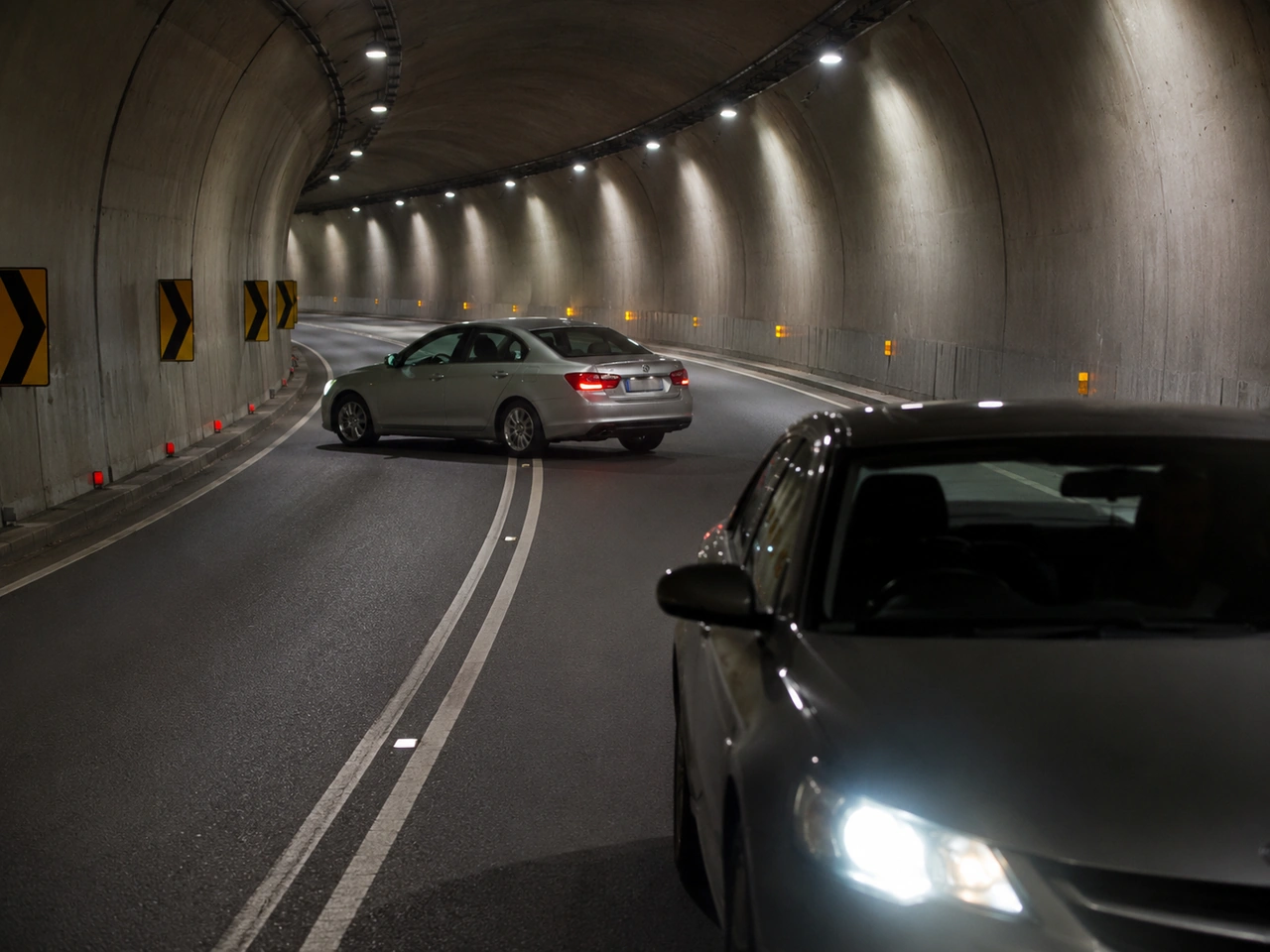
204. Why should you never reverse or make a U-turn inside a tunnel unless directed?
Other drivers may not expect a vehicle to reverse or turn around. Only change direction when instructed by police or tunnel staff.
AI-generated by Traffic-rules.com • WCIT • CC BY-SA
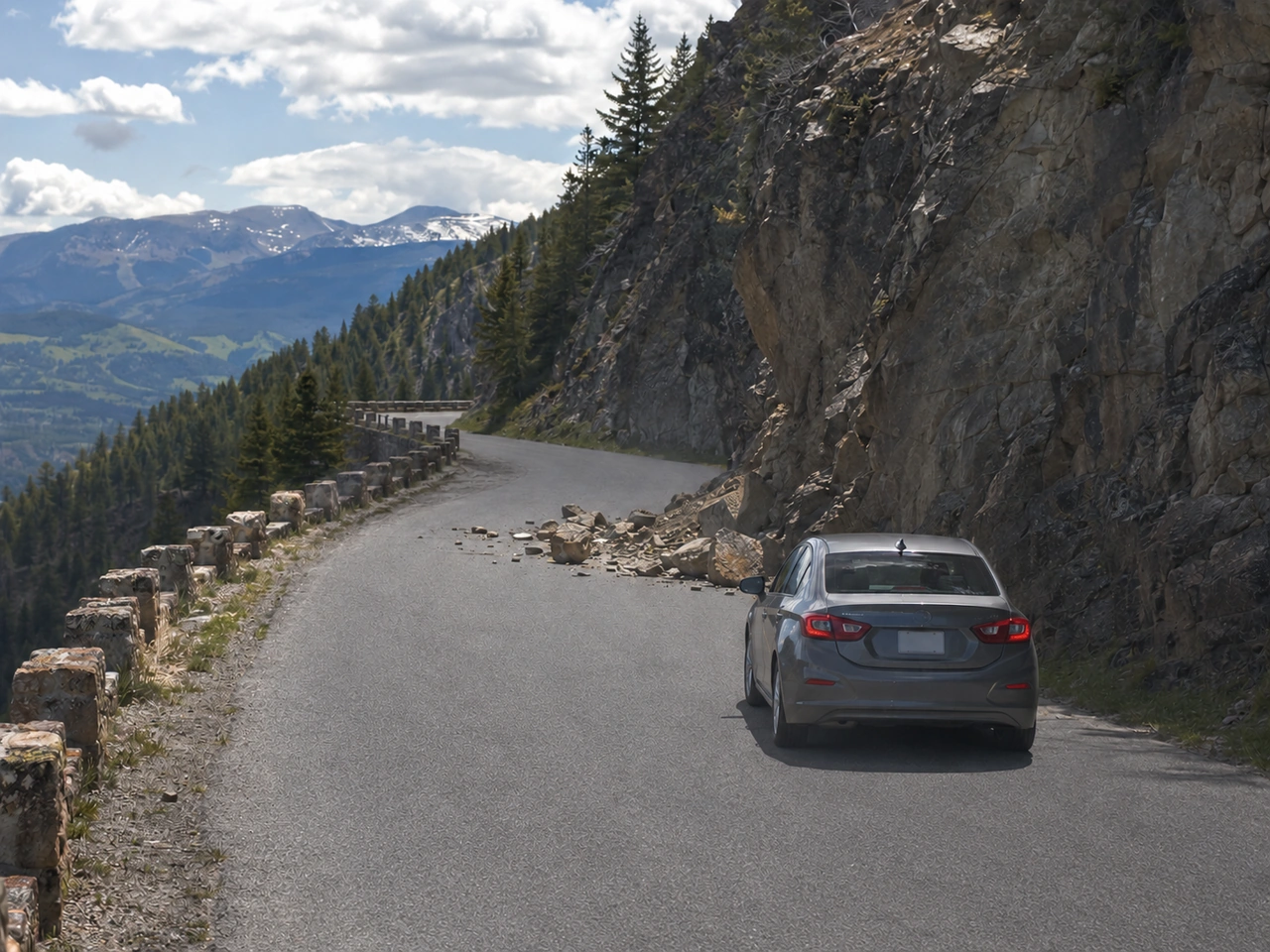
205. What should you do if you see fallen rocks on a mountain road?
Loose rocks can damage tyres, affect steering, or block part of the road. Reduce speed and avoid sudden movements. If rocks are actively falling, do not enter or stop in the danger area. Keep a safe distance and, if necessary, wait in a safe place until it is safe to continue.
AI-generated by Traffic-rules.com • WCIT • CC BY-SA
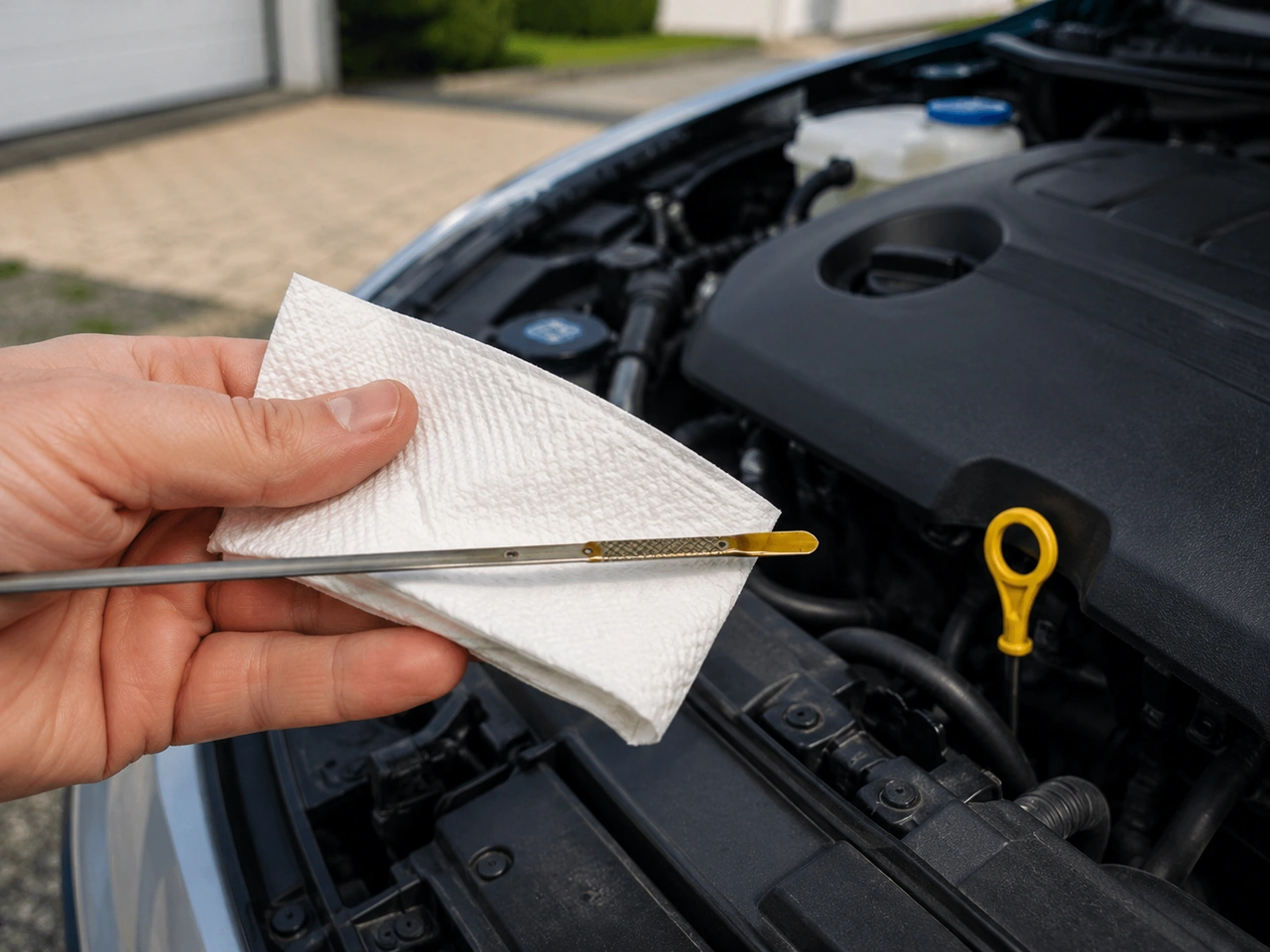
206. How should you check the engine oil level?
Use the dipstick or electronic oil-level system as described in the owner's manual. The engine is usually switched off, and the vehicle should be standing on level ground.
AI-generated by Traffic-rules.com • WCIT • CC BY-SA
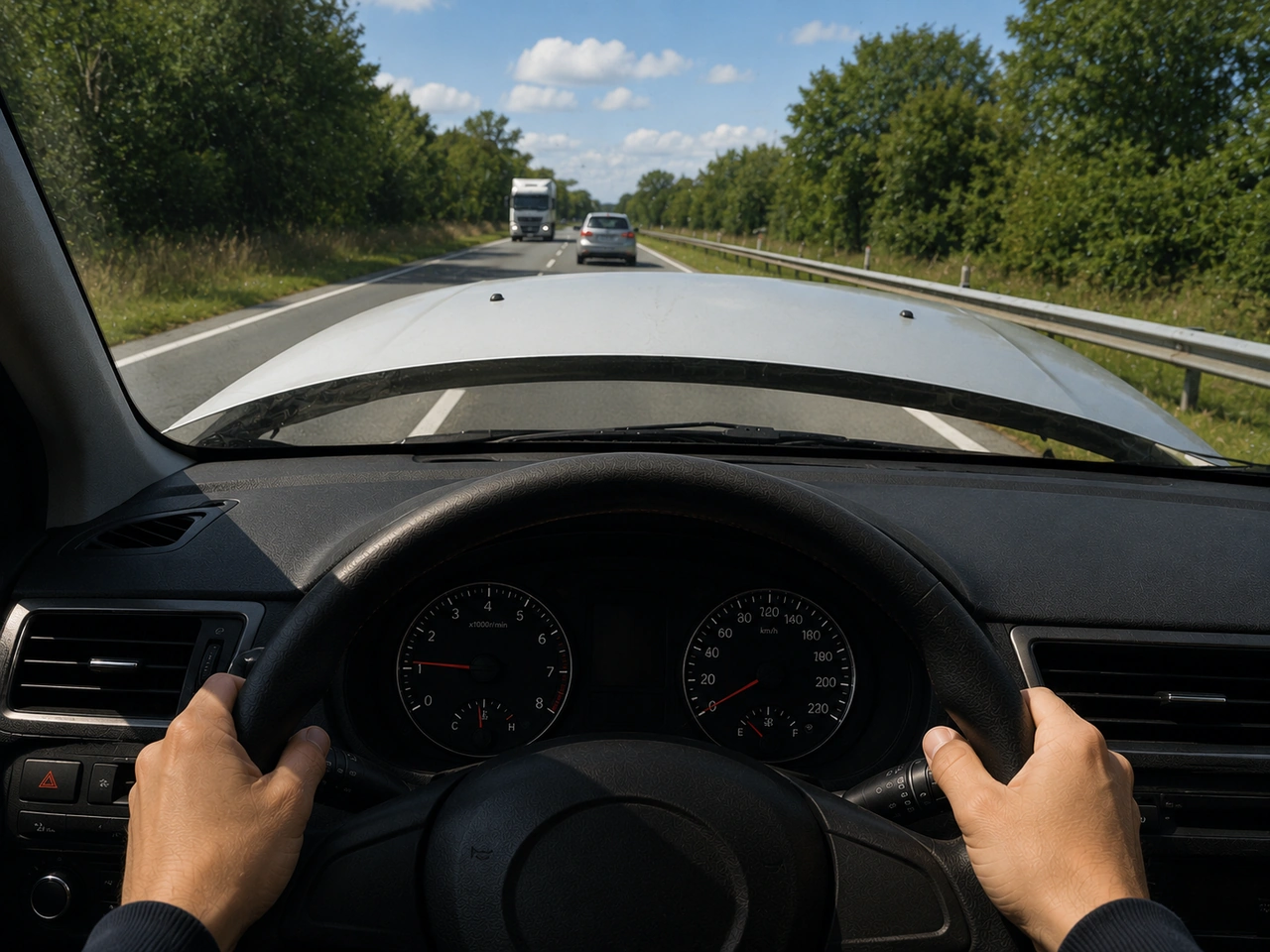
207. What should you do if the bonnet suddenly opens while you are driving?
The bonnet may completely obstruct your view. Avoid sudden movements, use the road markings or available gap to maintain direction, and stop safely.
AI-generated by Traffic-rules.com • WCIT • CC BY-SA
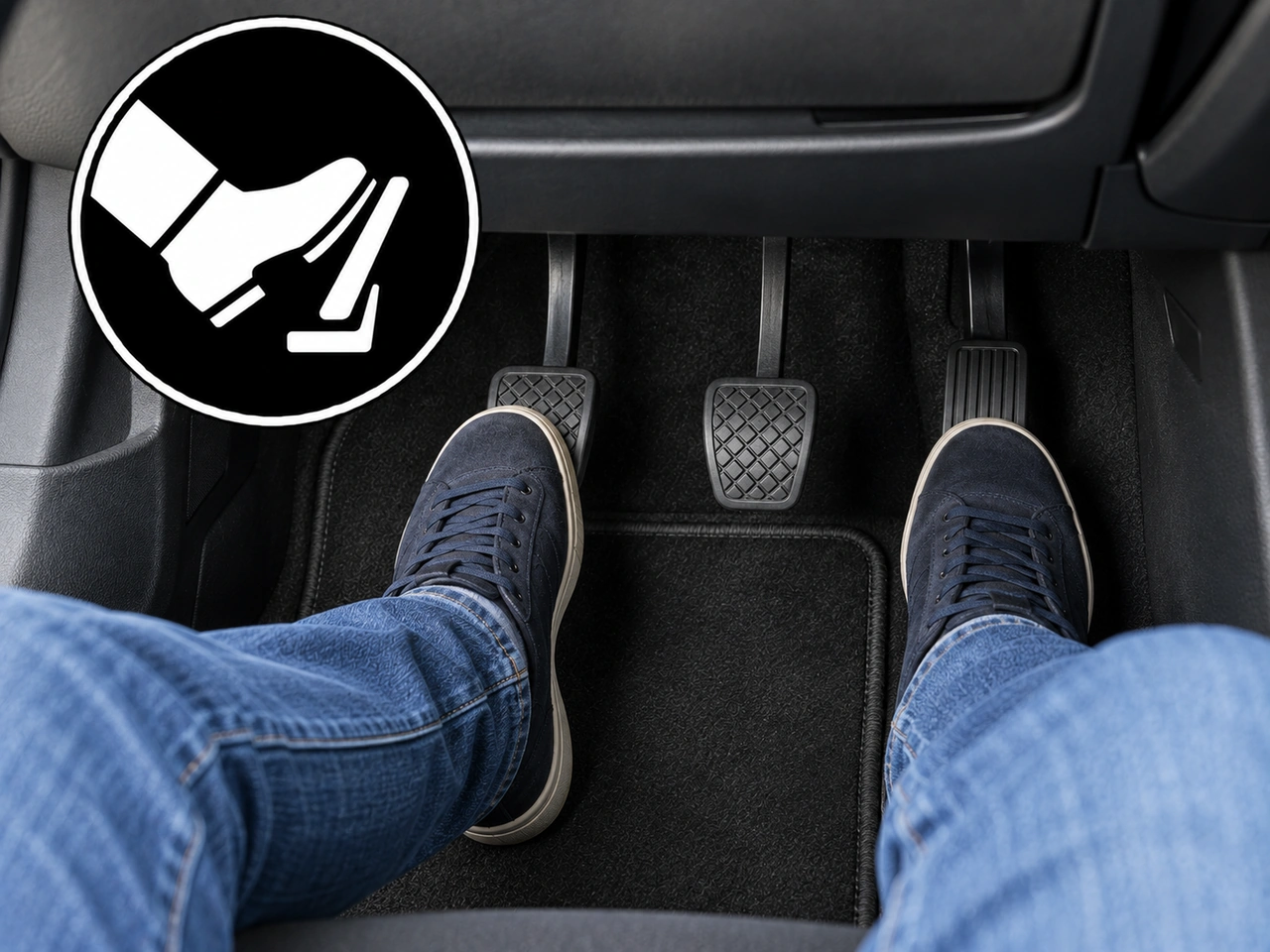
208. What is the clutch biting point?
The clutch biting point is reached as the clutch pedal is released and the clutch begins to transmit power from the engine to the transmission. Controlling this point helps the driver move off smoothly.
AI-generated by Traffic-rules.com • WCIT • CC BY-SA
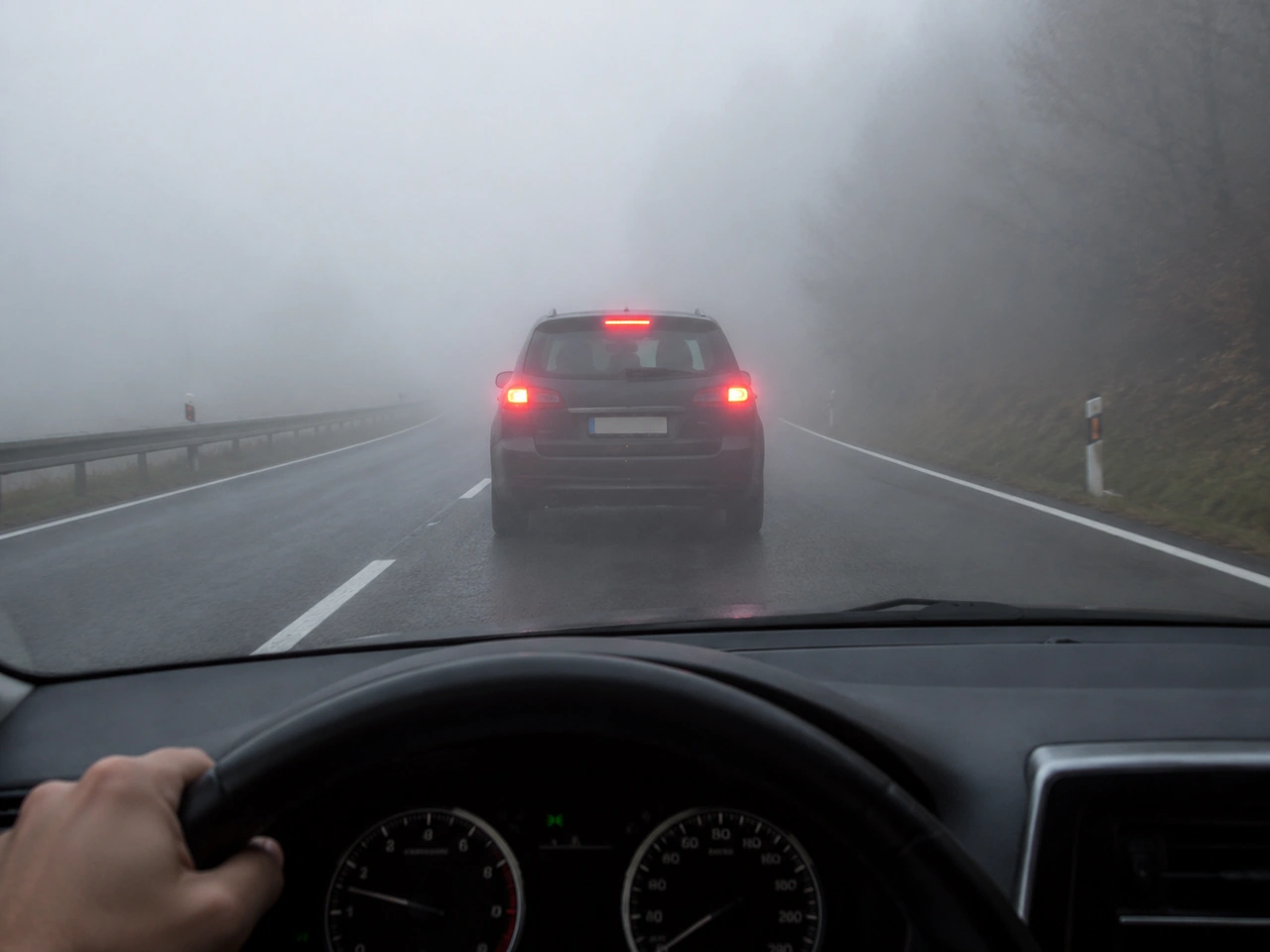
209. Why should you avoid following another vehicle too closely in fog?
Following too closely reduces your reaction time and can lead to a collision if the vehicle ahead slows unexpectedly.
AI-generated by Traffic-rules.com • WCIT • CC BY-SA
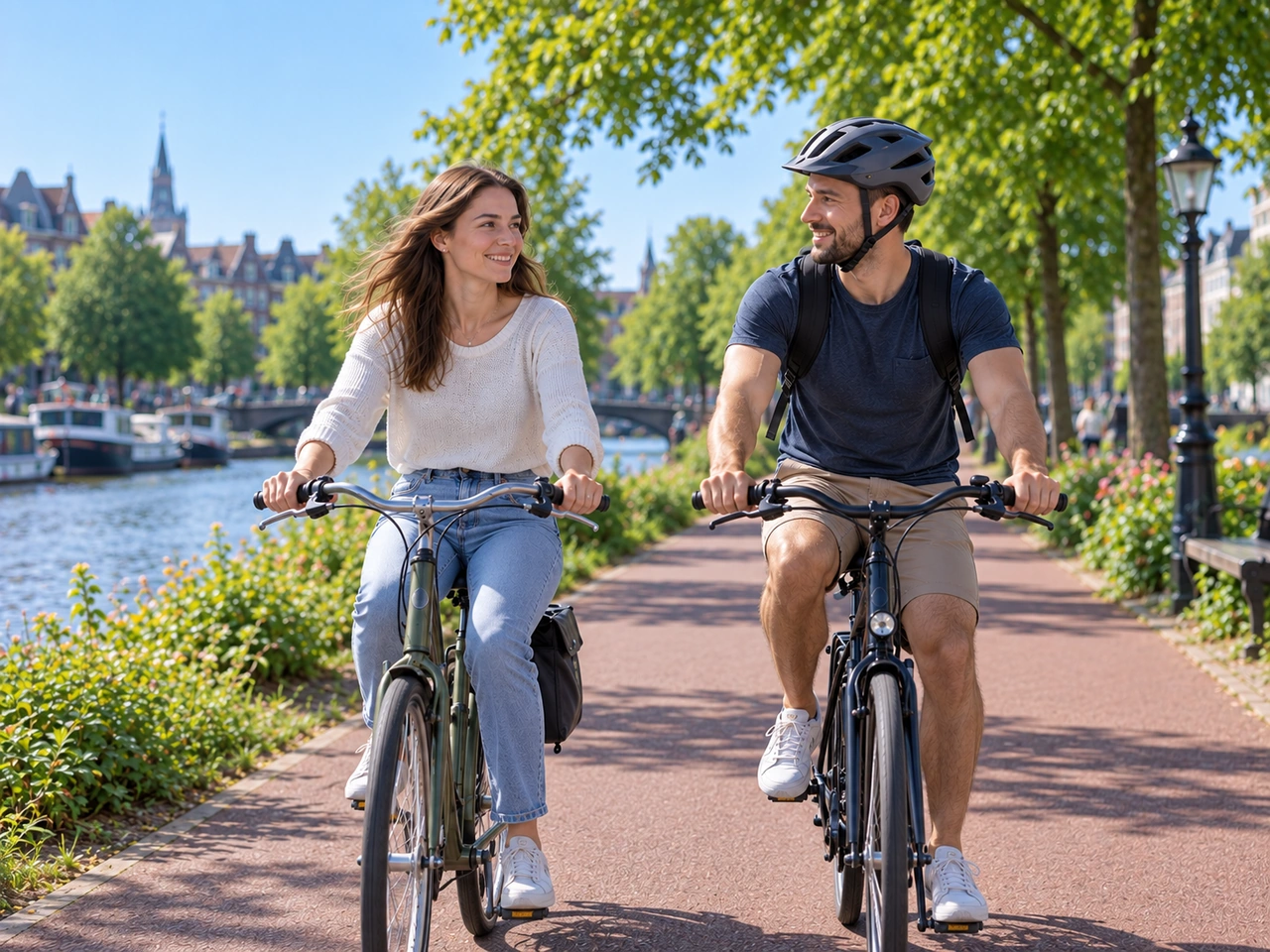
210. Are bicycle helmets generally required in United States?
Bicycle helmets are not generally required for all cyclists in United States, although specific age or regional rules may apply.
AI-generated by Traffic-rules.com • WCIT • CC BY-SA
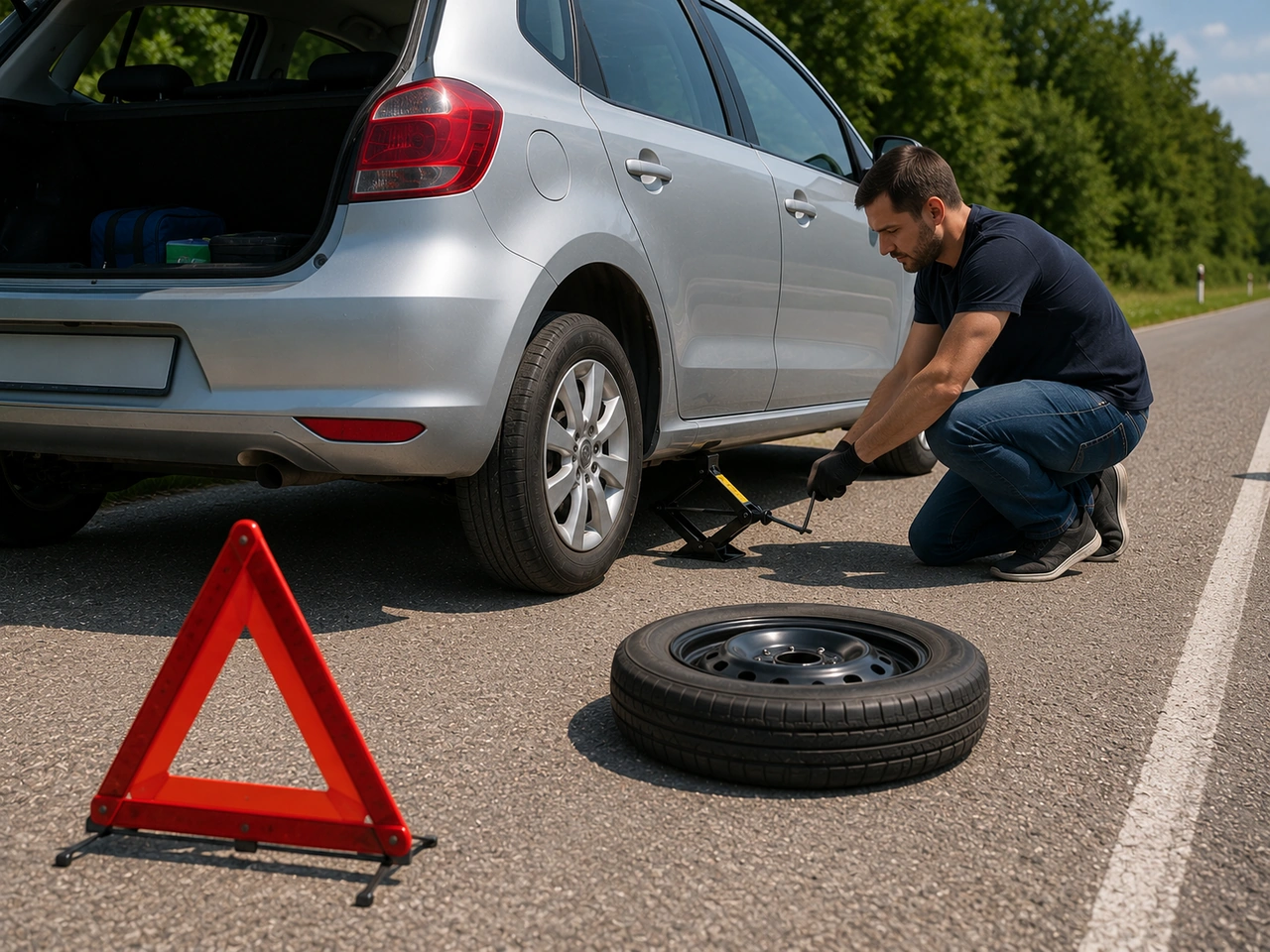
211. What is important when raising a vehicle with its jack?
A jack can slip or fail if it is incorrectly positioned. Secure the vehicle and use additional approved supports before working underneath it.
AI-generated by Traffic-rules.com • WCIT • CC BY-SA
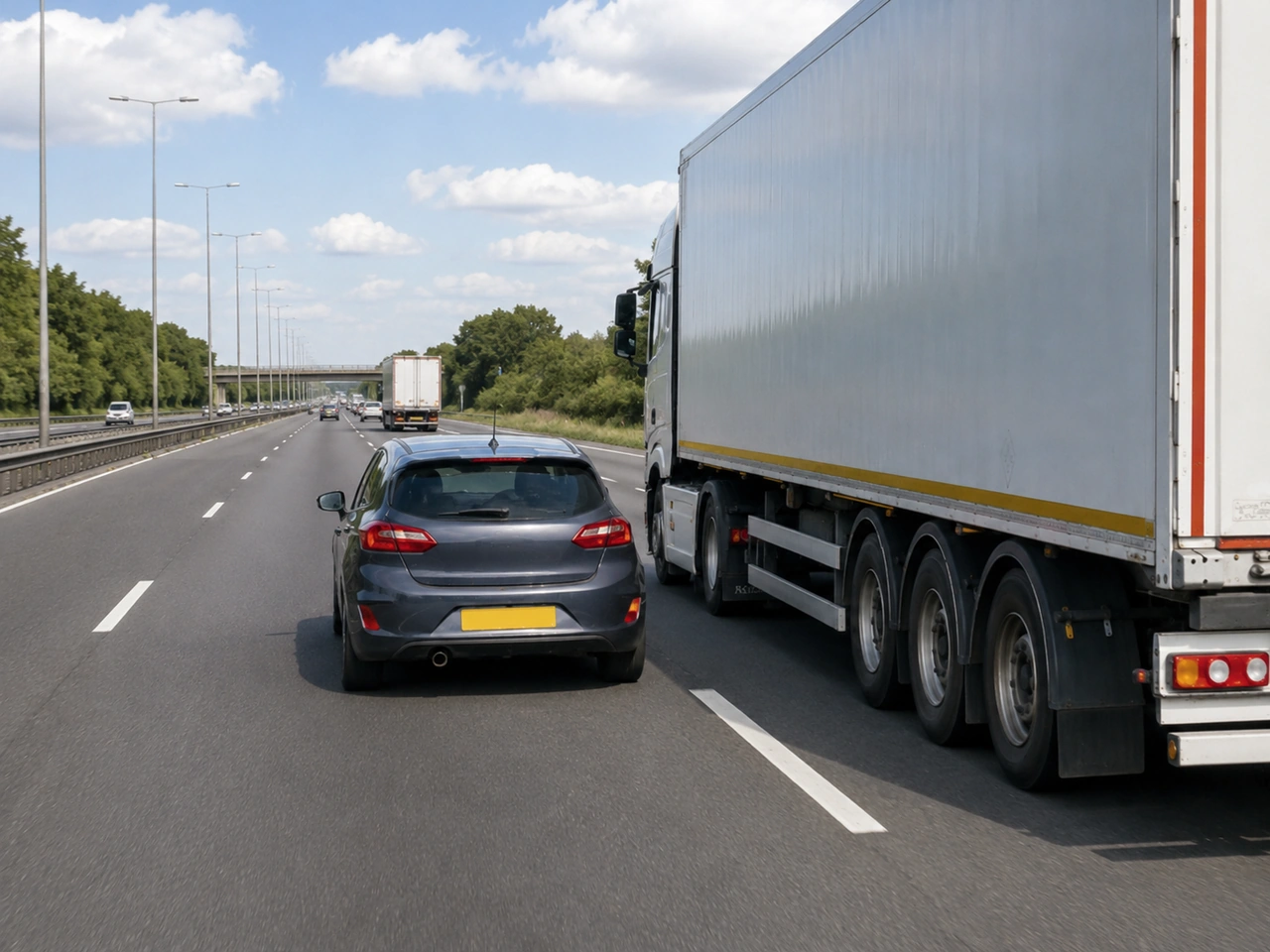
212. Why should you avoid remaining beside a large vehicle on a motorway?
Large vehicles have significant blind spots. Avoid travelling alongside them longer than necessary.
AI-generated by Traffic-rules.com • WCIT • CC BY-SA
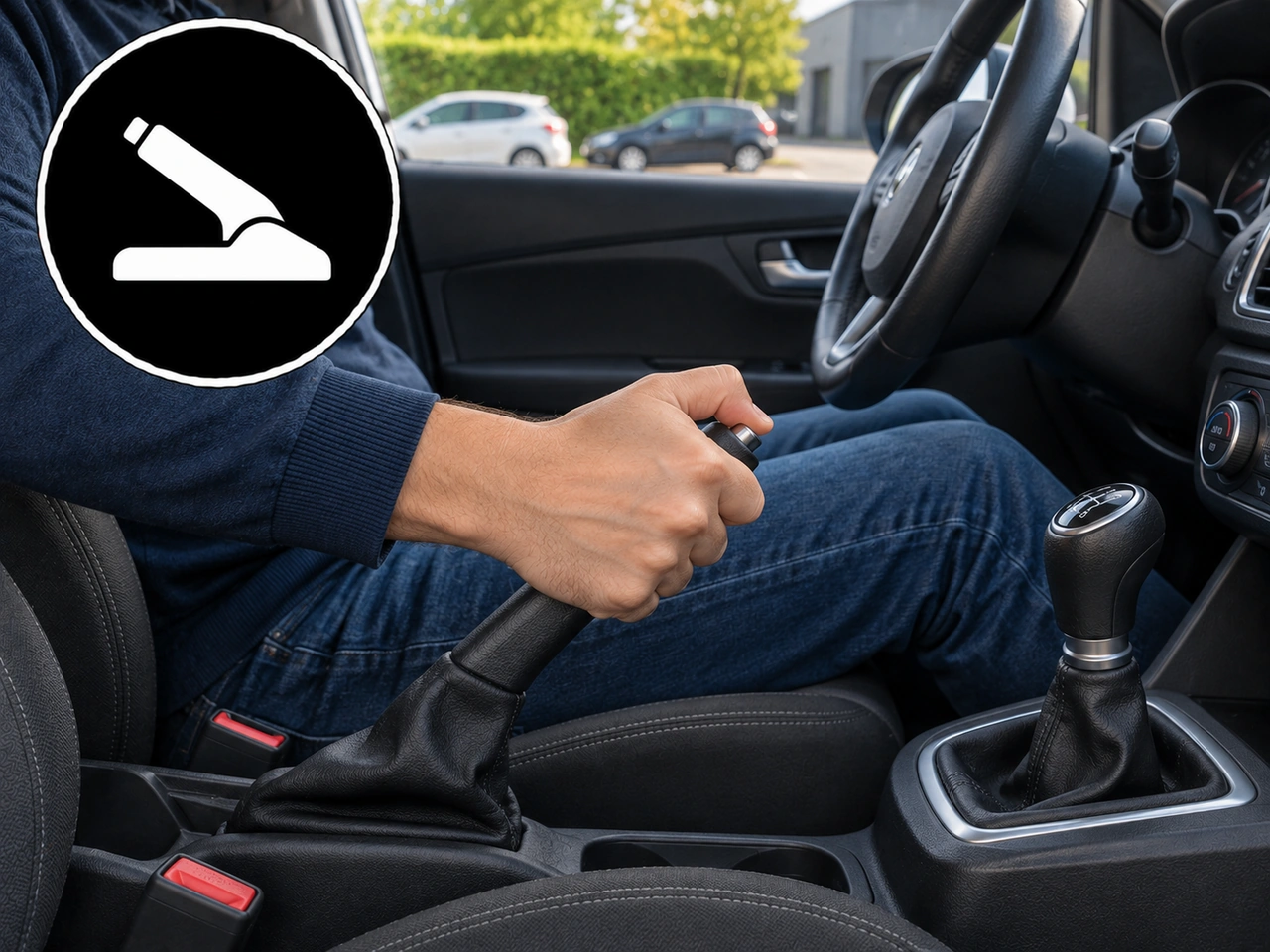
213. What should you do with the parking brake before leaving a parked vehicle?
Before leaving a parked vehicle, apply the parking brake securely to help prevent unintended movement. Also select the appropriate gear or transmission position for parking.
AI-generated by Traffic-rules.com • WCIT • CC BY-SA
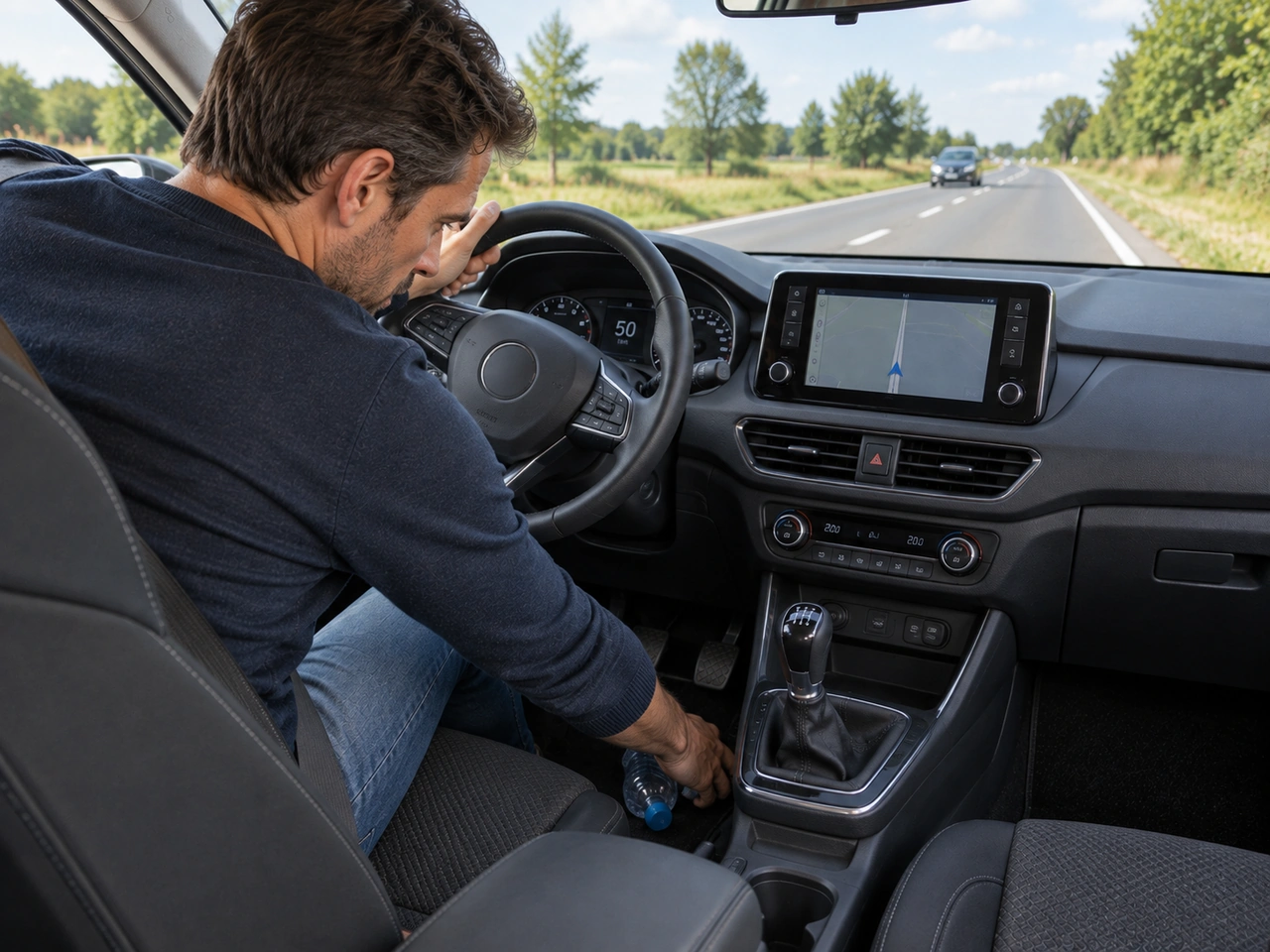
214. What should you do if an object falls into the driver's footwell while driving?
Do not reach down for an object while driving, as this takes your attention away from the road and can affect vehicle control. If something falls into the driver's footwell, keep control of the vehicle and stop somewhere safe before removing it.
AI-generated by Traffic-rules.com • WCIT • CC BY-SA
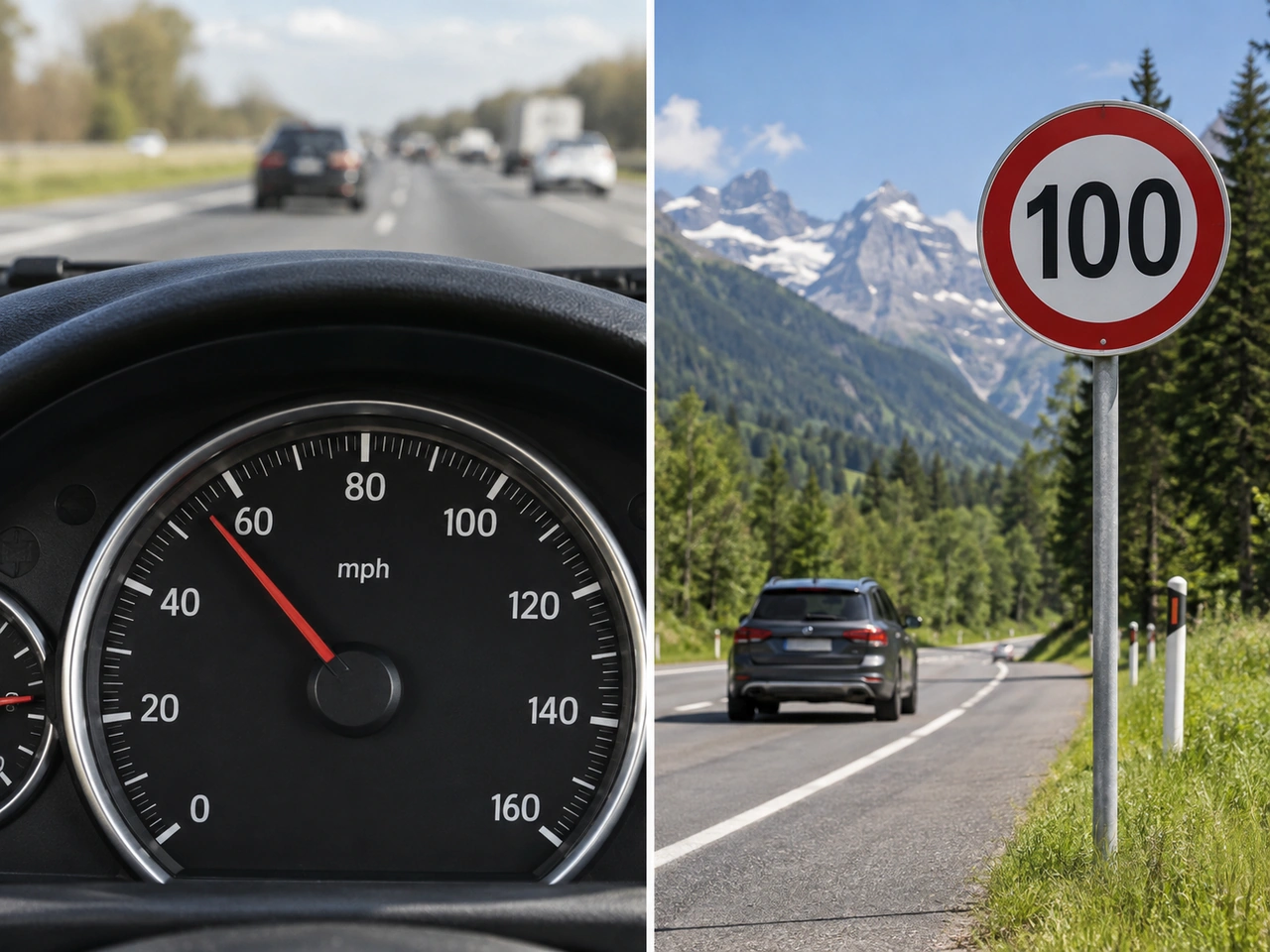
215. Which speed unit is used in United States?
Road speeds in United States are shown in miles per hour (mph).
AI-generated by Traffic-rules.com • WCIT • CC BY-SA
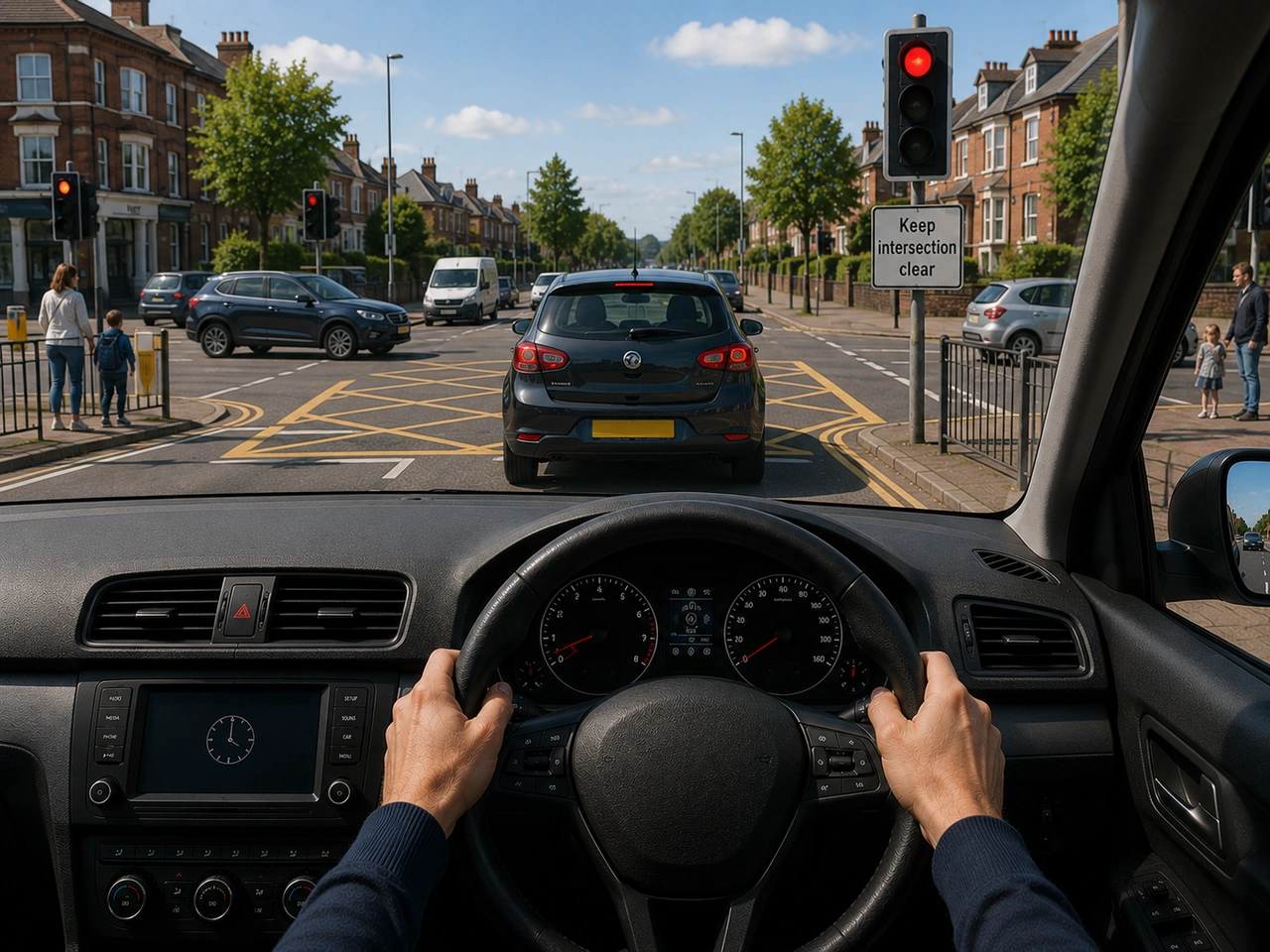
216. Why should you avoid blocking a junction?
Blocking a junction can prevent vehicles, cyclists, or pedestrians from moving safely. Enter only when there is enough space to drive through and clear the junction.
AI-generated by Traffic-rules.com • WCIT • CC BY-SA
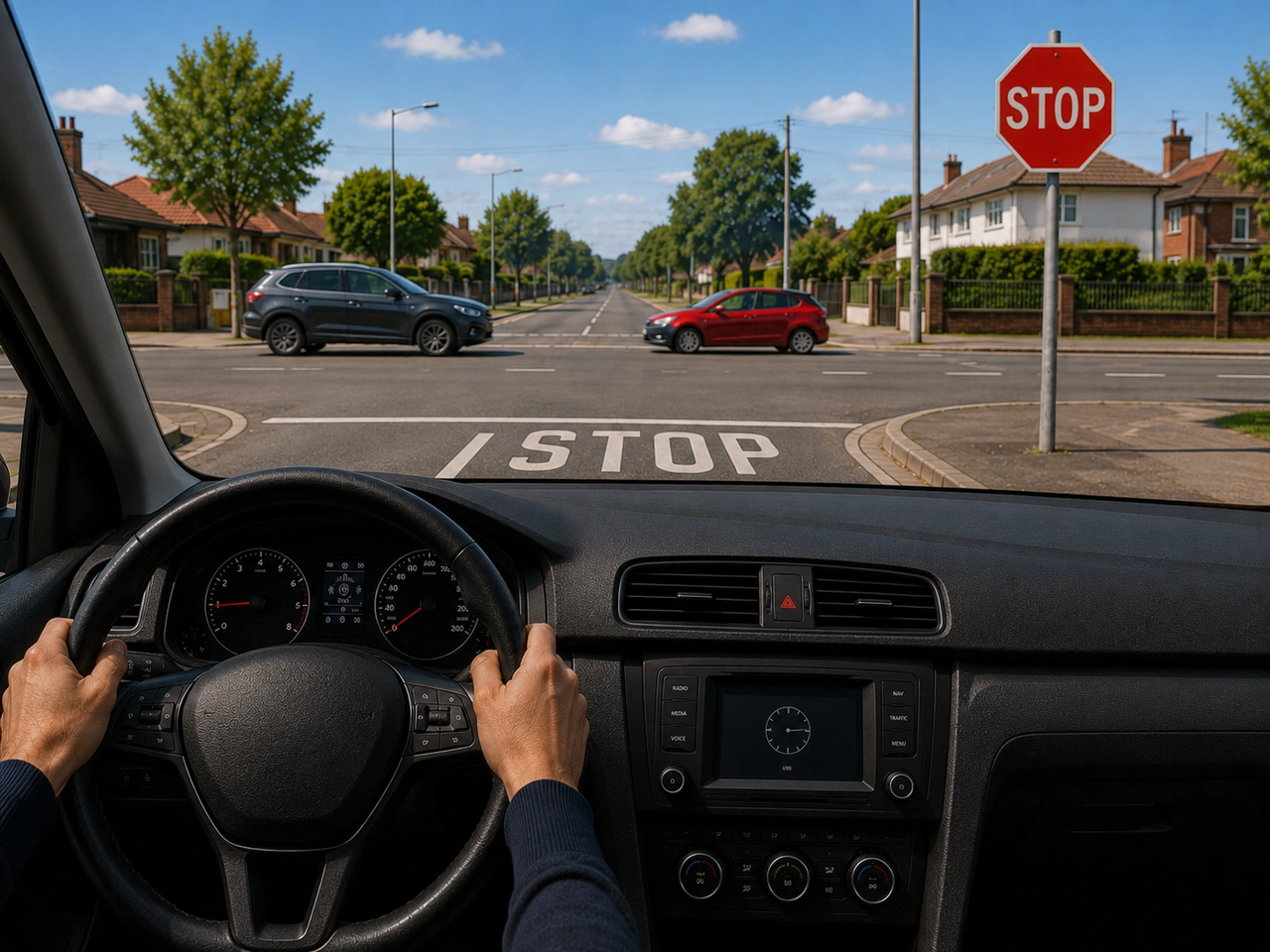
217. What should you do when approaching a stop sign?
A stop sign requires you to come to a complete stop at the required position. Check carefully for other road users and proceed only when it is safe.
AI-generated by Traffic-rules.com • WCIT • CC BY-SA
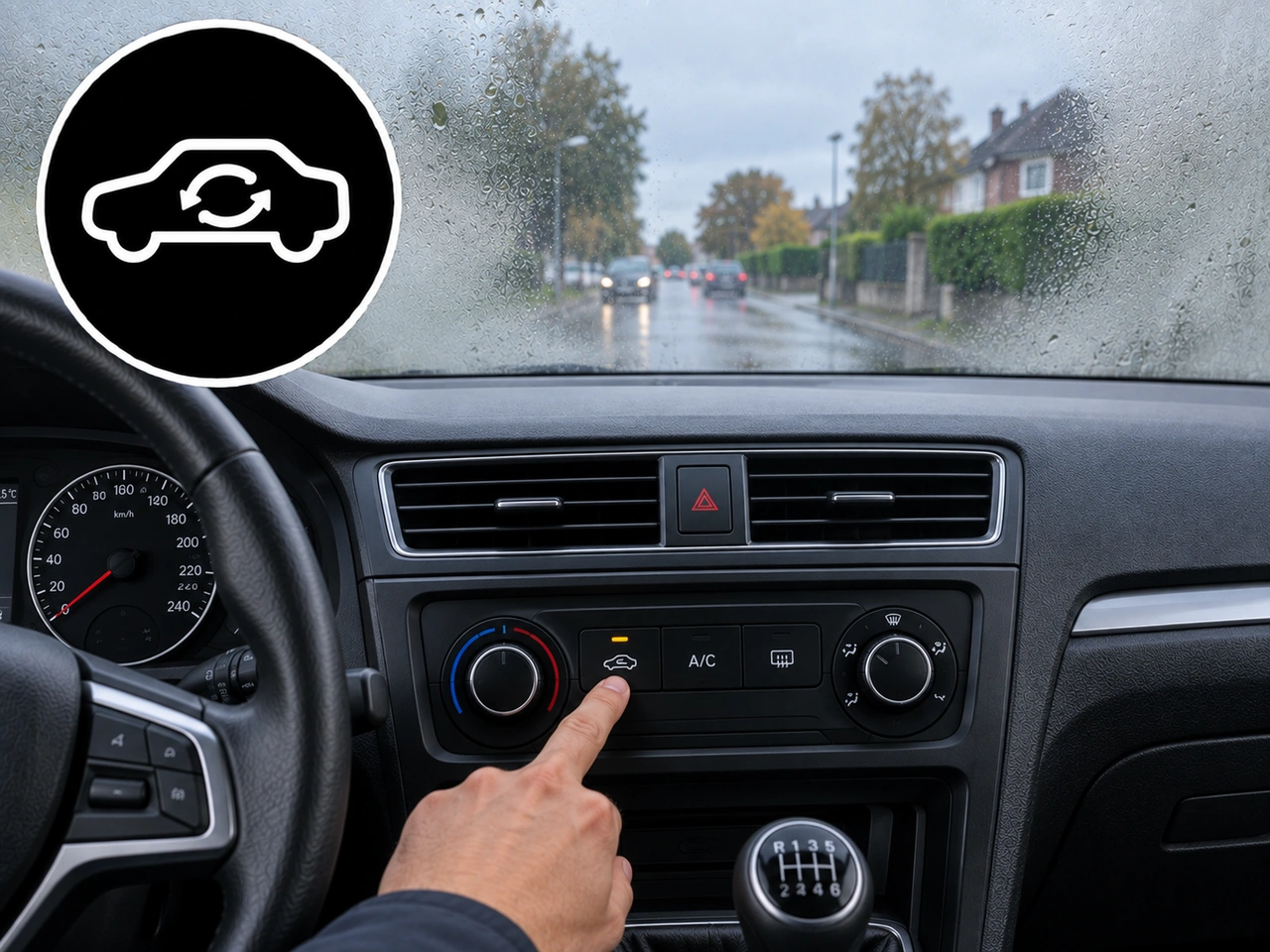
218. Why should you avoid using air recirculation for too long in damp conditions?
Using air recirculation for too long in damp conditions can allow moisture to build up inside the vehicle and increase window misting, especially when the air conditioning is not dehumidifying the air. Switching to fresh outside air can help clear condensation.
AI-generated by Traffic-rules.com • WCIT • CC BY-SA
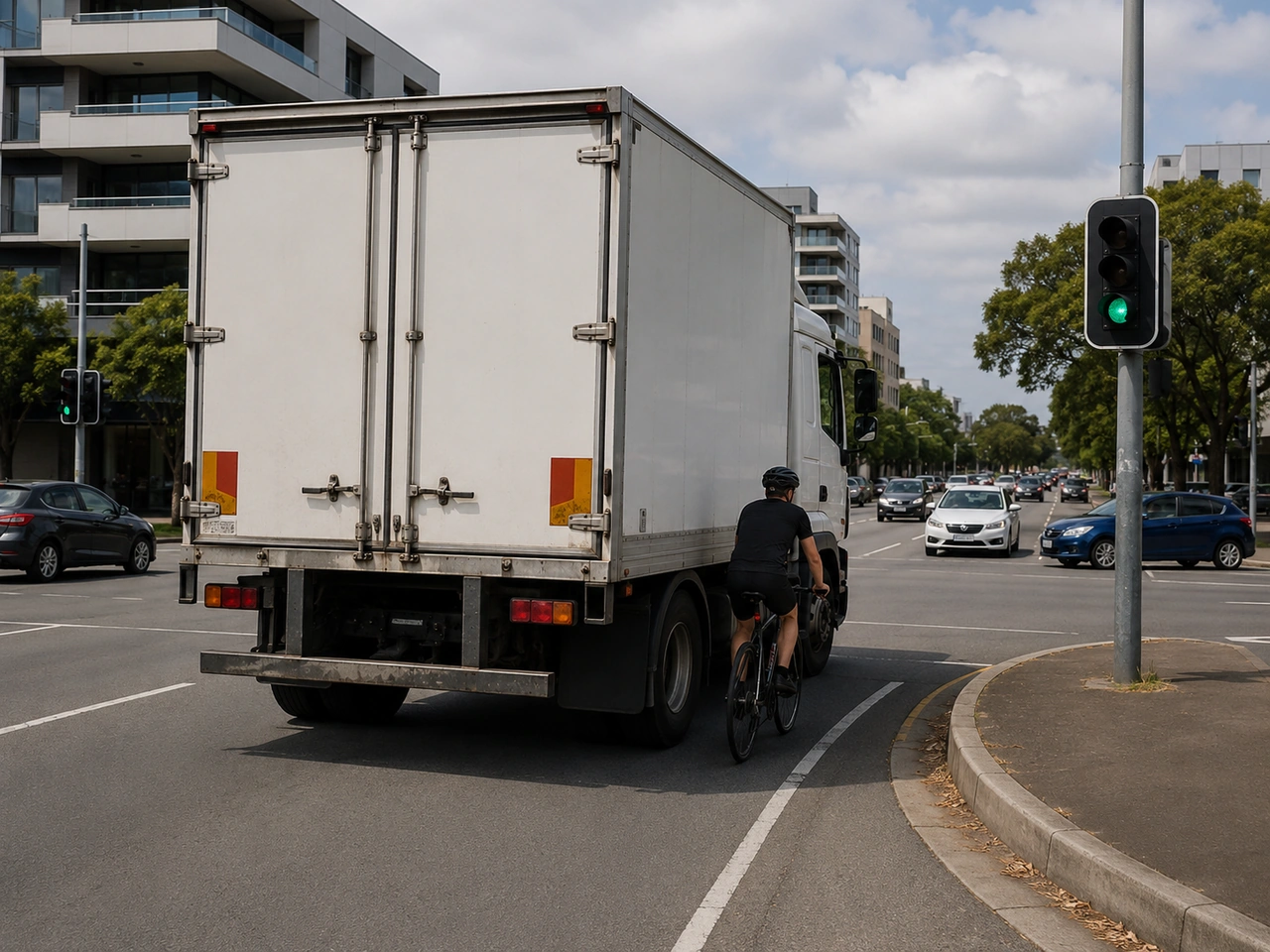
219. Why should cyclists avoid riding in a large vehicle's blind spot?
Buses and trucks have large areas where the driver cannot see cyclists, especially beside the vehicle and near turns.
AI-generated by Traffic-rules.com • WCIT • CC BY-SA
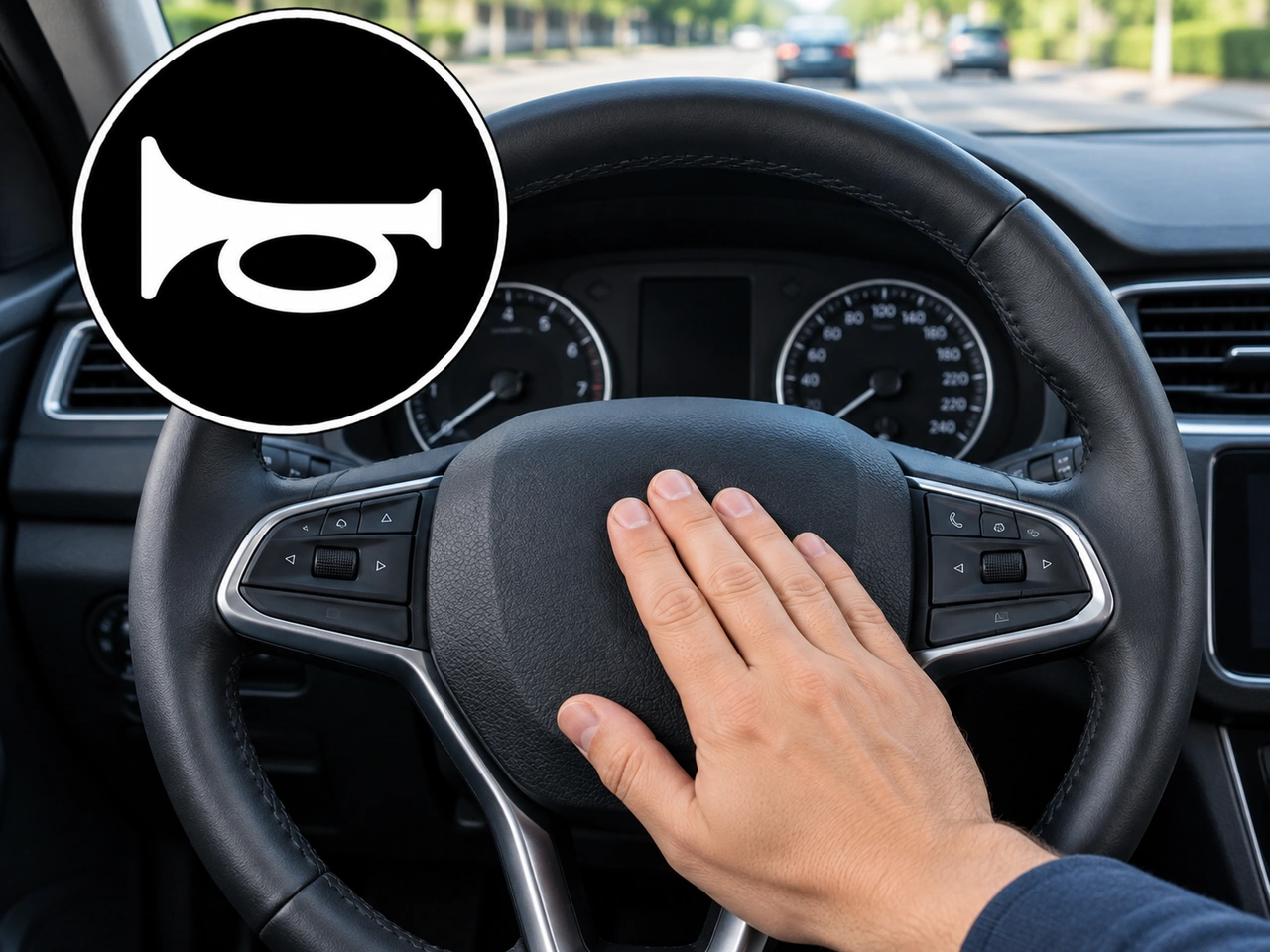
220. What does this vehicle-control symbol indicate?
This symbol indicates the horn control. The horn is used to warn other road users of your presence when necessary.
AI-generated by Traffic-rules.com • WCIT • CC BY-SA
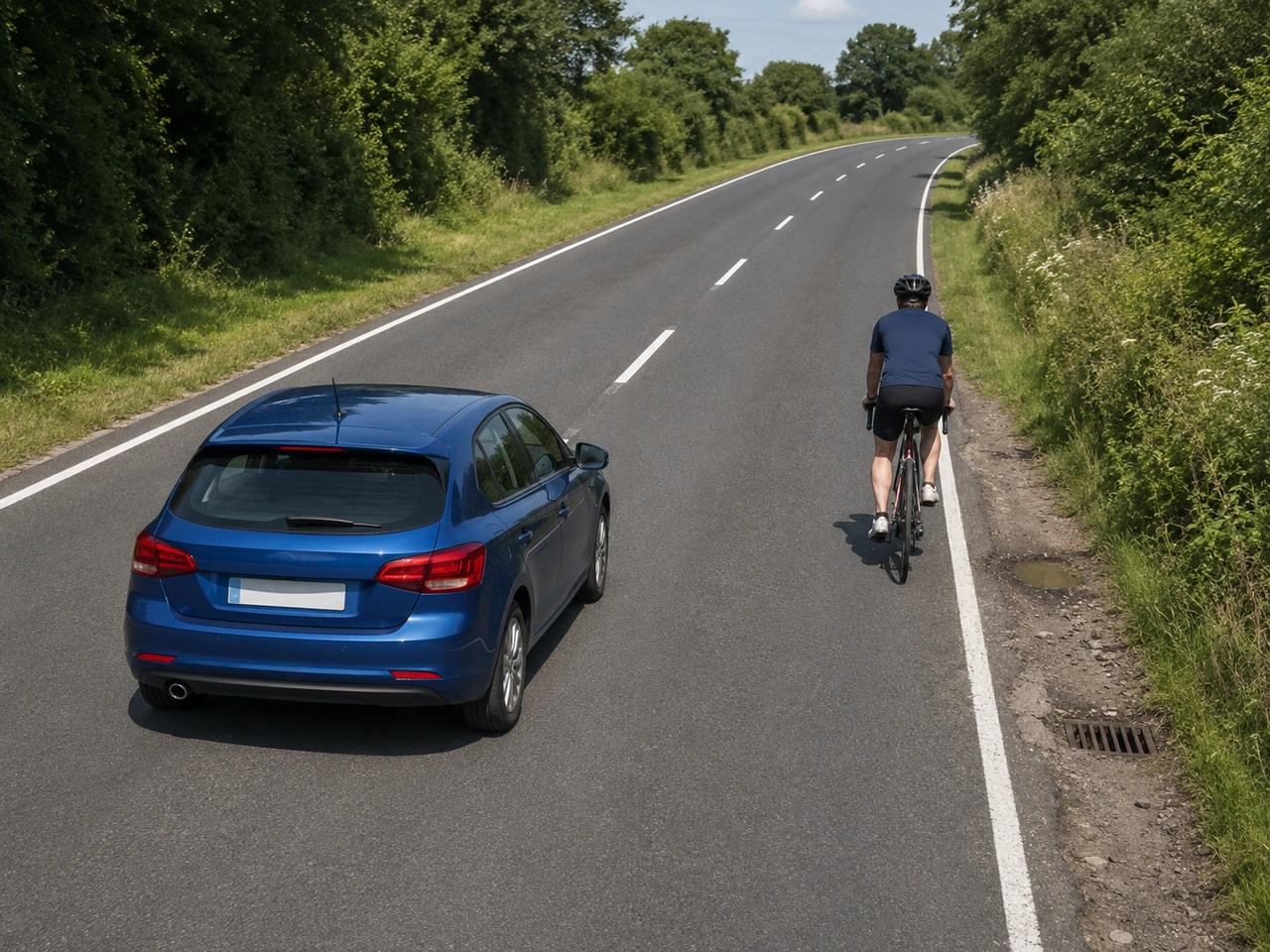
221. Why should you keep a safe distance from cyclists?
Cyclists may need to move around potholes, parked cars, or drains. Giving them enough space helps prevent dangerous situations.
AI-generated by Traffic-rules.com • WCIT • CC BY-SA
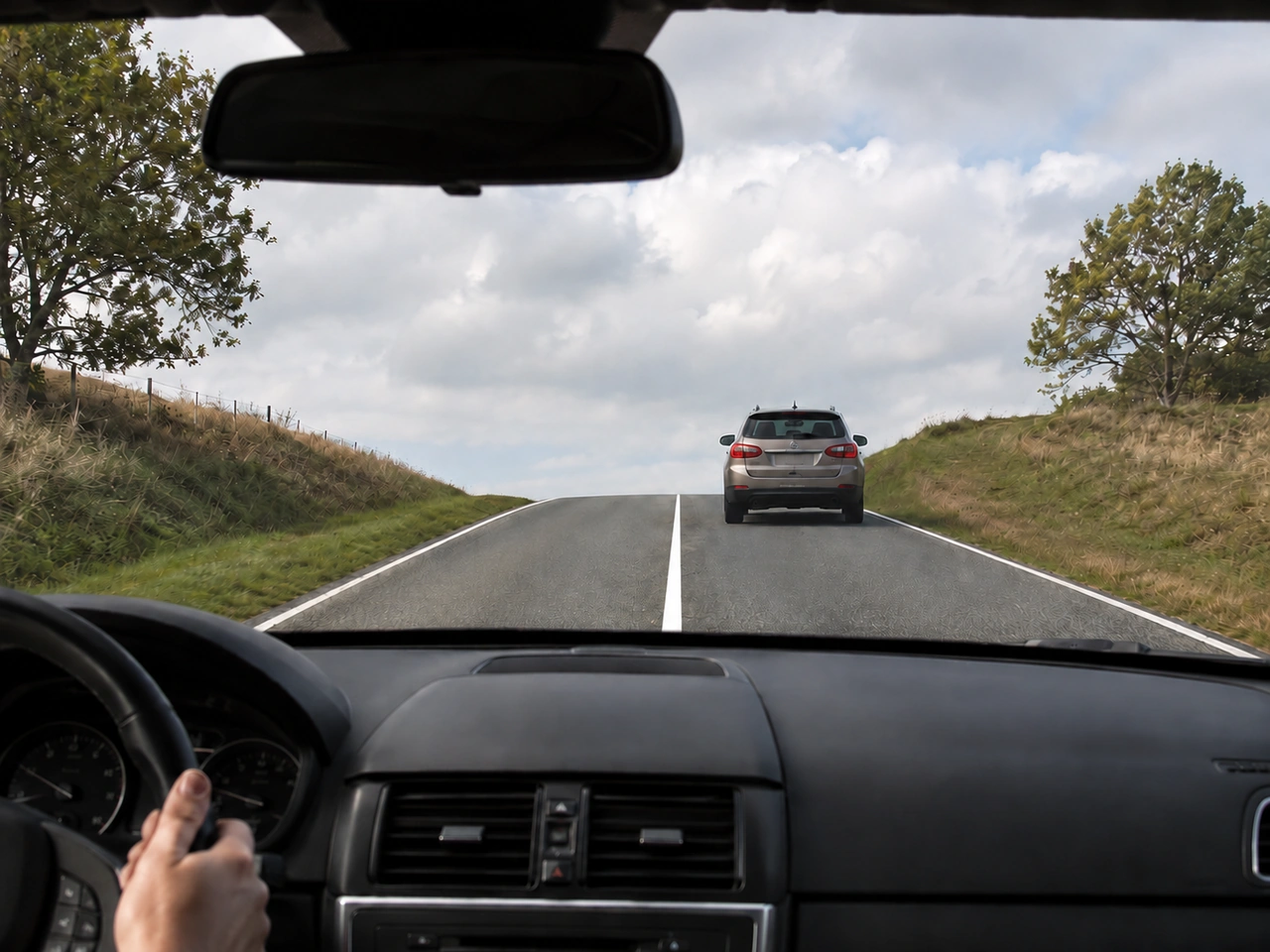
222. Why should you not overtake near the top of a hill?
Near the top of a hill, your view ahead is limited. Oncoming vehicles, cyclists, pedestrians, or obstacles may be hidden.
AI-generated by Traffic-rules.com • WCIT • CC BY-SA
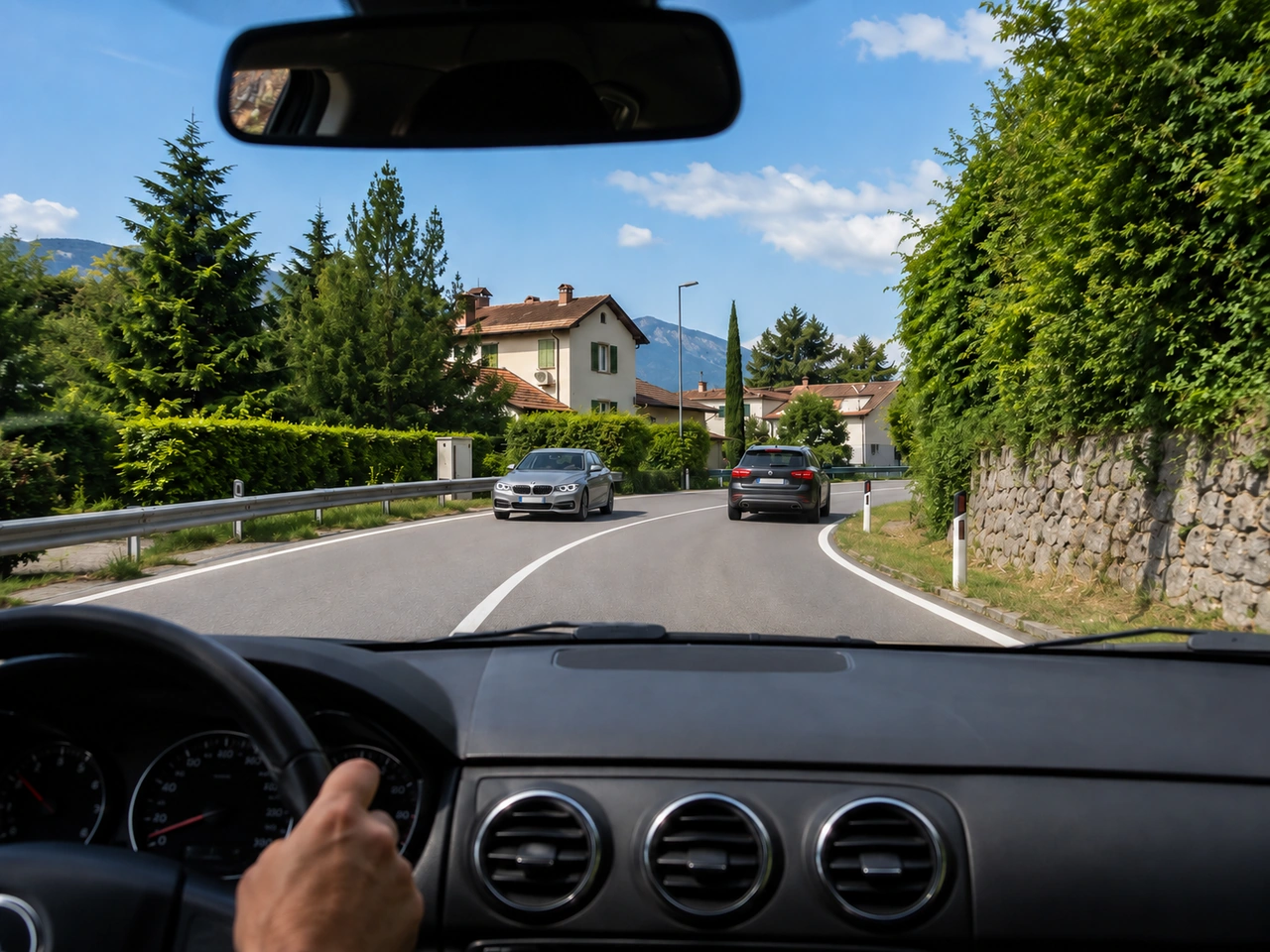
223. Why should you slow down before a sharp bend?
Sharp bends reduce your view and can make the vehicle harder to control, so you should slow down before entering the bend.
AI-generated by Traffic-rules.com • WCIT • CC BY-SA
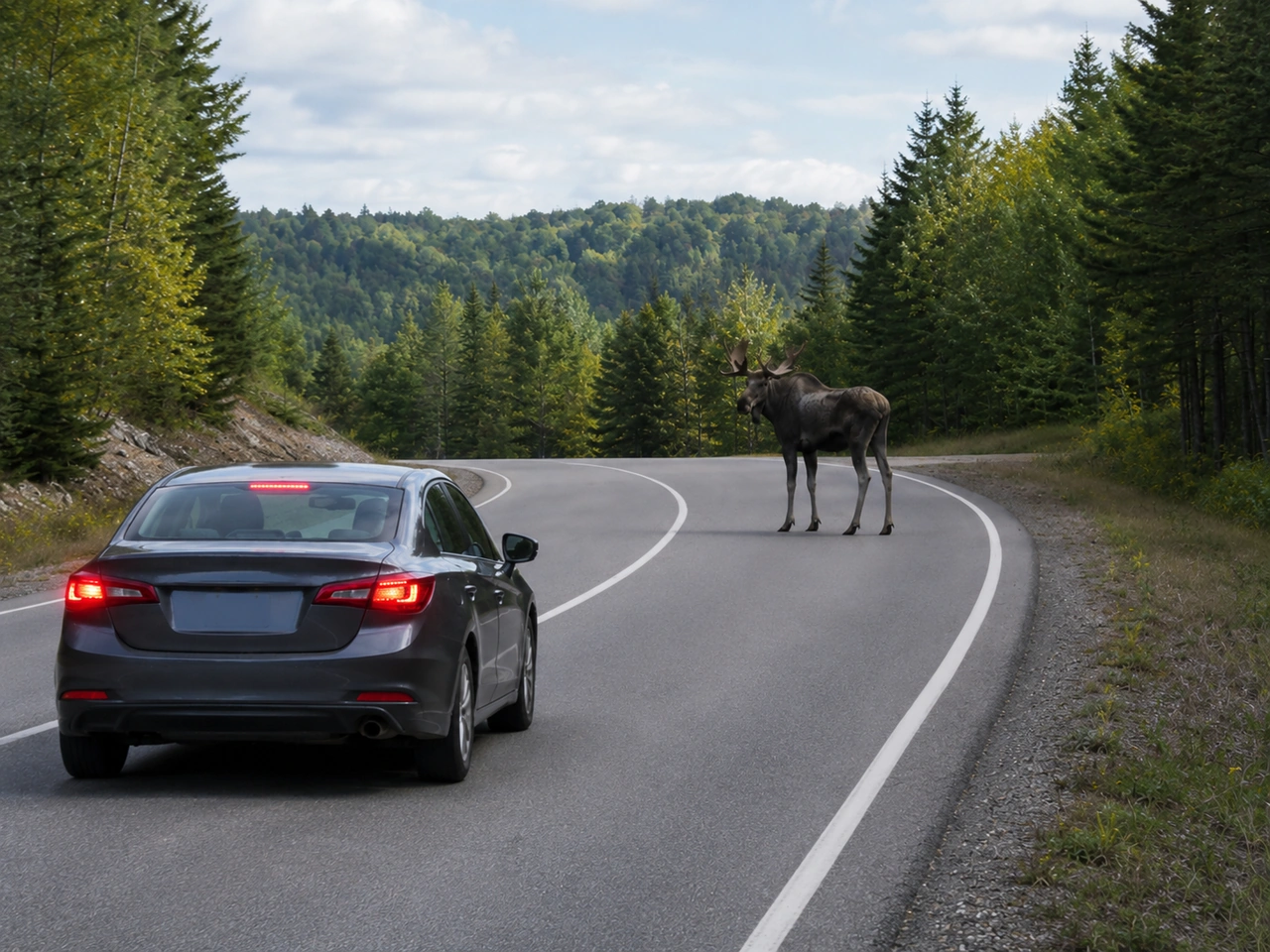
224. What should you do if a large animal suddenly enters your path?
If a large animal enters the road, brake firmly while keeping the vehicle under control. Avoid sudden swerving, as this can cause you to lose control or collide with other traffic.
AI-generated by Traffic-rules.com • WCIT • CC BY-SA
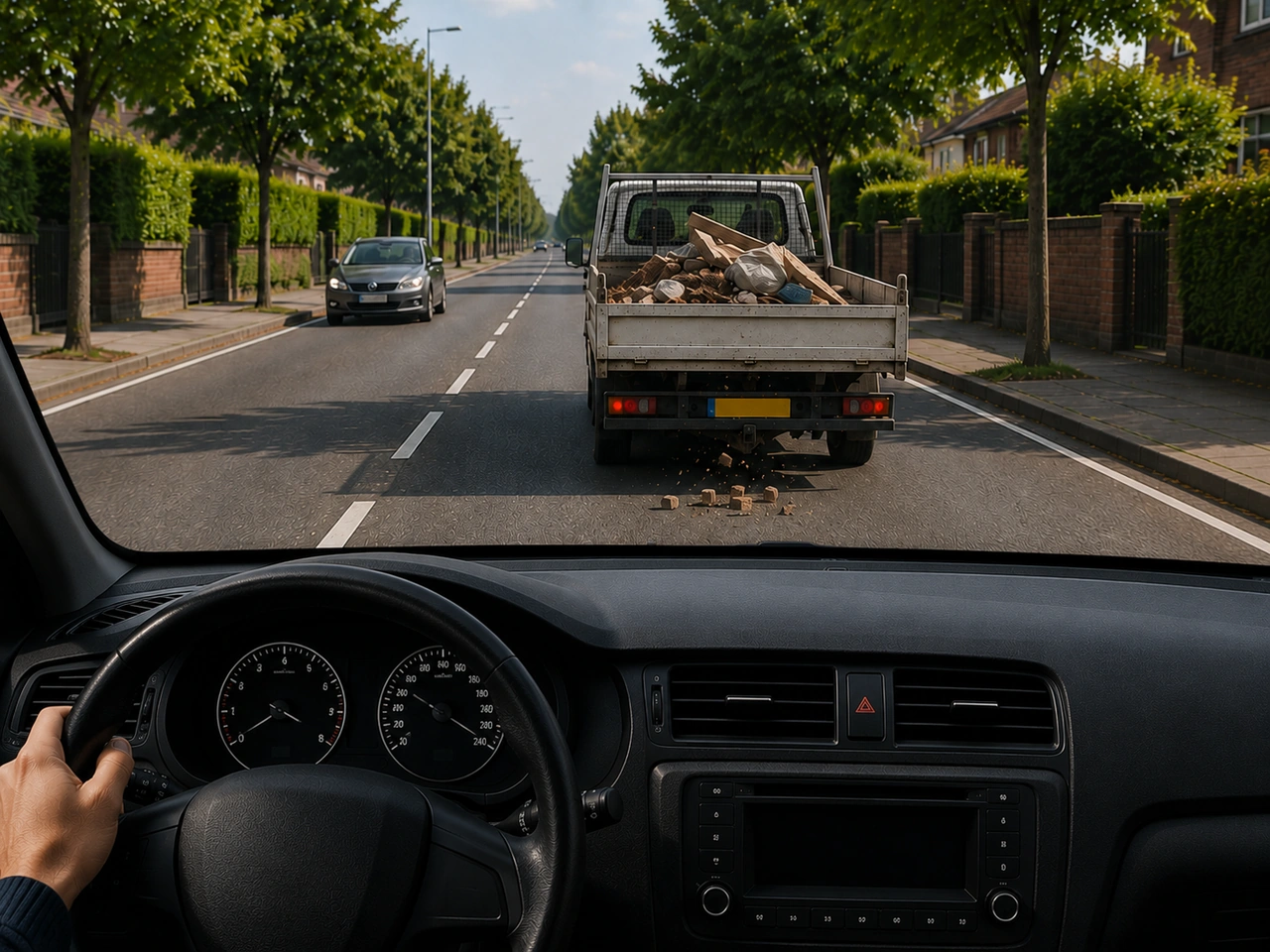
225. Why should you be cautious when following a vehicle carrying a loose load?
A poorly secured load can fall or shift suddenly. Keep extra distance and avoid following too closely.
AI-generated by Traffic-rules.com • WCIT • CC BY-SA
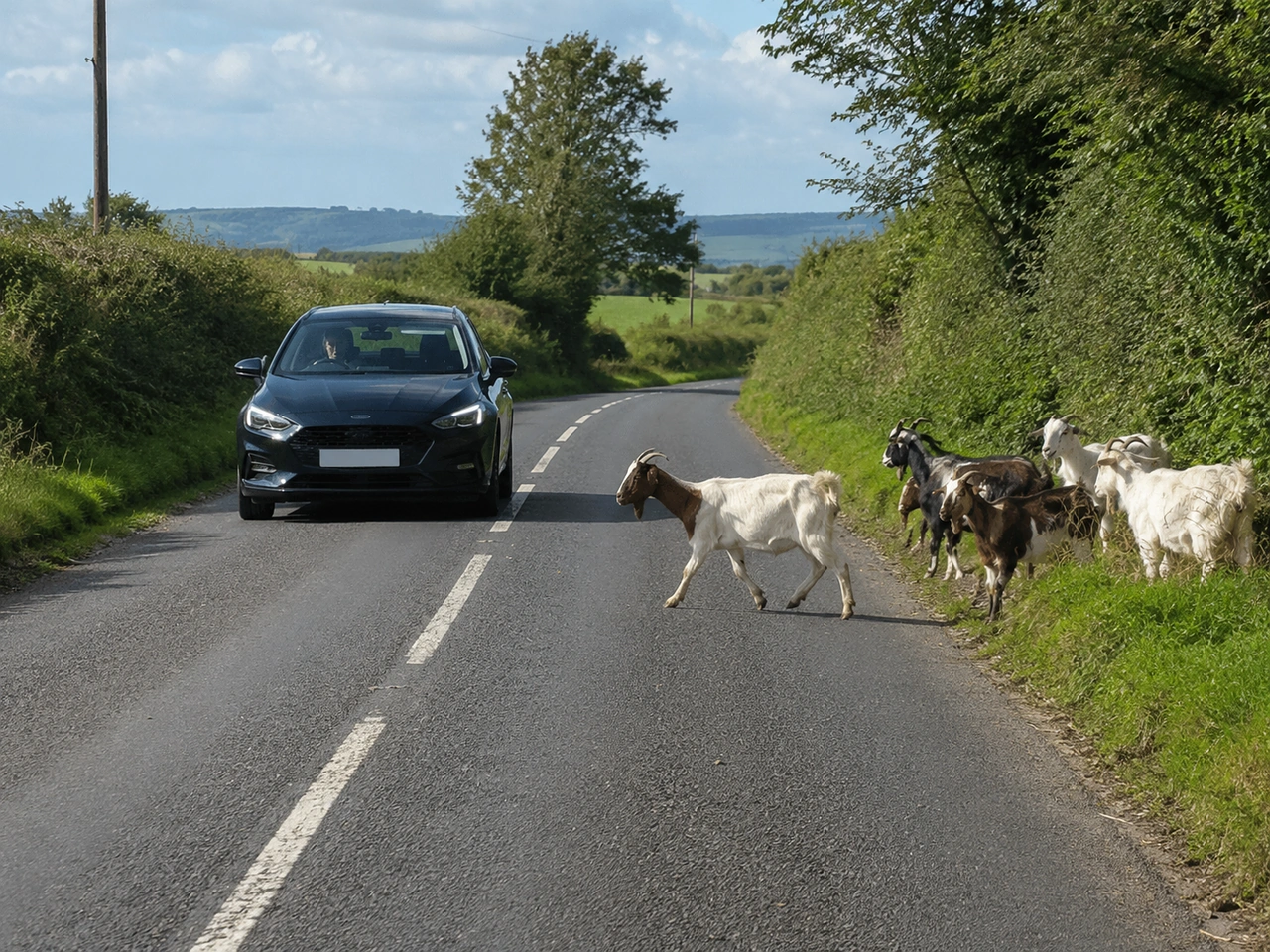
226. What should you do if animals are gathered beside a narrow rural road?
Animals beside a narrow road may step into your path. Slow down and leave as much safe space as possible.
AI-generated by Traffic-rules.com • WCIT • CC BY-SA
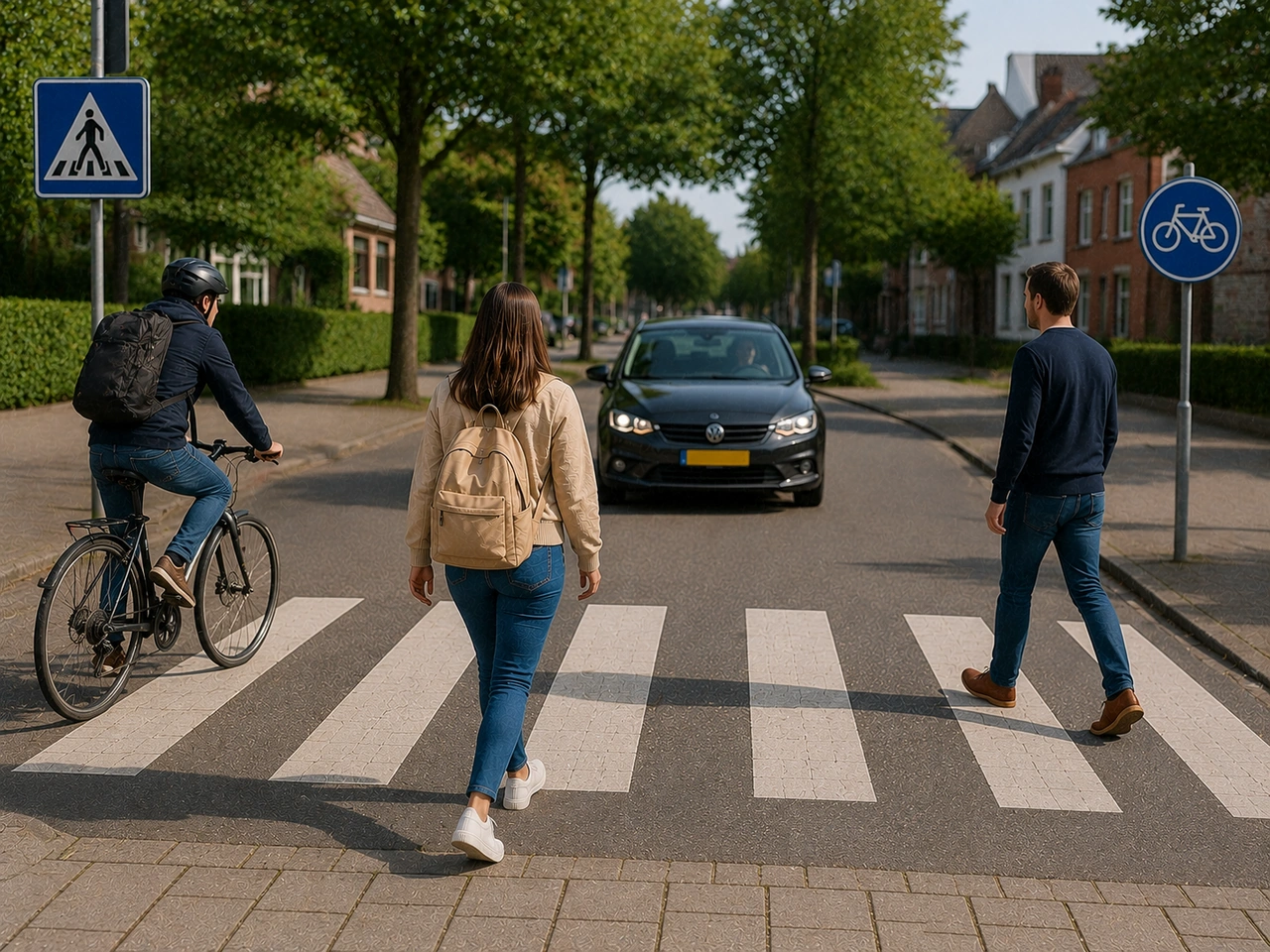
227. Who is responsible for staying safe when crossing the road?
Road safety is a shared responsibility. Pedestrians, drivers, and cyclists all need to stay alert and follow the rules.
AI-generated by Traffic-rules.com • WCIT • CC BY-SA
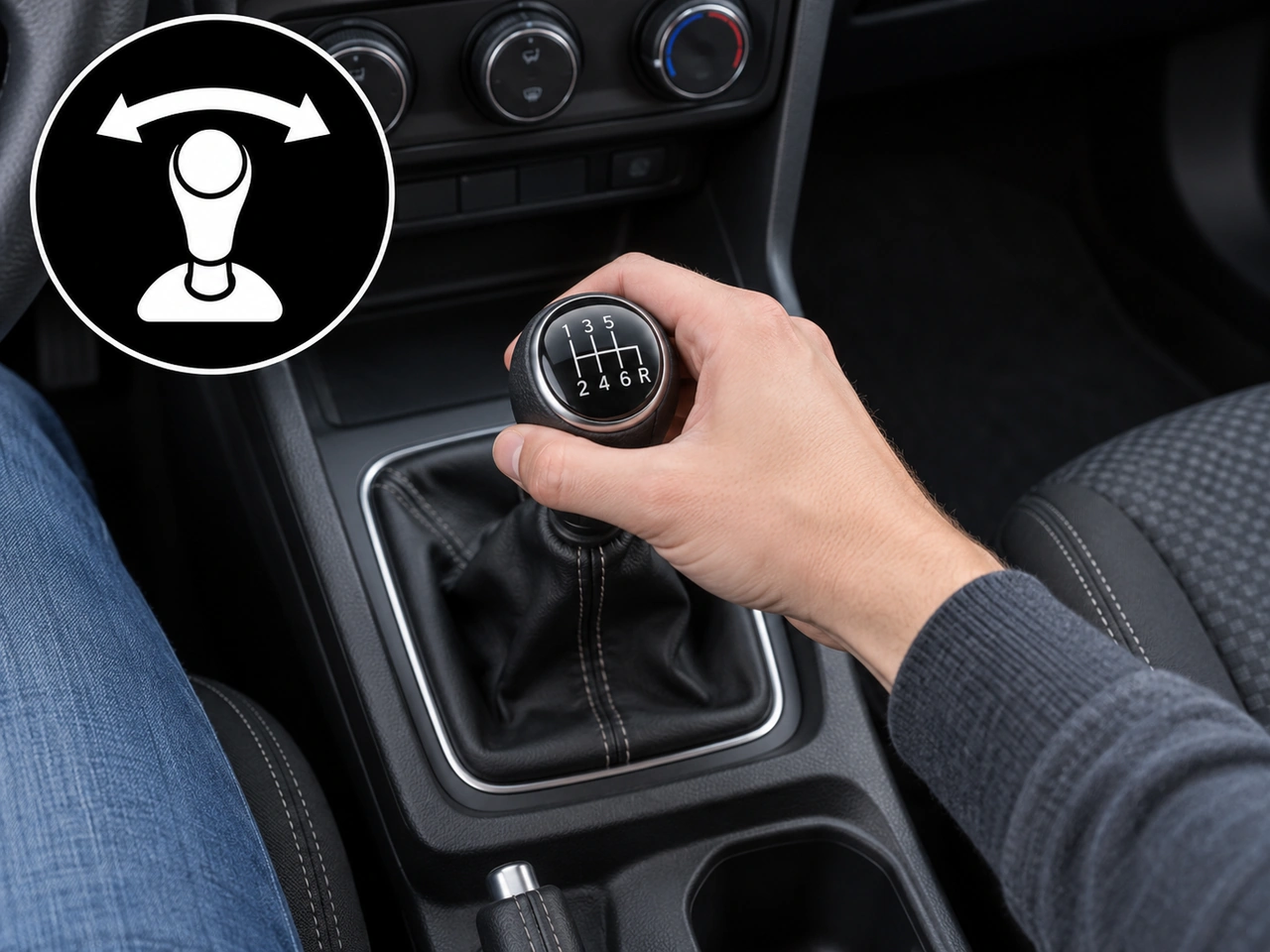
228. How can you check that a manual gearbox is in neutral?
When a manual gearbox is in neutral, the gear lever can normally be moved freely from side to side across the centre of the gear pattern. Check that neutral is selected before starting the engine when appropriate.
AI-generated by Traffic-rules.com • WCIT • CC BY-SA
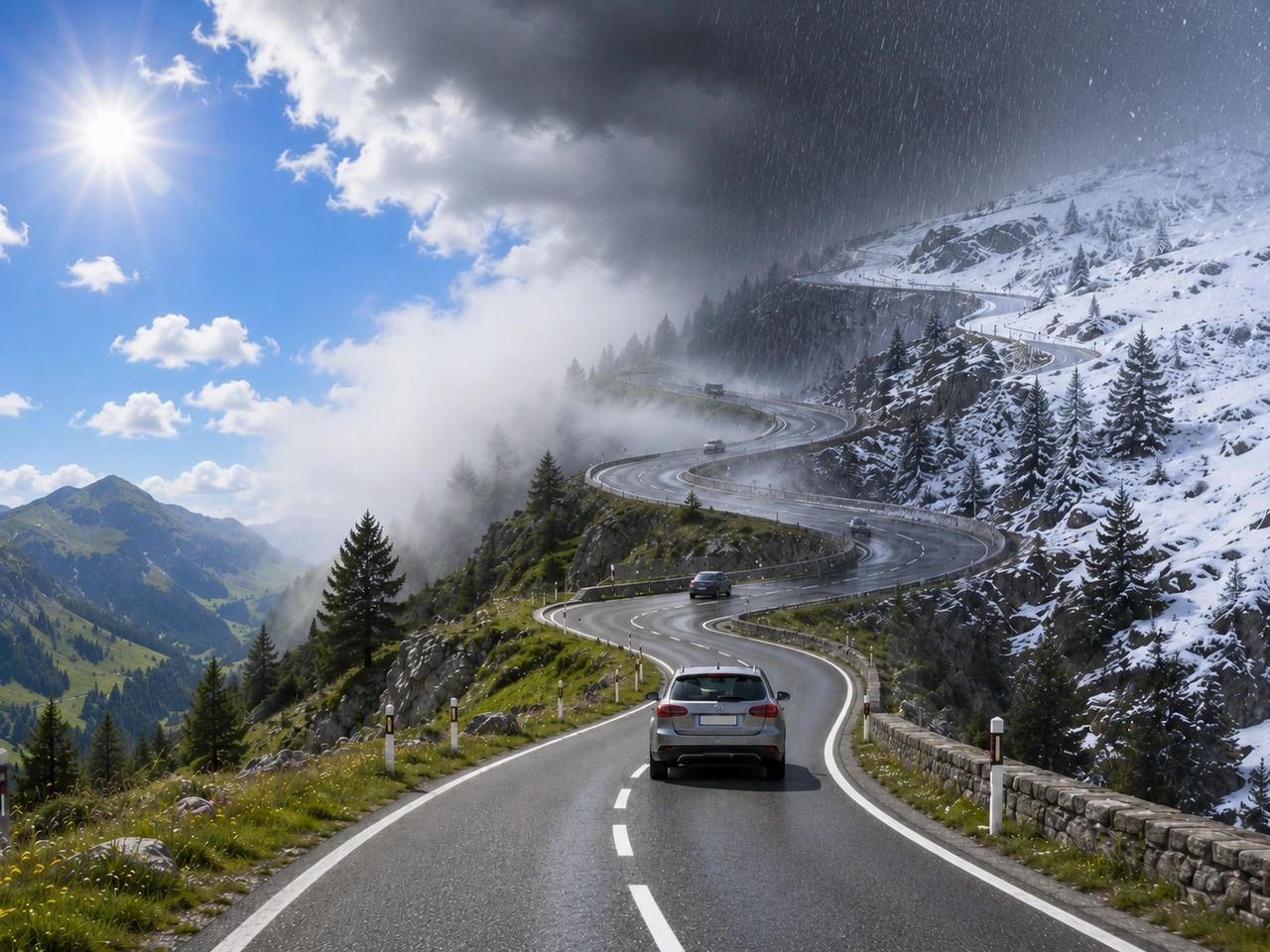
229. Why should you be prepared for changing conditions on mountain roads?
Fog, rain, snow, ice, falling rocks, and strong winds can develop rapidly in mountainous areas.
AI-generated by Traffic-rules.com • WCIT • CC BY-SA
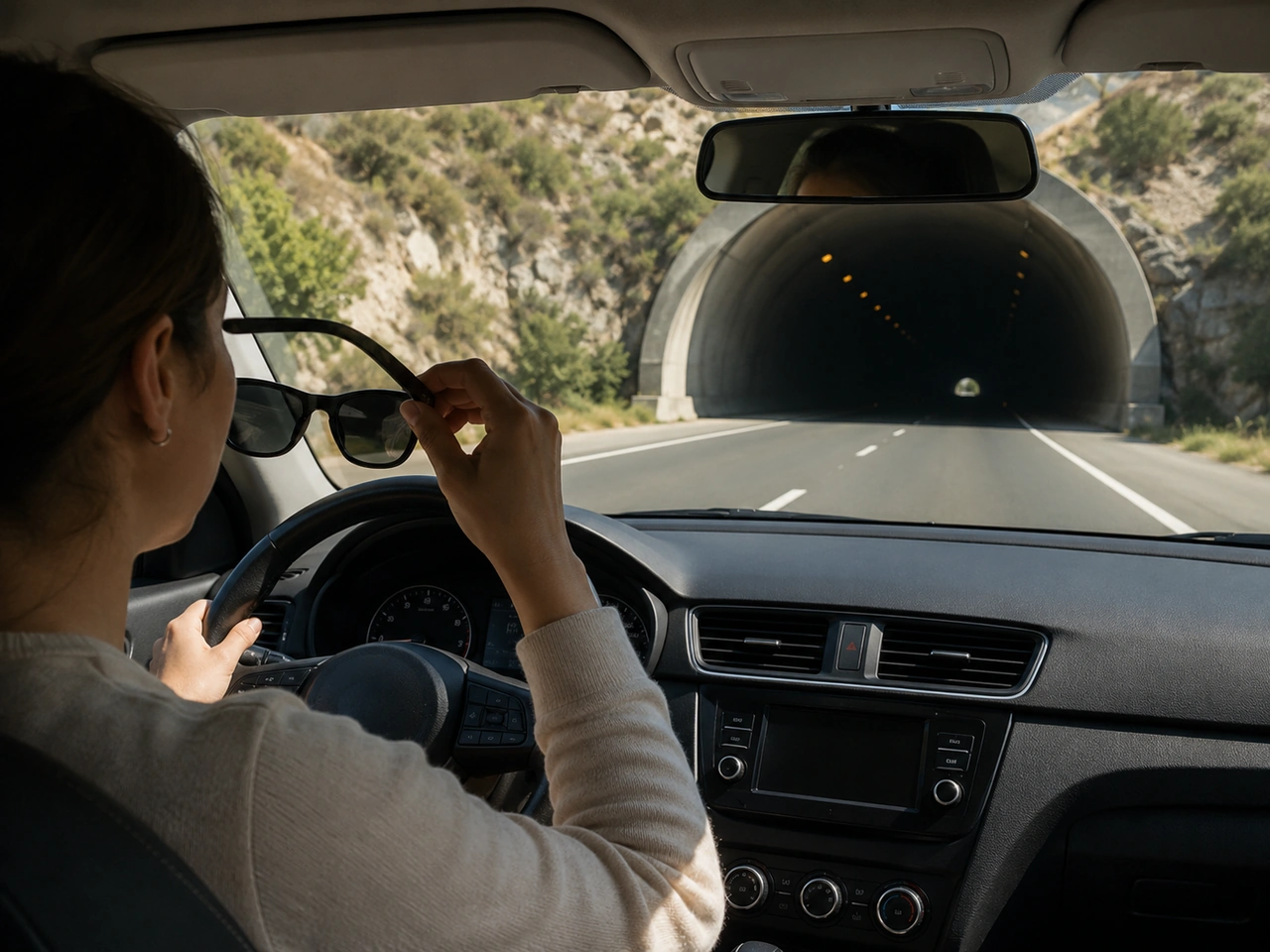
230. Why should you remove dark sunglasses before entering a tunnel?
Dark sunglasses reduce the amount of light reaching your eyes and can make hazards inside a tunnel harder to see.
AI-generated by Traffic-rules.com • WCIT • CC BY-SA
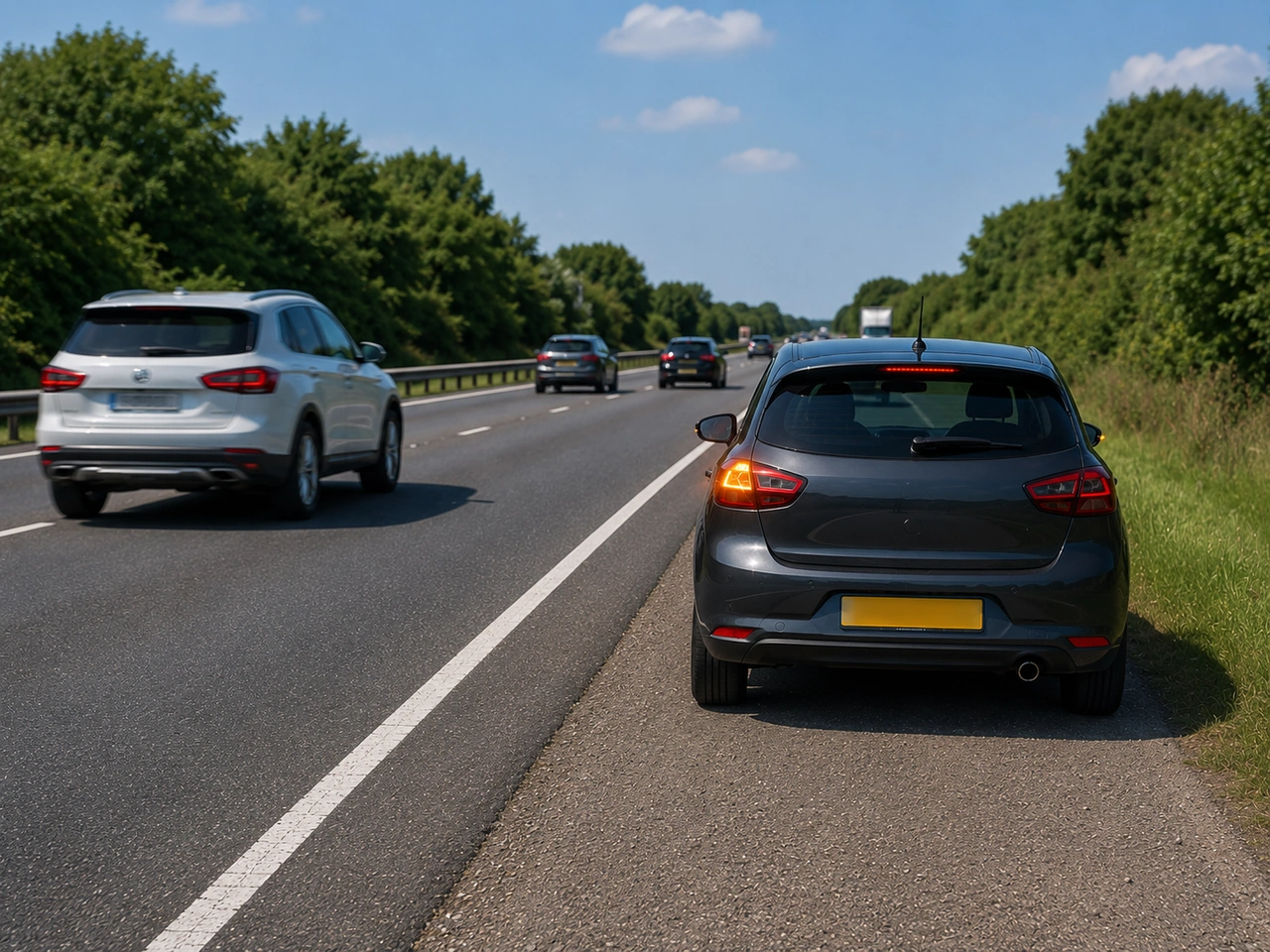
231. What should you do before rejoining traffic after a breakdown?
Check mirrors and blind spots, signal clearly, and build up speed safely without causing approaching traffic to brake suddenly.
AI-generated by Traffic-rules.com • WCIT • CC BY-SA
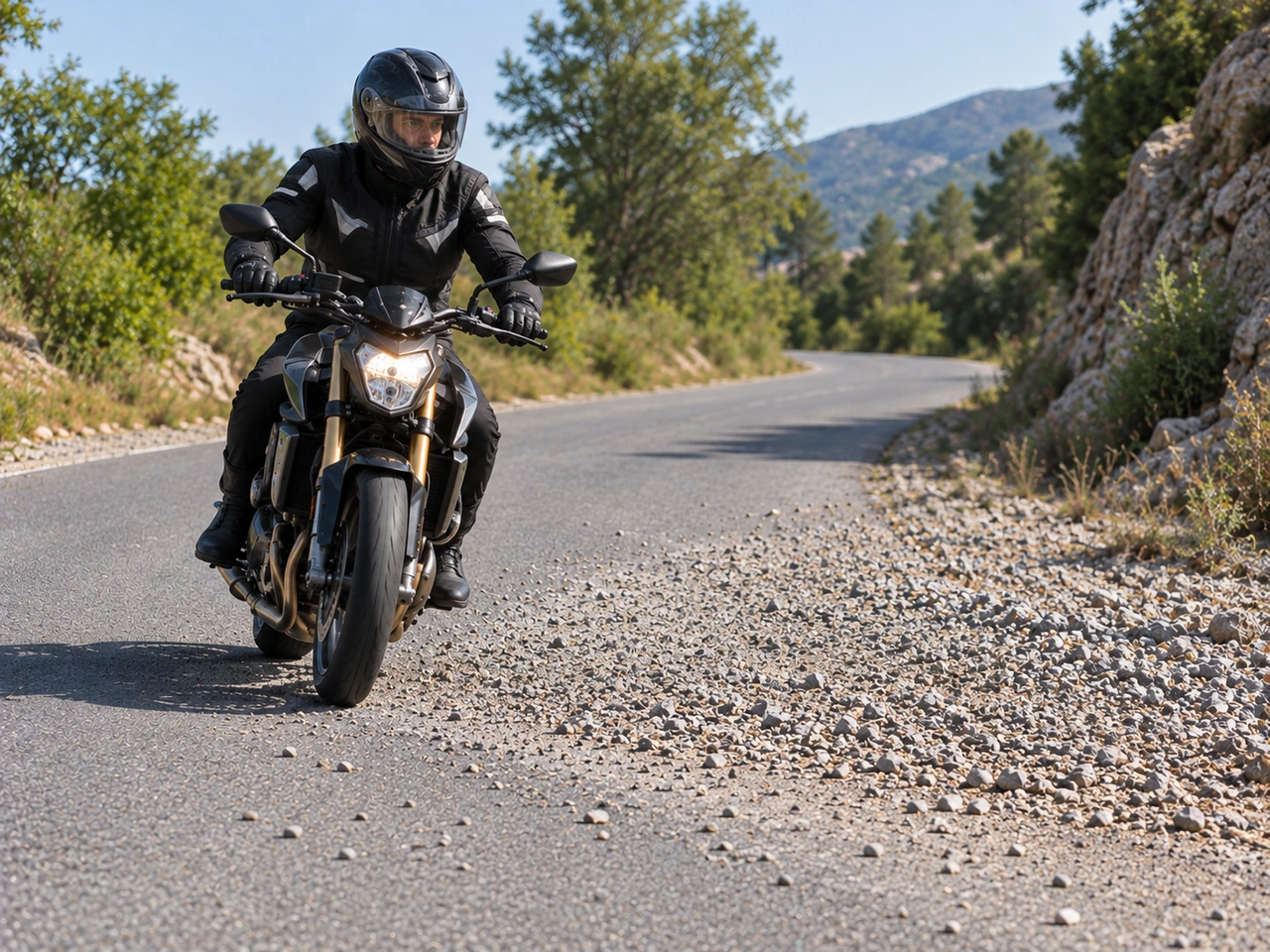
232. What should a motorcyclist do when approaching loose gravel?
Loose gravel can significantly reduce tyre grip. Reduce speed before reaching it, keep the motorcycle as upright as practical, and avoid sudden braking, acceleration or steering while crossing the loose surface.
AI-generated by Traffic-rules.com • WCIT • CC BY-SA
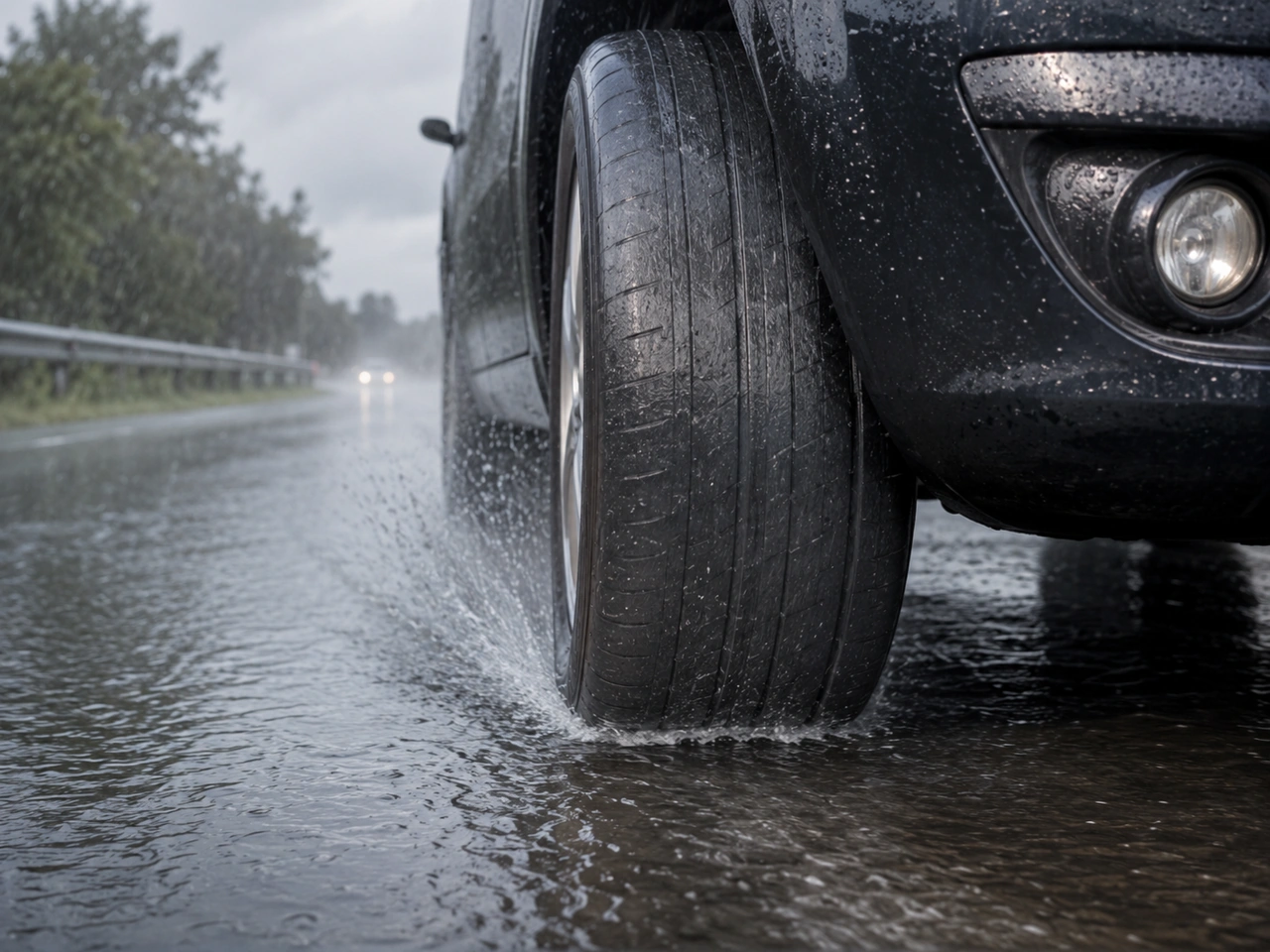
233. How can worn tyres affect driving in heavy rain?
Tyre tread helps channel water away and maintain grip. Worn tyres cannot clear water as effectively, increasing stopping distance and the risk of aquaplaning.
AI-generated by Traffic-rules.com • WCIT • CC BY-SA
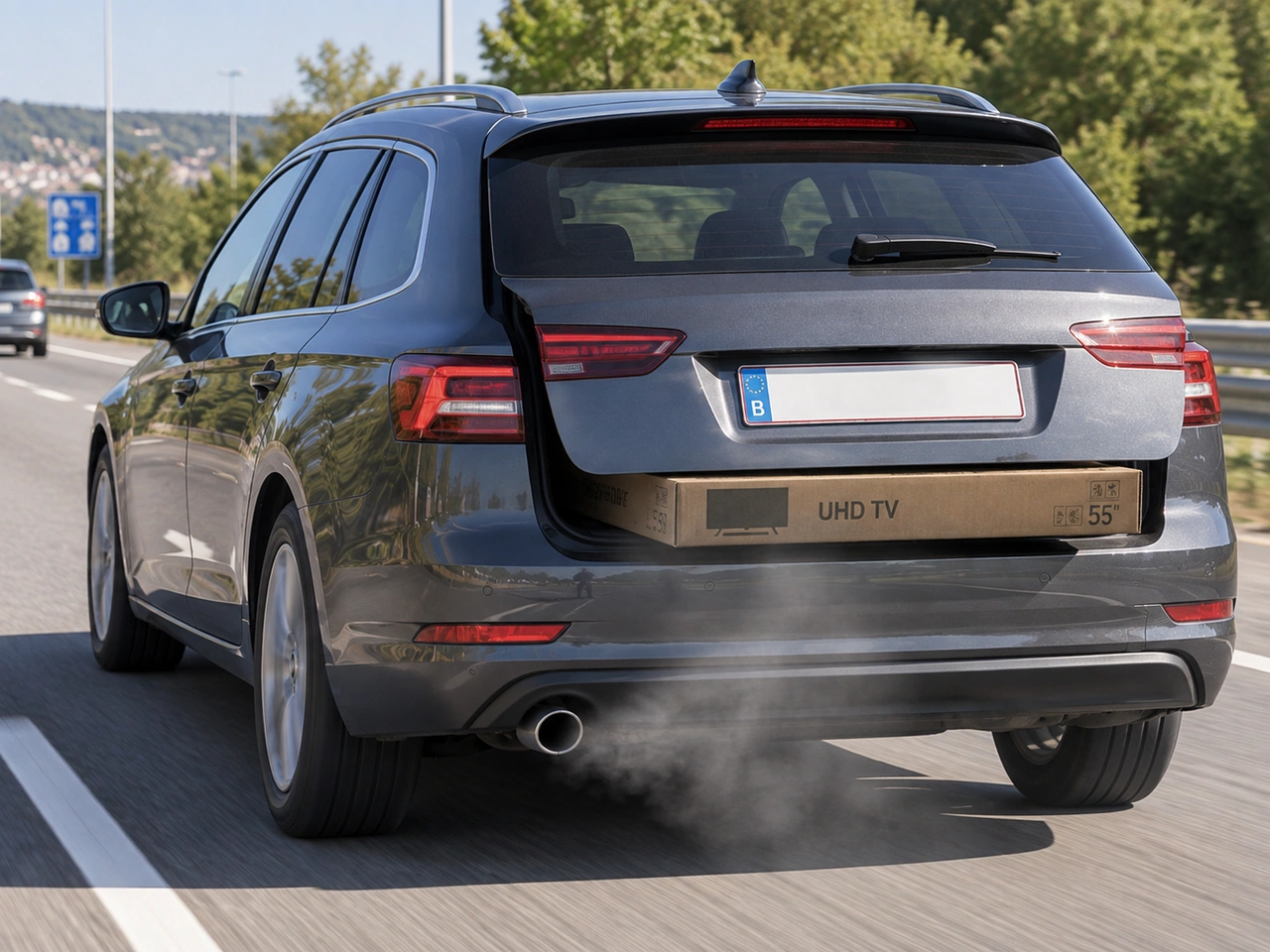
234. What is a danger of driving a petrol or diesel vehicle with the boot or tailgate open?
Driving with the boot or tailgate open can allow exhaust gases to be drawn into the vehicle. Exhaust fumes may contain carbon monoxide, which is poisonous and may be difficult to detect. Keep the luggage compartment properly closed while driving whenever possible.
AI-generated by Traffic-rules.com • WCIT • CC BY-SA
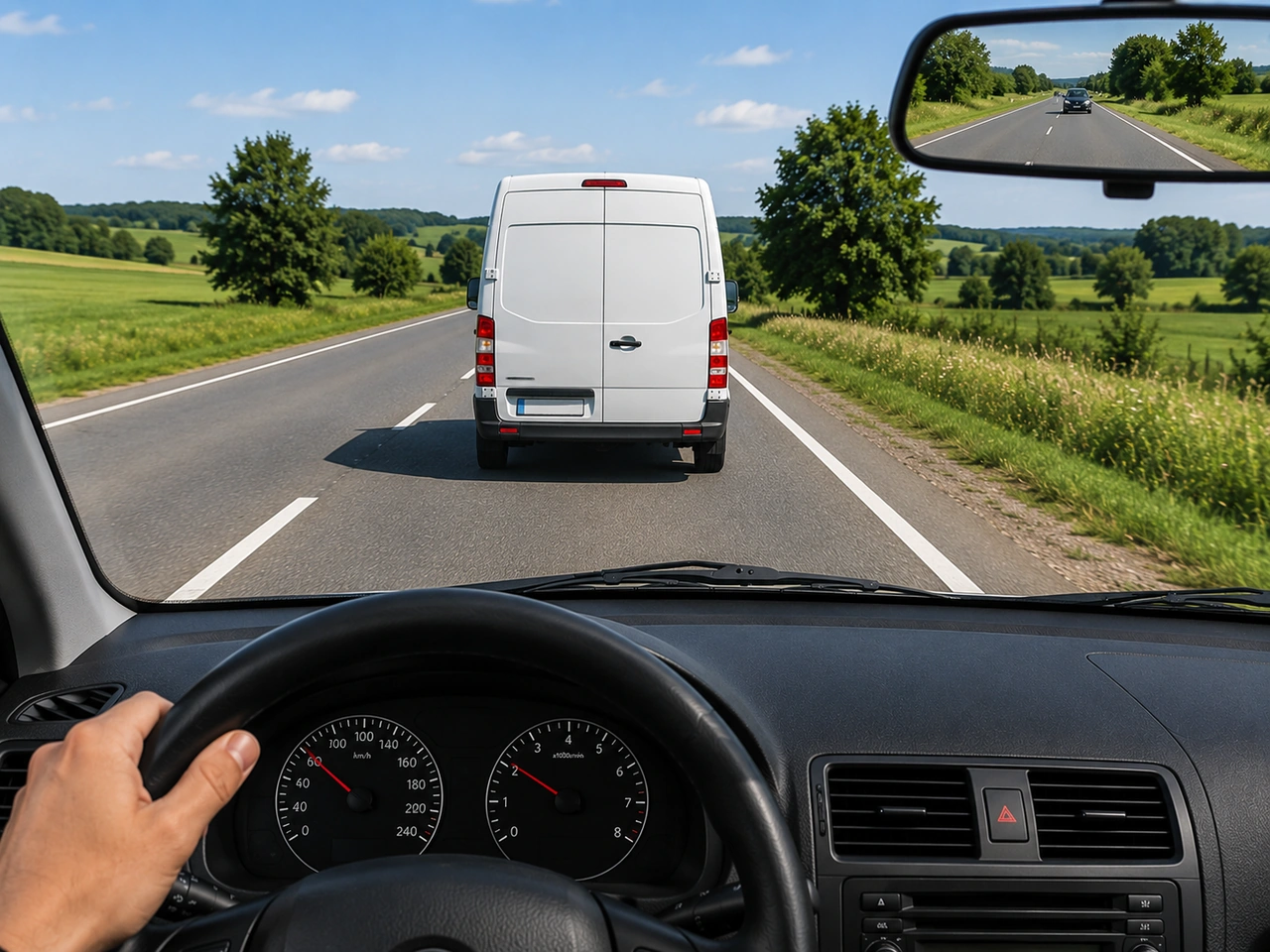
235. What is the main risk when following a vehicle with limited rear visibility?
Vans, trucks, and vehicles with blocked rear windows may have limited visibility. Keep extra distance and avoid sitting in blind spots.
AI-generated by Traffic-rules.com • WCIT • CC BY-SA
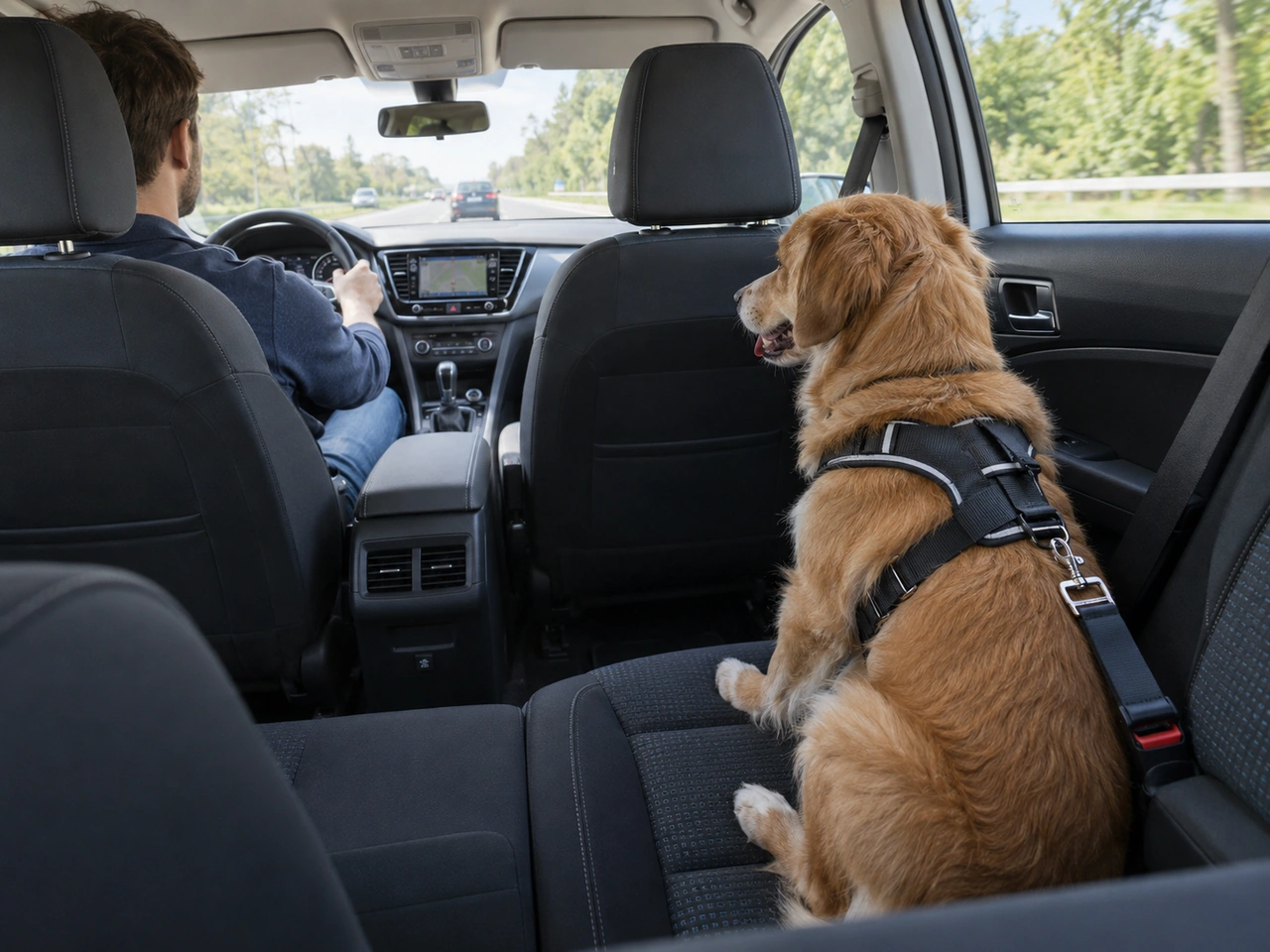
236. How should pets be carried safely in a vehicle?
A pet moving freely inside a vehicle can distract the driver and may be thrown around during sudden braking or a collision. Use a suitable carrier, harness, barrier, or other secure restraint appropriate for the animal and vehicle.
AI-generated by Traffic-rules.com • WCIT • CC BY-SA
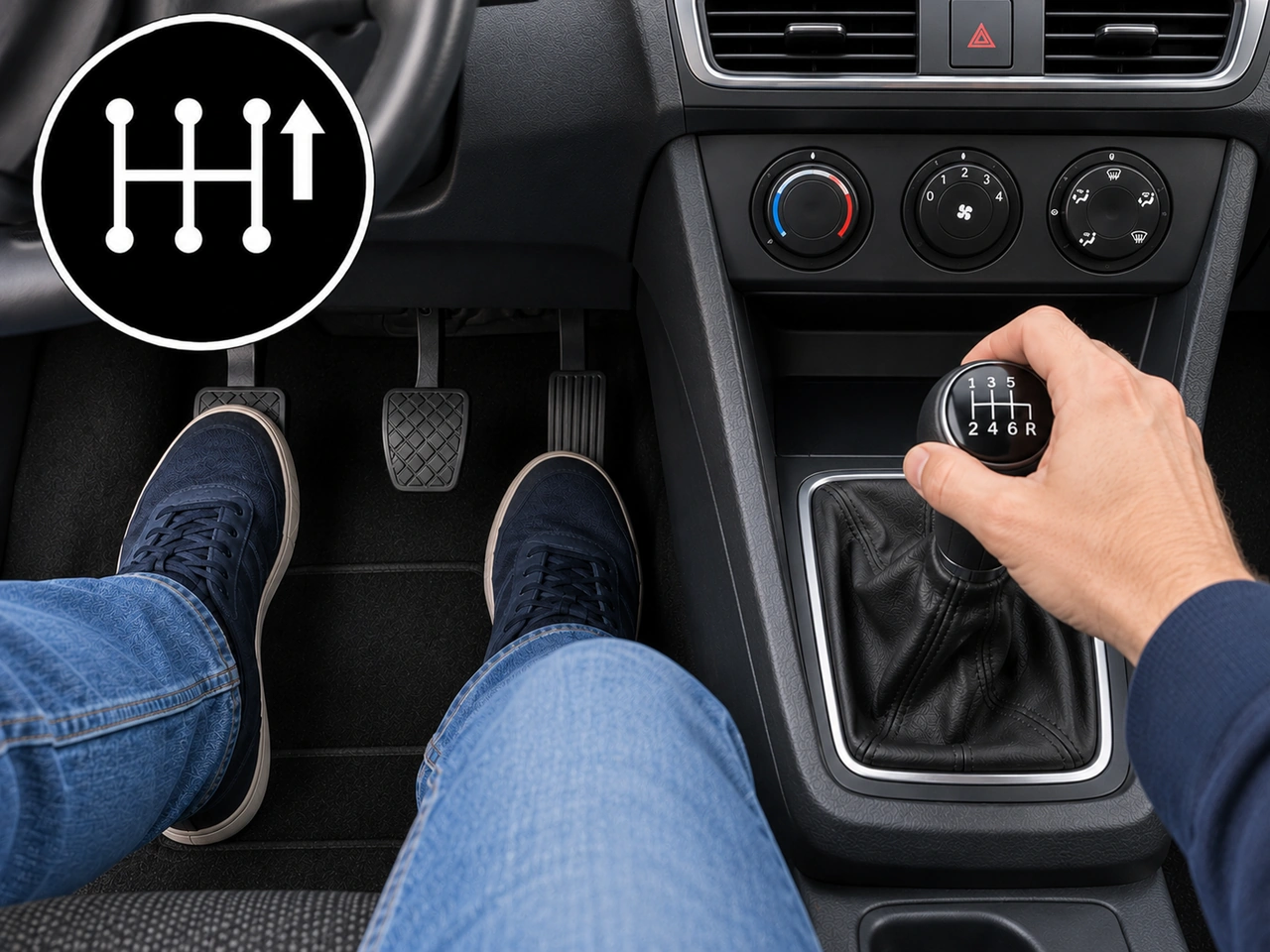
237. What should you normally do with the accelerator when changing to a higher gear?
When changing to a higher gear, ease off the accelerator as you press the clutch and select the next gear. Release the clutch smoothly and then apply the accelerator progressively.
AI-generated by Traffic-rules.com • WCIT • CC BY-SA
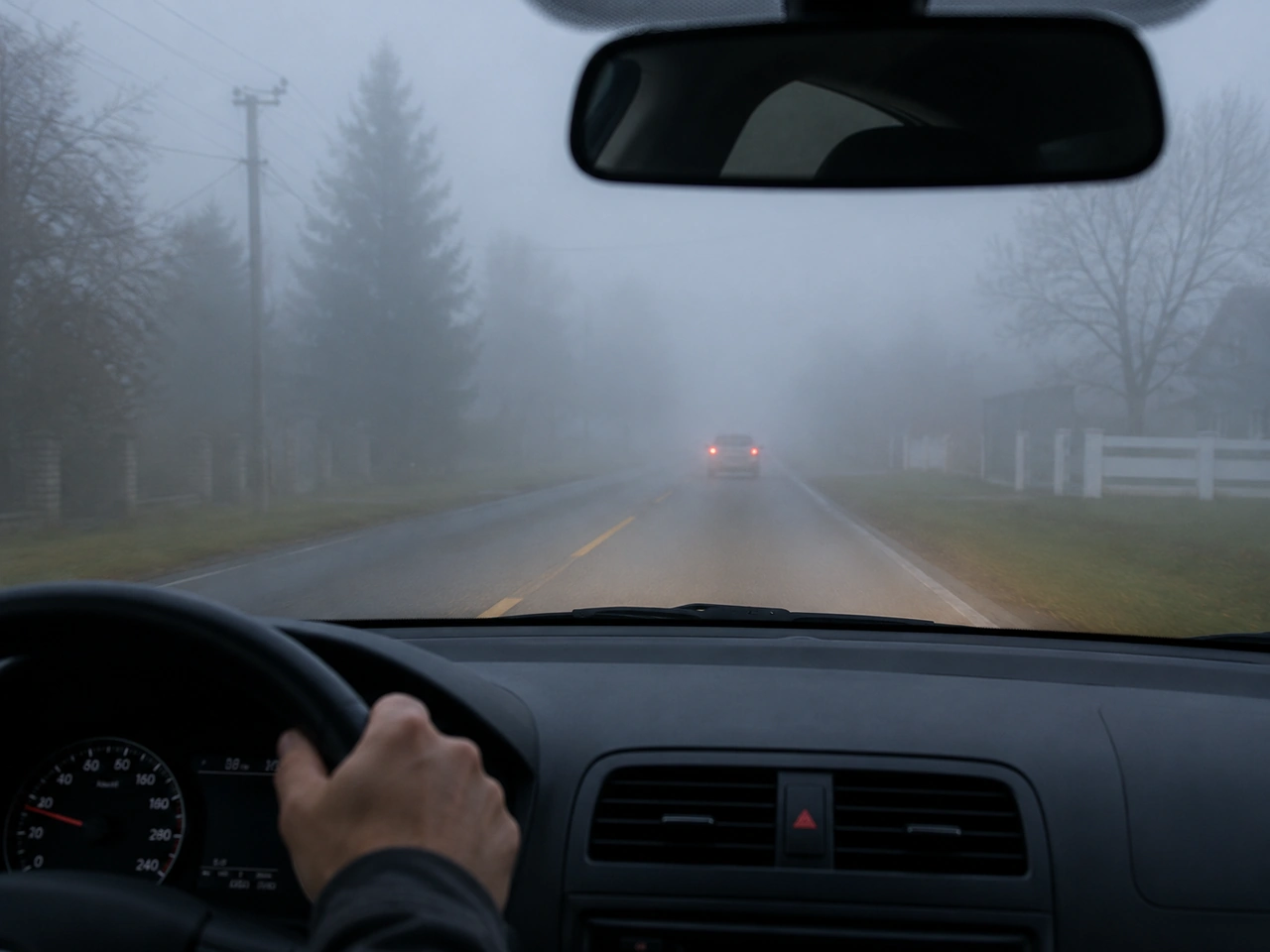
238. What should you do if visibility is reduced by fog?
Fog makes it harder to see and be seen. Reduce speed, increase following distance, and use the correct lights.
AI-generated by Traffic-rules.com • WCIT • CC BY-SA
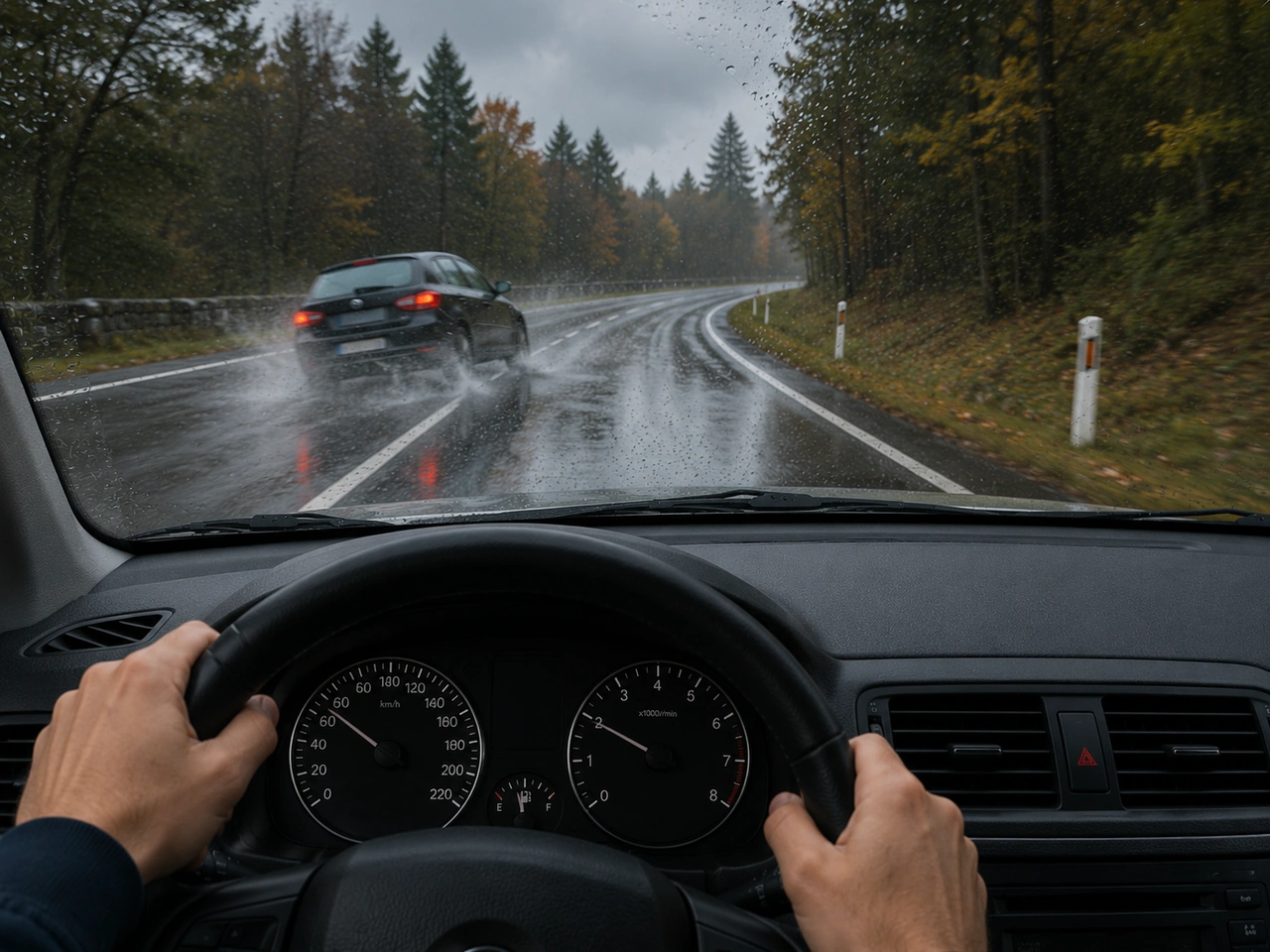
239. What should you avoid if your vehicle starts to skid?
Sudden braking, acceleration, or steering can make a skid worse. Stay calm and use smooth controls while the tyres regain grip.
AI-generated by Traffic-rules.com • WCIT • CC BY-SA
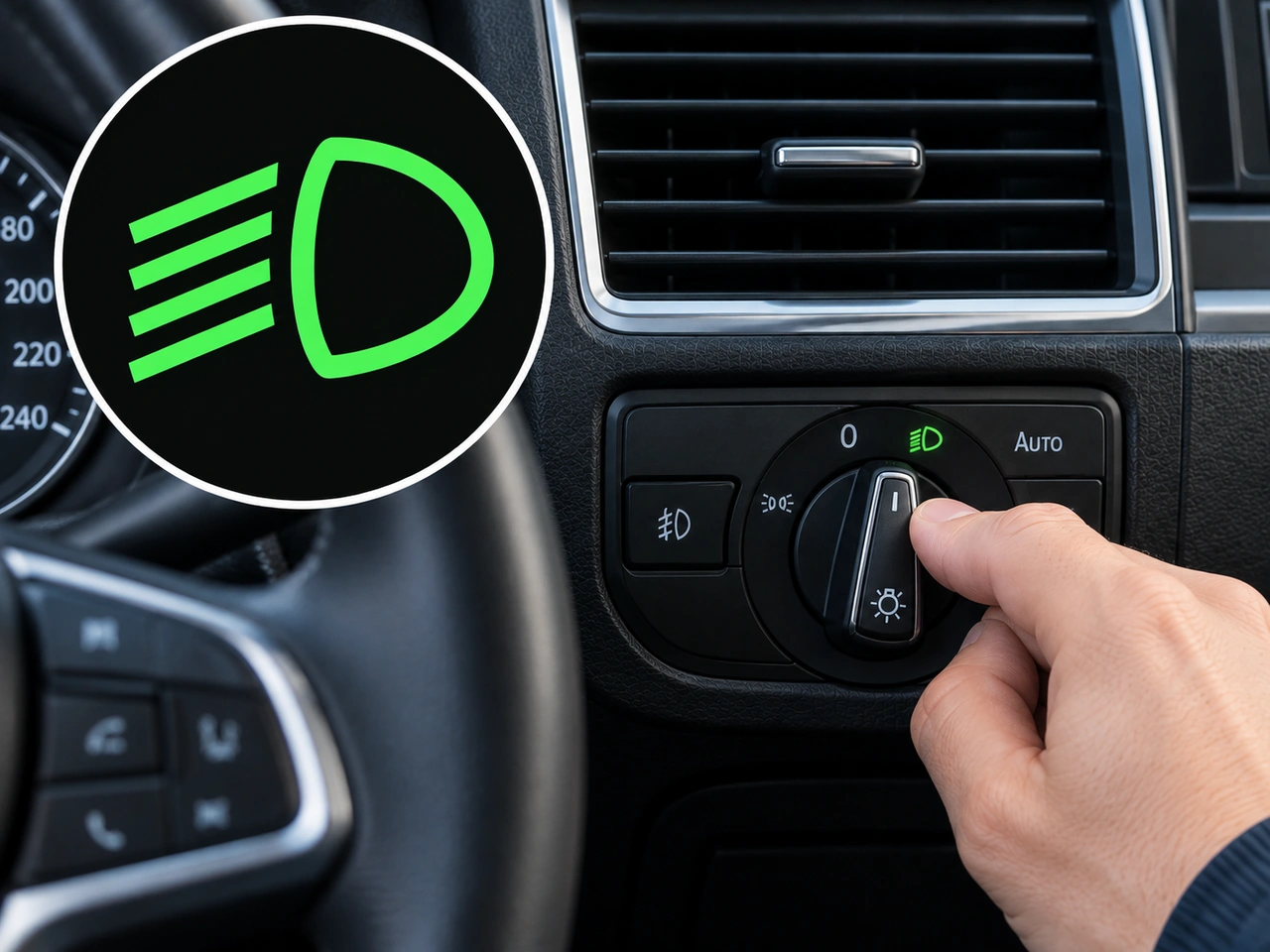
240. What does this dashboard symbol indicate?
This symbol indicates that the dipped headlights are switched on. Dipped headlights illuminate the road ahead while limiting glare for other road users.
AI-generated by Traffic-rules.com • WCIT • CC BY-SA
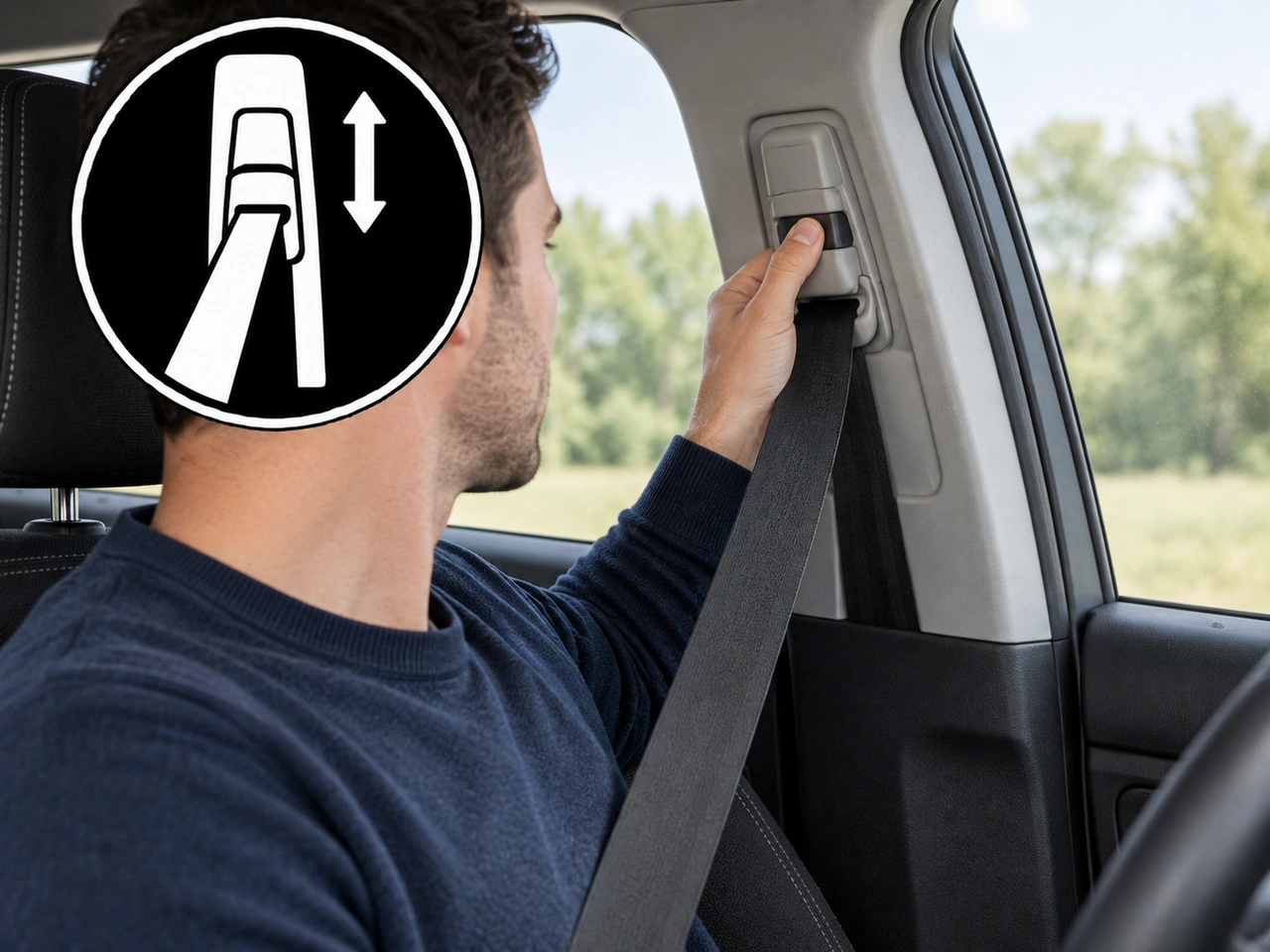
241. Why should the seat-belt height be adjusted correctly?
The seat-belt height adjustment helps position the shoulder belt correctly across the chest and shoulder. It should not run across the neck or under the arm.
AI-generated by Traffic-rules.com • WCIT • CC BY-SA
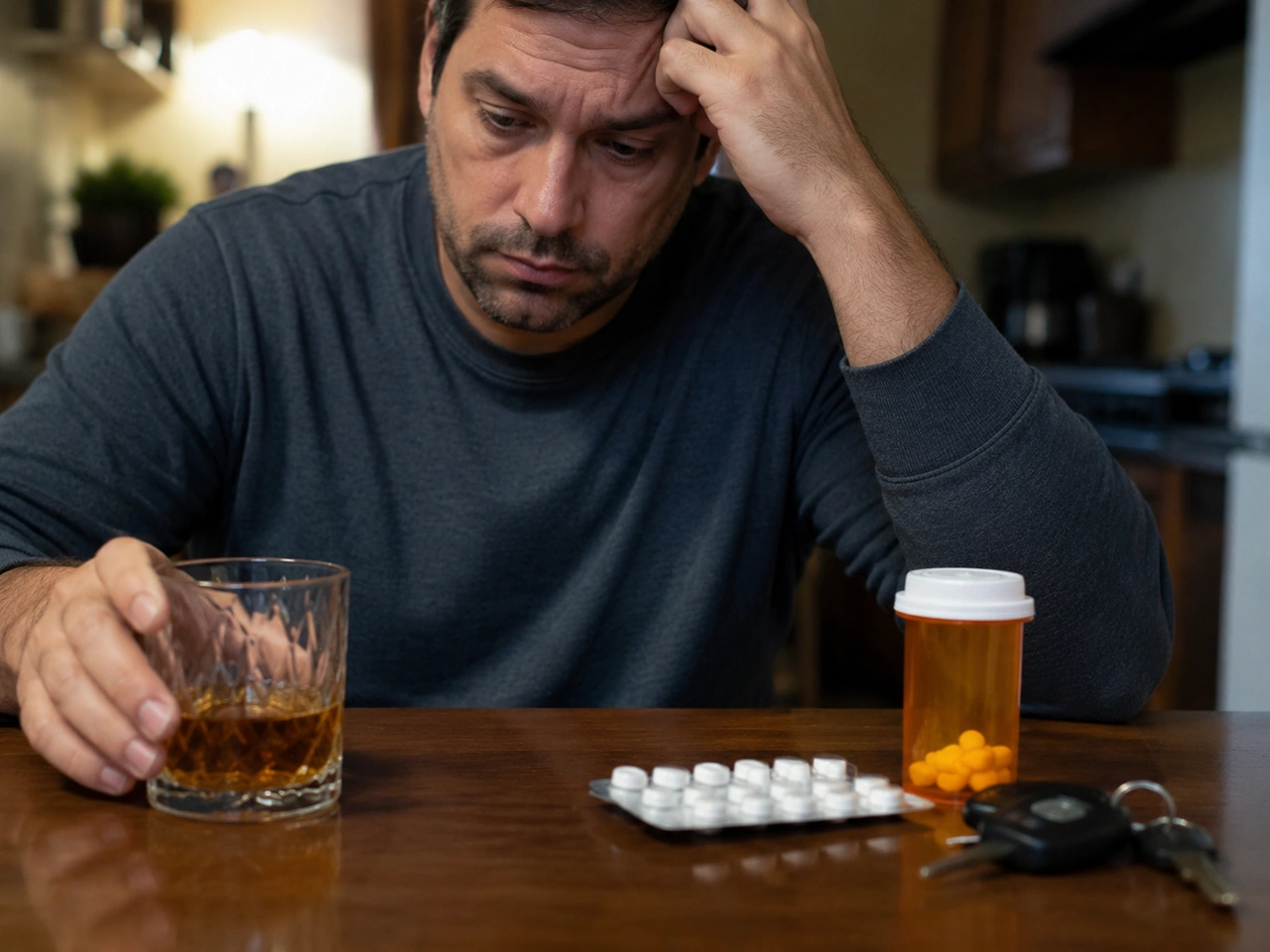
242. Why can mixing alcohol with medicine be dangerous for drivers?
Some prescription and non-prescription medicines can intensify alcohol-related drowsiness, dizziness, poor coordination, or reduced concentration.
AI-generated by Traffic-rules.com • WCIT • CC BY-SA
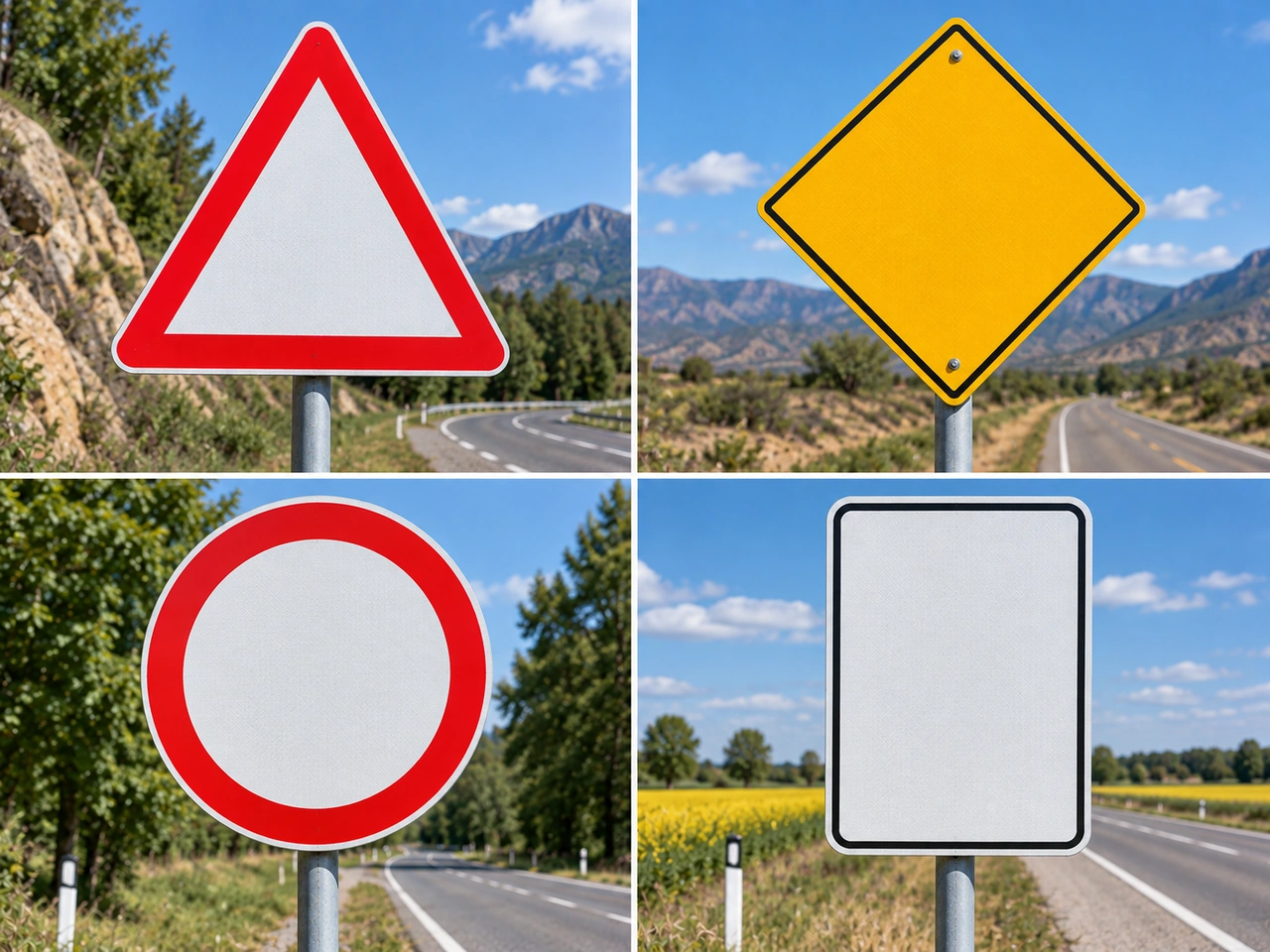
243. What shape are most warning signs in United States?
Most warning signs in United States are diamond-shaped.
AI-generated by Traffic-rules.com • WCIT • CC BY-SA
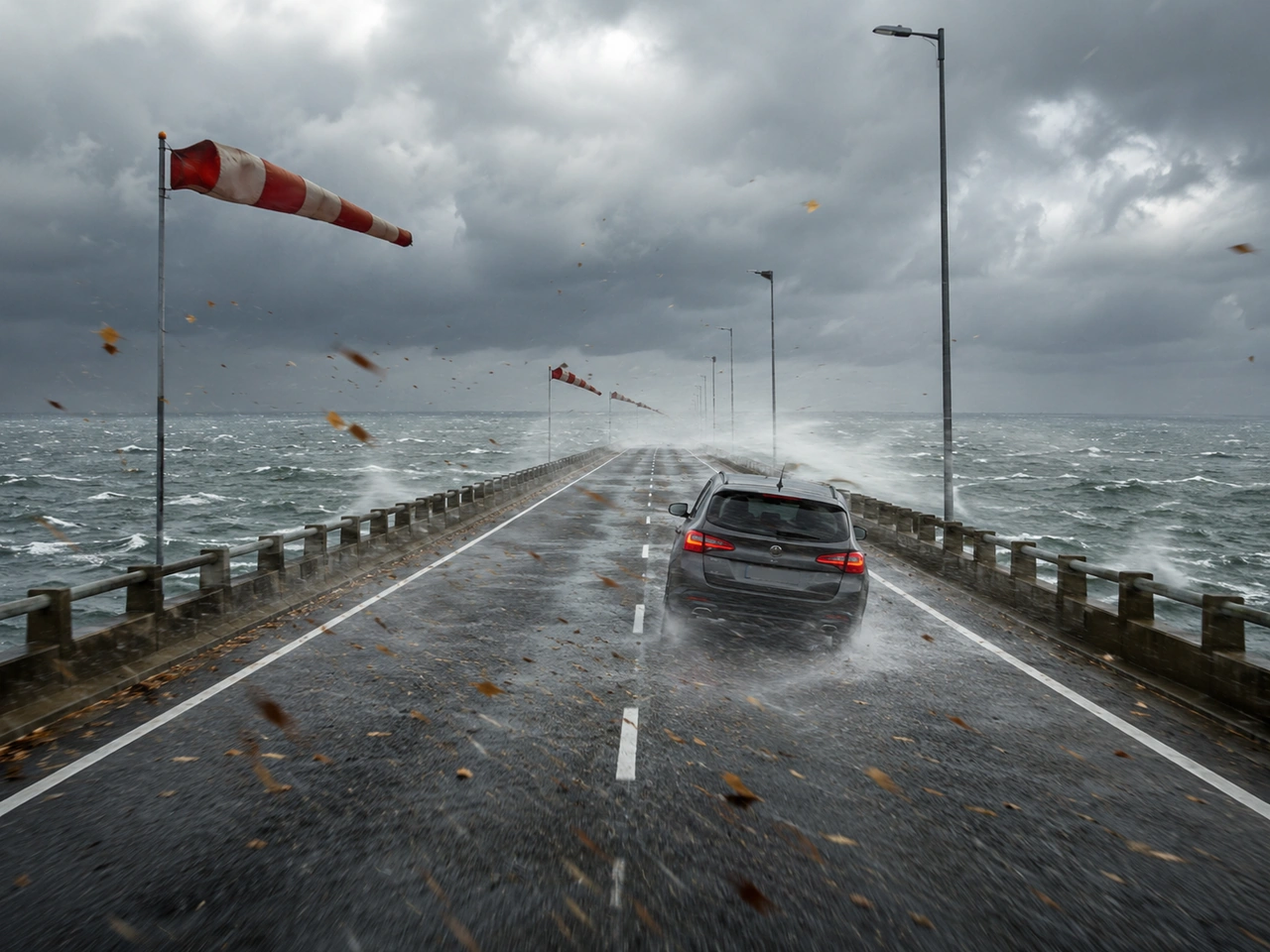
244. Why can bridges be dangerous in strong winds?
Bridges are often open and exposed, allowing strong winds to affect vehicles more suddenly.
AI-generated by Traffic-rules.com • WCIT • CC BY-SA
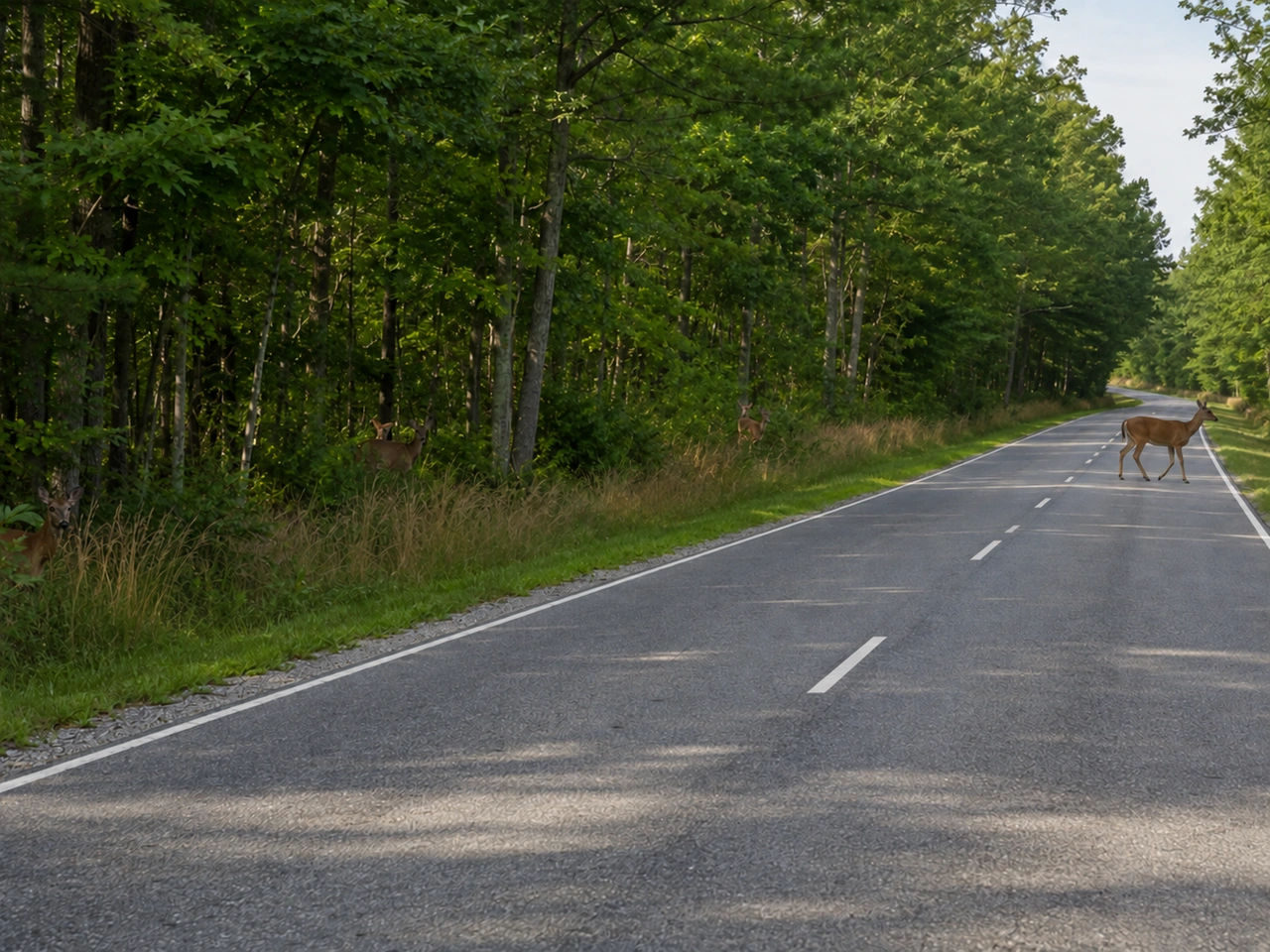
245. What should you expect after one wild animal crosses the road?
Many animals travel in groups. Slow down and continue watching both sides of the road.
AI-generated by Traffic-rules.com • WCIT • CC BY-SA
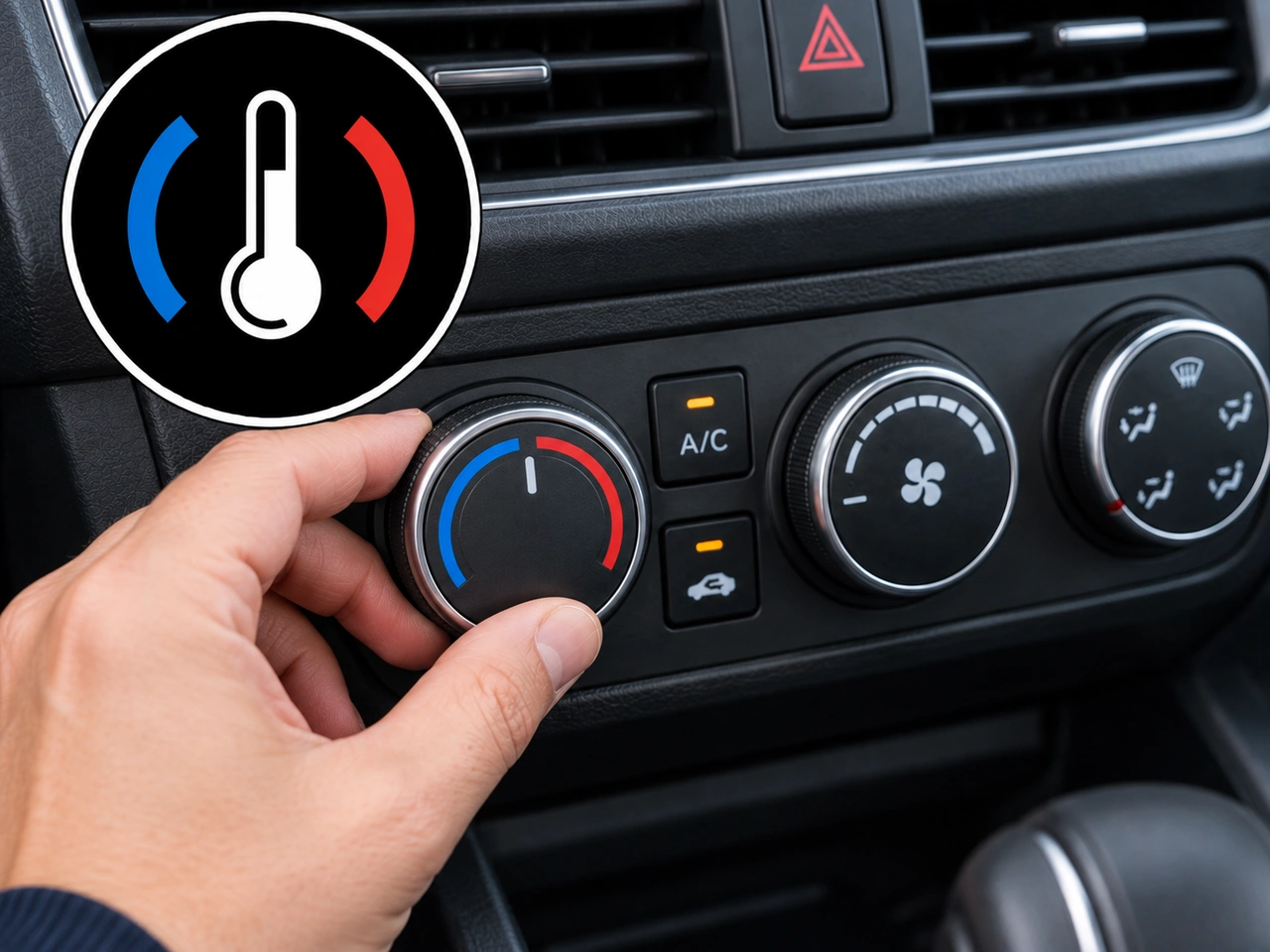
246. What does this vehicle-control symbol indicate?
This control adjusts the temperature of the air supplied to the cabin. Turning it towards the blue side lowers the selected temperature, while turning it towards the red side raises it.
AI-generated by Traffic-rules.com • WCIT • CC BY-SA
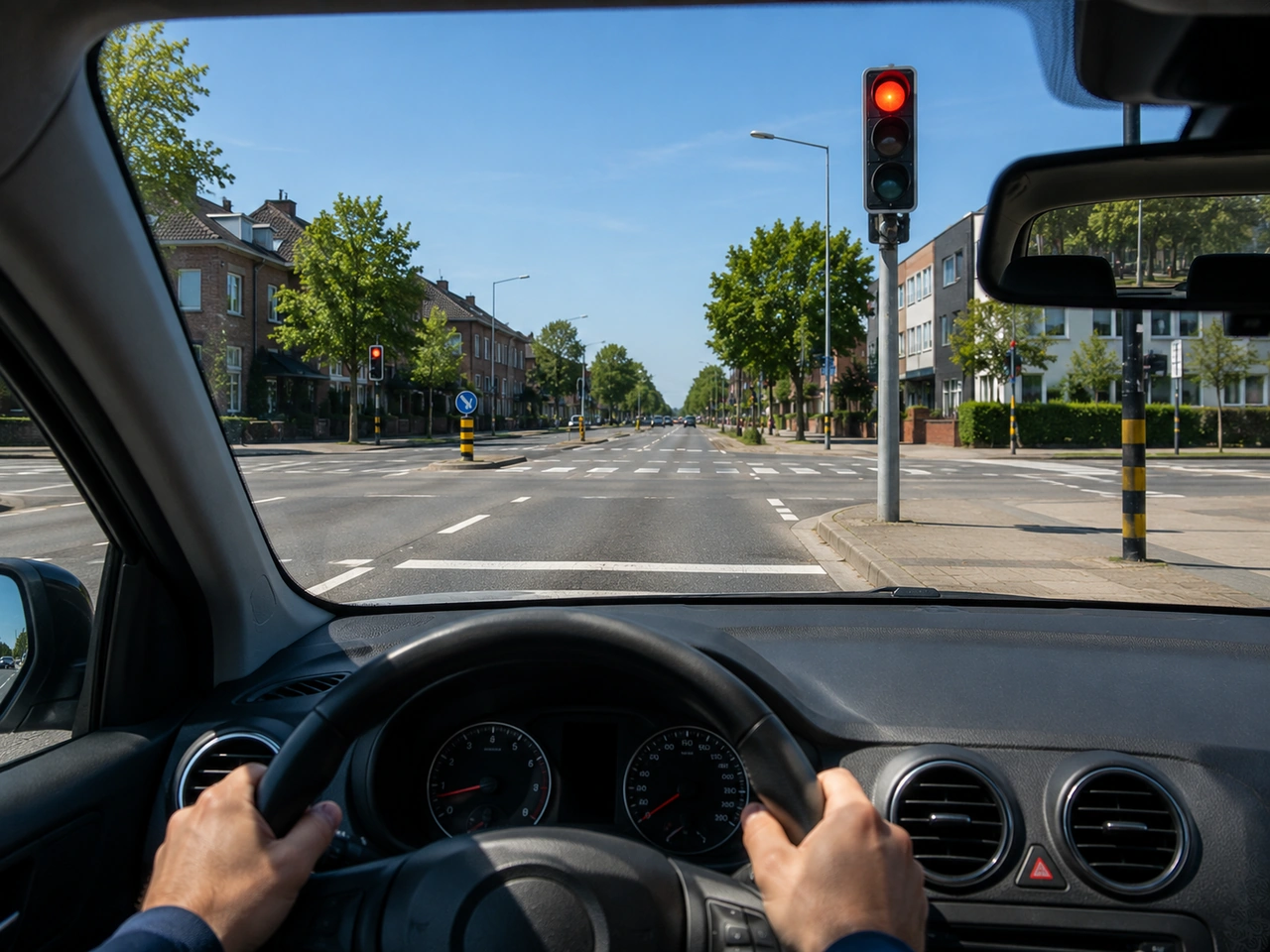
247. What should you do when a traffic light turns red?
A red traffic light means you must stop before the stop line, pedestrian crossing, or intersection unless a sign or signal indicates otherwise.
AI-generated by Traffic-rules.com • WCIT • CC BY-SA
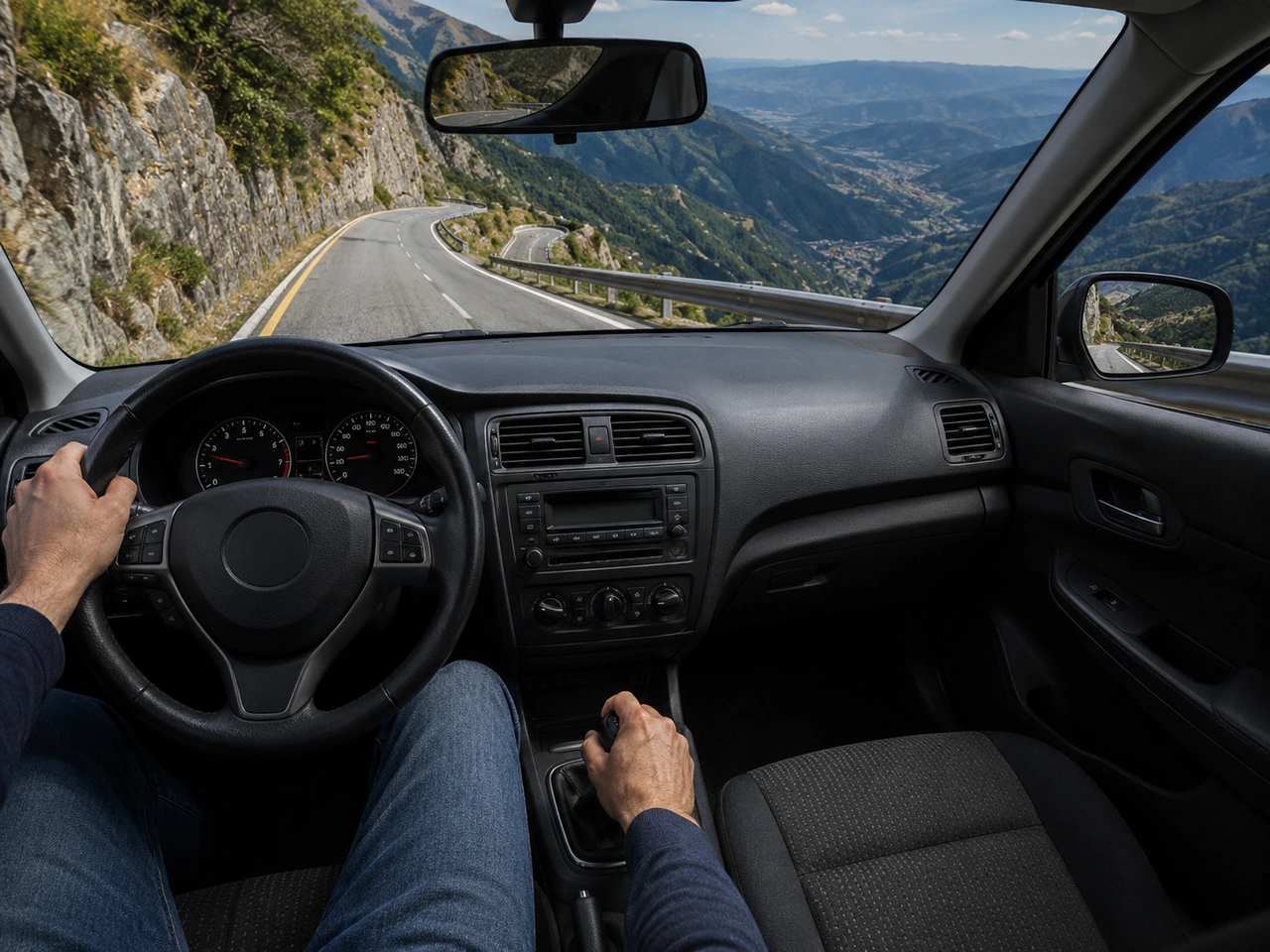
248. Why should you use a lower gear when driving downhill?
Engine braking helps prevent the vehicle from gaining too much speed and reduces strain on the brakes.
AI-generated by Traffic-rules.com • WCIT • CC BY-SA
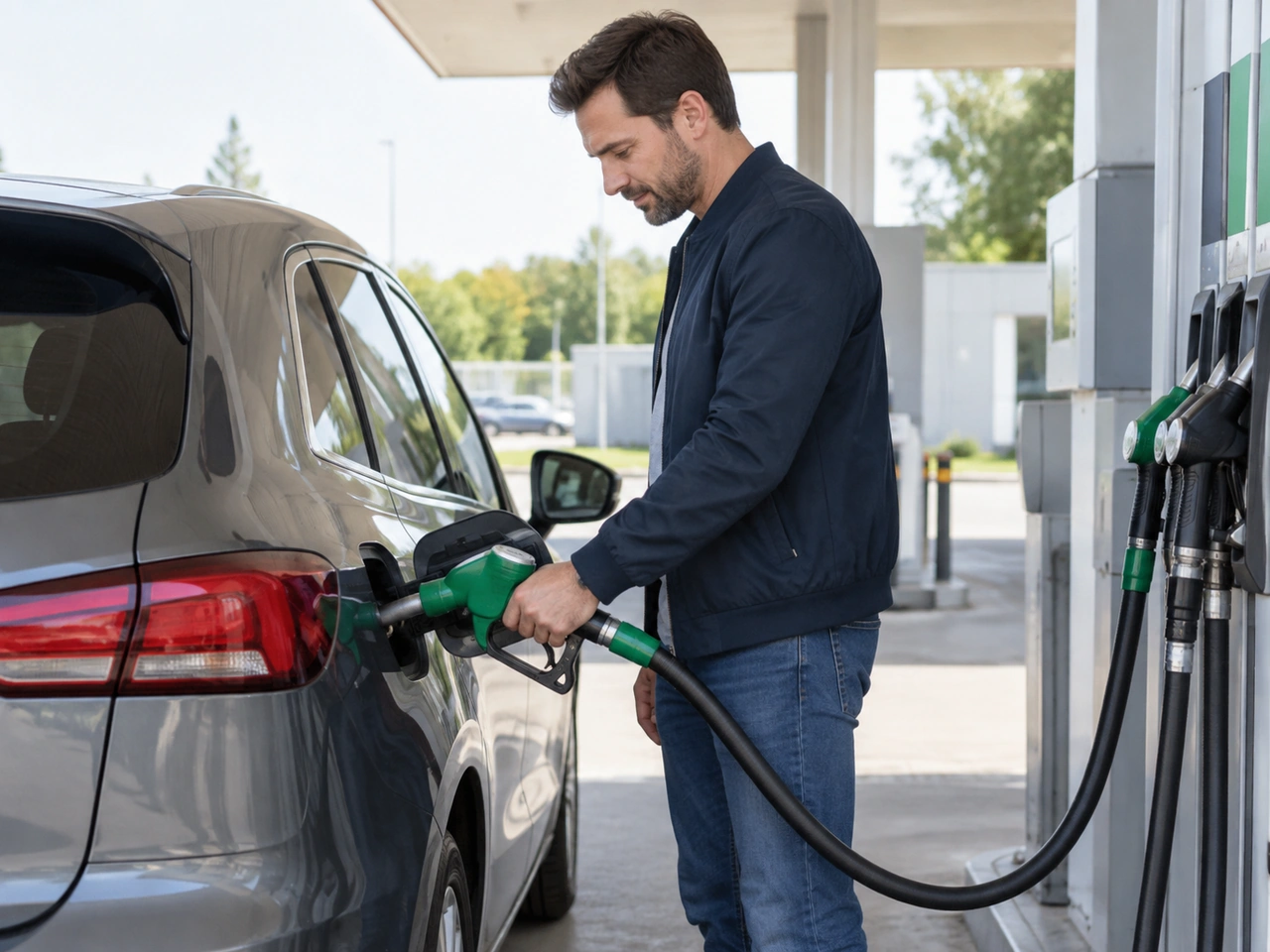
249. What should you normally do when the fuel nozzle automatically clicks off?
When the fuel nozzle automatically clicks off, stop refuelling rather than repeatedly topping up the tank. Continuing can cause fuel to spill or overflow and may interfere with the vehicle's fuel-vapour control system.
AI-generated by Traffic-rules.com • WCIT • CC BY-SA
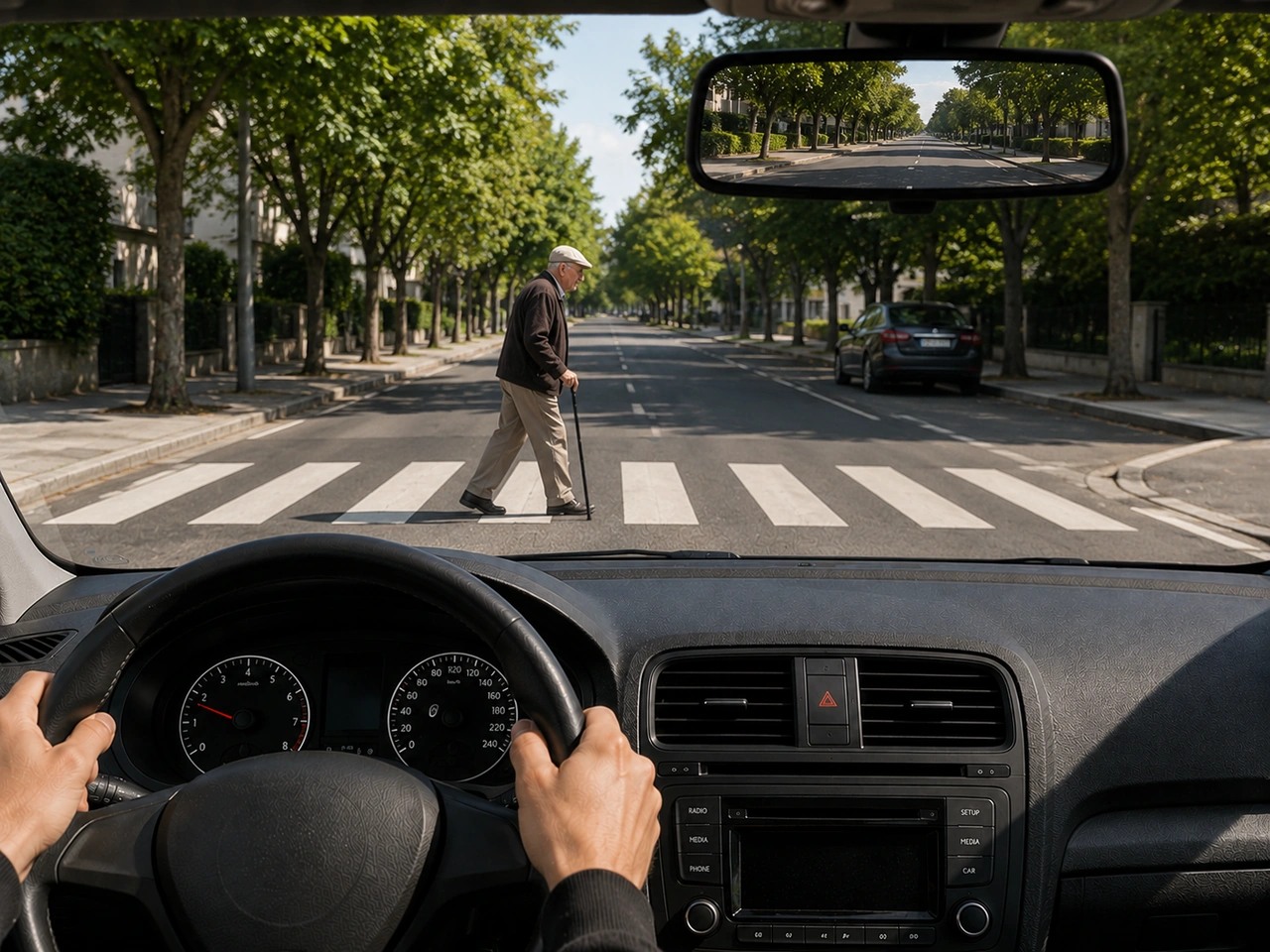
250. What should you do if a pedestrian is crossing slowly?
Some pedestrians may need more time to cross. Stay patient, keep a safe distance, and do not pressure them.
AI-generated by Traffic-rules.com • WCIT • CC BY-SA