


QuizTraffic rulesUnited States
Test your knowledge with our multiple-choice quiz. Learn from each answer and improve your understanding of the traffic rules and road signs of United States.
 Traffic signs
 Traffic rules
 United States
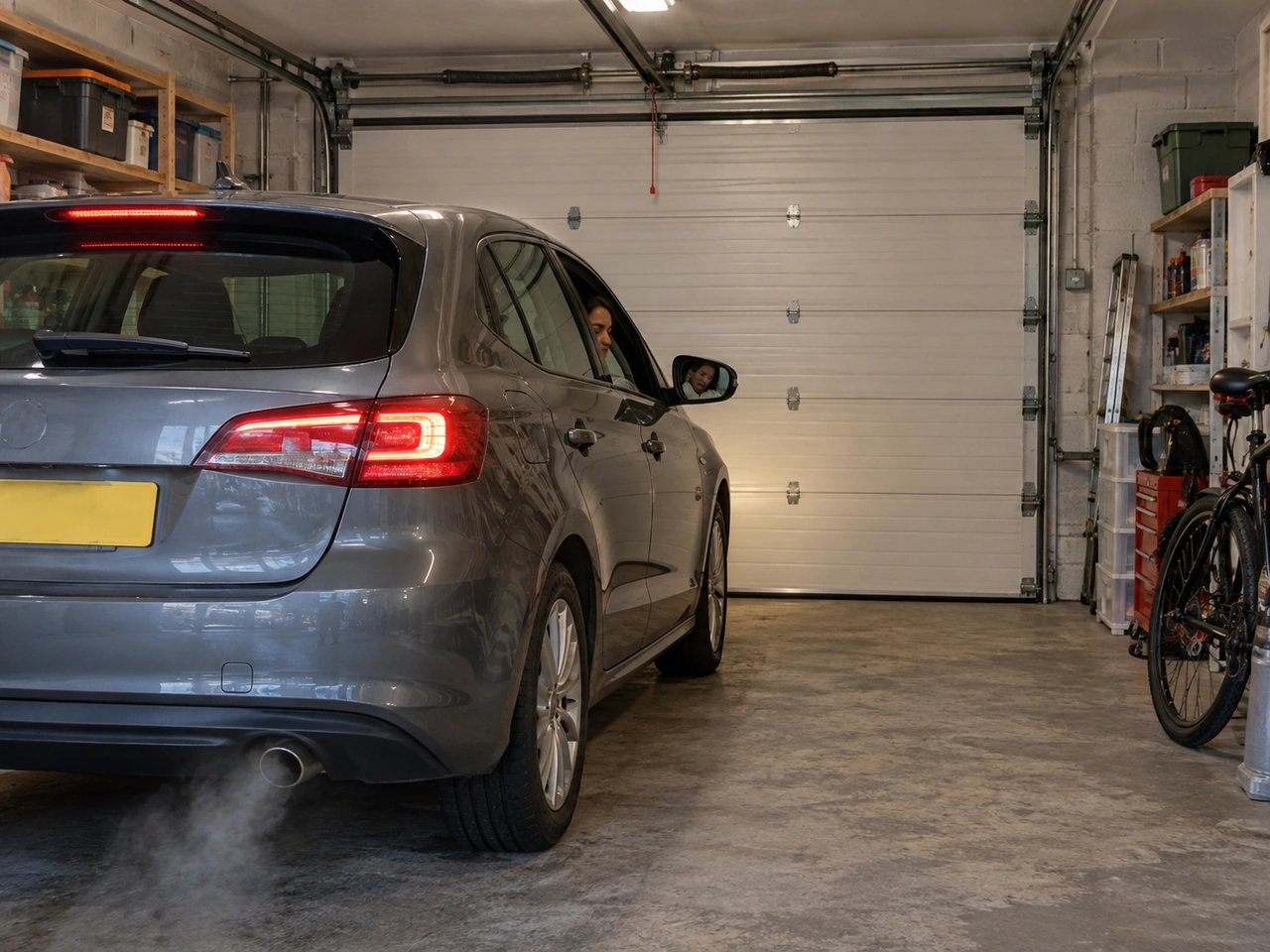
401. Why should you never leave a gasoline or diesel engine running in an enclosed space?
Exhaust gases from gasoline and diesel engines can contain carbon monoxide, a poisonous gas that can build up quickly in an enclosed or poorly ventilated space. Never leave the engine running inside a closed garage or similar area.
AI-generated by Traffic-rules.com • WCIT • CC BY-SA

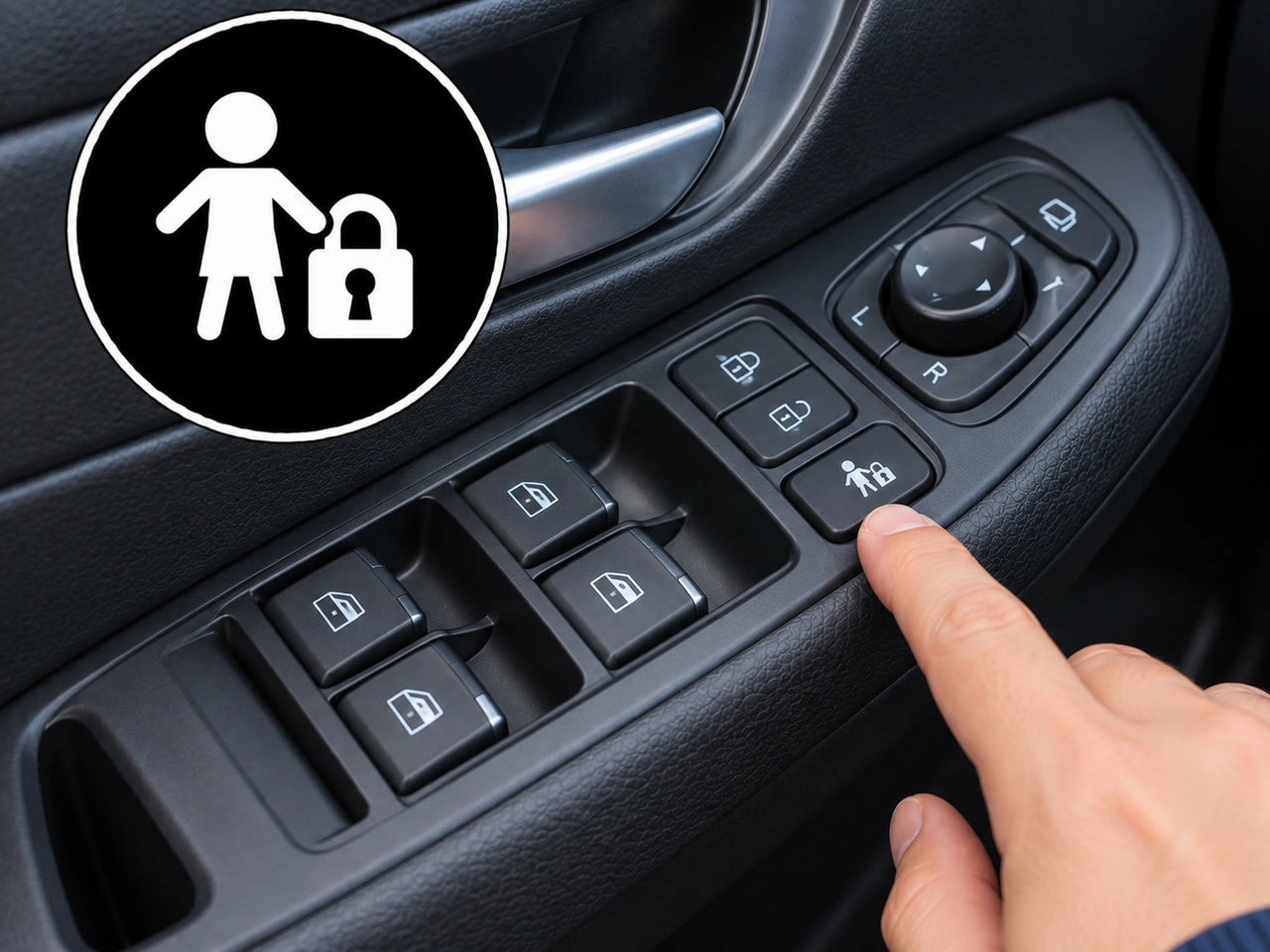
402. What does this vehicle-control symbol indicate?
This control activates the child safety lock. It helps prevent a rear door from being opened from inside the vehicle, depending on the vehicle and system design.
AI-generated by Traffic-rules.com • WCIT • CC BY-SA
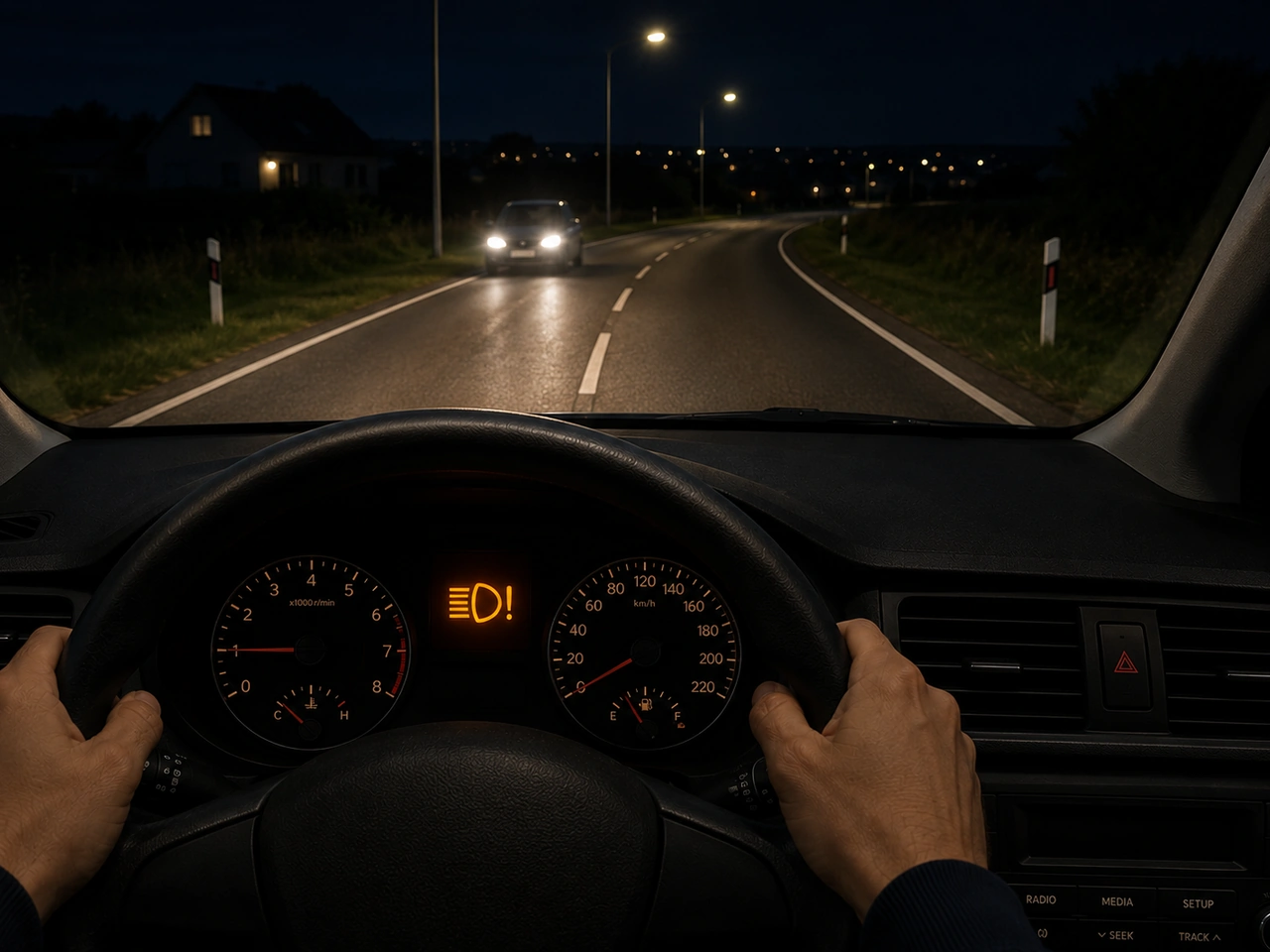
403. What should you do if your headlights fail while driving at night?
Without effective headlights, you may not see hazards and other road users may not see you. Stop in a safe location as soon as possible.
AI-generated by Traffic-rules.com • WCIT • CC BY-SA
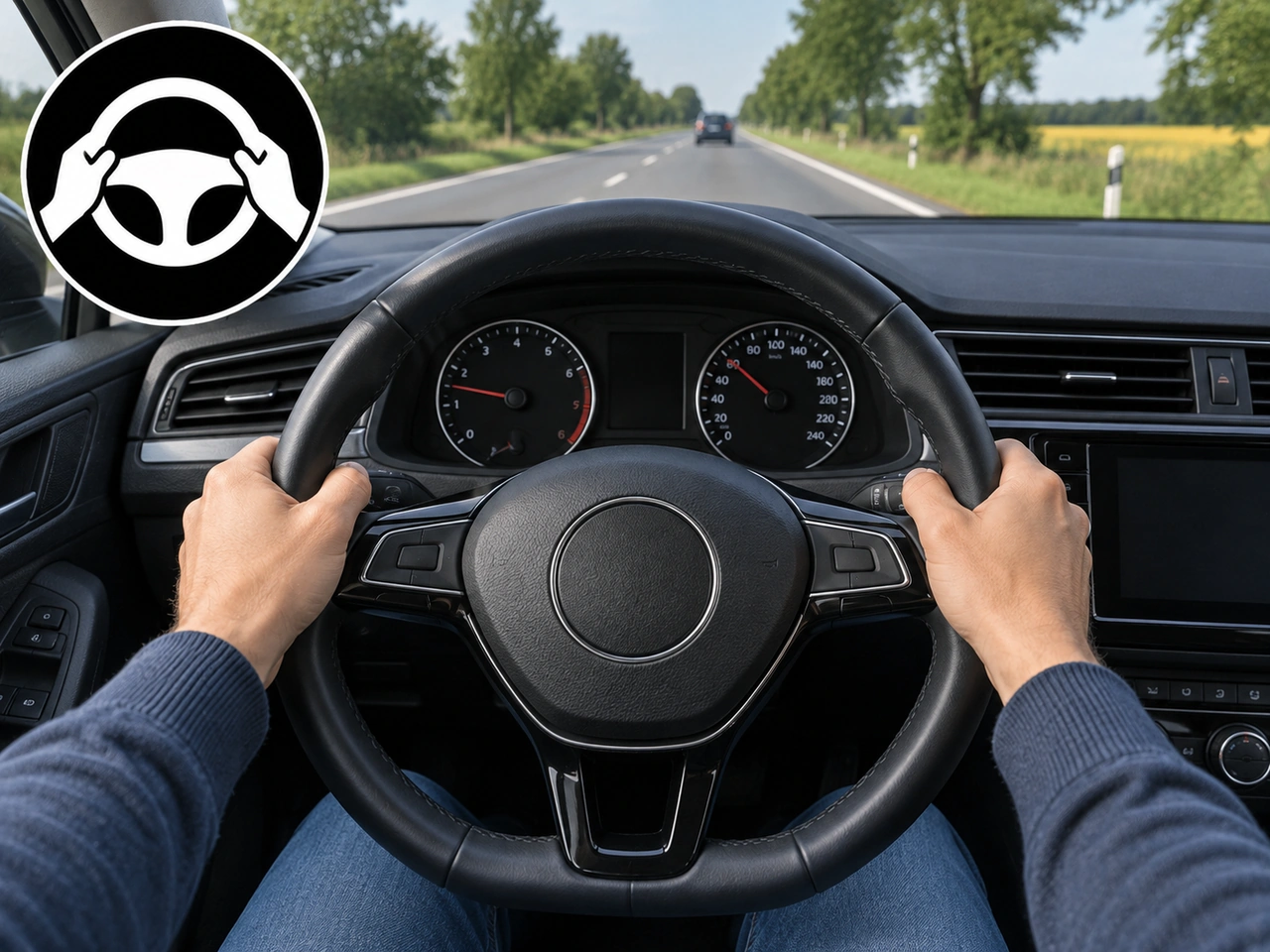
404. How should you normally hold the steering wheel while driving?
Hold the steering wheel with both hands in a balanced position so that you can steer smoothly and react quickly. A position around nine and three o'clock generally provides good control.
AI-generated by Traffic-rules.com • WCIT • CC BY-SA
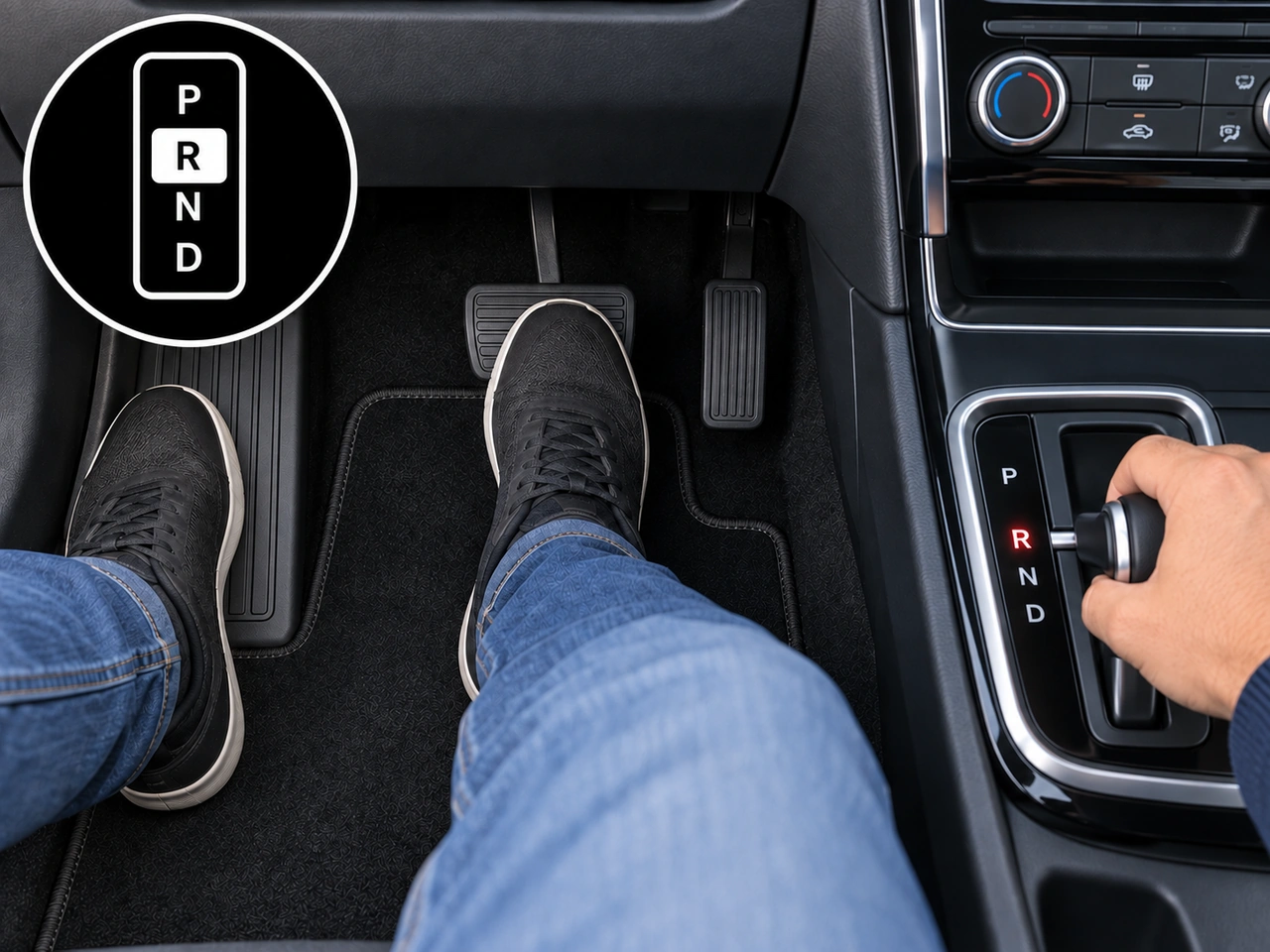
405. When should you select R (Reverse) in an automatic vehicle?
Select R (Reverse) only after the vehicle has come to a complete stop. Selecting Reverse while the vehicle is still moving forward can damage the transmission.
AI-generated by Traffic-rules.com • WCIT • CC BY-SA
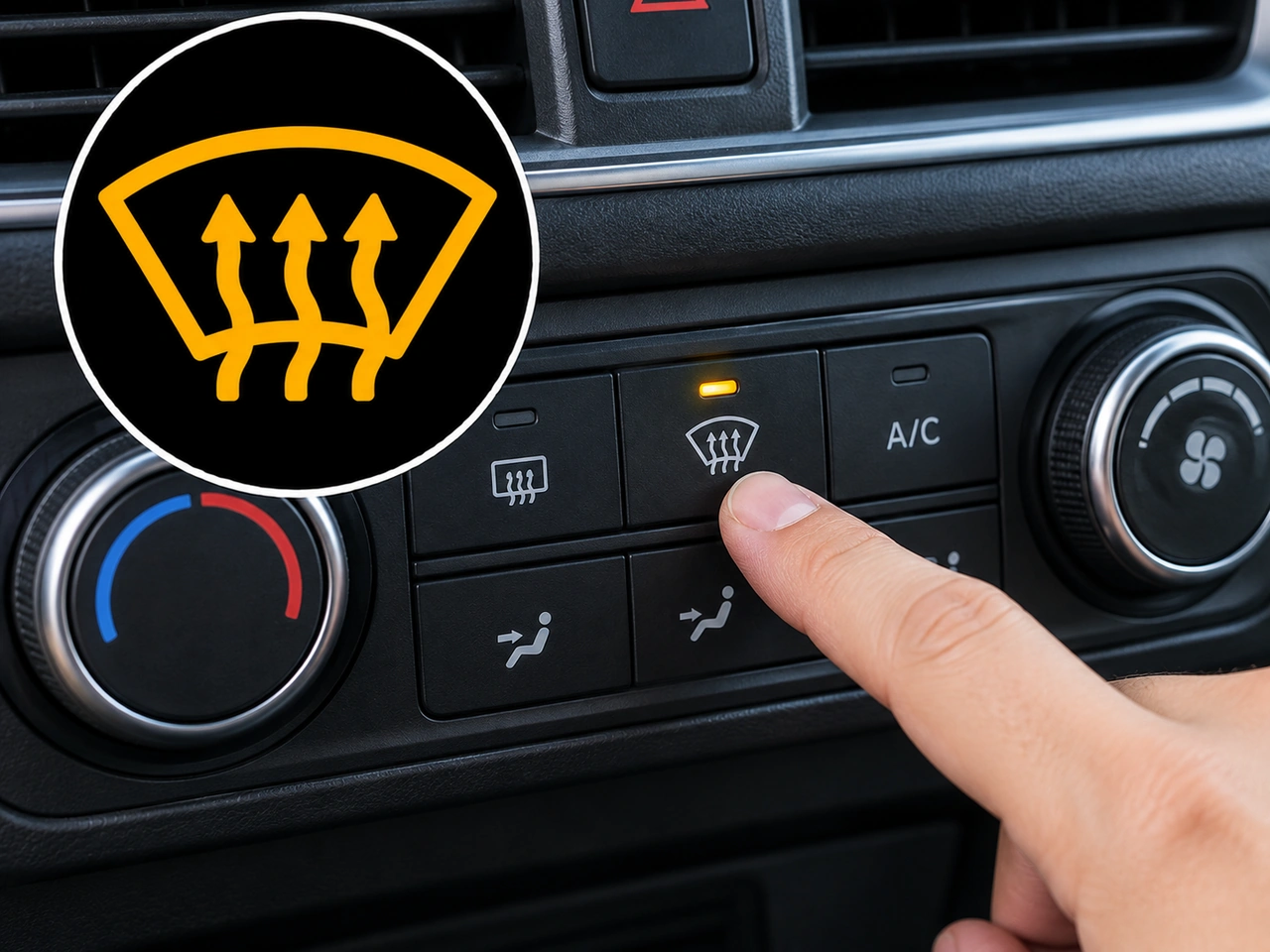
406. What does this dashboard symbol indicate?
This symbol indicates the front windshield defroster. It directs airflow toward the windshield to help clear condensation, mist, or frost and restore a clear view.
AI-generated by Traffic-rules.com • WCIT • CC BY-SA
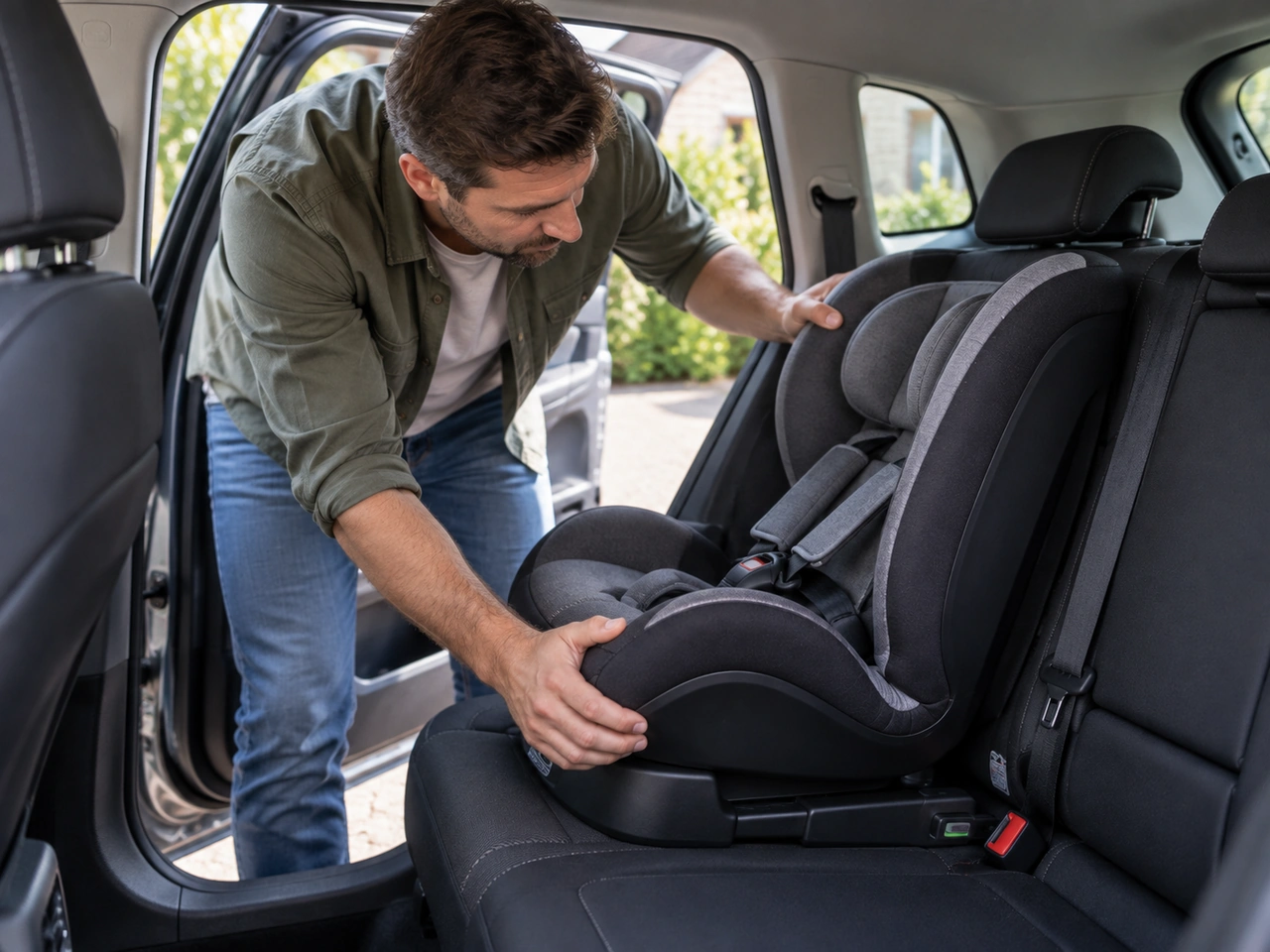
407. What should you check after installing a child restraint?
A child restraint should be installed securely and used according to the manufacturer's instructions. Check that the seat is firmly attached, the seat belt or lower-anchor attachment is correct, and the child is restrained properly before driving.
AI-generated by Traffic-rules.com • WCIT • CC BY-SA
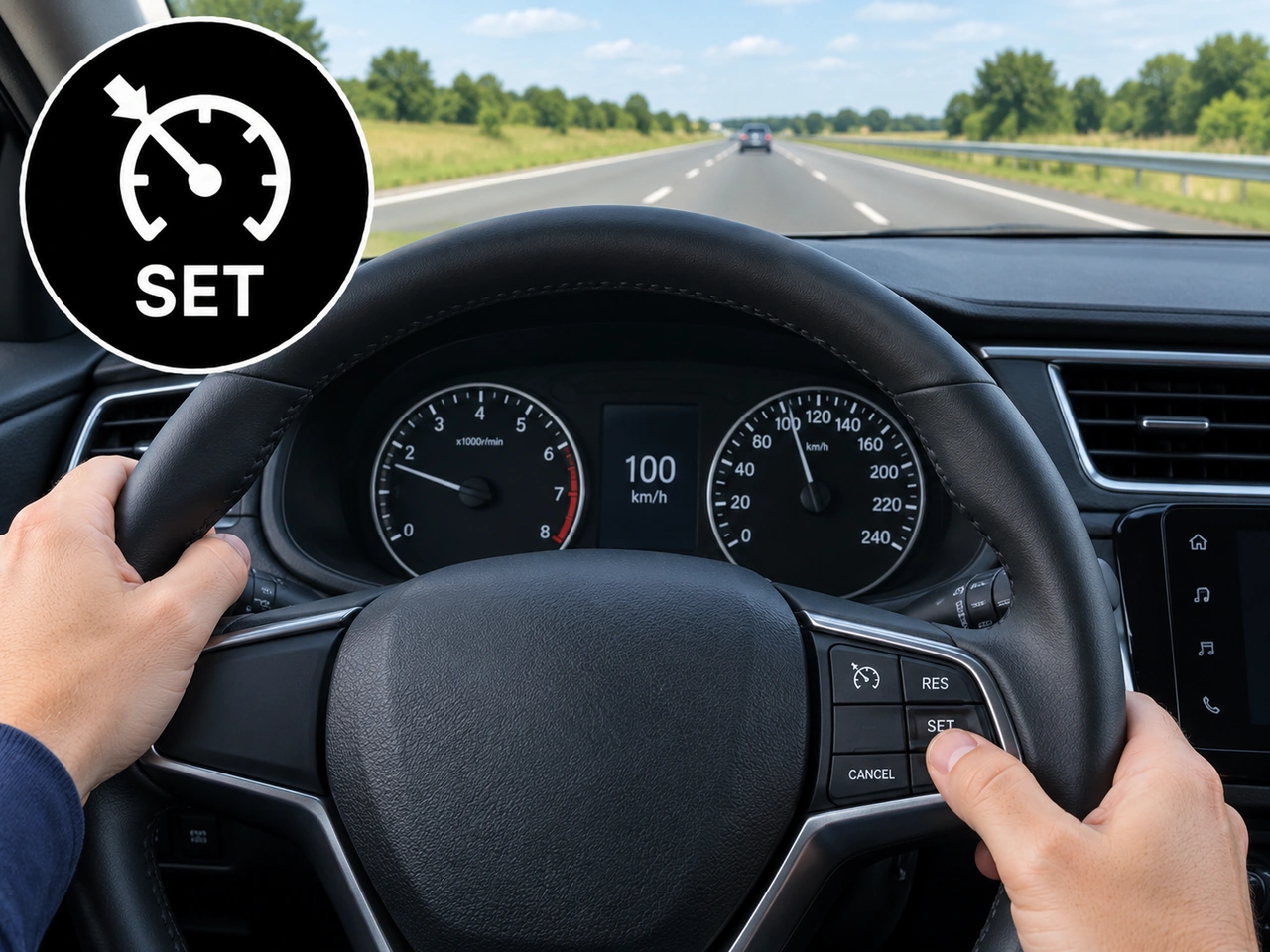
408. What does the SET function of cruise control normally do?
The SET function normally stores the vehicle's current speed as the cruise-control speed. Use it only when the road, traffic, and driving conditions are suitable.
AI-generated by Traffic-rules.com • WCIT • CC BY-SA
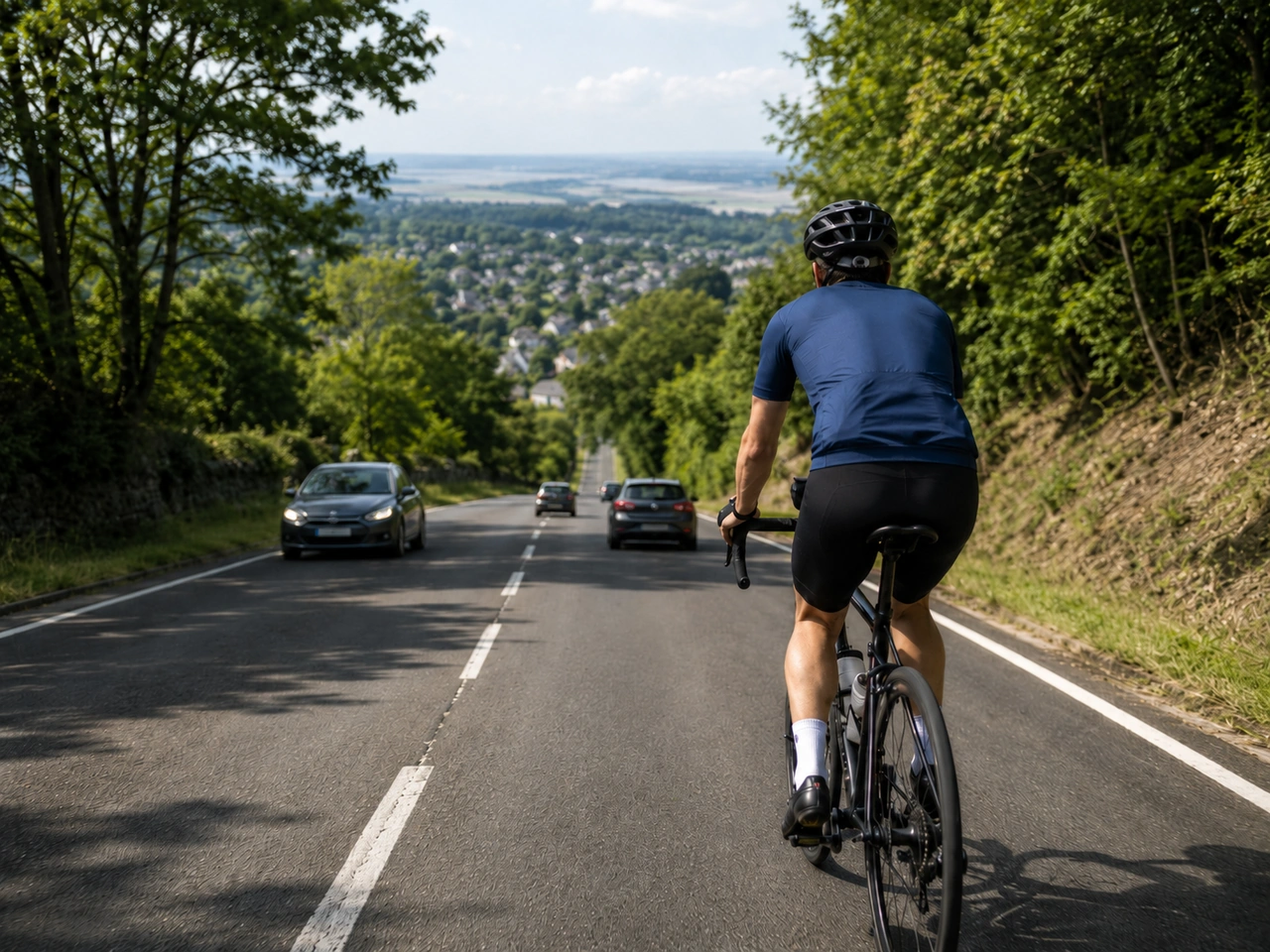
409. What should bicyclists do when cycling downhill?
Higher speed increases stopping distance and reduces reaction time. Maintain a speed that allows you to stop safely.
AI-generated by Traffic-rules.com • WCIT • CC BY-SA
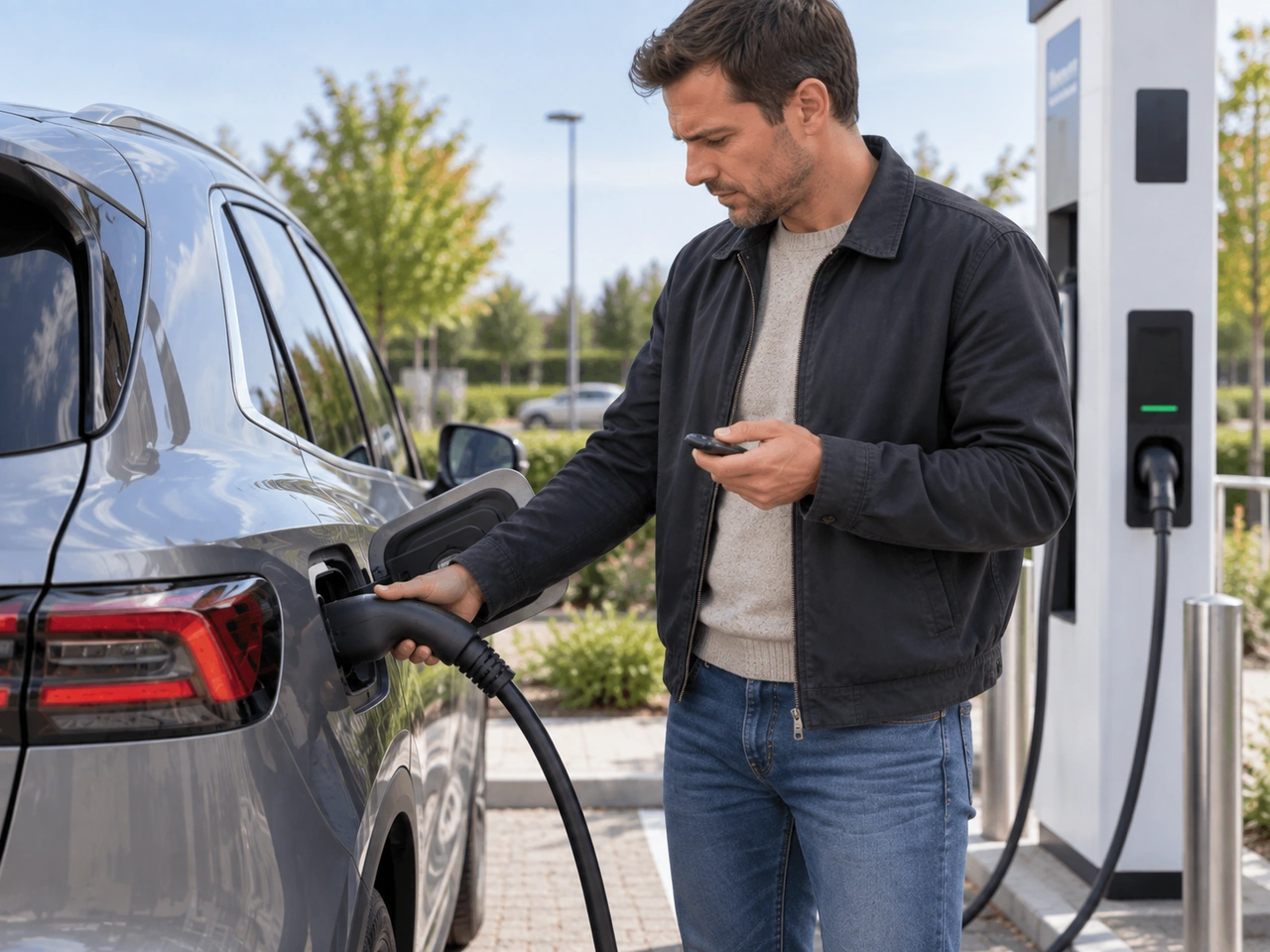
410. What should you do if an EV charging connector will not release from the vehicle?
Charging connectors may remain locked while charging or until the vehicle is unlocked. Stop the charging session and follow the vehicle or charger's release procedure. Never force the connector; if it remains stuck, seek appropriate assistance.
AI-generated by Traffic-rules.com • WCIT • CC BY-SA
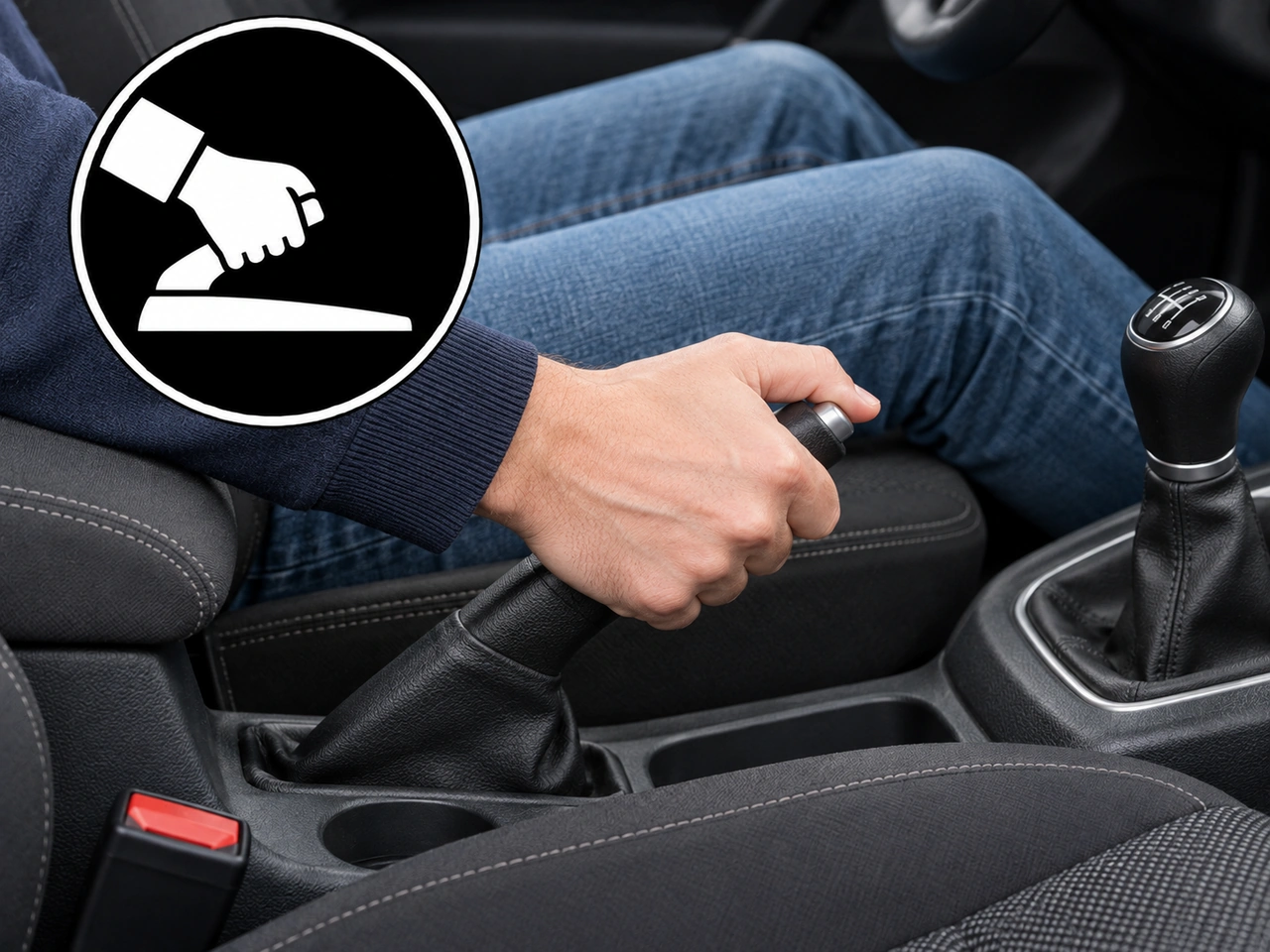
411. What is the purpose of the manual parking brake?
The manual parking brake helps keep the vehicle stationary when parked. It is normally applied by pulling up the parking brake lever and released before driving away.
AI-generated by Traffic-rules.com • WCIT • CC BY-SA
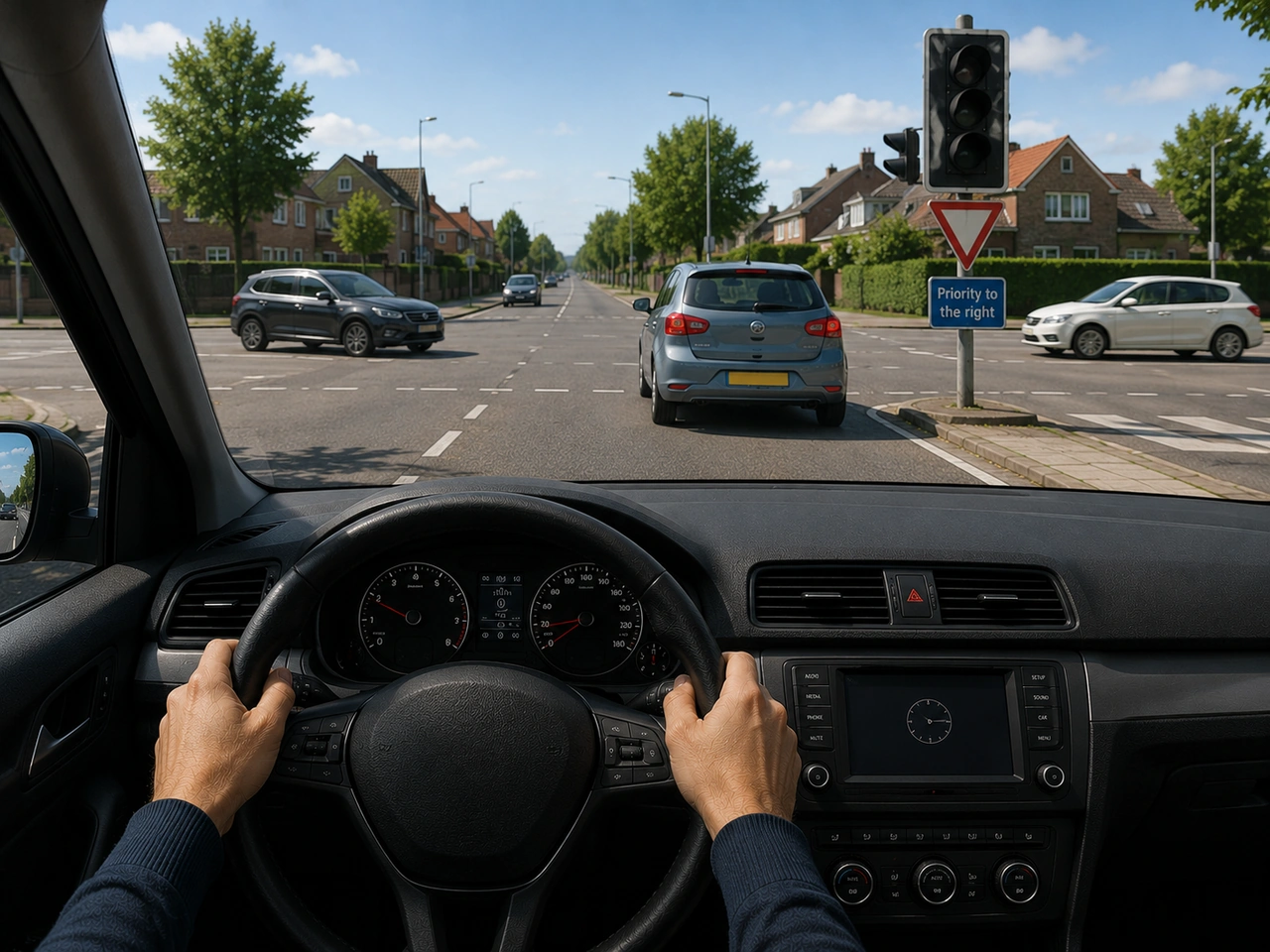
412. What should you do when traffic lights are not working?
If traffic lights are not working, slow down, observe carefully, and follow signs, road markings, or local right-of-way rules.
AI-generated by Traffic-rules.com • WCIT • CC BY-SA
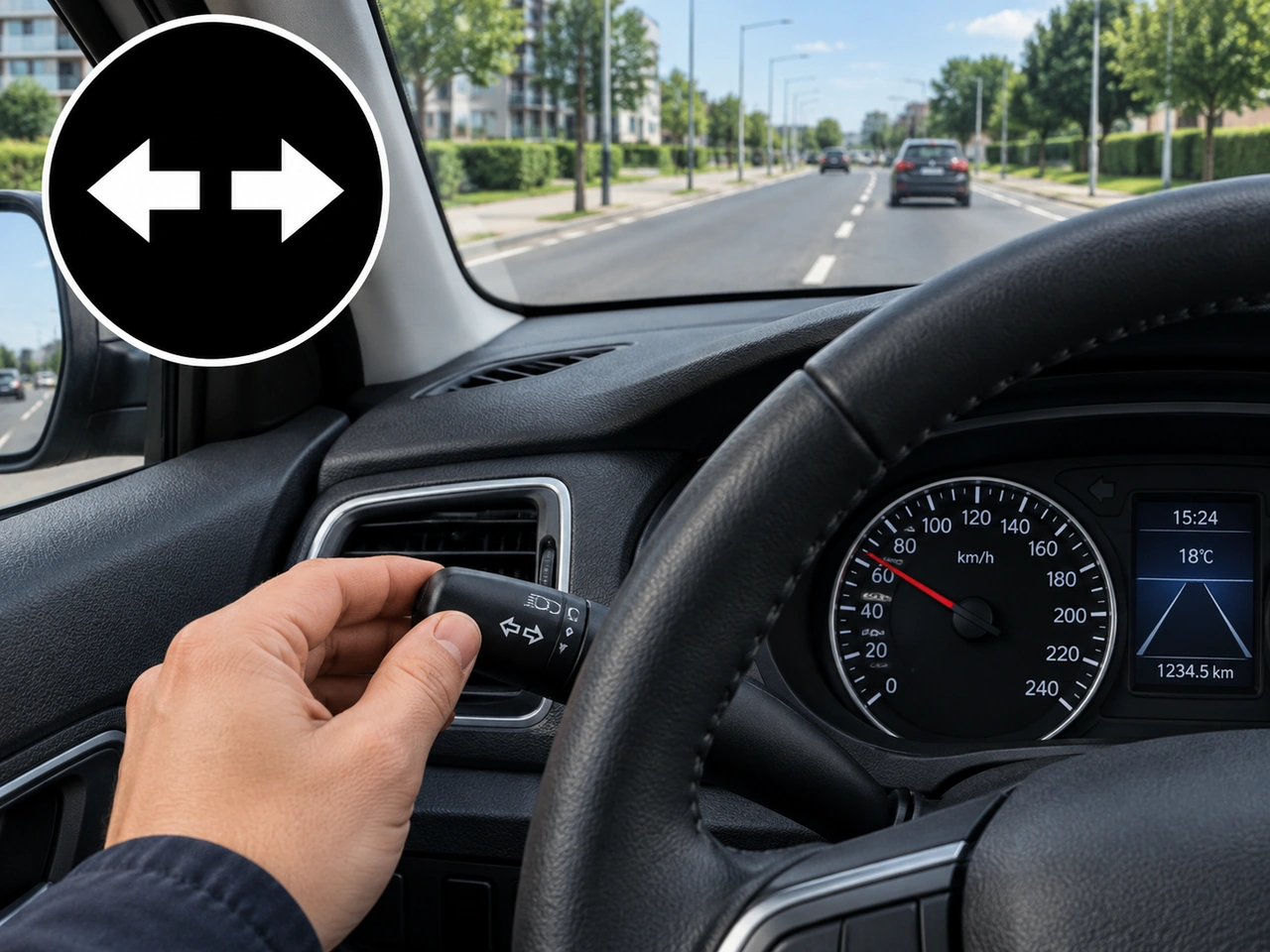
413. What should you do if a turn signal does not cancel after a turn?
Turn signals often cancel automatically after a turn, but if a turn signal remains on, return the turn signal control to its neutral position so you do not mislead other road users.
AI-generated by Traffic-rules.com • WCIT • CC BY-SA
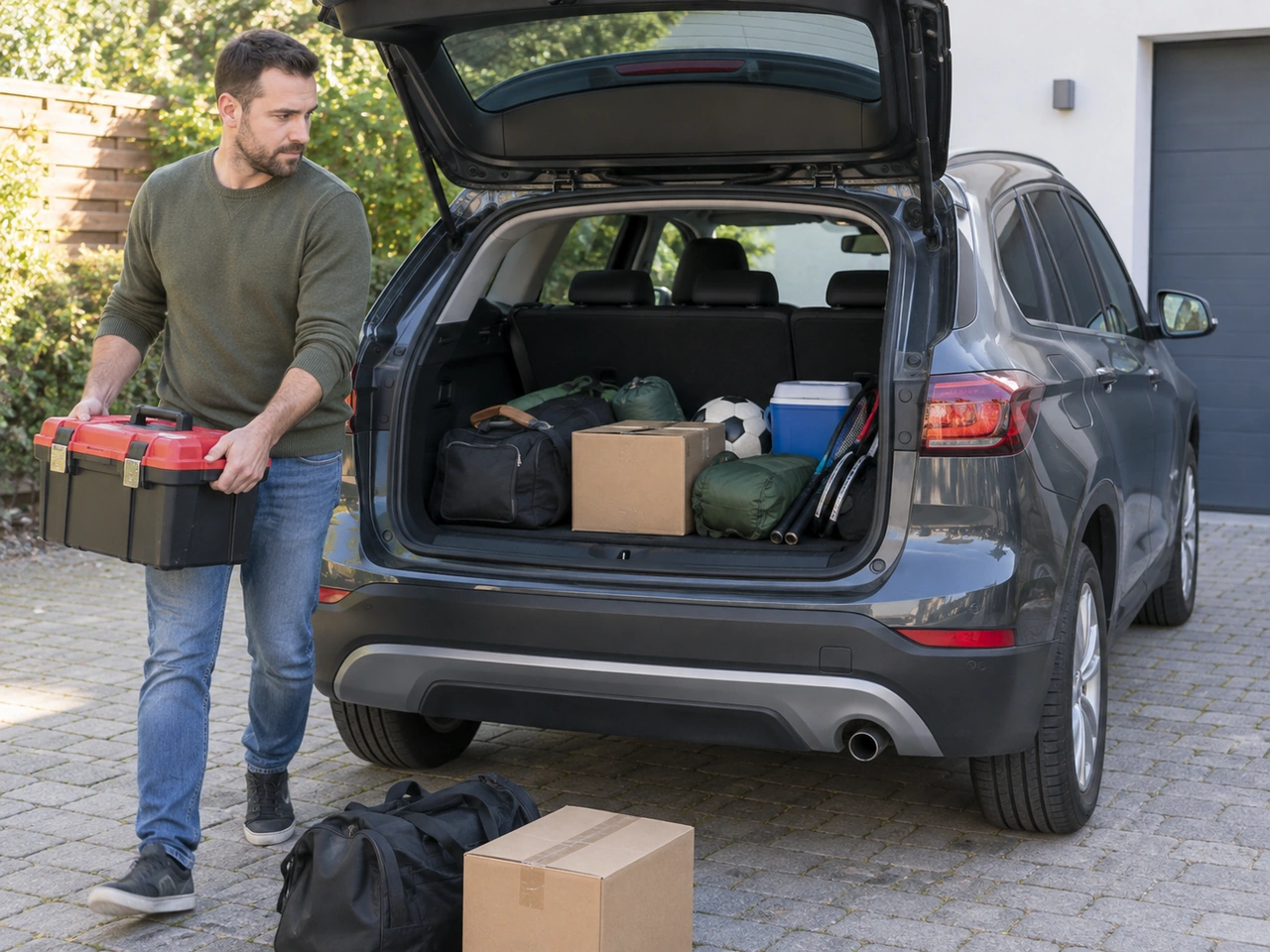
414. How can unnecessary weight affect a vehicle's energy use?
Extra weight generally requires more energy when accelerating and climbing. Removing unnecessary heavy items can help reduce fuel or energy consumption while keeping all essential equipment in the vehicle.
AI-generated by Traffic-rules.com • WCIT • CC BY-SA

415. What should you do before a long trip to reduce the risk of driver fatigue?
Getting enough sleep before a long trip helps reduce the risk of driver fatigue. Plan breaks in advance and avoid starting a long drive when you are already tired.
AI-generated by Traffic-rules.com • WCIT • CC BY-SA
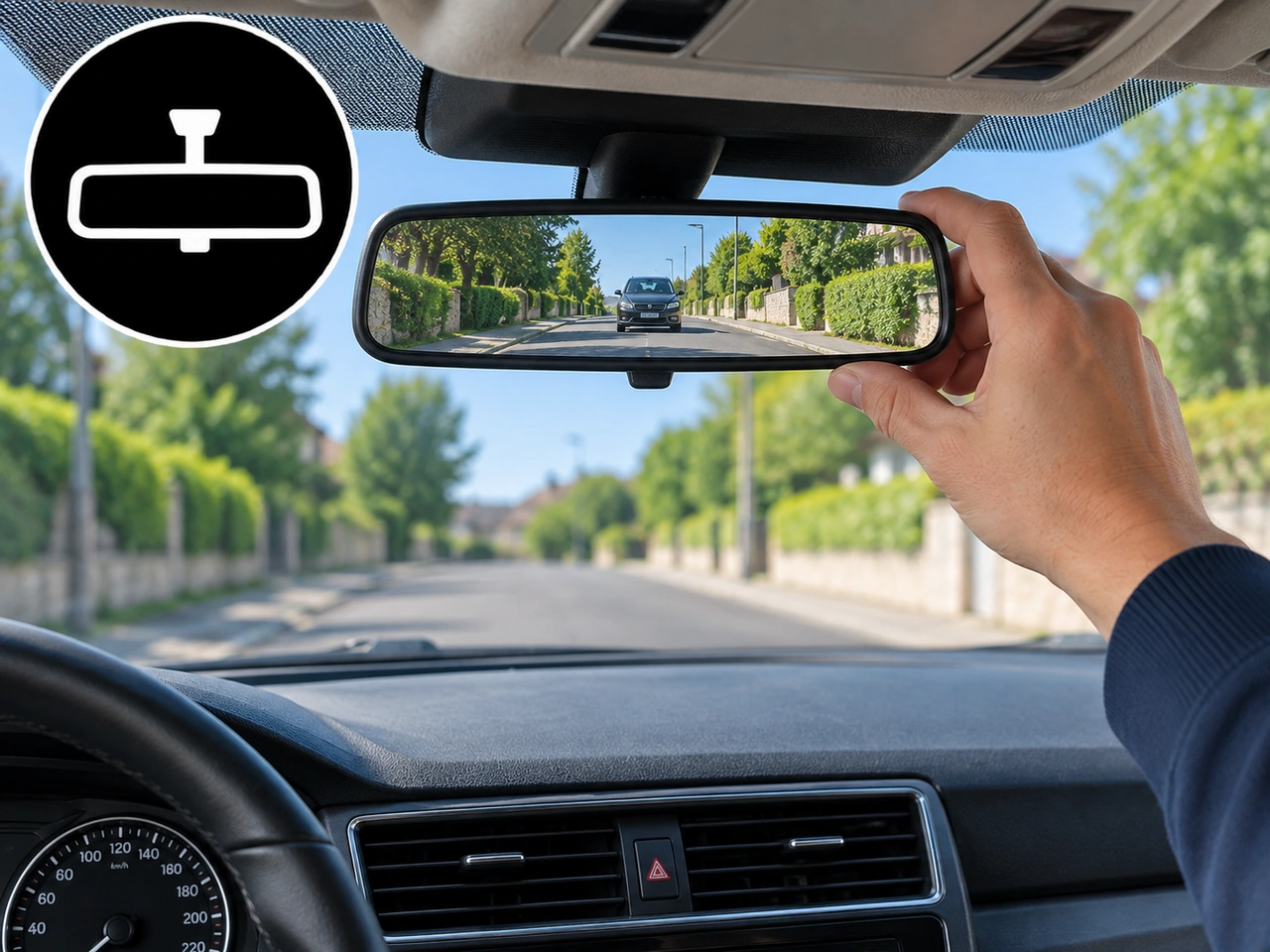
416. How should the interior rearview mirror be adjusted?
Adjust the interior rearview mirror before driving so that you have a clear view through the rear window without needing to move your head significantly.
AI-generated by Traffic-rules.com • WCIT • CC BY-SA
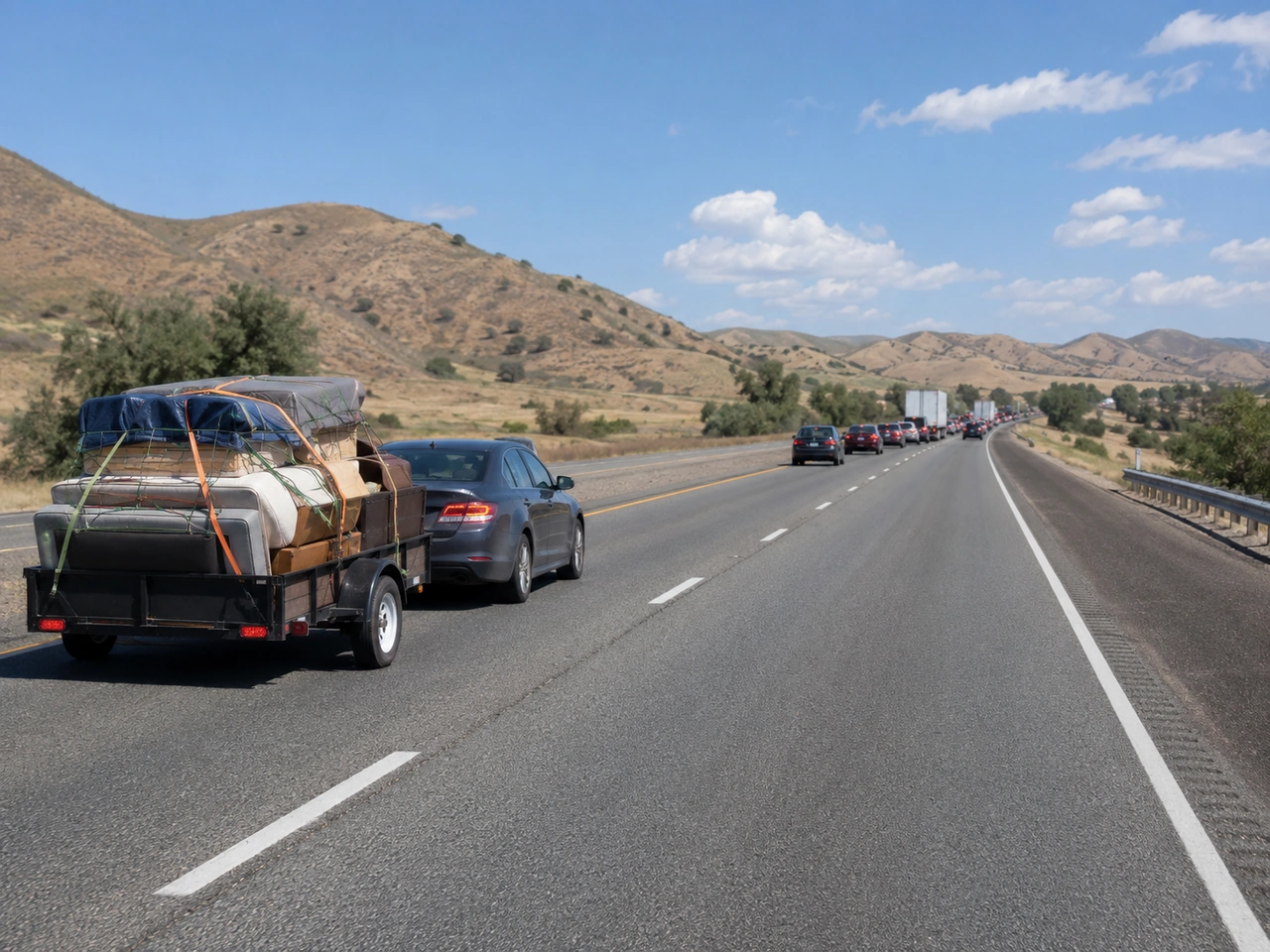
417. How can a heavy load affect stopping distance?
A heavily loaded vehicle has more mass and may require additional distance to slow down or stop safely.
AI-generated by Traffic-rules.com • WCIT • CC BY-SA
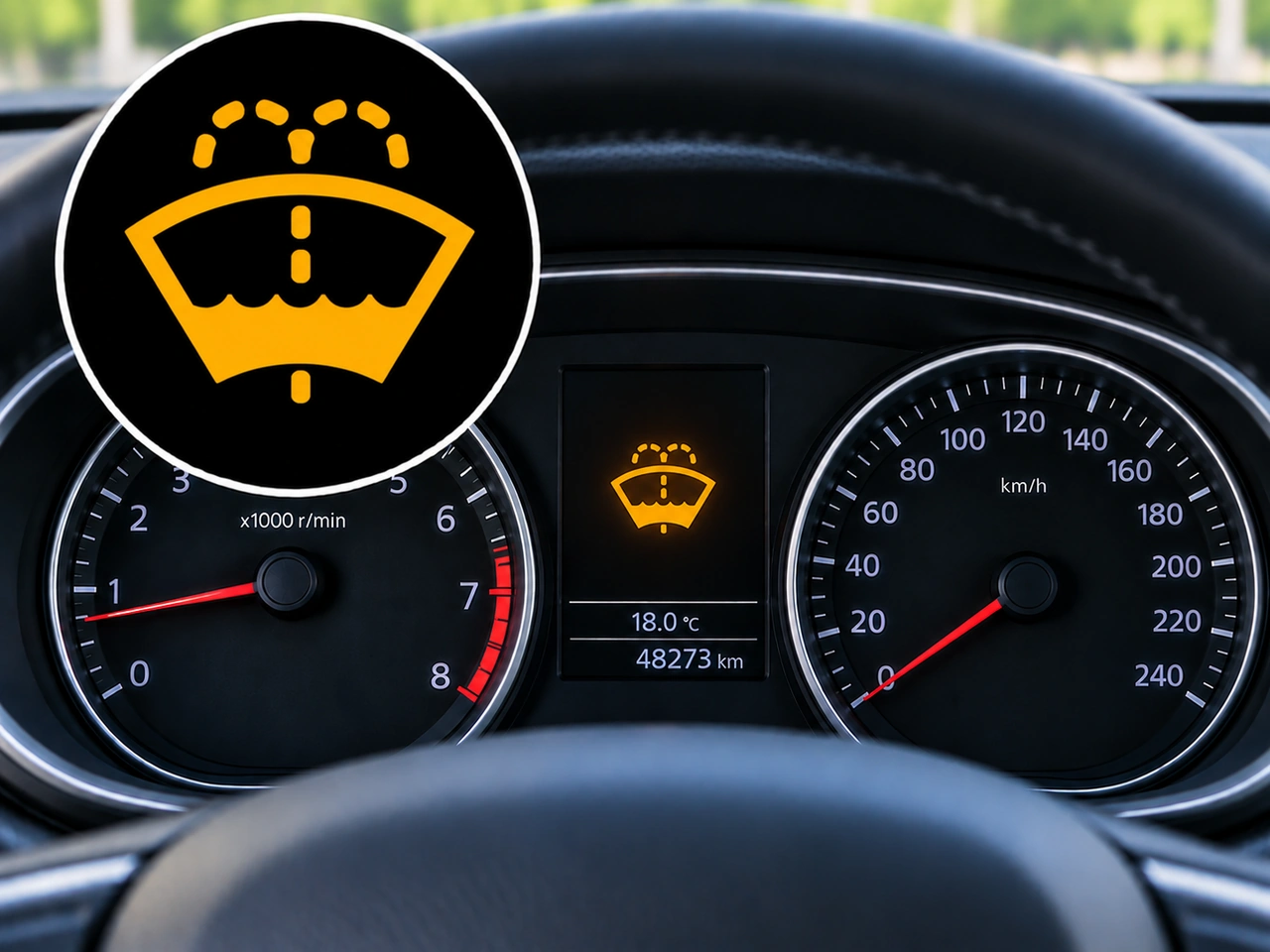
418. What does this dashboard symbol indicate?
This symbol indicates that the windshield washer fluid level is low. Refill the washer-fluid reservoir with suitable fluid when possible.
AI-generated by Traffic-rules.com • WCIT • CC BY-SA
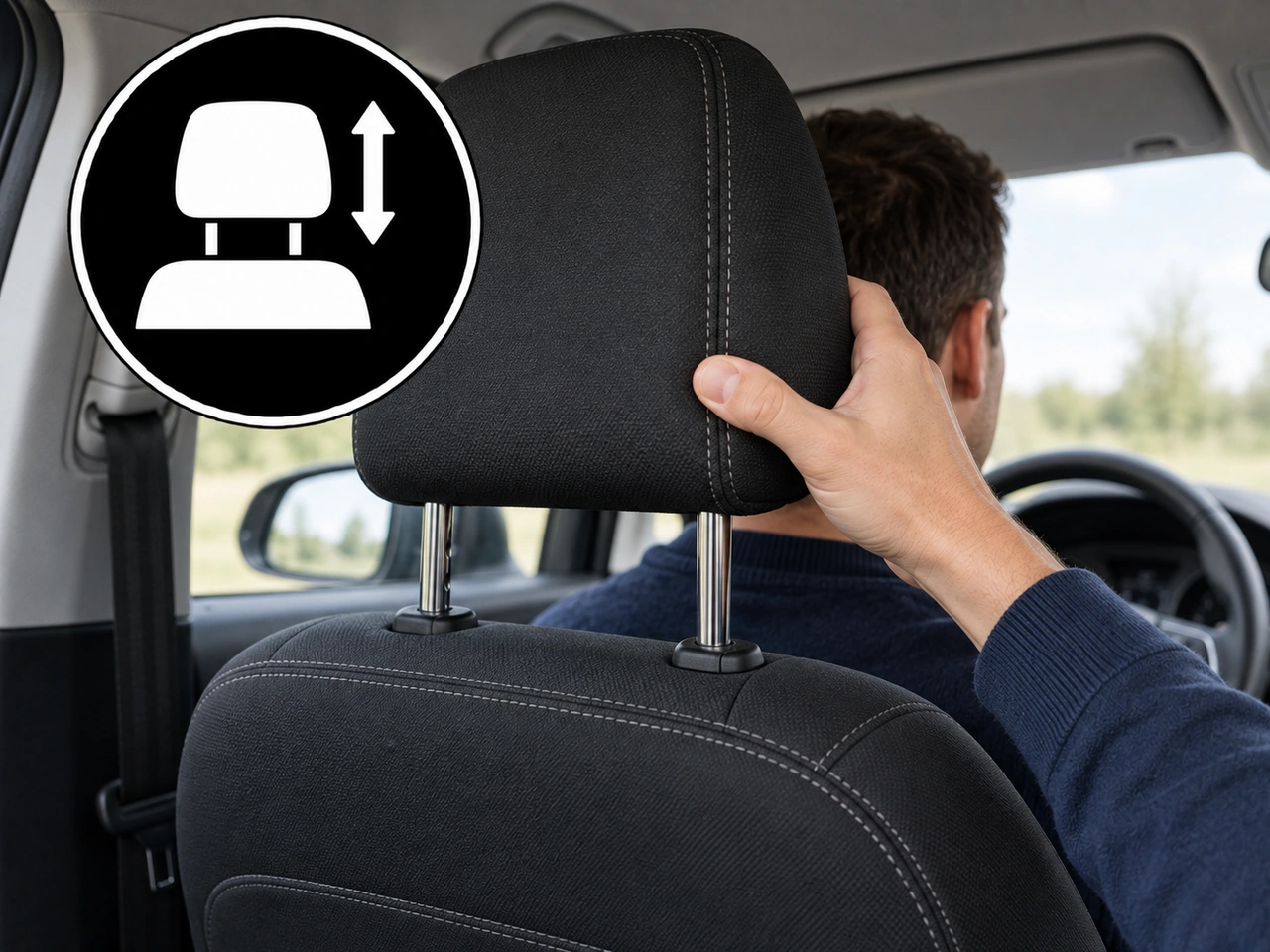
419. Why should the head restraint be adjusted correctly?
A correctly adjusted head restraint helps support the head and can reduce the risk of neck injury, especially in a rear-end collision. The top of the restraint should normally be level with the top of the head.
AI-generated by Traffic-rules.com • WCIT • CC BY-SA
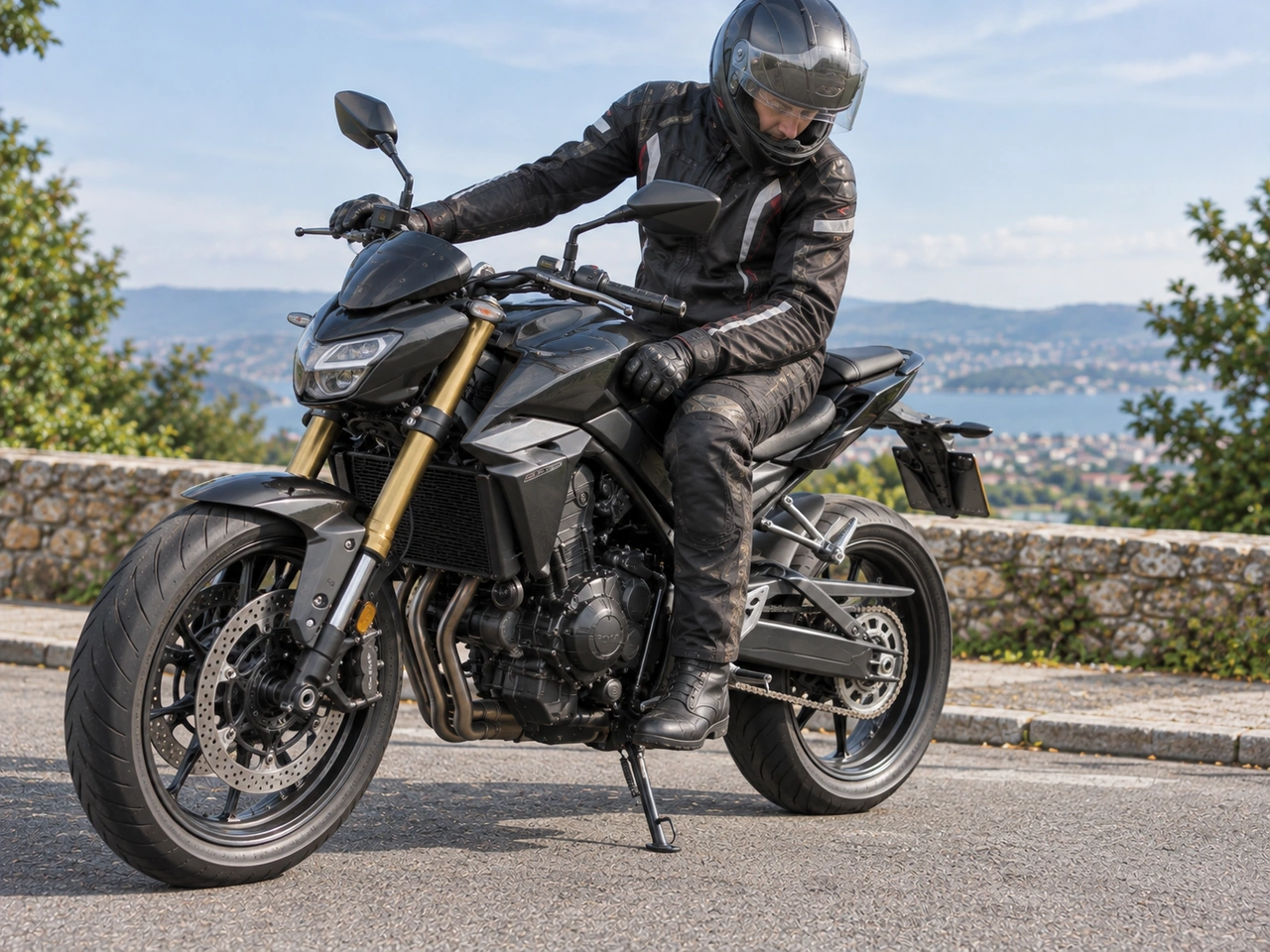
420. Should the side stand be fully raised before riding a motorcycle?
The side stand should be fully raised before riding. If it remains down, it may strike the road surface, particularly when turning, and could cause the rider to lose control.
AI-generated by Traffic-rules.com • WCIT • CC BY-SA
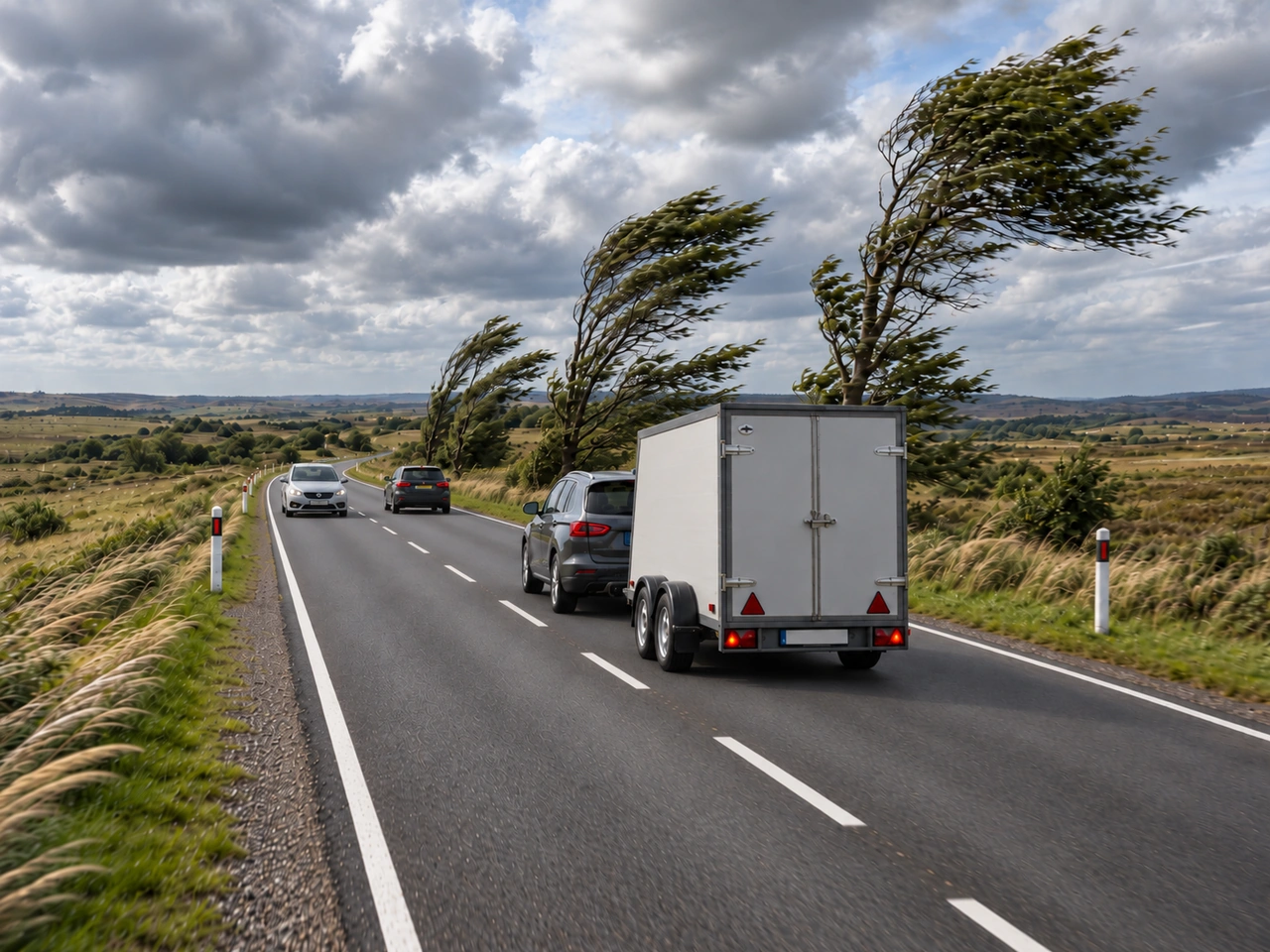
421. How can strong crosswinds affect a vehicle towing a trailer?
Trailers have large side surfaces and may be affected strongly by wind, especially on bridges and exposed roads.
AI-generated by Traffic-rules.com • WCIT • CC BY-SA
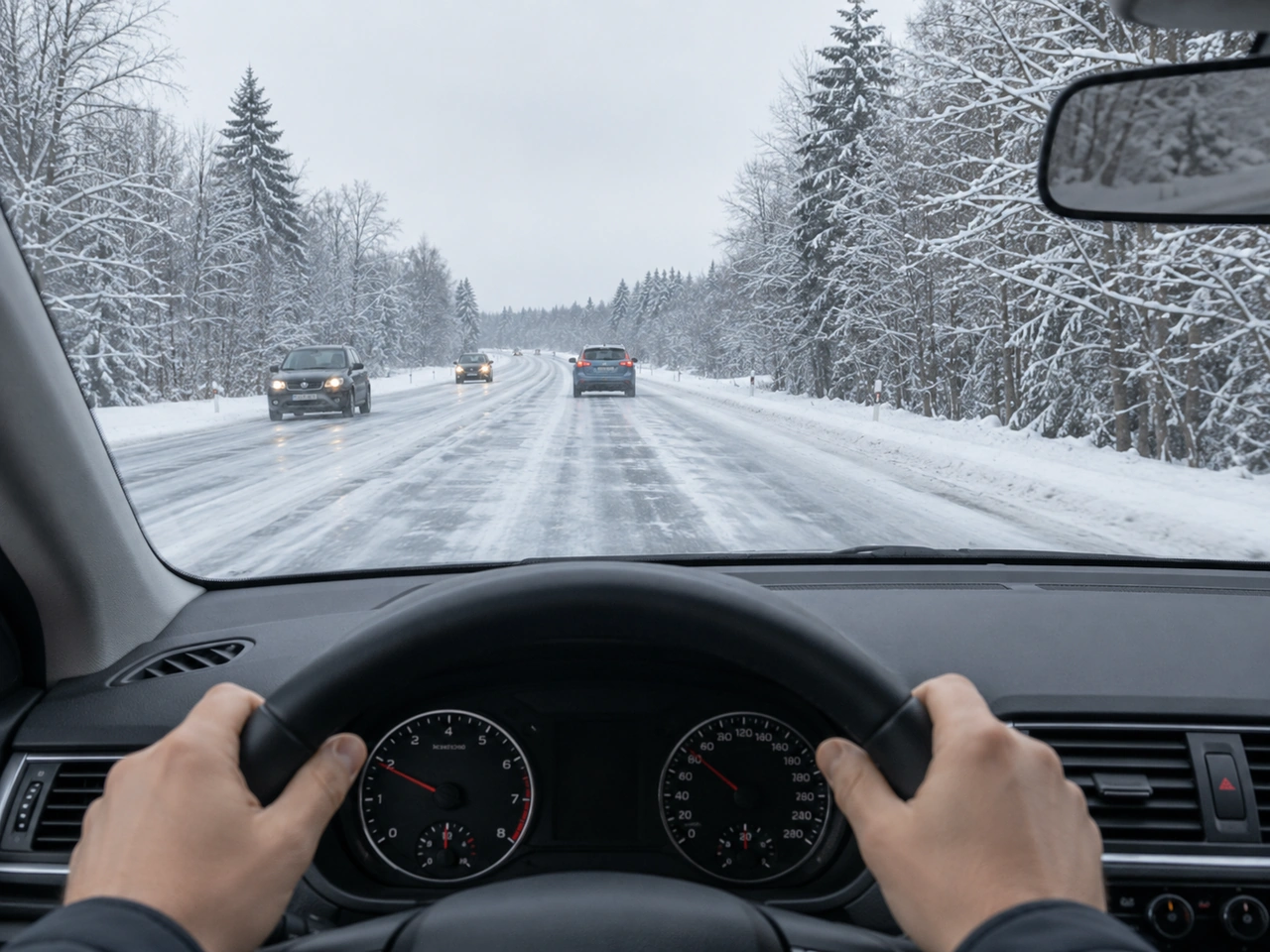
422. Why should you leave a much larger following distance on an icy road?
Tires have much less grip on ice, so braking takes longer. Extra distance gives you more time to slow down safely.
AI-generated by Traffic-rules.com • WCIT • CC BY-SA
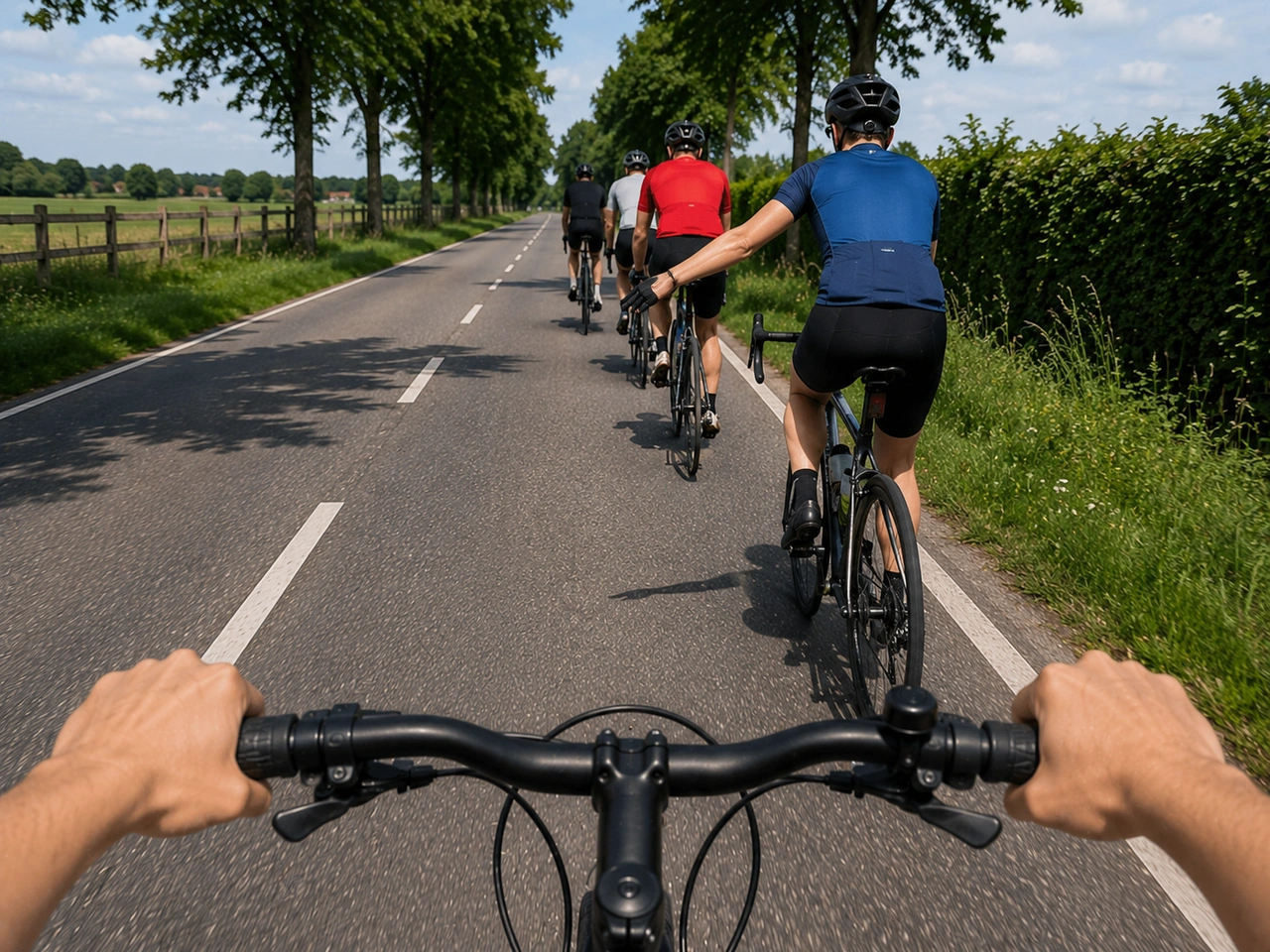
423. How should bicyclists ride when traveling in a group?
Safe spacing and communication help group members respond to braking, turns, obstacles, and changing traffic conditions.
AI-generated by Traffic-rules.com • WCIT • CC BY-SA
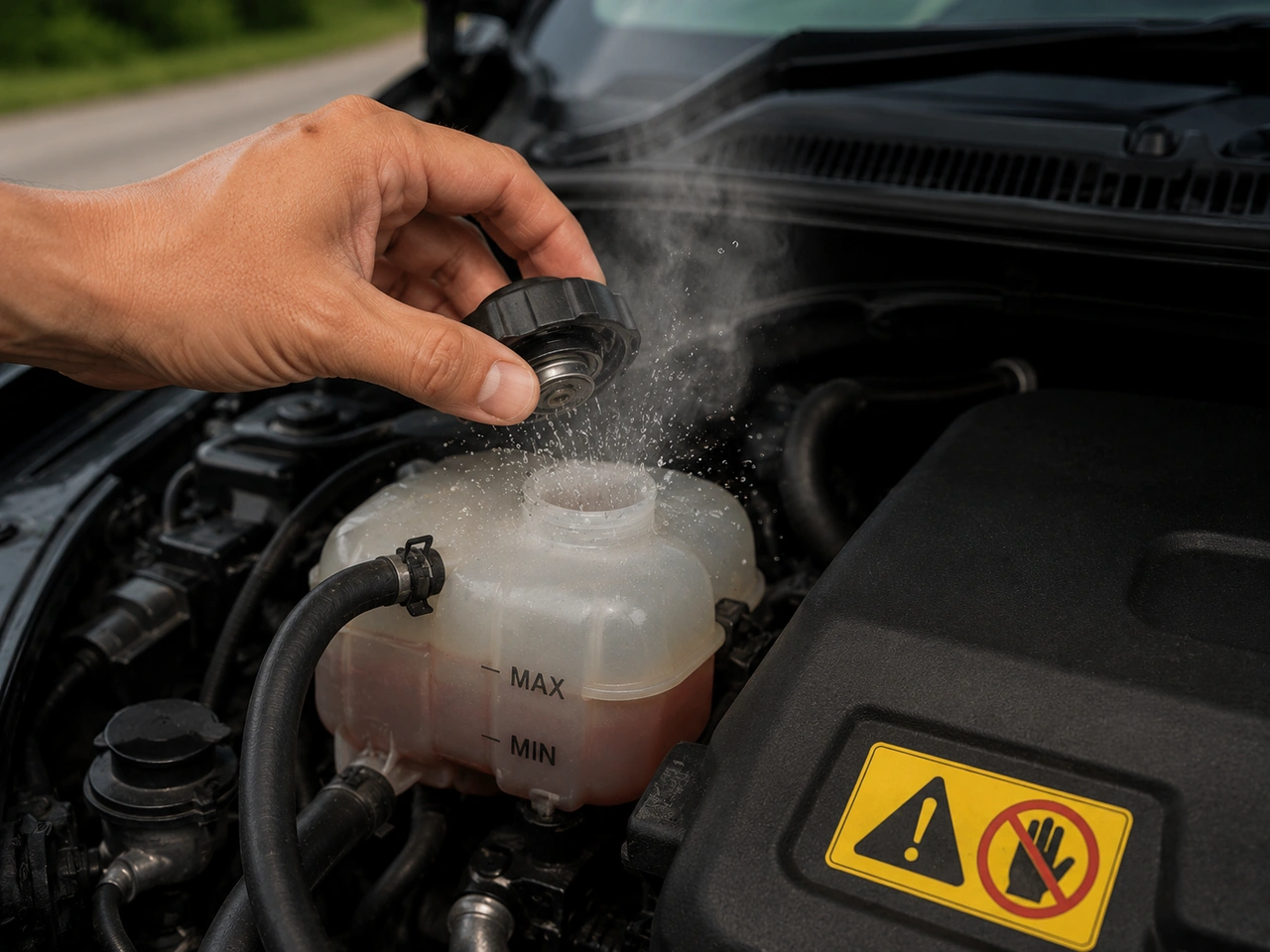
424. Why should you avoid removing the coolant cap while the engine is hot?
A hot cooling system may remain under pressure. Allow the engine to cool and follow the manufacturer's instructions before checking or adding coolant.
AI-generated by Traffic-rules.com • WCIT • CC BY-SA
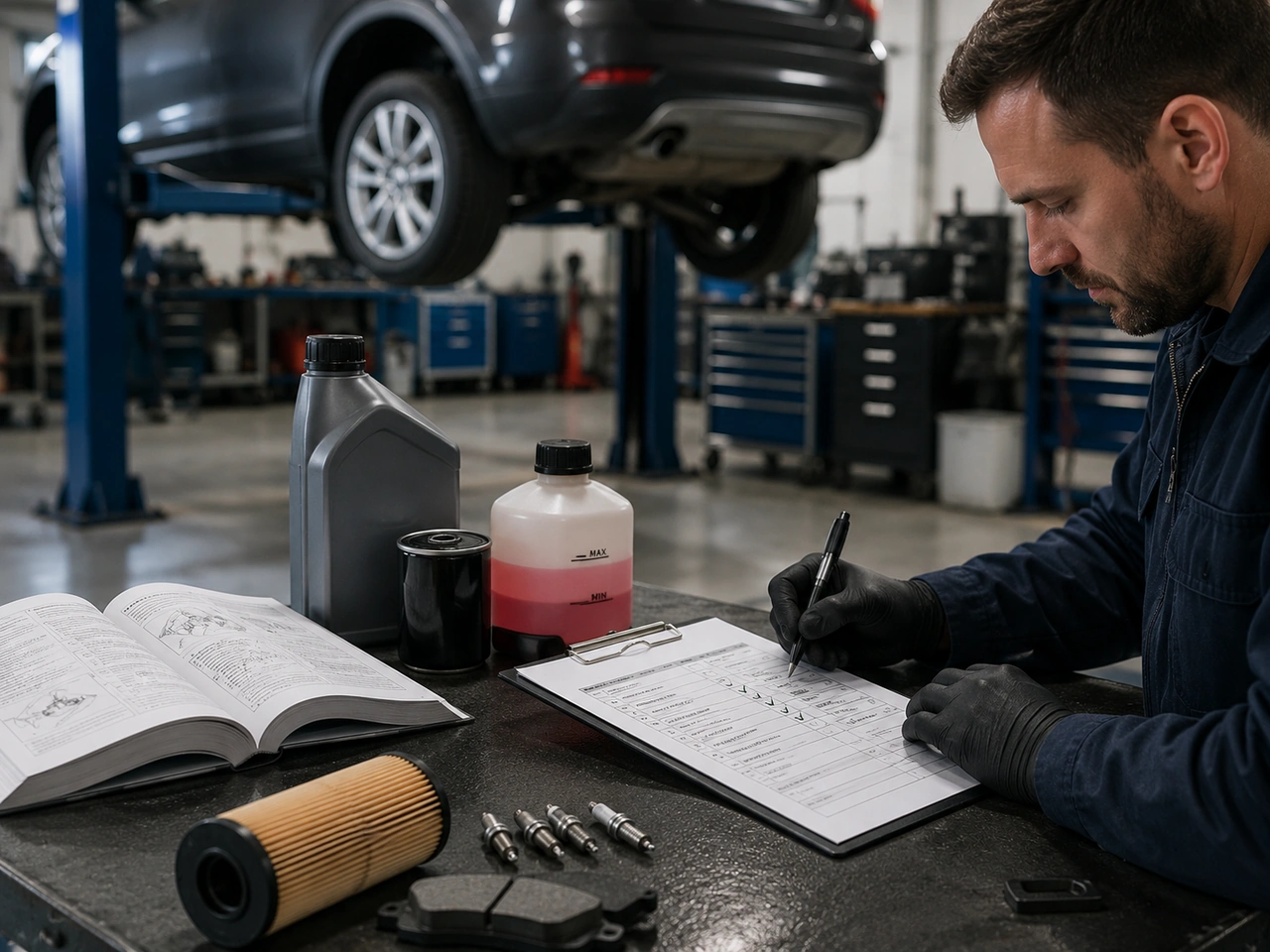
425. Why should you follow the manufacturer's service schedule?
Scheduled maintenance helps ensure that brakes, tires, fluids, filters, steering, suspension, and other important systems are checked and maintained before faults become more serious.
AI-generated by Traffic-rules.com • WCIT • CC BY-SA
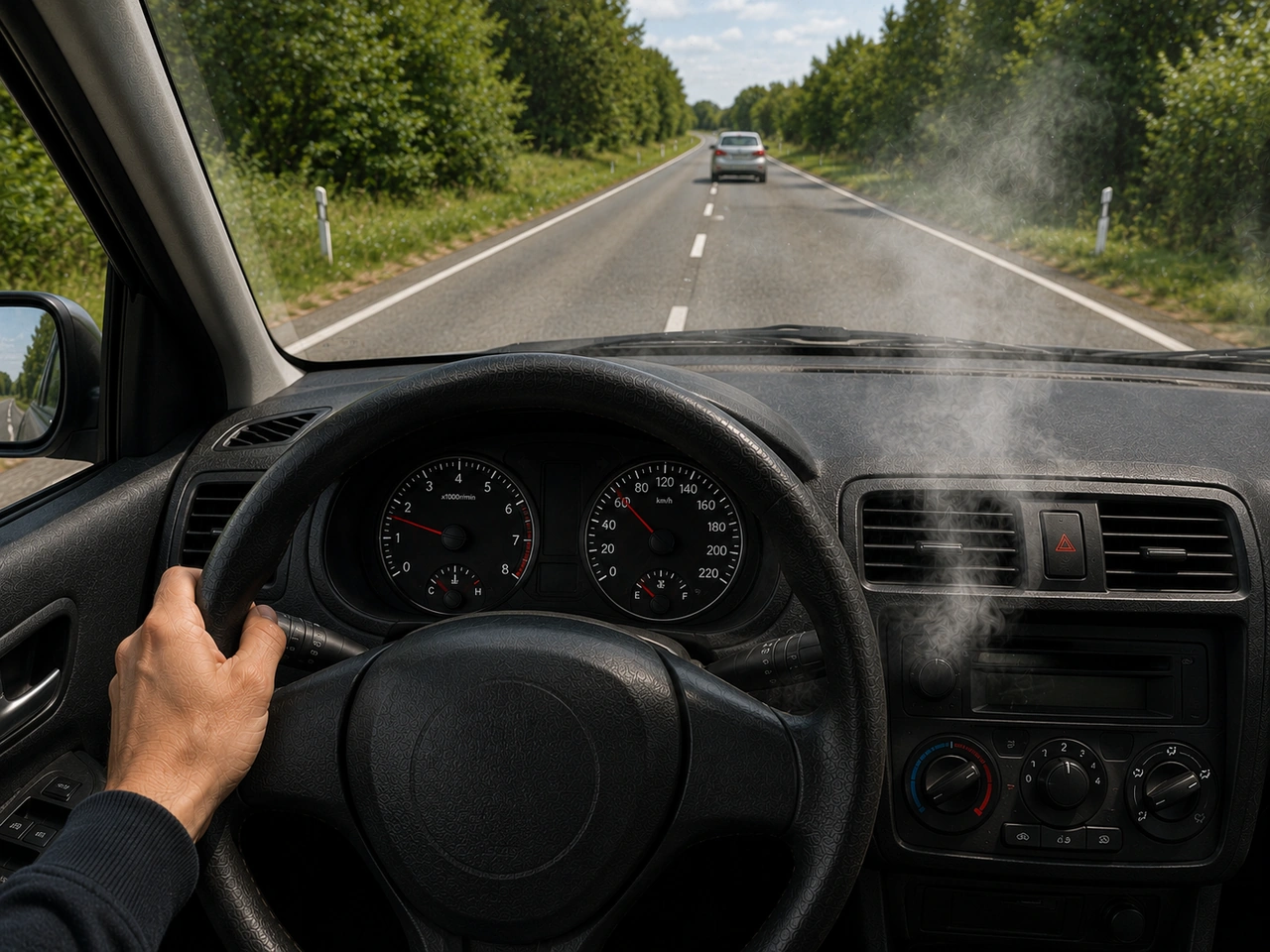
426. What should you do if exhaust fumes begin entering the car?
Exhaust gases may contain carbon monoxide, which is poisonous and may not be visible. The exhaust system should be inspected before the vehicle is used again.
AI-generated by Traffic-rules.com • WCIT • CC BY-SA
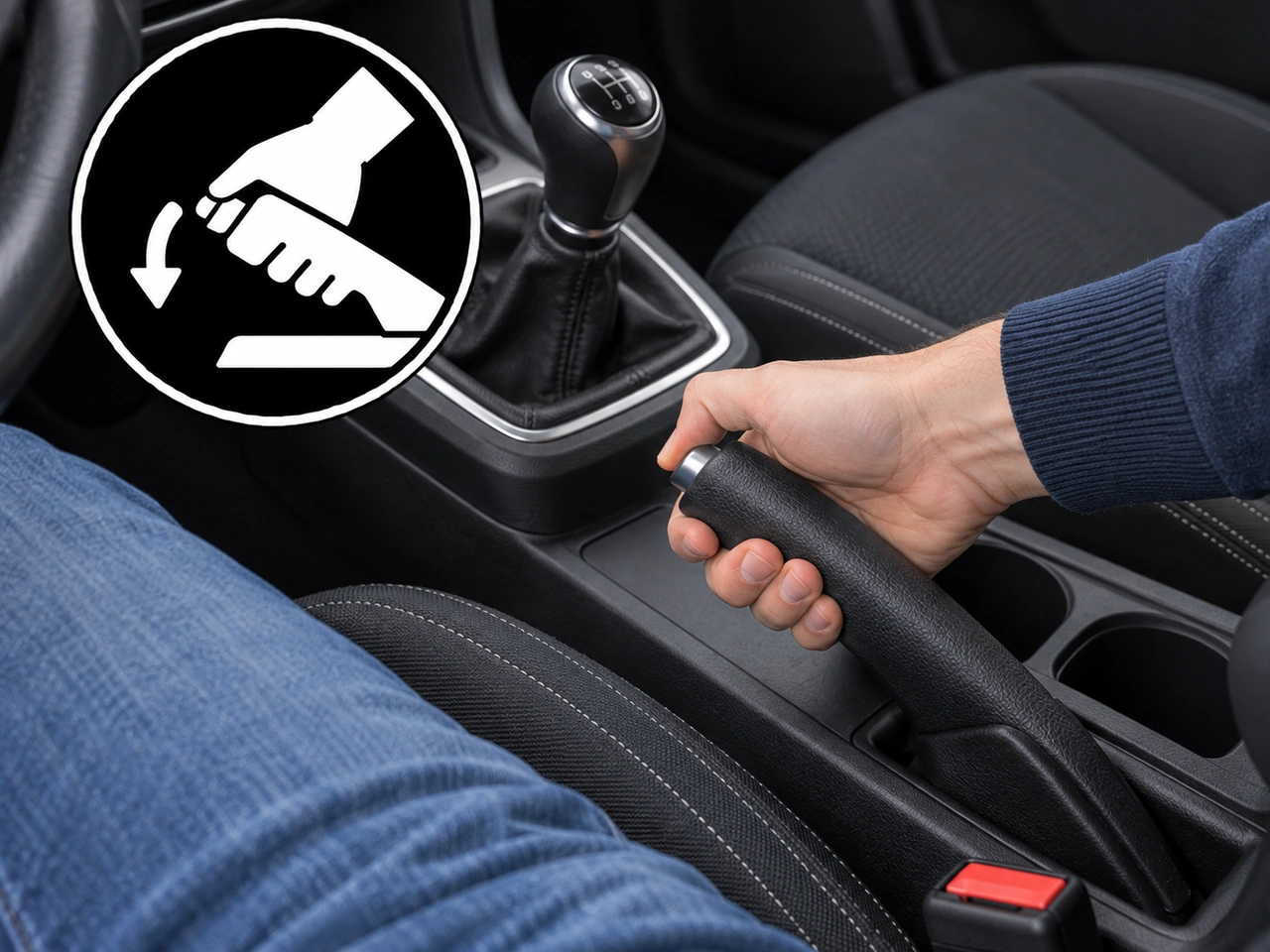
427. What should you do with a manual parking brake before driving away?
The manual parking brake should be released fully before driving away. Driving with it partly applied can cause unnecessary brake wear and overheating.
AI-generated by Traffic-rules.com • WCIT • CC BY-SA
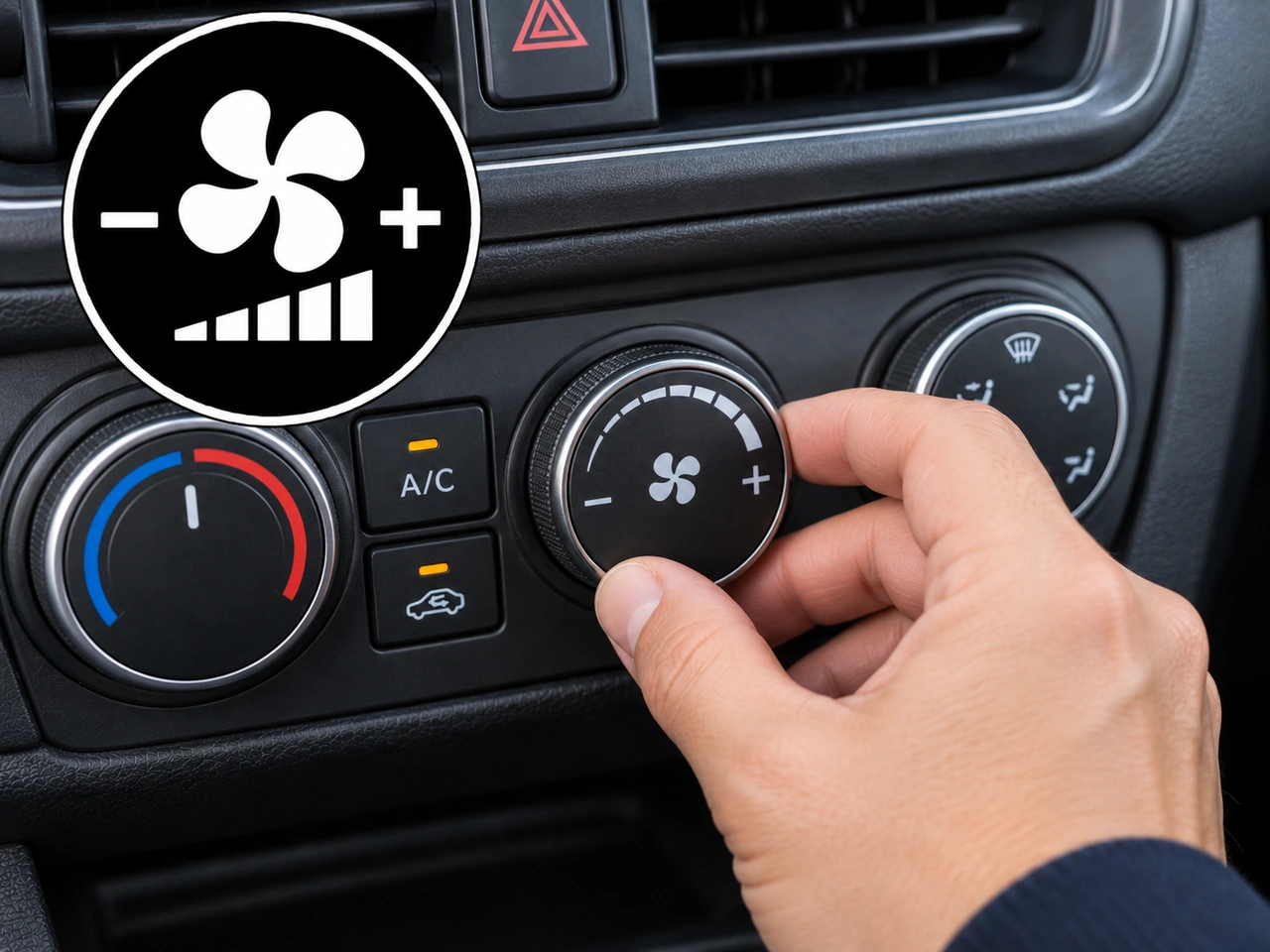
428. What does this vehicle-control symbol indicate?
This control adjusts the cabin ventilation fan speed. Increasing the setting moves more air through the vehicle's ventilation and climate-control system.
AI-generated by Traffic-rules.com • WCIT • CC BY-SA
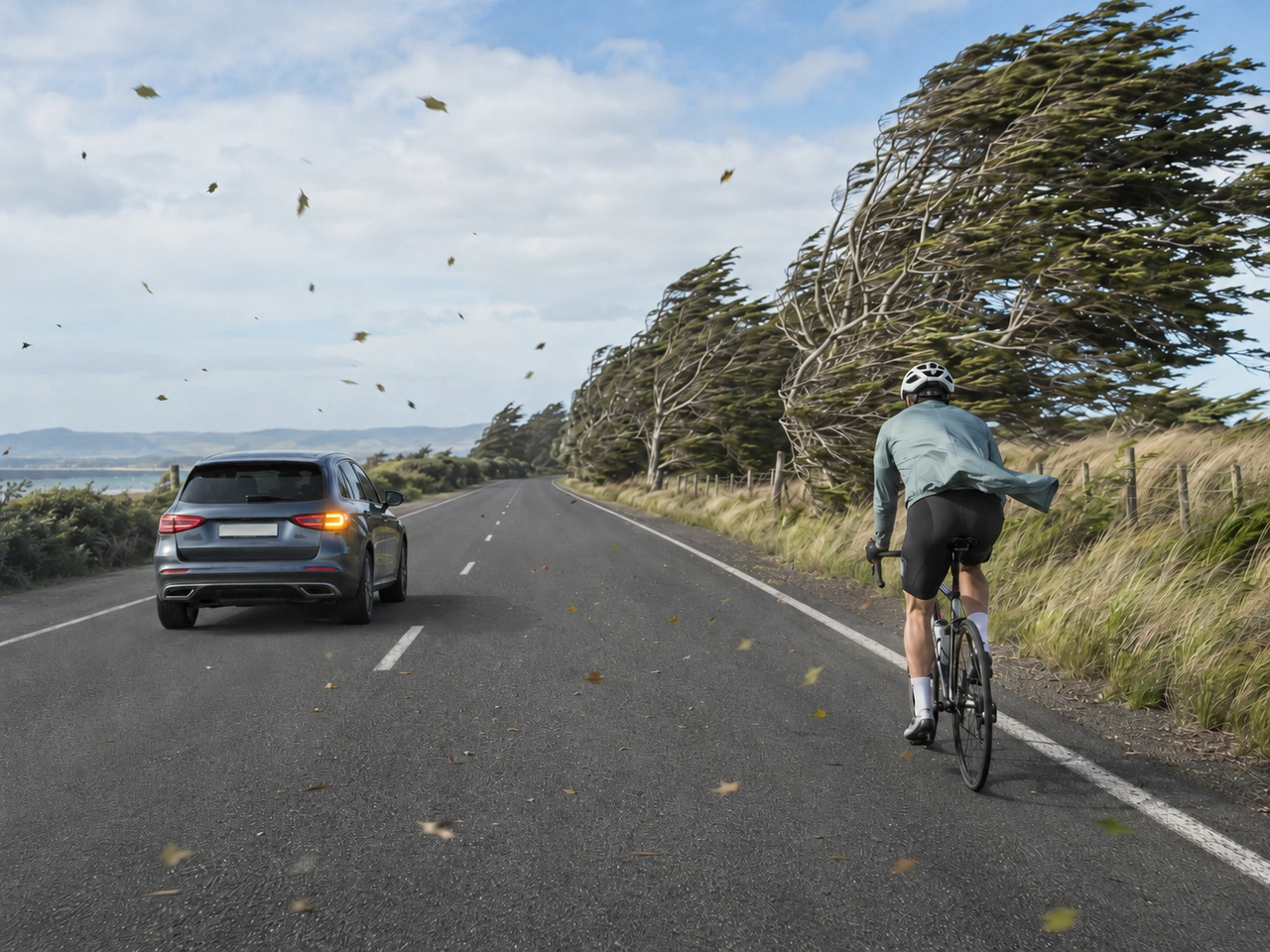
429. Why should you leave extra space when passing bicyclists in strong winds?
Strong gusts can affect bicyclists' balance and direction. Extra passing space reduces the risk of a collision.
AI-generated by Traffic-rules.com • WCIT • CC BY-SA
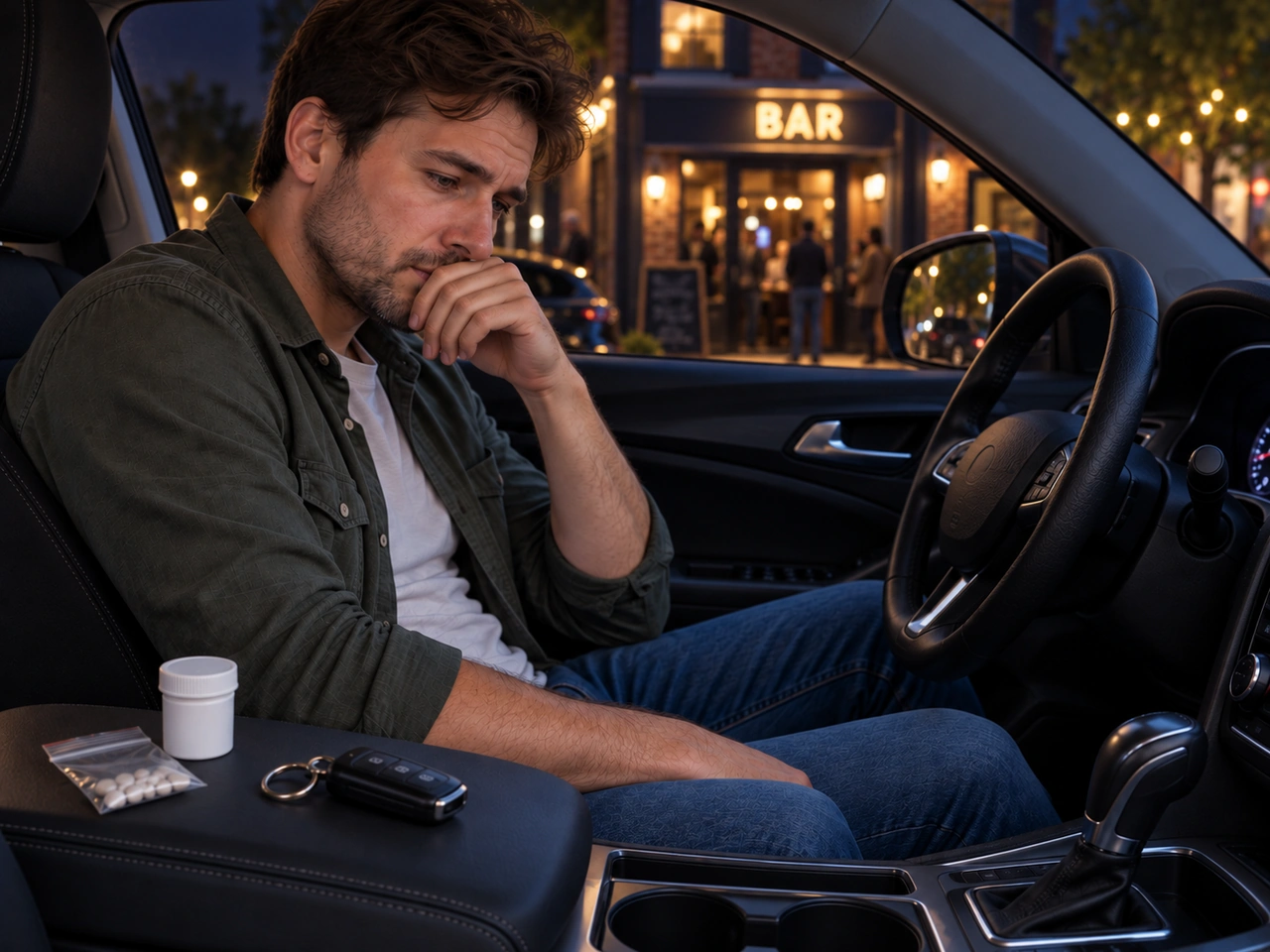
430. What should you do if you have taken drugs that may impair your driving?
Drugs can impair judgment, coordination, concentration, and reaction time. Their effects can be unpredictable and may continue after you feel that the main effects have passed. Do not drive while impaired.
AI-generated by Traffic-rules.com • WCIT • CC BY-SA
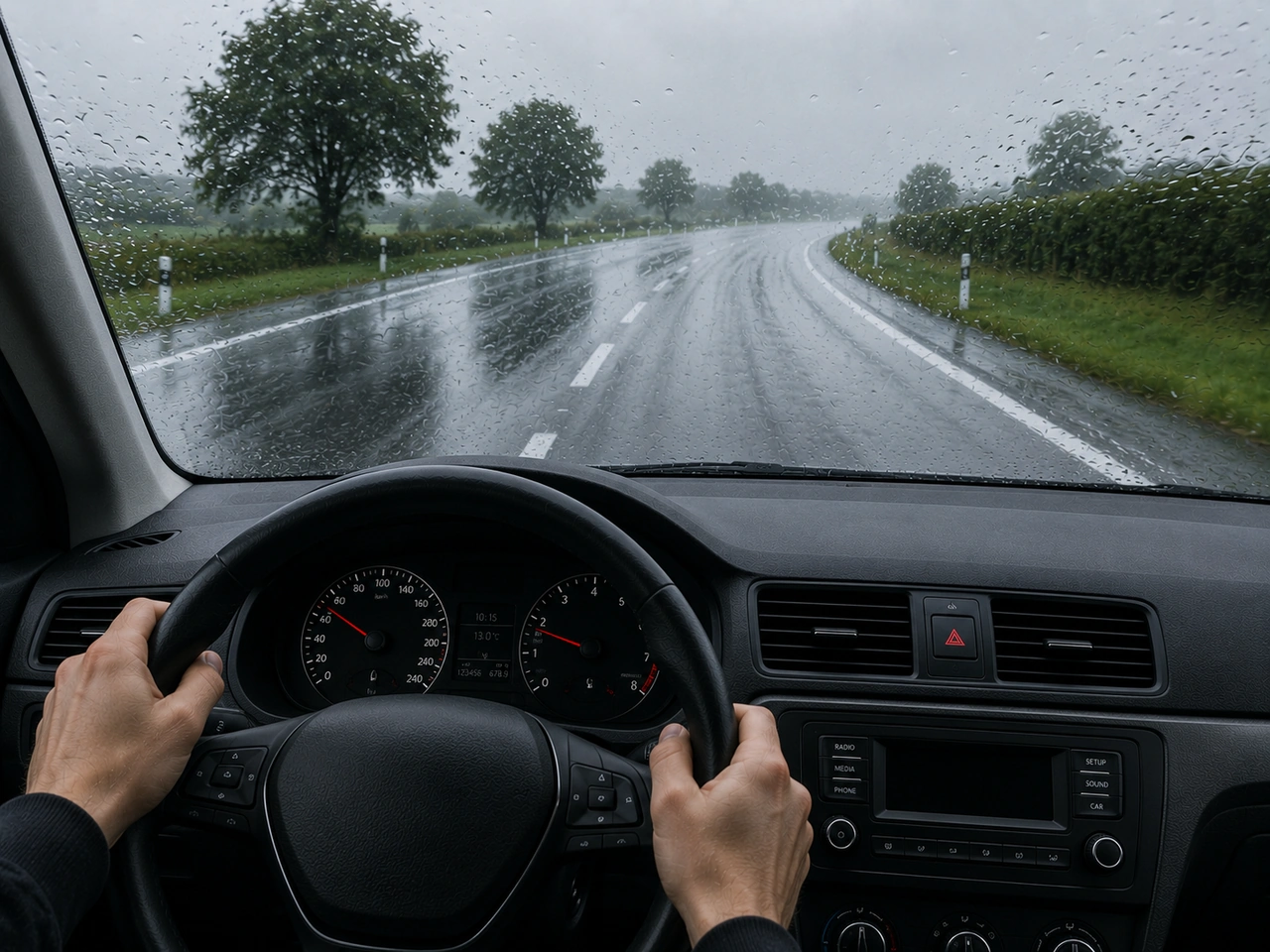
431. What should you do if your vehicle begins to aquaplane?
Hydroplaning happens when the tires lose contact with the road surface. Ease off the accelerator, avoid sudden movements, and wait for grip to return.
AI-generated by Traffic-rules.com • WCIT • CC BY-SA
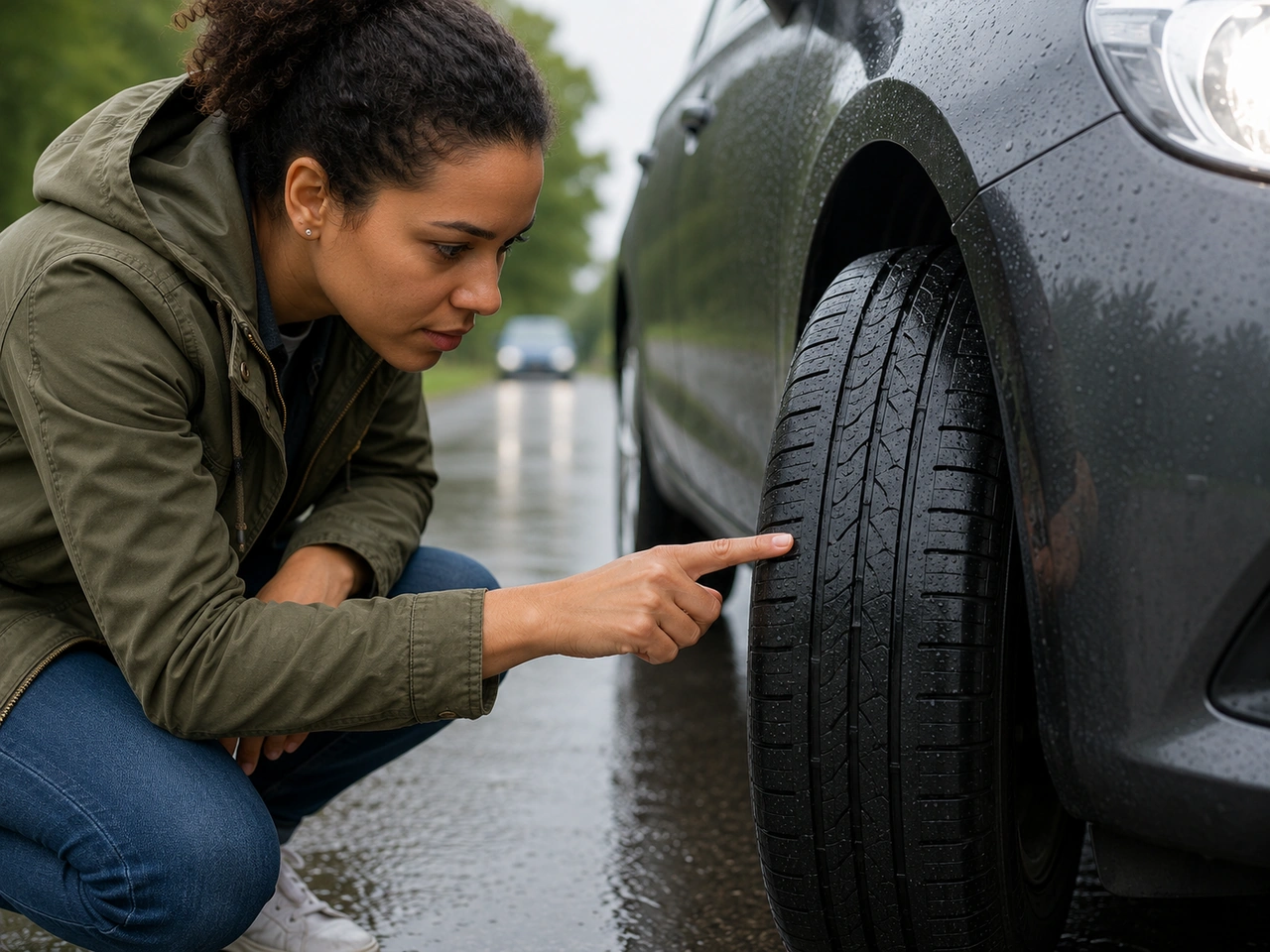
432. Why is adequate tire tread important?
Tire tread helps the vehicle grip the road and disperse water. Worn tread increases the risk of skidding and hydroplaning, especially in wet conditions.
AI-generated by Traffic-rules.com • WCIT • CC BY-SA
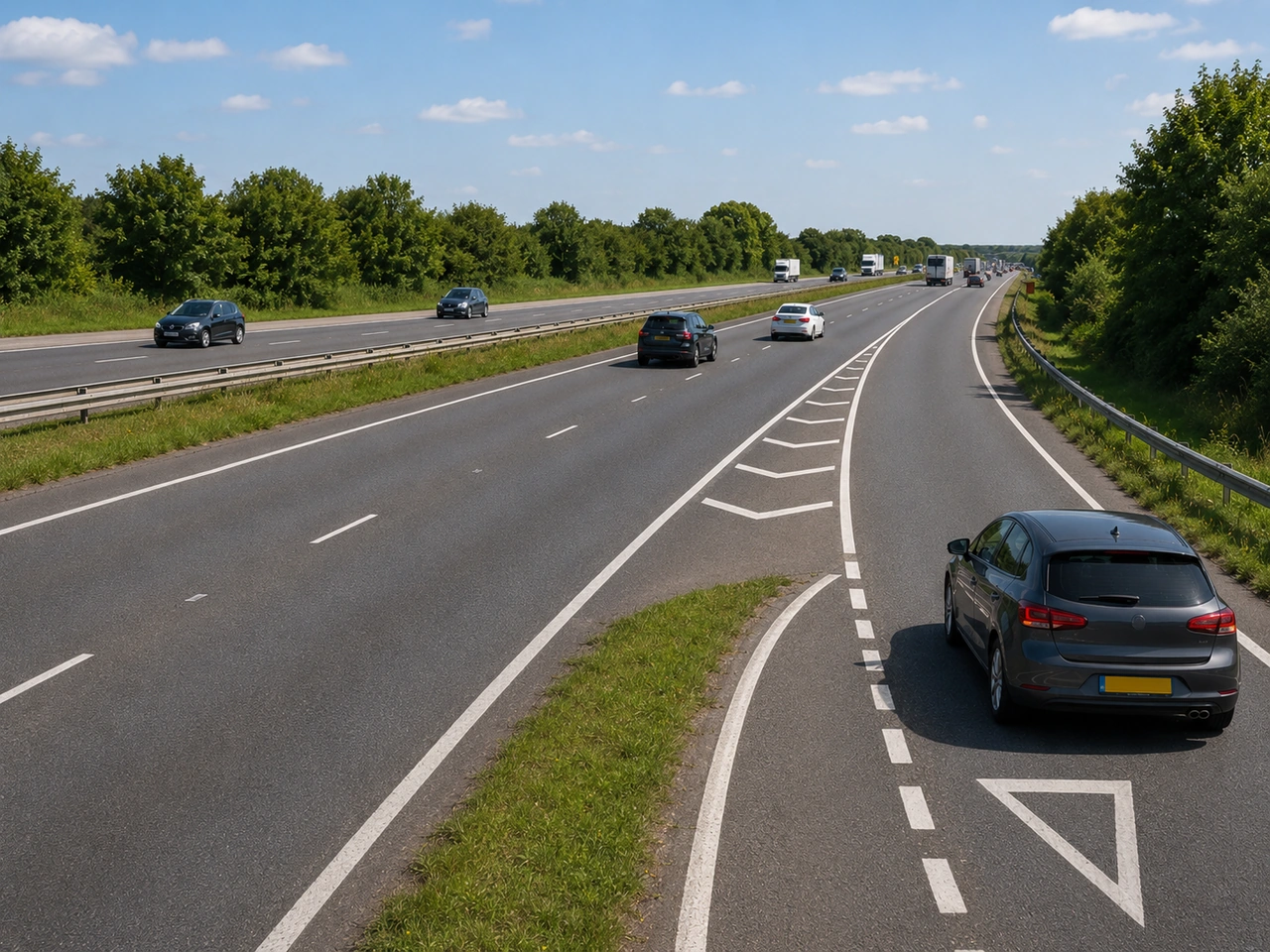
433. Who normally has the right-of-way when you enter a freeway from an acceleration lane?
You must adjust your speed and find a safe gap without forcing freeway traffic to brake or change direction.
AI-generated by Traffic-rules.com • WCIT • CC BY-SA
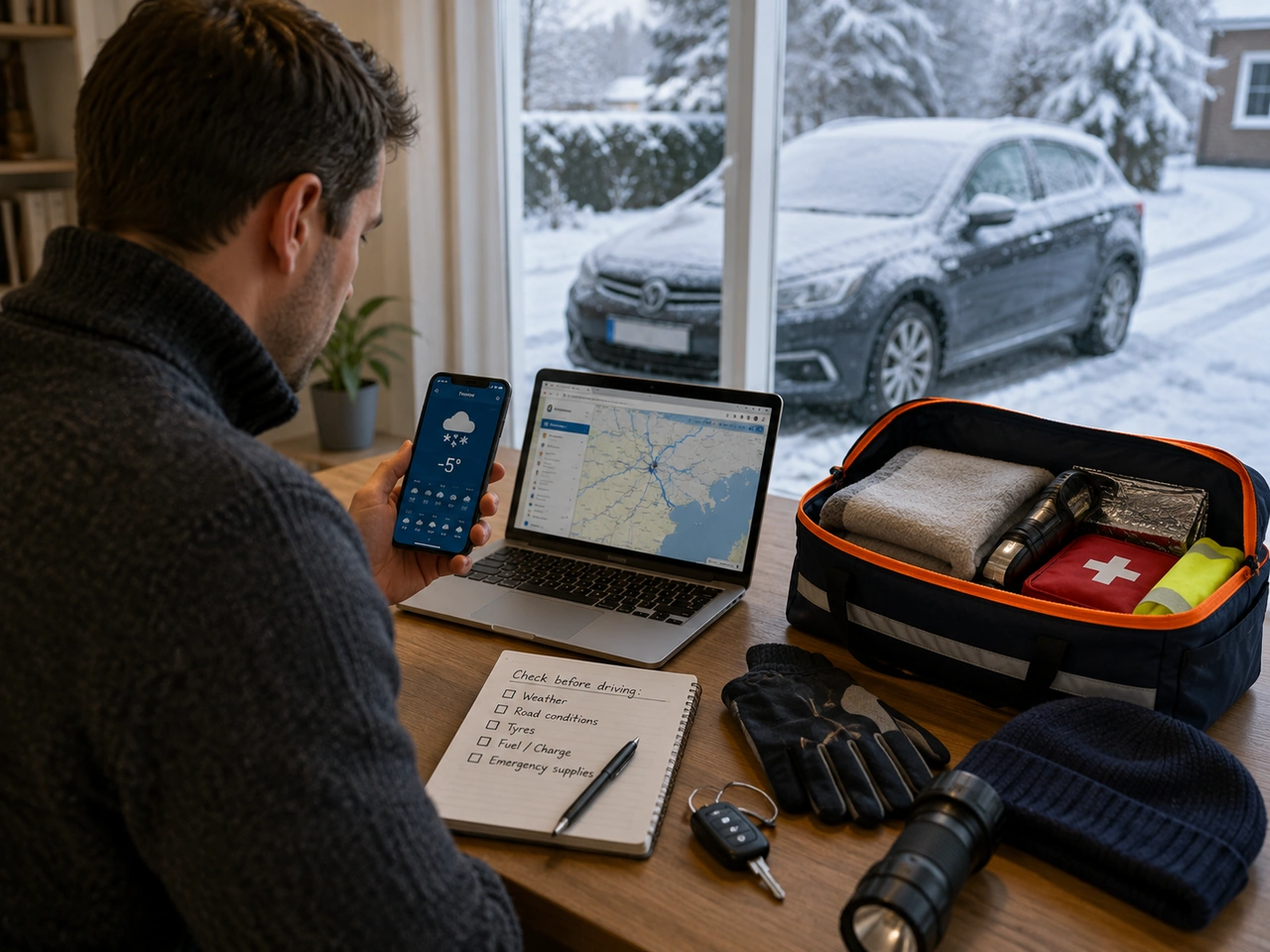
434. What should you check before beginning a trip in severe winter weather?
Check whether the trip is necessary and prepare for delays or changing conditions. Suitable tires, sufficient fuel or charge, warm clothing, and basic emergency supplies may be important.
AI-generated by Traffic-rules.com • WCIT • CC BY-SA
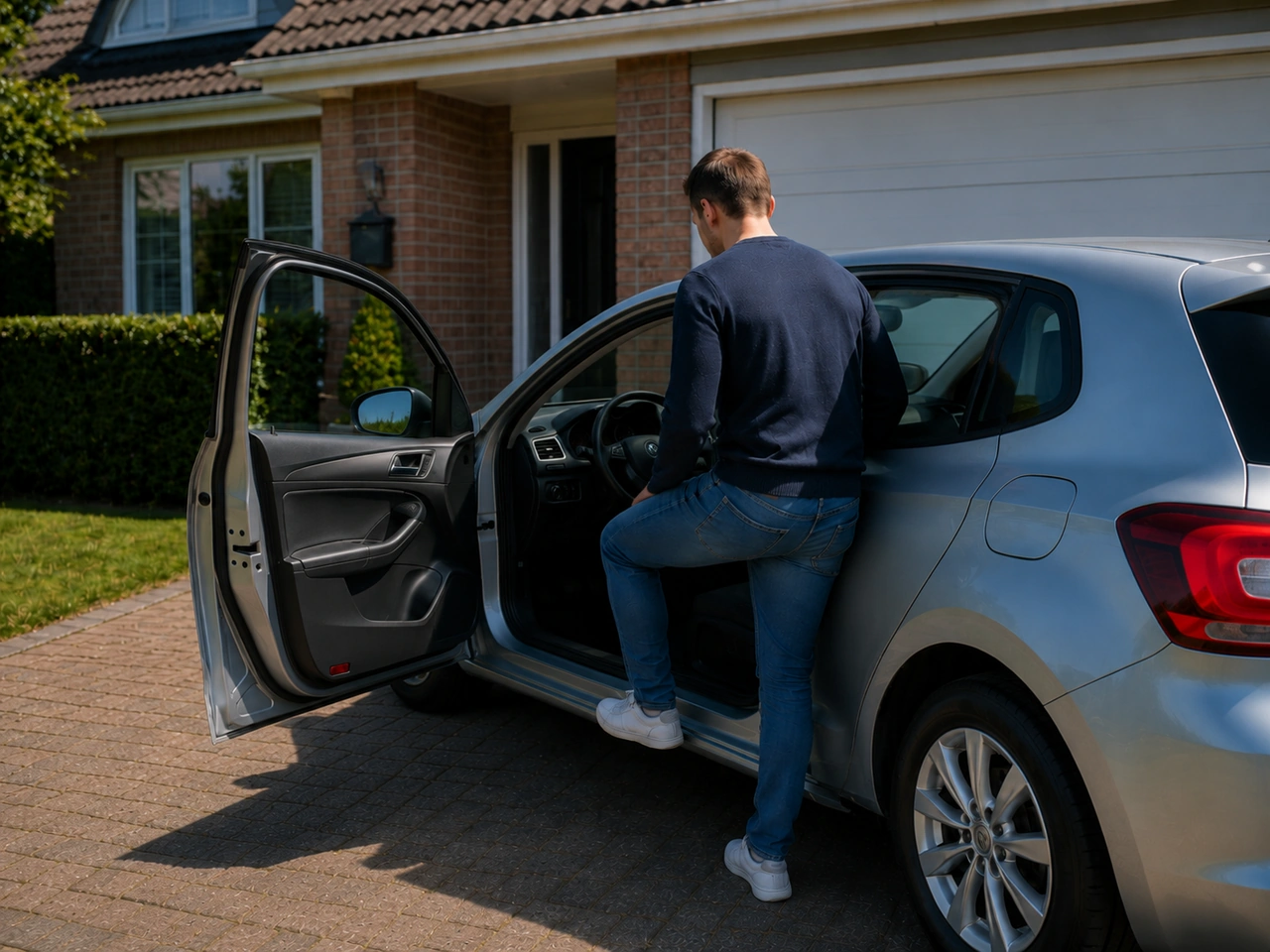
435. When should you fasten your seat belt?
Fasten your seat belt before the vehicle starts moving and keep it fastened throughout the trip. Make sure your passengers are also safely seated and properly restrained.
AI-generated by Traffic-rules.com • WCIT • CC BY-SA
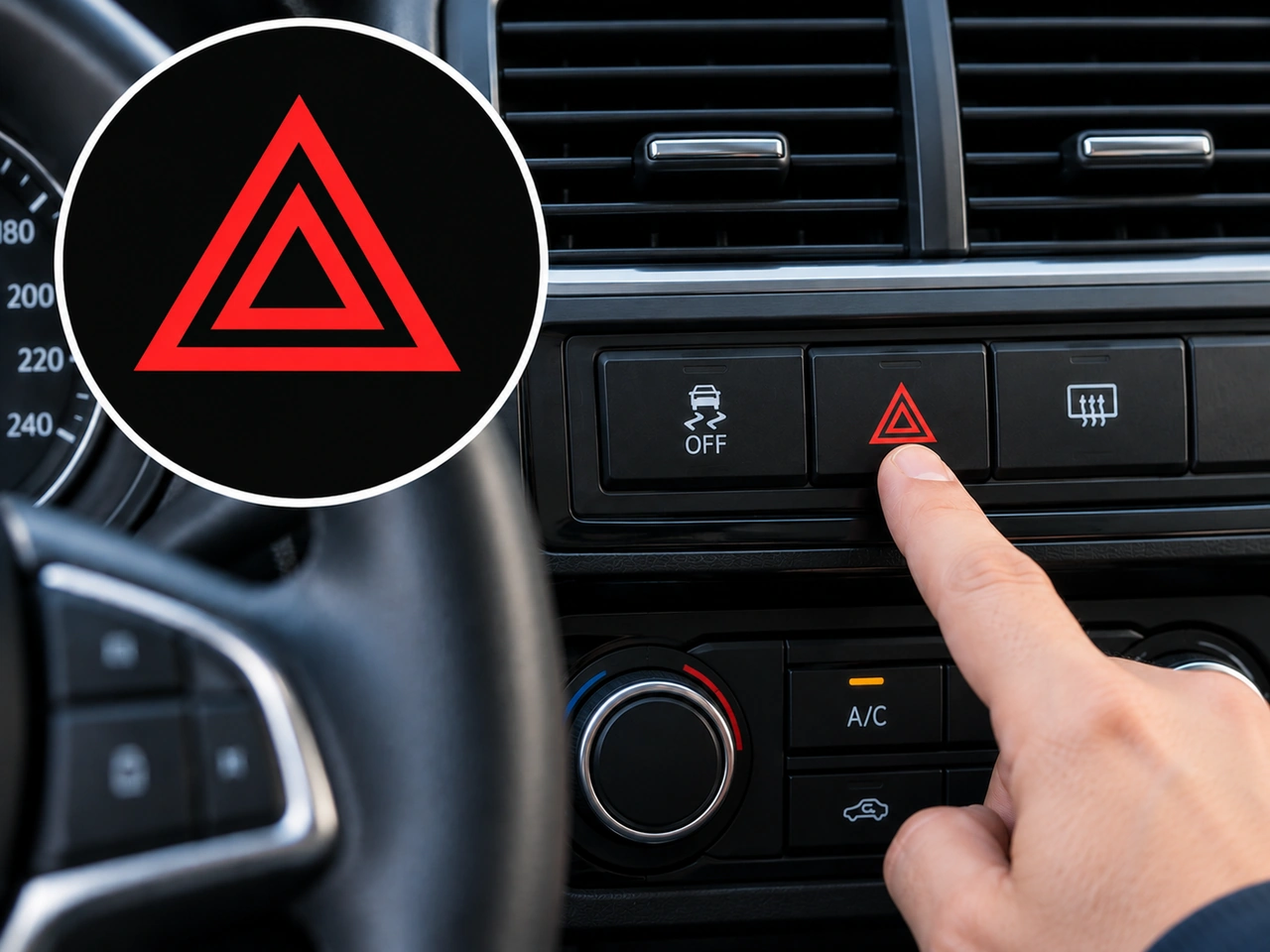
436. What does this dashboard symbol indicate?
This symbol indicates the hazard warning lights. When activated, all turn signals flash simultaneously to warn other road users of a hazard or unusual situation.
AI-generated by Traffic-rules.com • WCIT • CC BY-SA
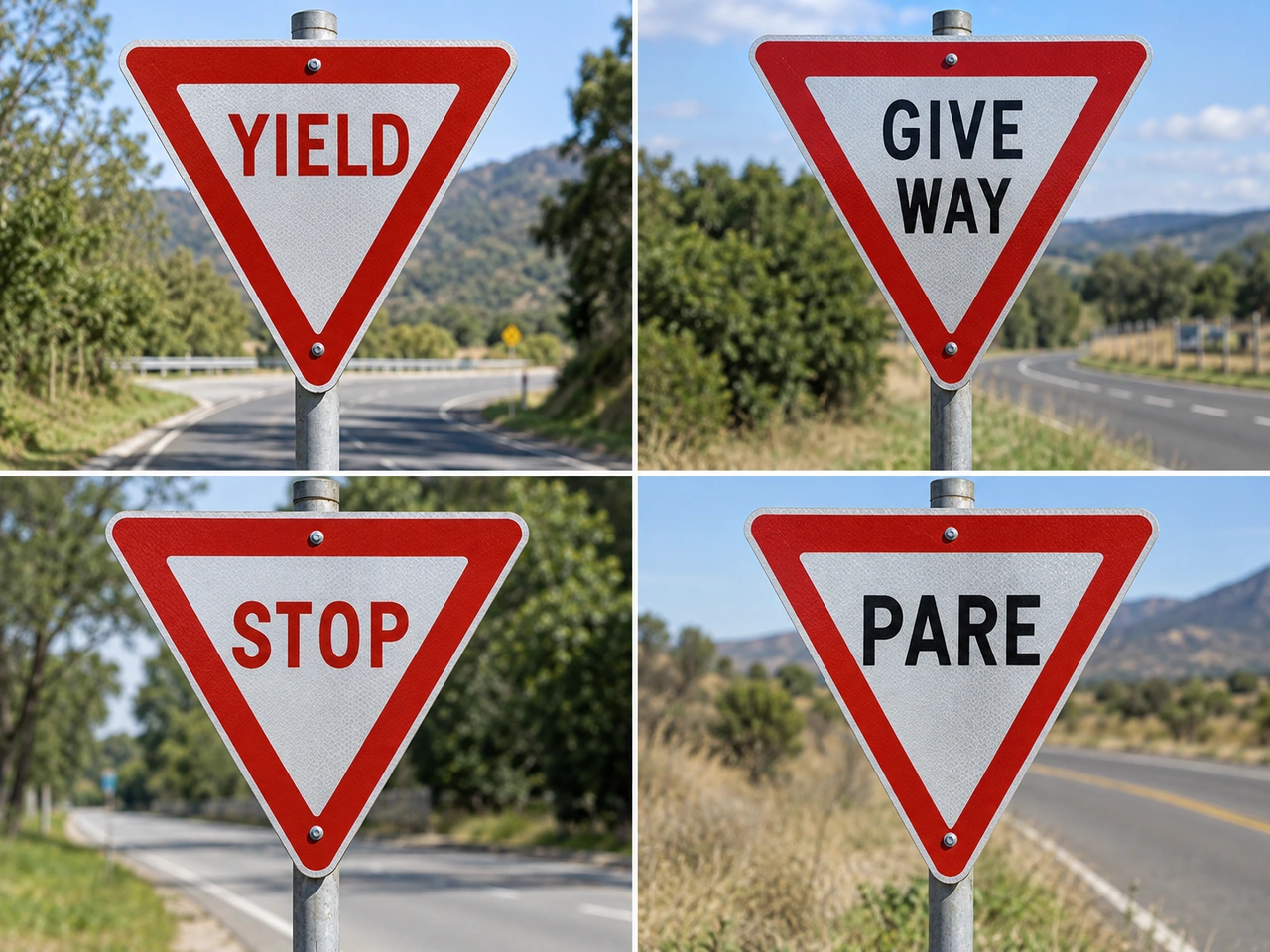
437. What word is commonly shown on yield signs in United States?
Yield signs in United States commonly display the word YIELD.
AI-generated by Traffic-rules.com • WCIT • CC BY-SA
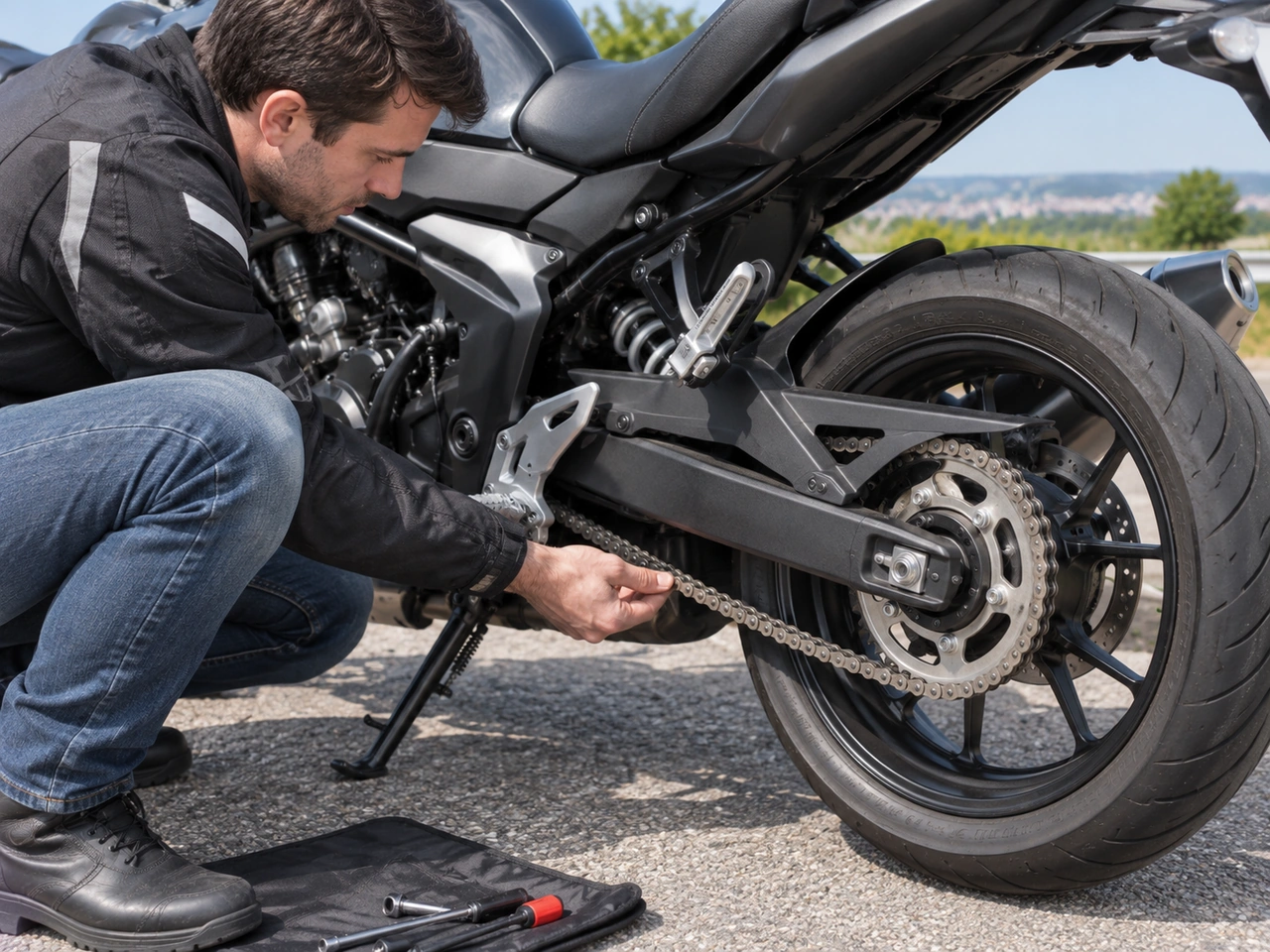
438. What should you do if a motorcycle's drive chain is too loose?
A loose drive chain can affect power transmission, damage components, or come off the sprockets. The chain should have the correct tension and lubrication specified by the motorcycle manufacturer. A chain that is too tight can also cause damage.
AI-generated by Traffic-rules.com • WCIT • CC BY-SA
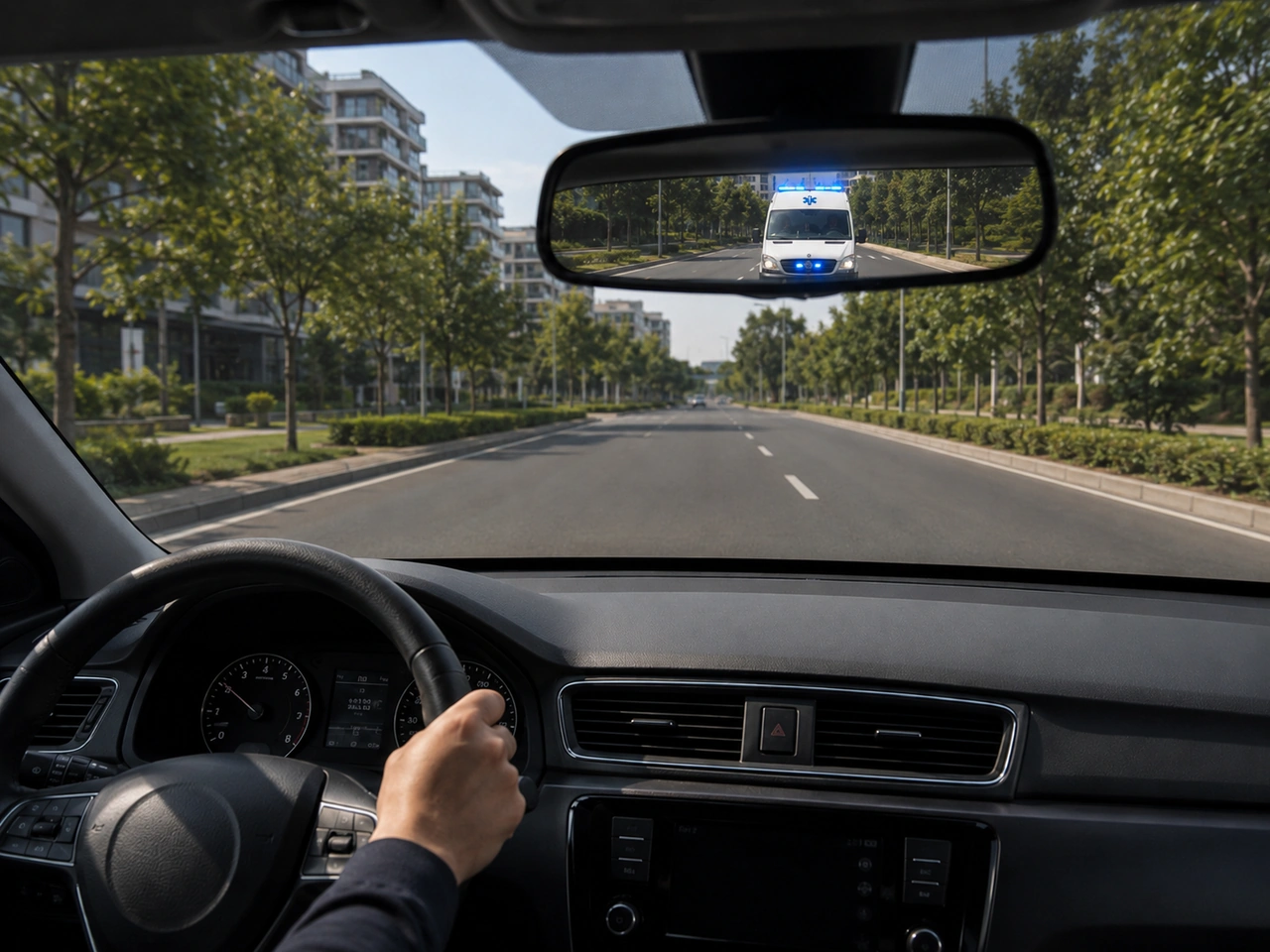
439. What should you do if an emergency vehicle approaches with lights or siren on?
When an emergency vehicle uses lights or siren, check your surroundings and make room safely without sudden or dangerous movements.
AI-generated by Traffic-rules.com • WCIT • CC BY-SA
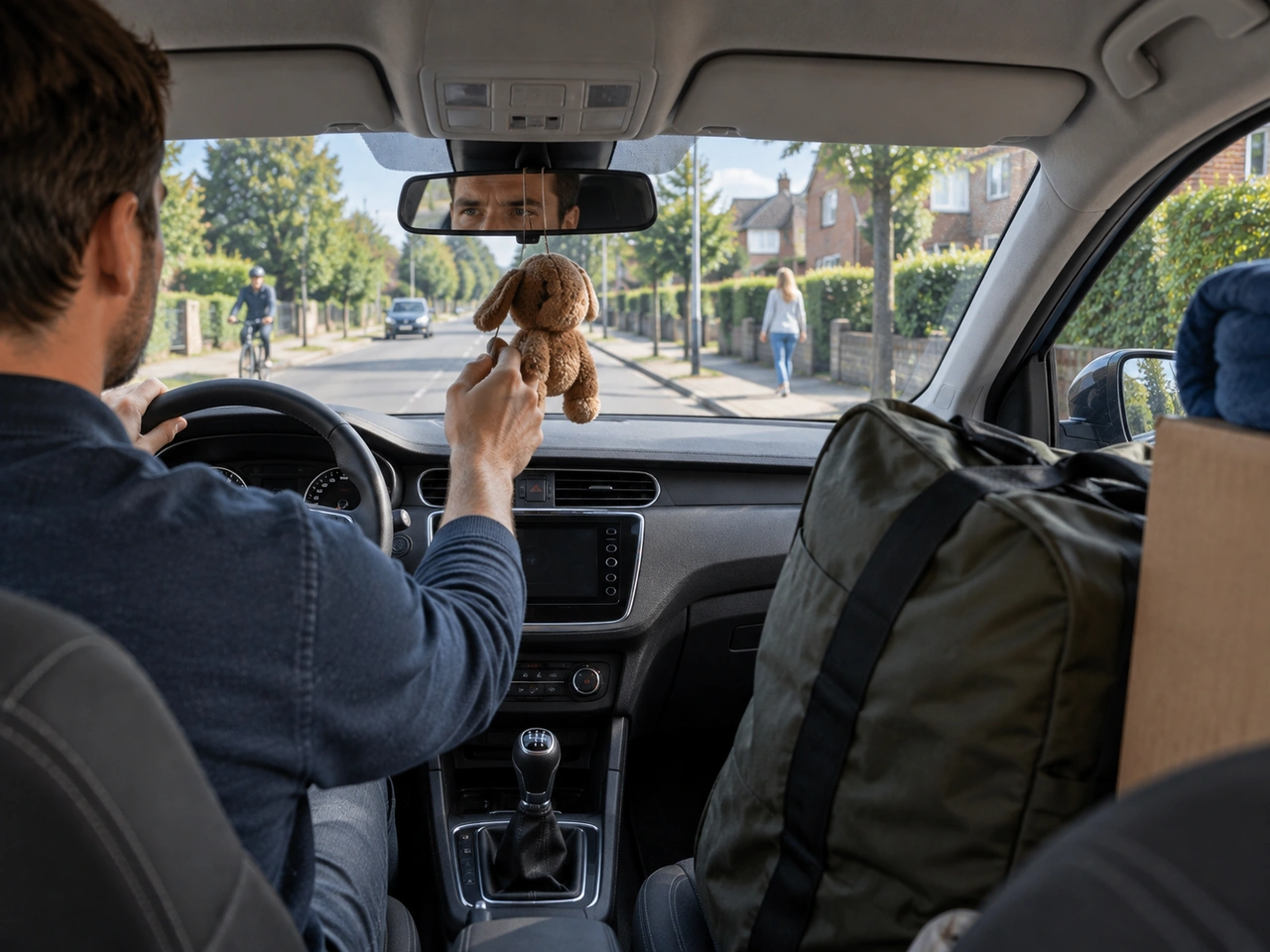
440. Why must luggage or other objects not obstruct the driver's view?
The driver must have a clear view of the road and surroundings. Luggage, decorations, or other objects that obstruct the windshield, windows, or mirrors can hide pedestrians, bicyclists, vehicles, signs, or other hazards.
AI-generated by Traffic-rules.com • WCIT • CC BY-SA
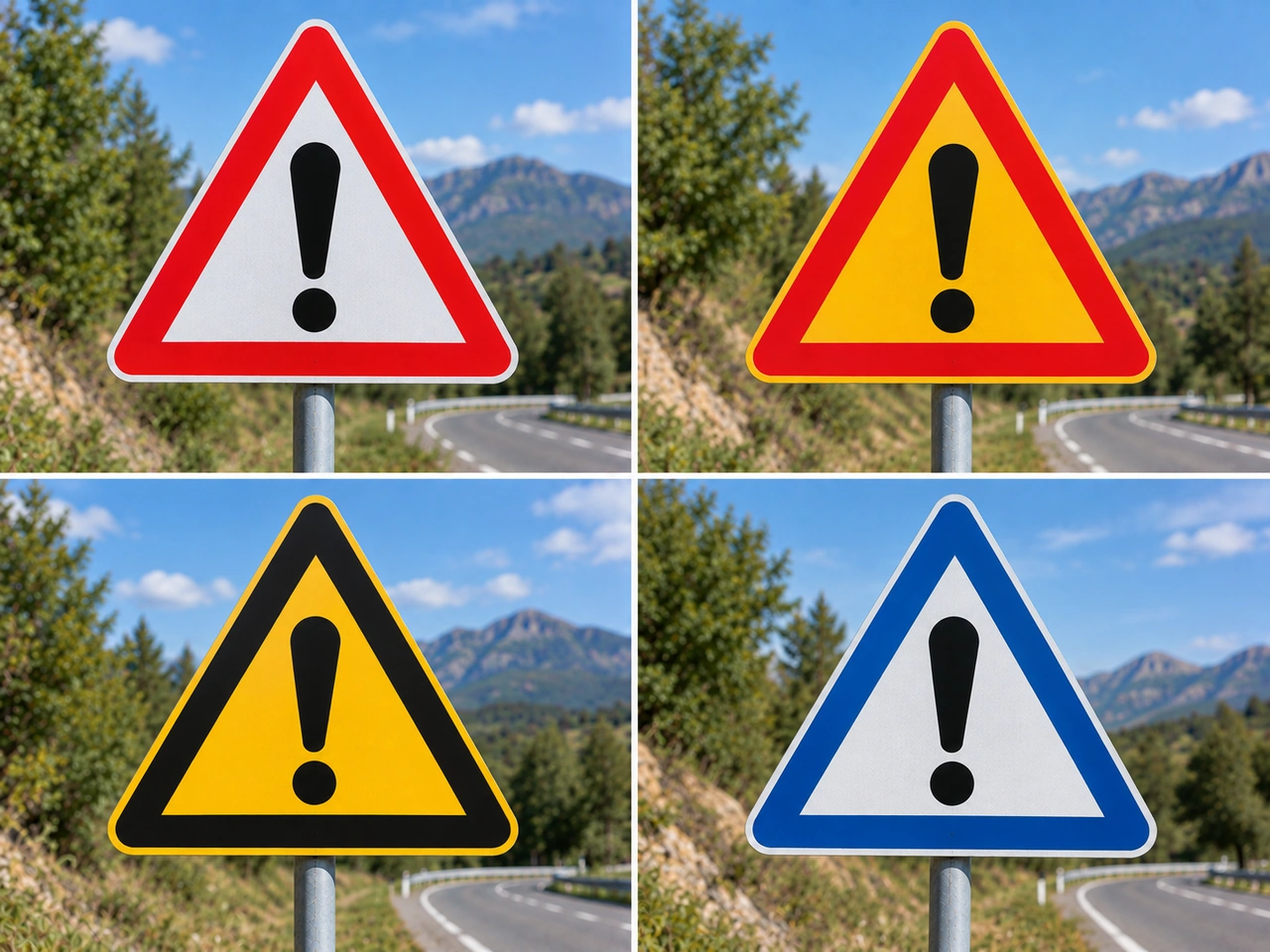
441. Which color combination is commonly used for warning signs in United States?
Most warning signs in United States have a black border with a yellow background.
AI-generated by Traffic-rules.com • WCIT • CC BY-SA
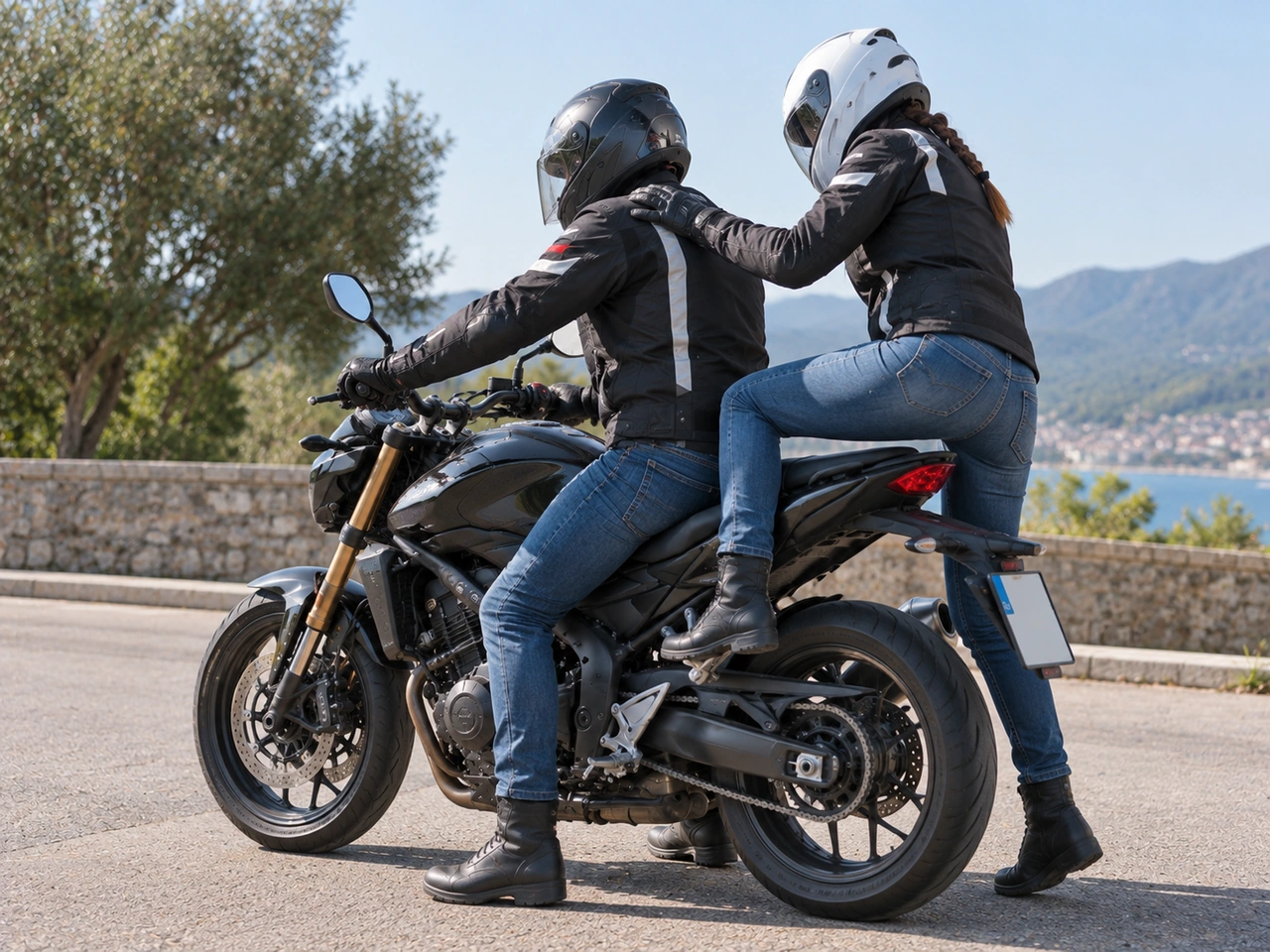
442. When should a passenger get on or off a motorcycle?
A passenger getting on or off can shift the motorcycle's balance suddenly. The motorcycle should be stationary and stable, and the passenger should wait until the rider is ready and prepared to support the extra movement.
AI-generated by Traffic-rules.com • WCIT • CC BY-SA
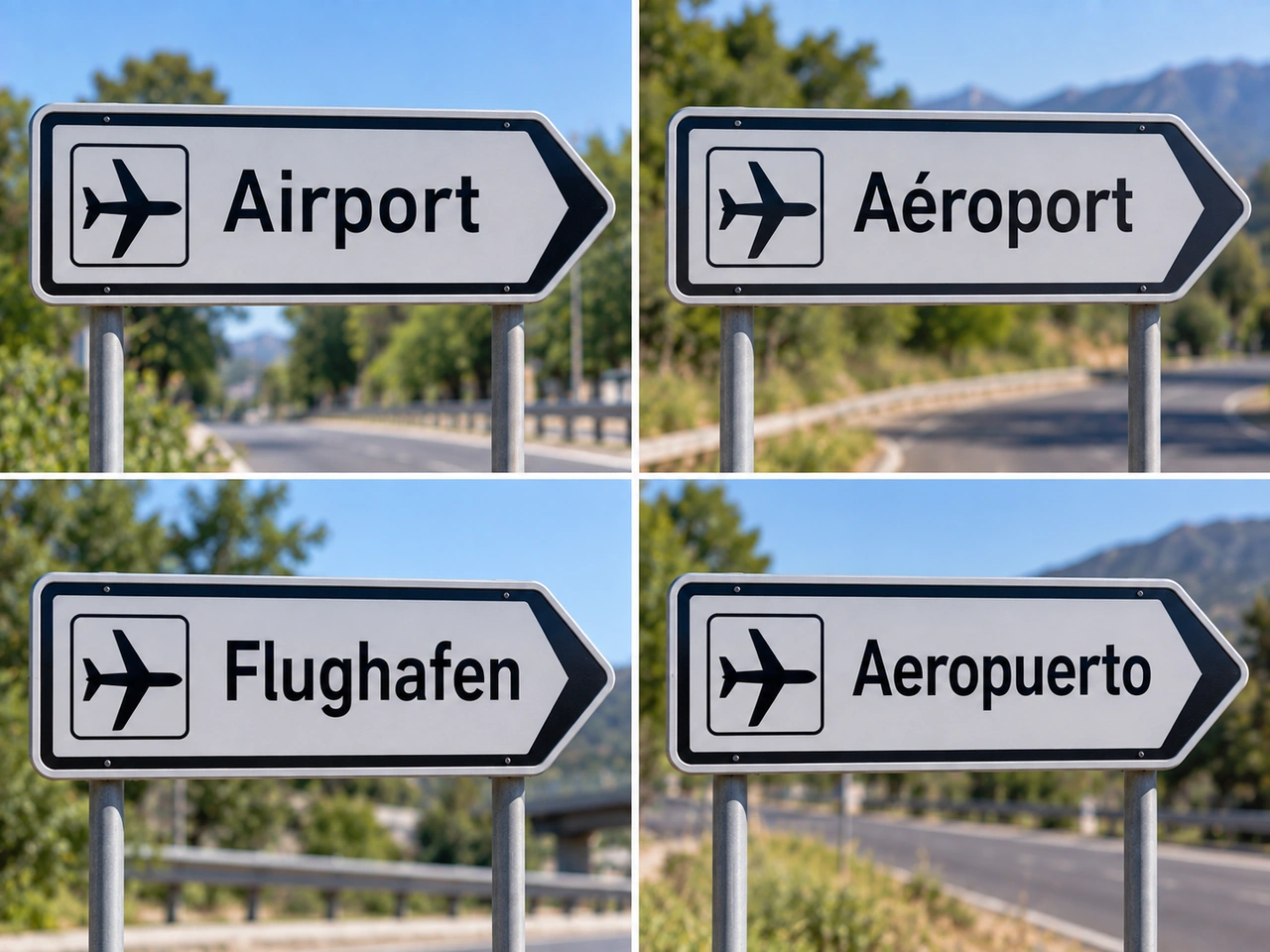
443. Which language is commonly used on text-based road signs in United States?
Text-based road signs in United States commonly use English.
AI-generated by Traffic-rules.com • WCIT • CC BY-SA
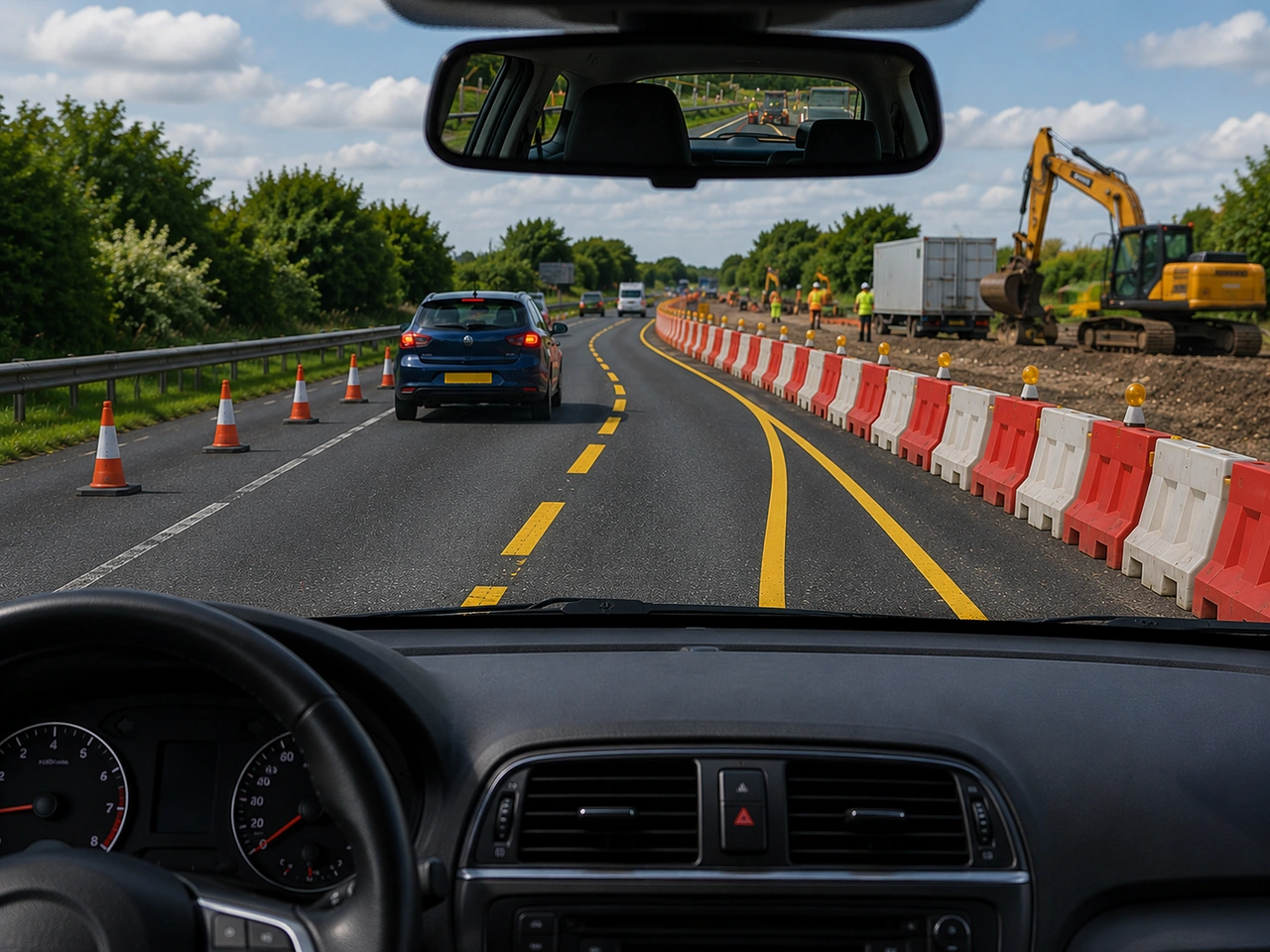
444. Which road markings should you follow through a work zone?
Temporary road markings may replace the normal lane layout during road work. Follow the markings and signs that currently guide traffic.
AI-generated by Traffic-rules.com • WCIT • CC BY-SA
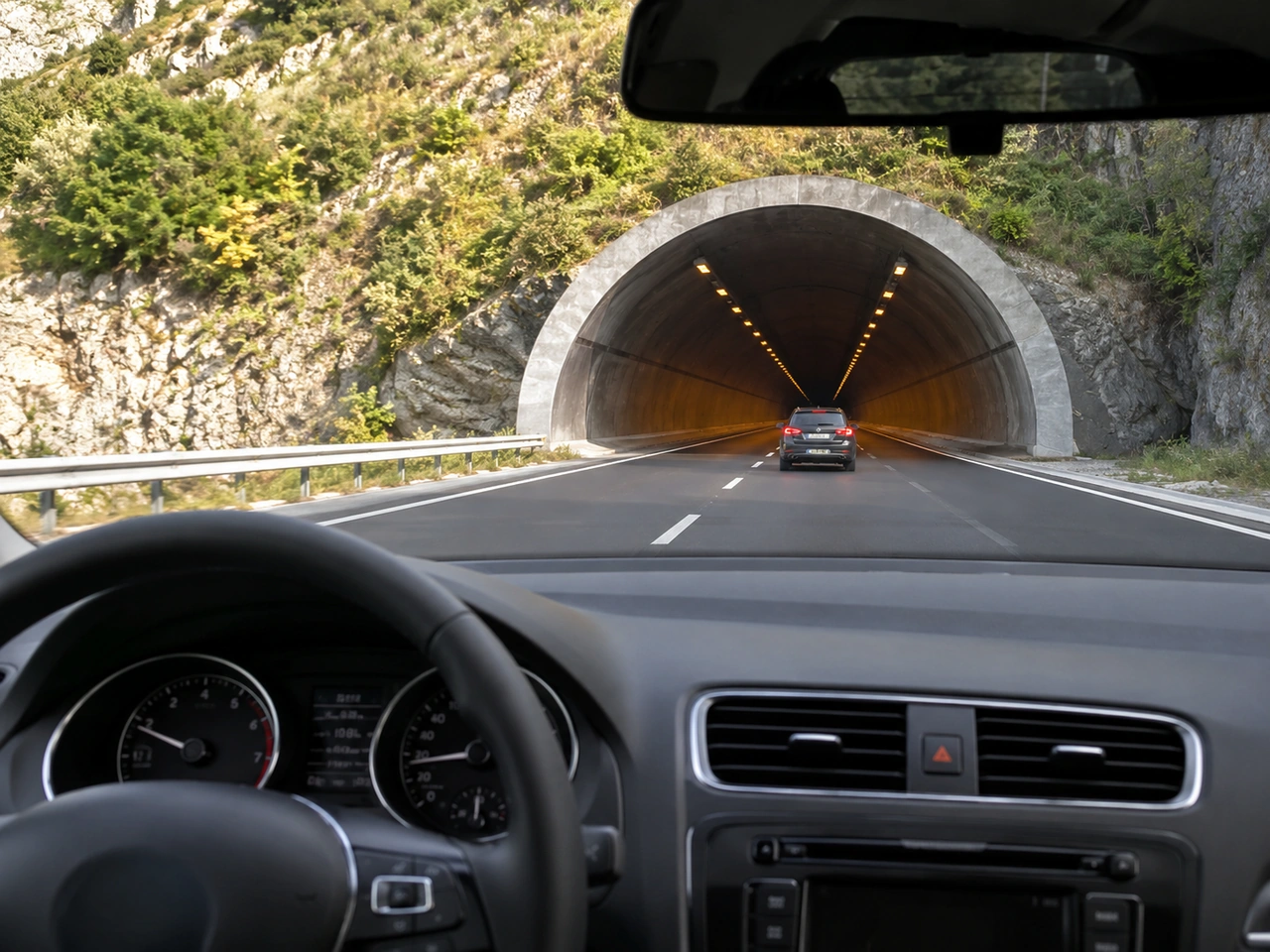
445. What should you do when approaching a tunnel?
When entering a tunnel, use the correct lights, keep enough distance, and stay alert for slower traffic.
AI-generated by Traffic-rules.com • WCIT • CC BY-SA
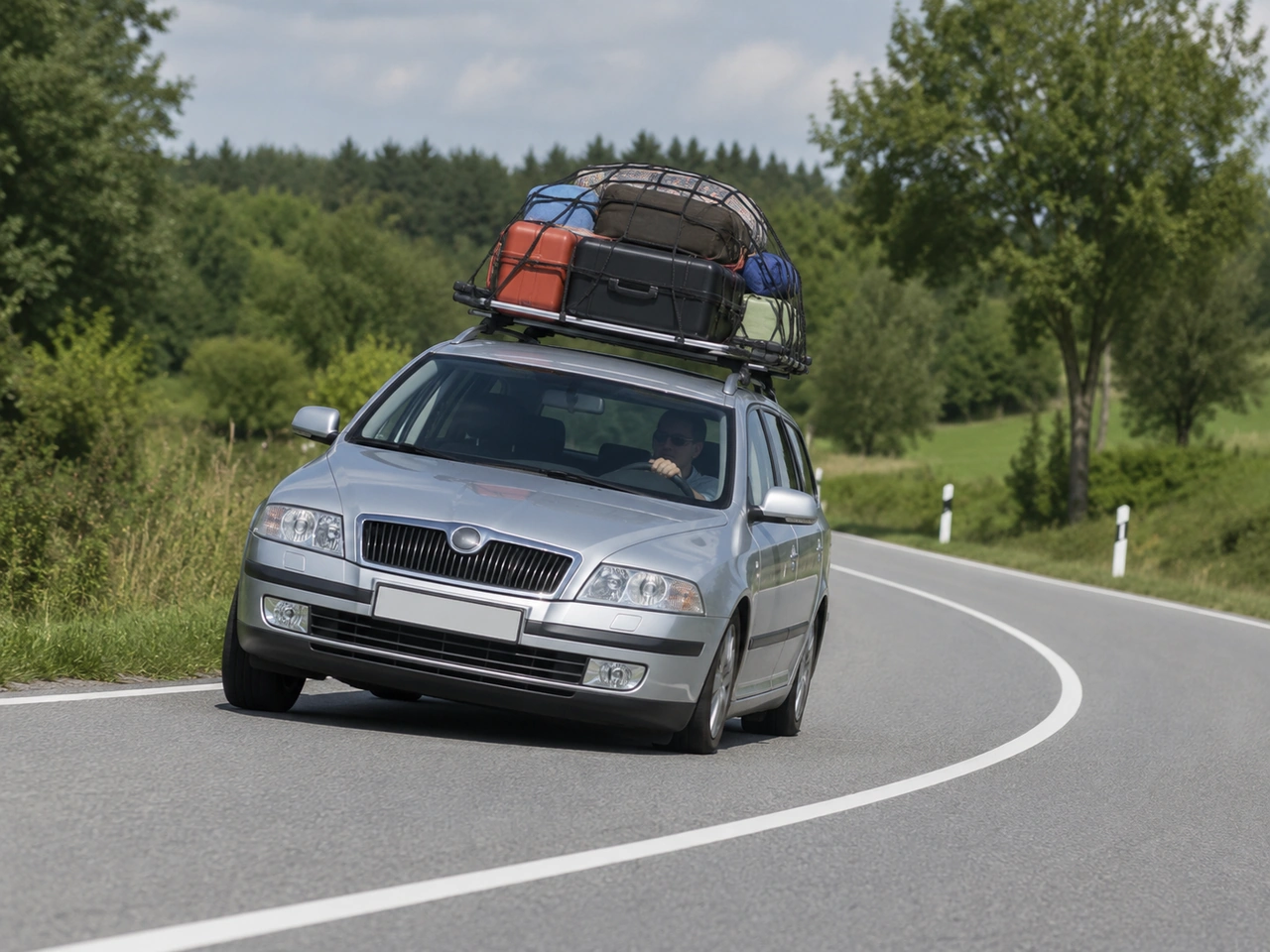
446. How can a roof load affect vehicle handling?
Weight carried high on the vehicle can increase body movement and make sudden steering or cornering less stable.
AI-generated by Traffic-rules.com • WCIT • CC BY-SA
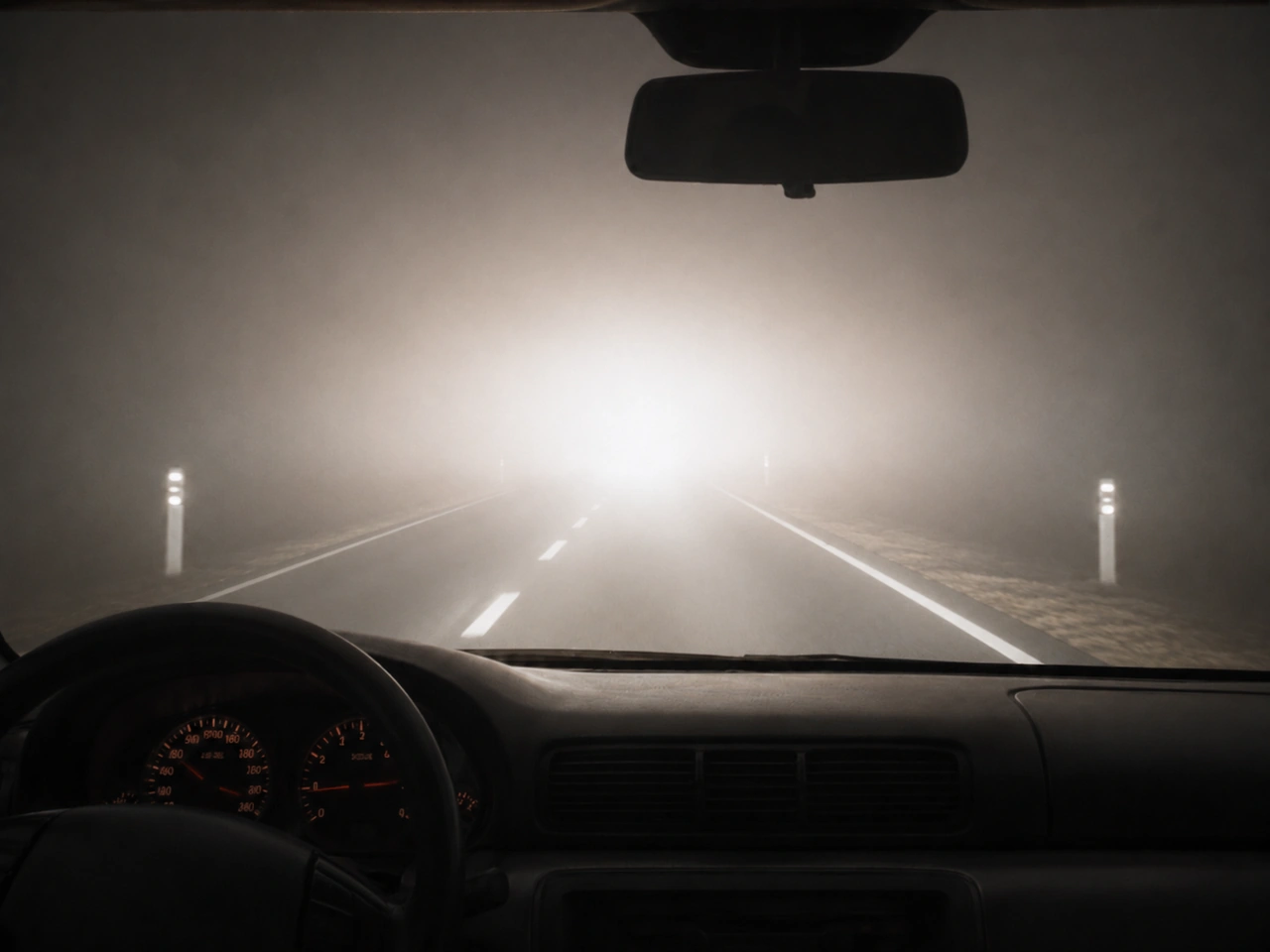
447. Why can high-beam headlights make driving in fog more difficult?
High beams can reflect back from fog and create glare, making it harder to see the road ahead.
AI-generated by Traffic-rules.com • WCIT • CC BY-SA
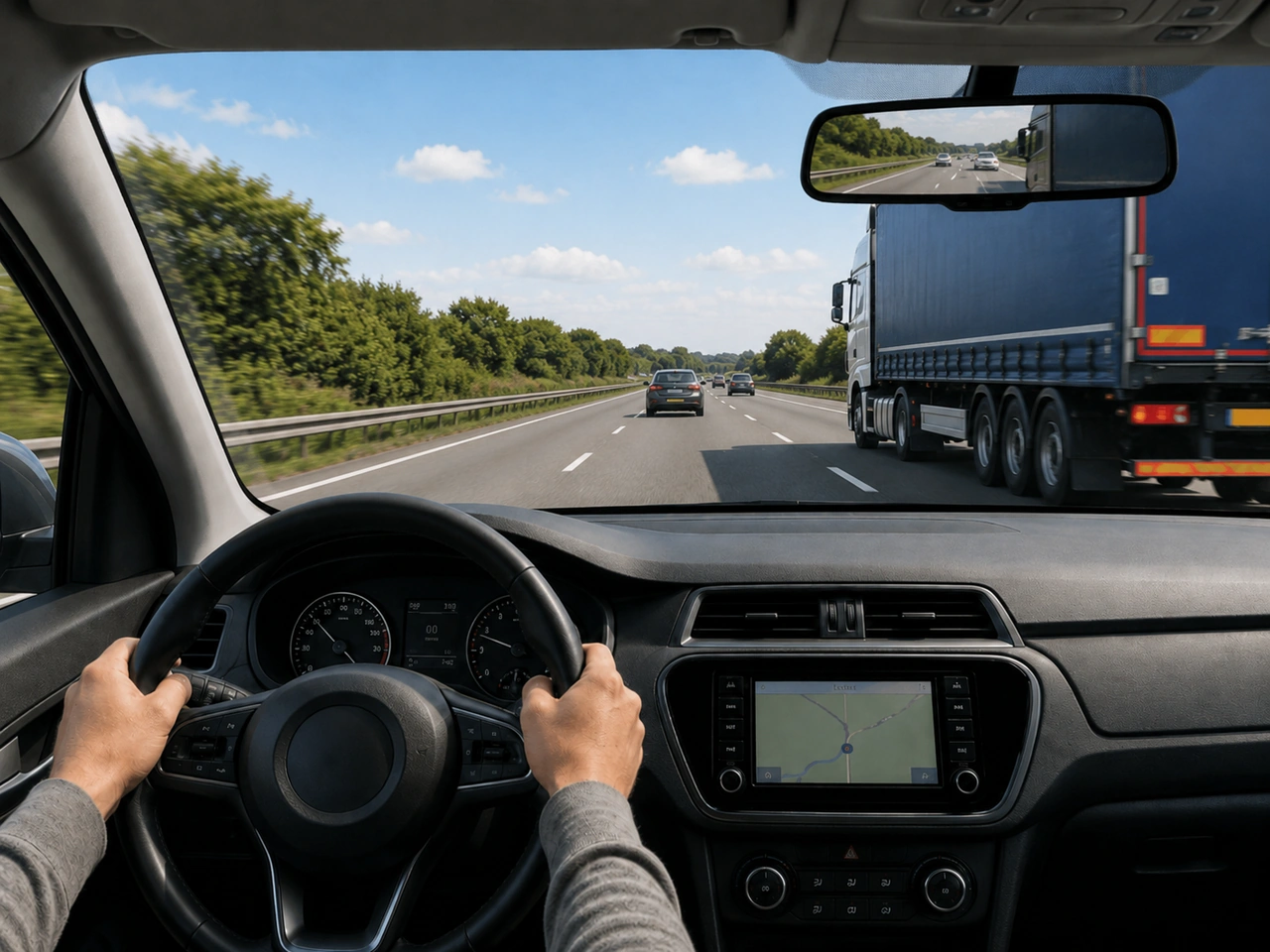
448. It is safer to drive faster than the speed limit when passing.
You must still drive safely and obey traffic laws. Speeding increases risk and is not automatically justified by passing.
AI-generated by Traffic-rules.com • WCIT • CC BY-SA
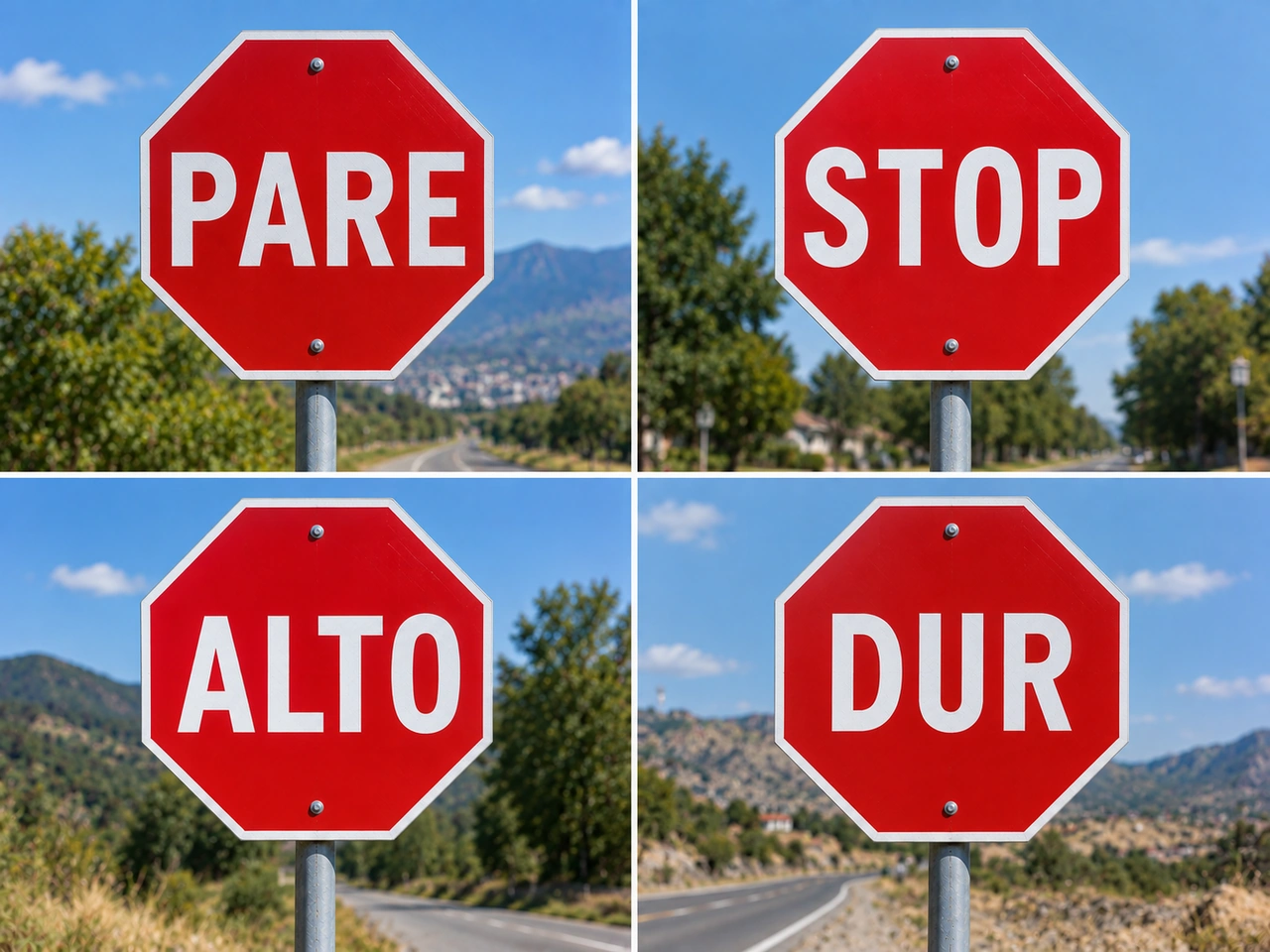
449. What word is commonly shown on STOP signs in United States?
In United States, STOP signs commonly display the word STOP.
AI-generated by Traffic-rules.com • WCIT • CC BY-SA
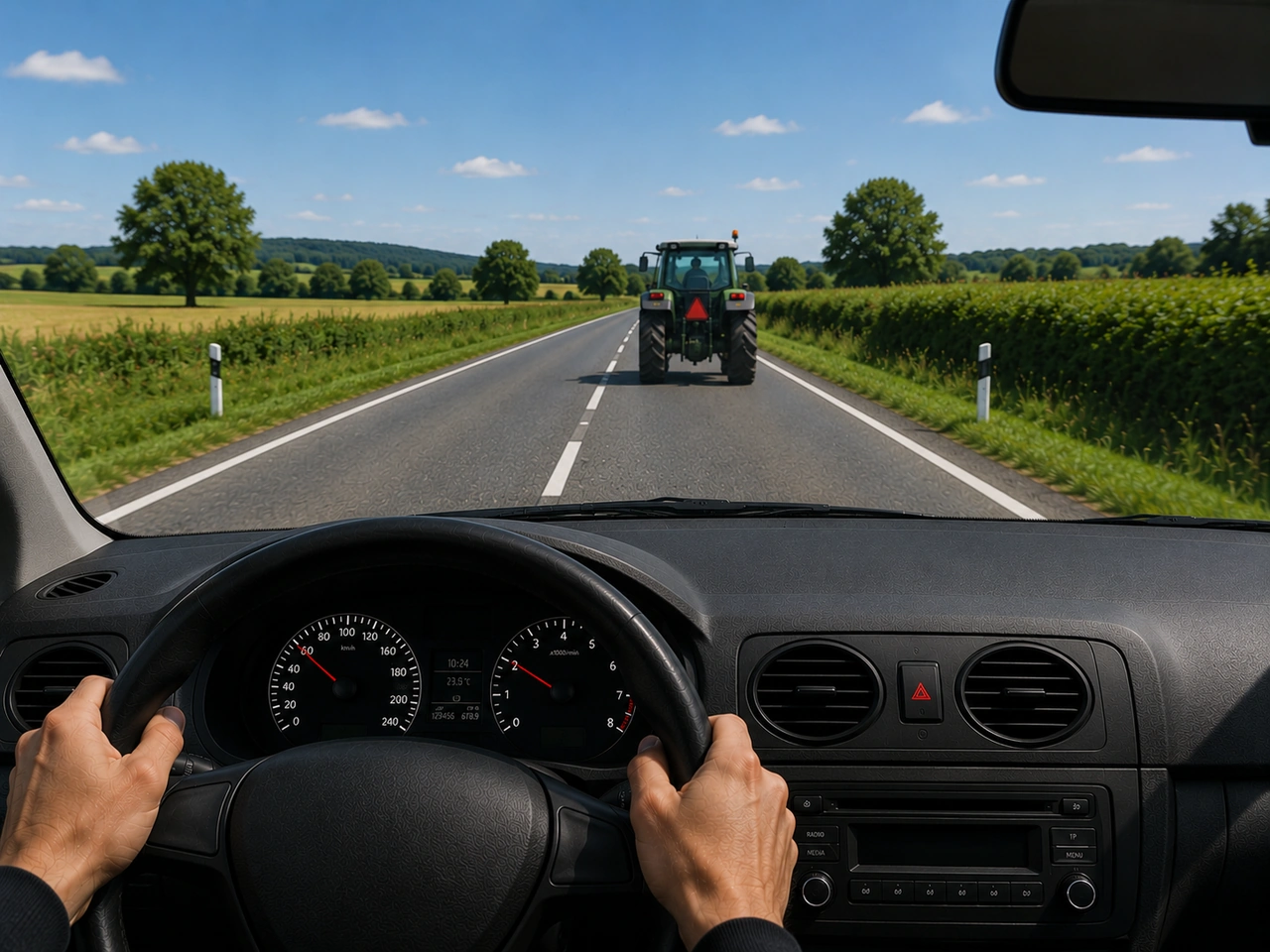
450. What should you do before passing a slow-moving vehicle?
Before passing, make sure you have enough visibility, space, and time. Signal clearly before moving out, do not exceed the speed limit, and never pass if the road ahead is not clear.
AI-generated by Traffic-rules.com • WCIT • CC BY-SA