QuizTraffic rules

This interesting quiz helps you test your knowledge in a clear and visual way. With easy multiple-choice questions, you can quickly build confidence and learn new facts while keeping it simple, interactive, and fun.


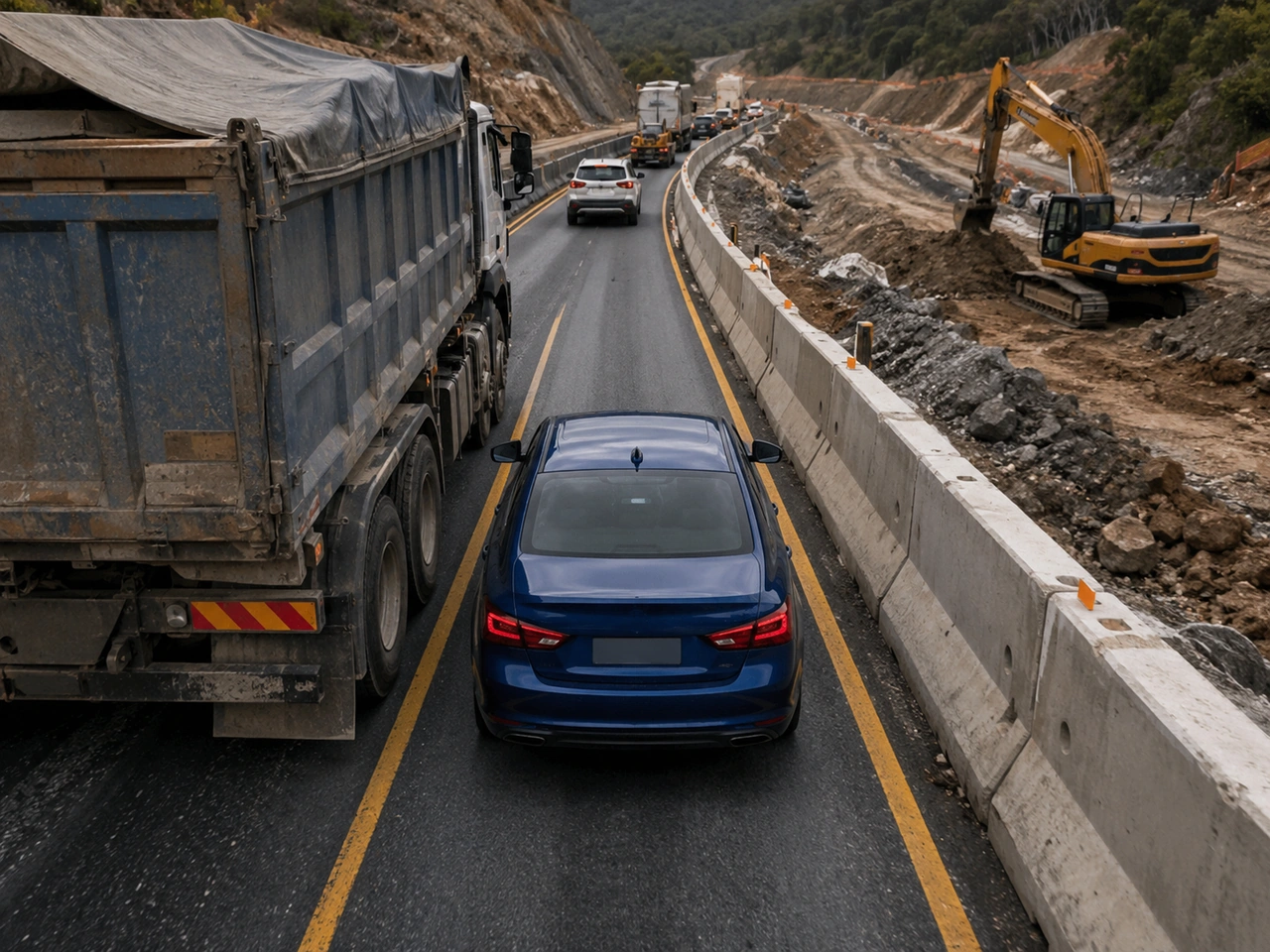
Why should you avoid unnecessary lane changes in roadworks?

551. Why should you avoid unnecessary lane changes in roadworks?

Drivers should always use the lane with fewer vehicles.
Temporary lanes are designed for frequent lane changes.
✓ Narrow lanes and changing layouts increase the risk of collision.
Changing lanes helps traffic move faster through roadworks.

Frequent lane changes create additional risk where space is limited and drivers are already adapting to temporary layouts.

Vehicles travelling through restricted roadworks lanes
AI-generated by Traffic-rules.com • WCIT • CC BY-SA
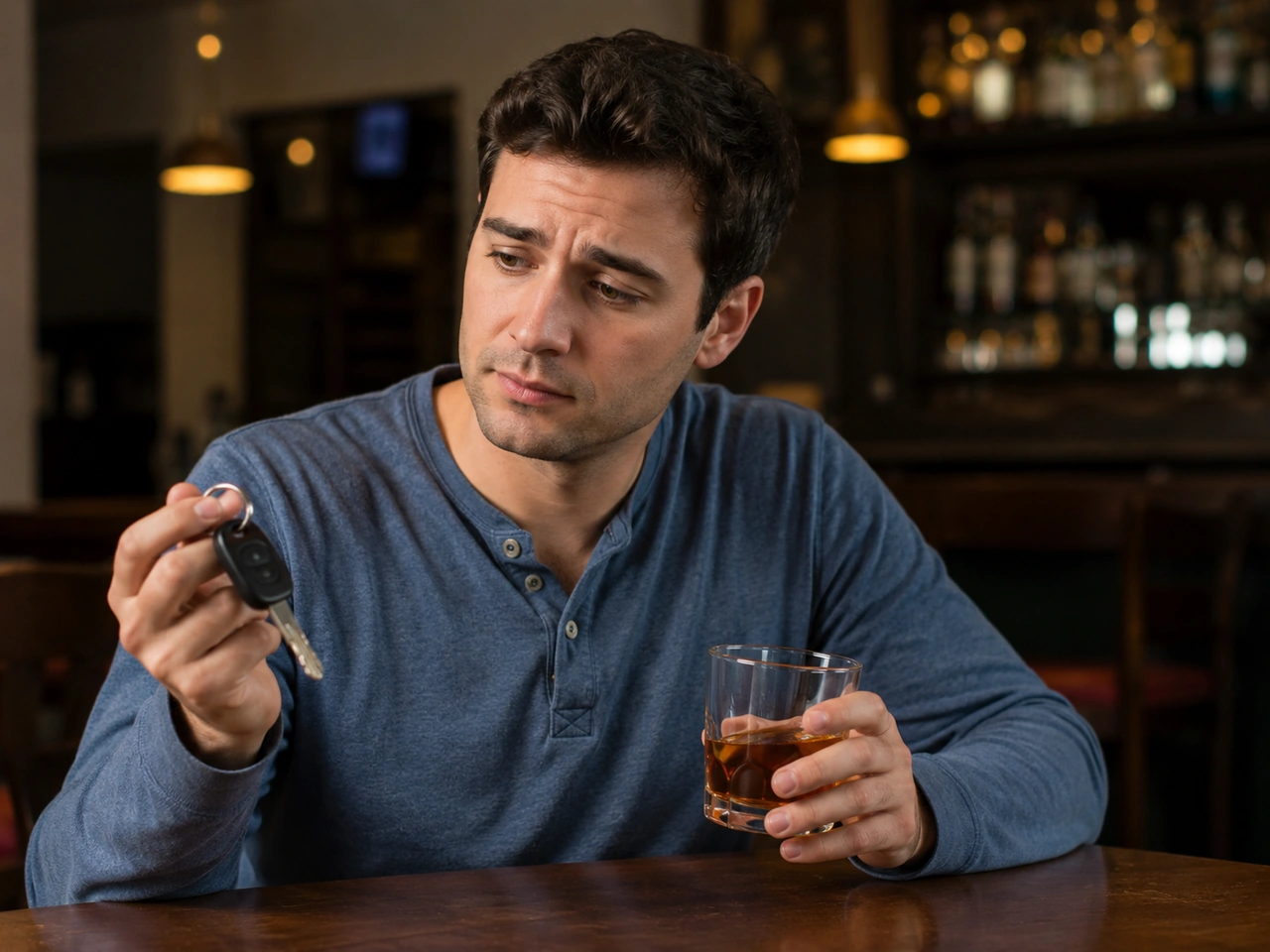
What is the safest choice if you have consumed alcohol?

552. What is the safest choice if you have consumed alcohol?

Drink coffee before driving.
Eat something and wait a short while.
✓ Do not drive and arrange a sober form of transport.
Drive slowly and avoid busy roads.

Alcohol can impair judgement, coordination, vision, and reaction time. A sober driver, taxi, public transport, or an overnight stay is the safer choice.

Alcohol consumption and the decision not to drive
AI-generated by Traffic-rules.com • WCIT • CC BY-SA
Why should you leave extra space when following a large vehicle?

553. Why should you leave extra space when following a large vehicle?

To make overtaking possible without checking ahead.
To make it easier for the large vehicle to accelerate.
✓ To improve your view ahead and give yourself more time to react.
To reduce the amount of fuel your vehicle uses.

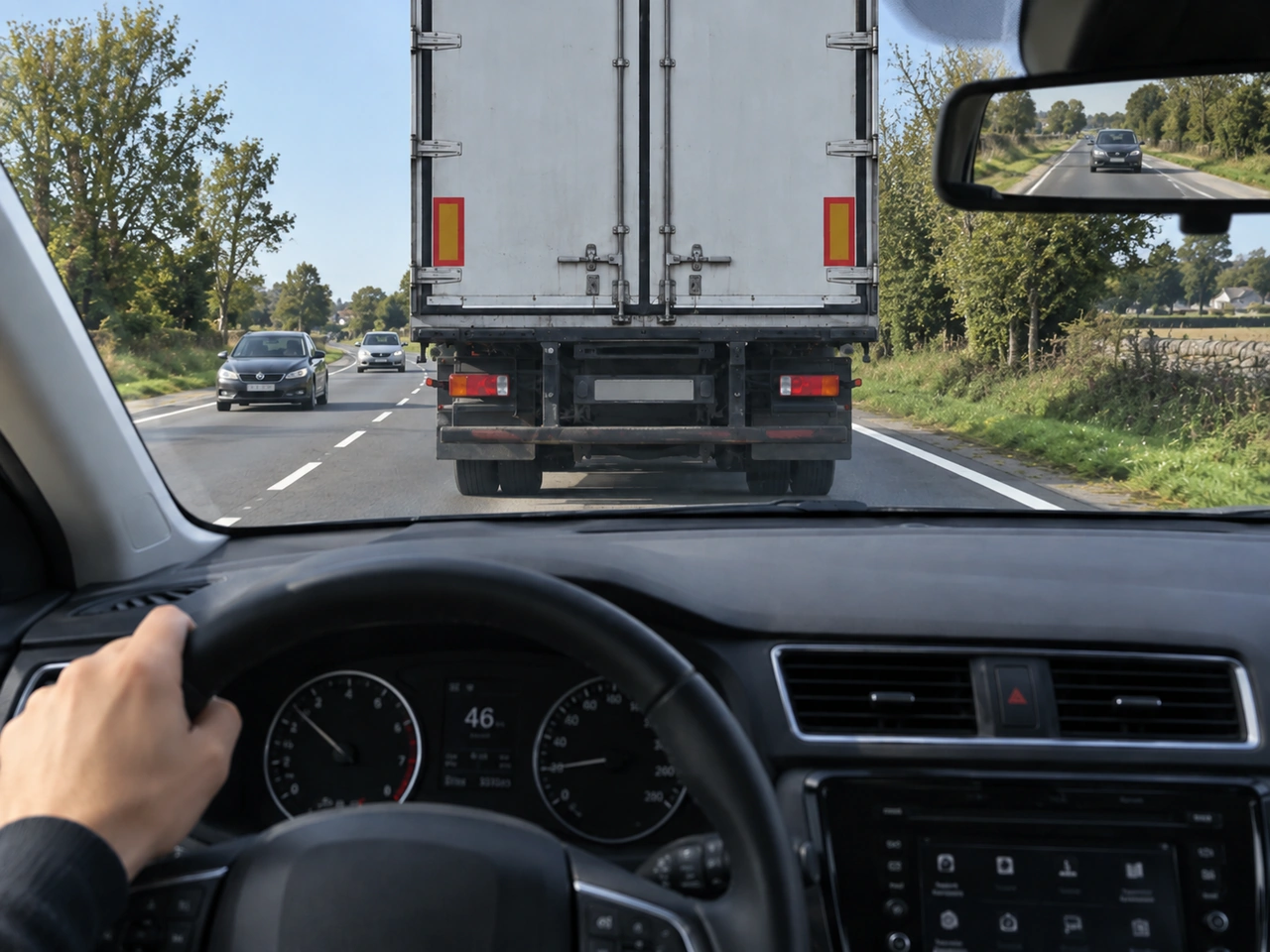
A large vehicle can block your view of traffic, signs, junctions, or hazards ahead. Leaving extra space improves your view and gives you more time to react if traffic slows or a hazard develops.

Large vehicle limiting a following driver's view
AI-generated by Traffic-rules.com • WCIT • CC BY-SA
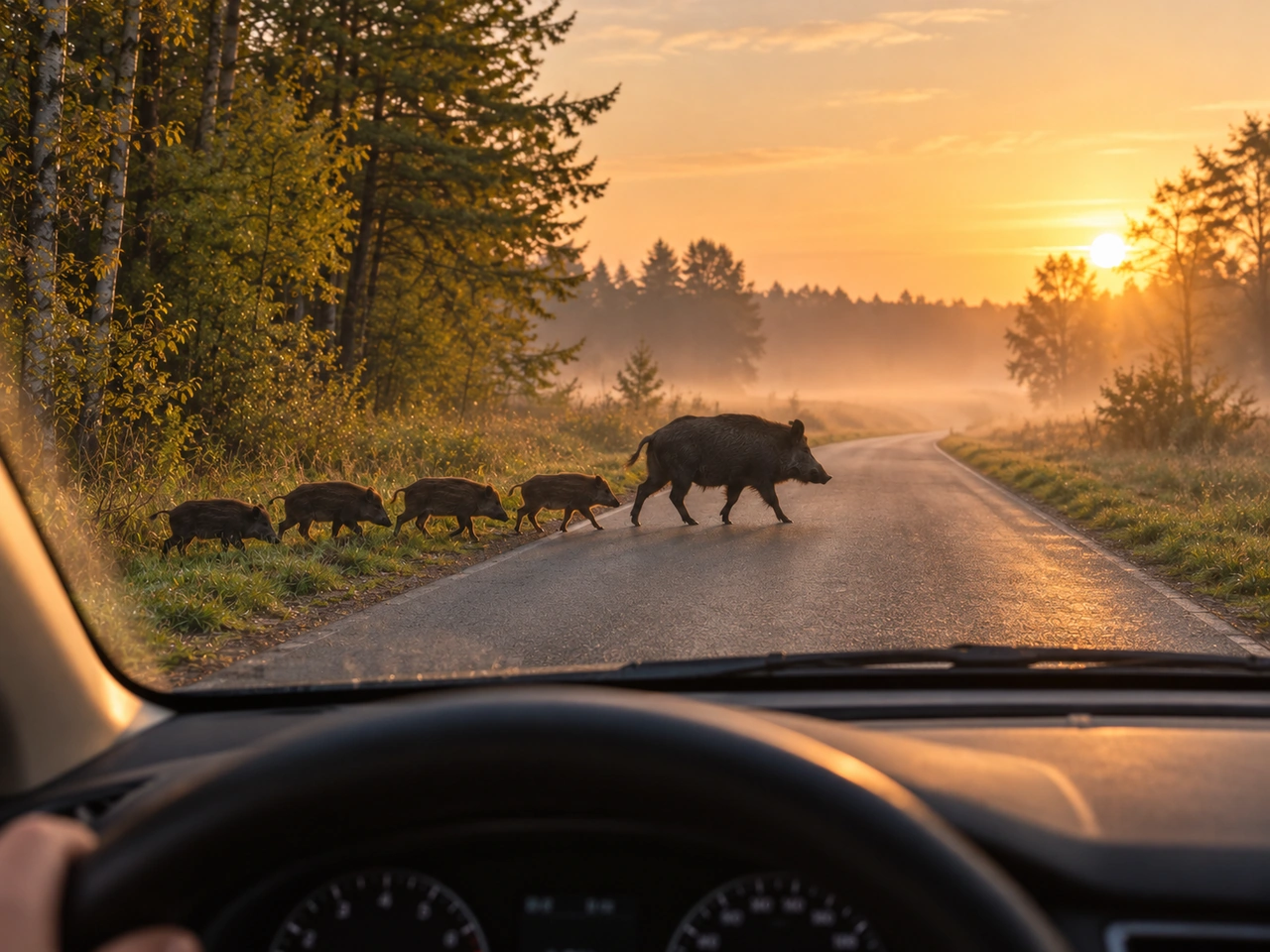
Why should you be especially alert for wild animals at dawn and dusk?

554. Why should you be especially alert for wild animals at dawn and dusk?

Speed limits change automatically at dawn and dusk.
Road signs are harder for animals to recognise.
Wild animals avoid roads during the rest of the day.
✓ Many animals are more active at these times.

Many wild animals are most active around dawn and dusk, when visibility may also be reduced.

Wild animal beside a road in low light
AI-generated by Traffic-rules.com • WCIT • CC BY-SA
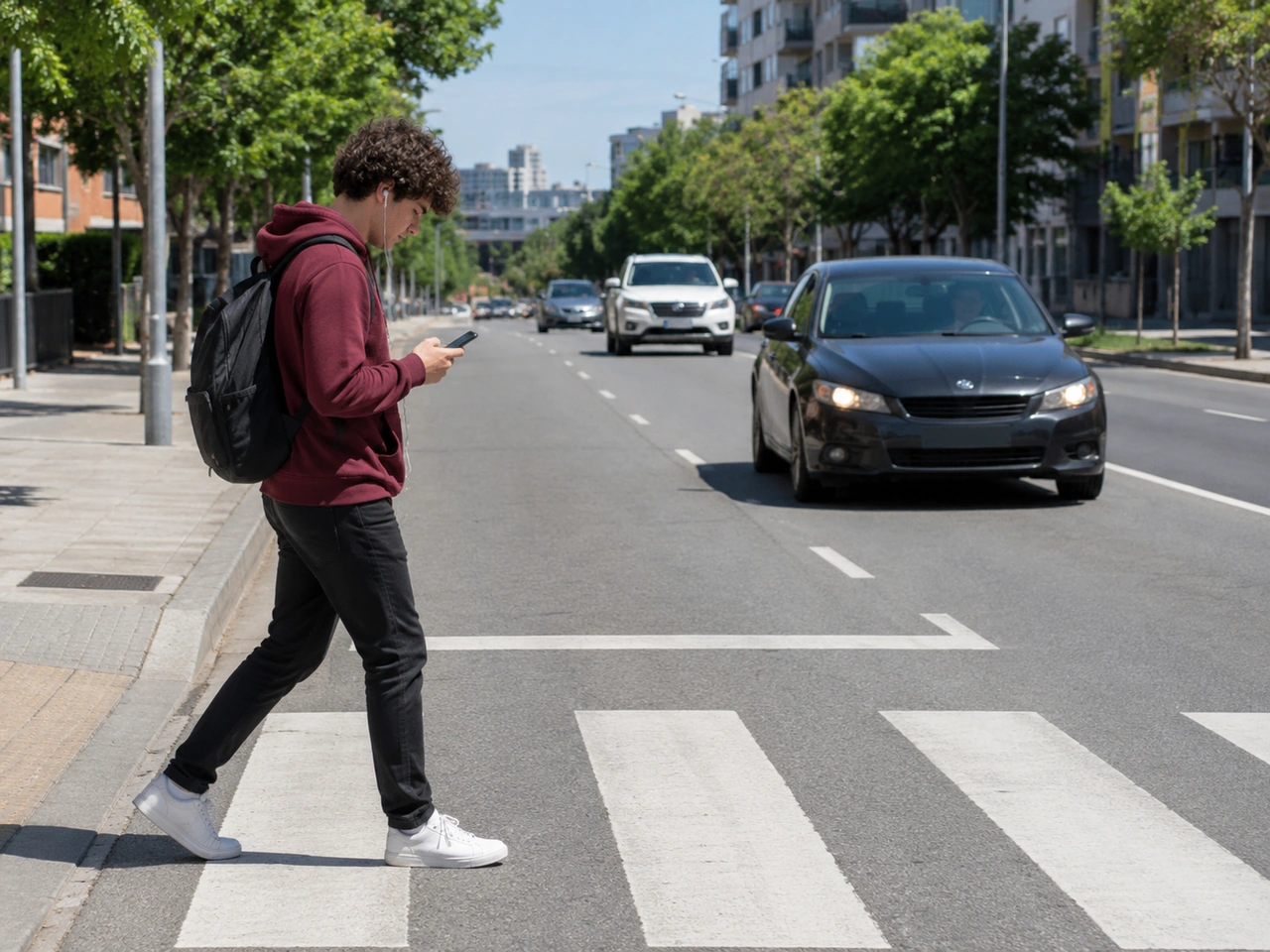
Why is it dangerous to cross while listening to loud music?

555. Why is it dangerous to cross while listening to loud music?

It makes you walk more slowly across the road.
Drivers may not hear you crossing.
✓ You may not hear approaching traffic.
You may not see approaching traffic clearly.

Loud music can reduce your awareness of vehicles, bicycles, horns, and other warning sounds.

Pedestrian listening to music while crossing the road
AI-generated by Traffic-rules.com • WCIT • CC BY-SA
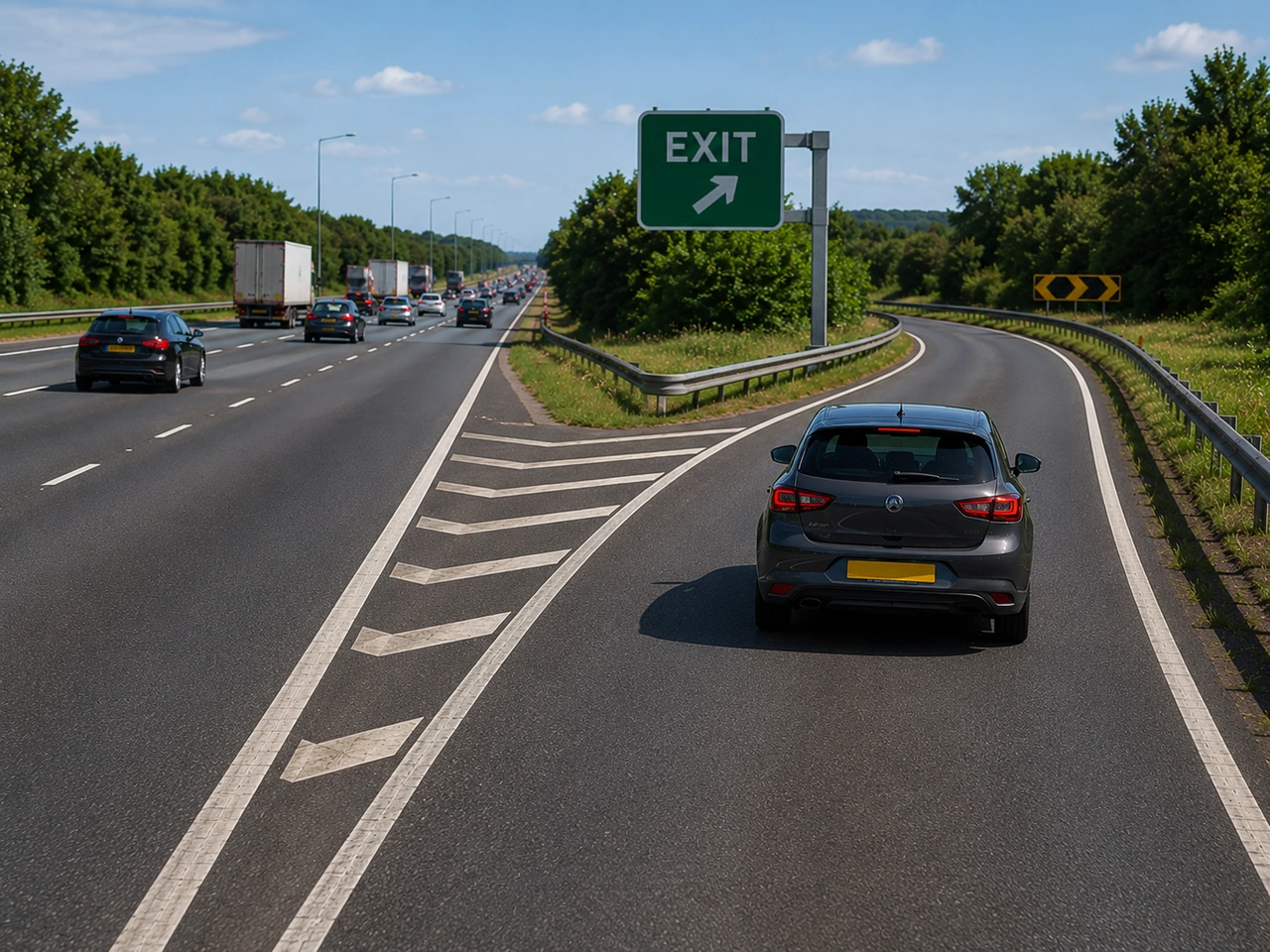
What should you do before leaving a motorway?

556. What should you do before leaving a motorway?

✓ Check your mirrors, signal in good time, and enter the exit lane safely.
Cross several lanes at the last moment.
Signal only after entering the exit lane.
Brake sharply before entering the exit lane.

Plan your exit early, move into the correct lane safely, and reduce speed after entering the exit road where appropriate.

Vehicle preparing to take a motorway exit
AI-generated by Traffic-rules.com • WCIT • CC BY-SA
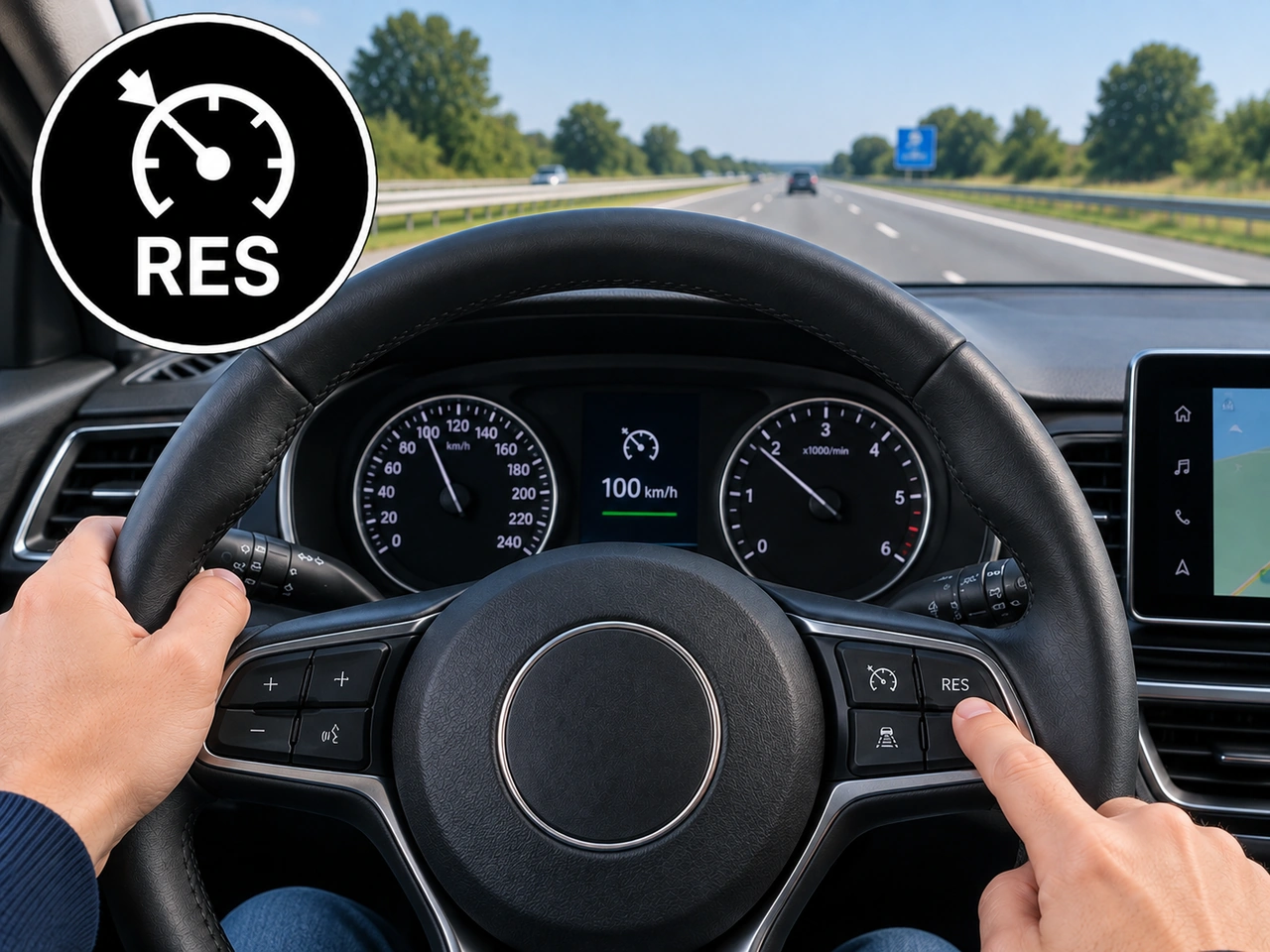
What does the resume function of cruise control normally do?

557. What does the resume function of cruise control normally do?

✓ Returns the vehicle to the previously set cruising speed.
Sets the vehicle's current speed as a new limit.
Switches cruise control off completely.
Applies the brakes automatically.

The resume function normally returns the vehicle to the previously set cruise-control speed after the system has been temporarily disengaged. The driver should use it only when traffic and road conditions are suitable.

RES button for resuming the stored cruising speed
AI-generated by Traffic-rules.com • WCIT • CC BY-SA
Why is it important to make yourself visible at night?

558. Why is it important to make yourself visible at night?

✓ To make drivers see you more easily.
To make drivers give way wherever you cross.
To make it safe to walk closer to moving traffic.
To avoid checking for approaching vehicles.

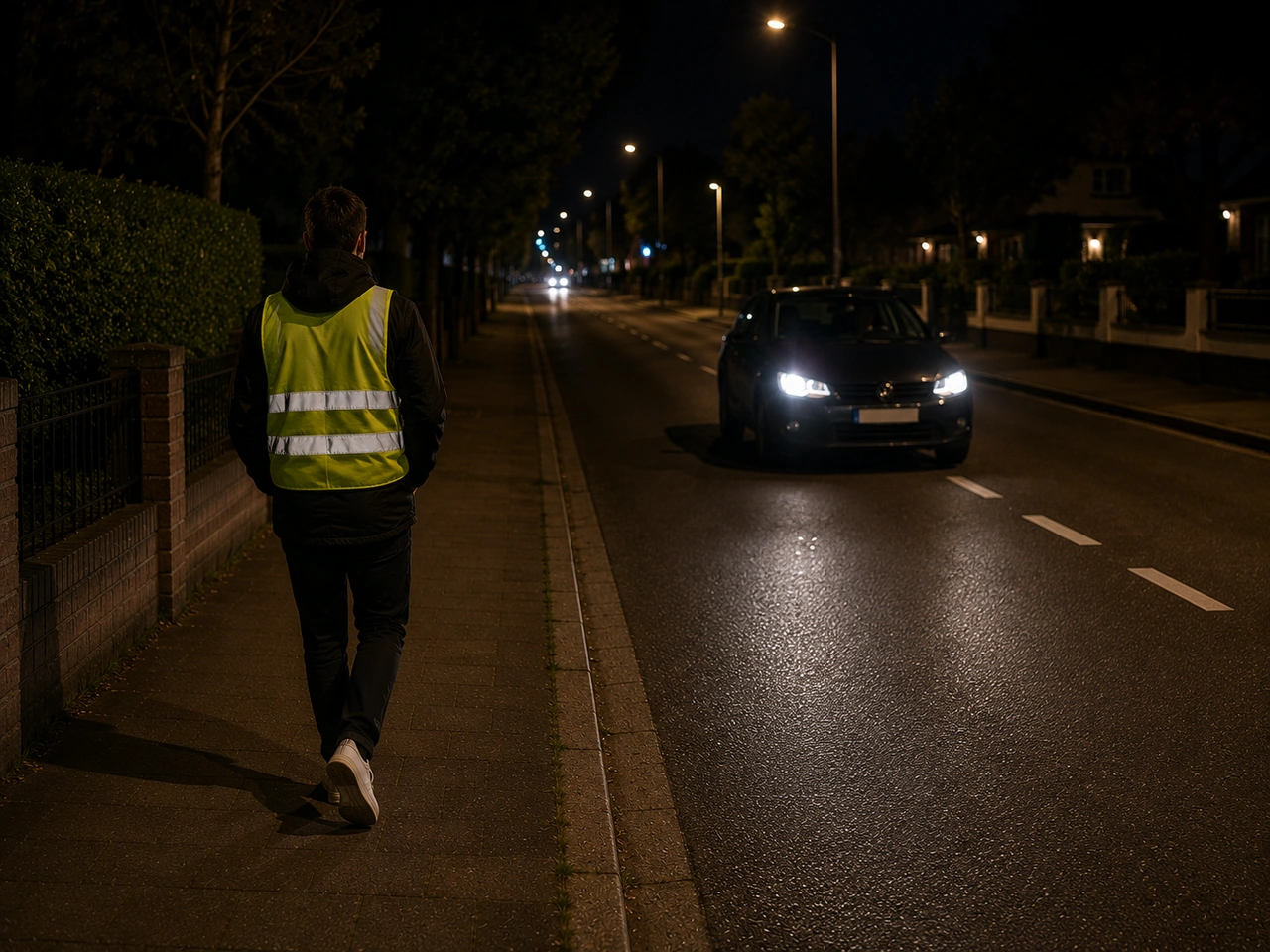
Bright or reflective clothing helps drivers notice pedestrians in low-light conditions.

Pedestrian visibility beside a road at night
AI-generated by Traffic-rules.com • WCIT • CC BY-SA
What should you do if another driver behaves aggressively towards you?

559. What should you do if another driver behaves aggressively towards you?

Follow them closely to show your disapproval.
✓ Stay calm, avoid confrontation, and create more distance.
Speed up to prevent them from passing you.
Respond with your horn and gestures.

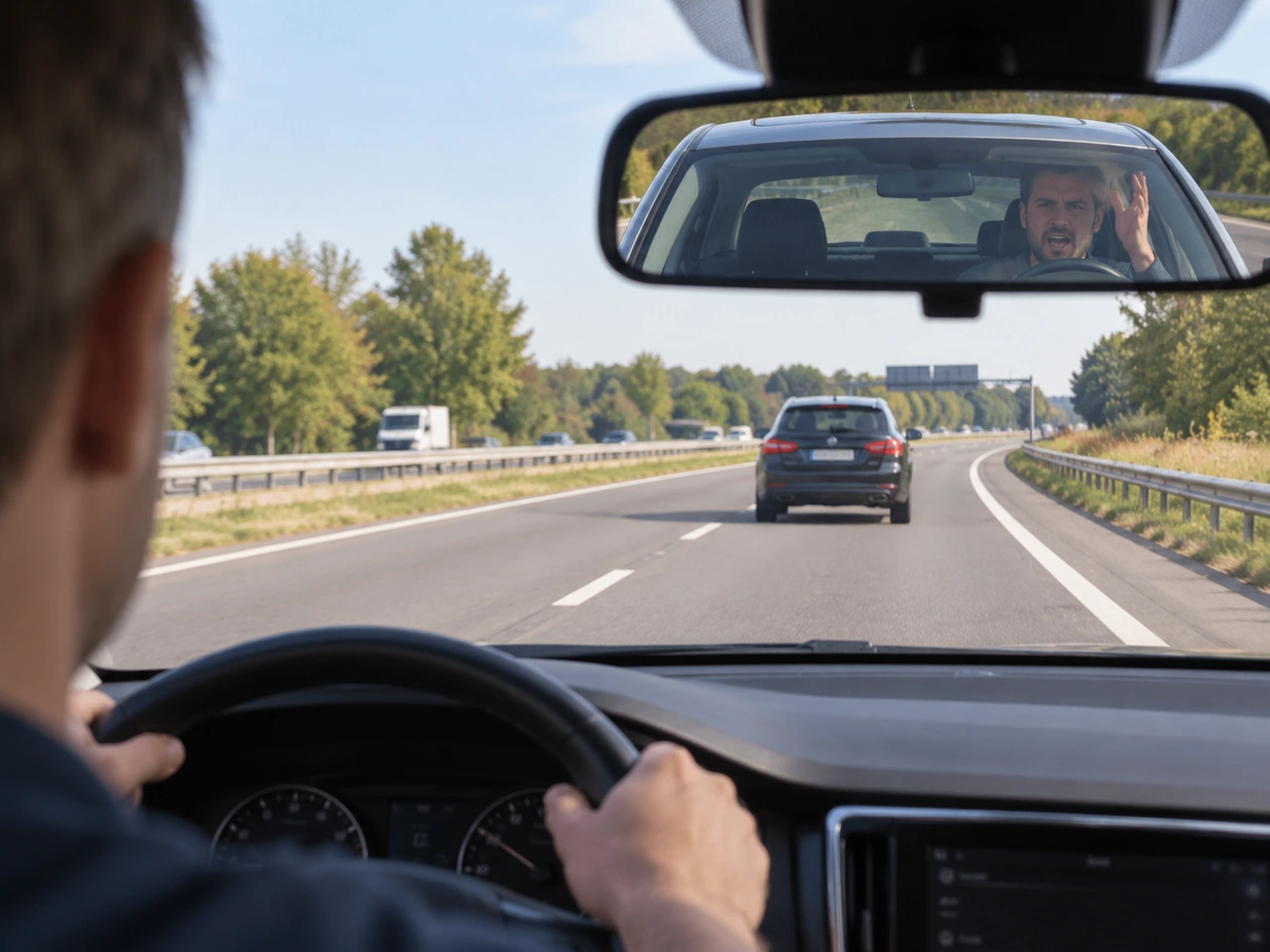
If another driver behaves aggressively, do not retaliate or become involved in a confrontation. Stay calm, increase the distance between you, and let the other vehicle move away when possible. If you feel threatened, go to a safe public place and seek appropriate assistance.

Driver facing aggressive behaviour from another road user
AI-generated by Traffic-rules.com • WCIT • CC BY-SA
How should luggage be carried on a bicycle?

560. How should luggage be carried on a bicycle?

✓ Securely, without affecting steering, braking, or balance.
As high as possible to keep it away from the wheels.
On one side of the bicycle to leave the other side clear.
On one handlebar if the bag is not very heavy.

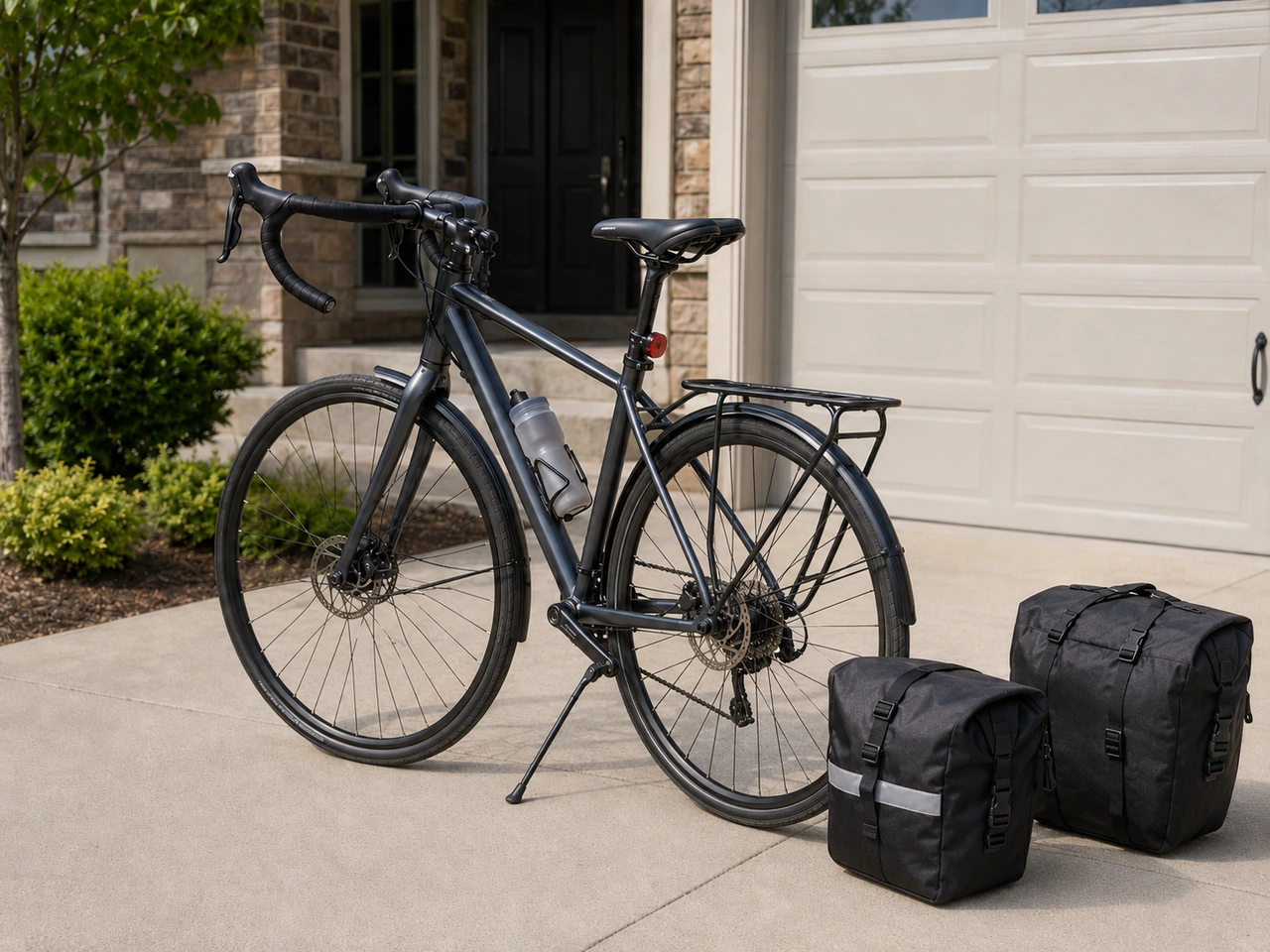
Loose or badly positioned luggage can interfere with control, become caught in the wheels, or hide bicycle lights.

Luggage carried on a bicycle
AI-generated by Traffic-rules.com • WCIT • CC BY-SA
What should you expect when leaving a tunnel in bright sunlight?

561. What should you expect when leaving a tunnel in bright sunlight?

The road surface becoming more slippery.
The brakes becoming more powerful.
The speed limit automatically increasing.
✓ Temporary glare and reduced visibility.

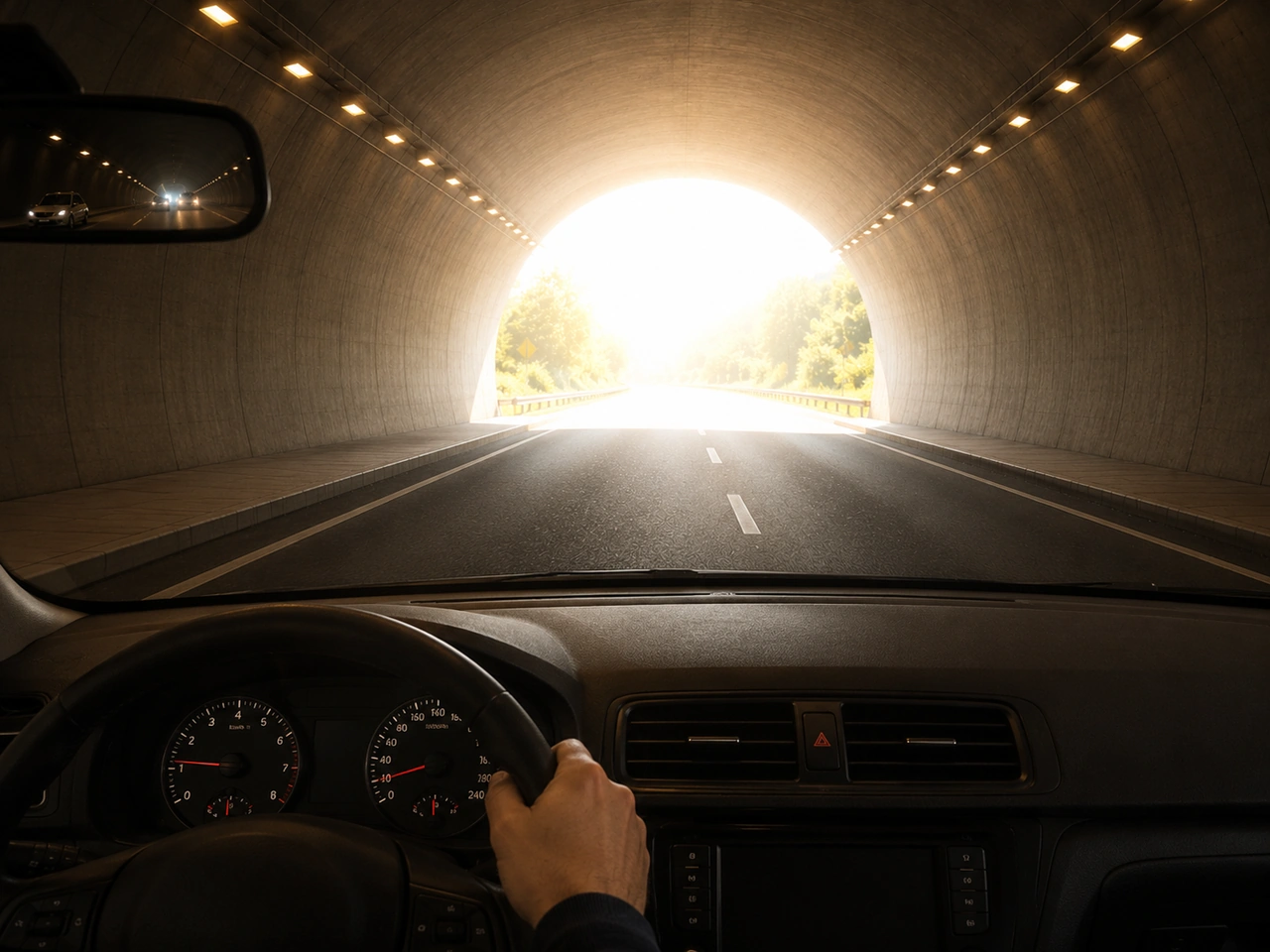
Your eyes may need time to adjust from the darker tunnel to bright daylight. Reduce speed if necessary and remain alert.

Bright sunlight at the exit of a road tunnel
AI-generated by Traffic-rules.com • WCIT • CC BY-SA
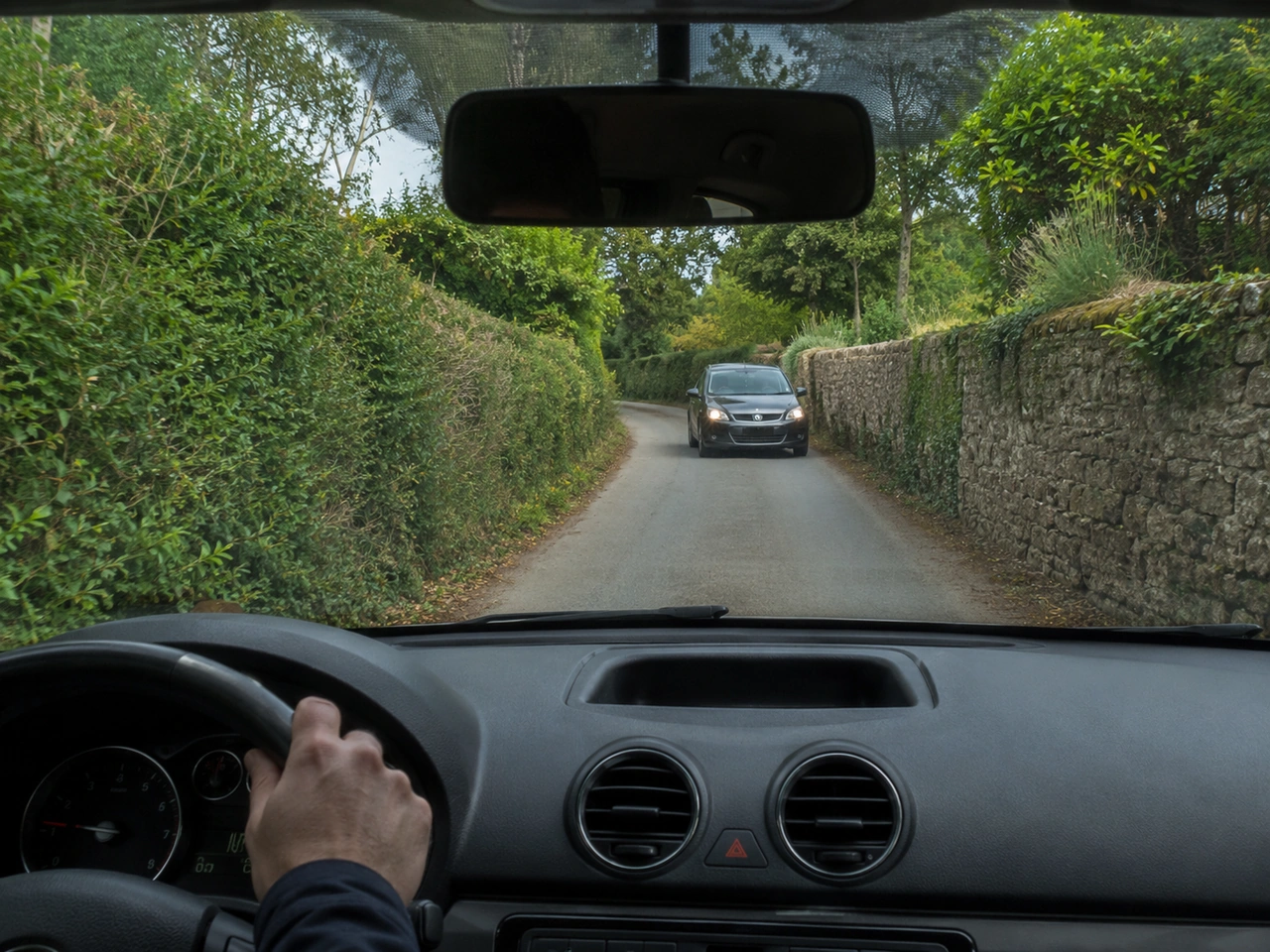
What should you do when approaching a narrow road with oncoming traffic?

562. What should you do when approaching a narrow road with oncoming traffic?

Move closer to the road edge without reducing speed.
✓ Slow down and give space when needed.
Expect the oncoming driver to make room for you.
Maintain your speed if there appears to be enough room.

On narrow roads, reduce speed and be prepared to stop or use a suitable passing place. Leave enough space for the oncoming vehicle and avoid forcing either vehicle into an unsafe position.

Oncoming vehicles approaching a narrow stretch of road
AI-generated by Traffic-rules.com • WCIT • CC BY-SA
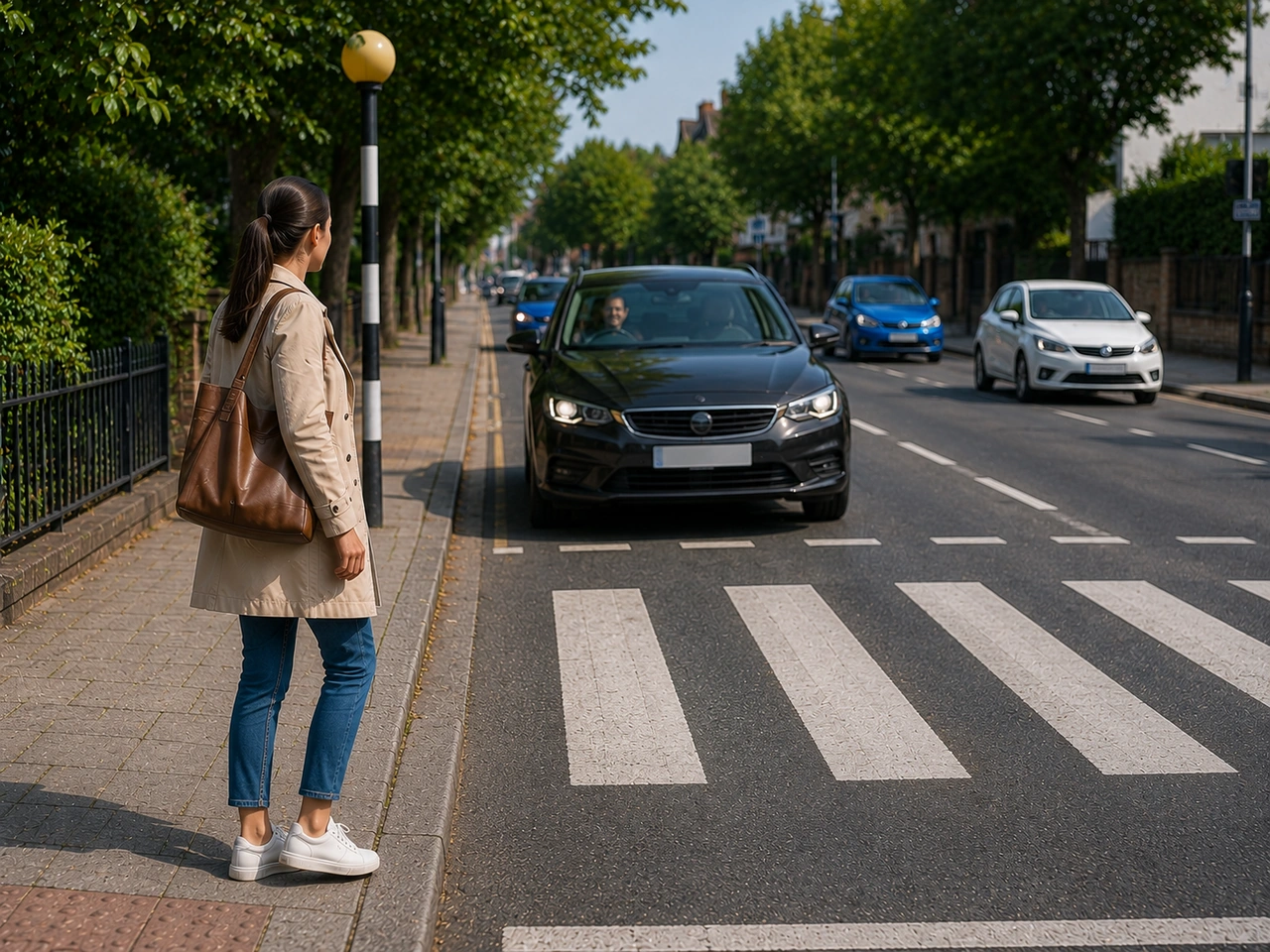
What should you do if traffic stops and a driver waves you across?

563. What should you do if traffic stops and a driver waves you across?

Check only the lane nearest to you.
Assume traffic in the other lanes will also stop.
Watch the stopped driver instead of the other traffic.
✓ Check that all lanes are safe before crossing.

One driver may stop, but other vehicles may still be moving. Always check all lanes before crossing.

Driver waving a pedestrian across the road
AI-generated by Traffic-rules.com • WCIT • CC BY-SA
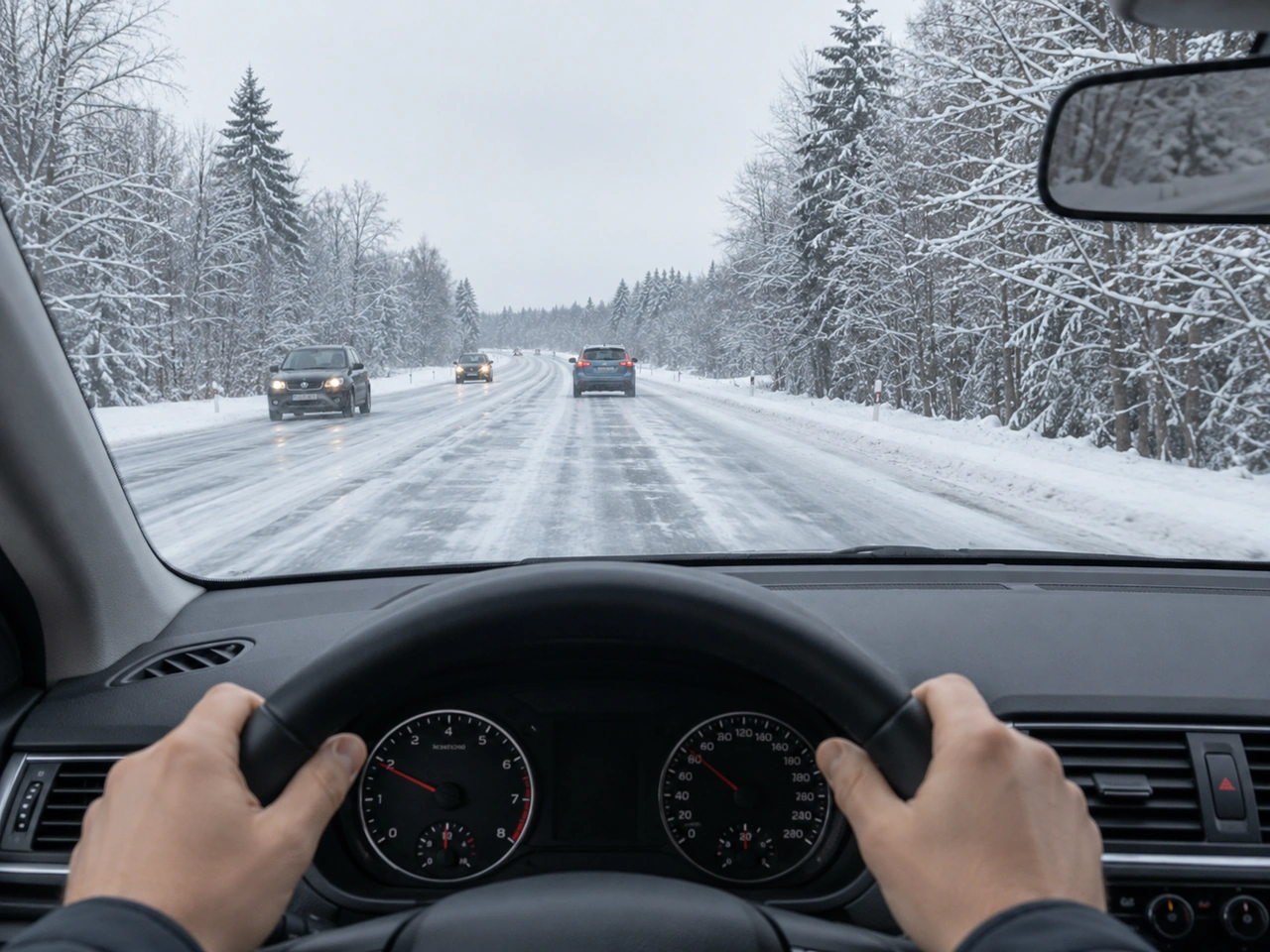
Why should you leave a much larger following distance on an icy road?

564. Why should you leave a much larger following distance on an icy road?

✓ Because stopping distances can be much longer.
To make the headlights work more effectively.
To give the engine more time to warm up.
Because ice increases tyre wear.

Tyres have much less grip on ice, so braking takes longer. Extra distance gives you more time to slow down safely.

Following distance between vehicles on an icy road
AI-generated by Traffic-rules.com • WCIT • CC BY-SA
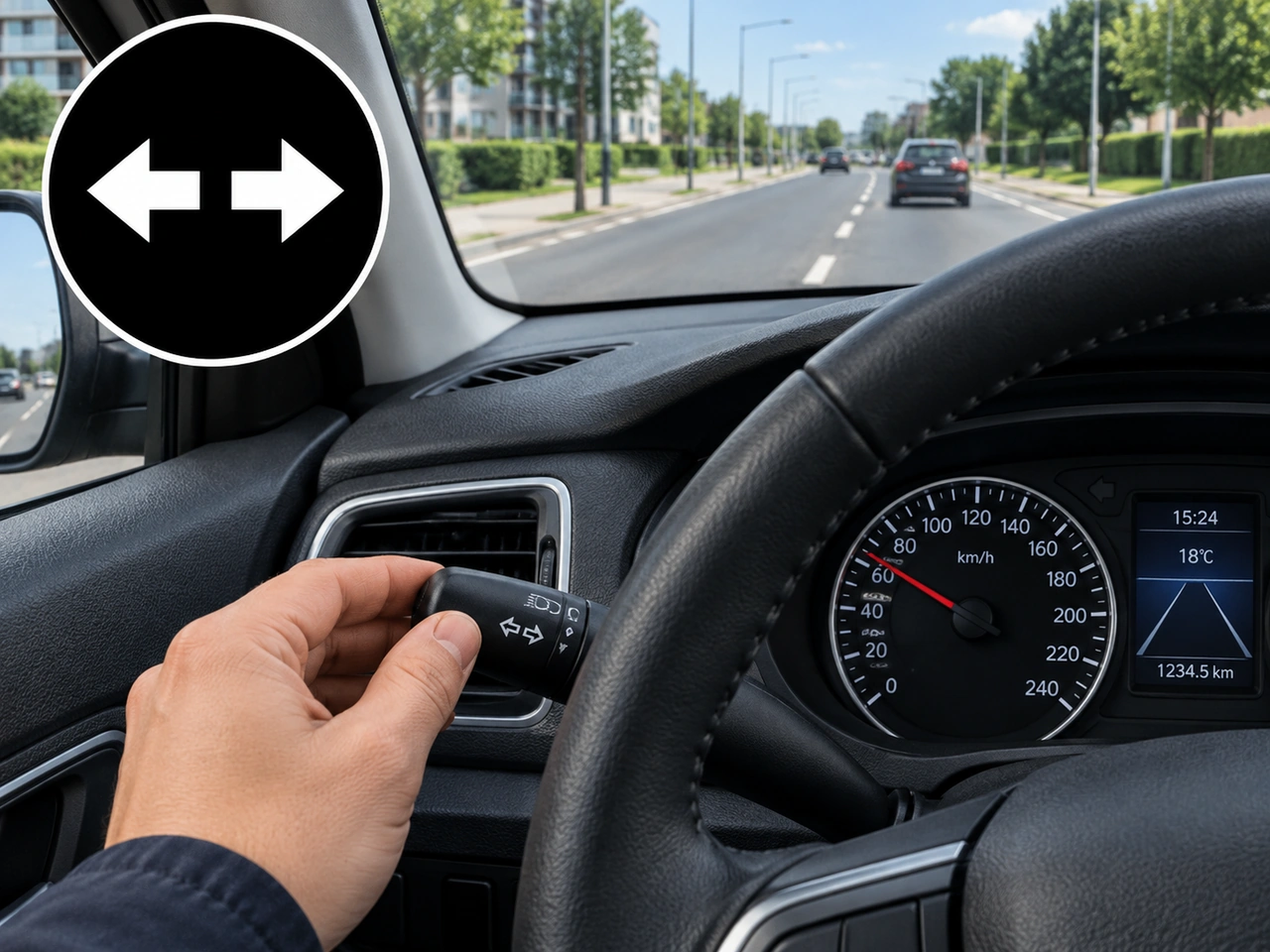
What should you do if a direction indicator does not cancel after a turn?

565. What should you do if a direction indicator does not cancel after a turn?

✓ Return the indicator control to its neutral position.
Leave it flashing until the next turn.
Switch on the hazard warning lights.
Press the horn.

Direction indicators often cancel automatically after a turn, but if an indicator remains on, return the indicator control to its neutral position so you do not mislead other road users.

Returning the indicator stalk to its neutral position
AI-generated by Traffic-rules.com • WCIT • CC BY-SA
How should a disabled vehicle be towed?

566. How should a disabled vehicle be towed?

Without checking the steering or brakes.
With nobody controlling the disabled vehicle.
At the highest possible safe speed.
✓ Use approved towing points and a method permitted by local rules.

Incorrect towing can damage the vehicle or cause loss of control. Follow the manufacturer's instructions and local rules, and use professional recovery when the correct procedure is uncertain.

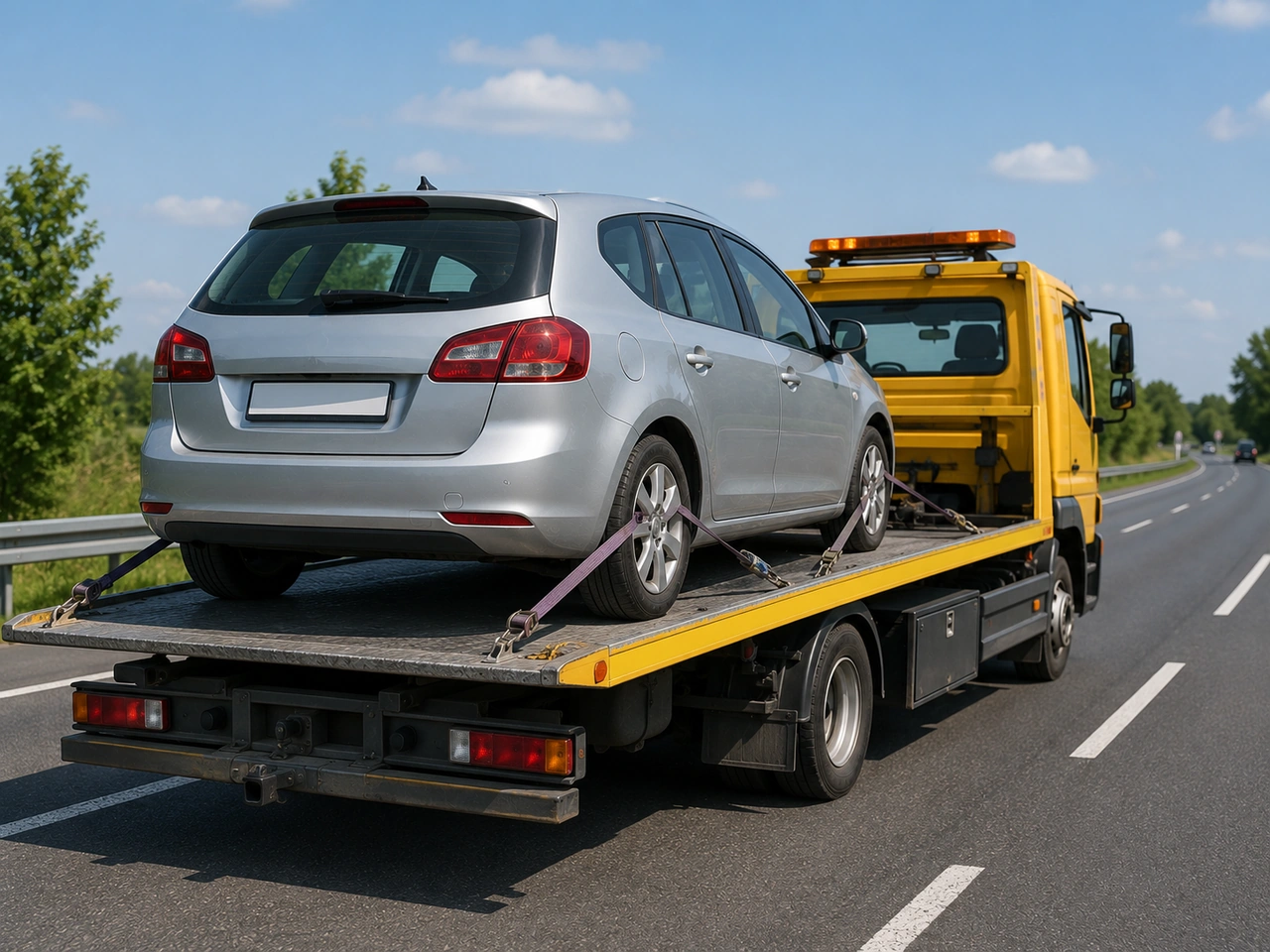
Disabled vehicle being towed
AI-generated by Traffic-rules.com • WCIT • CC BY-SA
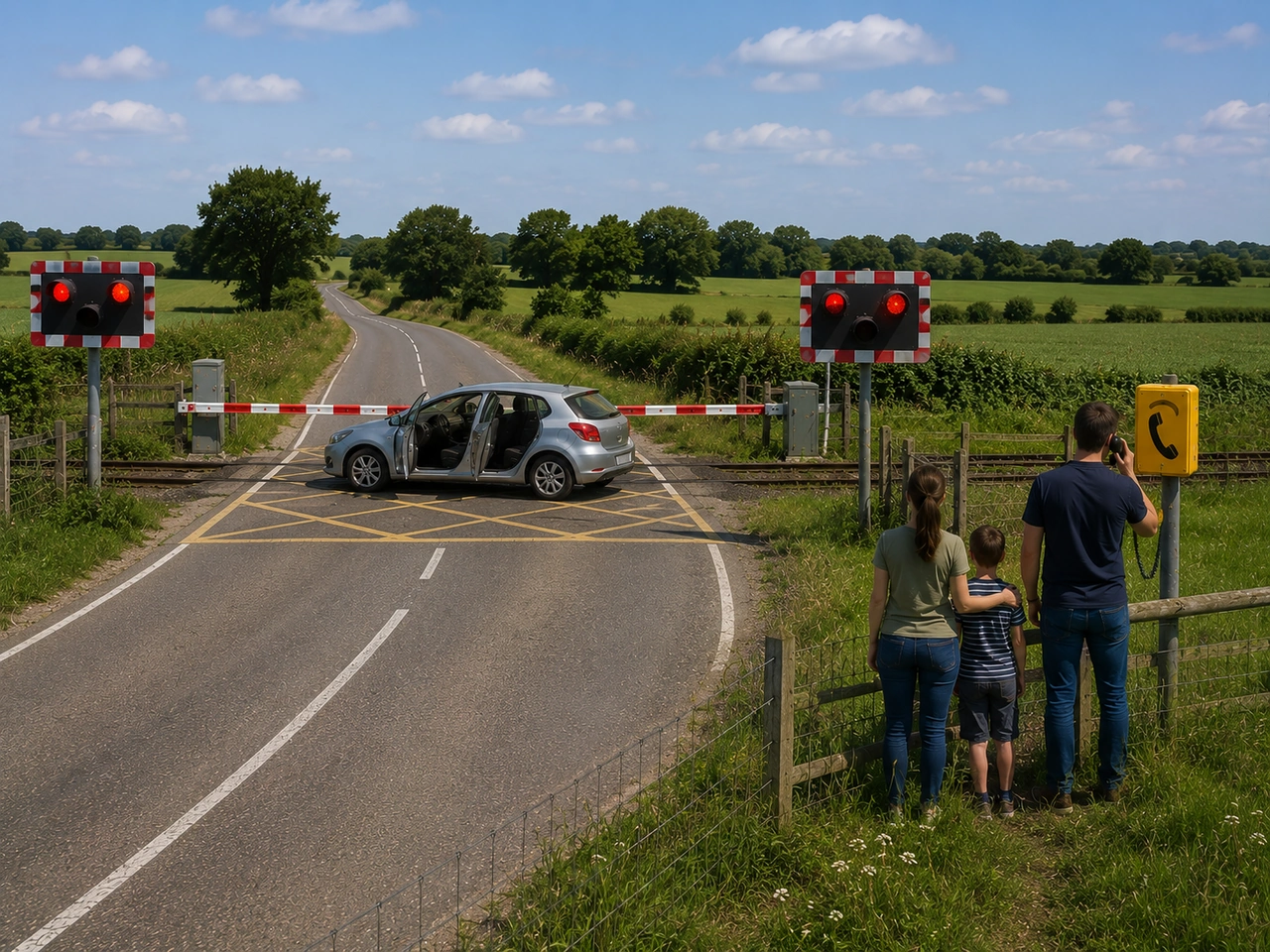
What should you do if your vehicle becomes stuck on a railway crossing?

567. What should you do if your vehicle becomes stuck on a railway crossing?

Try to restart the vehicle until help arrives.
Stay inside the vehicle and call for assistance.
✓ Get everyone out, move away, and contact the emergency services.
Walk along the tracks to look for help.

Move everyone well away from the tracks. Use the crossing emergency telephone or displayed contact information where available, or contact the emergency services immediately.

Vehicle stranded on a railway crossing
AI-generated by Traffic-rules.com • WCIT • CC BY-SA