


QuizTraffic rules
This interesting quiz helps you test your knowledge in a clear and visual way. With easy multiple-choice questions, you can quickly build confidence and learn new facts while keeping it simple, interactive, and fun.
 Traffic signs
 Traffic rules
 Worldwide
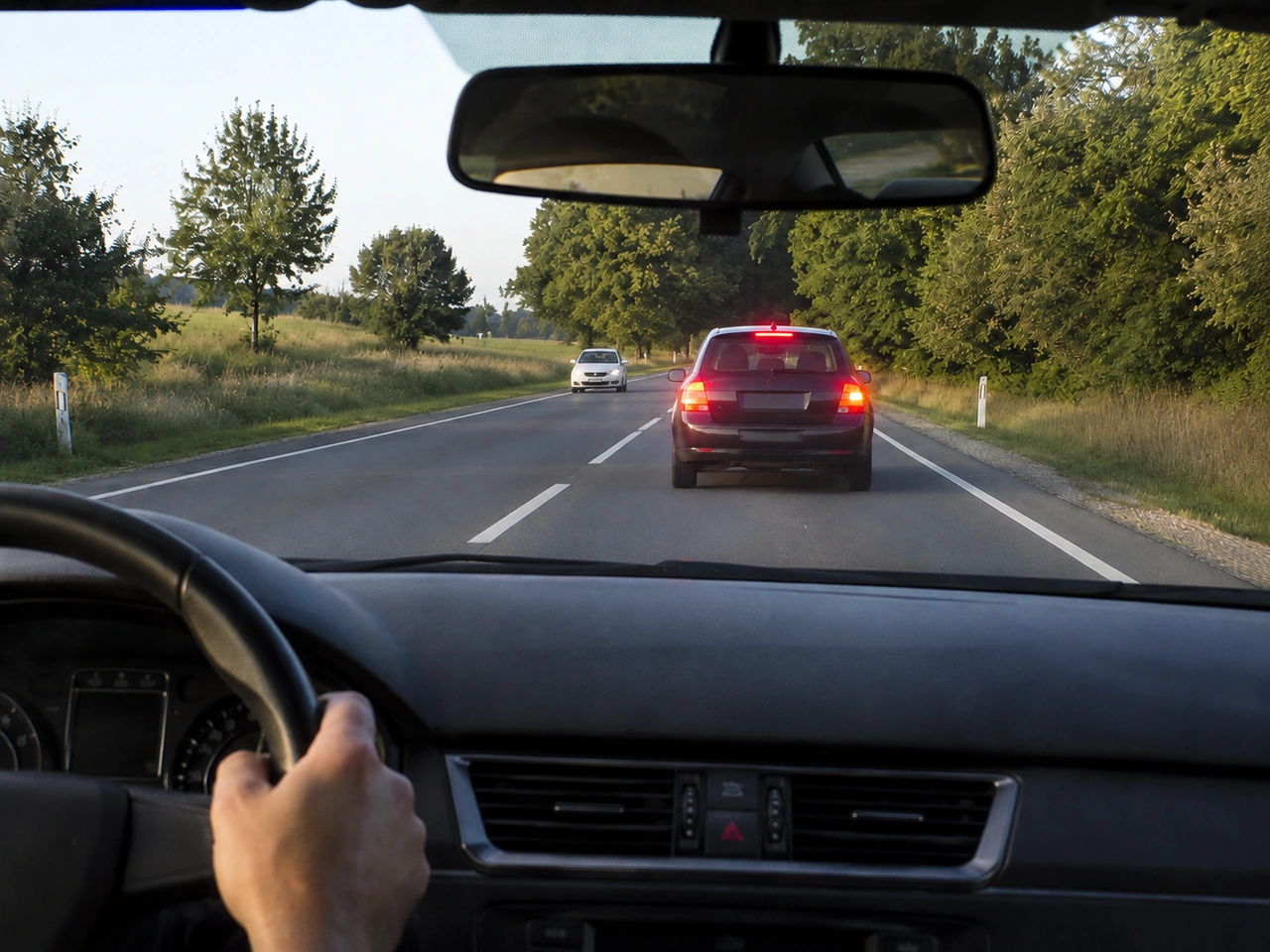
401. Why should you avoid sudden braking when it is not necessary?
Sudden braking can surprise drivers behind you and increase the risk of a rear-end collision.
AI-generated by Traffic-rules.com • WCIT • CC BY-SA

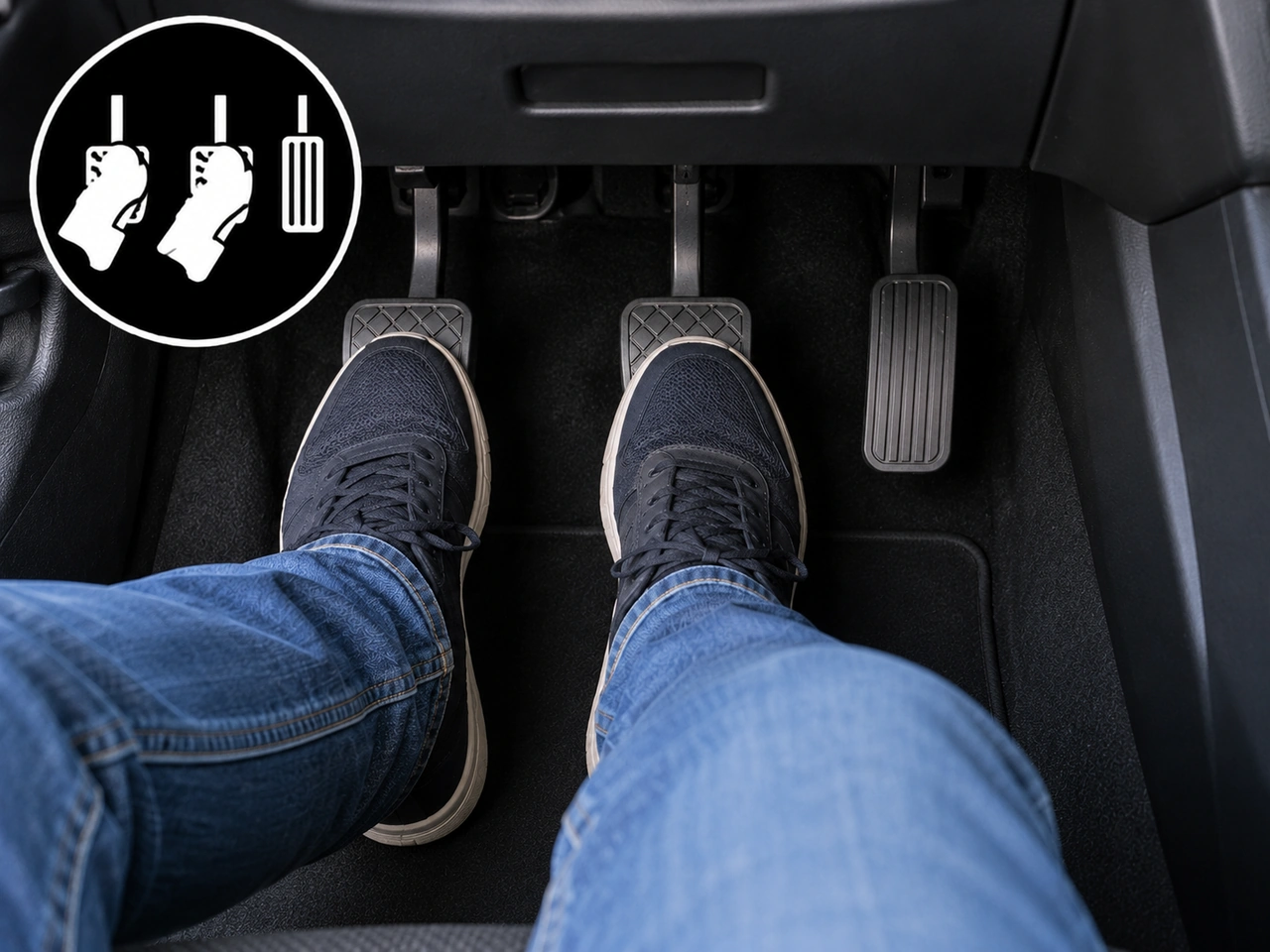
402. What should you do with the clutch when bringing a manual vehicle to a stop?
When stopping a manual vehicle, brake normally and press the clutch pedal before the engine speed becomes too low and the engine stalls. Avoid pressing the clutch unnecessarily early, as this reduces engine braking.
AI-generated by Traffic-rules.com • WCIT • CC BY-SA
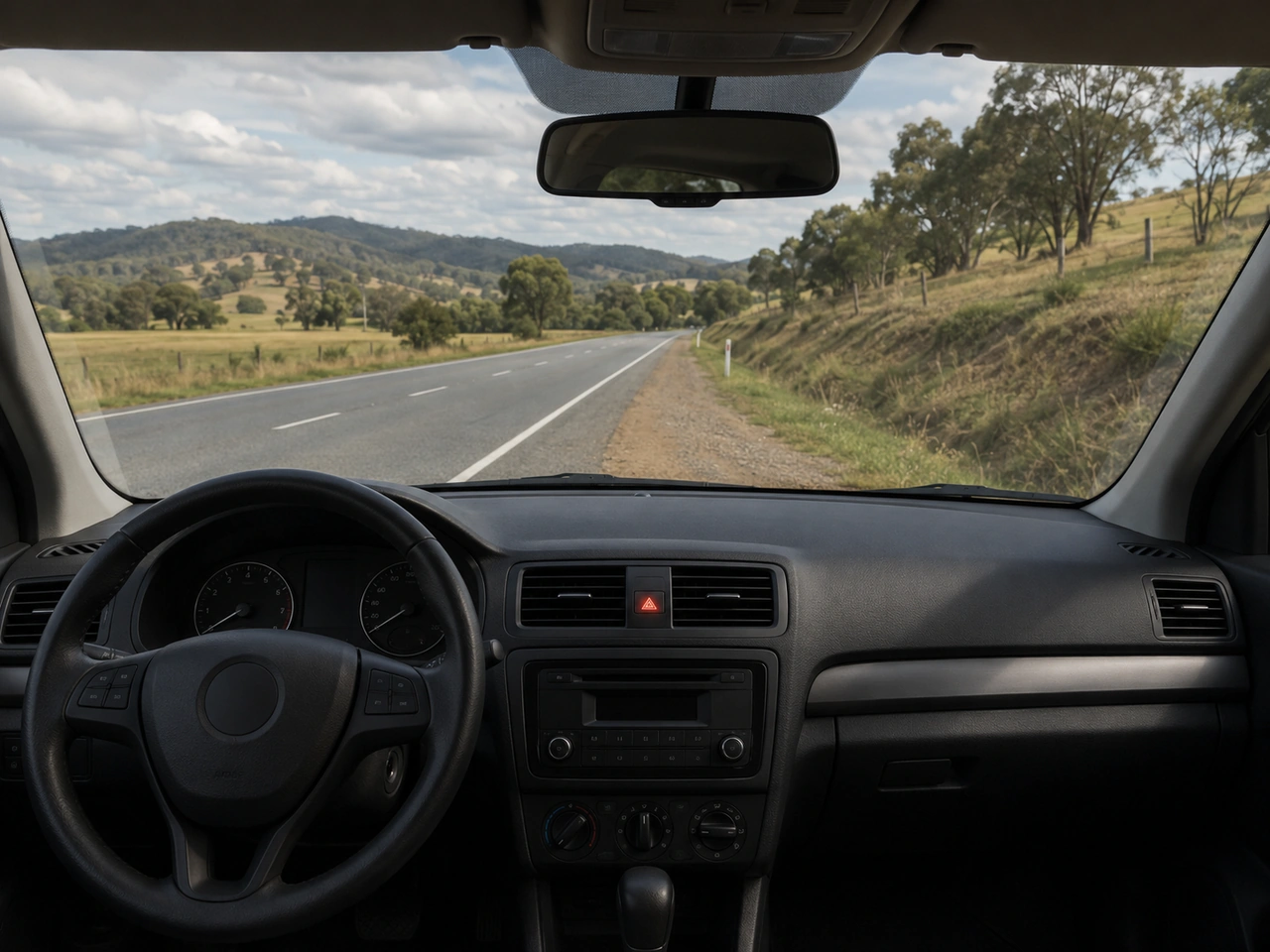
403. What should you do after stopping because of a breakdown?
Secure the vehicle so that it cannot move and use the hazard warning lights to alert approaching traffic. Where required and safe, place a warning triangle to give additional warning.
AI-generated by Traffic-rules.com • WCIT • CC BY-SA
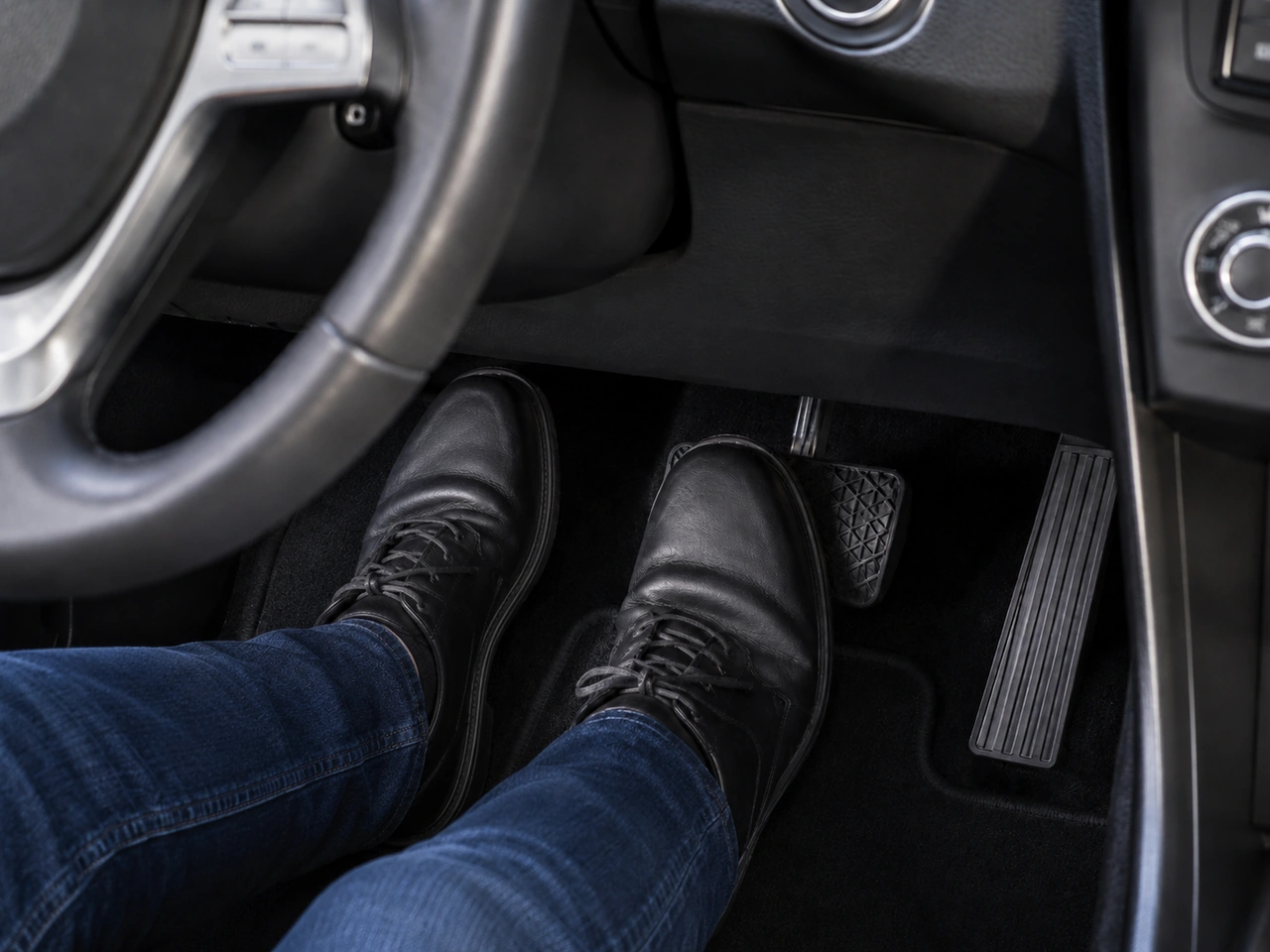
404. What should you do if the brake pedal feels unusually soft?
A soft brake pedal or increased stopping distance may indicate a serious brake fault. Do not continue driving normally until the system has been checked.
AI-generated by Traffic-rules.com • WCIT • CC BY-SA
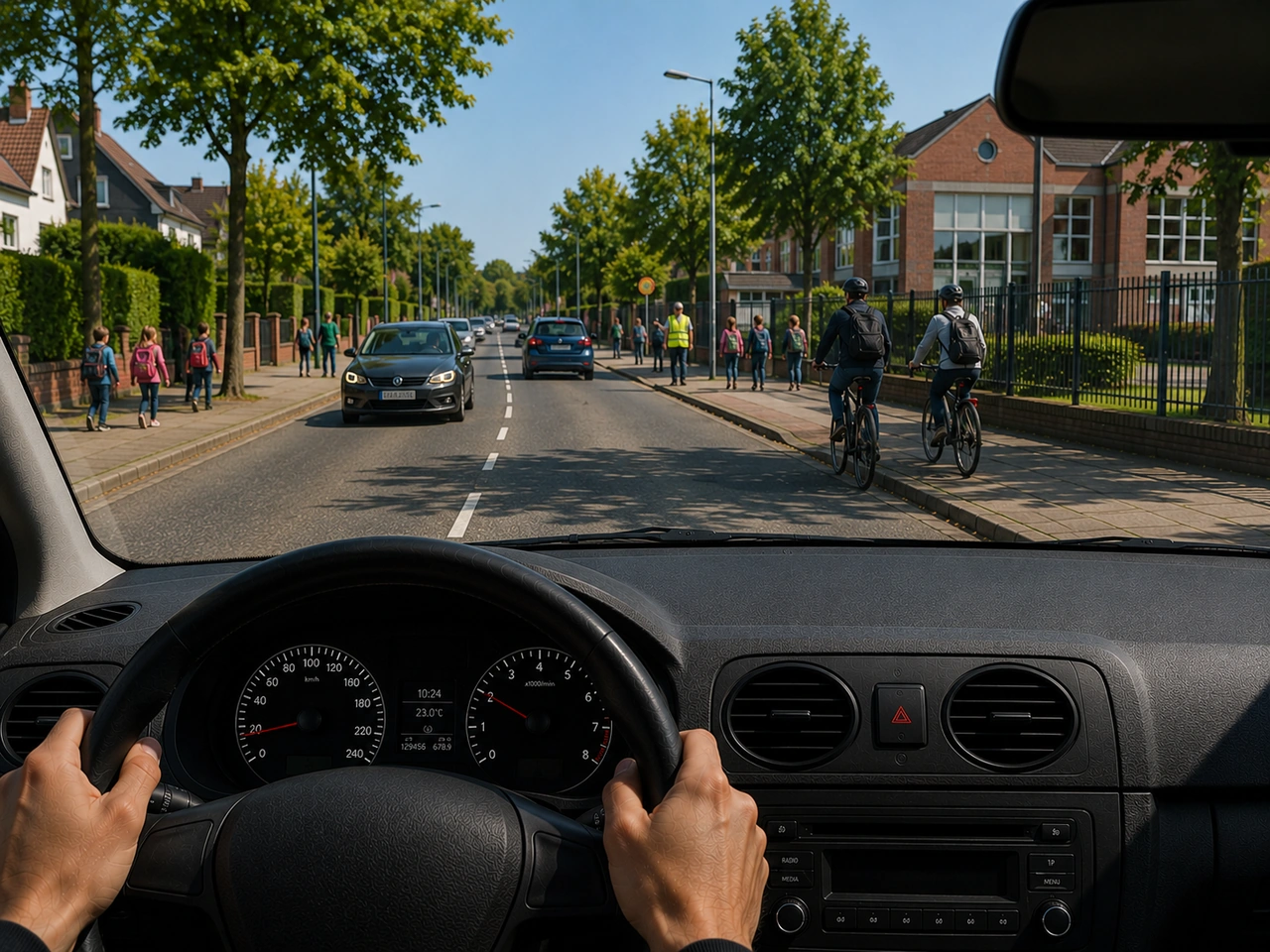
405. What should you do when driving near a school area?
Children near schools may cross unexpectedly or be hidden between parked vehicles. Reduce speed and be ready to stop.
AI-generated by Traffic-rules.com • WCIT • CC BY-SA
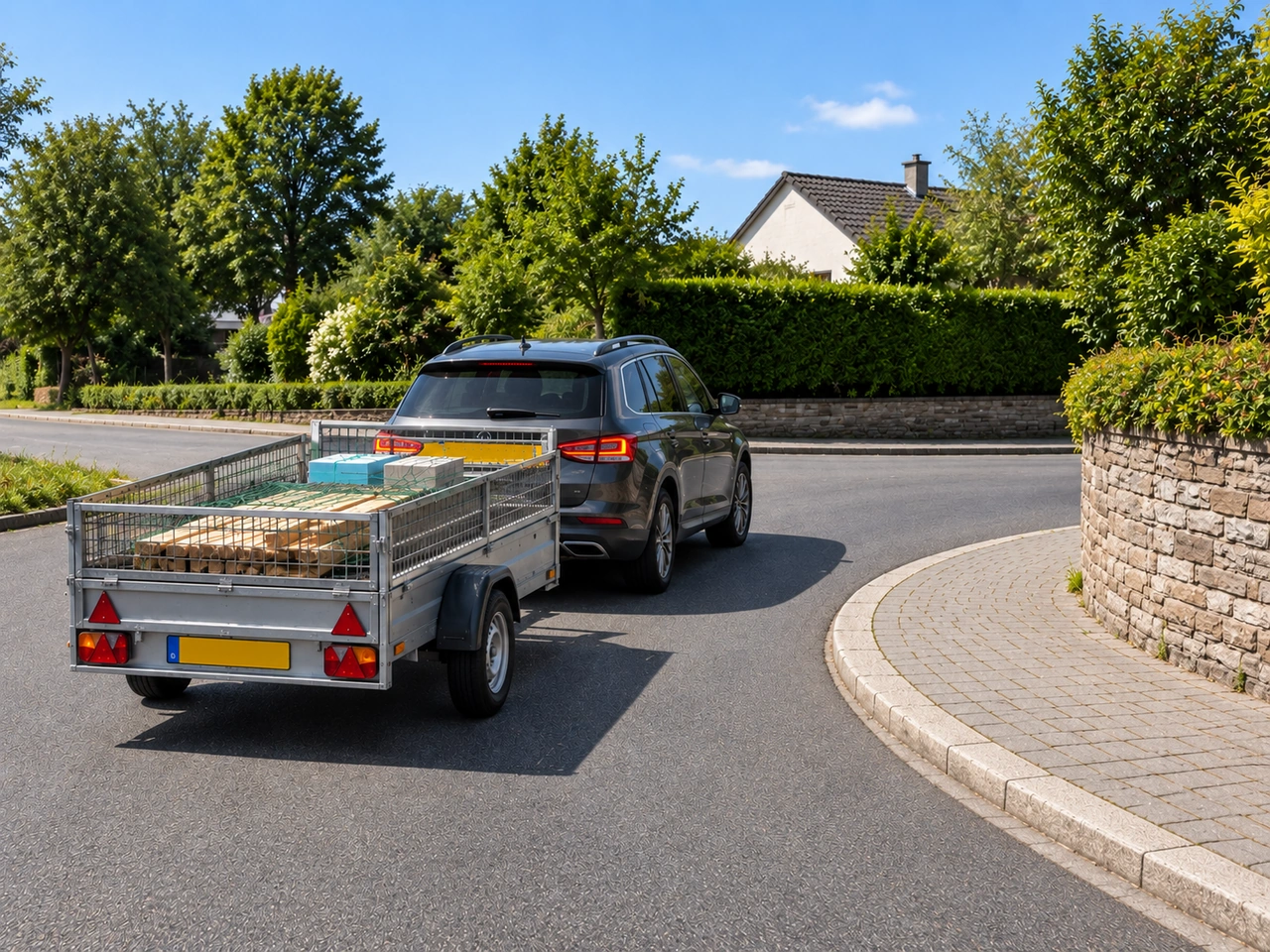
406. Why must you take wider turns when towing a trailer?
Trailer wheels cut closer to the inside of a turn. Allow enough clearance from kerbs, signs, pedestrians, and other vehicles.
AI-generated by Traffic-rules.com • WCIT • CC BY-SA
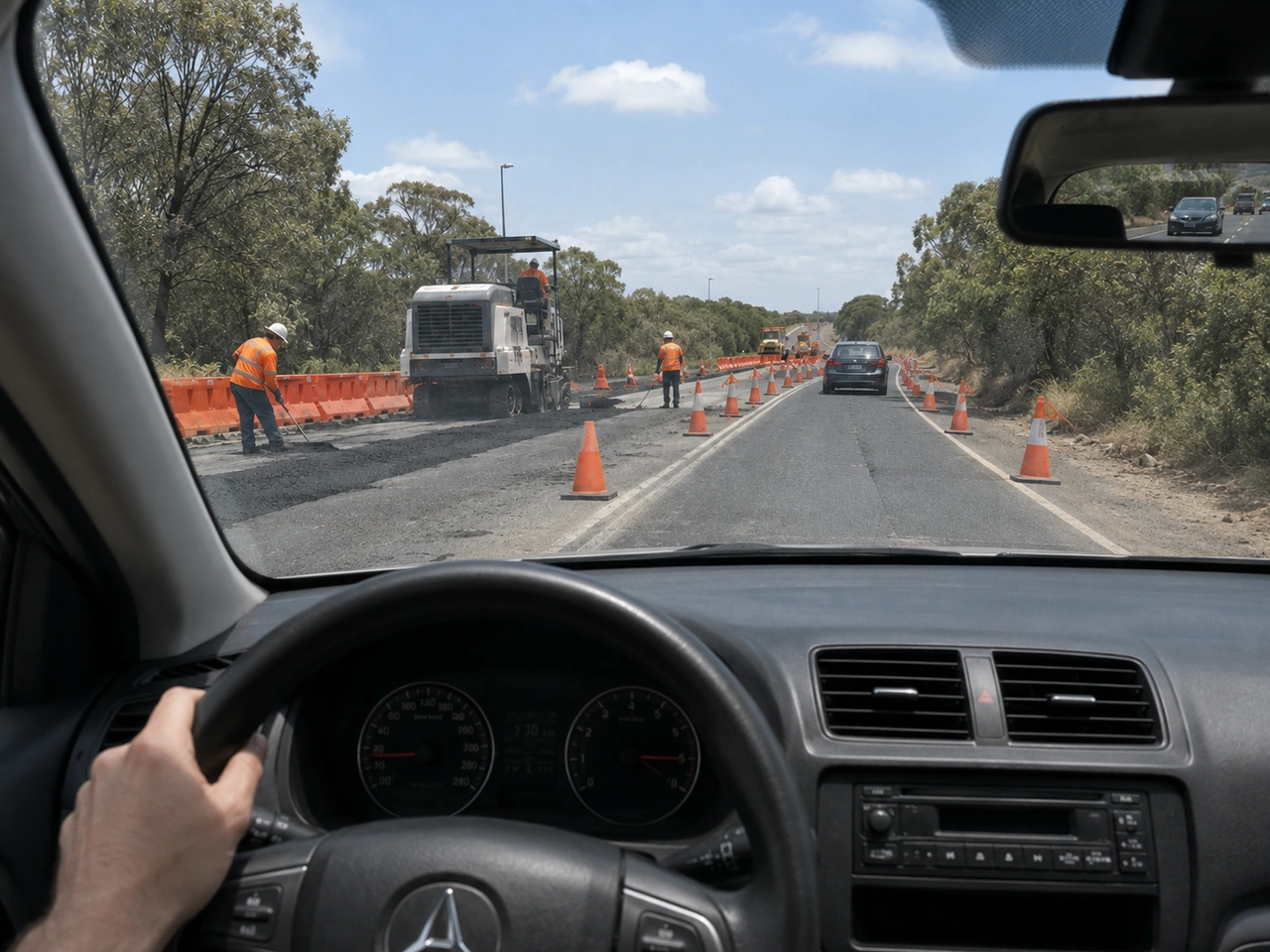
407. Why should you reduce speed when approaching roadworks?
Roadworks can involve workers, machinery, changing lane layouts, and uneven surfaces. Lower speed gives you more time to react.
AI-generated by Traffic-rules.com • WCIT • CC BY-SA
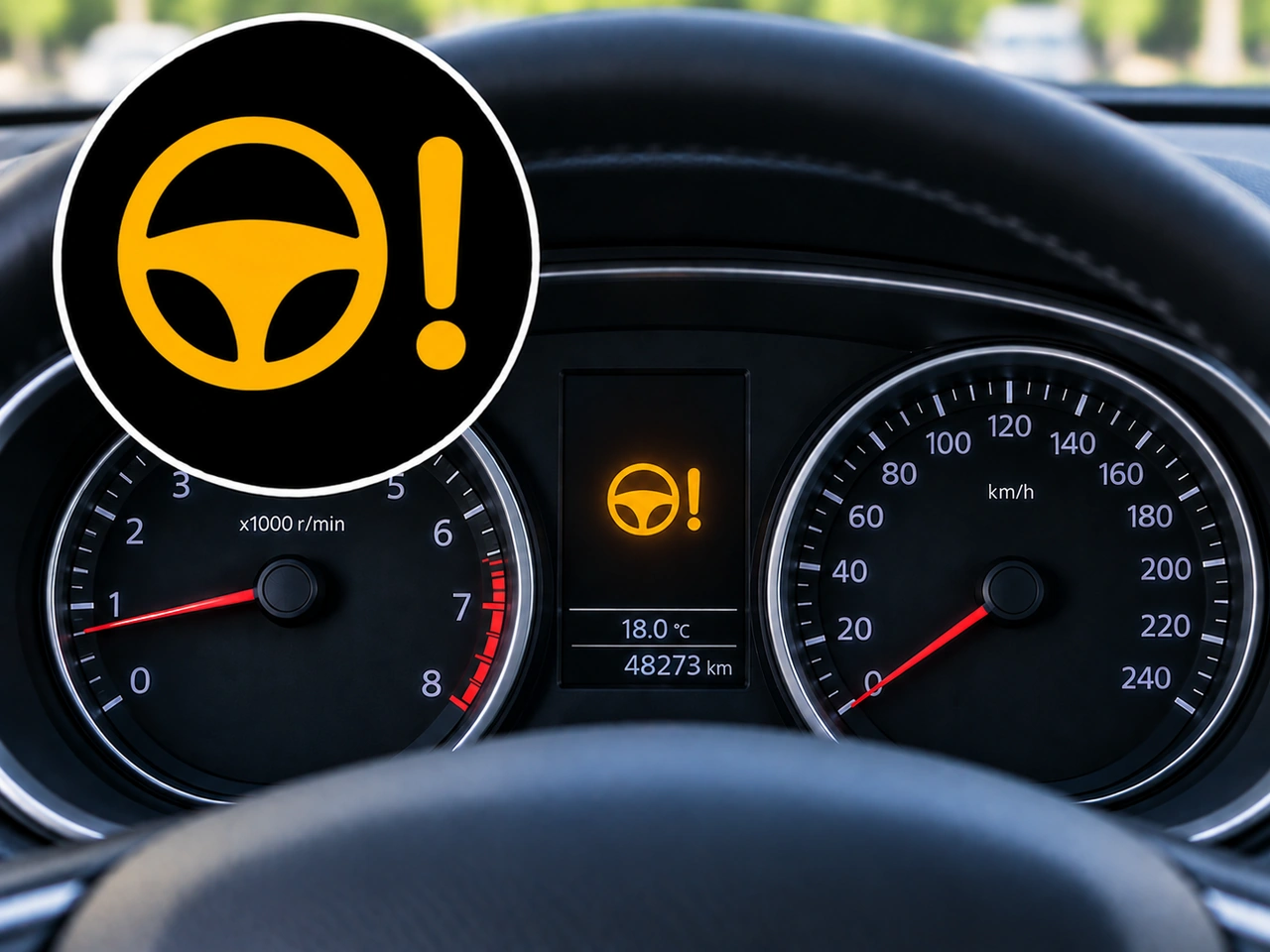
408. What does this dashboard symbol indicate?
This symbol indicates a possible fault with the power-steering system. Steering assistance may be reduced or unavailable, making the steering wheel harder to turn.
AI-generated by Traffic-rules.com • WCIT • CC BY-SA
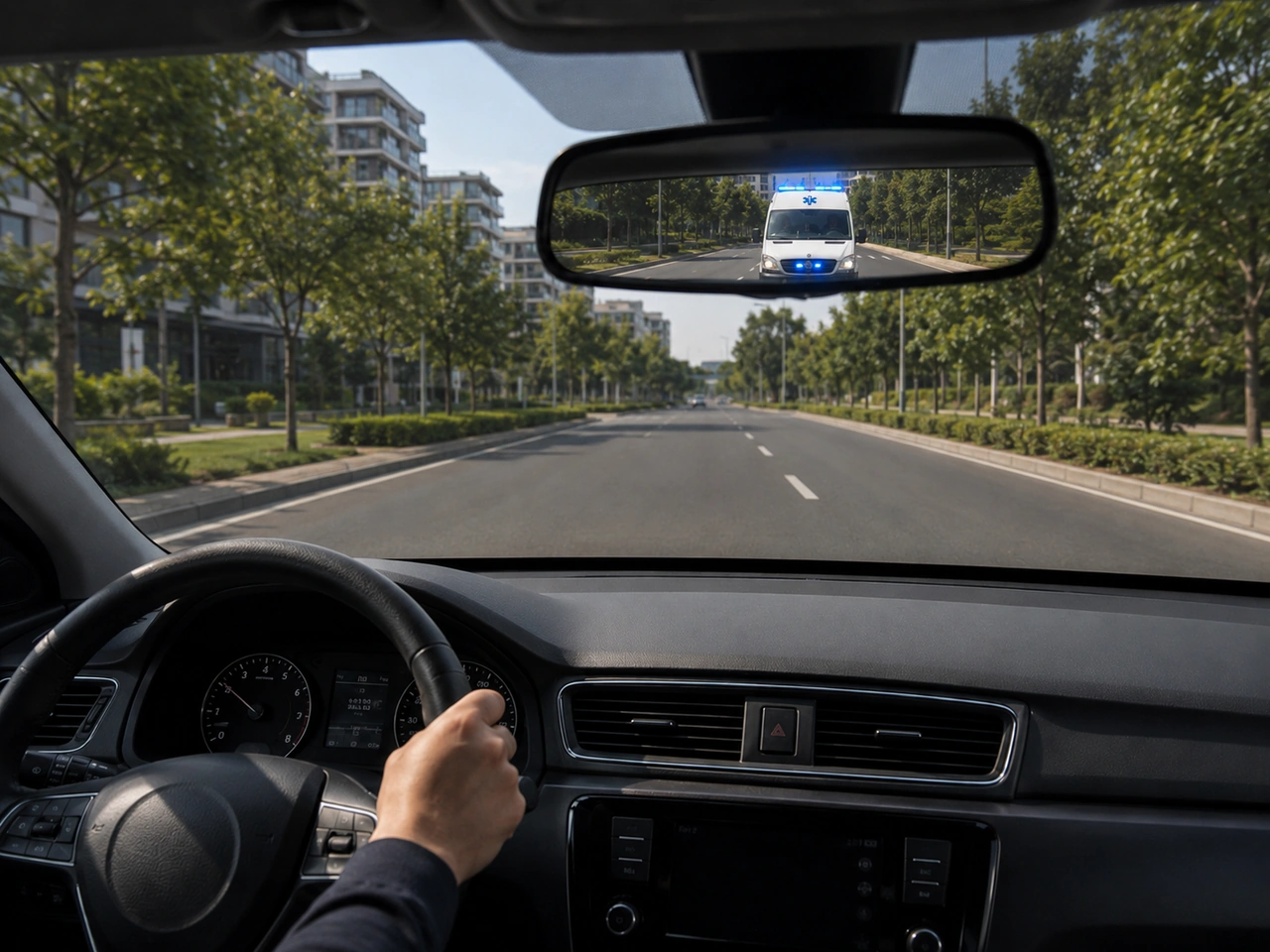
409. What should you do if an emergency vehicle approaches with lights or siren on?
When an emergency vehicle uses lights or siren, check your surroundings and make room safely without sudden or dangerous movements.
AI-generated by Traffic-rules.com • WCIT • CC BY-SA
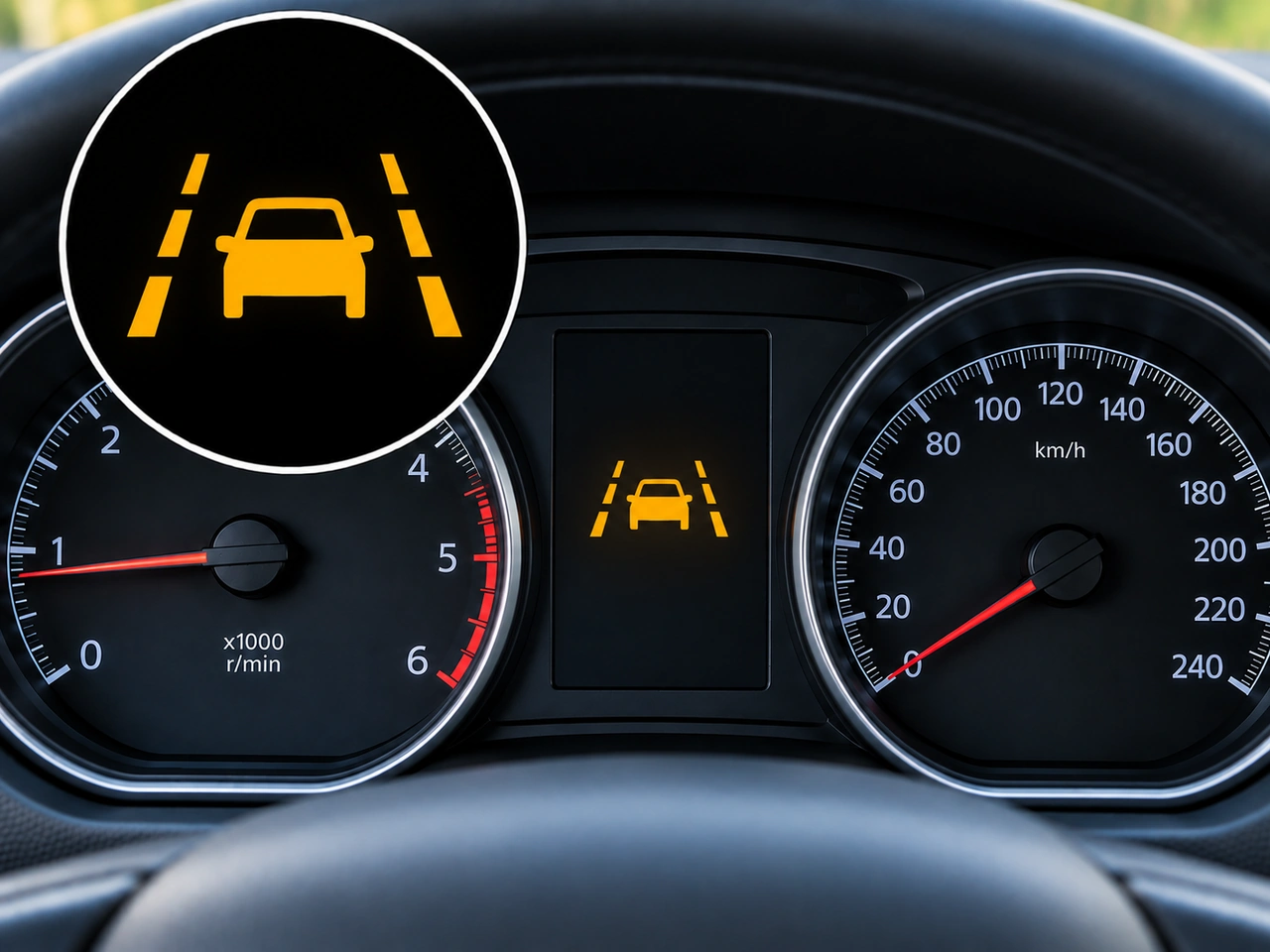
410. What does this dashboard symbol indicate?
This symbol relates to the lane-departure warning or lane-keeping system. The system monitors the vehicle's position within its lane and may warn the driver if the vehicle begins to leave the lane unintentionally.
AI-generated by Traffic-rules.com • WCIT • CC BY-SA
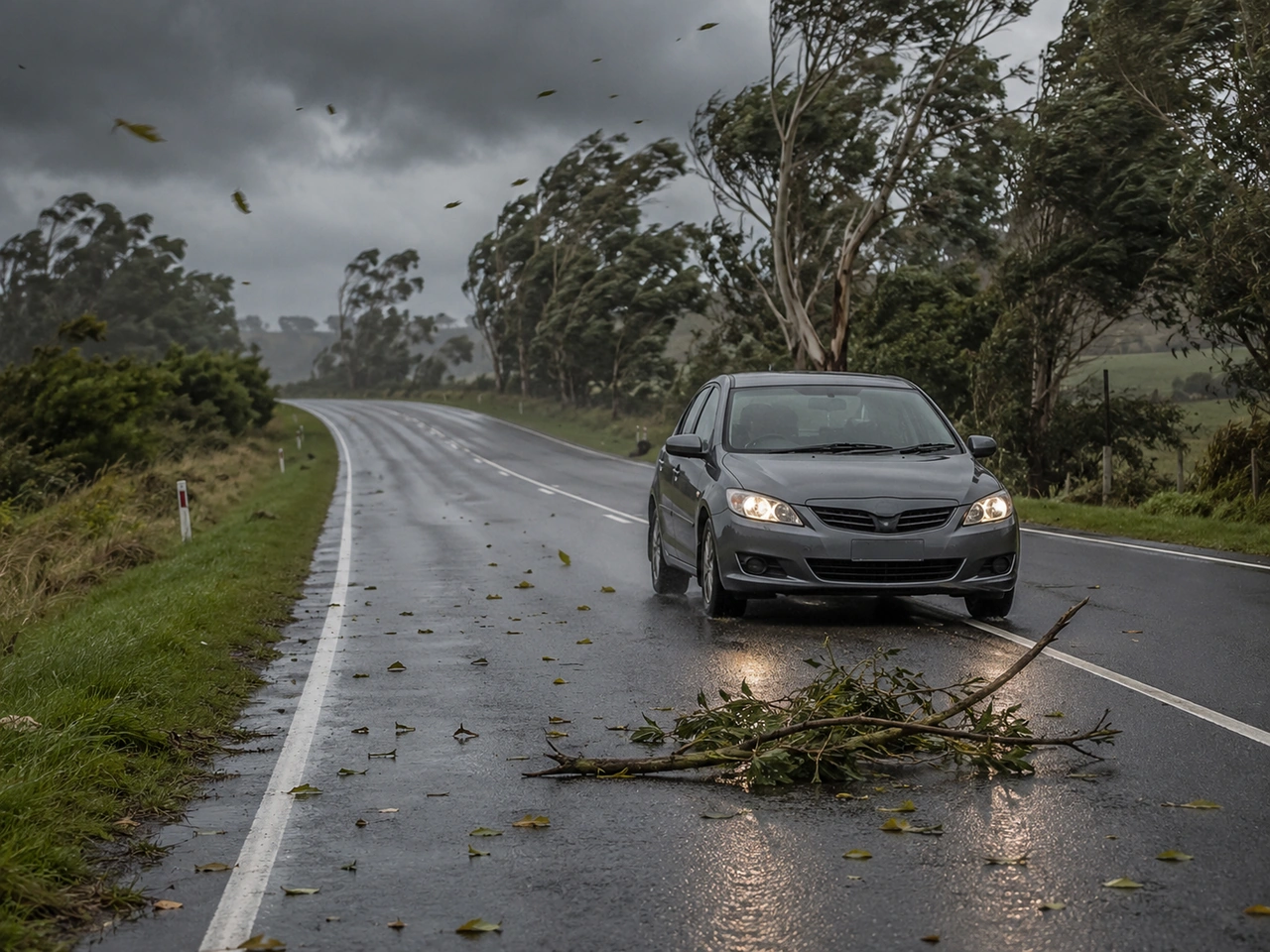
411. What should you do when branches or debris are blowing onto the road?
Wind can blow unexpected obstacles onto the road. Reduce speed and avoid them safely.
AI-generated by Traffic-rules.com • WCIT • CC BY-SA
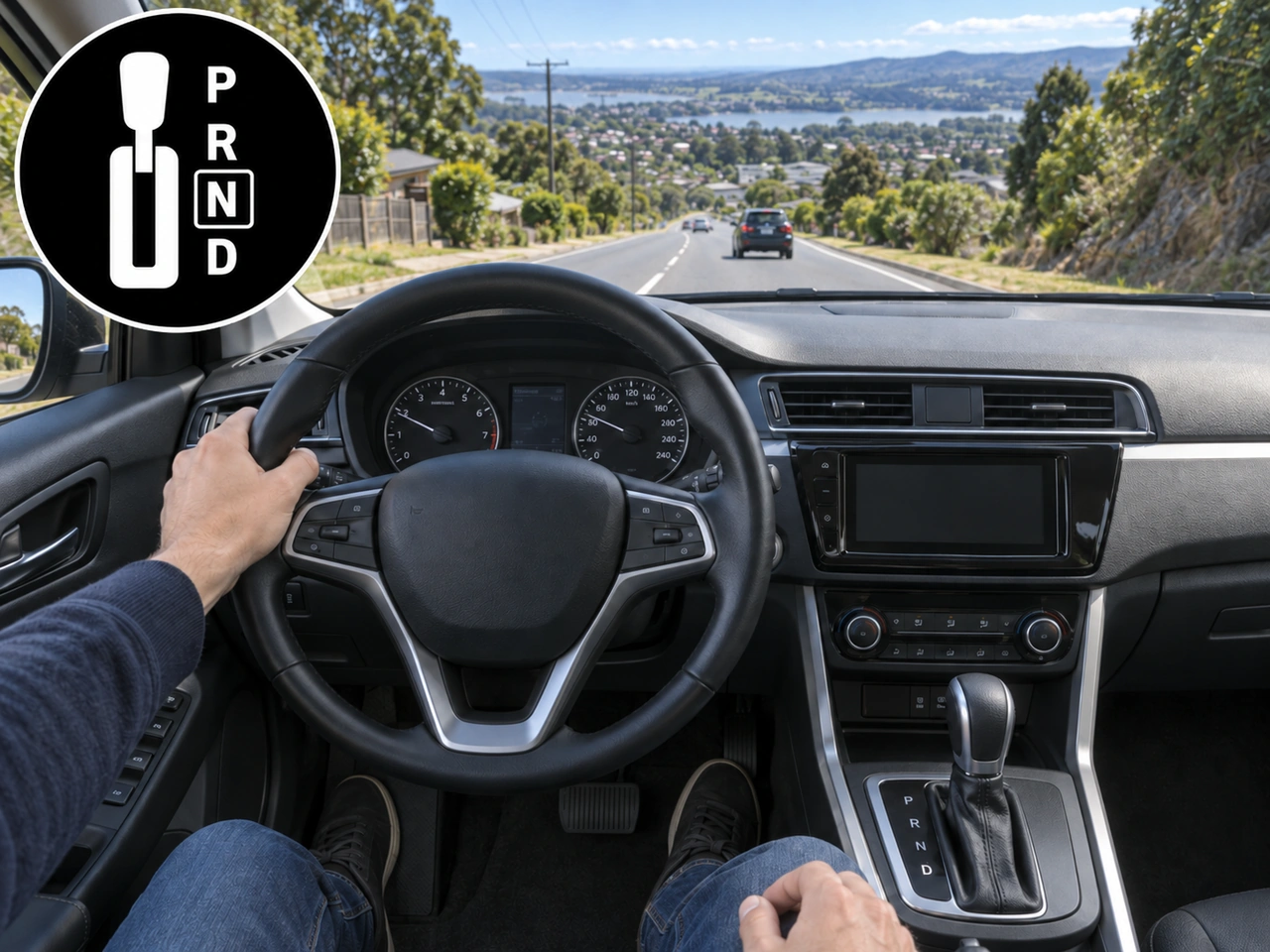
412. Why should you avoid selecting N while driving downhill in an automatic vehicle?
Selecting N (Neutral) while driving downhill disconnects the engine from the driven wheels, reducing engine braking. Keep an appropriate drive or gear selected so you can maintain better control of the vehicle.
AI-generated by Traffic-rules.com • WCIT • CC BY-SA
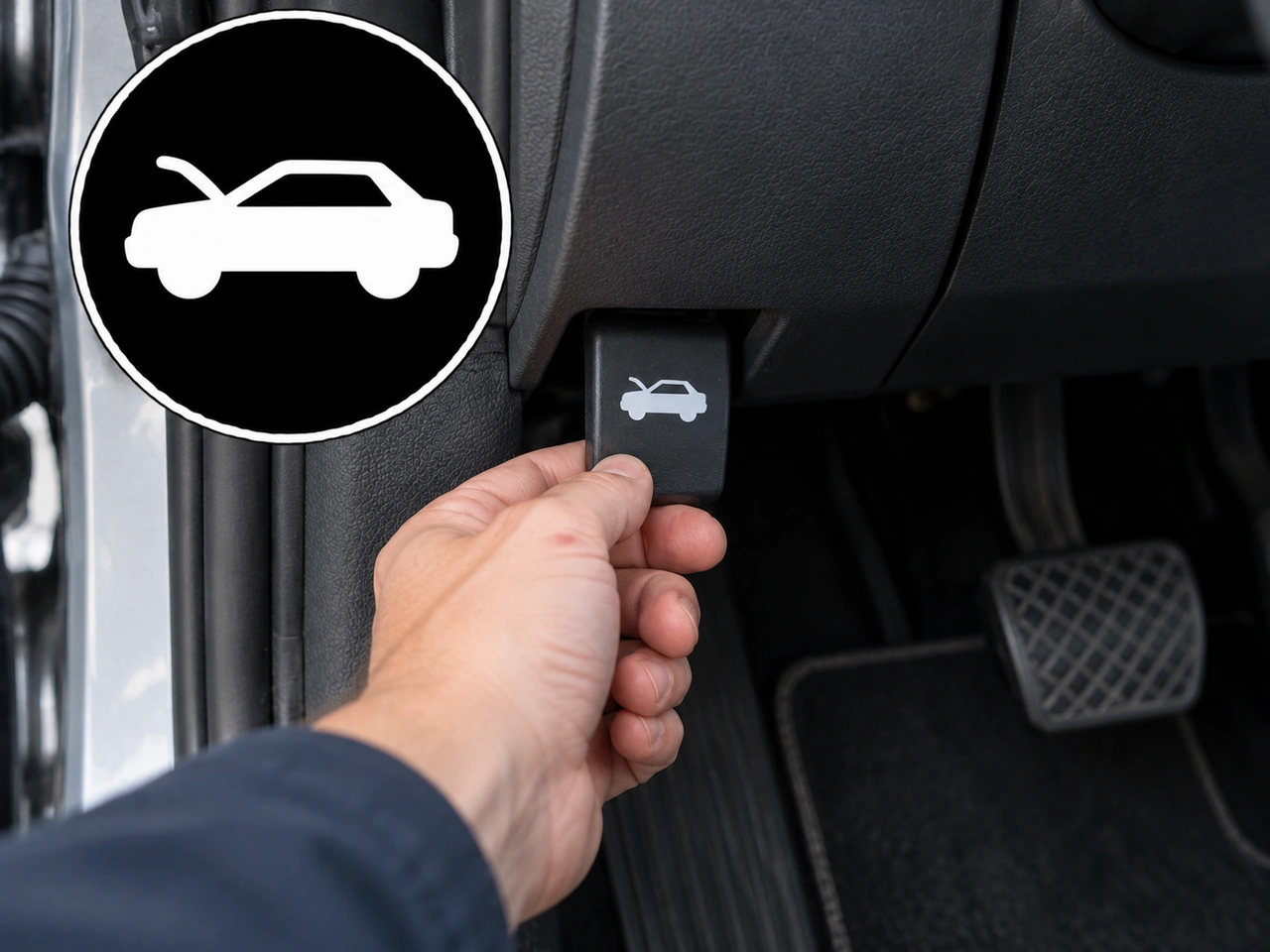
413. What does this vehicle-control symbol indicate?
This control releases the bonnet so that it can be opened. A secondary safety catch under the bonnet normally has to be released before it can be fully raised.
AI-generated by Traffic-rules.com • WCIT • CC BY-SA
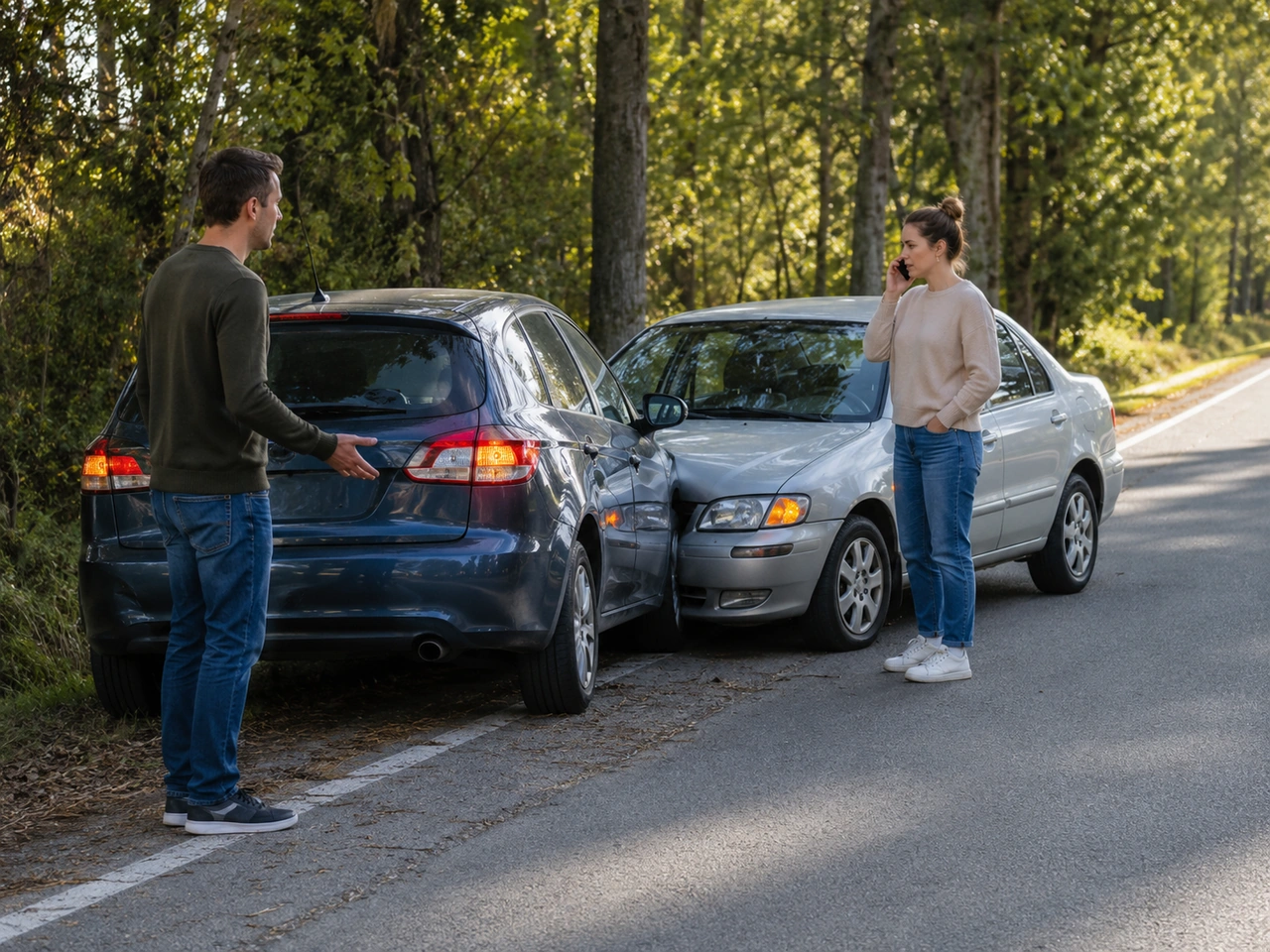
414. What should you do first after a collision?
Stop the vehicle, warn other traffic where appropriate, assess immediate danger and injuries, and contact the emergency services when needed. Exchange any details required by local law.
AI-generated by Traffic-rules.com • WCIT • CC BY-SA
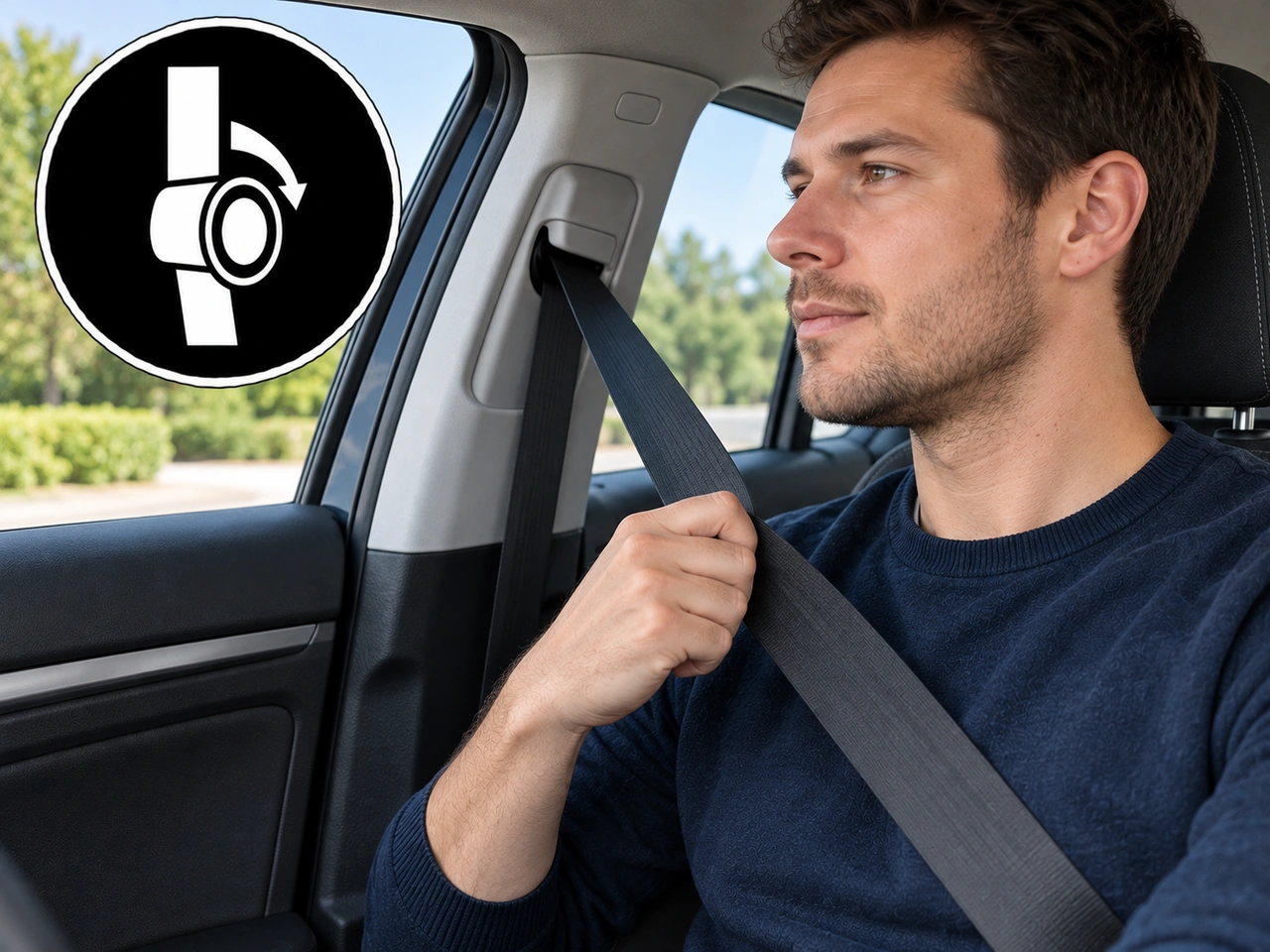
415. What is the purpose of the seat-belt retractor?
The seat-belt retractor takes up slack and helps keep the belt properly positioned against the body. It allows normal movement but can lock during sudden braking, rapid belt movement or a collision.
AI-generated by Traffic-rules.com • WCIT • CC BY-SA
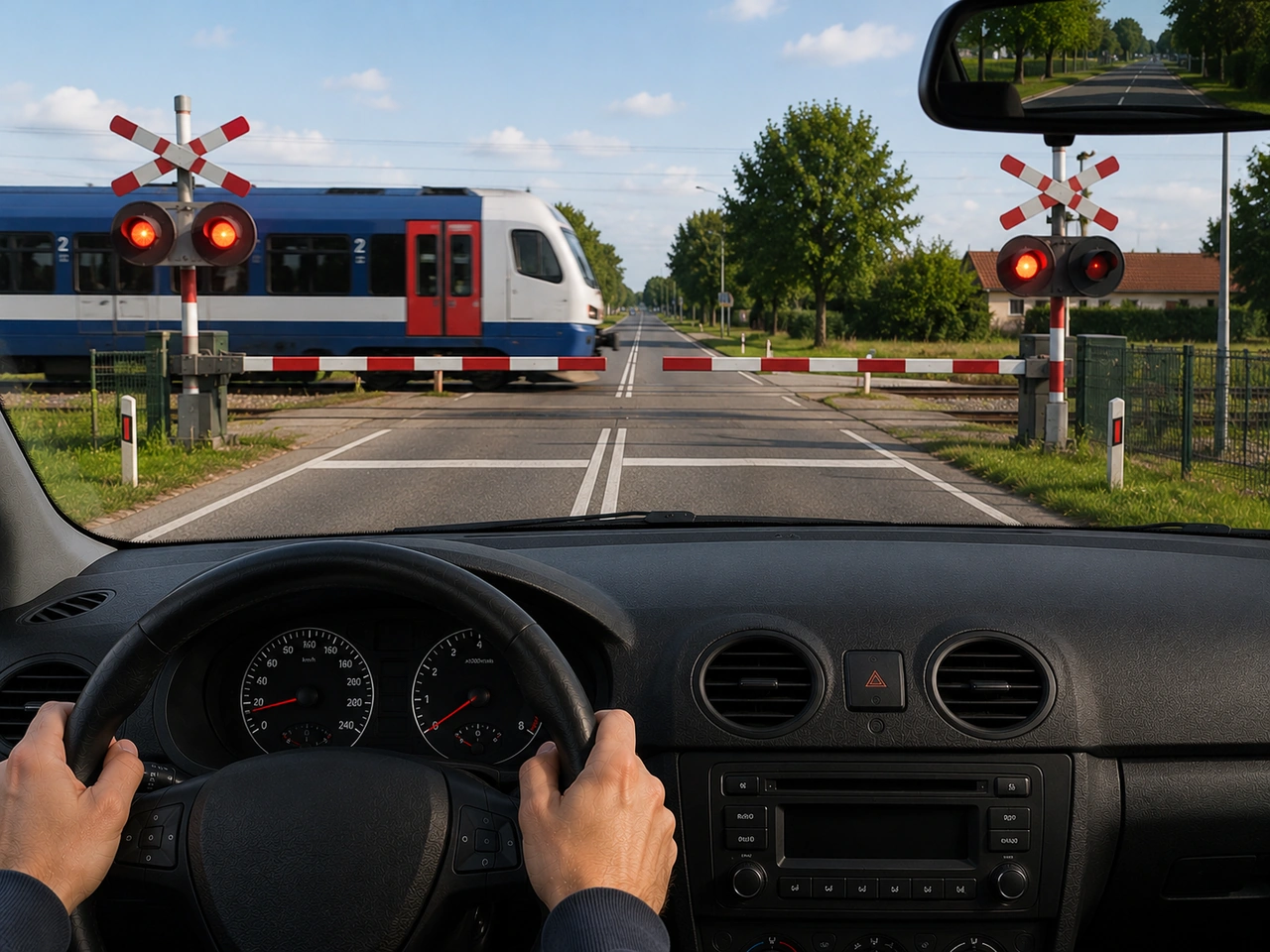
416. What should you do at a railway crossing with warning lights flashing?
Flashing warning lights mean a train may be approaching. Stop before the crossing and wait until the warning has ended and the crossing is clear.
AI-generated by Traffic-rules.com • WCIT • CC BY-SA
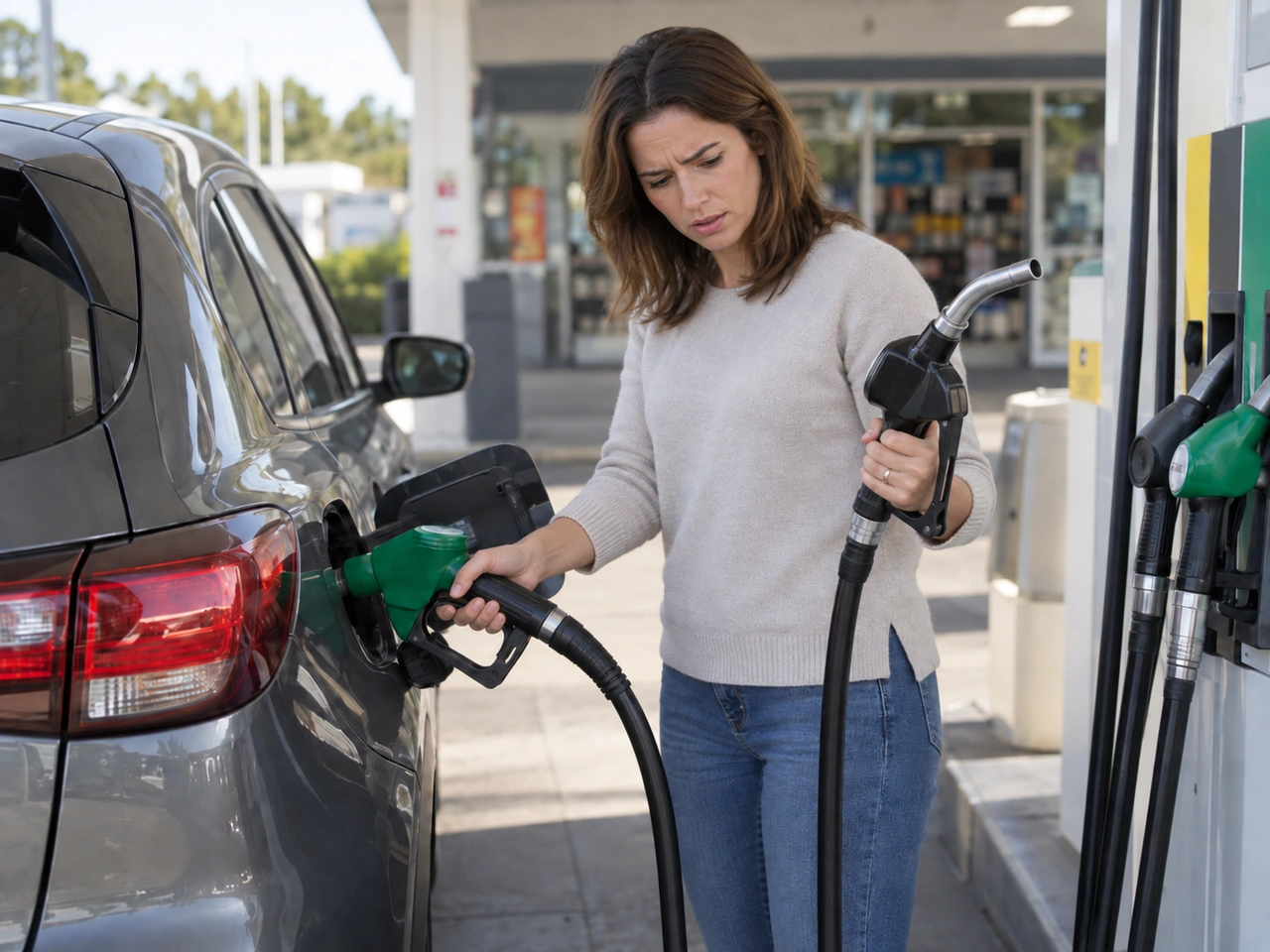
417. What should you do if you realise you have put the wrong fuel in your vehicle?
If you have used the wrong fuel, do not start the engine. Starting it can circulate the incorrect fuel and cause further damage. If possible, avoid switching on the ignition and seek appropriate roadside or workshop assistance.
AI-generated by Traffic-rules.com • WCIT • CC BY-SA
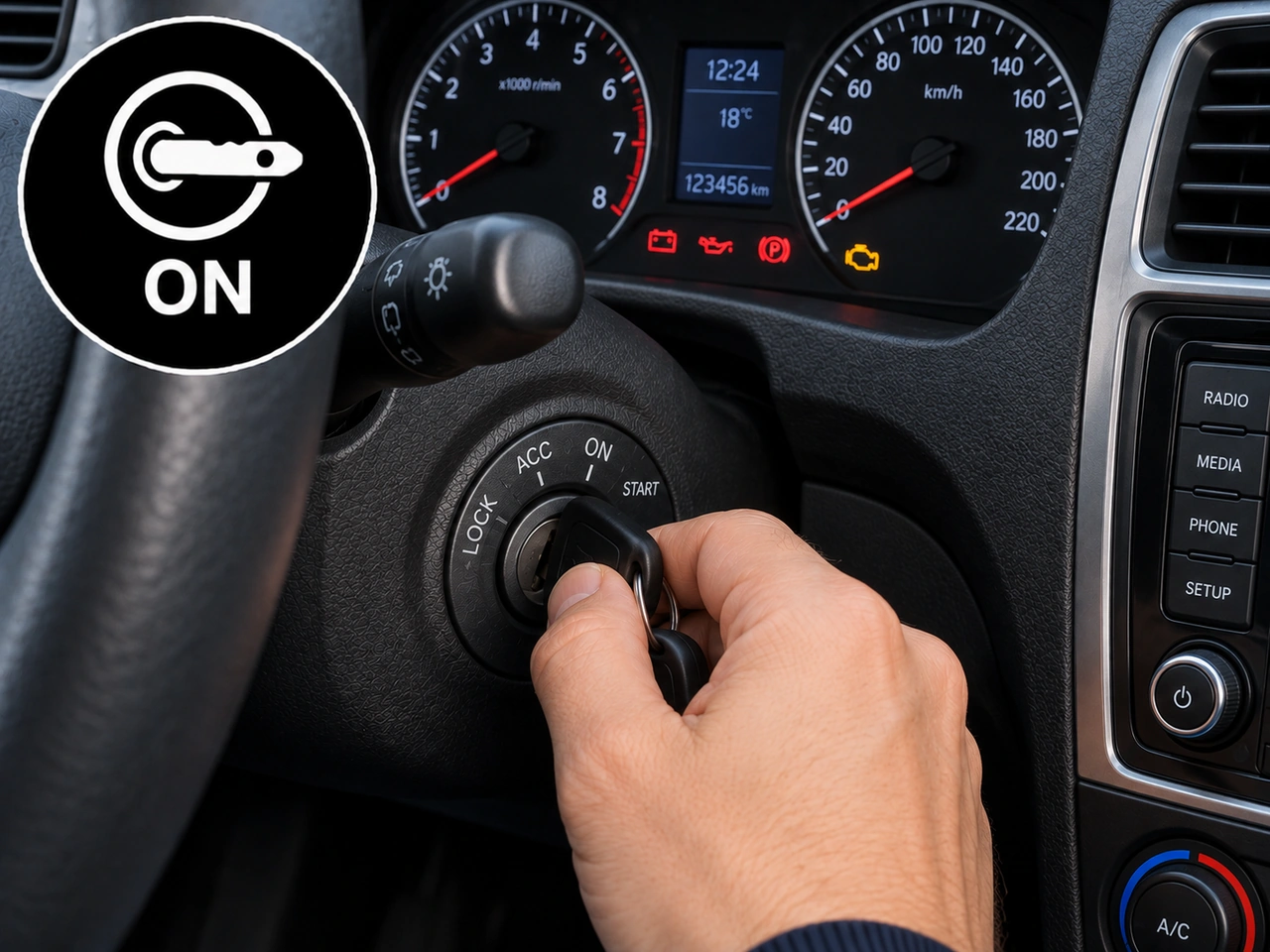
418. What does the ON position of a traditional ignition switch normally do?
The ON position normally switches on the vehicle's electrical and ignition systems without operating the starter motor. The engine is started by turning the key further to the START position.
AI-generated by Traffic-rules.com • WCIT • CC BY-SA
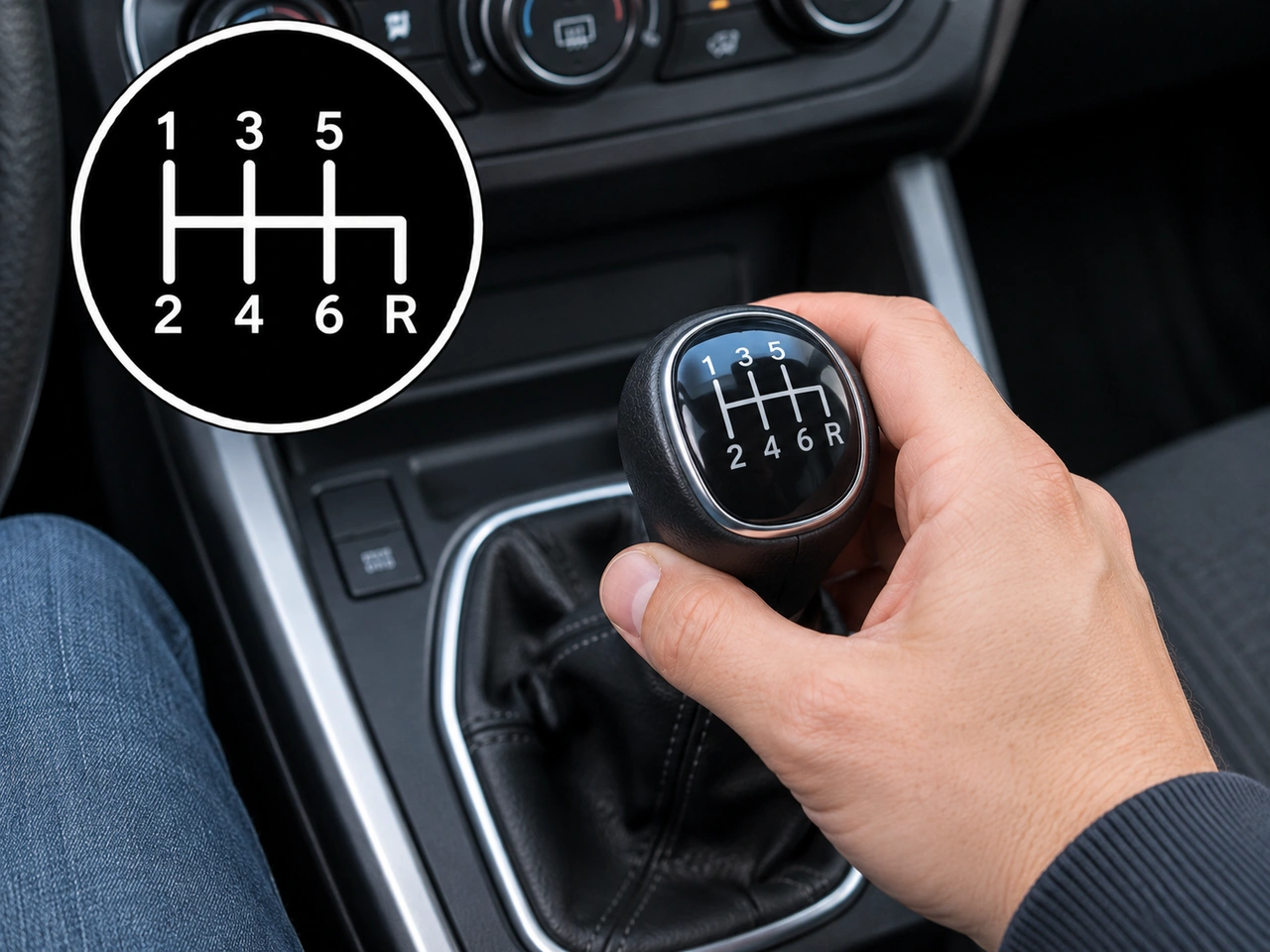
419. Which gear is used to drive a manual vehicle backwards?
Select R (Reverse) when you need to drive a manual vehicle backwards. The vehicle should be stationary before Reverse is selected.
AI-generated by Traffic-rules.com • WCIT • CC BY-SA
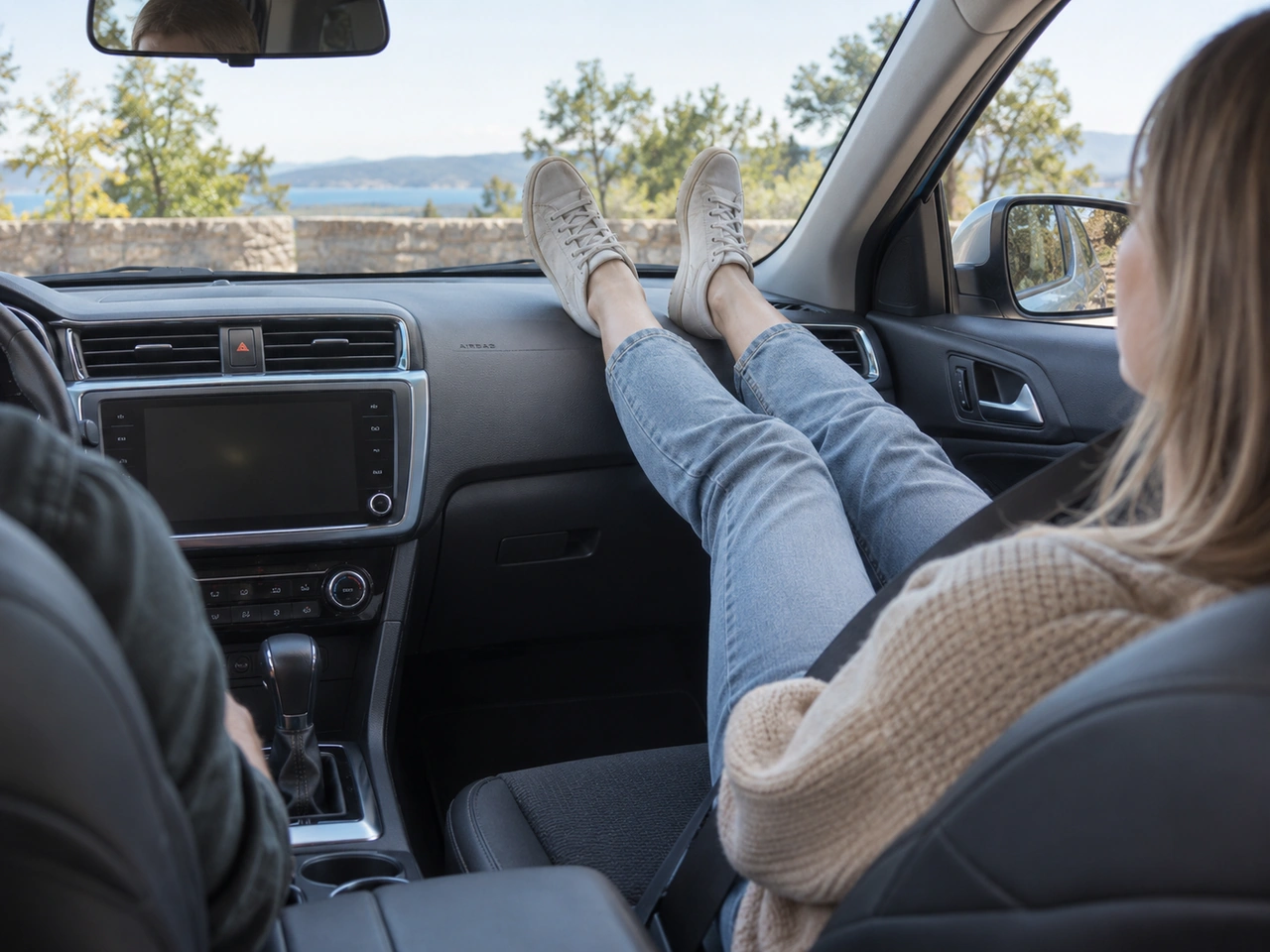
420. Why should a front passenger keep their feet off the dashboard?
A front airbag deploys very quickly and with considerable force. If a passenger has their feet or legs on the dashboard, airbag deployment can force their legs backwards and greatly increase the risk of serious injury. Passengers should sit normally with their feet in the footwell and wear their seat belts correctly. The driver should make sure everyone is seated and restrained safely before setting off.
AI-generated by Traffic-rules.com • WCIT • CC BY-SA
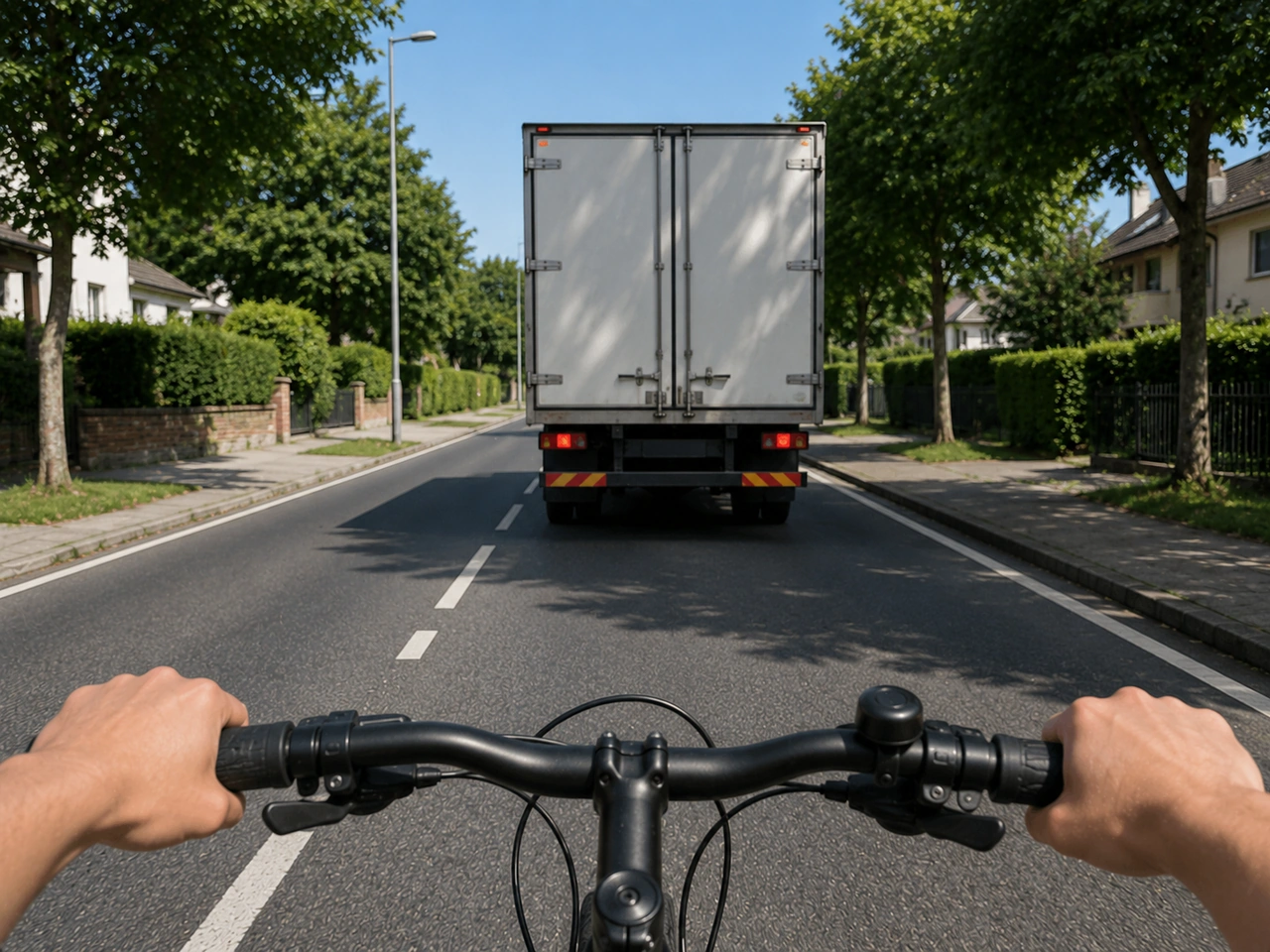
421. What should cyclists do near a large vehicle that may be turning?
Large vehicles need extra space to turn and may move across a cyclist's path. Remaining behind is usually safer.
AI-generated by Traffic-rules.com • WCIT • CC BY-SA
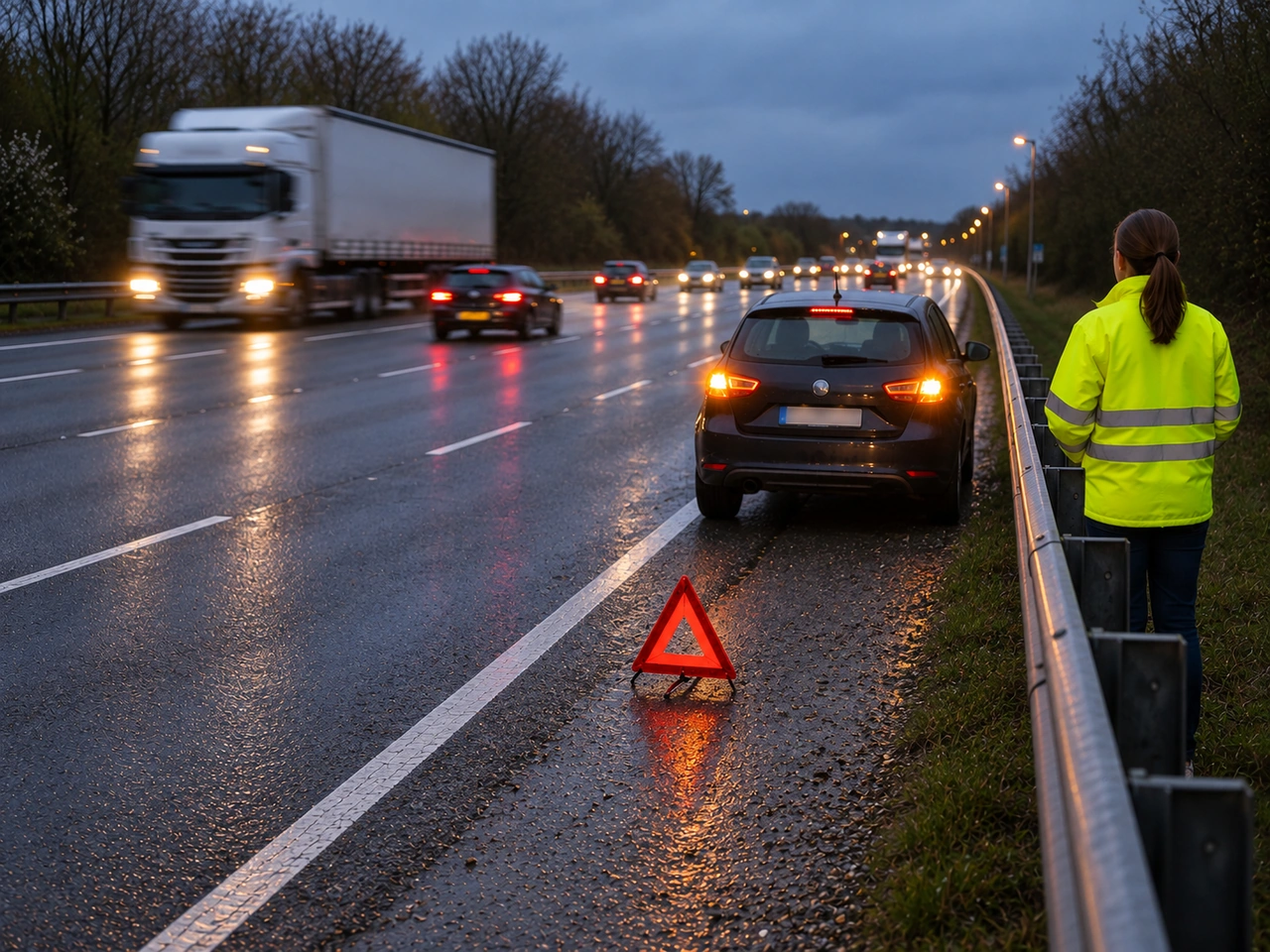
422. Why is high-visibility clothing useful during a roadside breakdown?
High-visibility clothing improves your visibility, especially at night or in poor weather, but you must still remain away from traffic.
AI-generated by Traffic-rules.com • WCIT • CC BY-SA
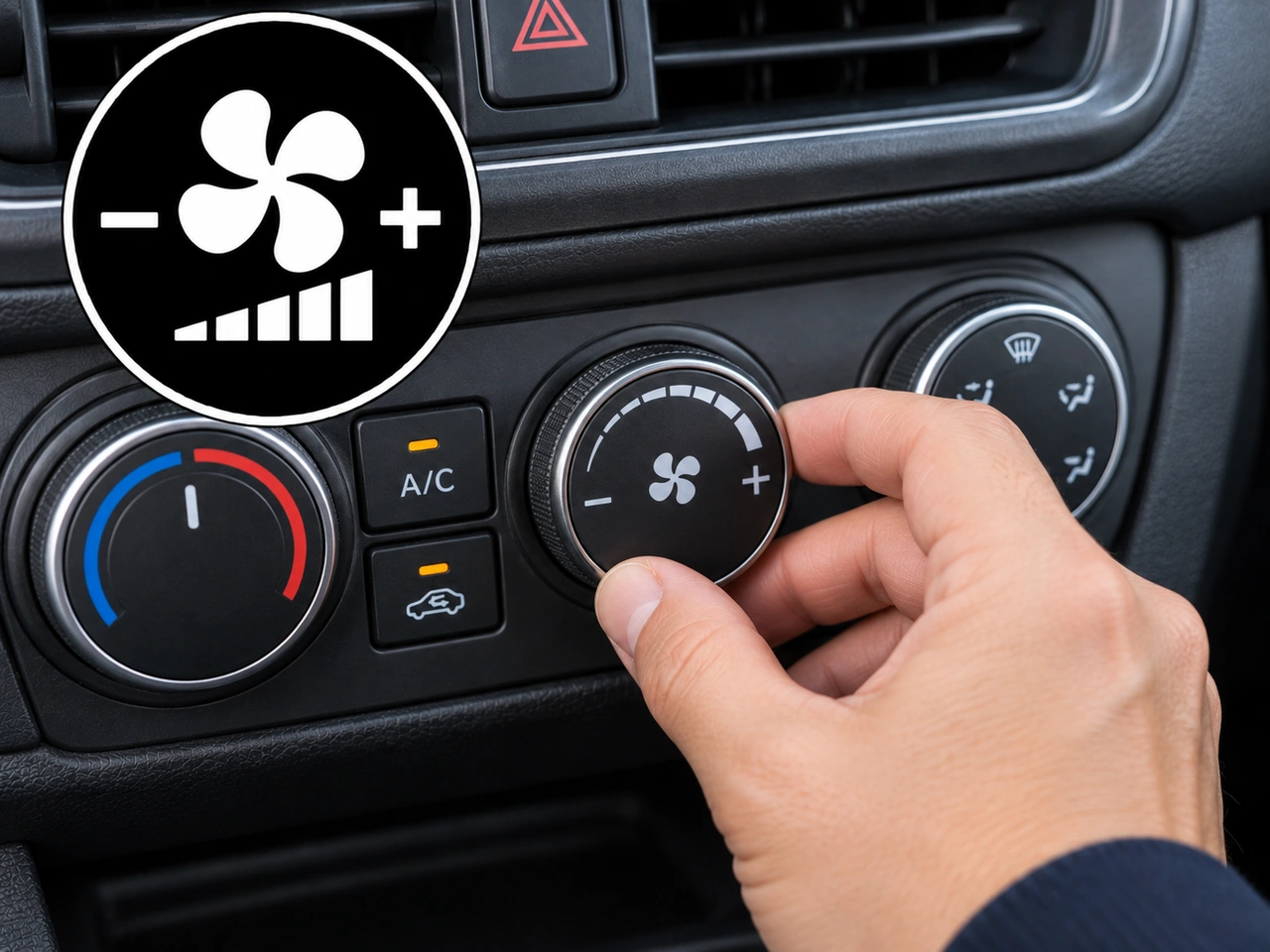
423. What does this vehicle-control symbol indicate?
This control adjusts the cabin ventilation fan speed. Increasing the setting moves more air through the vehicle's ventilation and climate-control system.
AI-generated by Traffic-rules.com • WCIT • CC BY-SA
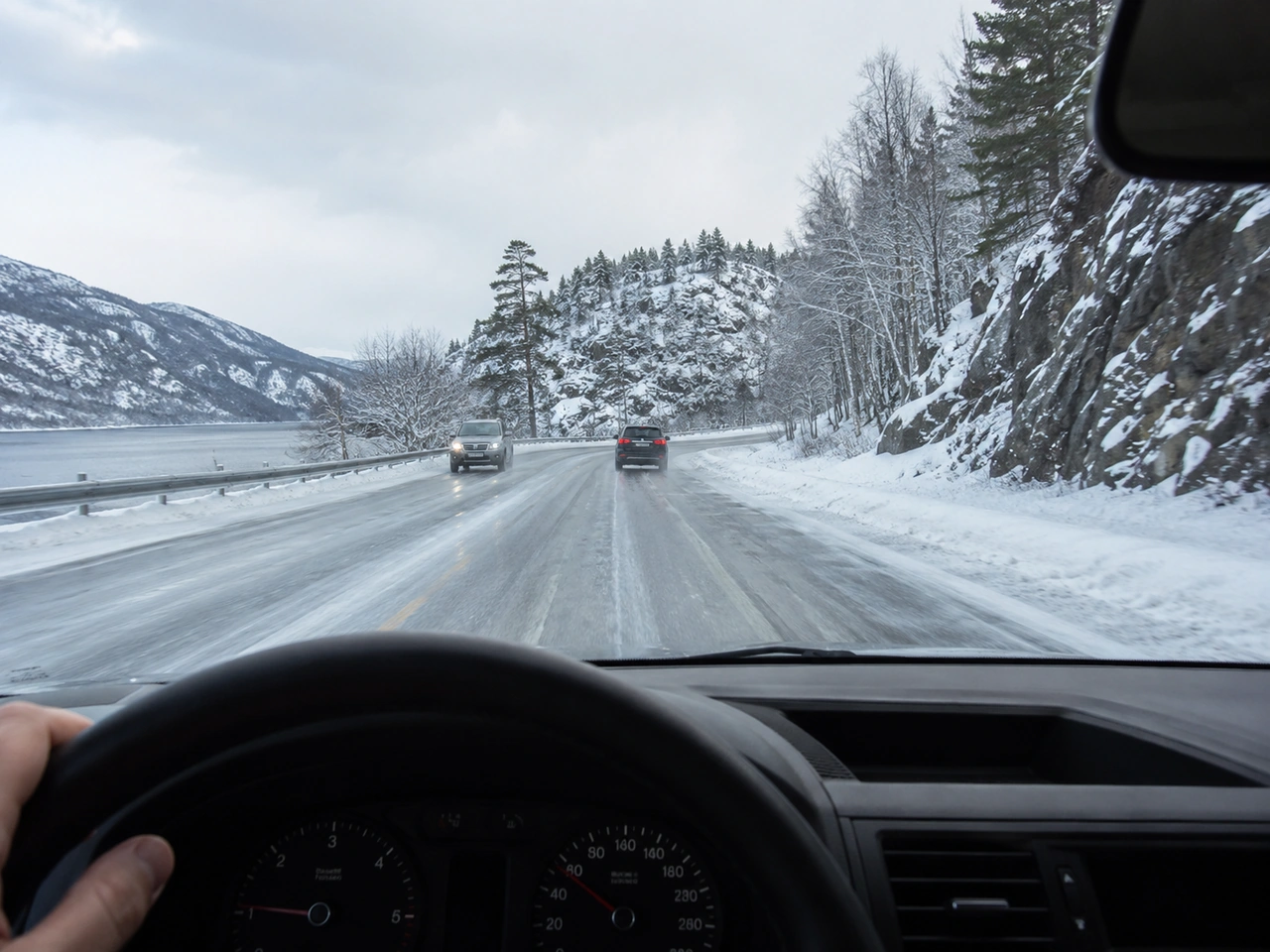
424. How should you brake on a slippery road?
Sudden braking can cause the wheels to lose grip. Smooth, progressive braking reduces the risk of skidding.
AI-generated by Traffic-rules.com • WCIT • CC BY-SA
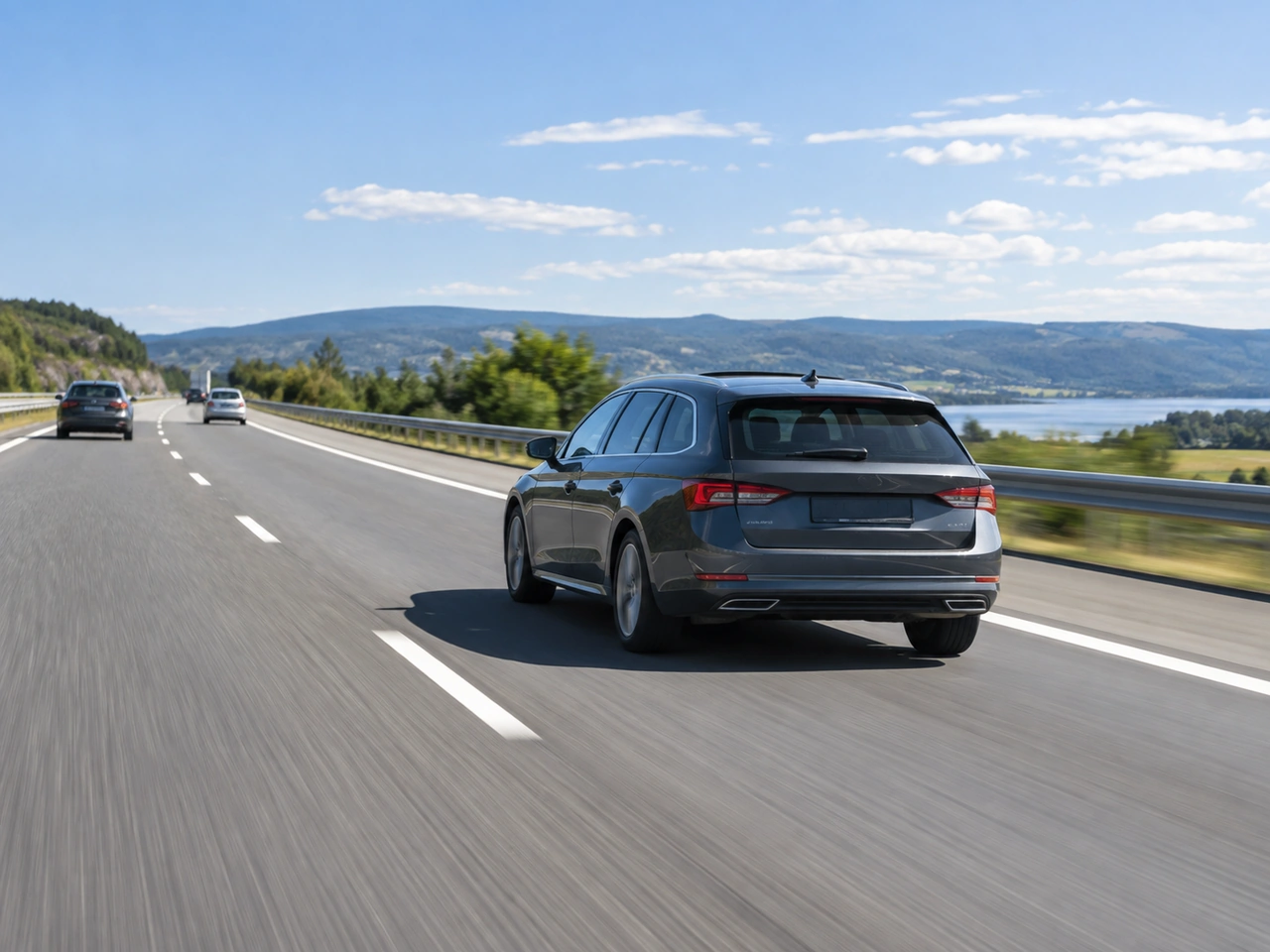
425. How can higher speed affect fuel or energy consumption?
As speed increases, aerodynamic resistance generally rises, so the vehicle needs more energy to maintain that speed. Driving smoothly at an appropriate speed can therefore reduce fuel or energy consumption.
AI-generated by Traffic-rules.com • WCIT • CC BY-SA
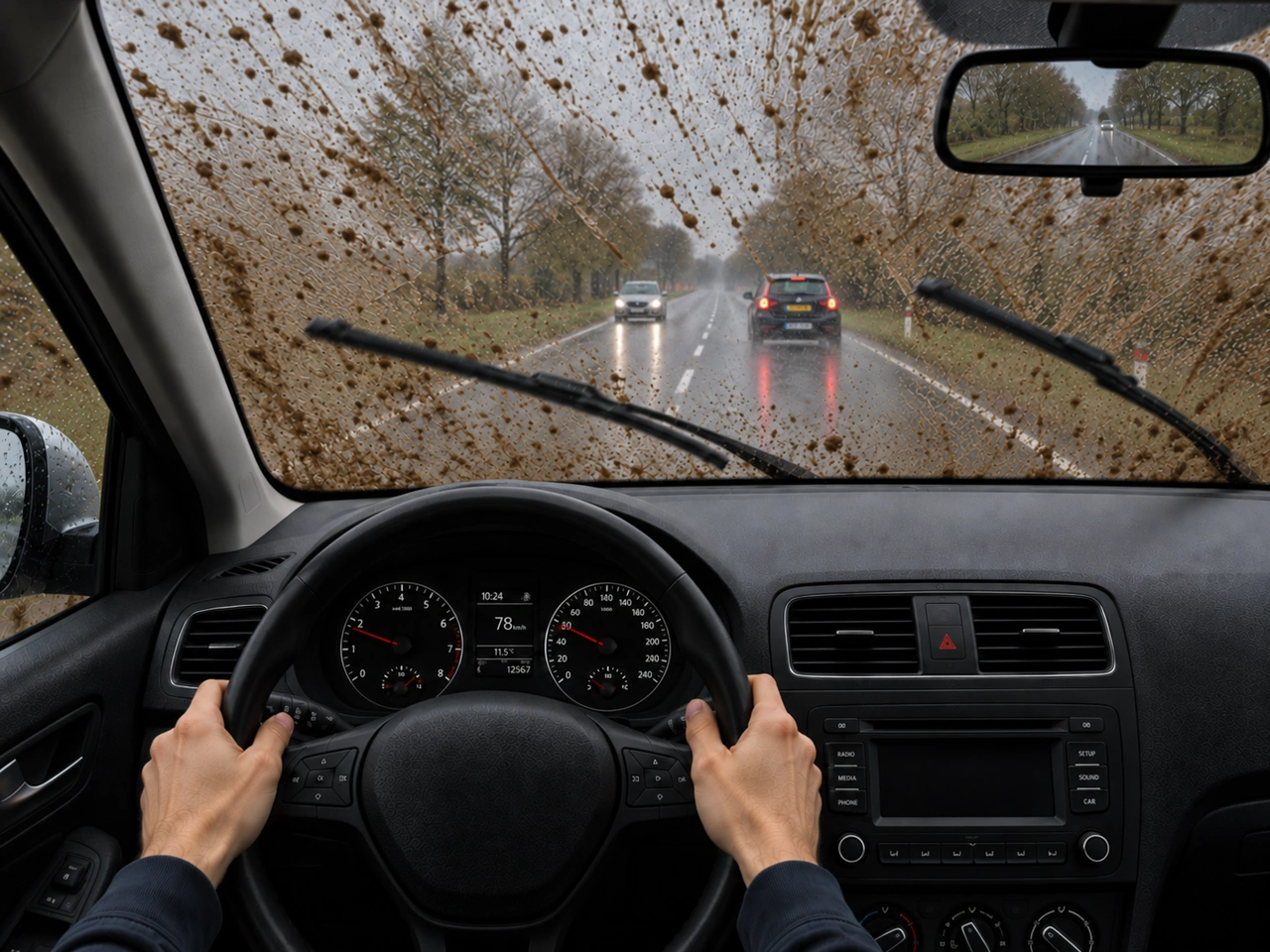
426. What should you do if your windscreen becomes covered with mud or spray?
Clear visibility is essential. Slow down safely and use your washers and wipers until you can see the road clearly again.
AI-generated by Traffic-rules.com • WCIT • CC BY-SA
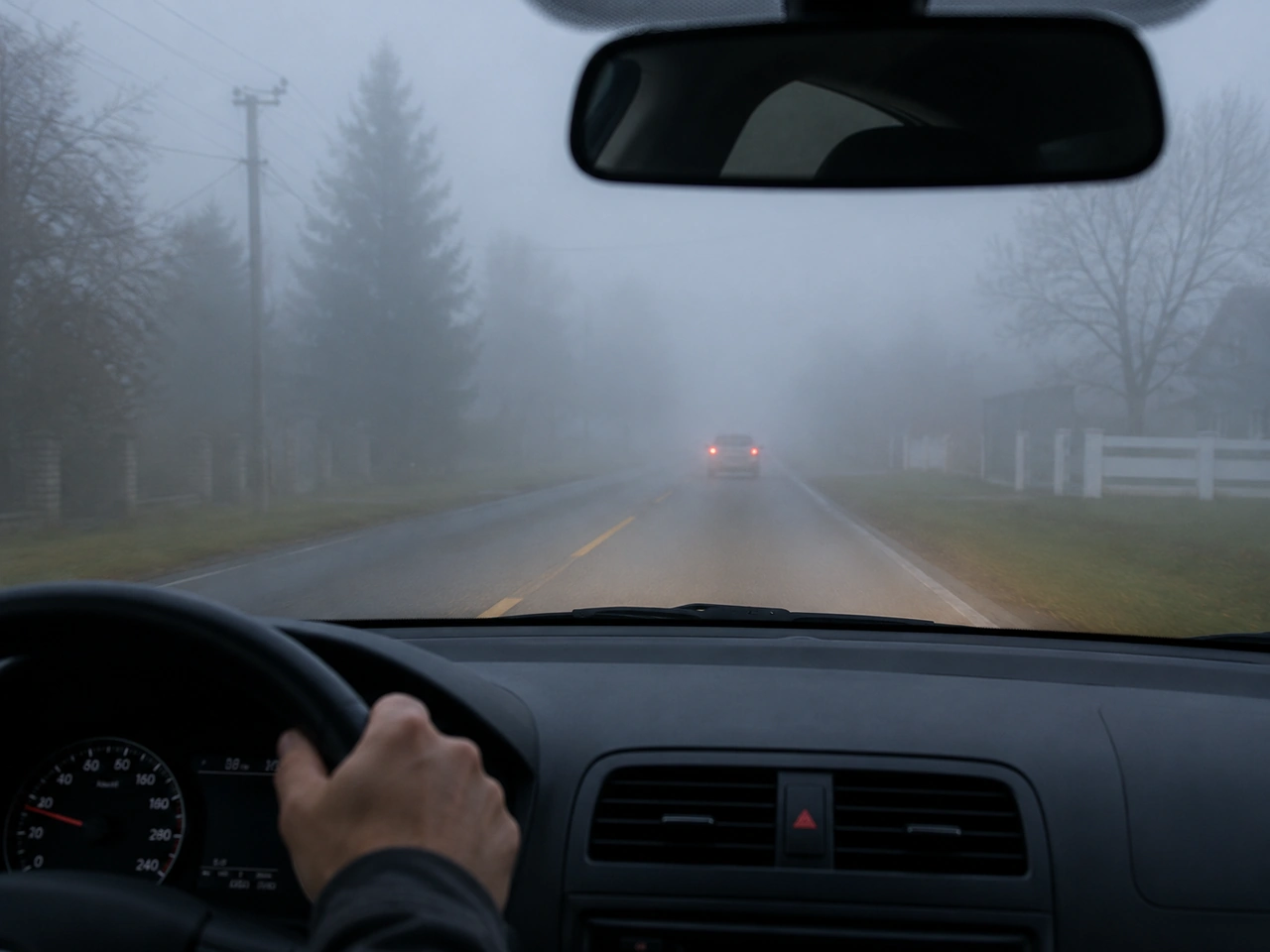
427. What should you do if visibility is reduced by fog?
Fog makes it harder to see and be seen. Reduce speed, increase following distance, and use the correct lights.
AI-generated by Traffic-rules.com • WCIT • CC BY-SA
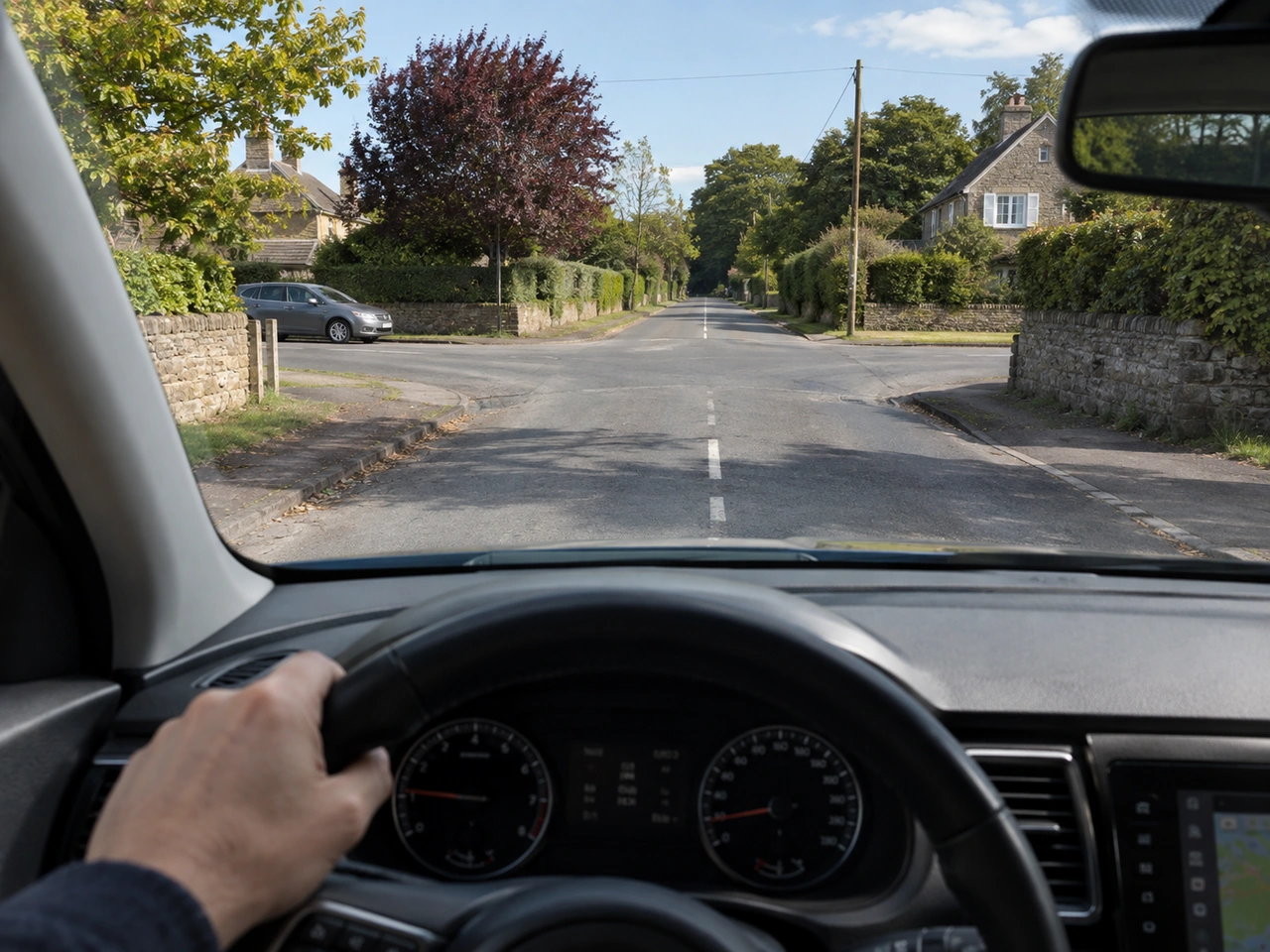
428. What should you do when approaching an uncontrolled junction?
At an uncontrolled junction, priority may not be obvious. Reduce speed, check carefully, and only enter when you are sure it is safe.
AI-generated by Traffic-rules.com • WCIT • CC BY-SA
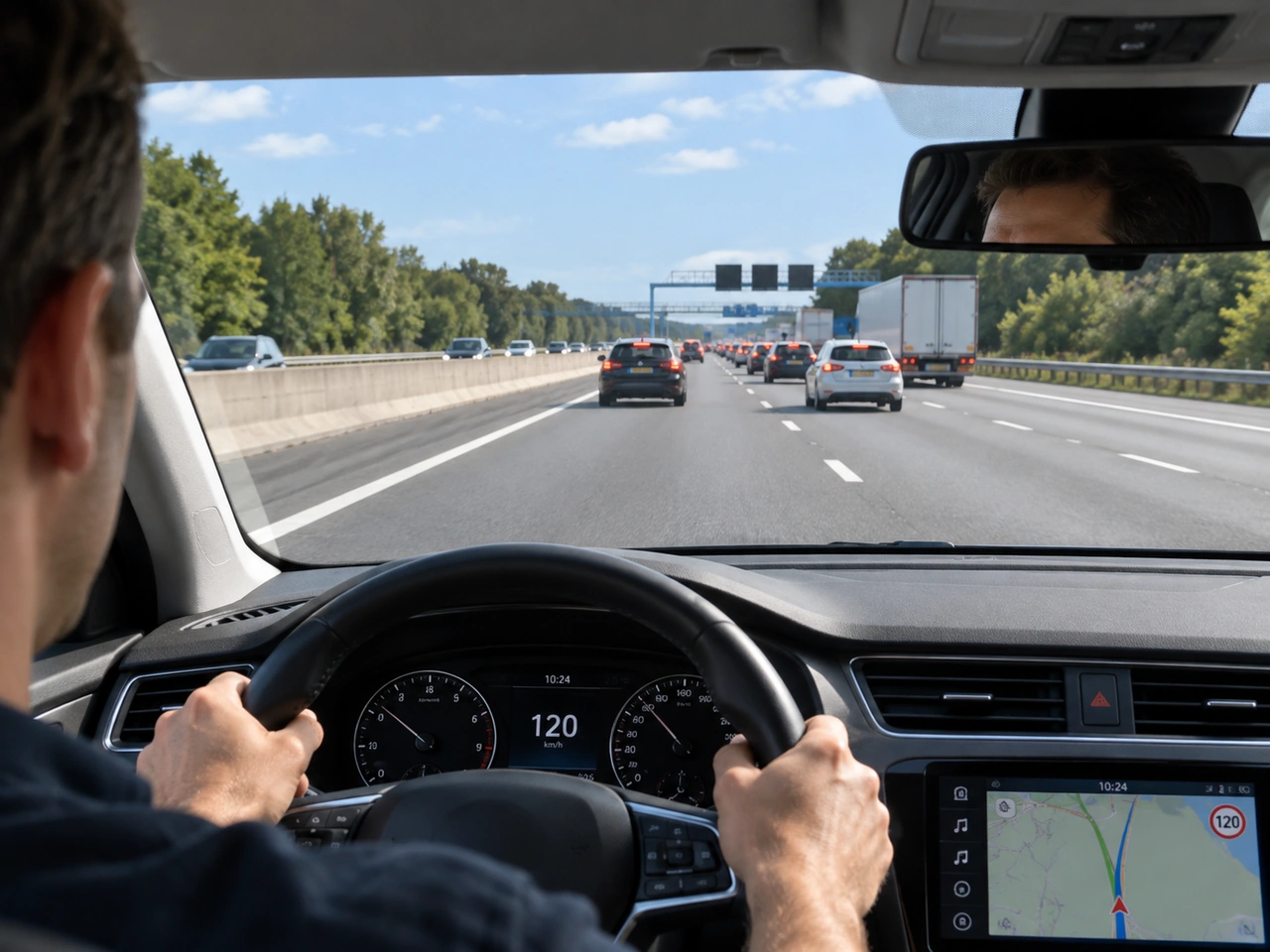
429. How does higher speed affect a vehicle's stopping distance?
As speed increases, the vehicle travels farther while the driver reacts and requires more distance to brake. This means the total stopping distance increases significantly as speed rises.
AI-generated by Traffic-rules.com • WCIT • CC BY-SA
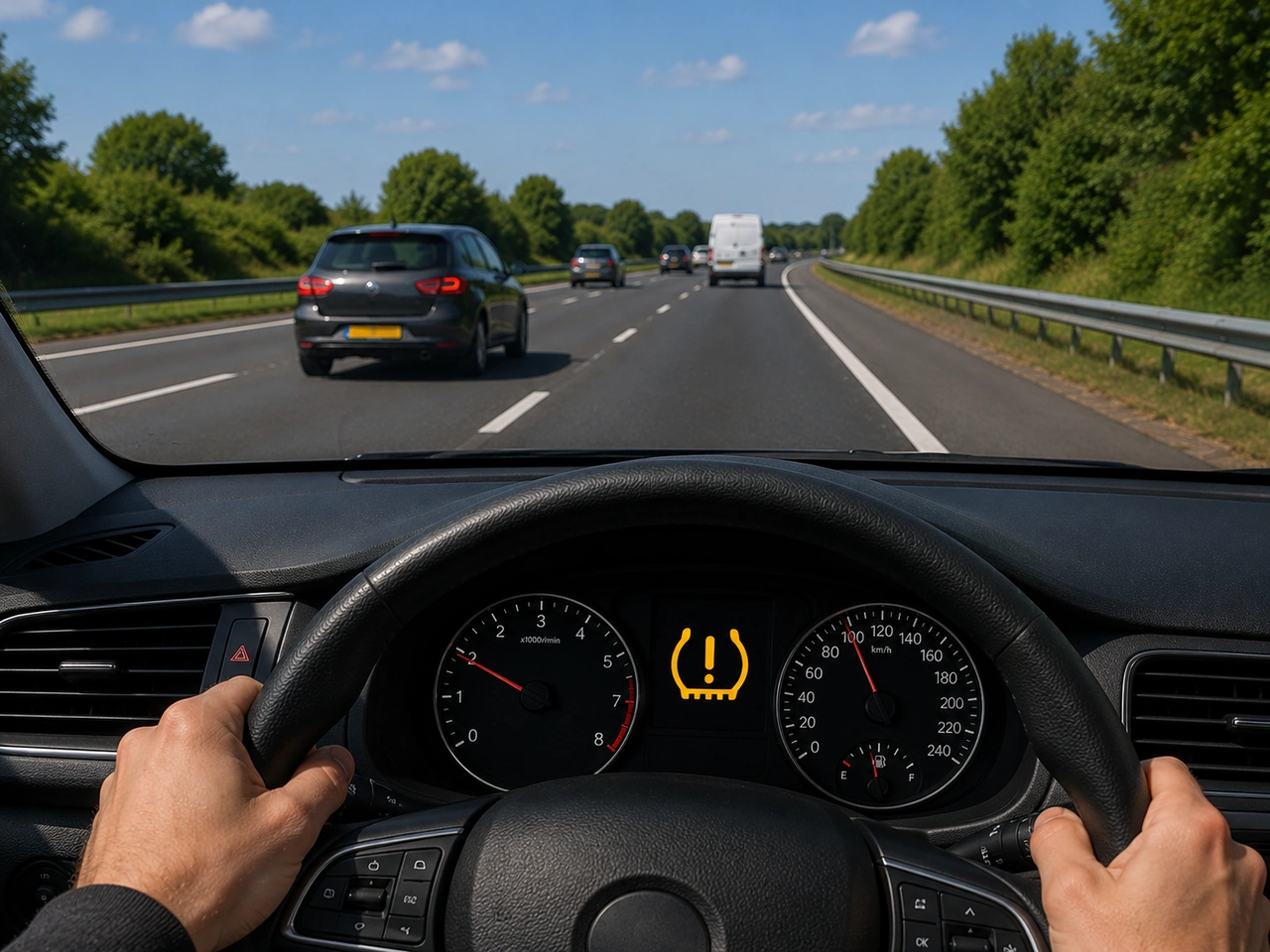
430. What should you do if a tyre-pressure warning appears and handling changes?
A pressure loss or damaged tyre can affect steering and braking. If the tyre-pressure warning appears together with a change in handling, it may indicate a serious tyre problem. Stop safely and inspect the tyres before continuing.
AI-generated by Traffic-rules.com • WCIT • CC BY-SA
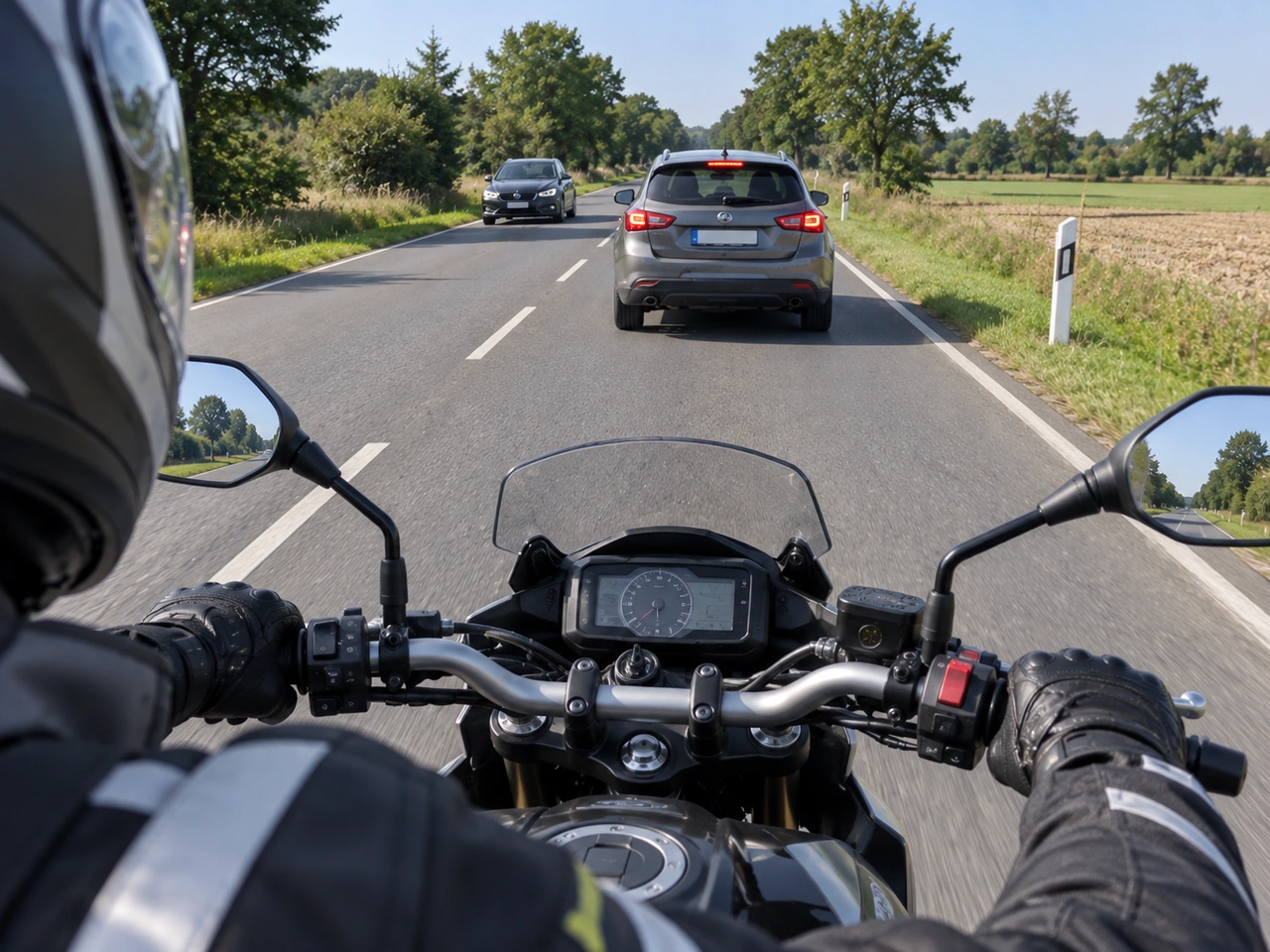
431. How should you normally brake on a motorcycle?
During normal braking, use both the front and rear brakes smoothly and progressively. The front brake normally provides much of the braking force, while the rear brake also helps slow and stabilise the motorcycle. Sudden or poorly balanced braking can reduce stability or cause a wheel to lose grip.
AI-generated by Traffic-rules.com • WCIT • CC BY-SA
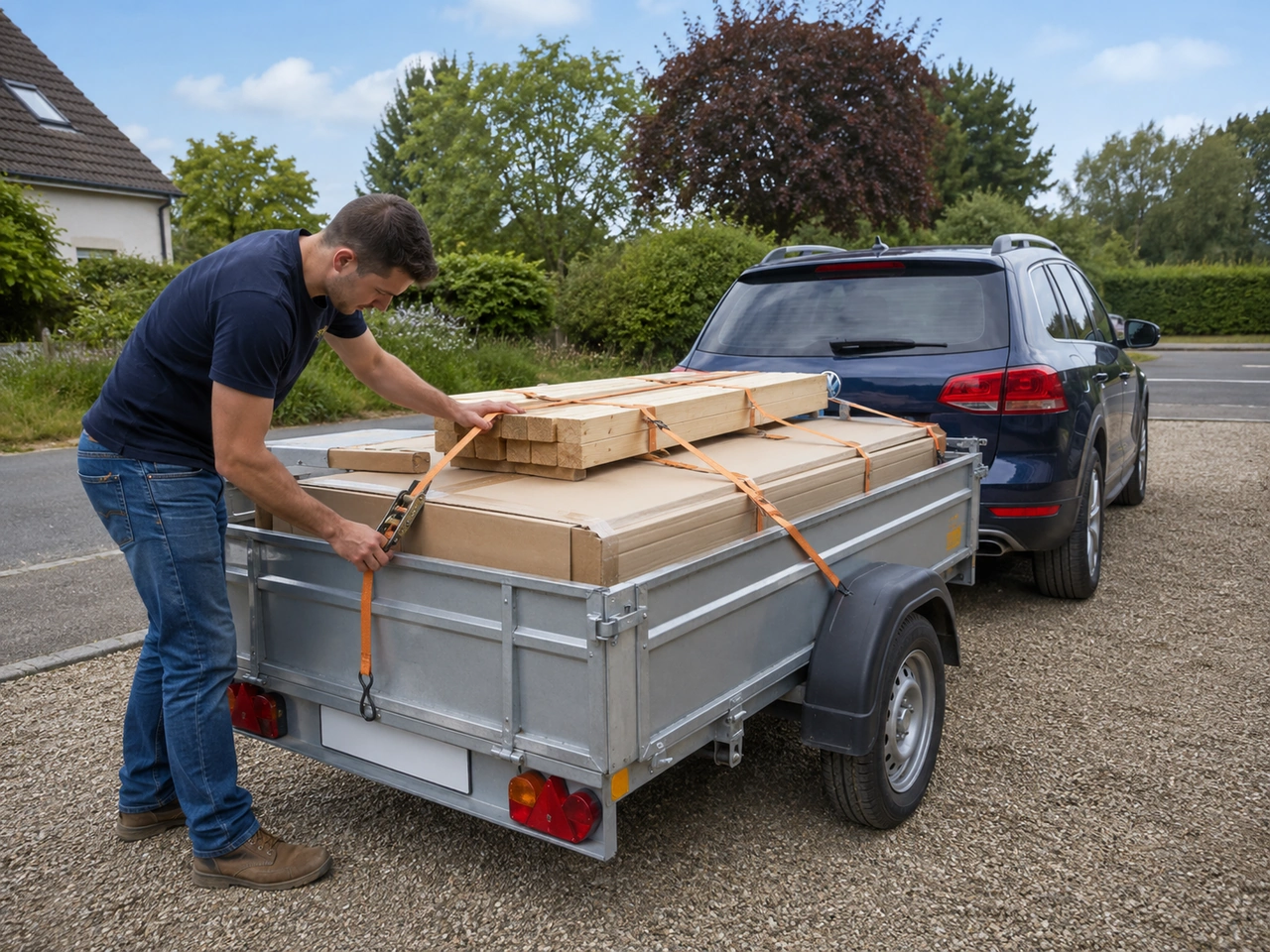
432. What should you do before driving with a load?
An unsecured load can shift, affect vehicle control, or fall into the road. Check that everything is safely restrained before moving.
AI-generated by Traffic-rules.com • WCIT • CC BY-SA
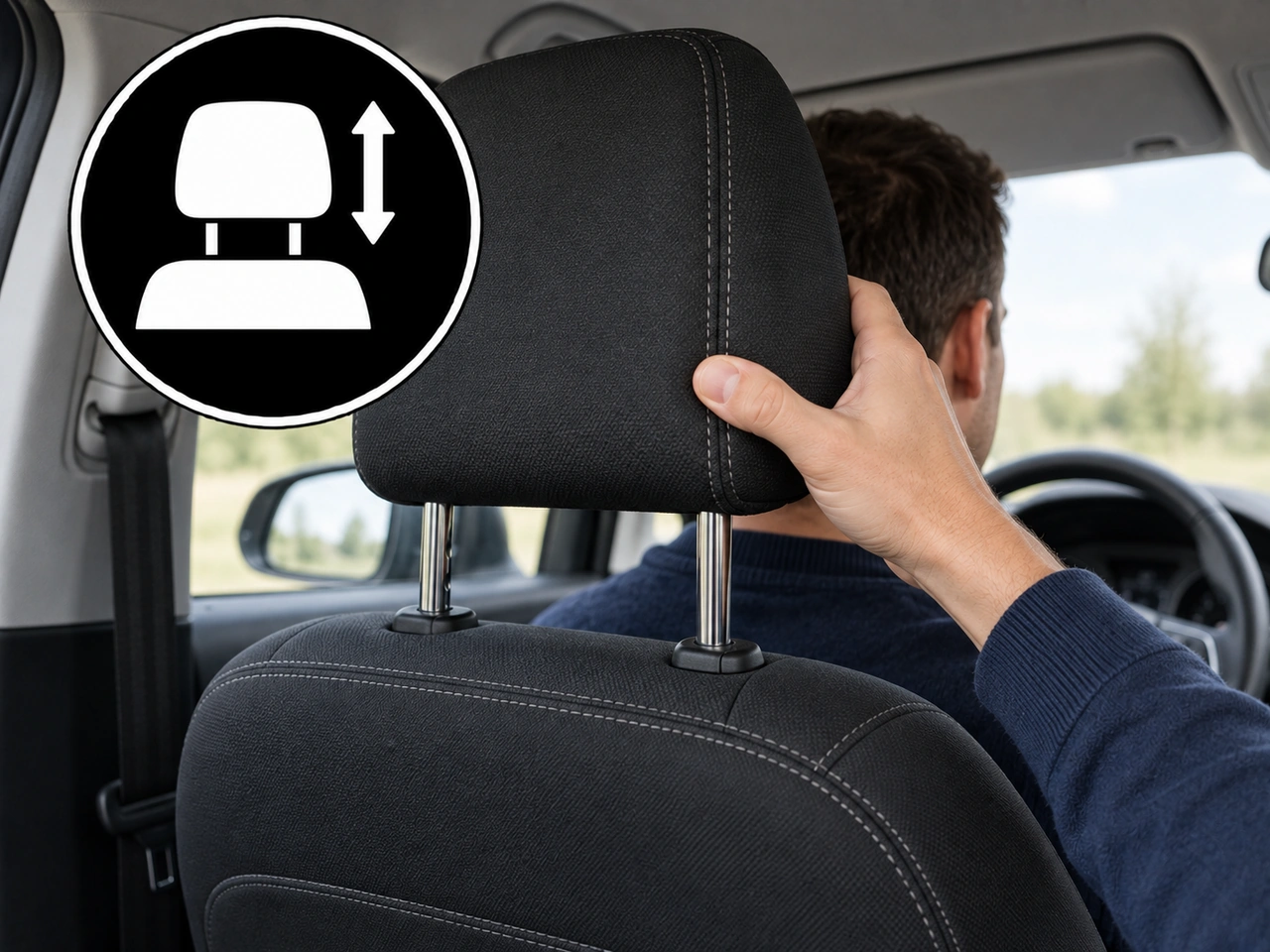
433. Why should the head restraint be adjusted correctly?
A correctly adjusted head restraint helps support the head and can reduce the risk of neck injury, especially in a rear-end collision. The top of the restraint should normally be level with the top of the head.
AI-generated by Traffic-rules.com • WCIT • CC BY-SA
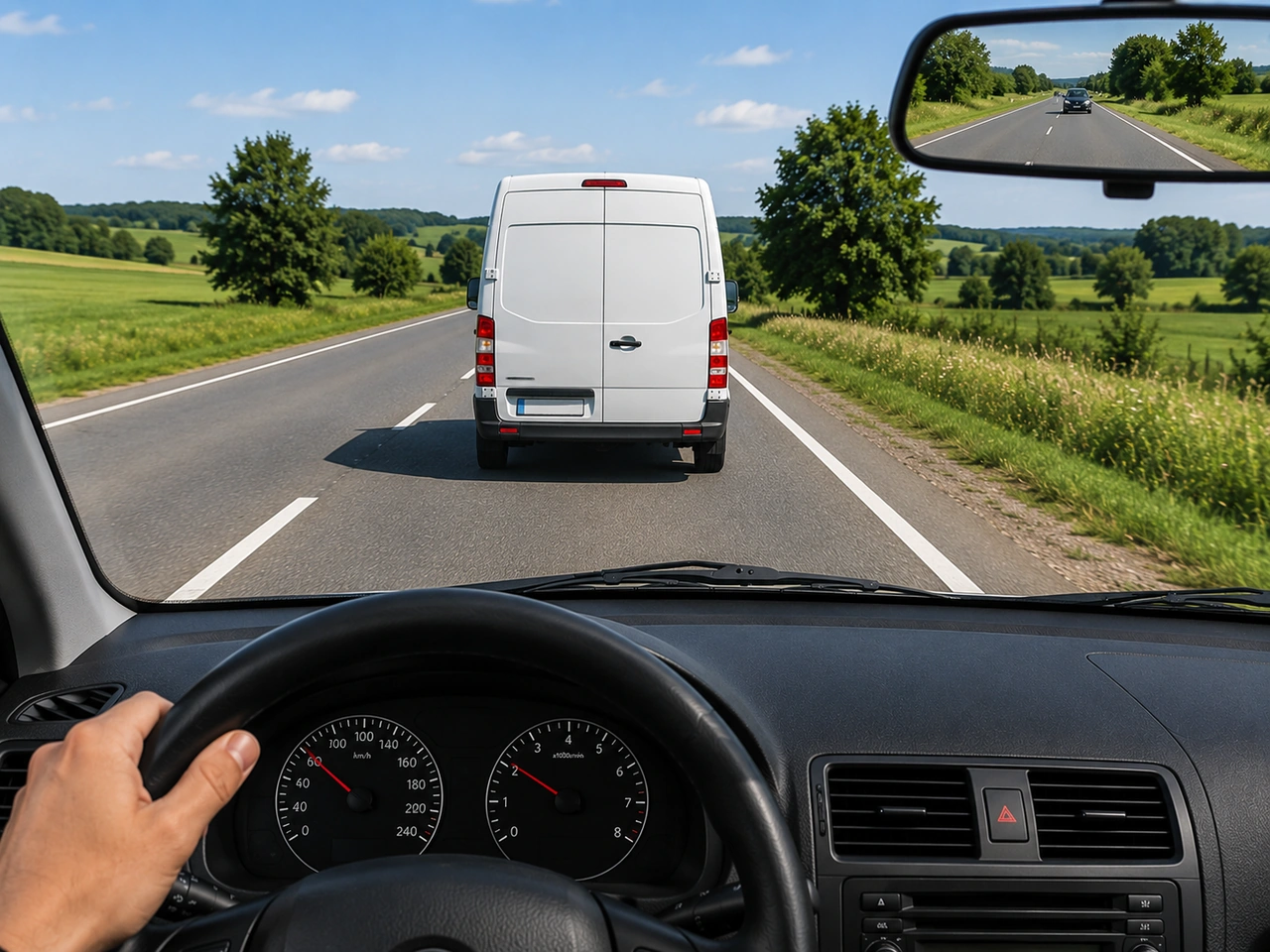
434. What is the main risk when following a vehicle with limited rear visibility?
Vans, trucks, and vehicles with blocked rear windows may have limited visibility. Keep extra distance and avoid sitting in blind spots.
AI-generated by Traffic-rules.com • WCIT • CC BY-SA
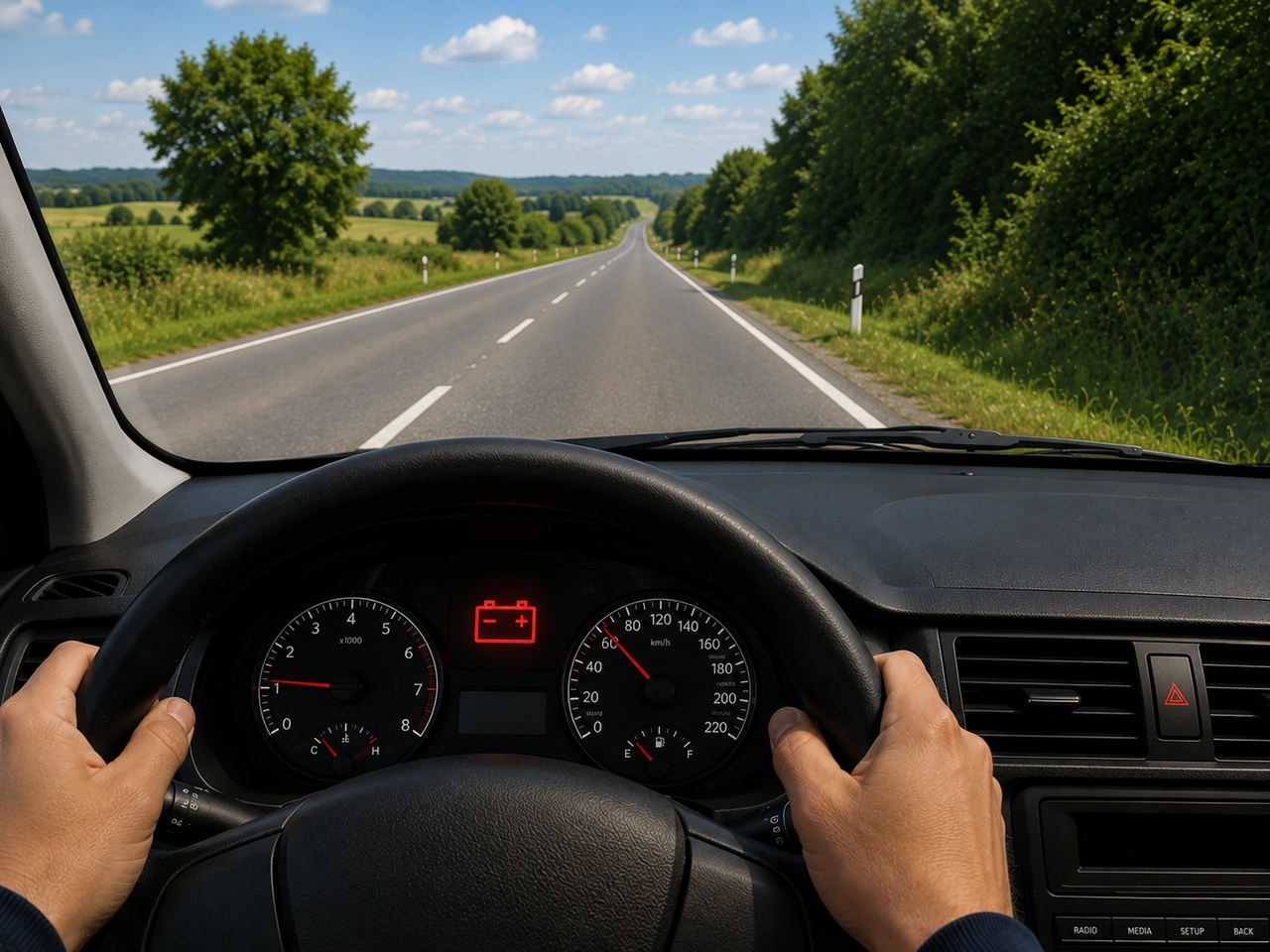
435. What should you do if the charging-system warning light comes on?
The alternator or charging system may have failed. The vehicle may stop once the remaining battery charge is exhausted.
AI-generated by Traffic-rules.com • WCIT • CC BY-SA
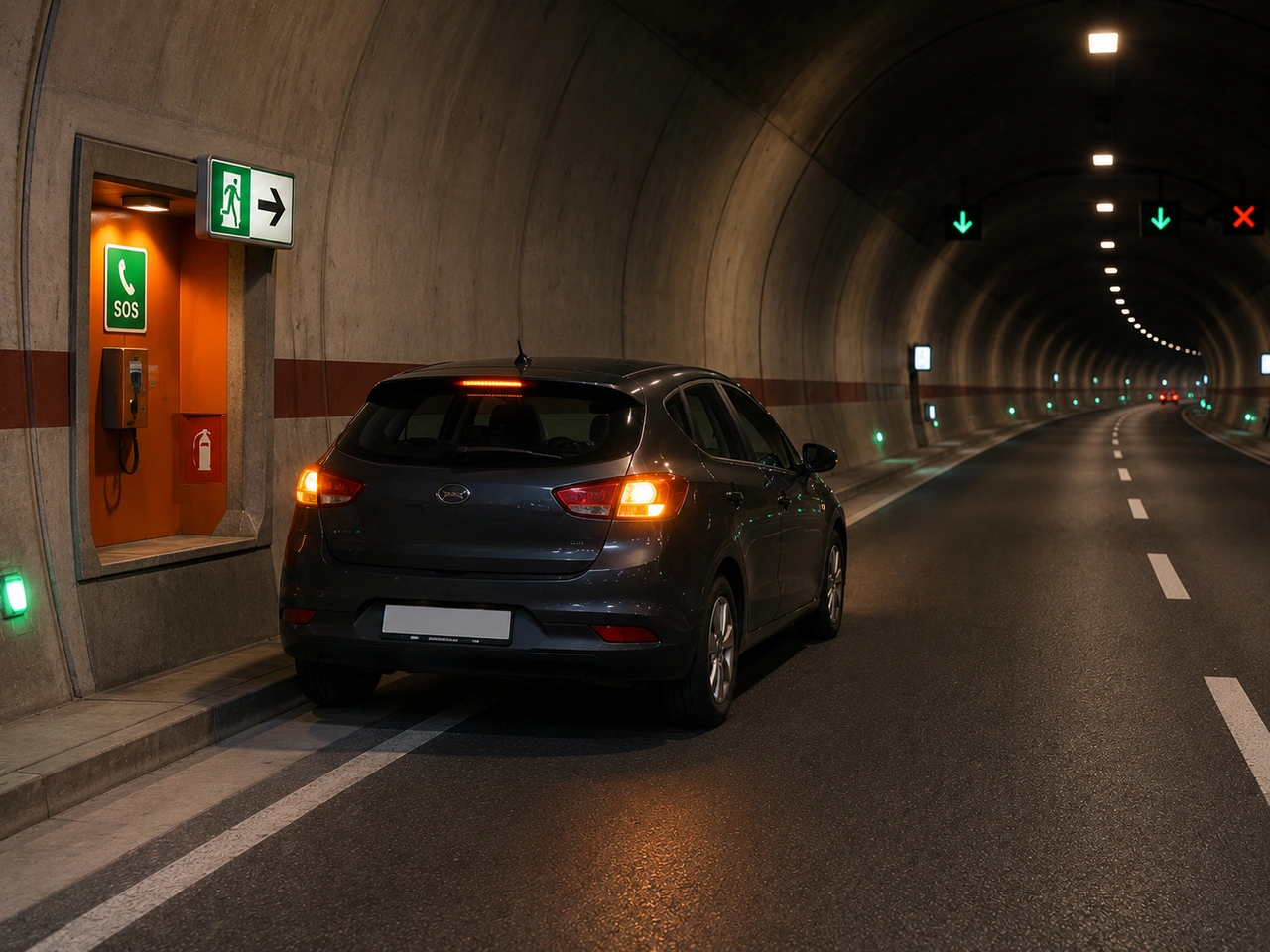
436. What should you do if your vehicle breaks down inside a road tunnel?
If possible, stop in an emergency bay or another safe place and use the hazard lights. Contact tunnel control using an emergency telephone or other available assistance system, and follow the tunnel signs and instructions.
AI-generated by Traffic-rules.com • WCIT • CC BY-SA
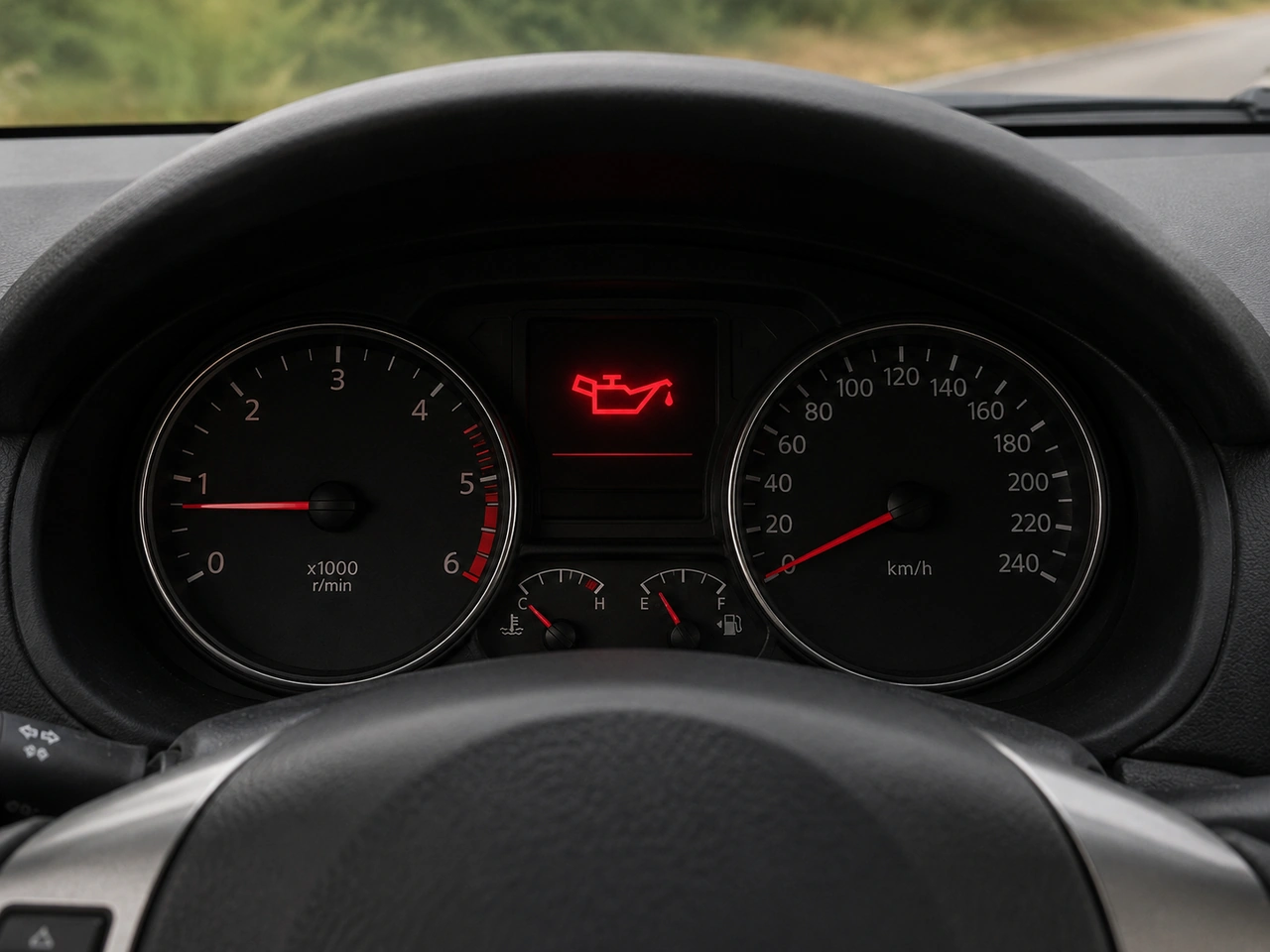
437. What should you do if the oil-pressure warning light stays on?
Low oil pressure can quickly cause severe engine damage. Stop as soon as it is safe, switch off the engine, and investigate the cause before continuing.
AI-generated by Traffic-rules.com • WCIT • CC BY-SA
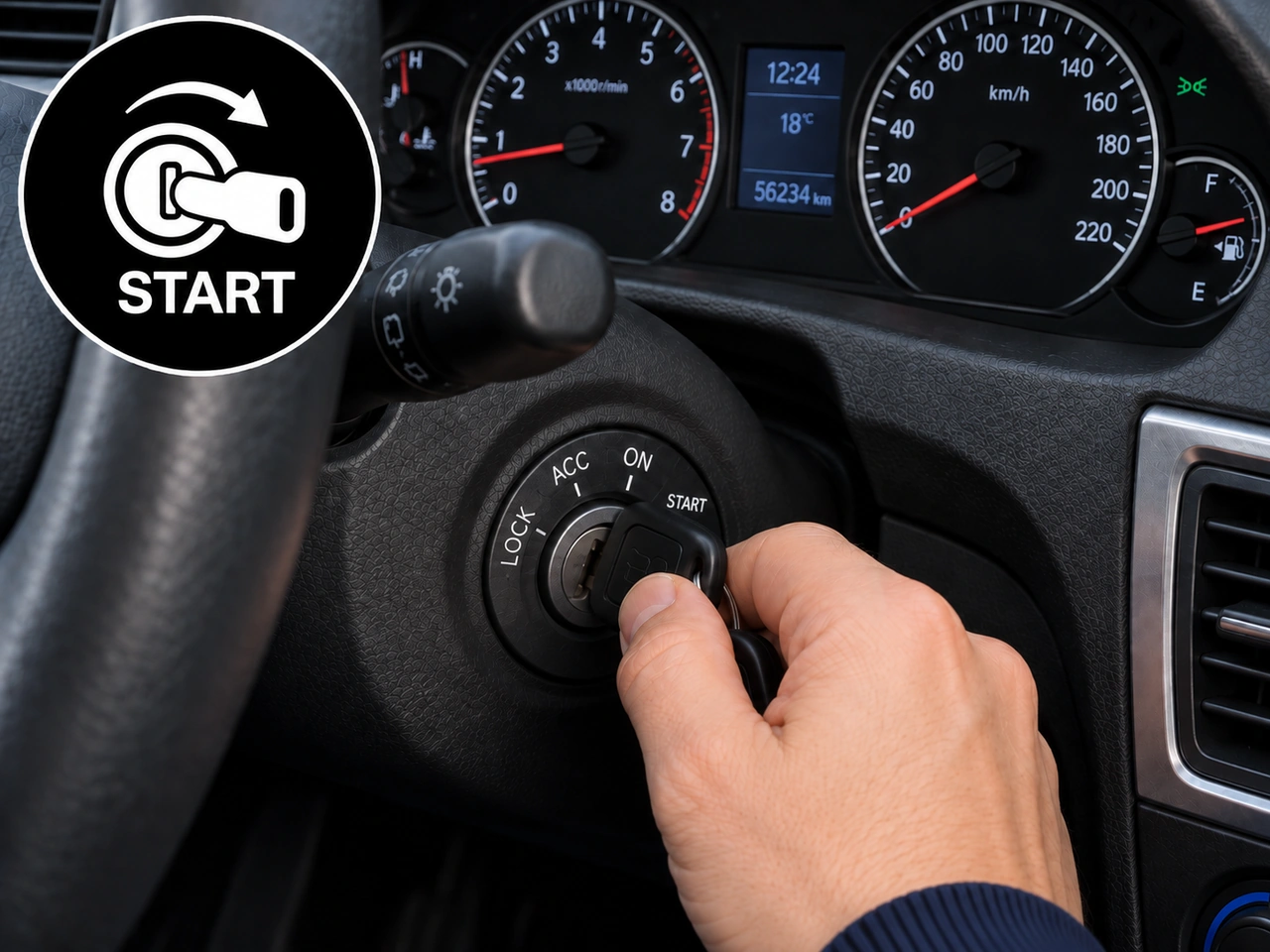
438. What should you do with the ignition key once the engine starts?
Once the engine starts, release the ignition key so it returns from START to the ON position. Holding the key in START unnecessarily can keep the starter motor engaged.
AI-generated by Traffic-rules.com • WCIT • CC BY-SA
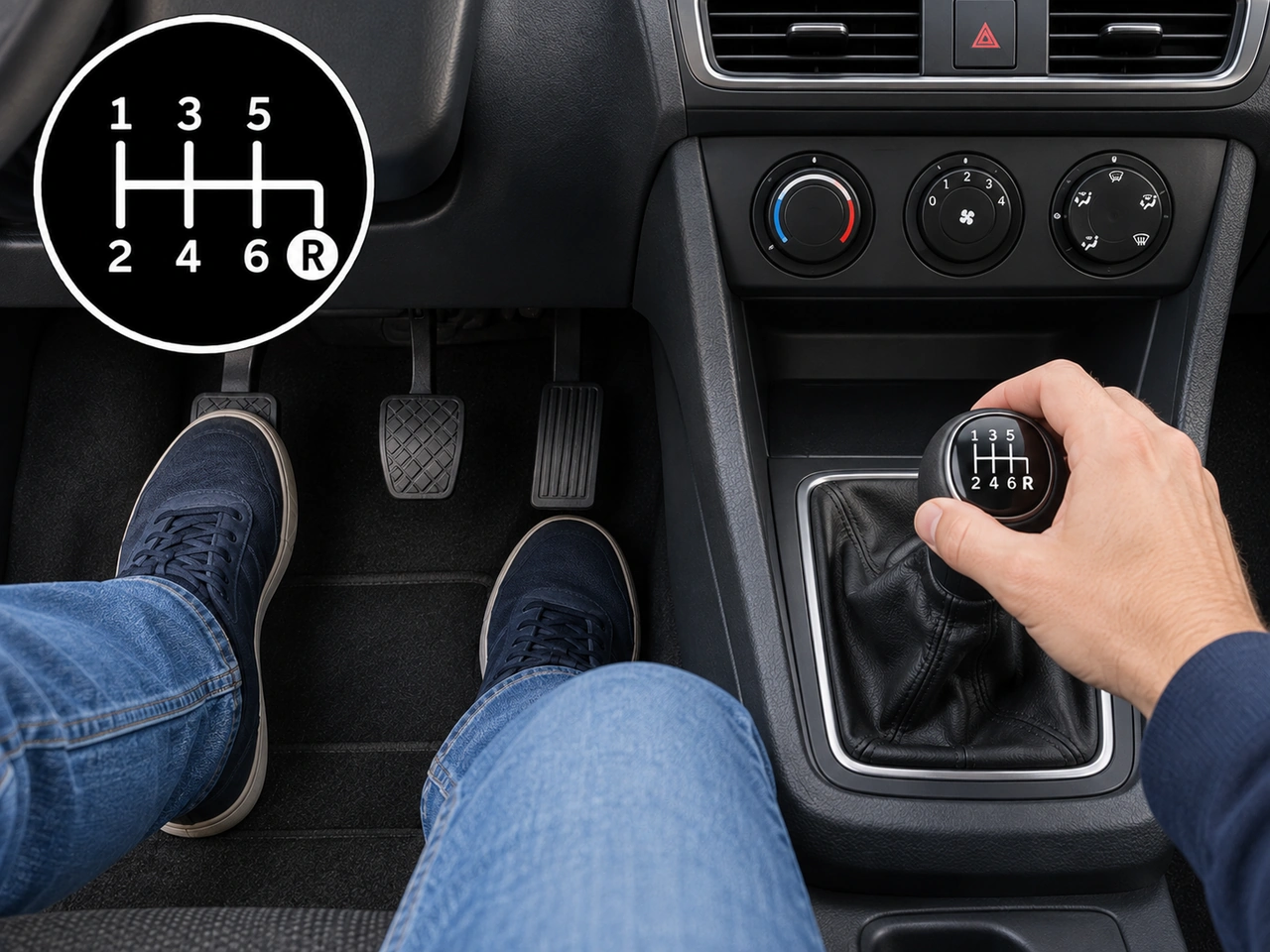
439. When should you select reverse gear in a manual vehicle?
Select reverse gear only after the vehicle has come to a complete stop. Press the clutch fully before selecting reverse to avoid unnecessary wear or damage to the transmission.
AI-generated by Traffic-rules.com • WCIT • CC BY-SA
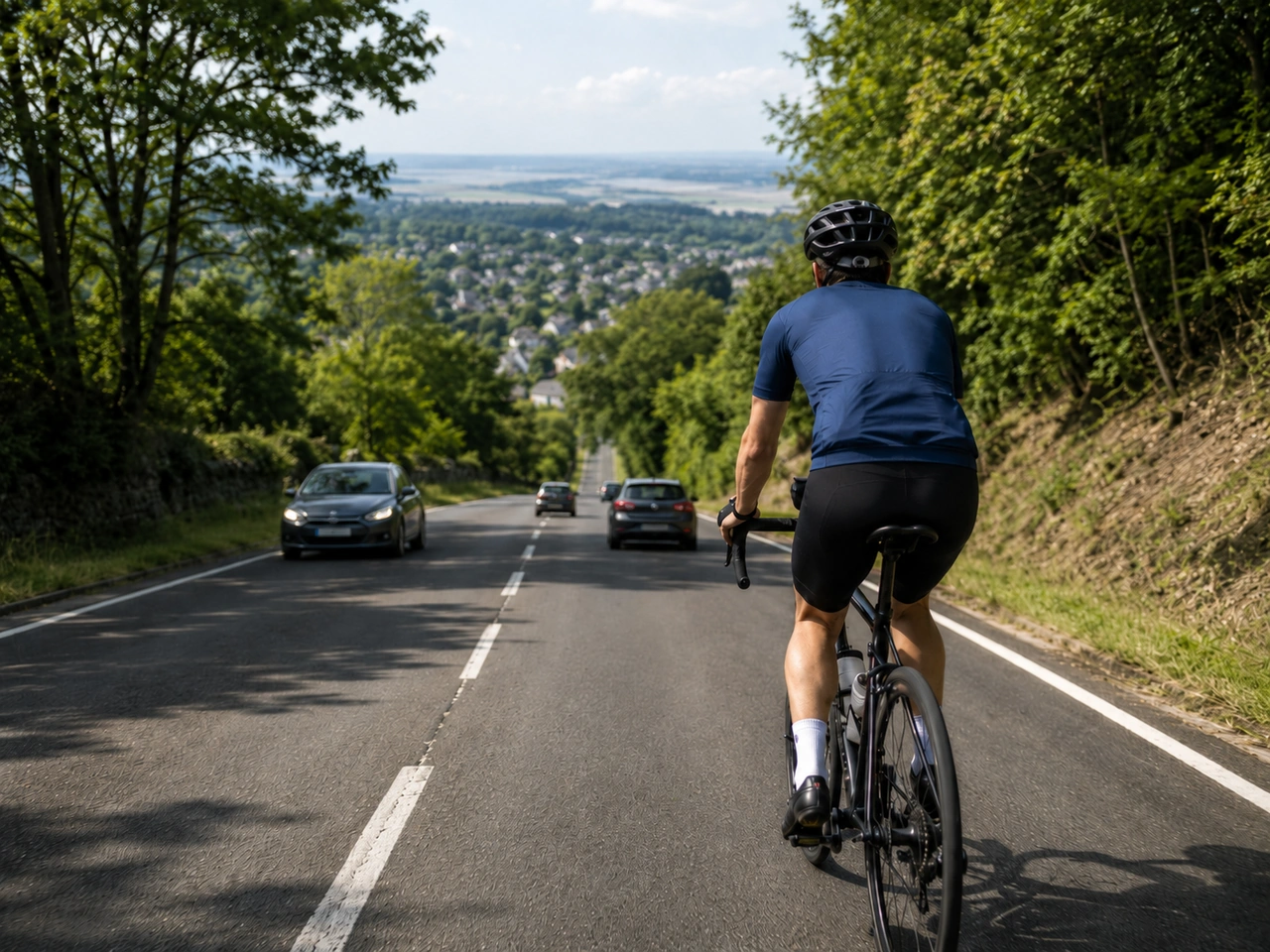
440. What should cyclists do when cycling downhill?
Higher speed increases stopping distance and reduces reaction time. Maintain a speed that allows you to stop safely.
AI-generated by Traffic-rules.com • WCIT • CC BY-SA
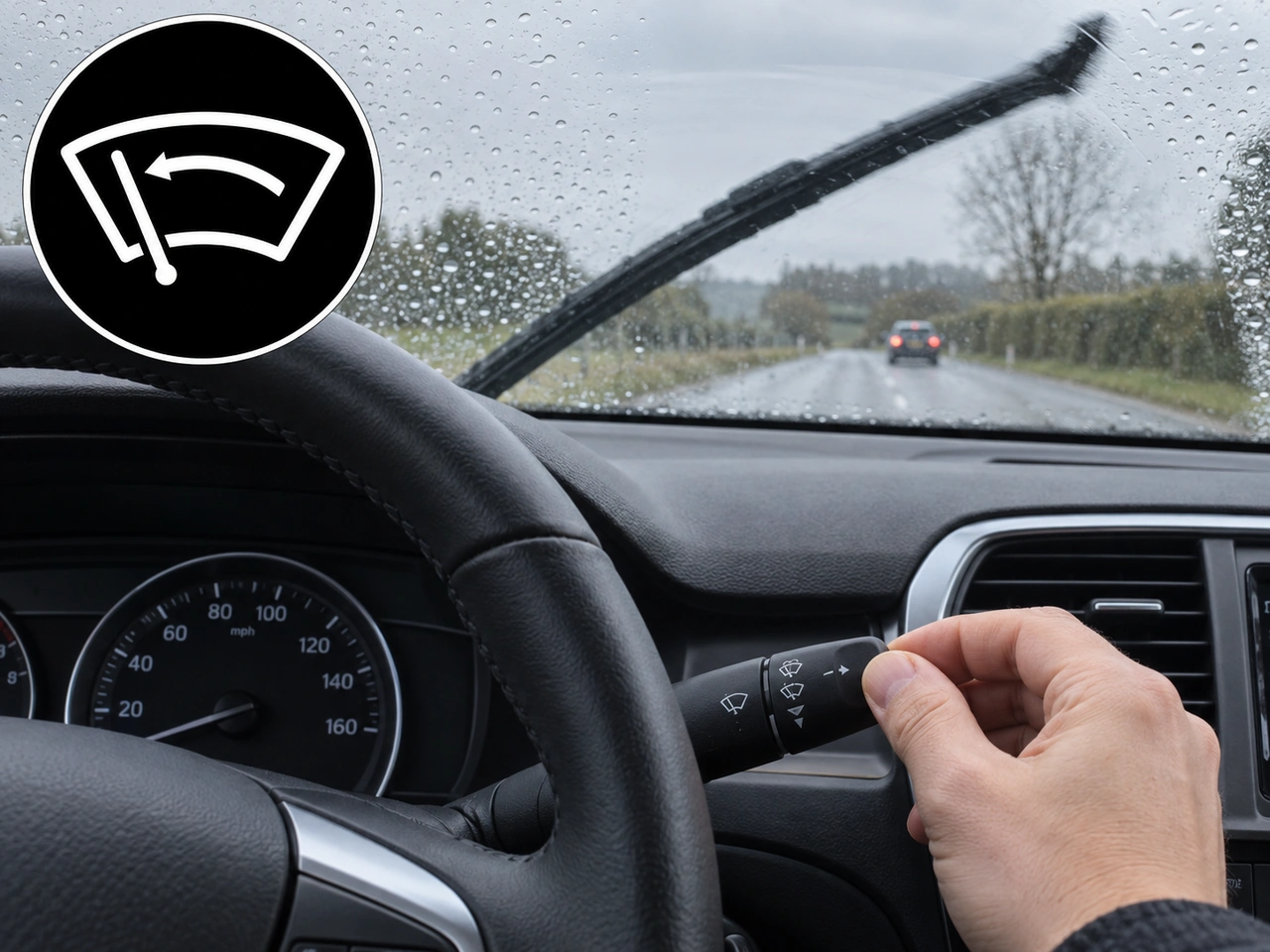
441. What does the single-wipe position of the windscreen-wiper control do?
The single-wipe position operates the windscreen wipers for one sweep and then stops. It is useful when only a small amount of water or spray needs to be cleared from the windscreen.
AI-generated by Traffic-rules.com • WCIT • CC BY-SA
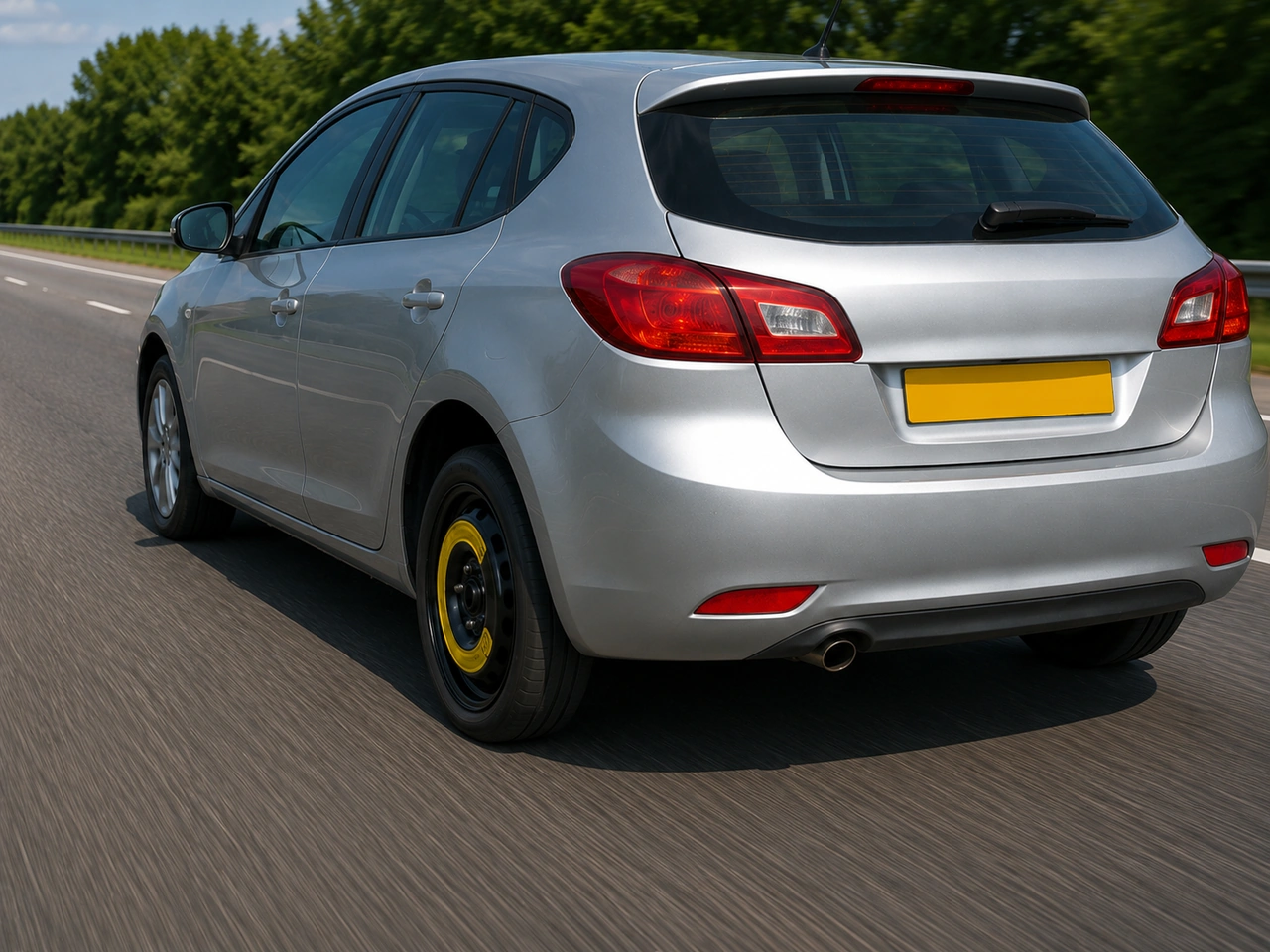
442. What should you do after fitting a temporary spare wheel?
Temporary spare wheels may have limited speed, distance, and handling capabilities. Arrange a proper repair or replacement promptly.
AI-generated by Traffic-rules.com • WCIT • CC BY-SA
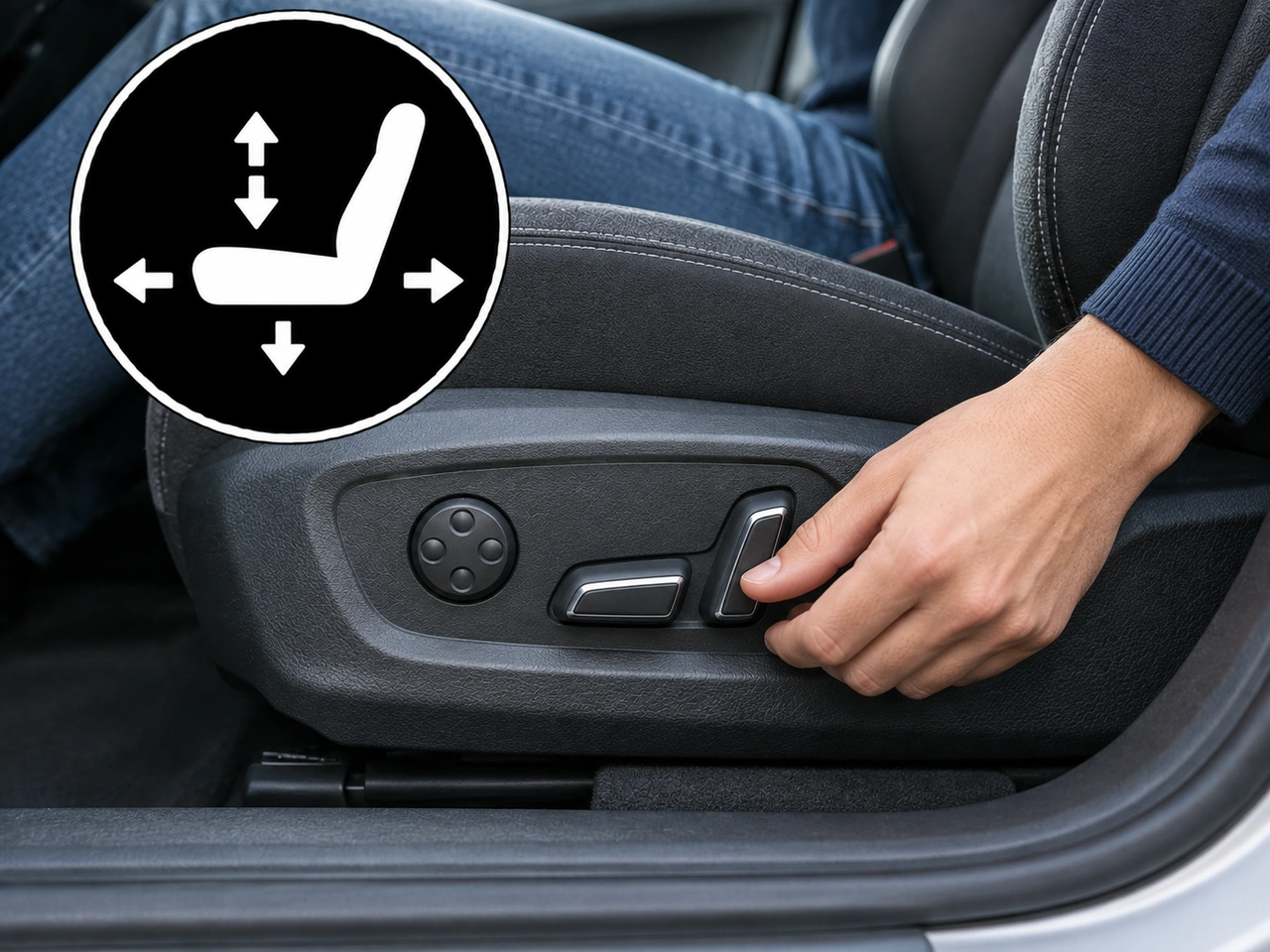
443. What does this vehicle-control symbol indicate?
This control adjusts the position of the seat. Depending on the vehicle, it may move the seat forwards or backwards, raise or lower it, or change the backrest angle.
AI-generated by Traffic-rules.com • WCIT • CC BY-SA
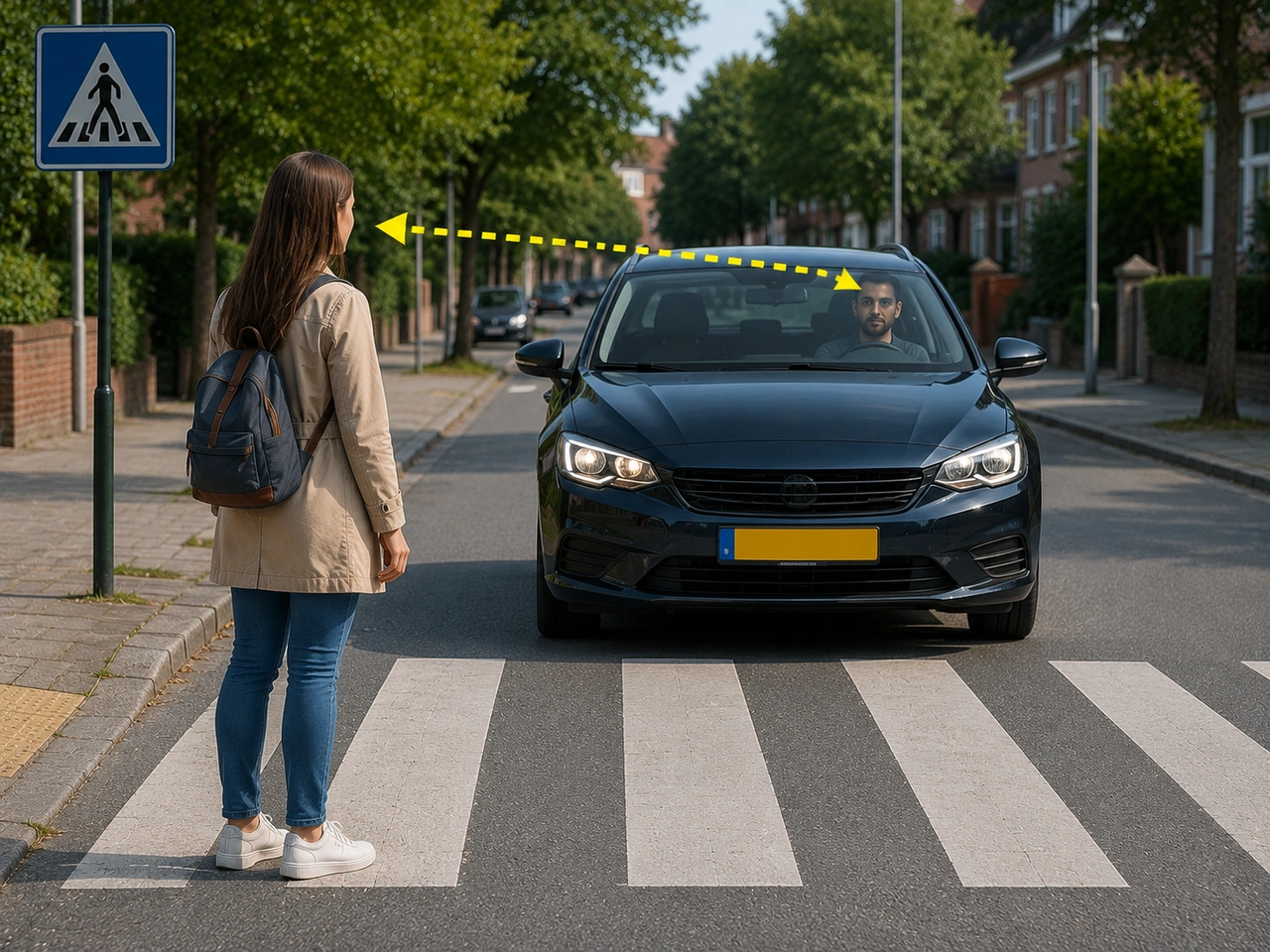
444. Why should you make sure drivers have seen you before crossing?
Before crossing, make sure approaching drivers have noticed you and that it is safe to proceed. Do not assume that a driver will stop simply because you have seen each other.
AI-generated by Traffic-rules.com • WCIT • CC BY-SA
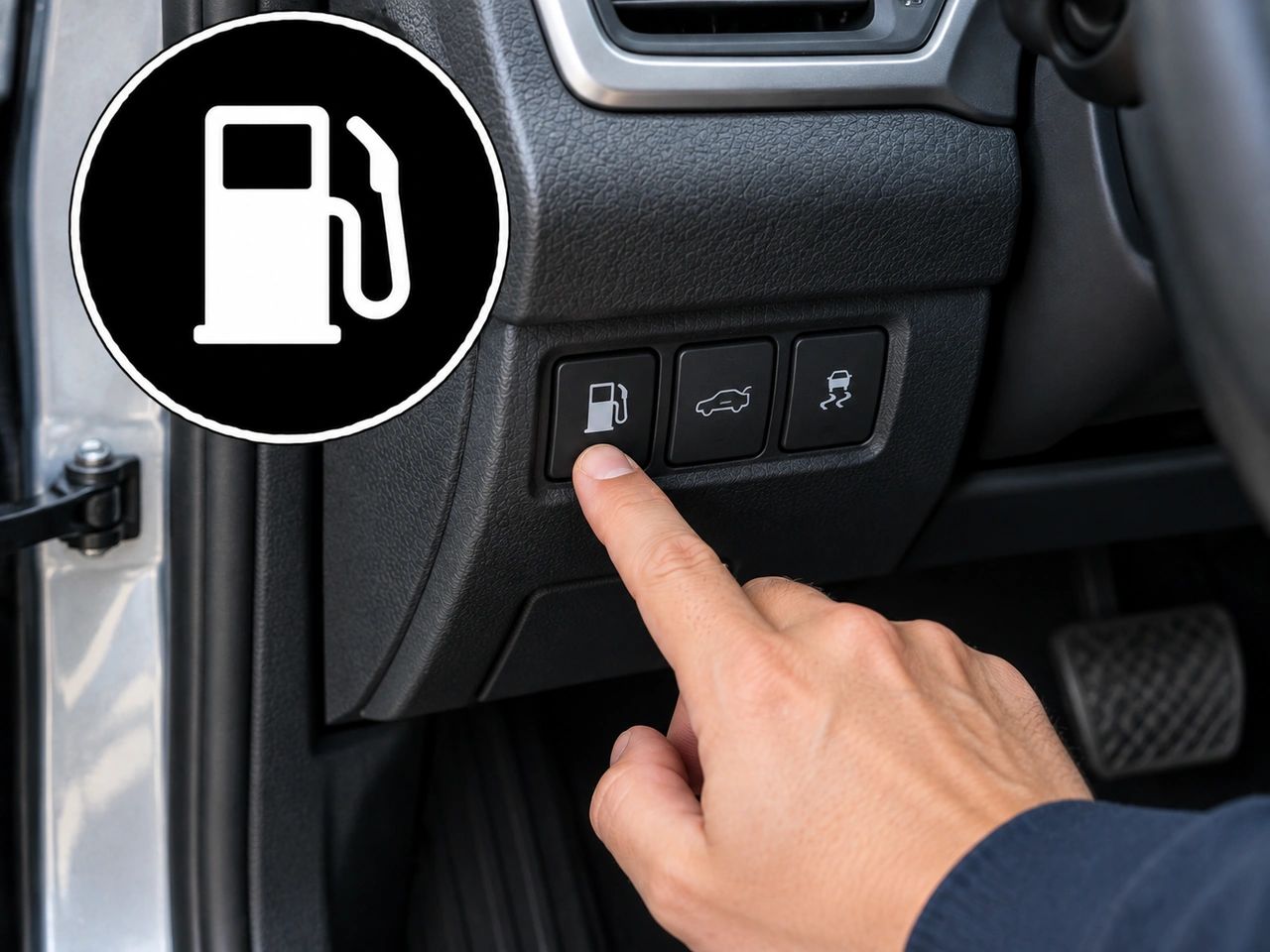
445. What does this vehicle-control symbol indicate?
This control releases the fuel-filler flap, allowing access to the vehicle's fuel filler.
AI-generated by Traffic-rules.com • WCIT • CC BY-SA
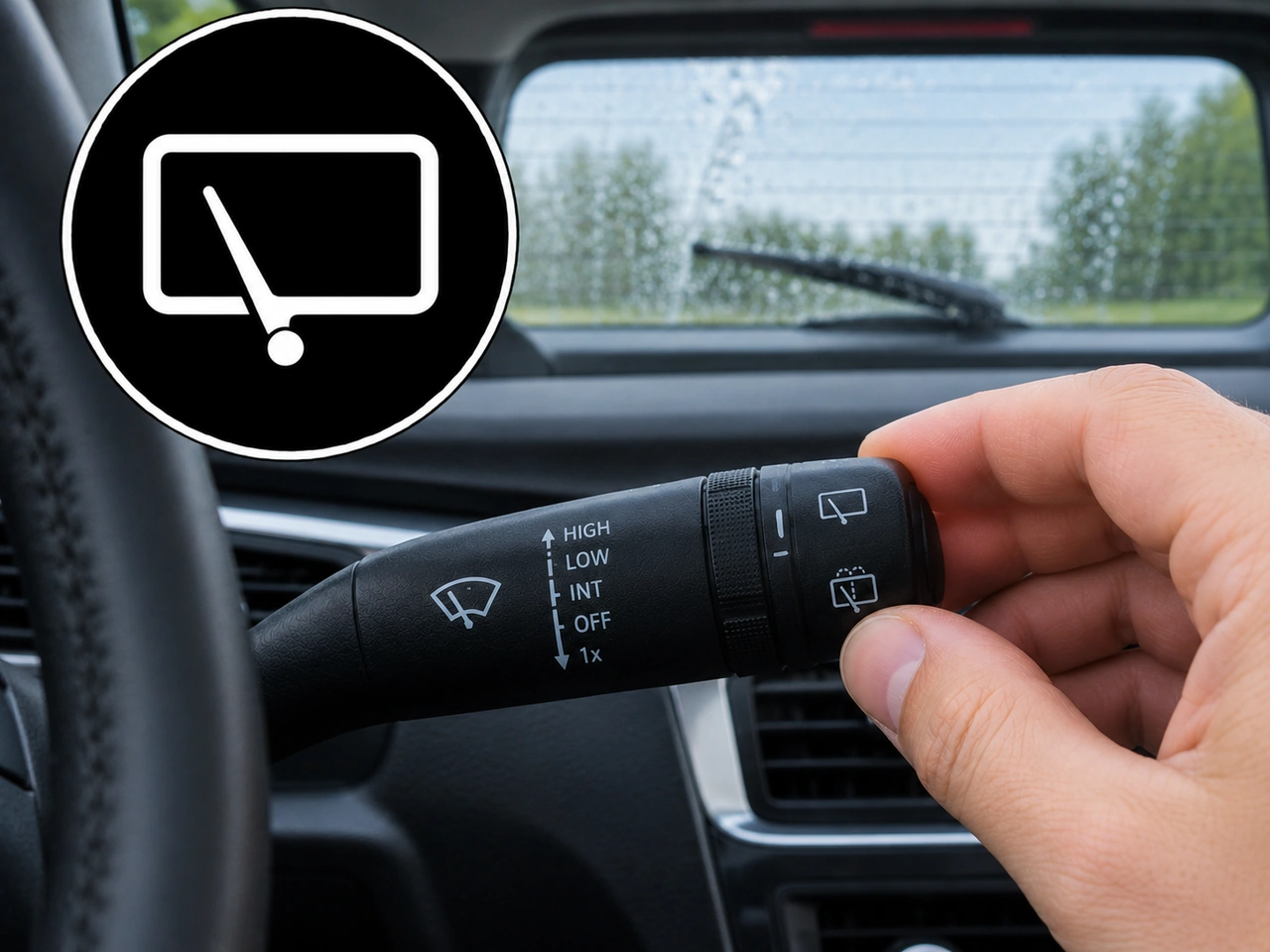
446. What does this vehicle-control symbol indicate?
This symbol controls the rear window wiper. Depending on the vehicle, the same control may also operate the rear-window washer.
AI-generated by Traffic-rules.com • WCIT • CC BY-SA
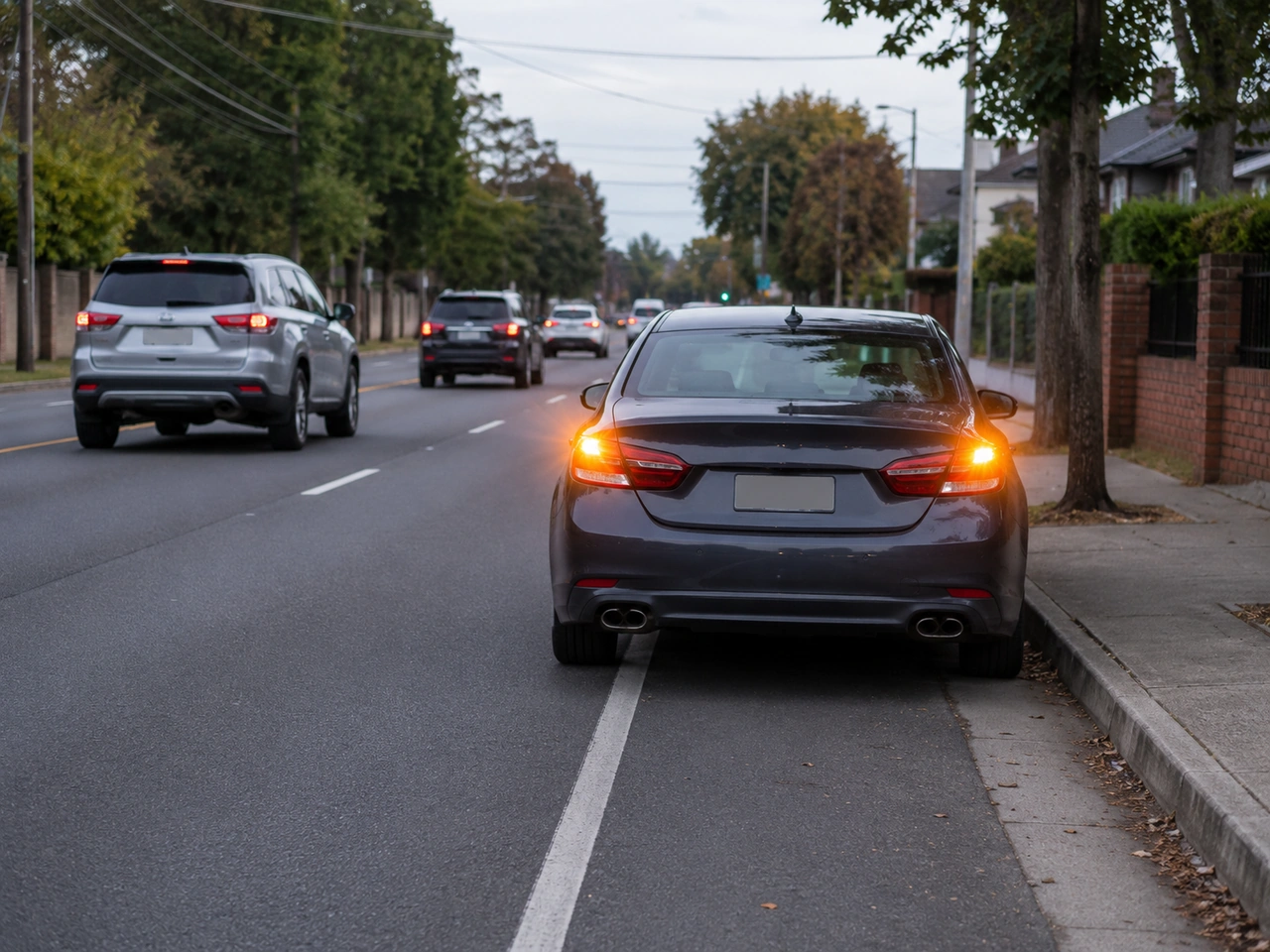
447. You may park anywhere as long as you leave your hazard lights on.
Hazard lights are used to warn other road users of a hazard or an unexpectedly stopped vehicle. They do not make illegal or unsafe parking acceptable.
AI-generated by Traffic-rules.com • WCIT • CC BY-SA
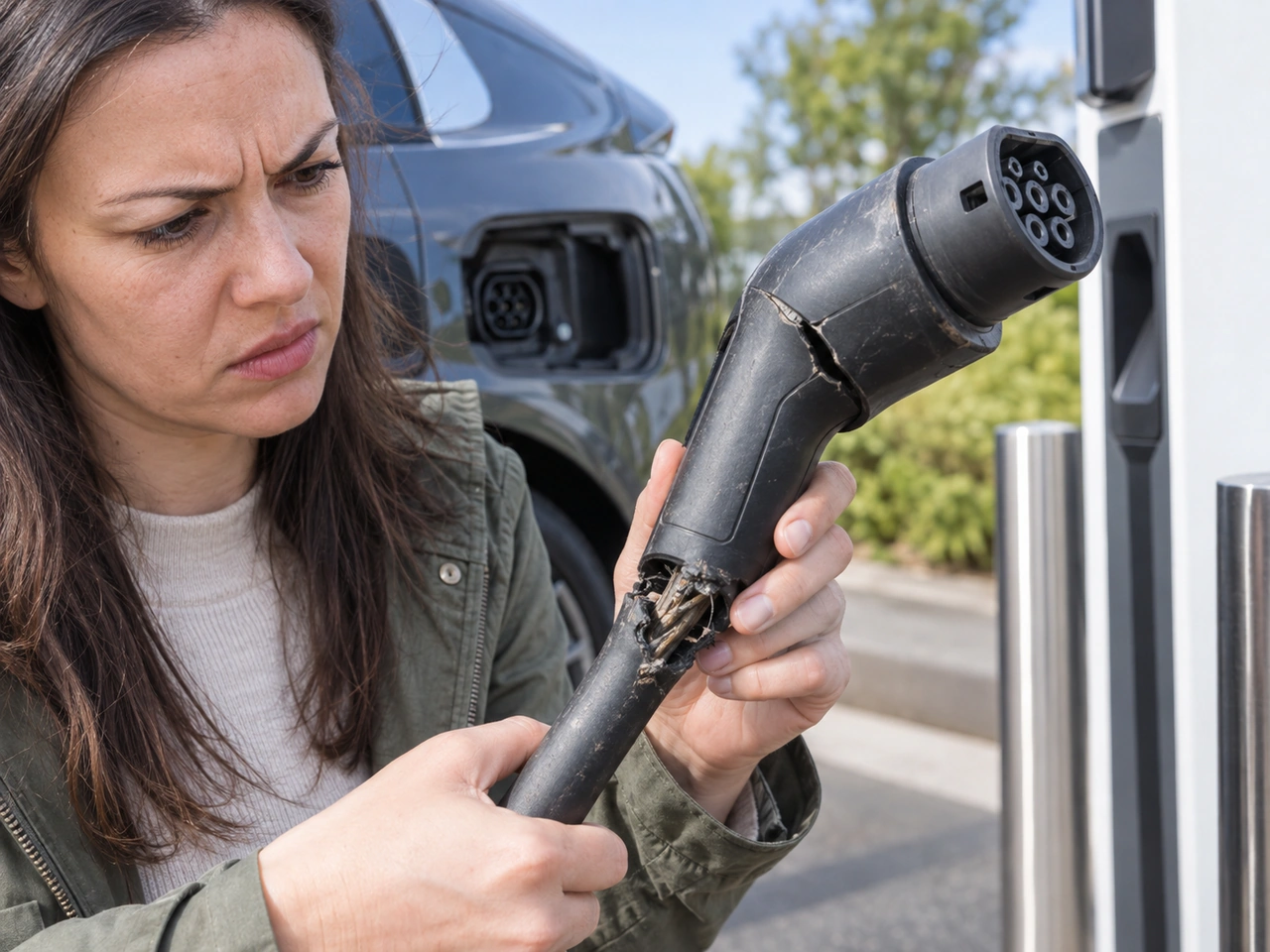
448. What should you do if an EV charging cable or connector is damaged?
Do not use a damaged charging cable or connector. Damage can create a risk of electric shock, overheating, or fire. Use suitable undamaged charging equipment and report the fault or arrange professional repair or replacement.
AI-generated by Traffic-rules.com • WCIT • CC BY-SA
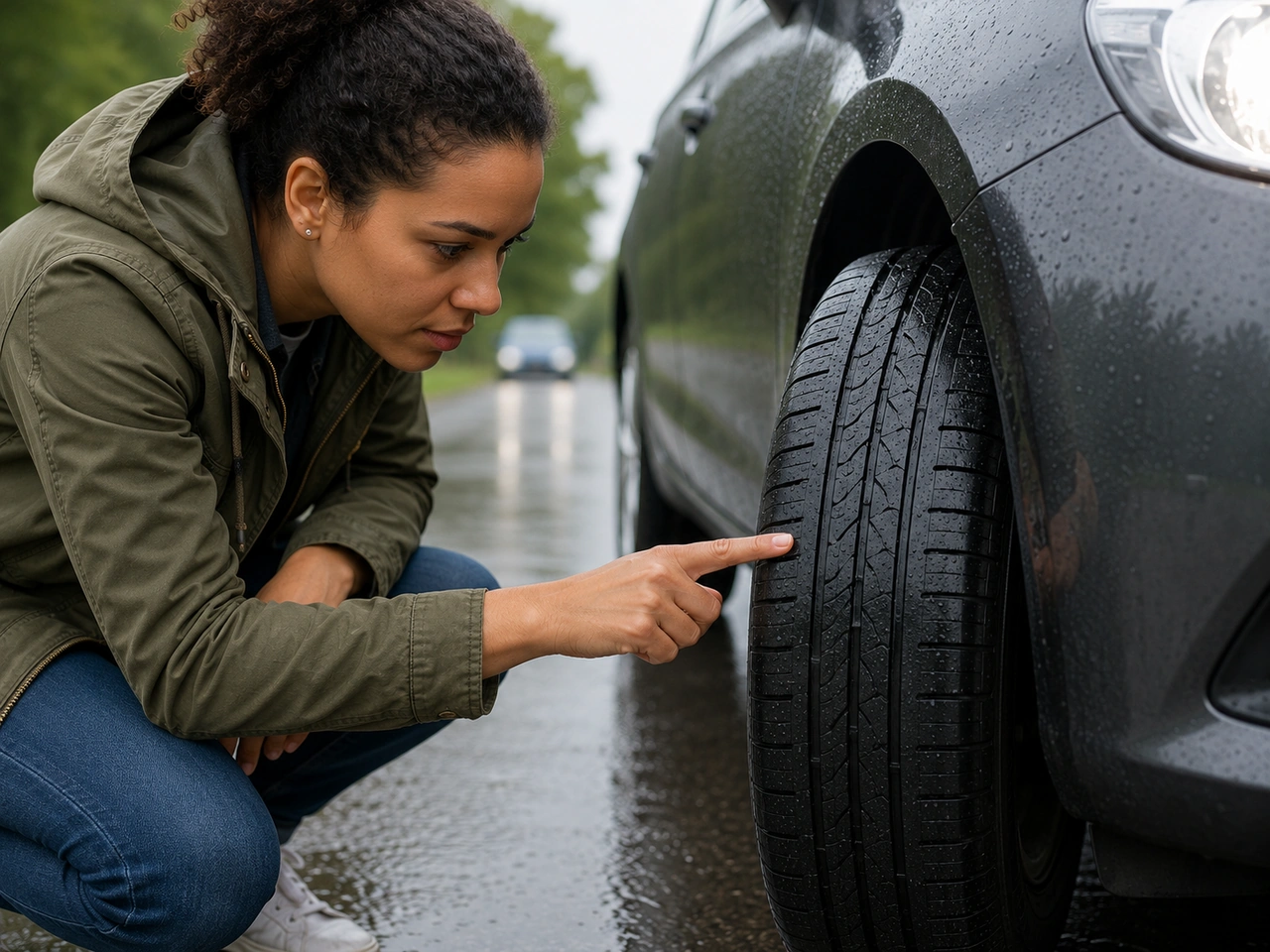
449. Why is adequate tyre tread important?
Tyre tread helps the vehicle grip the road and disperse water. Worn tread increases the risk of skidding and aquaplaning, especially in wet conditions.
AI-generated by Traffic-rules.com • WCIT • CC BY-SA
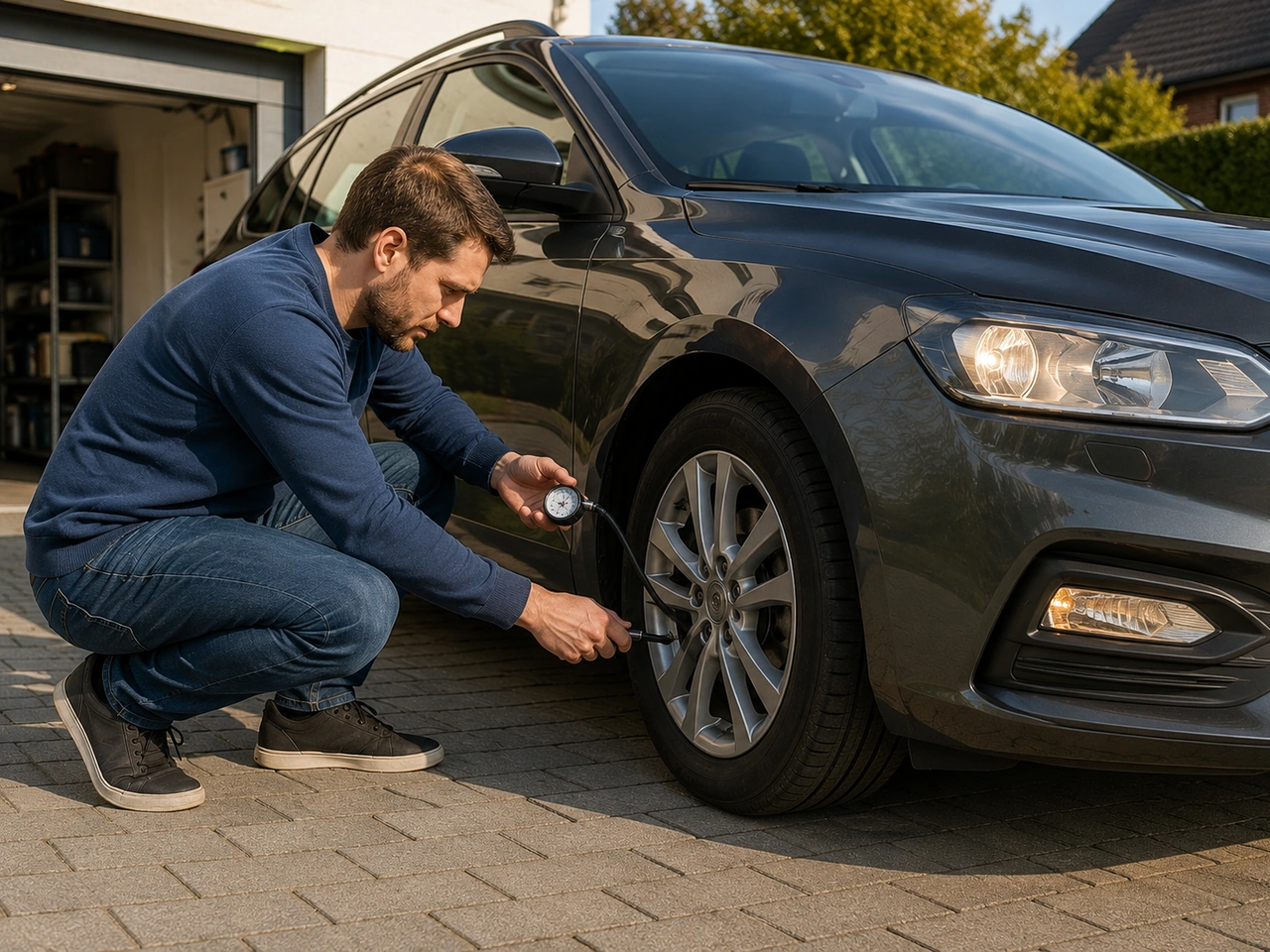
450. How should tyre pressure normally be checked?
Tyre pressure rises as tyres become warm. Check them when cold and use the pressure specified on the vehicle label or in the owner's manual.
AI-generated by Traffic-rules.com • WCIT • CC BY-SA