

Señales de tráficoFlandes
 Normas de tráfico
 Flandes
101. Enganche de remolque
Un enganche de remolque, también llamado acoplamiento de remolque, es un dispositivo instalado en un vehículo para conectar de forma segura un remolque, caravana u otro vehículo remolcable. Los turismos suelen usar una bola y los vehículos pesados otros sistemas mecánicos.
El enganche y el vehículo tractor deben ser adecuados para el remolque y las cargas. Deben respetarse la capacidad de remolque homologada, límites del acoplamiento, masa del remolque y requisitos de permiso, frenado y seguridad.

What is a tow hitch in Belgium?
A tow hitch, legally referred to as a coupling device, is equipment fitted to a vehicle so that a trailer, caravan or other towable vehicle can be mechanically connected to it.
Can you tow any trailer once a tow hitch is fitted?
No. The trailer must remain within the towing limits approved for the vehicle and the maximum permitted load of the coupling itself.
May a Belgian tow hitch be loaded beyond the value marked on it?
No. The coupling may not be subjected to a towing load greater than the maximum permitted value indicated for the coupling.
Does fitting a tow hitch affect the driving licence you need?
The hitch itself does not, but the trailer combination can. The required licence depends mainly on the maximum authorised masses of the towing vehicle, trailer and complete combination.
What trailer can you normally tow with a Belgian category B licence?
A category B vehicle may tow a trailer with a maximum authorised mass of up to 750 kg. A heavier trailer can also fall within category B when the maximum authorised mass of the complete combination does not exceed 3500 kg.
When is Belgian code 96 needed for towing?
For a category B towing vehicle with a trailer exceeding 750 kg, code 96 allows a combination with a maximum authorised mass exceeding 3500 kg but not exceeding 4250 kg.
When is a Belgian BE licence needed?
A category BE licence is generally required when a category B towing vehicle is combined with a heavier trailer and the combination falls outside the limits of category B or B with code 96, within the applicable BE mass limits.
Does fitting a tow hitch require a separate technical inspection in Flanders?
No. Since 1 September 2026, fitting a tow hitch no longer requires a separate technical inspection in Flanders. The tow hitch can still be checked as part of the vehicle's applicable technical inspection.
Can a tow hitch still be inspected in Flanders?
Yes. Since 1 September 2026, a separate inspection is no longer required solely because a tow hitch has been installed, but the tow hitch can still be checked as part of the vehicle's applicable technical inspection.
Does a small trailer need a separate Belgian registration plate?
A trailer with a maximum authorised mass of no more than 750 kg normally does not need its own registration. It must display a reproduction of the towing vehicle's registration plate.
What if a bicycle carrier on the tow hitch hides the registration plate?
If a bicycle carrier mounted on the rear of the vehicle or on its tow hitch hides the registration plate, the carrier must display a reproduction of the vehicle's registration plate.
Does a Belgian trailer need a safety cable or chain?
A trailer without a breakaway brake must normally have an auxiliary coupling in addition to the main coupling. This may consist of one or two cables or chains and must be capable of keeping the trailer connected if the main coupling fails.
Does a braked trailer use the same secondary coupling system?
Trailers equipped with a breakaway braking system are treated differently. The system is designed to apply the trailer brakes automatically if the trailer separates from the towing vehicle.
Should you check the tow hitch before every journey with a trailer?
Yes. Make sure that the coupling is fully engaged and secured, the electrical connection and trailer lights function correctly and any required safety or breakaway connection is properly attached.

102. Camión de bomberos
Un camión de bomberos es un vehículo de emergencia utilizado para transportar bomberos, equipos contra incendios, material de rescate o agua a incendios, colisiones y otras emergencias. Existen tipos especializados para extinción, rescate, acceso aéreo u otras tareas.
Durante una respuesta puede usar luces de emergencia y sirena y recibir prioridad o exenciones. Otros usuarios deben seguir las normas locales, dejar espacio suficiente y no obstaculizar su paso.
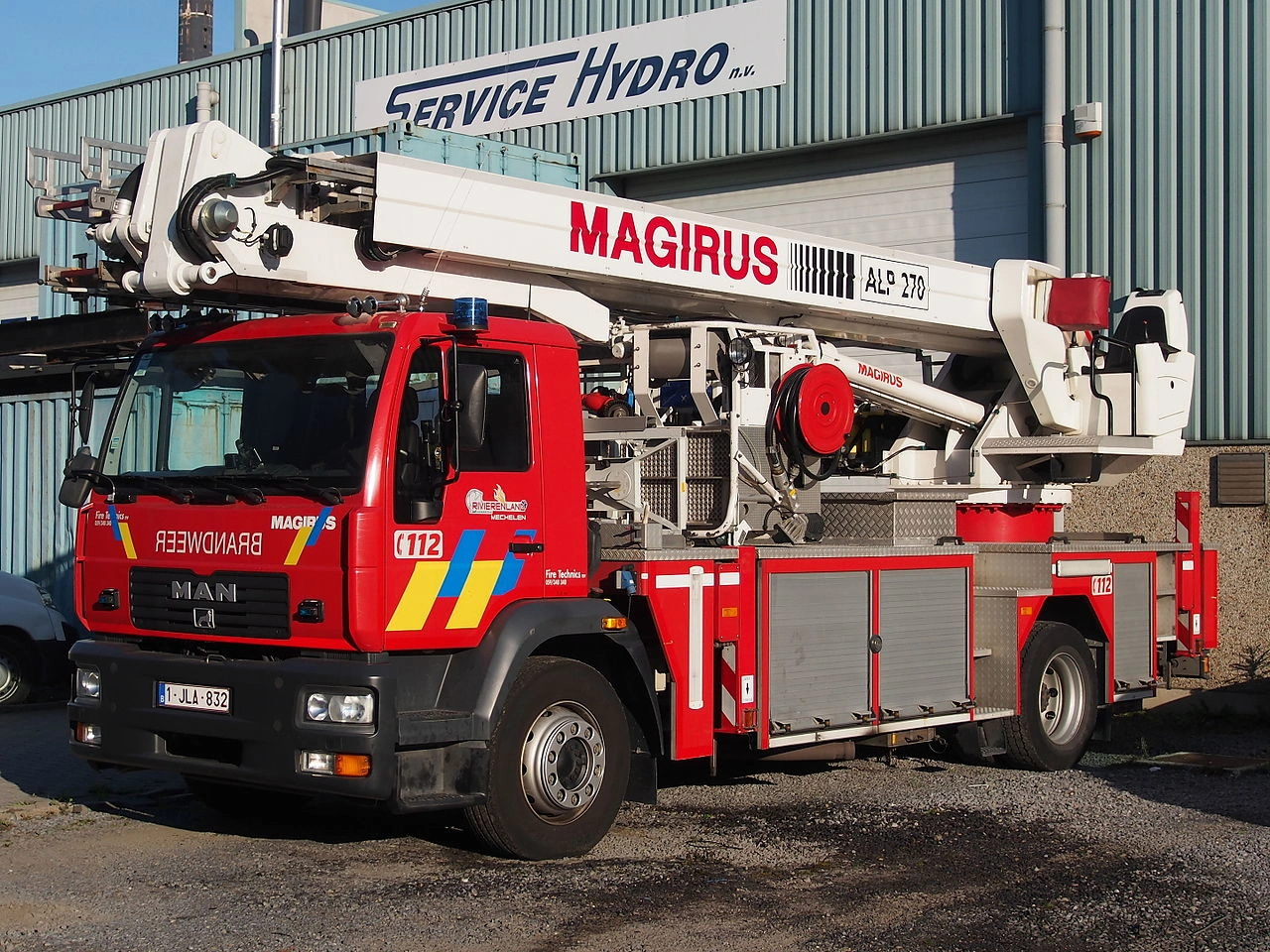
Is a fire truck a priority vehicle in Belgium?
Yes, when it meets the requirements for a priority vehicle. Belgian law expressly recognises fire-service vehicles among the vehicles whose drivers receive special exemptions while carrying out an urgent mission.
What should you do when a Belgian fire truck approaches with its siren?
You must immediately clear the way and give priority. You must stop if necessary so that the fire truck can pass safely.
Must a Belgian fire truck use its blue flashing lights during an urgent mission?
Yes. A priority vehicle must use its blue flashing lights when carrying out an urgent mission.
Must a Belgian fire truck use its siren during every urgent journey?
No. The special audible warning device may only be used during an urgent mission, but the Road Code does not require it to be used continuously throughout every urgent journey.
What if a fire truck has blue lights on but no siren?
The specific obligation requiring every road user to immediately clear the way and give priority applies when the special audible warning announces the approach of the priority vehicle. Drivers should nevertheless remain alert and avoid obstructing a fire truck displaying blue flashing lights.
Can a Belgian fire truck pass a red traffic light?
Yes, under specific conditions. A priority vehicle using its special audible warning may pass a red traffic light at moderate speed, provided this does not create danger for other road users.
Can a Belgian fire truck depart from ordinary traffic rules?
Yes. A fire-service vehicle carrying out an urgent mission may depart from many provisions of the Belgian Road Code. Certain specifically listed safety rules and orders from authorised persons must still be respected.
Can a Belgian fire truck exceed the speed limit?
Yes, when the urgent mission justifies it. Priority vehicles carrying out an urgent mission can be exempted from ordinary speed restrictions and posted C43 speed limits under the conditions provided by Belgian law.
Can a fire truck use the emergency lane in Belgium?
Yes. A priority vehicle carrying out an urgent mission may use the emergency lane, allowing it to reach an incident when the normal traffic lanes are congested or blocked.
What should you do in congestion when a Belgian fire truck approaches?
Keep the required emergency corridor clear and create as much safe space as possible. Do not drive into the emergency corridor yourself or obstruct the route needed by emergency vehicles.
Can you follow a Belgian fire truck through an emergency corridor?
No. The emergency corridor and other space created for priority vehicles must remain available for authorised emergency traffic. Ordinary drivers may not use it simply to bypass congestion.
What should you do near a fire truck stopped at an emergency?
Reduce speed, leave sufficient space and remain especially alert. Firefighters, hoses and rescue equipment may occupy the carriageway, and police or emergency personnel may temporarily control or divert traffic.
Does a Belgian fire truck have emergency exemptions when it is not on an urgent mission?
Not merely because it belongs to the fire service. The broad exemptions available to the driver of a fire-service priority vehicle apply when the vehicle is carrying out an urgent mission. Otherwise, the ordinary traffic rules generally apply unless another specific exception exists.
103. Sirena
Una sirena es un dispositivo de aviso sonoro intenso utilizado para llamar la atención y advertir de que se aproxima un vehículo de emergencia o prioritario. Es habitual en ambulancias, camiones de bomberos y vehículos policiales y puede producir tonos alternos o cambiantes para reconocerse rápidamente.
Cuando se aproxima un vehículo con la sirena activa, los usuarios deben mantenerse atentos, identificar de dónde viene y dejarle paso con seguridad. Las normas de prioridad y uso permitido de sirenas varían entre países.

When may an emergency vehicle use its siren in Belgium?
A priority vehicle may use its special audible warning device only when carrying out an urgent mission.
What must you do when you hear an approaching emergency siren in Belgium?
You must immediately clear the way and give priority to the approaching priority vehicle. If necessary, you must stop.
Is an emergency siren the same as an ordinary vehicle horn in Belgium?
No. The special audible warning device of a priority vehicle is subject to specific emergency-vehicle rules. Ordinary sound signals must be kept as short as possible and are generally permitted only when necessary to prevent an accident or, outside built-up areas, to warn a driver who is about to be overtaken.
104. Convoy
Un convoy es un grupo de vehículos que viajan juntos de forma organizada, normalmente siguiendo la misma ruta y destino. Puede estar formado por vehículos ordinarios, militares, transportes excepcionales o vehículos que participan en un viaje organizado.
Los conductores que circulen en convoy deben mantener una distancia segura, respetar las normas aplicables y evitar obstaculizar a otros usuarios. Formar parte de un convoy no concede automáticamente prioridad especial salvo que existan leyes, escoltas o medidas específicas de control.
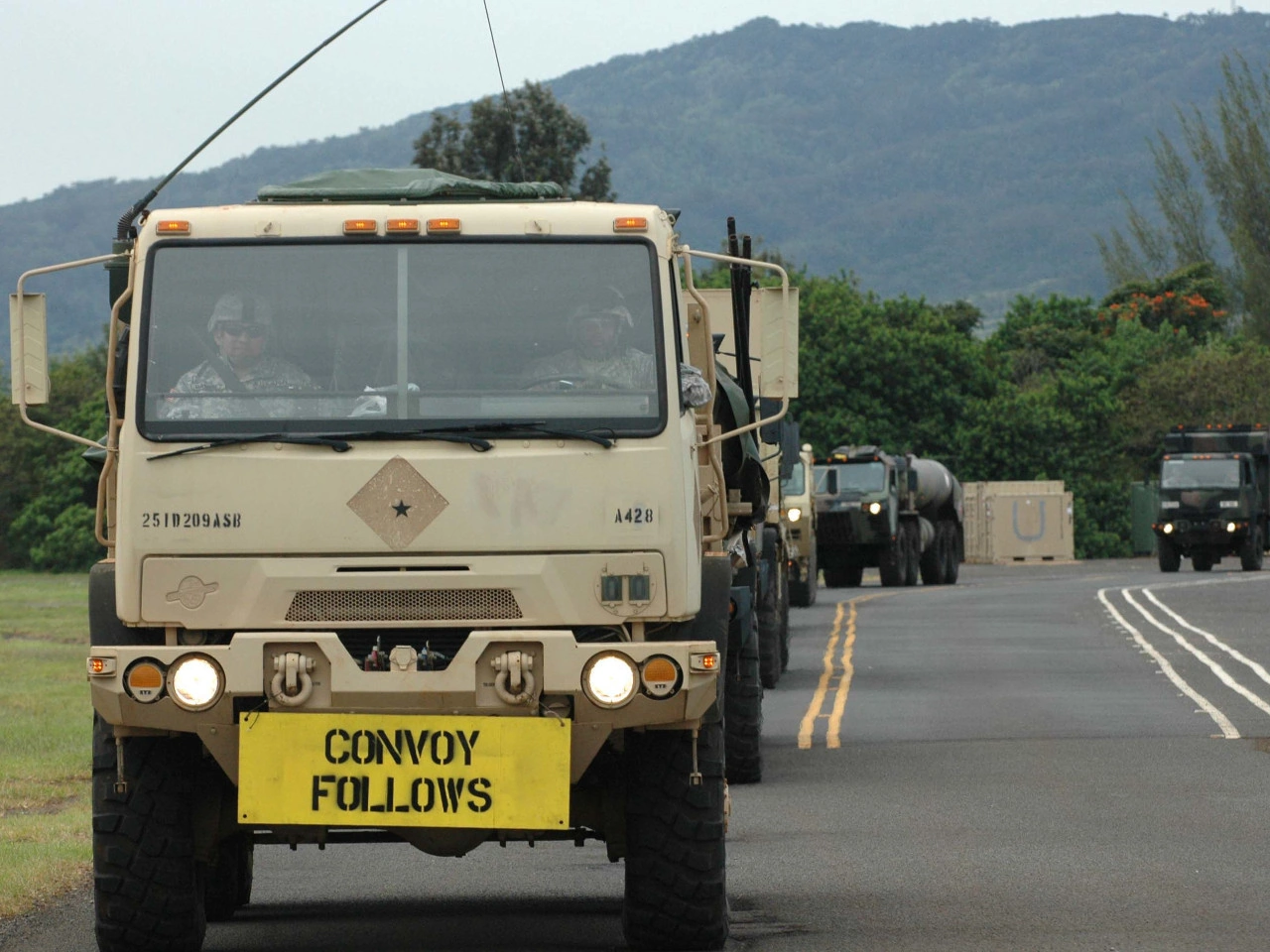
What distance must cars in a convoy keep in Belgium?
Outside built-up areas, cars travelling in convoy for a journey made together must keep a distance of at least 50 metres between vehicles.
Does an ordinary vehicle convoy have special priority in Belgium?
No. Simply travelling together as a convoy does not give ordinary vehicles special priority. Drivers must continue to follow the normal traffic rules.
Can you drive through a military convoy in Belgium?
No. Road users may not break through a military column consisting of marching troops or a vehicle convoy whose movement is controlled by authorised personnel or authorised military personnel.
105. Luces de vehículos de emergencia
Las luces de vehículos de emergencia son luces especiales intermitentes o giratorias utilizadas en vehículos autorizados de emergencia o prioritarios para hacerlos muy visibles y advertir a otros usuarios. Vehículos policiales, ambulancias, camiones de bomberos y otros vehículos autorizados suelen utilizarlas al responder a incidentes.
El color, significado y uso permitido de estas luces varían entre países. Cuando están activas, los usuarios deben mantenerse atentos, identificar el vehículo que se aproxima y seguir las normas locales para ceder el paso o crear una vía libre.
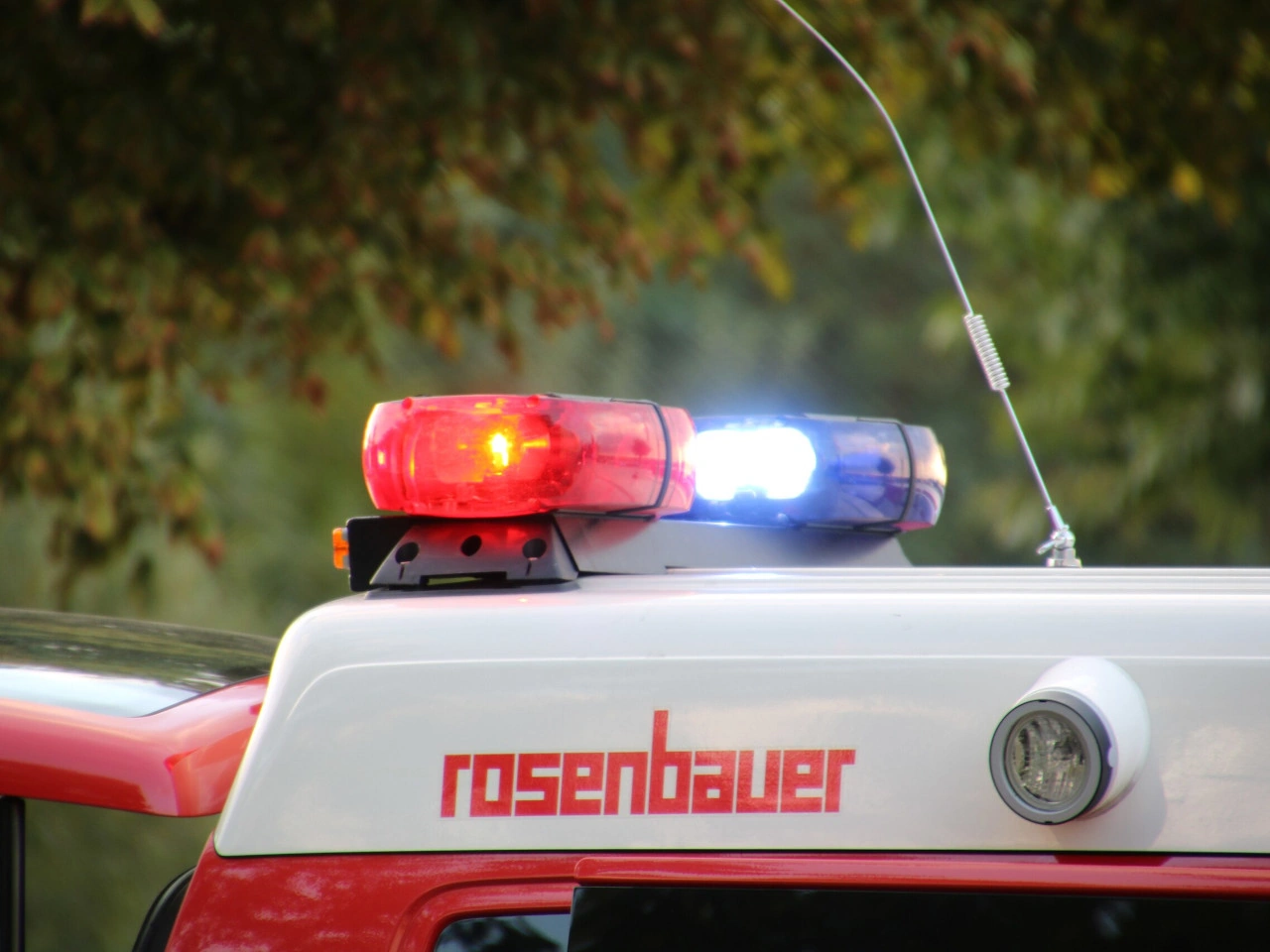
Which warning lights do priority vehicles use in Belgium?
Belgian priority vehicles are equipped with one or more blue flashing lights together with a special audible warning device.
When must a Belgian priority vehicle use its blue flashing lights?
The blue flashing lights must be used during an urgent mission. They may also be used during another mission when the nature of that mission justifies their use.
Do blue flashing lights alone require you to give way in Belgium?
The specific obligation to immediately clear the way and give priority applies when the approaching priority vehicle uses its special audible warning device. When blue lights are visible without the siren, road users should remain alert and avoid obstructing the vehicle.
106. Maquinaria agrícola
La maquinaria agrícola incluye vehículos, máquinas y equipos diseñados para trabajos agrícolas y del campo, como cultivar el suelo, sembrar, cosechar, segar, transportar cultivos o accionar aperos. Entre los ejemplos están tractores, cosechadoras, pulverizadores autopropulsados, segadoras y otros equipos especializados.
Puede estar diseñada principalmente para campos pero también necesitar circular por vías públicas. En ese caso, las normas aplicables de matriculación, permiso de conducir, iluminación, dimensiones, velocidad y acceso a carreteras dependen del tipo y clasificación legal de la máquina.
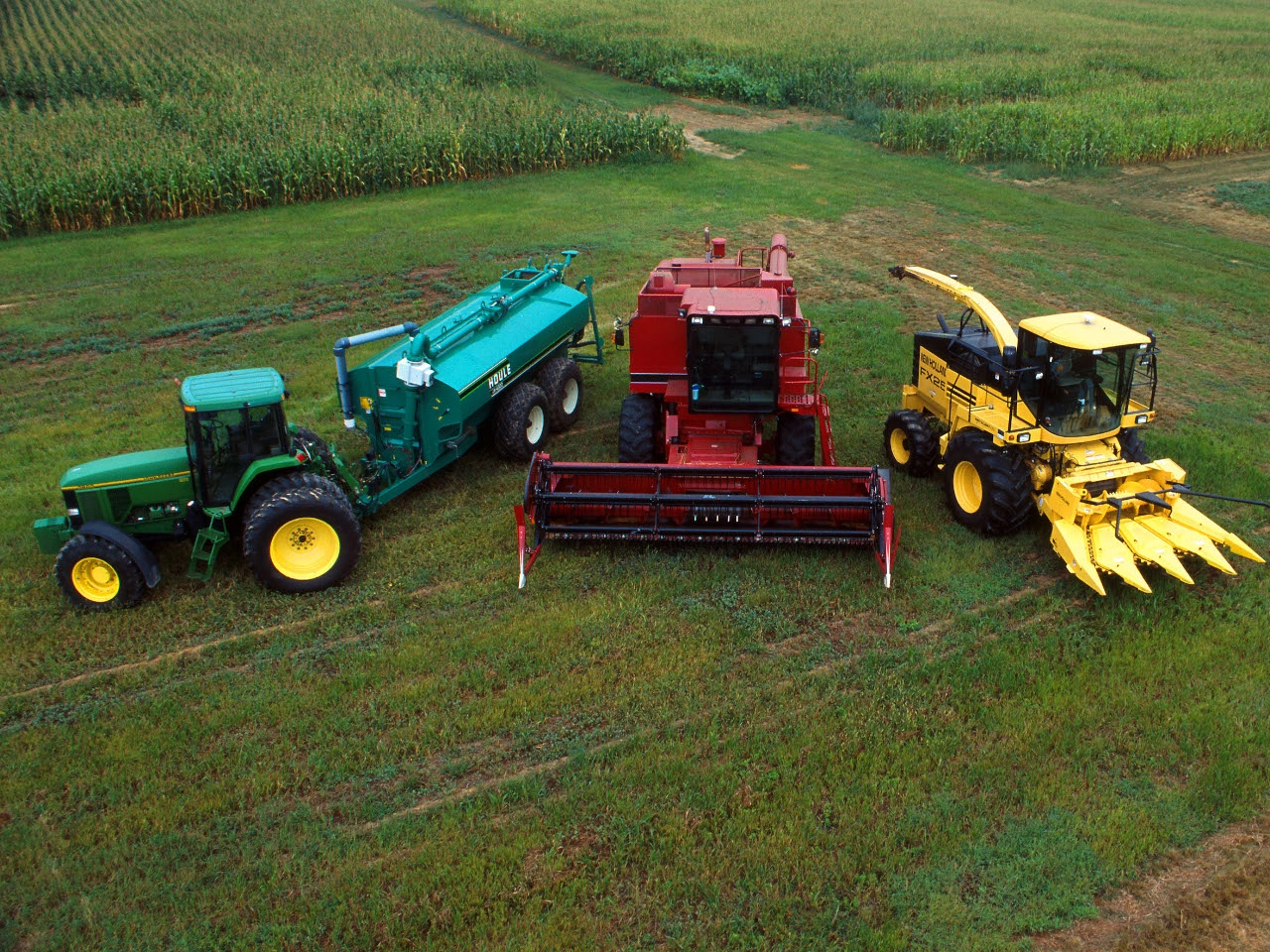
What is agricultural machinery in Belgium?
Belgian agricultural machinery can include land and forestry vehicles, agricultural tractors, self-propelled agricultural machines, agricultural trailers and other equipment designed or registered for agricultural work.
Which driving licence applies to agricultural machinery in Belgium?
Category G is the Belgian national driving-licence category specifically intended for land and forestry vehicles and their trailers and for certain vehicles registered as agricultural equipment, motor ploughs or mowing machines.
How old must you be to obtain a Belgian category G licence?
The category G theory examination may be taken from 15 years and 9 months and the practical examination from 16 years.
Are category G drivers under 18 subject to a mass restriction?
Yes. Until the age of 18, code 205 is placed on the licence and limits the driver to a vehicle combination consisting of a tractor and trailer with a maximum authorised mass of no more than 20 tonnes.
Does every agricultural vehicle require a category G licence?
Not necessarily. Holders of categories B, BE, C1, C1E, C or CE may drive category G vehicles within the maximum authorised masses covered by their licence. A category CE licence also gives entitlement to category G.
Is there an exemption for older Belgian agricultural-vehicle drivers?
Yes. A person born before 1 October 1982 may drive category G agricultural vehicles in Belgium without holding a category G licence.
Must Belgian agricultural machinery be registered?
Agricultural vehicles and machinery belonging to categories that require registration for public-road use must be registered with the DIV and display the appropriate registration plate.
Does every Belgian agricultural vehicle have a G licence plate?
No. Agricultural and forestry vehicles can have an ordinary registration plate. The plate beginning with G is a special fiscal plate for qualifying vehicles authorised to use fully tax-exempt agricultural diesel.
Can agricultural machinery use a Belgian motorway?
No. Agricultural vehicles are specifically prohibited from Belgian motorways, regardless of whether an individual machine might otherwise be capable of reaching motorway speed.
Can agricultural machinery use a Belgian autoweg?
No. Agricultural vehicles are also expressly excluded from roads legally designated as autowegen.
Is there one maximum speed for all Belgian agricultural machinery?
No. The applicable maximum speed depends on the vehicle's construction, mass, tyres, suspension, road and traffic signs. The vehicle's own construction speed may also impose a lower limit than the general road limit.
What is an F99c road in Belgium?
An F99c road is a road reserved for the categories indicated on the sign, which can include agricultural vehicles together with pedestrians, cyclists, riders and speed-pedelec riders.
What is the maximum speed on an F99c road?
The maximum speed on a road reserved under the current F99c rules is 30 km/h.
How must agricultural machinery behave on an F99c road?
Motorised traffic, and agricultural vehicles in particular, must exercise increased caution towards pedestrians, cyclists, riders and the other vulnerable users permitted on the road.
What should other drivers remember when overtaking agricultural machinery?
Agricultural machines can be slow, wide and difficult to see around. Drivers should wait for sufficient visibility and space and should be alert for machinery turning into fields or farm entrances.
107. Bicicleta eléctrica
Una bicicleta eléctrica, o e-bike, es una bicicleta equipada con un motor eléctrico que ayuda al ciclista durante la marcha. La mayoría utiliza asistencia al pedaleo, es decir, el motor aporta potencia adicional mientras se pedalea.
Su clasificación legal depende de factores como la potencia del motor, velocidad máxima de asistencia y si el motor puede impulsarla sin pedalear. Las bicicletas más rápidas o potentes pueden clasificarse como ciclomotores u otros vehículos de motor y quedar sujetas a requisitos distintos de permiso, casco, matriculación y seguro.

What is an ordinary electric bicycle in Belgium?
An ordinary Belgian electric bicycle has an auxiliary electric motor with a maximum continuous rated power of no more than 250 W. The motor provides pedal assistance and stops assisting when the bicycle reaches 25 km/h or earlier when the rider stops pedalling.
Is an ordinary electric bicycle legally a bicycle in Belgium?
Yes. Electric assistance within the 250 W and 25 km/h limits does not change the vehicle's classification as a bicycle.
Do you need a driving licence for an ordinary Belgian electric bicycle?
No. An ordinary electric bicycle within the 250 W and 25 km/h limits does not require a driving licence.
Is there a minimum age for an ordinary electric bicycle in Belgium?
No specific minimum age applies merely because an ordinary bicycle has compliant electric pedal assistance. It follows the ordinary bicycle rules.
Must an ordinary Belgian electric bicycle be registered?
No. An ordinary electric bicycle within the 250 W and 25 km/h category does not require DIV registration or a registration plate.
Does an ordinary Belgian electric bicycle need a certificate of conformity?
No. The ordinary electric bicycle with a maximum of 250 W and pedal assistance up to 25 km/h does not require a certificate of conformity.
Is a helmet compulsory on an ordinary electric bicycle in Belgium?
No. There is currently no general helmet requirement for riders of ordinary electric bicycles, although wearing a suitable bicycle helmet is recommended.
Must an ordinary electric bicycle use the cycle path?
Yes, under the same conditions as an ordinary bicycle. An available and usable compulsory cycle path must generally be used where the Belgian cyclist rules require it.
What is a motorised cycle in Belgium?
A motorised cycle is a pedal vehicle with an auxiliary drive primarily intended to assist pedalling, with a maximum power of 1000 W and assistance ending by 25 km/h.
How old must you be to ride a Belgian motorised cycle?
You must normally be at least 16 years old to ride a motorised cycle.
Do you need a driving licence for a Belgian motorised cycle?
No. Although a minimum age of 16 applies, no driving licence is required for a motorised cycle within the applicable 1000 W and 25 km/h limits.
Does a Belgian motorised cycle need a certificate of conformity?
Yes. Unlike an ordinary 250 W electric bicycle, a motorised cycle requires a certificate of conformity (COC) confirming that it complies with the applicable technical requirements.
Does a motorised cycle follow normal cyclist rules?
Yes. Under the current Belgian Road Code, riders of motorised cycles are treated in the same way as riders of ordinary cycles for road-position and traffic rules.
Does an electric bicycle need compulsory motor insurance in Belgium?
For an ordinary pedal-assisted bicycle, compulsory motor-vehicle liability insurance is not required. Belgian insurance rules generally require such insurance when a motorised vehicle can propel itself autonomously at more than 25 km/h.
What happens if an electric bicycle assists above 25 km/h?
A pedal cycle providing assistance above 25 km/h no longer falls within the ordinary electric-bicycle or motorised-cycle categories. A vehicle providing pedal assistance up to 45 km/h can qualify as a speed pedelec and is subject to additional rules concerning the licence, helmet and registration.
What lights must an electric bicycle use in Belgium?
Because an ordinary electric bicycle follows the bicycle rules, it must use a white or yellow front light and a red rear light between nightfall and dawn and whenever visibility is less than approximately 200 metres.
108. Vehículo eléctrico
Un vehículo eléctrico, o EV, utiliza uno o más motores eléctricos para propulsarse y almacena energía eléctrica en una batería recargable u otro sistema de almacenamiento. Un vehículo totalmente eléctrico utiliza únicamente energía eléctrica para la propulsión, mientras que un híbrido enchufable combina una cadena eléctrica con otra fuente como un motor de combustión.
Los vehículos eléctricos pueden recargarse desde una fuente externa mediante un punto o estación de carga. Las normas de permiso, matriculación, seguro, estacionamiento y acceso dependen de la categoría del vehículo y de la normativa local, no simplemente de que utilice electricidad.

What is an electric vehicle in Belgium?
An electric vehicle uses an electric drivetrain for propulsion. A fully electric vehicle relies entirely on electric propulsion, while a plug-in hybrid combines electric propulsion with another power source such as a combustion engine.
Do electric cars follow different traffic rules in Belgium?
No. An electric passenger car follows the ordinary Belgian rules for cars concerning speed, priority, lane use, parking and road access unless a specific rule provides otherwise.
Which driving licence do you need for an electric car in Belgium?
An ordinary electric passenger car normally requires a category B driving licence when its maximum authorised mass does not exceed 3500 kg and it is designed for no more than eight passengers in addition to the driver.
Must an electric car be registered in Belgium?
Yes. An electric car subject to ordinary vehicle registration must be registered with the DIV and display the required registration plate before being used in traffic.
Does an electric car need insurance in Belgium?
Yes. Motor vehicles participating in Belgian road traffic must normally have at least the required civil-liability motor insurance.
Does charging an electric vehicle count as parking in Belgium?
Yes. Belgian law expressly considers charging the battery of an electric or hybrid-electric vehicle to be parking.
How is a parking space for electric vehicles indicated in Belgium?
An E9 parking sign can be supplemented with the prescribed electric-vehicle symbol to reserve a parking place for electric or hybrid-electric vehicles.
Must an electric vehicle be plugged in at a Belgian public charging space?
Yes. At a reserved parking place equipped with public charging infrastructure, an electric or hybrid-electric vehicle must be connected to that infrastructure while parked there.
Can an electric car park at a charger without being connected?
No where the Belgian rule reserving the public charging space applies. Merely being an electric vehicle is not sufficient; the vehicle must be connected to the charging infrastructure.
Does parking at a Belgian charging point automatically mean parking is free?
No. A charging-space reservation does not remove any applicable parking charges, time restrictions or other local parking conditions.
Can a plug-in hybrid use a Belgian electric-vehicle charging space?
Yes. Belgian parking rules for these spaces expressly include hybrid-electric vehicles, subject to the applicable signs and requirement to connect to public charging infrastructure.
Can fully electric vehicles enter the Brussels Low Emission Zone?
Yes. Fully electric vehicles are currently authorised to travel in the Brussels LEZ and benefit from an automatic exemption from the emission-based access restrictions.
Does an electric vehicle produce particulate pollution?
A fully electric vehicle produces no combustion-engine exhaust particles, but tyres, brakes and road-surface interaction can still generate particulate matter.
Can an electric car use Belgian motorways?
Yes. An ordinary electric car may use a motorway under the same access rules as a comparable conventional car. Electric propulsion does not create a separate motorway restriction.
109. Pedelec
Una pedelec, abreviatura de ciclo eléctrico con pedaleo, es una bicicleta con motor eléctrico que proporciona asistencia mientras el usuario pedalea. El motor complementa el esfuerzo del ciclista en lugar de sustituir completamente el pedaleo.
La potencia máxima y velocidad de asistencia permitidas dependen de la legislación local. Cuando permanece dentro de los límites aplicables, normalmente se trata como una bicicleta y no como un ciclomotor o motocicleta. Las bicicletas eléctricas más rápidas suelen clasificarse por separado como speed pedelecs.

What is a pedelec in Belgium?
An ordinary Belgian pedelec is an electrically assisted bicycle with a maximum continuous rated motor power of no more than 250 W and pedal assistance ending by 25 km/h.
Is a pedelec legally a bicycle in Belgium?
Yes. Adding a compliant electric auxiliary motor of no more than 250 W with pedal assistance up to 25 km/h does not change the vehicle's legal classification as a bicycle.
Does the motor of a Belgian pedelec work without pedalling?
An ordinary electric bicycle in this category is equipped with pedal assistance, meaning that the motor provides assistance while the pedals are being used.
What happens when a Belgian pedelec reaches 25 km/h?
The electric assistance must be progressively reduced and stopped by 25 km/h. It must also stop earlier when the rider stops pedalling.
Can you ride a pedelec faster than 25 km/h?
Yes, using your own effort or when travelling downhill. The 25 km/h threshold limits the electric assistance rather than imposing a general maximum bicycle speed.
Do you need a driving licence for a pedelec in Belgium?
No. An ordinary electric bicycle within the 250 W and 25 km/h limits does not require a driving licence.
Is there a minimum age for riding an ordinary pedelec in Belgium?
No specific minimum age applies. An ordinary pedelec follows the same rules as a conventional bicycle.
Must a Belgian pedelec be registered?
No. An ordinary pedelec does not require DIV registration or a registration plate.
Does a Belgian pedelec need a certificate of conformity?
No. An ordinary 250 W electric bicycle with assistance up to 25 km/h does not require a certificate of conformity.
Does a Belgian pedelec require compulsory motor insurance?
No. Compulsory motor-vehicle liability insurance does not apply to an ordinary pedelec whose motor only provides compliant pedal assistance.
Is a helmet compulsory on a Belgian pedelec?
No. There is currently no general helmet requirement for an ordinary electric bicycle, although wearing a suitable bicycle helmet is recommended.
Must a pedelec use Belgian cycle paths?
Yes, under the same conditions as an ordinary bicycle. When an applicable and usable compulsory cycle path is provided, the rider must normally use it.
What equipment must a Belgian pedelec have?
Because it is legally a bicycle, it follows the ordinary bicycle equipment requirements concerning brakes, a bell, reflectors and lights when required.
What is the difference between a pedelec and a Belgian motorised cycle?
An ordinary pedelec is limited to 250 W and 25 km/h and has pedal assistance only. A motorised cycle may have up to 1000 W, remains limited to 25 km/h and requires a certificate of conformity.
What is the difference between a pedelec and a speed pedelec?
A speed pedelec may provide pedal assistance up to 45 km/h and have a motor of up to 4000 W. Unlike an ordinary pedelec, it requires registration, an appropriate driving licence and a helmet.
110. Cuadriciclo
Un cuadriciclo es un vehículo de motor de cuatro ruedas perteneciente a una categoría inferior o separada de un turismo ordinario. Puede estar diseñado para transportar pasajeros, mercancías o uso recreativo y utilizar motor de combustión o eléctrico.
La legislación suele distinguir entre cuadriciclos ligeros, con potencia y velocidad de diseño relativamente bajas, y cuadriciclos más pesados o potentes. Los requisitos de permiso, casco, matriculación, seguro y acceso dependen de su clasificación legal y de las normas locales.

What is a light quadricycle in Belgium?
A Belgian light quadricycle is a four-wheeled motor vehicle belonging to the light L6e category and having a maximum design speed of no more than 45 km/h.
How heavy may a Belgian light quadricycle be?
Under the current Road Code, a four-wheeled moped may have a maximum unladen mass of 425 kg. For an electric vehicle, the battery mass is excluded from this figure.
How many people can a Belgian light quadricycle carry?
A three- or four-wheeled moped may have no more than two seats in total, including the driver's seat.
Which driving licence is required for a Belgian light quadricycle?
A light quadricycle normally requires a category AM driving licence. Holders of higher licence categories such as A1, A2, A or B also have entitlement to category AM.
How old must you be to drive a light quadricycle in Belgium?
You must normally be at least 16 years old to drive a light quadricycle. The driver must be at least 18 years old to carry a passenger under the applicable moped rules.
Which licence is required for a heavier motor quadricycle?
A motor quadricycle that is not a light quadricycle belongs to category B for Belgian driving-licence purposes. The normal minimum age for the category B practical licence is 18.
Must a Belgian light quadricycle be registered?
Yes. Light quadricycles used on public roads must normally be registered with the DIV and display the appropriate registration plate.
Which licence plate does a Belgian light quadricycle use?
A Belgian light quadricycle receives a registration plate beginning with S-U.
Does a Belgian light quadricycle need insurance?
Yes. The normal registration procedure requires the vehicle to be insured and registered through the applicable motor-vehicle insurance and DIV procedure.
Must you wear a helmet in an open quadricycle in Belgium?
Yes, where the vehicle has no passenger compartment. Drivers and passengers of motorised three- and four-wheelers and mopeds without a passenger compartment must wear an approved protective helmet, subject to the specific legal exceptions.
Do you need a helmet in an enclosed quadricycle?
The general Belgian helmet requirement specifically applies to vehicles without a passenger compartment. In an enclosed vehicle, occupants must instead respect the applicable seat-belt and child-restraint requirements where the seating positions are equipped with them.
Must you wear a seat belt in an enclosed Belgian quadricycle?
Yes, where a seat belt is fitted. Drivers and passengers of motor vehicles other than cars must wear the seat belts provided at their seating positions.
Can a light quadricycle use a Belgian motorway?
No. A light quadricycle falls within the moped category, and mopeds are prohibited from Belgian motorways. Its maximum design speed of 45 km/h is also well below the motorway requirement.
Can a light quadricycle use a Belgian autoweg?
No. Mopeds are expressly prohibited from roads designated as autowegen, so a light quadricycle may not use them.
Can a heavier quadricycle use a motorway?
Only if the vehicle satisfies all motorway-access requirements. Belgian law specifically prohibits motor quadricycles without a passenger compartment and vehicles unable to reach 70 km/h on a level road. An enclosed motor quadricycle capable of satisfying the other motorway requirements is therefore treated differently from a light quadricycle.
Do heavier Belgian quadricycles follow the same road rules as cars?
Generally yes. Except where a special provision applies, drivers of motor quadricycles that are not classified as mopeds must follow the same traffic rules as drivers of cars.
111. Microcoche
Un microcoche es un vehículo de motor muy pequeño diseñado principalmente para trayectos cortos y urbanos. Suele tener habitáculo cerrado, cuatro ruedas y una o dos plazas, aunque los diseños y clasificaciones legales varían.
Muchos se clasifican legalmente como cuadriciclos ligeros en lugar de turismos. Modelos más rápidos o potentes pueden entrar en una categoría de cuadriciclo pesado o turismo. El permiso, edad mínima, matriculación, seguro, velocidad máxima y acceso dependen de la clasificación legal oficial.

What is a microcar in Belgium?
Microcar is not a separate Belgian legal vehicle category. Most low-speed microcars are legally classified as light quadricycles, while more powerful models can be classified as motor quadricycles.
What is a Belgian light microcar?
A typical light microcar is a four-wheeled light quadricycle with a maximum design speed of no more than 45 km/h.
How heavy may a Belgian light quadricycle be?
The maximum mass in running order is generally 425 kg. For electric vehicles, the traction-battery mass is excluded from this figure.
How many people may travel in a Belgian light microcar?
A three- or four-wheeled moped may have no more than two seats in total, including the driver's seat.
Which driving licence is required for a light microcar in Belgium?
A light quadricycle capable of travelling above 25 km/h and up to 45 km/h normally requires a category AM driving licence. A licence valid for A1, A2, A or B also includes category AM.
How old must you be to drive a light microcar in Belgium?
You must normally be at least 16 years old to obtain and use category AM.
How old must a microcar driver be to carry a passenger?
A category-AM driver must normally be at least 18 years old before carrying a passenger.
What licence is required for a more powerful Belgian microcar?
If the vehicle is legally classified as a motor quadricycle rather than a light quadricycle, category B is normally required. The normal minimum age for a full category B licence is 18.
Must a Belgian light microcar be registered?
Yes. Light quadricycles must be registered with the DIV and display the appropriate registration plate.
Which registration plate does a Belgian light microcar use?
A Belgian light quadricycle receives a registration plate beginning with S-U.
Does a Belgian microcar need insurance?
Yes. Motor vehicles participating in Belgian road traffic must normally have at least the compulsory civil-liability motor insurance.
Must you wear a helmet inside an enclosed Belgian microcar?
No general helmet requirement applies when the light quadricycle has a passenger compartment. The Belgian helmet requirement for mopeds and motor quadricycles specifically applies to vehicles without a passenger compartment.
Must you wear a seat belt in a Belgian microcar?
Yes, where seat belts are fitted. Drivers and passengers of motor vehicles other than cars must wear the seat belts provided at their seating positions.
Can a light microcar use a Belgian cycle path?
No. The Belgian cycle-path provisions allowing or requiring moped use concern two-wheeled mopeds. A four-wheeled light microcar therefore travels on the carriageway rather than on a cycle path.
Can a light microcar use a Belgian motorway?
No. A light quadricycle belongs to the moped category, and mopeds are prohibited from Belgian motorways. Its maximum design speed of 45 km/h is also below the motorway requirement.
Can a light microcar use a Belgian autoweg?
No. Belgian rules expressly prohibit mopeds from roads designated as autowegen.
112. Vehículo todoterreno
Un vehículo todoterreno (ATV) está diseñado para circular por superficies difíciles o irregulares y, en algunos casos, por carreteras ordinarias. Suele tener cuatro ruedas, neumáticos anchos y carrocería compacta y utilizarse para ocio, agricultura, silvicultura u otras actividades fuera de carretera.
Que pueda circular por vías públicas depende de su clasificación, matriculación, equipamiento y legislación local. Algunos están homologados para carretera y otros se destinan exclusivamente al uso fuera de ella.

How are road-going ATVs classified in Belgium?
Road-approved four-wheeled ATVs may be classified as light quads in category L6e-A or heavy quads in category L7e-A, depending on their technical characteristics.
Which driving licence is needed for a light quad in Belgium?
A light quadricycle with a maximum design speed of 45 km/h falls under category AM. Holders of an A1, A2, A or B licence automatically also hold category AM.
Which licence is required for a heavier quad in Belgium?
A road-going motor quadricycle that does not fall within the light category generally requires a category B driving licence.
113. Furgoneta
Una furgoneta es un vehículo de motor con carrocería cerrada utilizado habitualmente para transportar mercancías, equipos o pasajeros. Puede ir desde pequeños vehículos de reparto hasta vehículos comerciales mayores y tener zona de carga, asientos o una combinación de ambos.
Como varían mucho en tamaño, peso y finalidad, pueden aplicarse distintas normas de permiso, velocidad, estacionamiento o acceso según su clasificación en cada país.

How is a van defined in Belgium?
Belgian technical regulations define a bestelwagen as a truck with a cab integrated into the vehicle body. Vans intended primarily for carrying goods normally belong to one of the N vehicle categories.
Can you drive a van with a category B licence in Belgium?
Generally, yes if the vehicle falls within category B limits. This normally means a maximum authorised mass of no more than 3500 kg and no more than eight passenger seats in addition to the driver's seat.
Do heavier vans require a different driving licence in Belgium?
Yes. When a van exceeds the normal category-B weight limit, a C1 or C licence may be required, subject to specific exemptions or special rules that may apply to certain vehicles.
114. Vehículo recreativo
Un vehículo recreativo (RV) está diseñado o adaptado para viajar, ocio y alojamiento temporal. El término puede incluir autocaravanas, camper vans y, en un sentido más amplio, caravanas o remolques de camping.
Pueden contener zonas para dormir, sentarse, cocinar, almacenar y servicios sanitarios. Su clasificación legal, requisitos de permiso, normas de estacionamiento y dimensiones o pesos permitidos varían entre países.

How are recreational vehicles treated in Belgium?
Belgian rules recognise vehicles such as motorhomes or campervans as specific vehicle types. The applicable registration, technical and driving-licence requirements depend on the particular vehicle and its maximum authorised mass.
Can you drive a motorhome with a category B licence in Belgium?
Yes, if it falls within category B limits. A category B licence generally covers a motorhome with a maximum authorised mass of no more than 3500 kg and no more than eight passenger seats in addition to the driver's seat.
Which licence is needed for a heavier motorhome in Belgium?
A motorhome exceeding 3500 kg generally requires a C1 or C licence, depending on its maximum authorised mass and the applicable licence conditions.
115. Scooter
Un scooter es un vehículo de motor de dos ruedas caracterizado normalmente por bastidor abierto, plataforma o reposapiés y ruedas relativamente pequeñas. Puede utilizar gasolina o propulsión eléctrica y abarcar desde ciclomotores lentos hasta vehículos más potentes clasificados como motocicletas.
Las normas aplicables dependen principalmente de su velocidad máxima, potencia, cilindrada y categoría legal. Por ello, los requisitos de casco, permiso, matriculación y posición en la vía varían entre países y tipos de scooter.

How is a scooter classified in Belgium?
Scooter is not a separate legal vehicle category. Depending on its technical characteristics, a scooter may be classified as a class A moped, class B moped or motorcycle.
What is the speed difference between class A and class B scooters in Belgium?
A class A moped has a maximum design speed of 25 km/h, while a class B moped can have a maximum design speed of up to 45 km/h.
Where should a moped scooter ride in Belgium?
A two-wheeled class A moped must generally use a usable mandatory cycle path. For a class B moped, use of the cycle path depends on the applicable speed limit and signs: where the limit is 50 km/h or less it may generally use certain cycle paths, while on roads with a higher limit it must generally use them when they are present and usable.
116. Trikke
Un Trikke es un vehículo personal de tres ruedas para conducir de pie, con una rueda delantera y dos traseras. El usuario permanece sobre plataformas entre las ruedas y dirige mediante manillar. Según el modelo, puede impulsarse con el movimiento corporal o mediante un motor eléctrico.
Utiliza un característico bastidor inclinable que permite girar y maniobrar desplazando el peso corporal. Las normas aplicables dependen de si está motorizado y de sus características técnicas.
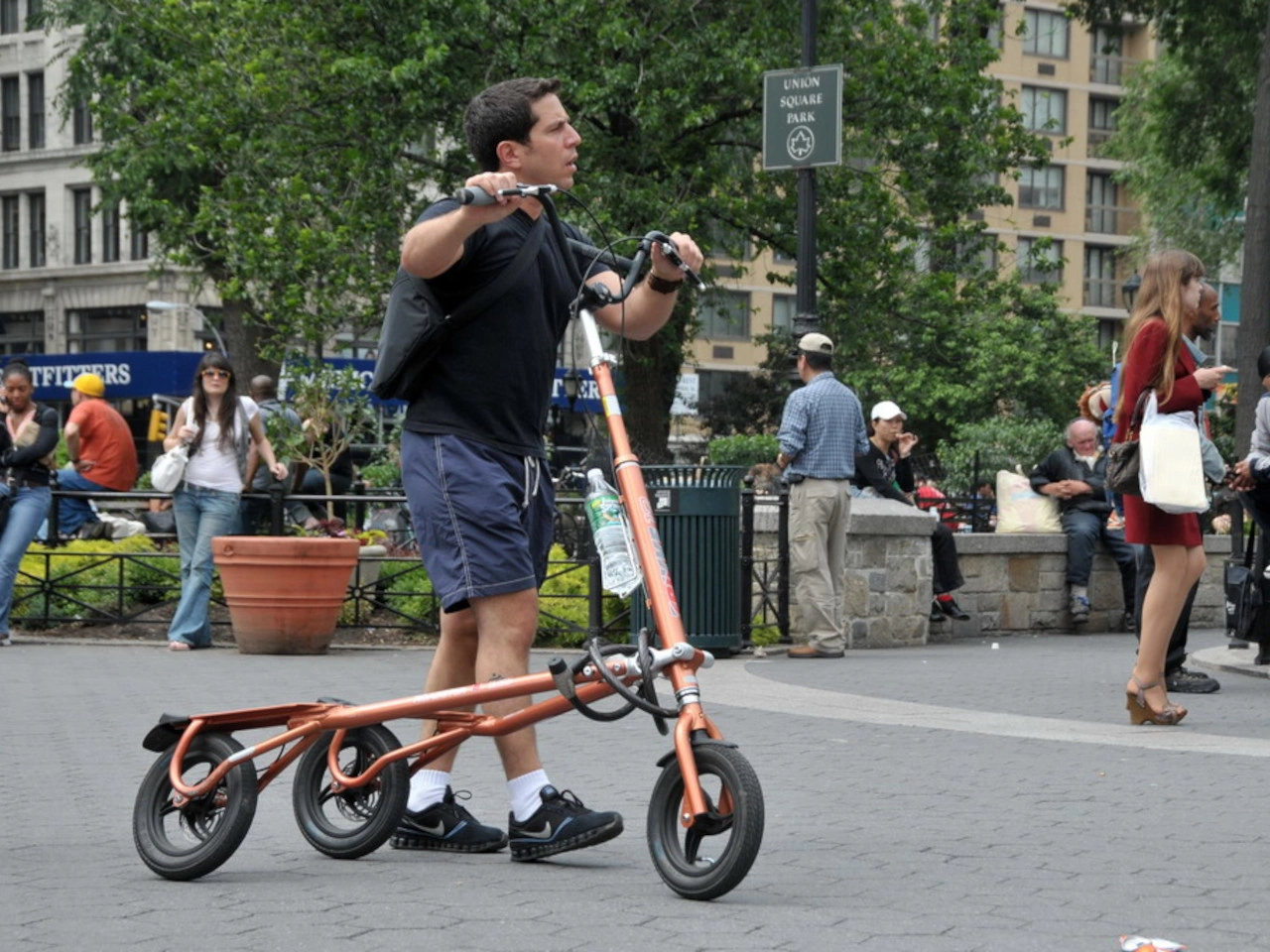
How is a non-motorised Trikke treated in Belgium?
A human-powered Trikke that falls within the definition of a non-motorised personal mobility device is treated as a pedestrian when travelling no faster than walking pace and as a cyclist when travelling faster than walking pace.
How is an electric Trikke treated in Belgium?
If an electric Trikke meets the definition of a motorised personal mobility device, including a maximum design speed of no more than 25 km/h, its user is treated as a cyclist.
Do all Trikke models have the same legal status in Belgium?
No. The classification depends on the particular vehicle's propulsion and technical characteristics. A faster or differently constructed motorised Trikke may fall into another vehicle category and therefore be subject to different rules.
117. Vehículo de movilidad personal
Un vehículo de movilidad personal es un dispositivo compacto diseñado para transportar a una persona en distancias relativamente cortas. Puede incluir patinetes, patinetes eléctricos, monopatines, dispositivos autoequilibrados y dispositivos de movilidad.
Puede impulsarse por el propio usuario o mediante motor eléctrico. Su clasificación, velocidad máxima, edad mínima y lugar permitido de circulación varían entre países, por lo que deben respetarse las señales y normas locales.
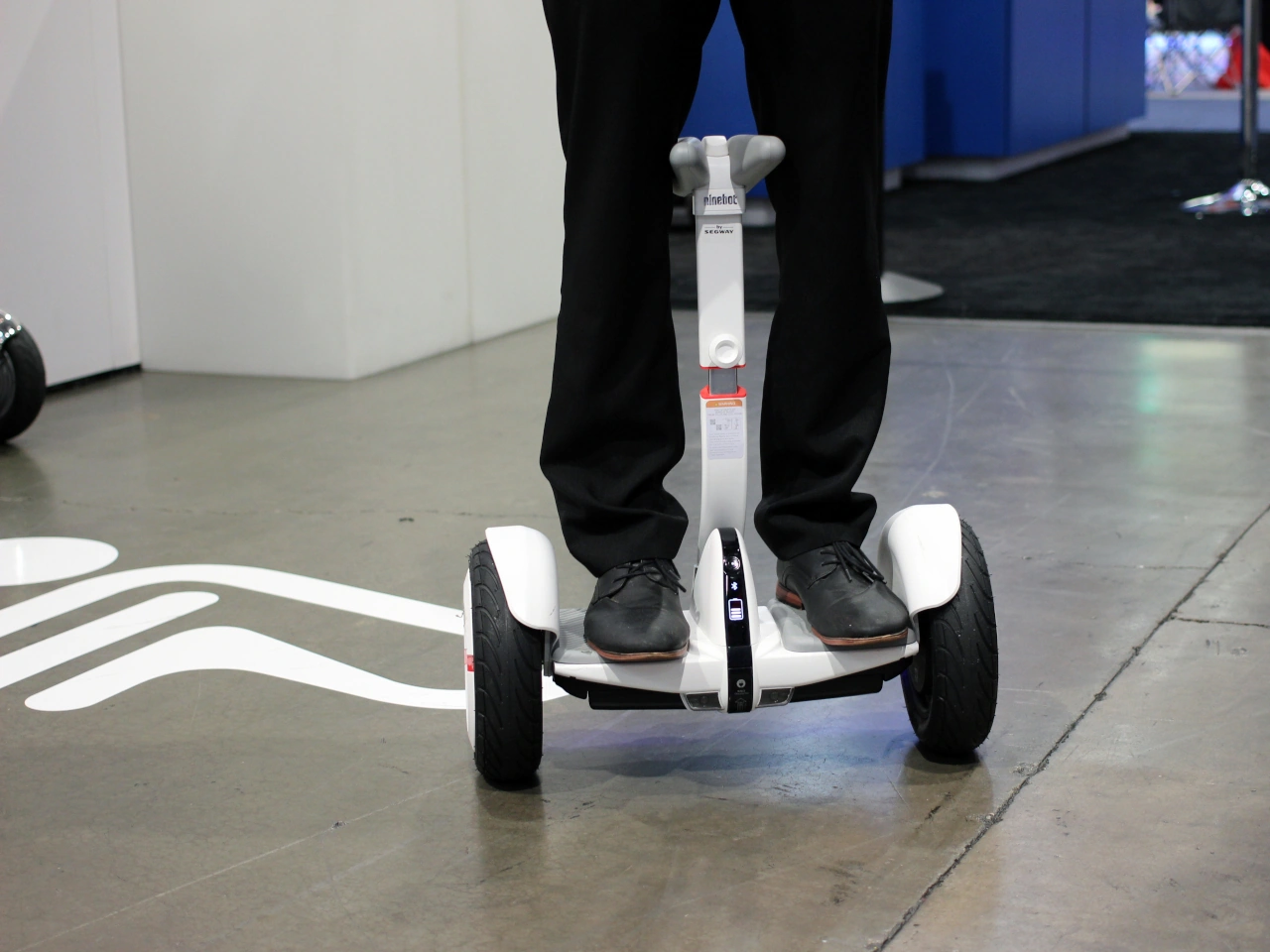
What is a personal transporter in Belgium?
Belgian law uses the term voortbewegingstoestel for a category that includes both non-motorised and motorised personal mobility devices.
What are examples of Belgian motorised personal transporters?
Examples include electric scooters, electric skateboards, monowheels, self-balancing electric devices, powered wheelchairs and mobility scooters.
What is the maximum design speed of a Belgian motorised personal transporter?
A motorised personal transporter must have a construction-determined maximum speed of no more than 25 km/h.
How are electric-scooter riders treated under Belgian traffic rules?
Users of motorised personal transporters are treated as cyclists. They therefore follow the traffic rules applying to cyclists unless a specific rule provides otherwise.
Must an electric scooter use the cycle path in Belgium?
Yes, where the corresponding cyclist rules require use of an available and usable cycle path. Because users of motorised personal transporters are treated as cyclists, they generally follow the same road-position rules.
Can you ride an electric scooter on the pavement in Belgium?
Normally not as an ordinary pedestrian. A motorised personal-transporter user is treated as a cyclist and must follow the applicable cyclist road-position rules rather than simply riding on the pavement at walking speed.
What is the exception for people with reduced mobility?
A person with reduced mobility using a motorised personal transporter intended for that purpose and travelling at no more than walking speed is treated as a pedestrian and may use the pedestrian facilities accordingly.
How old must you be to ride an electric scooter in Belgium?
You must normally be at least 16 years old to ride a motorised personal transporter on the public road.
Are there exceptions to the Belgian minimum age of 16?
Yes. The minimum age does not apply in certain places including residential areas and home zones, certain reserved roads, permitted pedestrian zones and play streets. It also does not apply to qualifying persons with reduced mobility using an appropriate device.
Do you need a driving licence for an electric scooter in Belgium?
No. Motorised personal transporters are not treated as motor vehicles for the purposes of the Belgian driving-licence rules, so an ordinary electric scooter within this category does not require a driving licence.
Can two people ride on one electric scooter in Belgium?
No, unless the device was specifically built to transport passengers. A personal transporter may not carry more passengers than the number for which its seating positions are designed.
What reflectors must a Belgian electric scooter have?
A motorised personal transporter with a handlebar must always have a white reflector at the front and a red reflector at the rear. Motorised personal transporters must also have the prescribed lateral reflective markings.
Does a Belgian electric scooter need a bell or horn?
A motorised personal transporter with a handlebar must have an audible warning device that can be heard from at least 20 metres.
Does a Belgian electric scooter need brakes?
Yes. Motorised personal transporters must have a sufficiently effective braking system.
What lights must a personal transporter use at night in Belgium?
When travelling outside areas reserved for pedestrians between nightfall and dawn or when visibility is below approximately 200 metres, the user must display a white or yellow light at the front and a red light at the rear.
How wide may a Belgian personal transporter be?
The maximum permitted width of a personal transporter is 1 metre.
Where may you park a personal transporter in Belgium?
Personal transporters must normally be placed outside the carriageway and ordinary parking strips without creating danger or obstruction, unless a specifically marked parking place permits them there.
Can special parking areas be reserved for electric scooters?
Yes. Belgian traffic signs and road markings can designate parking places specifically for personal transporters, including shared personal transporters.
118. Monopatín
Un monopatín es una tabla pequeña montada sobre ruedas que se utiliza de pie y se desplaza empujando contra el suelo o aprovechando la gravedad. Se usa habitualmente para ocio, deporte y transporte personal de corta distancia.
Los usuarios deben mantener el control, vigilar atentamente a peatones y tráfico y adaptar la velocidad al entorno. Los lugares donde puede utilizarse y las normas aplicables varían entre países.

How is a skateboard classified in Belgium?
A skateboard is considered a non-motorised personal mobility device under Belgian traffic rules.
Is a skateboard user considered a pedestrian in Belgium?
Yes, when travelling no faster than walking pace. A skateboard user moving at walking pace is treated as a pedestrian and must follow the rules applying to pedestrians.
What rules apply when a skateboard user travels faster than walking pace in Belgium?
When travelling faster than walking pace, the skateboard user is treated as a cyclist and must follow the traffic rules applying to cyclists.
119. Segway
Un Segway es un vehículo eléctrico personal autoequilibrado que permite a un usuario de pie desplazarse inclinando el cuerpo mientras un sistema electrónico mantiene la estabilidad. El Segway clásico tiene dos ruedas y se controla mediante manillar o mecanismo de dirección.
Se utiliza para transporte personal, turismo, seguridad y otros trayectos cortos. Su estatus legal y los lugares donde puede utilizarse dependen de las normas nacionales sobre dispositivos de movilidad personal.

How is a Segway classified in Belgium?
A Segway that meets the applicable technical conditions, including a maximum design speed of no more than 25 km/h, is considered a motorised personal mobility device.
Is a Segway user treated as a cyclist in Belgium?
Yes. Users of motorised personal mobility devices are legally treated as cyclists and must follow the traffic rules that apply to them.
What is the minimum age for riding a Segway in Belgium?
The general minimum age for using a motorised personal mobility device on a public road is 16 years. Exceptions apply in locations such as residential areas, reserved roads, certain pedestrian zones and play streets.
120. Patinete
Un patinete es un dispositivo de movilidad con plataforma estrecha, dos o más ruedas y manillar. Un patinete no motorizado se impulsa empujando contra el suelo con un pie, mientras que uno eléctrico utiliza un motor.
Se usa habitualmente para ocio y trayectos cortos. Los lugares permitidos y las normas aplicables dependen de si está motorizado y de su clasificación legal.

How is a non-motorised kick scooter treated in Belgium?
A normal kick scooter is a non-motorised personal mobility device. When the user travels no faster than walking pace, they are treated as a pedestrian; when travelling faster than walking pace, they are treated as a cyclist.
How is an electric kick scooter treated in Belgium?
An electric kick scooter with a maximum design speed of no more than 25 km/h can fall within the category of a motorised personal mobility device. Its user is treated as a cyclist.
What is the minimum age for using an electric kick scooter in Belgium?
The general minimum age for using a motorised personal mobility device on a public road is 16 years. Exceptions apply in residential areas and erven, on certain reserved roads, in qualifying pedestrian zones and play streets, as well as for certain mobility devices used by people with reduced mobility.
121. Patines
Los patines son calzado equipado con ruedas que permite desplazarse sobre una superficie lisa. Los patines tradicionales suelen tener cuatro ruedas en dos pares, mientras que los patines en línea las disponen en una sola fila.
Los patinadores deben mantener el control, adaptar la velocidad al entorno y vigilar atentamente a peatones, ciclistas, vehículos y superficies irregulares. Los lugares permitidos y las normas aplicables varían entre países.

How are roller skates classified in Belgium?
Roller skates are considered a non-motorised personal mobility device under Belgian traffic rules.
Is a roller skater considered a pedestrian in Belgium?
Yes, when travelling no faster than walking pace. In that situation, the roller skater must follow the traffic rules that apply to pedestrians.
What rules apply when a roller skater travels faster than walking pace in Belgium?
When travelling faster than walking pace, the roller skater is treated as a cyclist and must follow the traffic rules applying to cyclists, including the applicable rules concerning road position and cycle facilities.
122. Cartero
Un cartero o trabajador postal recoge, transporta o entrega cartas, paquetes y otros envíos. Puede desplazarse a pie o utilizar bicicletas, furgonetas, motocicletas u otros vehículos durante su ruta.
Cuando trabaja cerca de carreteras debe respetar las normas aplicables a peatones, ciclistas o conductores según su forma de desplazamiento. Los demás usuarios deben tener cuidado donde los trabajadores postales se detienen, cruzan la carretera o entran y salen de vehículos con frecuencia.

Do postal workers have special traffic priority in Belgium?
No general special priority is granted simply because someone is a postal worker. They must follow the traffic rules applicable to them as pedestrians, cyclists or drivers.
Do postal delivery vehicles have a general exemption from Belgian parking rules?
No general postal-service exemption is defined in the current Belgian Road Code. Postal delivery vehicles must follow the applicable stopping and parking rules unless a specific local authorisation or traffic arrangement provides otherwise.
Can Belgian road signs indicate a post office?
Yes. The Belgian F34a direction sign may guide road users toward public or general-interest facilities, including a post office.
123. Autoestopista
Un autoestopista es una persona que espera junto a una carretera u otro lugar adecuado y solicita a los conductores que pasan un viaje gratuito hacia su destino. El autostop es una forma informal de transporte permitida, restringida o prohibida según las normas nacionales y locales.
Los autoestopistas deben esperar en un lugar seguro y legalmente permitido, alejados del tráfico en movimiento, y no situarse donde obstaculicen la circulación o animen a detenerse en un punto peligroso.

Is a hitchhiker considered a pedestrian in Belgium?
Yes. A person hitchhiking on foot is subject to the normal Belgian rules for pedestrians and does not receive a special traffic status simply because they are seeking a ride.
Can you hitchhike from a Belgian motorway?
No. Pedestrians are prohibited from entering Belgian motorways, so a hitchhiker may not stand or walk on the motorway to seek a ride.
Where should a hitchhiker wait in Belgium?
A hitchhiker should use a safe place intended or permitted for pedestrians, such as a pavement or suitable verge, and should not unnecessarily stand on the carriageway or choose a location where a stopping vehicle would create a danger or obstruction.
124. Niño pequeño
Un niño pequeño ha superado la etapa de bebé pero todavía necesita supervisión estrecha y protección especial cerca de carreteras y vehículos. Puede viajar como pasajero en coches, transporte público, bicicletas u otros vehículos sujeto a los requisitos de seguridad del país.
En coche debe utilizar un sistema de retención infantil adecuado a su tamaño. Los adultos también deben supervisarlo cuidadosamente cerca de carreteras, aparcamientos y vehículos en movimiento.

Must a toddler use a child seat in Belgium?
Yes. Children under 18 who are shorter than 135 cm must generally be transported in a suitable child restraint system.
Can a toddler travel on a seat without a seat belt in Belgium?
A child under 3 years old may not be transported on a seating position that is not equipped with a seat belt.
Can a rear-facing toddler seat be used in the front of a car in Belgium?
Yes, but only when the frontal airbag is deactivated or automatically deactivates correctly. A rear-facing child restraint must not be used in front of an active frontal airbag.
125. Niño
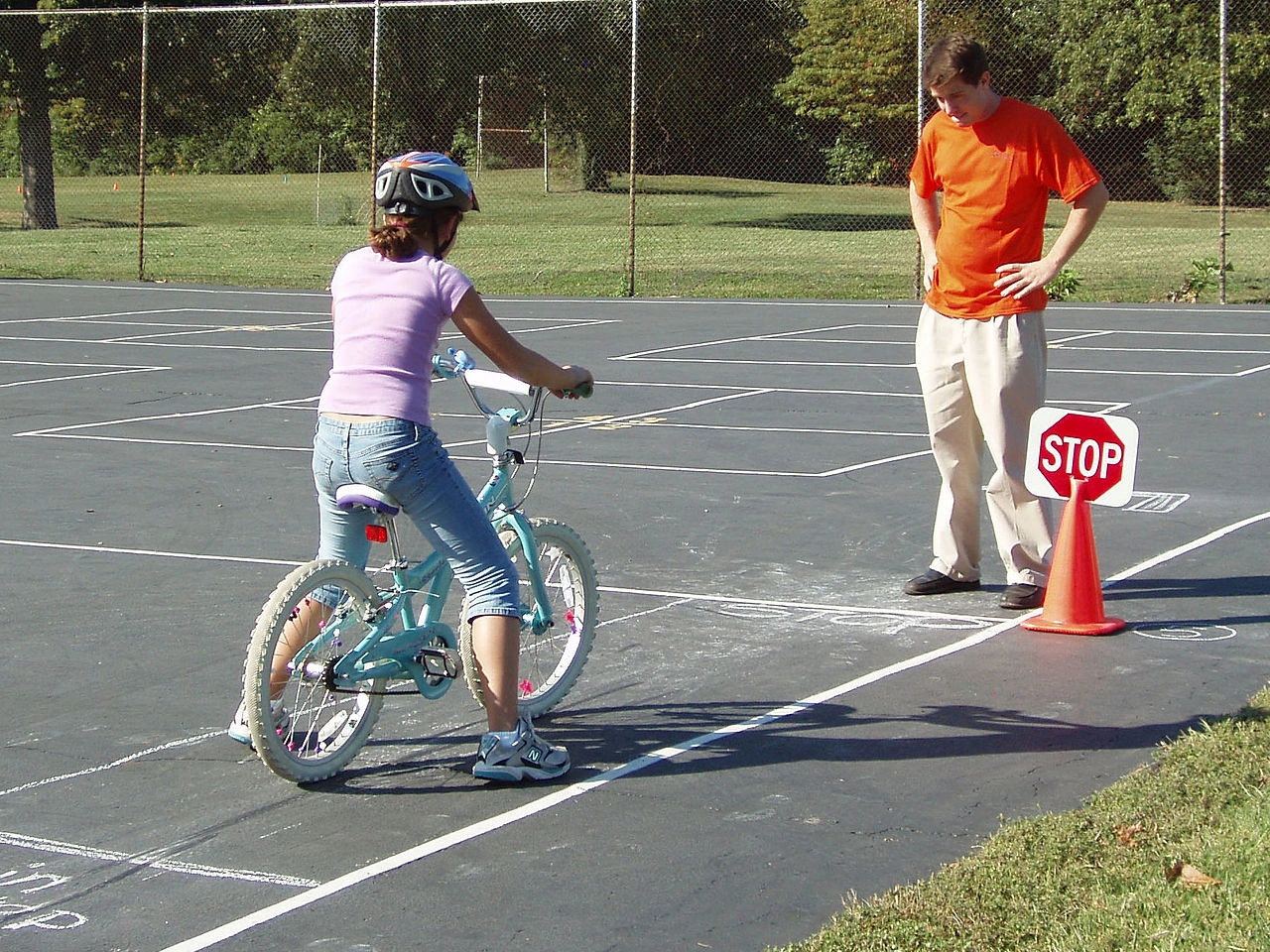
Un niño es una persona joven que requiere especial cuidado y protección en el tráfico debido a su menor tamaño, limitada experiencia y capacidad en desarrollo para reconocer peligros. Puede participar como peatón, ciclista o pasajero.
Los conductores deben tener especial cuidado cuando haya niños presentes o sea razonable esperar su presencia, especialmente cerca de colegios, parques infantiles, zonas residenciales y pasos de peatones.
Must children use a child restraint in Belgium?
Yes. Children under 18 who are shorter than 135 cm must generally be transported in an appropriate child restraint system.
How must drivers behave around children in Belgium?
Drivers must be especially cautious around children. They must slow down and, if necessary, stop.
Can young children cycle on the pavement in Belgium?
Yes. Cyclists younger than 10 years old may use pavements and raised verges in all circumstances.