Panneaux de signalisationPologne
51. Miroir routier
Un miroir routier est un miroir convexe installé près d’un carrefour, d’une sortie, d’un virage ou d’un autre endroit offrant une visibilité limitée. Sa surface courbe offre une vue plus large des usagers approchant qu’un miroir plat ordinaire.
Un miroir routier n’est qu’une aide à la visibilité. Il peut déformer la distance, la vitesse et la direction et être affecté par l’obscurité, la météo, la saleté ou les dommages. Les conducteurs doivent continuer à observer directement la route, respecter toutes les règles de priorité et ne s’engager que lorsque cela est sûr.
What is a traffic mirror?
A traffic mirror is a convex roadside mirror that helps road users see around an obstruction or into a road with limited visibility.
Where are traffic mirrors commonly installed?
They may be placed near intersections, narrow roads, bends, car-park exits, private driveways, tunnels or other locations where buildings, vegetation or road geometry obstruct the view.
Why is the mirror curved?
A convex surface provides a wider field of view than a flat mirror, allowing more of the approaching road to be seen.
Does a traffic mirror show an exact image?
No. The reflected image is distorted, and objects normally appear smaller and farther away than they really are.
Can you accurately judge speed in a traffic mirror?
Not reliably. The curved image makes it difficult to estimate how fast another road user is approaching.
Can you accurately judge distance in the mirror?
No. Distance can appear greater than it really is, so an approaching vehicle may reach the intersection sooner than expected.
Can the mirror create a blind area?
Yes. Its position and viewing angle may leave parts of the road outside the reflected image. Small cyclists, motorcycles or pedestrians may also be difficult to notice.
Does a traffic mirror give you priority?
No. It does not change priority. Drivers must continue to follow stop signs, give-way signs, traffic lights and the ordinary priority rules.
Does seeing an empty mirror mean the road is clear?
No. Another road user may be outside the reflected area, hidden by glare or too small to notice. Always check the road directly before proceeding.
Must you still stop at a stop sign?
Yes. The mirror does not replace the mandatory complete stop. Stop at the prescribed position, then use direct observation and the mirror as additional information.
Must you still give way?
Yes. You may proceed only when traffic with priority can continue without being forced to brake, stop or change direction.
How should you use a traffic mirror?
Approach slowly, stop when required and scan the mirror for movement. Then look directly in both directions and continue only after confirming that the road is clear.
Should you look only at the mirror?
No. Alternate between the mirror and direct observation. The mirror should supplement rather than replace normal checks.
Can rain affect a traffic mirror?
Yes. Rain, water droplets and spray may blur or partially obscure the reflected image.
Can frost or condensation affect it?
Yes. Dew, condensation, frost, ice or snow may make the mirror difficult or impossible to use.
Can sunlight cause problems?
Yes. Sunlight may create glare or reflections that hide approaching road users.
Can headlights be misleading at night?
Yes. Reflected headlights may make it difficult to determine the exact direction, distance or speed of an approaching vehicle.
Can the mirror move out of position?
Yes. Wind, impacts, vandalism, vibration or temperature changes may alter its orientation and make the reflected view inaccurate.
What if the mirror is dirty or damaged?
Do not rely on it. Proceed with additional caution and report the defect to the responsible road authority or property owner.
Does a traffic mirror impose a speed limit?
No. The applicable road or posted speed limit remains in force, but restricted visibility normally requires a lower approach speed.
Does it require drivers to sound the horn?
No. Use the horn only where local law permits it and a warning is reasonably necessary to prevent danger.
Can pedestrians and cyclists use the mirror?
Yes. It may help them observe approaching traffic, but they must also look directly and follow the applicable crossing and priority rules.
Can a private individual install a traffic mirror?
A mirror may generally be installed on private property with the owner’s permission, subject to local rules. Installing one on, above or beside a public road normally requires permission from the road authority.
Should a mirror replace better road design?
No. Removing vegetation, relocating parking, improving the intersection layout or changing traffic circulation may provide a safer and more reliable solution.
52. Frontière internationale
Une frontière internationale est la limite juridique entre deux pays. Un panneau de frontière peut identifier le pays dans lequel on entre et rappeler aux conducteurs que des règles de circulation, limitations de vitesse, panneaux, exigences relatives aux véhicules et documents différents peuvent s’appliquer.
Le panneau de frontière n’oblige normalement pas à s’arrêter. Des contrôles de passeport, d’immigration ou de douane peuvent avoir lieu à un poste de contrôle, mais certaines frontières internationales peuvent être franchies sans contrôle systématique en vertu d’accords régionaux.
What is an international border?
An international border is the legal boundary between two countries.
How can you recognise an international border?
It may be identified by a country-name sign, national or regional symbols, flags, border posts, customs facilities or passport-control signs.
Does every international border have a road sign?
No. Borders may be marked differently, and some minor roads or open-border areas may have only a small identification sign or boundary marker.
Does a border sign require you to stop?
Not normally. Stop only when required by traffic lights, barriers, officers, customs signs, passport controls or another instruction.
When do the destination country’s traffic rules begin?
The new country’s traffic laws apply from the international boundary, not merely from the next town or major intersection.
Does the border sign itself impose the new rules?
No. The rules change because you have entered another country. The sign identifies that change of jurisdiction.
Can the driving side change at a border?
Yes. Where neighbouring countries use different driving sides, a specially designed road arrangement guides traffic safely from one side to the other.
Can speed limits change at the border?
Yes. The destination country may have different general limits for motorways, built-up areas, rural roads and particular vehicle categories.
Is the border sign a speed-limit sign?
No. Drivers must learn the destination country’s general limits and obey any regulatory signs displayed after crossing.
Can traffic-sign designs change?
Yes. Colours, symbols, shapes and road-marking conventions may differ, even when neighbouring countries follow similar international standards.
Can vehicle-equipment requirements change?
Yes. Requirements concerning safety vests, warning triangles, winter tyres, lights, toll equipment or environmental stickers may differ between countries.
Which documents may be required?
Depending on the journey, drivers may need a passport or identity card, driving licence, vehicle-registration document, insurance evidence, visa or customs documents.
Is a border check the same as customs control?
No. Border or immigration control concerns people and travel documents. Customs control principally concerns goods, cargo, money and applicable duties or restrictions.
Can immigration and customs controls occur together?
Yes. Both may operate at the same border facility even though they perform different legal functions.
Does every border have passport control?
No. Countries participating in an open-border area may normally cross internal borders without routine checks, although temporary controls may still be introduced.
Does every border have customs control?
No. Countries within a customs union may allow goods to move across their internal borders without ordinary customs duties or routine customs formalities.
Is an open border completely uncontrolled?
No. Police, customs and other authorities may still conduct lawful checks, enforce national rules and temporarily control the border where permitted.
May you cross the border anywhere?
Only where local law permits it. External or controlled borders may have to be crossed through an authorised border-crossing point during its operating hours.
Can a border crossing be temporarily closed?
Yes. Closures or restrictions may result from security measures, emergencies, severe weather, roadworks or administrative decisions.
Can certain vehicles be restricted?
Yes. A crossing may restrict heavy vehicles, dangerous goods, agricultural traffic, pedestrians or cyclists because of road design or border-control facilities.
May goods have to be declared?
Yes. Commercial goods, restricted products, goods exceeding personal allowances and certain amounts of cash may require declaration.
Do tolls or road charges change at the border?
They may. The destination country may use toll roads, vignettes, distance-based charges, low-emission zones or other payment systems.
Should you rely only on navigation software?
No. Navigation information may not include current border controls, vehicle restrictions or document requirements. Follow official signs and instructions.
What should you do before an international road journey?
Check the destination and transit countries’ traffic rules, required documents, insurance, vehicle equipment, tolls and border or customs requirements.
Do instructions from border officers override ordinary signs?
Yes. Follow lawful instructions from authorised border, police and customs officers, even when they temporarily differ from the normal traffic arrangement.
53. Passage souterrain pour piétons
Un passage souterrain pour piétons est un passage permettant aux piétons de circuler sous une route, une voie ferrée ou un autre obstacle sans croiser la voie de circulation au même niveau. Il constitue un passage piéton dénivelé.
Les passages souterrains peuvent être accessibles par des escaliers, rampes ou ascenseurs et faire partie d’un réseau plus large de cheminements piétons. Les cyclistes et autres usagers ne peuvent les utiliser que lorsque l’aménagement, la signalisation et la réglementation locale l’autorisent.
What is a pedestrian underpass?
A pedestrian underpass is a passage that allows pedestrians to cross beneath a road, railway or other obstacle without entering the traffic route above.
Why are pedestrian underpasses used?
They separate pedestrians from motor vehicles, trains or other traffic, reducing direct conflicts at busy or high-speed crossings.
Is a pedestrian underpass the same as a tunnel?
Not exactly. A pedestrian underpass is specifically intended to allow pedestrians to pass beneath an obstacle, while a tunnel can carry roads, railways, pedestrians or other forms of transport.
Is an underpass the same as a pedestrian overpass?
No. An underpass passes beneath the obstacle, while an overpass or footbridge carries pedestrians above it. Both provide grade-separated crossings.
Can cyclists use a pedestrian underpass?
This depends on the signs and design of the facility. Some underpasses are shared with cyclists, while pedestrian-only underpasses may require cyclists to dismount.
Can a pedestrian underpass have a cycle path?
Yes. Some underpasses contain separate or shared pedestrian and cycle facilities so both categories can cross safely away from motor traffic.
Can motor vehicles use a pedestrian underpass?
No when the passage is specifically reserved for pedestrians. Maintenance or emergency access may be permitted in exceptional circumstances.
Can an underpass be accessible to wheelchairs?
Yes, when suitably designed. Ramps or lifts can provide step-free access, although accessibility depends on the individual facility.
Do pedestrians have to follow signs inside an underpass?
Yes. Users must follow any signs indicating permitted users, direction of travel, separated sections or temporary closures.
Can a pedestrian underpass be temporarily closed?
Yes. Maintenance, flooding, construction, safety concerns or other circumstances may require temporary closure or diversion.
Does an underpass give pedestrians priority over traffic above?
The underpass physically separates the movements, so pedestrians do not directly cross the traffic route above. Priority rules still apply wherever the pedestrian route later crosses another roadway or cycle facility.
What should cyclists do in a pedestrian-only underpass?
Where cycling is not permitted, cyclists should dismount and continue on foot if pedestrian access with a bicycle is allowed.
54. Itinéraire cyclable
Un itinéraire cyclable est un itinéraire planifié ou balisé destiné à guider les cyclistes entre différents lieux ou à travers une zone. Il peut emprunter des pistes cyclables, rues calmes, routes partagées, voies vertes ou autres itinéraires considérés comme adaptés au vélo.
Un itinéraire cyclable n’accorde pas nécessairement l’usage exclusif de la route ou du chemin aux cyclistes et ne doit pas être confondu avec une piste ou une bande cyclable. Les règles de circulation, de priorité et les usagers autorisés dépendent de chaque route ou chemin composant l’itinéraire et de la signalisation et réglementation locales.
How can you recognise a cycling route?
Cycling routes are commonly indicated by direction signs, bicycle symbols, route numbers, colours or destination markers. The design of the signs and route-numbering system varies between countries and regions.
Do cyclists have to follow a cycling route?
Usually not. A cycling-route sign normally provides direction or route guidance rather than imposing a mandatory direction. However, separate mandatory traffic signs may require cyclists to use a particular cycle path or direction.
Is a cycling route the same as a cycle path?
No. A cycle path is a specific part of a road or separate path intended for cyclists under local traffic rules. A cycling route is an entire itinerary and may include cycle paths, ordinary roads, cycle streets and other types of infrastructure.
Are cycling routes reserved for cyclists?
Not necessarily. Many cycling routes use roads and paths that are also open to motor vehicles, pedestrians or other road users. Access is determined by the signs and rules applying to each individual section.
Do cyclists have priority on a cycling route?
Not automatically. Being on a designated cycling route does not normally change the priority rules. Cyclists must continue to obey traffic lights, give-way and stop signs, crossing rules and other applicable traffic regulations.
Does a cycling route always have cycle paths?
No. A route may combine dedicated cycle infrastructure with quiet streets, shared roads, rural roads and other suitable connections. The quality and level of separation from motor traffic can therefore change along the route.
Can a cycling route cross busy roads?
Yes. A cycling route may cross or temporarily follow busy roads. At such locations, cyclists must follow the crossing, priority and traffic-light rules indicated by local signs and markings.
Can other vehicles use roads forming part of a cycling route?
Yes, unless access is restricted by separate traffic signs or regulations. A cycling-route designation by itself does not normally prohibit cars, motorcycles or other vehicles from using an otherwise public road.
Can cycling routes be recreational or long-distance routes?
Yes. Cycling routes may be designed for daily travel, tourism or recreation. Some form part of regional, national or international networks and may be identified by route names or numbers.
What should you do when a cycling-route sign conflicts with a traffic sign?
Always follow the official traffic signs, signals and road markings. A route marker provides navigation and does not override a prohibition, mandatory direction, road closure or other traffic regulation.
55. Stationnement
Le stationnement consiste à laisser un véhicule immobile à un endroit pendant un certain temps, plutôt que de s’arrêter brièvement en raison de la circulation ou d’une nécessité immédiate. De nombreux pays distinguent le stationnement d’un arrêt bref effectué pour faire monter ou descendre des passagers ou pour charger ou décharger des marchandises, même si la définition juridique précise varie.
Le stationnement peut être autorisé, limité, réservé, soumis à une durée maximale ou interdit par des panneaux, marquages, zones de stationnement et règlements locaux. Les conducteurs doivent stationner sans créer de danger ni de gêne inutile et respecter toute condition concernant le paiement, les permis, les catégories de véhicules ou la durée maximale.
What is the difference between parking and stopping?
Parking generally means leaving a vehicle stationary for longer than a brief stop required for passengers, loading or unloading. A vehicle stopped because of traffic lights, congestion, an emergency or another traffic condition is normally not considered parked. The precise legal definitions vary between countries.
How can you tell where parking is allowed?
Look for parking signs, prohibition signs, road markings and parking-zone signs. Local rules may also permit parking along certain roads even when individual parking spaces are not marked.
Can you park anywhere if there is no sign prohibiting parking?
No. General traffic rules can prohibit parking even when no specific prohibition sign is present. Common examples include locations where a parked vehicle would obstruct visibility, crossings, intersections, cycle facilities or the movement of other traffic.
Can you park on a pavement or sidewalk?
Parking on a pavement or sidewalk is prohibited or restricted in many countries unless signs or markings specifically allow it. Vehicles must not force pedestrians into the roadway or block an accessible pedestrian route.
Can you park near a pedestrian crossing?
Parking on or close to a pedestrian crossing is generally restricted because a vehicle can hide pedestrians from approaching drivers. The required clearance distance varies between countries.
Can you park close to an intersection?
Many countries prohibit parking within a specified distance of an intersection because parked vehicles can reduce visibility and obstruct turning traffic. Follow the local distance requirements and any signs or markings.
What does a parking sign mean?
A parking sign identifies a place or area where parking is permitted or regulated. Additional signs or panels may specify time limits, payment requirements, vehicle categories, permits or particular parking arrangements.
How does paid parking work?
Where parking is subject to payment, drivers must follow the instructions displayed locally. Payment may be made through a parking meter, ticket machine, mobile application or another authorised system. The permitted duration and charging periods vary by location.
Who may use an accessible parking space?
Spaces marked for people with disabilities are reserved for vehicles displaying or registered with the required disability parking permit. Eligibility, permit display requirements and parking privileges depend on national and local law.
Can you leave a vehicle parked for an unlimited time?
Not necessarily. Local rules may impose a maximum parking duration, even where parking is otherwise permitted. Different limits may apply to abandoned, commercial, heavy or recreational vehicles.
56. Stationnement interdit
Stationnement interdit signifie que les véhicules ne peuvent pas être laissés en stationnement à l’endroit ou sur la section couverte par la restriction. Selon la loi locale, un conducteur peut encore être autorisé à s’arrêter brièvement pour faire monter ou descendre des passagers ou pour charger ou décharger des marchandises, à condition que l’arrêt lui-même ne soit pas interdit.
Une interdiction de stationner peut s’appliquer en permanence ou seulement à des horaires, jours, catégories de véhicules ou sections de route déterminés. Son étendue exacte et ses exceptions sont définies par le panneau, les panneaux additionnels, les marquages et la réglementation locale.
What does a no-parking sign mean?
A no-parking sign prohibits leaving a vehicle parked in the area or along the section of road to which the restriction applies. The exact legal definition of parking and the extent of the prohibition vary between countries.
Is no parking the same as no stopping?
No. A no-parking restriction commonly still permits certain brief stops, such as picking up or dropping off passengers or loading or unloading goods. A no-stopping restriction is stricter and generally prohibits voluntary stopping as well as parking.
Can you wait in your vehicle where parking is prohibited?
Remaining inside the vehicle does not necessarily mean that it is not parked. If the vehicle remains stationary beyond what local law permits as a brief stop, it may legally be considered parked even when the driver stays inside.
Can you pick up or drop off passengers in a no-parking area?
Often yes, if stopping is permitted and the vehicle remains there only as long as reasonably necessary for passengers to get in or out. Local rules may impose stricter restrictions at particular locations.
Can you load or unload goods where parking is prohibited?
In many countries, genuine loading or unloading is treated as stopping rather than parking and may therefore be permitted. The vehicle should remain there only for the time reasonably necessary for the activity.
How far does a no-parking restriction apply?
This depends on the country's signing rules. The restriction may continue to the next intersection, an end sign, a stated distance or the end of a designated zone. Supplementary arrows or distance panels may indicate its exact extent.
Does a no-parking sign apply on both sides of the road?
Usually a roadside no-parking sign applies only to the side of the road on which it is placed, unless it forms part of a zonal restriction or local signs indicate otherwise.
Can a no-parking restriction apply only at certain times?
Yes. A supplementary panel may restrict the prohibition to particular hours, days or periods. Outside those periods, parking may be permitted if no other rule prohibits it.
Can a no-parking restriction apply only to certain vehicles?
Yes. Additional signs or symbols may make a parking restriction applicable to particular vehicle categories, such as heavy vehicles, motorcycles or other specified vehicles.
Can you park immediately after a no-parking sign ends?
Only if parking is otherwise legal. The end of a specific no-parking restriction does not override general parking prohibitions near crossings, intersections, driveways, traffic signs or other protected locations.
57. Arrêt interdit
Arrêt interdit signifie que les véhicules ne sont pas autorisés à s’arrêter volontairement à l’endroit indiqué, même brièvement pour faire monter ou descendre des passagers ou charger ou décharger des marchandises. Il s’agit d’une restriction plus stricte qu’une interdiction de stationner.
Une interdiction d’arrêt peut être signalée par un panneau, un marquage routier ou une réglementation locale. Les conducteurs doivent continuer jusqu’à un endroit où l’arrêt est permis, sauf s’ils sont contraints de s’arrêter par la circulation, une urgence ou une autre obligation légale.
What does a no stopping restriction mean?
It means that a driver may not voluntarily stop the vehicle in the restricted area. The prohibition normally includes stopping to pick up or drop off passengers or to load or unload goods.
What is the difference between no stopping and no parking?
No stopping is the stricter restriction. A no-parking rule may still allow a brief stop for activities such as picking up passengers or loading goods, while a no-stopping rule prohibits these voluntary stops as well.
Can you stop in a no-stopping area during an emergency?
A driver may have to stop because of an emergency, traffic conditions, a red light, police instructions or another situation outside the driver's control. Such compulsory stops are generally different from voluntarily stopping the vehicle.
58. Parc relais
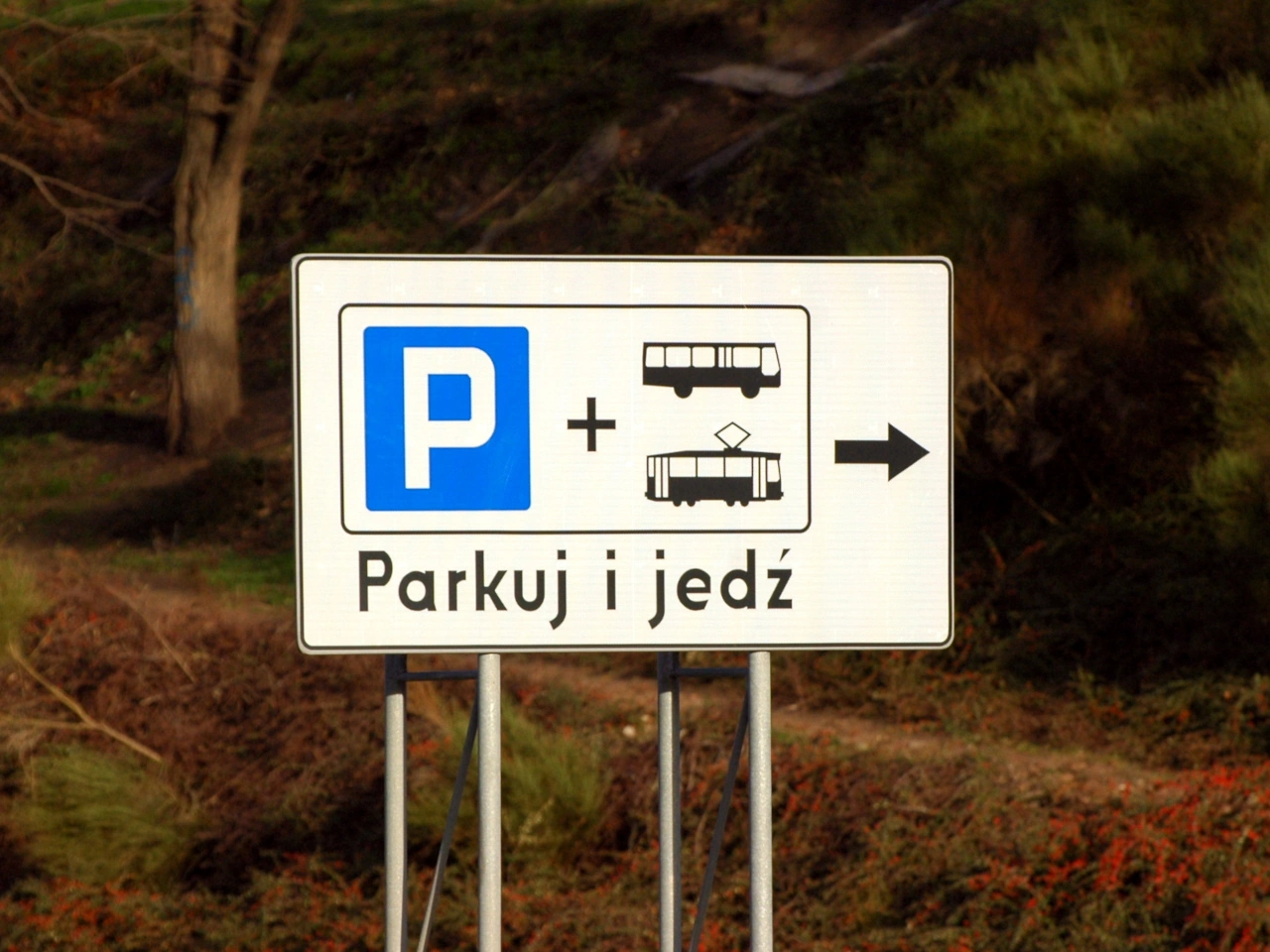
Un parc relais est une installation où les conducteurs laissent leur véhicule puis poursuivent leur trajet en transport public, à vélo ou par un autre mode de transport. Ces parkings sont couramment situés en périphérie d’une ville ou près de grands axes de transport.
Les parkings relais peuvent réduire la circulation et la demande de stationnement dans les zones urbaines très fréquentées en incitant les conducteurs à effectuer une partie du trajet sans voiture. Les tarifs, la durée maximale et les correspondances avec les transports publics varient selon les lieux.
What does P+R mean?
P+R stands for park and ride. It indicates a facility where drivers can park their vehicle and continue their journey using public transport or another form of transport.
Where are park-and-ride facilities usually located?
They are commonly located on the outskirts of cities, near major roads or beside railway, metro, tram or bus connections so that drivers can transfer conveniently to another mode of transport.
Is parking at a park-and-ride always free?
No. Some facilities are free, while others charge for parking or offer special combined parking and public-transport fares. Conditions depend on the individual facility and local authority.
59. Dépose-minute
Une zone de dépose-minute est un emplacement désigné où les conducteurs peuvent s’arrêter brièvement pour déposer ou prendre des passagers. Ces zones sont couramment aménagées près des écoles, gares, aéroports et autres destinations très fréquentées afin de permettre aux passagers de monter ou descendre sans occuper des places de stationnement ordinaires.
Une zone de dépose-minute est destinée aux arrêts très courts plutôt qu’à l’attente ou au stationnement. Les conducteurs ne doivent y rester que le temps nécessaire à la montée ou à la descente des passagers et doivent respecter les panneaux, limites de temps, marquages ou règlements locaux applicables.
What is a Kiss and Ride area?
A Kiss and Ride area is a designated place where drivers can briefly stop to drop off or pick up passengers. It is intended to keep passenger transfers quick and reduce unnecessary parking or congestion near busy destinations.
Can you park in a Kiss and Ride area?
Normally no. Kiss and Ride areas are intended for immediate passenger drop-off or pick-up rather than ordinary parking. The exact legal restrictions depend on the signs and local regulations applying to the area.
Can you wait for someone in a Kiss and Ride area?
Generally, you should not remain in the area waiting for a passenger who is not ready to enter the vehicle. If waiting is necessary, use an ordinary parking or waiting area unless local signs specifically permit waiting.
How long may you stay in a Kiss and Ride area?
Only for the short period necessary for passengers to get in or out, unless signs specify a particular maximum time. Some locations establish an explicit time limit, while others simply require immediate drop-off or pick-up.
Should the driver remain in the vehicle?
Where possible, the driver should normally remain ready to move the vehicle immediately. Leaving the vehicle to accompany a passenger into a building may turn the stop into parking and can prevent other drivers from using the area efficiently.
Can you use a Kiss and Ride area to load luggage?
Passengers may normally take the luggage they need when entering or leaving the vehicle, provided this forms part of the immediate passenger transfer. Using the area for prolonged loading or unloading may not be permitted.
Where are Kiss and Ride areas commonly found?
They are frequently located near schools, railway stations, airports, hospitals and other busy destinations where many passengers are dropped off or collected within a short period.
Can taxis use a Kiss and Ride area?
This depends on the local signs and regulations. A general passenger drop-off area may be available to taxis, while some locations provide separate taxi ranks or reserve the Kiss and Ride area for particular users.
Can you leave your vehicle unattended in a Kiss and Ride area?
Normally this should be avoided. Kiss and Ride areas are designed for rapid passenger transfers, and leaving the vehicle unattended can obstruct other users. Specific local rules may expressly prohibit parking or unattended vehicles.
What should you do if your passenger is not ready?
Move to a suitable parking or waiting area and return when the passenger is ready to be collected. Remaining in the Kiss and Ride area unnecessarily can block the facility and contribute to congestion.
60. Stationnement pour personnes handicapées
Le stationnement pour personnes handicapées désigne les places et avantages de stationnement réservés aux personnes handicapées répondant aux critères d’éligibilité applicables. Les places réservées sont normalement identifiées par le symbole international du fauteuil roulant et placées de manière à faciliter l’accès aux installations voisines.
L’utilisation d’une place réservée nécessite généralement une carte ou autorisation de stationnement valide. Cette autorisation est normalement liée à la personne éligible plutôt qu’à un véhicule particulier et ne peut être utilisée que lorsque cette personne conduit ou voyage dans le véhicule.
Who may use a disabled parking space?
Disabled parking spaces are intended for eligible people who hold a valid disabled parking permit or card. The exact eligibility requirements and permit system depend on the country.
Can someone use a disabled parking permit when the holder is not present?
Generally no. Disabled parking permits are normally personal and may only be used when the permit holder is driving or travelling in the vehicle.
Does a disabled parking permit always provide free parking?
No. A permit may provide access to reserved spaces or exemptions from certain parking restrictions, but rules concerning parking charges and time limits vary between countries and local authorities.
61. Gestion du trafic
La gestion du trafic est le contrôle, la réglementation et le guidage organisés des usagers afin d’améliorer la sécurité, la fluidité et l’utilisation efficace des routes. Elle peut inclure les feux de circulation, panneaux, marquages, contrôles de voie, limitations variables, déviations et instructions données par des personnes habilitées.
La gestion du trafic peut être permanente ou temporaire. Des mesures temporaires sont couramment mises en place lors de travaux, embouteillages, collisions, événements publics ou autres incidents. Les conducteurs et autres usagers doivent respecter les panneaux, signaux et instructions applicables sur place, même s’ils diffèrent de l’organisation habituelle.
What is traffic management?
Traffic management is the organised control and guidance of traffic using signs, signals, road markings, lane controls, speed restrictions, diversions and other measures.
Why is traffic management used?
Traffic management is used to improve safety, control traffic flow and reduce disruption. It can also protect road workers, pedestrians, cyclists and emergency services.
How can traffic be managed?
Common methods include traffic lights, road signs, road markings, variable-message signs, lane-control signals, temporary barriers, speed restrictions and diversions. Authorised persons may also direct traffic.
Can traffic management change the normal speed limit?
Yes. Temporary or variable speed-limit signs may impose a different maximum speed because of congestion, roadworks, weather, incidents or other conditions. Drivers must follow the limit currently displayed.
Can traffic management change which lanes you may use?
Yes. Lane-control signals, temporary signs or road markings may close lanes, move traffic into different lanes or require drivers to change lane. Follow the current signs and markings rather than the normal road layout.
What should you do when a traffic lane is closed?
Move into an open lane safely and in good time, following any arrows, signs and local merging rules. Never continue along a lane that is clearly indicated as closed.
Can temporary traffic signs be compulsory?
Yes. Properly authorised temporary signs used for roadworks, incidents or other traffic-management measures must be obeyed in the same way as other official traffic signs.
What should you do when an authorised person directs traffic?
Follow the directions of the authorised person. In many countries, these directions take precedence over traffic lights, road signs or the normal traffic rules.
How is traffic managed around roadworks?
Roadworks may use temporary speed limits, lane closures, barriers, temporary markings, traffic lights and diversions. Road users should reduce speed where necessary and carefully follow the temporary route.
Does traffic management also protect pedestrians and cyclists?
Yes. Temporary or permanent traffic arrangements should account for pedestrians and cyclists as well as motor vehicles. They may be provided with separate routes, crossings, signals or diversions where necessary.
62. Insertion
L’insertion est le fait de rejoindre un flux de circulation depuis une autre voie ou route, par exemple lorsqu’une voie d’accès rejoint une autoroute ou lorsque deux voies deviennent une seule. Le conducteur qui s’insère doit observer le trafic environnant, signaler lorsque cela est requis et rejoindre en sécurité un espace approprié.
Les conducteurs déjà présents dans la voie qui continue doivent rester attentifs aux véhicules qui s’insèrent et éviter de les empêcher inutilement de rejoindre le flux. Des règles particulières d’insertion en fermeture éclair peuvent s’appliquer lorsque le trafic est très congestionné et qu’une voie se termine.
What does merging mean in traffic?
Merging means joining another stream or lane of traffic, usually where an entry lane, acceleration lane or another traffic lane connects with the continuing roadway.
Who has priority when merging?
This depends on the road layout and national traffic rules. In many situations, the driver changing lanes must give way to vehicles already travelling in the lane being entered, unless signs or specific merging rules provide otherwise.
What is zipper merging?
Zipper merging is a system used where a lane ends during congested traffic. Drivers use both lanes up to the merging point and then enter the continuing lane alternately, one vehicle from each traffic stream.
63. Marche arrière
La marche arrière consiste à conduire un véhicule vers l’arrière. Elle est couramment utilisée pour stationner, quitter un espace restreint ou repositionner un véhicule lorsque le mouvement vers l’avant n’est pas pratique.
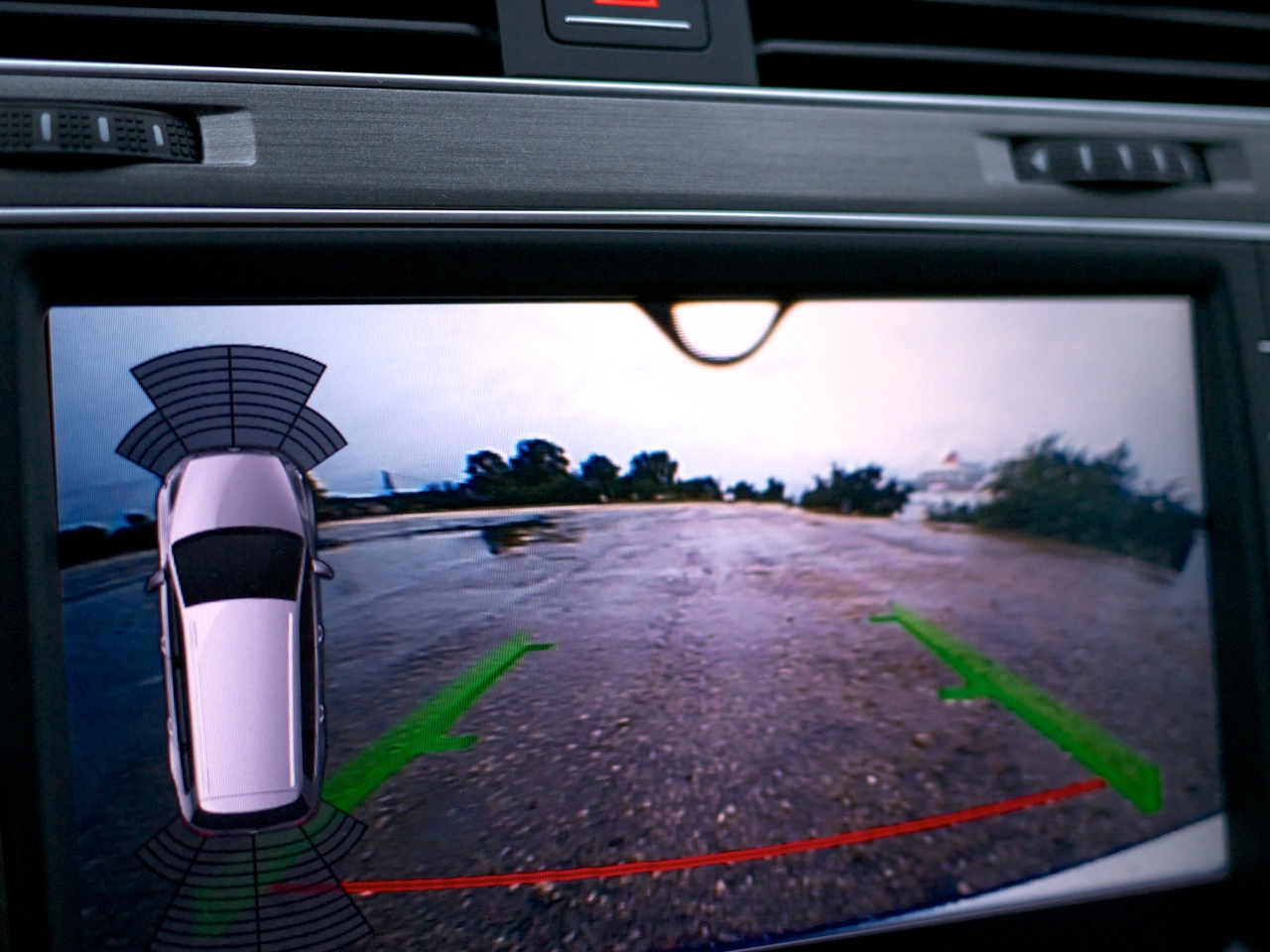
Avant de reculer, le conducteur doit vérifier les rétroviseurs et angles morts, observer attentivement les alentours du véhicule et s’assurer que l’espace derrière est libre. La marche arrière doit être effectuée lentement et uniquement aussi longtemps que nécessaire, car la visibilité derrière le véhicule est souvent limitée.
What should you check before reversing?
Check behind and around the vehicle for pedestrians, cyclists, other vehicles and obstacles. Use mirrors and cameras where available, but also look directly because monitoring systems can have blind spots.
Who has priority when a vehicle is reversing?
In many countries, reversing is treated as a manoeuvre and the reversing driver must give way to other road users. The exact legal requirements depend on national traffic rules.
Should you reverse for a long distance?
No. Reversing should normally be limited to the distance necessary to complete the manoeuvre safely. Driving forward generally provides better visibility and vehicle control.
64. Demi-tour
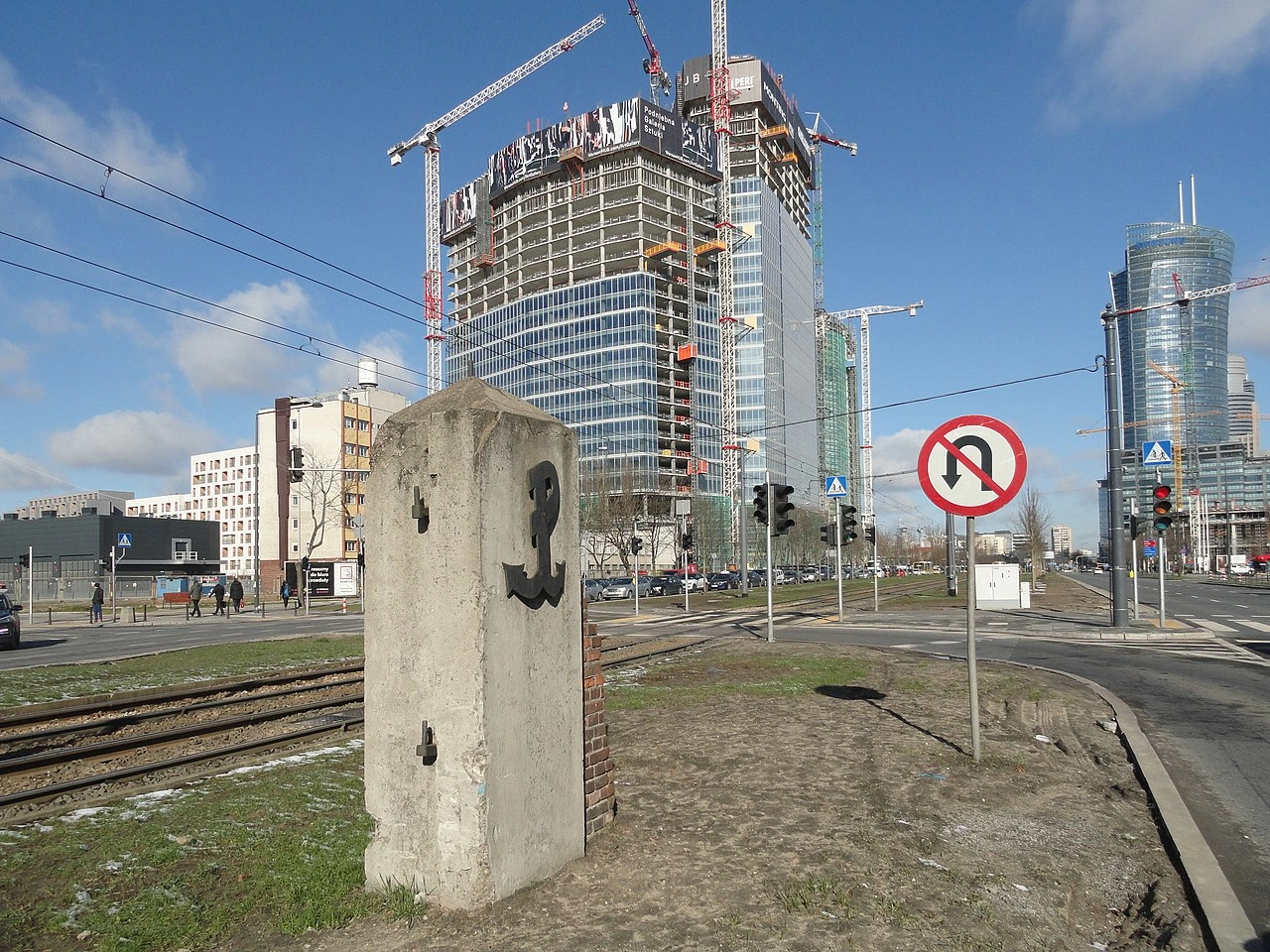
Un demi-tour est une manœuvre par laquelle un véhicule se retourne afin de repartir dans la direction opposée. Elle implique normalement de traverser une partie de la chaussée puis de se réinsérer dans le trafic en direction du point d’où vient le véhicule.
Avant de faire demi-tour, le conducteur doit vérifier la circulation environnante, les piétons et cyclistes, signaler lorsque cela est requis et s’assurer que la visibilité et l’espace sont suffisants pour achever la manœuvre en sécurité. Les demi-tours peuvent être interdits par des panneaux ou sur certains types de routes.
What is a U-turn?
A U-turn is a manoeuvre used to reverse a vehicle's direction so that it continues along the road in the opposite direction.
What should you check before making a U-turn?
Check traffic in all relevant directions, mirrors and blind spots, and look for pedestrians, cyclists and other road users. Make sure there is sufficient visibility and space and that the manoeuvre is permitted.
Can you make a U-turn anywhere?
No. U-turns may be prohibited by traffic signs or road rules and should never be attempted where visibility, road layout or traffic conditions make the manoeuvre unsafe.
65. État de la chaussée
Un avertissement concernant l’état de la chaussée indique que la route plus loin peut être irrégulière, endommagée ou en mauvais état et affecter la stabilité, la direction ou le freinage du véhicule. Le danger peut comprendre des bosses, affaissements, nids-de-poule, revêtement dégradé ou autres irrégularités.
Les conducteurs doivent réduire leur vitesse si nécessaire, maintenir une distance de sécurité et éviter les mouvements brusques de direction ou de freinage sur une surface irrégulière. La signification et l’apparence exactes du panneau varient selon les pays ; les conducteurs doivent donc respecter la signalisation et la réglementation locales.
What does a road surface warning mean?
A road surface warning indicates that the surface ahead may be uneven, damaged or otherwise capable of affecting the safe movement of vehicles.
What kinds of road defects can the warning indicate?
Depending on the country, it may warn of bumps, depressions, potholes, broken pavement, uneven repairs or other surface irregularities.
What should you do when you see a road surface warning?
Reduce speed where necessary, increase your awareness of the road ahead and be prepared for changes in the vehicle's stability or direction.
Does a road surface warning impose a specific speed limit?
Not normally. A warning sign alerts drivers to a hazard rather than establishing a numerical speed limit. A separate speed-limit sign may be used where a particular maximum speed is required.
Should you brake before reaching an uneven road surface?
Where slowing is necessary, it is generally safer to reduce speed before reaching the irregular surface rather than braking sharply while travelling over it.
Why can an uneven road surface be dangerous?
A severe surface irregularity can affect tyre contact, steering, braking and vehicle stability. It can also damage tyres, wheels or suspension components.
Are motorcycles and bicycles particularly affected by uneven surfaces?
Yes. Two-wheeled vehicles can be particularly sensitive to potholes, ridges and other irregularities because these hazards may disturb their balance or alter their direction suddenly.
Is an uneven-road warning the same as a slippery-road warning?
No. An uneven-road warning concerns the physical condition or shape of the road surface. A slippery-road warning concerns reduced tyre grip caused by the surface or conditions such as water, ice, mud or other substances.
Can the warning apply over a longer section of road?
Yes. A supplementary sign may indicate the distance to the hazard or the length of the affected section, depending on the country's traffic-sign system.
Should you increase your following distance on a poor road surface?
Yes, when conditions require it. Additional distance provides more time to react if the vehicle ahead slows suddenly to avoid a pothole or other surface defect.
66. Permis provisoire
Un permis provisoire permet à un apprenti conducteur de s’exercer sur la voie publique avant d’obtenir un permis définitif. Les conditions varient selon les pays et peuvent déterminer si l’apprenti doit être accompagné d’un superviseur agréé, quels véhicules il peut conduire, où et quand la conduite est autorisée et combien de temps le permis reste valable. Un permis provisoire est normalement soumis à des règles plus strictes qu’un permis définitif et vise spécifiquement l’apprentissage et l’acquisition d’expérience pratique.
What is a provisional driving licence?
A provisional driving licence allows a learner driver to practise driving under specified conditions before obtaining a full driving licence.
Can you drive alone with a provisional licence?
This depends on the type of provisional licence and local rules. Some licences require an approved supervisor, while others allow the learner to practise alone after completing specified training.
How long is a provisional licence valid?
The validity period varies between countries and licence types. If it expires before the learner passes the practical exam, additional conditions may apply before another provisional licence can be obtained.
Can you drive abroad with a provisional licence?
Often not. A provisional licence may be valid only in the country that issued it. Learners should check the applicable rules before attempting to drive abroad.
Are there restrictions on when a learner may drive?
Yes, in some countries. Provisional licences may include restrictions on night driving, passengers, trailers, vehicle types or certain roads.
Do you need to display a learner sign?
Many countries require a learner vehicle to display an L plate or another learner-driver sign. The design and conditions vary by country.
67. Marchandises dangereuses
Les marchandises dangereuses sont des substances ou objets pouvant présenter un risque important pour les personnes, les biens ou l’environnement pendant leur transport. Il peut s’agir notamment d’explosifs, de liquides et gaz inflammables, de substances toxiques, de produits corrosifs ou de matières radioactives.
Le transport de marchandises dangereuses peut nécessiter des emballages, étiquettes, marquages de véhicule, documents, équipements et formations de conducteur spécifiques. Des restrictions supplémentaires d’itinéraire ou de tunnel peuvent également s’appliquer selon le type et la quantité de marchandises transportées.
What is considered hazardous cargo?
Hazardous cargo includes substances and articles classified as dangerous for transport, such as explosives, gases, flammable materials, toxic or infectious substances, radioactive materials and corrosive substances.
Does hazardous cargo need special markings?
Yes, when the applicable dangerous-goods rules require them. Packages and vehicles can require hazard labels, placards, identification numbers or other markings that identify the nature of the danger.
Can hazardous cargo be prohibited on certain roads or in tunnels?
Yes. Dangerous-goods vehicles can be subject to route and tunnel restrictions according to the type and quantity of goods being transported and the classification of the road or tunnel.
68. Service radio
Un service radio est une diffusion radiophonique fournissant aux conducteurs des informations de circulation telles que les embouteillages, fermetures de routes, accidents, conditions météorologiques ou autres événements affectant un trajet. Des panneaux routiers peuvent indiquer une station et une fréquence particulières où ces informations sont disponibles.
Les conducteurs peuvent se régler sur la fréquence indiquée pour recevoir des informations locales pendant leur trajet. Le service est informatif et ne remplace pas les panneaux, signaux ou instructions des personnes habilitées.
What is a traffic radio service?
A traffic radio service broadcasts information for road users, such as congestion, collisions, roadworks, closures or other conditions that may affect traffic.
What does a radio service road sign indicate?
It indicates a radio station or frequency on which drivers can receive traffic information relevant to the road or surrounding area.
Do radio traffic reports override road signs?
No. Radio information can help drivers anticipate conditions and choose a route, but drivers must continue to obey traffic signs, signals, road rules and instructions from authorised persons.
69. Attraction touristique
Une attraction touristique est un lieu d’intérêt que les visiteurs peuvent rejoindre à des fins culturelles, historiques, récréatives, naturelles ou de divertissement. Il peut s’agir de monuments, châteaux, musées, sites panoramiques, parcs d’attractions et autres destinations remarquables.
Les attractions touristiques peuvent être signalées par des panneaux touristiques ou directionnels aidant les voyageurs à trouver leur destination. Les couleurs, symboles et types d’attractions indiqués varient selon les pays.
What is a tourist attraction?
A tourist attraction is a place that visitors travel to because of its cultural, historical, natural, recreational or entertainment value.
What are examples of tourist attractions?
Examples include monuments, castles, museums, scenic locations, cultural sites, amusement parks and recreational destinations.
Can tourist attractions be indicated by road signs?
Yes. Many countries use tourist or direction signs to guide travellers toward important attractions and places of interest.
70. Klaxon
Un klaxon est un dispositif sonore utilisé pour avertir les autres usagers d’un danger ou attirer leur attention lorsque cela est nécessaire à la sécurité. La plupart des véhicules à moteur sont équipés d’un klaxon électrique commandé depuis le volant. Les règles de circulation limitent généralement l’usage inutile ou excessif du klaxon, notamment dans les zones urbaines ou résidentielles. Il doit donc être utilisé comme un dispositif d’avertissement plutôt que comme un moyen d’exprimer sa frustration ou de saluer d’autres usagers.
What is a car horn?
A car horn is a sound-producing warning device used to alert other road users when their attention is needed for safety.
When should you use the horn?
The horn should generally be used when a sound warning is necessary to help prevent danger or an accident. The exact circumstances in which horn use is permitted depend on local traffic laws.
Can you use the horn to show annoyance?
Generally, no. A horn is intended as a safety warning device, and unnecessary or excessive use may be prohibited by local traffic rules.
Can you use the horn at night?
Rules for using the horn at night vary between countries. Some traffic laws restrict sound signals at night and require drivers to use their lights instead, except when there is immediate danger.
Can a vehicle horn be modified?
Vehicle horns may have to meet technical requirements for their sound and operation. Horns that imitate emergency-service sirens or otherwise fail applicable vehicle standards may be prohibited.
Is the horn checked during a vehicle inspection?
In countries with periodic technical inspections, the operation and condition of the horn may be checked as part of the vehicle's safety equipment.
71. Plaque d’immatriculation
Une plaque d’immatriculation, également appelée plaque minéralogique ou plaque de numéro, est une plaque affichant un identifiant unique attribué à un véhicule par l’autorité compétente. Elle permet d’identifier le véhicule à des fins telles que l’immatriculation, le contrôle routier, la fiscalité, l’assurance et le contrôle du stationnement.
L’apparence, le format, l’emplacement et le nombre de plaques exigées varient selon les pays et catégories de véhicules. Les conducteurs doivent veiller à ce que les plaques requises soient correctement fixées, clairement visibles et lisibles et respecter les règles locales en cas de perte, vol, détérioration ou remplacement.
What is a licence plate?
A licence plate is a plate displaying the registration identifier assigned to a vehicle. It allows authorities and other authorised systems to identify the vehicle's registration.
Is a licence plate the same as a registration plate?
Yes. Licence plate, registration plate and number plate are different terms commonly used for the plate displaying a vehicle's official registration number.
Does every vehicle need a licence plate?
Most motor vehicles used on public roads must display one or more registration plates, but requirements differ for motorcycles, trailers, agricultural vehicles and other special vehicle categories.
Do vehicles need both front and rear licence plates?
This depends on the country and vehicle type. Cars commonly require front and rear plates, while motorcycles and certain other vehicles may require only a rear plate.
Must a licence plate remain visible?
Yes. A required registration plate must normally remain clearly visible and readable. It should not be hidden by luggage, dirt, accessories or other objects.
Can you modify a licence plate?
Generally no. Changing the characters, colours, dimensions or appearance of an official plate may make it invalid or illegal. Plates and authorised reproductions must comply with local specifications.
What should you do if a licence plate is lost or stolen?
Follow the local reporting and replacement procedure. Many countries require the loss or theft to be reported to the police or vehicle-registration authority before a replacement plate can be issued.
Can you drive with a damaged licence plate?
A plate must remain legible and compliant with local requirements. If damage prevents it from being read or makes it invalid, it should be replaced according to the local registration procedure.
Can a licence plate be personalised?
Some countries allow motorists to request a personalised registration combination. The available characters, formats and prohibited combinations are determined by the registration authority.
Does a licence plate stay with the vehicle when it is sold?
This varies between countries. In some systems the plate remains with the vehicle, while in others it remains associated with the registered holder and may be retained or returned when the vehicle is sold.
72. Station de recharge
Une station de recharge est un emplacement équipé d’un ou plusieurs points de recharge où la batterie d’un véhicule électrique ou hybride rechargeable peut être raccordée à une alimentation électrique et rechargée. Les stations peuvent se trouver le long des voies publiques, dans des parkings, des aires de service ou sur des propriétés privées.
Les places de recharge peuvent être réservées aux véhicules en cours de recharge et soumises à des restrictions de stationnement, durées maximales, obligations de paiement ou autres conditions. Les conducteurs doivent respecter les panneaux, règles de stationnement et instructions de recharge applicables sur place.
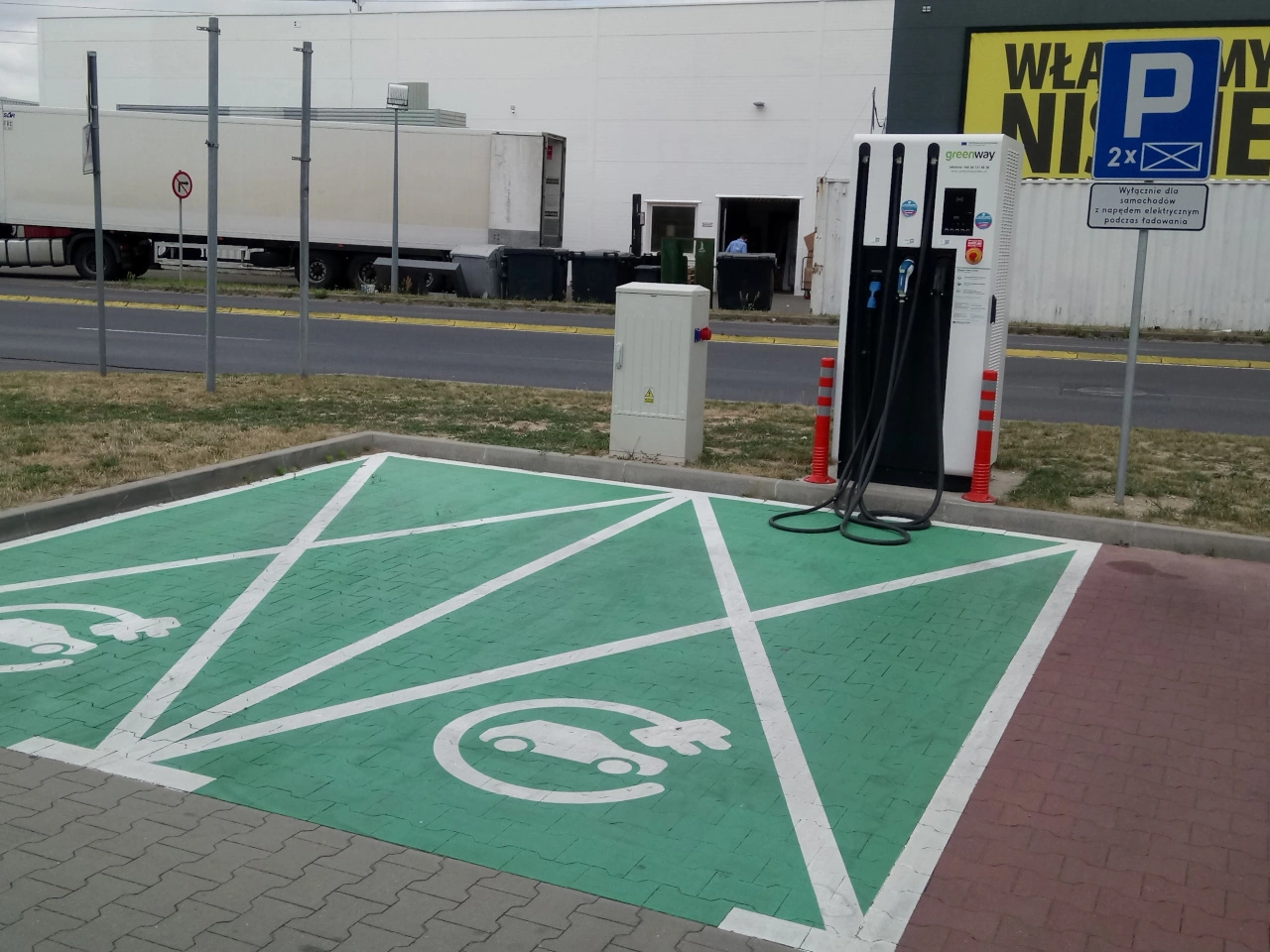
What is a charging station?
A charging station is a location where electric vehicles can be connected to an electricity supply to recharge their batteries. A station may contain one or several individual charging points.
Who can use an electric-vehicle charging station?
Charging stations are intended for vehicles that can be externally charged, such as battery-electric vehicles and plug-in hybrid vehicles. The exact vehicle categories permitted may be indicated by local signs or operator conditions.
Is a charging space an ordinary parking space?
Not necessarily. A space beside a charger may be reserved for electric vehicles or vehicles that are charging. Drivers must check the signs and markings before parking there.
Can a petrol or diesel vehicle park at a charging station?
Not where the parking space is officially reserved for electric vehicles. An ordinary parking space located near a charger may be different, so the applicable signs and markings determine who may park there.
Can an electric vehicle park at a charging point without charging?
This depends on the local traffic and parking rules. Many charging spaces require the vehicle to be connected to the charger, even if the vehicle itself is electric.
Do you have to pay to use a charging station?
Charging may be free or subject to payment. The price and payment method are determined by the charging operator, while separate parking charges may also apply.
Can a charging station have a maximum parking time?
Yes. Traffic signs, parking regulations or charging conditions may establish a maximum duration to encourage drivers to move their vehicles and make the charger available to others.
Must you move the vehicle when charging is finished?
Follow the local parking rules and charging conditions. Some locations require vehicles to leave after charging or impose additional fees or time limits when the charging session has ended.
Does using a charger override ordinary parking restrictions?
No. A charging station does not allow a driver to ignore no-parking rules, reserved spaces, time limits or other traffic regulations. The vehicle must still be legally parked.
Are all charging stations equally fast?
No. Charging stations can provide different charging powers. Some are intended for longer parking periods, while high-power chargers can recharge compatible vehicles much more quickly.
73. Dangers
Un panneau de danger général avertit les usagers d’un danger à venir qui n’est pas représenté par un panneau d’avertissement plus spécifique. Le danger particulier peut être précisé par un panneau additionnel, un texte, un symbole ou une autre indication accompagnant le panneau.
Les conducteurs doivent redoubler d’attention, observer la route devant eux et adapter leur vitesse à la nature du danger et aux conditions environnantes. L’apparence exacte du panneau et la manière d’identifier le danger varient selon les pays ; les usagers doivent donc respecter la signalisation et la réglementation locales.
What does a general danger warning sign mean?
A general danger warning sign indicates that there is a hazard ahead that is not represented by a more specific warning sign in the local traffic-sign system.
What kind of danger can the sign indicate?
It can be used for unusual or uncommon hazards for which no dedicated warning symbol exists. The nature of the danger may be explained by an additional panel, symbol or message.
How can you know what the danger is?
Look for a supplementary panel, text or symbol accompanying the warning sign. It may describe the hazard or provide information needed to understand the warning.
What should you do when you see a general danger warning sign?
Increase your attention, observe the road and surroundings carefully and adapt your speed where necessary so that you can respond safely to the hazard.
Does the sign impose a specific speed limit?
Not normally. A warning sign alerts road users to danger rather than establishing a numerical speed limit. A separate speed-limit sign may be provided where a specific maximum speed is required.
Why is a general warning sign used instead of a specific warning sign?
It is used when the traffic-sign system does not contain a specific symbol that accurately represents the particular hazard.
Can the danger be temporary?
Yes. A general warning sign may be used for either a temporary or continuing hazard, depending on local signing rules and the circumstances.
Can a supplementary panel indicate the distance to the danger?
Yes. Depending on the country's traffic-sign system, an additional panel may indicate the distance to the hazard, the length of the dangerous section or other useful information.
Does a general danger sign give anyone priority?
No. A danger warning sign does not by itself change the priority rules. Drivers must continue to follow traffic lights, priority signs and the normal right-of-way rules.
Does the warning end immediately after the sign?
Not necessarily. The sign normally warns of a hazard ahead of the sign, and the dangerous situation may extend over a section of road. Supplementary information may indicate its location or length.
74. Sécurité ferroviaire
La sécurité ferroviaire désigne les règles, systèmes et précautions utilisés pour prévenir les accidents impliquant des trains, des infrastructures ferroviaires et des personnes en interaction avec le rail. Elle comprend l’exploitation sûre des trains, la signalisation, la protection des voies, la sécurité aux passages à niveau et les mesures empêchant l’accès non autorisé aux voies.
Les usagers doivent être particulièrement prudents aux passages à niveau et respecter les barrières, feux d’avertissement, signaux sonores et panneaux. Les voies ferrées ne doivent être franchies qu’aux endroits autorisés et seulement lorsqu’il est possible de les dégager complètement en sécurité.
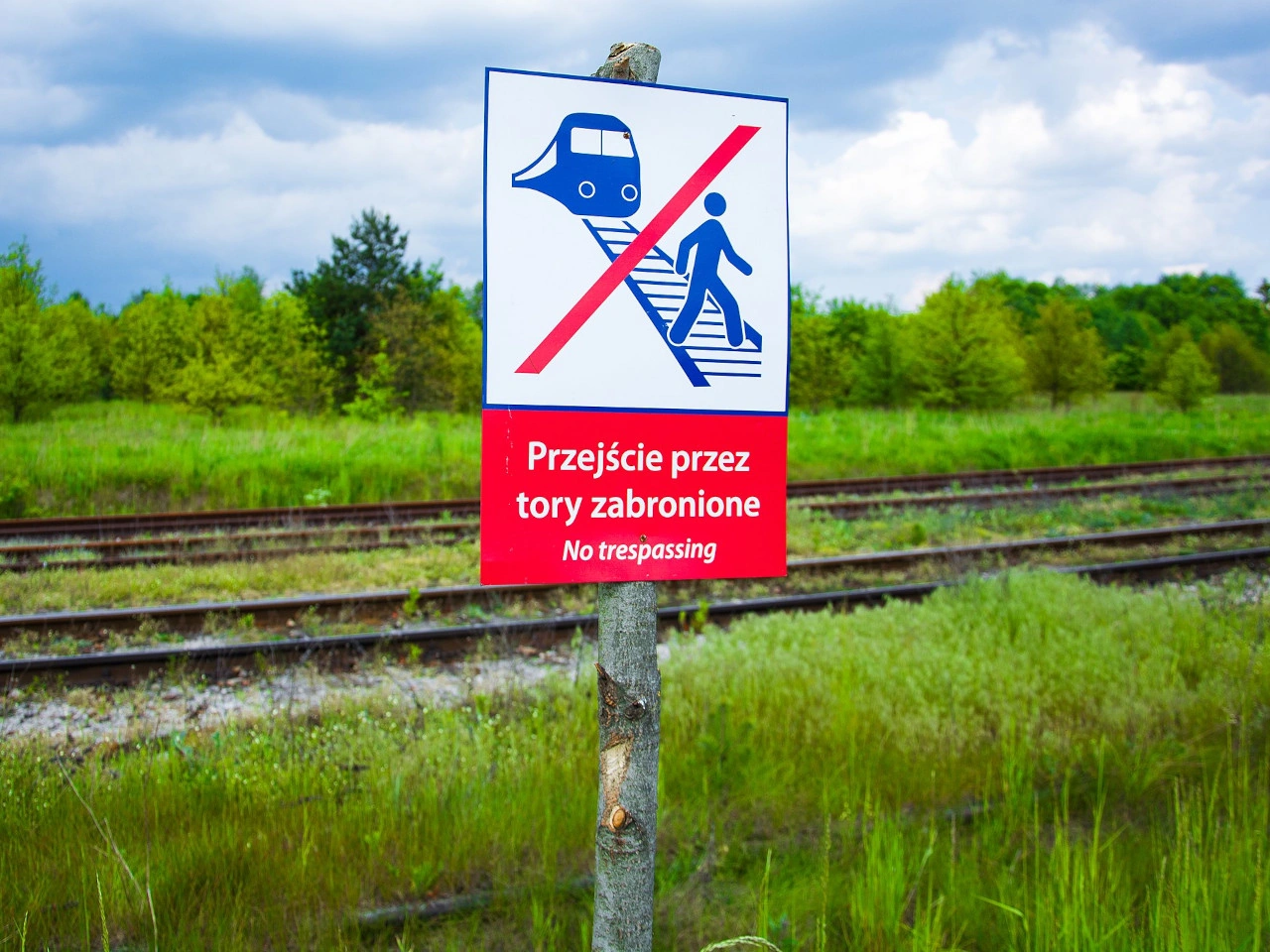
What is rail safety?
Rail safety covers the rules, equipment and precautions intended to prevent accidents involving trains, railway infrastructure and people.
Why are railway crossings particularly important for rail safety?
Railway crossings bring road users and railway vehicles into the same location. Road users must therefore obey the warning systems and never enter when a train is approaching or the crossing cannot be cleared safely.
Can you walk along railway tracks?
Normally, no. Railway tracks are operational transport infrastructure and should be entered only at authorised crossing points or where access is specifically permitted.
75. Piéton
Un piéton est une personne se déplaçant à pied le long ou à travers une route, rue, chemin ou autre espace public. Selon le droit routier local, les personnes poussant un vélo, un fauteuil roulant, une poussette ou certains autres petits dispositifs peuvent également être considérées comme des piétons.
Les piétons utilisent normalement les trottoirs, chemins piétons et zones piétonnes lorsqu’ils existent. Lorsqu’ils traversent une route ou marchent là où aucun aménagement adapté n’est disponible, ils doivent respecter les règles de traversée, feux de circulation et autres règles locales.
What is a pedestrian?
A pedestrian is primarily a person travelling on foot. Local traffic laws may also treat people pushing bicycles, wheelchairs, prams or certain other devices as pedestrians.
Where should pedestrians normally walk?
Pedestrians should normally use pavements, sidewalks, footpaths or other areas provided for pedestrians. Where these are unavailable, local rules determine where pedestrians may walk on or beside the road.
Which side of the road should pedestrians walk on when there is no pavement?
This depends on the country's traffic rules. Many countries require or recommend pedestrians to face approaching traffic, but the exact rule varies.
Where should pedestrians cross a road?
Use a pedestrian crossing, traffic-light-controlled crossing or other designated crossing where required or reasonably available. Where crossing elsewhere is permitted, choose a location with good visibility and cross carefully.
Do pedestrians always have priority at a pedestrian crossing?
The exact priority rule varies between countries. Drivers are commonly required to give way to pedestrians using or entering designated crossings, but pedestrians must still obey traffic lights and avoid entering the road dangerously.
Must pedestrians obey traffic lights?
Yes. Where pedestrian signals are provided, pedestrians must follow their indications and should not enter the roadway while the signal prohibits crossing.
Is someone pushing a bicycle a pedestrian?
In many traffic systems, a person who dismounts and walks beside a bicycle is treated as a pedestrian. The precise legal classification depends on local law.
Can pedestrians use a cycle path?
This depends on the road layout and local rules. Pedestrians may sometimes use a cycle path when no suitable pedestrian facility is available, but they must not unnecessarily obstruct cyclists or other authorised users.
Do turning vehicles have to watch for pedestrians?
Yes. Drivers turning into another road must watch carefully for pedestrians crossing the road they are entering and give way where required by local traffic law.
What should pedestrians do before crossing a road?
Check carefully for approaching traffic from all relevant directions, make sure there is sufficient time and distance to cross safely, and continue to observe traffic while crossing.

Règles de circulation
Pologne