


ТестПравила дорожного движенияБельгия
Проверьте свои знания с помощью теста с вариантами ответов. Разбирайте ответы и лучше понимайте правила дорожного движения и дорожные знаки (Бельгия).
 Дорожные знаки
 Правила дорожного движения
 Бельгия
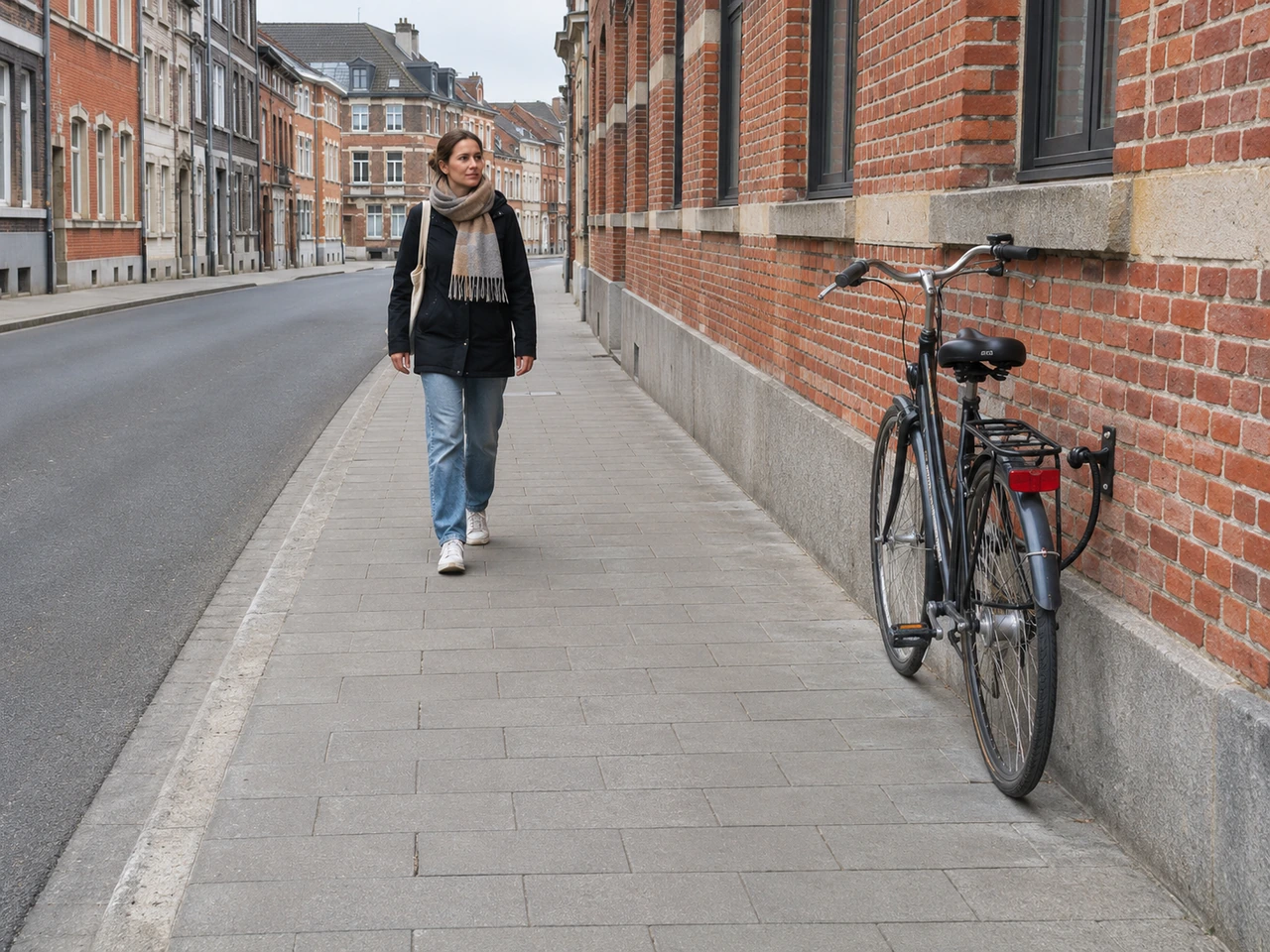
51. Where must a bicycle normally be parked if there is no designated cycle-parking place?
Normally park bicycles outside the carriageway and parking strips, without obstruction or danger. Designated places can allow exceptions.

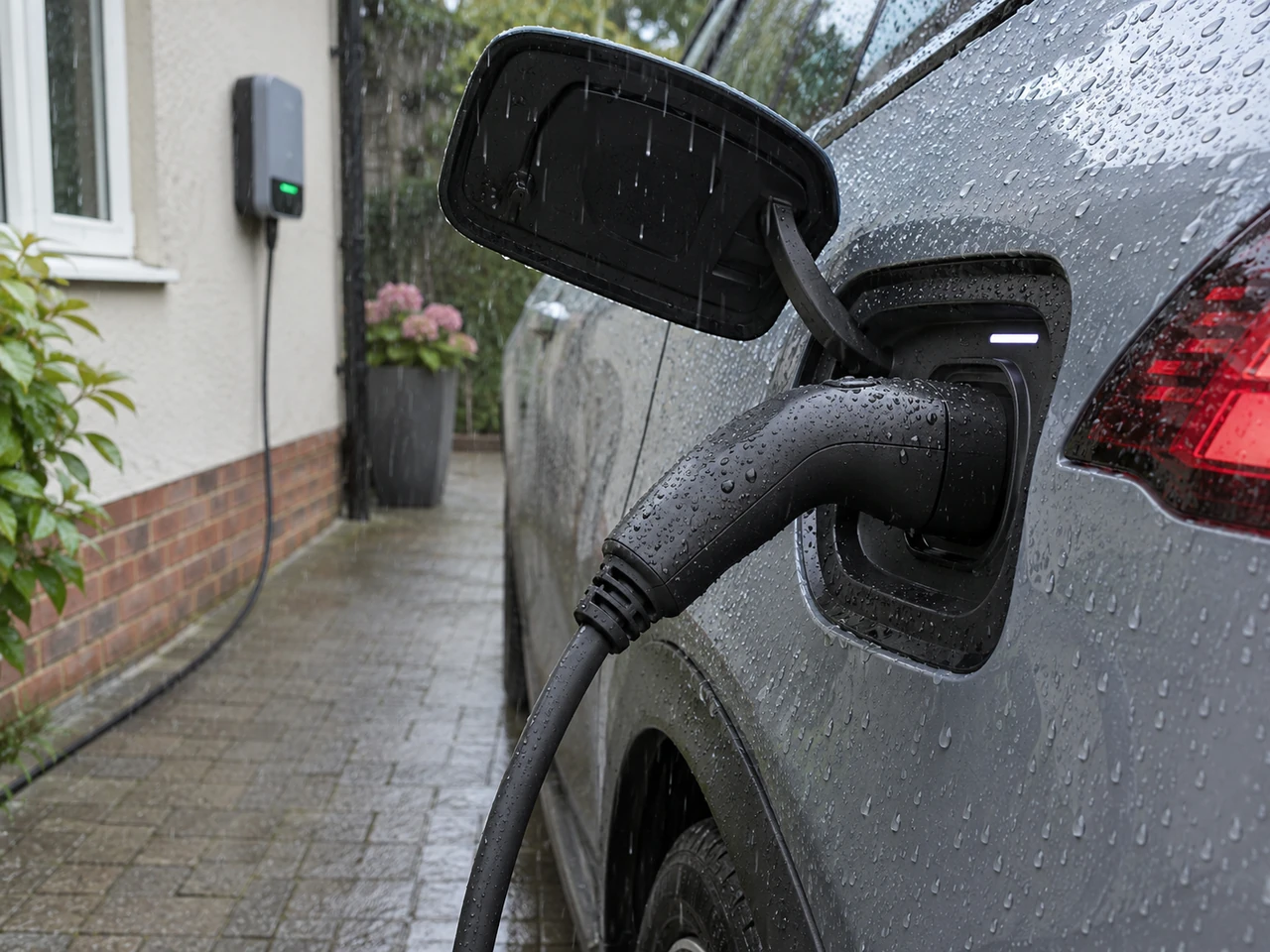
52. An EV charger rated for outdoor use can never be used in normal rain.
Suitable outdoor charging equipment can be used in ordinary rain within its specified conditions. Follow the vehicle and charger instructions; this does not make flooded, damaged or otherwise unsuitable equipment safe to use.
🔗 Источники
EECA (New Zealand) • Safety guidance, rain, equipment suitability and damaged equipment
Image credit: AI-generated
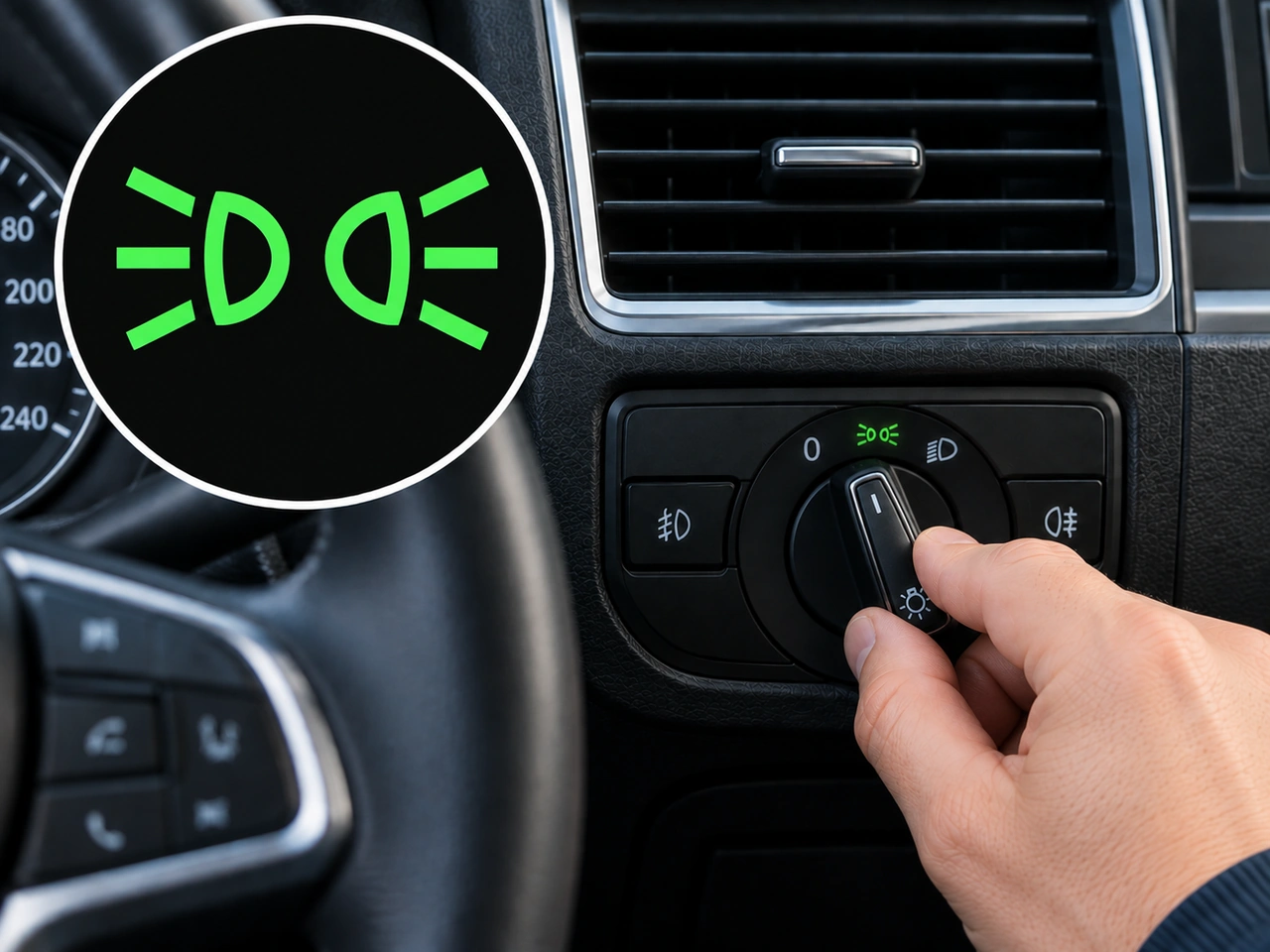
53. Что означает этот символ на приборной панели?
Этот символ означает, что включены габаритные огни, также называемые позиционными или стояночными огнями. Они помогают сделать автомобиль заметным для других участников движения, но почти не освещают дорогу впереди.
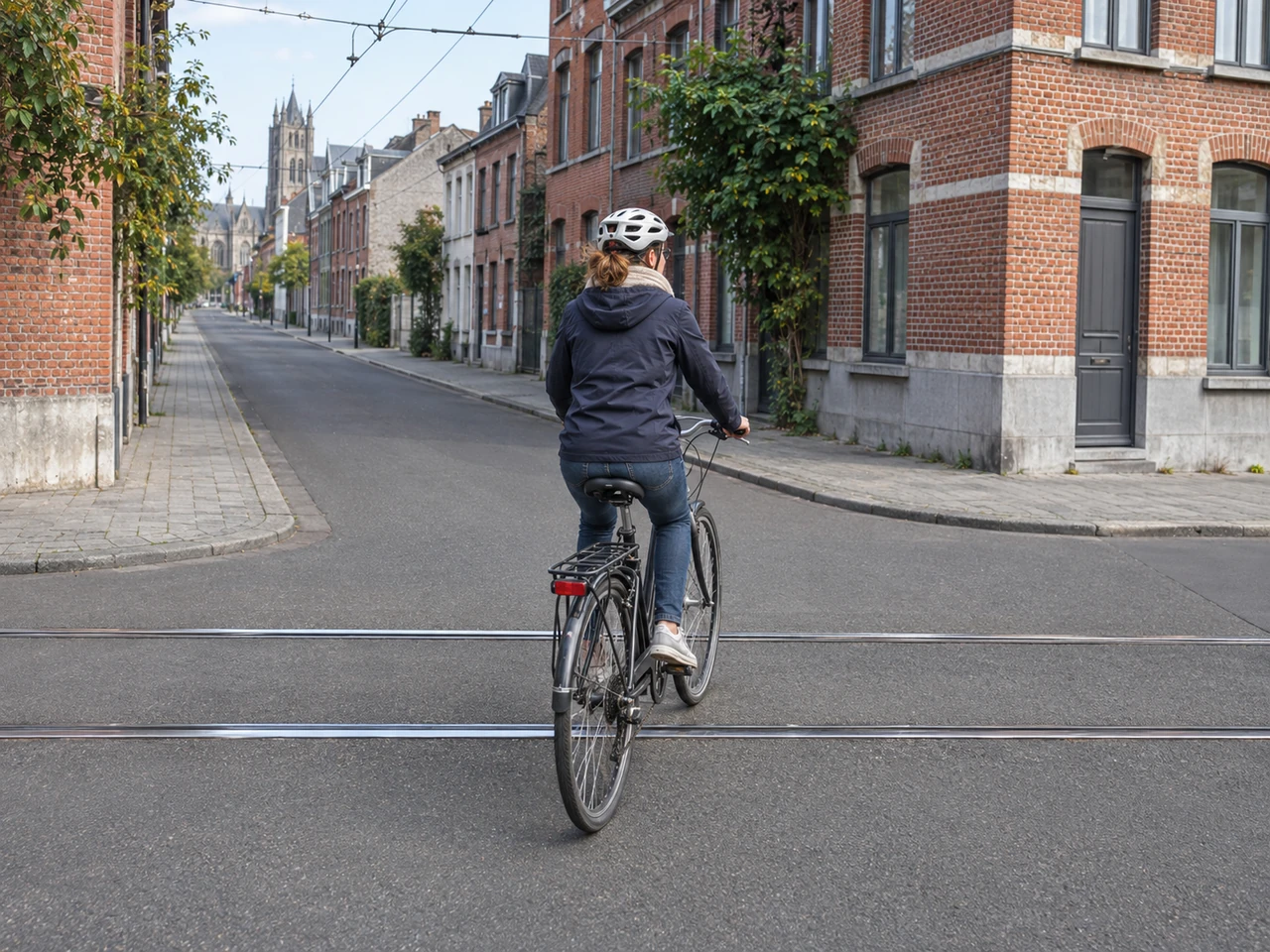
54. Как велосипедисту следует пересекать железнодорожные или трамвайные рельсы?
Колесо велосипеда может попасть в желоб рельса. Пересечение рельсов под более широким углом снижает этот риск.
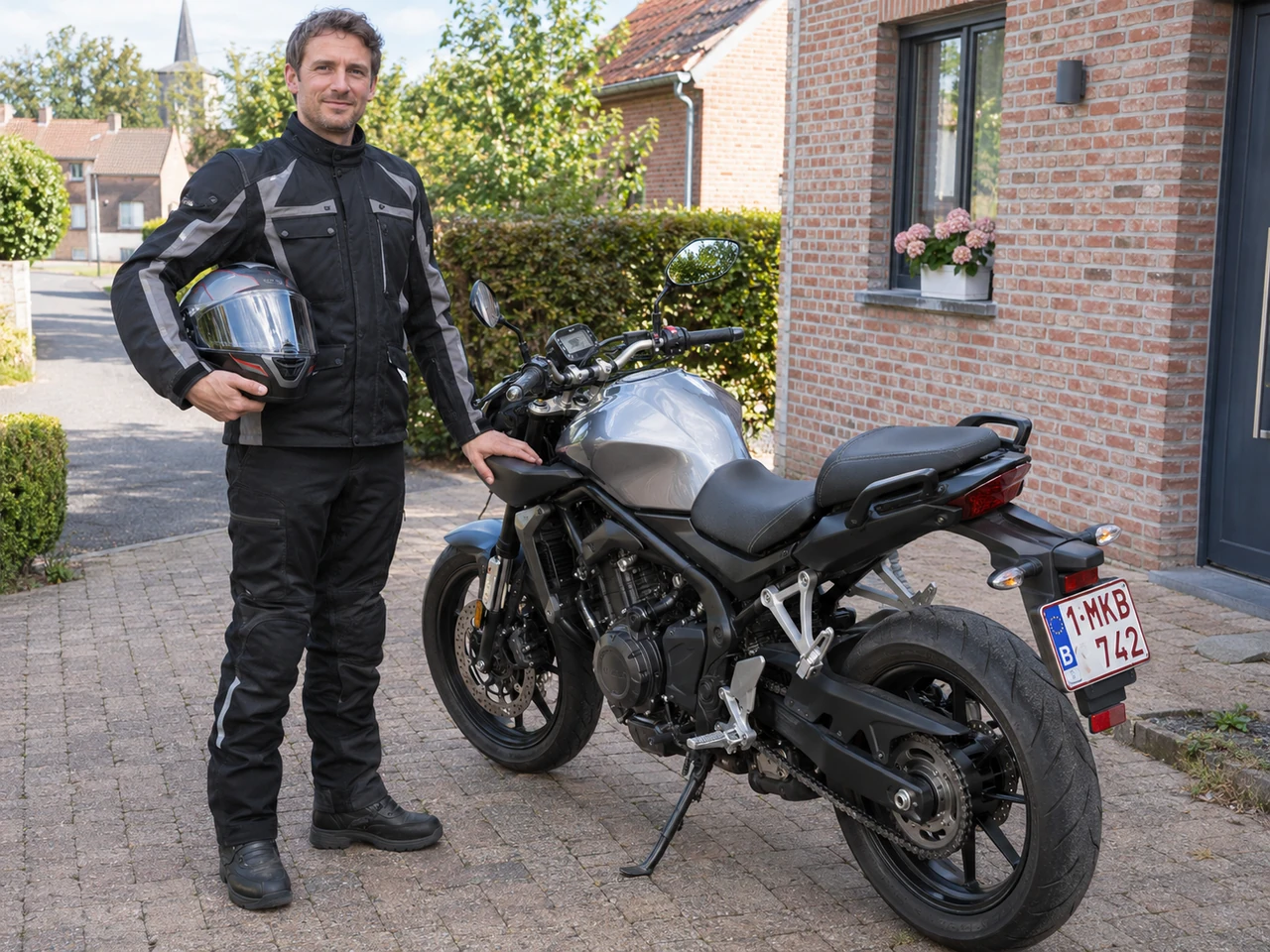
55. A 6-year-old may ride pillion on a 600 cc motorcycle if wearing a helmet.
Children aged three or more but under eight may not ride pillion on a motorcycle with an engine capacity above 125 cc. A helmet does not remove that age-and-capacity restriction. The separate sidecar rule is not permission to use the pillion seat.
🔗 Источники
Wegcode (Belgium; current 1975 regulations) • Article 35.1.1: children under eight, motorcycles above 125 cm³ and the separate sidecar exception
Image credit: AI-generated
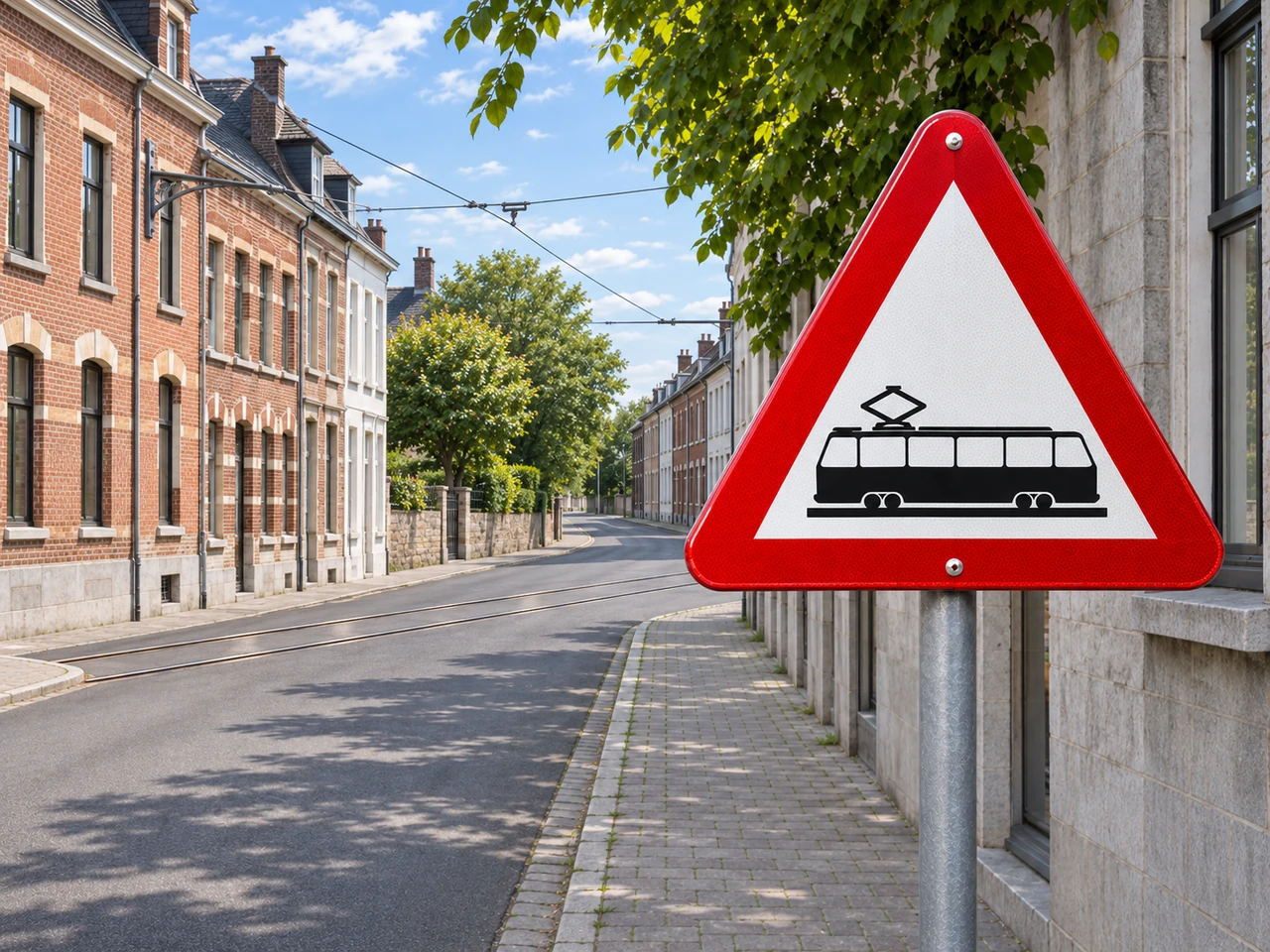
56. This triangular tram warning sign by itself prohibits cars from using the road.
This sign warns that the road is crossed by one or more tracks laid in the carriageway. It does not itself prohibit car access. Be alert for rail vehicles and follow the applicable traffic rules and signals.
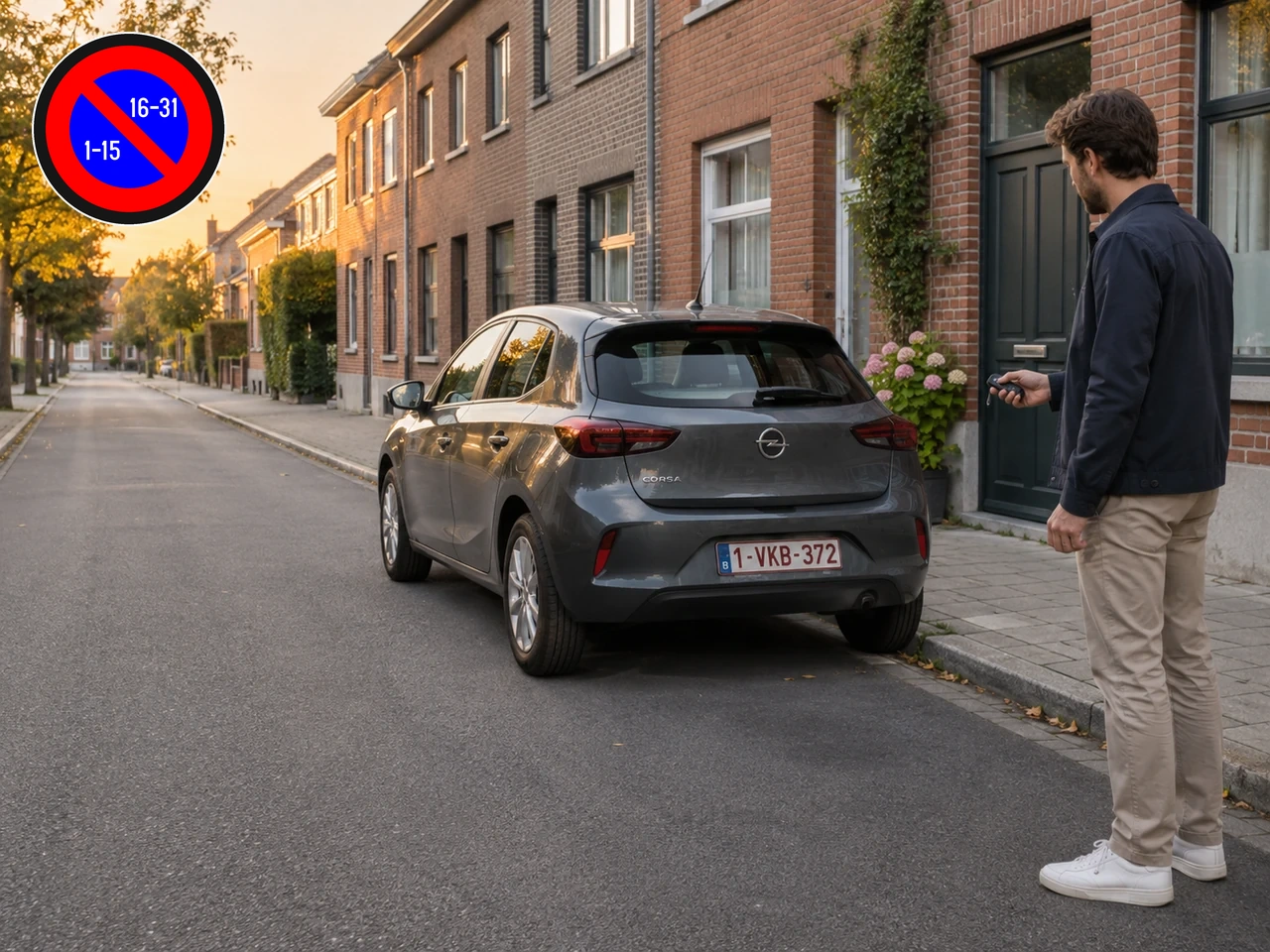
57. For the town-wide half-month carriageway parking, changeover is between 19:30 and 20:00.
Under the built-up-area regime indicated by the alternating-parking sign above the built-up-area entry sign, the side change takes place on the last day of each half-month period between 19:30 and 20:00. Article 26.2 preserves exceptions for off-carriageway parking and local rules.
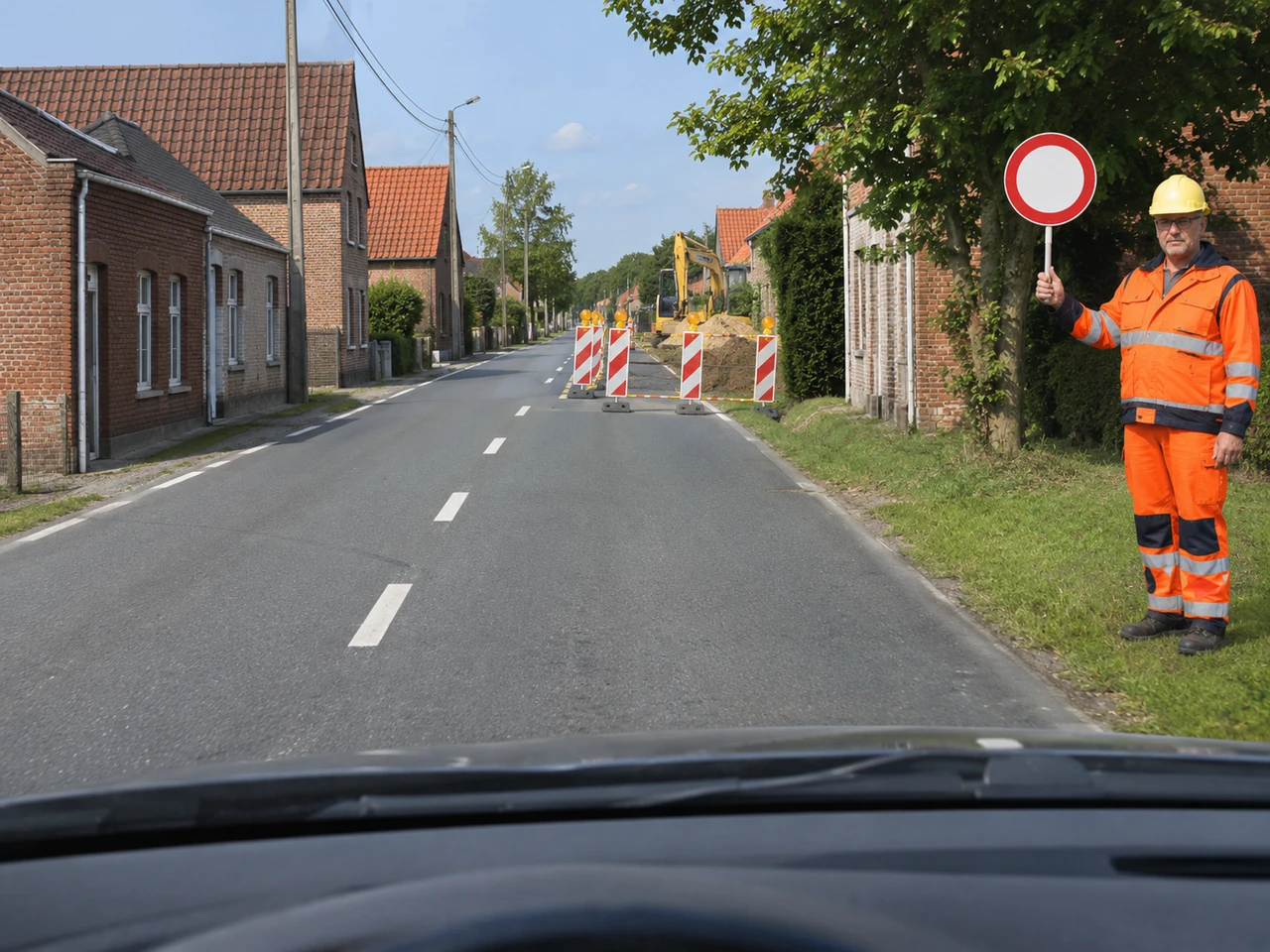
58. Что следует делать, когда дорожный рабочий регулирует движение?
Уполномоченные дорожные рабочие могут регулировать движение через рабочую зону. Внимательно следите и выполняйте их указания.
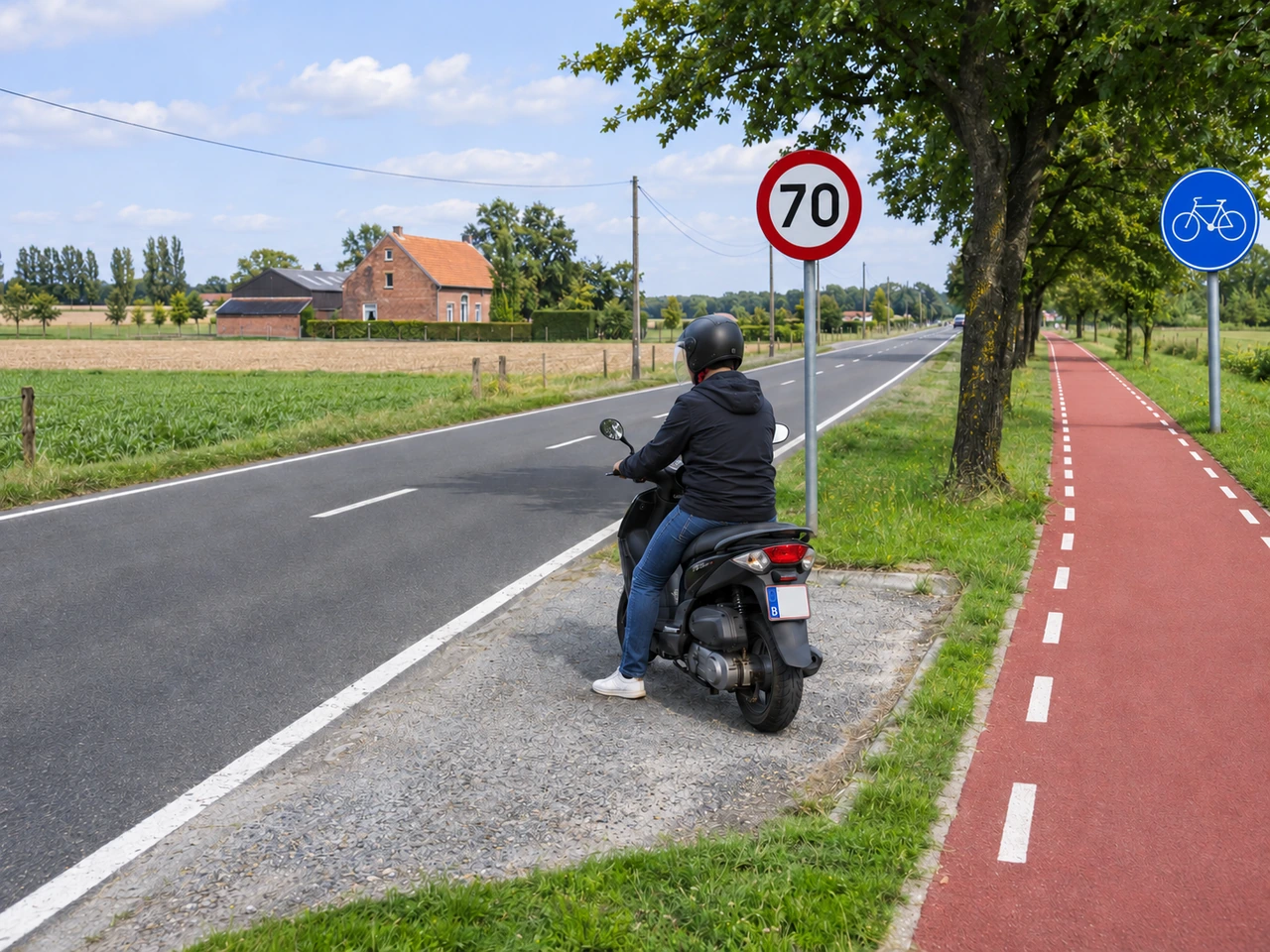
59. At a 70 km/h limit, must a two-wheeled class B moped use this usable, marked cycle path?
Where the limit exceeds 50 km/h, a two-wheeled class B moped must use a usable cycle path designated by a cycle-only sign or the prescribed markings, without endangering other users. Supplementary signs can change this rule.
🔗 Источники
Wegcode.be — Belgian road legislation
Reference: Article 9.1.2.2
Image credit: AI-generated
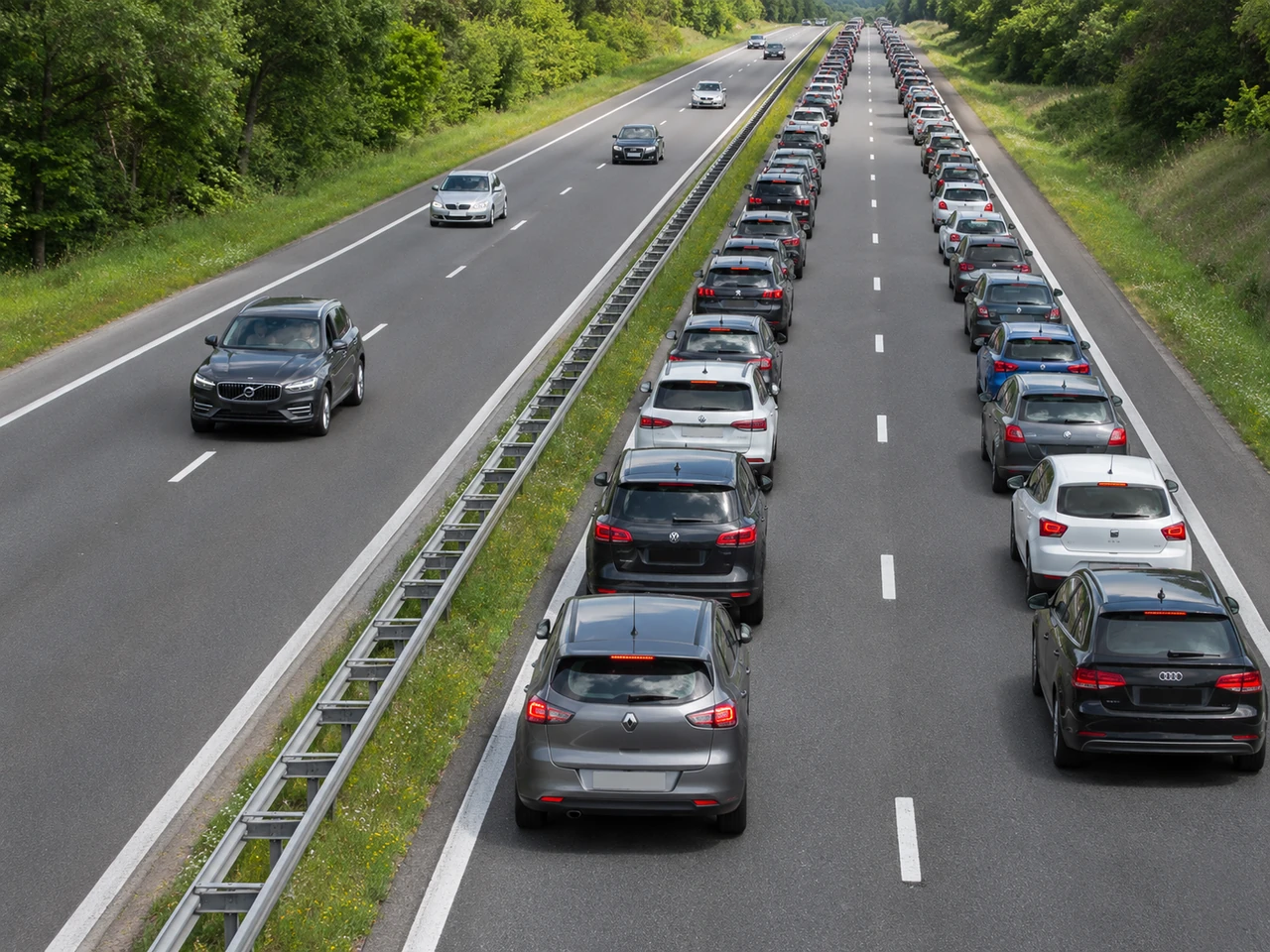
60. Queues on roads with at least two lanes in your direction require a rescue lane.
Form the corridor as queues develop, without waiting for an emergency vehicle. Keep left in the leftmost lane and move right in the other lanes, staying within your lane while forming the corridor.
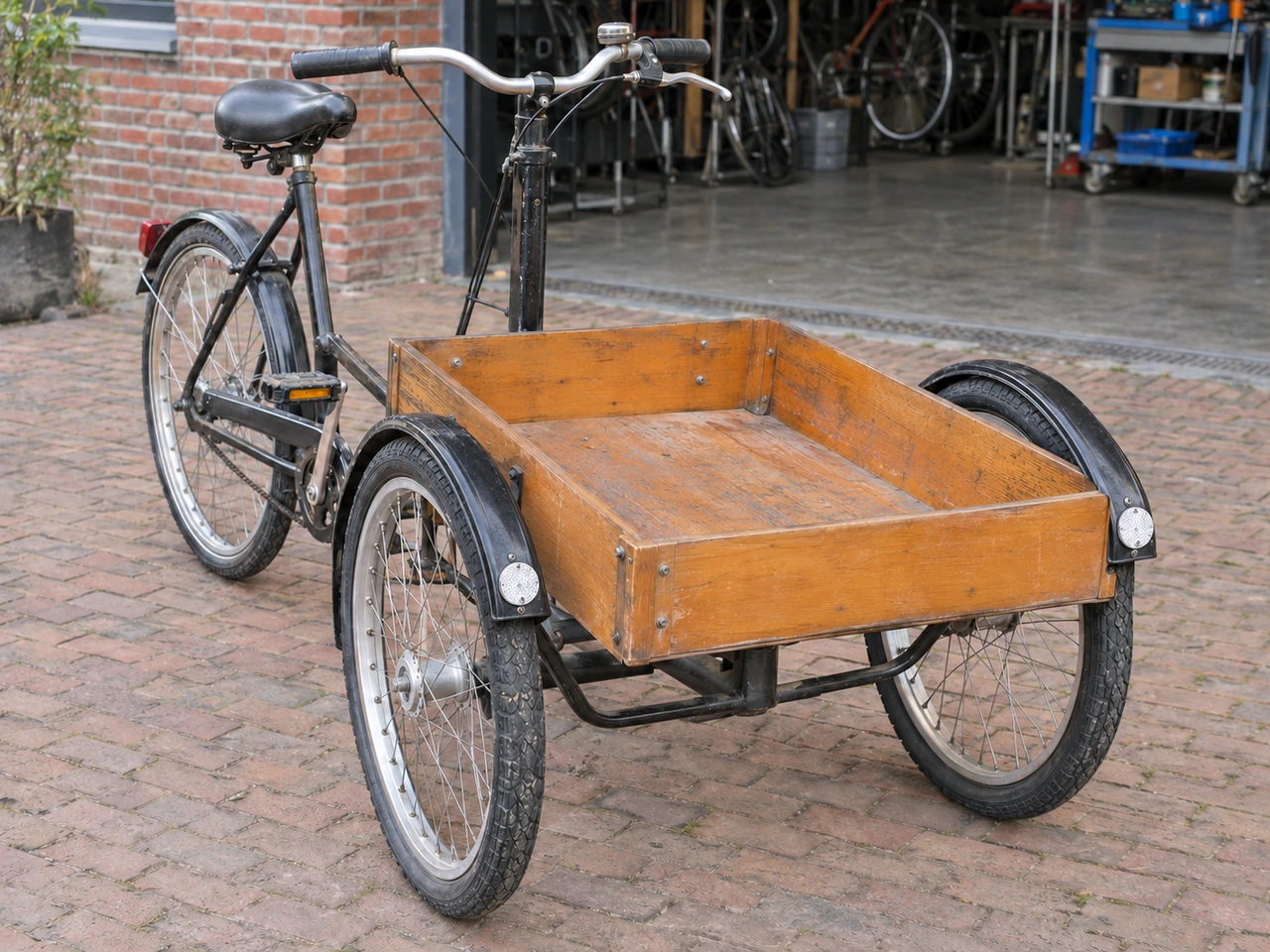
61. Which reflectors must a pedal tricycle with two front wheels always carry?
A pedal tricycle with two front wheels must always carry two white reflectors at the front and one red reflector at the rear. This applies by day as well as at night. The two front reflectors must match and be symmetrically placed near the outer edges; lamps do not replace them.
🔗 Источники
Wegcode.be — Belgian road legislation
Reference: Articles 82.1.2, 3° and 82.1.4, 4°
Image credit: AI-generated
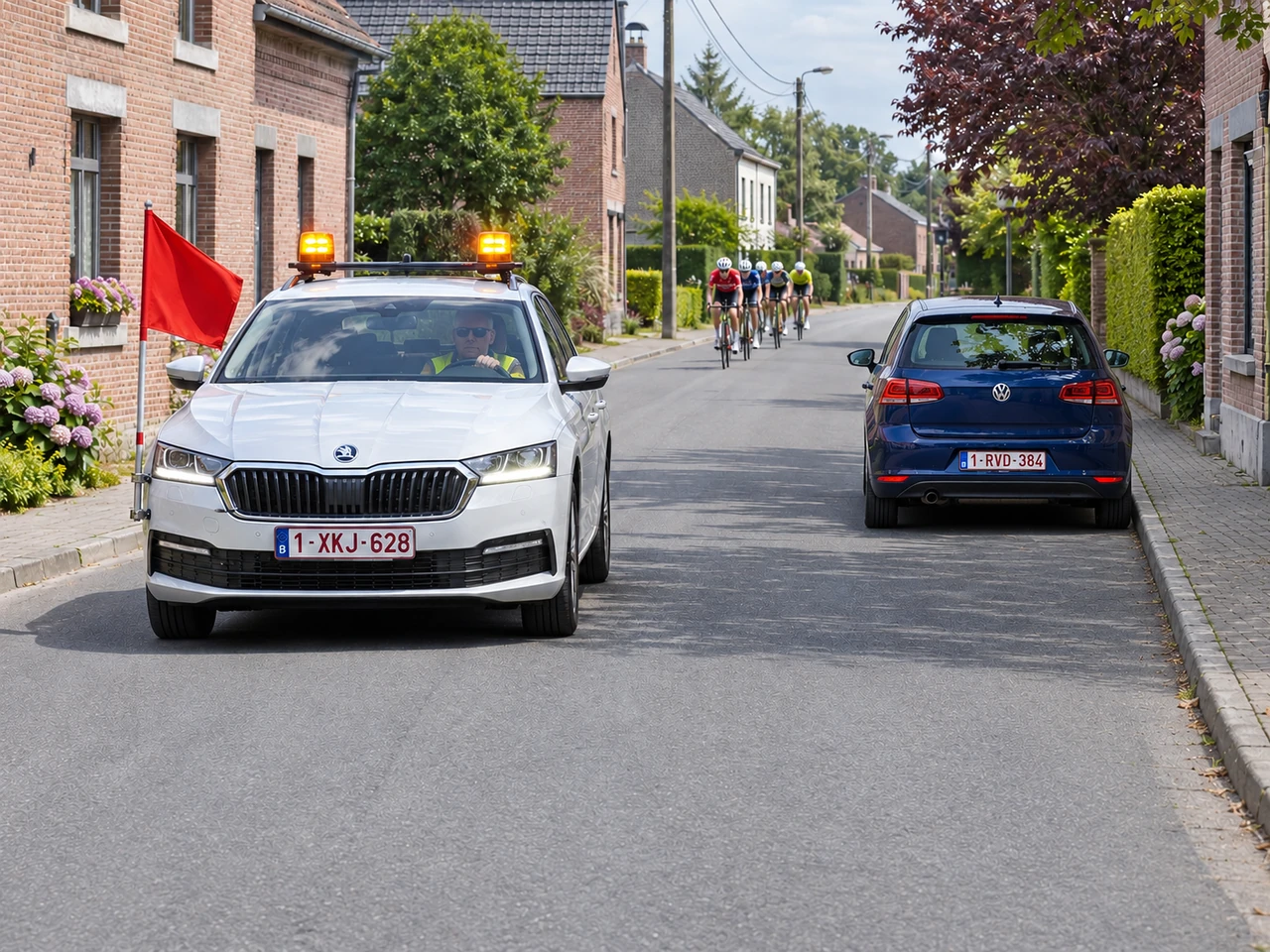
62. A cycle race's red-flag opening vehicle requires road users to clear the carriageway and stop.
On the approach of the red-flag opening vehicle of a race convoy, road users must immediately move aside, clear the carriageway as far as possible and stop. Keep the route clear and follow authorised safety instructions.
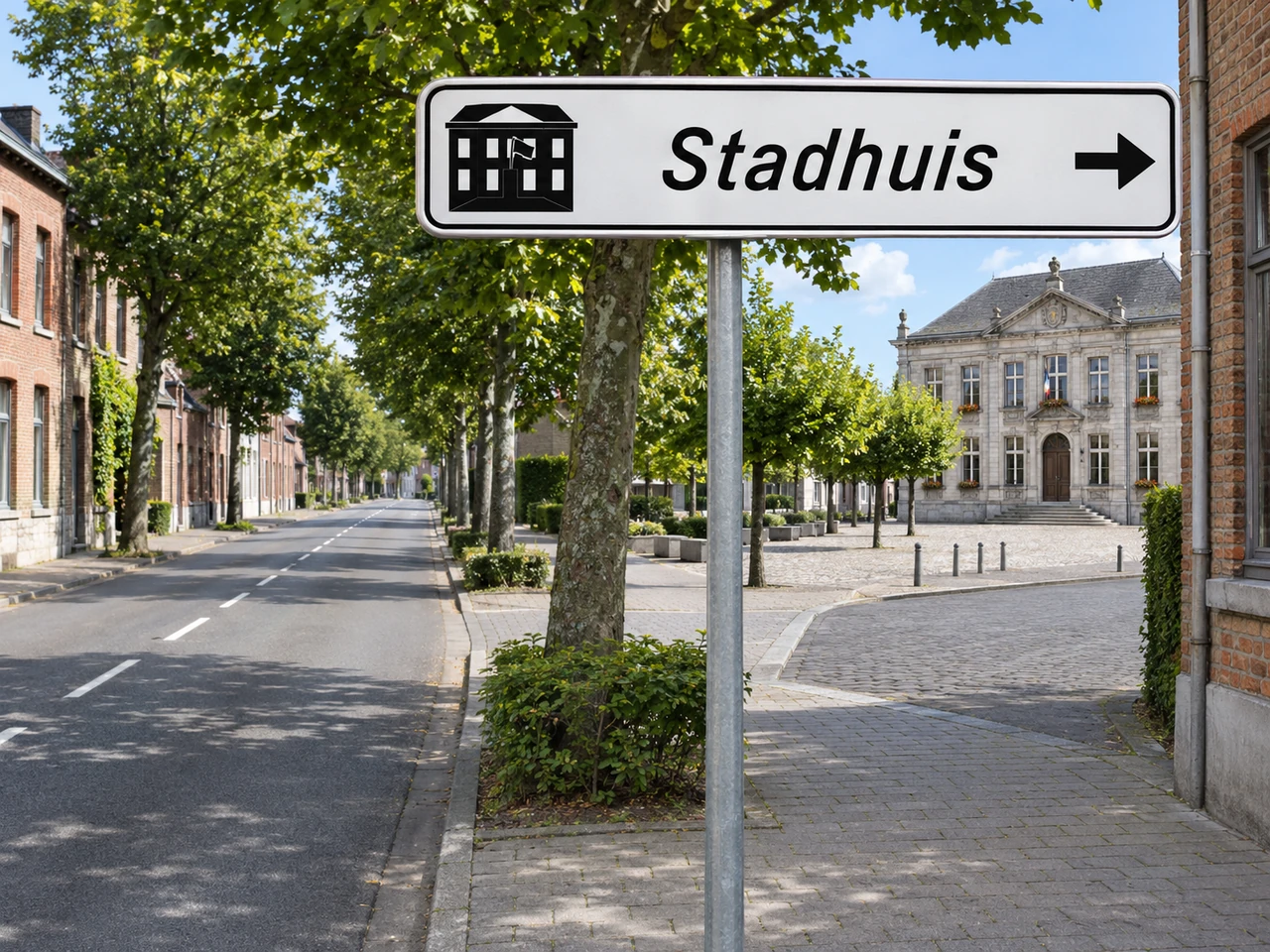
63. This building symbol on a direction sign identifies a town hall.
This example of a civic-building symbol identifies a town hall or municipal hall. The arrow shows the direction to the signed destination.
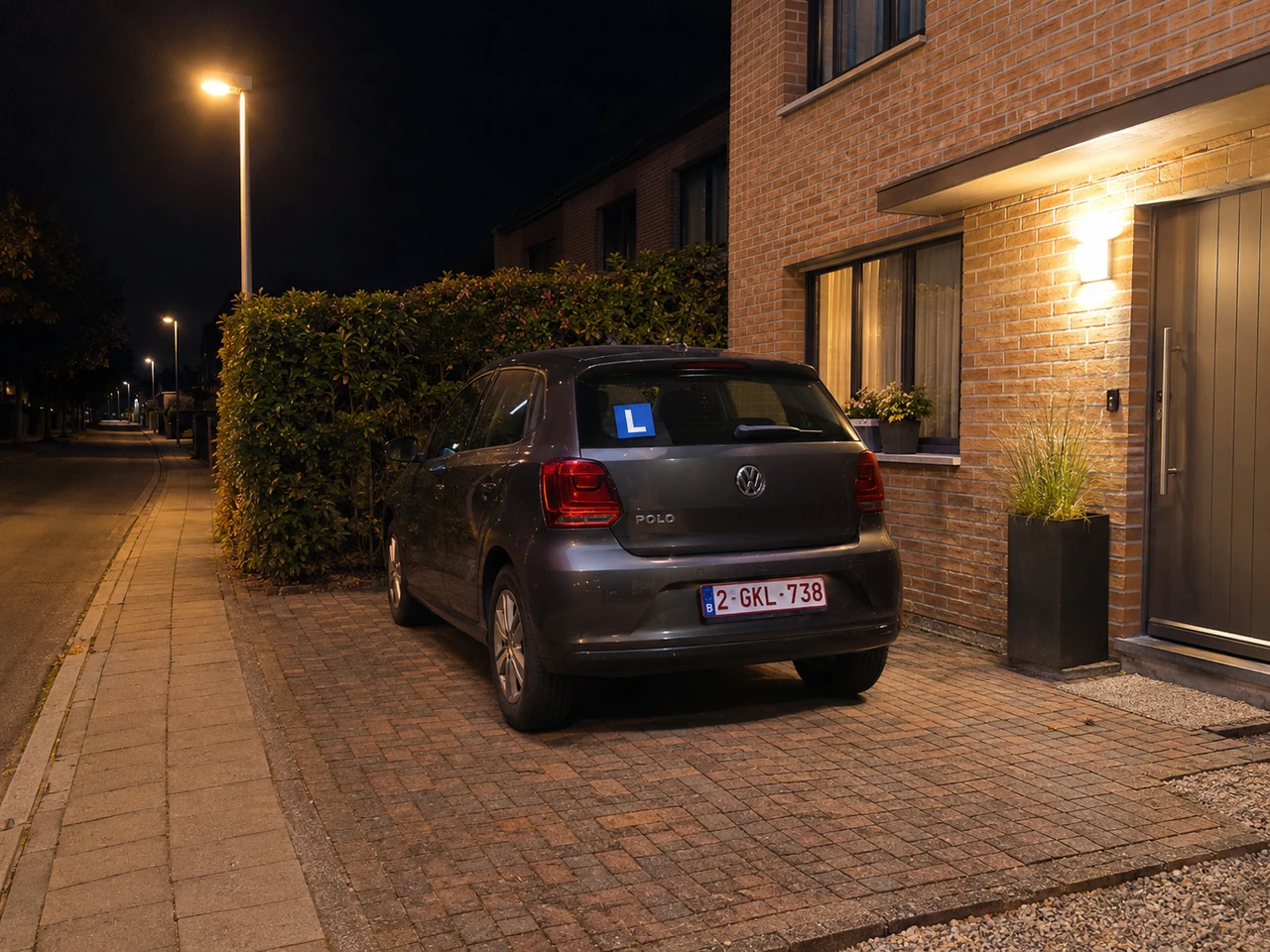
64. A Belgian provisional B driver may not drive on public roads at 23:00 on a public holiday.
The provisional B night restriction applies from 22:00 until 06:00 the following day on Fridays, Saturdays, Sundays, the eves of statutory public holidays and statutory public holidays themselves. It applies to M18, M36 and M12, including when an eligible guide is present.
🔗 Источники
Wegcode.be • Article 6 (Provisional B Royal Decree of 10 July 2006)
Image credit: AI-generated
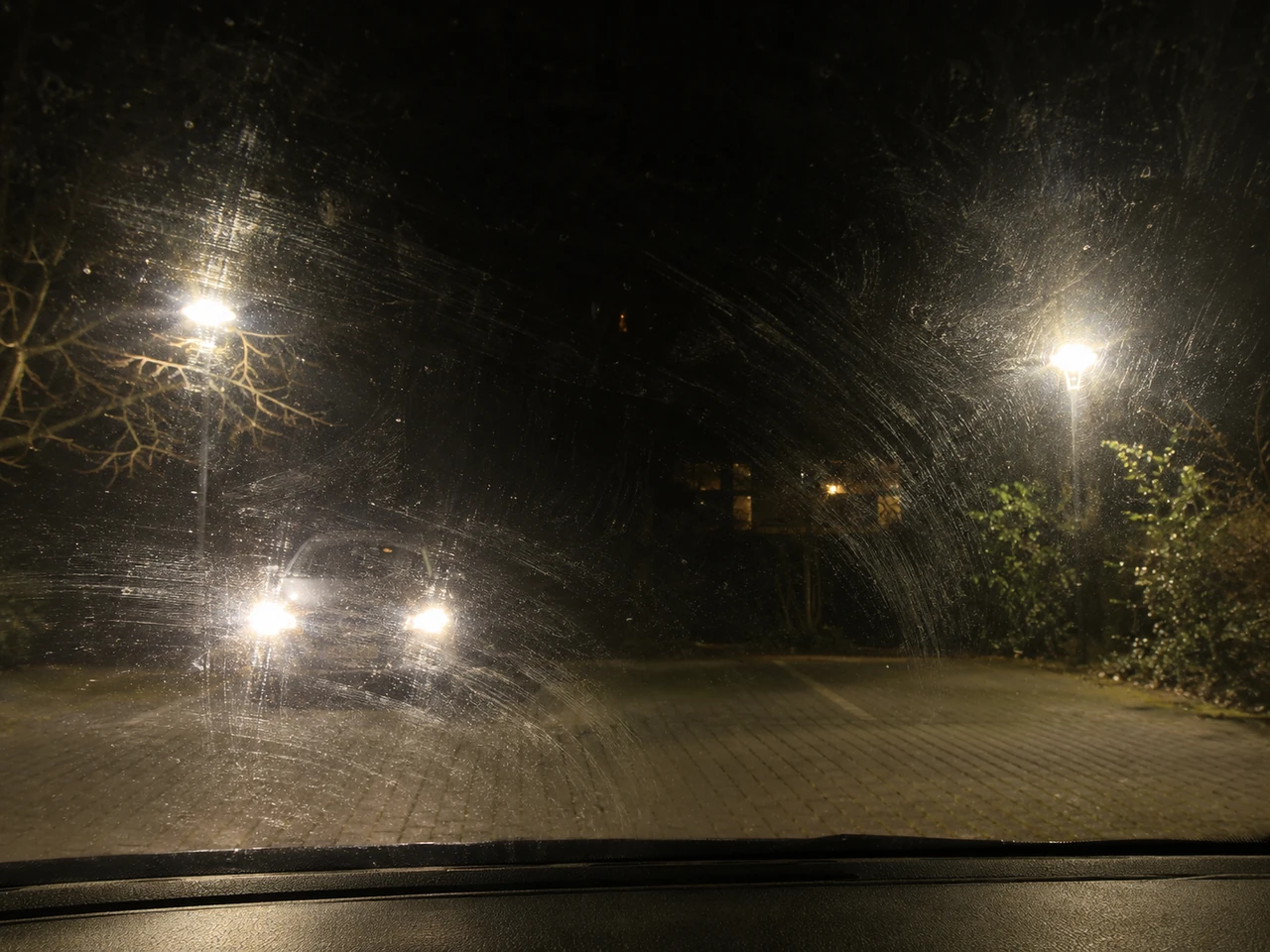
65. A dirty windscreen is harmless at night if your headlights work.
Dirt and smears can increase glare from other vehicles' lights and make hazards harder to see. Keep the windscreen clean inside and out, as well as checking that your lights work.
🔗 Источники
Department for Transport (Great Britain) • Safety guidance, Tips to help you deal with headlight glare
Image credit: AI-generated
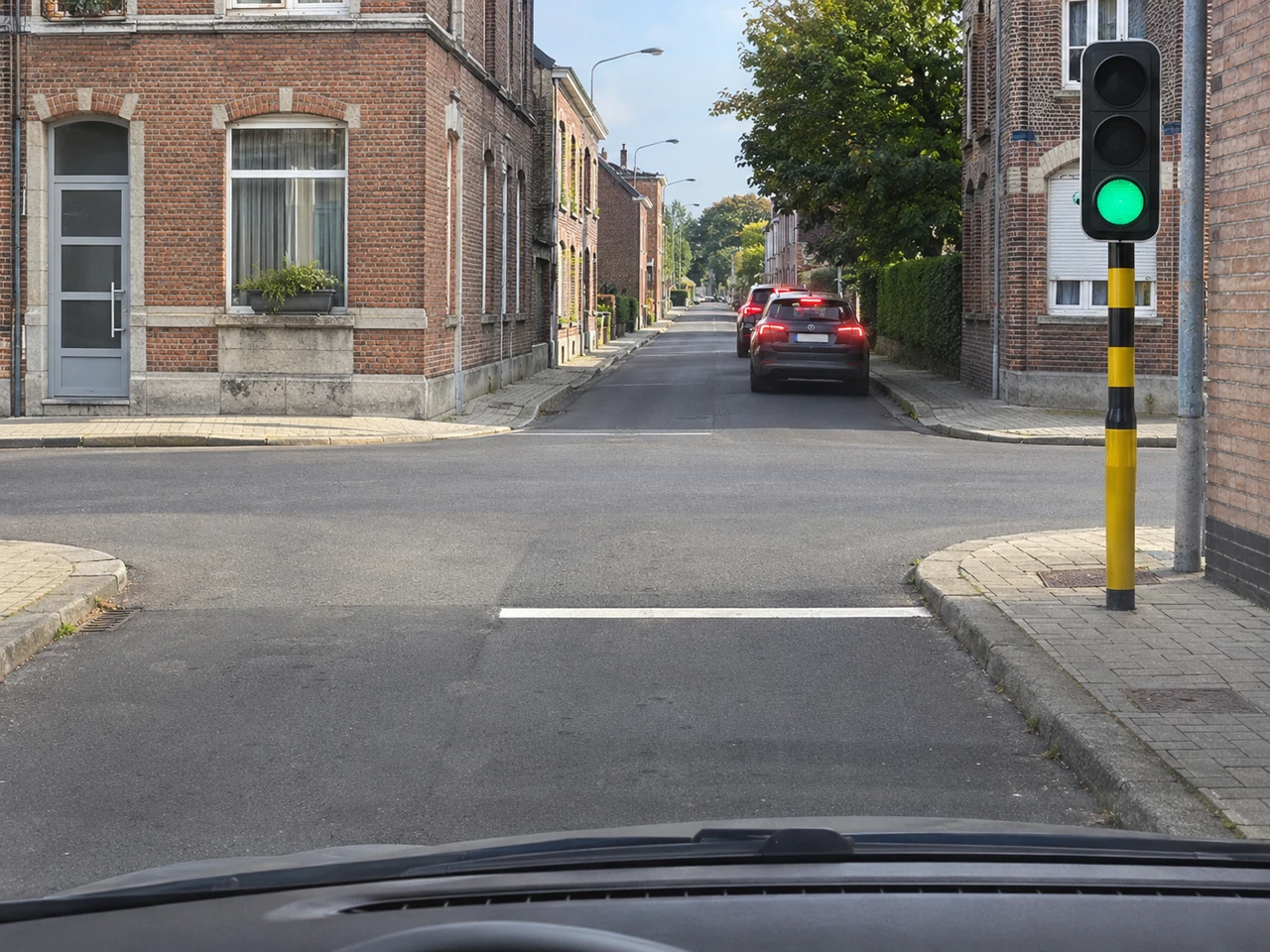
66. Что означает зелёный сигнал светофора?
Зелёный сигнал разрешает продолжить движение, но всё равно необходимо следить за пешеходами, велосипедистами и другими участниками движения.
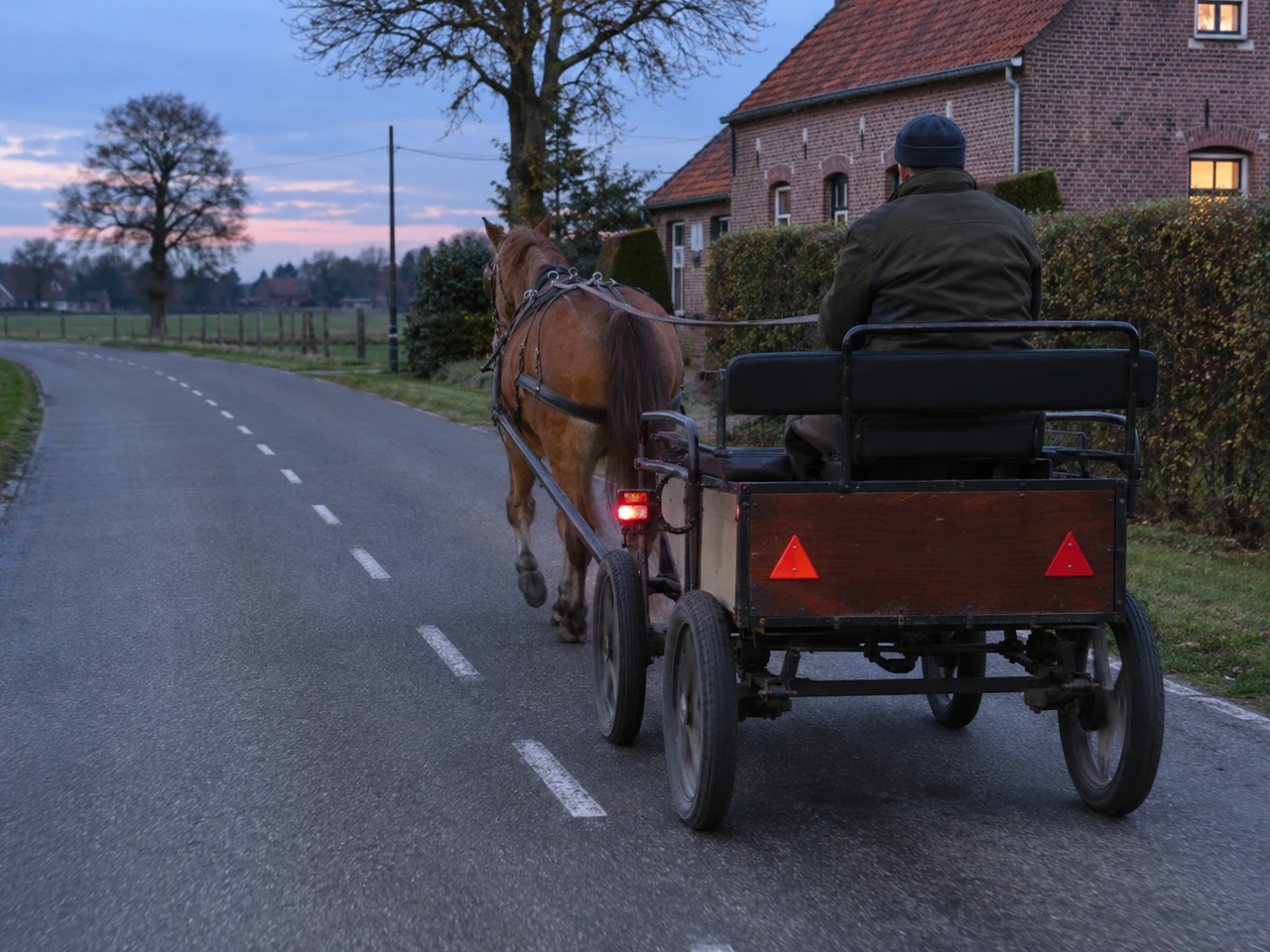
67. May a horse-drawn carriage without a trailer use one combined light unit at night?
For an animal-drawn carriage not towing another vehicle, the required white or yellow front light and red rear light may be combined in one unit placed or carried on the left. The front and rear indications must remain visible in their respective directions. The required rear reflectors are still needed.
🔗 Источники
Wegcode.be — Belgian road legislation
Reference: Article 30.3, 3°; Article 83.1.1
Image credit: AI-generated
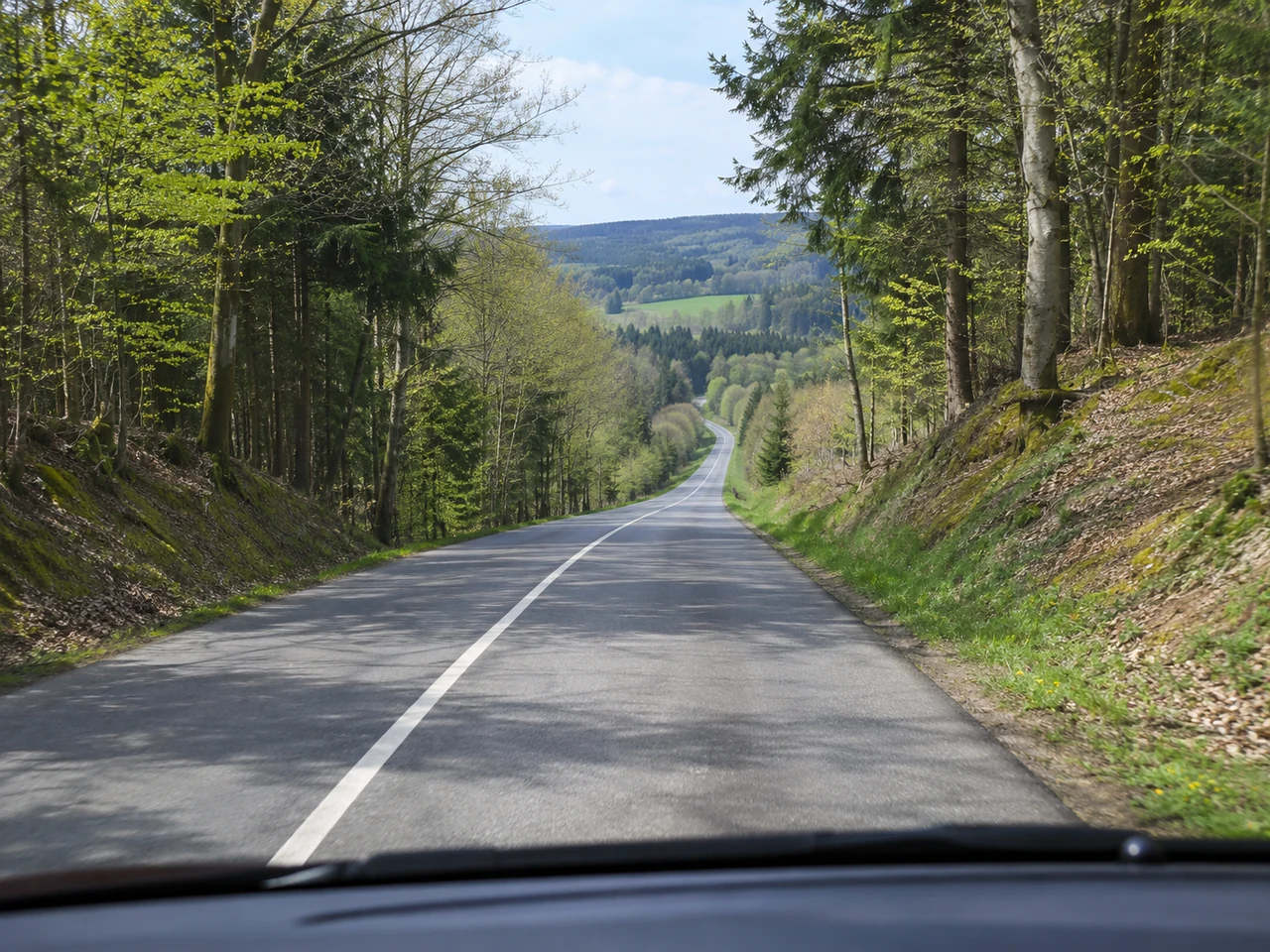
68. Почему при движении вниз по склону следует использовать более низкую передачу?
Торможение двигателем помогает не допустить чрезмерного разгона автомобиля и снижает нагрузку на тормоза.
🔗 Источники
Image credit: AI-generated
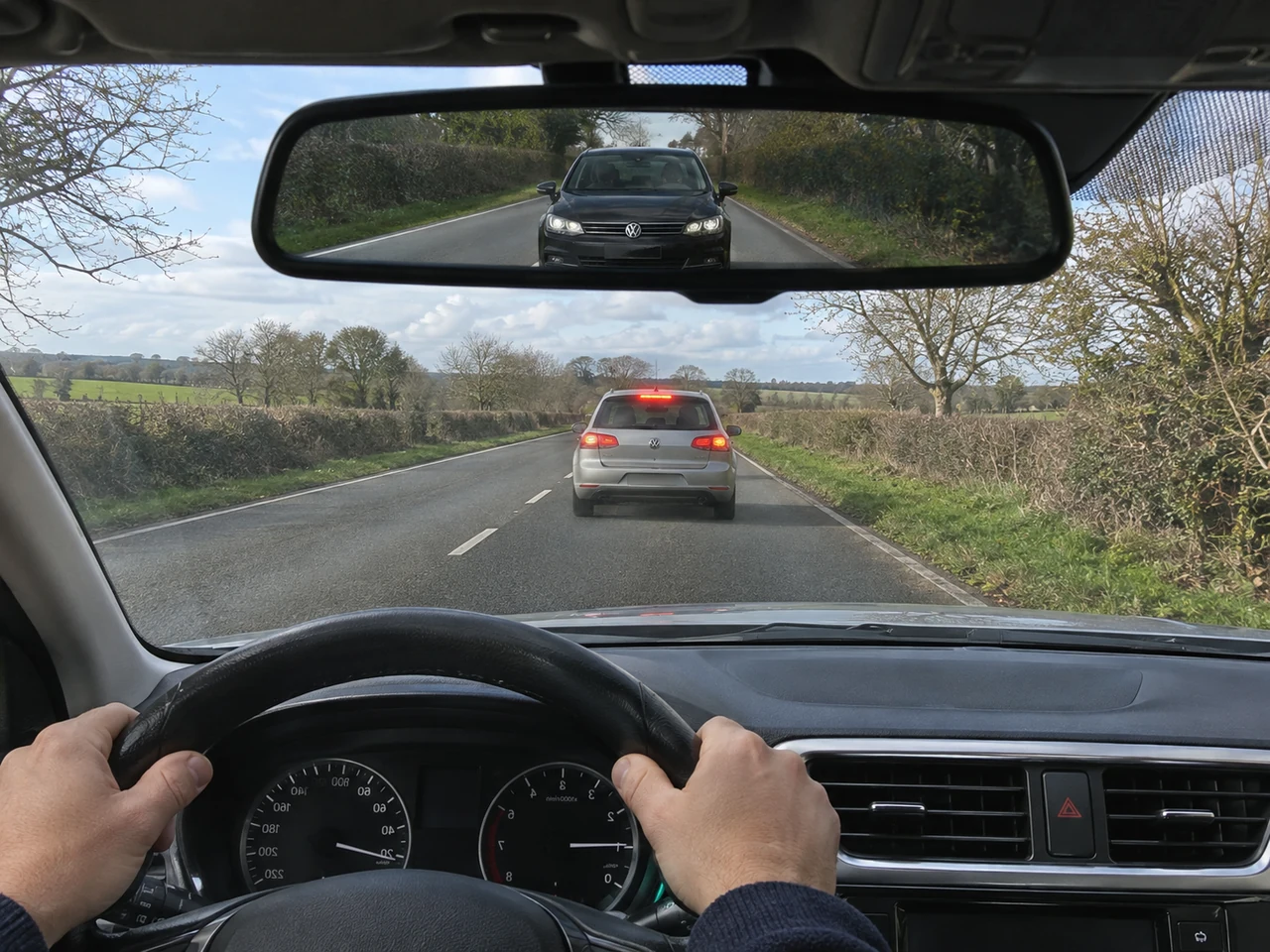
69. Почему перед торможением следует проверить зеркала?
Проверка зеркал помогает понимать, что происходит сзади, и предвидеть реакцию водителей следующего за вами транспорта. В экстренной ситуации не откладывайте необходимое торможение.
🔗 Источники
Great Britain — Highway Code, rule 161; mirrors before changing speed
Image credit: AI-generated
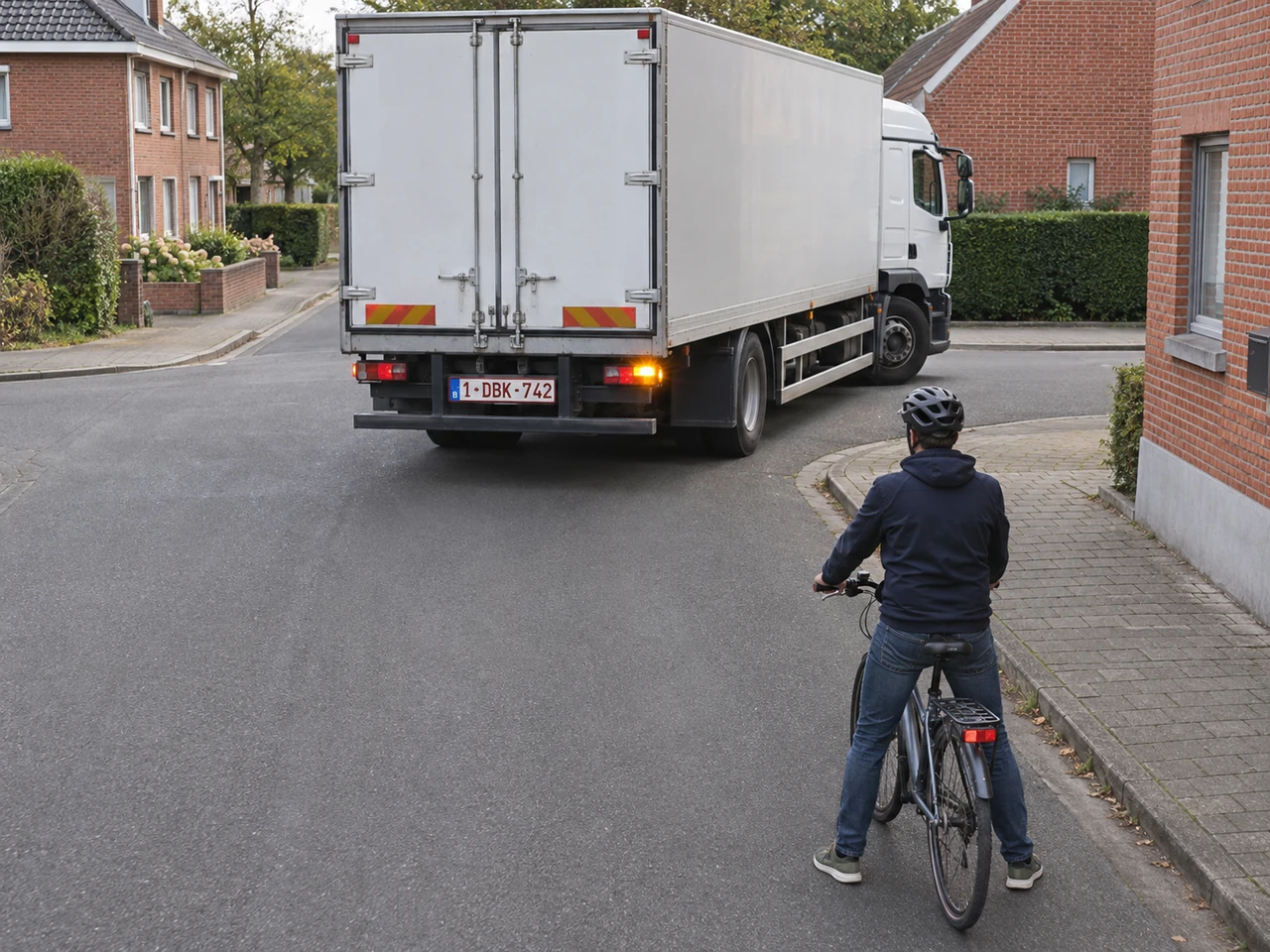
70. Что делать велосипедисту рядом с крупным транспортным средством, которое может повернуть?
Крупным транспортным средствам требуется больше места для поворота, и они могут пересечь путь велосипедиста. Обычно безопаснее оставаться позади.
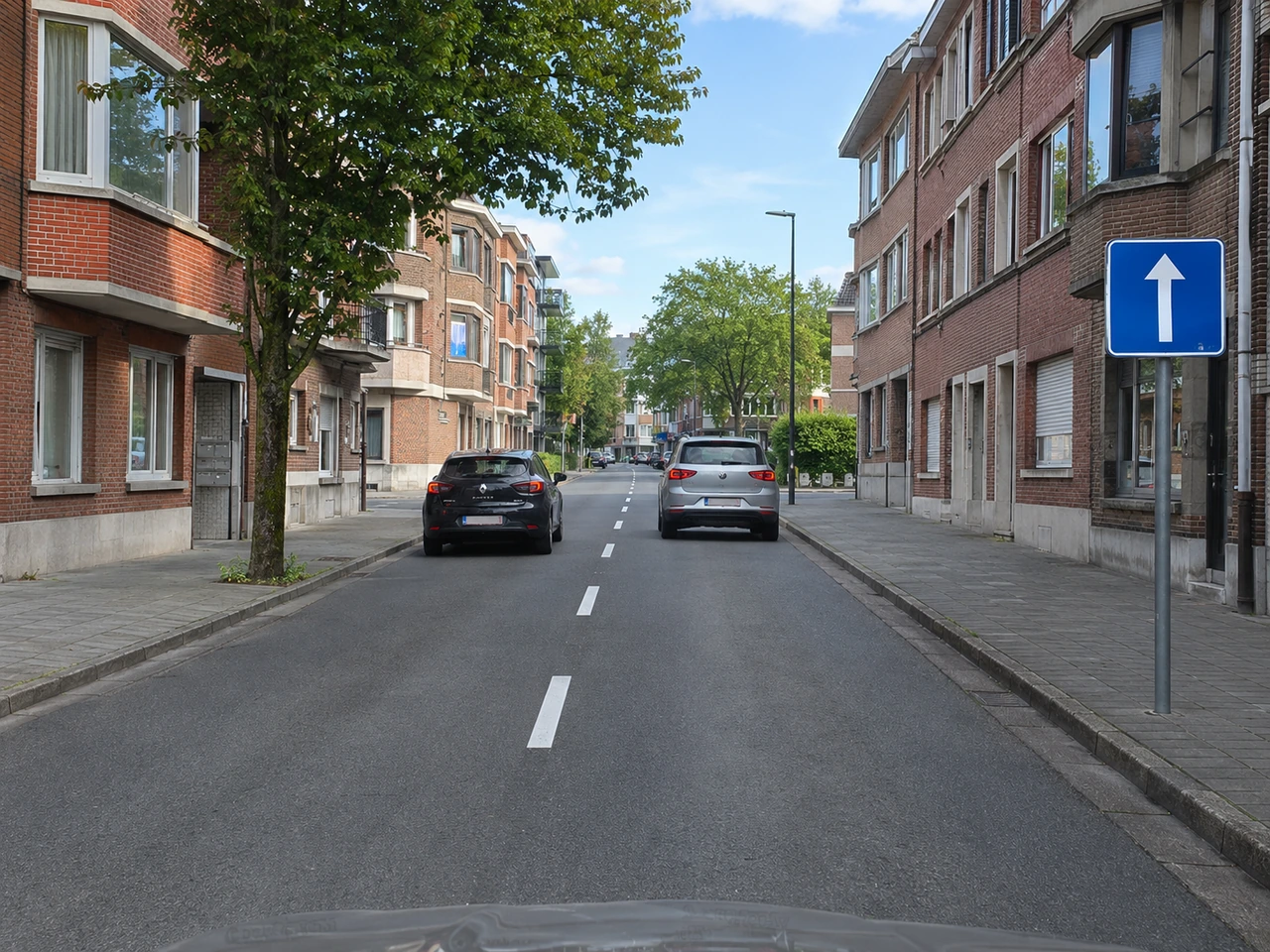
71. On a one-way street with marked lanes in a built-up area, may you choose your lane by destination?
Inside a built-up area, drivers on a one-way carriageway divided into lanes may use the lane best suited to their destination. This does not permit ignoring mandatory lane arrows or signs. Check, signal and give way as required before changing lanes.
🔗 Источники
Wegcode.be — Belgian road legislation
Reference: Article 9.4.1; Articles 12.4 and 13 for lane changes
Image credit: AI-generated
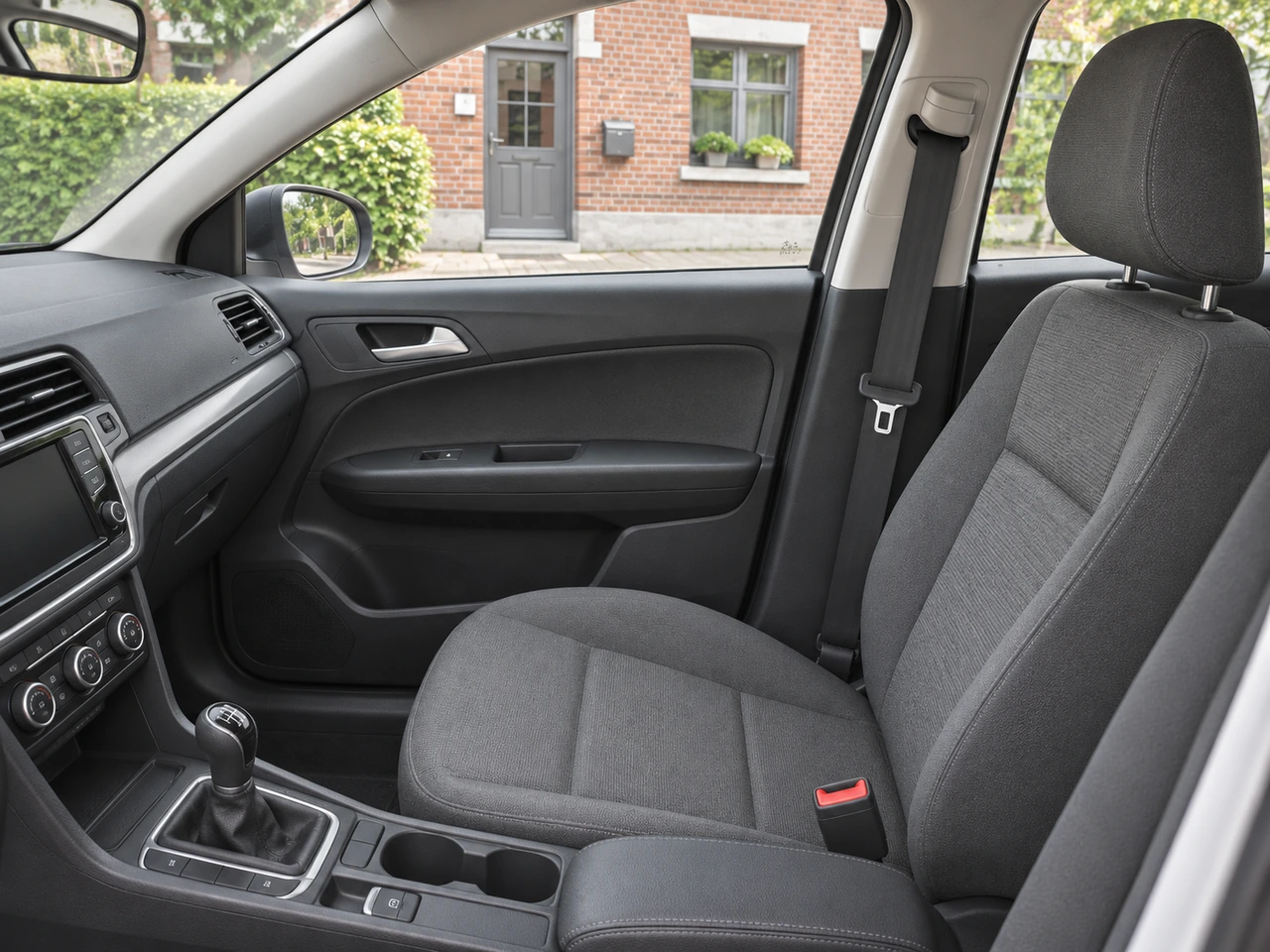
72. A car's available belted seats must be occupied before seats without belts.
Where a car legally has both belted and unbelted places, seats fitted with seat belts must be occupied first. This does not authorise extra seating or remove the requirements for suitable child restraints and correct seat-belt use.
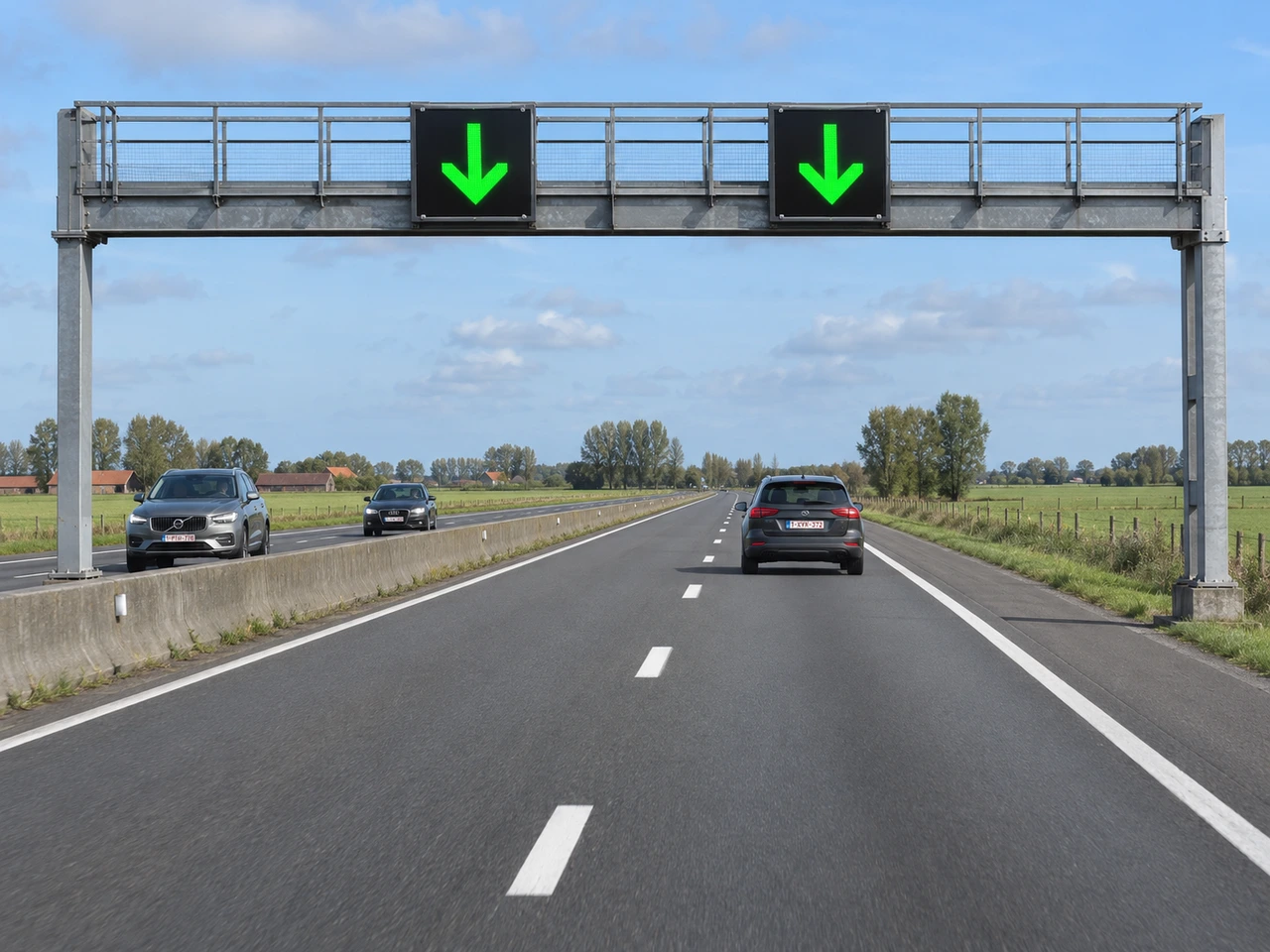
73. Does a green lane arrow cancel an earlier 70 km/h limit that is still in force?
A green downward arrow permits travel in the lane beneath it. It does not cancel an earlier speed restriction. Keep to the applicable limit until it ends or is replaced under the normal rules, and adapt your speed to conditions.
🔗 Источники
Wegcode.be — Belgian road legislation
Reference: Article 62bis, 2°; Article 68.3, C43
Image credit: AI-generated
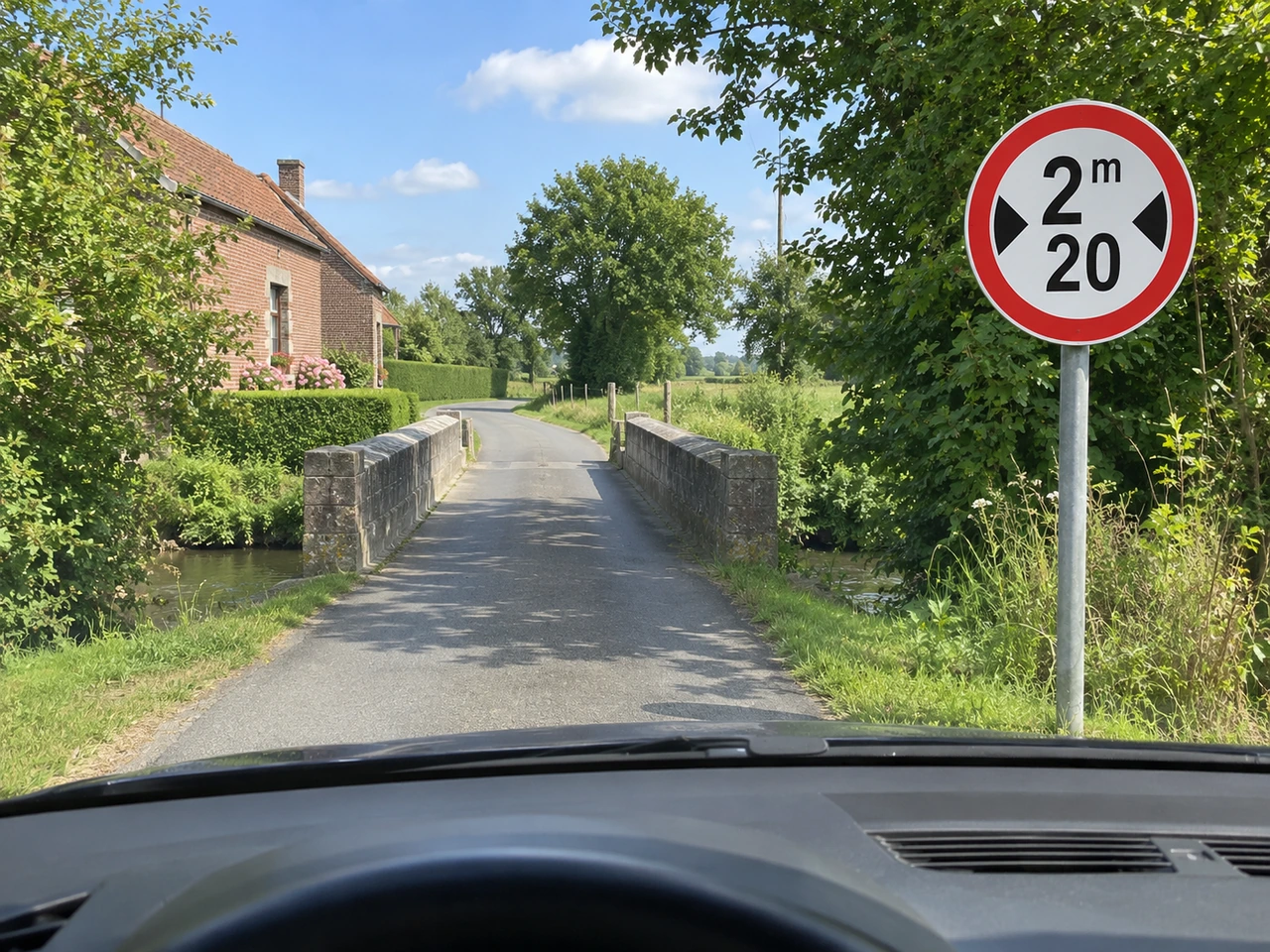
74. Your vehicle is 2 metres wide but its load makes it 2.4 metres wide. May it pass this 2.2 m limit?
The signed width restriction includes the load. The total loaded width of 2.4 metres exceeds the 2.2-metre limit, even though the unloaded vehicle is narrower. Choose a suitable alternative route.
🔗 Источники
Wegcode.be — Belgian road legislation
Reference: Article 68.3, C27
Image credit: AI-generated
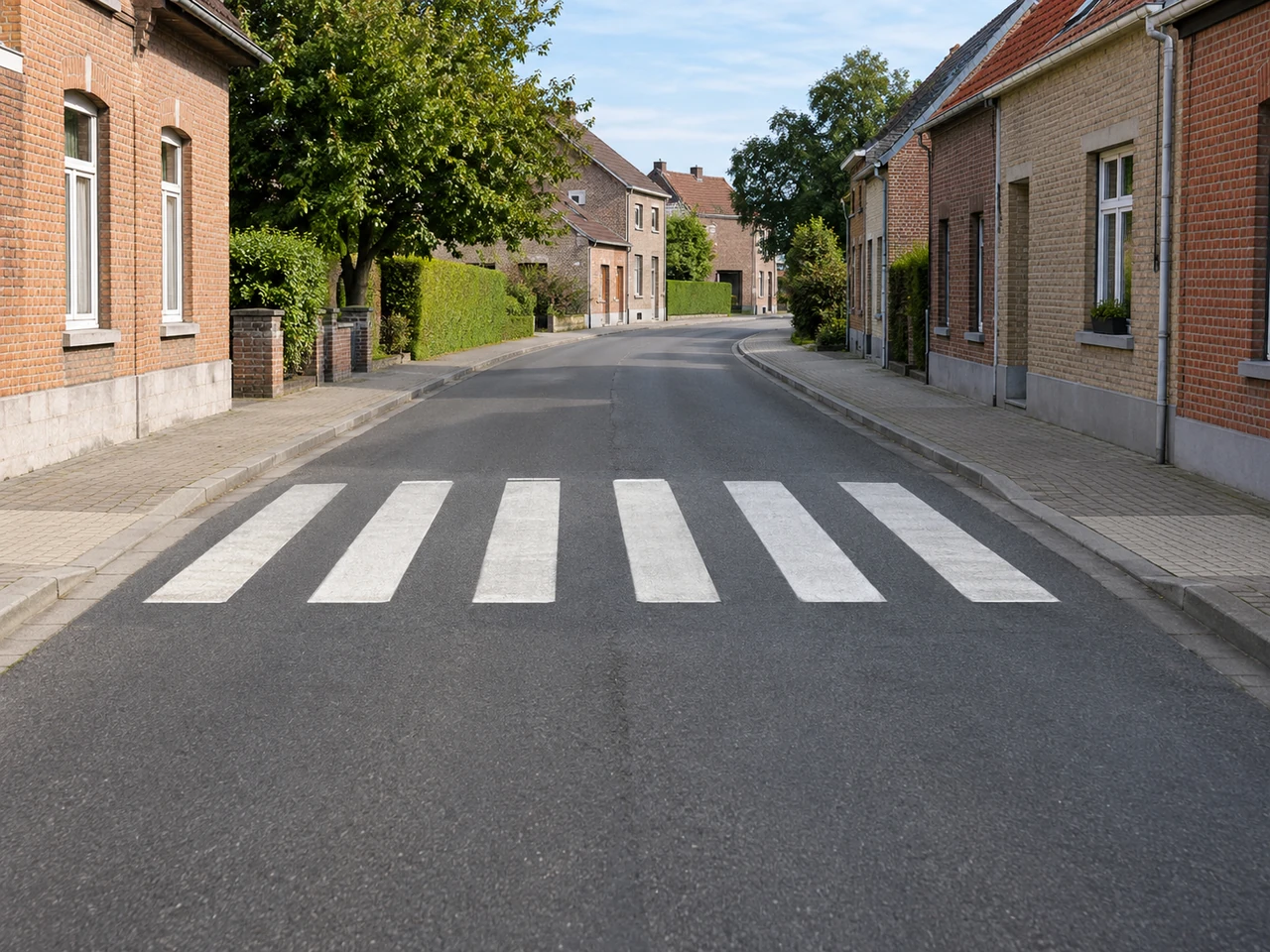
75. You may enter a zebra crossing even when your queue would leave you stopped on it.
Do not enter a pedestrian crossing when congestion means you would probably have to stop on it. Wait before the crossing until there is enough space beyond it to clear it.
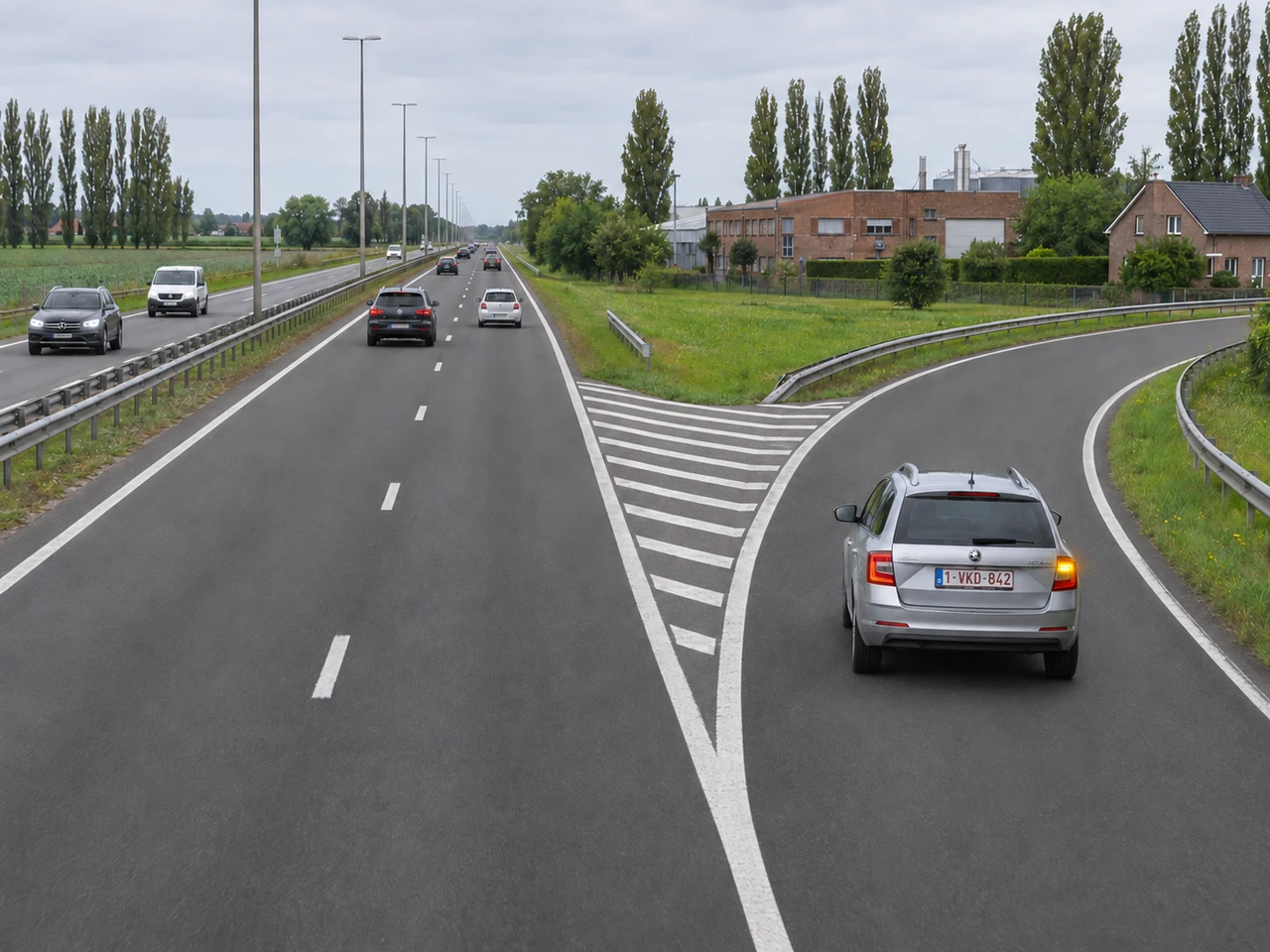
76. Что следует делать перед съездом с автомагистрали?
Планируйте съезд заранее, безопасно перестройтесь в нужную полосу и при необходимости снижайте скорость после въезда на съезд.
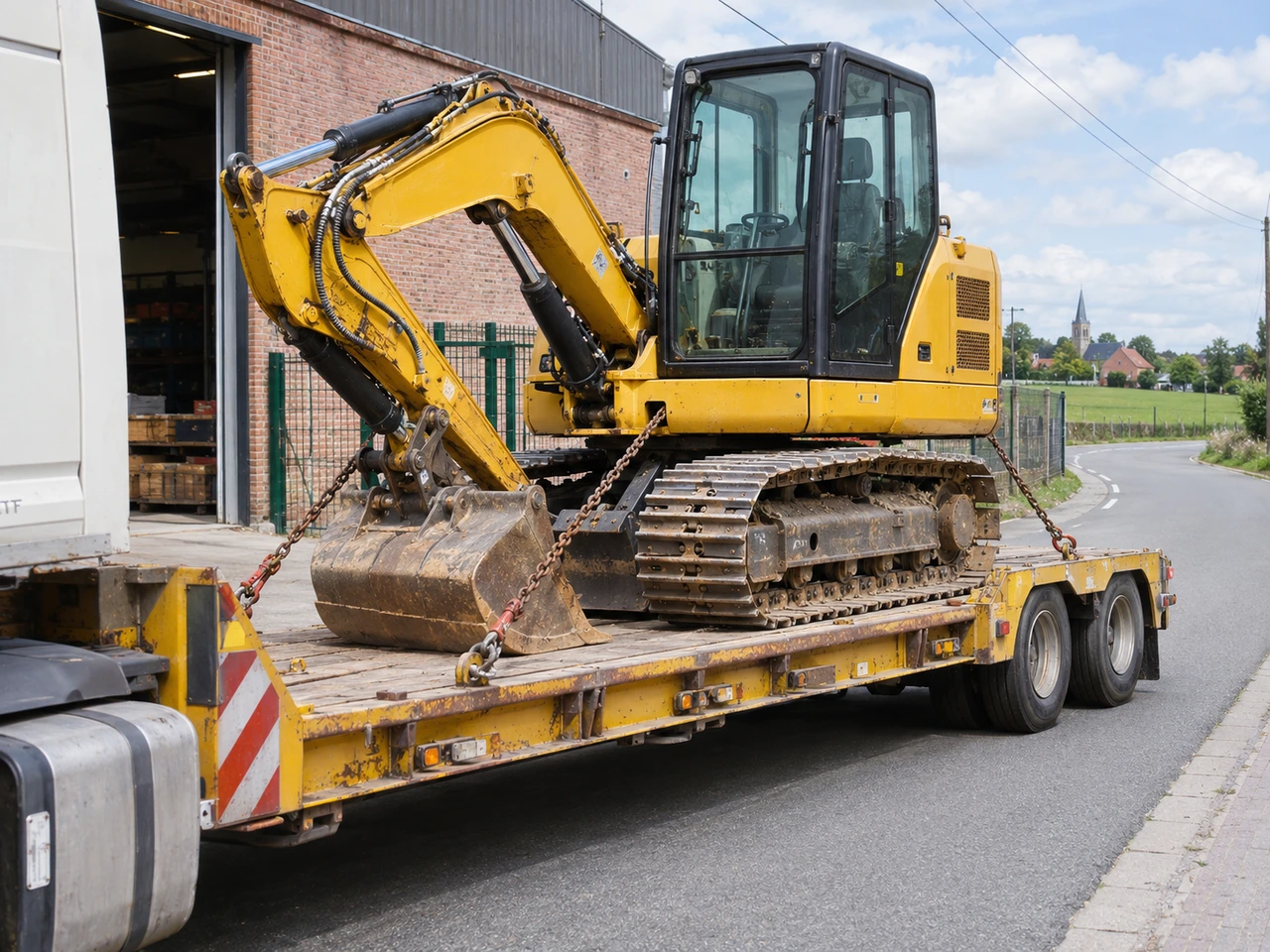
77. May an ordinary civilian excavator with bare metal tracks drive on a public road?
Vehicles with metal tracks may not drive on the public road. An ordinary civilian excavator is not covered by the armed-forces exception. Arrange suitable lawful transport instead; an amber beacon or a low speed does not remove this prohibition.
🔗 Источники
Wegcode.be — Belgian road legislation
Reference: Article 81.4.5; Article 59.16
Image credit: AI-generated
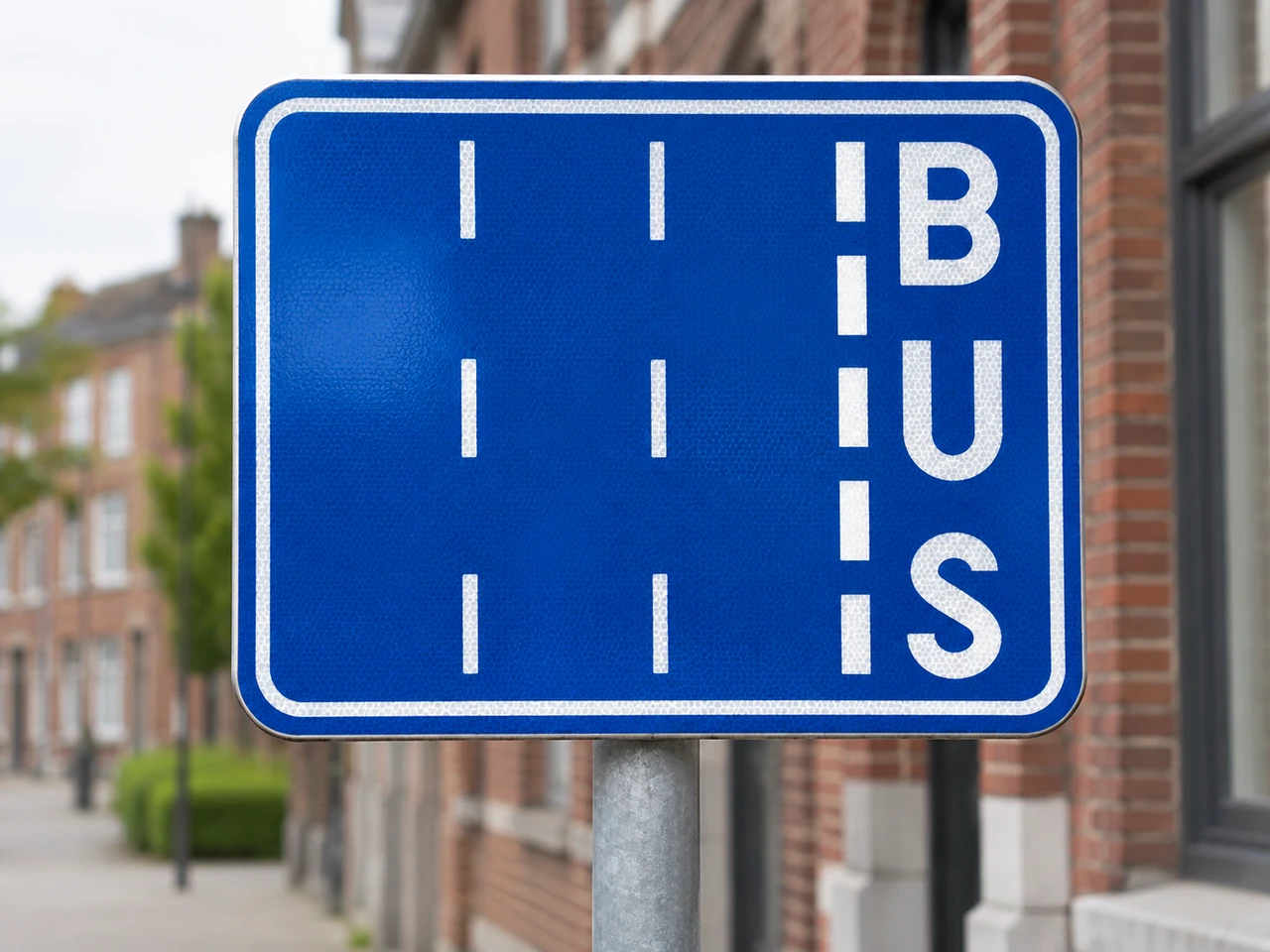
78. An ordinary private car may use a bus lane simply to bypass a traffic queue.
A traffic queue does not by itself authorise an ordinary private car to use a bus lane. Follow the permitted vehicle categories, operating times and any applicable exceptions in the local rules, signs or markings.
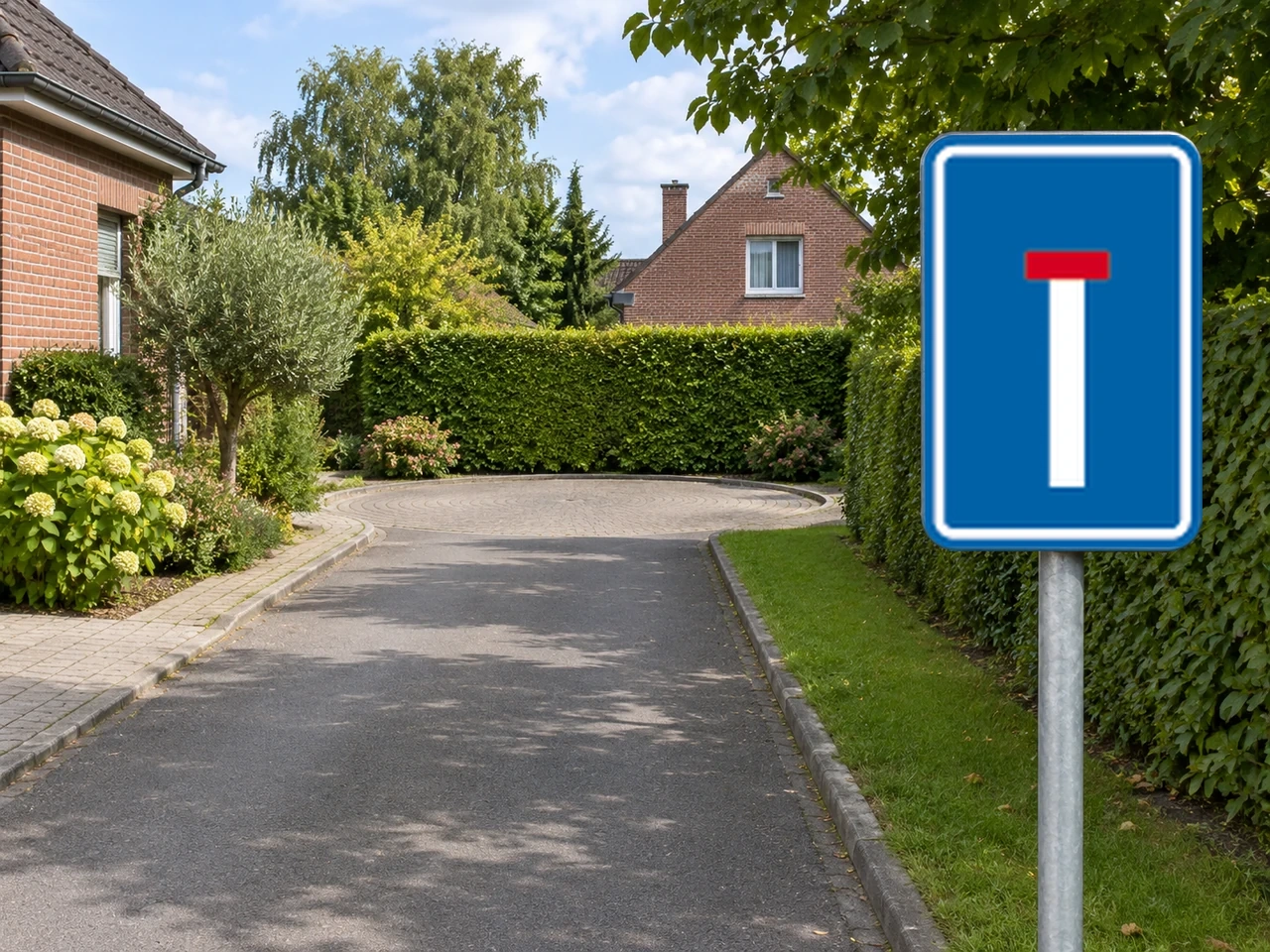
79. This dead-end sign by itself prohibits vehicles from entering the street.
The sign indicates a dead-end road. It does not by itself prohibit entry. Follow any separate access restrictions and make sure you can turn or leave safely.
🔗 Источники
Wegcode.be • Article 71.2 • F45
Image credit: AI-generated scene. Sign F45 artwork: Belgian Highway Code, article 71.2.
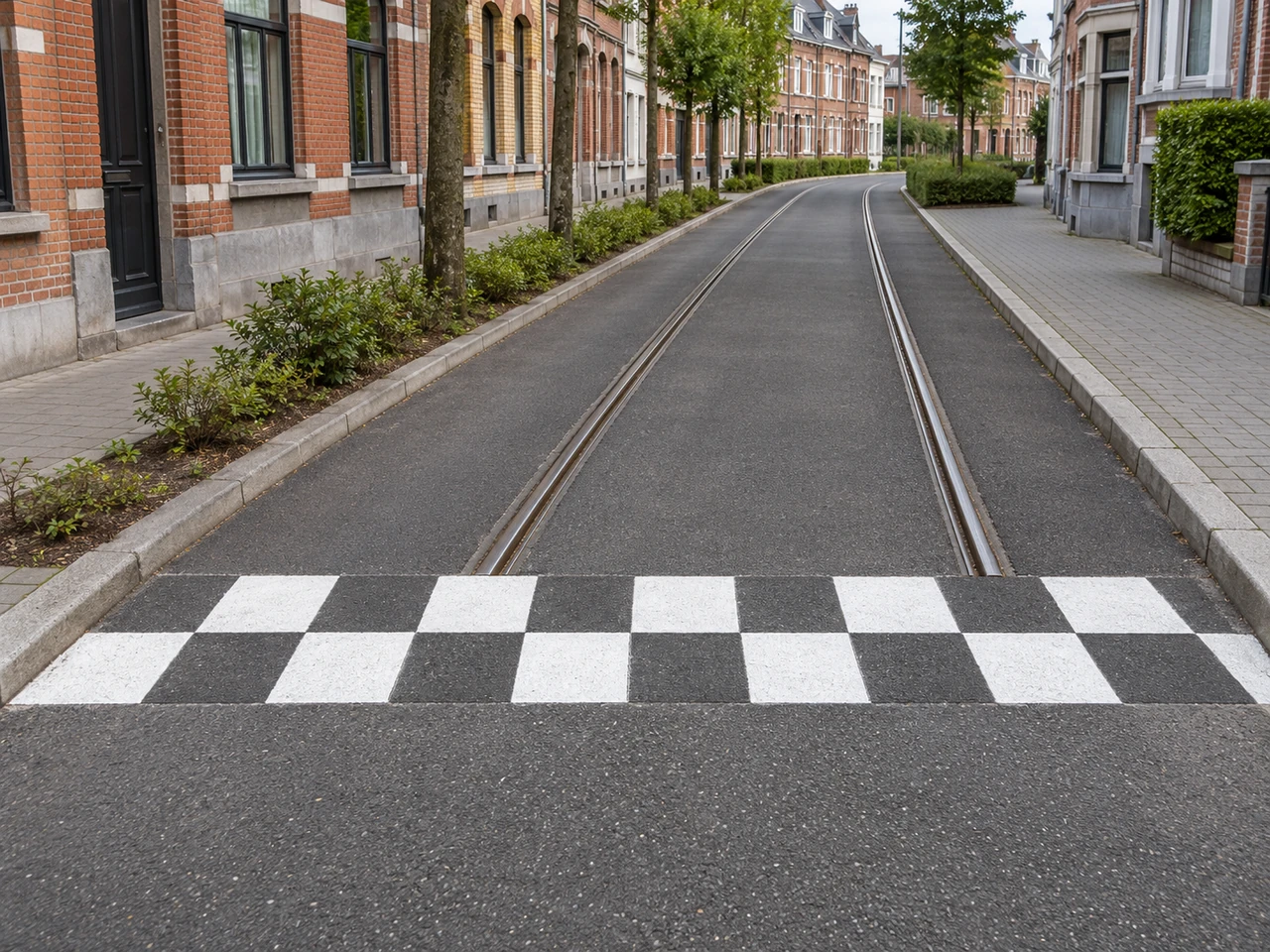
80. Stopping and parking on white checkerboard road markings are prohibited.
These checkerboard markings must be kept clear of stopped and parked vehicles. They are not parking spaces.
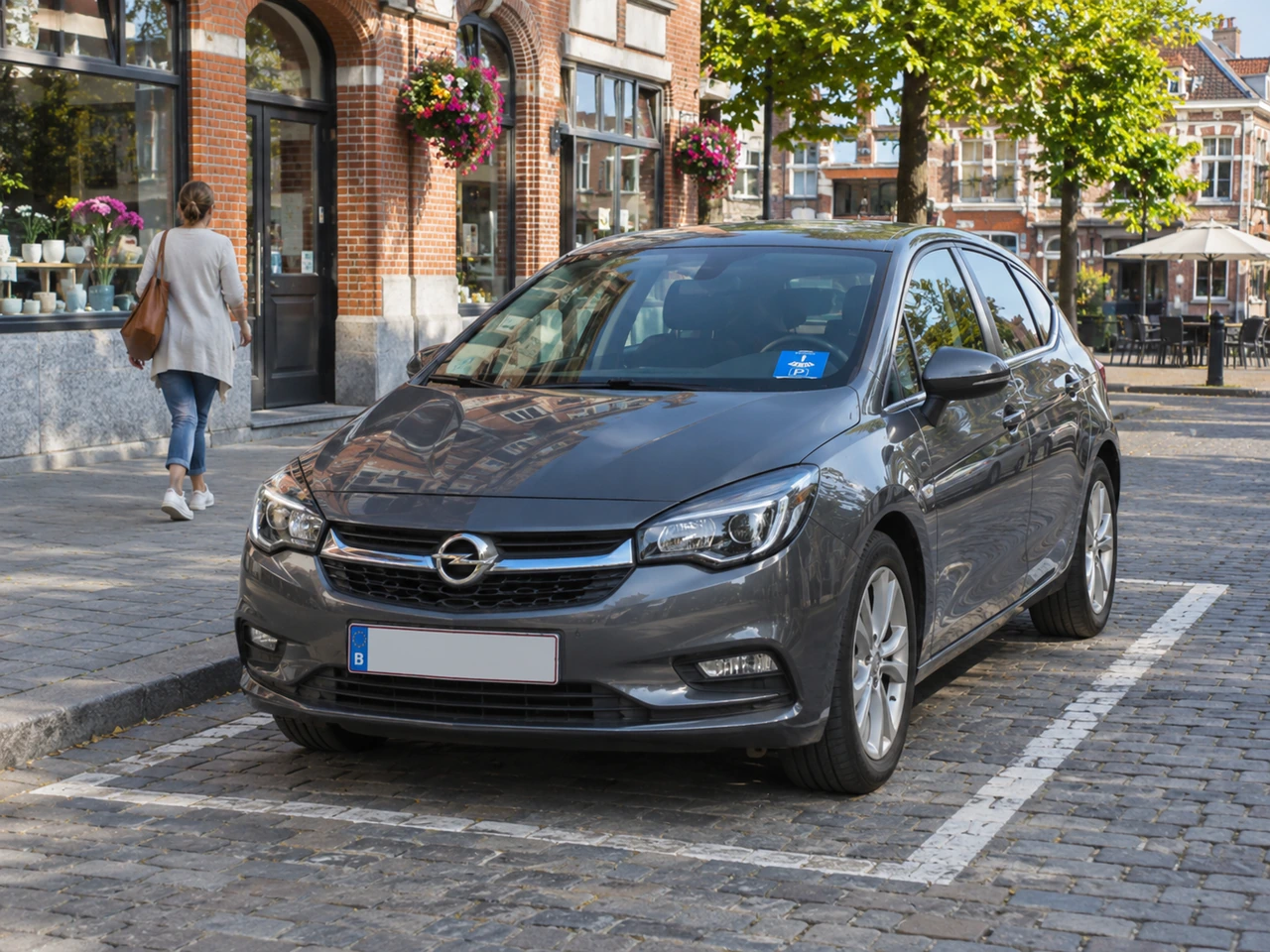
81. A blue zone normally requires a parking disc from 09:00 to 18:00 on working days.
Unless signs impose different conditions, the disc requirement applies from 09:00 to 18:00 on working days, with a maximum stay of two hours. Check the signs and any applicable exemptions.
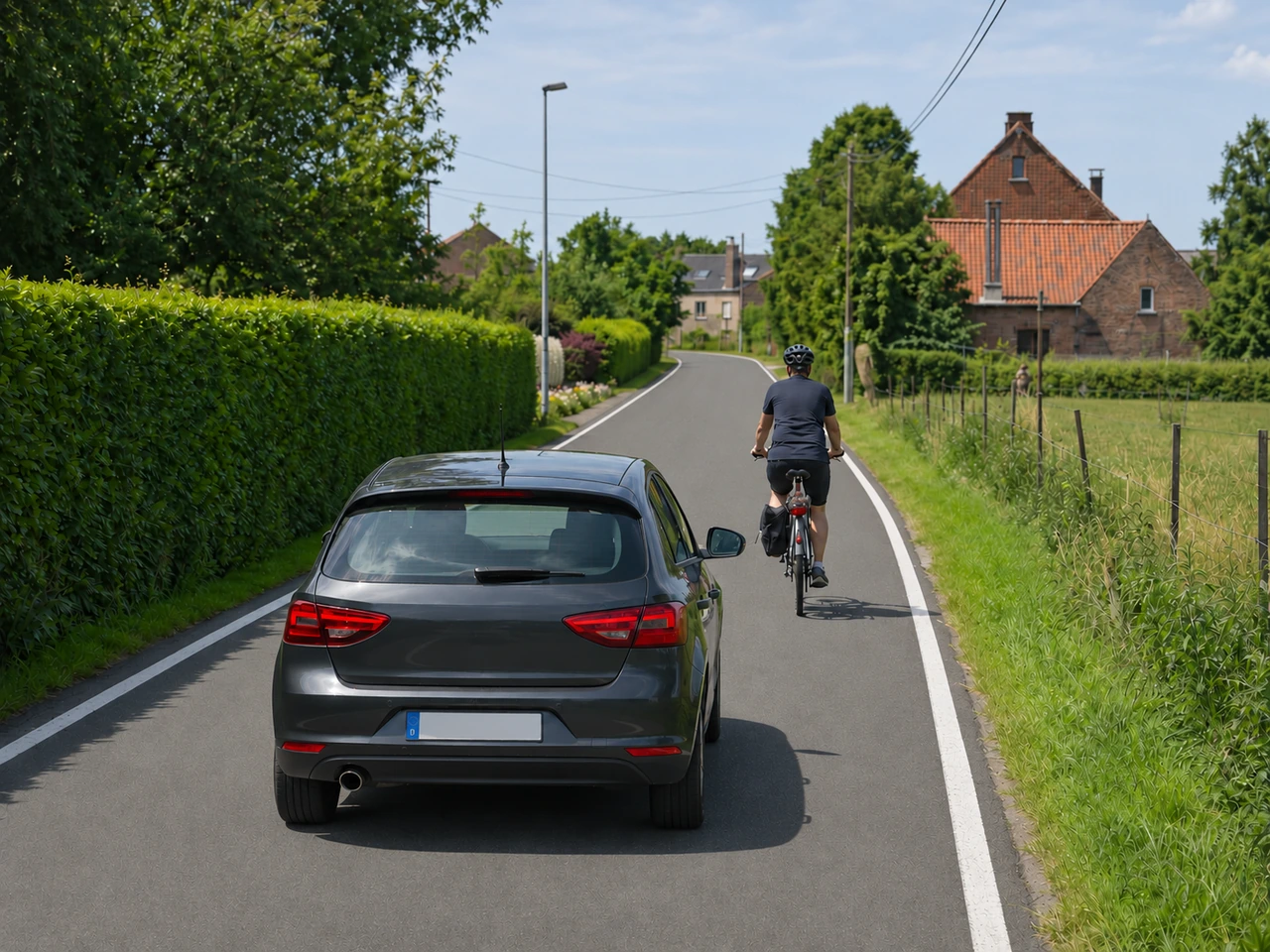
82. What minimum distance should a driver leave when passing a cyclist?
Drivers must leave at least one metre when passing a cyclist inside a built-up area and at least 1.5 metres outside a built-up area.
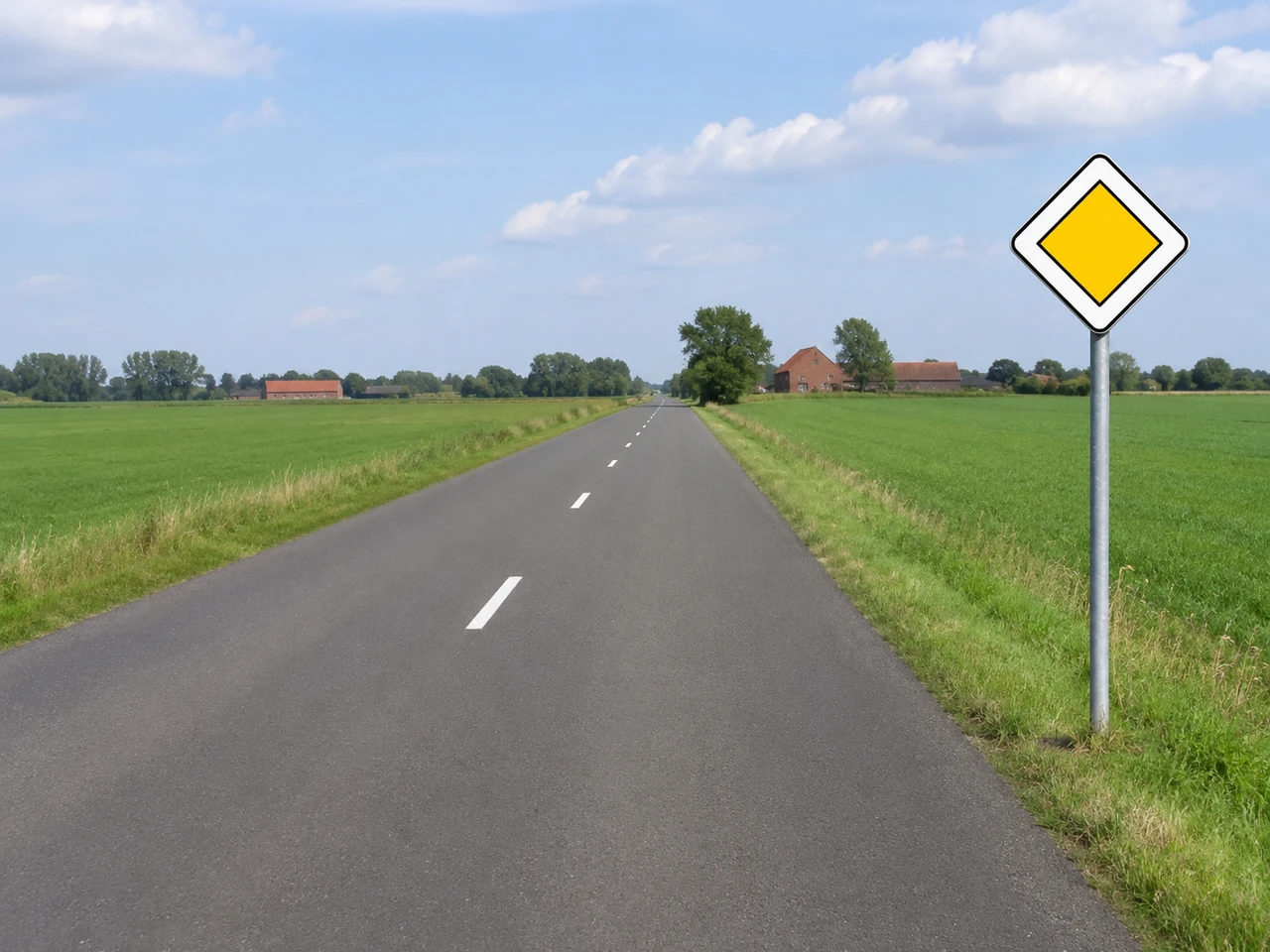
83. Parking on the carriageway of a signed priority road outside built-up areas is prohibited.
Outside built-up areas, you may not park on the carriageway of a road marked with the yellow-diamond priority-road sign. The rule concerns parking on the carriageway. Any place off the carriageway must still comply with other parking restrictions.
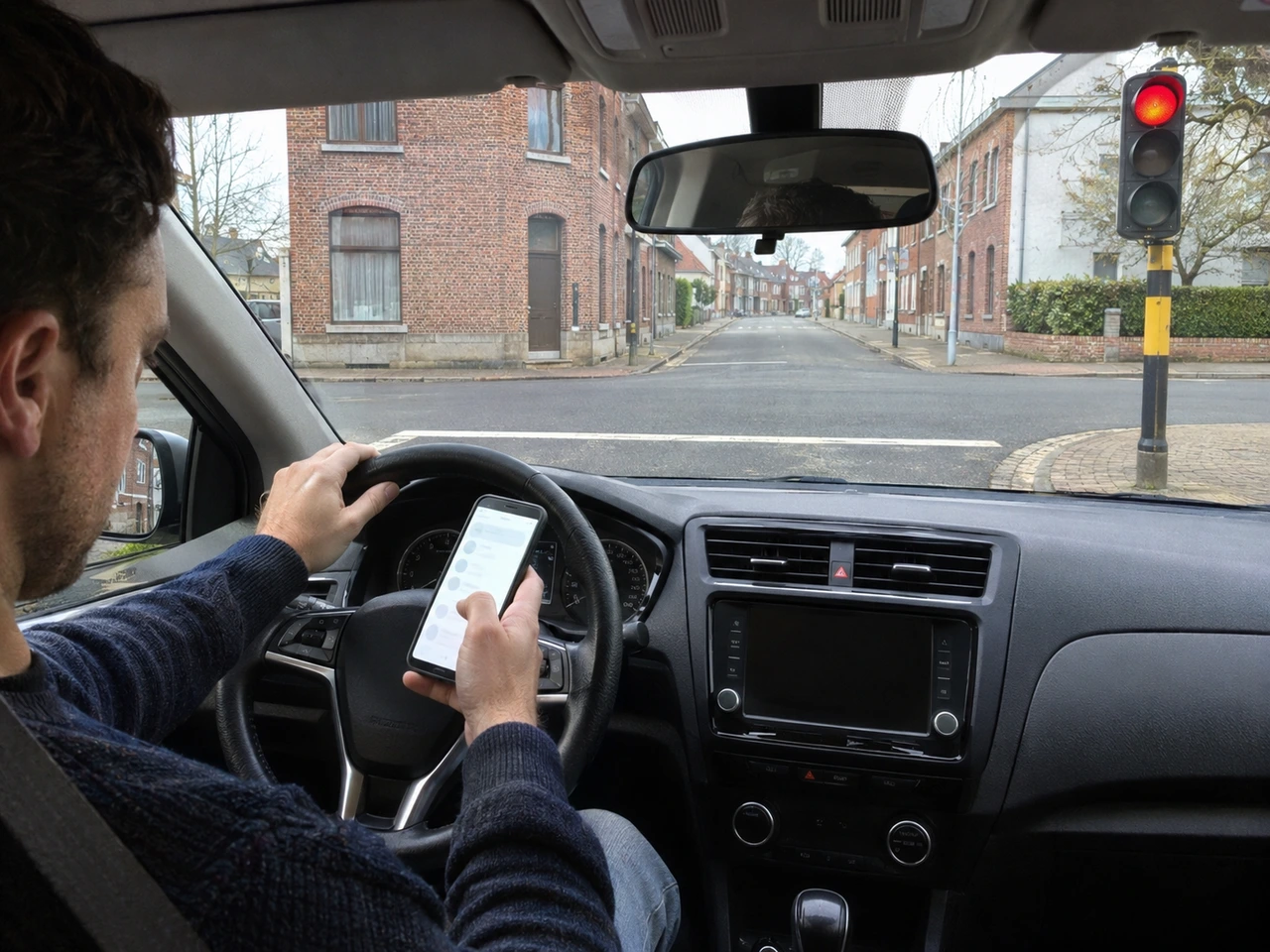
84. May you hold and use your phone to read a message while waiting at a red light?
Waiting at a red light is not being stopped or parked in the legal sense used by the device rule. The prohibition on using, holding or manipulating an unsecured mobile electronic device with a screen still applies.
🔗 Источники
Wegcode.be — Belgian road legislation
Reference: Article 8.4; official police clarification on waiting at red lights.
Image credit: AI-generated
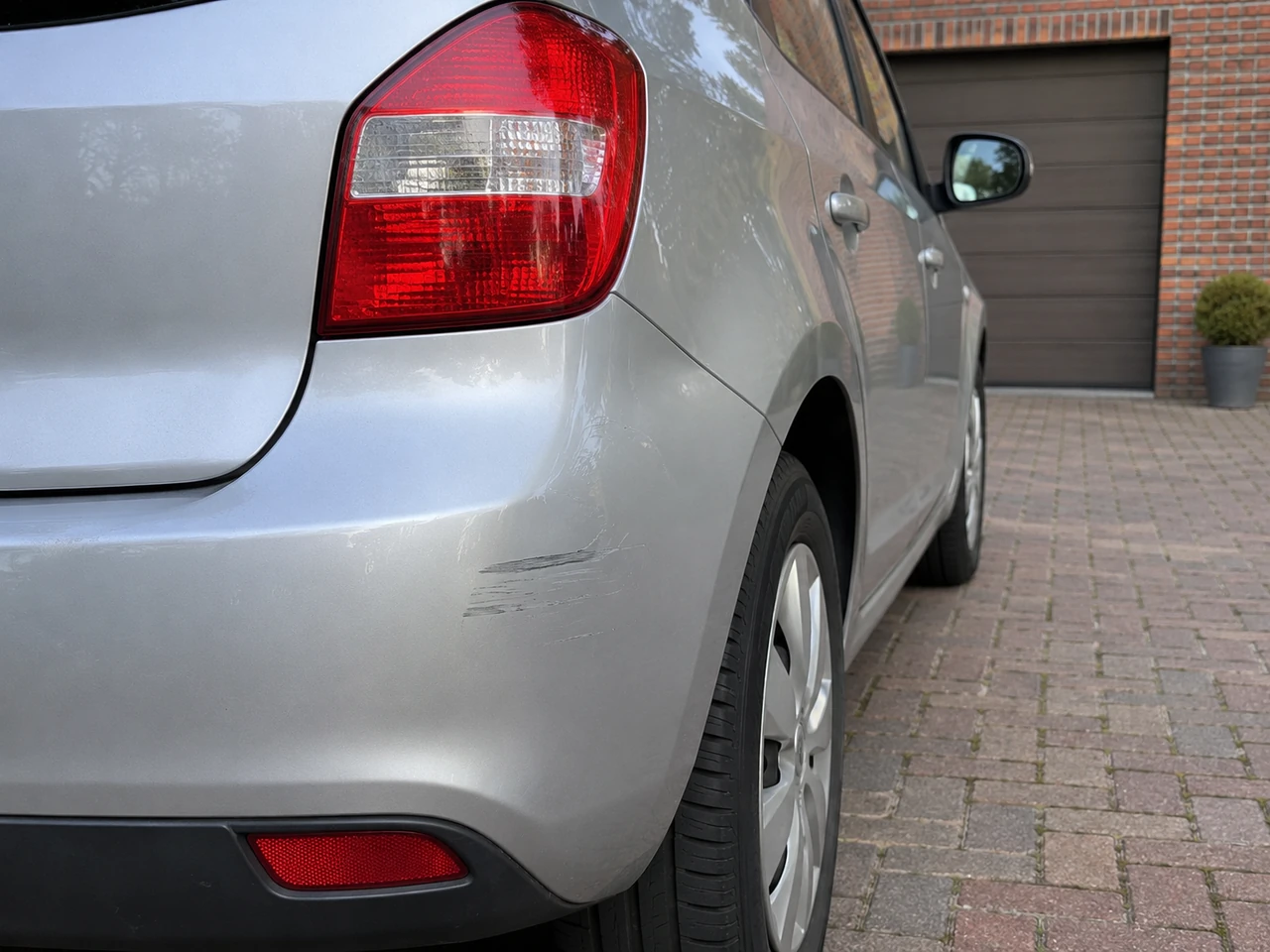
85. If you only cause minor damage to another car in a crash, you may leave immediately.
Stop and follow the applicable duties for exchanging or providing details and reporting the crash. Slight damage alone does not entitle you to leave immediately.
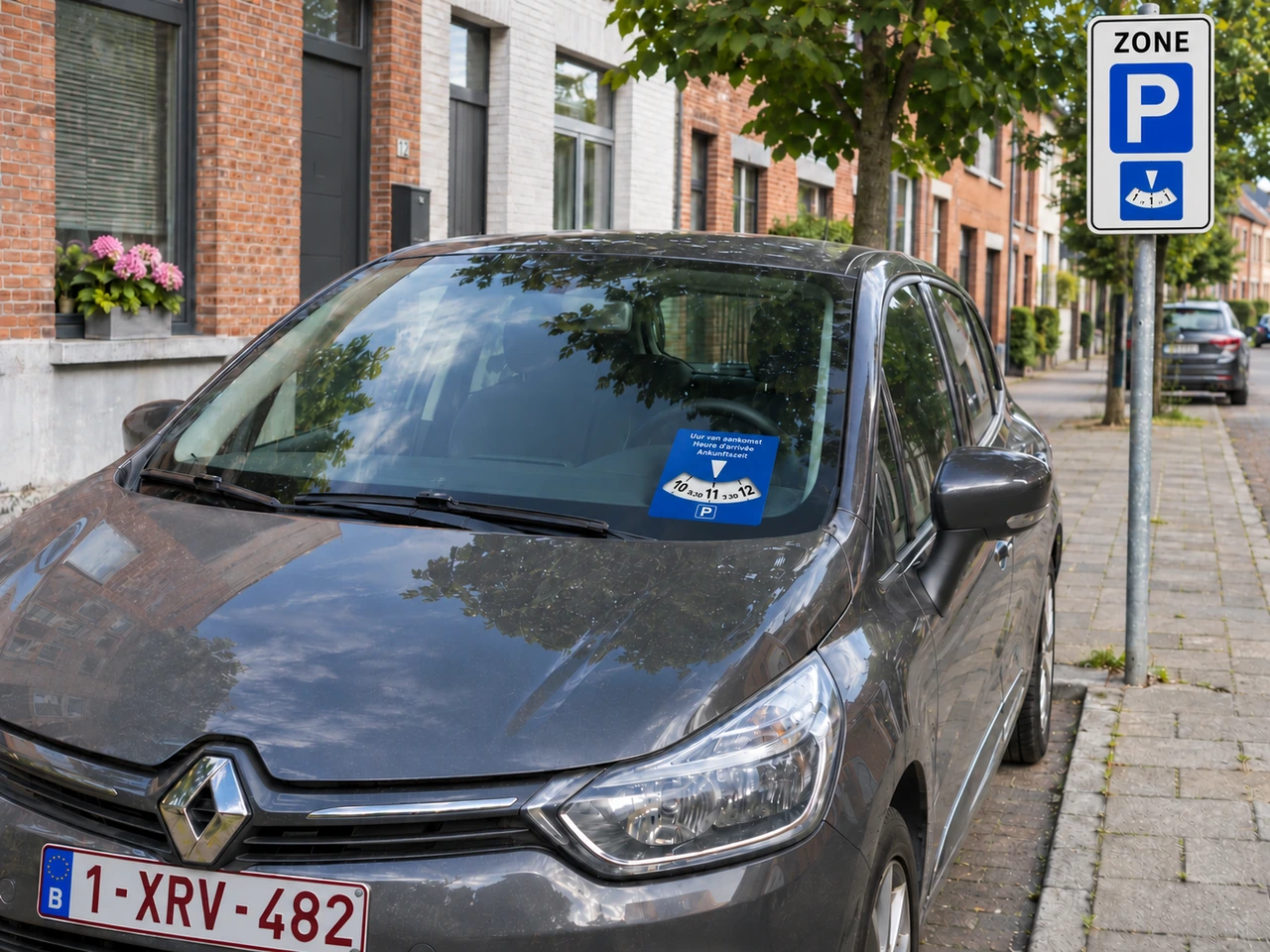
86. Is a parking disc normally required in a blue zone at 11:00 on a non-holiday Saturday?
Without different signed conditions, the blue-zone disc rule applies from 09:00 to 18:00 on working days. Saturday counts as a working day for this rule; Sundays and public holidays do not. Respect any different local signs and applicable exemptions.
🔗 Источники
Belgian police
Reference: Saturday counts as a working day; Wegcode Article 27.1
Image credit: AI-generated
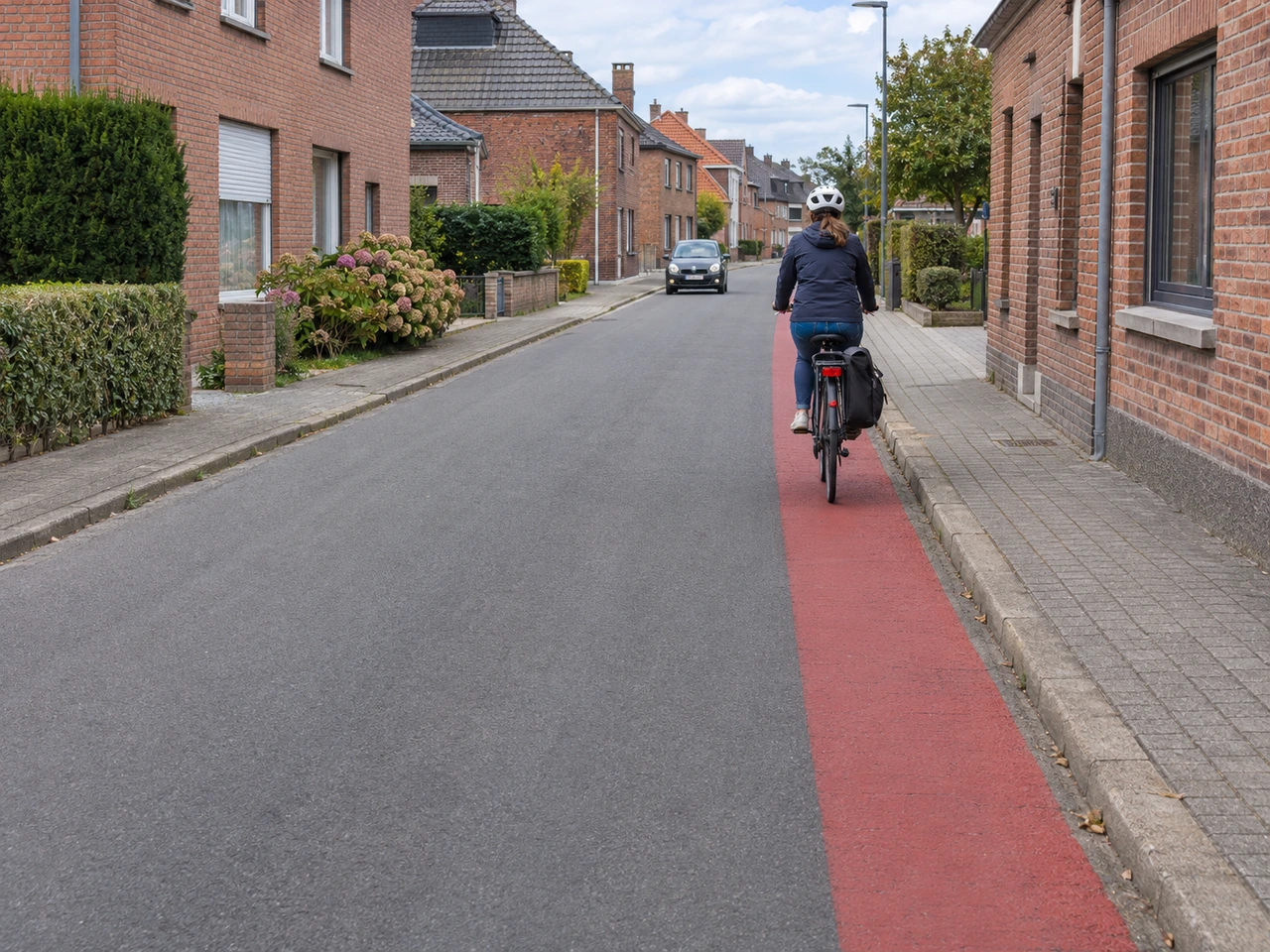
87. Is this red strip a cycle path without cycle-path signs or the required white lines?
A coloured advisory cycling strip remains part of the carriageway. A cycle path is identified by the appropriate signs or the required two parallel broken white lines; red surfacing alone is not enough. Drivers may use an advisory strip where otherwise lawful, while respecting cyclists and other traffic rules.
🔗 Источники
Belgian police
Reference: Advisory strip versus cycle path; Wegcode Articles 2.7 and 74
Image credit: AI-generated
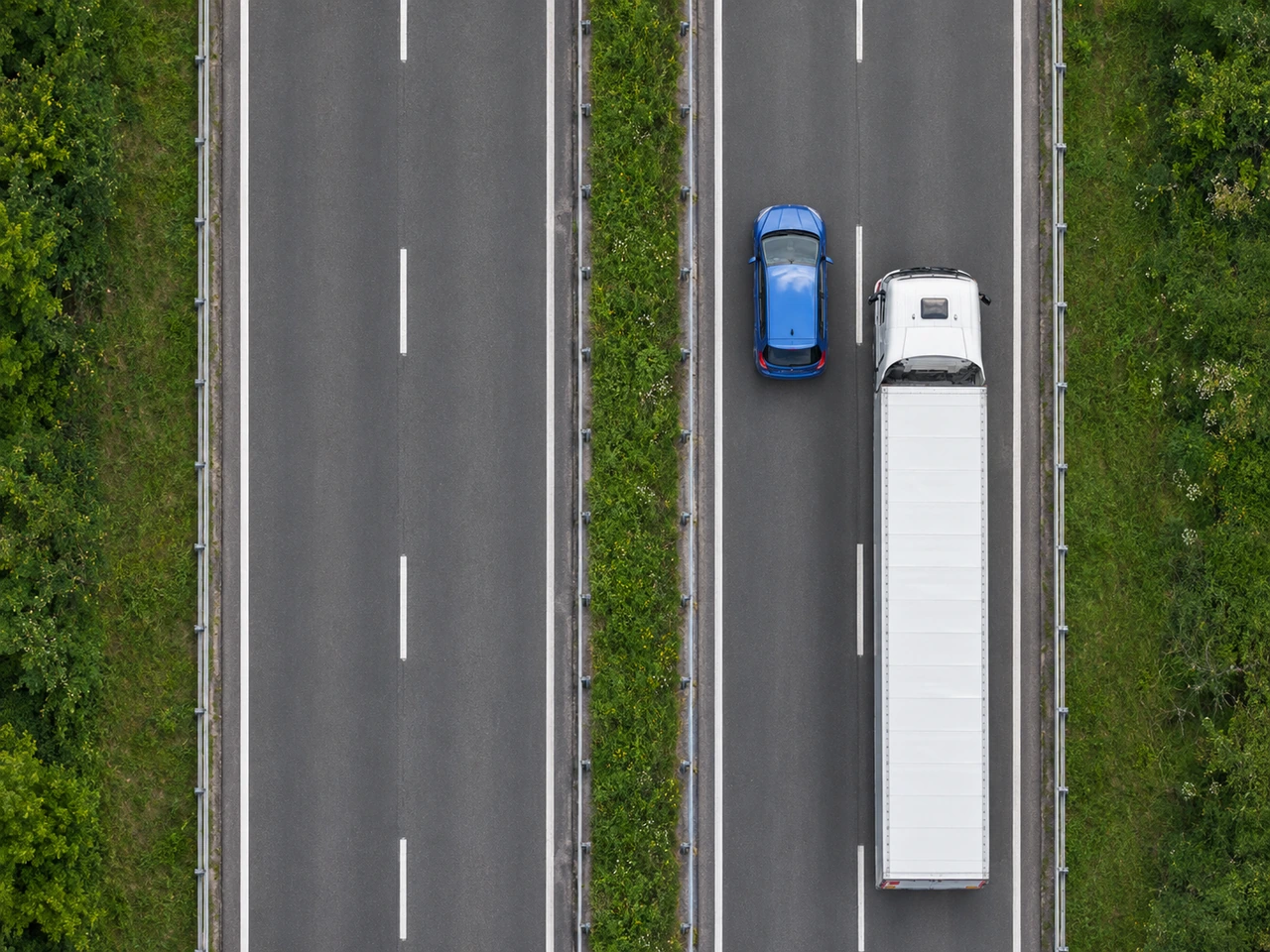
88. It is safe to cut closely in front of a lorry after overtaking.
Cutting in reduces the lorry's available stopping space. Leave a generous gap before returning to its lane, and do not force the driver to brake.
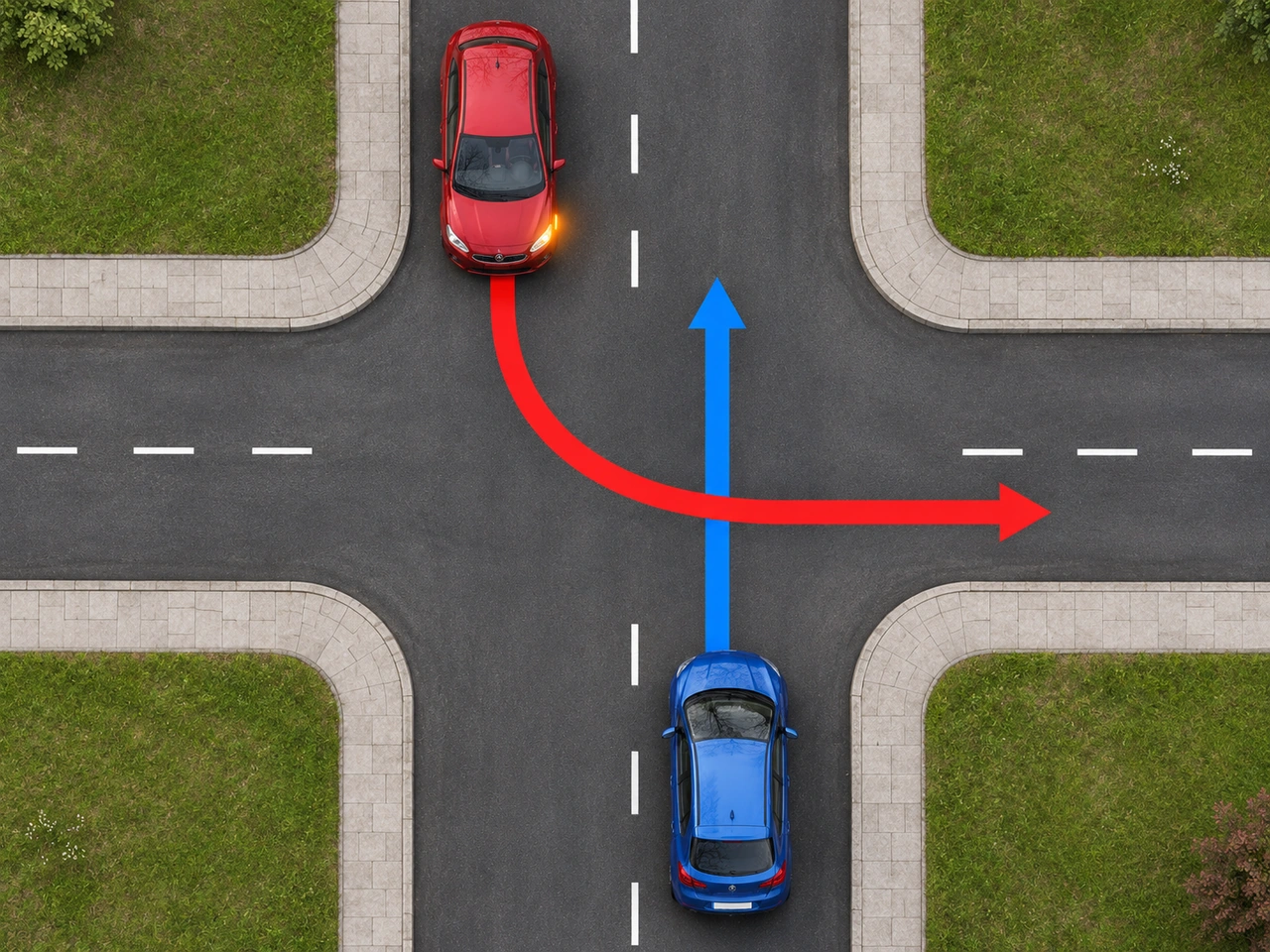
89. Which car must give way at this junction?
Red is turning across the path of the oncoming blue car, which is continuing straight along the same road. Red must let blue pass before completing the turn. The indicator communicates red's intention; it does not give priority. Both drivers must still check that they can proceed safely.
🔗 Источники
AI-generated illustration • Traffic-rules.com / Rijbewijs-online.be • WCIT • CC BY-SA 4.0.
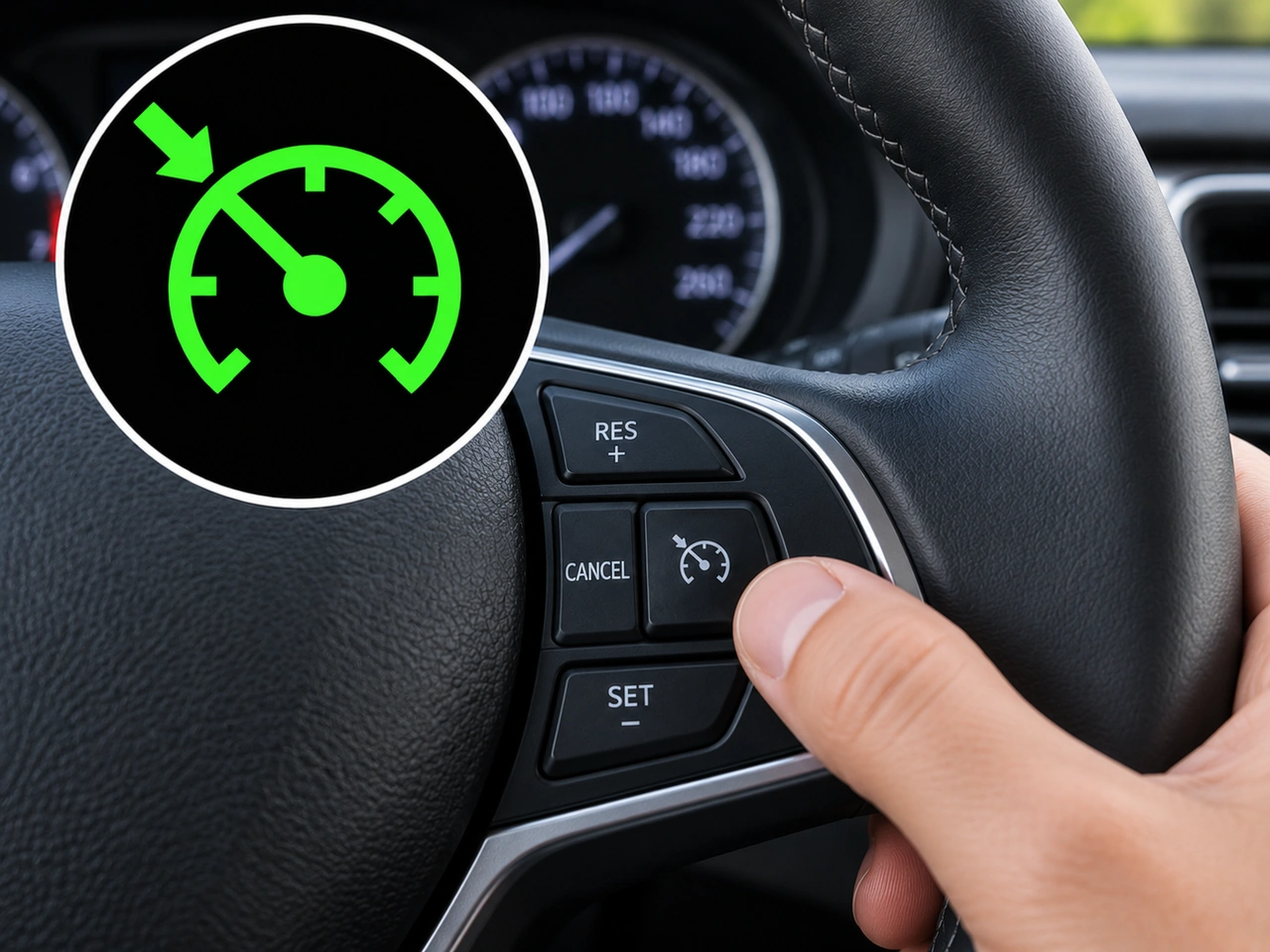
90. Что означает этот символ на приборной панели?
Этот символ обозначает систему круиз-контроля. Круиз-контроль может поддерживать выбранную скорость без постоянного нажатия на педаль акселератора. Точный режим работы индикатора может различаться между автомобилями.
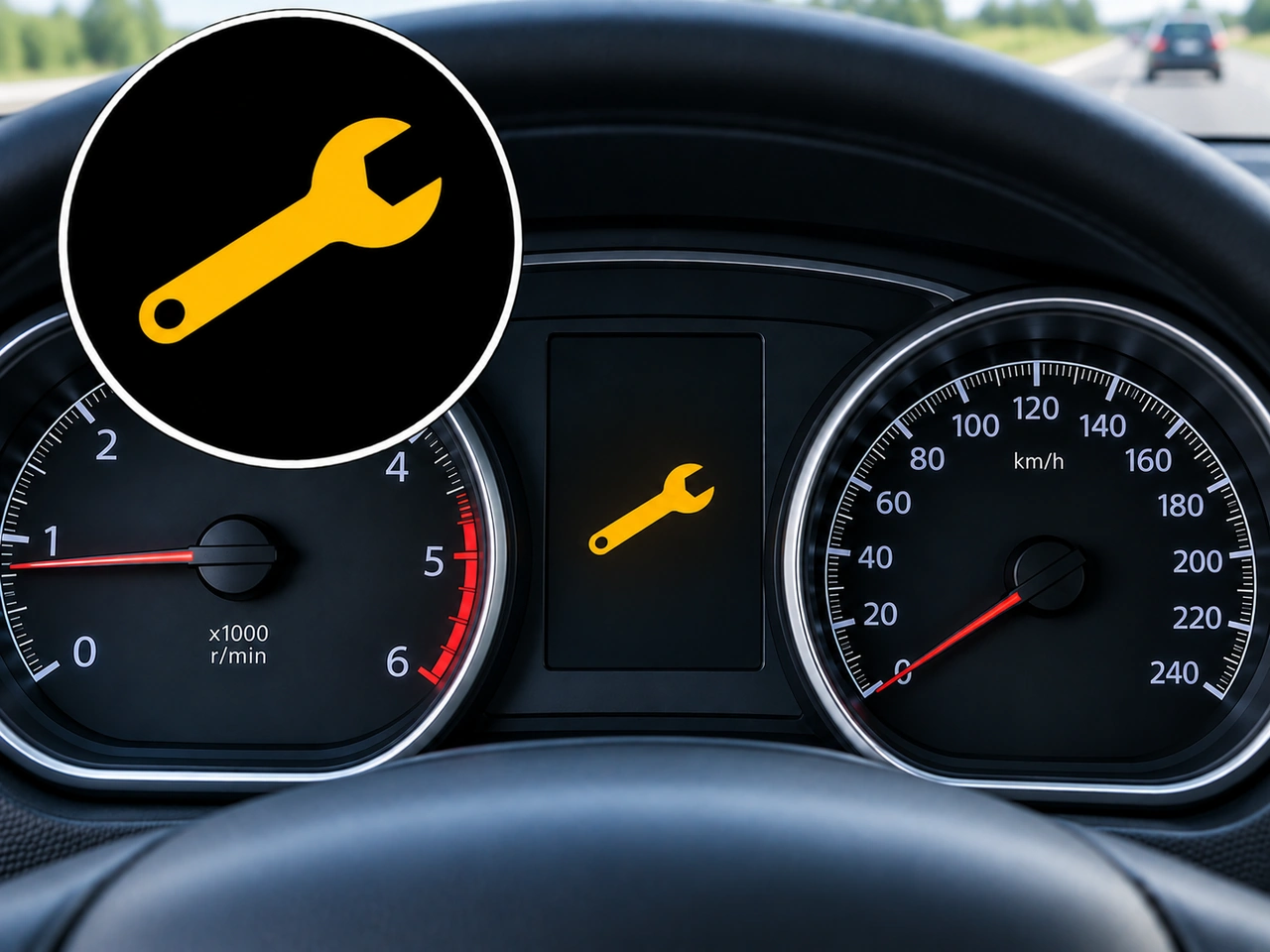
91. Что означает этот символ на приборной панели?
Этот символ означает, что автомобилю требуется техническое обслуживание. Точное значение и необходимый вид обслуживания зависят от автомобиля, поэтому проверьте информационный дисплей или руководство по эксплуатации.
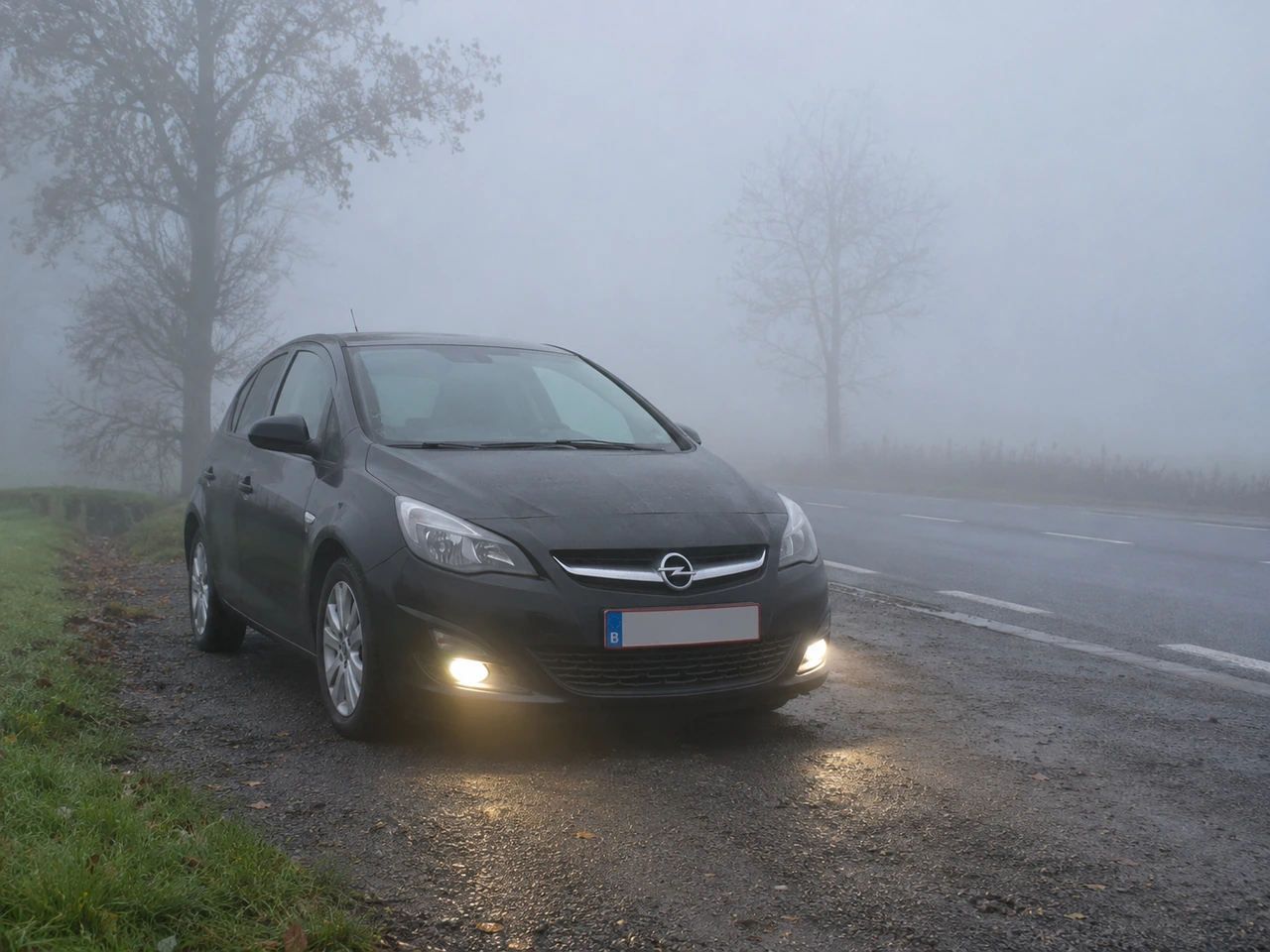
92. May front fog lights replace a passenger car’s dipped headlights in fog?
In fog, snowfall or heavy rain, a passenger car’s front fog lights may replace dipped or main-beam headlights, or be used with them. Other required lighting remains necessary. This permission does not apply to front fog-light use in clear conditions.
🔗 Источники
Wegcode.be — Belgian road legislation
Reference: Article 30.1, 1°
Image credit: AI-generated
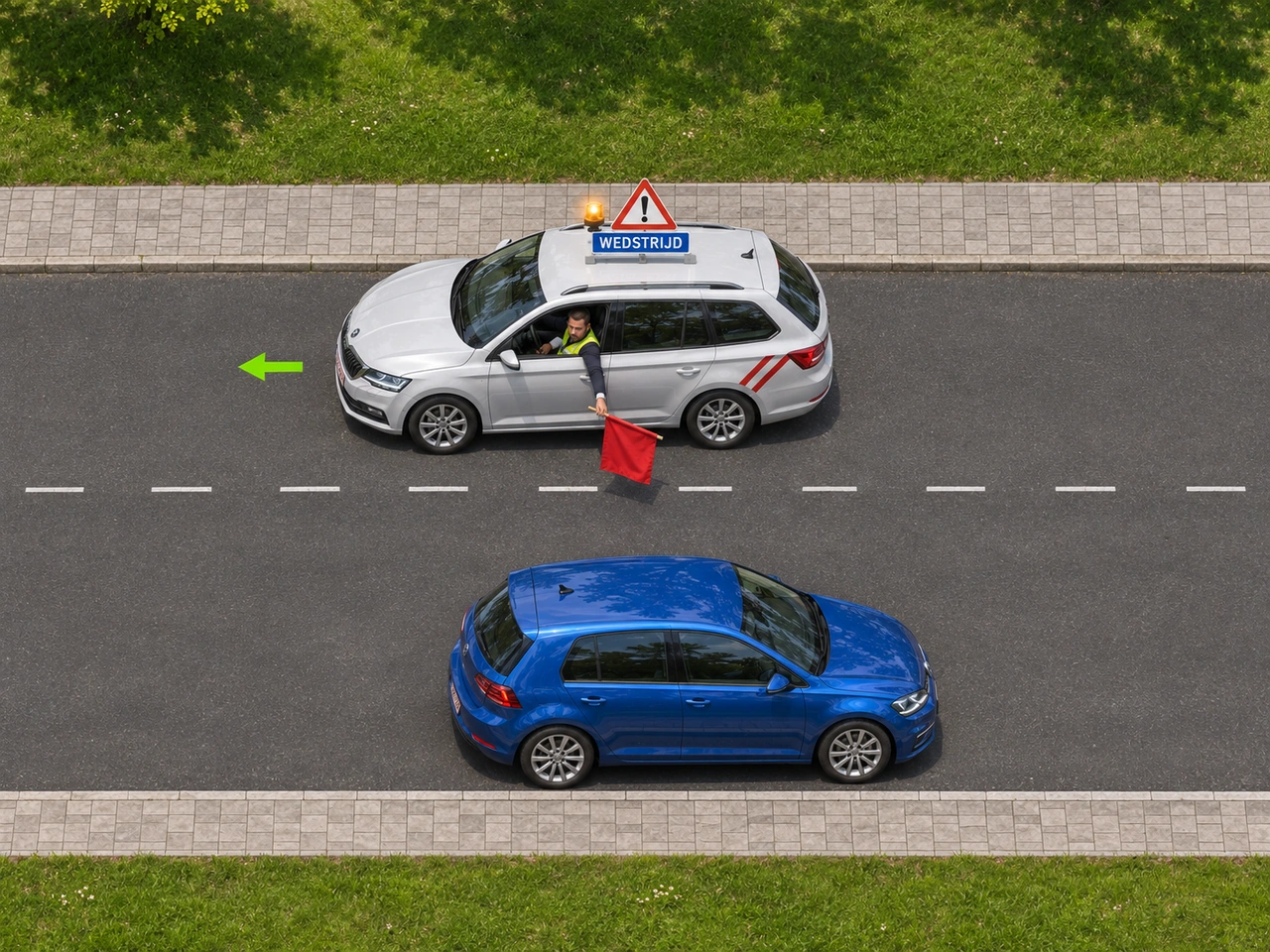
93. Belgium: this red-flag vehicle opens a cycle-race convoy. What must blue do?
When the red-flag opening vehicle of a cycle-race convoy approaches, road users must immediately pull aside, clear the carriageway as far as possible and stop. Blue must not wait until the first rider arrives. Here blue has stopped close to its right-hand kerb. Drivers must remain stopped until the corresponding green-flag closing vehicle has passed. A red flag on an unrelated vehicle is not the situation tested here.
🔗 Источники
AI-generated illustration • Traffic-rules.com / Rijbewijs-online.be • WCIT • CC BY-SA 4.0.
94. Stopping distance includes the distance travelled while you react to a hazard.
The car keeps moving while you recognise the hazard and start braking. Total stopping distance includes this reaction distance as well as the distance travelled while the brakes bring the car to a stop.
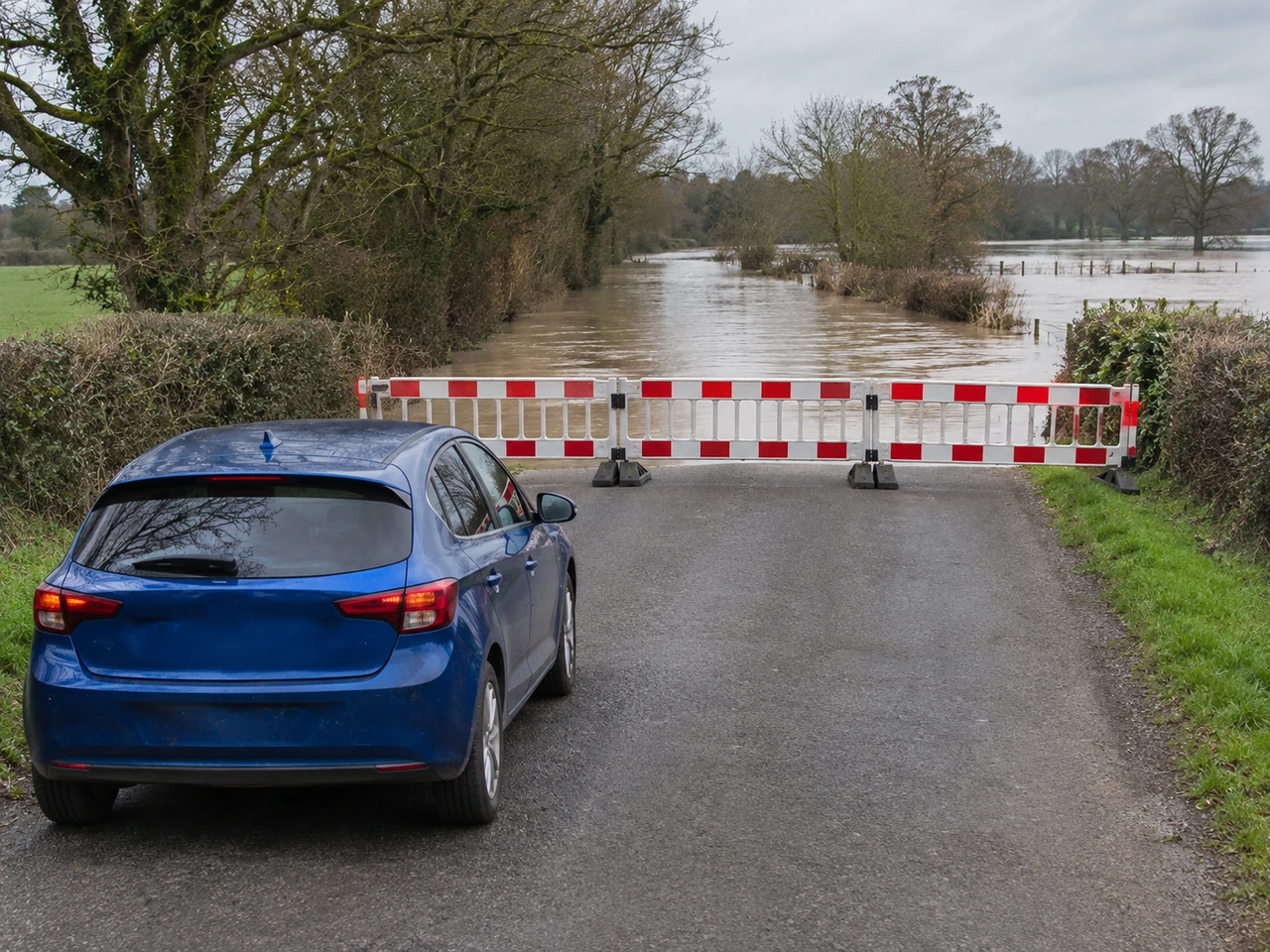
95. What should you do if your planned road is closed because of flooding?
Do not pass the closure or move its barriers. Floodwater can conceal damage and other hazards. Replan from a safe place, or delay the journey if no safe route is available.
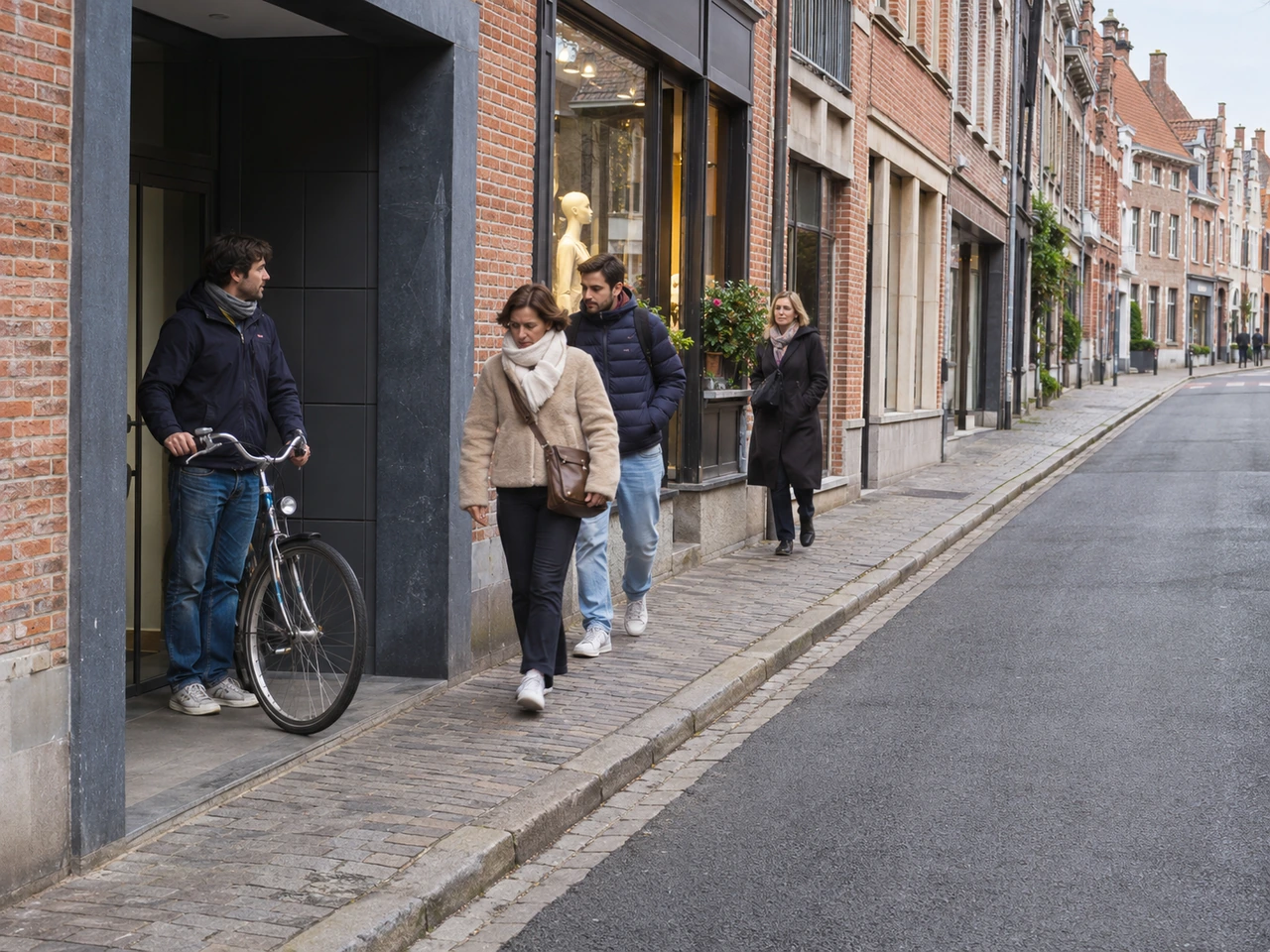
96. Where must you walk if pushing your bicycle would substantially obstruct other pavement users?
Someone pushing a bicycle must use the carriageway if they substantially obstruct other pedestrians. Keep close to its edge and normally walk on the left in your direction of travel, or on the right if safety justifies it. This gives no priority over road traffic.
🔗 Источники
Wegcode.be — Belgian road legislation
Reference: Articles 42.2.1 and 42.1
Image credit: AI-generated
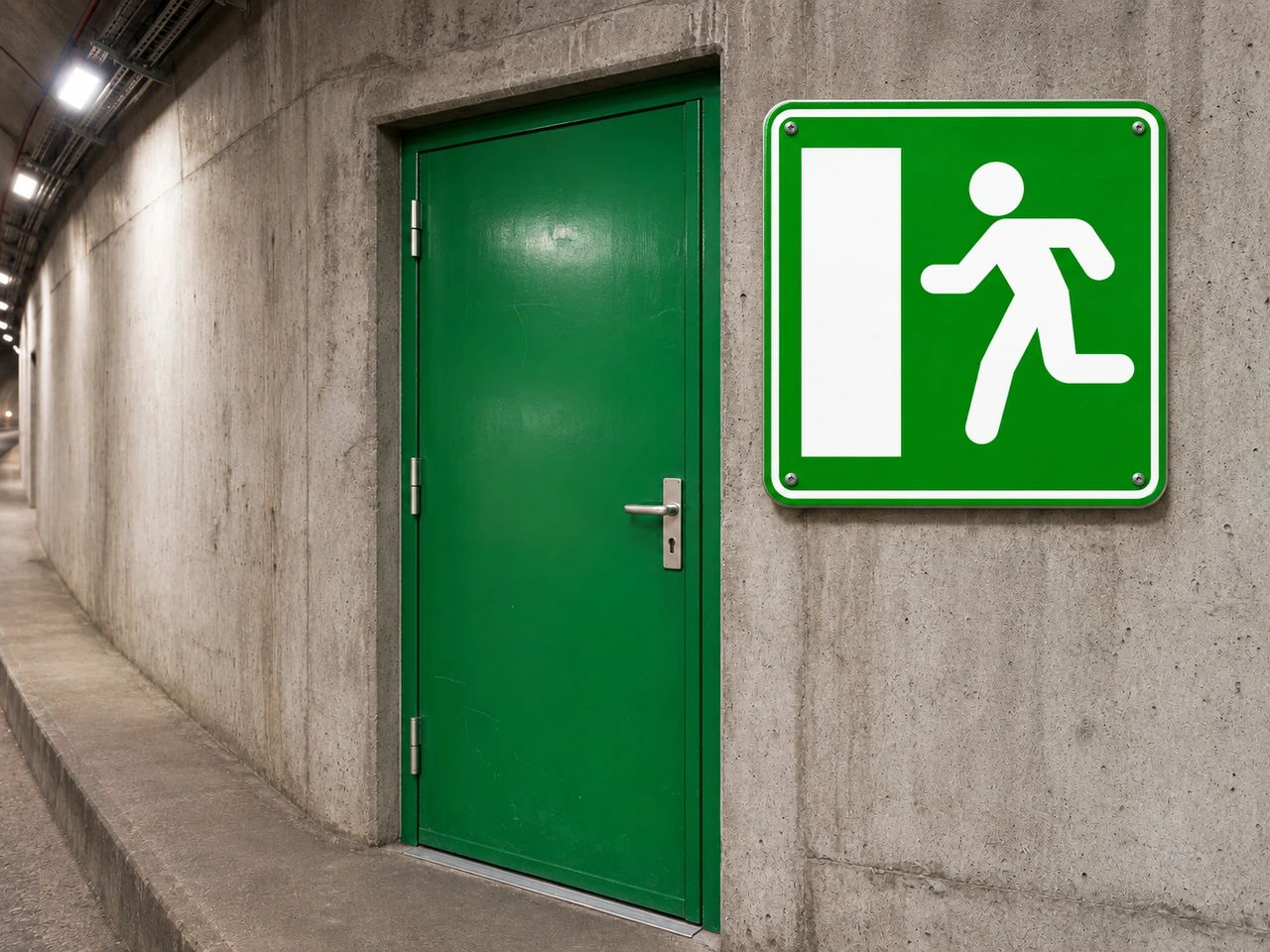
97. This green running-person sign indicates an emergency exit in a tunnel.
This sign indicates a tunnel emergency exit. The doorway and running-person symbols identify the escape function. It is not a direction sign for a vehicle exit from the tunnel.
🔗 Источники
Wegcode.be • Article 71.2 • F52
Image credit: AI-generated scene. Sign F52 artwork: Belgian Highway Code, article 71.2.
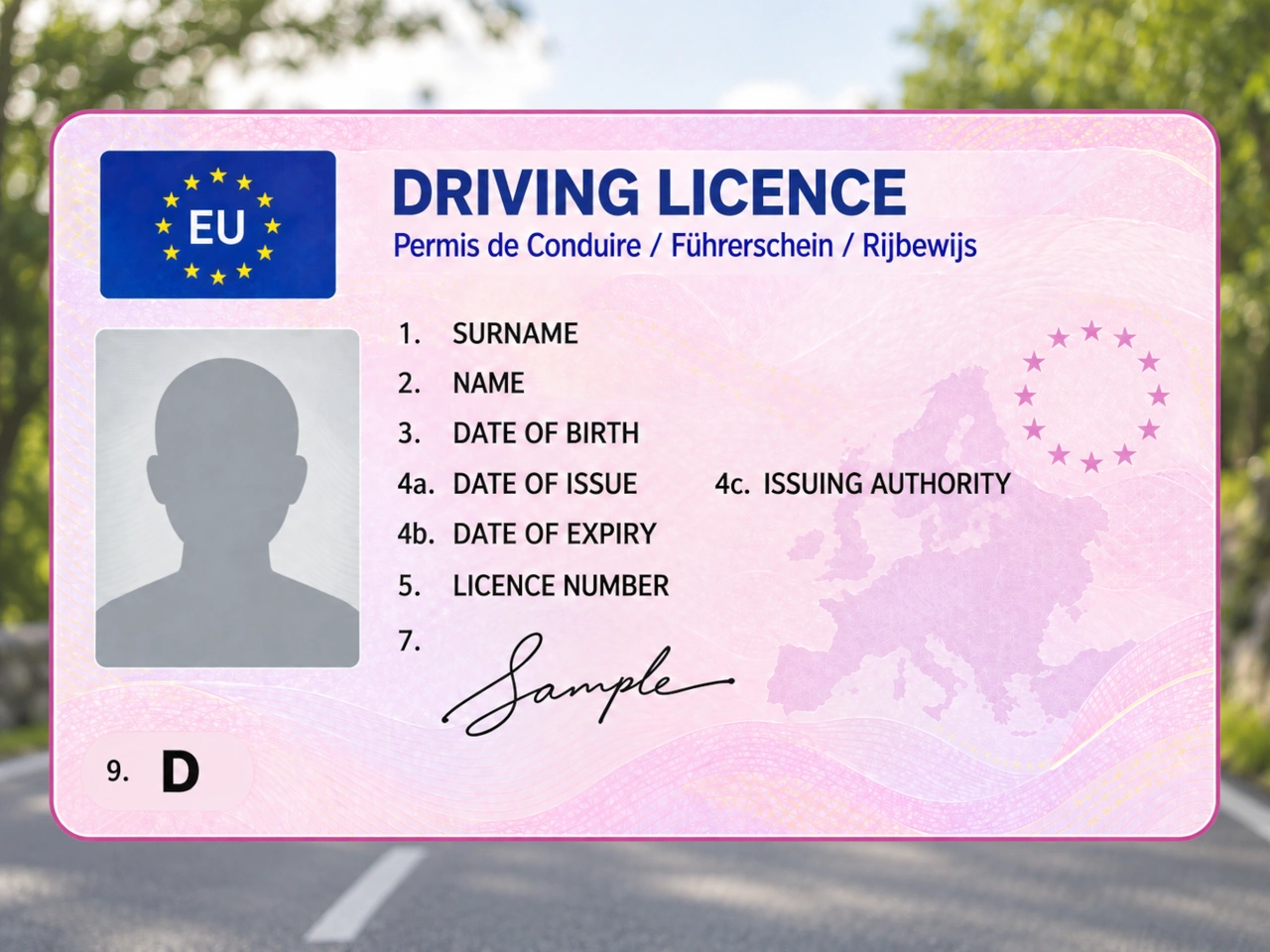
98. Для какого транспорта в основном предназначено водительское удостоверение категории D?
Водительское удостоверение категории D в основном предназначено для автобусов. Категория D1 охватывает небольшие автобусы, D — более крупные автобусы, а D1E и DE позволяют буксировать более тяжёлые прицепы.
🔗 Источники
Vlaanderen.be · Welke voertuigen mag ik besturen met een rijbewijs C en D?
Code de la route · Arrêté royal du 23 mars 1998 relatif au permis de conduire
EUR-Lex · Directive 2006/126/EC on driving licences · Article 4(4)(h) and (j)
EUR-Lex · Directive 2006/126/EC on driving licences · Annex I
Image credit: AI-generated
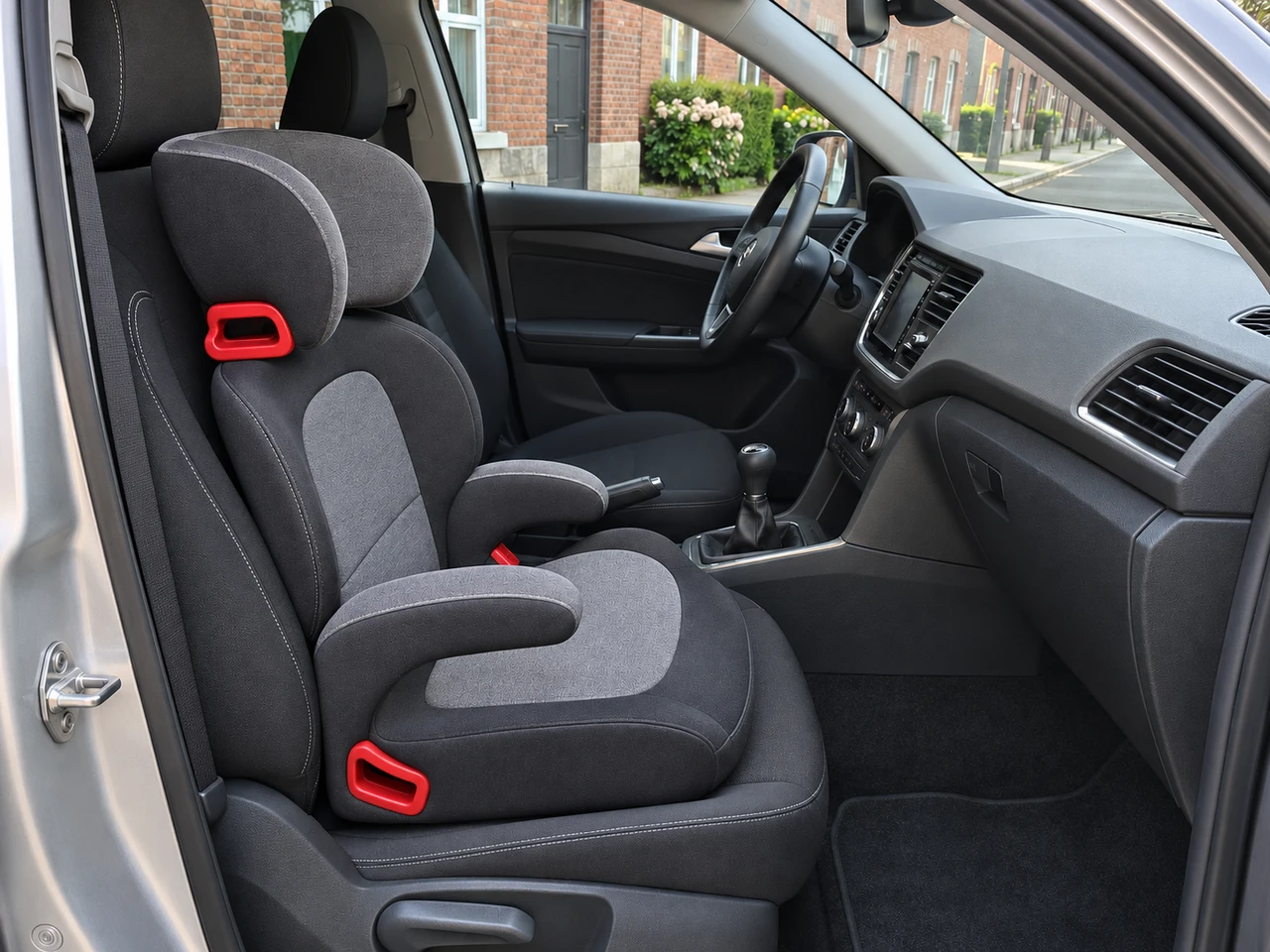
99. May a 10-year-old who is 125 cm tall use only the adult belt in an ordinary car’s front seat?
In an ordinary car, a child under 18 who is shorter than 135 cm must use a suitable child-restraint system. A 10-year-old measuring 125 cm therefore cannot use only the adult belt in the front seat. The occasional short-trip exception and the exception for a third child are limited to rear seating positions.
🔗 Источники
Wegcode.be — Belgian road legislation
Reference: Article 35.1.1; see also 35.1.2 and 35.2.1
Image credit: AI-generated
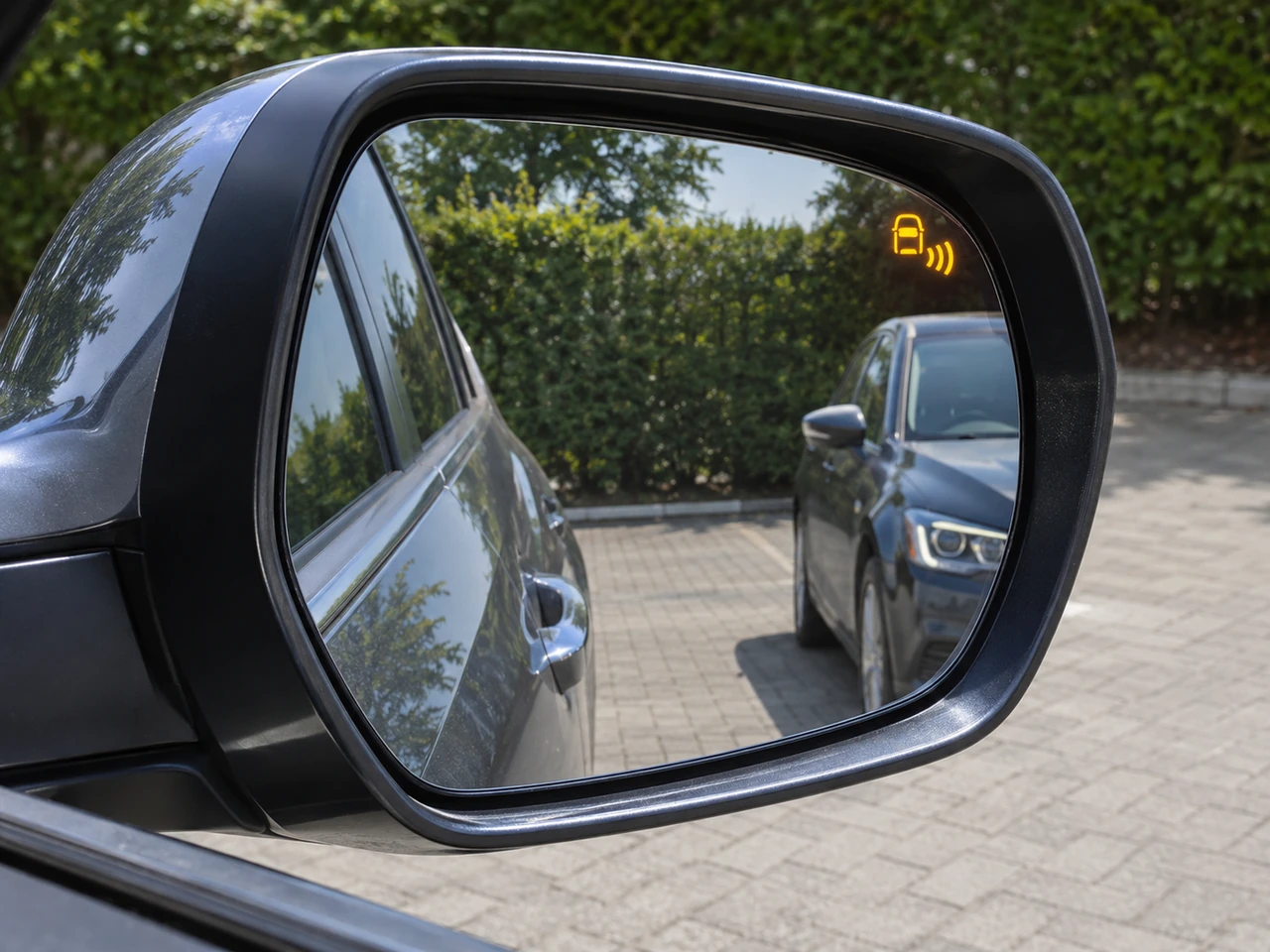
100. You still need to check your blind spots when using blind-spot warnings.
Warning systems can miss vehicles. Check your mirrors and the relevant blind spots before changing lanes, and move only when it is safe. Learn the system's limits from the vehicle handbook.
🔗 Источники
The Highway Code (Great Britain) • Safety guidance, Rules 159–161
Image credit: AI-generated