


VerkehrszeichenVereinigtes Königreich
 Verkehrsregeln
 Vereinigtes Königreich
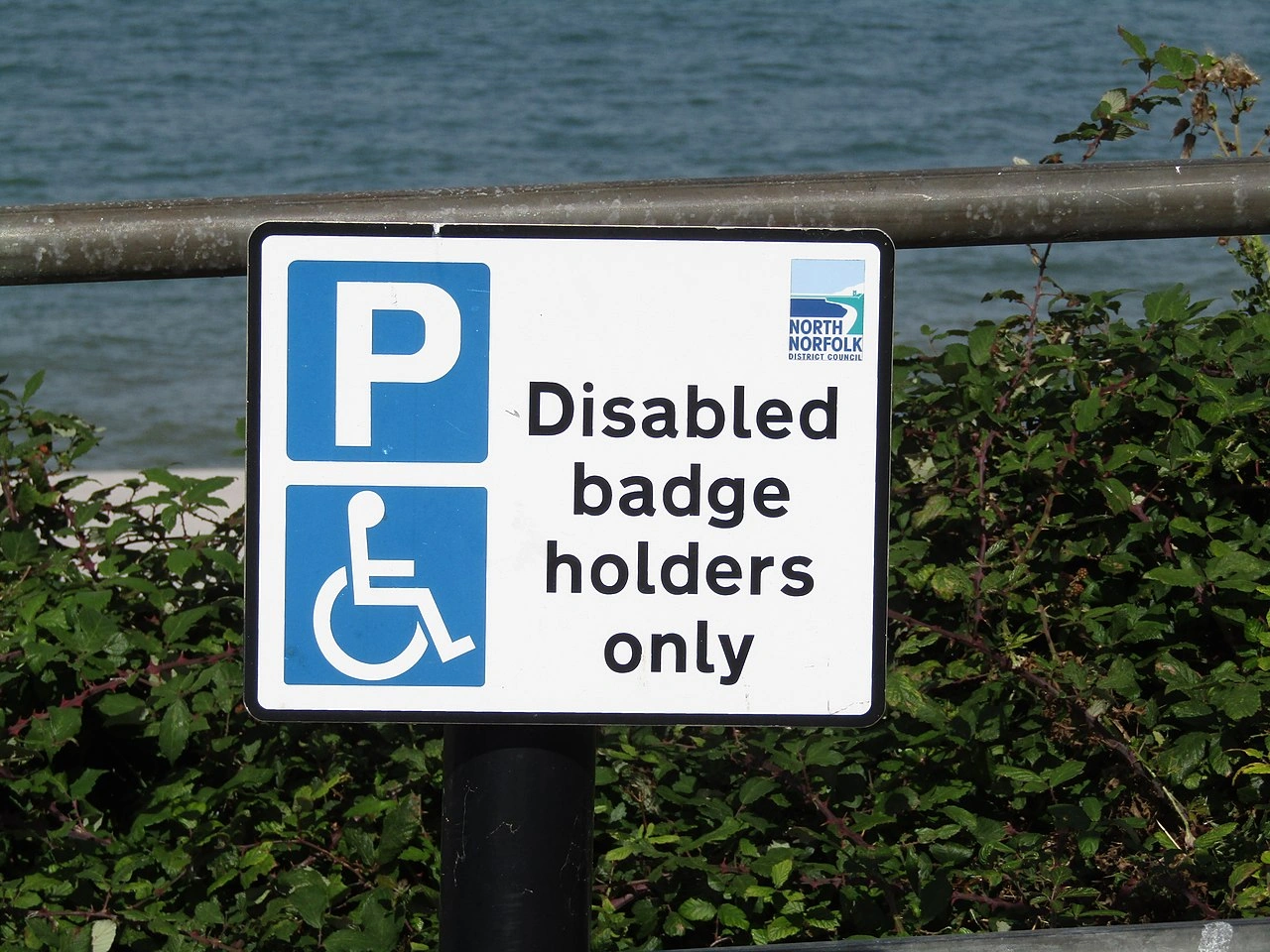
51. Behindertenparkplatz
Behindertenparkplätze sind Stellplätze und Parkberechtigungen für Menschen mit Behinderungen, die die geltenden Voraussetzungen erfüllen. Reservierte Stellplätze sind normalerweise durch das internationale Rollstuhlsymbol gekennzeichnet und so angeordnet, dass nahe gelegene Einrichtungen leichter erreichbar sind.
Für die Nutzung ist grundsätzlich ein gültiger Behindertenparkausweis oder eine entsprechende Karte erforderlich. Die Berechtigung gehört normalerweise der berechtigten Person und nicht einem bestimmten Fahrzeug und darf nur verwendet werden, wenn diese Person selbst fährt oder im Fahrzeug mitfährt.
Who may use a disabled parking space?
Disabled parking spaces are intended for eligible people who hold a valid disabled parking permit or card. The exact eligibility requirements and permit system depend on the country.
Can someone use a disabled parking permit when the holder is not present?
Generally no. Disabled parking permits are normally personal and may only be used when the permit holder is driving or travelling in the vehicle.
Does a disabled parking permit always provide free parking?
No. A permit may provide access to reserved spaces or exemptions from certain parking restrictions, but rules concerning parking charges and time limits vary between countries and local authorities.

52. Rückwärtsfahren
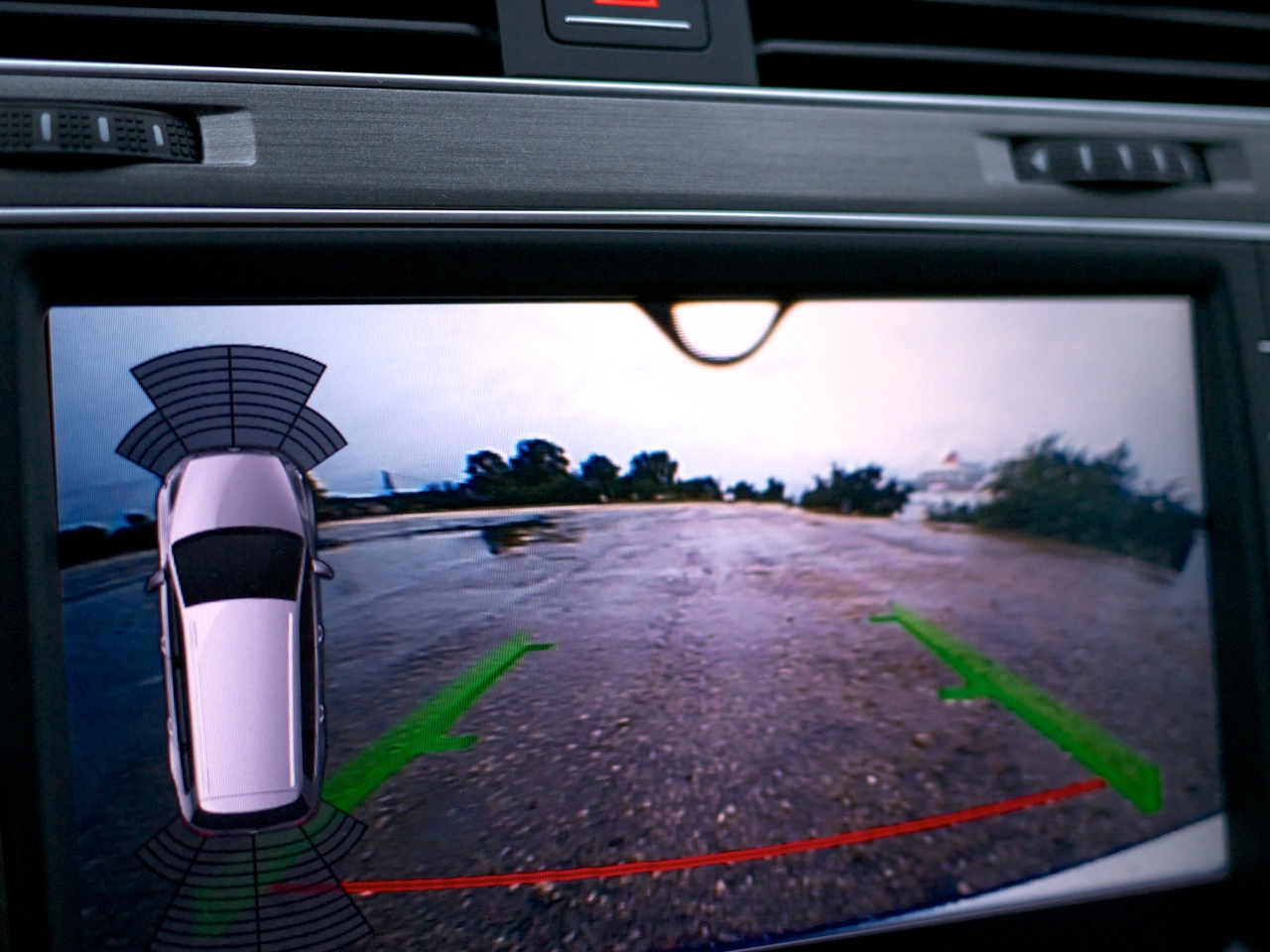
Rückwärtsfahren bedeutet, ein Fahrzeug rückwärts zu bewegen. Es wird häufig beim Parken, beim Verlassen enger Bereiche oder zum Umsetzen eines Fahrzeugs genutzt, wenn Vorwärtsfahren nicht praktisch ist.
Vor dem Rückwärtsfahren sollte der Fahrer Spiegel und tote Winkel prüfen, den Bereich rund um das Fahrzeug sorgfältig beobachten und sicherstellen, dass der Raum hinter dem Fahrzeug frei ist. Rückwärtsfahren sollte langsam und nur so lange wie nötig erfolgen, weil die Sicht nach hinten häufig eingeschränkt ist.
What should you check before reversing?
Check behind and around the vehicle for pedestrians, cyclists, other vehicles and obstacles. Use mirrors and cameras where available, but also look directly because monitoring systems can have blind spots.
Who has priority when a vehicle is reversing?
In many countries, reversing is treated as a manoeuvre and the reversing driver must give way to other road users. The exact legal requirements depend on national traffic rules.
Should you reverse for a long distance?
No. Reversing should normally be limited to the distance necessary to complete the manoeuvre safely. Driving forward generally provides better visibility and vehicle control.
53. Umleitung
Eine Umleitung ist eine vorübergehende alternative Strecke, die genutzt wird, wenn die normale Straße gesperrt, blockiert oder nicht verfügbar ist. Umleitungen werden häufig bei Straßenarbeiten, Unfällen, öffentlichen Veranstaltungen, Überschwemmungen oder anderen Störungen eingerichtet. Fahrer sollten den vorübergehenden Wegweisern aufmerksam folgen, bei Bedarf die Geschwindigkeit verringern und mit unbekannten Straßen, veränderten Vorfahrtsregelungen oder zusätzlichem Verkehr auf der Ersatzstrecke rechnen.

What is a detour?
A detour is an alternative route that directs traffic around a closed, blocked or restricted section of road.
Why are detours used?
Detours may be introduced because of roadworks, accidents, flooding, public events or other temporary obstructions that prevent normal use of the road.
Do you have to follow a detour?
Drivers must follow mandatory traffic signs and authorised traffic directions. A signed detour should be followed when the normal route is closed or restricted.
Are detours always temporary?
Most detours are temporary and remain in place only while the normal route is unavailable, although they can sometimes last for an extended period during major works.
Should you drive differently on a detour?
Yes. Detours may use unfamiliar or smaller roads, so drivers should reduce speed where necessary, watch for changed priorities and follow temporary signs carefully.
What is the difference between a detour and a diversion?
Detour and diversion generally describe the same concept: an alternative route around a road that cannot be used normally. The preferred term varies between countries and languages.
54. Fahrbahnschäden
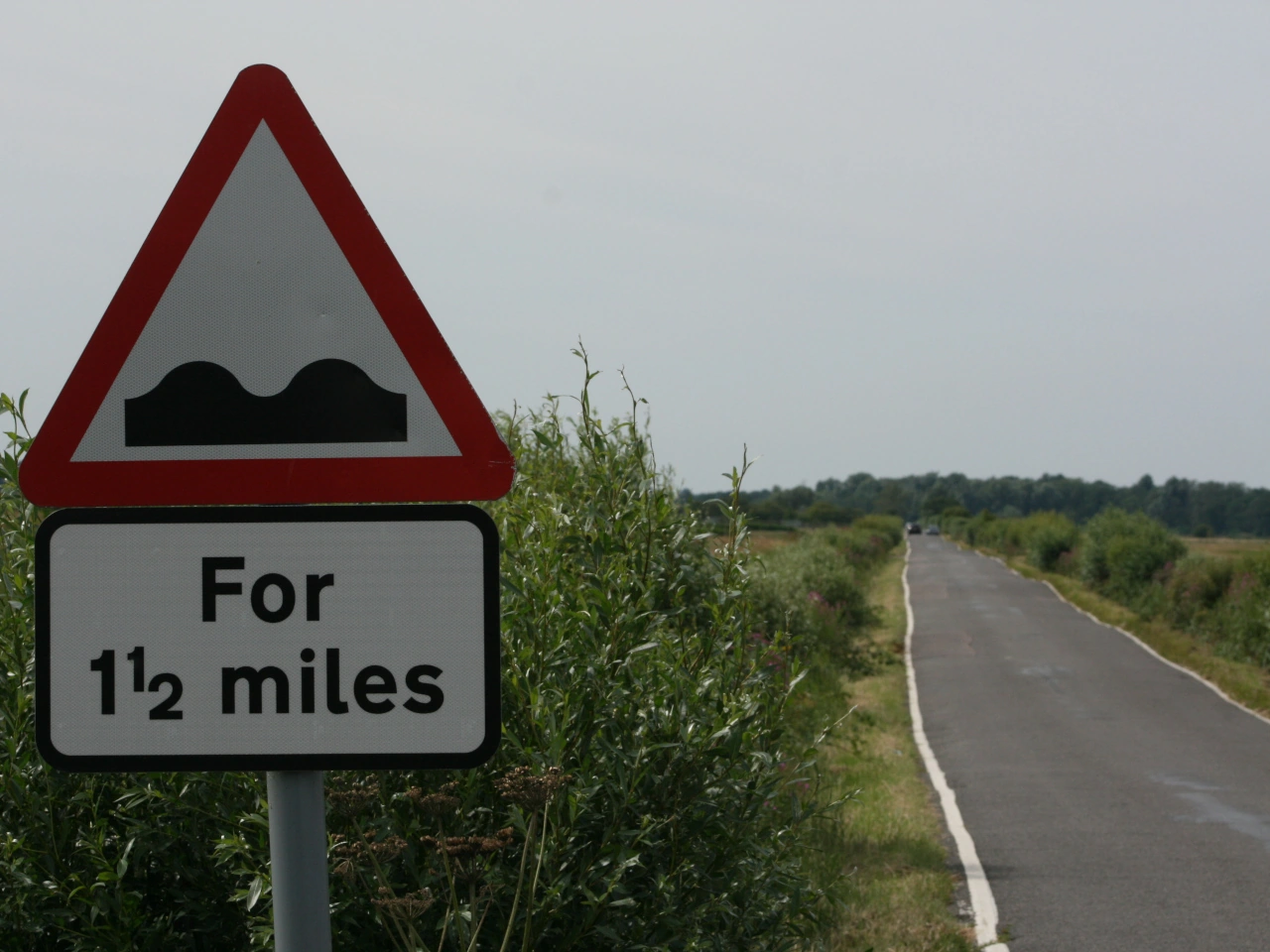
Eine Warnung vor Fahrbahnschäden weist darauf hin, dass die Straße voraus uneben, beschädigt oder in schlechtem Zustand sein kann und dadurch Stabilität, Lenkung oder Bremsen eines Fahrzeugs beeinträchtigt werden können. Die Gefahr kann Bodenwellen, Vertiefungen, Schlaglöcher, beschädigten Belag oder andere Unebenheiten umfassen.
Fahrer sollten bei Bedarf die Geschwindigkeit verringern, ausreichend Abstand halten und auf unebenem Untergrund abruptes Lenken oder Bremsen vermeiden. Die genaue Bedeutung und Gestaltung des Warnzeichens unterscheiden sich je nach Land; daher sind die örtlichen Verkehrszeichen und Vorschriften zu beachten.
What does a road surface warning mean?
A road surface warning indicates that the surface ahead may be uneven, damaged or otherwise capable of affecting the safe movement of vehicles.
What kinds of road defects can the warning indicate?
Depending on the country, it may warn of bumps, depressions, potholes, broken pavement, uneven repairs or other surface irregularities.
What should you do when you see a road surface warning?
Reduce speed where necessary, increase your awareness of the road ahead and be prepared for changes in the vehicle's stability or direction.
Does a road surface warning impose a specific speed limit?
Not normally. A warning sign alerts drivers to a hazard rather than establishing a numerical speed limit. A separate speed-limit sign may be used where a particular maximum speed is required.
Should you brake before reaching an uneven road surface?
Where slowing is necessary, it is generally safer to reduce speed before reaching the irregular surface rather than braking sharply while travelling over it.
Why can an uneven road surface be dangerous?
A severe surface irregularity can affect tyre contact, steering, braking and vehicle stability. It can also damage tyres, wheels or suspension components.
Are motorcycles and bicycles particularly affected by uneven surfaces?
Yes. Two-wheeled vehicles can be particularly sensitive to potholes, ridges and other irregularities because these hazards may disturb their balance or alter their direction suddenly.
Is an uneven-road warning the same as a slippery-road warning?
No. An uneven-road warning concerns the physical condition or shape of the road surface. A slippery-road warning concerns reduced tyre grip caused by the surface or conditions such as water, ice, mud or other substances.
Can the warning apply over a longer section of road?
Yes. A supplementary sign may indicate the distance to the hazard or the length of the affected section, depending on the country's traffic-sign system.
Should you increase your following distance on a poor road surface?
Yes, when conditions require it. Additional distance provides more time to react if the vehicle ahead slows suddenly to avoid a pothole or other surface defect.
55. Seitenstreifen
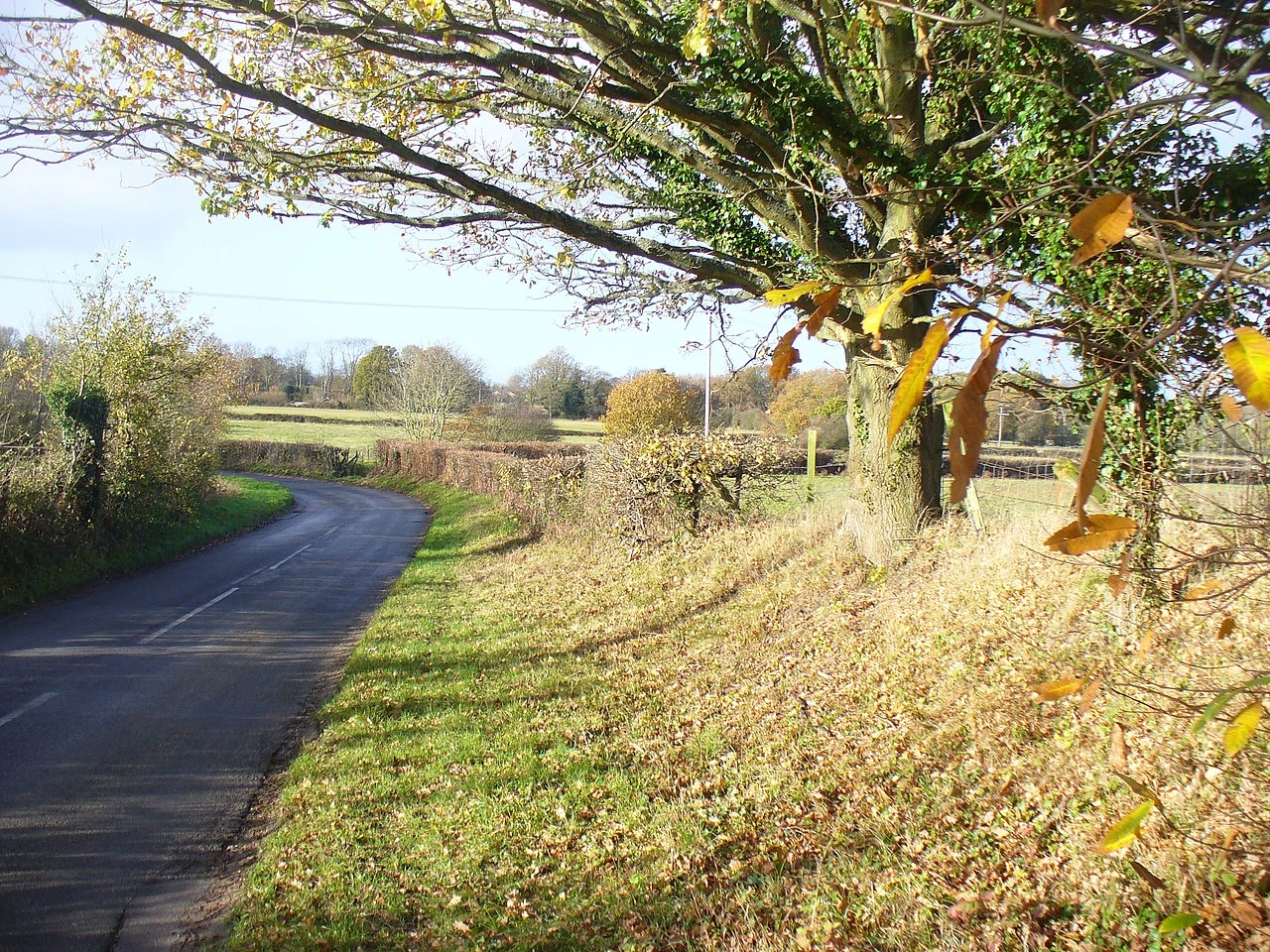
Ein Seitenstreifen ist der Landstreifen neben einer Fahrbahn zwischen der Fahrbahn und Elementen wie Graben, Böschung, Grundstücksgrenze oder anderem Straßenrandbereich. Er kann auf gleicher Höhe mit der Fahrbahn liegen oder erhöht sein und aus Gras, Kies, Erde oder anderem Material bestehen.
Ein Seitenstreifen ist normalerweise von Fahrbahn, Gehweg und Radweg getrennt. Je nach örtlichem Verkehrsrecht können Fußgänger, Radfahrer oder Fahrzeuge ihn unter bestimmten Umständen benutzen; auch für Halten und Parken können besondere Regeln gelten.
What is a verge?
A verge is an area alongside a roadway, generally between the roadway and a ditch, embankment, property boundary or other roadside feature.
Is a verge part of the roadway?
No. A verge is normally a separate part of the road environment alongside the roadway.
Is a verge the same as a pavement?
No. A pavement or sidewalk is specifically intended for pedestrians, while a verge may primarily form the roadside margin and may not be paved or comfortably walkable.
Is a verge the same as a cycle path?
No. A cycle path is specifically designated for cyclists and other permitted users. A verge has a different function and legal status.
Can a verge be level with the roadway?
Yes. A level verge lies approximately at the same height as the roadway and may consist of grass, gravel, soil or another surface.
Can a verge be raised?
Yes. A raised verge lies above the level of the roadway and is normally clearly distinguishable from it.
Can pedestrians walk on a verge?
Yes, where local rules permit or require it. A verge may provide a walking route where no suitable pavement or dedicated pedestrian facility is available.
Can cyclists ride on a verge?
This depends on the country, type of verge and available cycling facilities. Local traffic law may permit cyclists to use a suitable verge in particular circumstances.
Can vehicles drive on a verge?
Normally vehicles use the roadway, but local rules may permit temporary use of a suitable verge for purposes such as passing, meeting oncoming traffic or accessing property.
Can vehicles park on a verge?
This depends on local traffic law, the type of verge and the location. Where verge parking is permitted, sufficient space may have to remain available for pedestrians and other road users.
Should you drive onto a soft verge at high speed?
No. A soft or uneven verge can provide significantly less grip than the roadway and may affect steering or vehicle stability. Reduce speed and return to the roadway safely when possible.
Can a verge contain roadside signs or other equipment?
Yes. Verges commonly provide space for traffic signs, lighting, drainage, utility equipment, vegetation and other roadside infrastructure.
56. Verkehrsberuhigung
Verkehrsberuhigung bezeichnet bauliche Maßnahmen, die Fahrzeuggeschwindigkeiten reduzieren und die Sicherheit verbessern sollen, insbesondere in Bereichen, in denen Fahrzeuge eng mit Fußgängern und Radfahrern interagieren. Dazu können Bremsschwellen, angehobene Überwege, Fahrbahnverengungen, Verschwenkungen, Verkehrsinseln und Änderungen von Straßenführung oder Oberfläche gehören.
Ziel der Verkehrsberuhigung ist es, Fahrer zu einer niedrigeren und angemesseneren Geschwindigkeit zu bewegen, anstatt sich nur auf Geschwindigkeitsbegrenzungsschilder zu verlassen. Die eingesetzten Maßnahmen und ihre rechtlichen Anforderungen unterscheiden sich je nach Land.

What is traffic calming?
Traffic calming is the use of road-design measures to reduce vehicle speeds and create safer conditions for pedestrians, cyclists and other road users.
What are common traffic-calming measures?
Common measures include speed humps, raised crossings, chicanes, narrowed carriageways, traffic islands and redesigned intersections.
Where is traffic calming commonly used?
Traffic calming is commonly used in residential areas, school areas, town centres and other places with significant pedestrian or cyclist activity.
57. Reiten
Reiten bezeichnet das Reiten und Aktivitäten mit Pferden und Reitern. Im Straßenverkehr können Reiter je nach Regeln und Infrastruktur Straßen, Reitwege oder speziell ausgewiesene Routen nutzen.
Fahrer, die sich Pferden und Reitern nähern, sollten die Geschwindigkeit verringern, ausreichend Abstand halten und plötzlichen Lärm oder Bewegungen vermeiden, die das Tier erschrecken könnten. Auch Reiter müssen die für sie geltenden Verkehrsregeln beachten.

What does equestrian mean in road traffic?
Equestrian refers to horse riding and, in a traffic context, particularly to people travelling on horseback or using designated horse-riding routes.
Where can equestrians ride?
Depending on local rules, riders may use roads, bridleways, paths or routes specifically designated for horse riding.
How should drivers behave near horse riders?
Drivers should slow down, leave plenty of space and pass calmly, avoiding sudden acceleration, horn use or other actions that could frighten the horse.
58. Notausgang
Ein Notausgang ist ein gekennzeichneter Fluchtweg, über den Verkehrsteilnehmer einen Tunnel oder eine andere geschlossene Verkehrsanlage bei einem schweren Ereignis wie Brand, Rauchentwicklung oder einem anderen Notfall verlassen können. Notausgänge führen in einen sichereren Bereich, der von der unmittelbaren Gefahr getrennt ist.
Im Notfall sollten Insassen ihr Fahrzeug verlassen, wenn eine Evakuierung erforderlich ist, und den Notausgangsschildern und Anweisungen folgen. Sie sollten sich von der Gefahr entfernen, statt im Tunnel zu bleiben oder zum Fahrzeug zurückzukehren.
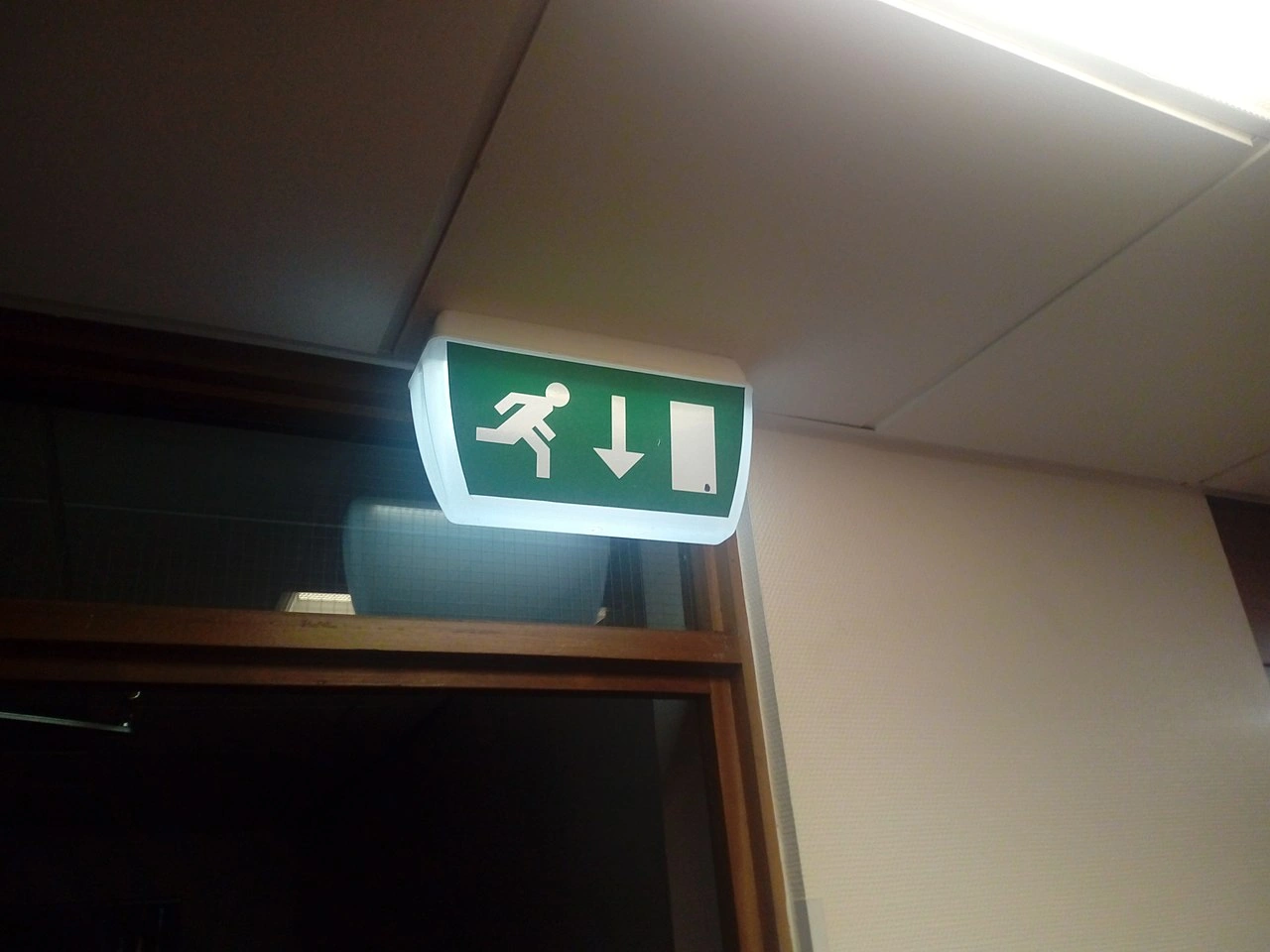
What is an emergency exit in a road tunnel?
An emergency exit is a designated escape route that allows people to leave the traffic area of a tunnel and reach a safer location during an emergency.
When should you use a tunnel emergency exit?
Use an emergency exit when evacuation is necessary because of fire, smoke or another serious danger, or when instructed to evacuate by tunnel personnel or emergency services.
Should you take your vehicle through an emergency exit?
No. Tunnel emergency exits are intended for people evacuating on foot. Leave the vehicle when necessary and follow the marked escape route towards safety.
59. Ortsgrenze
Eine Ortsgrenze ist die Grenze, an der für Zwecke des Straßenverkehrs eine geschlossene Ortschaft oder ein städtisches Gebiet beginnt oder endet. Sie wird häufig durch ein Ortsnamens- oder Ortstafelzeichen gekennzeichnet und kann den Punkt markieren, an dem besondere Verkehrsregeln wie innerörtliche Geschwindigkeitsbegrenzungen, Parkregeln oder andere Beschränkungen beginnen oder enden.
Eine verkehrsrechtliche Ortsgrenze entspricht nicht zwingend genau der Verwaltungsgrenze einer Stadt oder Gemeinde. Ihre rechtliche Bedeutung richtet sich nach den im jeweiligen Land verwendeten Verkehrszeichen und Verkehrsregeln.
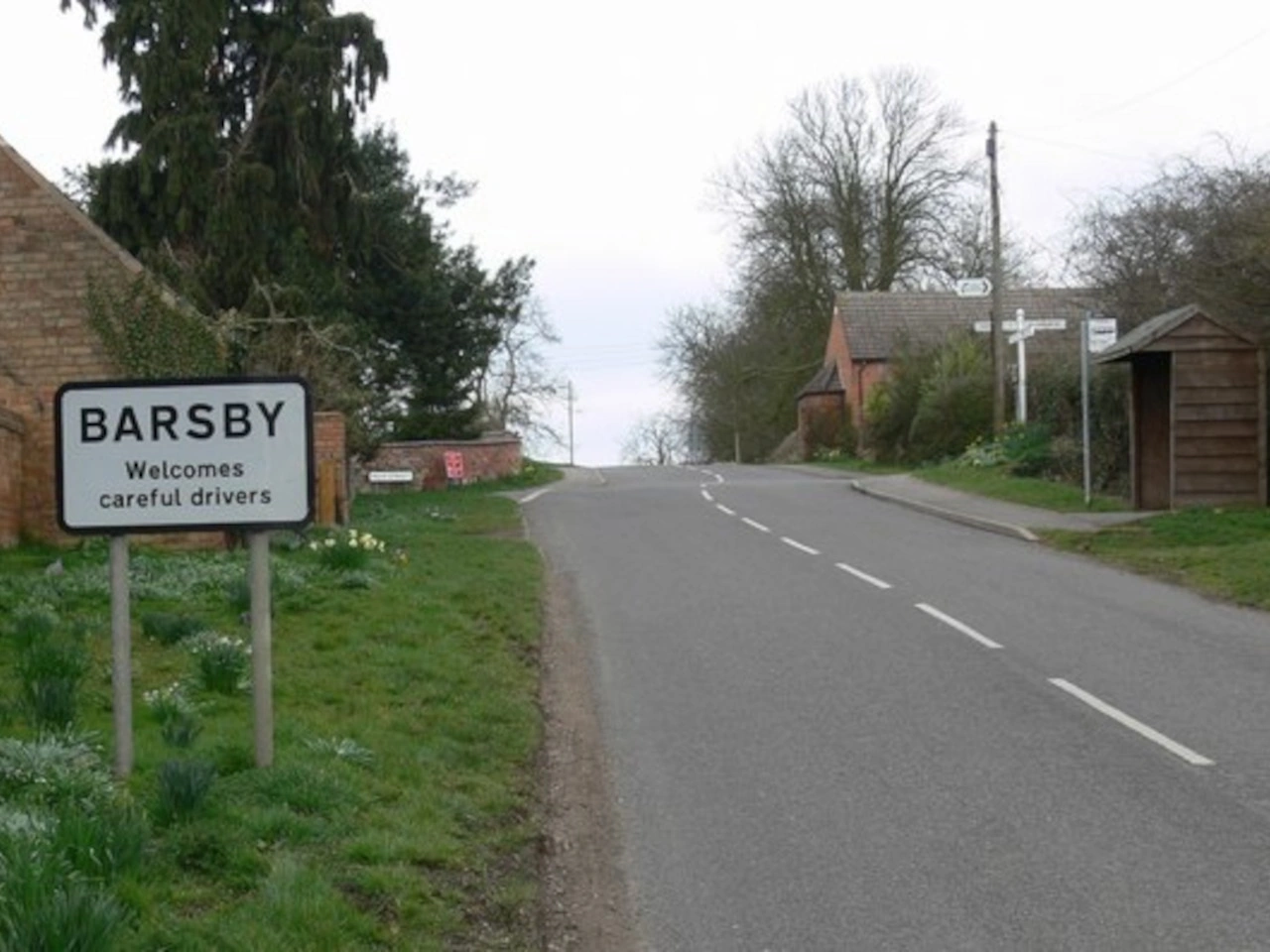
What is a city limit?
A city limit marks the boundary of a city, town, village, locality or municipality. On roads, it is often indicated by a place-name or boundary sign.
Does a city-limit sign always mark a built-up area?
No. A city-limit or locality sign may simply identify a place or administrative boundary. A legally defined built-up area can use a different sign or definition.
Does passing a city-limit sign always change the speed limit?
No. In some countries a locality or boundary sign has consequences for traffic rules, while in others it mainly identifies the place. Drivers must follow the traffic signs and rules that apply in that country.
Is a city limit the same as a municipal boundary?
Not always. Some signs indicate an administrative municipal boundary, while others identify a city, town, village or locality without exactly following the municipality's legal boundary.
What is the difference between a city limit and a built-up area?
A city limit identifies the boundary of a named place or administrative area. A built-up area is a traffic-law concept that may affect rules such as default speed limits. The two boundaries can coincide, but they do not have to.
60. Sehenswürdigkeit
Eine Sehenswürdigkeit ist ein interessanter Ort, den Besucher aus kulturellen, historischen, freizeitbezogenen, natürlichen oder unterhaltenden Gründen aufsuchen. Beispiele sind Denkmäler, Burgen, Museen, Aussichtspunkte, Freizeitparks und andere bemerkenswerte Ziele.
Sehenswürdigkeiten können durch Tourismus- oder Wegweiserzeichen ausgeschildert sein, die Reisenden den Weg zum Ziel zeigen. Farben, Symbole und dargestellte Arten von Sehenswürdigkeiten unterscheiden sich je nach Land.
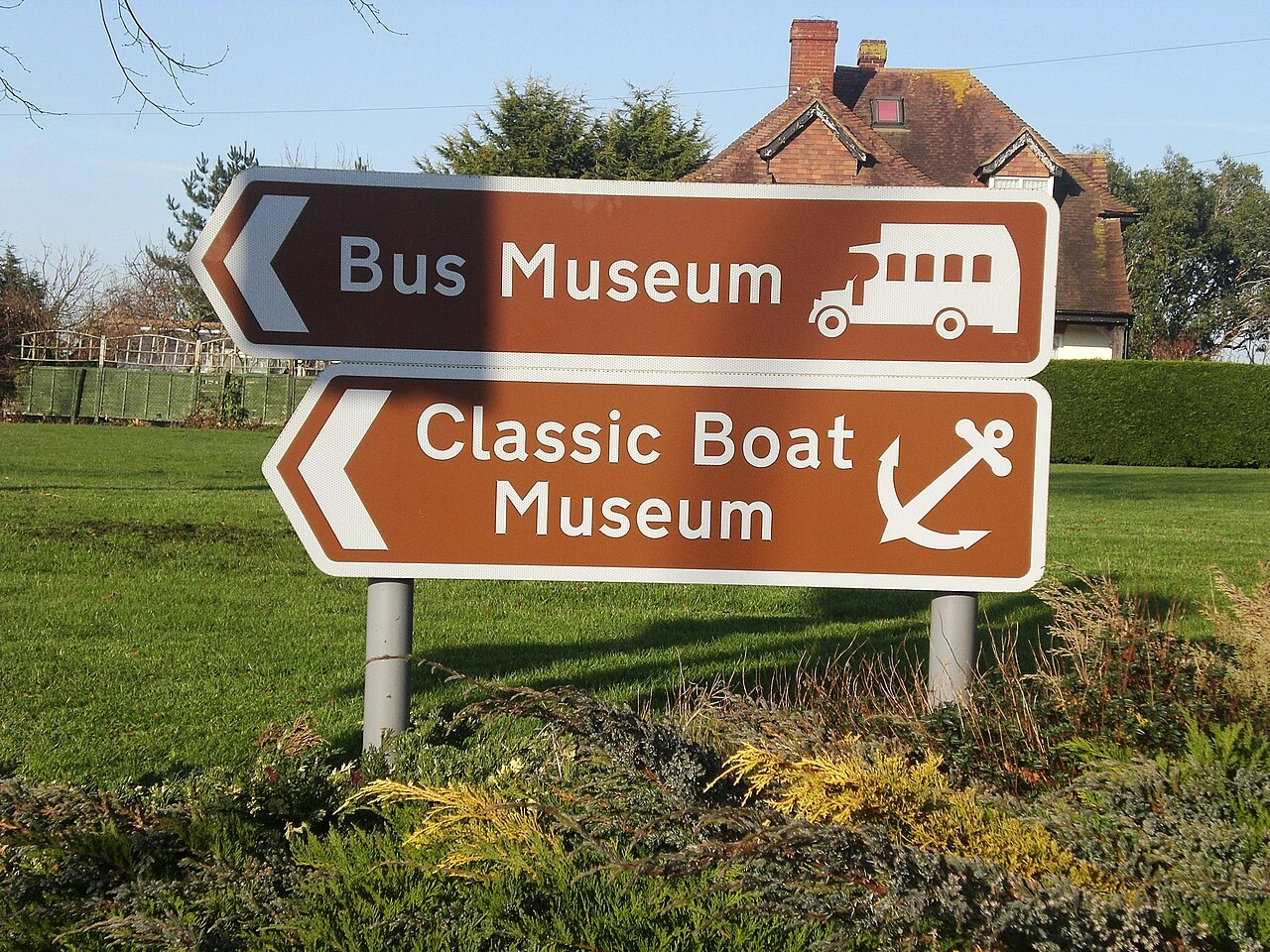
What is a tourist attraction?
A tourist attraction is a place that visitors travel to because of its cultural, historical, natural, recreational or entertainment value.
What are examples of tourist attractions?
Examples include monuments, castles, museums, scenic locations, cultural sites, amusement parks and recreational destinations.
Can tourist attractions be indicated by road signs?
Yes. Many countries use tourist or direction signs to guide travellers toward important attractions and places of interest.
61. Kennzeichen
Ein Kennzeichen, auch Zulassungs- oder Nummernschild genannt, ist eine Tafel mit einer eindeutigen Registrierungskennung, die einem Fahrzeug von der zuständigen Zulassungsbehörde zugeteilt wird. Es ermöglicht die Identifizierung des Fahrzeugs für Zulassung, Verkehrsüberwachung, Besteuerung, Versicherung und Parkraumkontrolle.
Aussehen, Format, Anbringung und Anzahl vorgeschriebener Kennzeichen unterscheiden sich zwischen Ländern und Fahrzeugkategorien. Fahrer müssen sicherstellen, dass vorgeschriebene Kennzeichen ordnungsgemäß angebracht, gut sichtbar und lesbar sind, und die örtlichen Regeln bei Verlust, Diebstahl, Beschädigung oder Ersatz beachten.

What is a licence plate?
A licence plate is a plate displaying the registration identifier assigned to a vehicle. It allows authorities and other authorised systems to identify the vehicle's registration.
Is a licence plate the same as a registration plate?
Yes. Licence plate, registration plate and number plate are different terms commonly used for the plate displaying a vehicle's official registration number.
Does every vehicle need a licence plate?
Most motor vehicles used on public roads must display one or more registration plates, but requirements differ for motorcycles, trailers, agricultural vehicles and other special vehicle categories.
Do vehicles need both front and rear licence plates?
This depends on the country and vehicle type. Cars commonly require front and rear plates, while motorcycles and certain other vehicles may require only a rear plate.
Must a licence plate remain visible?
Yes. A required registration plate must normally remain clearly visible and readable. It should not be hidden by luggage, dirt, accessories or other objects.
Can you modify a licence plate?
Generally no. Changing the characters, colours, dimensions or appearance of an official plate may make it invalid or illegal. Plates and authorised reproductions must comply with local specifications.
What should you do if a licence plate is lost or stolen?
Follow the local reporting and replacement procedure. Many countries require the loss or theft to be reported to the police or vehicle-registration authority before a replacement plate can be issued.
Can you drive with a damaged licence plate?
A plate must remain legible and compliant with local requirements. If damage prevents it from being read or makes it invalid, it should be replaced according to the local registration procedure.
Can a licence plate be personalised?
Some countries allow motorists to request a personalised registration combination. The available characters, formats and prohibited combinations are determined by the registration authority.
Does a licence plate stay with the vehicle when it is sold?
This varies between countries. In some systems the plate remains with the vehicle, while in others it remains associated with the registered holder and may be retained or returned when the vehicle is sold.
62. Ladestation
Eine Ladestation ist ein Ort mit einem oder mehreren Ladepunkten, an denen die Batterie eines Elektro- oder Plug-in-Hybridfahrzeugs an eine Stromversorgung angeschlossen und aufgeladen werden kann. Ladestationen können an öffentlichen Straßen, auf Parkplätzen, an Rastanlagen oder auf Privatgrundstücken liegen.
Ladeplätze können für tatsächlich ladende Fahrzeuge reserviert sein und Parkbeschränkungen, Zeitlimits, Gebühren oder anderen Bedingungen unterliegen. Fahrer müssen die Verkehrszeichen, Parkregeln und Ladeanweisungen am Standort beachten.
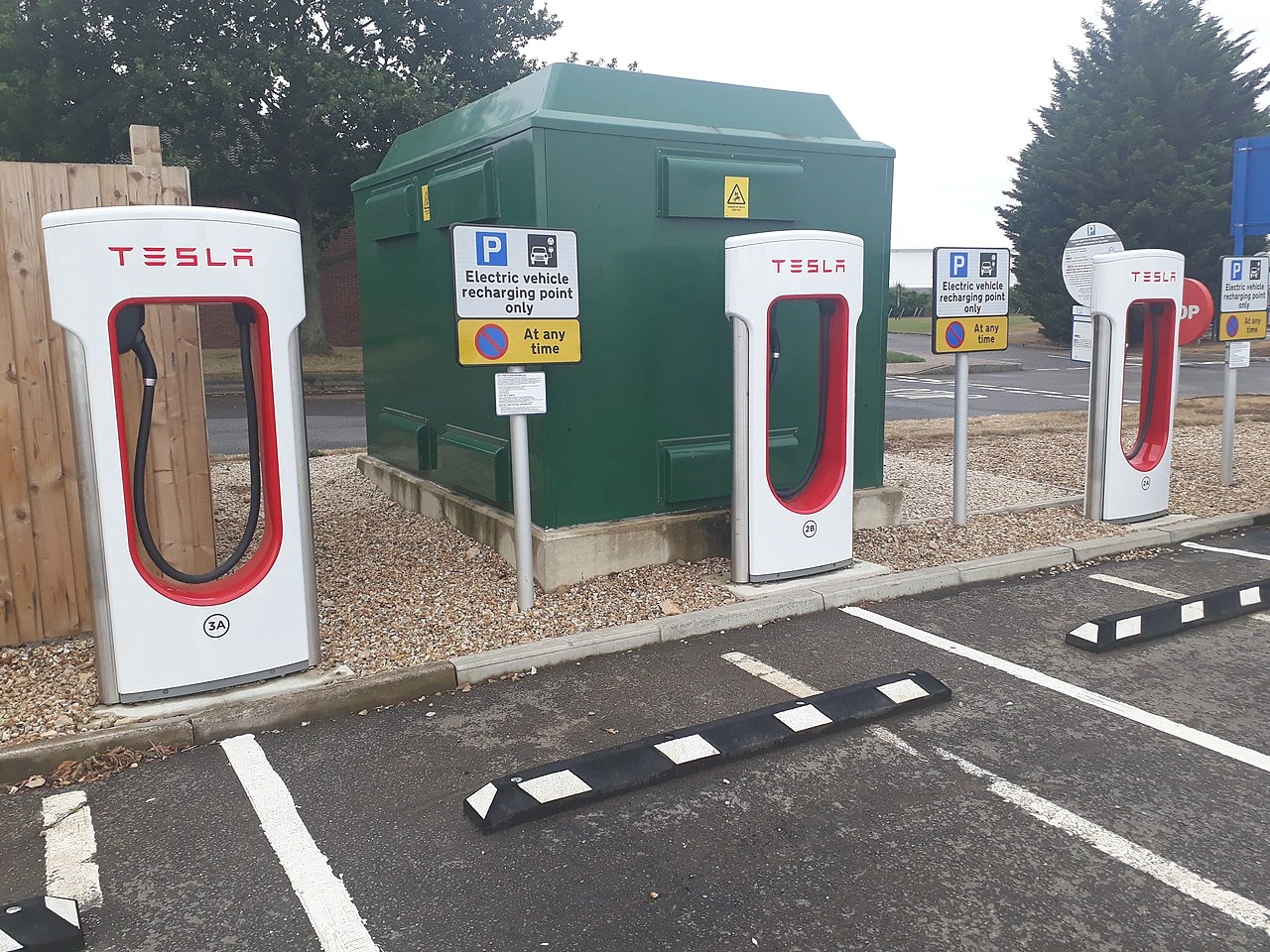
What is a charging station?
A charging station is a location where electric vehicles can be connected to an electricity supply to recharge their batteries. A station may contain one or several individual charging points.
Who can use an electric-vehicle charging station?
Charging stations are intended for vehicles that can be externally charged, such as battery-electric vehicles and plug-in hybrid vehicles. The exact vehicle categories permitted may be indicated by local signs or operator conditions.
Is a charging space an ordinary parking space?
Not necessarily. A space beside a charger may be reserved for electric vehicles or vehicles that are charging. Drivers must check the signs and markings before parking there.
Can a petrol or diesel vehicle park at a charging station?
Not where the parking space is officially reserved for electric vehicles. An ordinary parking space located near a charger may be different, so the applicable signs and markings determine who may park there.
Can an electric vehicle park at a charging point without charging?
This depends on the local traffic and parking rules. Many charging spaces require the vehicle to be connected to the charger, even if the vehicle itself is electric.
Do you have to pay to use a charging station?
Charging may be free or subject to payment. The price and payment method are determined by the charging operator, while separate parking charges may also apply.
Can a charging station have a maximum parking time?
Yes. Traffic signs, parking regulations or charging conditions may establish a maximum duration to encourage drivers to move their vehicles and make the charger available to others.
Must you move the vehicle when charging is finished?
Follow the local parking rules and charging conditions. Some locations require vehicles to leave after charging or impose additional fees or time limits when the charging session has ended.
Does using a charger override ordinary parking restrictions?
No. A charging station does not allow a driver to ignore no-parking rules, reserved spaces, time limits or other traffic regulations. The vehicle must still be legally parked.
Are all charging stations equally fast?
No. Charging stations can provide different charging powers. Some are intended for longer parking periods, while high-power chargers can recharge compatible vehicles much more quickly.
63. Allgemeine Gefahr
Ein allgemeines Gefahrzeichen warnt Verkehrsteilnehmer vor einer Gefahr voraus, für die kein spezielleres Warnzeichen vorgesehen ist. Die konkrete Gefahr kann durch eine Zusatztafel, Text, Symbol oder andere Kennzeichnung zusammen mit dem Warnzeichen erläutert werden.
Fahrer sollten ihre Aufmerksamkeit erhöhen, die Straße voraus beobachten und die Geschwindigkeit an Art der Gefahr und Umgebungsbedingungen anpassen. Das genaue Aussehen des Zeichens und die Art der Gefahrenkennzeichnung unterscheiden sich je nach Land; Verkehrsteilnehmer müssen die örtlichen Verkehrszeichen und Vorschriften beachten.
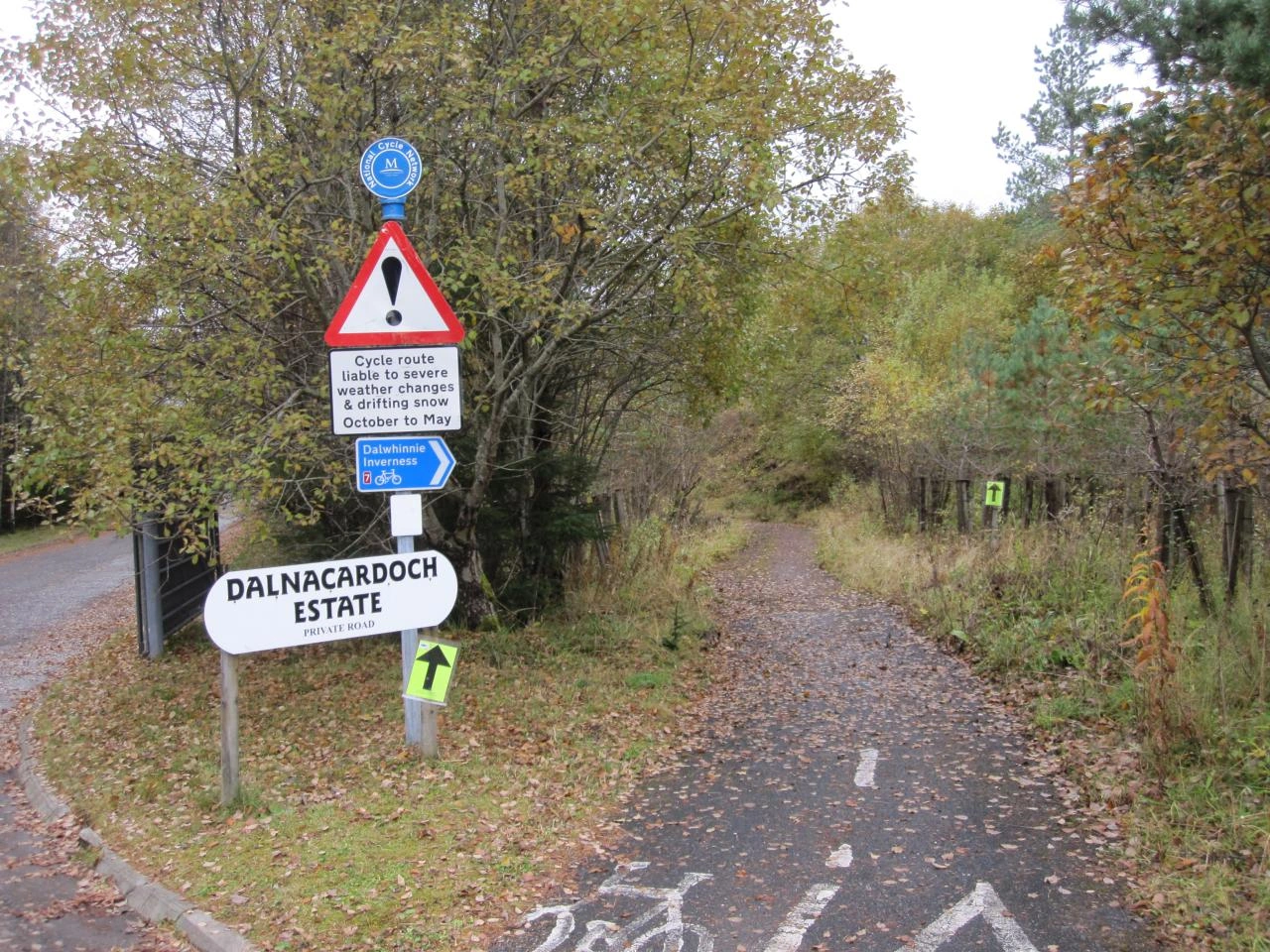
What does a general danger warning sign mean?
A general danger warning sign indicates that there is a hazard ahead that is not represented by a more specific warning sign in the local traffic-sign system.
What kind of danger can the sign indicate?
It can be used for unusual or uncommon hazards for which no dedicated warning symbol exists. The nature of the danger may be explained by an additional panel, symbol or message.
How can you know what the danger is?
Look for a supplementary panel, text or symbol accompanying the warning sign. It may describe the hazard or provide information needed to understand the warning.
What should you do when you see a general danger warning sign?
Increase your attention, observe the road and surroundings carefully and adapt your speed where necessary so that you can respond safely to the hazard.
Does the sign impose a specific speed limit?
Not normally. A warning sign alerts road users to danger rather than establishing a numerical speed limit. A separate speed-limit sign may be provided where a specific maximum speed is required.
Why is a general warning sign used instead of a specific warning sign?
It is used when the traffic-sign system does not contain a specific symbol that accurately represents the particular hazard.
Can the danger be temporary?
Yes. A general warning sign may be used for either a temporary or continuing hazard, depending on local signing rules and the circumstances.
Can a supplementary panel indicate the distance to the danger?
Yes. Depending on the country's traffic-sign system, an additional panel may indicate the distance to the hazard, the length of the dangerous section or other useful information.
Does a general danger sign give anyone priority?
No. A danger warning sign does not by itself change the priority rules. Drivers must continue to follow traffic lights, priority signs and the normal right-of-way rules.
Does the warning end immediately after the sign?
Not necessarily. The sign normally warns of a hazard ahead of the sign, and the dangerous situation may extend over a section of road. Supplementary information may indicate its location or length.
64. Senke
Eine Senke ist ein tiefer liegender Straßenabschnitt, bei dem die Fahrbahn über eine relativ kurze Strecke abfällt und anschließend wieder ansteigt. Eine Senke kann die Sicht einschränken, die Fahrzeugstabilität beeinflussen und Wasser sammeln, wodurch der weitere Straßenverlauf schwerer einzuschätzen ist.
Fahrer sollten sich einer Senke bei Bedarf mit reduzierter Geschwindigkeit nähern, das Fahrzeug kontrolliert führen und auf verdeckte Fahrzeuge, Fußgänger, Radfahrer oder stehendes Wasser innerhalb oder hinter der Vertiefung achten.

What is a dip in the road?
A dip is a short depression in the road surface where the road falls and then rises again.
Why can a road dip be dangerous?
A dip can reduce visibility, affect vehicle stability and hide road users or obstacles. Water may also collect in the lowest part of the depression.
How should you drive through a dip?
Approach at a suitable speed, keep the vehicle under control and be prepared for hazards that may not be visible until you enter or leave the dip.
65. Straßenbahnspur
Eine Straßenbahnspur ist ein Teil der Straße oder ein separater Gleisbereich, der hauptsächlich Straßenbahnen vorbehalten ist. Sie kann baulich vom übrigen Verkehr getrennt oder Teil der Fahrbahn sein und dabei für Straßenbahnen und in manchen Ländern bestimmte andere berechtigte Fahrzeuge reserviert bleiben.
Fahrer sollten eine Straßenbahnspur nicht befahren oder blockieren, sofern Verkehrszeichen, Markierungen oder Verkehrsregeln dies nicht erlauben. Da Straßenbahnen Hindernissen nicht ausweichen können, ist beim Kreuzen oder Fahren in Gleisnähe besondere Vorsicht erforderlich.
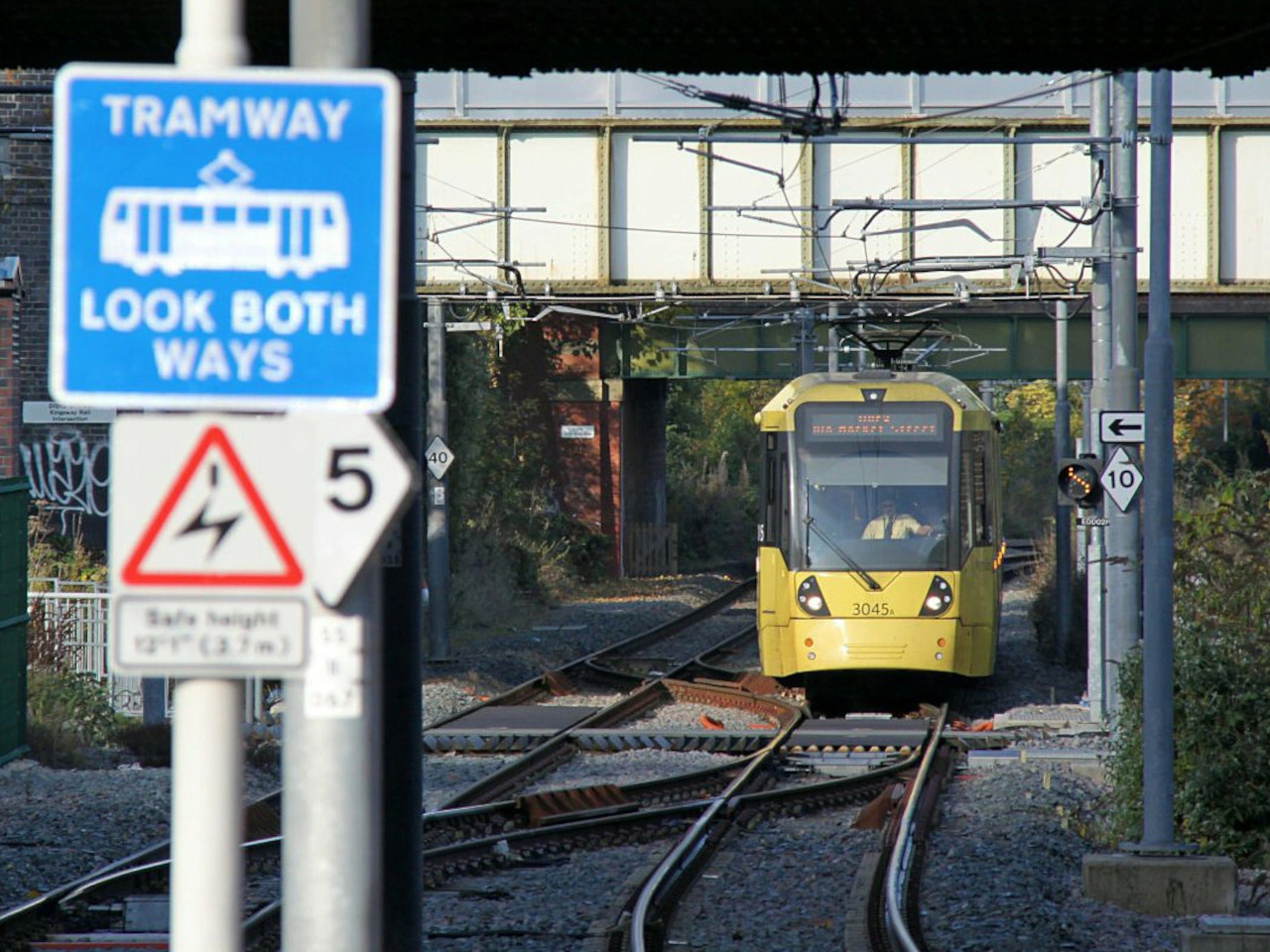
What is a tram lane?
A tram lane is a lane or track area intended primarily for trams and other authorised public-transport vehicles.
Can other vehicles use a tram lane?
It depends on the country and the signs provided. Some tram lanes are exclusively reserved for trams, while others may also be used by buses, taxis, cyclists or other authorised vehicles.
Can you cross a tram lane?
Usually, where permitted and necessary. Drivers may be allowed to cross tram tracks to turn, enter a property or cross an intersection, but they must follow the applicable signs and priority rules.
66. Radfahrer
Ein Radfahrer ist eine Person, die ein Fahrrad fährt und kontrolliert. Radfahrer sind Verkehrsteilnehmer; in vielen Ländern gelten Fahrräder rechtlich als Fahrzeuge, sodass Radfahrer zahlreiche allgemeine Verkehrsregeln zusammen mit speziellen Radverkehrsregeln beachten müssen.
Radfahrer sollten vorgeschriebene Radverkehrsanlagen nutzen, Verkehrszeichen und Signale beachten und vorhersehbar sowie sicher fahren. Die genauen Regeln zu Fahrposition, Vorfahrt, Ausrüstung und zulässigen Fahrbereichen unterscheiden sich je nach Land.

What is a cyclist?
A cyclist is a person who rides and controls a bicycle.
Is a cyclist considered a road user?
Yes. Cyclists are road users and must follow the traffic rules, signs and signals that apply to them.
Where should cyclists ride?
This depends on local rules. Cyclists may be required to use a cycle path or designated cycling facility, while in other situations they may ride on the carriageway.
67. Bus
Ein Bus ist ein Kraftfahrzeug zur Beförderung von mehreren Fahrgästen, meist im öffentlichen Verkehr, Schülerverkehr, privaten Personenverkehr oder einem anderen Personenbeförderungsdienst. Busse haben in der Regel eine höhere Fahrgastkapazität als Pkw und können für sitzende Fahrgäste, stehende Fahrgäste oder beides ausgelegt sein.
Für Busse können besondere Vorschriften hinsichtlich Führerschein, Fahrgastkapazität, Geschwindigkeitsbegrenzungen, Sicherheitsgurten, Busspuren, Haltestellen und Fahrgastwechsel gelten. Die rechtliche Einordnung von Bussen und Reisebussen sowie die für sie geltenden Regeln unterscheiden sich zwischen den Ländern; Fahrer und Fahrgäste müssen daher die örtlichen Verkehrsvorschriften beachten.

What is a bus?
A bus is a motor vehicle designed to transport a relatively large number of passengers. It may be used for public transport, school transport, private services or other passenger transport.
What is the difference between a bus and a coach?
A bus is commonly designed for frequent passenger boarding and may allow standing passengers, while a coach is generally designed for longer journeys with passengers seated. Exact legal definitions vary between countries.
Do you need a special driving licence to drive a bus?
Yes. Driving a vehicle designed to carry more than a specified number of passengers normally requires a dedicated bus or passenger-vehicle driving licence.
Can passengers stand on a bus?
Only when the vehicle is designed and approved to carry standing passengers. Coaches and other vehicles designed exclusively for seated passengers must not be used beyond their approved passenger configuration.
Must bus passengers wear seat belts?
Where seat belts are provided and local law requires their use, passengers must wear them correctly. Urban buses designed for standing passengers may have seating positions or operating conditions that differ from coaches.
Can buses use bus lanes?
Yes, where permitted. Bus lanes are commonly reserved for public transport buses, although local signs may also allow taxis, bicycles or other specified vehicles to use them.
Do buses always have priority when leaving a bus stop?
No. Some countries require other drivers to give way to buses leaving designated stops, particularly in urban areas, while others apply the normal merging rules.
Should you take extra care near a stopped bus?
Yes. Passengers may be boarding, leaving or crossing the road near the bus. Reduce speed where necessary and watch carefully for pedestrians emerging from behind or in front of the vehicle.
Do buses have special speed limits?
They can. Some countries impose lower maximum speeds on buses than on passenger cars, particularly on high-speed roads. Different limits may apply to buses and coaches.
Can a bus use a motorway?
Yes, normally. Buses that satisfy the applicable construction and access requirements may use motorways, but they must obey any vehicle-specific speed limits, lane restrictions and other local rules.
68. Polizei
Die Polizei ist eine öffentliche Behörde, die für die Durchsetzung von Gesetzen, die Aufrechterhaltung der öffentlichen Sicherheit und die Bewältigung von Situationen zuständig ist, die den Straßenverkehr beeinträchtigen können. Im Verkehr können Polizeibeamte Fahrzeuge kontrollieren, Verkehrsregeln durchsetzen, Unfälle untersuchen, den Verkehr regeln und auf Notfälle reagieren.
Verkehrsteilnehmer müssen rechtmäßige Anweisungen von Polizeibeamten oder anderem befugtem Verkehrspersonal befolgen. Polizeiliche Weisungen können je nach örtlichem Recht vorübergehend Ampeln, Verkehrszeichen oder die normale Verkehrsführung außer Kraft setzen.
What is the role of police in road traffic?
Police help enforce traffic laws, manage traffic, investigate collisions and respond to dangerous situations. They may also carry out roadside checks and direct road users.
Must you obey a police officer directing traffic?
Yes. Lawful directions given by an authorised police officer must be followed. In many countries, those directions take precedence over traffic lights, road signs and normal priority rules.
What should you do if police signal you to stop?
Slow down, follow the officer's directions and stop at a safe location as instructed. Do not make sudden movements or continue driving unless directed to do so.
Can police direct you through a red traffic light?
Yes, where authorised by local law. A police officer controlling traffic may instruct road users to proceed even when a traffic light or sign would normally require them to stop.
Can police check your driving documents?
Yes. Police may require drivers to provide documents such as a driving licence, vehicle registration, identification or proof of insurance according to local law.
Can police carry out alcohol or drug checks?
Yes. Traffic police may conduct legally authorised alcohol and drug checks using procedures such as breath, saliva or other approved tests.
Can police temporarily close a road?
Yes. Roads or lanes may be temporarily closed or traffic diverted because of collisions, emergencies, investigations, public events or other safety concerns.
What should you do near police controlling an accident scene?
Reduce speed, remain alert and follow all directions. Do not enter a closed area or interfere with emergency personnel, and leave sufficient space for emergency vehicles.
What should you do when a police vehicle approaches with emergency signals?
Follow the local rules for priority vehicles. Drivers generally have to make sufficient space, give way and stop where necessary so that the emergency vehicle can pass safely.
Can police order a parked vehicle to be moved?
Yes, where local law permits it. Police or another authorised authority may require a vehicle to be moved when it obstructs traffic, creates danger or must be removed for operational reasons.
69. Krankenwagen
Ein Krankenwagen ist ein Fahrzeug, das für medizinische Notfallhilfe oder den Transport von Patienten zu oder zwischen medizinischen Einrichtungen ausgerüstet und eingesetzt wird. Krankenwagen können medizinische Geräte und geschultes Personal mitführen, das während des Transports eine Behandlung durchführen kann.
Bei einem Notfalleinsatz kann ein Krankenwagen Warnleuchten und eine Sirene verwenden und besondere Vorrechte oder Ausnahmen von bestimmten Verkehrsregeln haben. Andere Verkehrsteilnehmer müssen die örtlichen Regeln für Einsatzfahrzeuge befolgen, ausreichend Platz schaffen und ihre Durchfahrt nicht behindern.
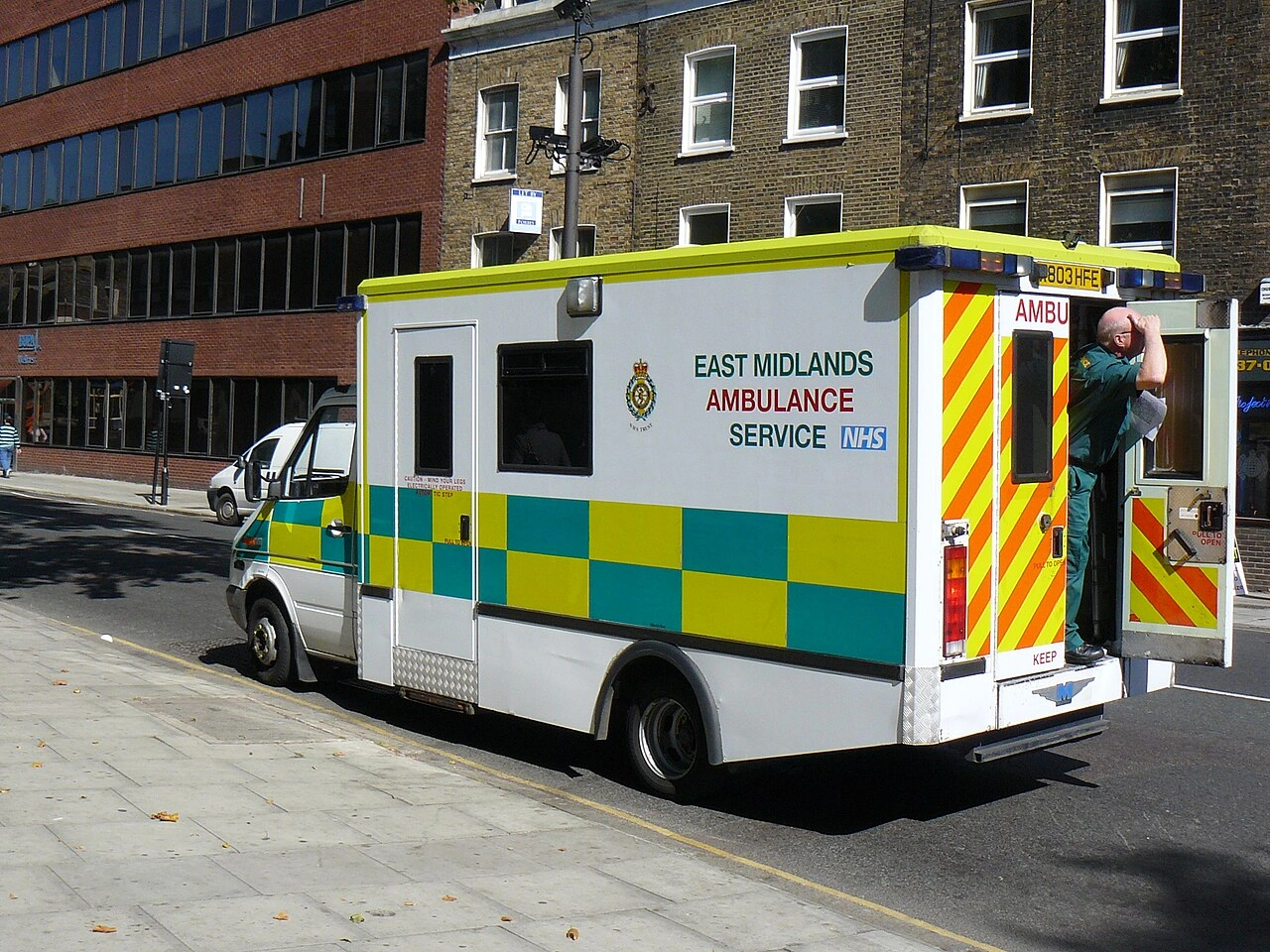
What is an ambulance?
An ambulance is a specially equipped vehicle used to provide emergency medical assistance and transport sick or injured people.
When does an ambulance have priority?
This depends on the local traffic rules and warning signals being used. Ambulances responding to emergencies commonly use flashing lights and a siren to indicate that other road users must make way.
What should you do when an ambulance approaches?
Remain calm and make sufficient space for it to pass. Slow down or stop where necessary, but avoid sudden or dangerous manoeuvres.
Should you stop immediately when you hear an ambulance siren?
Not necessarily in your exact position. Move or stop in a way that creates a safe passage without blocking an intersection, pedestrian crossing or another part of the road needed by the ambulance.
Can an ambulance pass a red traffic light?
Emergency vehicles may be allowed to pass a red light during an urgent response under special legal conditions. The precise rules differ between countries, and the ambulance driver must still take appropriate precautions.
Can an ambulance exceed the speed limit?
Many countries permit emergency vehicles to depart from certain normal speed rules during an urgent mission, subject to safety requirements and national legislation.
Can an ambulance drive through a traffic queue?
Yes, when responding to an emergency and legally permitted to do so. Other road users should create space and keep emergency corridors or access routes clear where required.
Can you follow an ambulance through traffic?
You should not use the passage created for an ambulance as a way to bypass congestion. Maintain a safe distance and continue to obey the normal traffic rules.
Do ambulances always use their sirens?
No. The use of warning lights and sirens depends on the urgency of the mission and local regulations. An ambulance transporting a patient does not necessarily need to use emergency signals throughout the journey.
What should you do near a stationary ambulance?
Reduce speed and remain alert. Medical personnel, patients or other emergency workers may be entering the road, and the ambulance may need to move unexpectedly.
70. Fahrbahn
Eine Fahrbahn, auch als Fahrbereich für Fahrzeuge bezeichnet, ist der Teil einer Straße, der in erster Linie für den Fahrzeugverkehr bestimmt ist. Eine Fahrbahn kann Verkehr in einer oder in beiden Richtungen führen und in einen oder mehrere Fahrstreifen unterteilt sein.
Die Fahrbahn ist nur ein Teil des gesamten Straßenraums. Radwege, Gehwege, Seitenstreifen, Parkflächen und andere straßenbegleitende Einrichtungen können eigene Teile der Straße bilden und unterschiedlichen Verkehrsregeln unterliegen.

What is a roadway?
A roadway, or carriageway, is the part of a road primarily intended for the movement of vehicles.
Is the roadway the same as the entire road?
No. The complete road can also contain pavements, cycle paths, verges, parking areas, central reservations and other sections that do not form part of the roadway.
Is a traffic lane the same as a roadway?
No. A traffic lane is a portion of the roadway intended for a line of moving vehicles. A roadway may contain one or several lanes.
Can a roadway carry traffic in both directions?
Yes. A roadway may carry two-way traffic or may be restricted to traffic travelling in only one direction.
Is a cycle path part of the roadway?
Normally no when it is legally designated as a separate cycle facility. It may form part of the wider road while remaining separate from the roadway.
Is a pavement part of the roadway?
No. A pavement or sidewalk is normally a separate part of the road intended primarily for pedestrians.
Can a parking area be separate from the roadway?
Yes. A designated parking strip or parking area may form a separate part of the road alongside the roadway.
Where should drivers normally travel?
Drivers normally use the roadway and the traffic lanes intended for their direction of travel, except where another part of the road is specifically provided or permitted for their vehicle category.
Can cyclists use the roadway?
Yes. Cyclists may or must use the roadway when permitted by local rules, particularly where no applicable cycle facility is available or compulsory.
Can pedestrians use the roadway?
Pedestrians may sometimes use the roadway when no suitable pedestrian facility is available, subject to the local rules governing their position and direction of travel.
Can road markings divide a roadway into lanes?
Yes. Continuous or broken longitudinal road markings commonly divide a roadway into individual traffic lanes and regulate how drivers may move between them.
Can different parts of the same road have different rules?
Yes. The roadway, cycle paths, pavements, parking areas and other sections may each have different permitted users and traffic rules.
71. Straße
Eine Straße ist ein Verkehrsweg in einem bebauten oder erschlossenen Gebiet, der Zugang zu Wohnhäusern, Unternehmen, Schulen, Geschäften und anderen Grundstücken oder Einrichtungen bietet. Straßen werden häufig von mehreren Arten von Verkehrsteilnehmern gemeinsam genutzt, darunter Kraftfahrer, Radfahrer und Fußgänger.
Eine Straße kann eine Fahrbahn, Gehwege, Radverkehrsanlagen, Parkplätze, Haltestellen des öffentlichen Verkehrs und weitere Infrastruktur umfassen. Geschwindigkeitsbegrenzungen, Vorfahrtsregeln, Parkbeschränkungen und zugelassene Verkehrsteilnehmer richten sich nach den örtlichen Verkehrszeichen, der Straßengestaltung und den Vorschriften.

What is a street?
A street is a road in a built-up or developed area that commonly provides access to buildings, properties and activities along it.
Is a street the same as a road?
Not exactly. Road is a broader term that can include motorways, rural roads and other routes. A street is normally associated with a built-up area and access to properties or activities.
Is a street the same as the roadway?
No. The roadway or carriageway is the part primarily intended for vehicle traffic. A street can also contain pavements, cycle facilities, parking areas and other infrastructure.
Can pedestrians use a street?
Yes. Pedestrians normally use the pavement, sidewalk or other pedestrian facilities provided along the street and cross the roadway according to the applicable crossing rules.
Can cyclists use a street?
Yes. Cyclists may use cycle paths, cycle lanes or the roadway according to the local traffic rules and infrastructure.
Can a street have one-way traffic?
Yes. A street may be restricted to vehicles travelling in one direction, while signs may sometimes allow particular road users such as cyclists to travel in both directions.
Can a street be closed to motor vehicles?
Yes. Streets may form pedestrian zones, school streets, play streets or other restricted areas where motor-vehicle access is prohibited or limited.
Is there one speed limit for all streets?
No. The applicable speed depends on the country, location, type of street and traffic signs. Special lower limits commonly apply in residential, school or pedestrian-oriented areas.
Can cars park on a street?
Yes, where parking is permitted. Drivers must respect parking signs, road markings and general restrictions concerning crossings, intersections, driveways and other protected locations.
Can public transport use a street?
Yes. Streets may carry buses, trams or other public transport and can include dedicated lanes, tracks and passenger stops.
Can a street include a cycle path?
Yes. A cycle path may run along a street while remaining a separate part of the road from the ordinary roadway.
What should drivers expect on a street?
Drivers should expect frequent interaction with pedestrians, cyclists, parked vehicles, intersections, driveways and public transport and should adapt their speed and observation accordingly.
72. Schlagloch
Ein Schlagloch ist ein Loch oder eine Vertiefung in der Fahrbahnoberfläche, verursacht durch Verschleiß, Witterung, Wasser, wiederholte Verkehrsbelastung oder die Alterung des Straßenbelags. Schlaglöcher können stark in Größe und Tiefe variieren und sich allmählich entwickeln oder nach Frost, starkem Regen oder wiederholter Fahrzeugbelastung verschlimmern.
Schlaglöcher können Lenkung, Bremsen und Fahrzeugstabilität beeinträchtigen und Reifen, Räder oder Fahrwerkskomponenten beschädigen. Fahrer und Zweiradfahrer sollten die Fahrbahn voraus beobachten, ihre Geschwindigkeit anpassen und bei beschädigter Fahrbahn plötzliche oder gefährliche Ausweichmanöver vermeiden.

What is a pothole?
A pothole is a hole or depression that develops in a road surface when the pavement becomes damaged or deteriorates.
How do potholes form?
Potholes can develop through a combination of water, temperature changes, traffic loads and deterioration of the road material. Cracks can gradually expand until pieces of the surface break away.
Why are potholes dangerous?
A pothole can cause a vehicle to change direction suddenly, lose stability or suffer tyre, wheel or suspension damage. Deep potholes can present a particularly serious hazard at higher speeds.
What should you do when you see a pothole?
Reduce speed when necessary, maintain control of the vehicle and avoid abrupt steering or braking. Only move around the pothole when this can be done safely without endangering other road users.
Should you brake while driving through a pothole?
If possible, reduce your speed before reaching the pothole. Sudden heavy braking or steering while passing over a damaged surface can make the vehicle less stable.
Are potholes particularly dangerous for motorcycles?
Yes. A pothole can disturb the steering or balance of a motorcycle and may cause the rider to lose control.
Are potholes dangerous for cyclists?
Yes. Bicycle wheels can be strongly affected by deep holes or sharp edges, particularly when the cyclist has little time or space to avoid the hazard.
Can a pothole damage a car?
Yes. Severe impacts can damage tyres, wheel rims, suspension components, steering parts or wheel alignment.
Should you swerve suddenly to avoid a pothole?
No. A sudden evasive movement may create a greater danger by bringing the vehicle into conflict with cyclists, pedestrians, oncoming traffic or vehicles in another lane.
Can a warning sign indicate potholes ahead?
Yes. Depending on the country's traffic-sign system, an uneven-road or general-danger warning sign may be used where poor road conditions create a significant hazard.
73. Privatstraße
Eine Privatstraße ist eine auf privatem Grund gelegene Straße, deren Nutzung vom Eigentümer oder Betreiber kontrolliert oder beschränkt wird. Sie kann Wohnhäuser, Unternehmen, Industrieanlagen, landwirtschaftliche Betriebe, Parkplätze oder andere privat verwaltete Grundstücke erschließen.
Eine Privatstraße kann vollständig für die Öffentlichkeit gesperrt oder nur für Bewohner, Kunden, Beschäftigte, Besucher oder andere berechtigte Nutzer zugänglich sein. Ob die gewöhnlichen Straßenverkehrsregeln gelten, hängt vom rechtlichen Status und der öffentlichen Zugänglichkeit der Straße ab und nicht allein davon, wem das Grundstück gehört.
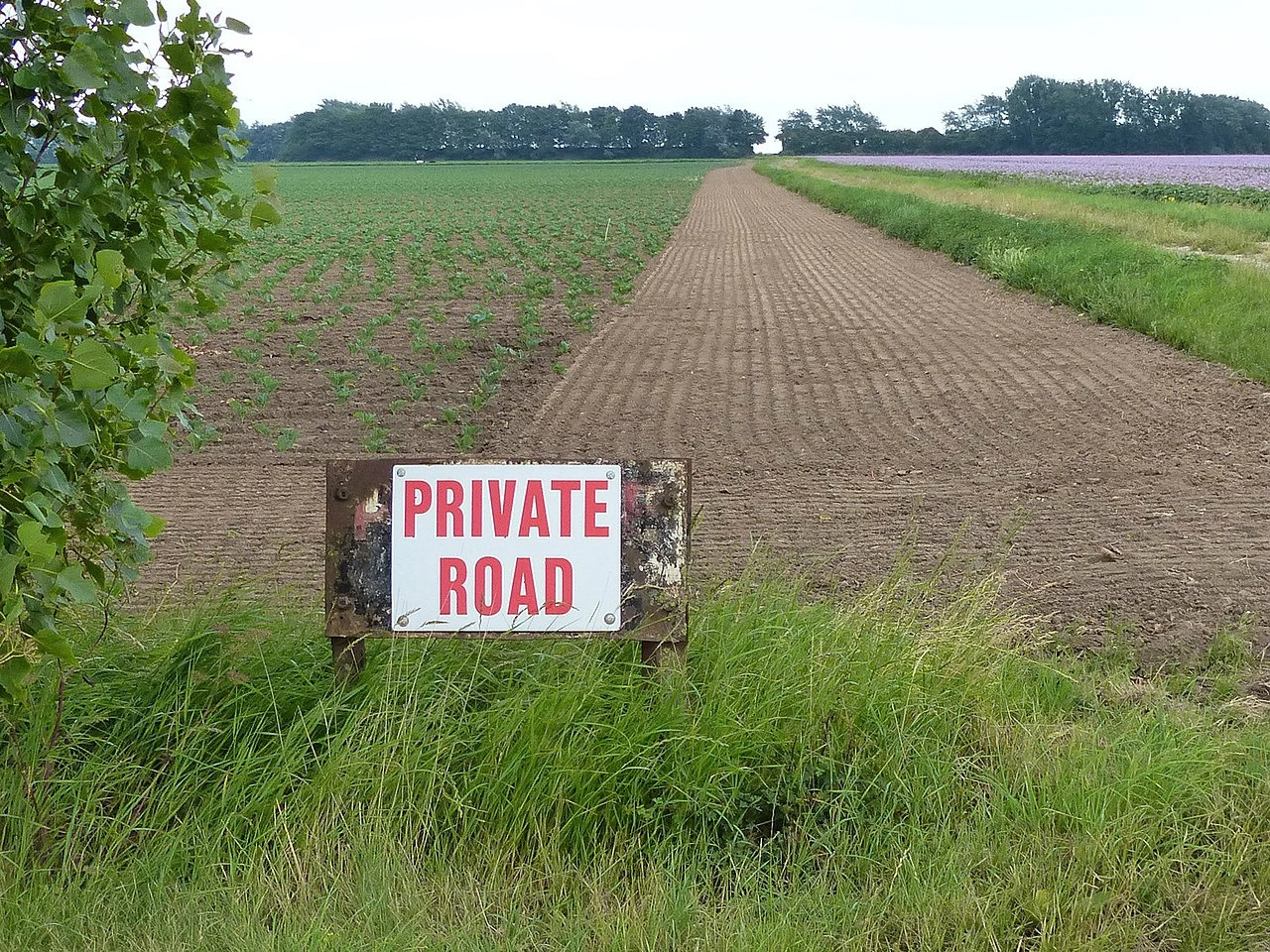
What is a private road?
A private road is a road whose access and use are controlled by a private owner or organisation rather than being freely available as part of the ordinary public-road network.
Who may use a private road?
This depends on the owner's access rules. Use may be limited to residents, visitors, customers, employees, delivery vehicles or other authorised persons.
Can a private road be open to the public?
Yes. A privately owned road may be made available to general public traffic. In some legal systems, this can affect which traffic rules apply to it.
Is a private road the same as private property?
No. A private road is one particular type of private property. Private property can also include buildings, gardens, yards, car parks and other land.
Can the owner close a private road?
Generally yes, subject to applicable legal rights and restrictions. Access can be controlled by gates, barriers, signs or permits.
Do traffic signs on a private road have the same legal status as official road signs?
Not necessarily. Their legal effect depends on the country, road status and authority under which they were installed.
Do normal speed limits apply on a private road?
This depends on whether the road falls within the scope of the country's road-traffic legislation. The owner may also impose additional private speed restrictions.
Can you park on a private road?
Only when the owner's rules and applicable law permit it. Parking may be reserved, restricted or prohibited.
Can unauthorised vehicles be removed from a private road?
Depending on local law, the owner or operator may be able to arrange removal of vehicles that are unauthorised, abandoned or obstructing access.
What should you do when leaving a private road?
Approach the public road carefully and follow the applicable rules for joining traffic from private property or an access road. Drivers commonly have to give way to road users already using the public road.
Can emergency vehicles enter a private road?
Yes, where their duties and local law permit it. Access may be necessary for fire, medical, police or rescue operations.
Why is the legal status of a private road important?
It determines whether ordinary road-traffic rules, insurance requirements, traffic signs and enforcement powers apply in the same way as they do on a public road.
74. Weg
Ein Weg ist eine relativ schmale Verkehrsverbindung, die für Fußgänger und, soweit erlaubt, andere Verkehrsteilnehmer oder kleine Fahrzeuge bestimmt ist. Wege können durch bebaute Gebiete, Landschaften, Parks oder Wälder führen oder andere Straßen miteinander verbinden und befestigt oder unbefestigt sein.
Ein Weg ist nicht zwangsläufig dasselbe wie ein Fußweg oder Radweg. Welche Verkehrsteilnehmer ihn benutzen dürfen, hängt von seinem rechtlichen Status, seiner Breite, den Verkehrszeichen und den örtlichen Vorschriften ab.

What is a path?
A path is a relatively narrow route intended primarily for pedestrians and, where permitted, other road users or small vehicles.
Is a path the same as a footpath?
Not necessarily. A footpath is specifically intended for pedestrians, while a path may also permit cyclists or other users according to local rules.
Is a path the same as a cycle path?
No. A cycle path is specifically designated for bicycles and other permitted users. An ordinary path does not automatically have that legal status.
Can cyclists use a path?
This depends on the legal status, width and signs applying to the path. Some paths permit cyclists, while others are reserved for pedestrians or particular users.
Can motor vehicles use a path?
This depends on local law. Some paths prohibit motor vehicles entirely, while narrow vehicles may be permitted on other paths unless traffic signs restrict access.
Can a path be part of the public-road network?
Yes. A narrow path can legally form part of the public-road network even when it is unsuitable for ordinary cars.
Does a path need to be paved?
No. Paths can be paved, gravelled, compacted or unsurfaced depending on their location and purpose.
Can traffic signs restrict access to a path?
Yes. Signs can reserve a path for particular road users or prohibit certain vehicles, regardless of whether they could physically fit on it.
Who has priority when a path joins a larger road?
The applicable local priority rules determine who must give way. Special rules often apply when a minor path joins an ordinary road.
Can pedestrians and cyclists share a path?
Yes, where both are permitted. Faster users should adapt their speed and avoid endangering or unnecessarily obstructing pedestrians.
Can a path cross another road?
Yes. At the crossing, users must follow the applicable priority signs, traffic lights, road markings and general right-of-way rules.
Is every narrow route legally a path?
No. Its legal classification depends on the definitions and regulations of the country concerned. A narrow route might instead be a footpath, cycle path, private access road or another type of facility.
75. Feinstaub
Partikel oder Feinstaub (PM) sind winzige feste Teilchen oder Flüssigkeitströpfchen, die in der Luft schweben. Im Straßenverkehr können Partikelemissionen aus Fahrzeugabgasen, Bremsenabrieb, Reifenabrieb und Straßenabrieb sowie aus Staub entstehen, der durch vorbeifahrende Fahrzeuge aufgewirbelt wird.
Feinstaub wird üblicherweise nach Partikelgröße eingeteilt. PM10 bezeichnet Teilchen mit einem Durchmesser von bis zu ungefähr 10 Mikrometern, während PM2.5 feinere Teilchen bis ungefähr 2,5 Mikrometer bezeichnet. Fahrzeugemissionsnormen, Partikelfilter und Maßnahmen zur Luftreinhaltung dienen dazu, die Belastung durch diese Schadstoffe zu verringern.
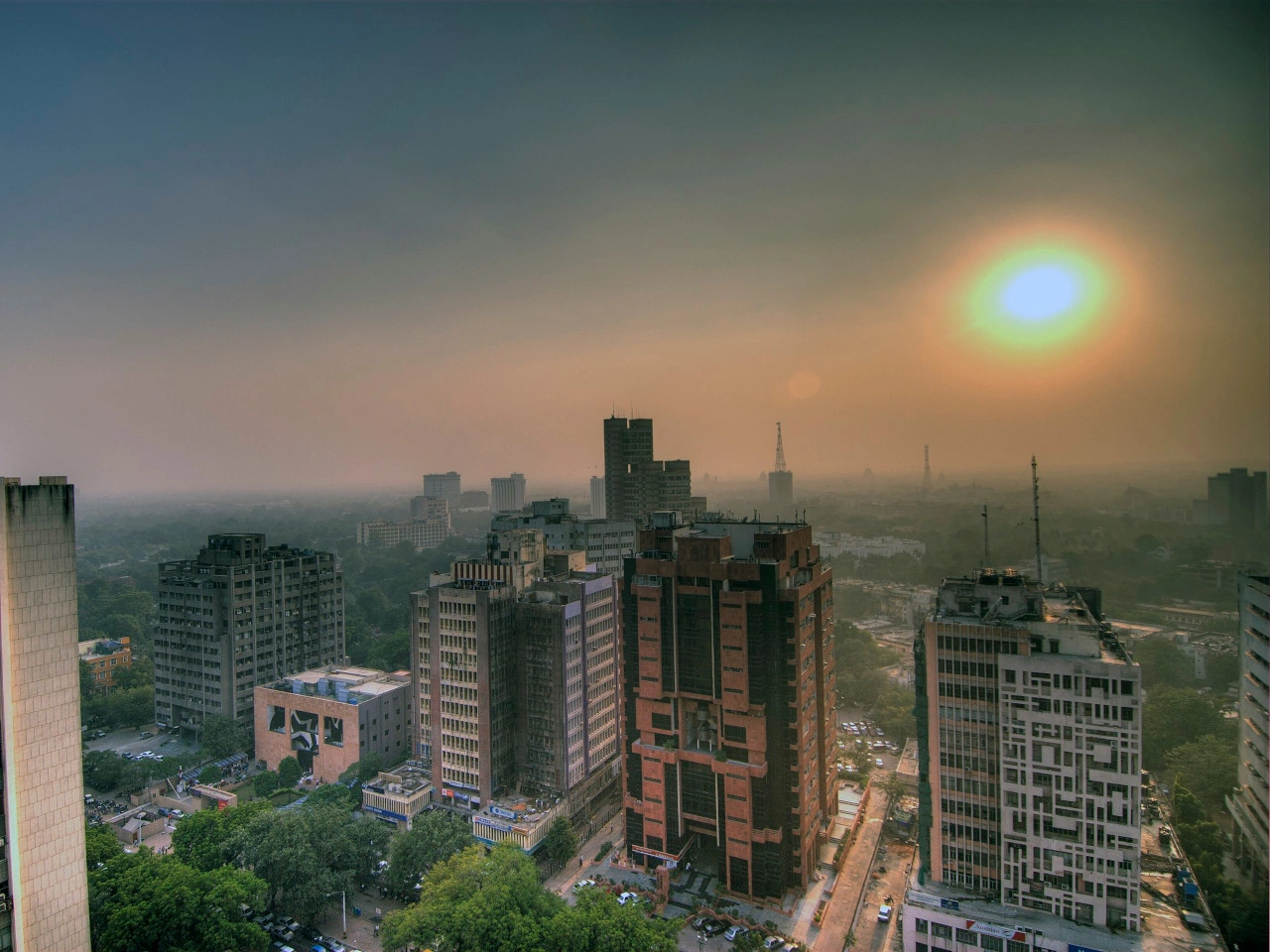
What are particulates?
Particulates, or particulate matter, are very small solid particles or liquid droplets suspended in the air.
What are PM10 and PM2.5?
PM10 refers to particles with a diameter of up to approximately 10 micrometres. PM2.5 refers to finer particles with a diameter of up to approximately 2.5 micrometres.
Where do traffic particulates come from?
Road traffic can produce particles through engine exhaust, brake wear, tyre wear and road-surface wear. Passing traffic can also resuspend dust already present on the road.
Are diesel vehicles a source of particulates?
Yes. Combustion in diesel engines can produce very small soot particles. Modern diesel vehicles commonly use particulate filters to capture a large proportion of these exhaust particles.
What is a particulate filter?
A particulate filter is an exhaust-treatment device designed to trap particulate matter produced by an engine. Diesel particulate filters are commonly known as DPFs.
Do petrol engines produce particulates?
Yes. Petrol engines can also produce particulate emissions, particularly certain direct-injection engines. Appropriate emission-control systems may therefore include particulate filters.
Do electric vehicles produce particulates?
Fully electric vehicles produce no exhaust particulates from a combustion engine, but particles can still result from tyre wear, road wear and braking.
Are brake and tyre particles regulated?
Vehicle-emission regulation is increasingly addressing non-exhaust emissions. The European Euro 7 framework includes requirements concerning brake-particle emissions and tyre abrasion.
Is particulate matter the same as CO2?
No. Particulate matter consists of tiny airborne particles, while carbon dioxide is a gas. They are different types of vehicle emissions and are regulated for different environmental reasons.
How can vehicle particulate emissions be reduced?
Measures include effective particulate filters, cleaner vehicle technologies, correctly maintained emission-control systems and reductions in brake, tyre and road-wear emissions.