Geschlossene OrtschaftSchweden

Lerne Verkehrsregeln mit klaren Erklärungen und visuellen Beispielen in unserem illustrierten Buch – einfach, verständlich und anschaulich.


4. Geschlossene Ortschaft

Eine geschlossene Ortschaft ist ein Gebiet mit konzentrierter Bebauung, Straßennetz und regelmäßiger lokaler Aktivität. Fahrer müssen mit mehr Fußgängern, Radfahrern, Kreuzungen, geparkten Fahrzeugen, öffentlichen Verkehrsmitteln sowie Fahrzeugen rechnen, die Grundstücke verlassen oder anfahren.

Viele Länder wenden innerhalb geschlossener Ortschaften besondere Verkehrsregeln und niedrigere allgemeine Geschwindigkeitsbegrenzungen an. Der Bereich kann durch Ortseingangs- und Ortsausgangsschilder, Straßenbeleuchtung oder andere gesetzliche Kriterien bestimmt werden; Fahrer müssen daher die örtlichen Verkehrszeichen und Vorschriften beachten.
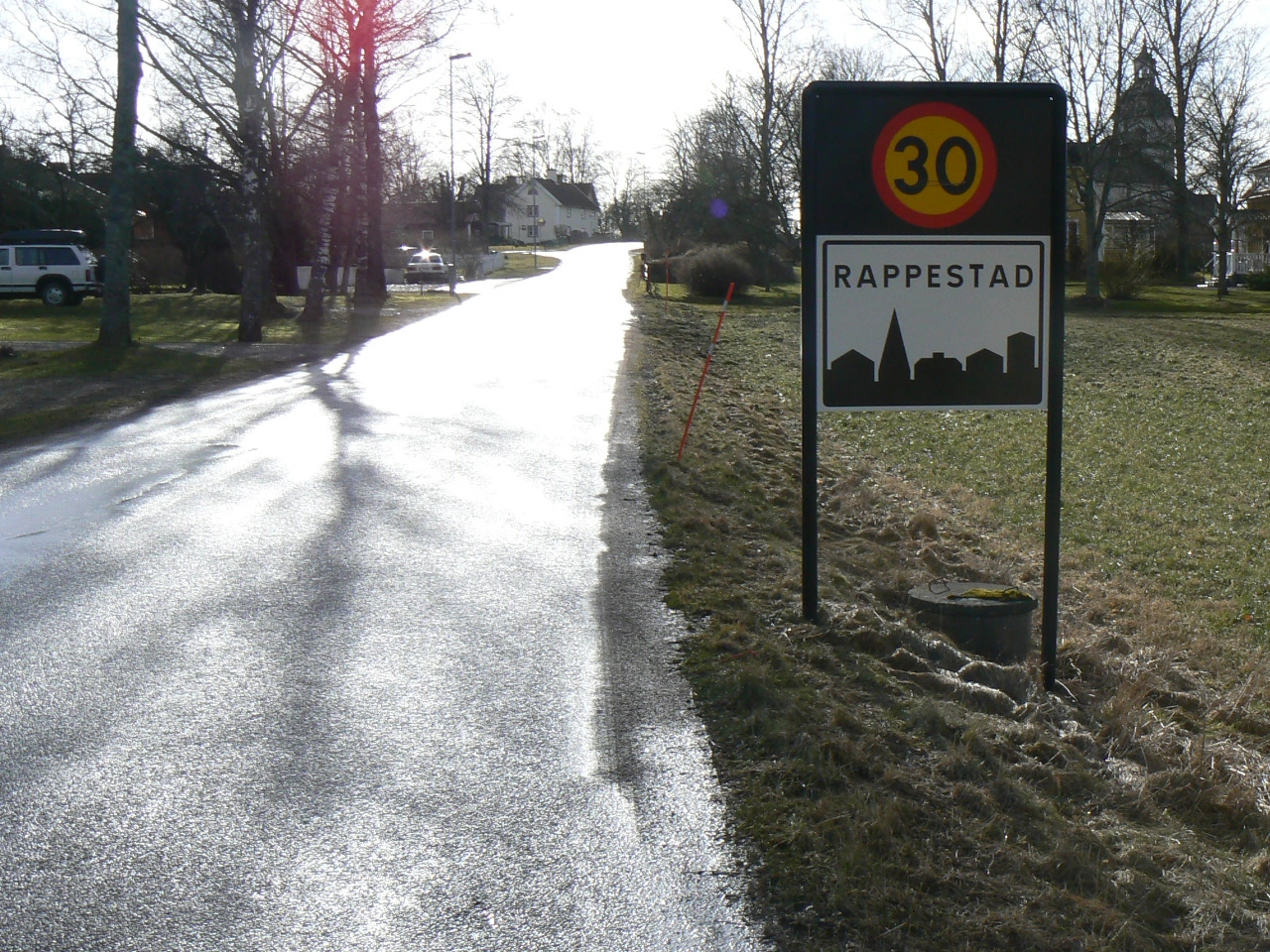
Geschlossene Ortschaft
How can you recognise a built-up area?

A built-up area commonly contains closely spaced buildings, local streets, intersections, pavements, pedestrians and regular access to properties. Some countries use official entrance and exit signs, while others define built-up roads through street lighting or other legal criteria.

Is a built-up area the same as a town or city?

Not necessarily. A legally defined built-up area may cover only part of a town or may include several connected settlements. Administrative boundaries and traffic-law boundaries do not always coincide.

Is a built-up area the same as a residential area?

No. A built-up area may contain residential, commercial, industrial and public streets. A residential area is mainly associated with housing and may form only one part of a built-up area.

How does a built-up area begin and end?

In many countries, the area begins and ends at official traffic signs. In others, road lighting, development or another legal definition determines whether a road is inside a built-up area. Drivers should not rely only on the appearance of the surroundings.

What is the speed limit in a built-up area?

There is no universal built-up-area speed limit. The default limit differs between countries and regions, and traffic signs may impose a lower or higher limit on a particular road or throughout a zone.

Does the built-up-area speed limit apply on every road?

The general limit normally applies unless a traffic sign, road category or special rule establishes another limit. Major urban roads may have a higher signed limit, while residential streets, school areas and city centres may have lower limits.

Does a speed-limit sign remain valid after an intersection?

This depends on local law and the type of sign. A local speed restriction may end at the next intersection in some countries, while a zonal speed limit normally continues until an end-of-zone sign.

Do pedestrians have priority throughout a built-up area?

No. Pedestrians do not automatically have priority everywhere merely because they are in a built-up area. Their priority depends on crossings, traffic signals, shared-space rules and local law. Drivers must nevertheless remain especially alert for pedestrians.

How should you drive in a built-up area?

Adjust your speed, watch both sides of the road and expect frequent changes in traffic. Be prepared for pedestrians crossing, cyclists changing position, buses leaving stops, opening vehicle doors and vehicles emerging from side roads or driveways.

Are parking rules different in a built-up area?

Some countries apply additional stopping and parking restrictions inside built-up areas. Drivers must follow signs, markings and local rules and must not obstruct pavements, crossings, entrances, cycle facilities or visibility at intersections.

What is the difference between a built-up area and a speed zone?

A built-up area is a broader traffic-law area that may contain many different roads and activities. A speed zone imposes a particular maximum speed throughout the signed zone and may be located inside or outside a built-up area.

When do the built-up-area rules end?

The rules end at the legally defined boundary, which may be indicated by an end-of-built-up-area sign. After that point, the rules and default speed limits for roads outside built-up areas normally apply.

1 Schweden 2 Autobahn 3 Wohngebiet 4 Geschlossene Ortschaft 5 Geschwindigkeitsbegrenzung 6 Radweg 7 Gemeinsamer Geh- und Radweg 8 Mautstraße 9 Kaianlage 10 Steigung oder Gefälle 11 Bushaltestelle 12 Stoppschild 13 Vorfahrt gewähren 14 Kreisverkehr 15 Fußgängerüberweg 16 Bahnübergang 17 Wild- oder Viehwechsel 18 Straßenarbeiten 19 Höhenbegrenzung 20 Selektive Sperren 21 Ampeln 22 Fußgängerampeln 23 Verkehrsspiegel 24 Radroute 25 Parken 26 Parkverbot 27 Halteverbot 28 Rückwärtsfahren 29 Kennzeichen 30 Ladestation 31 Allgemeine Gefahr 32 Bus 33 Polizei 34 Krankenwagen 35 Europäische Abgasnorm 36 Schlagloch 37 Weg 38 Feinstaub 39 Luftverschmutzung 40 Hauptverkehrszeit 41 Straßenverkehrsordnung 42 2+1-Straße 43 2-1-Straße 44 Straßenrinne 45 Lastenfahrrad 46 Forstfahrzeug 47 Baufahrzeug 48 Sattelzug 49 Oberleitungsbus 50 Speed-Pedelec 51 Lieferfahrzeug 52 Leerlauf 53 Abschleppwagen 54 Allradantrieb 55 Fahrrad 56 Motorradausrüstung 57 Gleis 58 Wohnwagen 59 Anhänger 60 Anhängerkupplung 61 Feuerwehrfahrzeug 62 Sirene 63 Konvoi 64 Warnbeleuchtung von Einsatzfahrzeugen 65 Landwirtschaftliche Maschinen 66 Elektrofahrrad 67 Elektrofahrzeug 68 Pedelec 69 Leichtkraftfahrzeug 70 Microcar 71 Geländefahrzeug 72 Lieferwagen 73 Freizeitfahrzeug 74 Motorroller 75 Trikke 76 Persönliches Mobilitätsgerät 77 Skateboard 78 Segway 79 Tretroller 80 Rollschuhe 81 Postzusteller 82 Anhalter 83 Kleinkind 84 Kind 85 Behinderung 86 Autoreisezug 87 km/h 88 mph 89 Tachometer 90 Bodenfreiheit 91 Erdstraße 92 Fahren 93 Start-Stopp-System 94 Schaltgetriebe 95 Automatikgetriebe 96 Gassteuerung 97 Drehzahlmesser 98 Lenkrad 99 Servolenkung 100 Verkehrsbeobachtung ...