


QuizTraffic rulesBosnia and Herzegovina
This interesting quiz helps you test your knowledge in a clear and visual way. With easy multiple-choice questions, you can quickly build confidence and learn new facts while keeping it simple, interactive, and fun.
 Traffic signs
 Traffic rules
 Bosnia and Herzegovina
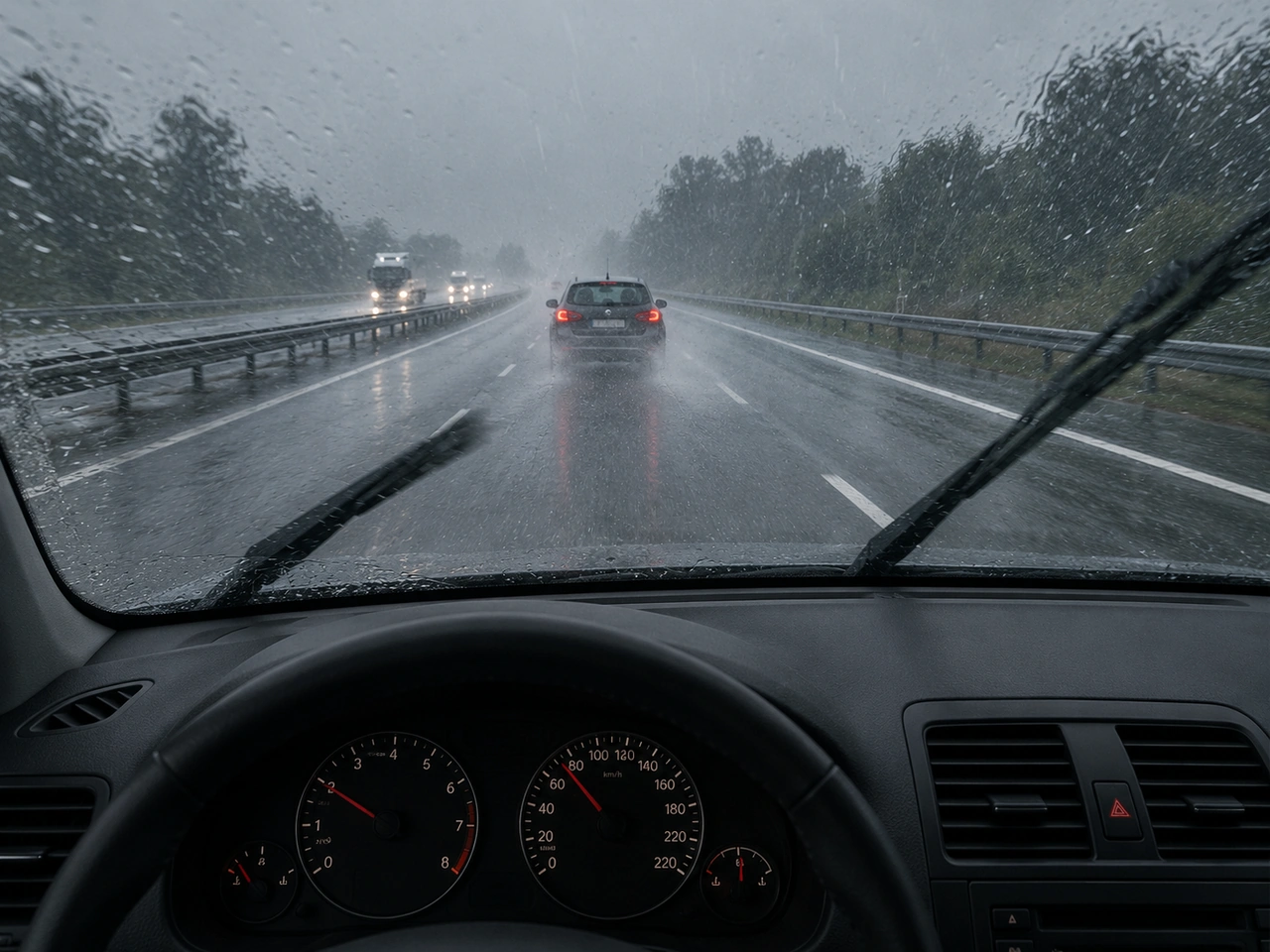
151. What should you do when driving through heavy rain?
Heavy rain reduces grip and visibility. Lower speed and extra distance give you more time to react safely.
AI-generated by Traffic-rules.com • WCIT • CC BY-SA

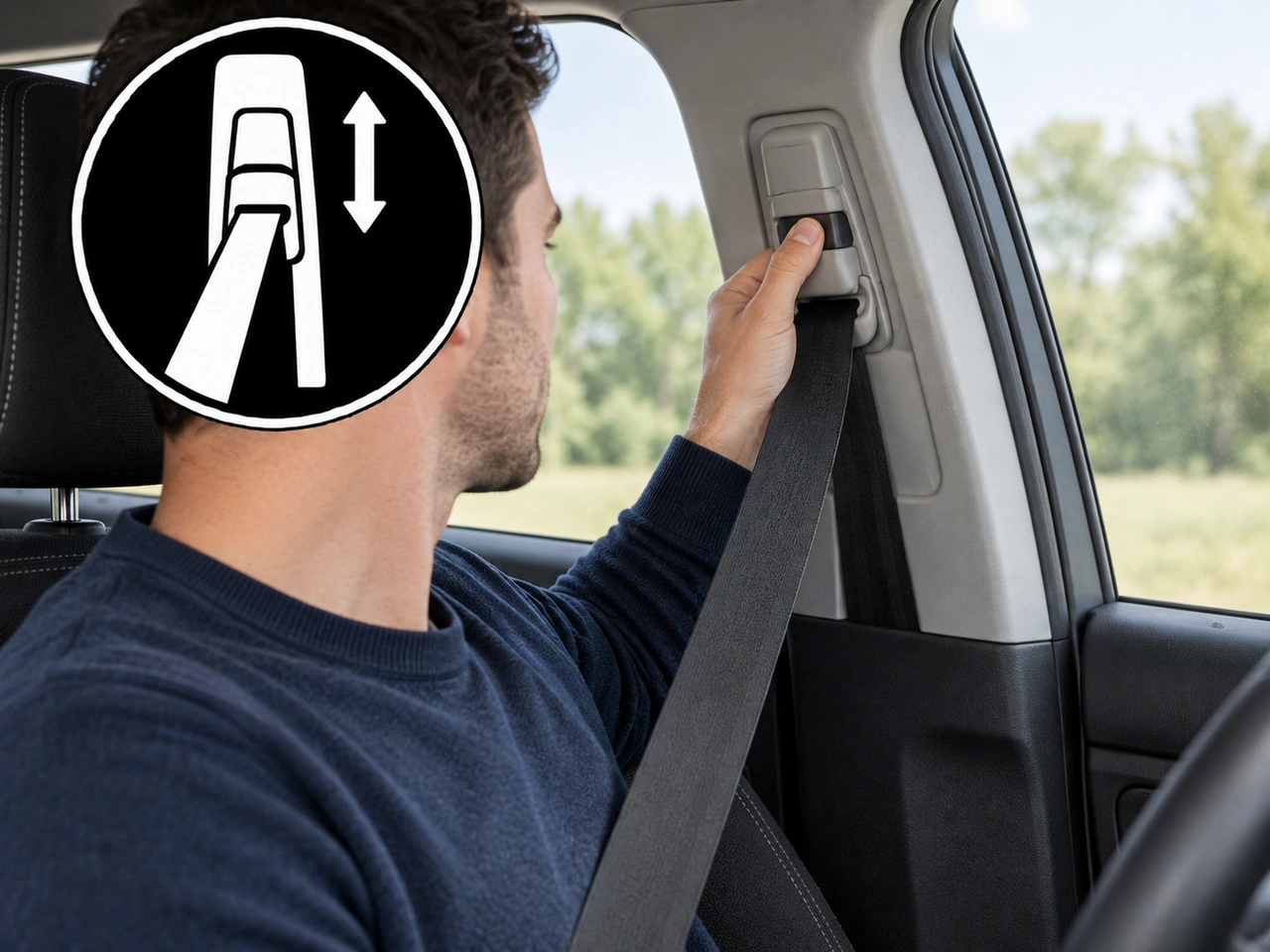
152. Why should the seat-belt height be adjusted correctly?
The seat-belt height adjustment helps position the shoulder belt correctly across the chest and shoulder. It should not run across the neck or under the arm.
AI-generated by Traffic-rules.com • WCIT • CC BY-SA
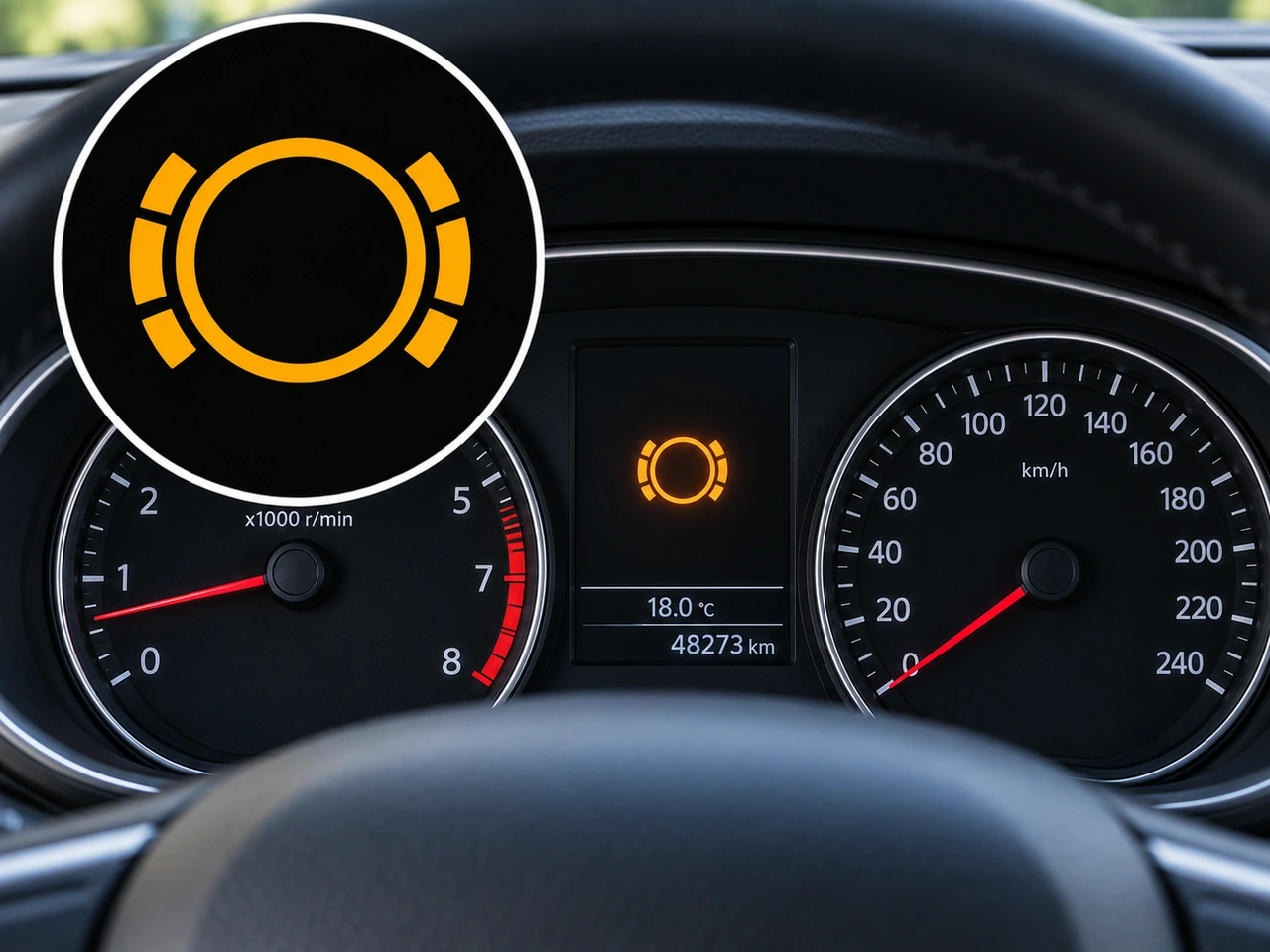
153. What does this dashboard symbol indicate?
This symbol indicates that the brake pads may be worn and should be inspected. Continuing to drive with excessively worn brake pads can reduce braking performance and damage other brake components.
AI-generated by Traffic-rules.com • WCIT • CC BY-SA
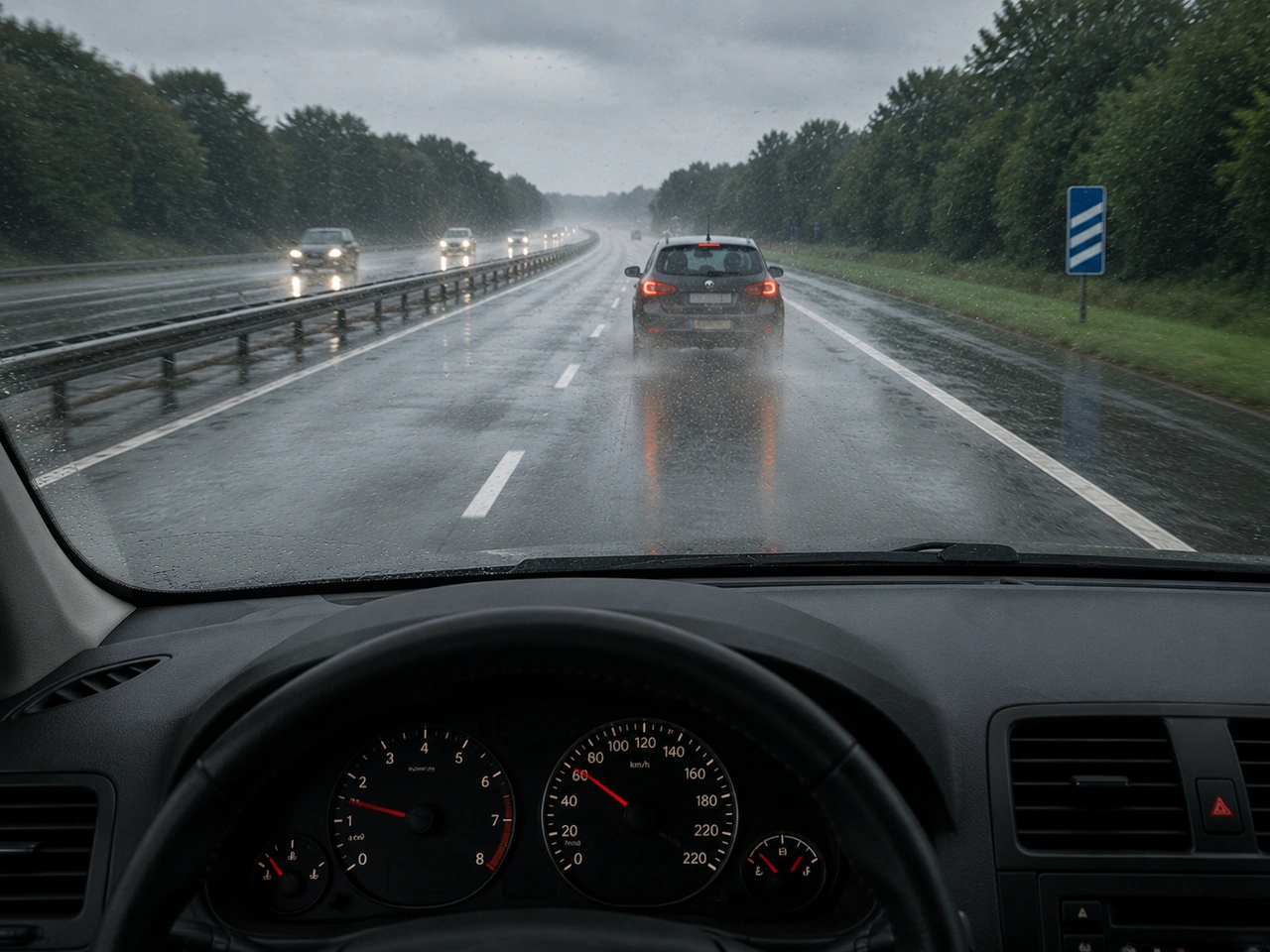
154. Why should you increase your following distance on wet roads?
Water reduces grip between the tyres and the road, so it takes longer to slow down or stop safely.
AI-generated by Traffic-rules.com • WCIT • CC BY-SA
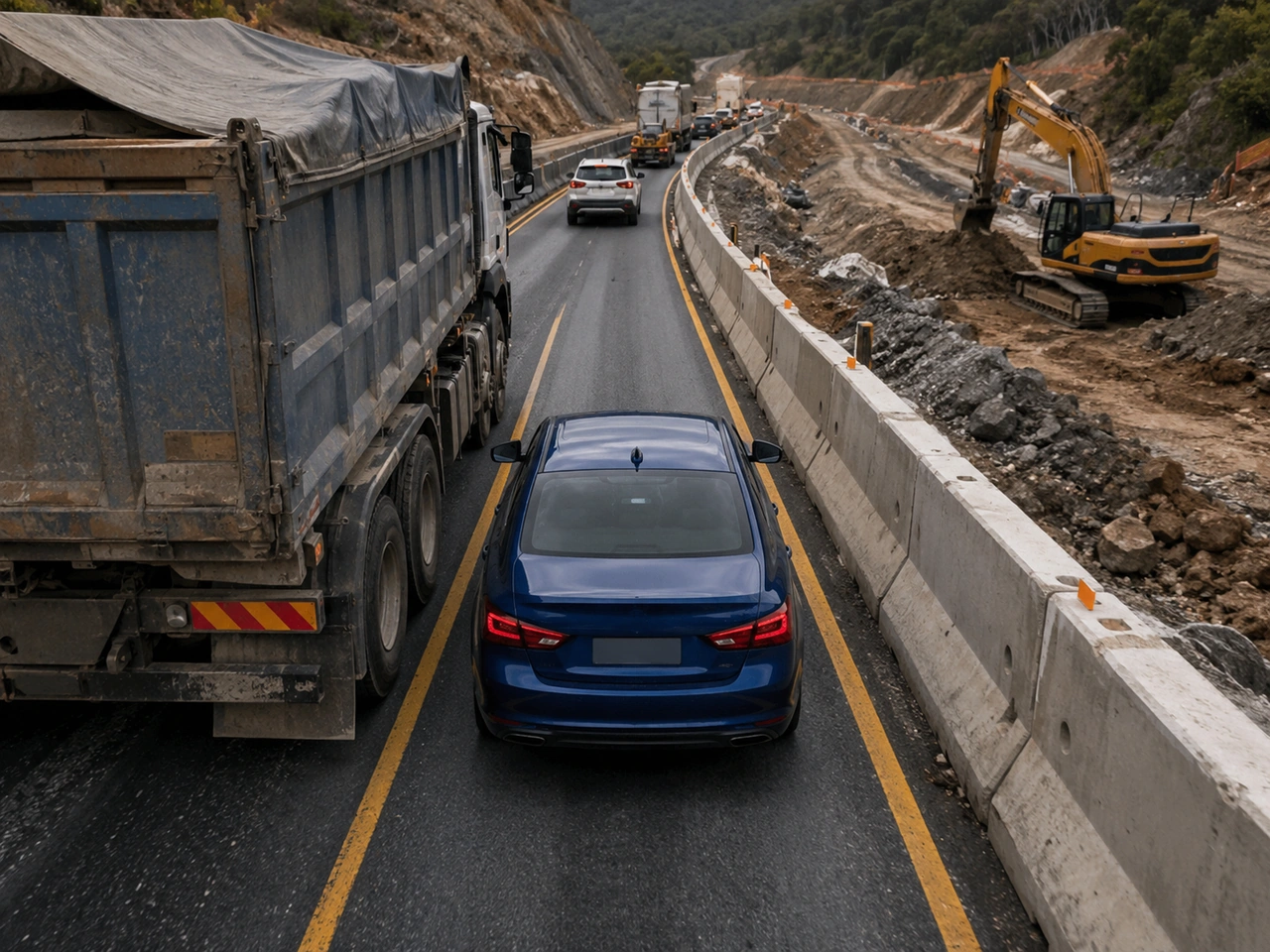
155. Why should you avoid unnecessary lane changes in roadworks?
Frequent lane changes create additional risk where space is limited and drivers are already adapting to temporary layouts.
AI-generated by Traffic-rules.com • WCIT • CC BY-SA
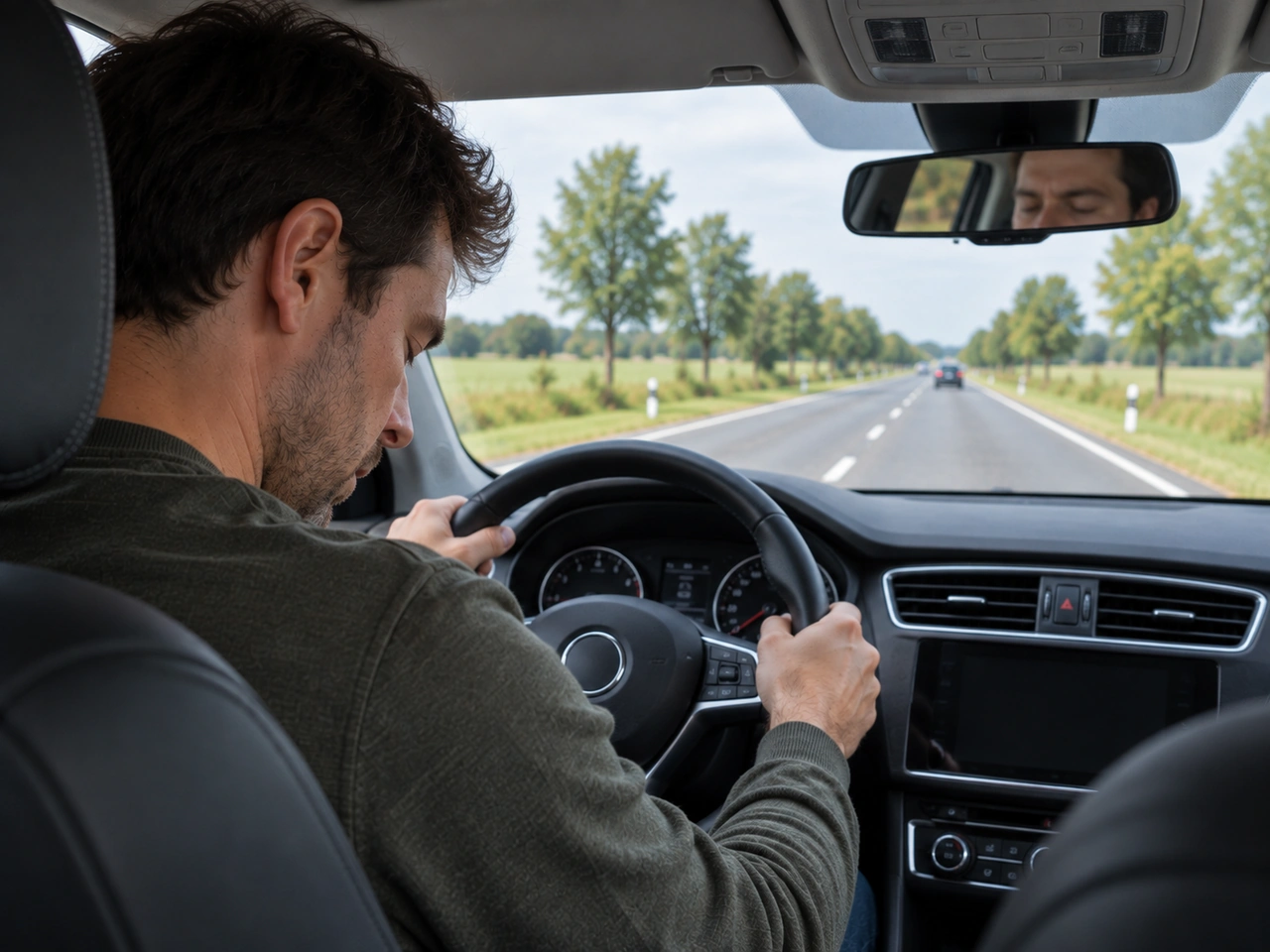
156. Why is a microsleep especially dangerous while driving?
A microsleep is a brief, involuntary episode of sleep that can last for a few seconds. During that time, you may lose awareness of the road and travel a considerable distance without reacting to hazards.
AI-generated by Traffic-rules.com • WCIT • CC BY-SA
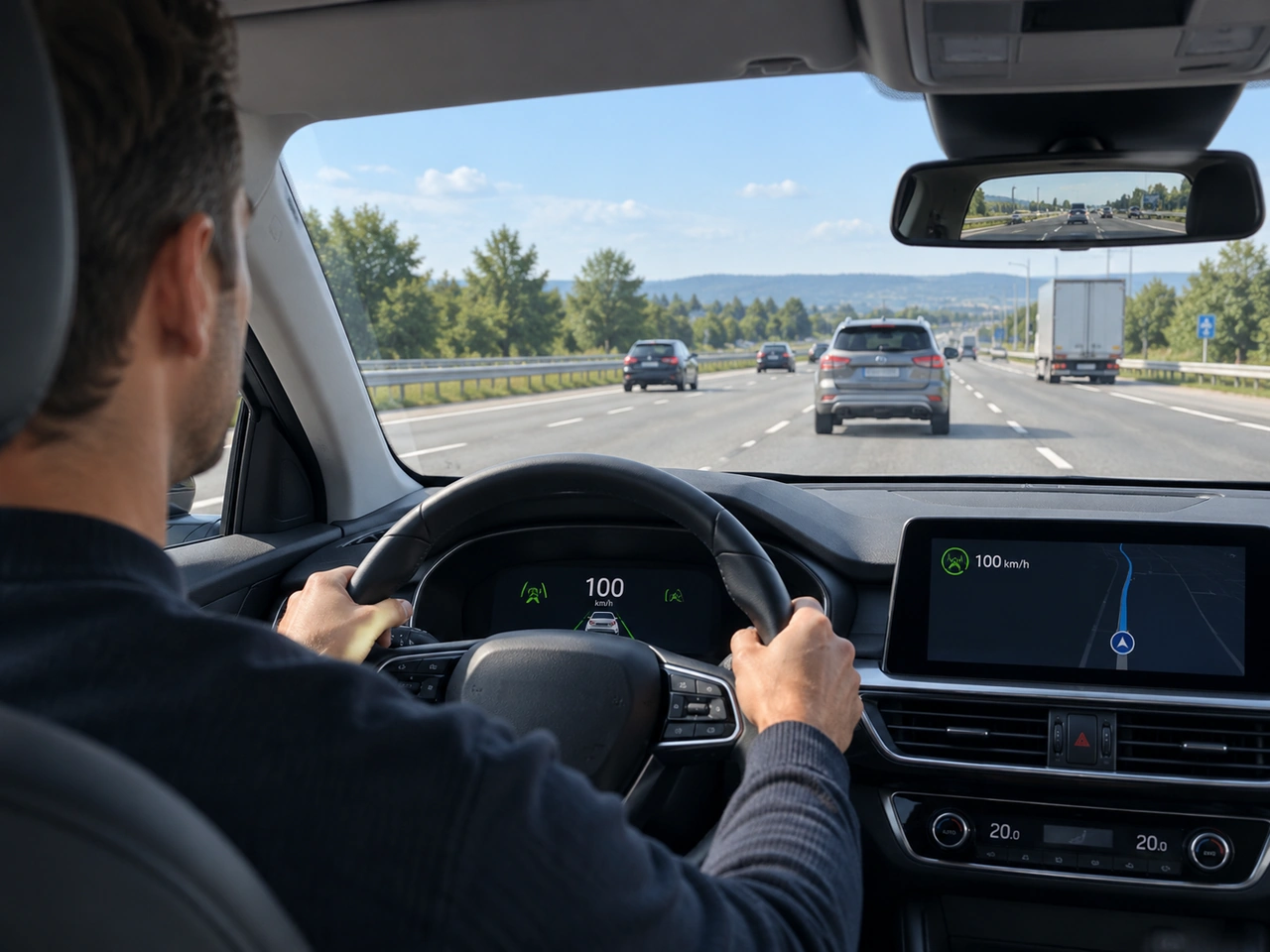
157. What should you remember when using driver-assistance systems?
Driver-assistance systems can help with tasks such as maintaining speed, monitoring lanes, or warning about hazards, but they do not replace the driver. Stay attentive, monitor the road and traffic, and be ready to take control whenever necessary.
AI-generated by Traffic-rules.com • WCIT • CC BY-SA
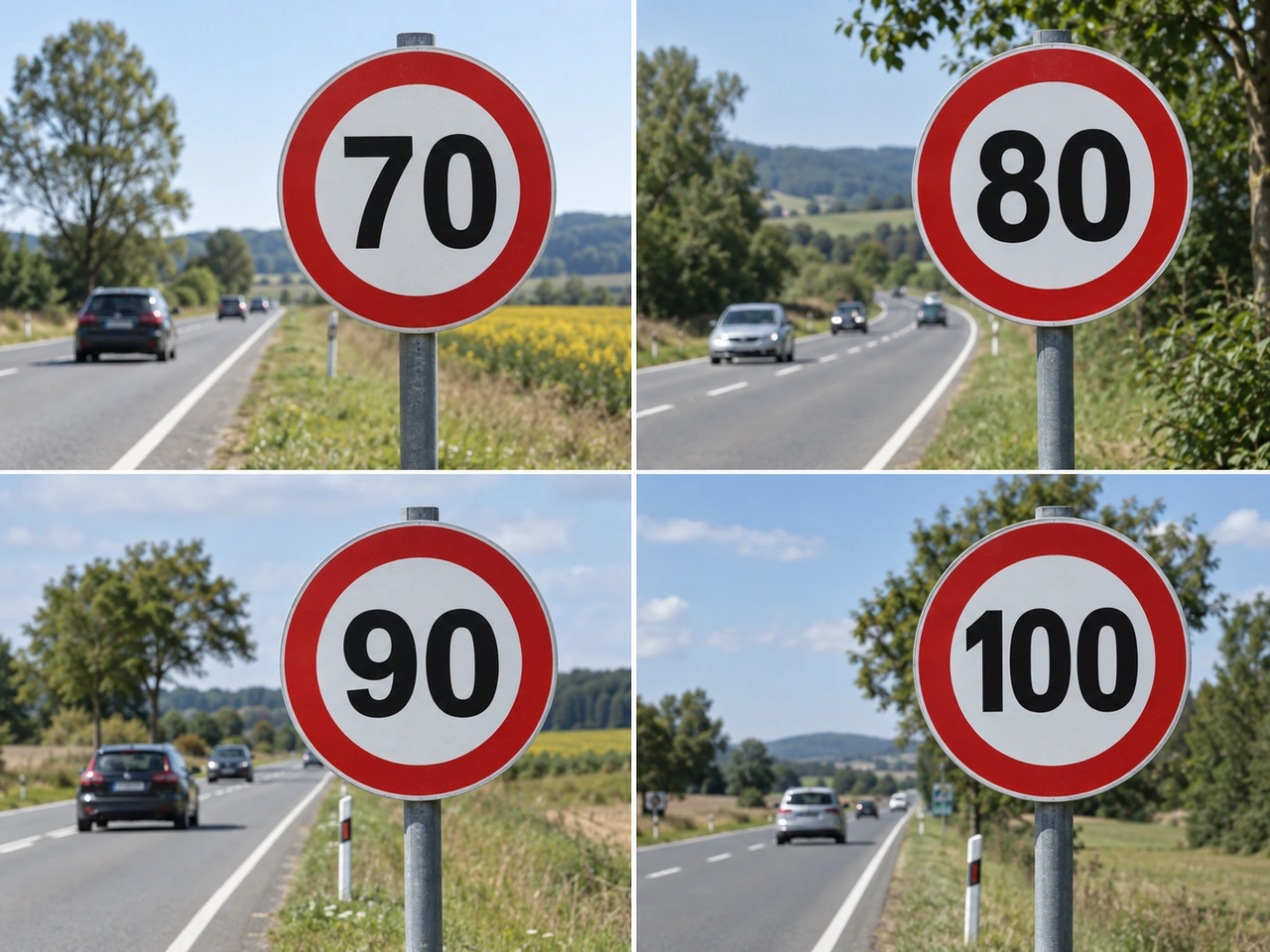
158. What is the general speed limit for cars on ordinary roads outside built-up areas in Bosnia and Herzegovina?
In Bosnia and Herzegovina, the general speed limit for cars on ordinary roads outside built-up areas is 80 km/h, unless signs indicate otherwise.
AI-generated by Traffic-rules.com • WCIT • CC BY-SA
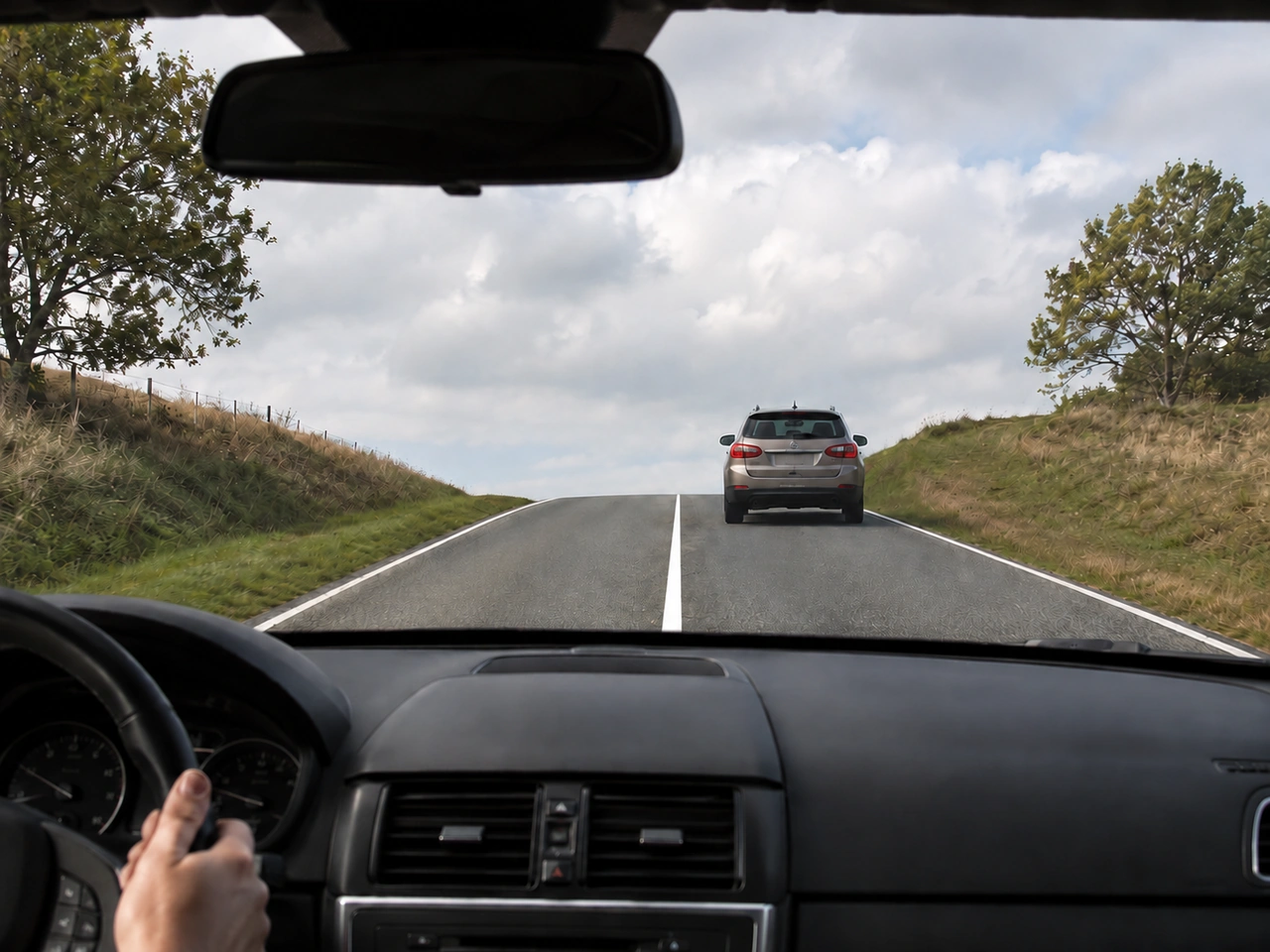
159. Why should you not overtake near the top of a hill?
Near the top of a hill, your view ahead is limited. Oncoming vehicles, cyclists, pedestrians, or obstacles may be hidden.
AI-generated by Traffic-rules.com • WCIT • CC BY-SA
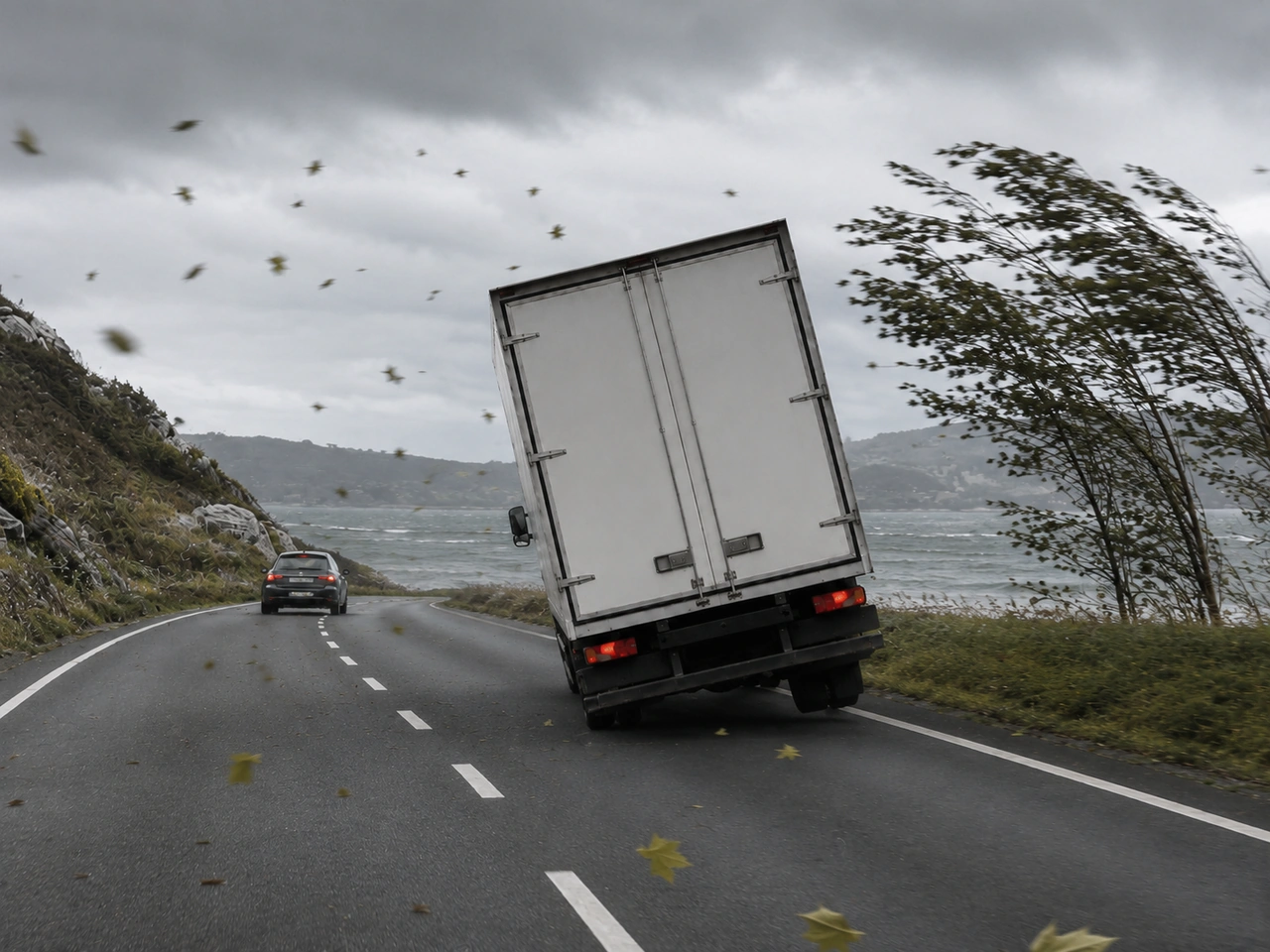
160. Which vehicles are especially vulnerable to strong crosswinds?
High-sided vehicles can be pushed sideways because of their large side area. Cyclists and motorcyclists can also be strongly affected by sudden gusts.
AI-generated by Traffic-rules.com • WCIT • CC BY-SA
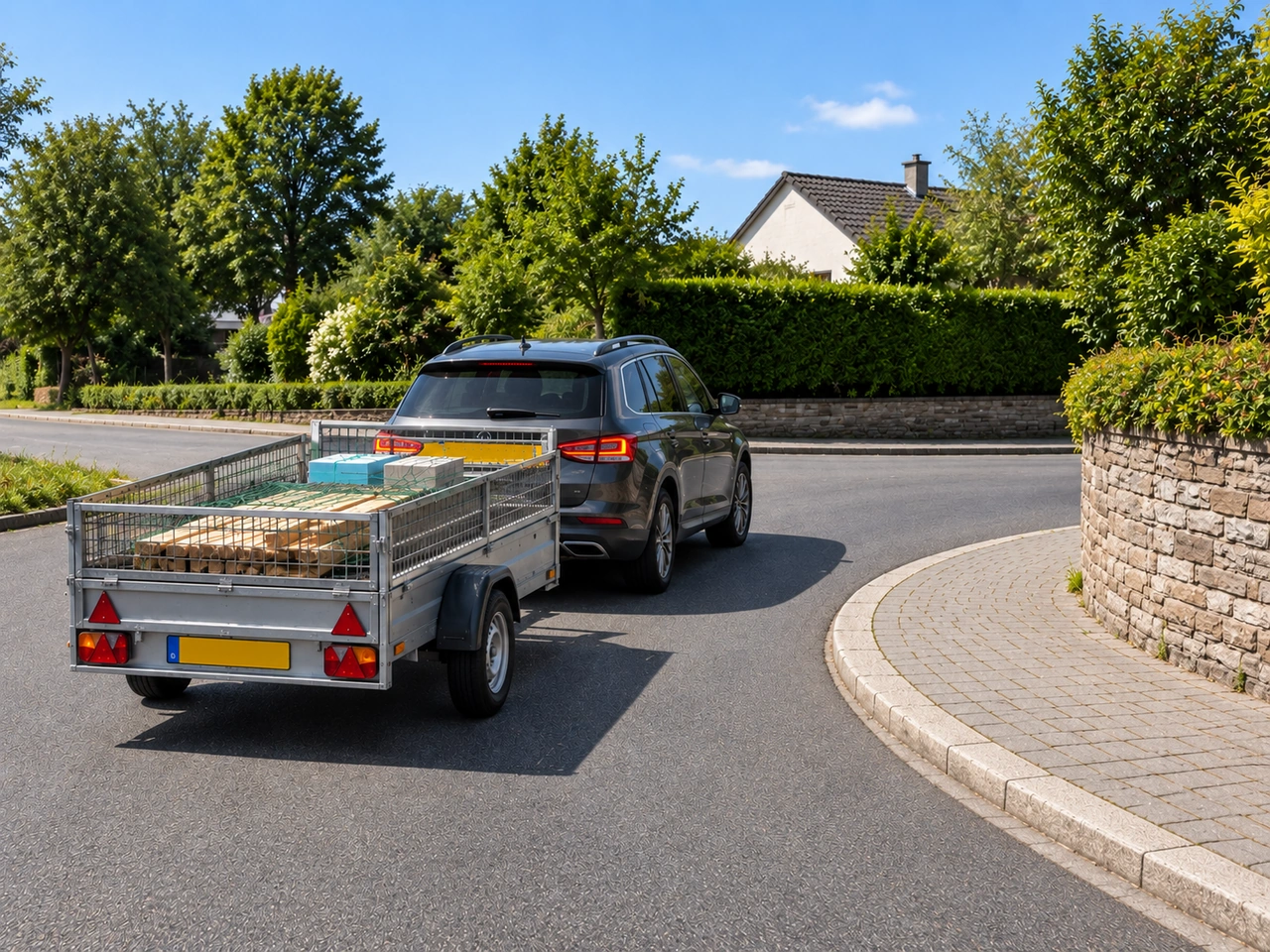
161. Why must you take wider turns when towing a trailer?
Trailer wheels cut closer to the inside of a turn. Allow enough clearance from kerbs, signs, pedestrians, and other vehicles.
AI-generated by Traffic-rules.com • WCIT • CC BY-SA
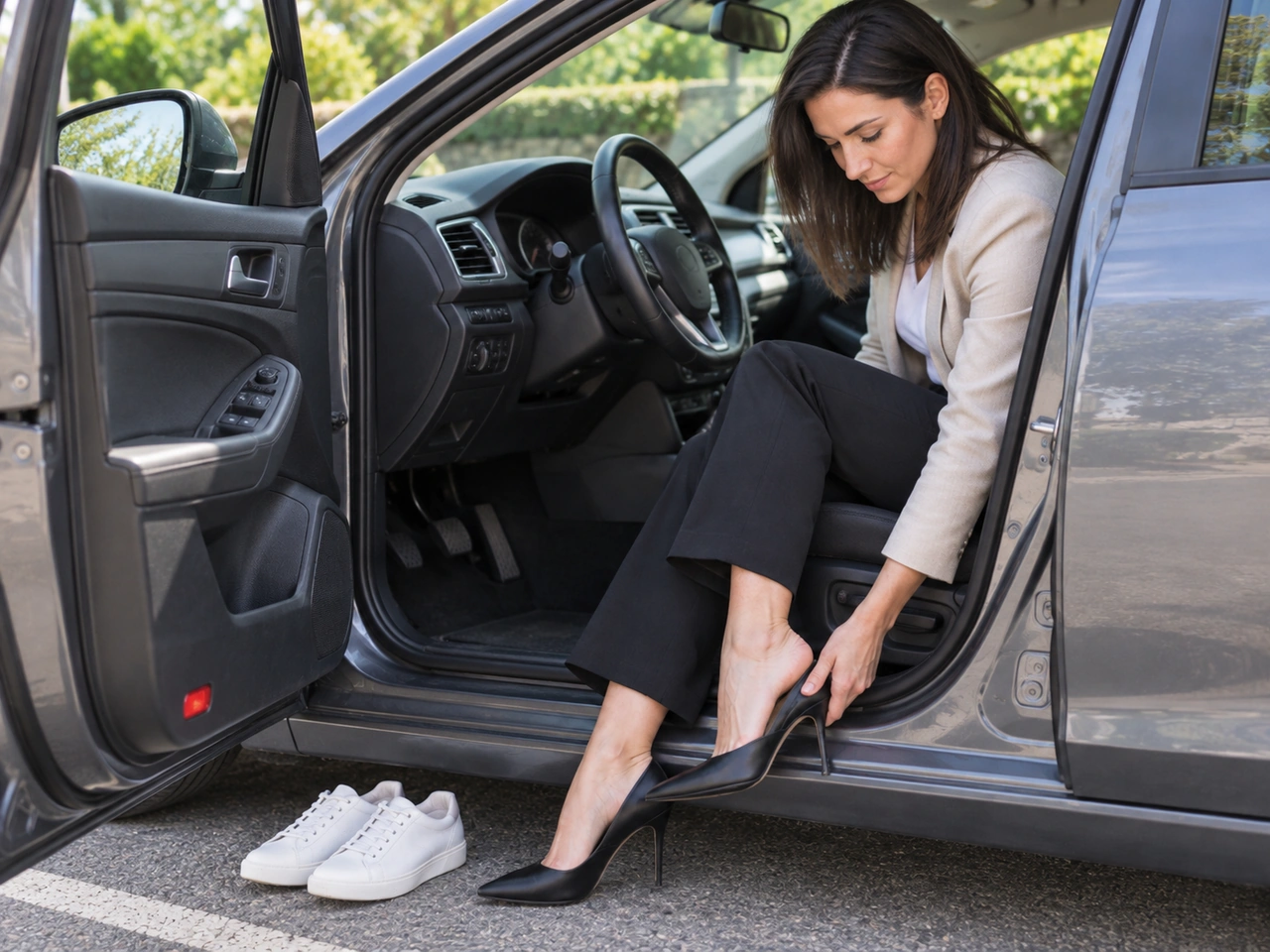
162. Why should you wear suitable footwear when driving?
Suitable footwear helps you operate the accelerator, brake, and clutch accurately. Loose, bulky, or slippery footwear can interfere with pedal control or become caught around the pedals.
AI-generated by Traffic-rules.com • WCIT • CC BY-SA
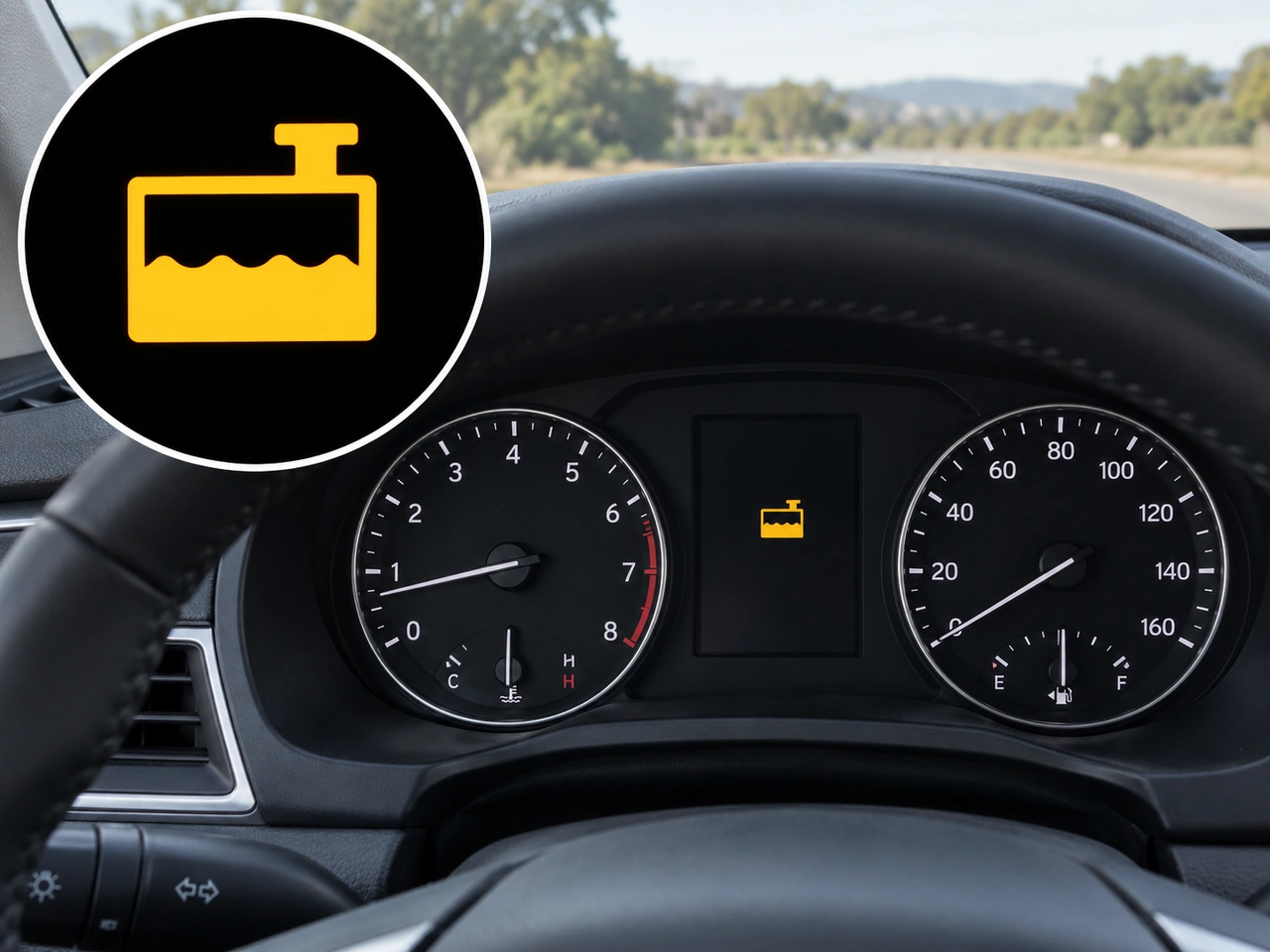
163. What does this dashboard symbol indicate?
This symbol indicates that the engine coolant level is low. Check the coolant level when the engine is cool and refill it with the correct coolant if necessary.
AI-generated by Traffic-rules.com • WCIT • CC BY-SA
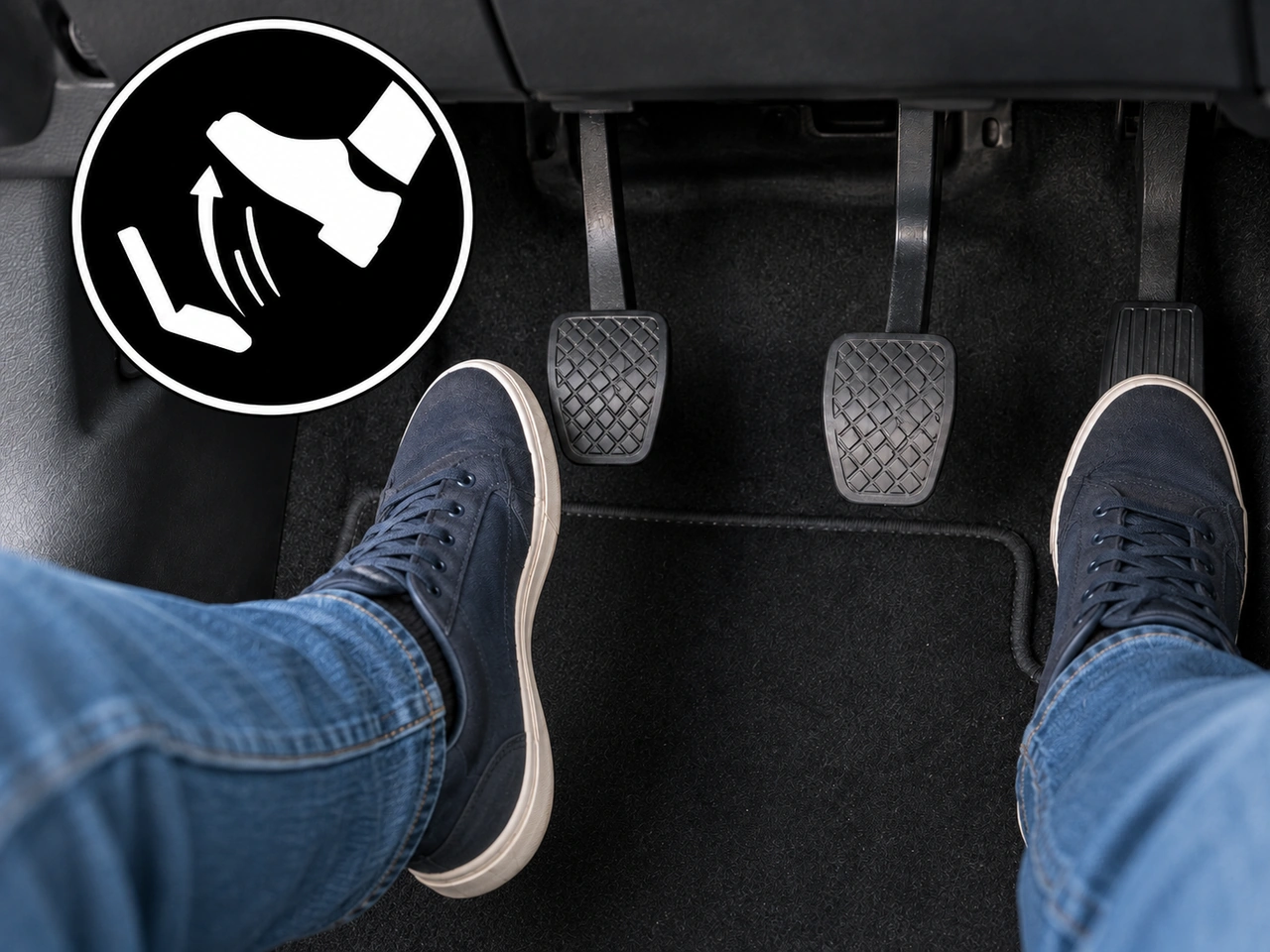
164. What may happen if you release the clutch too quickly when moving off?
Releasing the clutch pedal too quickly when moving off can cause the engine to stall. Release the clutch smoothly through the biting point while applying the accelerator progressively.
AI-generated by Traffic-rules.com • WCIT • CC BY-SA
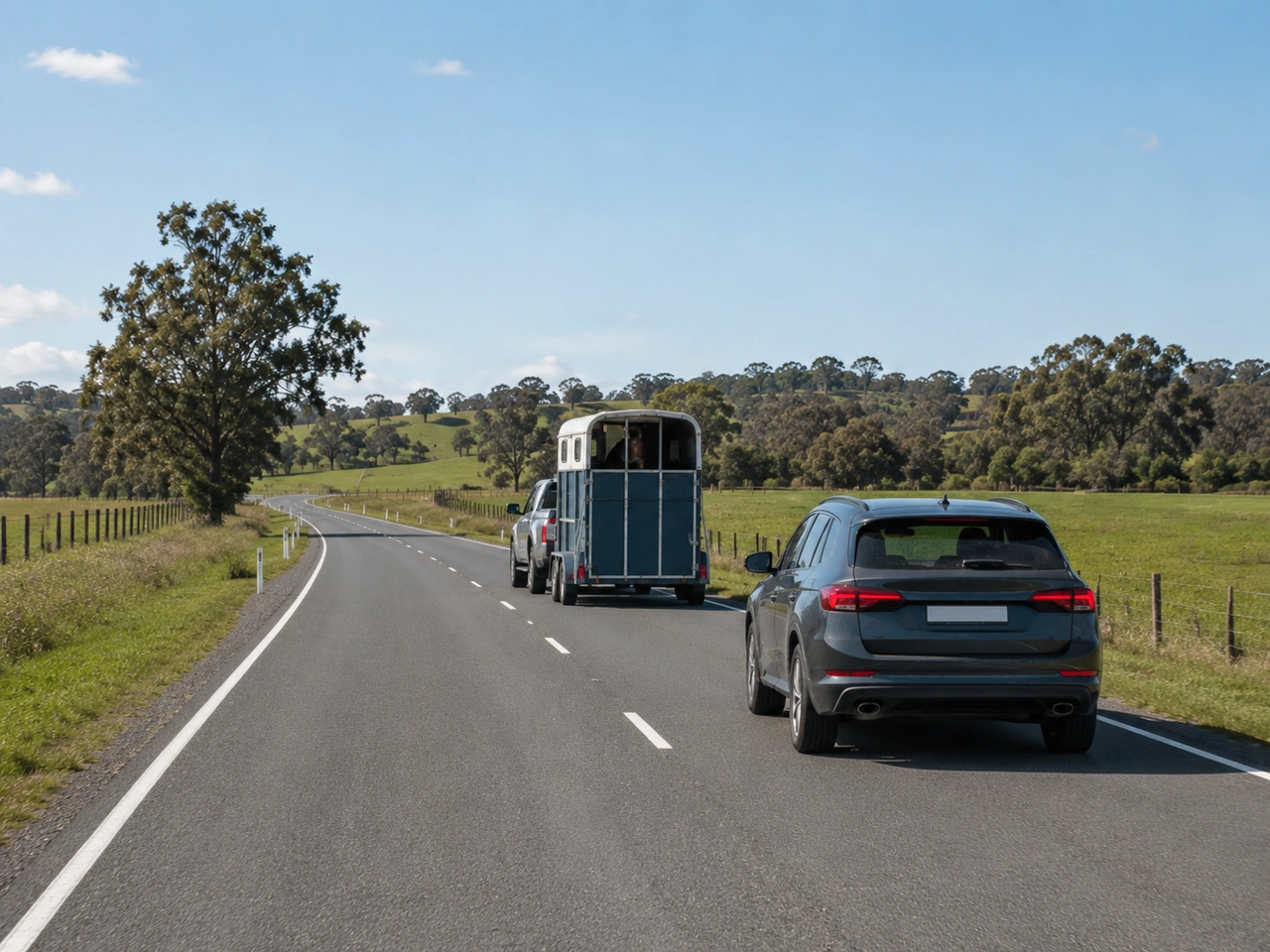
165. Why should you leave extra space behind a vehicle carrying animals?
Vehicles transporting animals may accelerate slowly, take bends carefully, or brake gently to protect their load.
AI-generated by Traffic-rules.com • WCIT • CC BY-SA
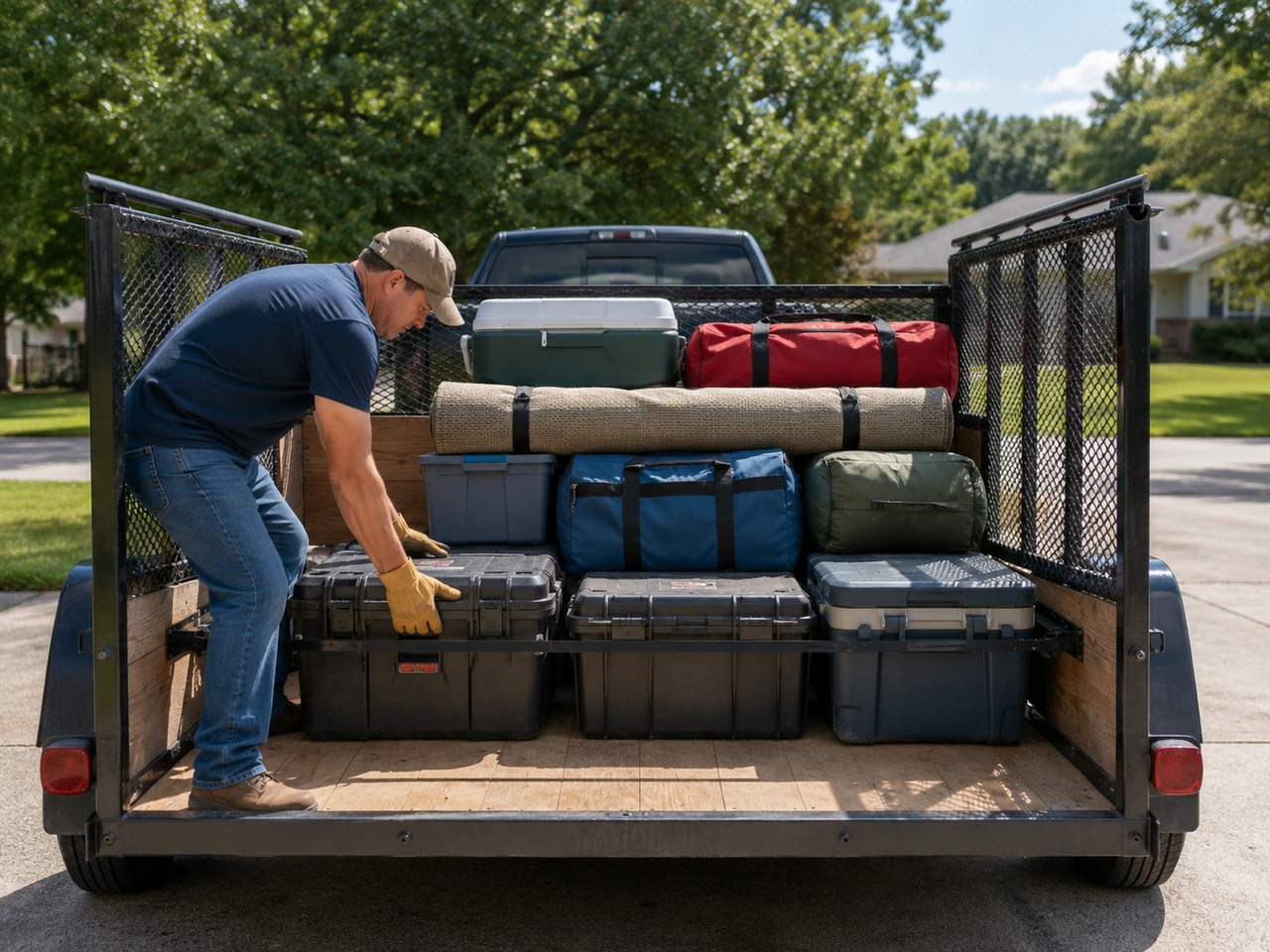
166. Why should heavy items be placed low and evenly distributed?
A high or uneven load can make the vehicle unstable, especially during braking, cornering, or sudden steering.
AI-generated by Traffic-rules.com • WCIT • CC BY-SA
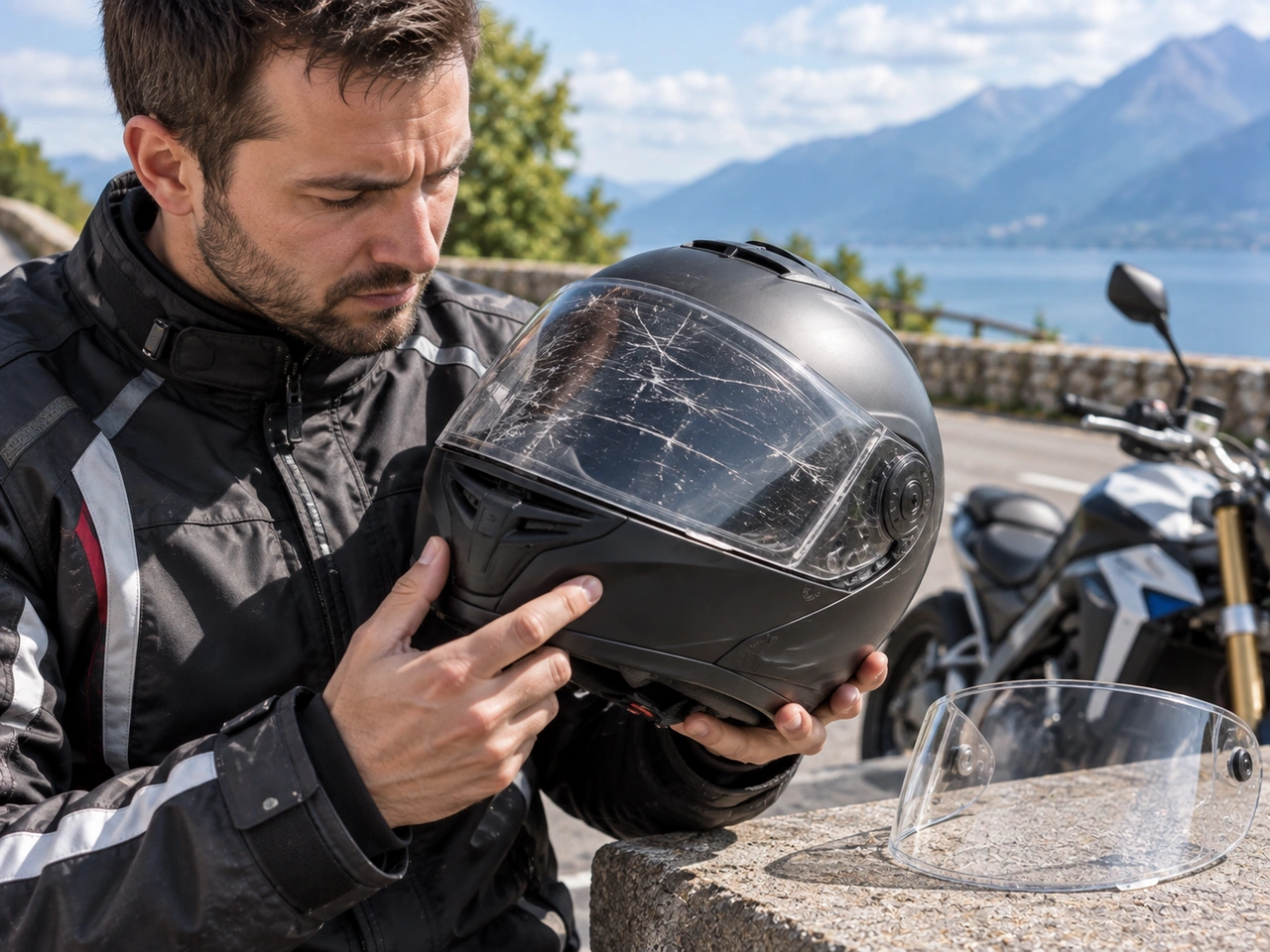
167. What should you do if a motorcycle helmet visor is badly scratched?
A badly scratched or damaged visor can reduce or distort your view, especially in bright sunlight or at night. Replace a visor that no longer provides a clear, safe view and follow the helmet manufacturer's instructions.
AI-generated by Traffic-rules.com • WCIT • CC BY-SA
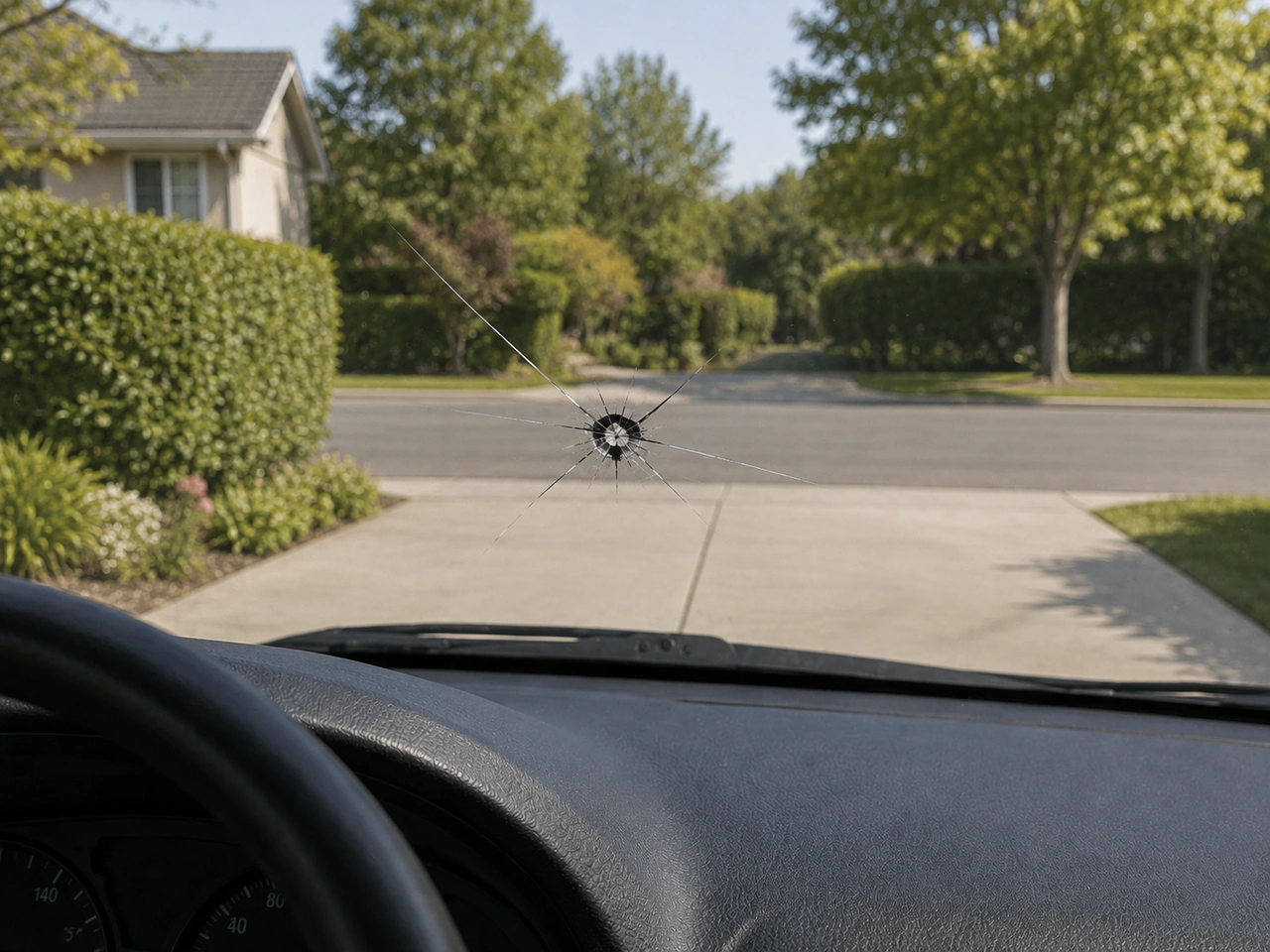
168. What should you do about a chip in the windscreen?
A chip can obstruct your view, weaken the glass, and develop into a larger crack. Have it checked and repaired promptly.
AI-generated by Traffic-rules.com • WCIT • CC BY-SA
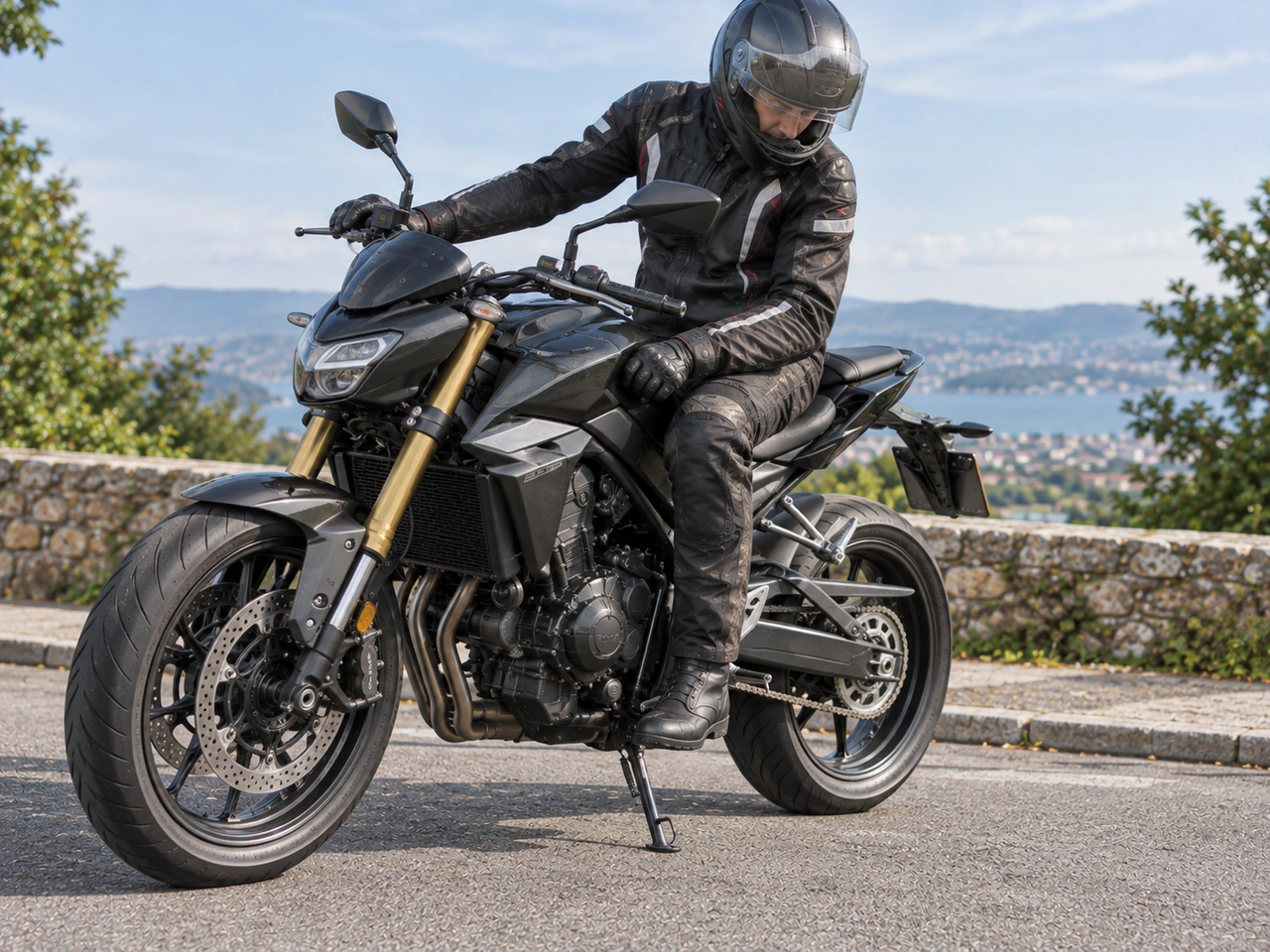
169. Should the side stand be fully raised before riding a motorcycle?
The side stand should be fully raised before riding. If it remains down, it may strike the road surface, particularly when turning, and could cause the rider to lose control.
AI-generated by Traffic-rules.com • WCIT • CC BY-SA
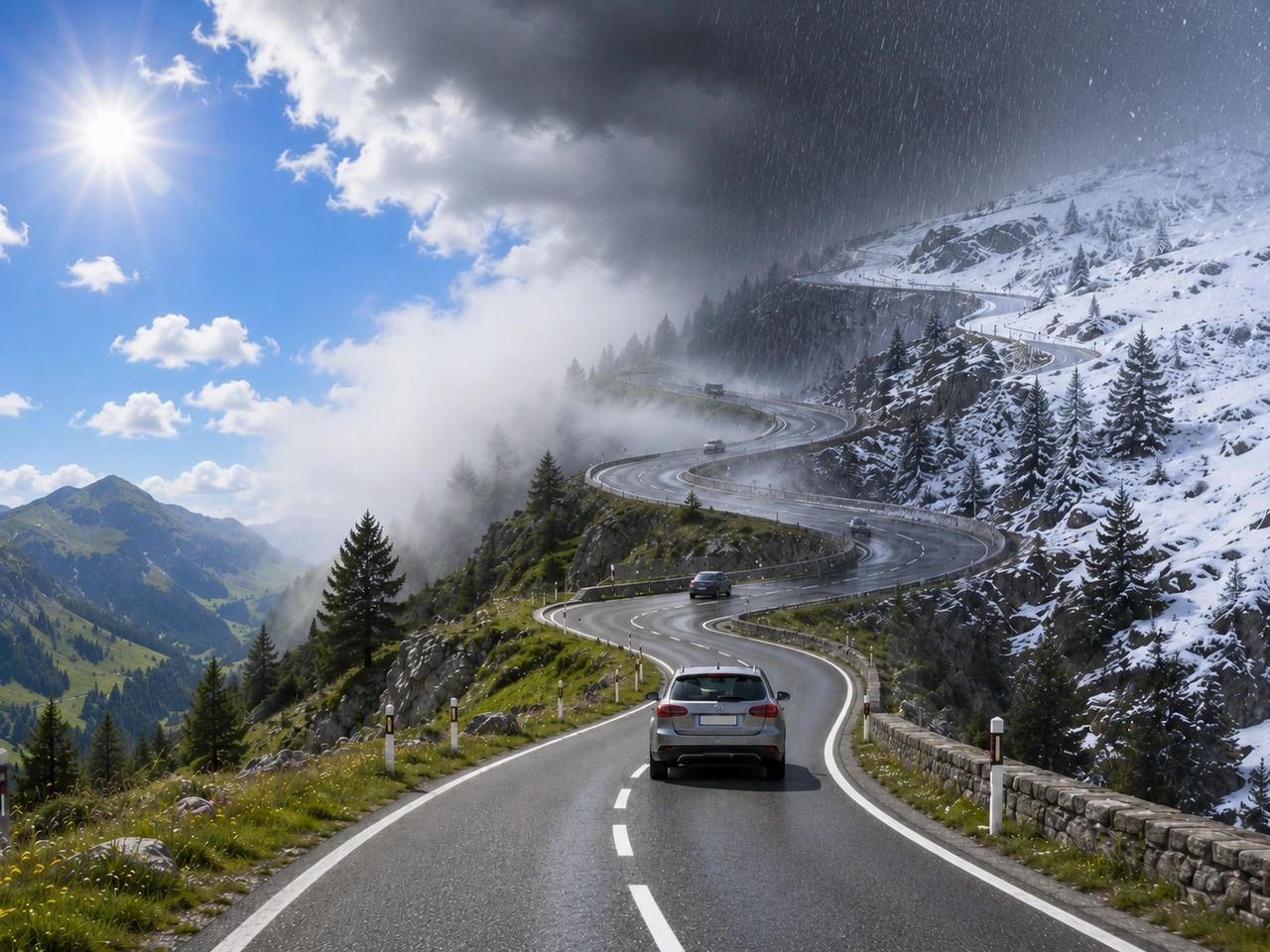
170. Why should you be prepared for changing conditions on mountain roads?
Fog, rain, snow, ice, falling rocks, and strong winds can develop rapidly in mountainous areas.
AI-generated by Traffic-rules.com • WCIT • CC BY-SA
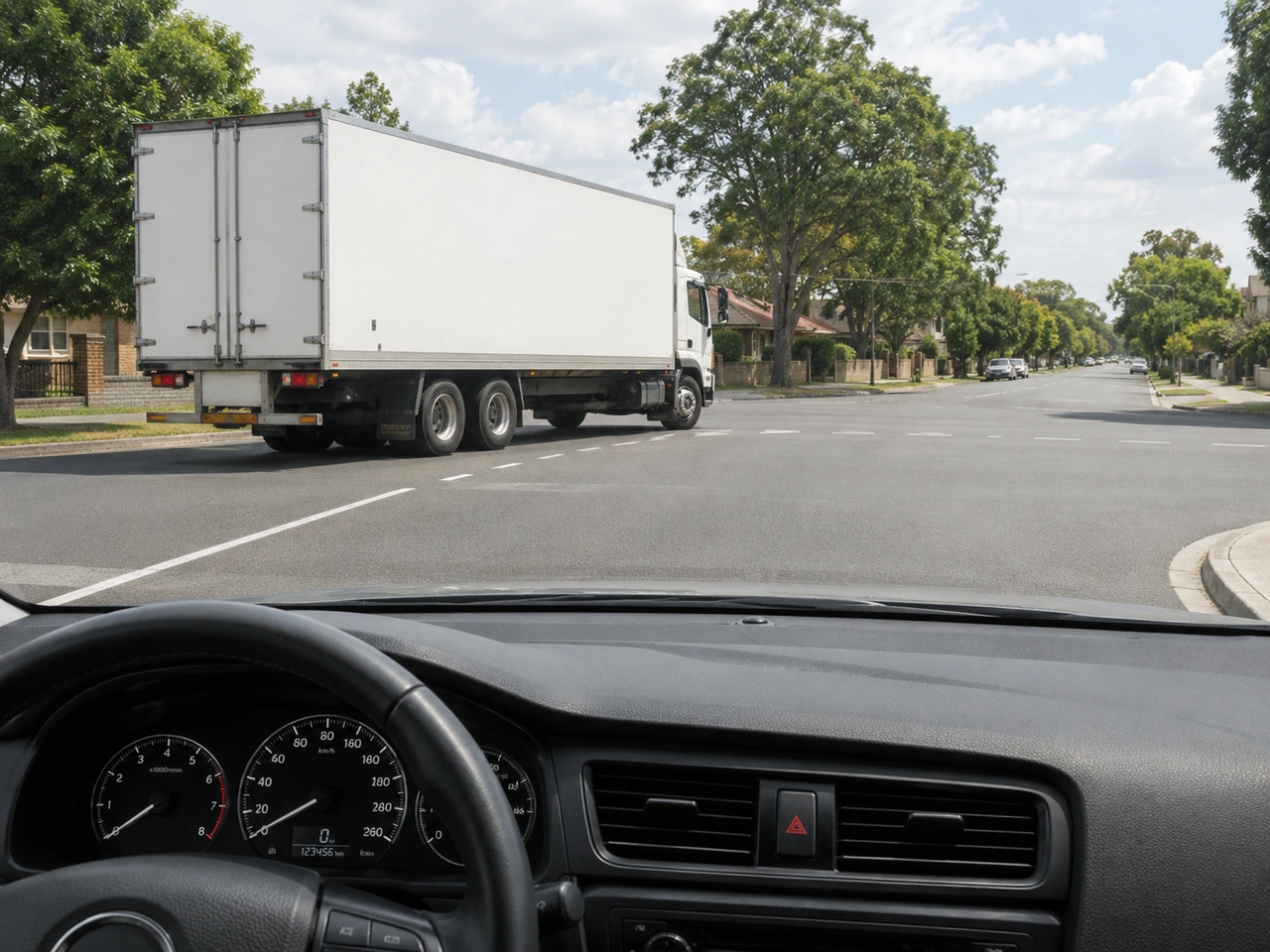
171. Why should you leave space beside large vehicles when they turn?
Large vehicles often swing wide when turning and have larger blind spots. Keep clear and do not move into the space beside them.
AI-generated by Traffic-rules.com • WCIT • CC BY-SA
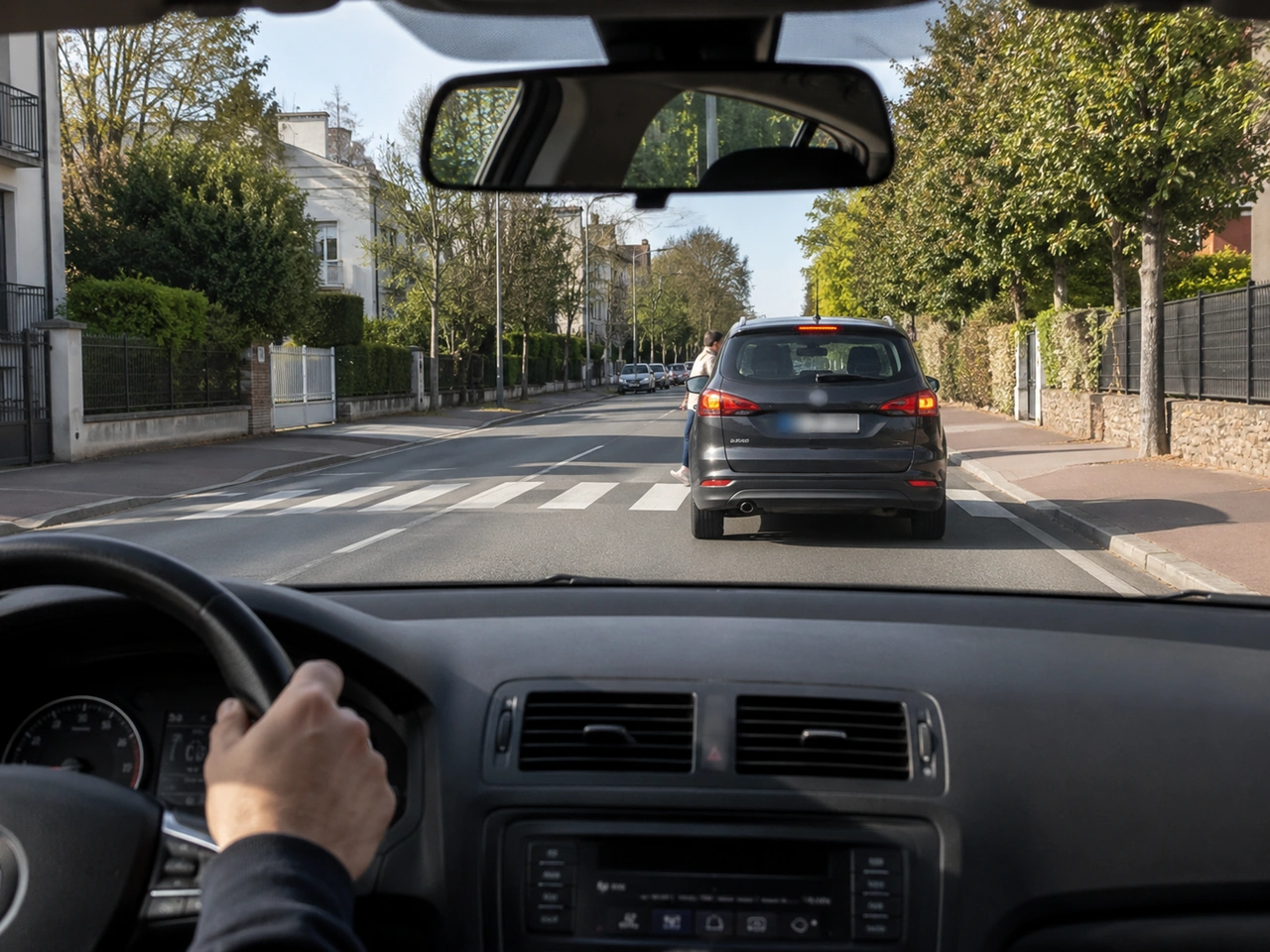
172. Why should you avoid overtaking when approaching a pedestrian crossing?
A vehicle slowing or stopping near a pedestrian crossing may be hiding someone who is crossing. Overtaking could put you directly into the pedestrian's path.
AI-generated by Traffic-rules.com • WCIT • CC BY-SA
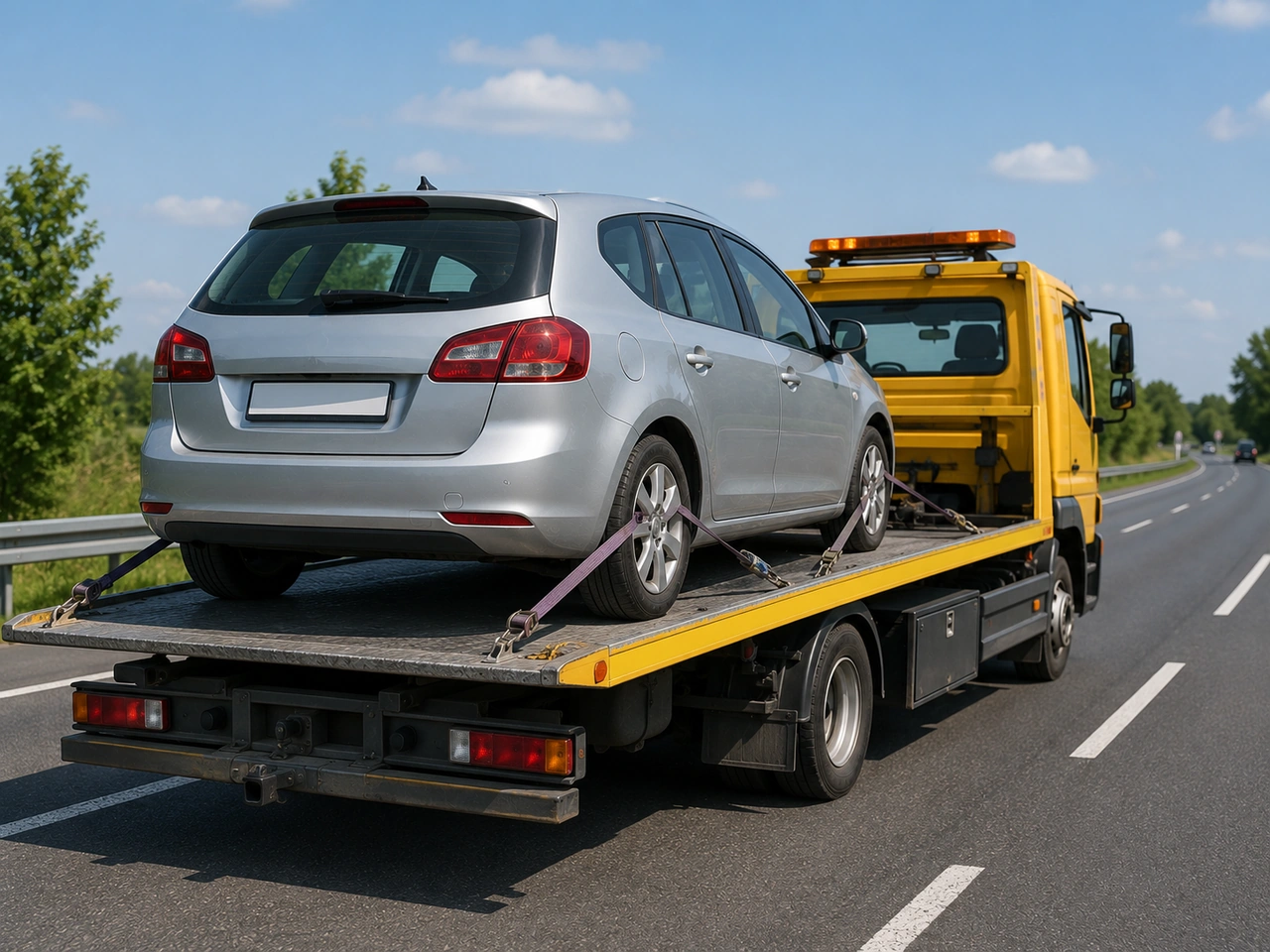
173. How should a disabled vehicle be towed?
Incorrect towing can damage the vehicle or cause loss of control. Follow the manufacturer's instructions and local rules, and use professional recovery when the correct procedure is uncertain.
AI-generated by Traffic-rules.com • WCIT • CC BY-SA
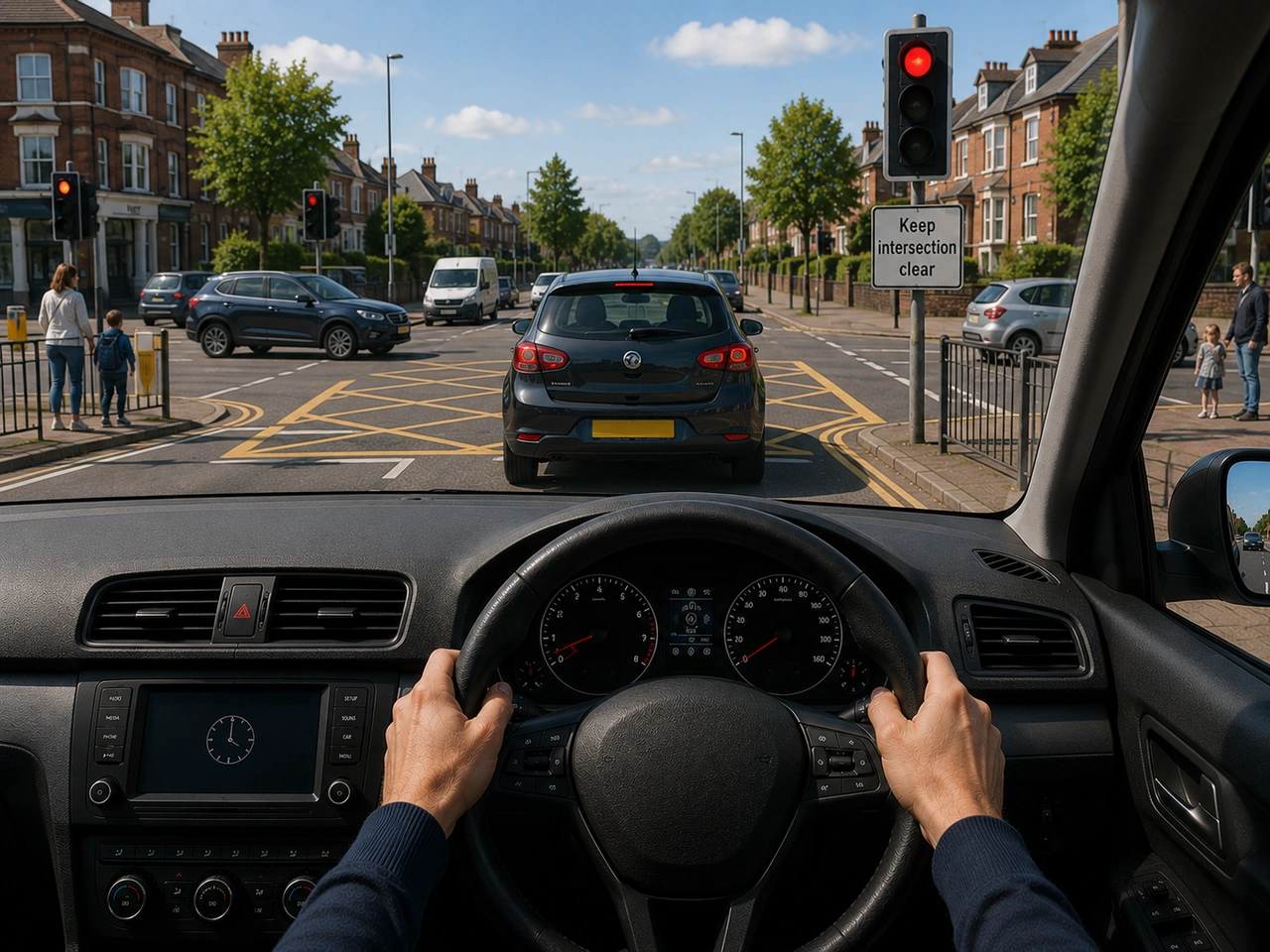
174. Why should you avoid blocking a junction?
Blocking a junction can prevent vehicles, cyclists, or pedestrians from moving safely. Enter only when there is enough space to drive through and clear the junction.
AI-generated by Traffic-rules.com • WCIT • CC BY-SA
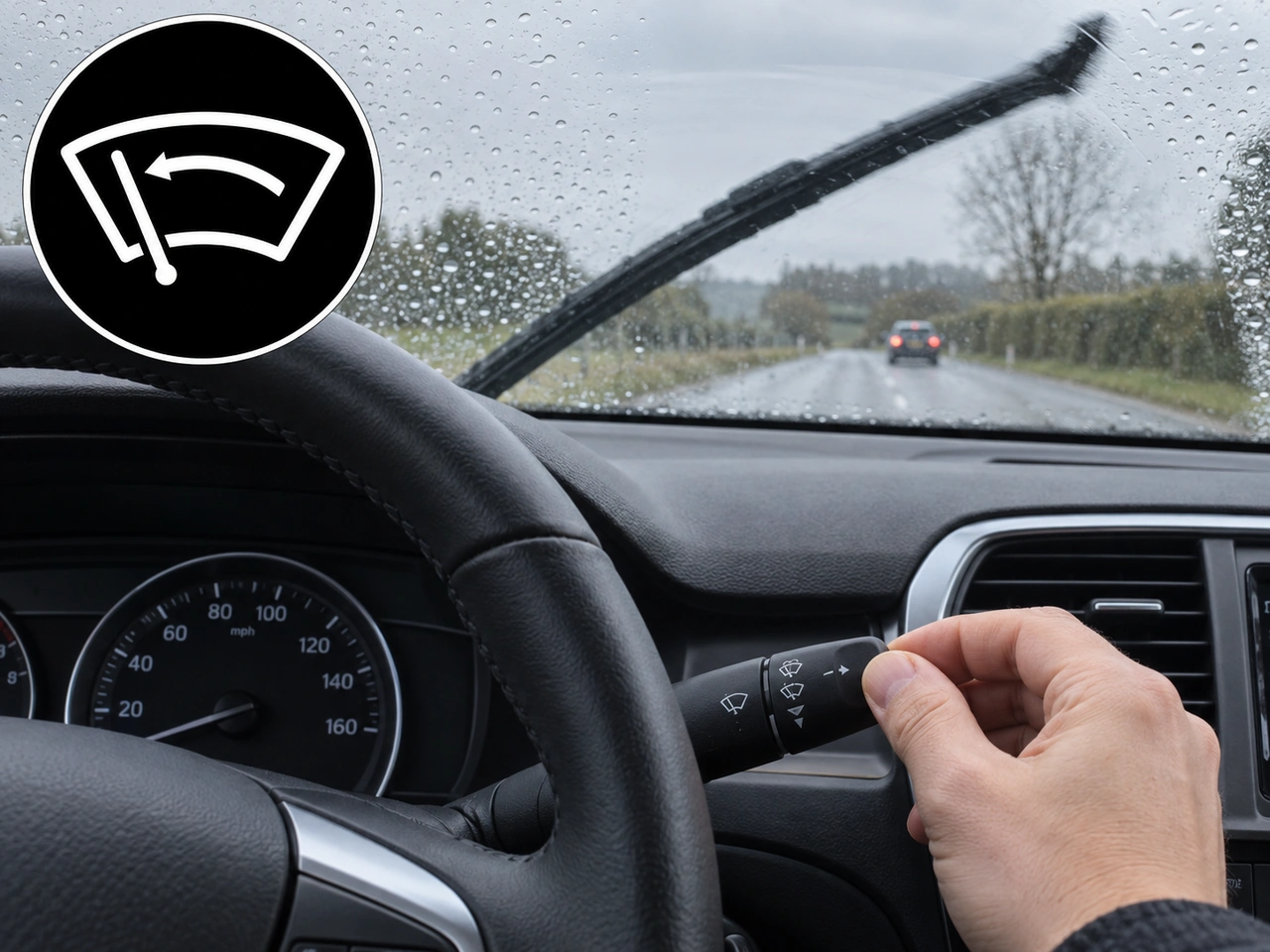
175. What does the single-wipe position of the windscreen-wiper control do?
The single-wipe position operates the windscreen wipers for one sweep and then stops. It is useful when only a small amount of water or spray needs to be cleared from the windscreen.
AI-generated by Traffic-rules.com • WCIT • CC BY-SA
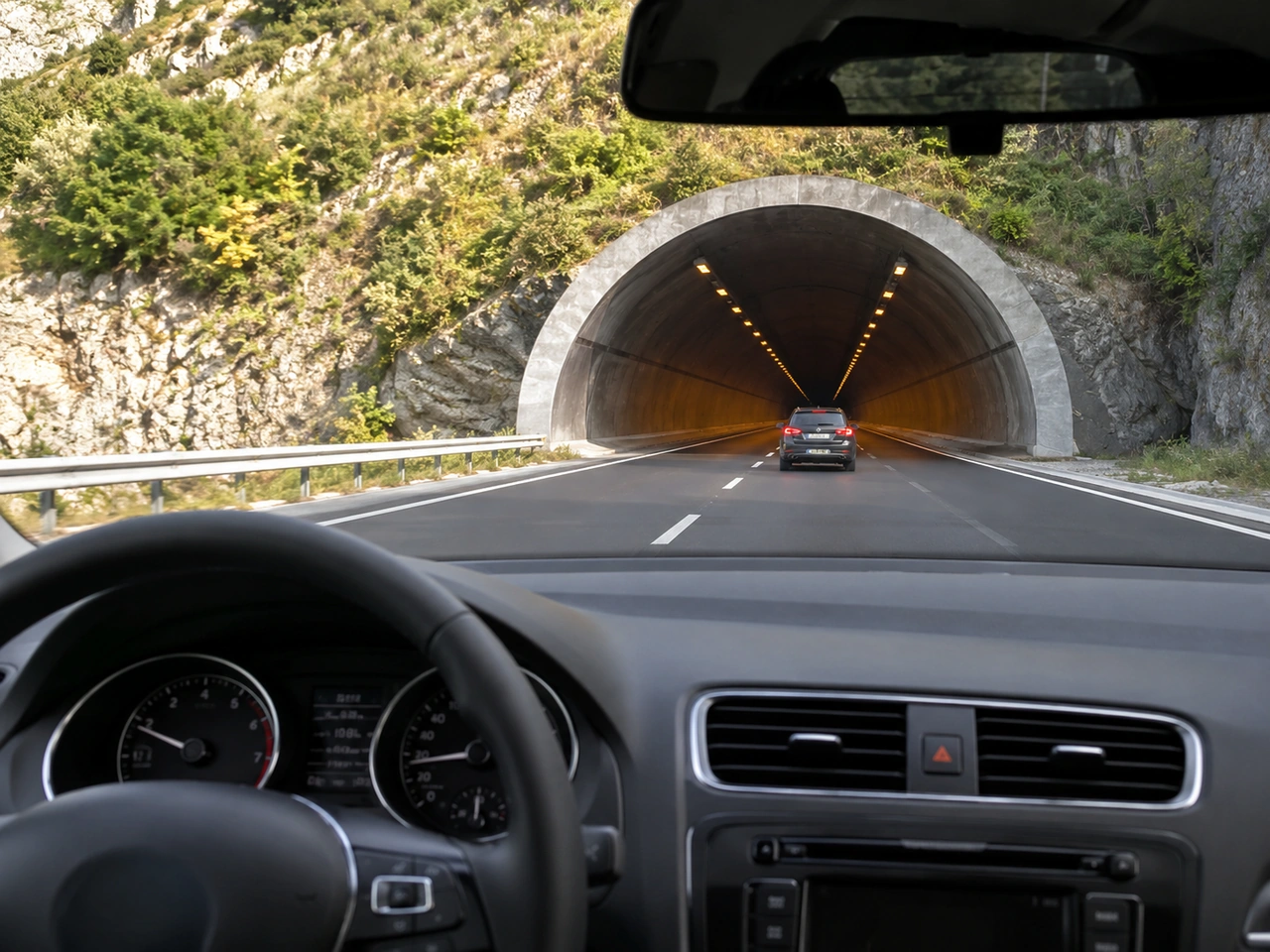
176. What should you do when approaching a tunnel?
When entering a tunnel, use the correct lights, keep enough distance, and stay alert for slower traffic.
AI-generated by Traffic-rules.com • WCIT • CC BY-SA
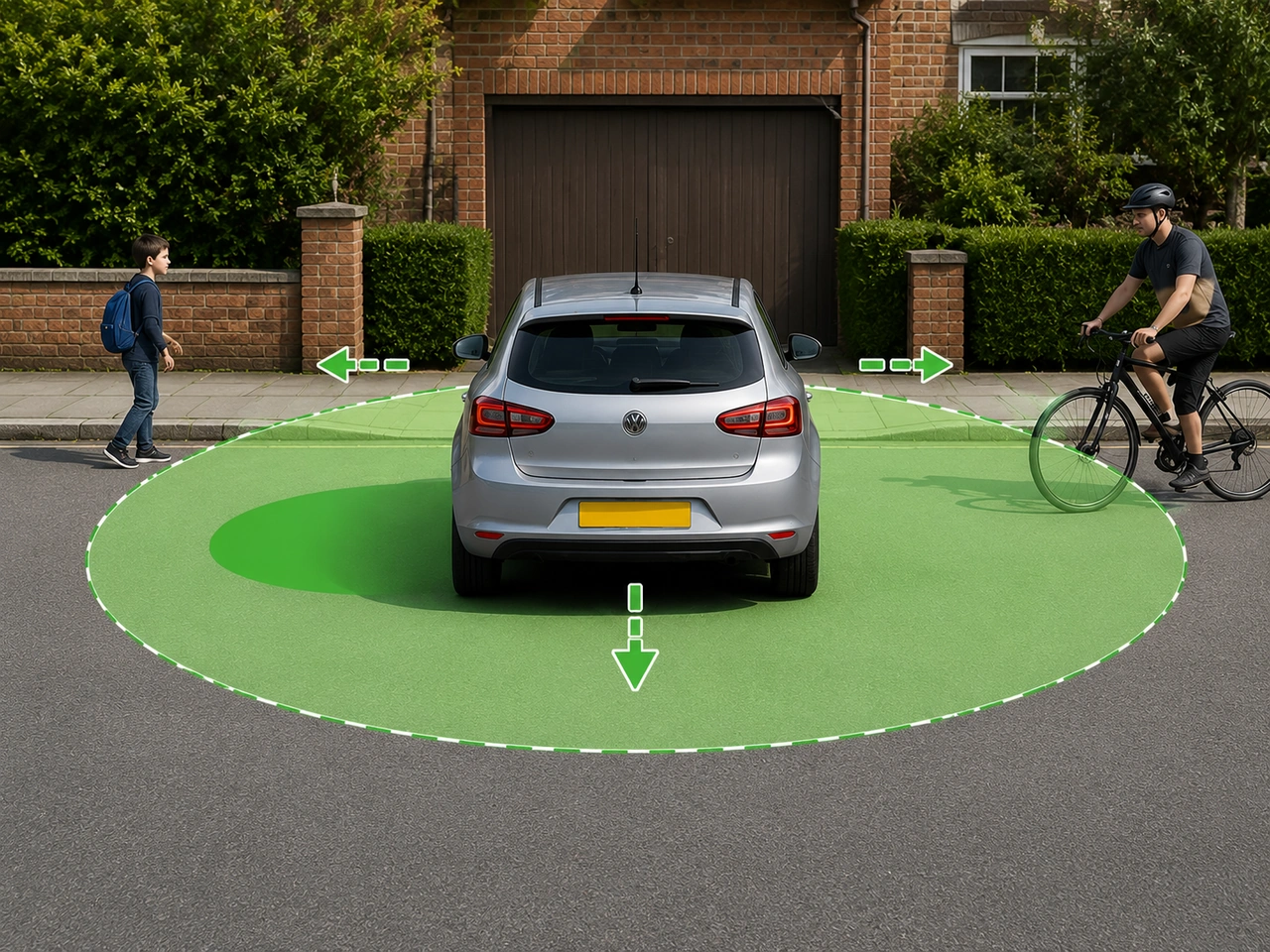
177. What should you do before reversing your vehicle?
Before reversing, check all around the vehicle, including blind spots, for pedestrians, cyclists, vehicles, and other hazards. Reverse slowly and keep checking as you move.
AI-generated by Traffic-rules.com • WCIT • CC BY-SA
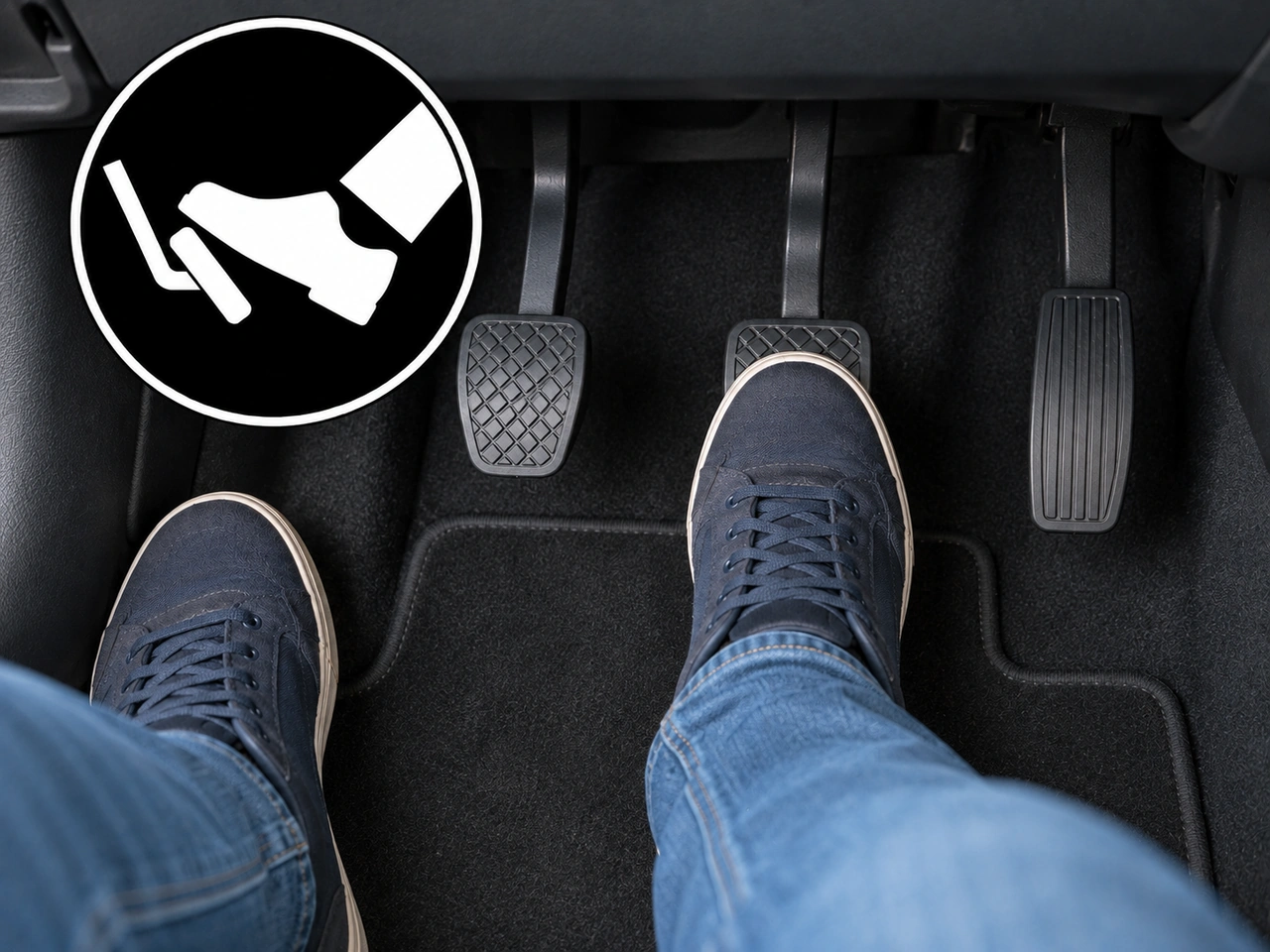
178. Which pedal is used to slow down or stop the vehicle?
The brake pedal is used to reduce the vehicle's speed or bring it to a stop. In a manual vehicle, it is the middle pedal.
AI-generated by Traffic-rules.com • WCIT • CC BY-SA
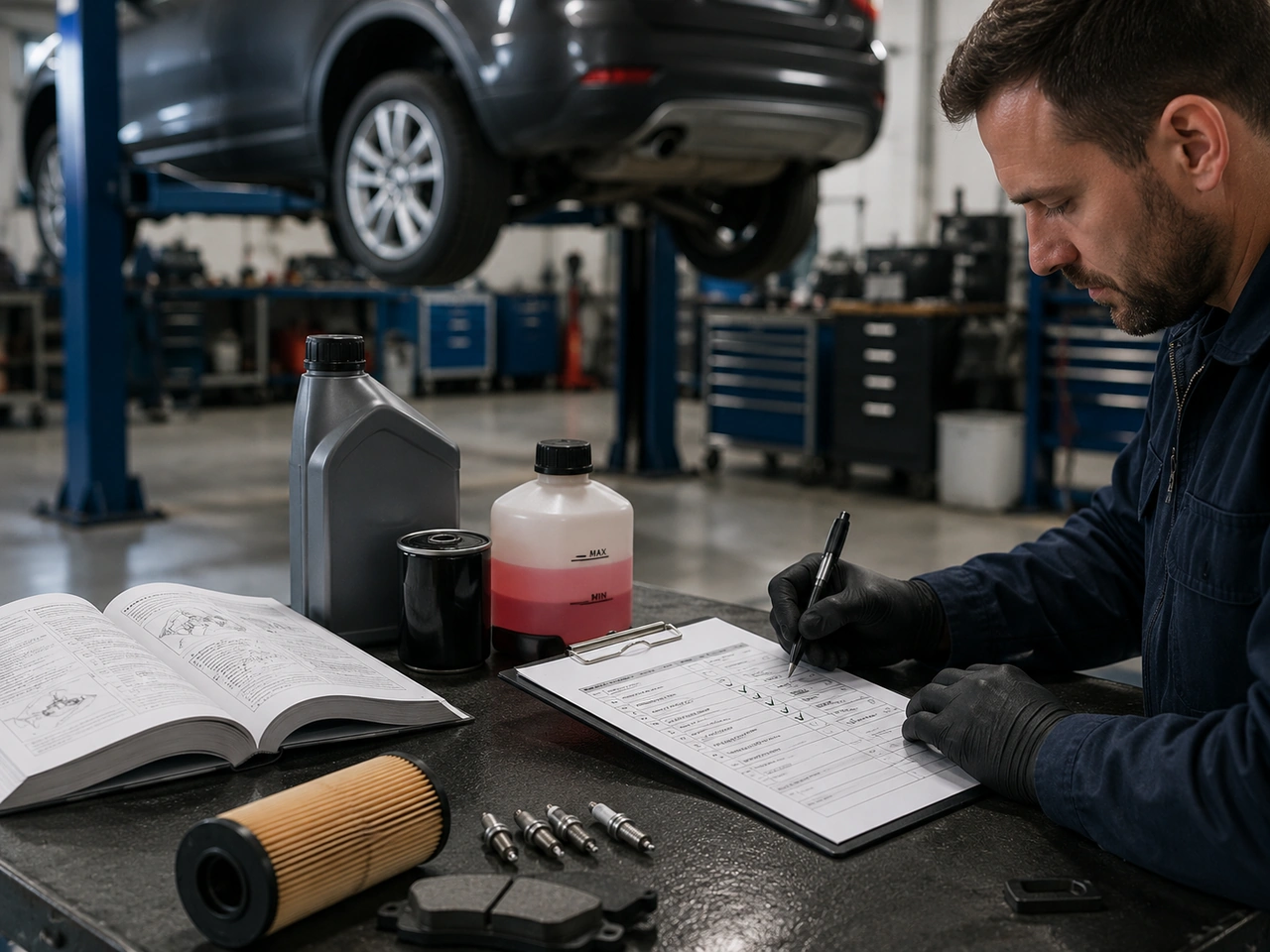
179. Why should you follow the manufacturer's service schedule?
Scheduled servicing helps ensure that brakes, tyres, fluids, filters, steering, suspension, and other important systems are checked and maintained before faults become more serious.
AI-generated by Traffic-rules.com • WCIT • CC BY-SA
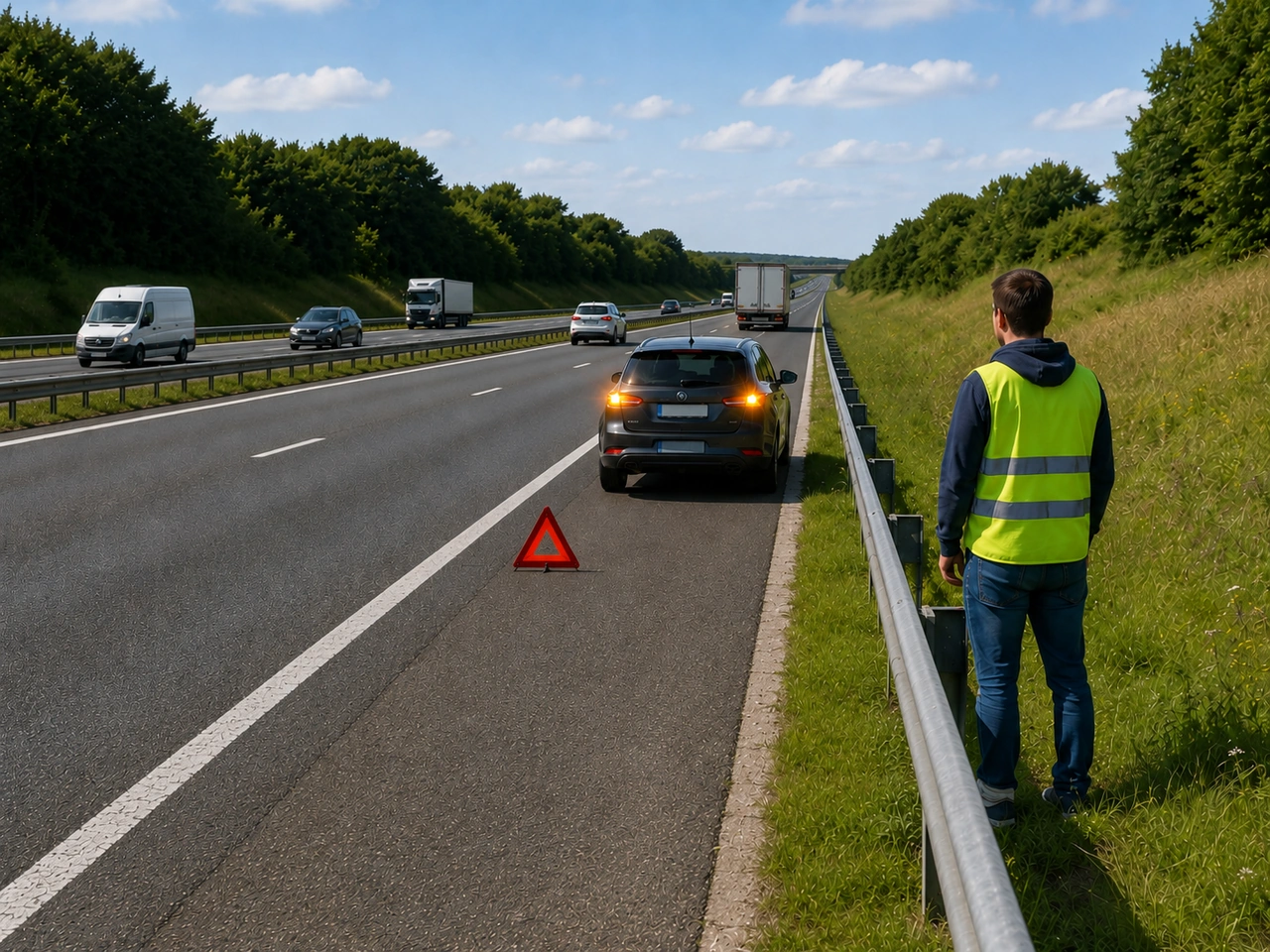
180. Where should you normally wait after a breakdown on a high-speed road?
A stationary vehicle can be struck by passing traffic. Waiting behind a barrier provides better protection.
AI-generated by Traffic-rules.com • WCIT • CC BY-SA
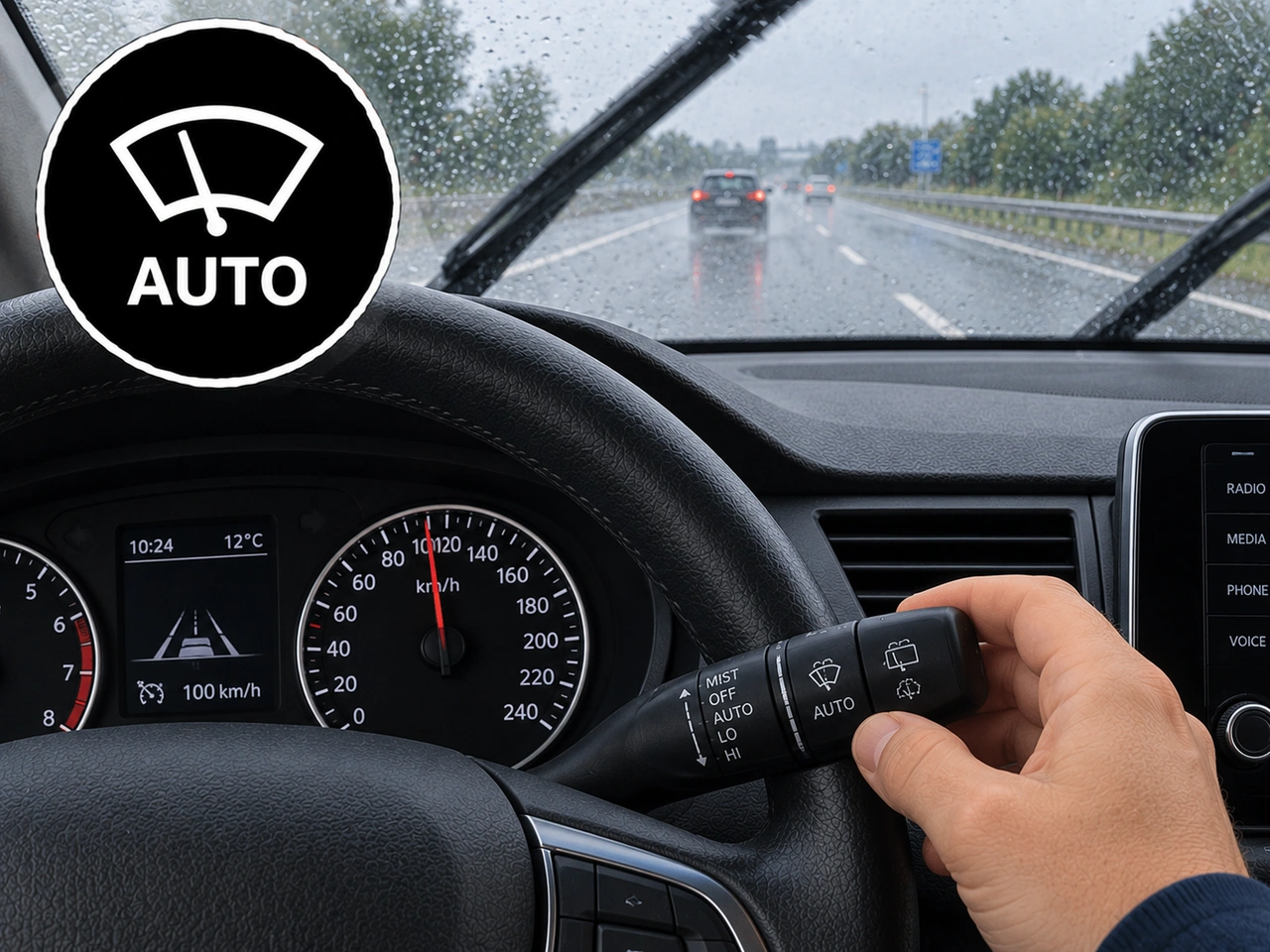
181. What does AUTO on a windscreen-wiper control normally do?
When AUTO is selected, a rain sensor can operate the windscreen wipers automatically and adjust their operation according to the amount of moisture detected on the windscreen.
AI-generated by Traffic-rules.com • WCIT • CC BY-SA
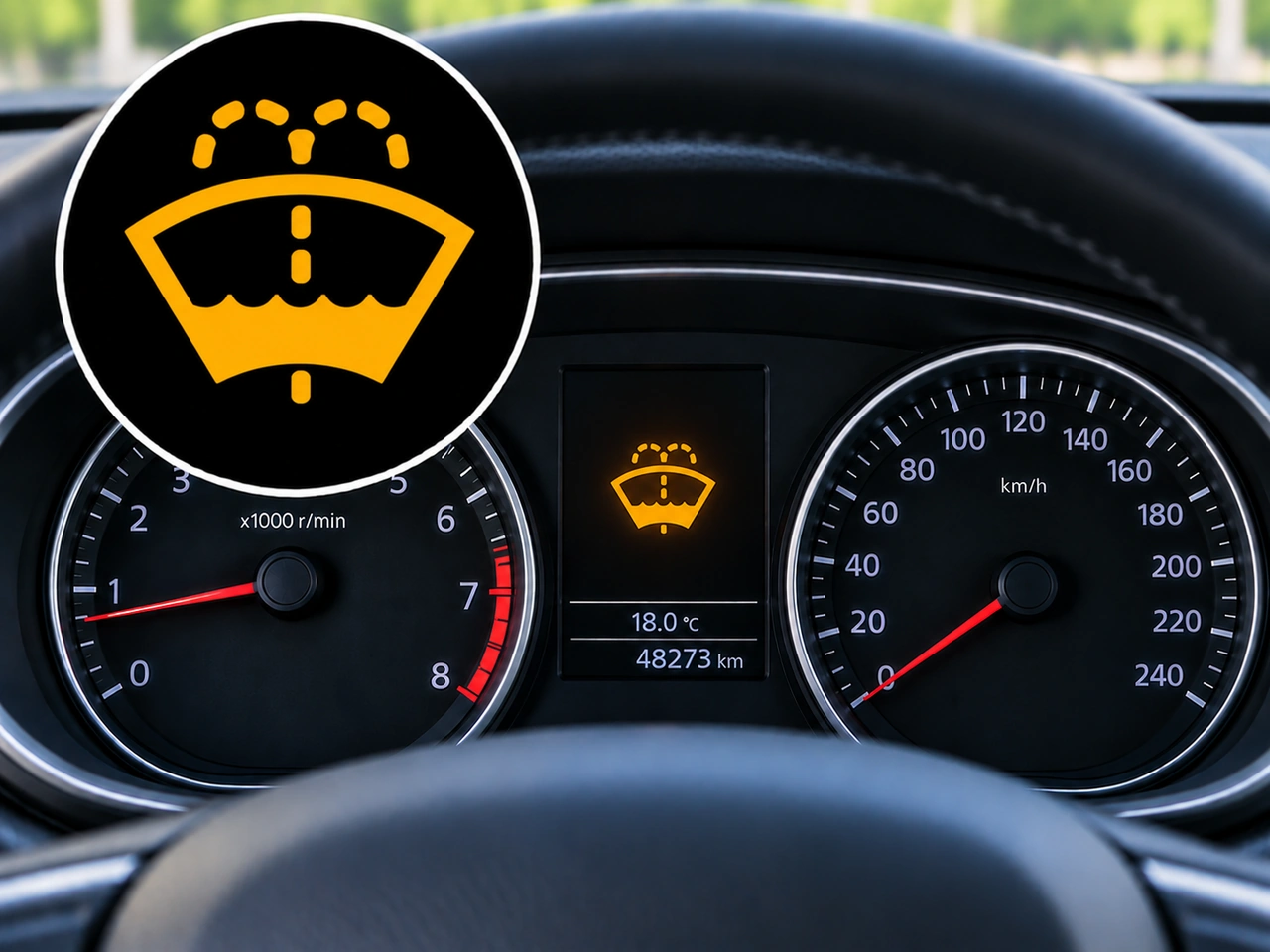
182. What does this dashboard symbol indicate?
This symbol indicates that the windscreen washer fluid level is low. Refill the washer-fluid reservoir with suitable fluid when possible.
AI-generated by Traffic-rules.com • WCIT • CC BY-SA
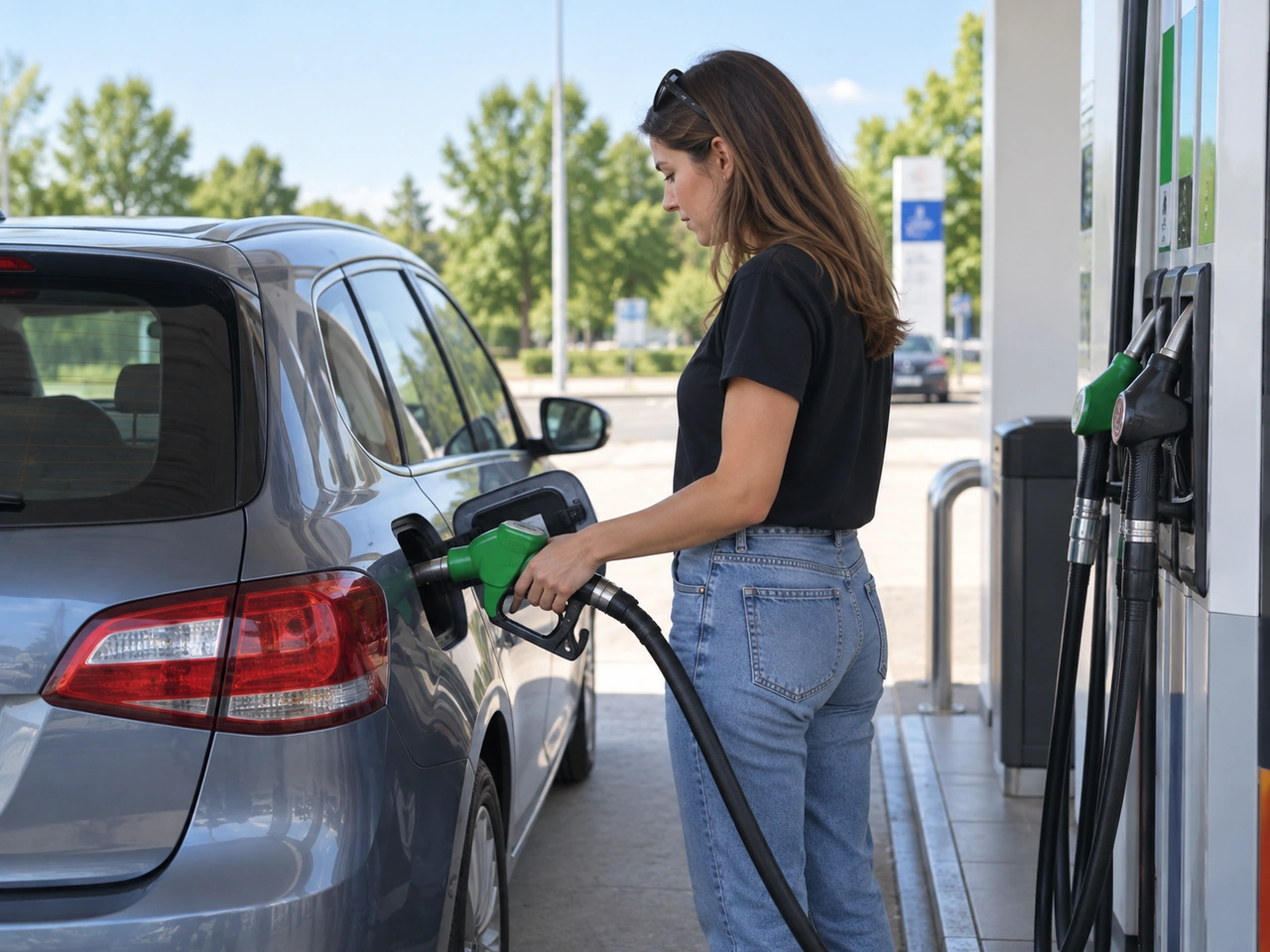
183. What should you do before refuelling a petrol or diesel vehicle?
Switch off the engine before refuelling. Fuel vapours are flammable, so avoid ignition sources and follow the safety instructions at the filling station. If fuel is spilled, do not start the vehicle until the situation has been made safe.
AI-generated by Traffic-rules.com • WCIT • CC BY-SA
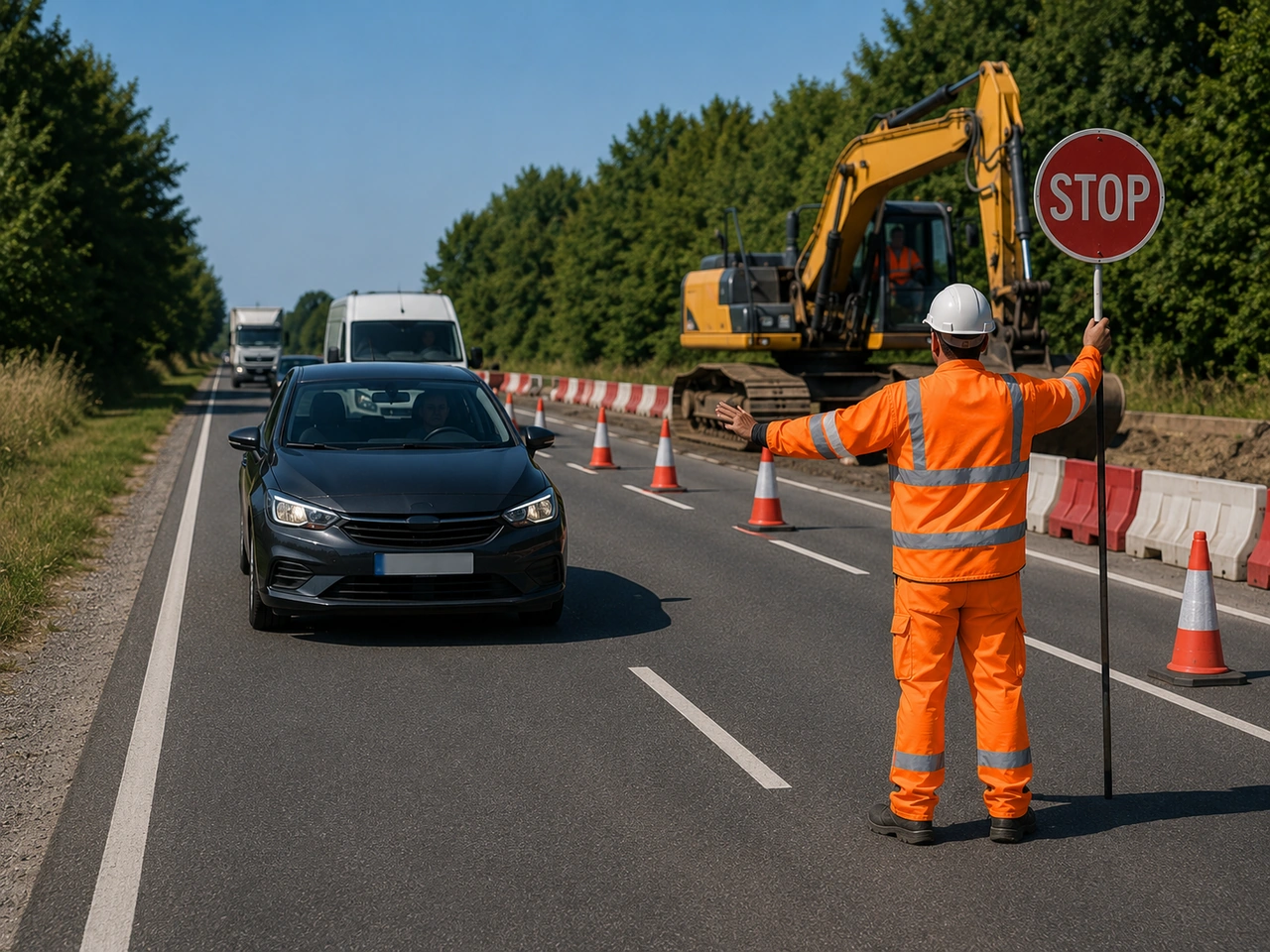
184. What should you do when a road worker directs traffic?
Authorised road workers may control traffic through a work zone. Watch carefully and follow their directions.
AI-generated by Traffic-rules.com • WCIT • CC BY-SA
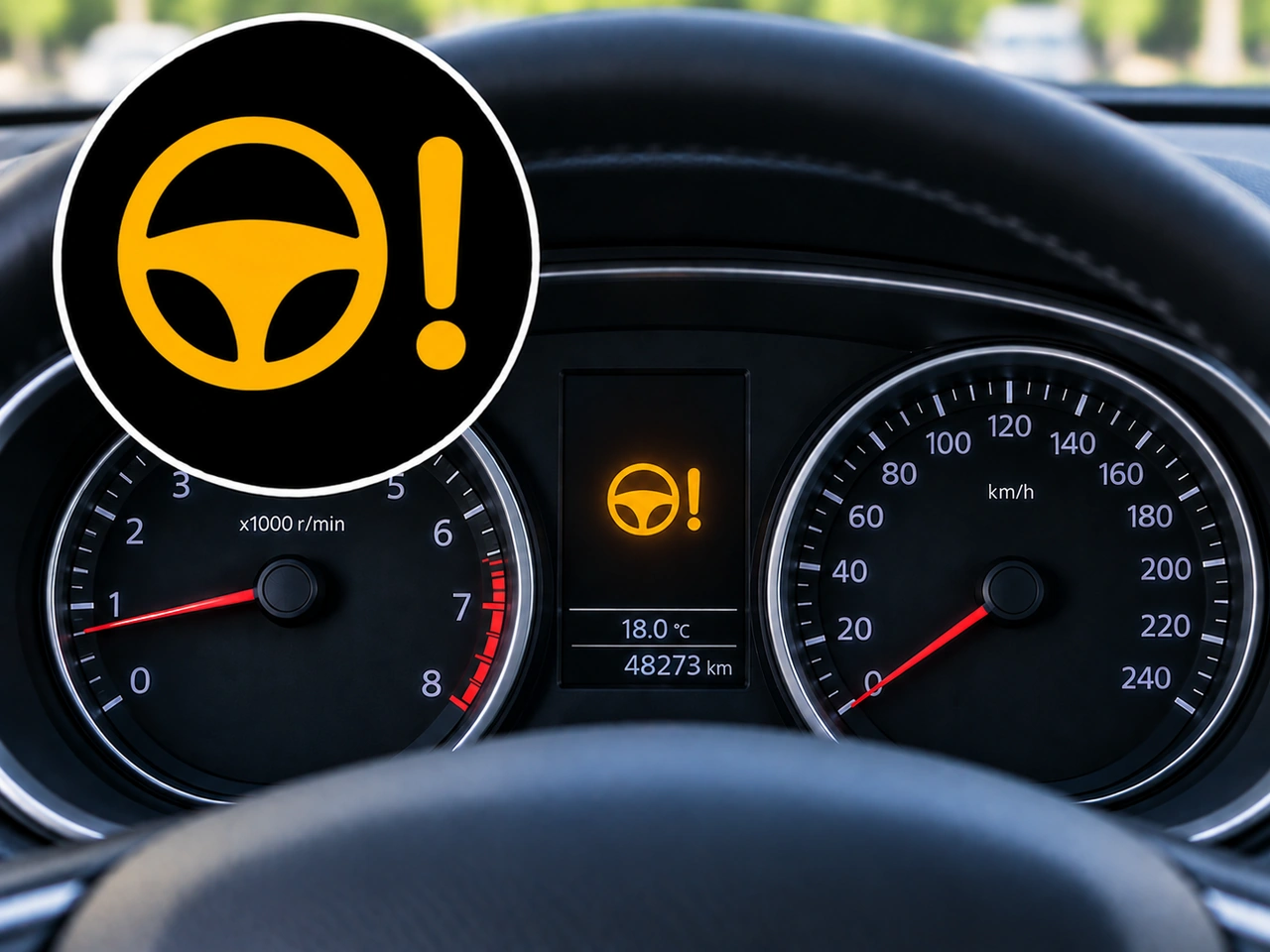
185. What does this dashboard symbol indicate?
This symbol indicates a possible fault with the power-steering system. Steering assistance may be reduced or unavailable, making the steering wheel harder to turn.
AI-generated by Traffic-rules.com • WCIT • CC BY-SA
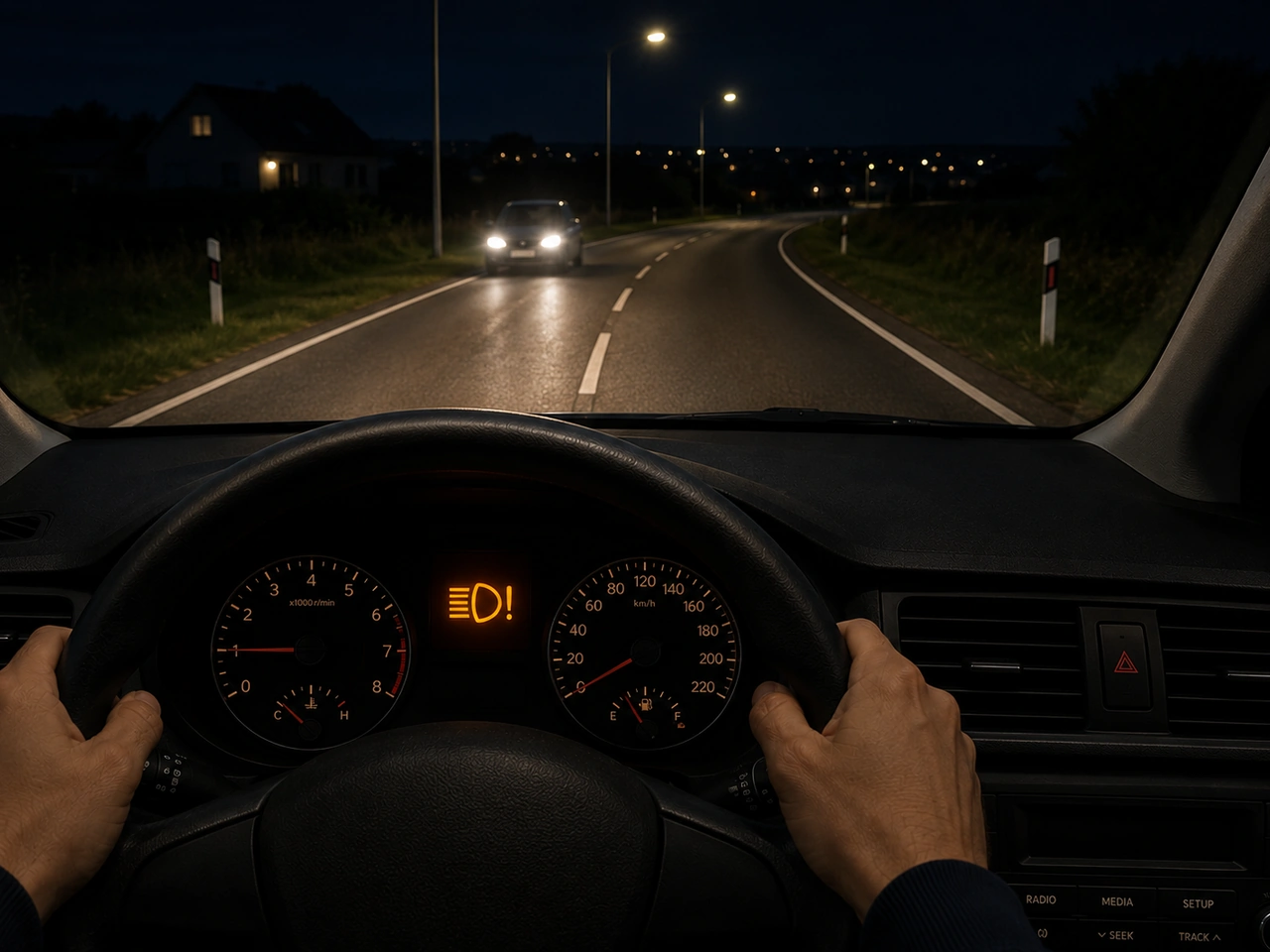
186. What should you do if your headlights fail while driving at night?
Without effective headlights, you may not see hazards and other road users may not see you. Stop in a safe location as soon as possible.
AI-generated by Traffic-rules.com • WCIT • CC BY-SA
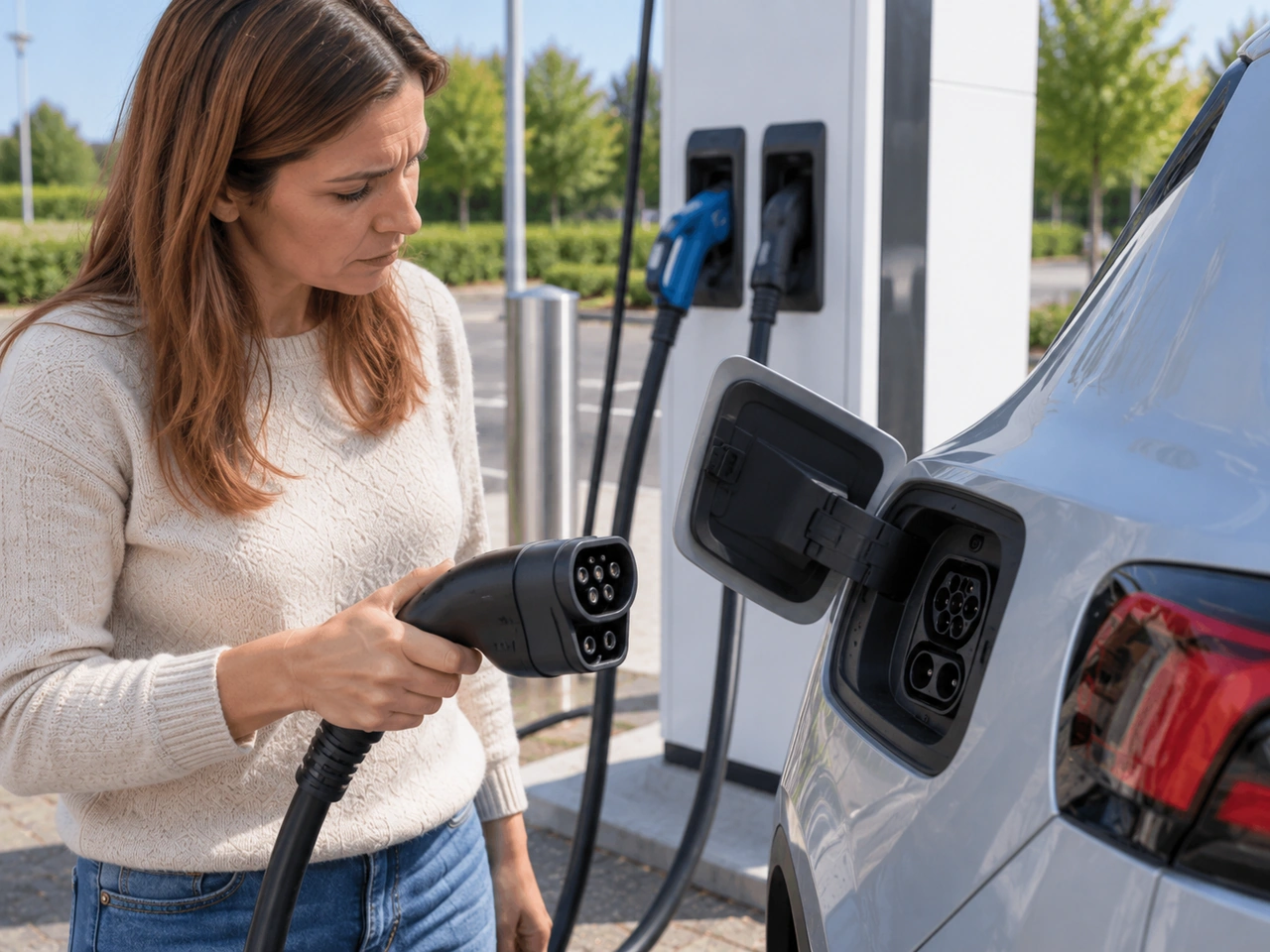
187. What should you check before connecting an electric vehicle to a charger?
Charging connectors and charging capabilities can vary between vehicles and charging stations. Use compatible charging equipment that is suitable for the vehicle and follow the vehicle and charger manufacturer's instructions.
AI-generated by Traffic-rules.com • WCIT • CC BY-SA
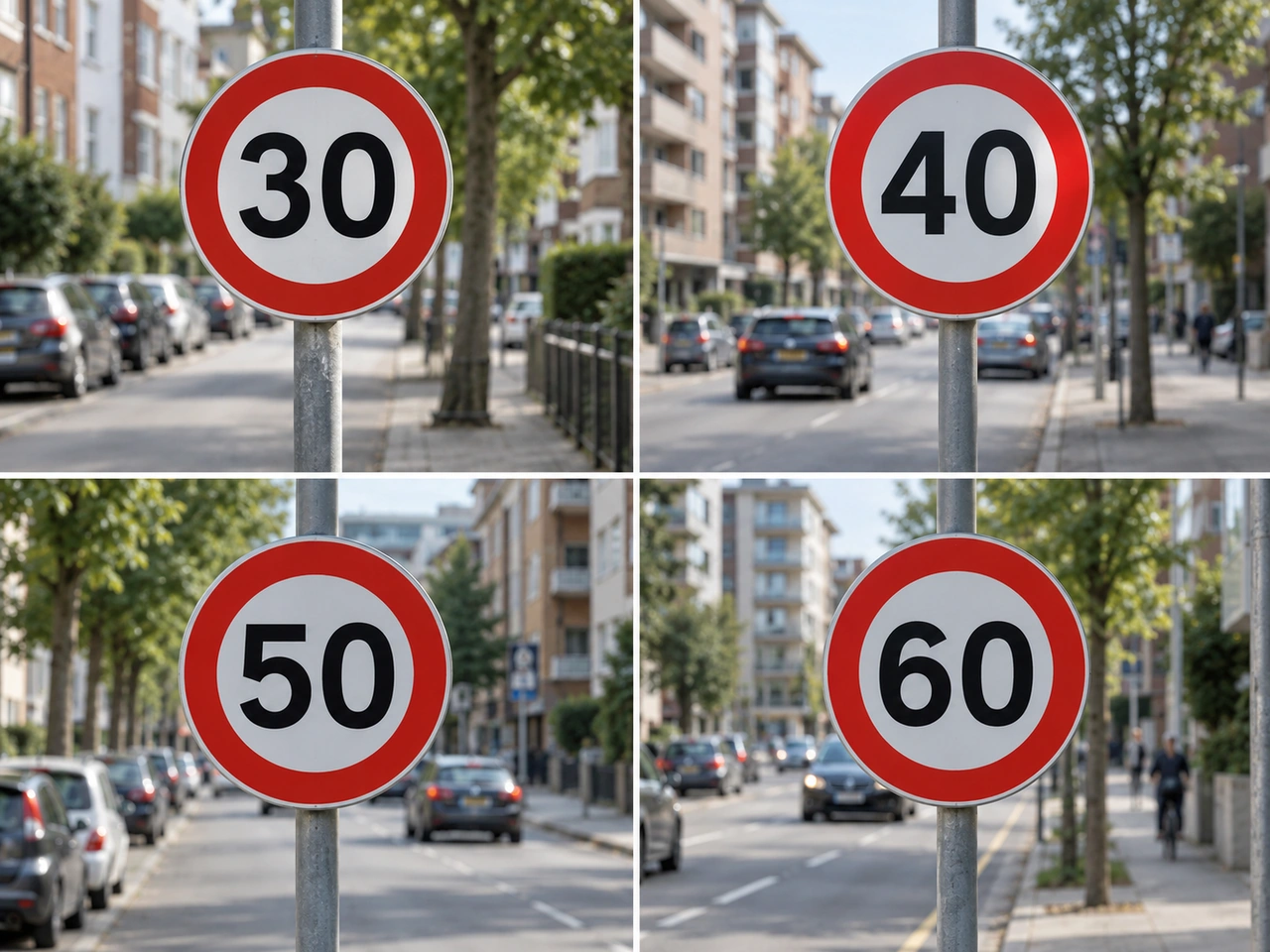
188. What is the general speed limit for cars in built-up areas in Bosnia and Herzegovina?
The general speed limit for cars in built-up areas in Bosnia and Herzegovina is 50 km/h, unless signs indicate otherwise.
AI-generated by Traffic-rules.com • WCIT • CC BY-SA
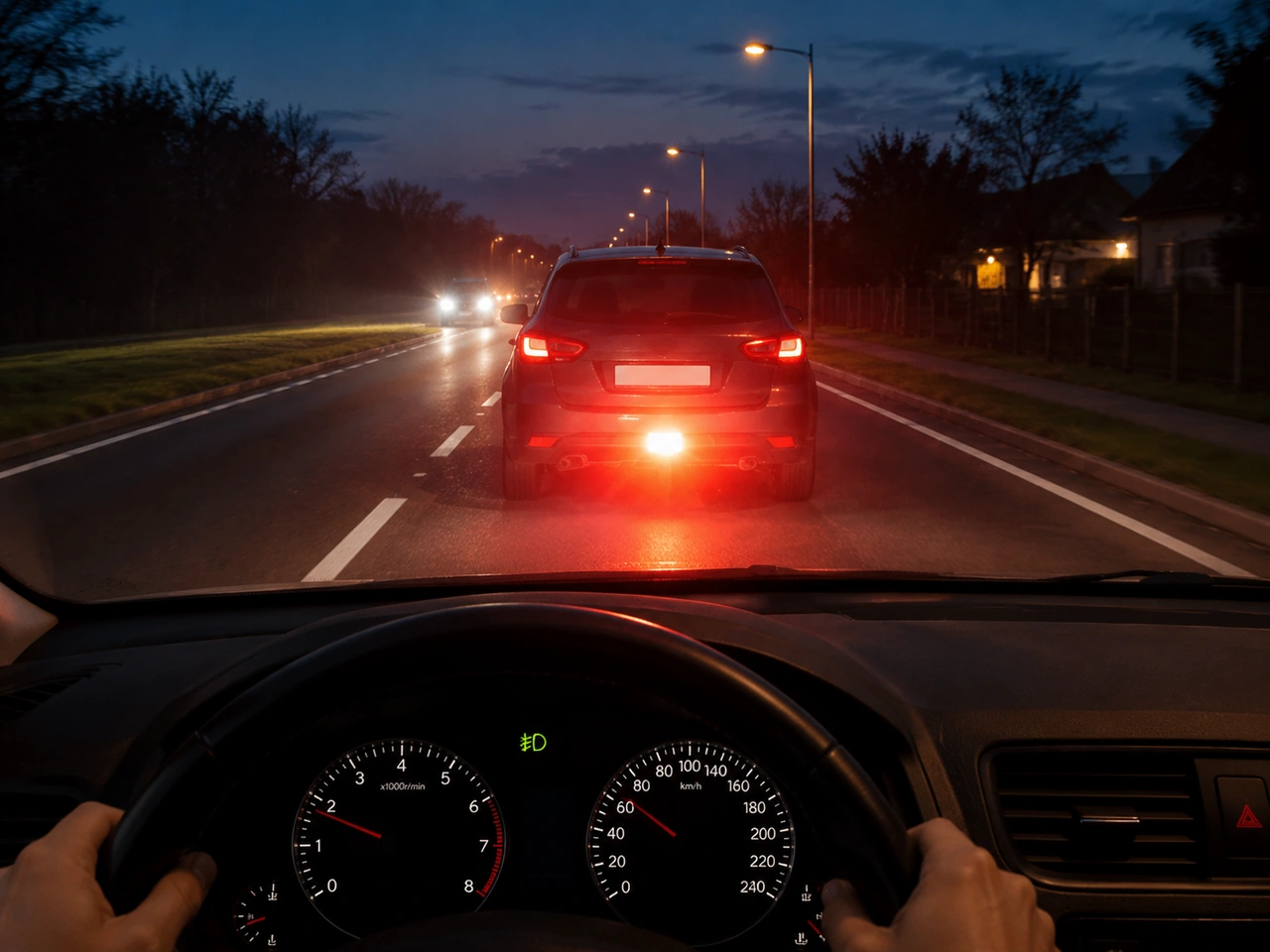
189. When should you switch off your fog lights?
Fog lights can dazzle other road users when visibility is normal, so switch them off when conditions improve.
AI-generated by Traffic-rules.com • WCIT • CC BY-SA
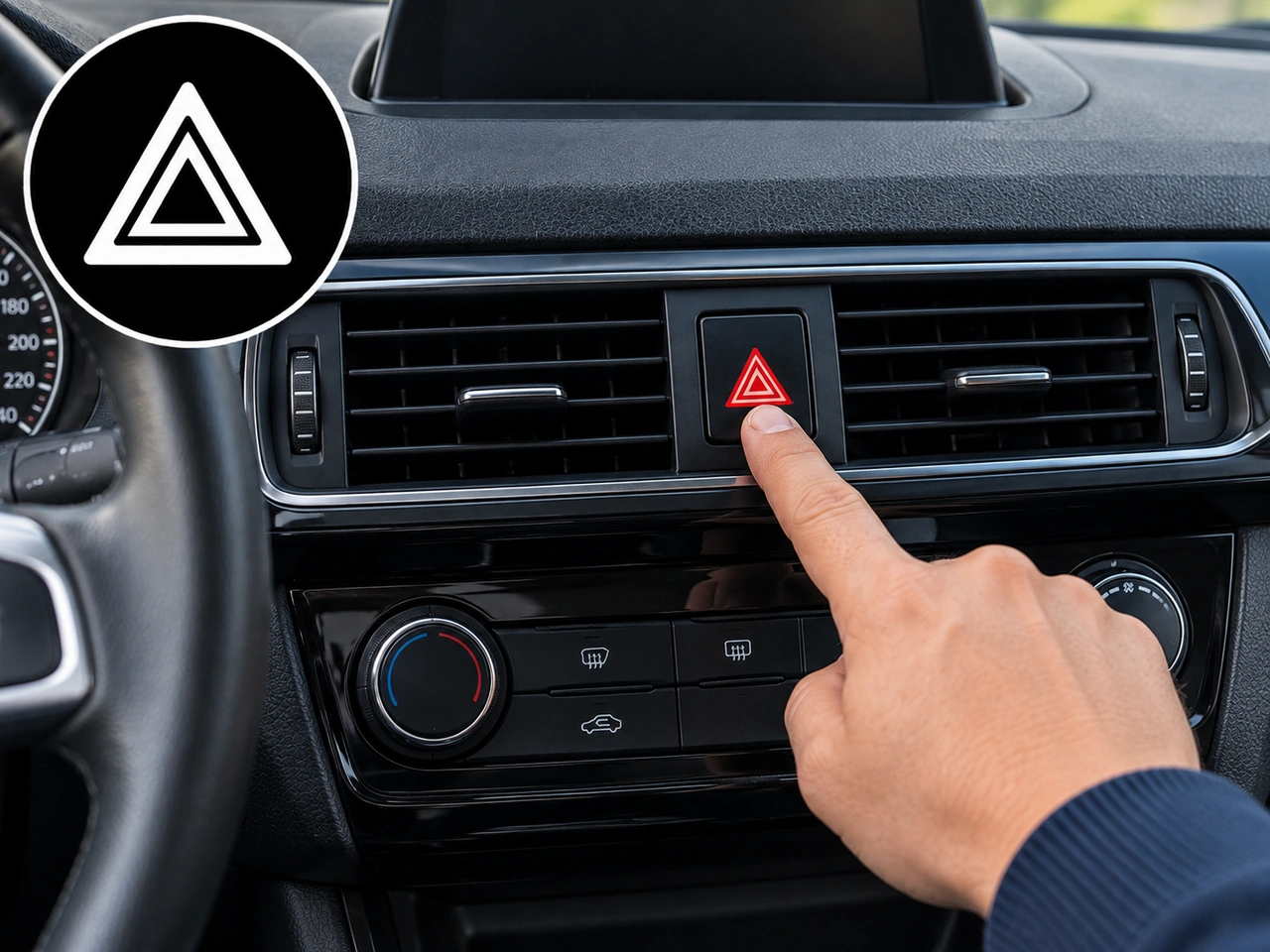
190. Which control activates all direction indicators at the same time?
The hazard warning light switch activates all direction indicators at the same time to warn other road users of a hazard or emergency.
AI-generated by Traffic-rules.com • WCIT • CC BY-SA
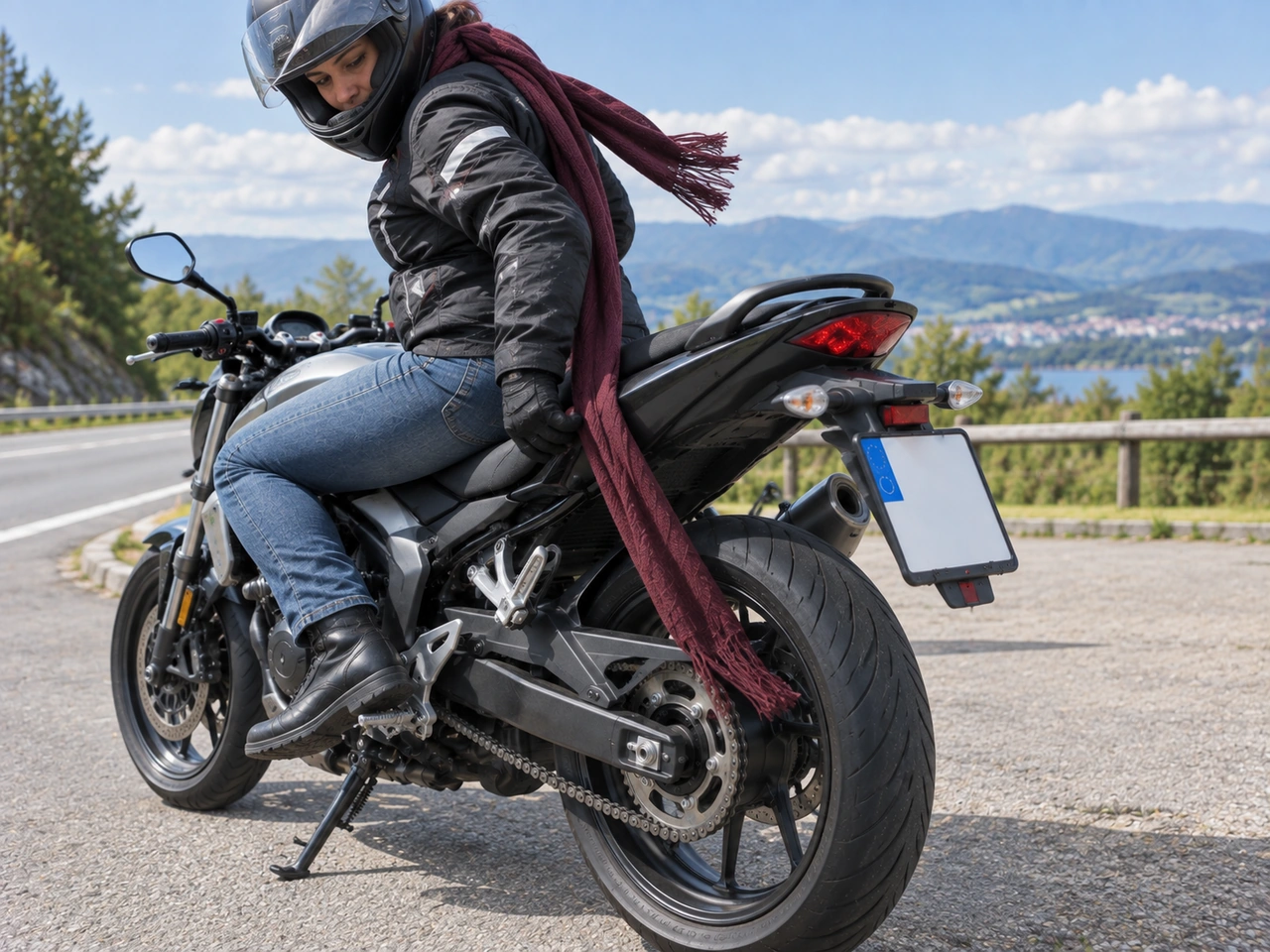
191. Why should loose clothing be avoided when riding a motorcycle?
Loose clothing, straps or scarves can flap in the wind or become caught in moving parts such as the chain or wheel. Motorcycle clothing should fit securely and should not have loose items that could interfere with safe riding.
AI-generated by Traffic-rules.com • WCIT • CC BY-SA
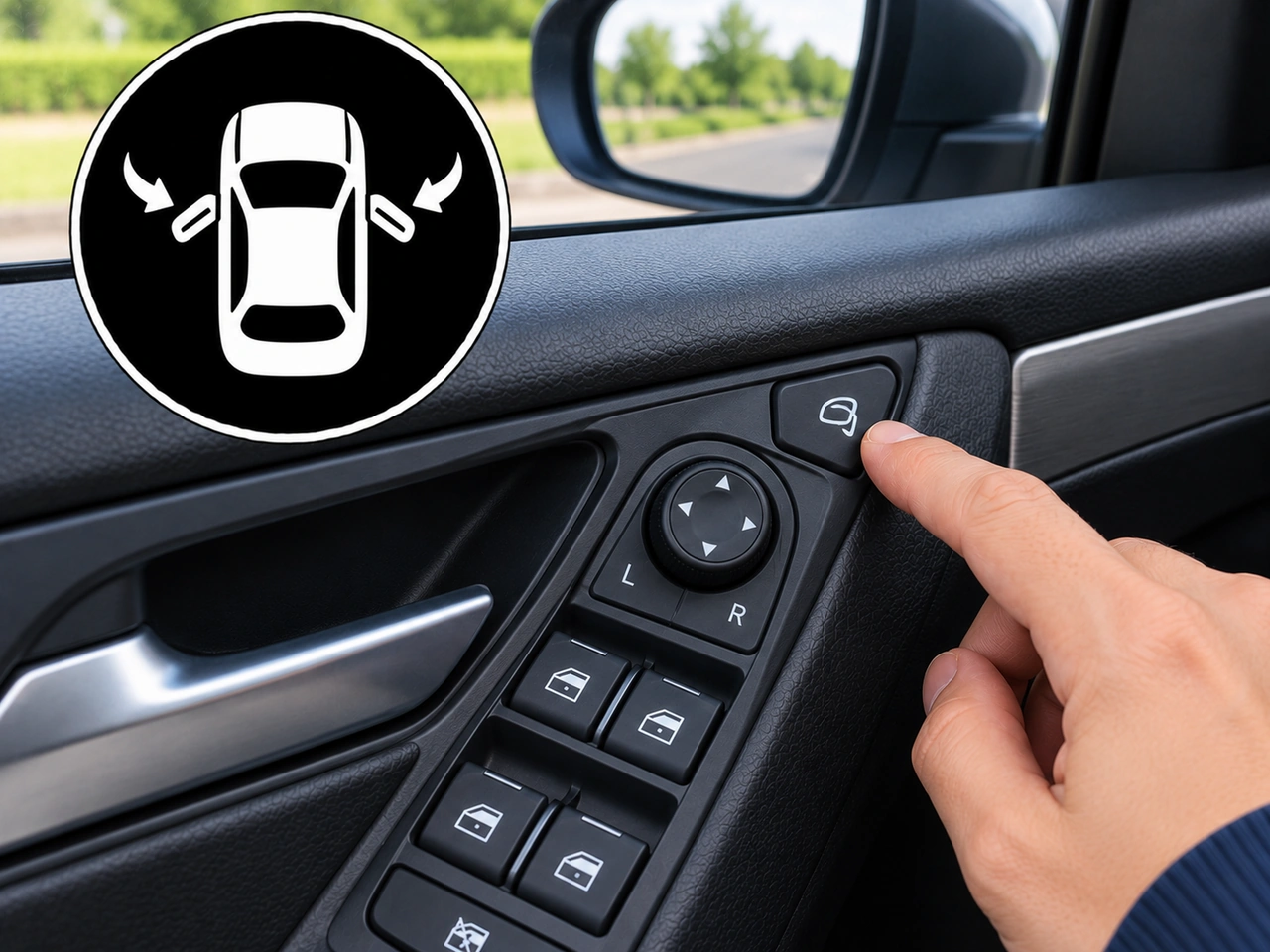
192. What does this vehicle-control symbol indicate?
This control folds or unfolds the vehicle's exterior mirrors. It is useful when parking in narrow spaces or when leaving the vehicle parked.
AI-generated by Traffic-rules.com • WCIT • CC BY-SA
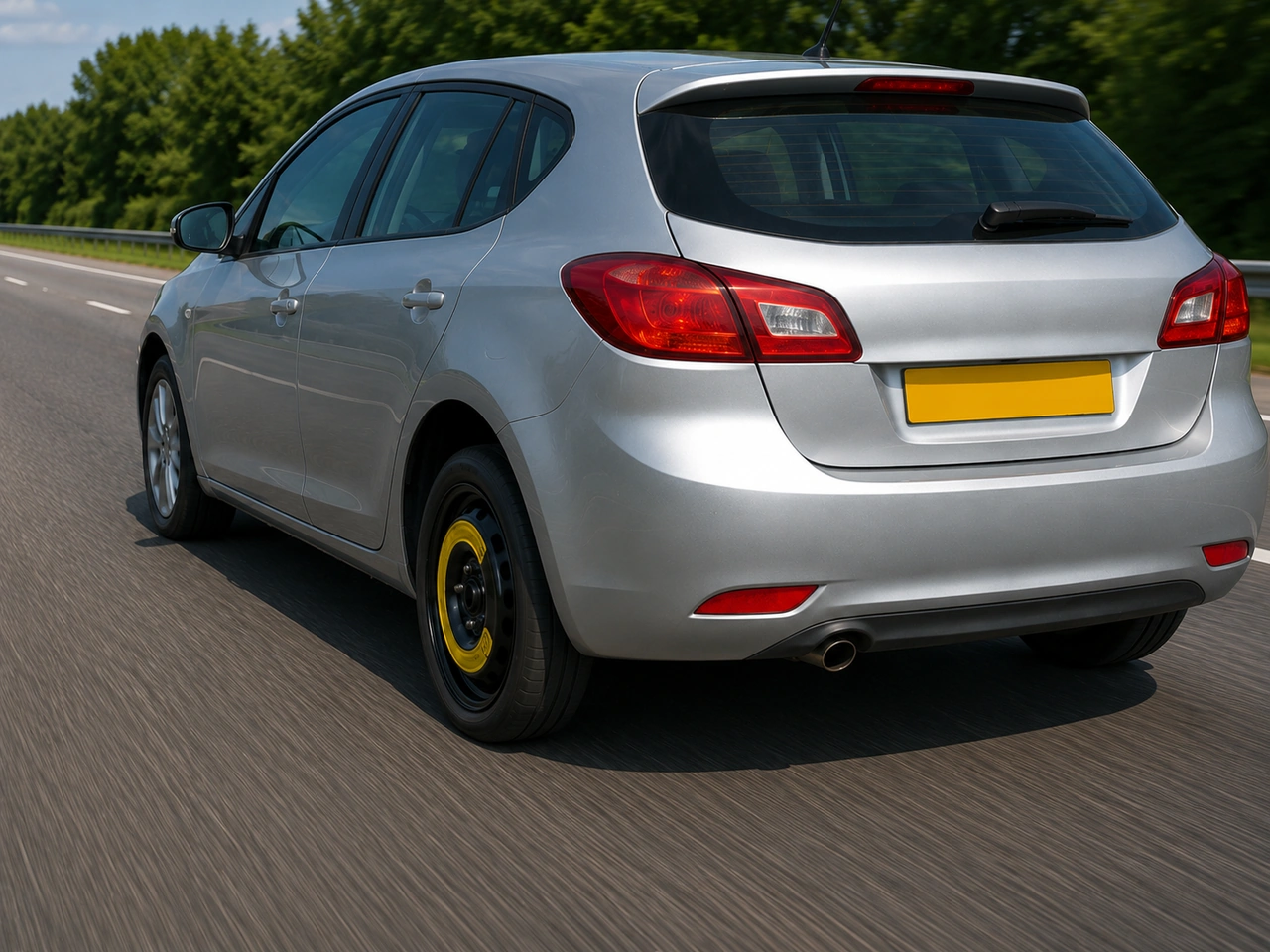
193. What should you do after fitting a temporary spare wheel?
Temporary spare wheels may have limited speed, distance, and handling capabilities. Arrange a proper repair or replacement promptly.
AI-generated by Traffic-rules.com • WCIT • CC BY-SA
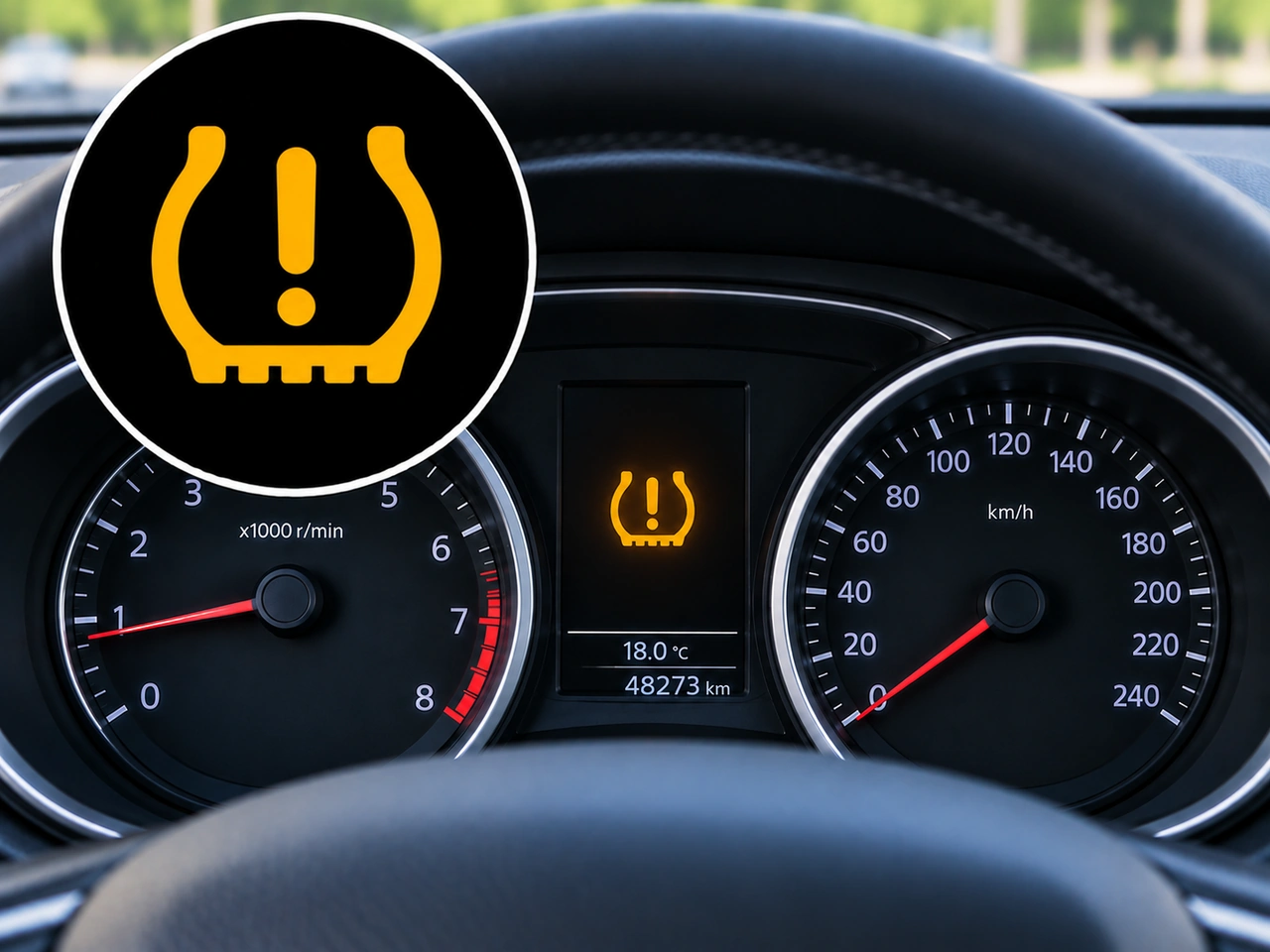
194. What does this dashboard symbol indicate?
This symbol indicates that one or more tyres may have low pressure. Check the tyre pressures and inspect the tyres for damage or a puncture.
AI-generated by Traffic-rules.com • WCIT • CC BY-SA
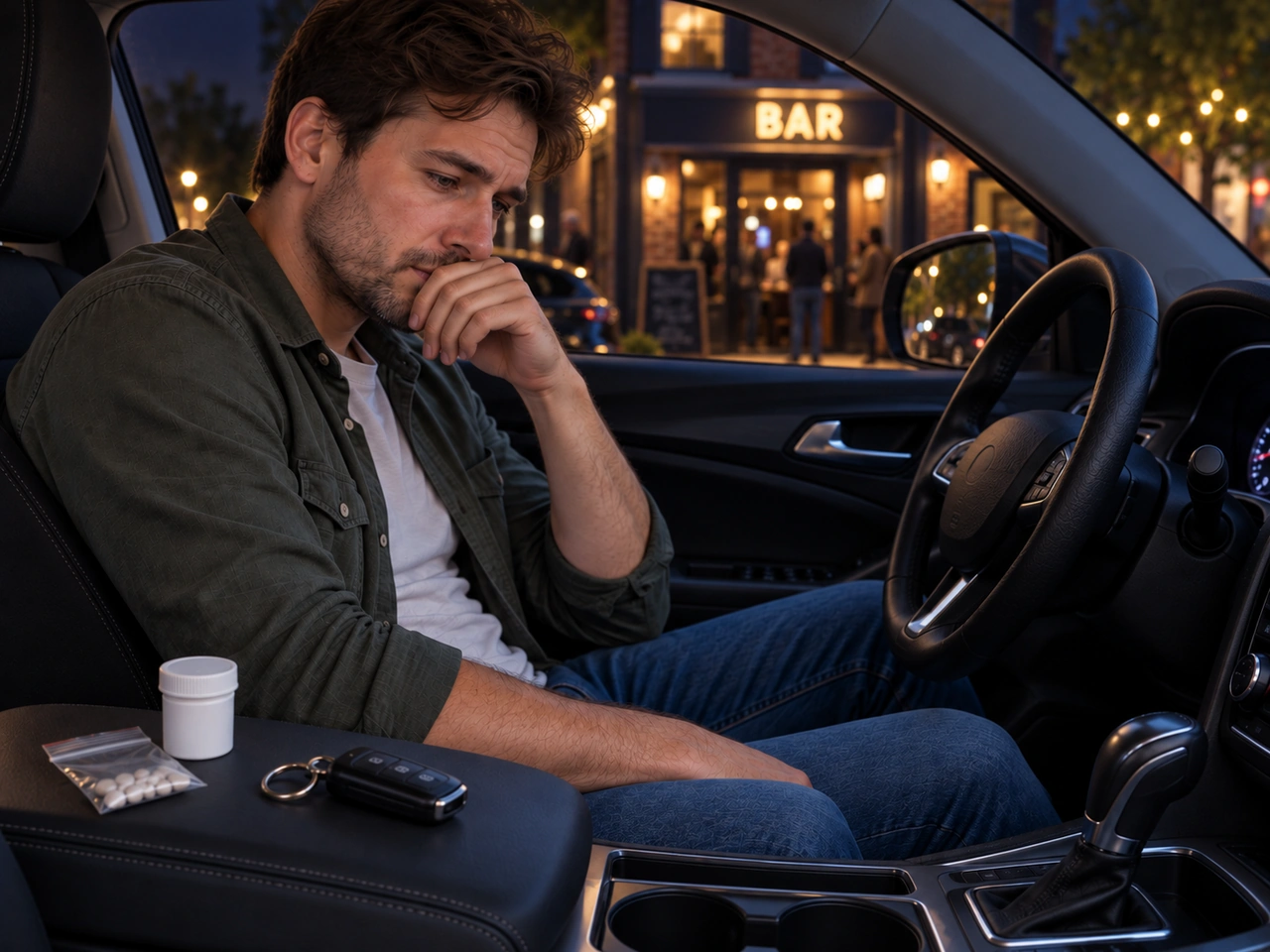
195. What should you do if you have taken drugs that may impair your driving?
Drugs can impair judgement, coordination, concentration, and reaction time. Their effects can be unpredictable and may continue after you feel that the main effects have passed. Do not drive while impaired.
AI-generated by Traffic-rules.com • WCIT • CC BY-SA
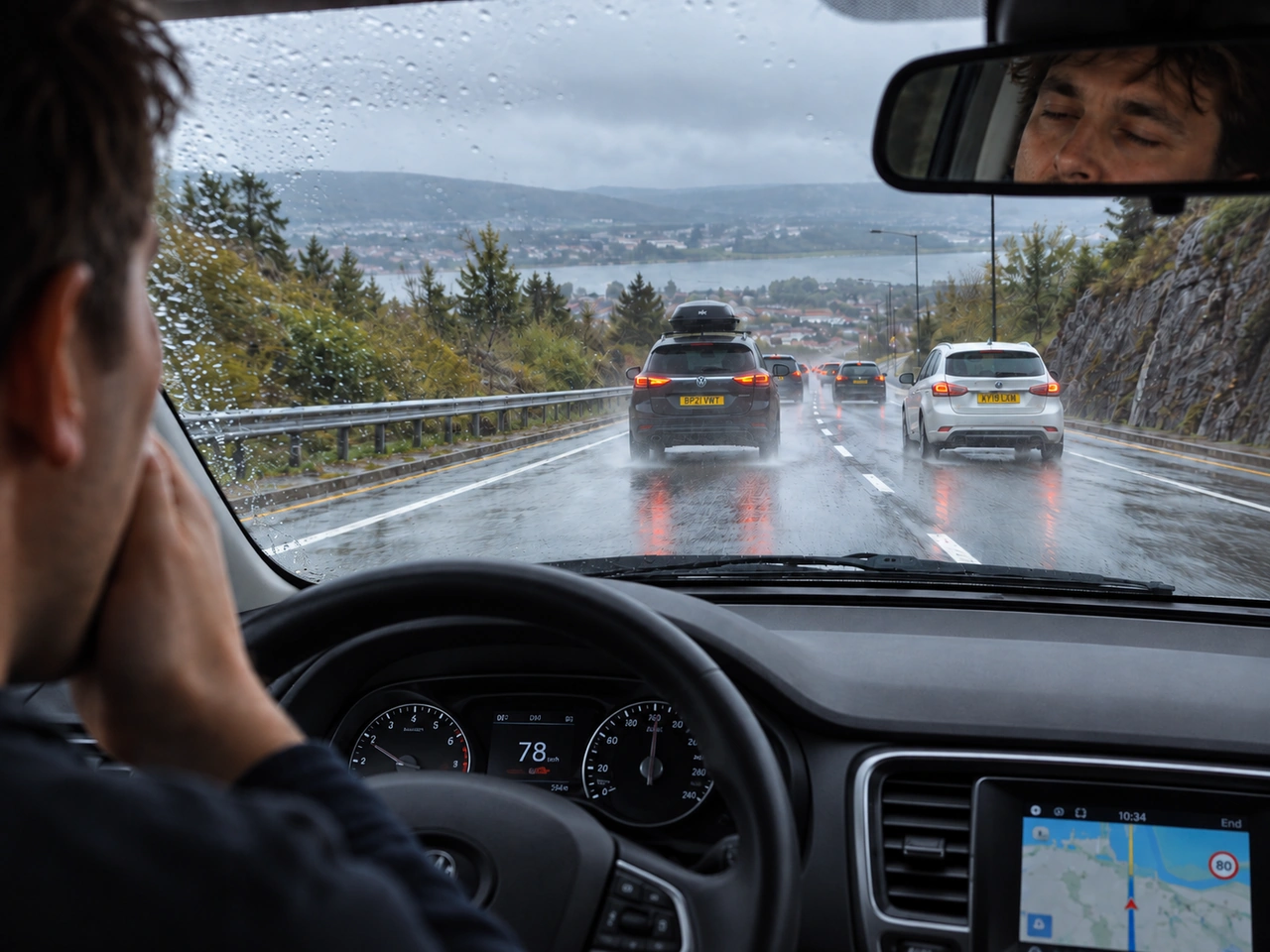
196. Which factors can increase a vehicle's stopping distance?
Stopping distance can increase because of higher speed, slower driver reactions, reduced tyre grip, poor weather or road conditions, worn tyres, weak brakes, or a heavier vehicle. Both the driver's reaction distance and the vehicle's braking distance can be affected.
AI-generated by Traffic-rules.com • WCIT • CC BY-SA
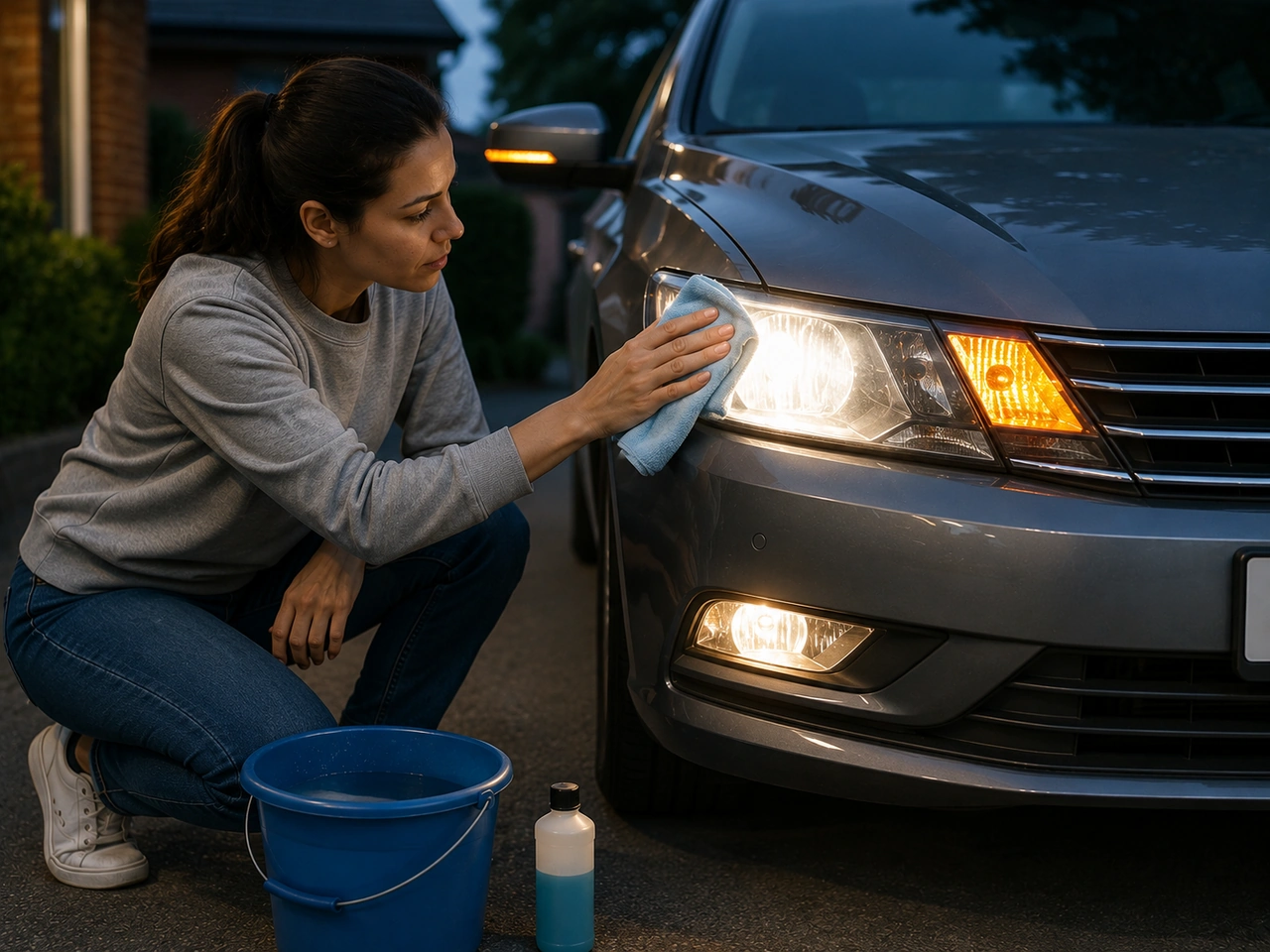
197. Why should headlights, indicators, and other exterior lights be kept clean and working?
Dirty or faulty lights reduce visibility and make it harder for other road users to understand when you are braking, turning, reversing, or changing position.
AI-generated by Traffic-rules.com • WCIT • CC BY-SA
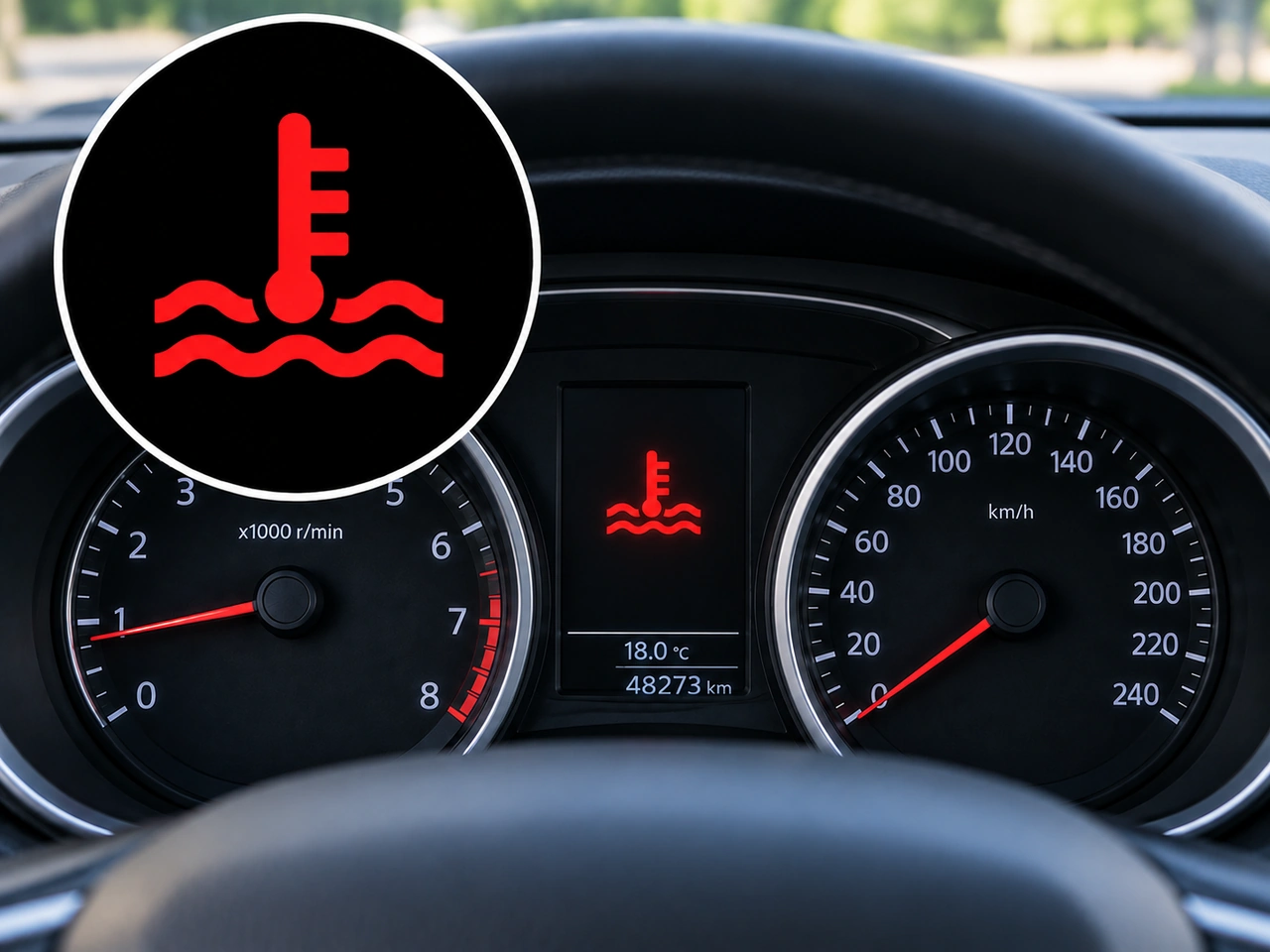
198. What does this dashboard symbol indicate?
This symbol indicates that the engine coolant temperature is too high. If it illuminates while driving, stop safely and allow the engine to cool before investigating the cause.
AI-generated by Traffic-rules.com • WCIT • CC BY-SA
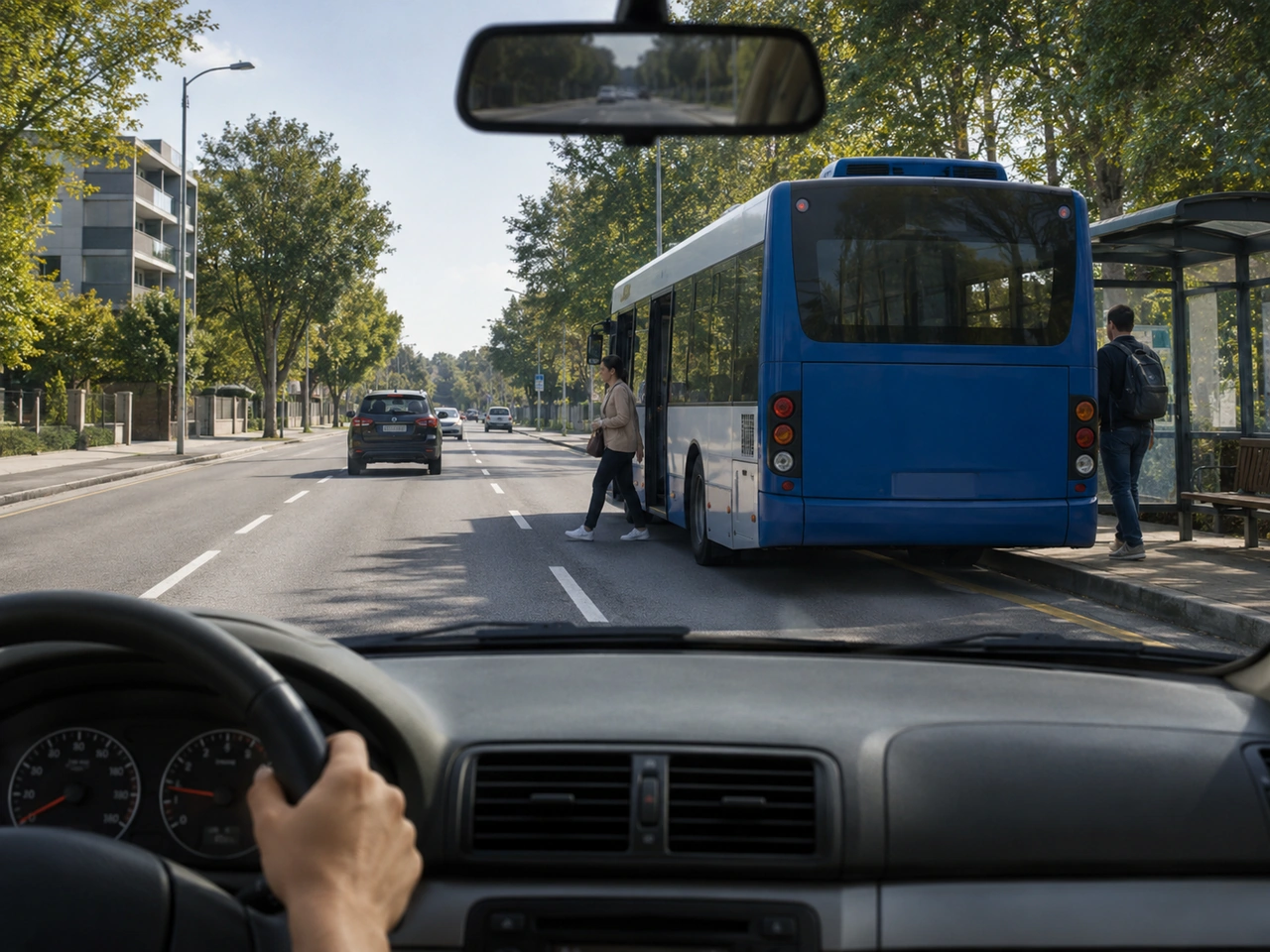
199. Why should you be careful when driving beside a bus at a stop?
Stopped buses can hide pedestrians, and passengers may cross unexpectedly. Slow down and be ready to react.
AI-generated by Traffic-rules.com • WCIT • CC BY-SA
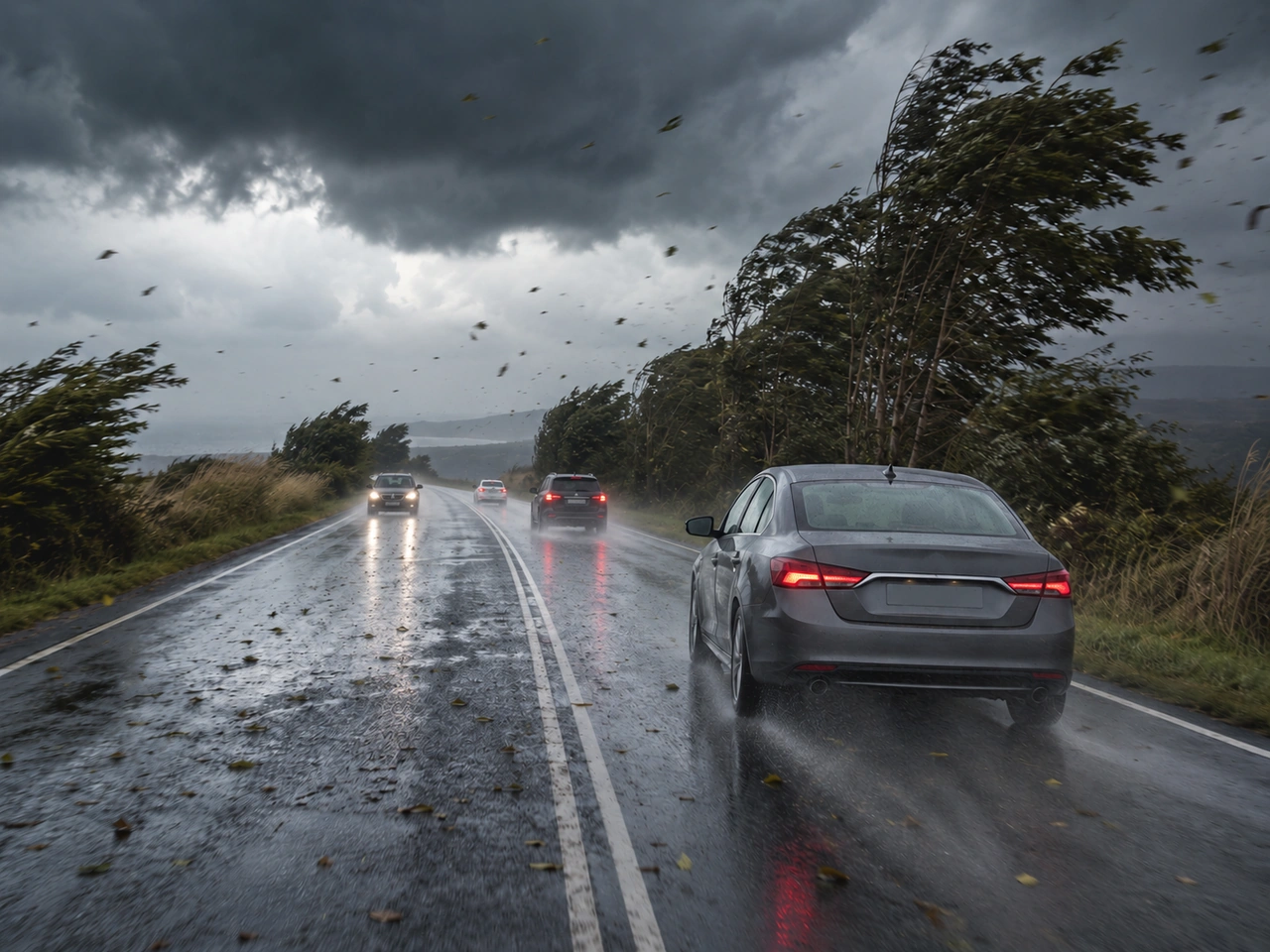
200. Why should you hold the steering wheel firmly during strong gusts?
A firm but relaxed grip helps you respond safely to sudden changes caused by wind.
AI-generated by Traffic-rules.com • WCIT • CC BY-SA