


QuizTraffic rulesBosnia and Herzegovina
This interesting quiz helps you test your knowledge in a clear and visual way. With easy multiple-choice questions, you can quickly build confidence and learn new facts while keeping it simple, interactive, and fun.
 Traffic signs
 Traffic rules
 Bosnia and Herzegovina
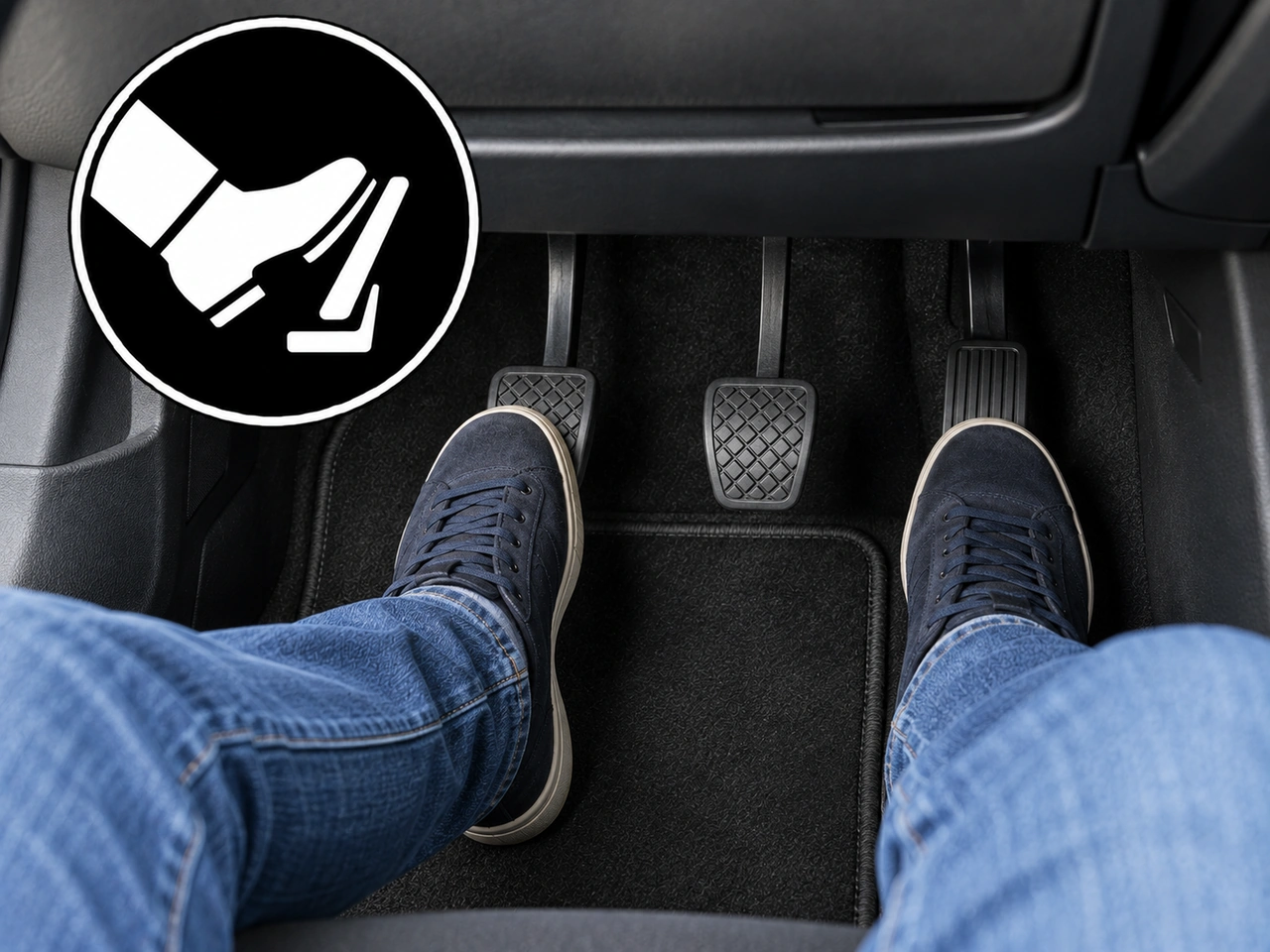
251. What is the clutch biting point?
The clutch biting point is reached as the clutch pedal is released and the clutch begins to transmit power from the engine to the transmission. Controlling this point helps the driver move off smoothly.
AI-generated by Traffic-rules.com • WCIT • CC BY-SA

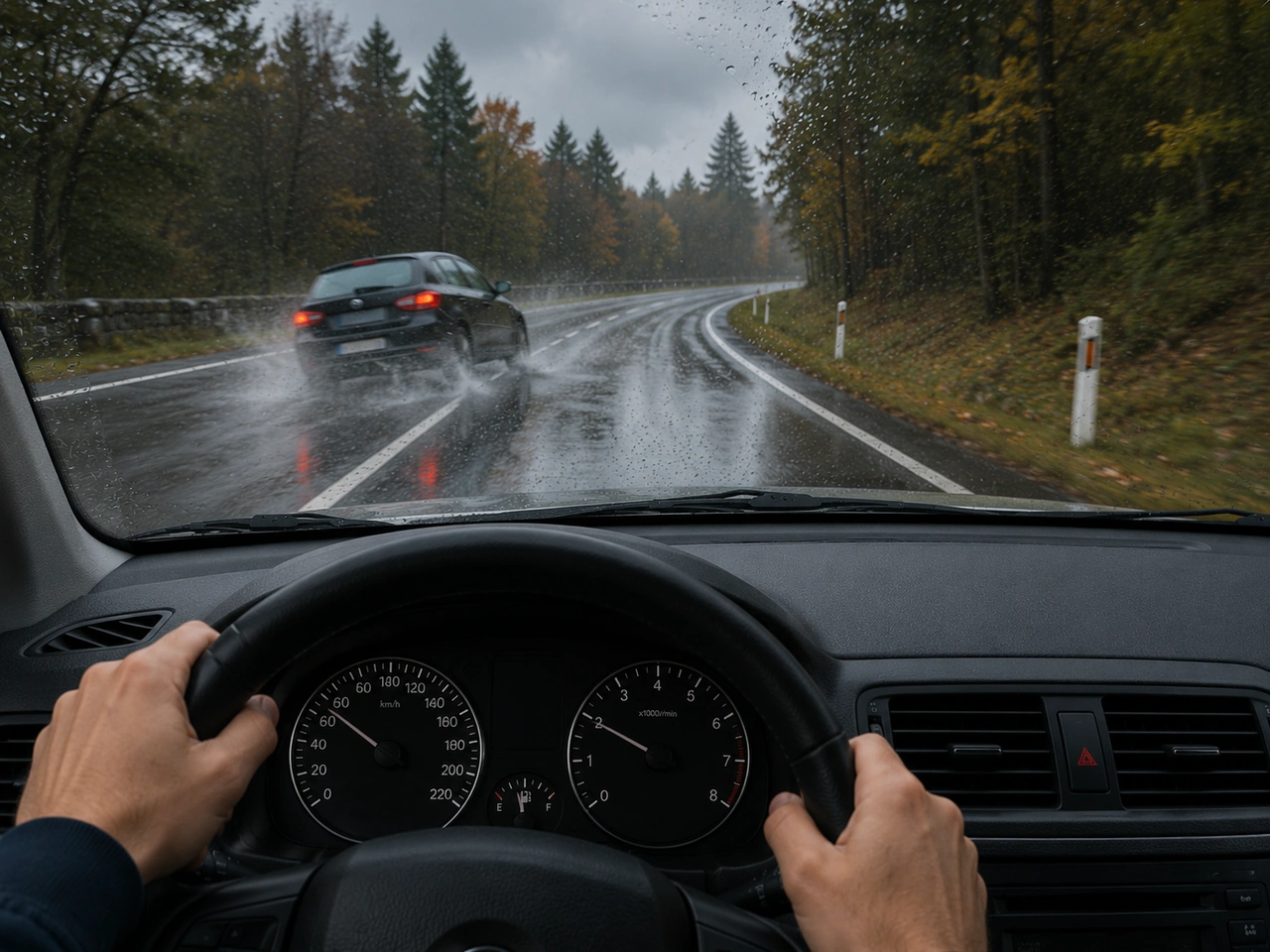
252. What should you avoid if your vehicle starts to skid?
Sudden braking, acceleration, or steering can make a skid worse. Stay calm and use smooth controls while the tyres regain grip.
AI-generated by Traffic-rules.com • WCIT • CC BY-SA
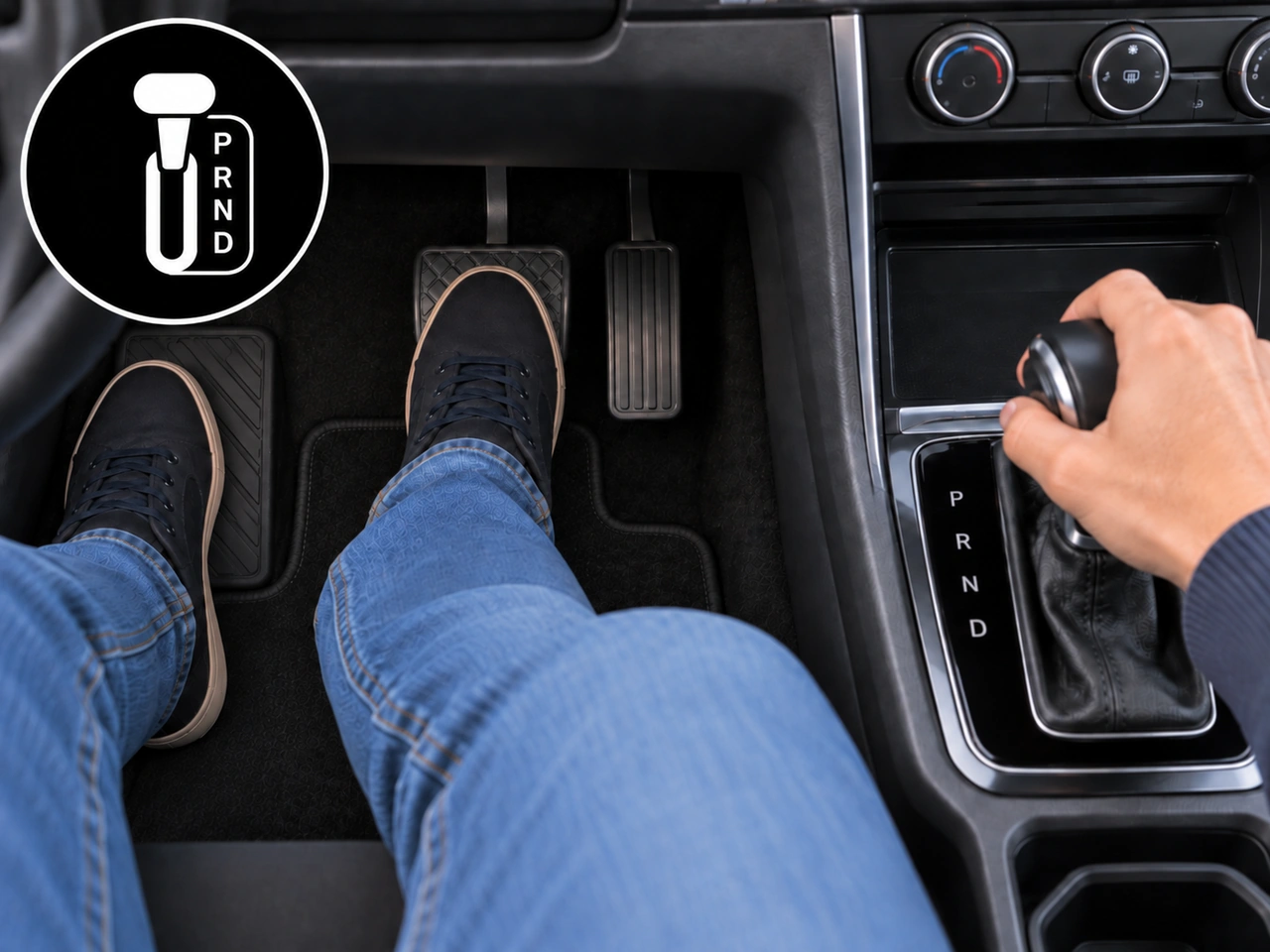
253. What should you normally do before selecting D or R in an automatic vehicle?
Before selecting D (Drive) or R (Reverse), keep the brake pedal pressed to prevent the vehicle from moving unexpectedly when the gear is engaged.
AI-generated by Traffic-rules.com • WCIT • CC BY-SA
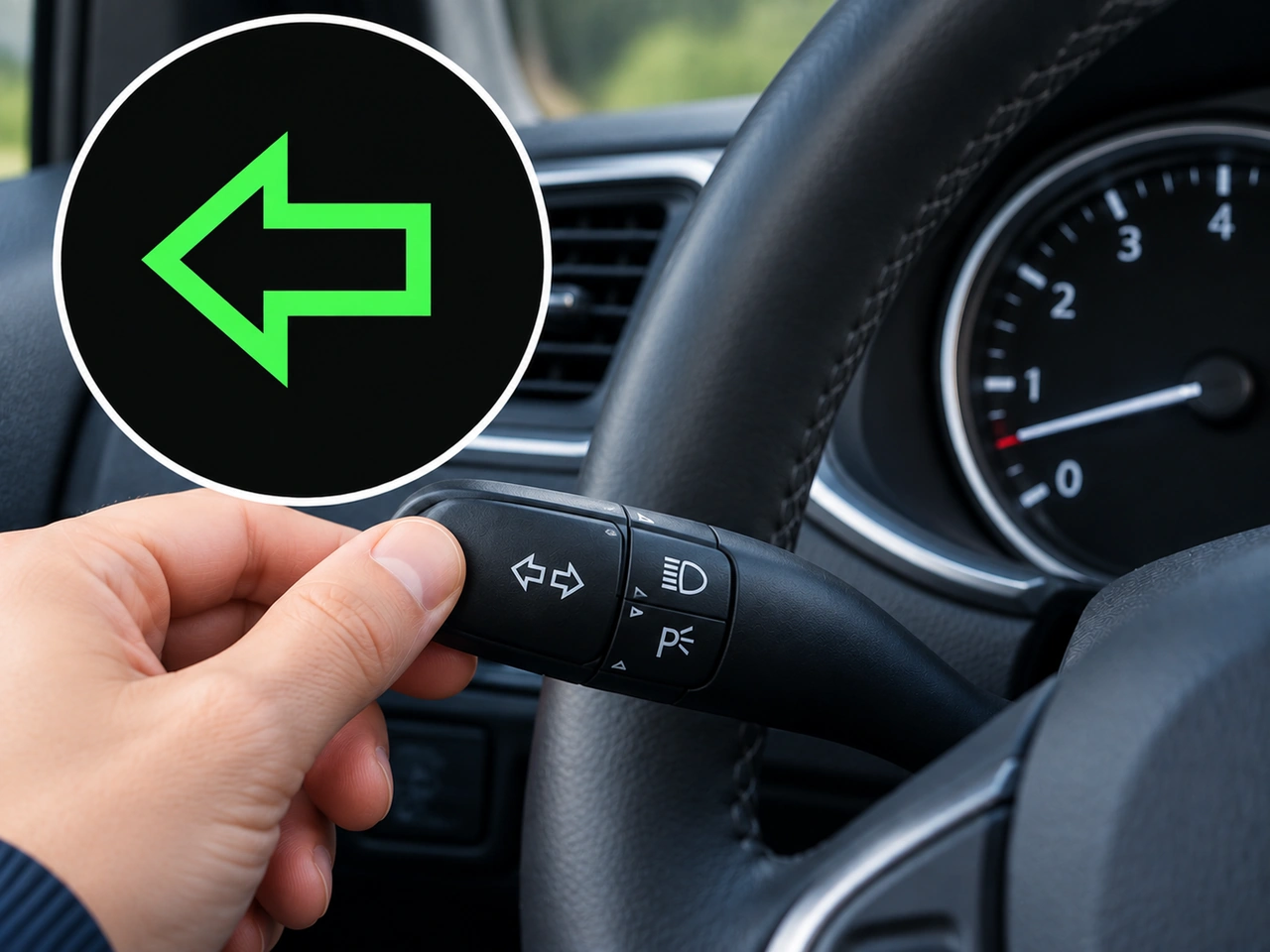
254. What does this dashboard symbol indicate?
This symbol indicates that a direction indicator is operating. The flashing indicator shows the direction in which the driver intends to turn or change position on the road.
AI-generated by Traffic-rules.com • WCIT • CC BY-SA
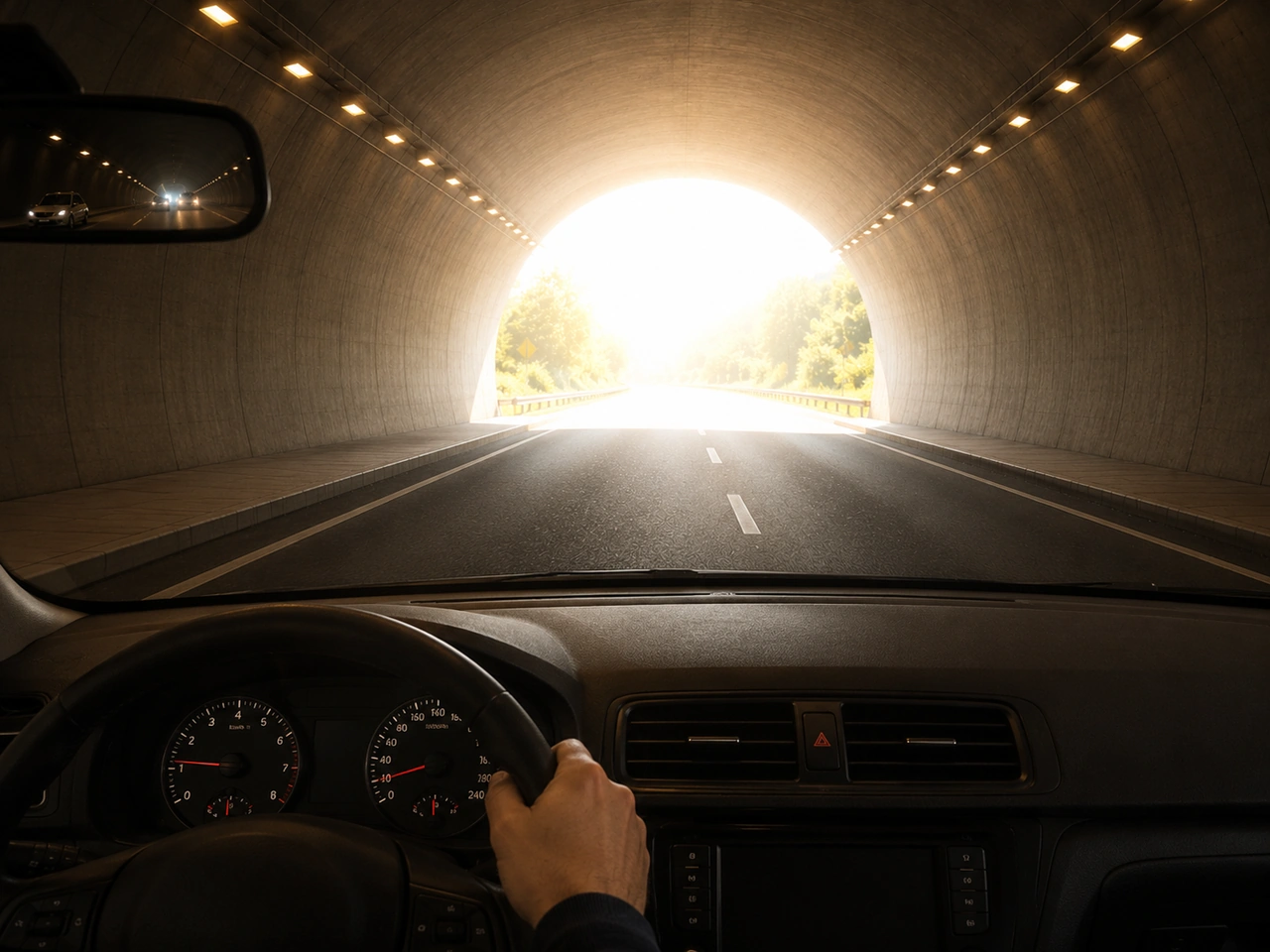
255. What should you expect when leaving a tunnel in bright sunlight?
Your eyes may need time to adjust from the darker tunnel to bright daylight. Reduce speed if necessary and remain alert.
AI-generated by Traffic-rules.com • WCIT • CC BY-SA
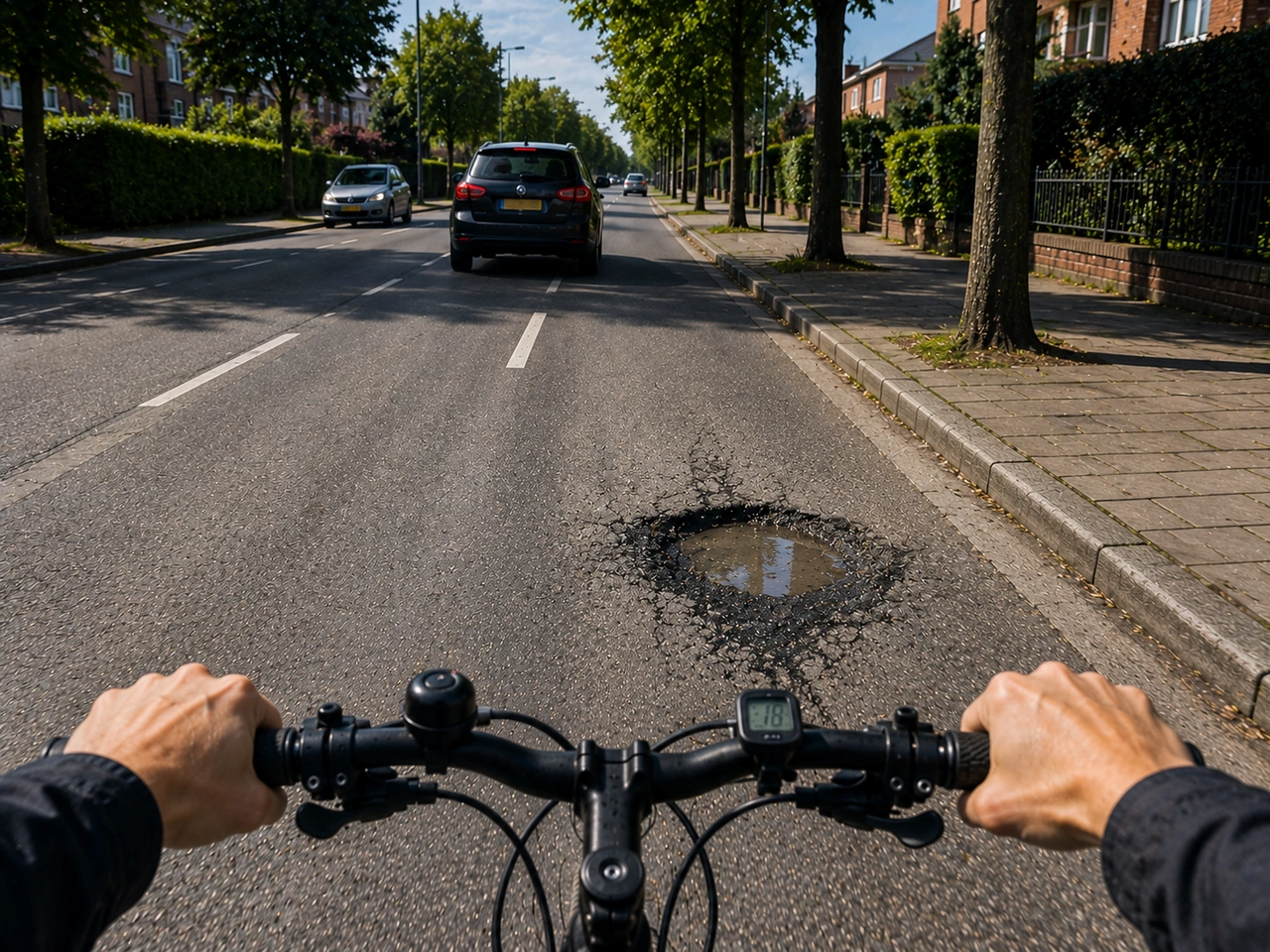
256. How should a cyclist react to a pothole?
Sudden swerving can place you in the path of traffic. Check your surroundings and change direction gradually.
AI-generated by Traffic-rules.com • WCIT • CC BY-SA
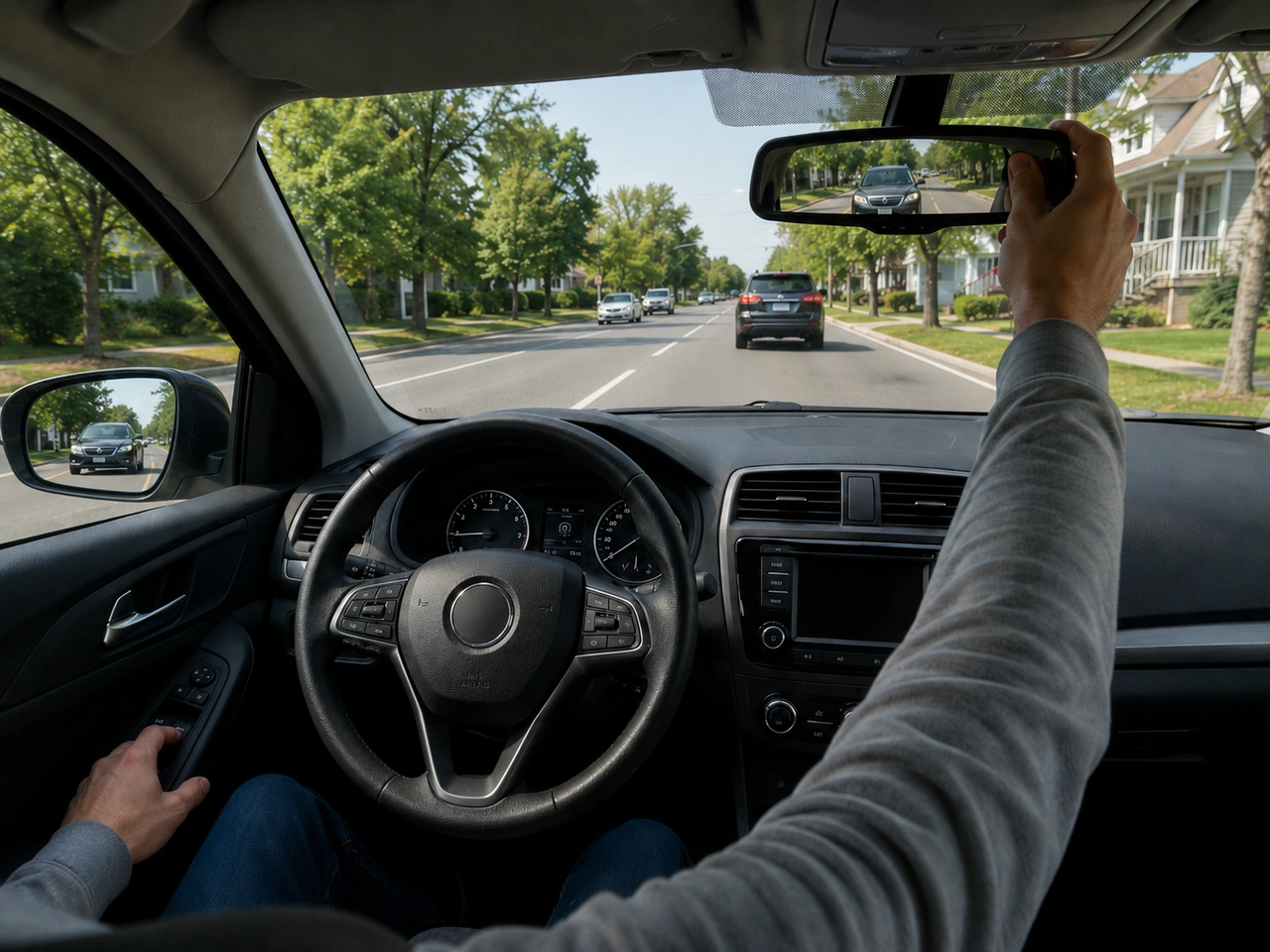
257. You should adjust your mirrors before you start driving.
Properly adjusted mirrors improve visibility and help you monitor traffic around your vehicle.
AI-generated by Traffic-rules.com • WCIT • CC BY-SA
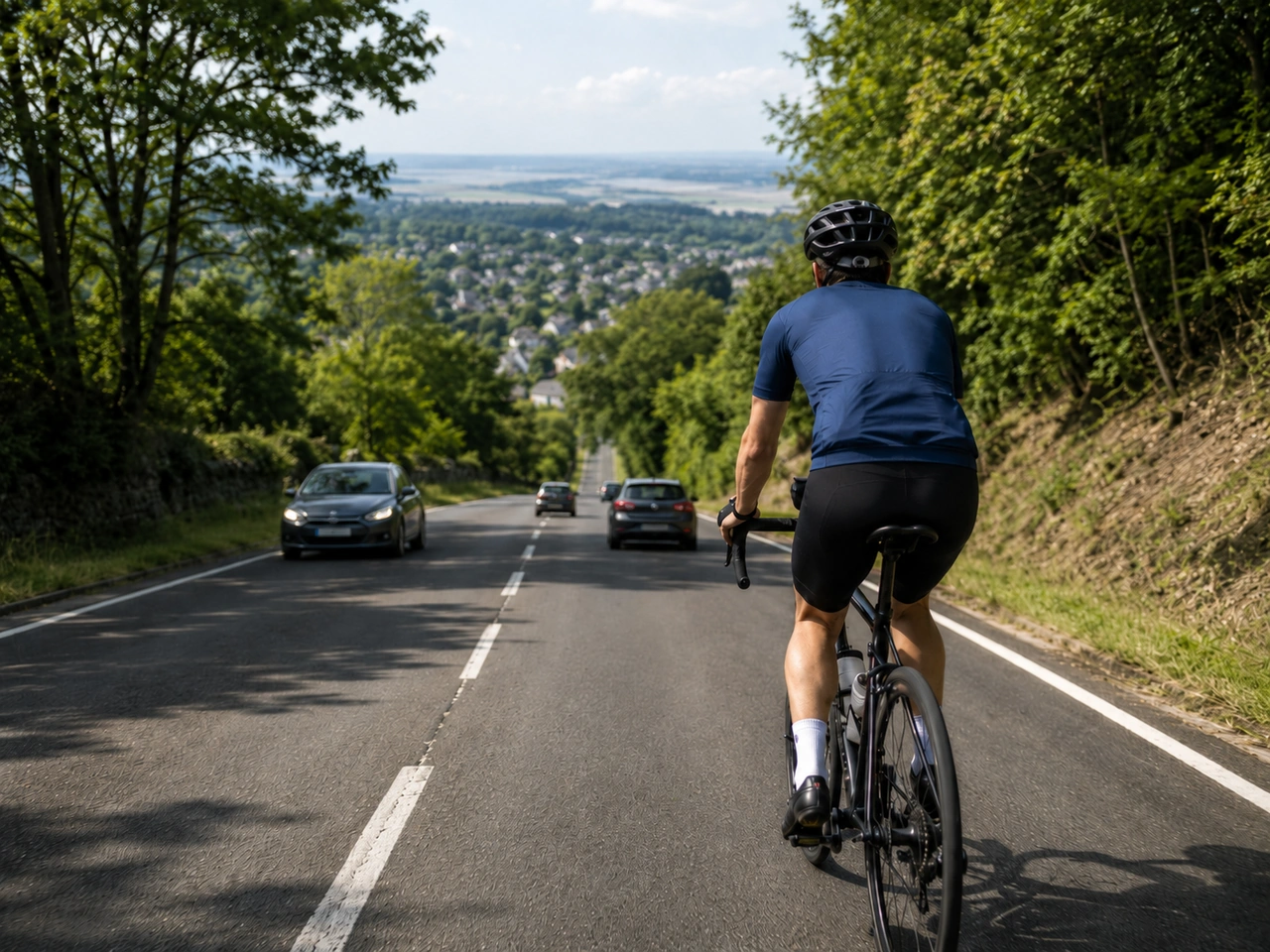
258. What should cyclists do when cycling downhill?
Higher speed increases stopping distance and reduces reaction time. Maintain a speed that allows you to stop safely.
AI-generated by Traffic-rules.com • WCIT • CC BY-SA
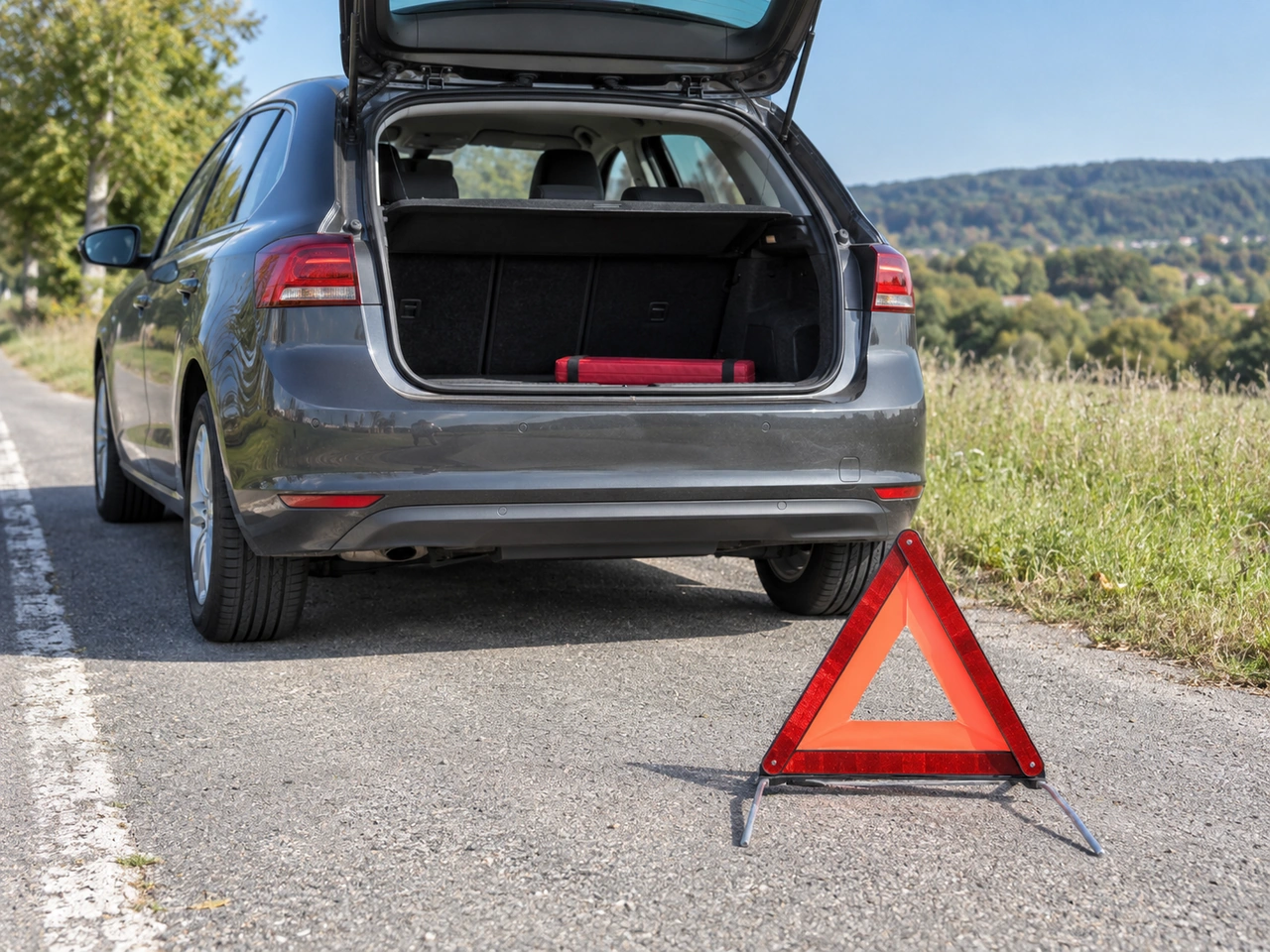
259. Is a warning triangle required in cars in Bosnia and Herzegovina?
Cars in Bosnia and Herzegovina are required to carry a warning triangle.
AI-generated by Traffic-rules.com • WCIT • CC BY-SA
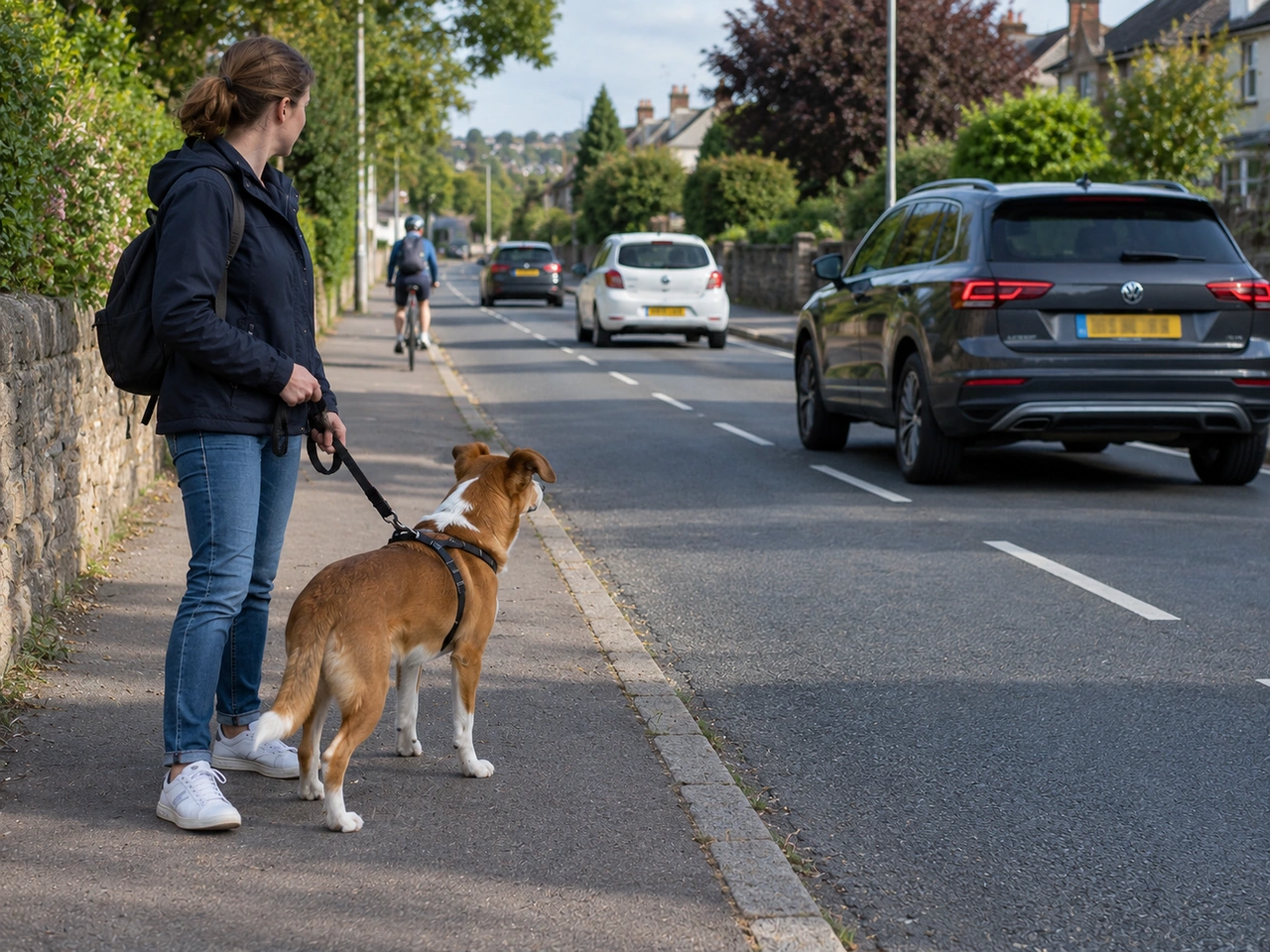
260. Why should you keep a dog on a leash near traffic?
Dogs can react unpredictably to vehicles, people, noises, or other animals. Keeping a dog under close control on a leash near traffic reduces the risk of it suddenly entering the road and endangering itself or other road users.
AI-generated by Traffic-rules.com • WCIT • CC BY-SA
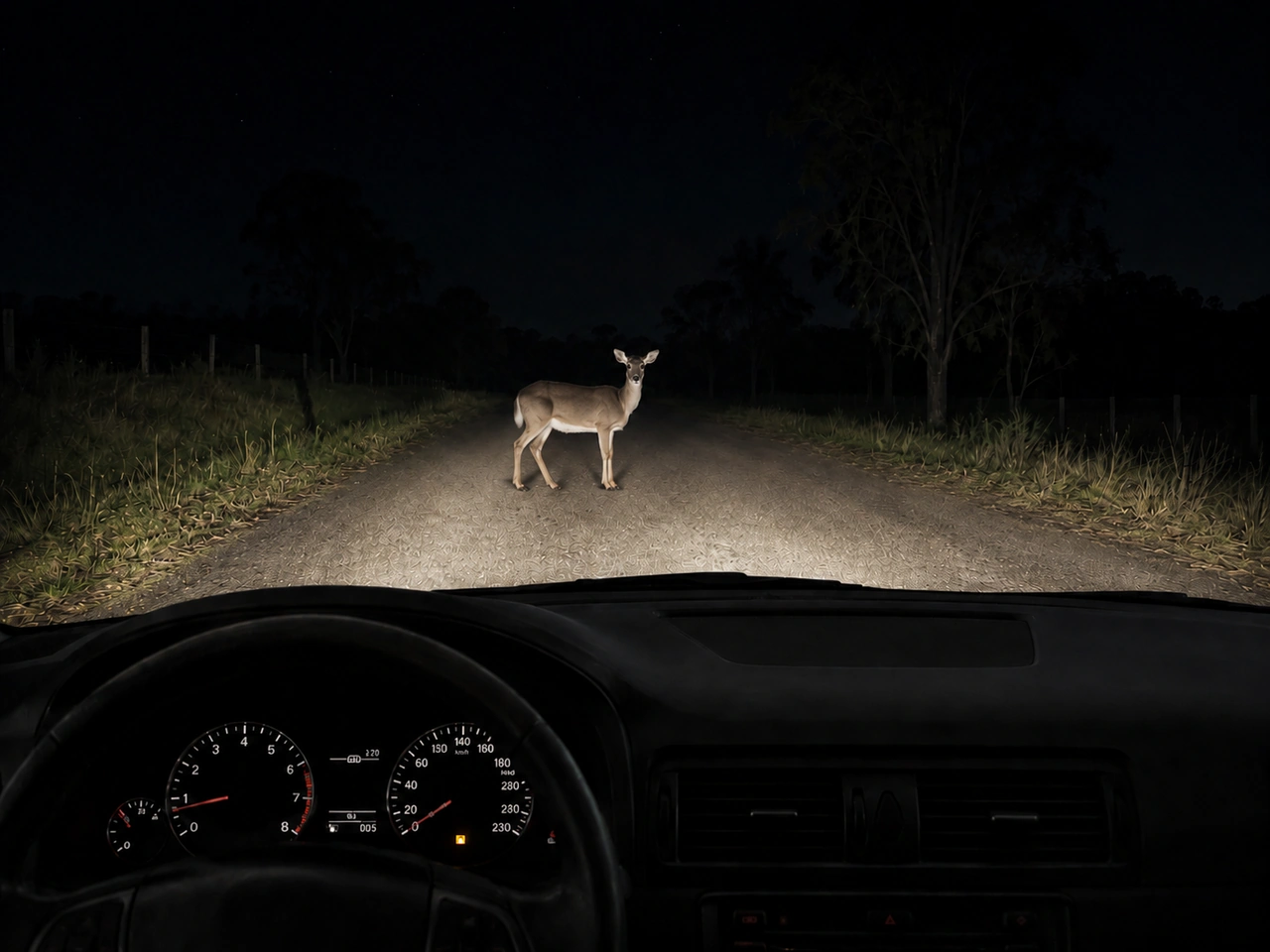
261. What should you do if an animal is standing on the road at night?
Animals may freeze, turn back, or move unpredictably when caught in vehicle headlights.
AI-generated by Traffic-rules.com • WCIT • CC BY-SA
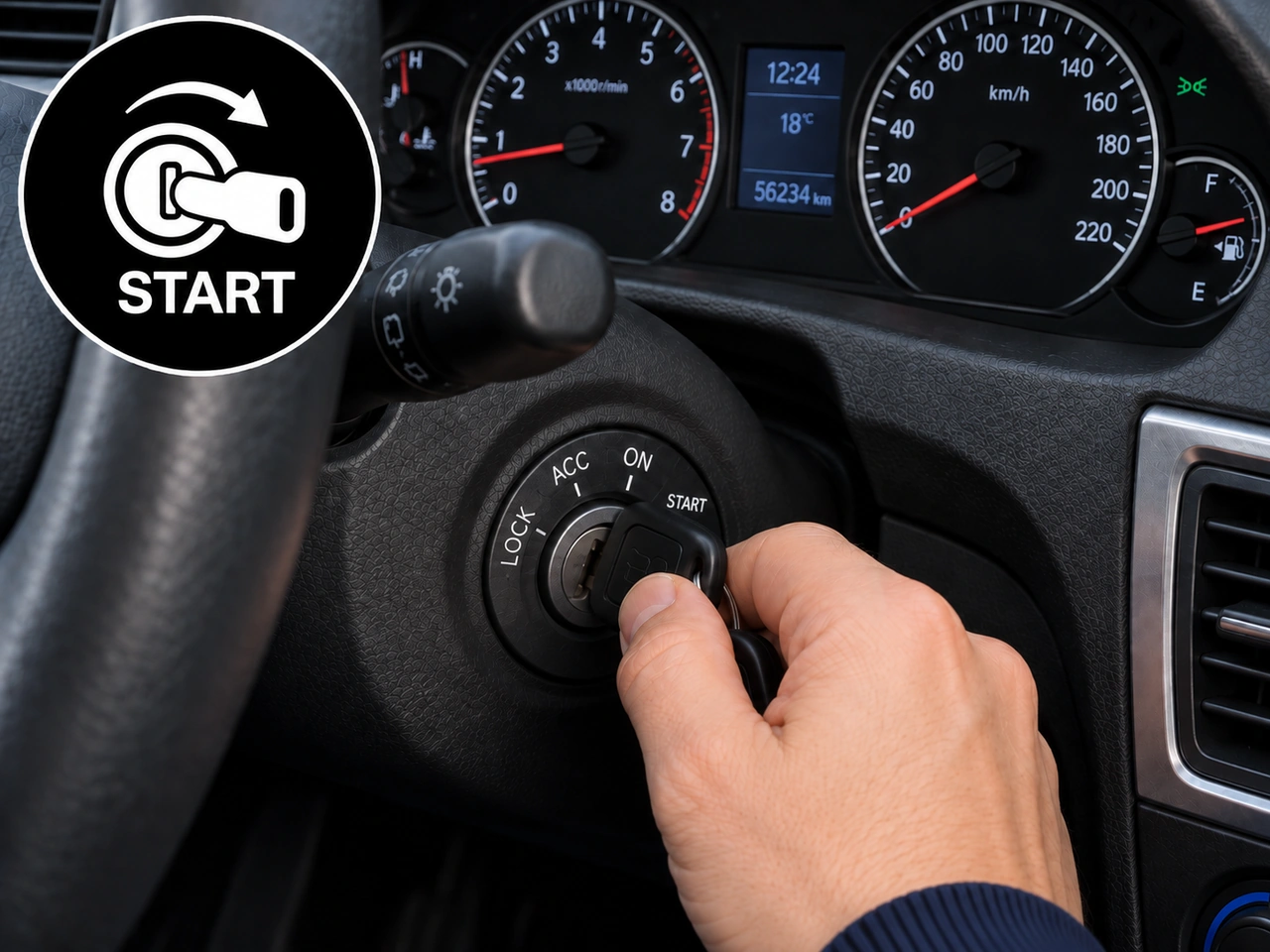
262. What should you do with the ignition key once the engine starts?
Once the engine starts, release the ignition key so it returns from START to the ON position. Holding the key in START unnecessarily can keep the starter motor engaged.
AI-generated by Traffic-rules.com • WCIT • CC BY-SA
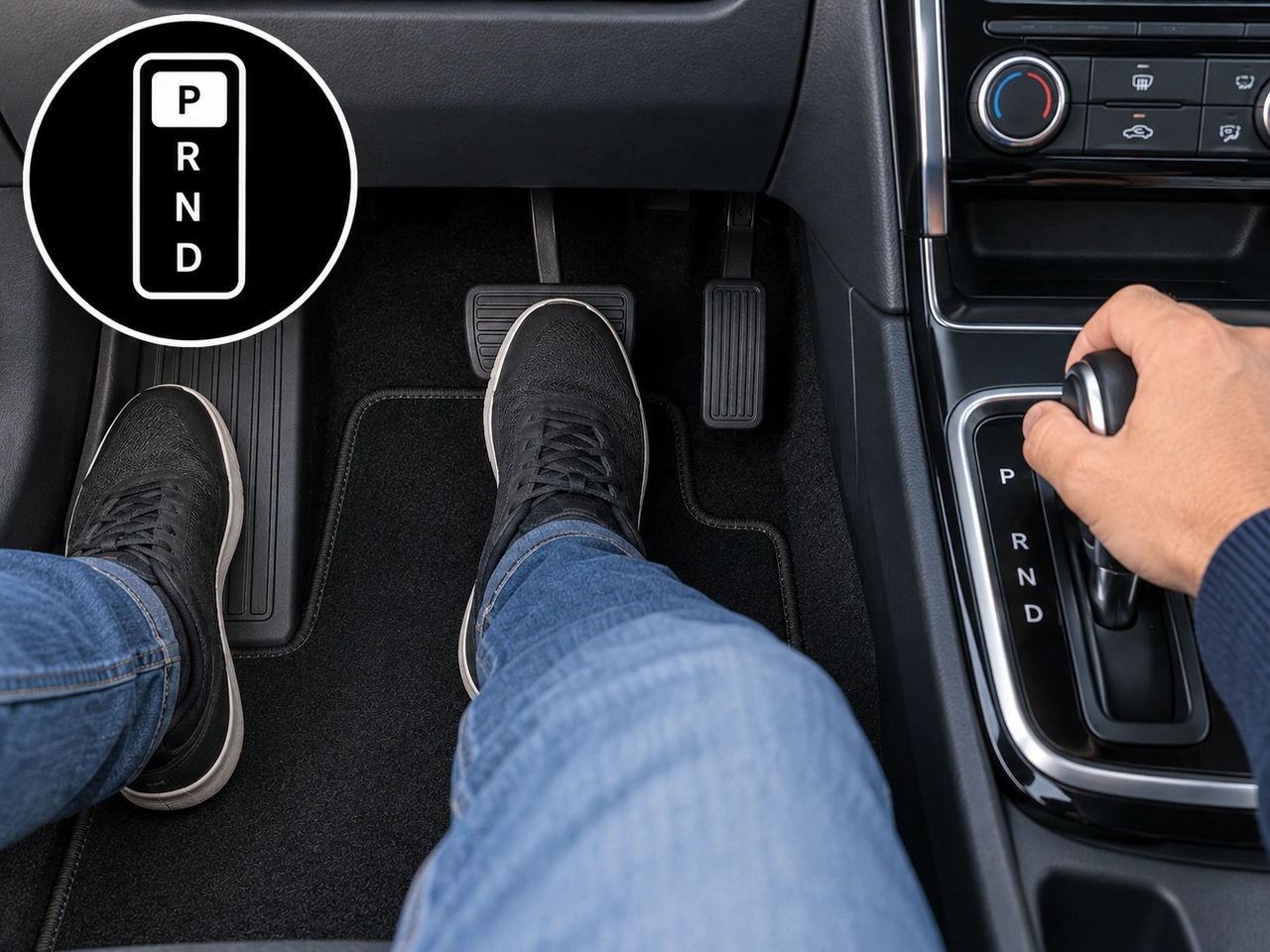
263. When should you select P (Park) in an automatic vehicle?
Select P (Park) only after the vehicle has come to a complete stop. Selecting Park while the vehicle is moving can damage the transmission.
AI-generated by Traffic-rules.com • WCIT • CC BY-SA
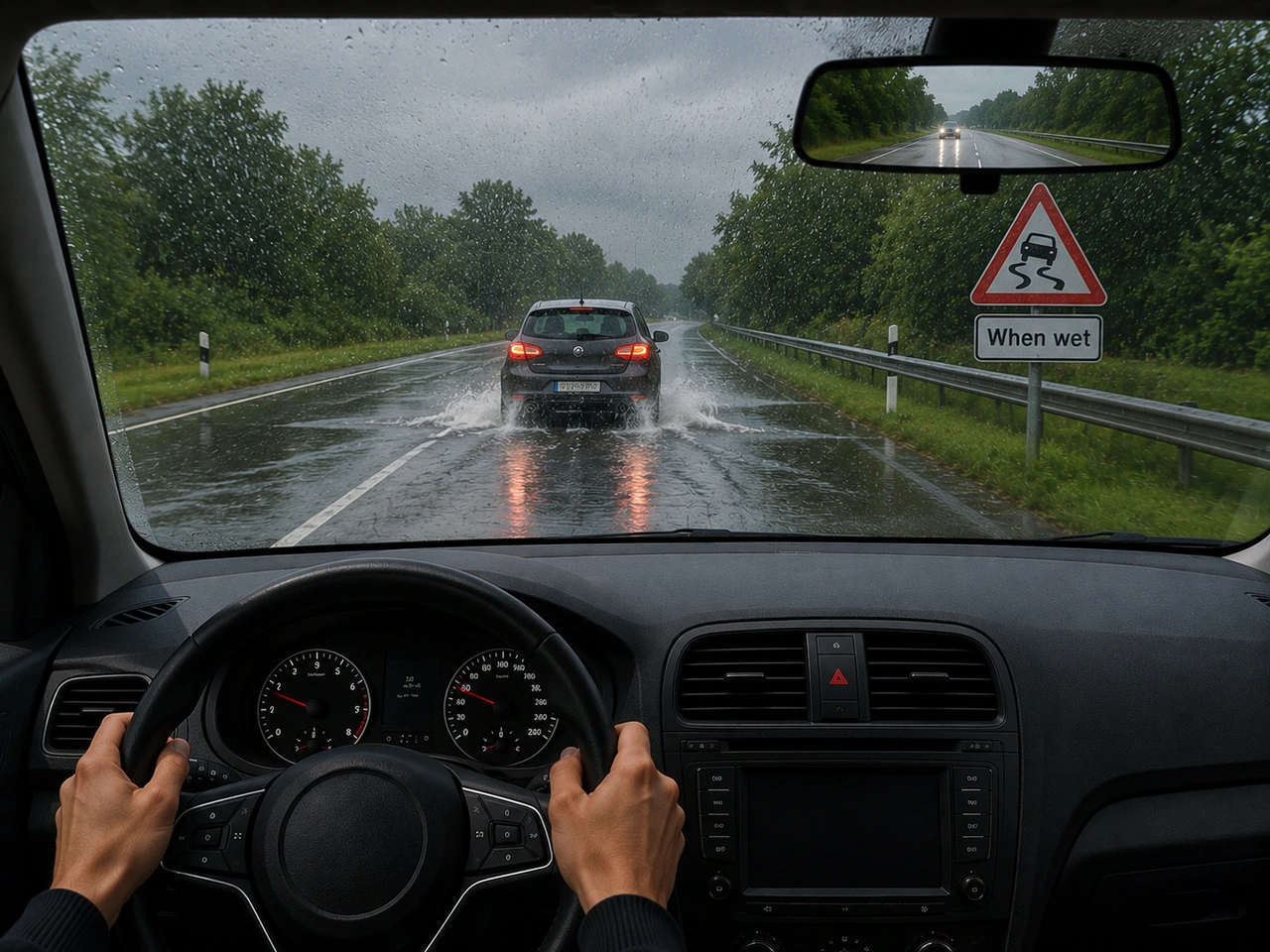
264. What should you do if your brakes feel less effective after driving through water?
Water can reduce braking performance. After driving through water, check the brakes gently when it is safe to do so.
AI-generated by Traffic-rules.com • WCIT • CC BY-SA
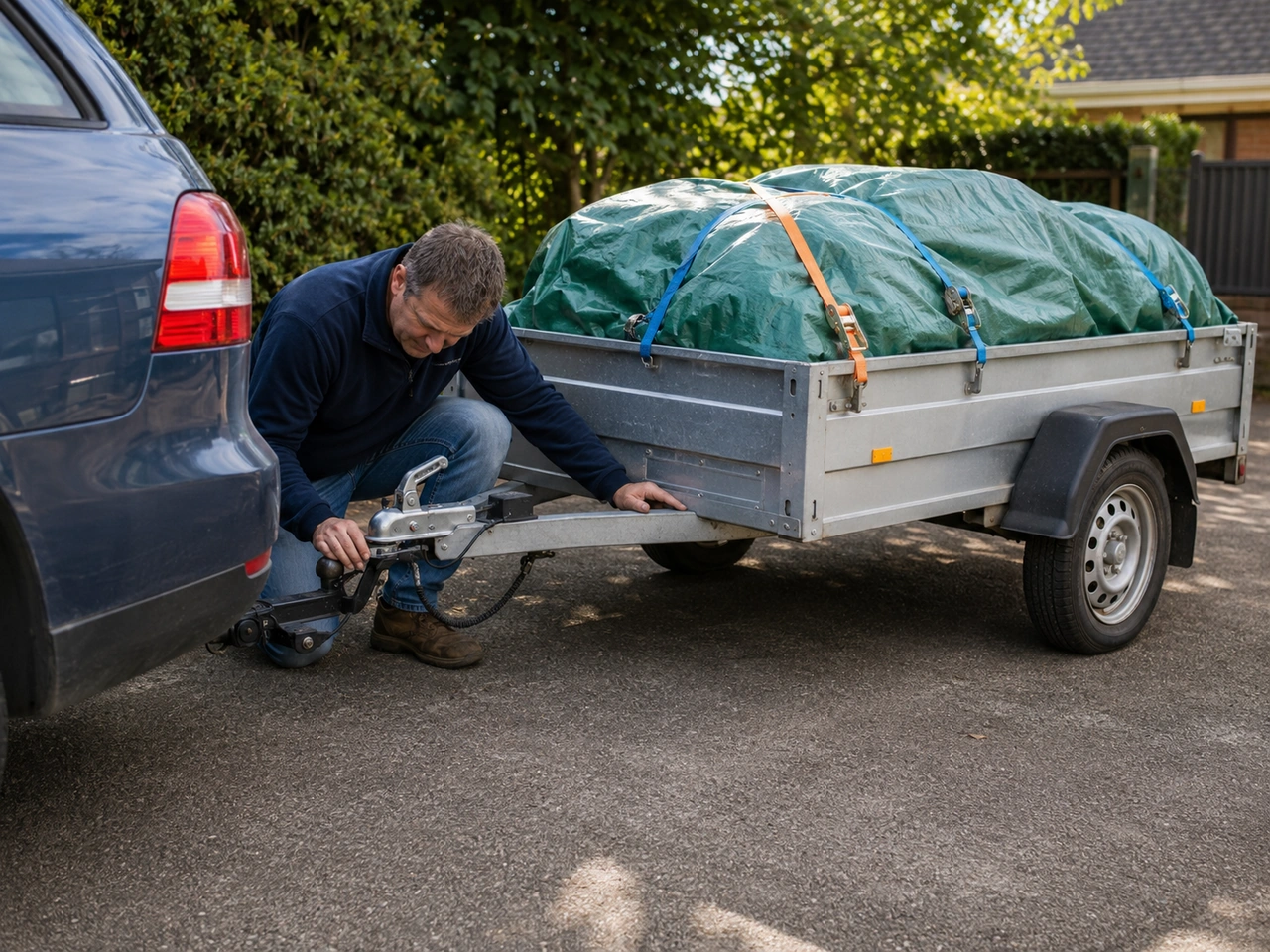
265. What should you check before towing a trailer?
The trailer must be correctly connected and roadworthy. Its lights, tyres, safety connections, and load should all be checked.
AI-generated by Traffic-rules.com • WCIT • CC BY-SA
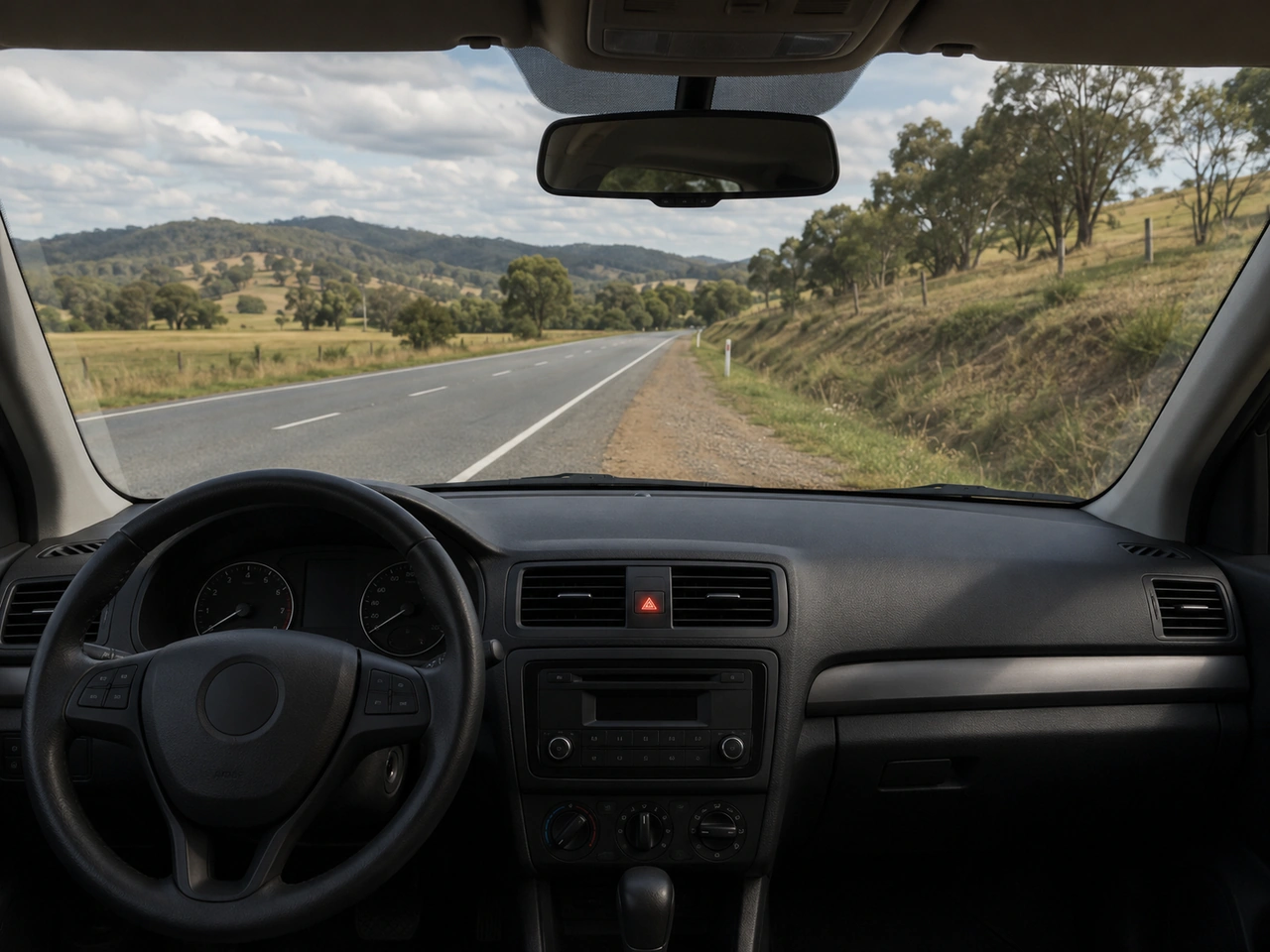
266. How should you leave a broken-down vehicle when traffic is passing nearby?
Leaving through the side away from traffic reduces the risk of being struck by a passing vehicle.
AI-generated by Traffic-rules.com • WCIT • CC BY-SA
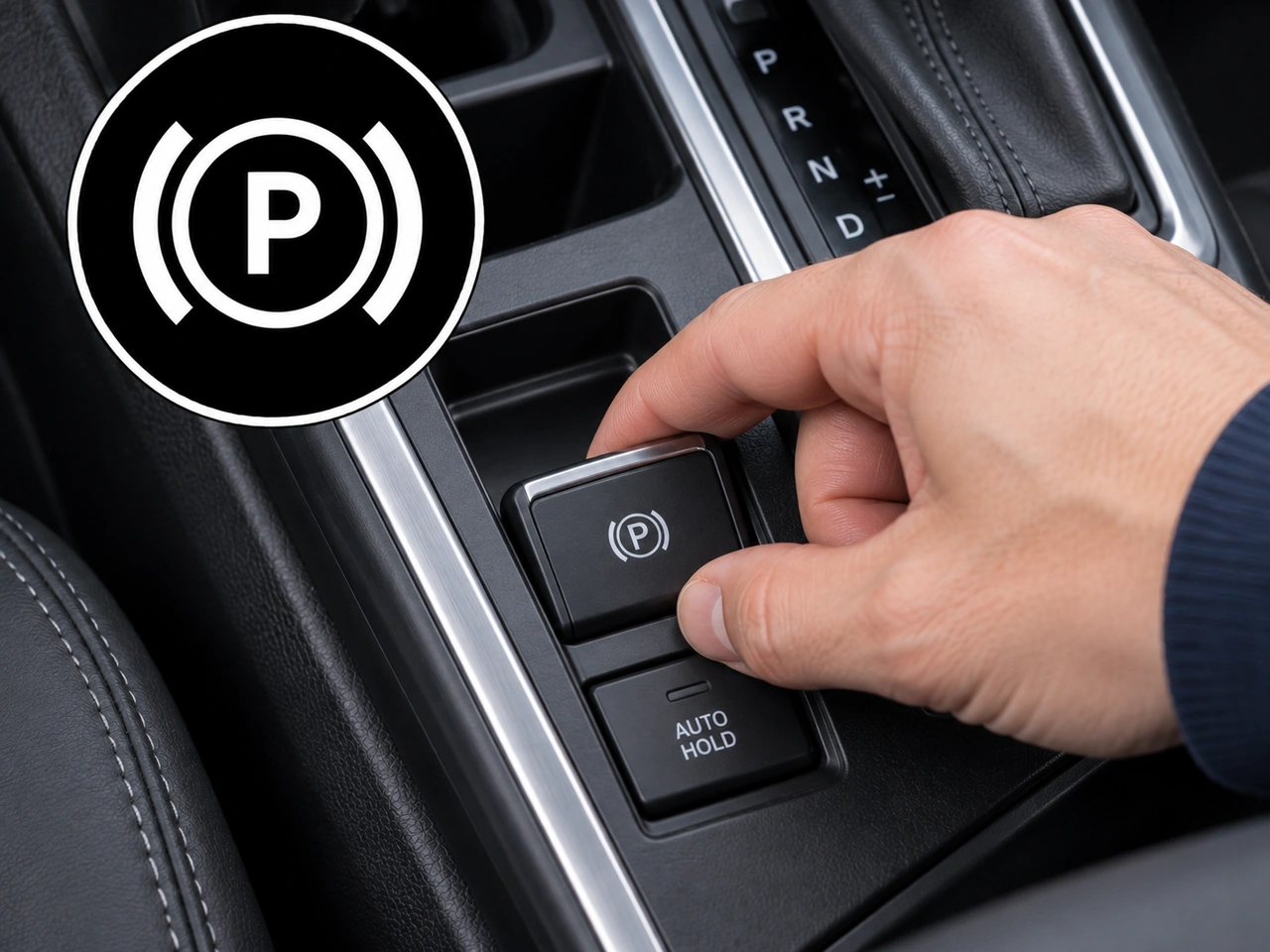
267. What does this vehicle-control symbol indicate?
This control operates the electronic parking brake. Pulling or pressing the switch applies or releases the parking brake, depending on the vehicle.
AI-generated by Traffic-rules.com • WCIT • CC BY-SA
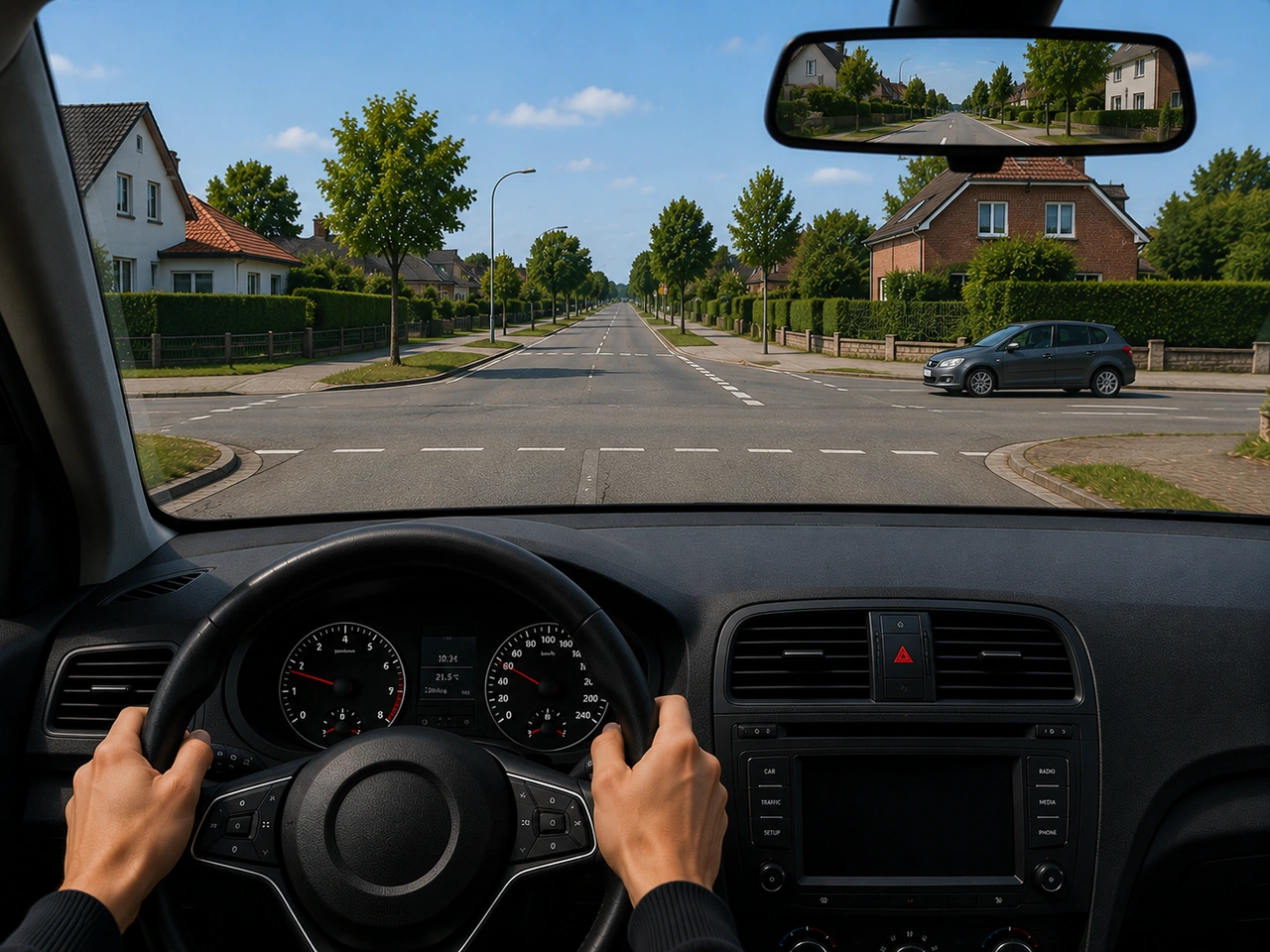
268. What should you do if you are unsure who has priority at a junction?
If priority is unclear, reduce speed, observe carefully, and avoid entering the junction until you are sure it is safe.
AI-generated by Traffic-rules.com • WCIT • CC BY-SA
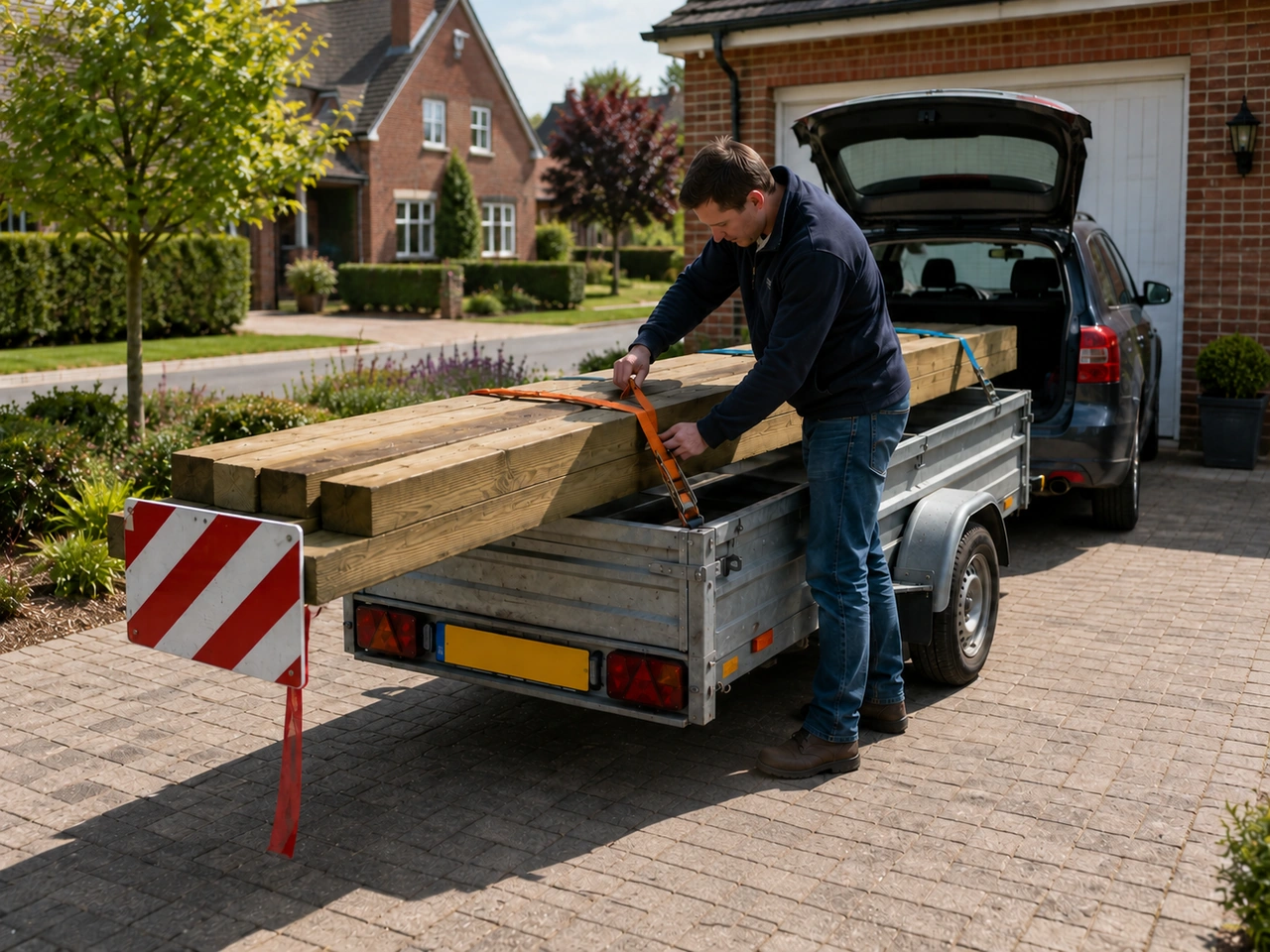
269. What should you do if a load extends beyond the vehicle?
An extending load may create additional danger and may require specific markings or equipment under local rules.
AI-generated by Traffic-rules.com • WCIT • CC BY-SA
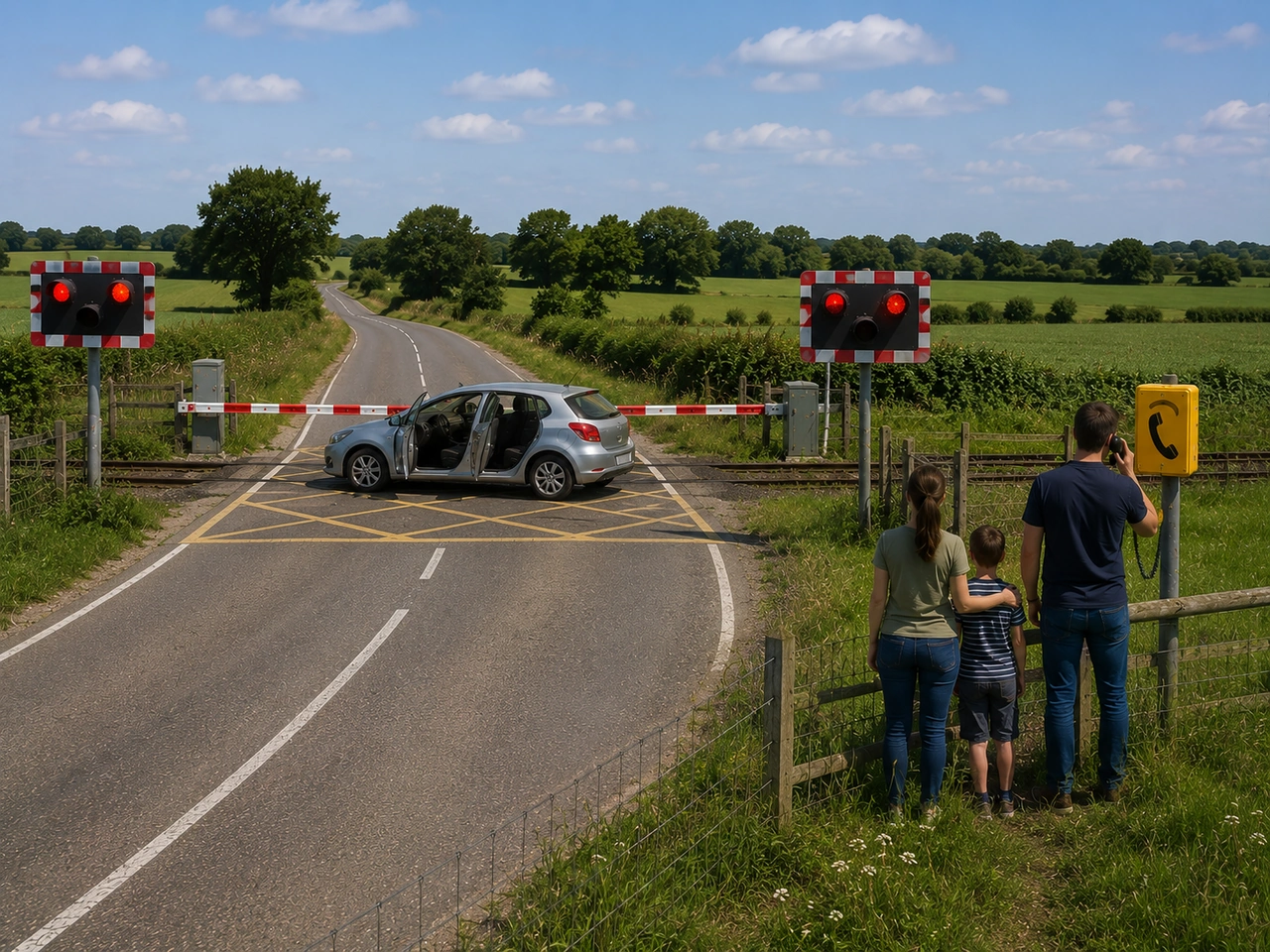
270. What should you do if your vehicle becomes stuck on a railway crossing?
Move everyone well away from the tracks. Use the crossing emergency telephone or displayed contact information where available, or contact the emergency services immediately.
AI-generated by Traffic-rules.com • WCIT • CC BY-SA
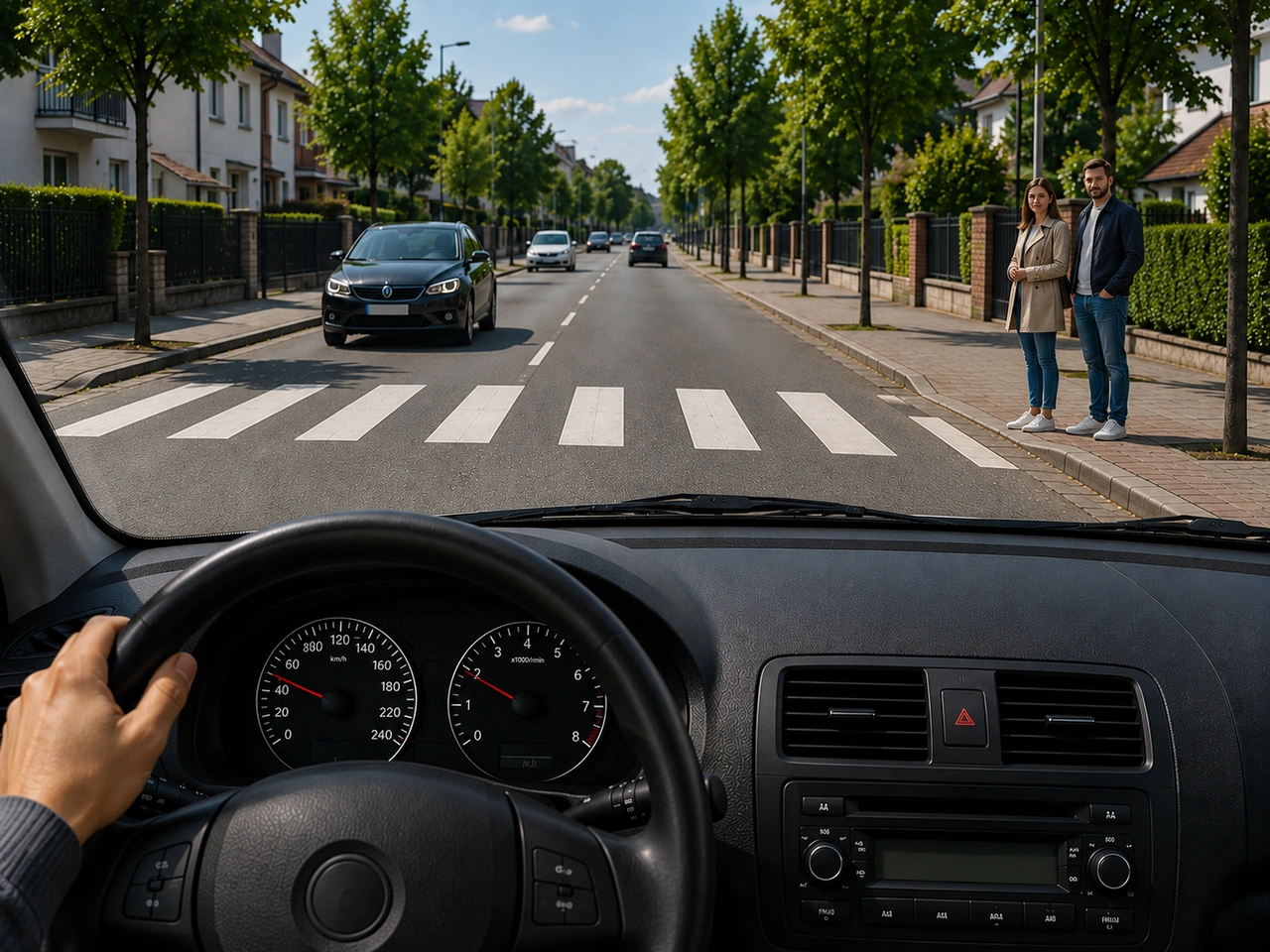
271. What should you do when people are waiting at a pedestrian crossing?
When people are waiting near a pedestrian crossing, reduce your speed and be ready to stop. Pedestrians may begin crossing at any moment.
AI-generated by Traffic-rules.com • WCIT • CC BY-SA
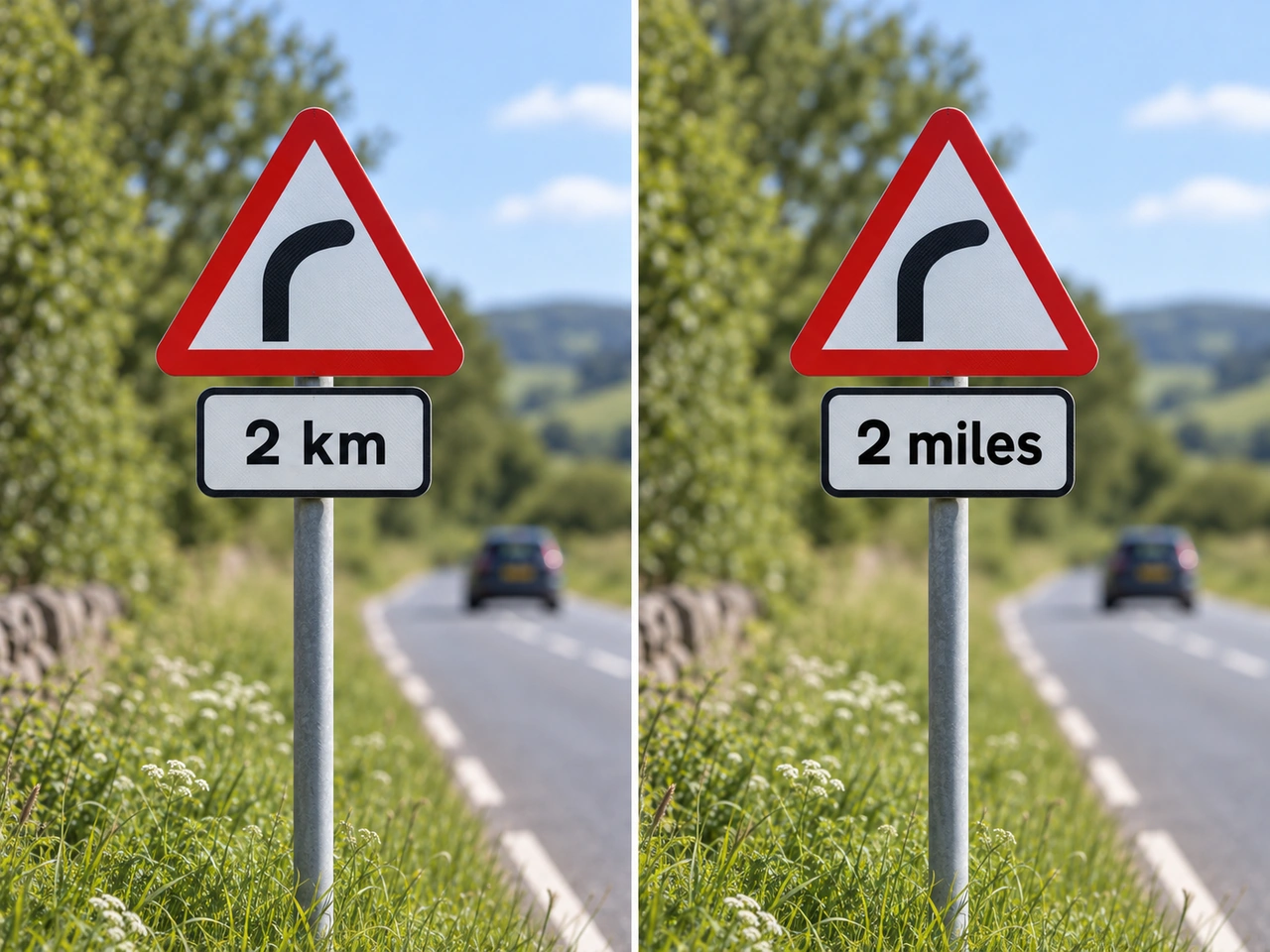
272. Which distance unit is used on road signs in Bosnia and Herzegovina?
Road distances in Bosnia and Herzegovina are normally shown in kilometres.
AI-generated by Traffic-rules.com • WCIT • CC BY-SA
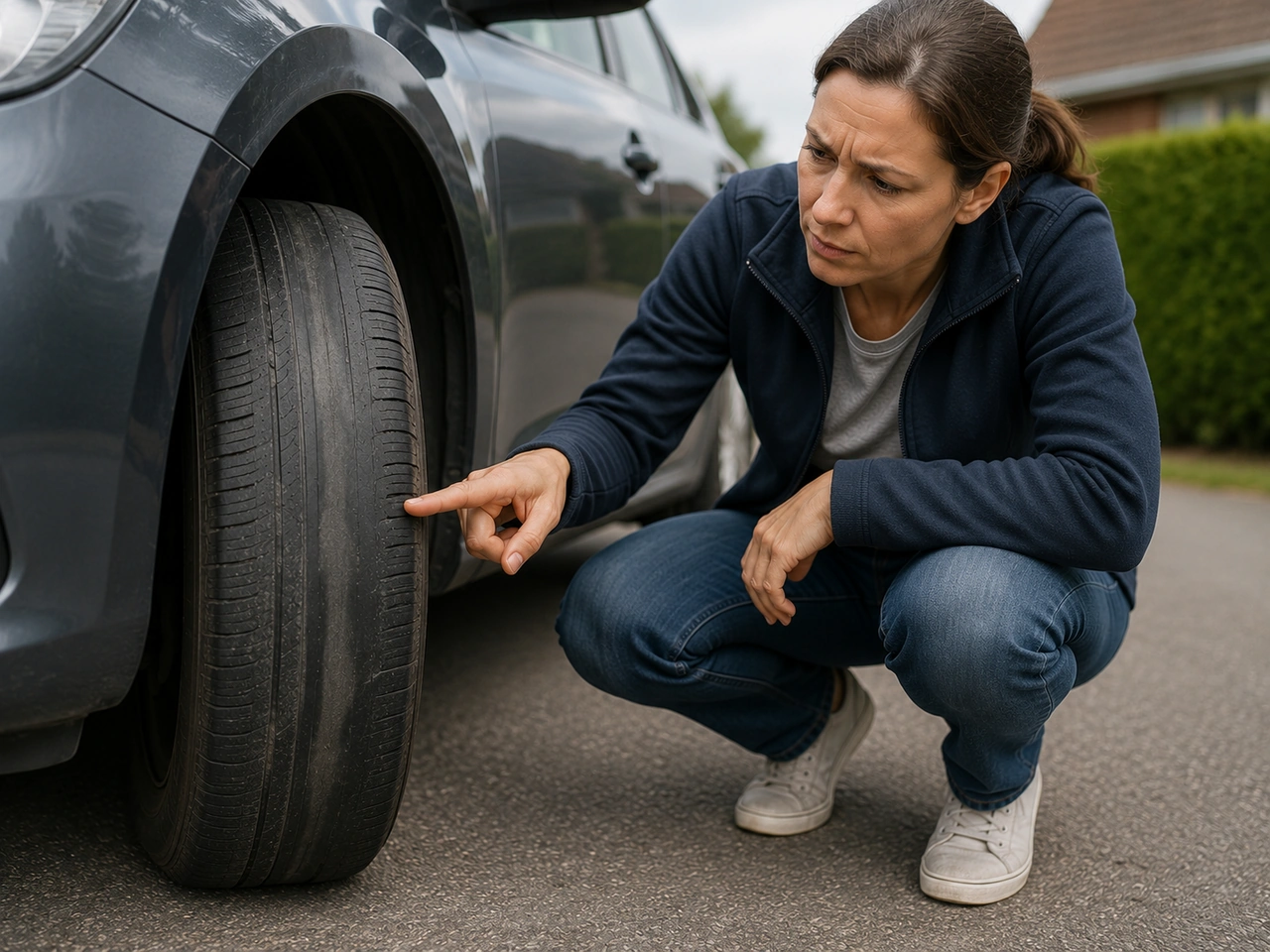
273. What can uneven tyre wear indicate?
Uneven wear may result from incorrect tyre pressure, wheel misalignment, worn suspension parts, or a brake that is not releasing properly.
AI-generated by Traffic-rules.com • WCIT • CC BY-SA
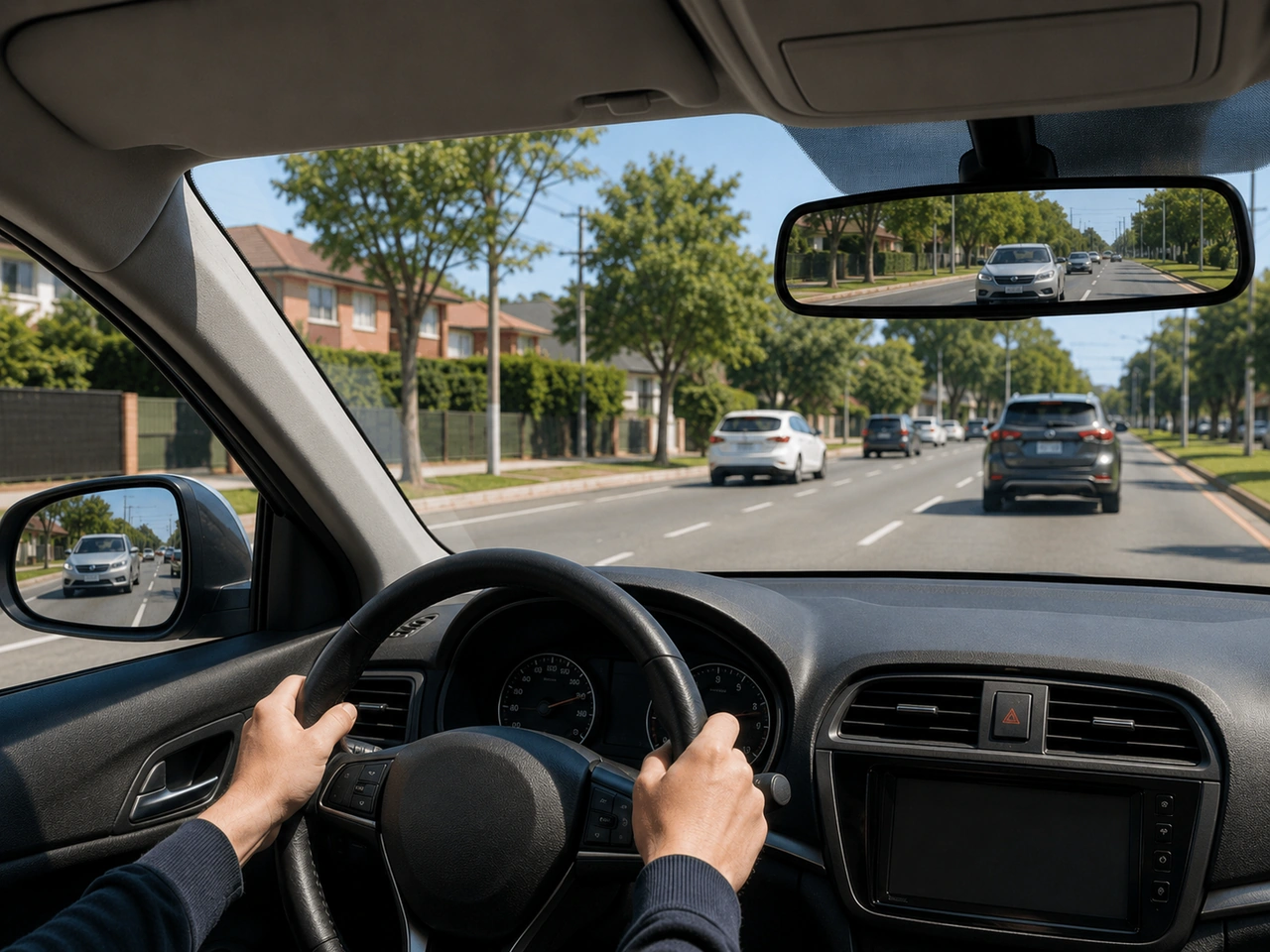
274. Why should you check your mirrors regularly while driving?
Regular mirror checks help you understand what is happening behind and beside your vehicle.
AI-generated by Traffic-rules.com • WCIT • CC BY-SA
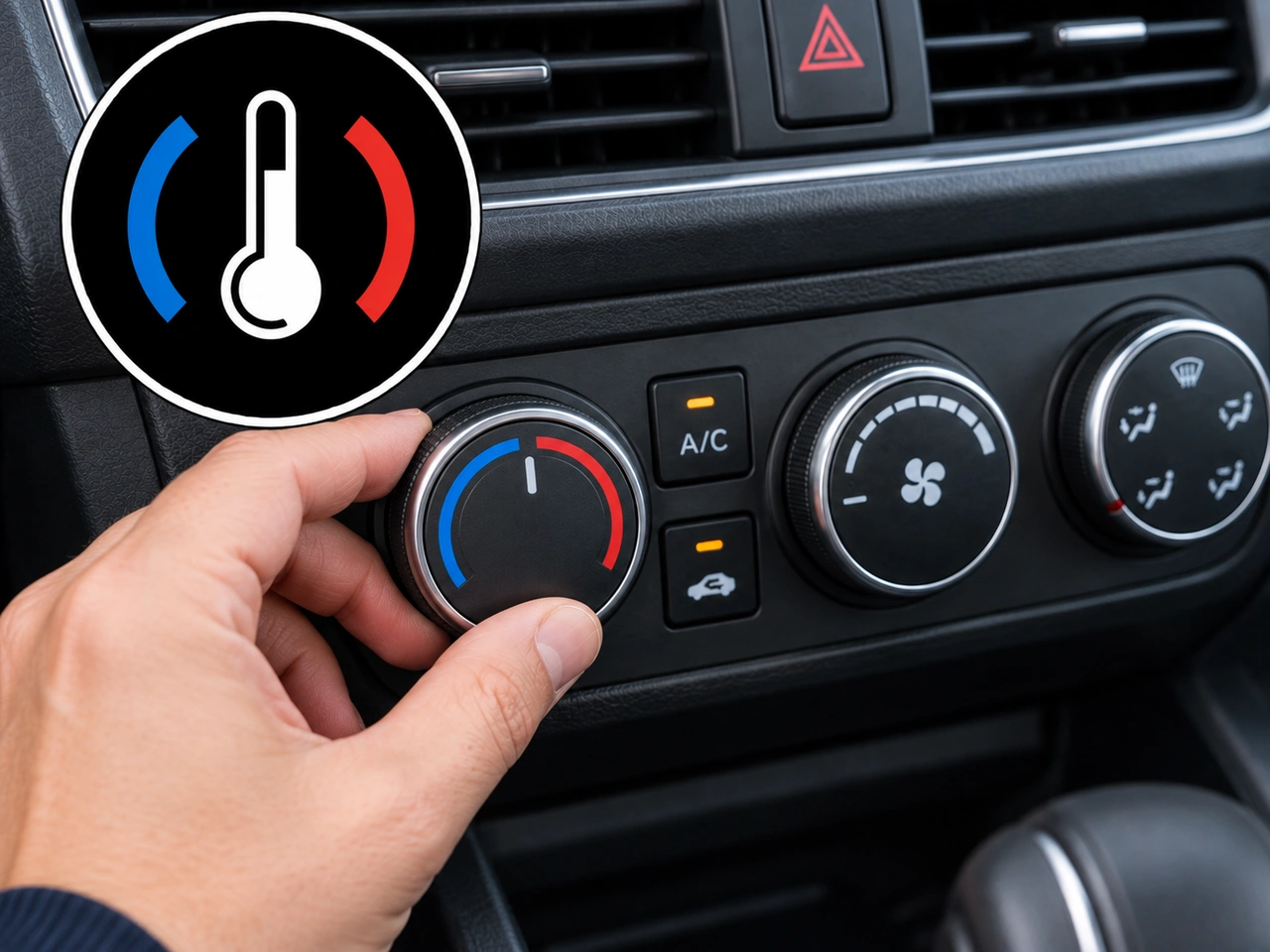
275. What does this vehicle-control symbol indicate?
This control adjusts the temperature of the air supplied to the cabin. Turning it towards the blue side lowers the selected temperature, while turning it towards the red side raises it.
AI-generated by Traffic-rules.com • WCIT • CC BY-SA
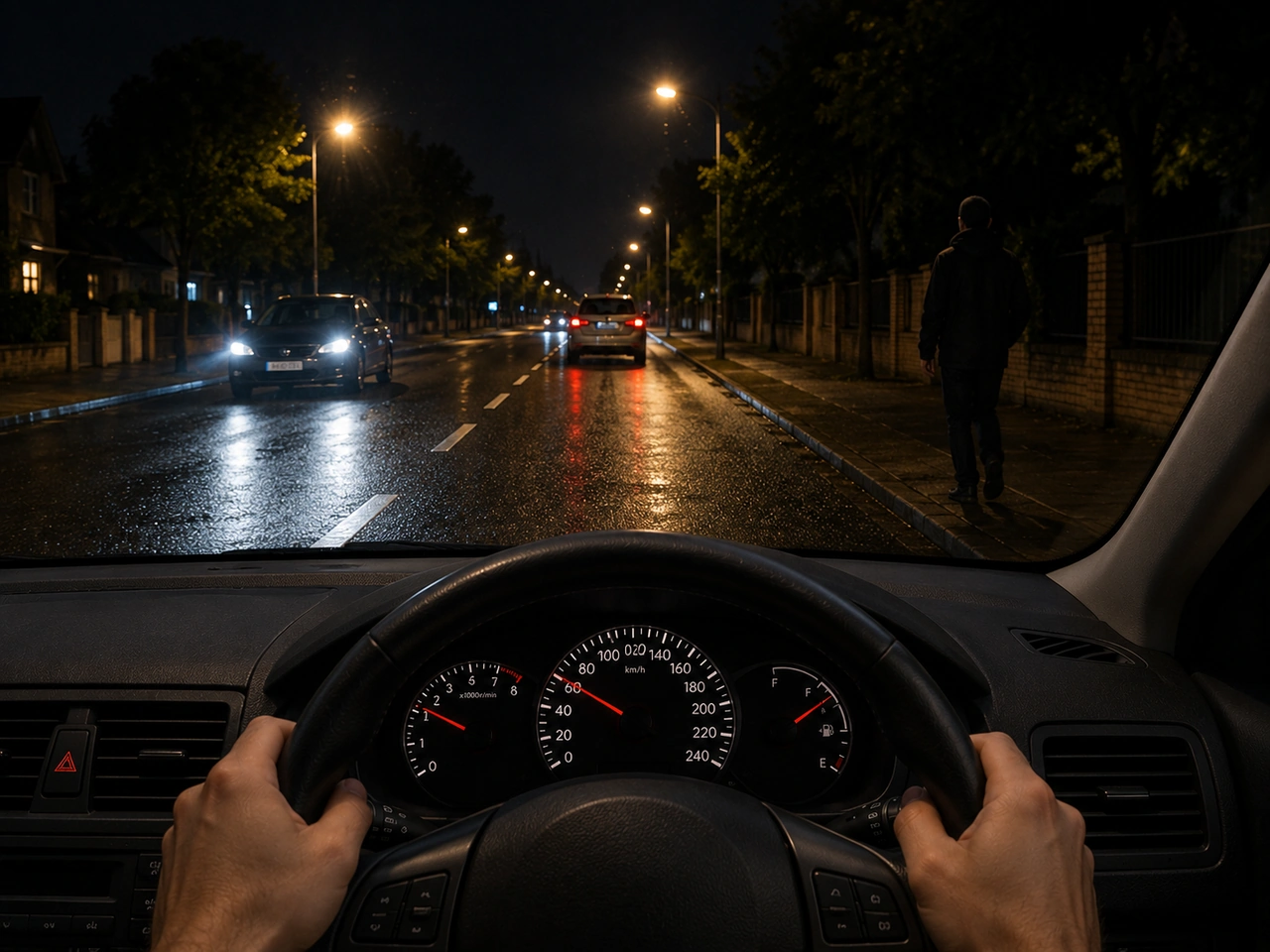
276. Why should you avoid wearing dark clothing at night?
Dark clothing makes pedestrians harder to see in low-light conditions. Bright or reflective clothing improves visibility.
AI-generated by Traffic-rules.com • WCIT • CC BY-SA
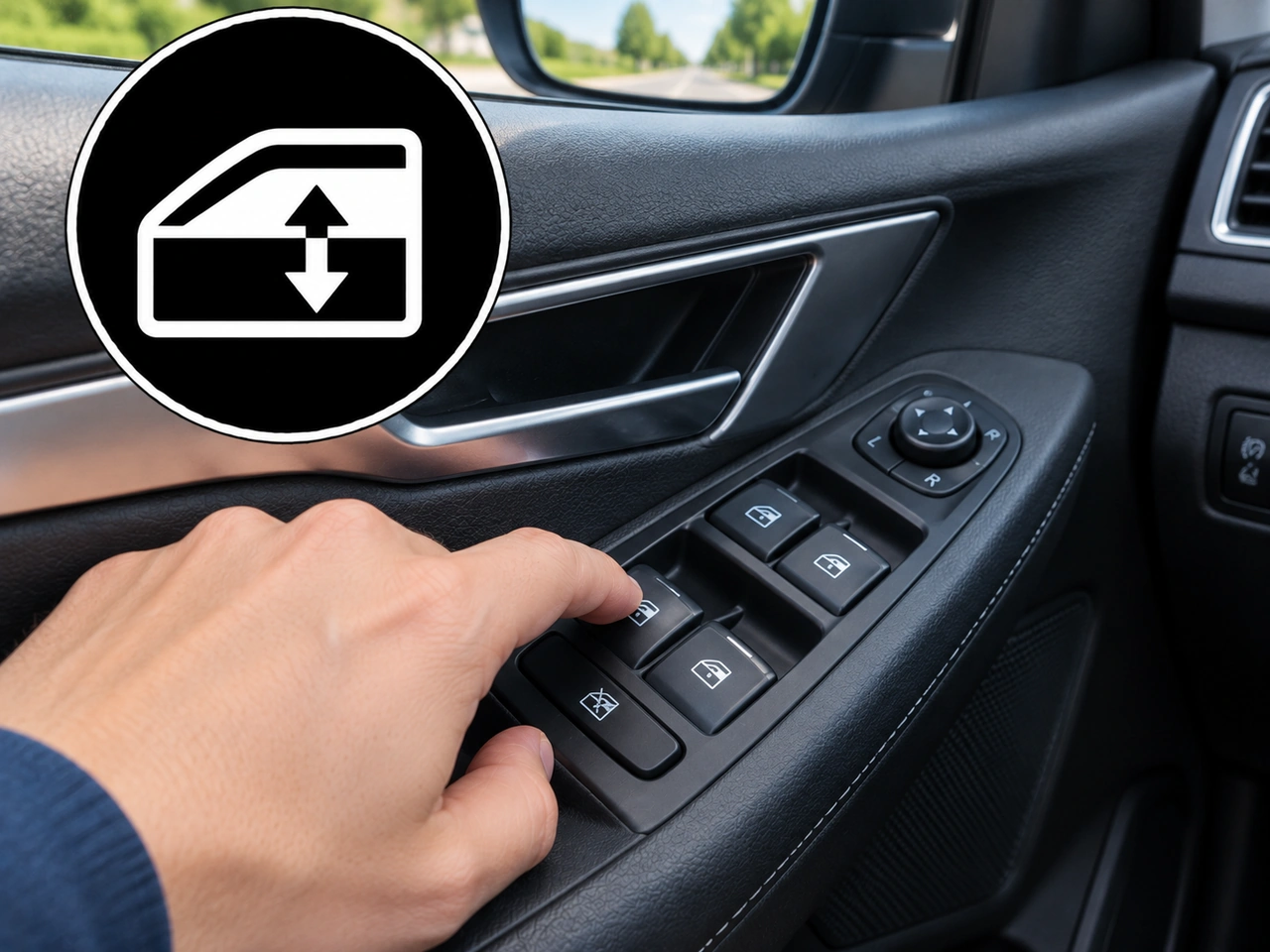
277. What does this vehicle-control symbol indicate?
This control operates the vehicle's electric windows. Pressing or pulling the switch lowers or raises the corresponding window.
AI-generated by Traffic-rules.com • WCIT • CC BY-SA
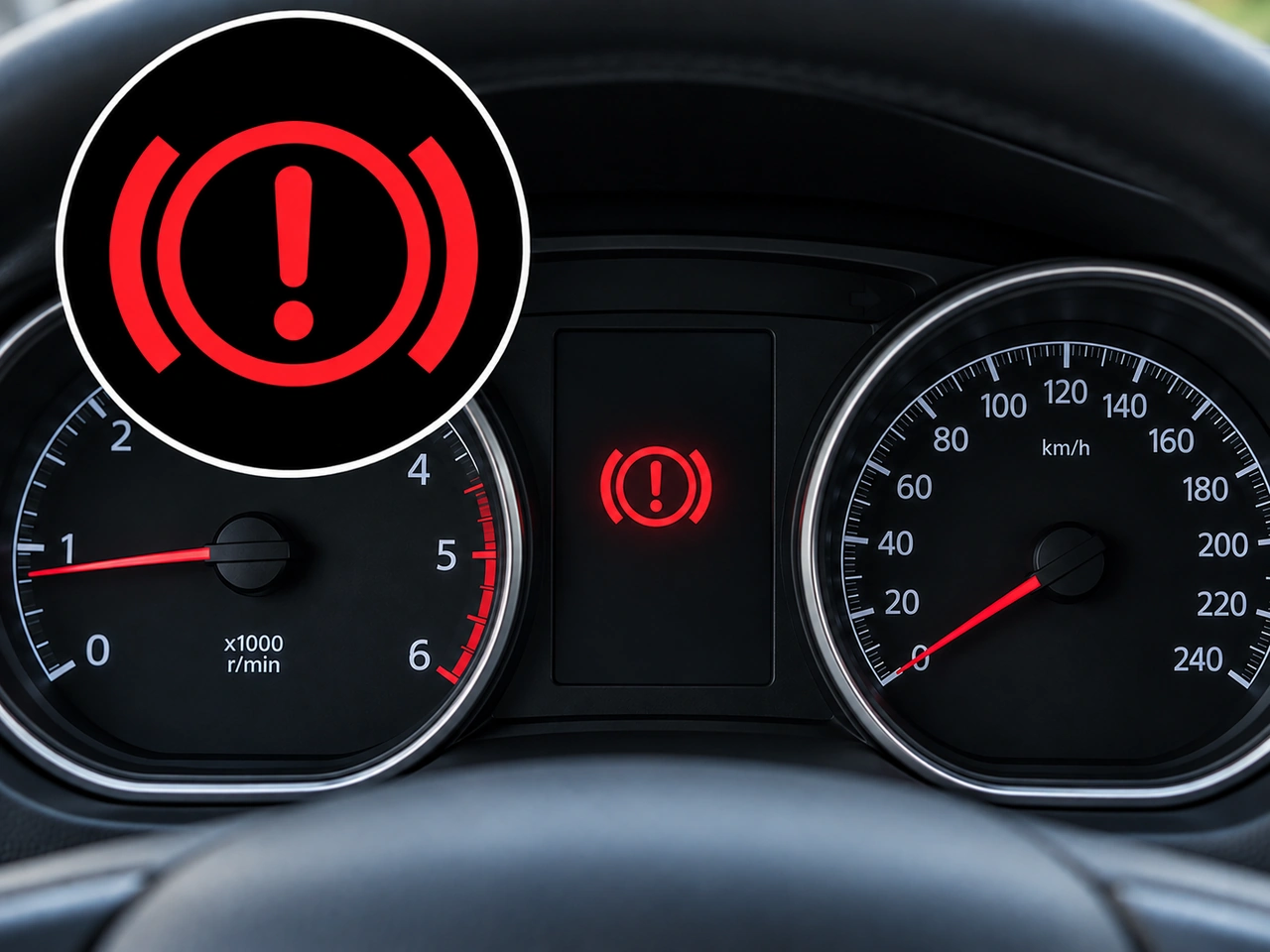
278. What does this dashboard symbol indicate?
This symbol indicates a possible brake-system fault. If it remains illuminated after the parking brake is released, stop safely and have the braking system checked.
AI-generated by Traffic-rules.com • WCIT • CC BY-SA
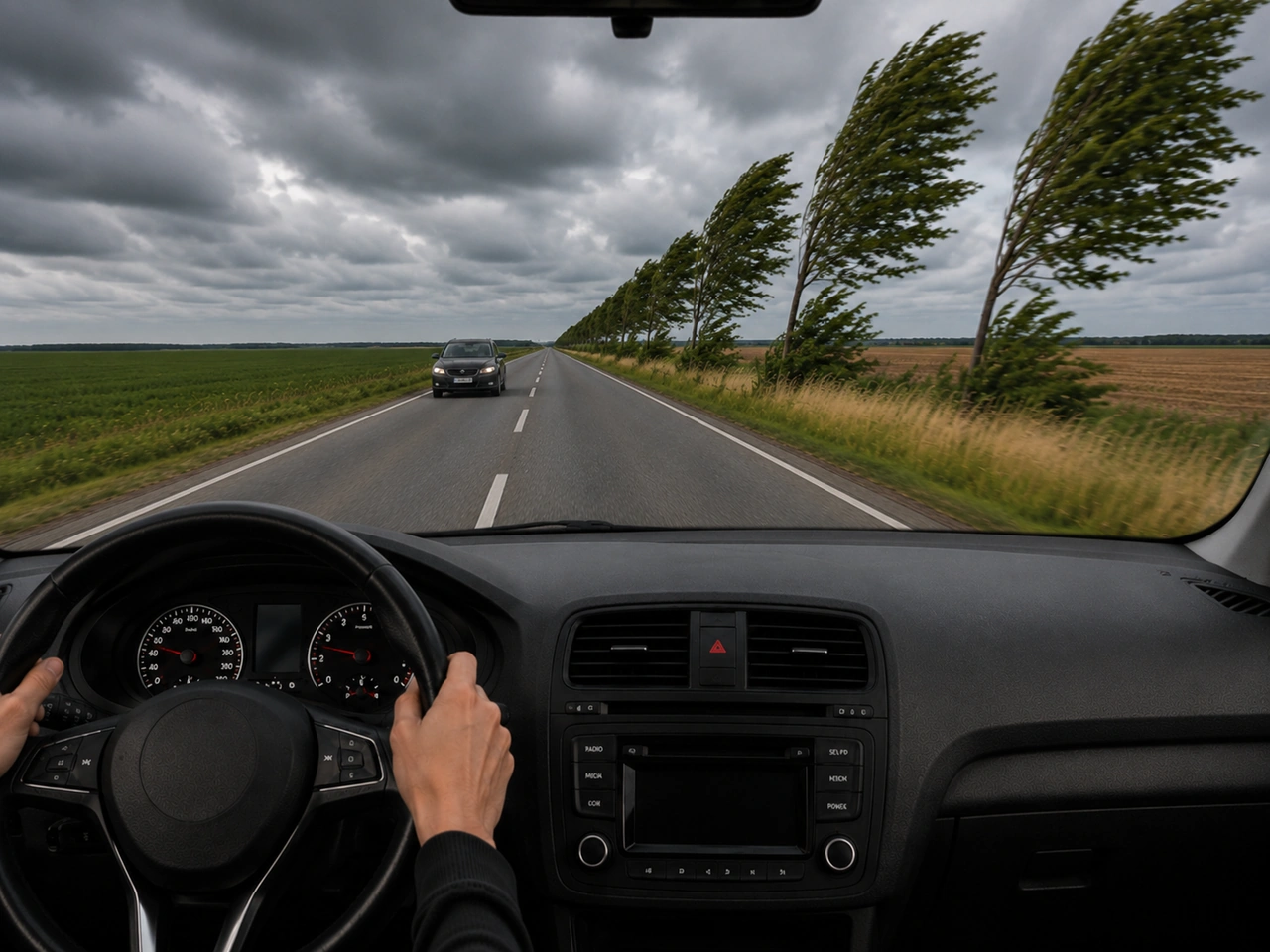
279. What should you do when driving in strong wind?
Strong wind can affect vehicle control, especially near open areas, bridges, large vehicles, cyclists, and motorcyclists.
AI-generated by Traffic-rules.com • WCIT • CC BY-SA
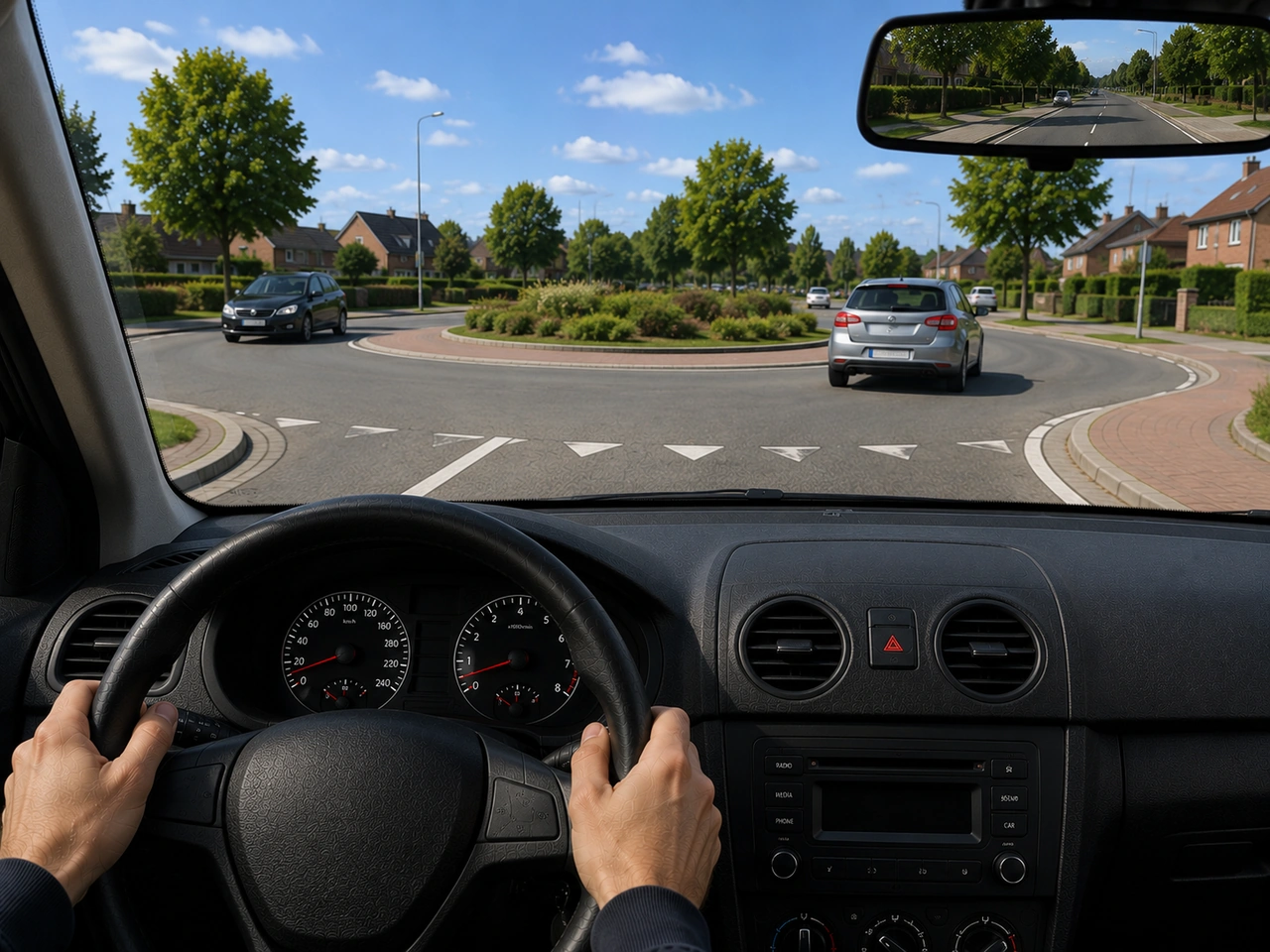
280. What should you do when entering a roundabout?
When approaching a roundabout, reduce your speed, observe traffic, follow the signs and local priority rules, and enter only when it is safe.
AI-generated by Traffic-rules.com • WCIT • CC BY-SA
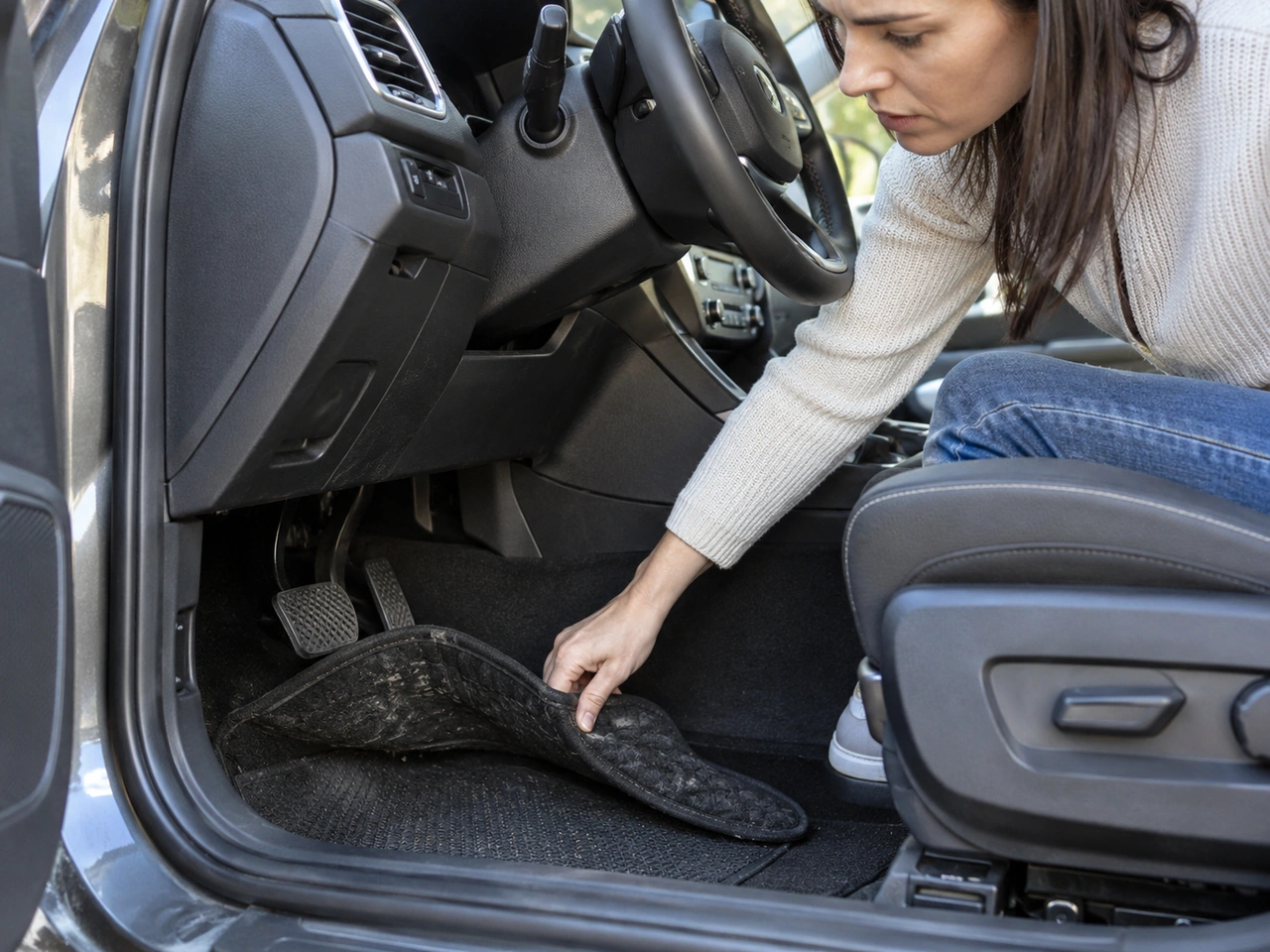
281. Why should the driver's floor mat be properly secured?
A loose or incorrectly fitted floor mat can move into the pedal area and interfere with the accelerator, brake, or clutch. Make sure the driver's floor mat is correctly fitted, secured, and does not obstruct any pedal.
AI-generated by Traffic-rules.com • WCIT • CC BY-SA
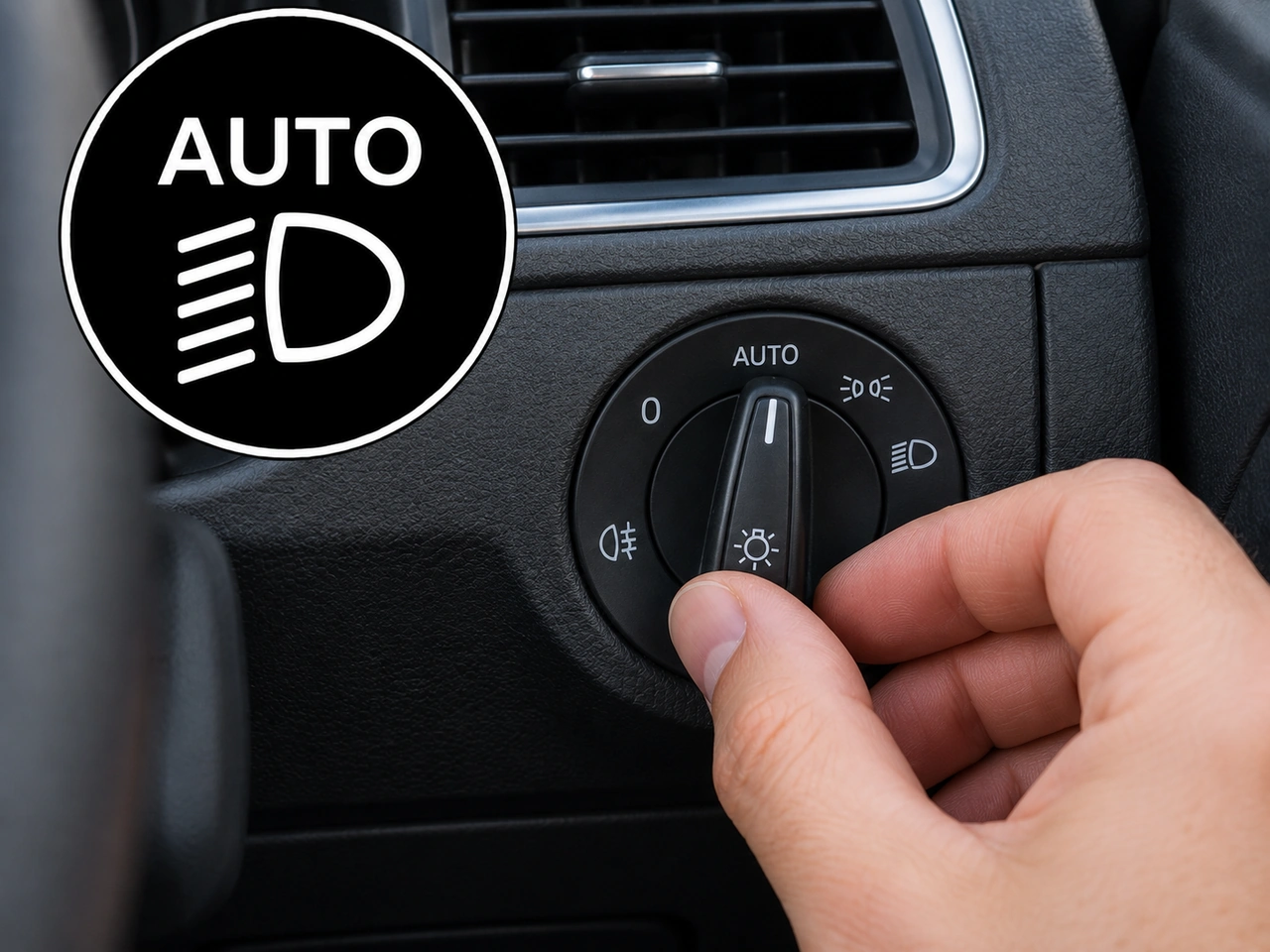
282. What does the AUTO setting on the lighting control do?
The AUTO lighting setting allows the vehicle to switch its exterior lights on or off automatically according to ambient light conditions. The driver remains responsible for ensuring that the correct lights are being used.
AI-generated by Traffic-rules.com • WCIT • CC BY-SA
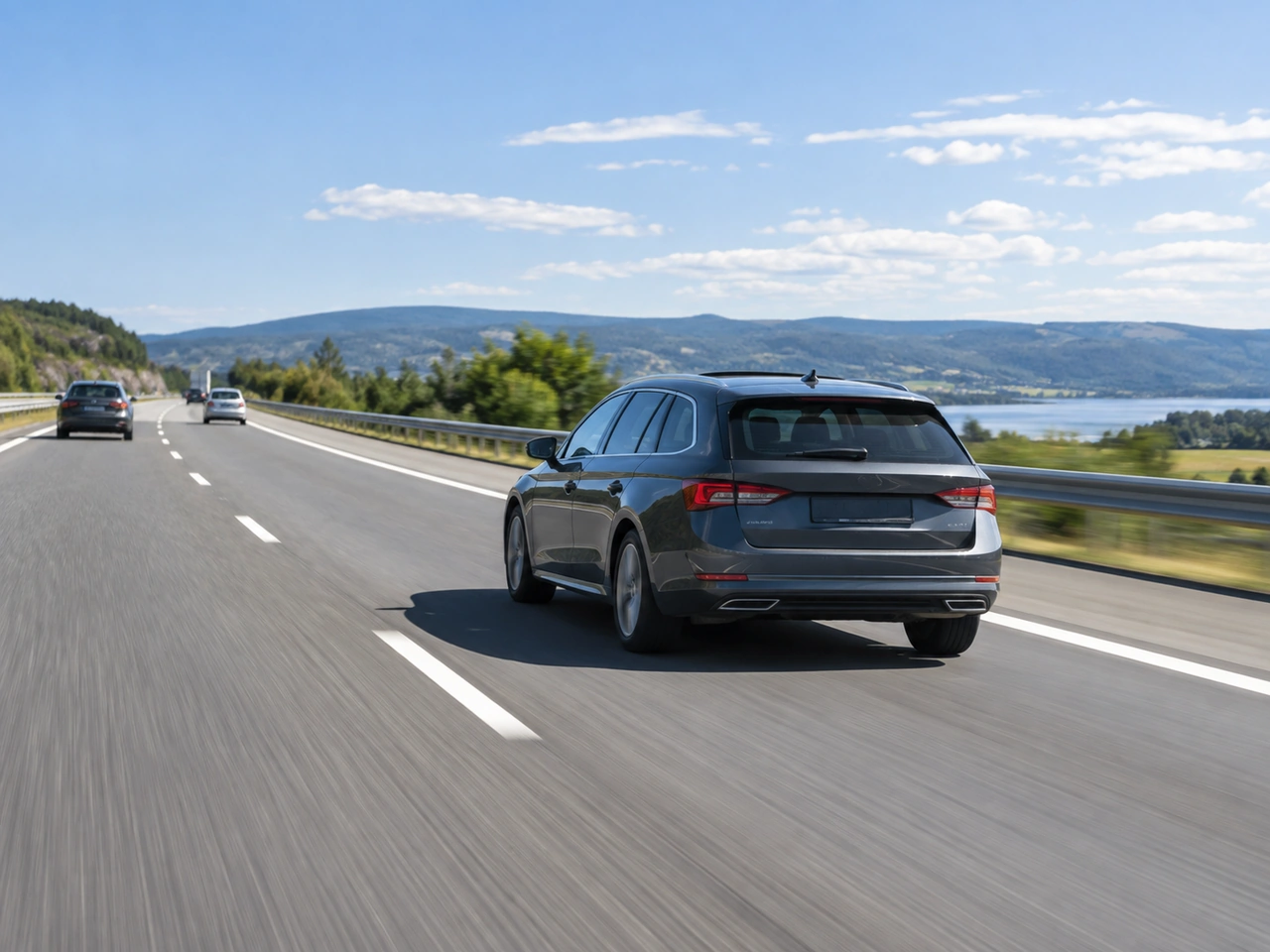
283. How can higher speed affect fuel or energy consumption?
As speed increases, aerodynamic resistance generally rises, so the vehicle needs more energy to maintain that speed. Driving smoothly at an appropriate speed can therefore reduce fuel or energy consumption.
AI-generated by Traffic-rules.com • WCIT • CC BY-SA
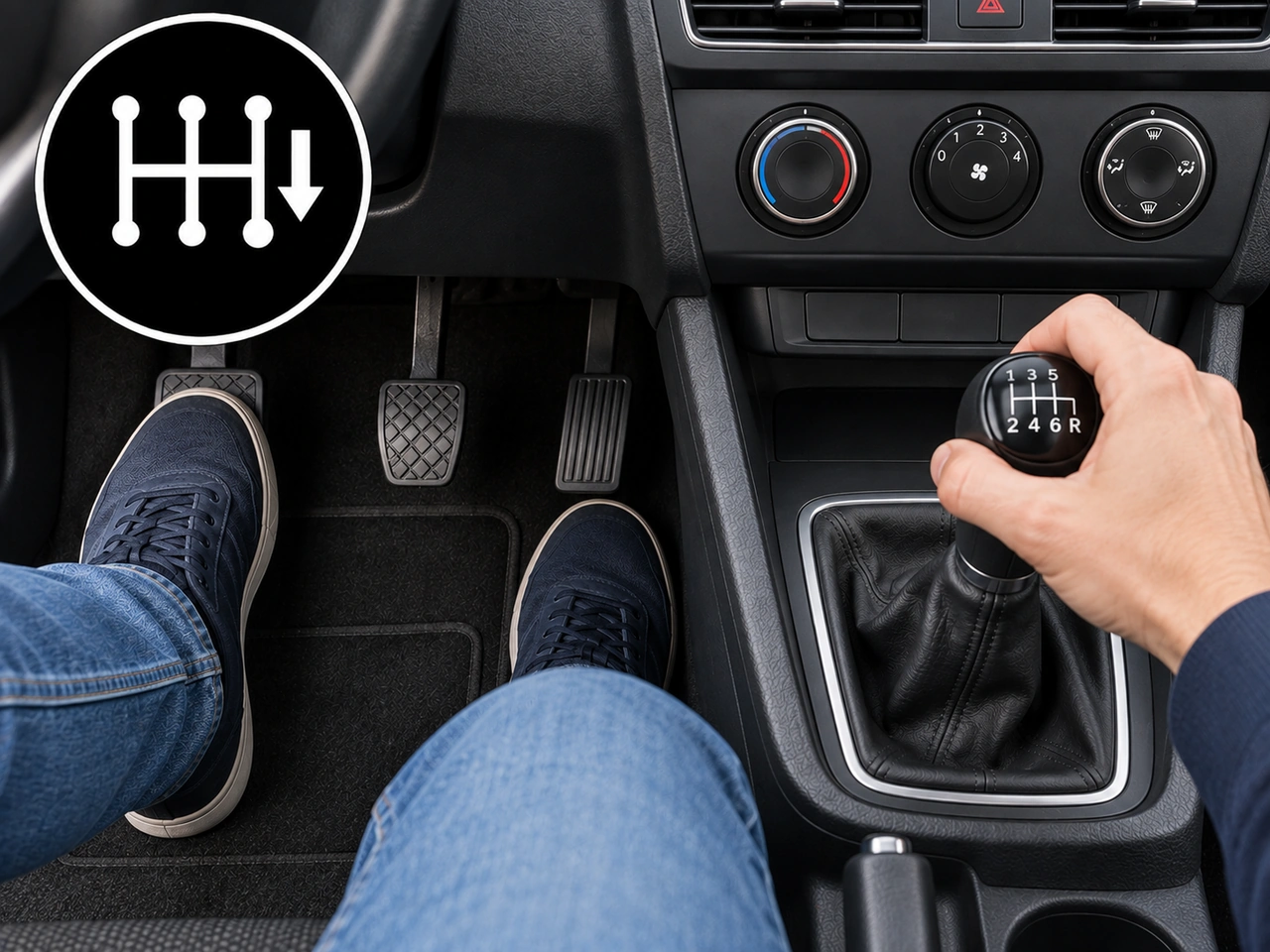
284. What should you consider before selecting a lower gear in a manual vehicle?
Before selecting a lower gear, make sure the vehicle's speed is suitable for that gear. Selecting too low a gear at excessive speed can cause harsh engine braking and place unnecessary stress on the drivetrain.
AI-generated by Traffic-rules.com • WCIT • CC BY-SA
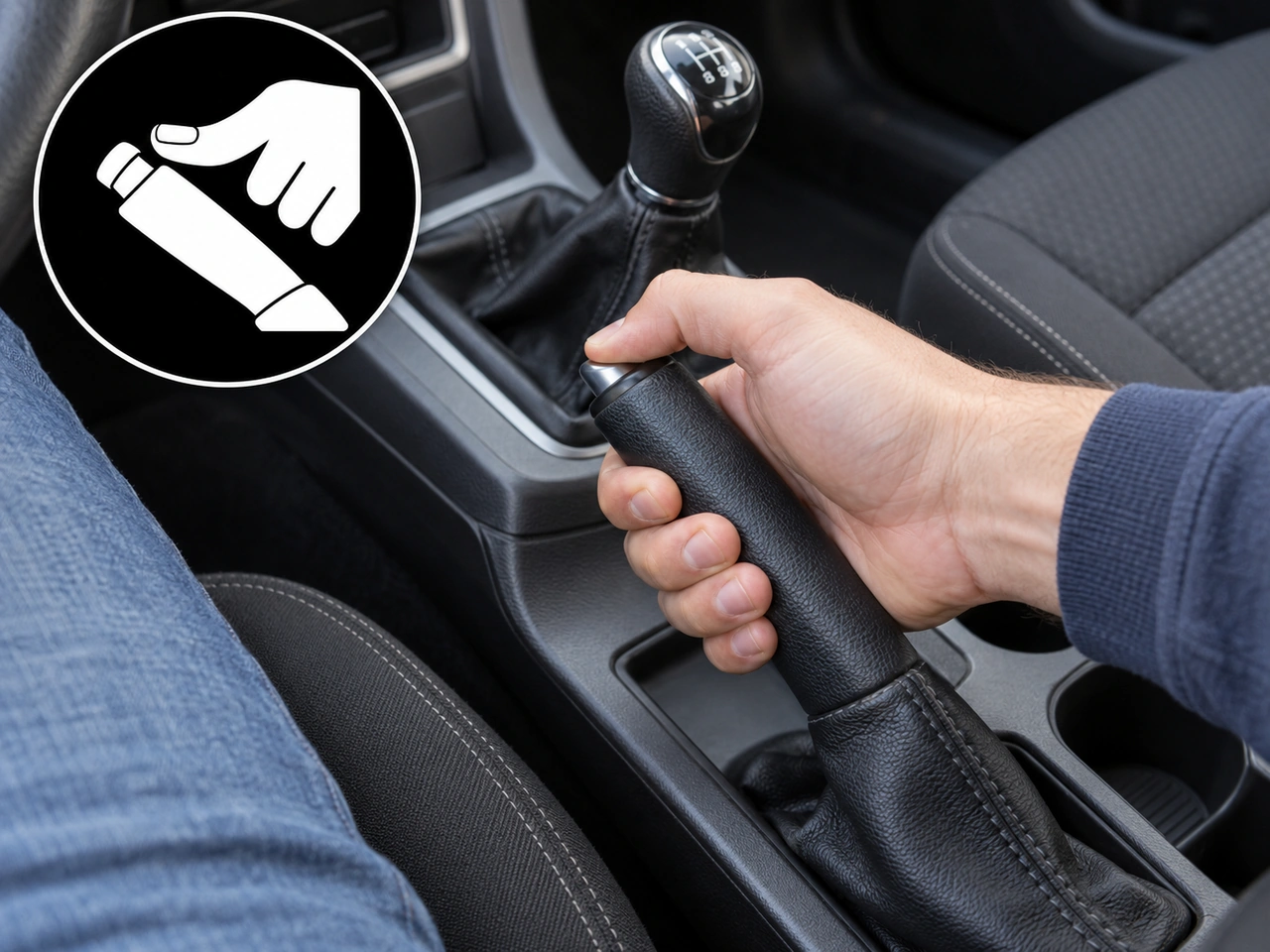
285. What is the button on a manual handbrake lever used for?
To release a manual handbrake, pull the lever up slightly, press and hold the release button, then lower the lever under control.
AI-generated by Traffic-rules.com • WCIT • CC BY-SA
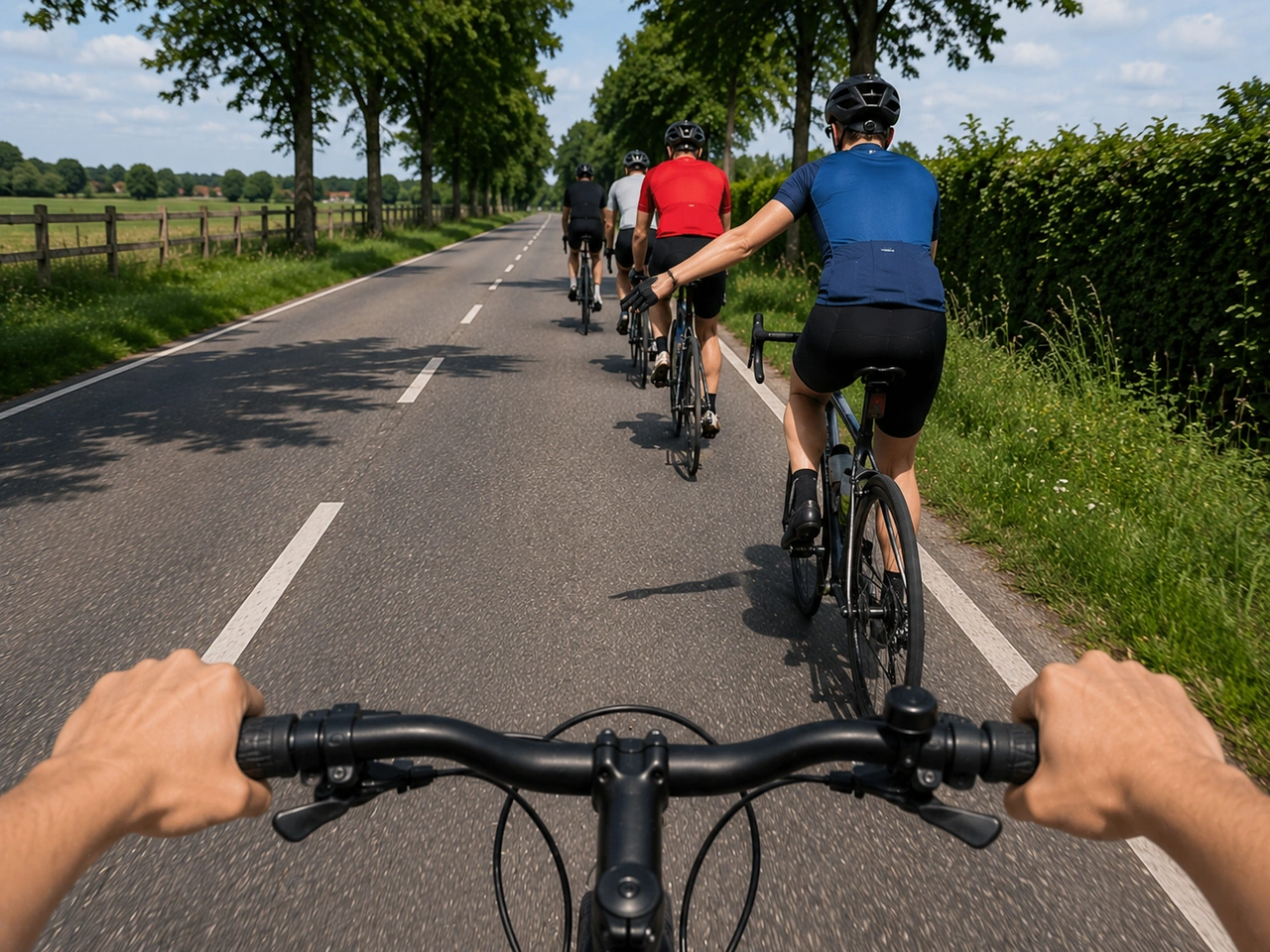
286. How should cyclists ride when travelling in a group?
Safe spacing and communication help group members respond to braking, turns, obstacles, and changing traffic conditions.
AI-generated by Traffic-rules.com • WCIT • CC BY-SA
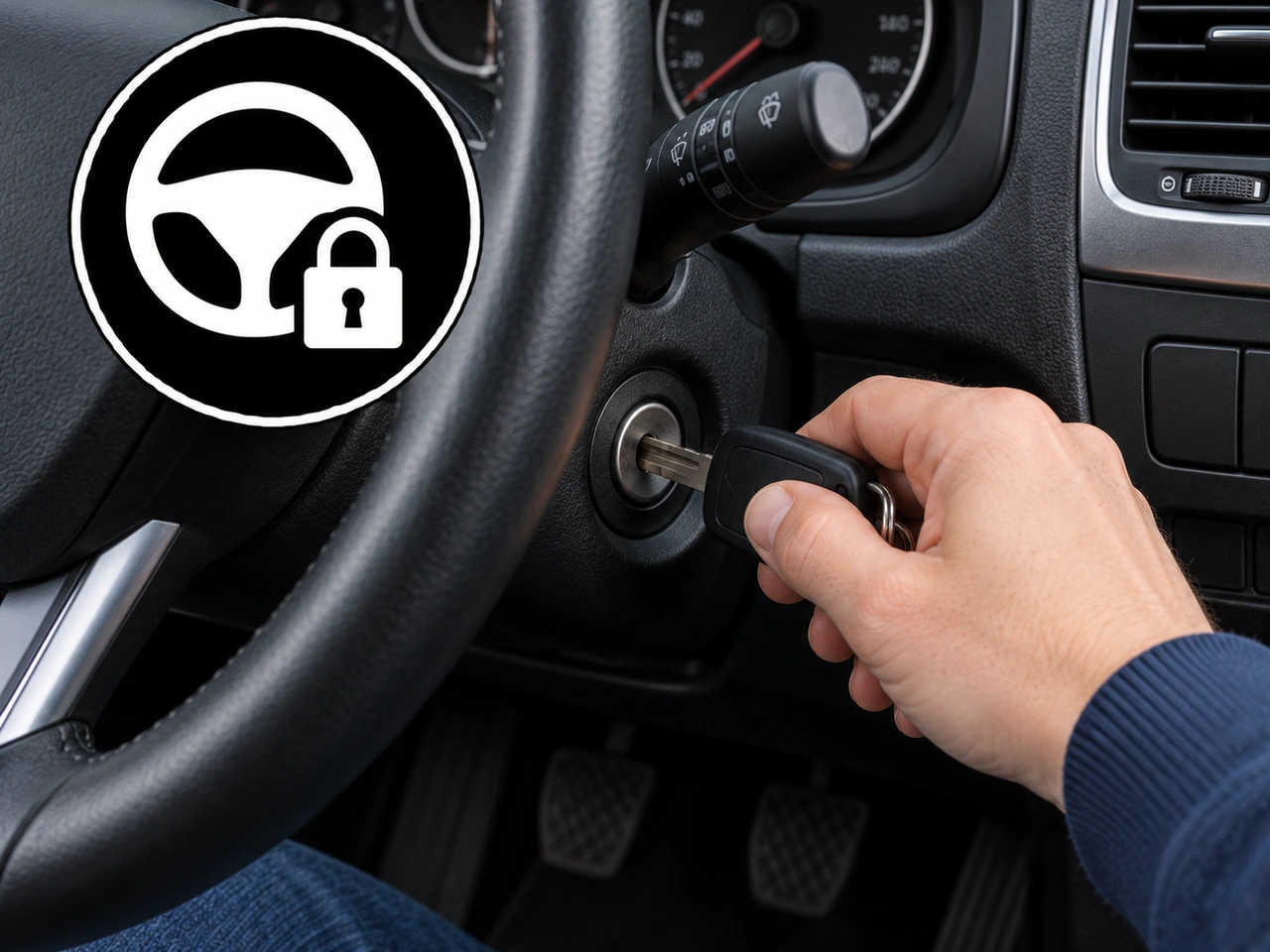
287. What may happen to the steering when the ignition key is removed?
On vehicles fitted with a steering lock, removing the ignition key may allow the steering lock to engage. Never remove the key while the vehicle is moving.
AI-generated by Traffic-rules.com • WCIT • CC BY-SA
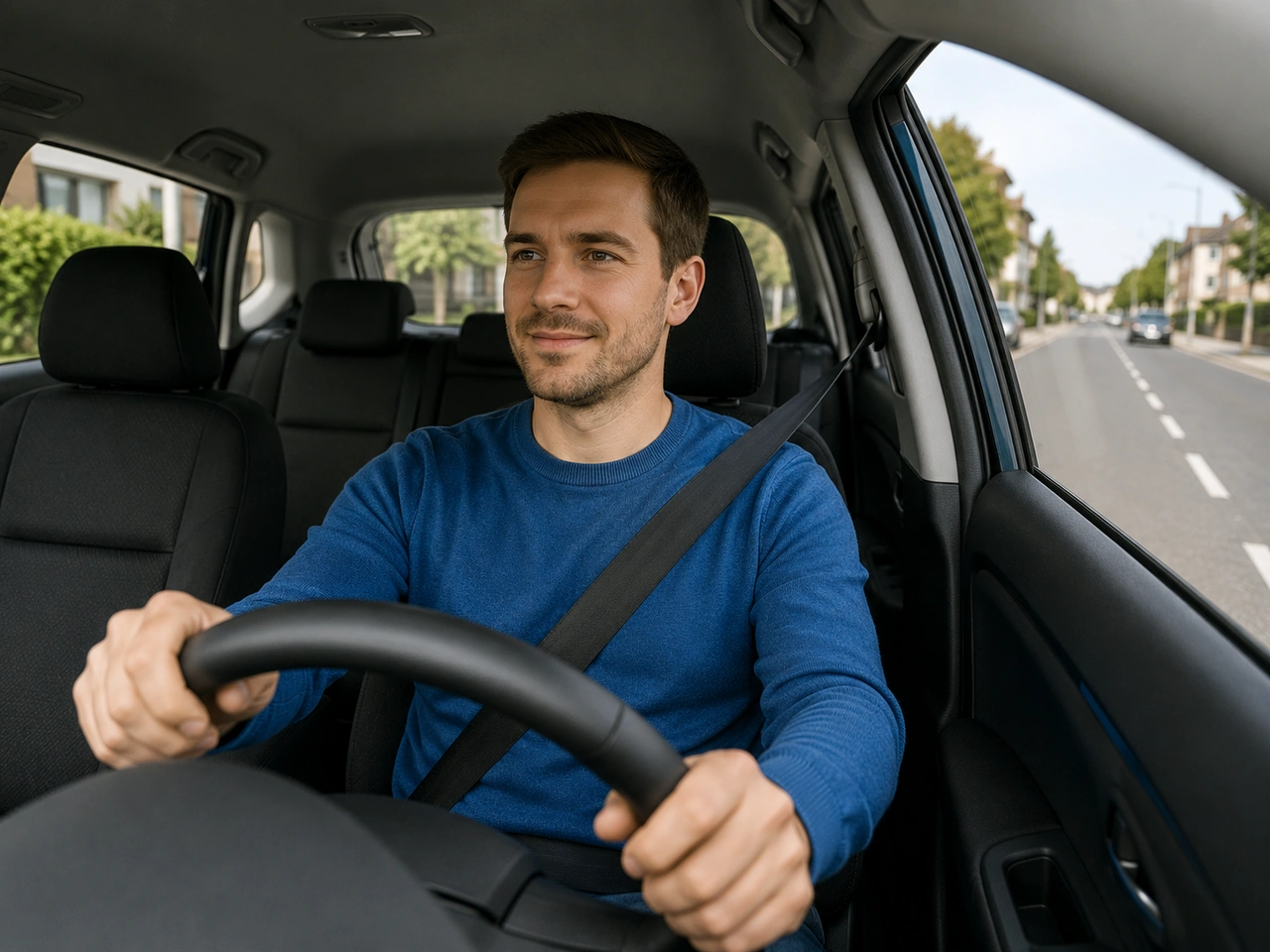
288. You should always wear a seat belt, even on short trips.
Seat belts reduce the risk of serious injury and should be worn on every trip, even short ones.
AI-generated by Traffic-rules.com • WCIT • CC BY-SA
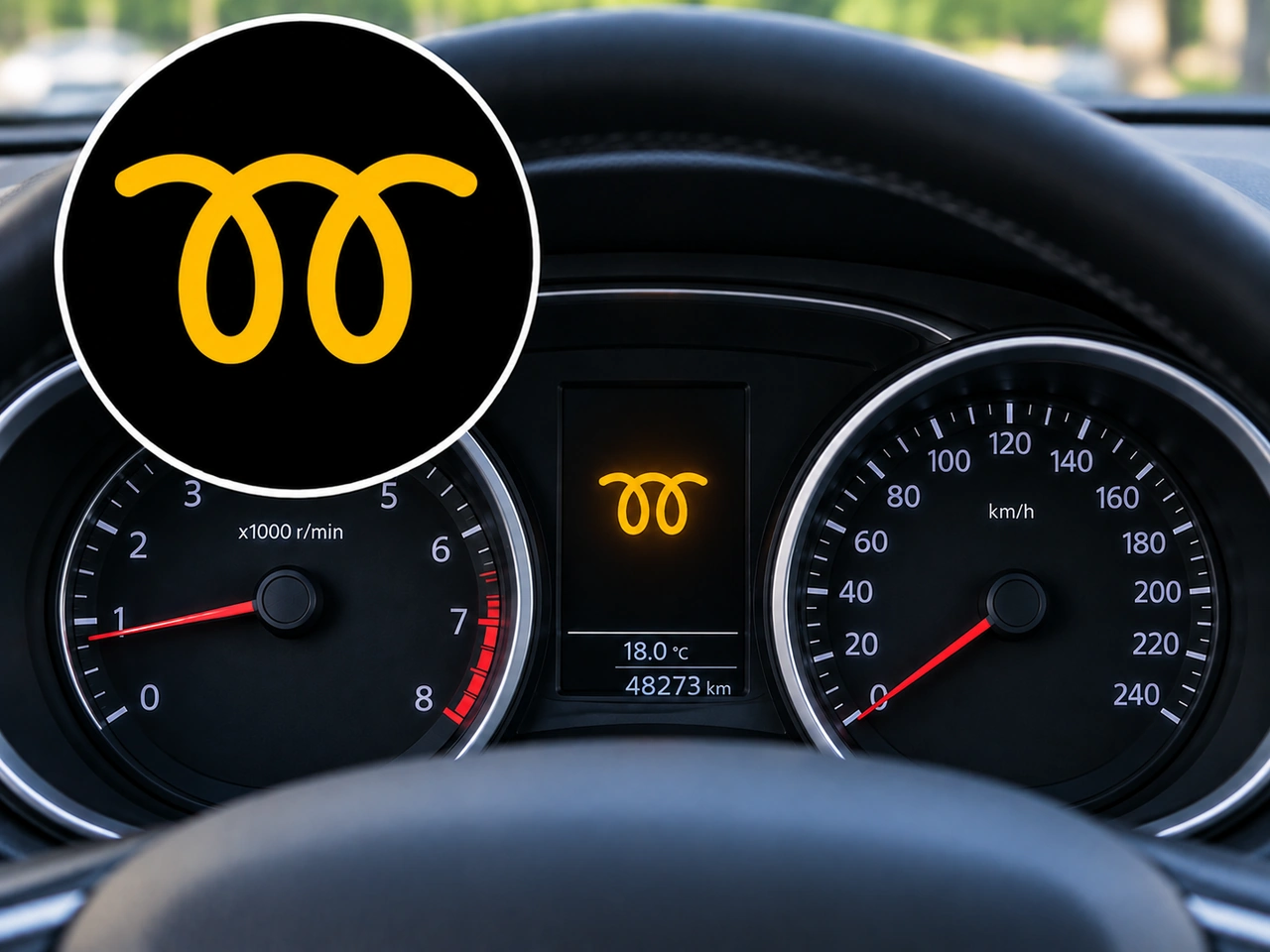
289. What does this dashboard symbol indicate?
This symbol indicates the diesel glow-plug preheating system. In a diesel vehicle, wait for the light to go out before starting the engine when required. If it remains illuminated or flashes while driving, it may indicate a fault.
AI-generated by Traffic-rules.com • WCIT • CC BY-SA
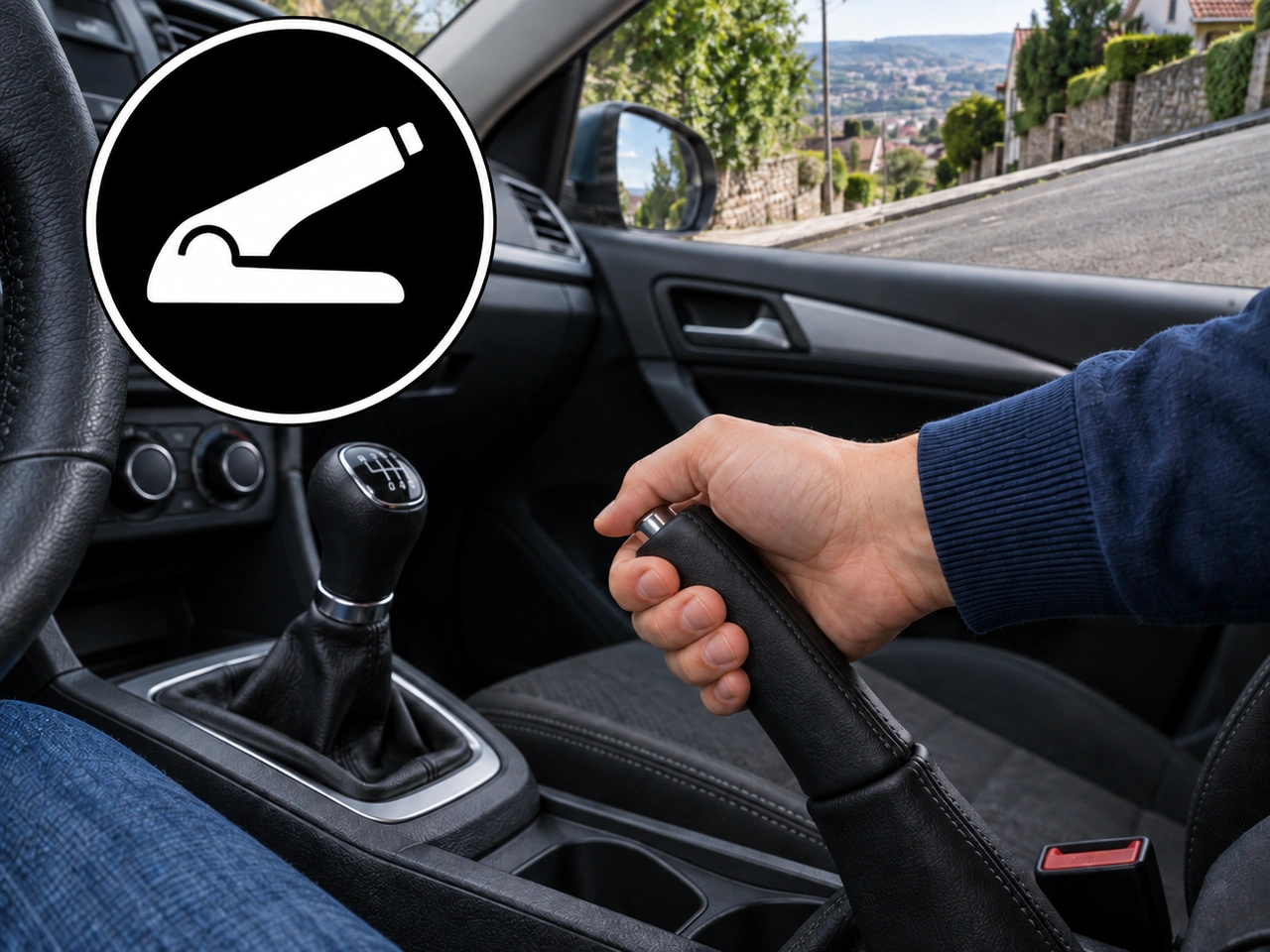
290. What should you do with the parking brake when parking on a slope?
When parking on a slope, apply the parking brake firmly to help prevent the vehicle from rolling. Selecting an appropriate gear or Park provides additional security.
AI-generated by Traffic-rules.com • WCIT • CC BY-SA
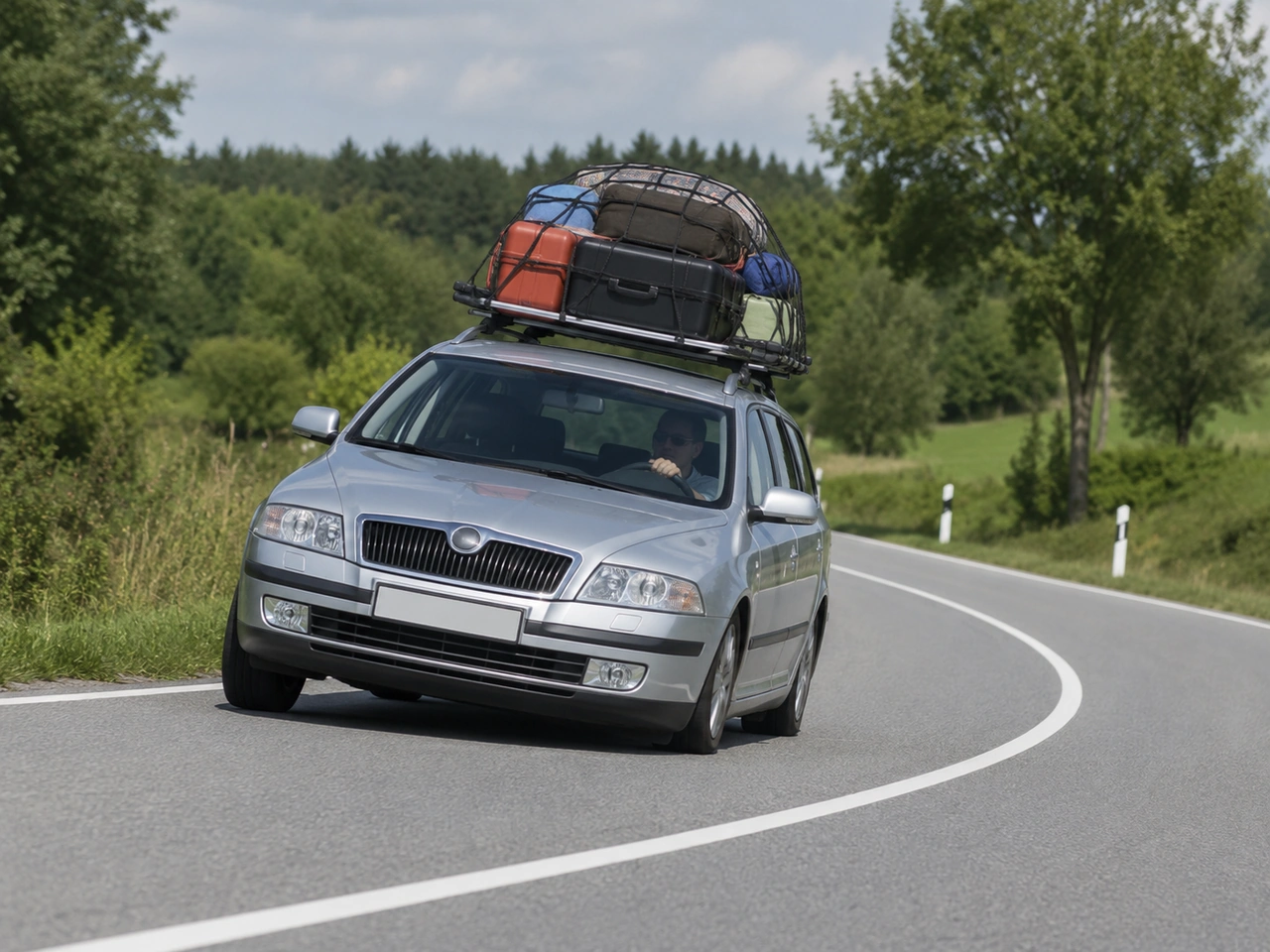
291. How can a roof load affect vehicle handling?
Weight carried high on the vehicle can increase body movement and make sudden steering or cornering less stable.
AI-generated by Traffic-rules.com • WCIT • CC BY-SA
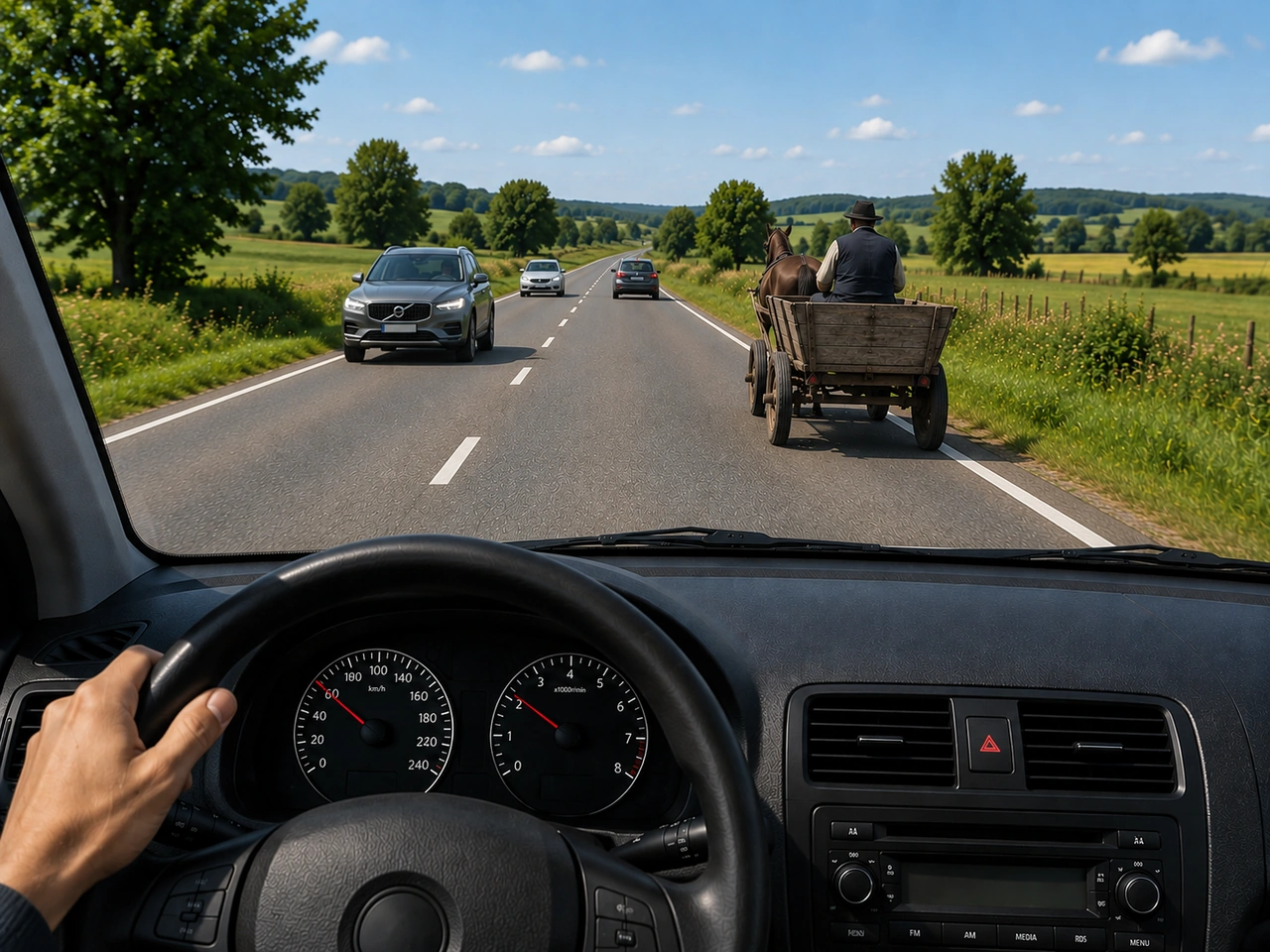
292. What should you do if you are approaching an animal-drawn vehicle?
Animals can be startled by noise or sudden movement. Reduce speed, keep distance, and pass only when it is safe.
AI-generated by Traffic-rules.com • WCIT • CC BY-SA
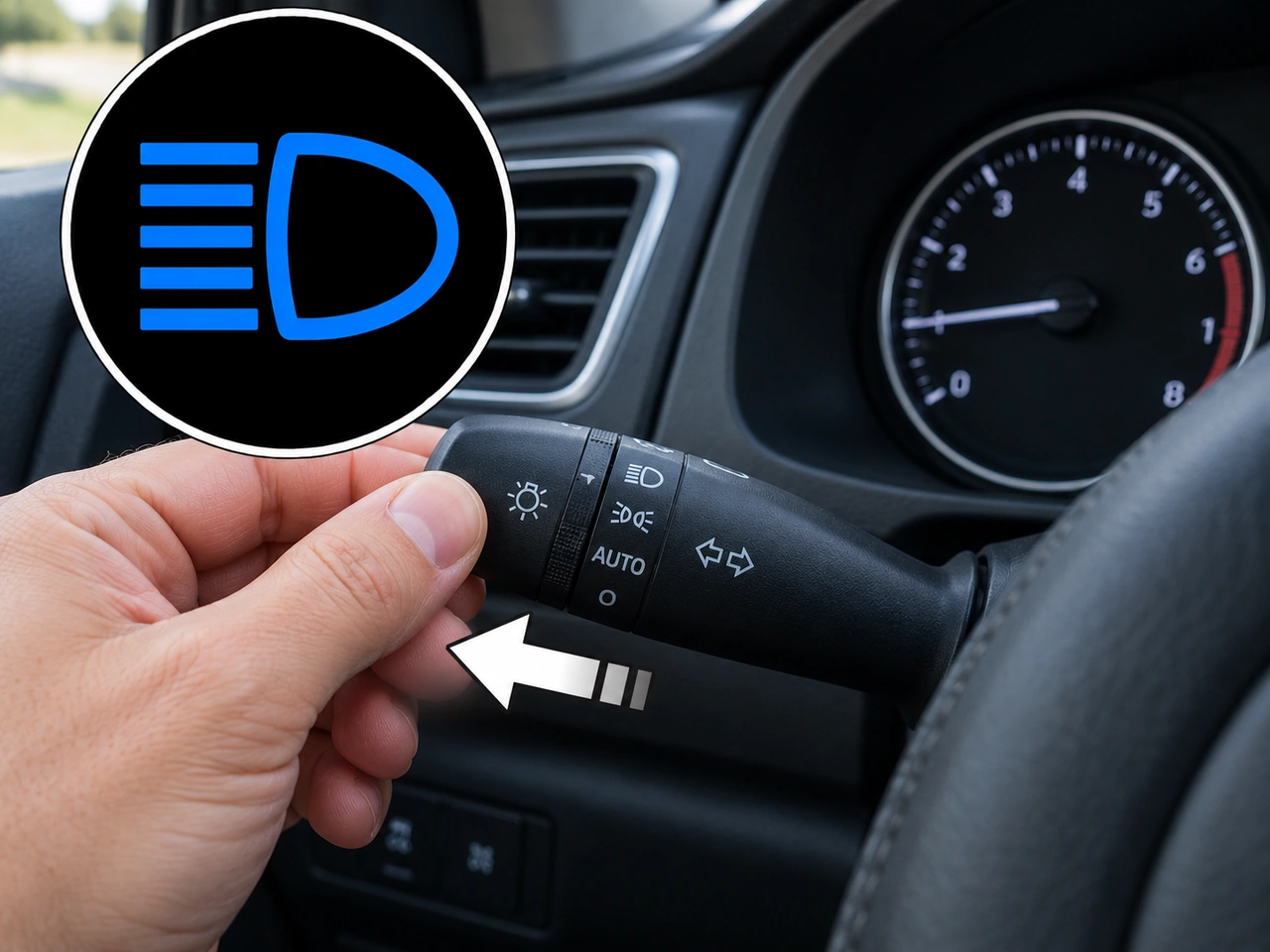
293. What does pulling the lighting stalk towards you normally do?
Pulling the lighting stalk towards you normally flashes the main-beam headlights. This briefly illuminates the main beam while the stalk is held or operated.
AI-generated by Traffic-rules.com • WCIT • CC BY-SA
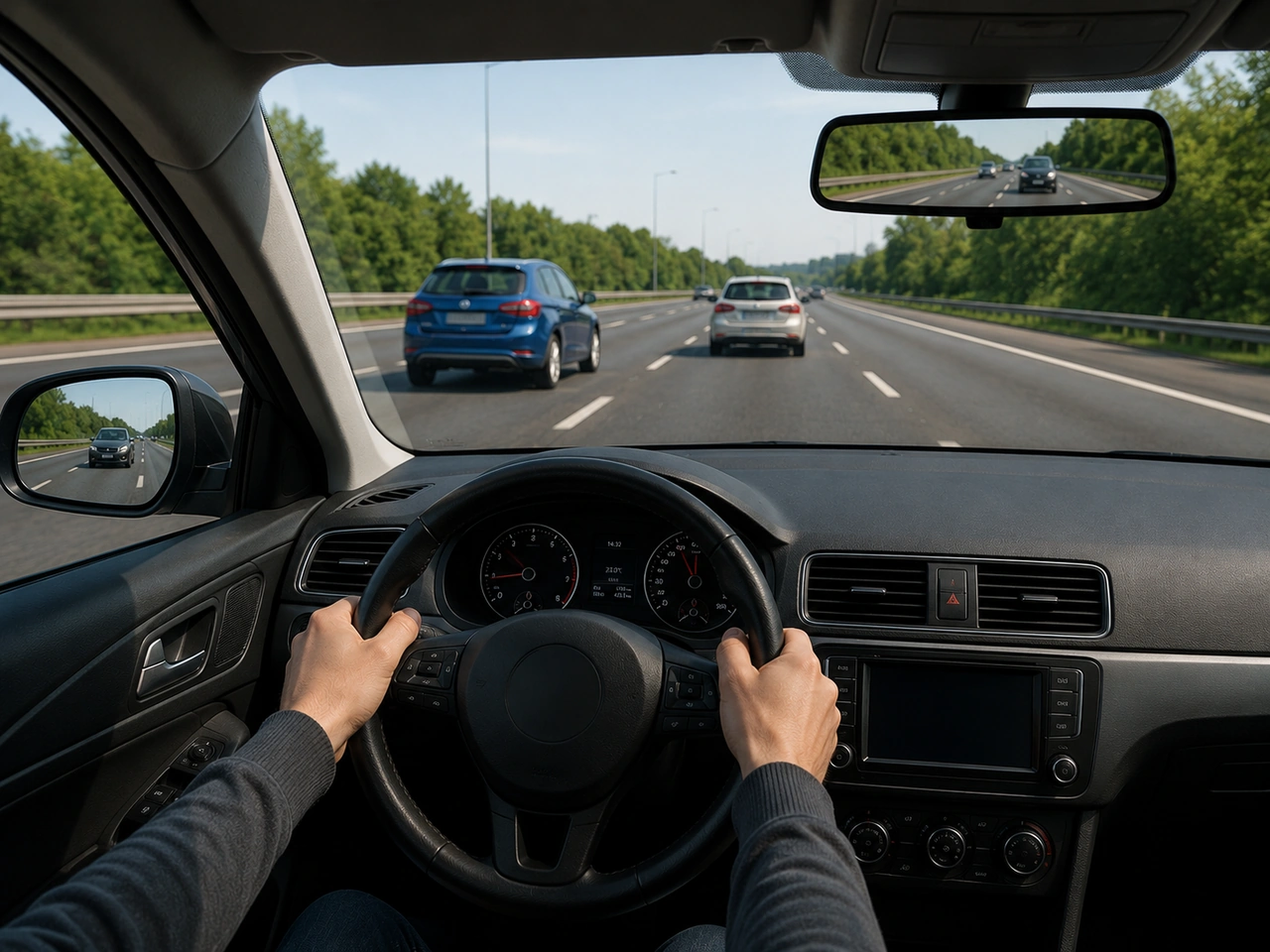
294. What should you do before changing lanes?
Always check your mirrors, look over your shoulder if necessary, and make sure it is safe before changing lanes.
AI-generated by Traffic-rules.com • WCIT • CC BY-SA
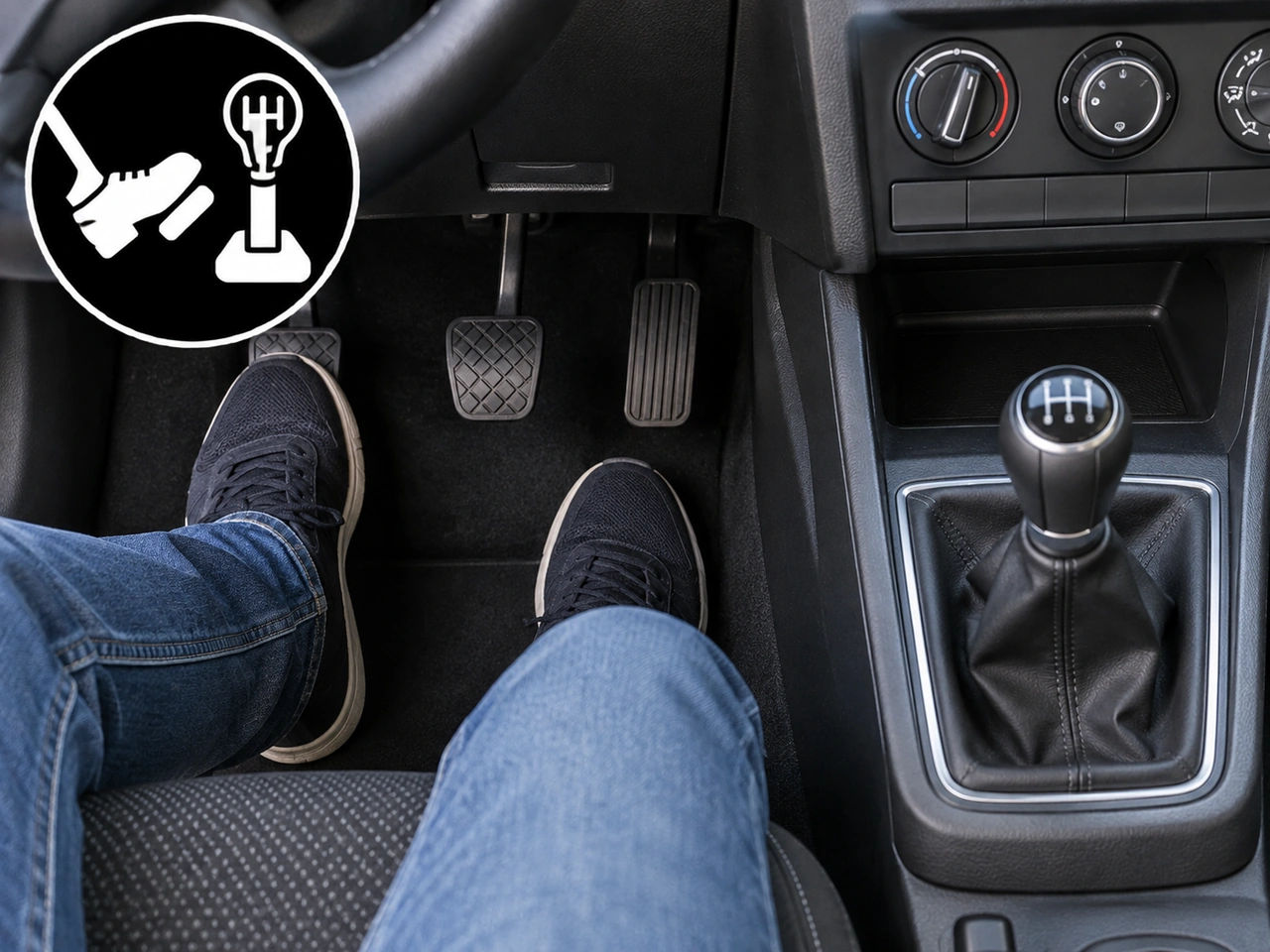
295. What should you check before starting a manual vehicle?
Before starting a manual vehicle, make sure the gearbox is in neutral and press the clutch pedal. This helps prevent the vehicle from moving unexpectedly when the engine starts.
AI-generated by Traffic-rules.com • WCIT • CC BY-SA
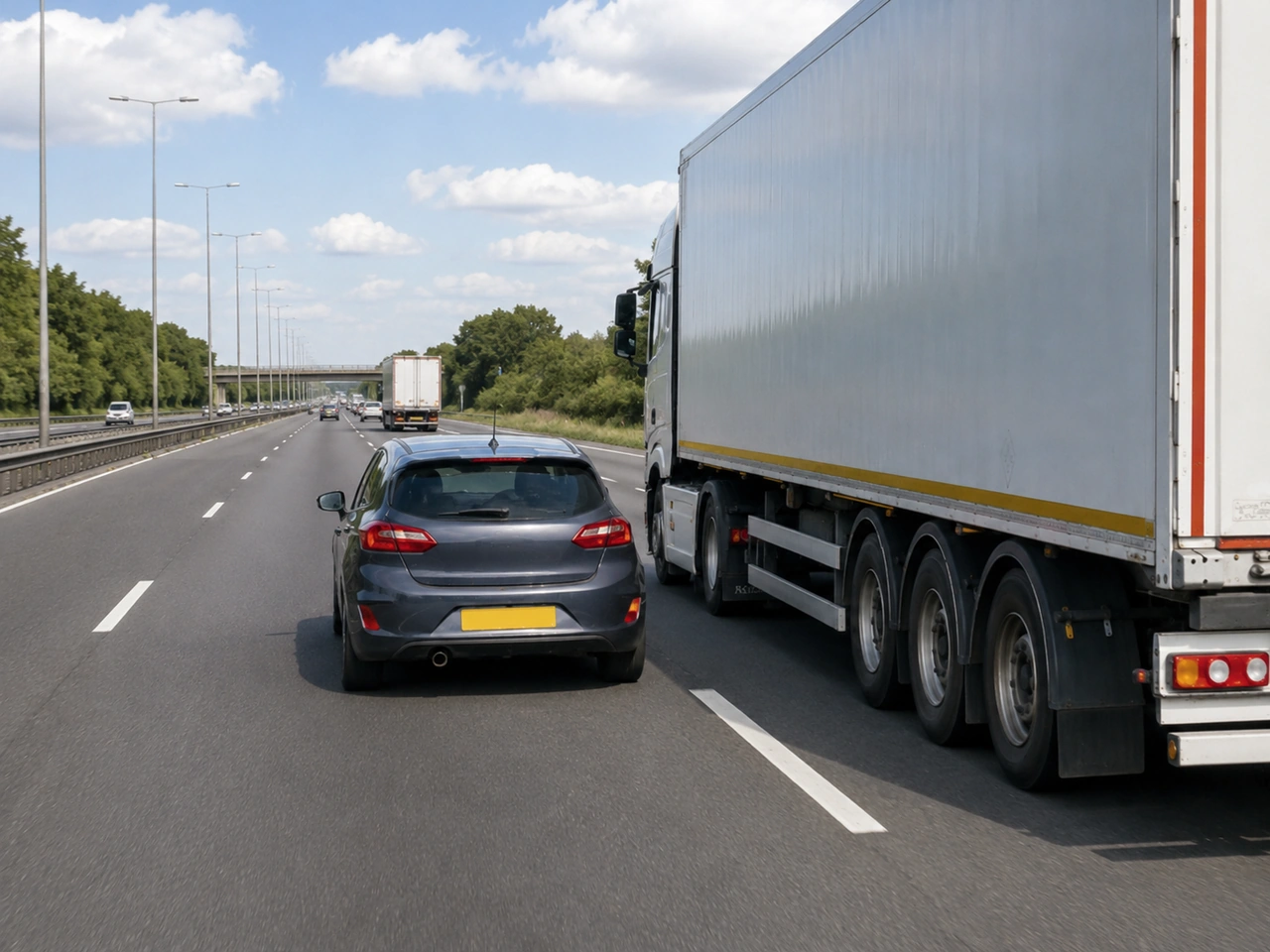
296. Why should you avoid remaining beside a large vehicle on a motorway?
Large vehicles have significant blind spots. Avoid travelling alongside them longer than necessary.
AI-generated by Traffic-rules.com • WCIT • CC BY-SA
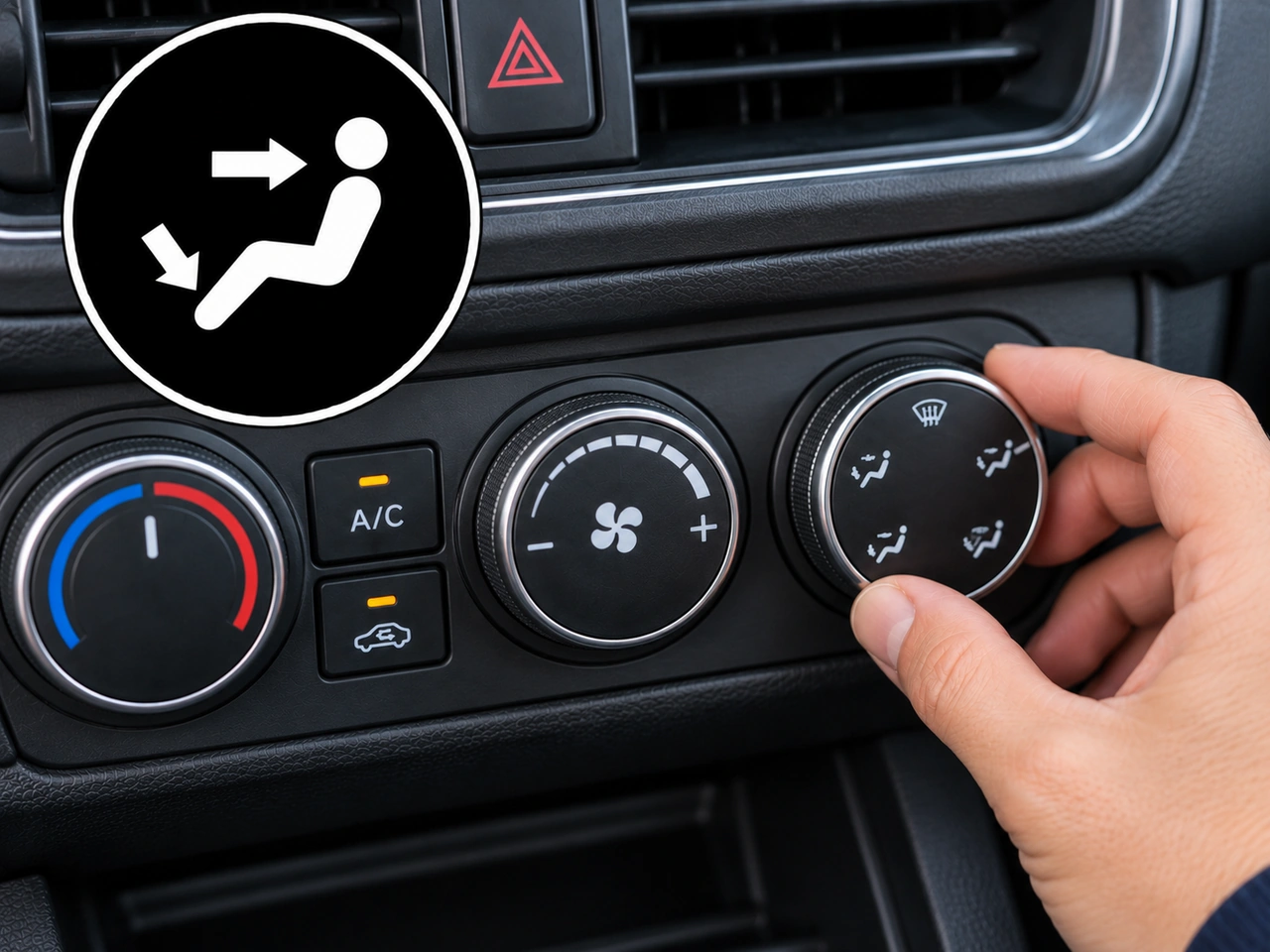
297. What does this vehicle-control symbol indicate?
This control selects the direction of the ventilation airflow, such as towards the face, feet or windscreen.
AI-generated by Traffic-rules.com • WCIT • CC BY-SA
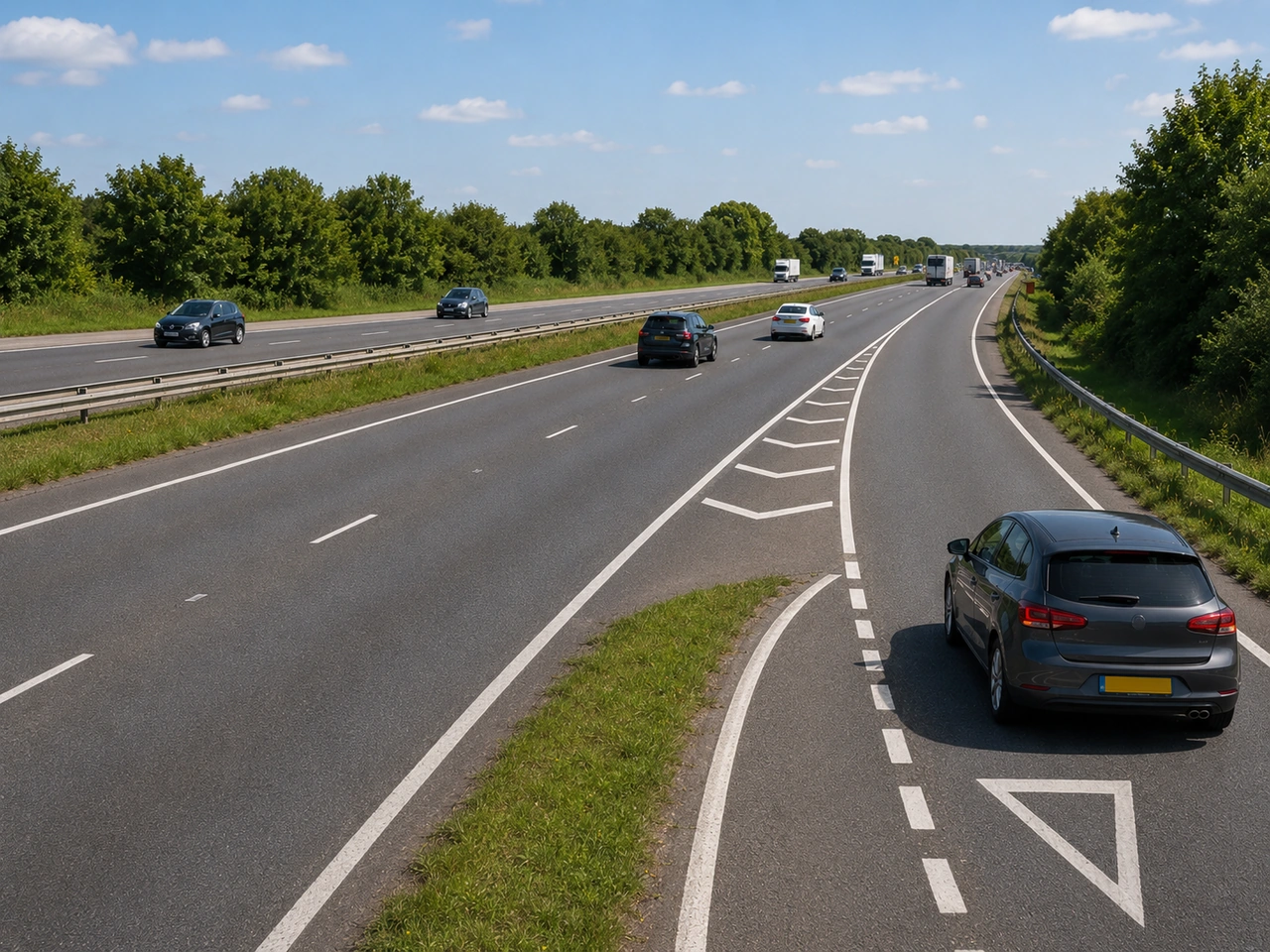
298. Who normally has priority when you enter a motorway from an entry lane?
You must adjust your speed and find a safe gap without forcing motorway traffic to brake or change direction.
AI-generated by Traffic-rules.com • WCIT • CC BY-SA
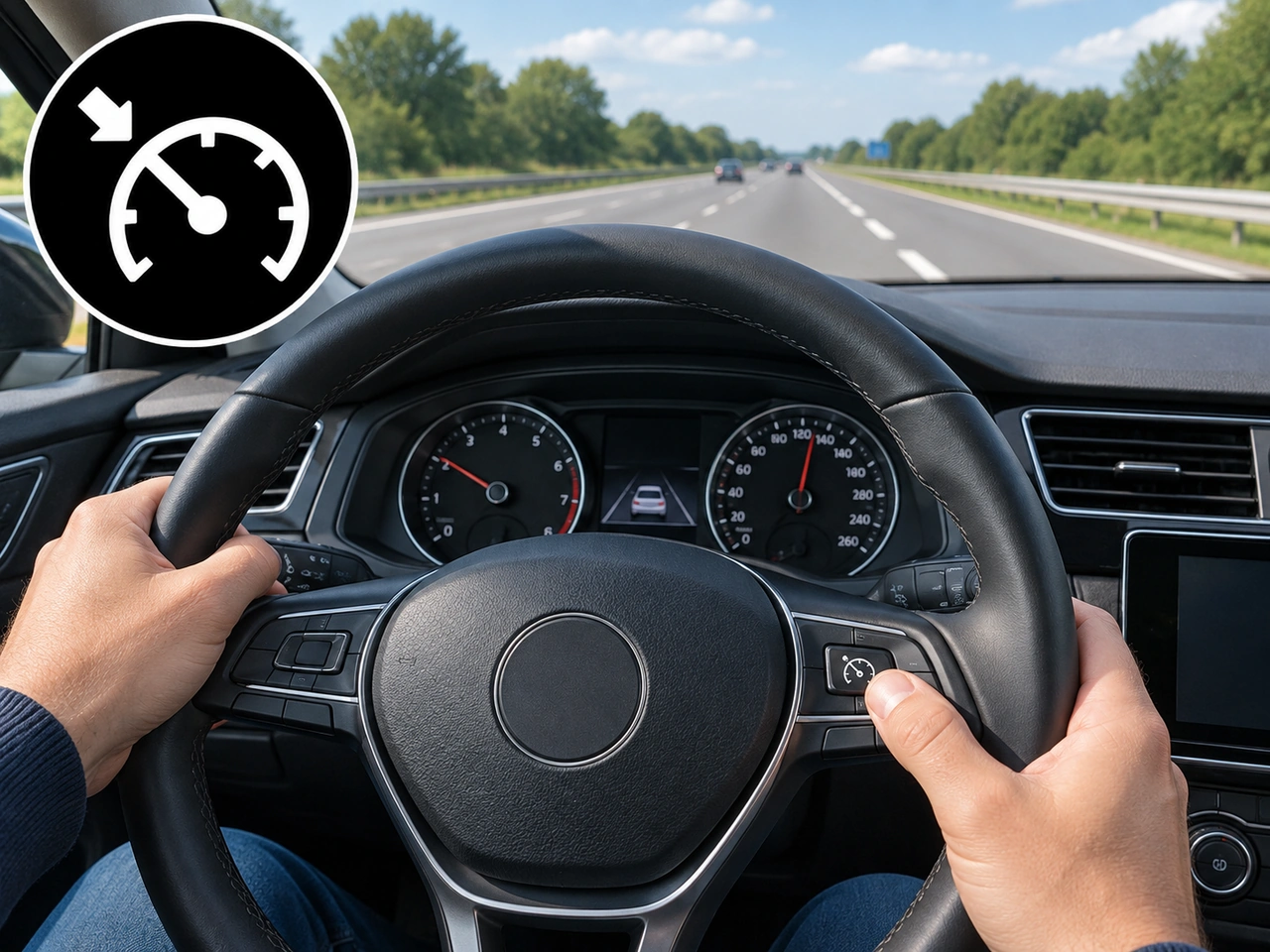
299. What is the purpose of cruise control?
Cruise control can maintain a selected speed without the driver continuously pressing the accelerator. The driver must remain attentive and ready to brake or take control when necessary.
AI-generated by Traffic-rules.com • WCIT • CC BY-SA
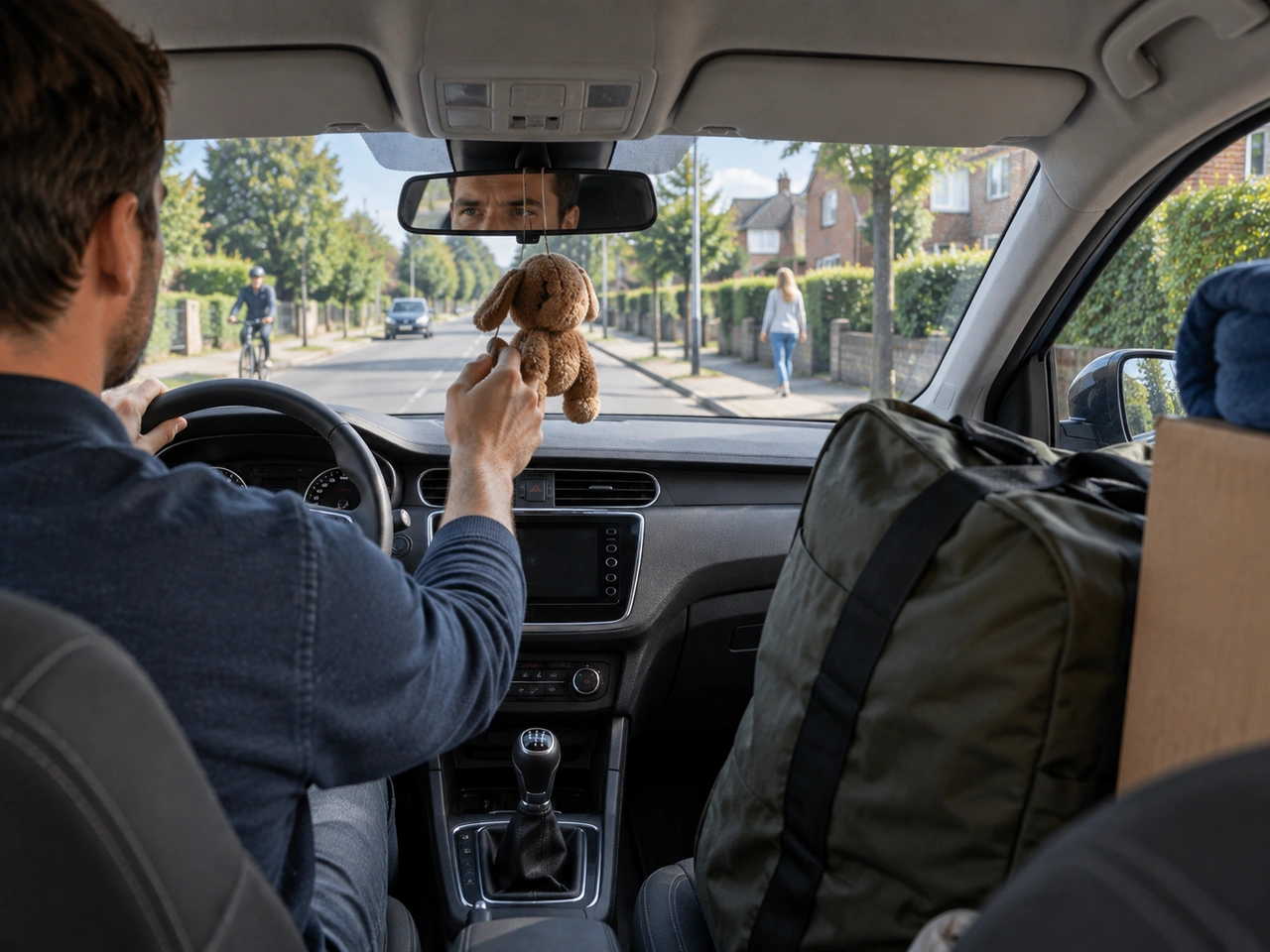
300. Why must luggage or other objects not obstruct the driver's view?
The driver must have a clear view of the road and surroundings. Luggage, decorations, or other objects that obstruct the windscreen, windows, or mirrors can hide pedestrians, cyclists, vehicles, signs, or other hazards.
AI-generated by Traffic-rules.com • WCIT • CC BY-SA