


QuizTraffic rulesBelgium
Test your knowledge with our multiple-choice quiz. Learn from each answer and improve your understanding of the traffic rules and road signs of Belgium.
 Traffic signs
 Traffic rules
 Belgium
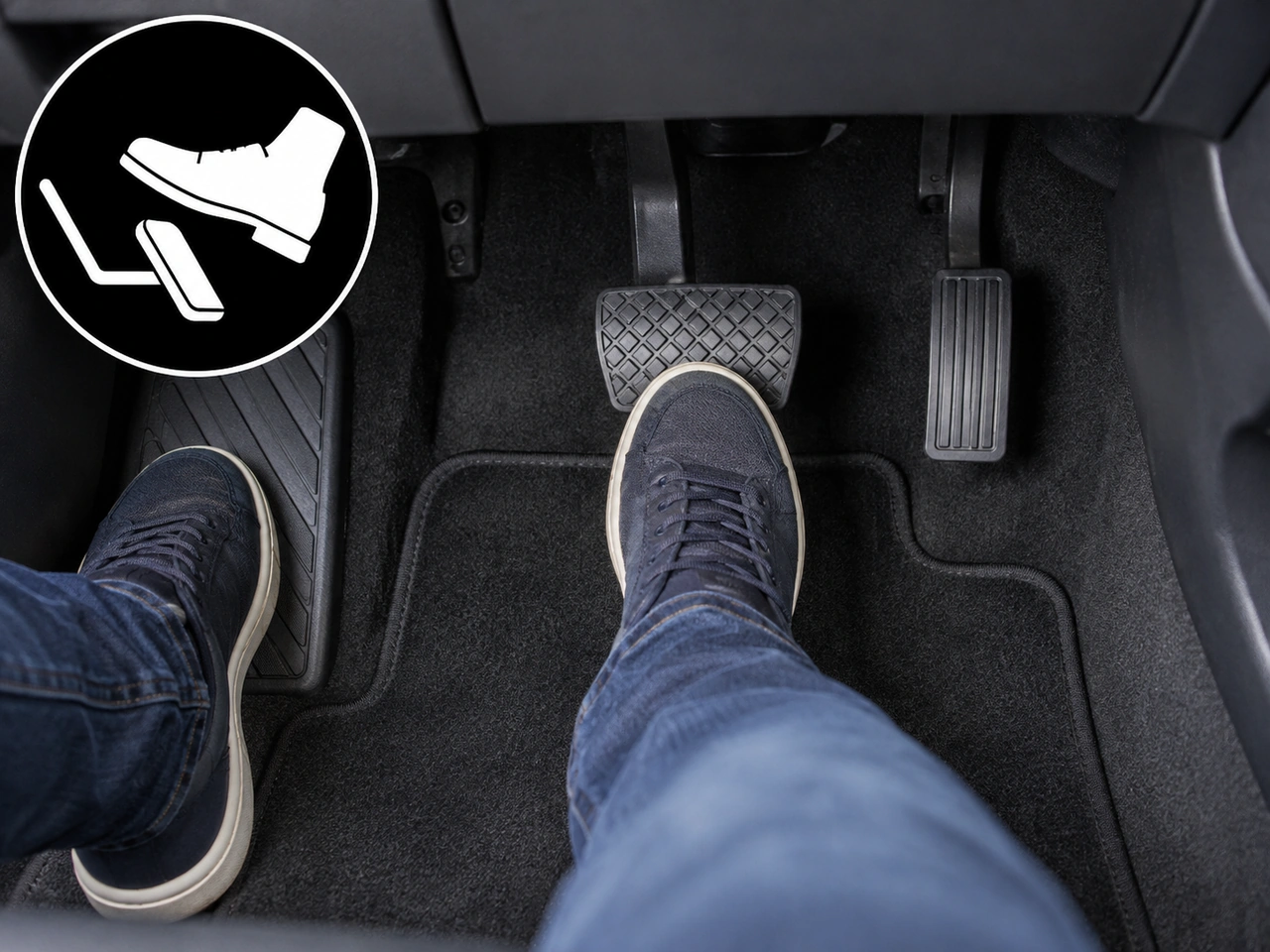
601. What does it mean to cover the brake pedal?
To cover the brake, move your right foot over the brake pedal without pressing it, so you are ready to brake quickly if a hazard develops.
AI-generated by Traffic-rules.com • WCIT • CC BY-SA

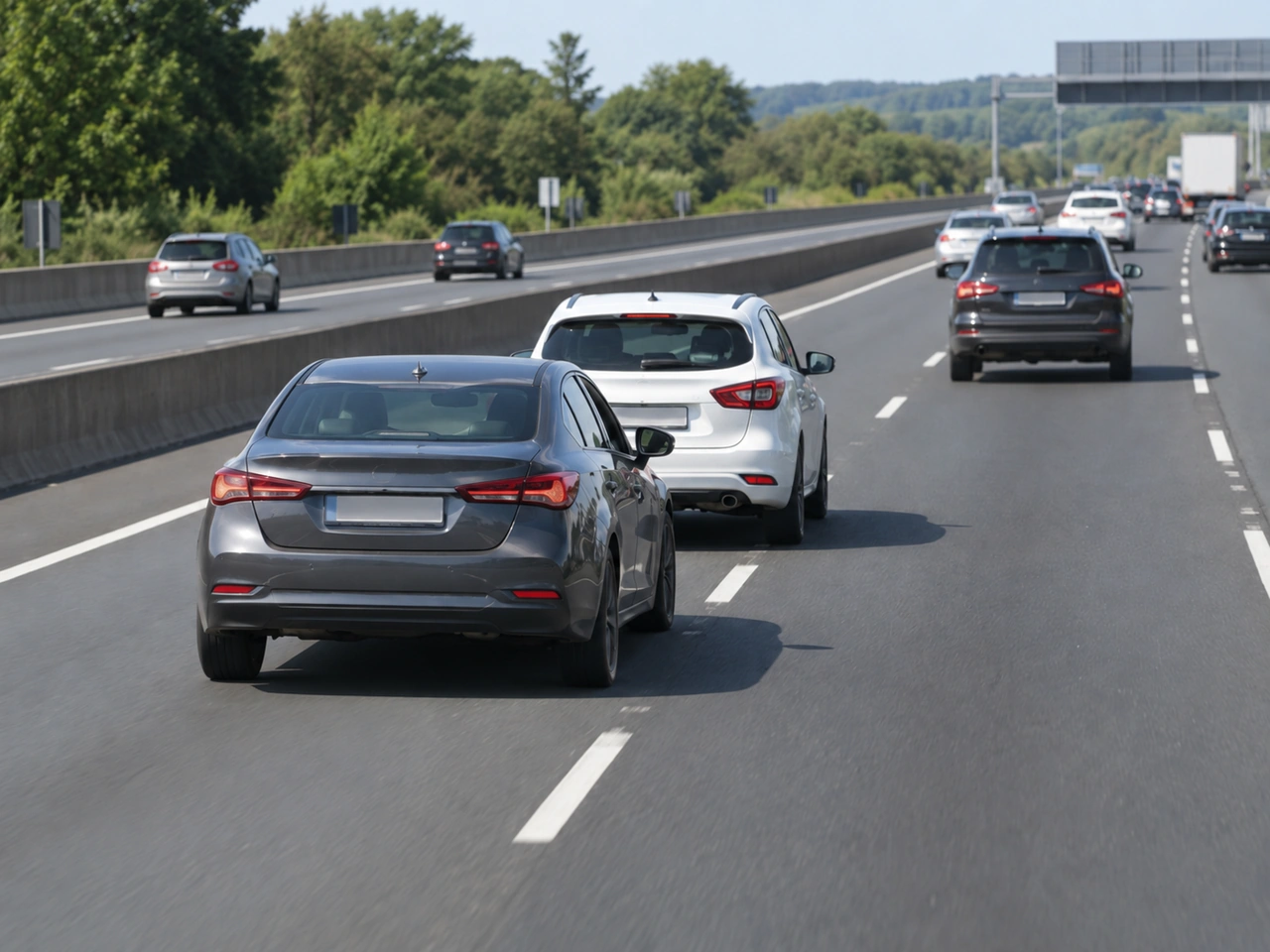
602. What is the main safety risk of aggressive driving?
Aggressive driving, such as tailgating, speeding, or sudden lane changes, reduces safety margins and increases the risk of crashes and conflict with other road users.
AI-generated by Traffic-rules.com • WCIT • CC BY-SA
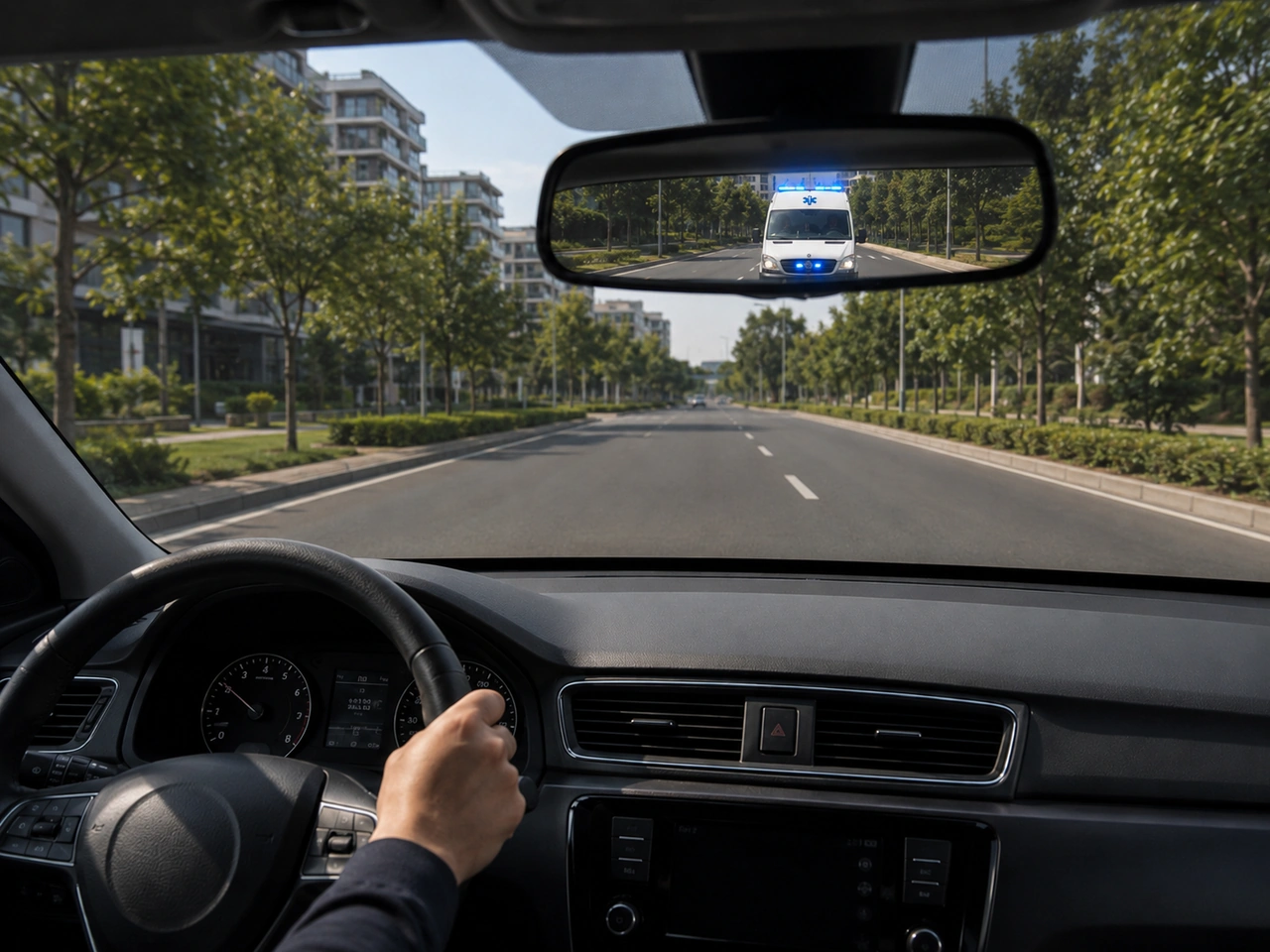
603. What should you do if an emergency vehicle approaches with lights or siren on?
When an emergency vehicle uses lights or siren, check your surroundings and make room safely without sudden or dangerous movements.
AI-generated by Traffic-rules.com • WCIT • CC BY-SA
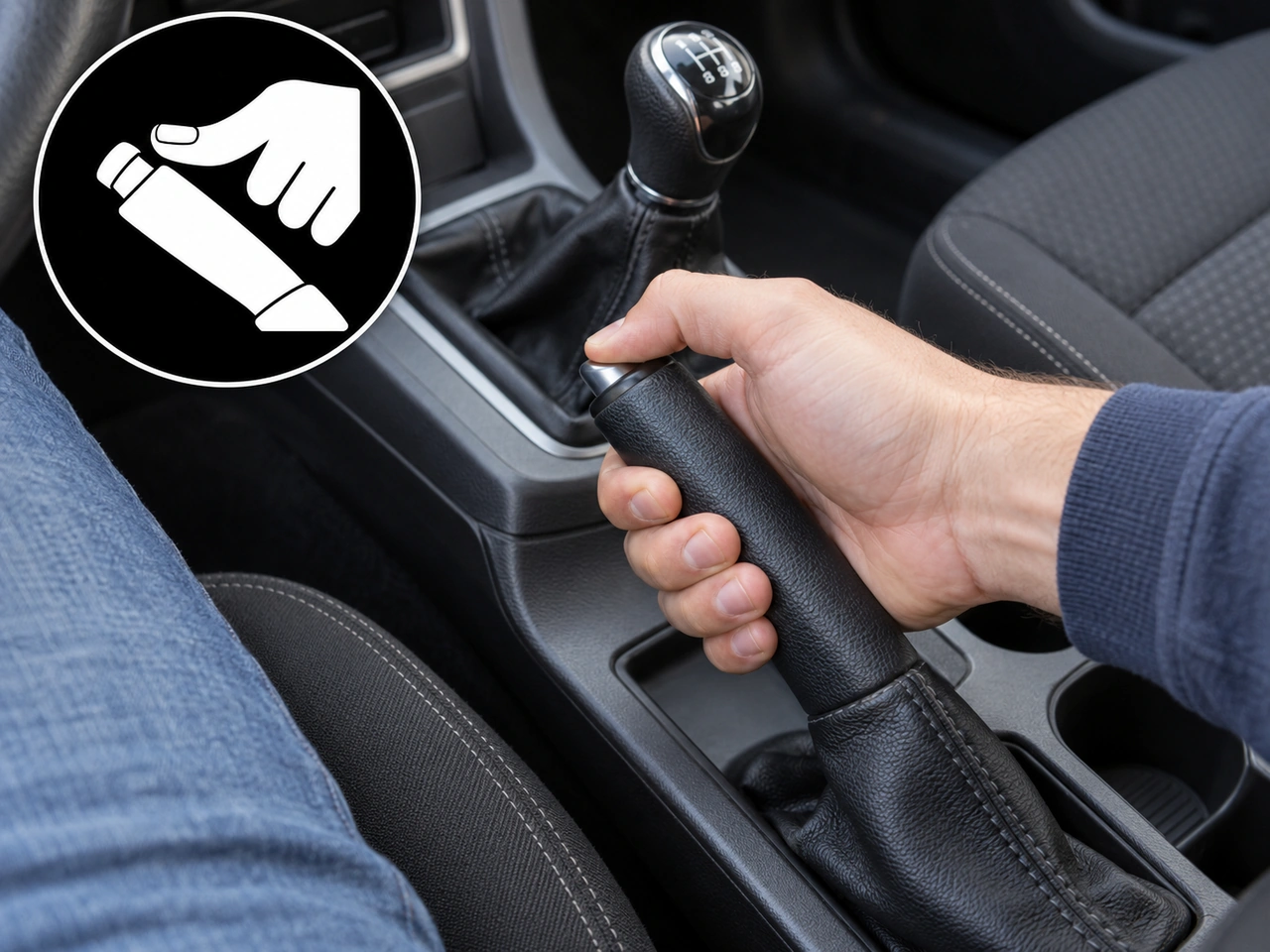
604. What is the button on a manual handbrake lever used for?
To release a manual handbrake, pull the lever up slightly, press and hold the release button, then lower the lever under control.
AI-generated by Traffic-rules.com • WCIT • CC BY-SA
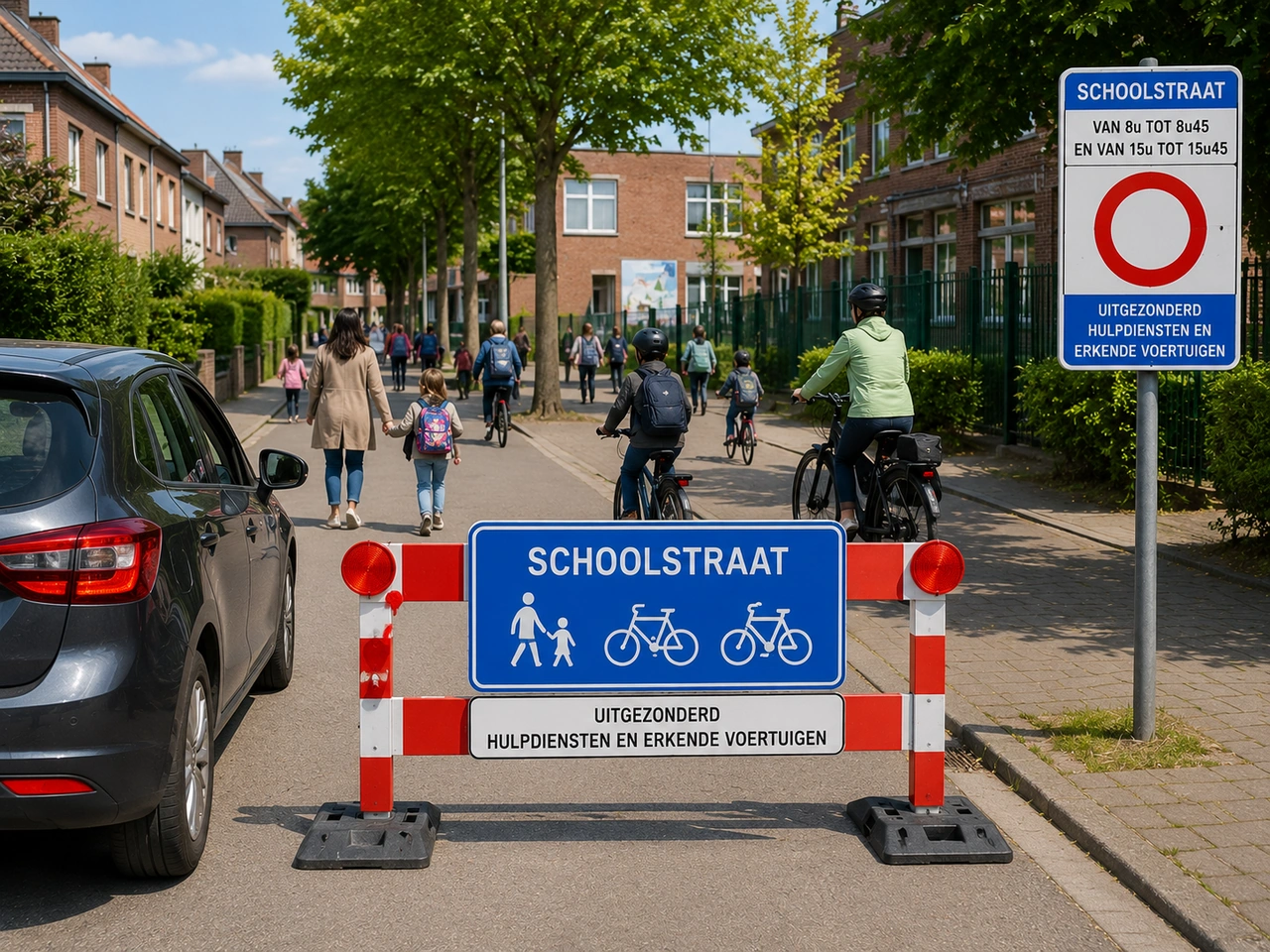
605. Who may normally use a Belgian school street while its restriction is active?
A school street is normally reserved for pedestrians, bicycles, and speed pedelecs. Emergency vehicles and specially authorised vehicles may be exceptions.
AI-generated by Traffic-rules.com • WCIT • CC BY-SA
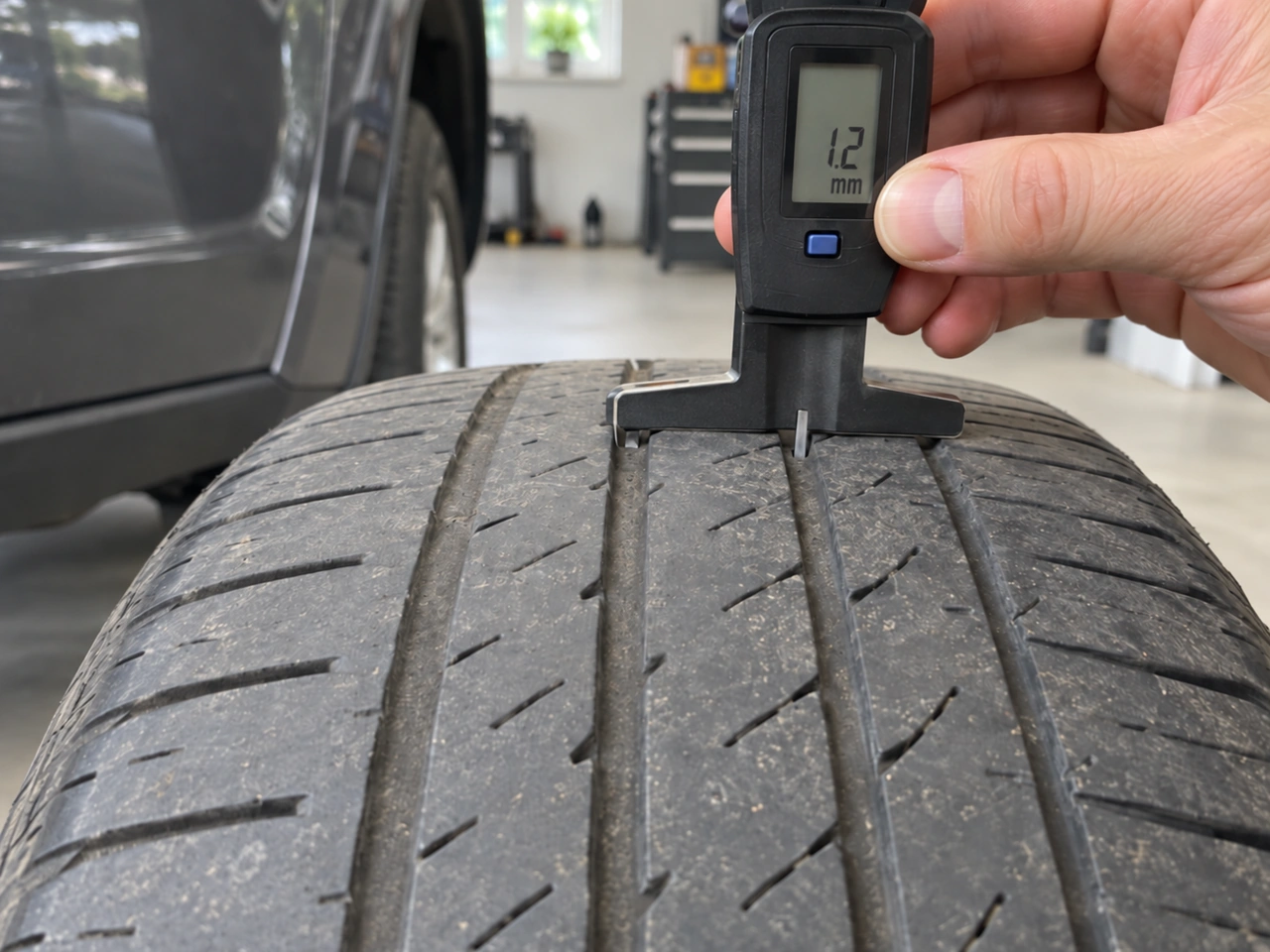
606. What is the general minimum legal tread depth for car tyres in Belgium?
The general minimum legal tread depth for car tyres in Belgium is 1.6 mm. Higher minimums may apply to winter tyres, during winter periods or in winter conditions.
AI-generated by Traffic-rules.com • WCIT • CC BY-SA
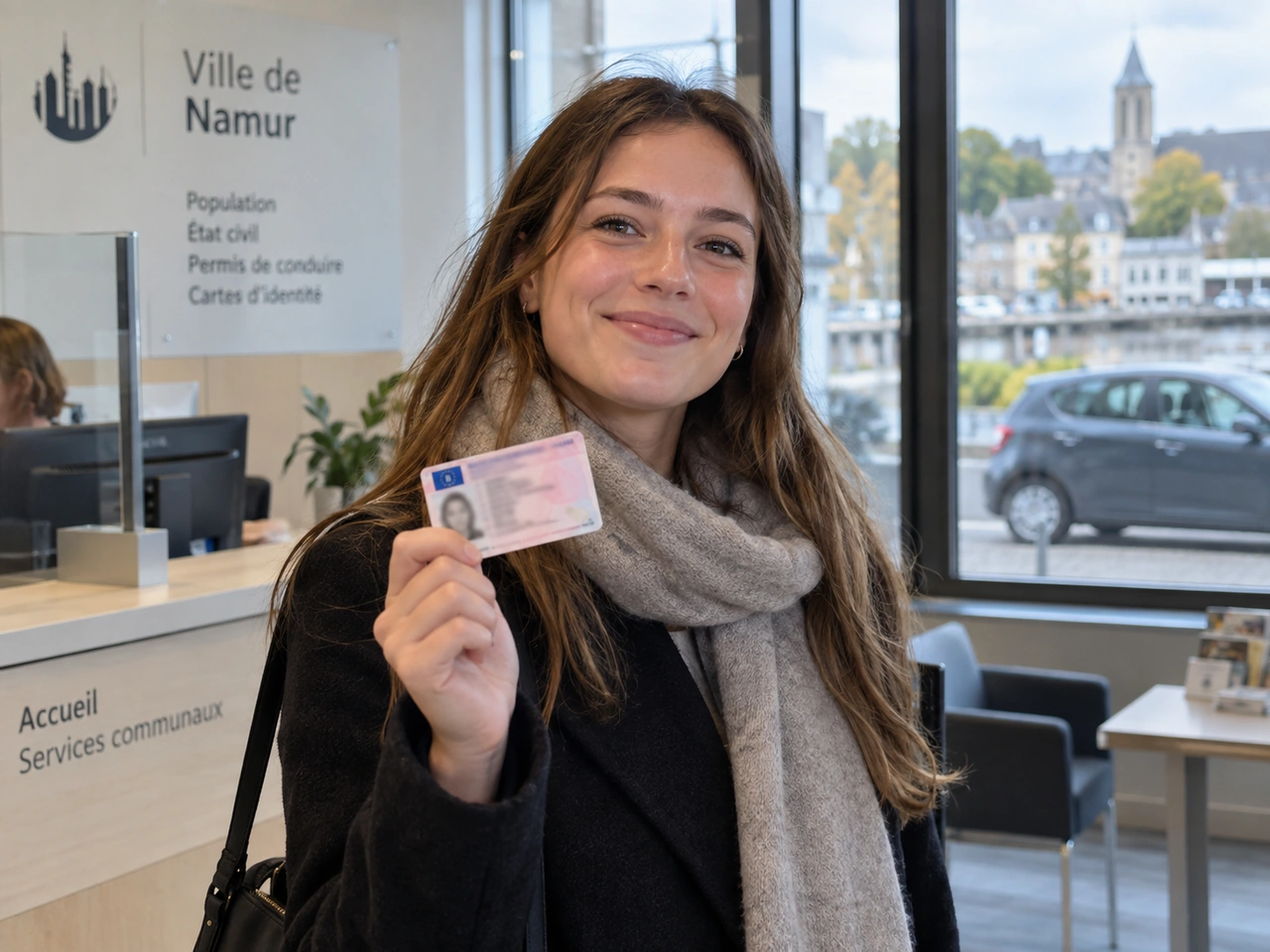
607. At what age can you obtain a Belgian driving licence B?
Driving licence B may be obtained from the age of 18 in Belgium.
AI-generated by Traffic-rules.com • WCIT • CC BY-SA
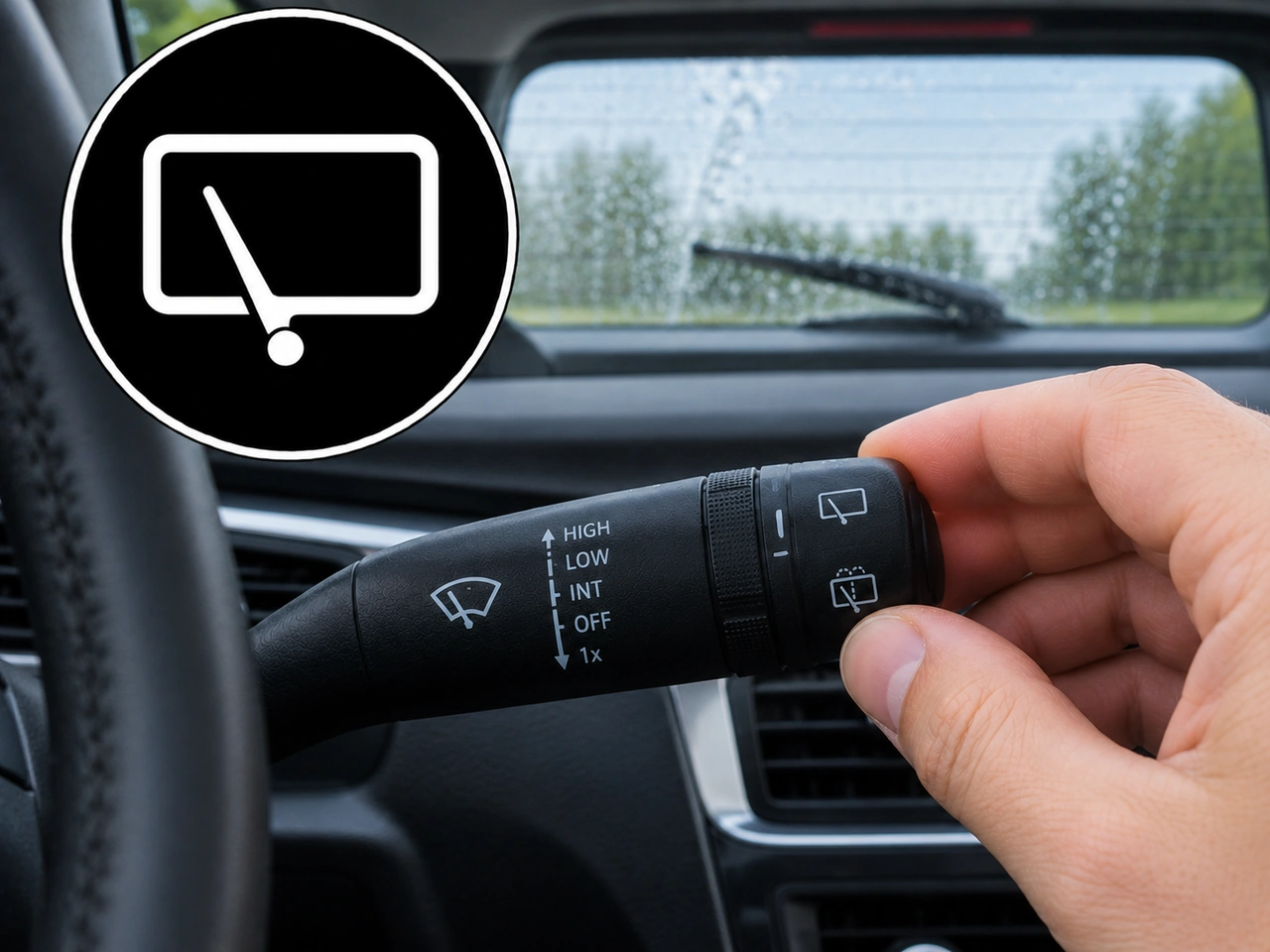
608. What does this vehicle-control symbol indicate?
This symbol controls the rear window wiper. Depending on the vehicle, the same control may also operate the rear-window washer.
AI-generated by Traffic-rules.com • WCIT • CC BY-SA
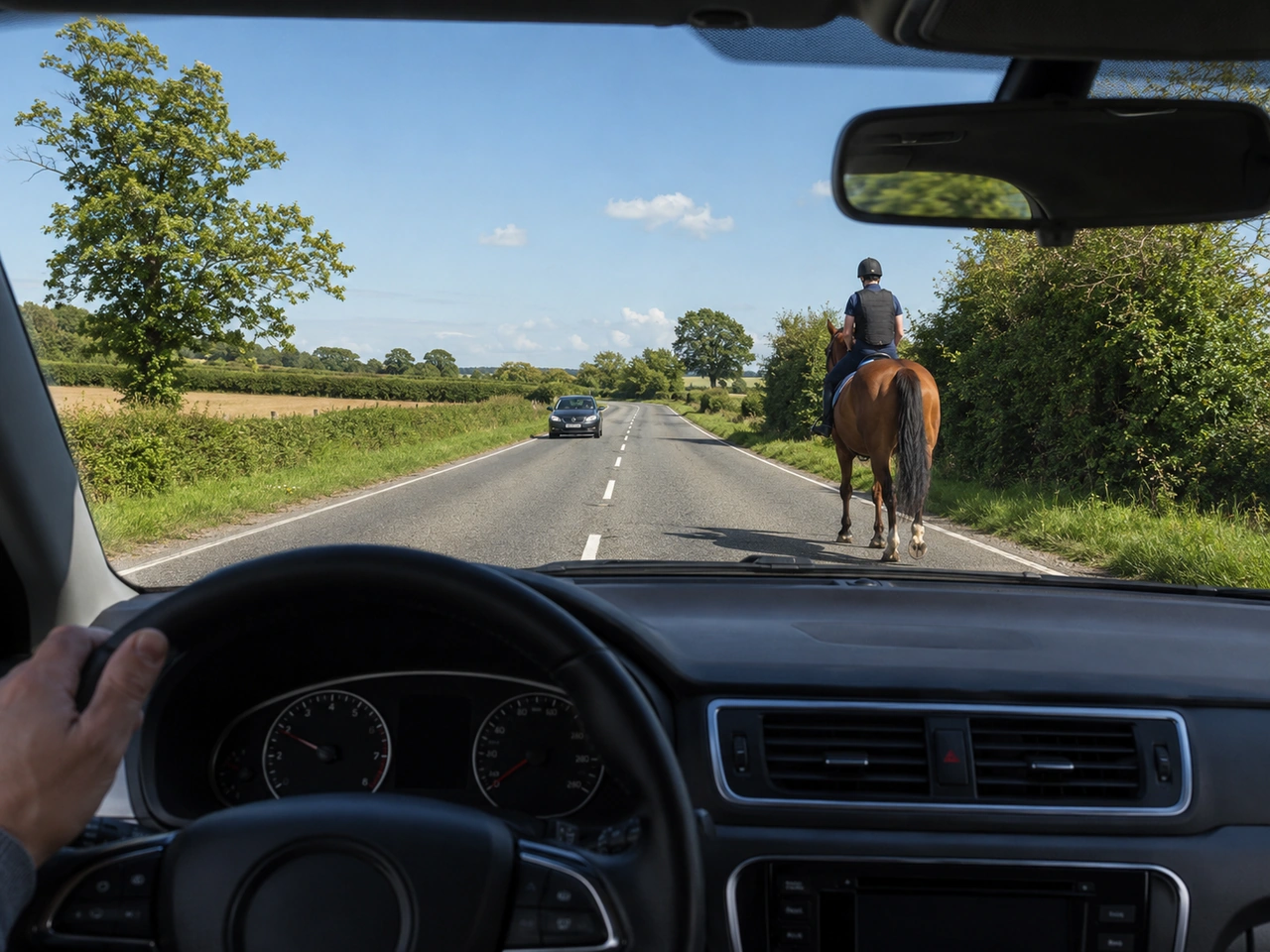
609. What should you do when passing a horse rider?
Horses can be startled by noise or sudden movement. Slow down, pass carefully, and leave enough space.
AI-generated by Traffic-rules.com • WCIT • CC BY-SA
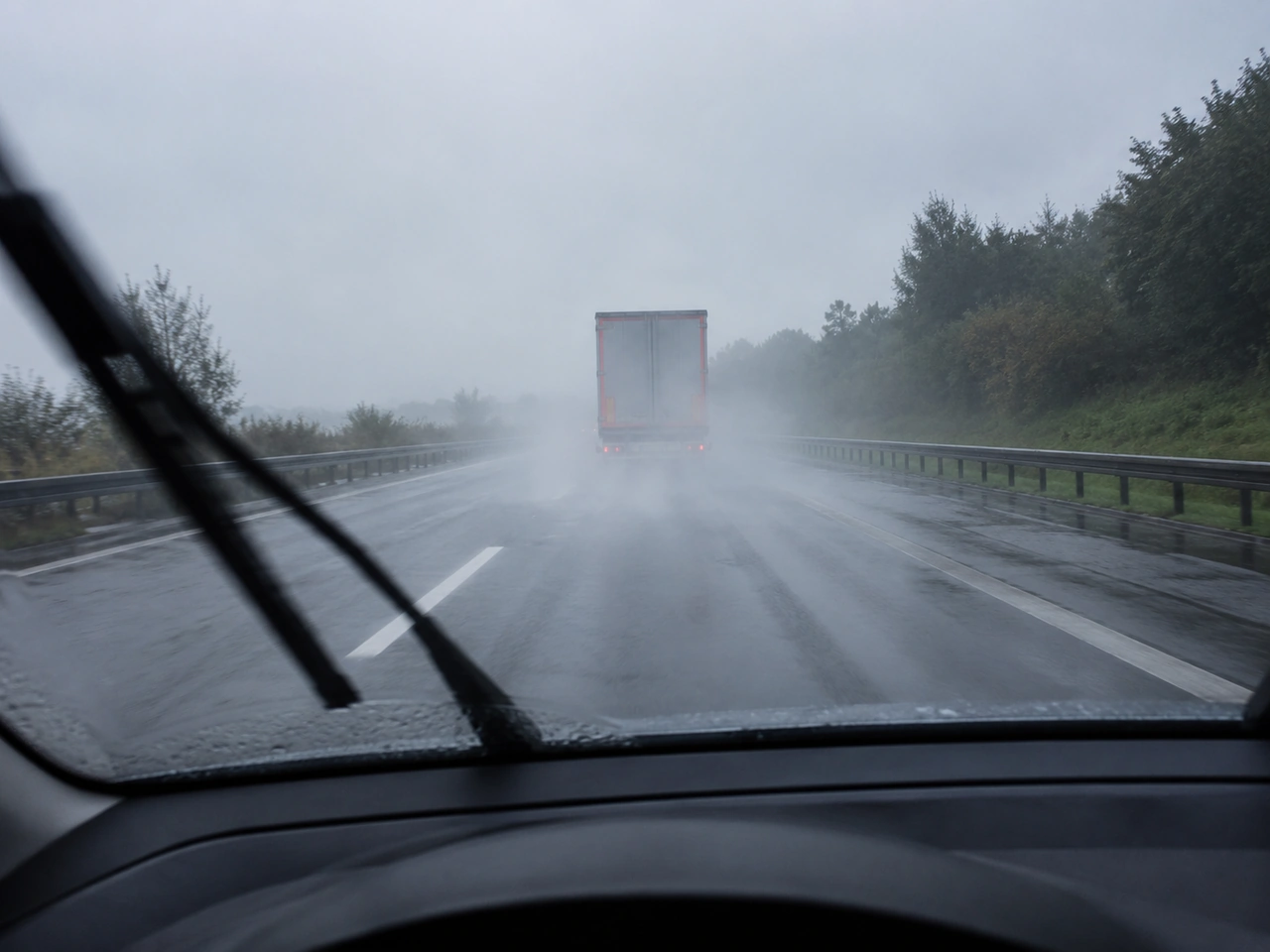
610. What should you do if spray from other vehicles makes it hard to see?
Spray can seriously reduce visibility. Slowing down and increasing your distance gives you more time and a clearer view.
AI-generated by Traffic-rules.com • WCIT • CC BY-SA
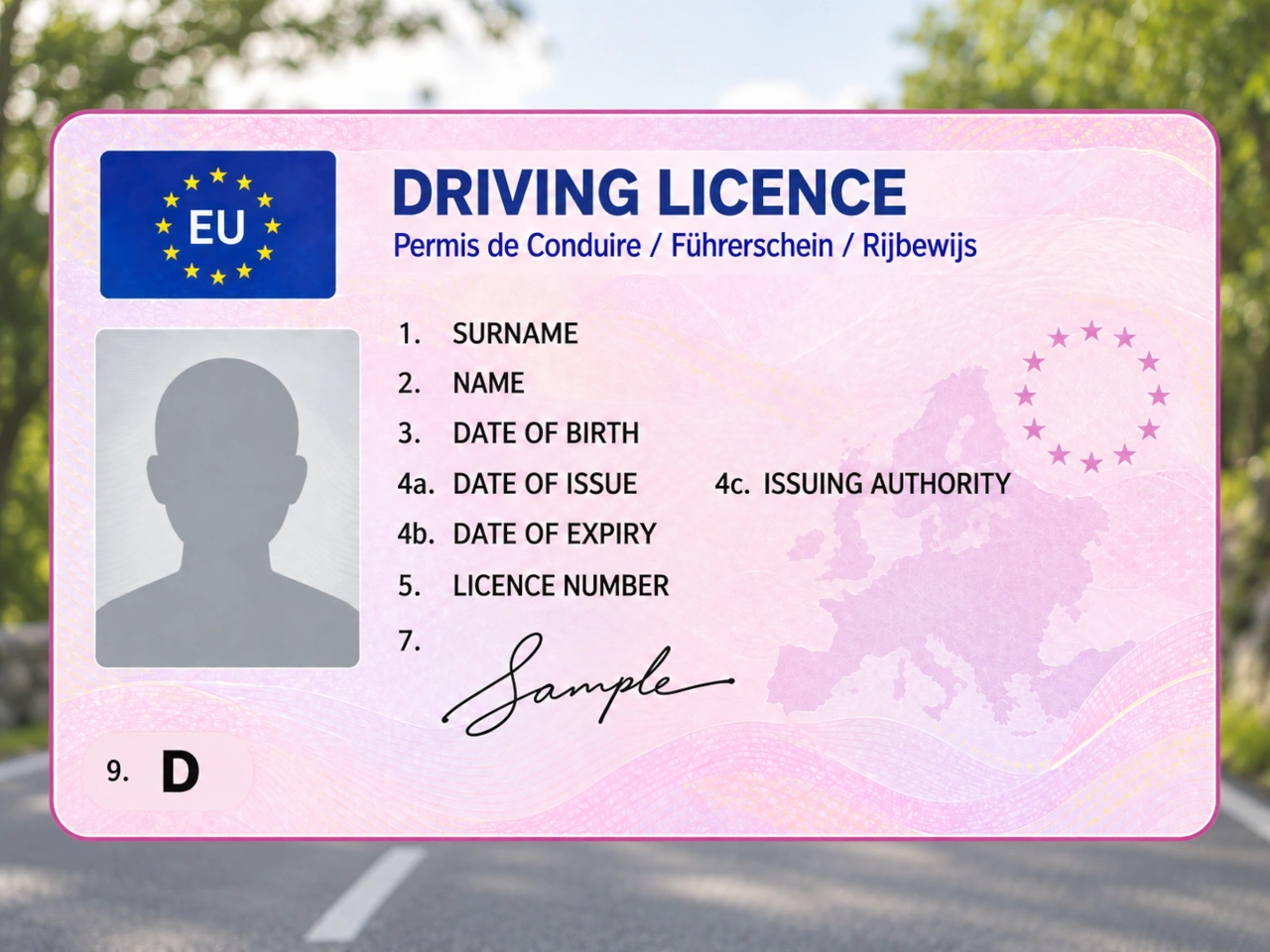
611. Which vehicle type is mainly associated with driving licence D?
Driving licence D is mainly associated with buses. Category D1 covers smaller buses, D covers larger buses, and D1E and DE allow heavier trailers.
AI-generated by Traffic-rules.com • WCIT • CC BY-SA
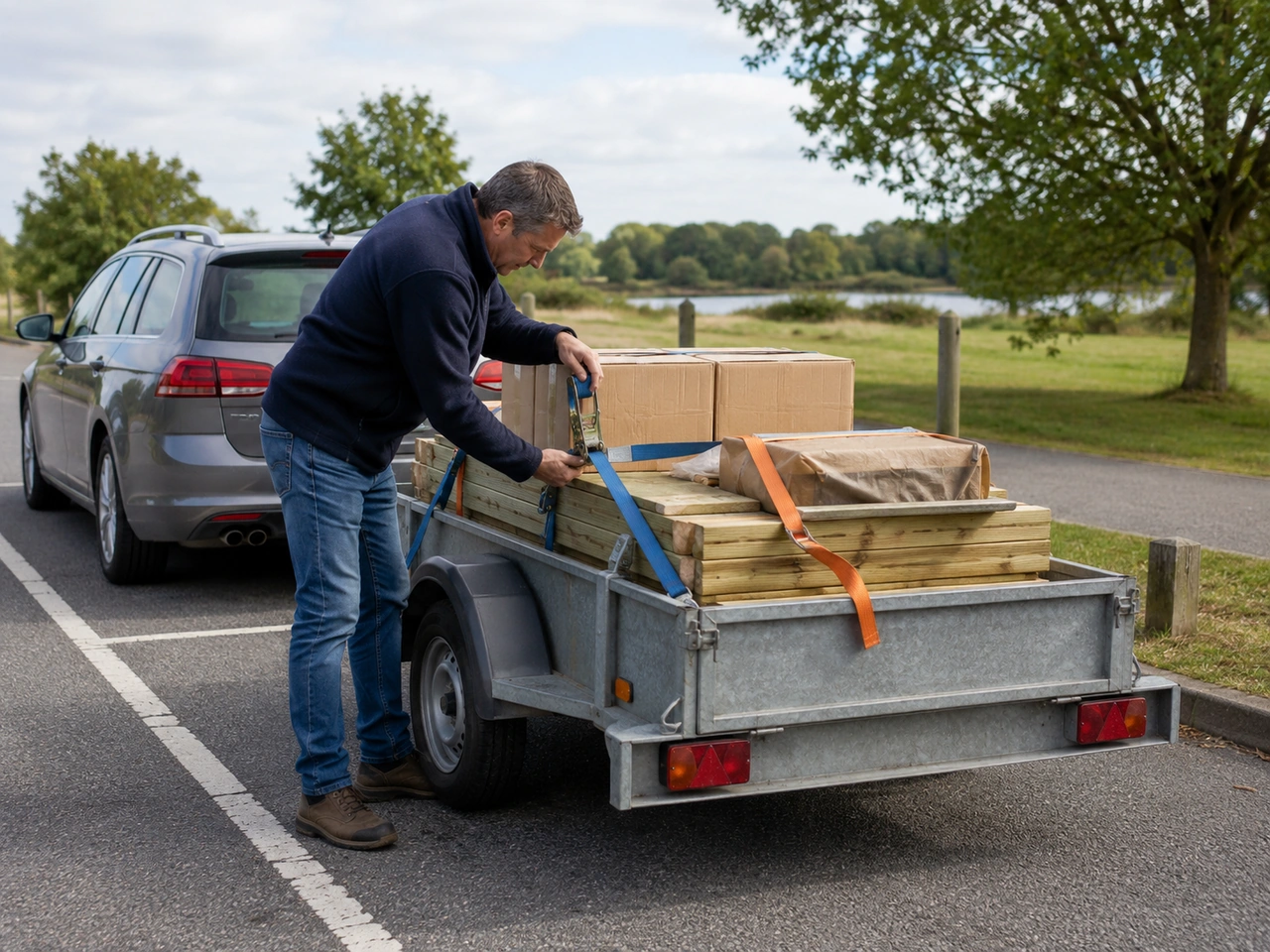
612. What should you check shortly after securing a load?
Loads and straps may settle or loosen after the journey begins. Recheck them at a safe stopping place.
AI-generated by Traffic-rules.com • WCIT • CC BY-SA
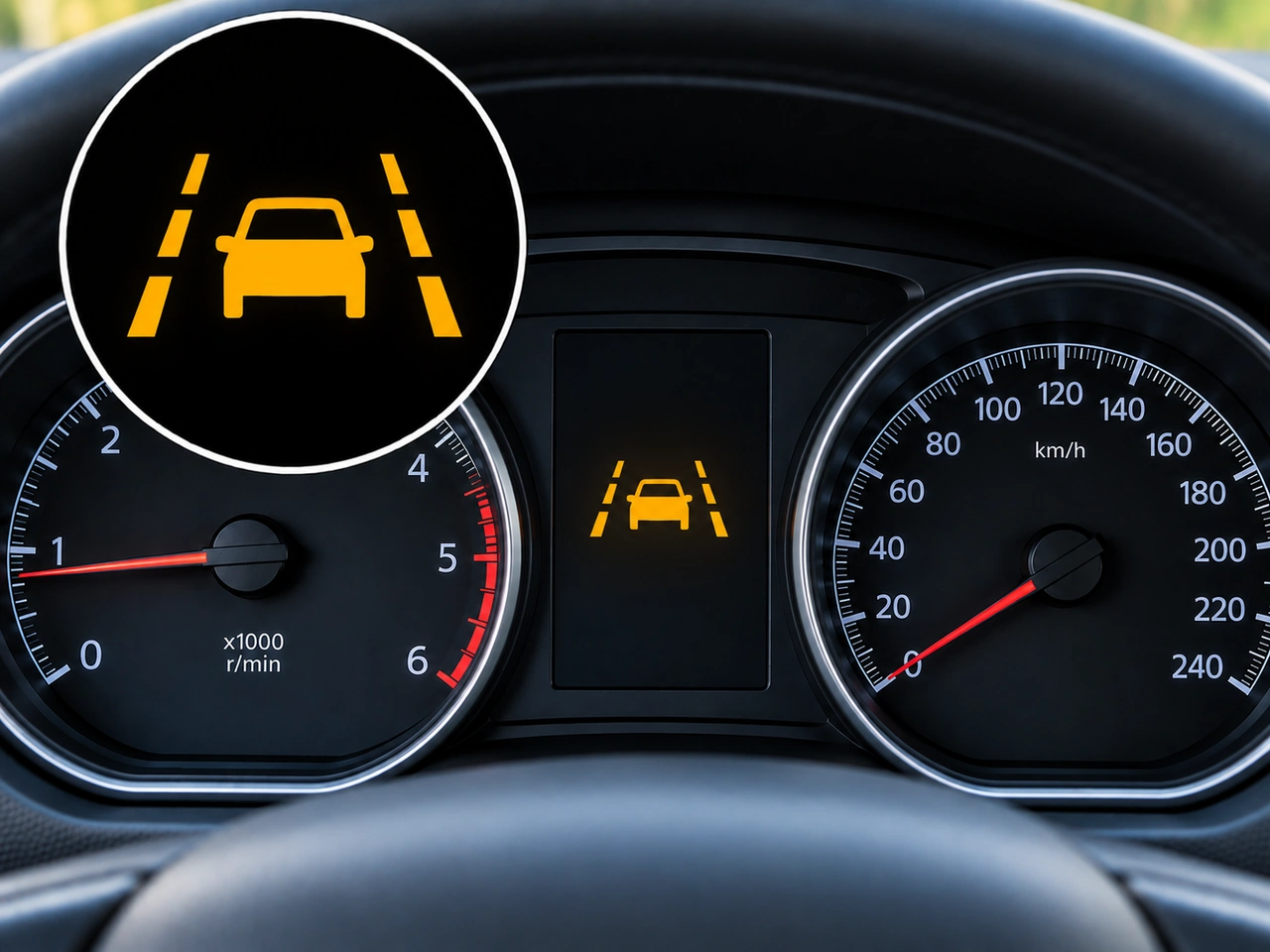
613. What does this dashboard symbol indicate?
This symbol relates to the lane-departure warning or lane-keeping system. The system monitors the vehicle's position within its lane and may warn the driver if the vehicle begins to leave the lane unintentionally.
AI-generated by Traffic-rules.com • WCIT • CC BY-SA
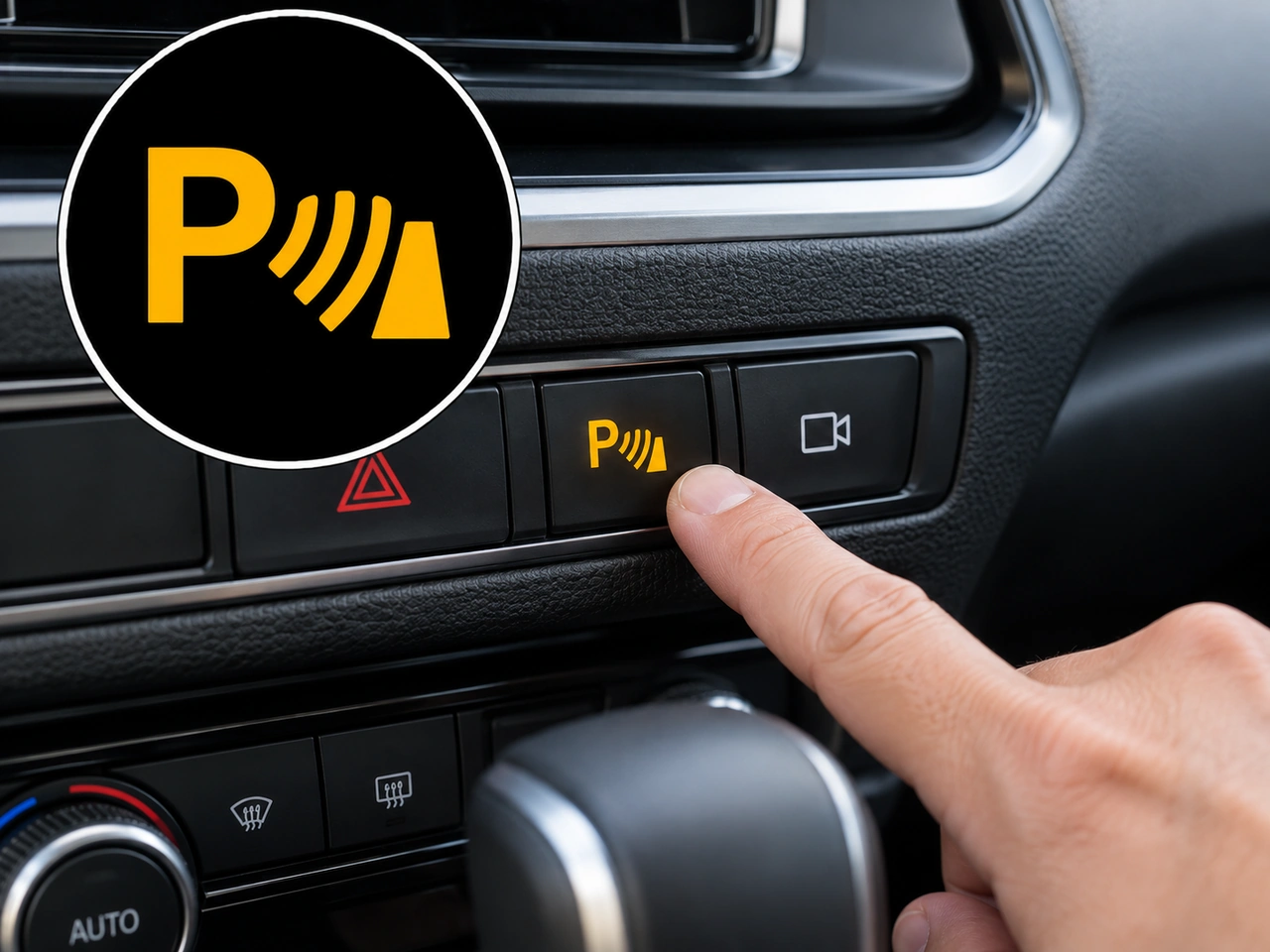
614. What does this dashboard symbol indicate?
This symbol relates to the vehicle's parking assistance system. Depending on the vehicle, the system may use sensors or cameras to detect obstacles and assist the driver while parking.
AI-generated by Traffic-rules.com • WCIT • CC BY-SA
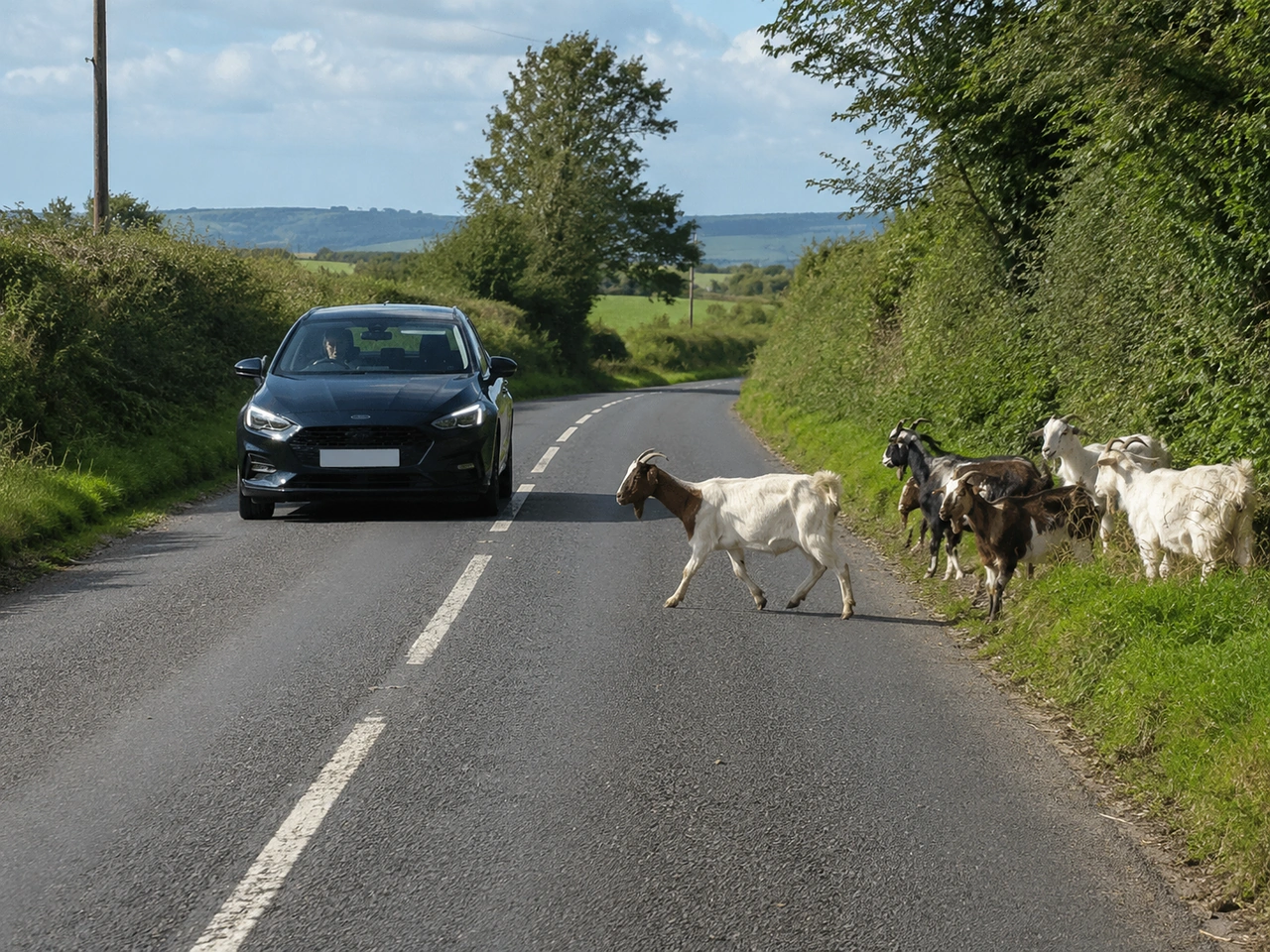
615. What should you do if animals are gathered beside a narrow rural road?
Animals beside a narrow road may step into your path. Slow down and leave as much safe space as possible.
AI-generated by Traffic-rules.com • WCIT • CC BY-SA
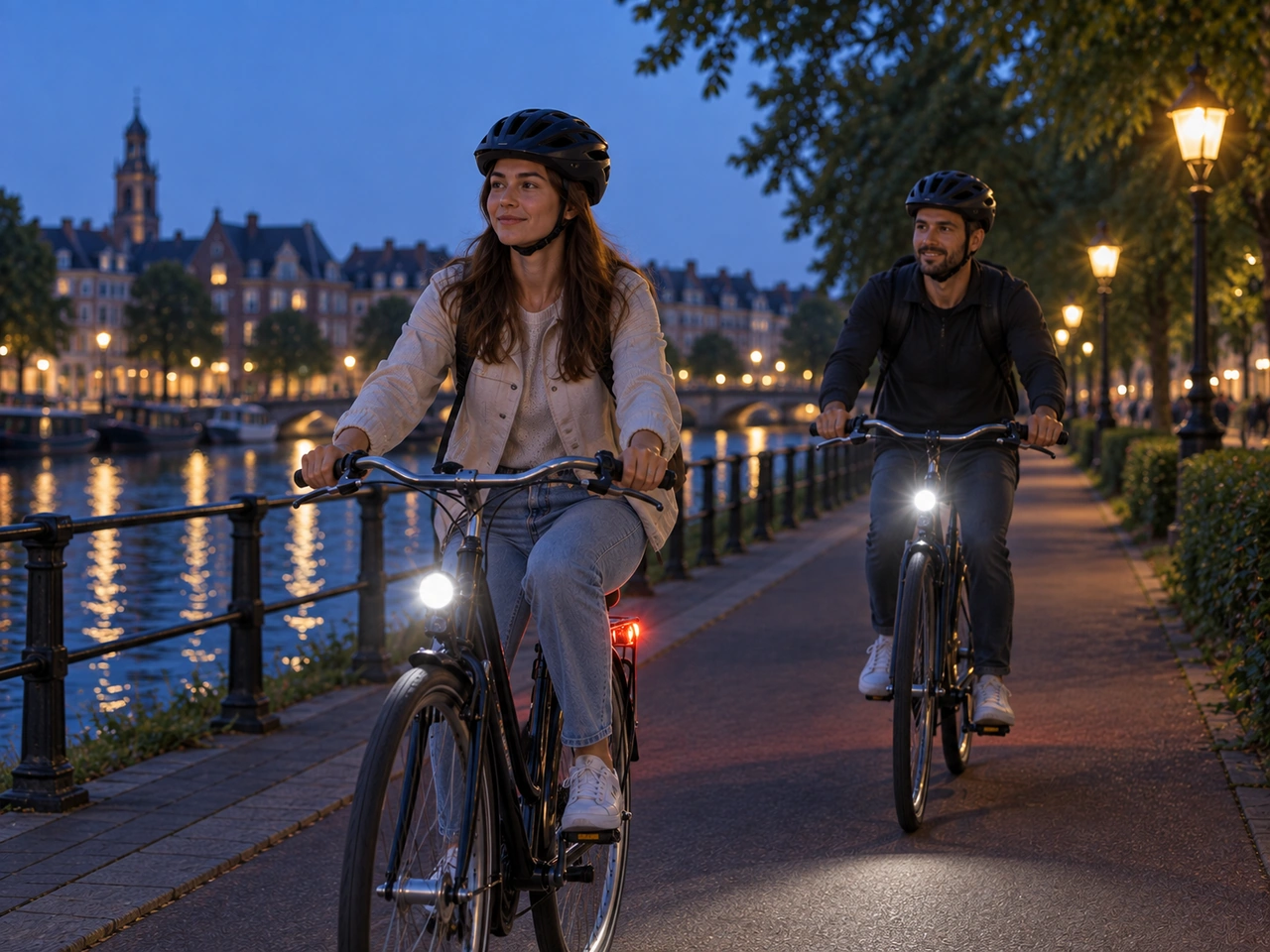
616. Are bicycle lights required at night in Belgium?
Cyclists in Belgium are generally required to use bicycle lights at night.
AI-generated by Traffic-rules.com • WCIT • CC BY-SA
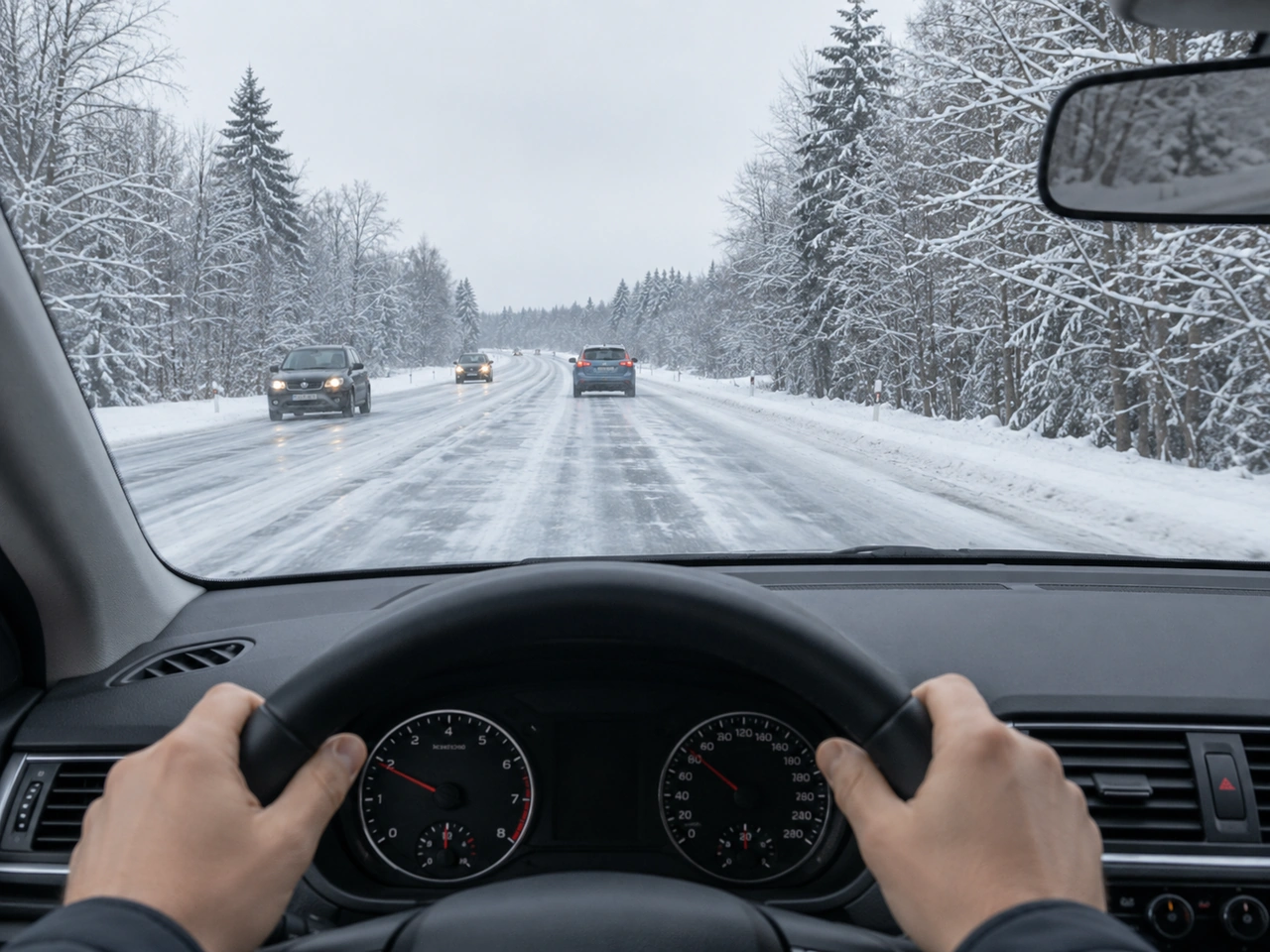
617. Why should you leave a much larger following distance on an icy road?
Tyres have much less grip on ice, so braking takes longer. Extra distance gives you more time to slow down safely.
AI-generated by Traffic-rules.com • WCIT • CC BY-SA
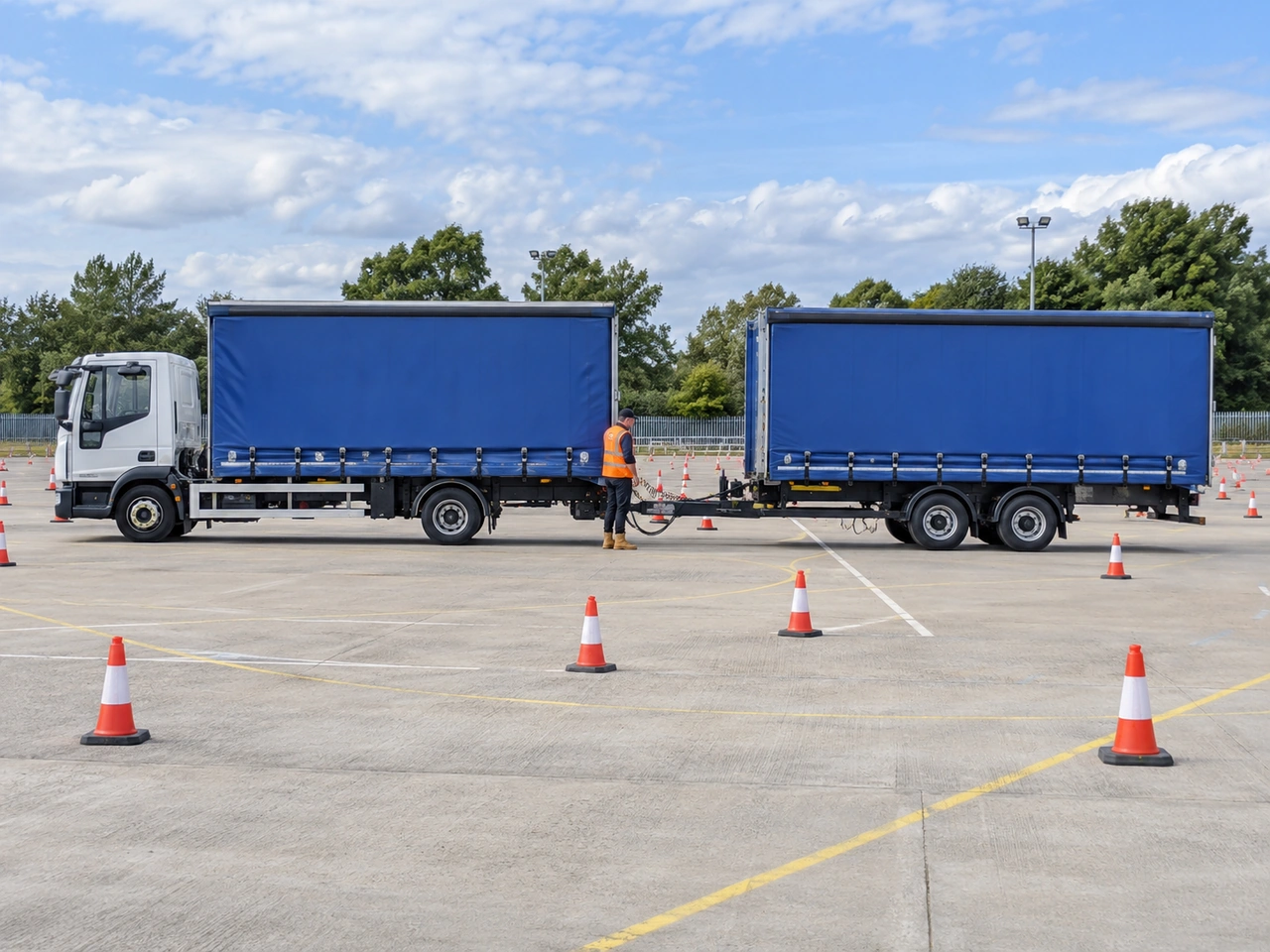
618. What is the minimum licence for a 12,000 kg C1 combination with a trailer over 750 kg?
Category C1E covers a category C1 vehicle towing a trailer or semi-trailer over 750 kg, provided the maximum authorised mass of the combination does not exceed 12,000 kg.
AI-generated by Traffic-rules.com • WCIT • CC BY-SA
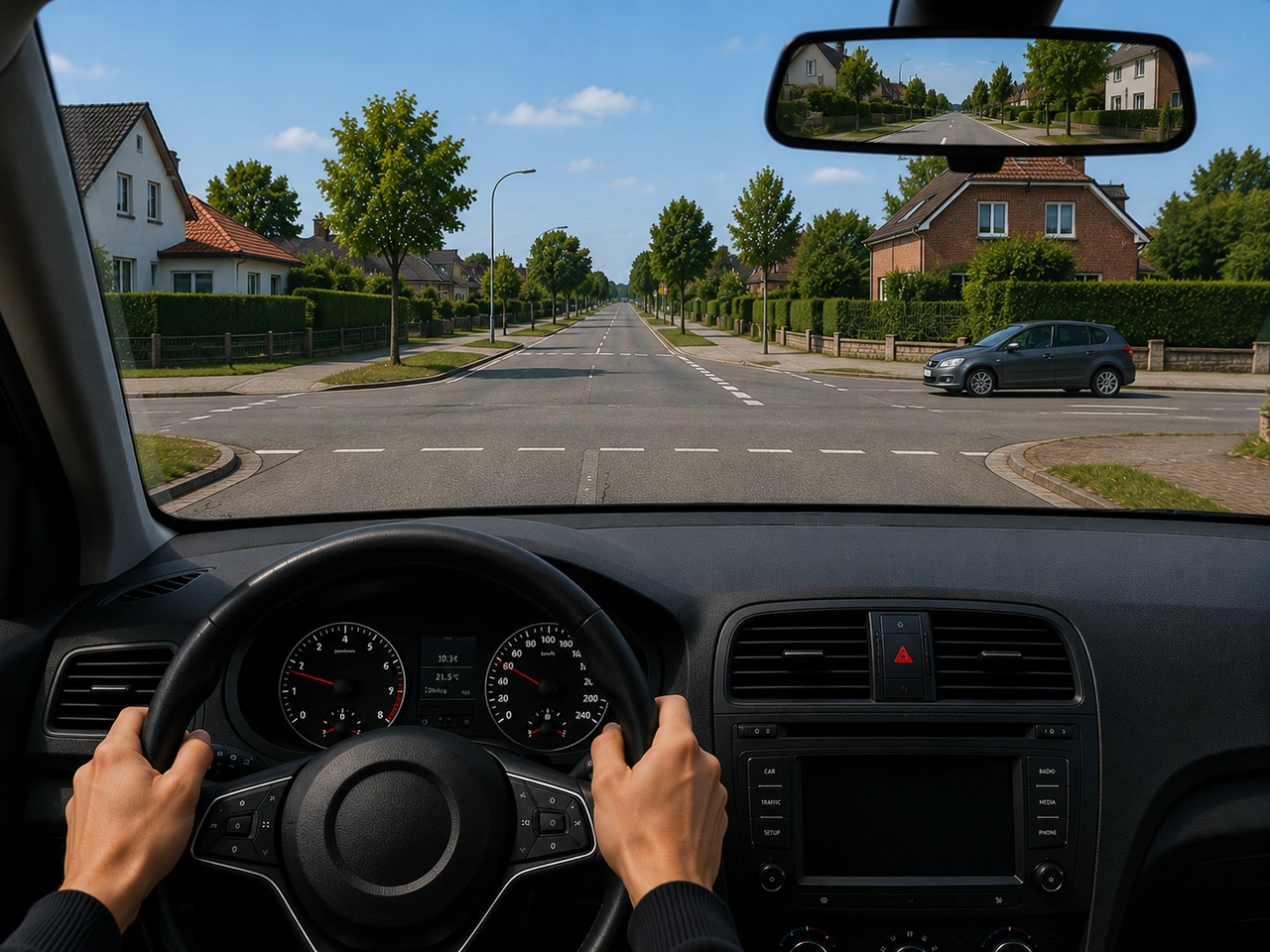
619. What should you do if you are unsure who has priority at a junction?
If priority is unclear, reduce speed, observe carefully, and avoid entering the junction until you are sure it is safe.
AI-generated by Traffic-rules.com • WCIT • CC BY-SA
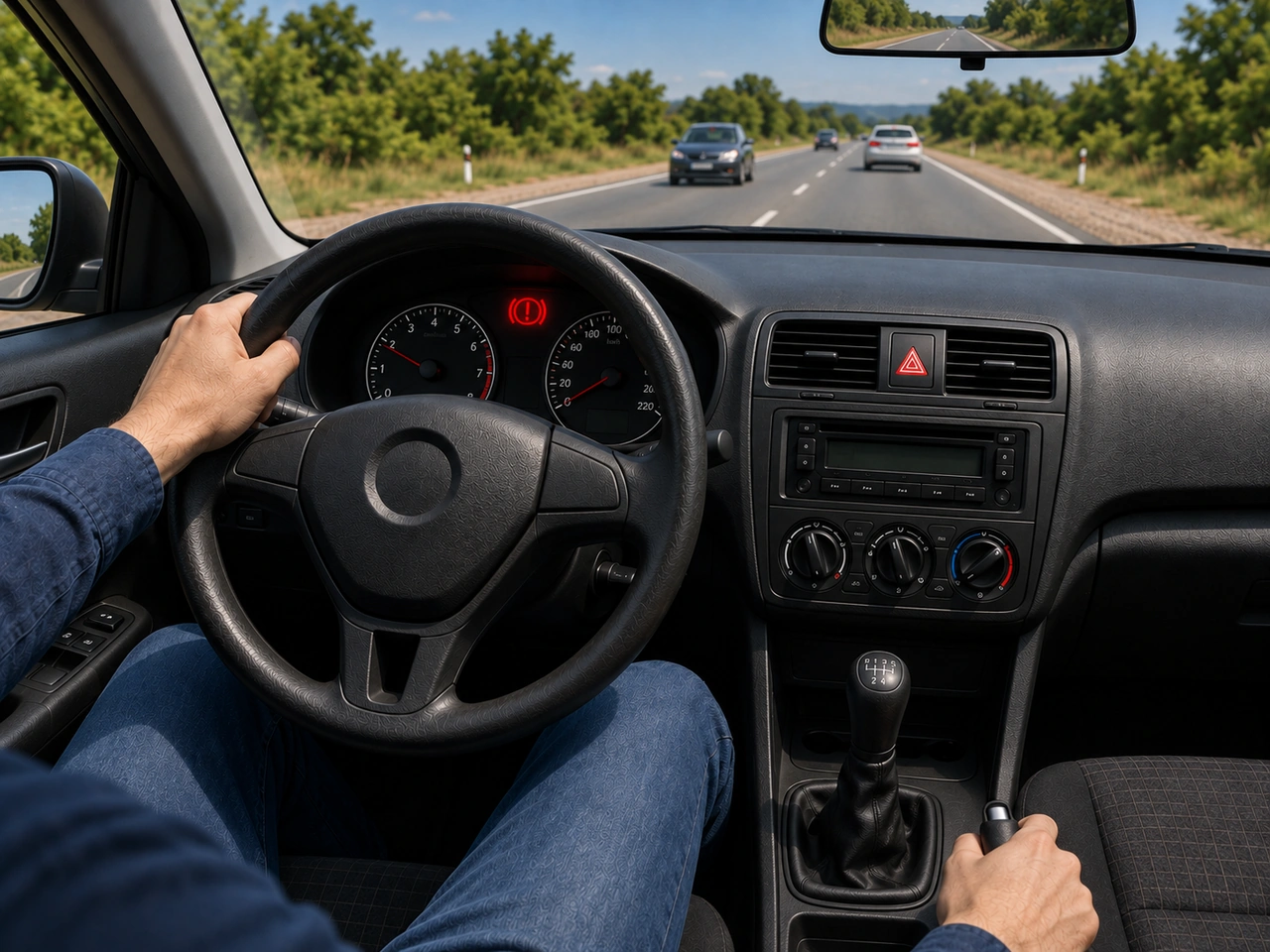
620. What should you do if the service brakes fail while driving?
Remain calm, warn other road users, and use other available braking methods to reduce speed. This may include engine braking or a lower gear, and careful use of the parking or emergency brake according to the vehicle's design. Steer toward the safest available stopping area.
AI-generated by Traffic-rules.com • WCIT • CC BY-SA
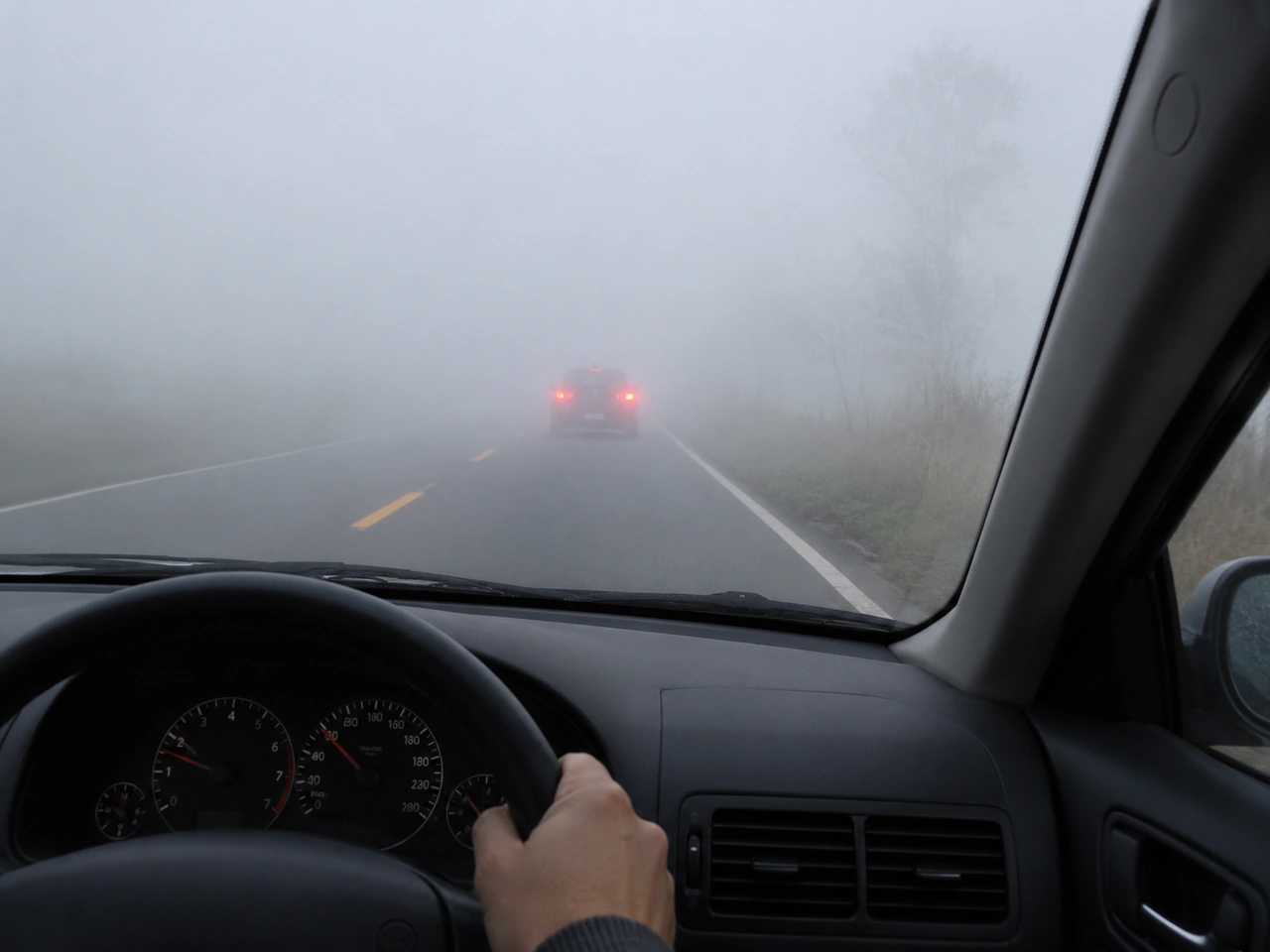
621. Why should you reduce speed in fog?
Fog can hide obstacles, pedestrians, and other vehicles. Lower speed gives you more time to react.
AI-generated by Traffic-rules.com • WCIT • CC BY-SA
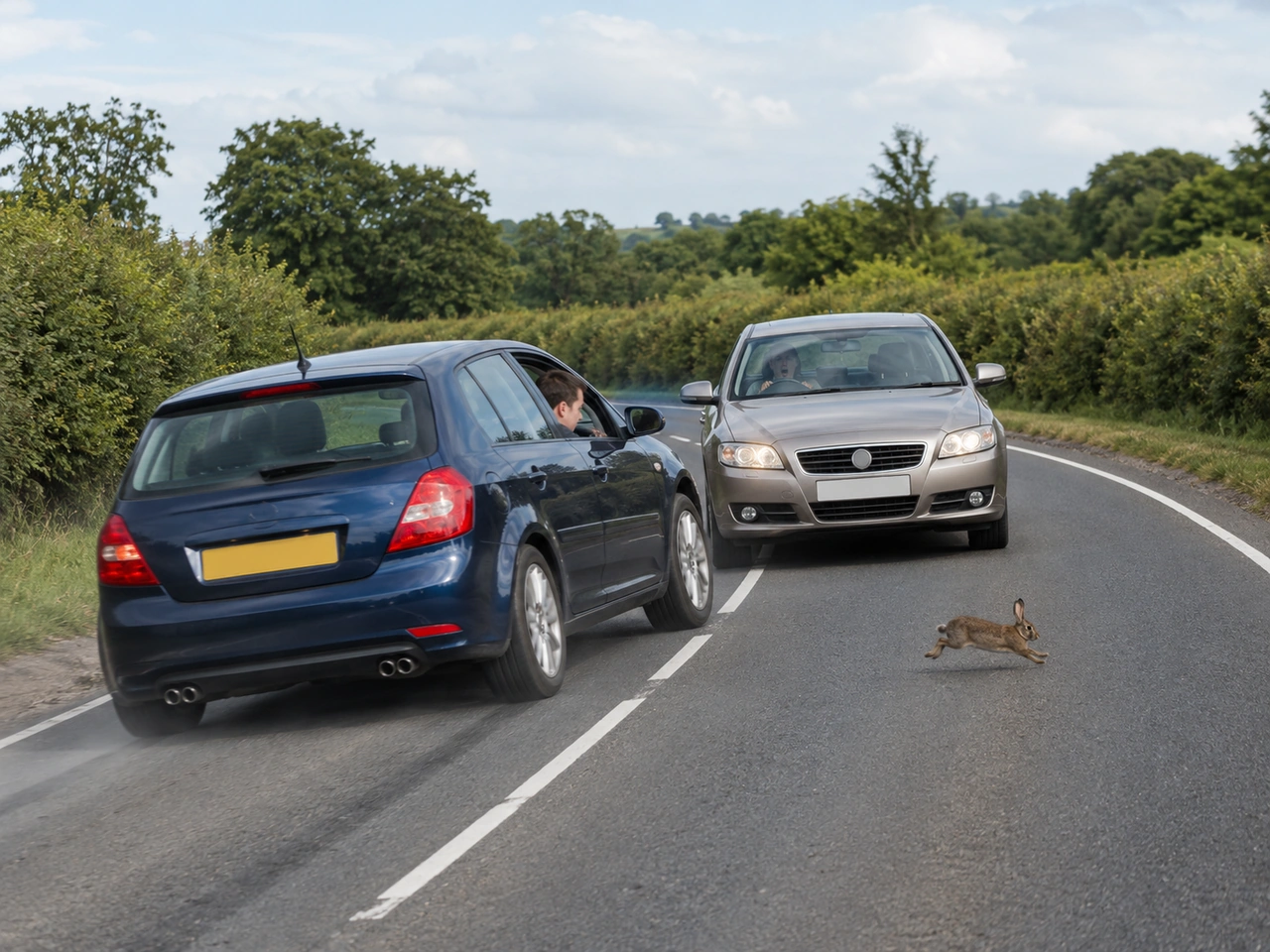
622. Why can swerving suddenly to avoid a small animal be dangerous?
A sudden swerve can take you into another lane, off the road, or into nearby traffic.
AI-generated by Traffic-rules.com • WCIT • CC BY-SA
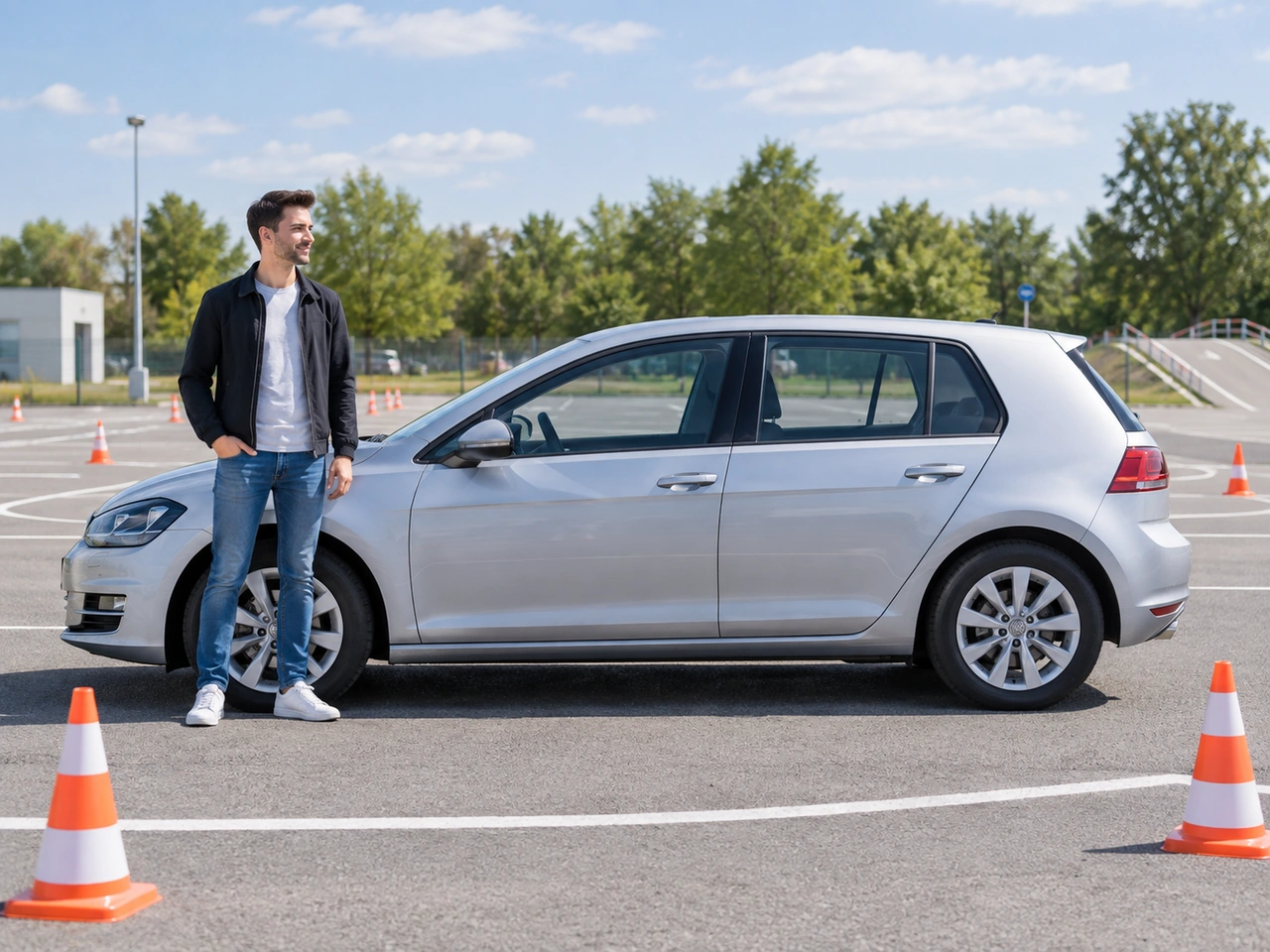
623. What is the minimum licence for a car with a maximum authorised mass of 3,500 kg?
Category B normally covers motor vehicles with a maximum authorised mass not exceeding 3,500 kg and designed to carry no more than eight passengers in addition to the driver.
AI-generated by Traffic-rules.com • WCIT • CC BY-SA
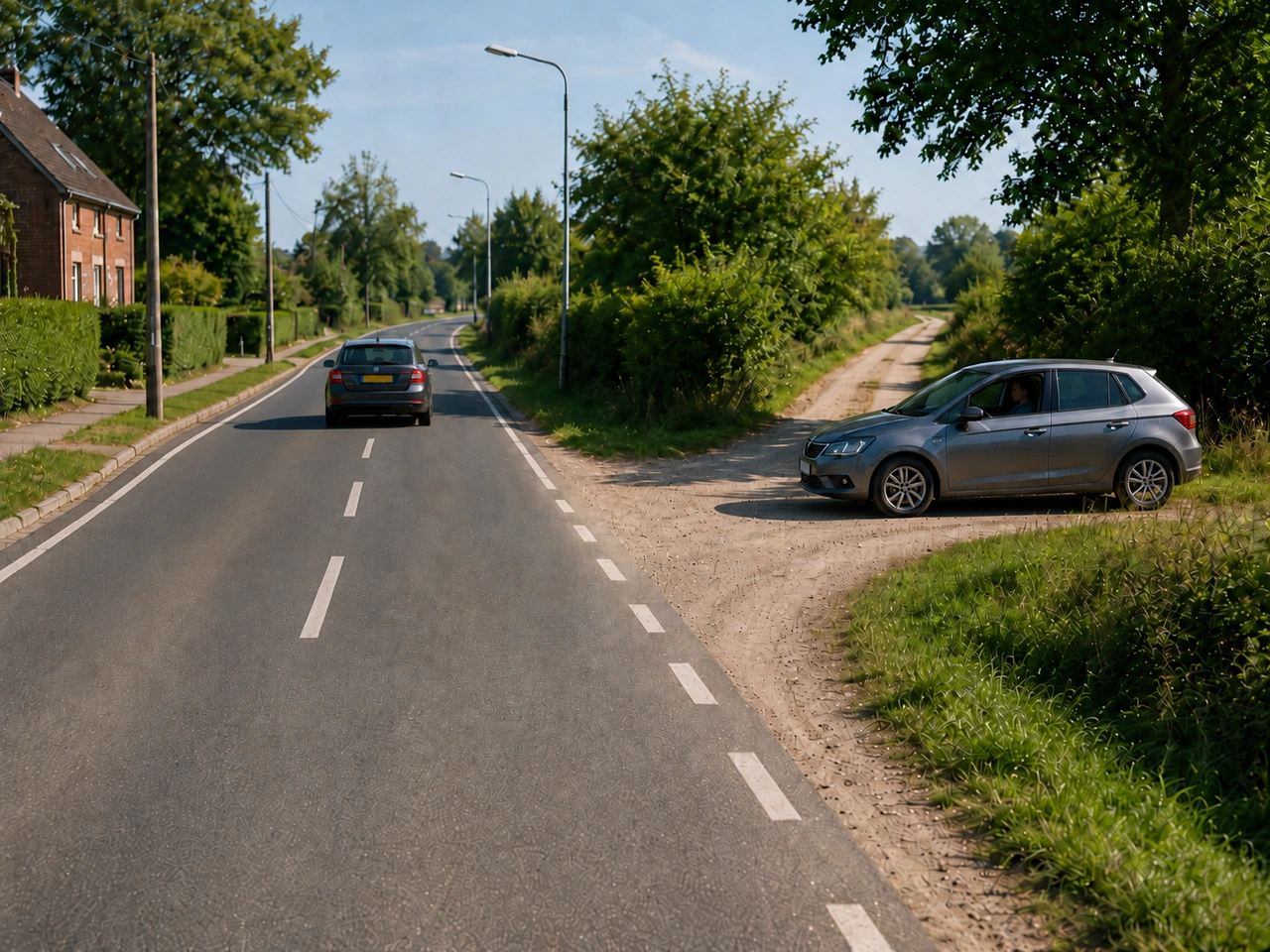
624. Who has priority when a driver enters a paved road from a dirt road or path?
A driver entering a public road with a carriageway from a dirt road or path must give way to traffic already using that road. Priority from the right does not override this rule.
AI-generated by Traffic-rules.com • WCIT • CC BY-SA
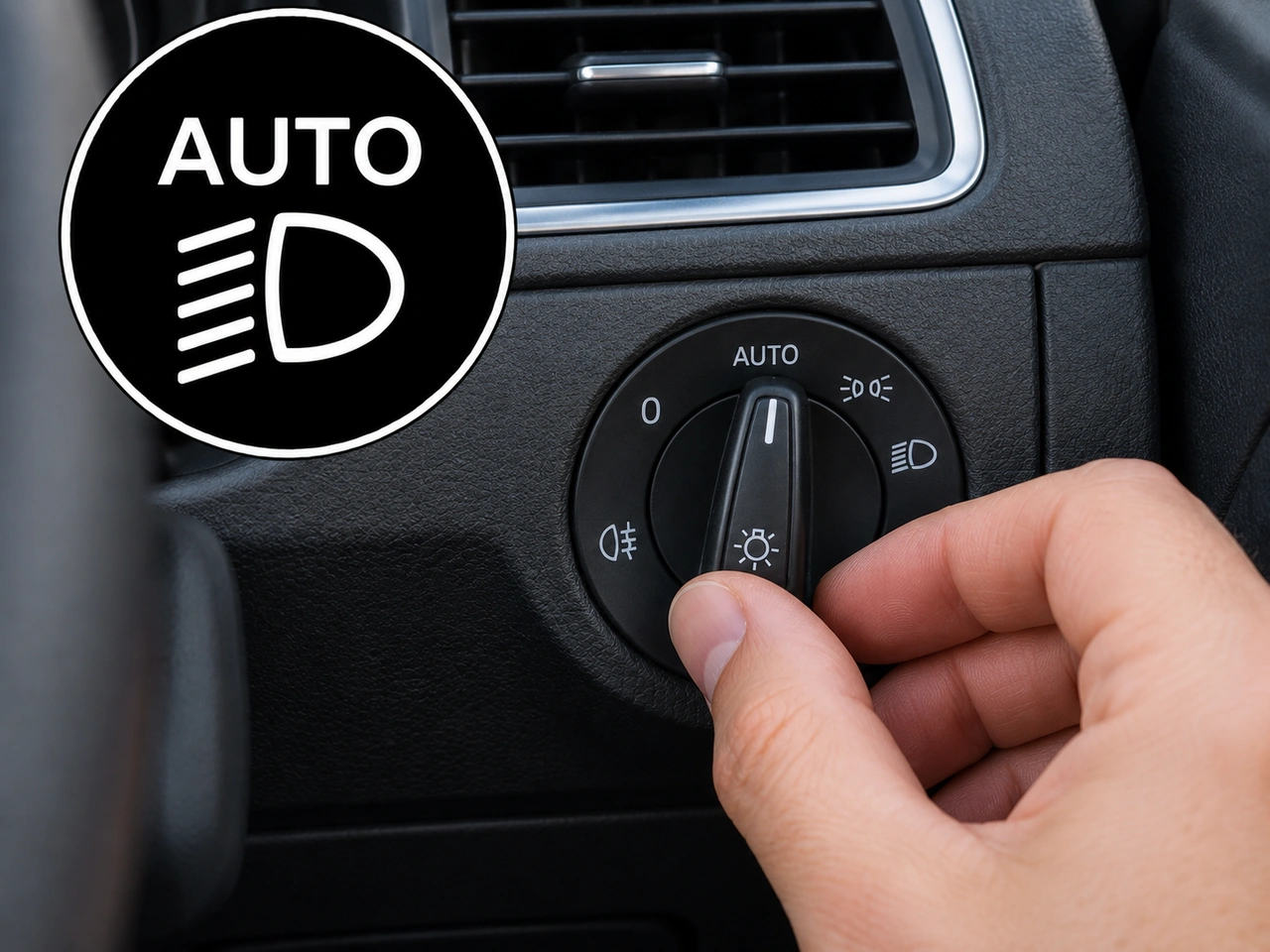
625. What does the AUTO setting on the lighting control do?
The AUTO lighting setting allows the vehicle to switch its exterior lights on or off automatically according to ambient light conditions. The driver remains responsible for ensuring that the correct lights are being used.
AI-generated by Traffic-rules.com • WCIT • CC BY-SA
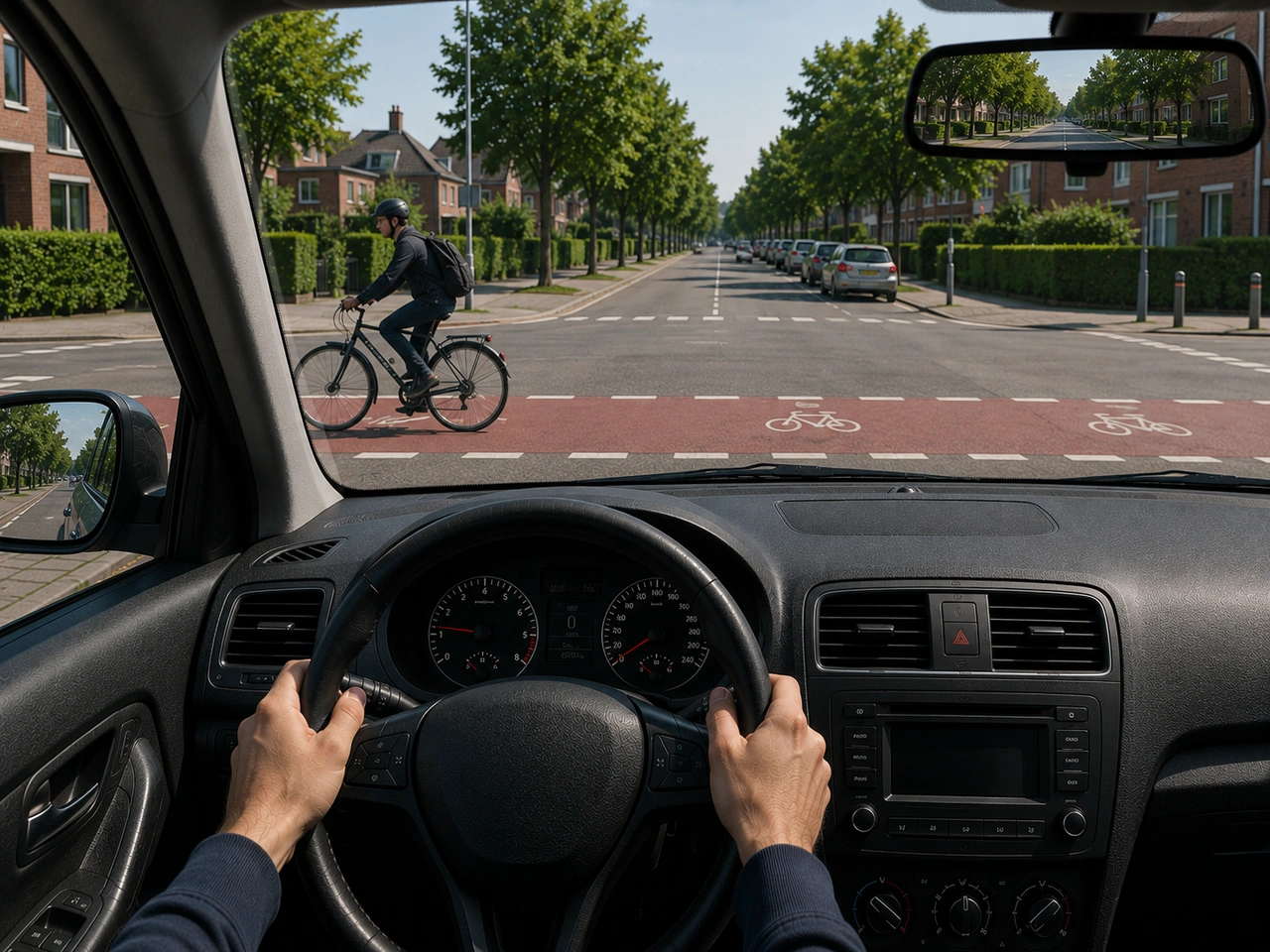
626. What should you do before turning across a cycle lane?
Cyclists may be beside or behind you when you turn. Check mirrors and blind spots, signal clearly, and turn only when it is safe.
AI-generated by Traffic-rules.com • WCIT • CC BY-SA
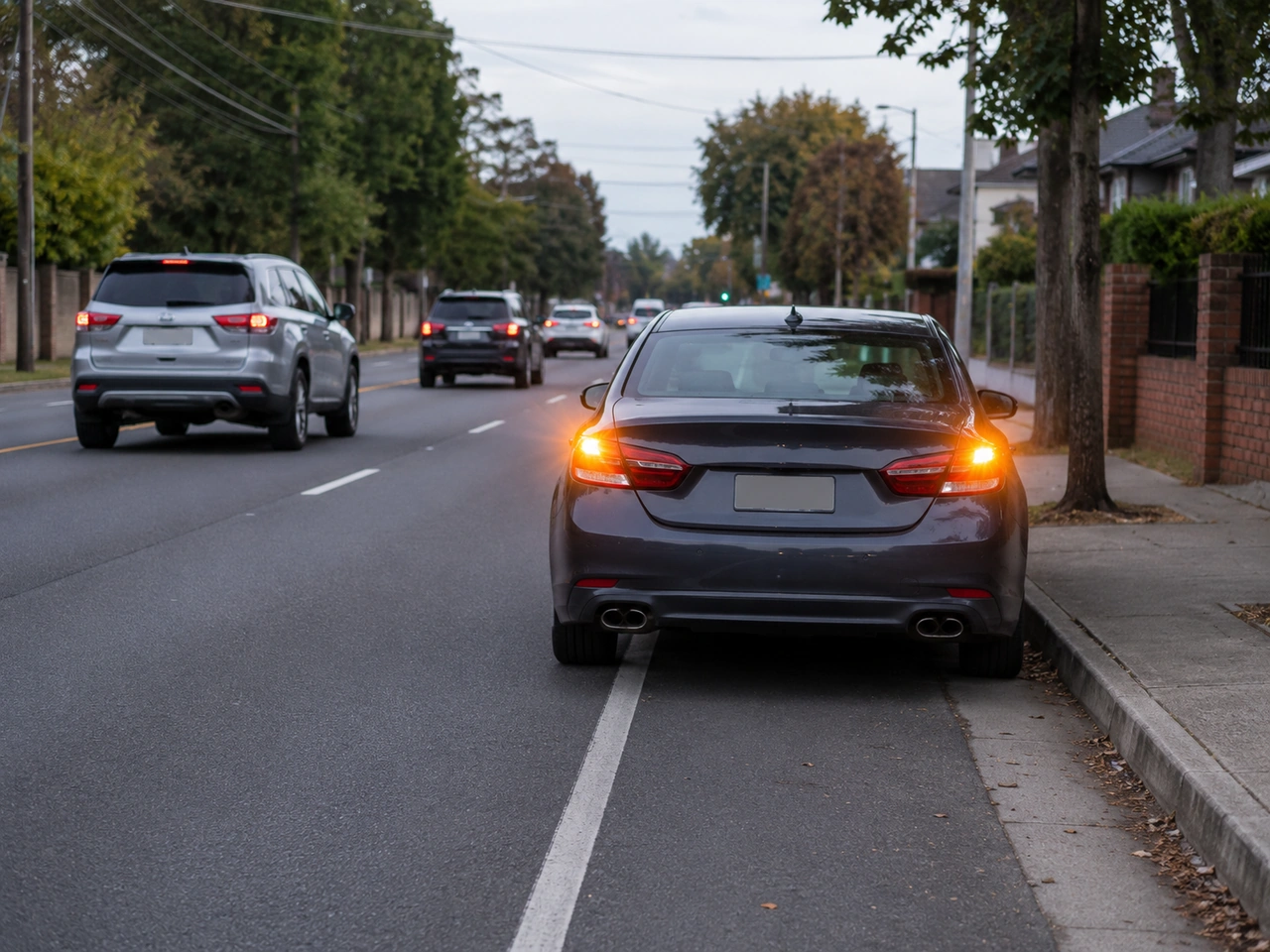
627. You may park anywhere as long as you leave your hazard lights on.
Hazard lights are used to warn other road users of a hazard or an unexpectedly stopped vehicle. They do not make illegal or unsafe parking acceptable.
AI-generated by Traffic-rules.com • WCIT • CC BY-SA
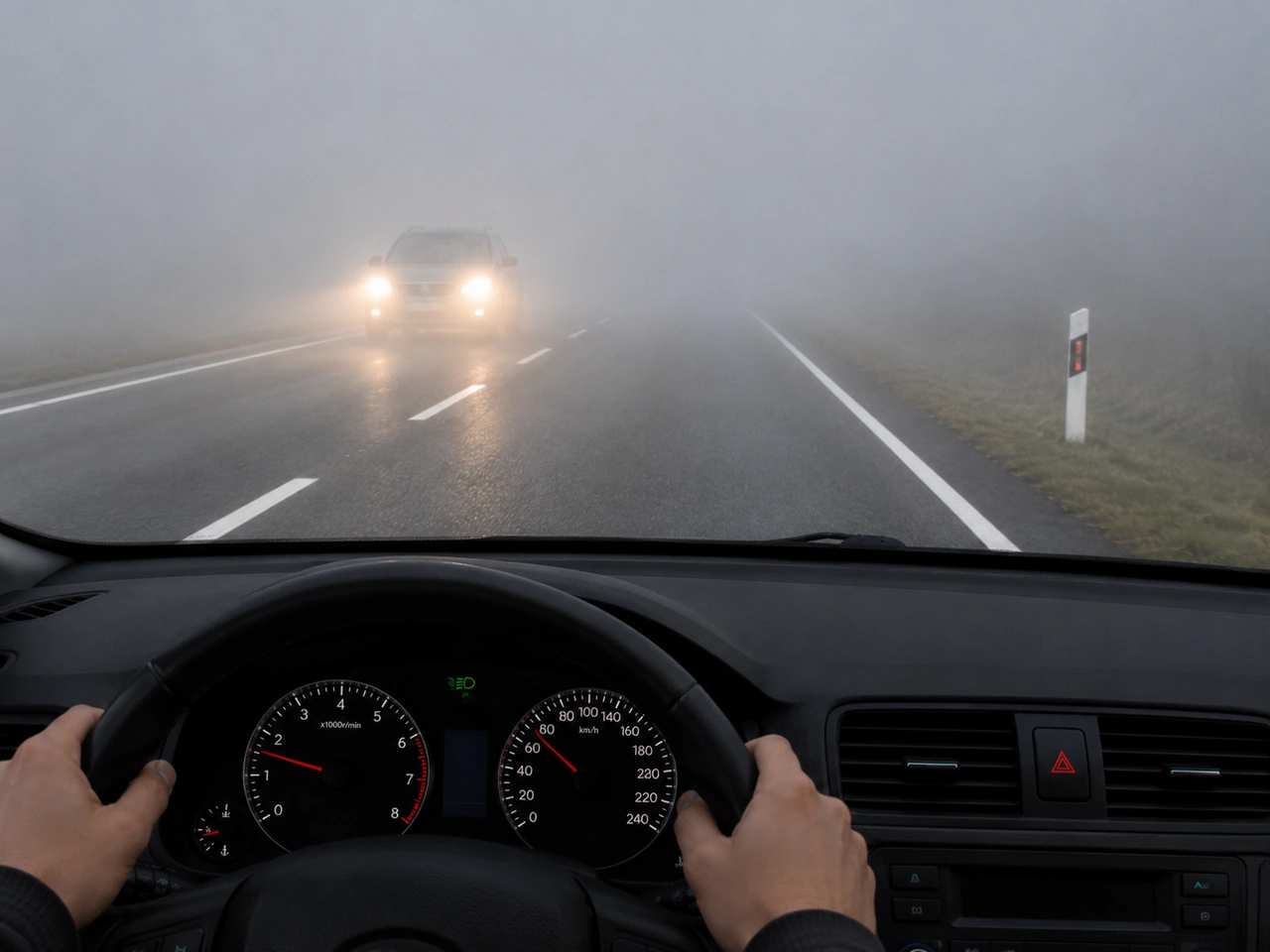
628. Why can fog make it difficult to judge the speed of other vehicles?
Fog reduces visual information, making it harder to judge how far away another vehicle is and how quickly it is approaching.
AI-generated by Traffic-rules.com • WCIT • CC BY-SA
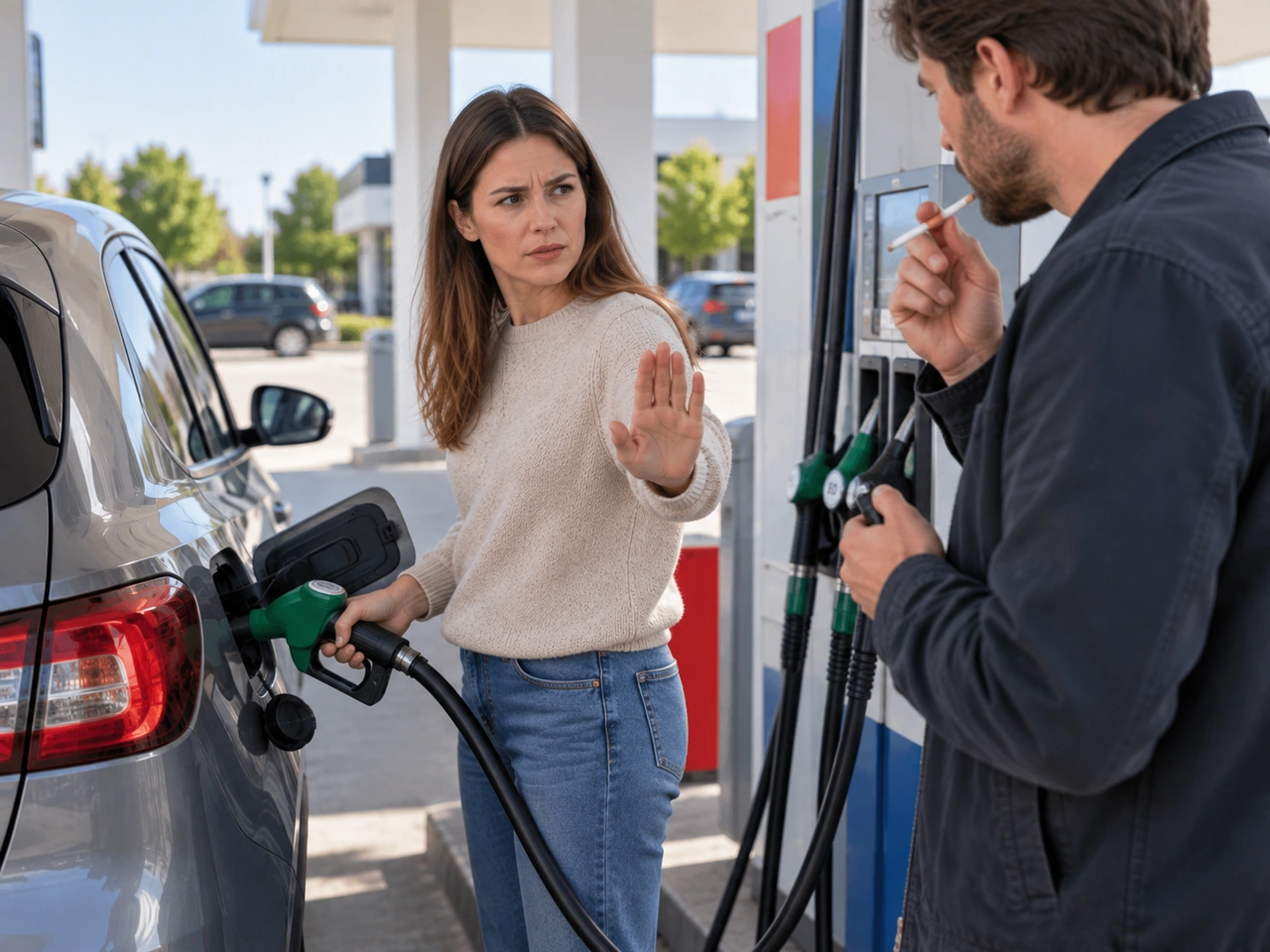
629. Why must you avoid smoking or open flames at a filling station?
Petrol and other fuels can produce flammable vapours. Smoking, open flames, sparks, or other ignition sources can ignite these vapours and cause a serious fire. Follow all filling-station safety rules while refuelling.
AI-generated by Traffic-rules.com • WCIT • CC BY-SA
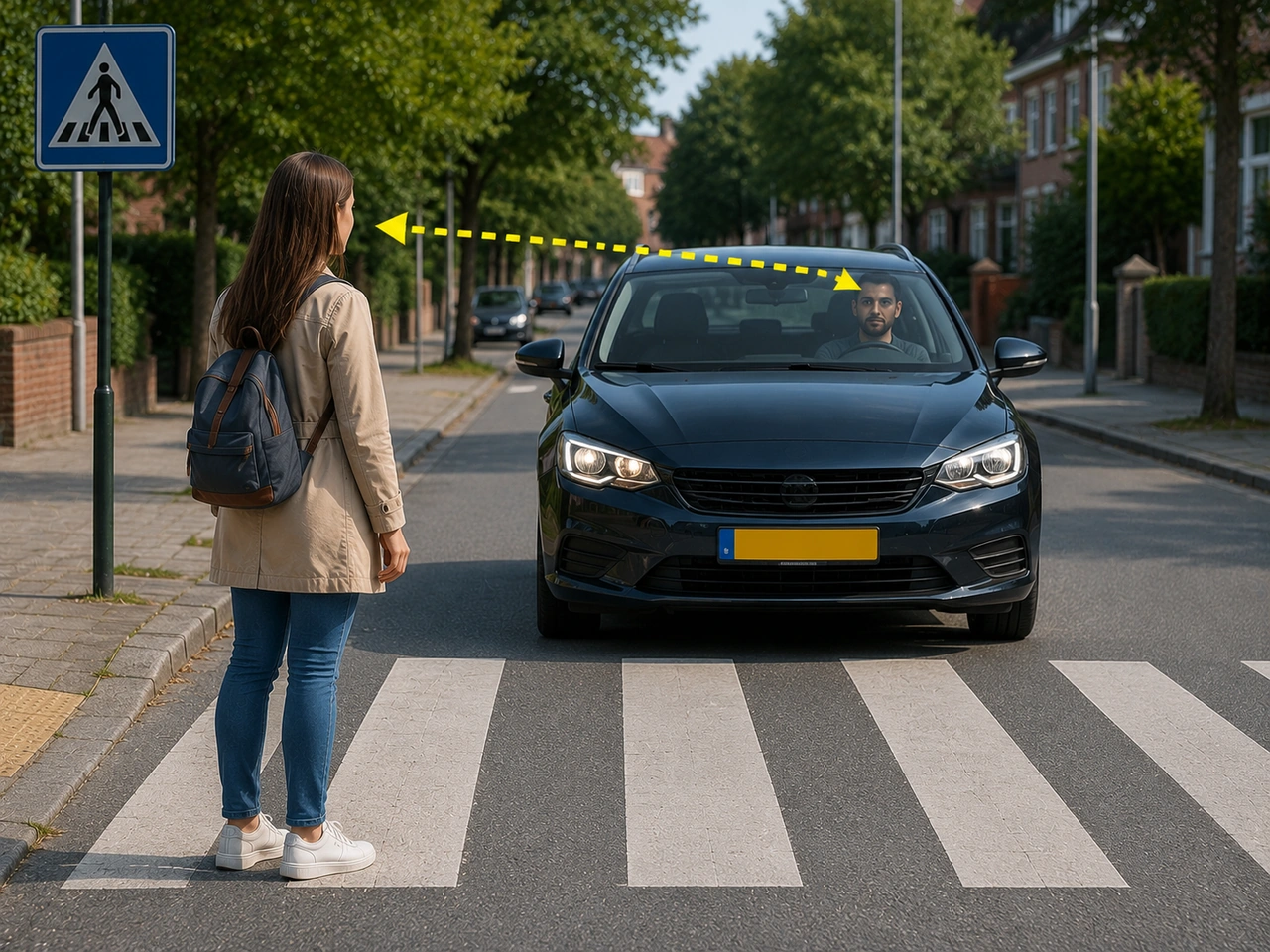
630. Why should you make sure drivers have seen you before crossing?
Before crossing, make sure approaching drivers have noticed you and that it is safe to proceed. Do not assume that a driver will stop simply because you have seen each other.
AI-generated by Traffic-rules.com • WCIT • CC BY-SA
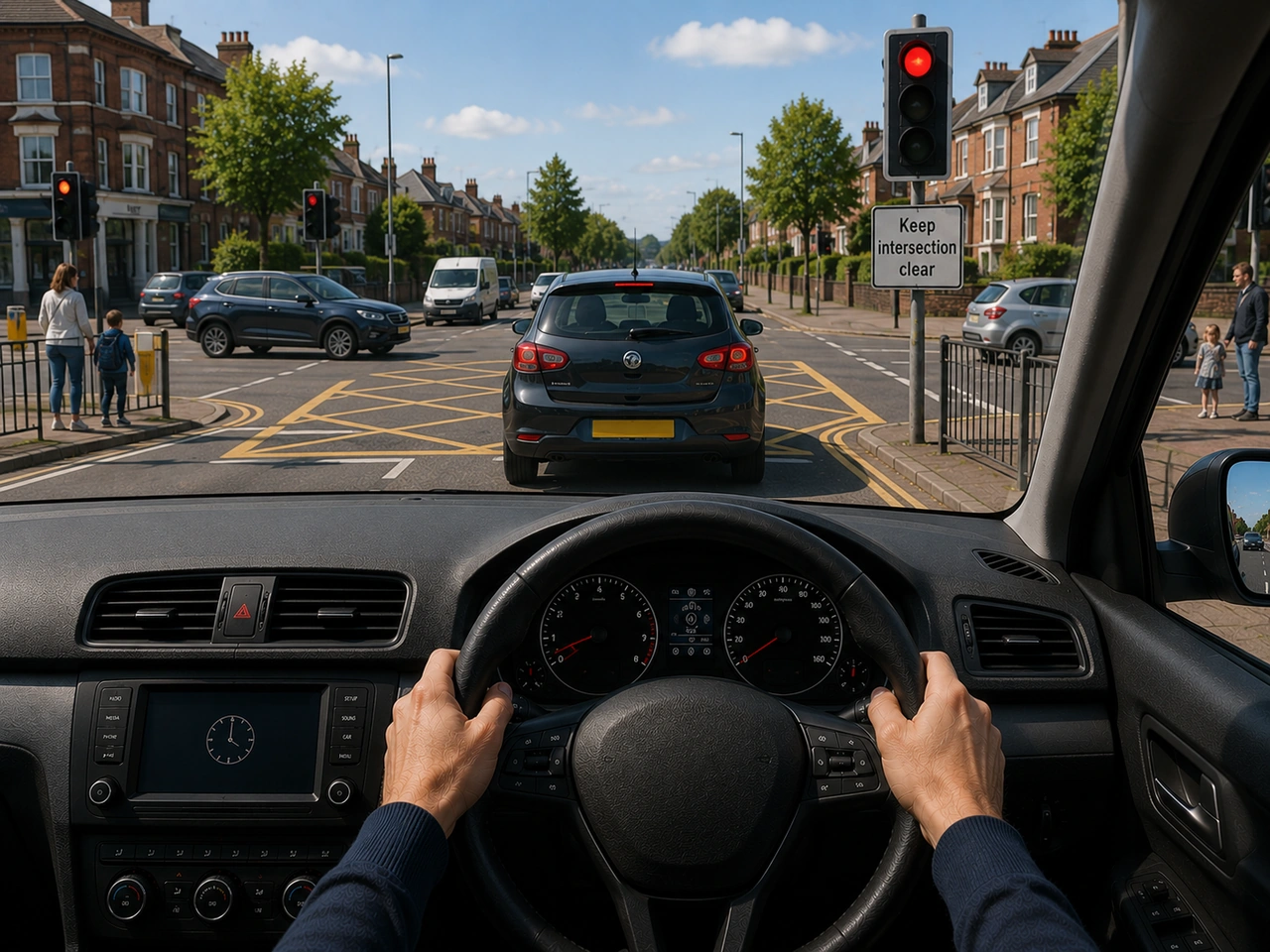
631. Why should you avoid blocking a junction?
Blocking a junction can prevent vehicles, cyclists, or pedestrians from moving safely. Enter only when there is enough space to drive through and clear the junction.
AI-generated by Traffic-rules.com • WCIT • CC BY-SA
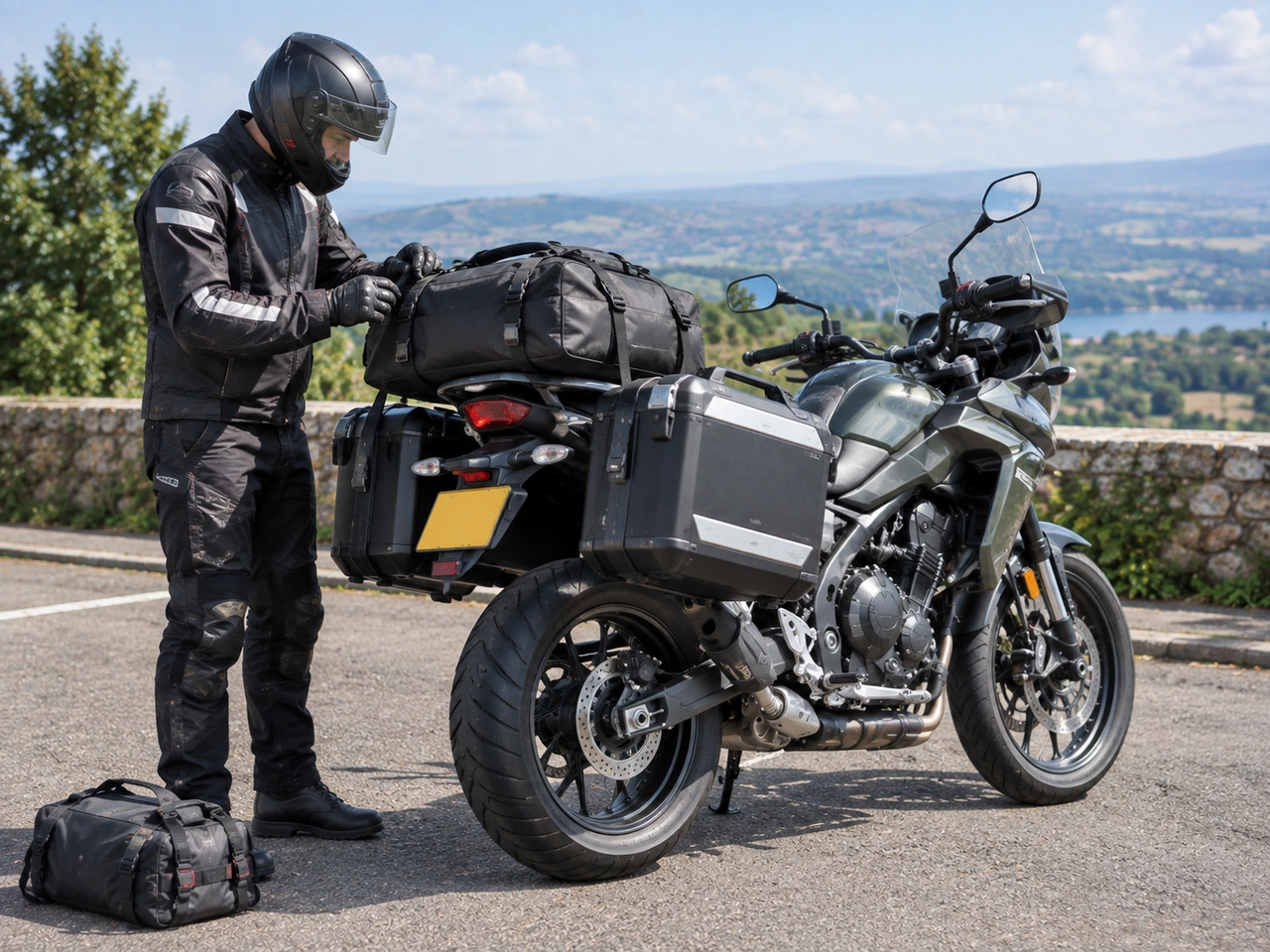
632. How should luggage be carried on a motorcycle?
Motorcycle luggage should be securely fastened and sensibly distributed. A loose, uneven or badly positioned load can affect balance, steering and braking, or become caught in moving parts.
AI-generated by Traffic-rules.com • WCIT • CC BY-SA
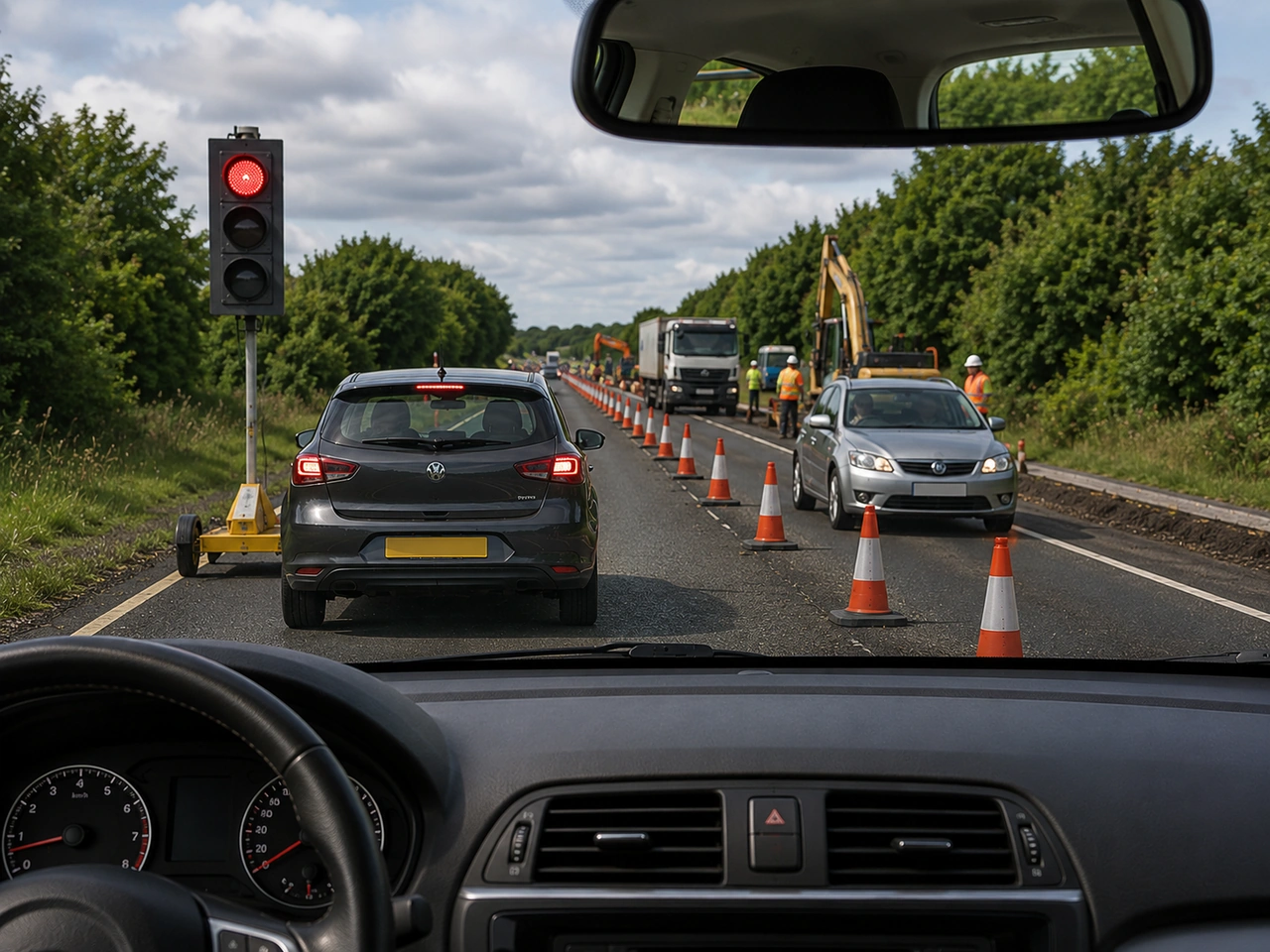
633. What should you do when temporary traffic lights show red?
Temporary traffic signals must be obeyed like permanent signals. Stop and wait until you are permitted to continue.
AI-generated by Traffic-rules.com • WCIT • CC BY-SA
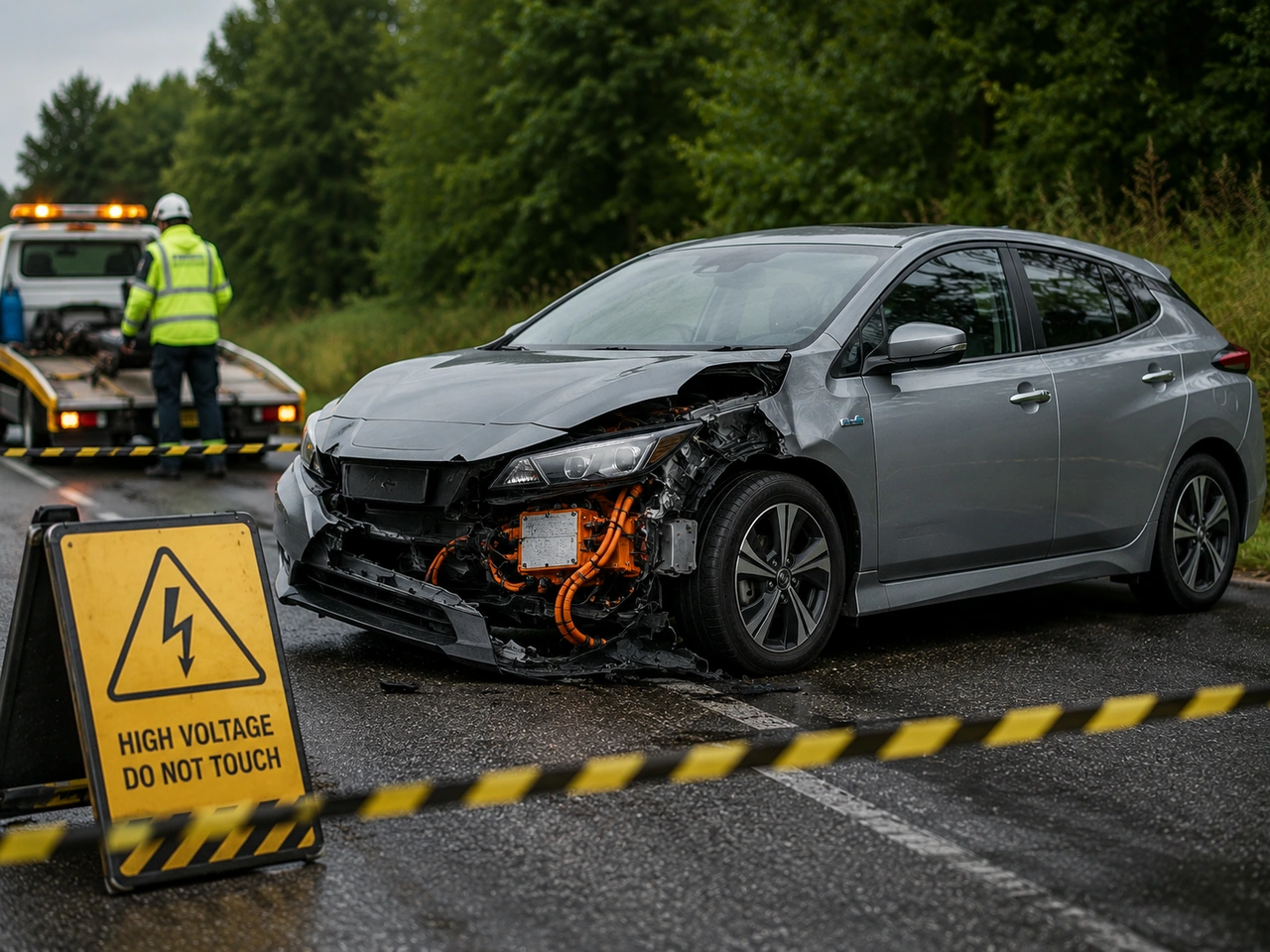
634. What should you do around a damaged electric or hybrid vehicle?
Electric and hybrid vehicles can contain dangerous high-voltage systems. Do not touch damaged cables, batteries, or electrical components.
AI-generated by Traffic-rules.com • WCIT • CC BY-SA
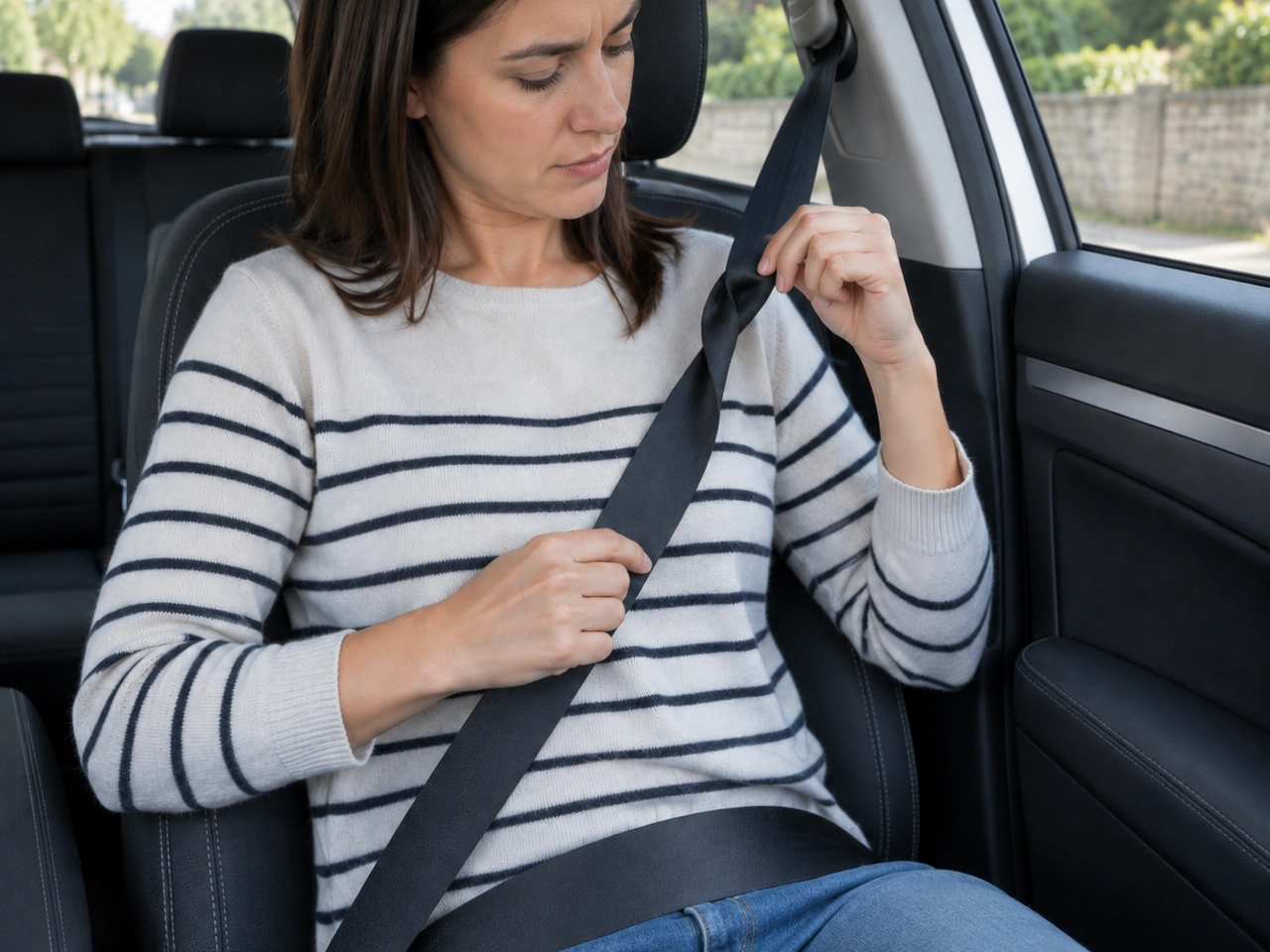
635. Why should a seat belt not be twisted when worn?
A seat belt should lie flat against the body without twists. A twisted belt concentrates force over a smaller area and may provide less effective protection in a collision.
AI-generated by Traffic-rules.com • WCIT • CC BY-SA
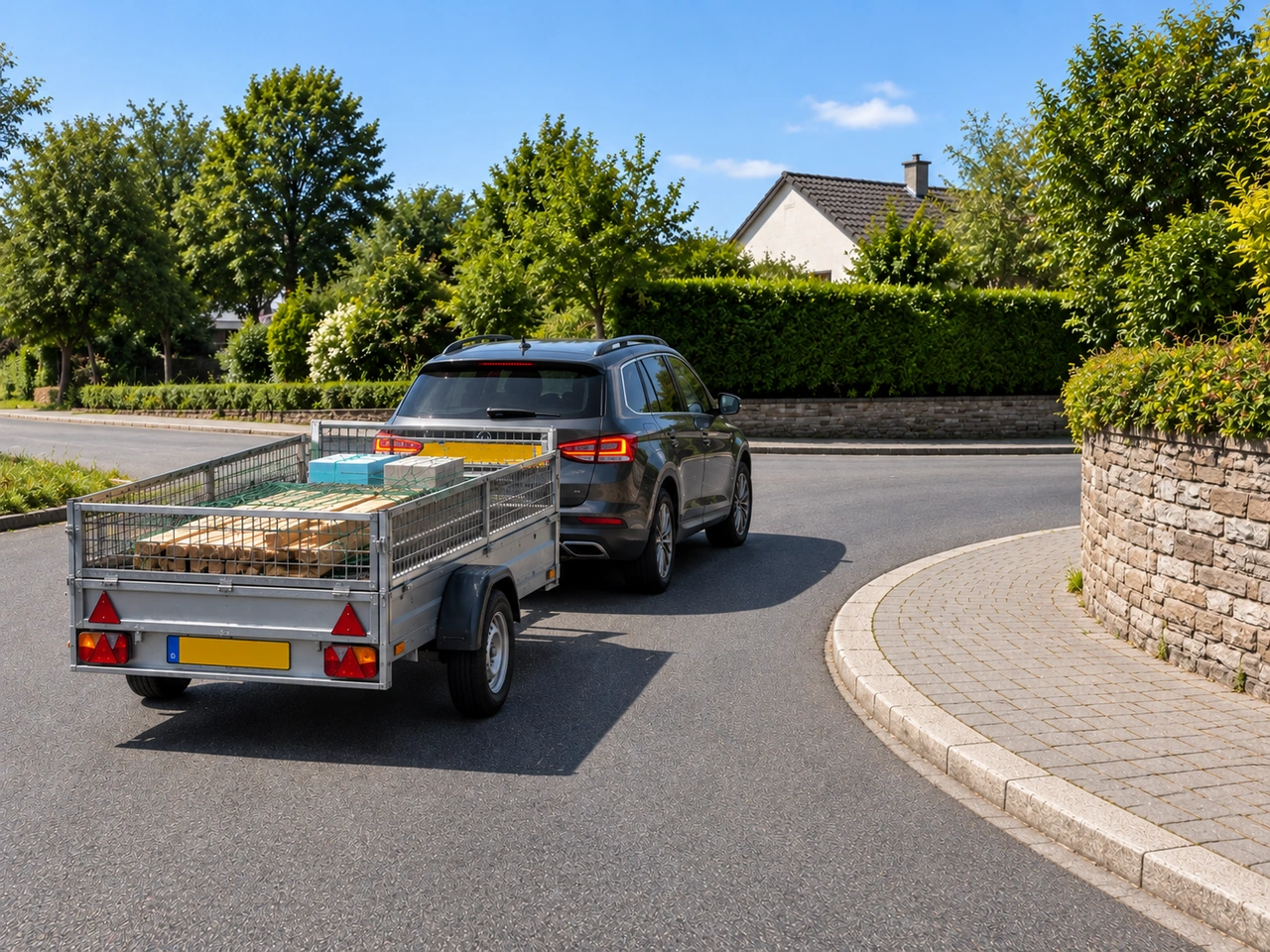
636. Why must you take wider turns when towing a trailer?
Trailer wheels cut closer to the inside of a turn. Allow enough clearance from kerbs, signs, pedestrians, and other vehicles.
AI-generated by Traffic-rules.com • WCIT • CC BY-SA
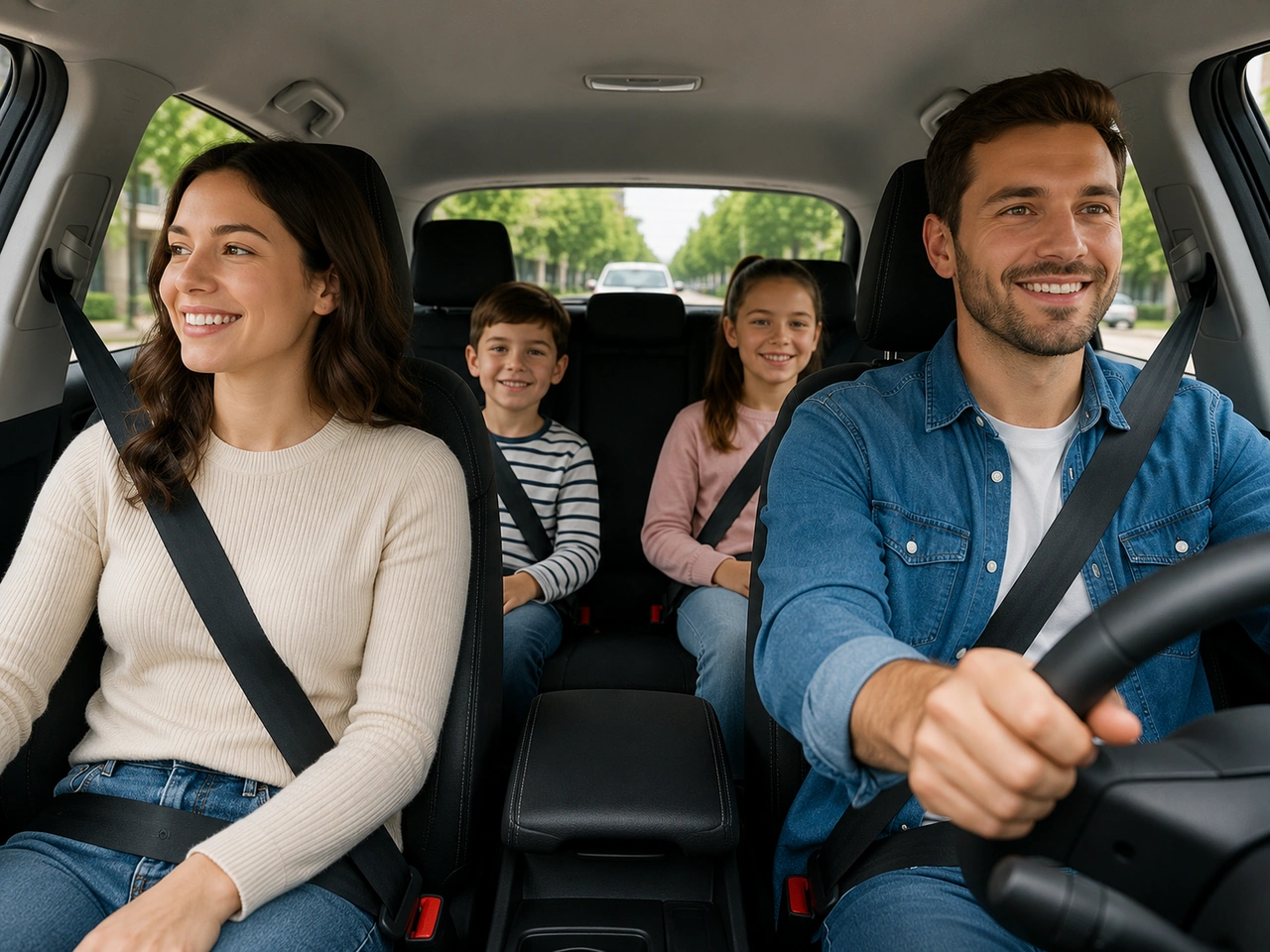
637. Who should always wear a seat belt?
Seat belts greatly reduce the risk of serious injury in a crash and should be worn by everyone in the vehicle.
AI-generated by Traffic-rules.com • WCIT • CC BY-SA
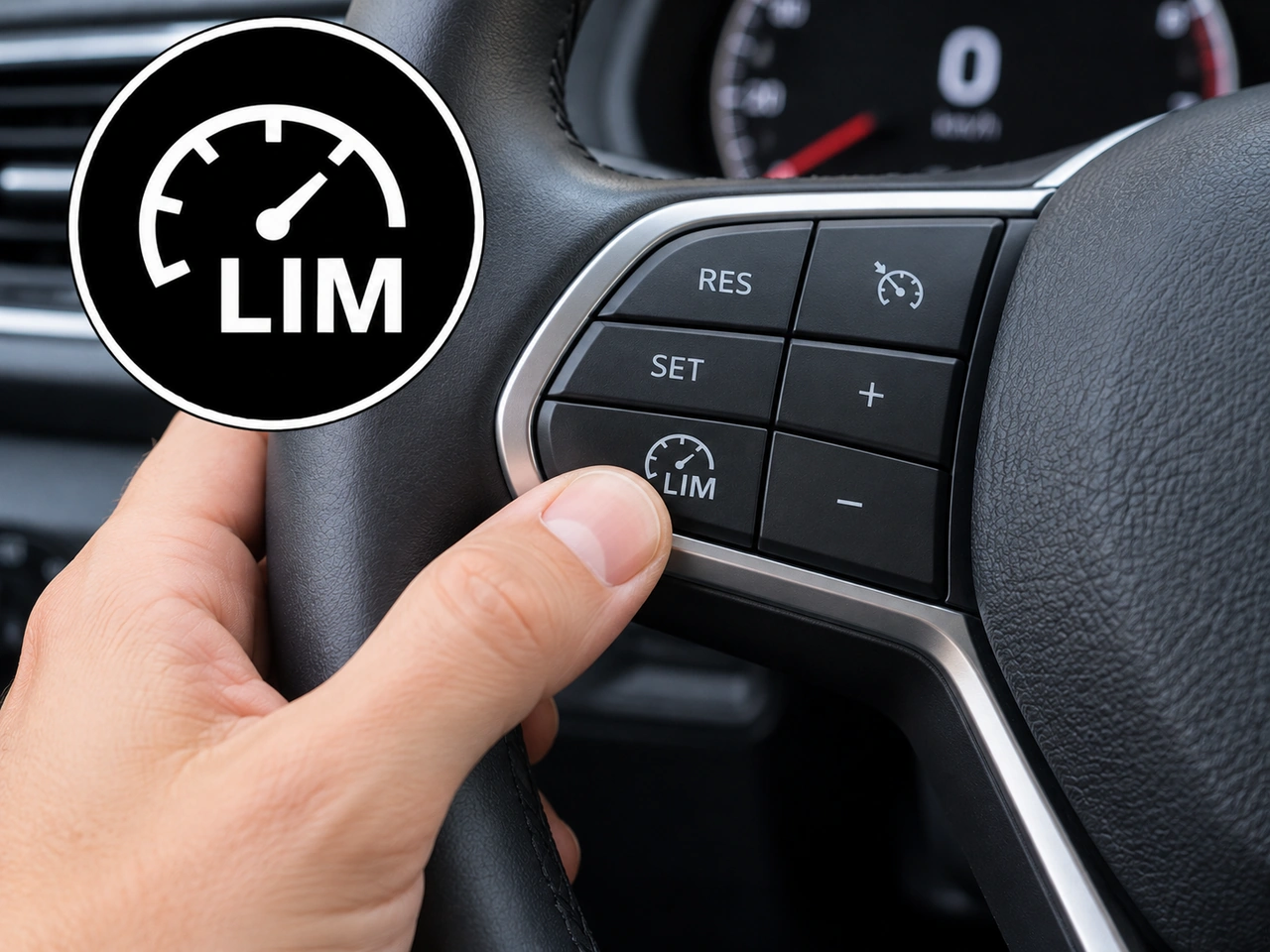
638. What does this vehicle-control symbol indicate?
The speed limiter allows the driver to set a maximum speed that the vehicle should not normally exceed while the accelerator is being used.
AI-generated by Traffic-rules.com • WCIT • CC BY-SA
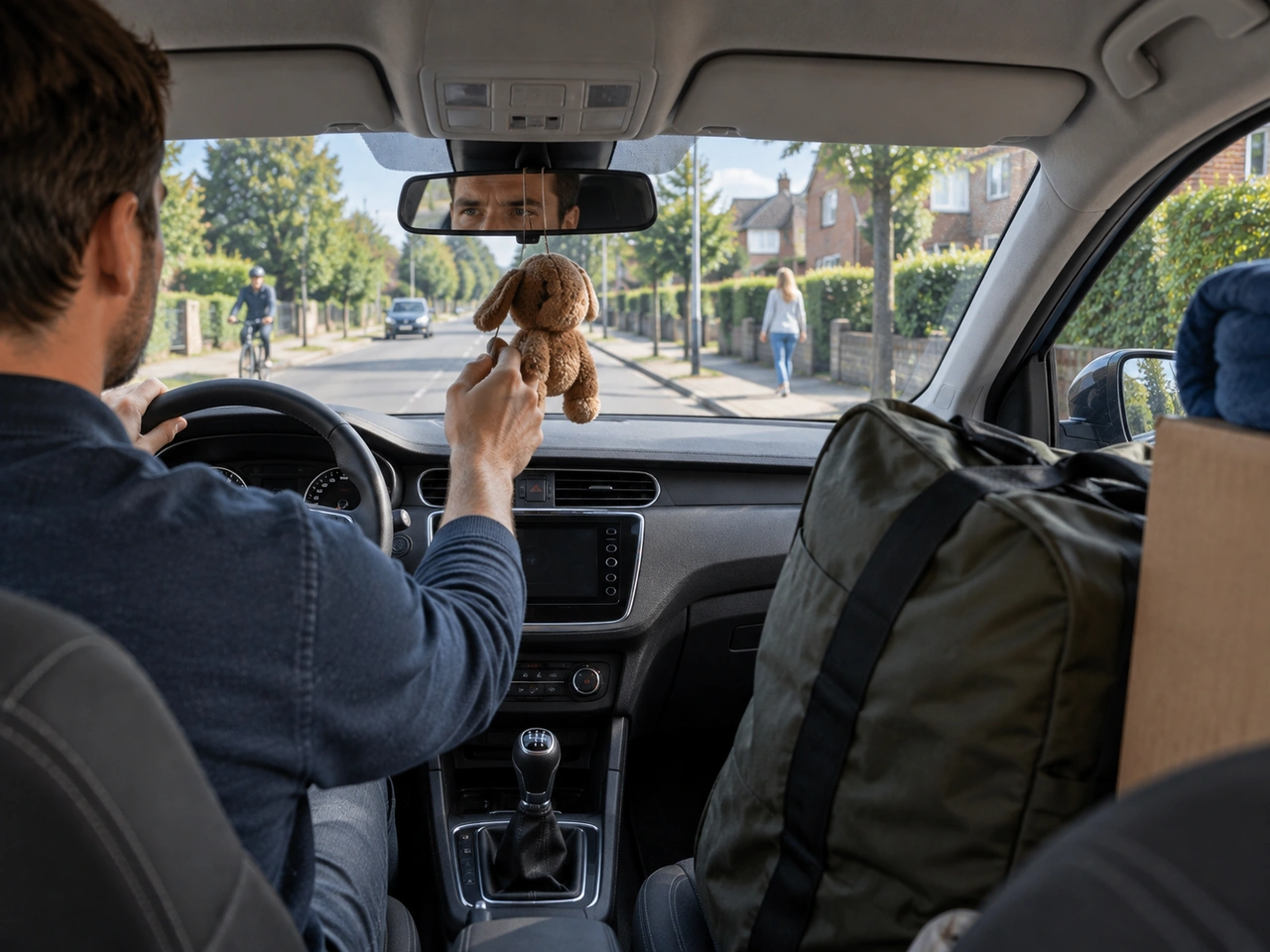
639. Why must luggage or other objects not obstruct the driver's view?
The driver must have a clear view of the road and surroundings. Luggage, decorations, or other objects that obstruct the windscreen, windows, or mirrors can hide pedestrians, cyclists, vehicles, signs, or other hazards.
AI-generated by Traffic-rules.com • WCIT • CC BY-SA
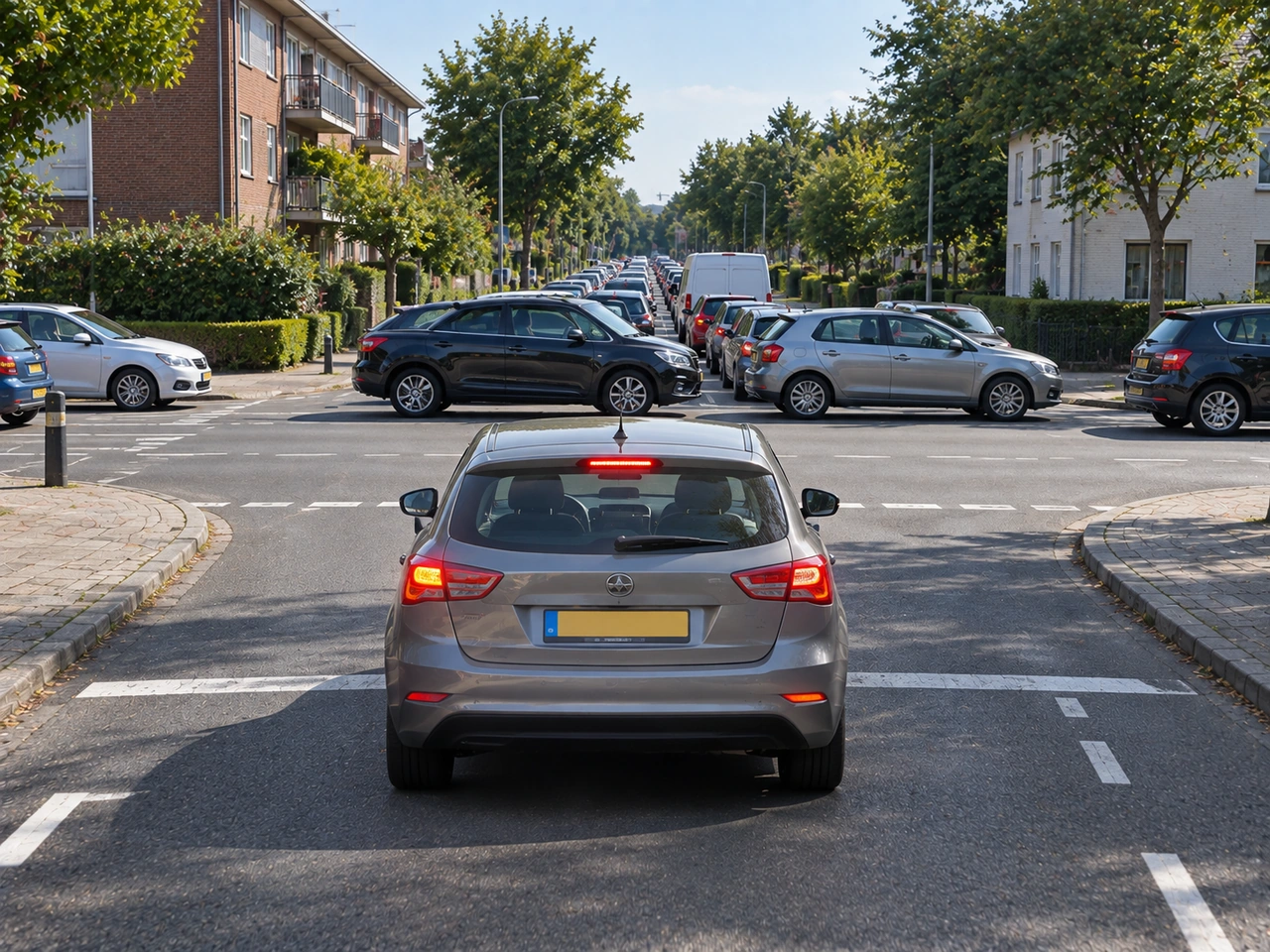
640. What should you do if traffic ahead is blocking a junction?
Do not enter a junction if traffic ahead prevents you from clearing it safely. Waiting before the junction helps avoid blocking crossing traffic, pedestrians, cyclists, or other road users.
AI-generated by Traffic-rules.com • WCIT • CC BY-SA
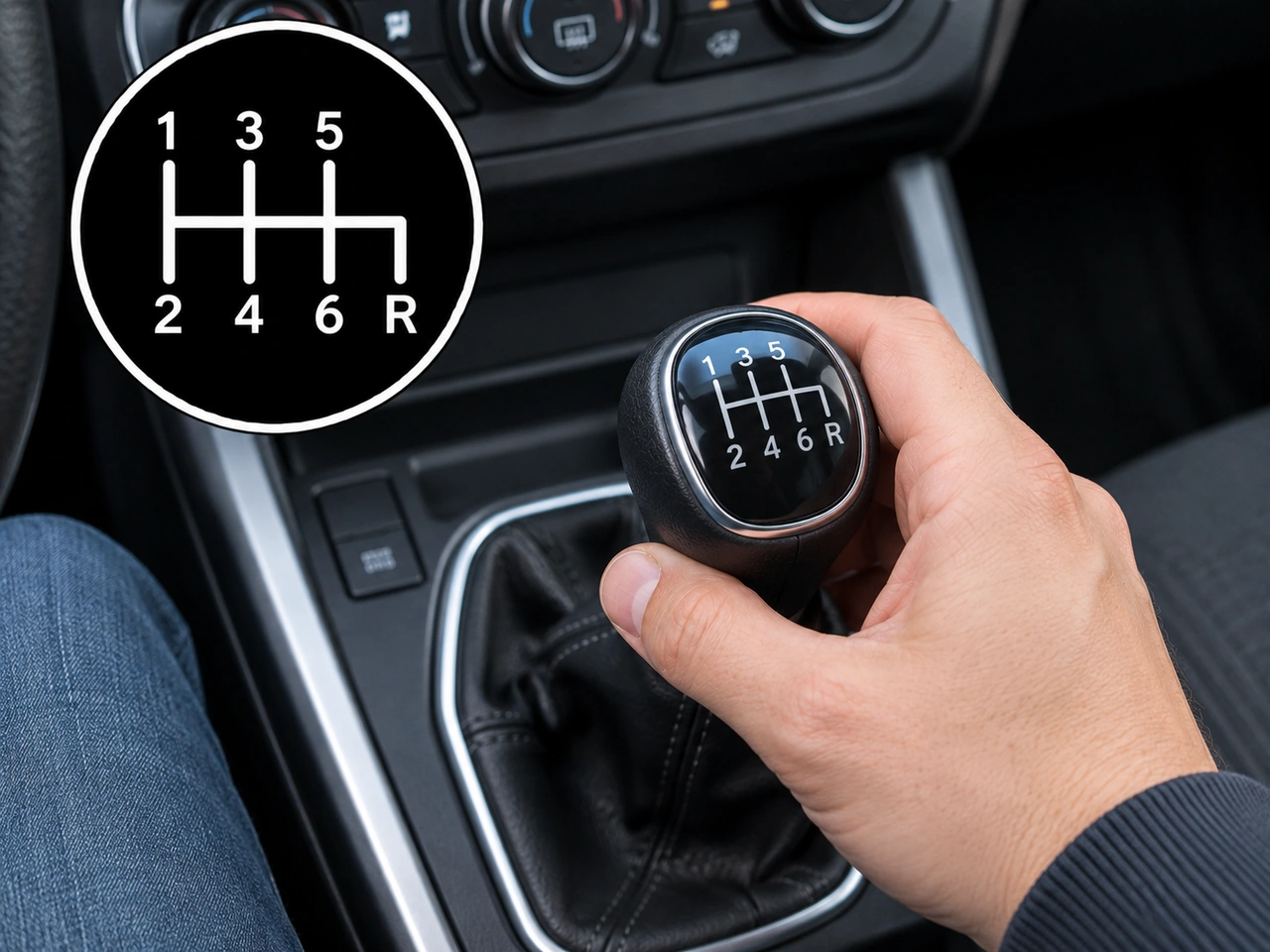
641. Which gear is used to drive a manual vehicle backwards?
Select R (Reverse) when you need to drive a manual vehicle backwards. The vehicle should be stationary before Reverse is selected.
AI-generated by Traffic-rules.com • WCIT • CC BY-SA
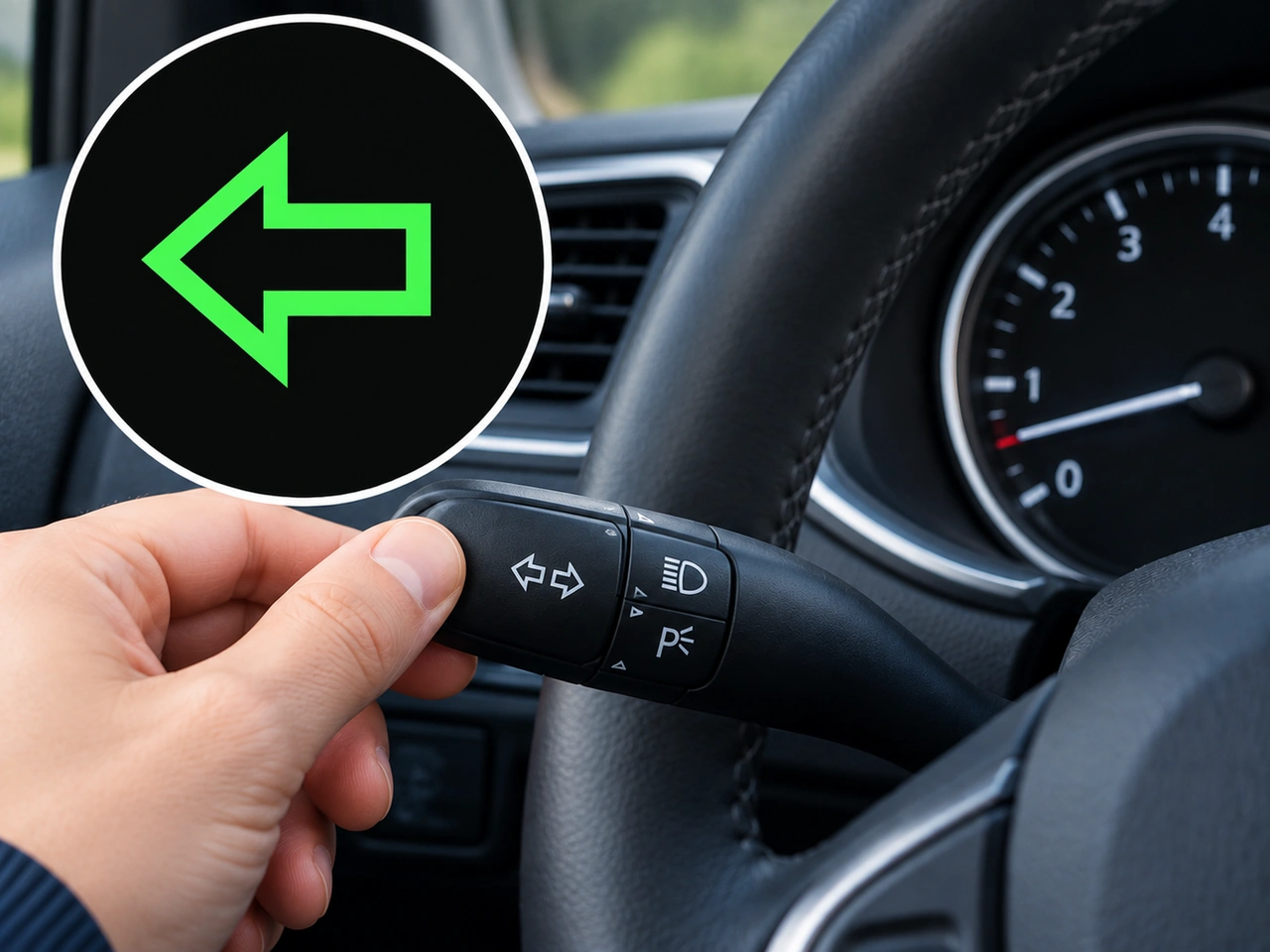
642. What does this dashboard symbol indicate?
This symbol indicates that a direction indicator is operating. The flashing indicator shows the direction in which the driver intends to turn or change position on the road.
AI-generated by Traffic-rules.com • WCIT • CC BY-SA
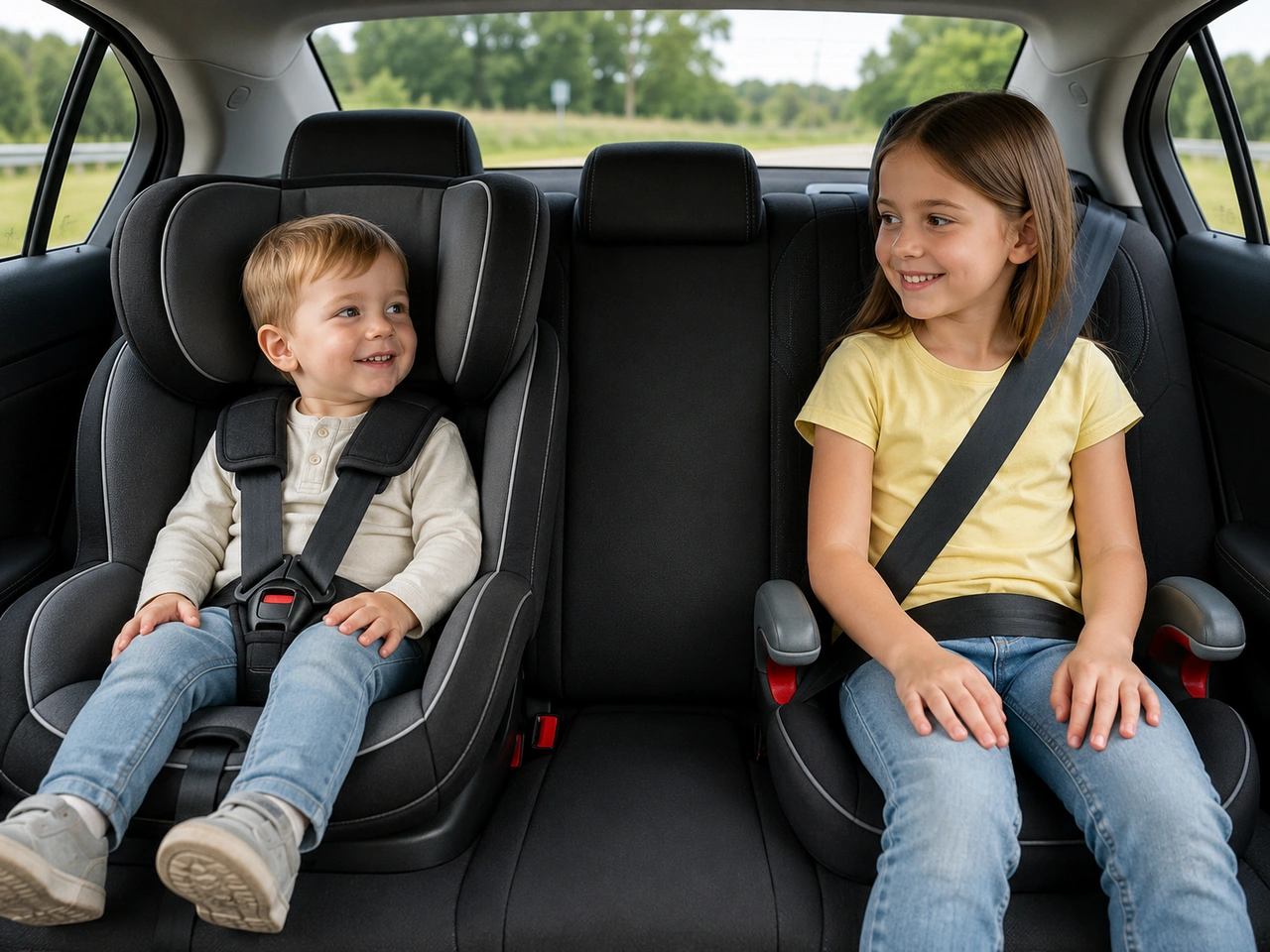
643. How must a child under 18 and shorter than 135 centimetres normally travel in a car?
Children under 18 who are shorter than 135 centimetres must normally use a suitable child-restraint system.
AI-generated by Traffic-rules.com • WCIT • CC BY-SA
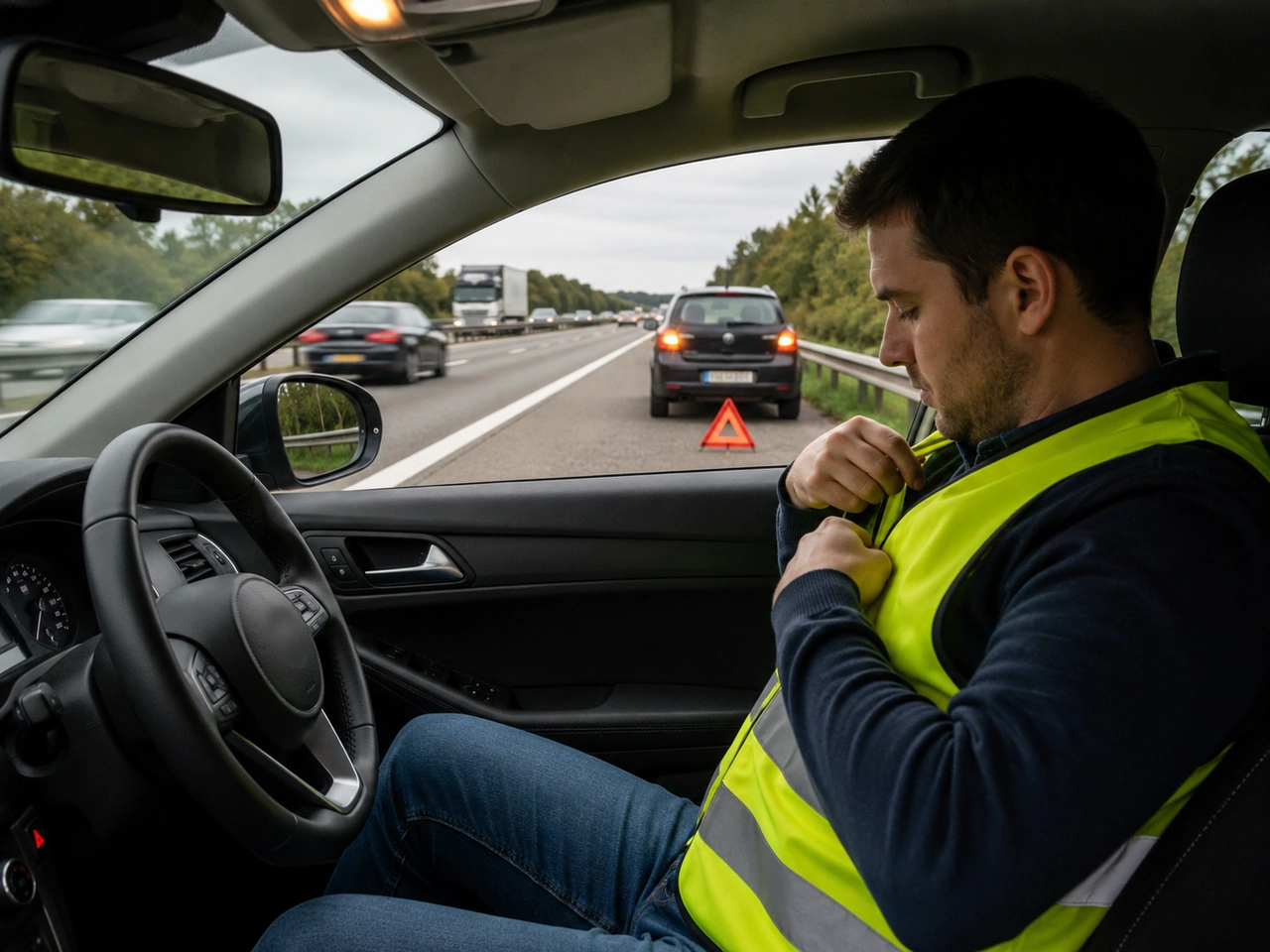
644. When must a driver wear a reflective vest after a motorway breakdown?
On motorways and express roads, the driver must wear a reflective safety vest when leaving a broken-down vehicle that is stopped where stopping or parking is prohibited.
AI-generated by Traffic-rules.com • WCIT • CC BY-SA
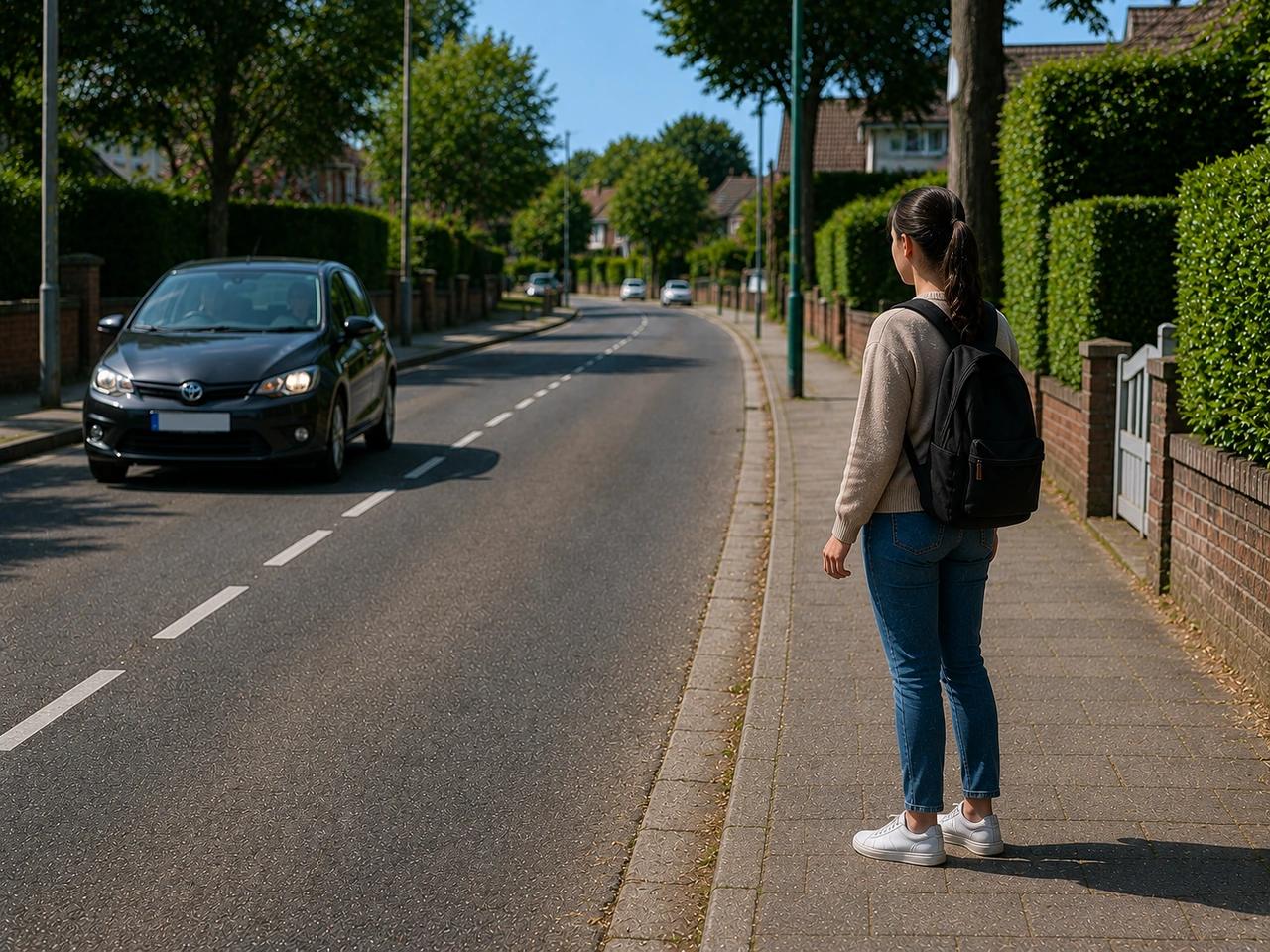
645. What is the best place to cross the road?
Use a designated crossing whenever possible. It is usually the safest place to cross the road.
AI-generated by Traffic-rules.com • WCIT • CC BY-SA
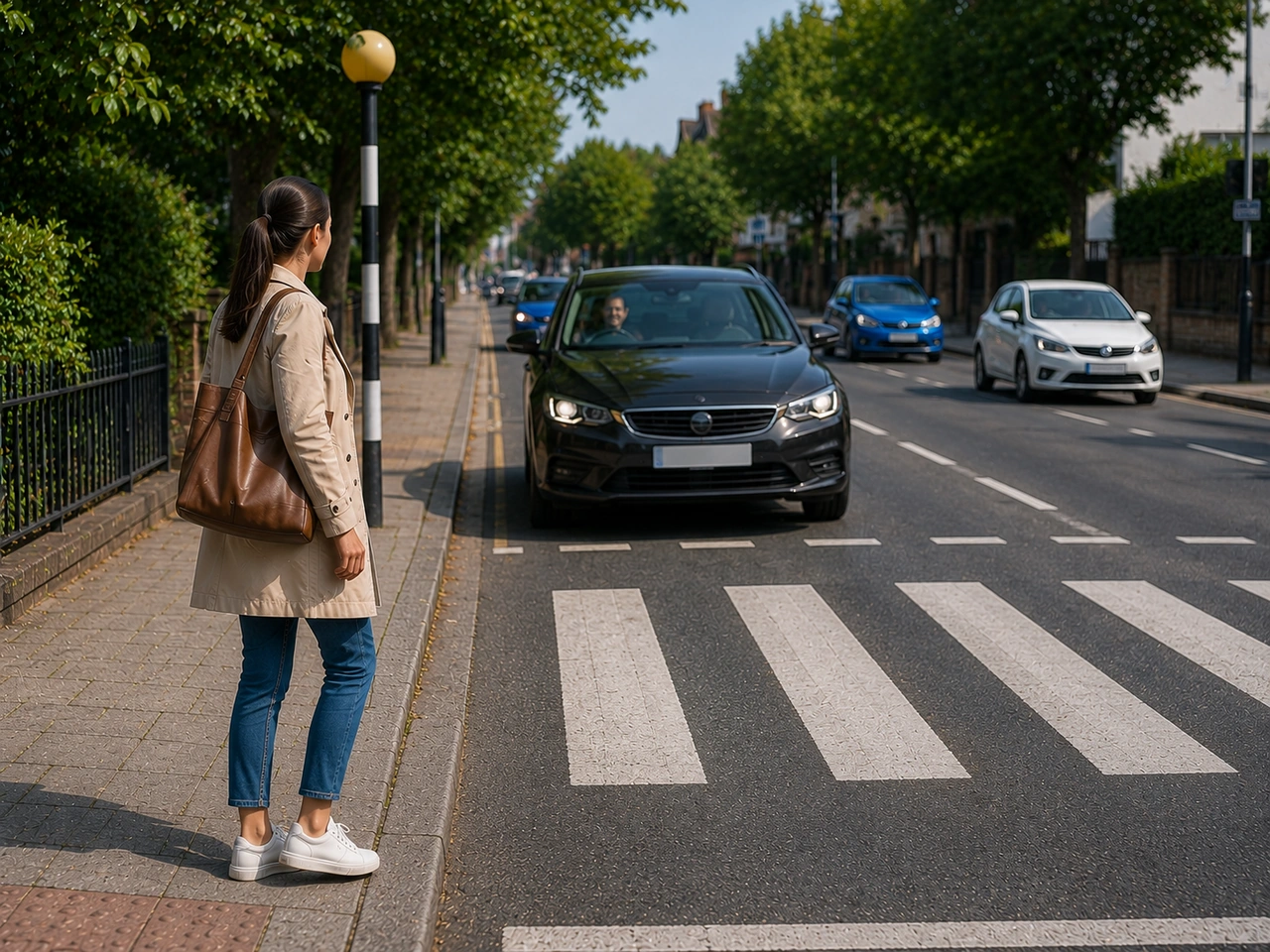
646. What should you do if traffic stops and a driver waves you across?
One driver may stop, but other vehicles may still be moving. Always check all lanes before crossing.
AI-generated by Traffic-rules.com • WCIT • CC BY-SA
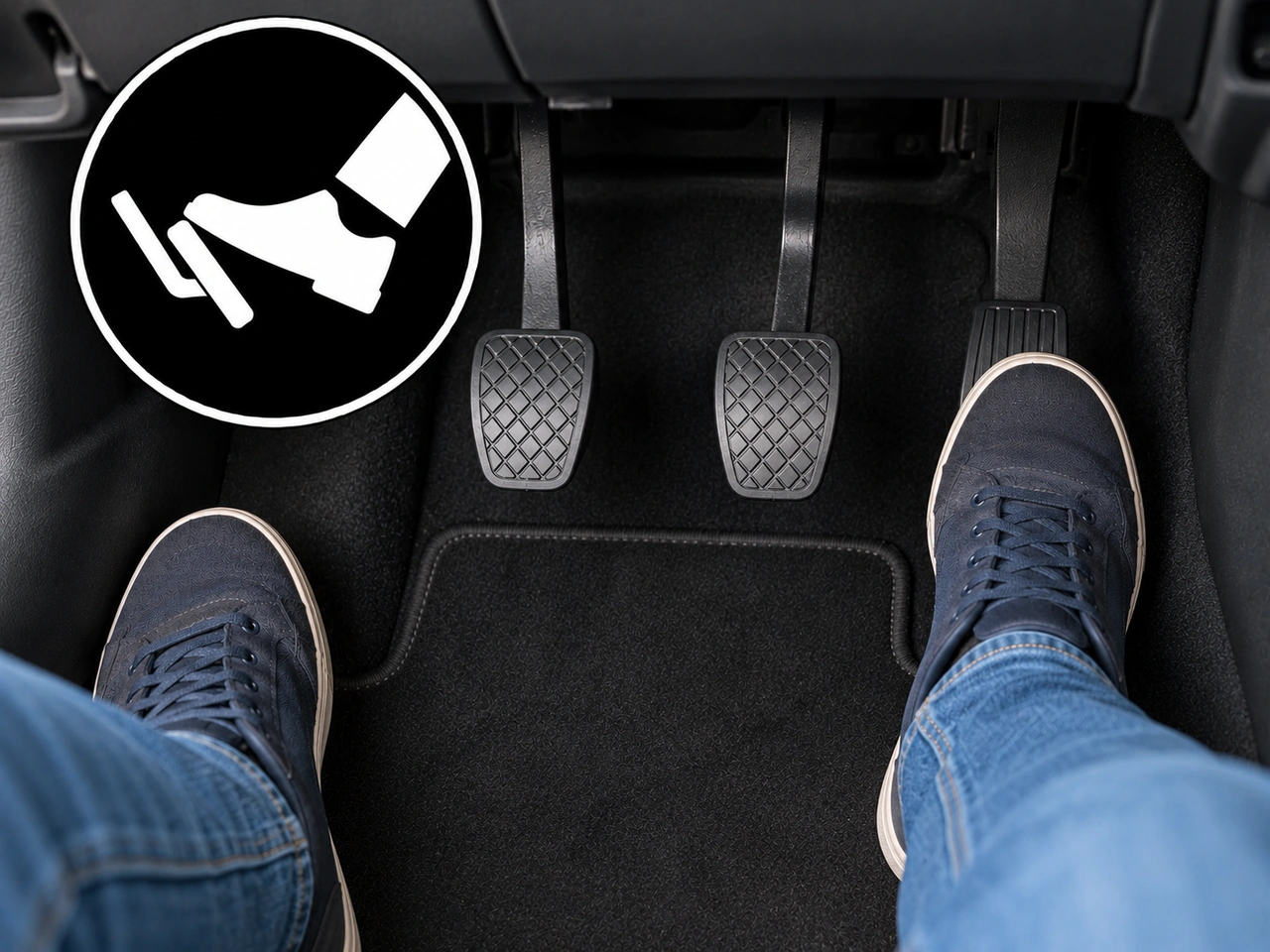
647. Which pedal is used to increase the vehicle's speed?
The accelerator pedal controls the amount of power delivered by the engine and is used to increase or maintain the vehicle's speed. It is the right-hand pedal.
AI-generated by Traffic-rules.com • WCIT • CC BY-SA
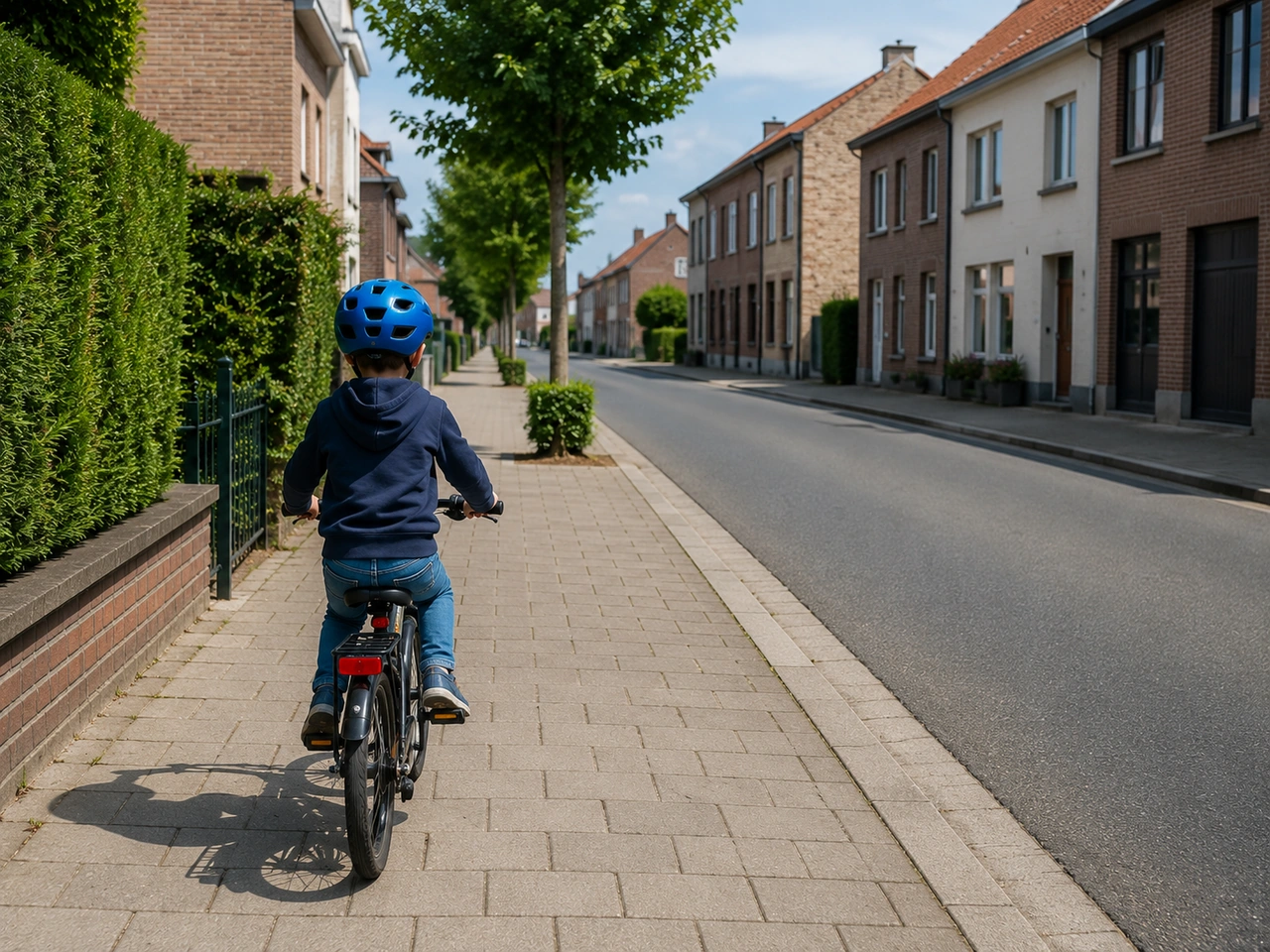
648. May a cyclist younger than 10 ride on the pavement in Belgium?
Cyclists younger than 10 may use pavements and raised verges in all circumstances.
AI-generated by Traffic-rules.com • WCIT • CC BY-SA
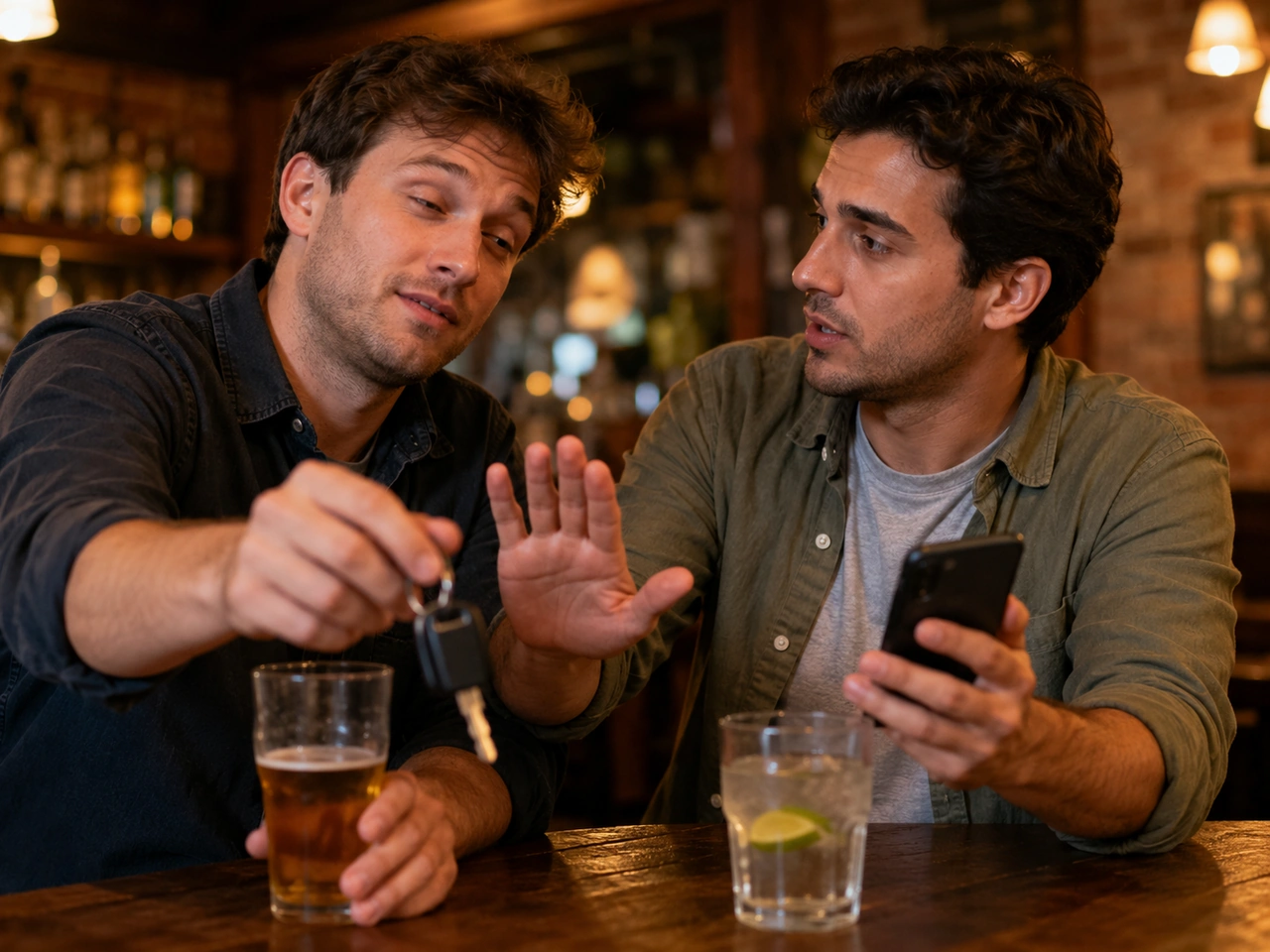
649. What should you do if a friend who has been drinking wants to drive?
Preventing an impaired person from driving can protect them, their passengers, and other road users. Arrange a sober driver, taxi, public transport, or accommodation.
AI-generated by Traffic-rules.com • WCIT • CC BY-SA
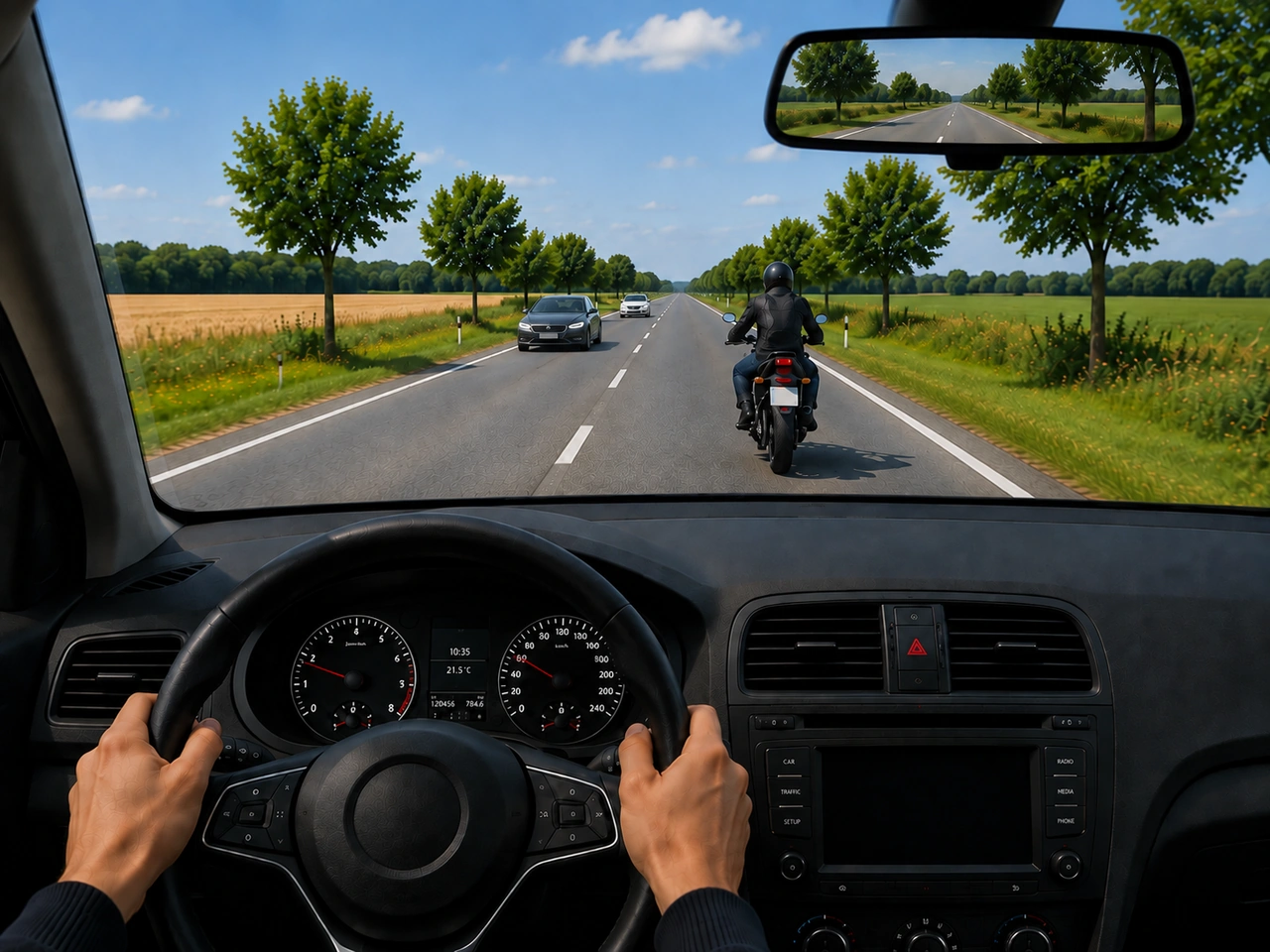
650. Why should you leave extra space behind a motorcycle?
Motorcyclists are more exposed than car drivers. Extra following distance gives you more time to react safely.
AI-generated by Traffic-rules.com • WCIT • CC BY-SA