


QuizTraffic rulesBelgium
This interesting quiz helps you test your knowledge in a clear and visual way. With easy multiple-choice questions, you can quickly build confidence and learn new facts while keeping it simple, interactive, and fun.
 Traffic signs
 Traffic rules
 Belgium
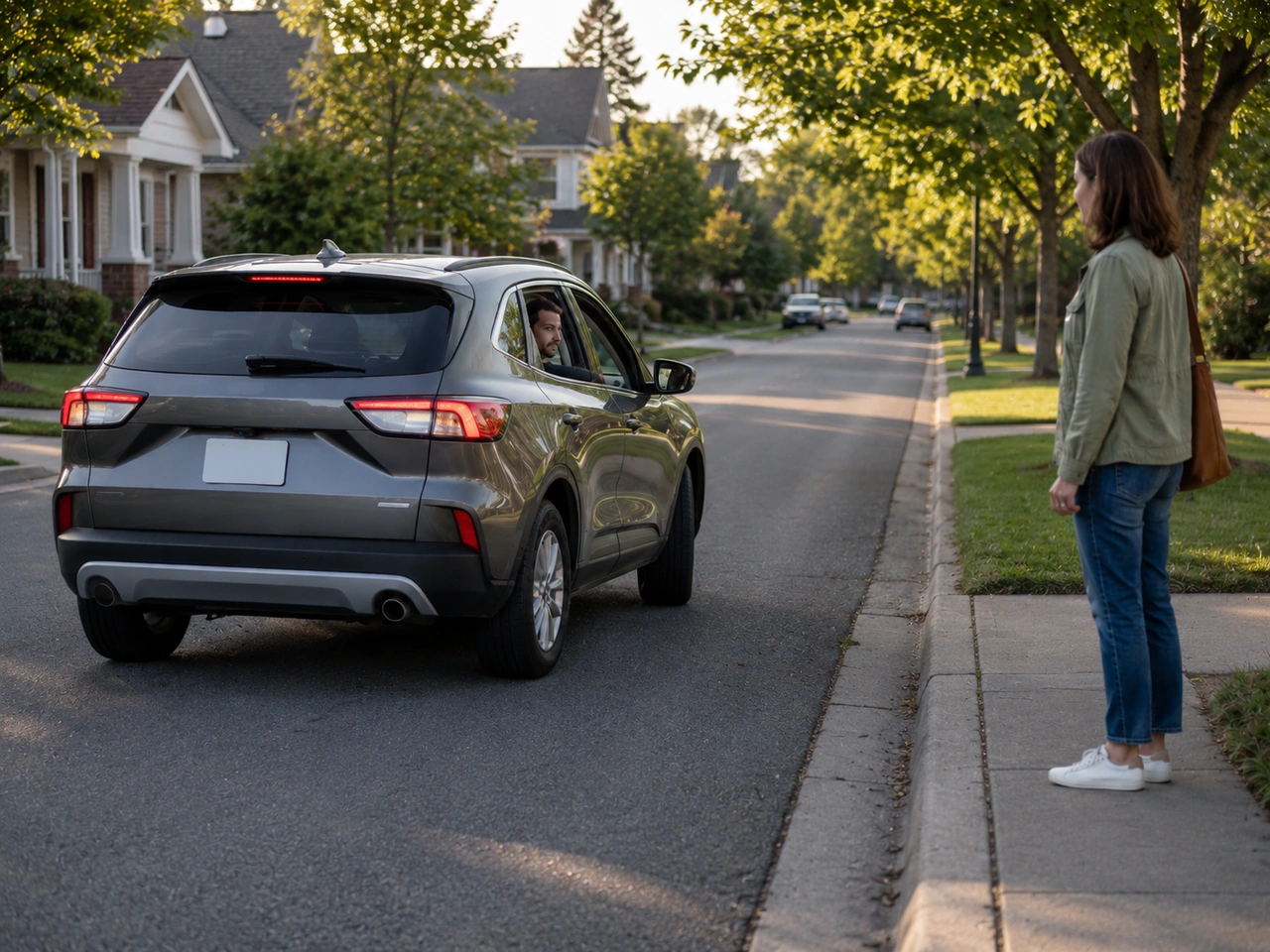
401. What should you do if a vehicle is reversing near you?
Reversing vehicles have blind spots. Stay away from the vehicle and make sure the driver can see you.
AI-generated by Traffic-rules.com • WCIT • CC BY-SA

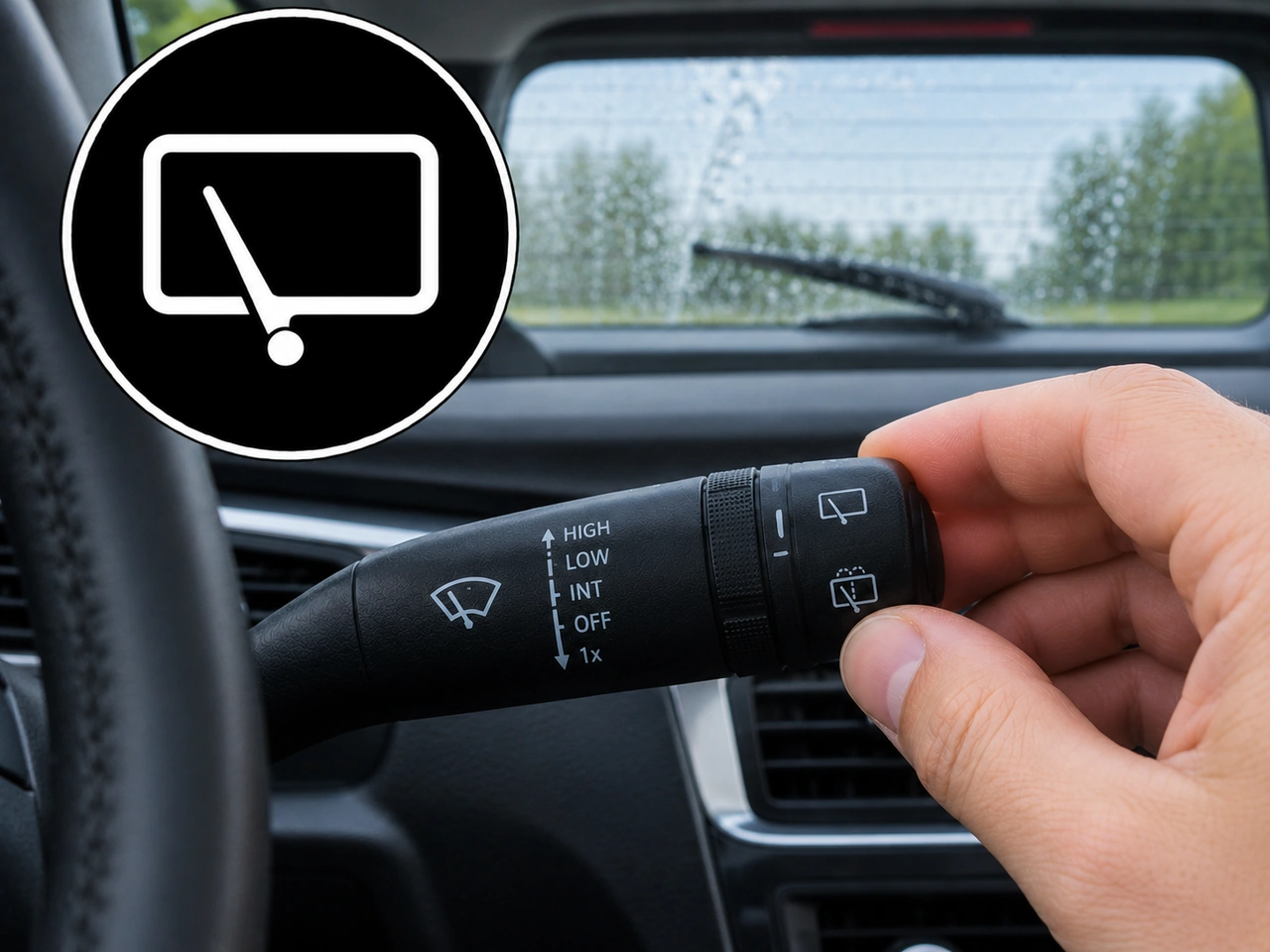
402. What does this vehicle-control symbol indicate?
This symbol controls the rear window wiper. Depending on the vehicle, the same control may also operate the rear-window washer.
AI-generated by Traffic-rules.com • WCIT • CC BY-SA
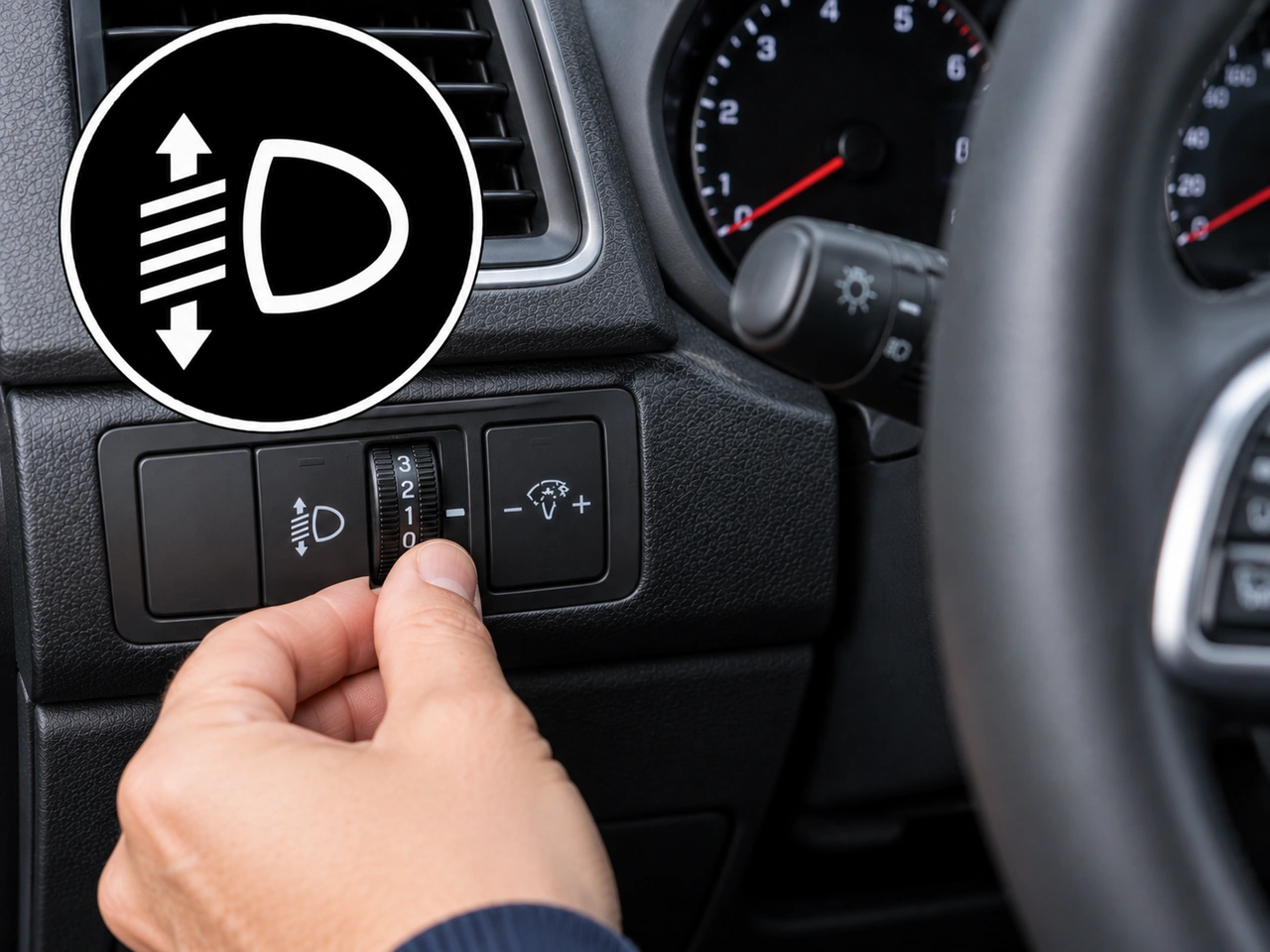
403. What does this vehicle-control symbol indicate?
This control adjusts the vertical aim of the headlights. It can be used to lower the beam when the vehicle is heavily loaded, helping to avoid dazzling other road users.
AI-generated by Traffic-rules.com • WCIT • CC BY-SA
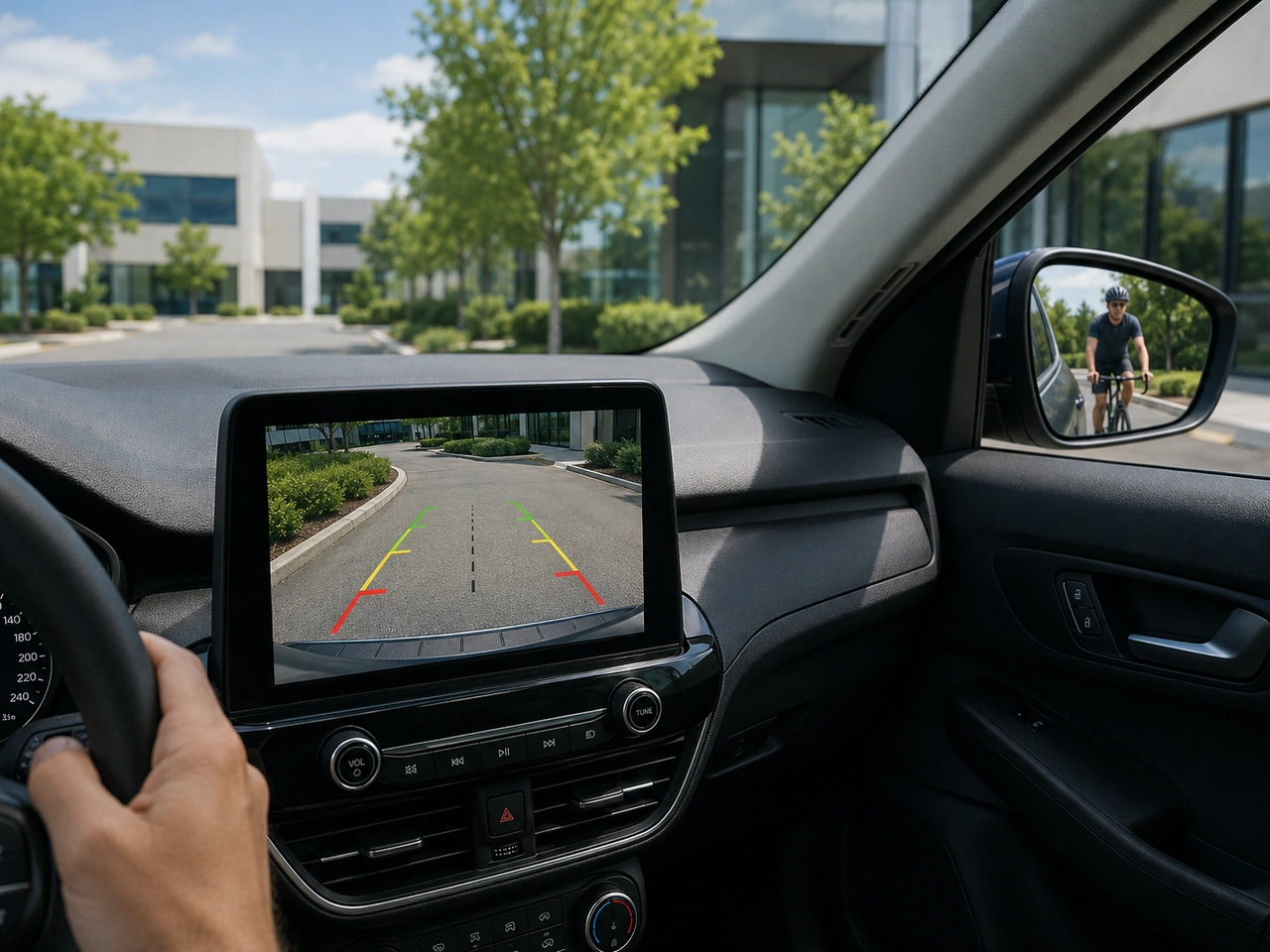
404. Why should you not rely only on a reversing camera?
Reversing cameras can help, but they may have blind spots and limited coverage. Always check your mirrors and surroundings, look around where possible, and reverse slowly.
AI-generated by Traffic-rules.com • WCIT • CC BY-SA
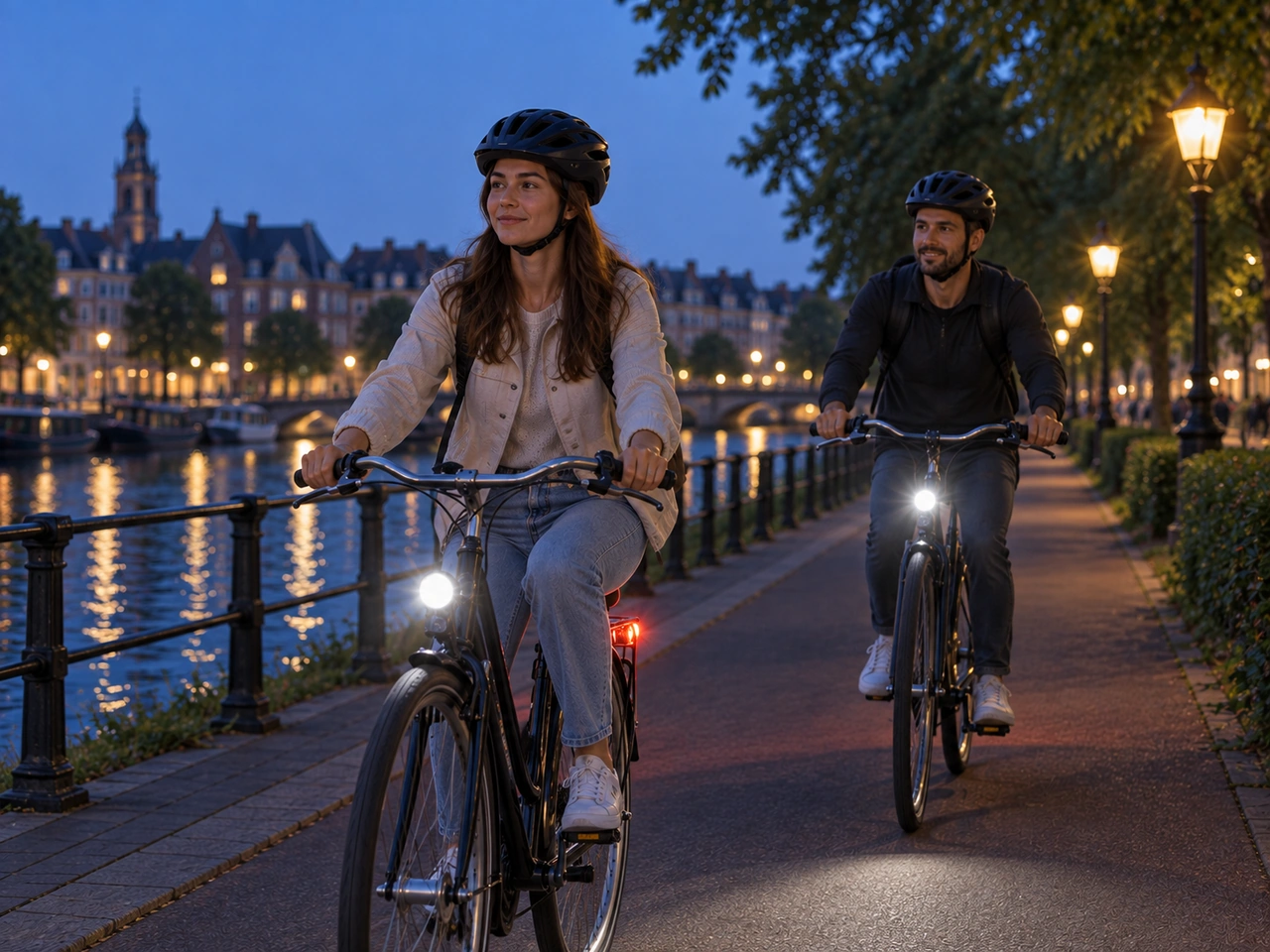
405. Are bicycle lights required at night in Belgium?
Cyclists in Belgium are generally required to use bicycle lights at night.
AI-generated by Traffic-rules.com • WCIT • CC BY-SA
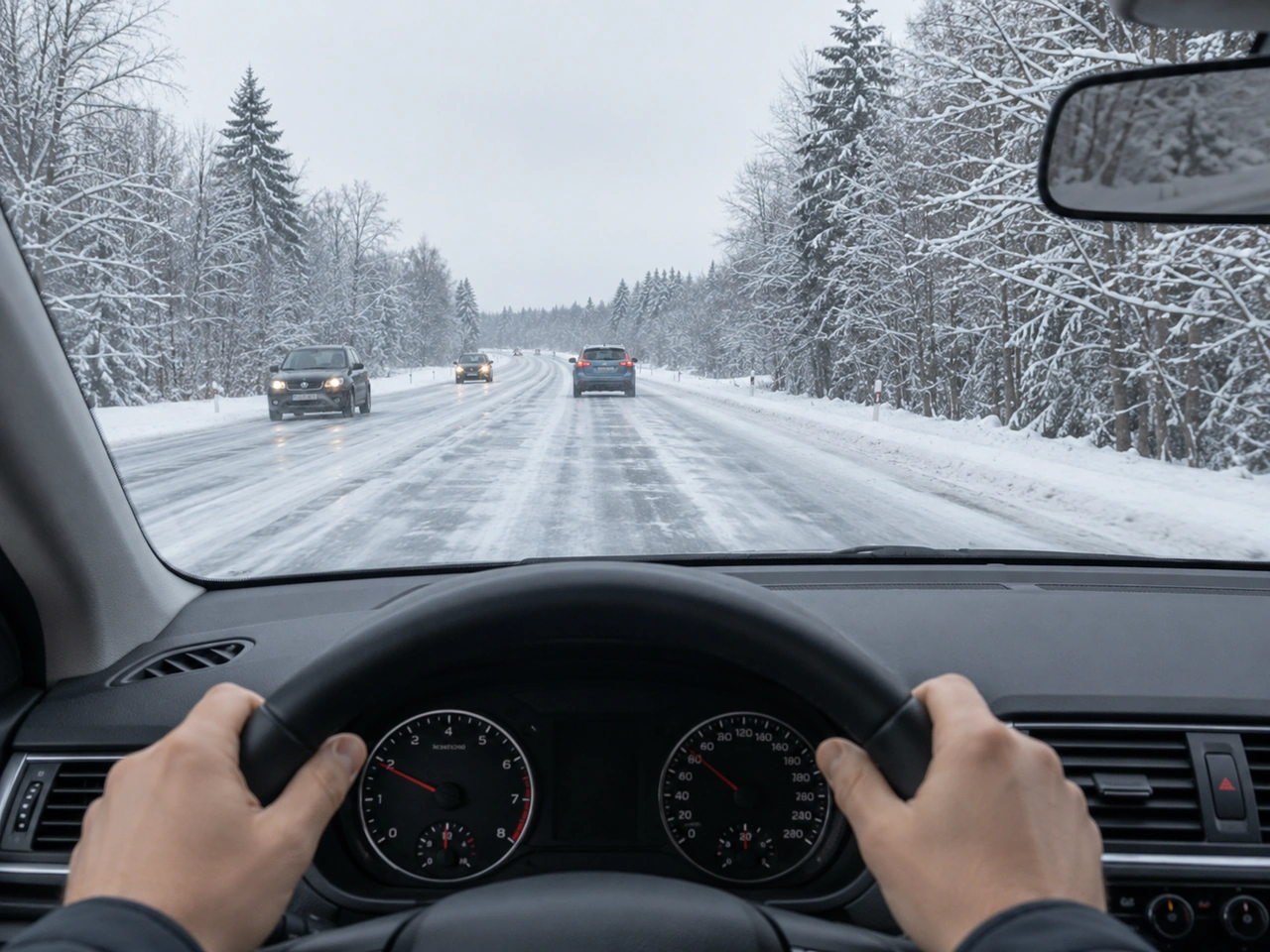
406. Why should you leave a much larger following distance on an icy road?
Tyres have much less grip on ice, so braking takes longer. Extra distance gives you more time to slow down safely.
AI-generated by Traffic-rules.com • WCIT • CC BY-SA
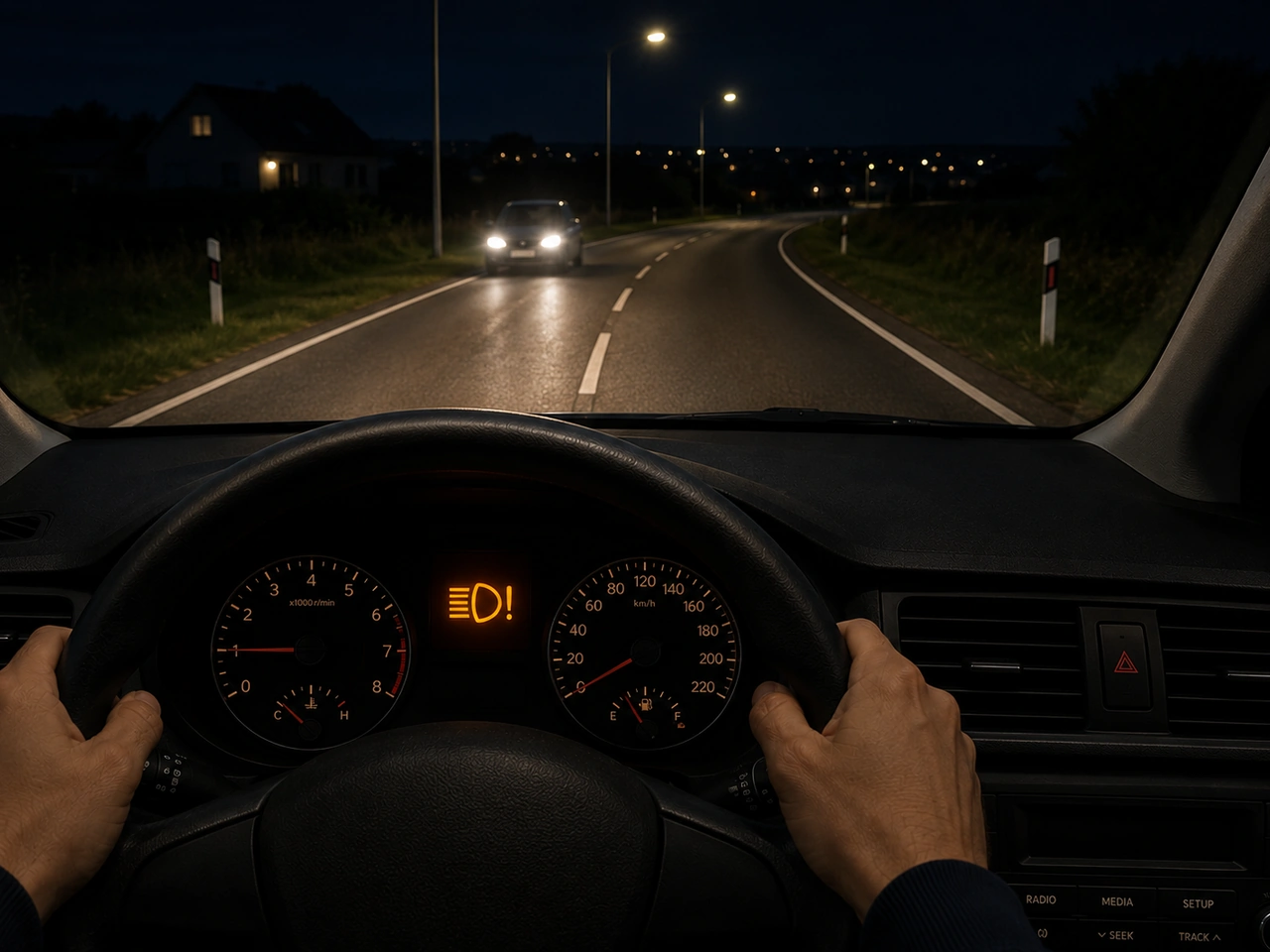
407. What should you do if your headlights fail while driving at night?
Without effective headlights, you may not see hazards and other road users may not see you. Stop in a safe location as soon as possible.
AI-generated by Traffic-rules.com • WCIT • CC BY-SA
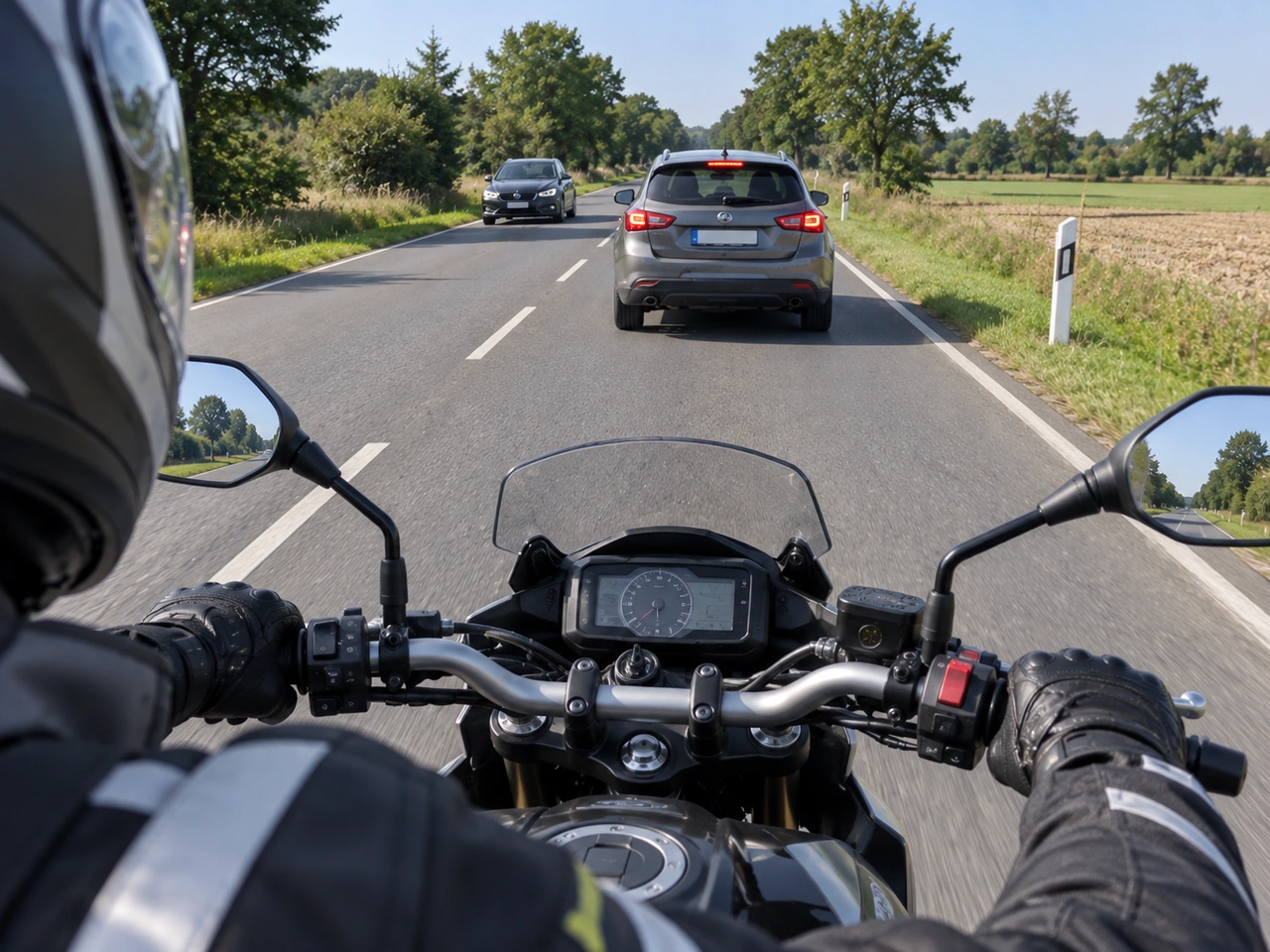
408. How should you normally brake on a motorcycle?
During normal braking, use both the front and rear brakes smoothly and progressively. The front brake normally provides much of the braking force, while the rear brake also helps slow and stabilise the motorcycle. Sudden or poorly balanced braking can reduce stability or cause a wheel to lose grip.
AI-generated by Traffic-rules.com • WCIT • CC BY-SA
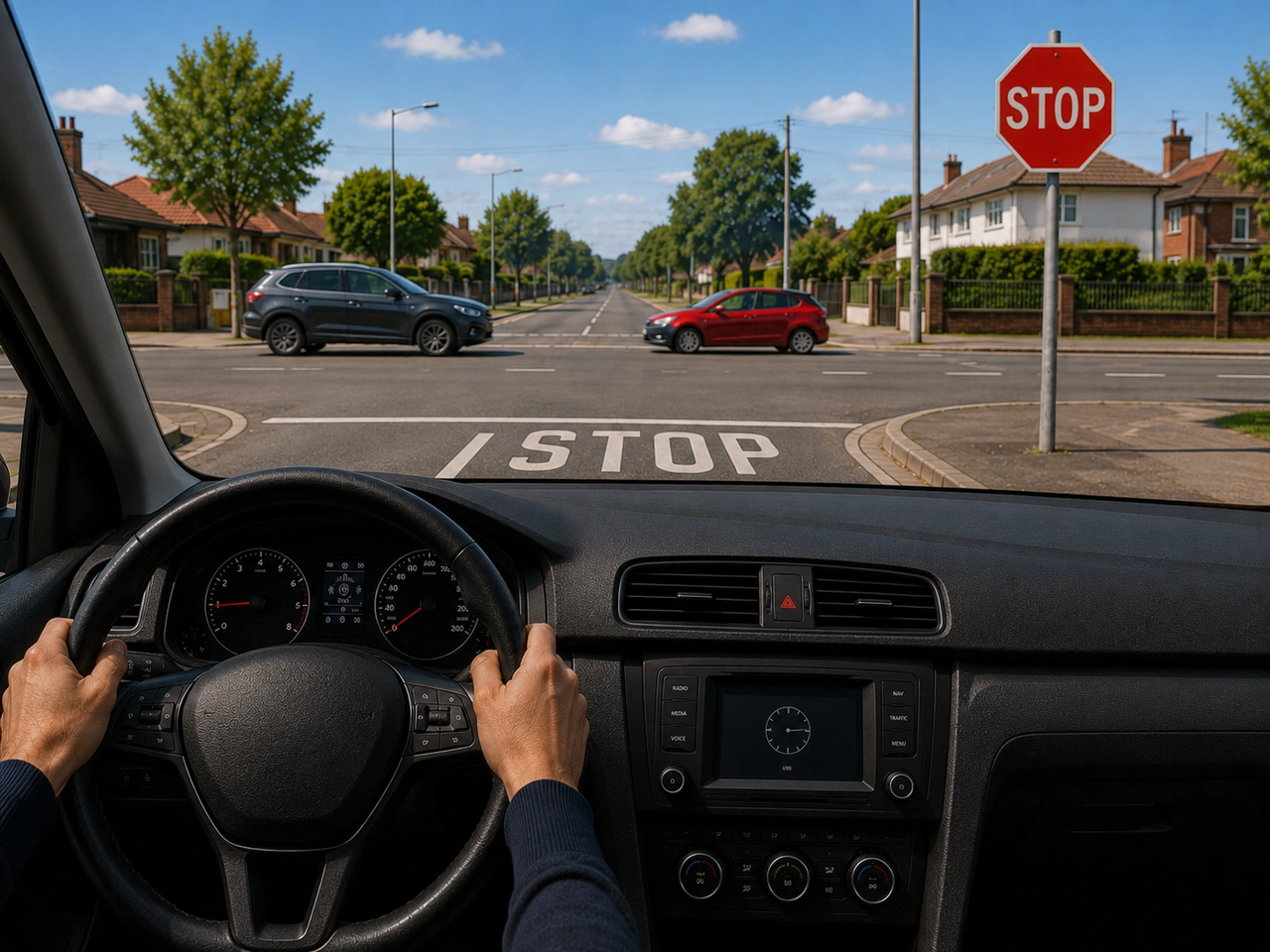
409. What should you do when approaching a stop sign?
A stop sign requires you to come to a complete stop at the required position. Check carefully for other road users and proceed only when it is safe.
AI-generated by Traffic-rules.com • WCIT • CC BY-SA
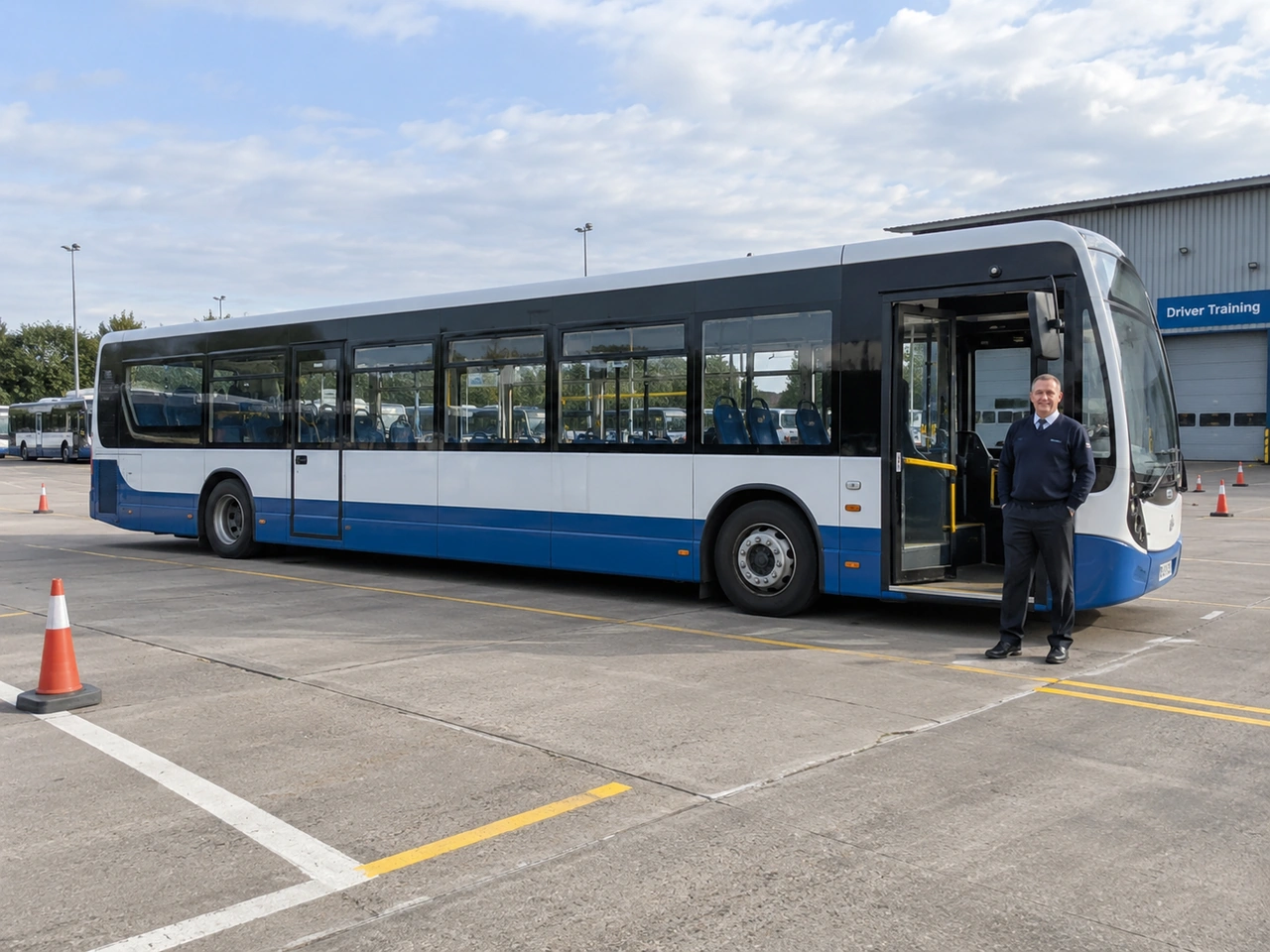
410. What is the minimum licence for a bus designed for more than 16 passengers?
Category D1 is limited to vehicles designed for no more than 16 passengers in addition to the driver. A bus designed for more than 16 passengers therefore requires category D.
AI-generated by Traffic-rules.com • WCIT • CC BY-SA
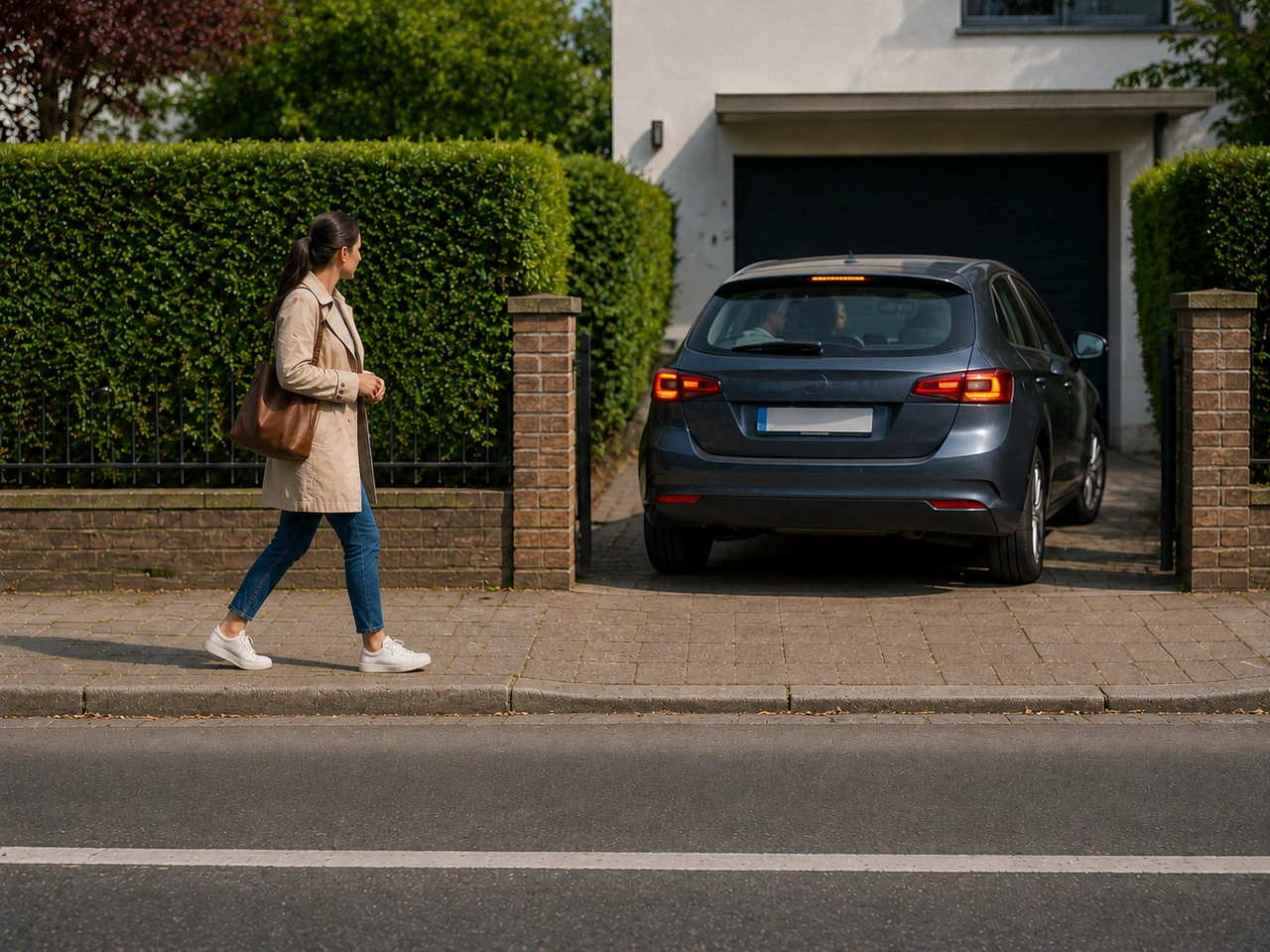
411. What should you do when walking near a driveway?
Vehicles may enter or leave driveways suddenly. Stay alert and check for moving vehicles.
AI-generated by Traffic-rules.com • WCIT • CC BY-SA
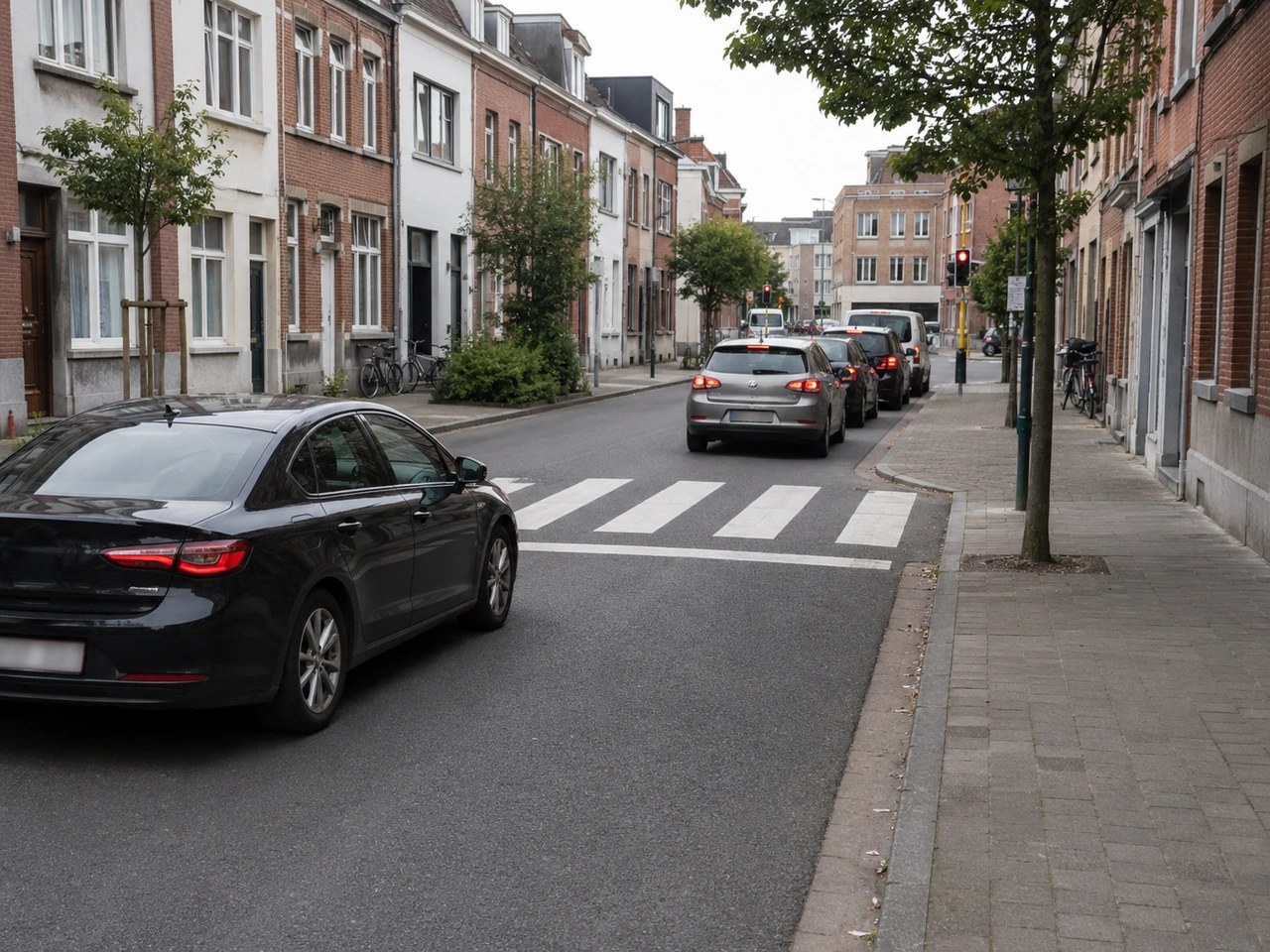
412. May you enter a pedestrian crossing when traffic ahead is blocked?
You must not enter a pedestrian crossing when congestion would probably force you to stop on it.
AI-generated by Traffic-rules.com • WCIT • CC BY-SA
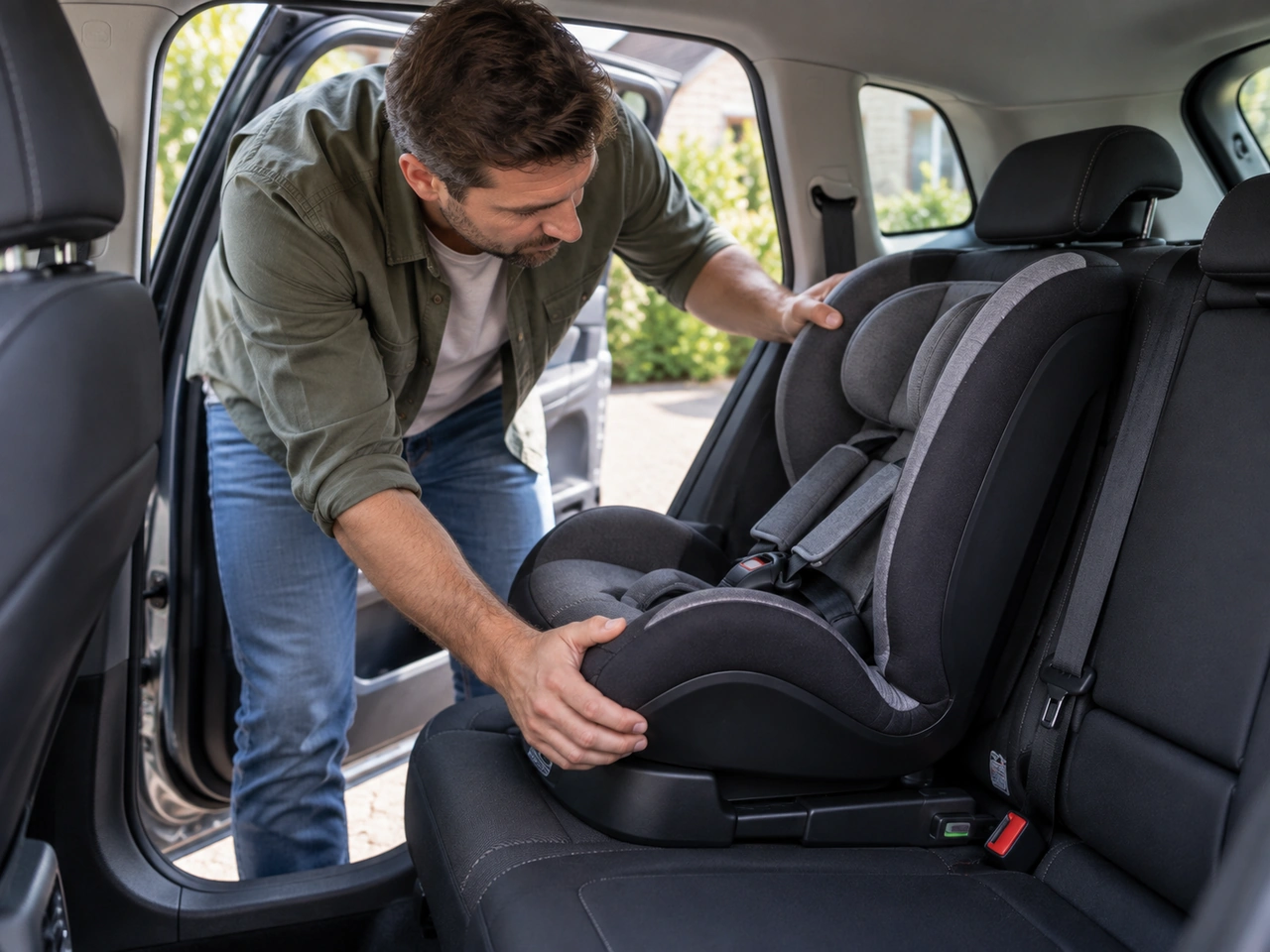
413. What should you check after fitting a child restraint?
A child restraint should be installed securely and used according to the manufacturer's instructions. Check that the seat is firmly attached, the belt or ISOFIX connection is correct, and the child is restrained properly before driving.
AI-generated by Traffic-rules.com • WCIT • CC BY-SA
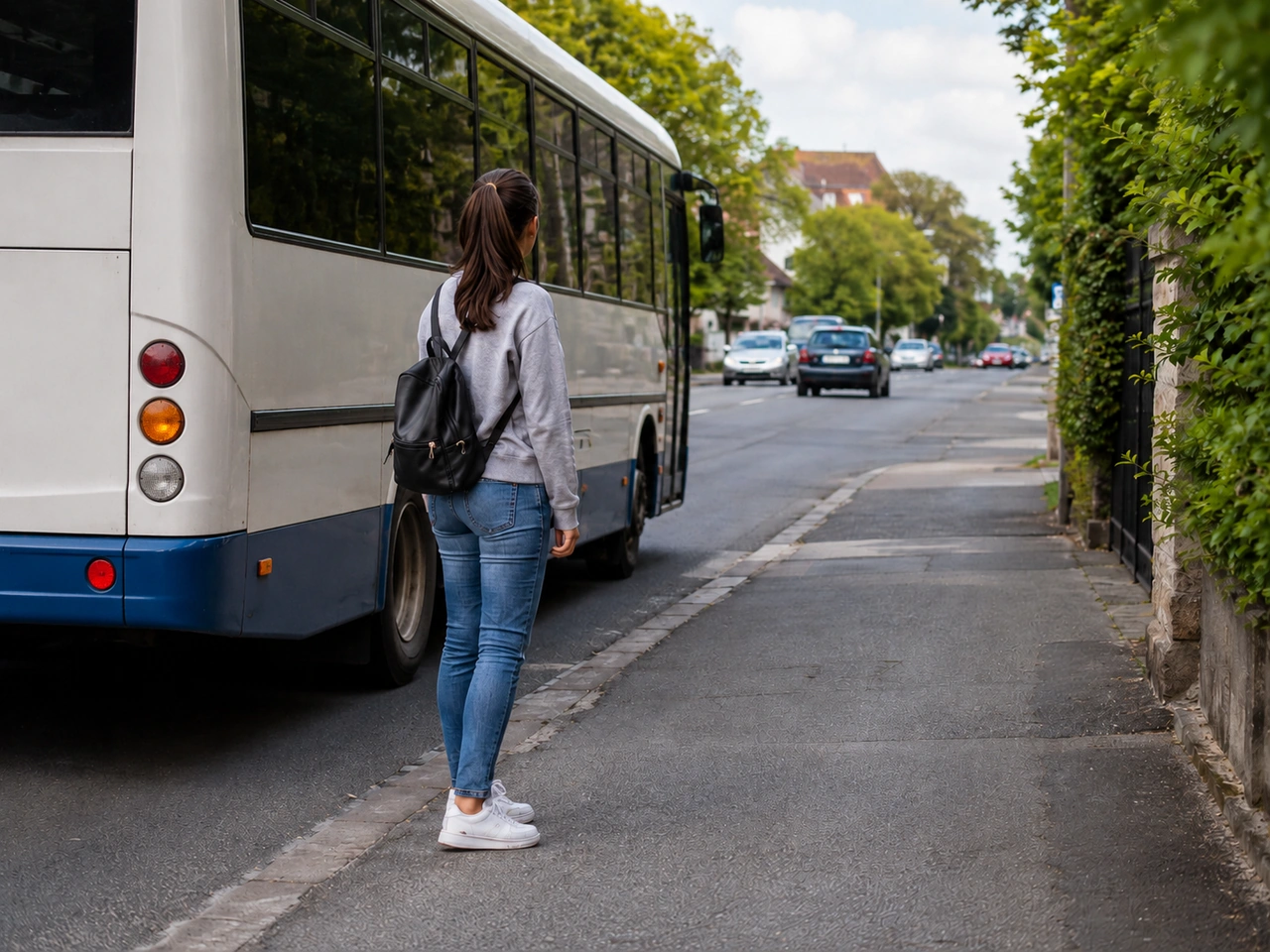
414. What should you do before crossing behind a bus or large vehicle?
Large vehicles can block your view and hide you from drivers. Wait until you can clearly see the road before crossing.
AI-generated by Traffic-rules.com • WCIT • CC BY-SA
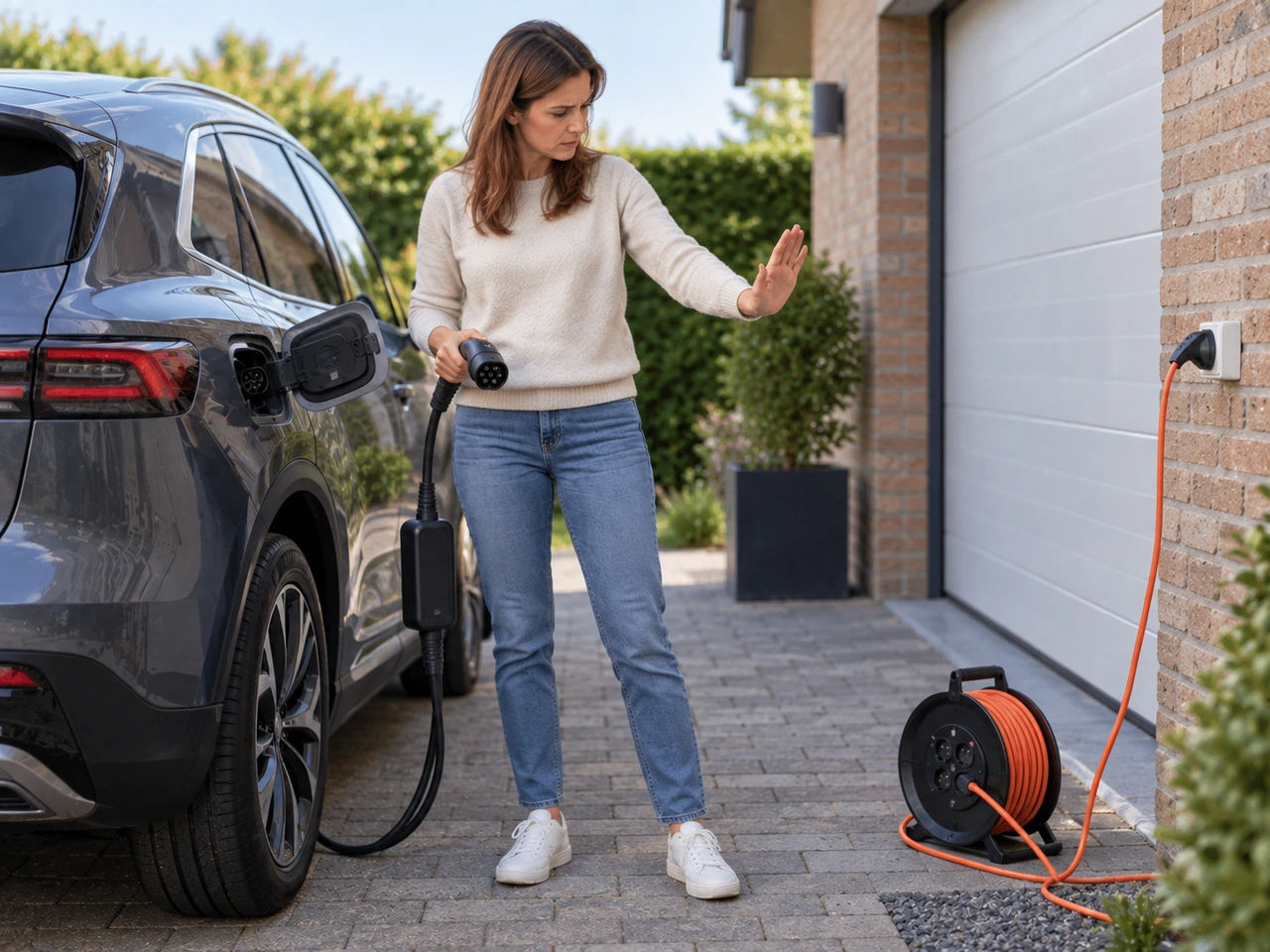
415. Why should you avoid using an ordinary extension lead to charge an electric vehicle?
An ordinary household extension lead may not be designed for the sustained electrical load required for EV charging and can overheat. Use suitable approved charging equipment and follow the vehicle and charging-equipment manufacturer's instructions.
AI-generated by Traffic-rules.com • WCIT • CC BY-SA
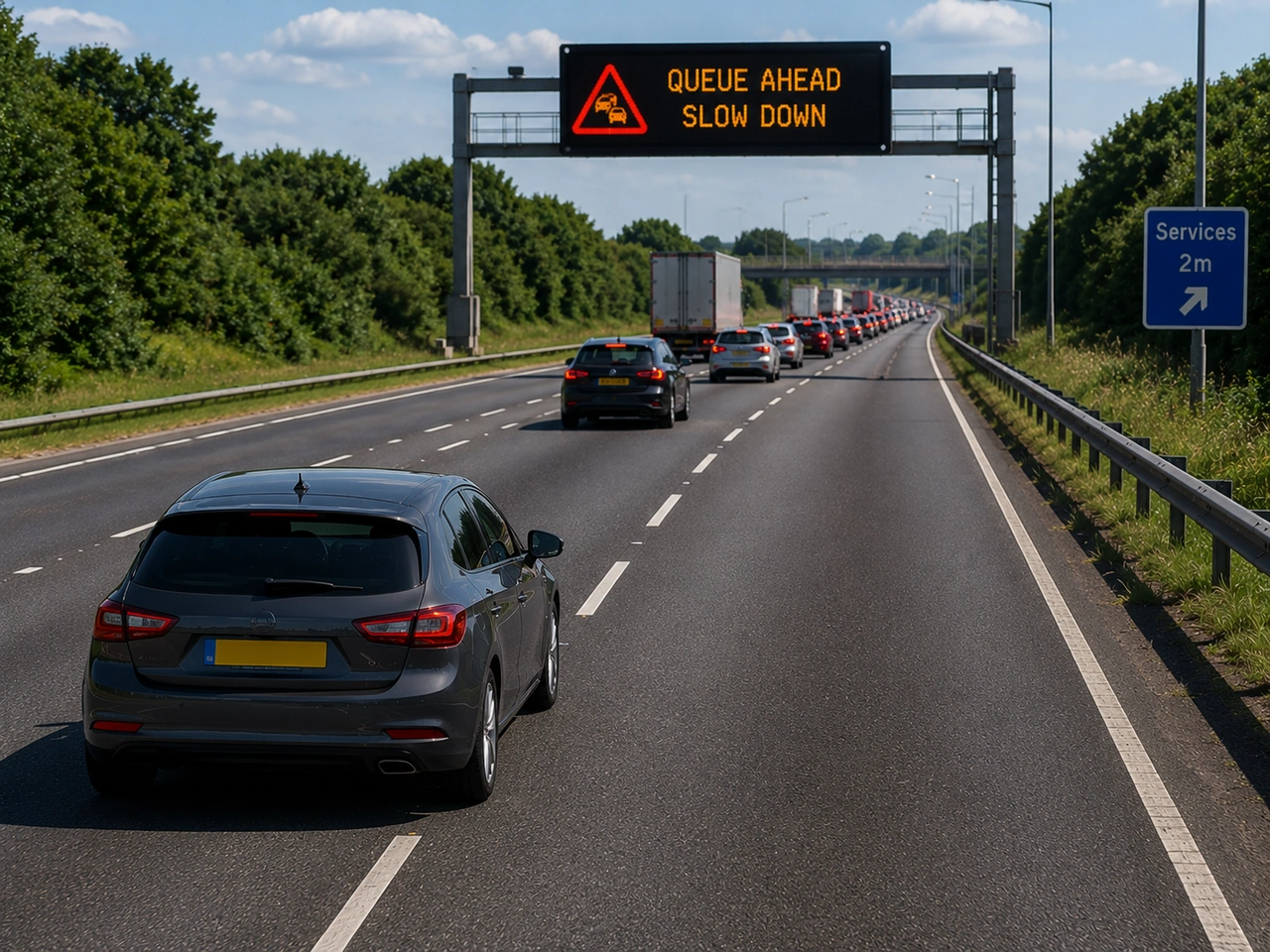
416. Why is a larger following distance needed at motorway speeds?
At higher speeds, you travel farther during your reaction time and need more distance to brake. A larger gap gives you more time and space to stop safely.
AI-generated by Traffic-rules.com • WCIT • CC BY-SA
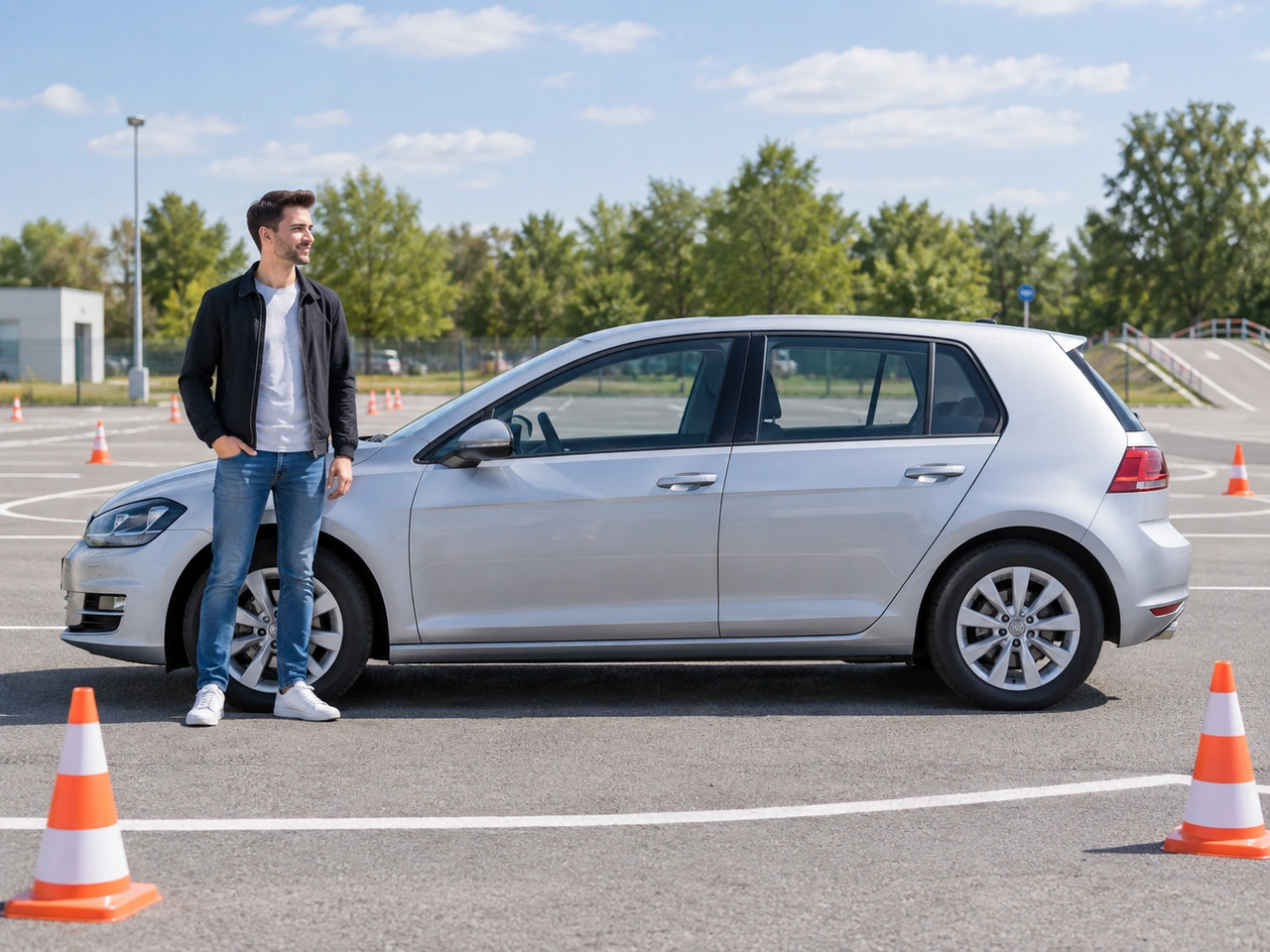
417. What is the minimum licence for a car with a maximum authorised mass of 3,500 kg?
Category B normally covers motor vehicles with a maximum authorised mass not exceeding 3,500 kg and designed to carry no more than eight passengers in addition to the driver.
AI-generated by Traffic-rules.com • WCIT • CC BY-SA
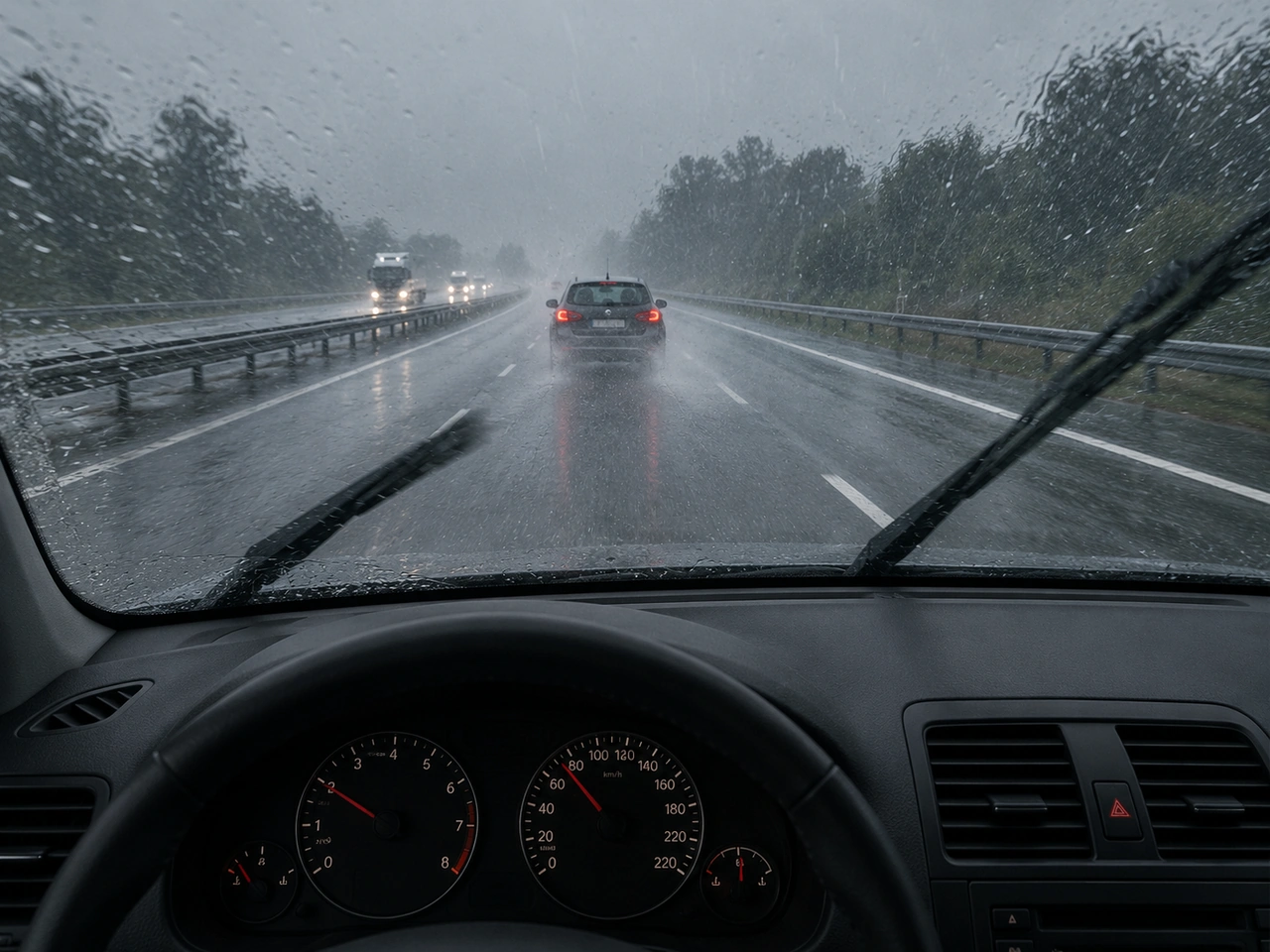
418. What should you do when driving through heavy rain?
Heavy rain reduces grip and visibility. Lower speed and extra distance give you more time to react safely.
AI-generated by Traffic-rules.com • WCIT • CC BY-SA
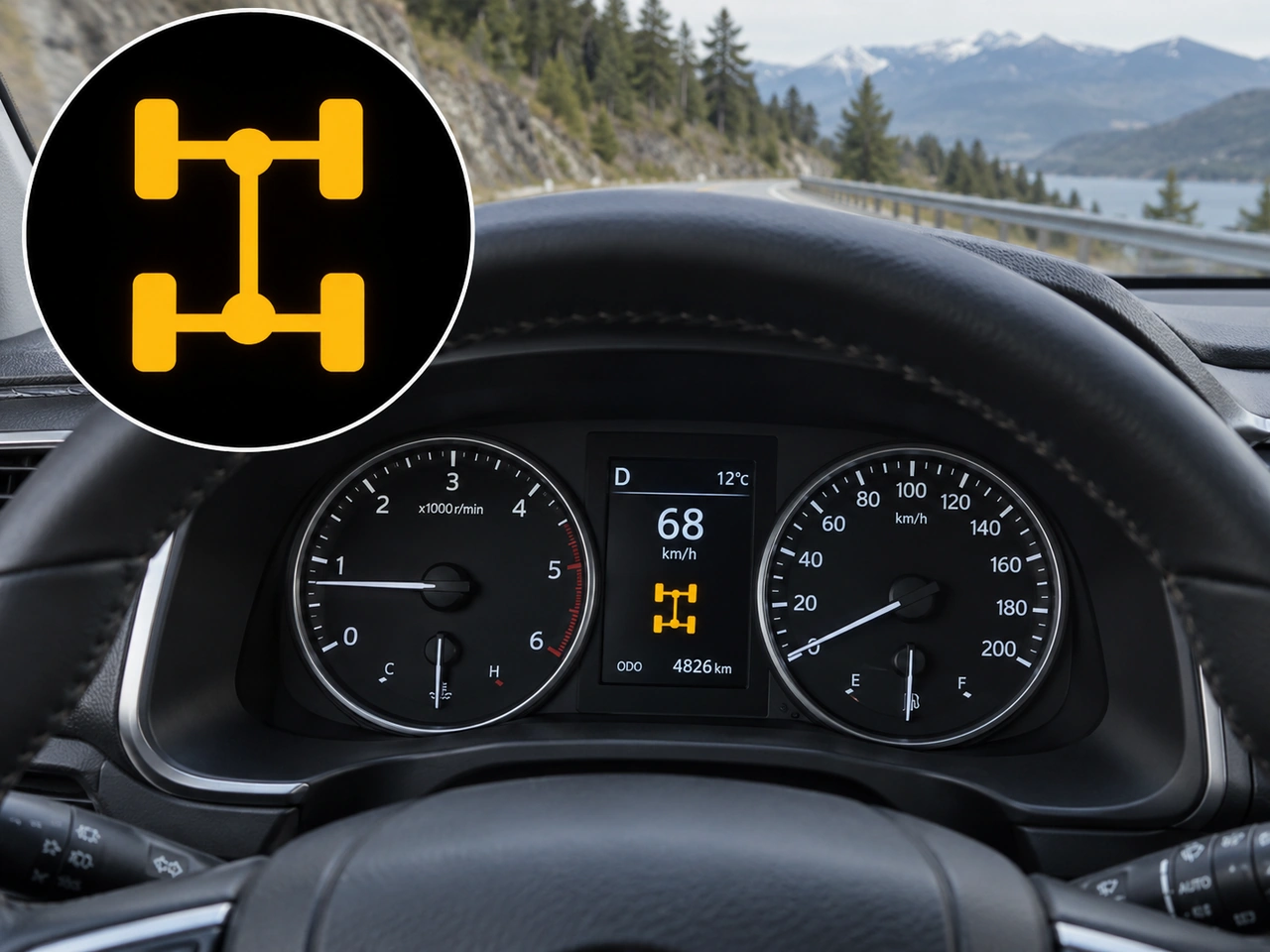
419. What does this dashboard symbol indicate?
This symbol relates to the vehicle's four-wheel-drive system, which can transmit power to all four wheels. The exact symbol and operating modes vary between vehicles.
AI-generated by Traffic-rules.com • WCIT • CC BY-SA
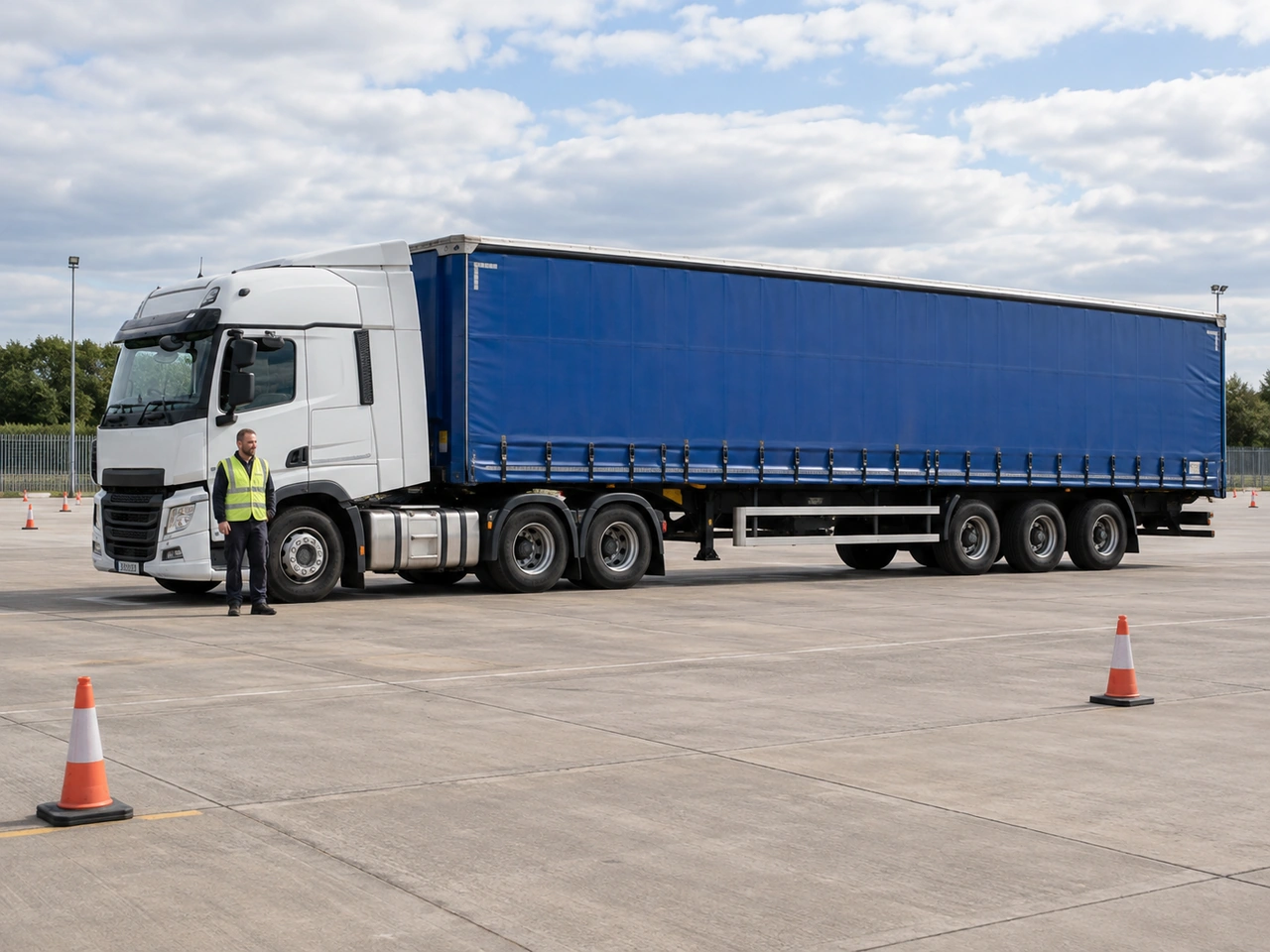
420. What is the minimum licence for a C vehicle towing a trailer over 750 kg?
Category C permits a trailer with a maximum authorised mass of up to 750 kg. A category C vehicle towing a trailer or semi-trailer above 750 kg requires category CE.
AI-generated by Traffic-rules.com • WCIT • CC BY-SA
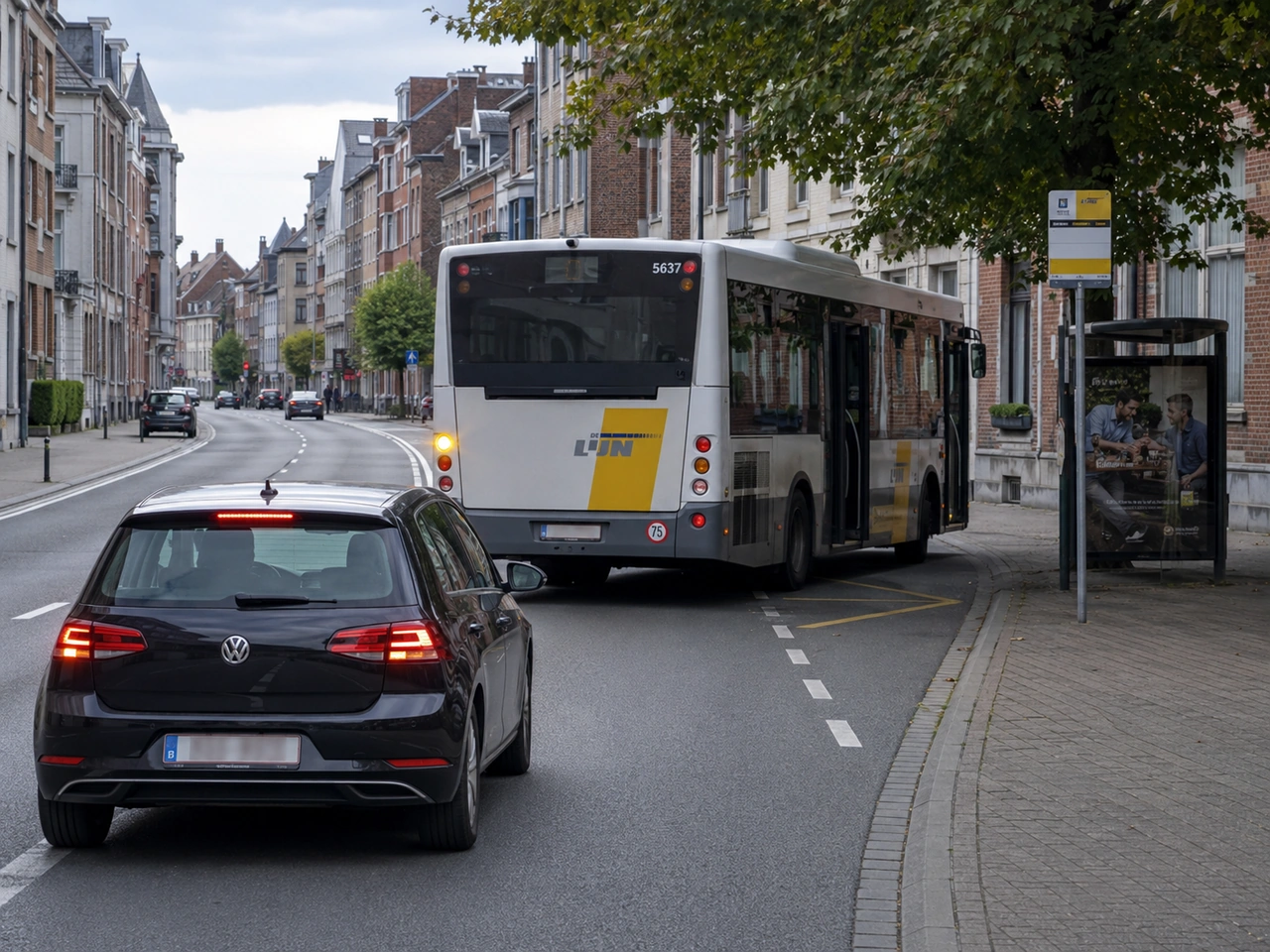
421. What should you do when a bus signals that it is leaving a stop inside a built-up area?
Inside built-up areas, a driver travelling in the same direction must allow a bus to leave its stop when the bus driver signals this intention.
AI-generated by Traffic-rules.com • WCIT • CC BY-SA
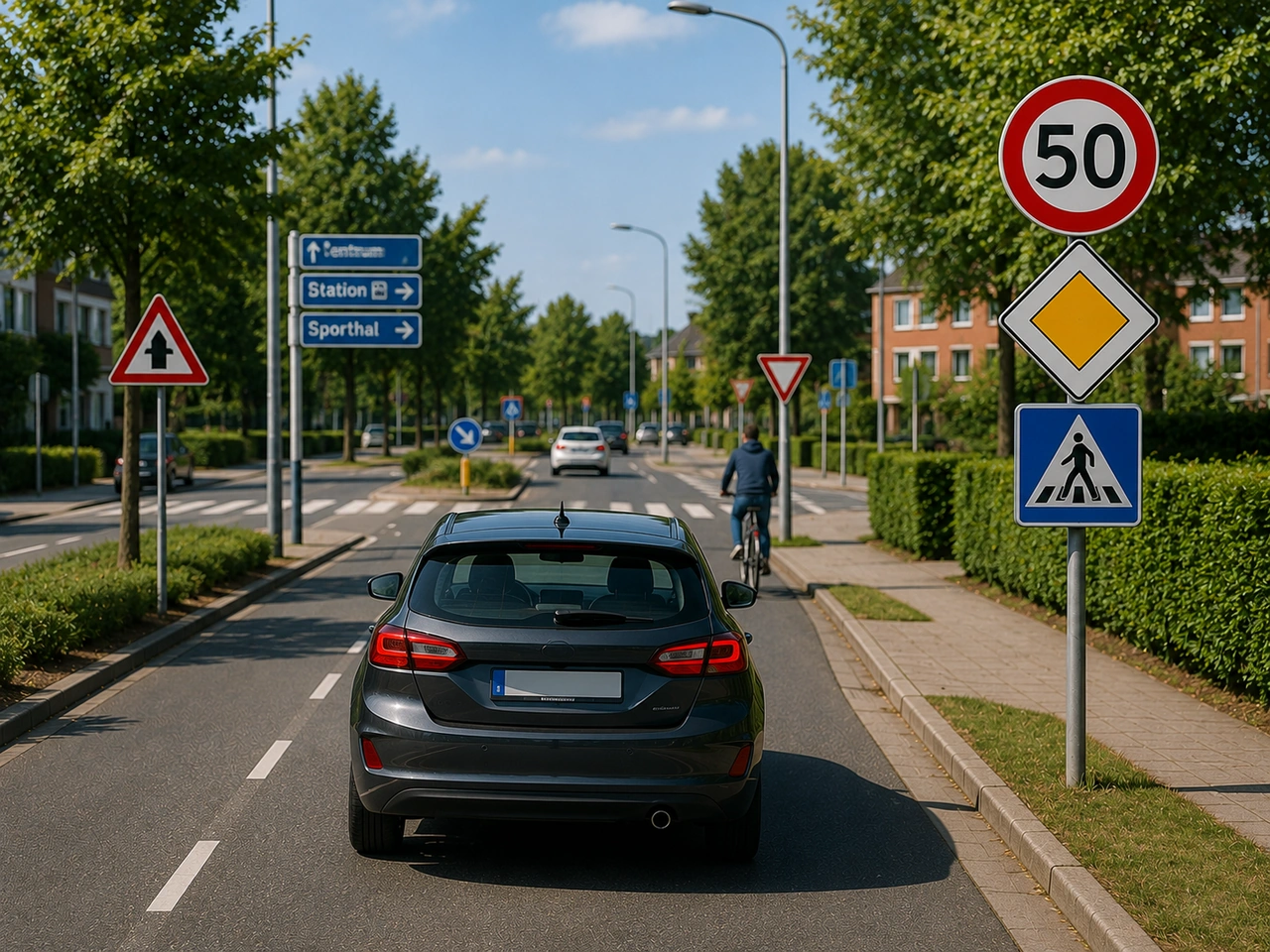
422. Why should you obey traffic signs?
Traffic signs help organise traffic and improve safety for drivers, cyclists, and pedestrians.
AI-generated by Traffic-rules.com • WCIT • CC BY-SA
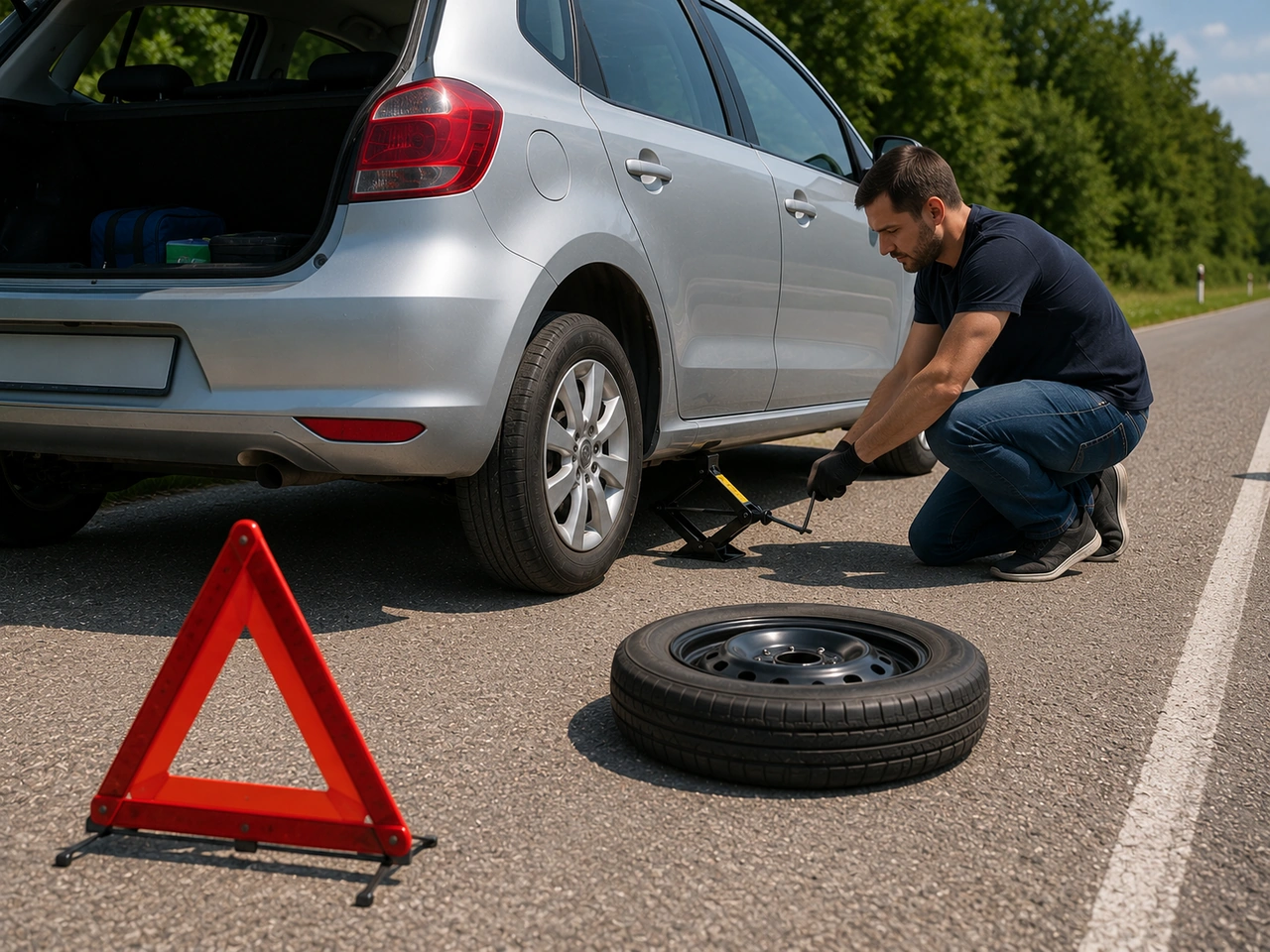
423. What is important when raising a vehicle with its jack?
A jack can slip or fail if it is incorrectly positioned. Secure the vehicle and use additional approved supports before working underneath it.
AI-generated by Traffic-rules.com • WCIT • CC BY-SA
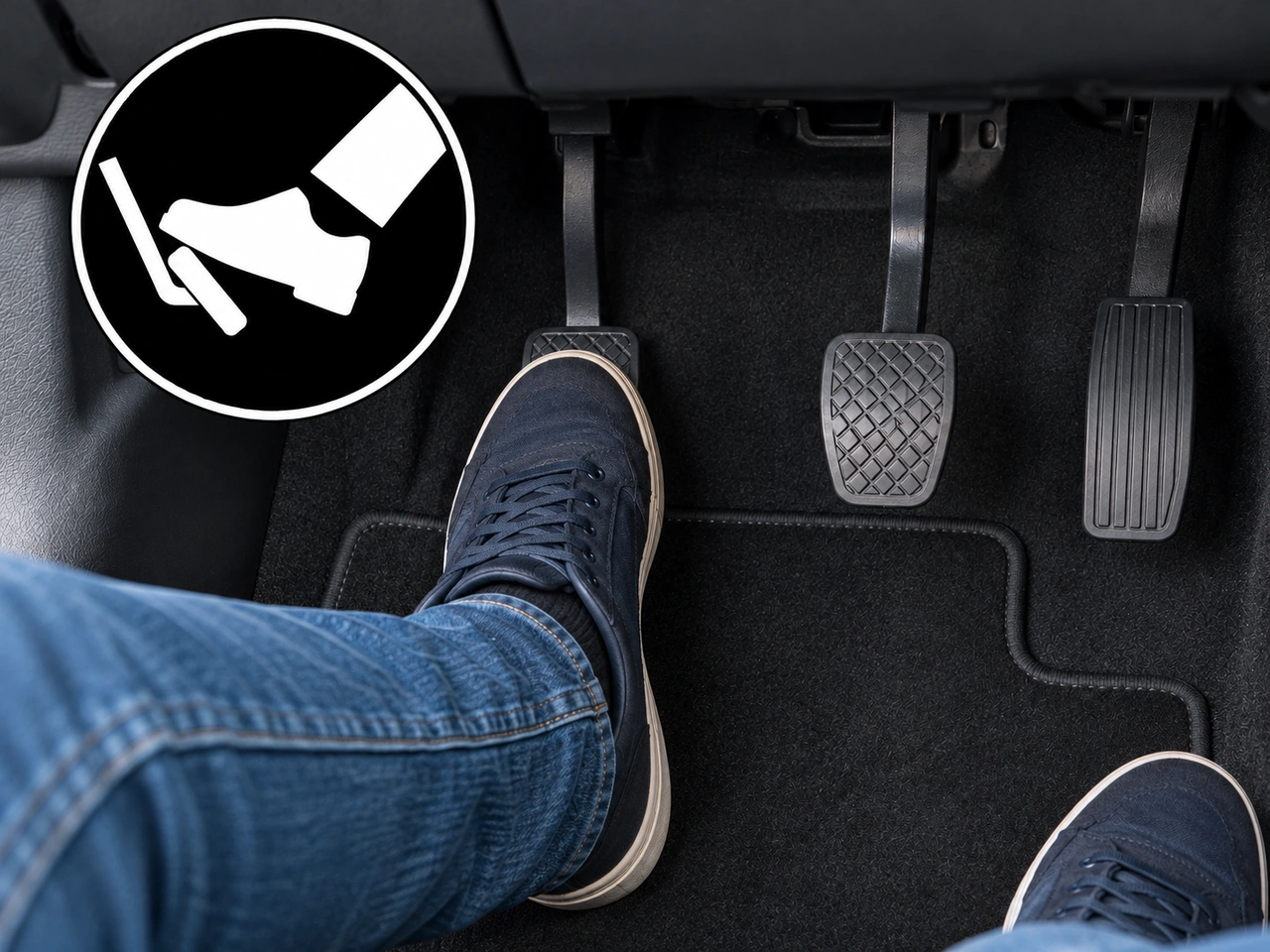
424. Why should you press the clutch pedal fully when changing gear?
Pressing the clutch pedal fully disengages the engine from the transmission, allowing the gear to be changed smoothly and reducing unnecessary wear on the gearbox and clutch.
AI-generated by Traffic-rules.com • WCIT • CC BY-SA
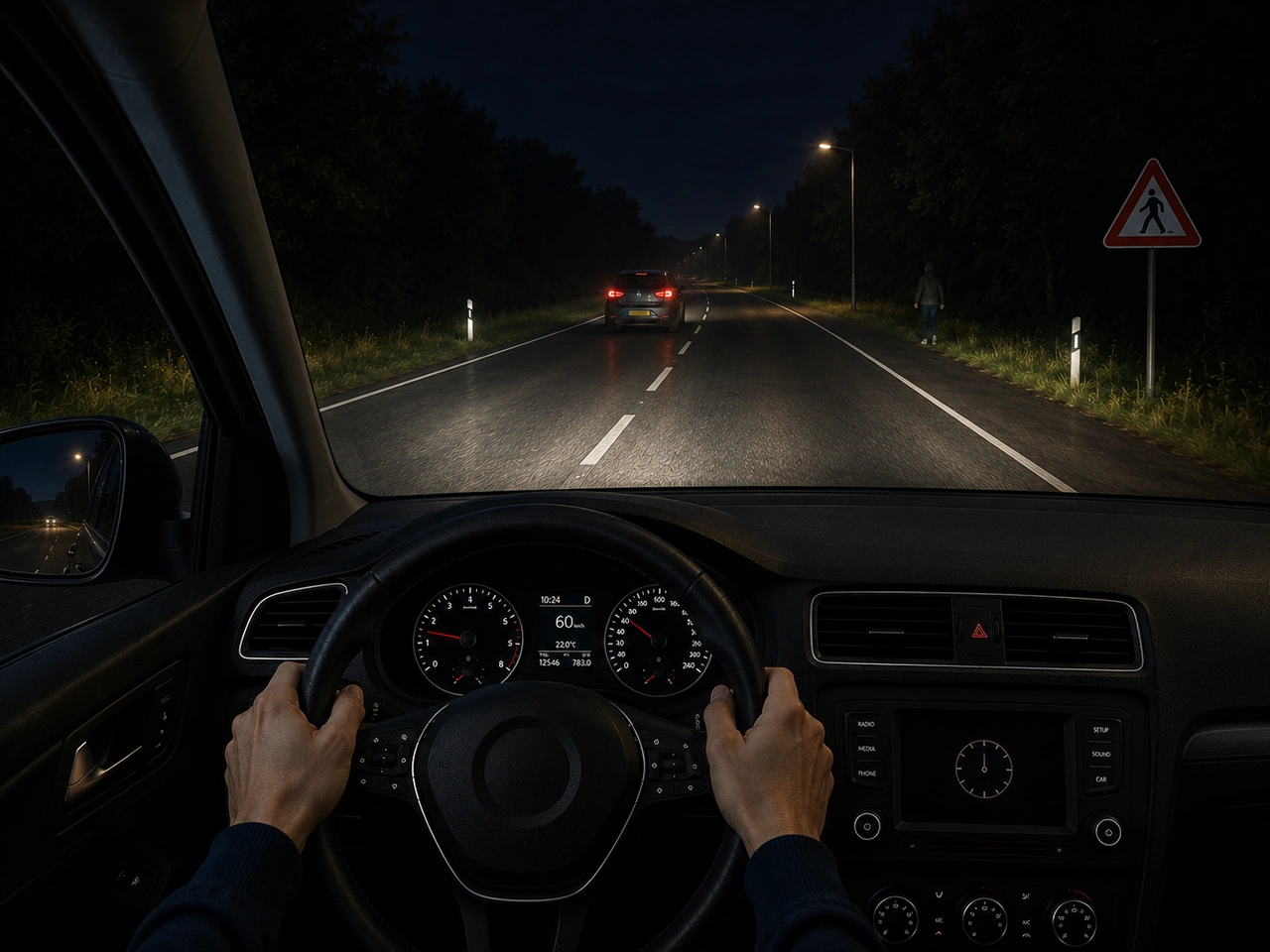
425. Why should you be extra careful at night?
At night, it is harder to see pedestrians, cyclists, road markings, and hazards. Reduce speed and use the correct lights.
AI-generated by Traffic-rules.com • WCIT • CC BY-SA
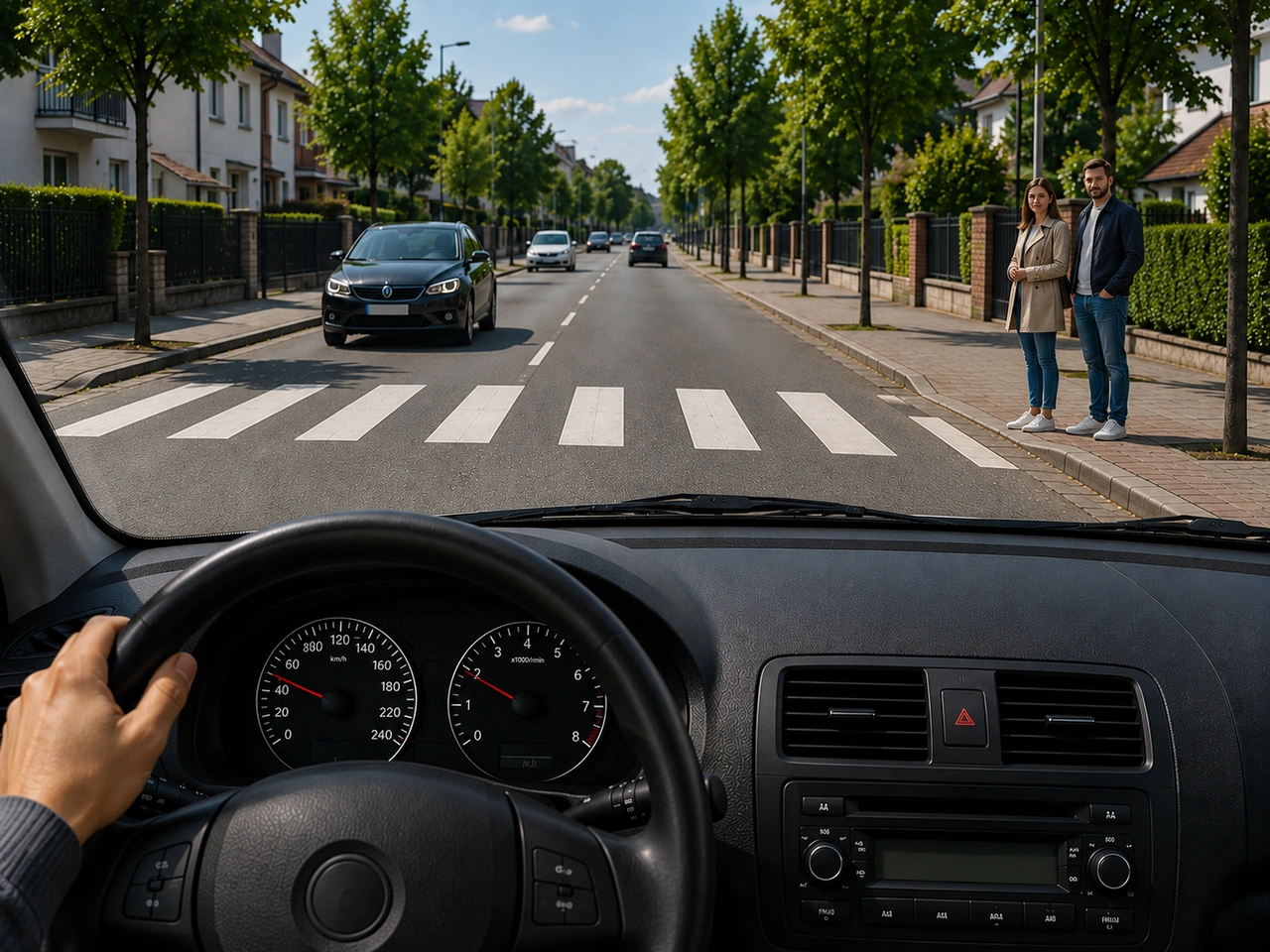
426. What should you do when people are waiting at a pedestrian crossing?
When people are waiting near a pedestrian crossing, reduce your speed and be ready to stop. Pedestrians may begin crossing at any moment.
AI-generated by Traffic-rules.com • WCIT • CC BY-SA
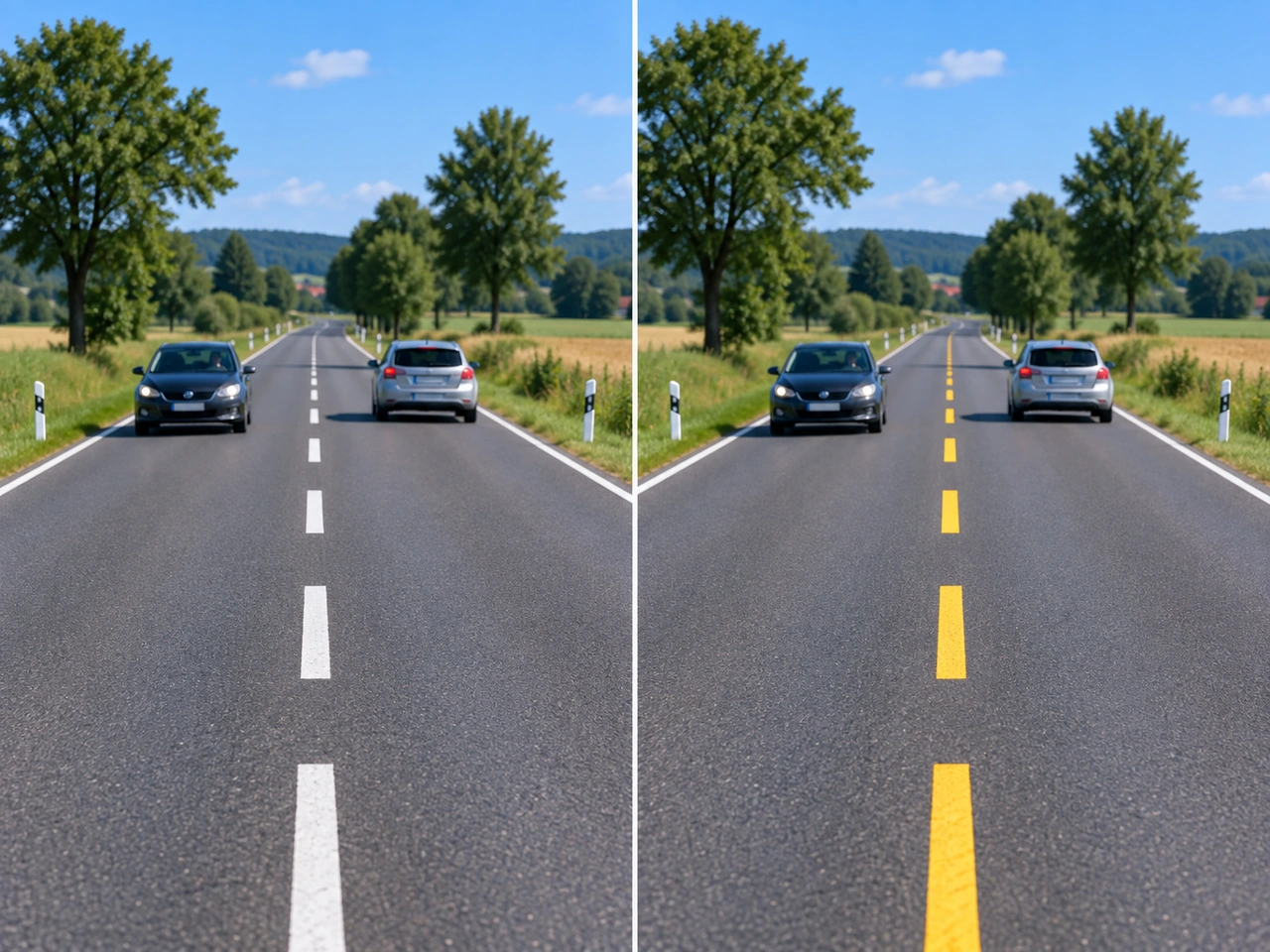
427. What colour is normally used for the centre line separating opposing traffic in Belgium?
Roads in Belgium normally use a white centre line to separate traffic travelling in opposite directions.
AI-generated by Traffic-rules.com • WCIT • CC BY-SA
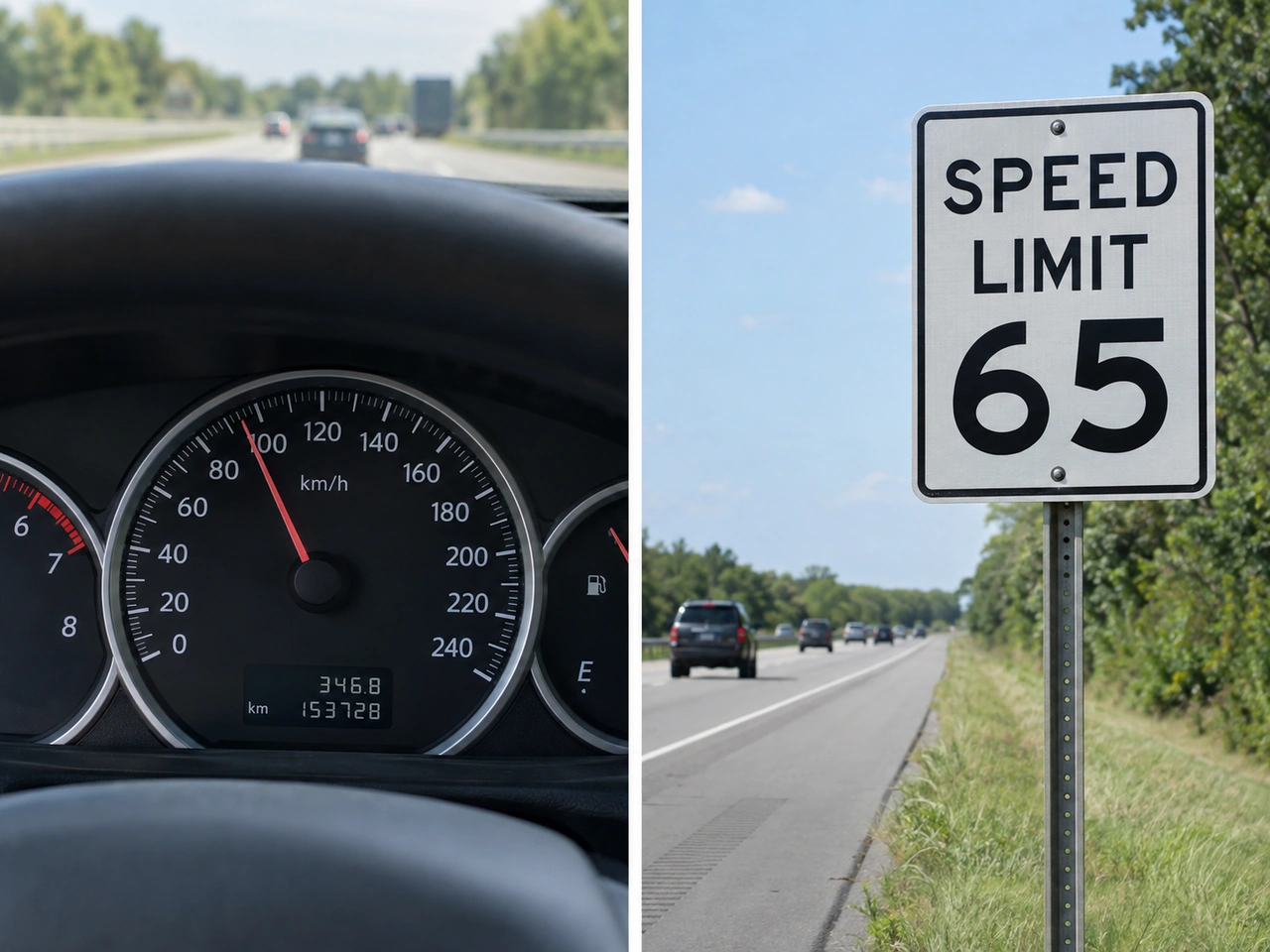
428. Which speed unit is used in Belgium?
Road speeds in Belgium are shown in kilometres per hour (km/h).
AI-generated by Traffic-rules.com • WCIT • CC BY-SA
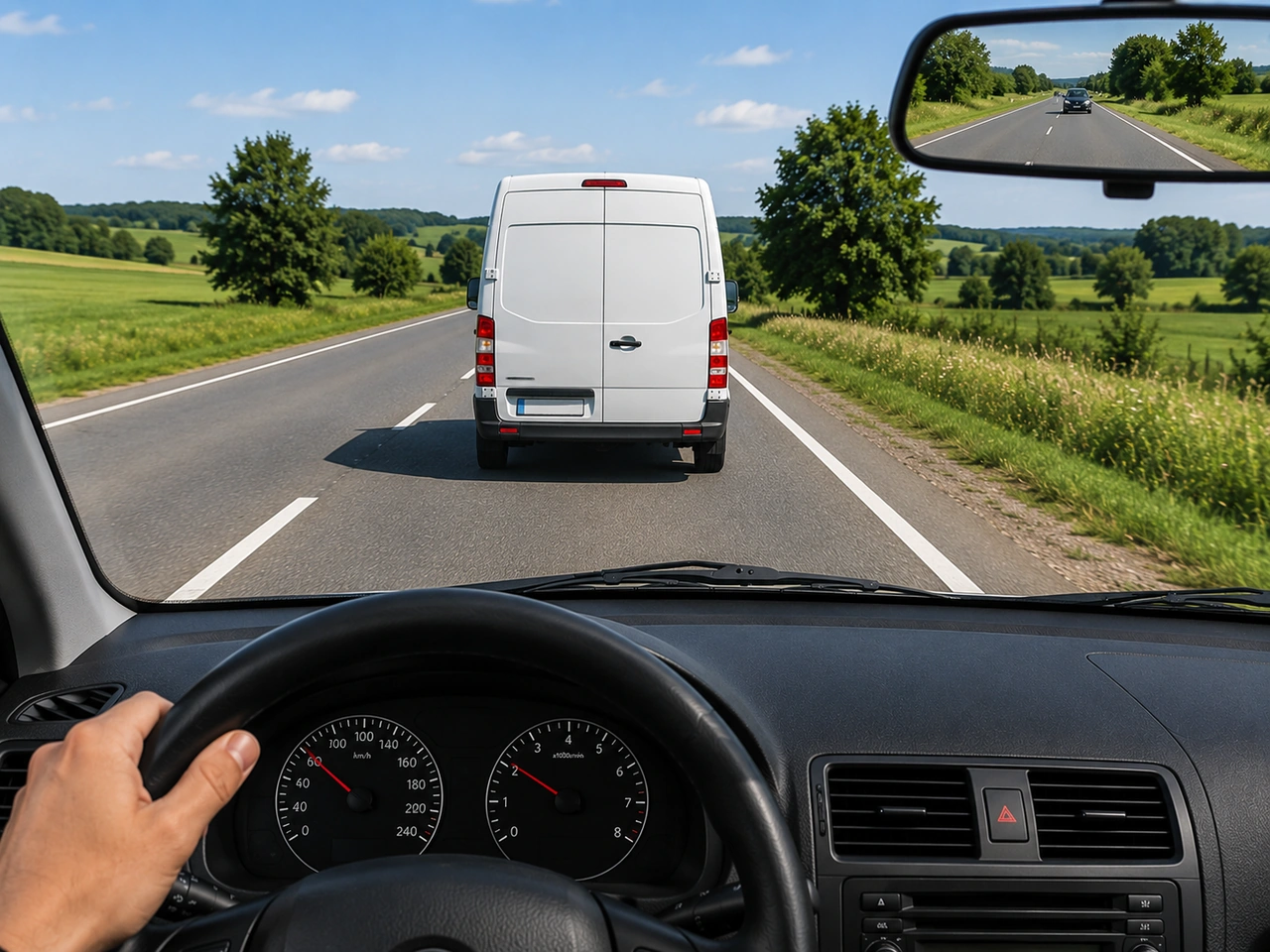
429. What is the main risk when following a vehicle with limited rear visibility?
Vans, trucks, and vehicles with blocked rear windows may have limited visibility. Keep extra distance and avoid sitting in blind spots.
AI-generated by Traffic-rules.com • WCIT • CC BY-SA
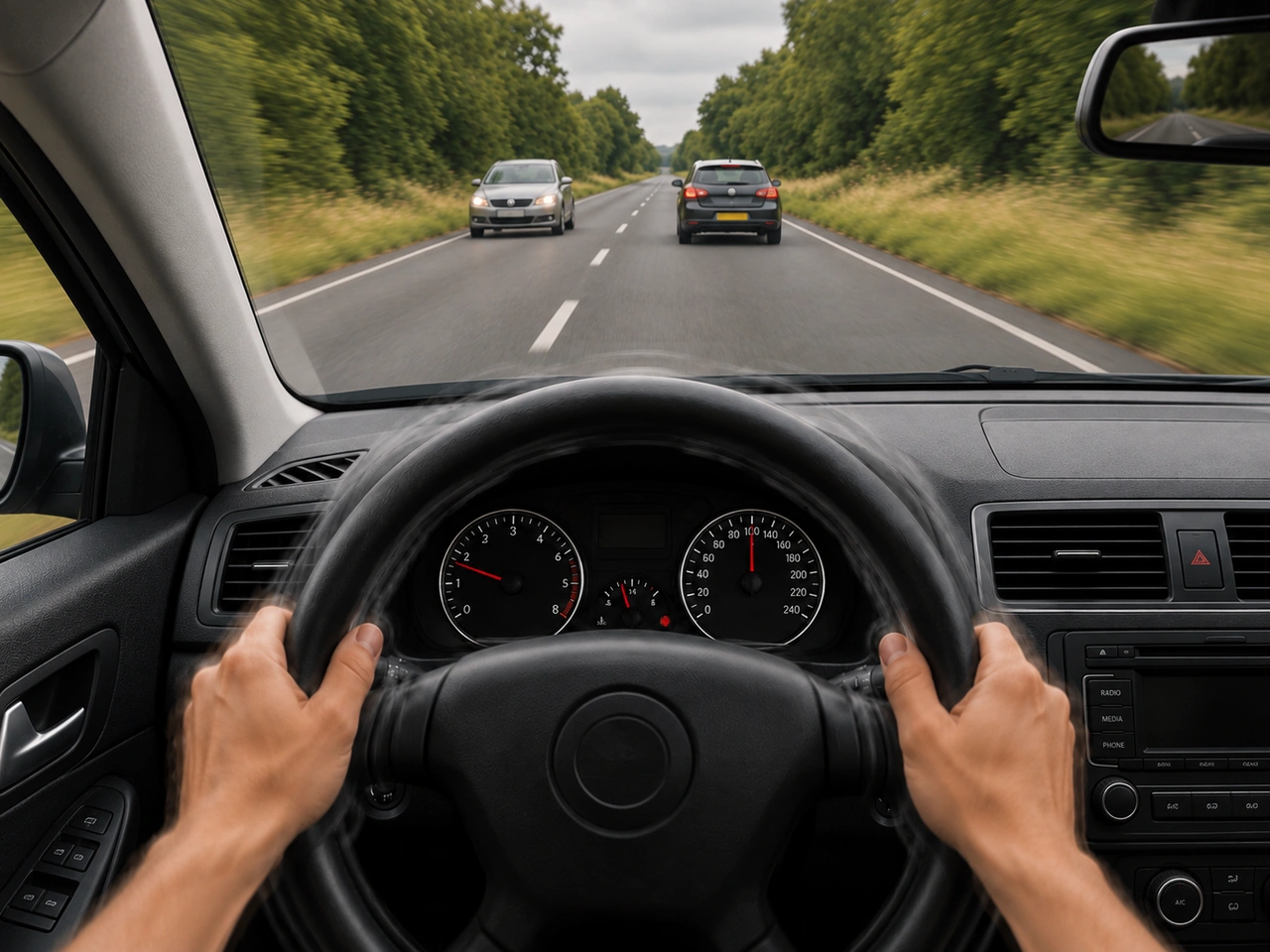
430. What should you do if an unusual vibration develops in the steering wheel?
An unusual vibration may indicate tyre damage, wheel imbalance, loose components, or another mechanical fault. Reduce speed and arrange an inspection.
AI-generated by Traffic-rules.com • WCIT • CC BY-SA
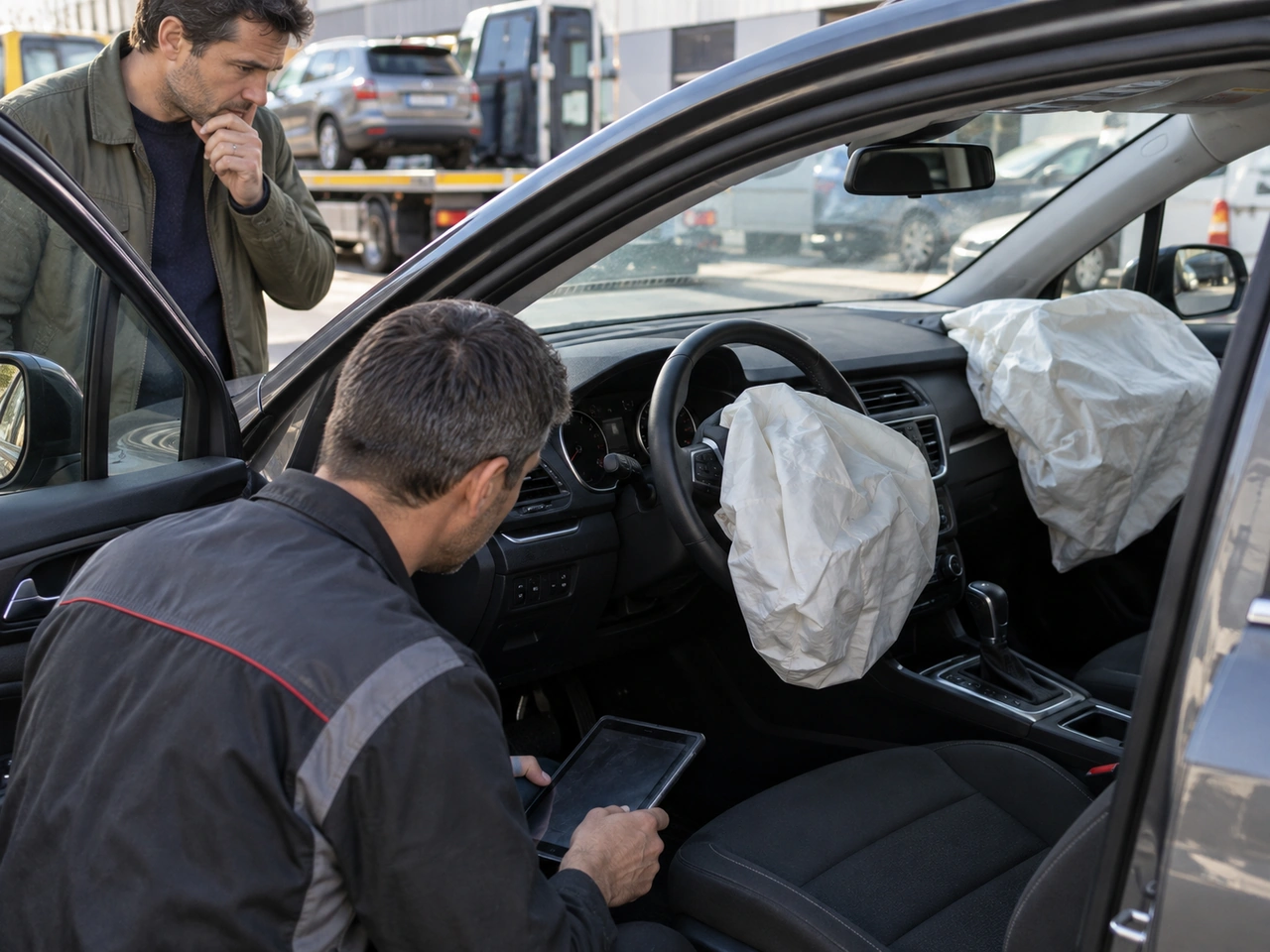
431. What should happen after an airbag has deployed?
A deployed airbag is a single-use safety component. After deployment, the restraint system should be professionally inspected and the airbag and any other affected components replaced or repaired as required before the system is relied upon again.
AI-generated by Traffic-rules.com • WCIT • CC BY-SA
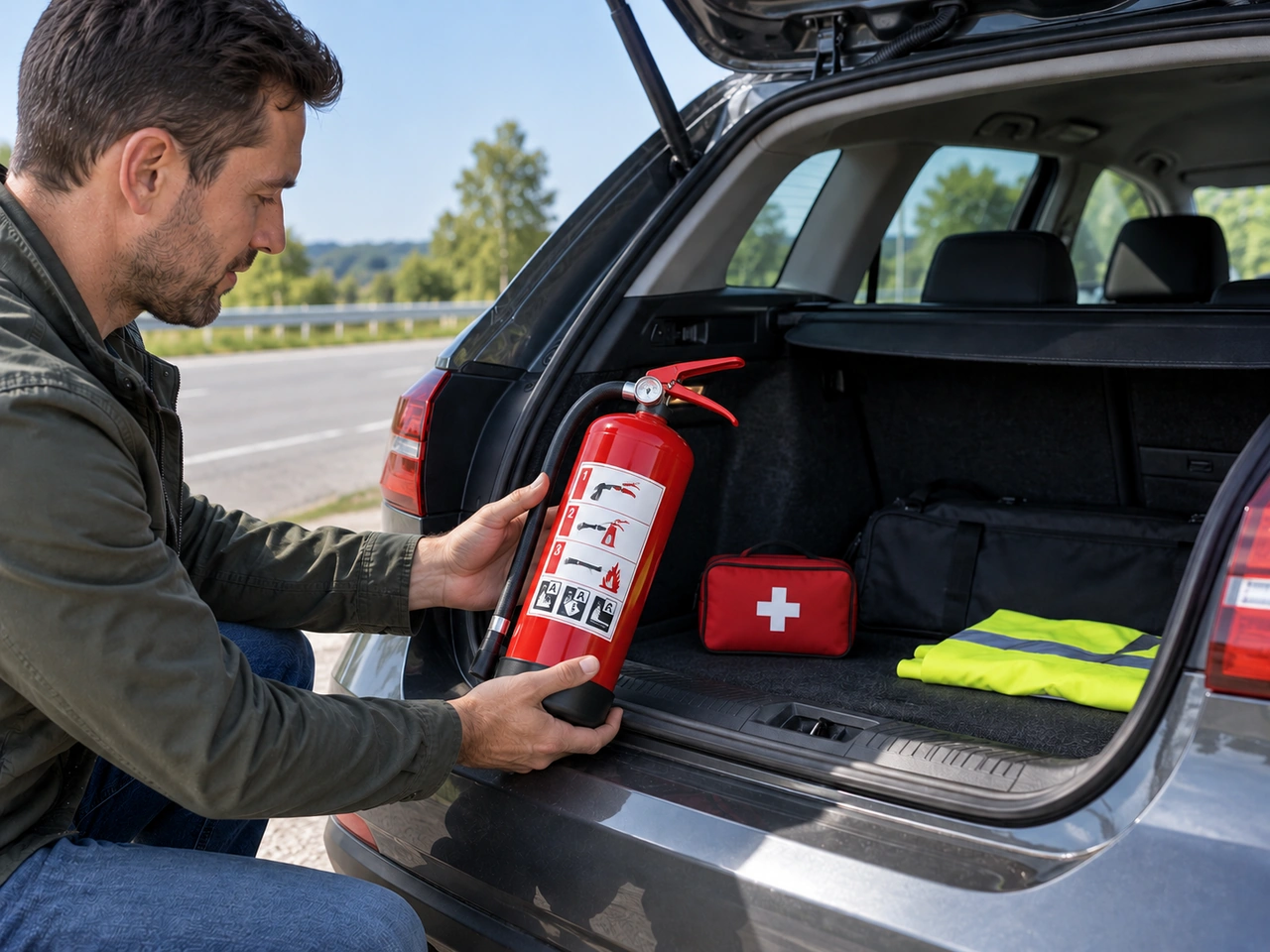
432. Is a fire extinguisher required in cars in Belgium?
Cars in Belgium are required to carry a fire extinguisher.
AI-generated by Traffic-rules.com • WCIT • CC BY-SA
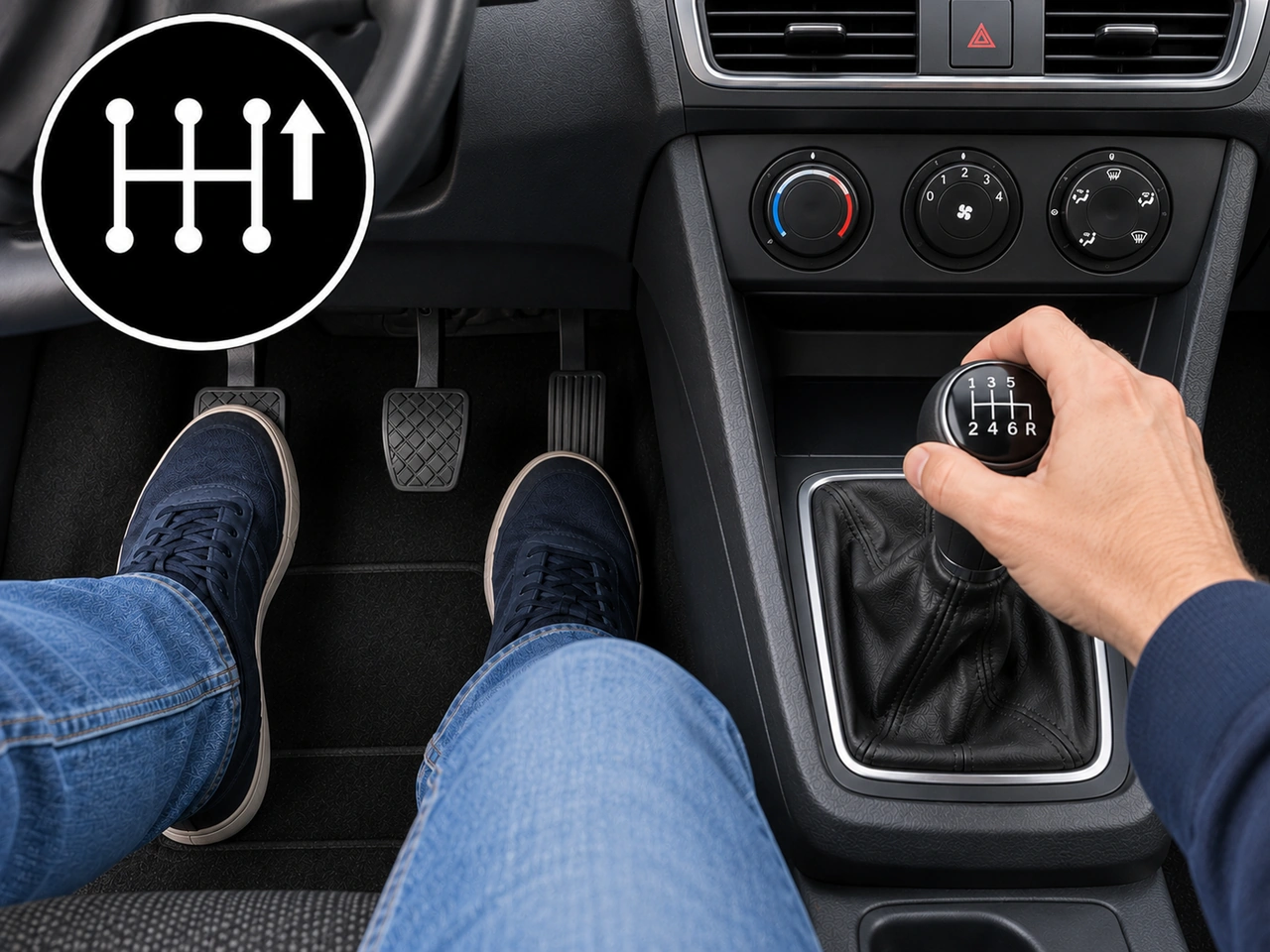
433. What should you normally do with the accelerator when changing to a higher gear?
When changing to a higher gear, ease off the accelerator as you press the clutch and select the next gear. Release the clutch smoothly and then apply the accelerator progressively.
AI-generated by Traffic-rules.com • WCIT • CC BY-SA
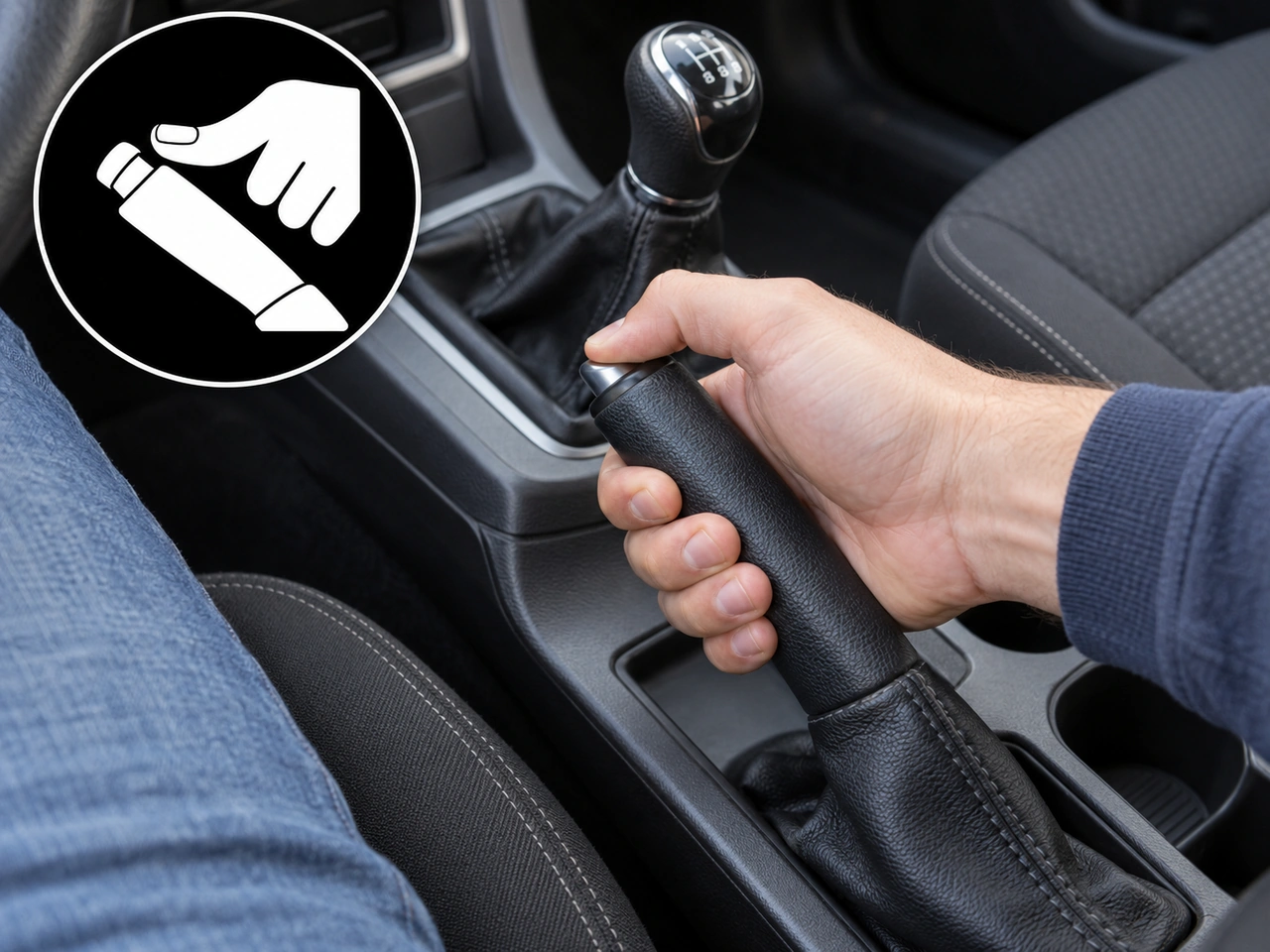
434. What is the button on a manual handbrake lever used for?
To release a manual handbrake, pull the lever up slightly, press and hold the release button, then lower the lever under control.
AI-generated by Traffic-rules.com • WCIT • CC BY-SA
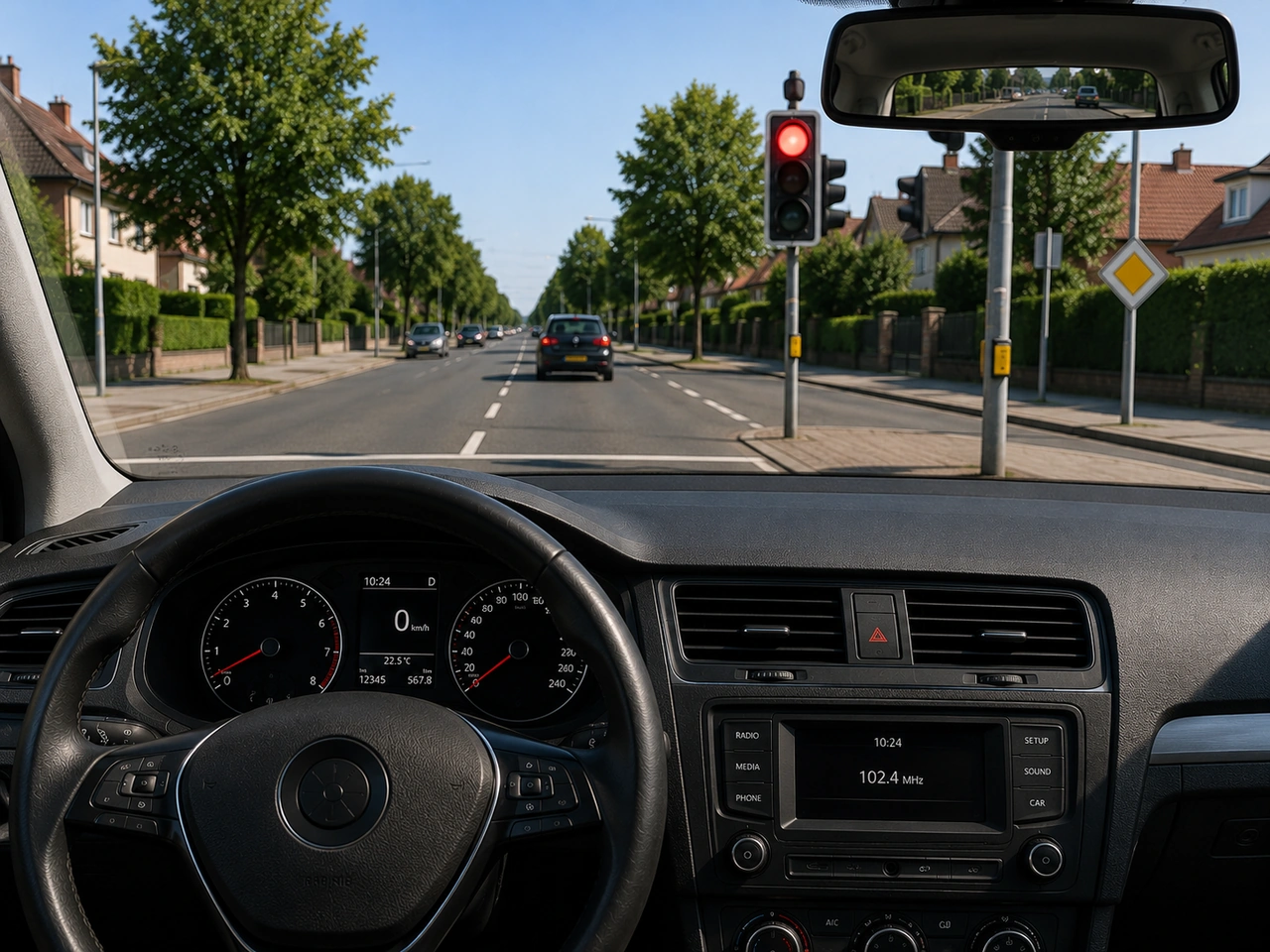
435. You must stop at a red traffic light.
A red traffic light means you must stop and wait until it is allowed to proceed.
AI-generated by Traffic-rules.com • WCIT • CC BY-SA
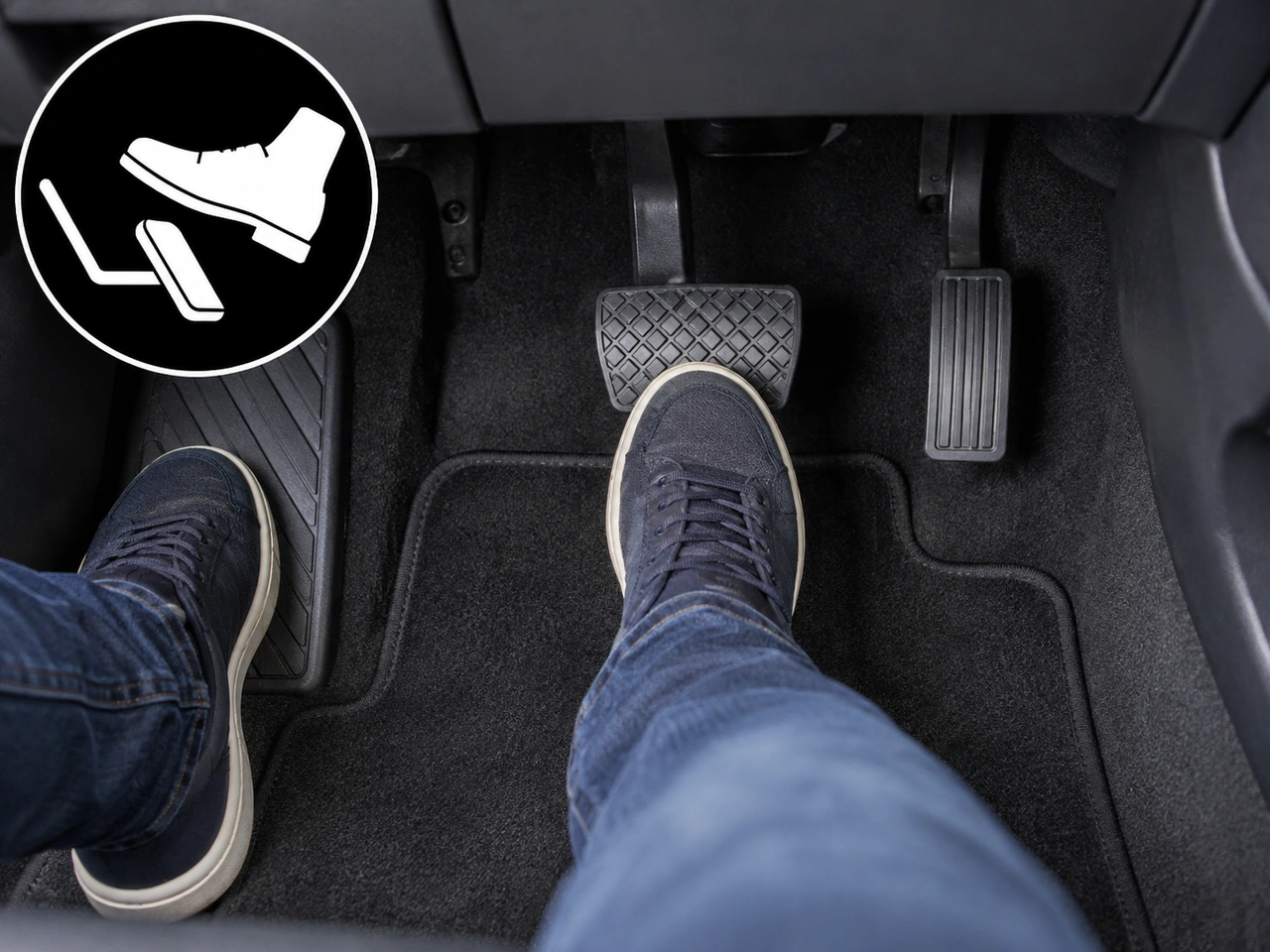
436. What does it mean to cover the brake pedal?
To cover the brake, move your right foot over the brake pedal without pressing it, so you are ready to brake quickly if a hazard develops.
AI-generated by Traffic-rules.com • WCIT • CC BY-SA
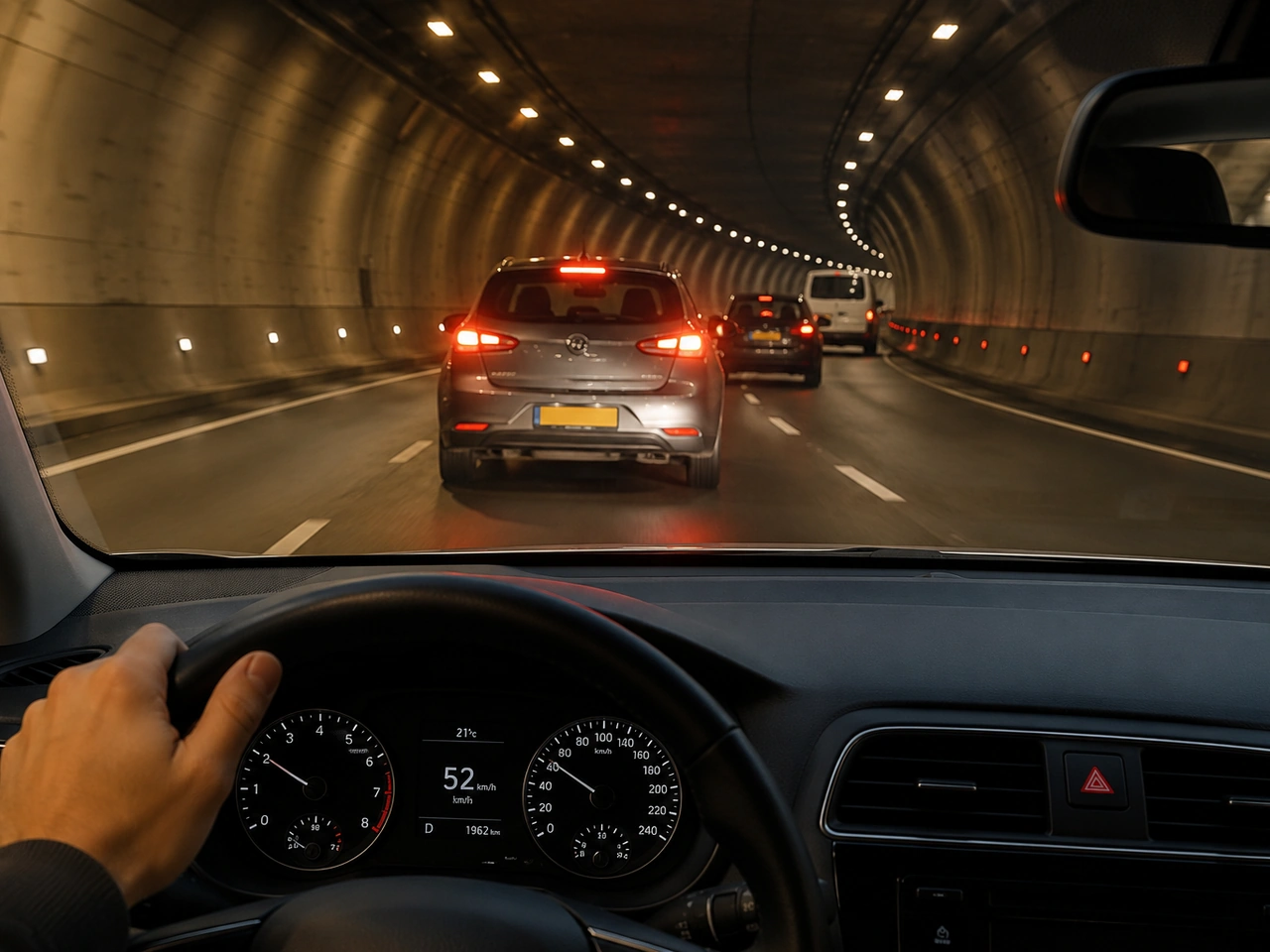
437. Why should you leave a safe following distance inside a tunnel?
Limited space and visibility can make incidents inside tunnels especially dangerous. A safe gap gives you more time to react.
AI-generated by Traffic-rules.com • WCIT • CC BY-SA
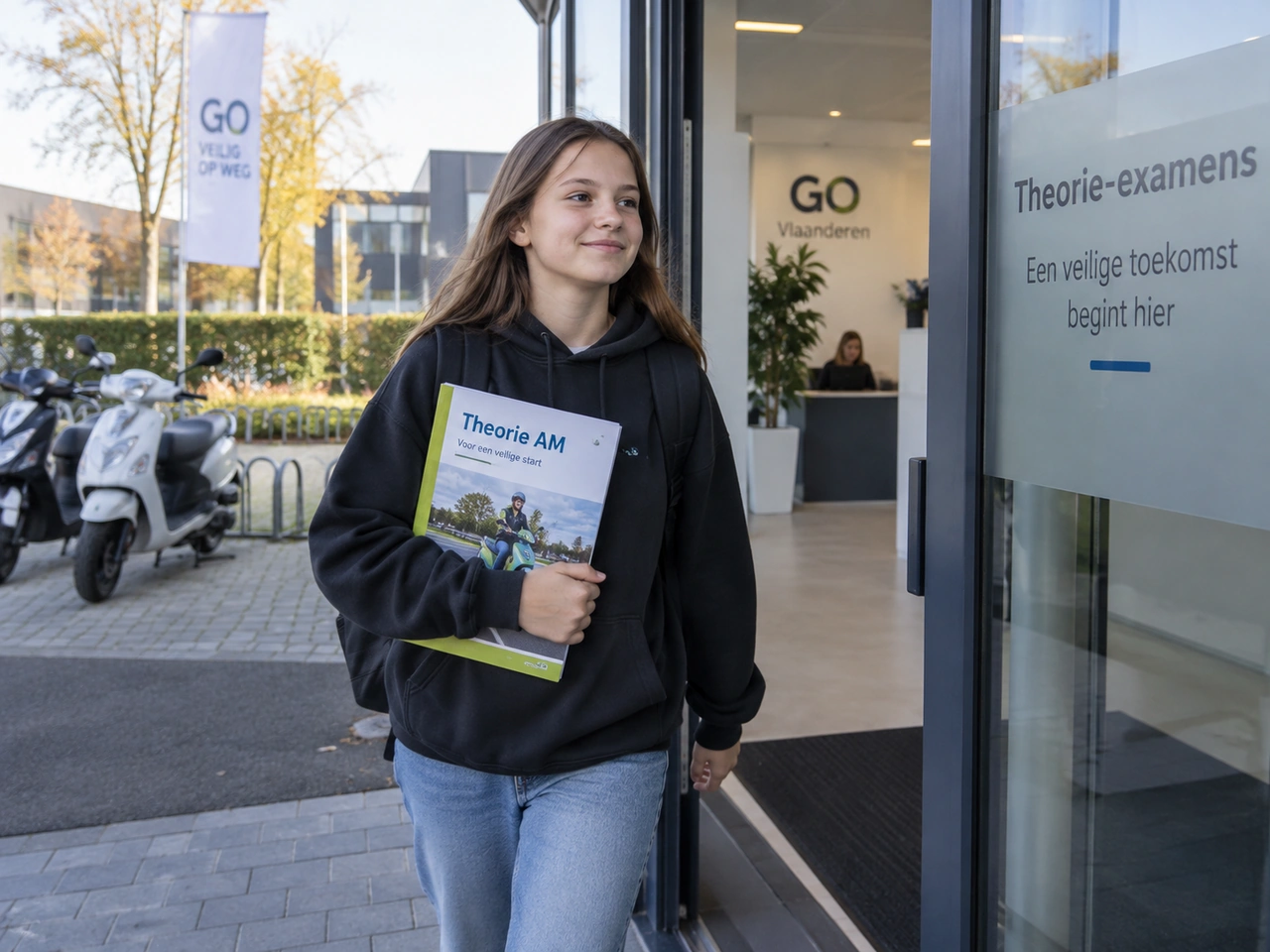
438. When can you take the Belgian category AM theory test?
The theory test for driving licence AM may be taken from three months before the age of 16. The licence itself may be obtained from the age of 16.
AI-generated by Traffic-rules.com • WCIT • CC BY-SA
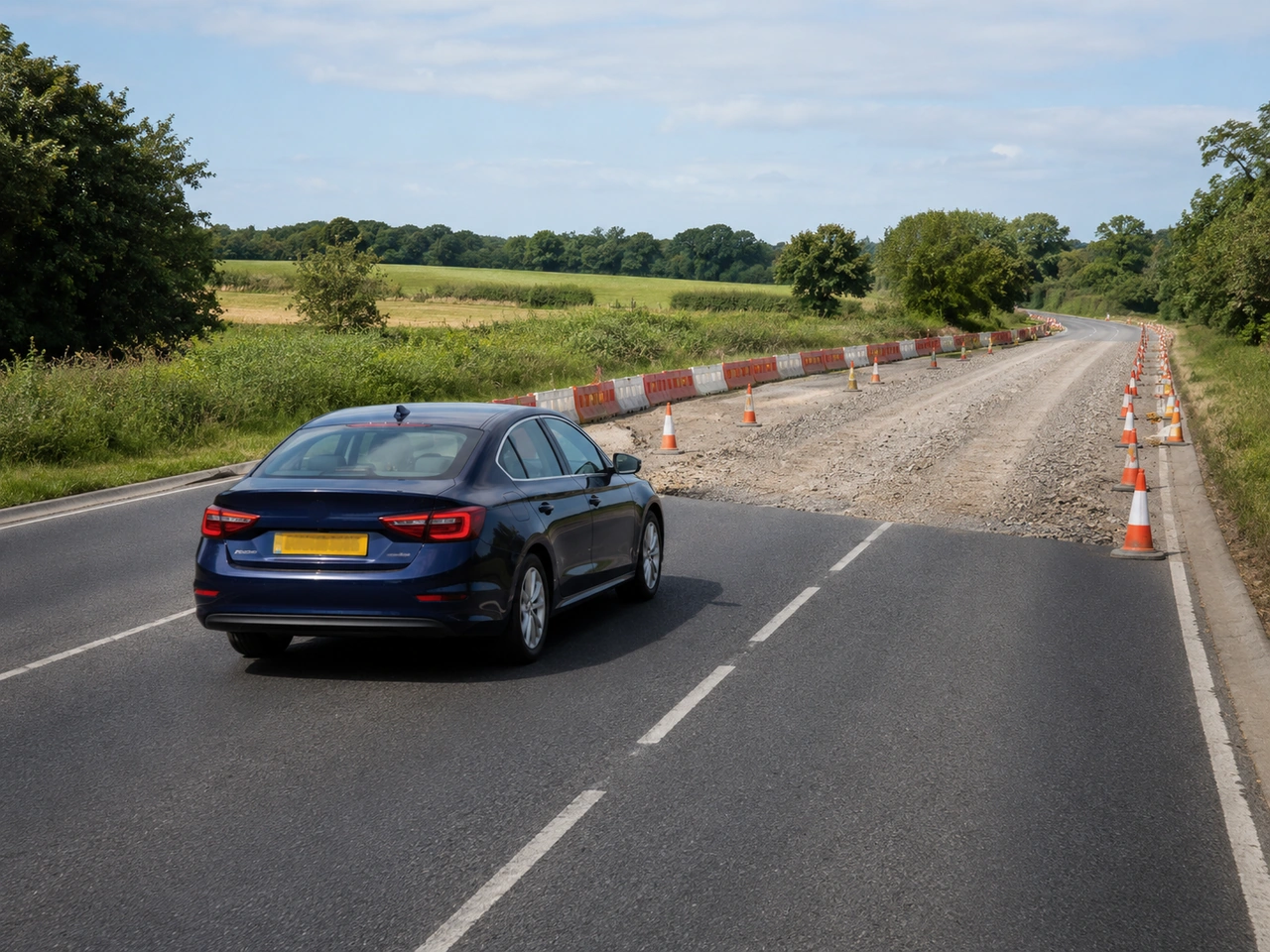
439. Why can temporary road surfaces increase stopping distance?
Temporary surfaces may provide less grip than normal asphalt. Reduce speed and allow more distance for braking.
AI-generated by Traffic-rules.com • WCIT • CC BY-SA
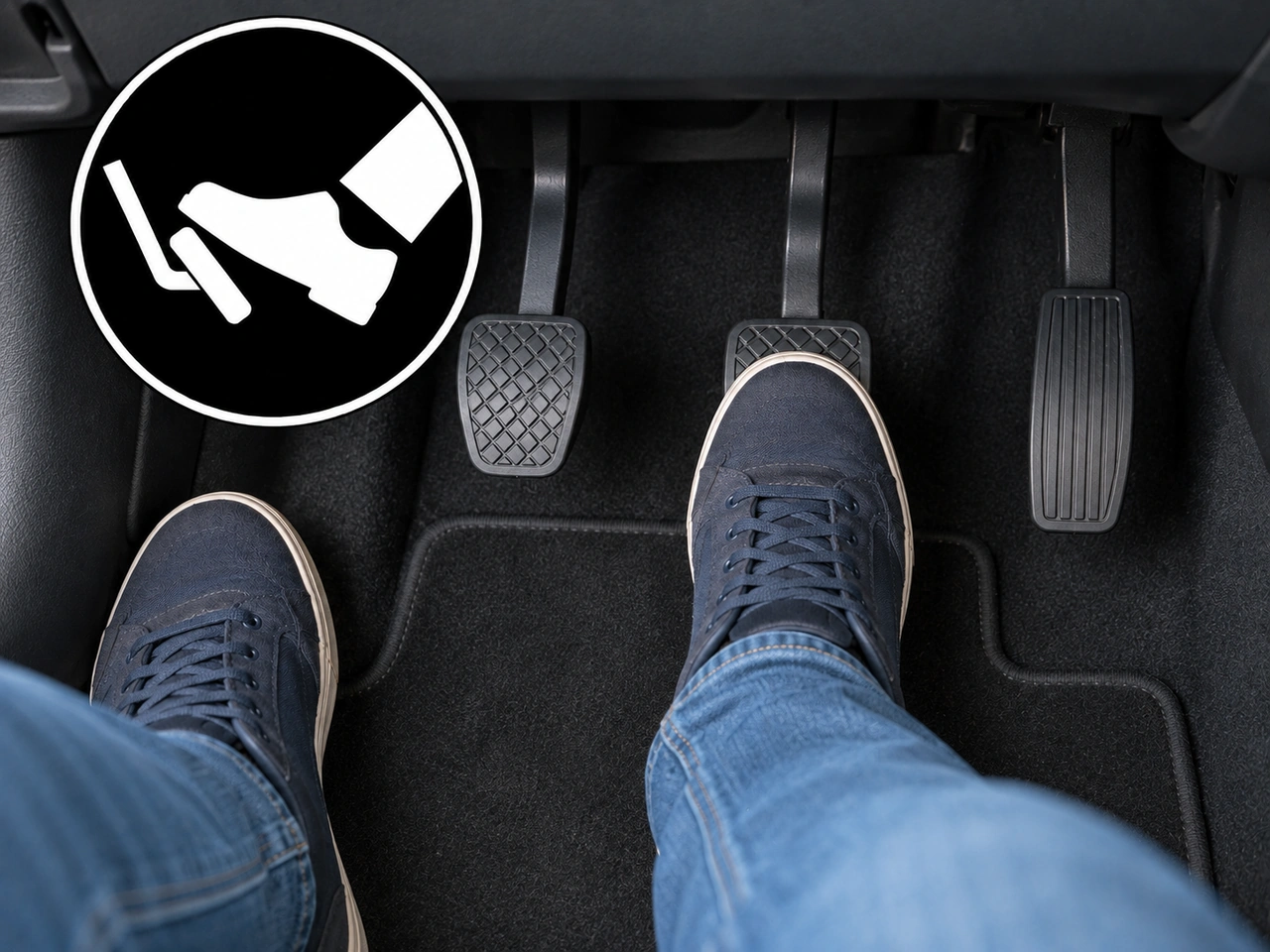
440. Which pedal is used to slow down or stop the vehicle?
The brake pedal is used to reduce the vehicle's speed or bring it to a stop. In a manual vehicle, it is the middle pedal.
AI-generated by Traffic-rules.com • WCIT • CC BY-SA
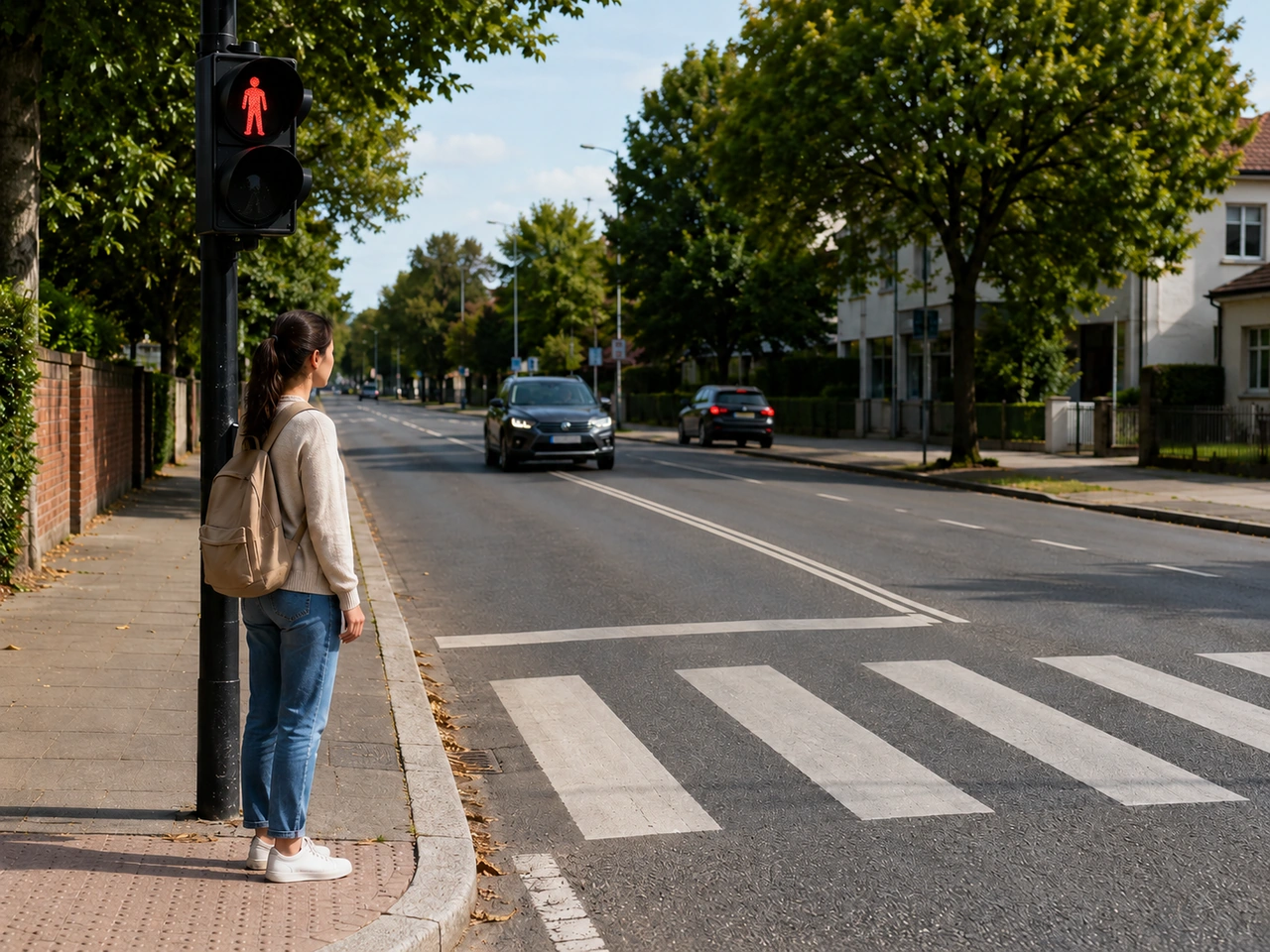
441. What should you do if the pedestrian light is red?
A red pedestrian signal means you should wait before crossing.
AI-generated by Traffic-rules.com • WCIT • CC BY-SA
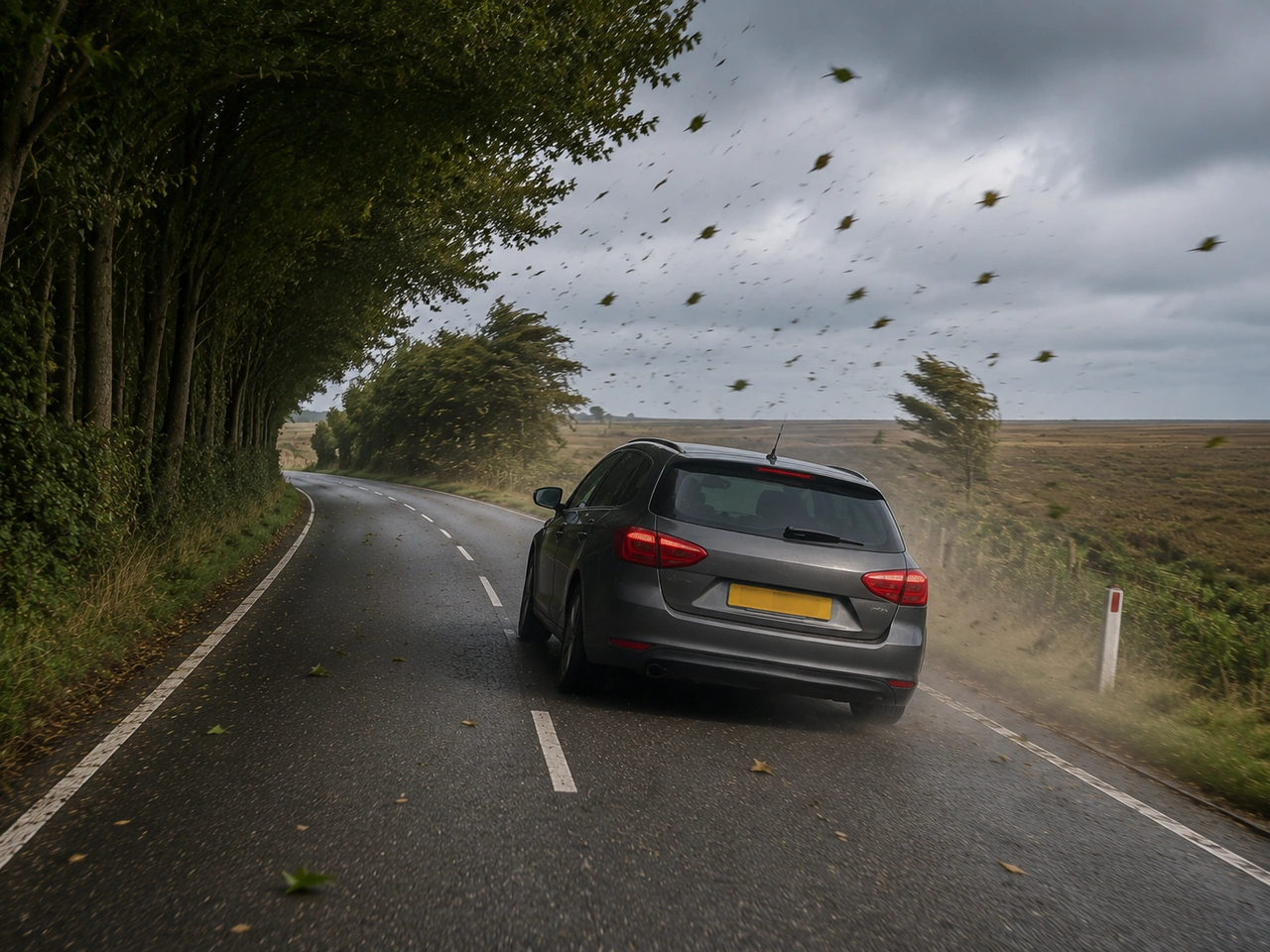
442. What should you expect when leaving a sheltered area during strong winds?
Buildings, trees, and other obstacles can block wind. When you leave shelter, a sudden gust may push your vehicle.
AI-generated by Traffic-rules.com • WCIT • CC BY-SA
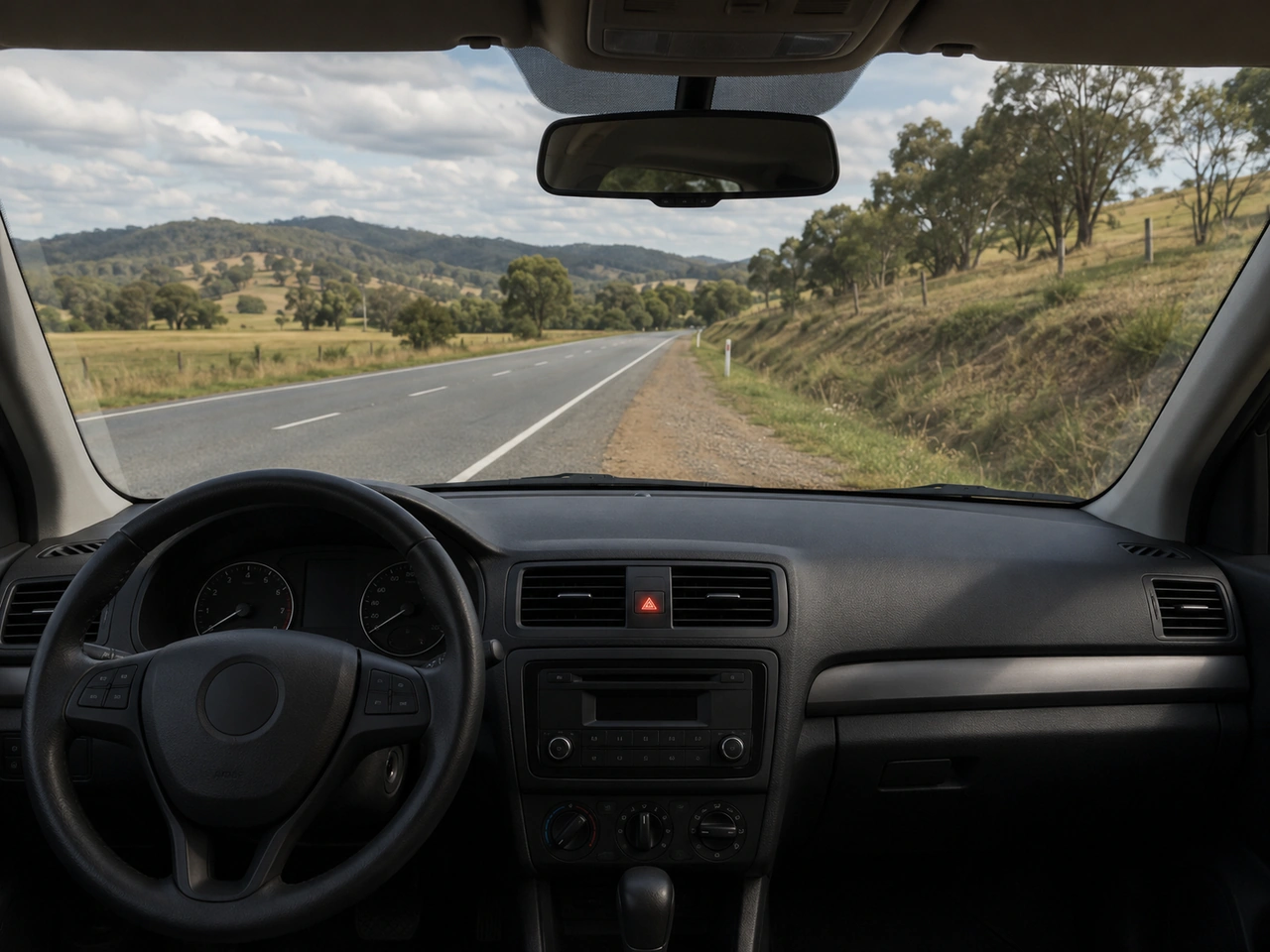
443. How should you leave a broken-down vehicle when traffic is passing nearby?
Leaving through the side away from traffic reduces the risk of being struck by a passing vehicle.
AI-generated by Traffic-rules.com • WCIT • CC BY-SA
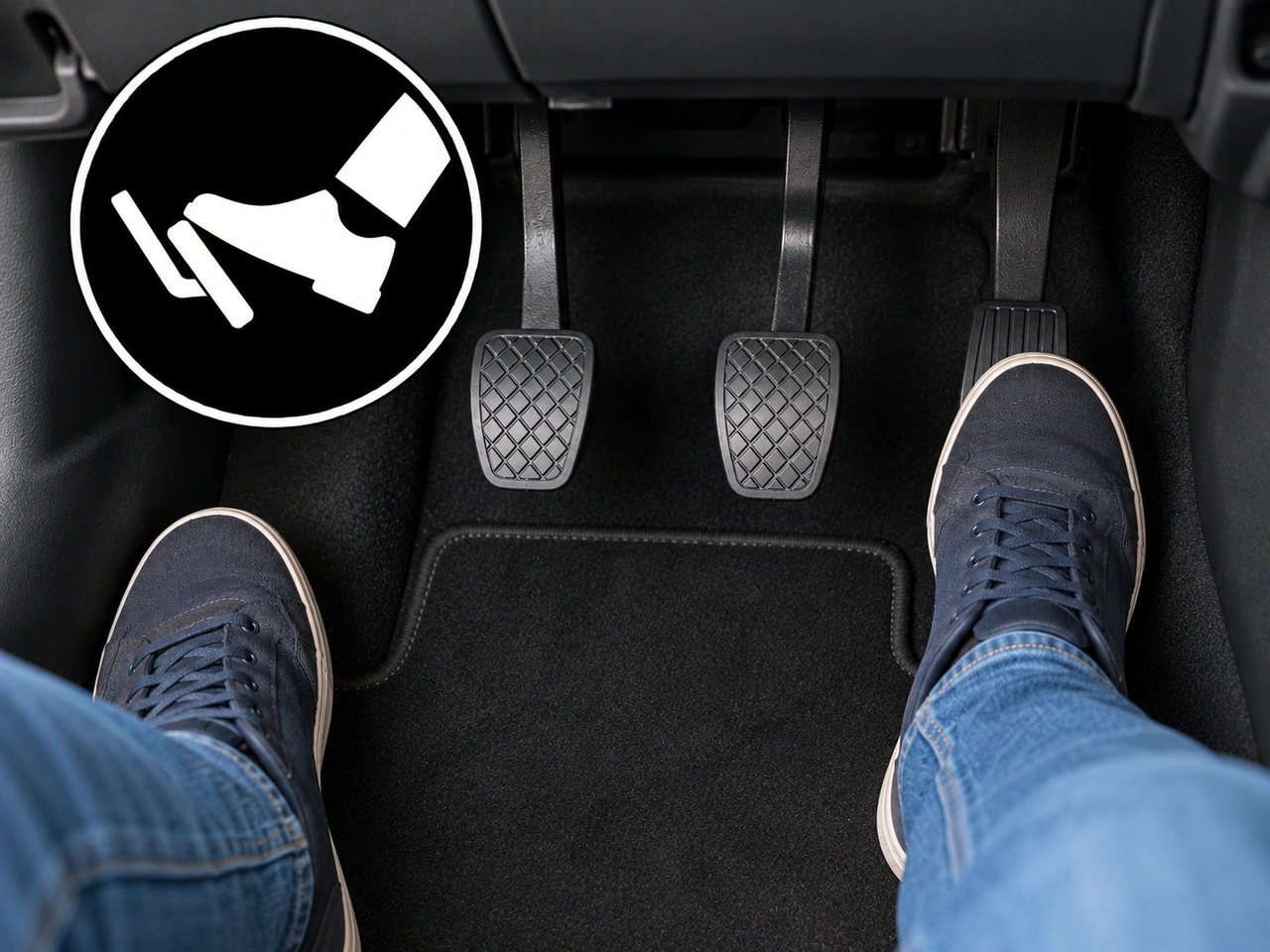
444. Which pedal is used to increase the vehicle's speed?
The accelerator pedal controls the amount of power delivered by the engine and is used to increase or maintain the vehicle's speed. It is the right-hand pedal.
AI-generated by Traffic-rules.com • WCIT • CC BY-SA
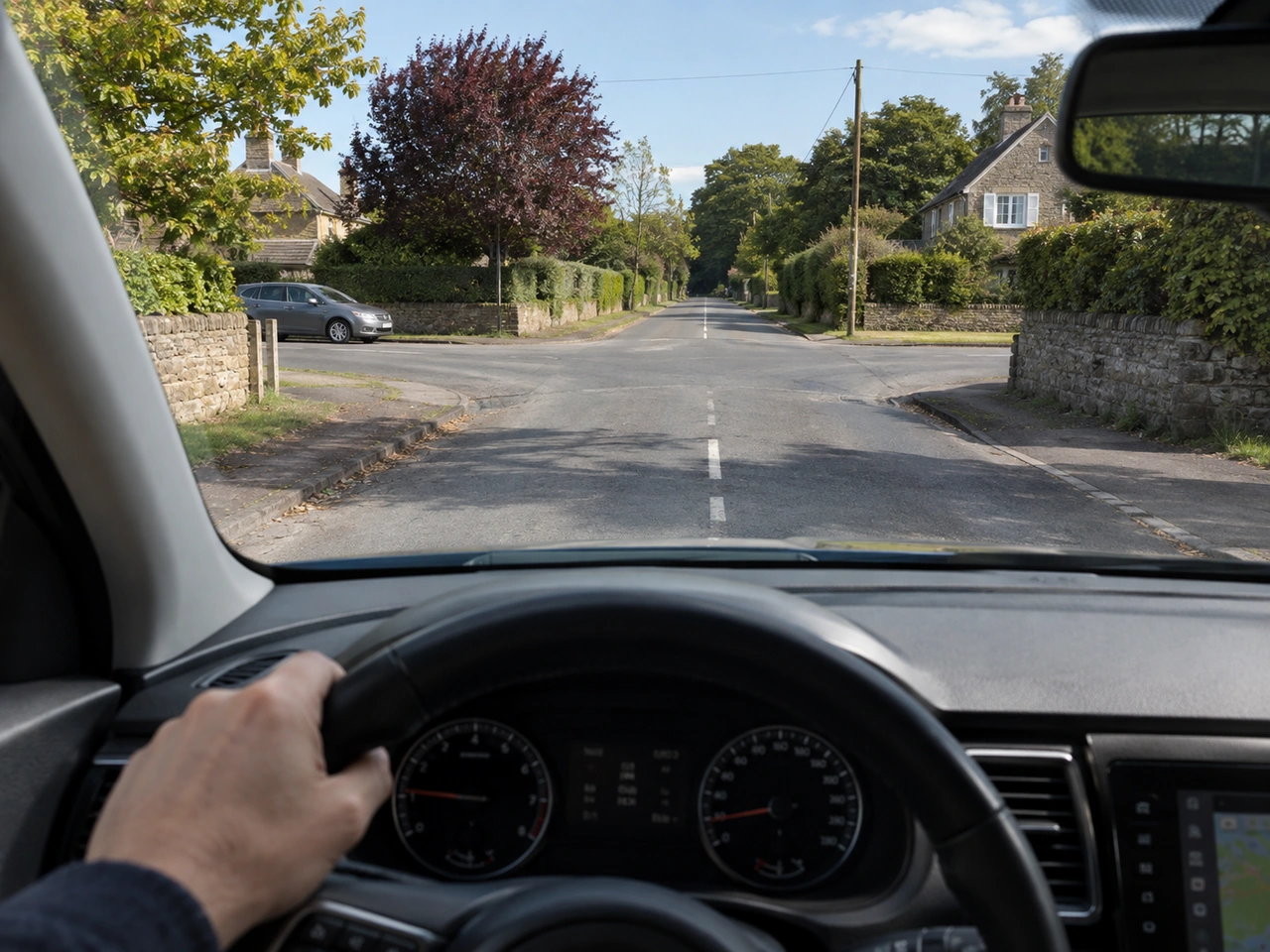
445. What should you do when approaching an uncontrolled junction?
At an uncontrolled junction, priority may not be obvious. Reduce speed, check carefully, and only enter when you are sure it is safe.
AI-generated by Traffic-rules.com • WCIT • CC BY-SA
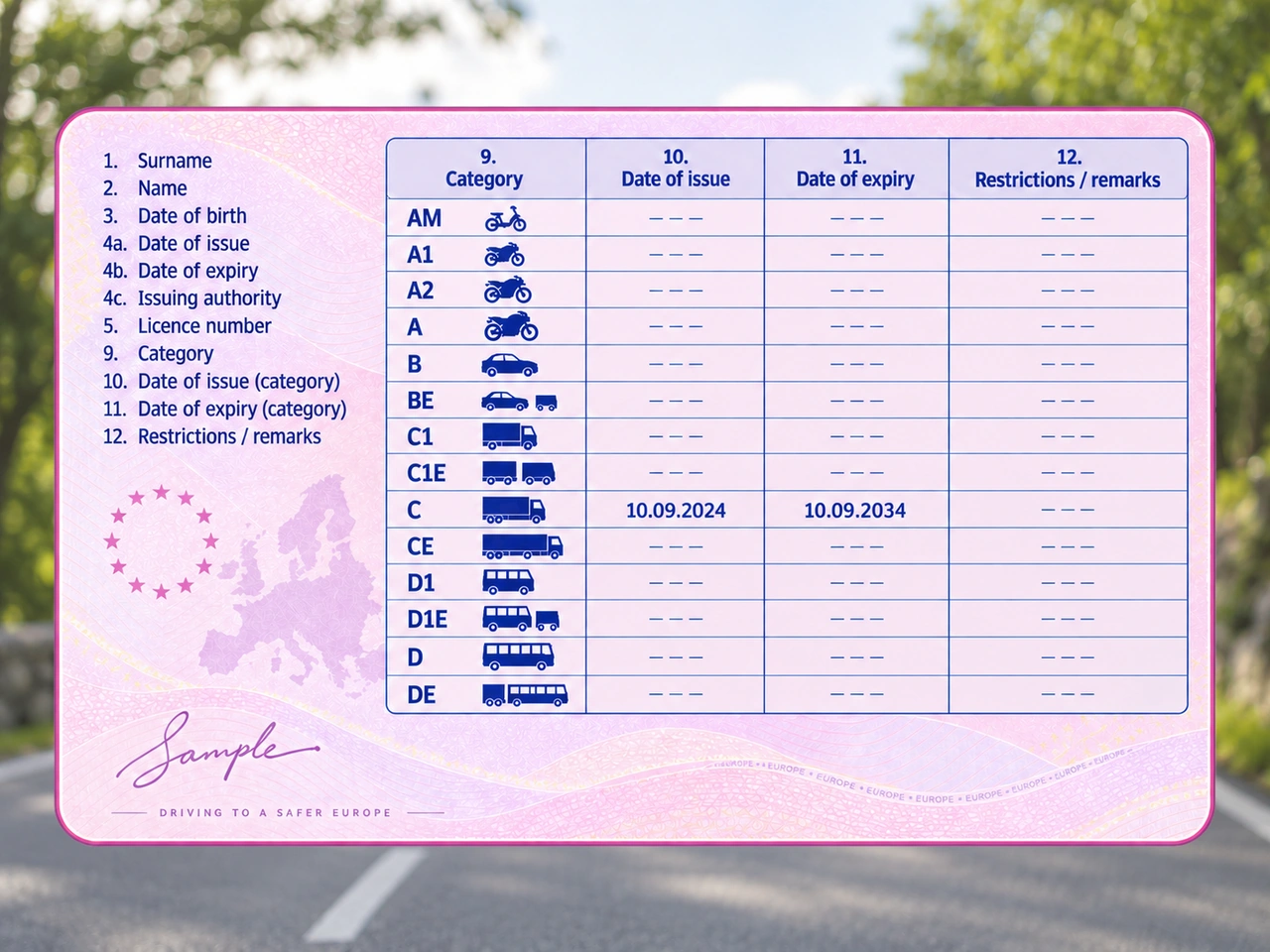
446. Which vehicles are covered by driving licence C?
Category C covers motor vehicles, other than categories D1 and D, with a maximum authorised mass above 3,500 kg and designed to carry no more than eight passengers in addition to the driver. A trailer up to 750 kg may be towed.
AI-generated by Traffic-rules.com • WCIT • CC BY-SA
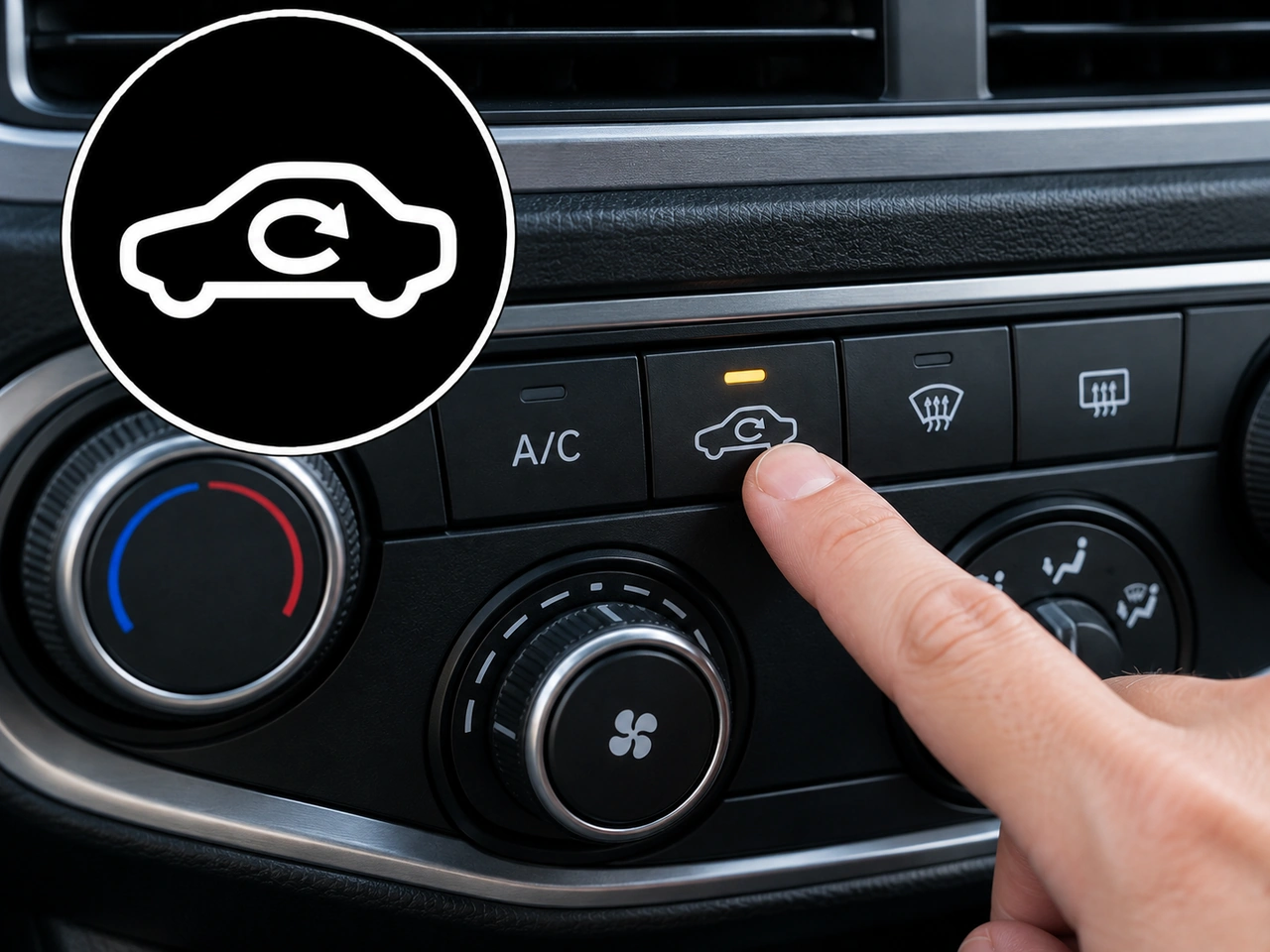
447. What does this vehicle-control symbol indicate?
This symbol activates air recirculation, which reduces the amount of outside air entering the vehicle and recirculates air already inside the cabin. It can be useful when driving through polluted air or when cooling the interior quickly.
AI-generated by Traffic-rules.com • WCIT • CC BY-SA
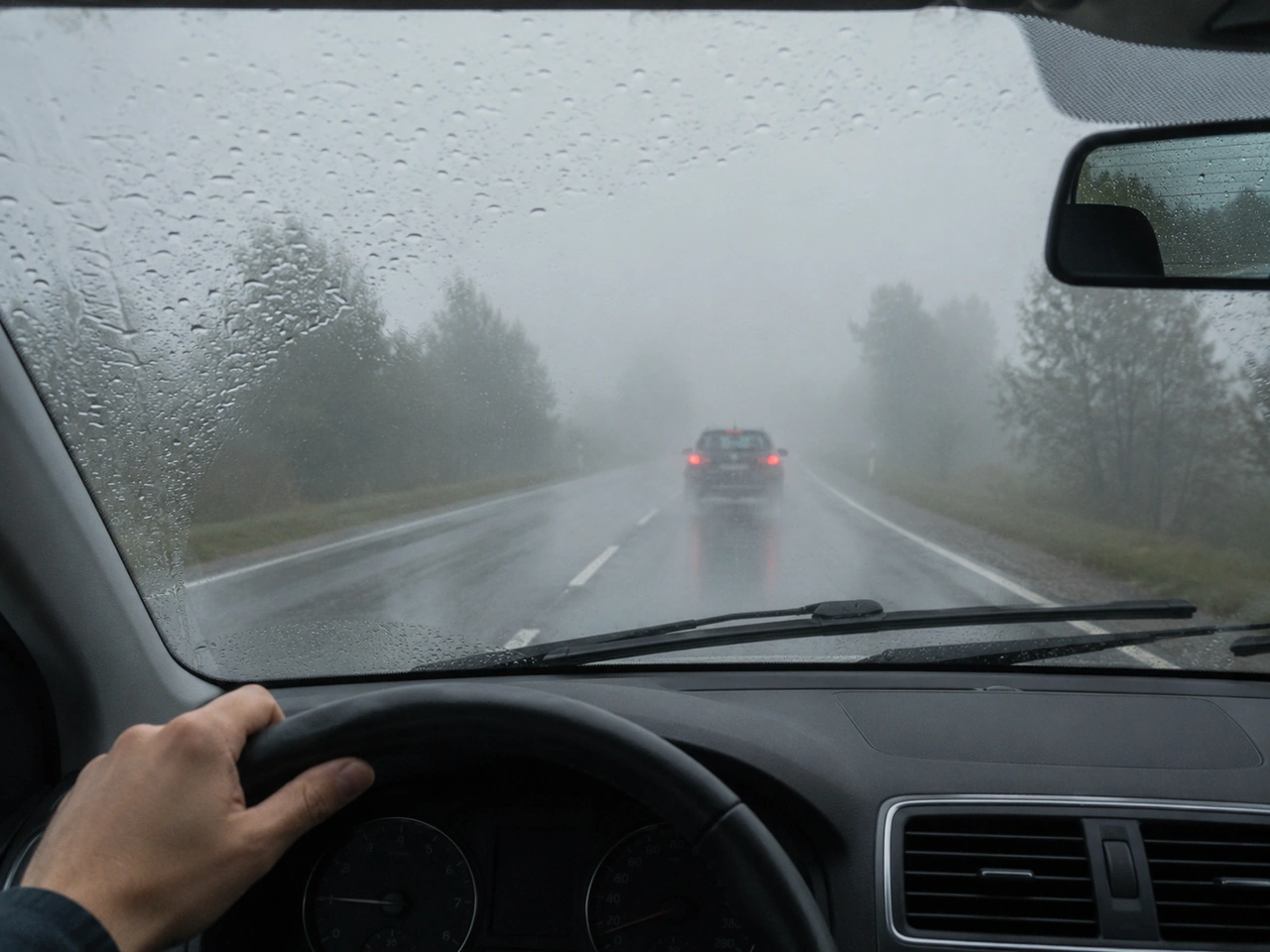
448. Why should you adjust your speed in bad weather?
Rain, snow, fog, and ice can reduce visibility and tyre grip. Lower speed gives you more time and distance to react and stop safely.
AI-generated by Traffic-rules.com • WCIT • CC BY-SA
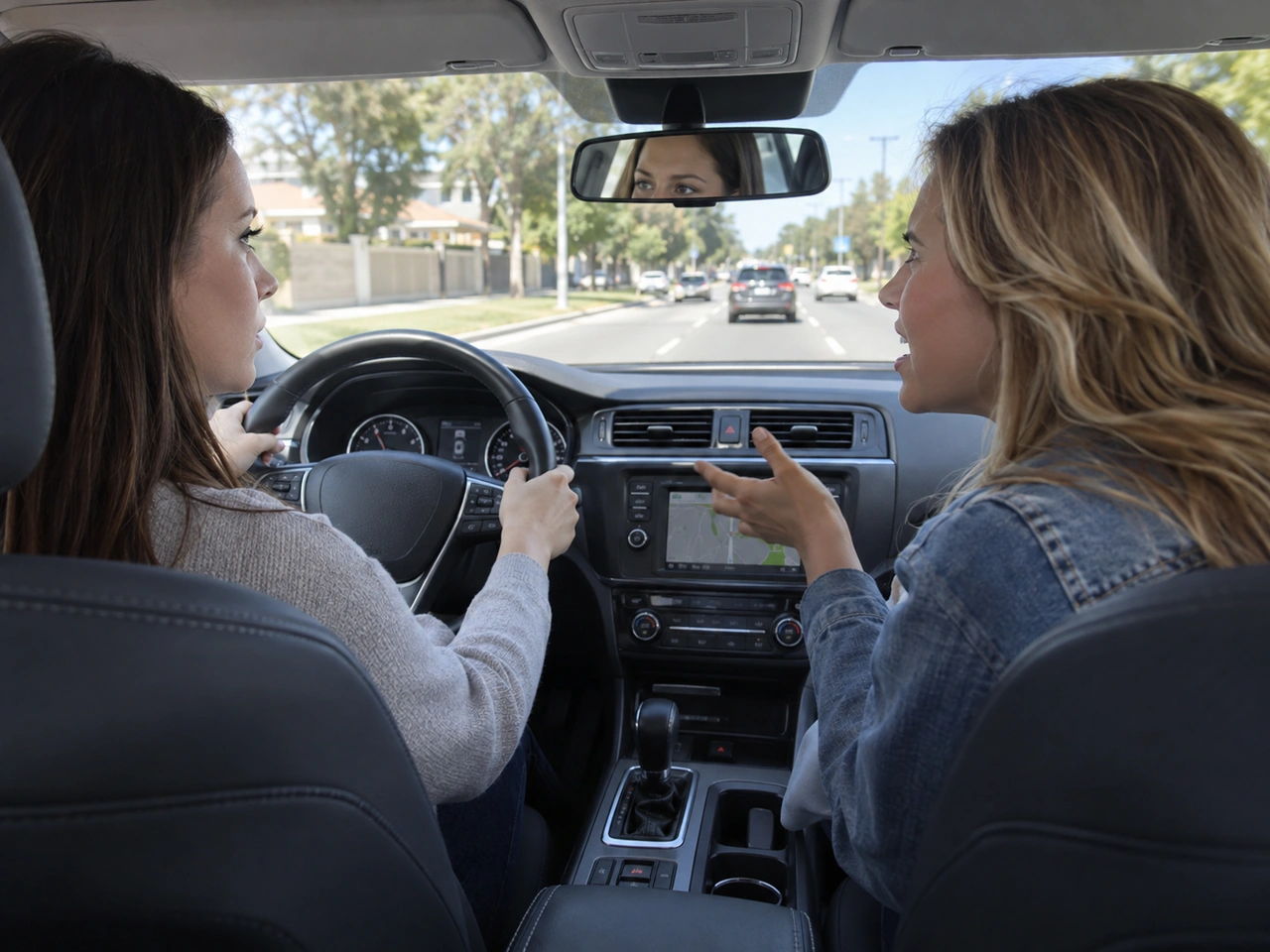
449. What should you do if passengers are distracting you while driving?
Passengers can reduce a driver's attention and concentration. If their behaviour becomes distracting, ask them to stop and keep your focus on driving. If necessary, stop somewhere safe before dealing with the situation.
AI-generated by Traffic-rules.com • WCIT • CC BY-SA
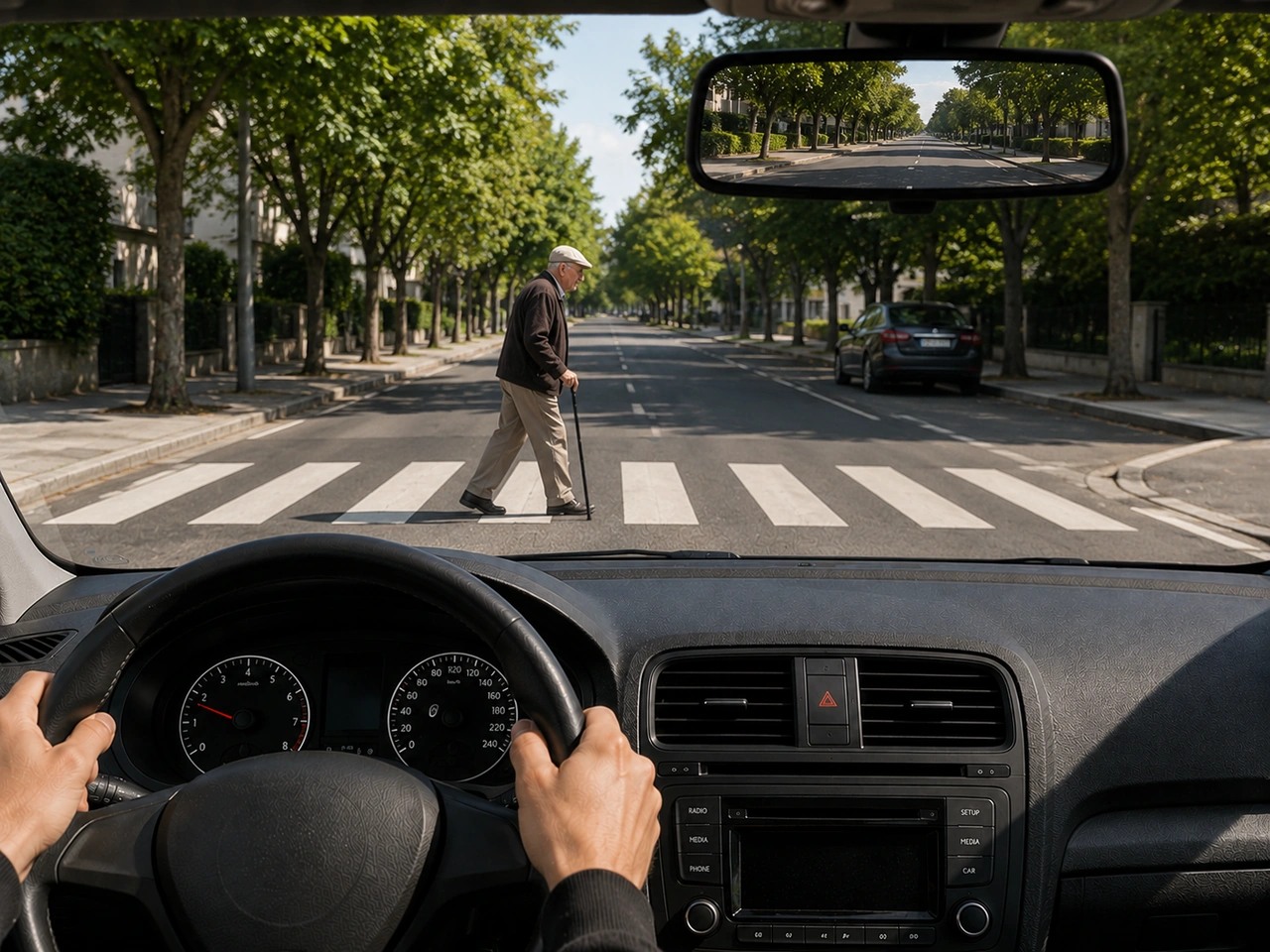
450. What should you do if a pedestrian is crossing slowly?
Some pedestrians may need more time to cross. Stay patient, keep a safe distance, and do not pressure them.
AI-generated by Traffic-rules.com • WCIT • CC BY-SA