


QuizTraffic rulesCanada
This interesting quiz helps you test your knowledge in a clear and visual way. With easy multiple-choice questions, you can quickly build confidence and learn new facts while keeping it simple, interactive, and fun.
 Traffic signs
 Traffic rules
 Canada
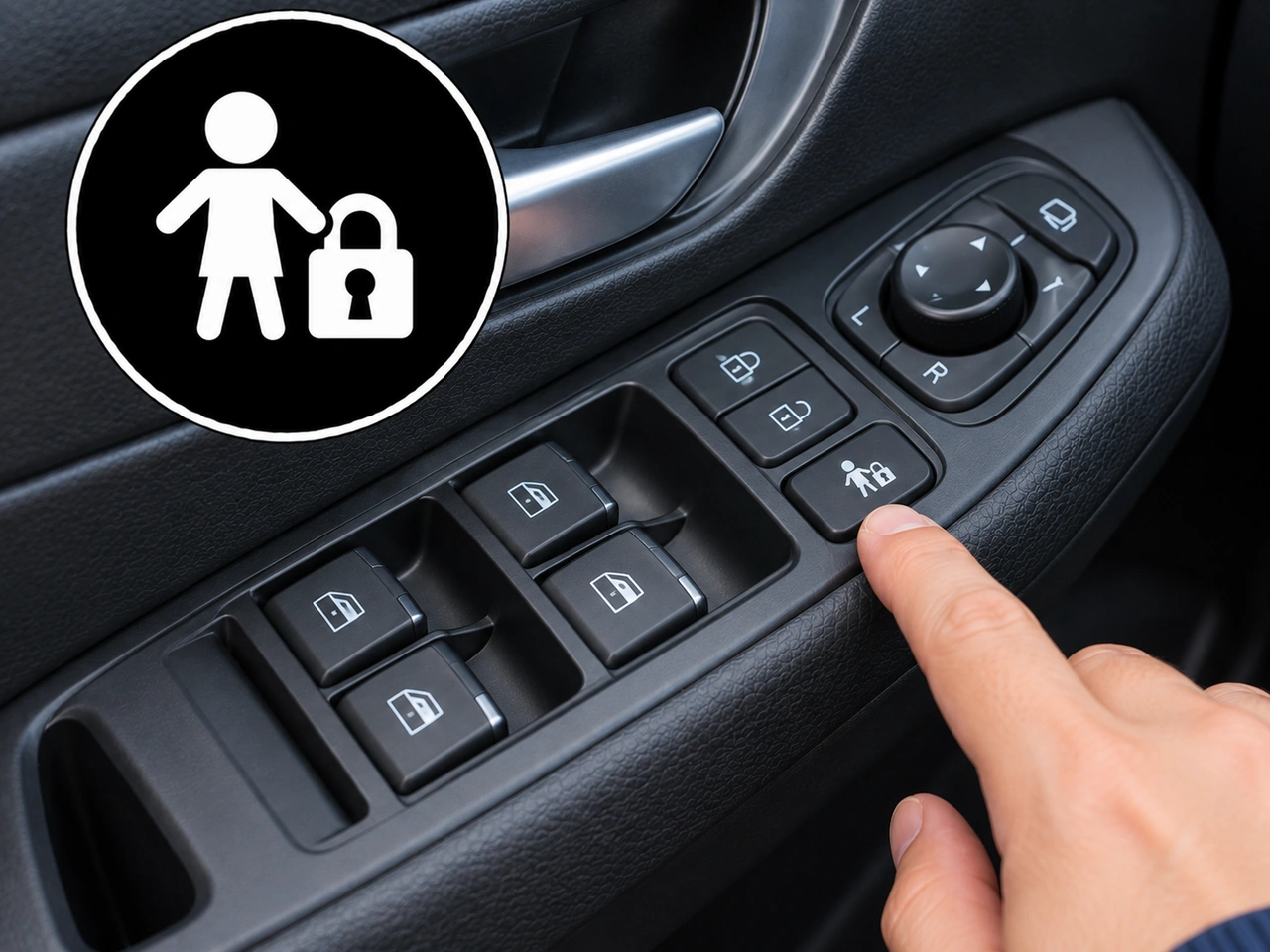
301. What does this vehicle-control symbol indicate?
This control activates the child safety lock. It helps prevent a rear door from being opened from inside the vehicle, depending on the vehicle and system design.
AI-generated by Traffic-rules.com • WCIT • CC BY-SA

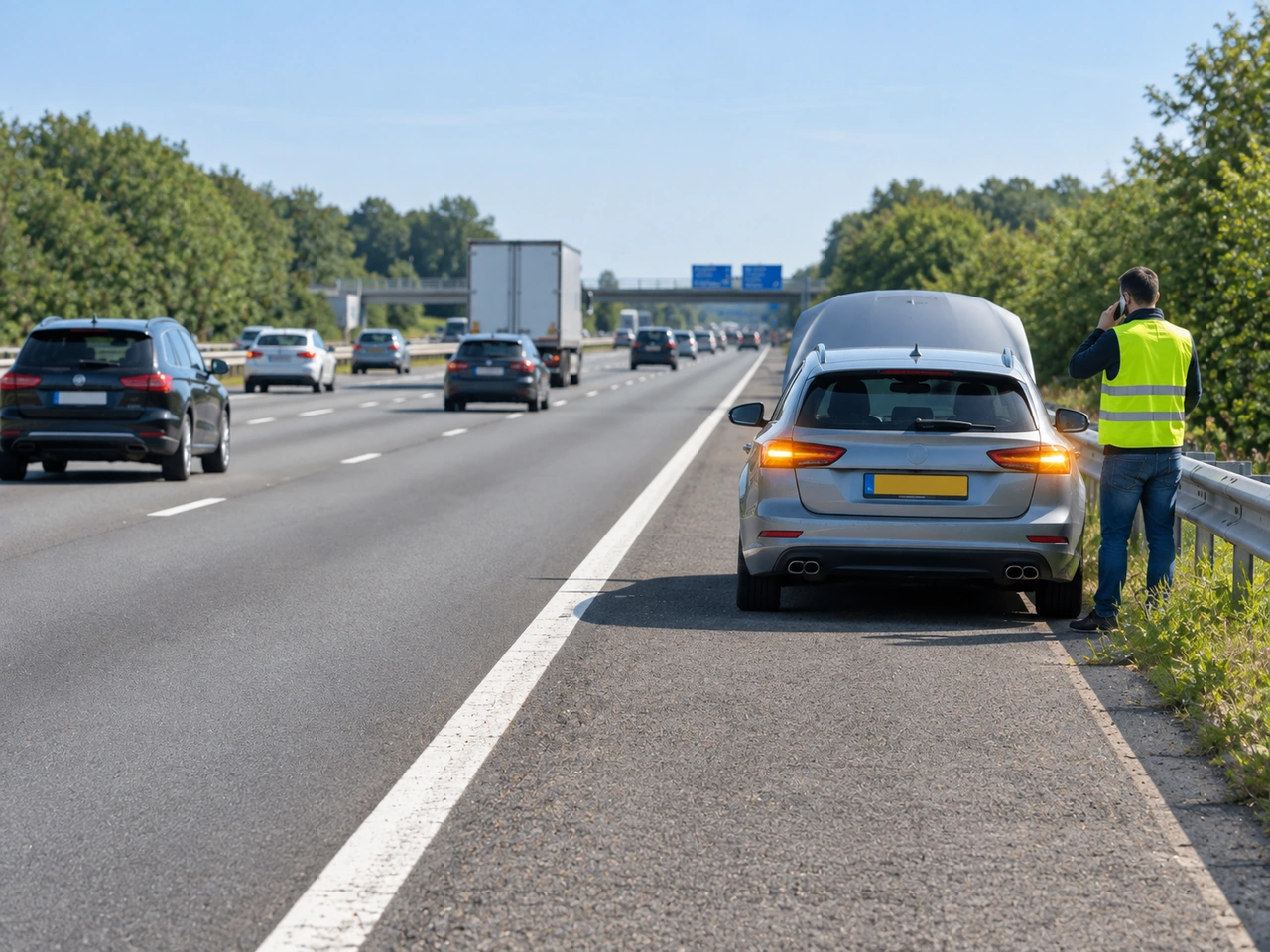
302. What is the main purpose of a motorway emergency lane or hard shoulder?
A motorway emergency lane or hard shoulder is primarily intended for emergencies and breakdowns, not normal driving. In some places it may be opened temporarily as a traffic lane when signs or signals specifically permit this.
AI-generated by Traffic-rules.com • WCIT • CC BY-SA
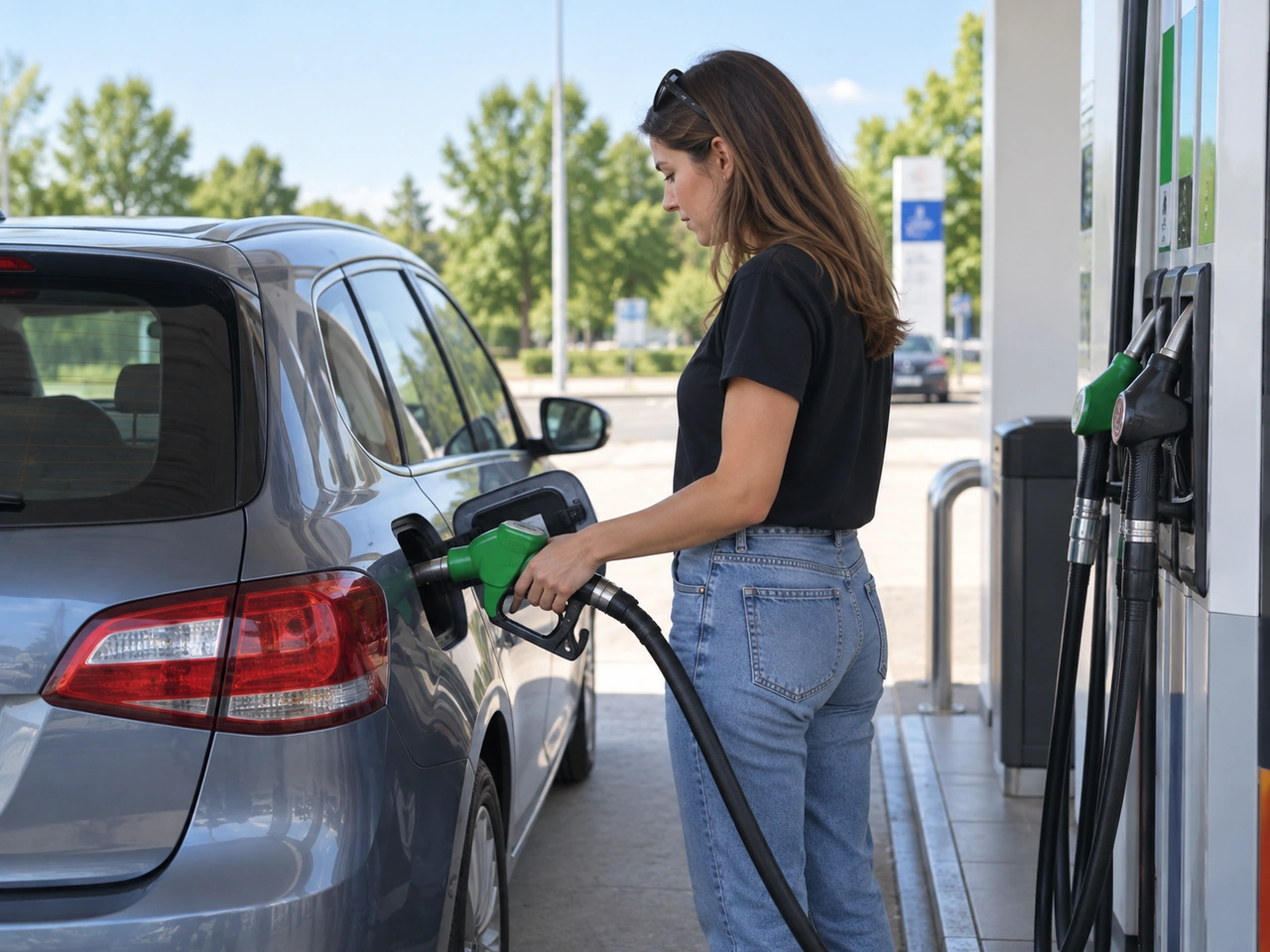
303. What should you do before refuelling a petrol or diesel vehicle?
Switch off the engine before refuelling. Fuel vapours are flammable, so avoid ignition sources and follow the safety instructions at the filling station. If fuel is spilled, do not start the vehicle until the situation has been made safe.
AI-generated by Traffic-rules.com • WCIT • CC BY-SA
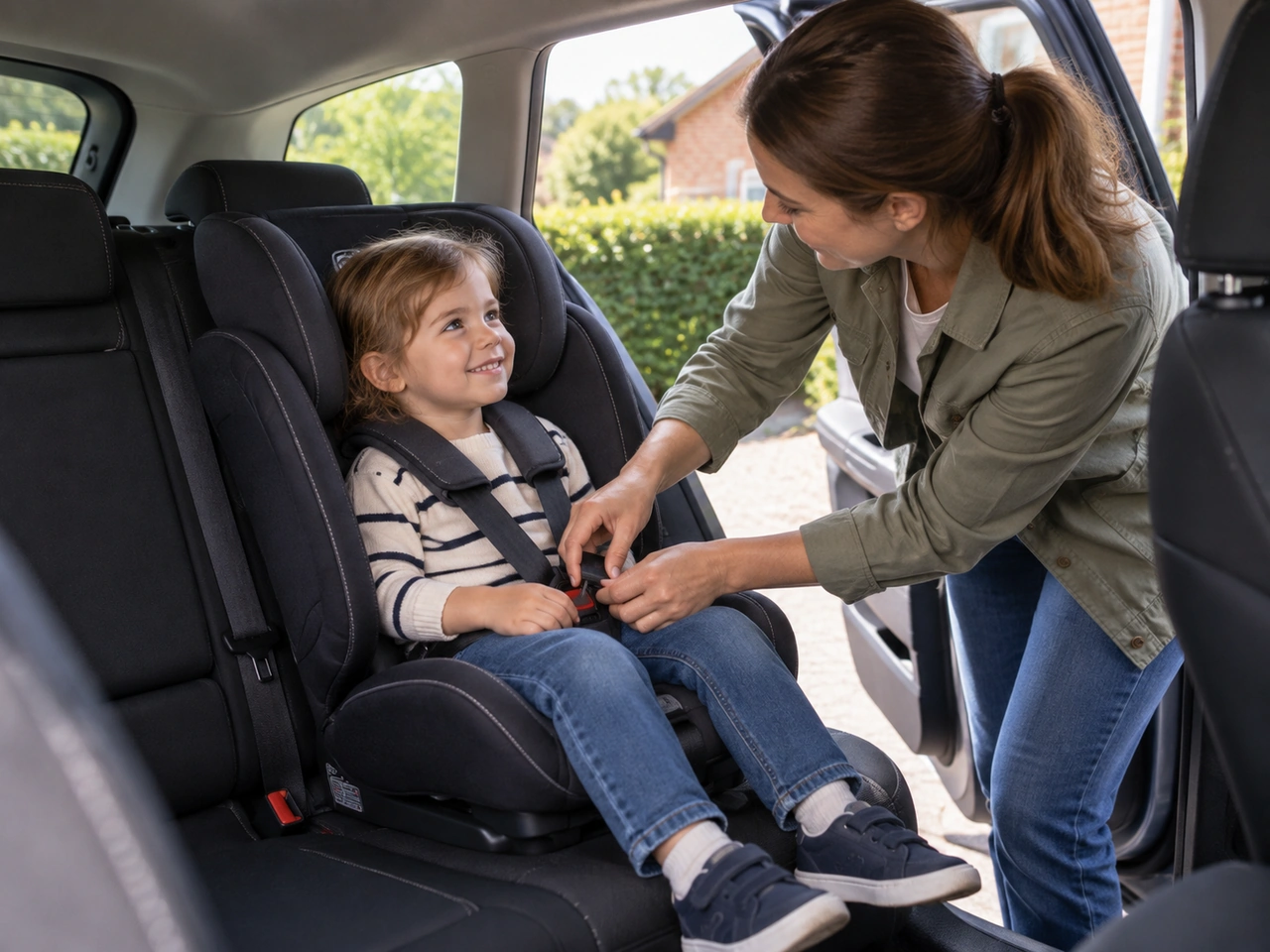
304. Why should a child use a suitable child restraint?
A suitable child restraint is designed to protect a child according to their size and development. It helps position and restrain the child correctly, reducing the risk of serious injury in a collision or sudden stop.
AI-generated by Traffic-rules.com • WCIT • CC BY-SA
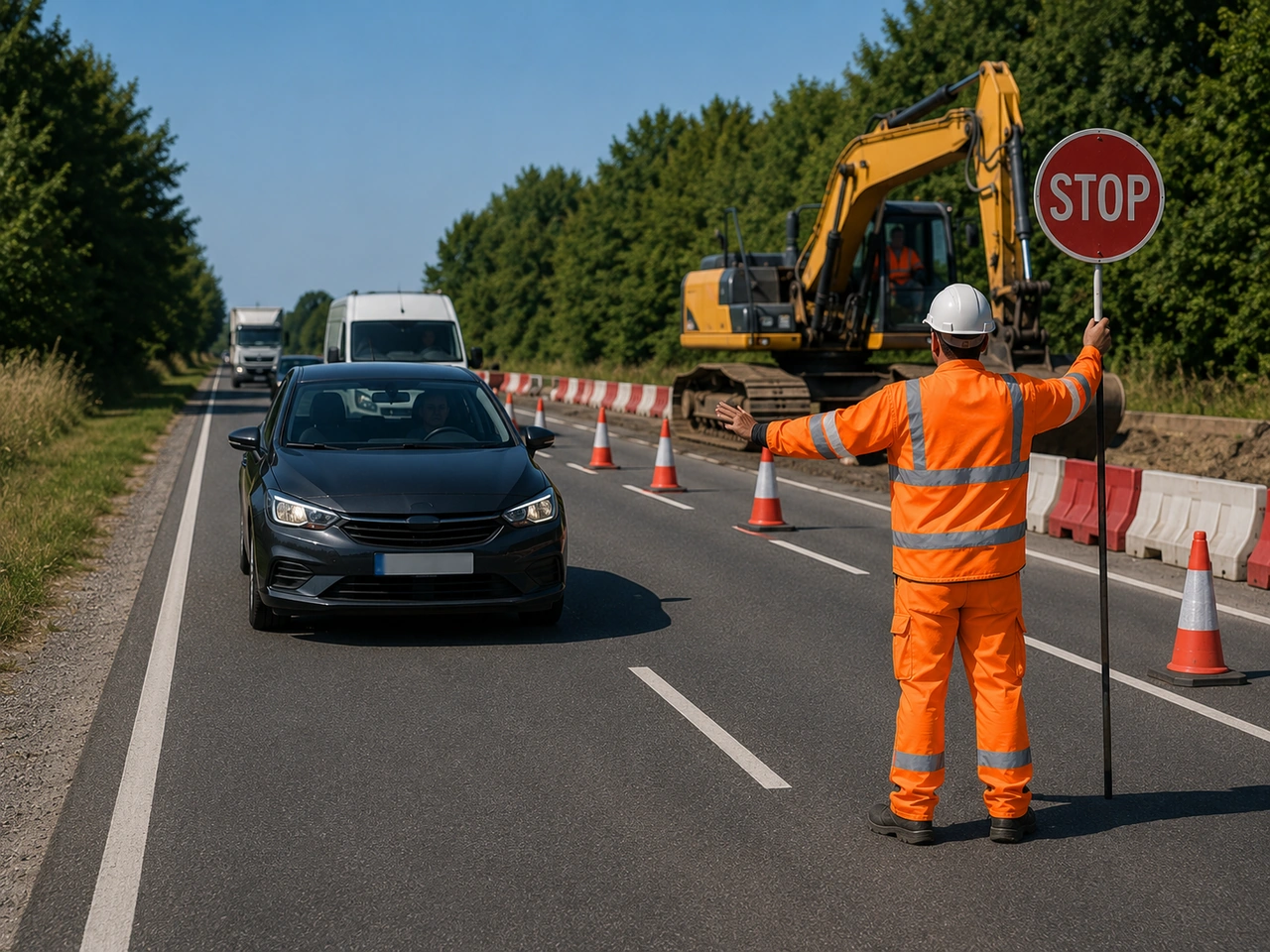
305. What should you do when a road worker directs traffic?
Authorised road workers may control traffic through a work zone. Watch carefully and follow their directions.
AI-generated by Traffic-rules.com • WCIT • CC BY-SA
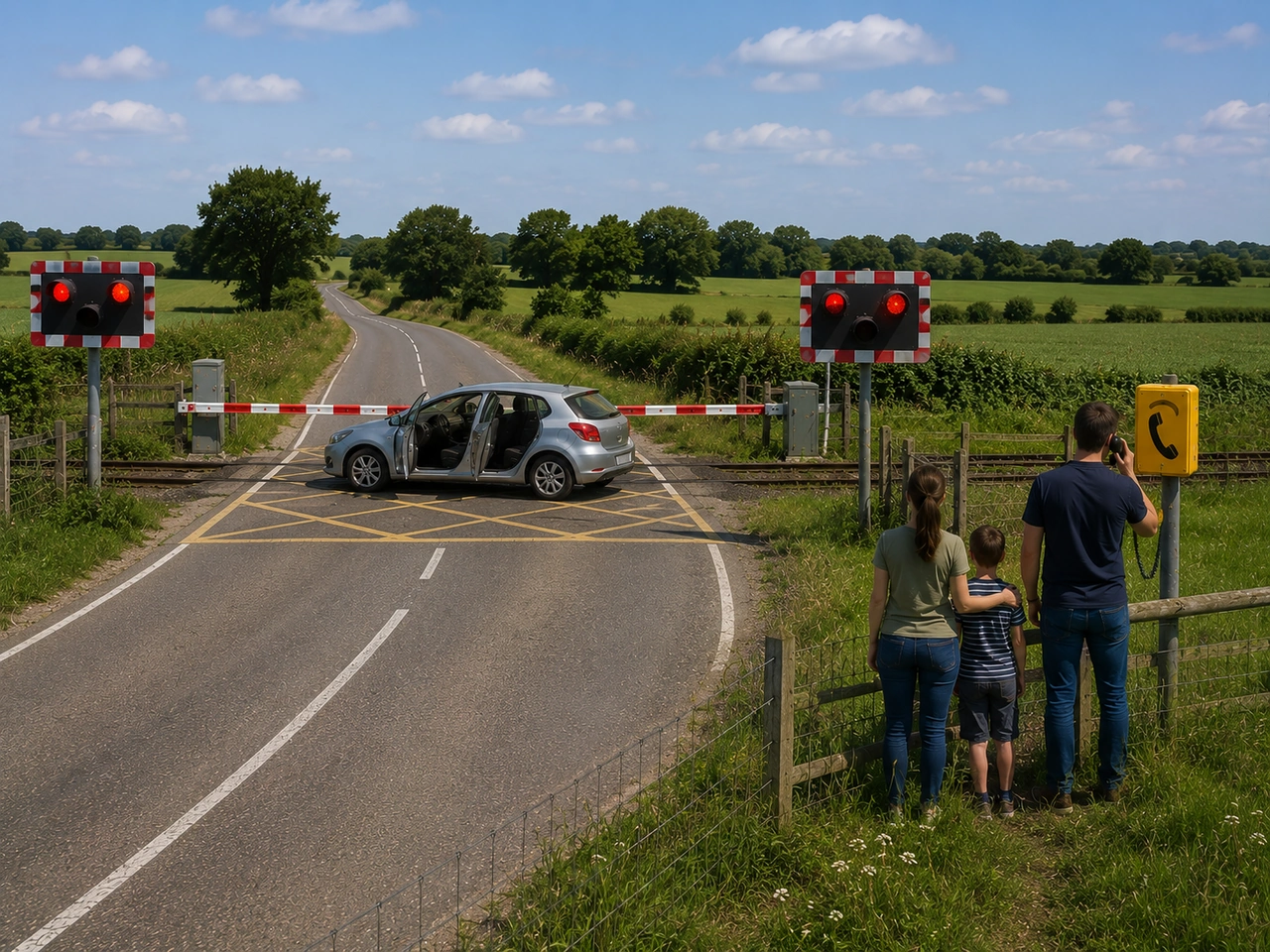
306. What should you do if your vehicle becomes stuck on a railway crossing?
Move everyone well away from the tracks. Use the crossing emergency telephone or displayed contact information where available, or contact the emergency services immediately.
AI-generated by Traffic-rules.com • WCIT • CC BY-SA
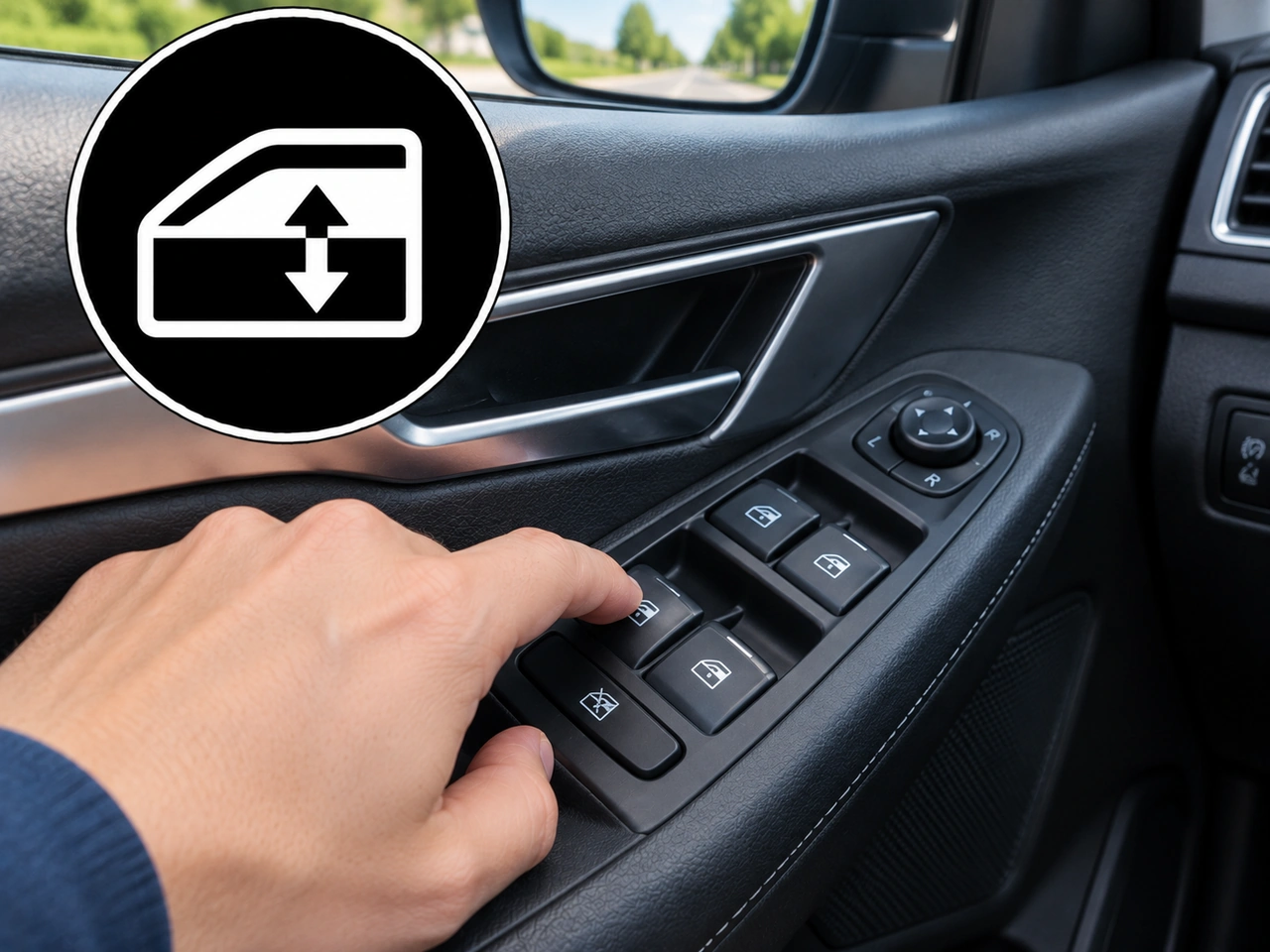
307. What does this vehicle-control symbol indicate?
This control operates the vehicle's electric windows. Pressing or pulling the switch lowers or raises the corresponding window.
AI-generated by Traffic-rules.com • WCIT • CC BY-SA
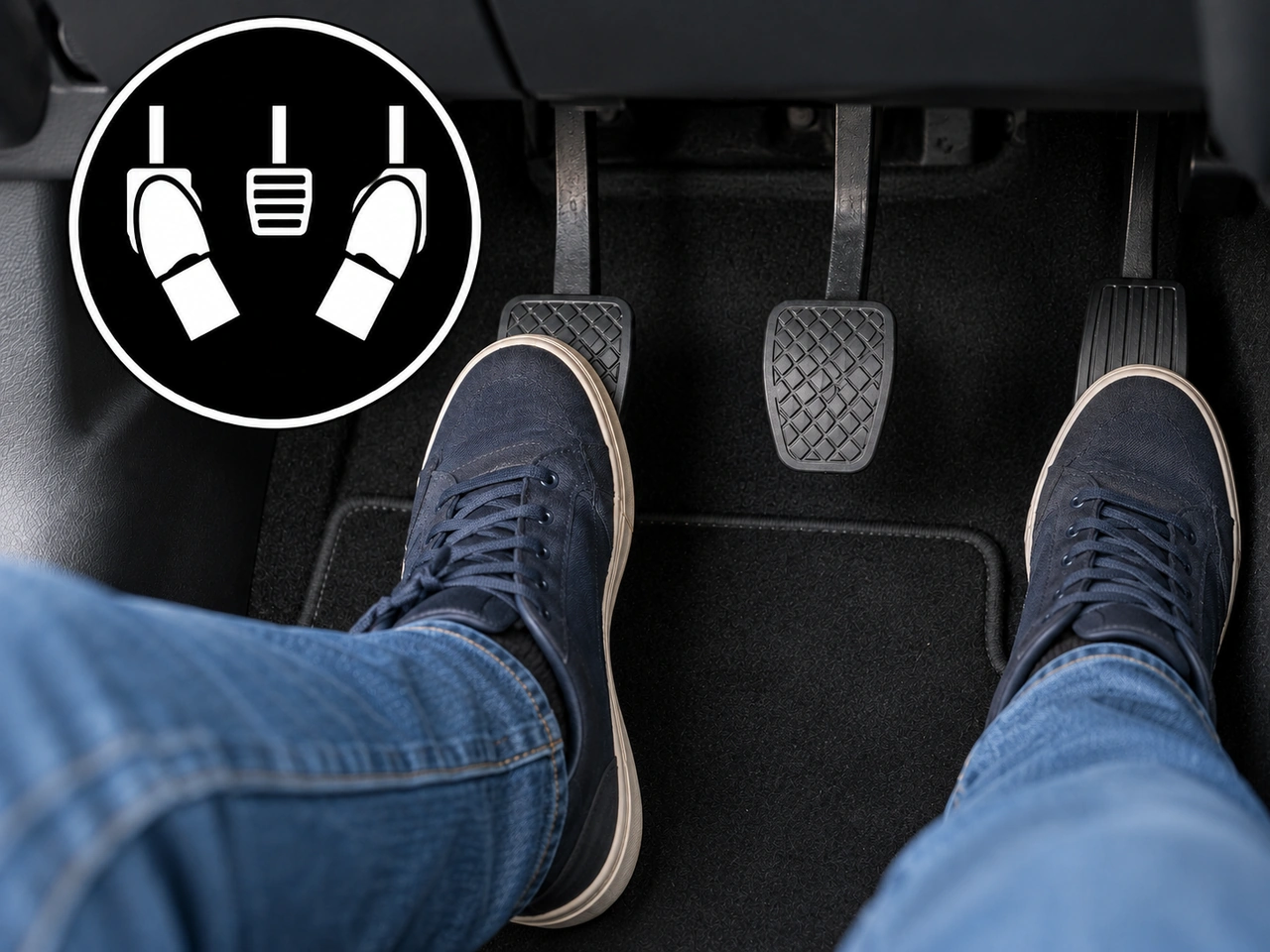
308. How should you use the clutch and accelerator when moving off?
When moving off, release the clutch pedal smoothly through the biting point while applying the accelerator progressively. This helps the vehicle move away smoothly without stalling or excessive engine speed.
AI-generated by Traffic-rules.com • WCIT • CC BY-SA
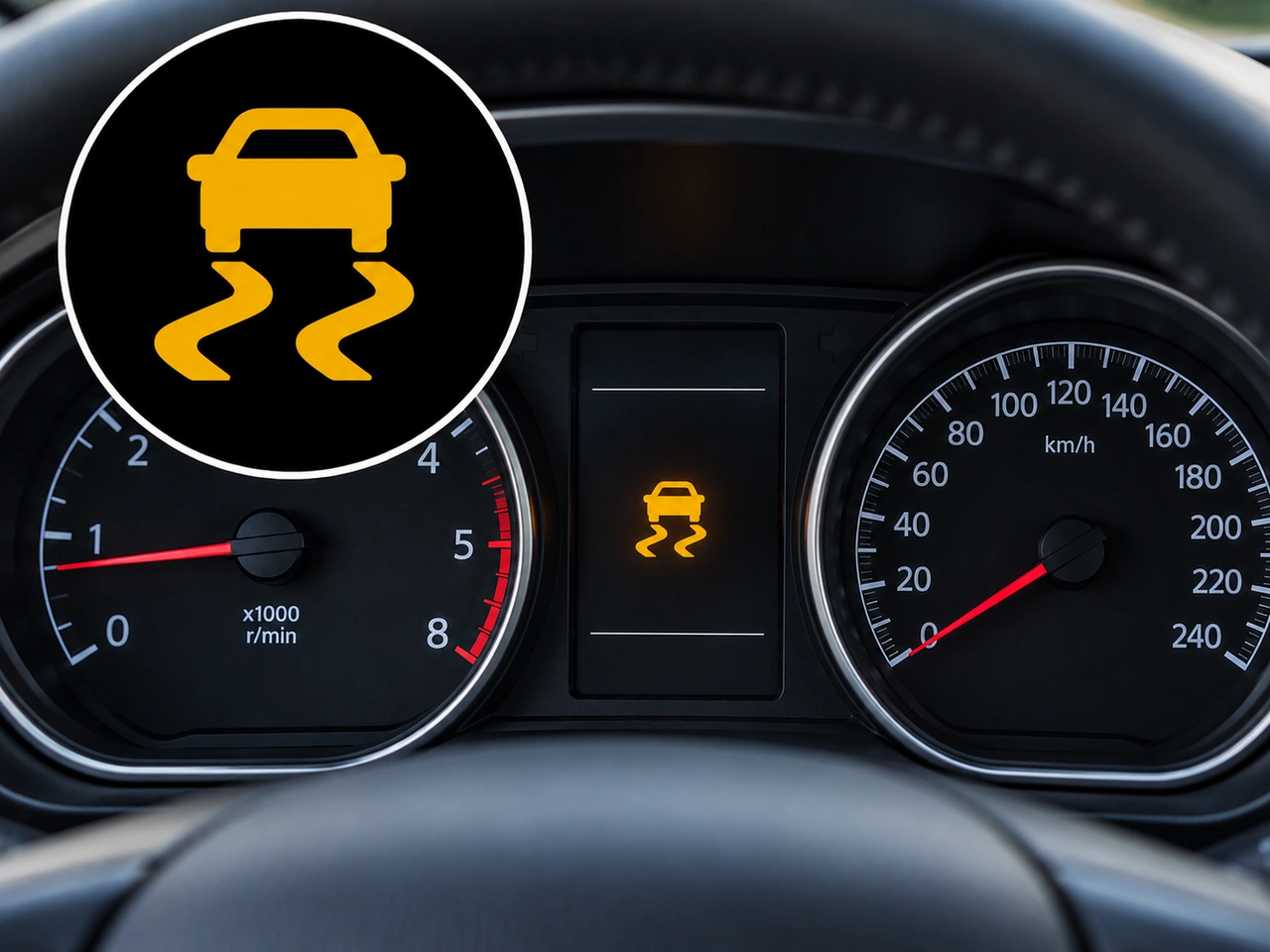
309. What does this dashboard symbol indicate?
This symbol relates to the electronic stability control (ESC) system. It may flash when the system is actively helping to maintain stability. If it remains illuminated, the system may be switched off or have a fault.
AI-generated by Traffic-rules.com • WCIT • CC BY-SA
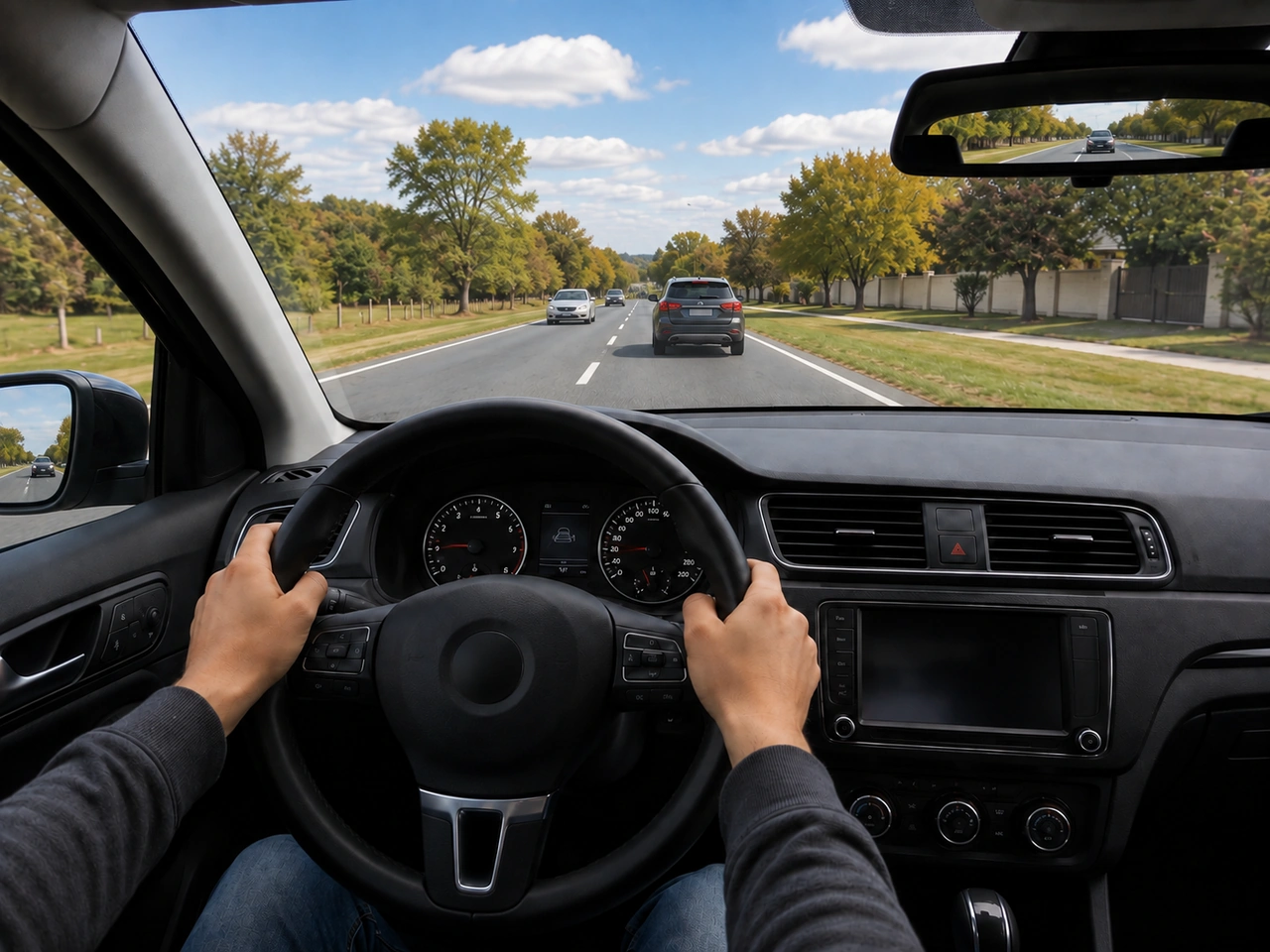
310. You should keep both hands ready to control the steering.
Keeping proper control of the steering wheel helps you react safely to changes in traffic and road conditions.
AI-generated by Traffic-rules.com • WCIT • CC BY-SA
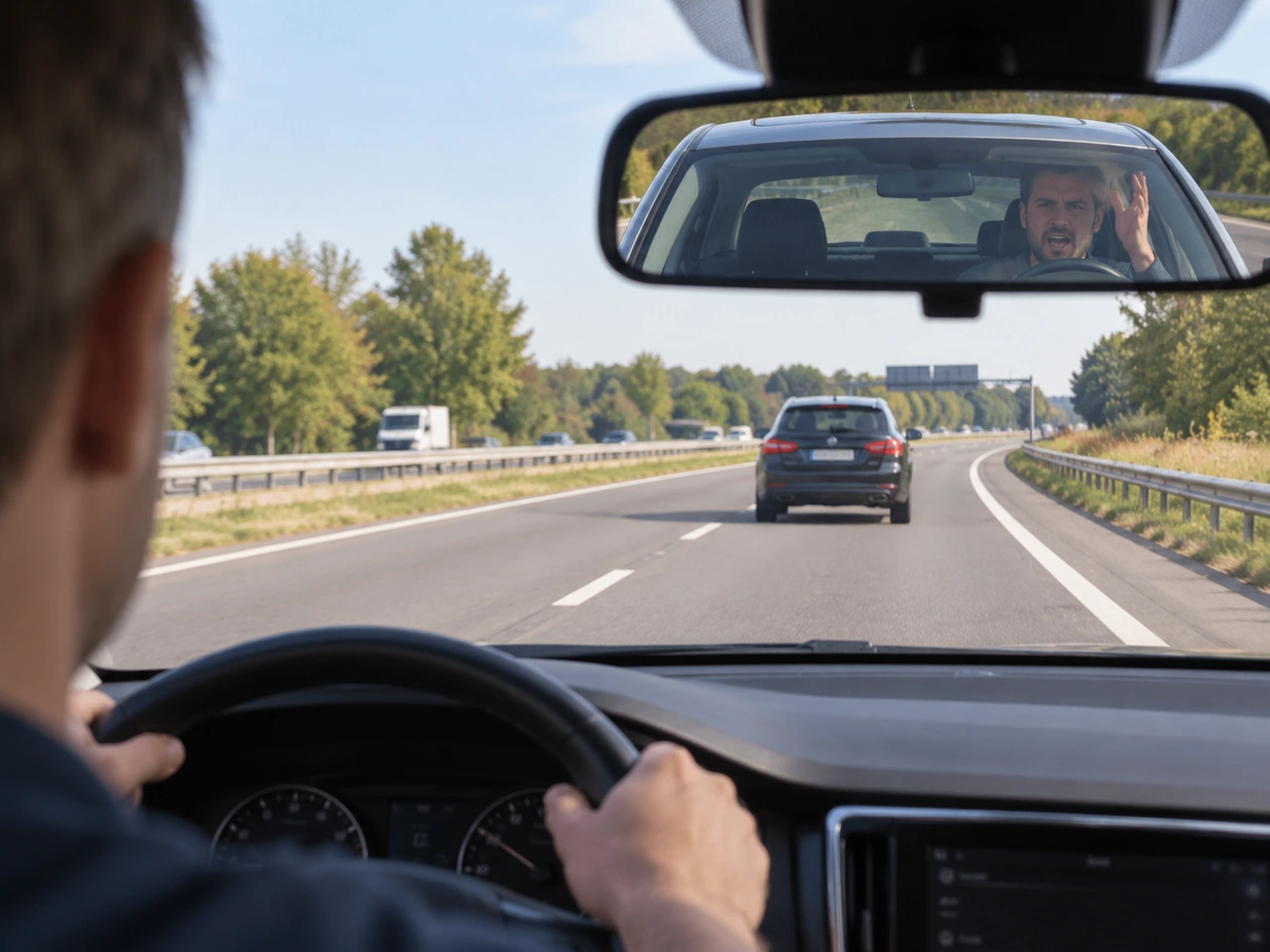
311. What should you do if another driver behaves aggressively towards you?
If another driver behaves aggressively, do not retaliate or become involved in a confrontation. Stay calm, increase the distance between you, and let the other vehicle move away when possible. If you feel threatened, go to a safe public place and seek appropriate assistance.
AI-generated by Traffic-rules.com • WCIT • CC BY-SA
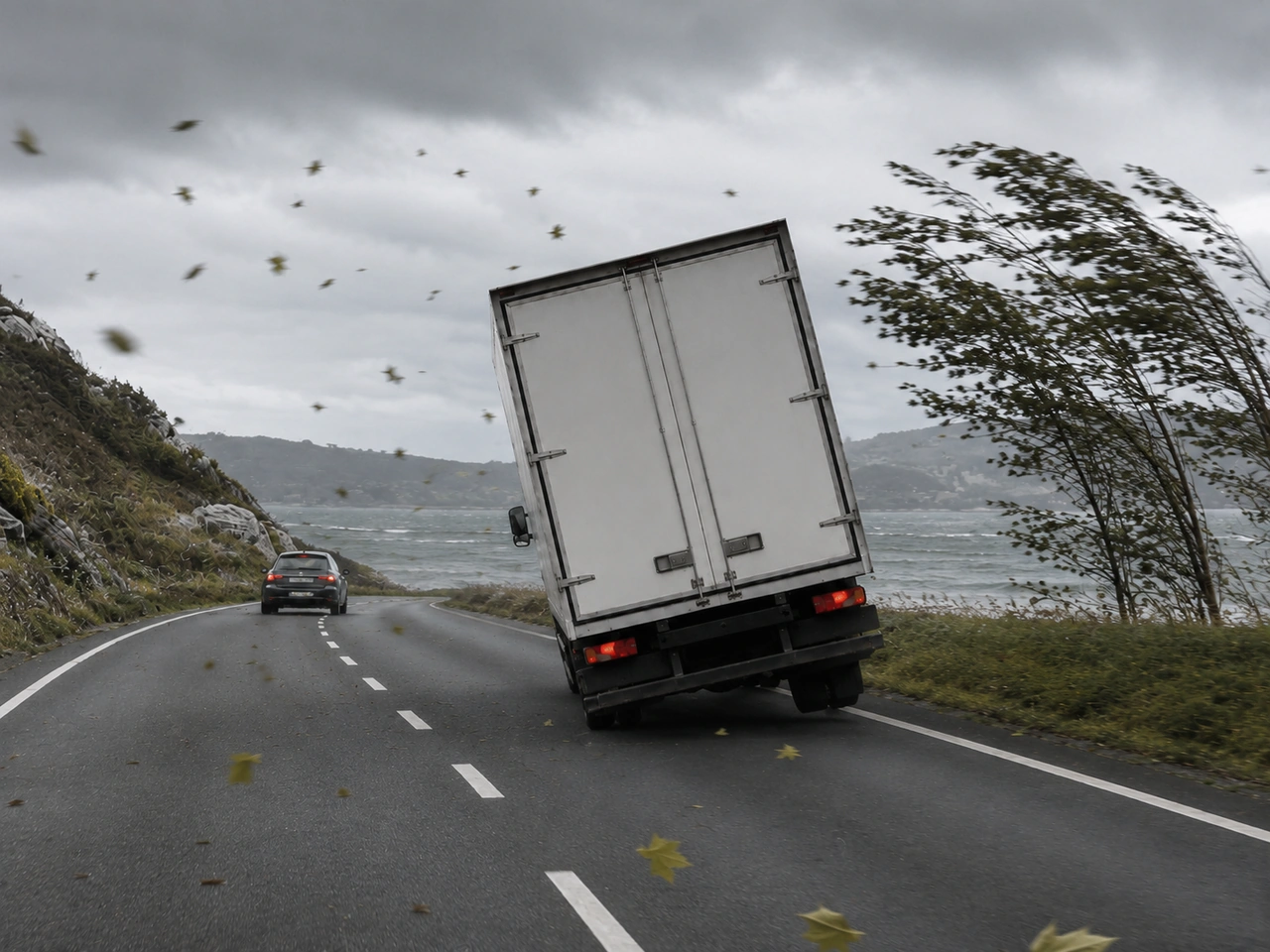
312. Which vehicles are especially vulnerable to strong crosswinds?
High-sided vehicles can be pushed sideways because of their large side area. Cyclists and motorcyclists can also be strongly affected by sudden gusts.
AI-generated by Traffic-rules.com • WCIT • CC BY-SA
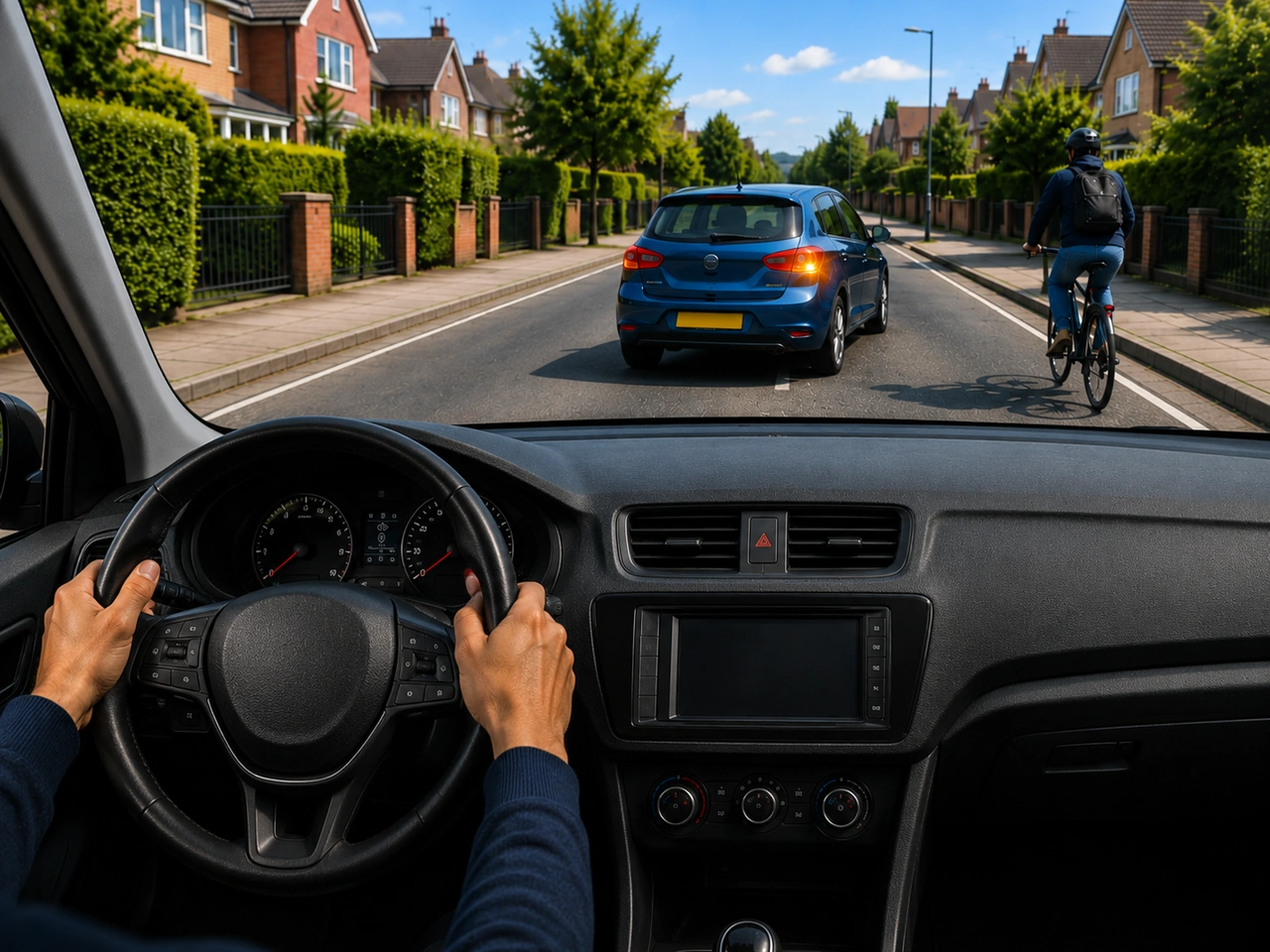
313. What should you do if another road user makes a mistake?
Road users can make mistakes. Staying calm and reacting safely helps prevent crashes.
AI-generated by Traffic-rules.com • WCIT • CC BY-SA
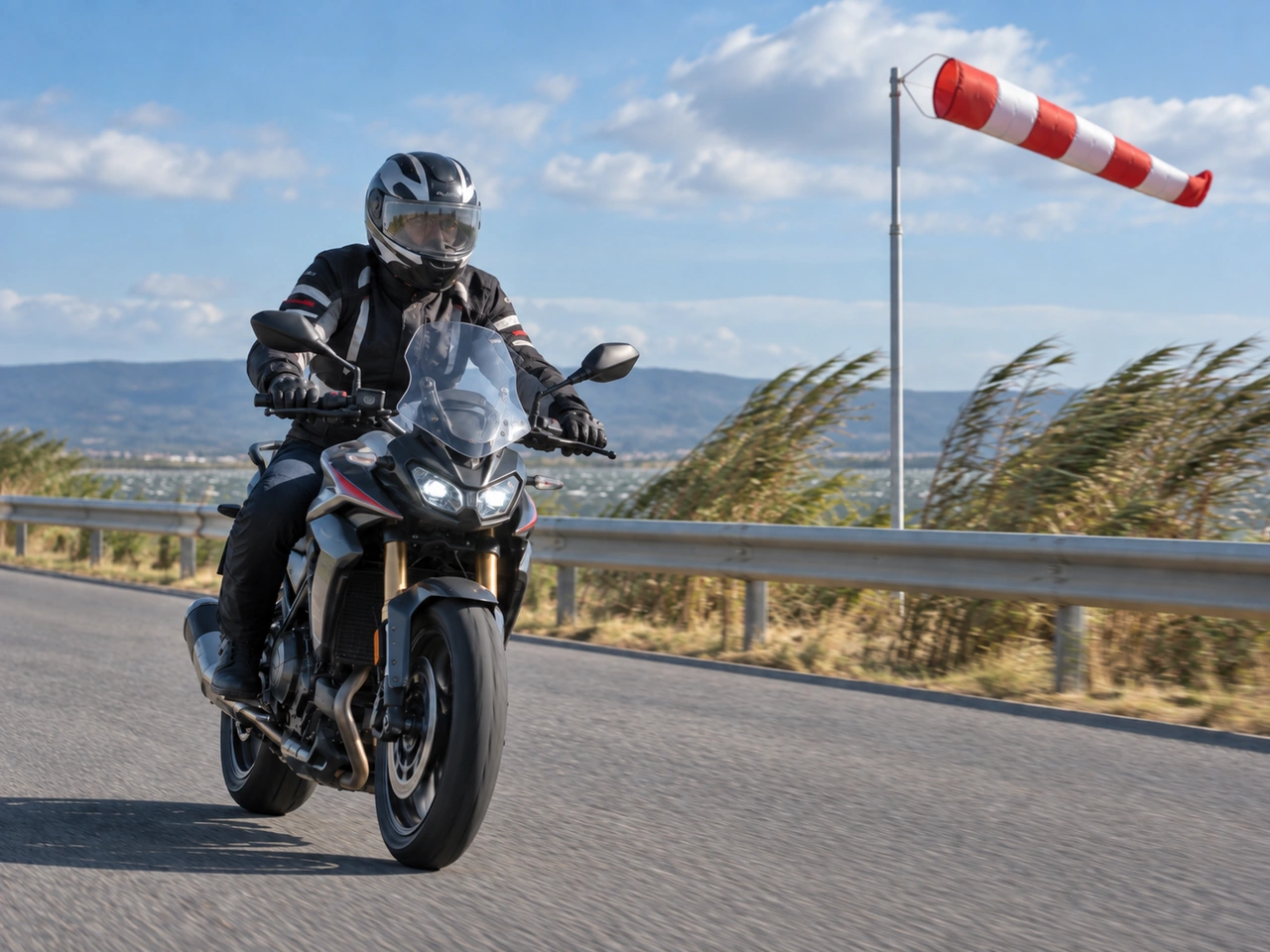
314. What should a motorcyclist do in strong crosswinds?
Strong crosswinds can push a motorcycle sideways and sudden gusts can affect its stability. Reduce speed, keep a steady grip on the handlebars and allow extra space, especially on exposed roads, bridges, or when passing gaps and large vehicles.
AI-generated by Traffic-rules.com • WCIT • CC BY-SA
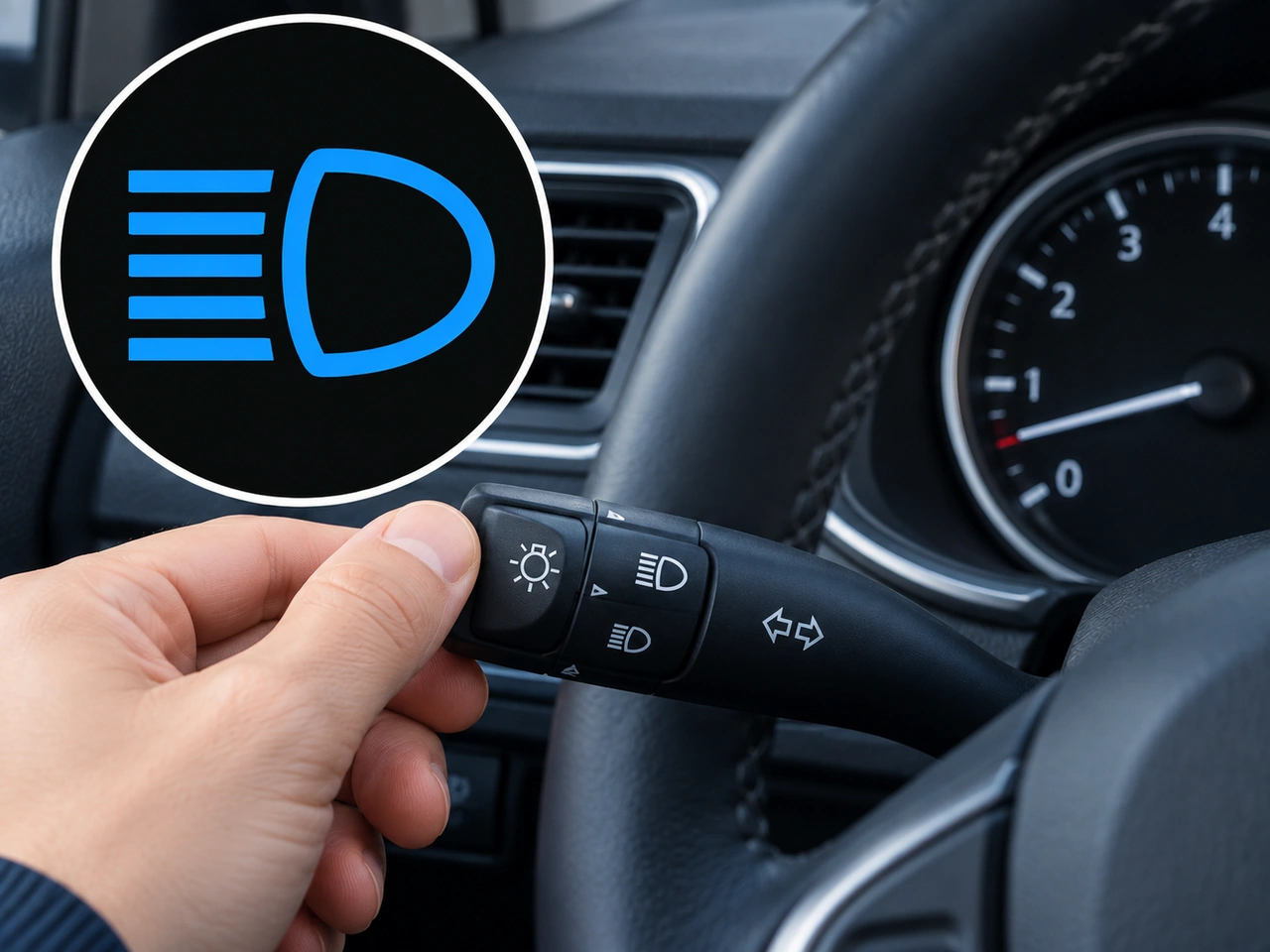
315. What does this dashboard symbol indicate?
This symbol indicates that the main beam headlights are switched on. Main beam illuminates the road farther ahead but can dazzle other road users, so it should be changed to dipped headlights when necessary.
AI-generated by Traffic-rules.com • WCIT • CC BY-SA
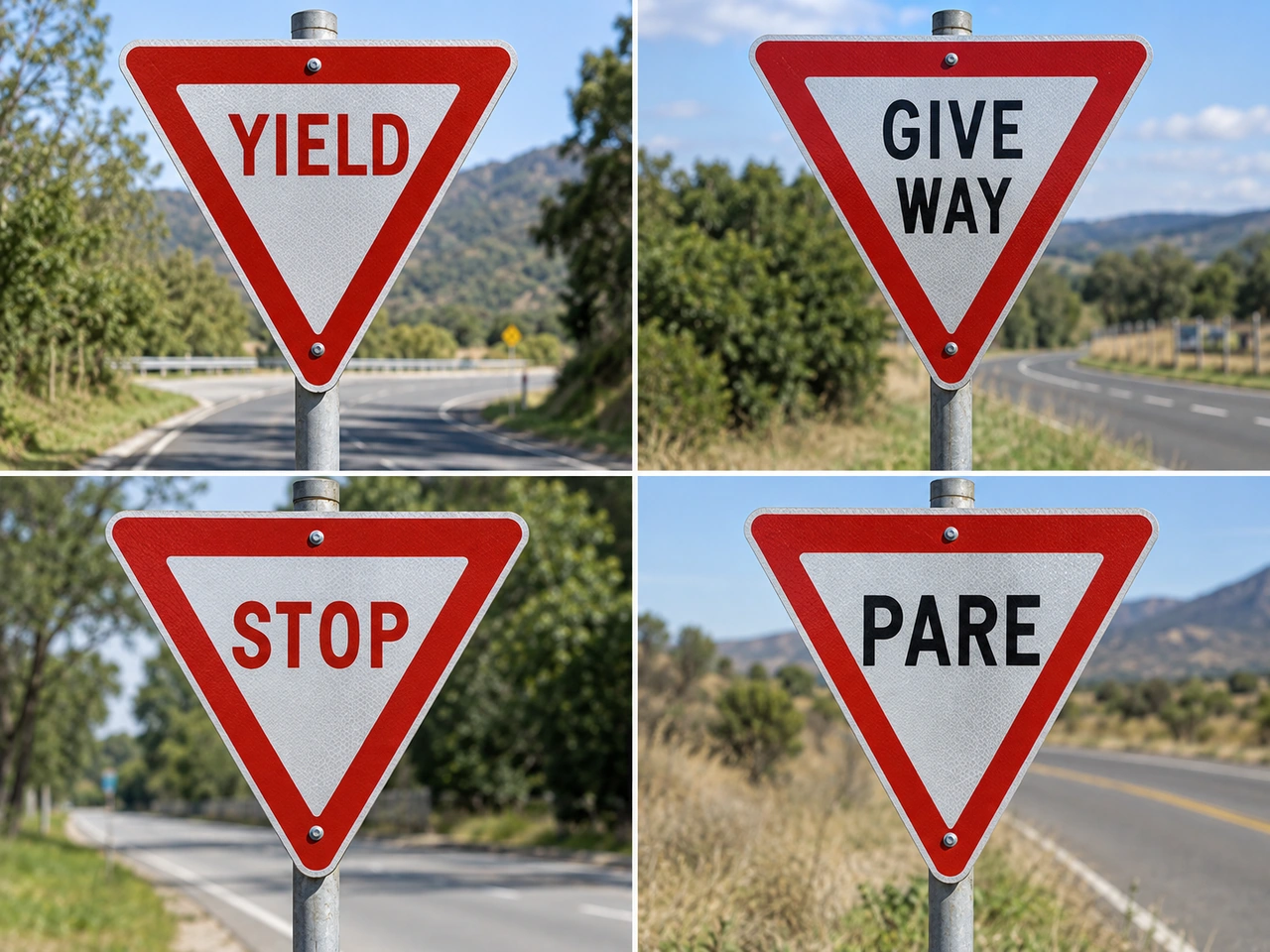
316. What wording is commonly shown on give-way signs in Canada?
Give-way signs in Canada normally use the inverted triangular symbol without wording.
AI-generated by Traffic-rules.com • WCIT • CC BY-SA
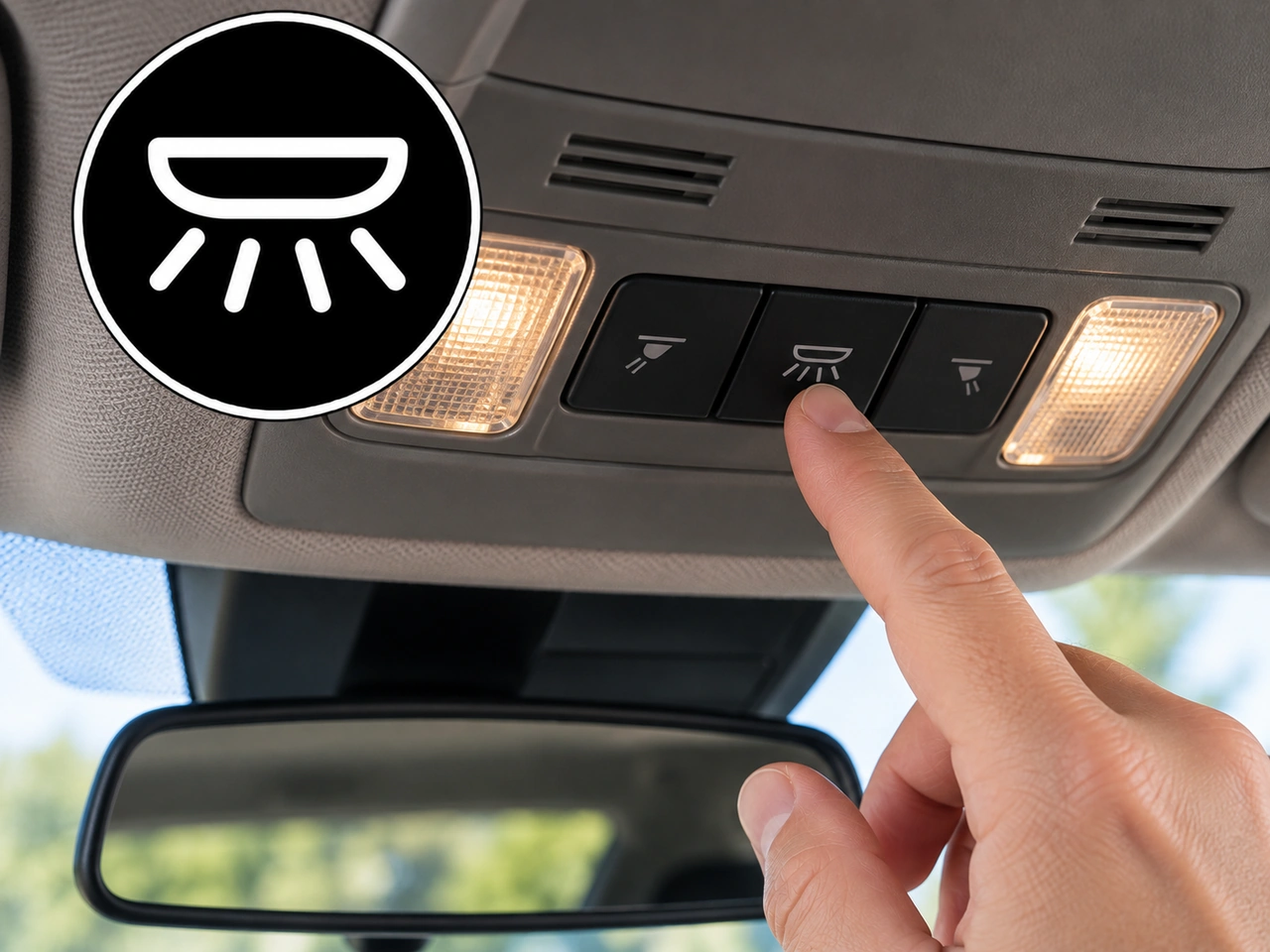
317. What does this vehicle-control symbol indicate?
This control operates the vehicle's interior lighting. Depending on the vehicle, the lights can be switched on manually or set to illuminate automatically when a door is opened.
AI-generated by Traffic-rules.com • WCIT • CC BY-SA
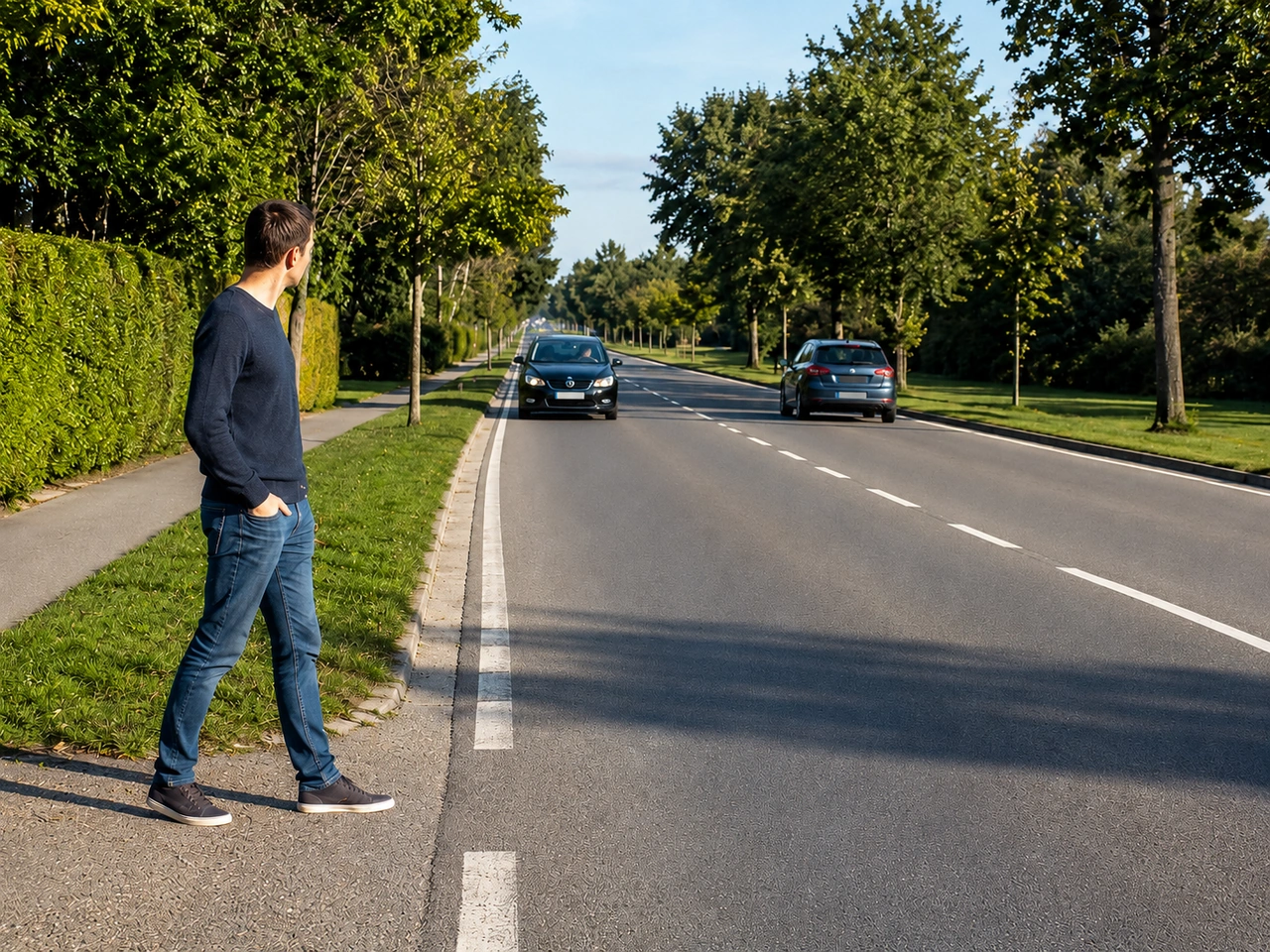
318. What should you do when crossing a road with no marked crossing nearby?
If there is no marked crossing nearby, choose a safe place where you can clearly see approaching traffic.
AI-generated by Traffic-rules.com • WCIT • CC BY-SA
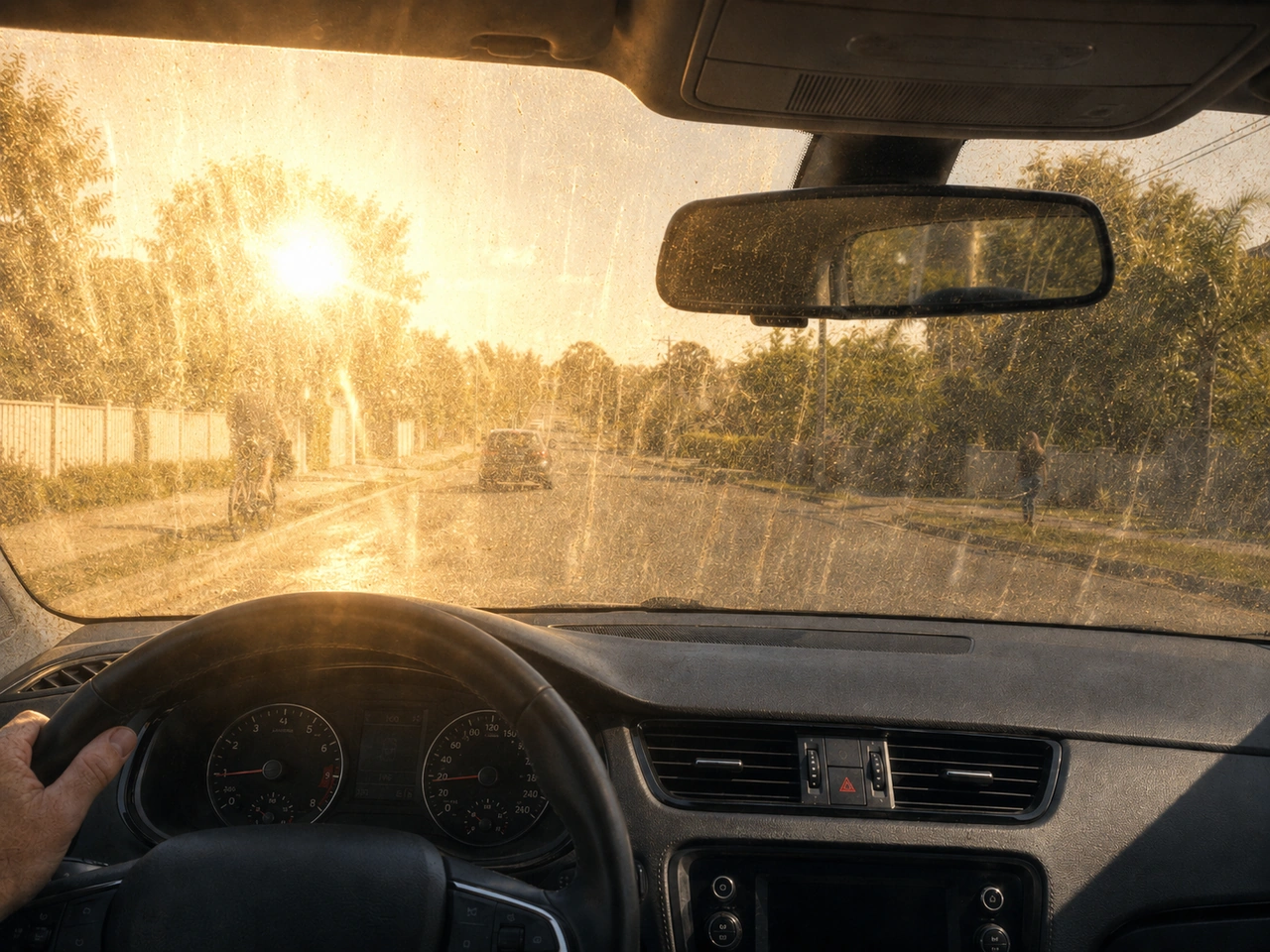
319. Why should you keep your windscreen clean?
A clean windscreen gives you a clear view of the road, signs, pedestrians, cyclists, and other vehicles.
AI-generated by Traffic-rules.com • WCIT • CC BY-SA
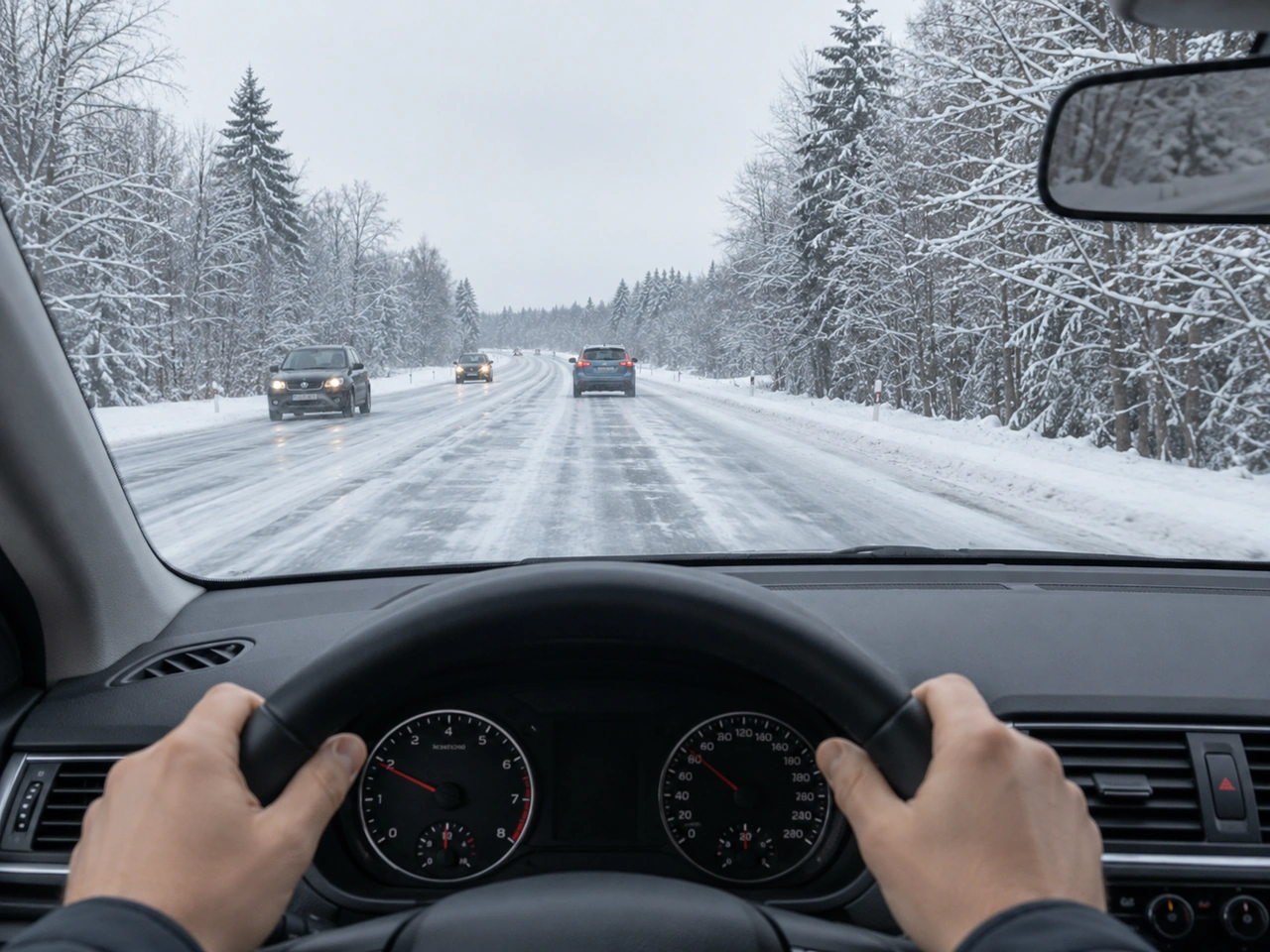
320. Why should you leave a much larger following distance on an icy road?
Tyres have much less grip on ice, so braking takes longer. Extra distance gives you more time to slow down safely.
AI-generated by Traffic-rules.com • WCIT • CC BY-SA
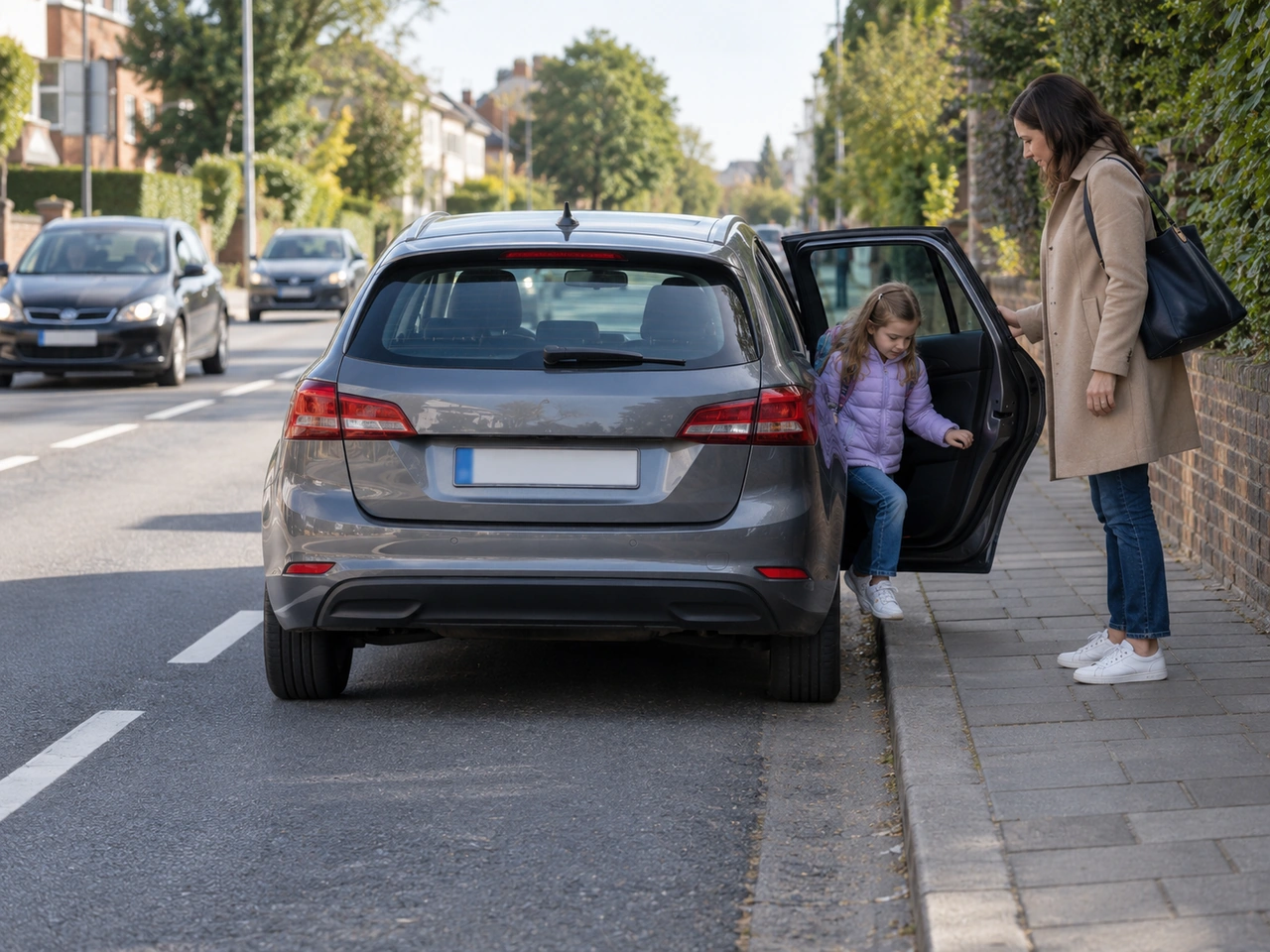
321. Where should passengers get in or out of a vehicle when possible?
Passengers should get in or out on the side away from moving traffic whenever possible. This is particularly important for children, who may not recognise approaching traffic or other road users. Before opening any door, check that it is safe.
AI-generated by Traffic-rules.com • WCIT • CC BY-SA
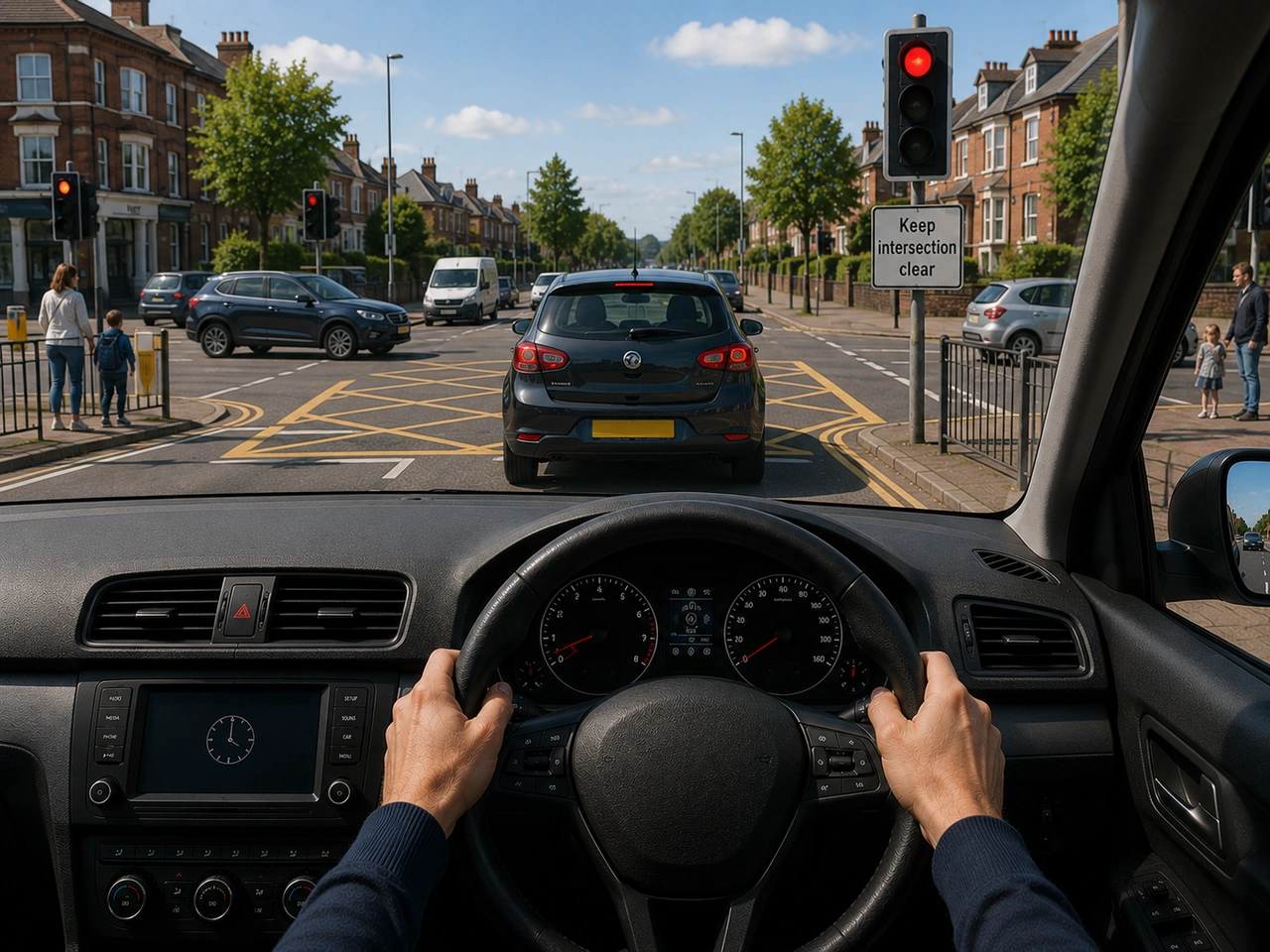
322. Why should you avoid blocking a junction?
Blocking a junction can prevent vehicles, cyclists, or pedestrians from moving safely. Enter only when there is enough space to drive through and clear the junction.
AI-generated by Traffic-rules.com • WCIT • CC BY-SA
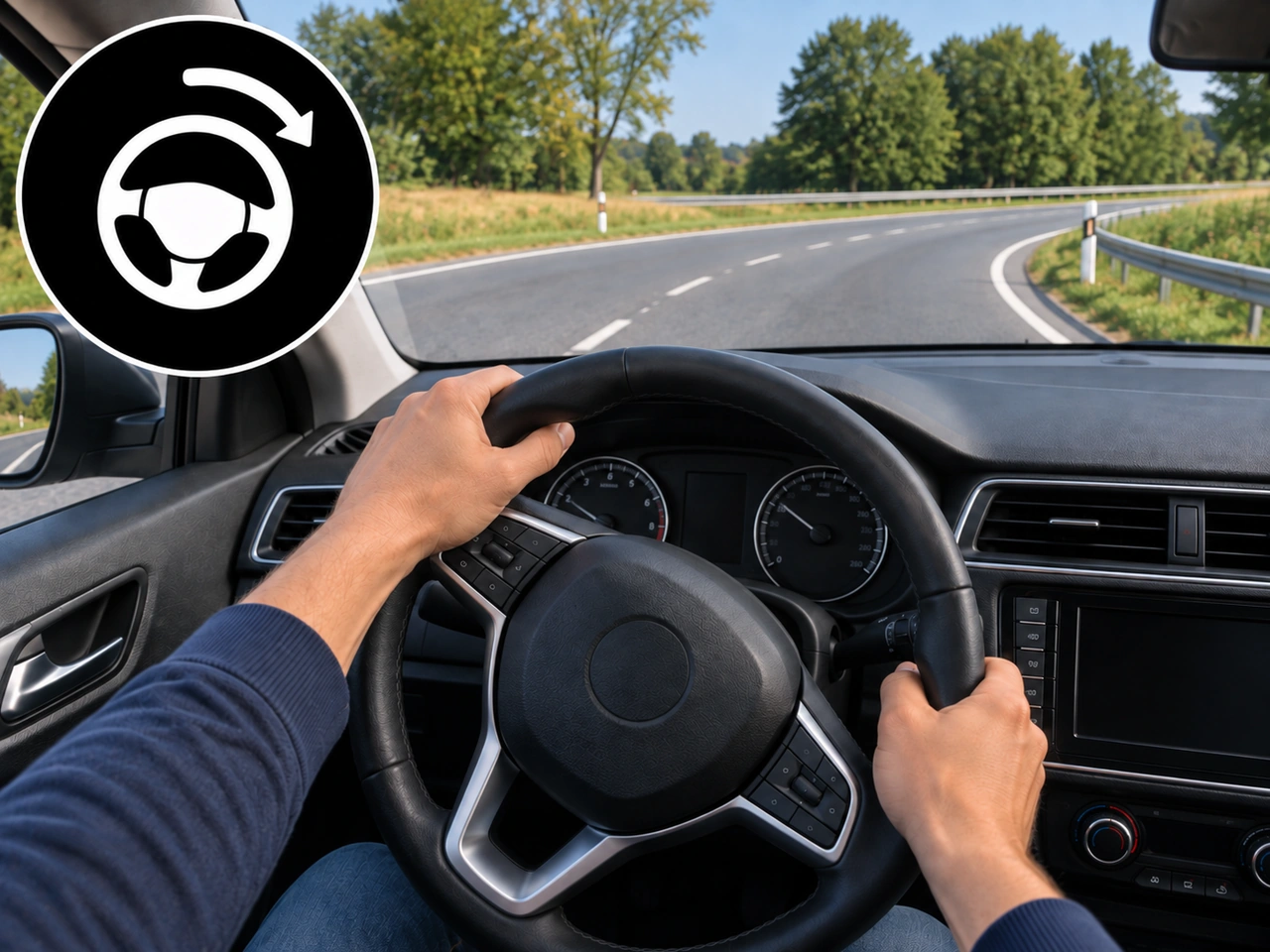
323. What should you do with the steering wheel after completing a turn?
After completing a turn, guide the steering wheel smoothly back towards the straight-ahead position while maintaining control. Do not allow the wheel to spin freely through your hands.
AI-generated by Traffic-rules.com • WCIT • CC BY-SA
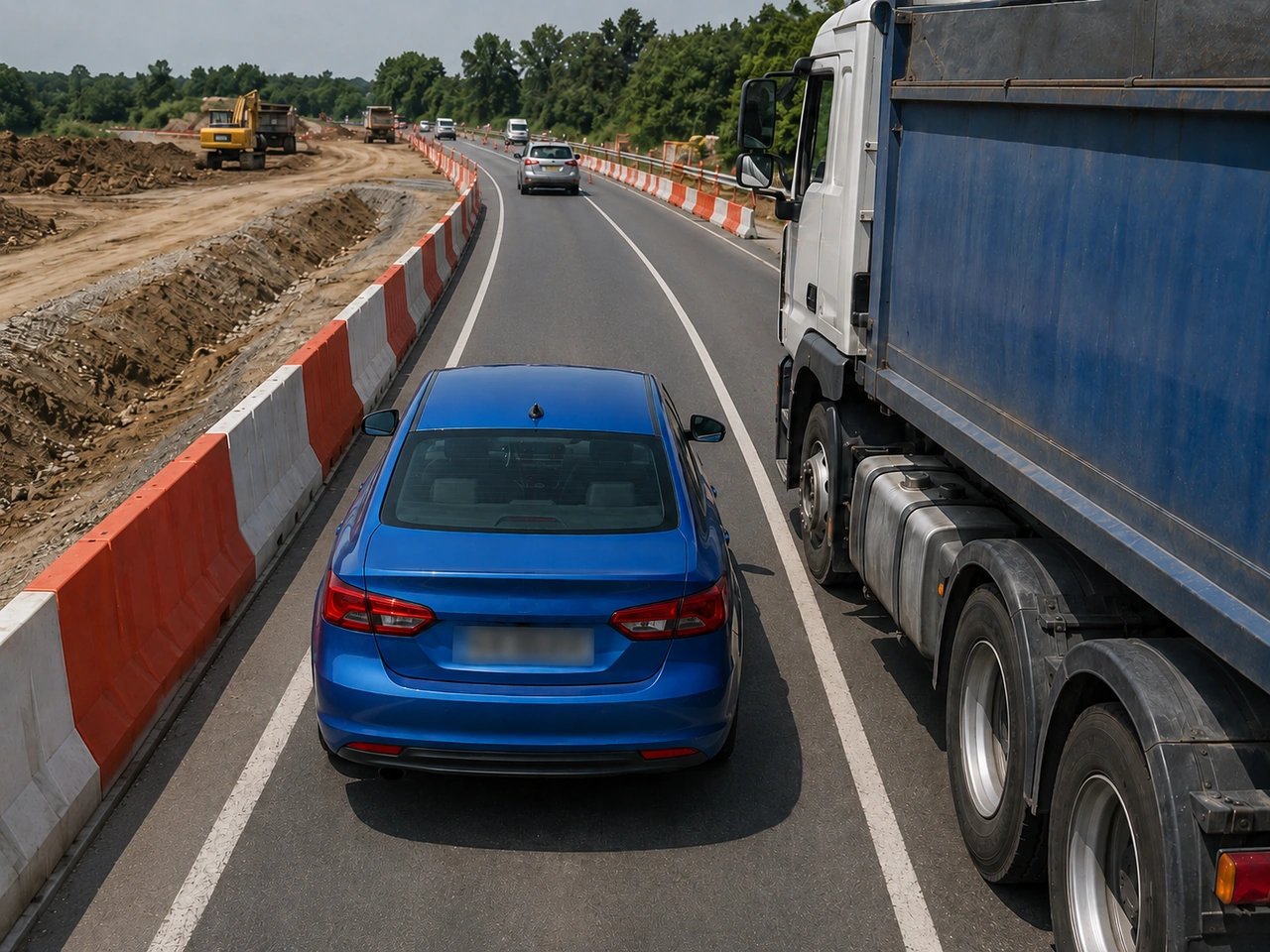
324. What should you expect when lanes become narrower in roadworks?
Narrow lanes leave less room for error. Keep a steady position, avoid drifting toward barriers or nearby vehicles, and reduce speed if necessary.
AI-generated by Traffic-rules.com • WCIT • CC BY-SA
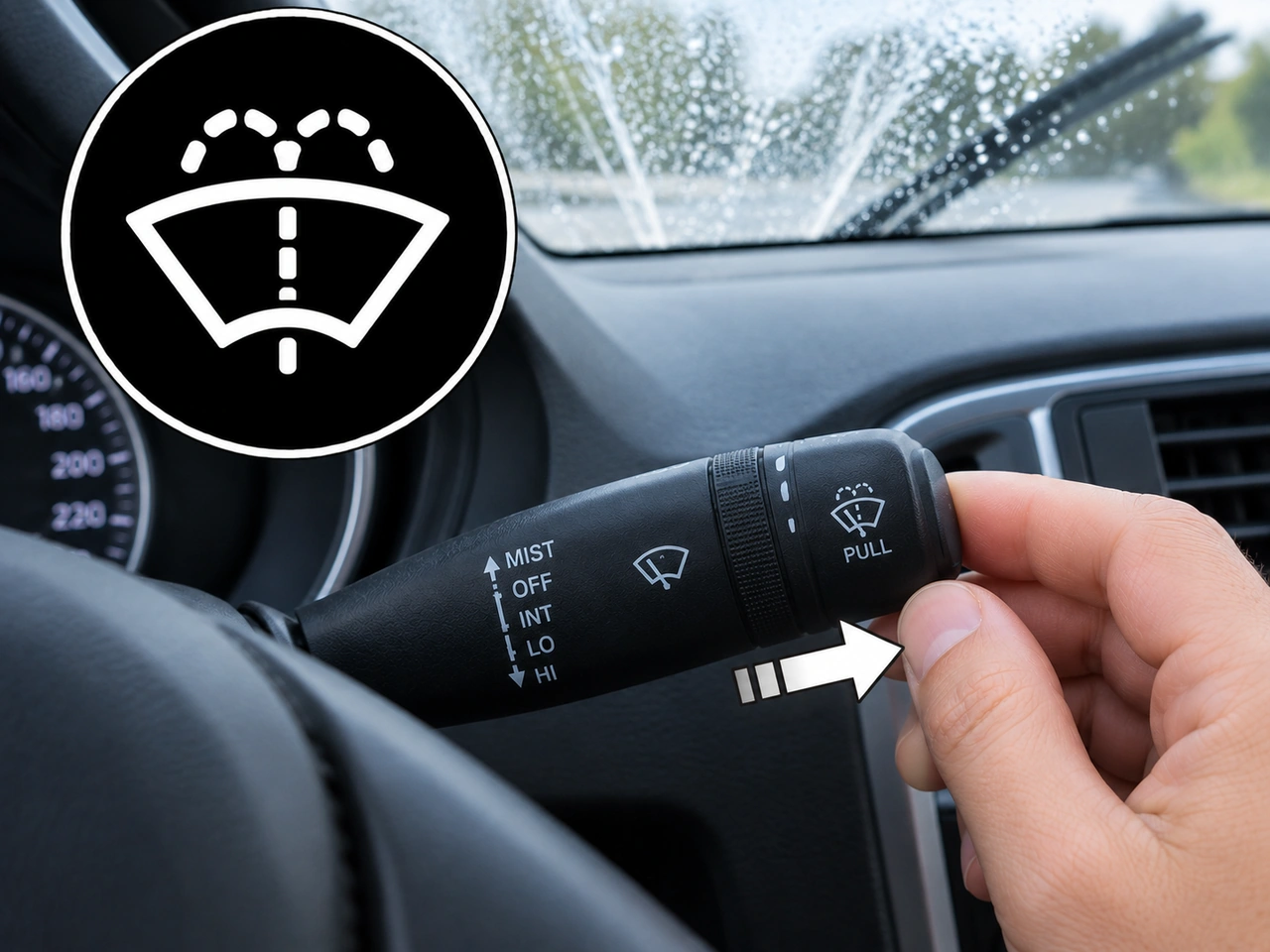
325. What does this vehicle-control symbol indicate?
This symbol indicates the windscreen washer. Operating the control sprays washer fluid onto the windscreen and normally activates the wipers to help clean the glass.
AI-generated by Traffic-rules.com • WCIT • CC BY-SA
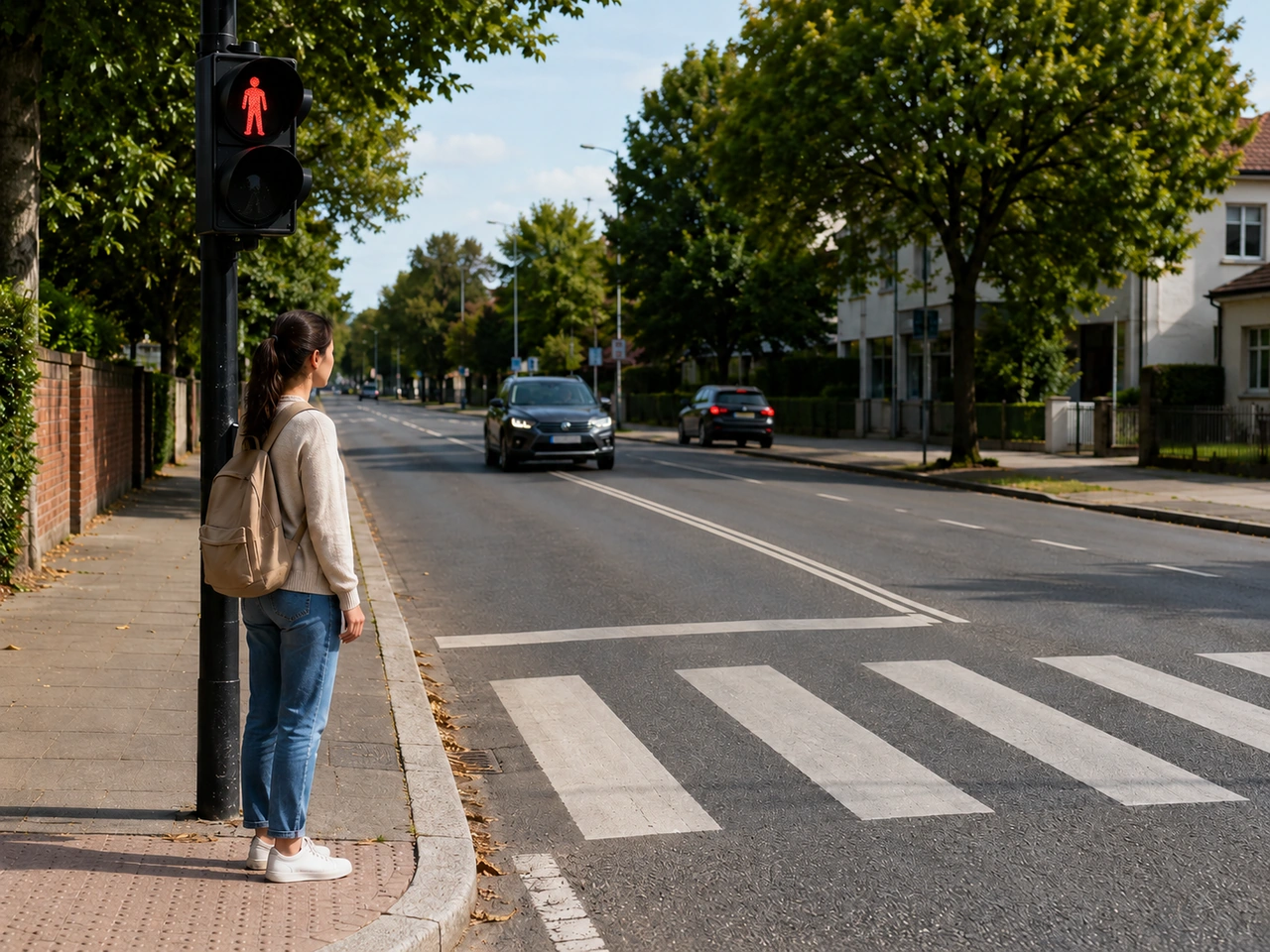
326. What should you do if the pedestrian light is red?
A red pedestrian signal means you should wait before crossing.
AI-generated by Traffic-rules.com • WCIT • CC BY-SA
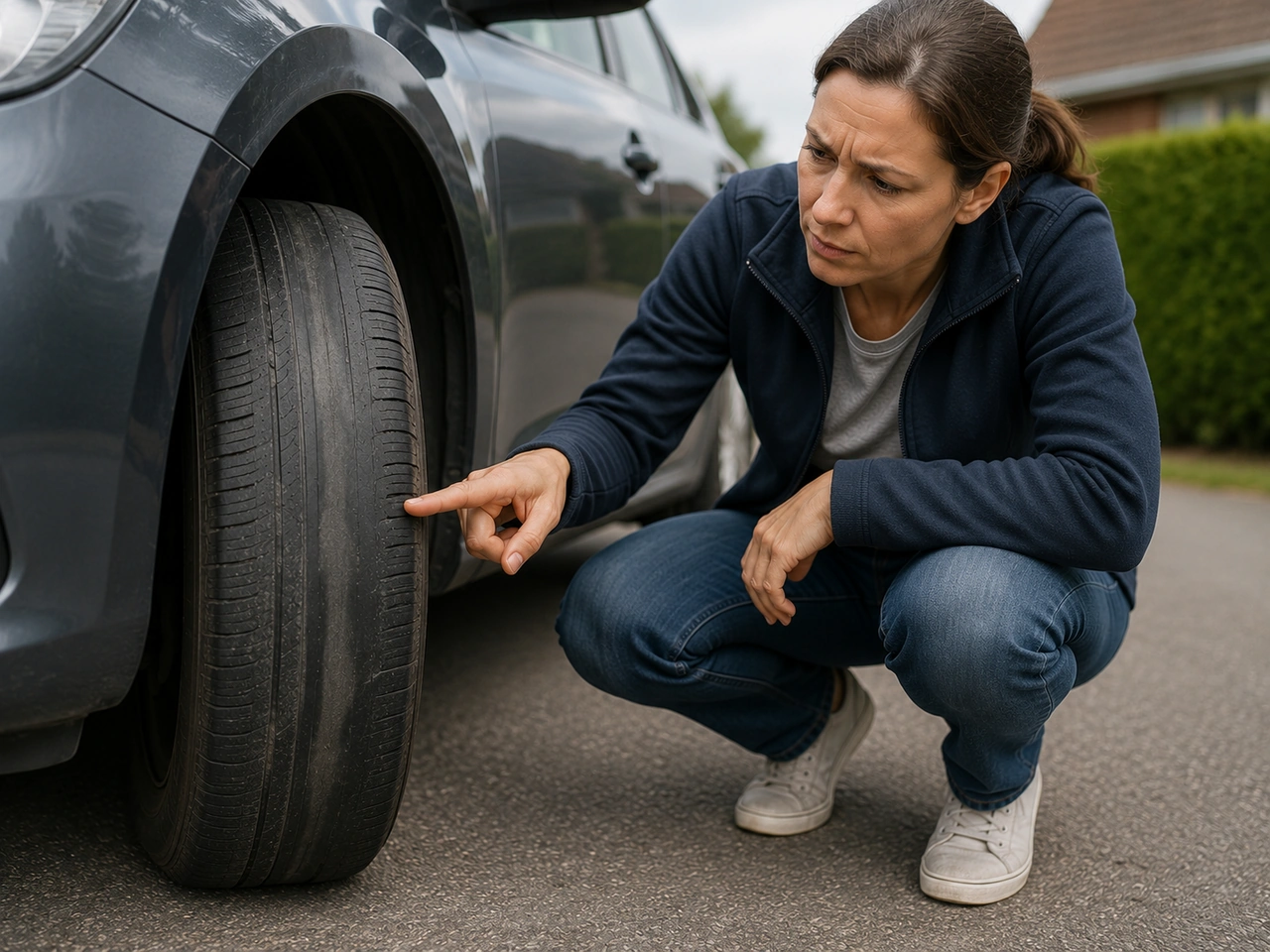
327. What can uneven tyre wear indicate?
Uneven wear may result from incorrect tyre pressure, wheel misalignment, worn suspension parts, or a brake that is not releasing properly.
AI-generated by Traffic-rules.com • WCIT • CC BY-SA
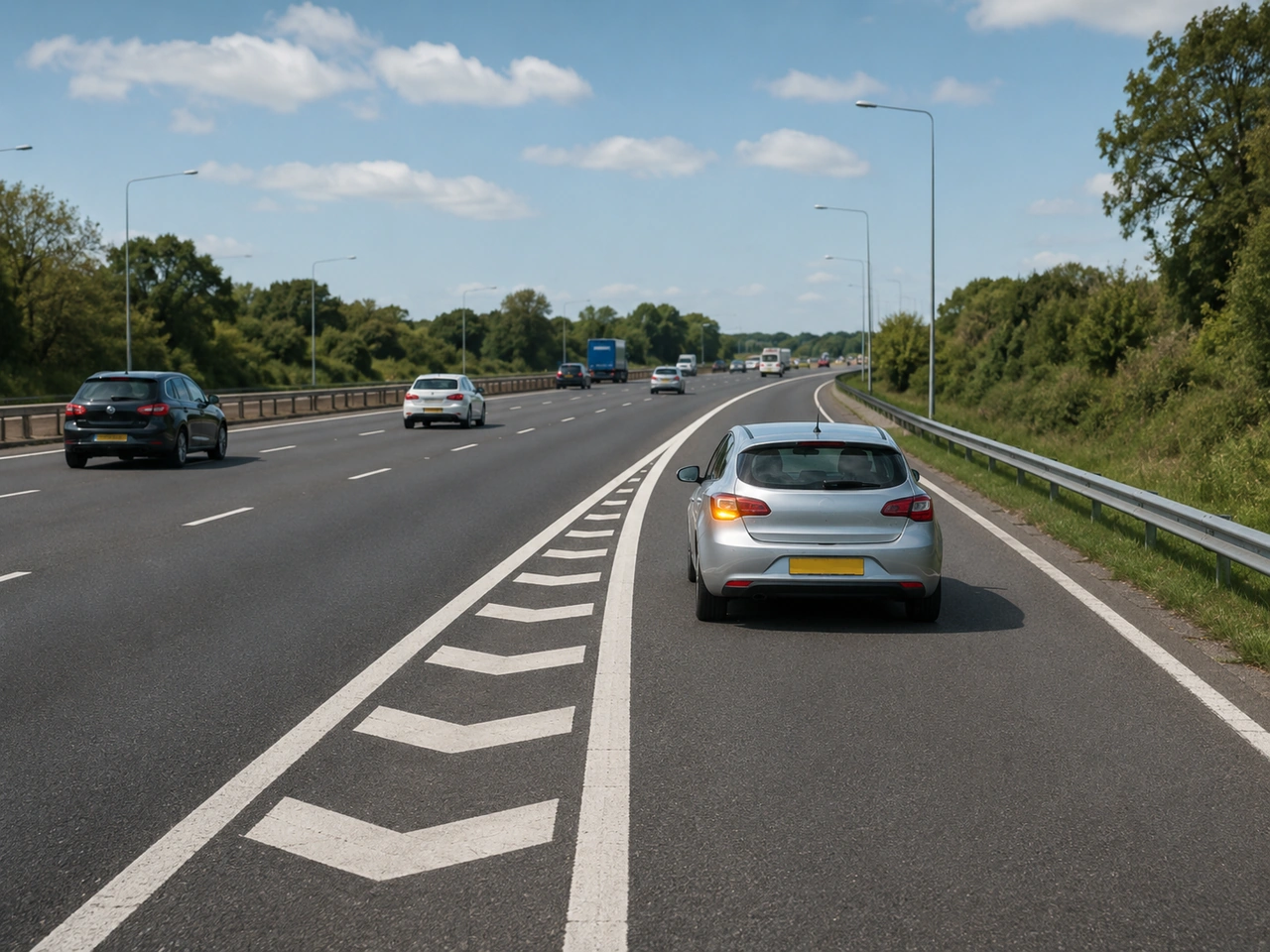
328. What should you do before joining a motorway?
Observe motorway traffic early, signal clearly, and merge only when there is a safe gap.
AI-generated by Traffic-rules.com • WCIT • CC BY-SA
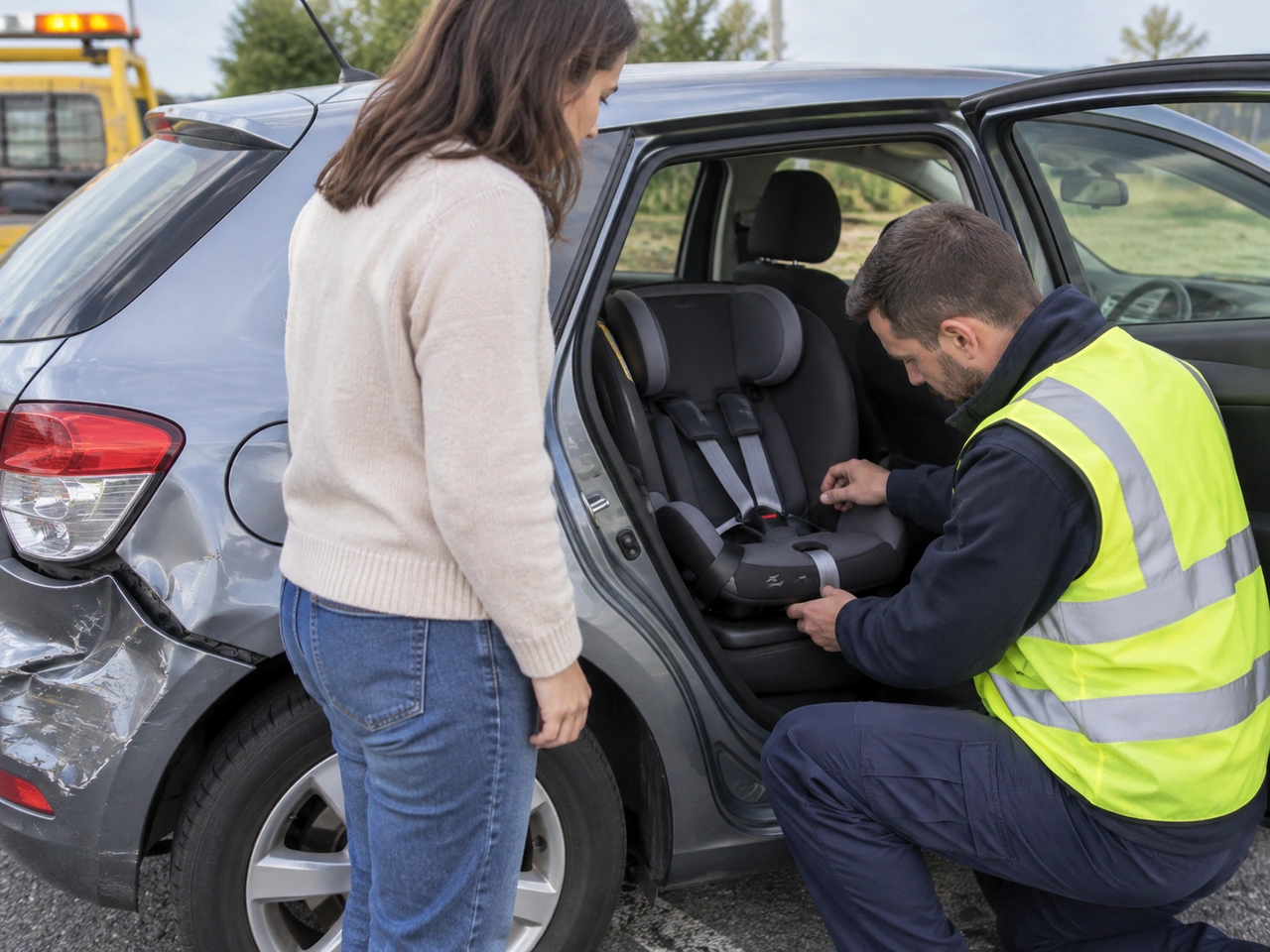
329. What should you do with a child restraint after a collision?
A child restraint may be damaged in a collision even when the damage is not obvious. Follow the manufacturer's instructions, as the restraint may need to be inspected or replaced before it is used again.
AI-generated by Traffic-rules.com • WCIT • CC BY-SA
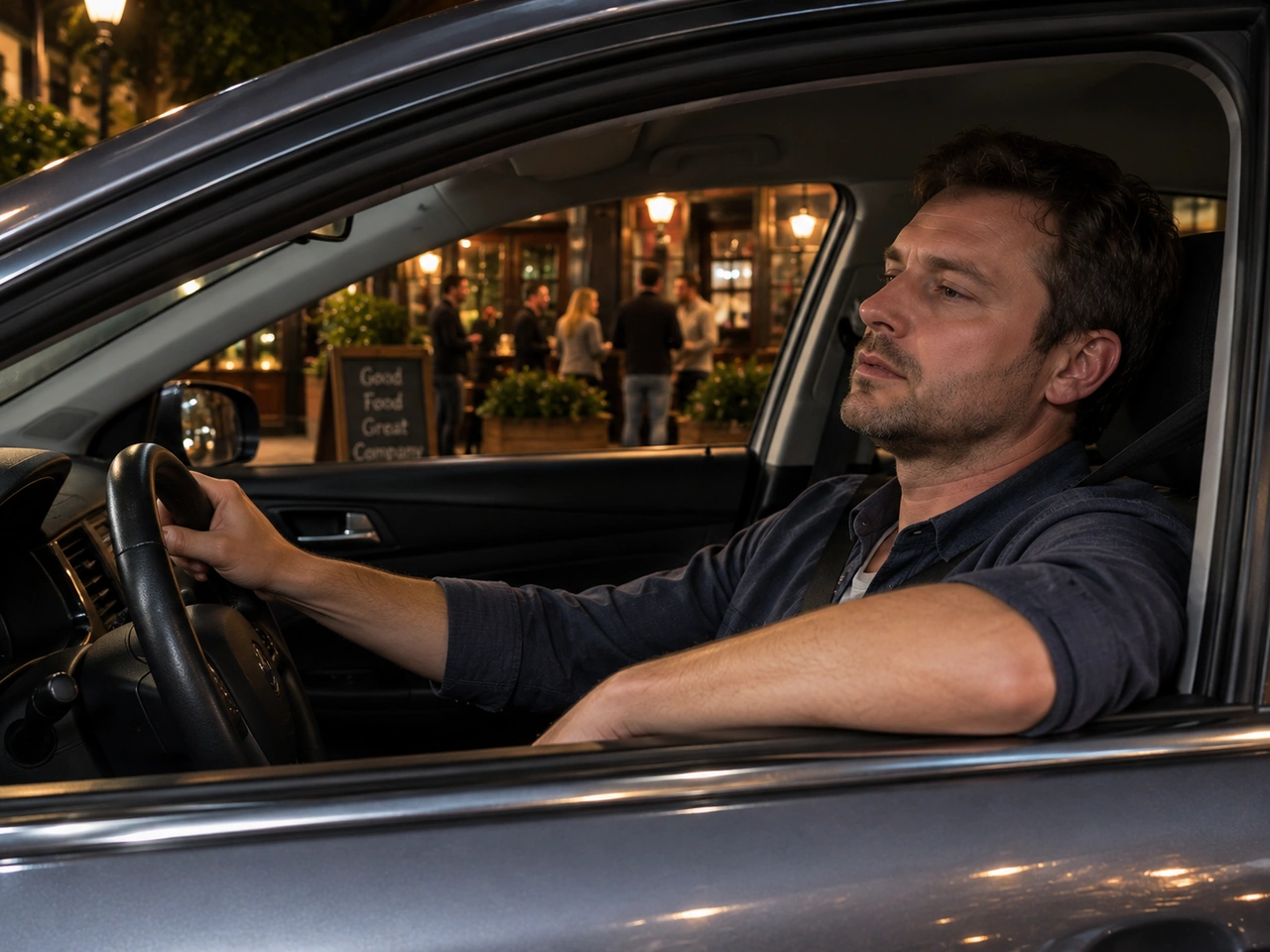
330. Does opening a window make an alcohol-impaired driver safe?
Fresh air may make someone feel more awake, but it does not reduce their alcohol concentration or restore safe driving ability.
AI-generated by Traffic-rules.com • WCIT • CC BY-SA
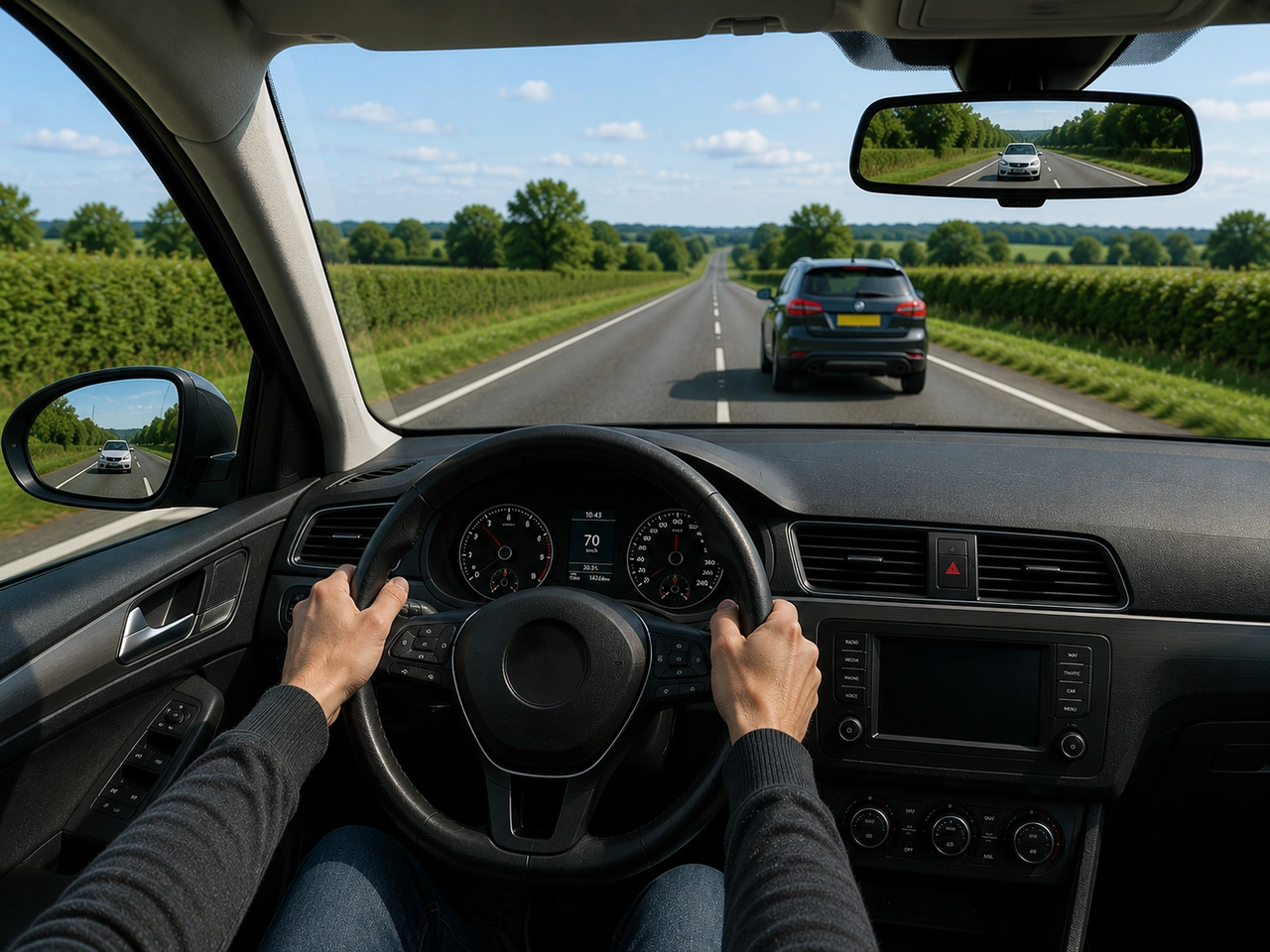
331. What should you do before overtaking another vehicle?
Before overtaking, check the road, mirrors, blind spots, signs, and markings, use your indicator, and only overtake when it is safe and permitted.
AI-generated by Traffic-rules.com • WCIT • CC BY-SA
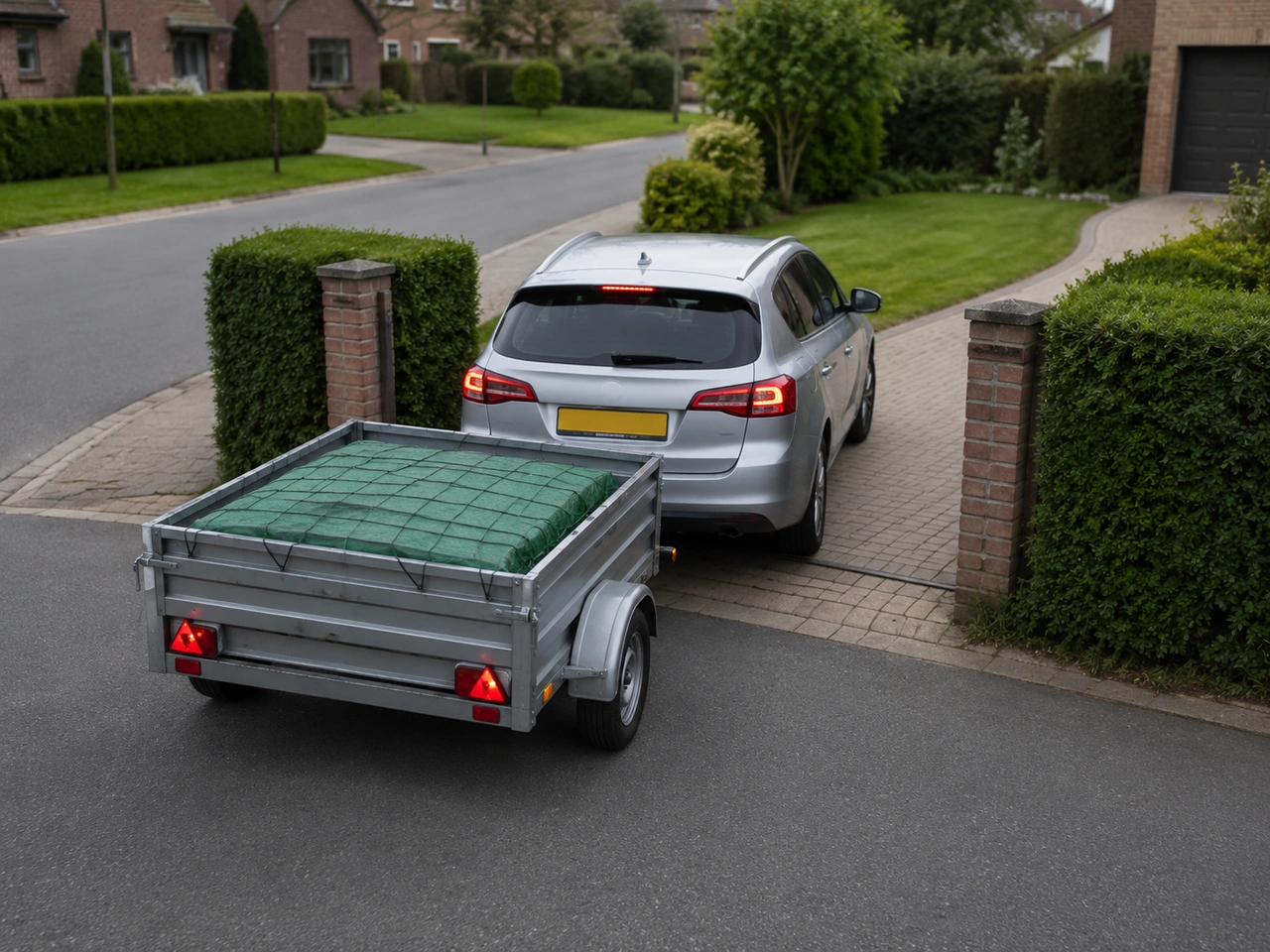
332. What should you do when reversing with a trailer?
Trailers react quickly to steering while reversing. Move slowly, observe carefully, and use a guide only from a safe visible position.
AI-generated by Traffic-rules.com • WCIT • CC BY-SA
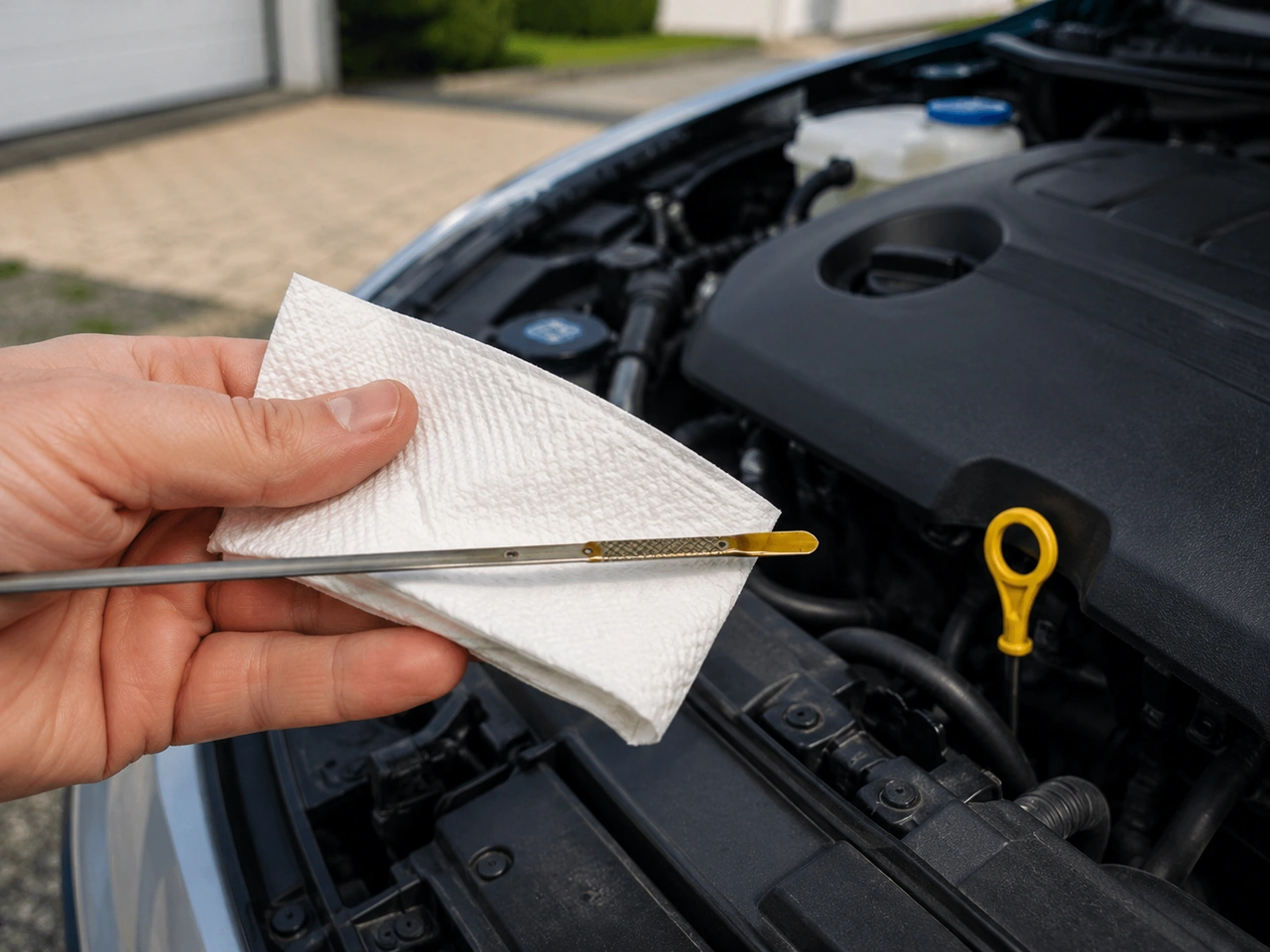
333. How should you check the engine oil level?
Use the dipstick or electronic oil-level system as described in the owner's manual. The engine is usually switched off, and the vehicle should be standing on level ground.
AI-generated by Traffic-rules.com • WCIT • CC BY-SA
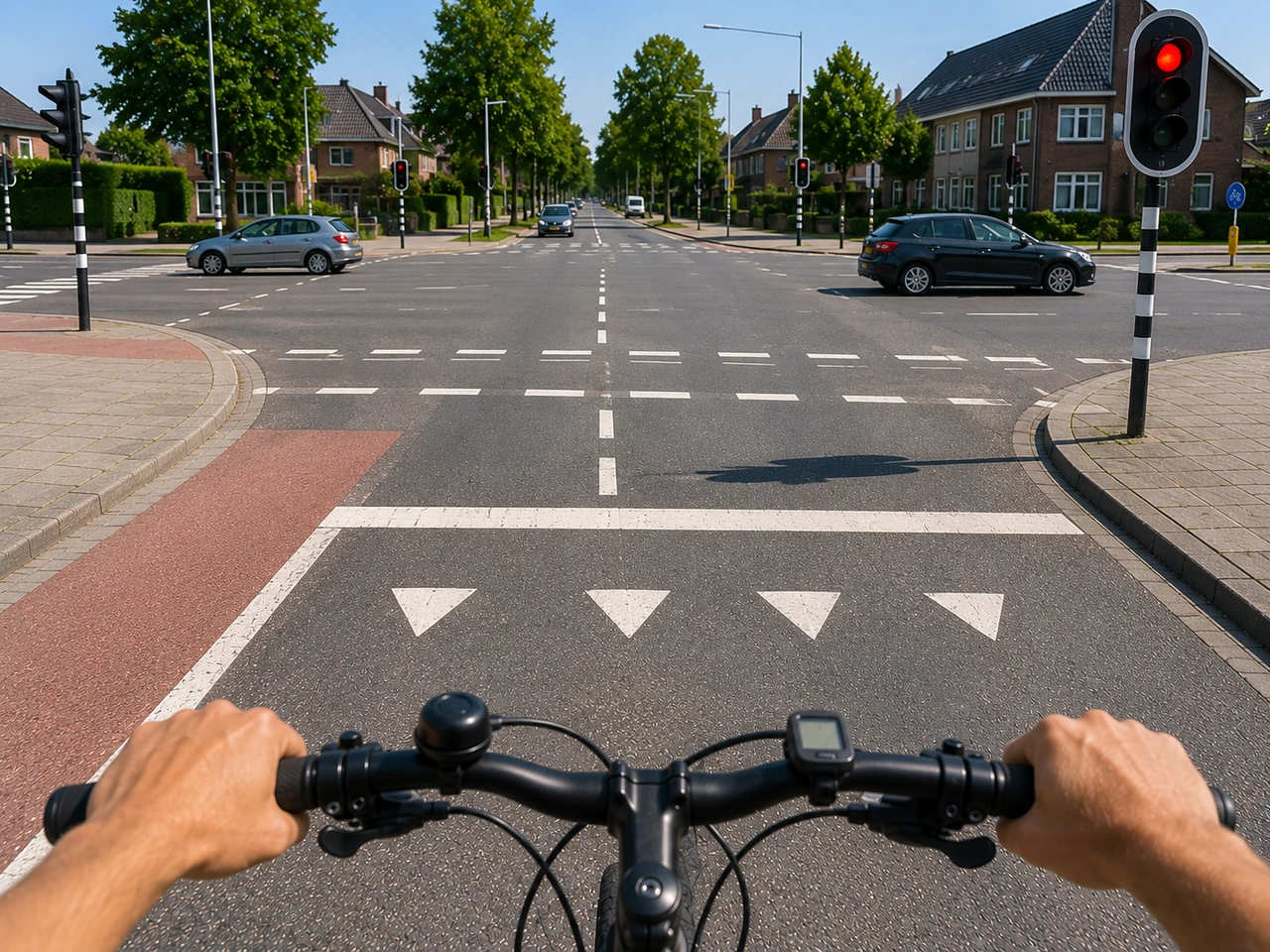
334. What should cyclists do when approaching a junction?
Junctions create conflict points between road users. Slowing down gives you more time to see hazards and react safely.
AI-generated by Traffic-rules.com • WCIT • CC BY-SA
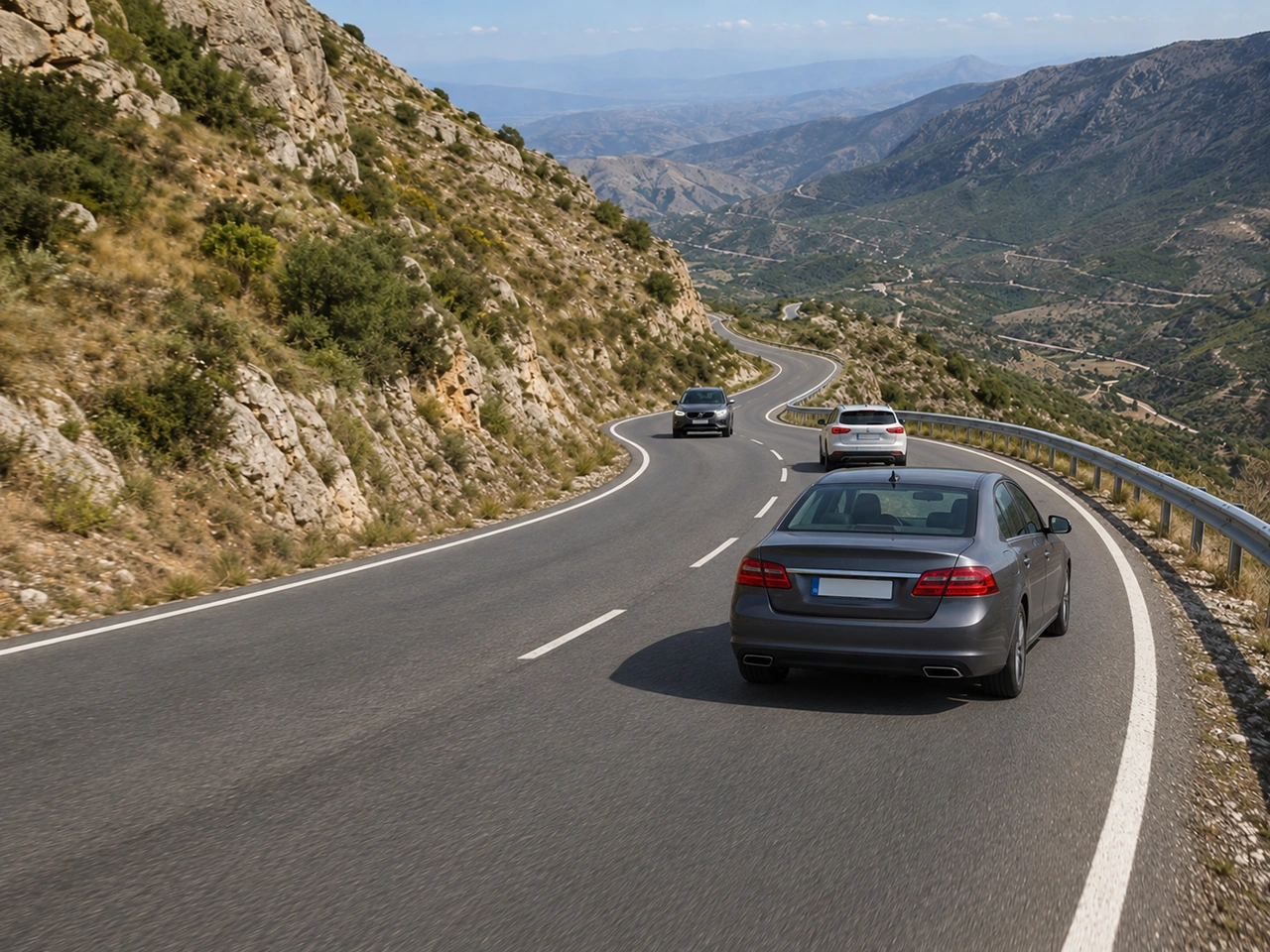
335. What can happen if you use the brakes continuously on a long descent?
Continuous braking can cause the brakes to overheat and fade, reducing braking performance. Use a lower gear to help control speed with engine braking.
AI-generated by Traffic-rules.com • WCIT • CC BY-SA
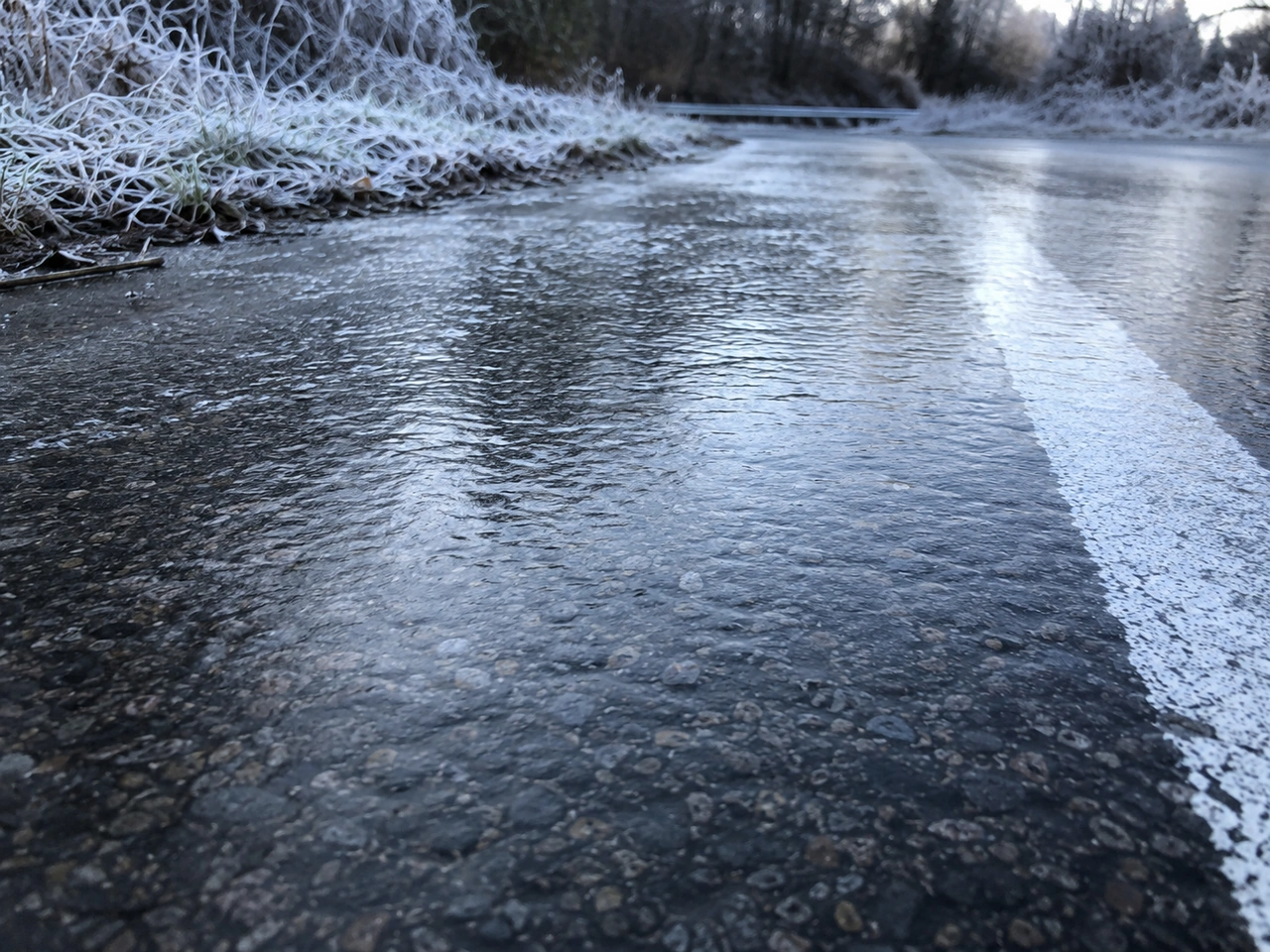
336. What is black ice?
Black ice is difficult to detect because the road surface may look merely wet. It can cause a sudden and severe loss of grip.
AI-generated by Traffic-rules.com • WCIT • CC BY-SA
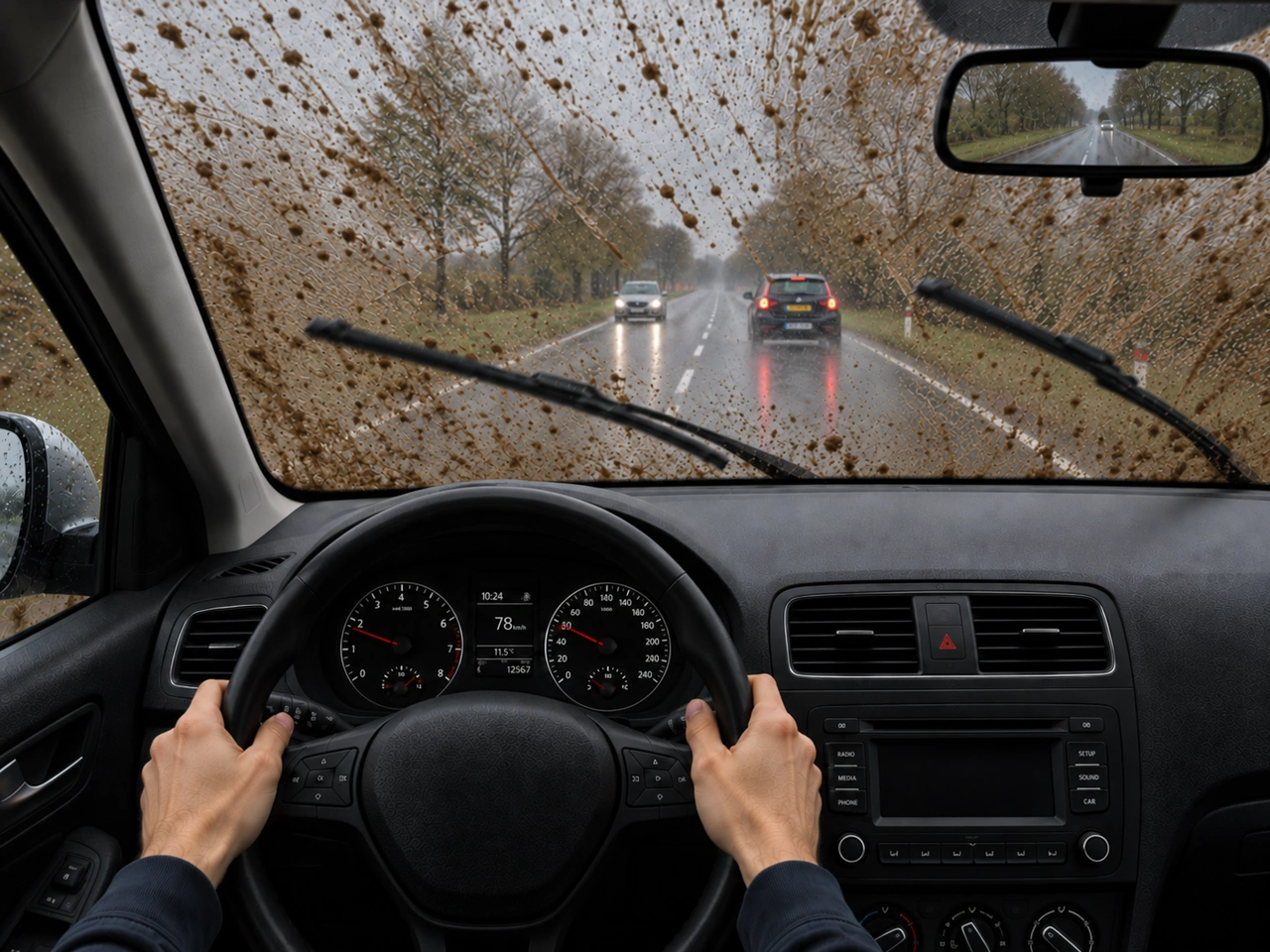
337. What should you do if your windscreen becomes covered with mud or spray?
Clear visibility is essential. Slow down safely and use your washers and wipers until you can see the road clearly again.
AI-generated by Traffic-rules.com • WCIT • CC BY-SA
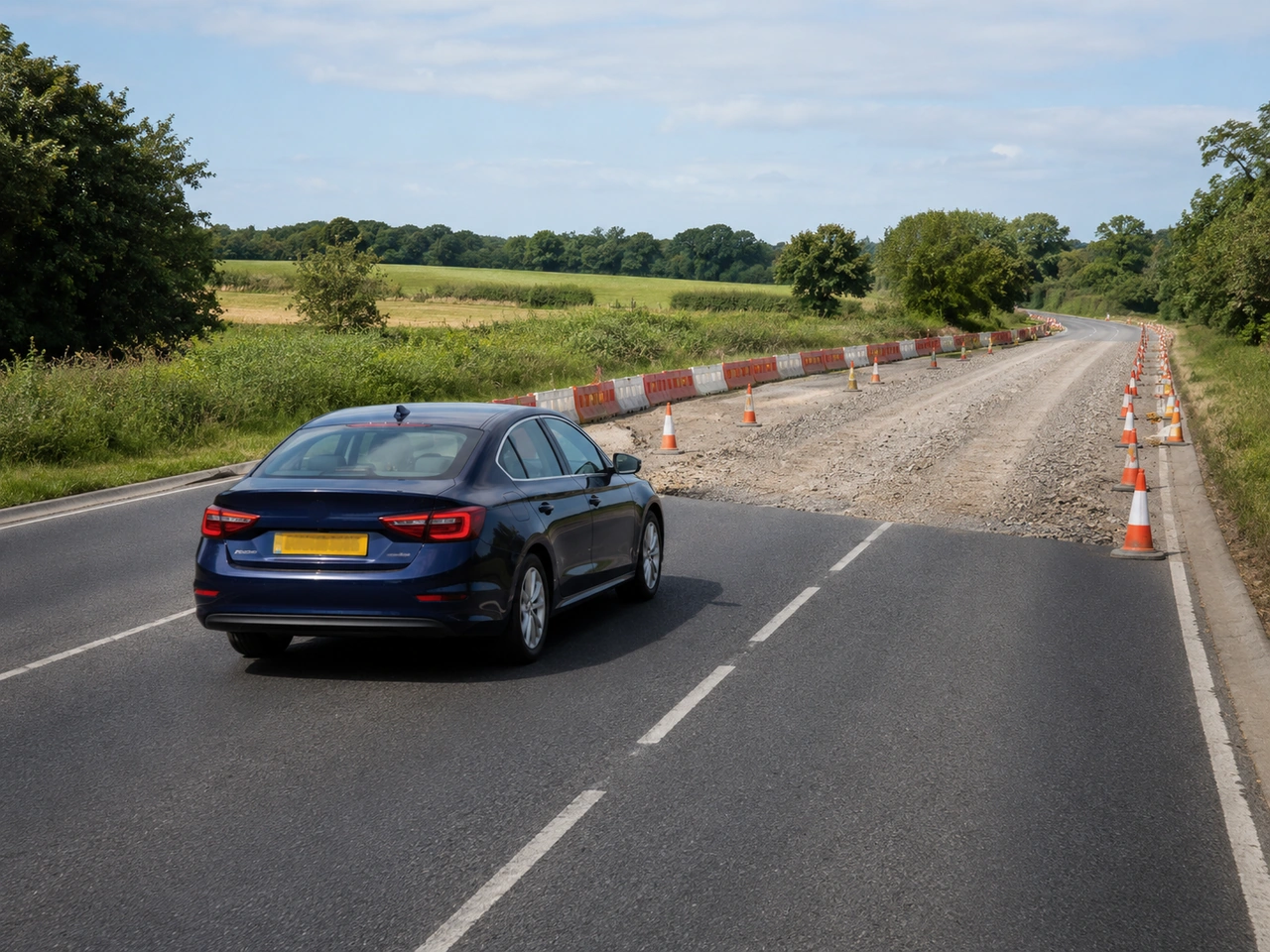
338. Why can temporary road surfaces increase stopping distance?
Temporary surfaces may provide less grip than normal asphalt. Reduce speed and allow more distance for braking.
AI-generated by Traffic-rules.com • WCIT • CC BY-SA
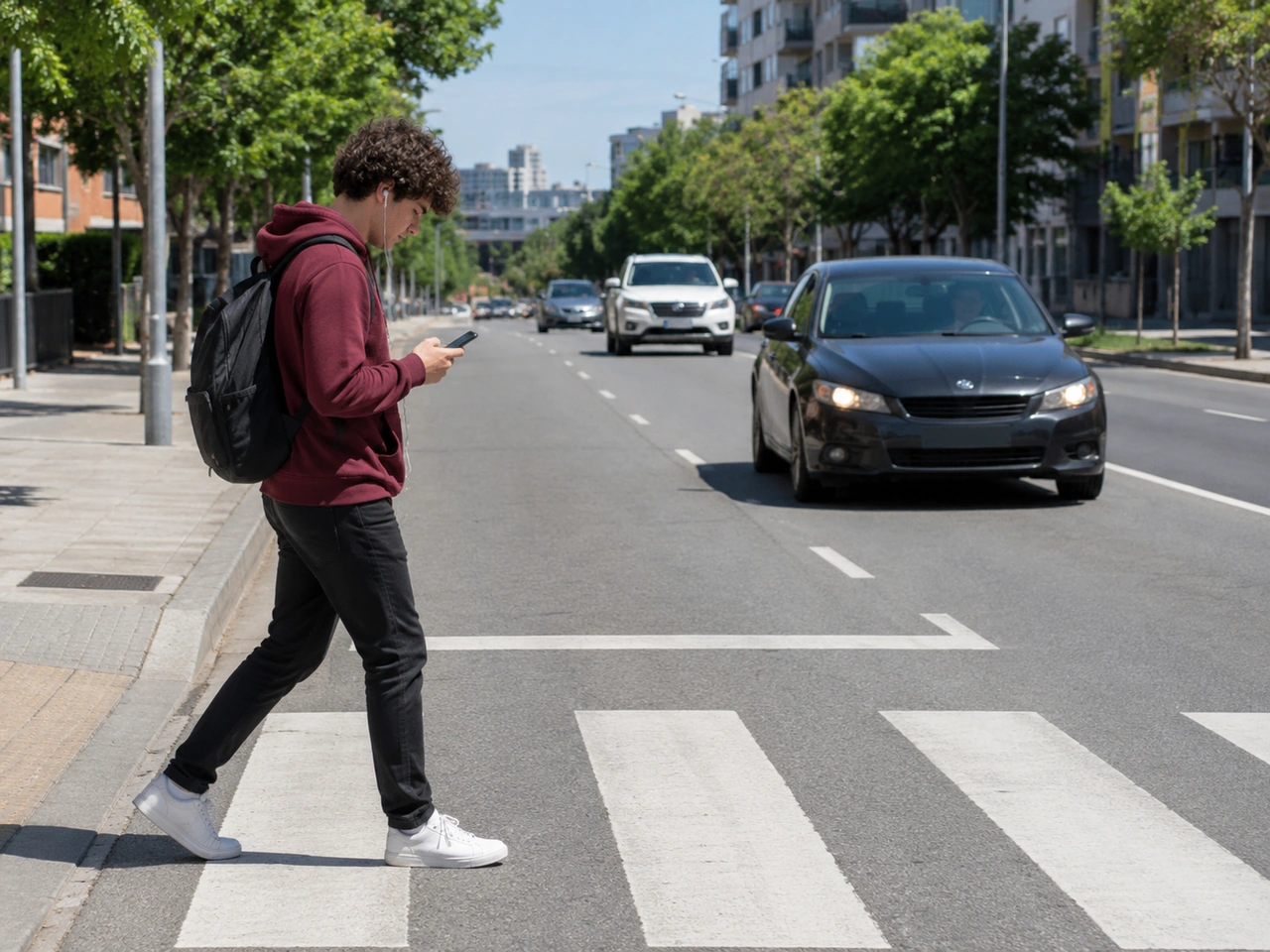
339. Why is it dangerous to cross while listening to loud music?
Loud music can reduce your awareness of vehicles, bicycles, horns, and other warning sounds.
AI-generated by Traffic-rules.com • WCIT • CC BY-SA
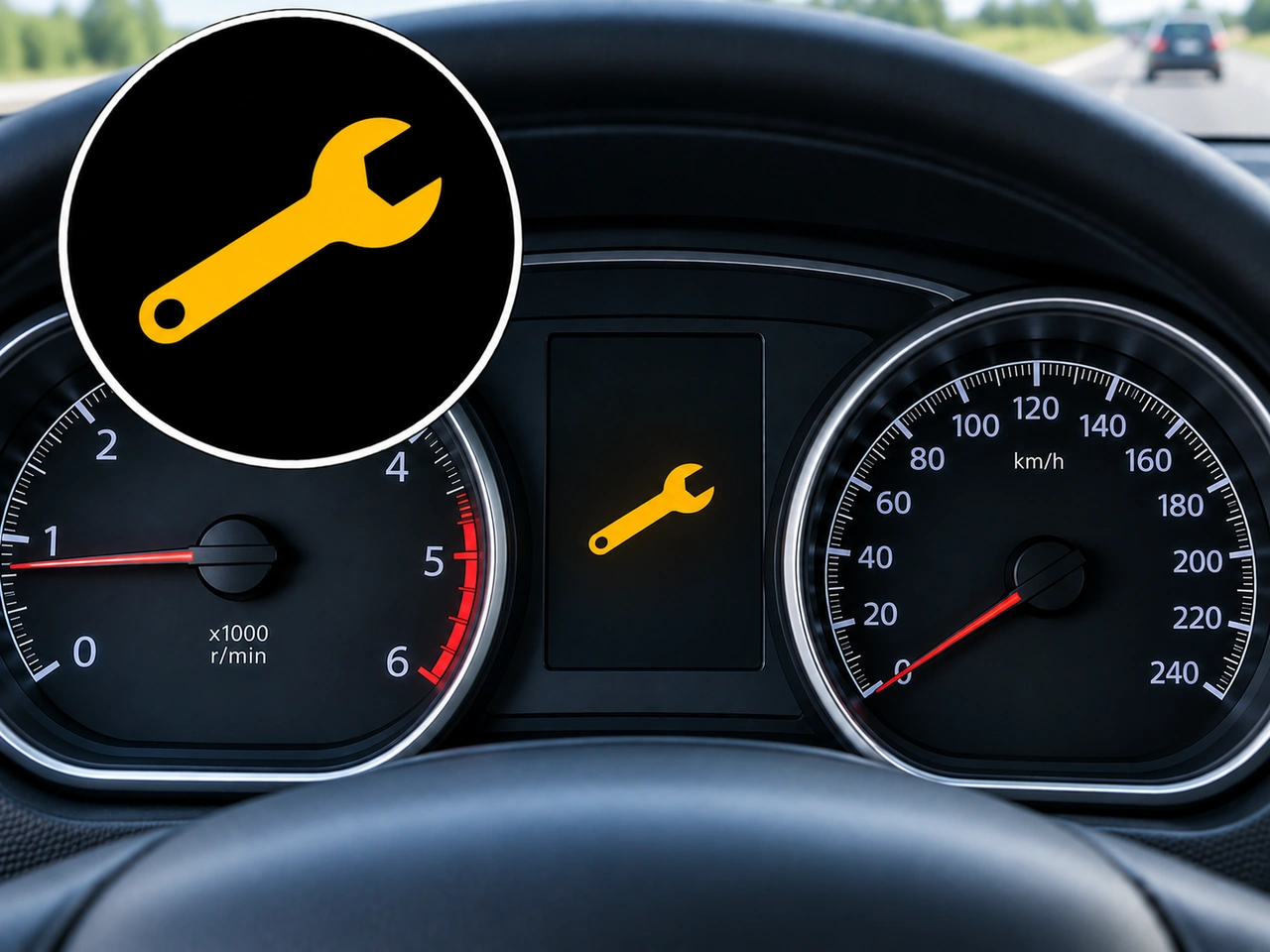
340. What does this dashboard symbol indicate?
This symbol indicates that the vehicle requires servicing or maintenance. The exact meaning and required maintenance can vary between vehicles, so check the vehicle information display or owner's manual.
AI-generated by Traffic-rules.com • WCIT • CC BY-SA
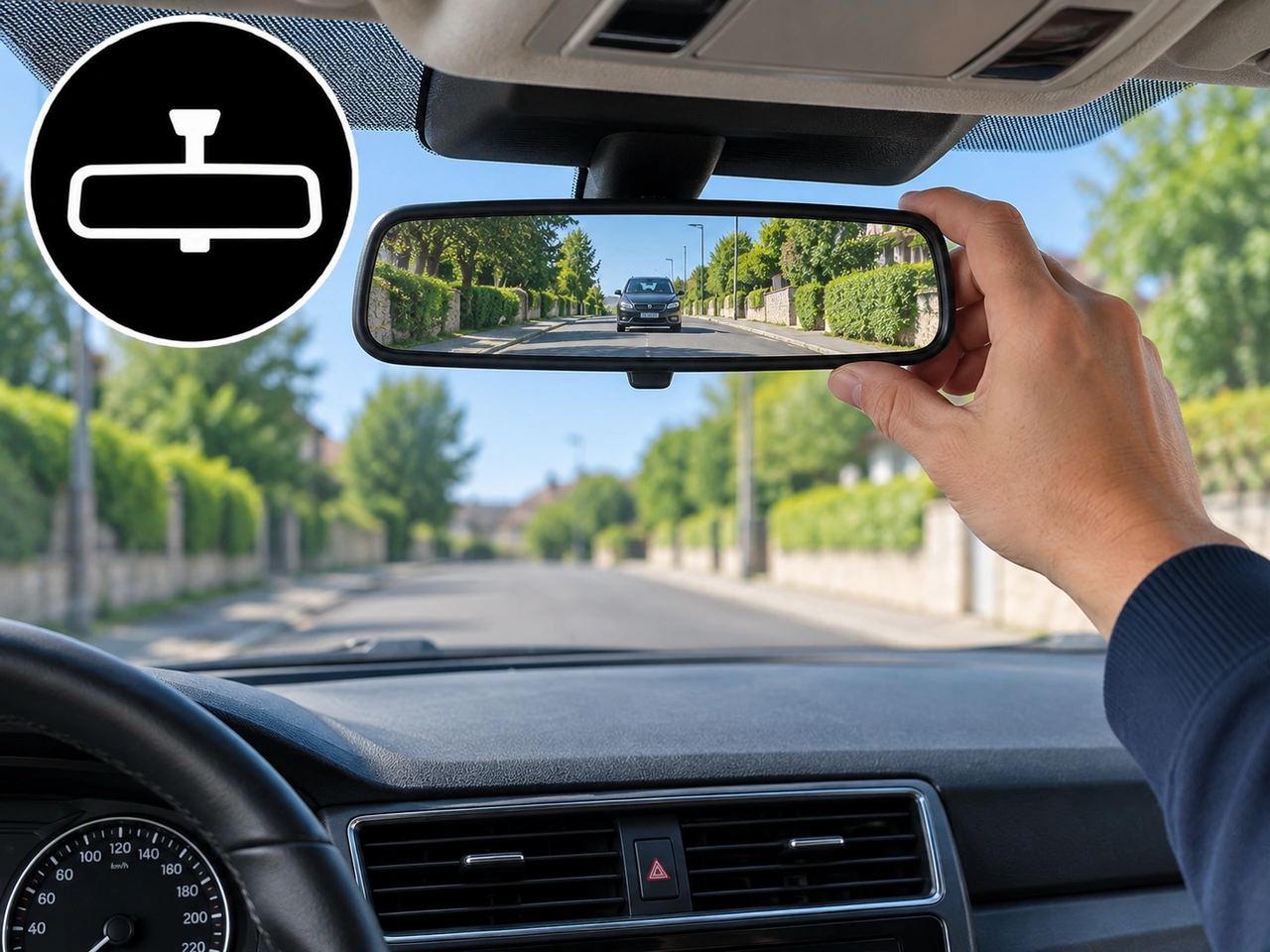
341. How should the interior rear-view mirror be adjusted?
Adjust the interior rear-view mirror before driving so that you have a clear view through the rear window without needing to move your head significantly.
AI-generated by Traffic-rules.com • WCIT • CC BY-SA
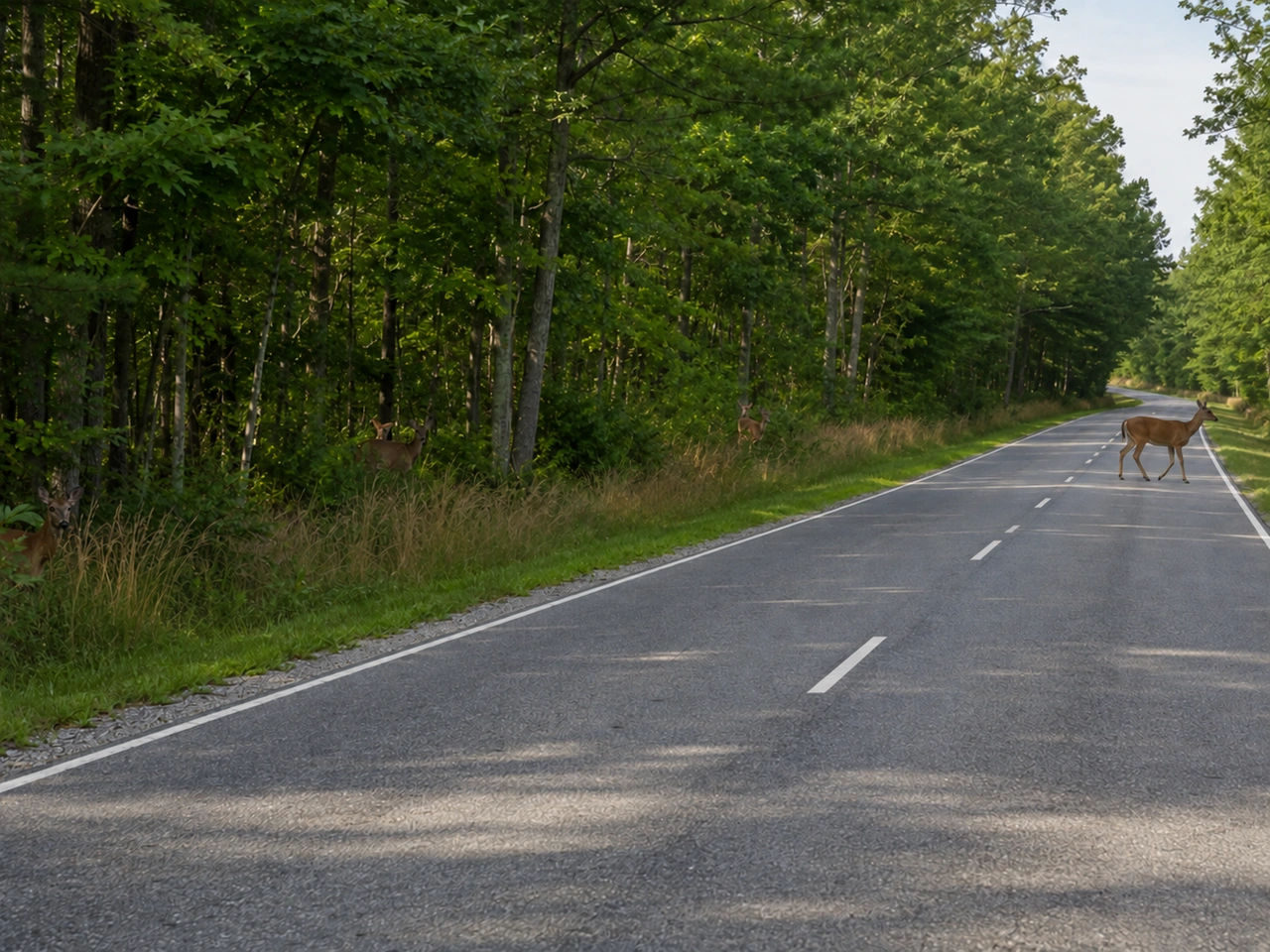
342. What should you expect after one wild animal crosses the road?
Many animals travel in groups. Slow down and continue watching both sides of the road.
AI-generated by Traffic-rules.com • WCIT • CC BY-SA
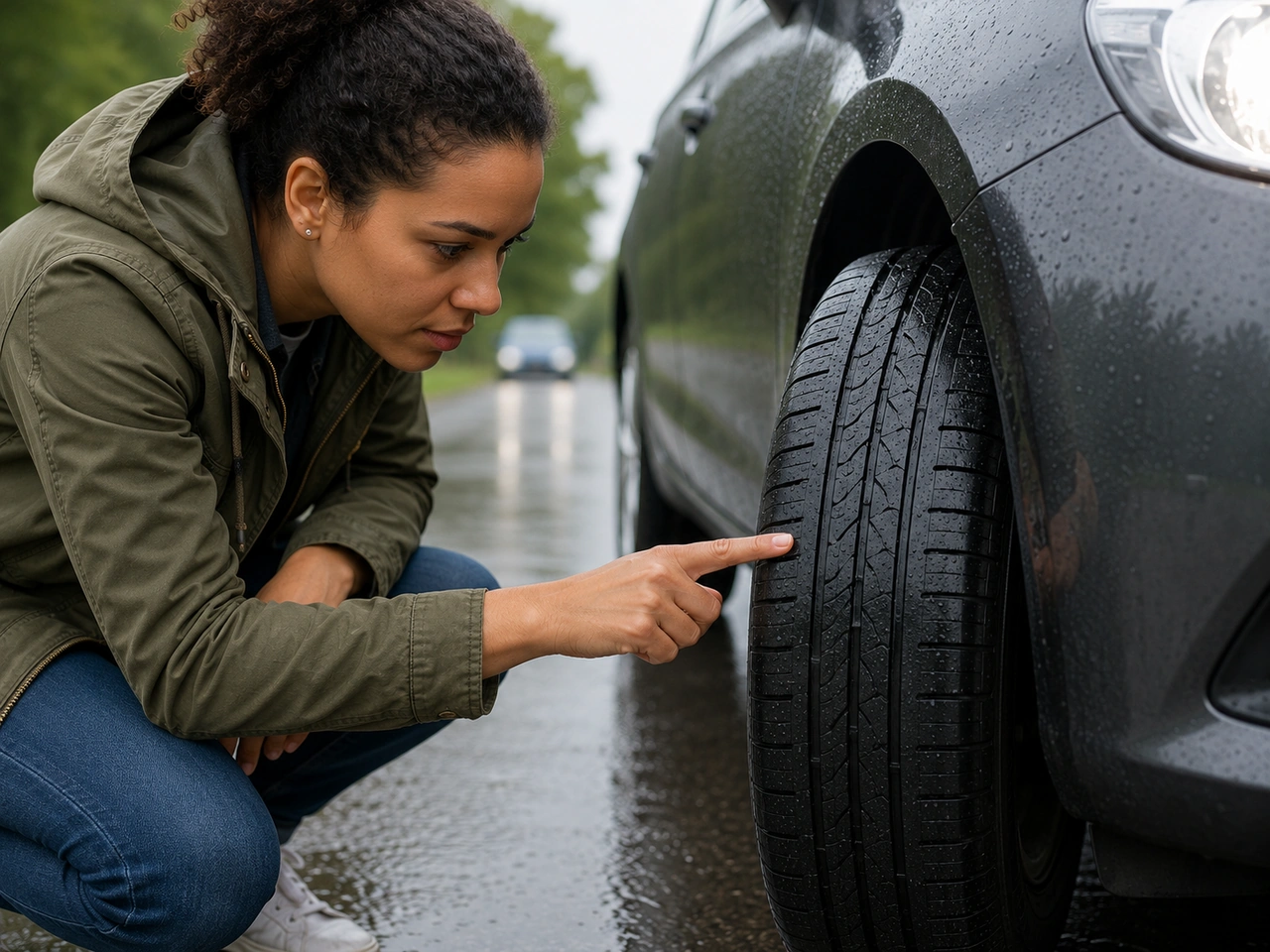
343. Why is adequate tyre tread important?
Tyre tread helps the vehicle grip the road and disperse water. Worn tread increases the risk of skidding and aquaplaning, especially in wet conditions.
AI-generated by Traffic-rules.com • WCIT • CC BY-SA
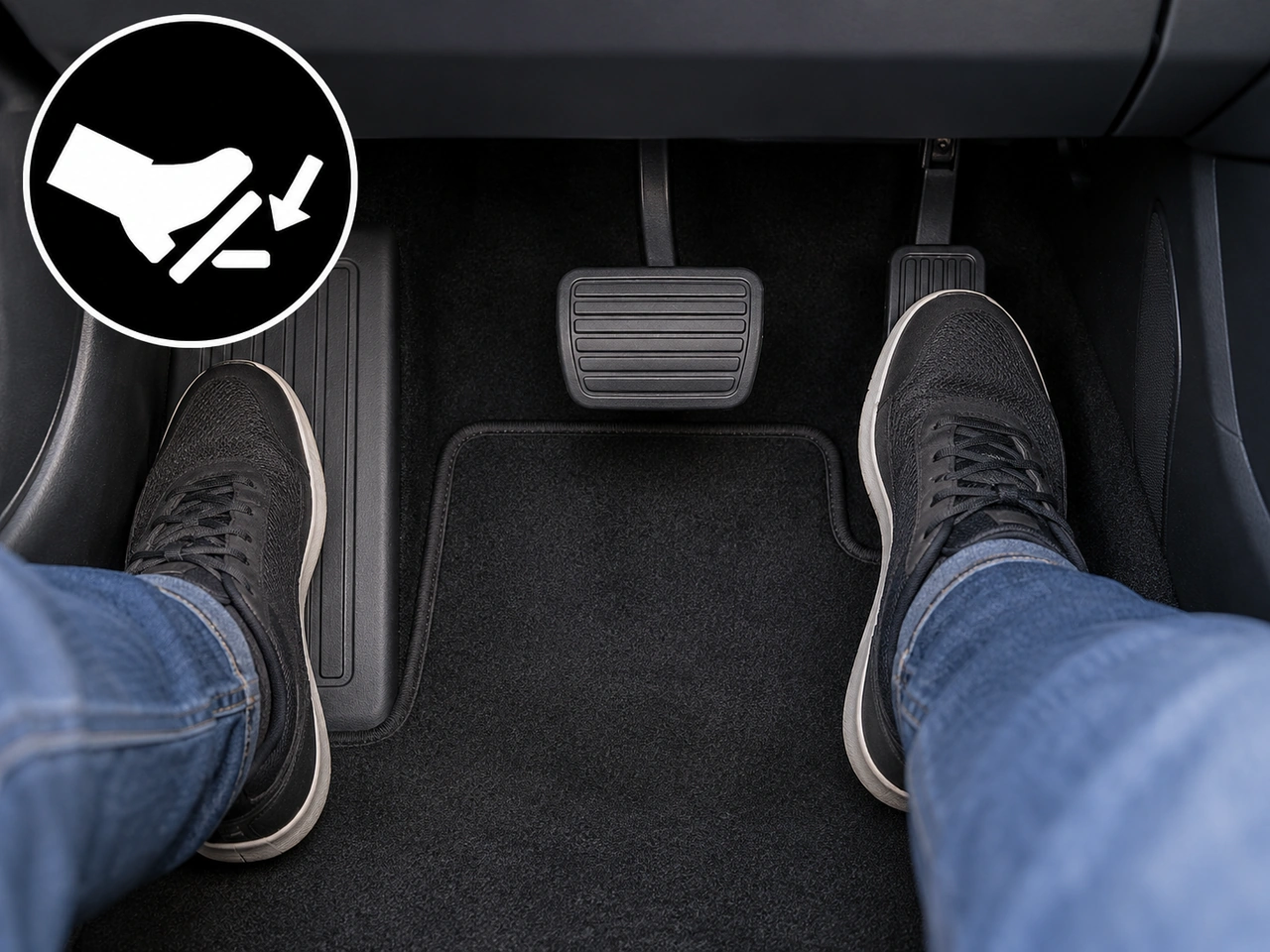
344. What may happen when you press the accelerator fully in an automatic vehicle?
In many automatic vehicles, pressing the accelerator fully can activate kickdown, causing the transmission to select a lower gear and provide stronger acceleration.
AI-generated by Traffic-rules.com • WCIT • CC BY-SA
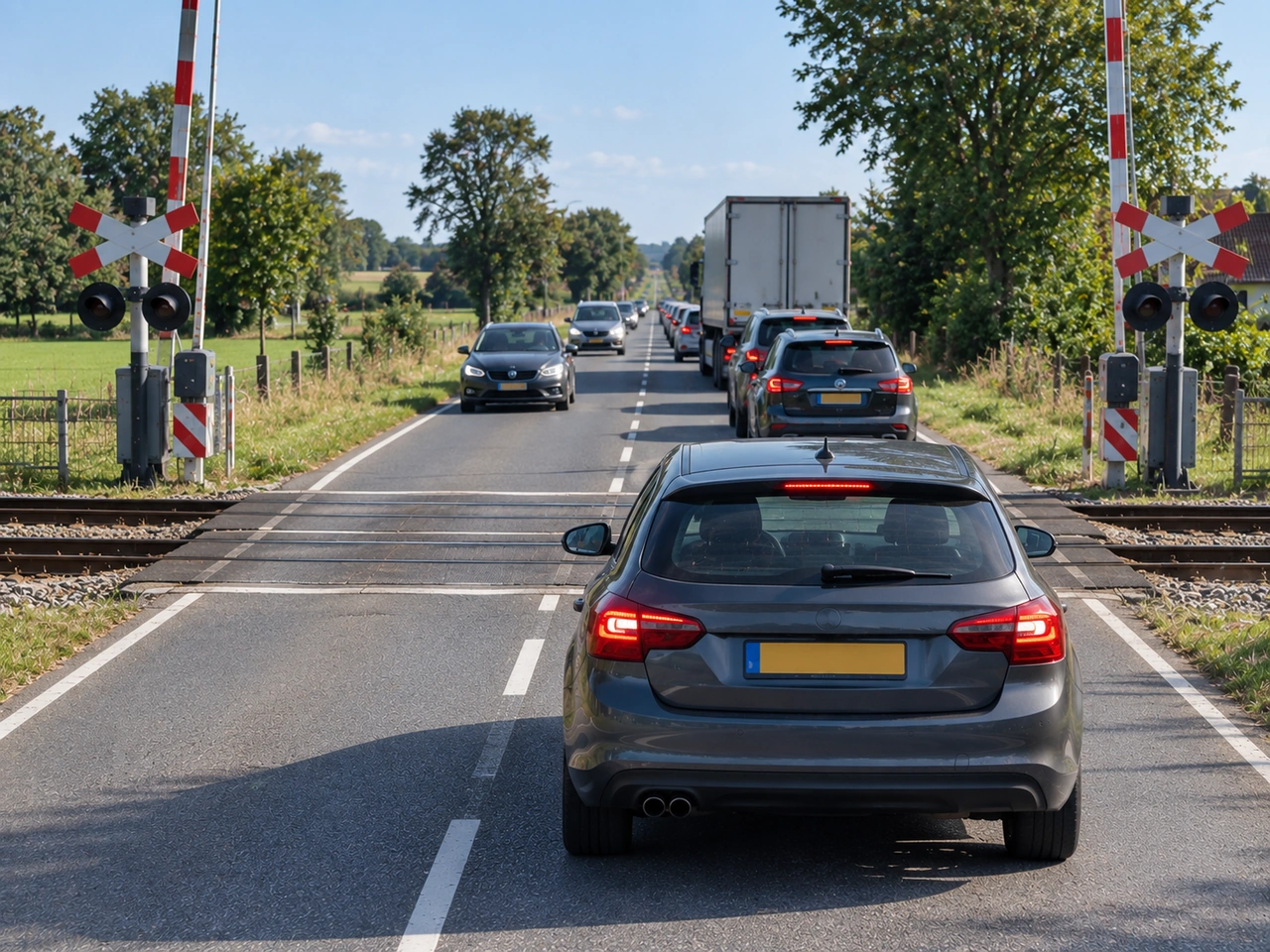
345. What should you do if traffic beyond a railway crossing is blocked?
Never enter a railway crossing unless you can clear the tracks completely. If traffic ahead is blocked, wait before the crossing so you cannot become trapped on the railway.
AI-generated by Traffic-rules.com • WCIT • CC BY-SA
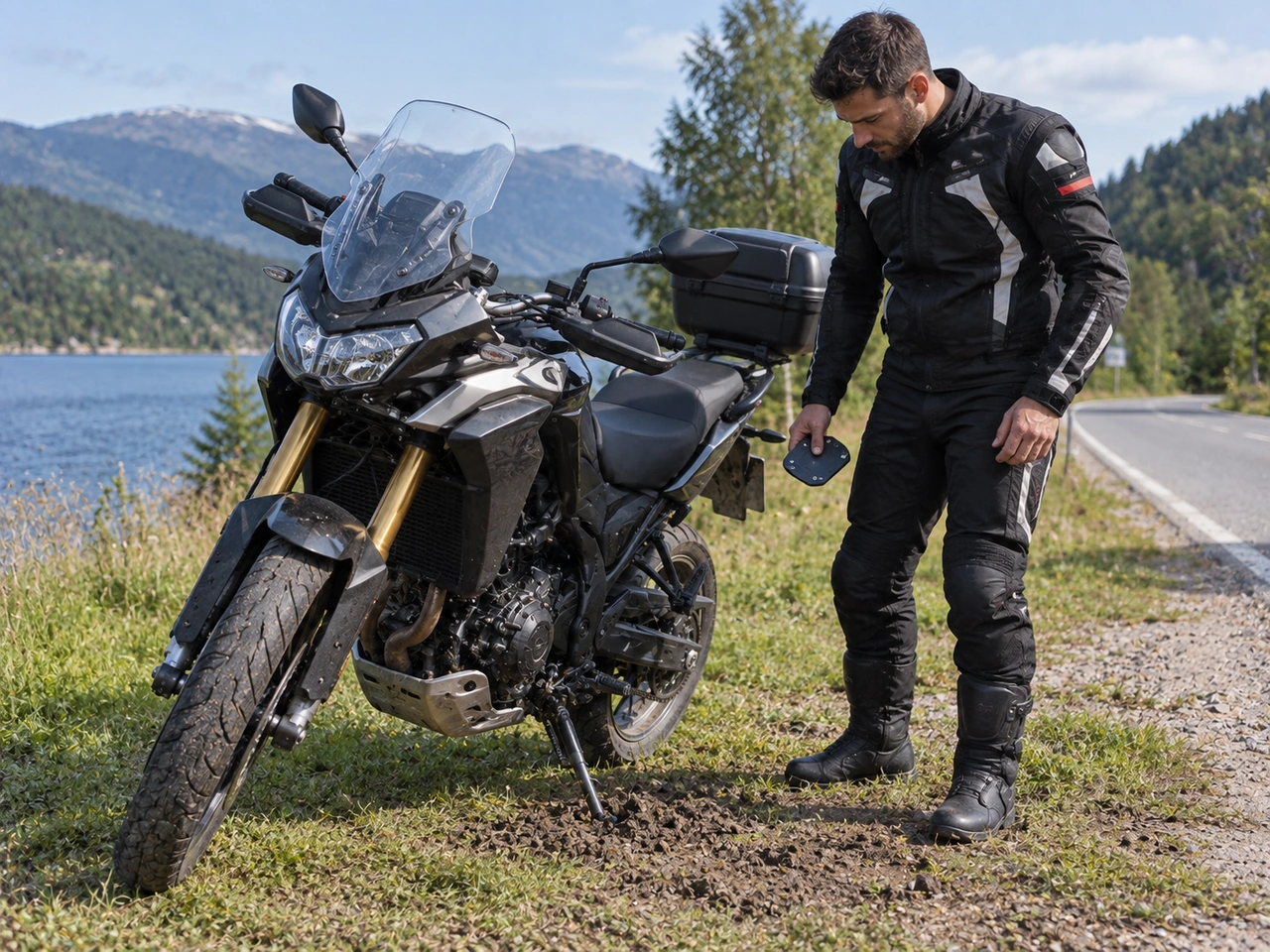
346. Why should you take care when parking a motorcycle on soft ground?
On soft or unstable ground, the side or centre stand can sink or move, causing the motorcycle to fall. Park on a firm, stable surface or use a suitable support under the stand when necessary.
AI-generated by Traffic-rules.com • WCIT • CC BY-SA
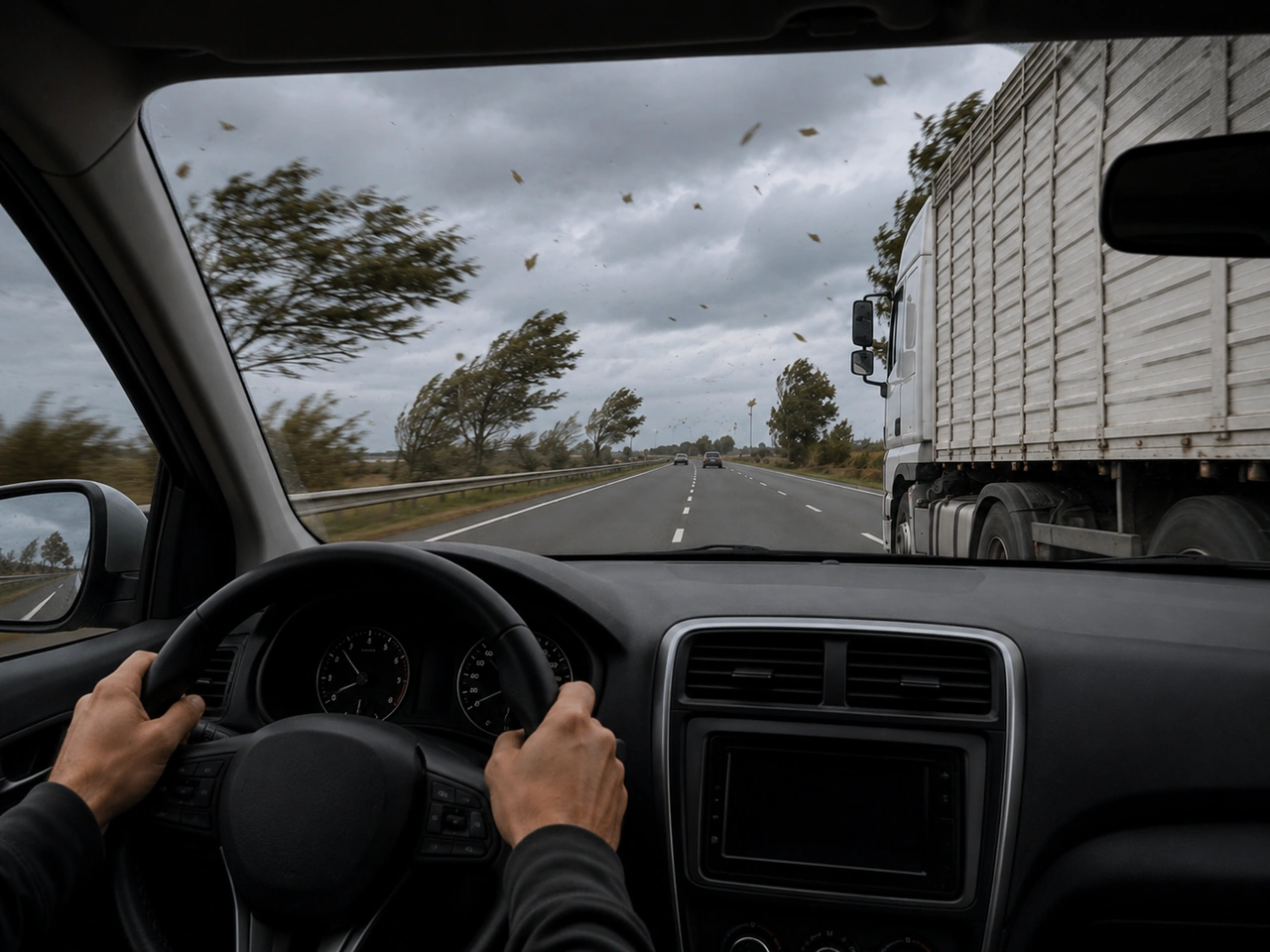
347. How should you pass a large vehicle in strong winds?
Large vehicles can block wind and then expose you to strong gusts when you pass them.
AI-generated by Traffic-rules.com • WCIT • CC BY-SA
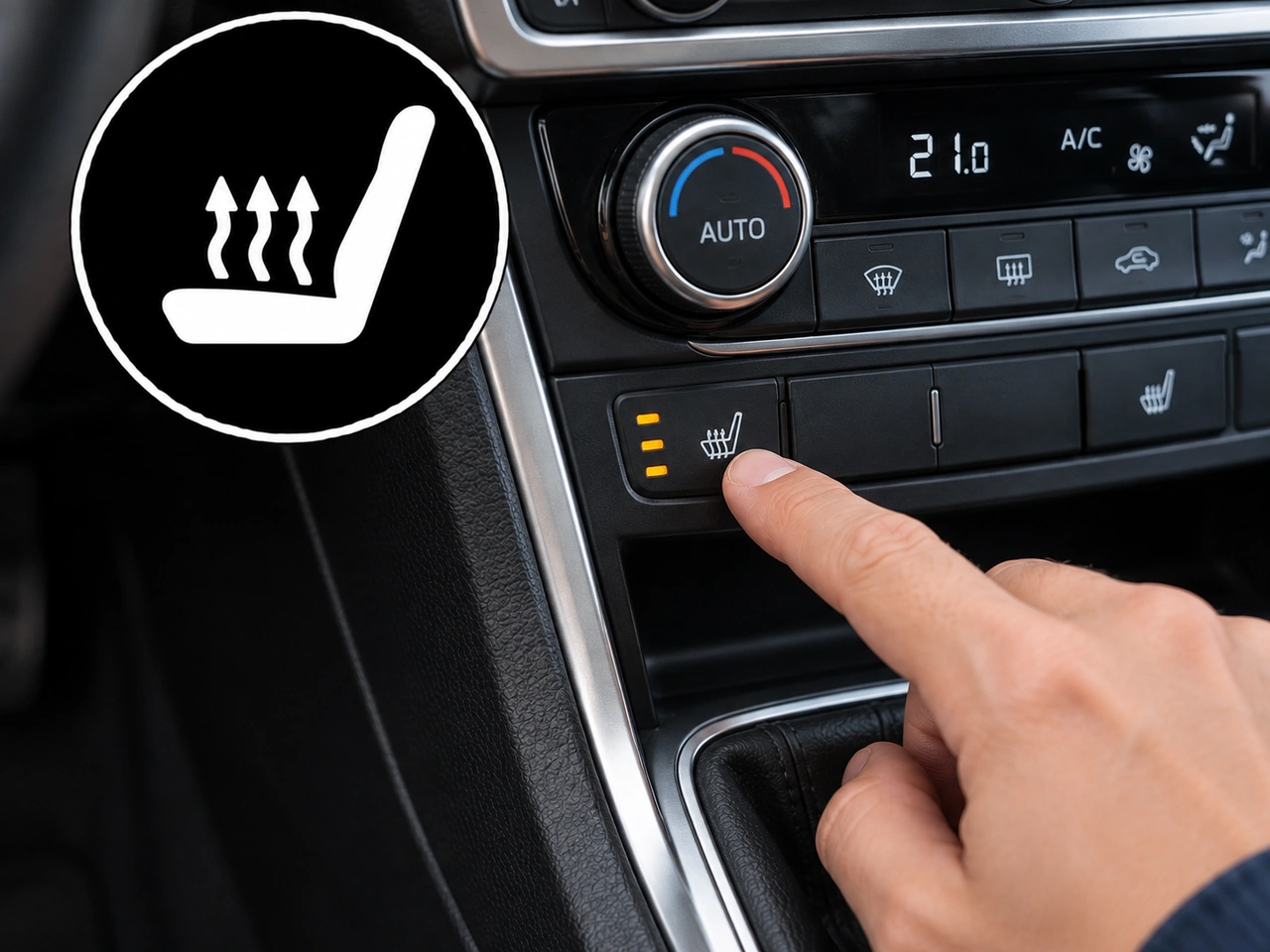
348. What does this vehicle-control symbol indicate?
This control activates the seat heating, which warms the seat cushion and, on many vehicles, the backrest. Several heat levels may be available.
AI-generated by Traffic-rules.com • WCIT • CC BY-SA
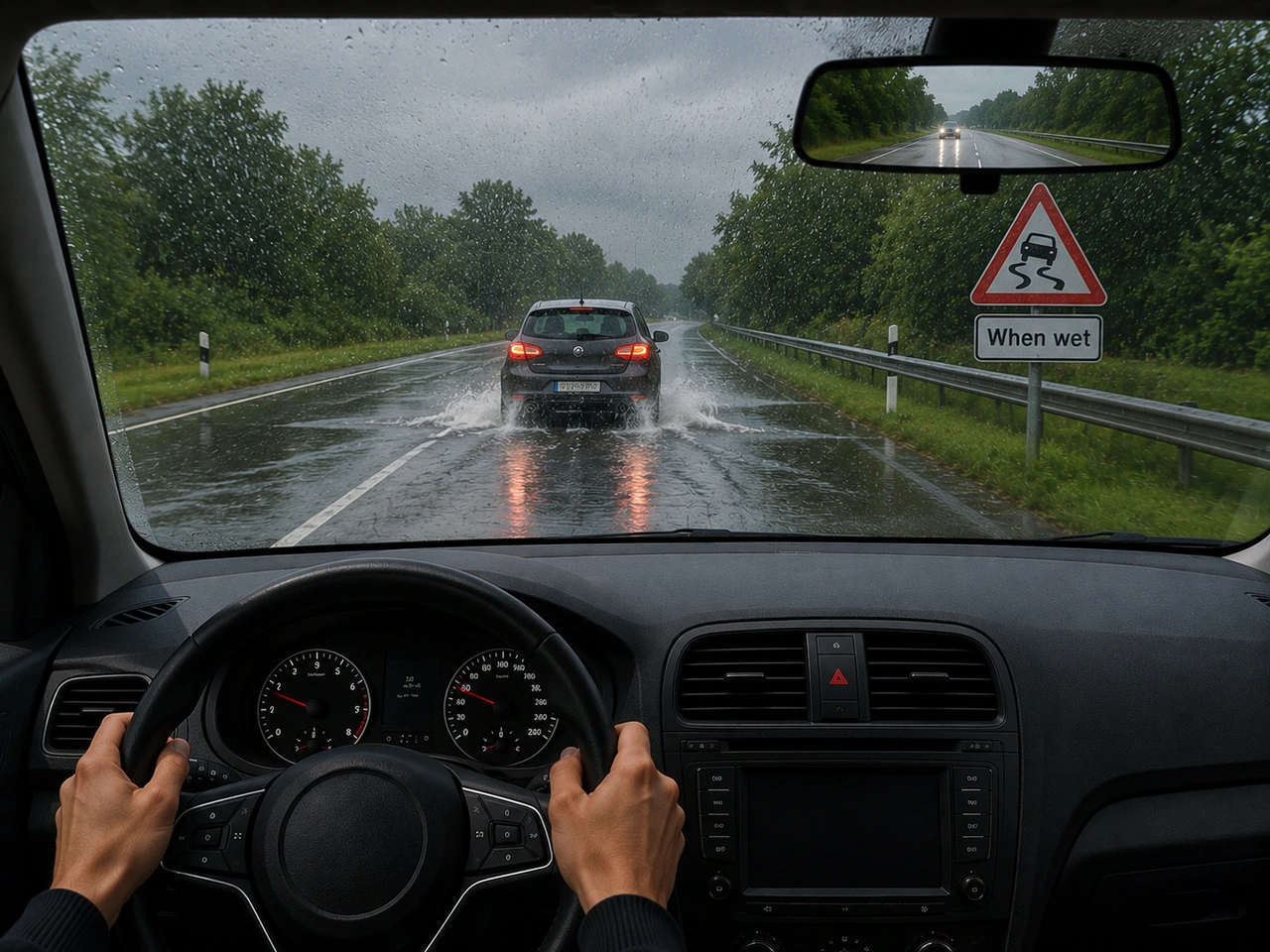
349. What should you do if your brakes feel less effective after driving through water?
Water can reduce braking performance. After driving through water, check the brakes gently when it is safe to do so.
AI-generated by Traffic-rules.com • WCIT • CC BY-SA
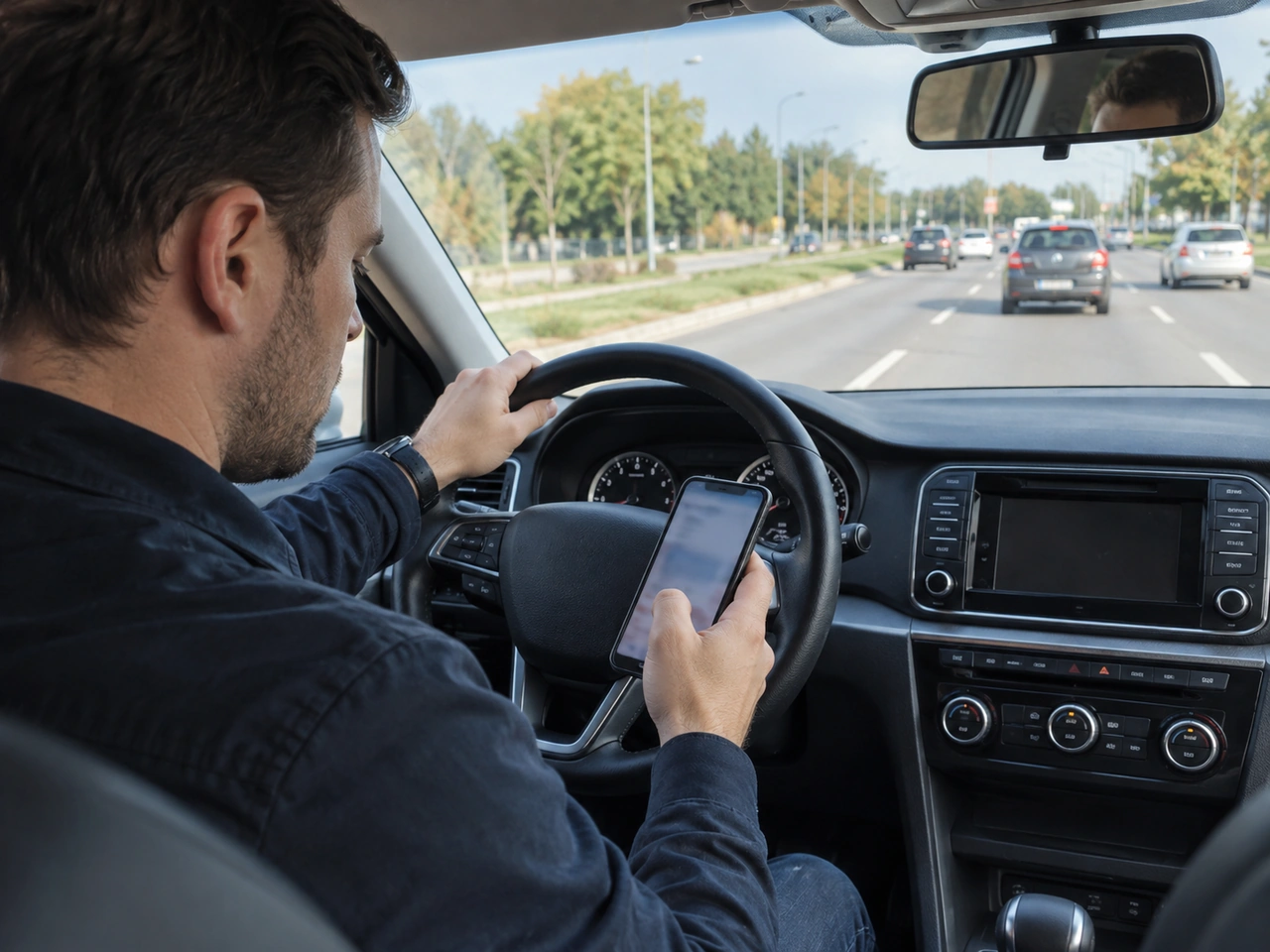
350. Why should you avoid using a phone while driving?
Using a phone while driving reduces attention, reaction time, and control of the vehicle. A hands-free system may reduce the need to handle the phone, but the conversation itself can still be distracting.
AI-generated by Traffic-rules.com • WCIT • CC BY-SA