Traffic signsDenmark
 Traffic rules
 Denmark
 Priority signs
 Warning signs
 Prohibitory signs
 Mandatory signs
 Information signs
 Additional signs
Traffic signs
A traffic sign is a standardised visual symbol placed along roads to guide, warn, or regulate drivers, cyclists, and pedestrians. These signs provide essential information about road conditions, rules, directions, and potential hazards, helping to ensure safety and smooth traffic flow. They come in various shapes and colours—such as triangular warning signs, circular prohibitory or mandatory signs, and rectangular information signs—each designed for quick recognition and clear understanding.

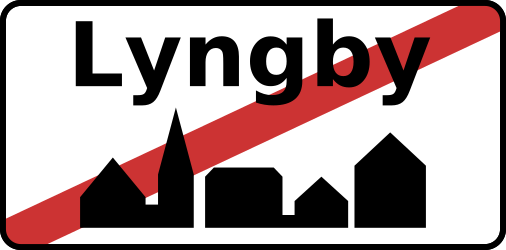
101. End of the built-up area
This traffic sign indicates the end of the built-up area. The traffic rules specifically associated with the built-up area cease to apply from this point according to the applicable local regulations.
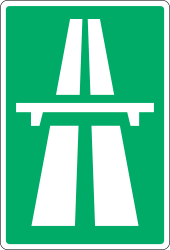
102. Start of a motorway
This traffic sign indicates the start of a motorway. From this point, special motorway rules apply, including restrictions on which road users may enter and on stopping, reversing and other manoeuvres. Follow the applicable speed limits, lane rules and local motorway regulations.
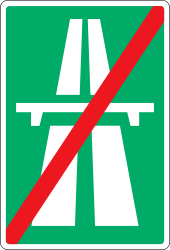
103. End of the motorway
This traffic sign indicates the end of the motorway. The special motorway rules end at this point. Follow the speed limits, access rules and other traffic signs that apply to the road ahead.
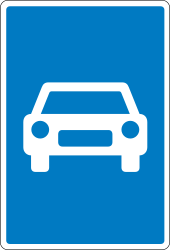
104. Start of an expressway
This traffic sign indicates the start of an expressway. From this point, the traffic rules and access conditions that apply to expressways take effect according to the applicable local regulations.
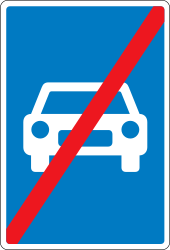
105. End of the expressway
This traffic sign indicates the end of the expressway. The special traffic rules associated with the expressway end at this point. Follow the rules and traffic signs that apply to the road ahead.
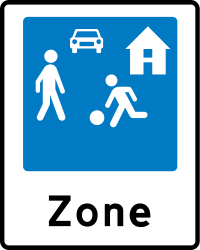
106. Start of a residential area
This traffic sign indicates the start of a residential area. Special traffic rules apply within the area according to the applicable signs and local regulations. These rules may affect speed, parking and how different road users use the road.
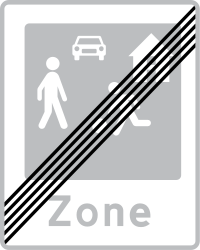
107. End of the residential area
This traffic sign indicates the end of the residential area. The special traffic rules associated with the residential area end at this point. Follow the traffic signs and rules that apply beyond the area.
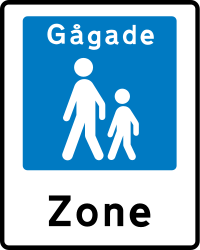
108. Start of a zone for pedestrians
This traffic sign indicates the start of a pedestrian zone. Pedestrians are the principal road users within the zone, while access by vehicles and other road users is subject to the applicable traffic signs and local rules.
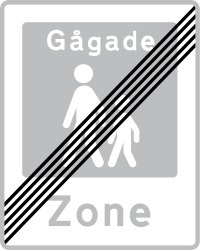
109. End of the zone for pedestrians
This traffic sign indicates the end of the pedestrian zone. The special traffic rules associated with the pedestrian zone end at this point. Follow the traffic signs and rules that apply beyond the zone.
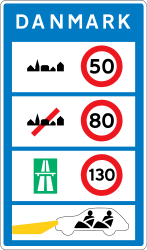
110. National speed limits
This traffic sign indicates the national speed limits. The applicable default maximum speeds depend on the road type, vehicle category and local traffic rules when no different speed limit is indicated.
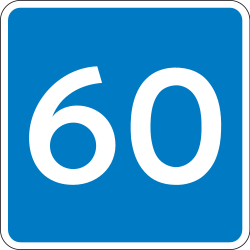
111. Advisory speed limit
This traffic sign indicates an advisory speed. The displayed value recommends an appropriate speed for the road or conditions ahead. Its legal effect depends on the applicable local rules.
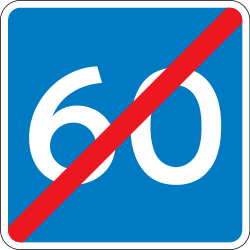
112. End of the advisory speed limit
This traffic sign indicates the end of the advisory speed. The preceding speed recommendation ends at this point. Continue according to the applicable speed limits and road conditions.
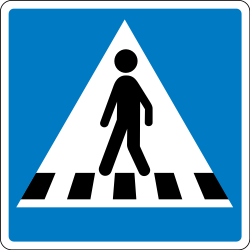
113. Crossing for pedestrians
This traffic sign indicates a crossing for pedestrians. It marks a designated place where pedestrians cross the road. Priority and crossing rules depend on the applicable traffic signs, signals and local regulations.
114. Road narrowing, oncoming drivers have to give way
This traffic sign indicates a road narrowing where oncoming drivers have to give way.

115. Dead end street
This traffic sign indicates a dead end street. The road has no through route for vehicles, although access to properties or other destinations along the road may still be possible.
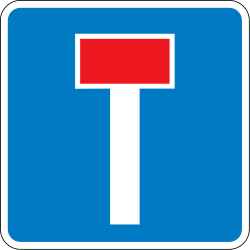
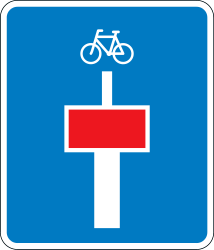
116. Dead end street with a passage for cyclists
This traffic sign indicates a dead end street with a passage for cyclists. The road has no through route for motor vehicles, but cyclists can continue beyond the dead end.
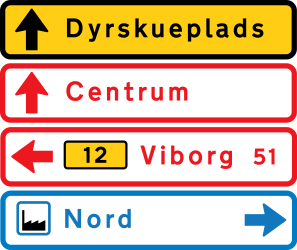
117. General information about the directions
This traffic sign gives general information about road directions. The arrows, destinations and route information show which direction to follow.
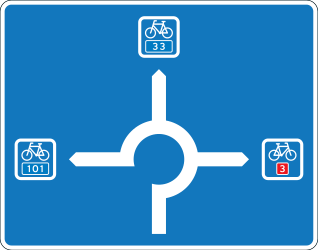
118. Information about the directions of the roundabout
This traffic sign gives information about directions at a roundabout. The diagram shows the available exits and the destinations reached from them.
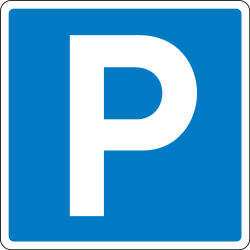
119. Parking allowed
This traffic sign indicates that parking is allowed. Vehicles may be parked in the area covered by the sign subject to any indicated conditions, restrictions or local parking rules.
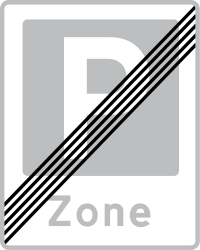
120. End of the parking zone
This traffic sign indicates the end of the parking zone. The parking rules associated with that zone end at this point. Other parking restrictions or conditions may still apply.
121. Section control
This traffic sign indicates section control, also called average-speed enforcement. A vehicle’s average speed is measured over a defined section of road and compared with the applicable speed limit.

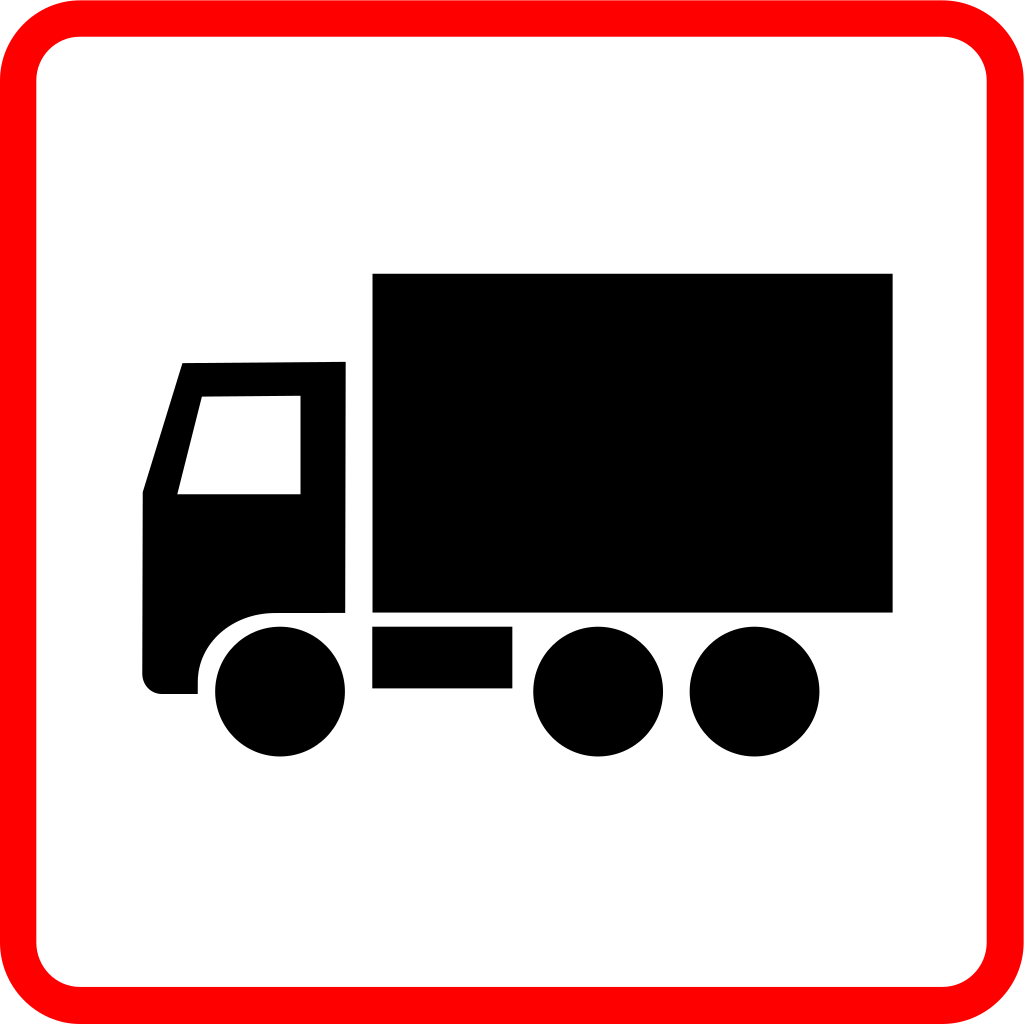
122. For trucks
This supplementary sign indicates that the main traffic sign applies specifically to trucks. The truck categories covered depend on the applicable local definitions.
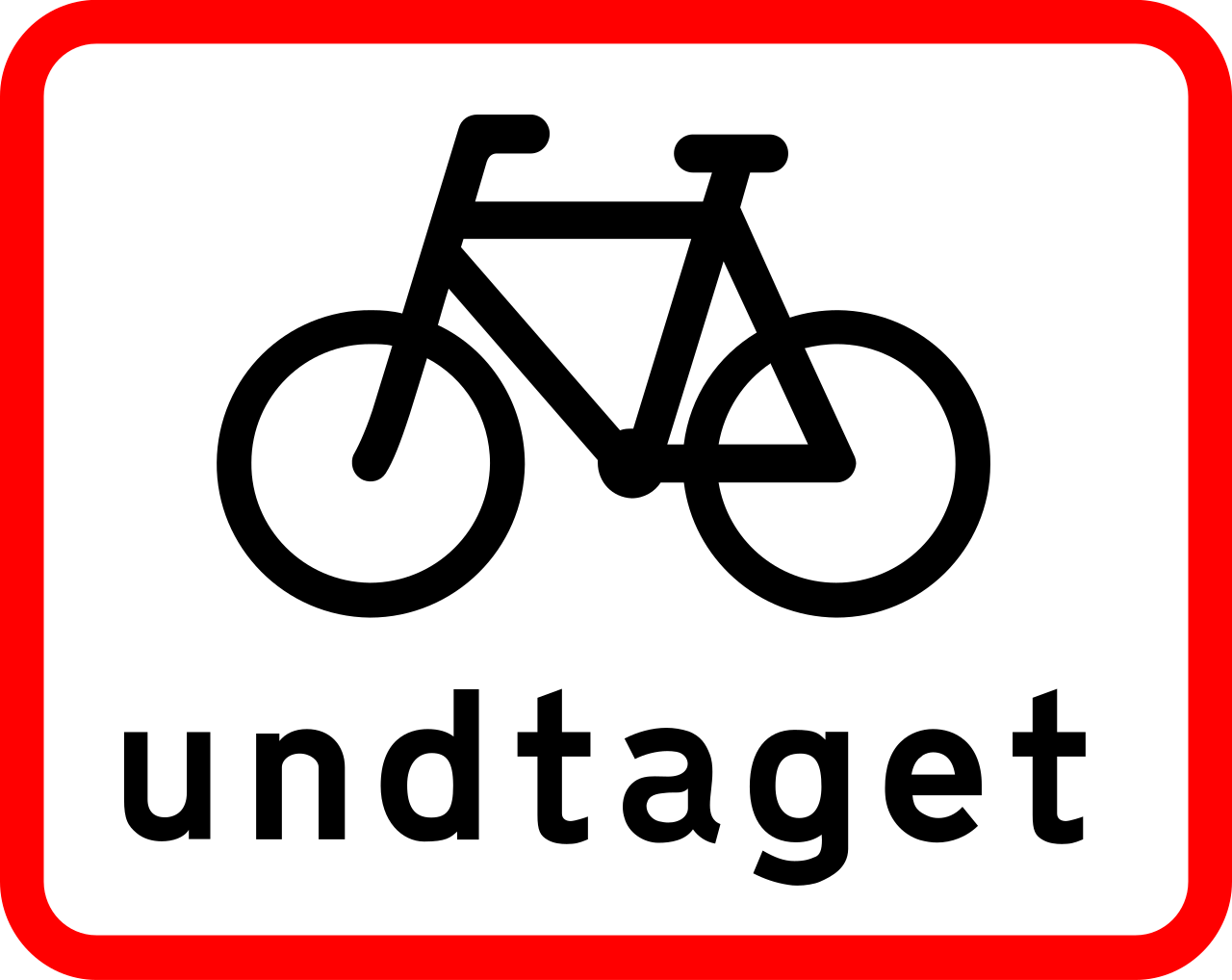
123. Cyclists allowed
This supplementary sign indicates that cyclists are allowed where the main traffic sign would otherwise restrict their access or use.
124. Cyclists allowed to turn
This supplementary sign indicates that cyclists are allowed to make the indicated turn even where the main traffic sign restricts that movement for other traffic.
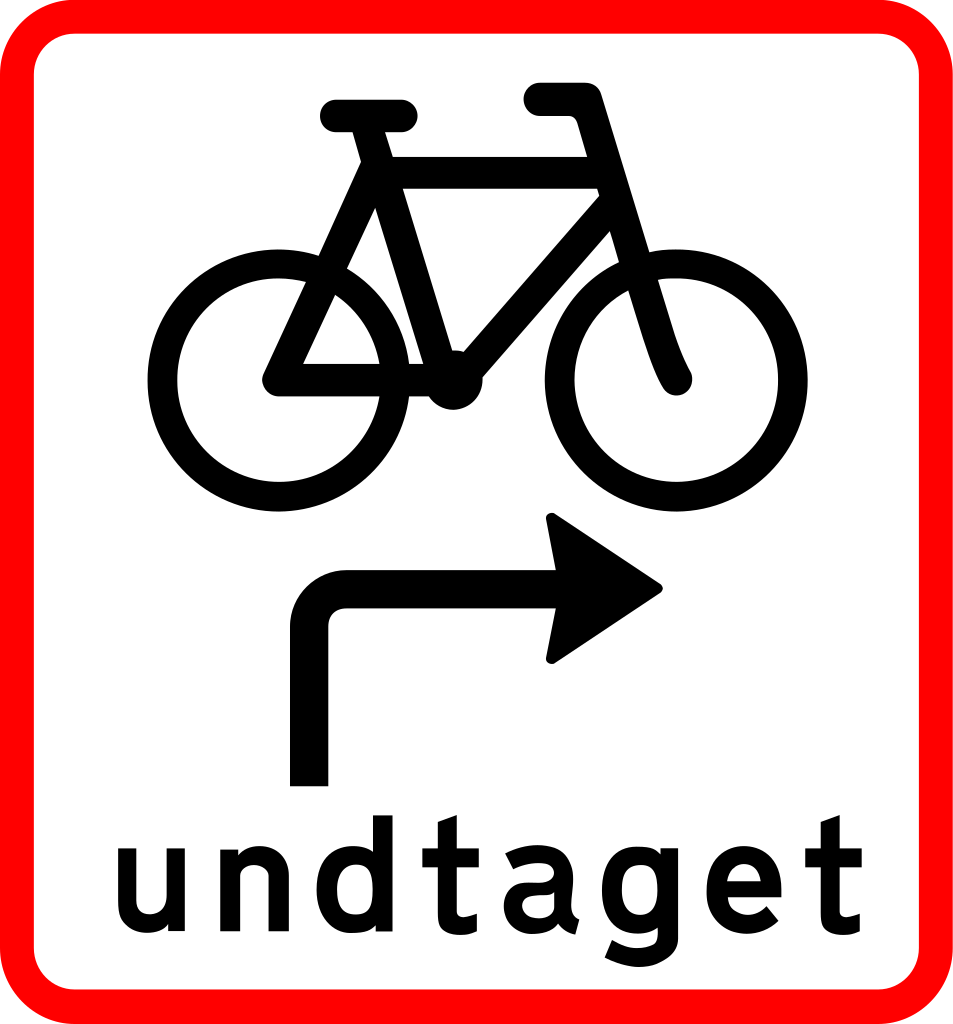
125. Delivery vehicles allowed
This supplementary sign indicates that delivery vehicles are allowed where the main traffic sign would otherwise restrict their access, use or parking. The vehicles and activities covered depend on the applicable local rules.
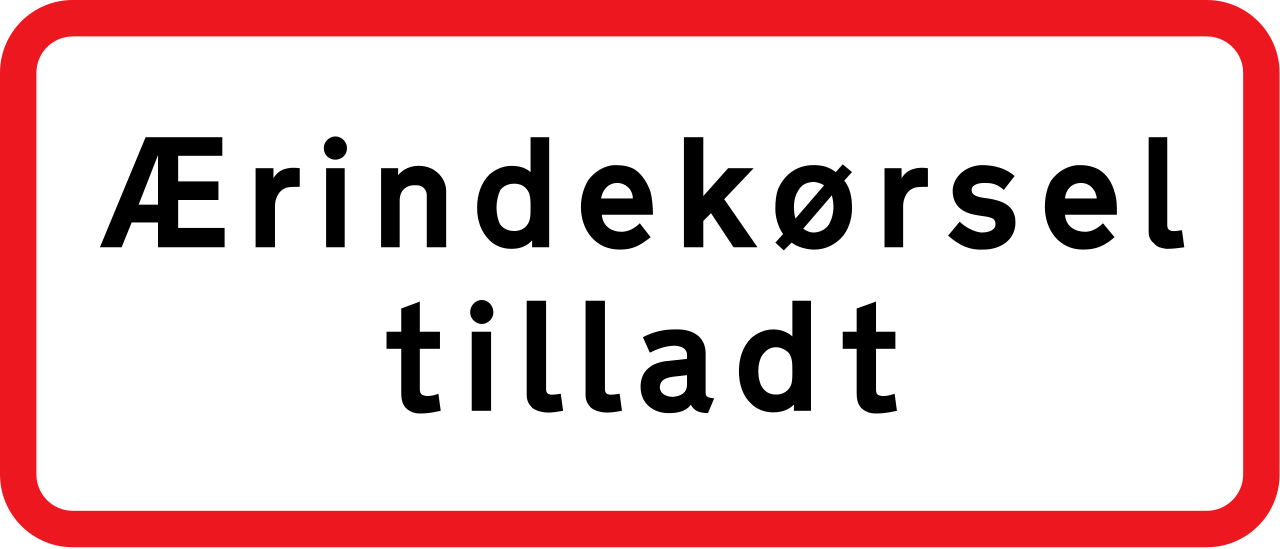
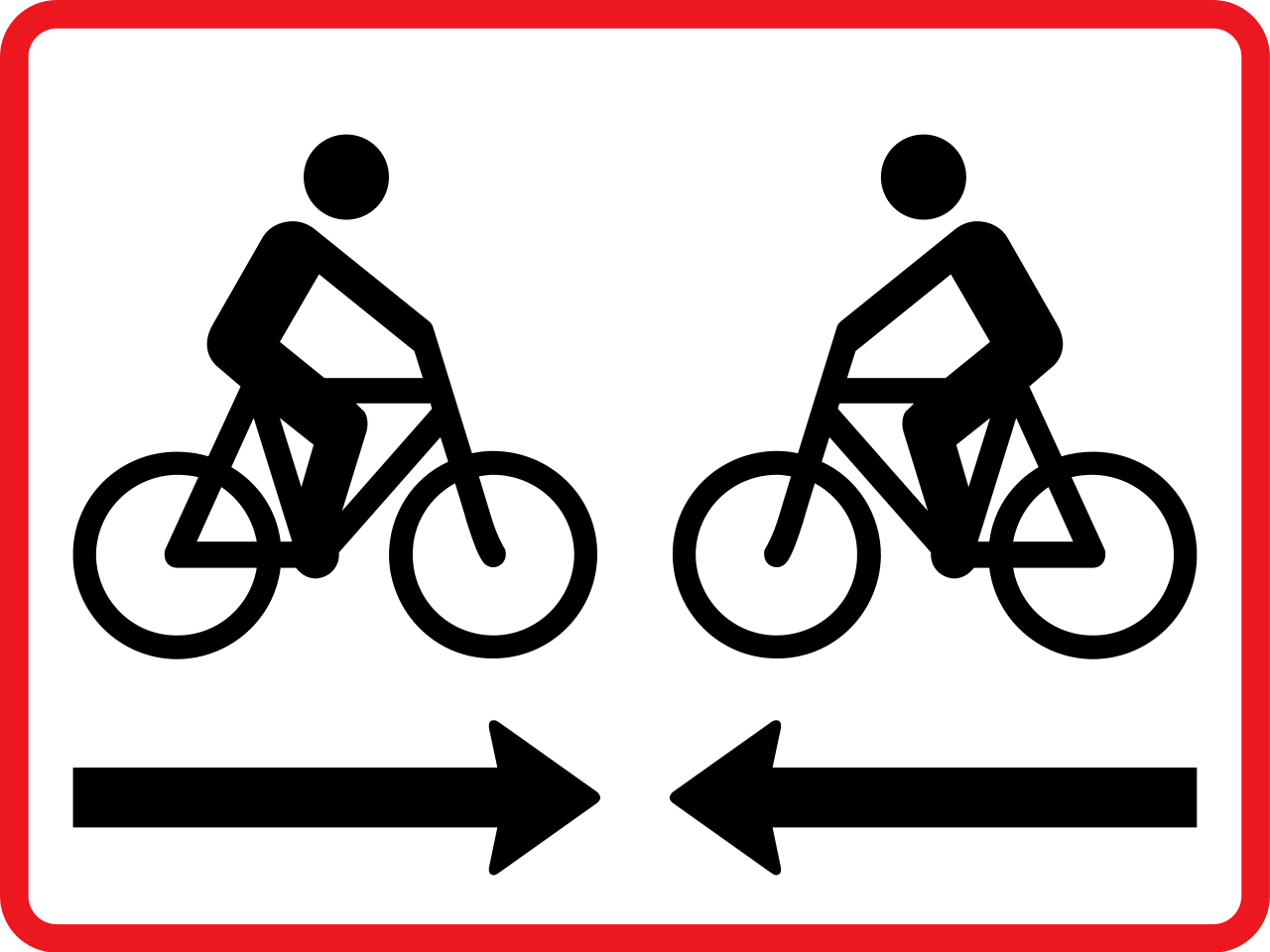
126. Cyclists from both directions
This supplementary sign indicates that cyclists may approach from both directions on the road or cycle path concerned by the main sign.
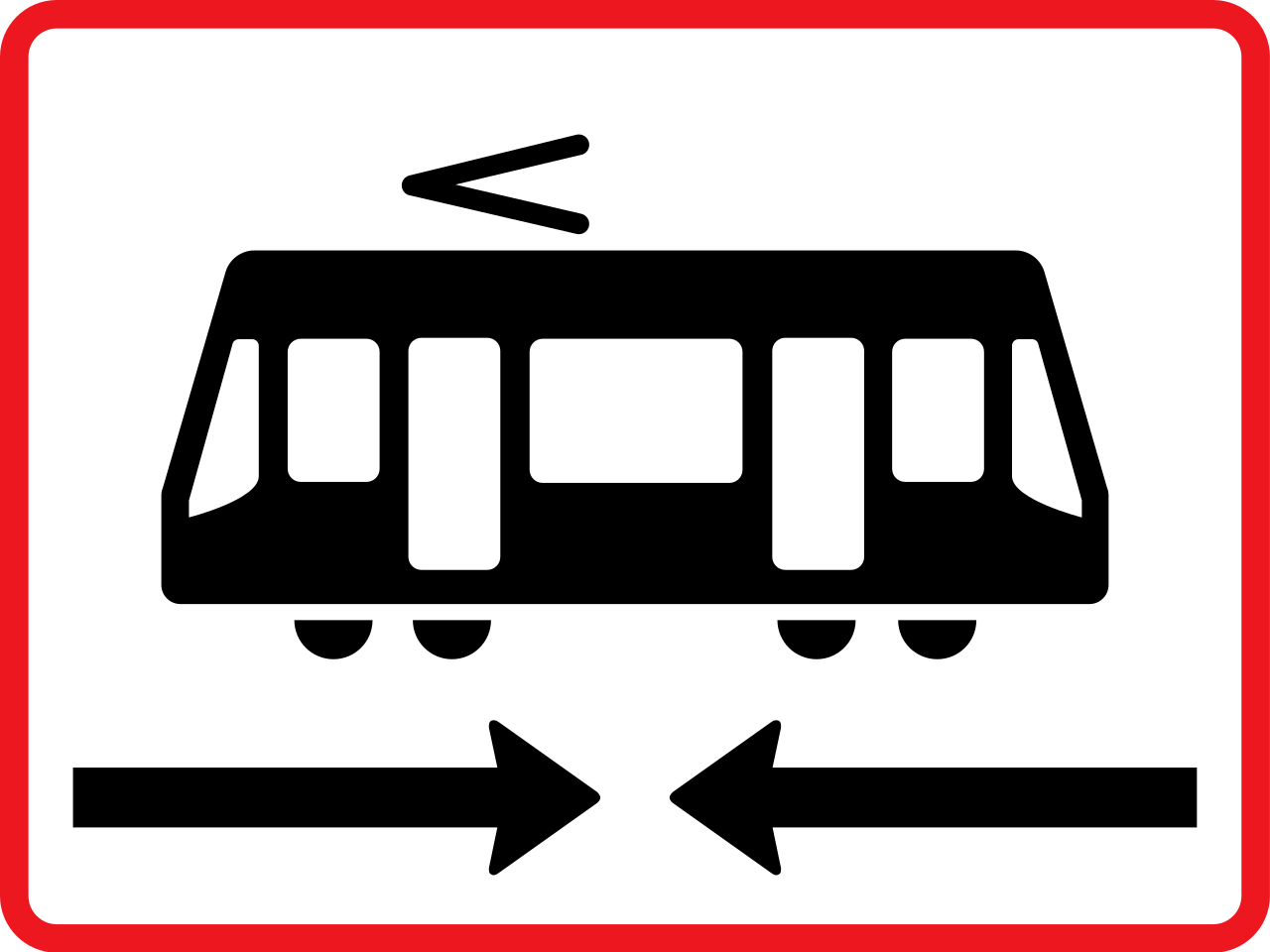
127. Trams from both directions
This supplementary sign indicates that trams may approach from both directions on the track or road concerned by the main sign.
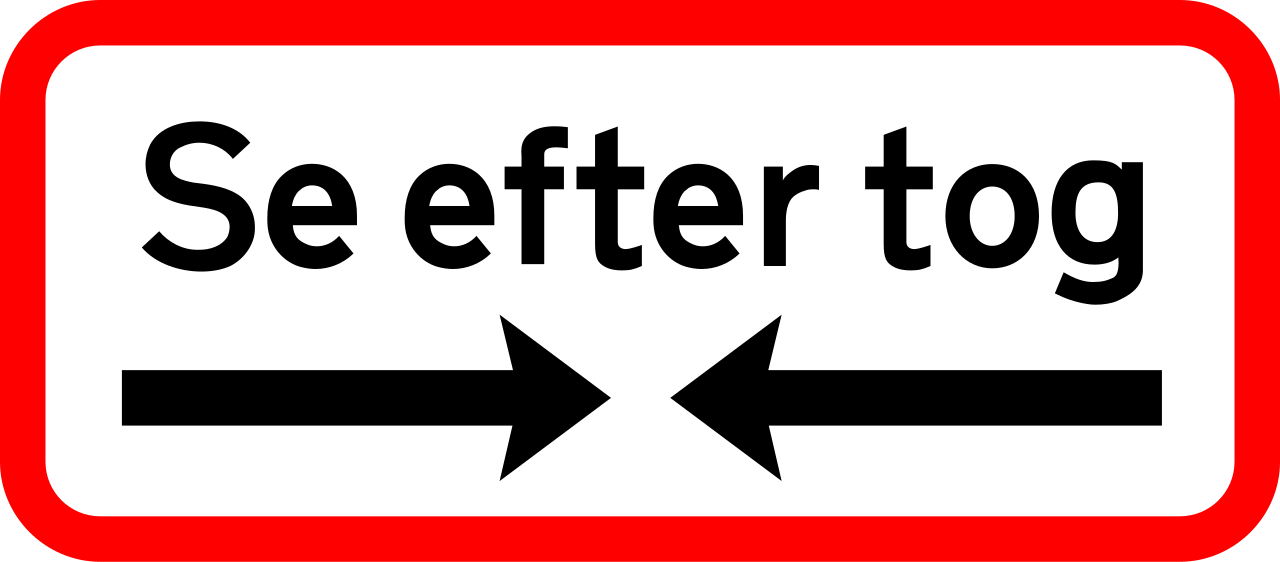
128. Trains from both directions
This supplementary sign indicates that trains may approach from both directions on the railway tracks concerned by the main sign.
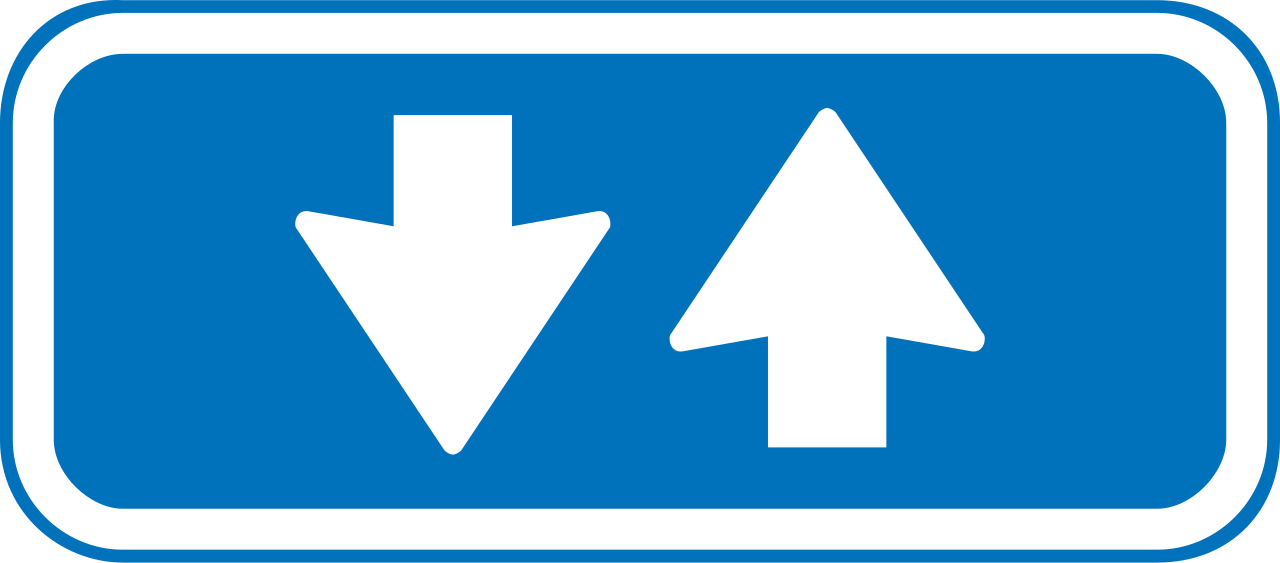
129. Traffic in both directions
This supplementary sign indicates that traffic travels in both directions on the road or lane concerned by the main sign.
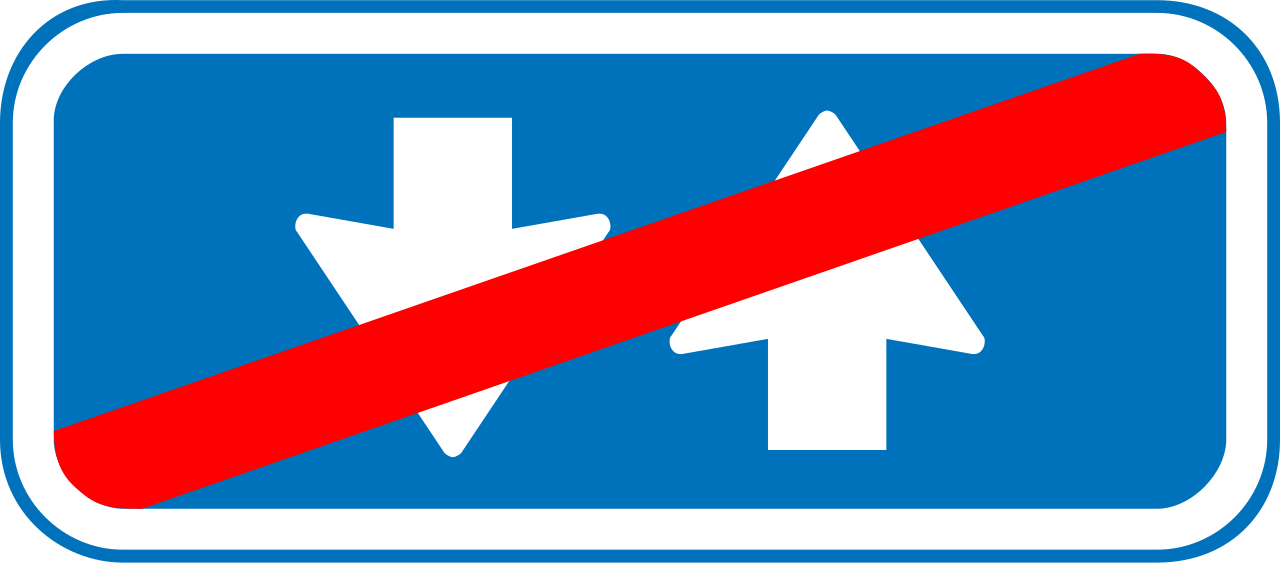
130. End of traffic in both directions
This supplementary sign indicates the end of the section with traffic in both directions. The preceding two-way traffic arrangement ends at this point.
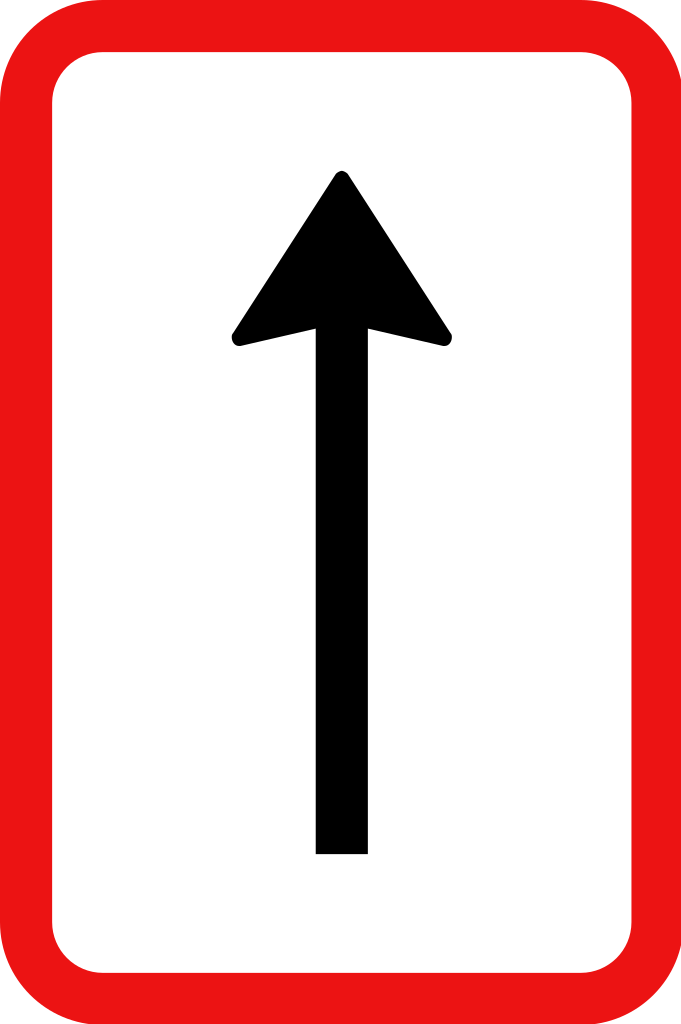
131. Start of regulation
This supplementary sign indicates the start of the regulation shown by the main traffic sign. The regulation begins at this point.
132. Continuation of regulation
This supplementary sign indicates the continuation or reminder of the regulation shown by the main traffic sign.
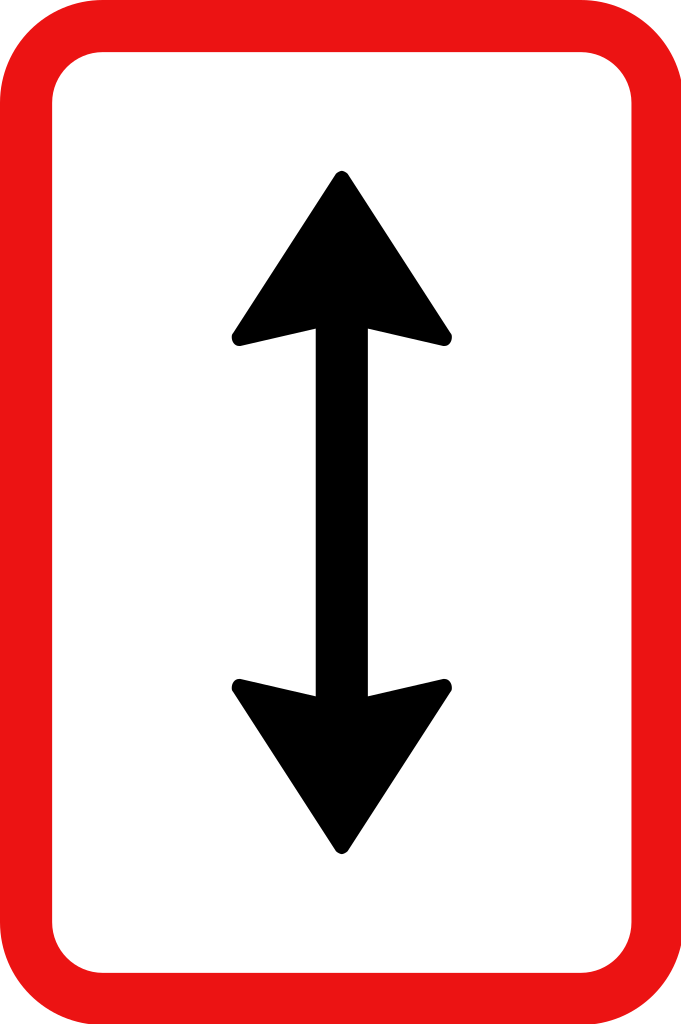
133. End of regulation
This supplementary sign indicates the end of the regulation shown by the main traffic sign. The regulation ends at this point.
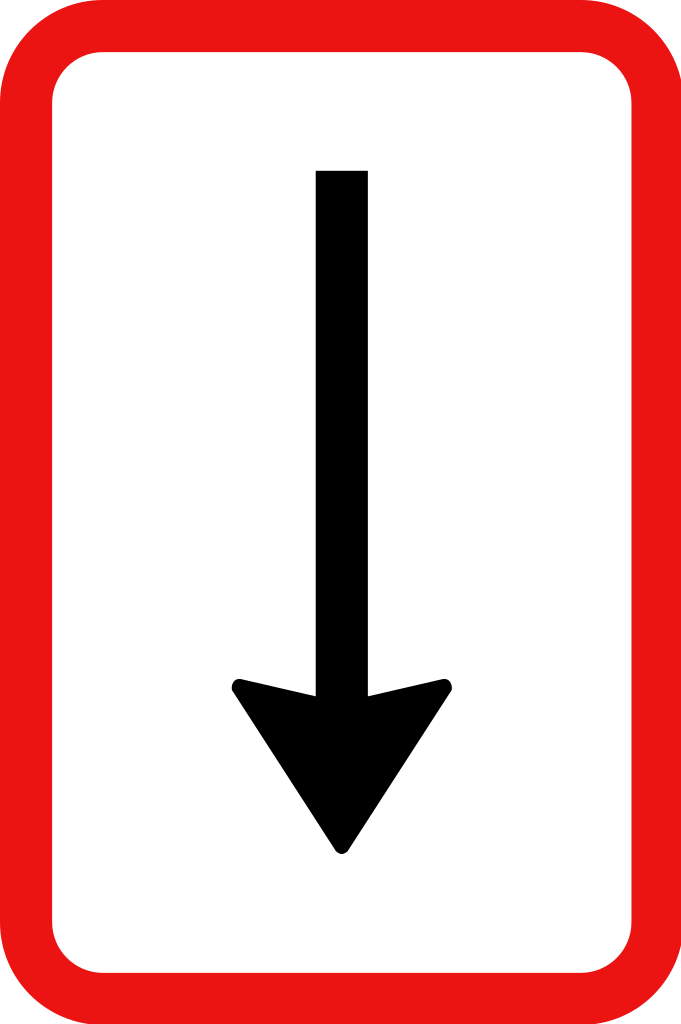
134. Applies after a right turn
This supplementary sign indicates that the main traffic sign applies after turning right.
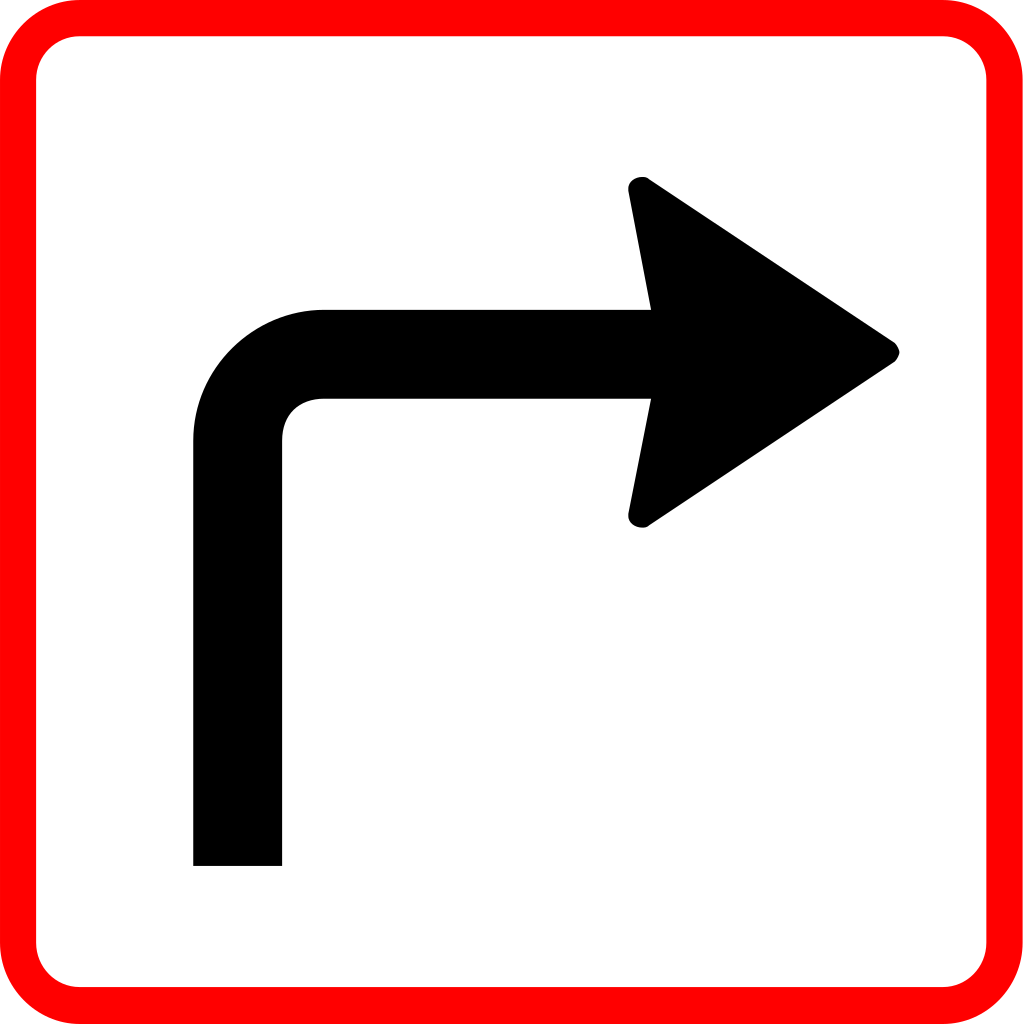
135. metres ahead
This supplementary sign indicates the distance from the main traffic sign to the point where the indicated danger, regulation or information begins. The distance is shown in metres.
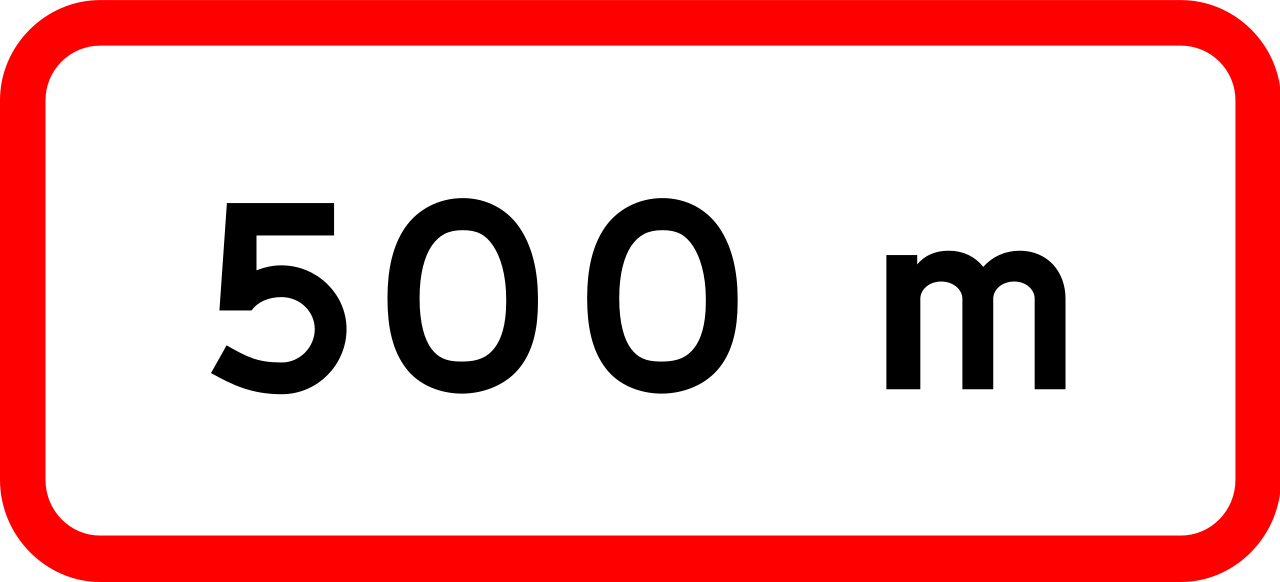
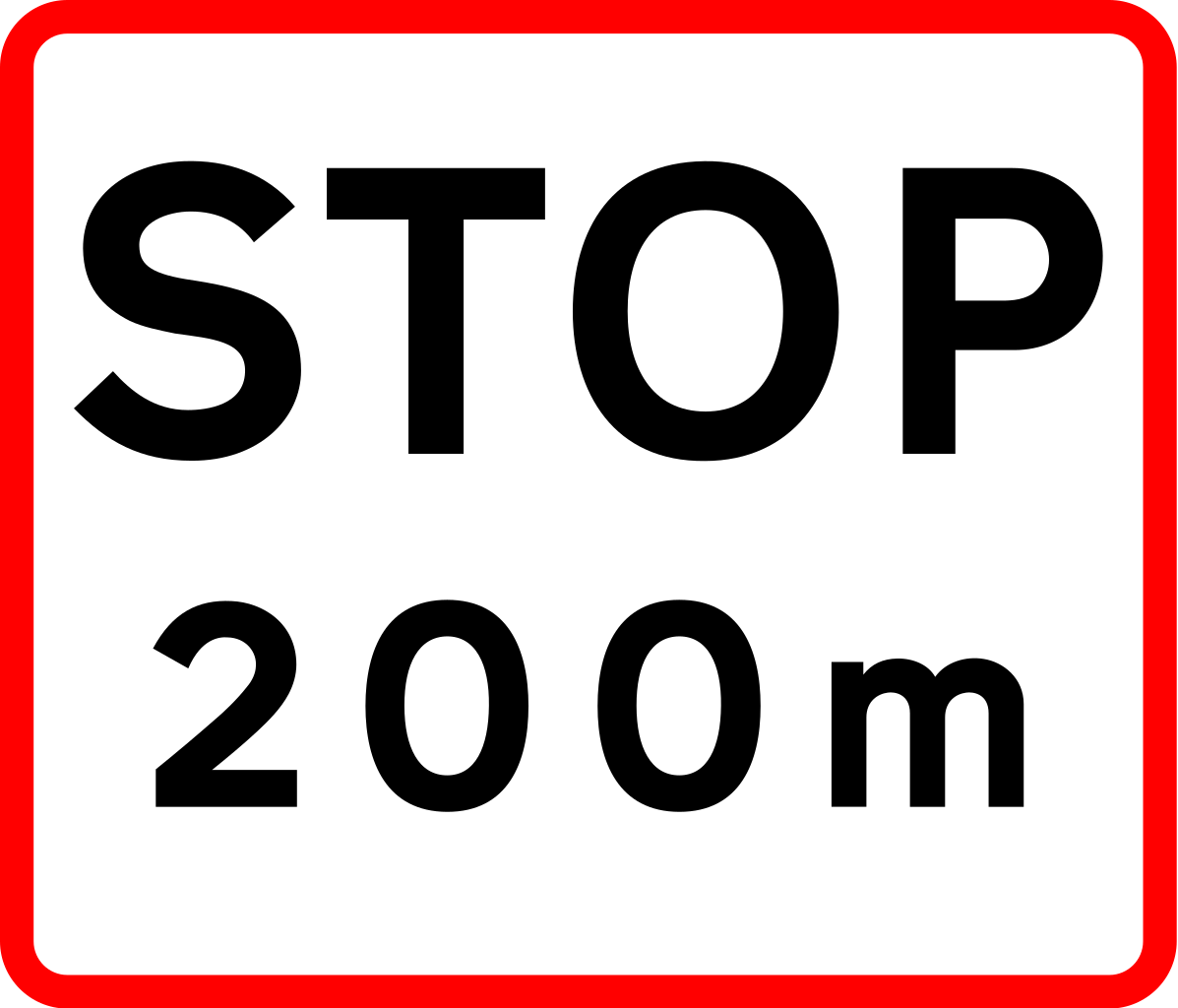
136. Stop metres ahead
This supplementary sign announces a STOP sign at the indicated distance ahead. The displayed value shows the distance to the upcoming STOP sign.
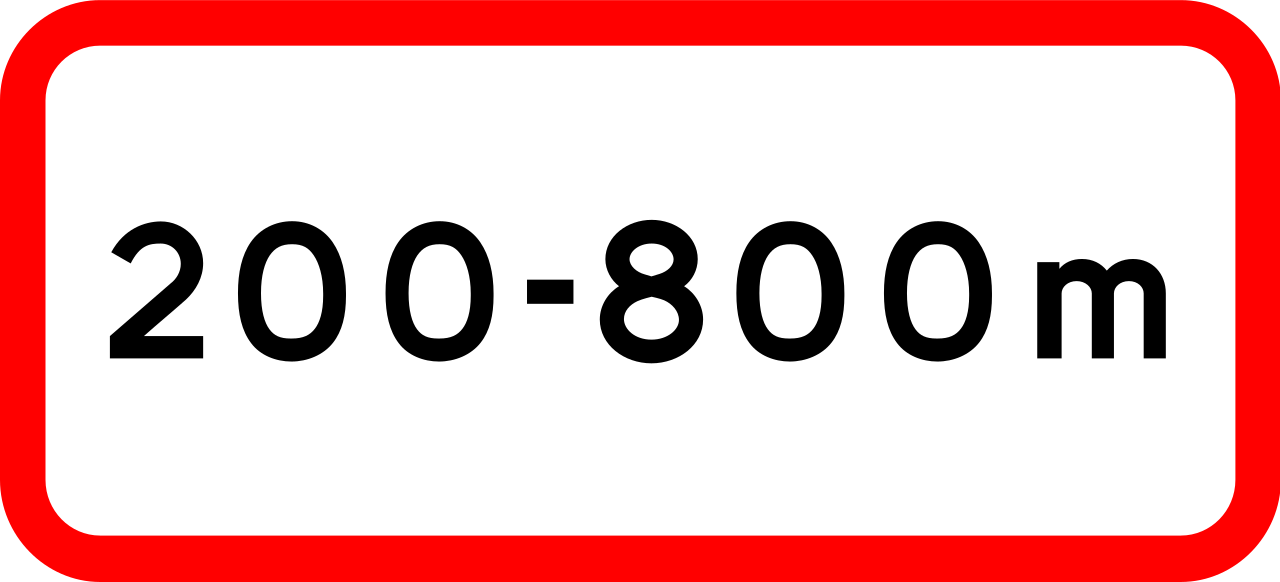
137. metres ahead for metres
This supplementary sign indicates the distance to the beginning of the section concerned by the main traffic sign and the length of that section. Both distances are shown in metres.
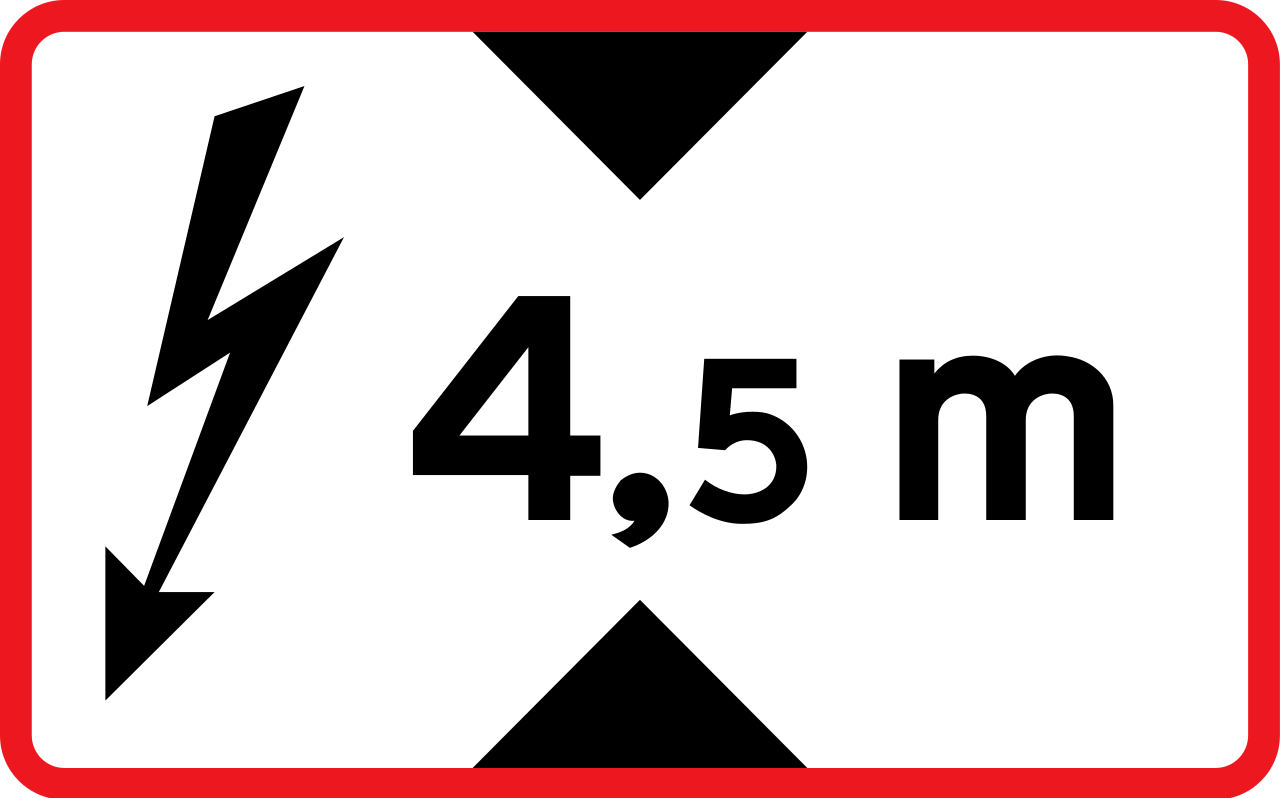
138. Overhead electric cable clearance
This supplementary sign indicates the clearance beneath overhead electric cables. The indicated height is relevant to vehicles or loads approaching the cables.
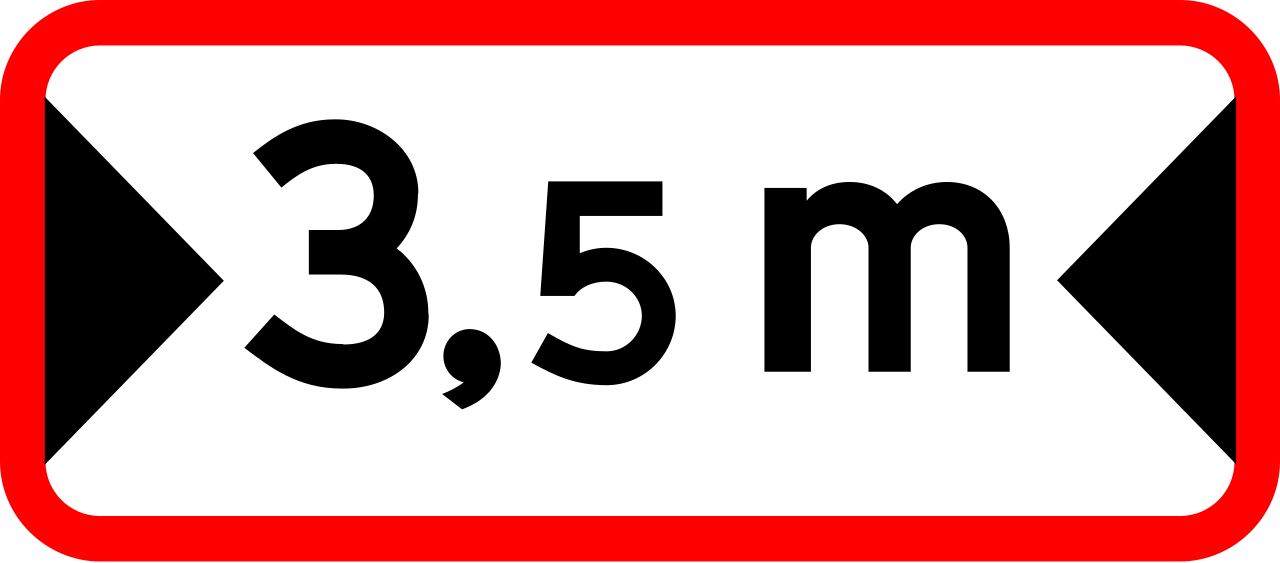
139. Indicated width
This supplementary sign shows an indicated vehicle width. Read it together with the main traffic sign to determine how the width value affects the applicable rule or restriction.
140. Parking on shoulder allowed
This supplementary sign indicates that parking on the shoulder is allowed.
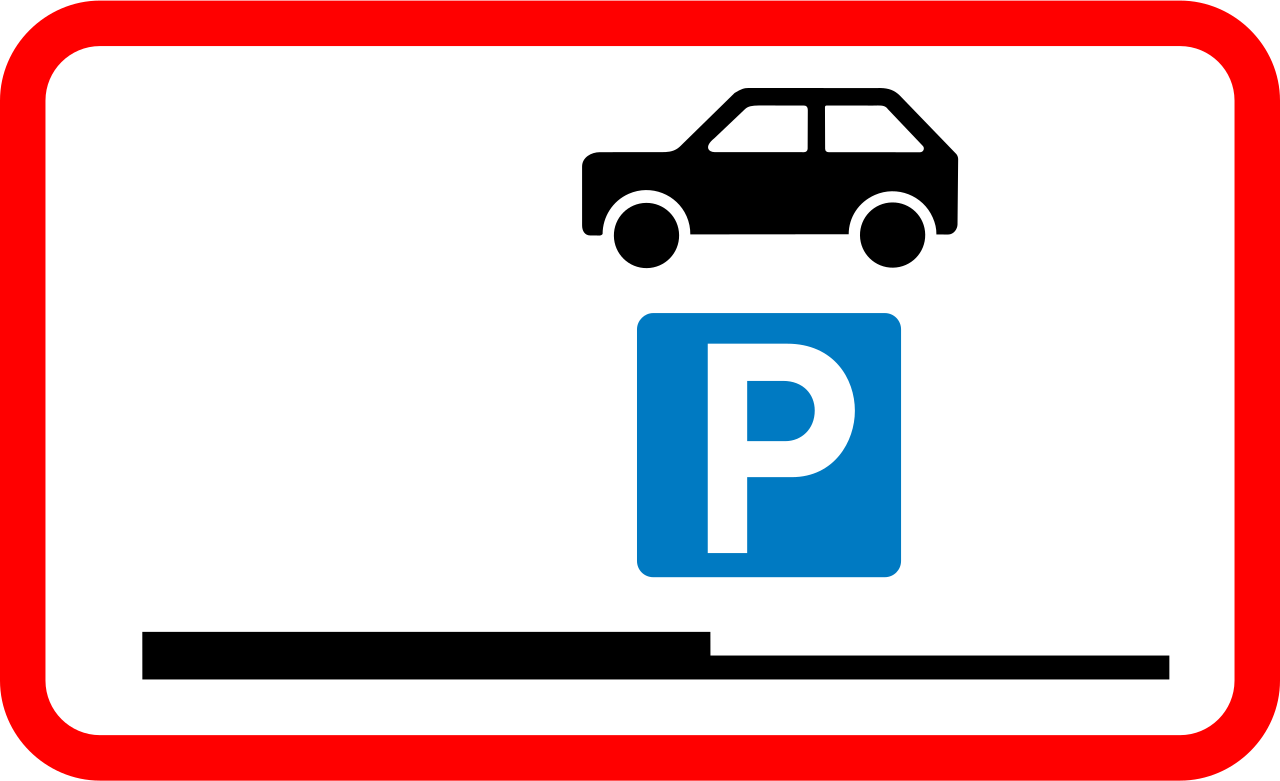
141. Parking on pavement allowed
This supplementary sign indicates that parking on the pavement is allowed.
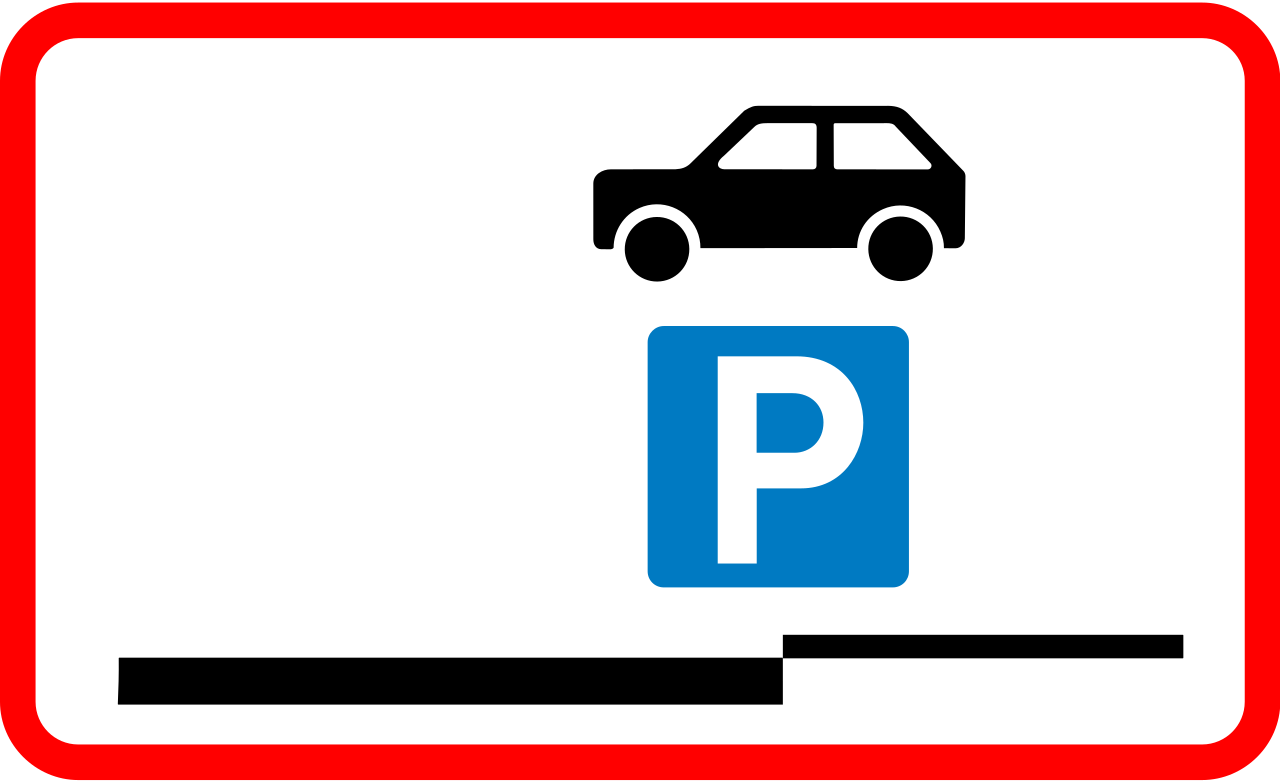
142. Parking on shoulder prohibited
This supplementary sign indicates that parking on the shoulder is prohibited.
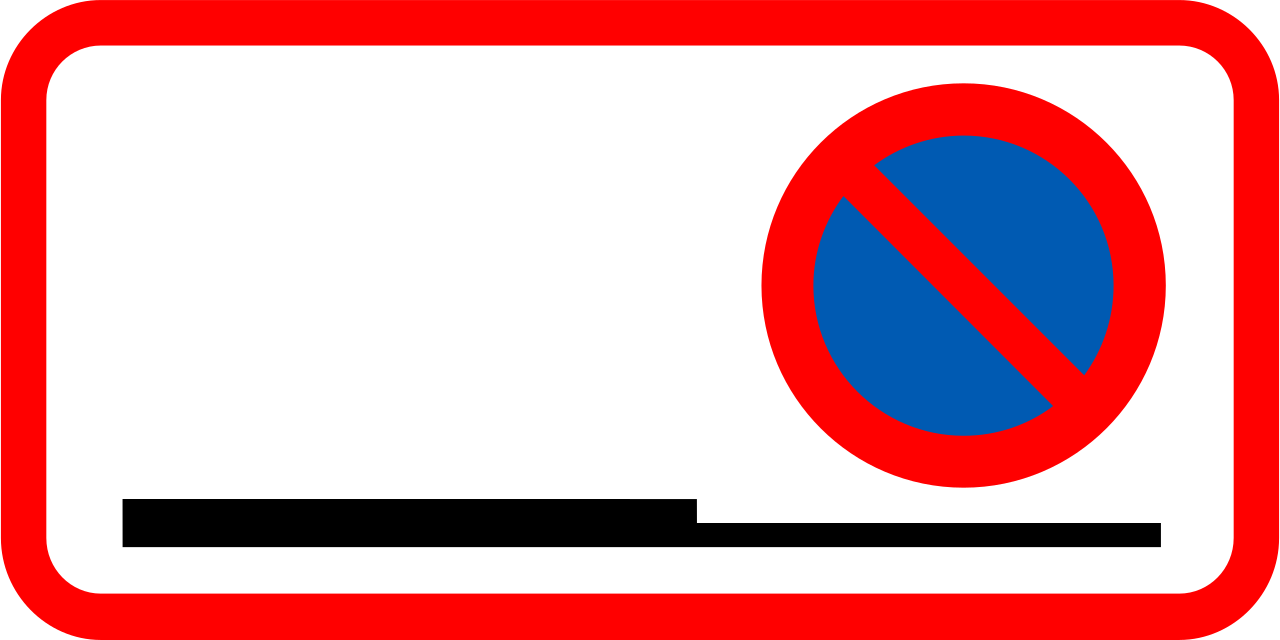
143. Parking and stopping on shoulder prohibited
This supplementary sign indicates that parking and stopping on the shoulder are prohibited.
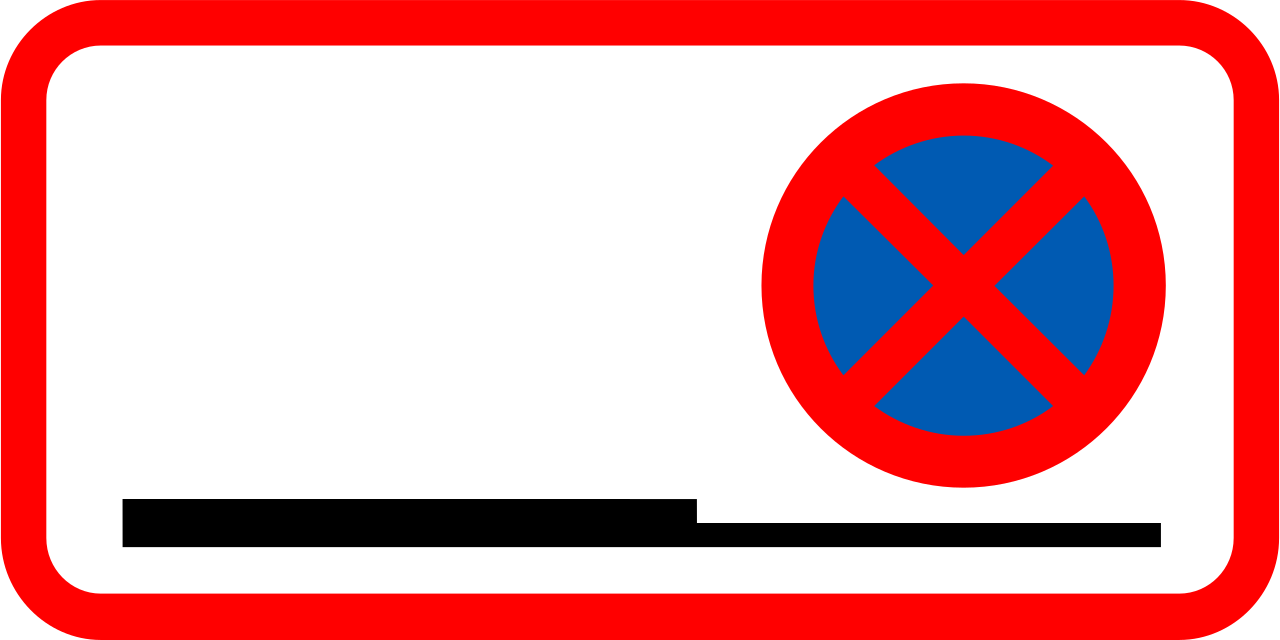
144. Parking prohibited
This supplementary sign indicates that parking is prohibited where the restriction applies.
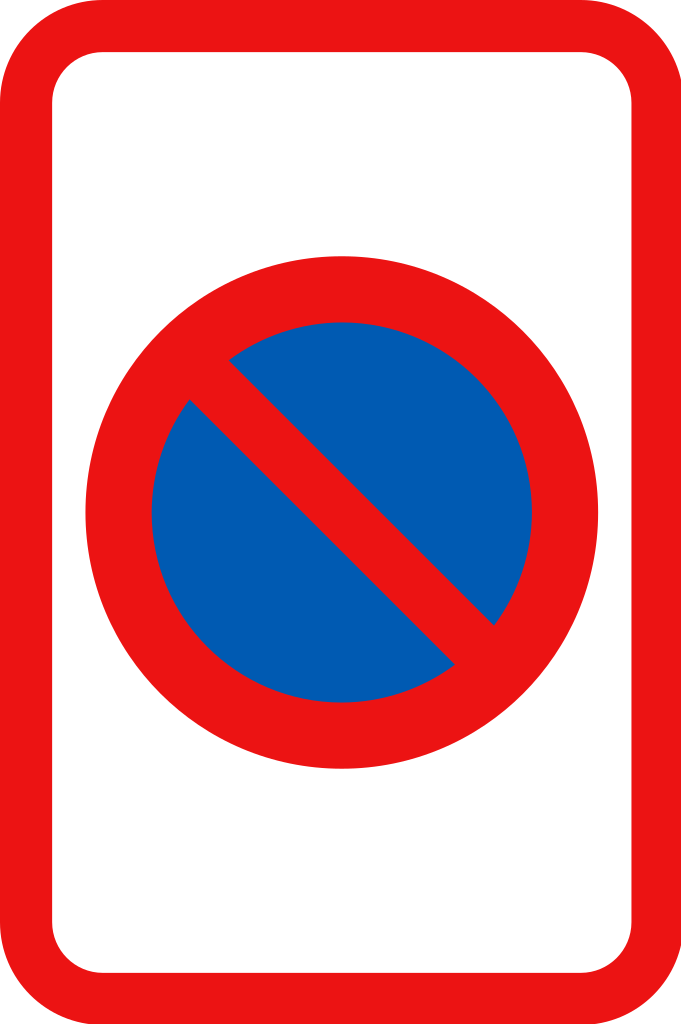
145. Parking and stopping prohibited
This supplementary sign indicates that parking and stopping are prohibited where the restriction applies.
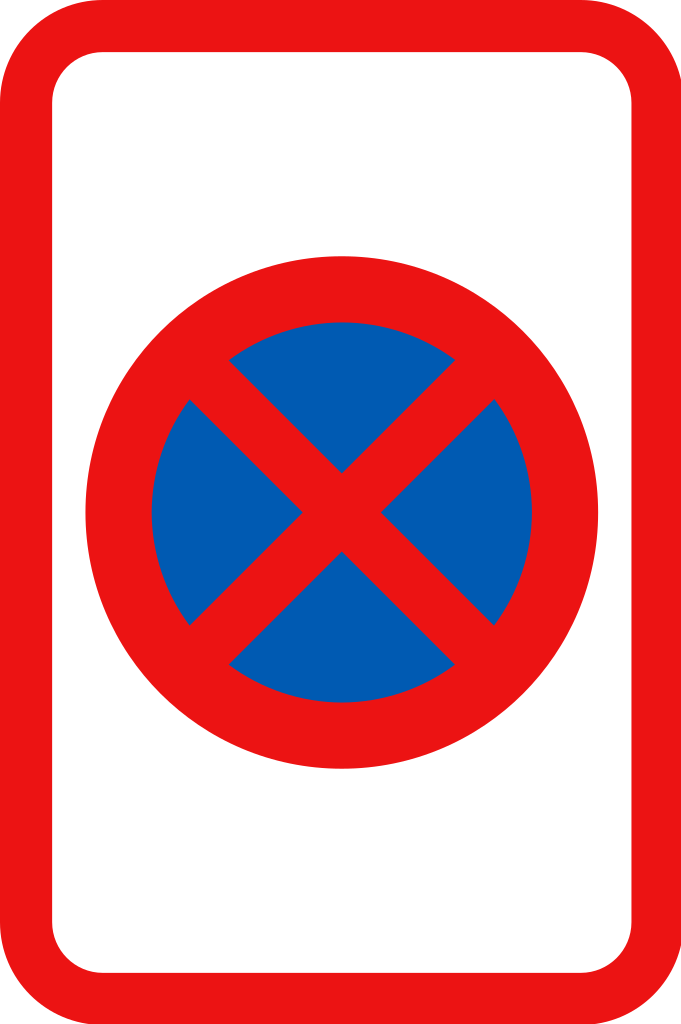
146. Parking limited to 1 hour
This supplementary sign indicates that parking is limited to a maximum of 1 hour.
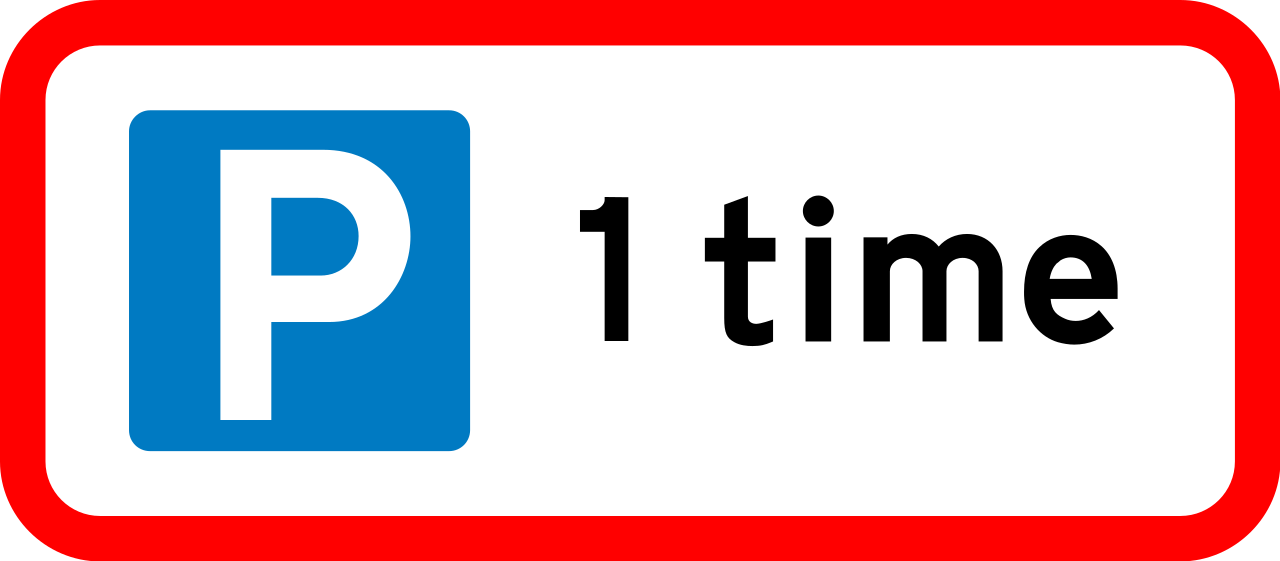
147. On Wednesdays
This supplementary sign indicates that the main traffic sign applies on Wednesdays.
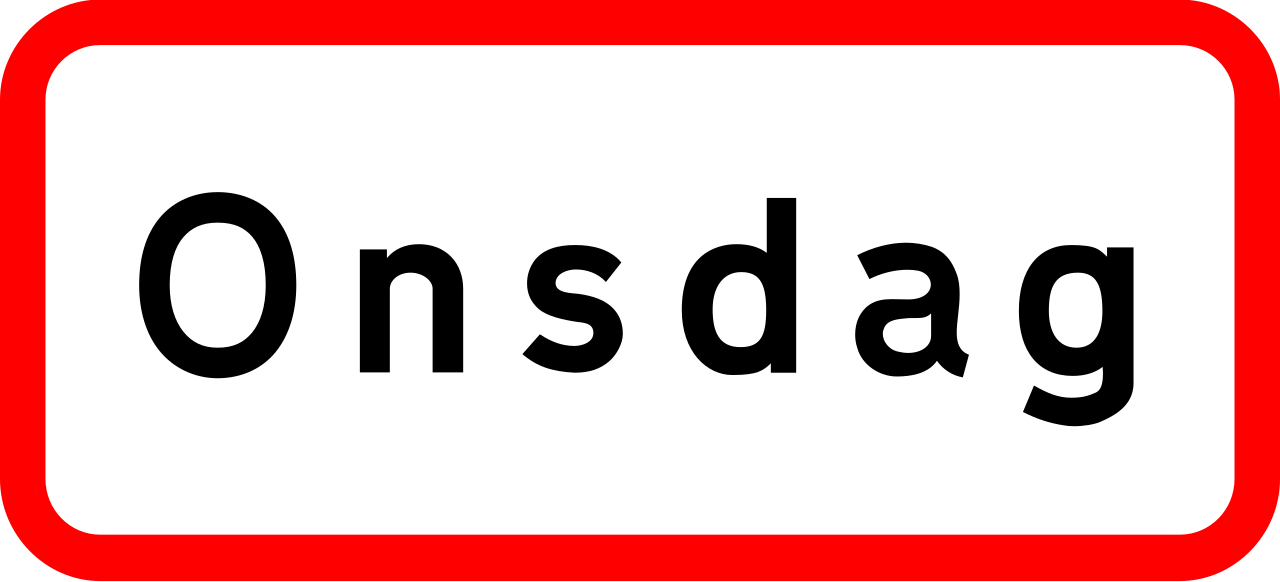
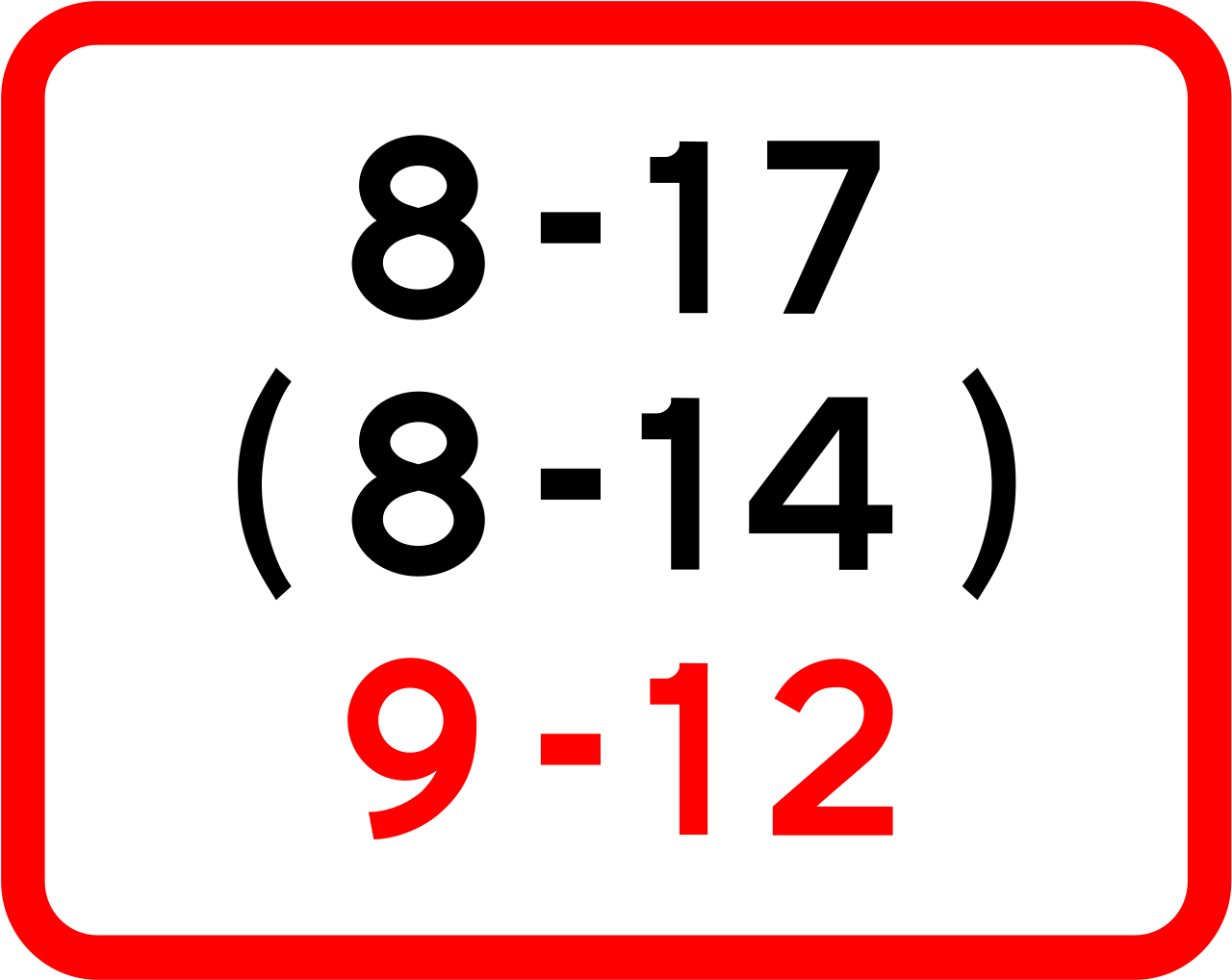
148. At shown times on workdays, Saturdays, Sundays and holidays
This supplementary sign indicates that the main traffic sign applies during the indicated times on workdays, Saturdays, Sundays and public holidays.
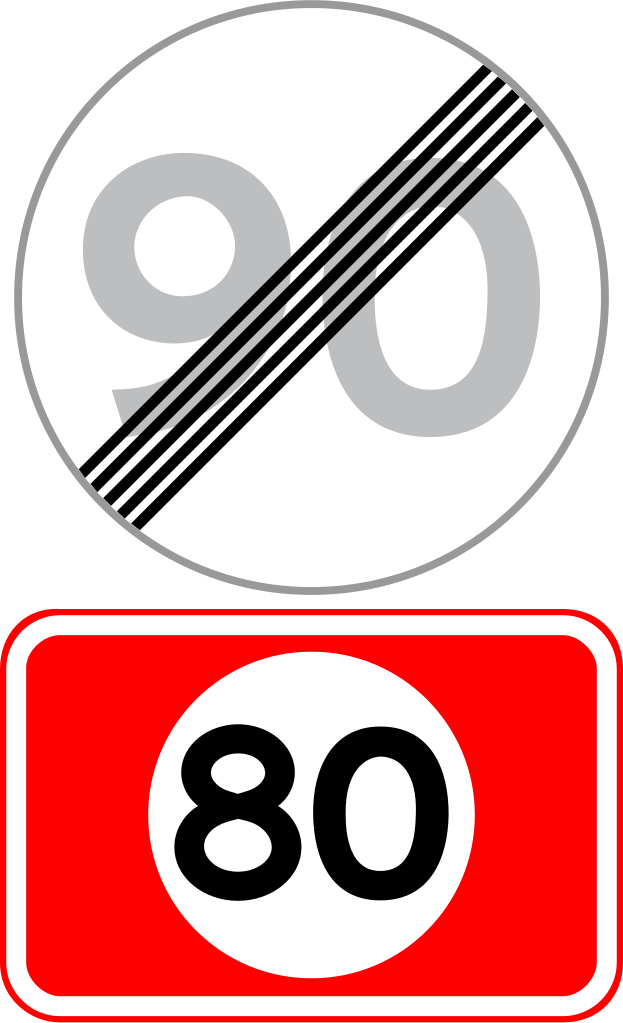
149. New speed limit
This supplementary sign draws attention to a new speed limit that applies from this point.
150. Recommended speed
This supplementary sign indicates a recommended speed rather than a maximum speed limit. Its legal effect depends on the applicable local rules.