


QuizTraffic rulesSpain
This interesting quiz helps you test your knowledge in a clear and visual way. With easy multiple-choice questions, you can quickly build confidence and learn new facts while keeping it simple, interactive, and fun.
 Traffic signs
 Traffic rules
 Spain
Spain
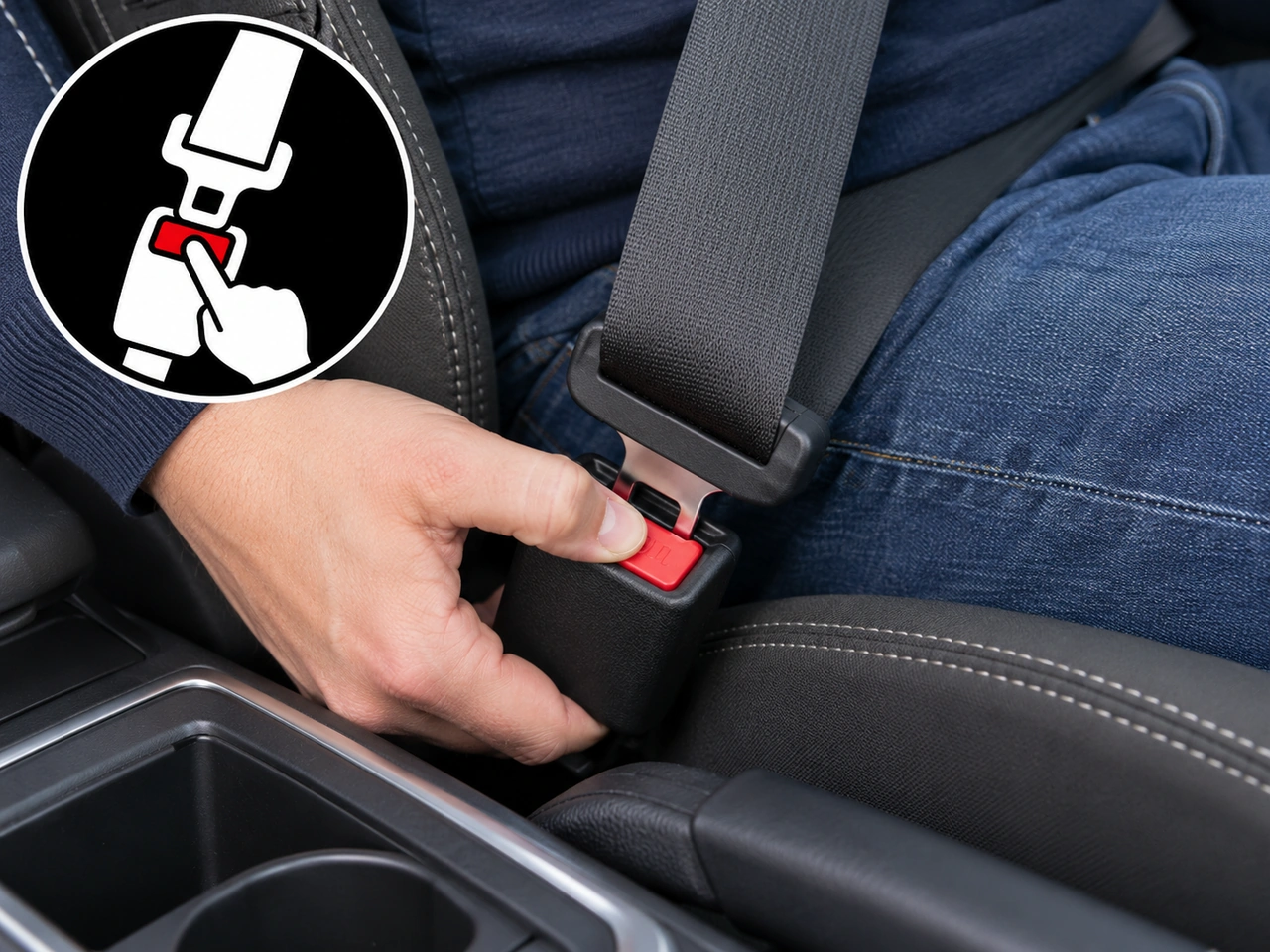
201. What is the button on a seat-belt buckle used for?
Pressing the button on the seat-belt buckle releases the latch so the belt can be unfastened. Keep the seat belt fastened whenever required while the vehicle is moving.
AI-generated by Traffic-rules.com • WCIT • CC BY-SA

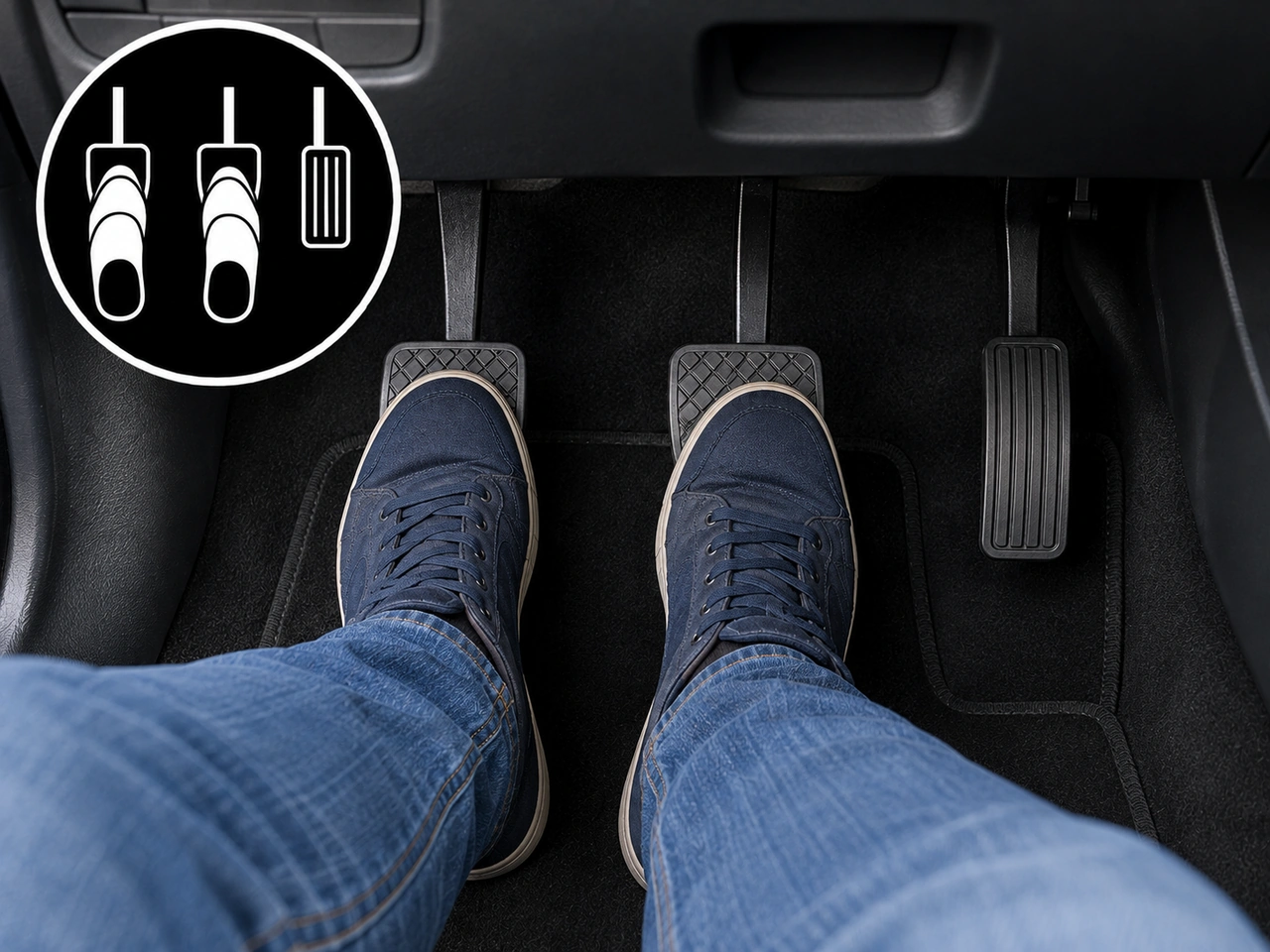
202. What should you do with the clutch during emergency braking in a manual vehicle?
During emergency braking in a manual vehicle, maintain firm pressure on the brake and press the clutch pedal fully so the engine does not stall as the vehicle slows. Do not reduce braking pressure while operating the clutch.
AI-generated by Traffic-rules.com • WCIT • CC BY-SA
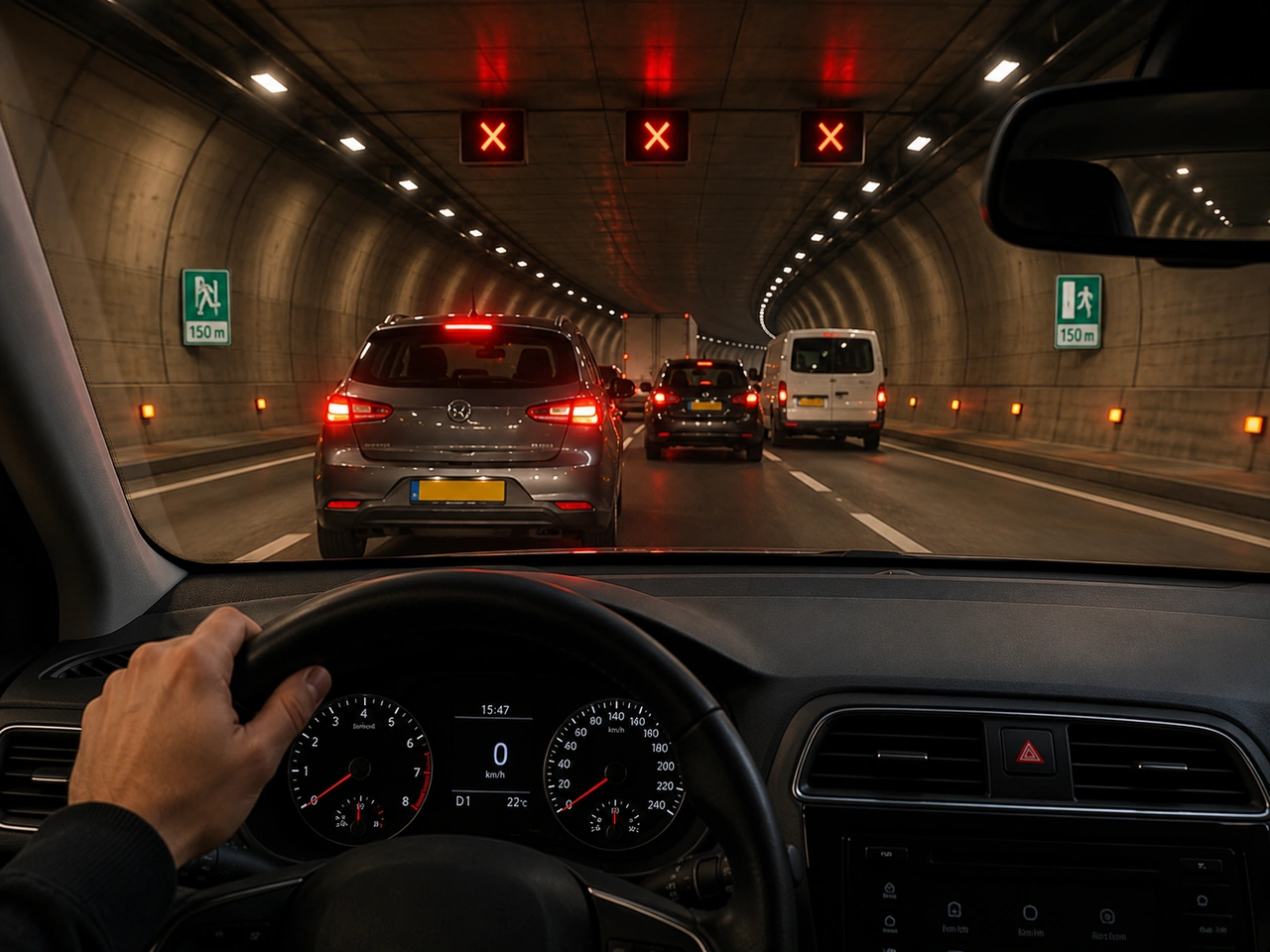
203. What should you do if traffic stops inside a tunnel?
Remain calm, keep space from the vehicle ahead, and obey traffic signals, signs, or instructions from tunnel staff.
AI-generated by Traffic-rules.com • WCIT • CC BY-SA
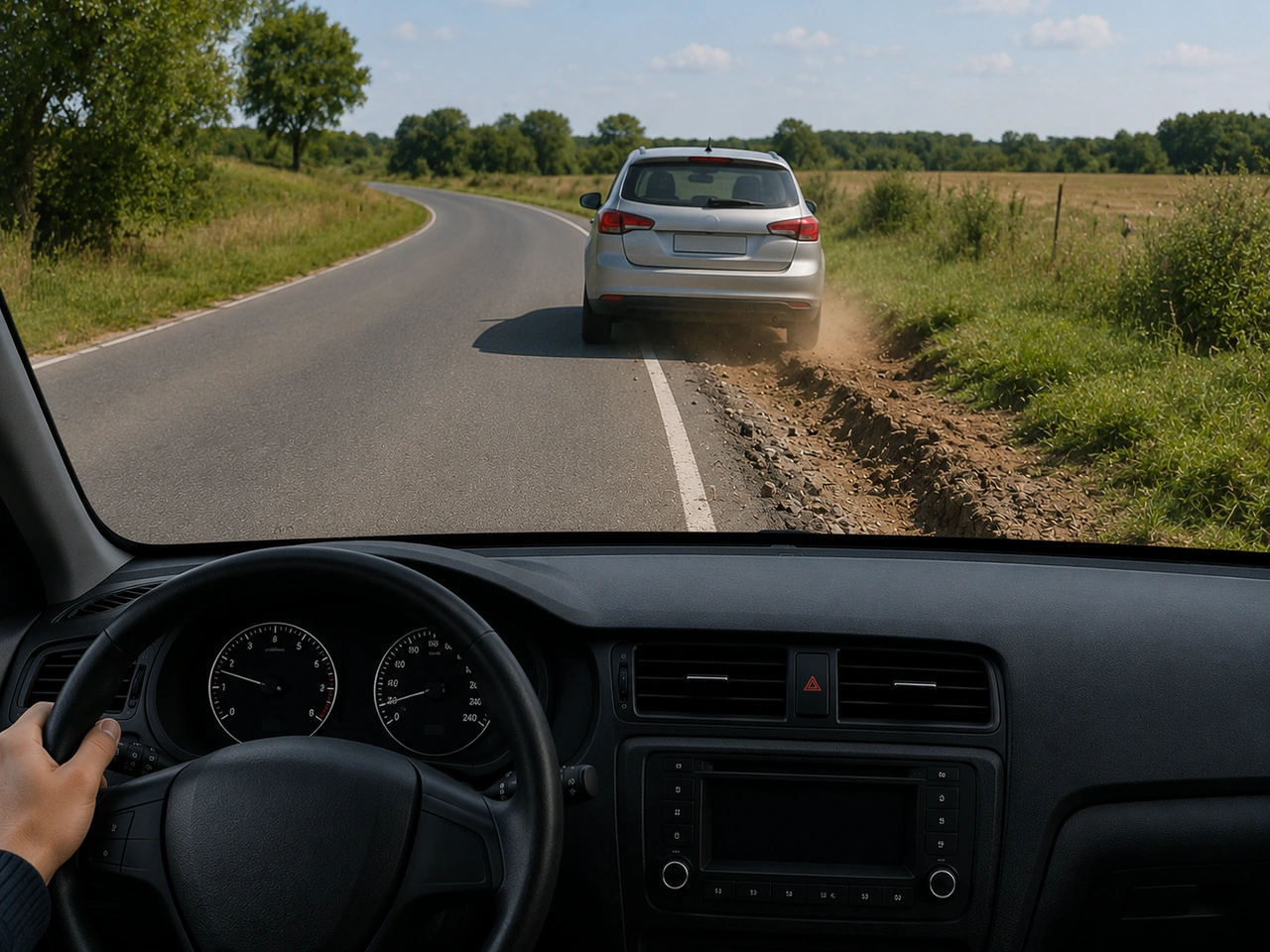
204. Why should you avoid driving too close to the edge of the road?
Road edges can be soft, uneven, or damaged. Driving too close to the edge can reduce control or cause the vehicle to leave the road.
AI-generated by Traffic-rules.com • WCIT • CC BY-SA
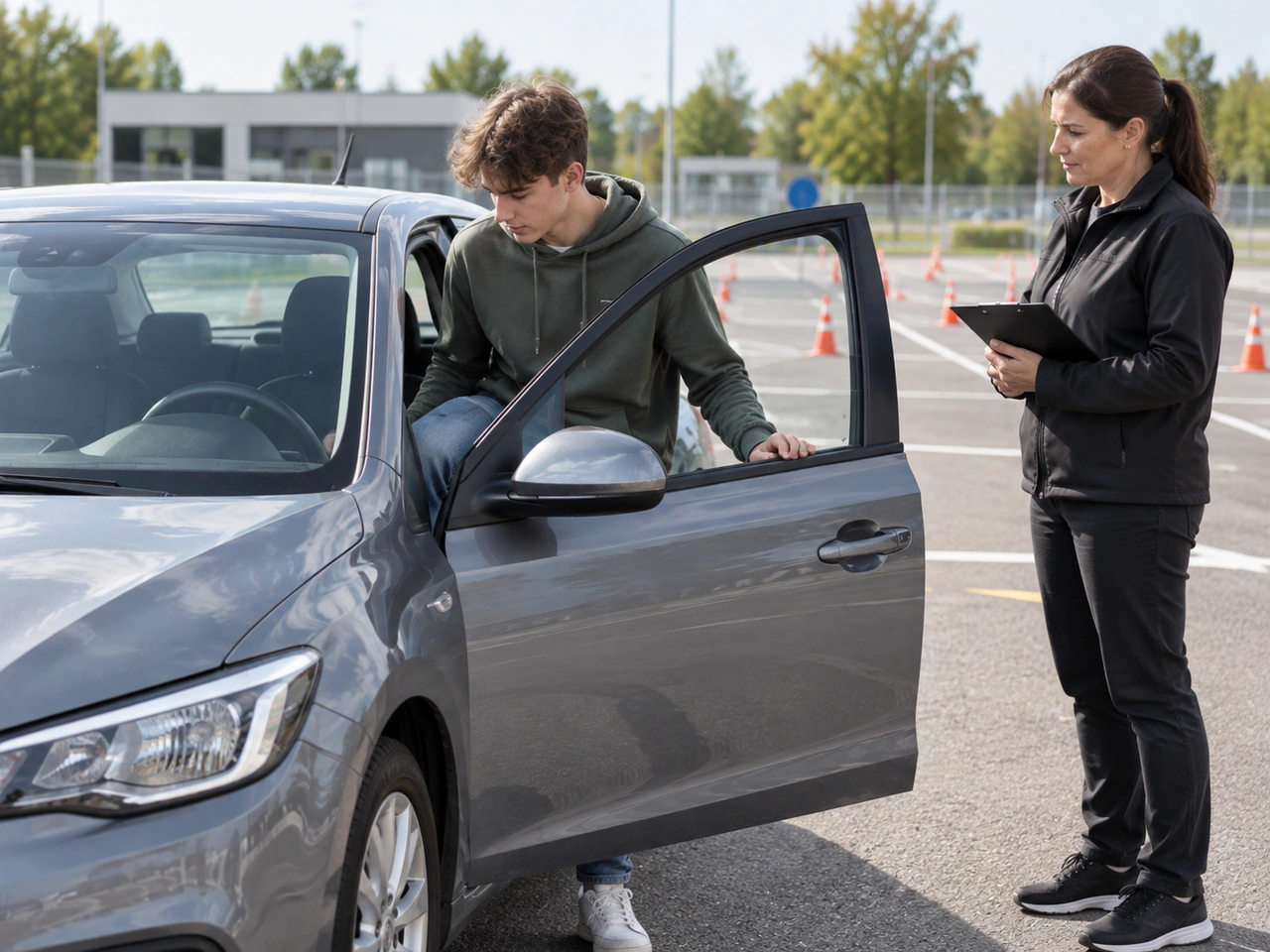
205. What is the minimum age for a standard car driving licence in Spain?
The minimum age for a standard car driving licence in Spain is 18 years.
AI-generated by Traffic-rules.com • WCIT • CC BY-SA
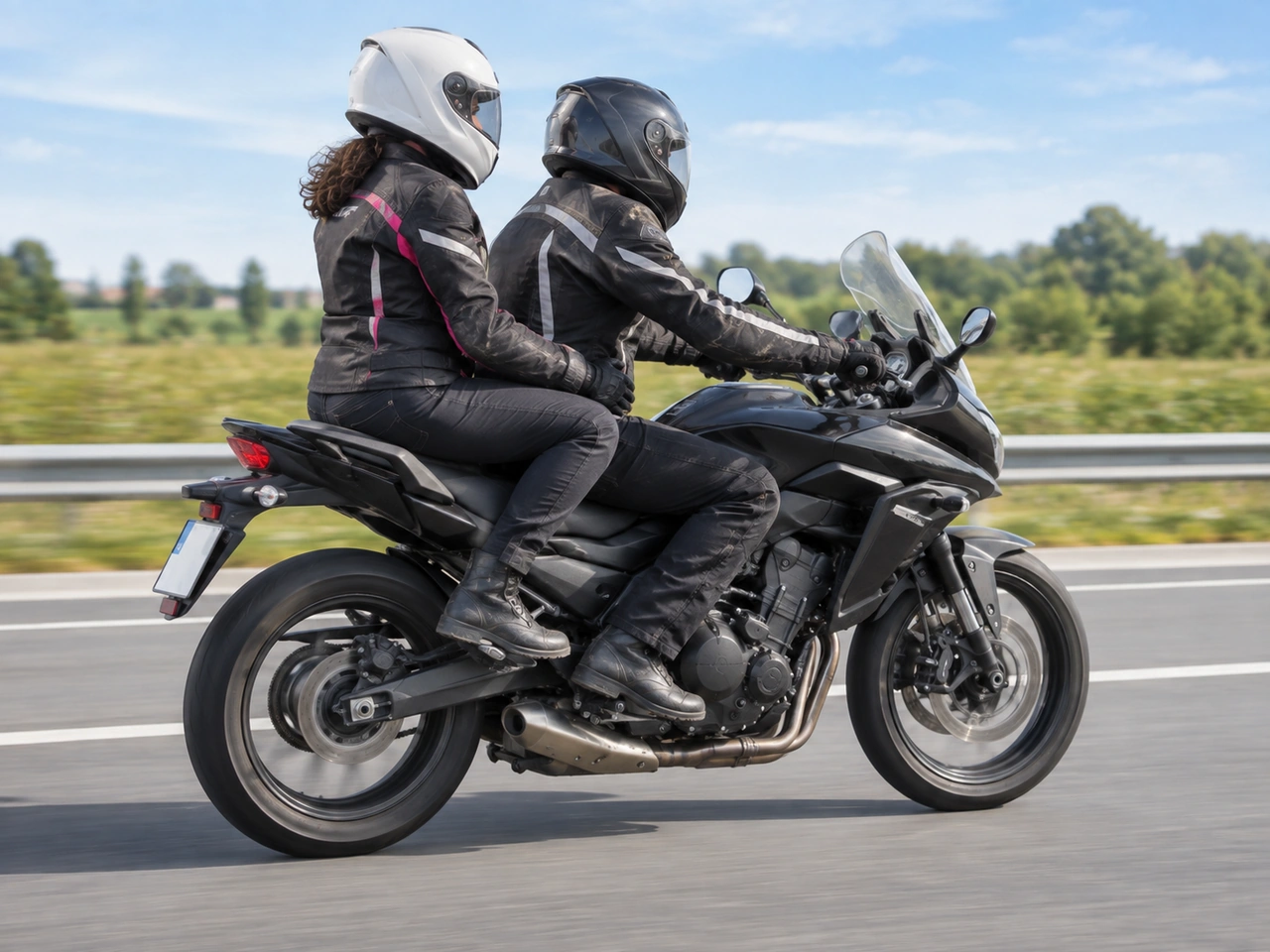
206. How should a passenger normally sit on a motorcycle?
A motorcycle passenger should sit securely on the designated passenger seat, keep both feet on the footrests and avoid sudden movements that could affect the motorcycle's balance and stability.
AI-generated by Traffic-rules.com • WCIT • CC BY-SA
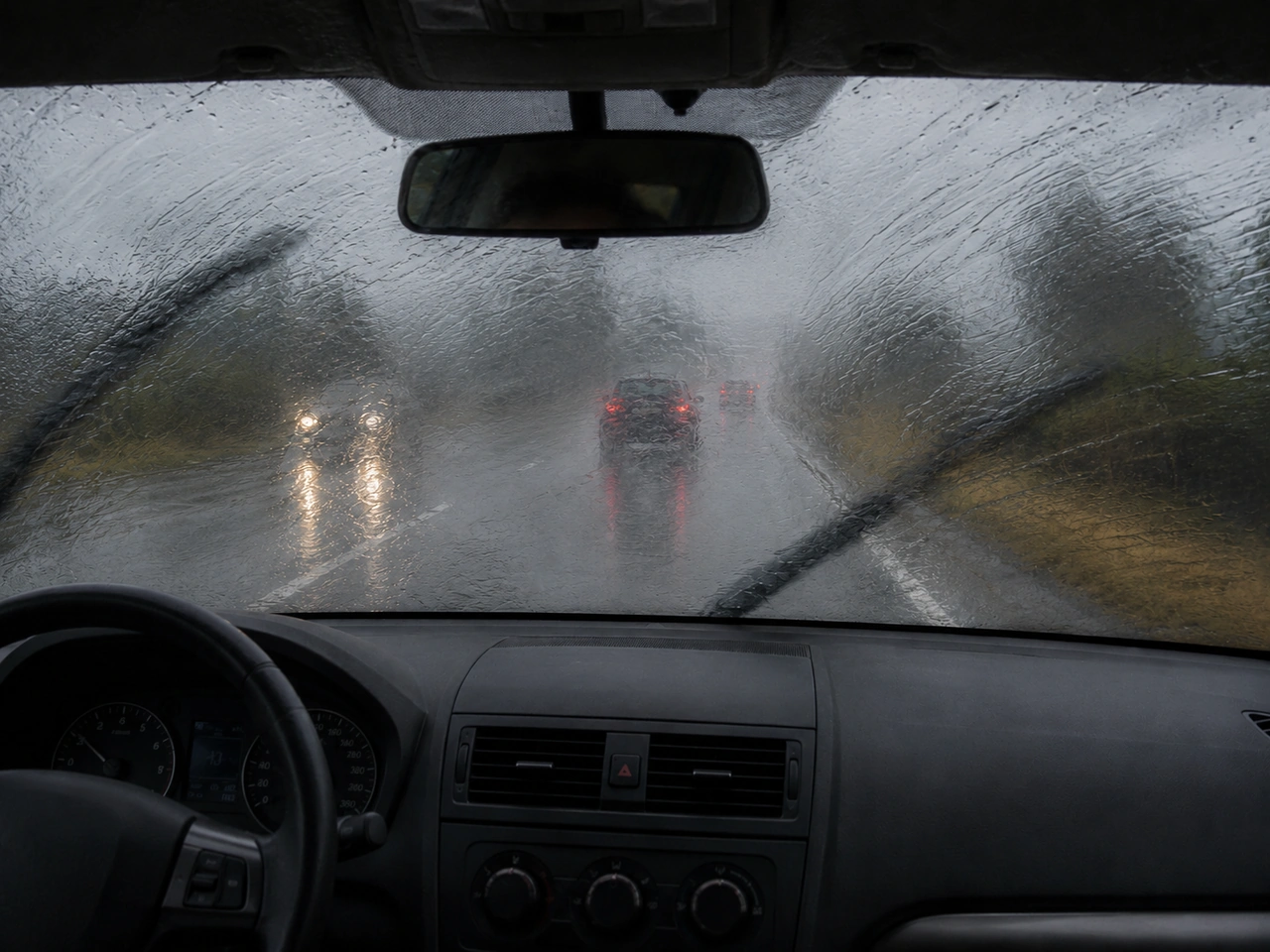
207. What should you do if the windscreen wipers leave the glass smeared?
Worn or dirty wiper blades can seriously reduce visibility in rain. Clean them first and replace them if they remain ineffective or damaged.
AI-generated by Traffic-rules.com • WCIT • CC BY-SA
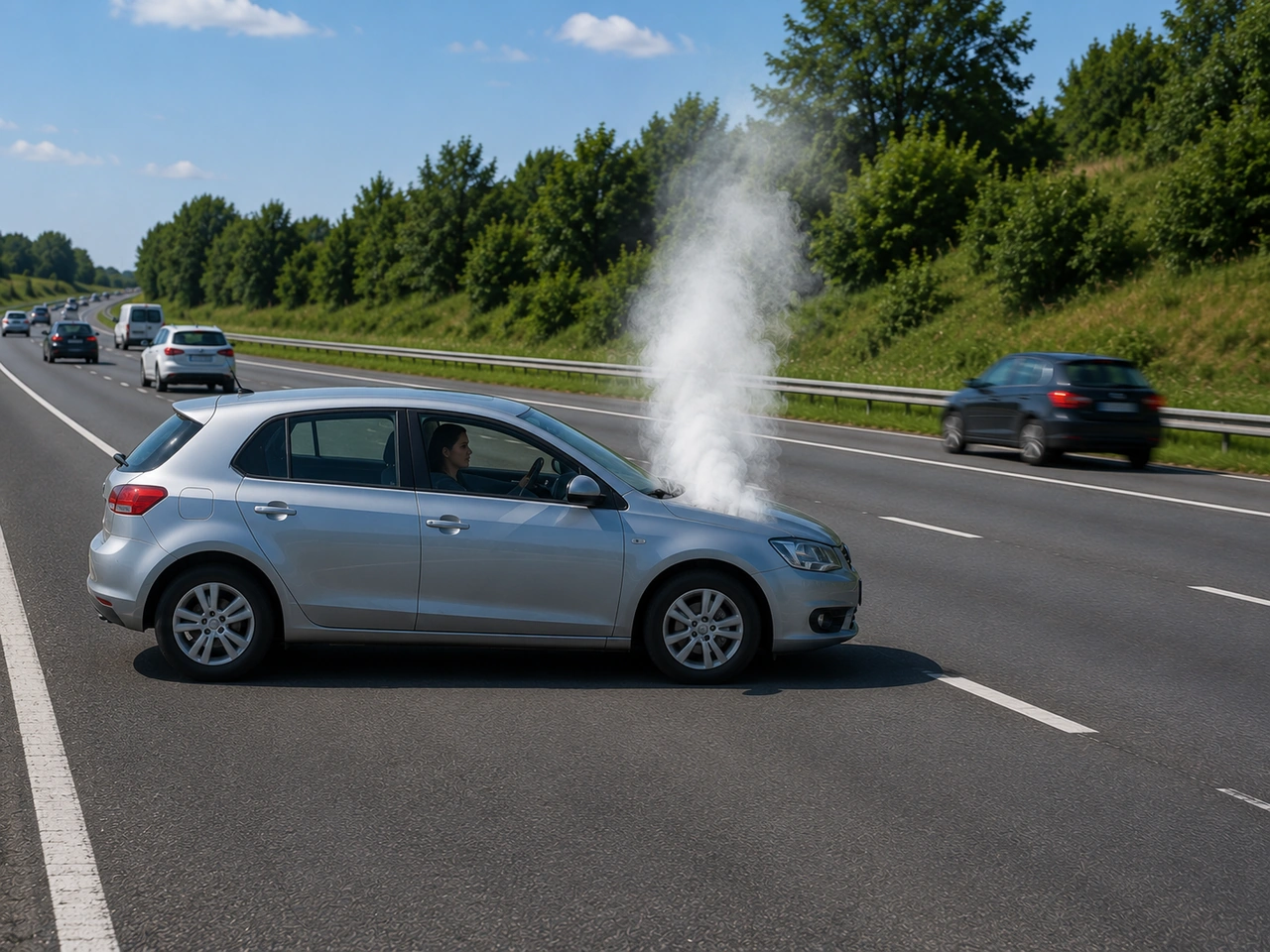
208. What should you do if your vehicle breaks down on a busy road?
If your vehicle breaks down, make it visible and get yourself away from moving traffic. Safety comes before repairing the vehicle.
AI-generated by Traffic-rules.com • WCIT • CC BY-SA
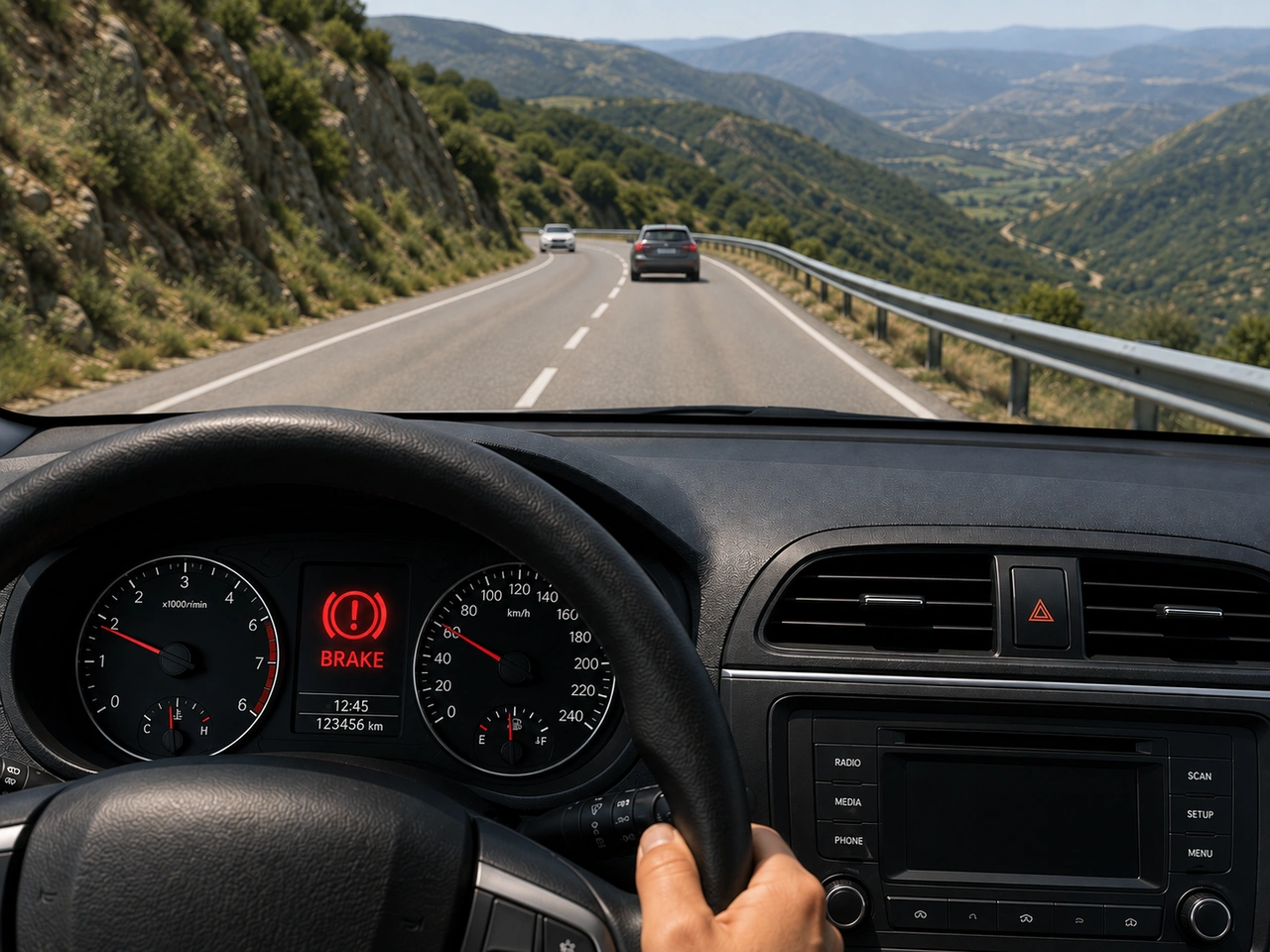
209. What should you do if the brakes fade during a long descent?
Continuous braking can cause overheating and reduced braking performance. A lower gear provides engine braking and reduces demand on the brakes.
AI-generated by Traffic-rules.com • WCIT • CC BY-SA
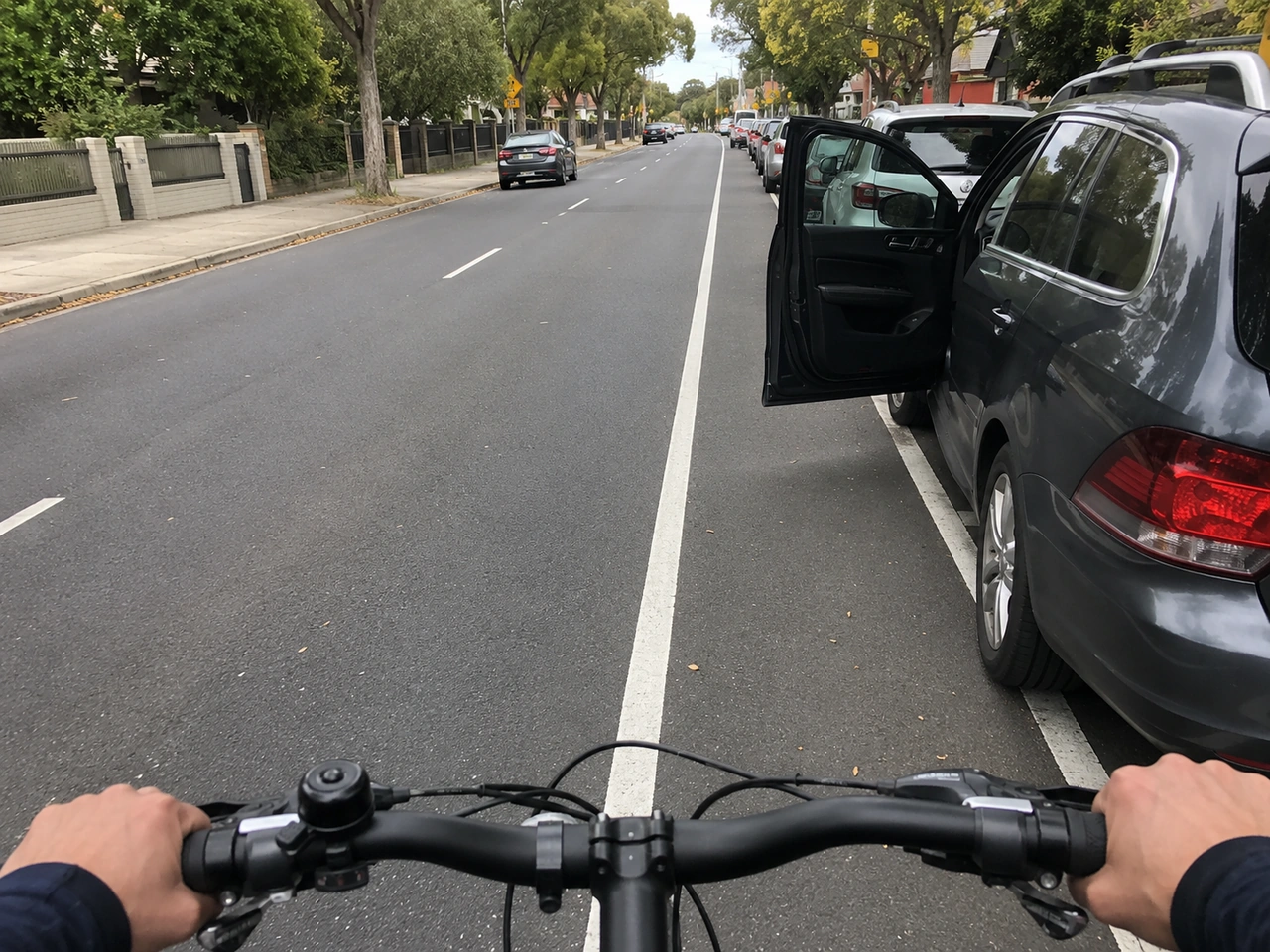
210. Why should you leave space when cycling beside parked cars?
A driver or passenger may open a door without seeing you. Leaving space reduces the risk of a dooring collision.
AI-generated by Traffic-rules.com • WCIT • CC BY-SA
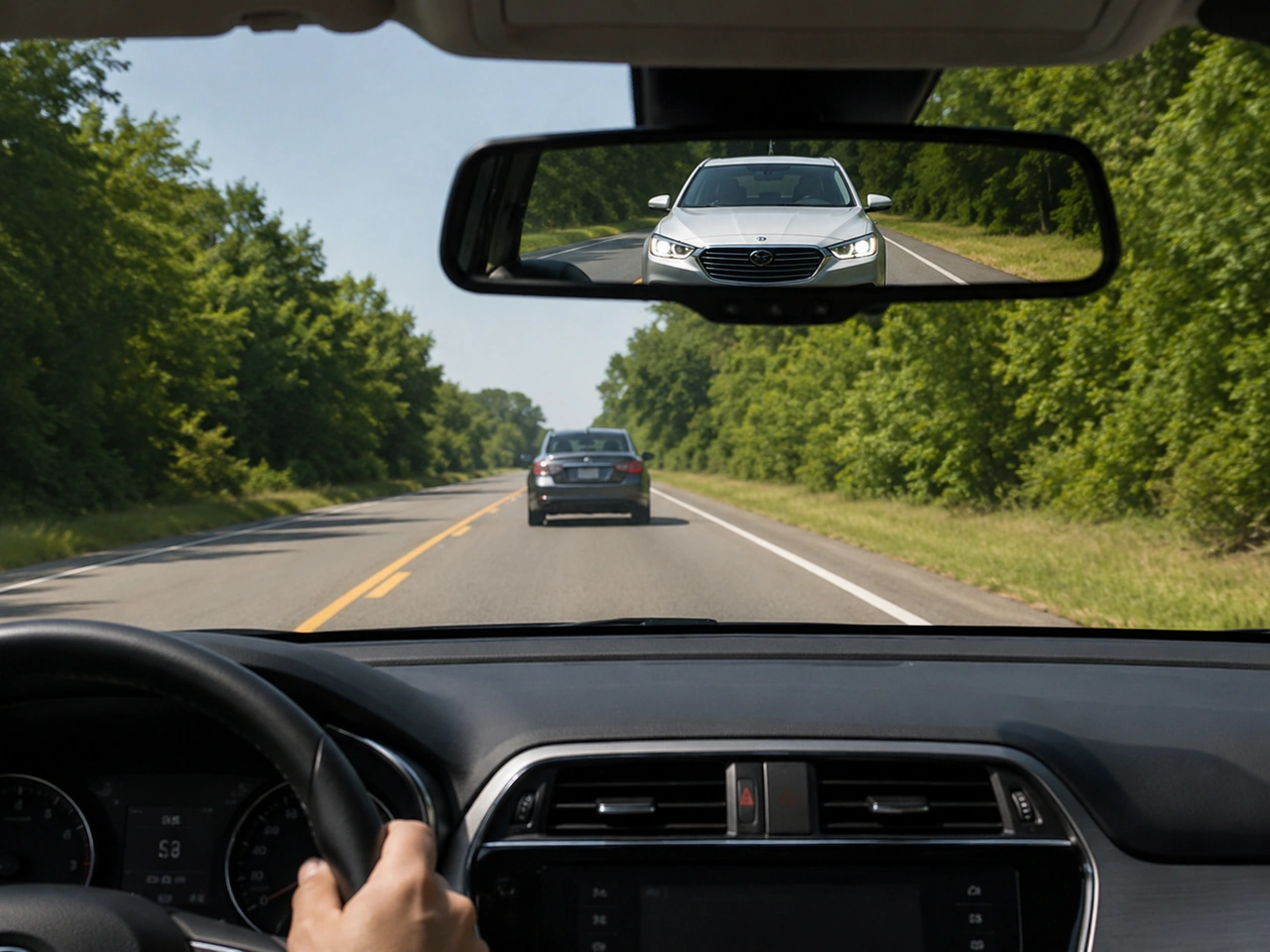
211. What should you do if another vehicle is tailgating you?
If someone follows too closely, avoid sudden actions. Keeping more space in front gives you more time to brake gently if needed. If it is safe, allow the tailgating vehicle to pass.
AI-generated by Traffic-rules.com • WCIT • CC BY-SA
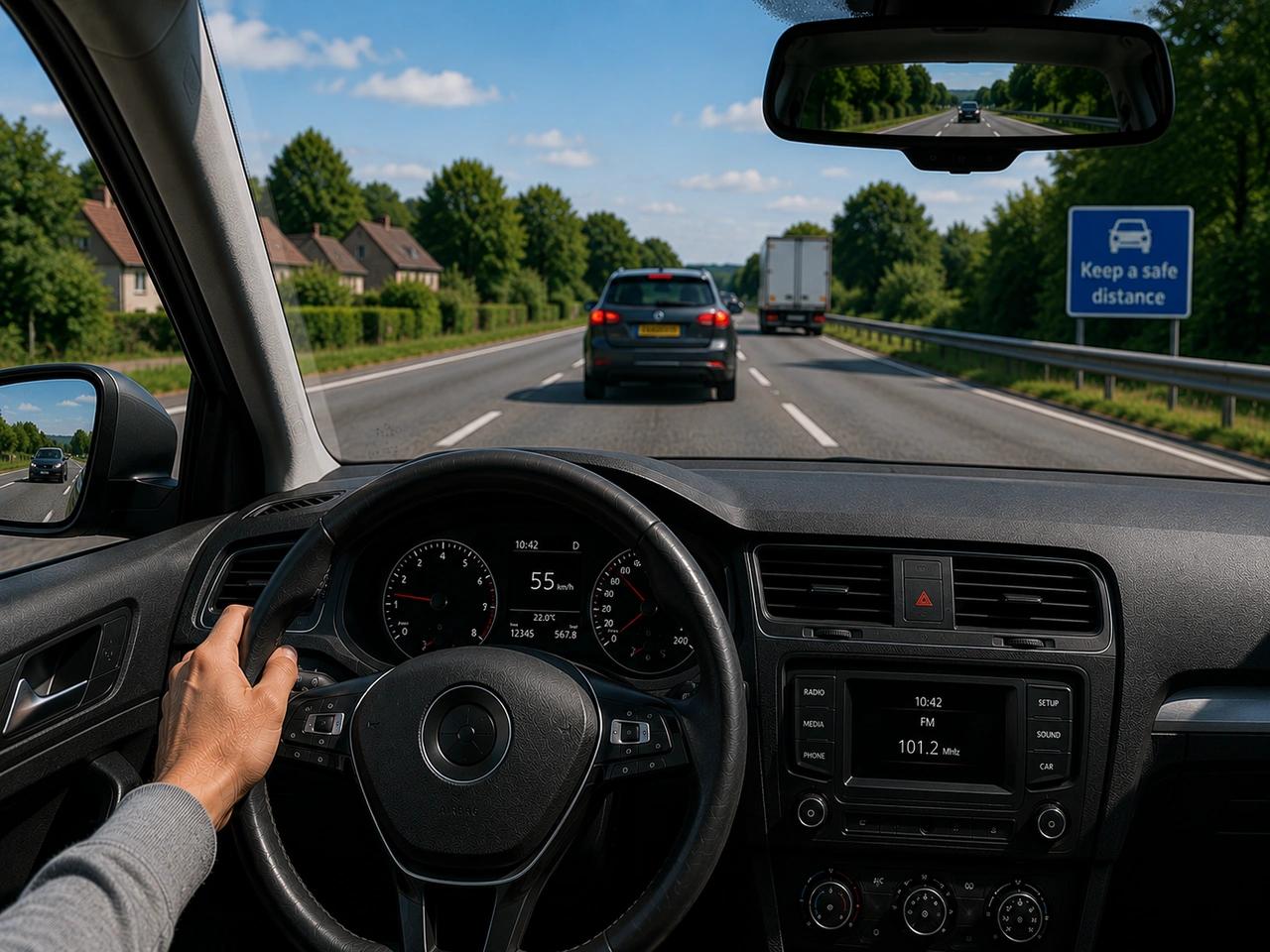
212. You should follow the vehicle in front as closely as possible in traffic.
You should keep a safe following distance so you have enough time to react if traffic slows or stops suddenly.
AI-generated by Traffic-rules.com • WCIT • CC BY-SA
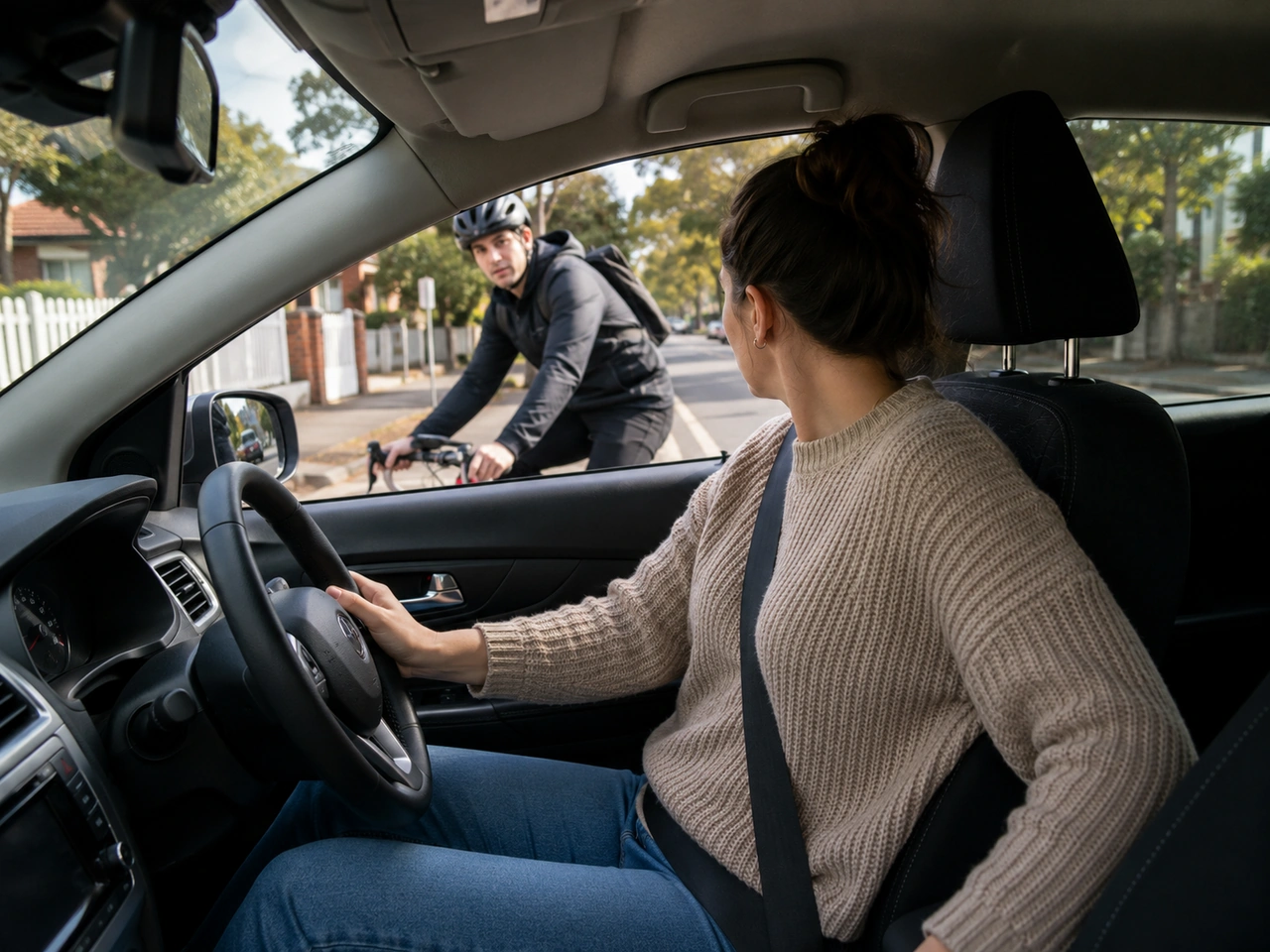
213. Why should you check blind spots before moving off?
Mirrors do not show every area around your vehicle. A blind-spot check can reveal cyclists, pedestrians, motorcyclists, or vehicles before you move off.
AI-generated by Traffic-rules.com • WCIT • CC BY-SA
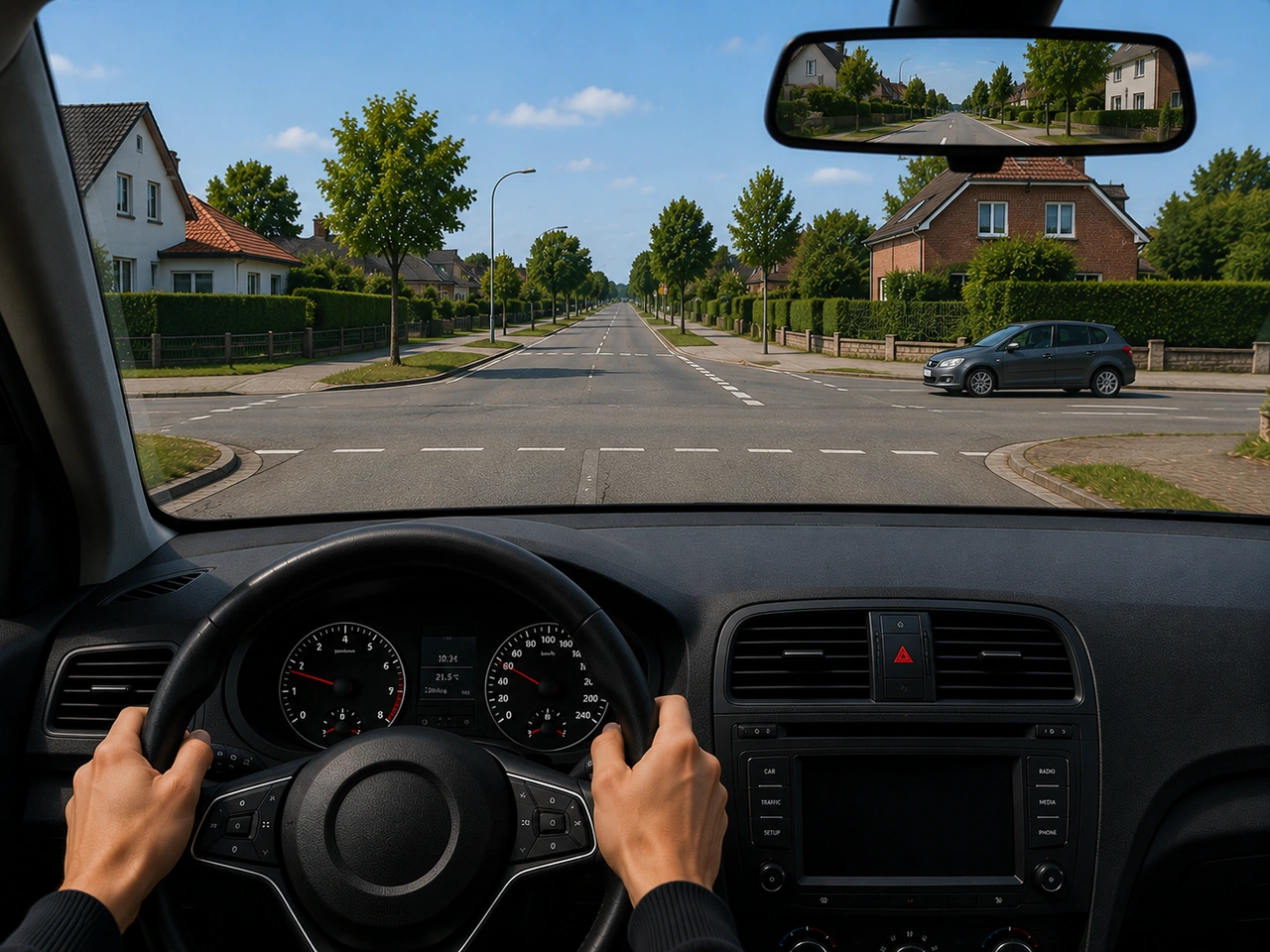
214. What should you do if you are unsure who has priority at a junction?
If priority is unclear, reduce speed, observe carefully, and avoid entering the junction until you are sure it is safe.
AI-generated by Traffic-rules.com • WCIT • CC BY-SA
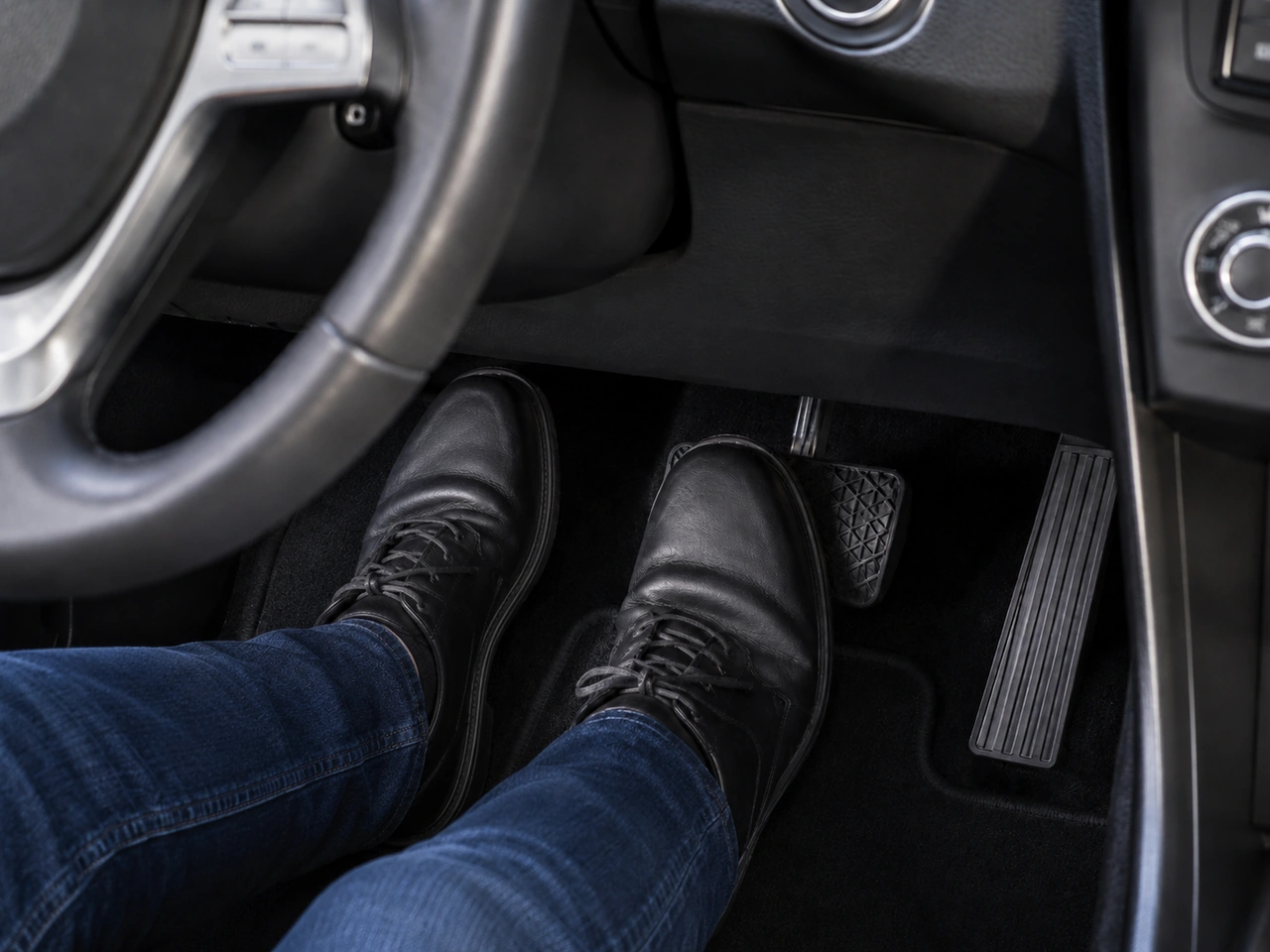
215. What should you do if the brake pedal feels unusually soft?
A soft brake pedal or increased stopping distance may indicate a serious brake fault. Do not continue driving normally until the system has been checked.
AI-generated by Traffic-rules.com • WCIT • CC BY-SA
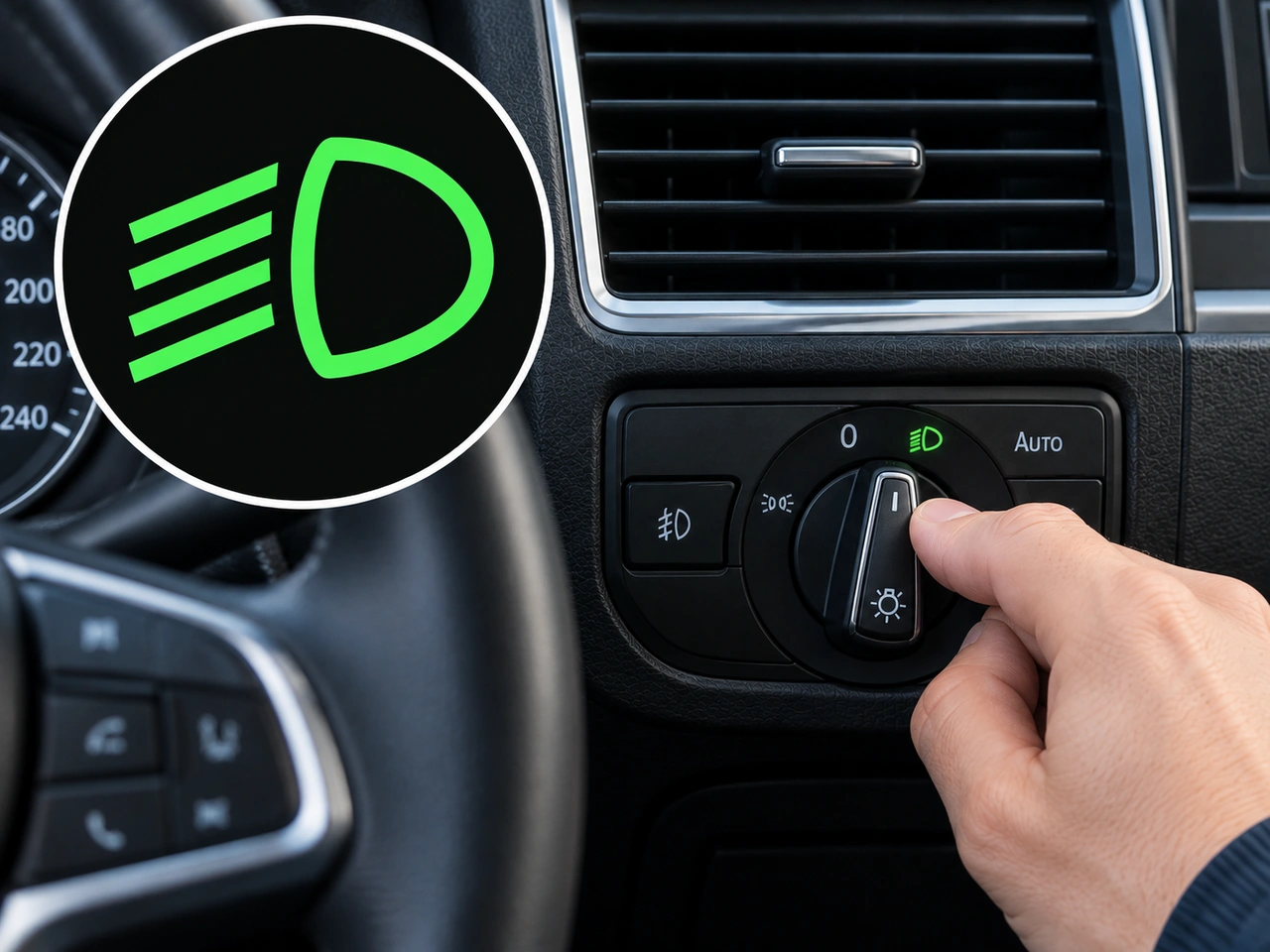
216. What does this dashboard symbol indicate?
This symbol indicates that the dipped headlights are switched on. Dipped headlights illuminate the road ahead while limiting glare for other road users.
AI-generated by Traffic-rules.com • WCIT • CC BY-SA
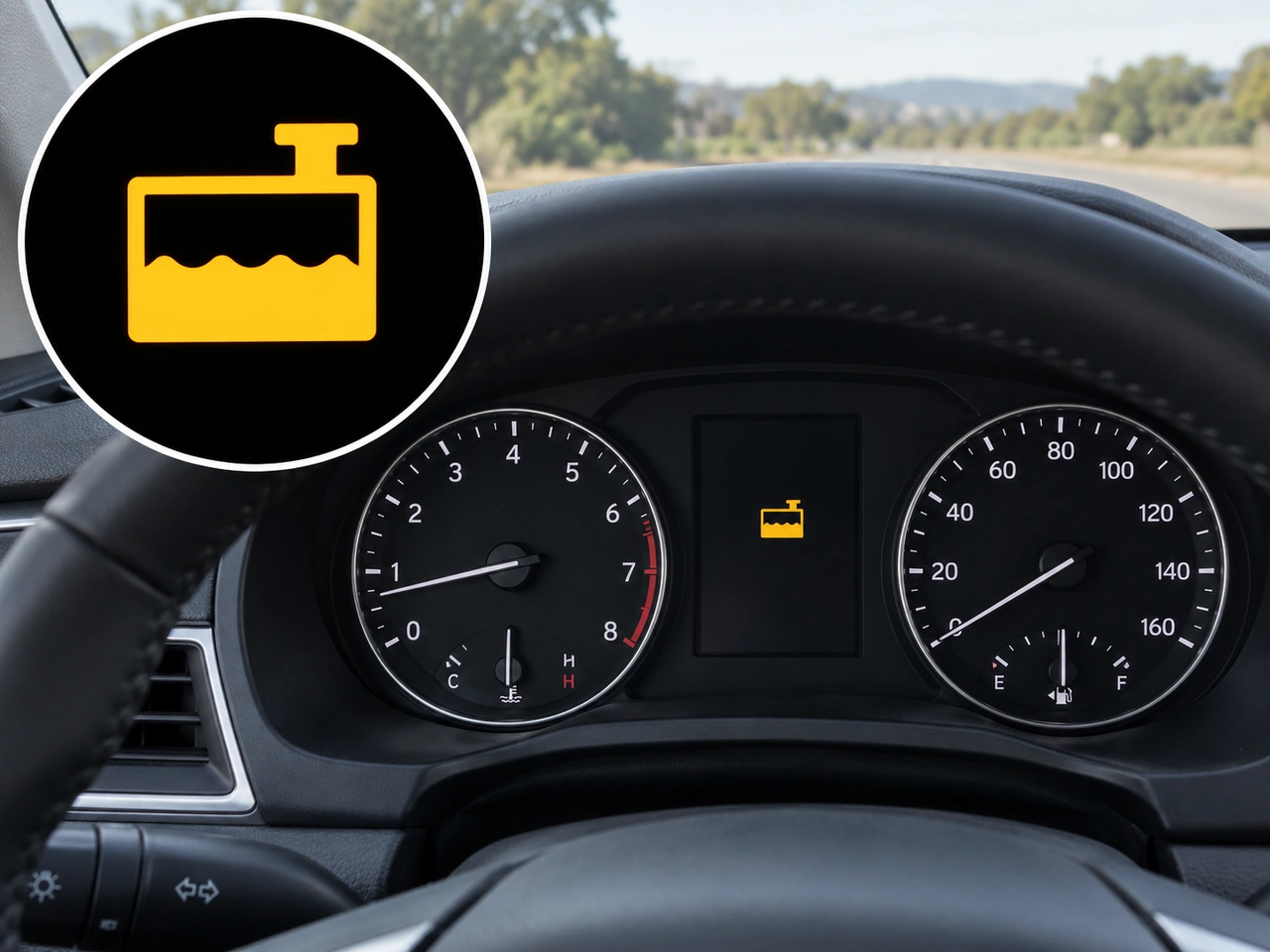
217. What does this dashboard symbol indicate?
This symbol indicates that the engine coolant level is low. Check the coolant level when the engine is cool and refill it with the correct coolant if necessary.
AI-generated by Traffic-rules.com • WCIT • CC BY-SA
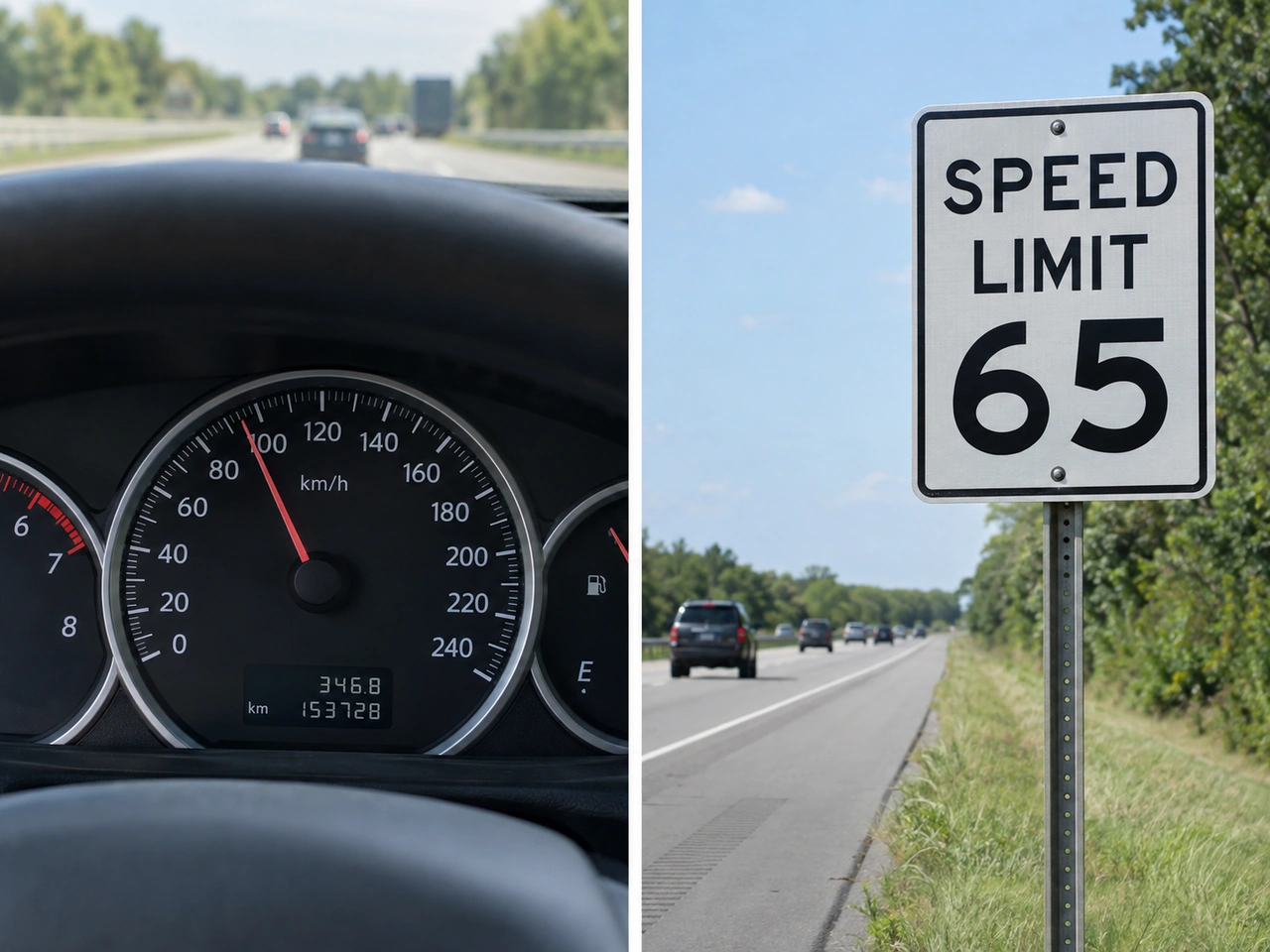
218. Which speed unit is used in Spain?
Road speeds in Spain are shown in kilometres per hour (km/h).
AI-generated by Traffic-rules.com • WCIT • CC BY-SA
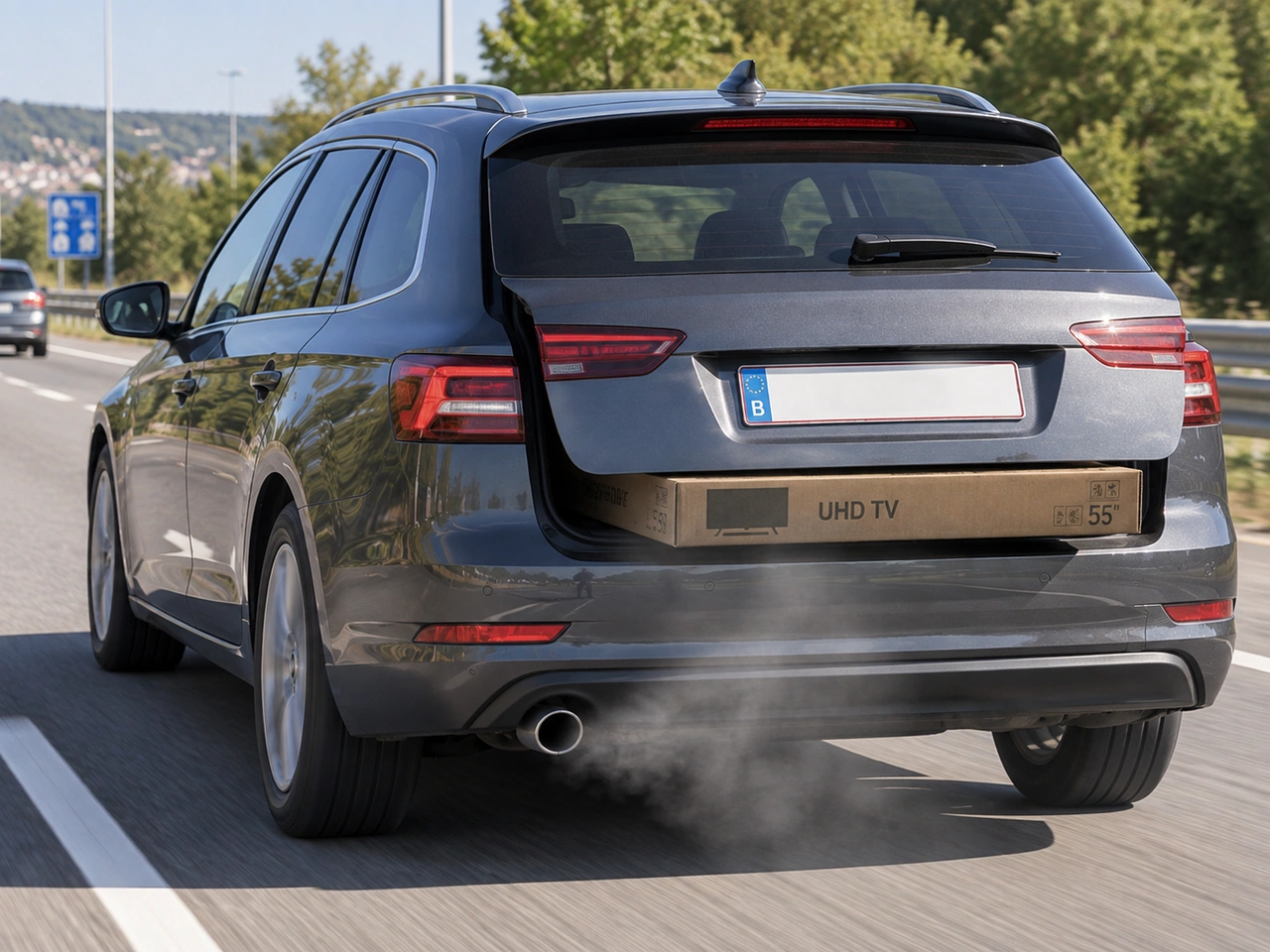
219. What is a danger of driving a petrol or diesel vehicle with the boot or tailgate open?
Driving with the boot or tailgate open can allow exhaust gases to be drawn into the vehicle. Exhaust fumes may contain carbon monoxide, which is poisonous and may be difficult to detect. Keep the luggage compartment properly closed while driving whenever possible.
AI-generated by Traffic-rules.com • WCIT • CC BY-SA
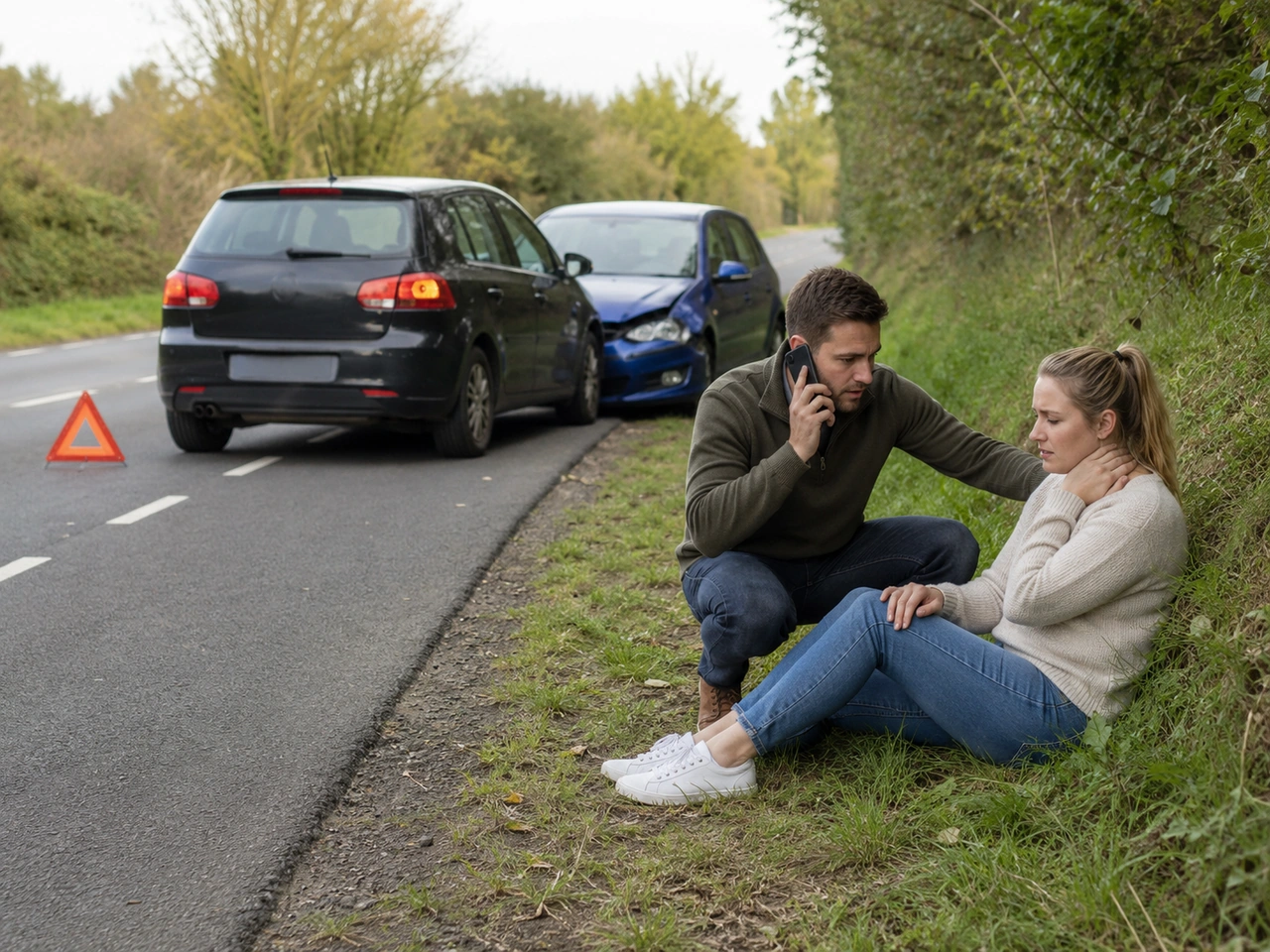
220. What should you do if someone is injured in a road collision?
Moving an injured person can worsen spinal or other injuries. Keep them calm, protect them from further danger, and provide first aid only within your level of training.
AI-generated by Traffic-rules.com • WCIT • CC BY-SA
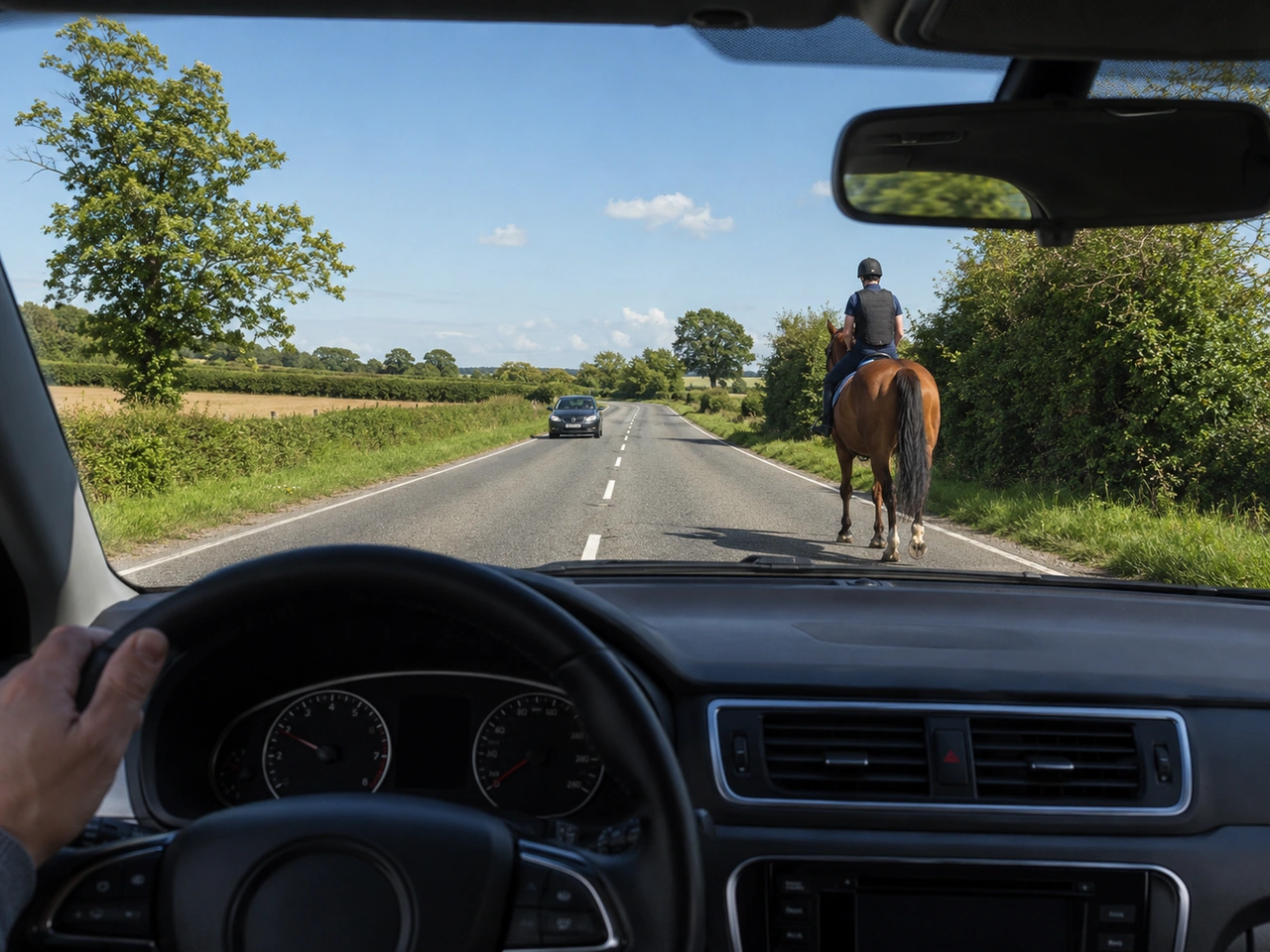
221. What should you do when passing a horse rider?
Horses can be startled by noise or sudden movement. Slow down, pass carefully, and leave enough space.
AI-generated by Traffic-rules.com • WCIT • CC BY-SA
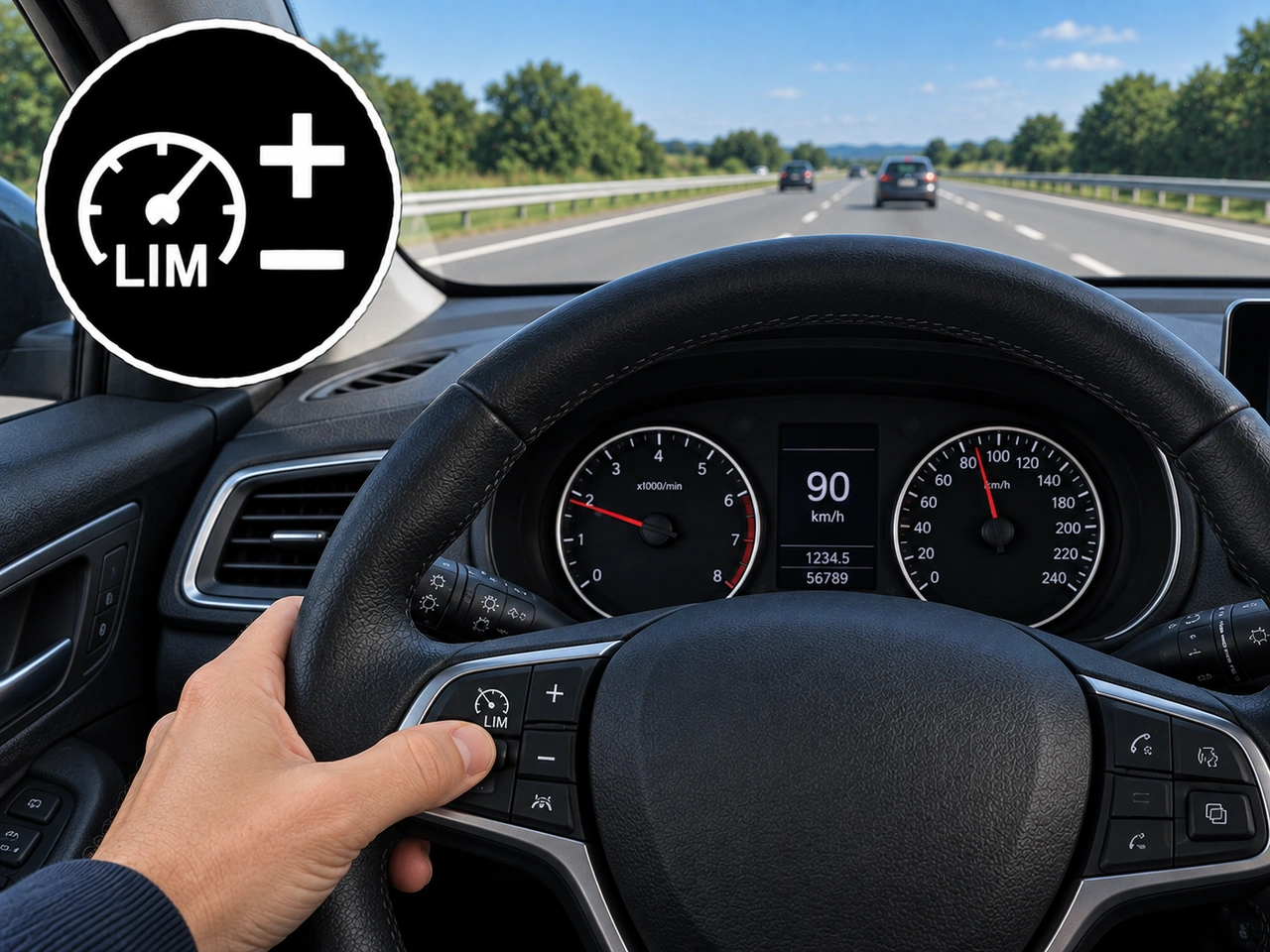
222. What do the + and − controls normally adjust when the speed limiter is active?
When the speed limiter is active, the + and − controls normally increase or decrease the selected maximum speed. The exact adjustment steps can vary between vehicles.
AI-generated by Traffic-rules.com • WCIT • CC BY-SA
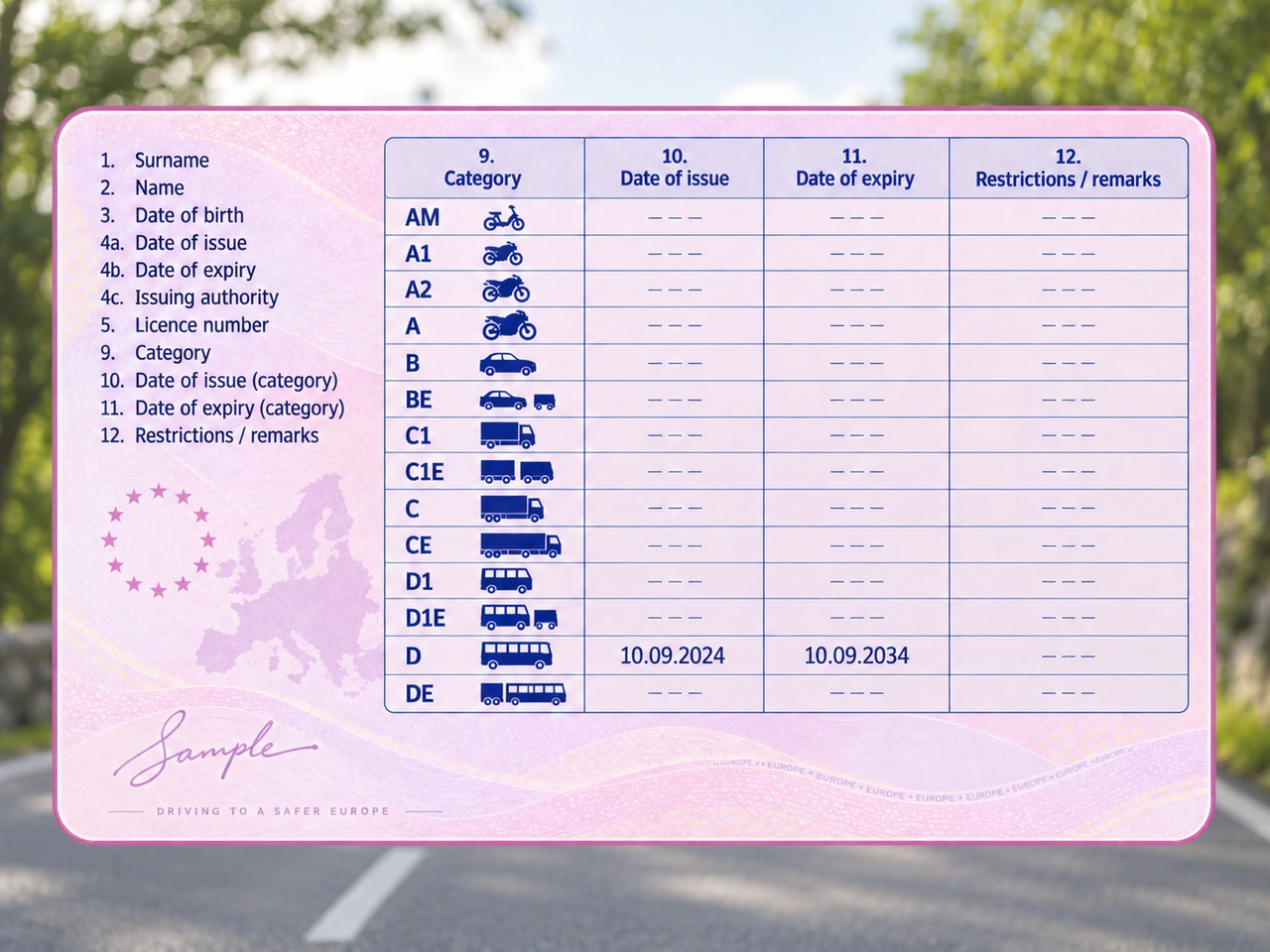
223. Which passenger vehicles are covered by driving licence D?
Category D covers motor vehicles designed and constructed to carry more than eight passengers in addition to the driver. A trailer up to 750 kg may be towed.
AI-generated by Traffic-rules.com • WCIT • CC BY-SA
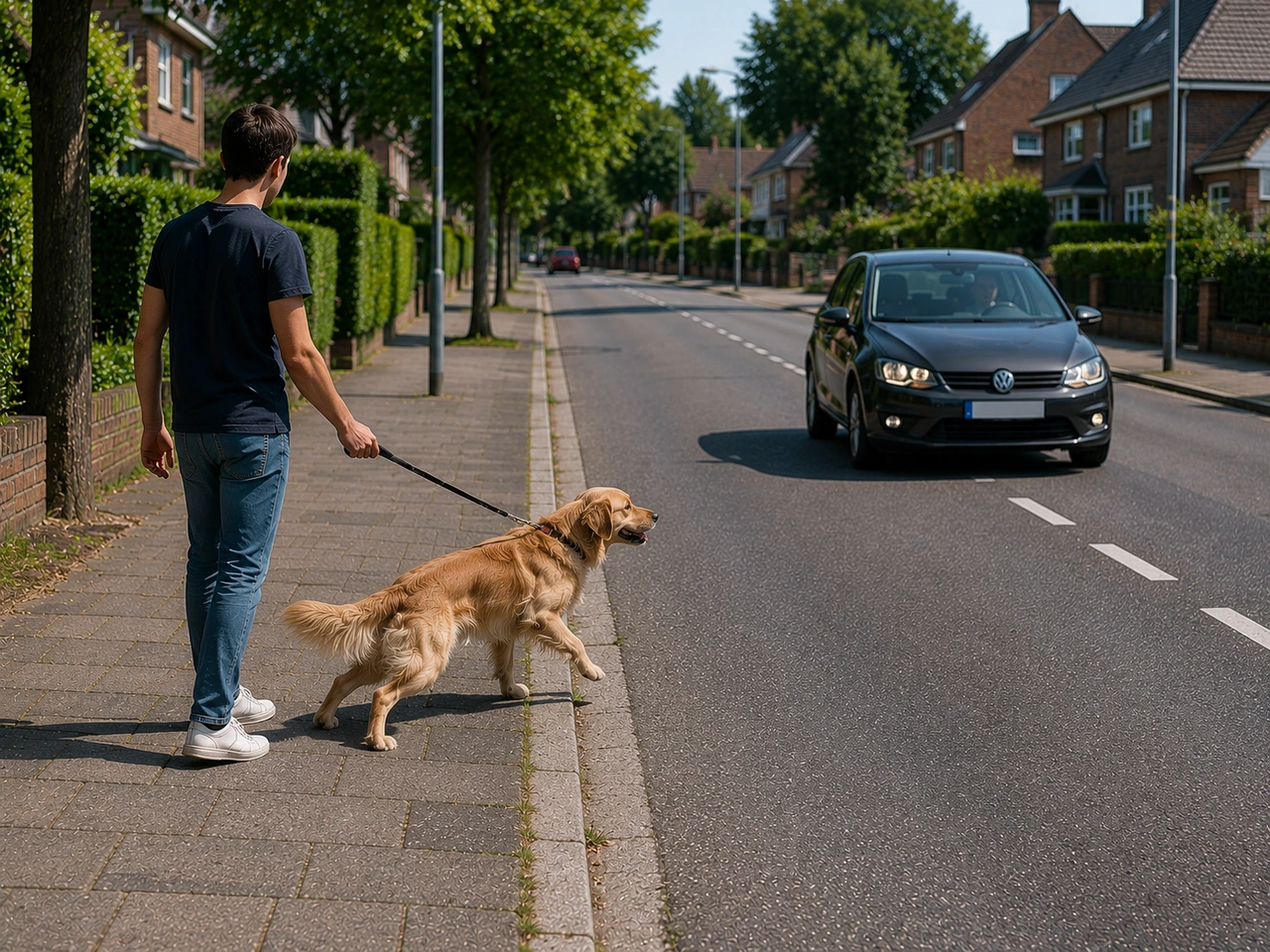
224. Why should pedestrians avoid sudden movements near traffic?
Sudden movements can surprise drivers and reduce the time they have to slow down or stop safely.
AI-generated by Traffic-rules.com • WCIT • CC BY-SA
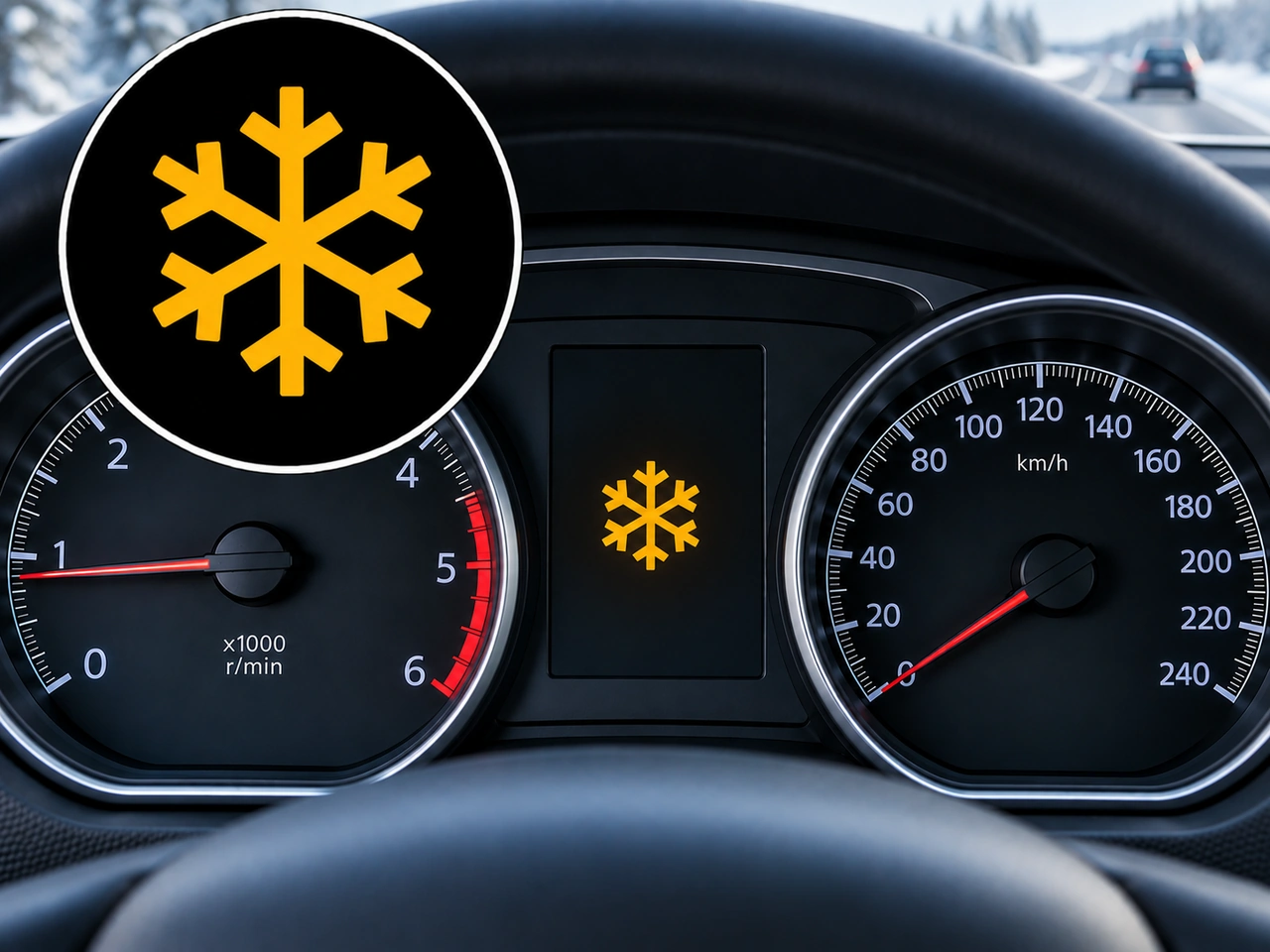
225. What does this dashboard symbol indicate?
This symbol warns that the outside temperature is low enough for ice to form. Road surfaces, especially bridges and shaded areas, may be slippery even when they appear clear.
AI-generated by Traffic-rules.com • WCIT • CC BY-SA
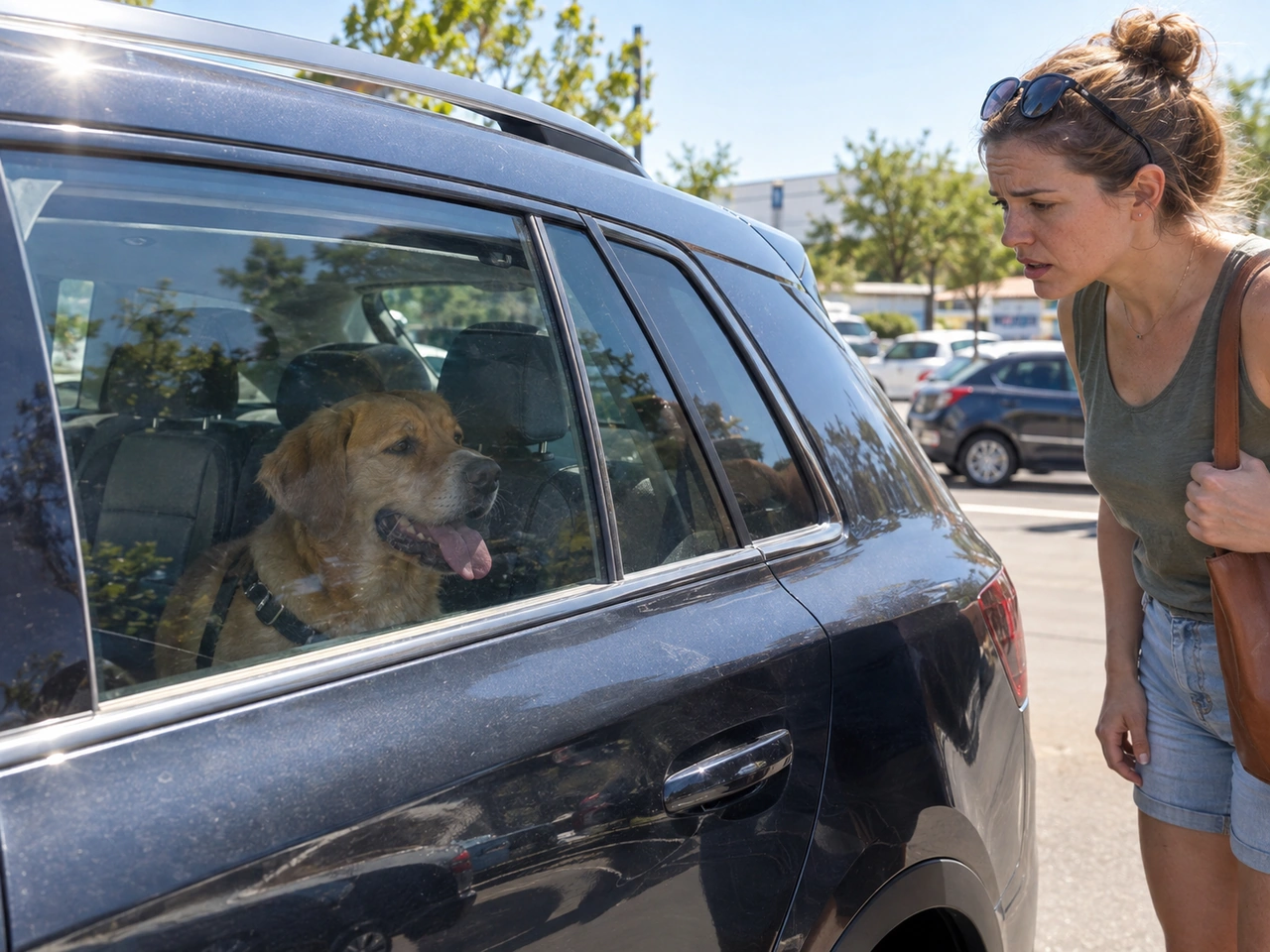
226. Why should you never leave a child or pet alone in a parked vehicle on a warm day?
The inside of a parked vehicle can heat up rapidly, even when the outside temperature does not feel extreme. Children and animals are particularly vulnerable to overheating and heatstroke. Leaving a window partly open does not make the vehicle safe.
AI-generated by Traffic-rules.com • WCIT • CC BY-SA
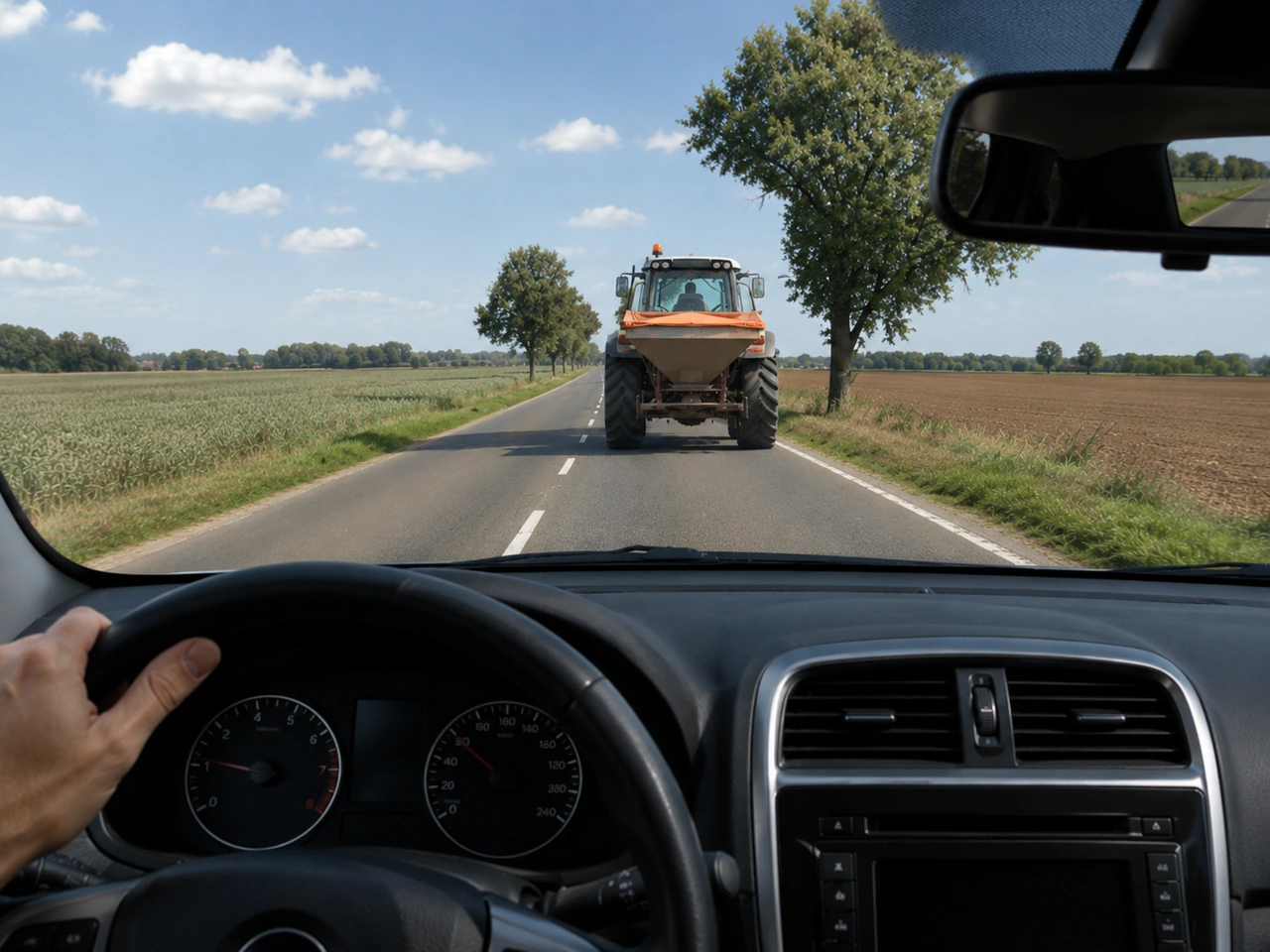
227. What should you do if you approach slow-moving farm machinery?
Farm machinery may be wide, slow, or turn unexpectedly. Keep distance and only overtake when you have a clear view and enough space.
AI-generated by Traffic-rules.com • WCIT • CC BY-SA
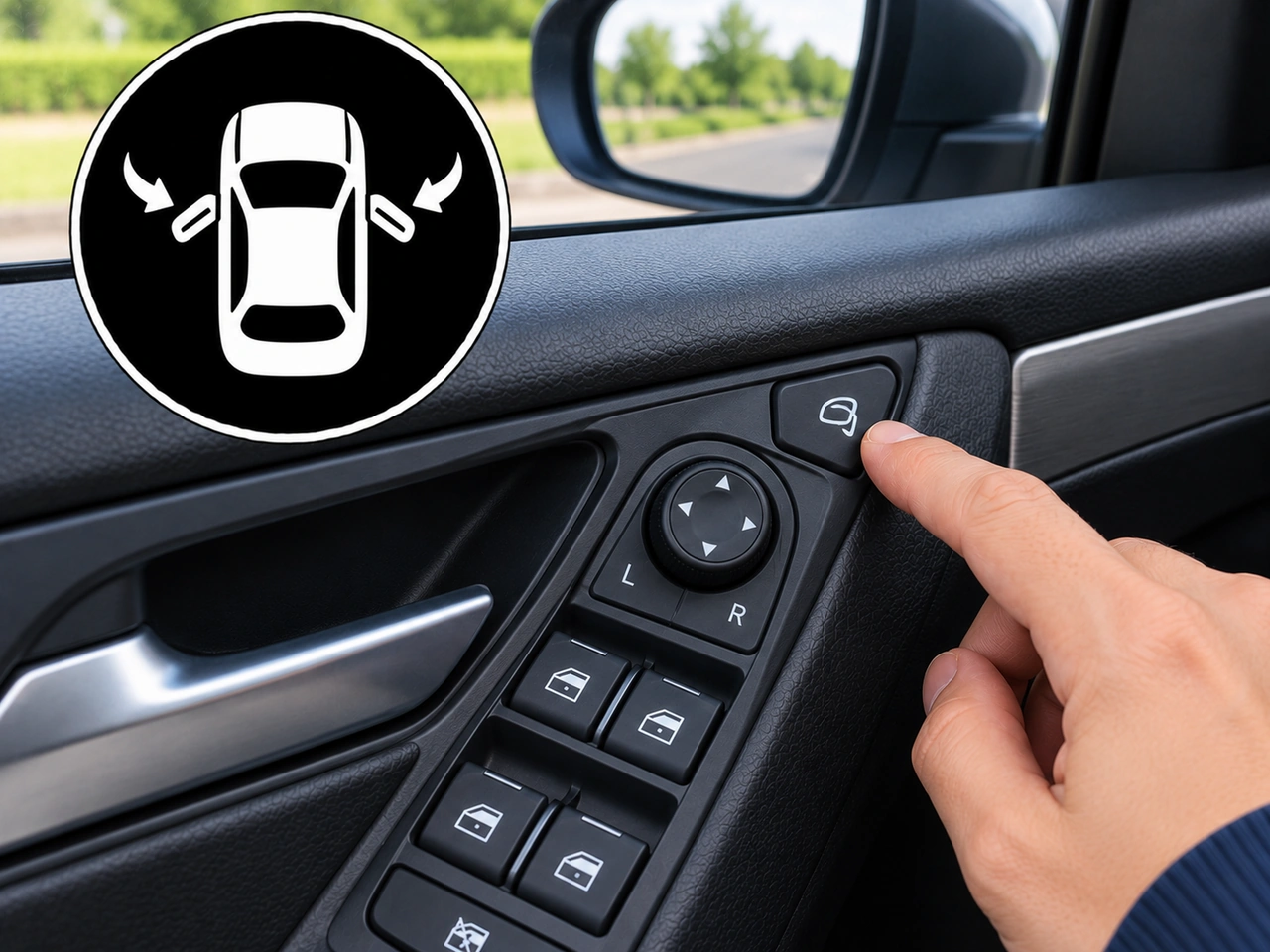
228. What does this vehicle-control symbol indicate?
This control folds or unfolds the vehicle's exterior mirrors. It is useful when parking in narrow spaces or when leaving the vehicle parked.
AI-generated by Traffic-rules.com • WCIT • CC BY-SA
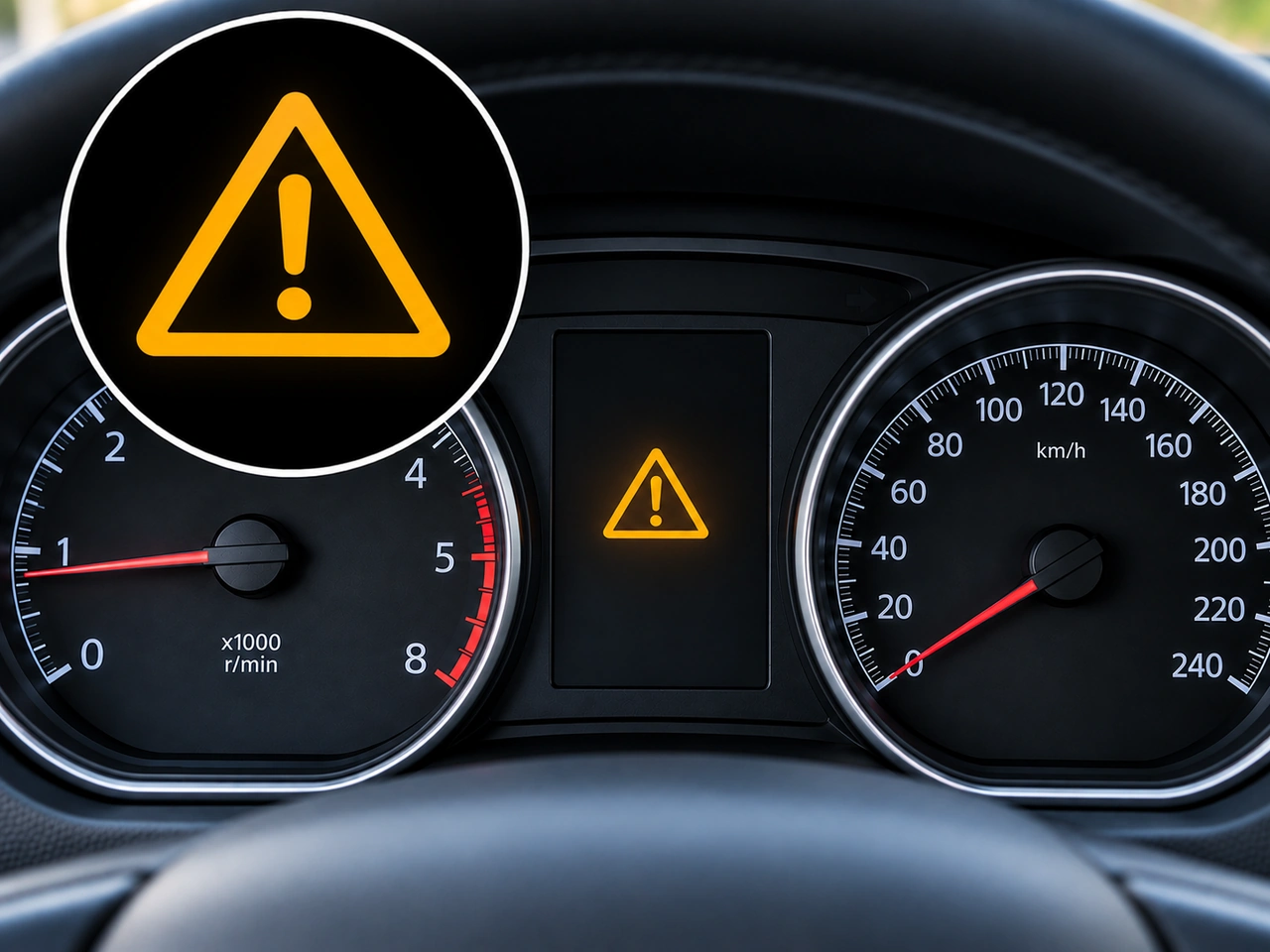
229. What does this dashboard symbol indicate?
This is a general or master warning symbol. It indicates that the vehicle has detected a condition requiring attention and is often accompanied by a message or another warning on the instrument display.
AI-generated by Traffic-rules.com • WCIT • CC BY-SA
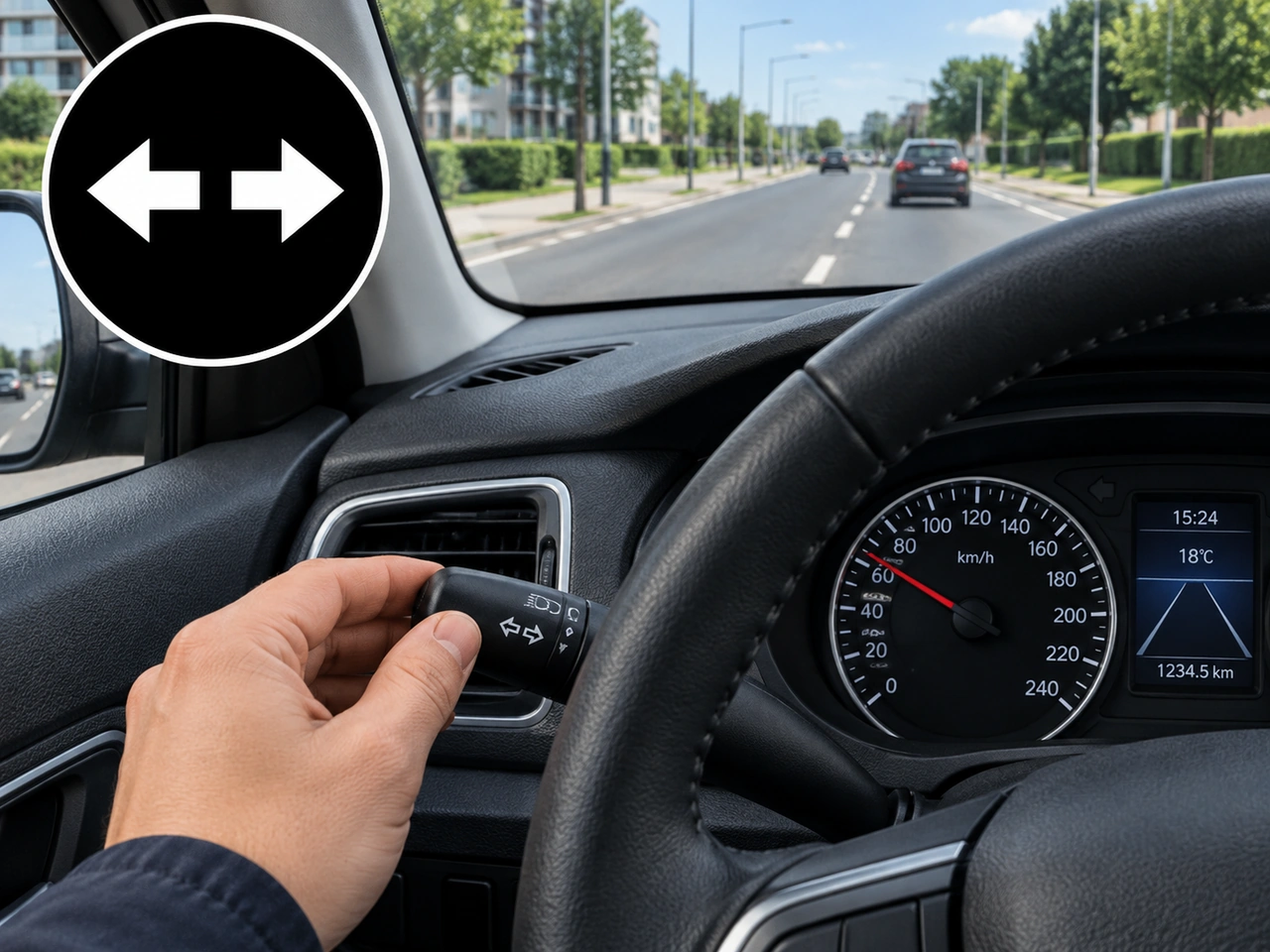
230. What should you do if a direction indicator does not cancel after a turn?
Direction indicators often cancel automatically after a turn, but if an indicator remains on, return the indicator control to its neutral position so you do not mislead other road users.
AI-generated by Traffic-rules.com • WCIT • CC BY-SA
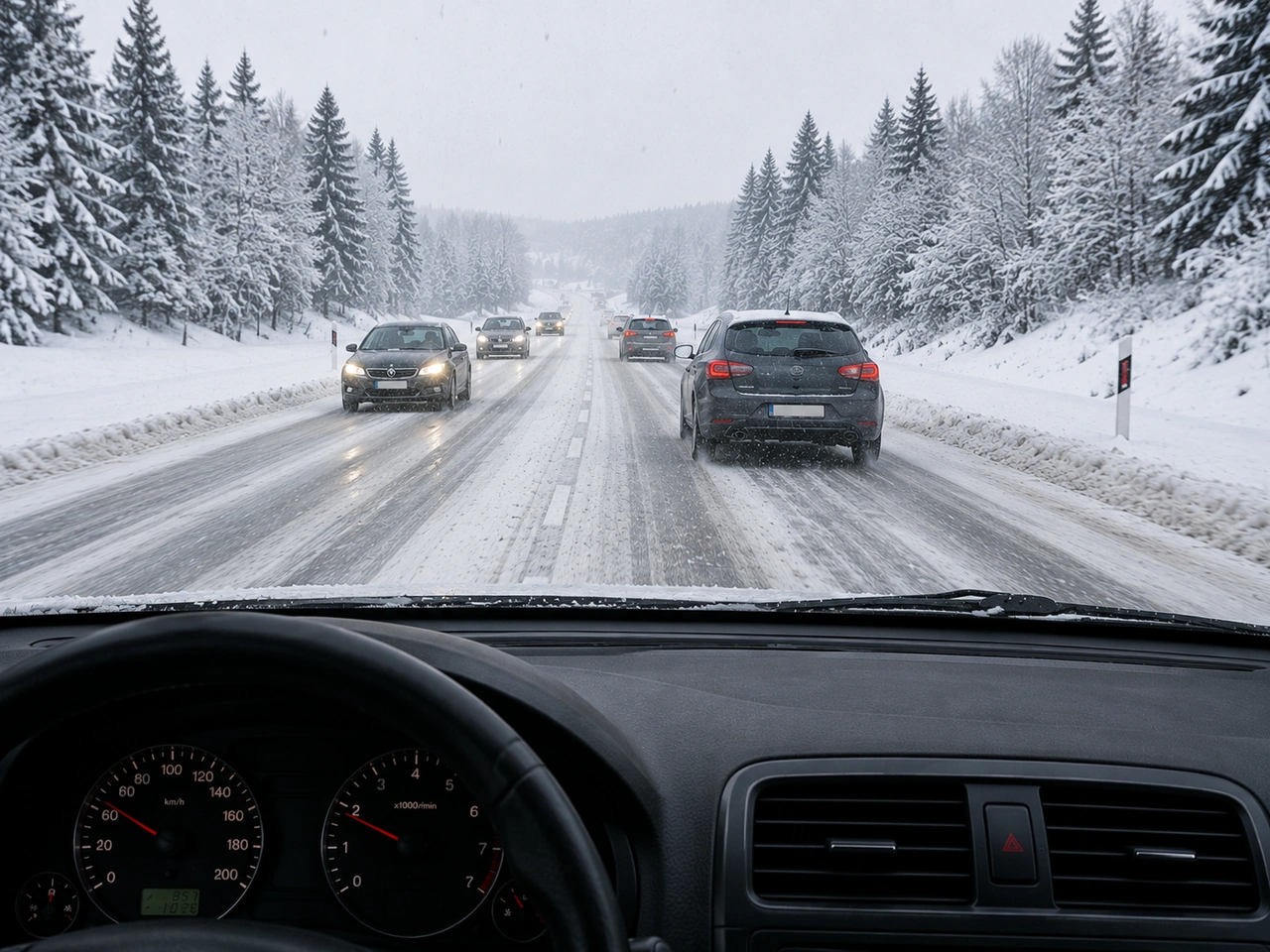
231. What should you do when the road is covered with snow or ice?
Snow and ice greatly reduce tyre grip. Lower speed, extra distance, and gentle steering, braking, and acceleration help maintain control.
AI-generated by Traffic-rules.com • WCIT • CC BY-SA
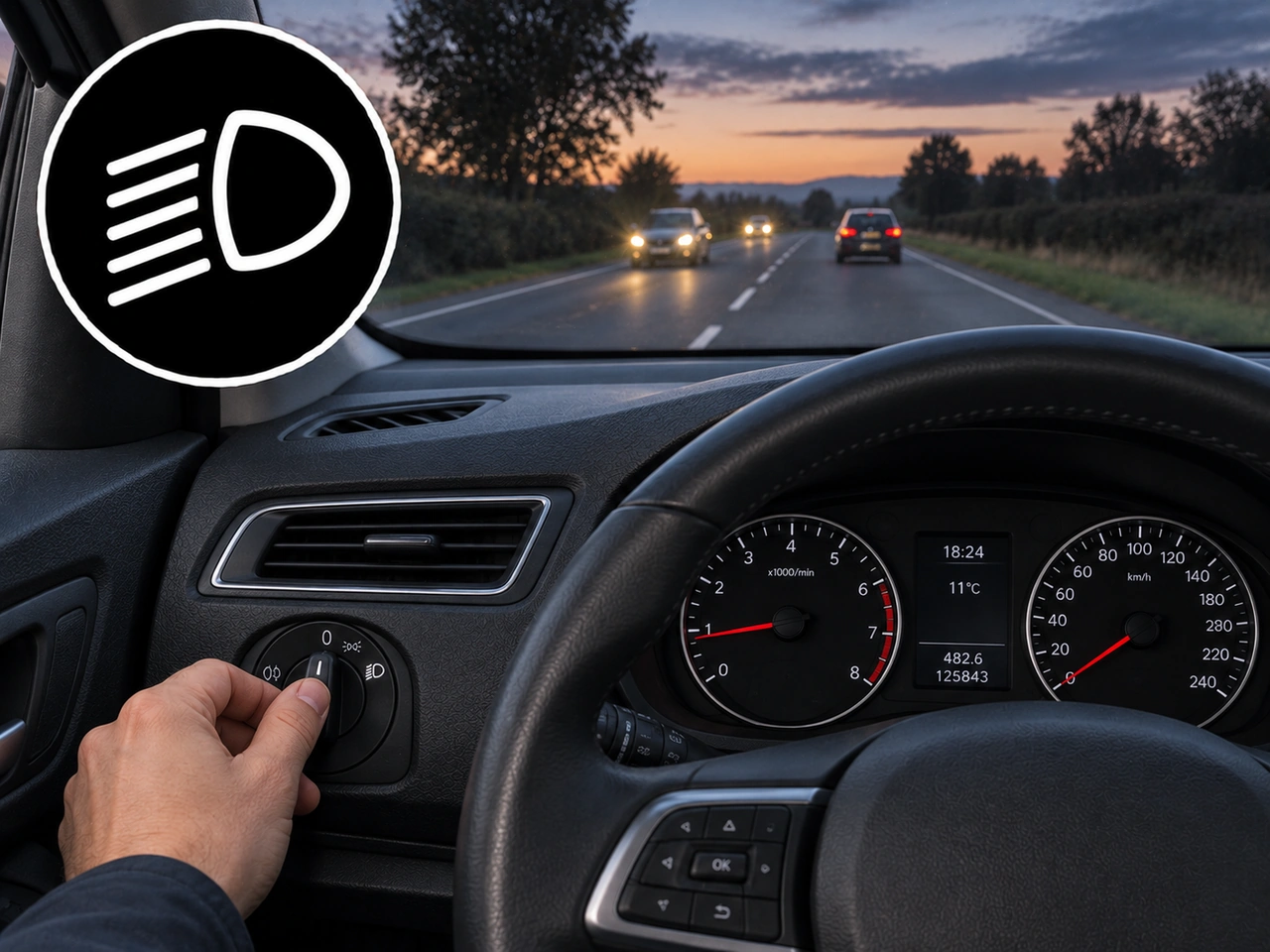
232. Which control is normally used to switch on the dipped headlights?
The lighting control is normally used to switch on the dipped headlights. Depending on the vehicle, it may be a rotary switch or part of a lighting stalk.
AI-generated by Traffic-rules.com • WCIT • CC BY-SA
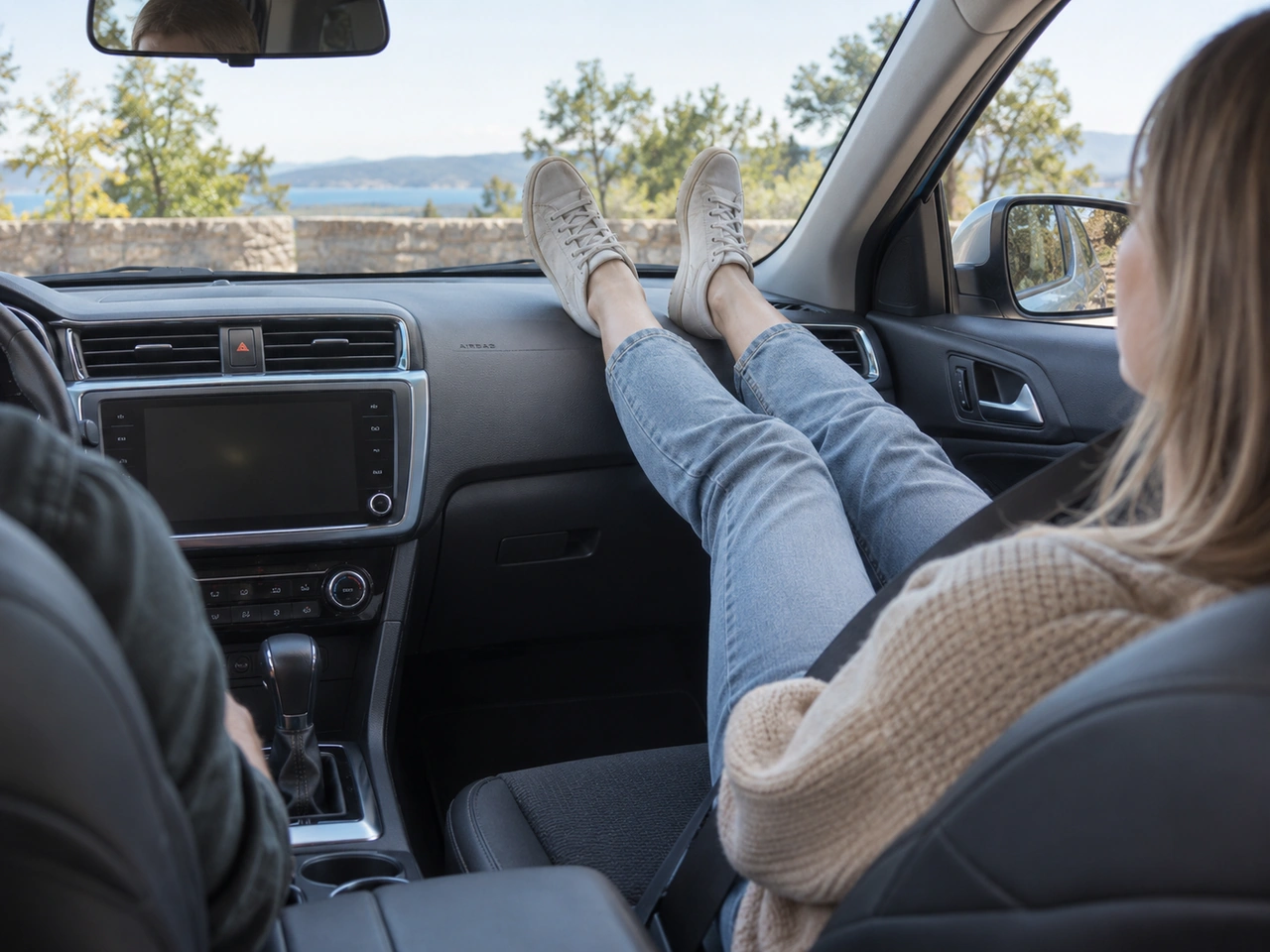
233. Why should a front passenger keep their feet off the dashboard?
A front airbag deploys very quickly and with considerable force. If a passenger has their feet or legs on the dashboard, airbag deployment can force their legs backwards and greatly increase the risk of serious injury. Passengers should sit normally with their feet in the footwell and wear their seat belts correctly. The driver should make sure everyone is seated and restrained safely before setting off.
AI-generated by Traffic-rules.com • WCIT • CC BY-SA
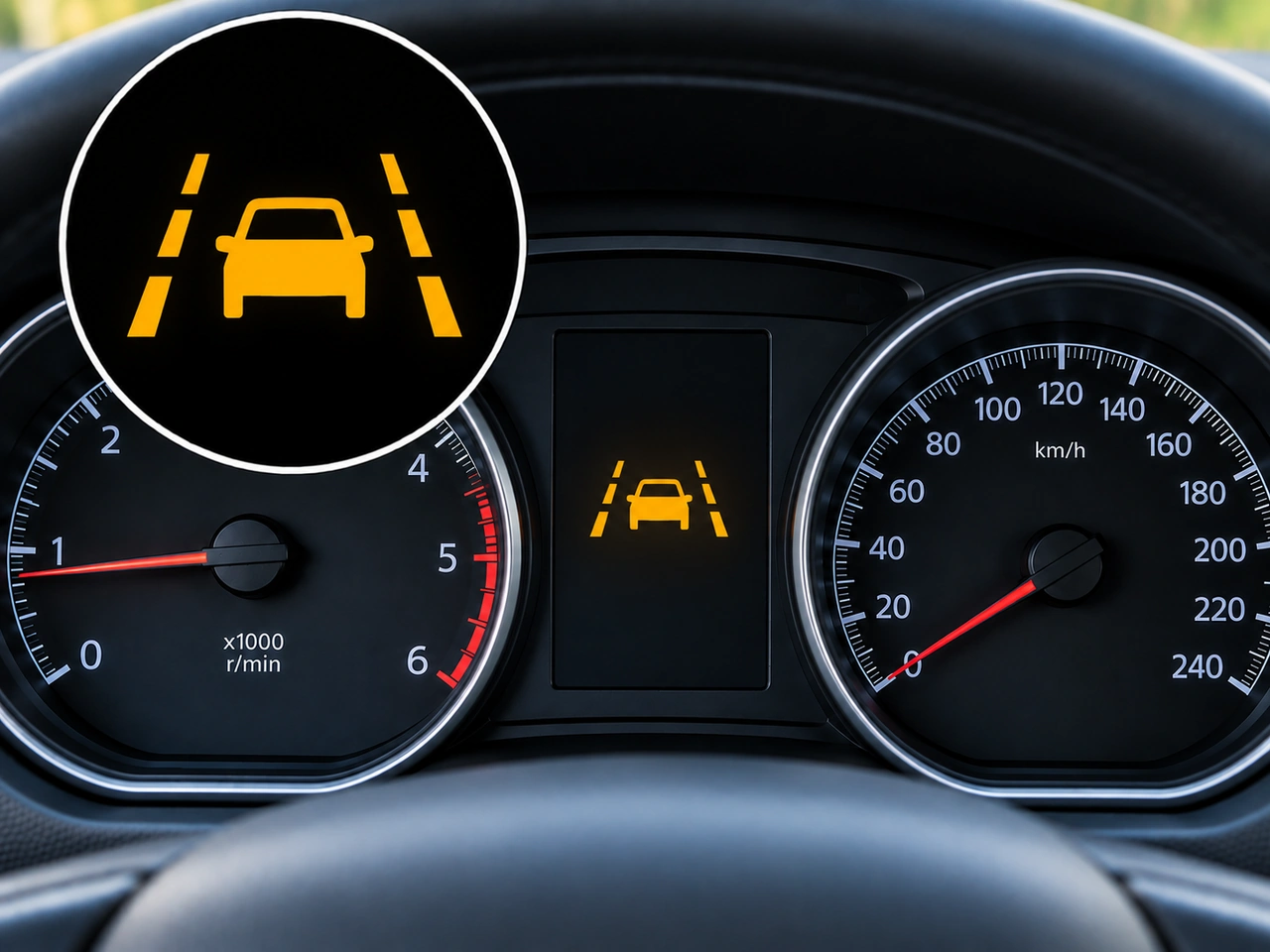
234. What does this dashboard symbol indicate?
This symbol relates to the lane-departure warning or lane-keeping system. The system monitors the vehicle's position within its lane and may warn the driver if the vehicle begins to leave the lane unintentionally.
AI-generated by Traffic-rules.com • WCIT • CC BY-SA
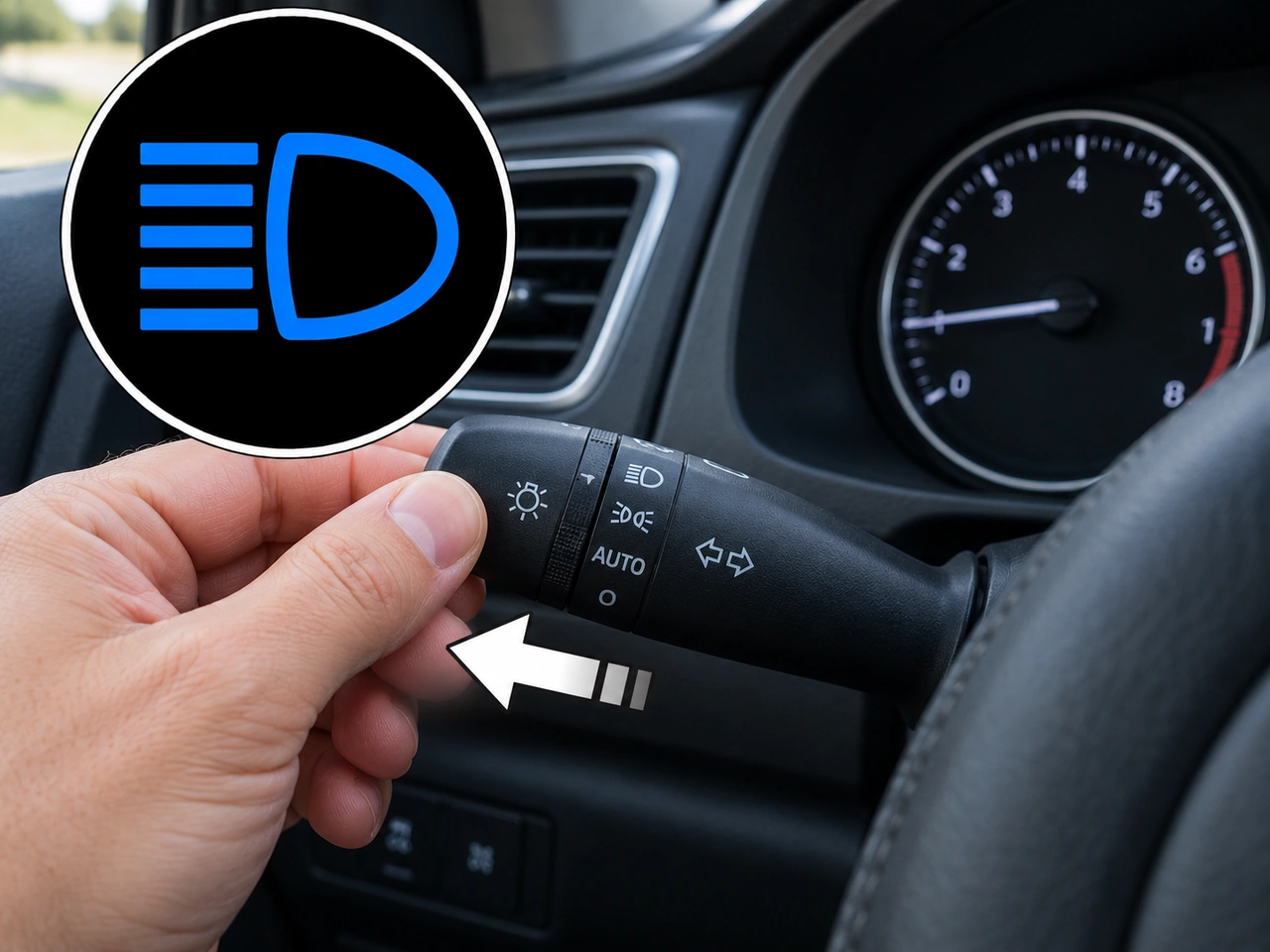
235. What does pulling the lighting stalk towards you normally do?
Pulling the lighting stalk towards you normally flashes the main-beam headlights. This briefly illuminates the main beam while the stalk is held or operated.
AI-generated by Traffic-rules.com • WCIT • CC BY-SA
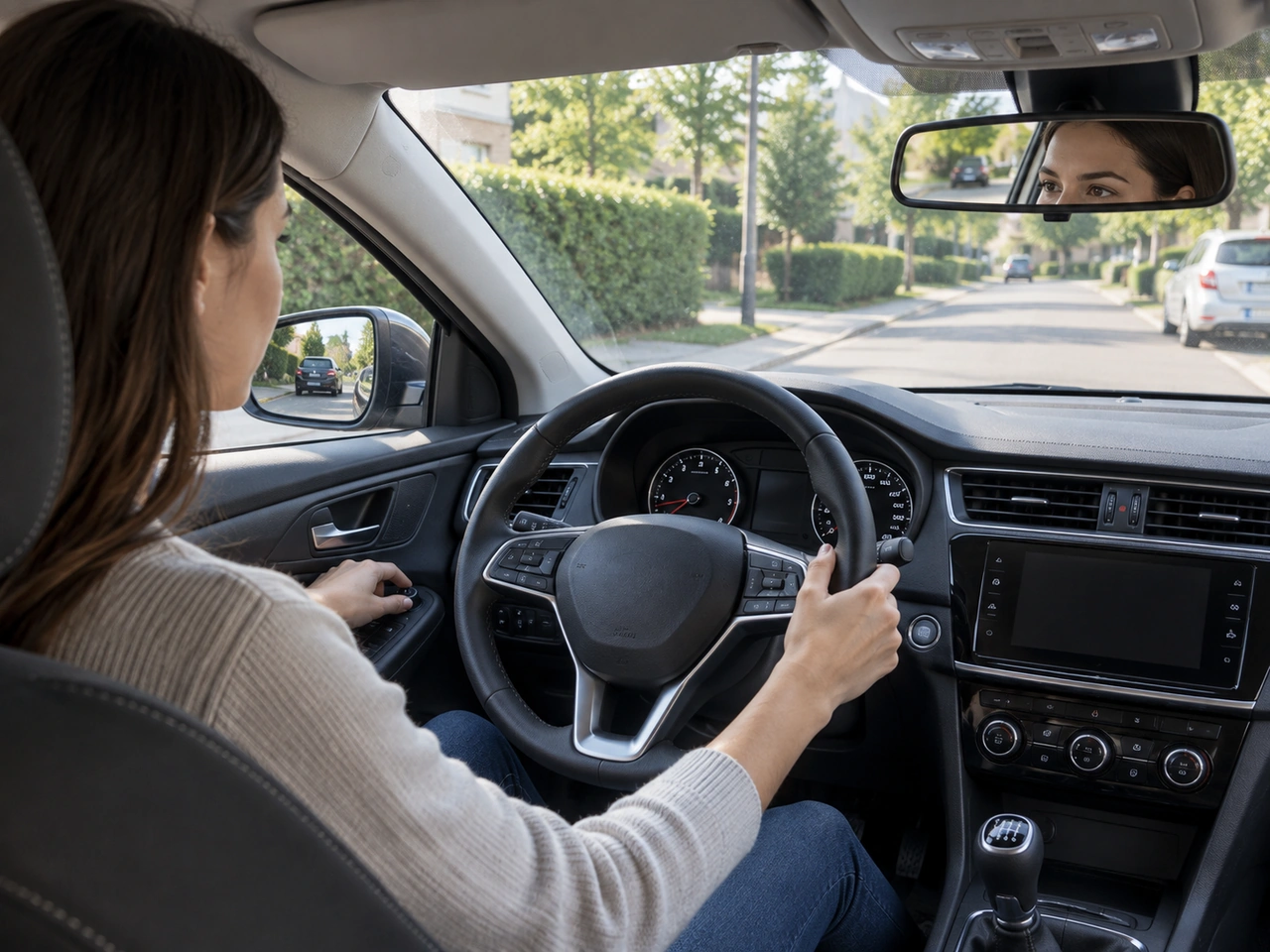
236. Why should you adjust the seat and mirrors correctly before driving?
A correct driving position helps you operate the pedals and steering comfortably and maintain proper control. Correctly adjusted mirrors improve your view around the vehicle and help reduce blind spots. Adjust both before starting your journey.
AI-generated by Traffic-rules.com • WCIT • CC BY-SA
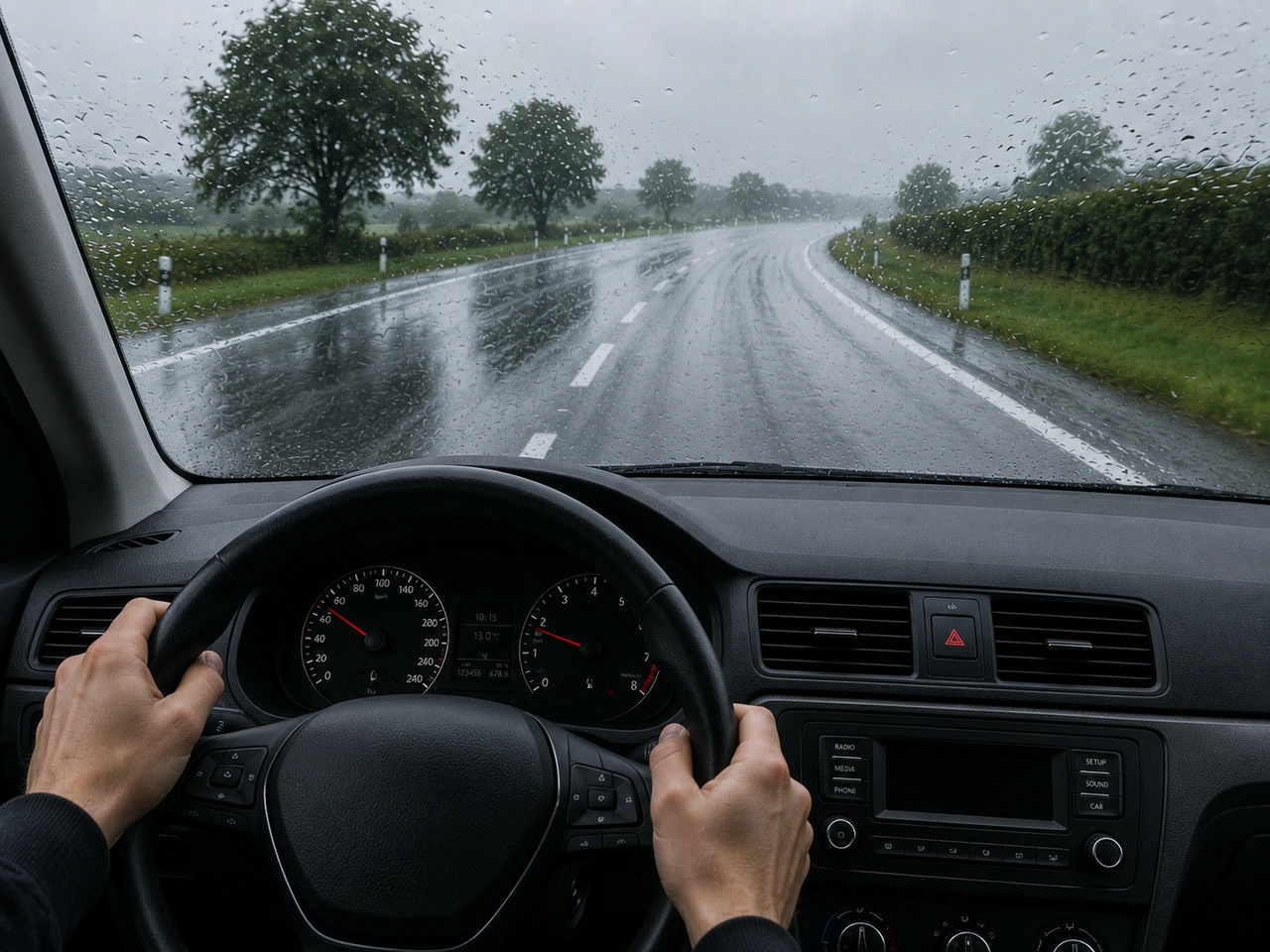
237. What should you do if your vehicle begins to aquaplane?
Aquaplaning happens when the tyres lose contact with the road surface. Ease off the accelerator, avoid sudden movements, and wait for grip to return.
AI-generated by Traffic-rules.com • WCIT • CC BY-SA
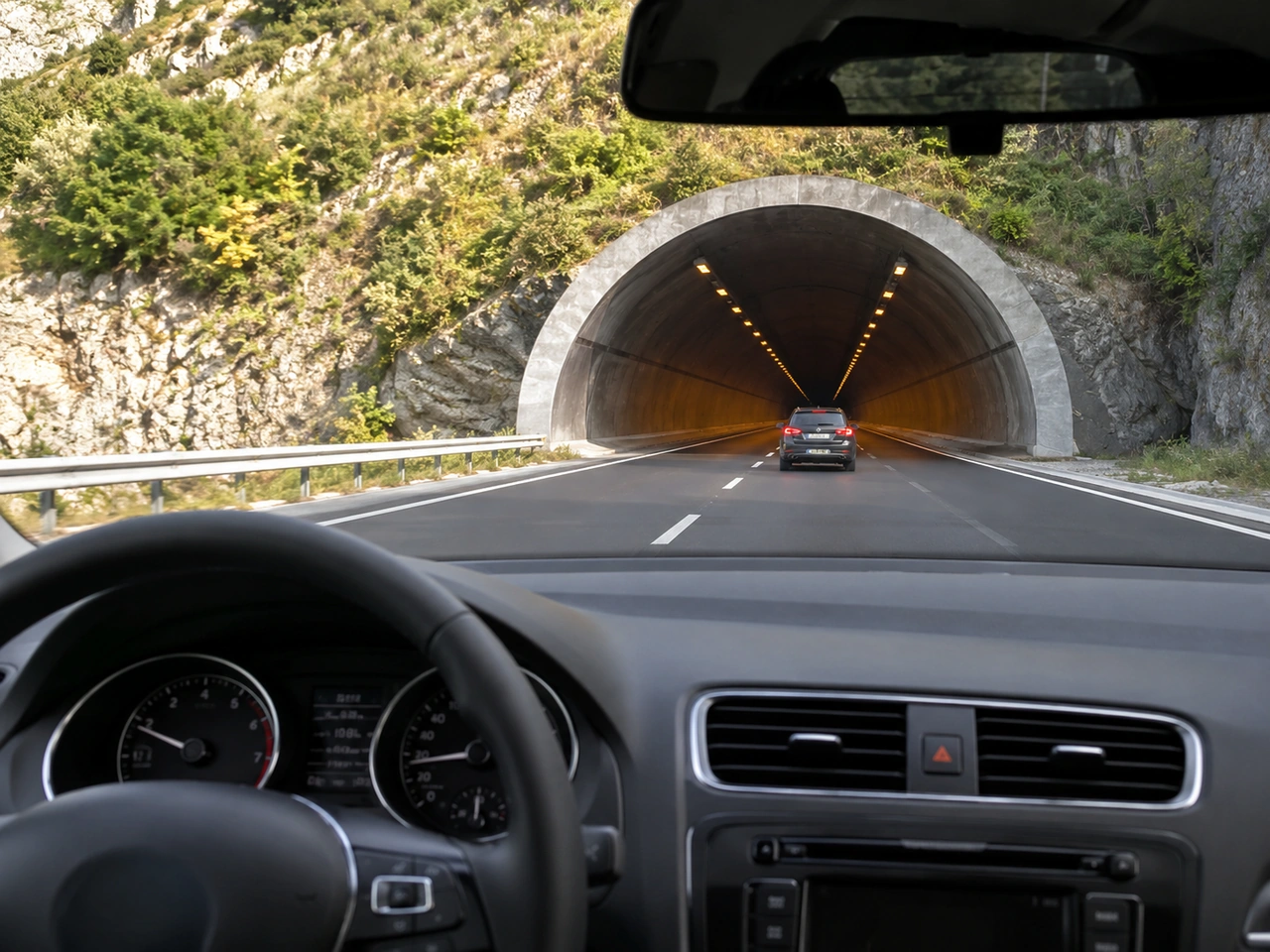
238. What should you do when approaching a tunnel?
When entering a tunnel, use the correct lights, keep enough distance, and stay alert for slower traffic.
AI-generated by Traffic-rules.com • WCIT • CC BY-SA
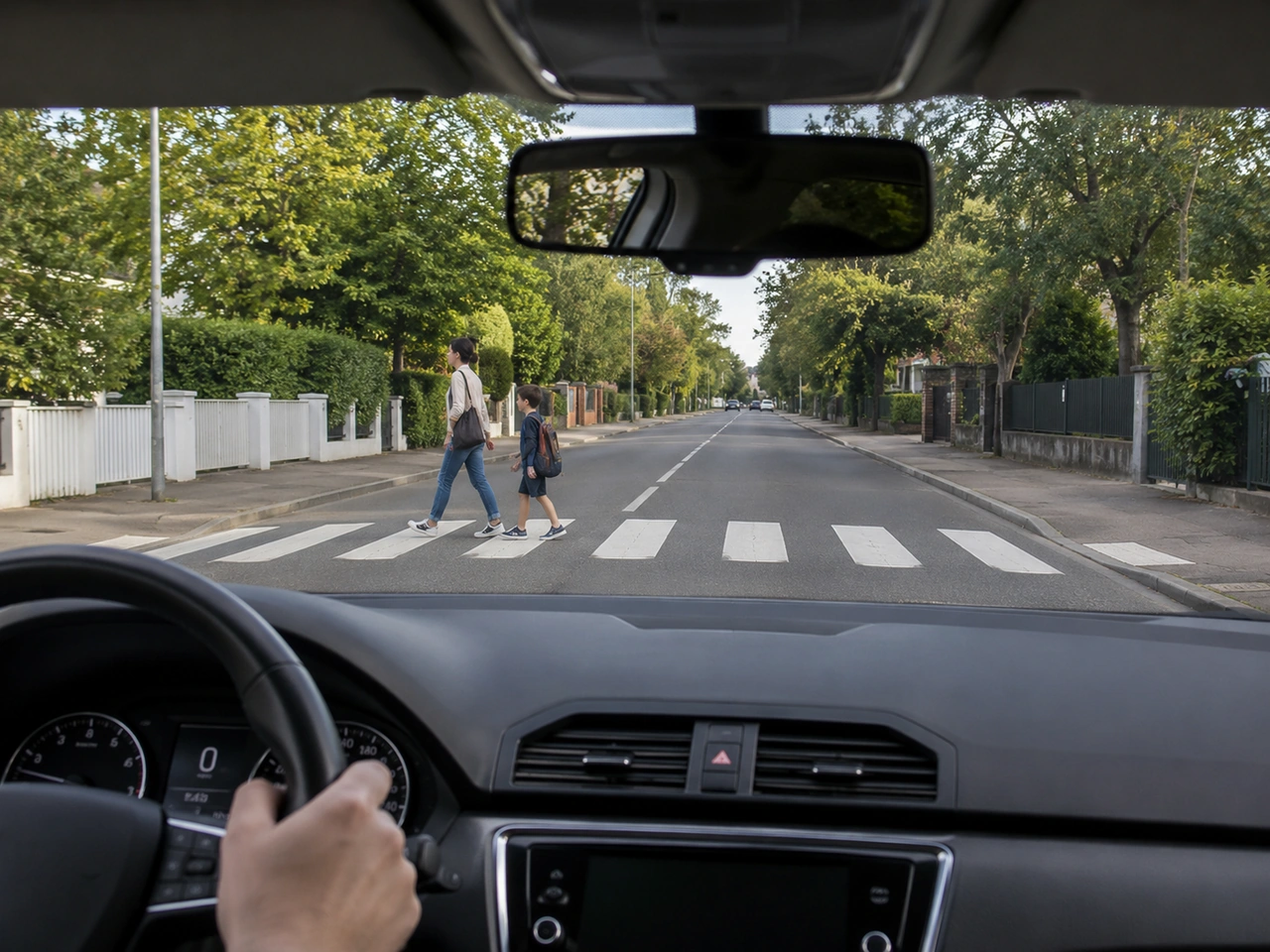
239. What is the purpose of a pedestrian crossing?
Pedestrian crossings provide a designated place where people can safely cross the road.
AI-generated by Traffic-rules.com • WCIT • CC BY-SA
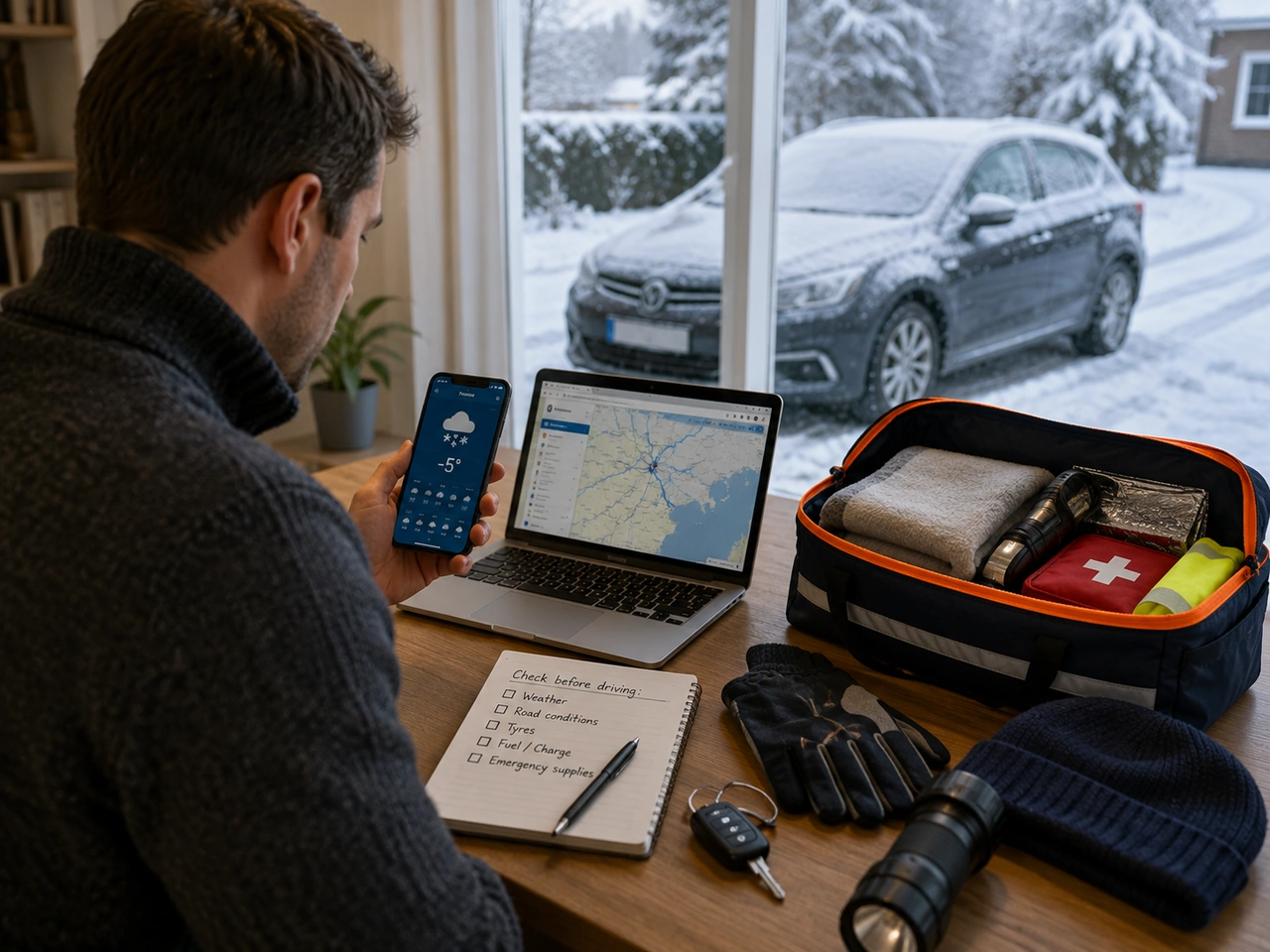
240. What should you check before beginning a journey in severe winter weather?
Check whether the journey is necessary and prepare for delays or changing conditions. Suitable tyres, sufficient fuel or charge, warm clothing, and basic emergency supplies may be important.
AI-generated by Traffic-rules.com • WCIT • CC BY-SA
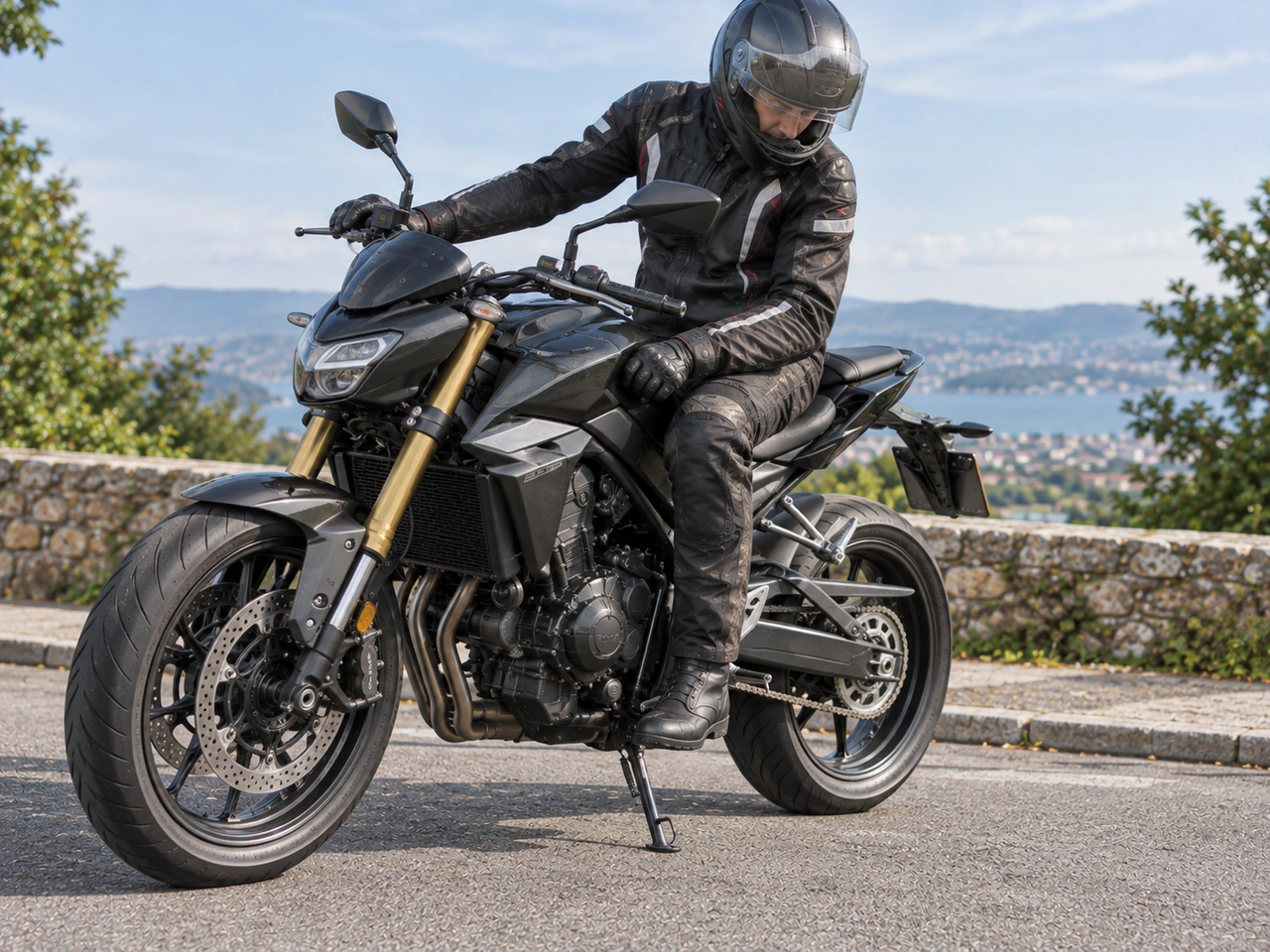
241. Should the side stand be fully raised before riding a motorcycle?
The side stand should be fully raised before riding. If it remains down, it may strike the road surface, particularly when turning, and could cause the rider to lose control.
AI-generated by Traffic-rules.com • WCIT • CC BY-SA
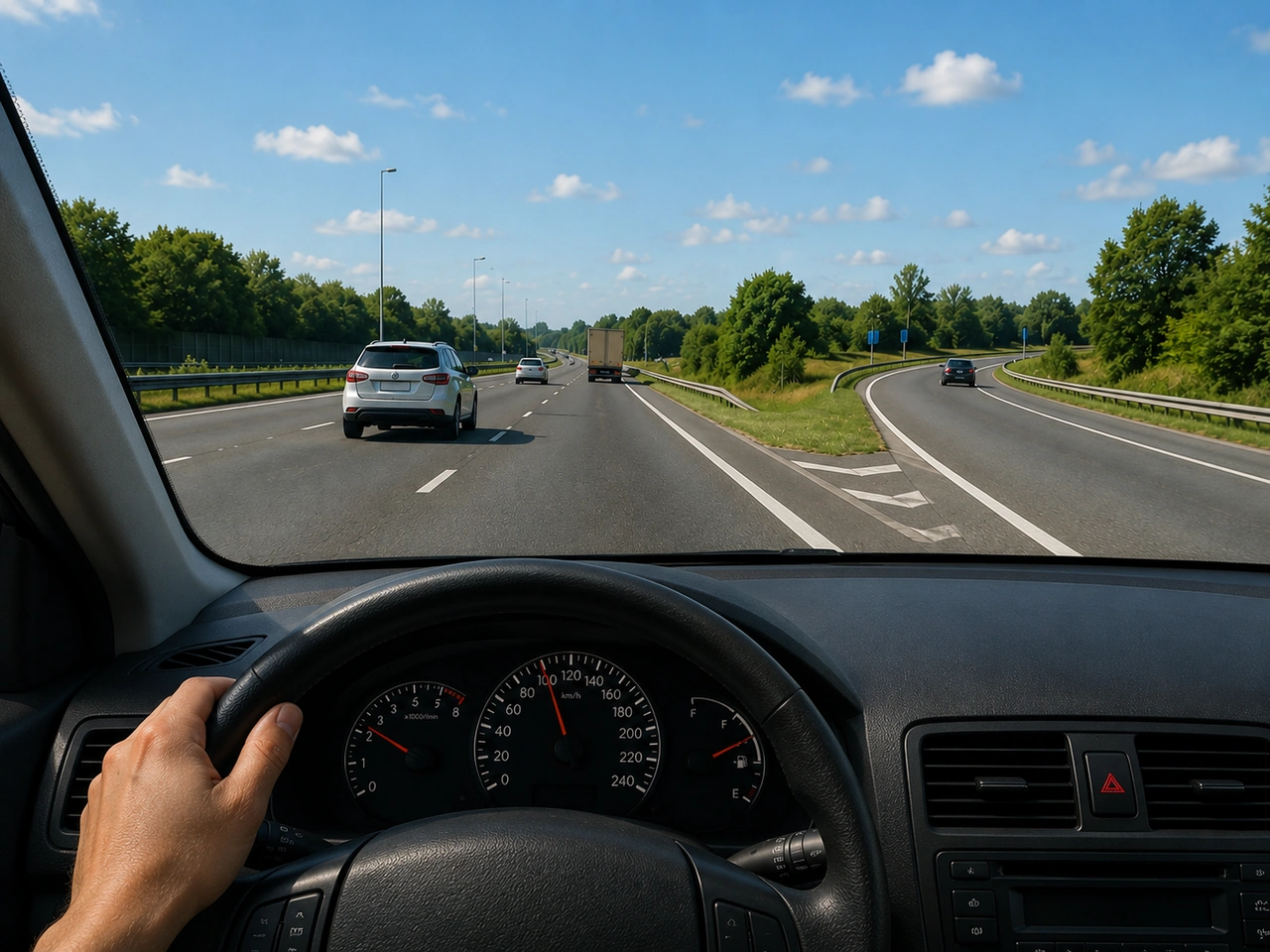
242. What should you do if you miss your motorway exit?
Never reverse or make a sudden manoeuvre. Continue safely and change your route at the next suitable exit.
AI-generated by Traffic-rules.com • WCIT • CC BY-SA
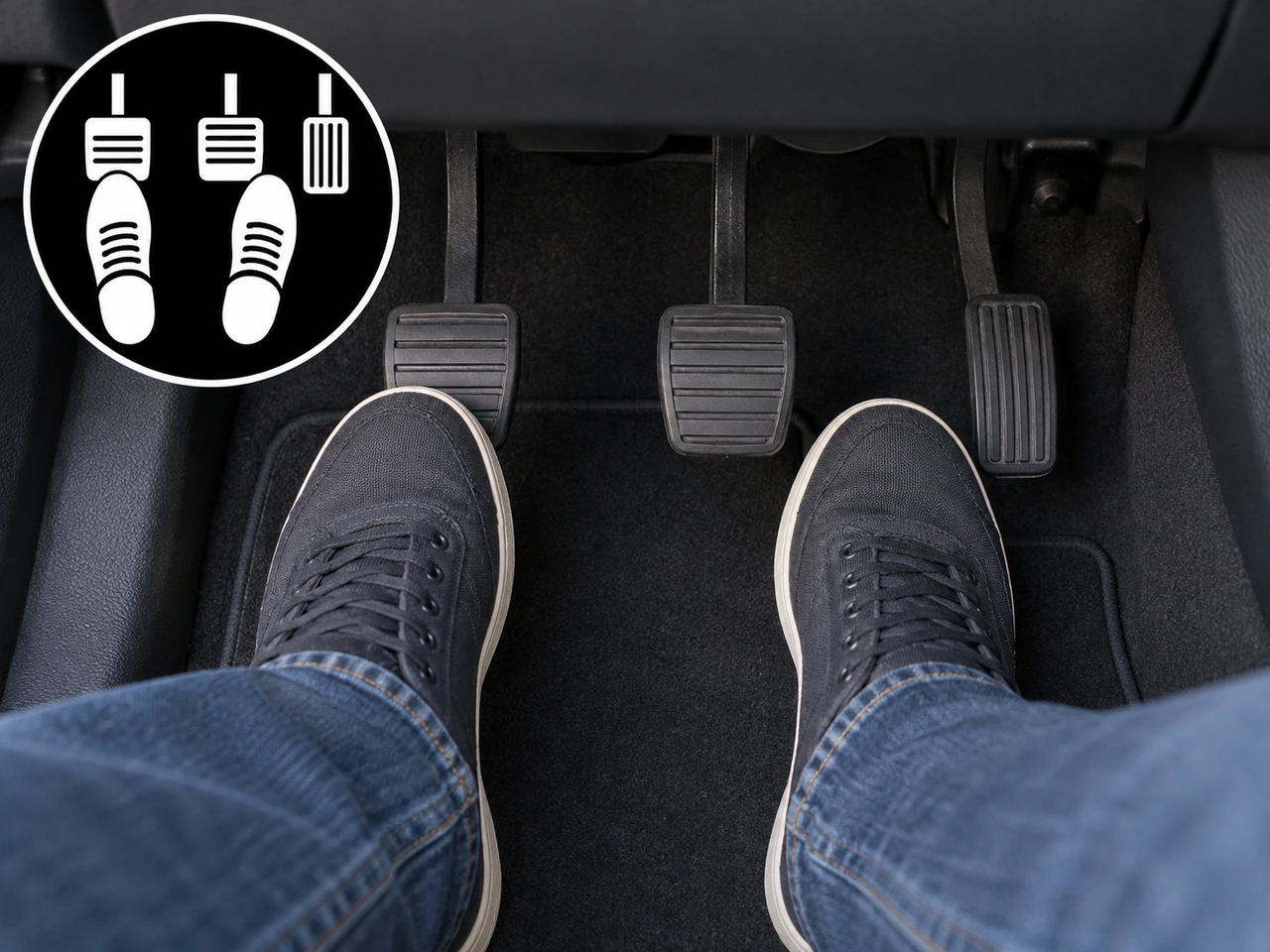
243. Which foot normally operates the brake and accelerator in a manual vehicle?
In a manual vehicle, the right foot normally operates both the brake and accelerator pedals, while the left foot operates the clutch.
AI-generated by Traffic-rules.com • WCIT • CC BY-SA
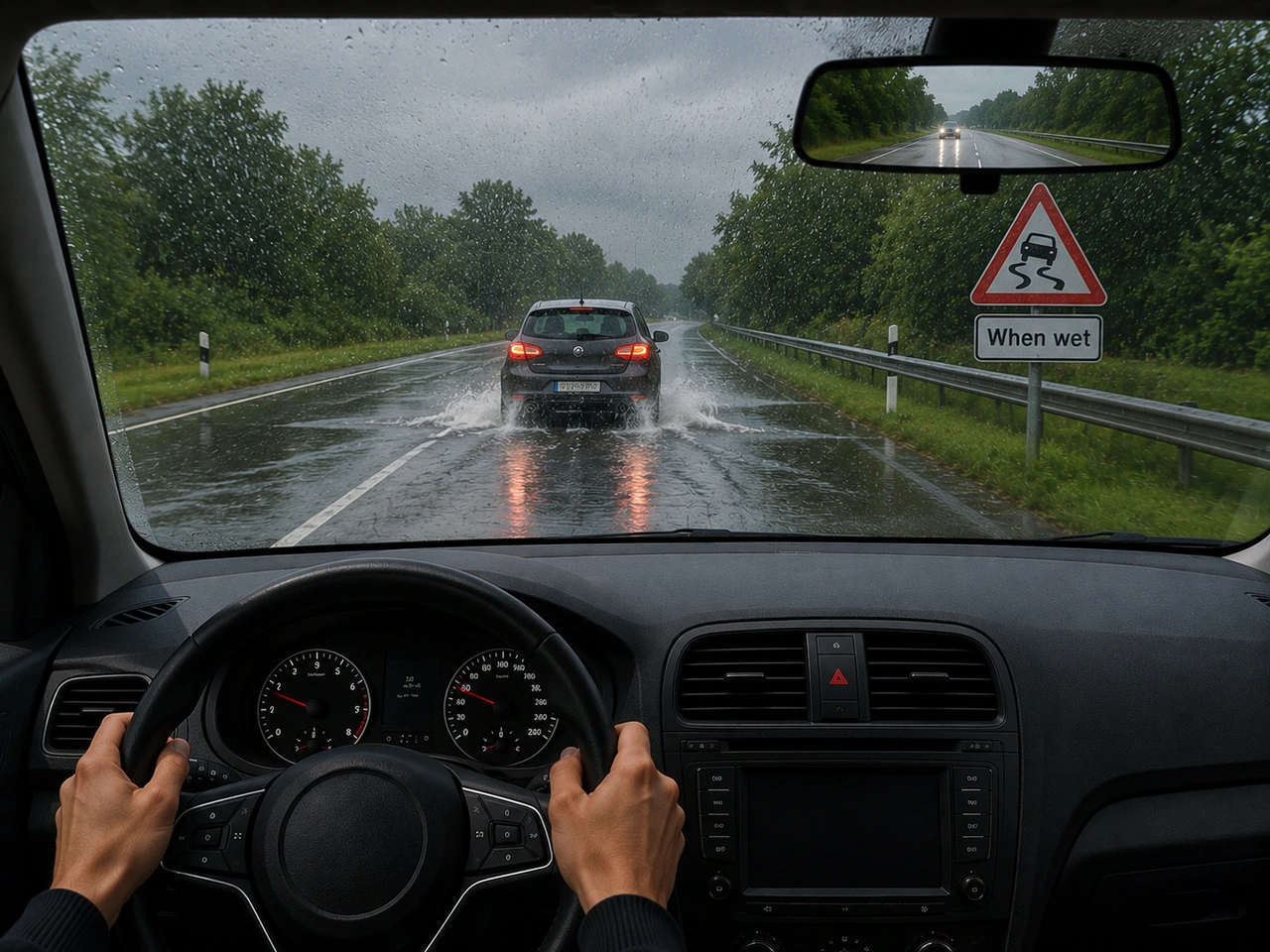
244. What should you do if your brakes feel less effective after driving through water?
Water can reduce braking performance. After driving through water, check the brakes gently when it is safe to do so.
AI-generated by Traffic-rules.com • WCIT • CC BY-SA
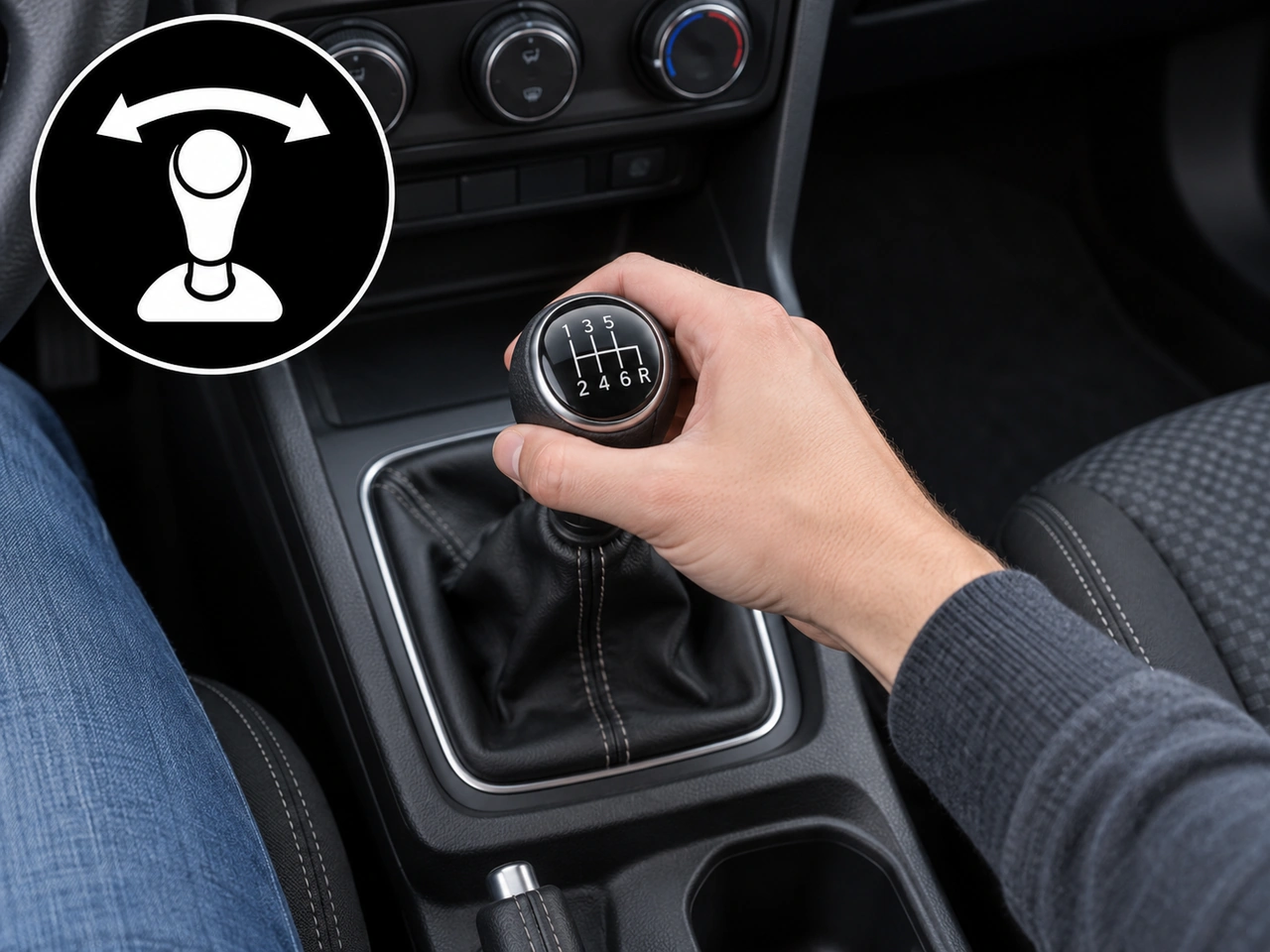
245. How can you check that a manual gearbox is in neutral?
When a manual gearbox is in neutral, the gear lever can normally be moved freely from side to side across the centre of the gear pattern. Check that neutral is selected before starting the engine when appropriate.
AI-generated by Traffic-rules.com • WCIT • CC BY-SA
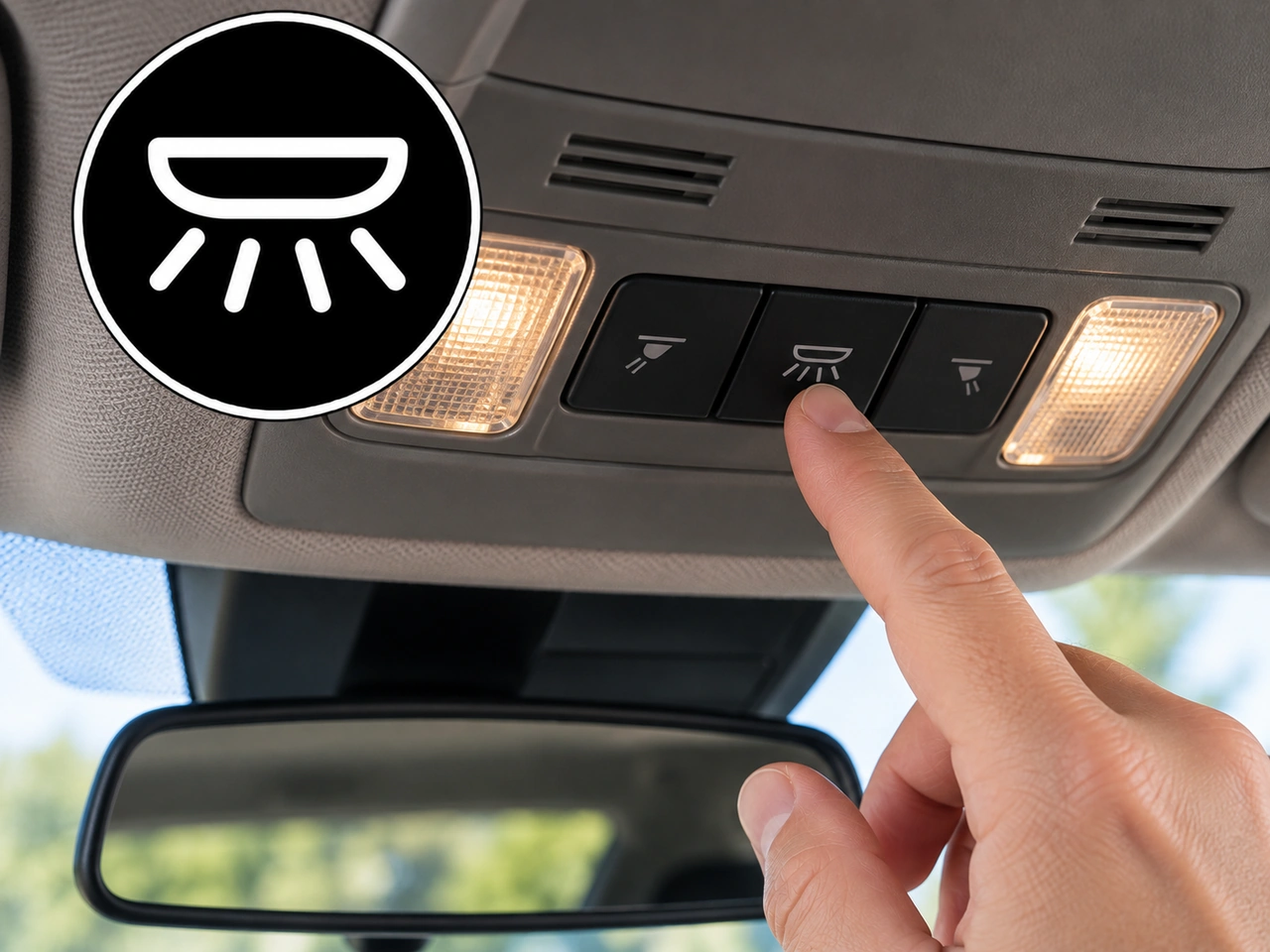
246. What does this vehicle-control symbol indicate?
This control operates the vehicle's interior lighting. Depending on the vehicle, the lights can be switched on manually or set to illuminate automatically when a door is opened.
AI-generated by Traffic-rules.com • WCIT • CC BY-SA
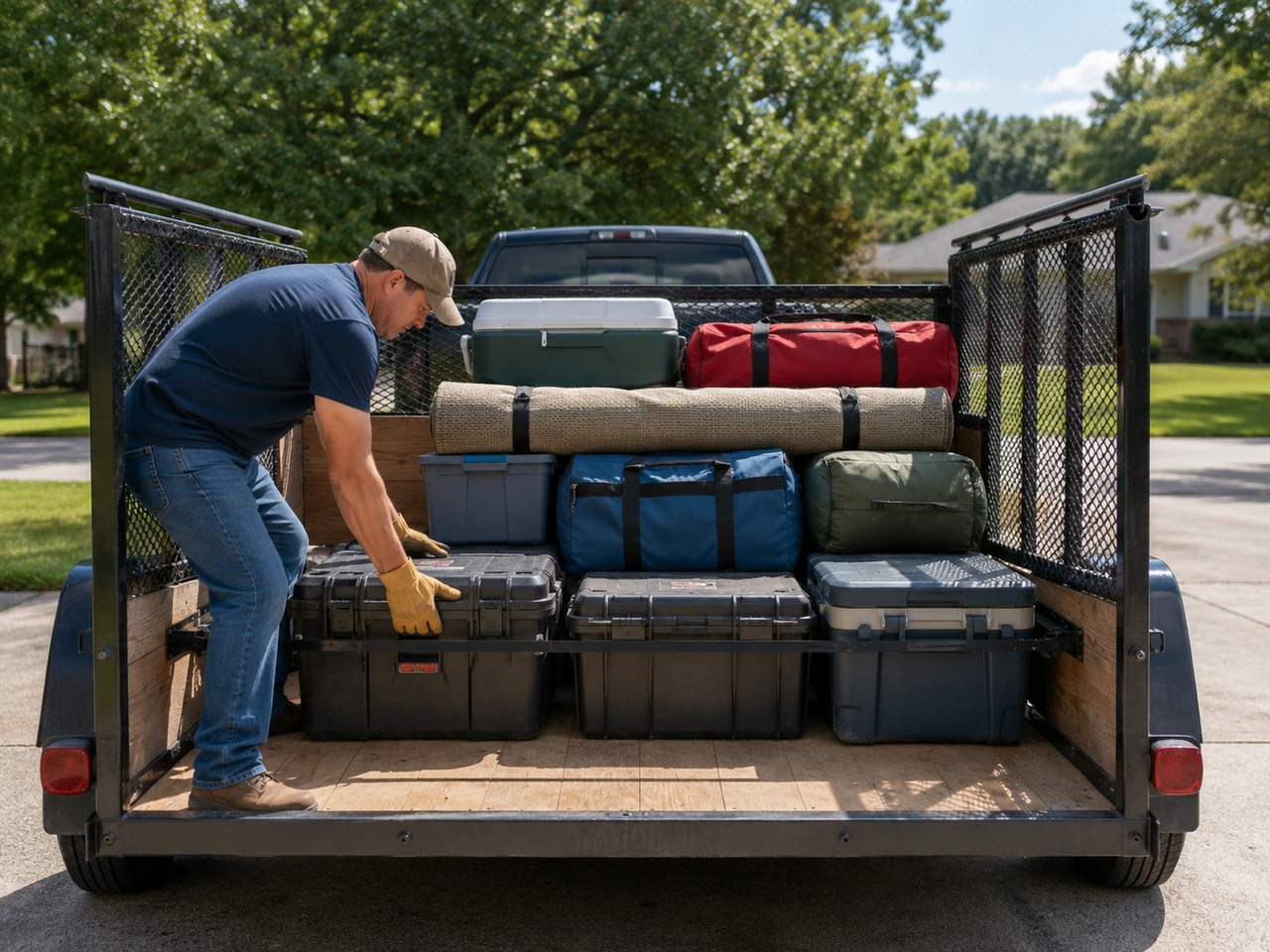
247. Why should heavy items be placed low and evenly distributed?
A high or uneven load can make the vehicle unstable, especially during braking, cornering, or sudden steering.
AI-generated by Traffic-rules.com • WCIT • CC BY-SA
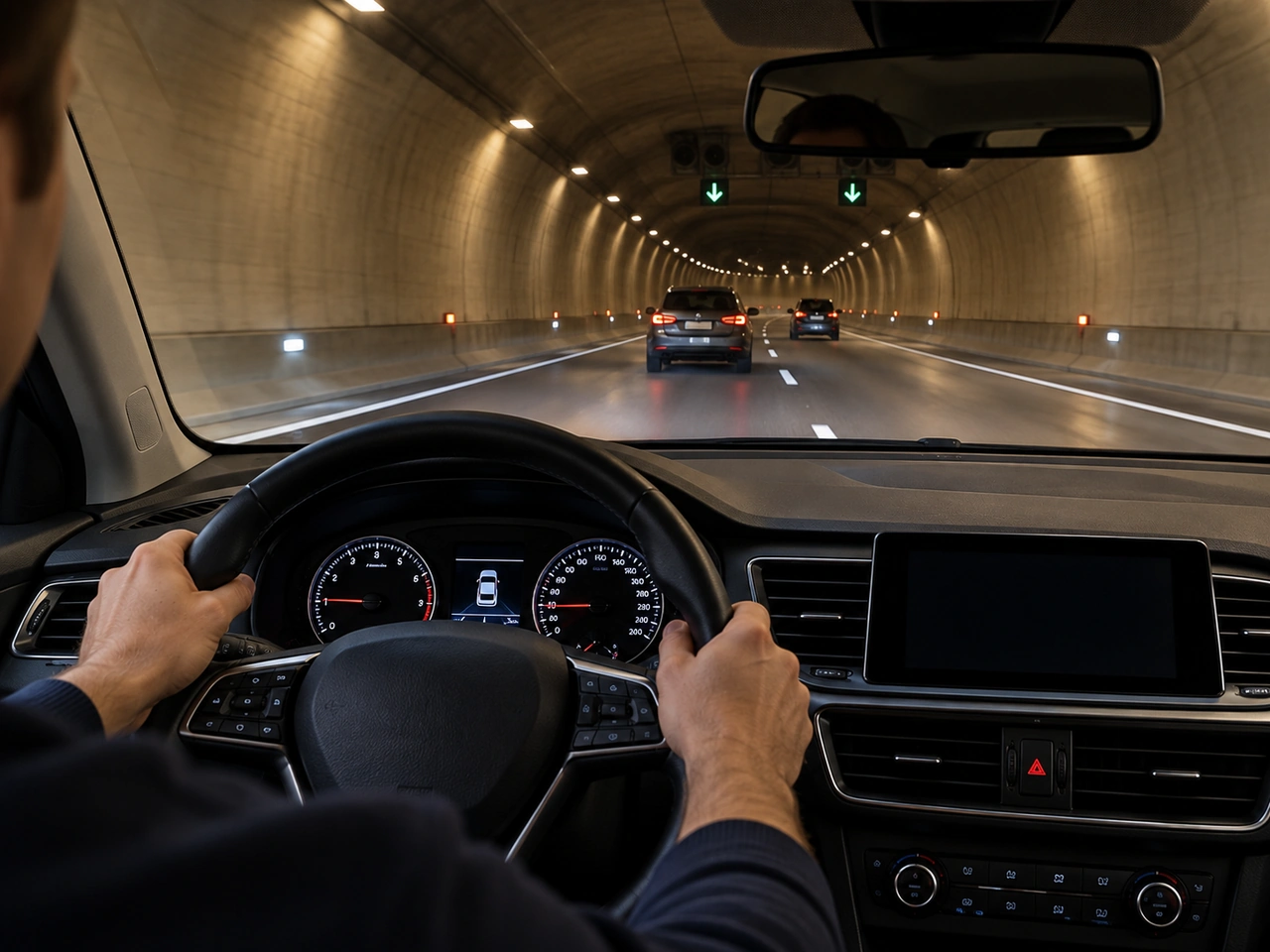
248. Must cars use dipped headlights solely because they enter a tunnel in Spain?
Drivers in Spain are generally required to use dipped headlights when driving through tunnels.
AI-generated by Traffic-rules.com • WCIT • CC BY-SA
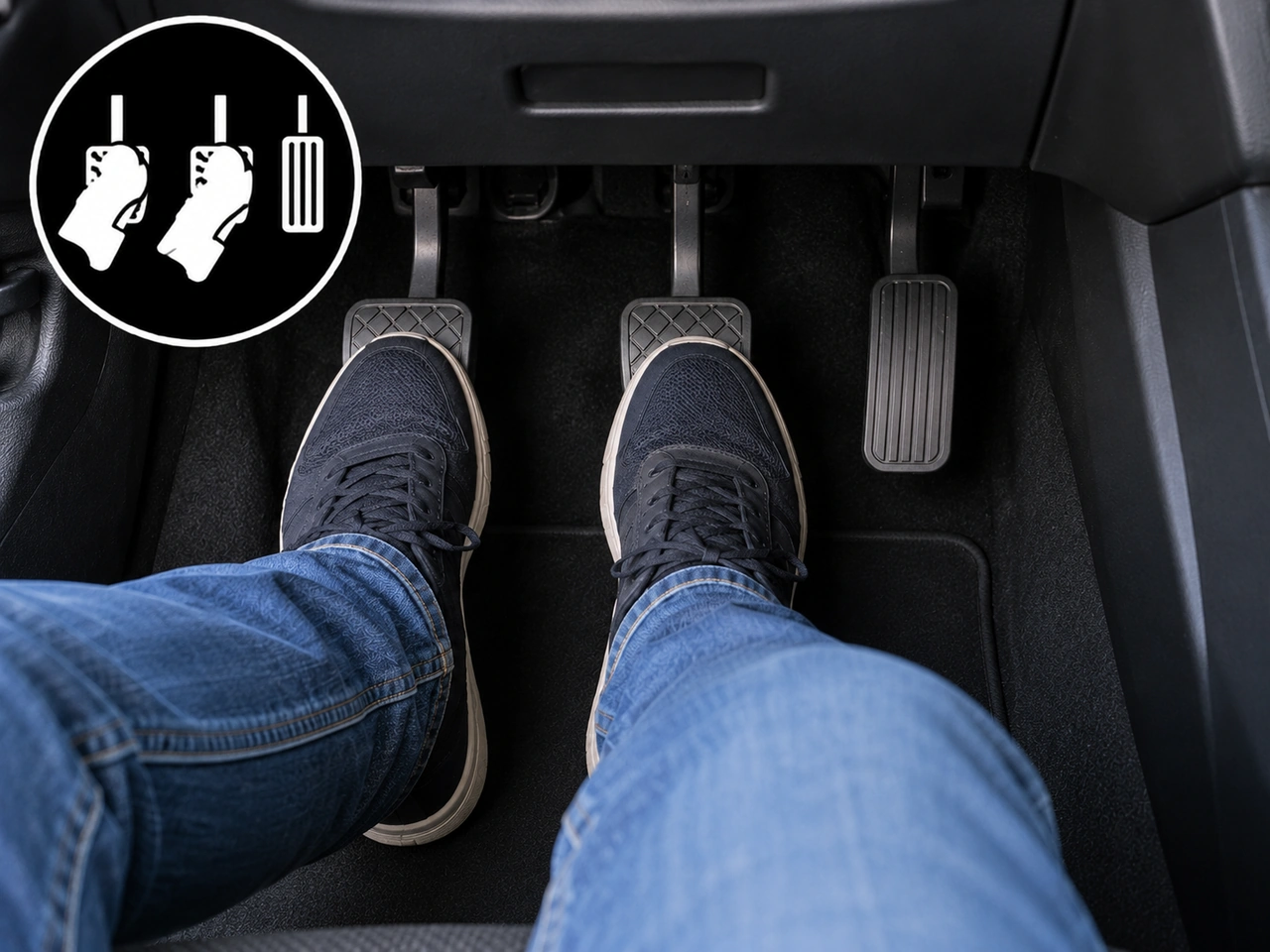
249. What should you do with the clutch when bringing a manual vehicle to a stop?
When stopping a manual vehicle, brake normally and press the clutch pedal before the engine speed becomes too low and the engine stalls. Avoid pressing the clutch unnecessarily early, as this reduces engine braking.
AI-generated by Traffic-rules.com • WCIT • CC BY-SA
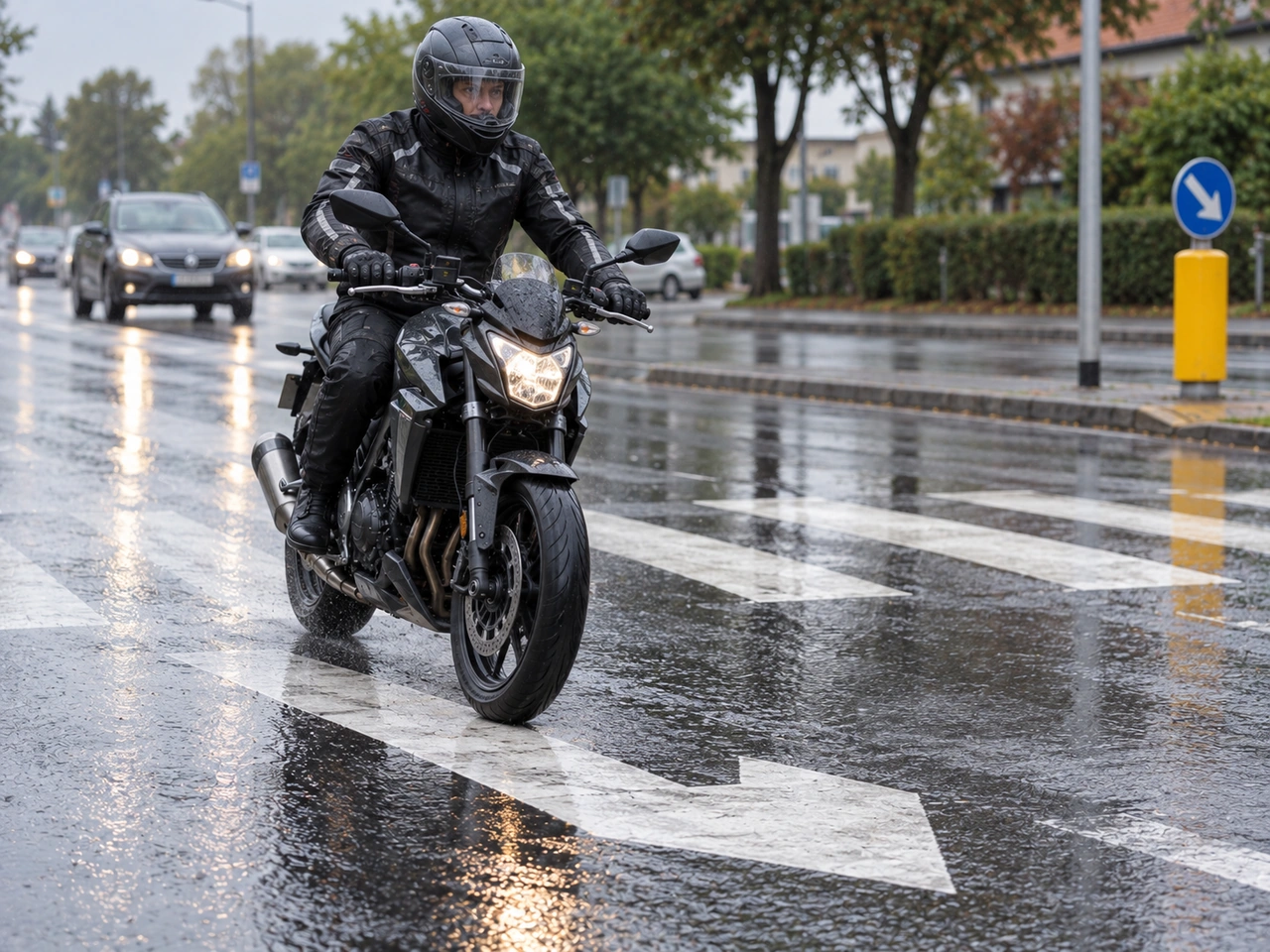
250. Why should motorcyclists take extra care on wet road markings?
Wet painted road markings can provide less grip than the surrounding road surface. Ride smoothly over them and avoid sudden braking, acceleration or steering that could cause the tyres to lose grip.
AI-generated by Traffic-rules.com • WCIT • CC BY-SA