


QuizTraffic rulesFinland
This interesting quiz helps you test your knowledge in a clear and visual way. With easy multiple-choice questions, you can quickly build confidence and learn new facts while keeping it simple, interactive, and fun.
 Traffic signs
 Traffic rules
 Finland
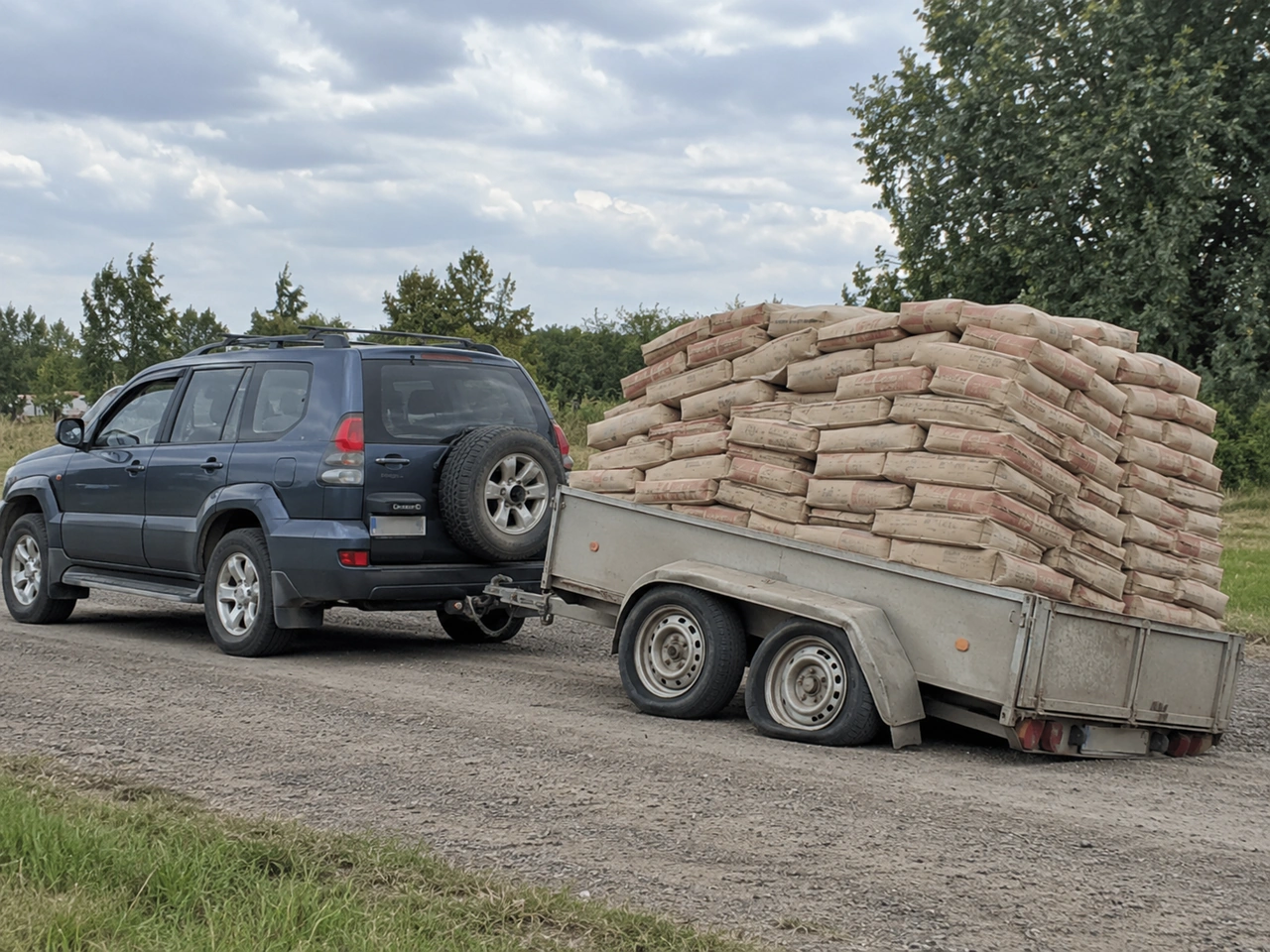
401. Why should you avoid overloading a trailer?
Overloading can affect braking, steering, tyres, suspension, and trailer stability. Always remain within permitted limits. After loading, check that the load is secure and correctly distributed before starting your journey.
AI-generated by Traffic-rules.com • WCIT • CC BY-SA

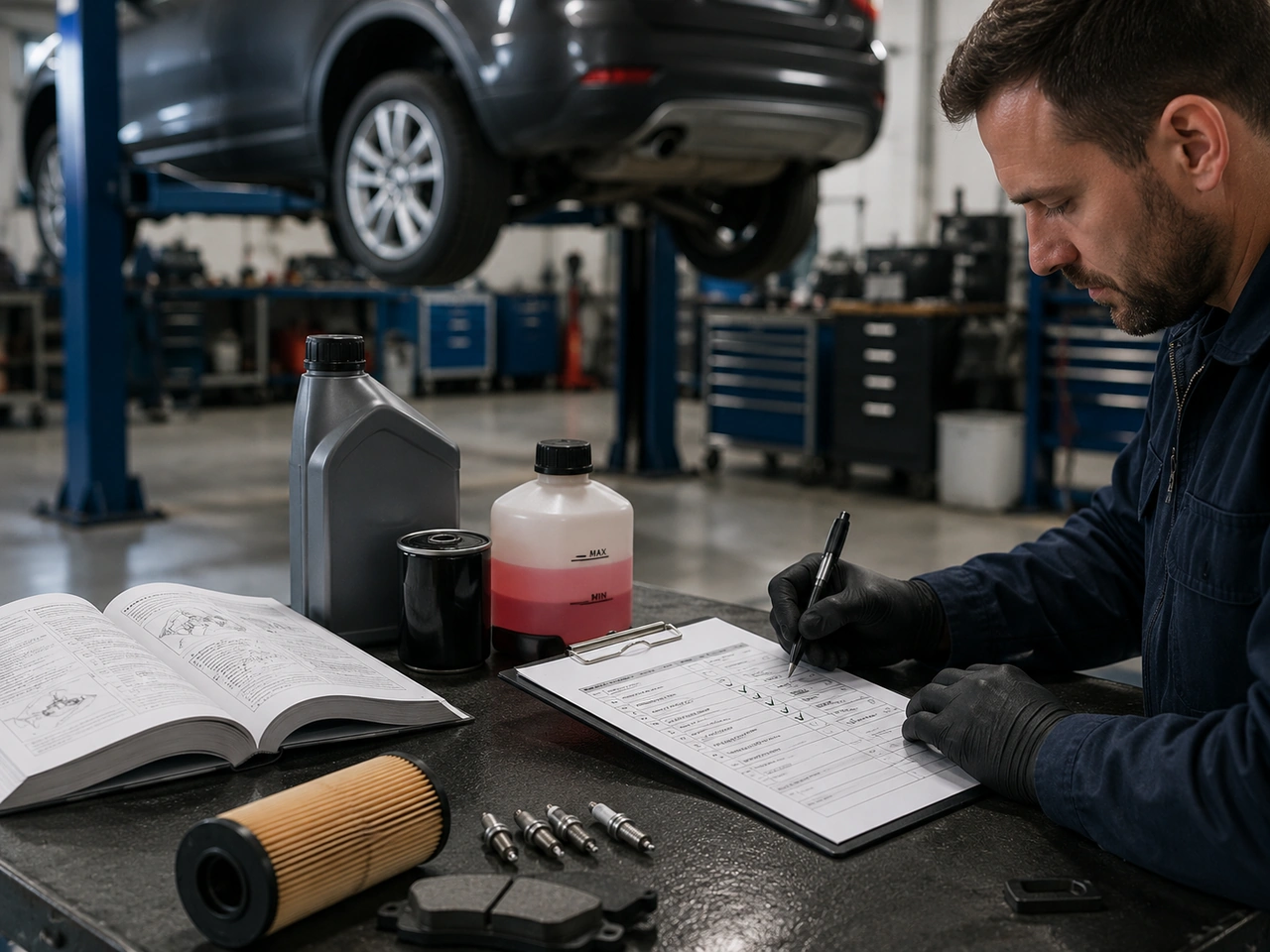
402. Why should you follow the manufacturer's service schedule?
Scheduled servicing helps ensure that brakes, tyres, fluids, filters, steering, suspension, and other important systems are checked and maintained before faults become more serious.
AI-generated by Traffic-rules.com • WCIT • CC BY-SA
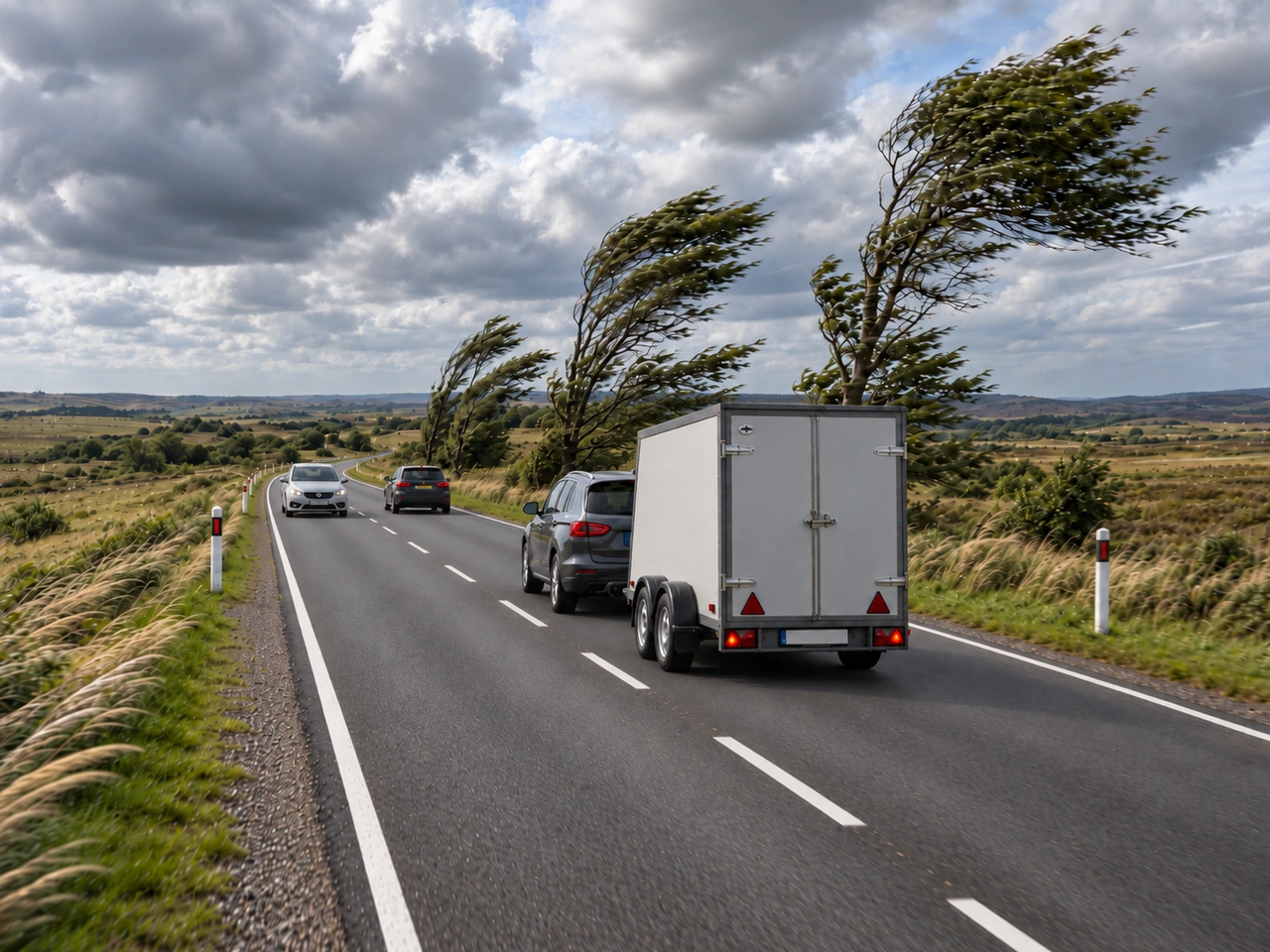
403. How can strong crosswinds affect a vehicle towing a trailer?
Trailers have large side surfaces and may be affected strongly by wind, especially on bridges and exposed roads.
AI-generated by Traffic-rules.com • WCIT • CC BY-SA
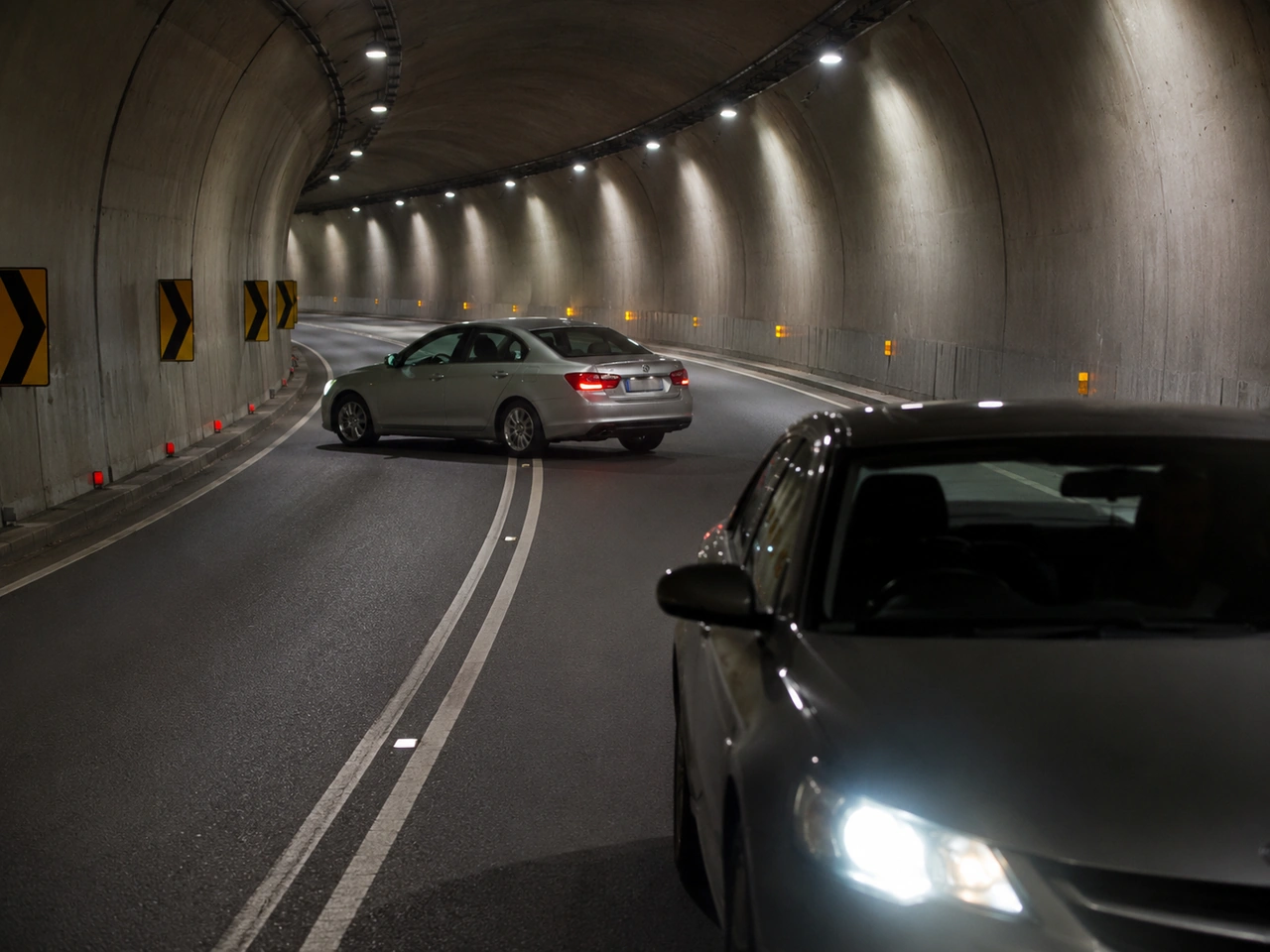
404. Why should you never reverse or make a U-turn inside a tunnel unless directed?
Other drivers may not expect a vehicle to reverse or turn around. Only change direction when instructed by police or tunnel staff.
AI-generated by Traffic-rules.com • WCIT • CC BY-SA
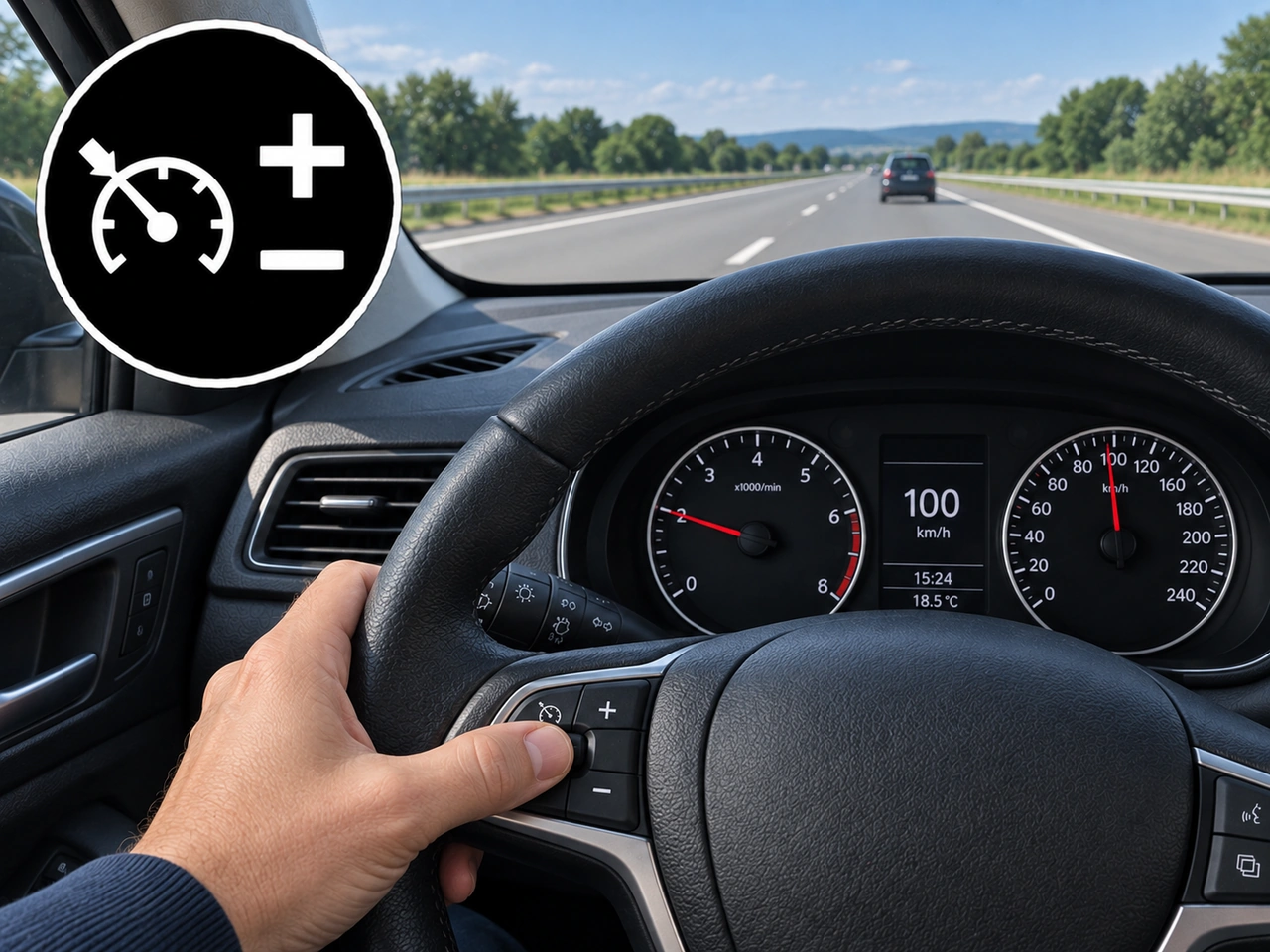
405. What do the + and − controls of cruise control normally do?
When cruise control is active, the + and − controls normally increase or decrease the selected cruising speed. The amount of each adjustment can vary between vehicles.
AI-generated by Traffic-rules.com • WCIT • CC BY-SA
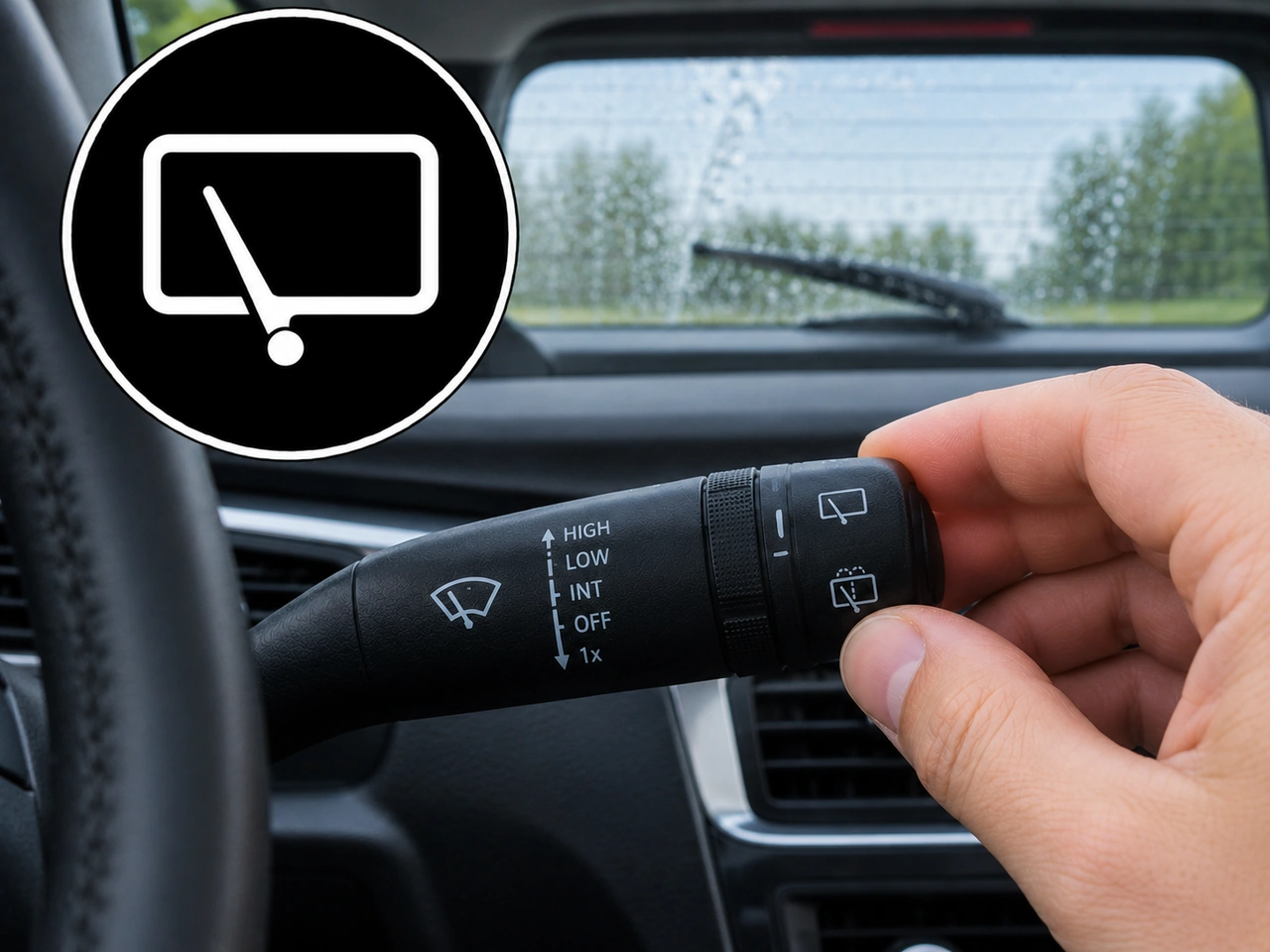
406. What does this vehicle-control symbol indicate?
This symbol controls the rear window wiper. Depending on the vehicle, the same control may also operate the rear-window washer.
AI-generated by Traffic-rules.com • WCIT • CC BY-SA
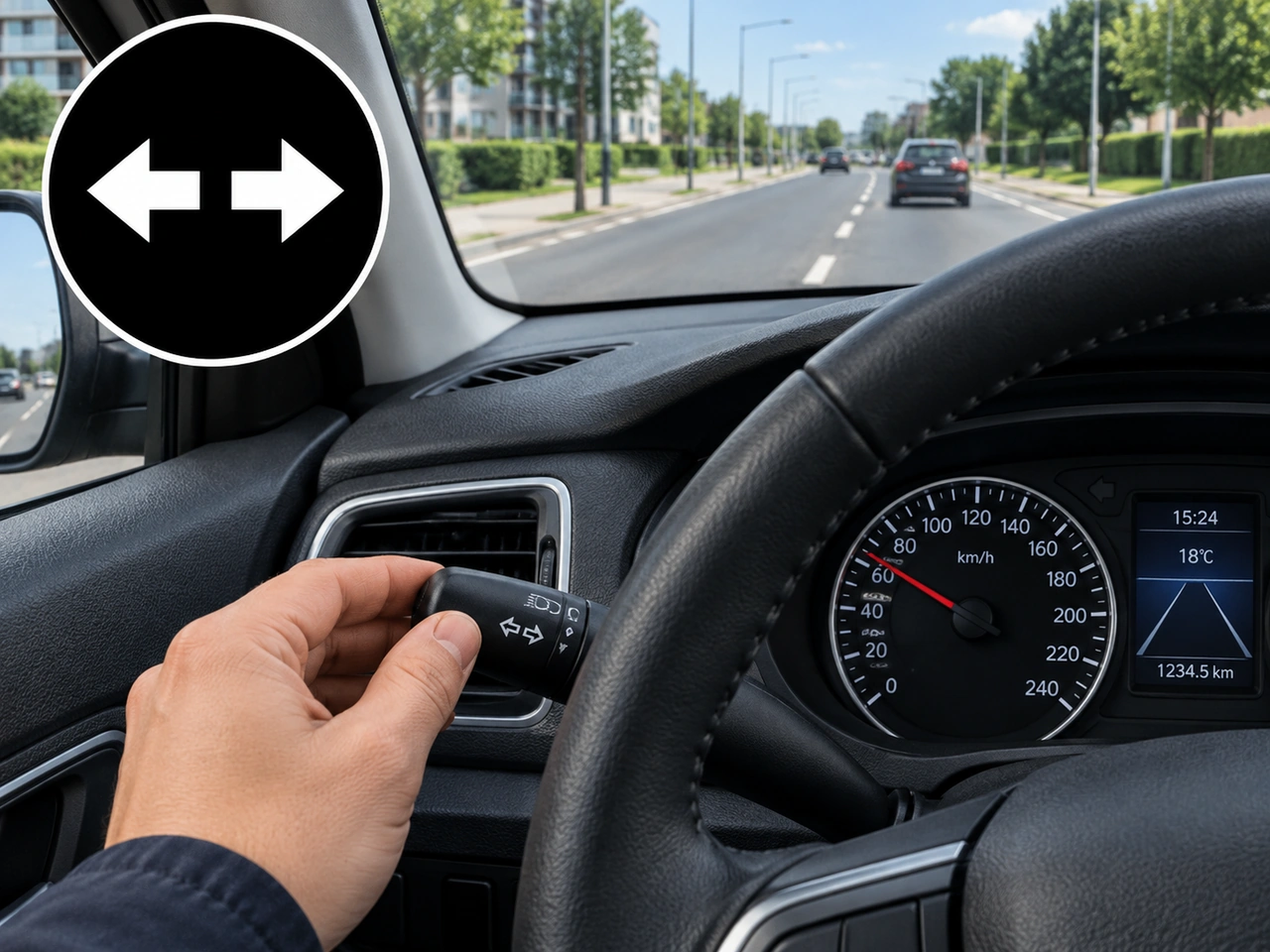
407. What should you do if a direction indicator does not cancel after a turn?
Direction indicators often cancel automatically after a turn, but if an indicator remains on, return the indicator control to its neutral position so you do not mislead other road users.
AI-generated by Traffic-rules.com • WCIT • CC BY-SA
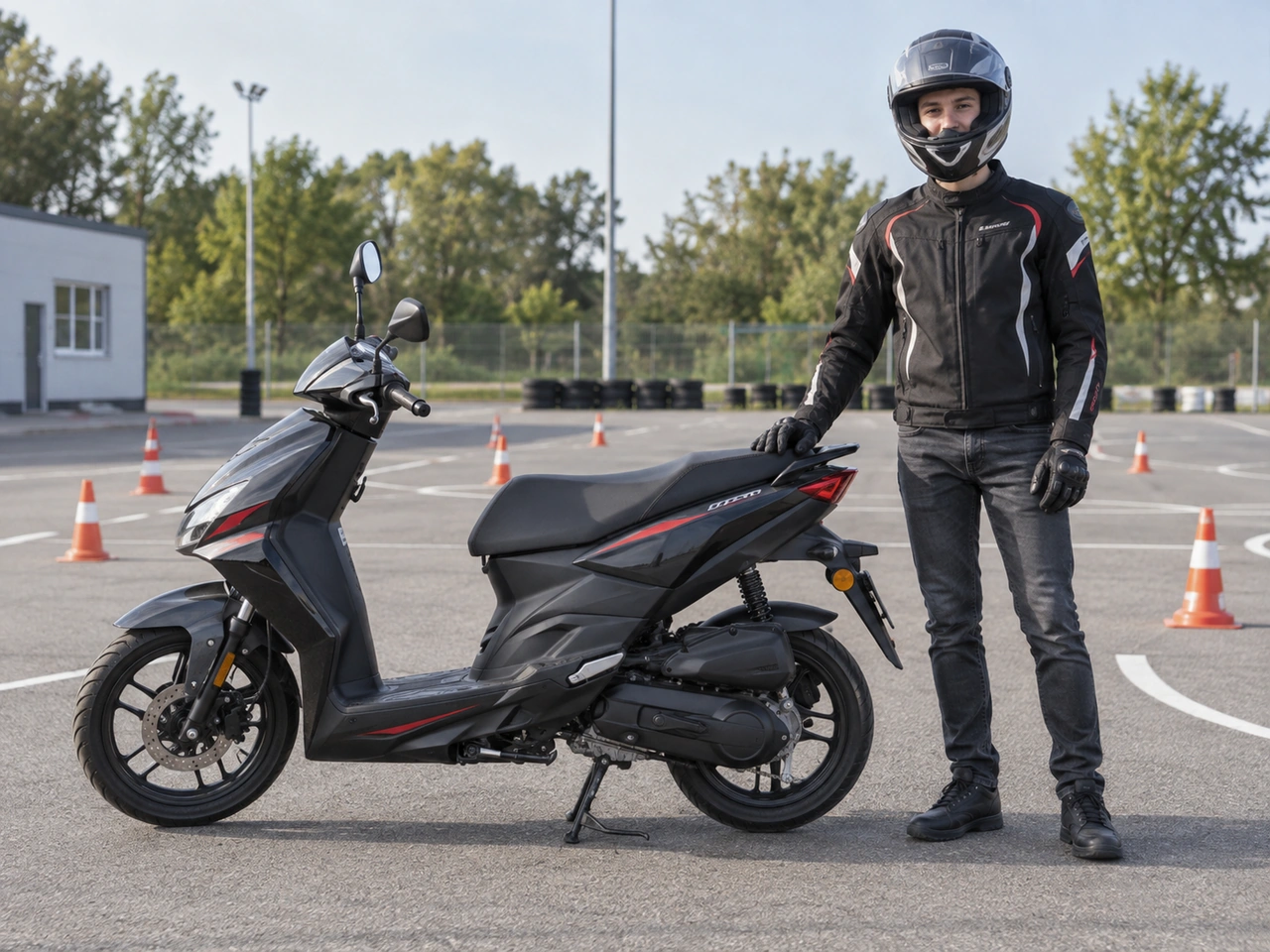
408. Which licence category is mainly associated with mopeds?
Driving licence AM is mainly associated with mopeds. Category AM covers mopeds with a design speed above 25 km/h and up to 45 km/h.
AI-generated by Traffic-rules.com • WCIT • CC BY-SA
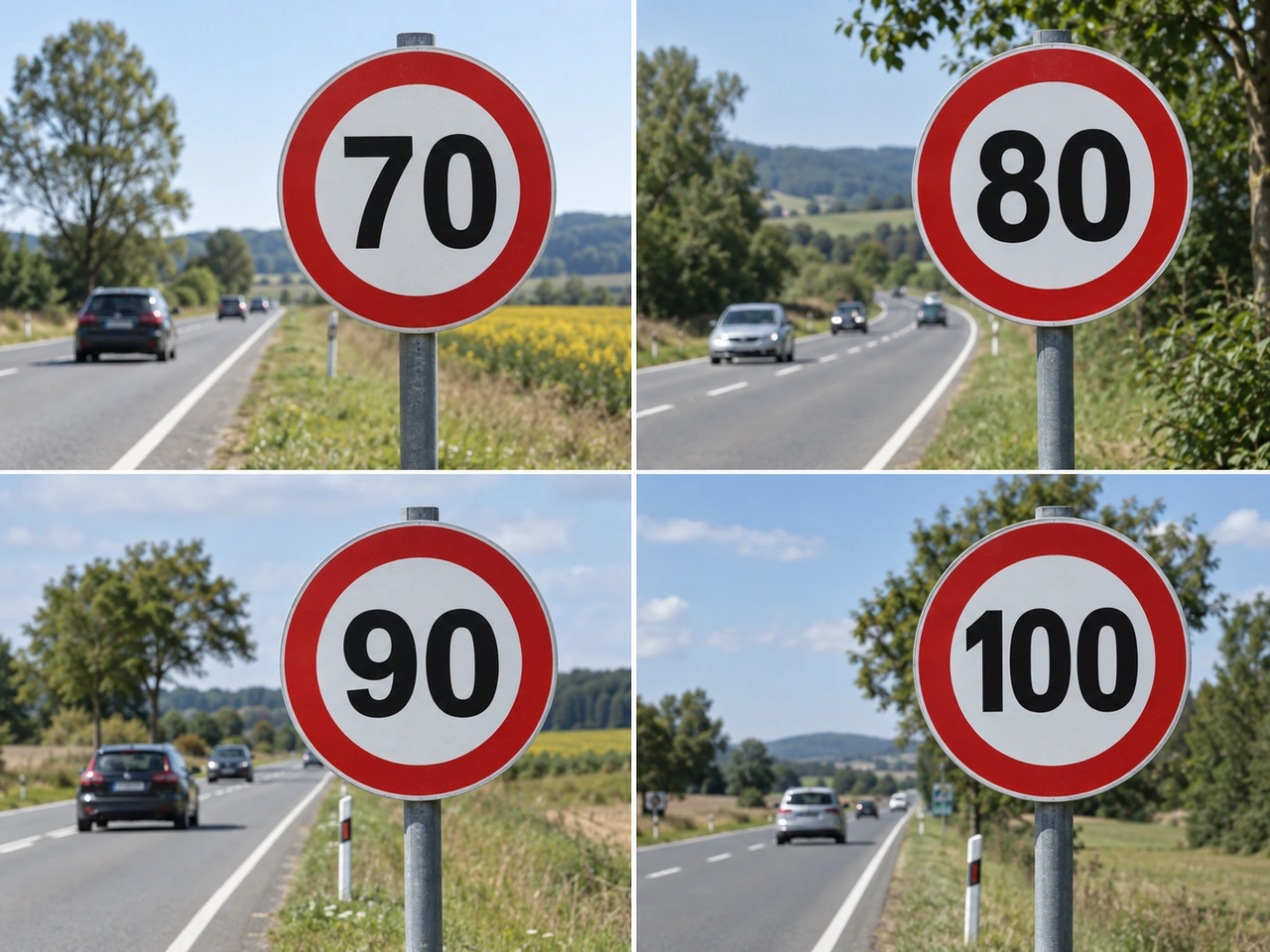
409. What is the general speed limit for cars on ordinary roads outside built-up areas in Finland?
In Finland, the general speed limit for cars on ordinary roads outside built-up areas is 80 km/h, unless signs indicate otherwise.
AI-generated by Traffic-rules.com • WCIT • CC BY-SA
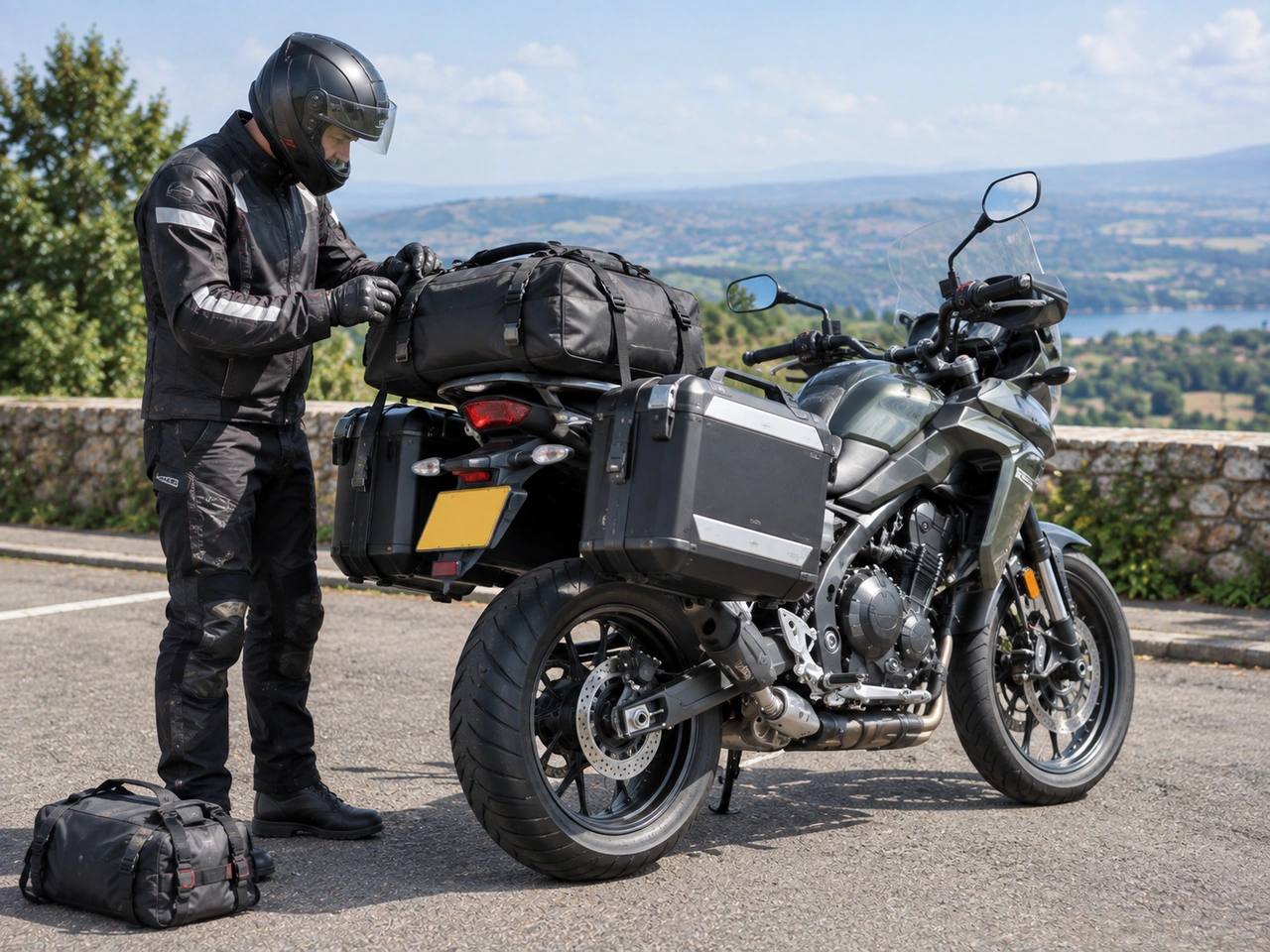
410. How should luggage be carried on a motorcycle?
Motorcycle luggage should be securely fastened and sensibly distributed. A loose, uneven or badly positioned load can affect balance, steering and braking, or become caught in moving parts.
AI-generated by Traffic-rules.com • WCIT • CC BY-SA
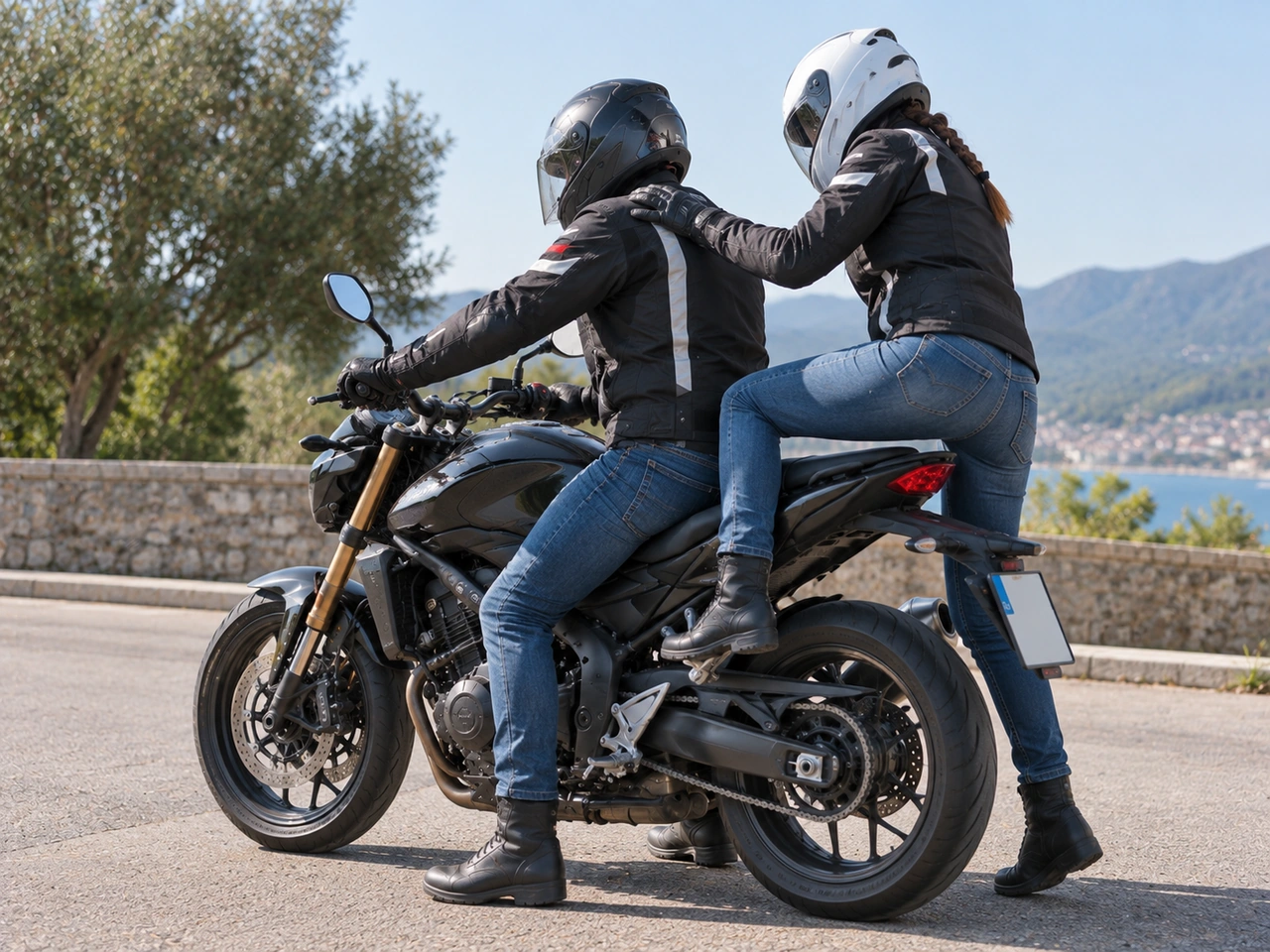
411. When should a passenger get on or off a motorcycle?
A passenger getting on or off can shift the motorcycle's balance suddenly. The motorcycle should be stationary and stable, and the passenger should wait until the rider is ready and prepared to support the extra movement.
AI-generated by Traffic-rules.com • WCIT • CC BY-SA
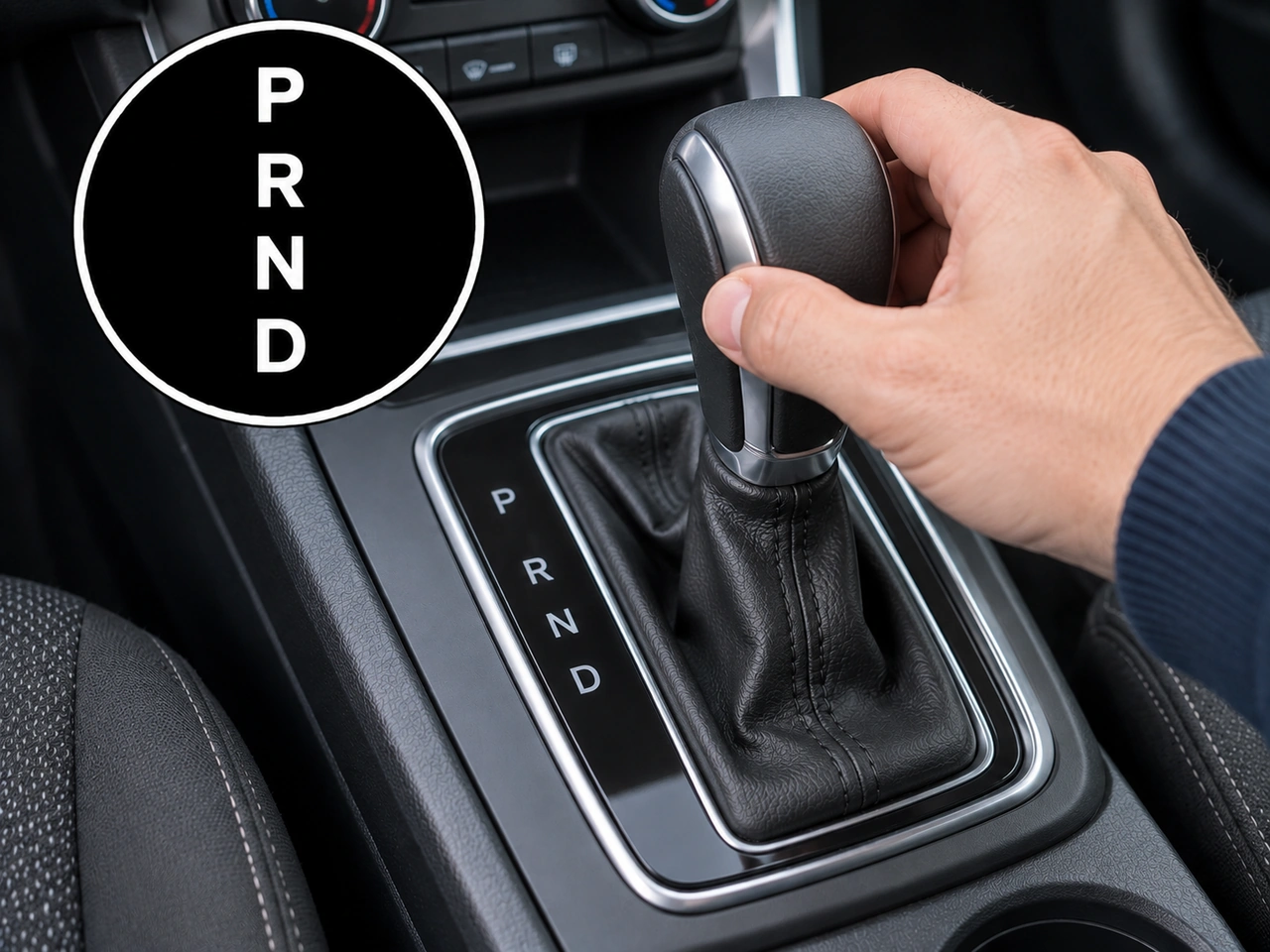
412. Which selector position prevents drive being transmitted to the wheels?
Select N (Neutral) when drive should not be transmitted to the wheels. Unlike Park, Neutral does not lock the transmission to prevent the vehicle from rolling.
AI-generated by Traffic-rules.com • WCIT • CC BY-SA
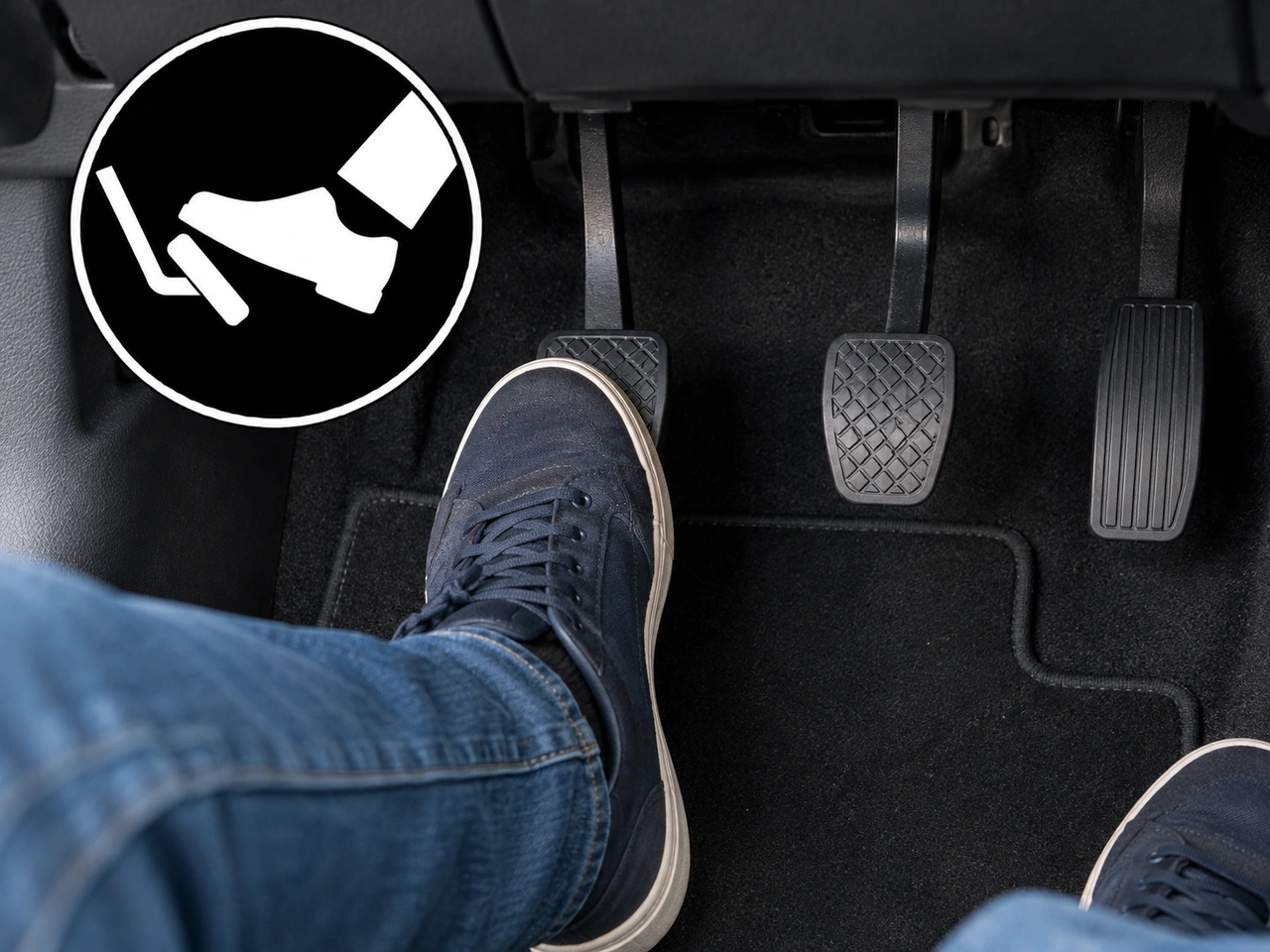
413. What is the purpose of the clutch pedal in a manual vehicle?
Pressing the clutch pedal temporarily disconnects the engine from the transmission, allowing the driver to change gear or stop without stalling the engine.
AI-generated by Traffic-rules.com • WCIT • CC BY-SA
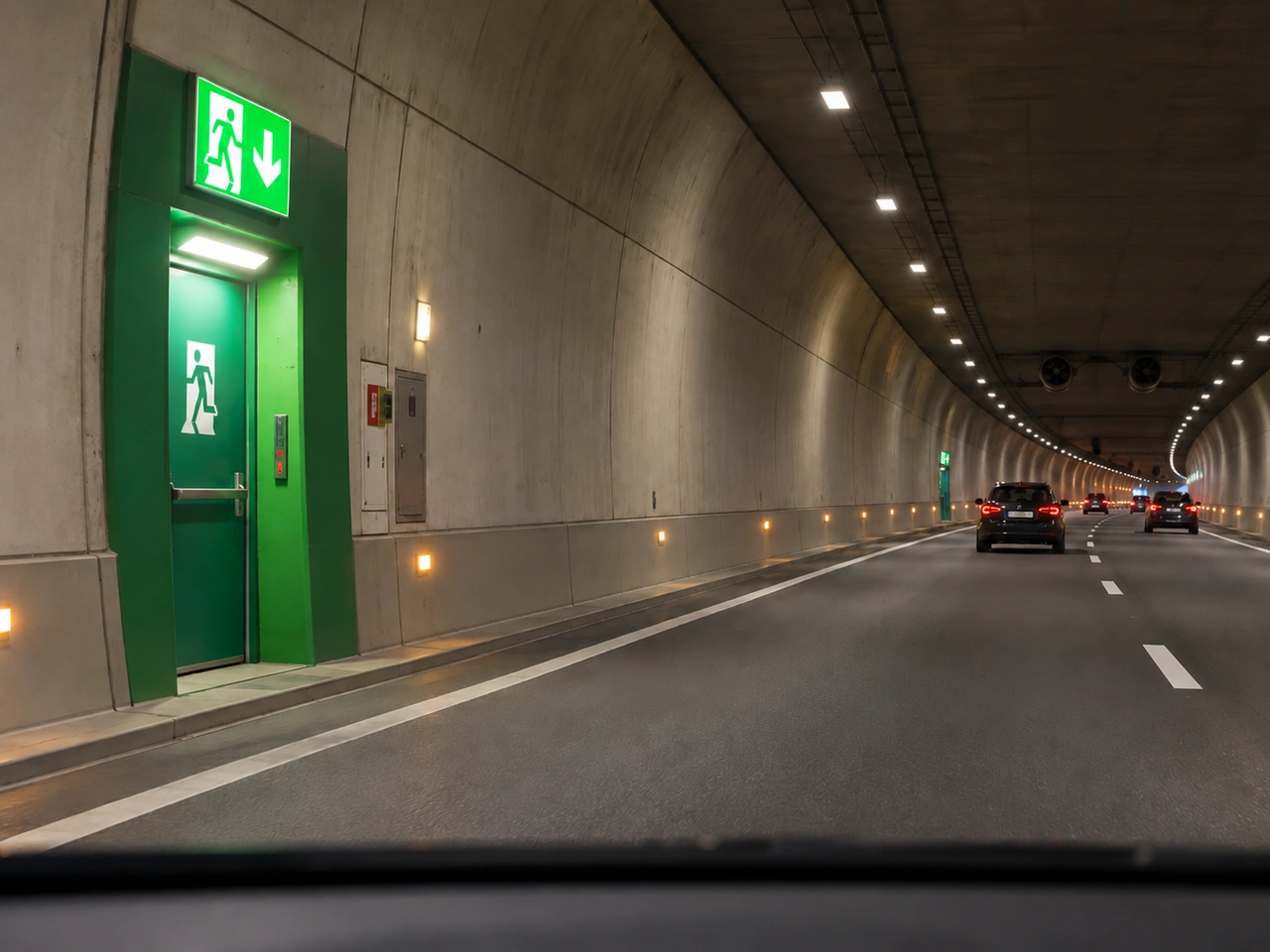
414. Why should you notice the location of emergency exits in a tunnel?
Knowing where emergency exits and refuge areas are located can save valuable time during a fire, collision, or evacuation.
AI-generated by Traffic-rules.com • WCIT • CC BY-SA
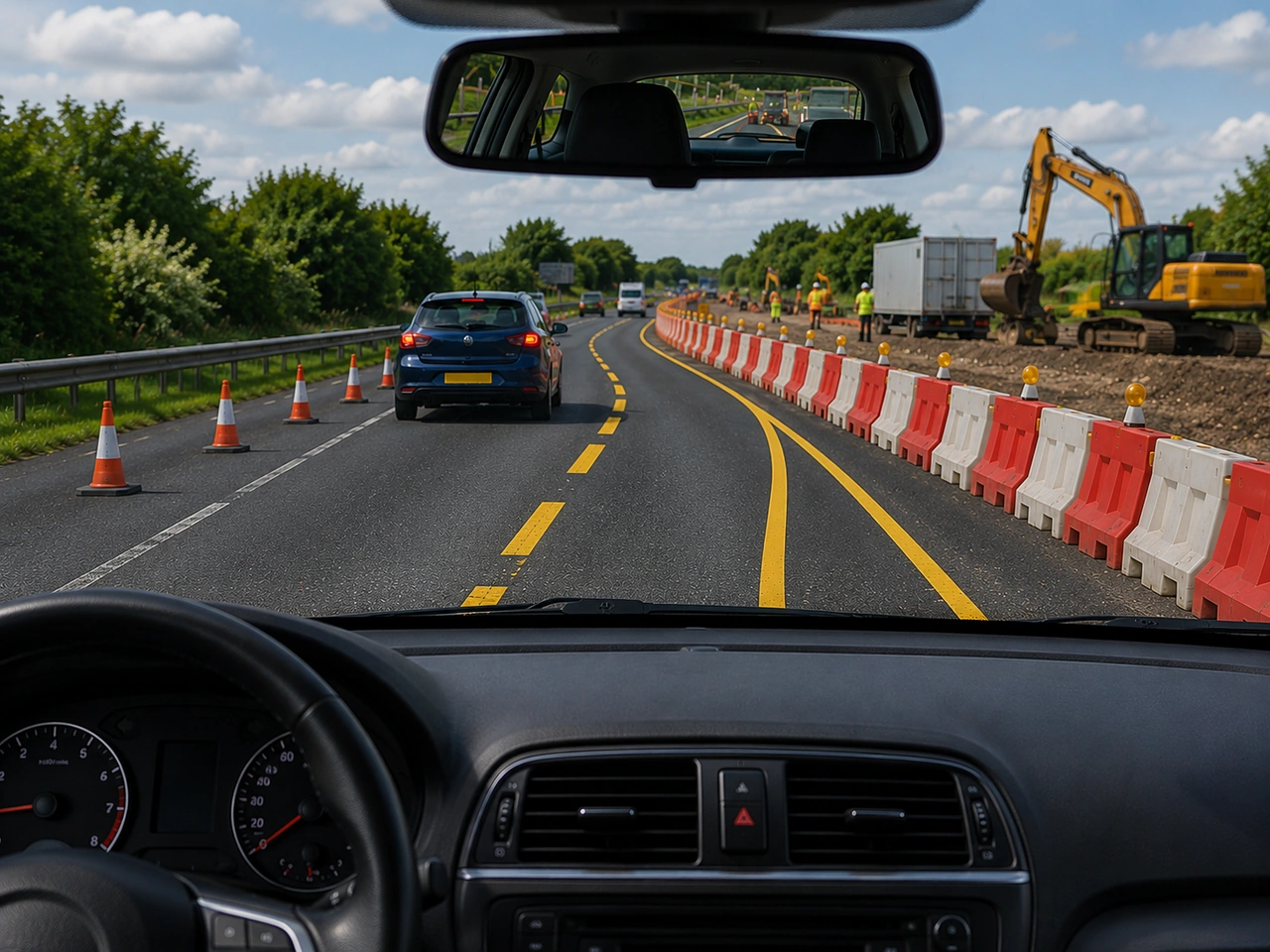
415. Which road markings should you follow through roadworks?
Temporary road markings may replace the normal lane layout during roadworks. Follow the markings and signs that currently guide traffic.
AI-generated by Traffic-rules.com • WCIT • CC BY-SA
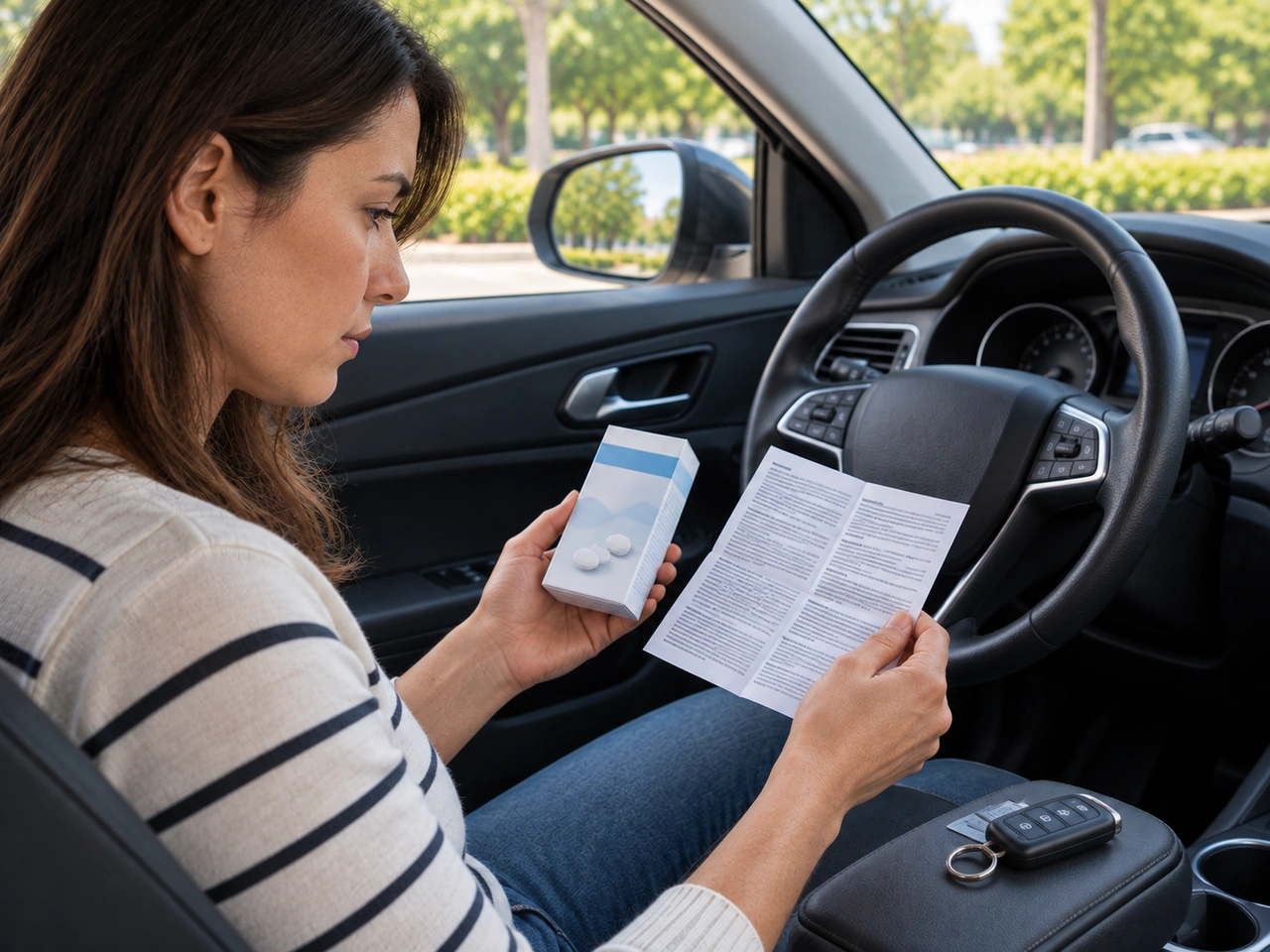
416. What should you do before driving after taking medicine?
Some medicines can affect driving ability by causing drowsiness, dizziness, blurred vision, slower reactions, or reduced concentration. Check the label or patient information and follow advice from your doctor or pharmacist before driving.
AI-generated by Traffic-rules.com • WCIT • CC BY-SA
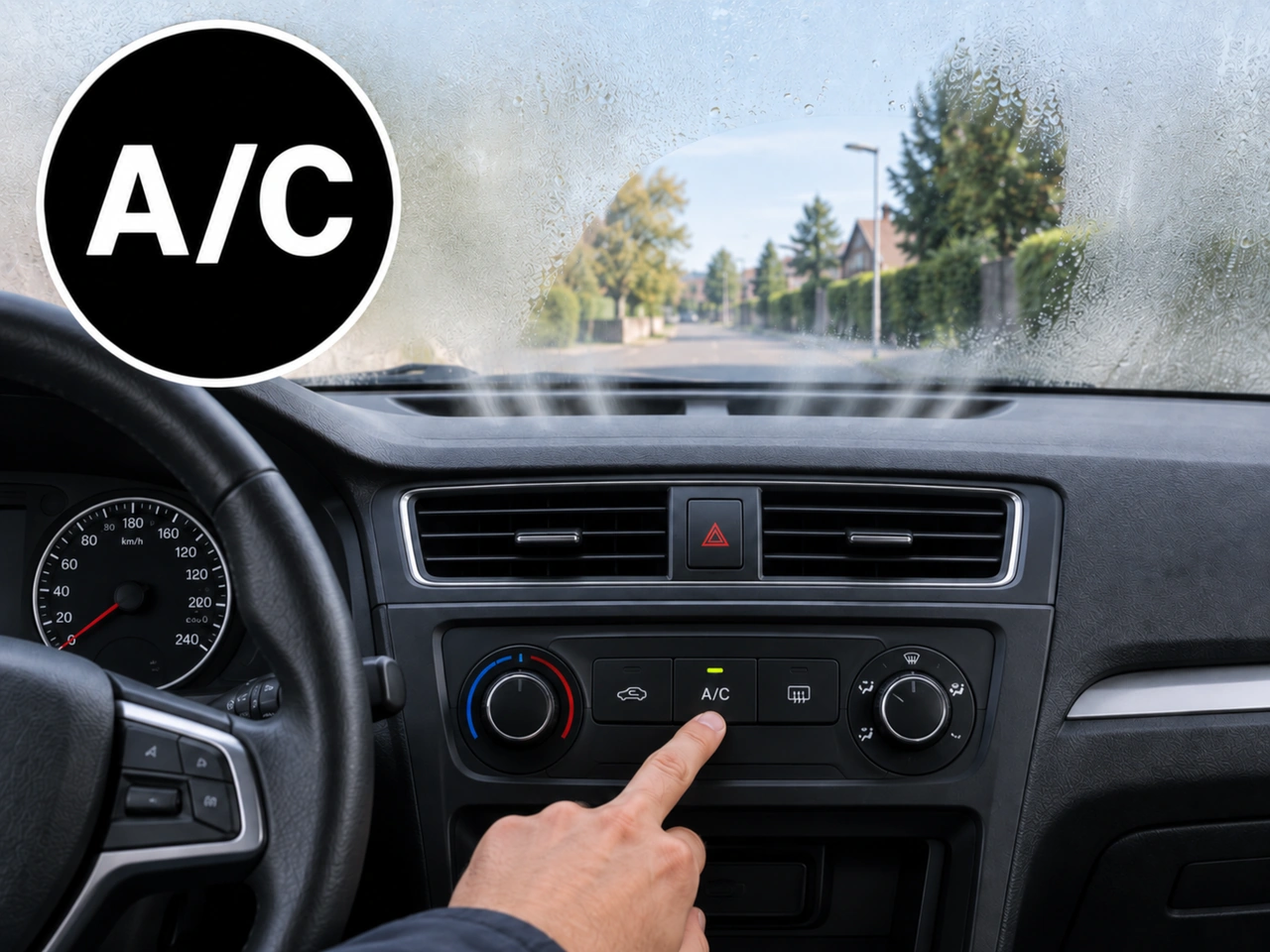
417. How can air conditioning help demist the windows?
Using the air conditioning can help demist the windows because it removes moisture from the cabin air. Directing this drier air towards the windscreen can clear condensation more quickly.
AI-generated by Traffic-rules.com • WCIT • CC BY-SA
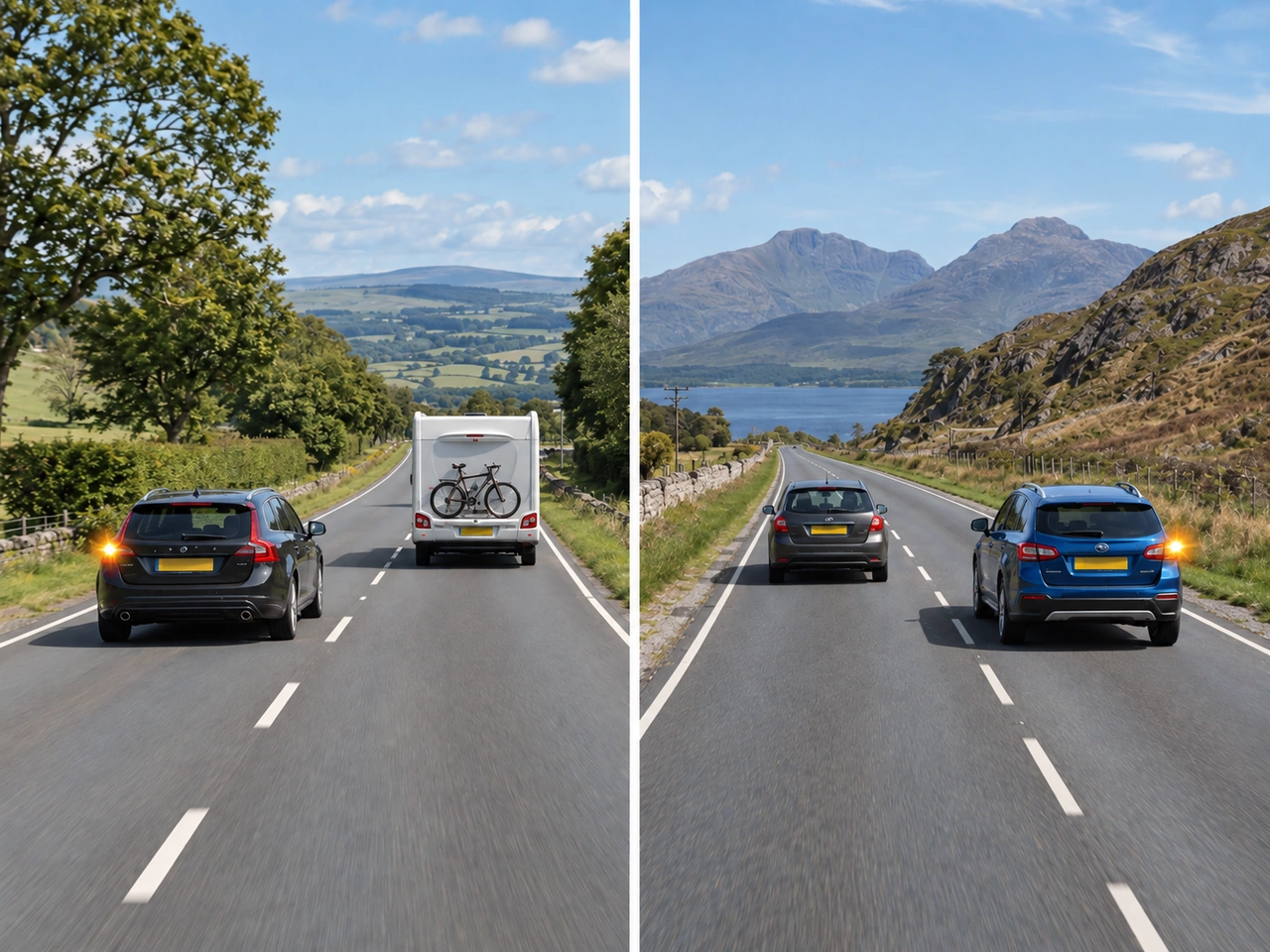
418. Which side is normally used for overtaking in Finland?
Drivers normally overtake on the left-hand side in Finland.
AI-generated by Traffic-rules.com • WCIT • CC BY-SA
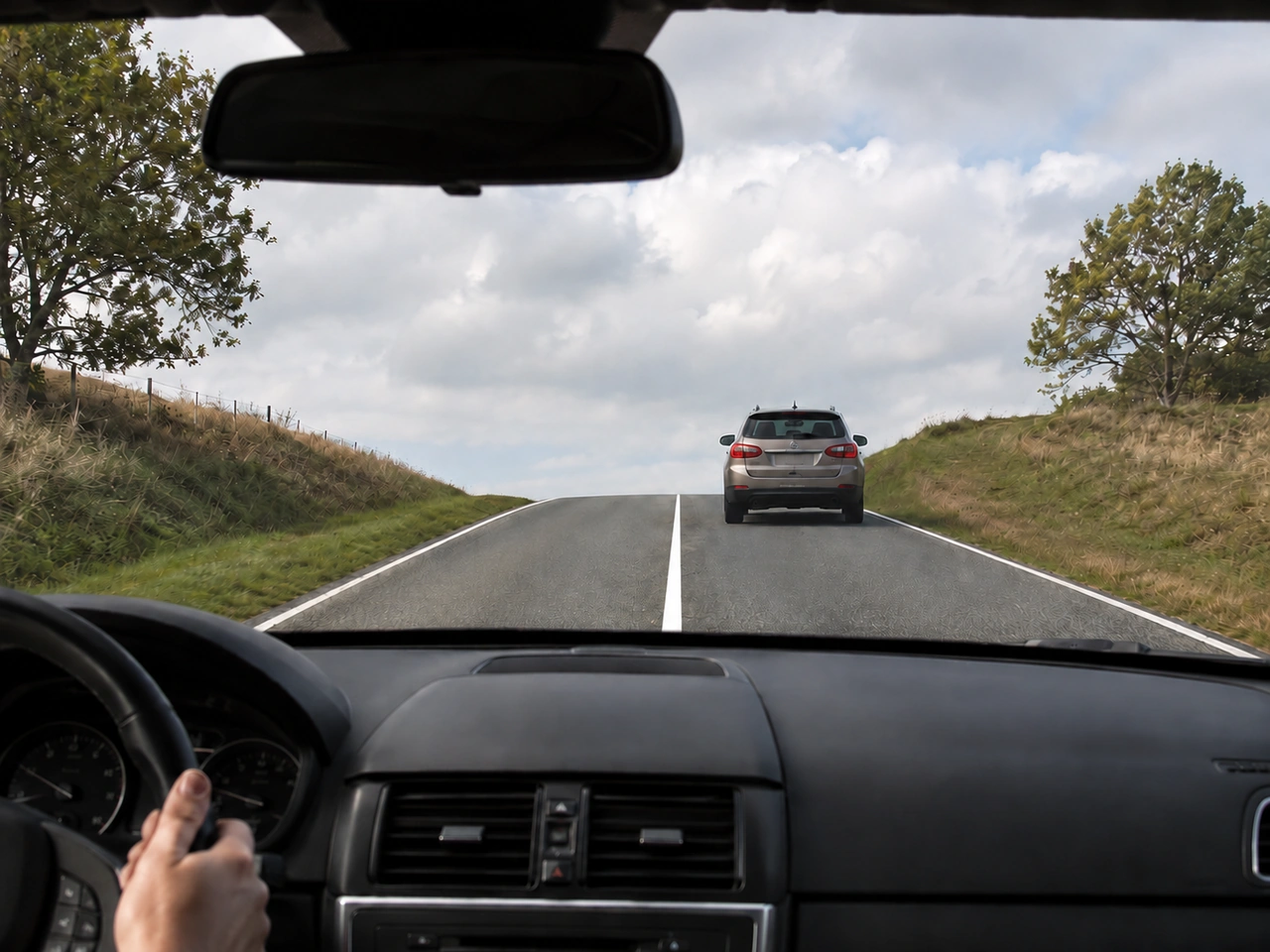
419. Why should you not overtake near the top of a hill?
Near the top of a hill, your view ahead is limited. Oncoming vehicles, cyclists, pedestrians, or obstacles may be hidden.
AI-generated by Traffic-rules.com • WCIT • CC BY-SA
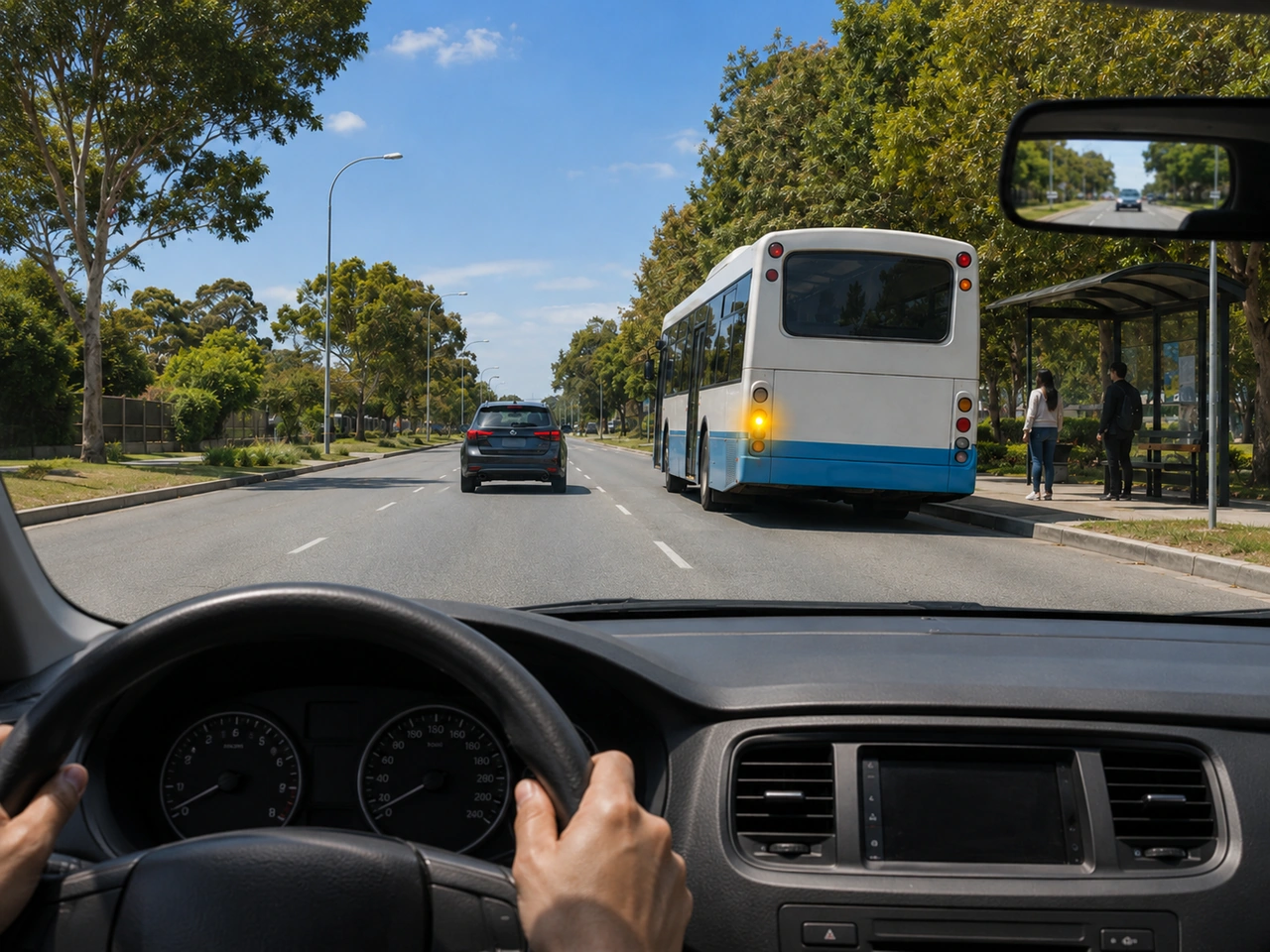
420. What should you do when a bus signals to pull away from a bus stop?
Buses may pull away after picking up passengers. Slow down, check the traffic situation, and allow space when it is safe.
AI-generated by Traffic-rules.com • WCIT • CC BY-SA
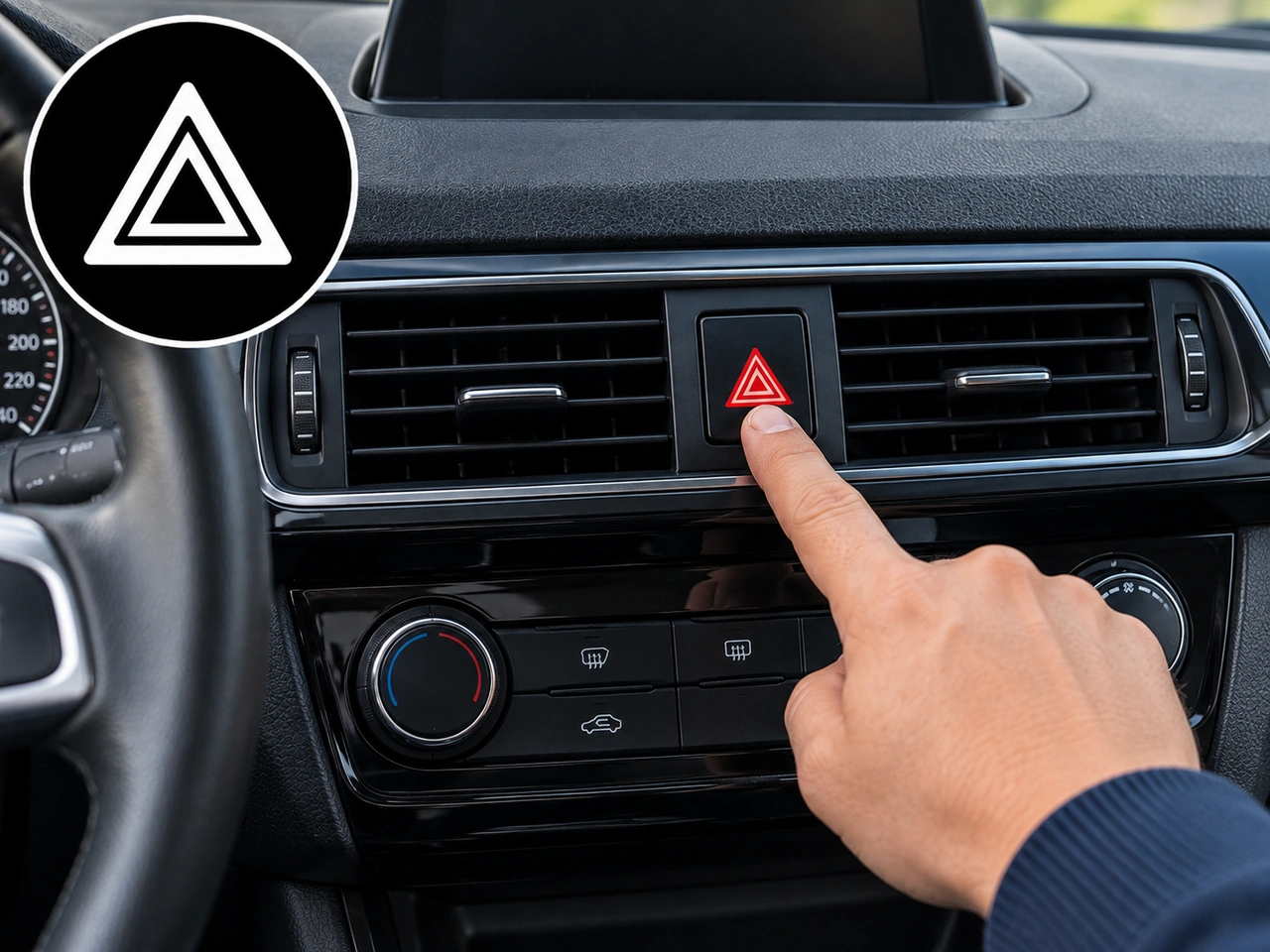
421. Which control activates all direction indicators at the same time?
The hazard warning light switch activates all direction indicators at the same time to warn other road users of a hazard or emergency.
AI-generated by Traffic-rules.com • WCIT • CC BY-SA
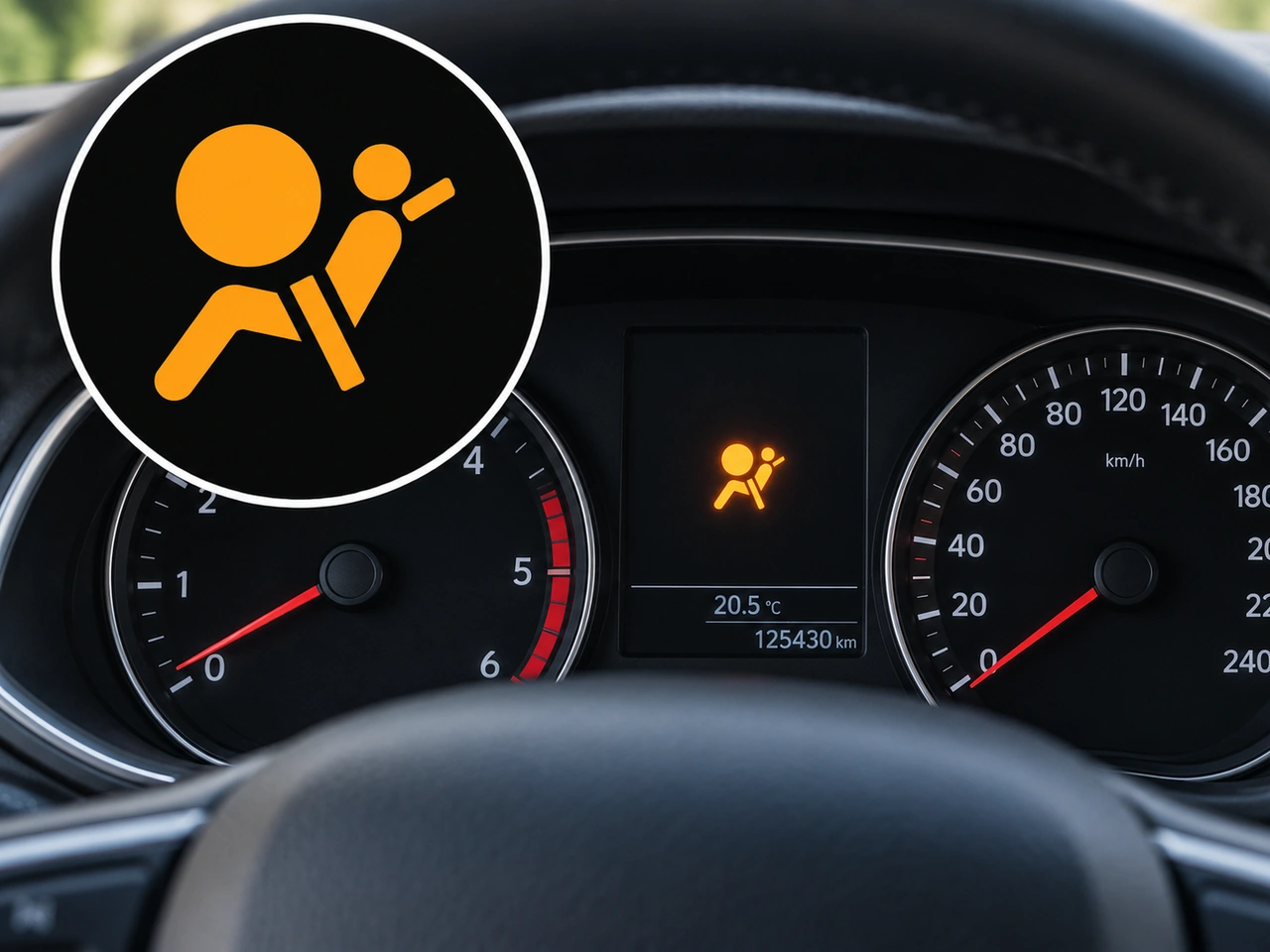
422. What does this dashboard symbol indicate?
This symbol indicates a possible fault in the airbag or supplementary restraint system. If it remains illuminated while driving, the system should be checked because one or more airbags or seat-belt pretensioners may not operate correctly in a collision.
AI-generated by Traffic-rules.com • WCIT • CC BY-SA
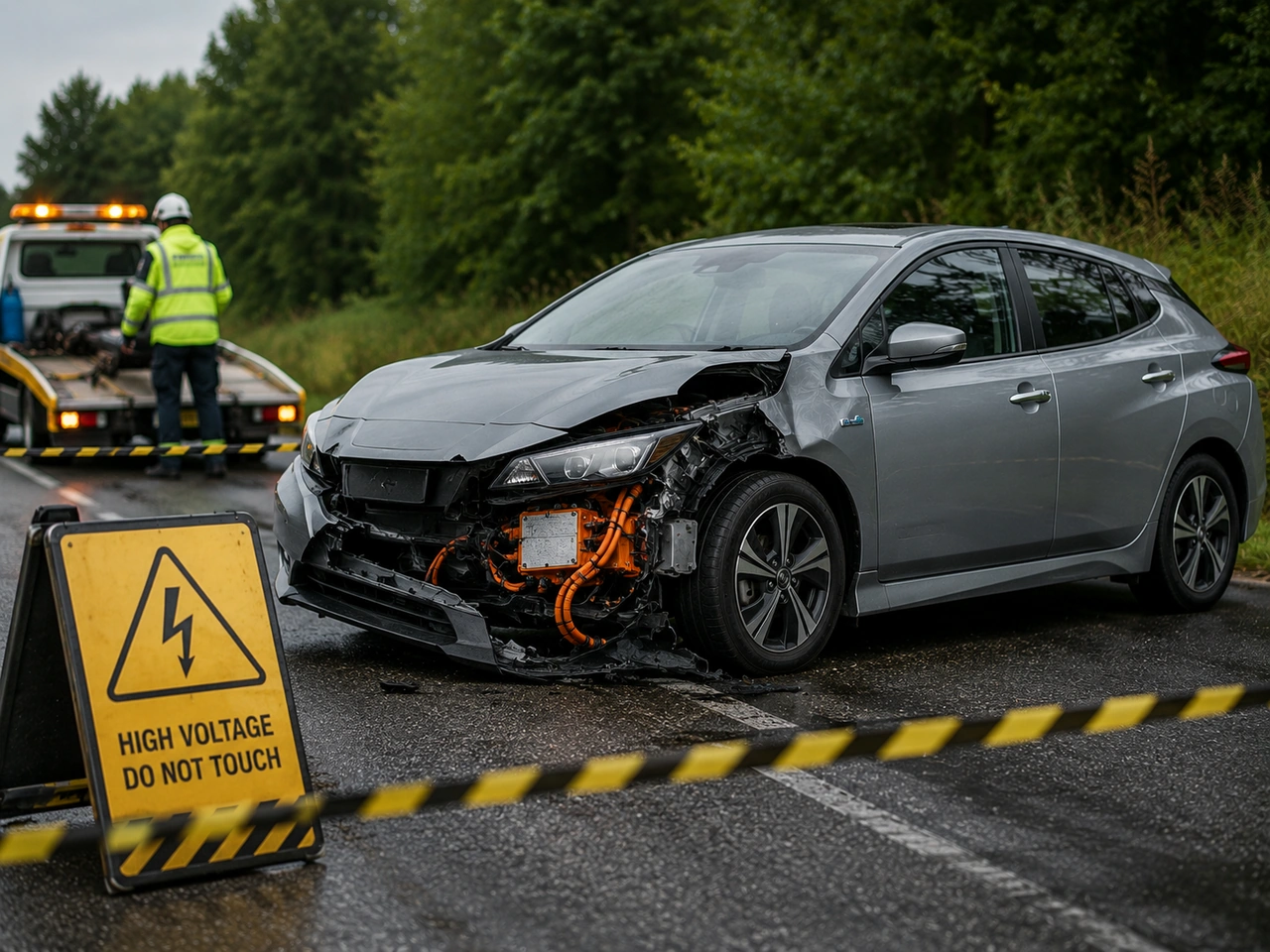
423. What should you do around a damaged electric or hybrid vehicle?
Electric and hybrid vehicles can contain dangerous high-voltage systems. Do not touch damaged cables, batteries, or electrical components.
AI-generated by Traffic-rules.com • WCIT • CC BY-SA
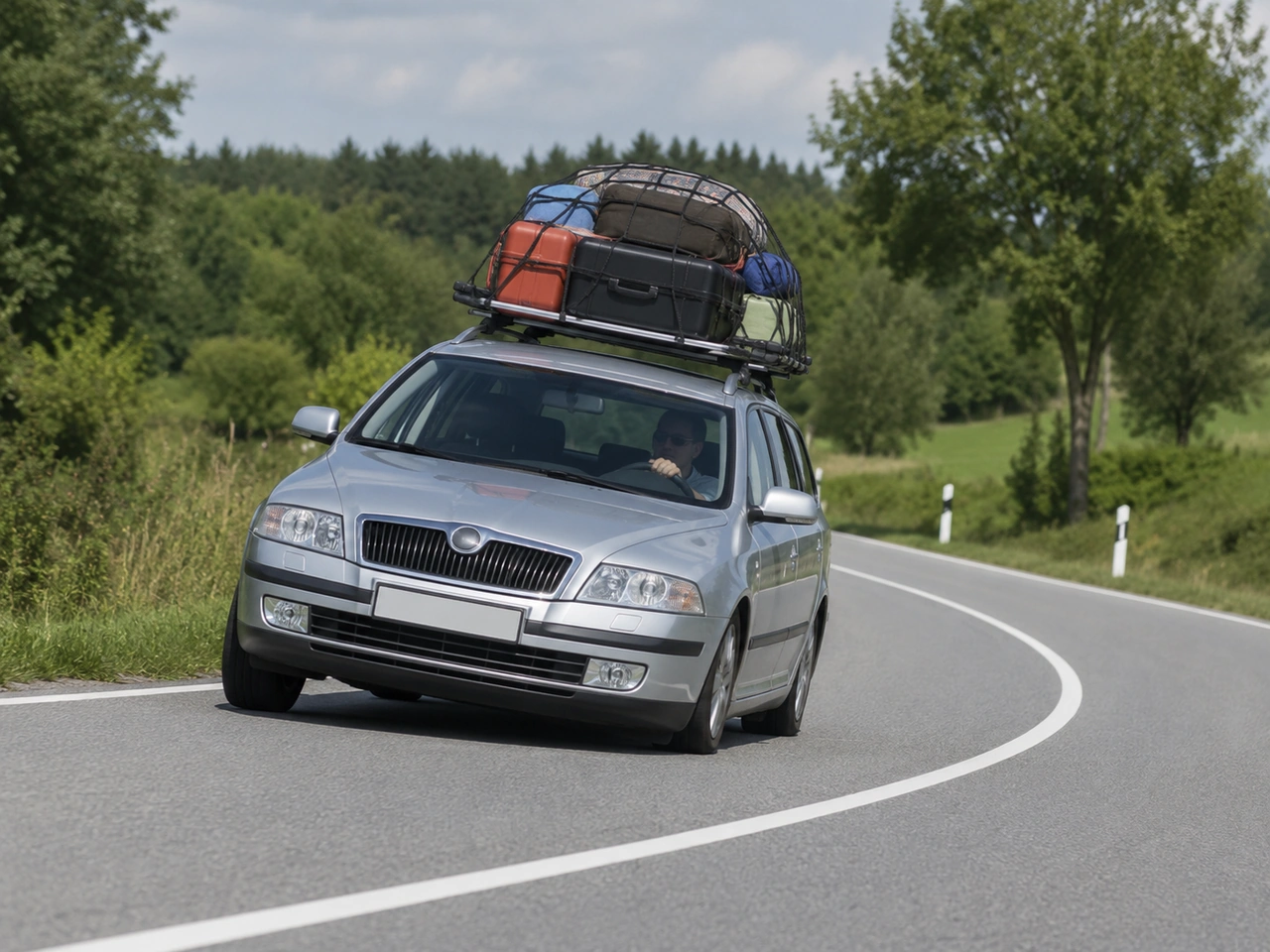
424. How can a roof load affect vehicle handling?
Weight carried high on the vehicle can increase body movement and make sudden steering or cornering less stable.
AI-generated by Traffic-rules.com • WCIT • CC BY-SA
425. Which selector position is used for normal forward driving?
Select D (Drive) for normal forward driving in a vehicle with an automatic transmission. The transmission then selects the appropriate gear automatically.
AI-generated by Traffic-rules.com • WCIT • CC BY-SA
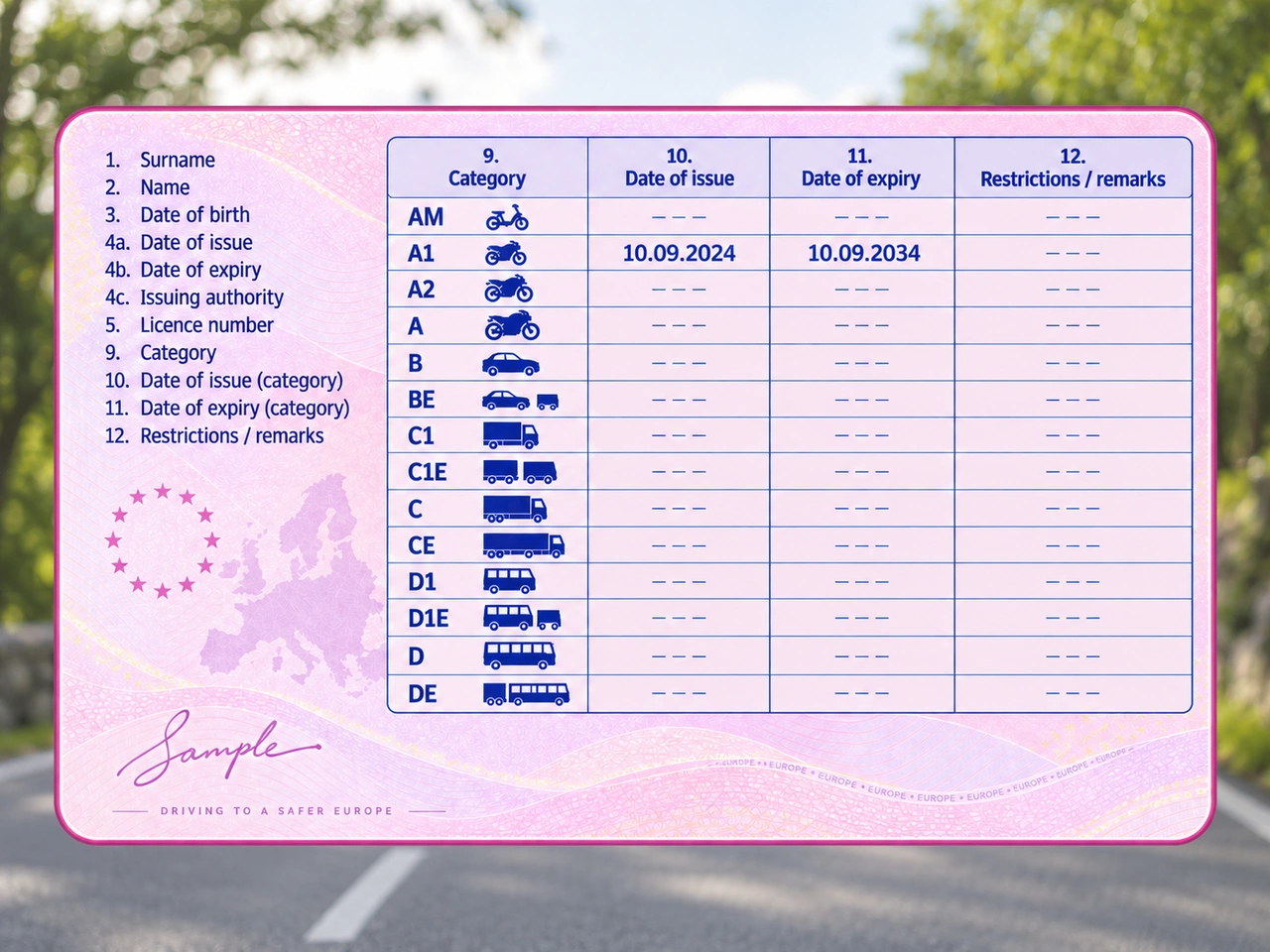
426. Which motorcycles are covered by driving licence A1?
Category A1 covers motorcycles with an engine capacity of no more than 125 cm³, power of no more than 11 kW, and a power-to-weight ratio of no more than 0.1 kW/kg. It also covers powered tricycles up to 15 kW.
AI-generated by Traffic-rules.com • WCIT • CC BY-SA
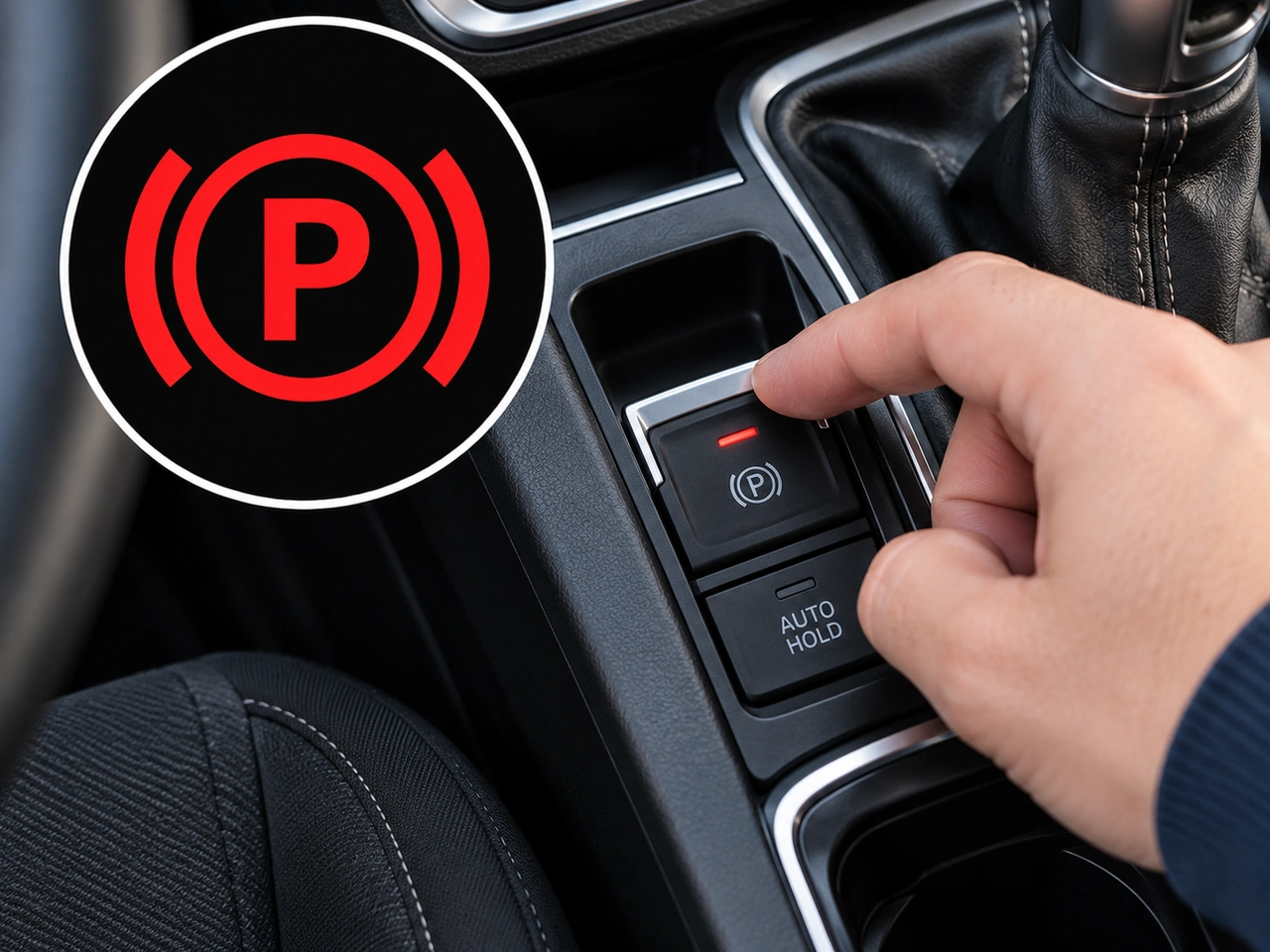
427. What does this dashboard symbol indicate?
This symbol indicates that the parking brake is applied. It should normally go out when the parking brake is fully released.
AI-generated by Traffic-rules.com • WCIT • CC BY-SA
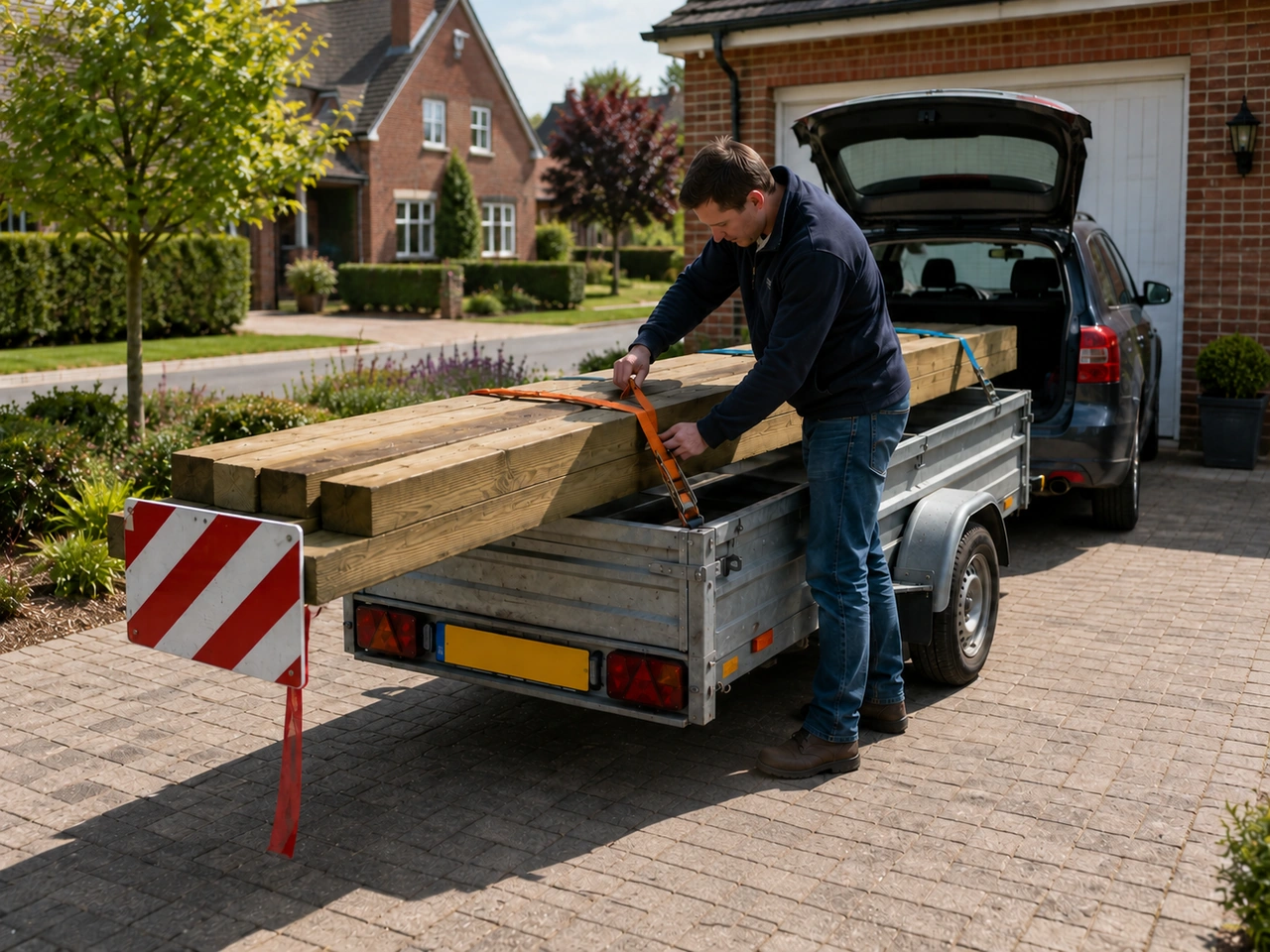
428. What should you do if a load extends beyond the vehicle?
An extending load may create additional danger and may require specific markings or equipment under local rules.
AI-generated by Traffic-rules.com • WCIT • CC BY-SA
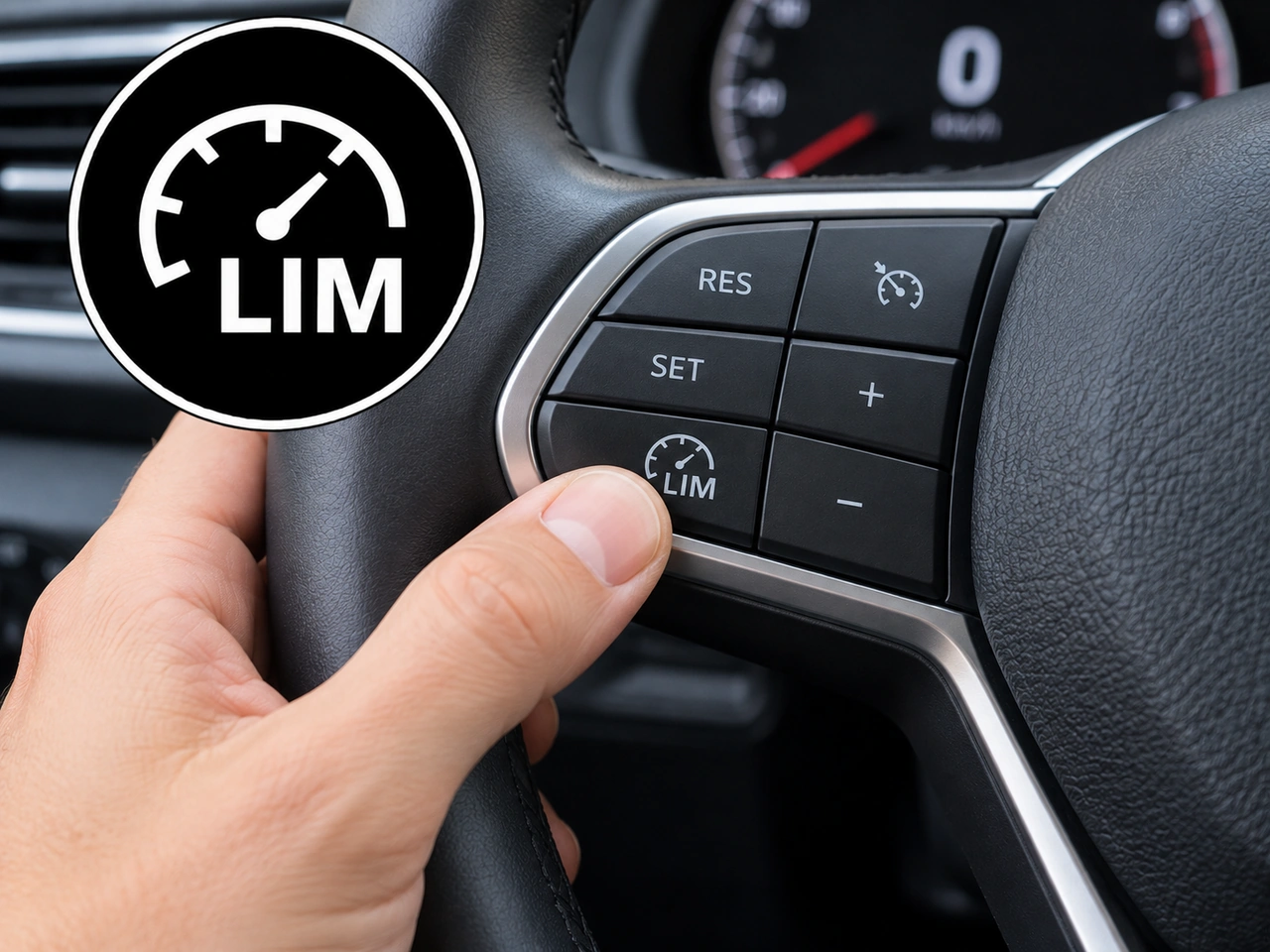
429. What does this vehicle-control symbol indicate?
The speed limiter allows the driver to set a maximum speed that the vehicle should not normally exceed while the accelerator is being used.
AI-generated by Traffic-rules.com • WCIT • CC BY-SA
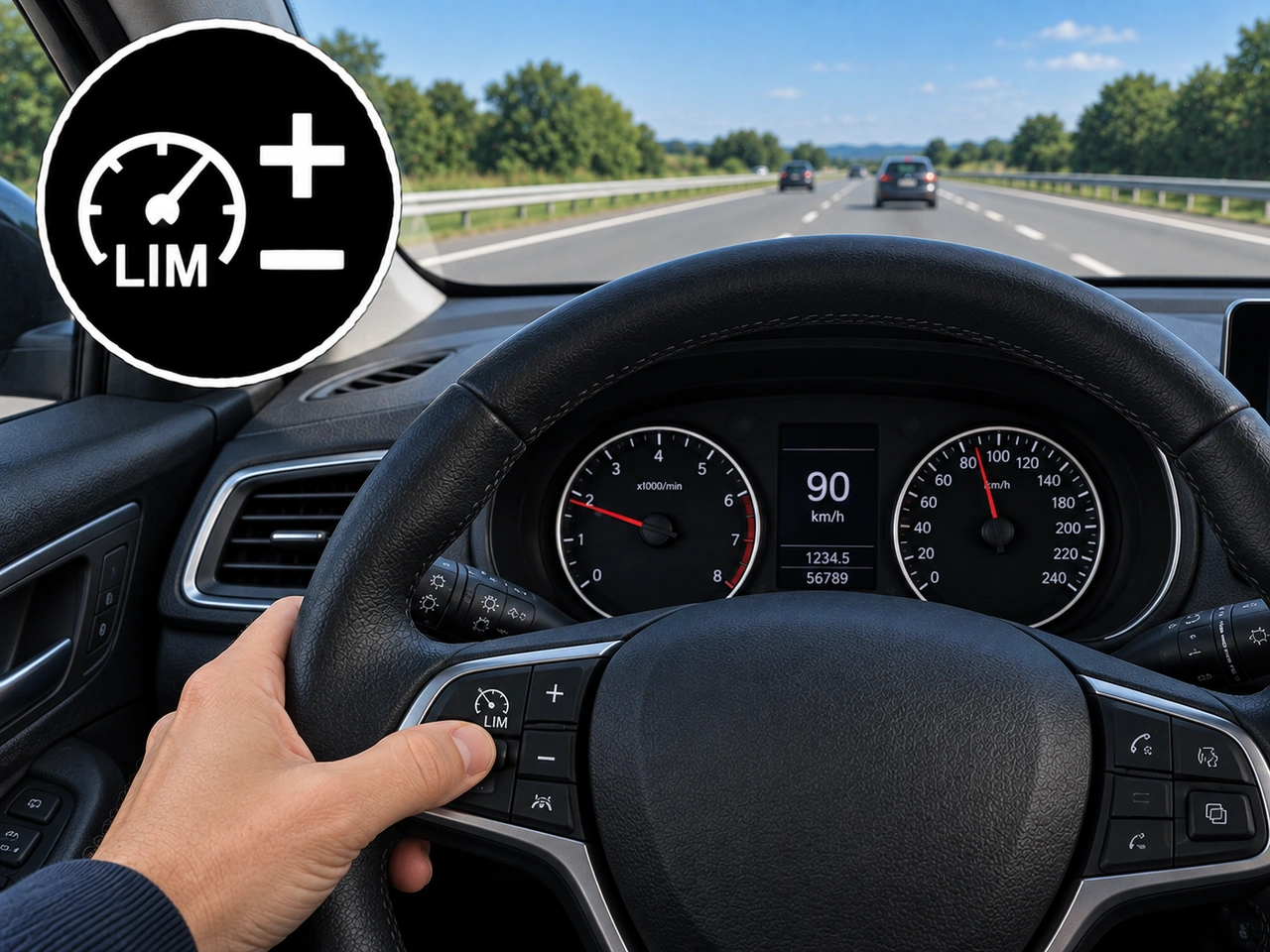
430. What do the + and − controls normally adjust when the speed limiter is active?
When the speed limiter is active, the + and − controls normally increase or decrease the selected maximum speed. The exact adjustment steps can vary between vehicles.
AI-generated by Traffic-rules.com • WCIT • CC BY-SA
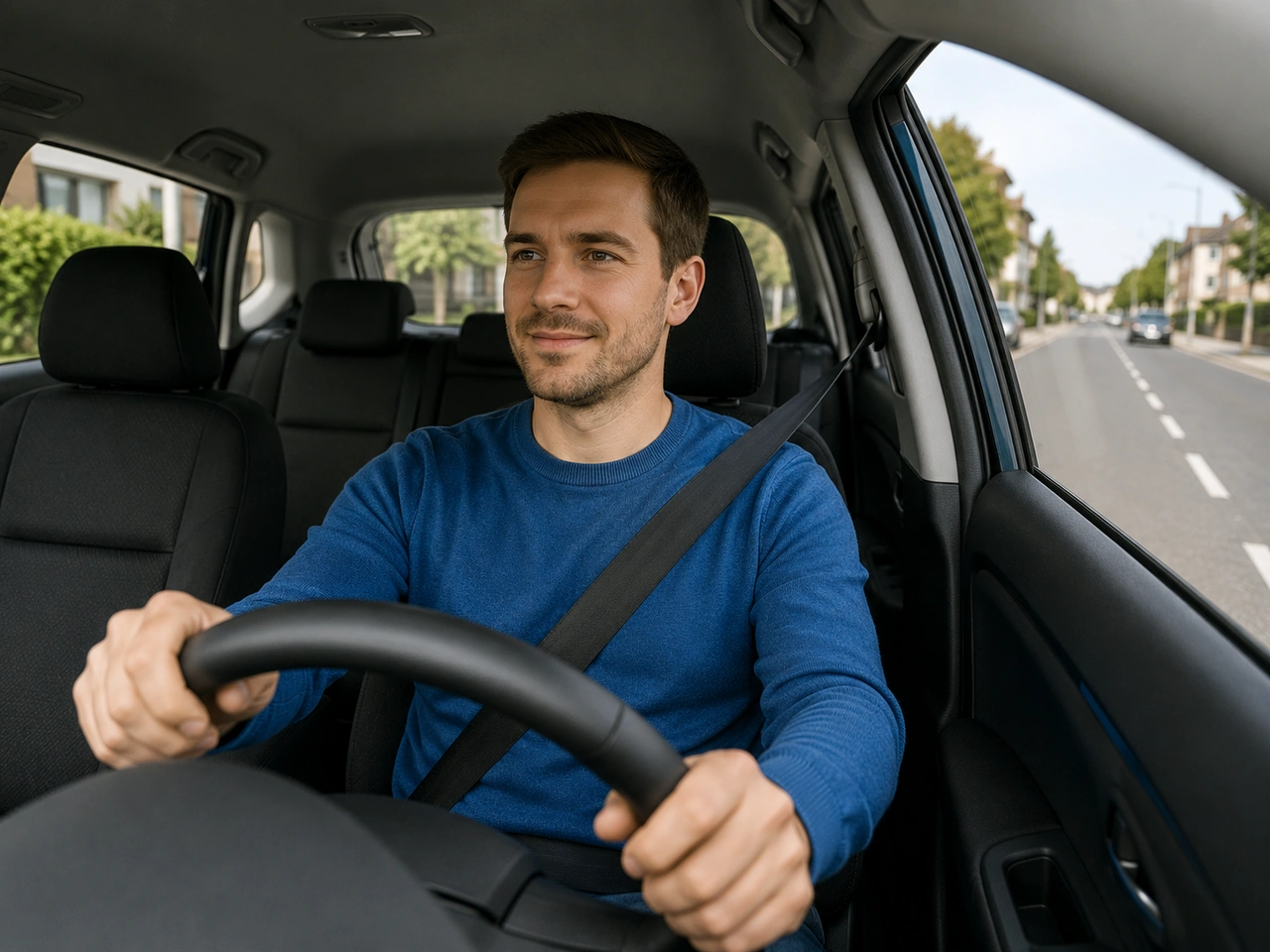
431. You should always wear a seat belt, even on short trips.
Seat belts reduce the risk of serious injury and should be worn on every trip, even short ones.
AI-generated by Traffic-rules.com • WCIT • CC BY-SA
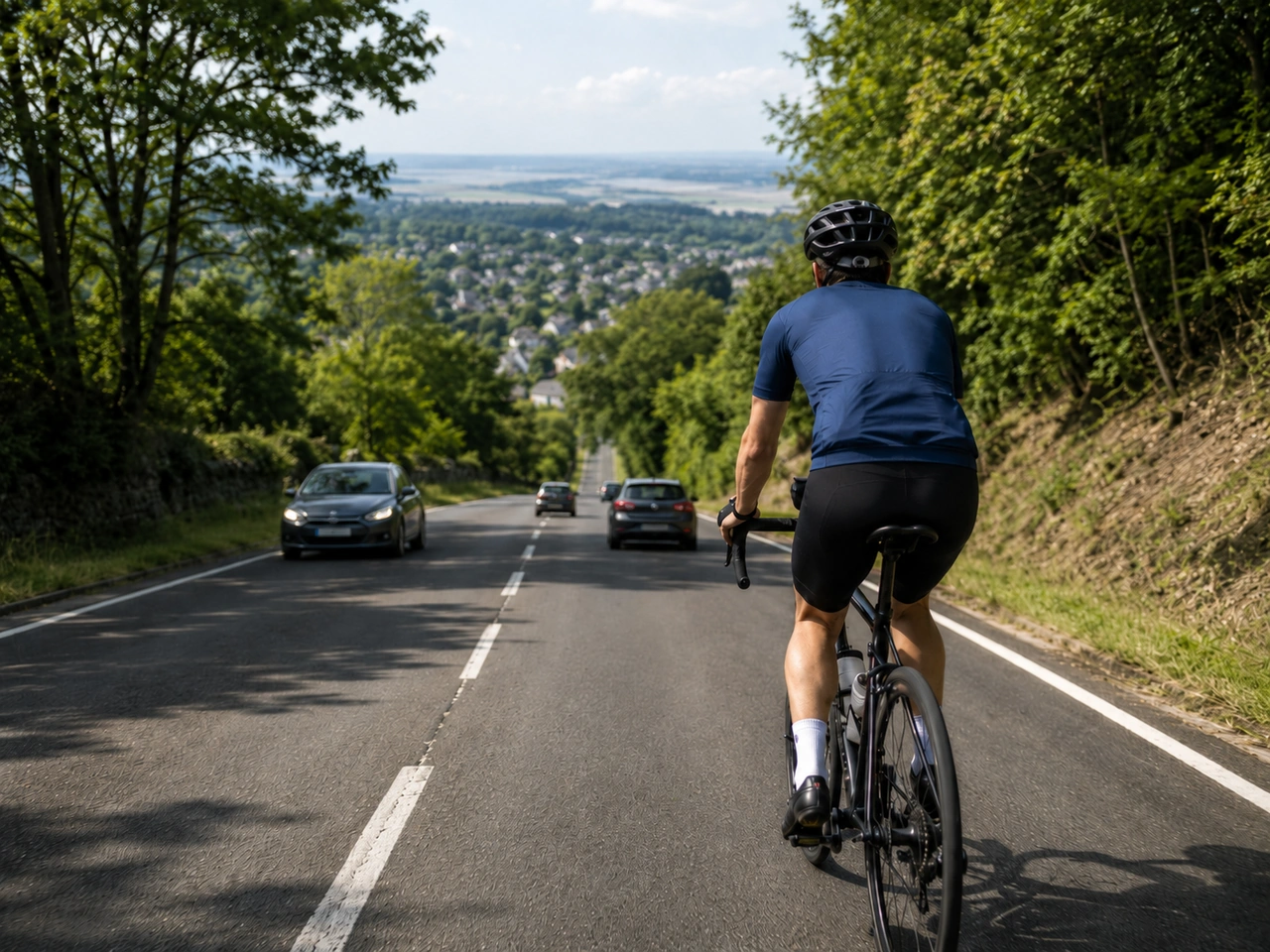
432. What should cyclists do when cycling downhill?
Higher speed increases stopping distance and reduces reaction time. Maintain a speed that allows you to stop safely.
AI-generated by Traffic-rules.com • WCIT • CC BY-SA
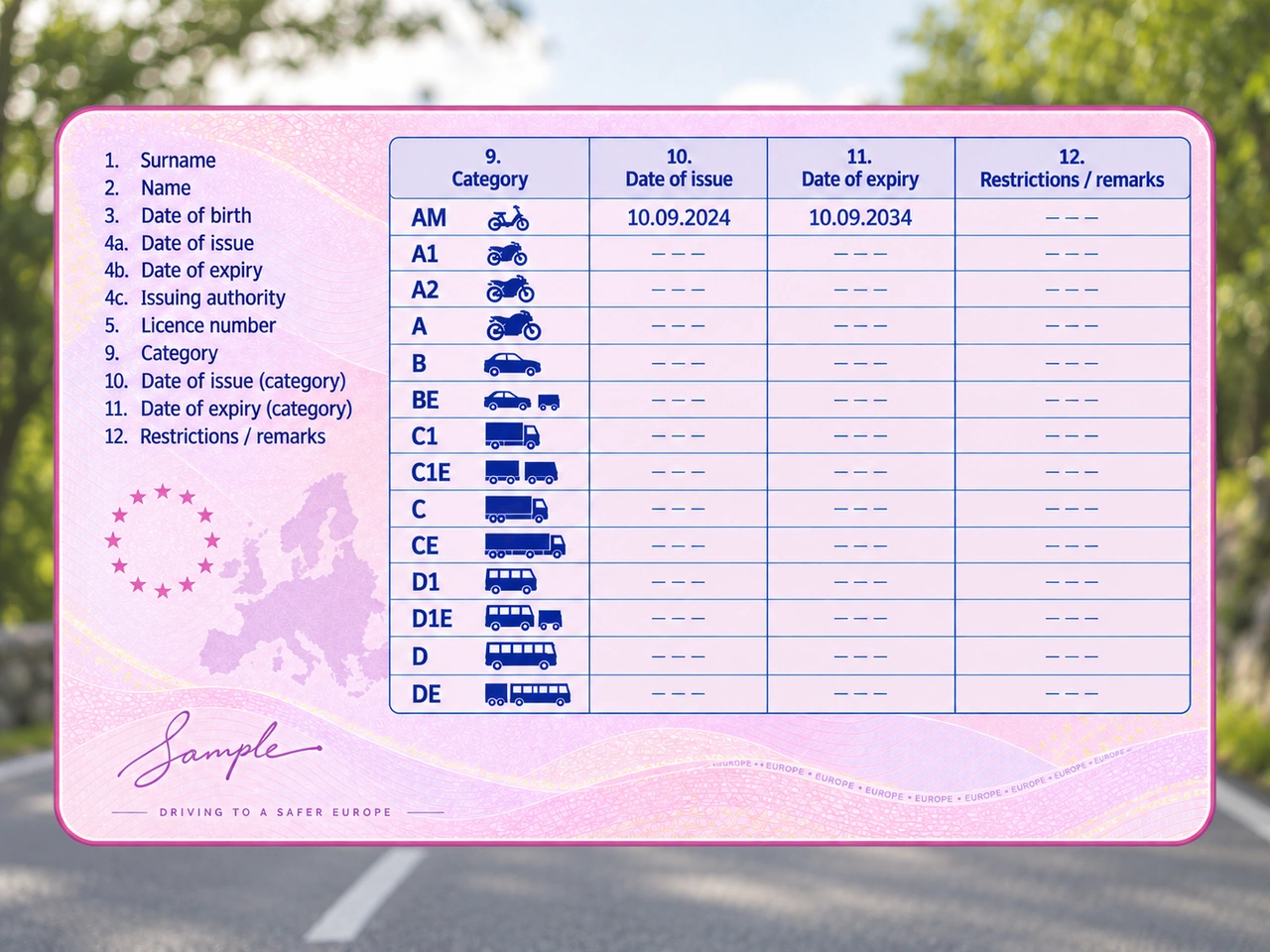
433. Which vehicles are covered by driving licence AM?
Category AM covers certain two- and three-wheeled mopeds with a maximum design speed above 25 km/h and not exceeding 45 km/h, as well as light quadricycles.
AI-generated by Traffic-rules.com • WCIT • CC BY-SA
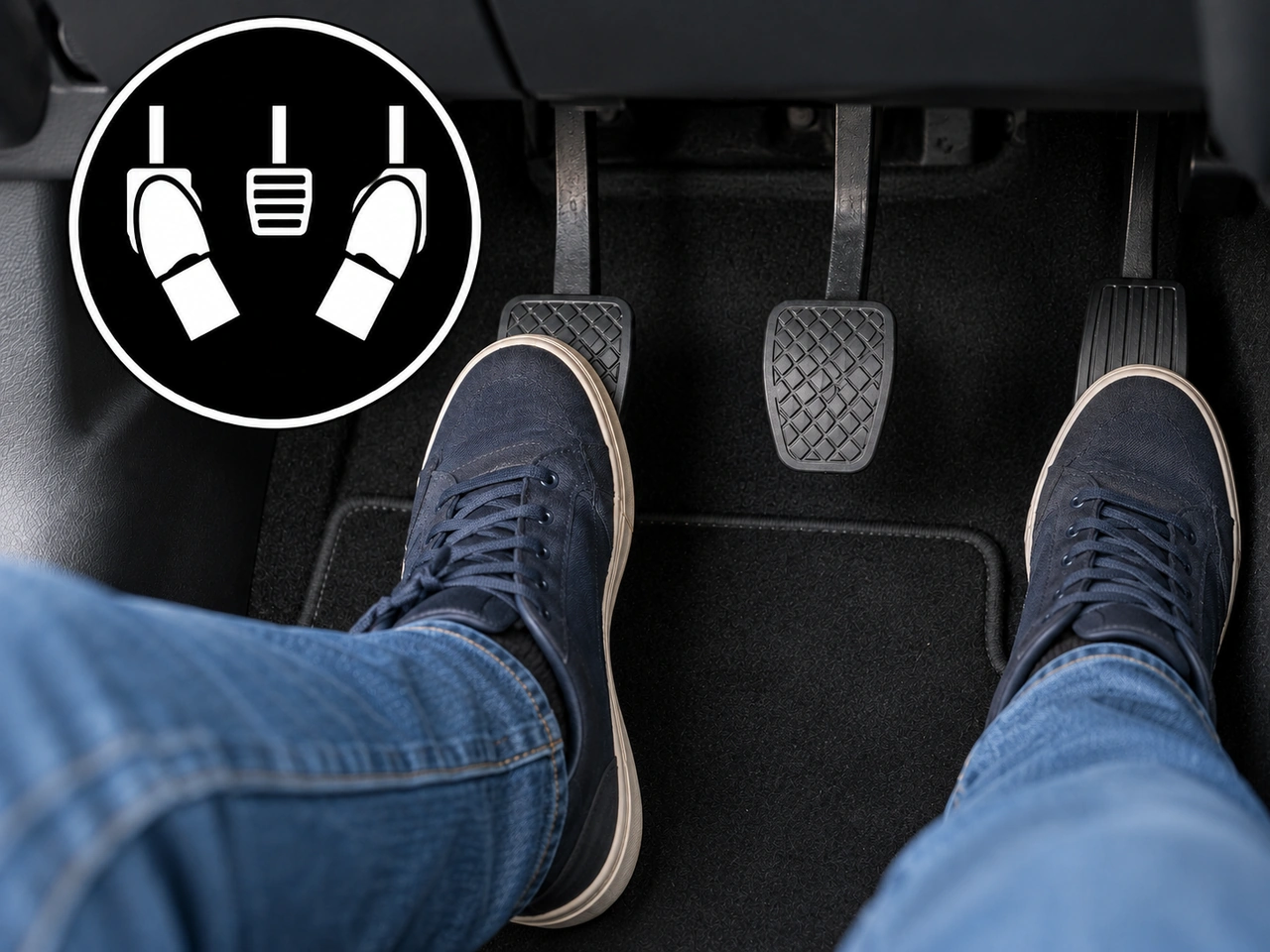
434. How should you use the clutch and accelerator when moving off?
When moving off, release the clutch pedal smoothly through the biting point while applying the accelerator progressively. This helps the vehicle move away smoothly without stalling or excessive engine speed.
AI-generated by Traffic-rules.com • WCIT • CC BY-SA
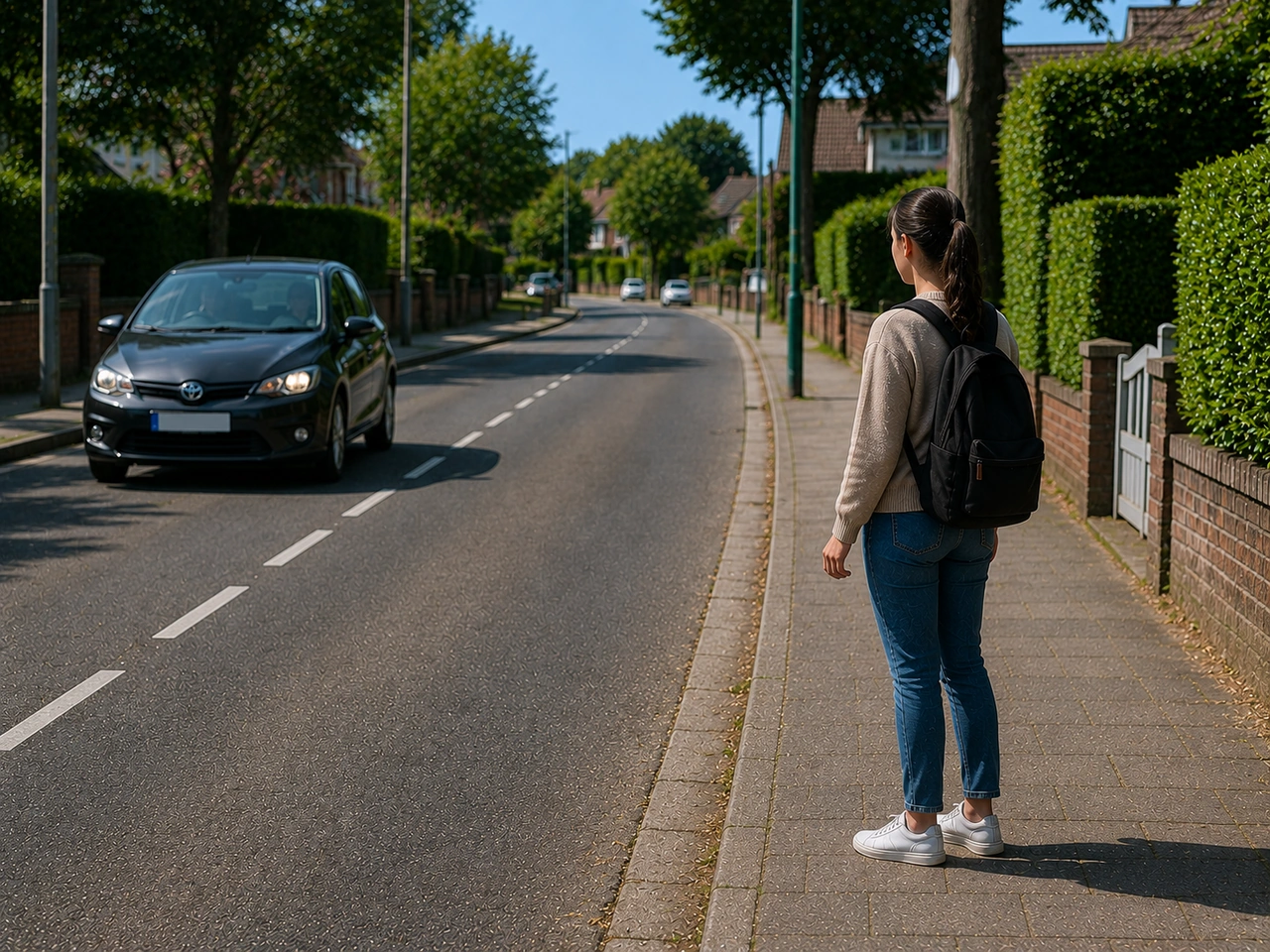
435. What is the best place to cross the road?
Use a designated crossing whenever possible. It is usually the safest place to cross the road.
AI-generated by Traffic-rules.com • WCIT • CC BY-SA
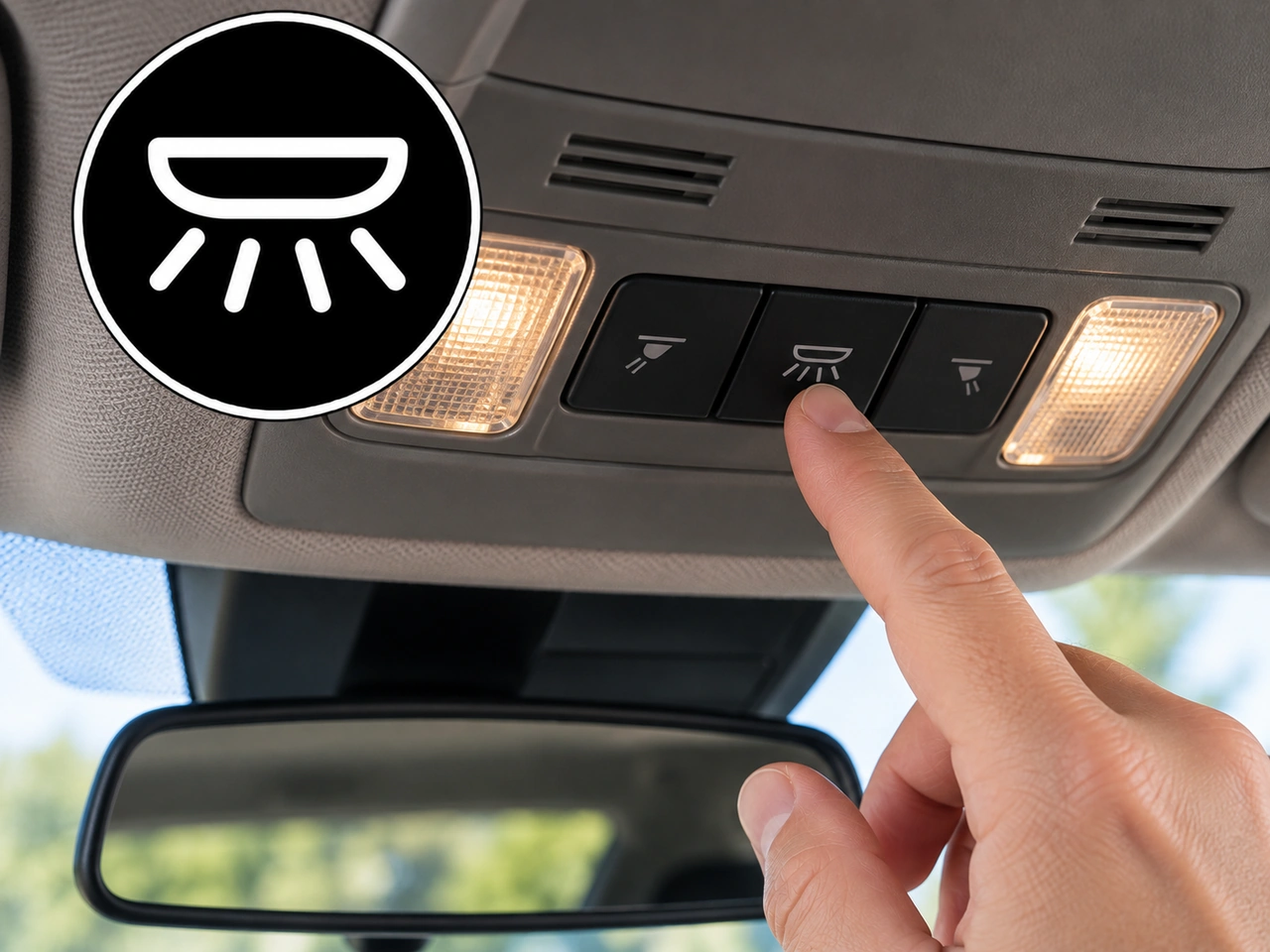
436. What does this vehicle-control symbol indicate?
This control operates the vehicle's interior lighting. Depending on the vehicle, the lights can be switched on manually or set to illuminate automatically when a door is opened.
AI-generated by Traffic-rules.com • WCIT • CC BY-SA
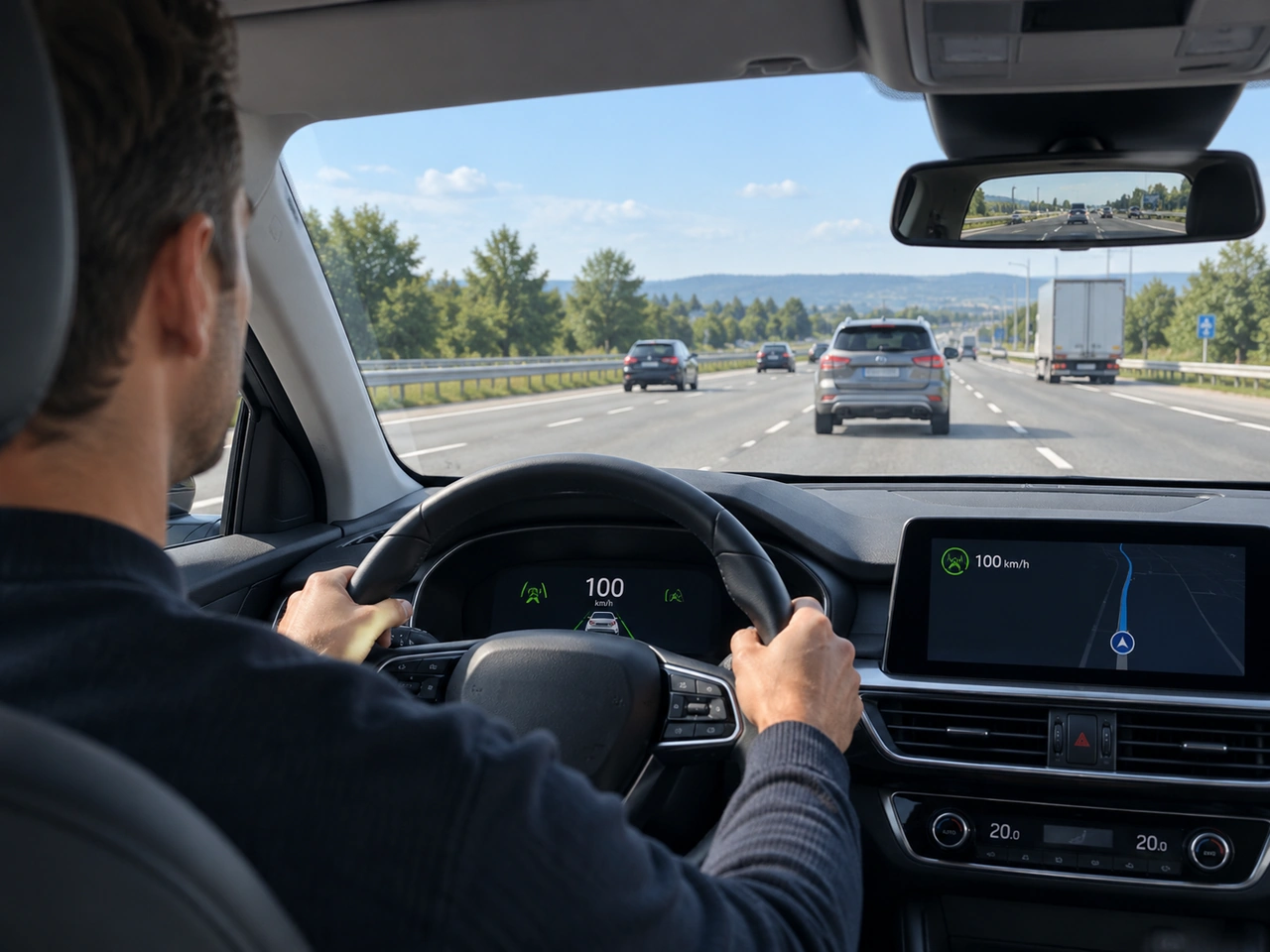
437. What should you remember when using driver-assistance systems?
Driver-assistance systems can help with tasks such as maintaining speed, monitoring lanes, or warning about hazards, but they do not replace the driver. Stay attentive, monitor the road and traffic, and be ready to take control whenever necessary.
AI-generated by Traffic-rules.com • WCIT • CC BY-SA
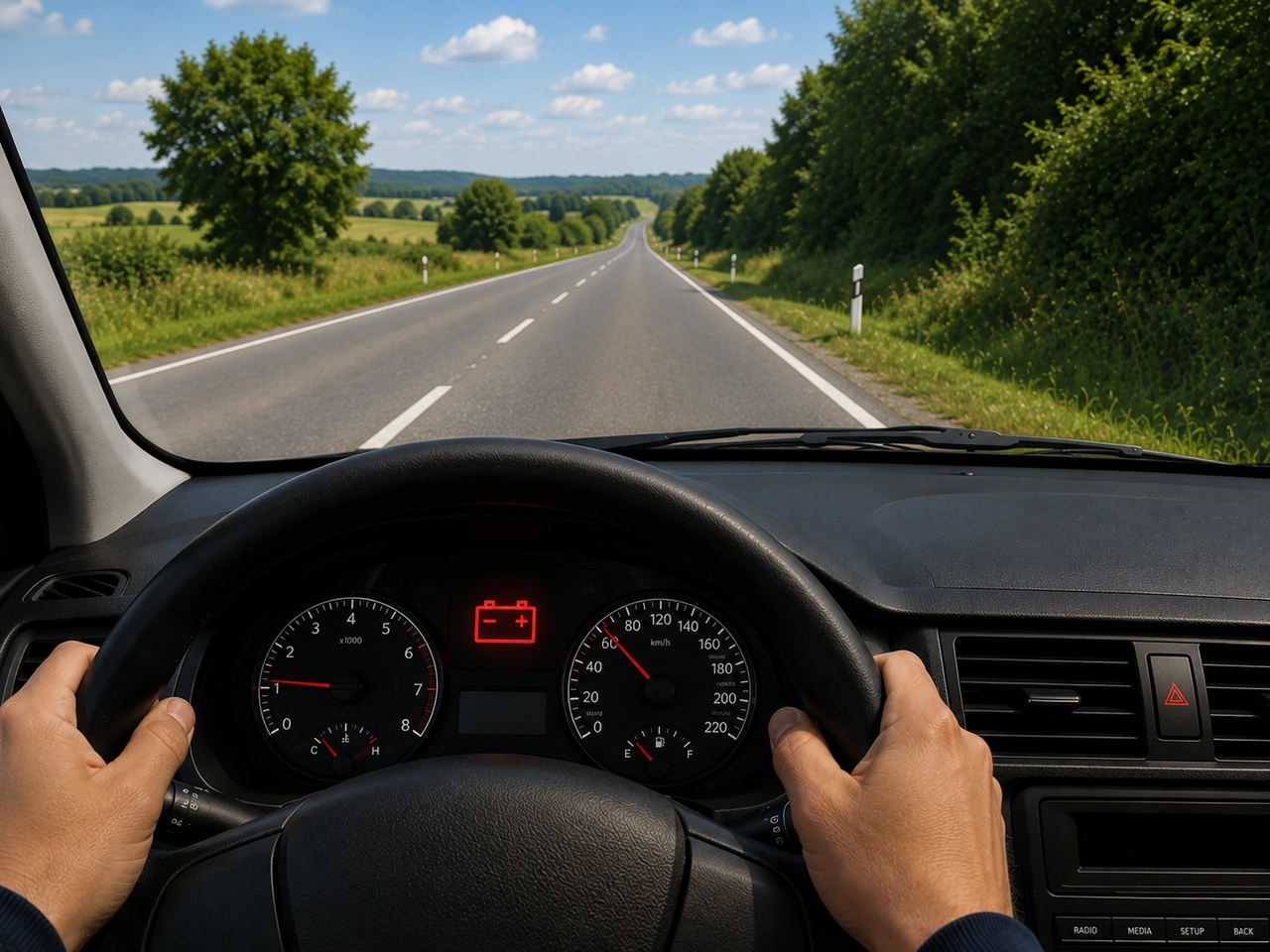
438. What should you do if the charging-system warning light comes on?
The alternator or charging system may have failed. The vehicle may stop once the remaining battery charge is exhausted.
AI-generated by Traffic-rules.com • WCIT • CC BY-SA
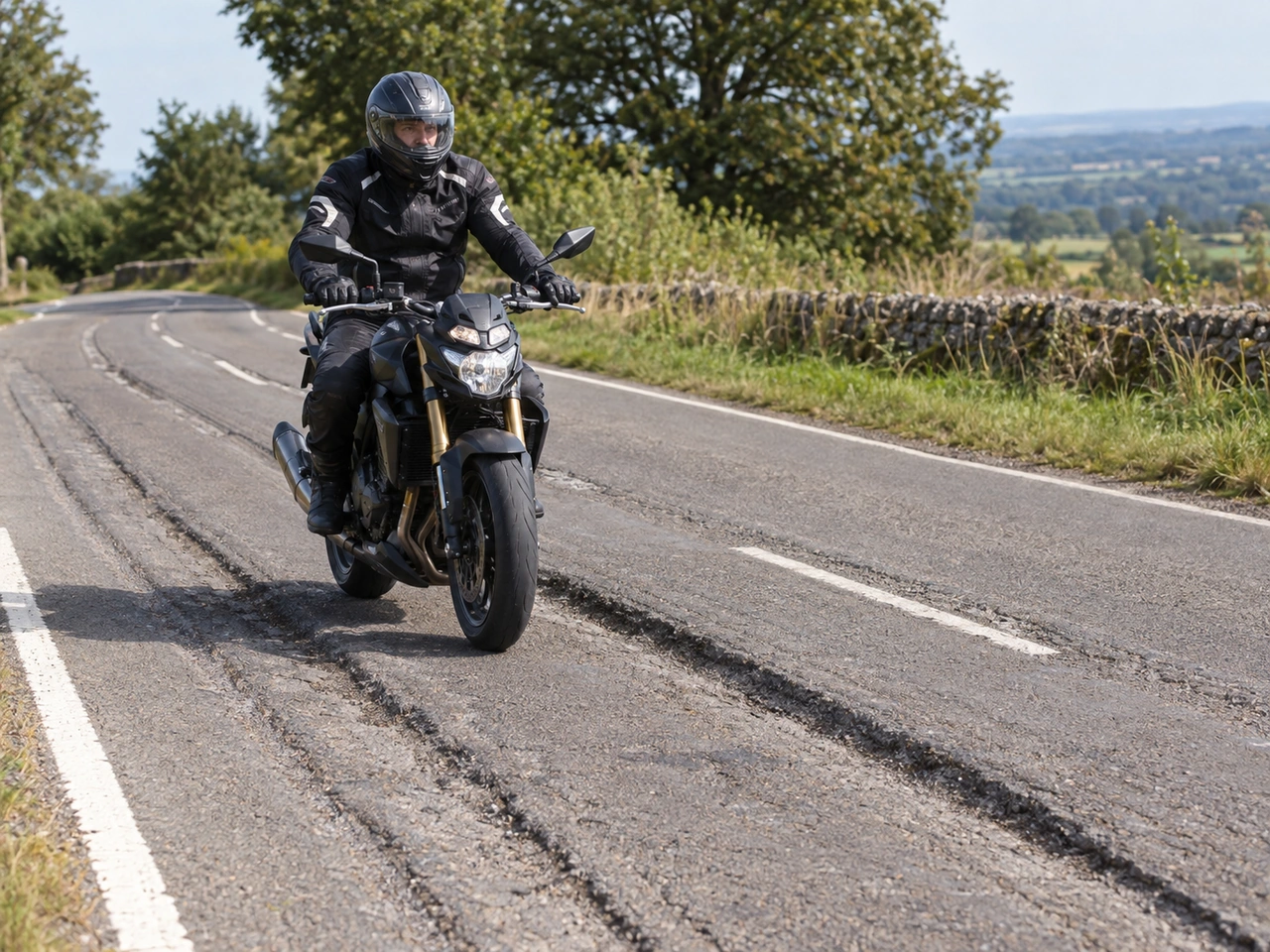
439. How should a motorcyclist react to grooves or ruts in the road?
Longitudinal grooves or ruts can affect a motorcycle's steering and may make the wheels follow the uneven surface. Reduce speed where necessary, keep a relaxed but steady grip and avoid sudden braking, acceleration or steering corrections.
AI-generated by Traffic-rules.com • WCIT • CC BY-SA
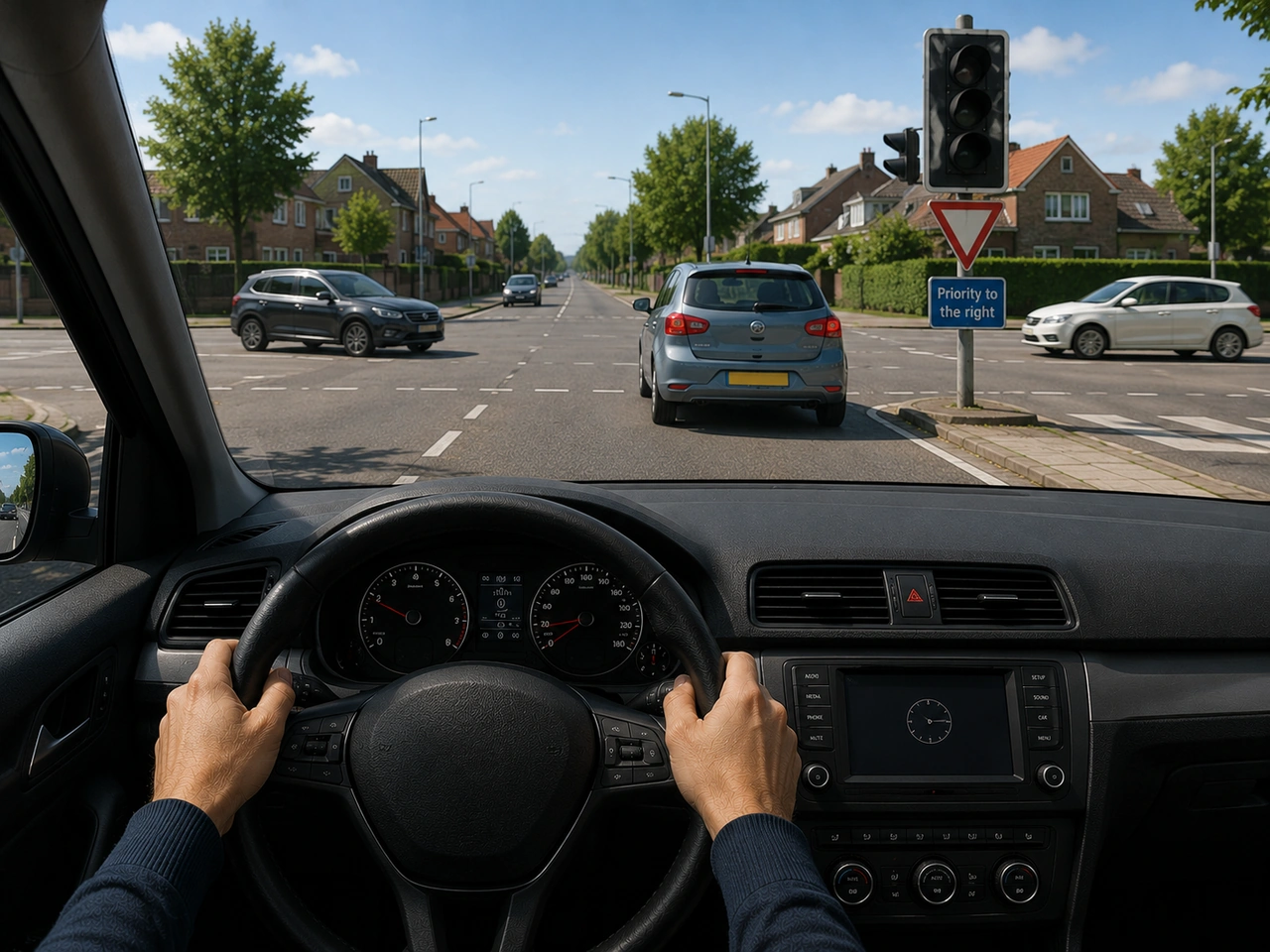
440. What should you do when traffic lights are not working?
If traffic lights are not working, slow down, observe carefully, and follow signs, road markings, or local priority rules.
AI-generated by Traffic-rules.com • WCIT • CC BY-SA
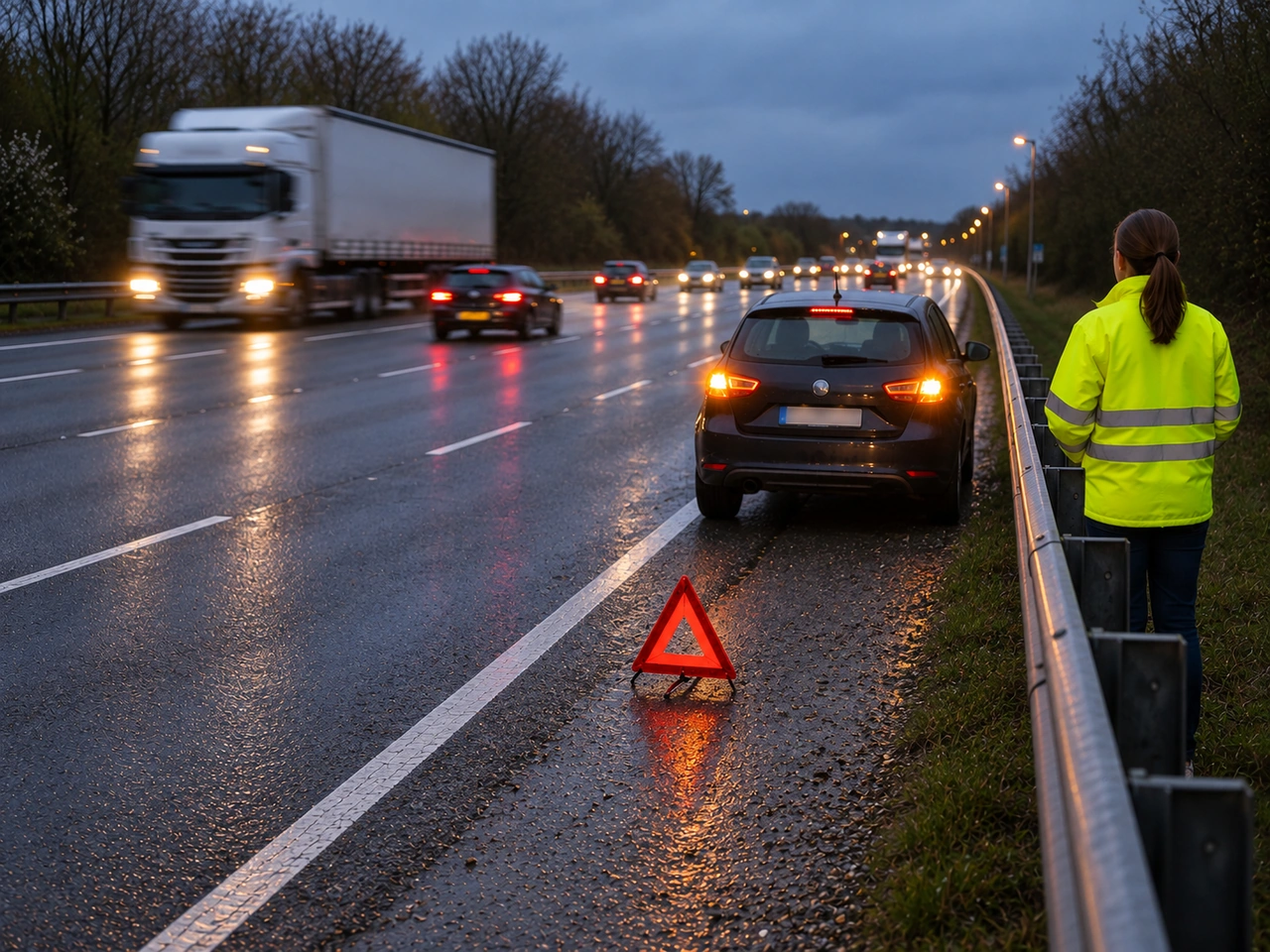
441. Why is high-visibility clothing useful during a roadside breakdown?
High-visibility clothing improves your visibility, especially at night or in poor weather, but you must still remain away from traffic.
AI-generated by Traffic-rules.com • WCIT • CC BY-SA
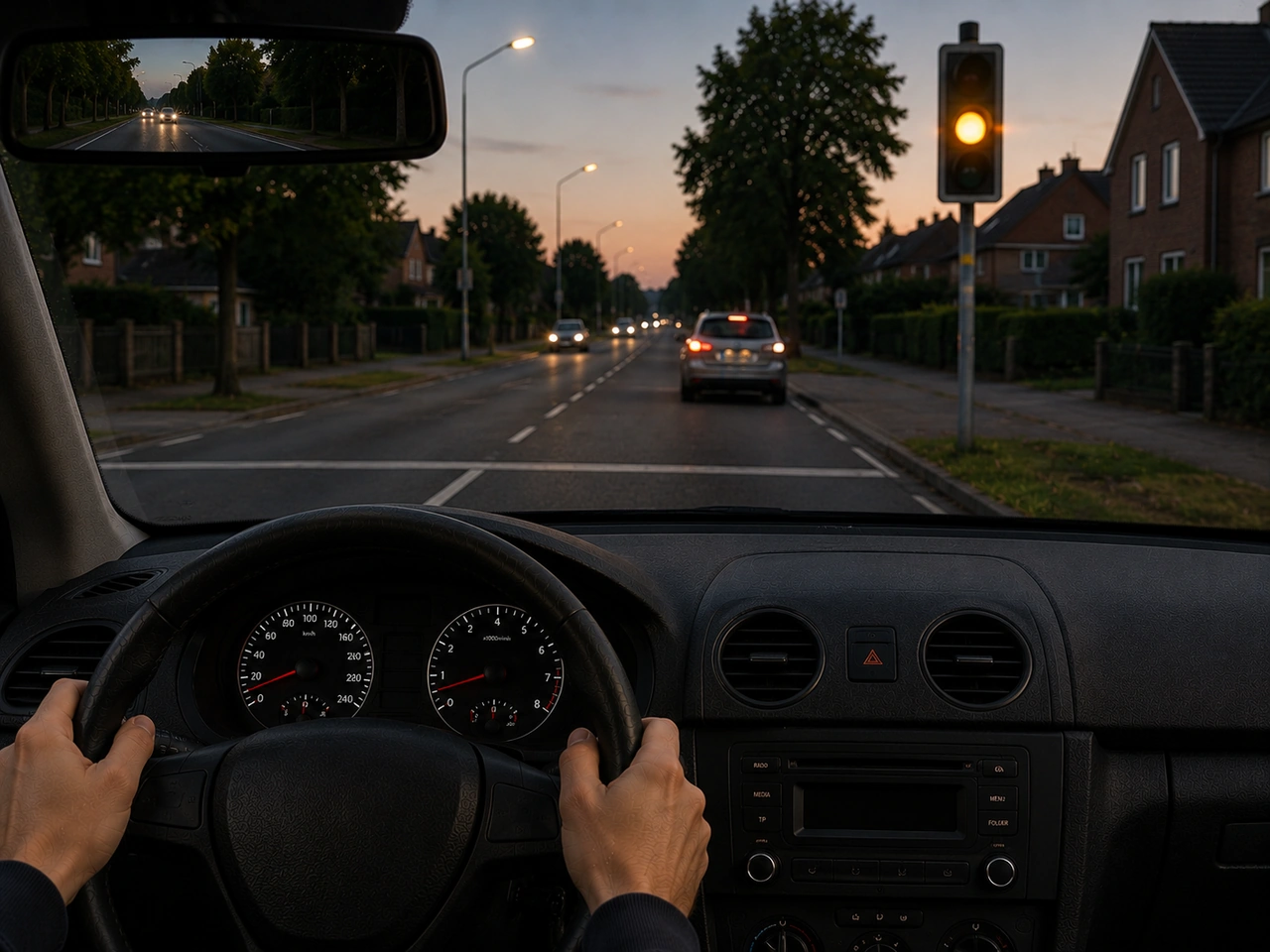
442. What should you do when traffic lights change to amber as you approach?
An amber light warns that the signal is changing. Stop if it is safe, but avoid sudden braking that could cause danger behind you.
AI-generated by Traffic-rules.com • WCIT • CC BY-SA
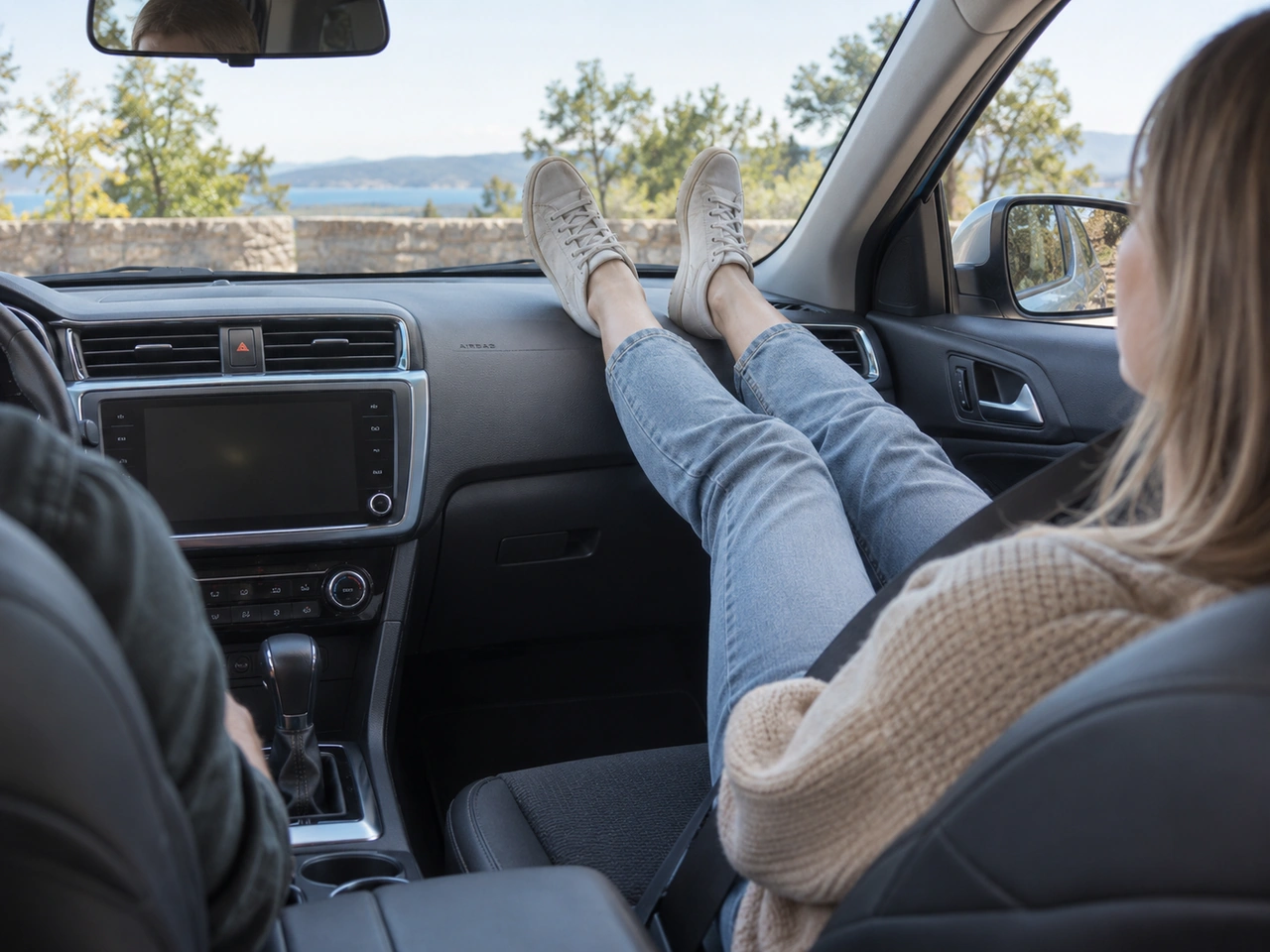
443. Why should a front passenger keep their feet off the dashboard?
A front airbag deploys very quickly and with considerable force. If a passenger has their feet or legs on the dashboard, airbag deployment can force their legs backwards and greatly increase the risk of serious injury. Passengers should sit normally with their feet in the footwell and wear their seat belts correctly. The driver should make sure everyone is seated and restrained safely before setting off.
AI-generated by Traffic-rules.com • WCIT • CC BY-SA
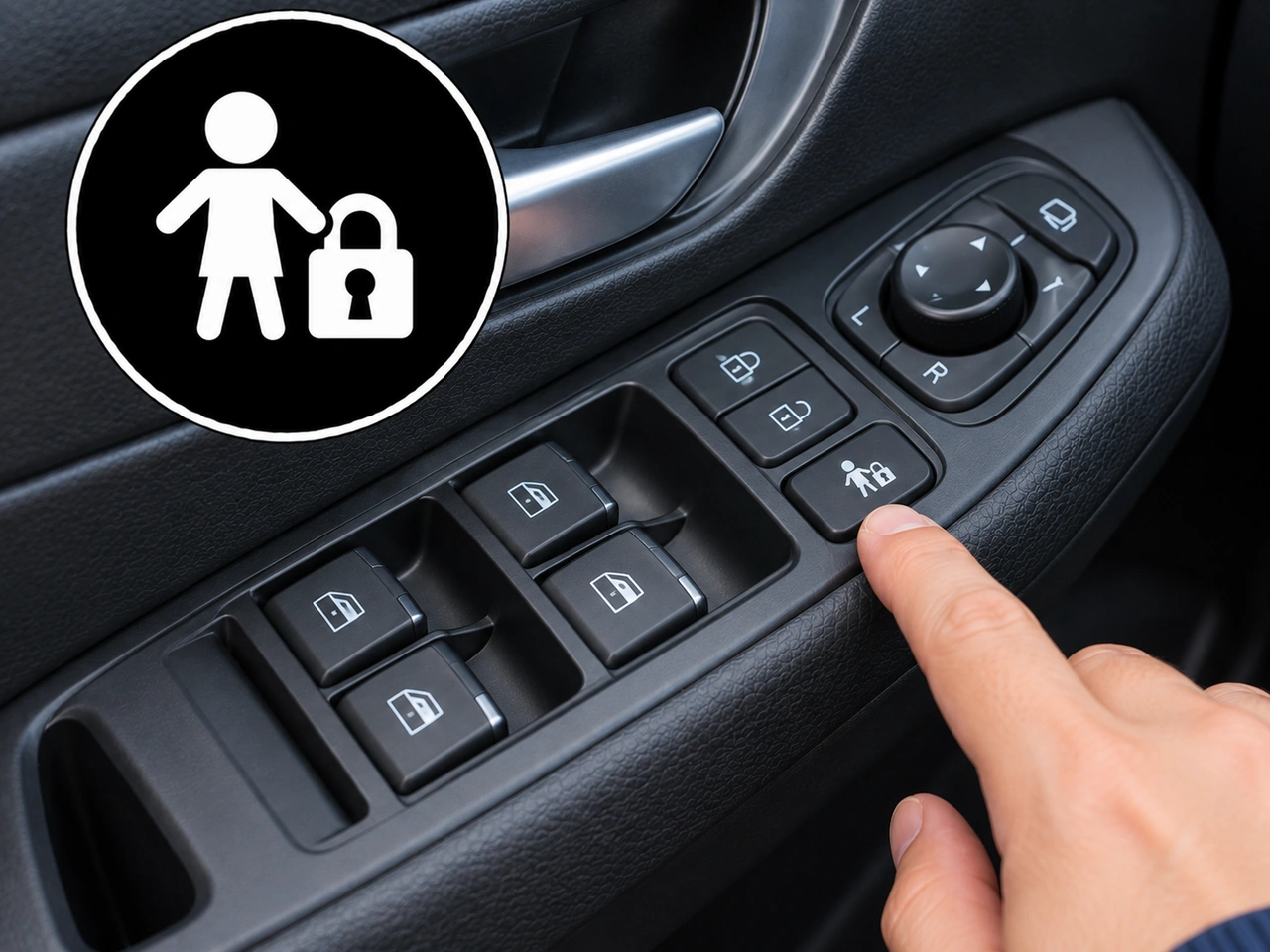
444. What does this vehicle-control symbol indicate?
This control activates the child safety lock. It helps prevent a rear door from being opened from inside the vehicle, depending on the vehicle and system design.
AI-generated by Traffic-rules.com • WCIT • CC BY-SA
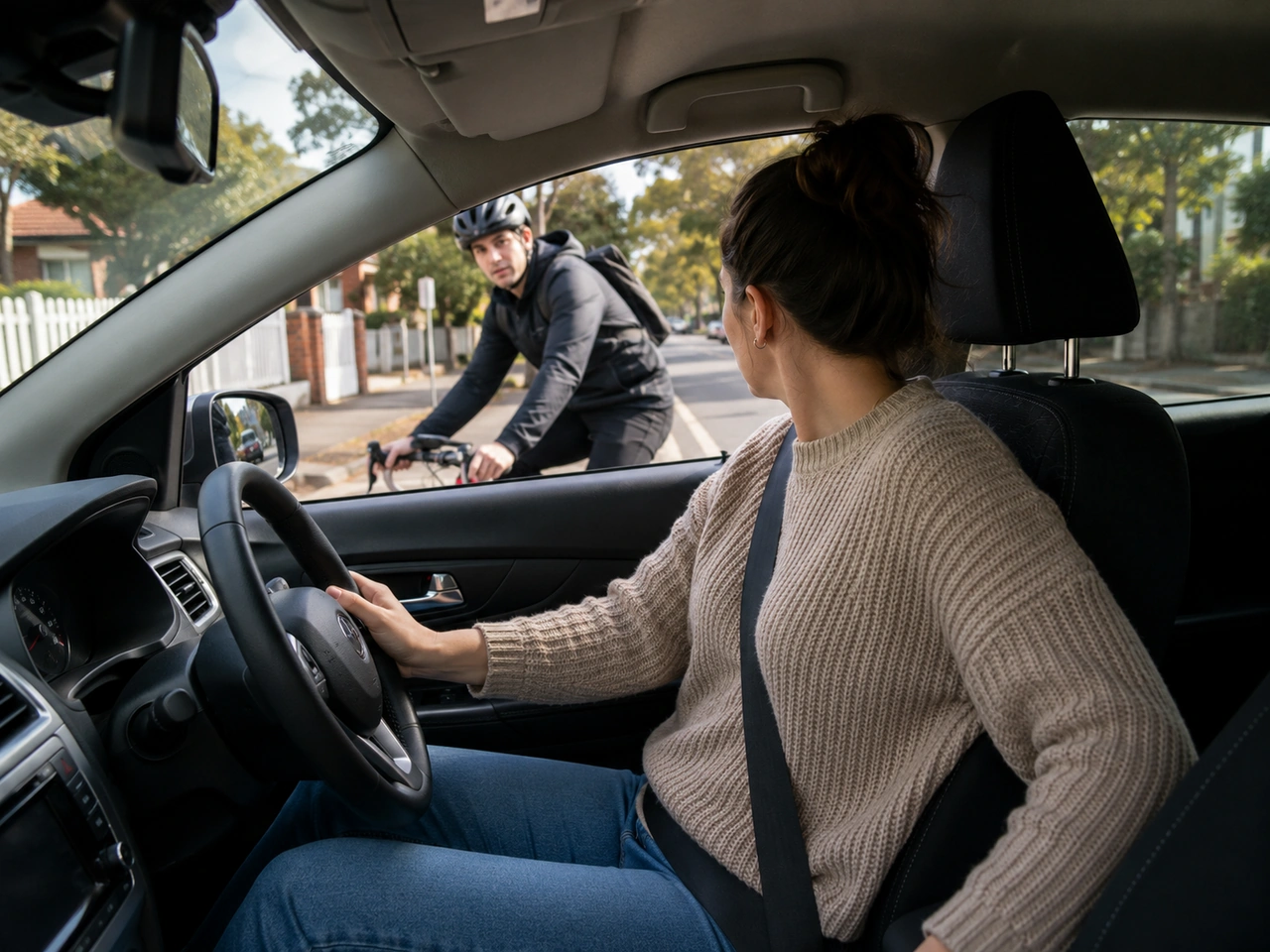
445. Why should you check blind spots before moving off?
Mirrors do not show every area around your vehicle. A blind-spot check can reveal cyclists, pedestrians, motorcyclists, or vehicles before you move off.
AI-generated by Traffic-rules.com • WCIT • CC BY-SA
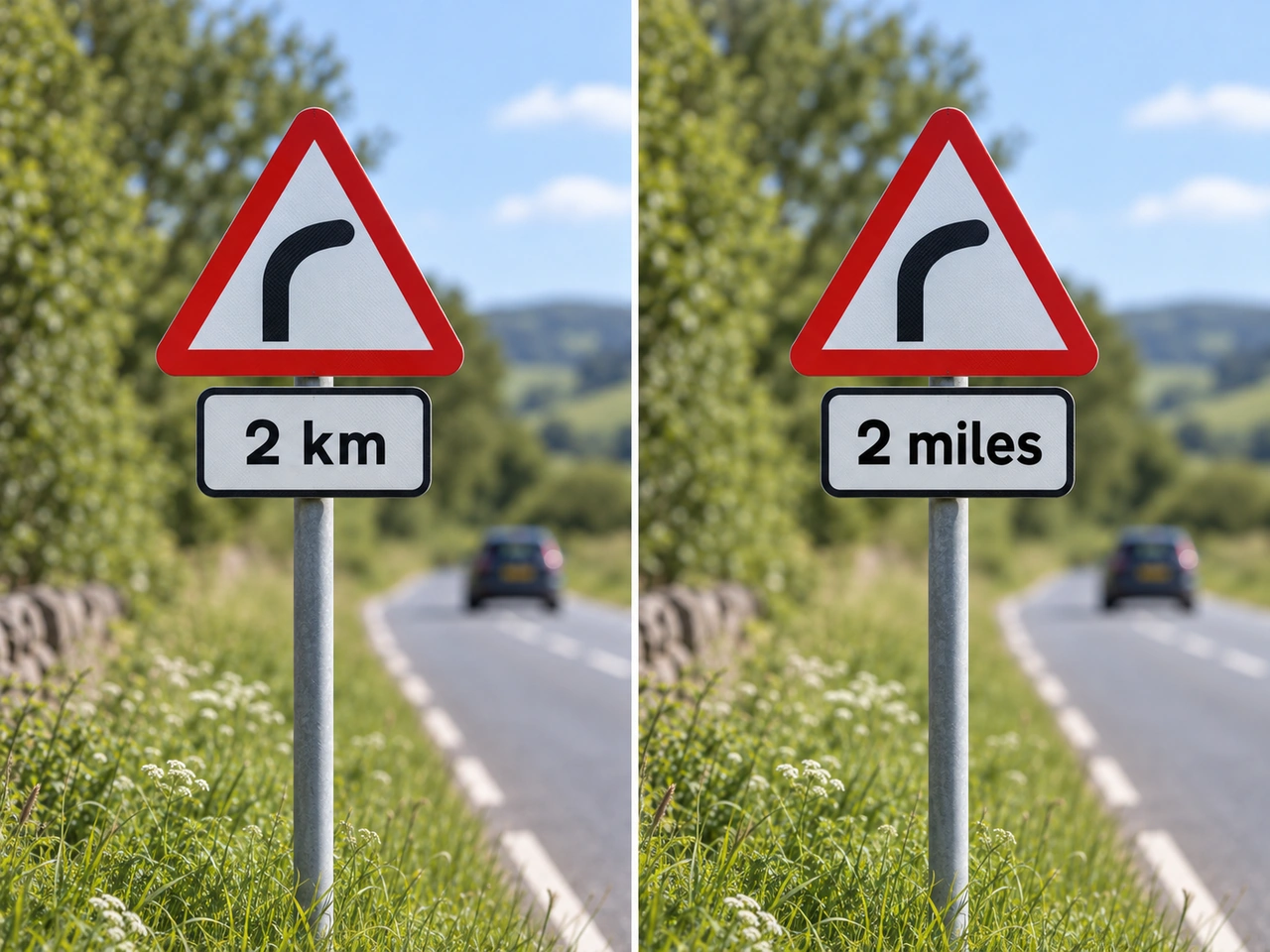
446. Which distance unit is used on road signs in Finland?
Road distances in Finland are normally shown in kilometres.
AI-generated by Traffic-rules.com • WCIT • CC BY-SA
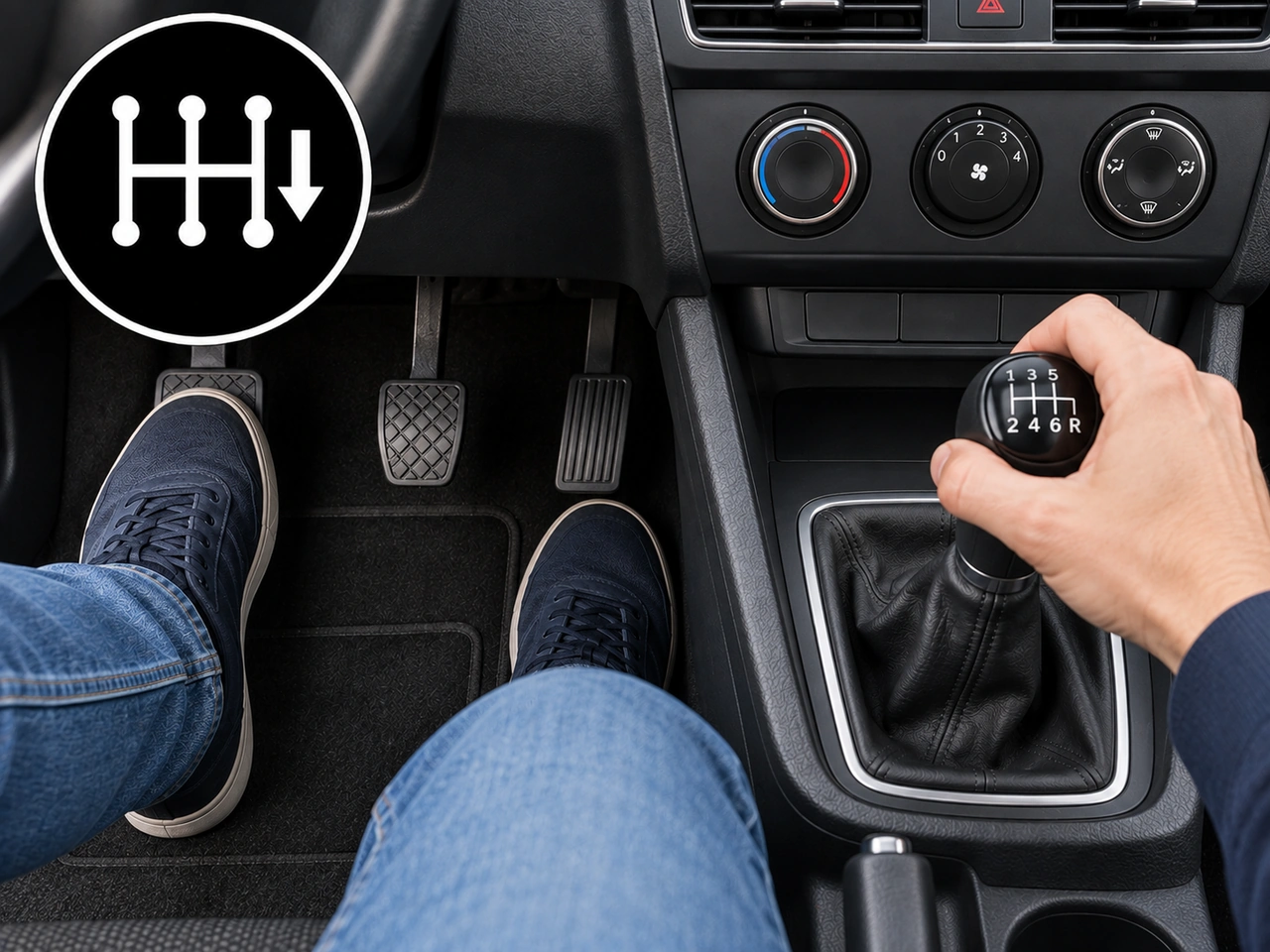
447. What should you consider before selecting a lower gear in a manual vehicle?
Before selecting a lower gear, make sure the vehicle's speed is suitable for that gear. Selecting too low a gear at excessive speed can cause harsh engine braking and place unnecessary stress on the drivetrain.
AI-generated by Traffic-rules.com • WCIT • CC BY-SA
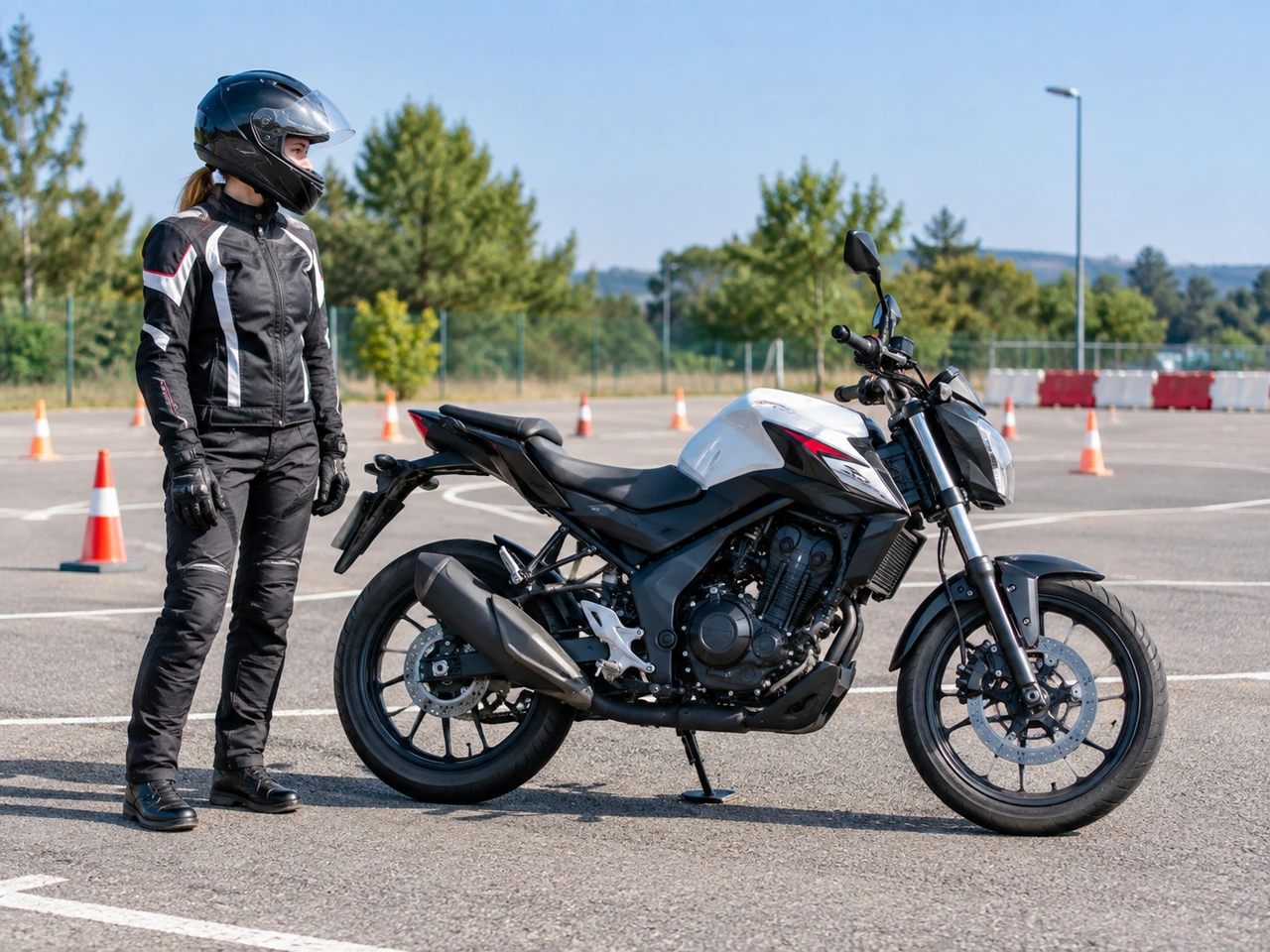
448. What is the minimum licence for a 125 cm³, 11 kW motorcycle at 0.1 kW/kg?
Category A1 covers motorcycles with an engine capacity not exceeding 125 cm³, power not exceeding 11 kW, and a power-to-weight ratio not exceeding 0.1 kW/kg.
AI-generated by Traffic-rules.com • WCIT • CC BY-SA
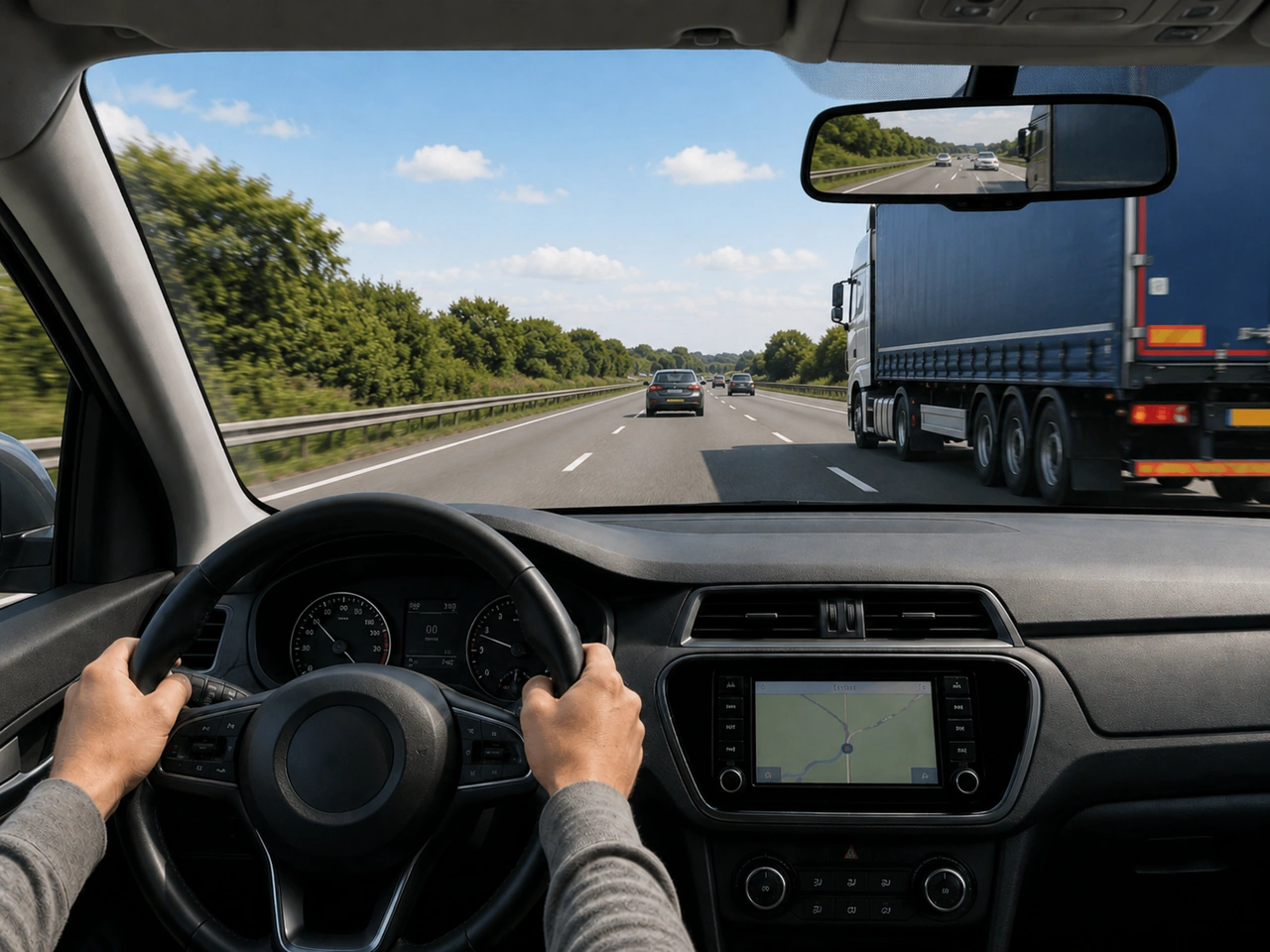
449. It is safer to drive faster than the speed limit when overtaking.
You must still drive safely and obey traffic laws. Speeding increases risk and is not automatically justified by overtaking.
AI-generated by Traffic-rules.com • WCIT • CC BY-SA
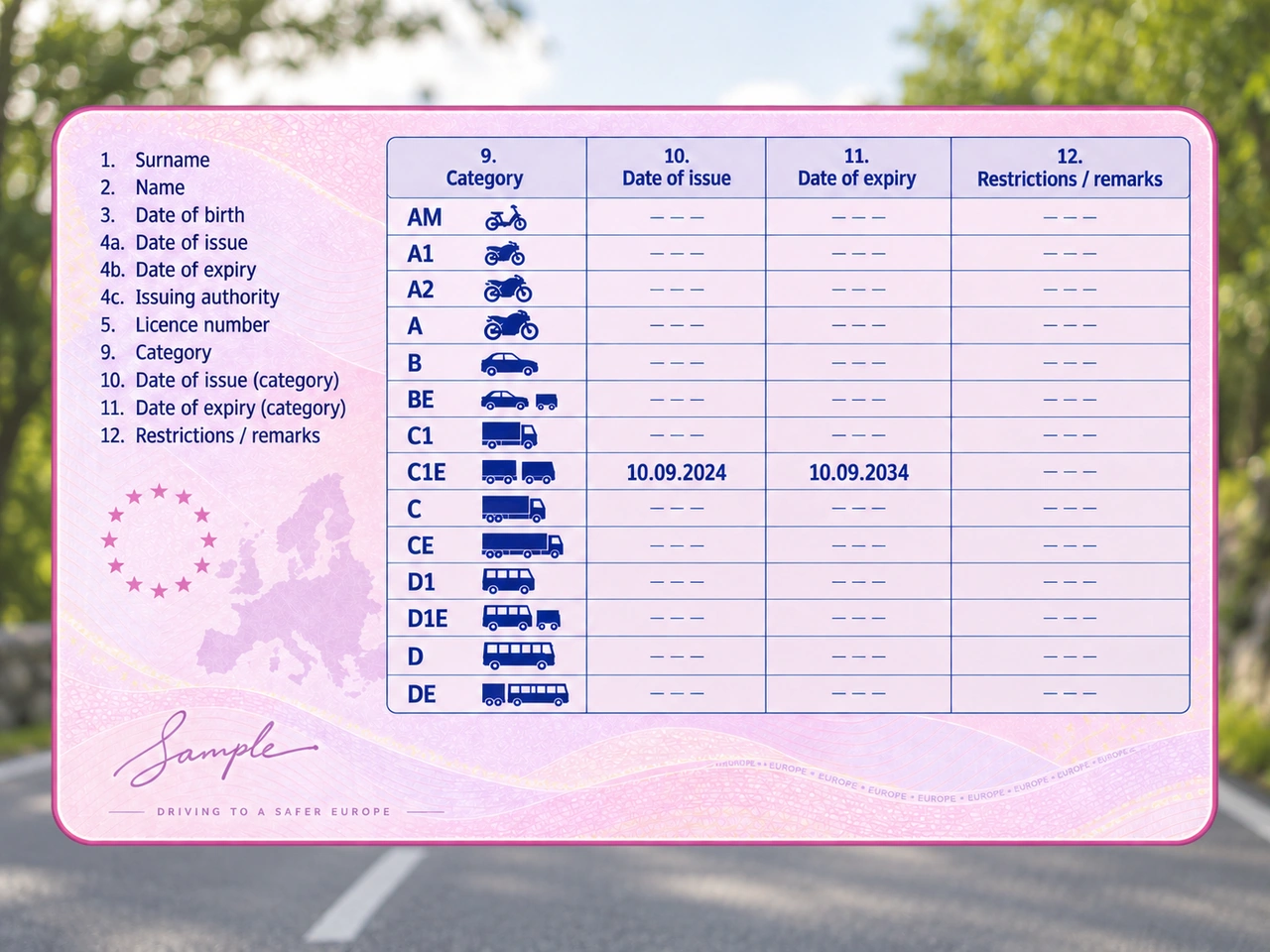
450. Which vehicle combination is covered by driving licence C1E?
Category C1E covers a category C1 vehicle with a trailer over 750 kg, provided the combination does not exceed 12,000 kg. It can also cover certain category B vehicles towing trailers over 3,500 kg, again with a combined maximum authorised mass not exceeding 12,000 kg.
AI-generated by Traffic-rules.com • WCIT • CC BY-SA