


QuizTraffic rulesFrance
Test your knowledge with our multiple-choice quiz. Learn from each answer and improve your understanding of the traffic rules and road signs of France.
 Traffic signs
 Traffic rules
 France
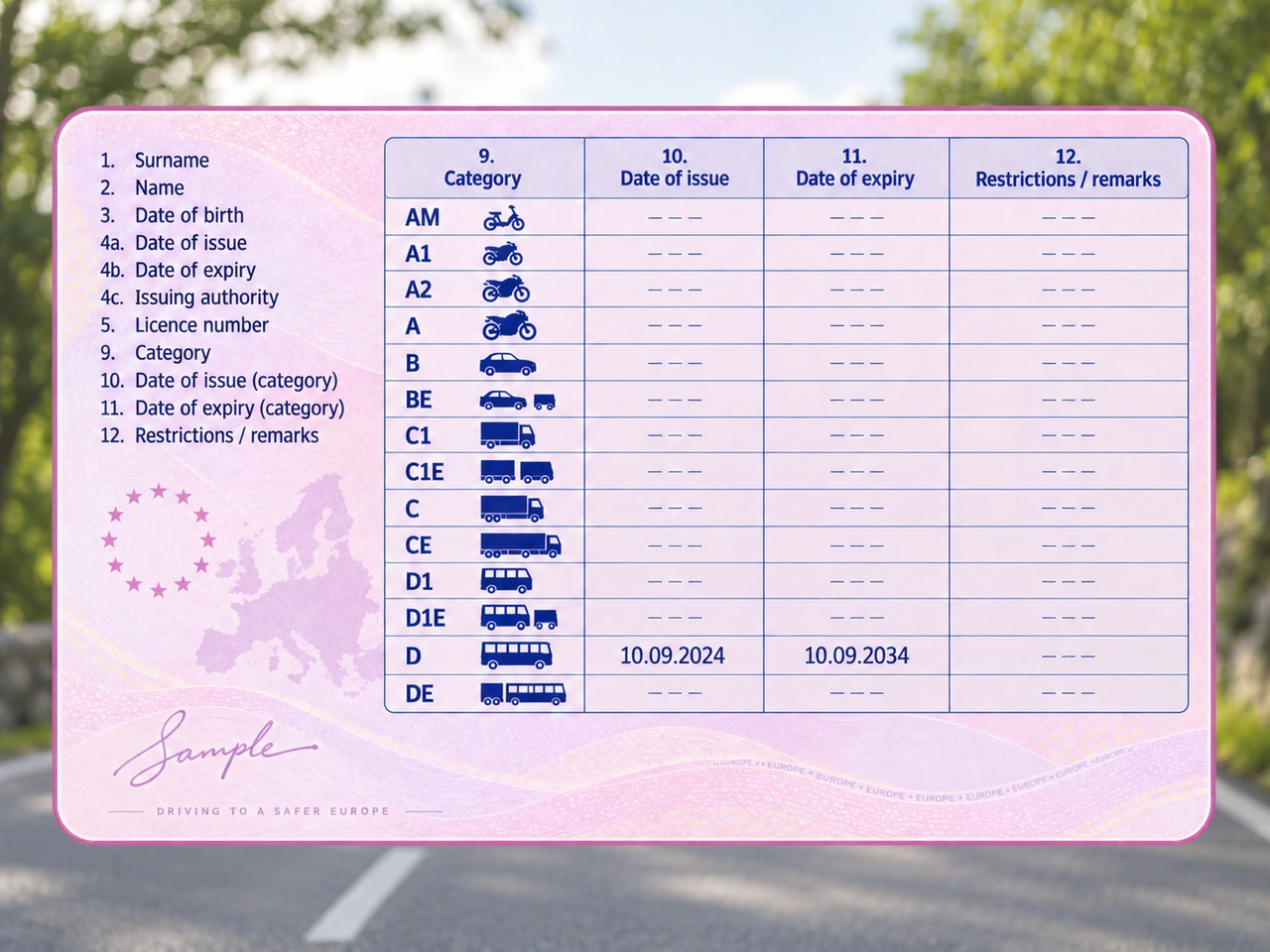
101. Which passenger vehicles are covered by driving licence D?
Category D covers motor vehicles designed and constructed to carry more than eight passengers in addition to the driver. A trailer up to 750 kg may be towed.
AI-generated by Traffic-rules.com • WCIT • CC BY-SA

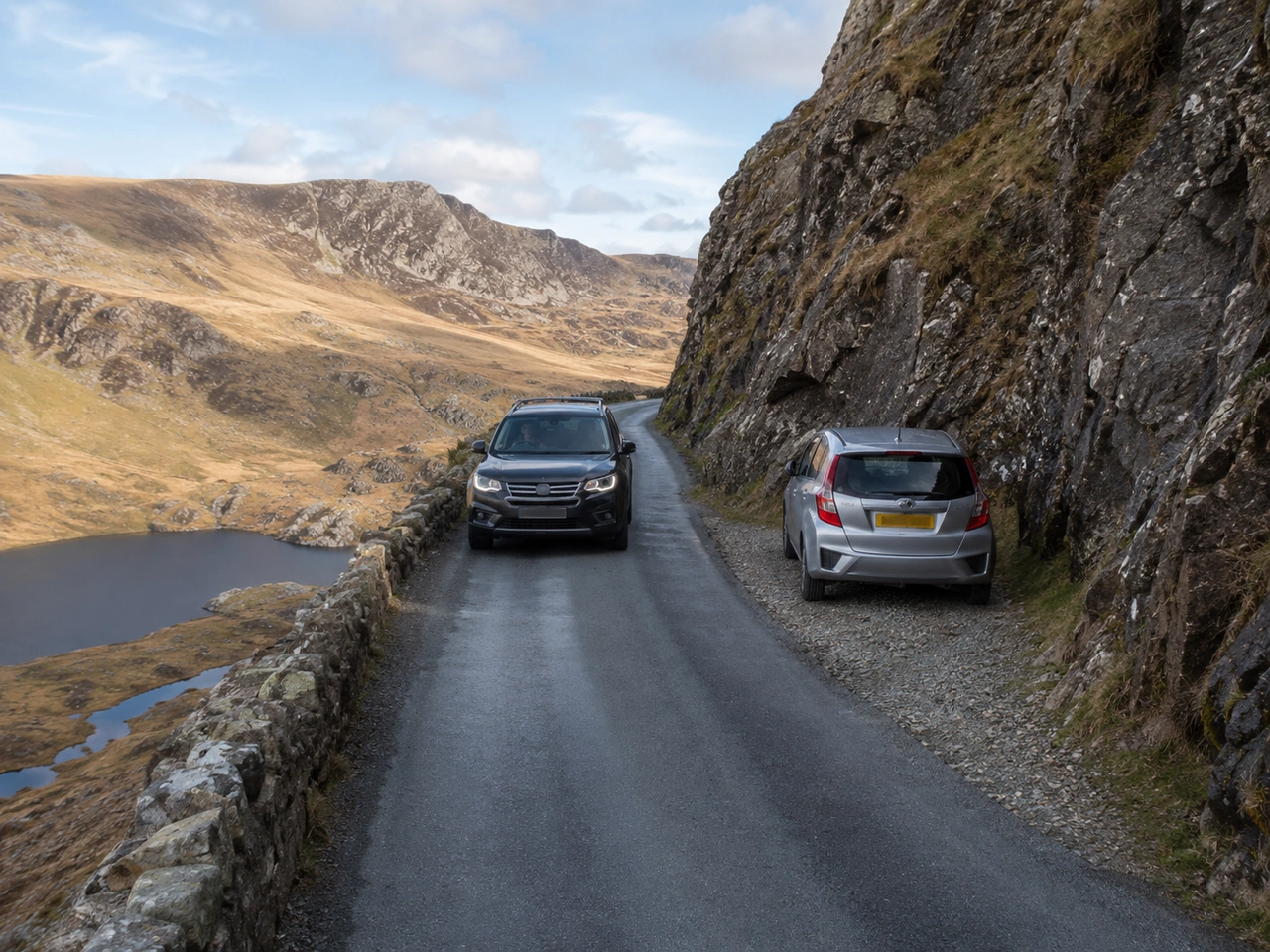
102. What should you do when meeting another vehicle on a narrow mountain road?
Narrow mountain roads may not provide enough space for two vehicles. Reduce speed and cooperate to pass safely.
AI-generated by Traffic-rules.com • WCIT • CC BY-SA
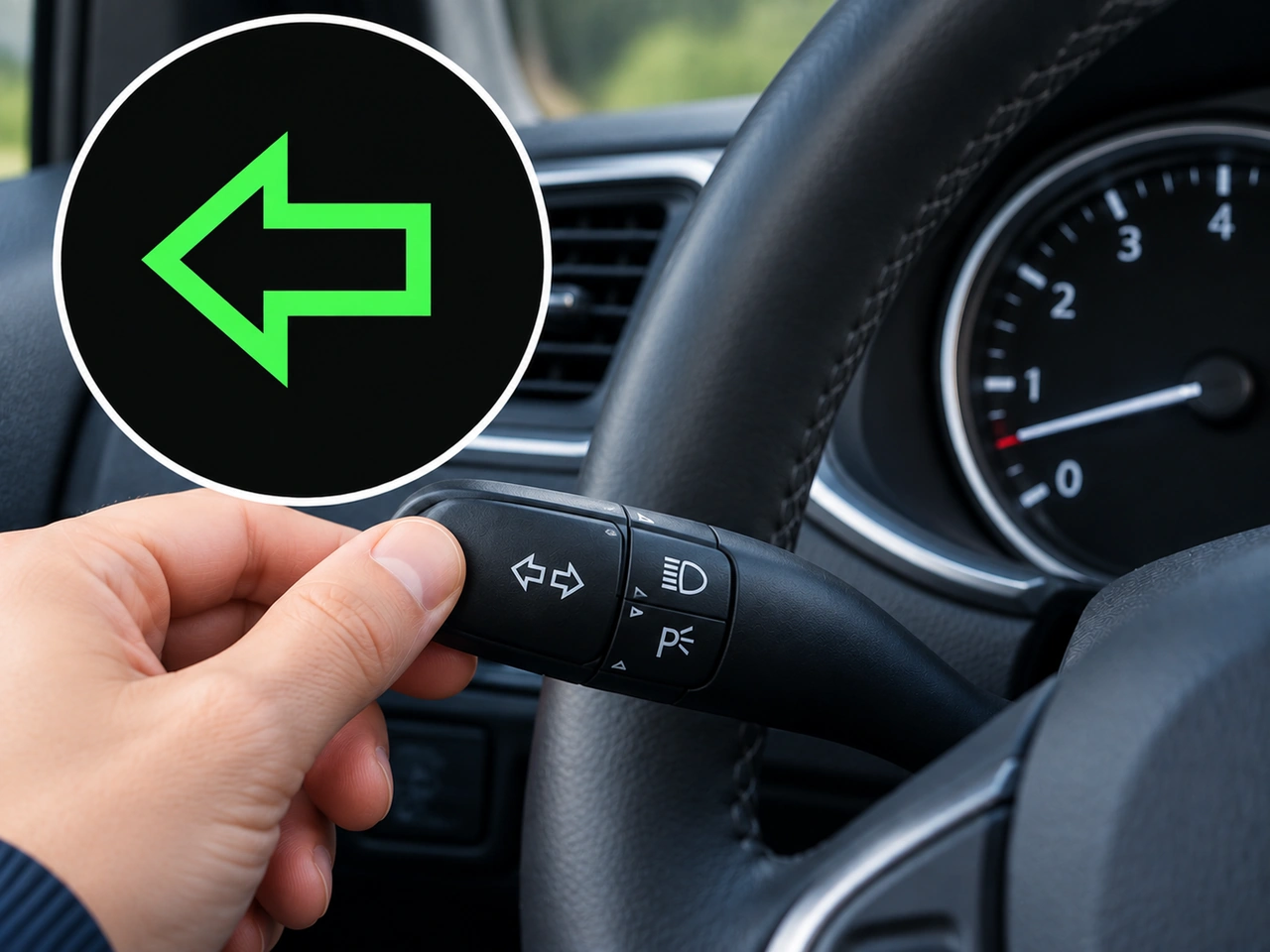
103. What does this dashboard symbol indicate?
This symbol indicates that a direction indicator is operating. The flashing indicator shows the direction in which the driver intends to turn or change position on the road.
AI-generated by Traffic-rules.com • WCIT • CC BY-SA
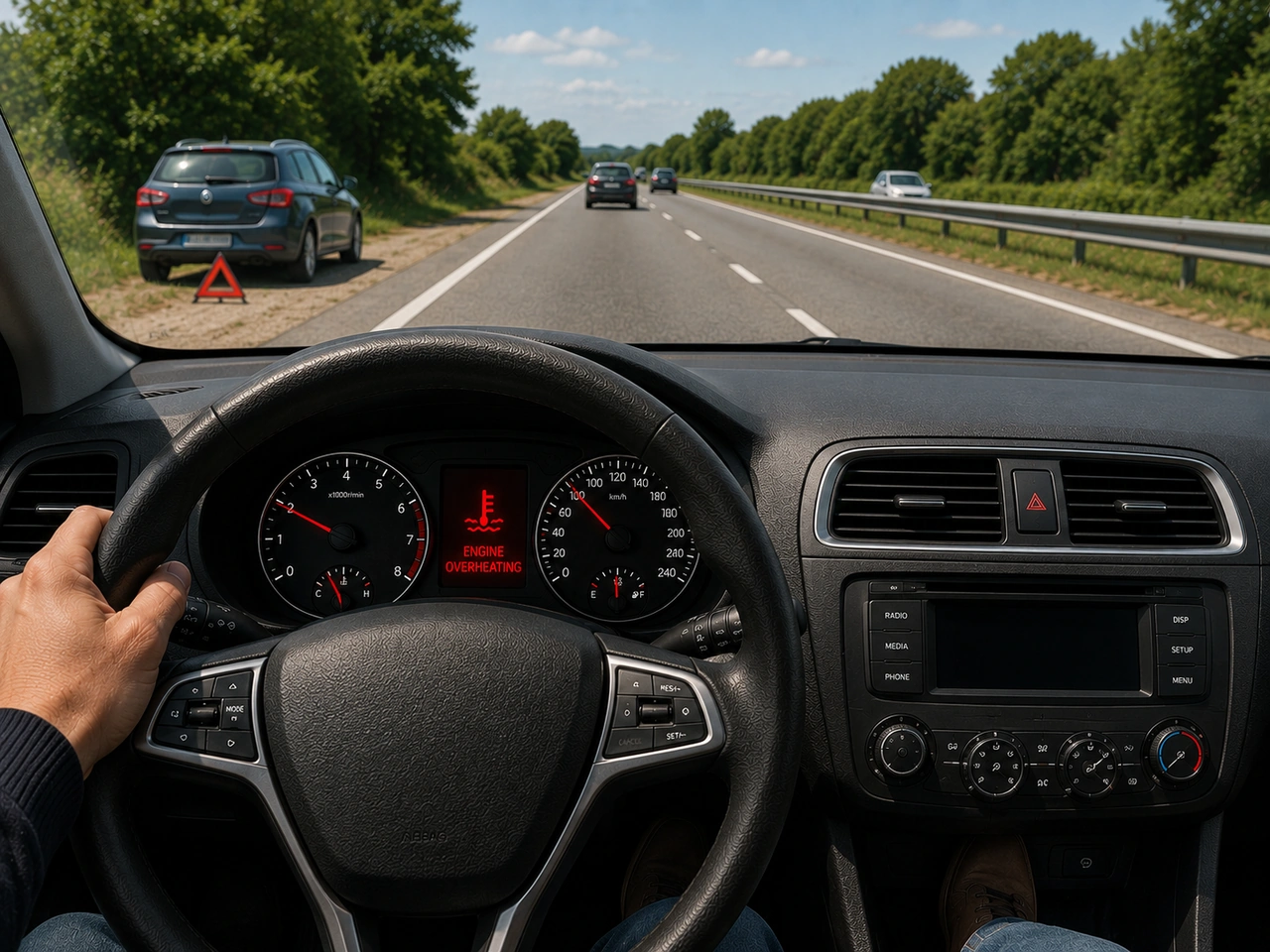
104. What should you do if the engine-temperature warning shows overheating?
Continuing to drive an overheating vehicle can cause severe damage. Allow the engine to cool and follow the manufacturer's instructions.
AI-generated by Traffic-rules.com • WCIT • CC BY-SA
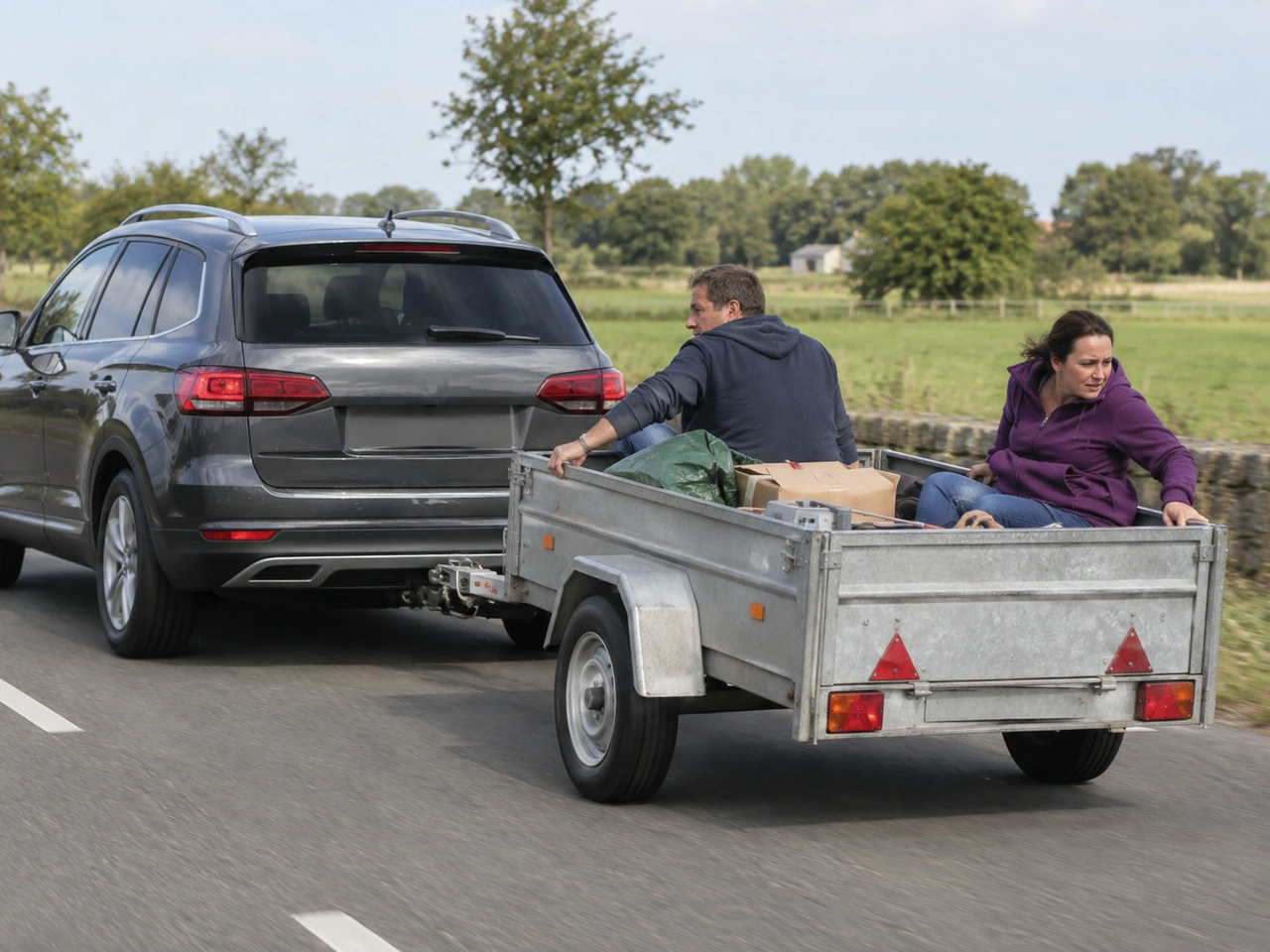
105. Should passengers travel in an ordinary goods trailer?
An ordinary goods trailer is not designed to carry passengers and normally has no suitable seats or restraint systems. Passengers should travel in seating positions designed and approved for carrying people. Special passenger-carrying trailers may be subject to different local rules.
AI-generated by Traffic-rules.com • WCIT • CC BY-SA
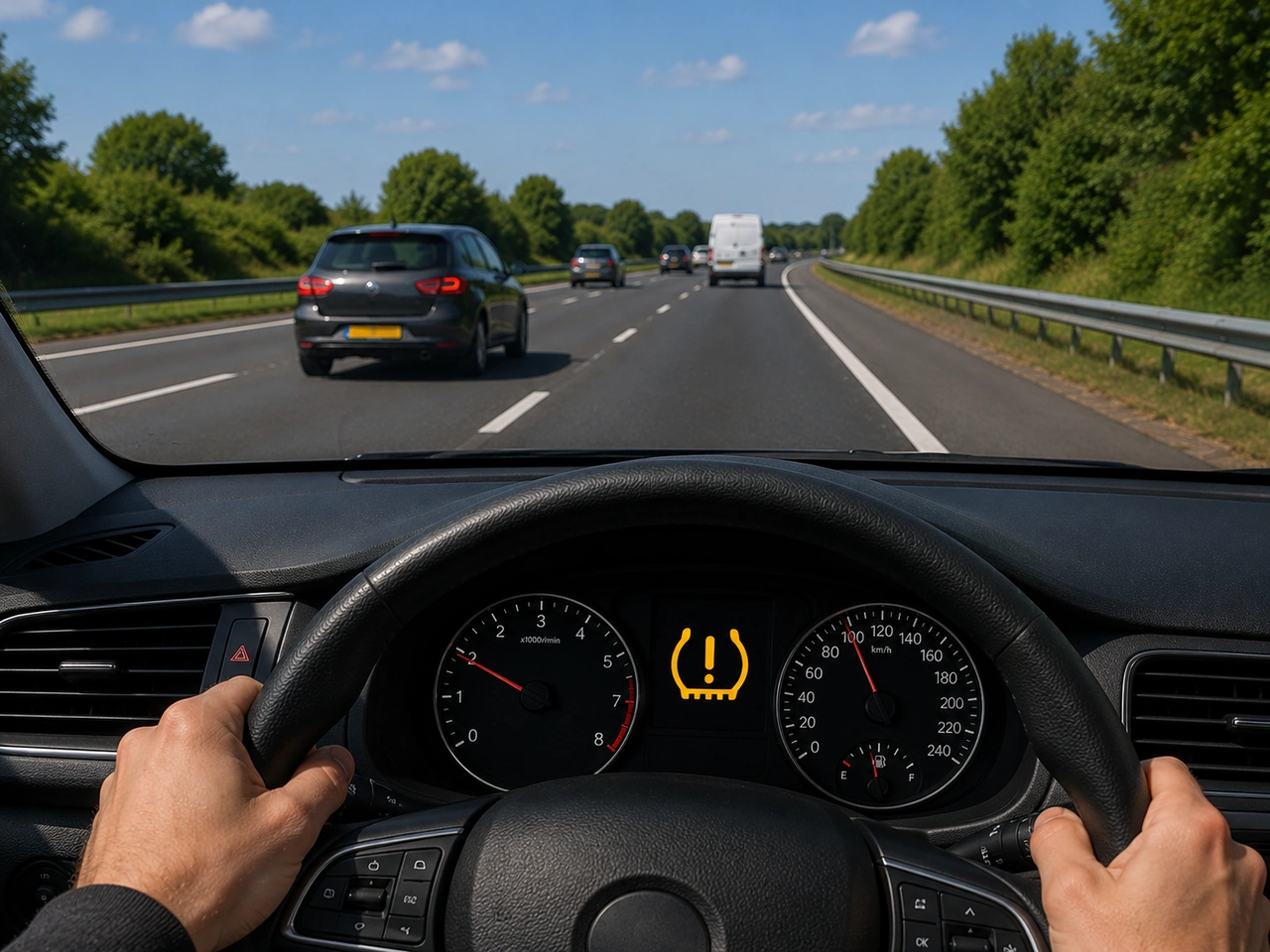
106. What should you do if a tyre-pressure warning appears and handling changes?
A pressure loss or damaged tyre can affect steering and braking. If the tyre-pressure warning appears together with a change in handling, it may indicate a serious tyre problem. Stop safely and inspect the tyres before continuing.
AI-generated by Traffic-rules.com • WCIT • CC BY-SA
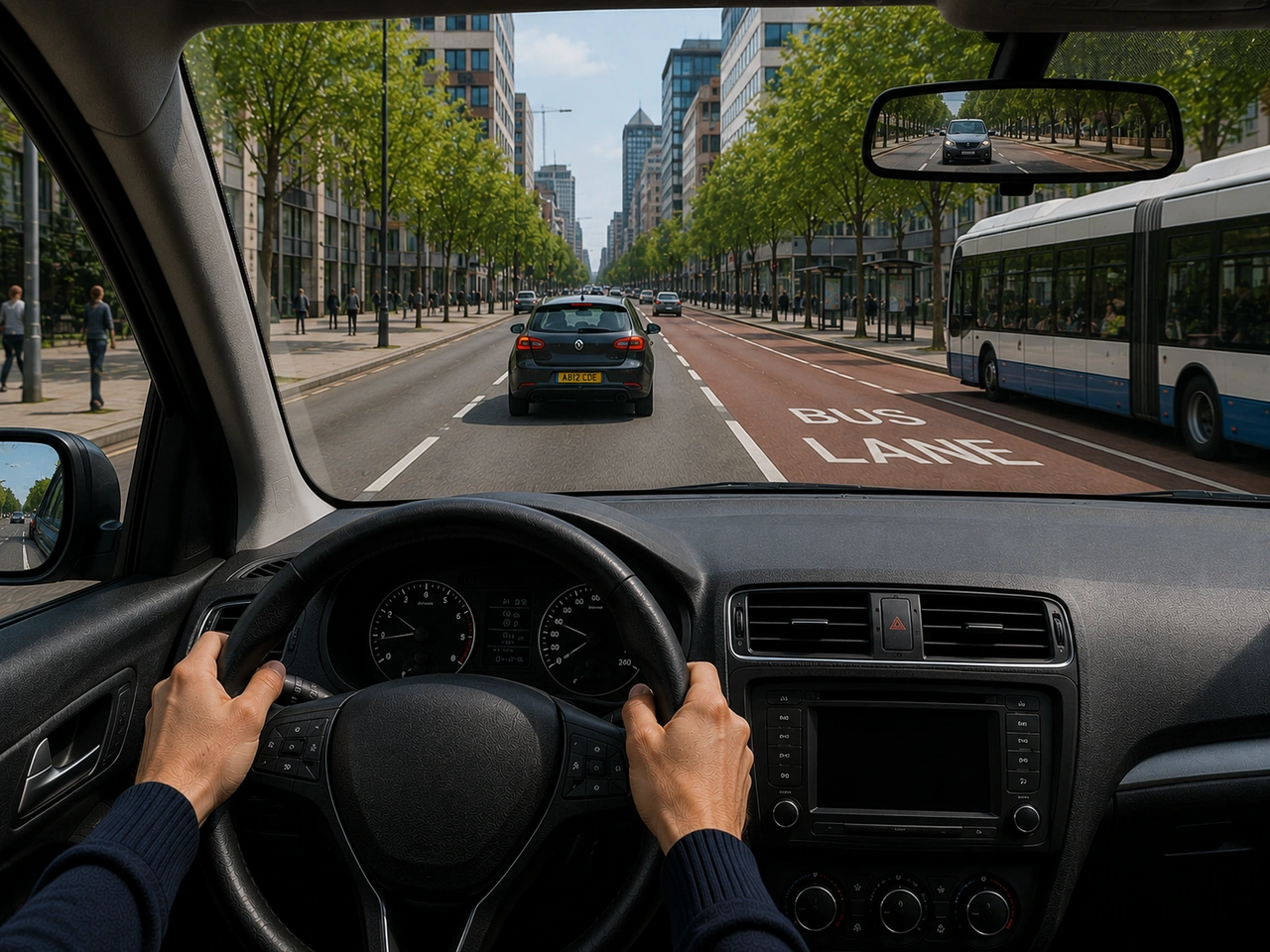
107. Why should you take extra care when crossing a tram or bus lane?
Check carefully before crossing or entering a tram or bus lane. Trams cannot steer around obstacles, and both trams and buses may need significant distance to stop.
AI-generated by Traffic-rules.com • WCIT • CC BY-SA
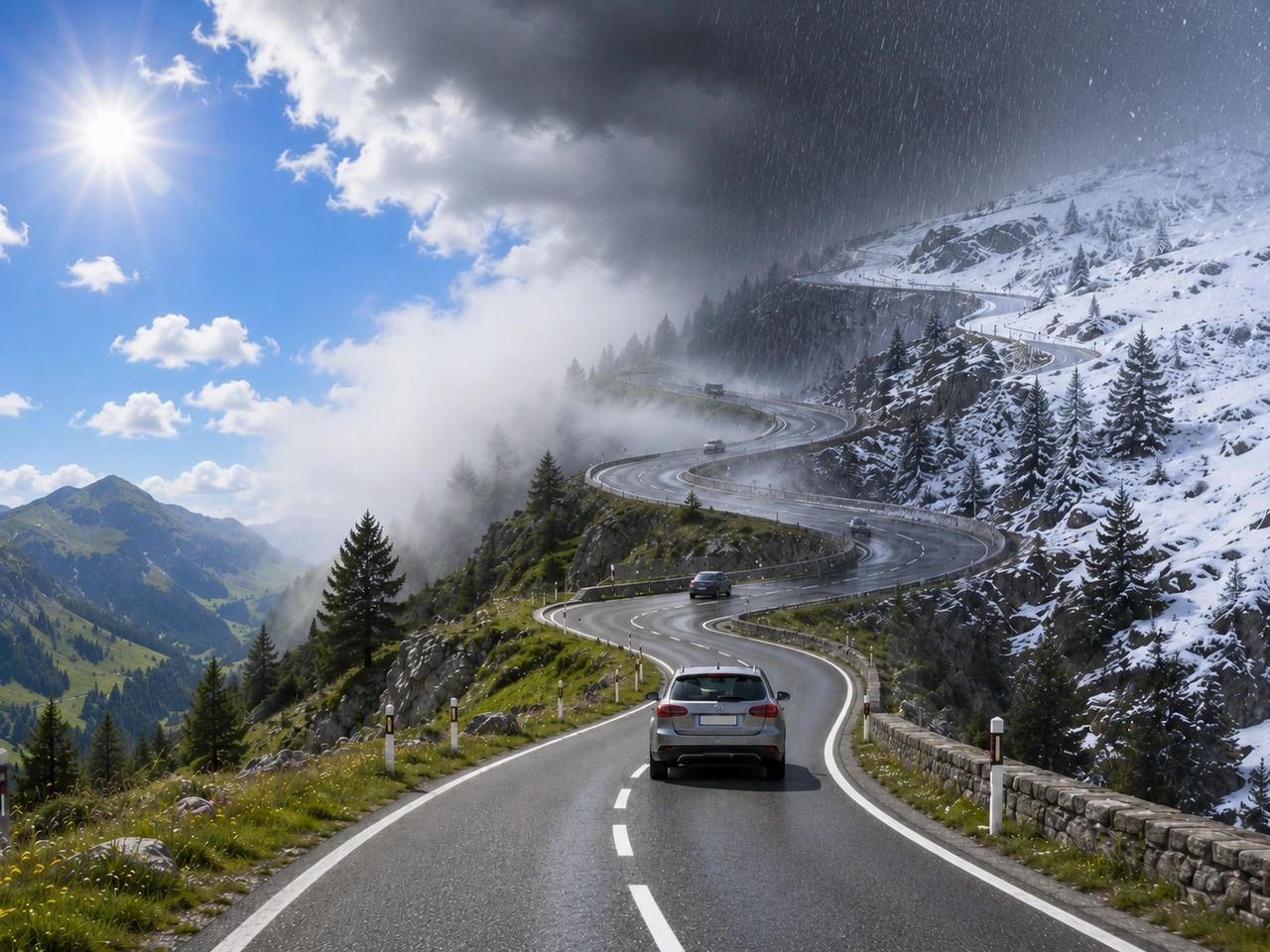
108. Why should you be prepared for changing conditions on mountain roads?
Fog, rain, snow, ice, falling rocks, and strong winds can develop rapidly in mountainous areas.
AI-generated by Traffic-rules.com • WCIT • CC BY-SA
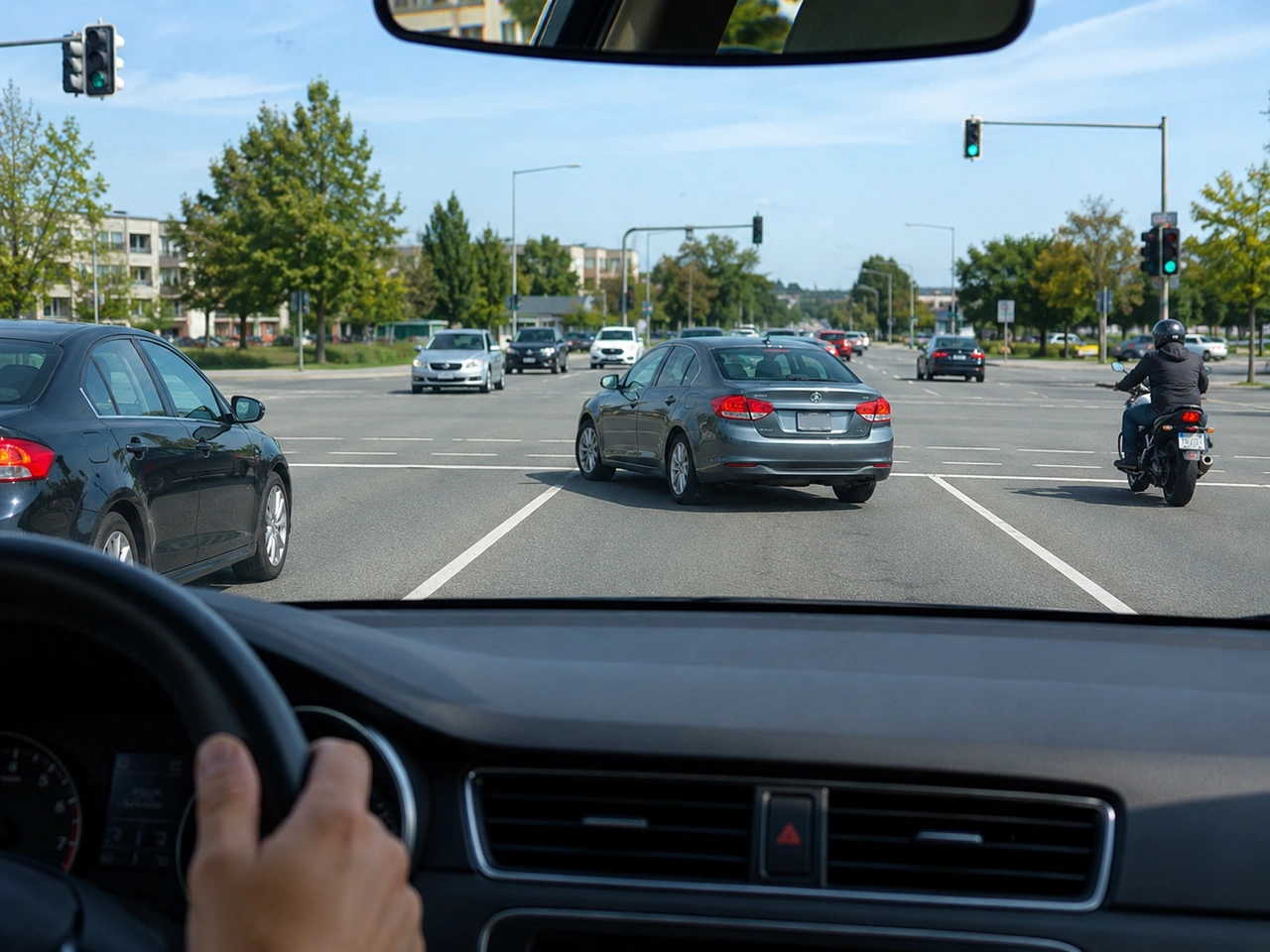
109. Why should you avoid changing lanes inside an intersection?
Changing lanes inside an intersection can surprise drivers, cyclists, and pedestrians. It is safer to choose the correct lane before entering.
AI-generated by Traffic-rules.com • WCIT • CC BY-SA
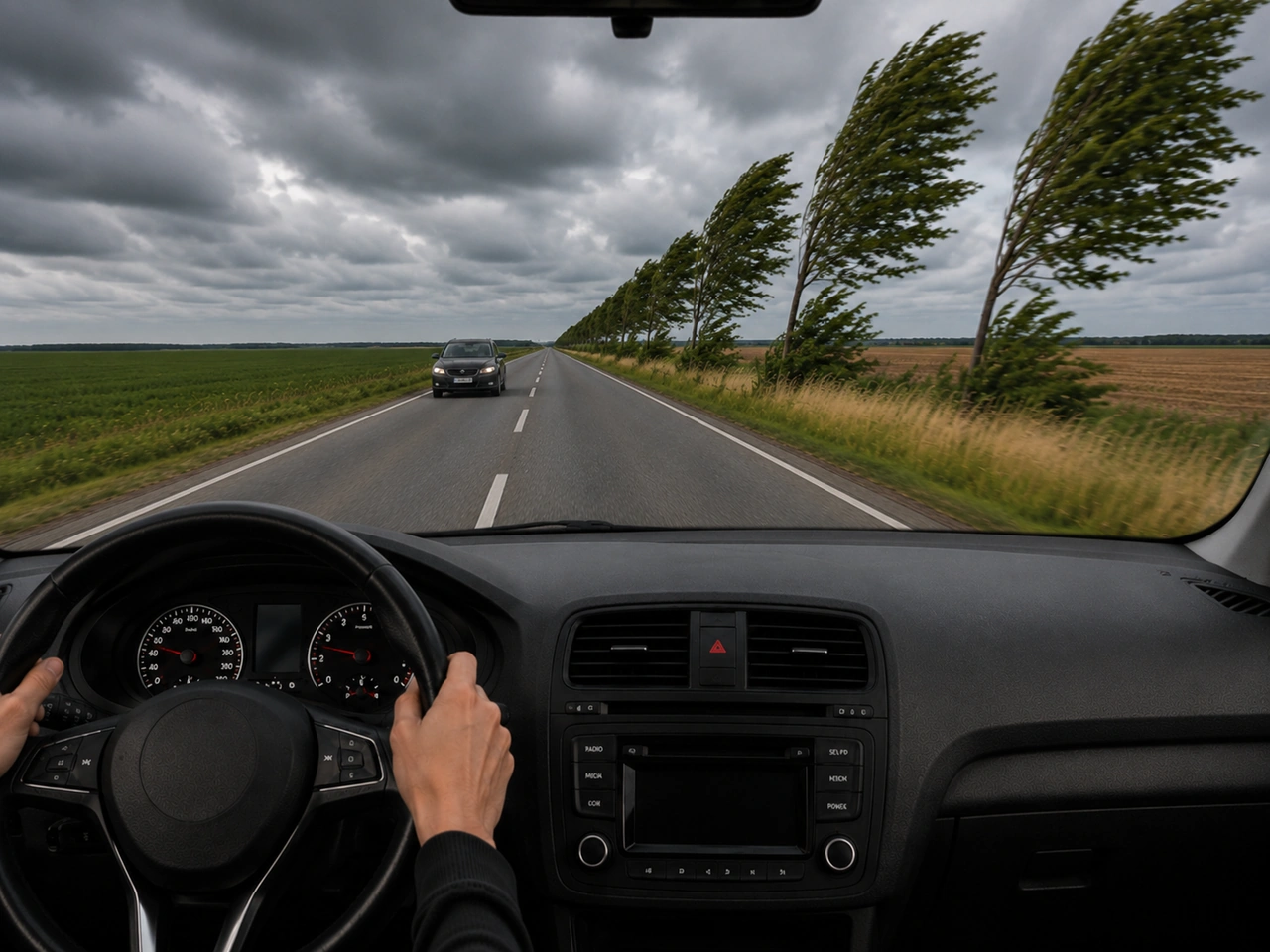
110. What should you do when driving in strong wind?
Strong wind can affect vehicle control, especially near open areas, bridges, large vehicles, cyclists, and motorcyclists.
AI-generated by Traffic-rules.com • WCIT • CC BY-SA
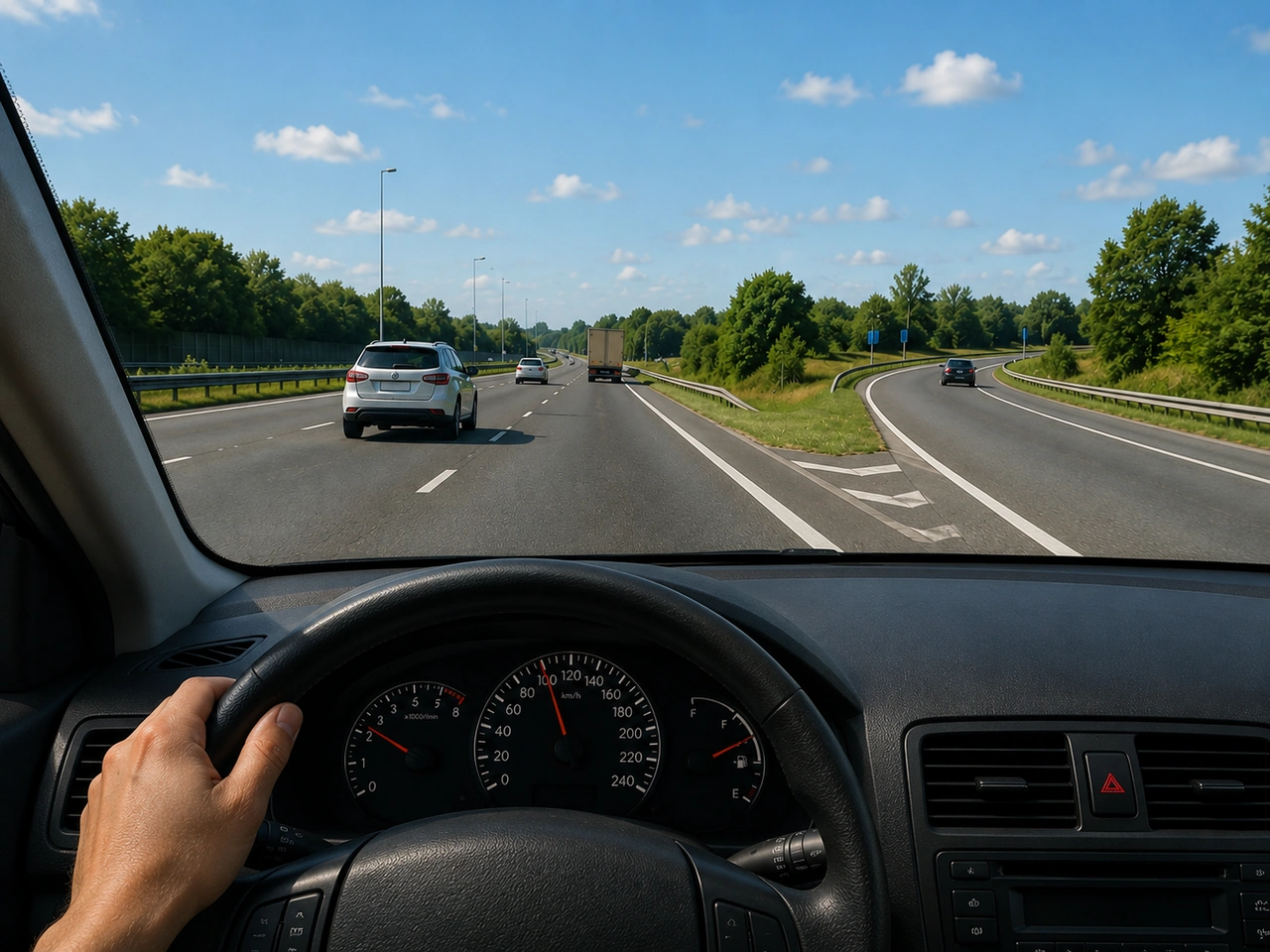
111. What should you do if you miss your motorway exit?
Never reverse or make a sudden manoeuvre. Continue safely and change your route at the next suitable exit.
AI-generated by Traffic-rules.com • WCIT • CC BY-SA
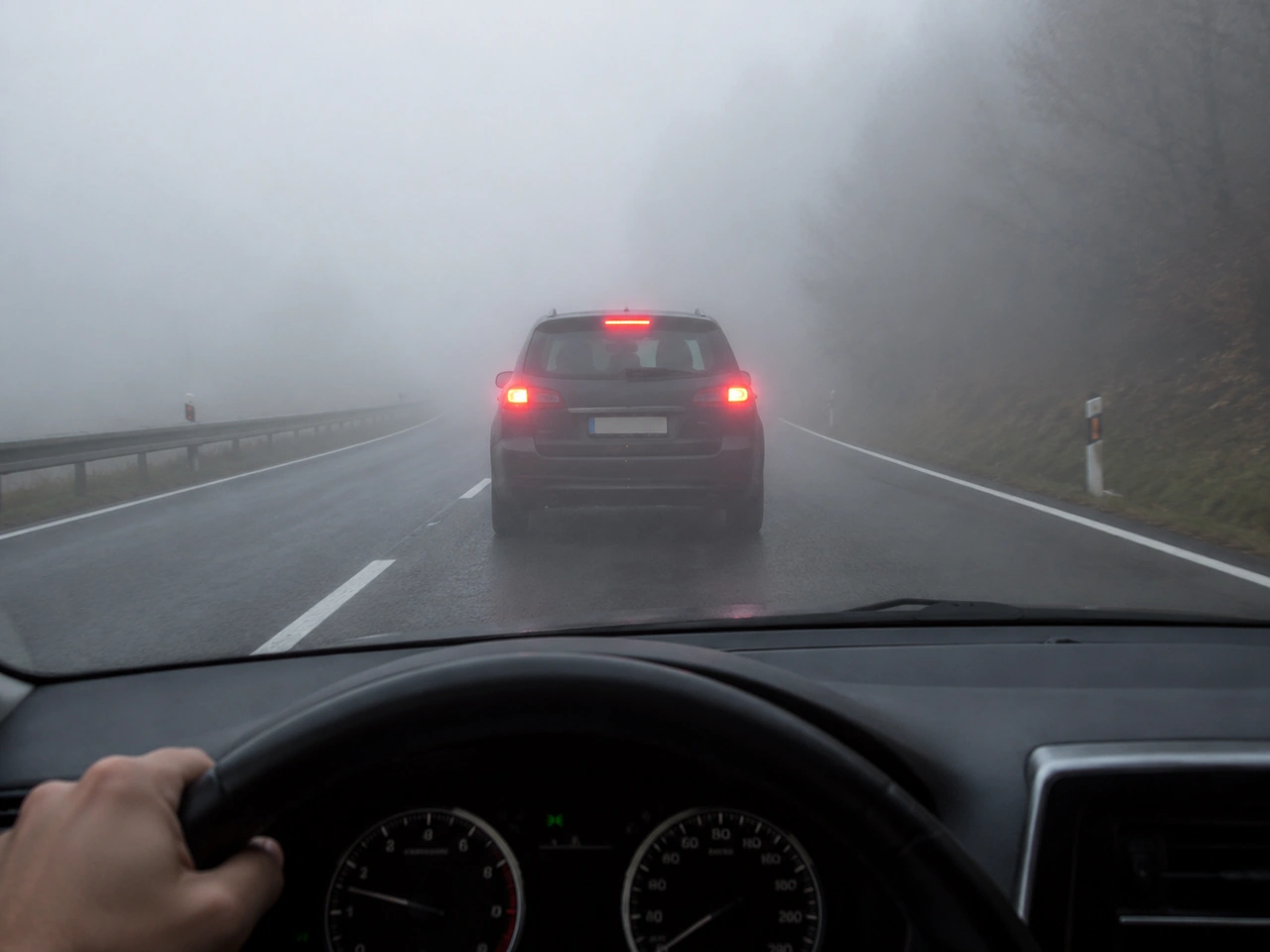
112. Why should you avoid following another vehicle too closely in fog?
Following too closely reduces your reaction time and can lead to a collision if the vehicle ahead slows unexpectedly.
AI-generated by Traffic-rules.com • WCIT • CC BY-SA
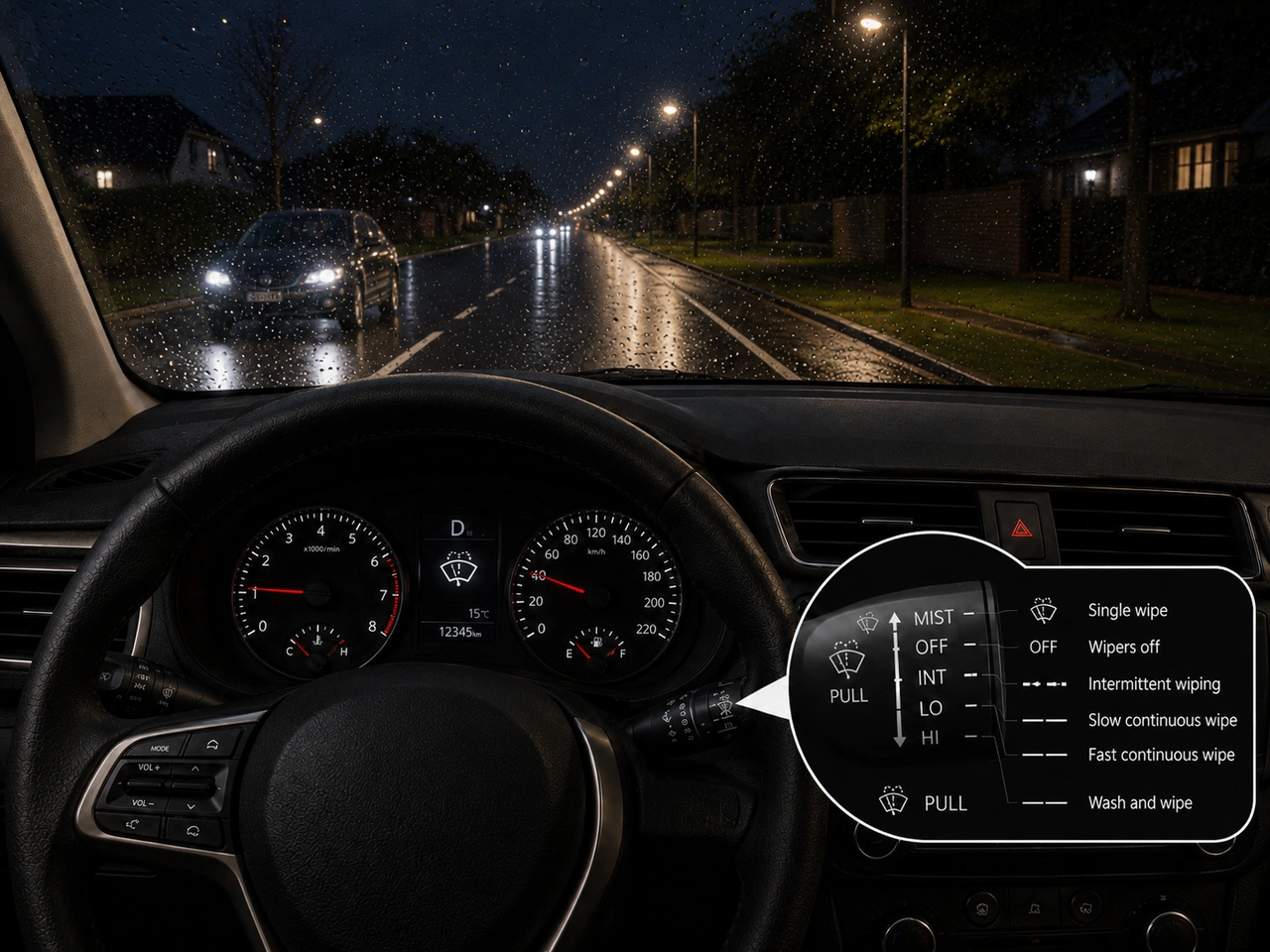
113. What should you do if the windscreen wipers stop working during heavy rain?
Do not continue when you cannot see clearly. Slow down smoothly and stop somewhere protected from traffic.
AI-generated by Traffic-rules.com • WCIT • CC BY-SA
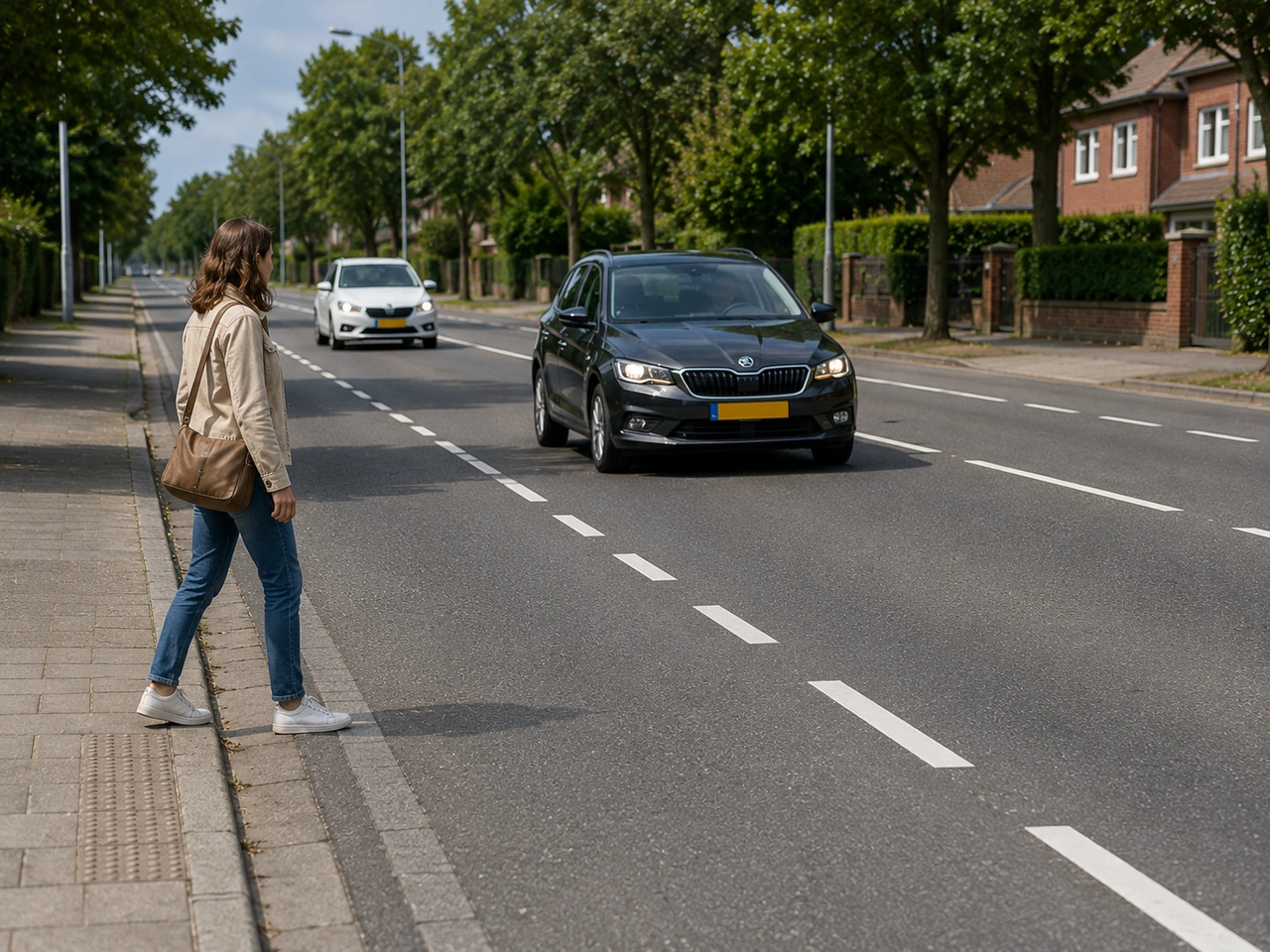
114. What should you do before crossing the road?
Always check for approaching traffic from every direction before crossing.
AI-generated by Traffic-rules.com • WCIT • CC BY-SA
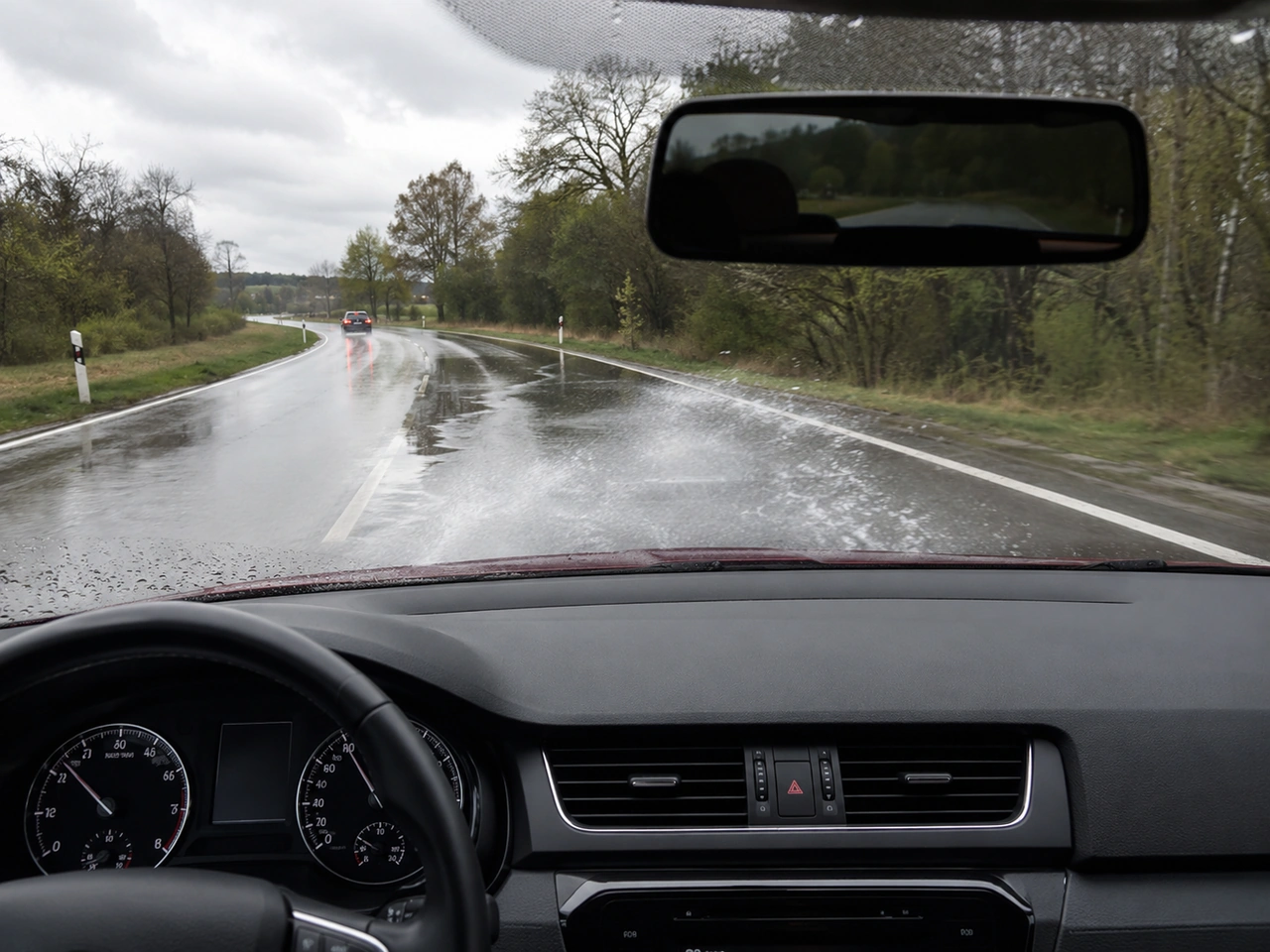
115. Why is it dangerous to drive through standing water at speed?
Driving too fast through water can cause aquaplaning, where the tyres lose grip and the driver may lose control.
AI-generated by Traffic-rules.com • WCIT • CC BY-SA
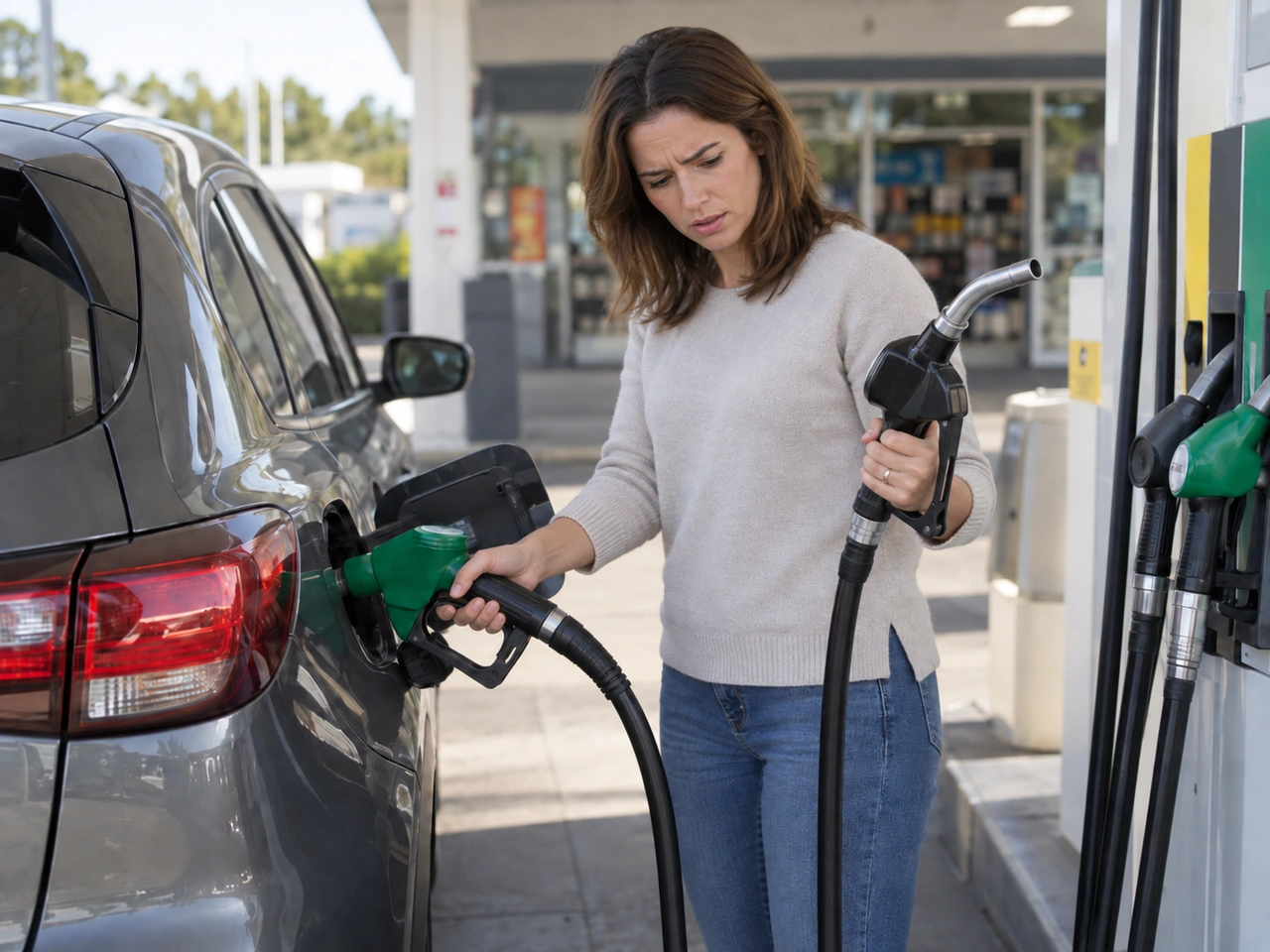
116. What should you do if you realise you have put the wrong fuel in your vehicle?
If you have used the wrong fuel, do not start the engine. Starting it can circulate the incorrect fuel and cause further damage. If possible, avoid switching on the ignition and seek appropriate roadside or workshop assistance.
AI-generated by Traffic-rules.com • WCIT • CC BY-SA
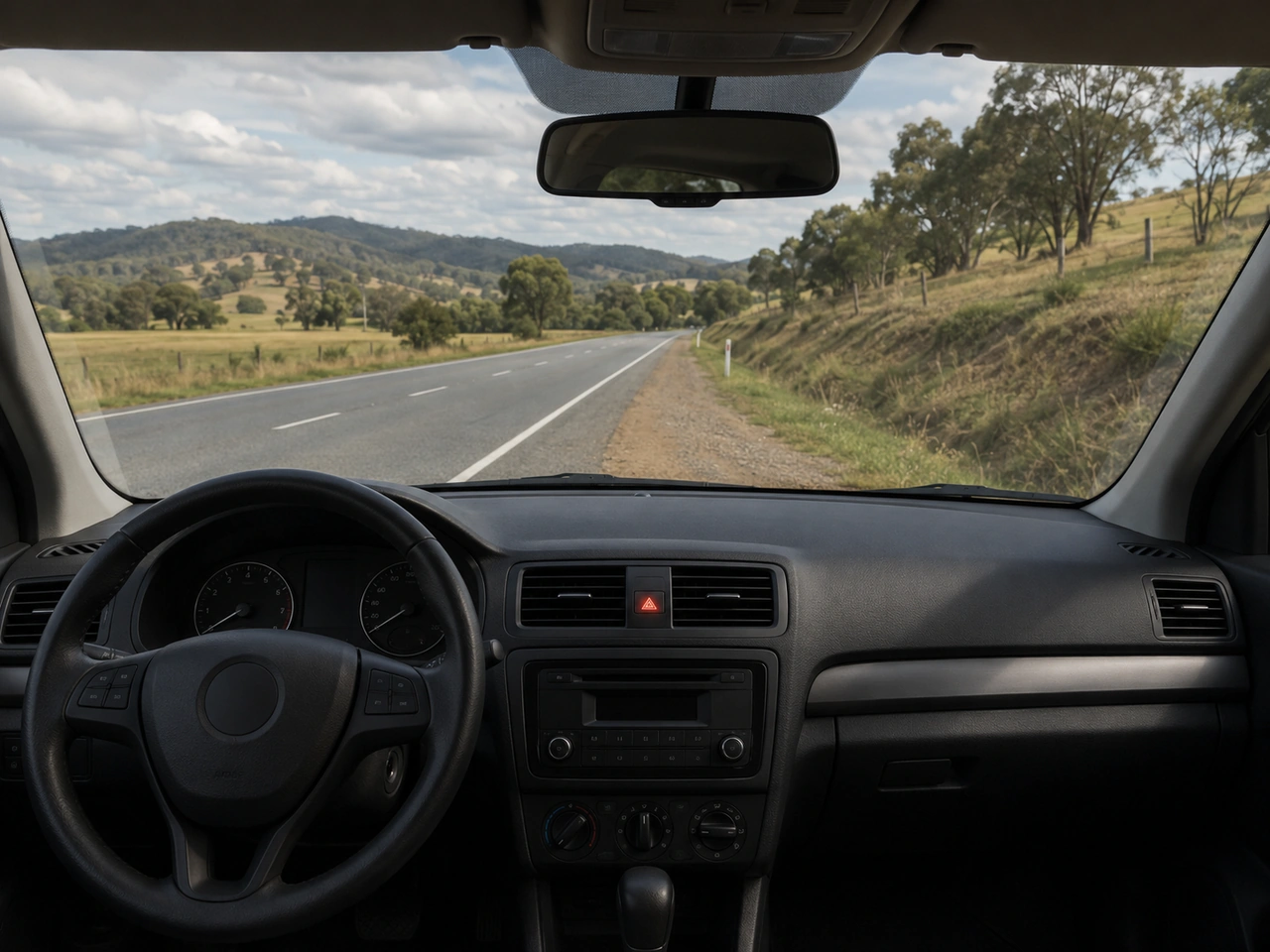
117. What should you do after stopping because of a breakdown?
Secure the vehicle so that it cannot move and use the hazard warning lights to alert approaching traffic. Where required and safe, place a warning triangle to give additional warning.
AI-generated by Traffic-rules.com • WCIT • CC BY-SA
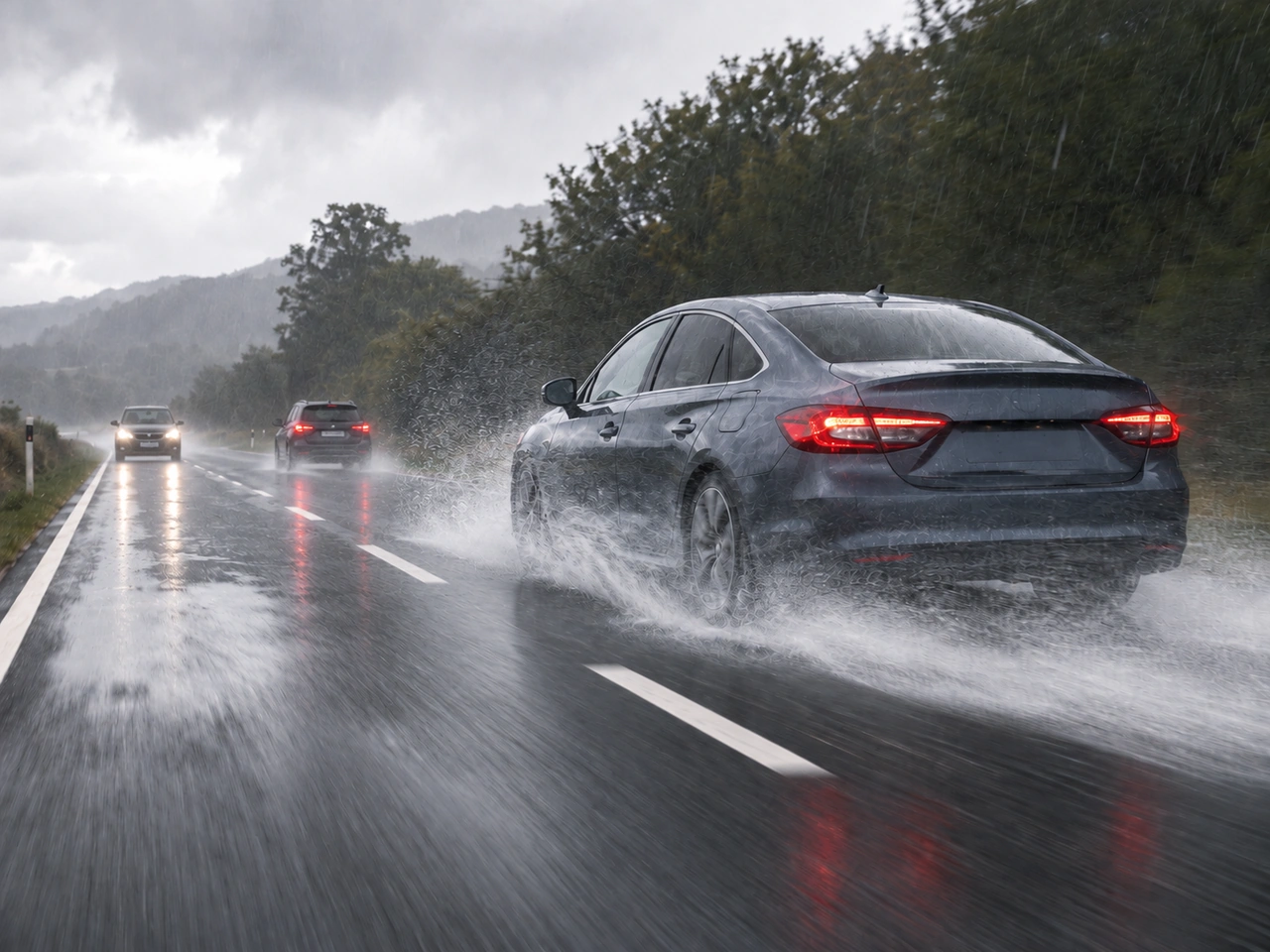
118. Why does higher speed increase the risk of aquaplaning?
At higher speeds, the tyres may not disperse water effectively, making it easier for the vehicle to lose contact with the road.
AI-generated by Traffic-rules.com • WCIT • CC BY-SA
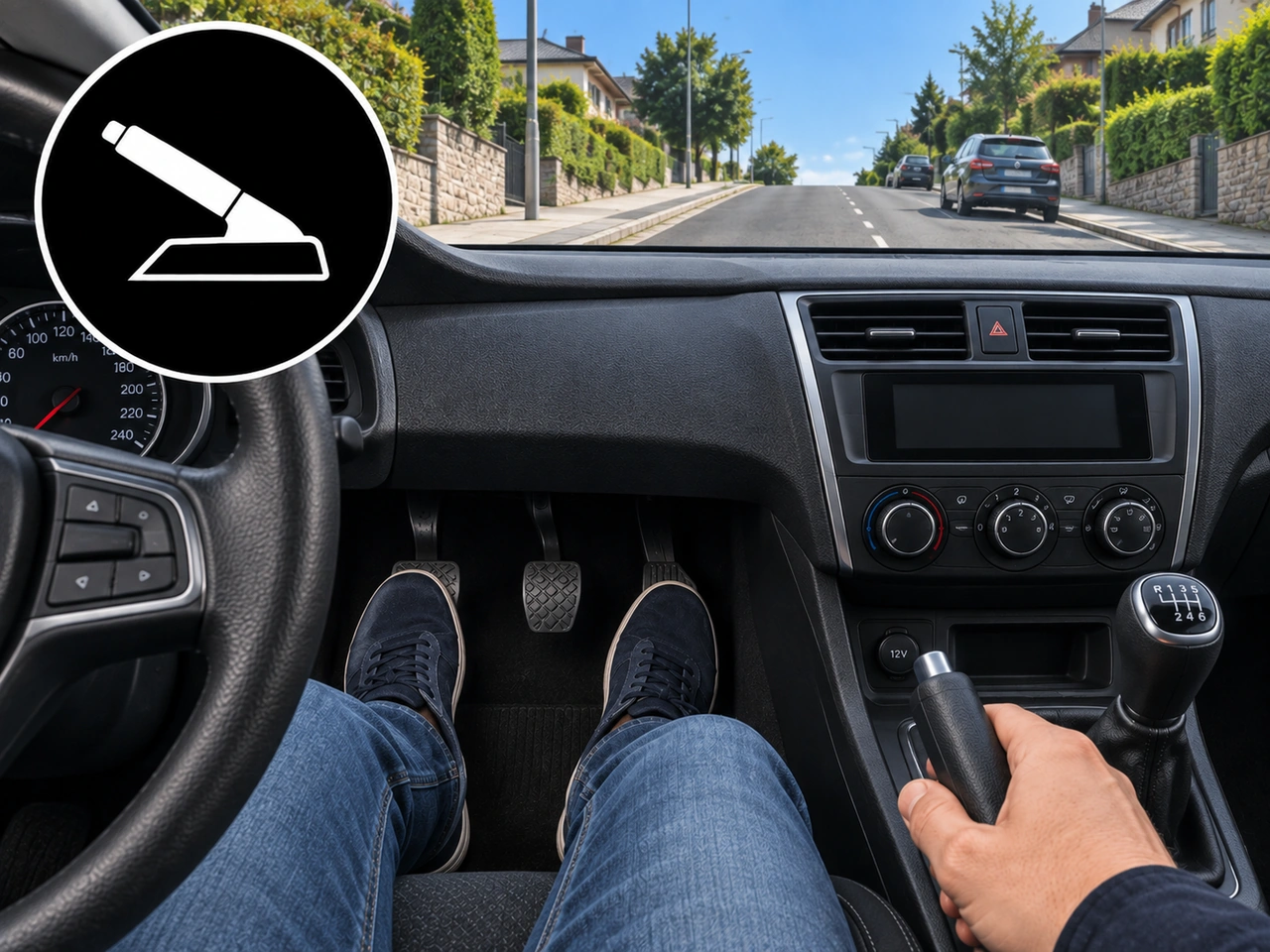
119. How can the parking brake help when moving off uphill?
When moving off uphill, the parking brake can hold the vehicle stationary while you prepare to move. Release it smoothly once the clutch reaches the biting point and sufficient power is applied.
AI-generated by Traffic-rules.com • WCIT • CC BY-SA
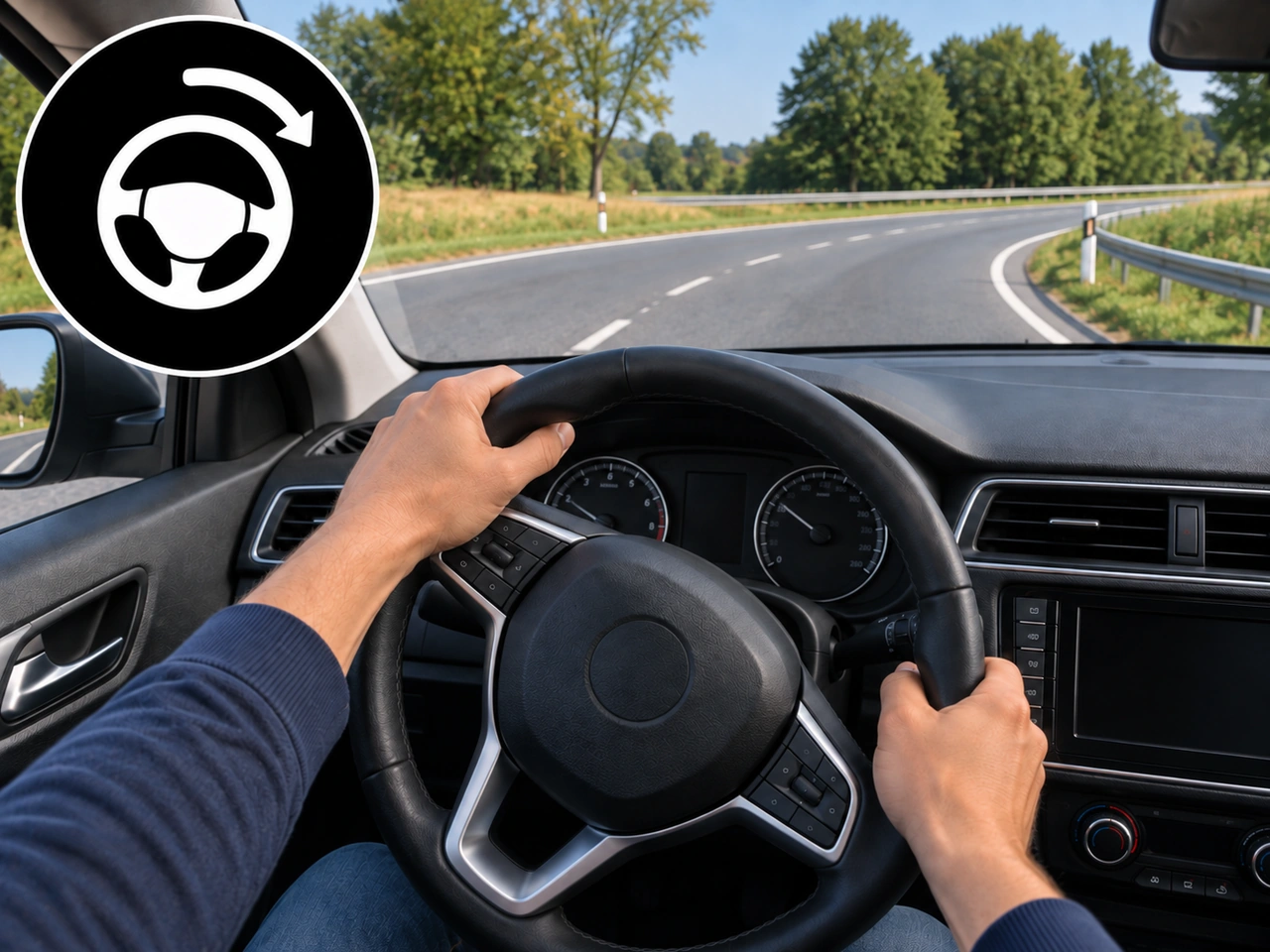
120. What should you do with the steering wheel after completing a turn?
After completing a turn, guide the steering wheel smoothly back towards the straight-ahead position while maintaining control. Do not allow the wheel to spin freely through your hands.
AI-generated by Traffic-rules.com • WCIT • CC BY-SA
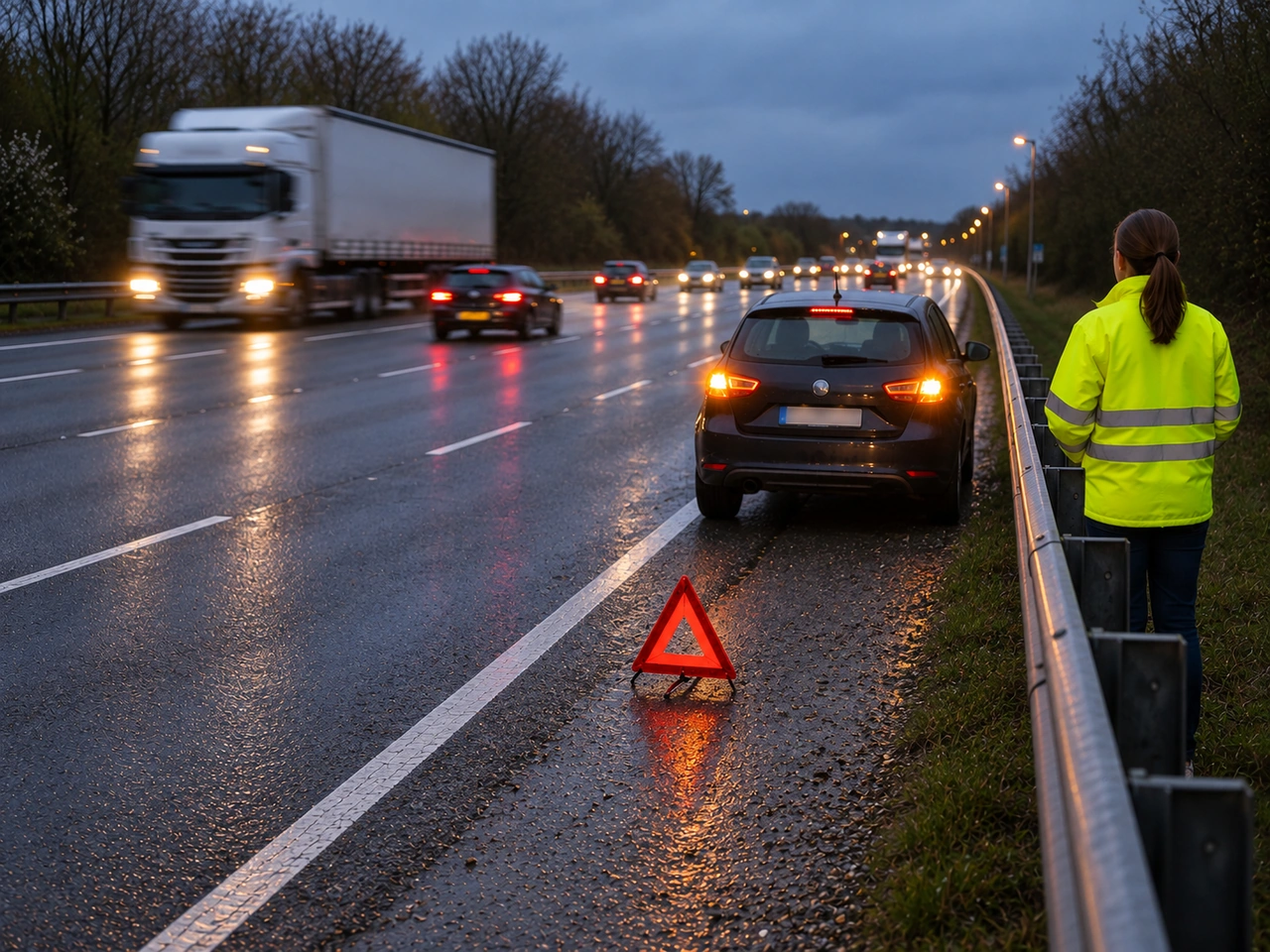
121. Why is high-visibility clothing useful during a roadside breakdown?
High-visibility clothing improves your visibility, especially at night or in poor weather, but you must still remain away from traffic.
AI-generated by Traffic-rules.com • WCIT • CC BY-SA
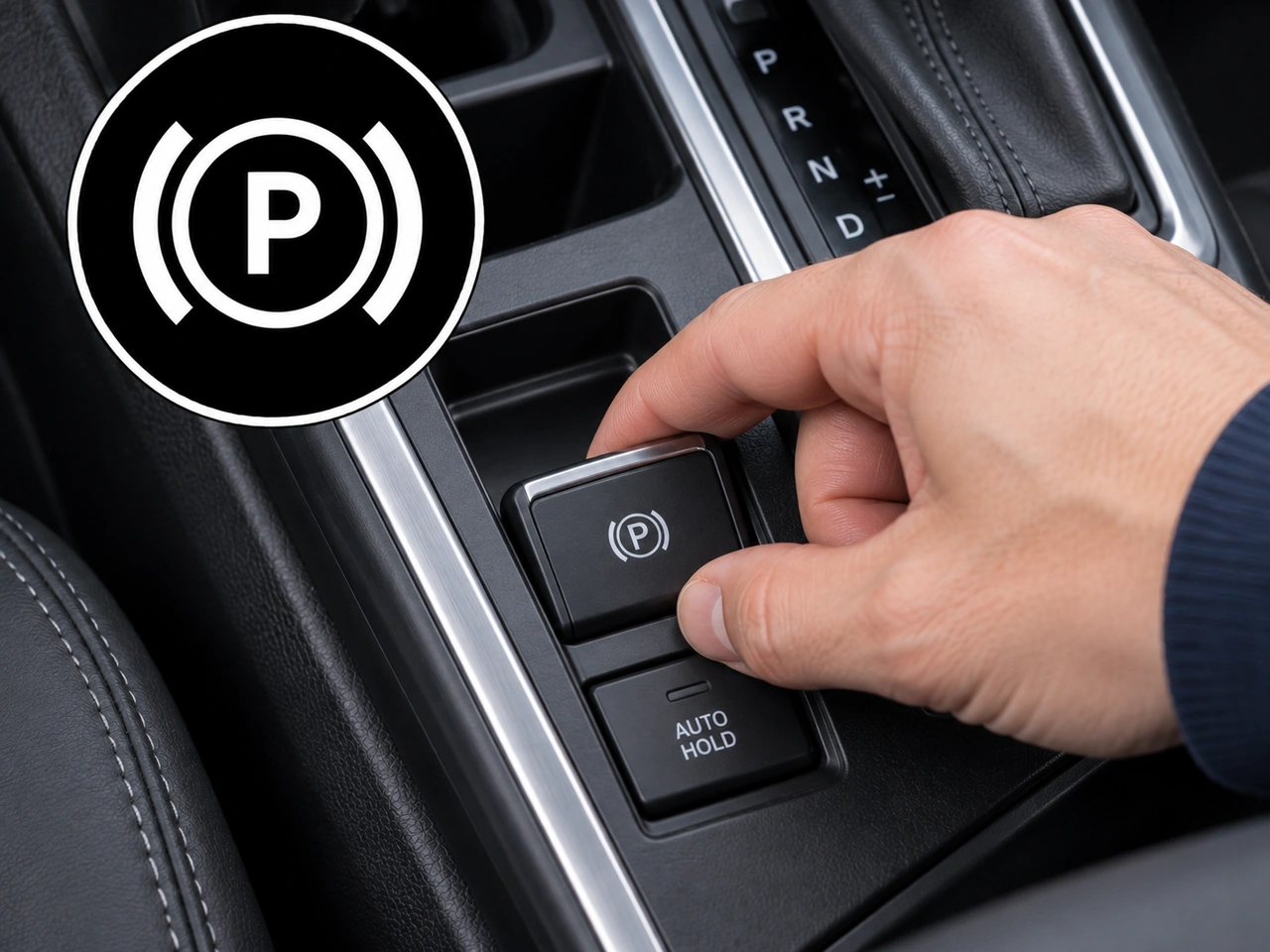
122. What does this vehicle-control symbol indicate?
This control operates the electronic parking brake. Pulling or pressing the switch applies or releases the parking brake, depending on the vehicle.
AI-generated by Traffic-rules.com • WCIT • CC BY-SA
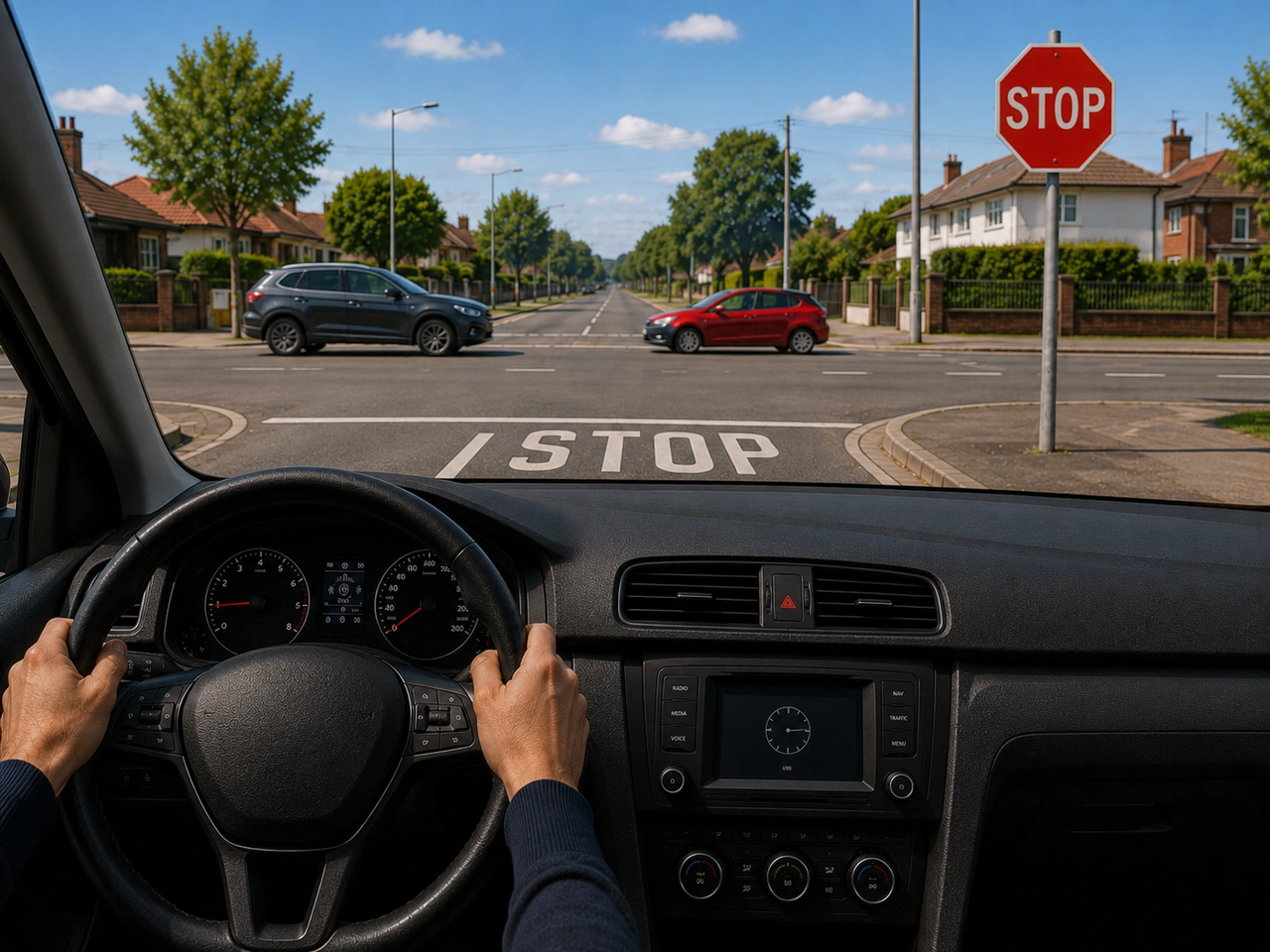
123. What should you do when approaching a stop sign?
A stop sign requires you to come to a complete stop at the required position. Check carefully for other road users and proceed only when it is safe.
AI-generated by Traffic-rules.com • WCIT • CC BY-SA
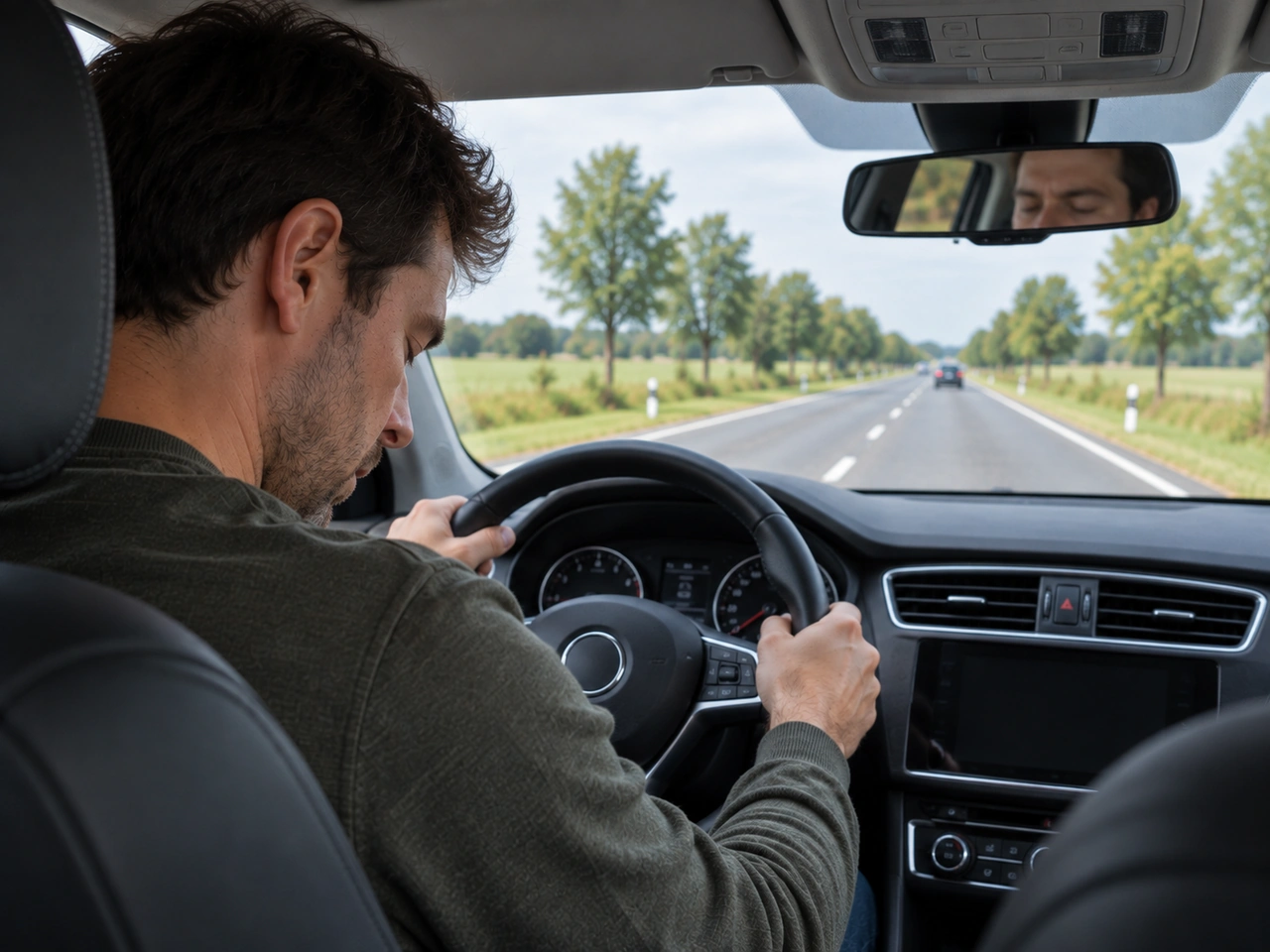
124. Why is a microsleep especially dangerous while driving?
A microsleep is a brief, involuntary episode of sleep that can last for a few seconds. During that time, you may lose awareness of the road and travel a considerable distance without reacting to hazards.
AI-generated by Traffic-rules.com • WCIT • CC BY-SA
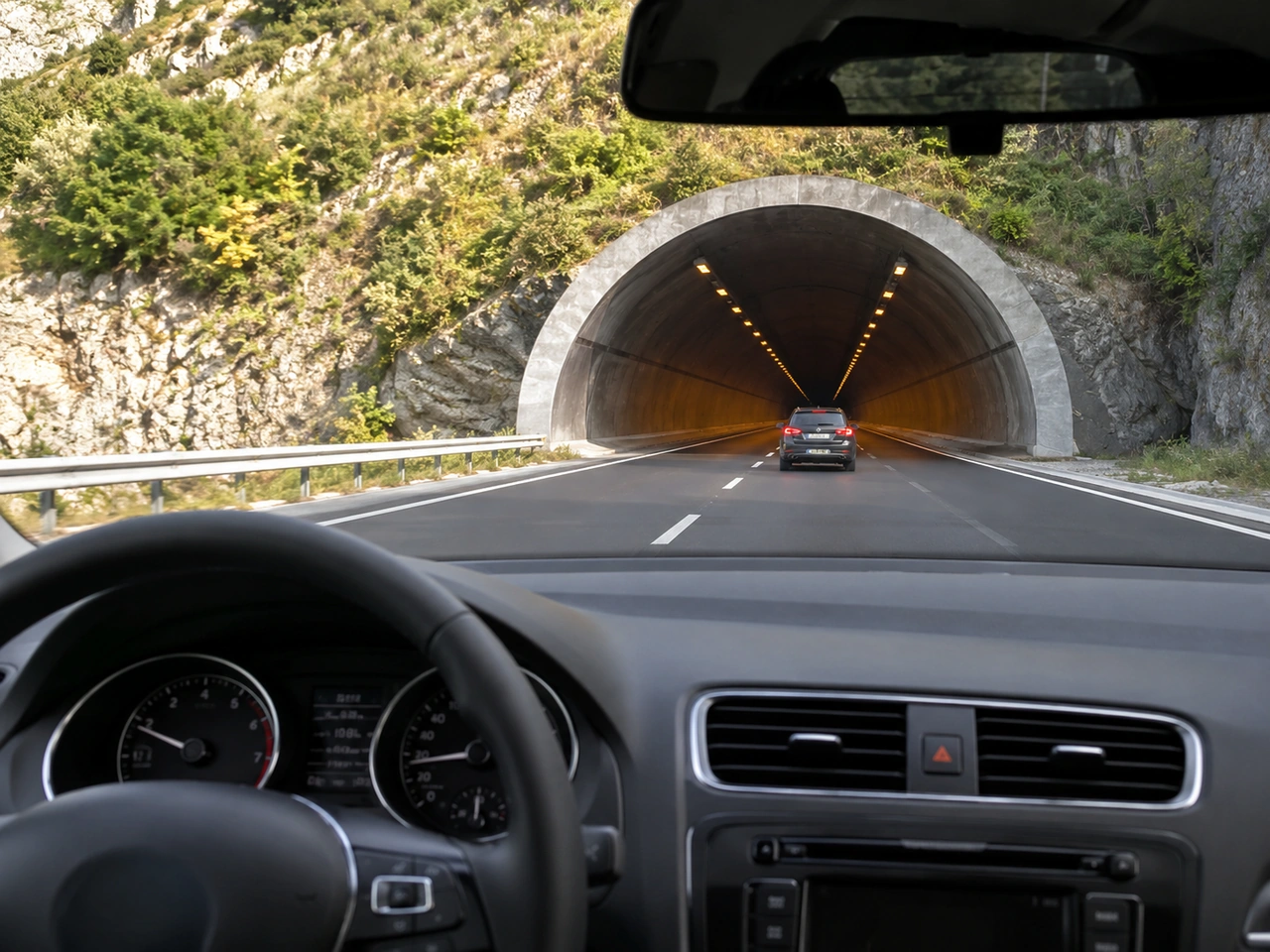
125. What should you do when approaching a tunnel?
When entering a tunnel, use the correct lights, keep enough distance, and stay alert for slower traffic.
AI-generated by Traffic-rules.com • WCIT • CC BY-SA
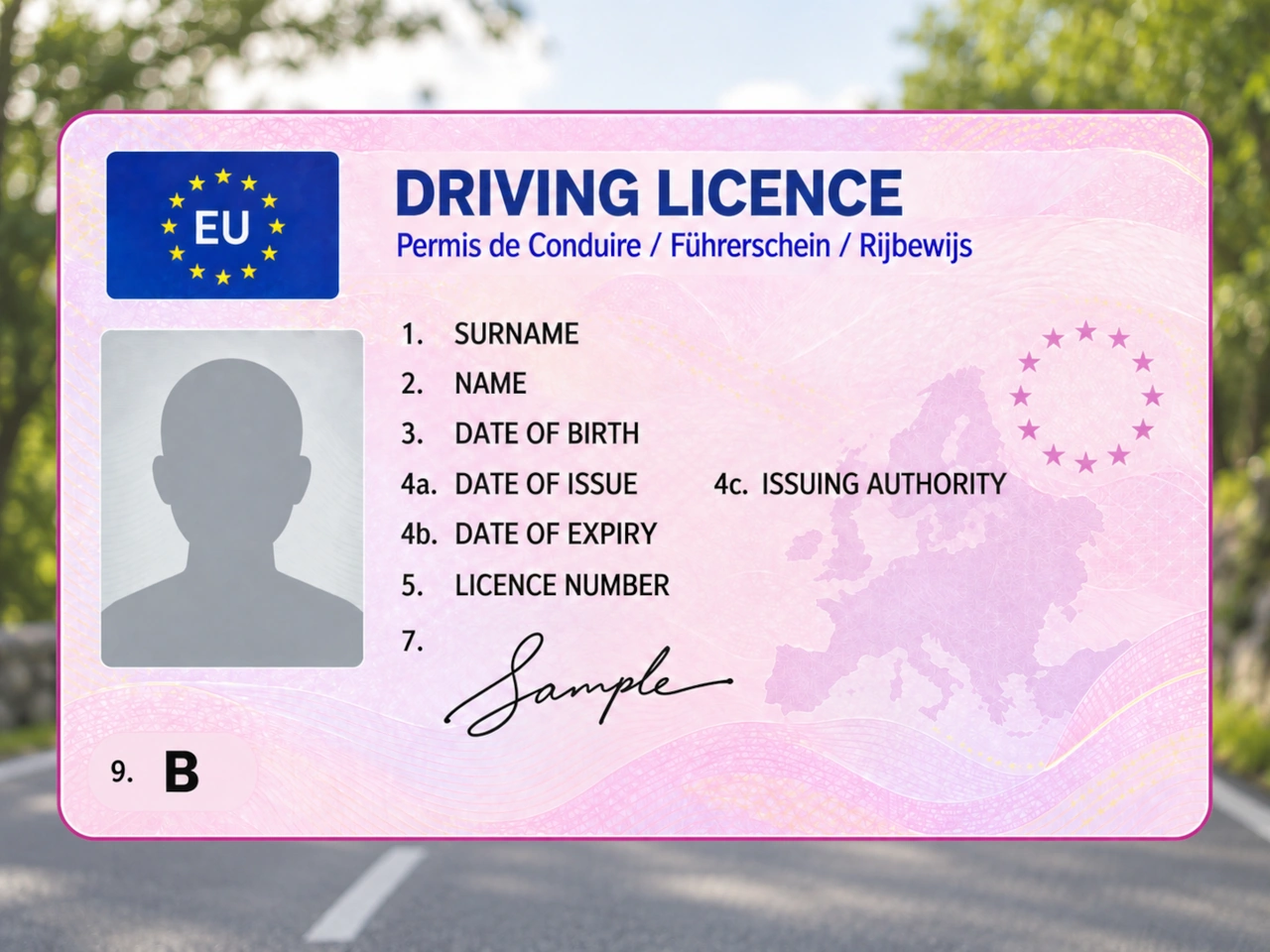
126. Which vehicle type is mainly associated with driving licence B?
Driving licence B is mainly associated with cars. Category B covers ordinary cars, while category B with Code 96 and category BE allow heavier trailer combinations.
AI-generated by Traffic-rules.com • WCIT • CC BY-SA
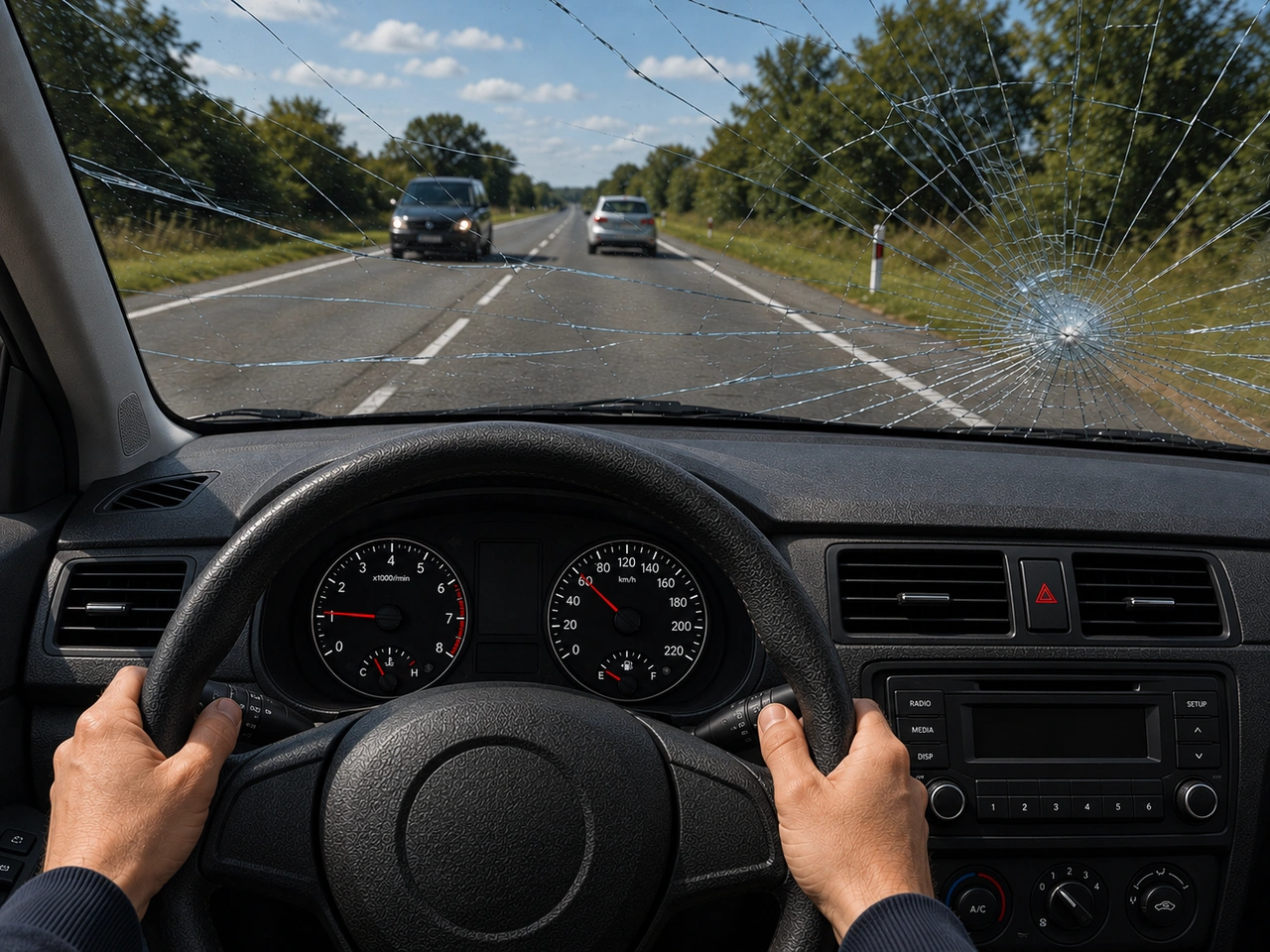
127. What should you do if the windscreen becomes damaged while driving?
Severe damage can obstruct your view and weaken the glass. Do not continue if you cannot see the road clearly.
AI-generated by Traffic-rules.com • WCIT • CC BY-SA
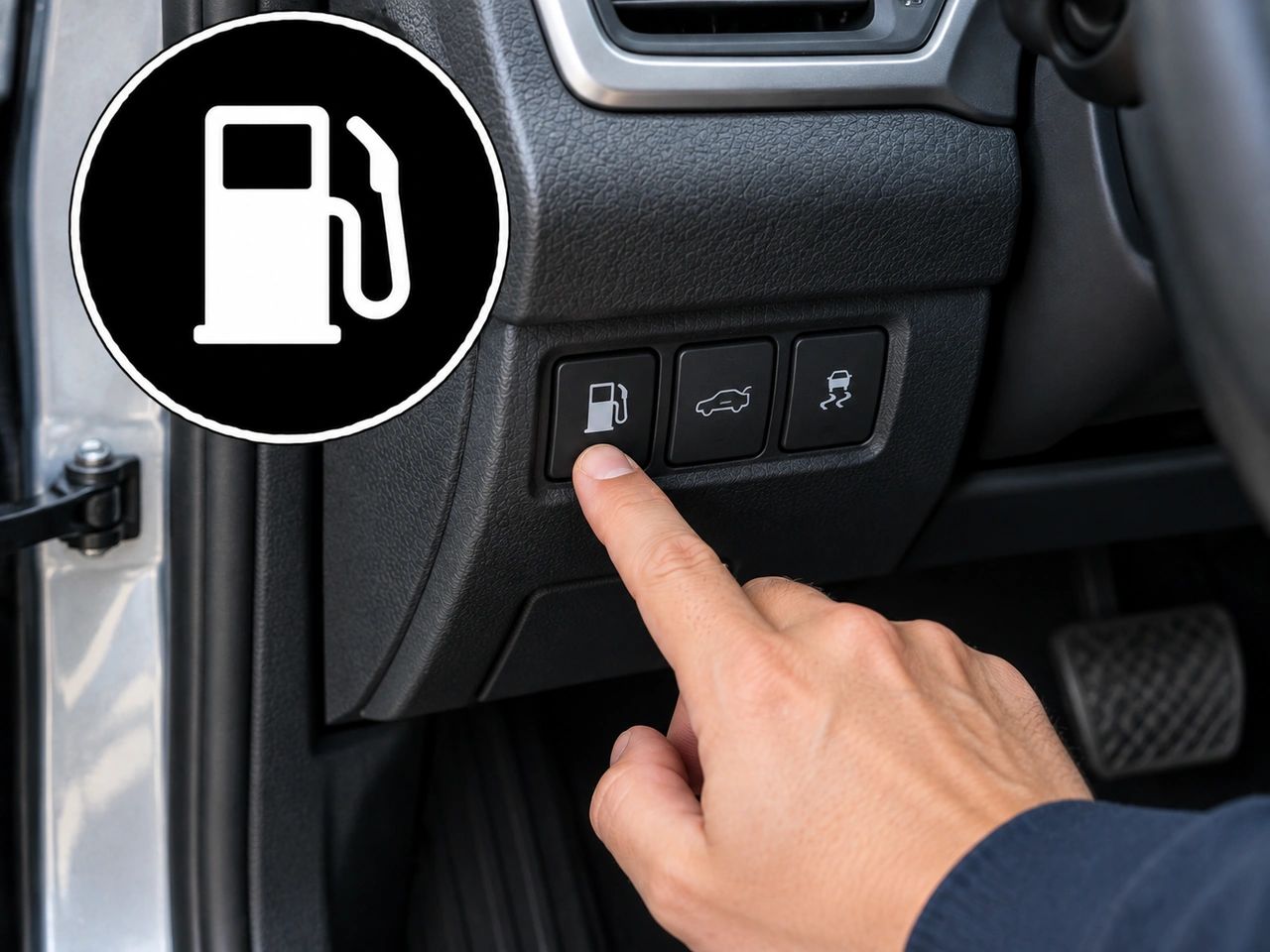
128. What does this vehicle-control symbol indicate?
This control releases the fuel-filler flap, allowing access to the vehicle's fuel filler.
AI-generated by Traffic-rules.com • WCIT • CC BY-SA
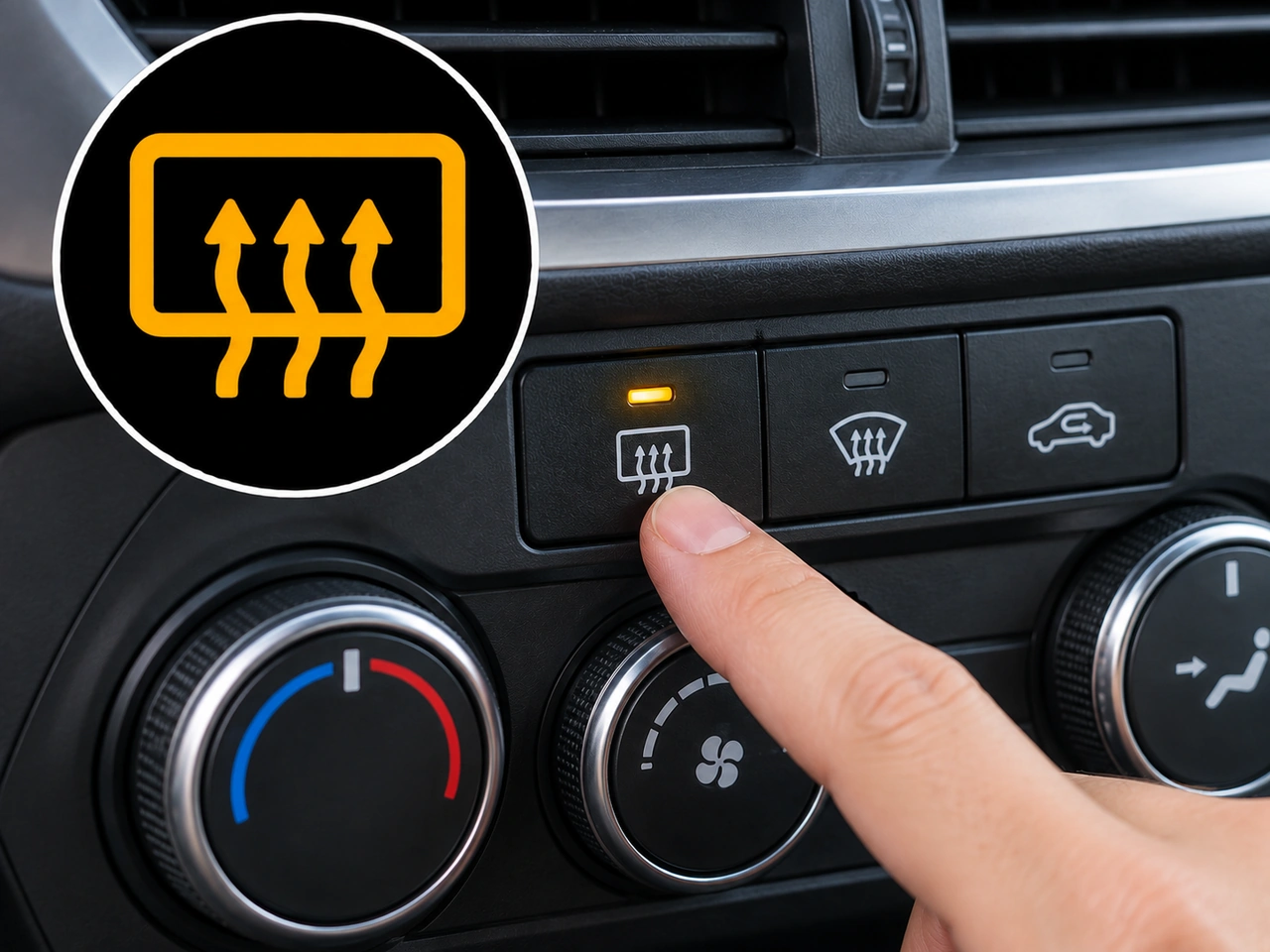
129. What does this dashboard symbol indicate?
This symbol indicates the rear window demister. It heats the rear window to help clear condensation, mist or frost and improve visibility.
AI-generated by Traffic-rules.com • WCIT • CC BY-SA
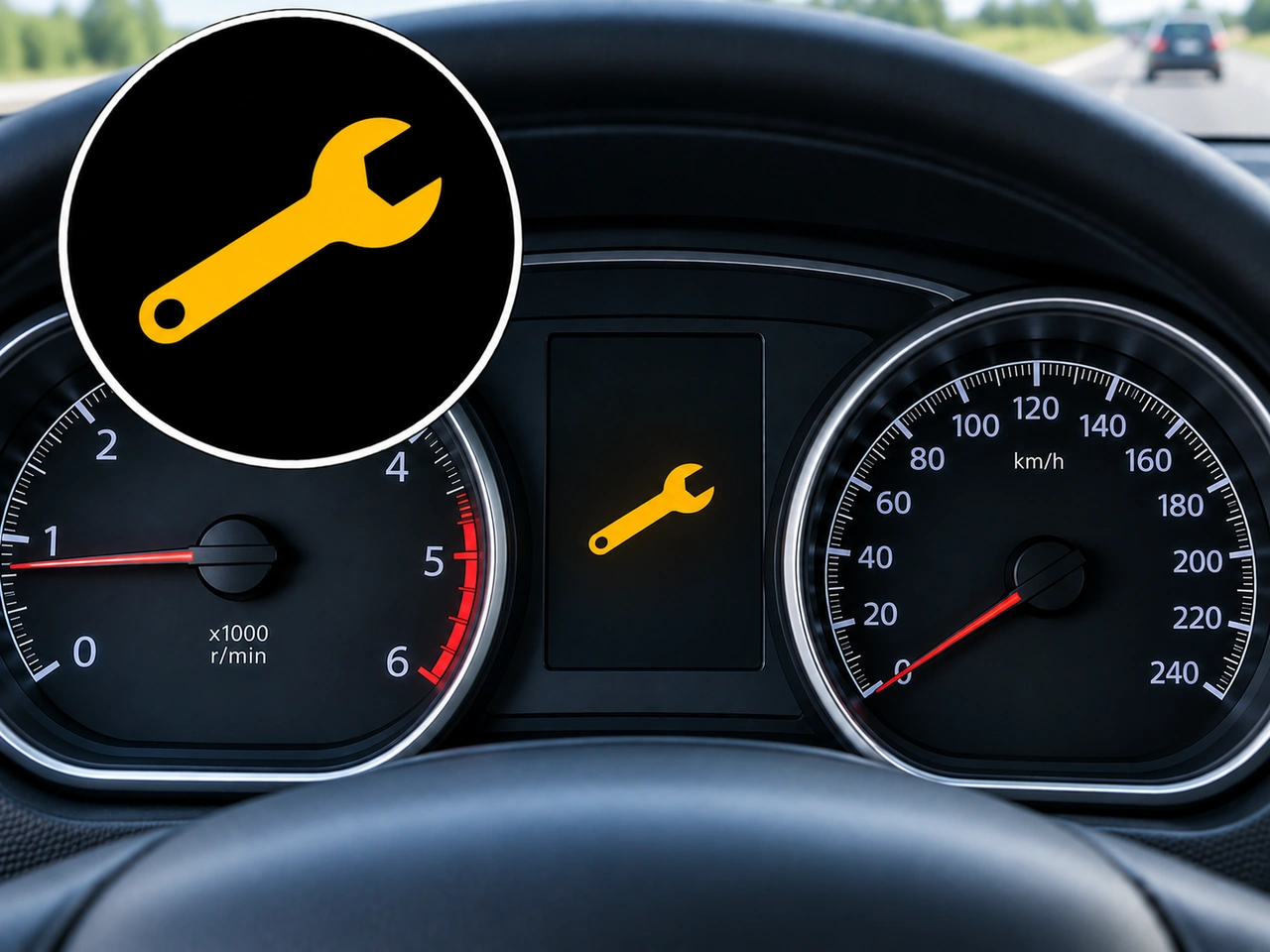
130. What does this dashboard symbol indicate?
This symbol indicates that the vehicle requires servicing or maintenance. The exact meaning and required maintenance can vary between vehicles, so check the vehicle information display or owner's manual.
AI-generated by Traffic-rules.com • WCIT • CC BY-SA
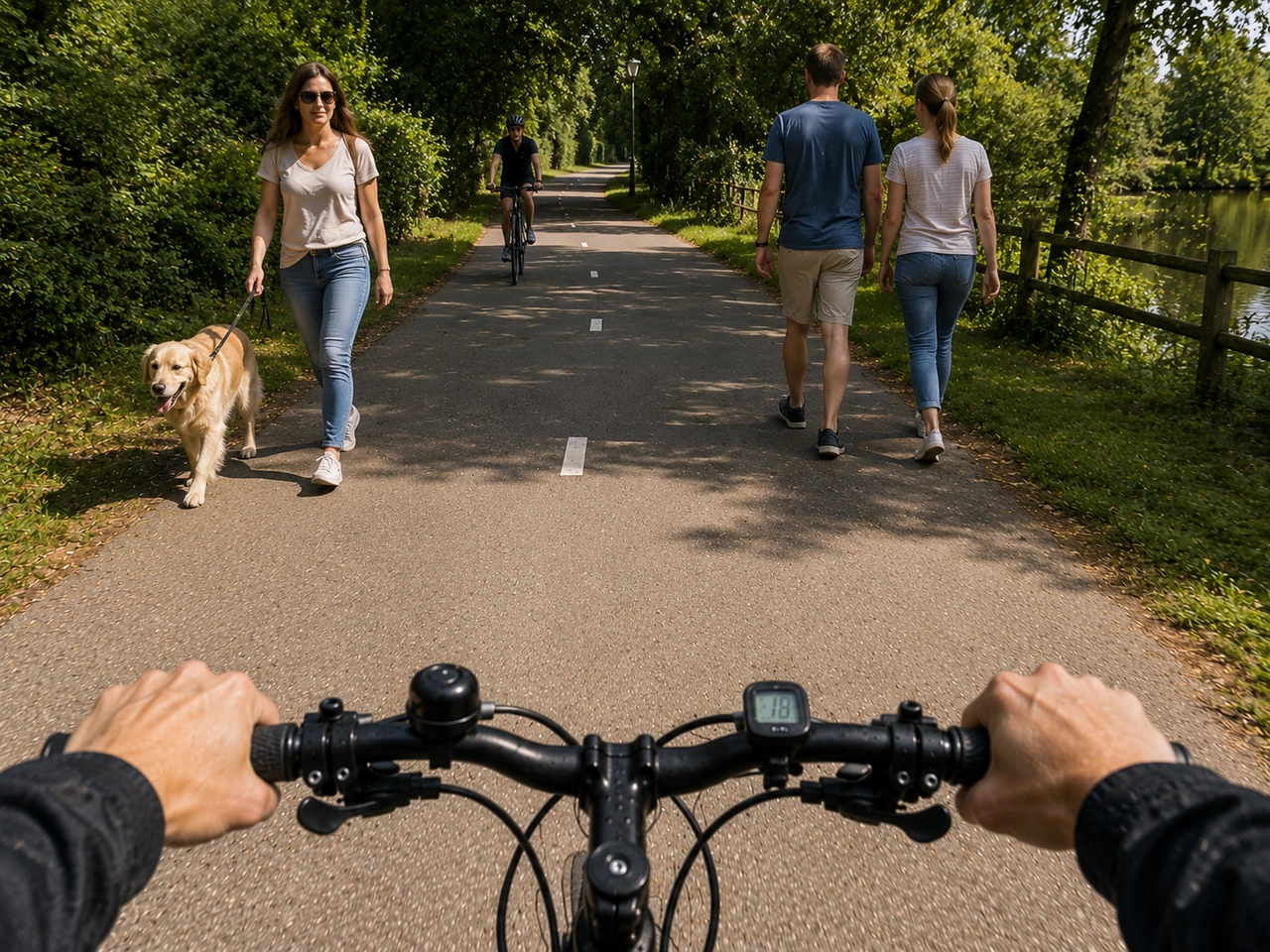
131. What should cyclists do when passing pedestrians on a shared path?
Pedestrians may change direction unexpectedly. A warning and safe passing distance reduce the risk of a collision.
AI-generated by Traffic-rules.com • WCIT • CC BY-SA
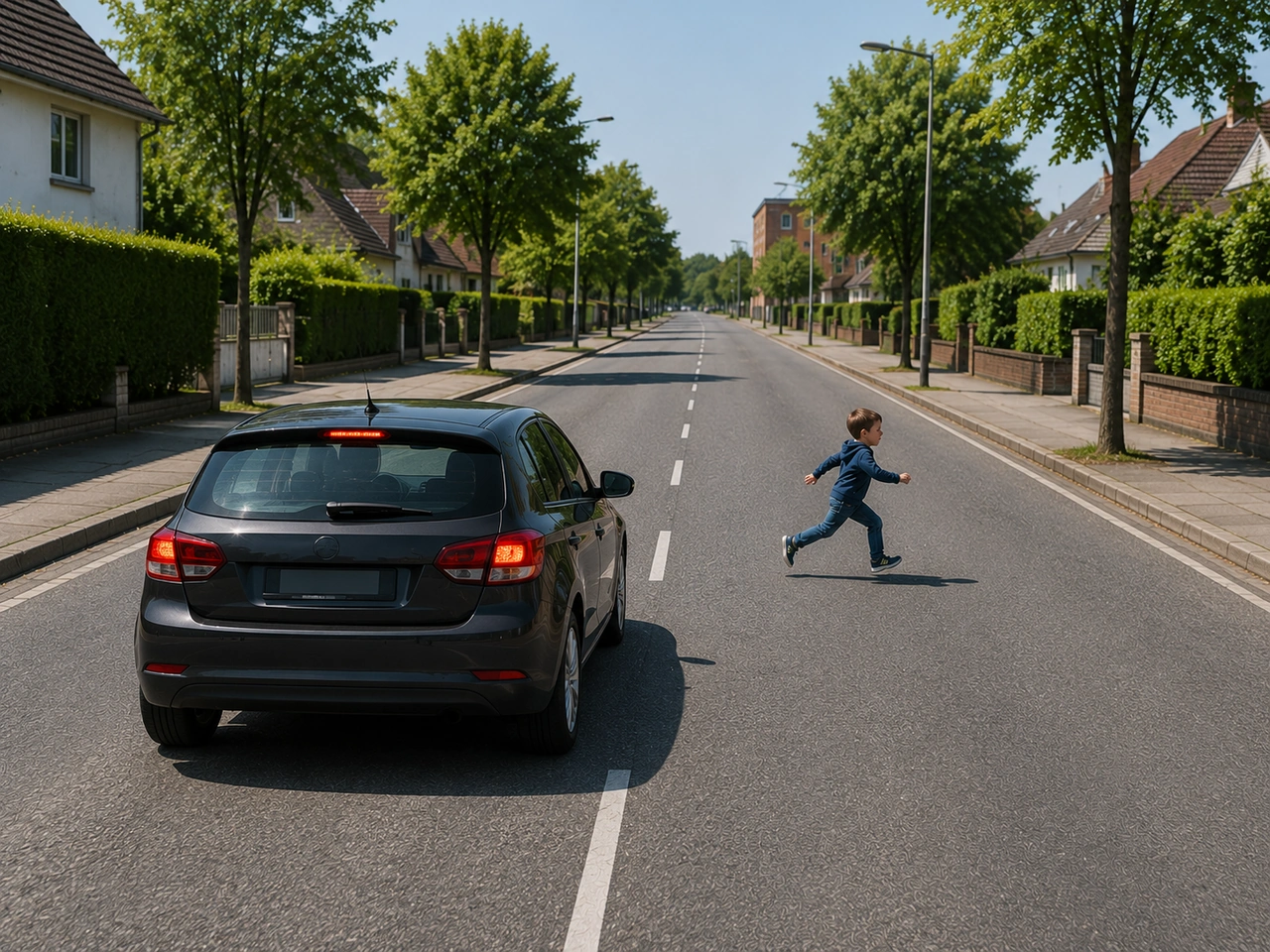
132. What should you do if a child runs onto the road ahead?
Children can act unpredictably. Brake firmly, stay alert, and be prepared for more children to follow.
AI-generated by Traffic-rules.com • WCIT • CC BY-SA
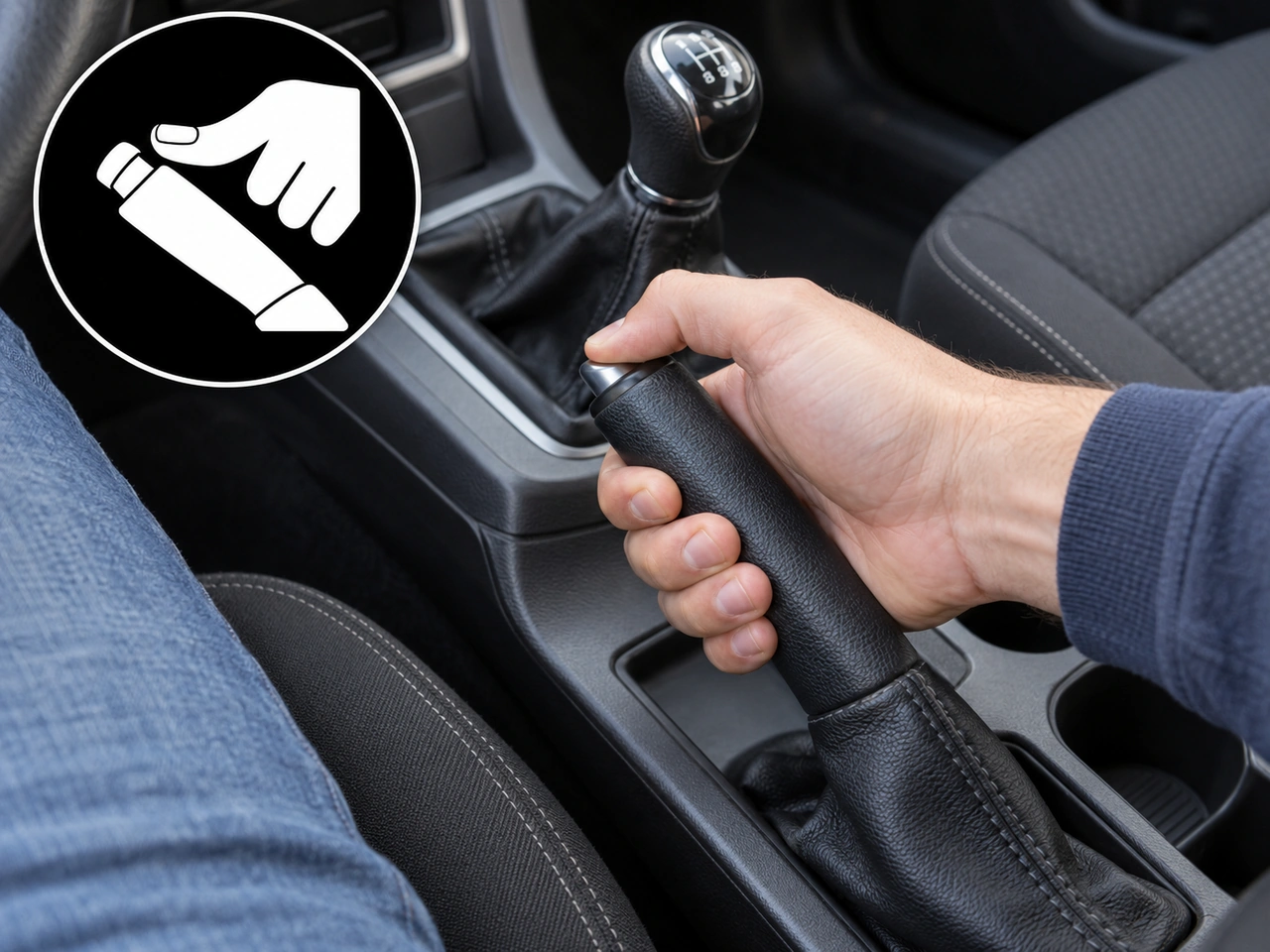
133. What is the button on a manual handbrake lever used for?
To release a manual handbrake, pull the lever up slightly, press and hold the release button, then lower the lever under control.
AI-generated by Traffic-rules.com • WCIT • CC BY-SA
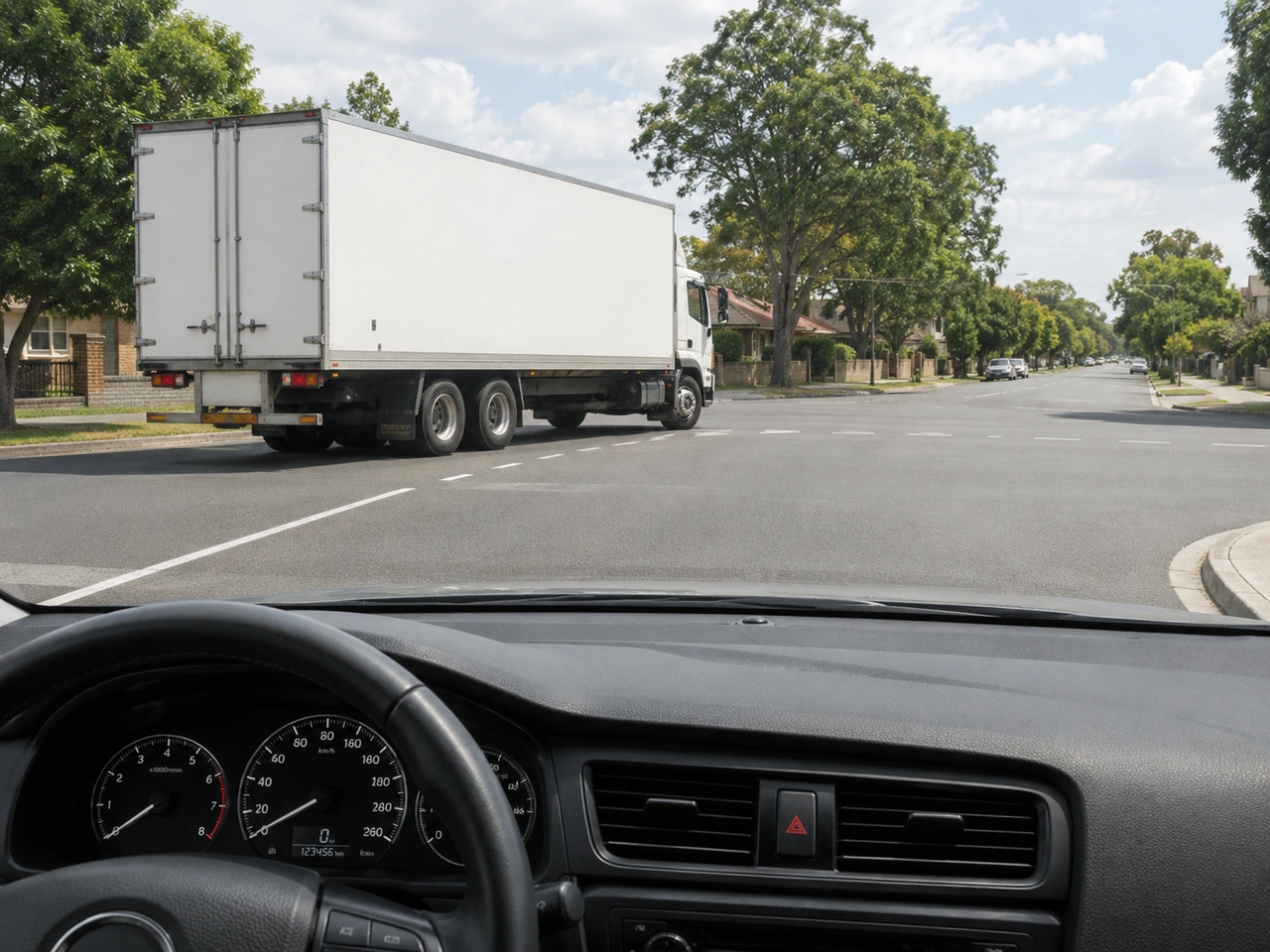
134. Why should you leave space beside large vehicles when they turn?
Large vehicles often swing wide when turning and have larger blind spots. Keep clear and do not move into the space beside them.
AI-generated by Traffic-rules.com • WCIT • CC BY-SA
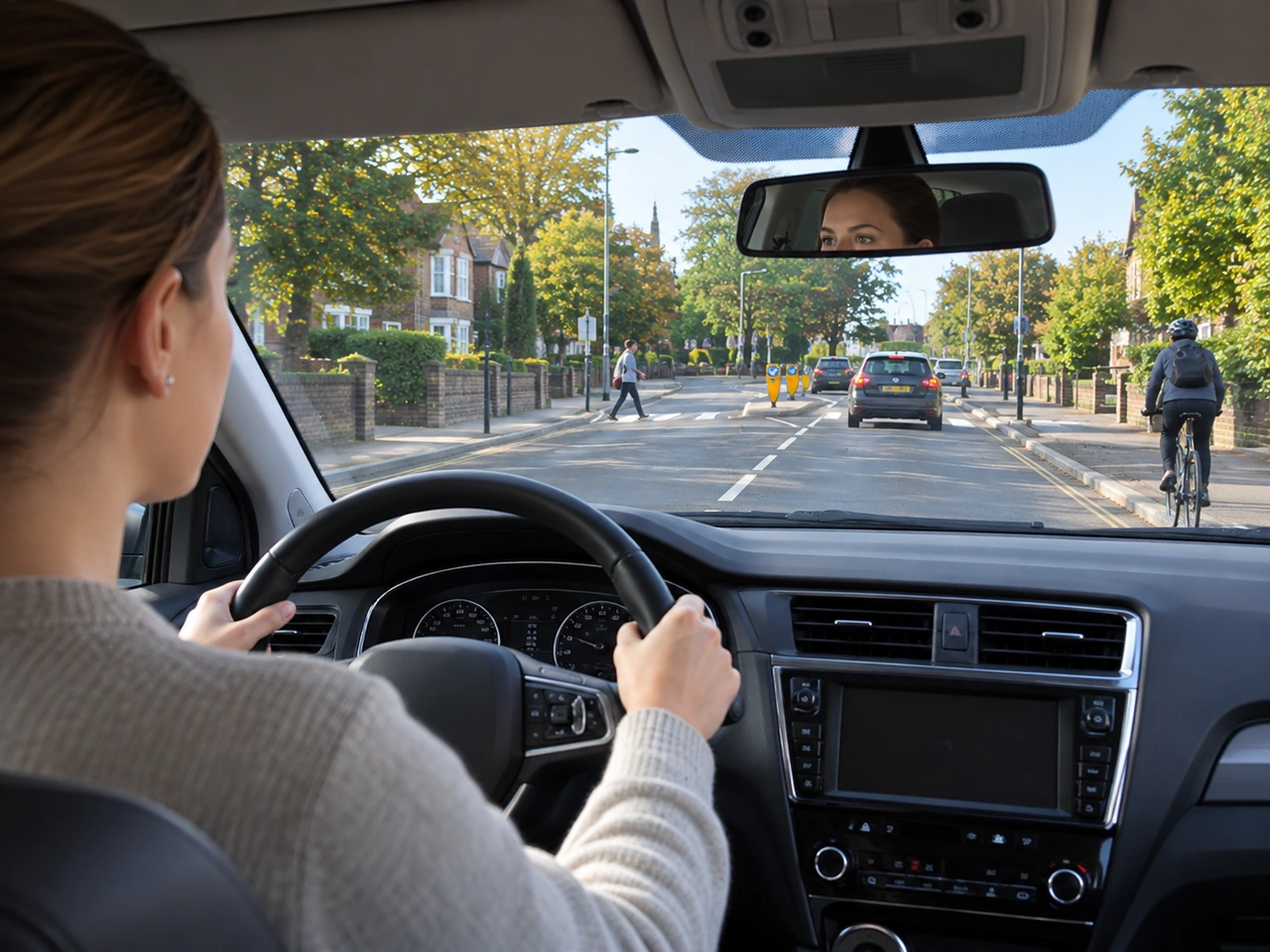
135. Why should you look well ahead while driving?
Looking well ahead helps you identify developing hazards early, such as slowing traffic, pedestrians, junctions, or changing road conditions. Earlier detection gives you more time to assess the situation and respond smoothly and safely.
AI-generated by Traffic-rules.com • WCIT • CC BY-SA
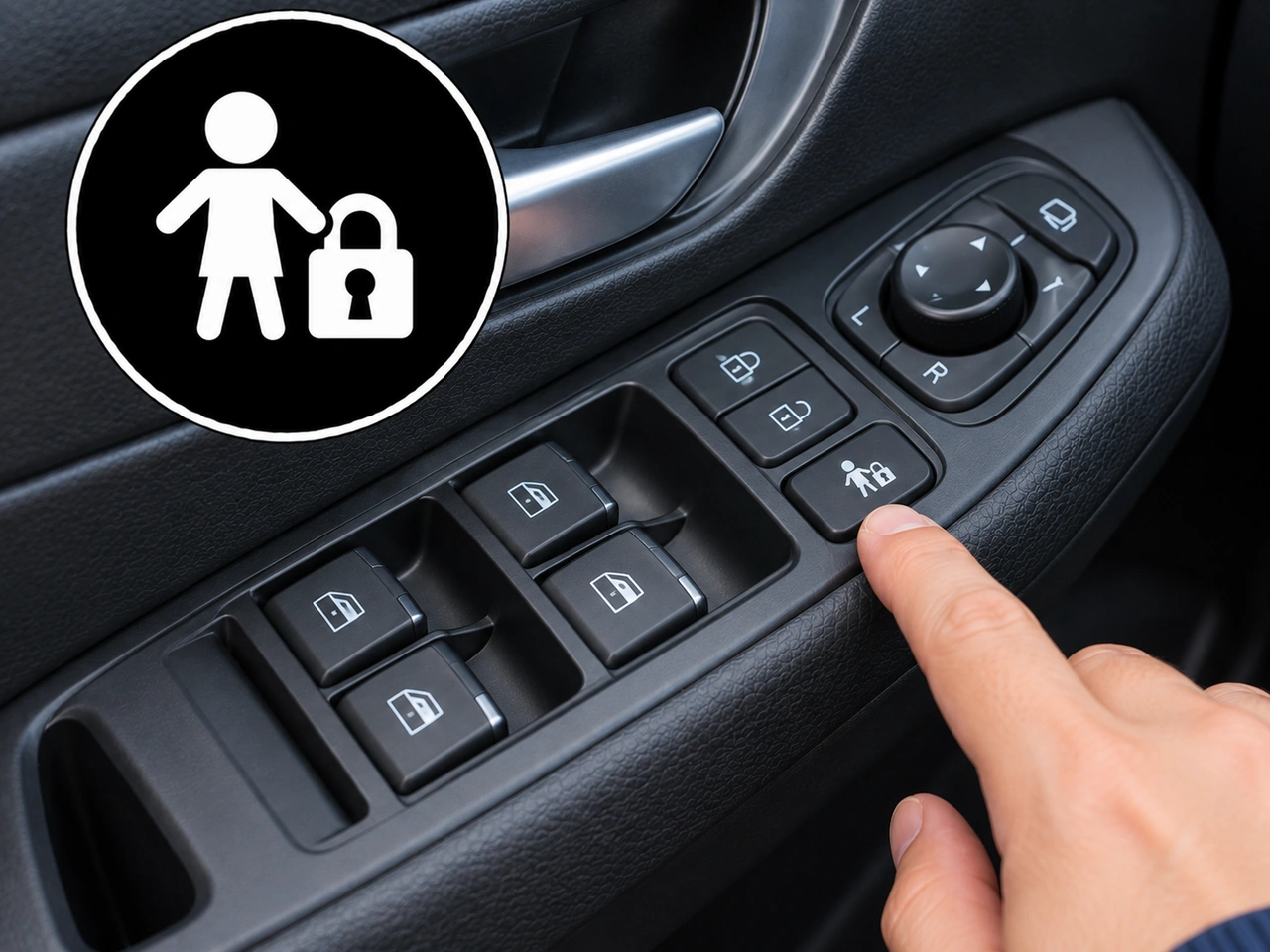
136. What does this vehicle-control symbol indicate?
This control activates the child safety lock. It helps prevent a rear door from being opened from inside the vehicle, depending on the vehicle and system design.
AI-generated by Traffic-rules.com • WCIT • CC BY-SA
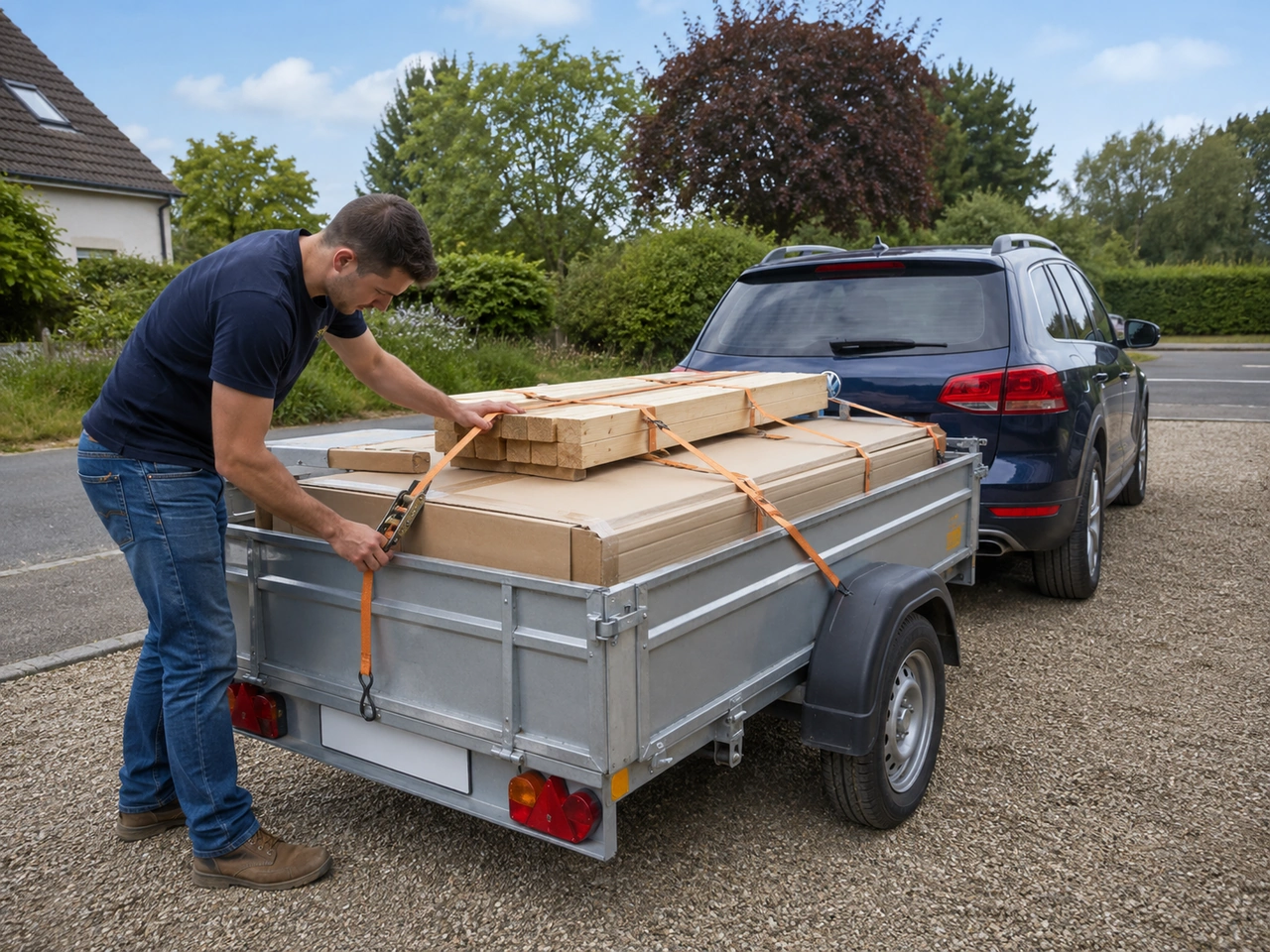
137. What should you do before driving with a load?
An unsecured load can shift, affect vehicle control, or fall into the road. Check that everything is safely restrained before moving.
AI-generated by Traffic-rules.com • WCIT • CC BY-SA
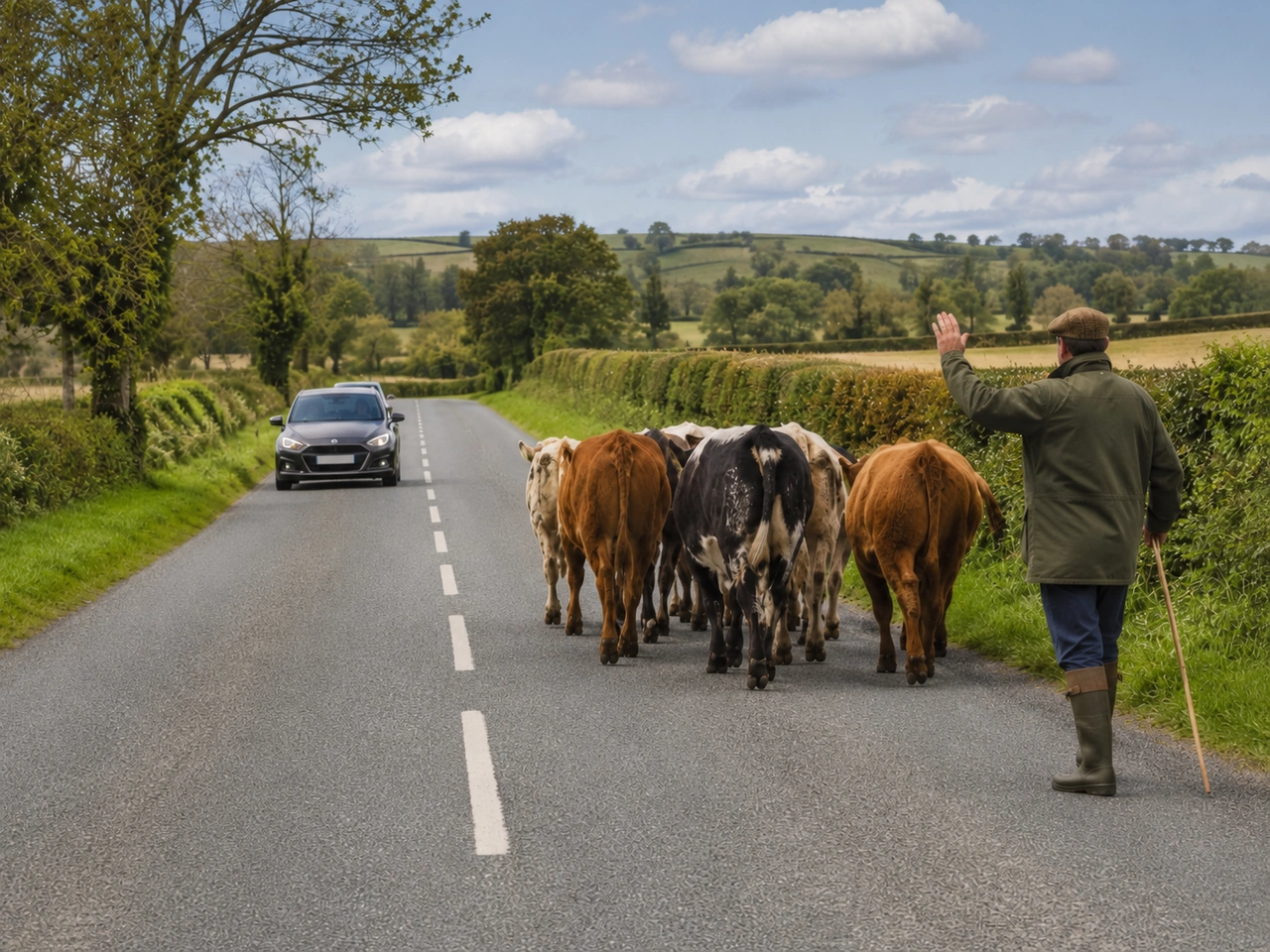
138. What should you do when livestock are on the road?
Livestock may spread across the road, stop suddenly, or change direction without warning. Slow down, keep a safe distance, avoid sudden movements or loud noises, and follow any instructions from the person controlling the animals.
AI-generated by Traffic-rules.com • WCIT • CC BY-SA
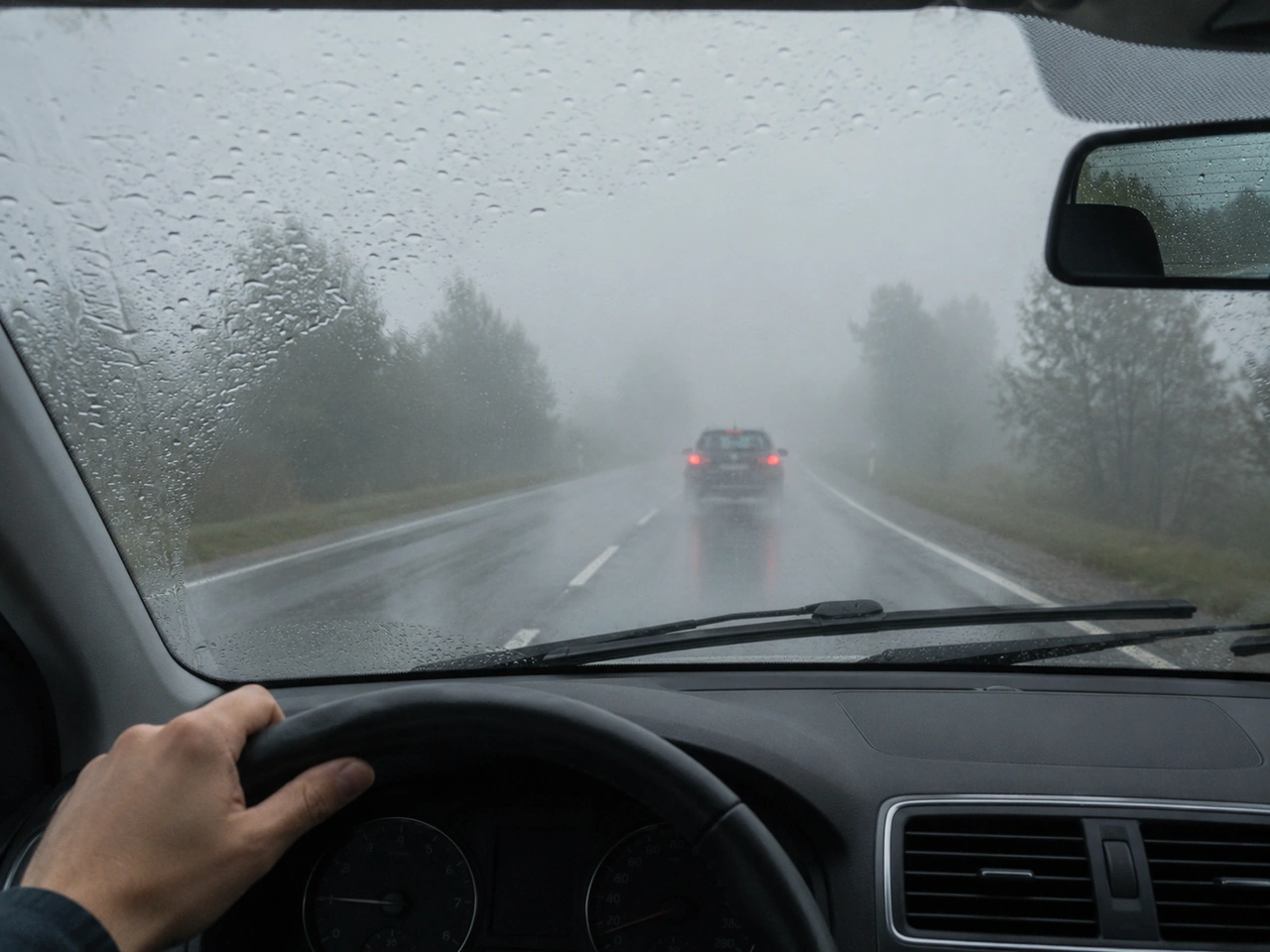
139. Why should you adjust your speed in bad weather?
Rain, snow, fog, and ice can reduce visibility and tyre grip. Lower speed gives you more time and distance to react and stop safely.
AI-generated by Traffic-rules.com • WCIT • CC BY-SA
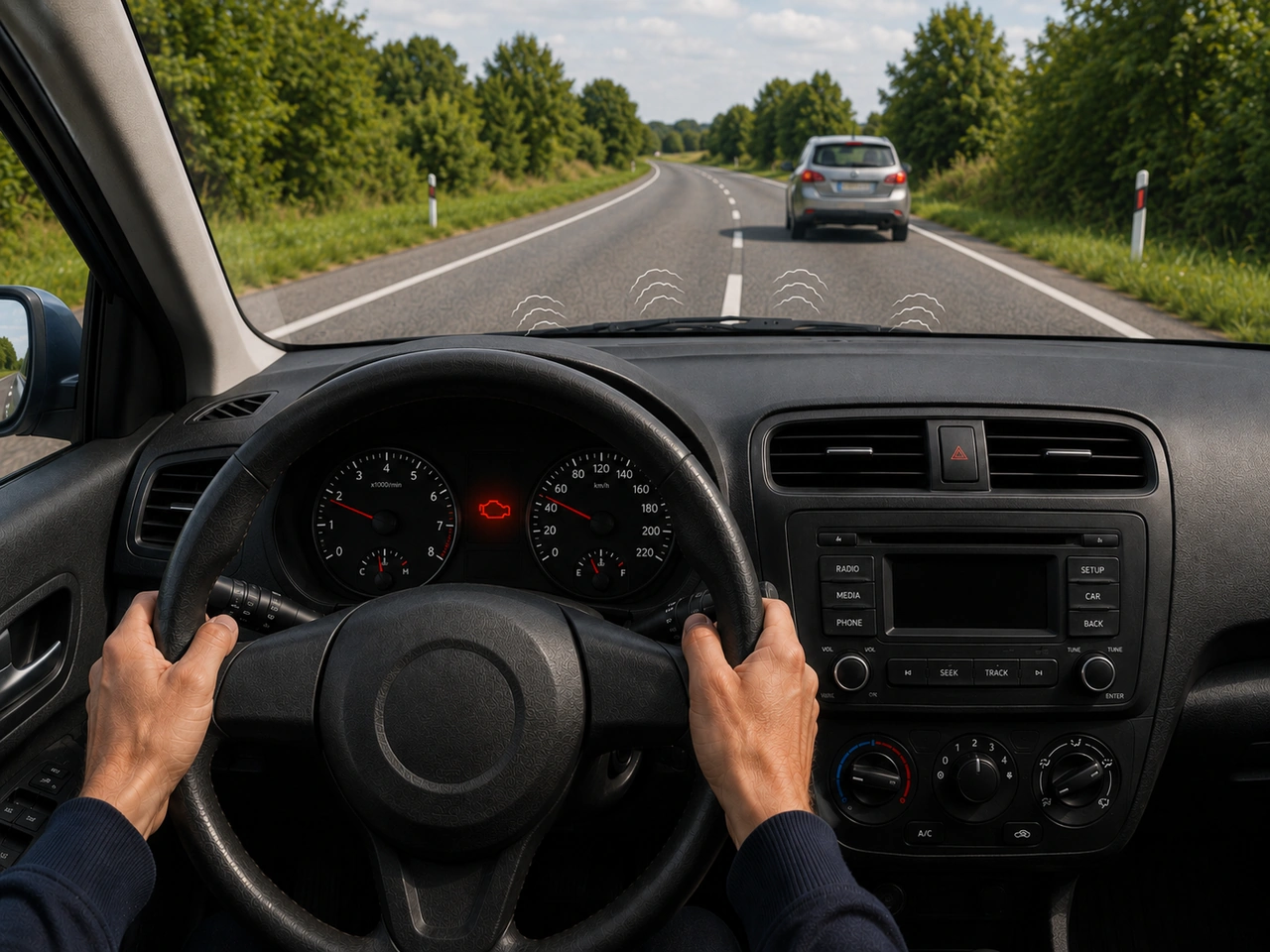
140. What should you do if a red warning light appears with an unusual noise?
A red warning combined with an unusual noise may indicate a serious fault. Continuing could cause damage or loss of control.
AI-generated by Traffic-rules.com • WCIT • CC BY-SA
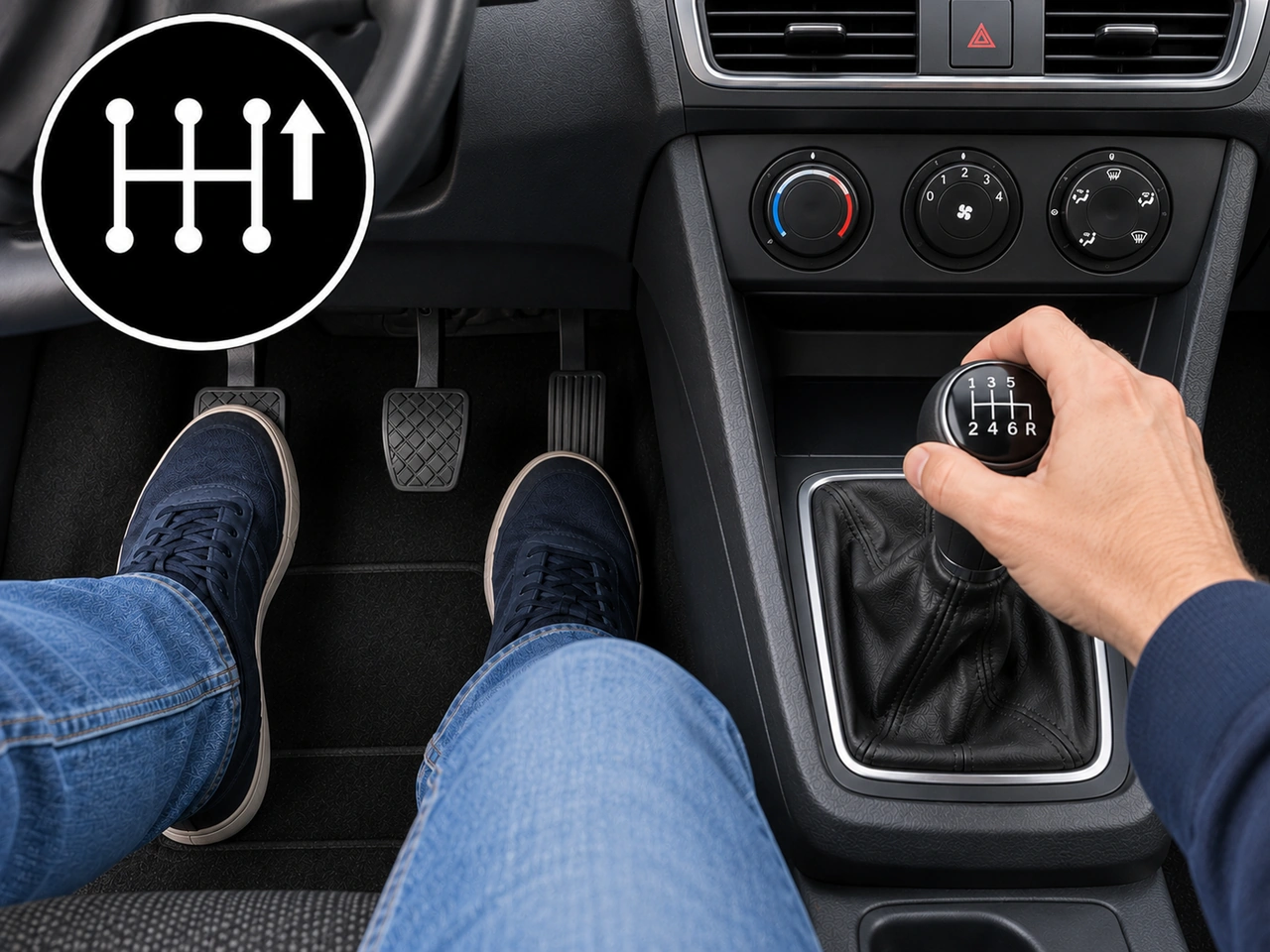
141. What should you normally do with the accelerator when changing to a higher gear?
When changing to a higher gear, ease off the accelerator as you press the clutch and select the next gear. Release the clutch smoothly and then apply the accelerator progressively.
AI-generated by Traffic-rules.com • WCIT • CC BY-SA
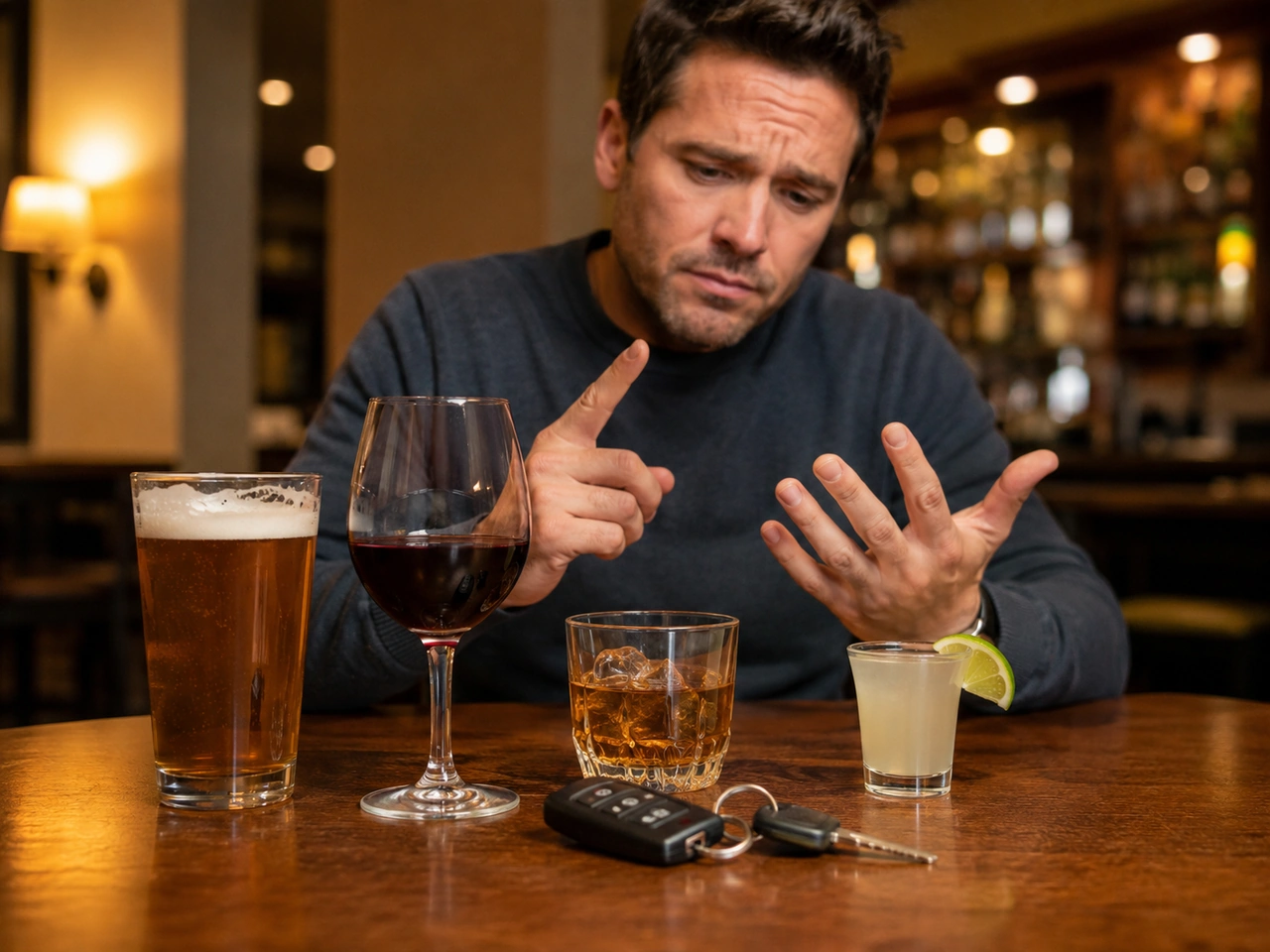
142. Why is counting drinks an unreliable way to decide whether you can drive?
Alcohol concentration and serving sizes vary, and factors such as body size, food, medication, and time can affect impairment.
AI-generated by Traffic-rules.com • WCIT • CC BY-SA
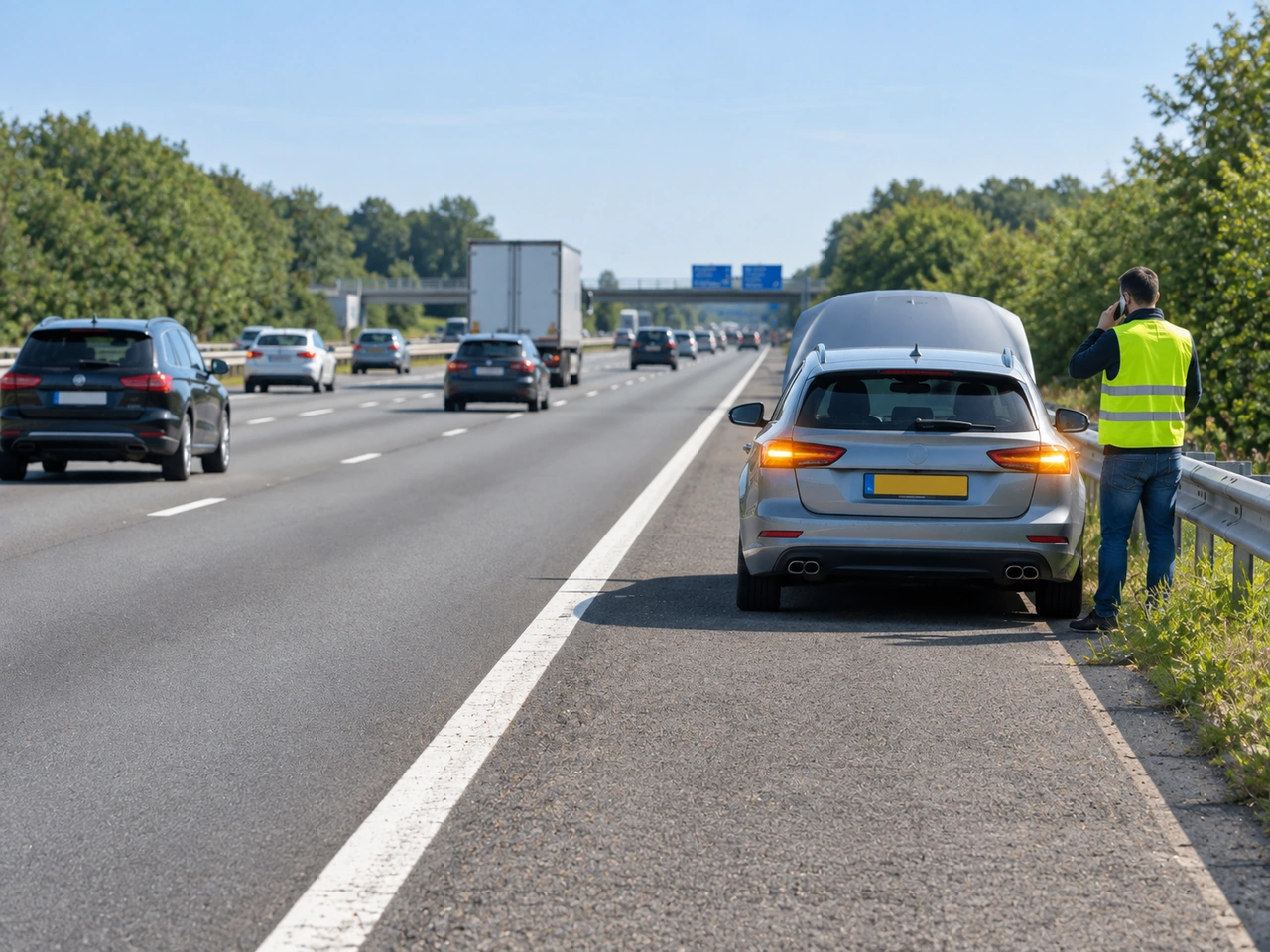
143. What is the main purpose of a motorway emergency lane or hard shoulder?
A motorway emergency lane or hard shoulder is primarily intended for emergencies and breakdowns, not normal driving. In some places it may be opened temporarily as a traffic lane when signs or signals specifically permit this.
AI-generated by Traffic-rules.com • WCIT • CC BY-SA
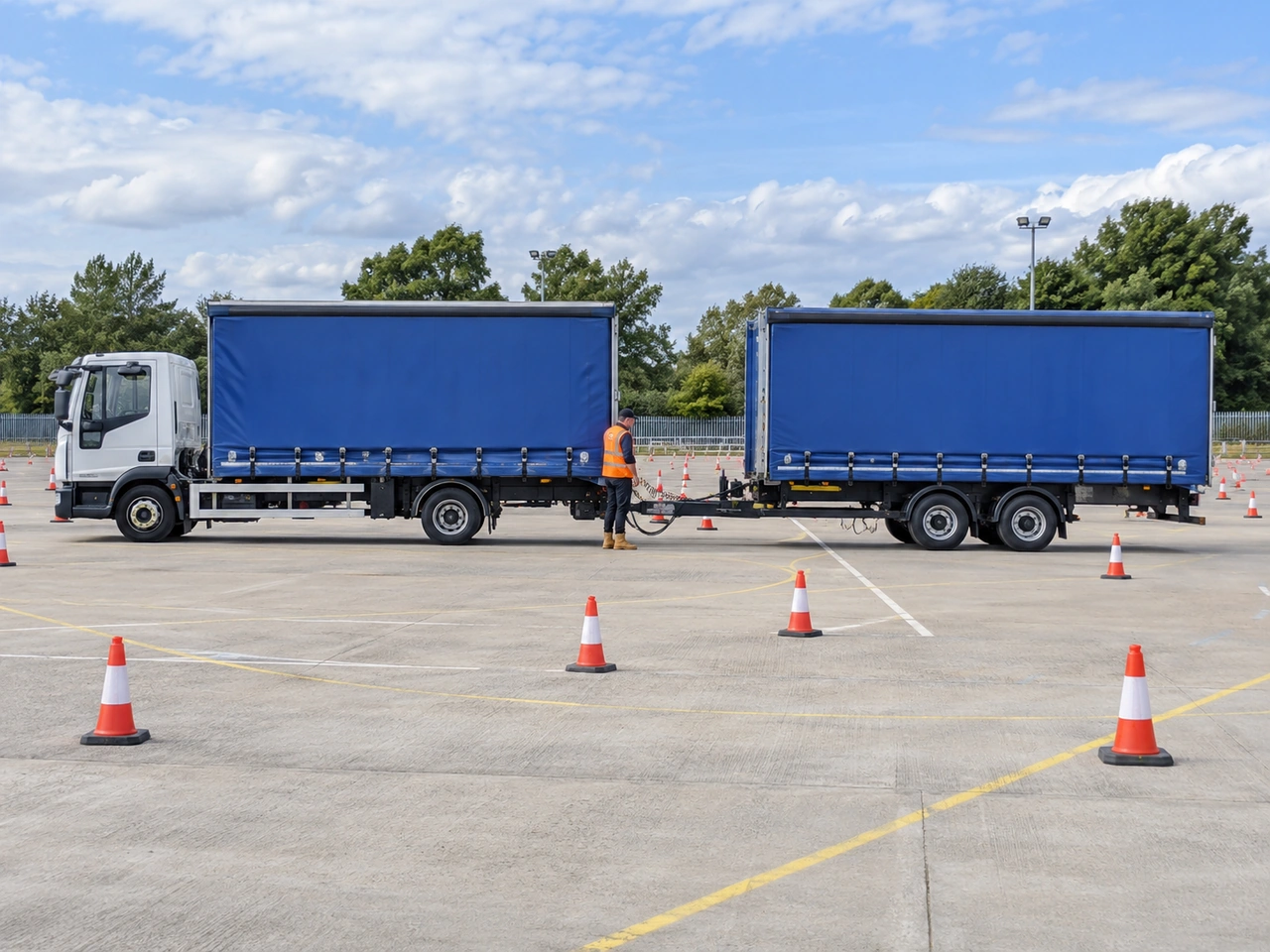
144. What is the minimum licence for a 12,000 kg C1 combination with a trailer over 750 kg?
Category C1E covers a category C1 vehicle towing a trailer or semi-trailer over 750 kg, provided the maximum authorised mass of the combination does not exceed 12,000 kg.
AI-generated by Traffic-rules.com • WCIT • CC BY-SA
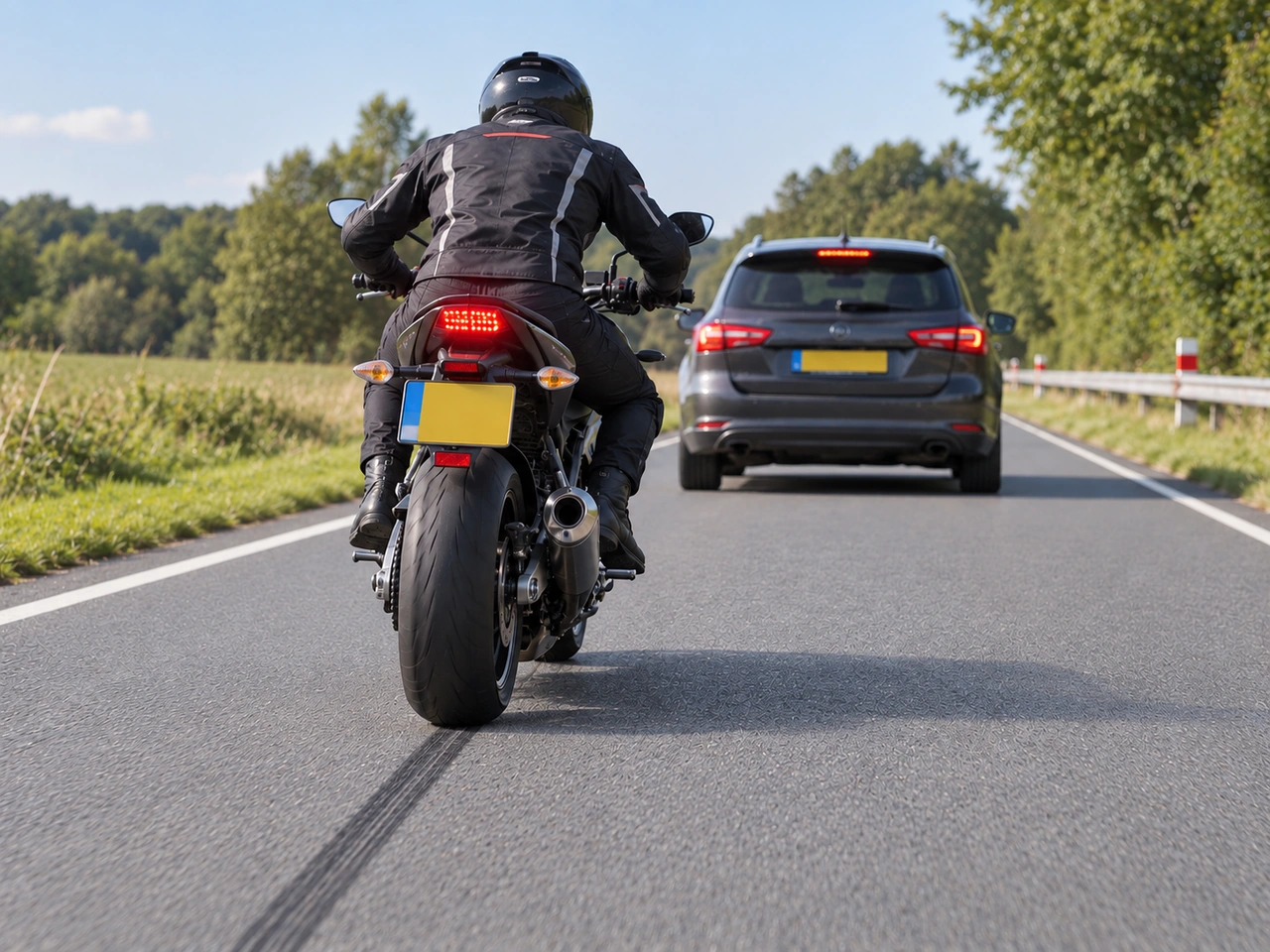
145. How should a motorcyclist brake in an emergency?
During emergency braking, use both brakes firmly and progressively while keeping the motorcycle as upright and stable as practical. Avoid sudden steering. If ABS is fitted, maintain firm braking pressure and allow the system to work.
AI-generated by Traffic-rules.com • WCIT • CC BY-SA
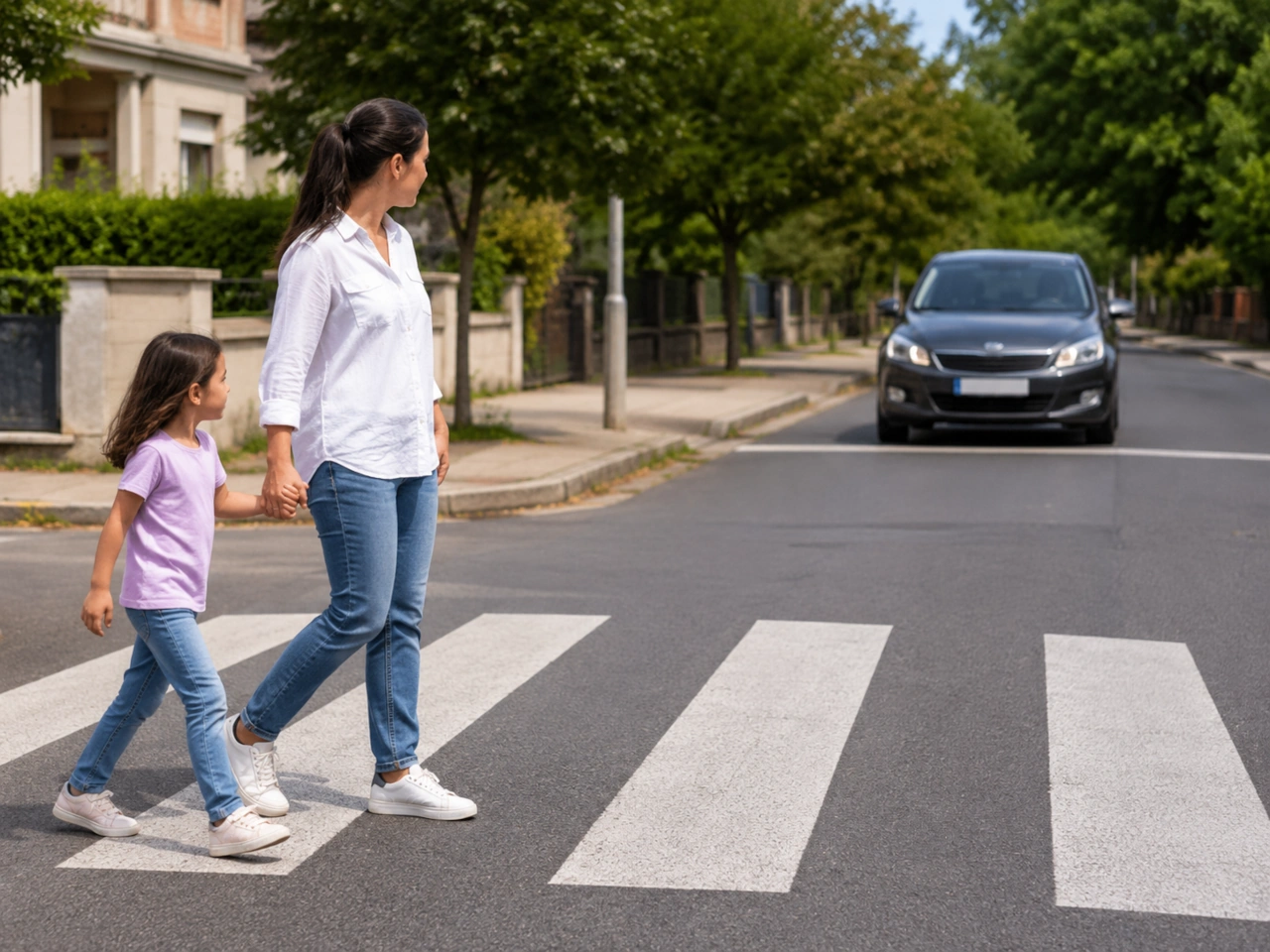
146. What is the safest way to cross the road with a child?
Children can be unpredictable near traffic. Keep them close and guide them safely across the road.
AI-generated by Traffic-rules.com • WCIT • CC BY-SA
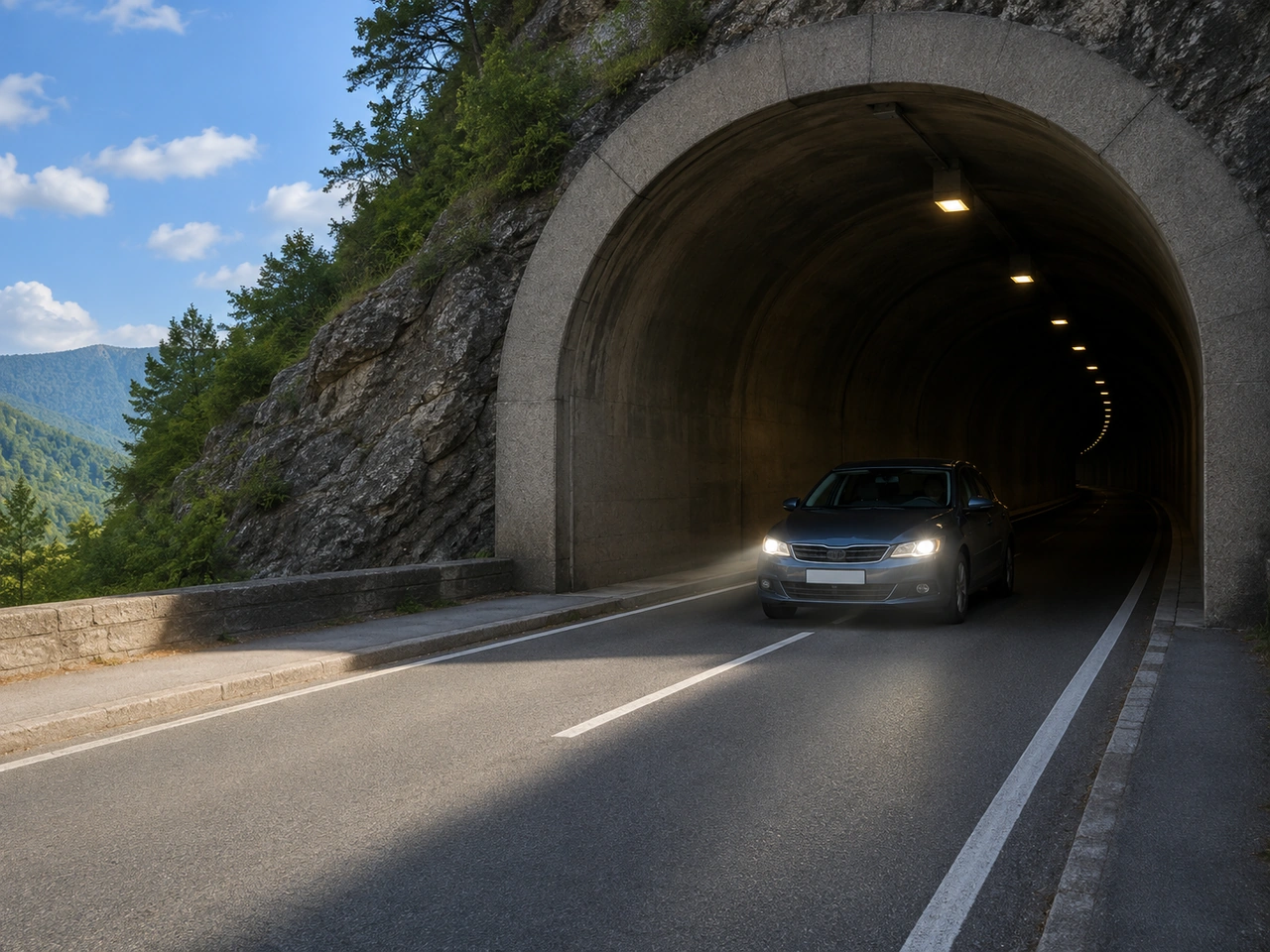
147. Why should you switch on dipped headlights before entering a tunnel?
Tunnel lighting may be much darker than daylight. Dipped headlights help you see and make your vehicle more visible.
AI-generated by Traffic-rules.com • WCIT • CC BY-SA
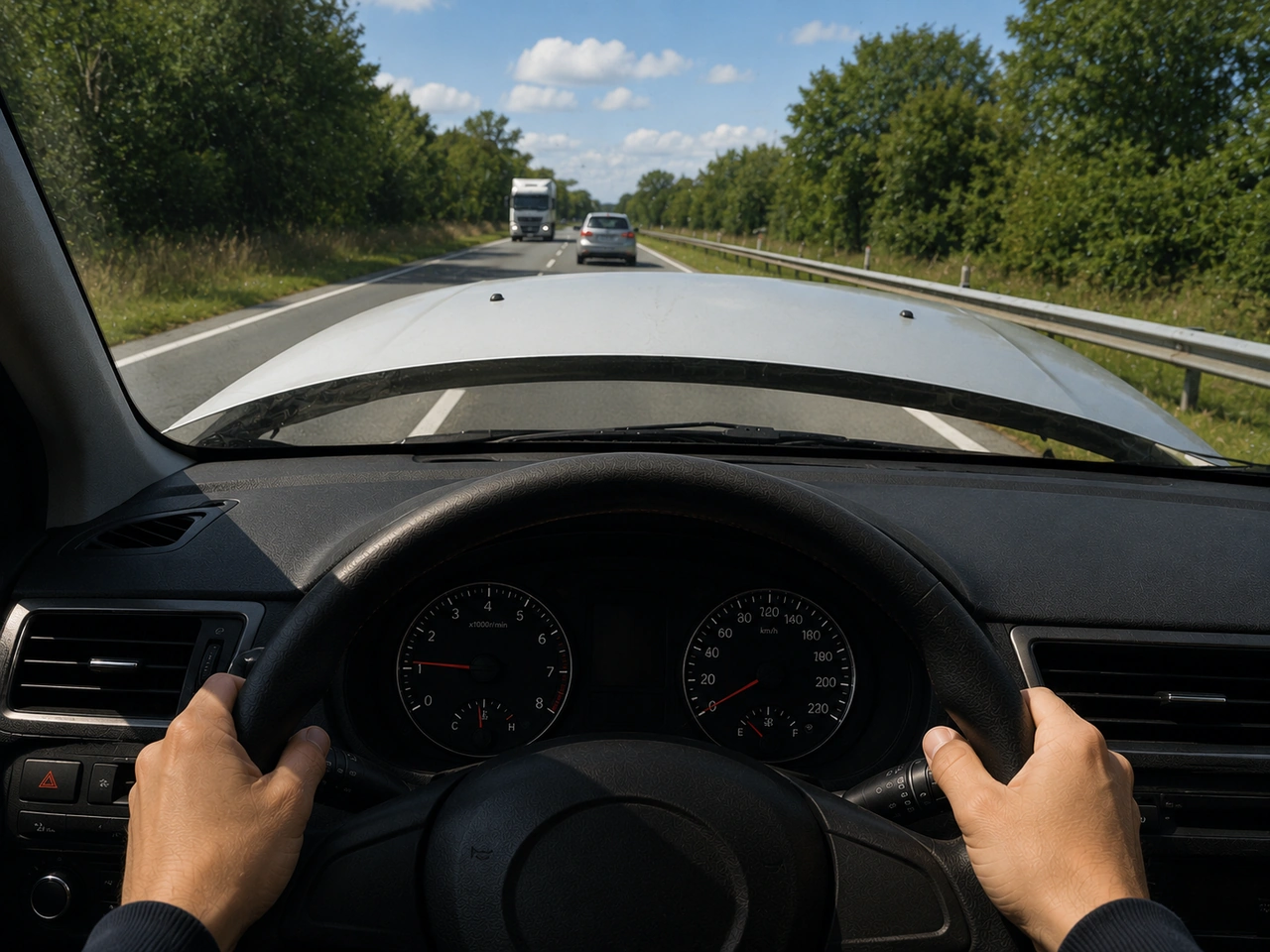
148. What should you do if the bonnet suddenly opens while you are driving?
The bonnet may completely obstruct your view. Avoid sudden movements, use the road markings or available gap to maintain direction, and stop safely.
AI-generated by Traffic-rules.com • WCIT • CC BY-SA
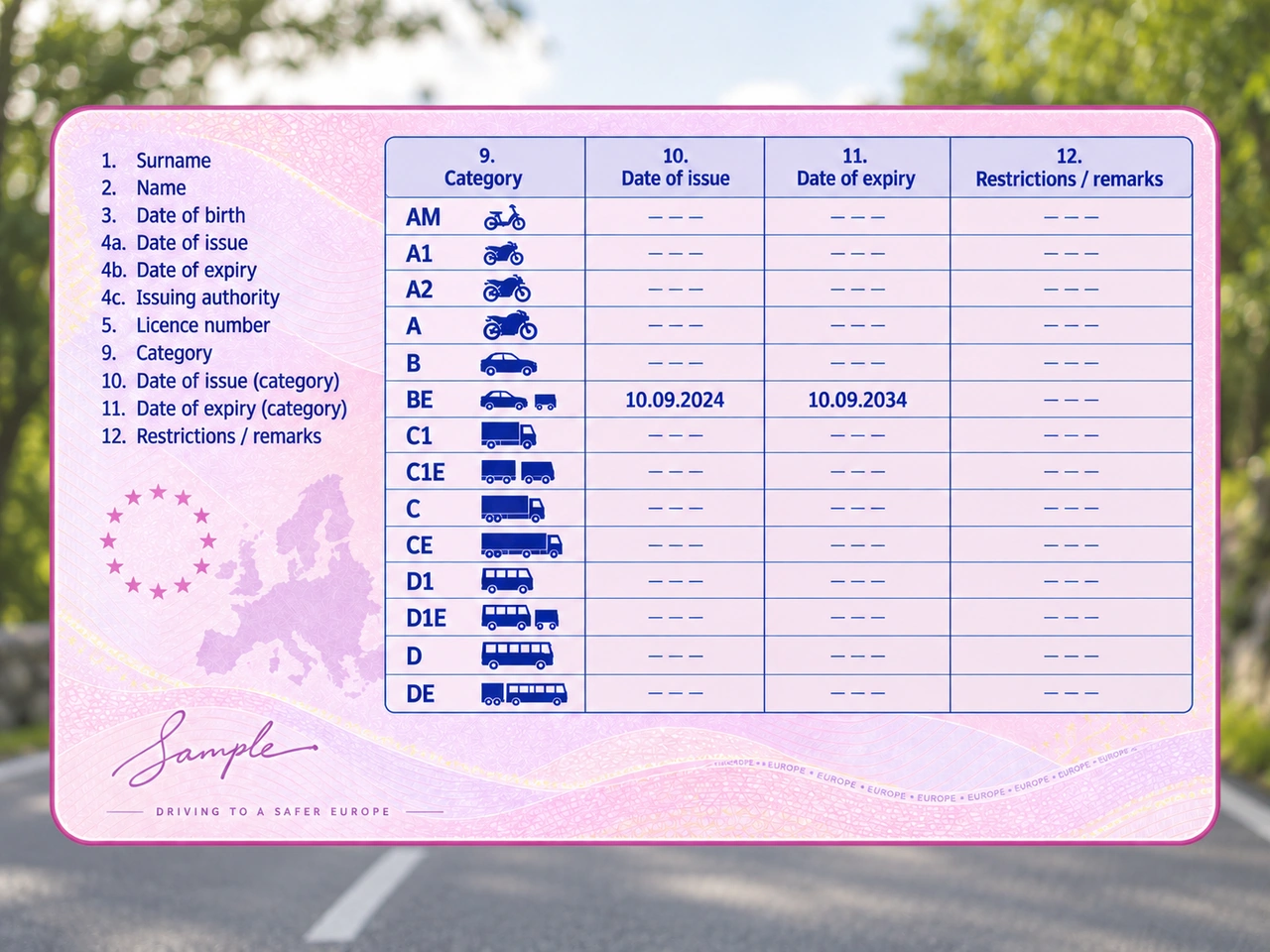
149. Which vehicle combination is covered by driving licence BE?
Category BE covers combinations consisting of a category B towing vehicle and a trailer or semi-trailer with a maximum authorised mass of no more than 3,500 kg. Lighter combinations may already be covered by category B.
AI-generated by Traffic-rules.com • WCIT • CC BY-SA
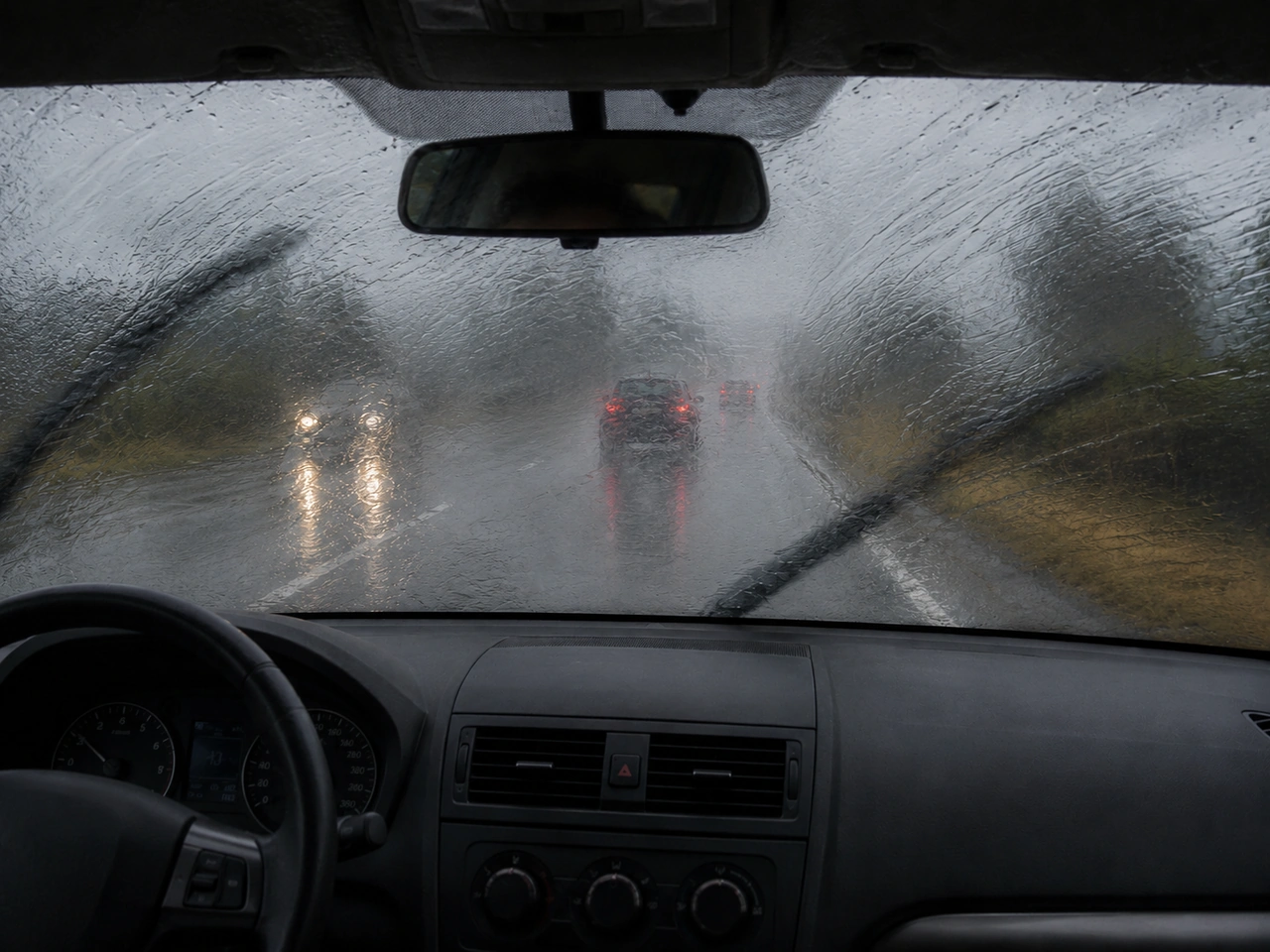
150. What should you do if the windscreen wipers leave the glass smeared?
Worn or dirty wiper blades can seriously reduce visibility in rain. Clean them first and replace them if they remain ineffective or damaged.
AI-generated by Traffic-rules.com • WCIT • CC BY-SA