


QuizTraffic rulesUnited Kingdom
This interesting quiz helps you test your knowledge in a clear and visual way. With easy multiple-choice questions, you can quickly build confidence and learn new facts while keeping it simple, interactive, and fun.
 Traffic signs
 Traffic rules
 United Kingdom
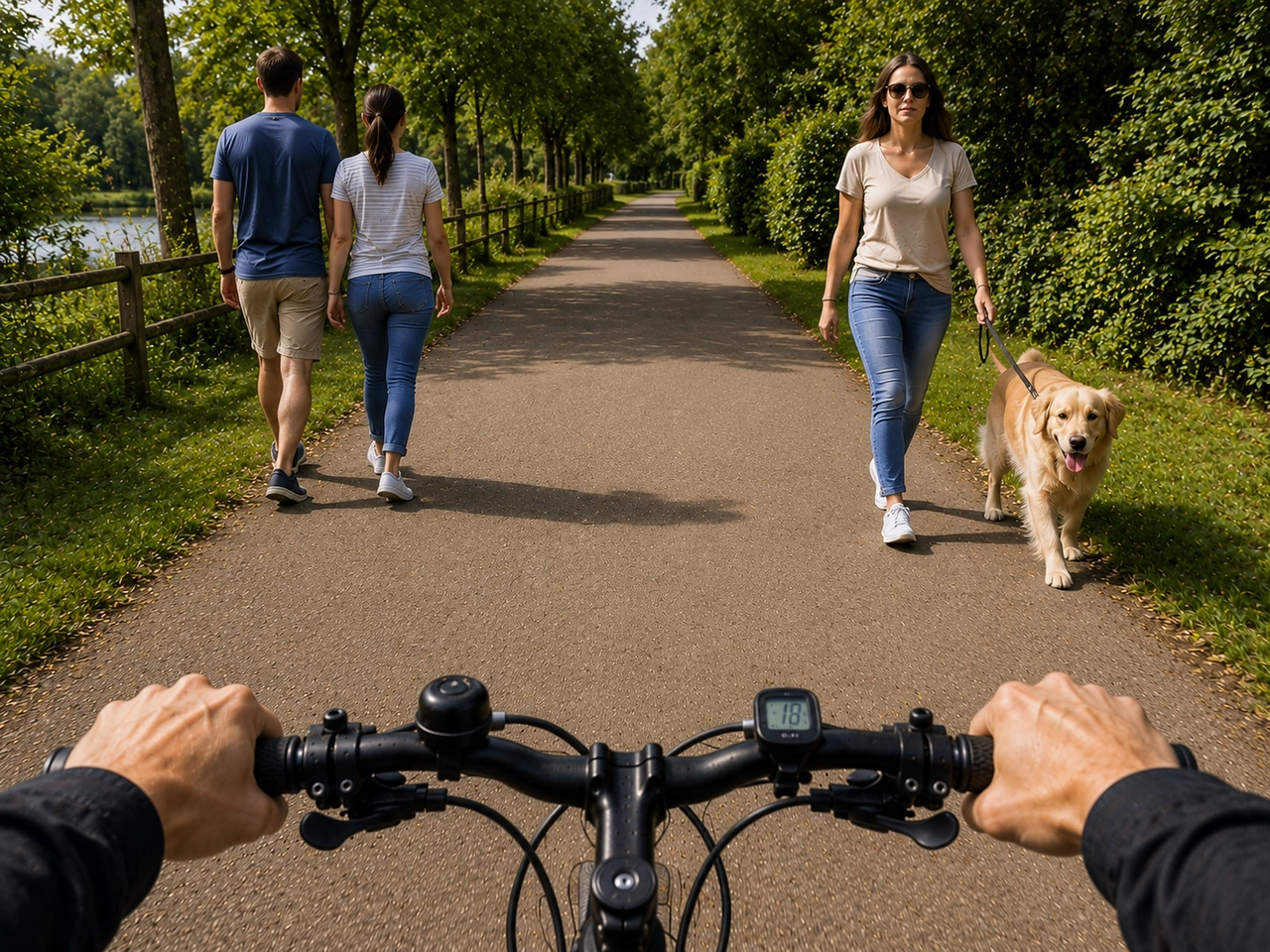
501. What should cyclists do when passing pedestrians on a shared path?
Pedestrians may change direction unexpectedly. A warning and safe passing distance reduce the risk of a collision.
AI-generated by Traffic-rules.com • WCIT • CC BY-SA

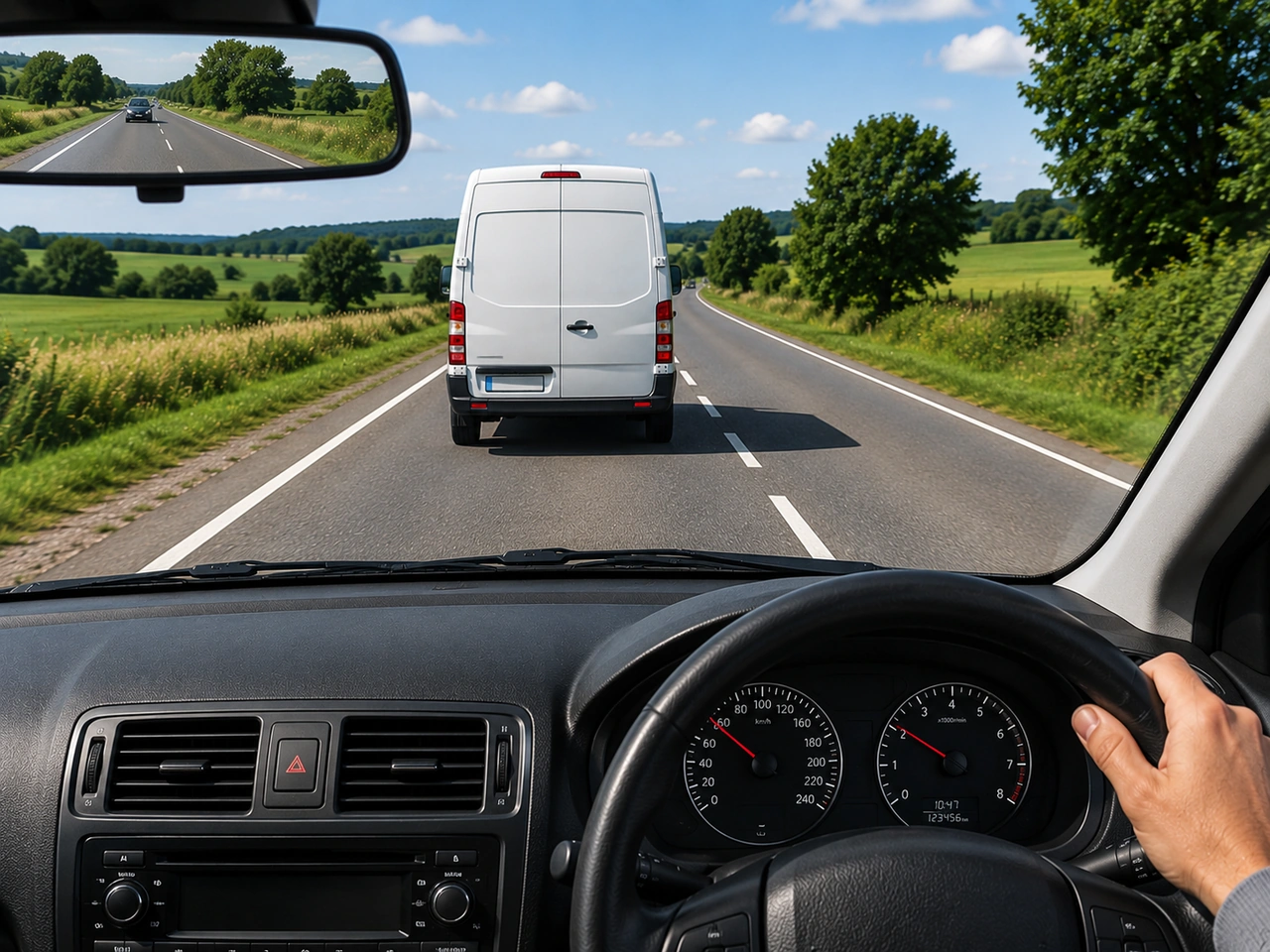
502. What is the main risk when following a vehicle with limited rear visibility?
Vans, trucks, and vehicles with blocked rear windows may have limited visibility. Keep extra distance and avoid sitting in blind spots.
AI-generated by Traffic-rules.com • WCIT • CC BY-SA
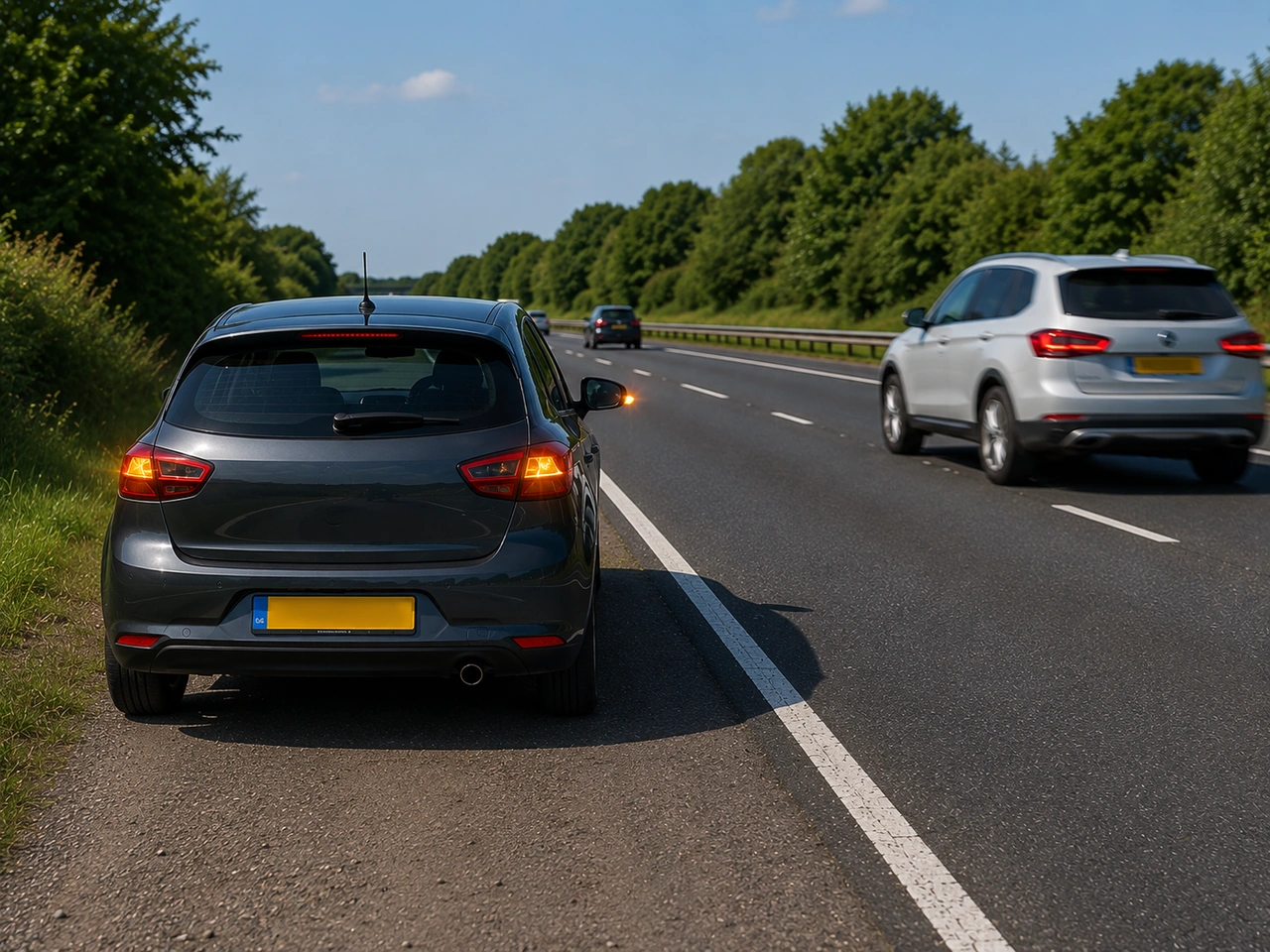
503. What should you do before rejoining traffic after a breakdown?
Check mirrors and blind spots, signal clearly, and build up speed safely without causing approaching traffic to brake suddenly.
AI-generated by Traffic-rules.com • WCIT • CC BY-SA
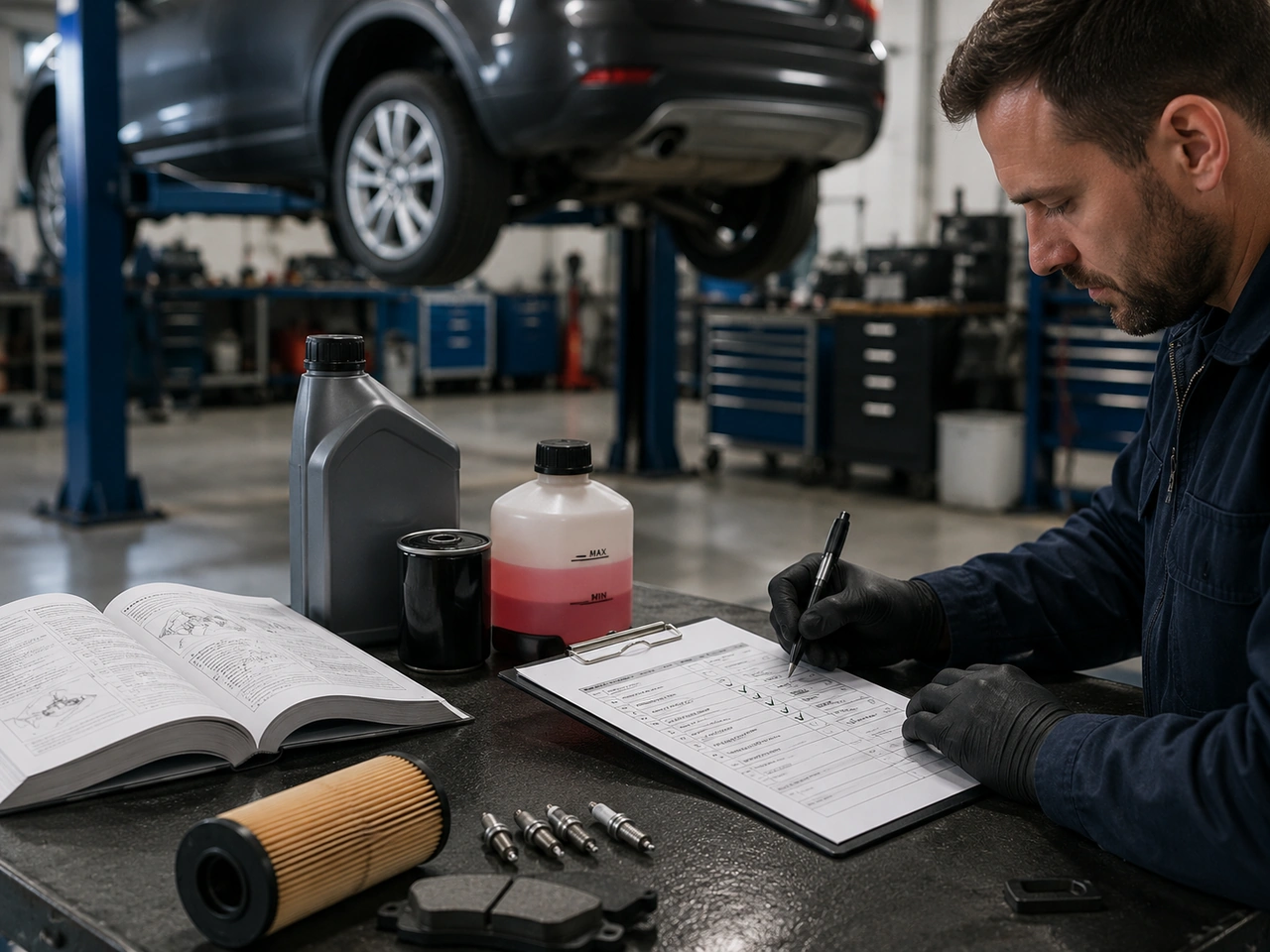
504. Why should you follow the manufacturer's service schedule?
Scheduled servicing helps ensure that brakes, tyres, fluids, filters, steering, suspension, and other important systems are checked and maintained before faults become more serious.
AI-generated by Traffic-rules.com • WCIT • CC BY-SA
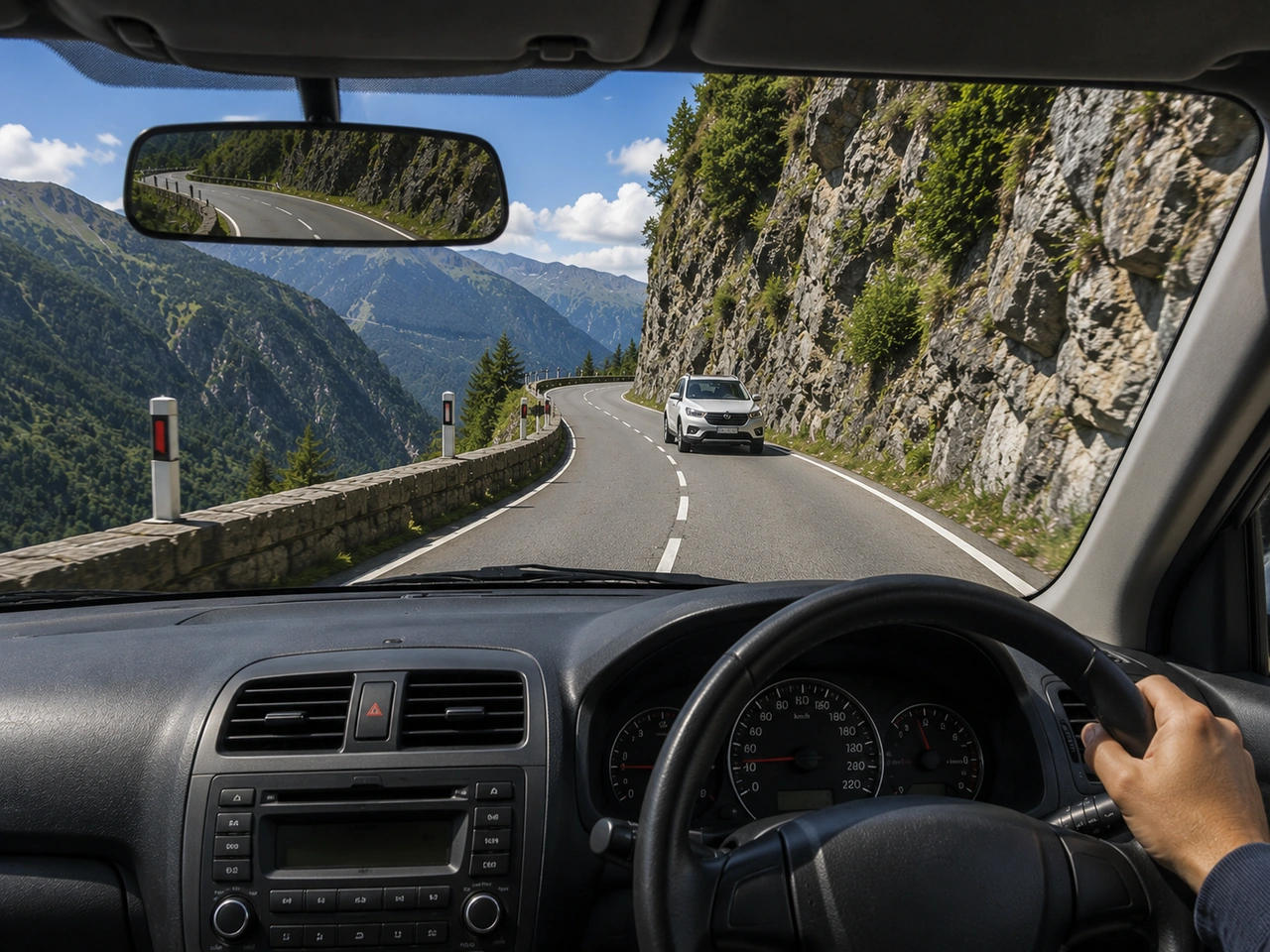
505. How should you approach a sharp bend on a mountain road?
Mountain bends may hide oncoming vehicles, cyclists, animals, or debris. Slow down before entering and keep a safe road position.
AI-generated by Traffic-rules.com • WCIT • CC BY-SA
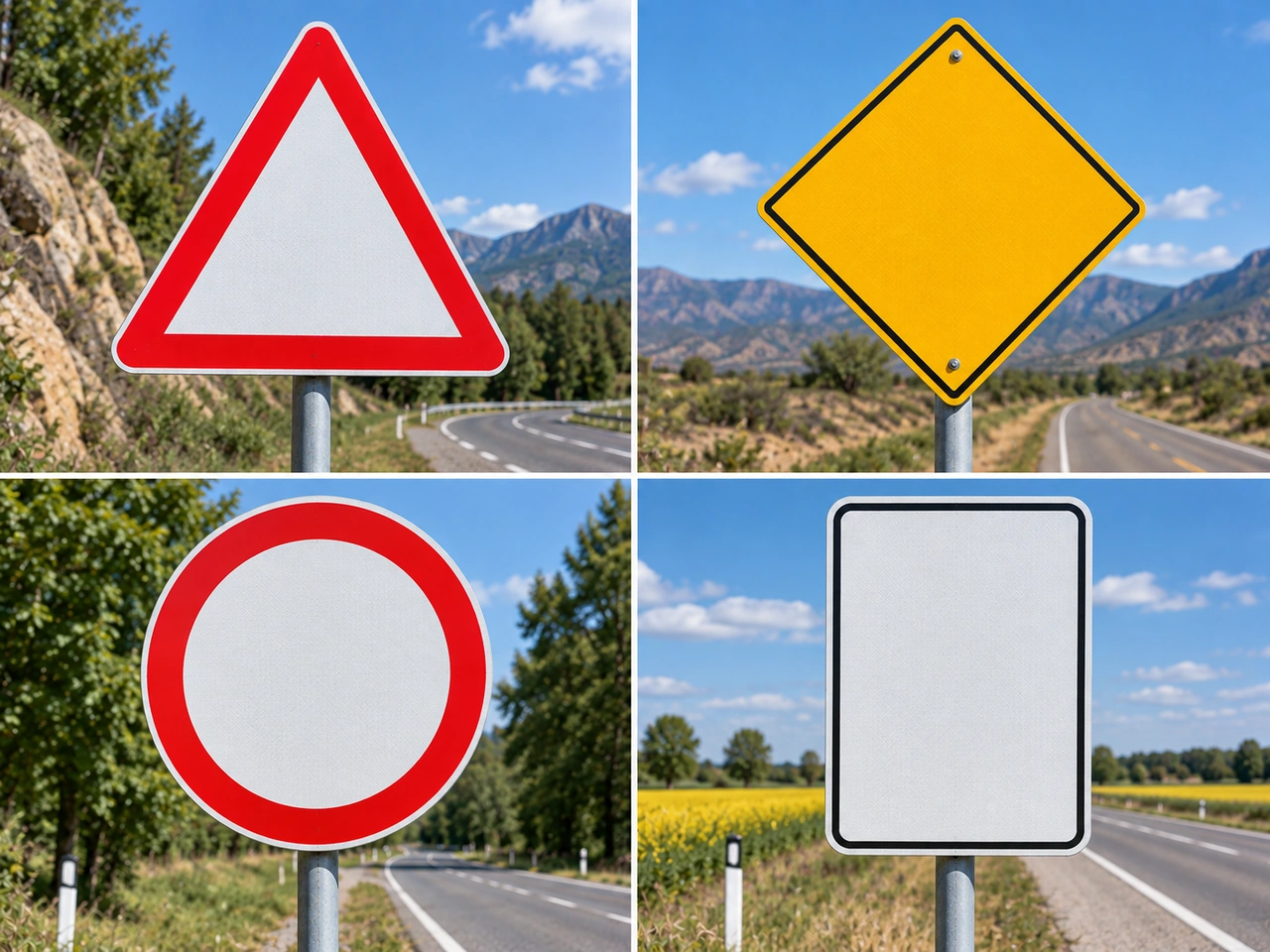
506. What shape are most warning signs in United Kingdom?
Most warning signs in United Kingdom are triangular.
AI-generated by Traffic-rules.com • WCIT • CC BY-SA
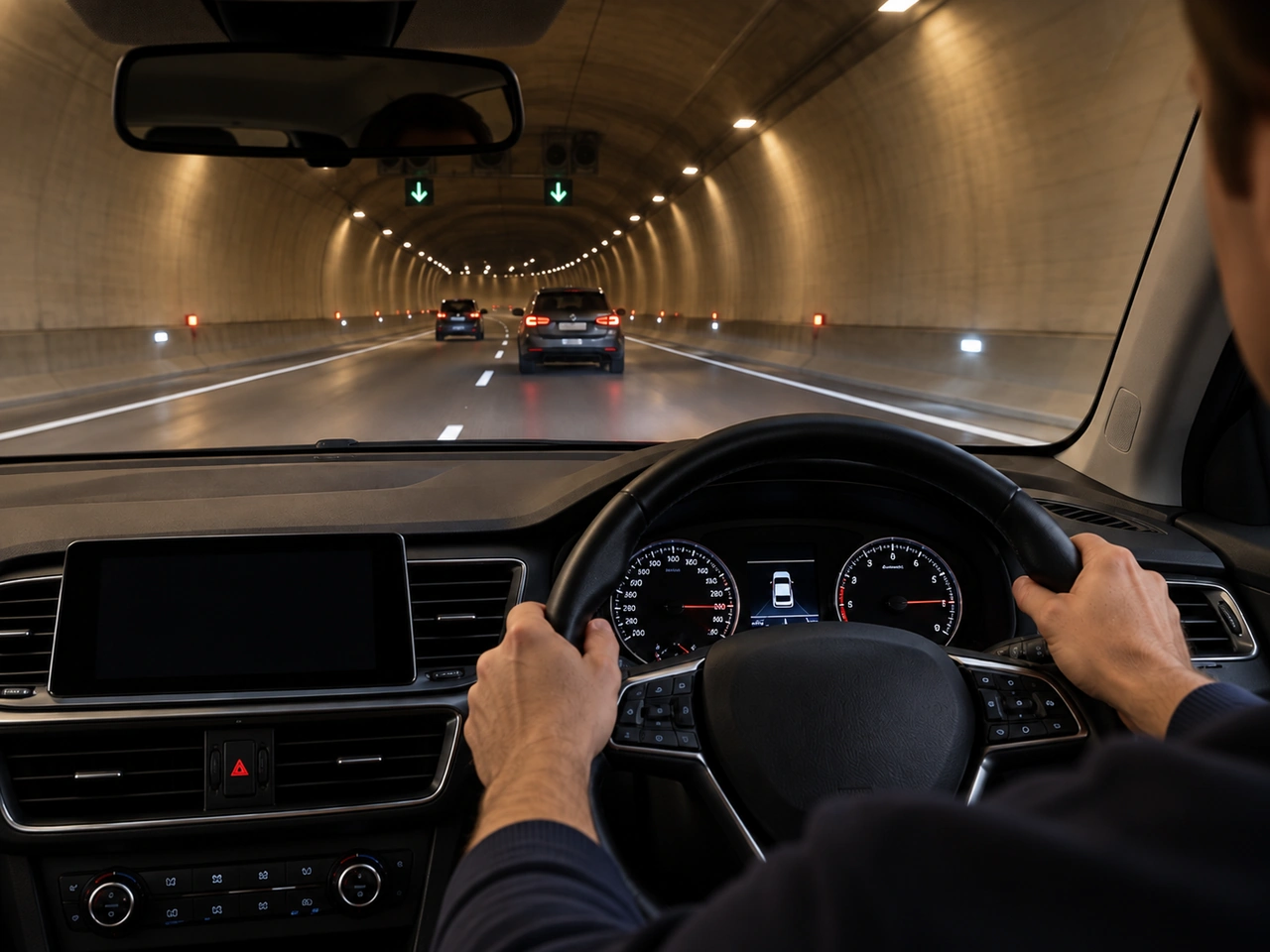
507. Must cars use dipped headlights solely because they enter a tunnel in United Kingdom?
Dipped headlights are not generally required solely because a car is in a tunnel in United Kingdom. Darkness or poor visibility may still require their use, and drivers must follow any tunnel lighting instructions.
AI-generated by Traffic-rules.com • WCIT • CC BY-SA
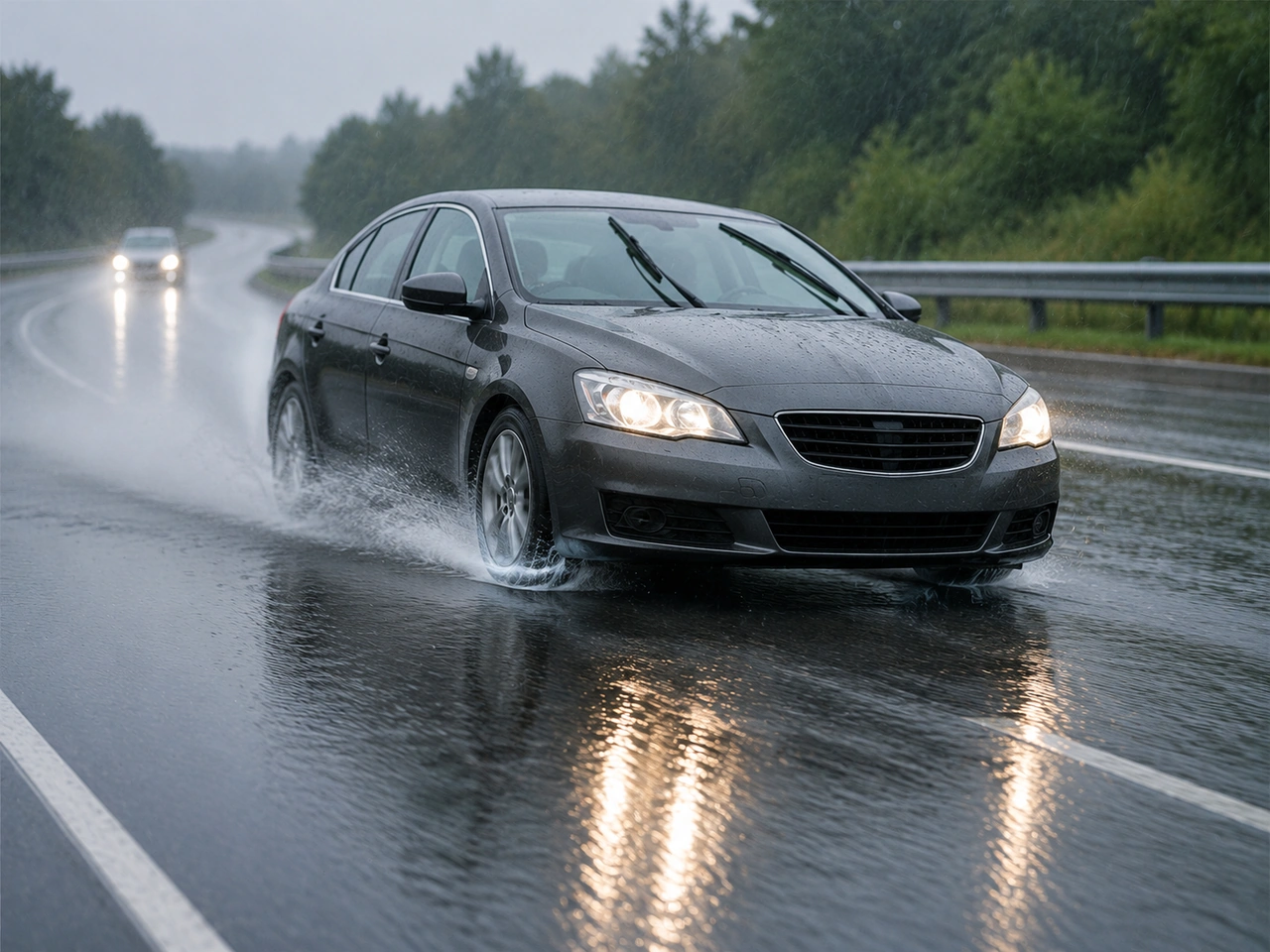
508. What is aquaplaning?
Aquaplaning occurs when water builds up between the tyres and the road, causing a loss of grip and control. The risk increases at higher speeds.
AI-generated by Traffic-rules.com • WCIT • CC BY-SA
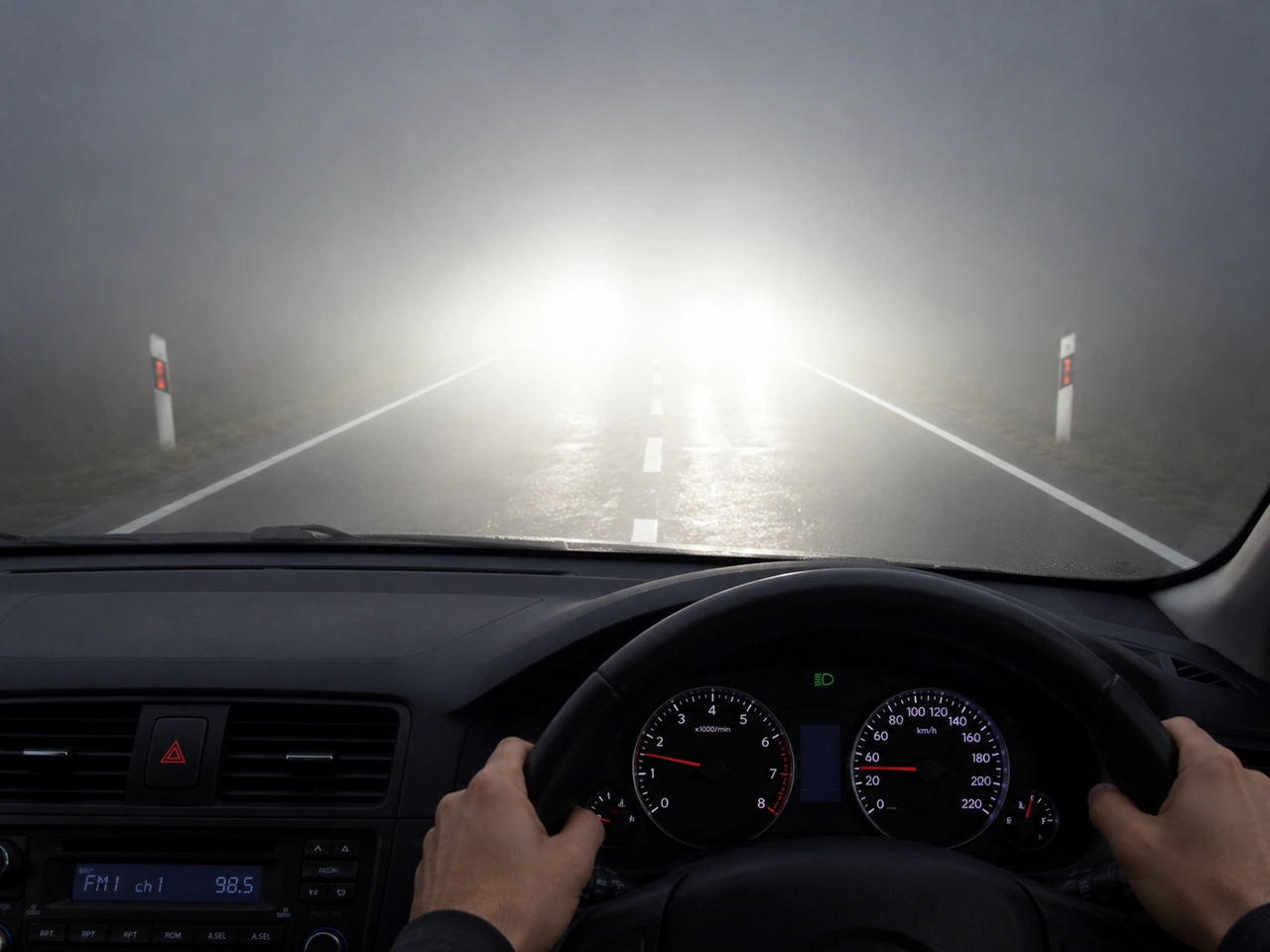
509. Why can main-beam headlights make driving in fog more difficult?
Main beam can reflect back from fog and create glare, making it harder to see the road ahead.
AI-generated by Traffic-rules.com • WCIT • CC BY-SA
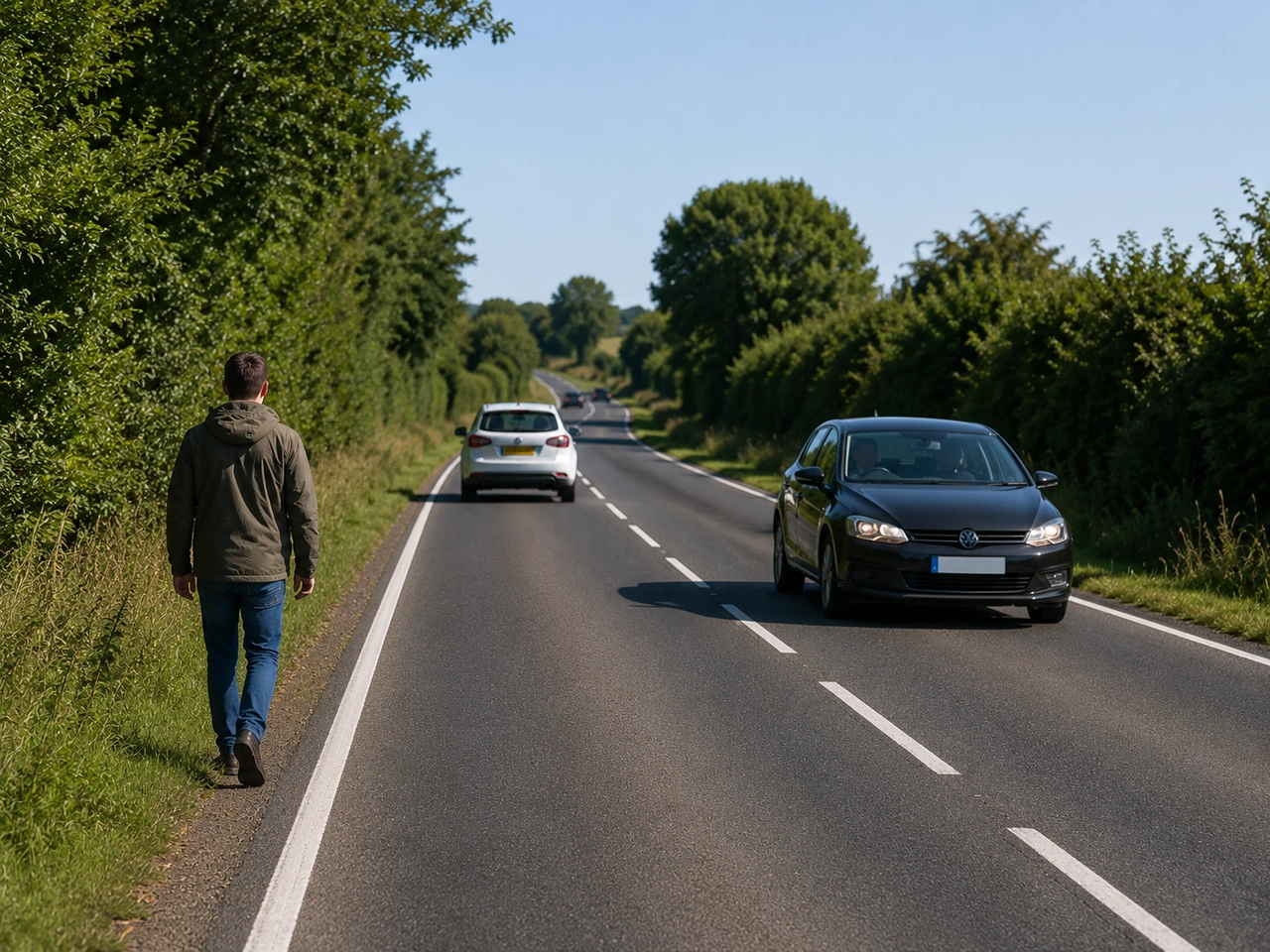
510. What should you do if there is no pavement?
If there is no pavement, stay as far from traffic as possible and remain alert. The exact side of the road depends on local traffic rules.
AI-generated by Traffic-rules.com • WCIT • CC BY-SA
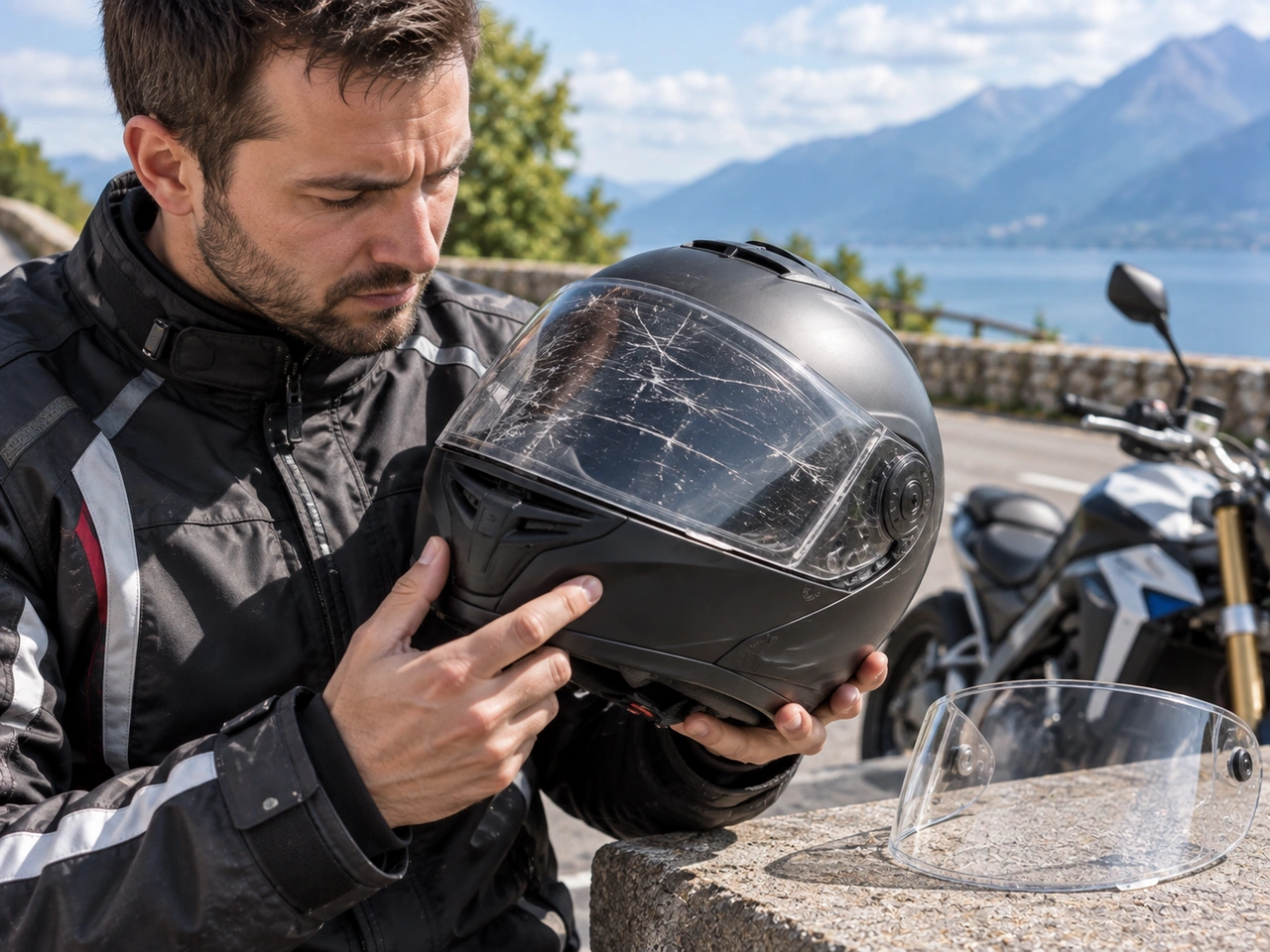
511. What should you do if a motorcycle helmet visor is badly scratched?
A badly scratched or damaged visor can reduce or distort your view, especially in bright sunlight or at night. Replace a visor that no longer provides a clear, safe view and follow the helmet manufacturer's instructions.
AI-generated by Traffic-rules.com • WCIT • CC BY-SA
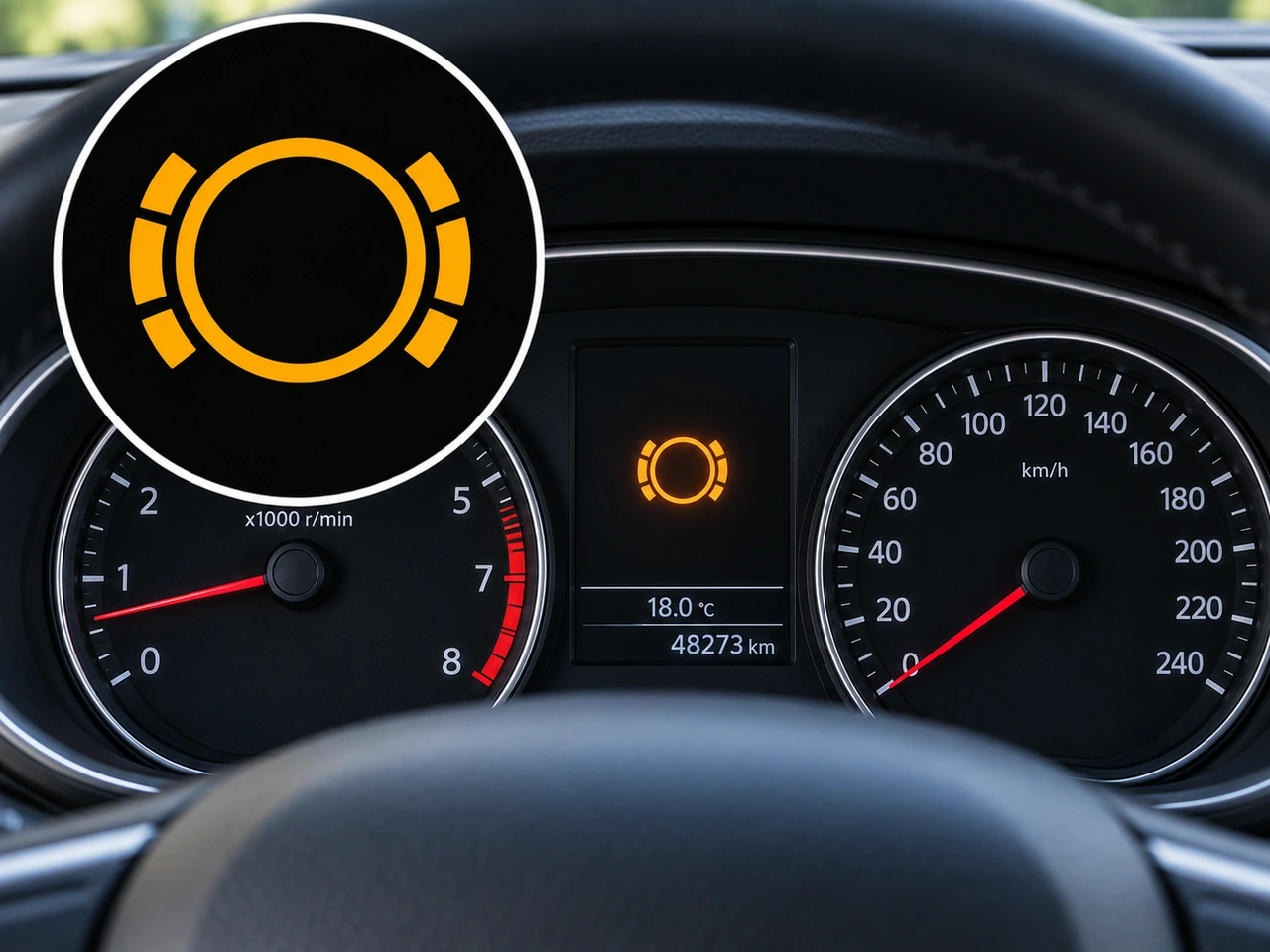
512. What does this dashboard symbol indicate?
This symbol indicates that the brake pads may be worn and should be inspected. Continuing to drive with excessively worn brake pads can reduce braking performance and damage other brake components.
AI-generated by Traffic-rules.com • WCIT • CC BY-SA
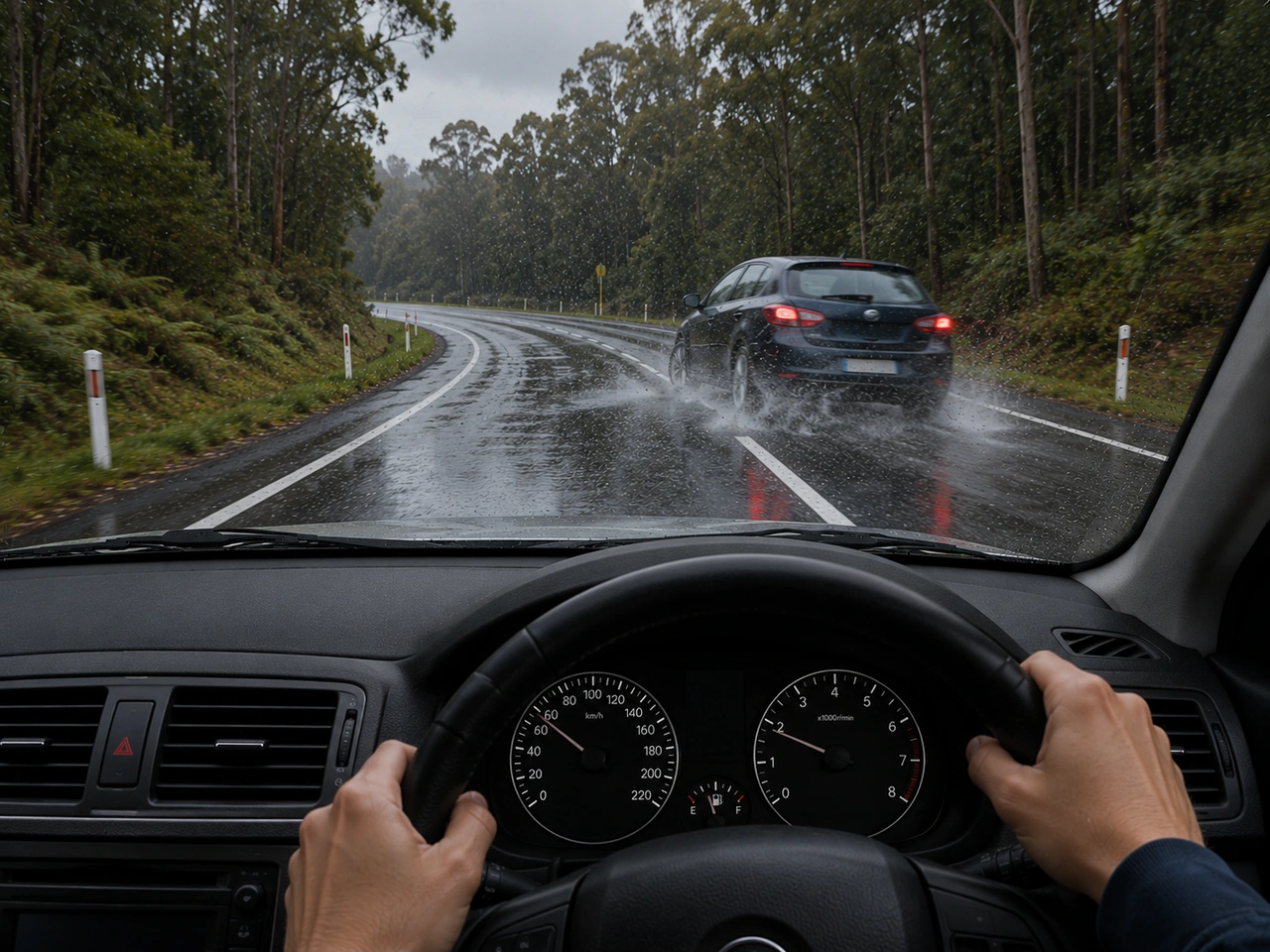
513. What should you avoid if your vehicle starts to skid?
Sudden braking, acceleration, or steering can make a skid worse. Stay calm and use smooth controls while the tyres regain grip.
AI-generated by Traffic-rules.com • WCIT • CC BY-SA
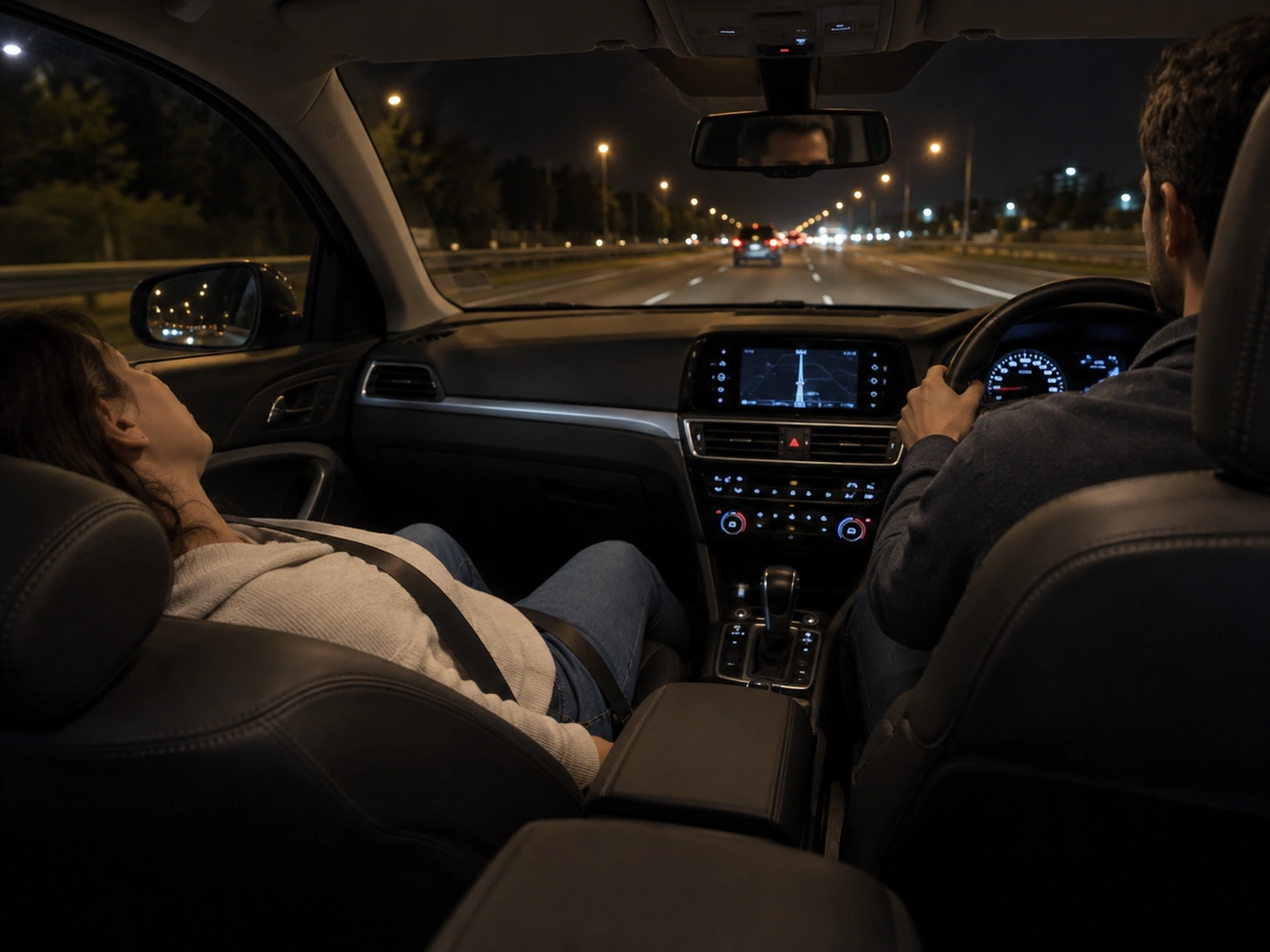
514. Why should you avoid travelling with the seatback excessively reclined?
An excessively reclined seat can affect how the seat belt fits and restrains your body and may increase the risk of sliding under the lap belt in a collision. Sit in a reasonably upright position so the lap belt stays low across the hips and the shoulder belt lies correctly across the chest.
AI-generated by Traffic-rules.com • WCIT • CC BY-SA
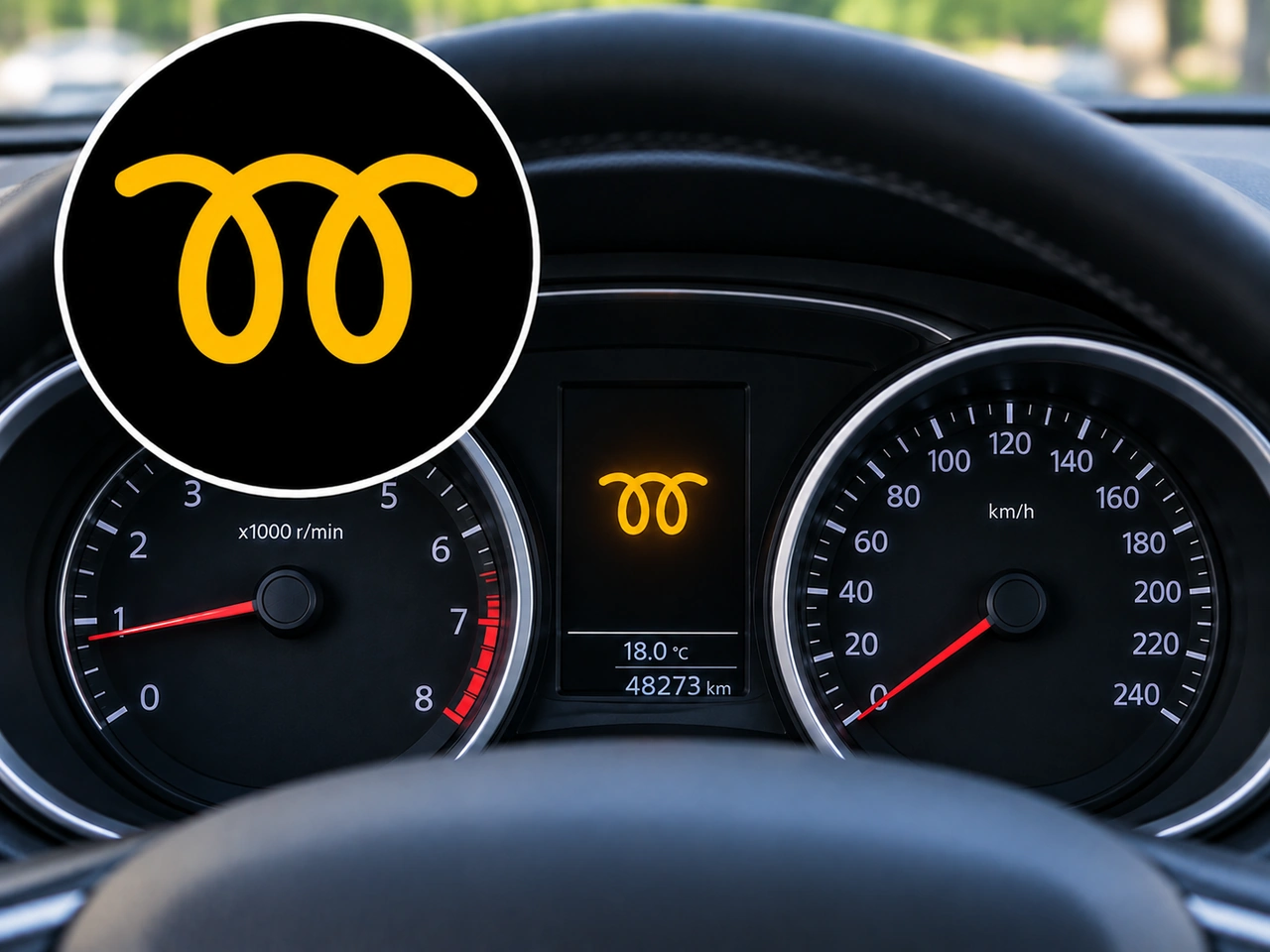
515. What does this dashboard symbol indicate?
This symbol indicates the diesel glow-plug preheating system. In a diesel vehicle, wait for the light to go out before starting the engine when required. If it remains illuminated or flashes while driving, it may indicate a fault.
AI-generated by Traffic-rules.com • WCIT • CC BY-SA
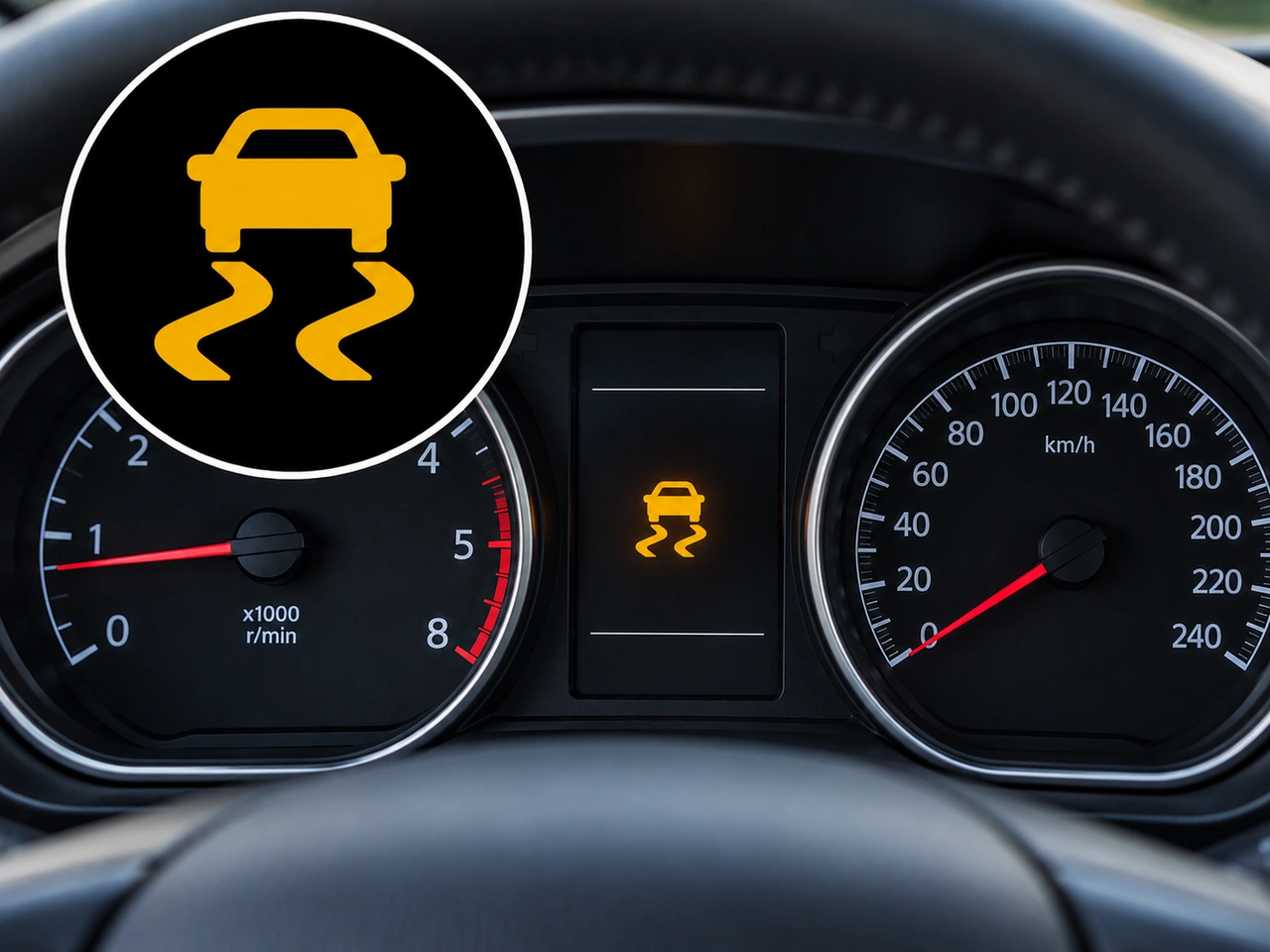
516. What does this dashboard symbol indicate?
This symbol relates to the electronic stability control (ESC) system. It may flash when the system is actively helping to maintain stability. If it remains illuminated, the system may be switched off or have a fault.
AI-generated by Traffic-rules.com • WCIT • CC BY-SA
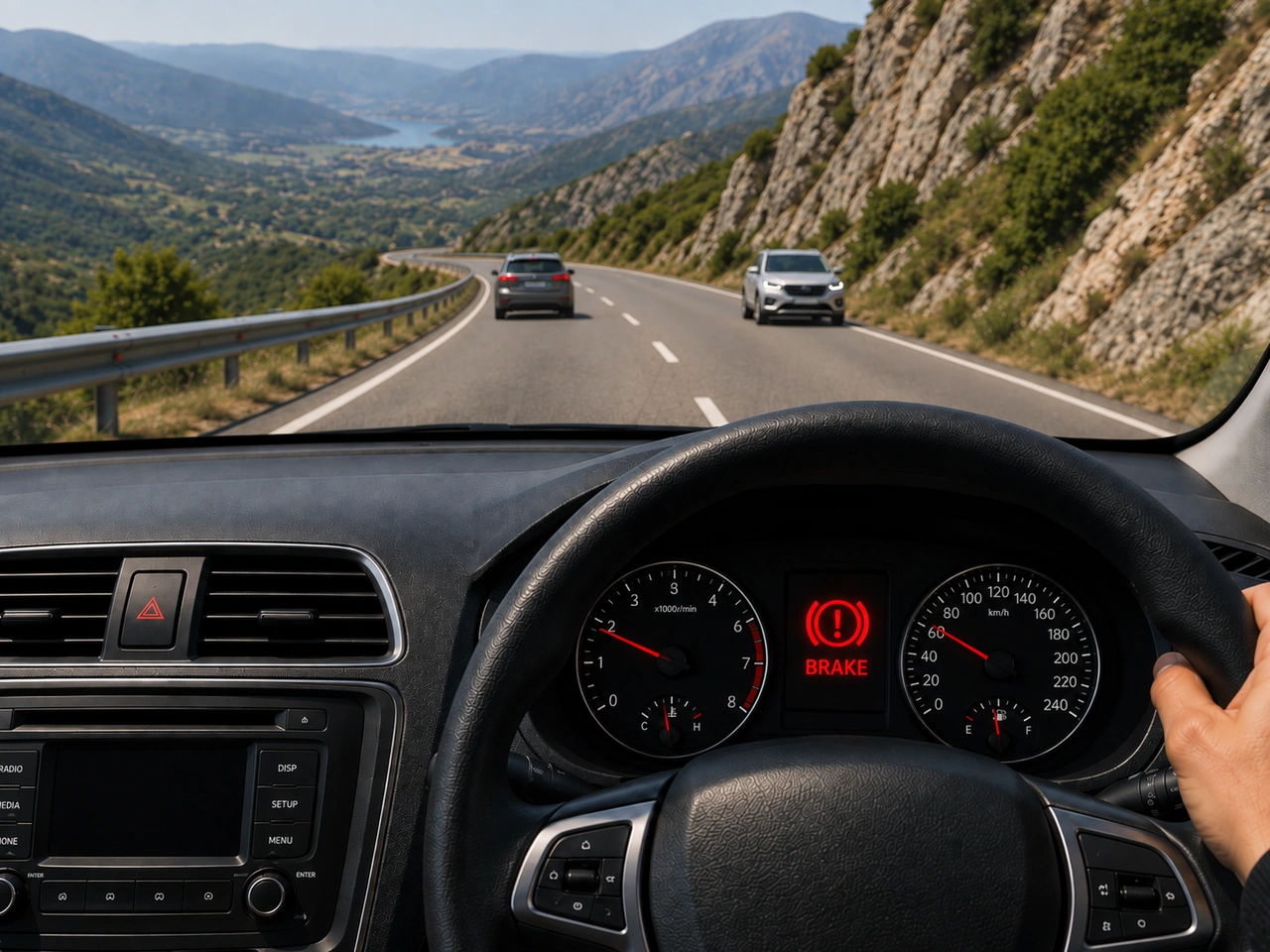
517. What should you do if the brakes fade during a long descent?
Continuous braking can cause overheating and reduced braking performance. A lower gear provides engine braking and reduces demand on the brakes.
AI-generated by Traffic-rules.com • WCIT • CC BY-SA
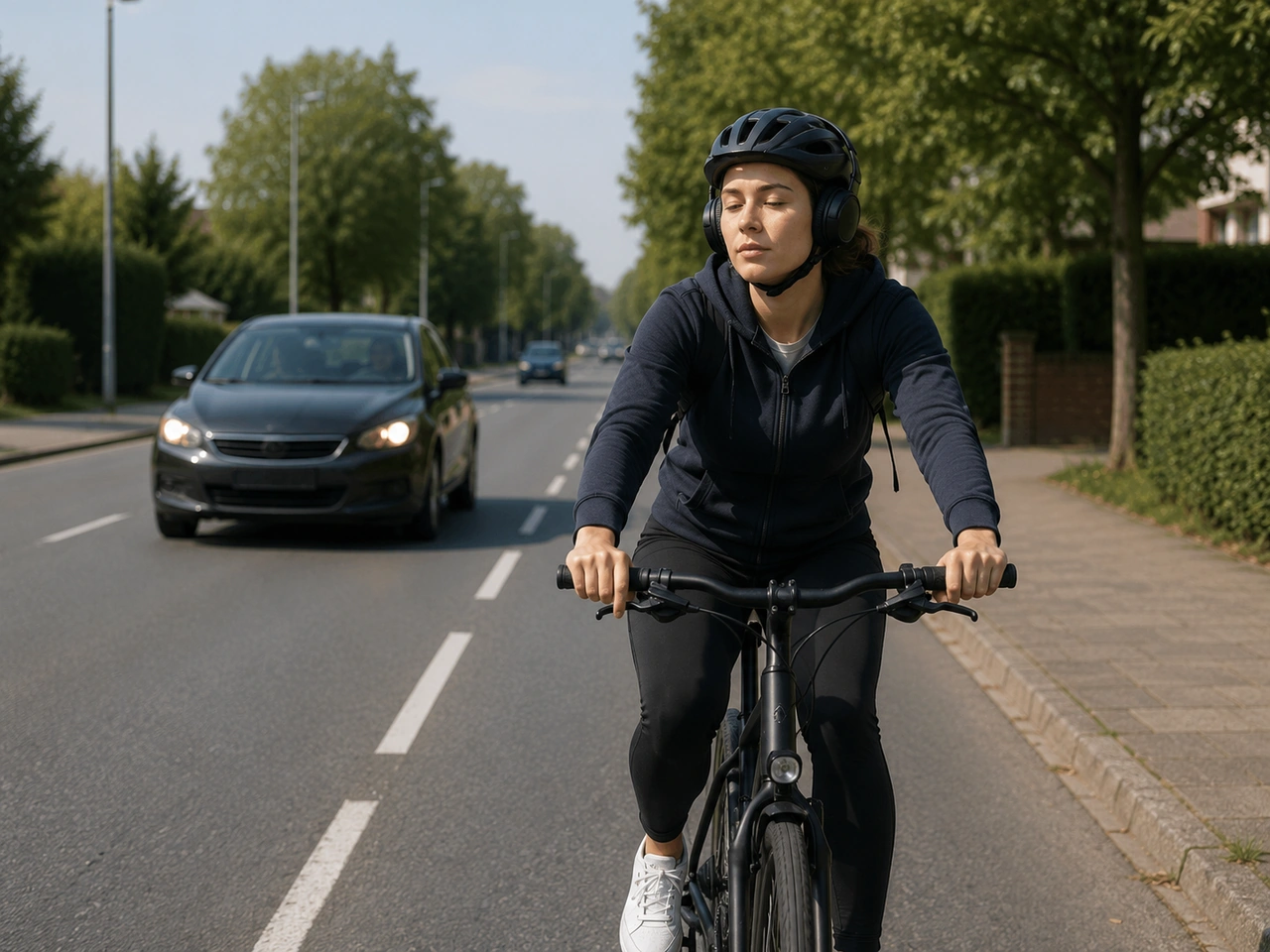
518. Why can loud music be dangerous while cycling?
Hearing approaching vehicles, bells, horns, and other warning sounds is an important part of staying aware.
AI-generated by Traffic-rules.com • WCIT • CC BY-SA
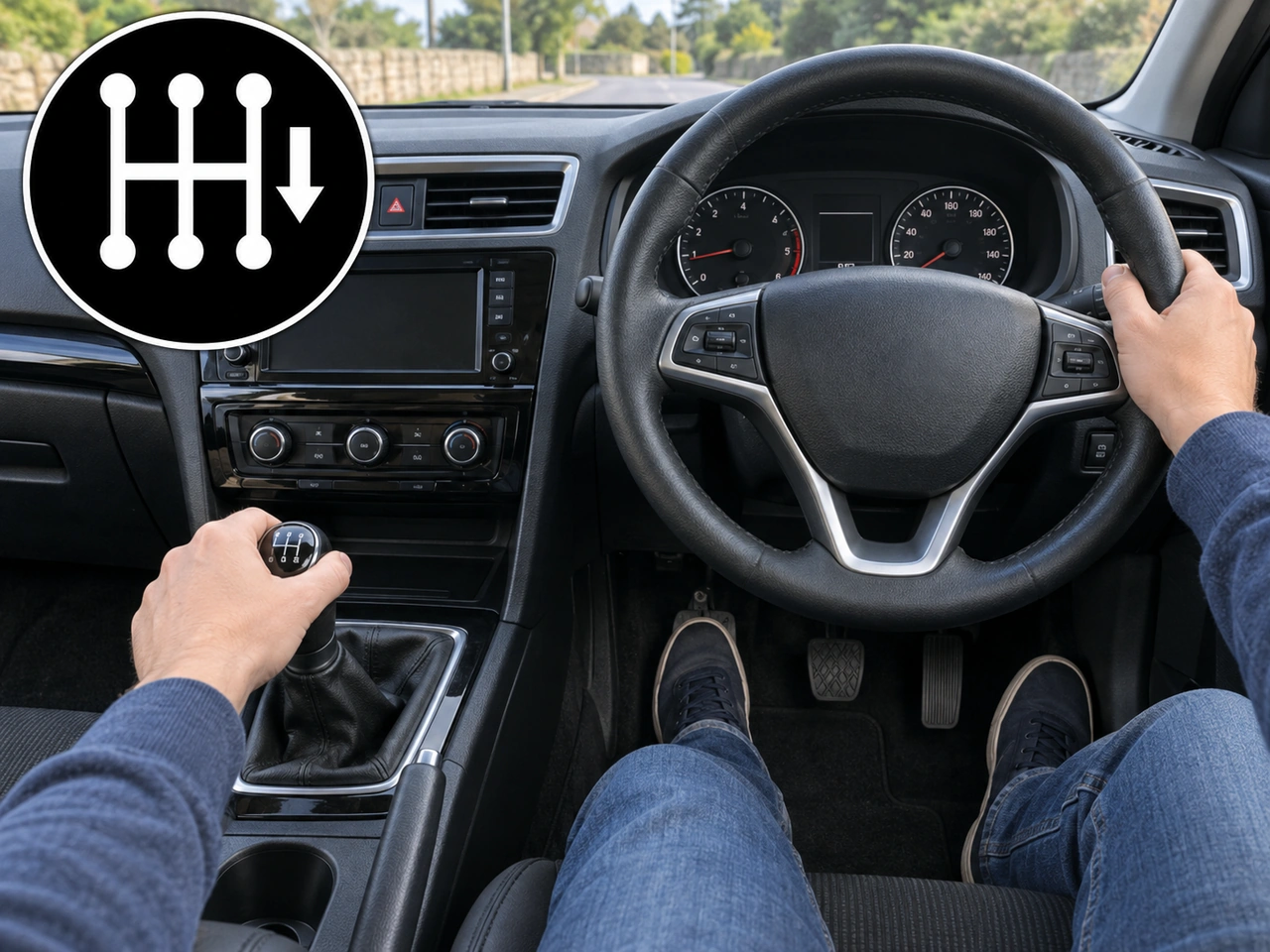
519. What should you consider before selecting a lower gear in a manual vehicle?
Before selecting a lower gear, make sure the vehicle's speed is suitable for that gear. Selecting too low a gear at excessive speed can cause harsh engine braking and place unnecessary stress on the drivetrain.
AI-generated by Traffic-rules.com • WCIT • CC BY-SA
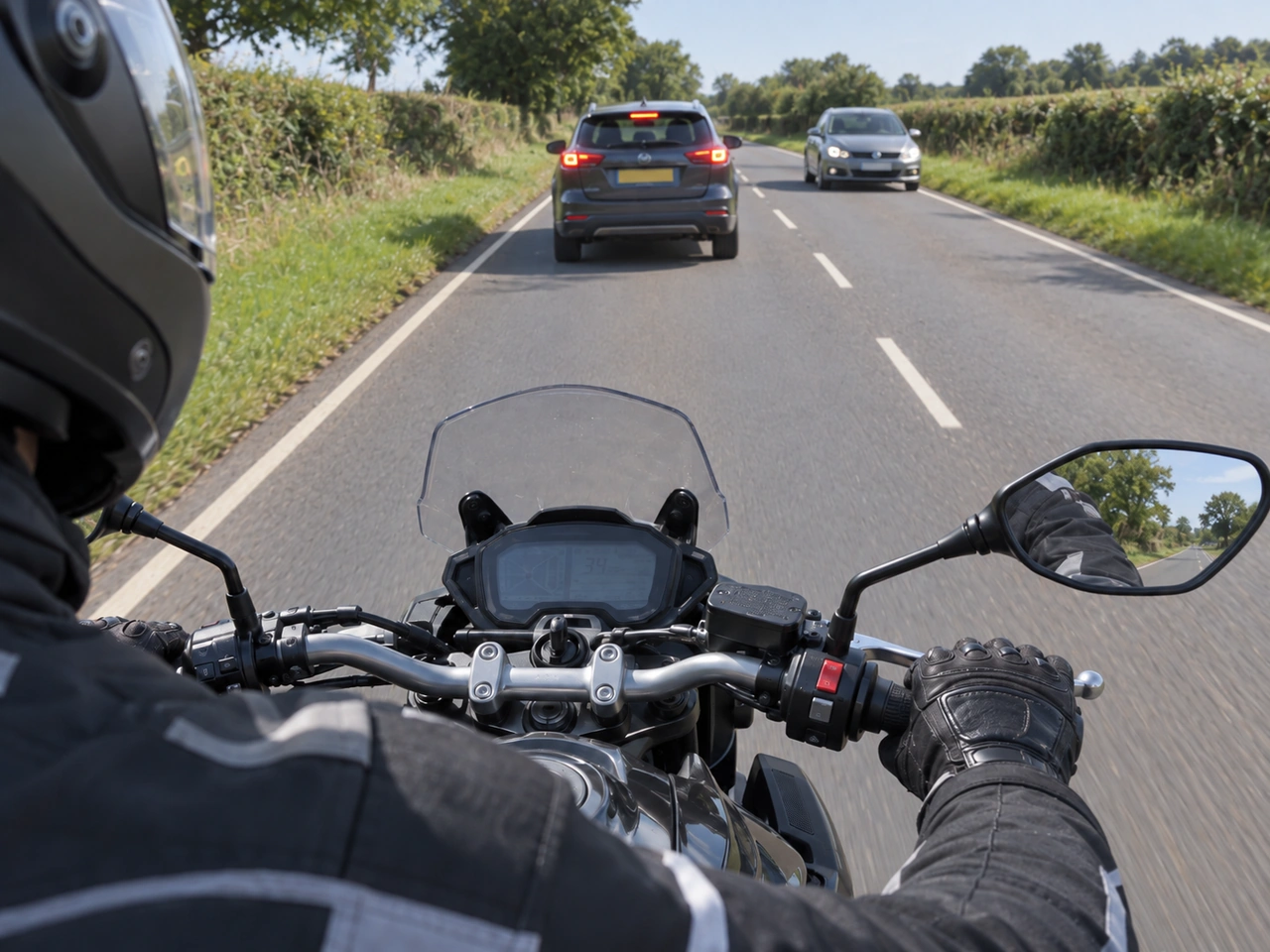
520. How should you normally brake on a motorcycle?
During normal braking, use both the front and rear brakes smoothly and progressively. The front brake normally provides much of the braking force, while the rear brake also helps slow and stabilise the motorcycle. Sudden or poorly balanced braking can reduce stability or cause a wheel to lose grip.
AI-generated by Traffic-rules.com • WCIT • CC BY-SA
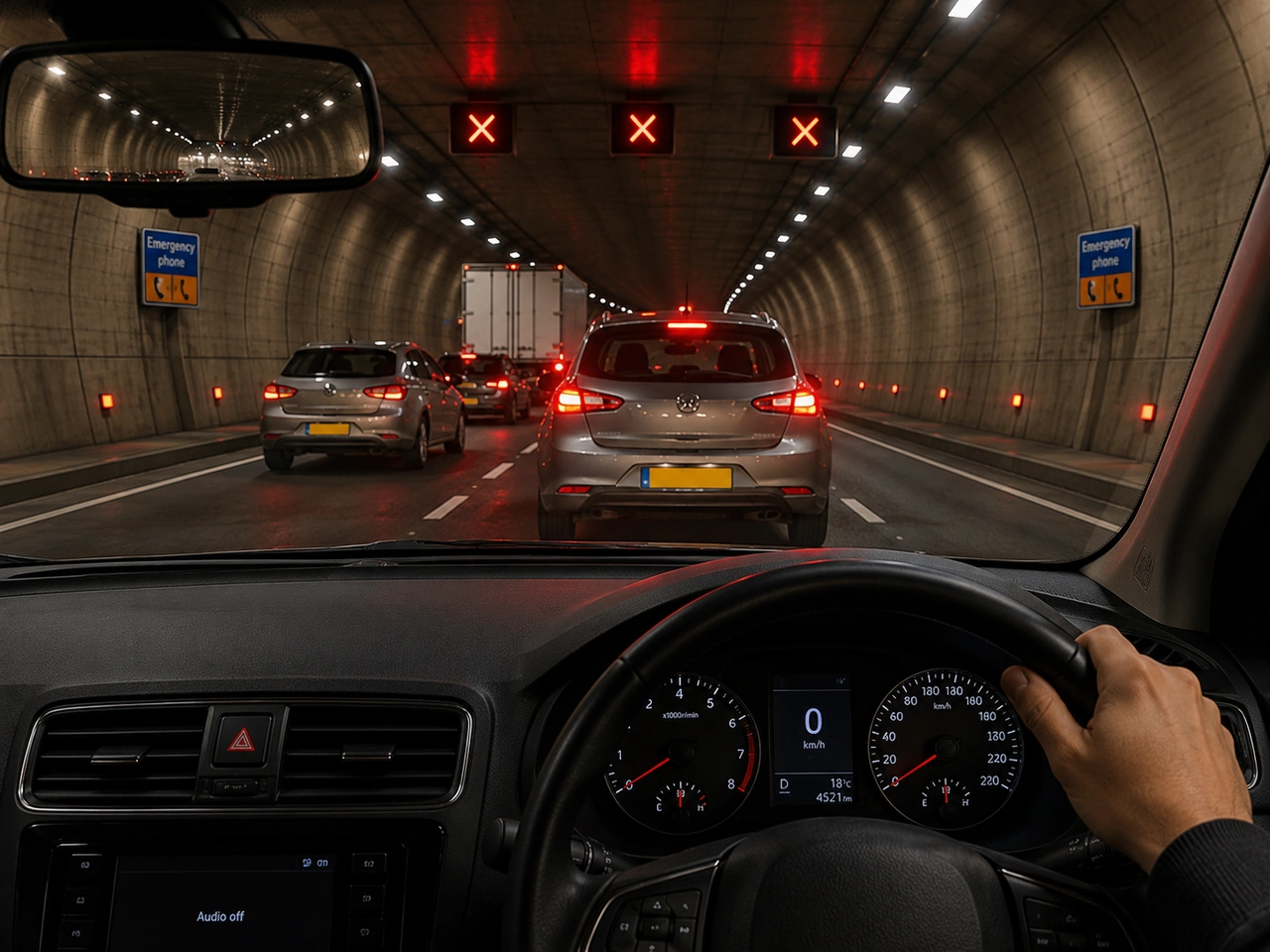
521. What should you do if traffic stops inside a tunnel?
Remain calm, keep space from the vehicle ahead, and obey traffic signals, signs, or instructions from tunnel staff.
AI-generated by Traffic-rules.com • WCIT • CC BY-SA
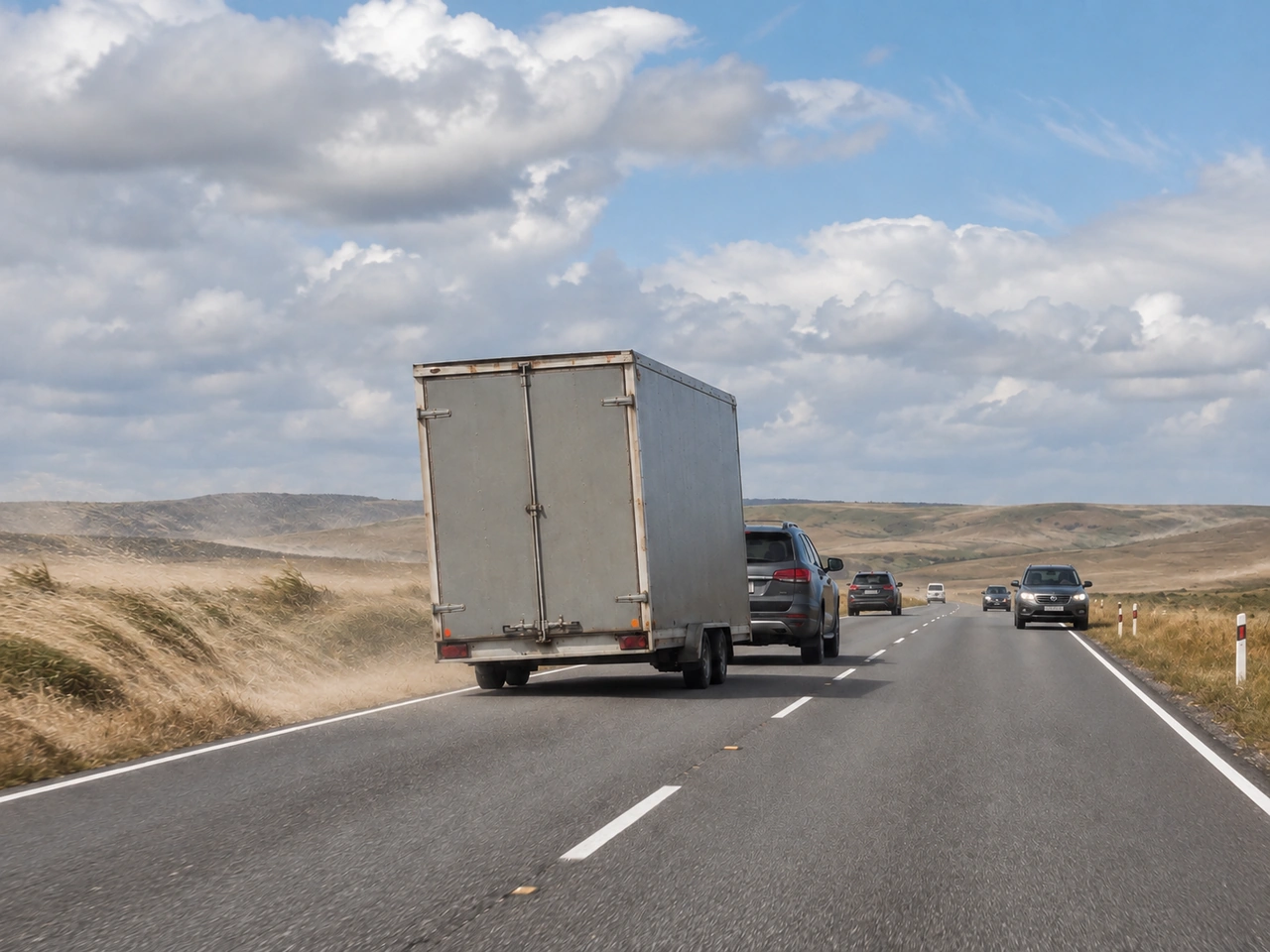
522. How can strong crosswinds affect a vehicle towing a trailer?
Trailers have large side surfaces and may be affected strongly by wind, especially on bridges and exposed roads.
AI-generated by Traffic-rules.com • WCIT • CC BY-SA
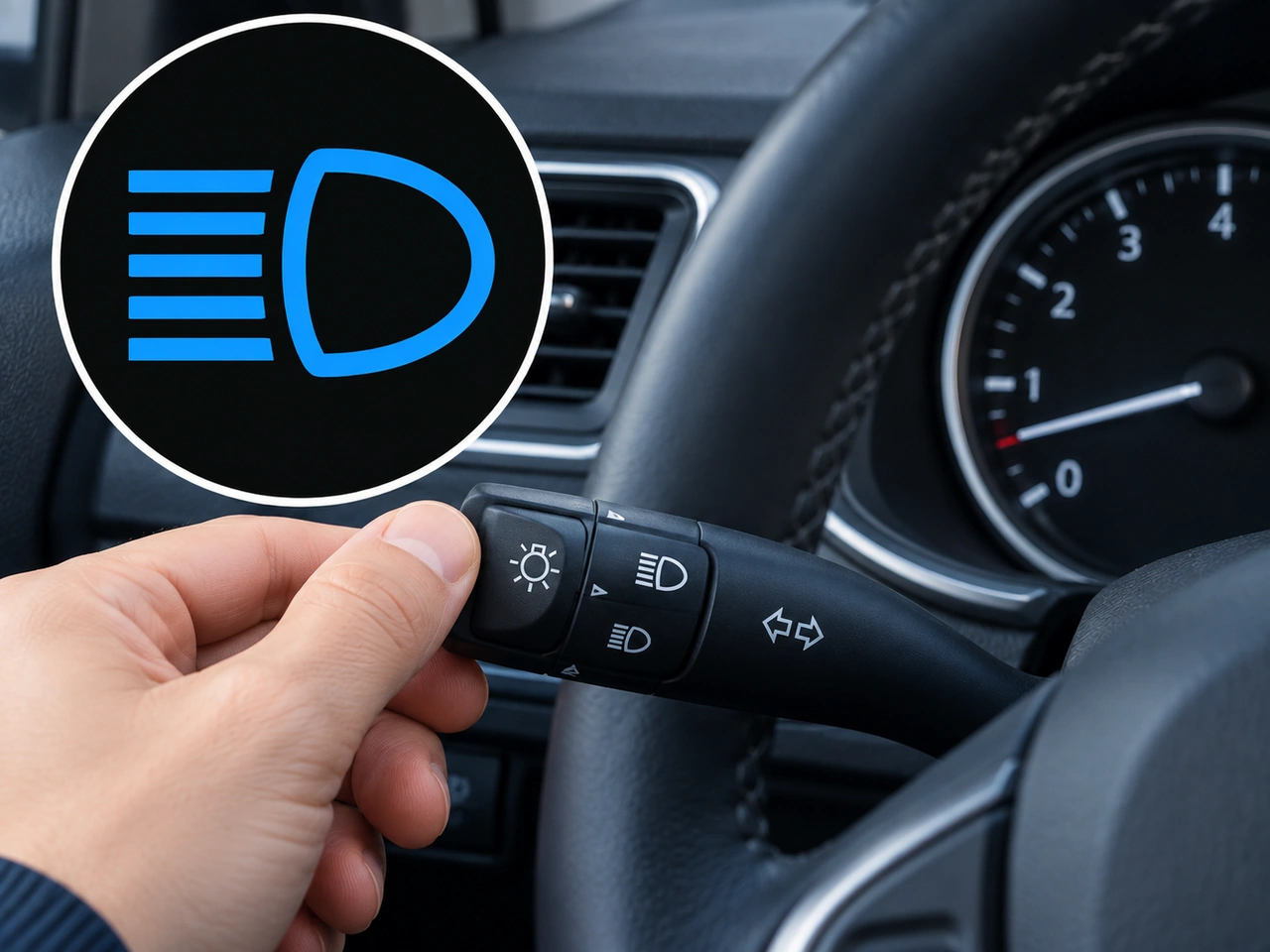
523. What does this dashboard symbol indicate?
This symbol indicates that the main beam headlights are switched on. Main beam illuminates the road farther ahead but can dazzle other road users, so it should be changed to dipped headlights when necessary.
AI-generated by Traffic-rules.com • WCIT • CC BY-SA
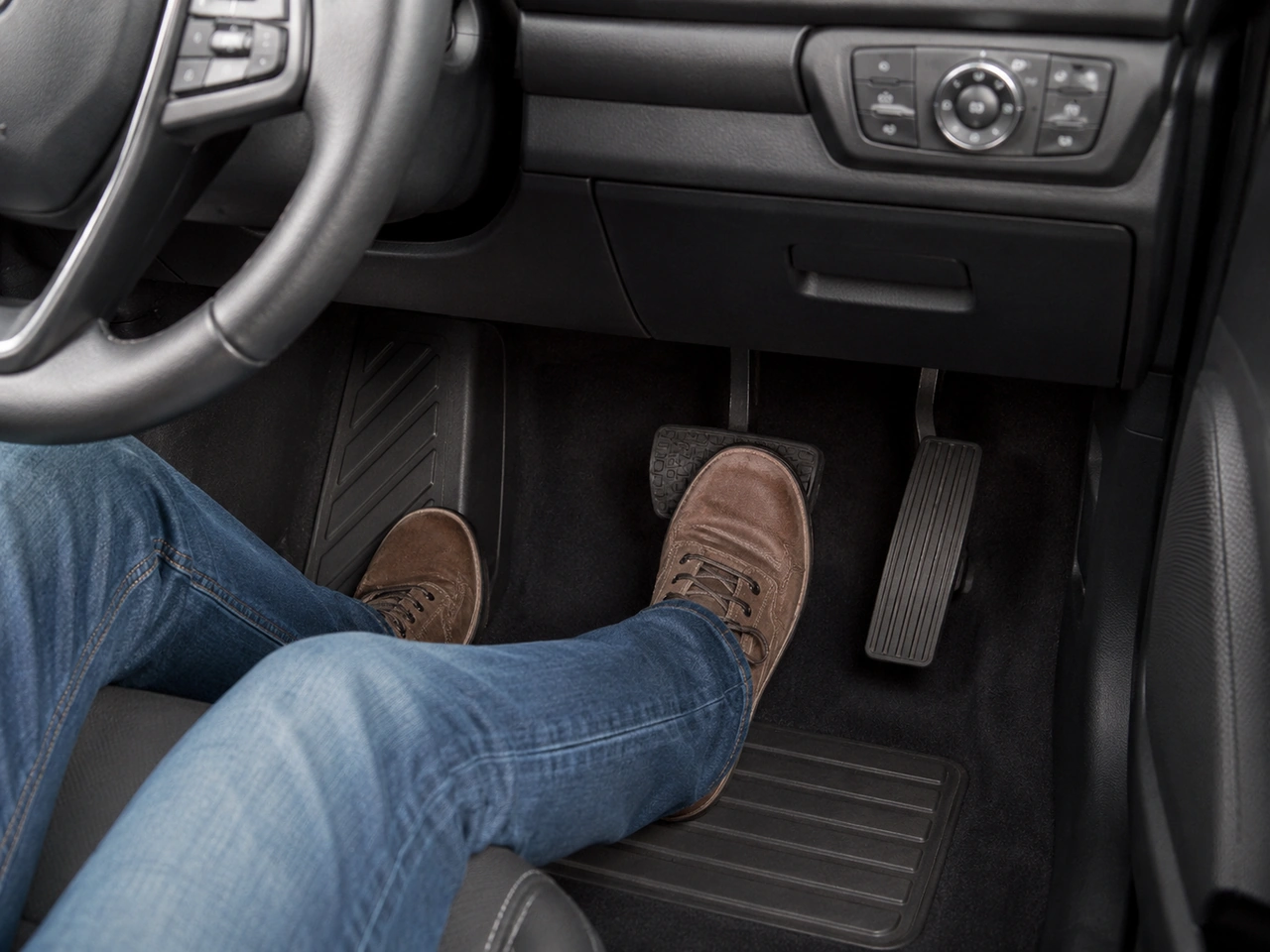
524. What should you do if the brake pedal feels unusually soft?
A soft brake pedal or increased stopping distance may indicate a serious brake fault. Do not continue driving normally until the system has been checked.
AI-generated by Traffic-rules.com • WCIT • CC BY-SA
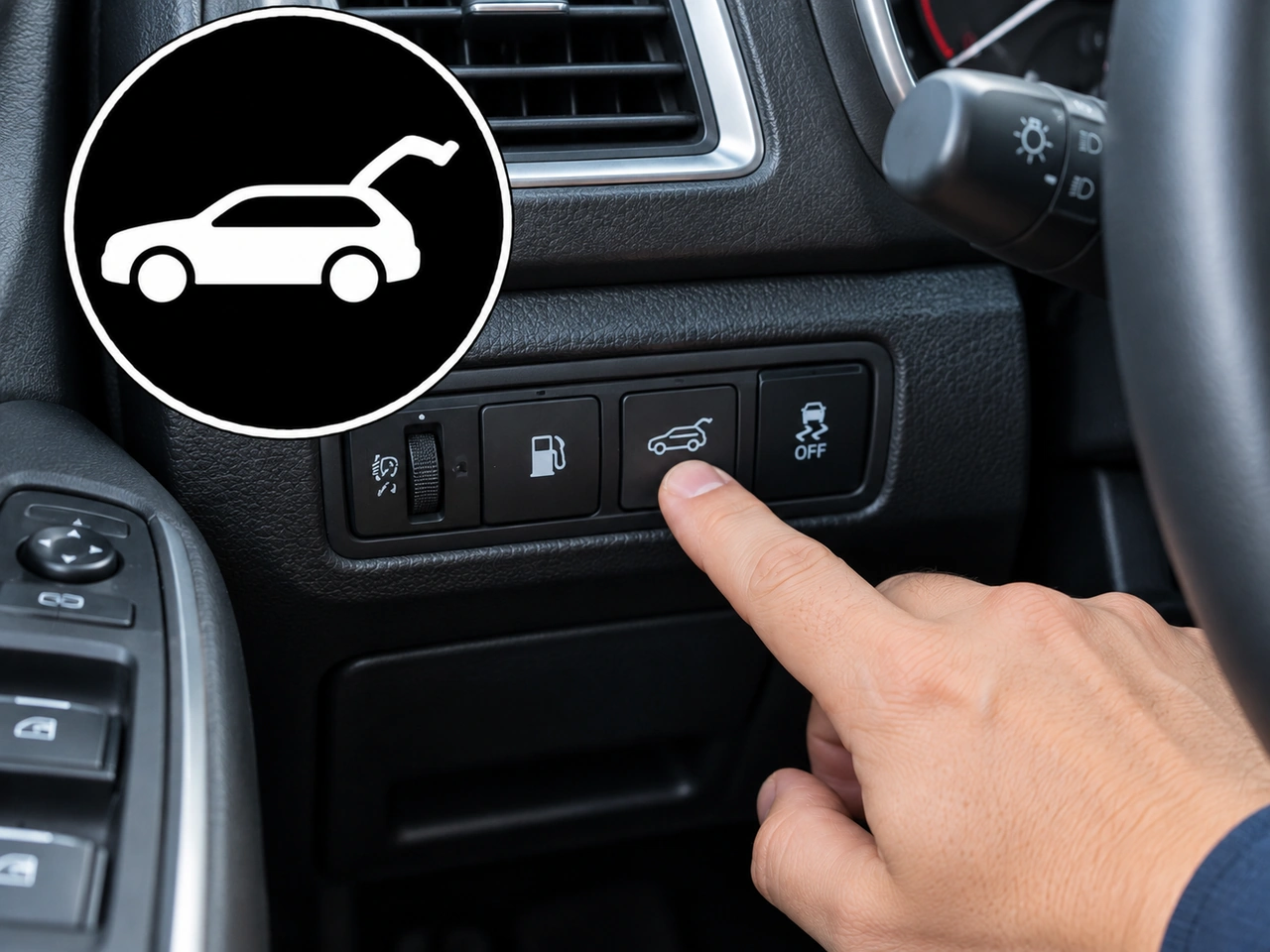
525. What does this vehicle-control symbol indicate?
This symbol indicates the boot or tailgate release. Operating the control unlocks or opens the luggage compartment, depending on the vehicle.
AI-generated by Traffic-rules.com • WCIT • CC BY-SA
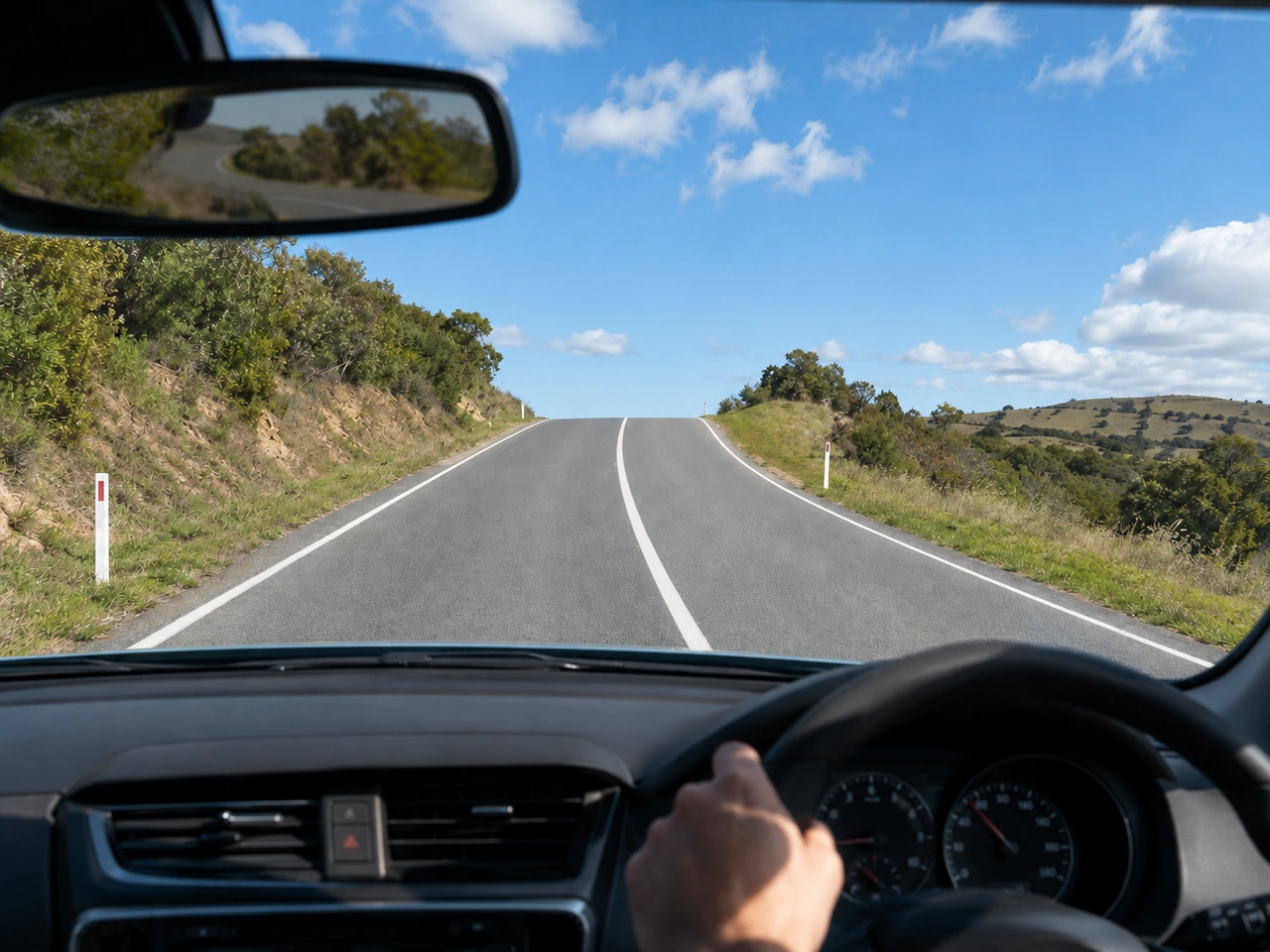
526. What should you do when approaching a hill crest?
A hill crest can hide vehicles, cyclists, pedestrians, or obstacles. Reduce speed and stay in your lane.
AI-generated by Traffic-rules.com • WCIT • CC BY-SA
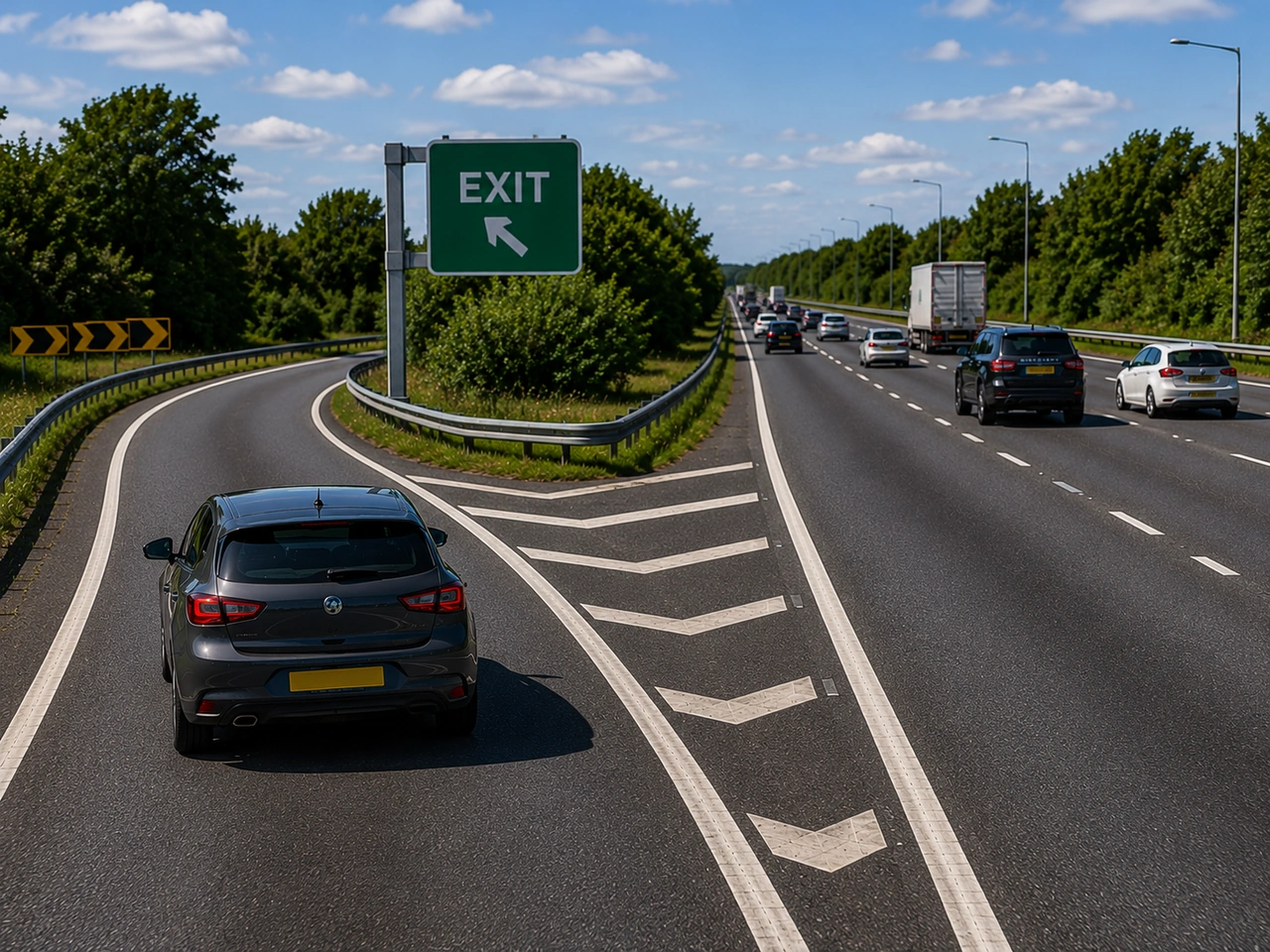
527. What should you do before leaving a motorway?
Plan your exit early, move into the correct lane safely, and reduce speed after entering the exit road where appropriate.
AI-generated by Traffic-rules.com • WCIT • CC BY-SA
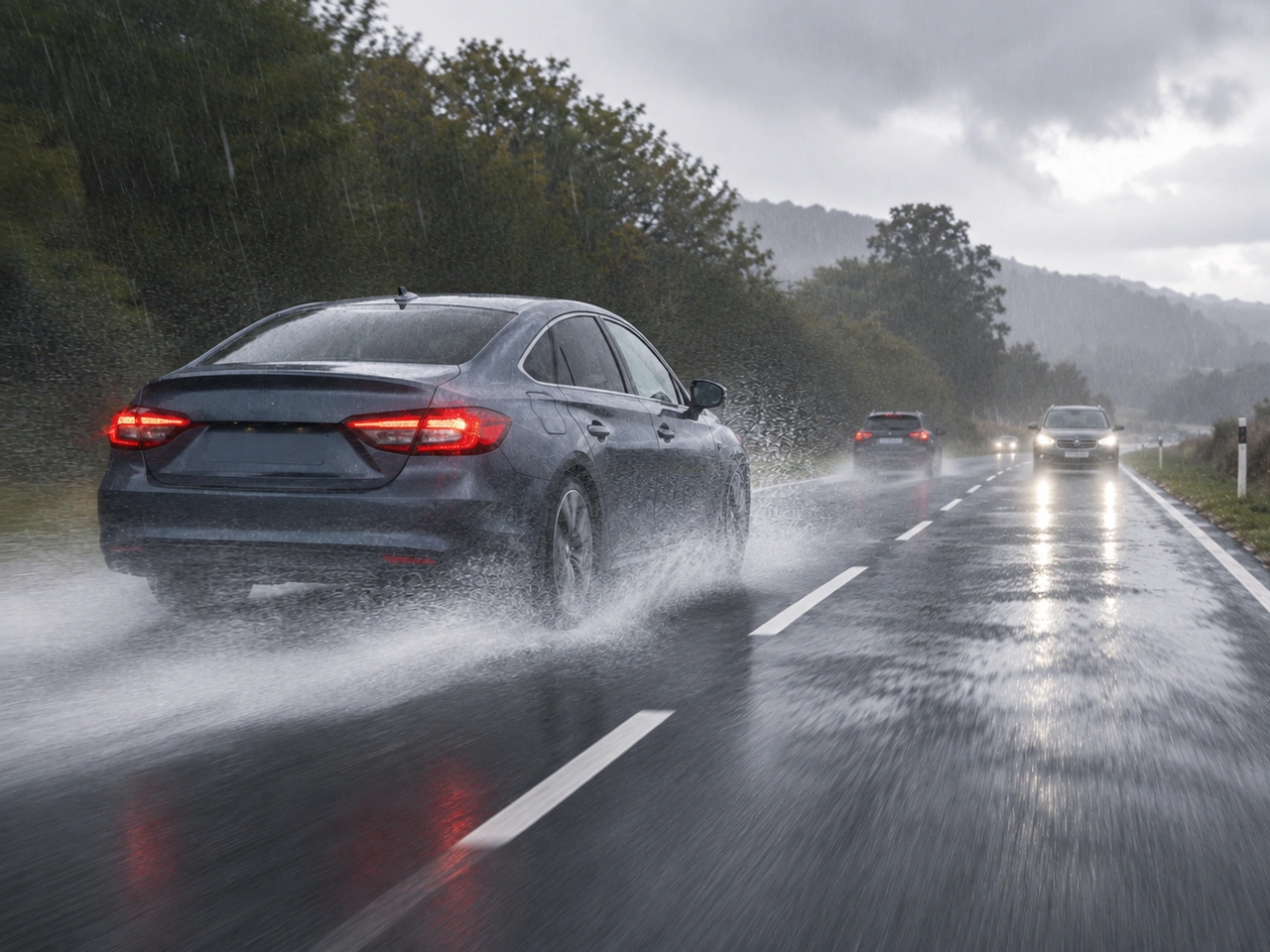
528. Why does higher speed increase the risk of aquaplaning?
At higher speeds, the tyres may not disperse water effectively, making it easier for the vehicle to lose contact with the road.
AI-generated by Traffic-rules.com • WCIT • CC BY-SA
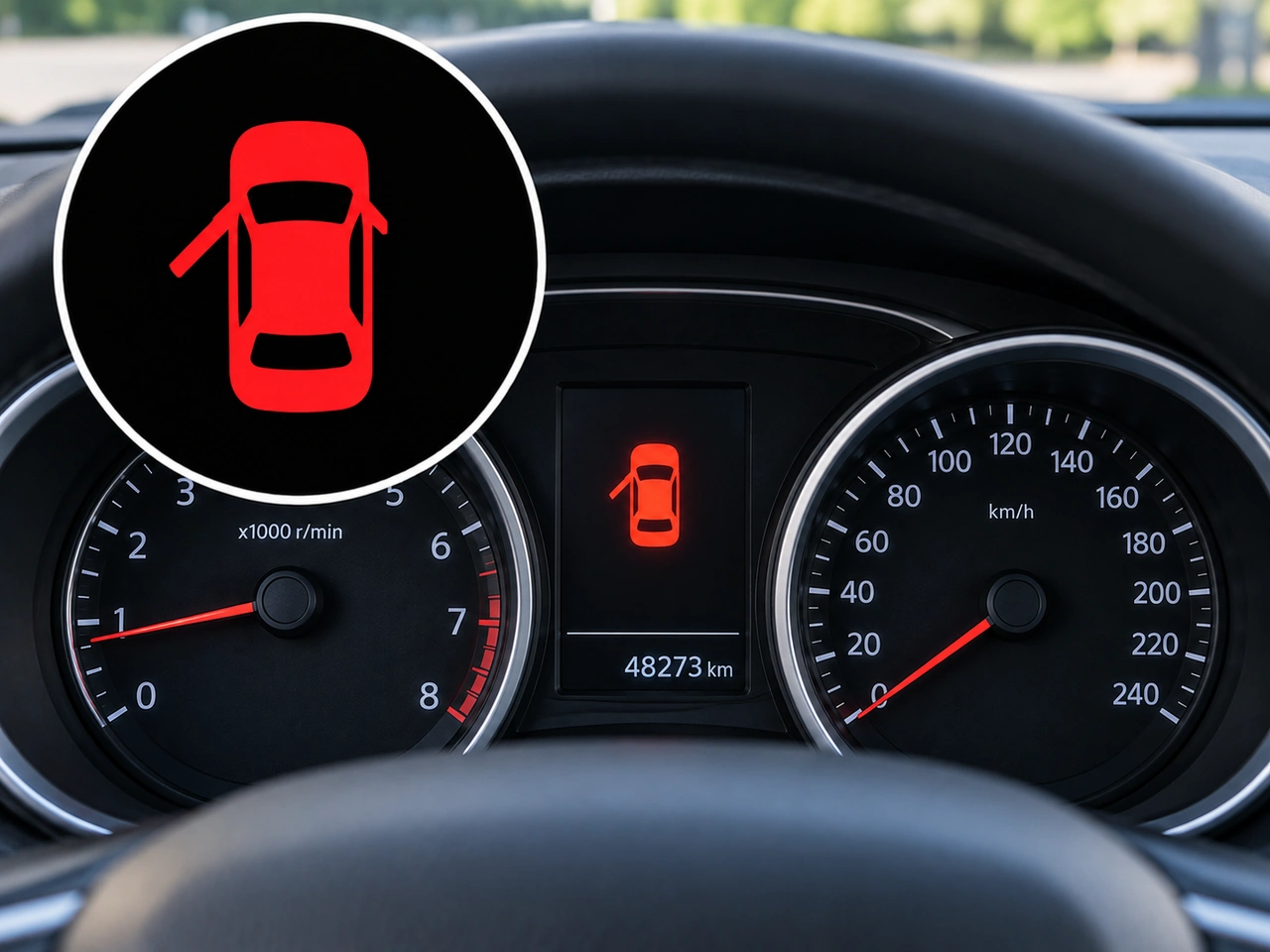
529. What does this dashboard symbol indicate?
This symbol indicates that one or more vehicle doors are not fully closed. Check that all doors are securely shut before driving.
AI-generated by Traffic-rules.com • WCIT • CC BY-SA
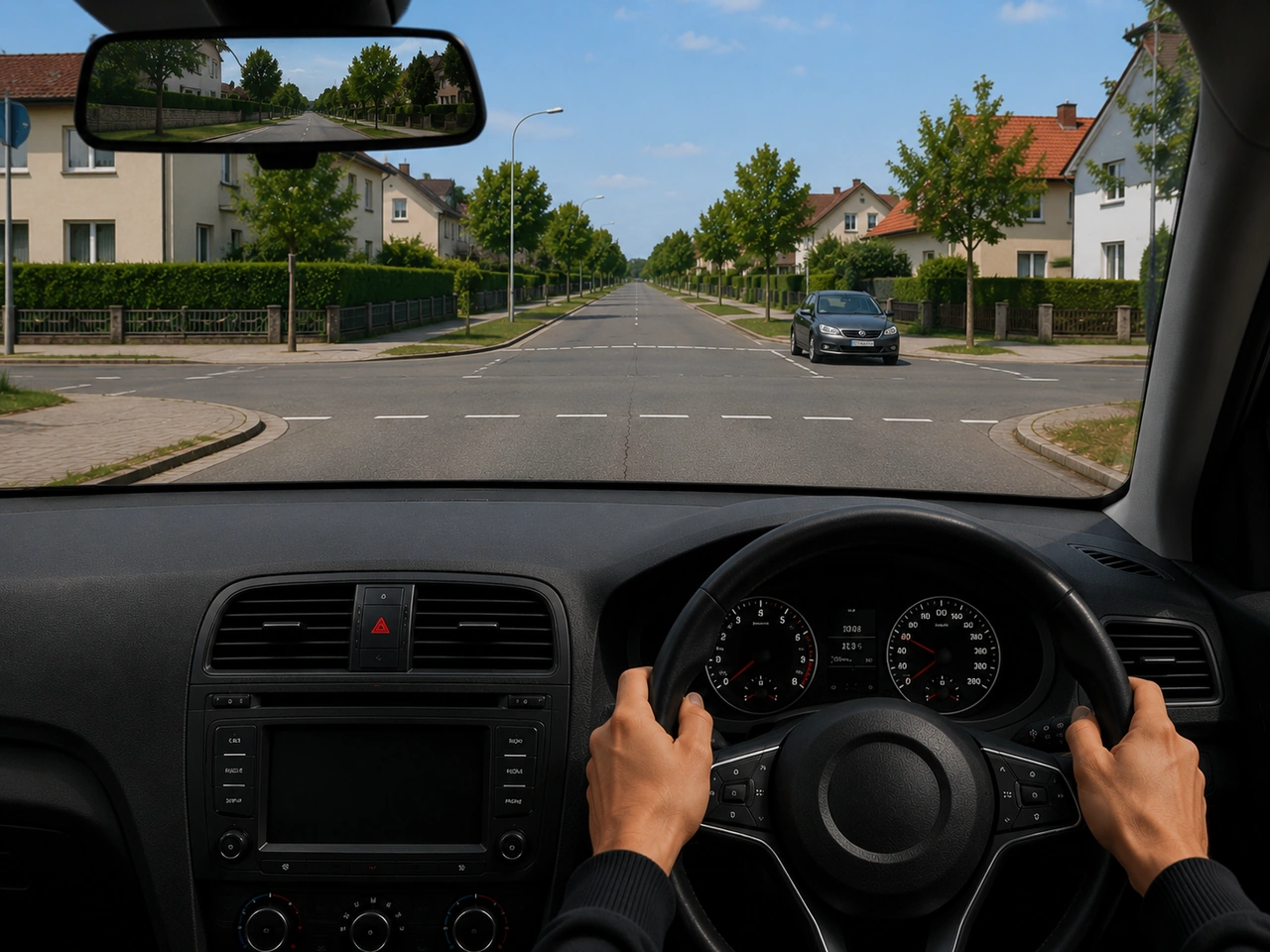
530. What should you do if you are unsure who has priority at a junction?
If priority is unclear, reduce speed, observe carefully, and avoid entering the junction until you are sure it is safe.
AI-generated by Traffic-rules.com • WCIT • CC BY-SA
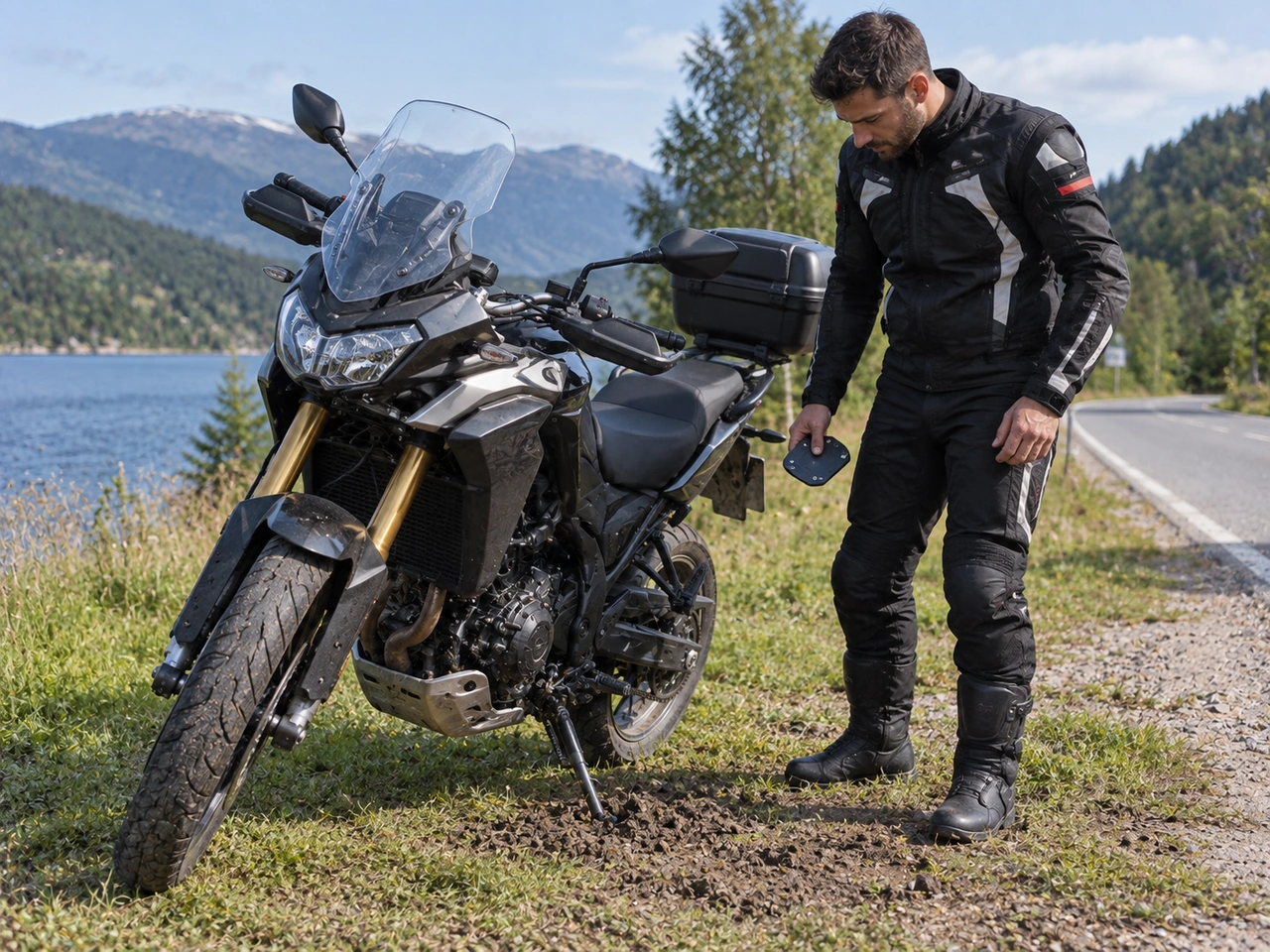
531. Why should you take care when parking a motorcycle on soft ground?
On soft or unstable ground, the side or centre stand can sink or move, causing the motorcycle to fall. Park on a firm, stable surface or use a suitable support under the stand when necessary.
AI-generated by Traffic-rules.com • WCIT • CC BY-SA
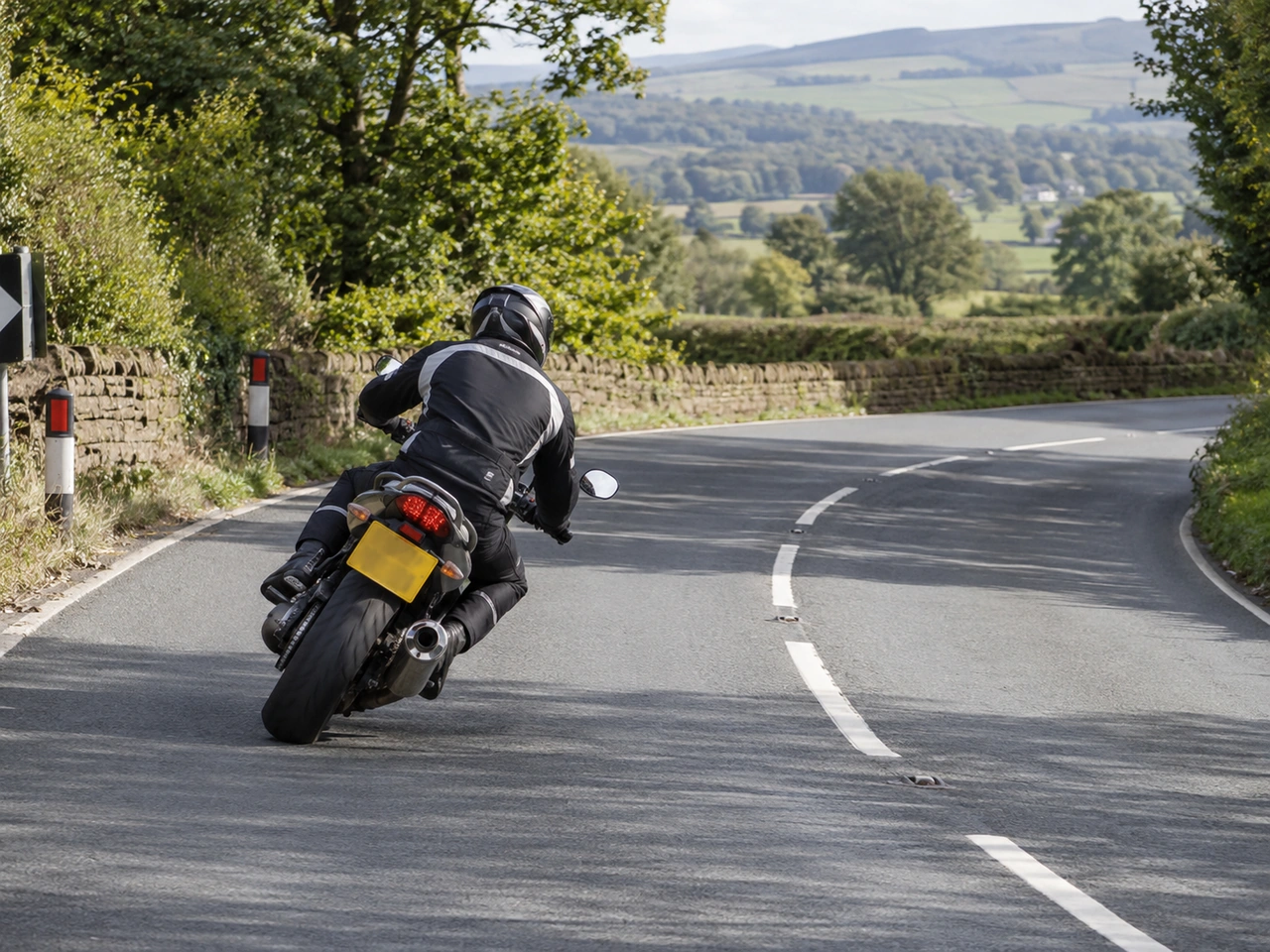
532. Why should hard braking be avoided while a motorcycle is leaning in a bend?
When a motorcycle is leaning, the tyres are already using grip to turn. Hard braking can demand additional grip and may reduce stability. Whenever possible, adjust speed before the bend and use smooth, controlled inputs while cornering.
AI-generated by Traffic-rules.com • WCIT • CC BY-SA
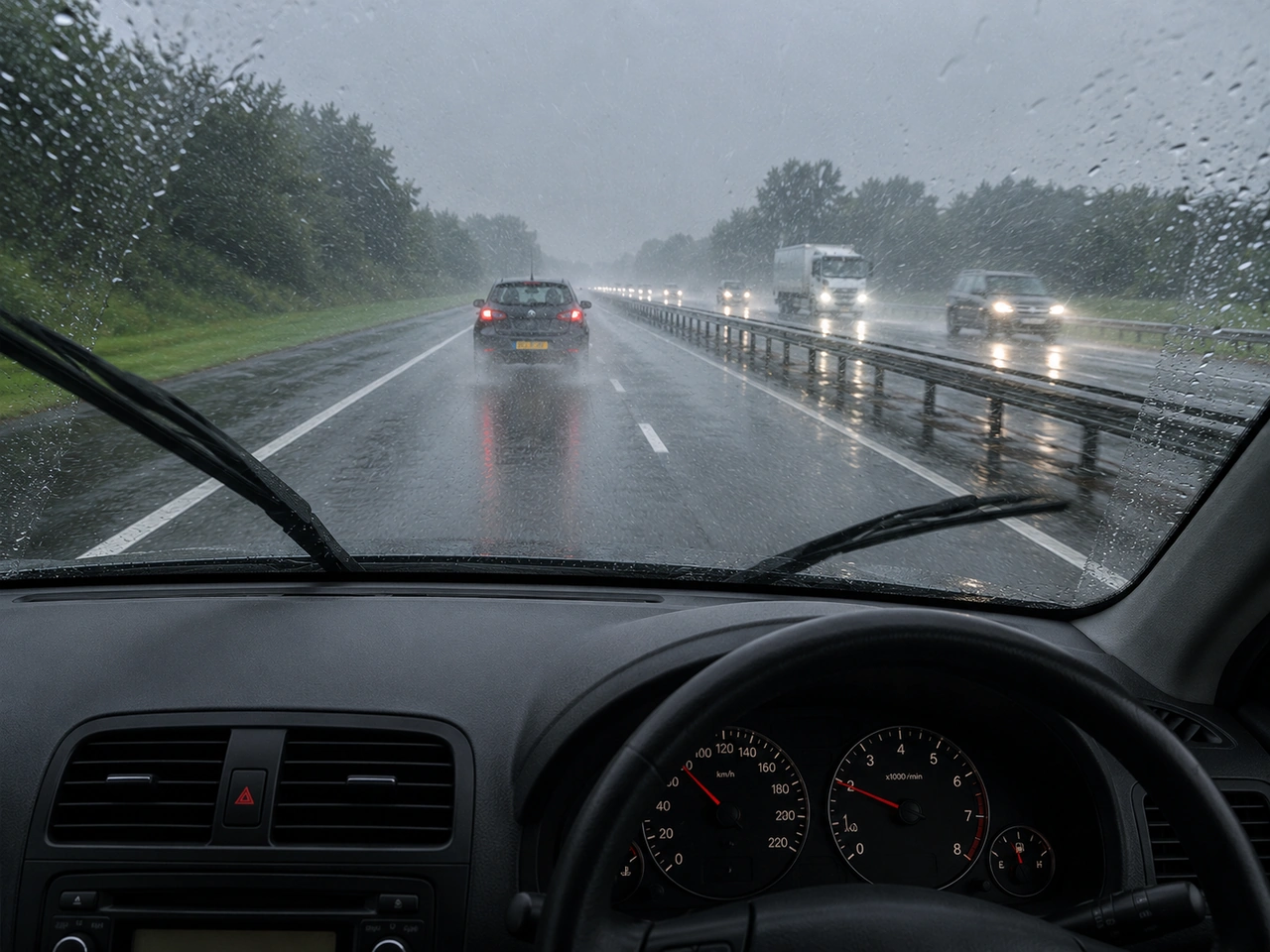
533. Why should you increase your following distance on wet roads?
Water reduces grip between the tyres and the road, so it takes longer to slow down or stop safely.
AI-generated by Traffic-rules.com • WCIT • CC BY-SA
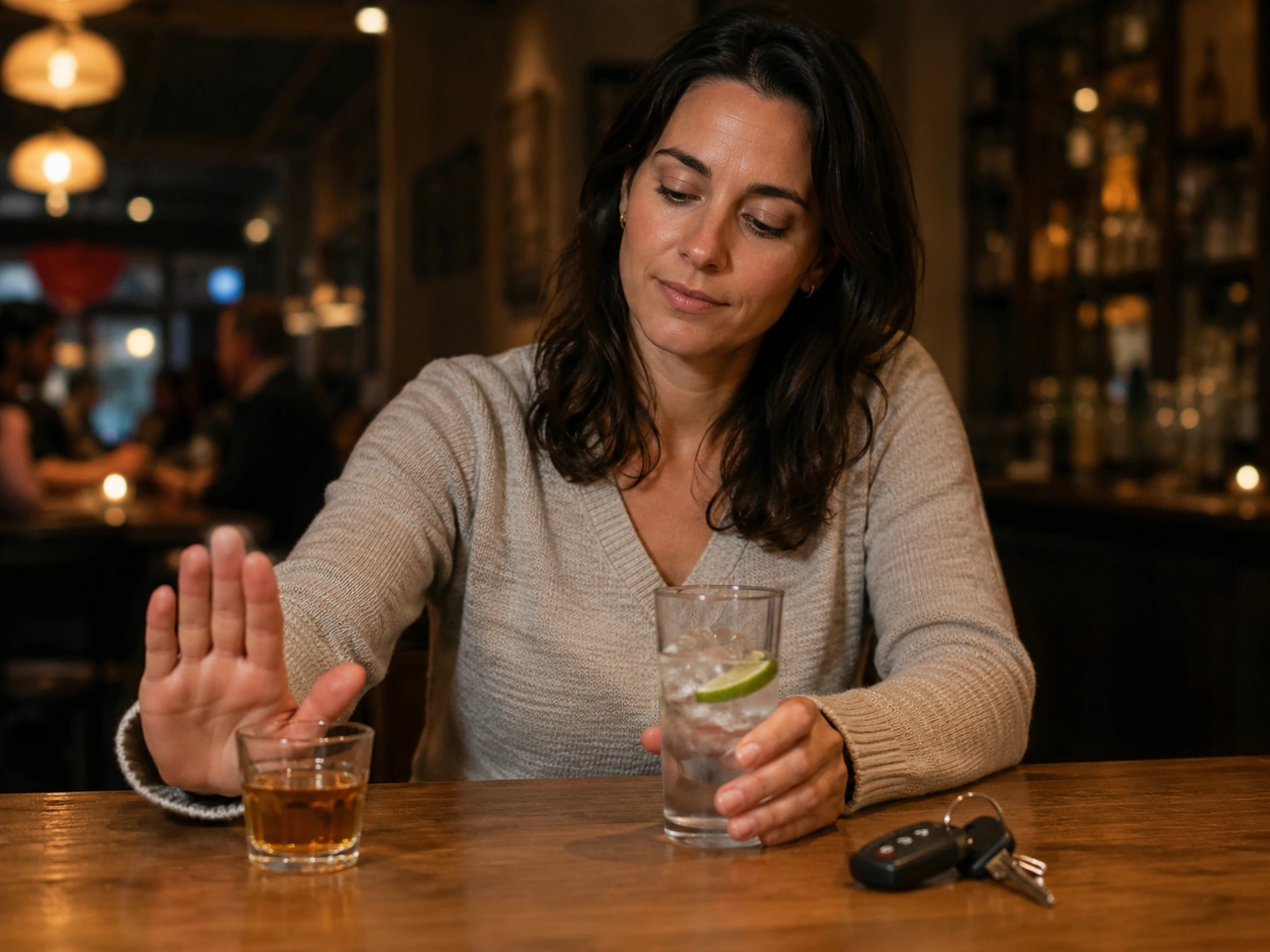
534. Should the legal alcohol limit be treated as a safe target?
A legal limit is an enforcement threshold, not a recommended drinking level. Even a small amount of alcohol can affect driving performance.
AI-generated by Traffic-rules.com • WCIT • CC BY-SA
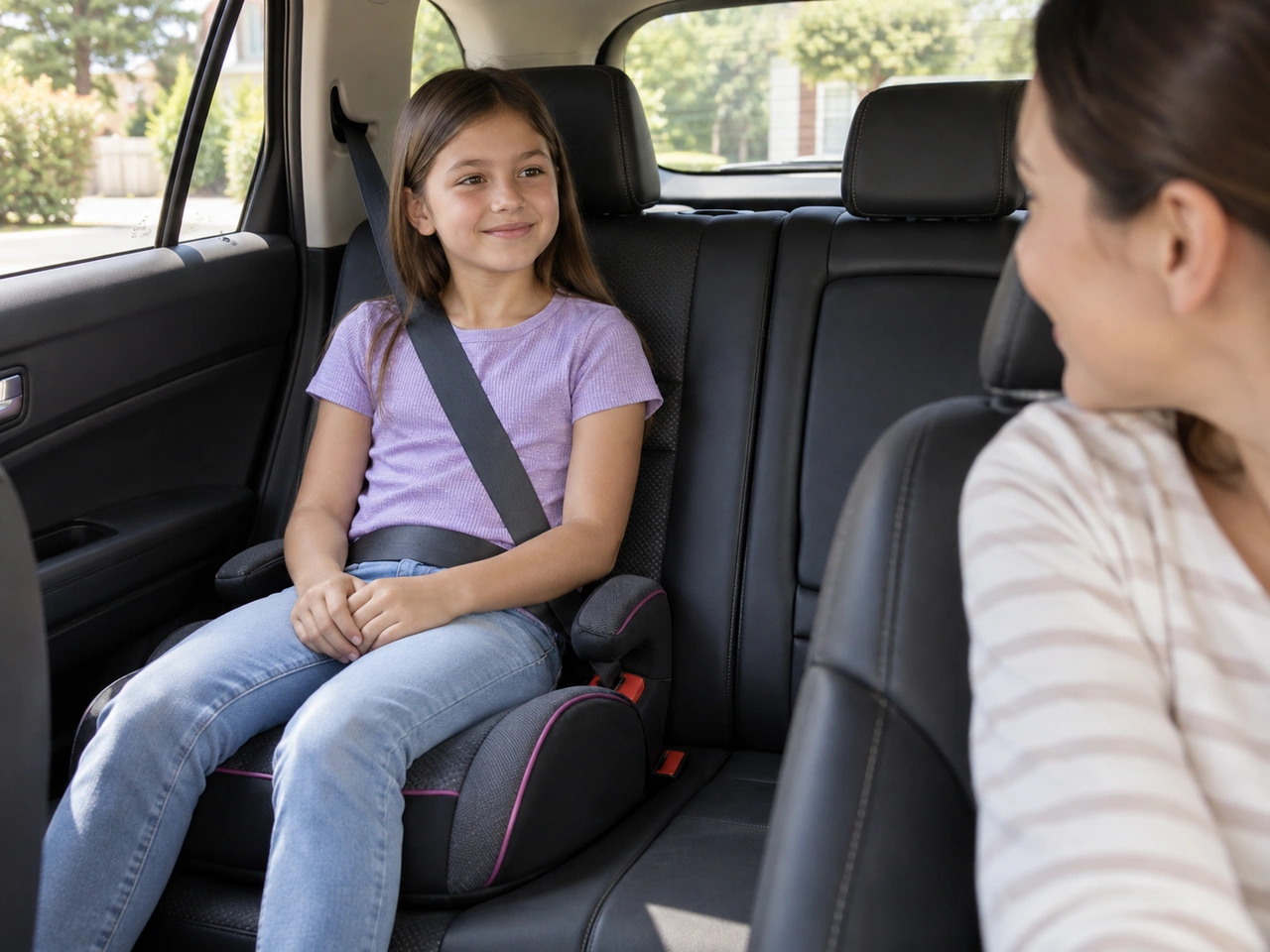
535. What is the main purpose of a booster seat?
A booster seat raises and positions a child so the vehicle seat belt fits correctly. The lap belt should sit low across the hips and the shoulder belt should pass across the chest and shoulder, rather than the neck or abdomen.
AI-generated by Traffic-rules.com • WCIT • CC BY-SA
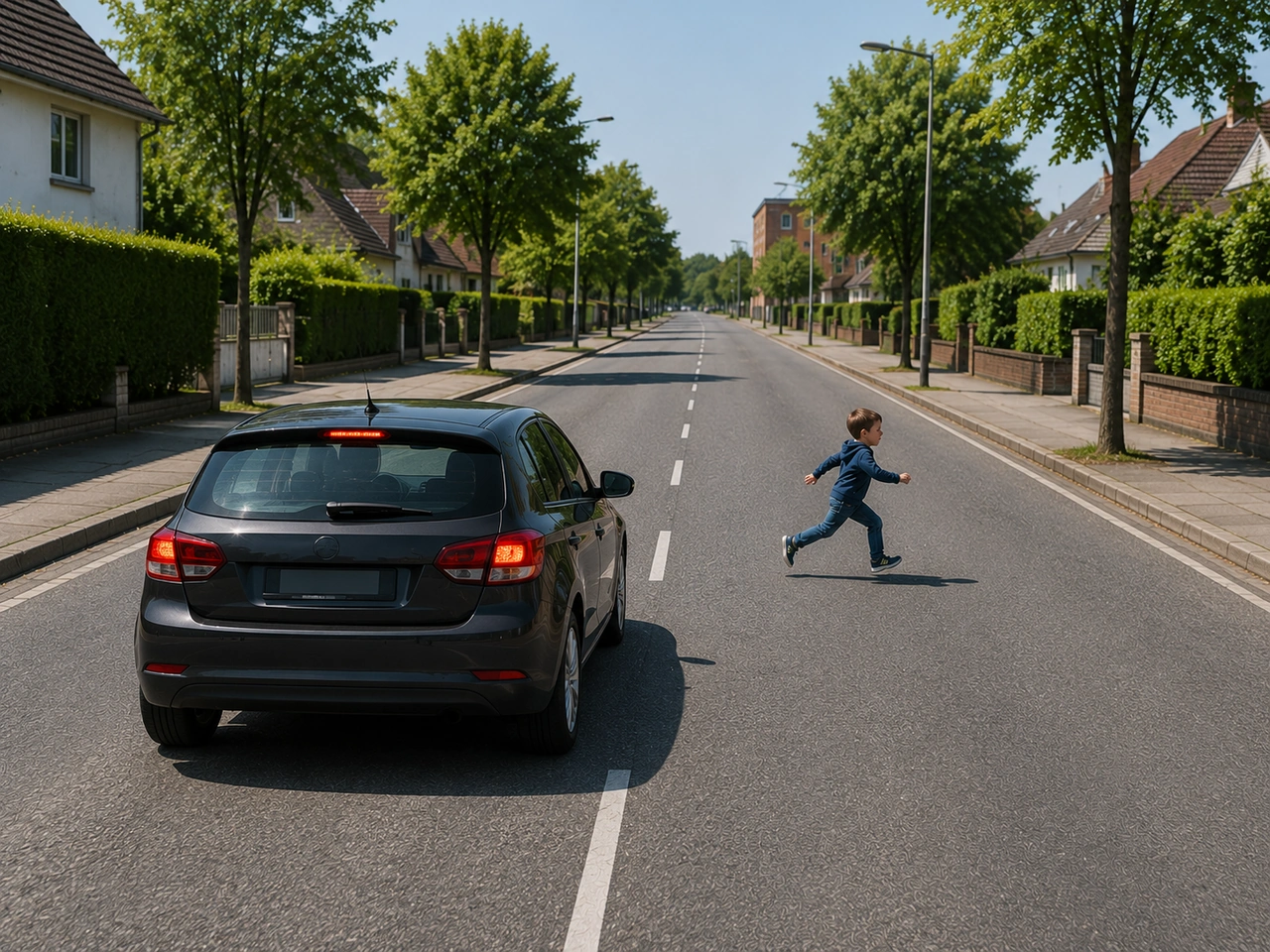
536. What should you do if a child runs onto the road ahead?
Children can act unpredictably. Brake firmly, stay alert, and be prepared for more children to follow.
AI-generated by Traffic-rules.com • WCIT • CC BY-SA
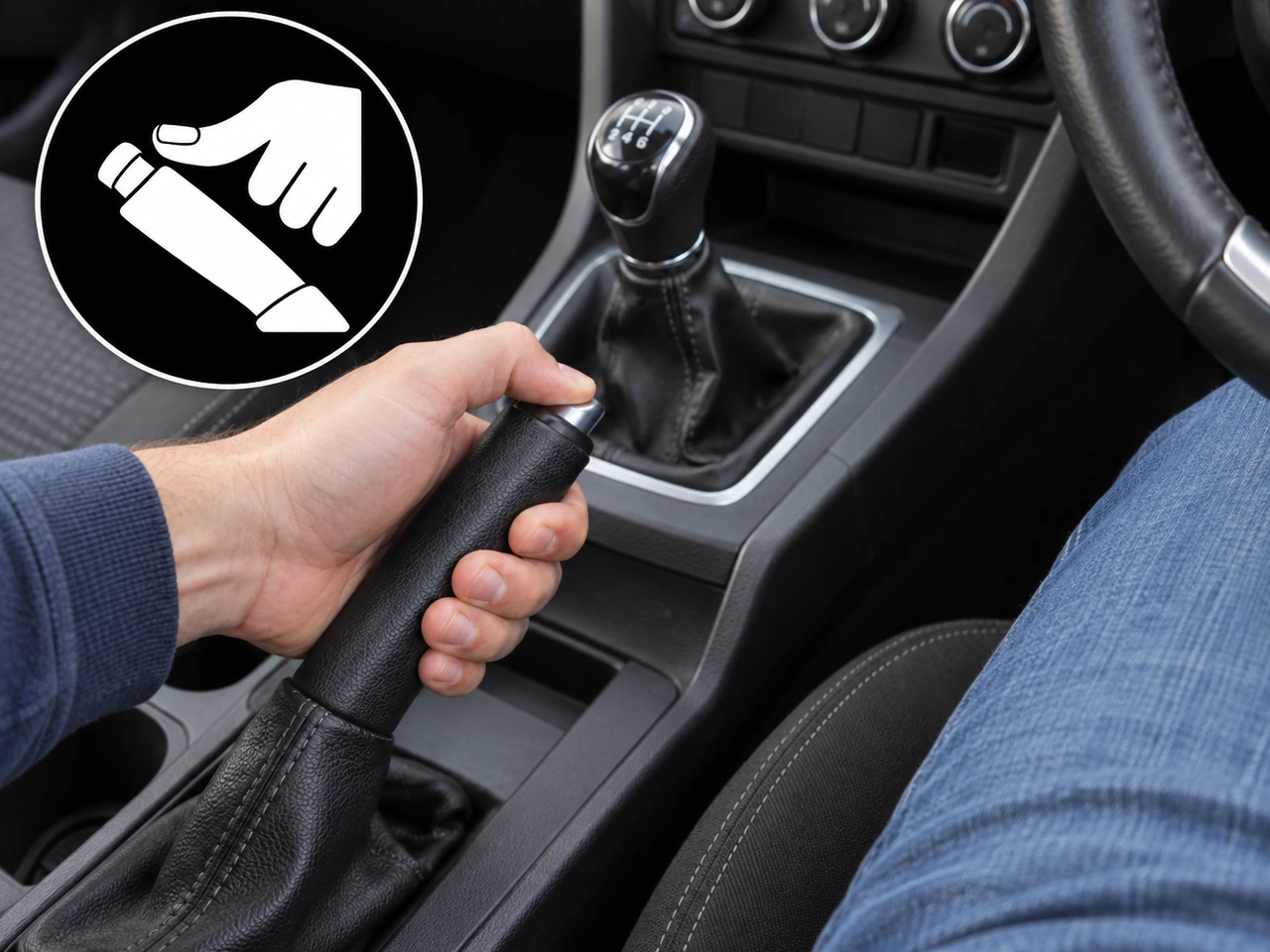
537. What is the button on a manual handbrake lever used for?
To release a manual handbrake, pull the lever up slightly, press and hold the release button, then lower the lever under control.
AI-generated by Traffic-rules.com • WCIT • CC BY-SA
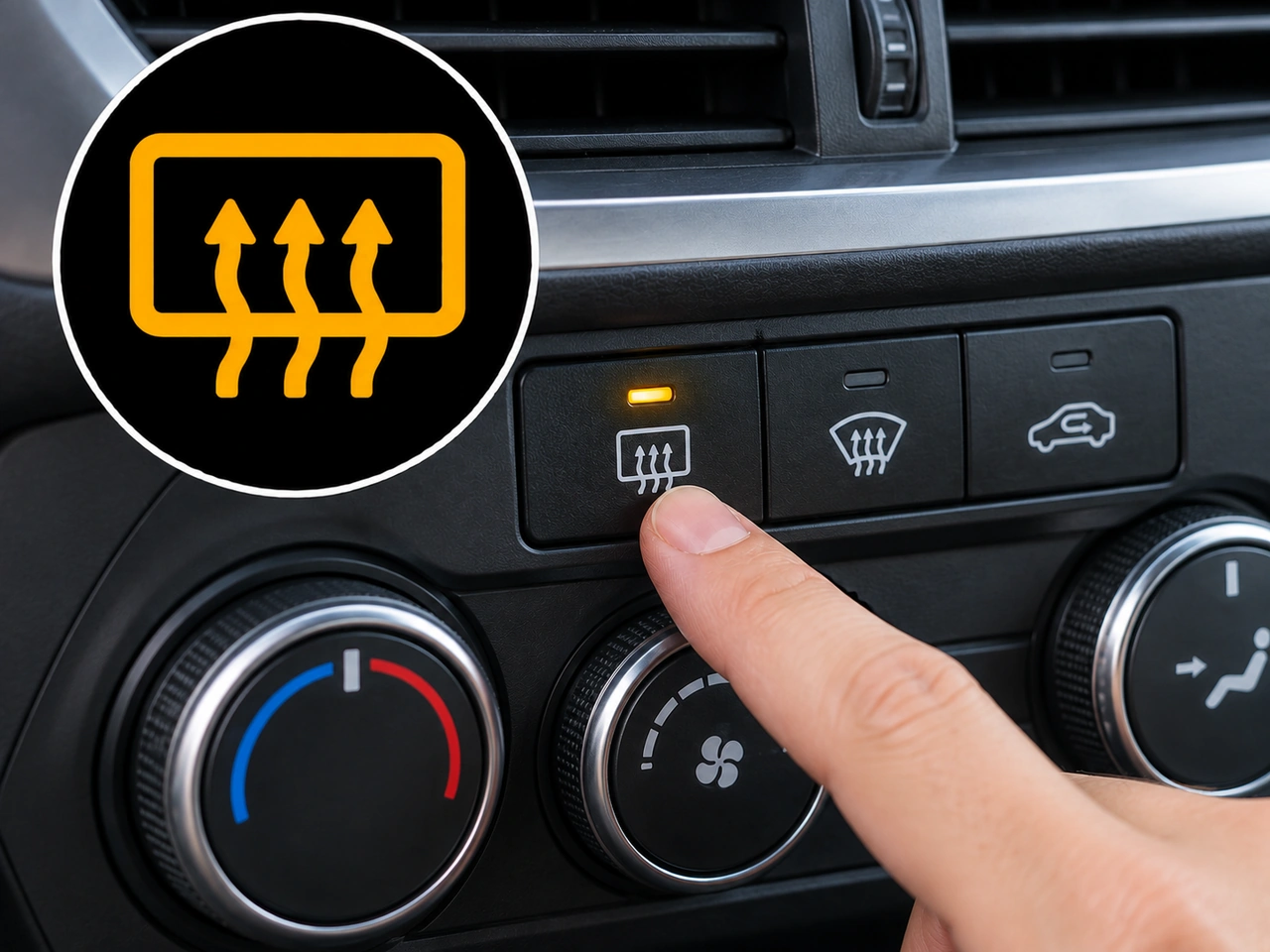
538. What does this dashboard symbol indicate?
This symbol indicates the rear window demister. It heats the rear window to help clear condensation, mist or frost and improve visibility.
AI-generated by Traffic-rules.com • WCIT • CC BY-SA
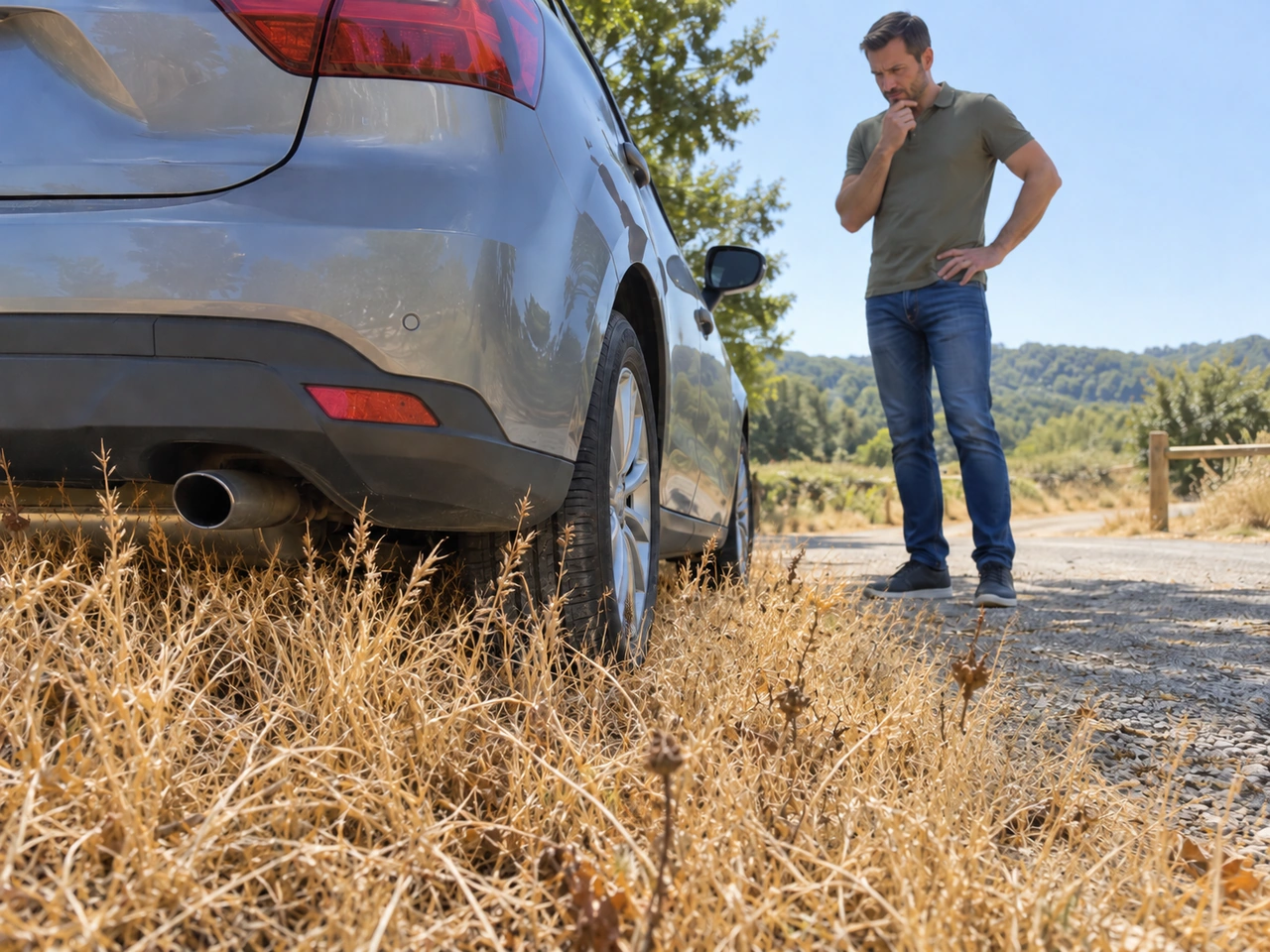
539. Why should you avoid parking a petrol or diesel vehicle on dry grass?
Parts of the exhaust system, especially the catalytic converter, can become very hot while driving. Parking over dry grass, leaves, or other combustible vegetation can create a fire risk. Park on a suitable non-flammable surface whenever possible.
AI-generated by Traffic-rules.com • WCIT • CC BY-SA
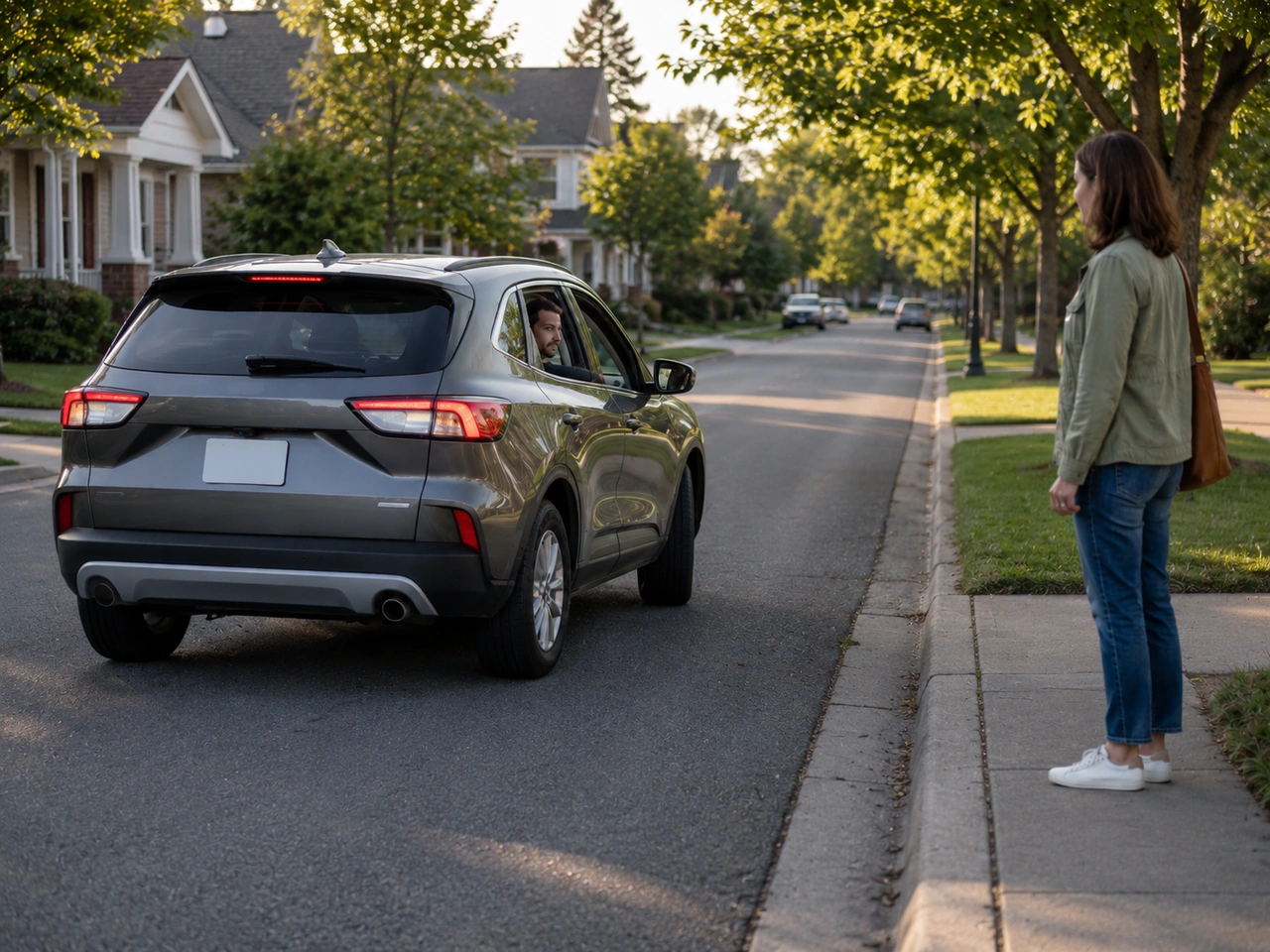
540. What should you do if a vehicle is reversing near you?
Reversing vehicles have blind spots. Stay away from the vehicle and make sure the driver can see you.
AI-generated by Traffic-rules.com • WCIT • CC BY-SA
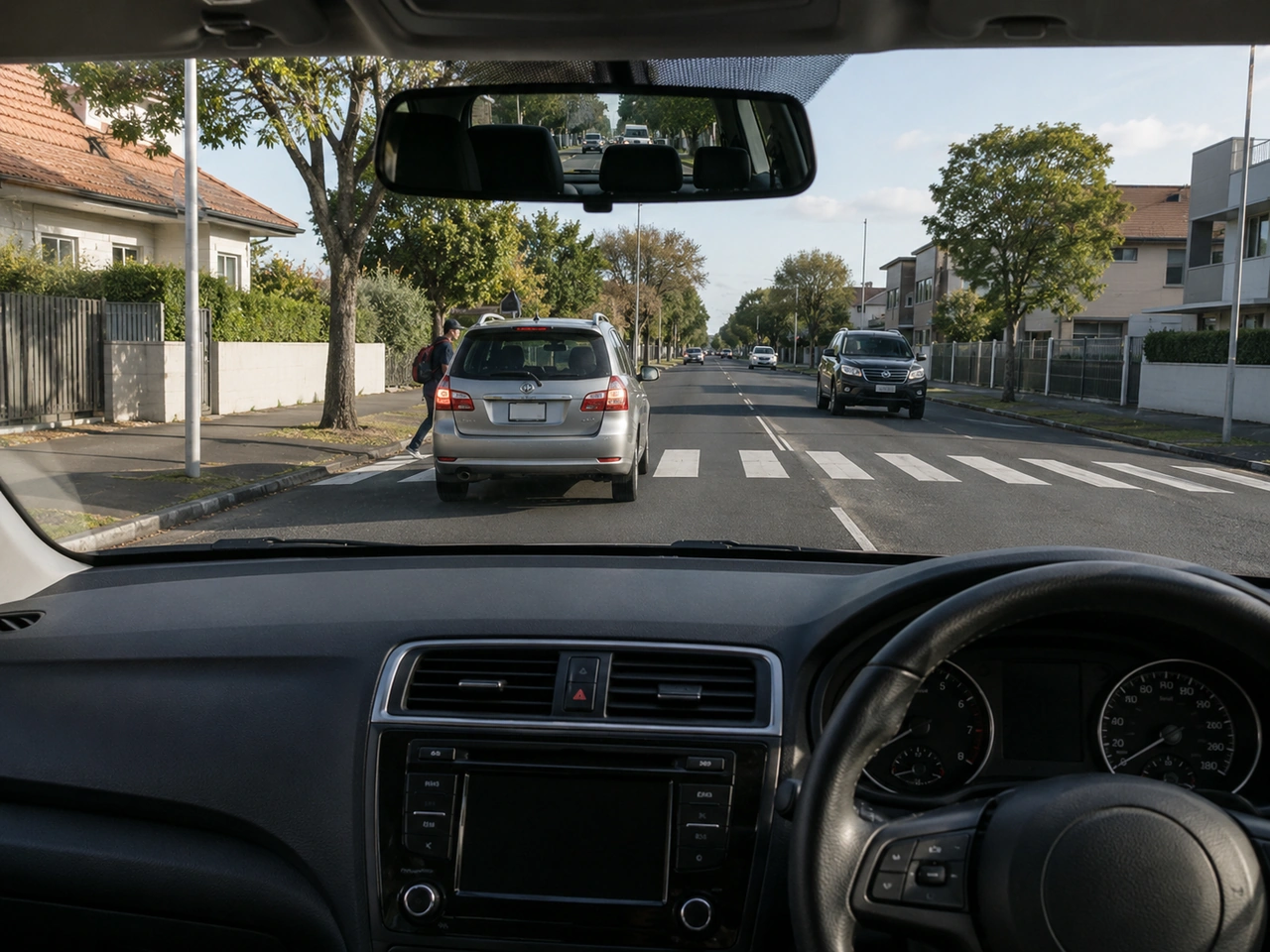
541. Why should you avoid overtaking when approaching a pedestrian crossing?
A vehicle slowing or stopping near a pedestrian crossing may be hiding someone who is crossing. Overtaking could put you directly into the pedestrian's path.
AI-generated by Traffic-rules.com • WCIT • CC BY-SA
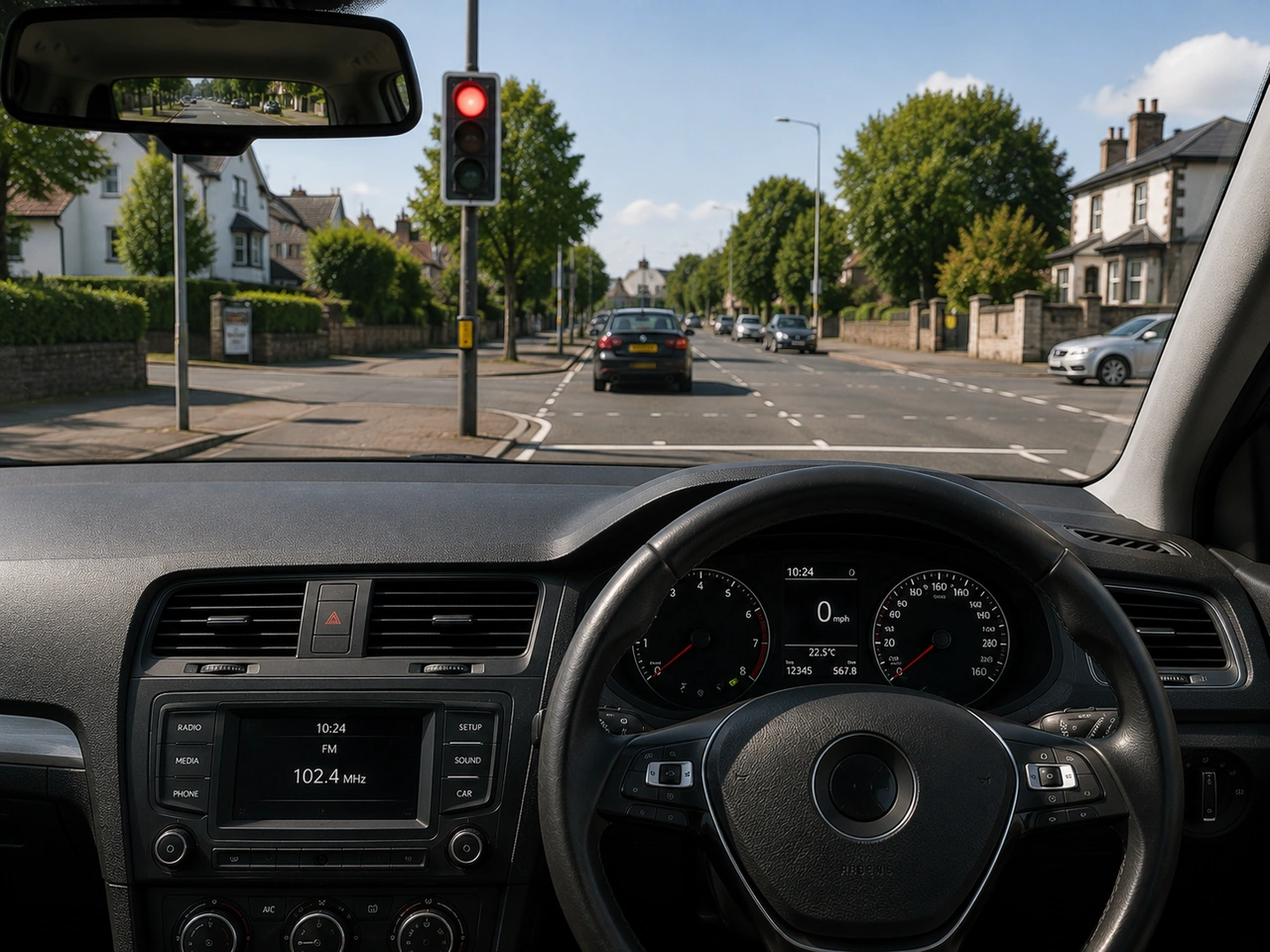
542. You must stop at a red traffic light.
A red traffic light means you must stop and wait until it is allowed to proceed.
AI-generated by Traffic-rules.com • WCIT • CC BY-SA
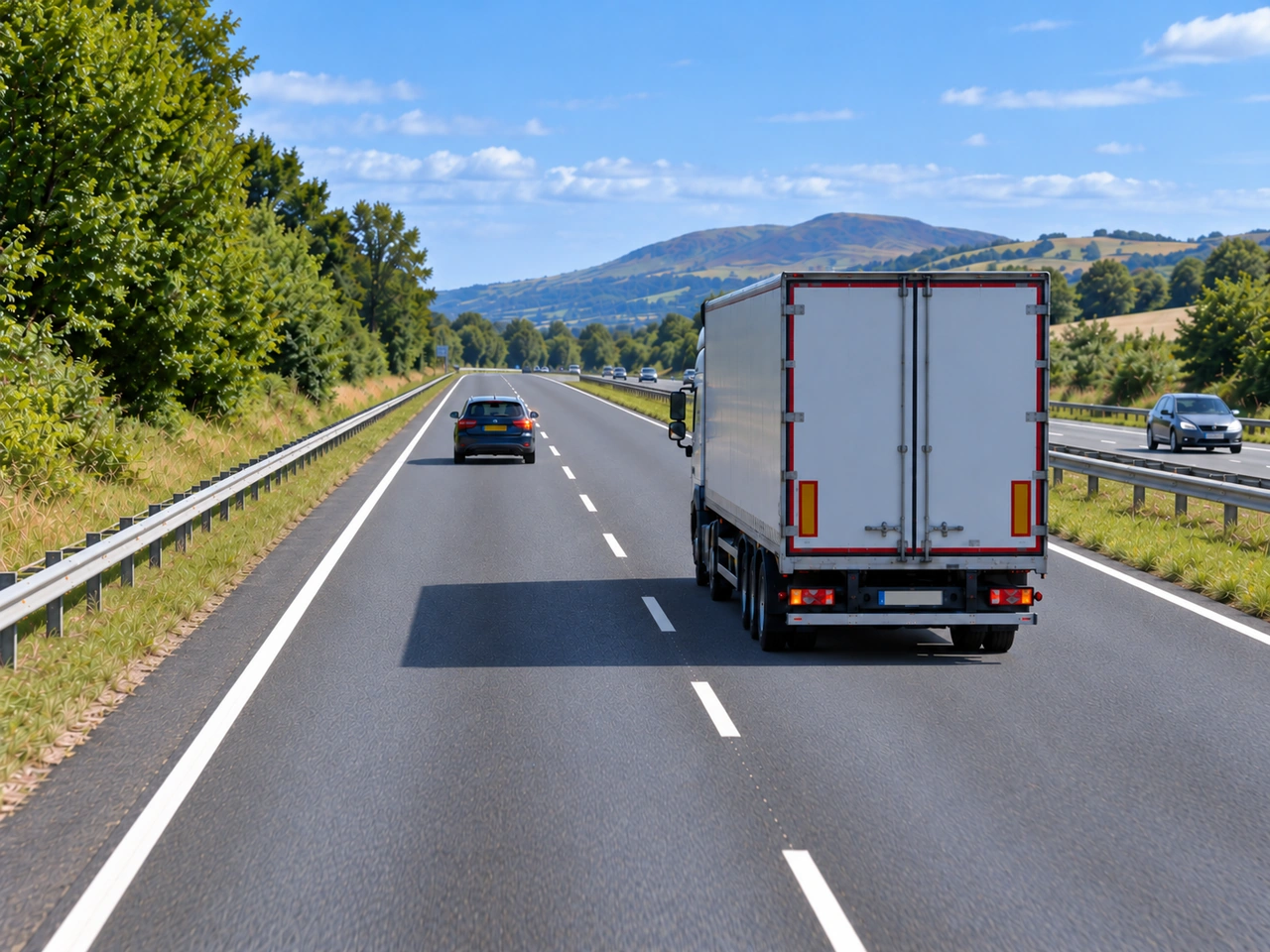
543. What should you normally do after completing an overtake?
After overtaking, return to the normal driving lane when you have passed the other vehicle by a safe distance. Check your mirrors, signal when appropriate, and avoid moving back too soon.
AI-generated by Traffic-rules.com • WCIT • CC BY-SA
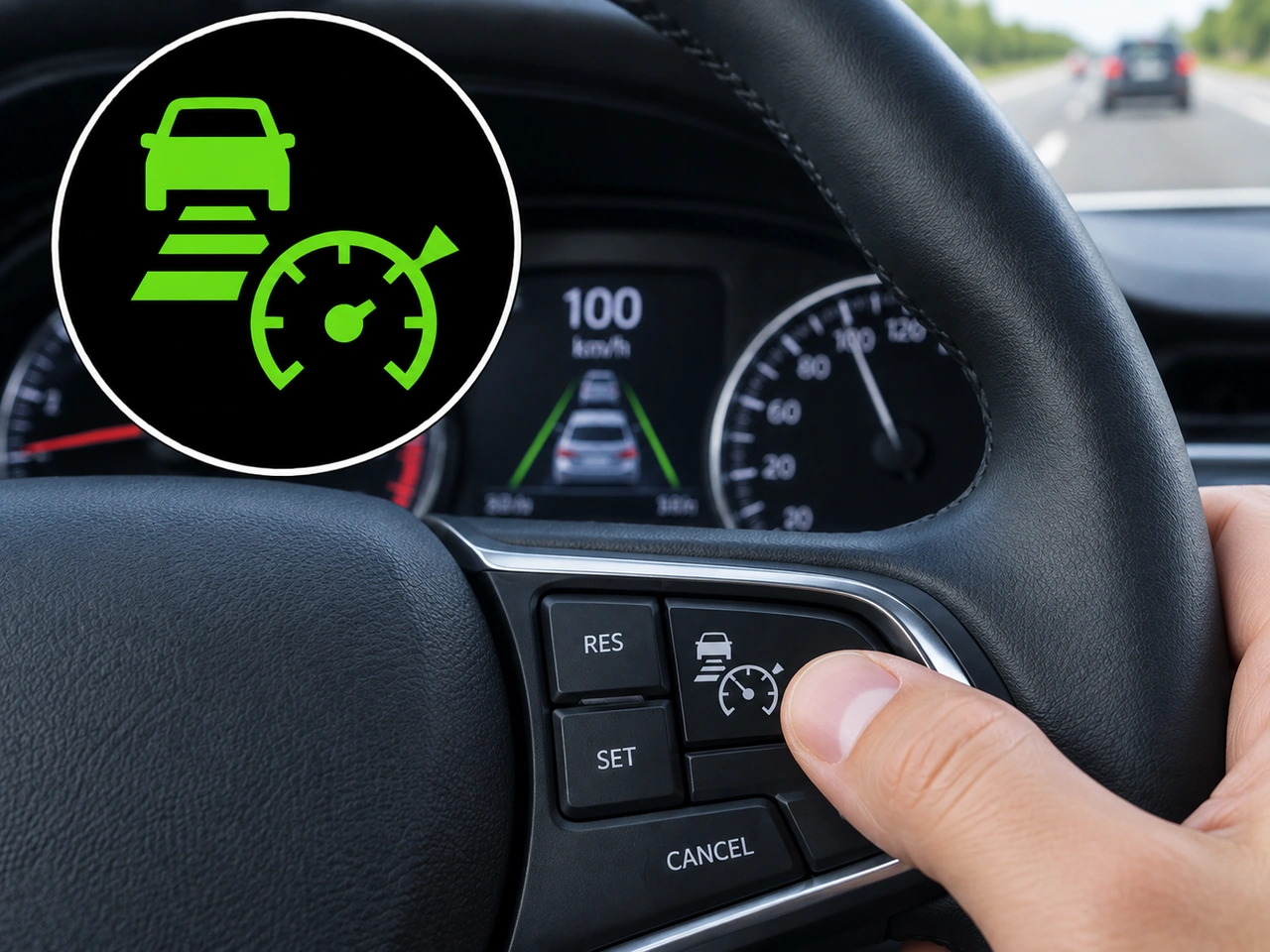
544. What does this dashboard symbol indicate?
This symbol relates to adaptive cruise control (ACC). The system can maintain a selected speed and automatically adjust the vehicle's speed to help maintain a set distance from traffic ahead.
AI-generated by Traffic-rules.com • WCIT • CC BY-SA
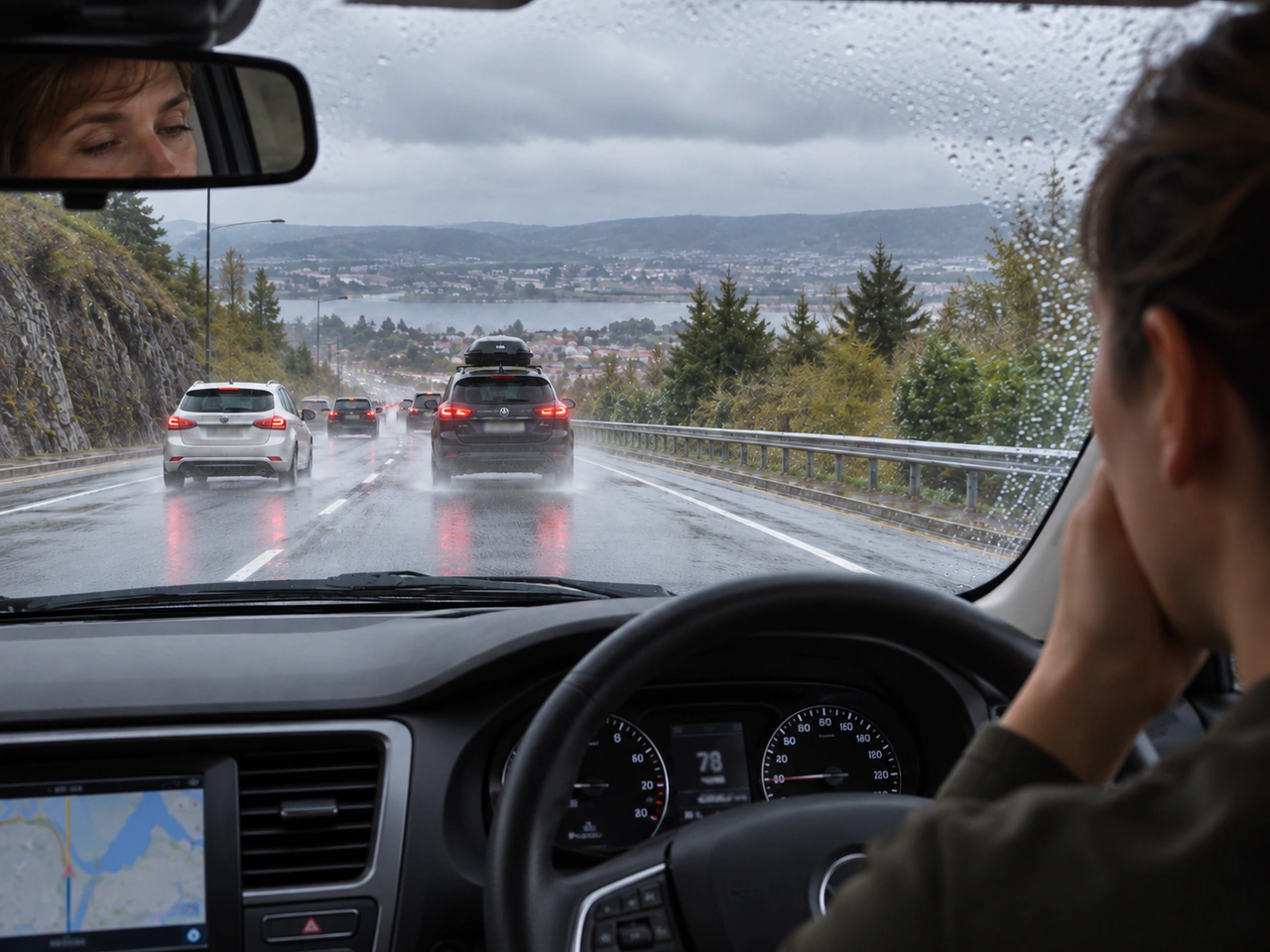
545. Which factors can increase a vehicle's stopping distance?
Stopping distance can increase because of higher speed, slower driver reactions, reduced tyre grip, poor weather or road conditions, worn tyres, weak brakes, or a heavier vehicle. Both the driver's reaction distance and the vehicle's braking distance can be affected.
AI-generated by Traffic-rules.com • WCIT • CC BY-SA
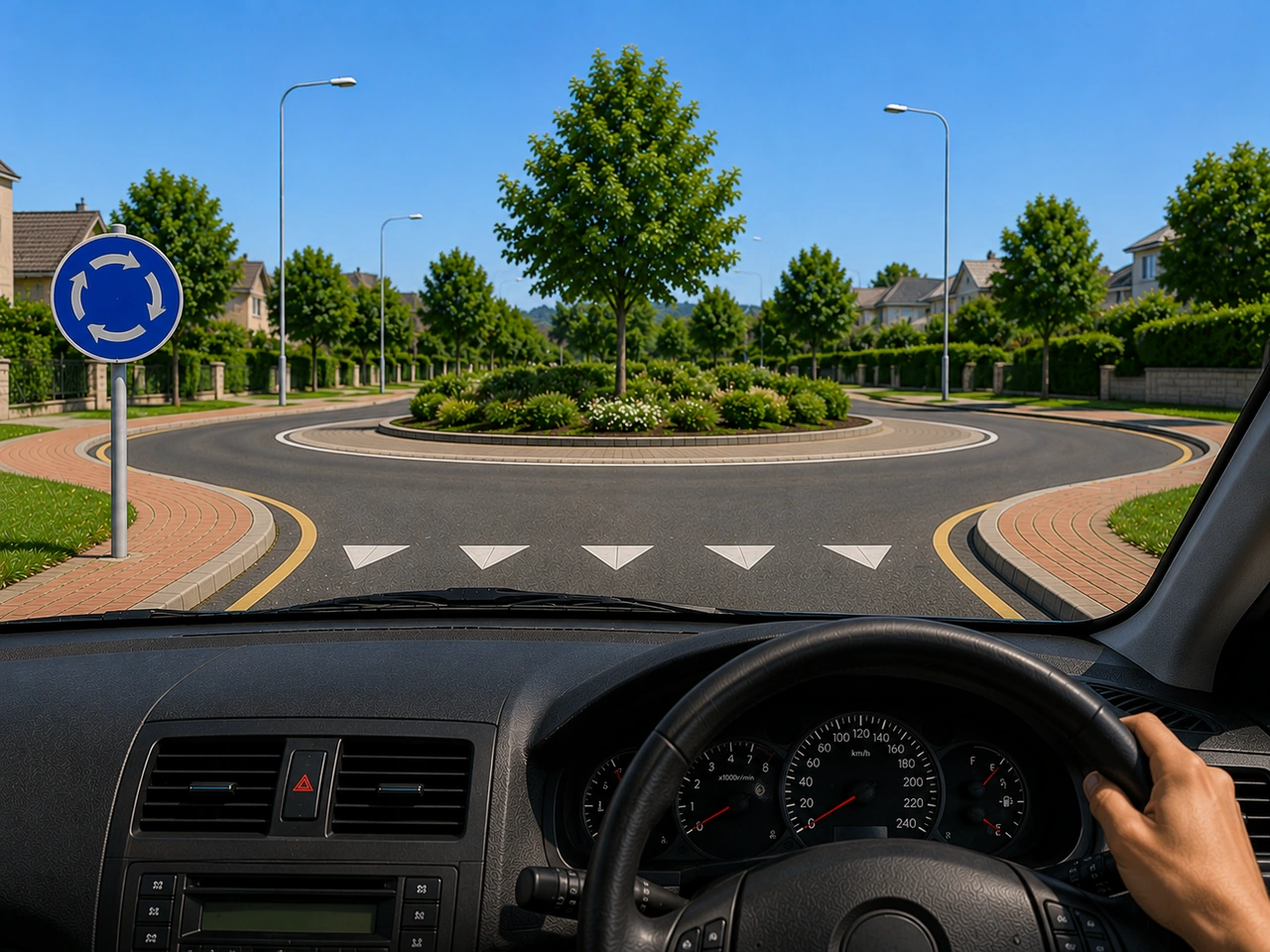
546. What should you do before entering a roundabout?
Before entering a roundabout, reduce your speed, observe traffic, and give way according to the local rules.
AI-generated by Traffic-rules.com • WCIT • CC BY-SA
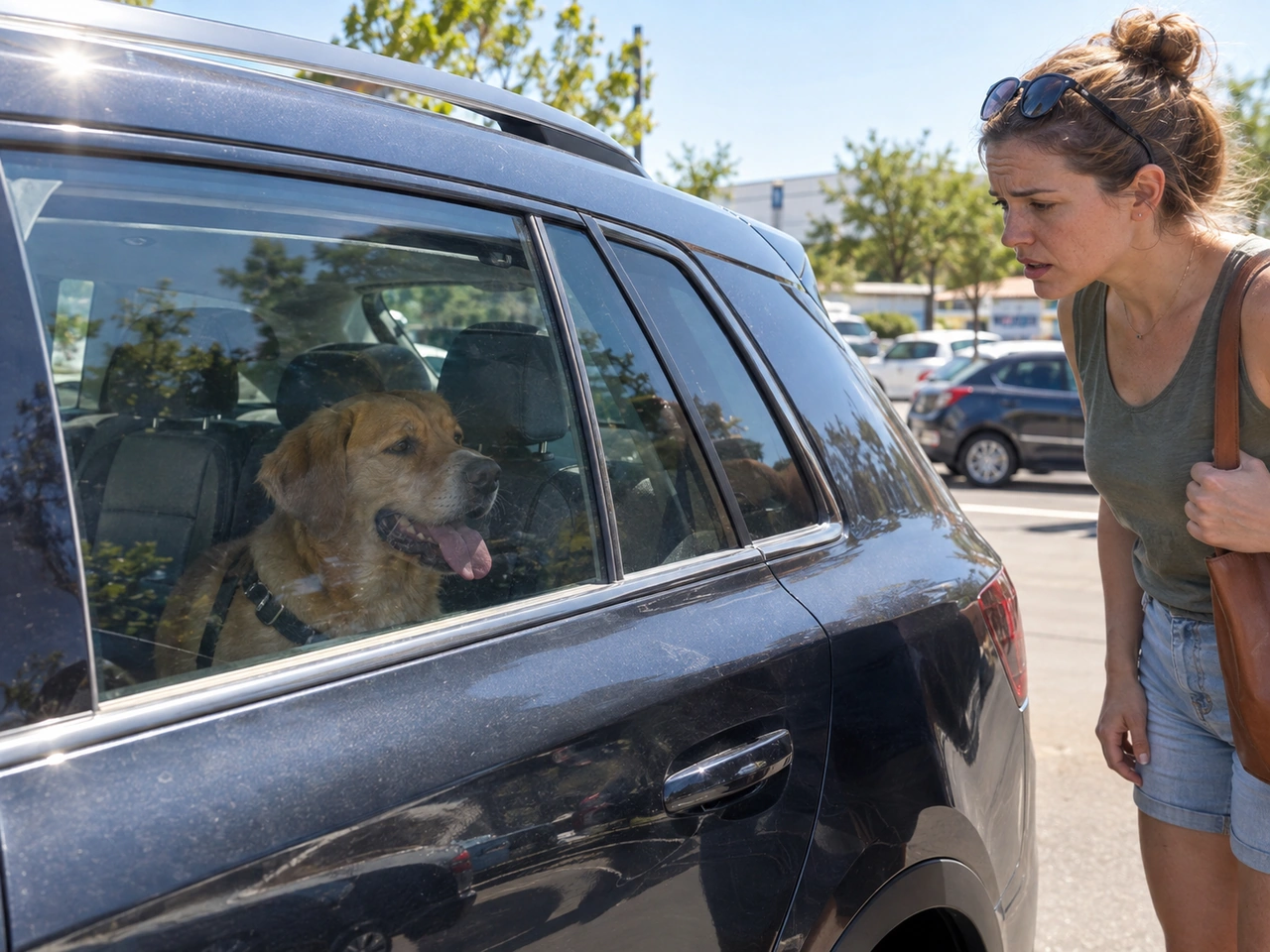
547. Why should you never leave a child or pet alone in a parked vehicle on a warm day?
The inside of a parked vehicle can heat up rapidly, even when the outside temperature does not feel extreme. Children and animals are particularly vulnerable to overheating and heatstroke. Leaving a window partly open does not make the vehicle safe.
AI-generated by Traffic-rules.com • WCIT • CC BY-SA
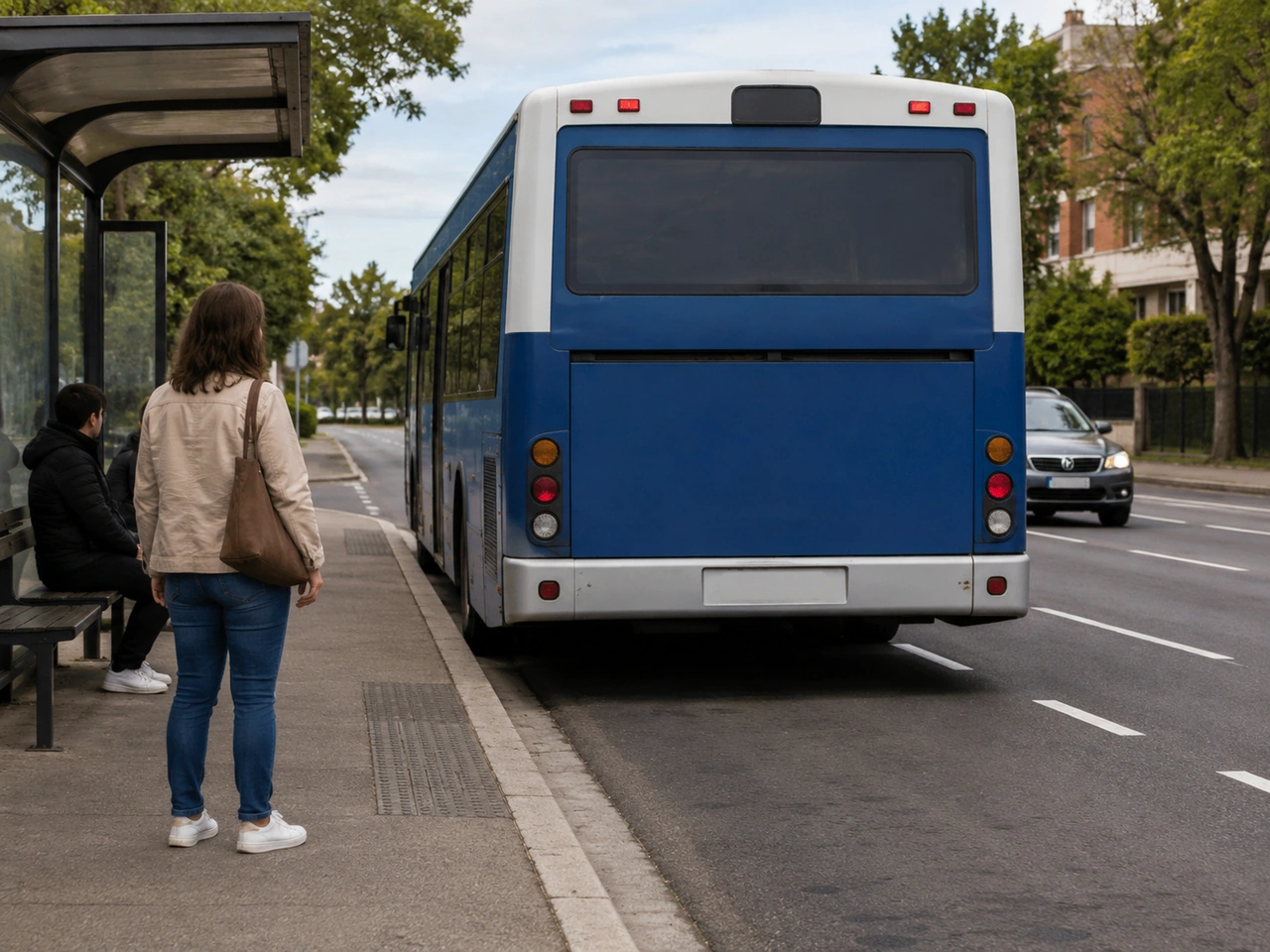
548. What should you do before crossing behind a bus or large vehicle?
Large vehicles can block your view and hide you from drivers. Wait until you can clearly see the road before crossing.
AI-generated by Traffic-rules.com • WCIT • CC BY-SA
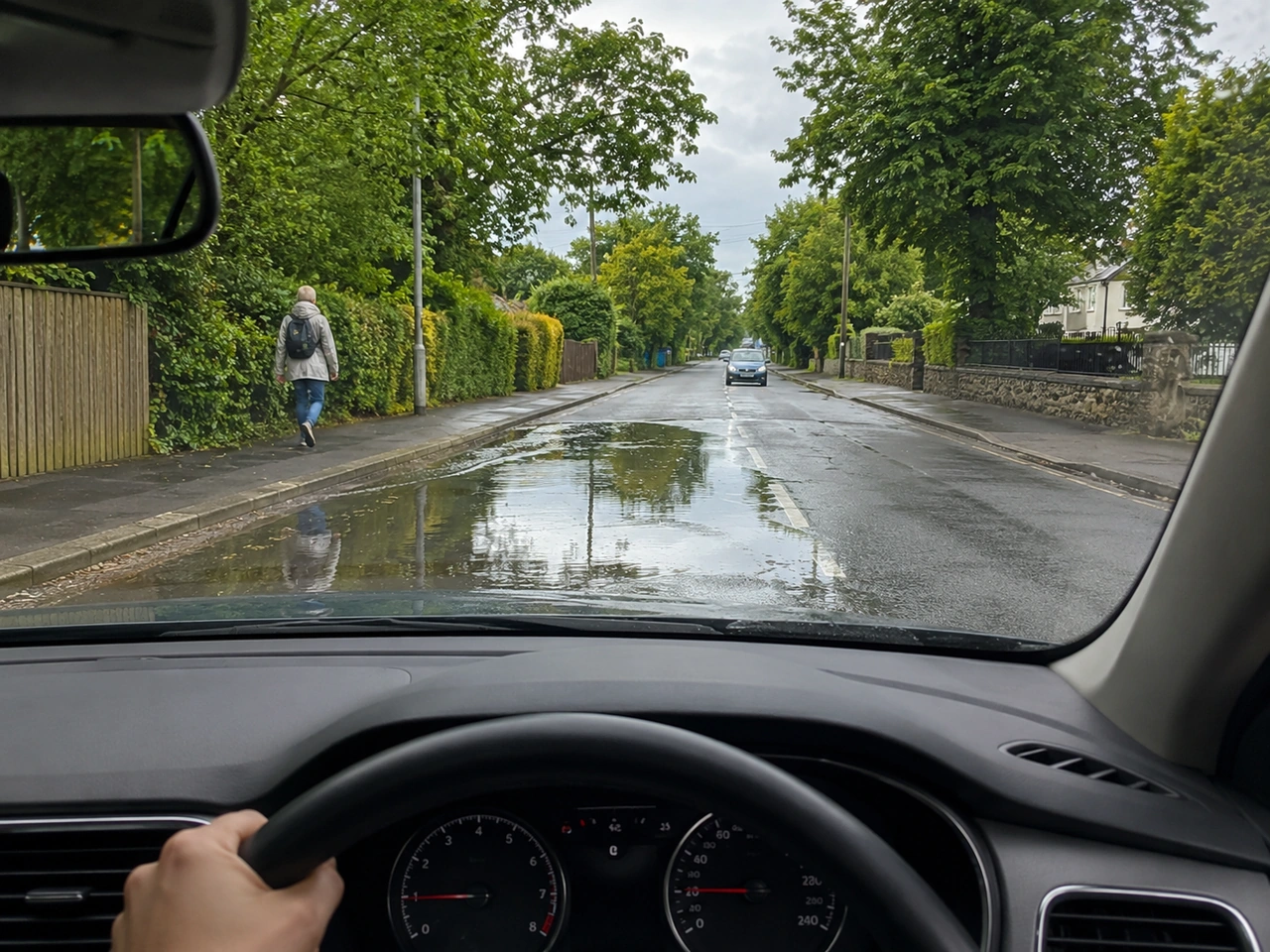
549. What should you do before driving through a puddle?
Large puddles can hide holes, reduce grip, or cause water to splash onto pedestrians or other vehicles. Slow down and proceed carefully.
AI-generated by Traffic-rules.com • WCIT • CC BY-SA
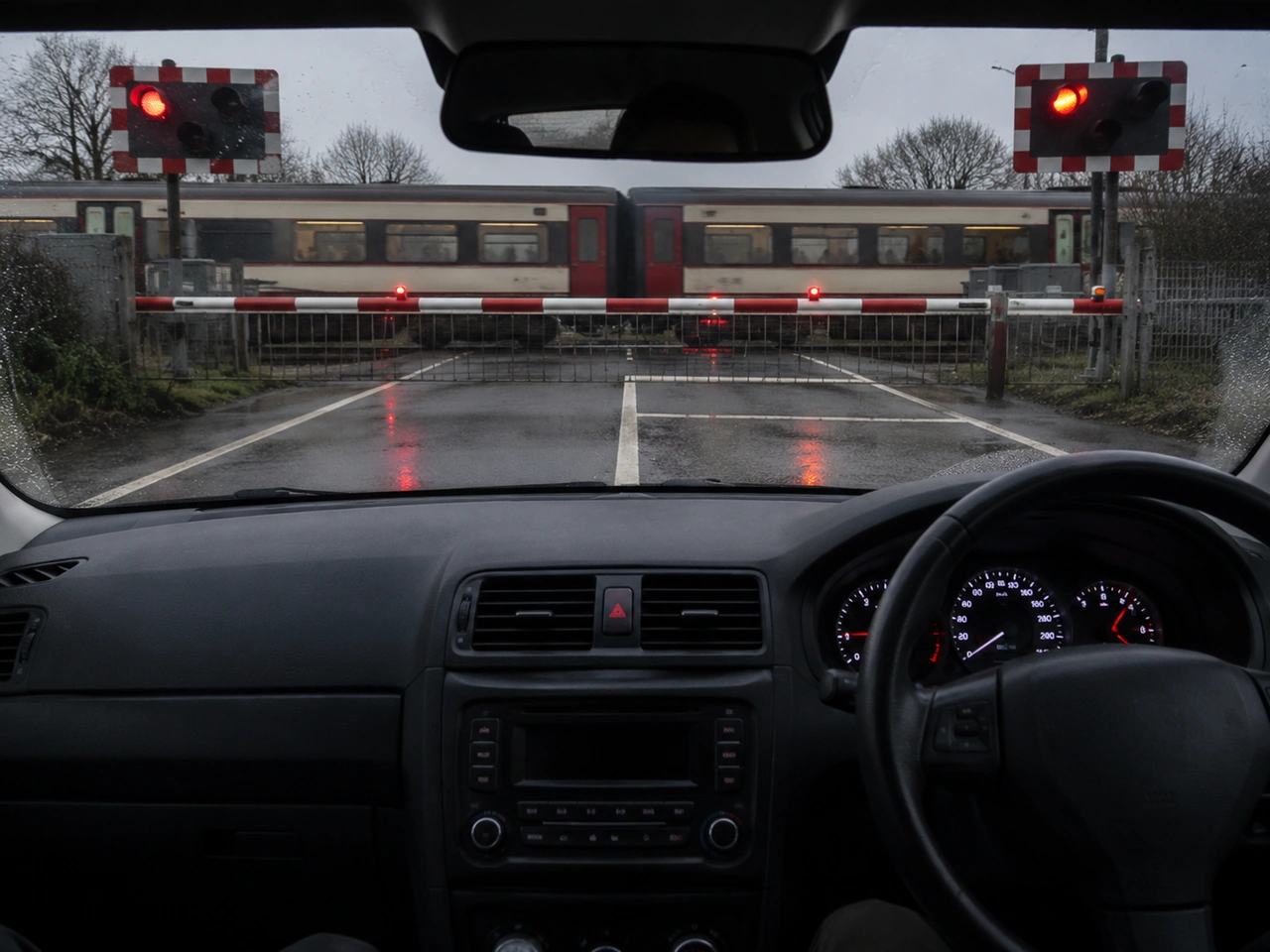
550. What should you do at a railway crossing when the barriers are closing?
Never enter a railway crossing when barriers are closing or warning signals are active. Stop and wait until it is safe.
AI-generated by Traffic-rules.com • WCIT • CC BY-SA