


QuizTraffic rulesUnited Kingdom
This interesting quiz helps you test your knowledge in a clear and visual way. With easy multiple-choice questions, you can quickly build confidence and learn new facts while keeping it simple, interactive, and fun.
 Traffic signs
 Traffic rules
 United Kingdom
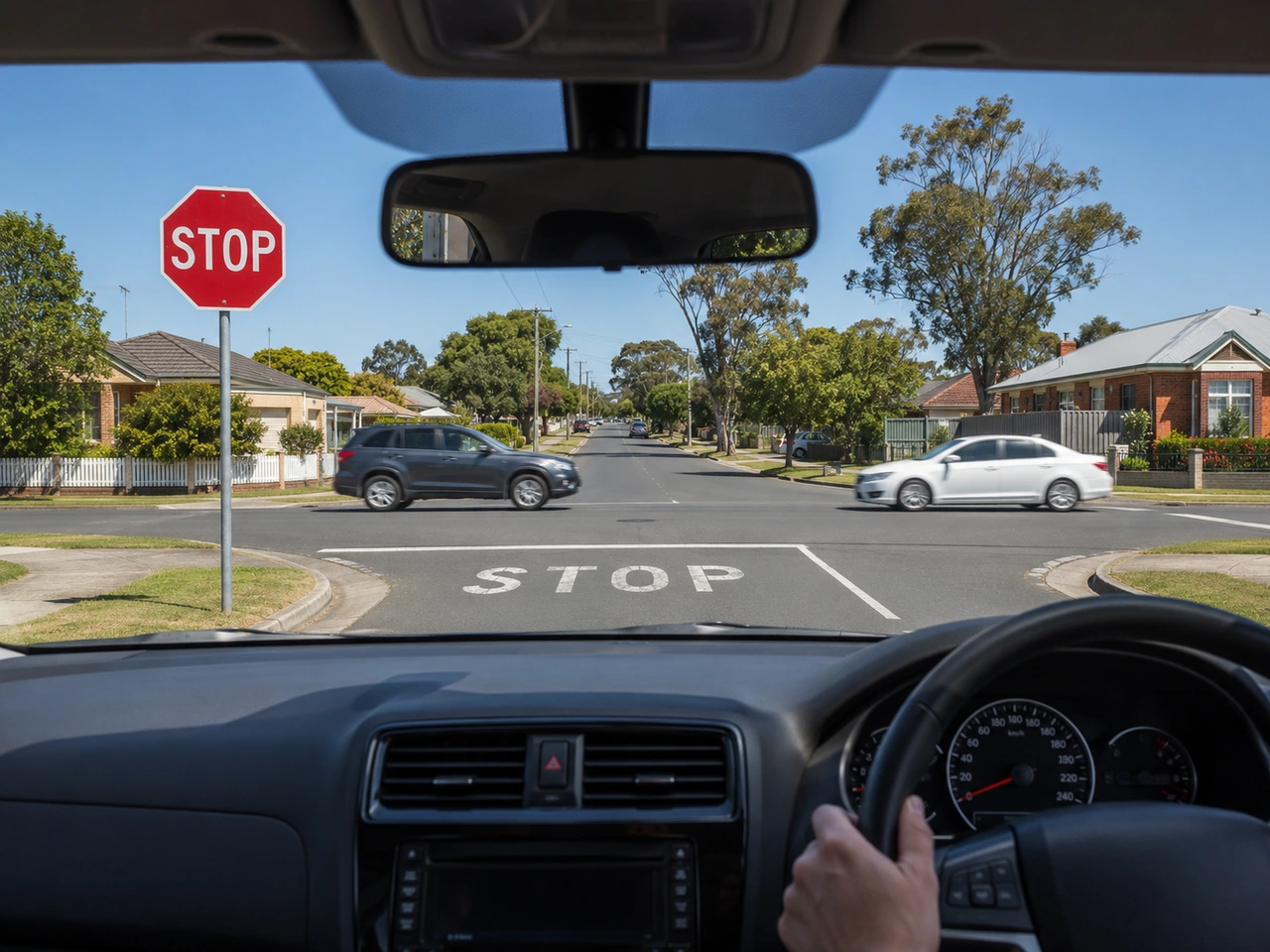
451. What should you do when approaching a stop sign?
A stop sign requires you to come to a complete stop at the required position. Check carefully for other road users and proceed only when it is safe.
AI-generated by Traffic-rules.com • WCIT • CC BY-SA

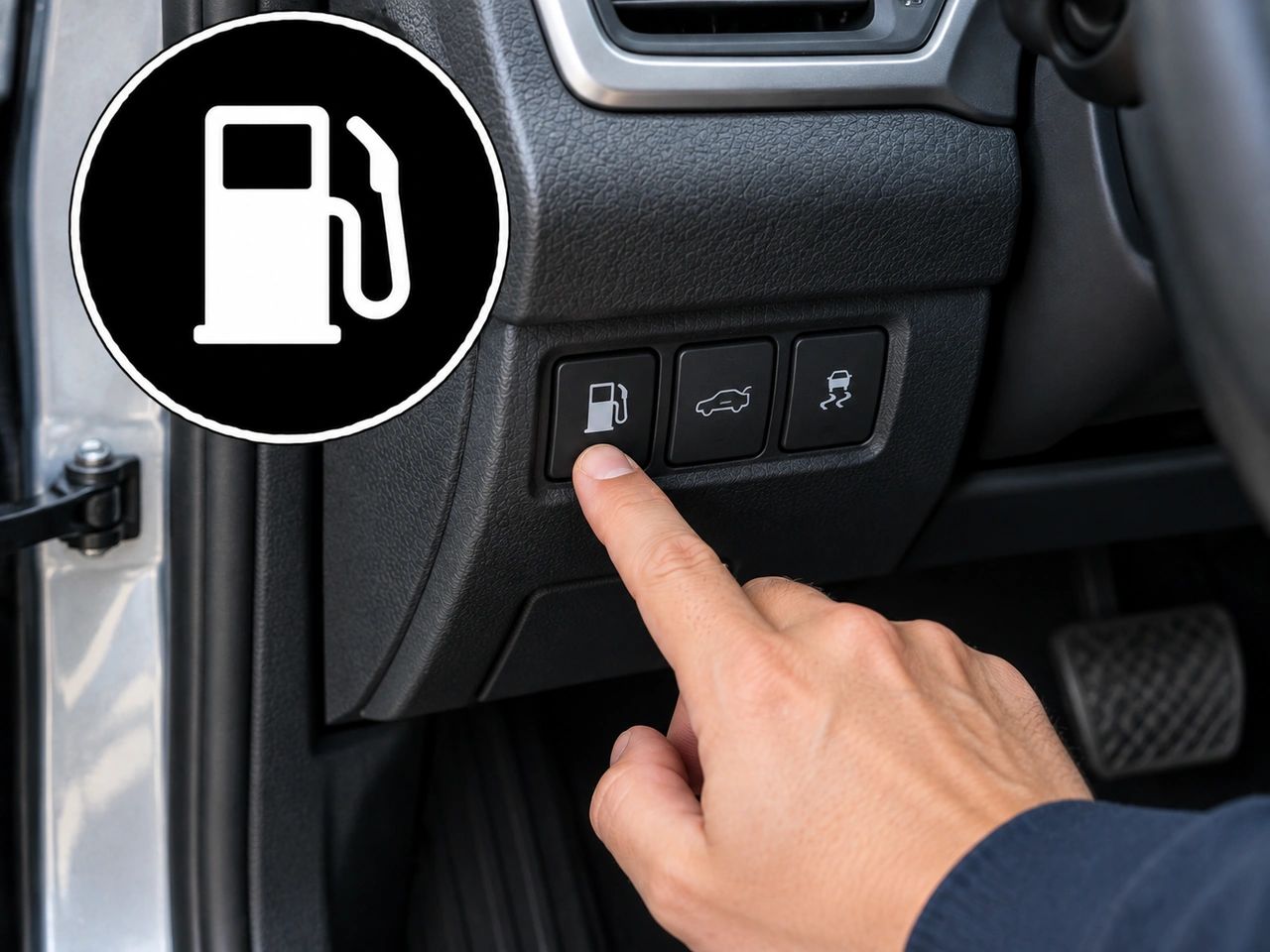
452. What does this vehicle-control symbol indicate?
This control releases the fuel-filler flap, allowing access to the vehicle's fuel filler.
AI-generated by Traffic-rules.com • WCIT • CC BY-SA
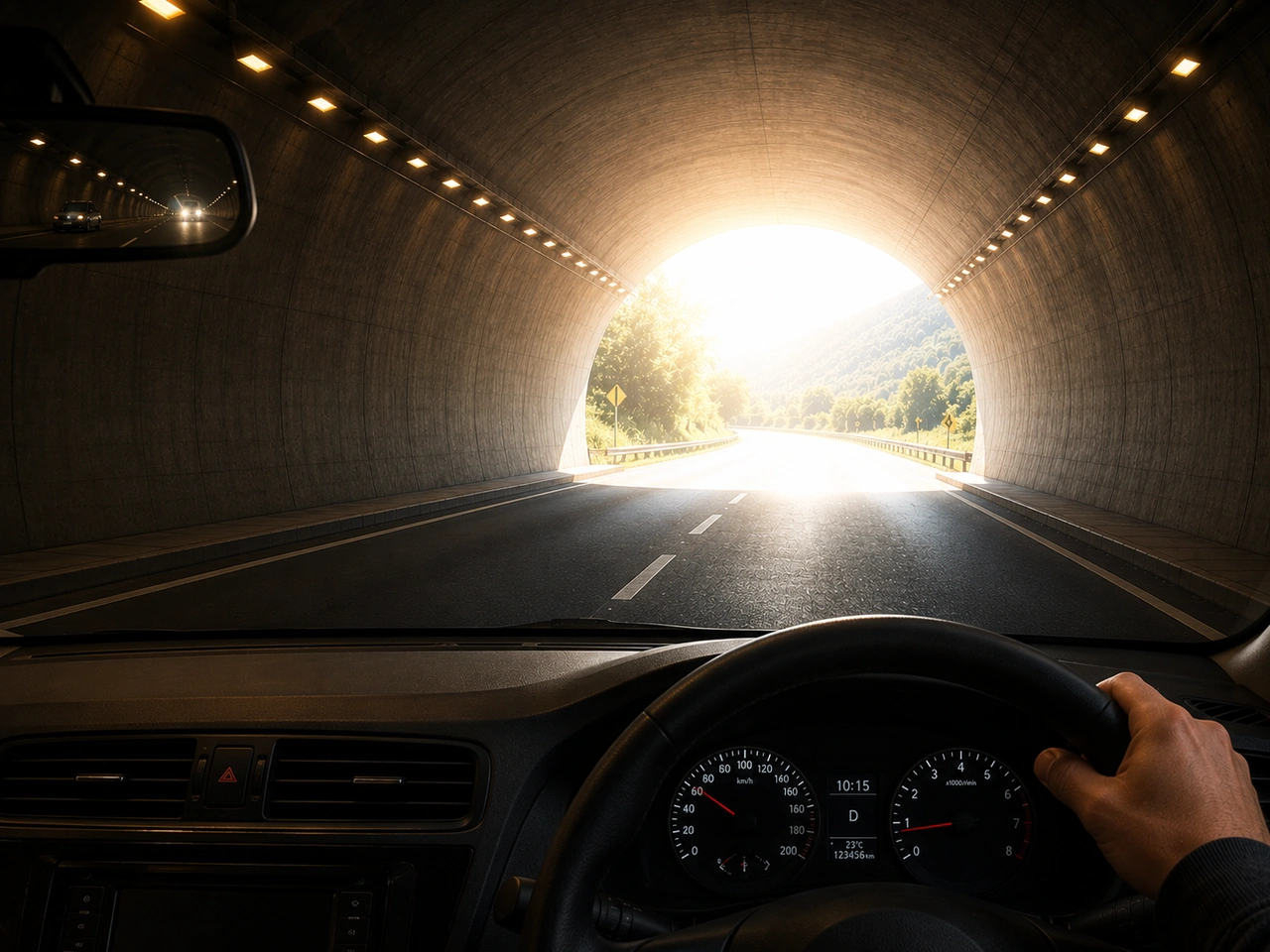
453. What should you expect when leaving a tunnel in bright sunlight?
Your eyes may need time to adjust from the darker tunnel to bright daylight. Reduce speed if necessary and remain alert.
AI-generated by Traffic-rules.com • WCIT • CC BY-SA
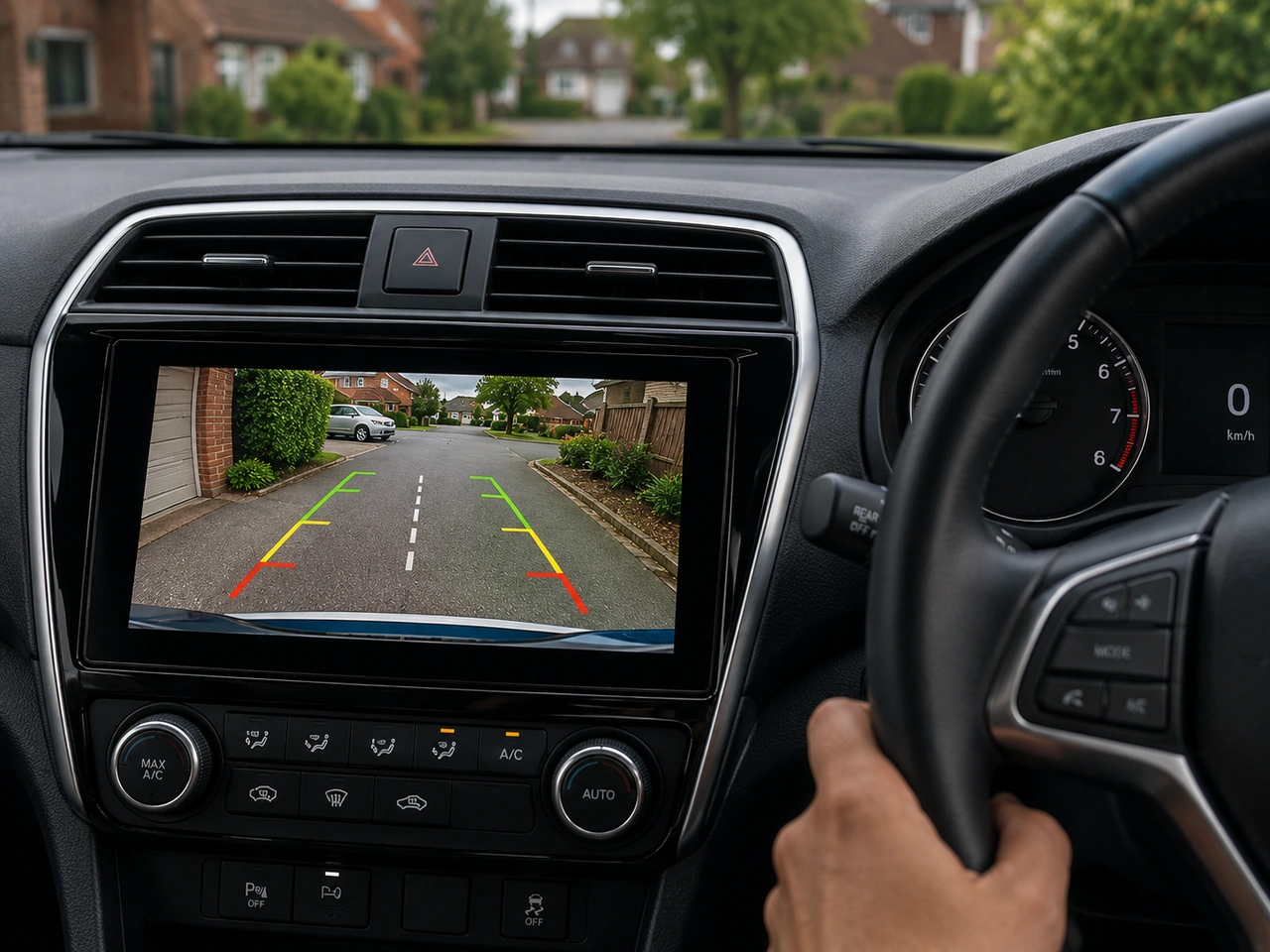
454. Why should you not rely only on a reversing camera?
Reversing cameras can help, but they may have blind spots and limited coverage. Always check your mirrors and surroundings, look around where possible, and reverse slowly.
AI-generated by Traffic-rules.com • WCIT • CC BY-SA
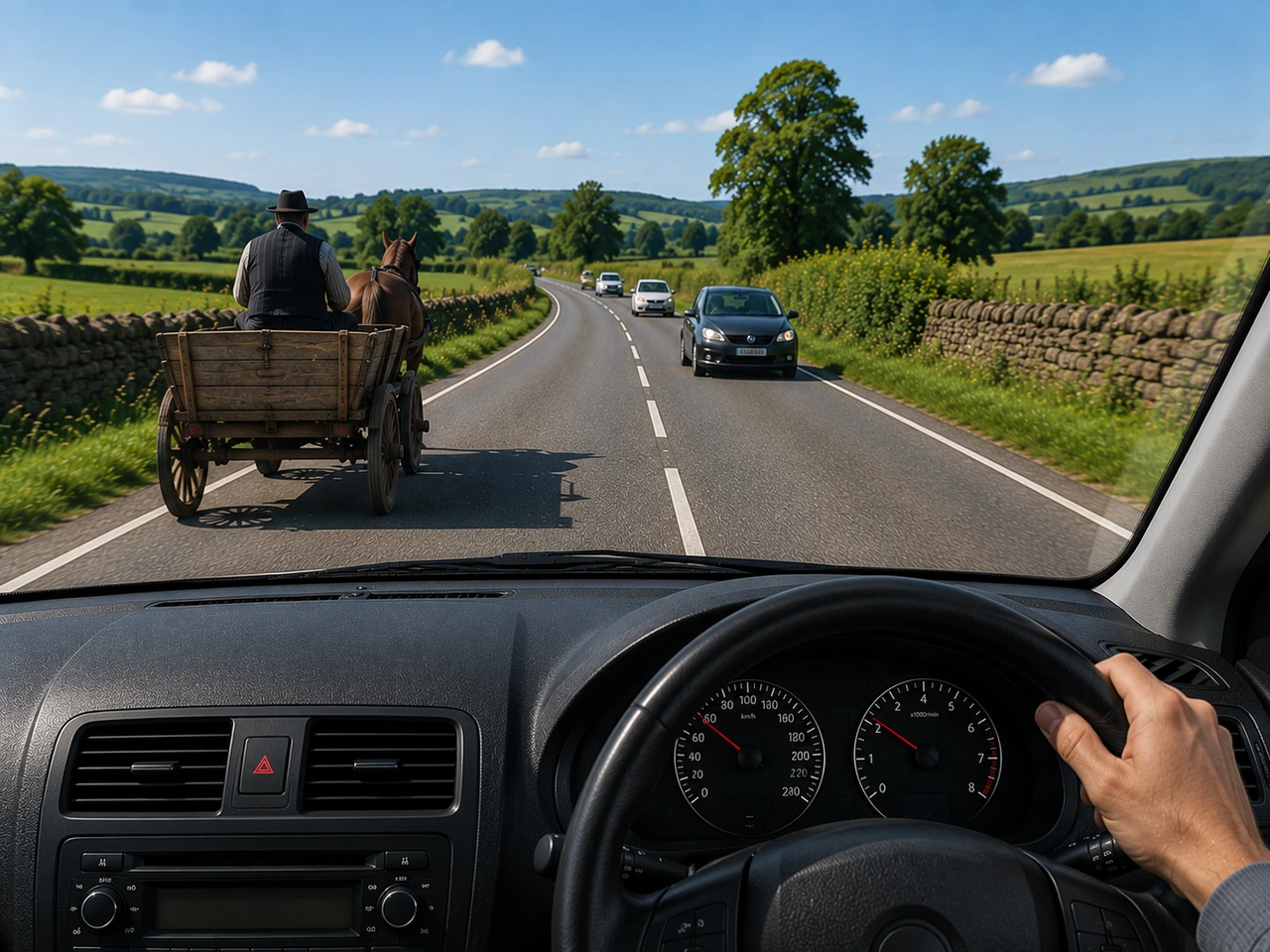
455. What should you do if you are approaching an animal-drawn vehicle?
Animals can be startled by noise or sudden movement. Reduce speed, keep distance, and pass only when it is safe.
AI-generated by Traffic-rules.com • WCIT • CC BY-SA
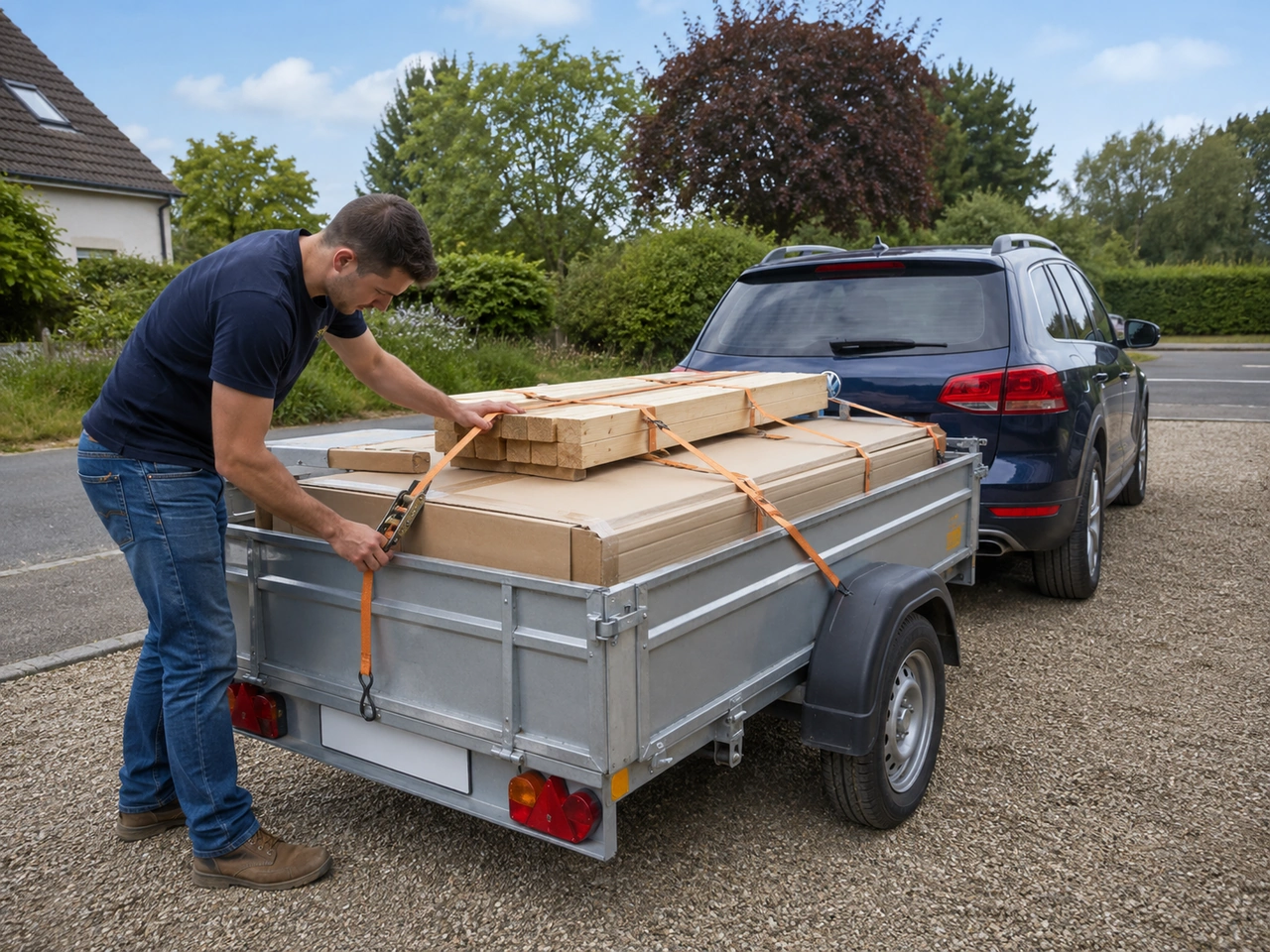
456. What should you do before driving with a load?
An unsecured load can shift, affect vehicle control, or fall into the road. Check that everything is safely restrained before moving.
AI-generated by Traffic-rules.com • WCIT • CC BY-SA
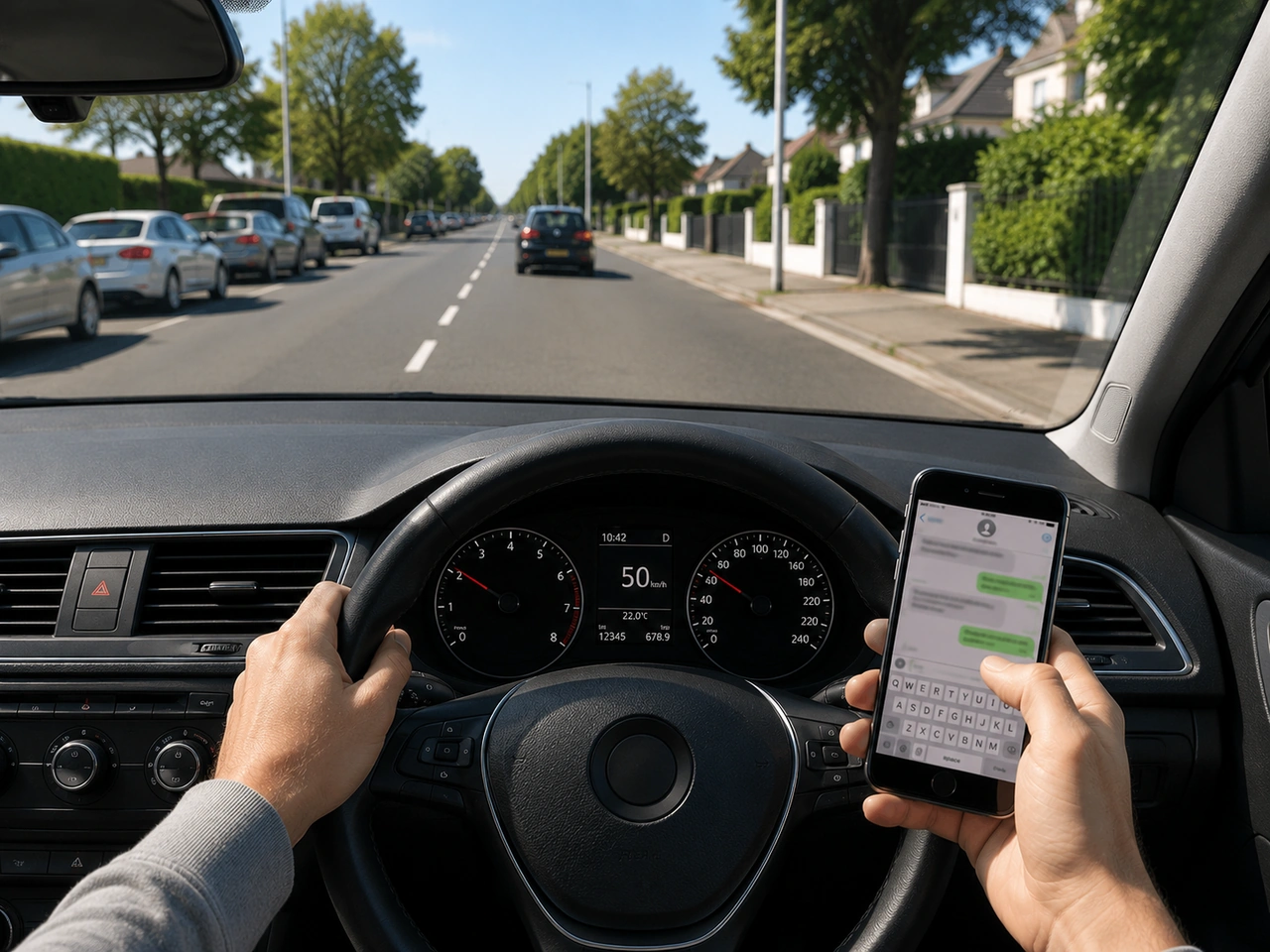
457. It is safe to look at your phone briefly while driving.
Using your phone while driving is distracting and dangerous, even for a very short moment.
AI-generated by Traffic-rules.com • WCIT • CC BY-SA
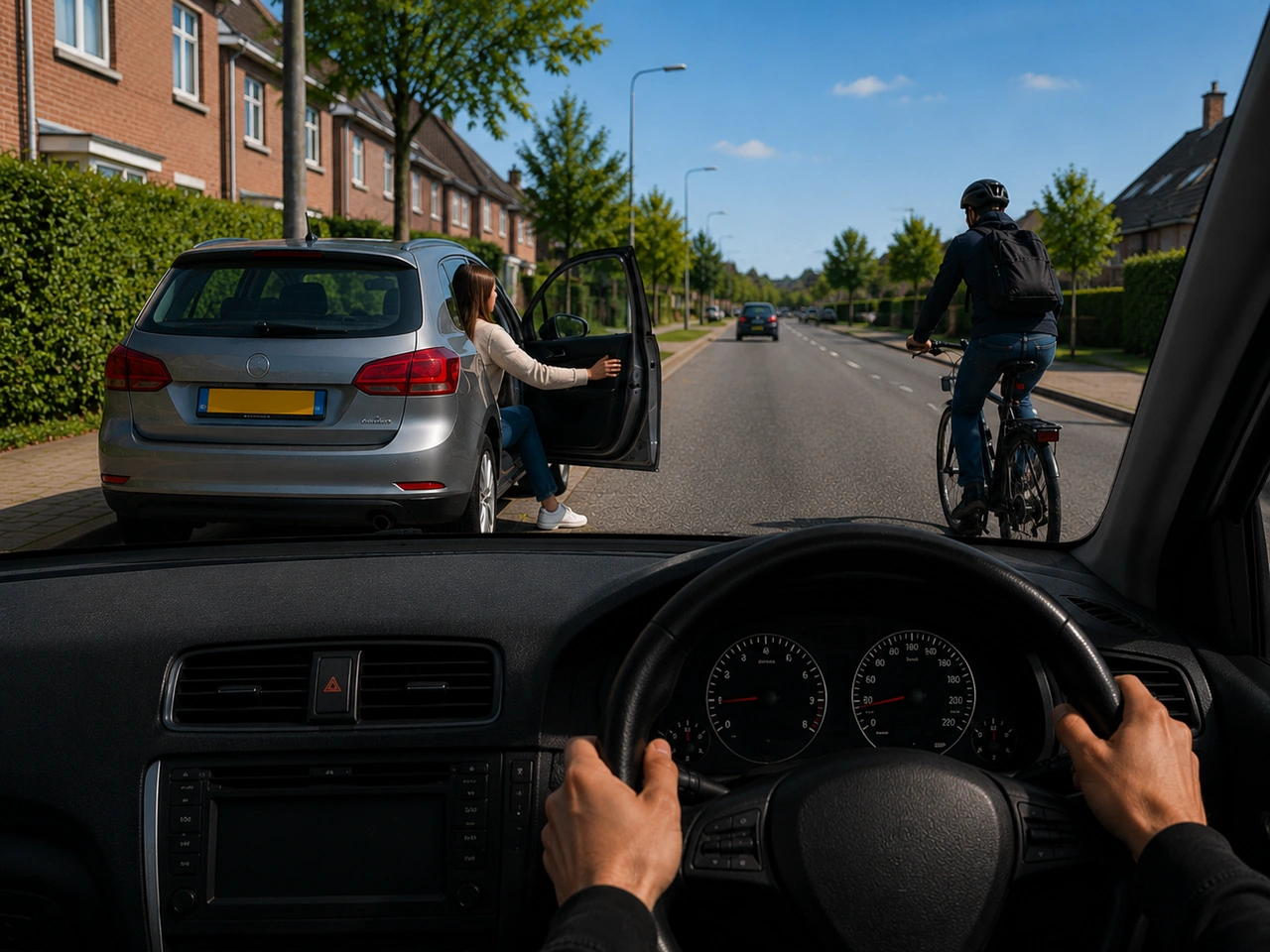
458. What should you do before opening your car door near traffic?
Before opening a car door, check carefully for cyclists, pedestrians, and vehicles to avoid causing a collision.
AI-generated by Traffic-rules.com • WCIT • CC BY-SA
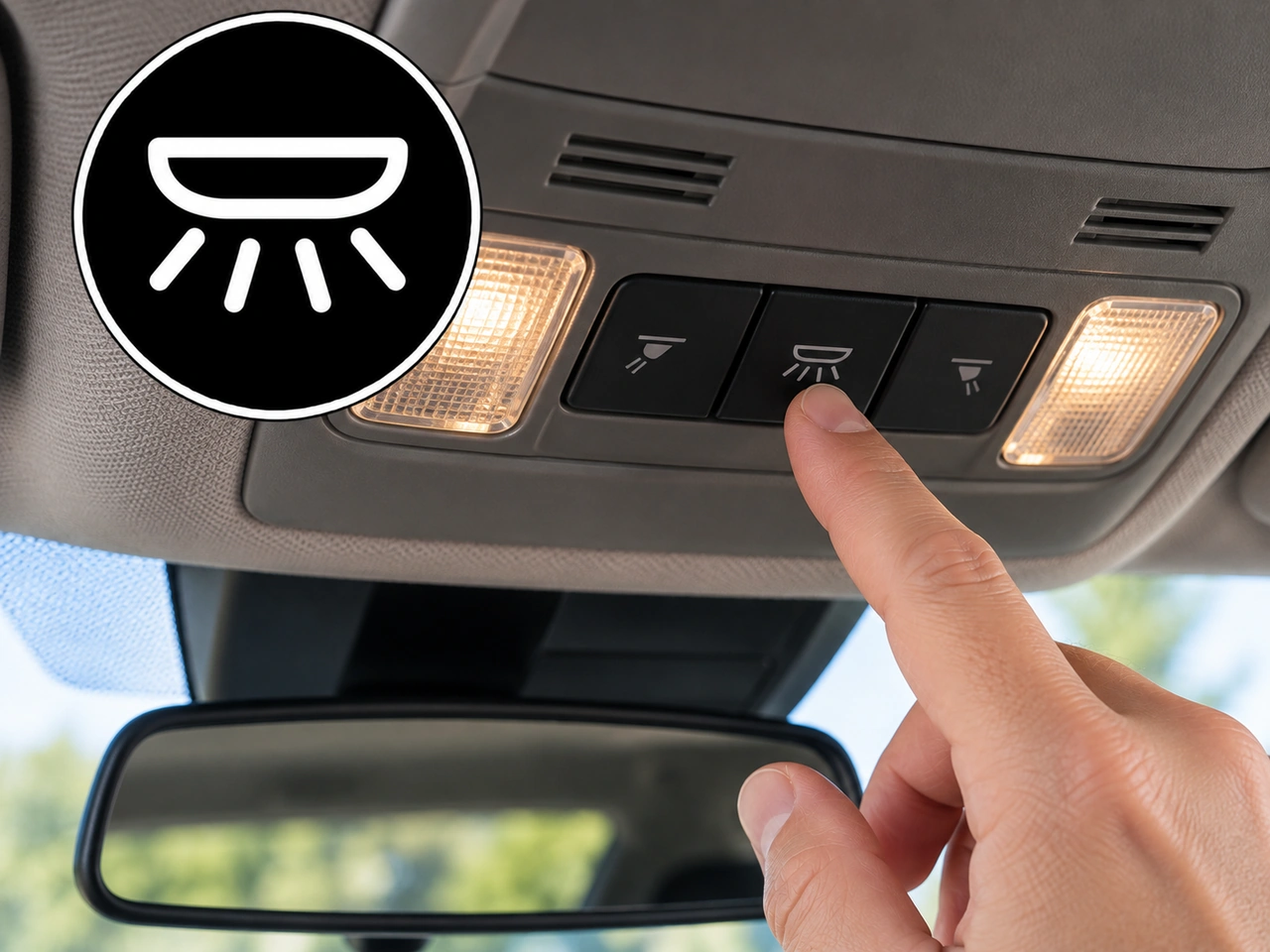
459. What does this vehicle-control symbol indicate?
This control operates the vehicle's interior lighting. Depending on the vehicle, the lights can be switched on manually or set to illuminate automatically when a door is opened.
AI-generated by Traffic-rules.com • WCIT • CC BY-SA
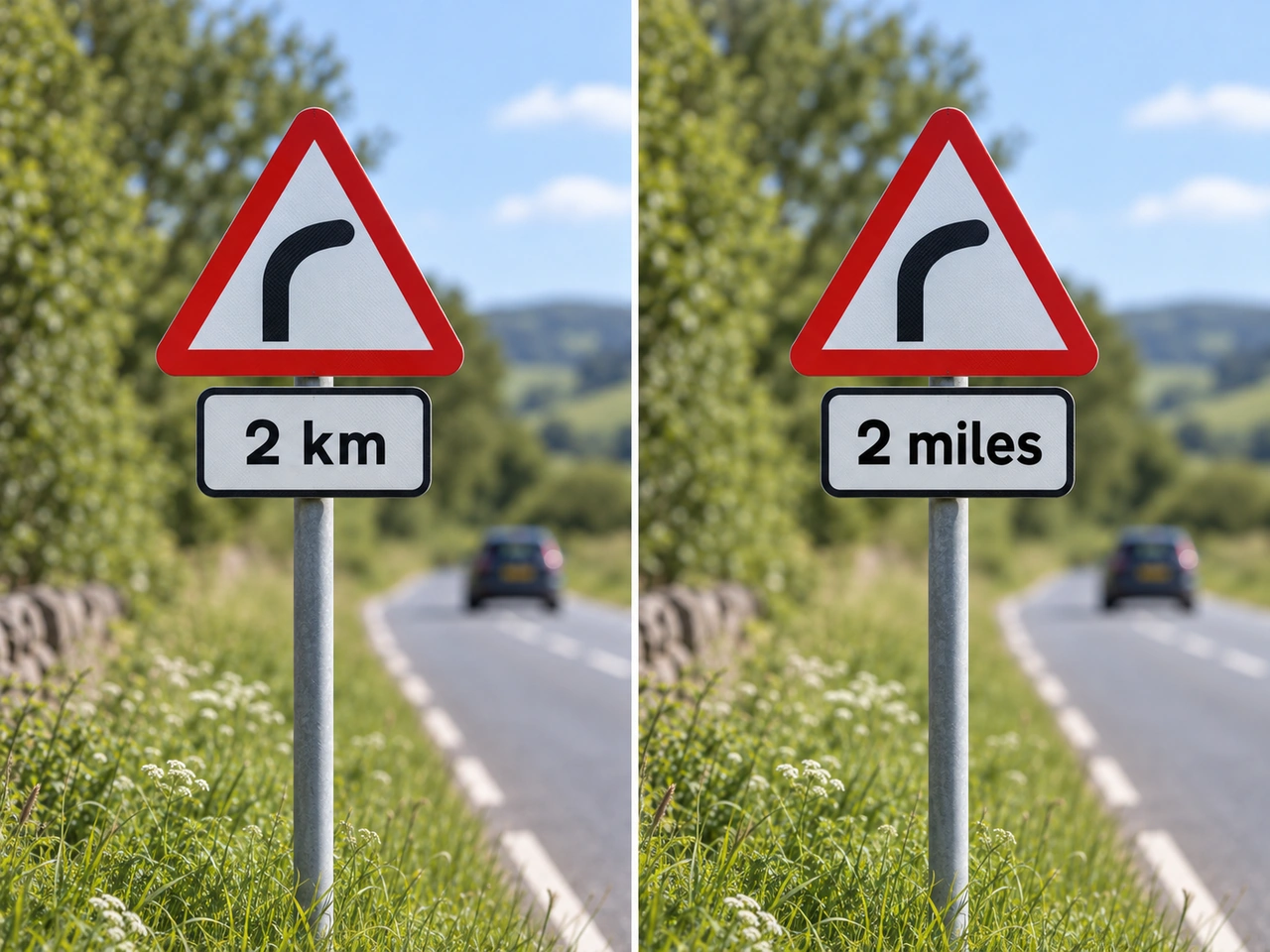
460. Which distance unit is used on road signs in United Kingdom?
Road distances in United Kingdom are normally shown in miles.
AI-generated by Traffic-rules.com • WCIT • CC BY-SA
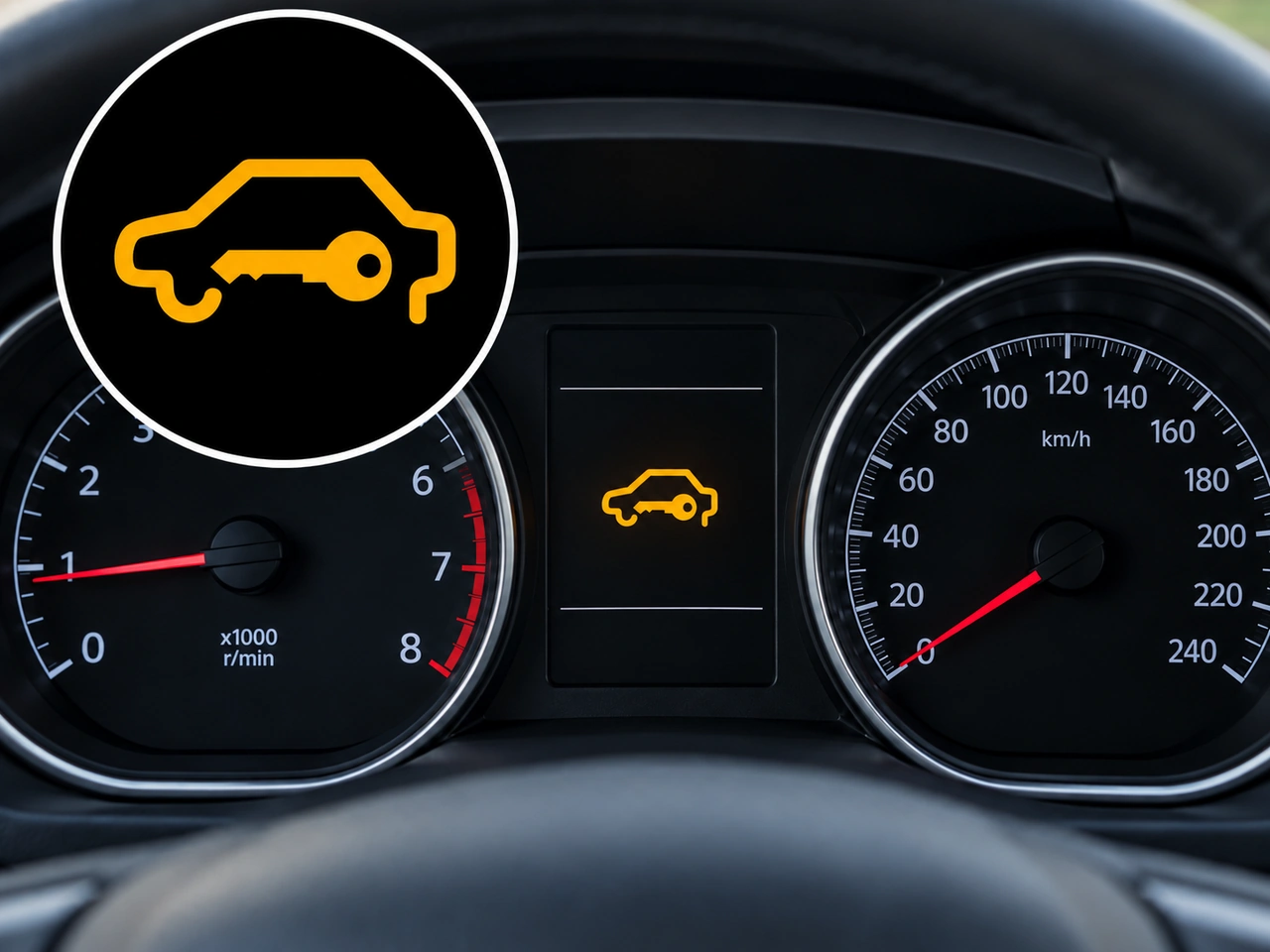
461. What does this dashboard symbol indicate?
This symbol relates to the vehicle's immobiliser or anti-theft system. If it remains illuminated or flashes unexpectedly, the vehicle may not recognise the key or there may be a fault in the security system.
AI-generated by Traffic-rules.com • WCIT • CC BY-SA
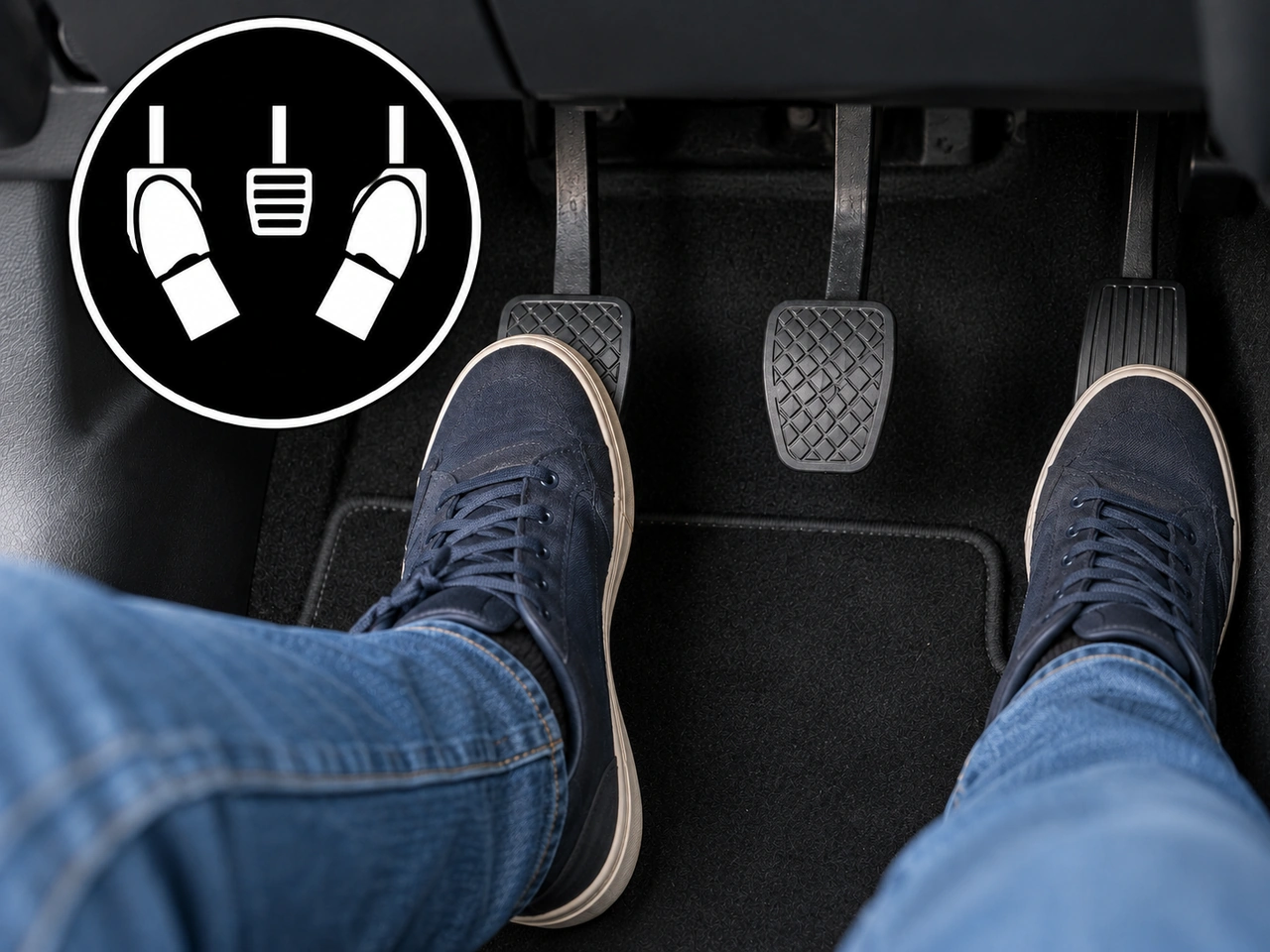
462. How should you use the clutch and accelerator when moving off?
When moving off, release the clutch pedal smoothly through the biting point while applying the accelerator progressively. This helps the vehicle move away smoothly without stalling or excessive engine speed.
AI-generated by Traffic-rules.com • WCIT • CC BY-SA
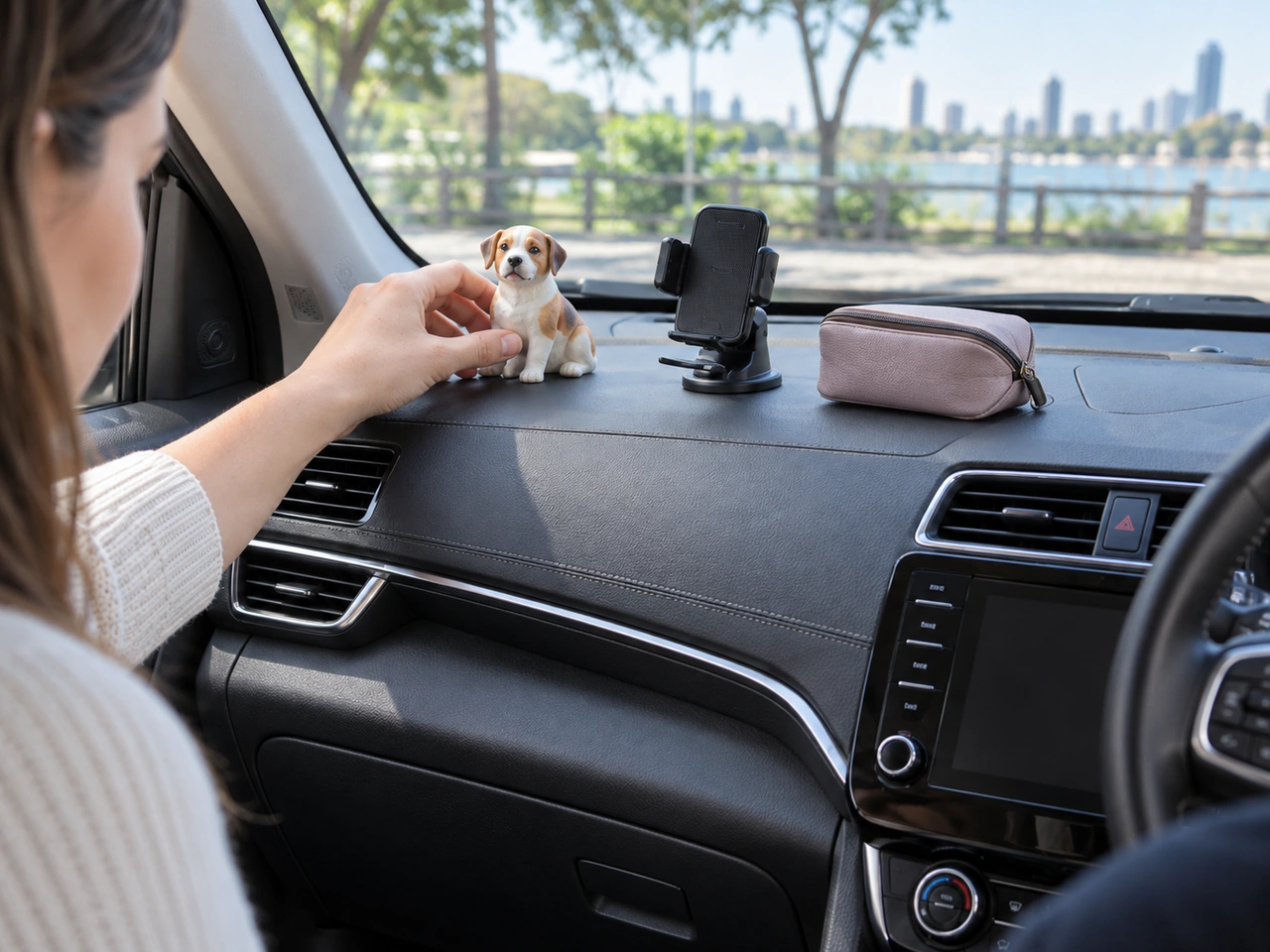
463. Why should you avoid placing objects on or over an airbag cover?
Do not place or attach objects over an airbag cover or in an airbag's deployment area. They may interfere with the airbag as it inflates and could be thrown towards occupants when the airbag deploys.
AI-generated by Traffic-rules.com • WCIT • CC BY-SA
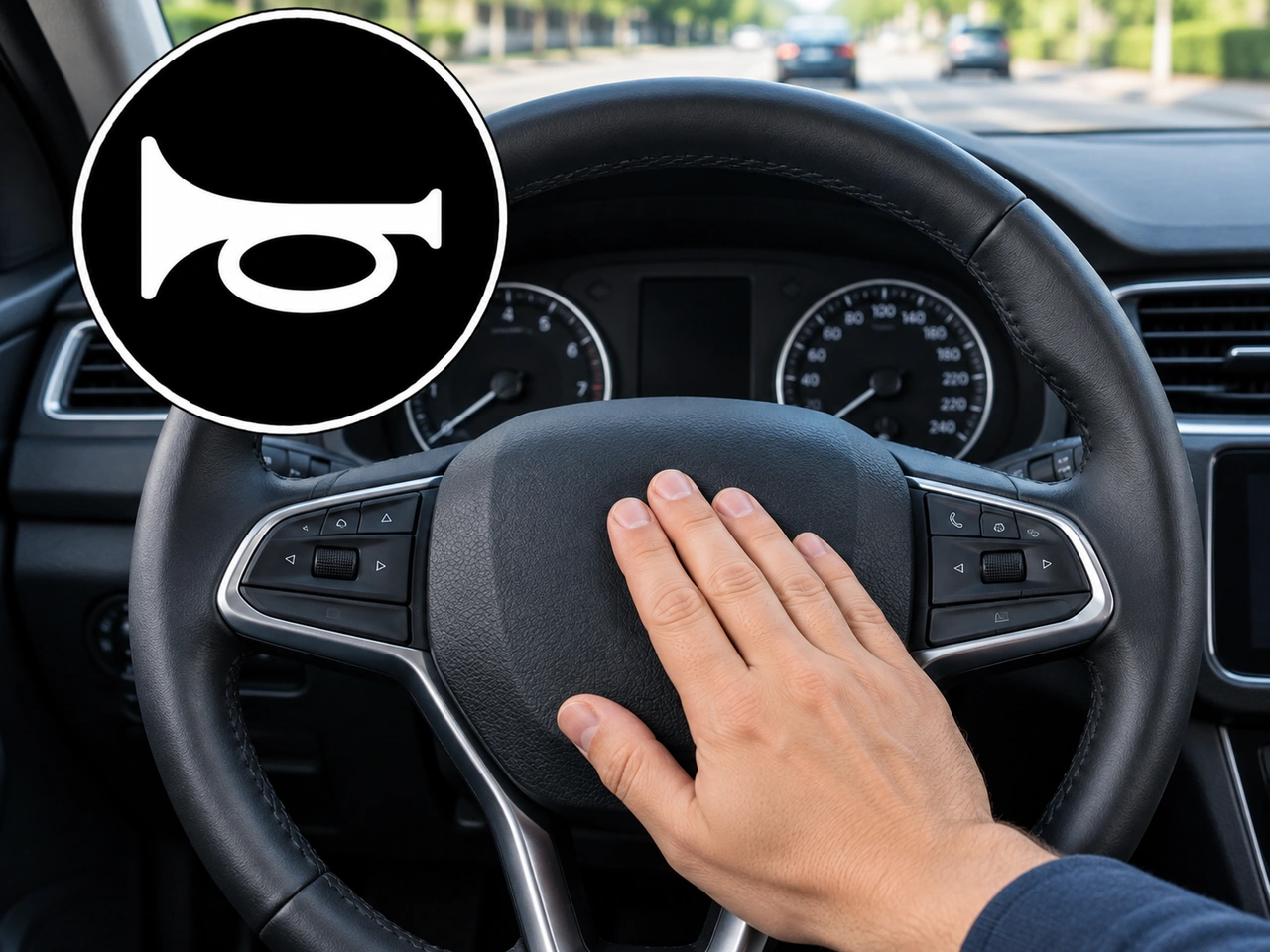
464. What does this vehicle-control symbol indicate?
This symbol indicates the horn control. The horn is used to warn other road users of your presence when necessary.
AI-generated by Traffic-rules.com • WCIT • CC BY-SA
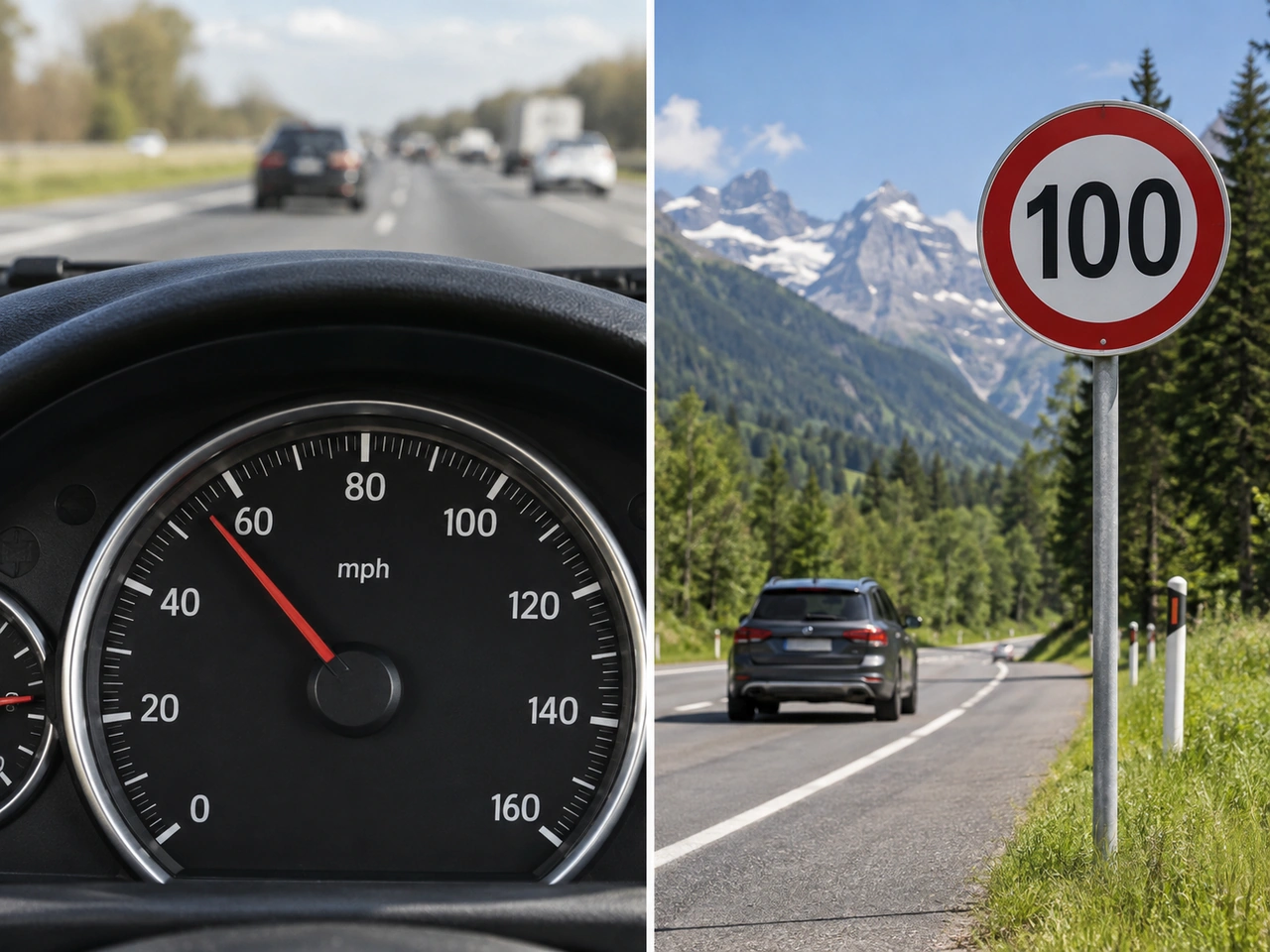
465. Which speed unit is used in United Kingdom?
Road speeds in United Kingdom are shown in miles per hour (mph).
AI-generated by Traffic-rules.com • WCIT • CC BY-SA
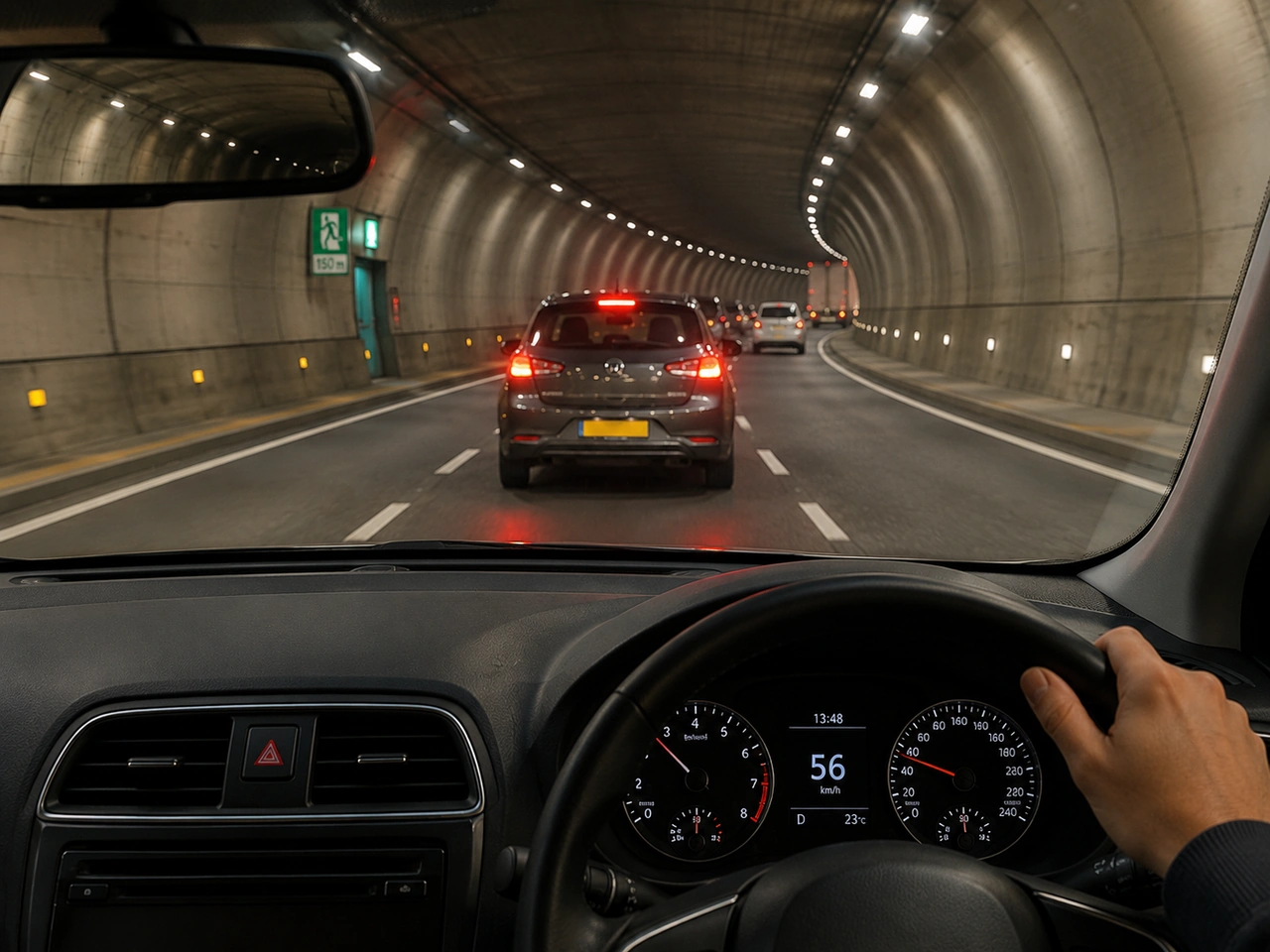
466. Why should you leave a safe following distance inside a tunnel?
Limited space and visibility can make incidents inside tunnels especially dangerous. A safe gap gives you more time to react.
AI-generated by Traffic-rules.com • WCIT • CC BY-SA
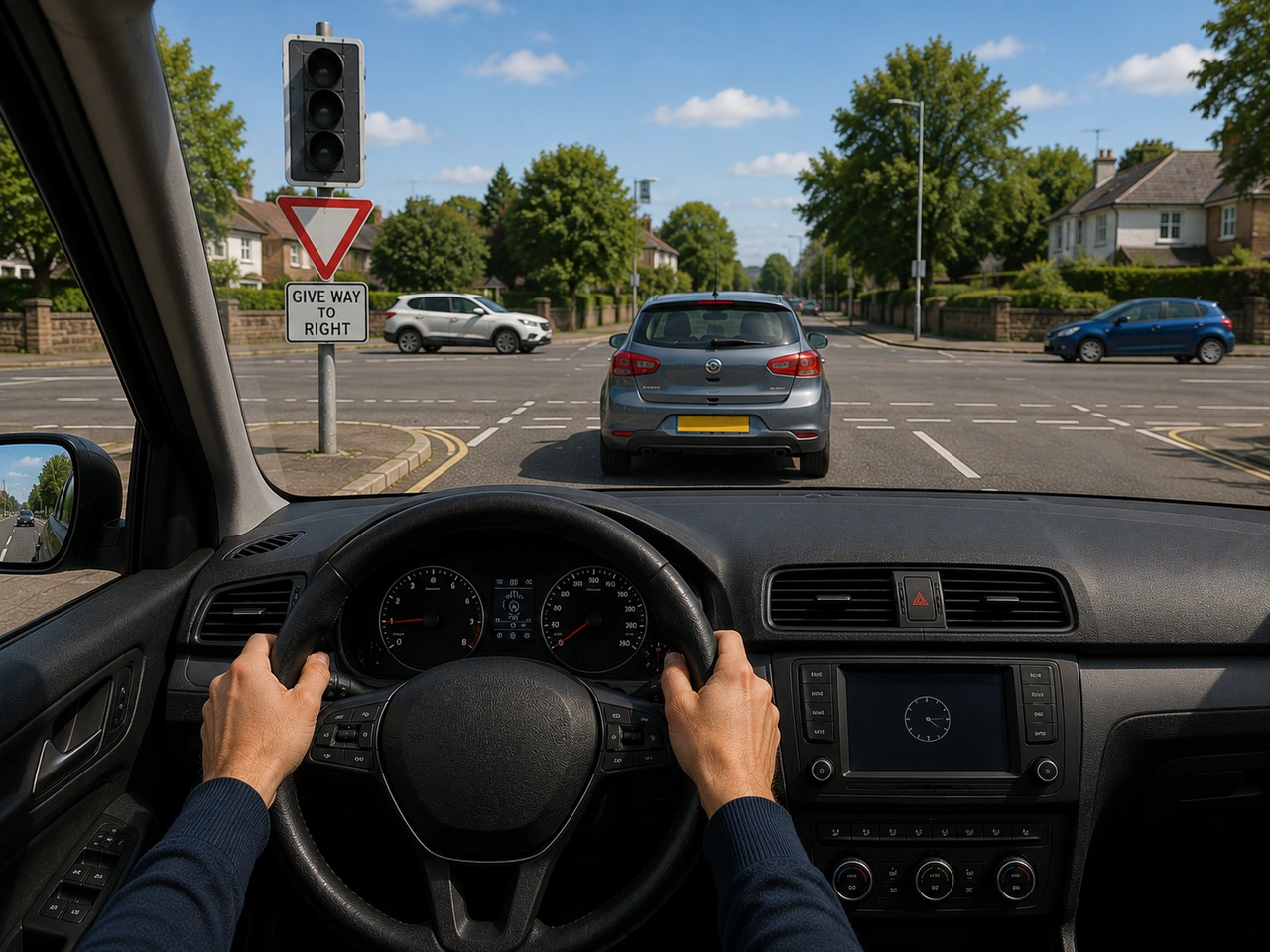
467. What should you do when traffic lights are not working?
If traffic lights are not working, slow down, observe carefully, and follow signs, road markings, or local priority rules.
AI-generated by Traffic-rules.com • WCIT • CC BY-SA
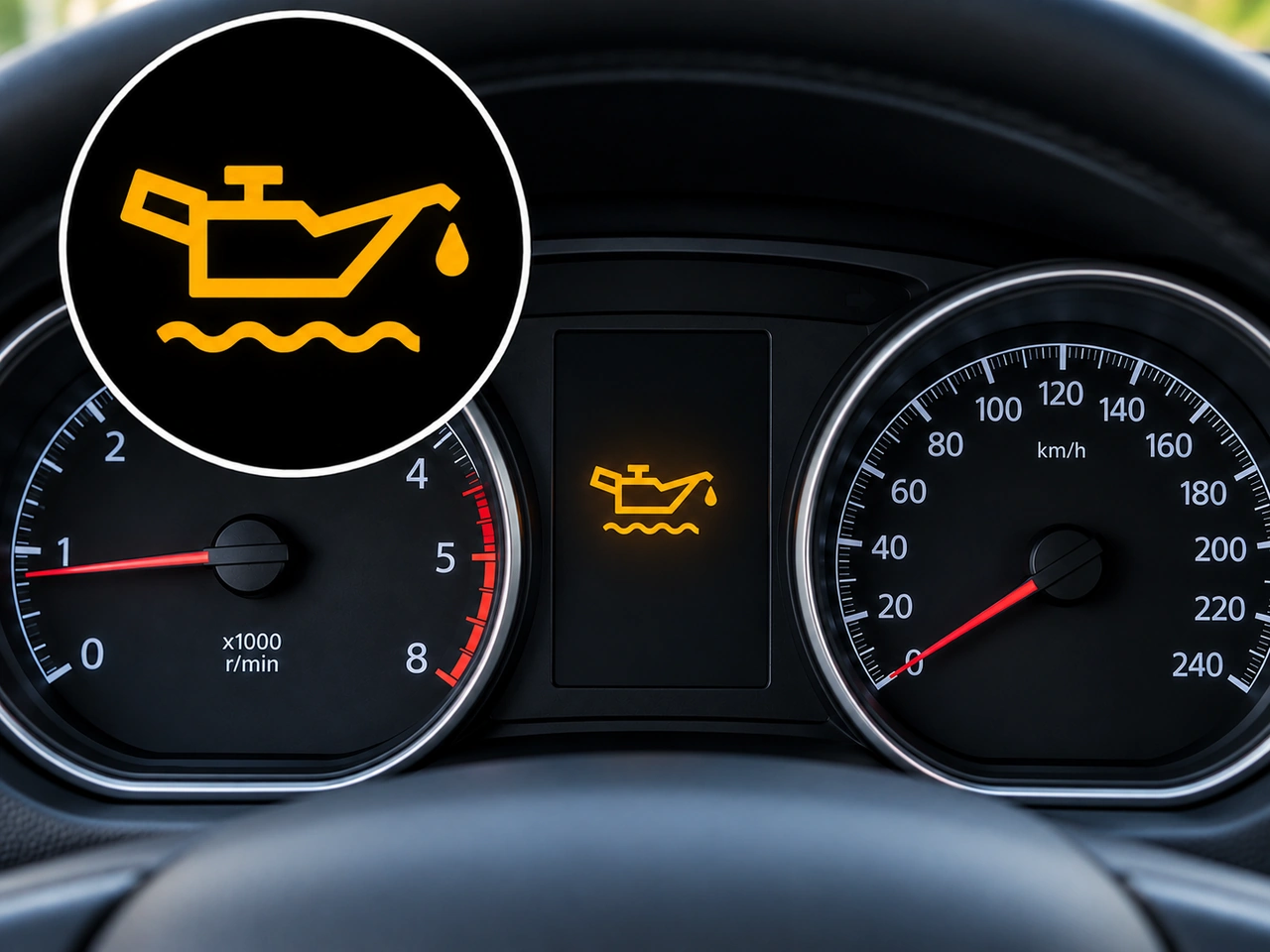
468. What does this dashboard symbol indicate?
This symbol indicates that the engine oil level is low. Check the oil level according to the manufacturer's instructions and add the correct oil if necessary.
AI-generated by Traffic-rules.com • WCIT • CC BY-SA
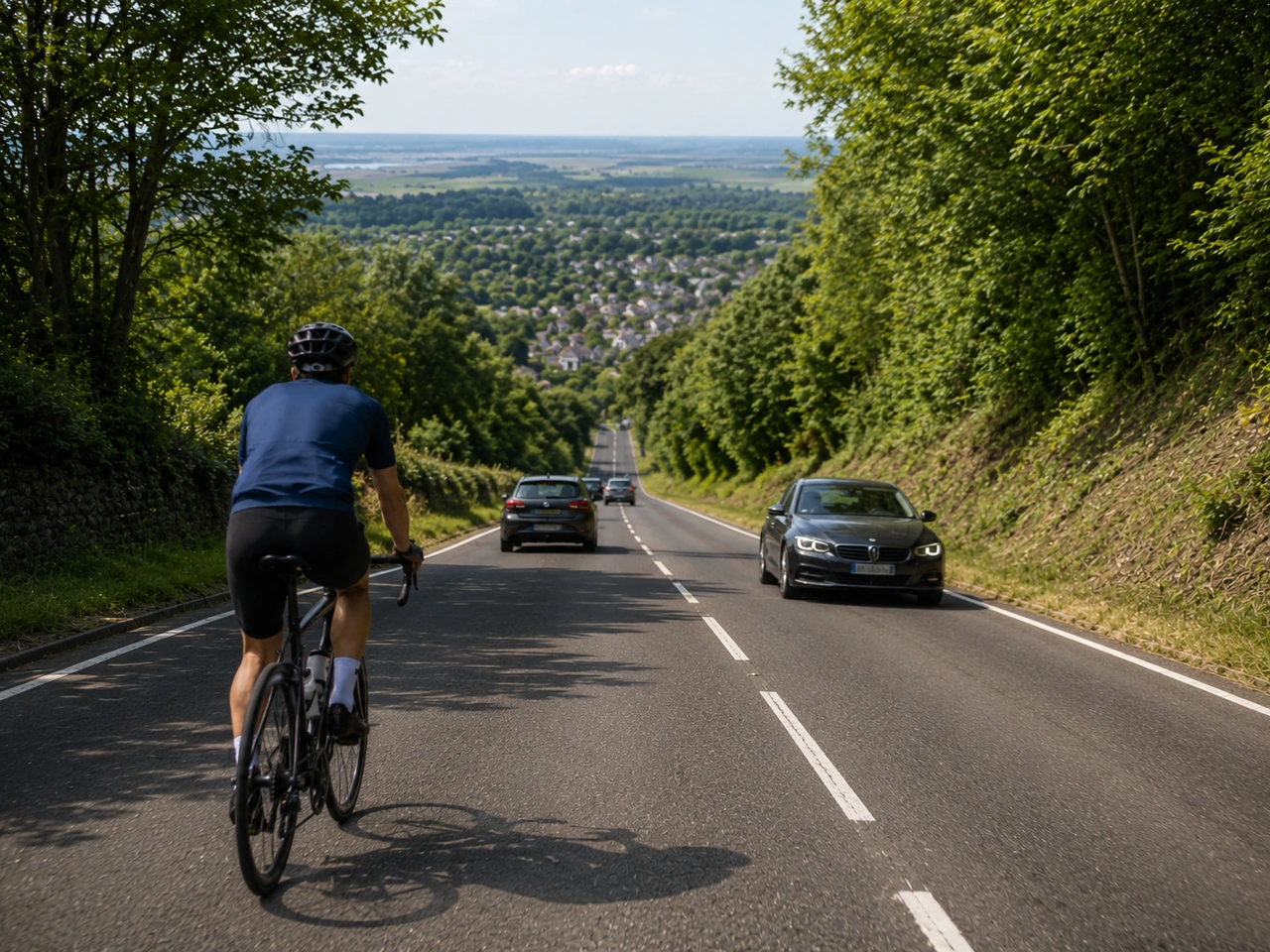
469. What should cyclists do when cycling downhill?
Higher speed increases stopping distance and reduces reaction time. Maintain a speed that allows you to stop safely.
AI-generated by Traffic-rules.com • WCIT • CC BY-SA
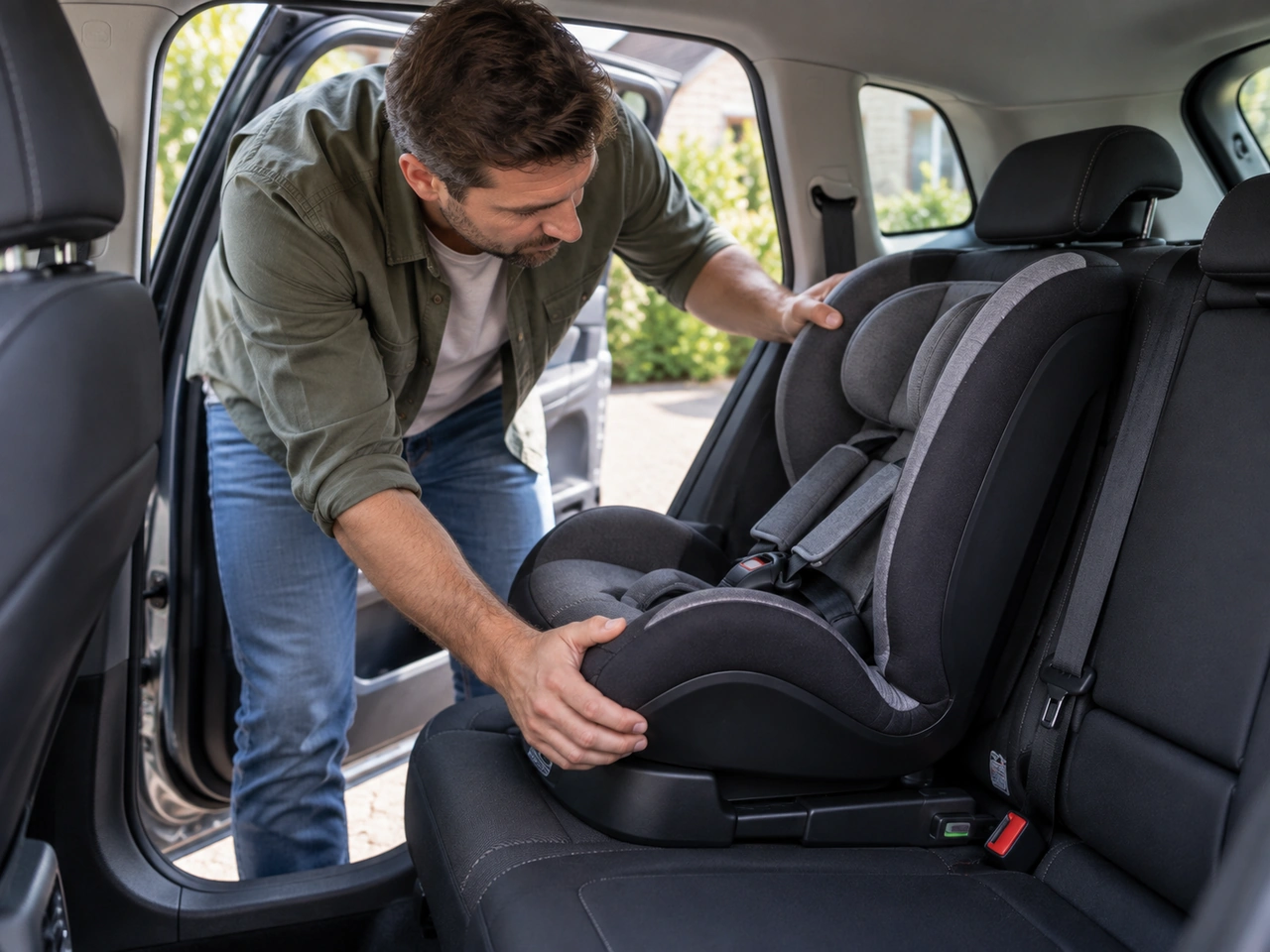
470. What should you check after fitting a child restraint?
A child restraint should be installed securely and used according to the manufacturer's instructions. Check that the seat is firmly attached, the belt or ISOFIX connection is correct, and the child is restrained properly before driving.
AI-generated by Traffic-rules.com • WCIT • CC BY-SA
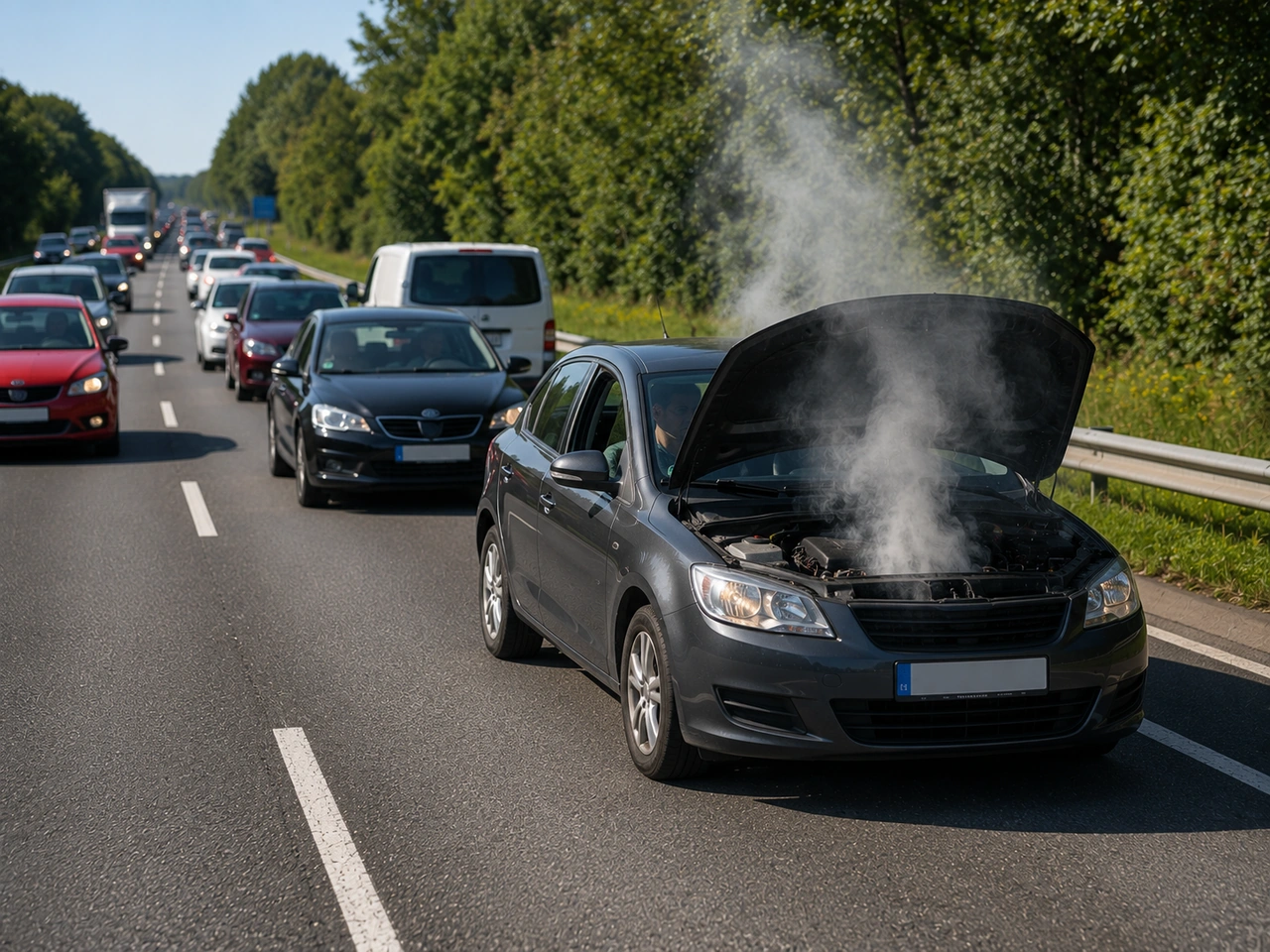
471. What should you do if your vehicle breaks down on a busy road?
If your vehicle breaks down, make it visible and get yourself away from moving traffic. Safety comes before repairing the vehicle.
AI-generated by Traffic-rules.com • WCIT • CC BY-SA
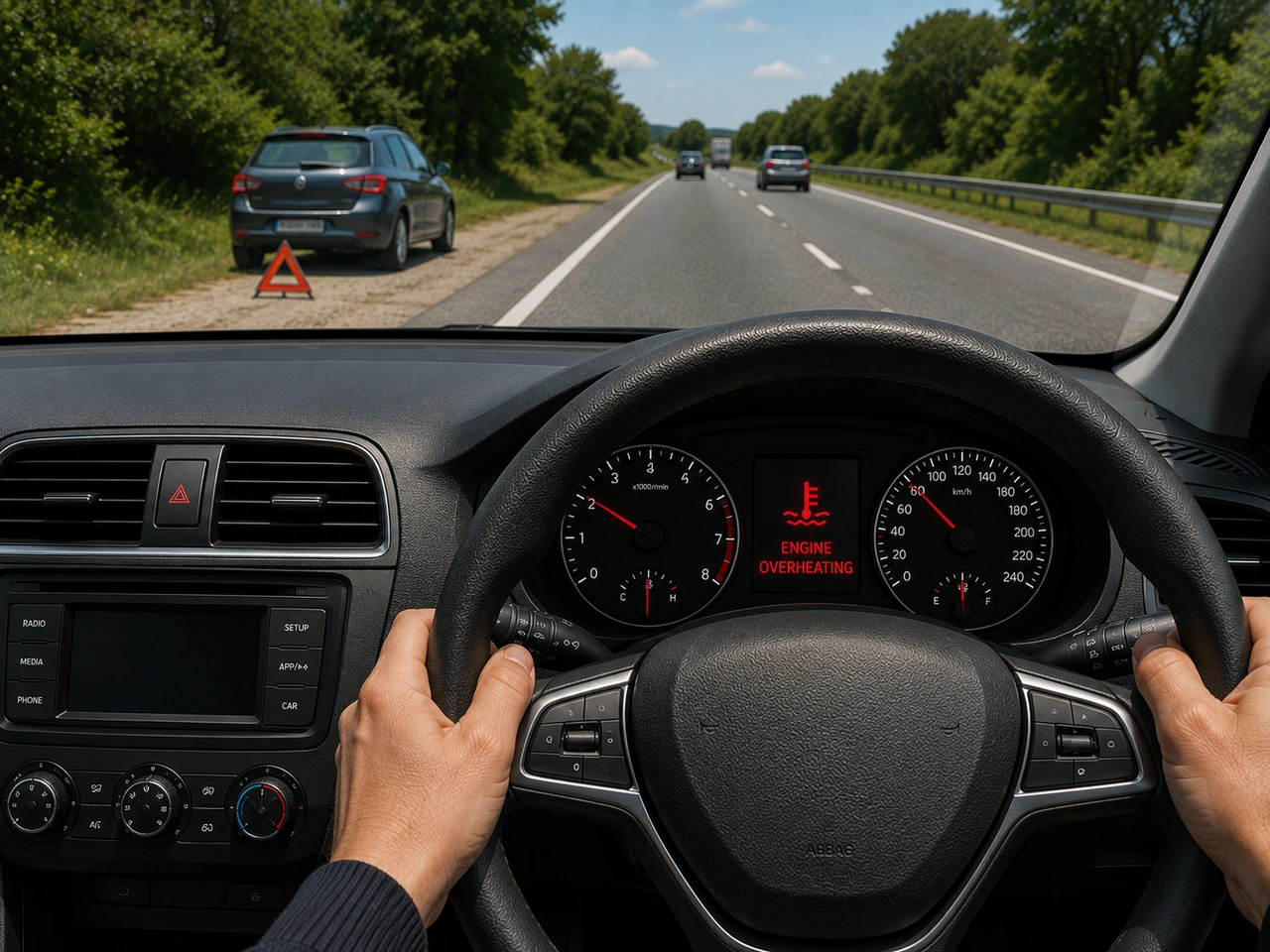
472. What should you do if the engine-temperature warning shows overheating?
Continuing to drive an overheating vehicle can cause severe damage. Allow the engine to cool and follow the manufacturer's instructions.
AI-generated by Traffic-rules.com • WCIT • CC BY-SA
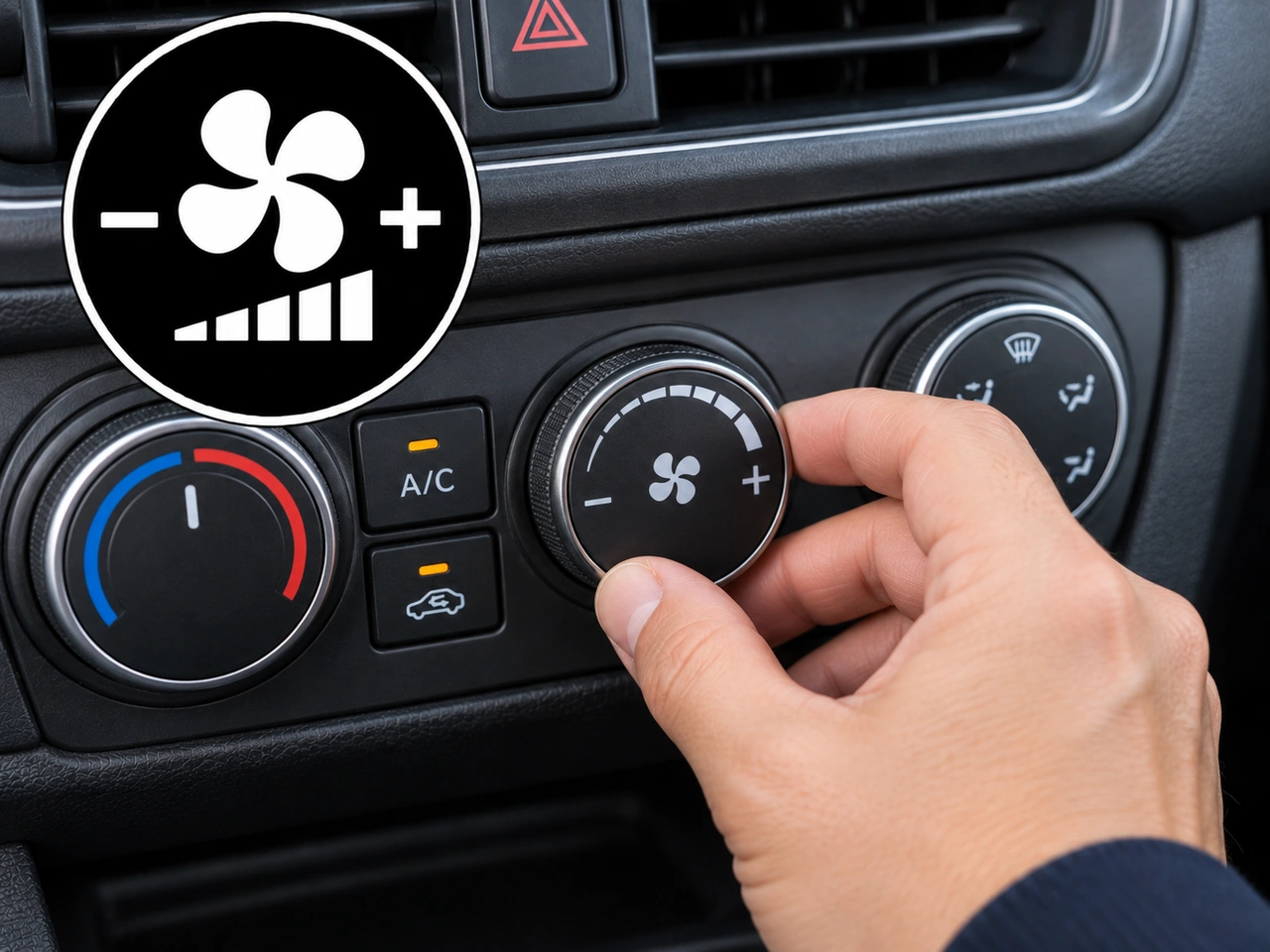
473. What does this vehicle-control symbol indicate?
This control adjusts the cabin ventilation fan speed. Increasing the setting moves more air through the vehicle's ventilation and climate-control system.
AI-generated by Traffic-rules.com • WCIT • CC BY-SA
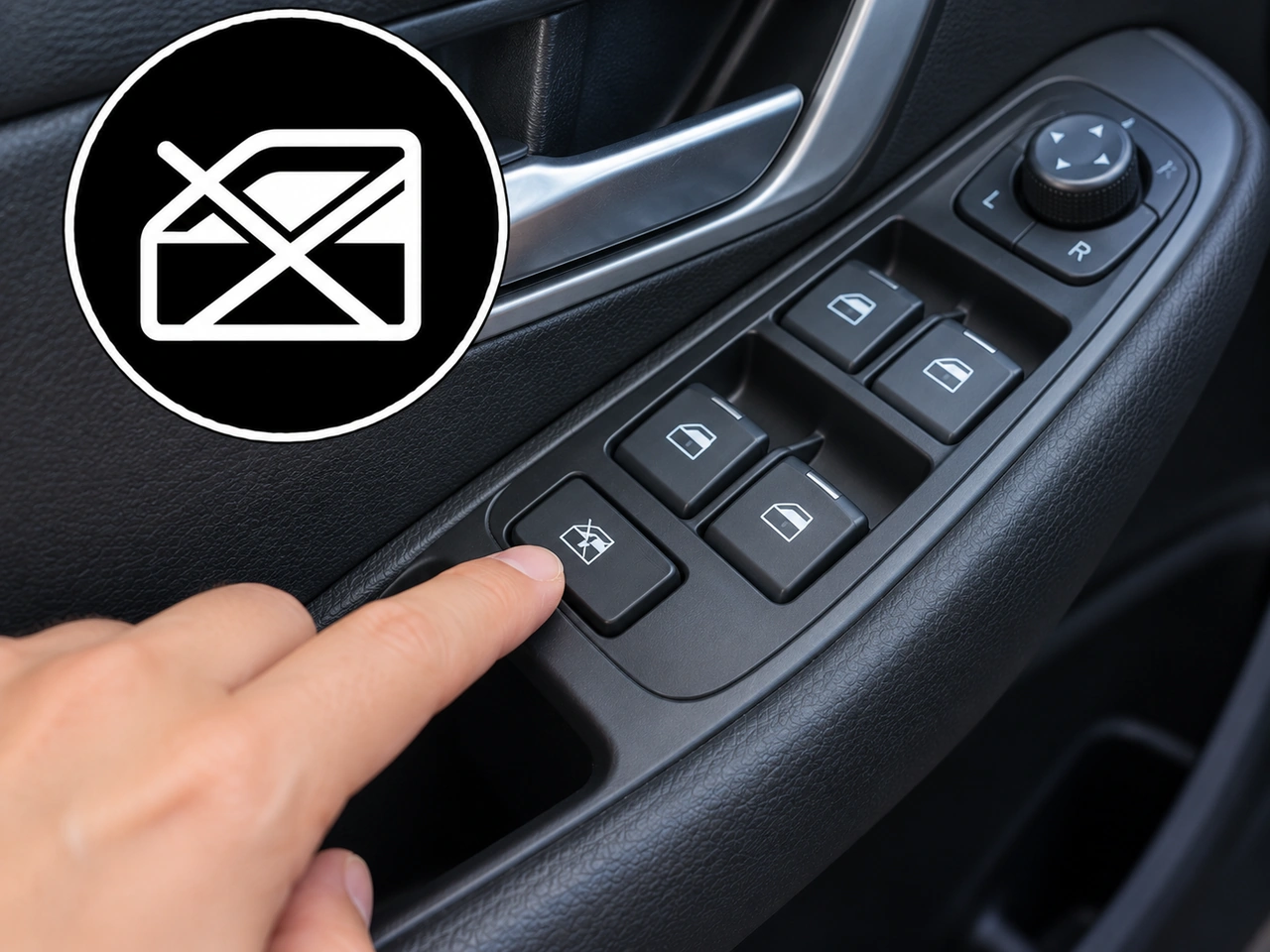
474. What does this vehicle-control symbol indicate?
This control activates the window lock, which normally prevents passengers from operating their electric windows while leaving control with the driver.
AI-generated by Traffic-rules.com • WCIT • CC BY-SA
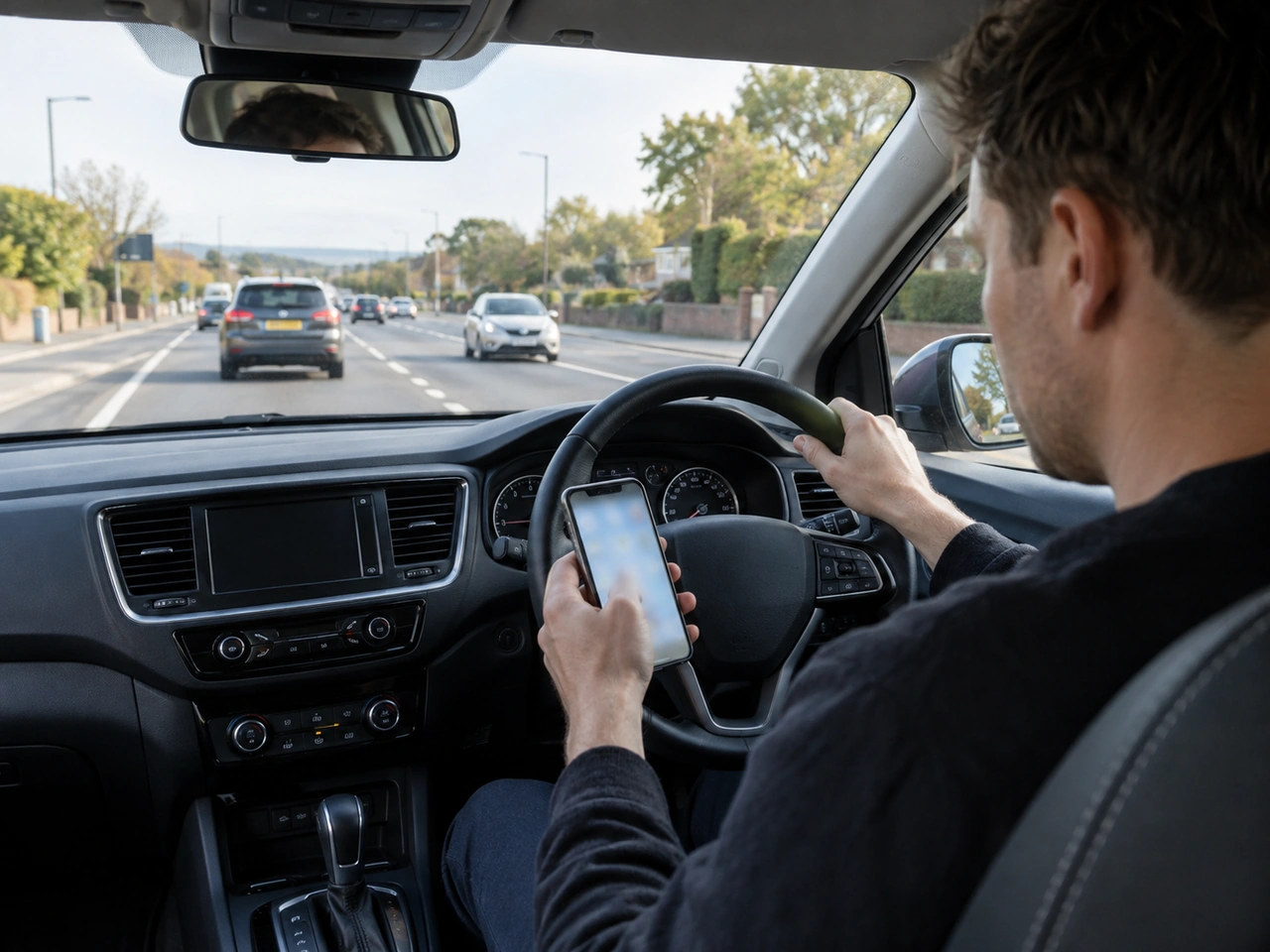
475. Why should you avoid using a phone while driving?
Using a phone while driving reduces attention, reaction time, and control of the vehicle. A hands-free system may reduce the need to handle the phone, but the conversation itself can still be distracting.
AI-generated by Traffic-rules.com • WCIT • CC BY-SA
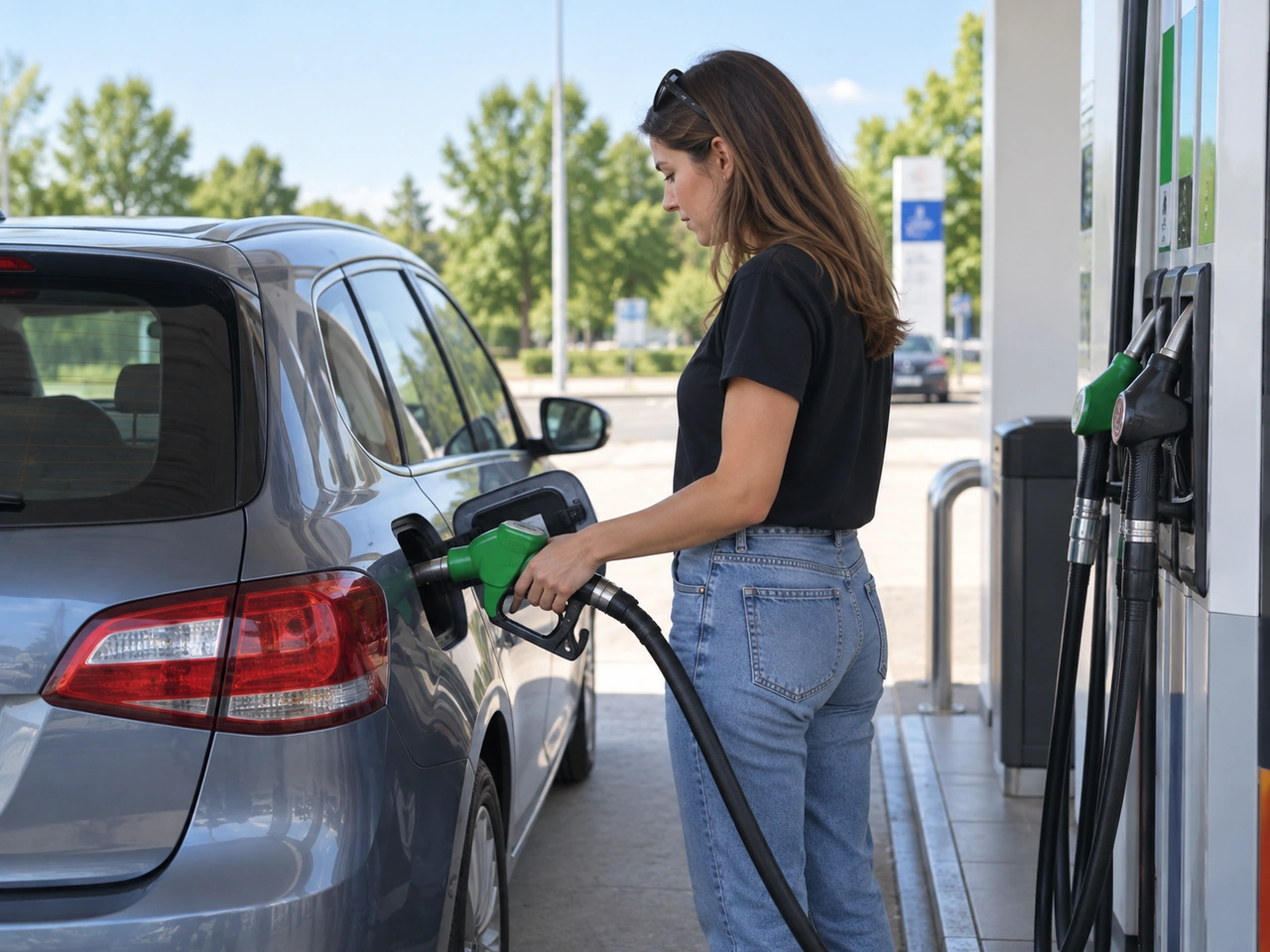
476. What should you do before refuelling a petrol or diesel vehicle?
Switch off the engine before refuelling. Fuel vapours are flammable, so avoid ignition sources and follow the safety instructions at the filling station. If fuel is spilled, do not start the vehicle until the situation has been made safe.
AI-generated by Traffic-rules.com • WCIT • CC BY-SA
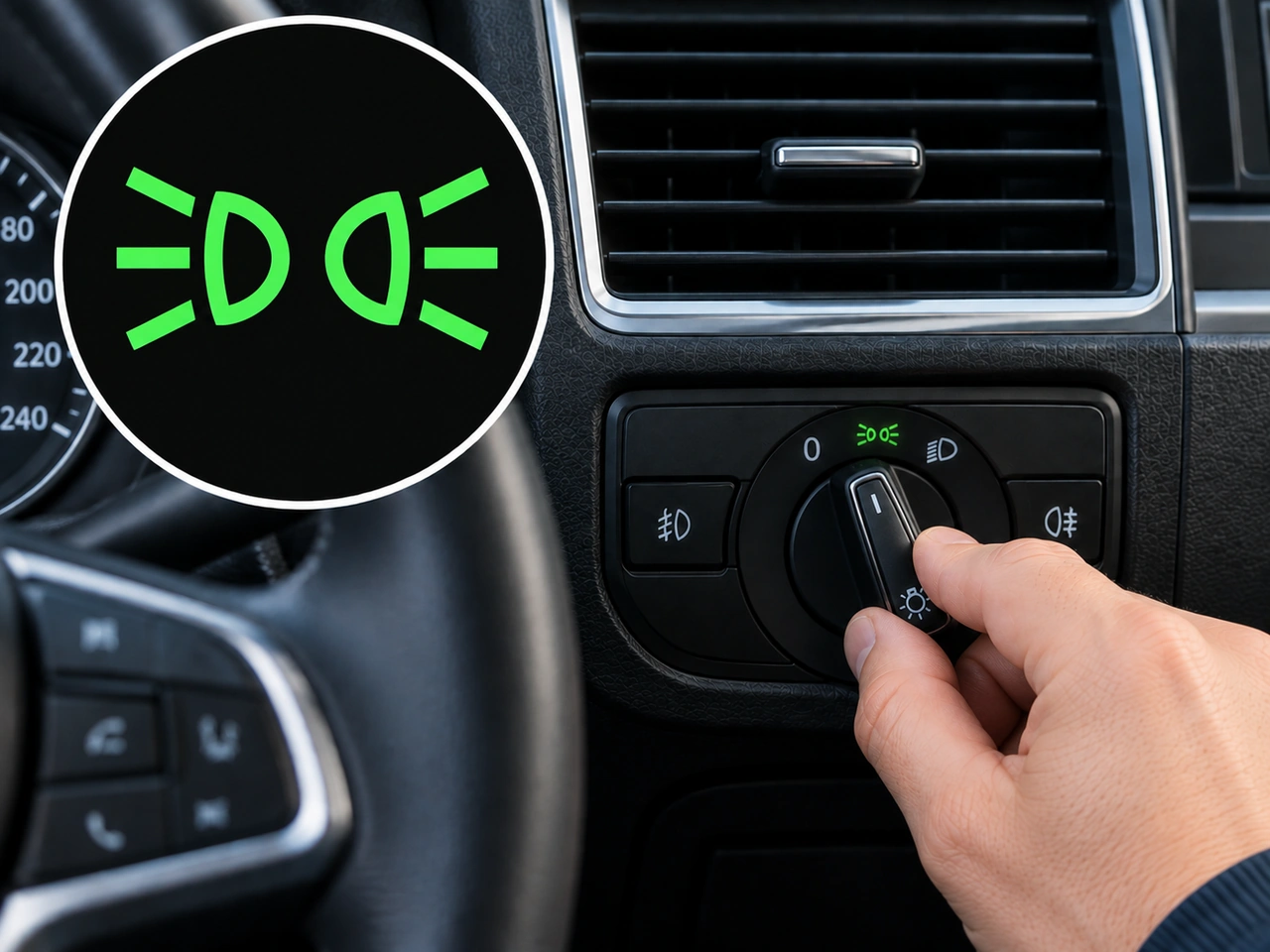
477. What does this dashboard symbol indicate?
This symbol indicates that the sidelights, also known as position or parking lights, are switched on. They help make the vehicle visible to other road users but provide little illumination of the road ahead.
AI-generated by Traffic-rules.com • WCIT • CC BY-SA
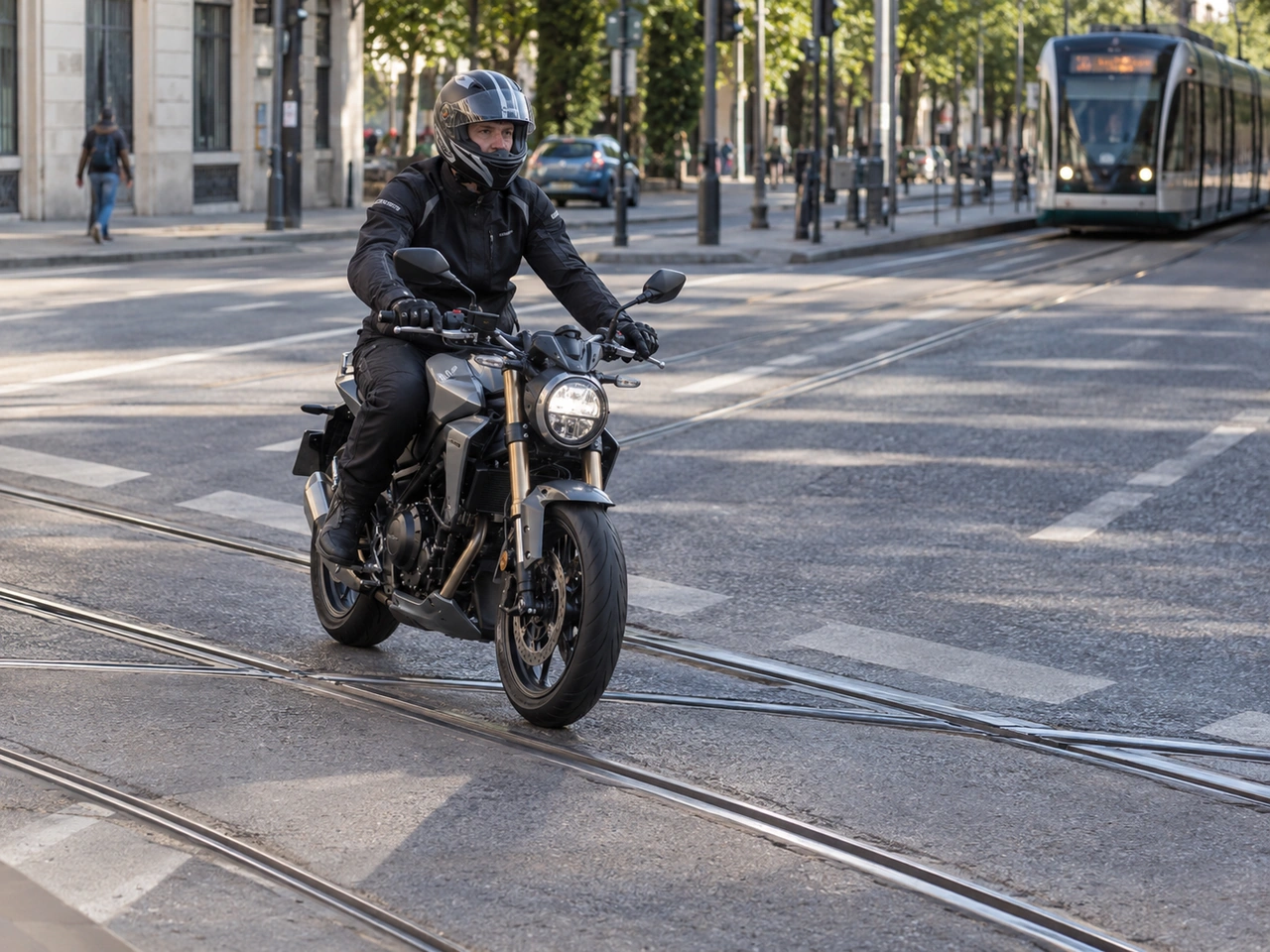
478. How should a motorcyclist cross tram or railway rails?
Rails can be slippery and can catch a motorcycle tyre, especially when wet. Cross them at a sufficiently large angle, as close to perpendicular as practical, and avoid sudden braking, acceleration or steering while crossing.
AI-generated by Traffic-rules.com • WCIT • CC BY-SA
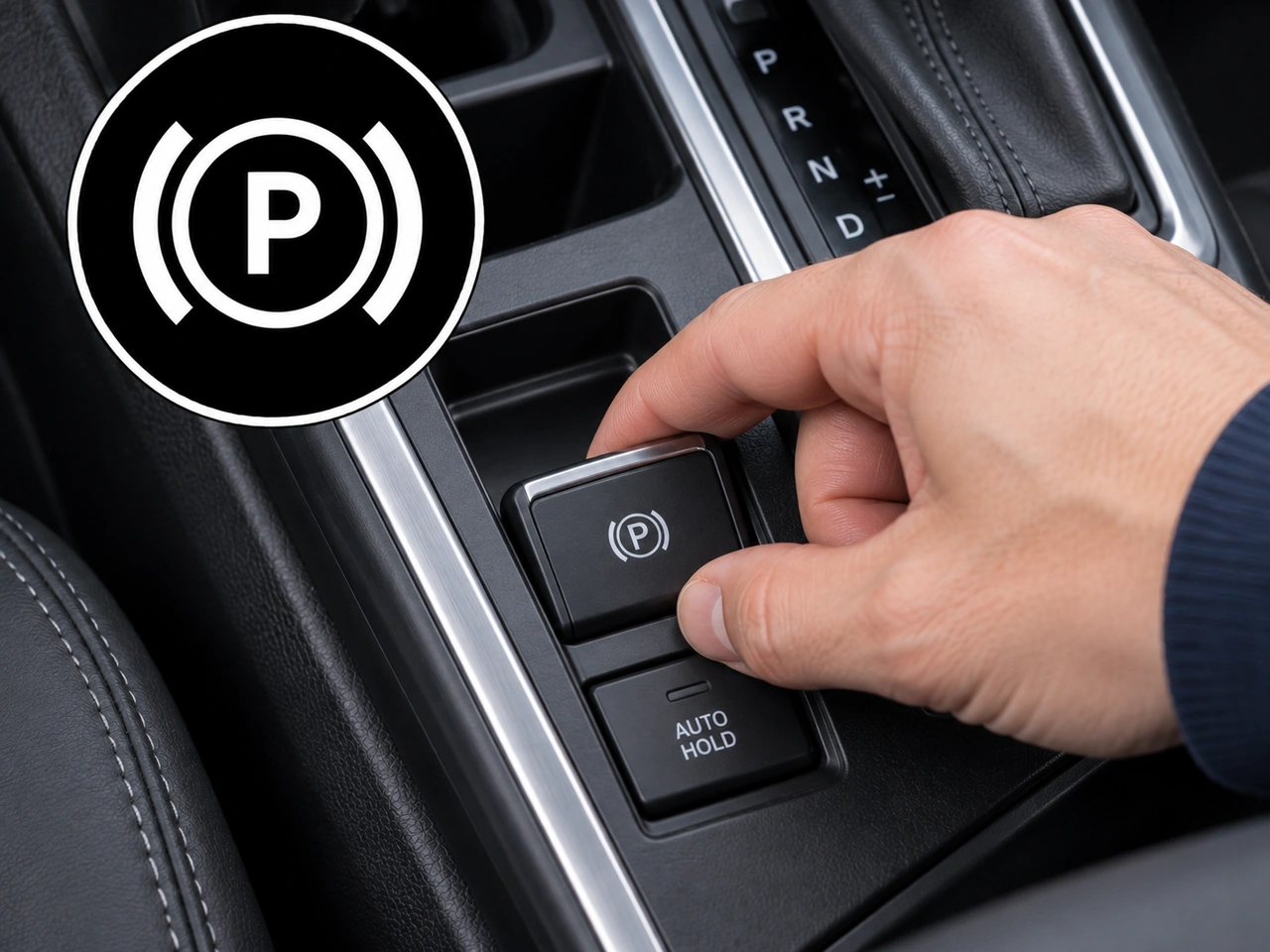
479. What does this vehicle-control symbol indicate?
This control operates the electronic parking brake. Pulling or pressing the switch applies or releases the parking brake, depending on the vehicle.
AI-generated by Traffic-rules.com • WCIT • CC BY-SA
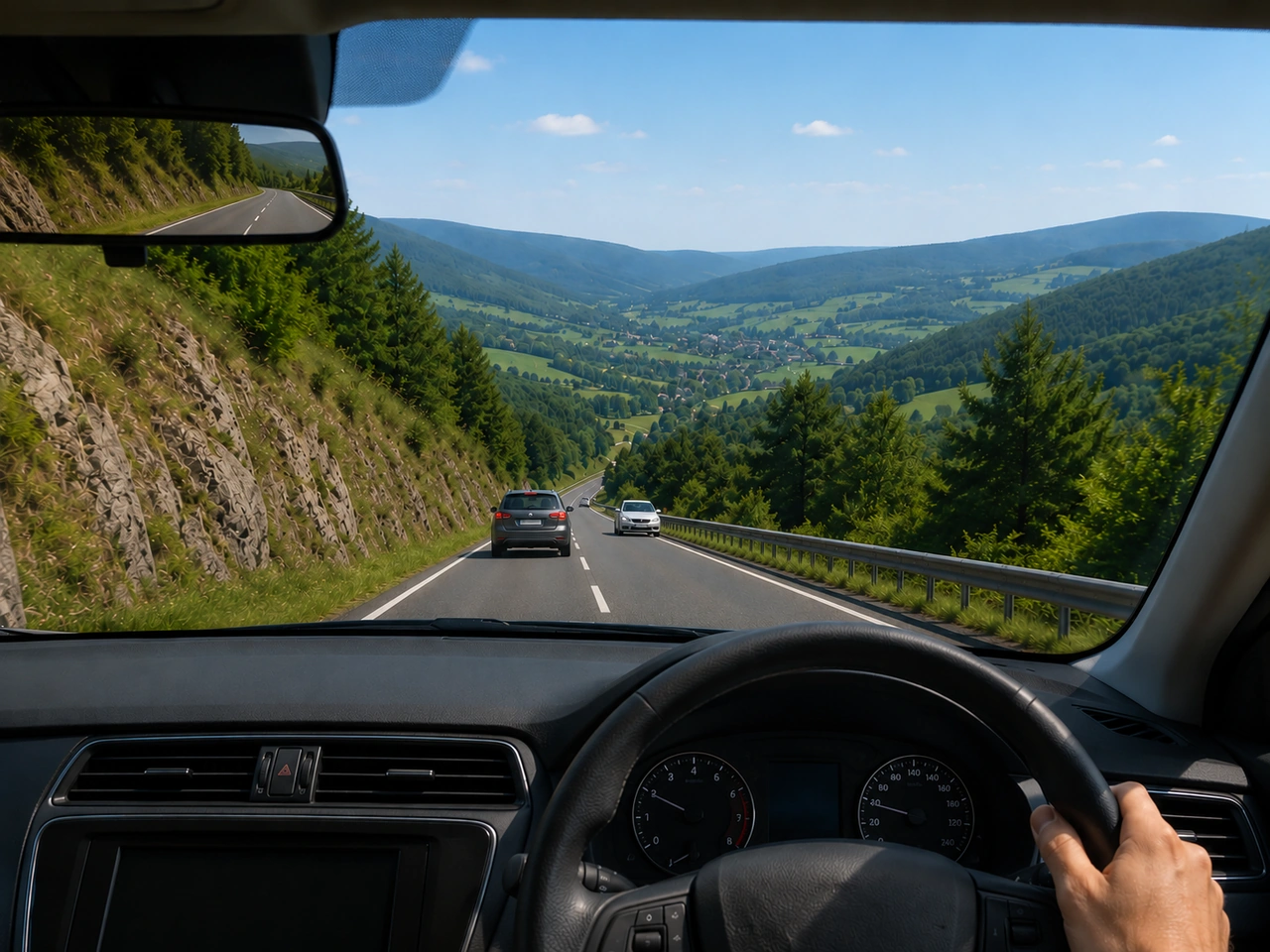
480. What should you do before driving down a long, steep hill?
A lower gear helps control your speed and reduces the amount of continuous braking needed on a long descent.
AI-generated by Traffic-rules.com • WCIT • CC BY-SA
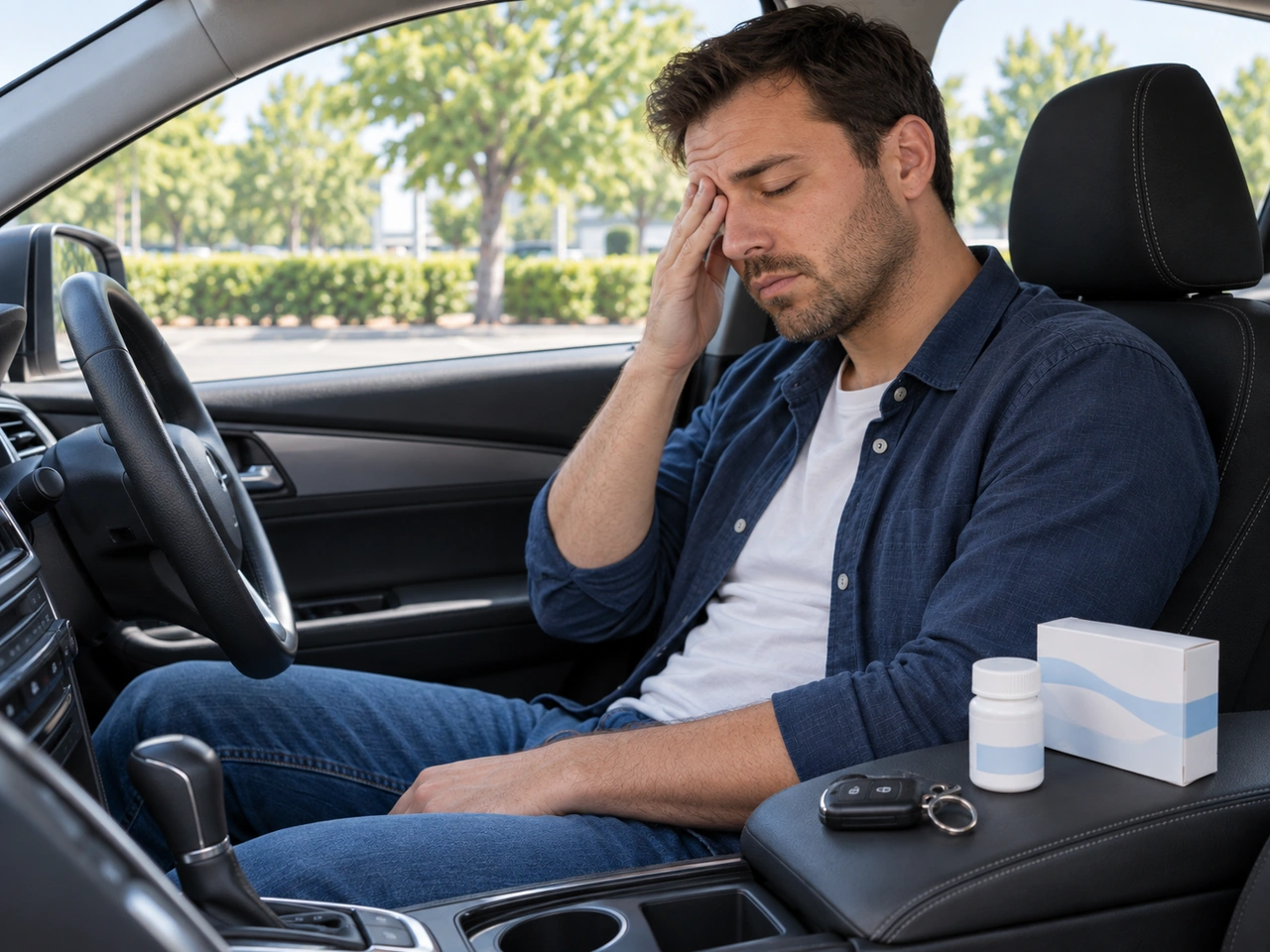
481. What should you do if medicine makes you feel drowsy?
If a medicine causes drowsiness, your concentration, judgement, and reaction time may be reduced. Do not drive until you are fit to do so and the effect has passed.
AI-generated by Traffic-rules.com • WCIT • CC BY-SA
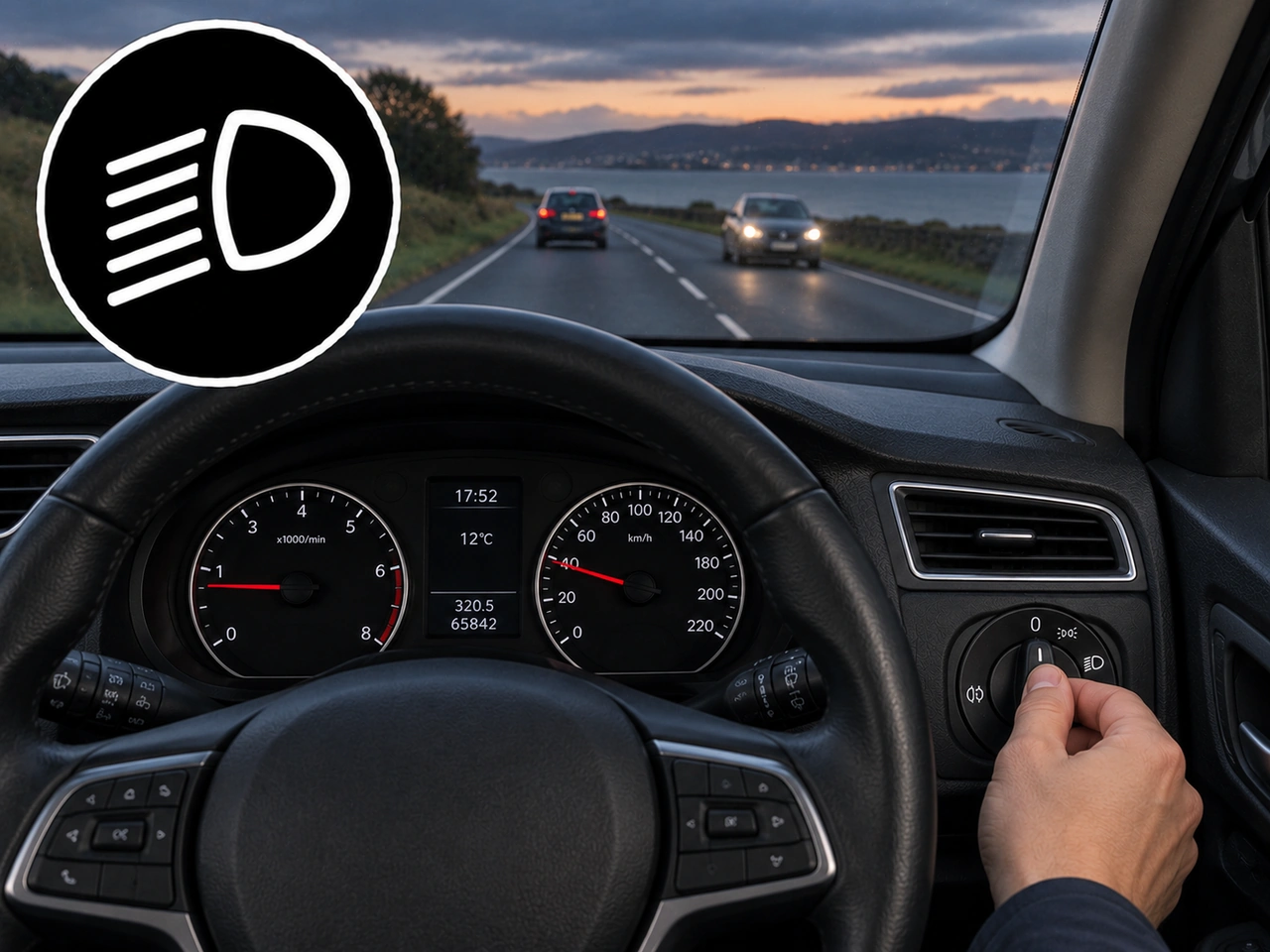
482. Which control is normally used to switch on the dipped headlights?
The lighting control is normally used to switch on the dipped headlights. Depending on the vehicle, it may be a rotary switch or part of a lighting stalk.
AI-generated by Traffic-rules.com • WCIT • CC BY-SA
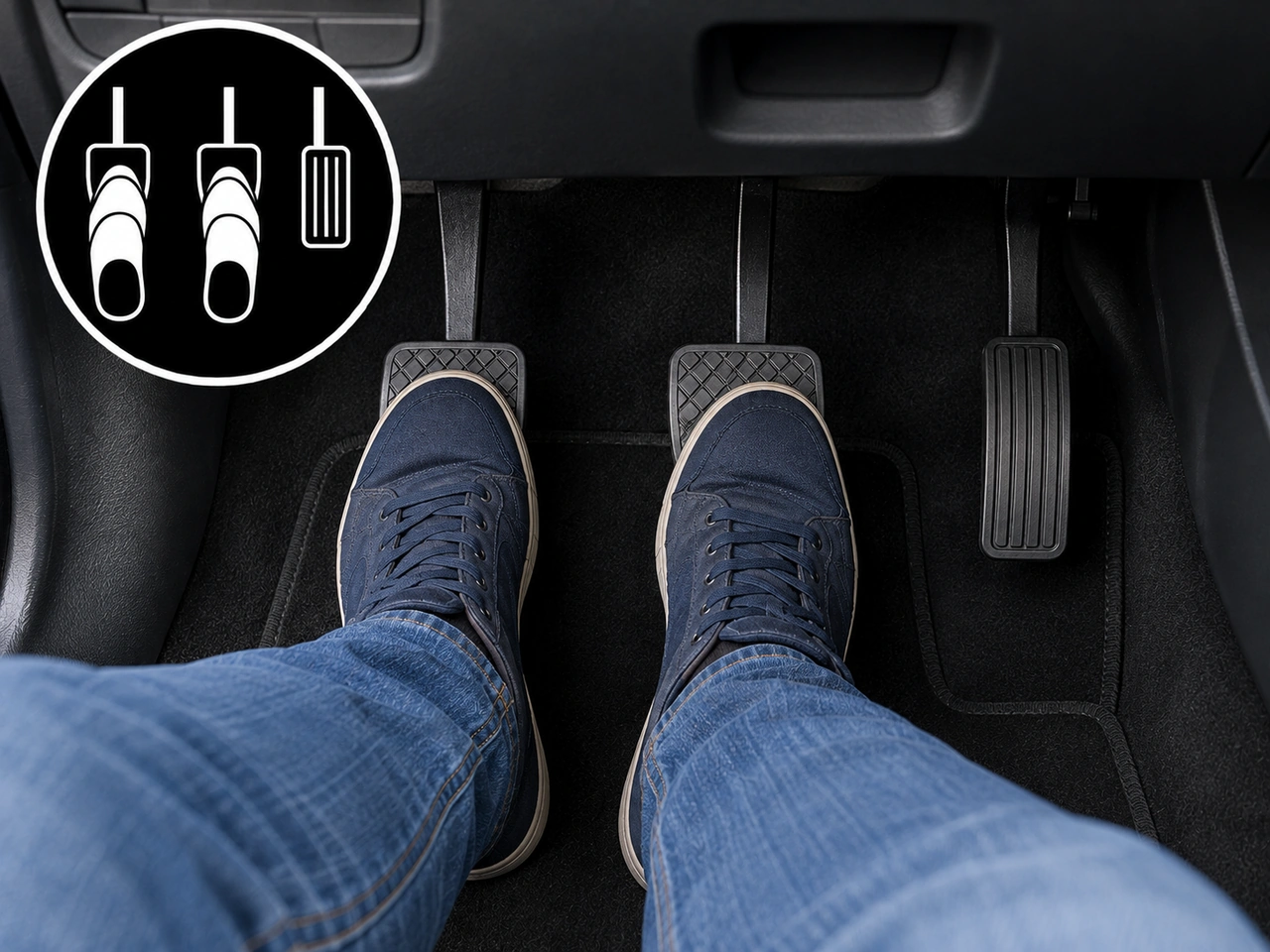
483. What should you do with the clutch during emergency braking in a manual vehicle?
During emergency braking in a manual vehicle, maintain firm pressure on the brake and press the clutch pedal fully so the engine does not stall as the vehicle slows. Do not reduce braking pressure while operating the clutch.
AI-generated by Traffic-rules.com • WCIT • CC BY-SA
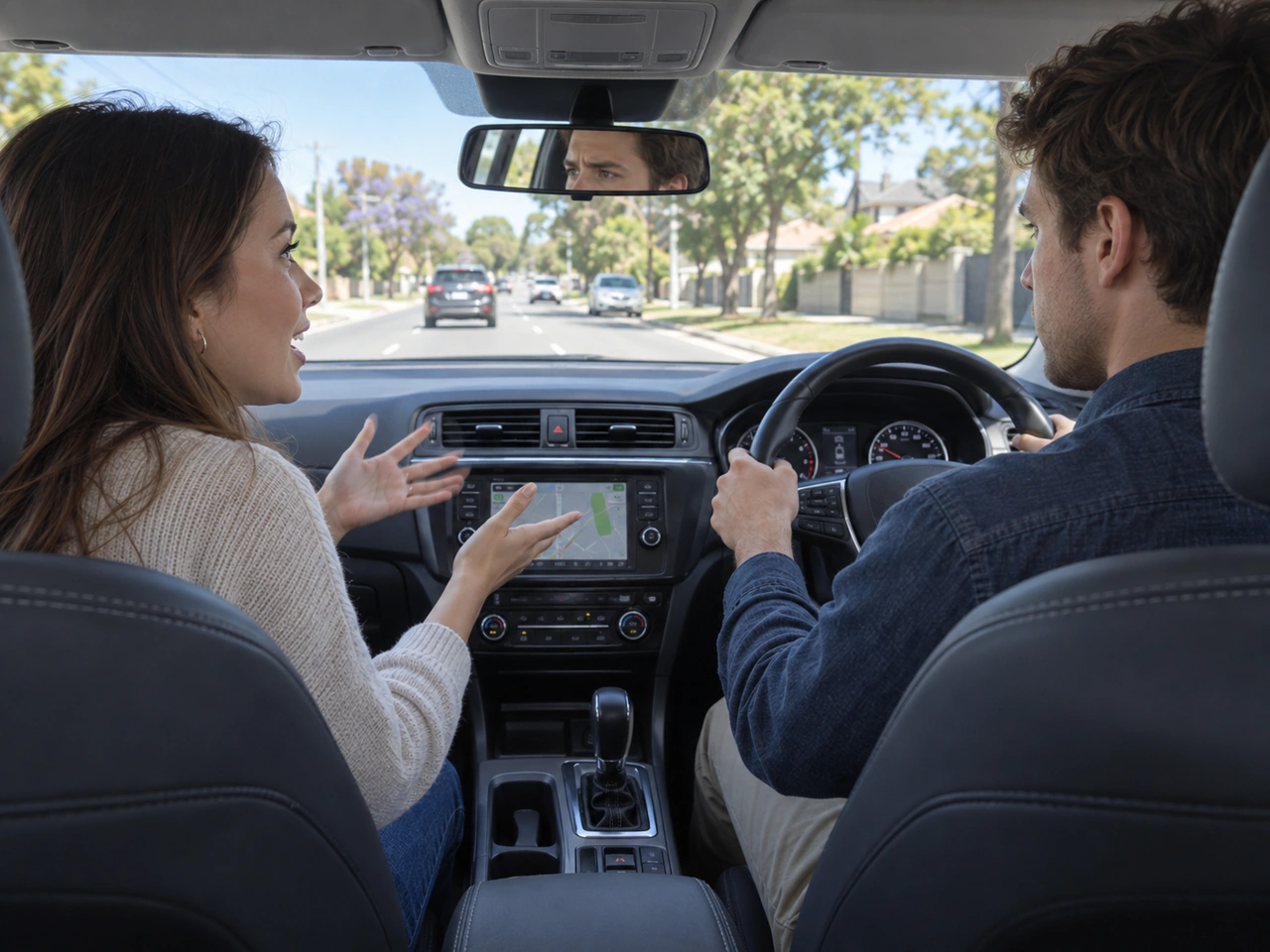
484. What should you do if passengers are distracting you while driving?
Passengers can reduce a driver's attention and concentration. If their behaviour becomes distracting, ask them to stop and keep your focus on driving. If necessary, stop somewhere safe before dealing with the situation.
AI-generated by Traffic-rules.com • WCIT • CC BY-SA
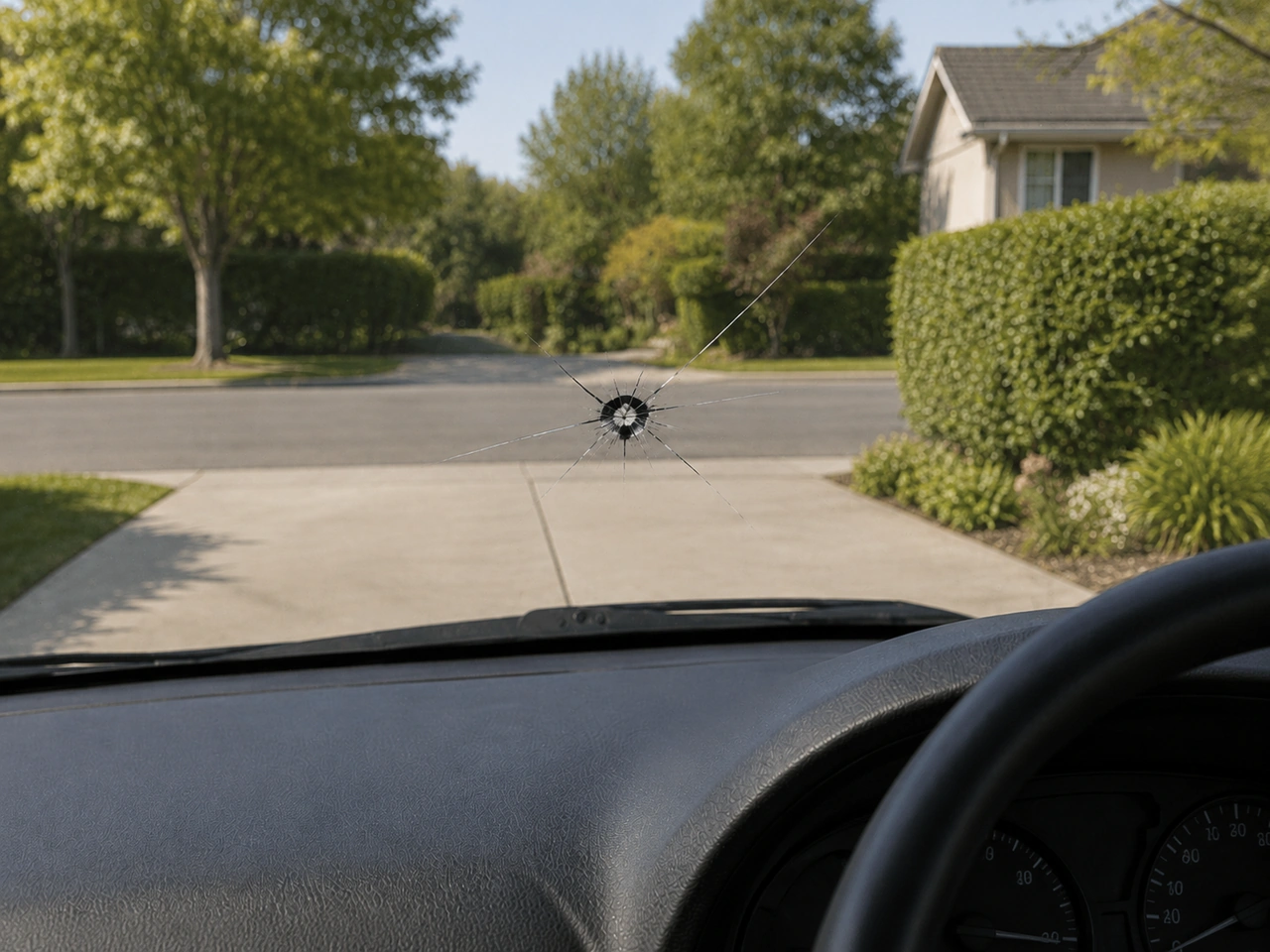
485. What should you do about a chip in the windscreen?
A chip can obstruct your view, weaken the glass, and develop into a larger crack. Have it checked and repaired promptly.
AI-generated by Traffic-rules.com • WCIT • CC BY-SA
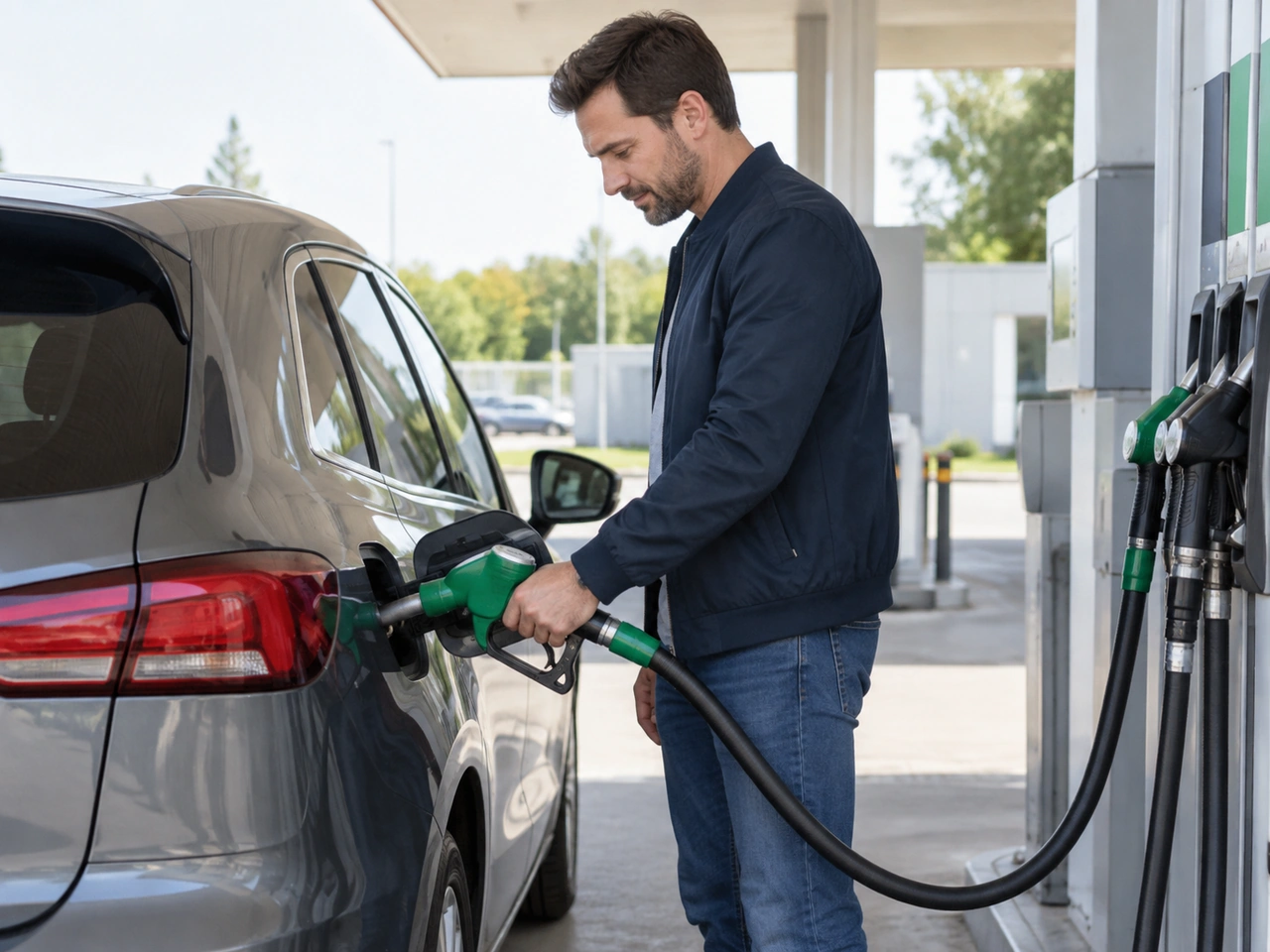
486. What should you normally do when the fuel nozzle automatically clicks off?
When the fuel nozzle automatically clicks off, stop refuelling rather than repeatedly topping up the tank. Continuing can cause fuel to spill or overflow and may interfere with the vehicle's fuel-vapour control system.
AI-generated by Traffic-rules.com • WCIT • CC BY-SA
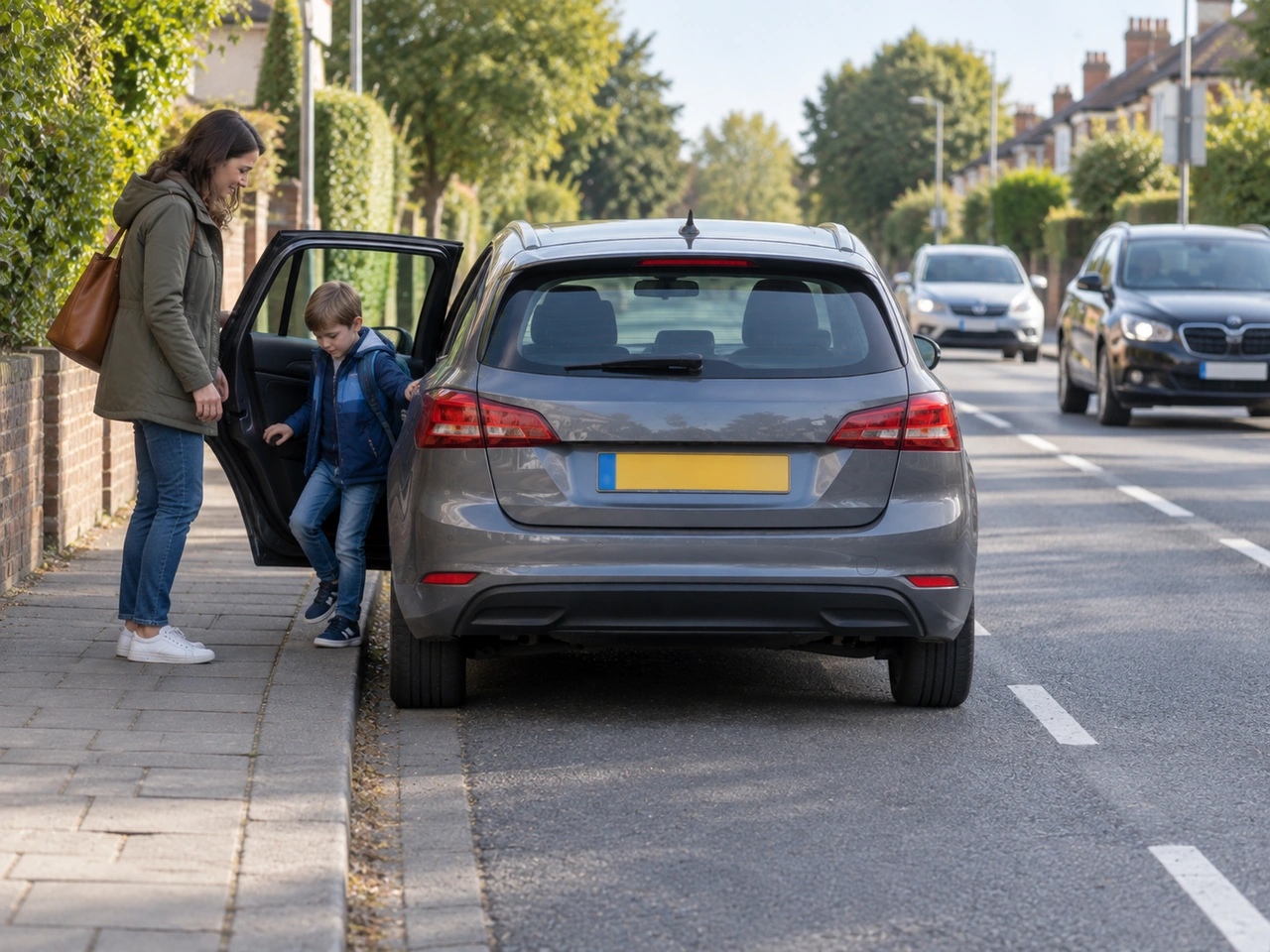
487. Where should passengers get in or out of a vehicle when possible?
Passengers should get in or out on the side away from moving traffic whenever possible. This is particularly important for children, who may not recognise approaching traffic or other road users. Before opening any door, check that it is safe.
AI-generated by Traffic-rules.com • WCIT • CC BY-SA
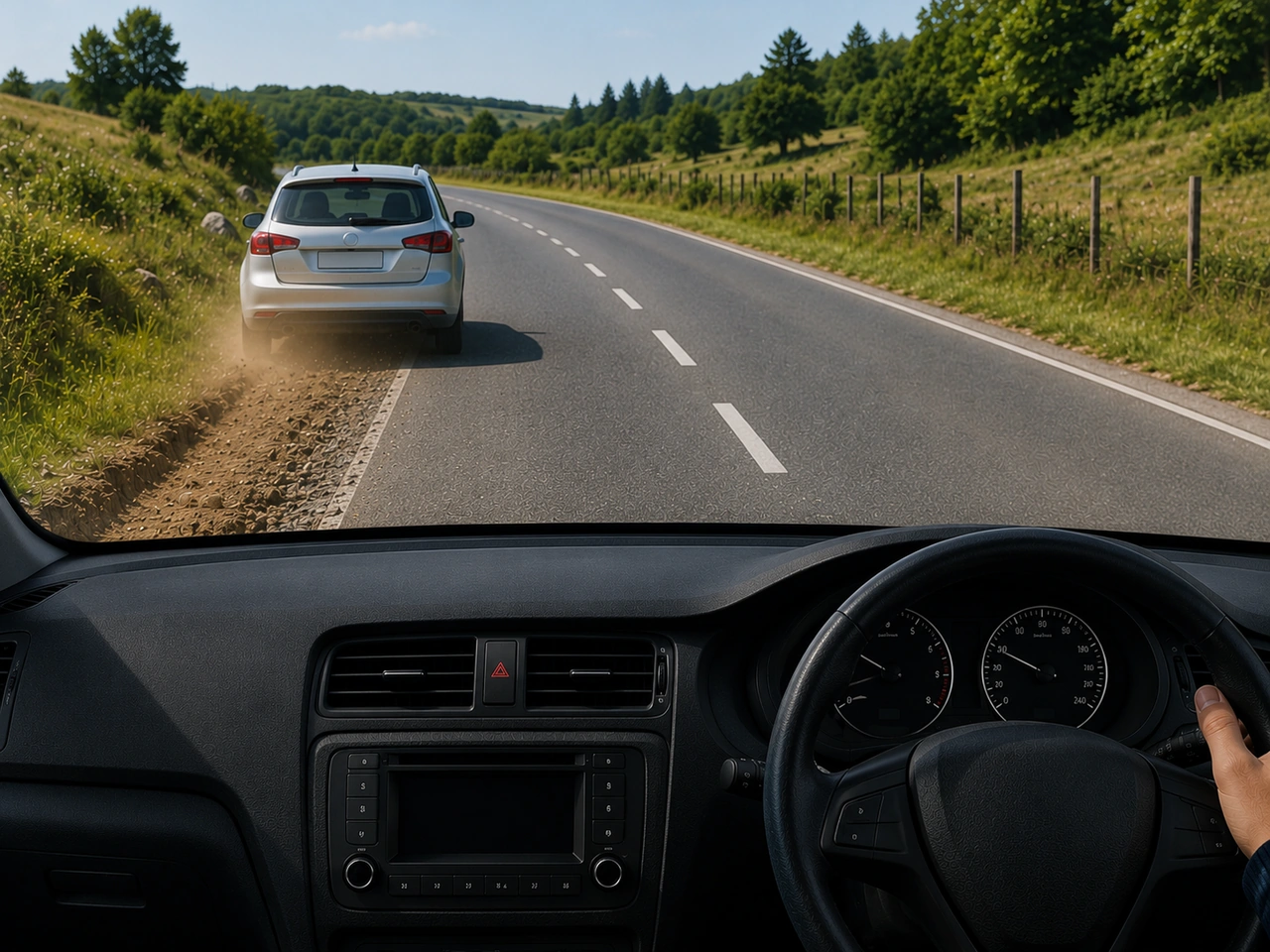
488. Why should you avoid driving too close to the edge of the road?
Road edges can be soft, uneven, or damaged. Driving too close to the edge can reduce control or cause the vehicle to leave the road.
AI-generated by Traffic-rules.com • WCIT • CC BY-SA
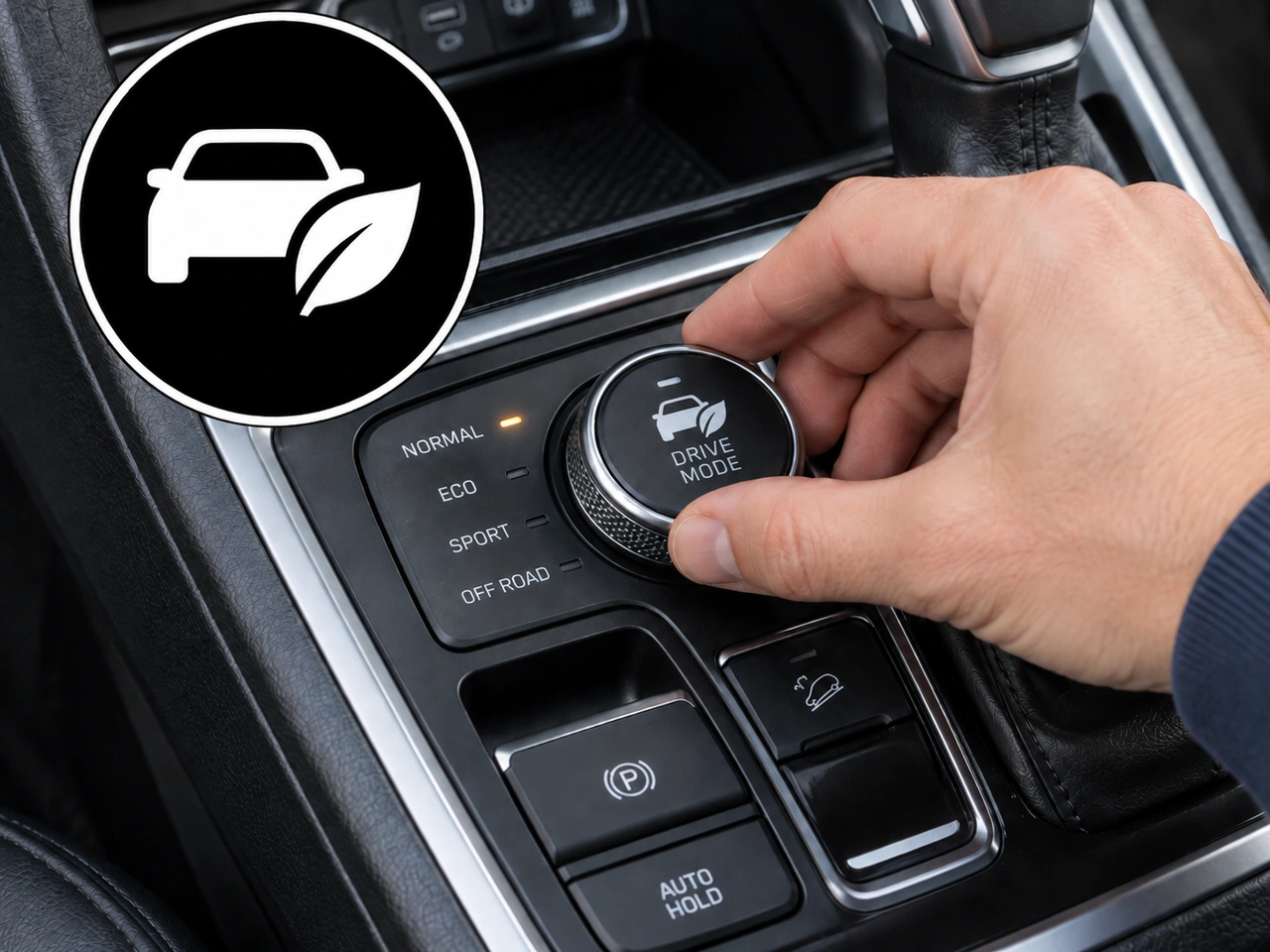
489. What does this vehicle-control symbol indicate?
This control selects a driving mode. Depending on the vehicle, different modes can alter characteristics such as accelerator response, steering assistance, transmission behaviour or energy use.
AI-generated by Traffic-rules.com • WCIT • CC BY-SA
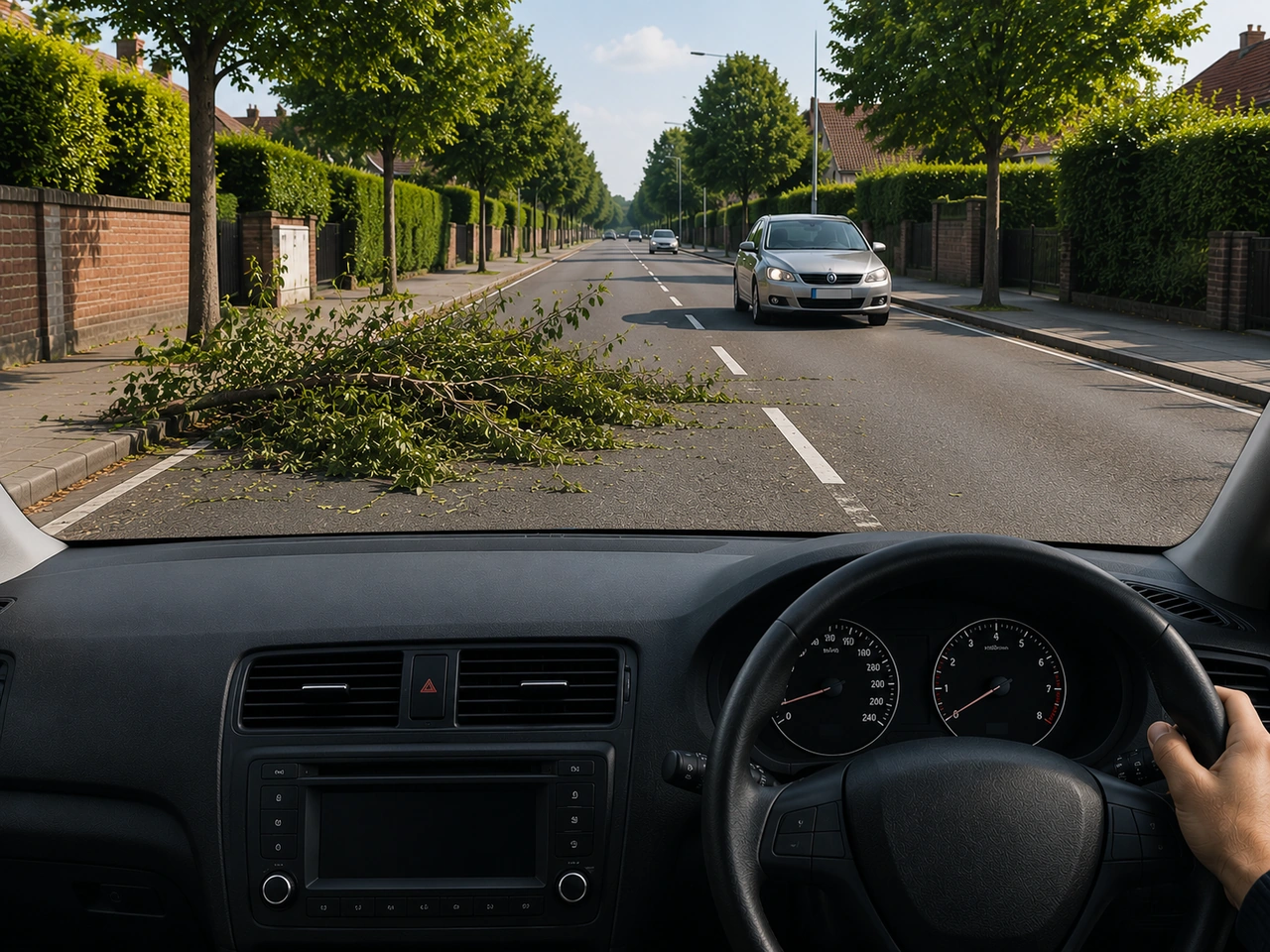
490. What should you do if your lane is blocked by an obstacle?
If your lane is blocked, reduce speed, check mirrors and oncoming traffic, and only move around the obstacle when it is safe.
AI-generated by Traffic-rules.com • WCIT • CC BY-SA
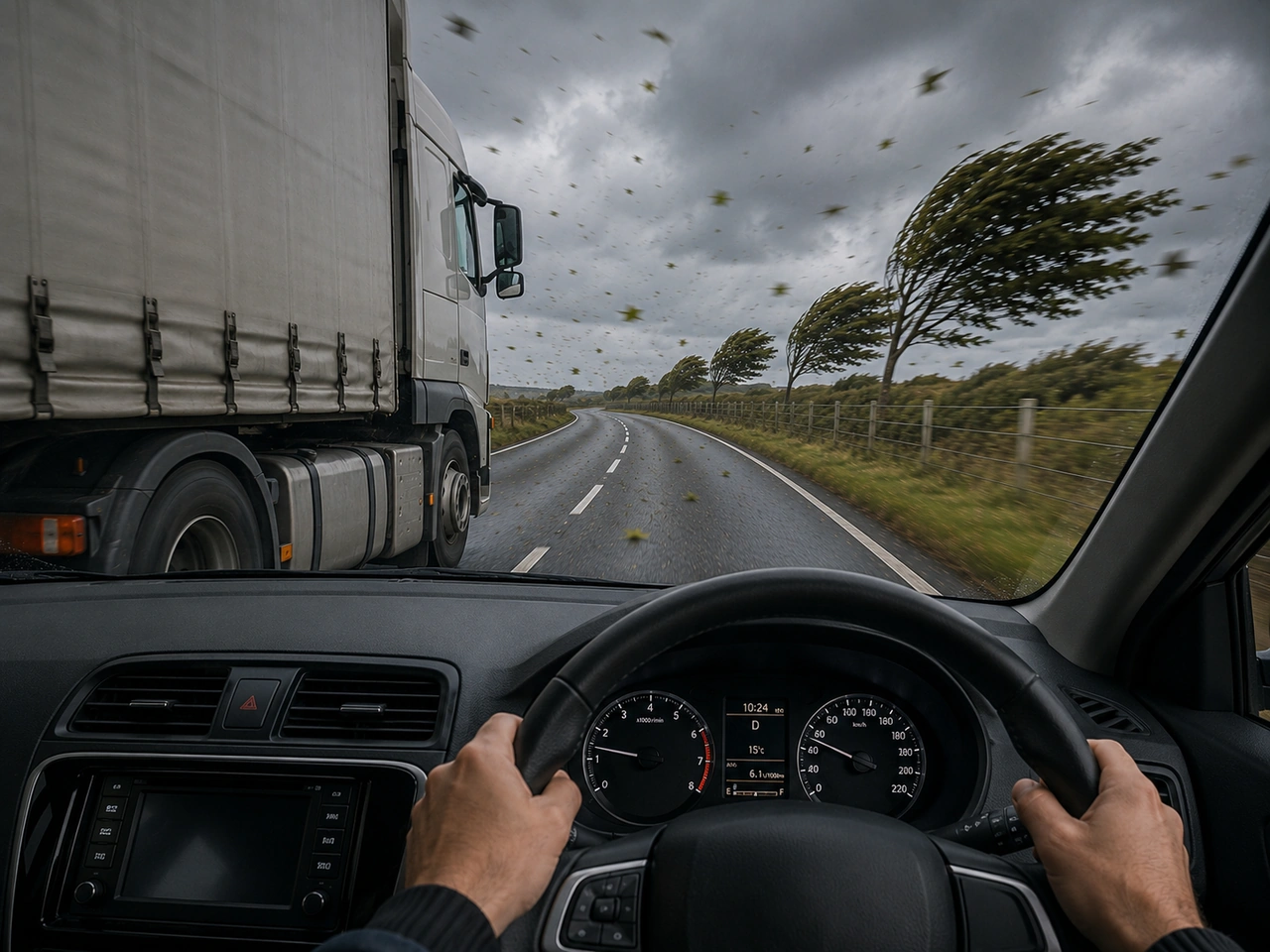
491. How should you pass a large vehicle in strong winds?
Large vehicles can block wind and then expose you to strong gusts when you pass them.
AI-generated by Traffic-rules.com • WCIT • CC BY-SA
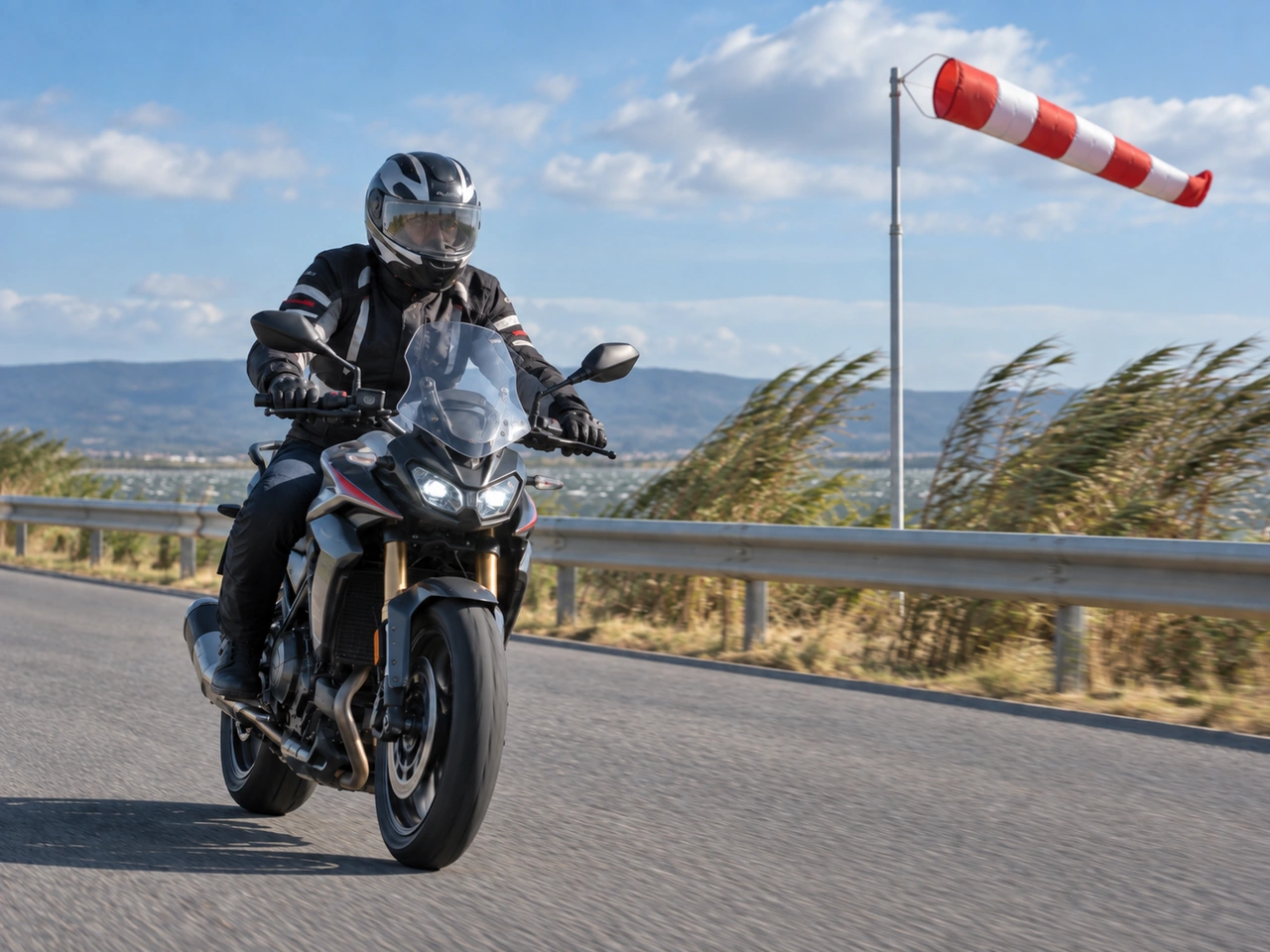
492. What should a motorcyclist do in strong crosswinds?
Strong crosswinds can push a motorcycle sideways and sudden gusts can affect its stability. Reduce speed, keep a steady grip on the handlebars and allow extra space, especially on exposed roads, bridges, or when passing gaps and large vehicles.
AI-generated by Traffic-rules.com • WCIT • CC BY-SA
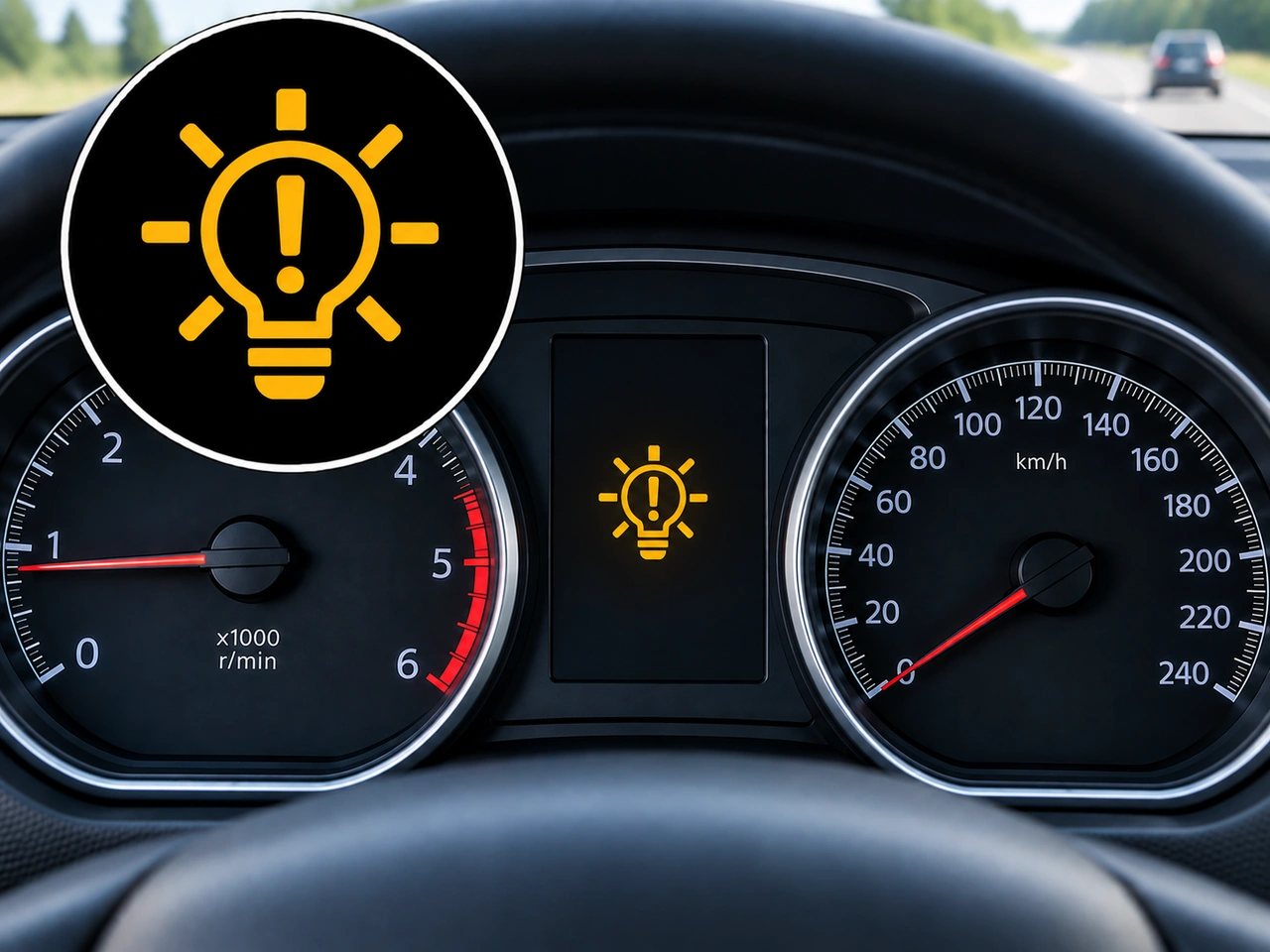
493. What does this dashboard symbol indicate?
This symbol indicates a possible failure of an exterior vehicle light, such as a headlight, tail light, brake light or indicator. Check the vehicle's exterior lights and replace or repair any faulty light.
AI-generated by Traffic-rules.com • WCIT • CC BY-SA
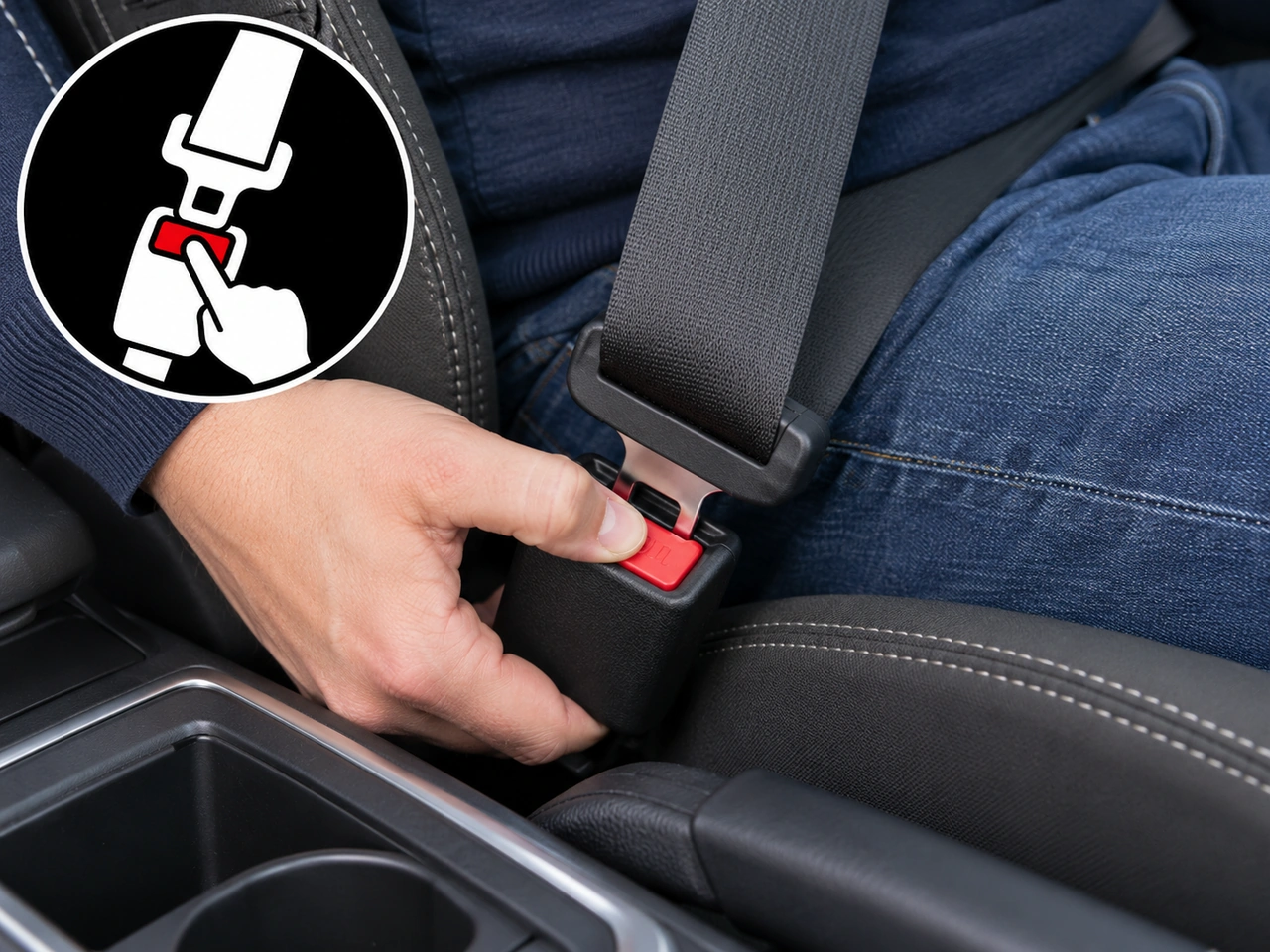
494. What is the button on a seat-belt buckle used for?
Pressing the button on the seat-belt buckle releases the latch so the belt can be unfastened. Keep the seat belt fastened whenever required while the vehicle is moving.
AI-generated by Traffic-rules.com • WCIT • CC BY-SA
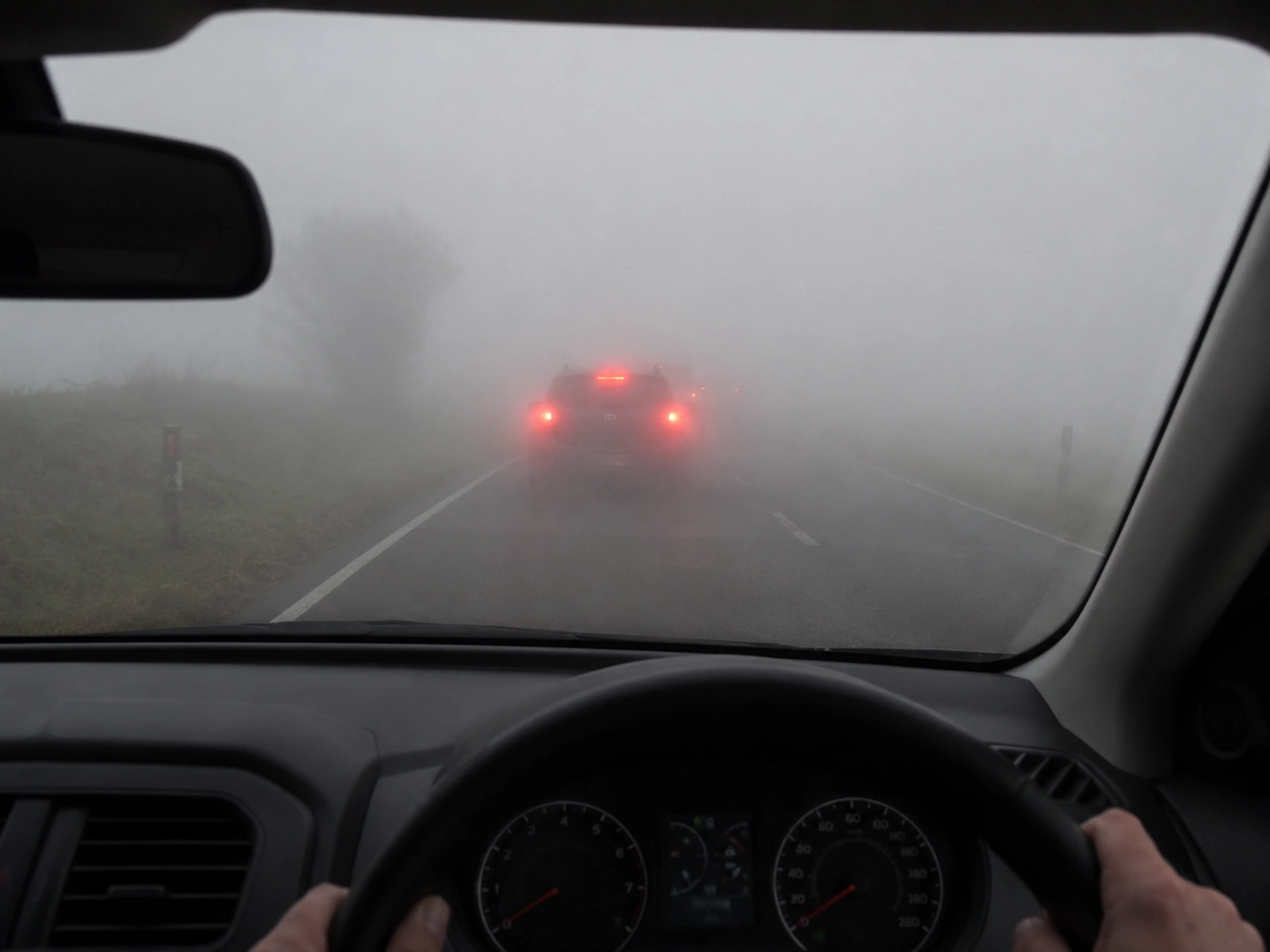
495. Why should you reduce speed in fog?
Fog can hide obstacles, pedestrians, and other vehicles. Lower speed gives you more time to react.
AI-generated by Traffic-rules.com • WCIT • CC BY-SA
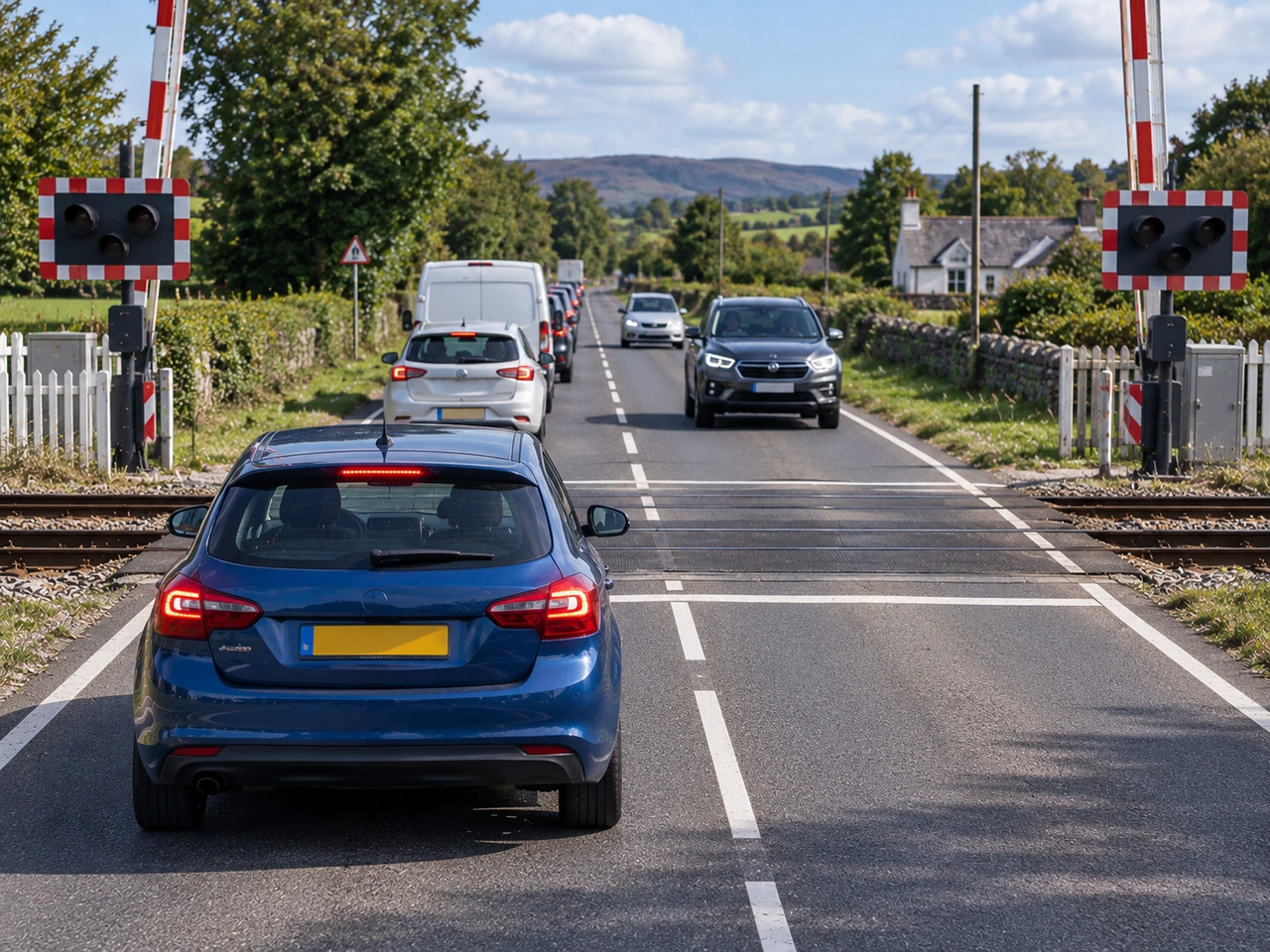
496. What should you do if traffic beyond a railway crossing is blocked?
Never enter a railway crossing unless you can clear the tracks completely. If traffic ahead is blocked, wait before the crossing so you cannot become trapped on the railway.
AI-generated by Traffic-rules.com • WCIT • CC BY-SA
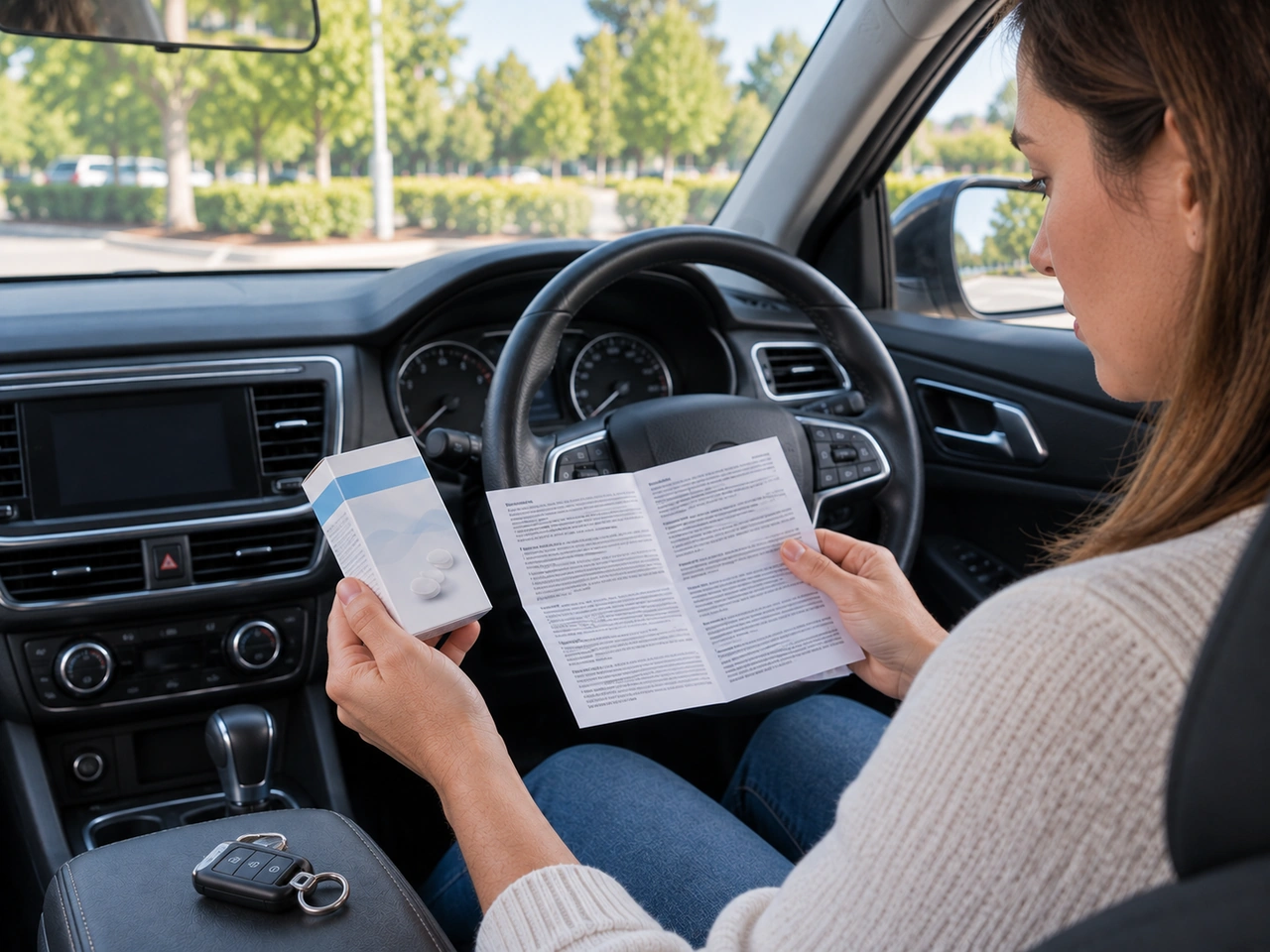
497. What should you do before driving after taking medicine?
Some medicines can affect driving ability by causing drowsiness, dizziness, blurred vision, slower reactions, or reduced concentration. Check the label or patient information and follow advice from your doctor or pharmacist before driving.
AI-generated by Traffic-rules.com • WCIT • CC BY-SA
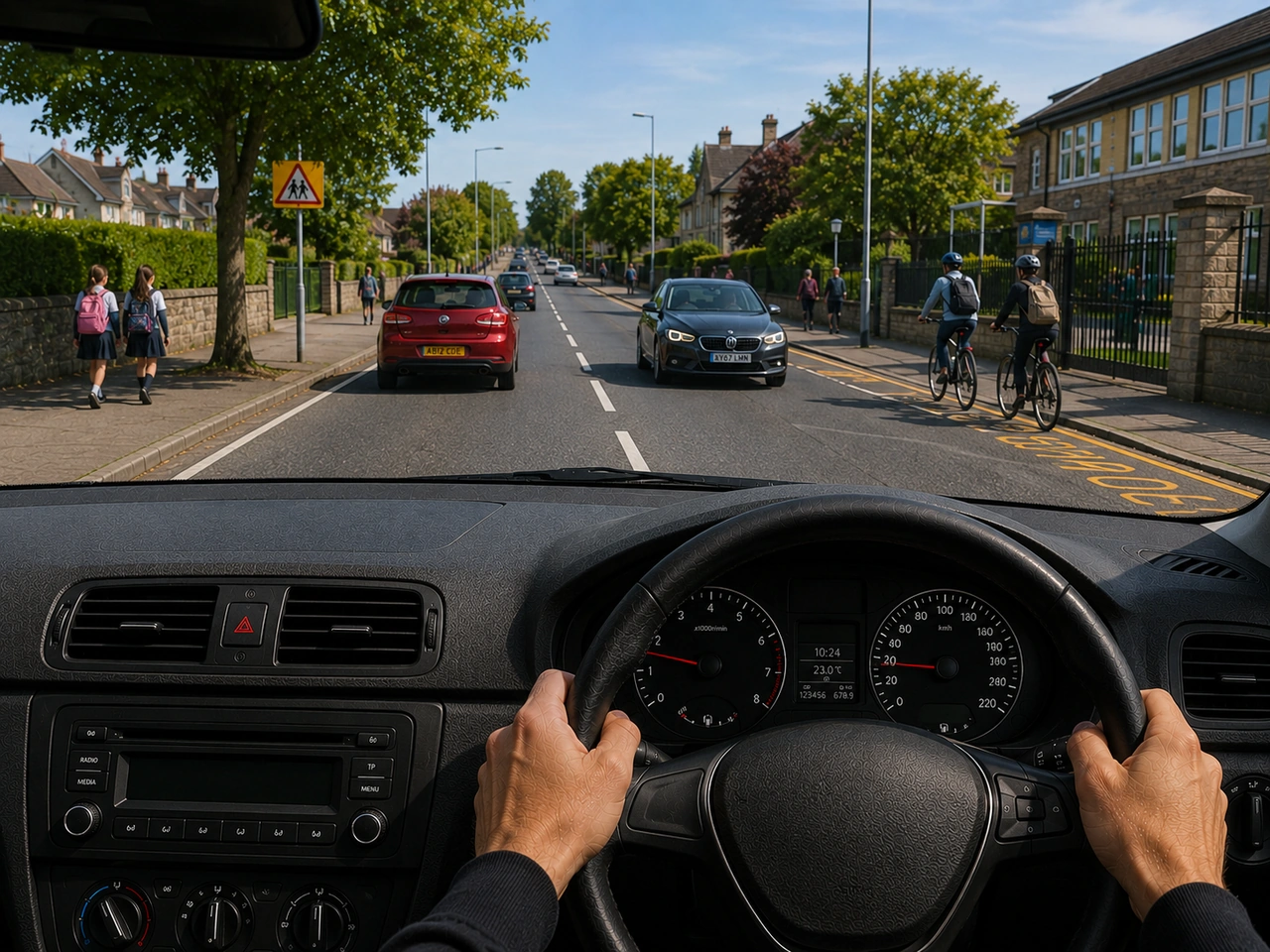
498. What should you do when driving near a school area?
Children near schools may cross unexpectedly or be hidden between parked vehicles. Reduce speed and be ready to stop.
AI-generated by Traffic-rules.com • WCIT • CC BY-SA
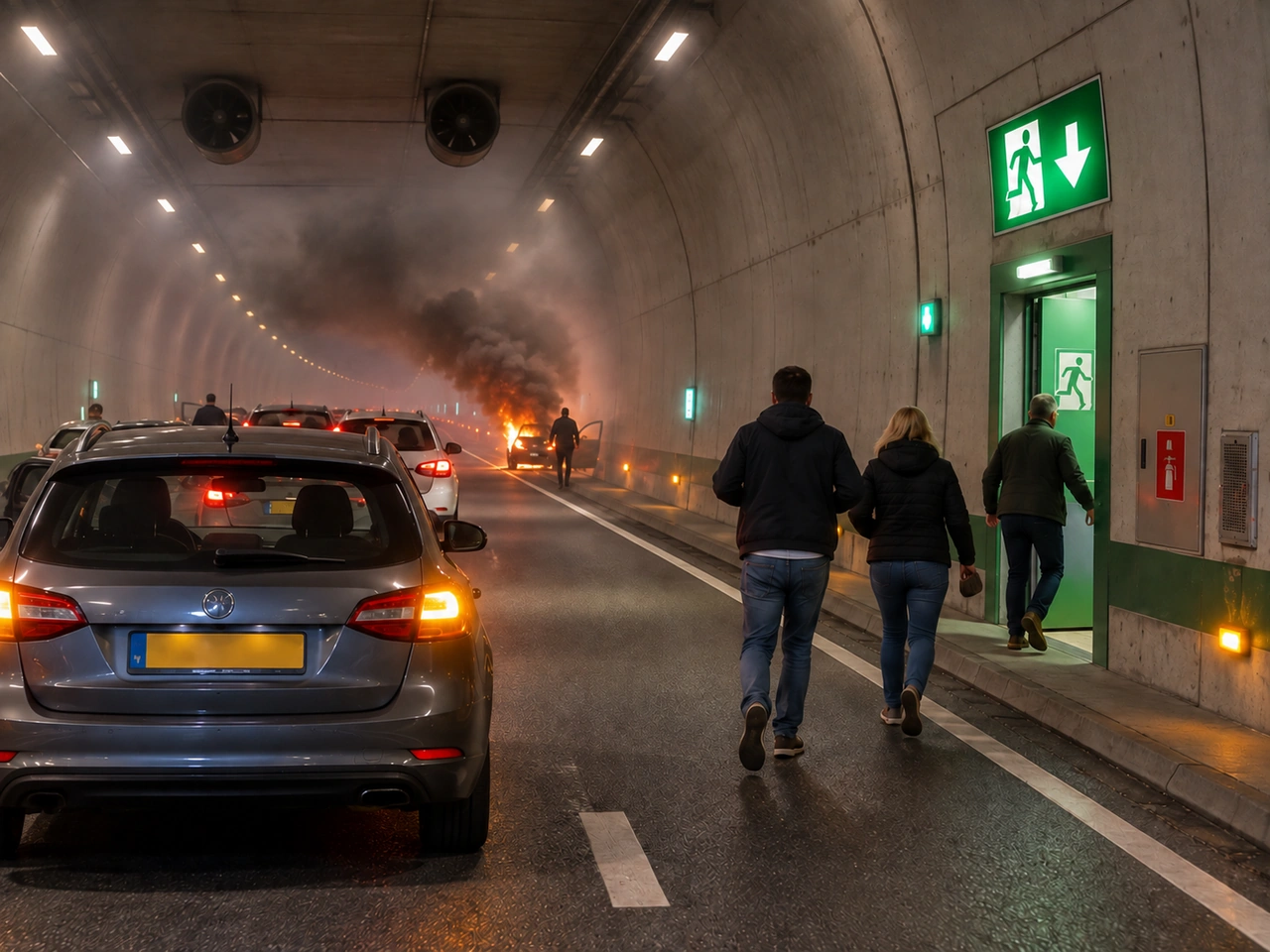
499. What should you do if you see smoke or fire inside a tunnel?
If it is safe to drive out of the tunnel, do so. If you cannot continue safely, stop, switch off the engine, leave the vehicle, and use the marked emergency exits or refuge routes. Follow tunnel-control instructions.
AI-generated by Traffic-rules.com • WCIT • CC BY-SA
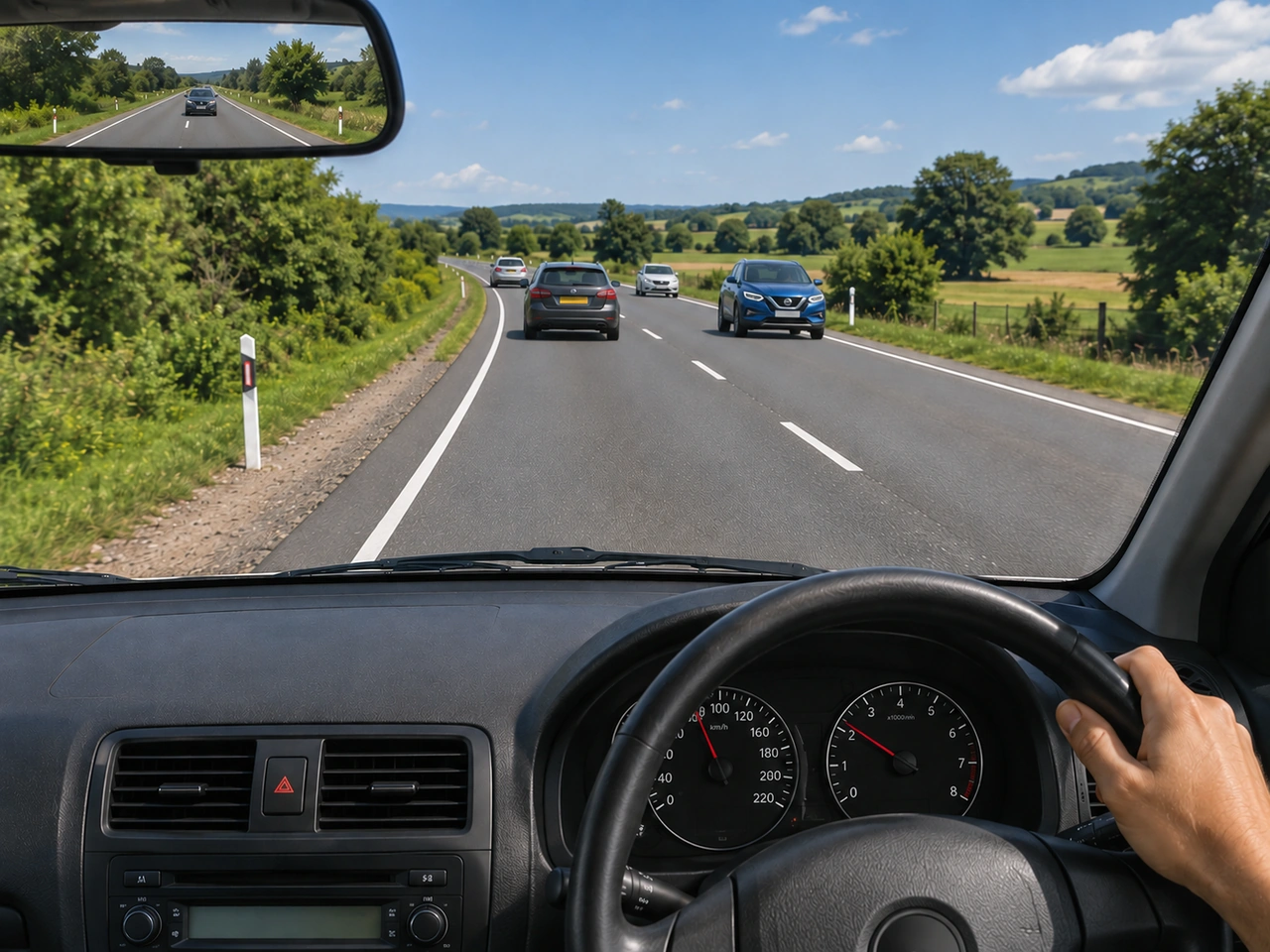
500. What should you do if your vehicle begins to drift onto the shoulder?
If you drift onto the shoulder, avoid sudden steering or braking. Slow gently and return to the road smoothly when it is safe.
AI-generated by Traffic-rules.com • WCIT • CC BY-SA