


QuizTraffic rulesGreece
Test your knowledge with our multiple-choice quiz. Learn from each answer and improve your understanding of the traffic rules and road signs of Greece.
 Traffic signs
 Traffic rules
 Greece
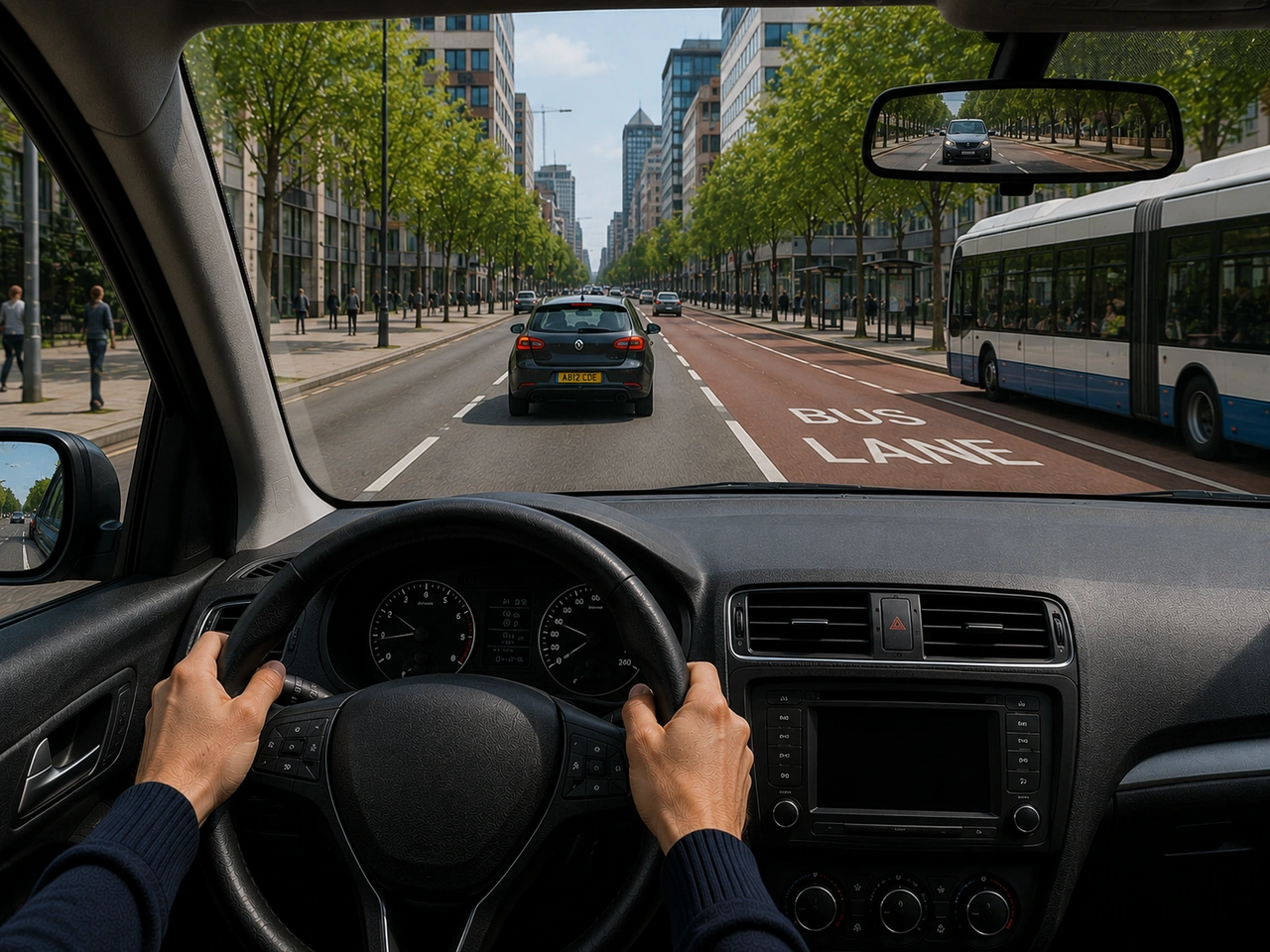
1. Why should you take extra care when crossing a tram or bus lane?
Check carefully before crossing or entering a tram or bus lane. Trams cannot steer around obstacles, and both trams and buses may need significant distance to stop.
AI-generated by Traffic-rules.com • WCIT • CC BY-SA

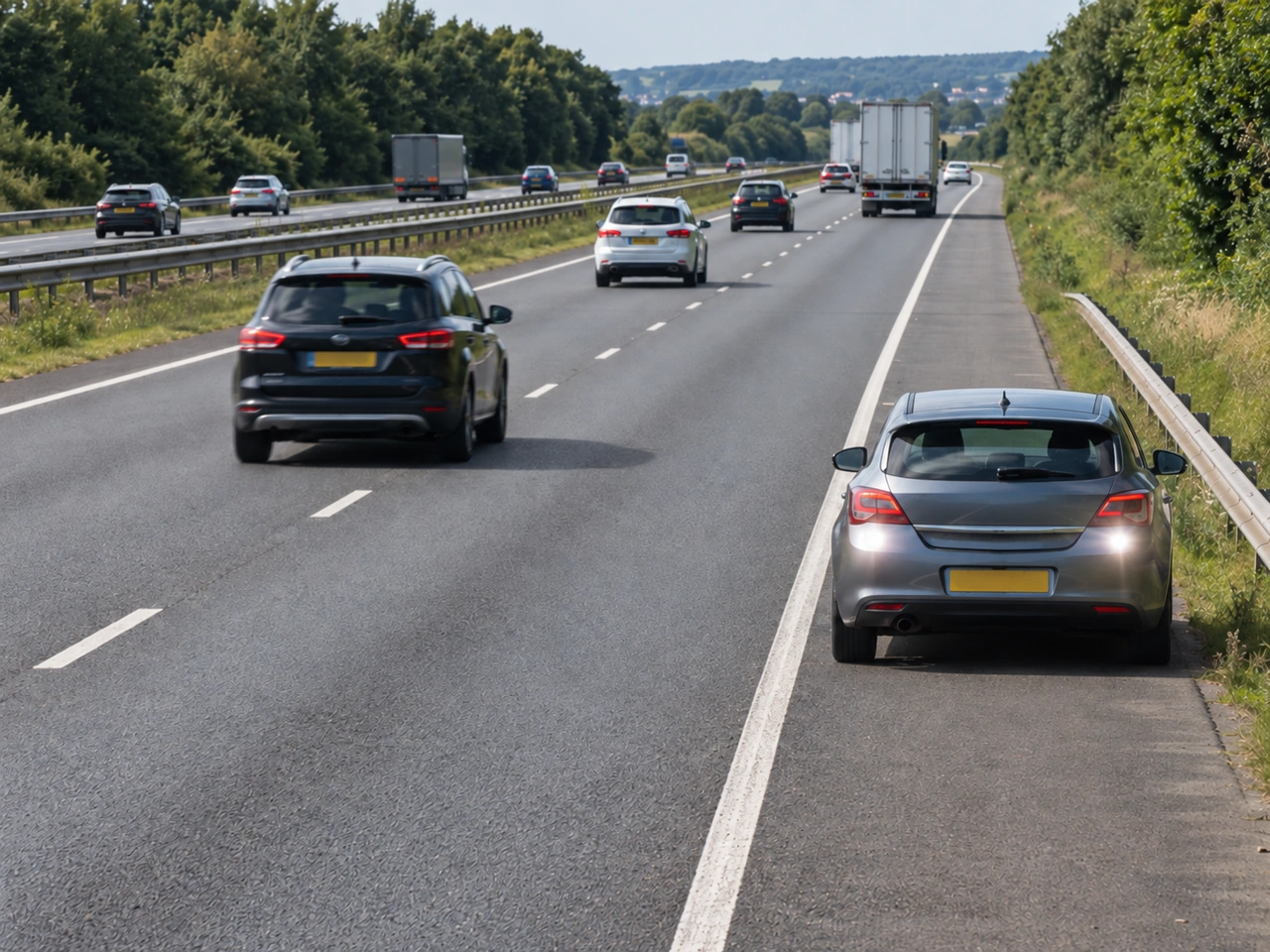
2. Why are reversing and making a U-turn on a motorway extremely dangerous?
Motorway traffic travels at high speed. Unexpected reversing or turning can cause a severe collision.
AI-generated by Traffic-rules.com • WCIT • CC BY-SA
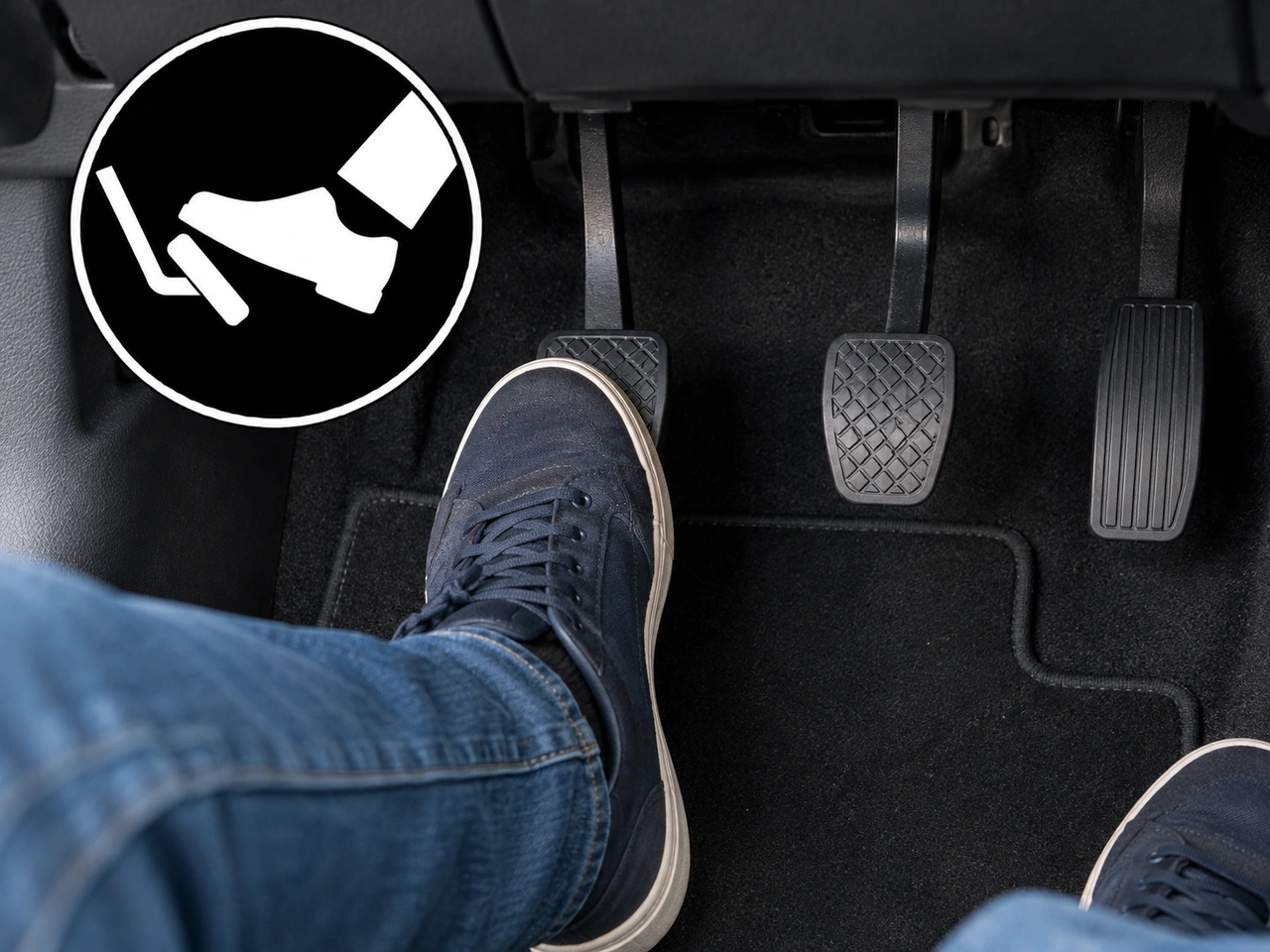
3. What is the purpose of the clutch pedal in a manual vehicle?
Pressing the clutch pedal temporarily disconnects the engine from the transmission, allowing the driver to change gear or stop without stalling the engine.
AI-generated by Traffic-rules.com • WCIT • CC BY-SA
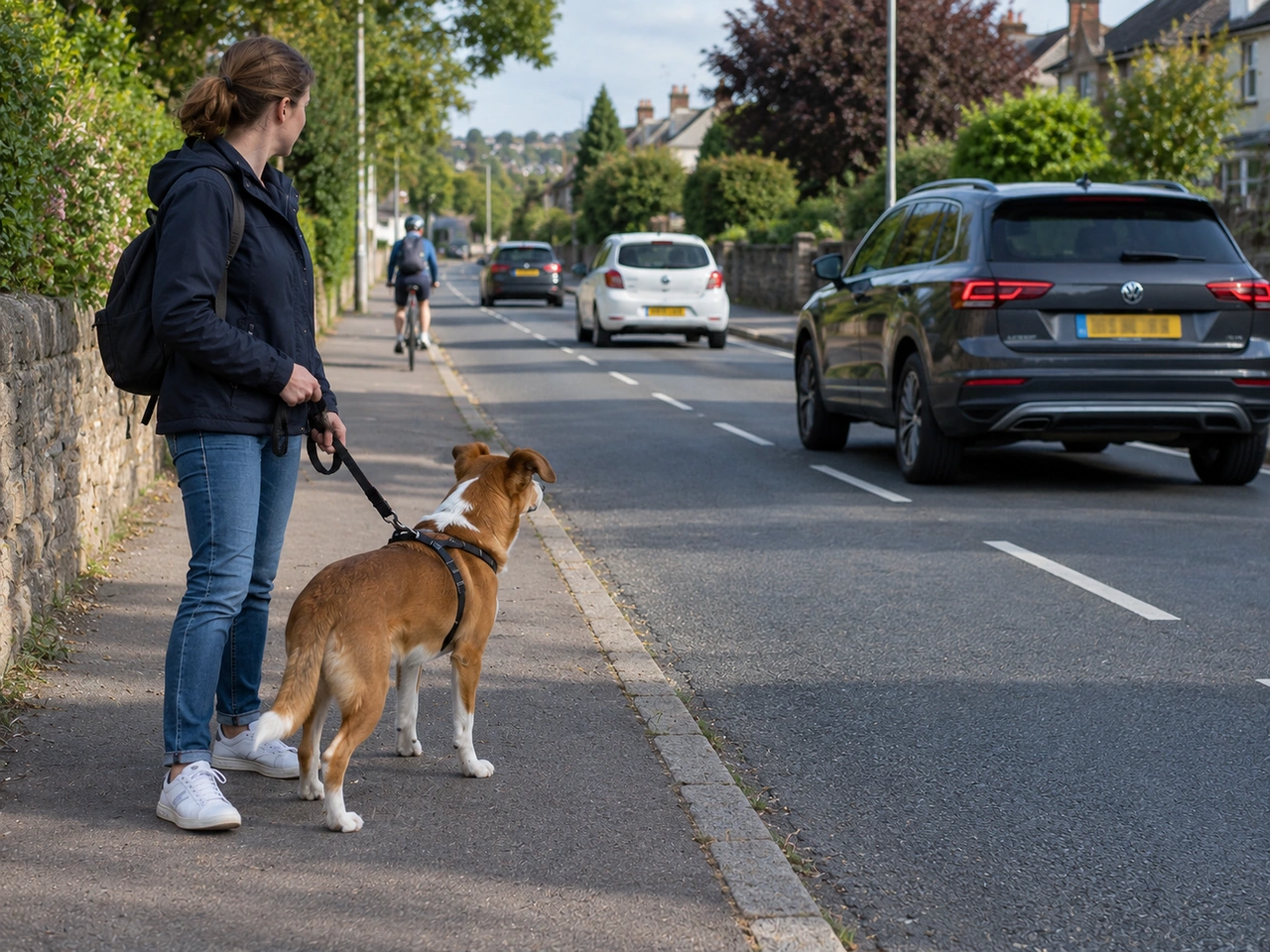
4. Why should you keep a dog on a leash near traffic?
Dogs can react unpredictably to vehicles, people, noises, or other animals. Keeping a dog under close control on a leash near traffic reduces the risk of it suddenly entering the road and endangering itself or other road users.
AI-generated by Traffic-rules.com • WCIT • CC BY-SA
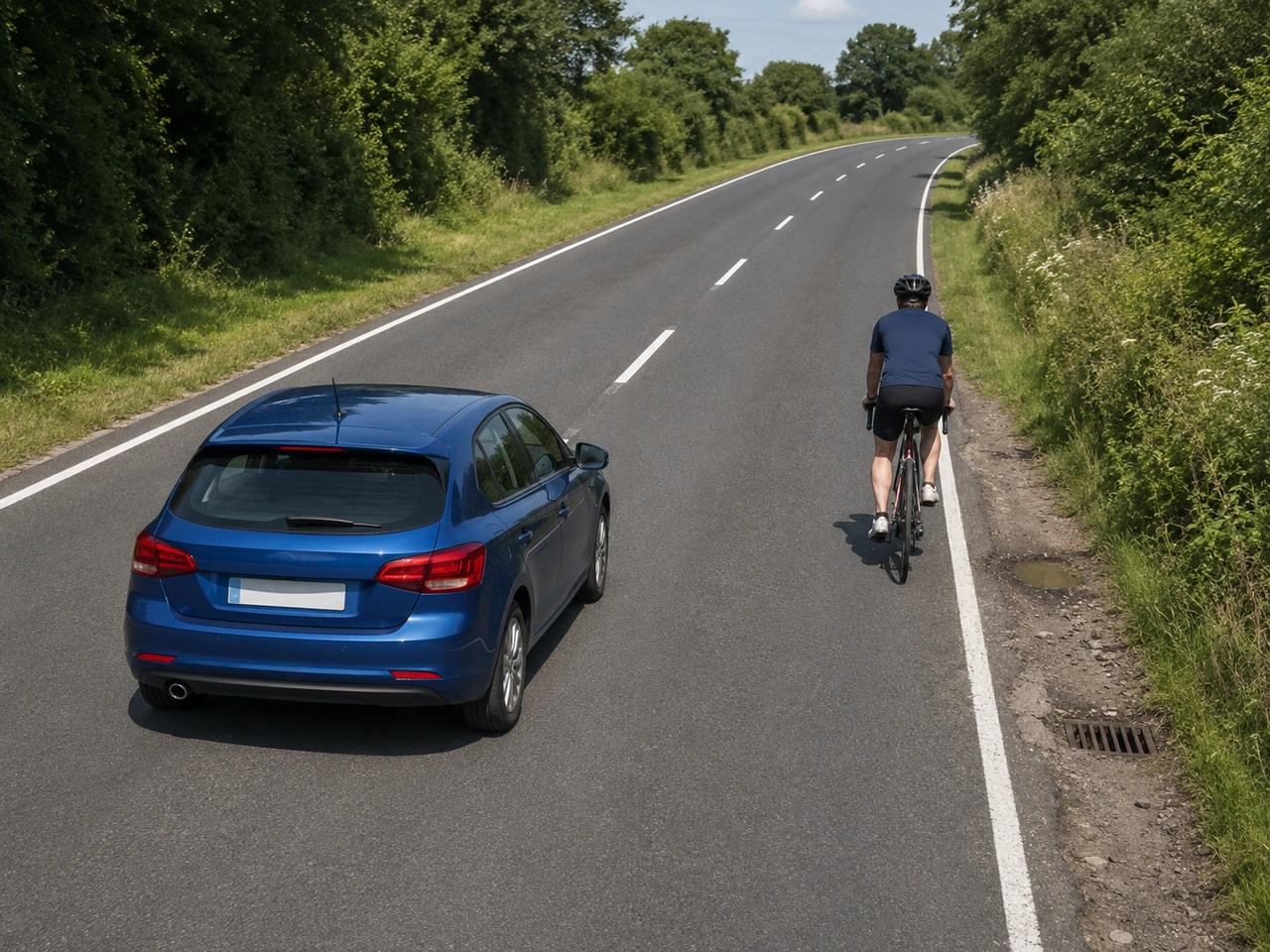
5. Why should you keep a safe distance from cyclists?
Cyclists may need to move around potholes, parked cars, or drains. Giving them enough space helps prevent dangerous situations.
AI-generated by Traffic-rules.com • WCIT • CC BY-SA
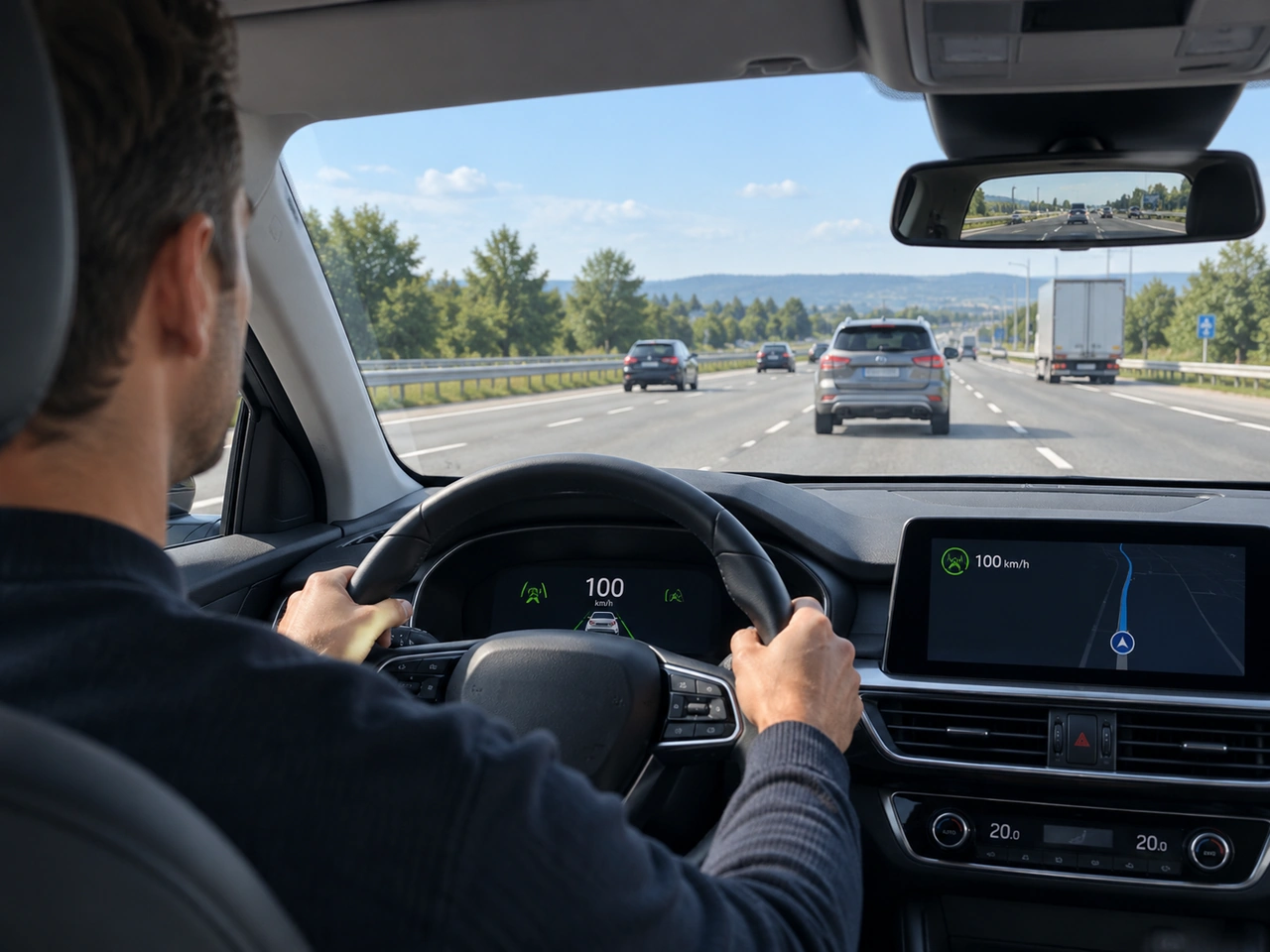
6. What should you remember when using driver-assistance systems?
Driver-assistance systems can help with tasks such as maintaining speed, monitoring lanes, or warning about hazards, but they do not replace the driver. Stay attentive, monitor the road and traffic, and be ready to take control whenever necessary.
AI-generated by Traffic-rules.com • WCIT • CC BY-SA
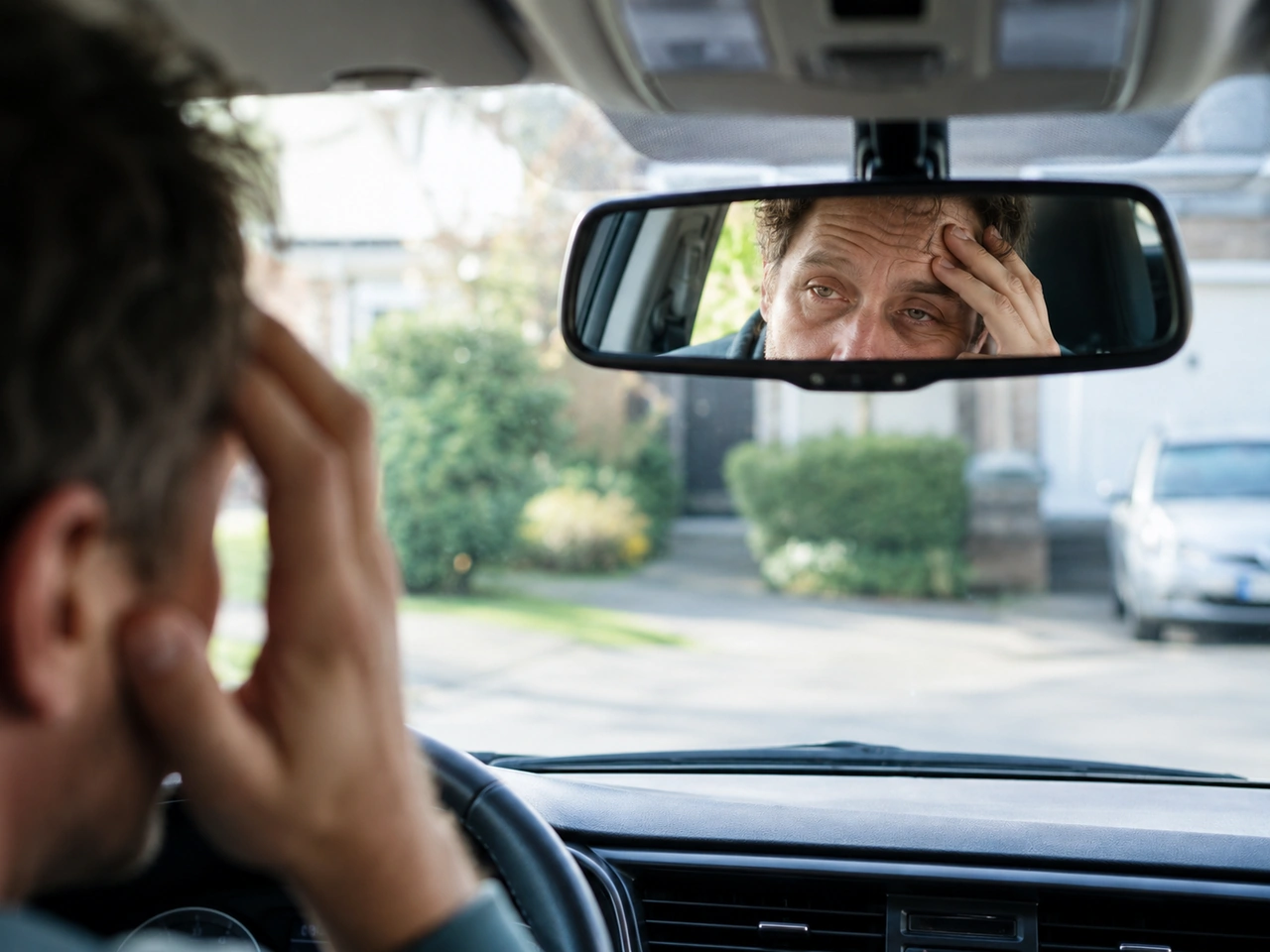
7. Can you assume that you are safe to drive the morning after drinking?
The body needs time to process alcohol. Sleeping, eating, showering, or drinking coffee does not instantly remove it.
AI-generated by Traffic-rules.com • WCIT • CC BY-SA
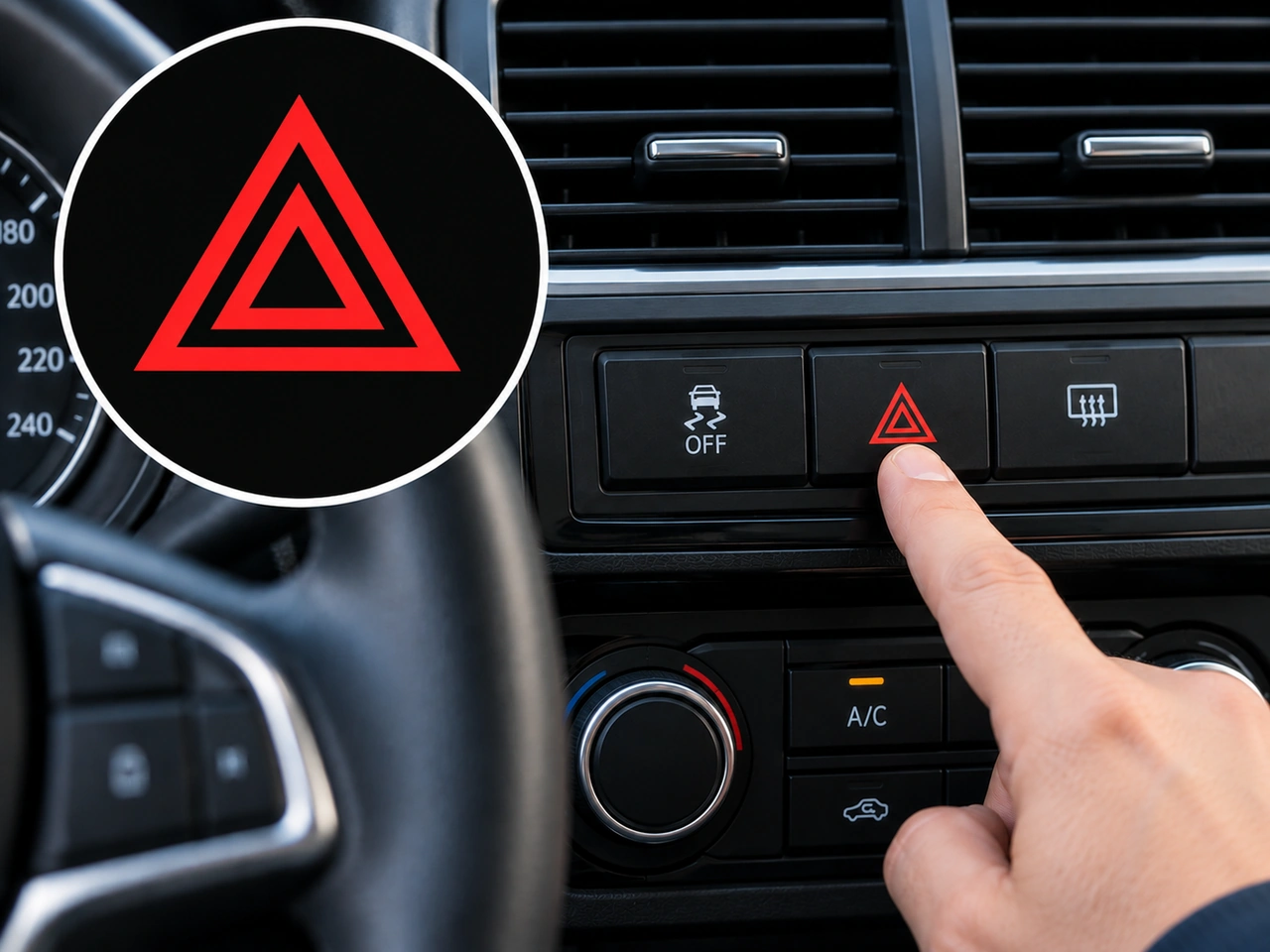
8. What does this dashboard symbol indicate?
This symbol indicates the hazard warning lights. When activated, all direction indicators flash simultaneously to warn other road users of a hazard or unusual situation.
AI-generated by Traffic-rules.com • WCIT • CC BY-SA
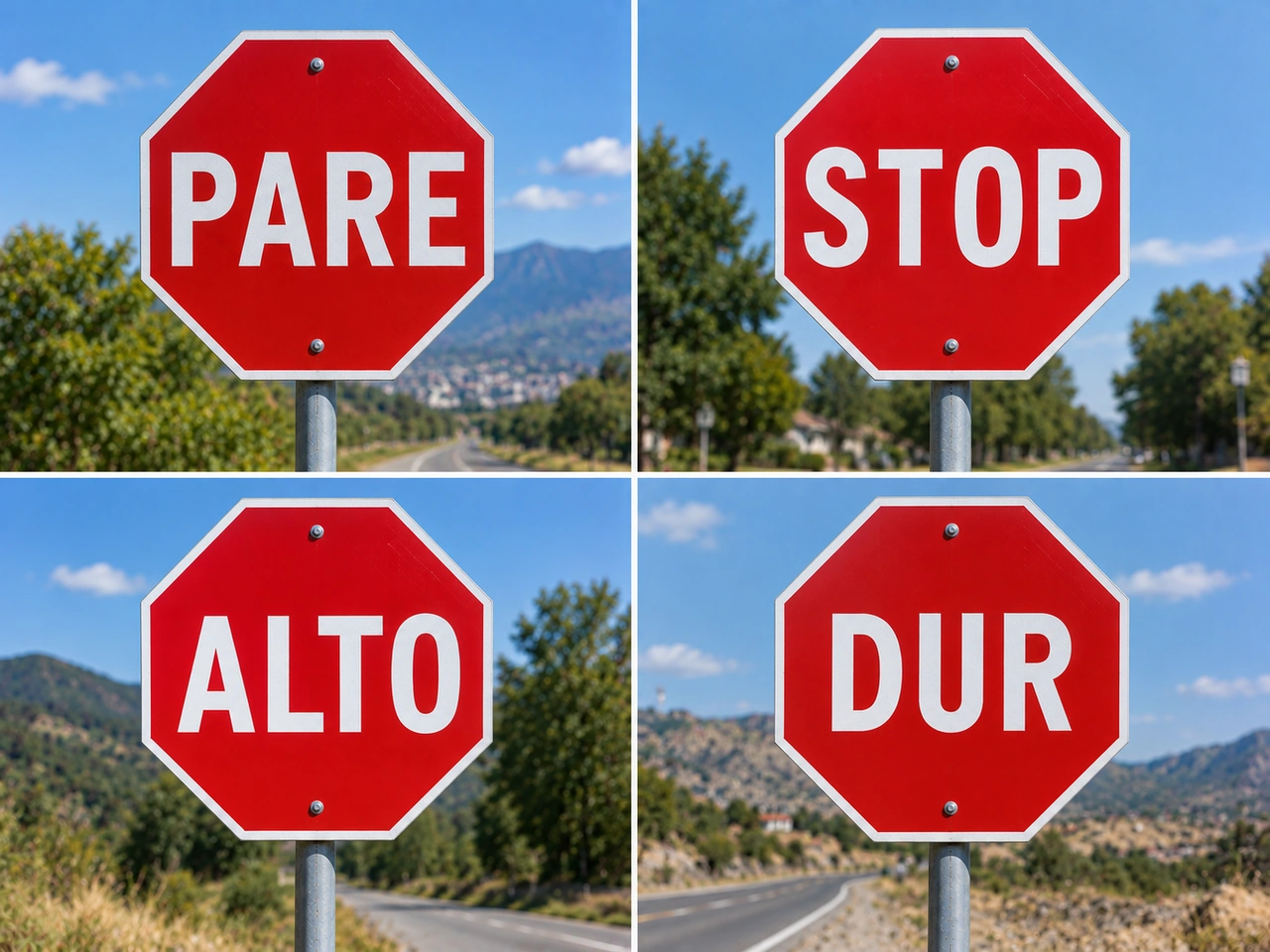
9. What word is commonly shown on STOP signs in Greece?
In Greece, STOP signs commonly display the word STOP.
AI-generated by Traffic-rules.com • WCIT • CC BY-SA
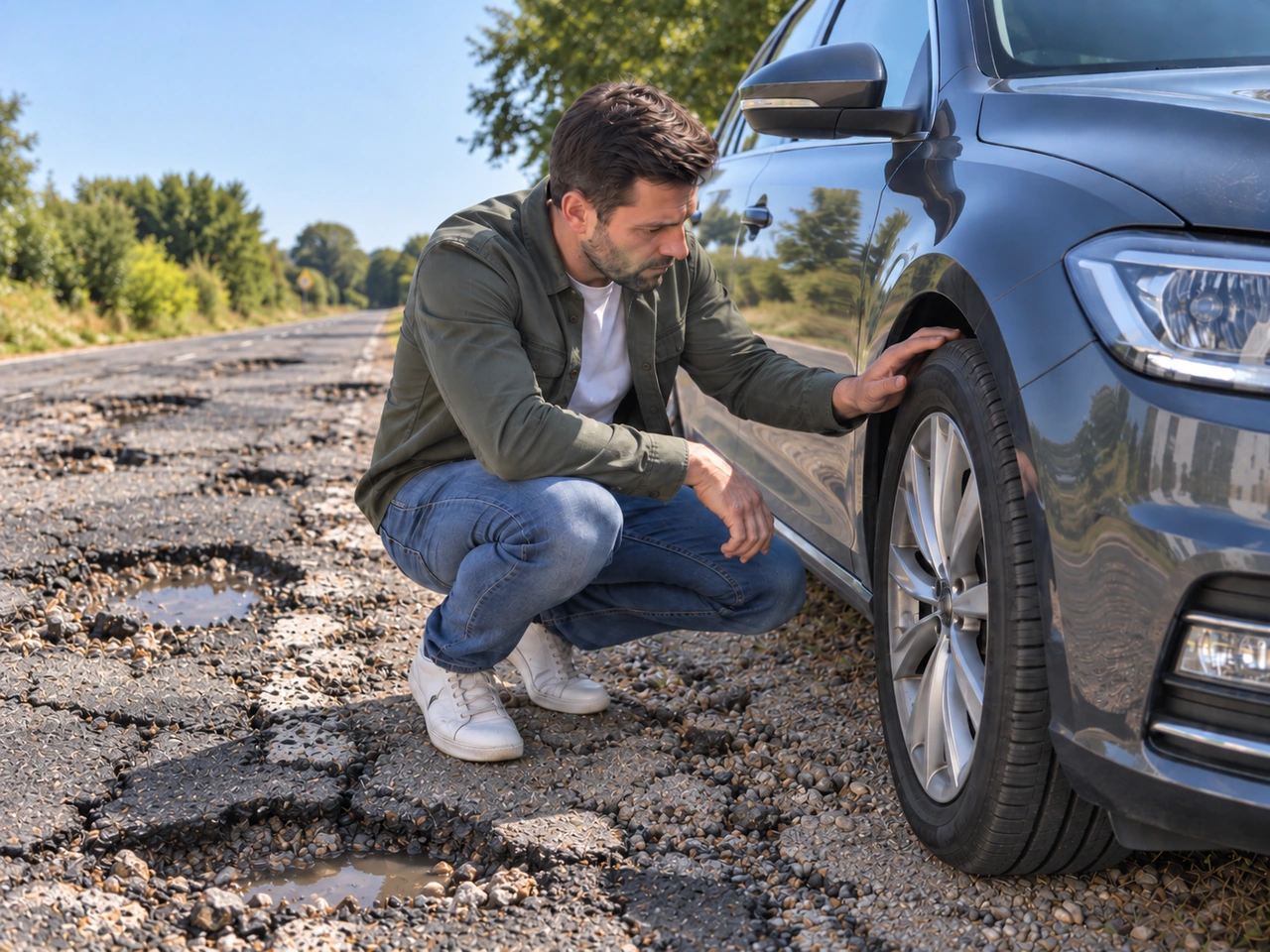
10. What should you do after hitting a deep pothole hard?
A hard impact with a pothole can damage tyres, wheel rims, steering, suspension, or wheel alignment. When it is safe to stop, inspect the tyres and wheels and pay attention to unusual vibration, pulling, or steering changes. Have the vehicle checked if you suspect damage.
AI-generated by Traffic-rules.com • WCIT • CC BY-SA
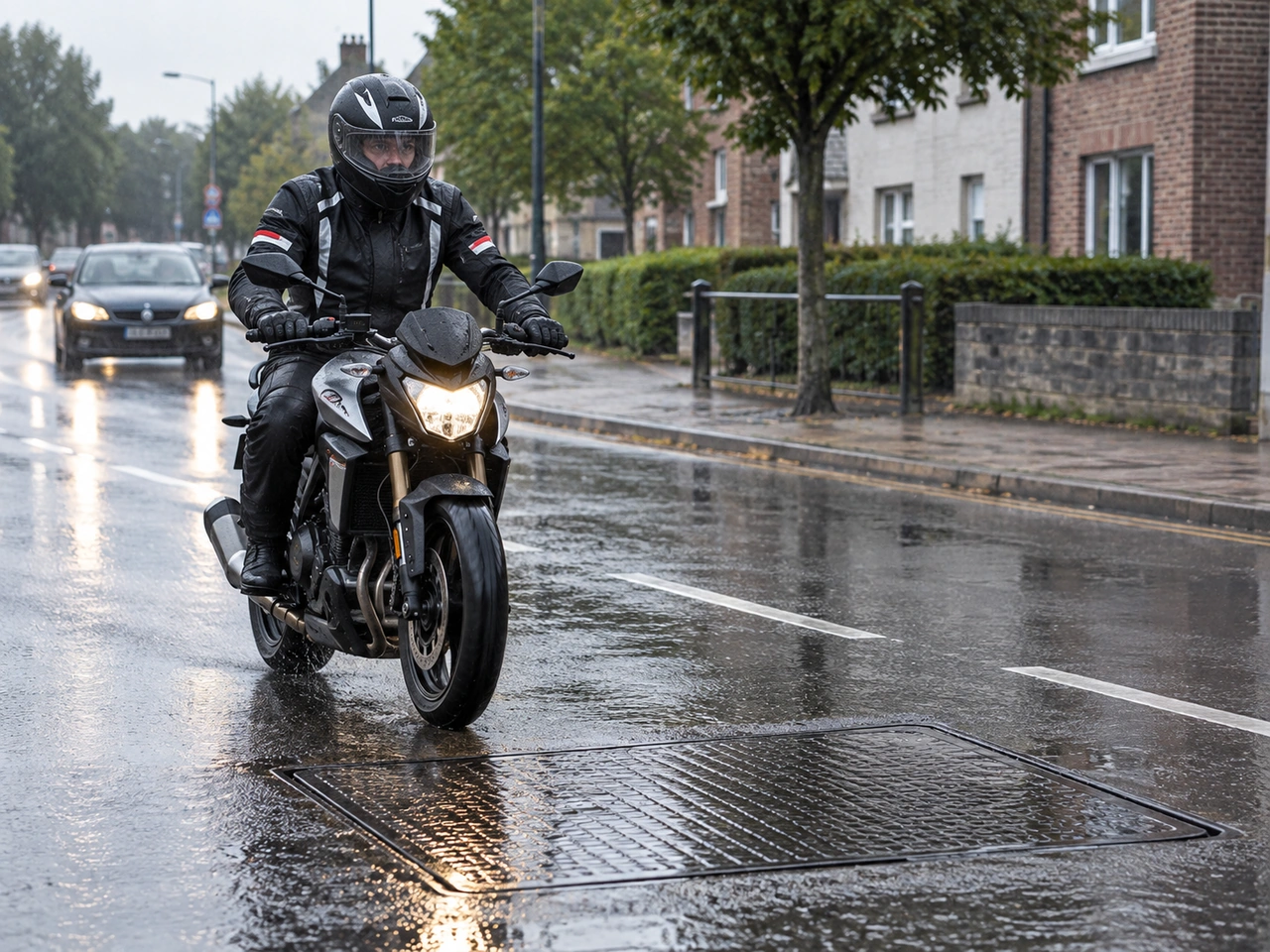
11. Why should motorcyclists take extra care on wet metal covers?
Wet metal surfaces, such as drain or inspection covers, can provide much less grip than the surrounding road. Cross them smoothly, keep the motorcycle as upright as practical and avoid sudden braking, acceleration or steering.
AI-generated by Traffic-rules.com • WCIT • CC BY-SA
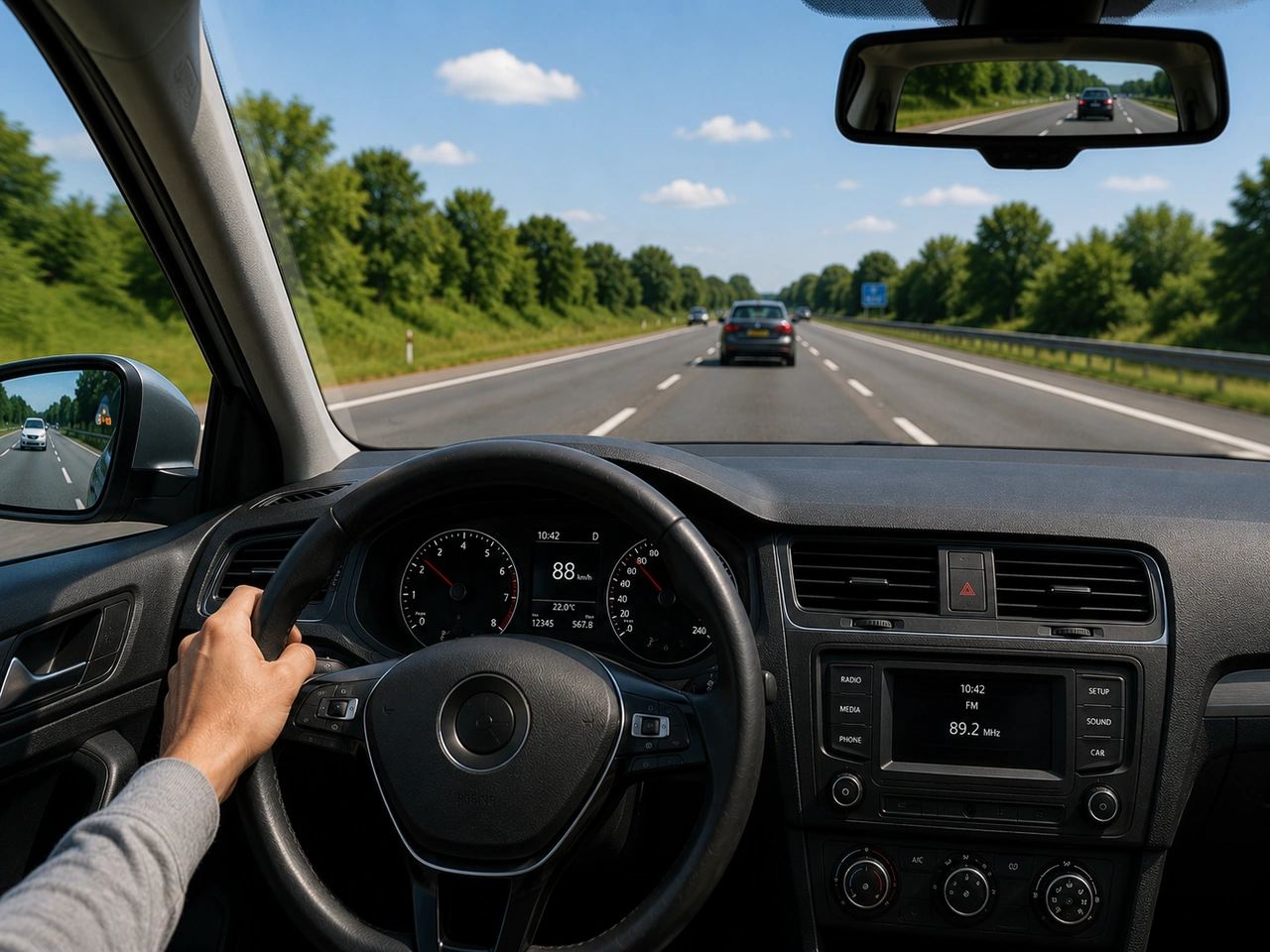
12. You should check your mirrors before changing lanes.
Checking your mirrors helps you see surrounding traffic before moving into another lane.
AI-generated by Traffic-rules.com • WCIT • CC BY-SA
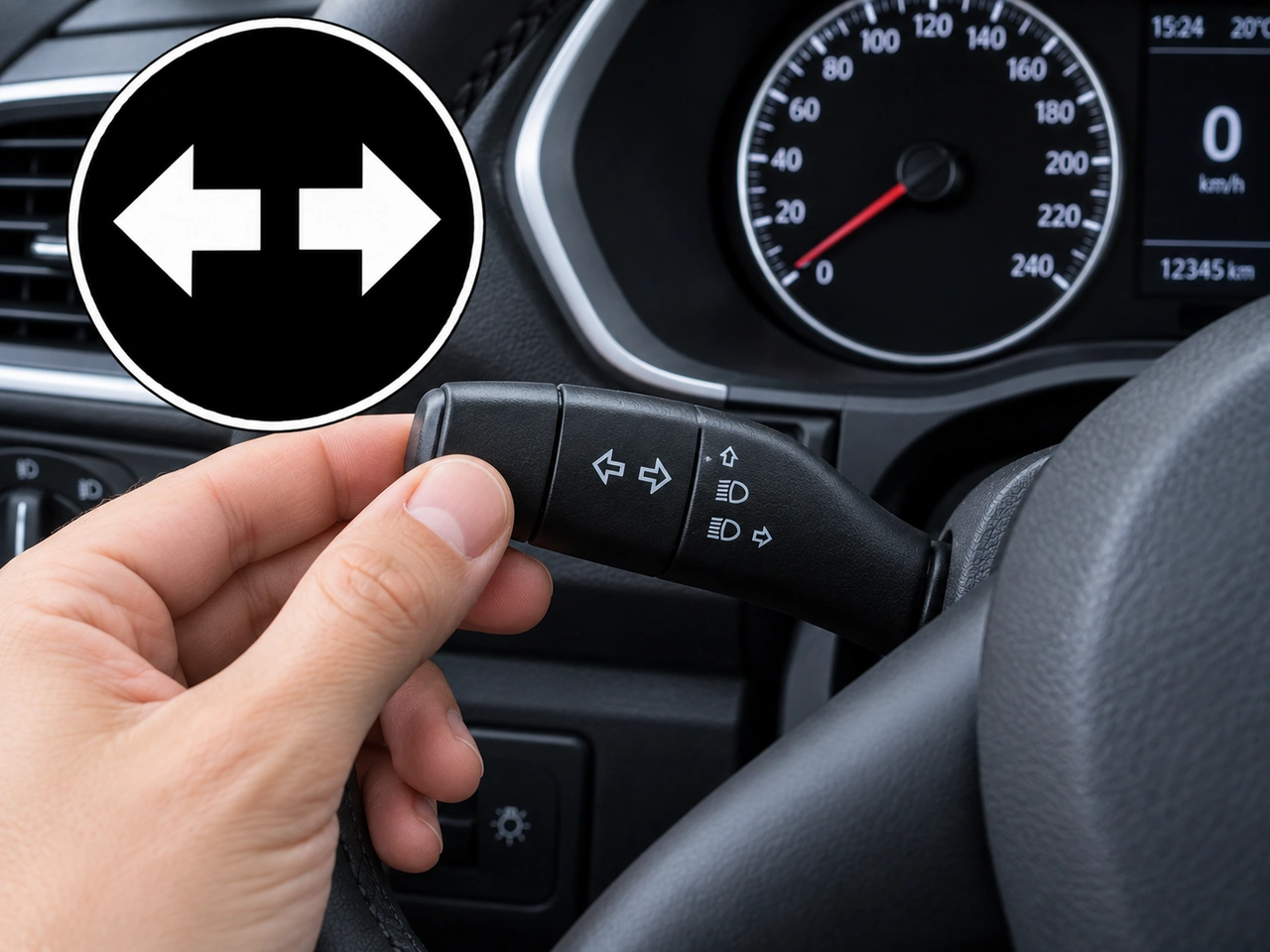
13. Which control is normally used to operate the direction indicators?
The direction indicators are normally operated using a stalk beside the steering wheel. Moving the stalk up or down activates the indicators on the corresponding side of the vehicle.
AI-generated by Traffic-rules.com • WCIT • CC BY-SA
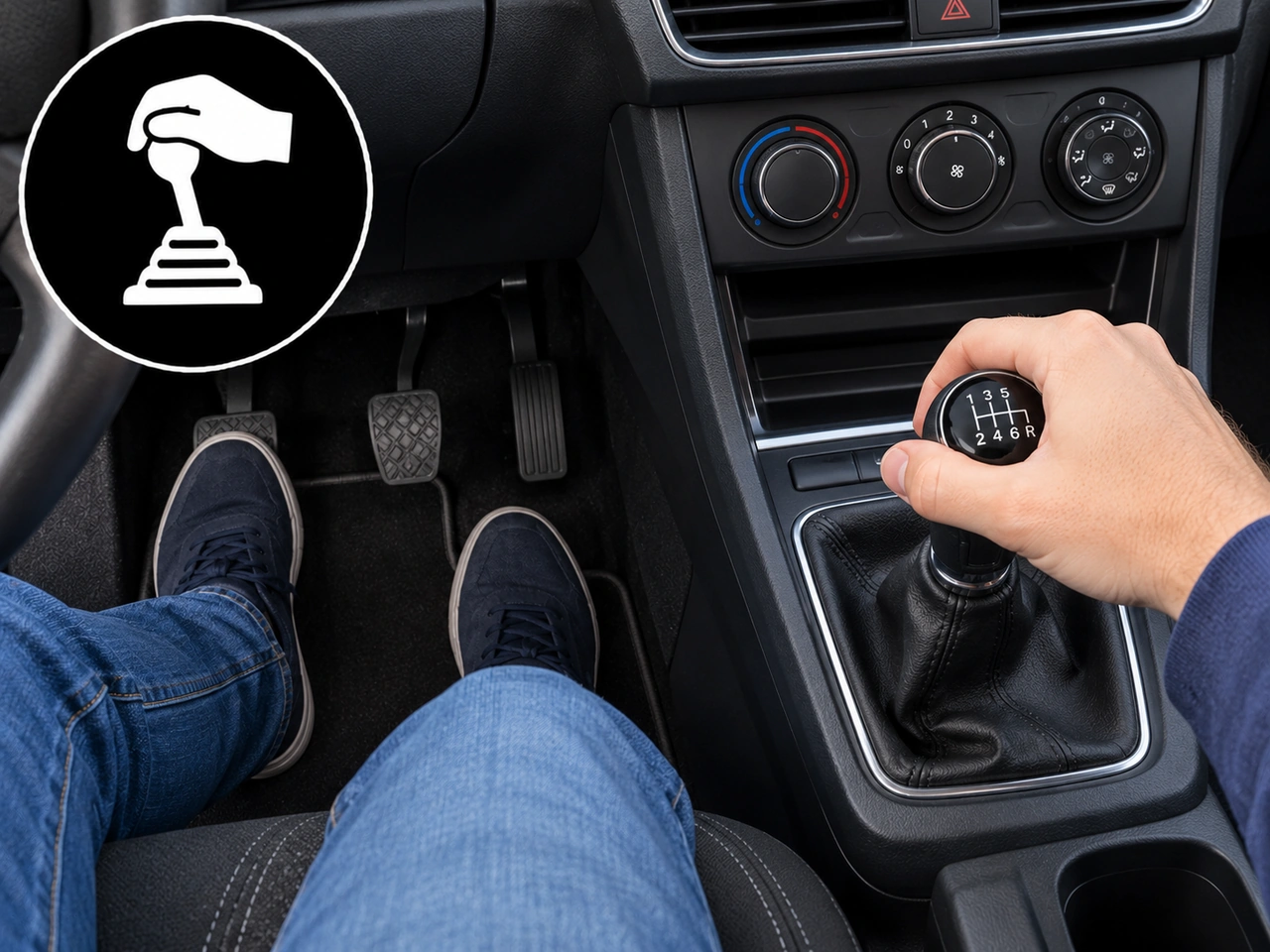
14. What should you do if a gear does not engage easily in a manual vehicle?
If a gear does not engage easily, do not force the gear lever. Make sure the clutch is fully pressed and the vehicle's speed is suitable for the gear before trying again.
AI-generated by Traffic-rules.com • WCIT • CC BY-SA
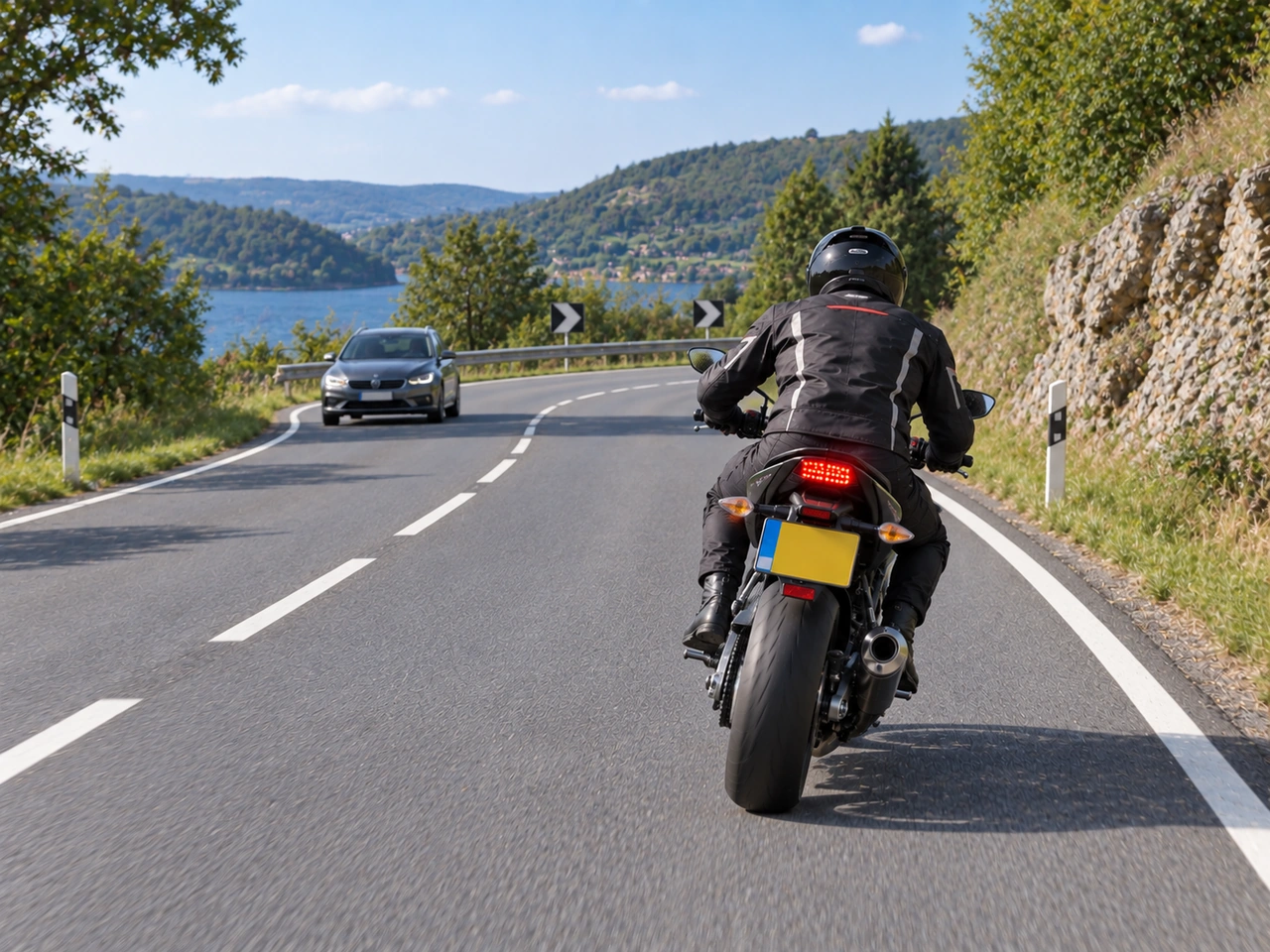
15. What should a motorcyclist do before entering a bend?
Adjust your speed before entering the bend so you can steer smoothly and remain within a safe position. Look through the bend towards where you want to travel and be prepared for hazards that may be hidden from view.
AI-generated by Traffic-rules.com • WCIT • CC BY-SA
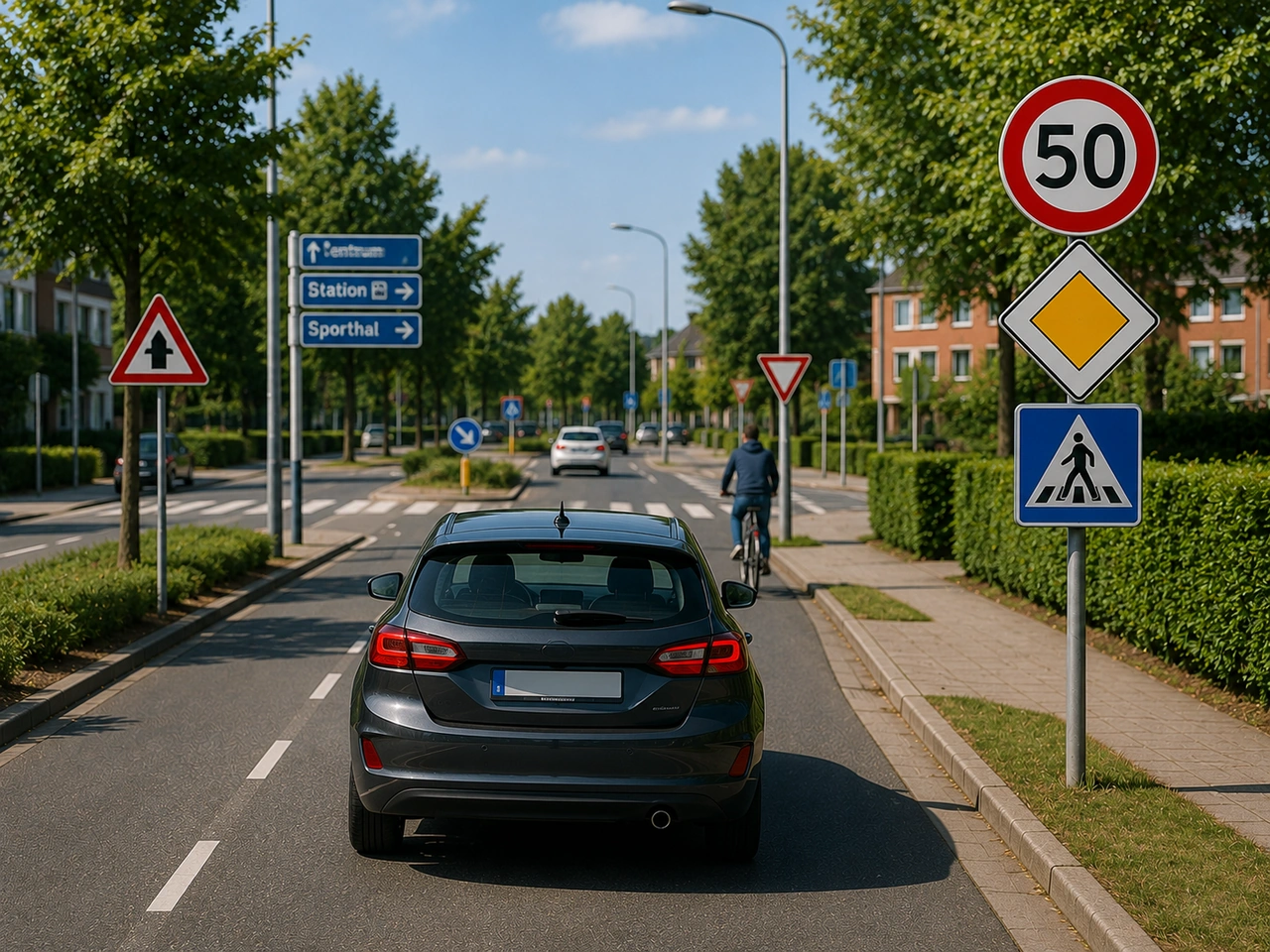
16. Why should you obey traffic signs?
Traffic signs help organise traffic and improve safety for drivers, cyclists, and pedestrians.
AI-generated by Traffic-rules.com • WCIT • CC BY-SA
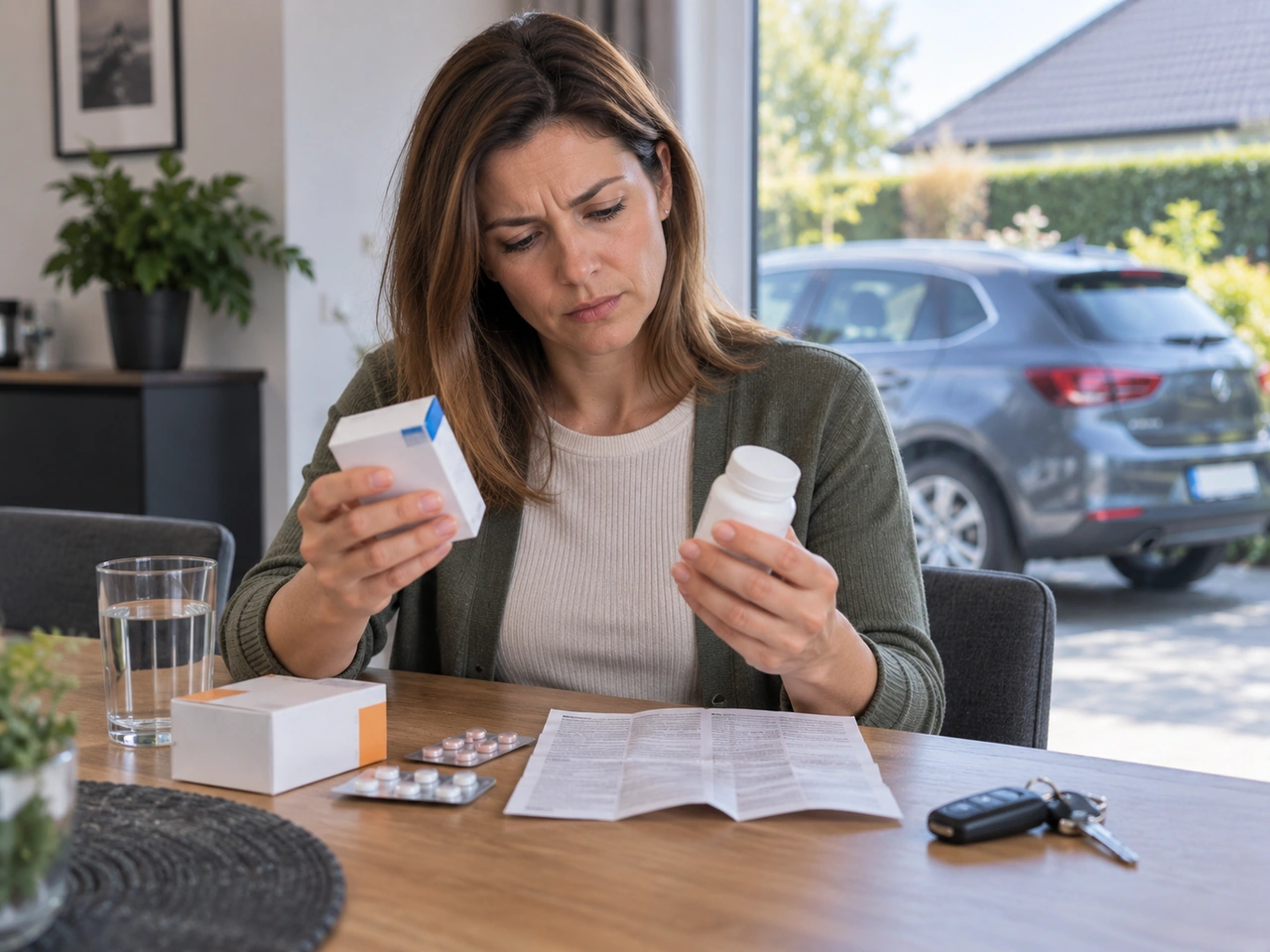
17. Why should you be careful when taking more than one medicine before driving?
Different medicines can interact or have combined side effects such as drowsiness, dizziness, blurred vision, or slower reactions. Check the instructions and seek advice from a doctor or pharmacist if you are unsure whether it is safe to drive.
AI-generated by Traffic-rules.com • WCIT • CC BY-SA
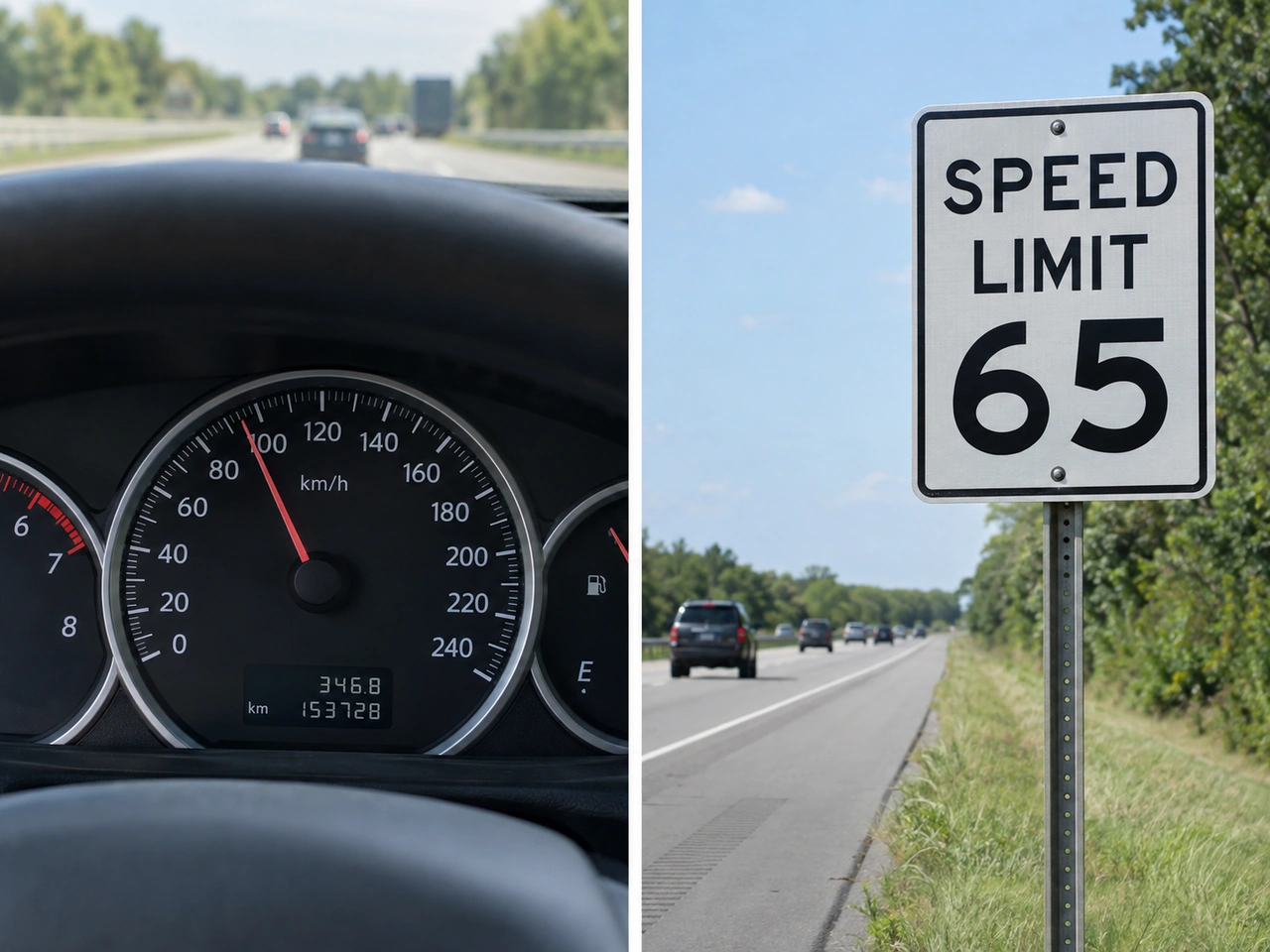
18. Which speed unit is used in Greece?
Road speeds in Greece are shown in kilometres per hour (km/h).
AI-generated by Traffic-rules.com • WCIT • CC BY-SA
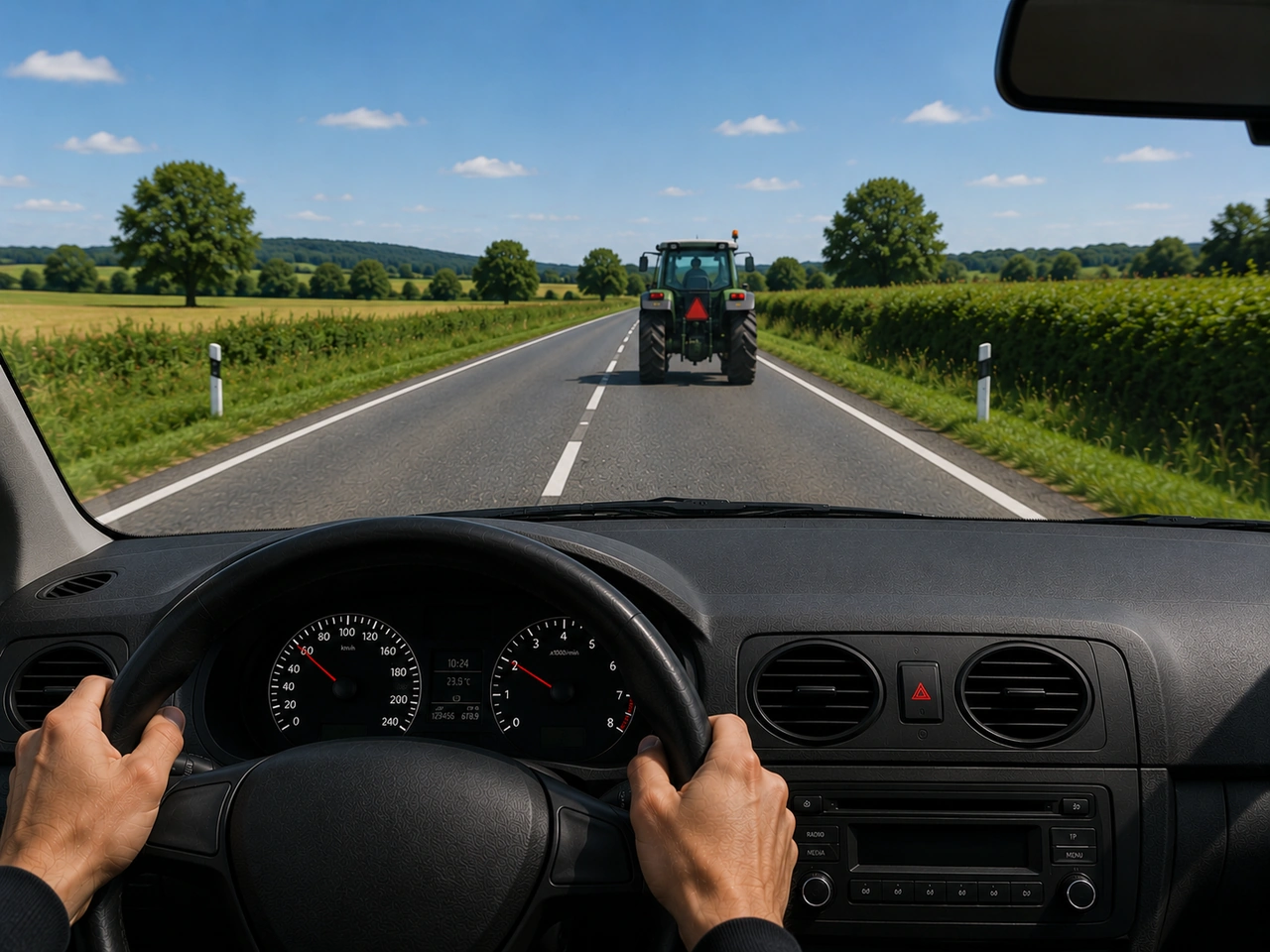
19. What should you do before overtaking a slow-moving vehicle?
Before overtaking, make sure you have enough visibility, space, and time. Signal clearly before moving out, do not exceed the speed limit, and never overtake if the road ahead is not clear.
AI-generated by Traffic-rules.com • WCIT • CC BY-SA
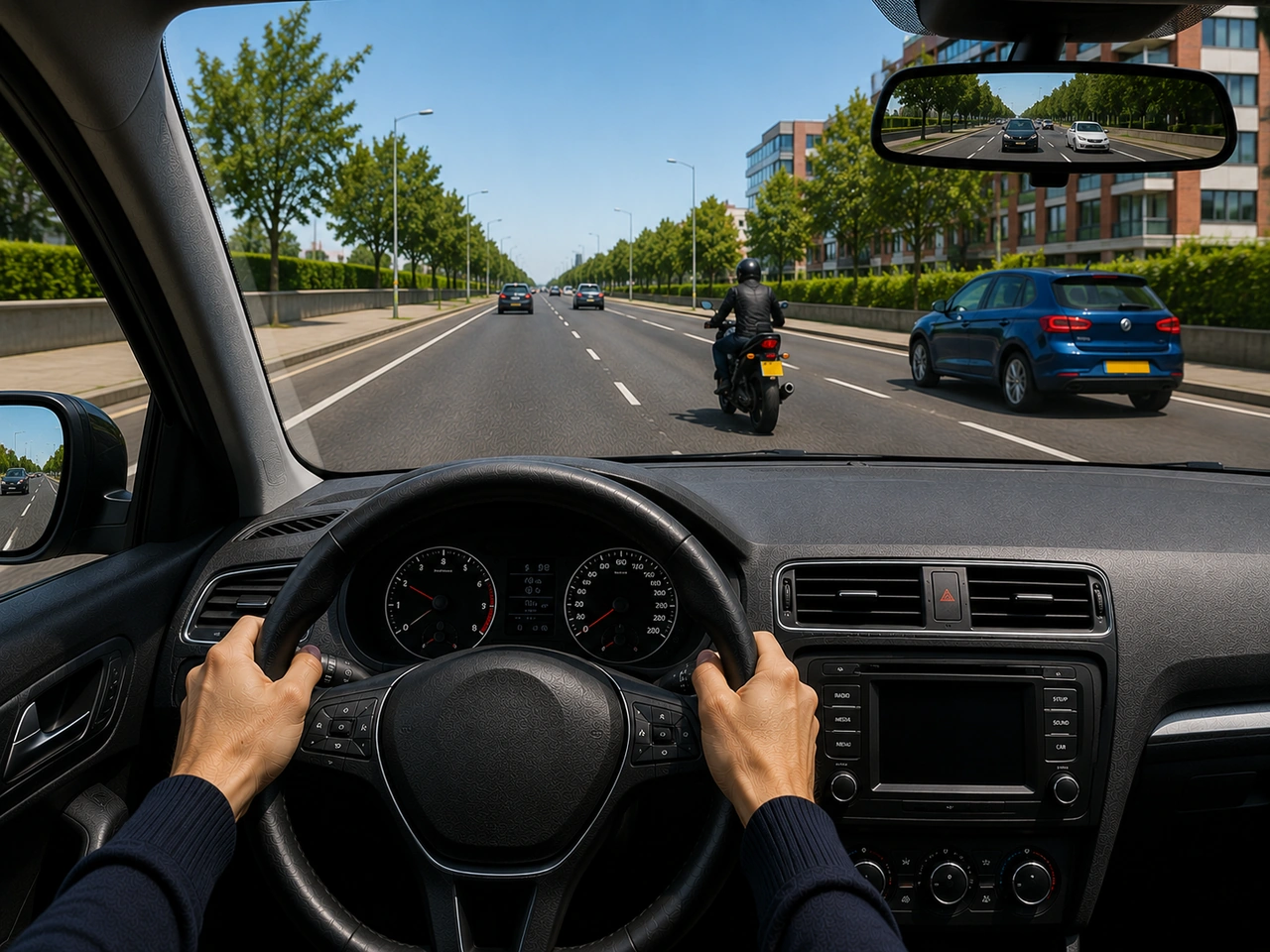
20. Why should you check for motorcyclists before changing lanes?
Motorcyclists are smaller and can be hidden in blind spots. Check mirrors, signal, and look carefully before changing lanes.
AI-generated by Traffic-rules.com • WCIT • CC BY-SA
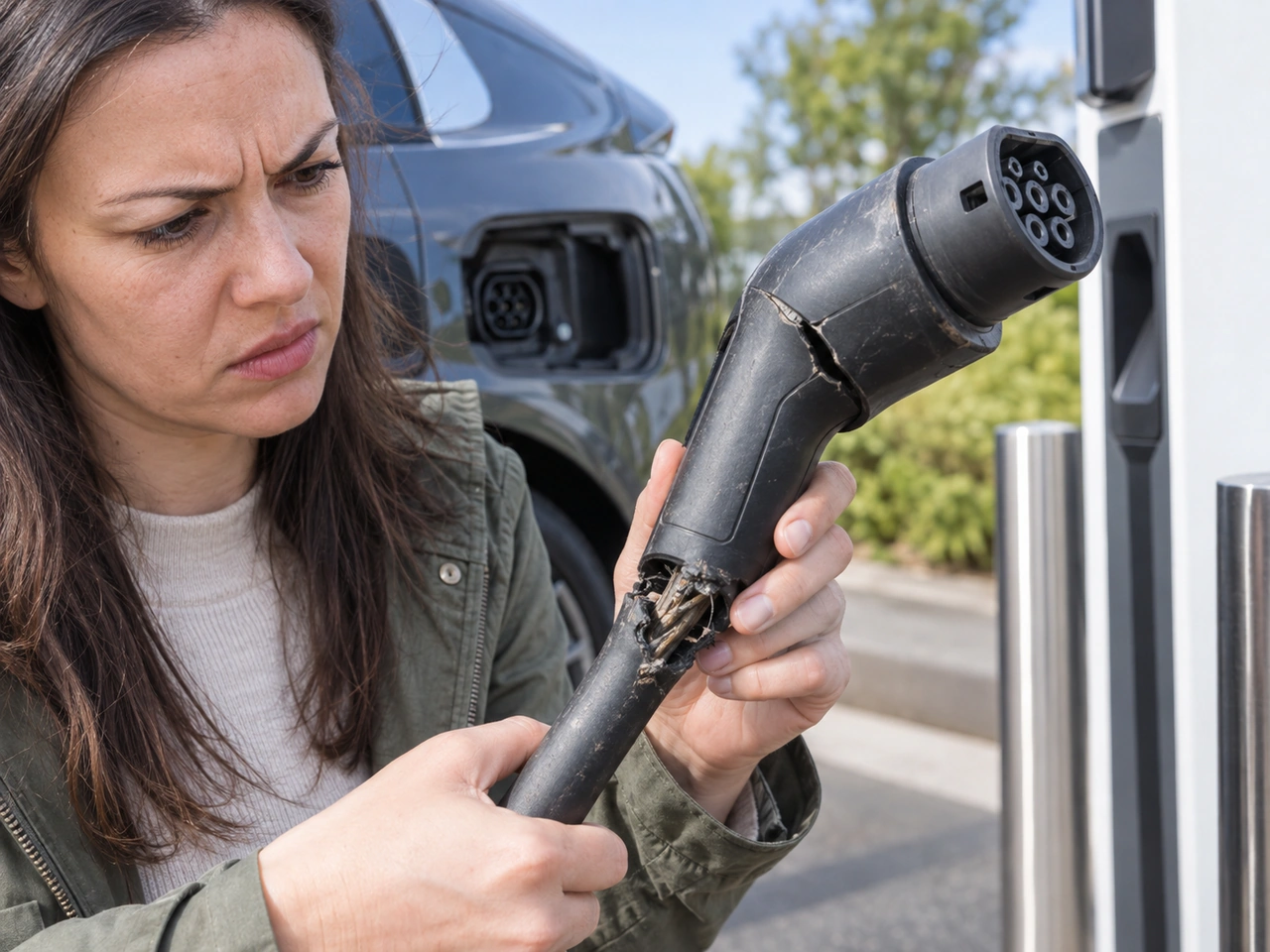
21. What should you do if an EV charging cable or connector is damaged?
Do not use a damaged charging cable or connector. Damage can create a risk of electric shock, overheating, or fire. Use suitable undamaged charging equipment and report the fault or arrange professional repair or replacement.
AI-generated by Traffic-rules.com • WCIT • CC BY-SA
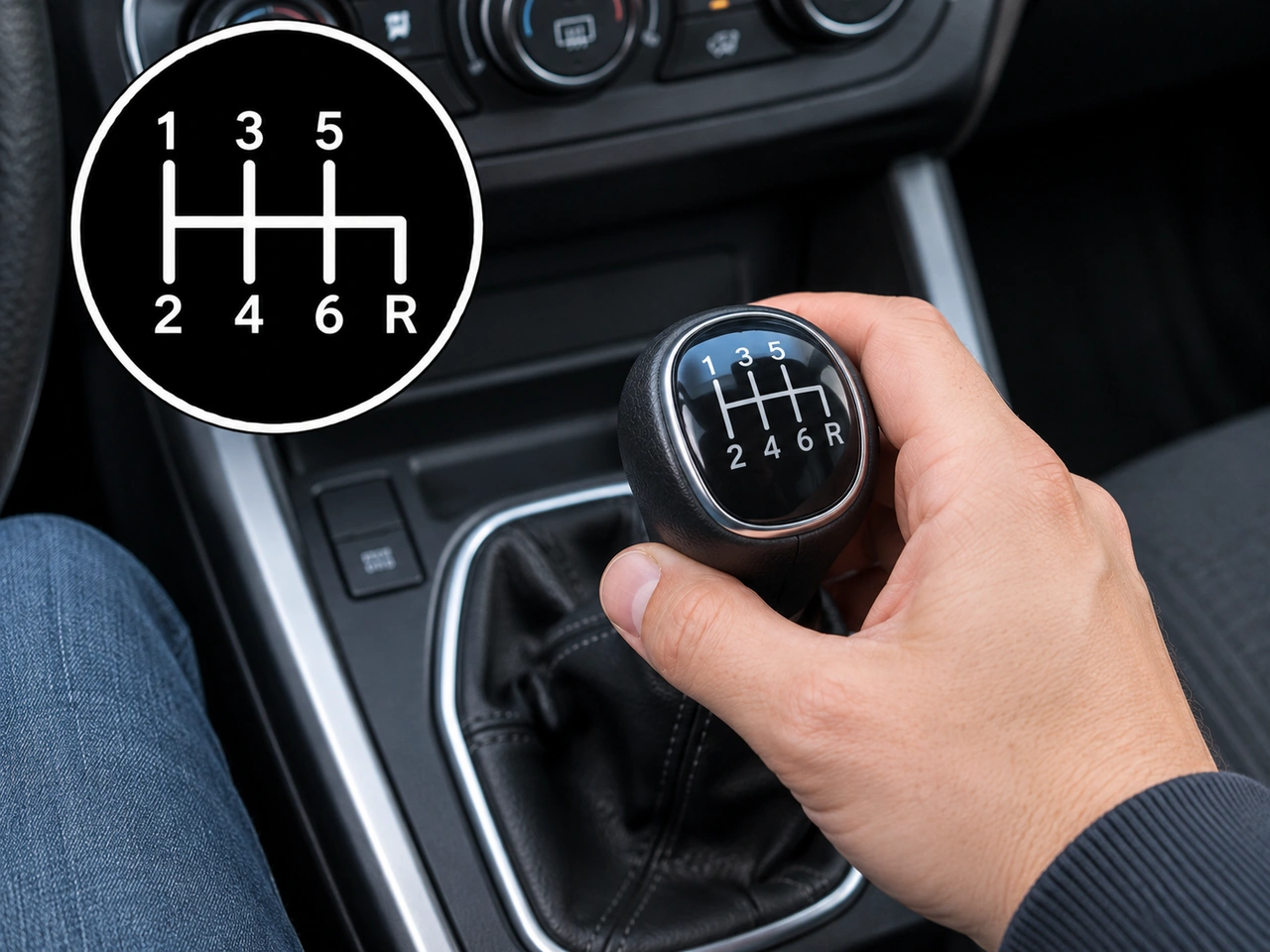
22. Which gear is used to drive a manual vehicle backwards?
Select R (Reverse) when you need to drive a manual vehicle backwards. The vehicle should be stationary before Reverse is selected.
AI-generated by Traffic-rules.com • WCIT • CC BY-SA
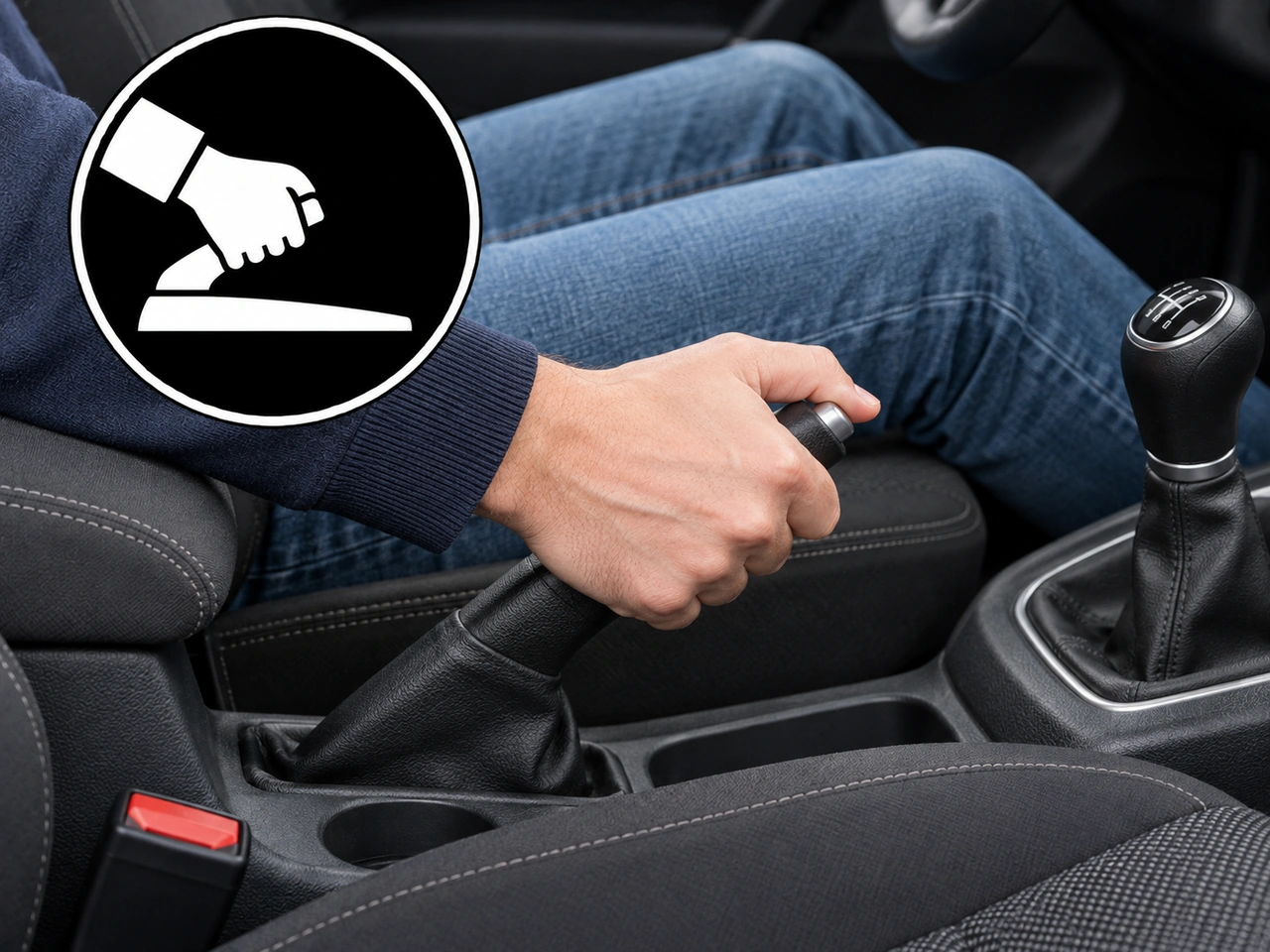
23. What is the purpose of the manual parking brake?
The manual parking brake helps keep the vehicle stationary when parked. It is normally applied by pulling up the handbrake lever and released before driving away.
AI-generated by Traffic-rules.com • WCIT • CC BY-SA
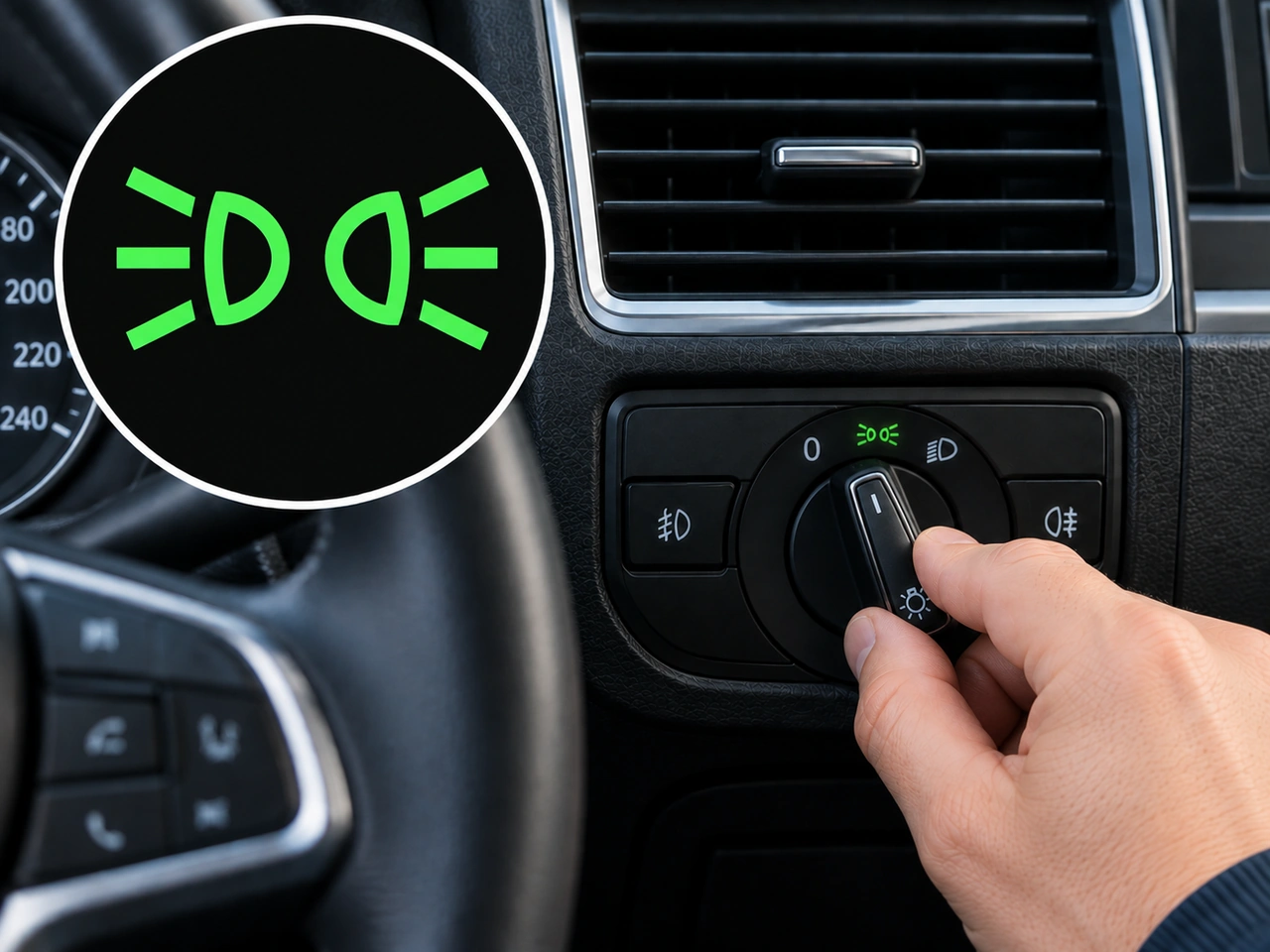
24. What does this dashboard symbol indicate?
This symbol indicates that the sidelights, also known as position or parking lights, are switched on. They help make the vehicle visible to other road users but provide little illumination of the road ahead.
AI-generated by Traffic-rules.com • WCIT • CC BY-SA
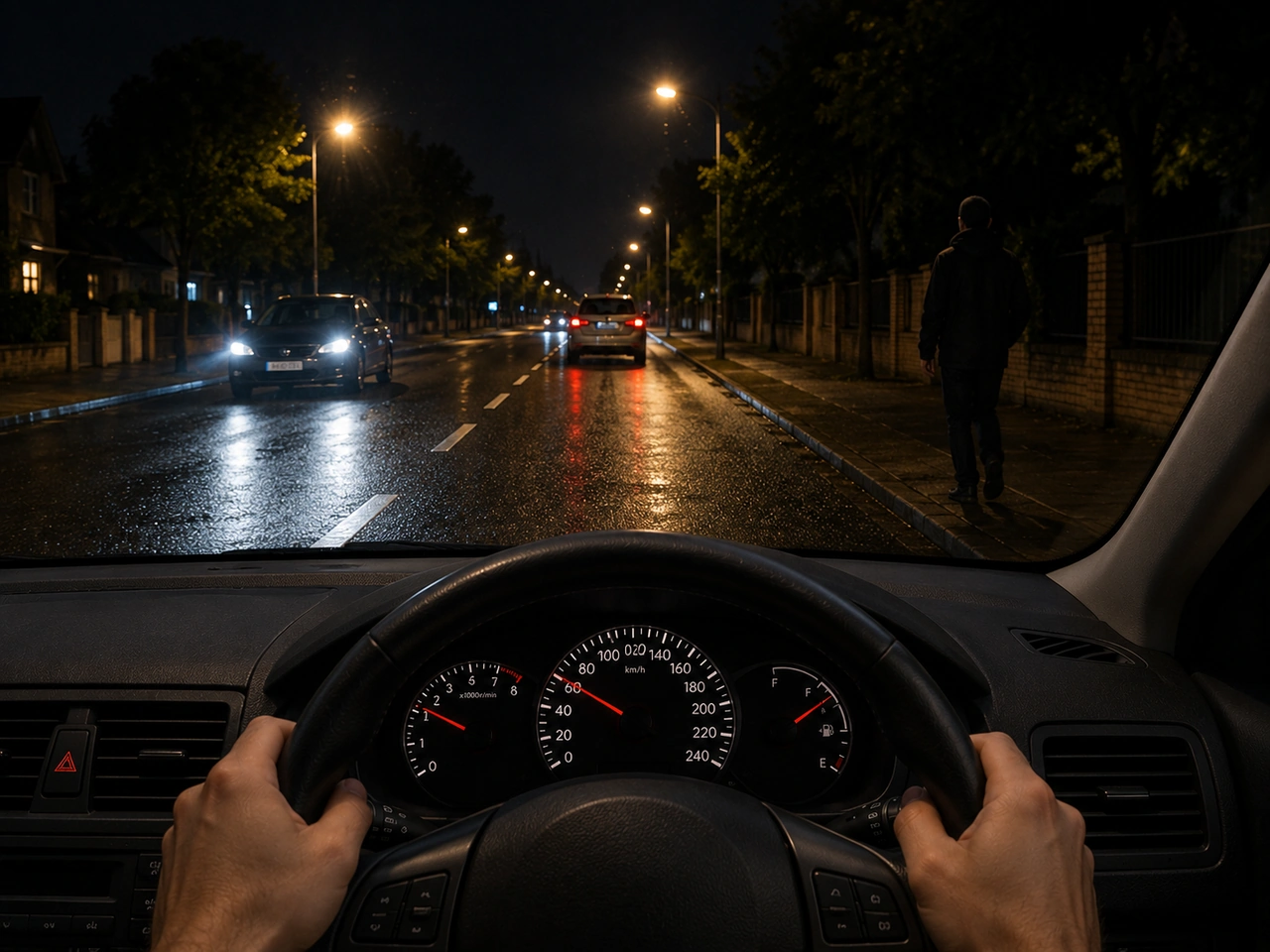
25. Why should you avoid wearing dark clothing at night?
Dark clothing makes pedestrians harder to see in low-light conditions. Bright or reflective clothing improves visibility.
AI-generated by Traffic-rules.com • WCIT • CC BY-SA

26. Why can mixing alcohol with medicine be dangerous for drivers?
Some prescription and non-prescription medicines can intensify alcohol-related drowsiness, dizziness, poor coordination, or reduced concentration.
AI-generated by Traffic-rules.com • WCIT • CC BY-SA
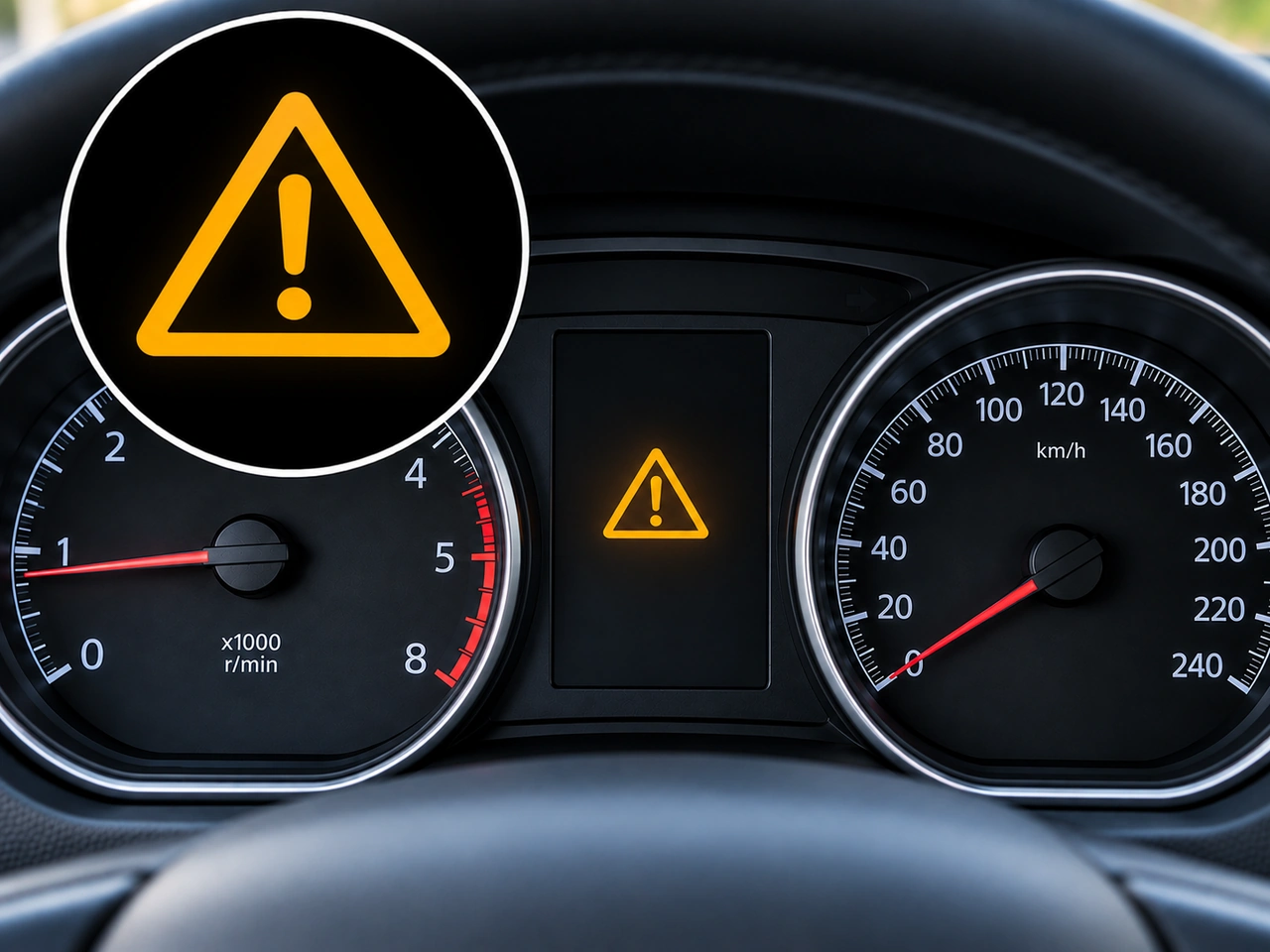
27. What does this dashboard symbol indicate?
This is a general or master warning symbol. It indicates that the vehicle has detected a condition requiring attention and is often accompanied by a message or another warning on the instrument display.
AI-generated by Traffic-rules.com • WCIT • CC BY-SA
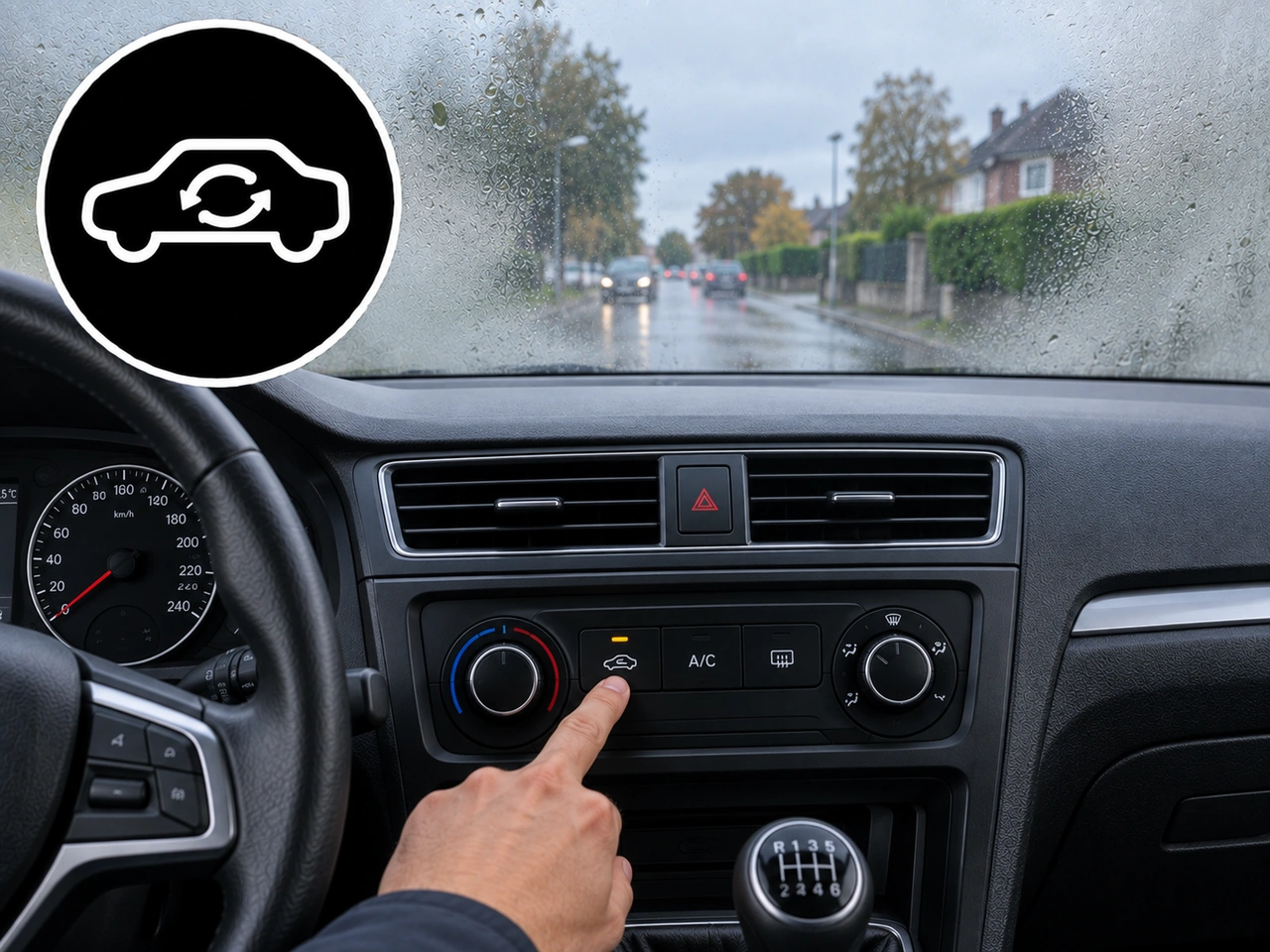
28. Why should you avoid using air recirculation for too long in damp conditions?
Using air recirculation for too long in damp conditions can allow moisture to build up inside the vehicle and increase window misting, especially when the air conditioning is not dehumidifying the air. Switching to fresh outside air can help clear condensation.
AI-generated by Traffic-rules.com • WCIT • CC BY-SA
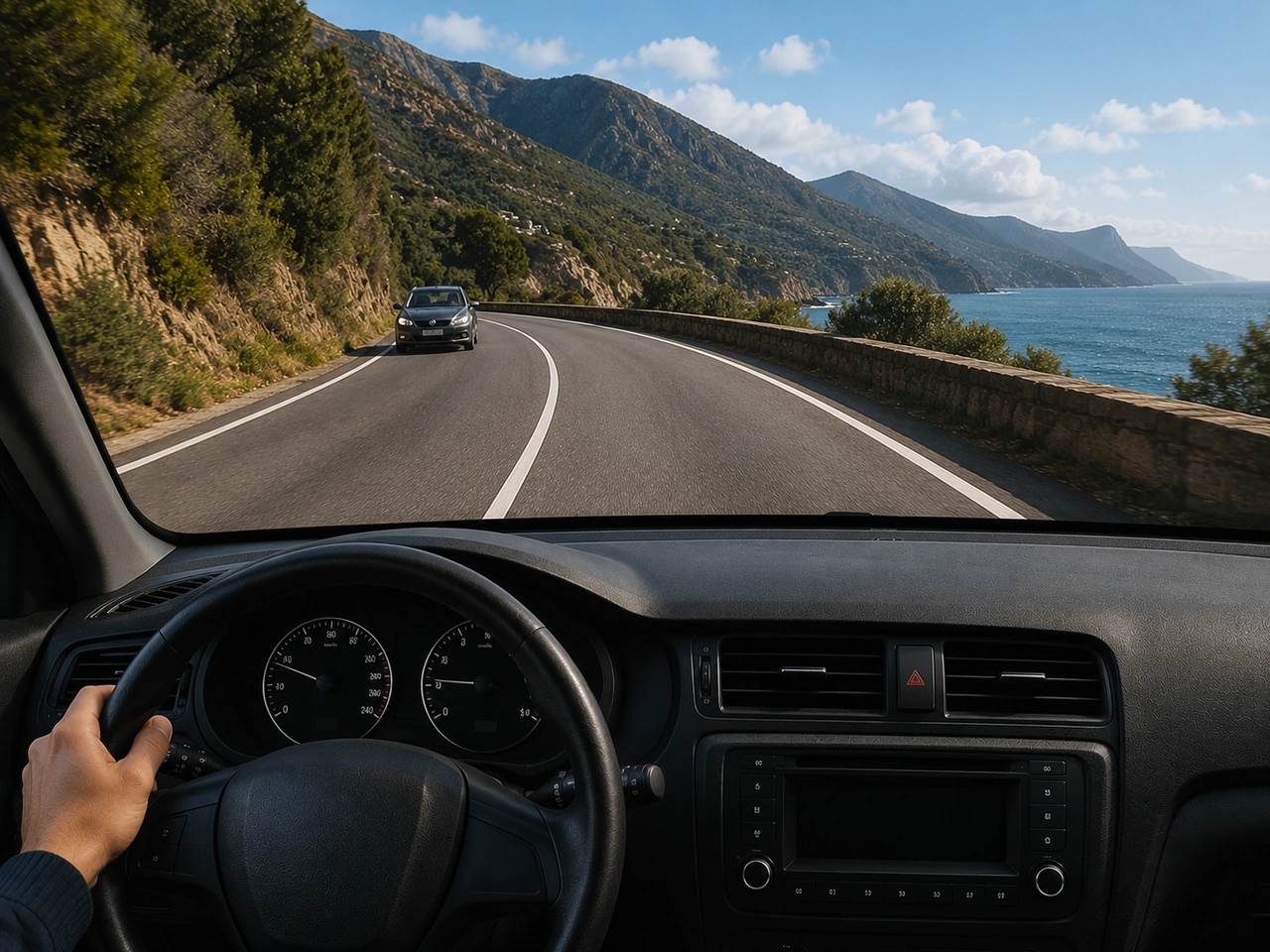
29. Why should you avoid braking hard on a curve?
Hard braking on a curve can upset the vehicle's balance and reduce grip. Slow down before the curve and steer smoothly.
AI-generated by Traffic-rules.com • WCIT • CC BY-SA
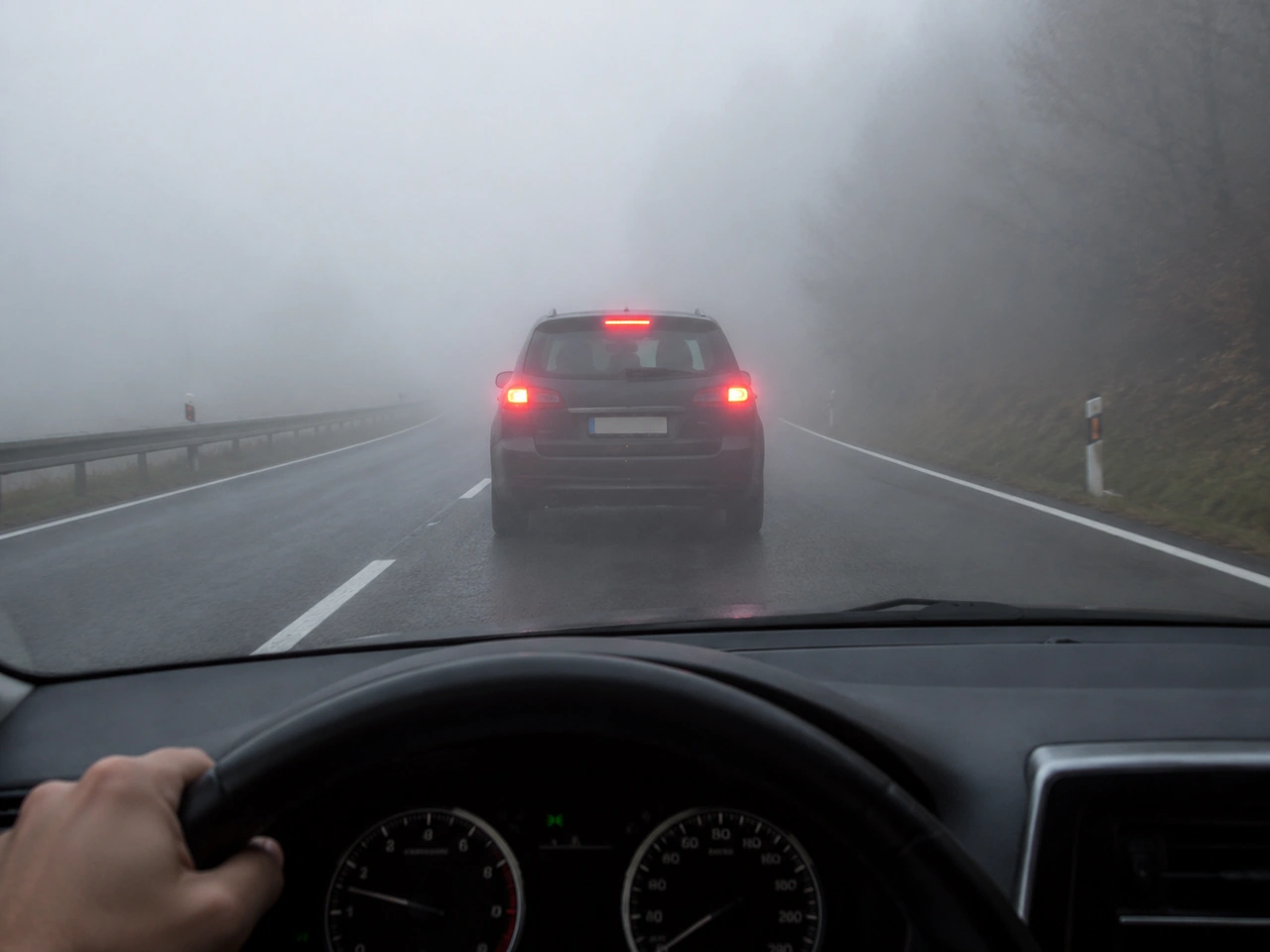
30. Why should you avoid following another vehicle too closely in fog?
Following too closely reduces your reaction time and can lead to a collision if the vehicle ahead slows unexpectedly.
AI-generated by Traffic-rules.com • WCIT • CC BY-SA
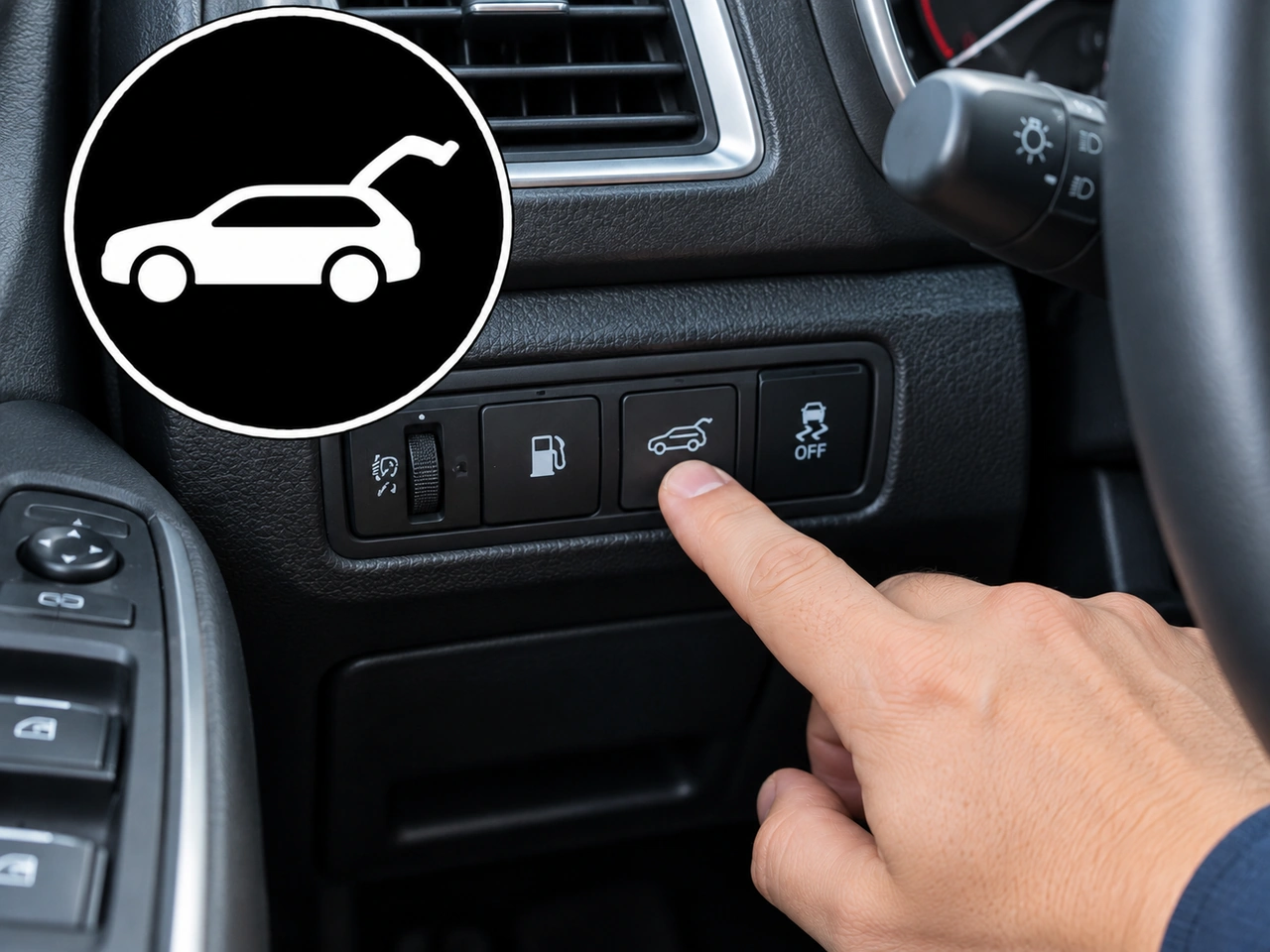
31. What does this vehicle-control symbol indicate?
This symbol indicates the boot or tailgate release. Operating the control unlocks or opens the luggage compartment, depending on the vehicle.
AI-generated by Traffic-rules.com • WCIT • CC BY-SA
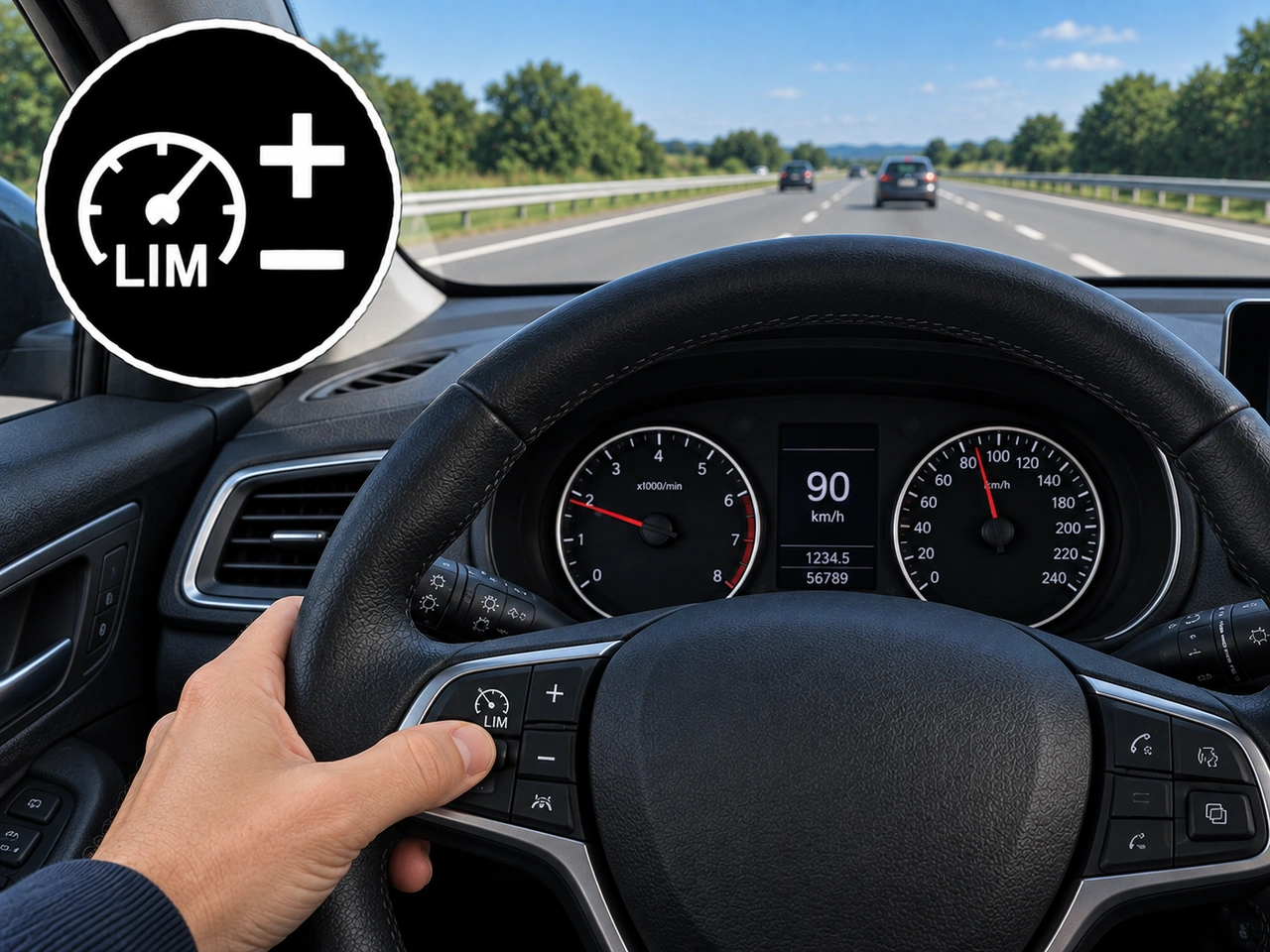
32. What do the + and − controls normally adjust when the speed limiter is active?
When the speed limiter is active, the + and − controls normally increase or decrease the selected maximum speed. The exact adjustment steps can vary between vehicles.
AI-generated by Traffic-rules.com • WCIT • CC BY-SA
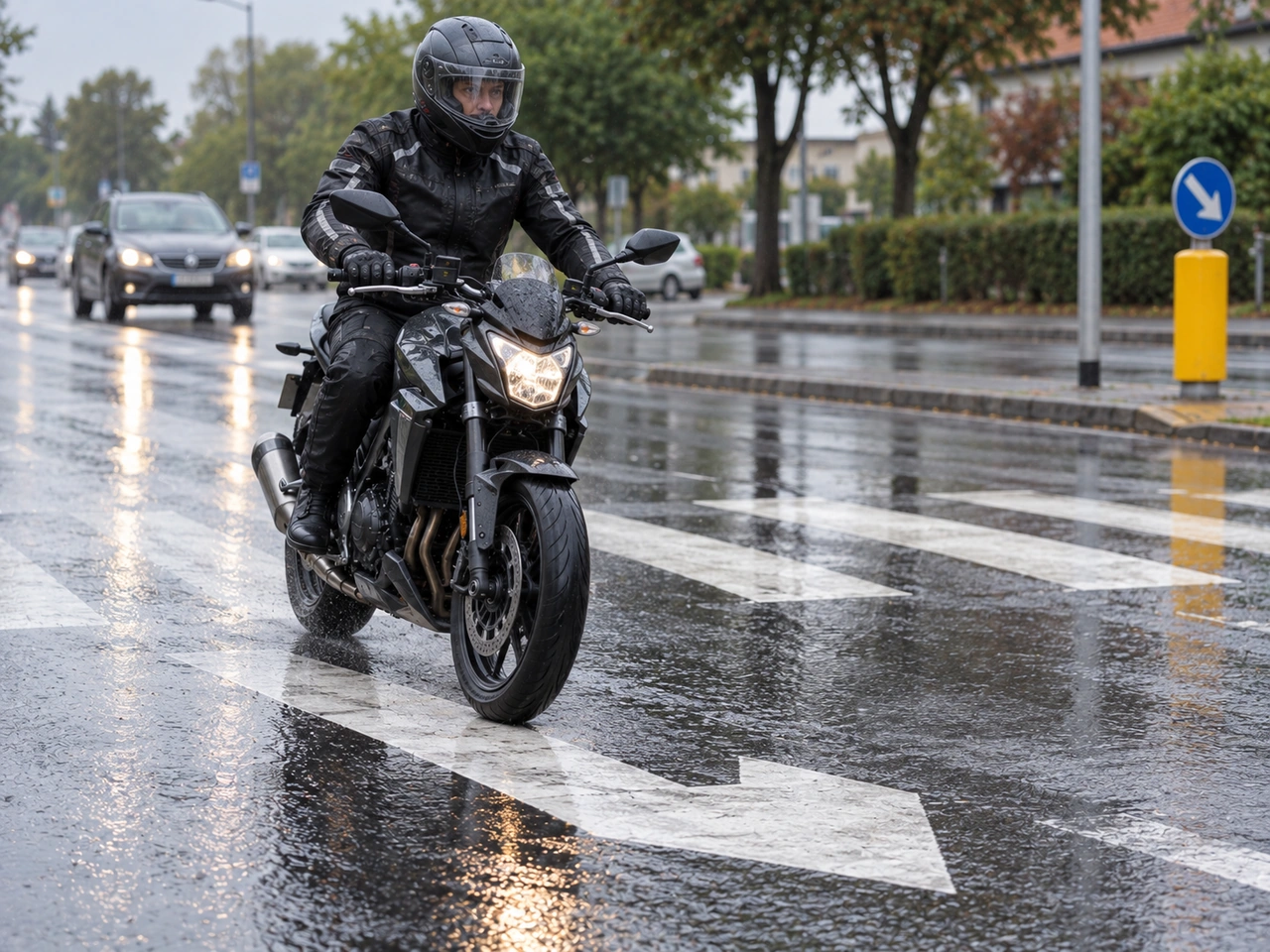
33. Why should motorcyclists take extra care on wet road markings?
Wet painted road markings can provide less grip than the surrounding road surface. Ride smoothly over them and avoid sudden braking, acceleration or steering that could cause the tyres to lose grip.
AI-generated by Traffic-rules.com • WCIT • CC BY-SA
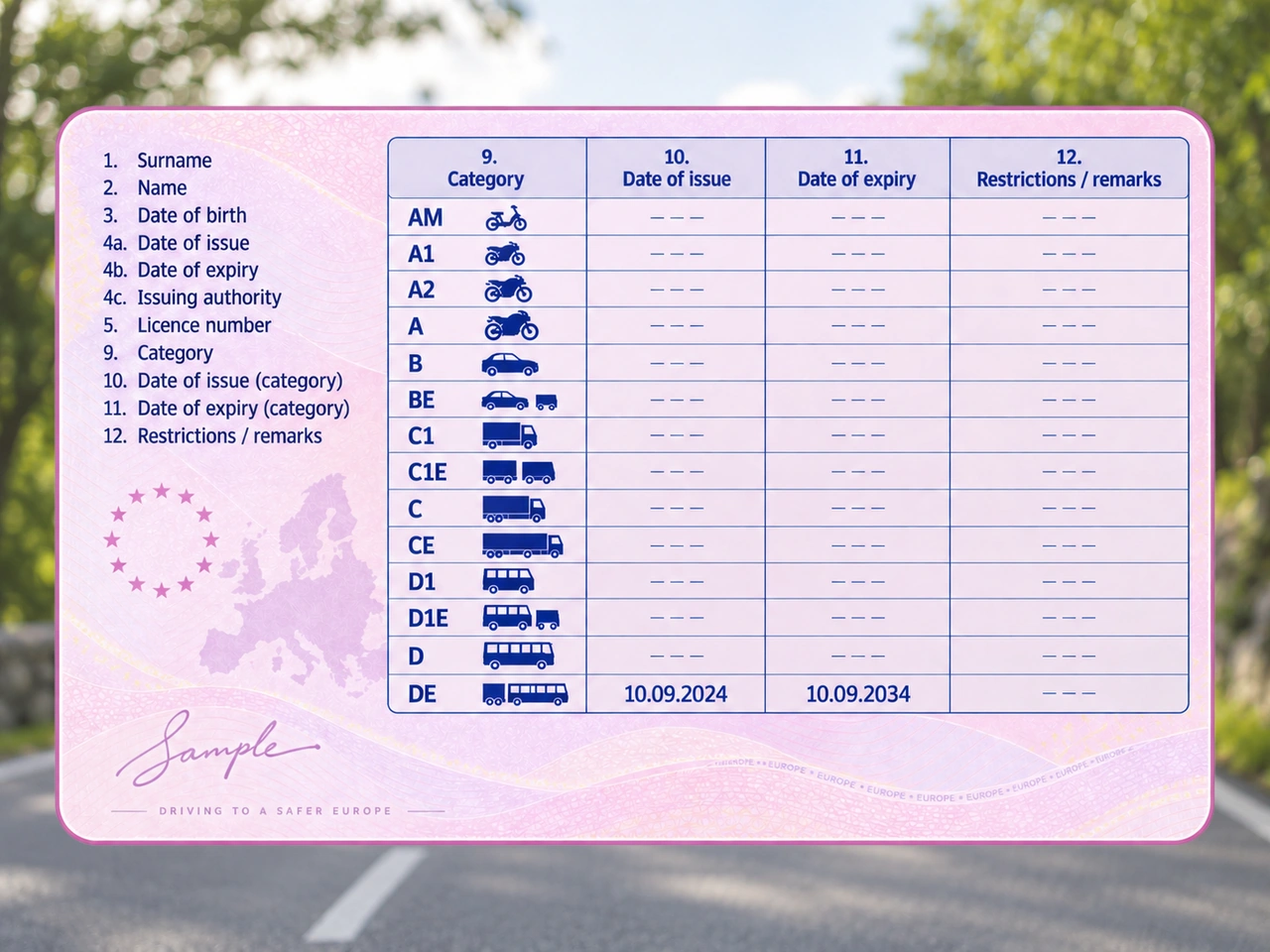
34. Which vehicle combination is covered by driving licence DE?
Category DE covers combinations consisting of a category D towing vehicle and a trailer with a maximum authorised mass above 750 kg.
AI-generated by Traffic-rules.com • WCIT • CC BY-SA
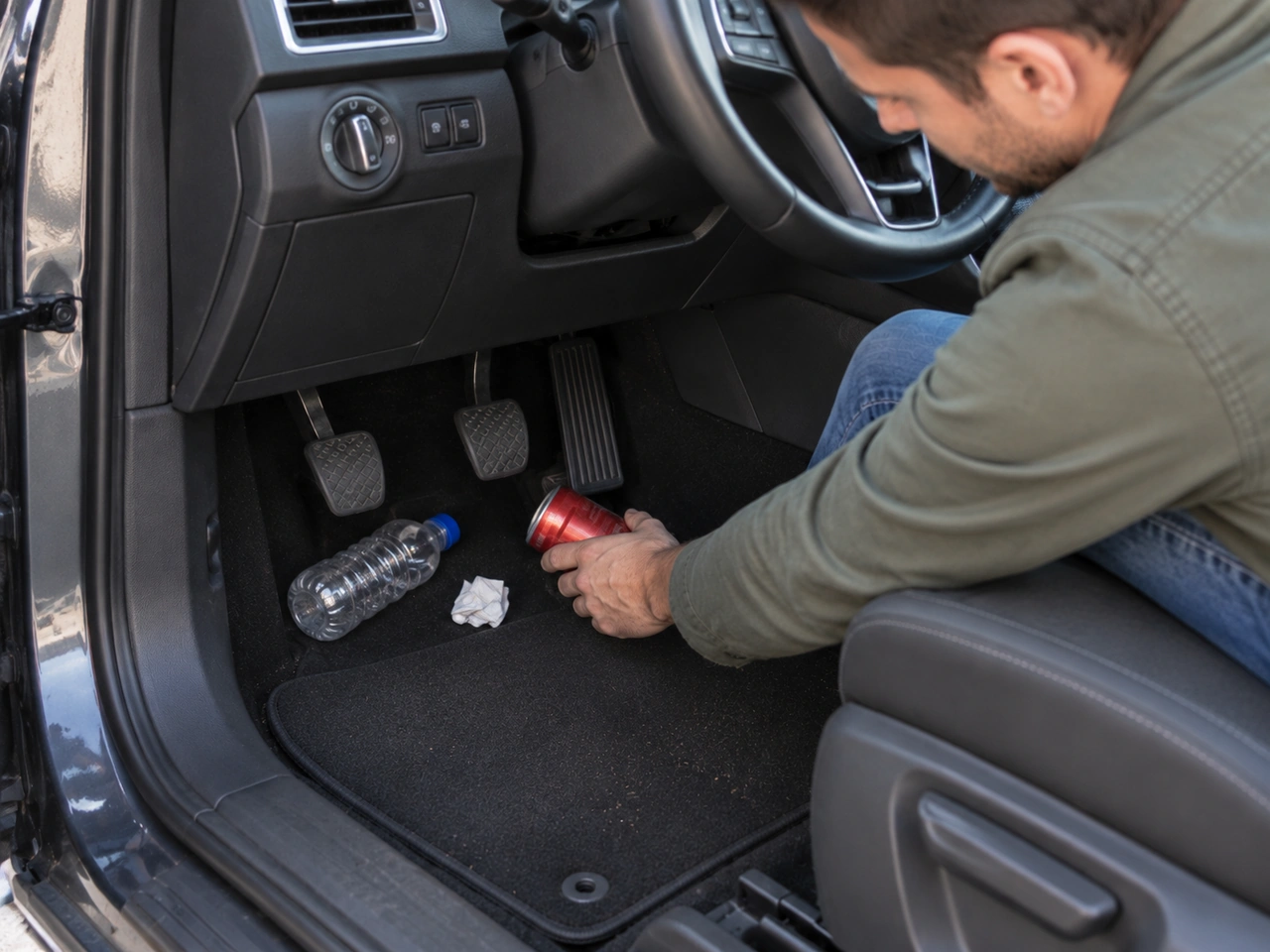
35. Why should you keep the driver's footwell free of loose objects?
Loose objects in the driver's footwell, such as bottles, cans, or rubbish, can roll into the pedal area and interfere with the accelerator, brake, or clutch. Keep the footwell clear so you can operate the pedals safely and without obstruction.
AI-generated by Traffic-rules.com • WCIT • CC BY-SA
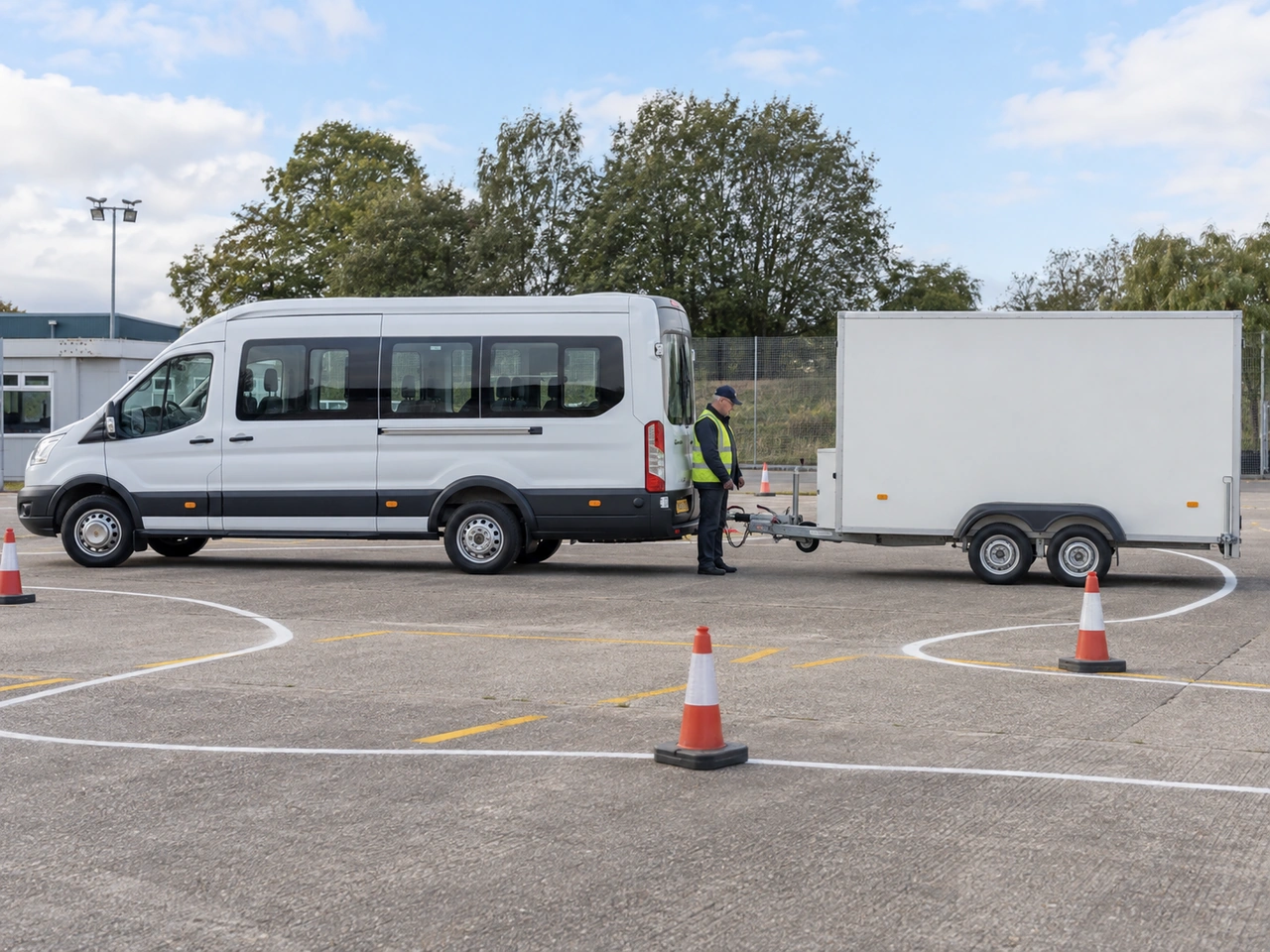
36. What is the minimum licence for a D1 minibus towing a trailer over 750 kg?
Category D1 permits a trailer with a maximum authorised mass of up to 750 kg. A D1 vehicle towing a trailer above 750 kg requires category D1E.
AI-generated by Traffic-rules.com • WCIT • CC BY-SA
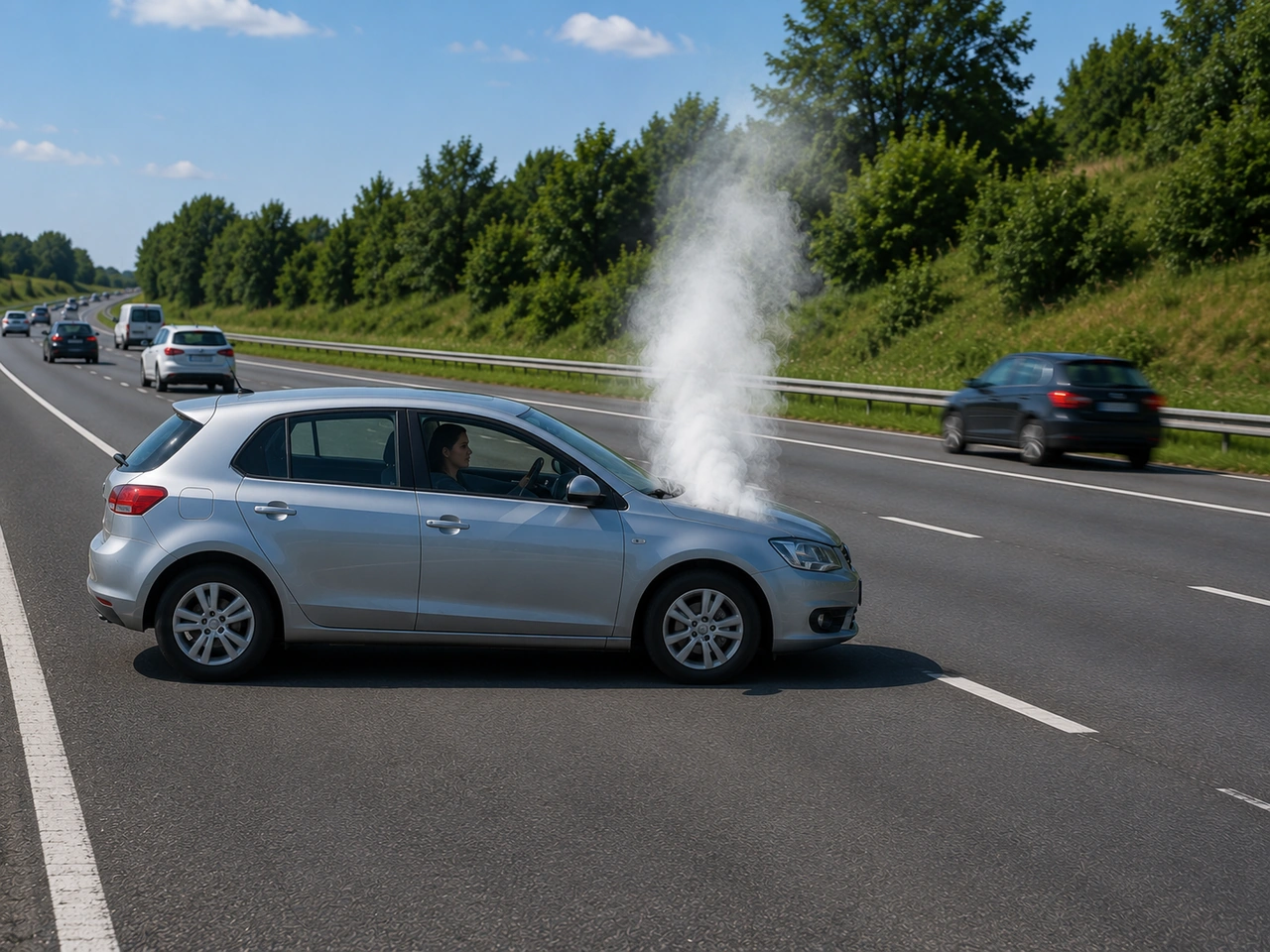
37. What should you do if your vehicle breaks down on a busy road?
If your vehicle breaks down, make it visible and get yourself away from moving traffic. Safety comes before repairing the vehicle.
AI-generated by Traffic-rules.com • WCIT • CC BY-SA
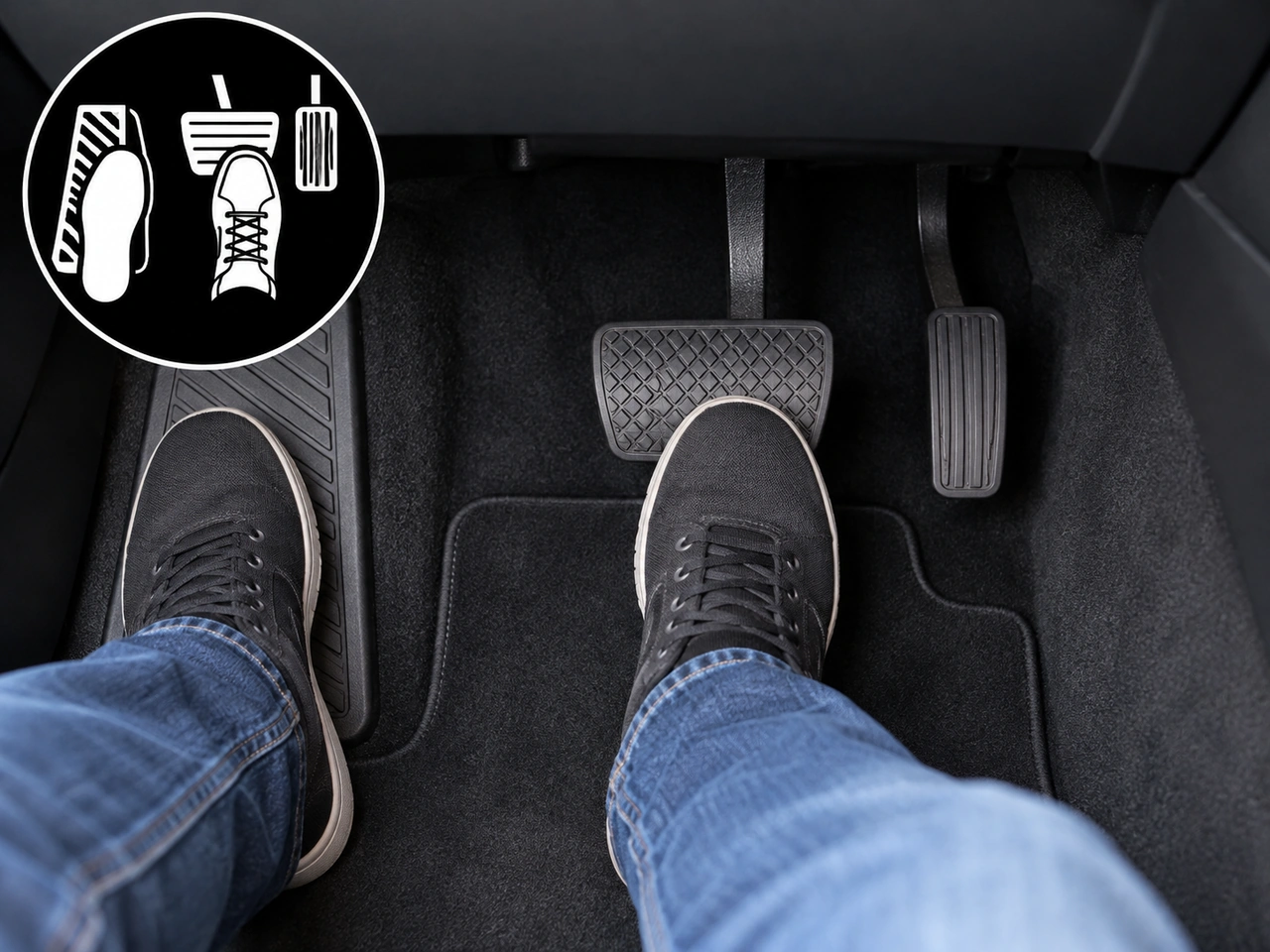
38. Which foot should normally operate the brake and accelerator in an automatic vehicle?
In an automatic vehicle, the right foot should normally operate both the brake and accelerator pedals. The left foot should rest on the footrest to reduce the risk of pressing both pedals at the same time.
AI-generated by Traffic-rules.com • WCIT • CC BY-SA
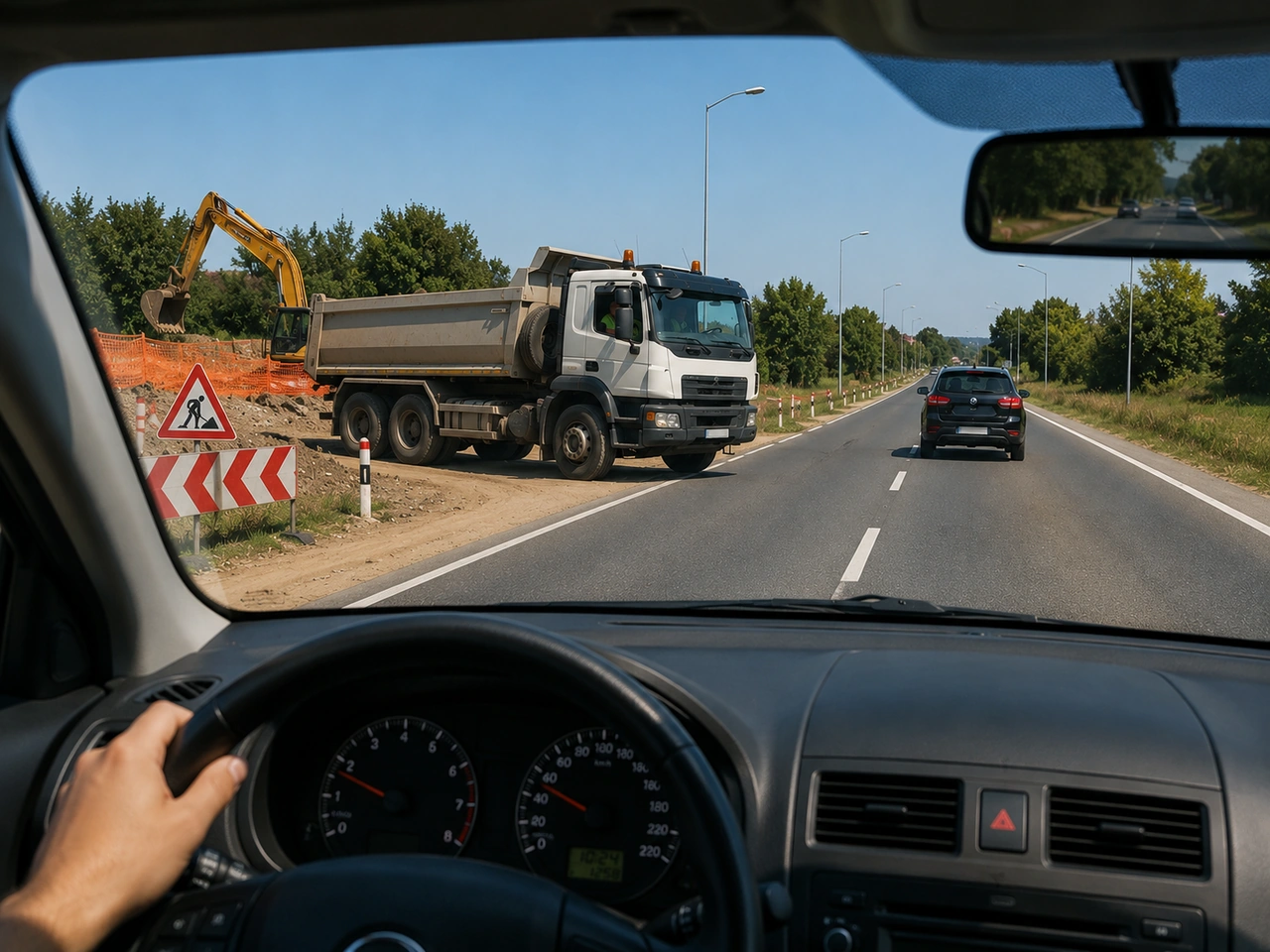
39. What should you do when construction vehicles enter or leave the road?
Construction vehicles may move slowly, have limited visibility, or carry loose material. Give them time and space to manoeuvre.
AI-generated by Traffic-rules.com • WCIT • CC BY-SA
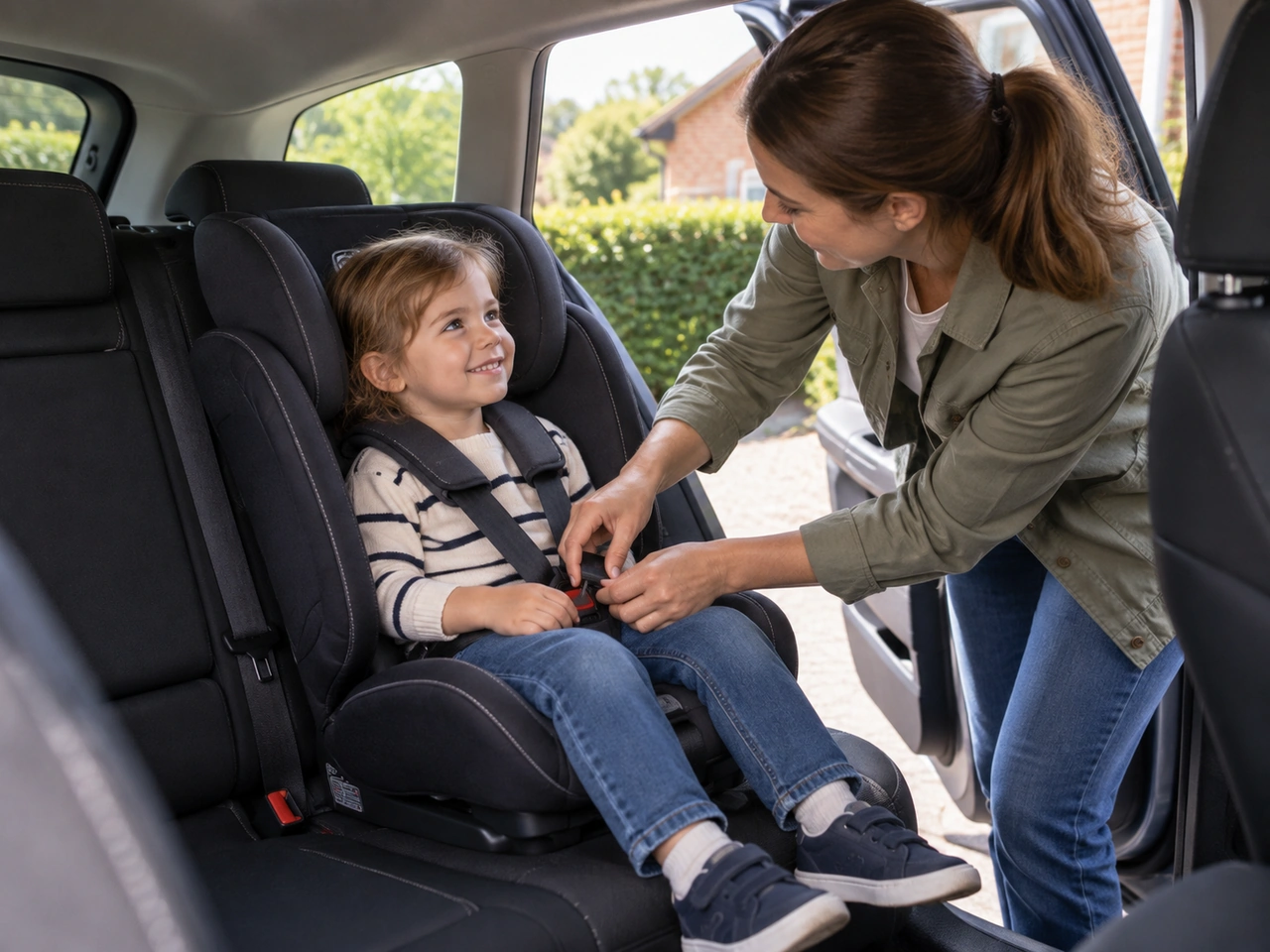
40. Why should a child use a suitable child restraint?
A suitable child restraint is designed to protect a child according to their size and development. It helps position and restrain the child correctly, reducing the risk of serious injury in a collision or sudden stop.
AI-generated by Traffic-rules.com • WCIT • CC BY-SA
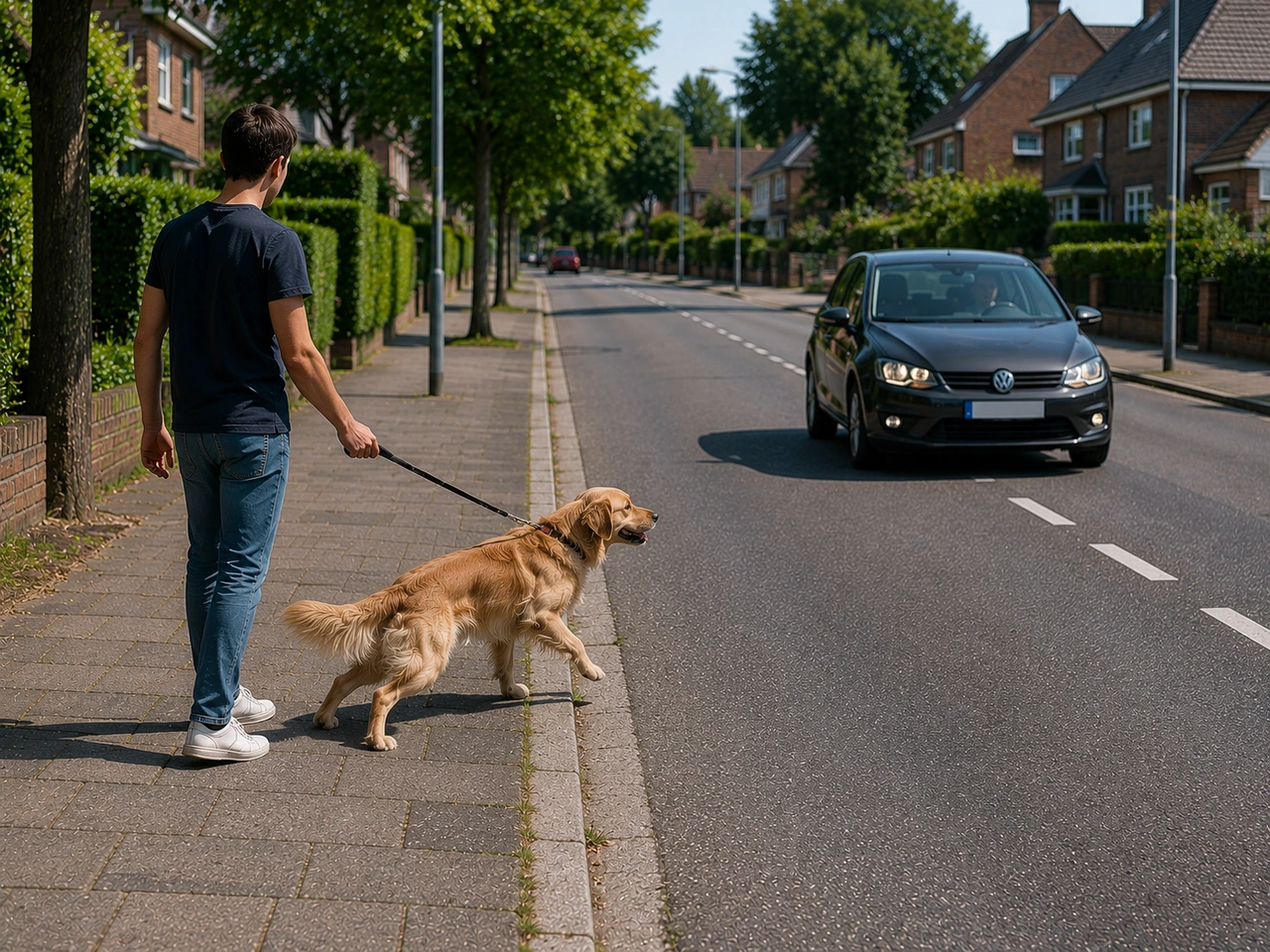
41. Why should pedestrians avoid sudden movements near traffic?
Sudden movements can surprise drivers and reduce the time they have to slow down or stop safely.
AI-generated by Traffic-rules.com • WCIT • CC BY-SA
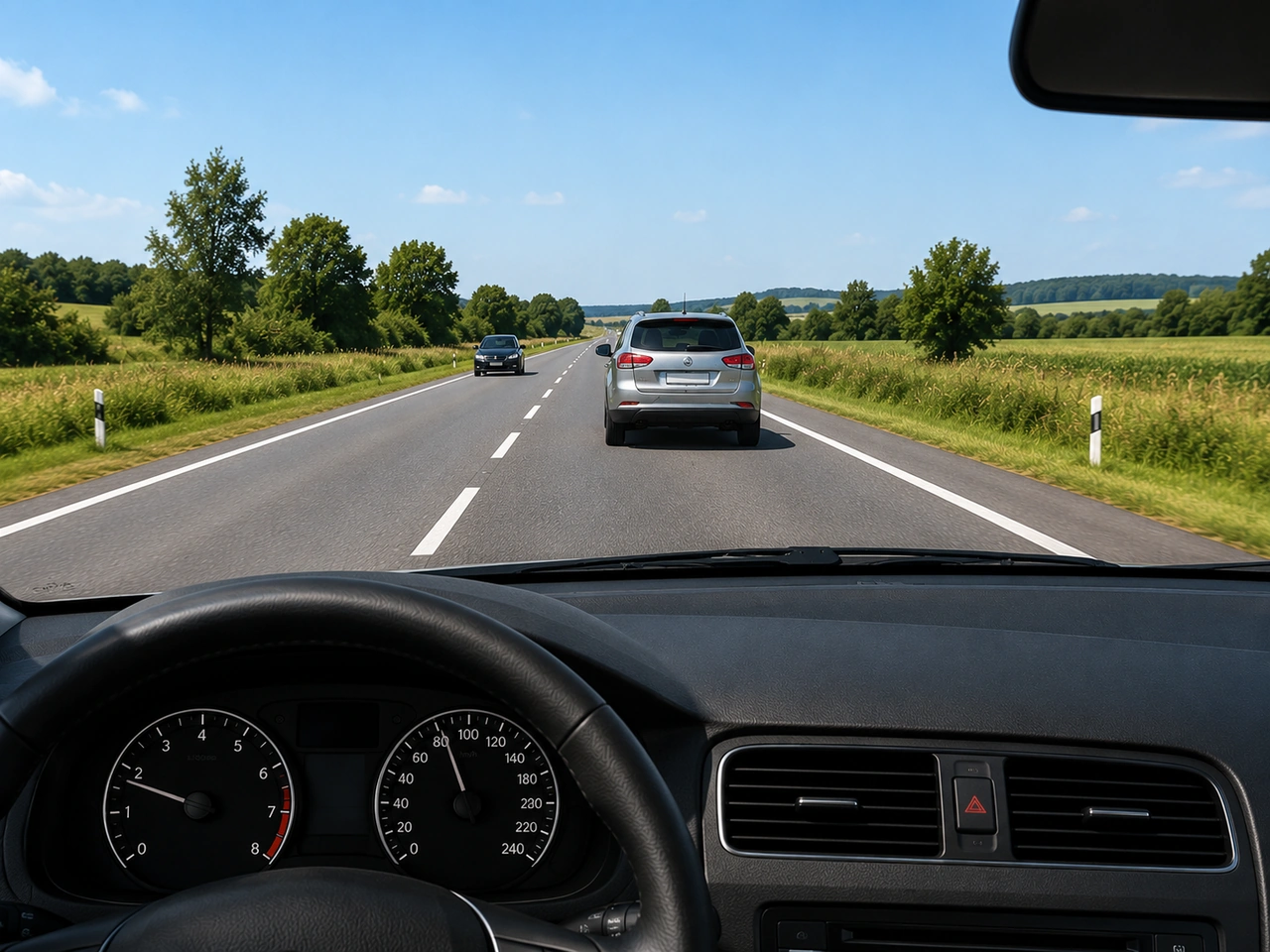
42. Why should you keep a safe following distance?
A safe following distance gives you enough time to react if the vehicle in front slows down or stops suddenly.
AI-generated by Traffic-rules.com • WCIT • CC BY-SA
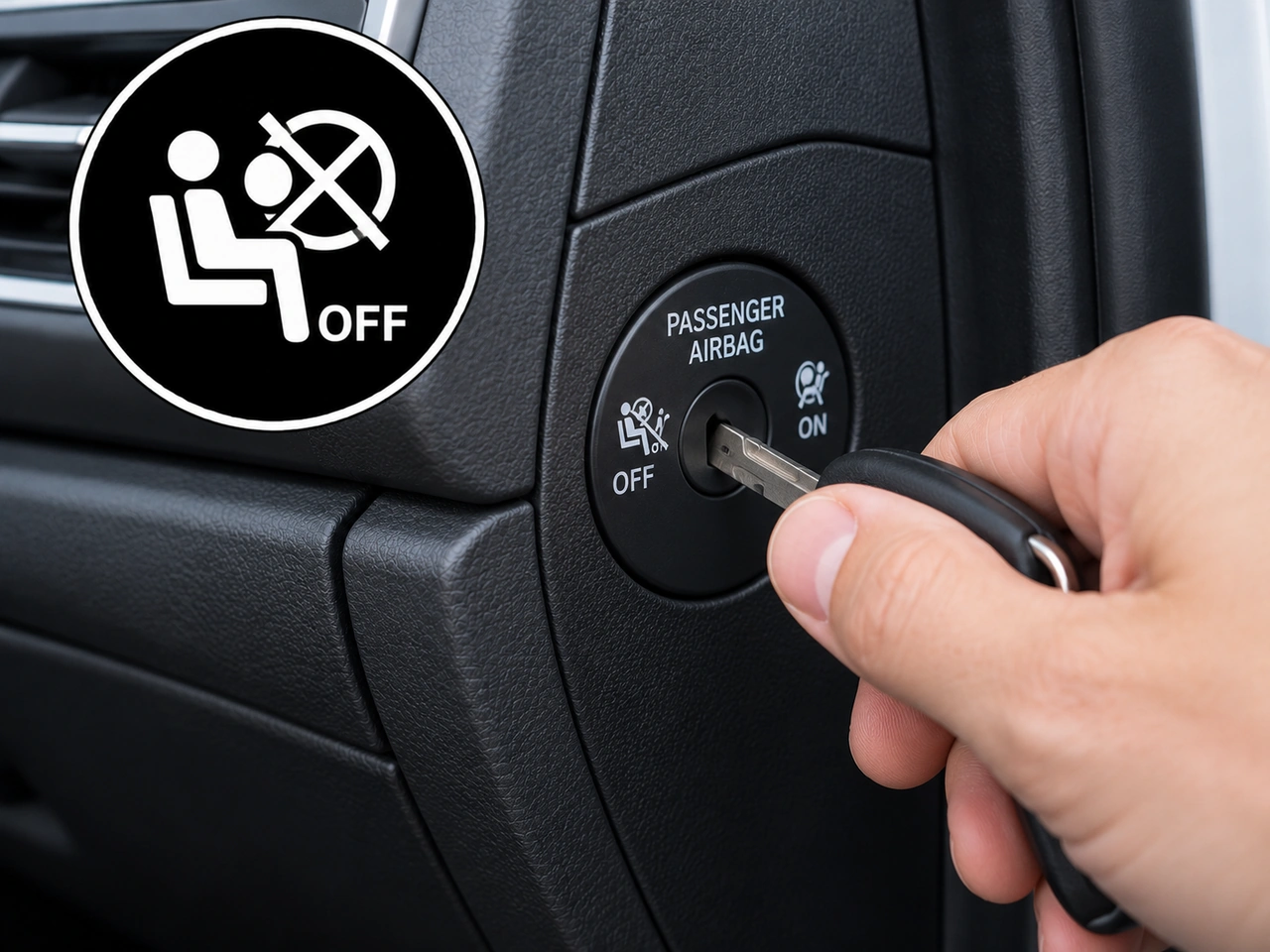
43. What does this vehicle-control symbol indicate?
This control allows the front passenger airbag to be deactivated on vehicles equipped with this function. The airbag must be deactivated when a rear-facing child restraint is used on the front passenger seat.
AI-generated by Traffic-rules.com • WCIT • CC BY-SA
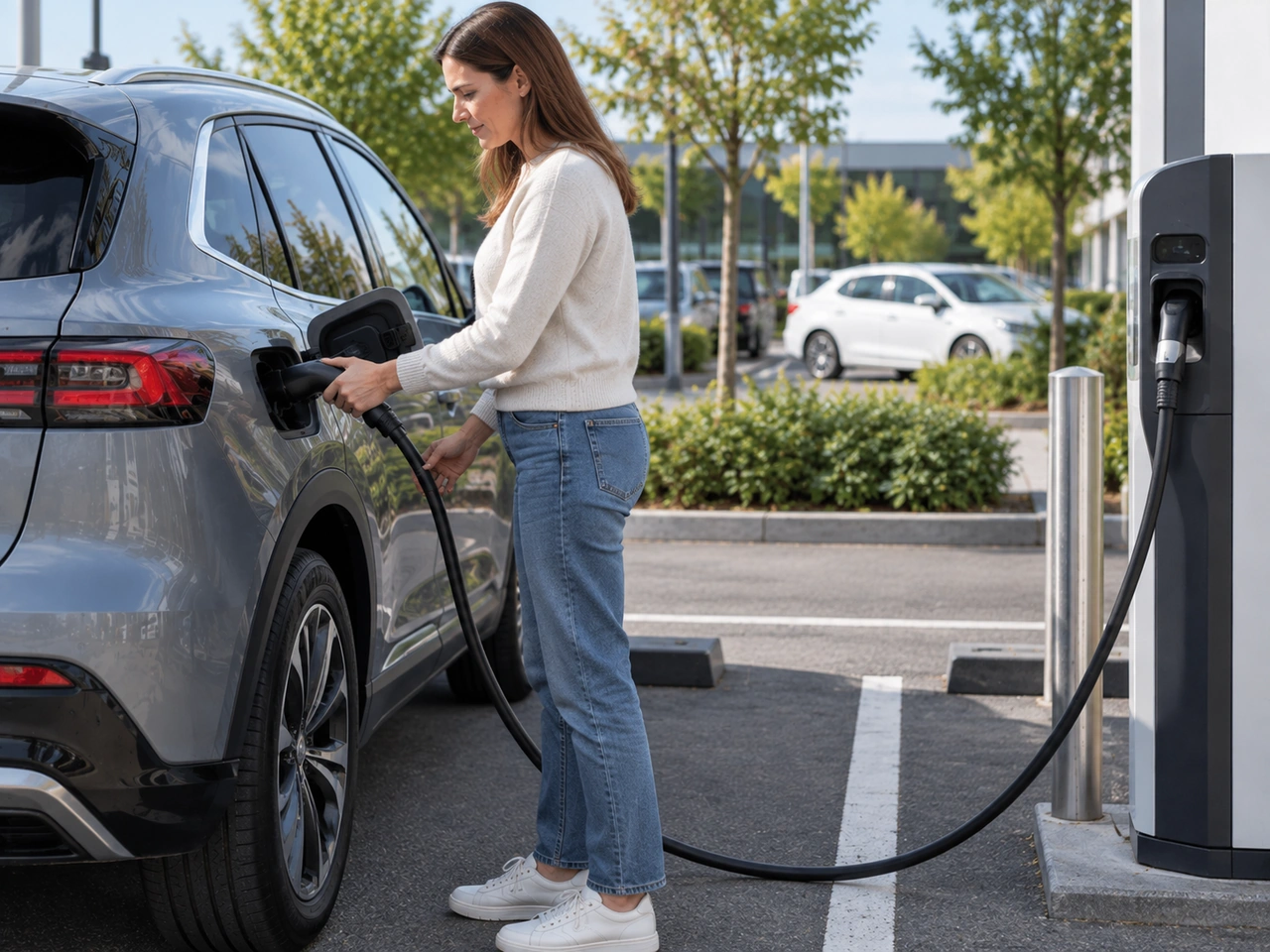
44. What should you do before driving away after charging an electric vehicle?
Before driving away, disconnect the charging cable correctly and return it to the charger or store it securely in the vehicle, as appropriate. Close the charging port and check that the area around the vehicle is clear.
AI-generated by Traffic-rules.com • WCIT • CC BY-SA
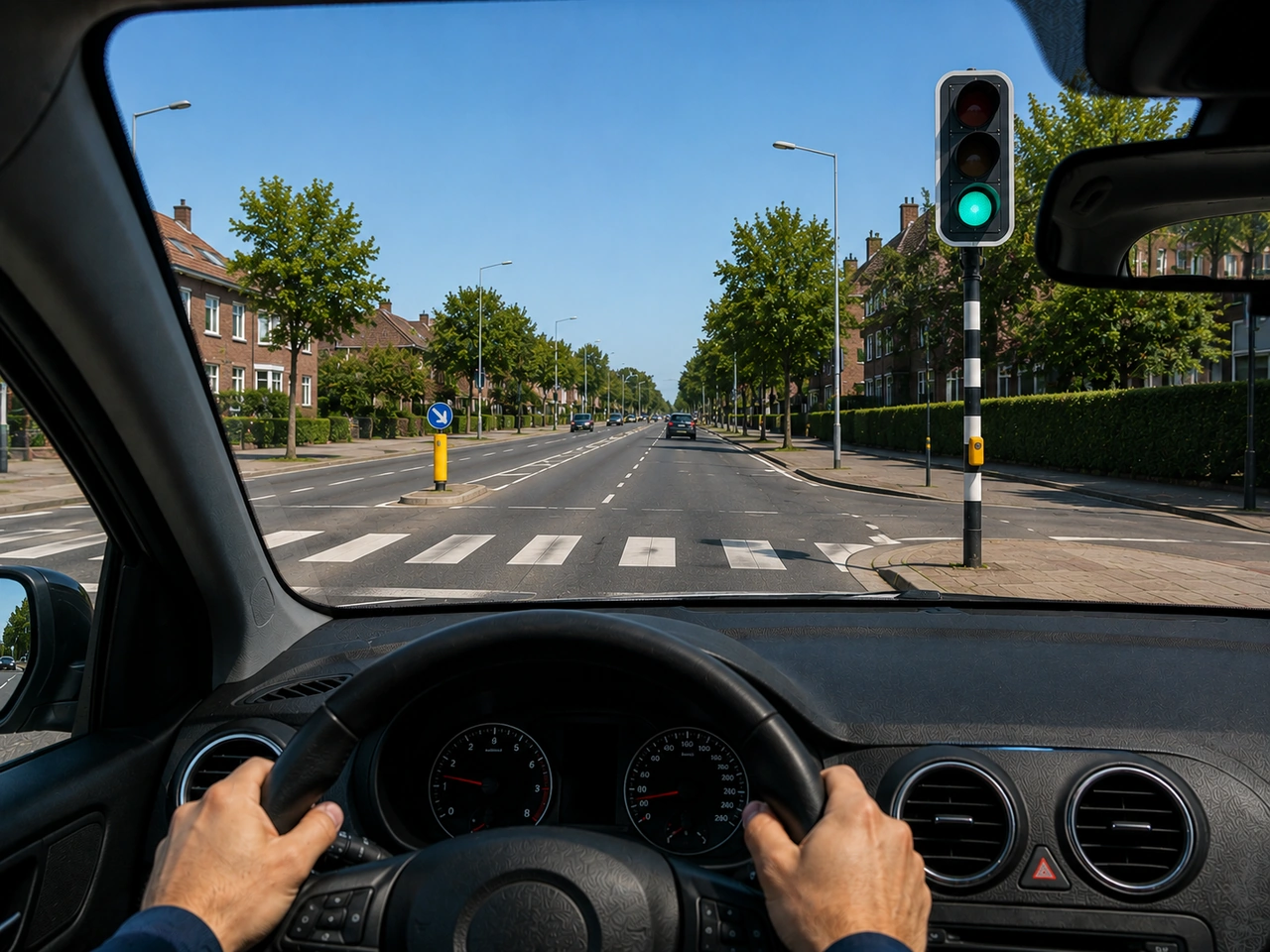
45. What does a green traffic light mean?
A green light allows you to continue, but you must still watch for pedestrians, cyclists, and other road users.
AI-generated by Traffic-rules.com • WCIT • CC BY-SA
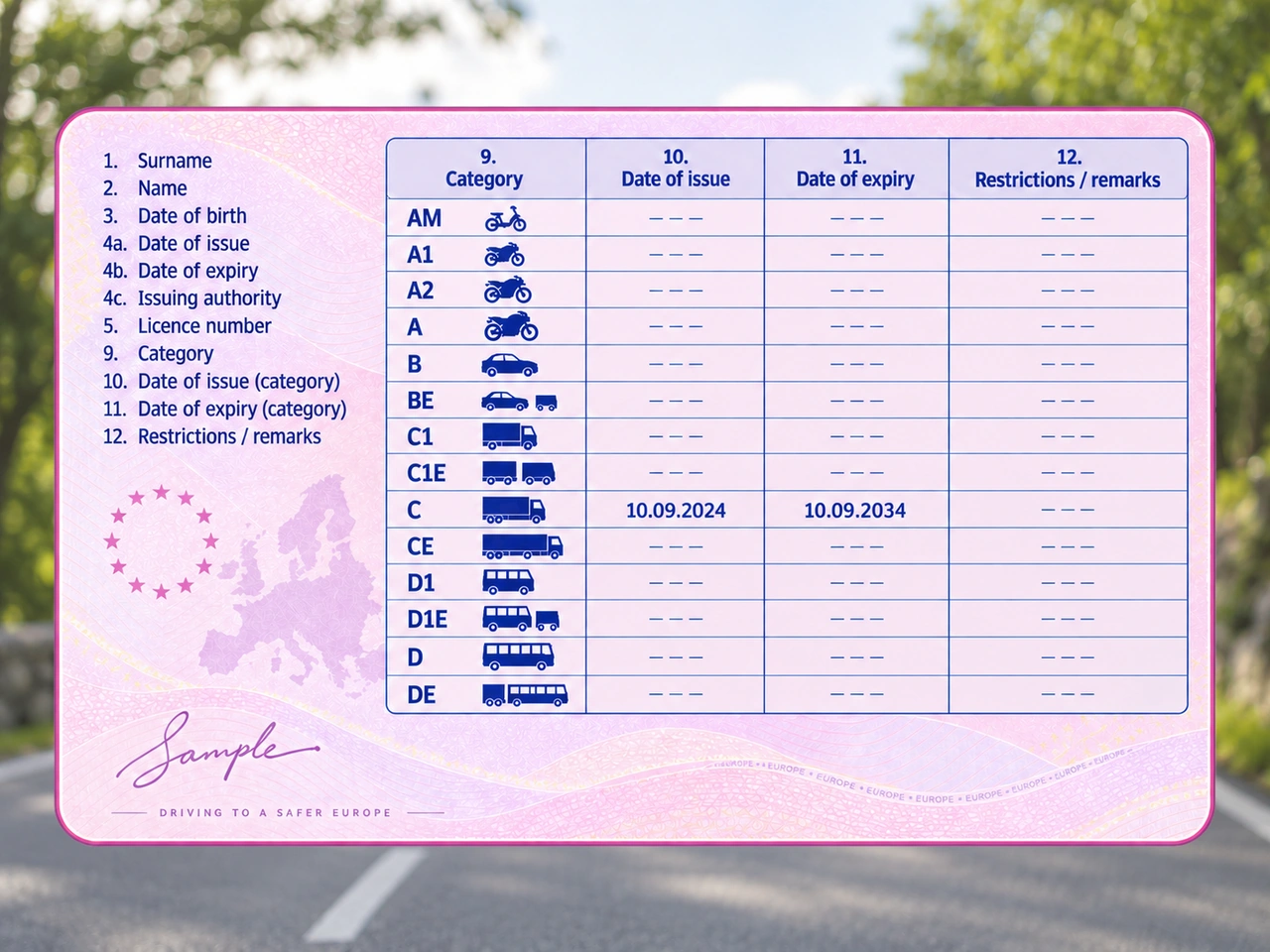
46. Which vehicles are covered by driving licence C?
Category C covers motor vehicles, other than categories D1 and D, with a maximum authorised mass above 3,500 kg and designed to carry no more than eight passengers in addition to the driver. A trailer up to 750 kg may be towed.
AI-generated by Traffic-rules.com • WCIT • CC BY-SA
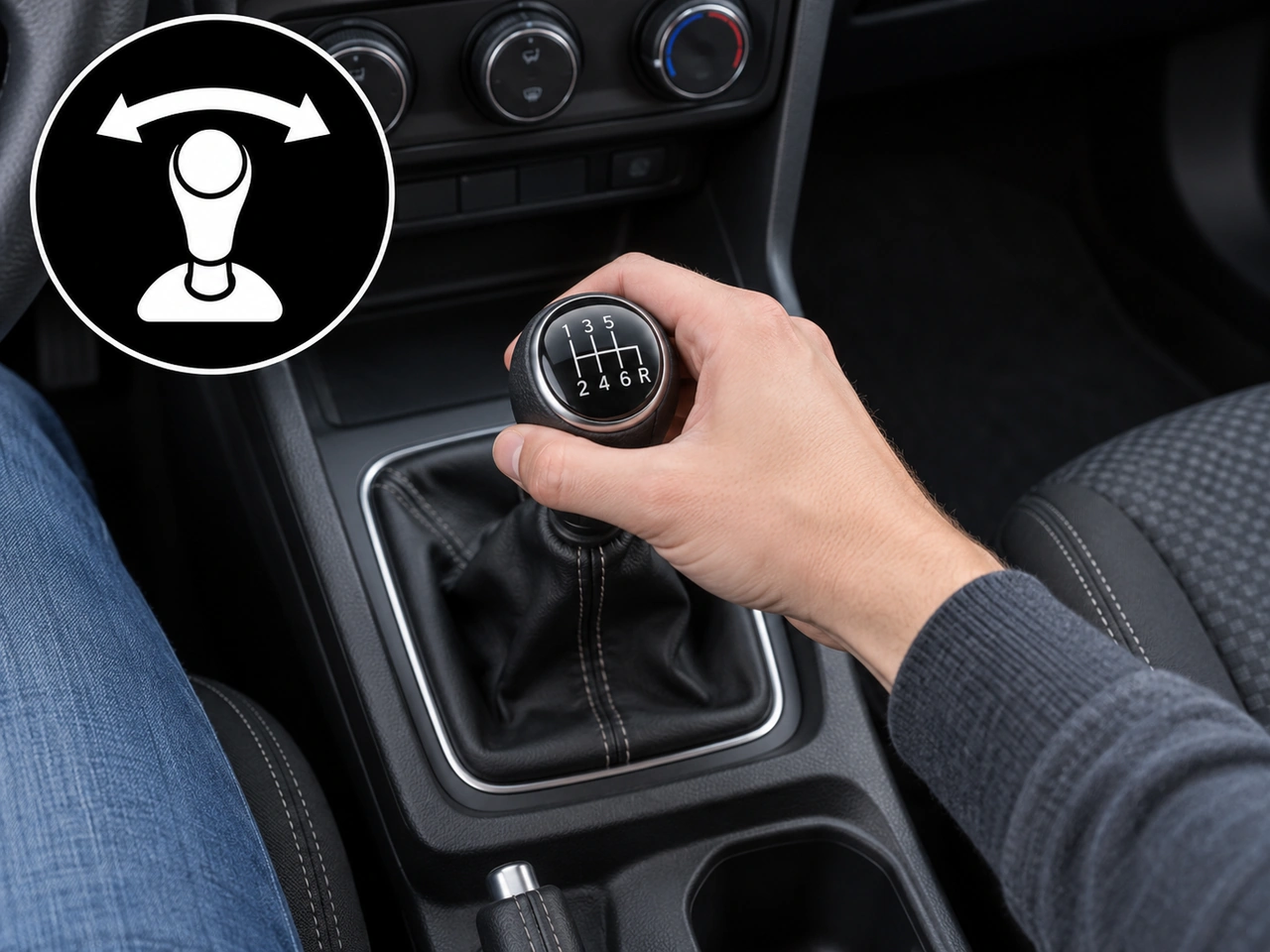
47. How can you check that a manual gearbox is in neutral?
When a manual gearbox is in neutral, the gear lever can normally be moved freely from side to side across the centre of the gear pattern. Check that neutral is selected before starting the engine when appropriate.
AI-generated by Traffic-rules.com • WCIT • CC BY-SA
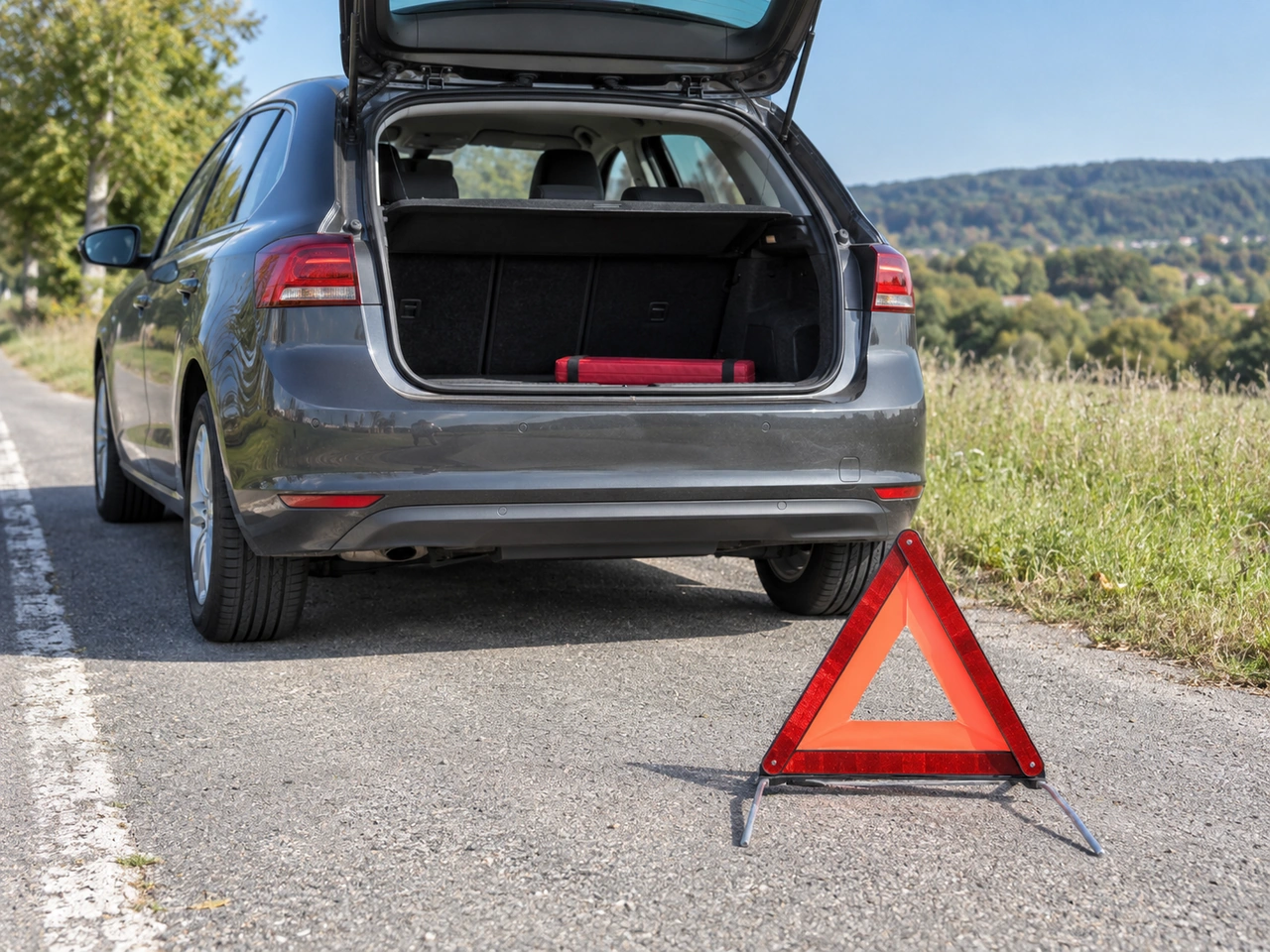
48. Is a warning triangle required in cars in Greece?
Cars in Greece are required to carry a warning triangle.
AI-generated by Traffic-rules.com • WCIT • CC BY-SA
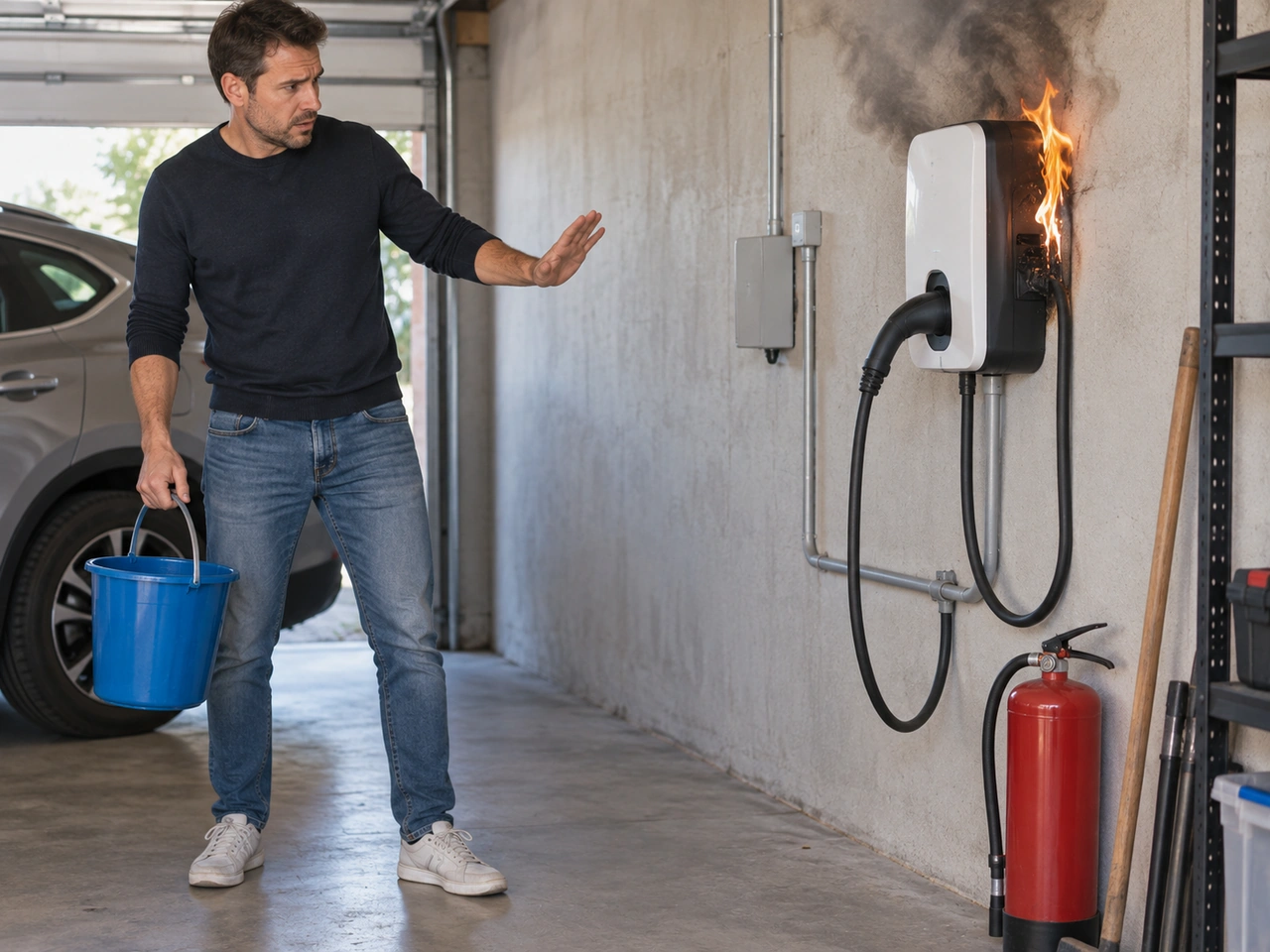
49. Why should you not use water on a fire involving live electrical equipment?
Do not use water on a fire involving energised electrical equipment, because water can conduct electricity and create a serious electric-shock hazard. Keep clear, disconnect the power only if it is safe to do so, and call the emergency services. Use only a suitable fire extinguisher if it is safe and you know how to use it.
AI-generated by Traffic-rules.com • WCIT • CC BY-SA
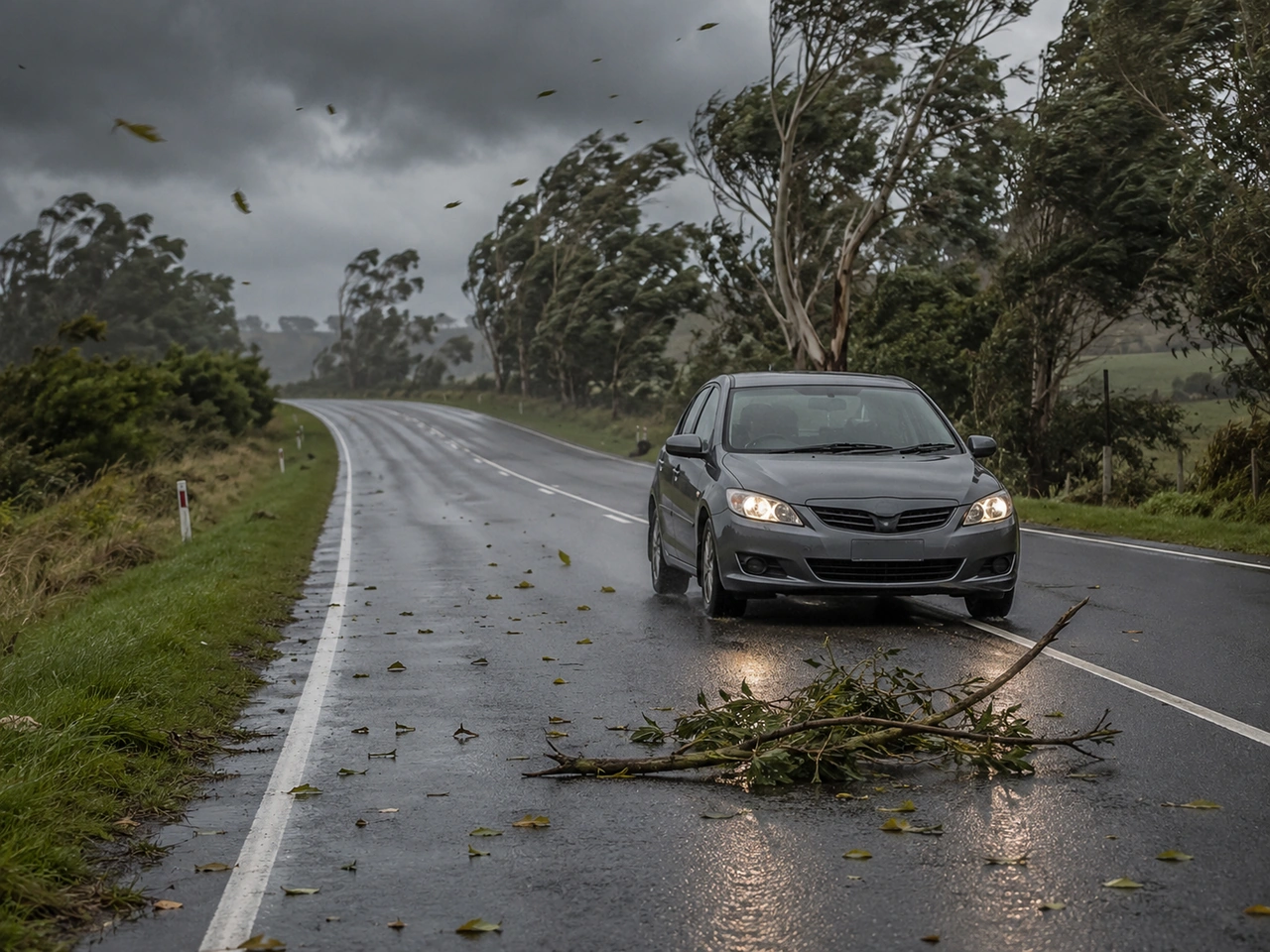
50. What should you do when branches or debris are blowing onto the road?
Wind can blow unexpected obstacles onto the road. Reduce speed and avoid them safely.
AI-generated by Traffic-rules.com • WCIT • CC BY-SA