


QuizTraffic rulesJapan
Test your knowledge with our multiple-choice quiz. Learn from each answer and improve your understanding of the traffic rules and road signs of Japan.
 Traffic signs
 Traffic rules
 Japan
Japan
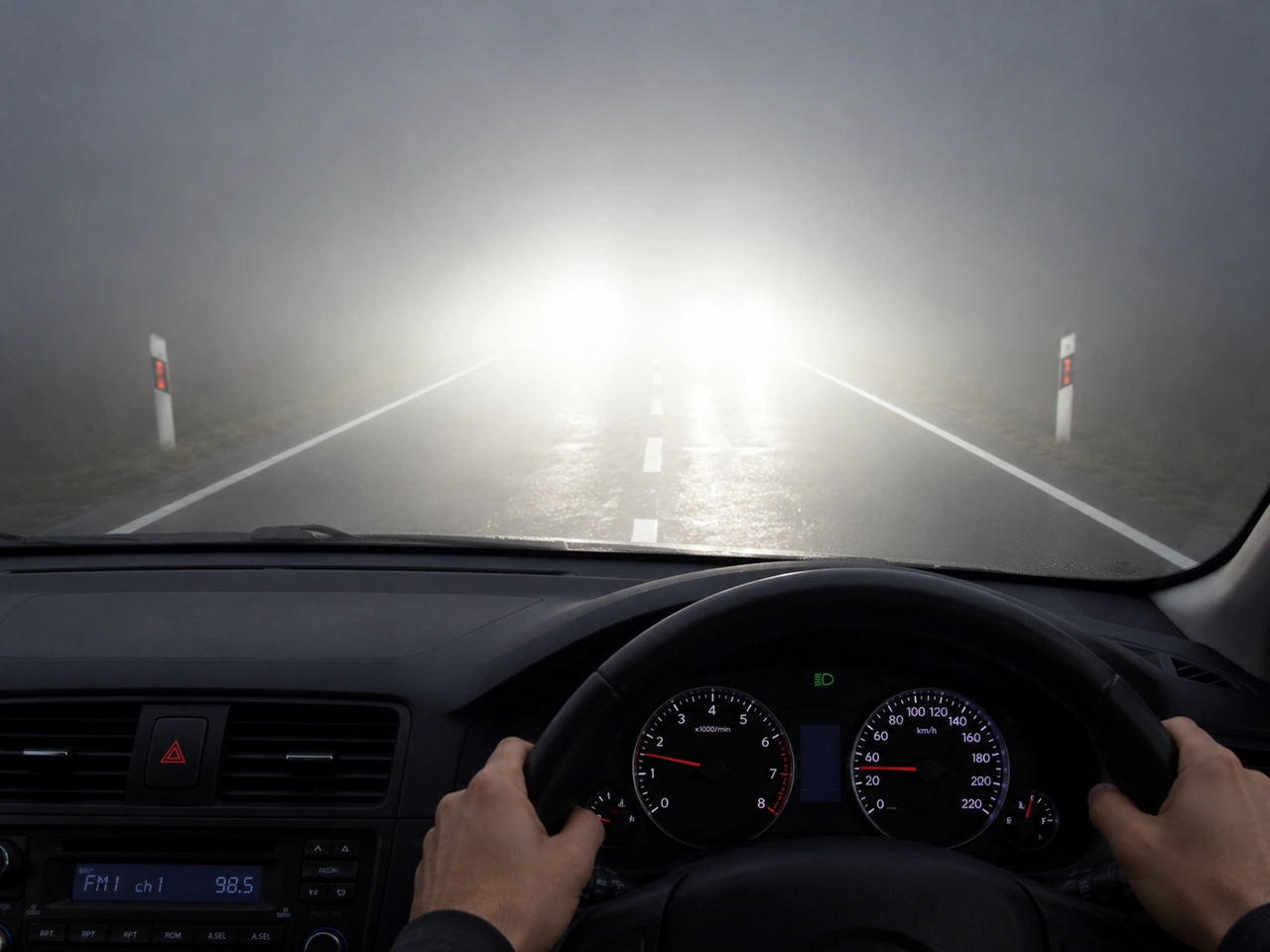
1. Why can main-beam headlights make driving in fog more difficult?
Main beam can reflect back from fog and create glare, making it harder to see the road ahead.
AI-generated by Traffic-rules.com • WCIT • CC BY-SA

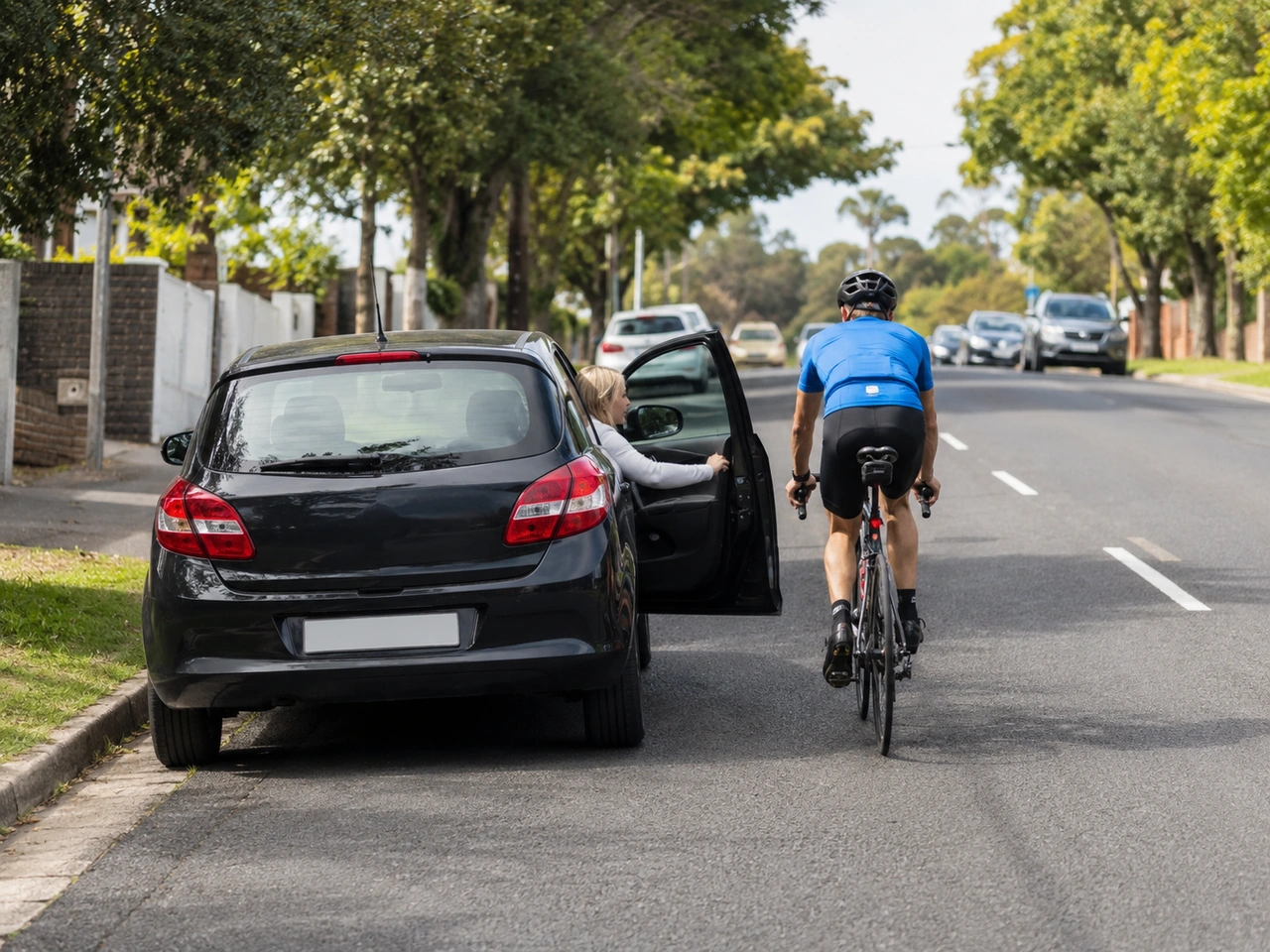
2. You do not need to look for cyclists when opening your car door.
You should always check for cyclists, motorcyclists, and other road users before opening a door.
AI-generated by Traffic-rules.com • WCIT • CC BY-SA
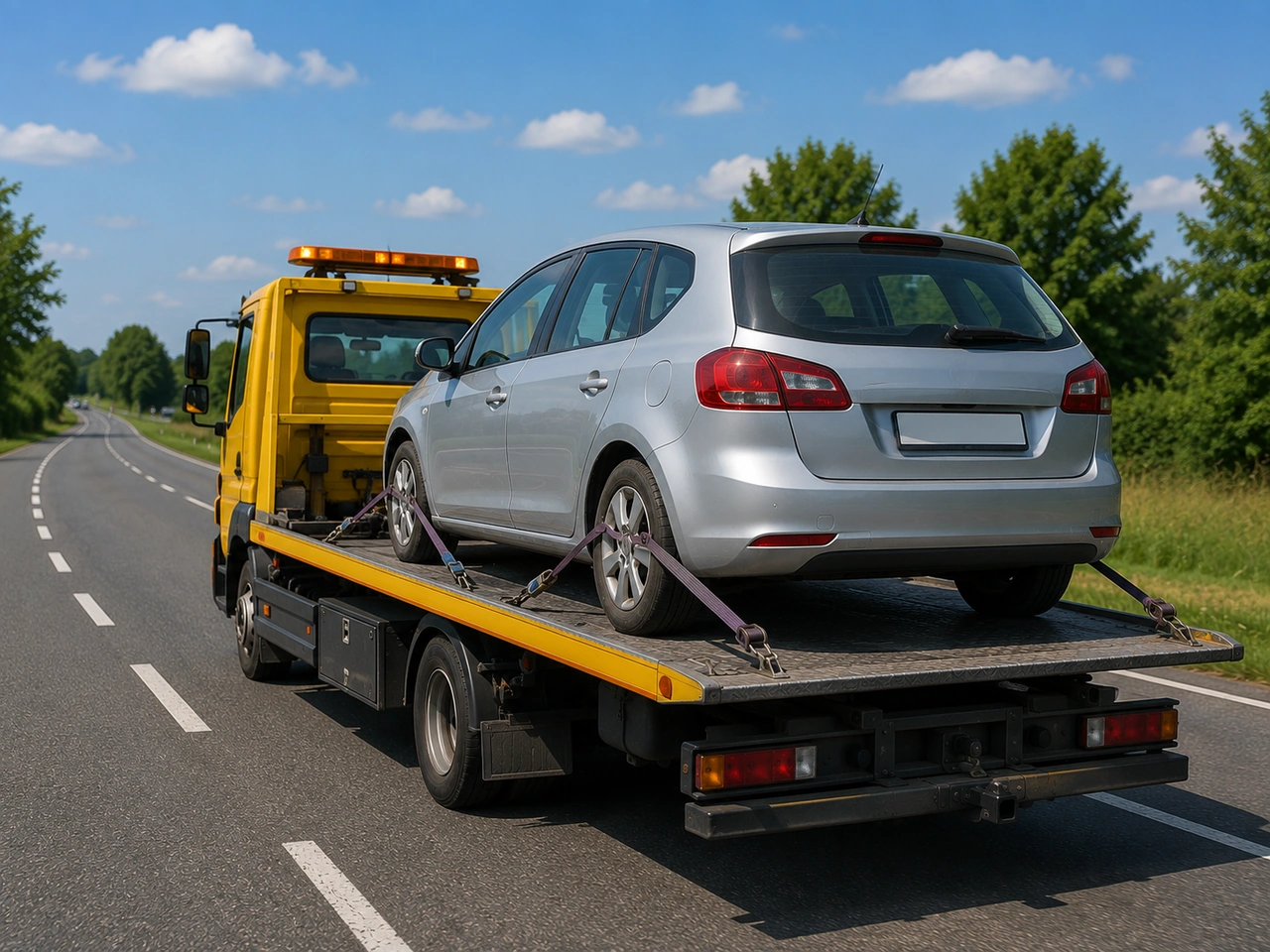
3. How should a disabled vehicle be towed?
Incorrect towing can damage the vehicle or cause loss of control. Follow the manufacturer's instructions and local rules, and use professional recovery when the correct procedure is uncertain.
AI-generated by Traffic-rules.com • WCIT • CC BY-SA
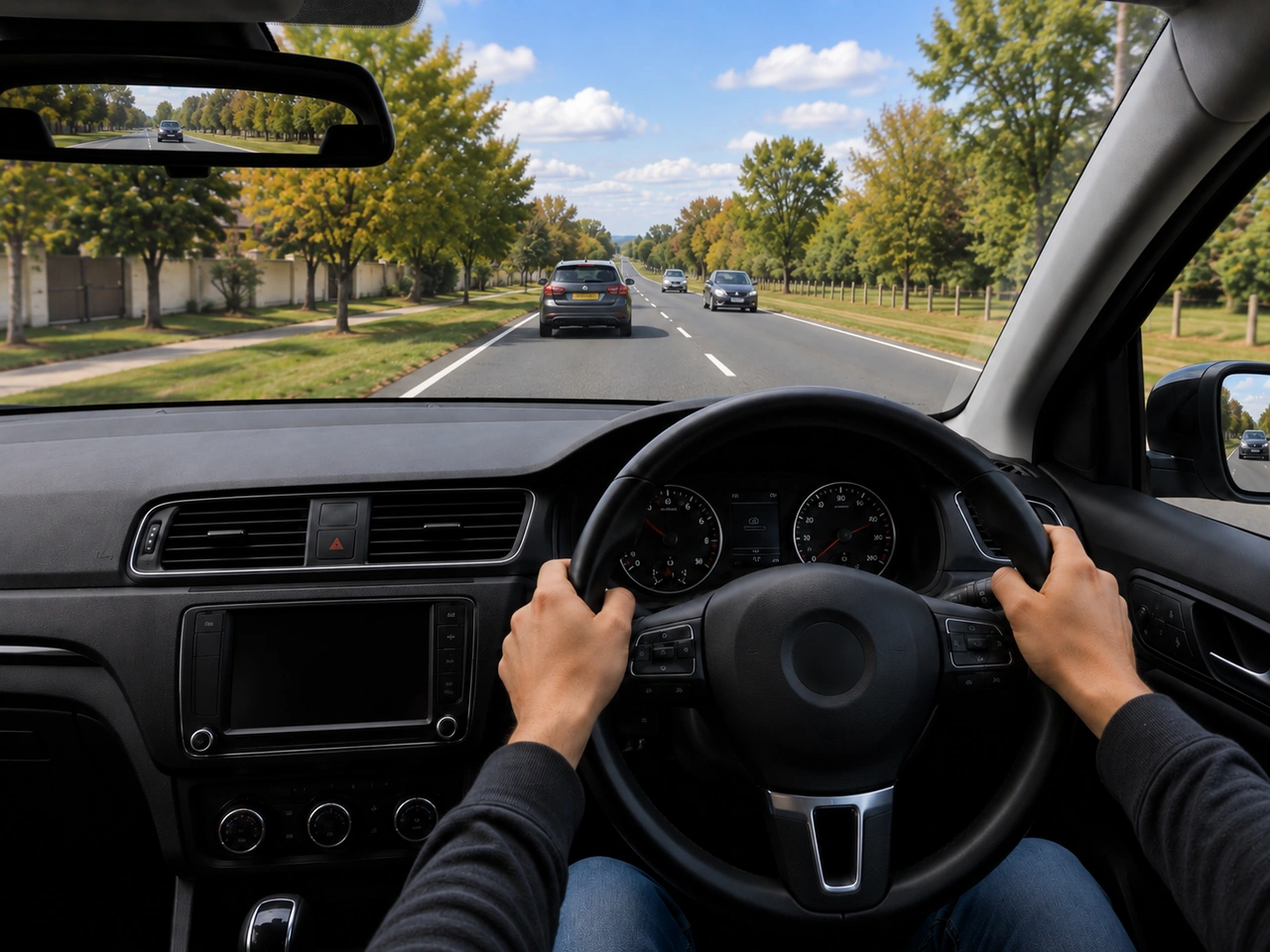
4. You should keep both hands ready to control the steering.
Keeping proper control of the steering wheel helps you react safely to changes in traffic and road conditions.
AI-generated by Traffic-rules.com • WCIT • CC BY-SA
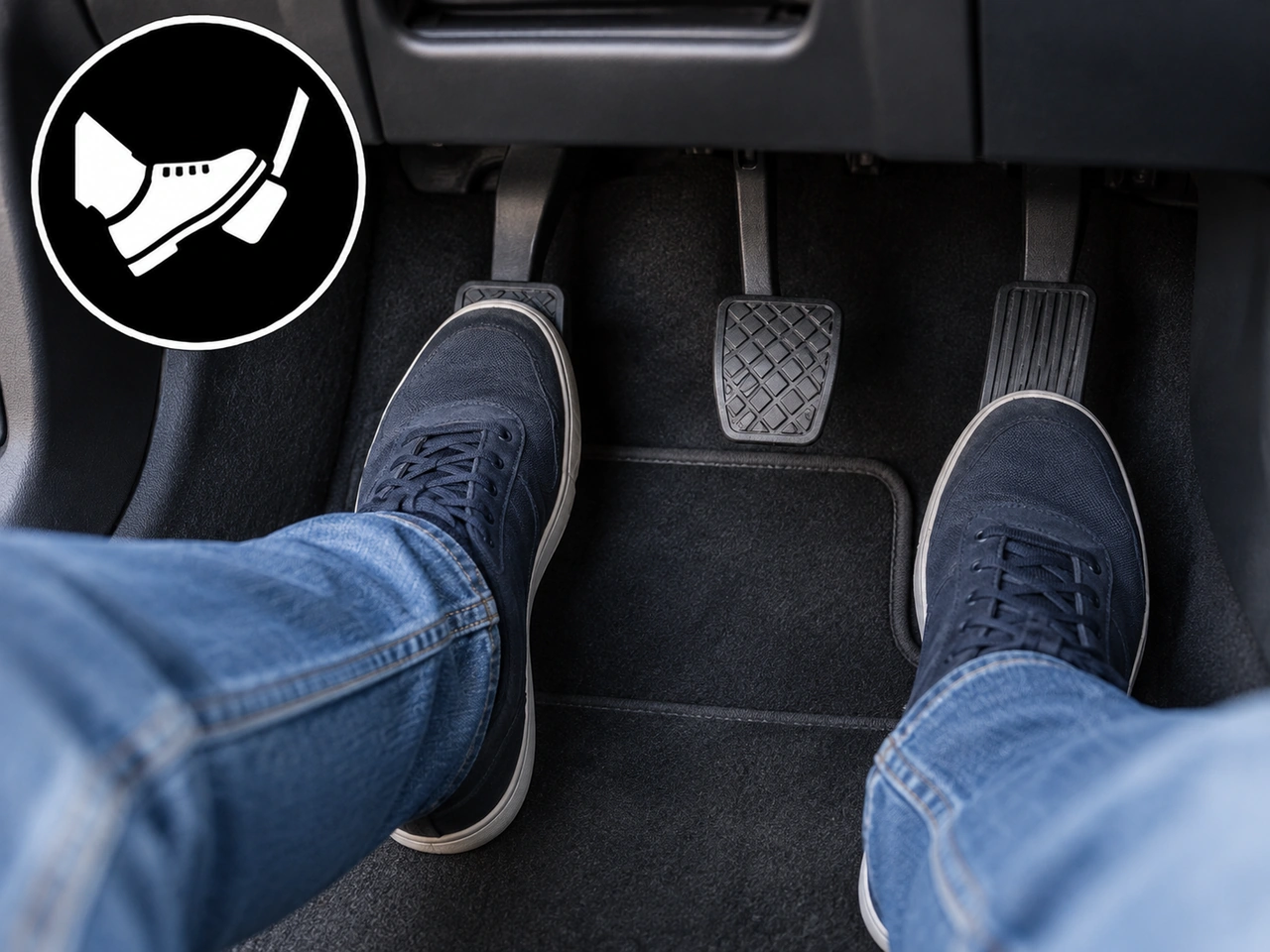
5. Why should you avoid keeping the clutch pedal pressed while driving?
Keeping the clutch pedal pressed while the vehicle is moving disconnects the engine from the transmission. This reduces engine braking and can reduce your control of the vehicle.
AI-generated by Traffic-rules.com • WCIT • CC BY-SA
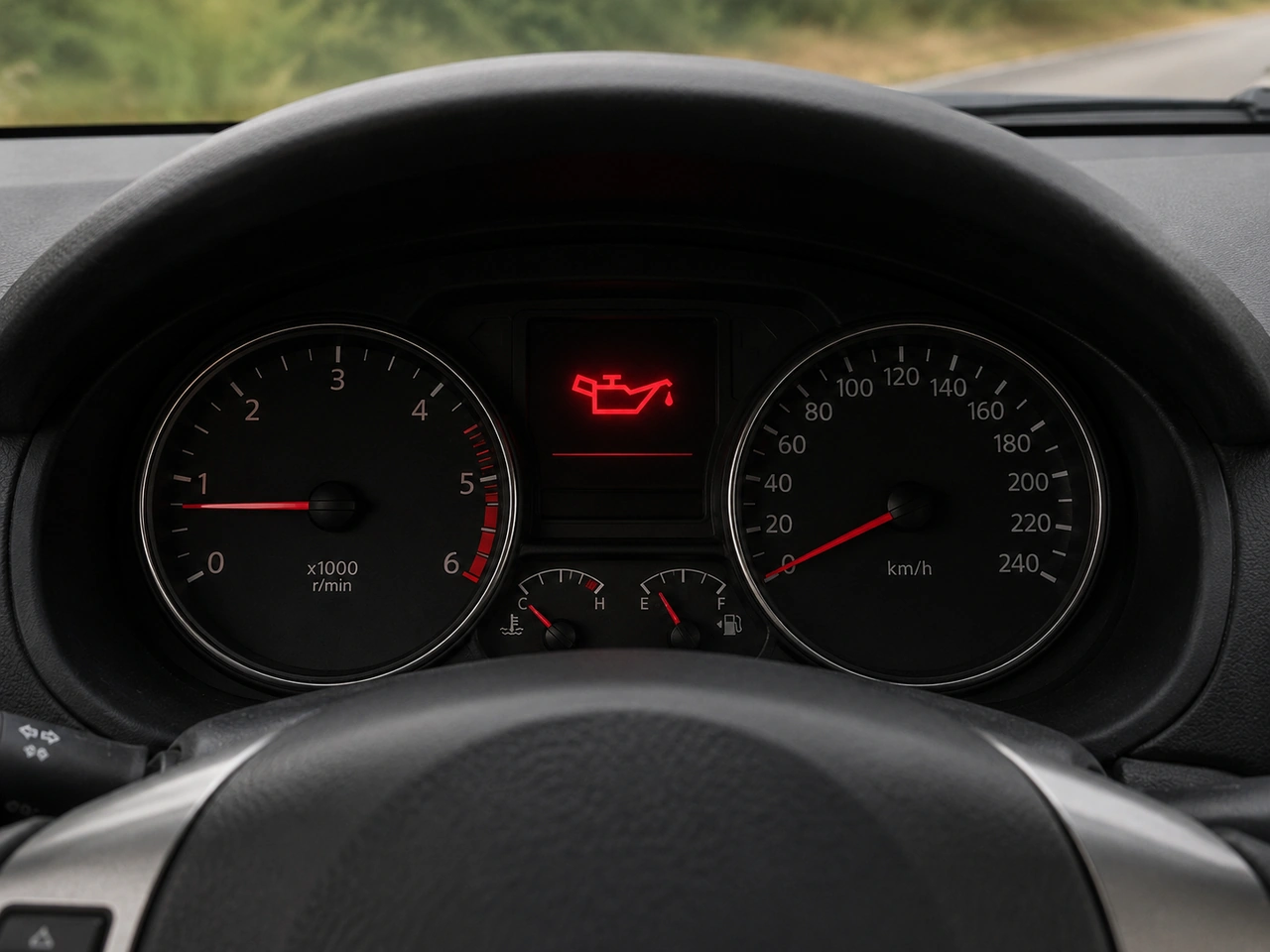
6. What should you do if the oil-pressure warning light stays on?
Low oil pressure can quickly cause severe engine damage. Stop as soon as it is safe, switch off the engine, and investigate the cause before continuing.
AI-generated by Traffic-rules.com • WCIT • CC BY-SA
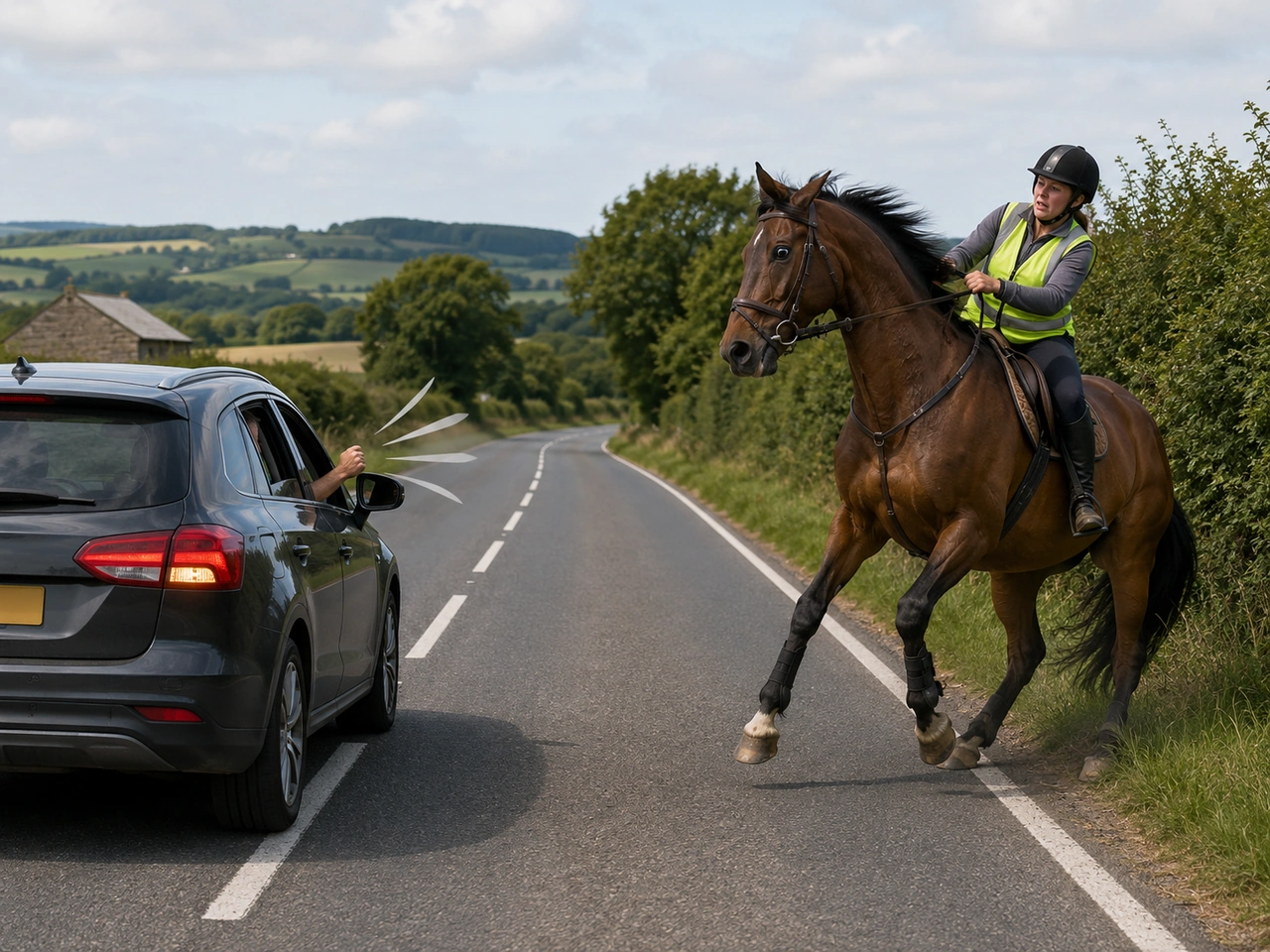
7. Why should you avoid sounding the horn near horses?
Horses can be startled by sudden or loud noises and may move unpredictably. Slow down, give them plenty of space, and avoid using the horn unless necessary.
AI-generated by Traffic-rules.com • WCIT • CC BY-SA
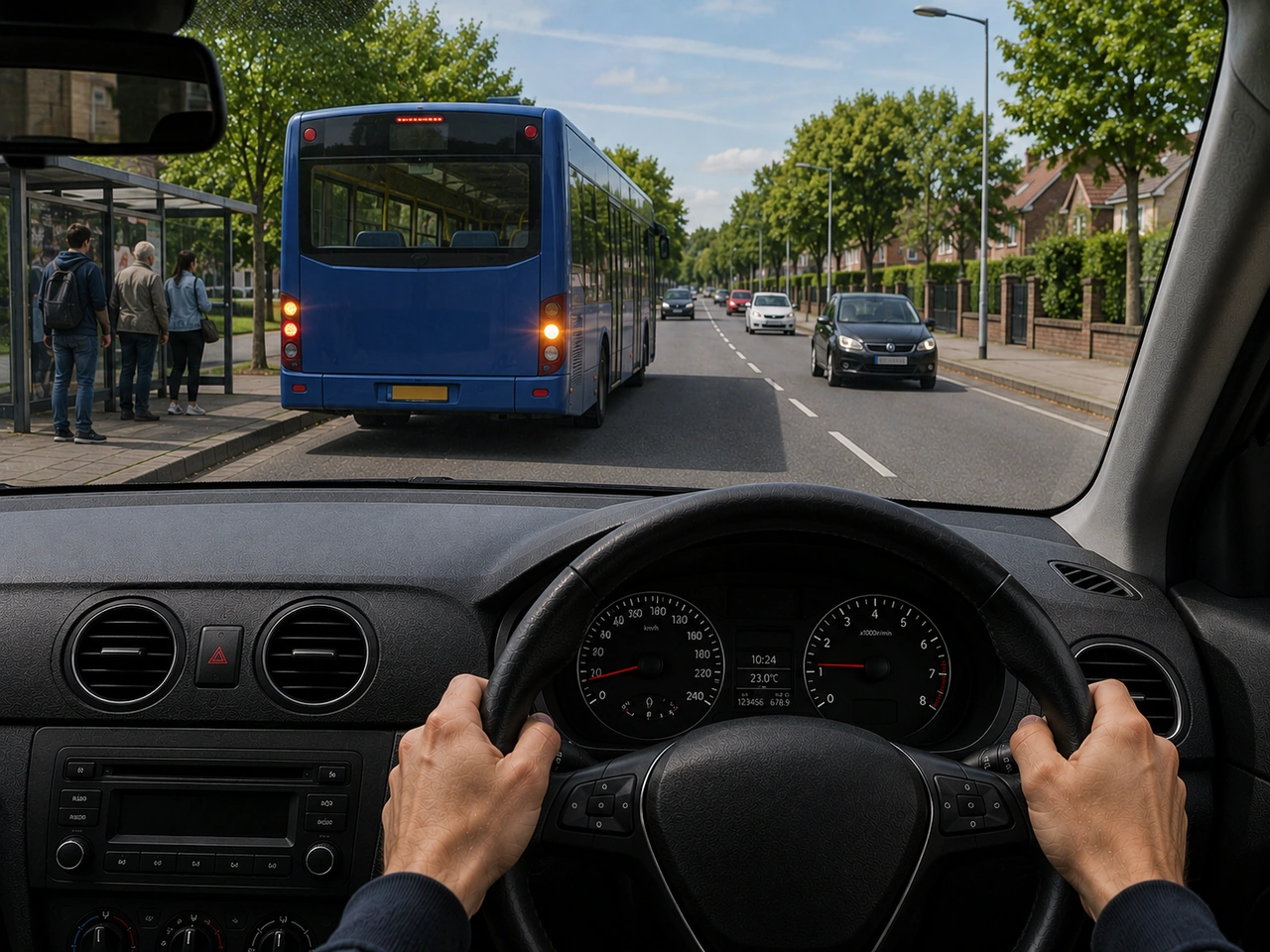
8. What should you do when a bus signals to pull away from a bus stop?
Buses may pull away after picking up passengers. Slow down, check the traffic situation, and allow space when it is safe.
AI-generated by Traffic-rules.com • WCIT • CC BY-SA
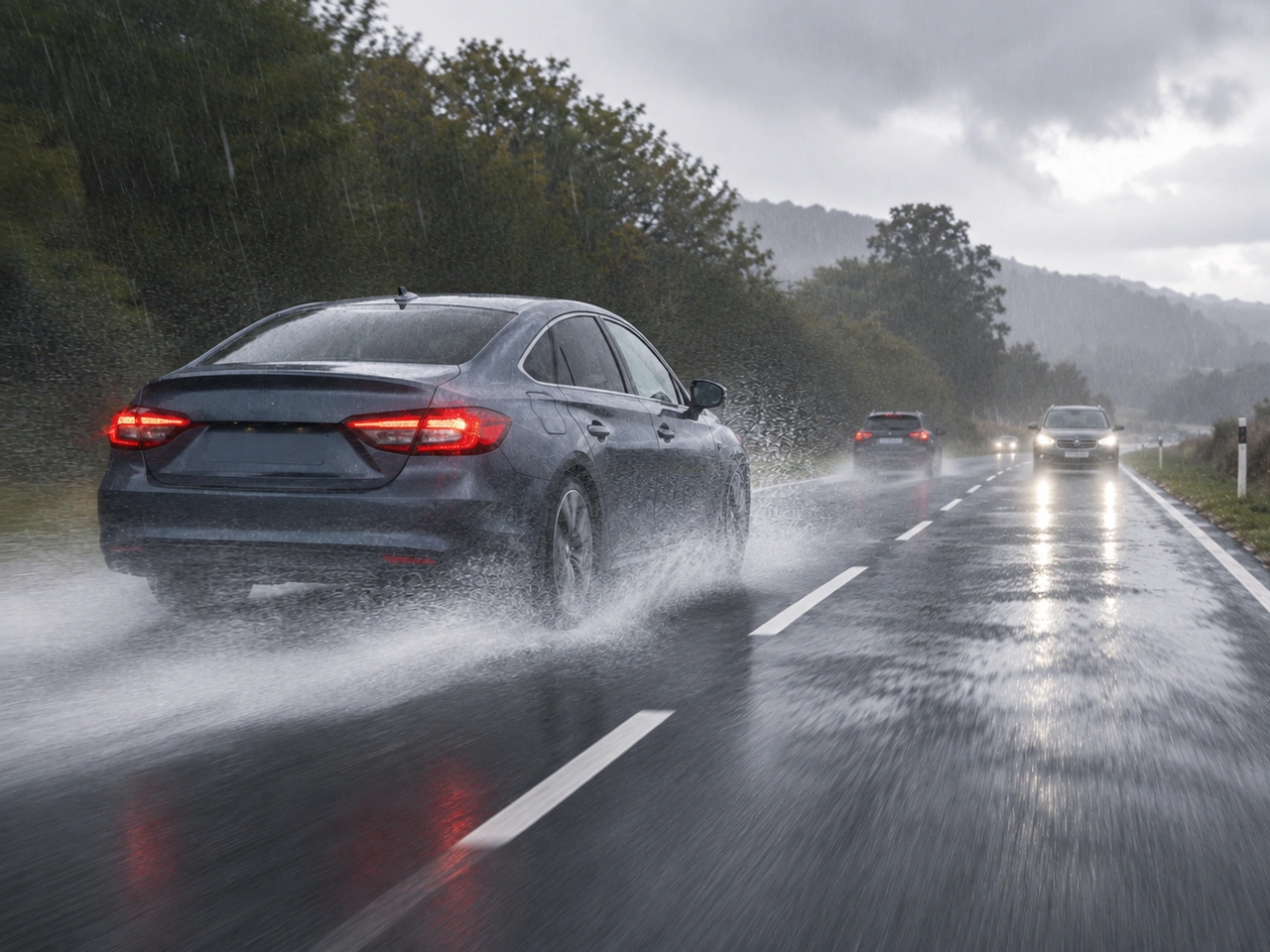
9. Why does higher speed increase the risk of aquaplaning?
At higher speeds, the tyres may not disperse water effectively, making it easier for the vehicle to lose contact with the road.
AI-generated by Traffic-rules.com • WCIT • CC BY-SA
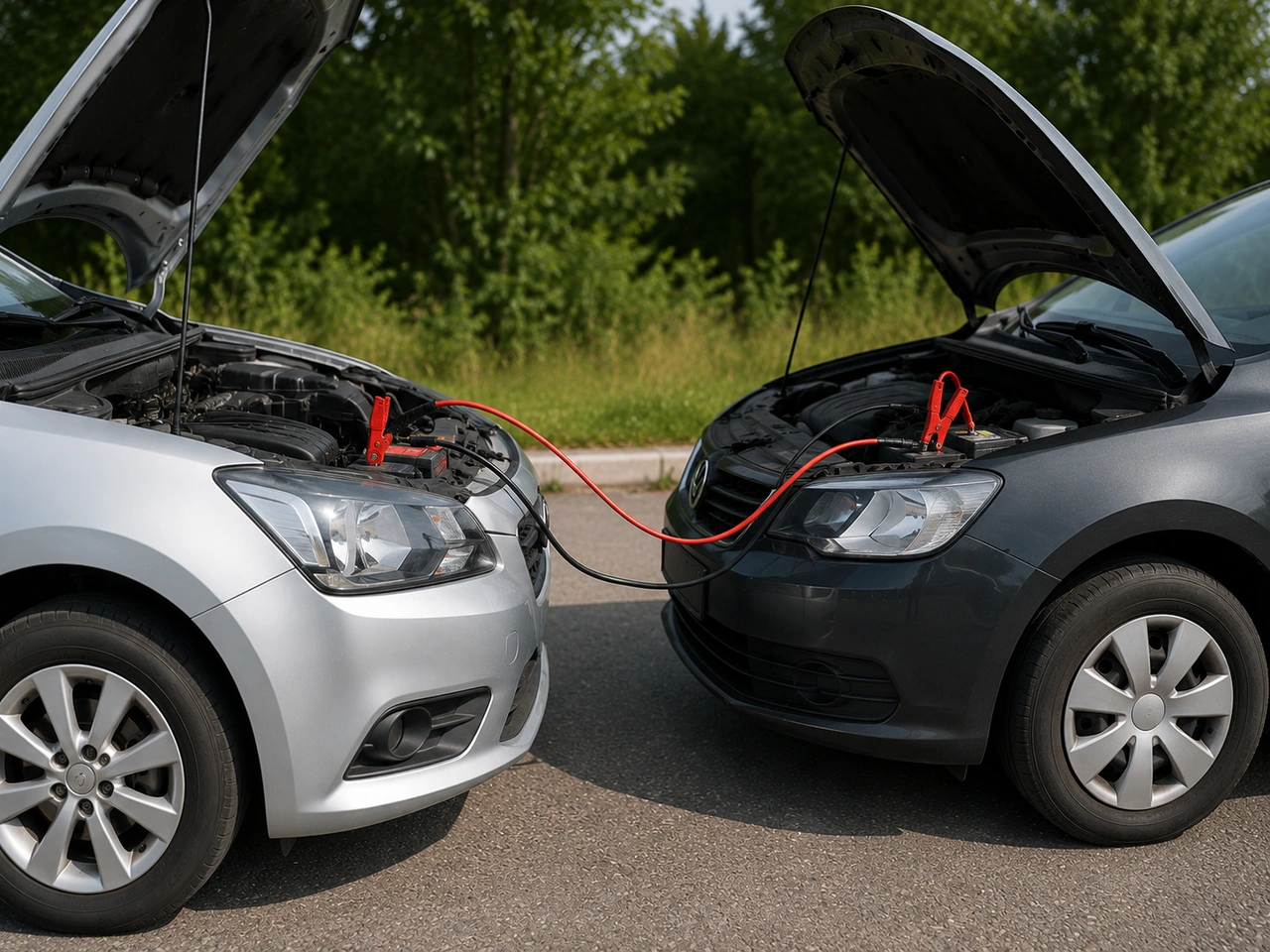
10. What should you do before attempting to jump-start a vehicle?
Incorrect jump-starting can damage electrical systems, cause sparks, or make a battery explode. Connect the leads in the correct order before starting the vehicles, and follow the manufacturer's procedure exactly.
AI-generated by Traffic-rules.com • WCIT • CC BY-SA
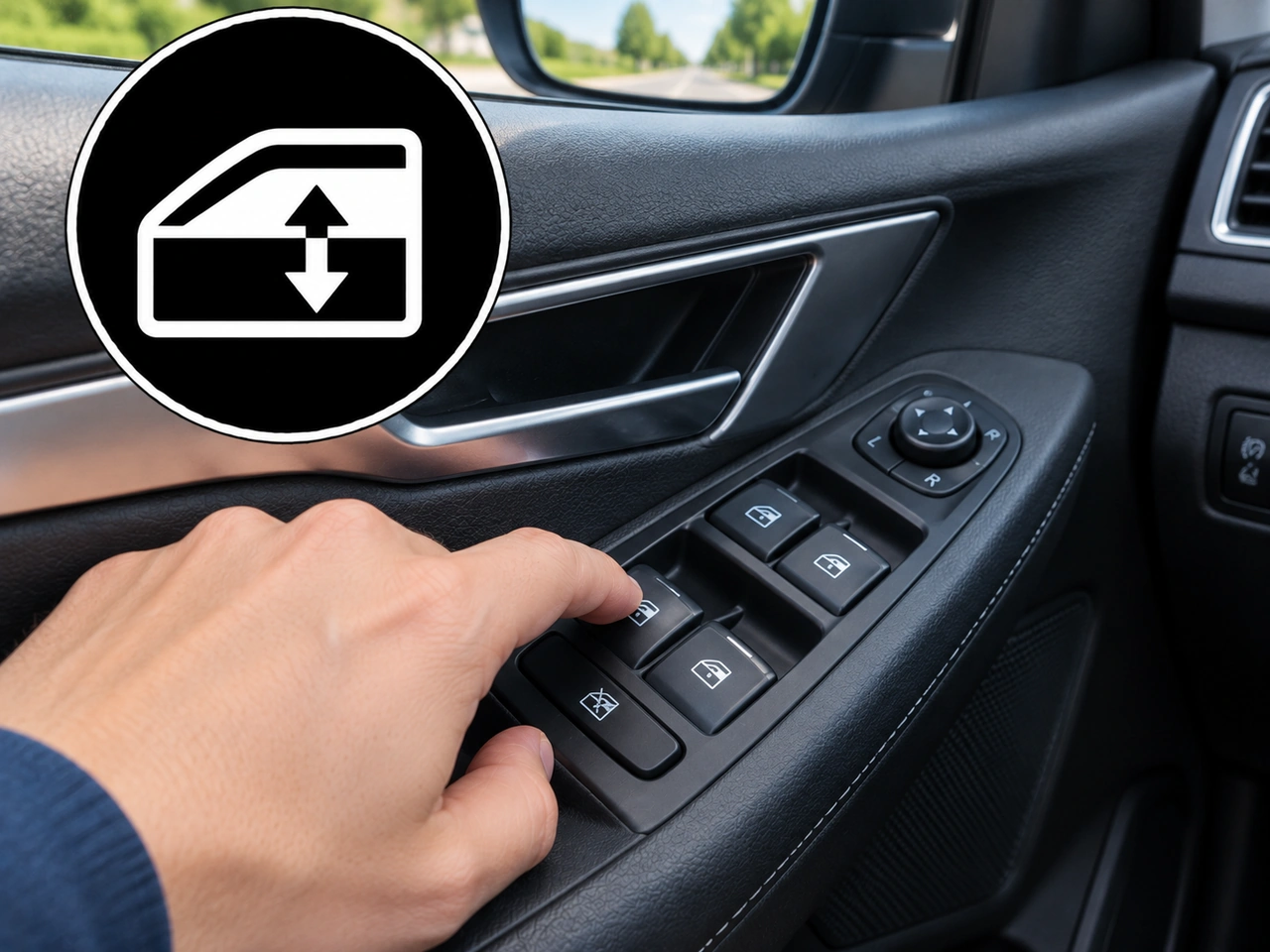
11. What does this vehicle-control symbol indicate?
This control operates the vehicle's electric windows. Pressing or pulling the switch lowers or raises the corresponding window.
AI-generated by Traffic-rules.com • WCIT • CC BY-SA
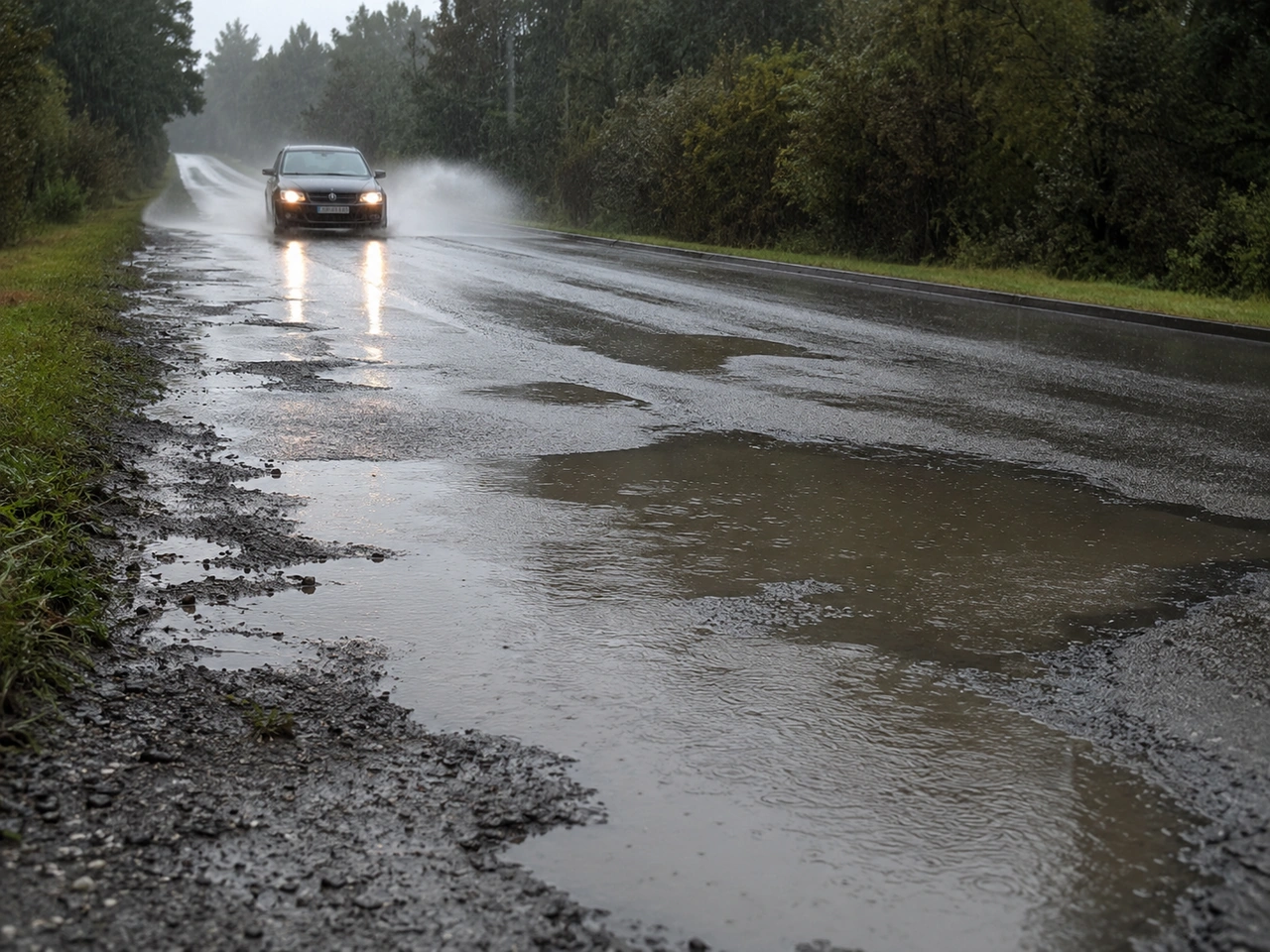
12. Which roads are most likely to cause aquaplaning?
Standing water can collect in dips, ruts, or puddles, increasing the chance that tyres will lose grip.
AI-generated by Traffic-rules.com • WCIT • CC BY-SA
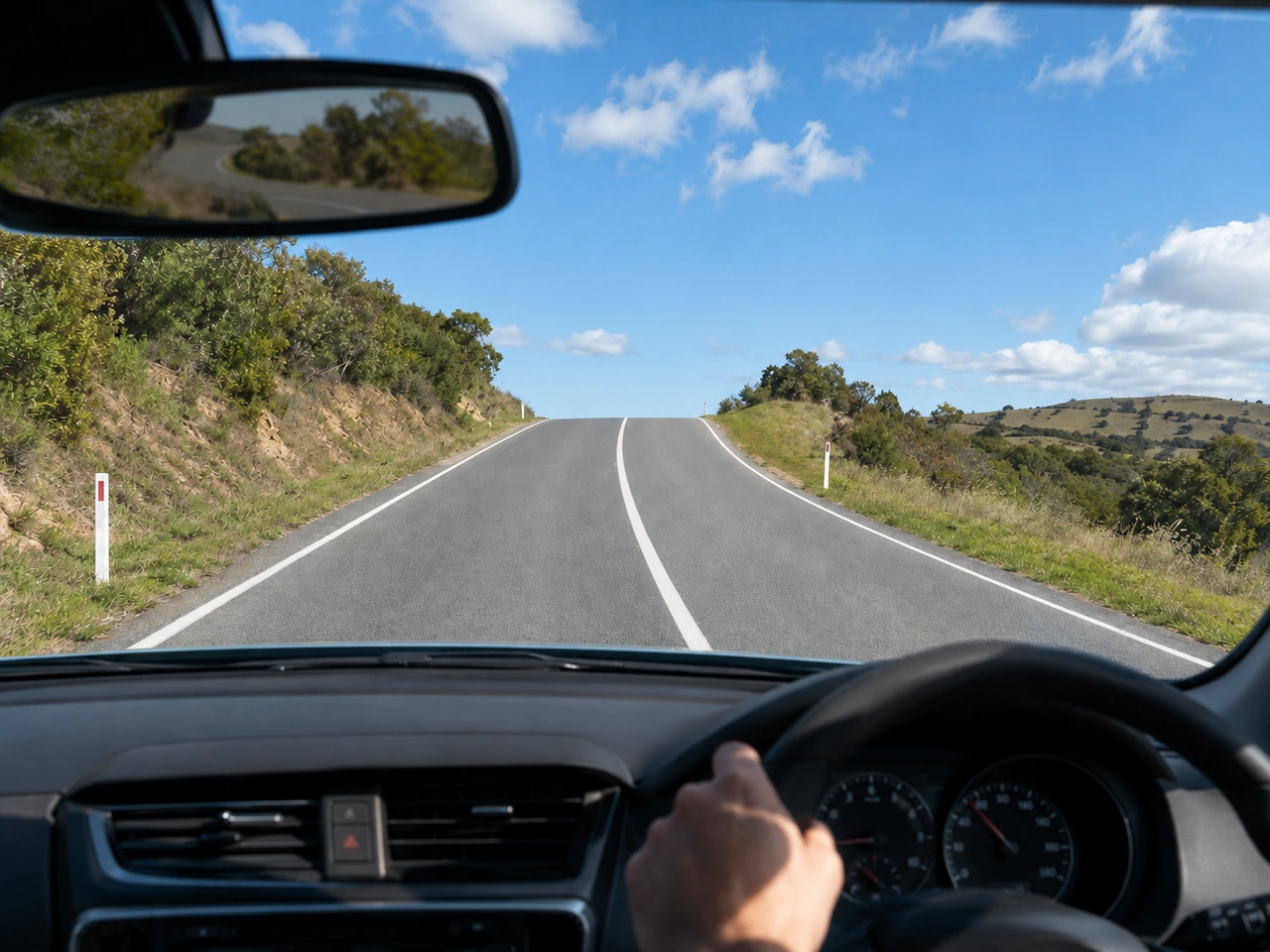
13. What should you do when approaching a hill crest?
A hill crest can hide vehicles, cyclists, pedestrians, or obstacles. Reduce speed and stay in your lane.
AI-generated by Traffic-rules.com • WCIT • CC BY-SA
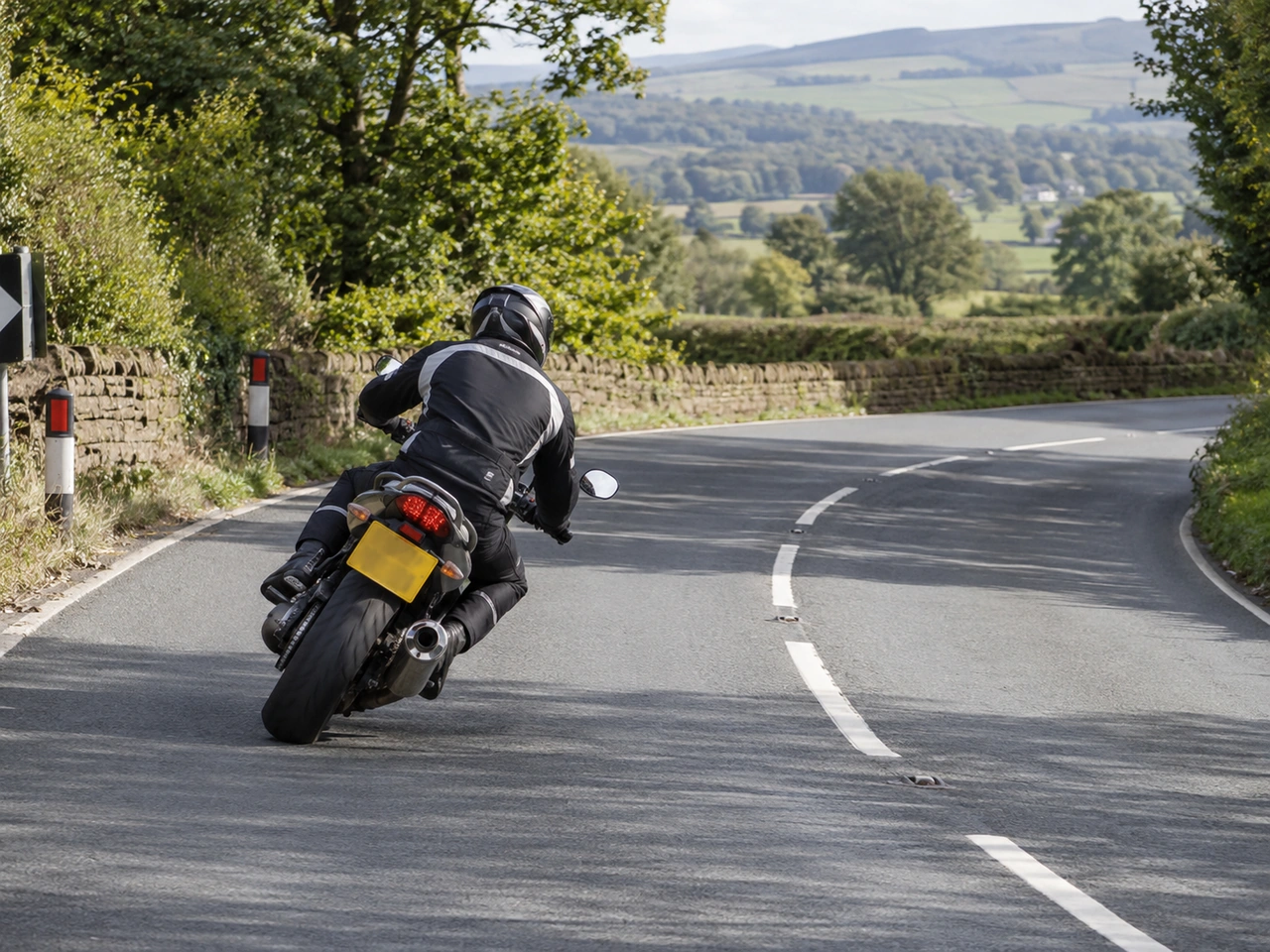
14. Why should hard braking be avoided while a motorcycle is leaning in a bend?
When a motorcycle is leaning, the tyres are already using grip to turn. Hard braking can demand additional grip and may reduce stability. Whenever possible, adjust speed before the bend and use smooth, controlled inputs while cornering.
AI-generated by Traffic-rules.com • WCIT • CC BY-SA
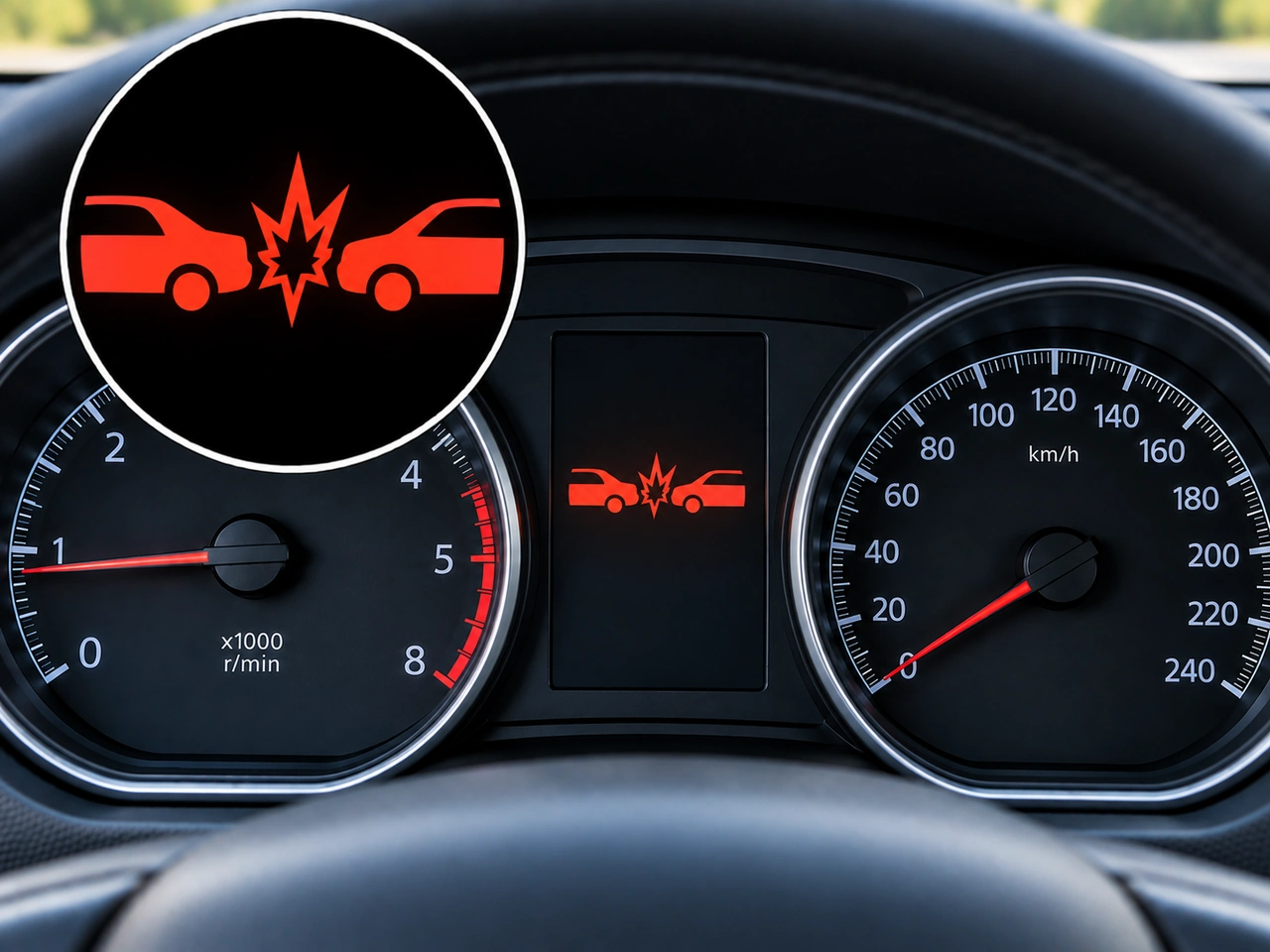
15. What does this dashboard symbol indicate?
This symbol relates to the forward-collision warning or automatic emergency braking system. It may warn the driver when the vehicle detects a risk of collision with traffic ahead.
AI-generated by Traffic-rules.com • WCIT • CC BY-SA
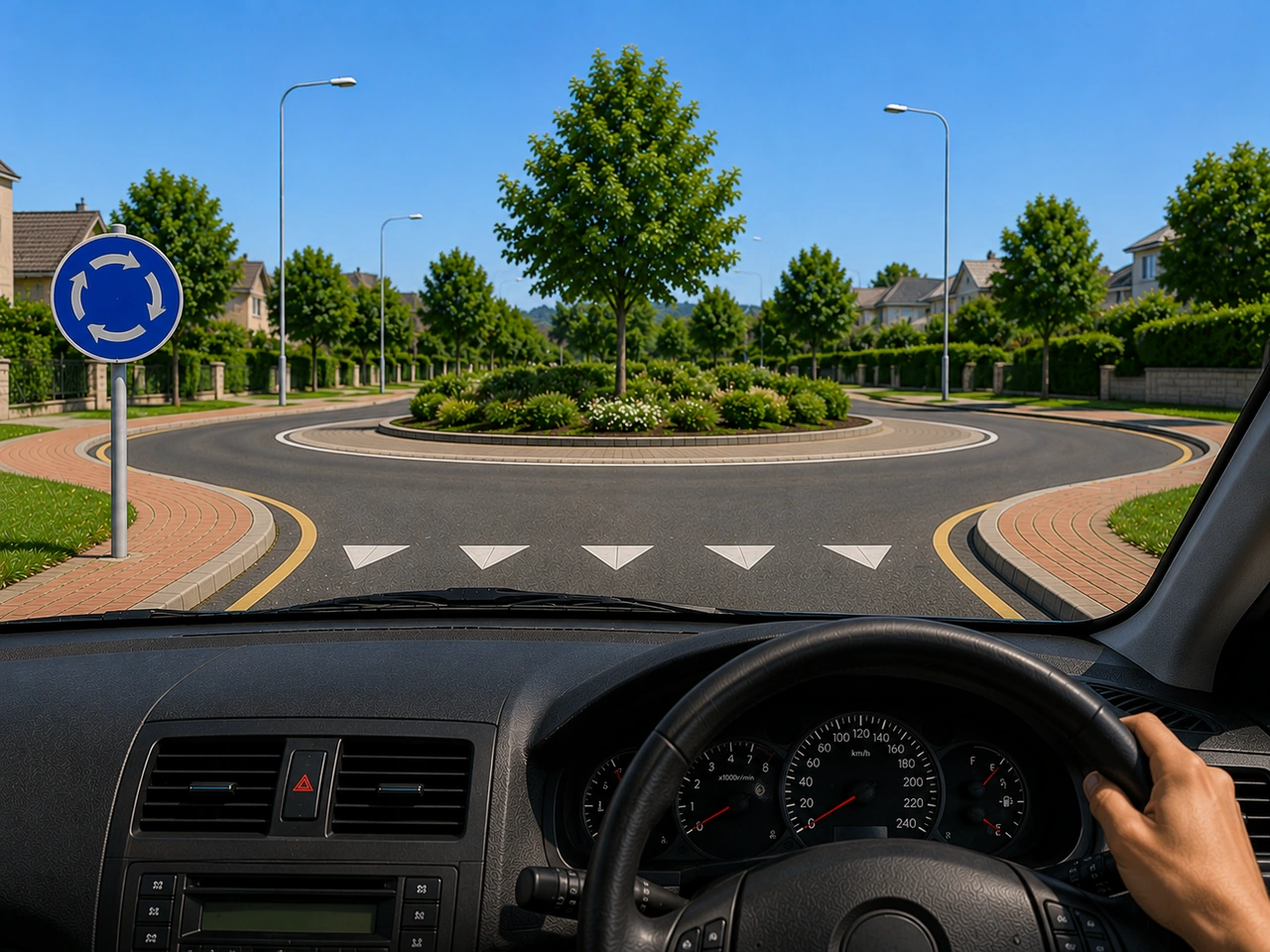
16. What should you do before entering a roundabout?
Before entering a roundabout, reduce your speed, observe traffic, and give way according to the local rules.
AI-generated by Traffic-rules.com • WCIT • CC BY-SA
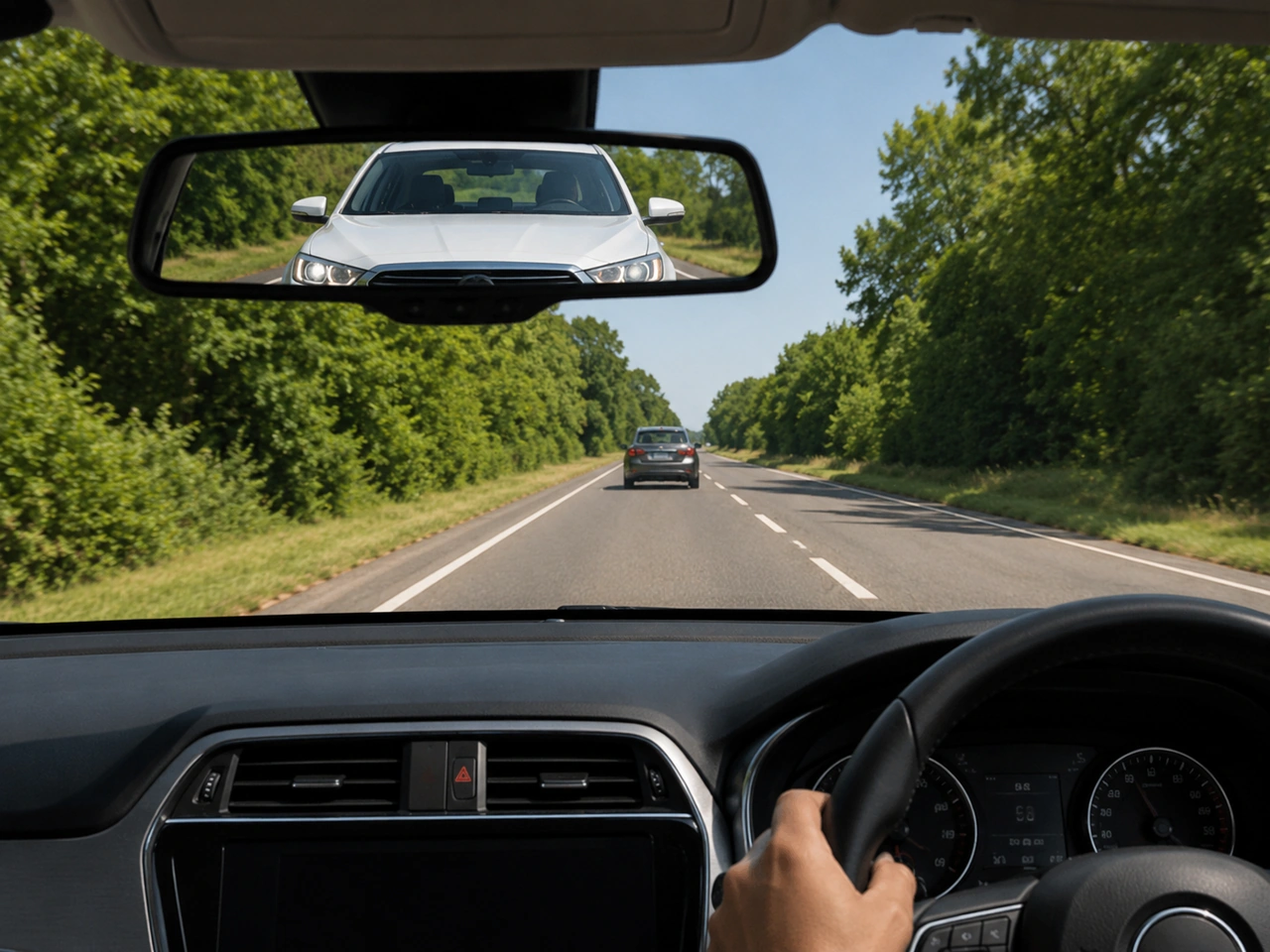
17. What should you do if another vehicle is tailgating you?
If someone follows too closely, avoid sudden actions. Keeping more space in front gives you more time to brake gently if needed. If it is safe, allow the tailgating vehicle to pass.
AI-generated by Traffic-rules.com • WCIT • CC BY-SA
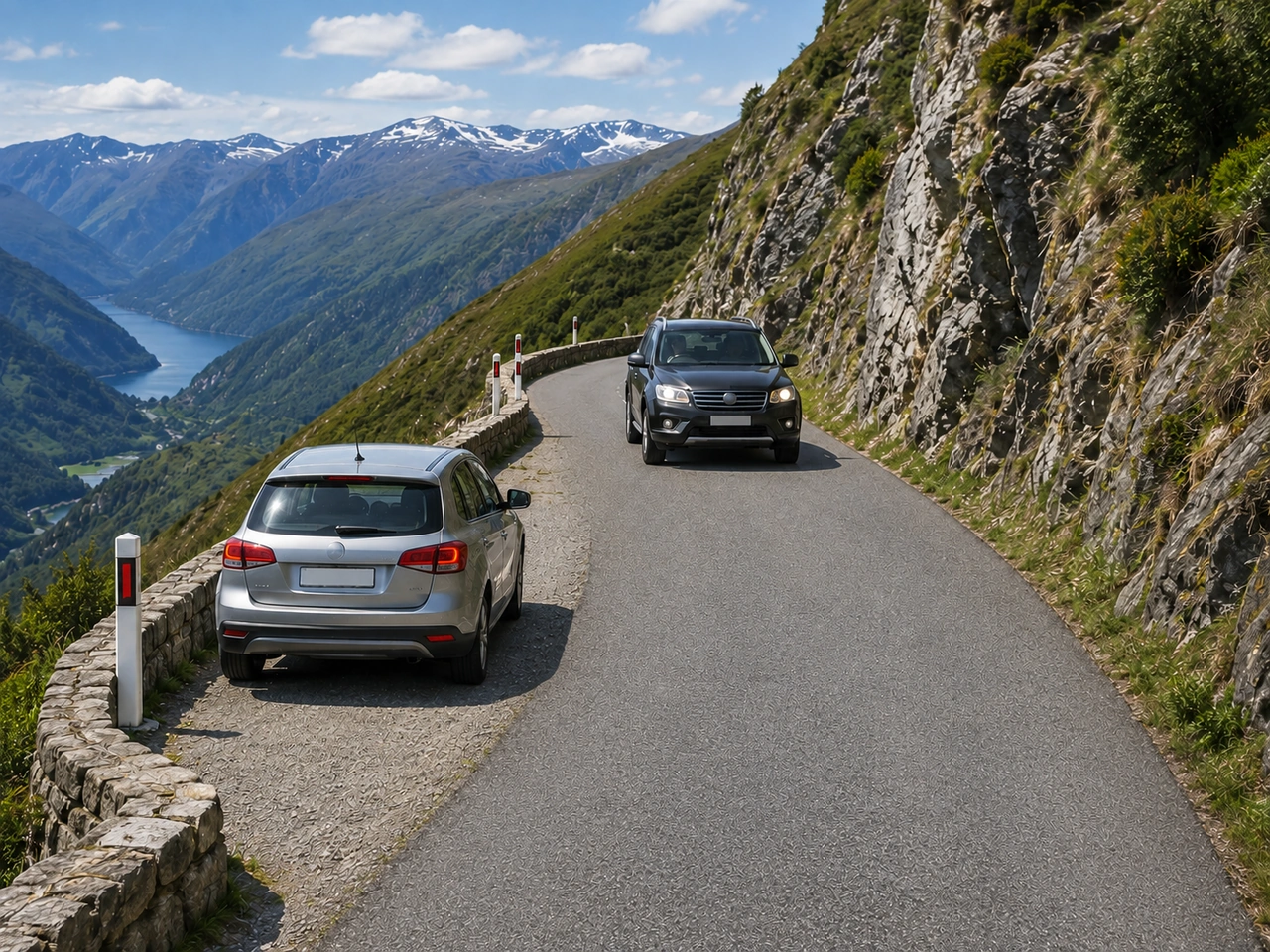
18. What should you do when meeting another vehicle on a narrow mountain road?
Narrow mountain roads may not provide enough space for two vehicles. Reduce speed and cooperate to pass safely.
AI-generated by Traffic-rules.com • WCIT • CC BY-SA
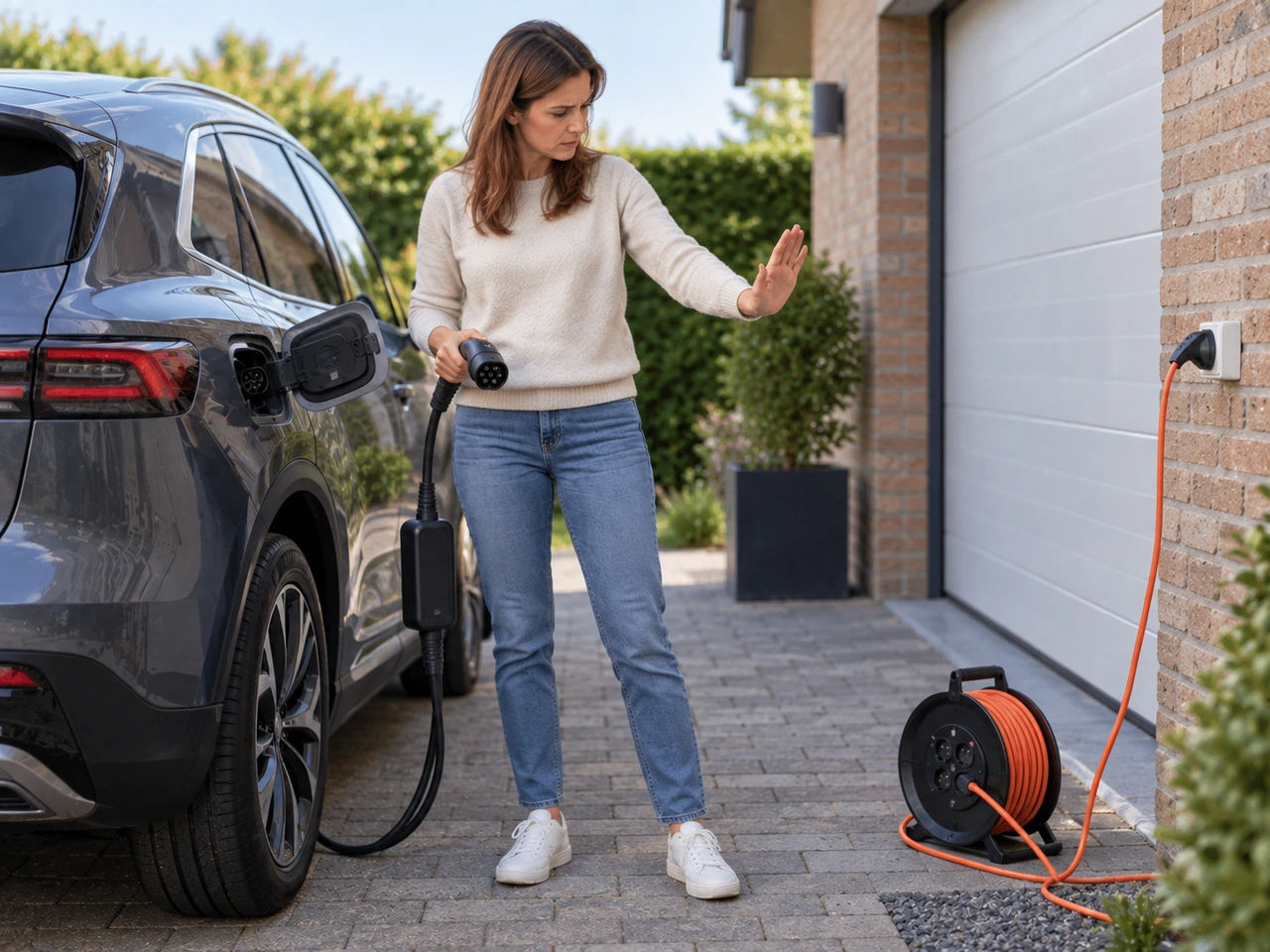
19. Why should you avoid using an ordinary extension lead to charge an electric vehicle?
An ordinary household extension lead may not be designed for the sustained electrical load required for EV charging and can overheat. Use suitable approved charging equipment and follow the vehicle and charging-equipment manufacturer's instructions.
AI-generated by Traffic-rules.com • WCIT • CC BY-SA
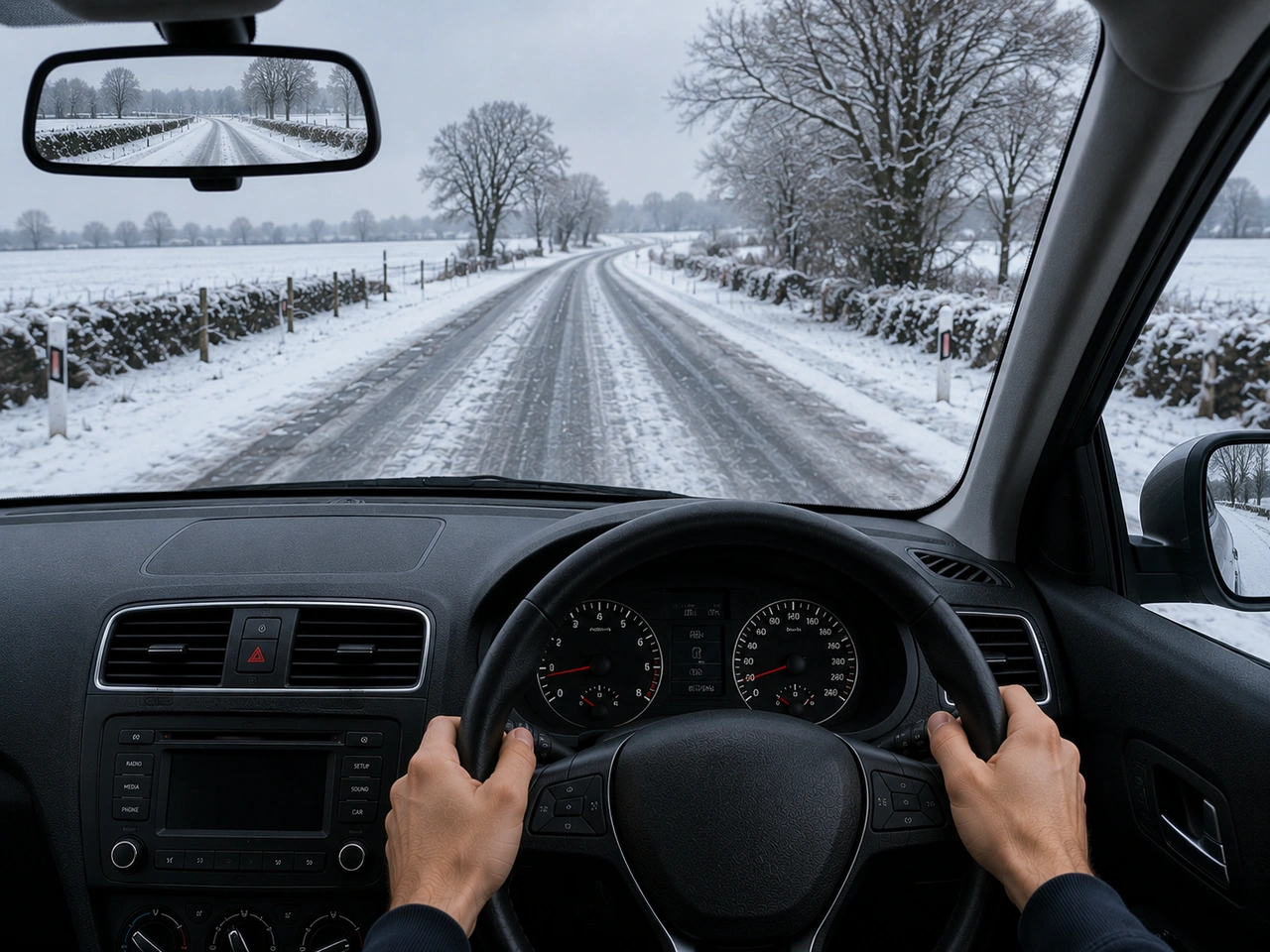
20. What should you do when driving on icy roads?
Ice greatly reduces tyre grip. Drive gently, keep extra distance, and avoid sudden movements that could cause a skid.
AI-generated by Traffic-rules.com • WCIT • CC BY-SA
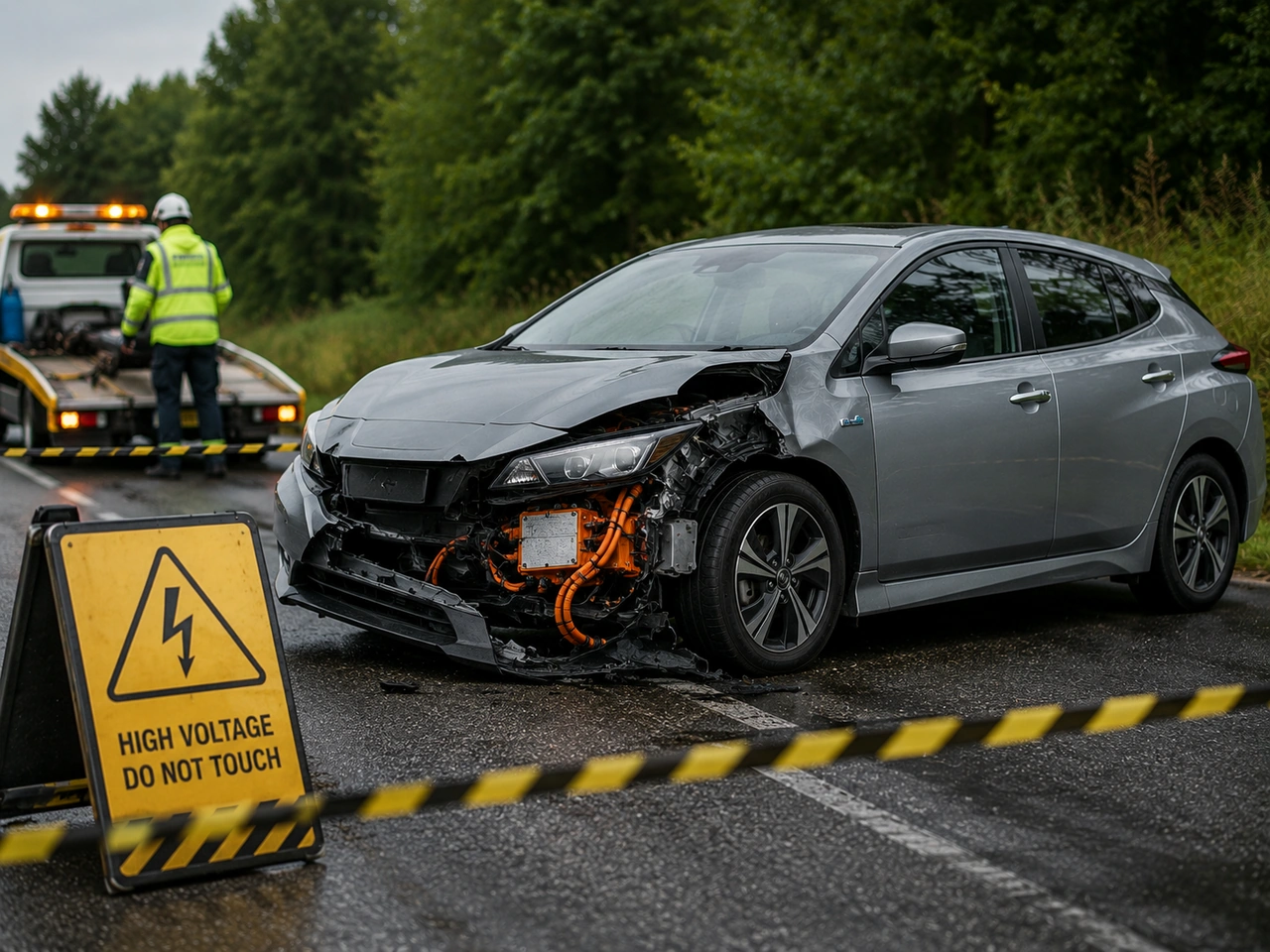
21. What should you do around a damaged electric or hybrid vehicle?
Electric and hybrid vehicles can contain dangerous high-voltage systems. Do not touch damaged cables, batteries, or electrical components.
AI-generated by Traffic-rules.com • WCIT • CC BY-SA
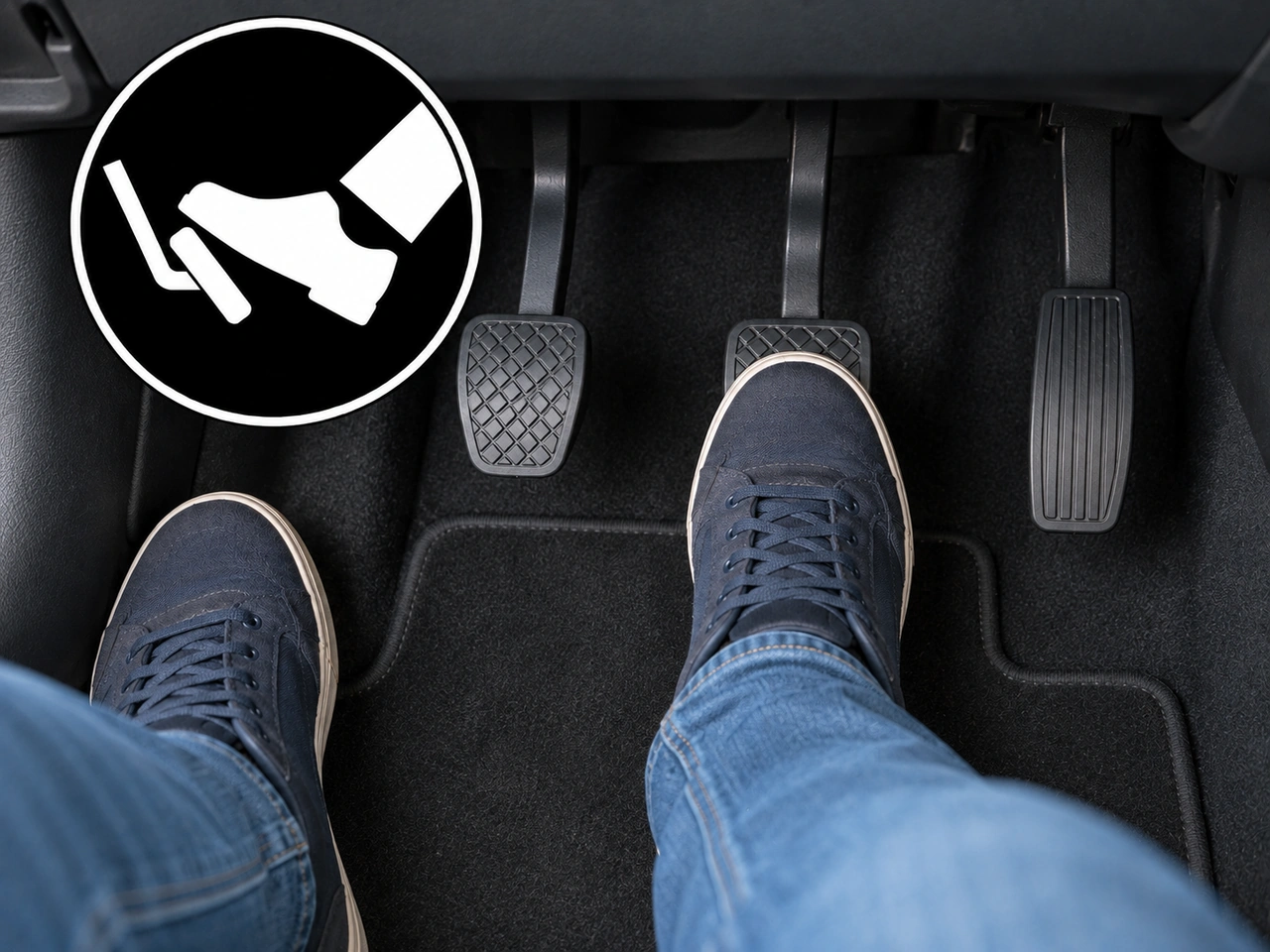
22. Which pedal is used to slow down or stop the vehicle?
The brake pedal is used to reduce the vehicle's speed or bring it to a stop. In a manual vehicle, it is the middle pedal.
AI-generated by Traffic-rules.com • WCIT • CC BY-SA

23. Why is riding a bicycle after drinking alcohol dangerous?
Alcohol can make it harder to balance, steer, judge distances, and react to hazards. Riding a bicycle while impaired may also be against the law.
AI-generated by Traffic-rules.com • WCIT • CC BY-SA
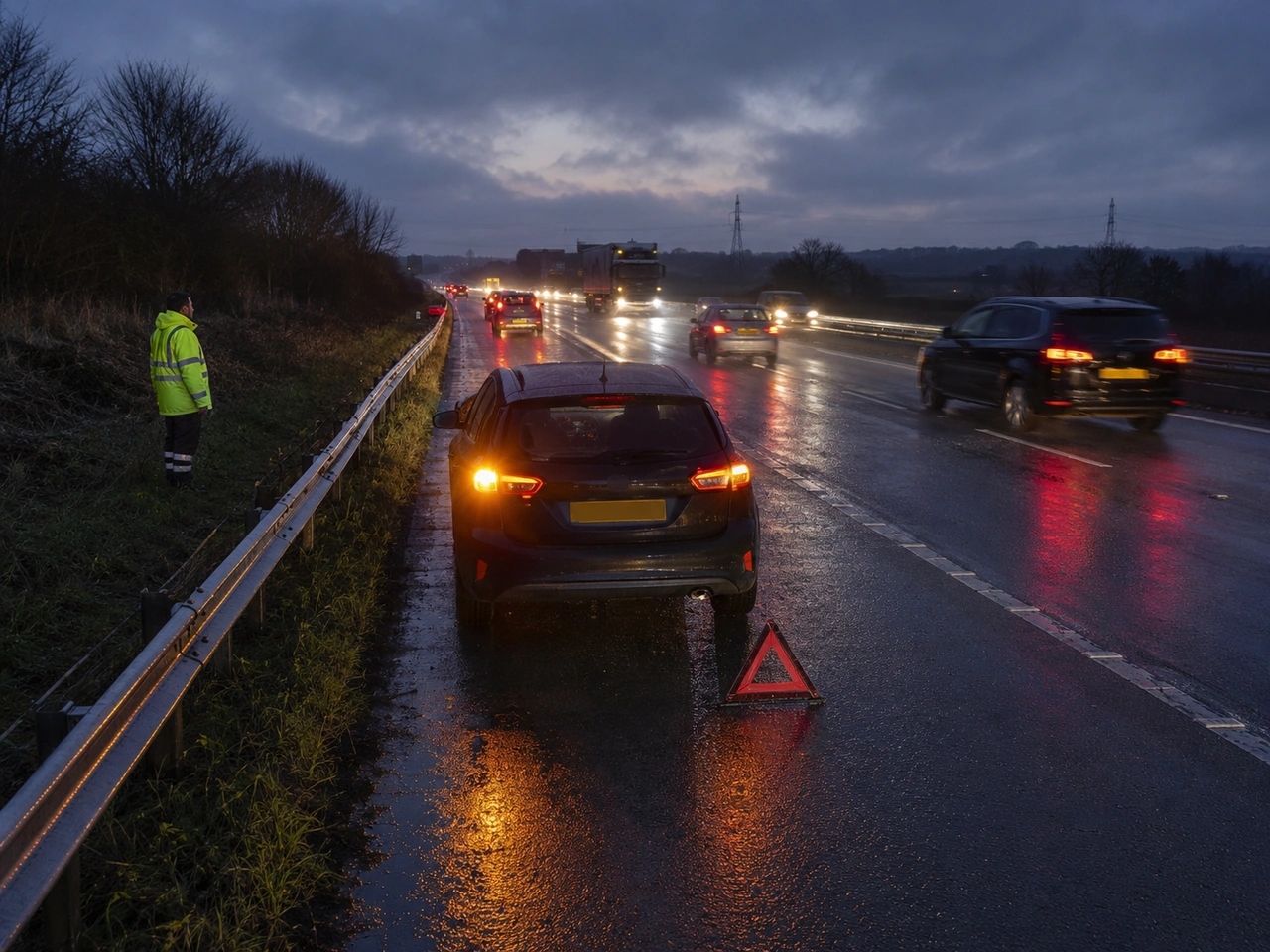
24. Why is high-visibility clothing useful during a roadside breakdown?
High-visibility clothing improves your visibility, especially at night or in poor weather, but you must still remain away from traffic.
AI-generated by Traffic-rules.com • WCIT • CC BY-SA
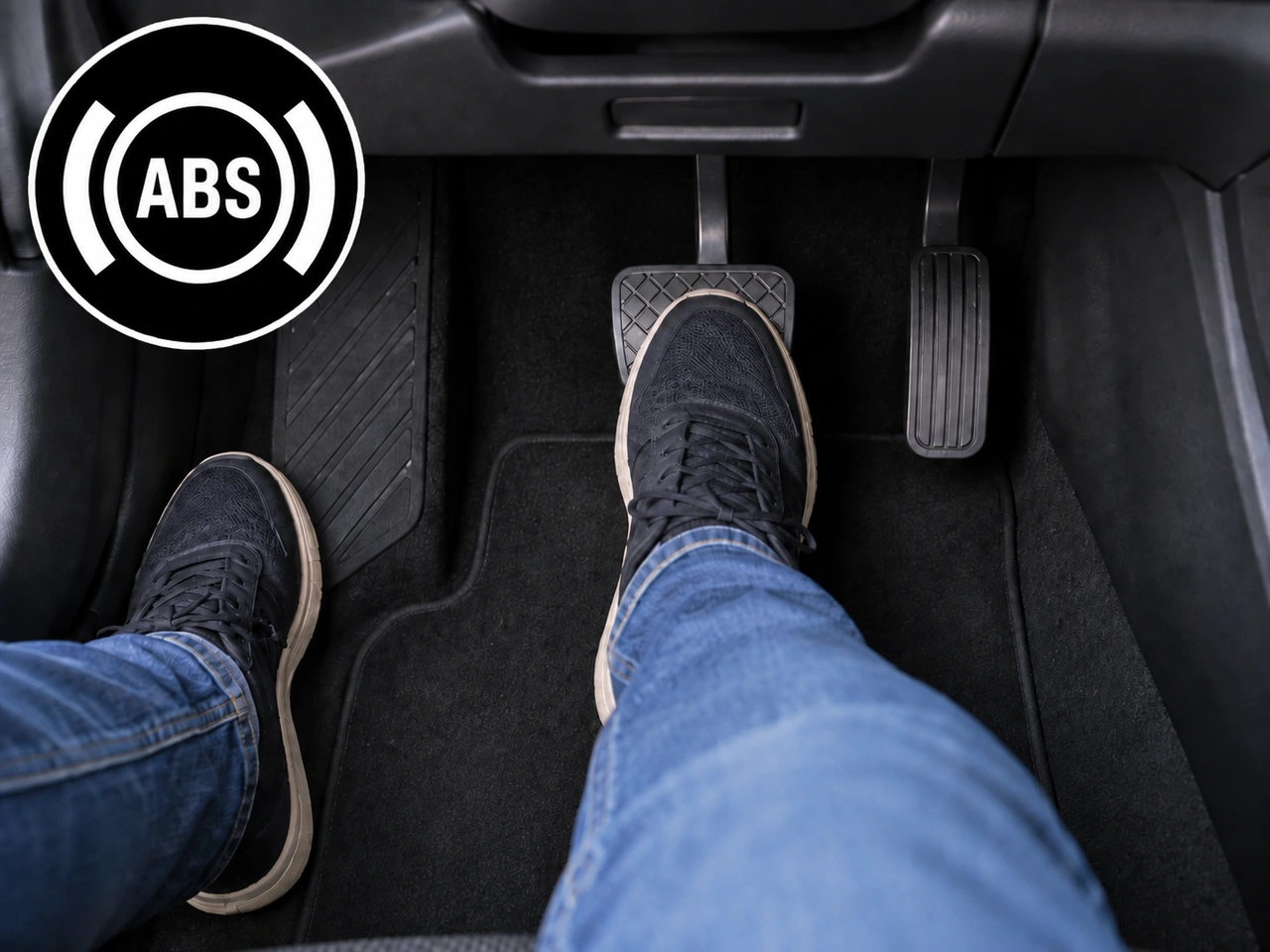
25. How should you use the brake pedal during emergency braking in a vehicle with ABS?
During emergency braking with ABS, press the brake pedal firmly and keep it pressed. Pulsation or vibration through the pedal can be normal while ABS is operating, so do not pump or release the brake.
AI-generated by Traffic-rules.com • WCIT • CC BY-SA
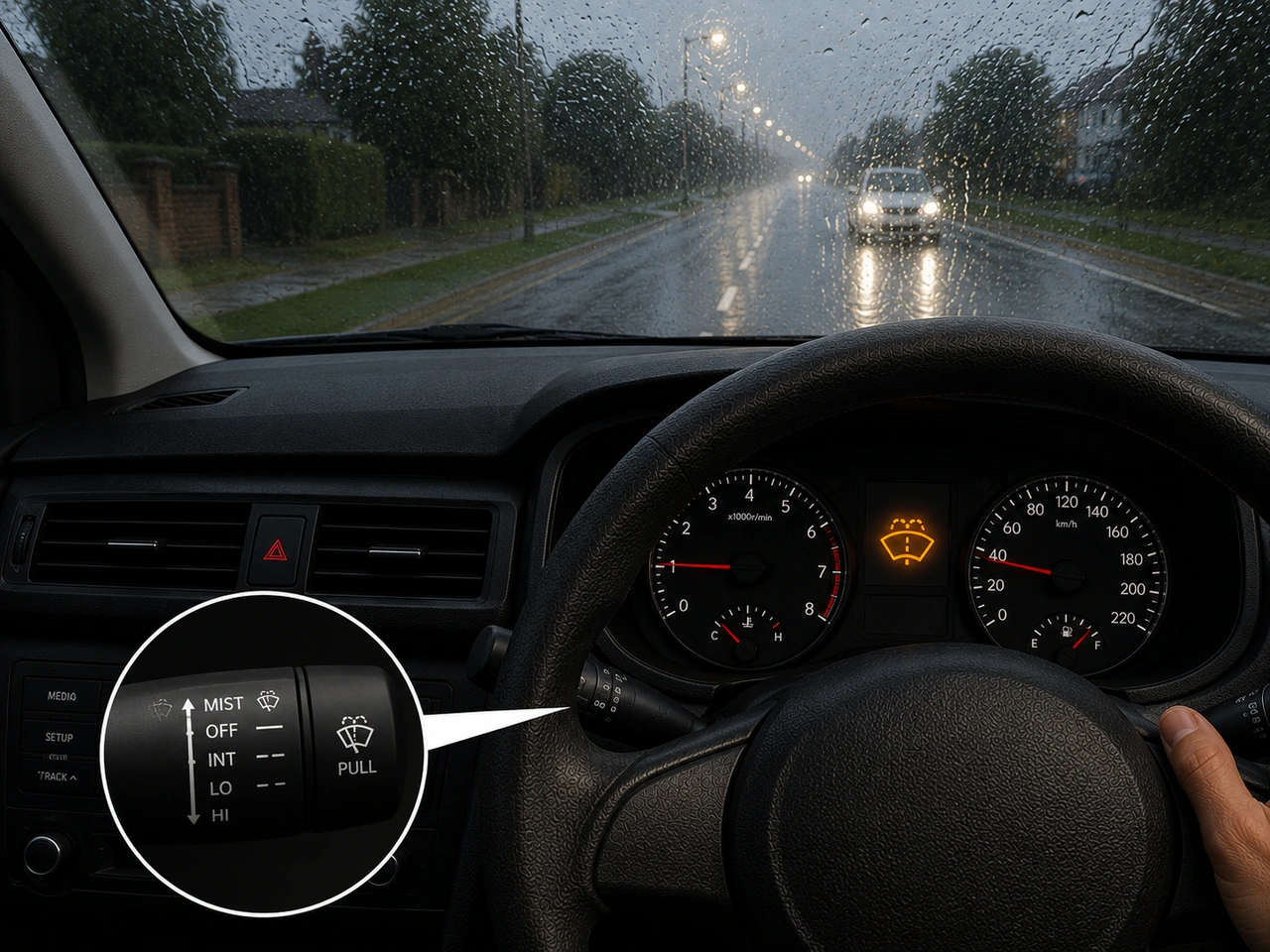
26. What should you do if the windscreen wipers stop working during heavy rain?
Do not continue when you cannot see clearly. Slow down smoothly and stop somewhere protected from traffic.
AI-generated by Traffic-rules.com • WCIT • CC BY-SA
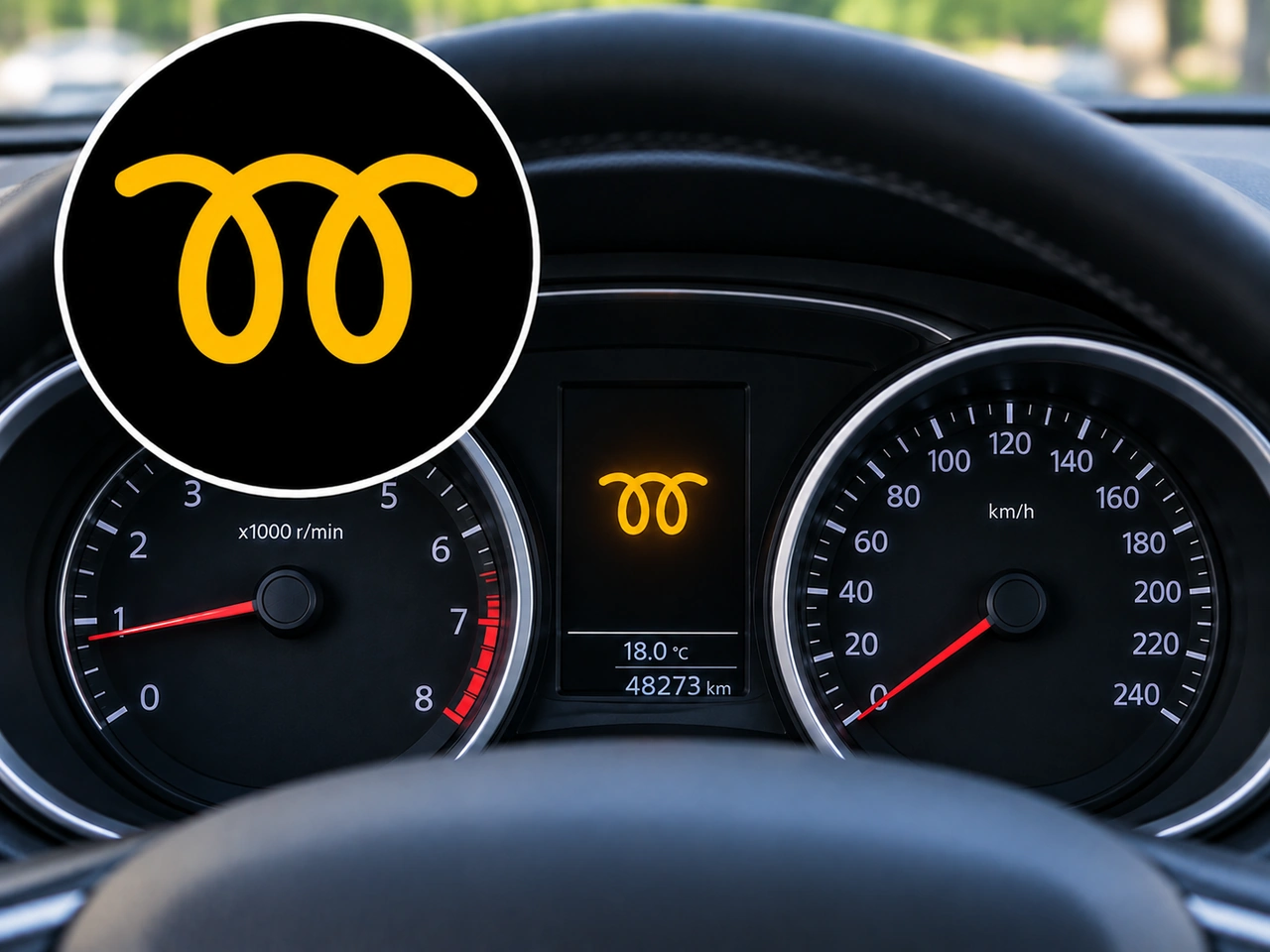
27. What does this dashboard symbol indicate?
This symbol indicates the diesel glow-plug preheating system. In a diesel vehicle, wait for the light to go out before starting the engine when required. If it remains illuminated or flashes while driving, it may indicate a fault.
AI-generated by Traffic-rules.com • WCIT • CC BY-SA

28. Why can mixing alcohol with medicine be dangerous for drivers?
Some prescription and non-prescription medicines can intensify alcohol-related drowsiness, dizziness, poor coordination, or reduced concentration.
AI-generated by Traffic-rules.com • WCIT • CC BY-SA
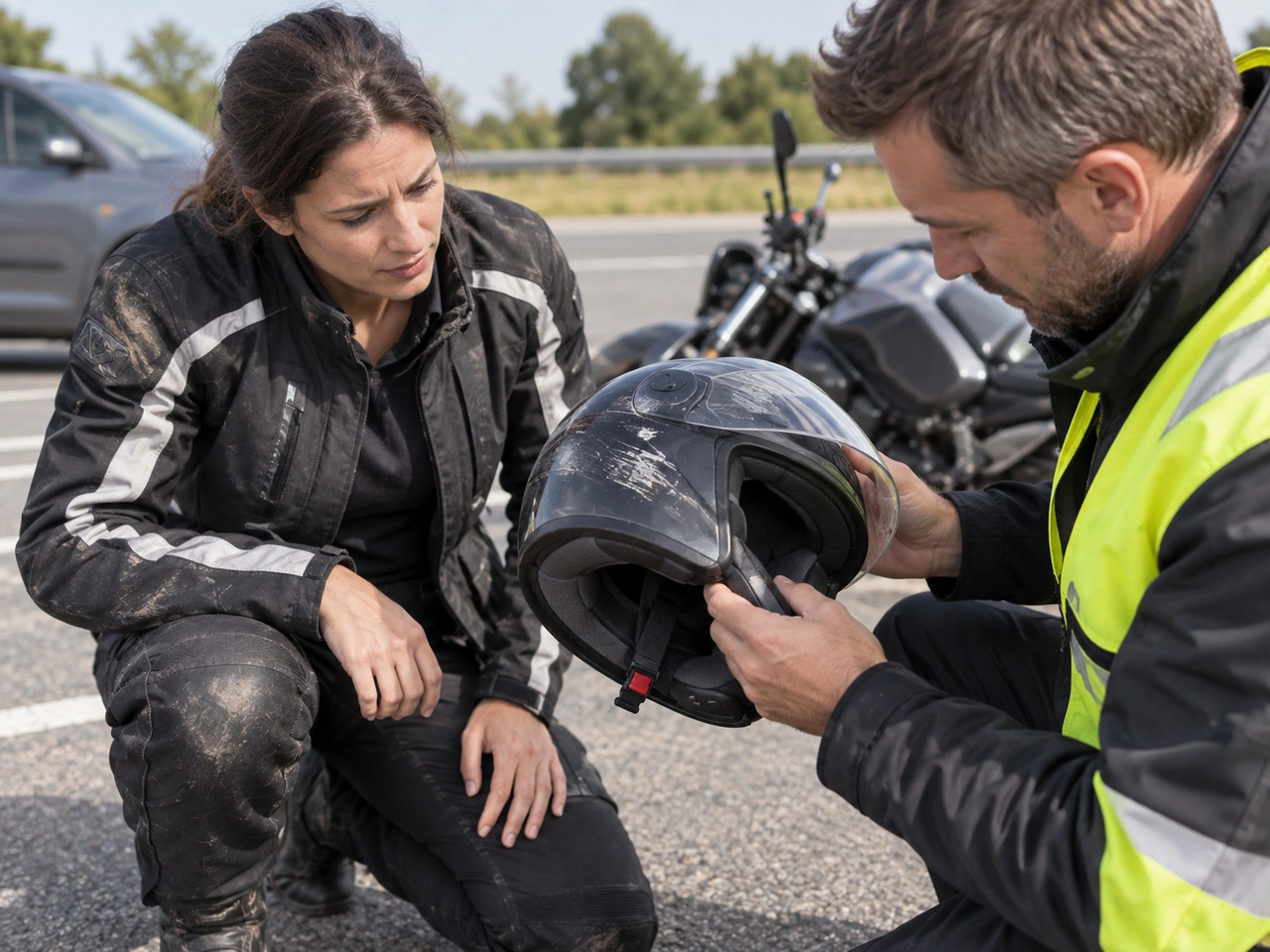
29. What should you do with a helmet that has taken a significant impact in a collision?
A helmet can be damaged internally by a significant impact even when no damage is visible from the outside. Stop using the helmet and follow the manufacturer's guidance, which will commonly require replacement after a significant impact.
AI-generated by Traffic-rules.com • WCIT • CC BY-SA
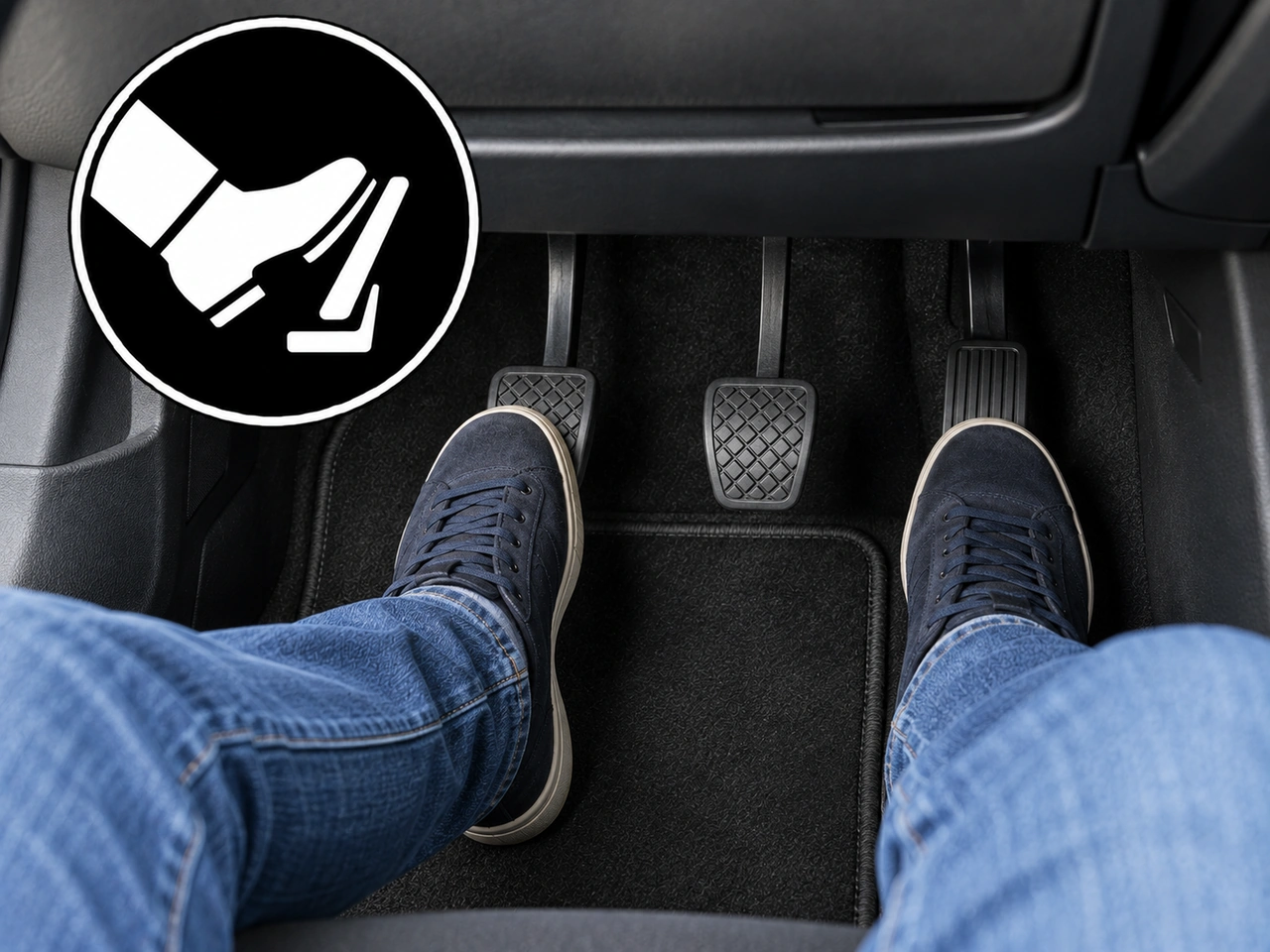
30. What is the clutch biting point?
The clutch biting point is reached as the clutch pedal is released and the clutch begins to transmit power from the engine to the transmission. Controlling this point helps the driver move off smoothly.
AI-generated by Traffic-rules.com • WCIT • CC BY-SA
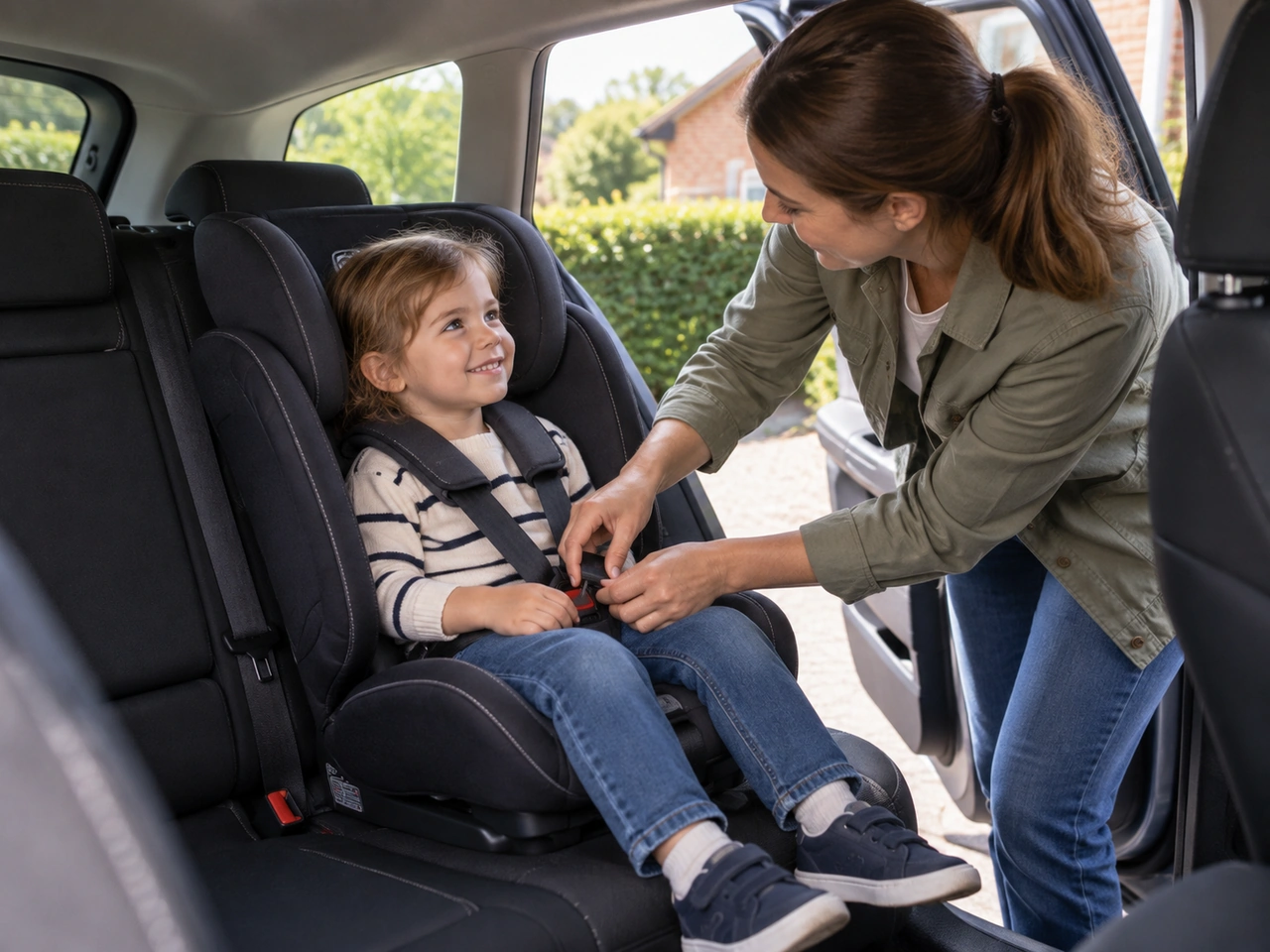
31. Why should a child use a suitable child restraint?
A suitable child restraint is designed to protect a child according to their size and development. It helps position and restrain the child correctly, reducing the risk of serious injury in a collision or sudden stop.
AI-generated by Traffic-rules.com • WCIT • CC BY-SA
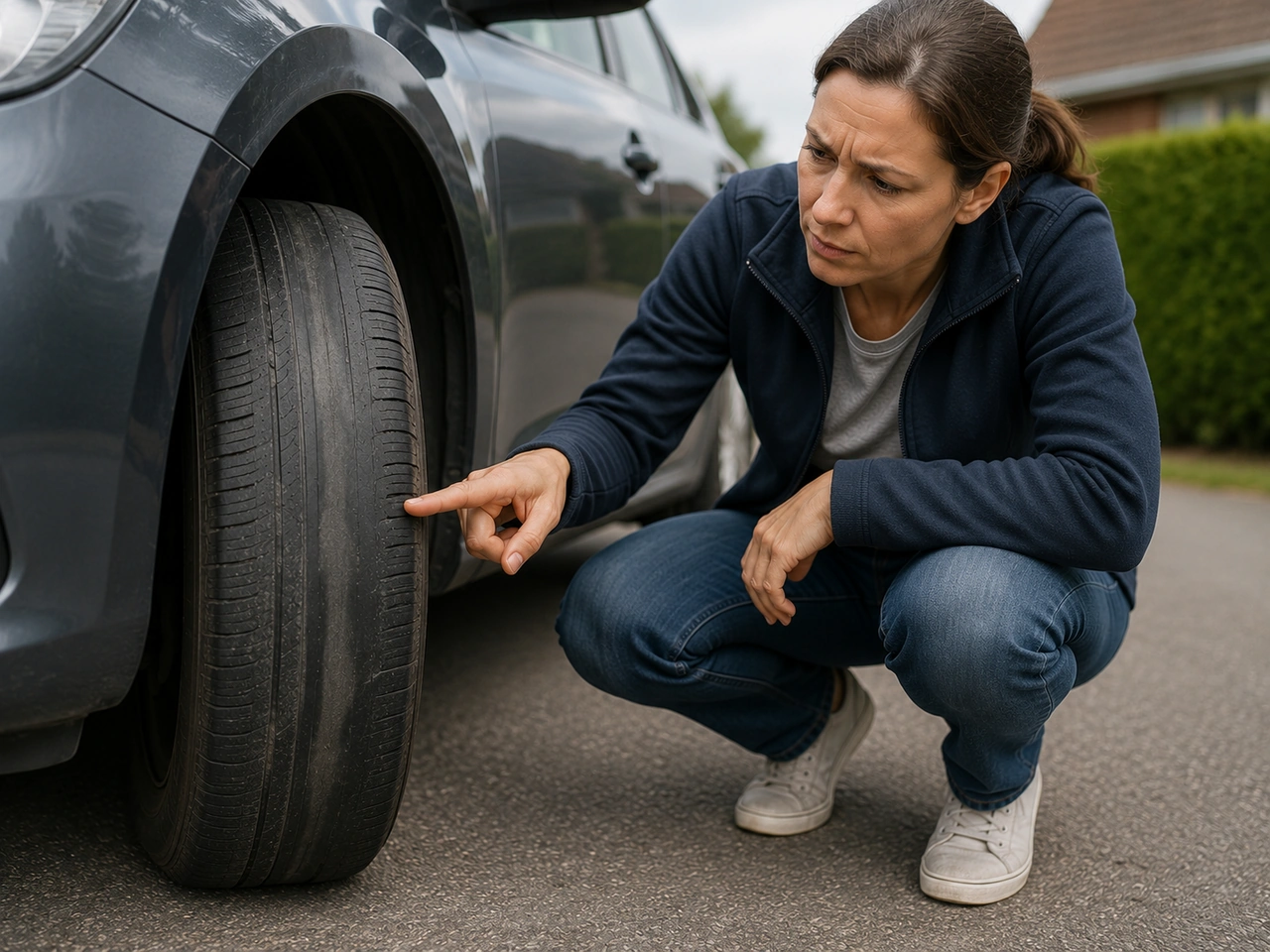
32. What can uneven tyre wear indicate?
Uneven wear may result from incorrect tyre pressure, wheel misalignment, worn suspension parts, or a brake that is not releasing properly.
AI-generated by Traffic-rules.com • WCIT • CC BY-SA
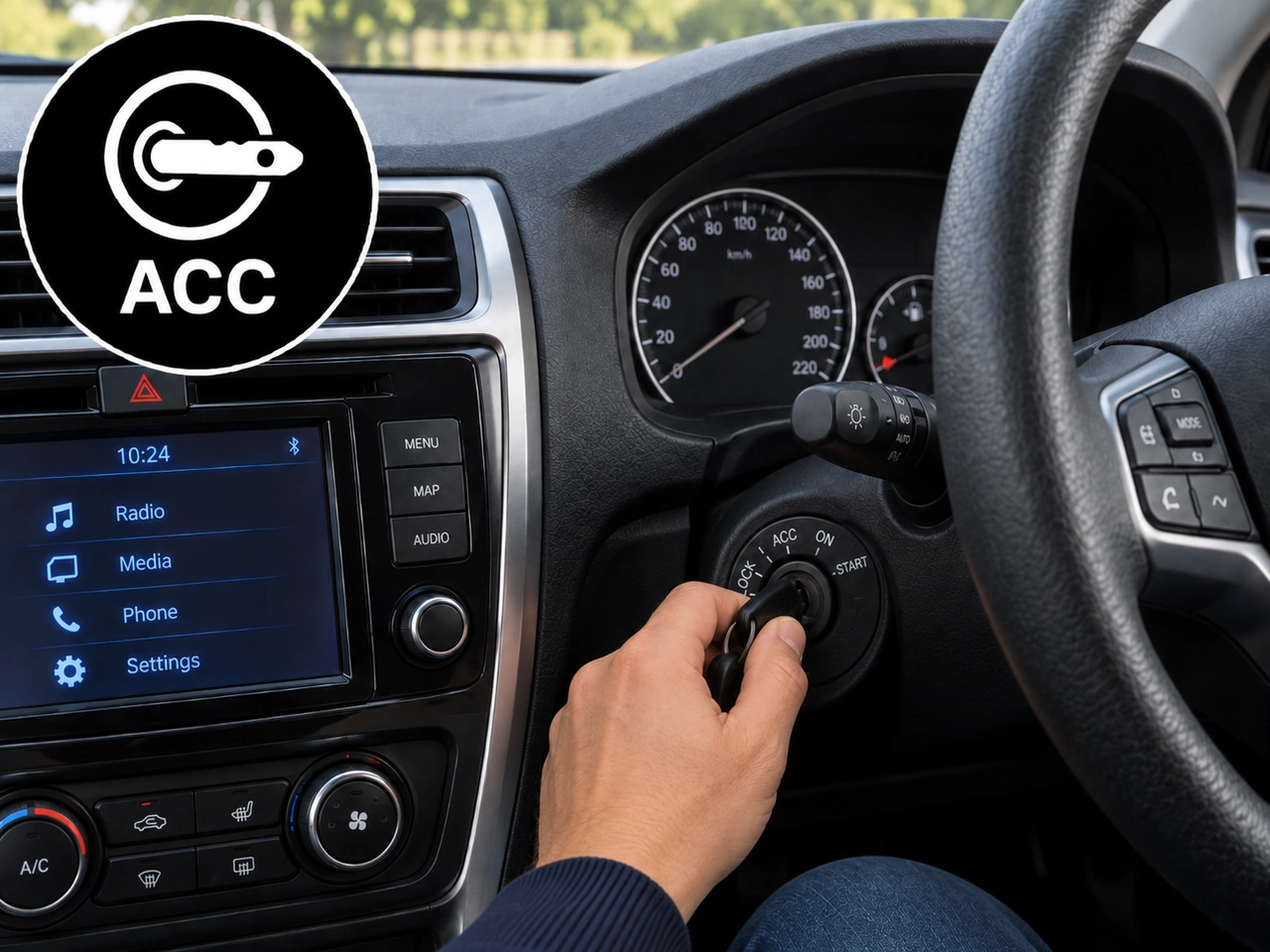
33. What does the ACC position of a traditional ignition switch normally allow?
The ACC (accessory) position normally supplies power to certain electrical accessories, such as the audio system, without starting the engine. The exact functions available can vary between vehicles.
AI-generated by Traffic-rules.com • WCIT • CC BY-SA
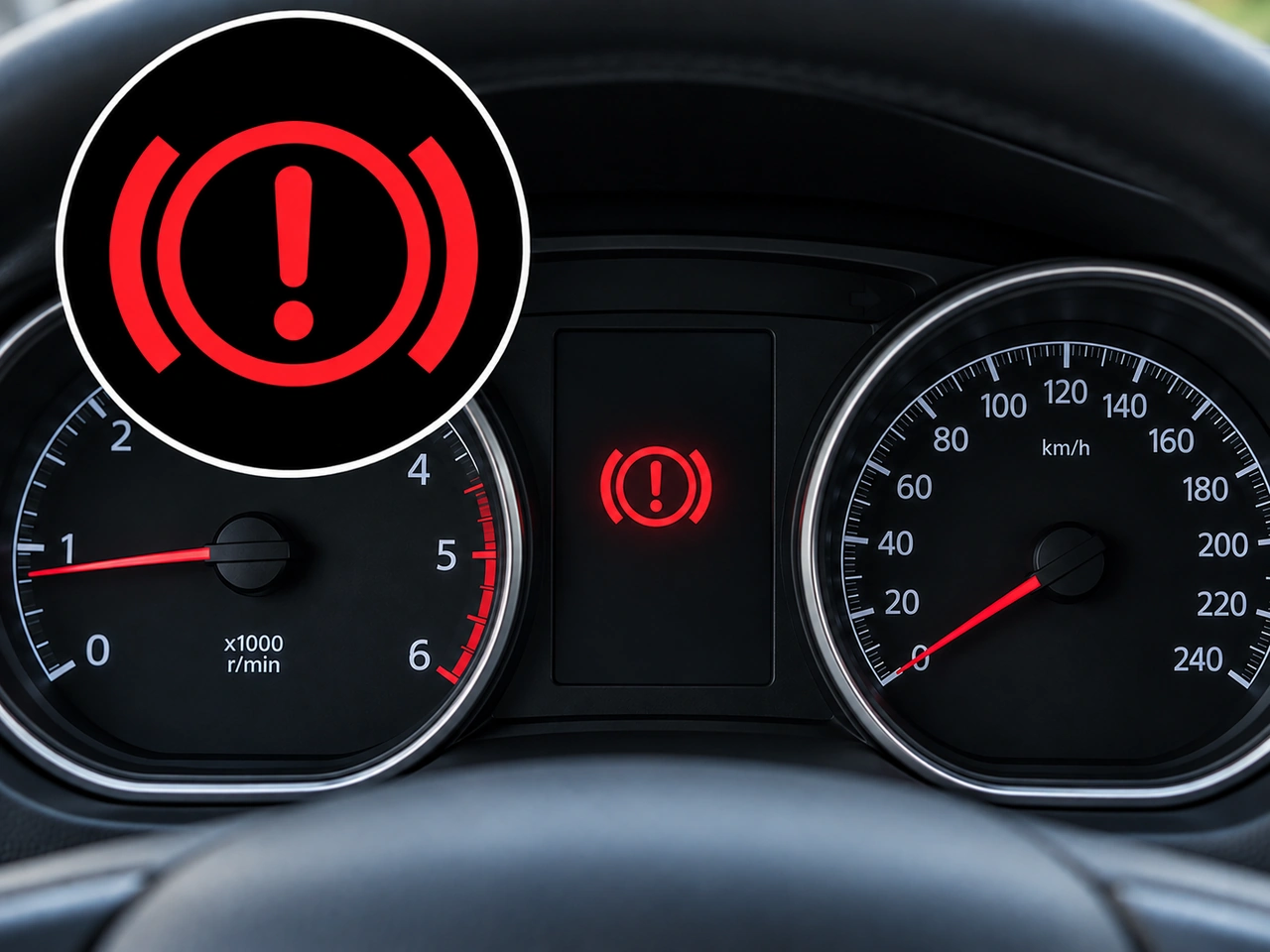
34. What does this dashboard symbol indicate?
This symbol indicates a possible brake-system fault. If it remains illuminated after the parking brake is released, stop safely and have the braking system checked.
AI-generated by Traffic-rules.com • WCIT • CC BY-SA
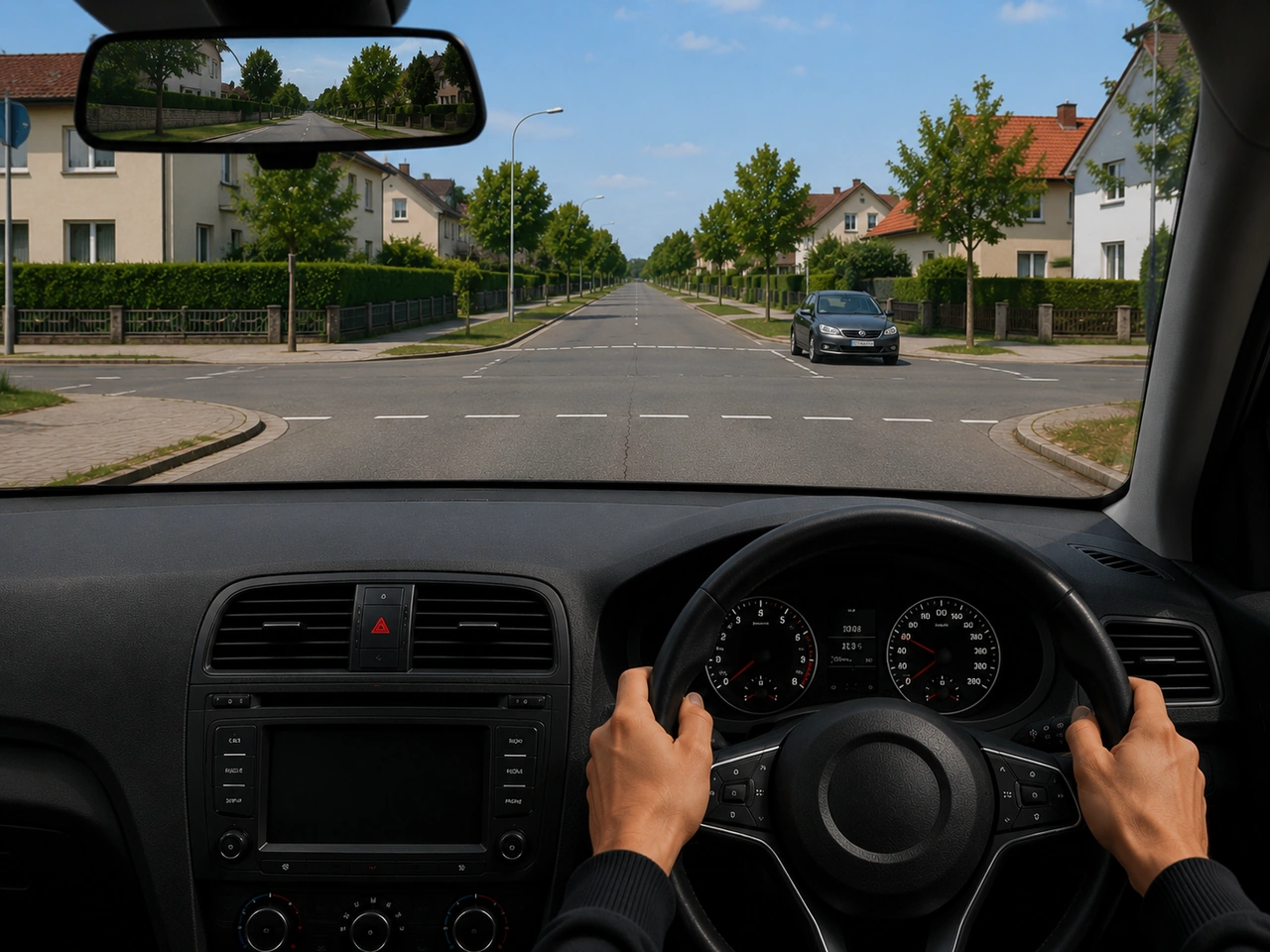
35. What should you do if you are unsure who has priority at a junction?
If priority is unclear, reduce speed, observe carefully, and avoid entering the junction until you are sure it is safe.
AI-generated by Traffic-rules.com • WCIT • CC BY-SA
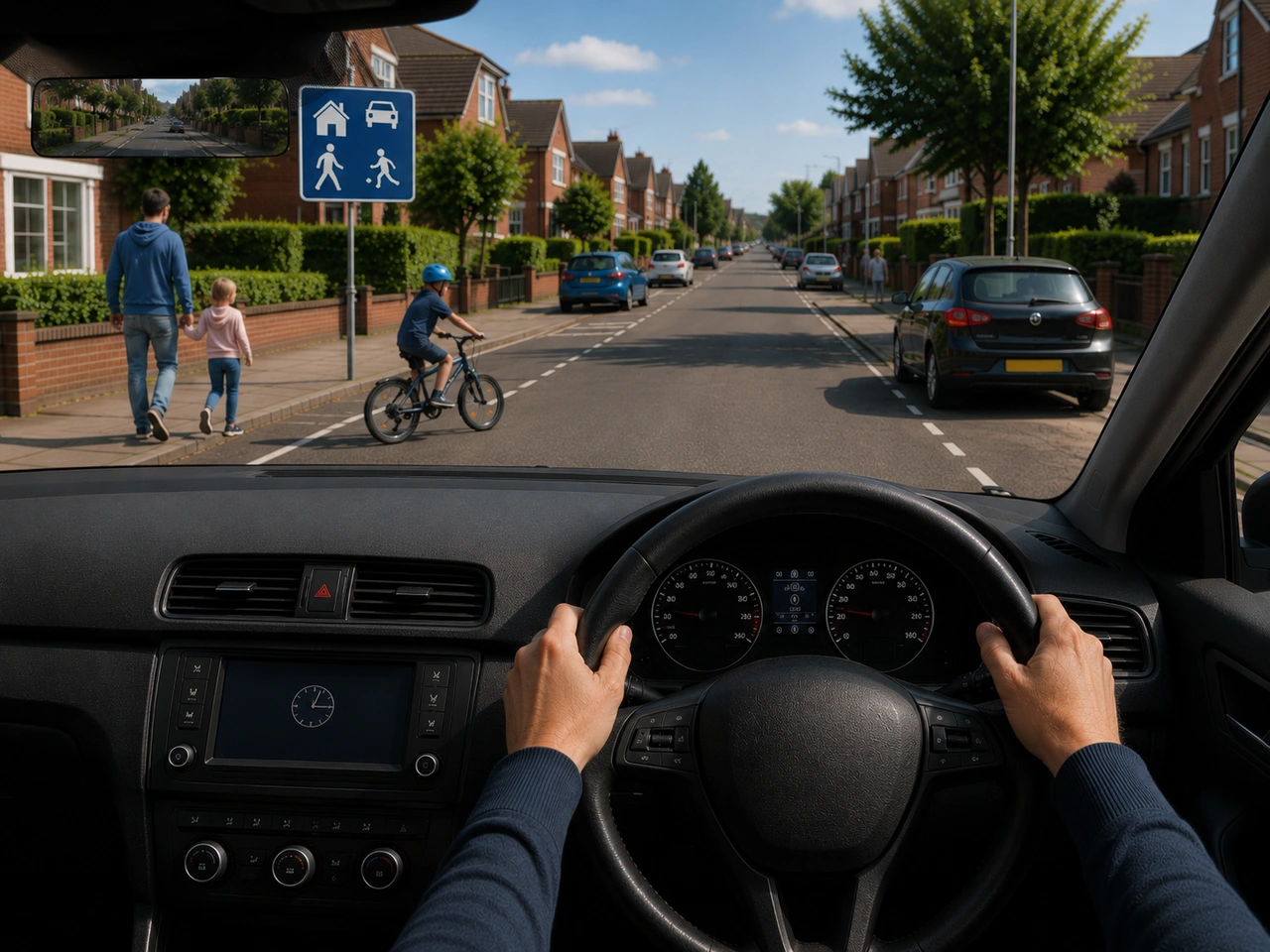
36. Why should you reduce speed in residential areas?
Residential areas often have pedestrians, cyclists, parked vehicles, driveways, and children, and hazards may appear suddenly. Lower speed gives you more time to react and stop safely.
AI-generated by Traffic-rules.com • WCIT • CC BY-SA
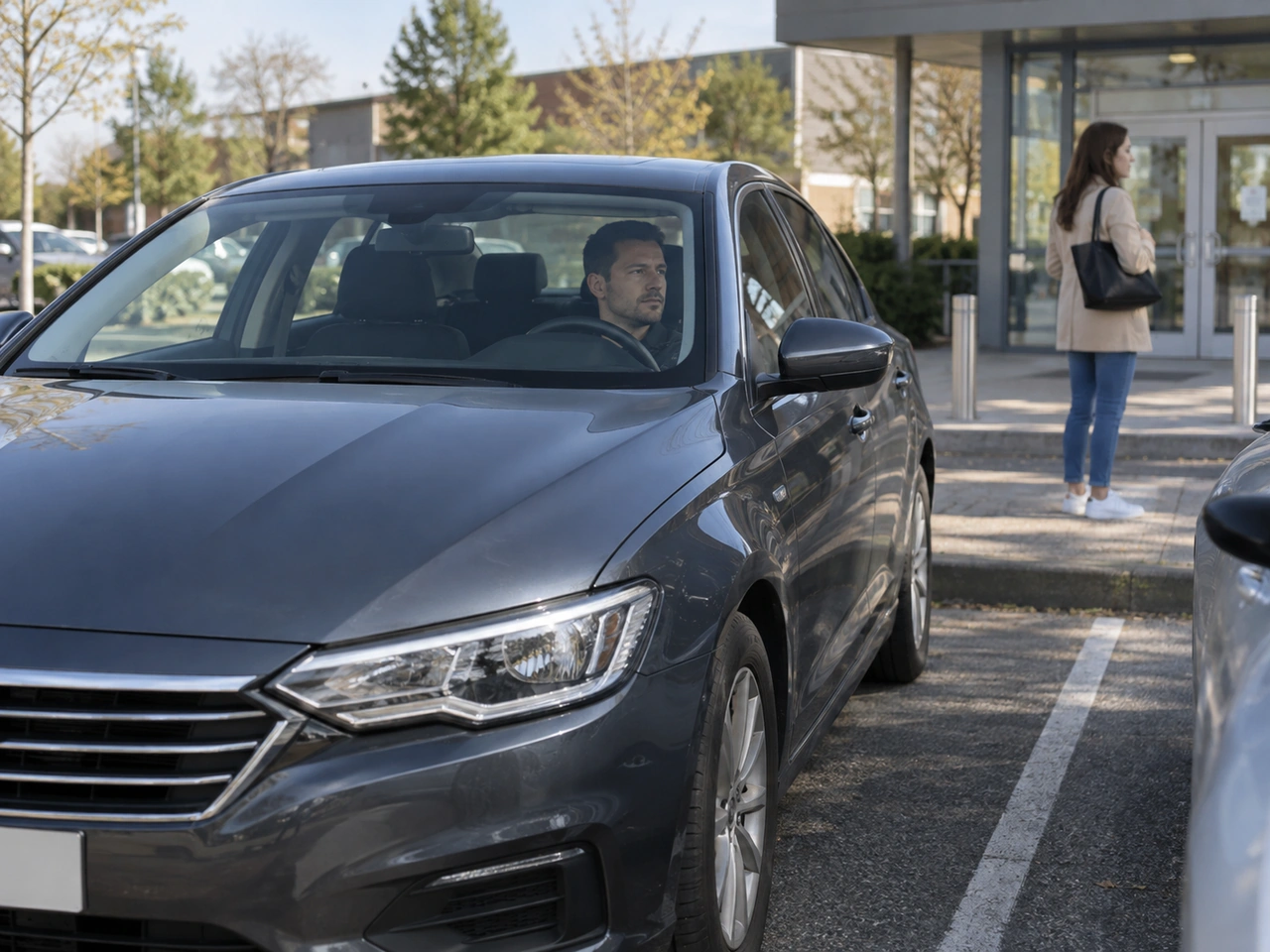
37. Why should unnecessary engine idling be avoided?
An idling combustion engine uses fuel while the vehicle is stationary. Avoid unnecessary idling where it is safe and appropriate to switch the engine off, taking account of the vehicle manufacturer's instructions and local rules.
AI-generated by Traffic-rules.com • WCIT • CC BY-SA
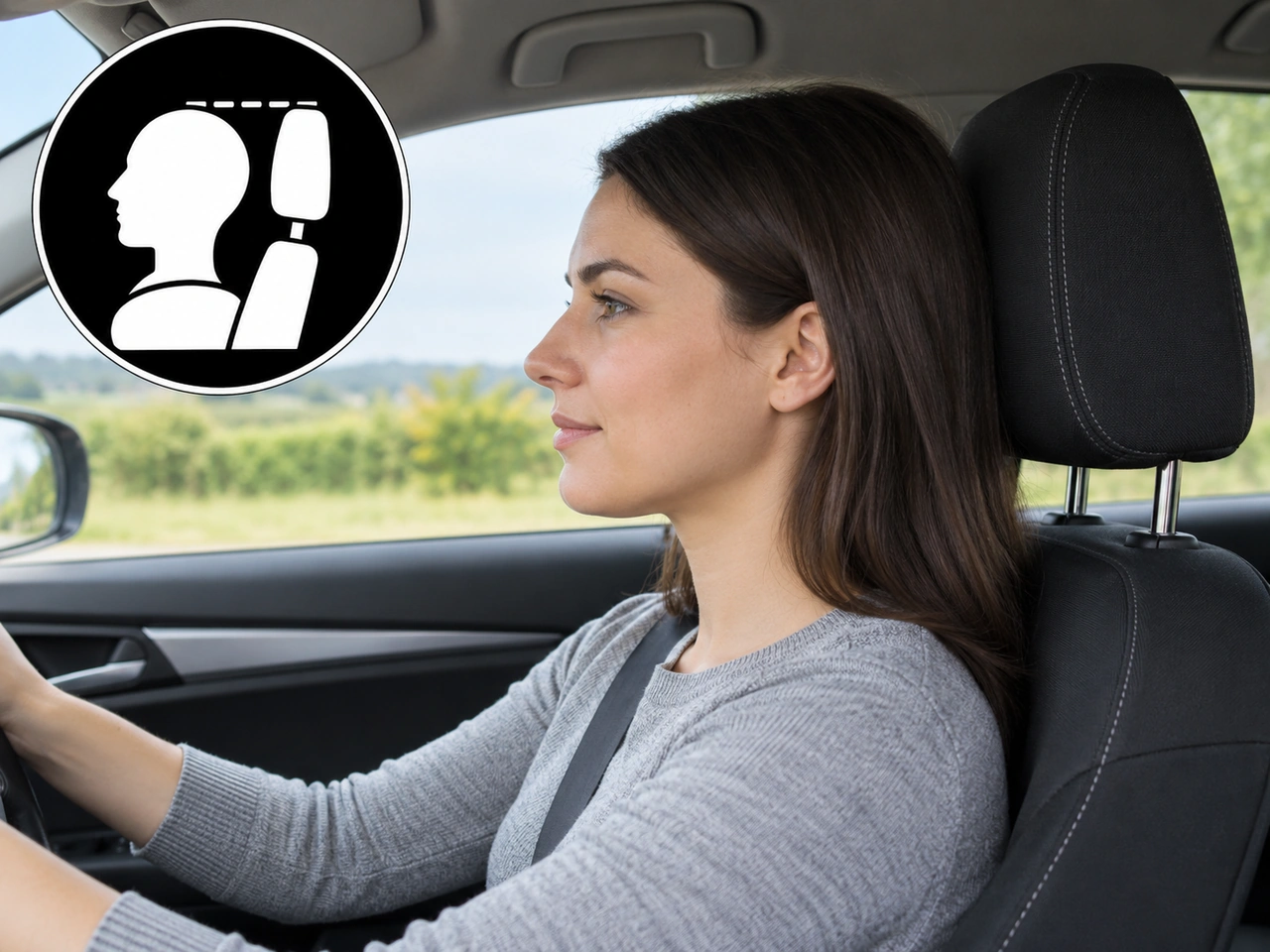
38. Where should the top of the head restraint normally be positioned?
The head restraint should normally be adjusted so that its top is approximately level with the top of the head. This helps reduce the risk of neck injury in a collision.
AI-generated by Traffic-rules.com • WCIT • CC BY-SA
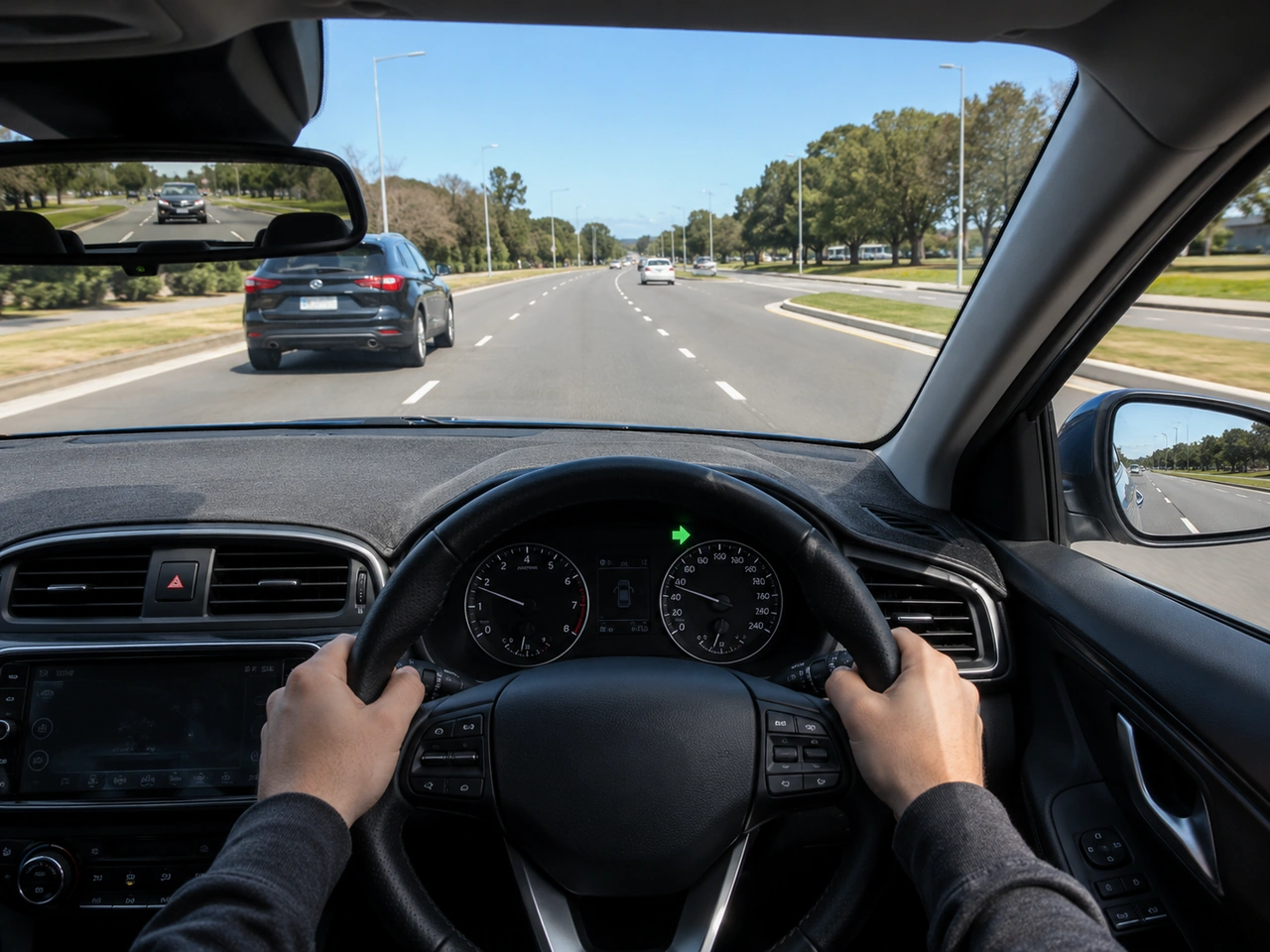
39. You should signal before turning or changing lanes.
A clear signal helps other road users understand your intentions, but you must still check that the manoeuvre can be made safely.
AI-generated by Traffic-rules.com • WCIT • CC BY-SA
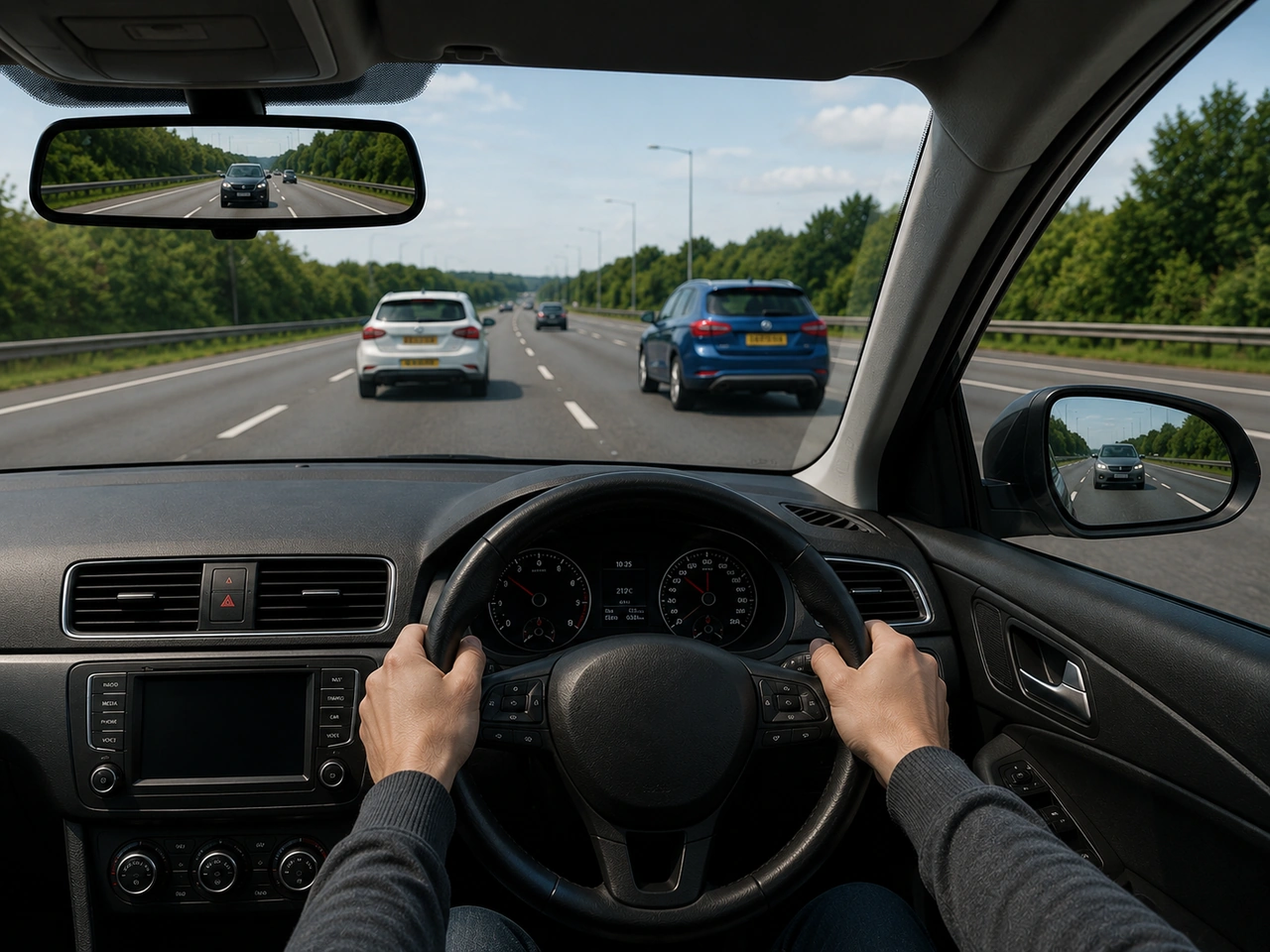
40. What should you do before changing lanes?
Always check your mirrors, look over your shoulder if necessary, and make sure it is safe before changing lanes.
AI-generated by Traffic-rules.com • WCIT • CC BY-SA
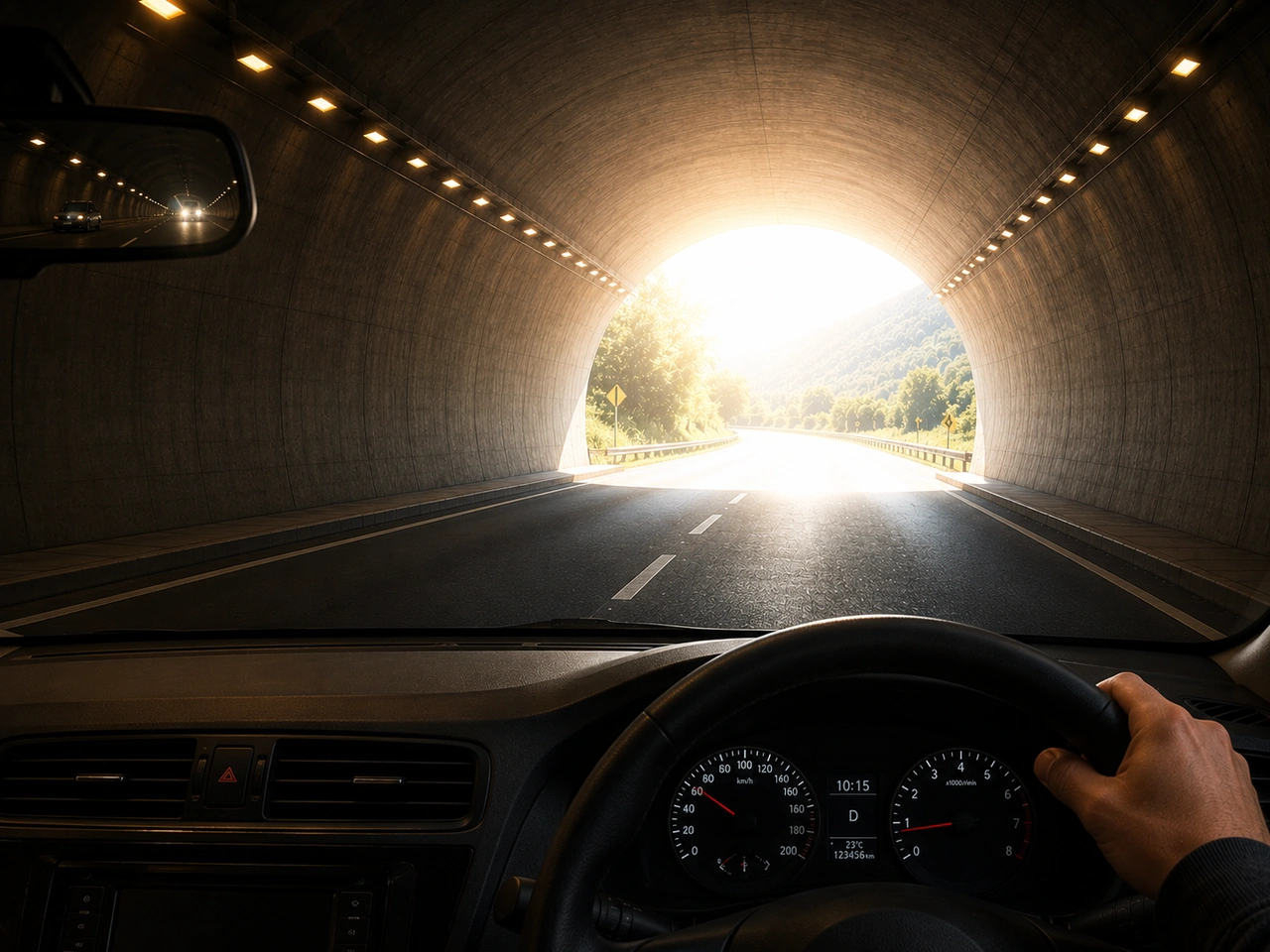
41. What should you expect when leaving a tunnel in bright sunlight?
Your eyes may need time to adjust from the darker tunnel to bright daylight. Reduce speed if necessary and remain alert.
AI-generated by Traffic-rules.com • WCIT • CC BY-SA
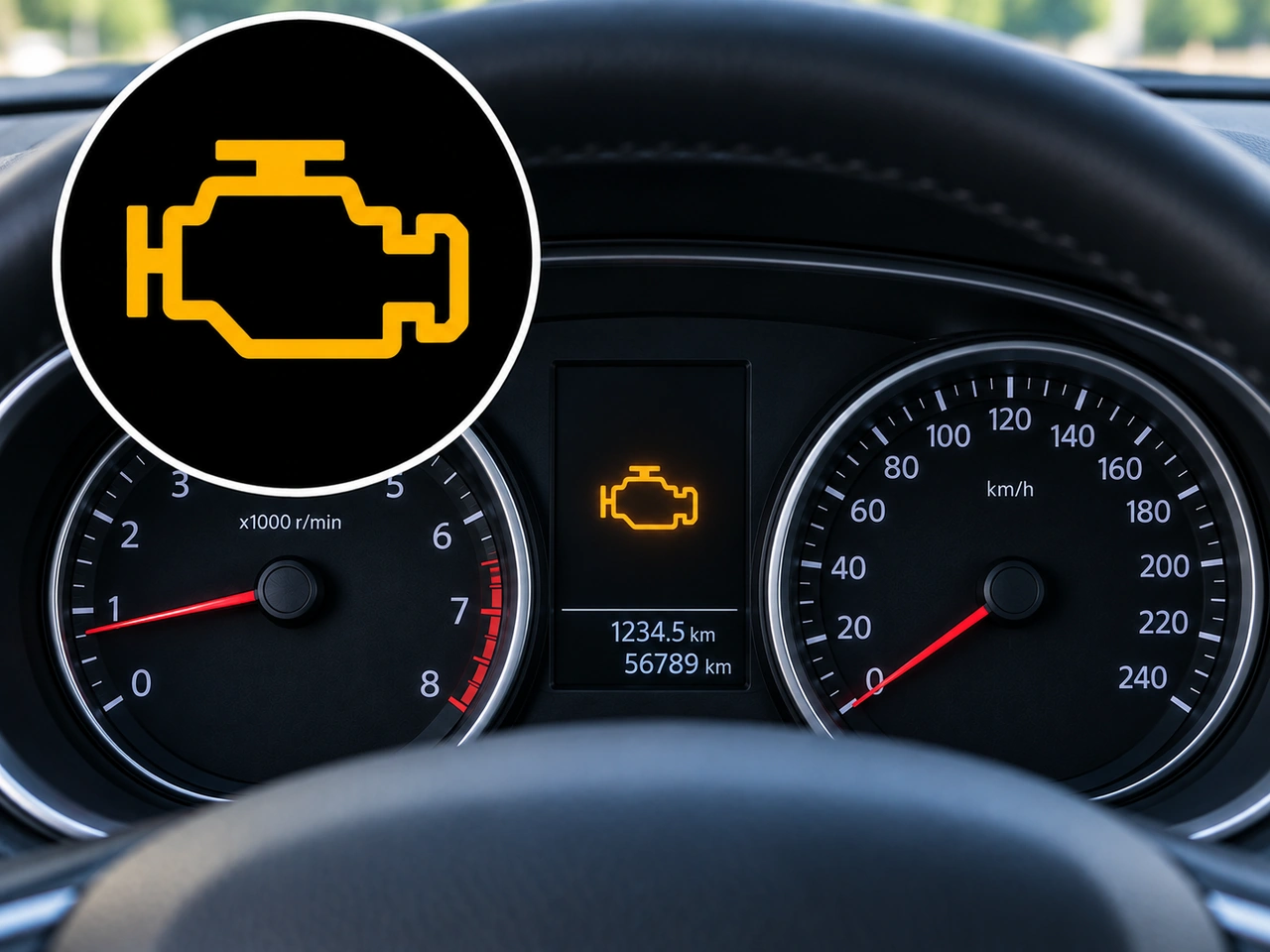
42. What does this dashboard symbol indicate?
This symbol indicates a fault detected by the engine-management or emissions-control system. If it remains illuminated while driving, the vehicle should be checked according to the manufacturer's instructions.
AI-generated by Traffic-rules.com • WCIT • CC BY-SA
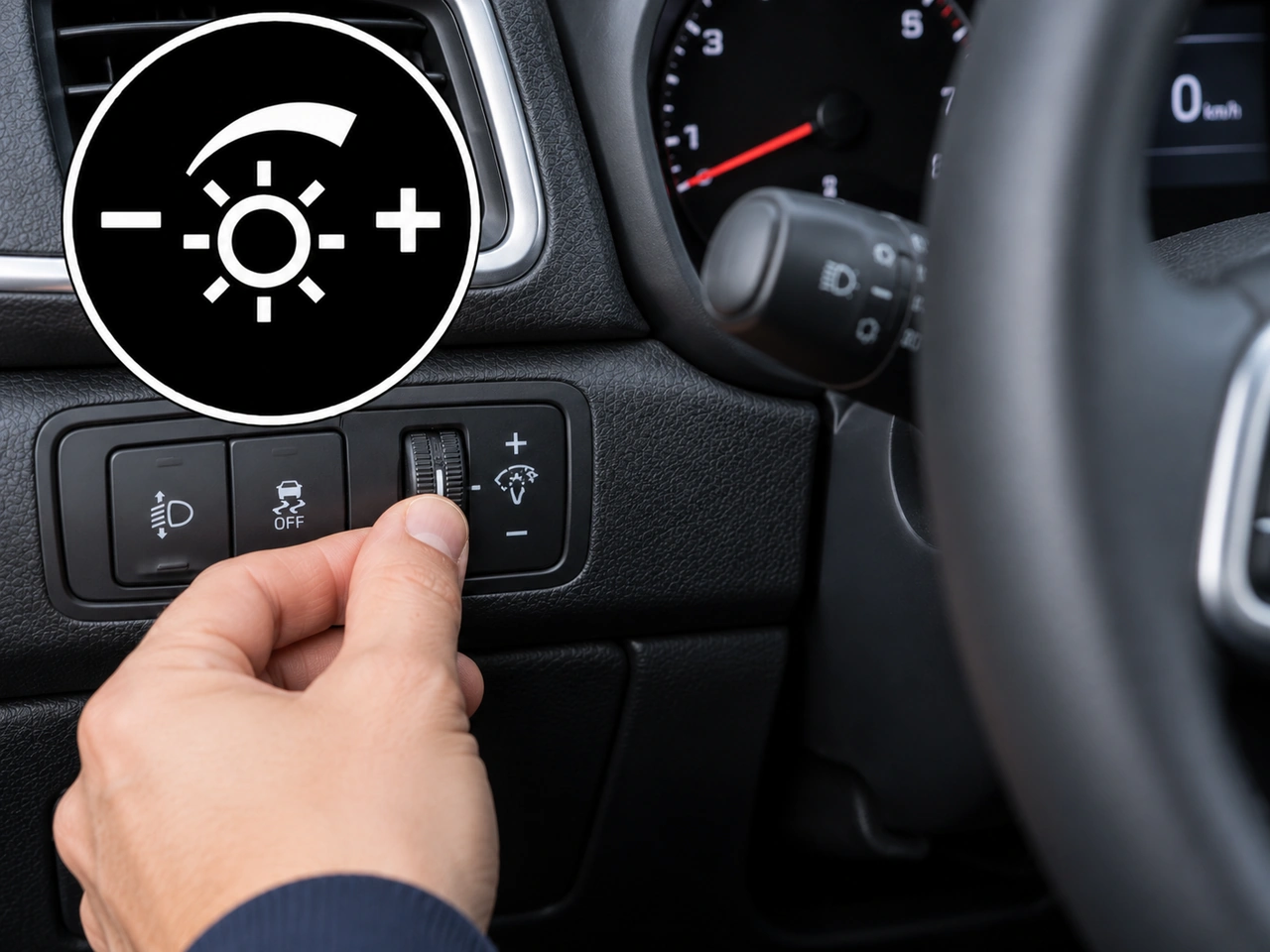
43. What does this vehicle-control symbol indicate?
This control adjusts the brightness of the instrument panel and dashboard illumination, allowing the driver to reduce or increase the lighting level.
AI-generated by Traffic-rules.com • WCIT • CC BY-SA
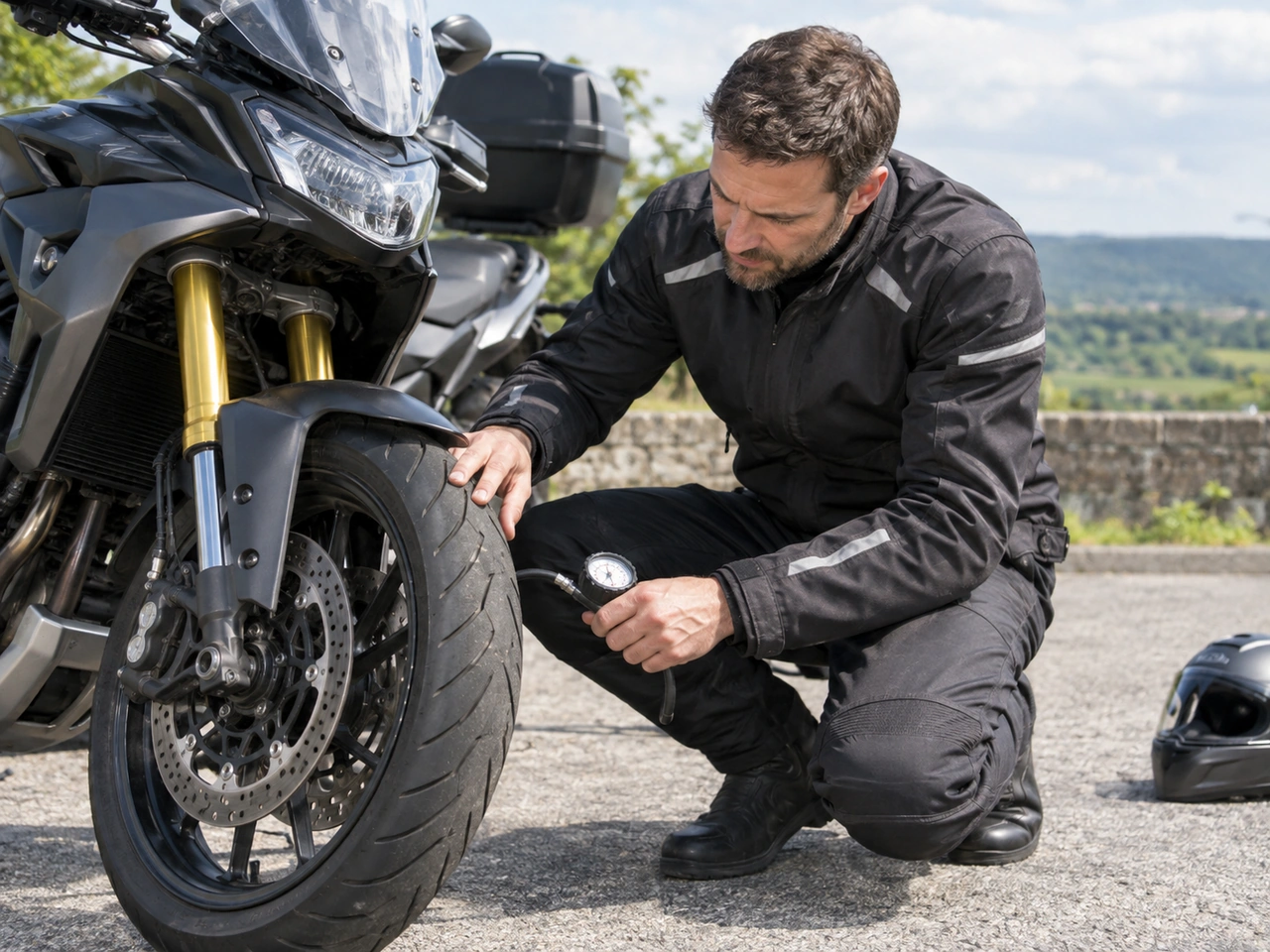
44. Why are tyre condition and pressure especially important on a motorcycle?
A motorcycle relies on a relatively small area of tyre contact with the road. Correct tyre pressure, tread and condition are important for grip, steering, stability and braking. Check the tyres regularly and follow the manufacturer's recommended pressures.
AI-generated by Traffic-rules.com • WCIT • CC BY-SA
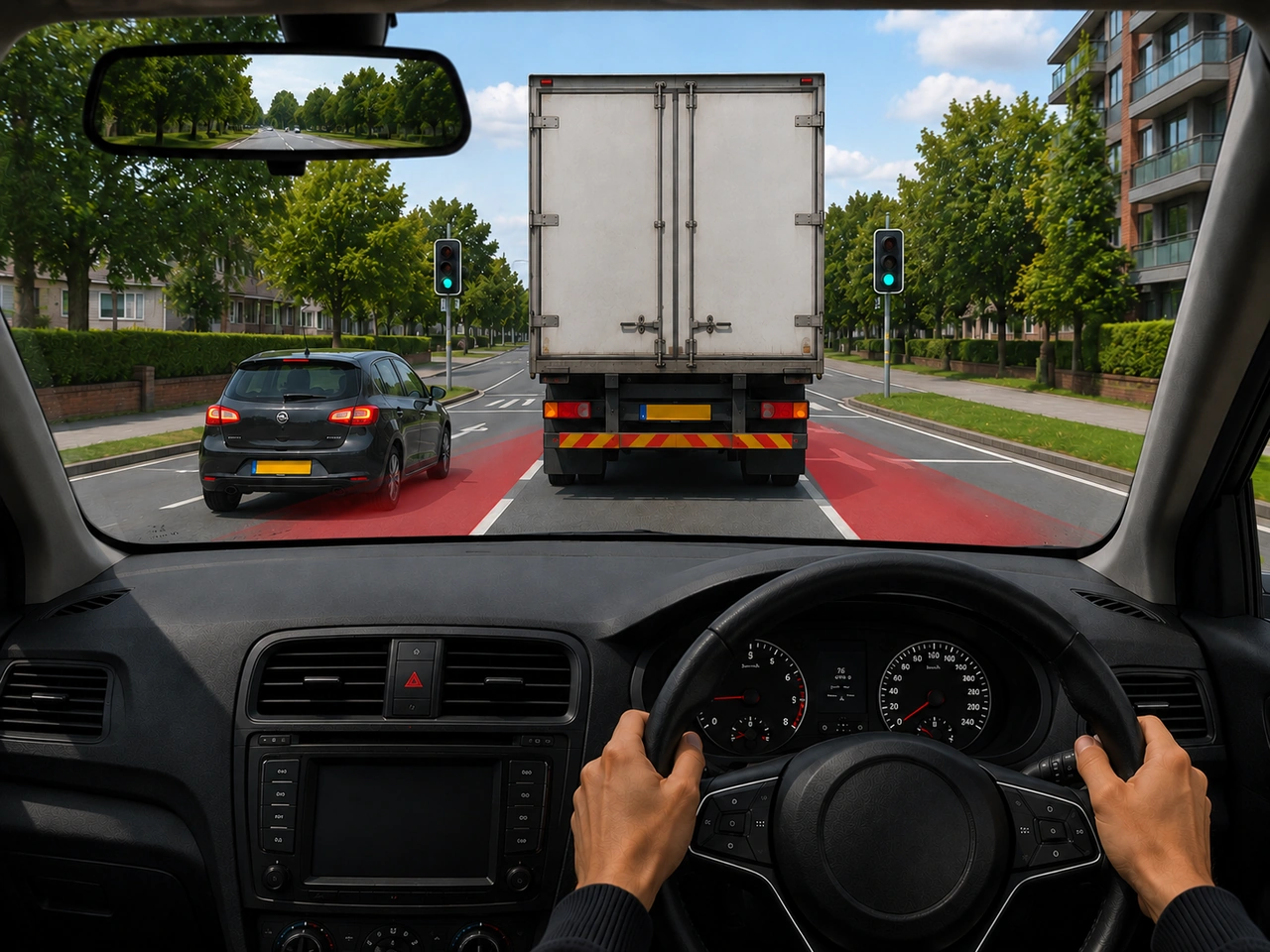
45. Why should you avoid stopping in a blind spot of a large vehicle?
Large vehicles have bigger blind spots. If you stop where the driver cannot see you, you may be at risk when the vehicle moves or turns.
AI-generated by Traffic-rules.com • WCIT • CC BY-SA
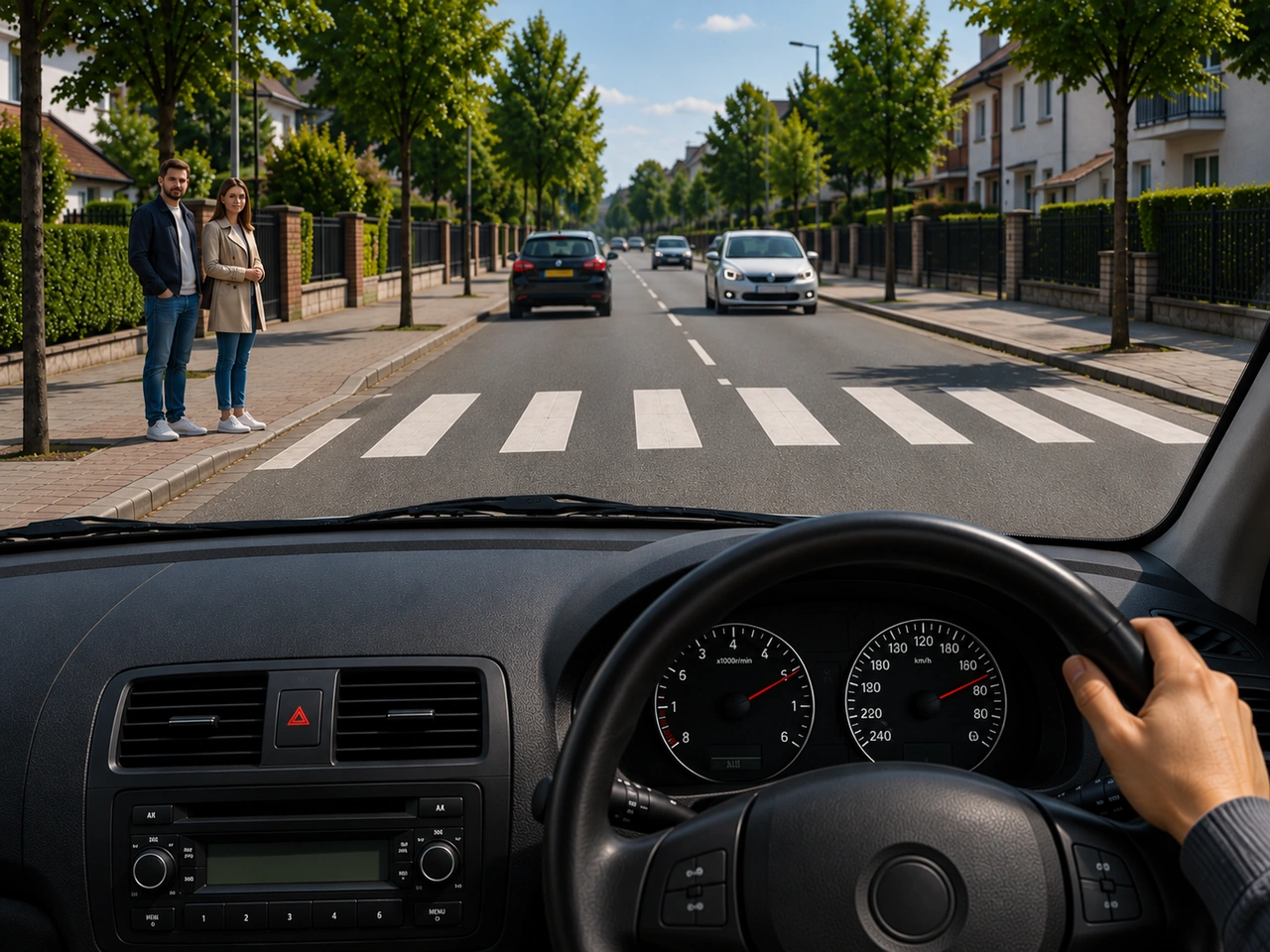
46. What should you do when people are waiting at a pedestrian crossing?
When people are waiting near a pedestrian crossing, reduce your speed and be ready to stop. Pedestrians may begin crossing at any moment.
AI-generated by Traffic-rules.com • WCIT • CC BY-SA
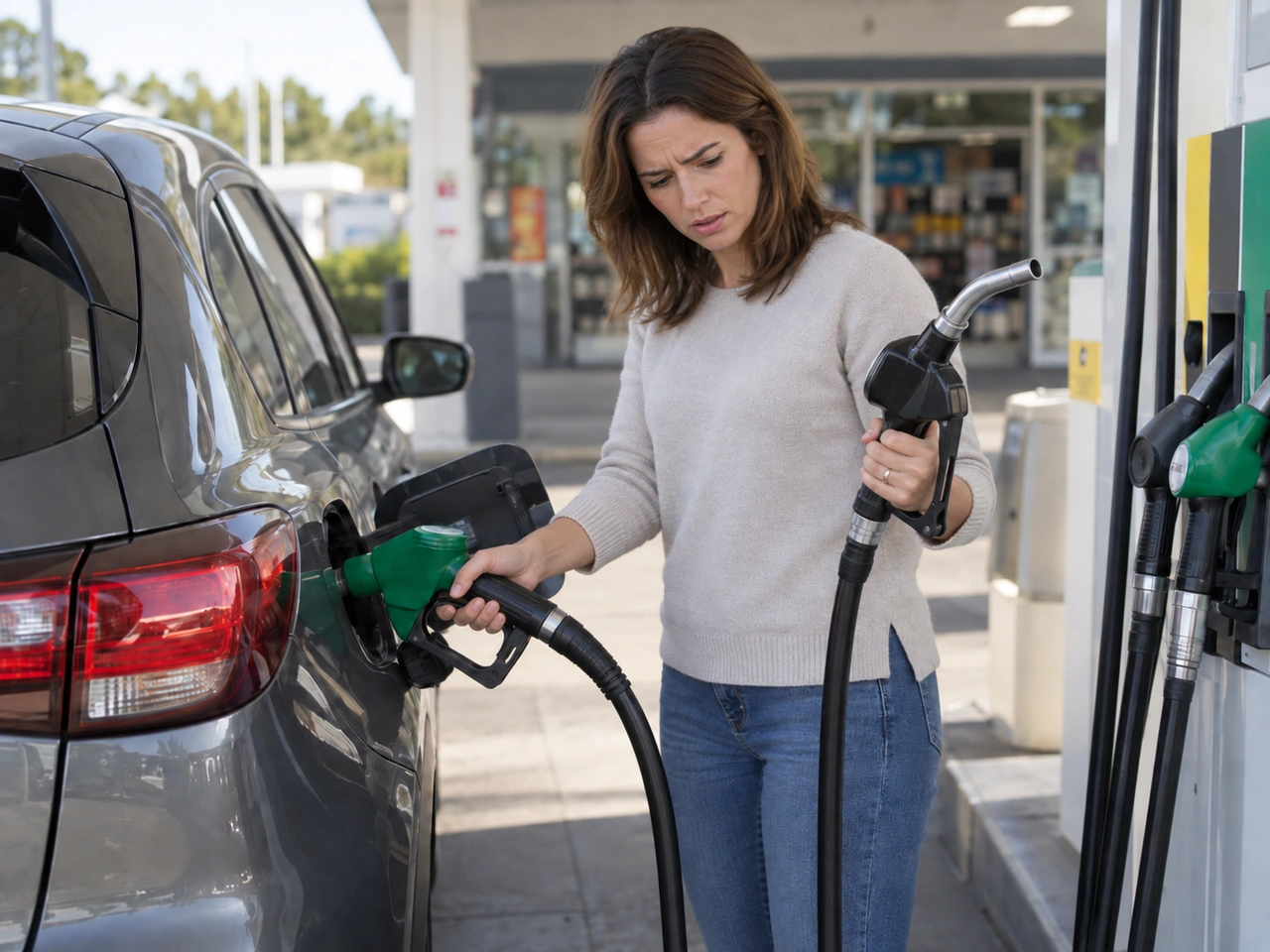
47. What should you do if you realise you have put the wrong fuel in your vehicle?
If you have used the wrong fuel, do not start the engine. Starting it can circulate the incorrect fuel and cause further damage. If possible, avoid switching on the ignition and seek appropriate roadside or workshop assistance.
AI-generated by Traffic-rules.com • WCIT • CC BY-SA
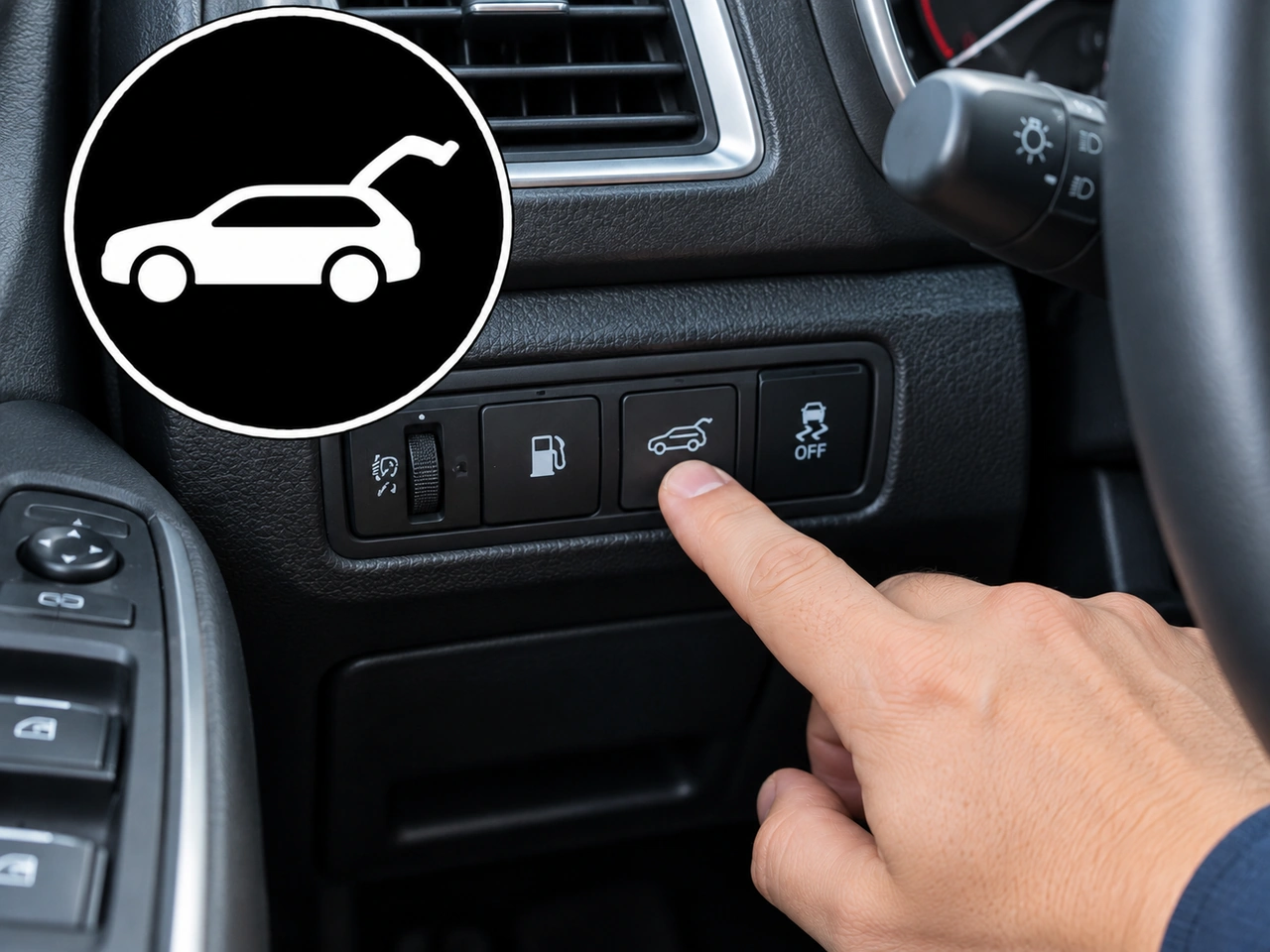
48. What does this vehicle-control symbol indicate?
This symbol indicates the boot or tailgate release. Operating the control unlocks or opens the luggage compartment, depending on the vehicle.
AI-generated by Traffic-rules.com • WCIT • CC BY-SA
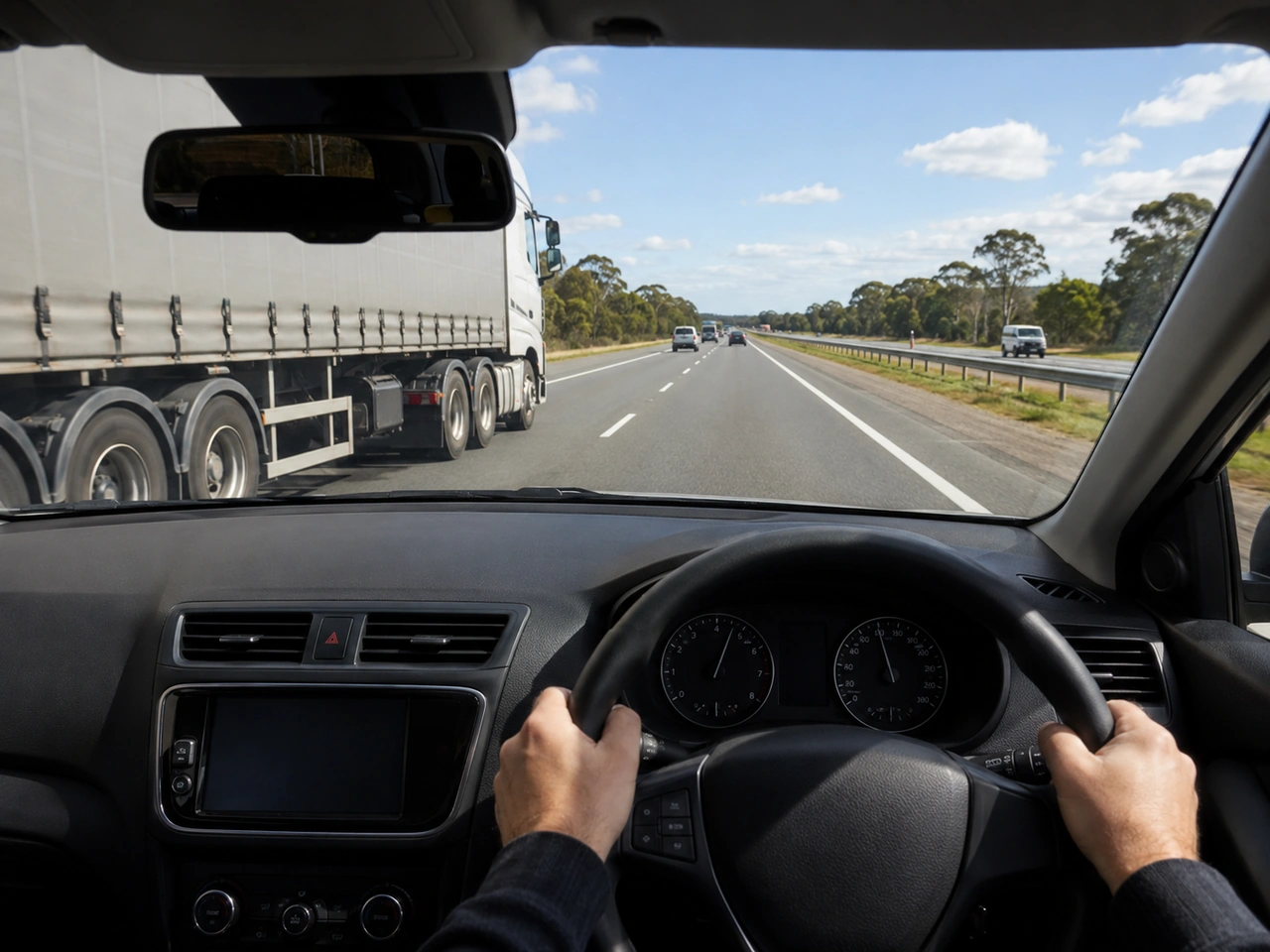
49. It is safer to drive faster than the speed limit when overtaking.
You must still drive safely and obey traffic laws. Speeding increases risk and is not automatically justified by overtaking.
AI-generated by Traffic-rules.com • WCIT • CC BY-SA
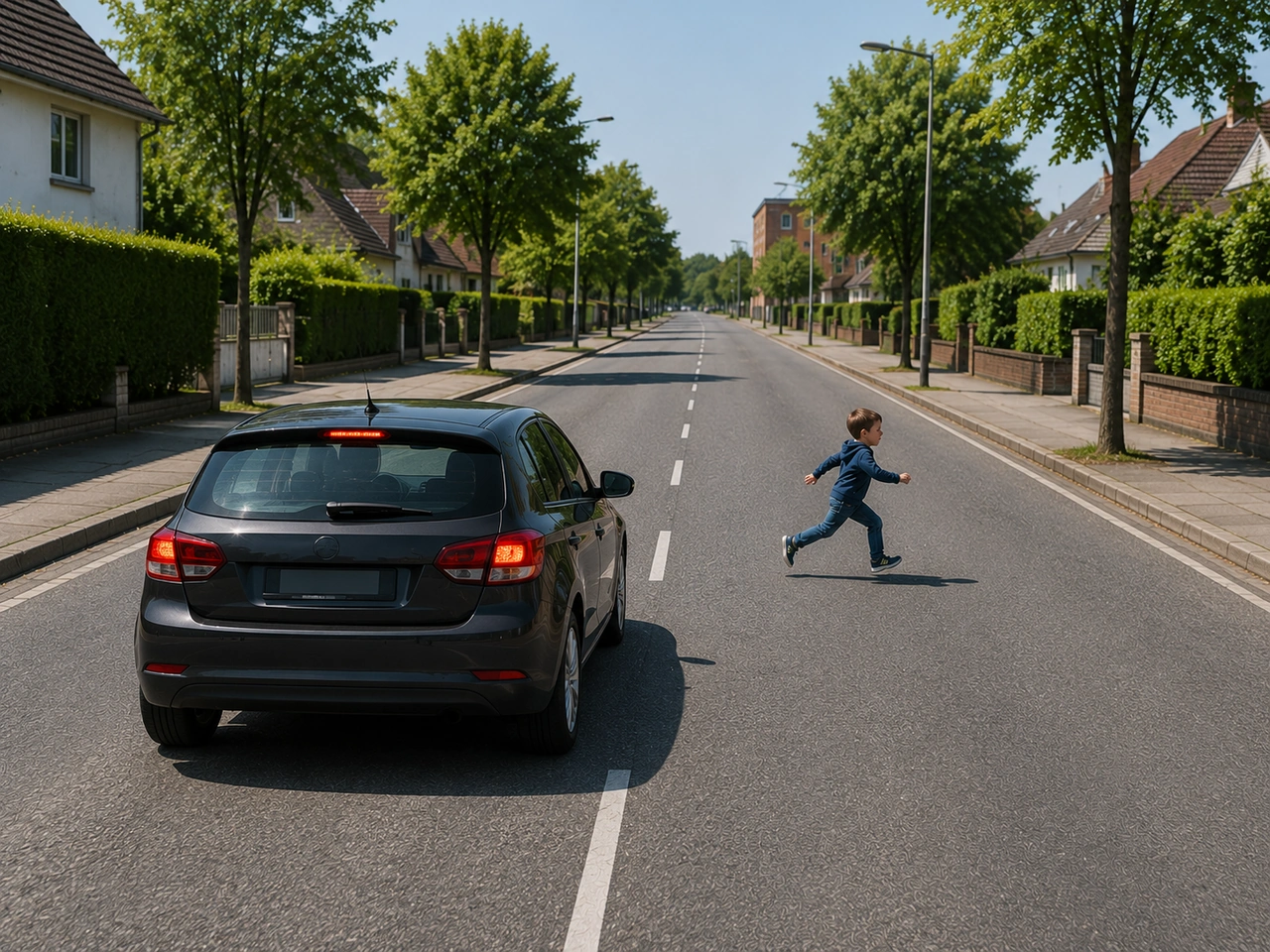
50. What should you do if a child runs onto the road ahead?
Children can act unpredictably. Brake firmly, stay alert, and be prepared for more children to follow.
AI-generated by Traffic-rules.com • WCIT • CC BY-SA