


QuizTraffic rulesMalaysia
This interesting quiz helps you test your knowledge in a clear and visual way. With easy multiple-choice questions, you can quickly build confidence and learn new facts while keeping it simple, interactive, and fun.
 Traffic signs
 Traffic rules
 Malaysia
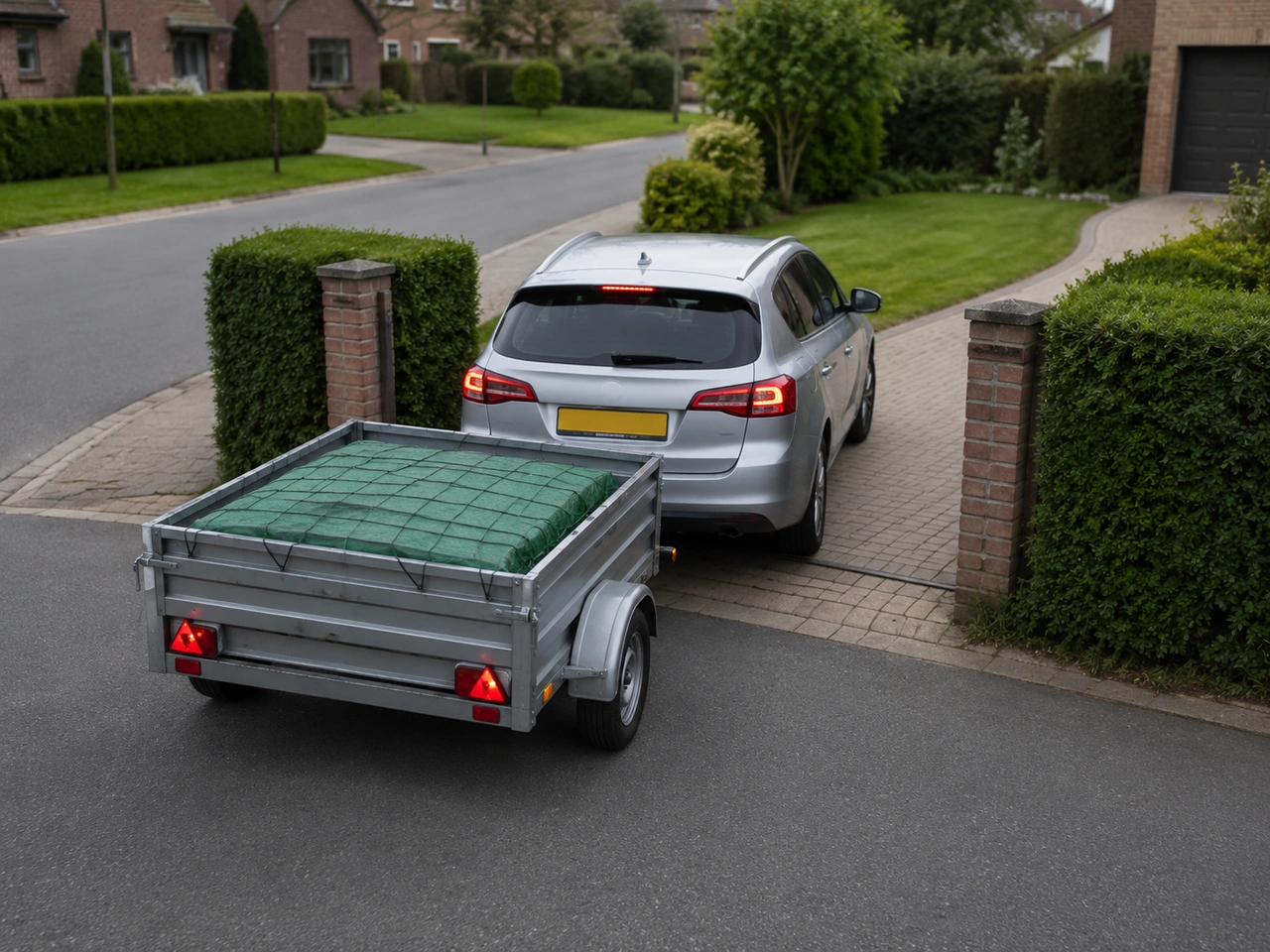
351. What should you do when reversing with a trailer?
Trailers react quickly to steering while reversing. Move slowly, observe carefully, and use a guide only from a safe visible position.
AI-generated by Traffic-rules.com • WCIT • CC BY-SA

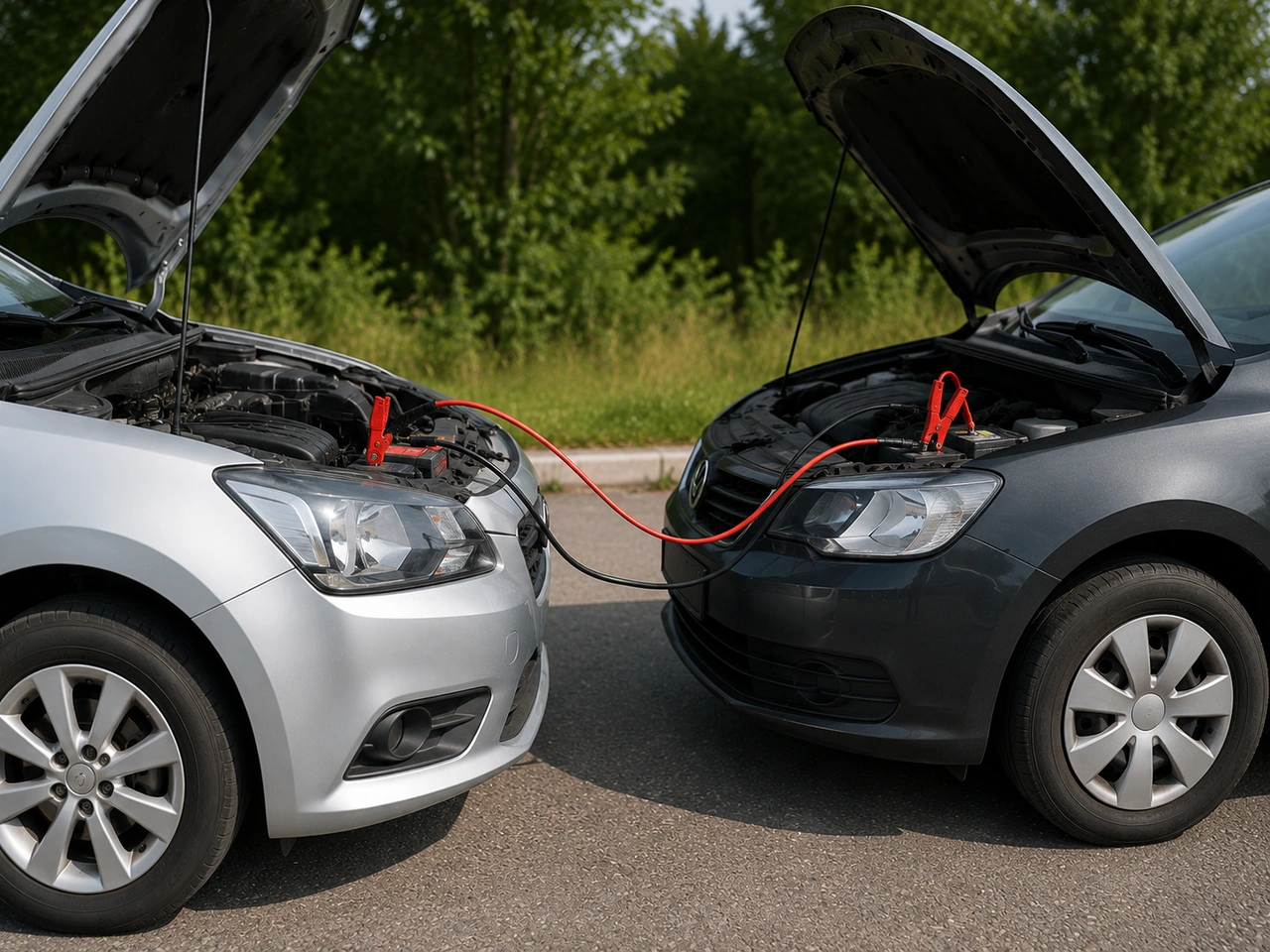
352. What should you do before attempting to jump-start a vehicle?
Incorrect jump-starting can damage electrical systems, cause sparks, or make a battery explode. Connect the leads in the correct order before starting the vehicles, and follow the manufacturer's procedure exactly.
AI-generated by Traffic-rules.com • WCIT • CC BY-SA
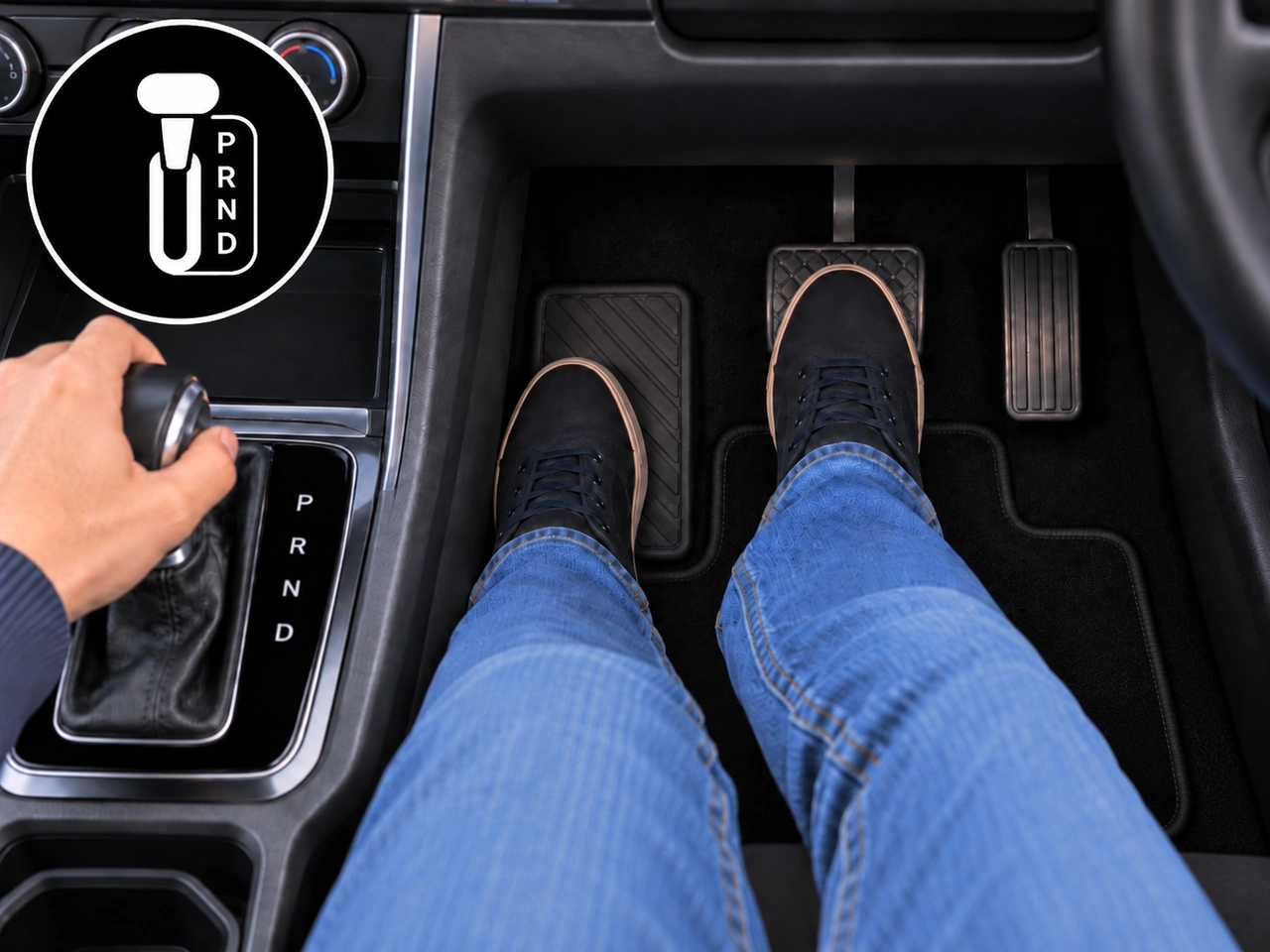
353. What should you normally do before selecting D or R in an automatic vehicle?
Before selecting D (Drive) or R (Reverse), keep the brake pedal pressed to prevent the vehicle from moving unexpectedly when the gear is engaged.
AI-generated by Traffic-rules.com • WCIT • CC BY-SA
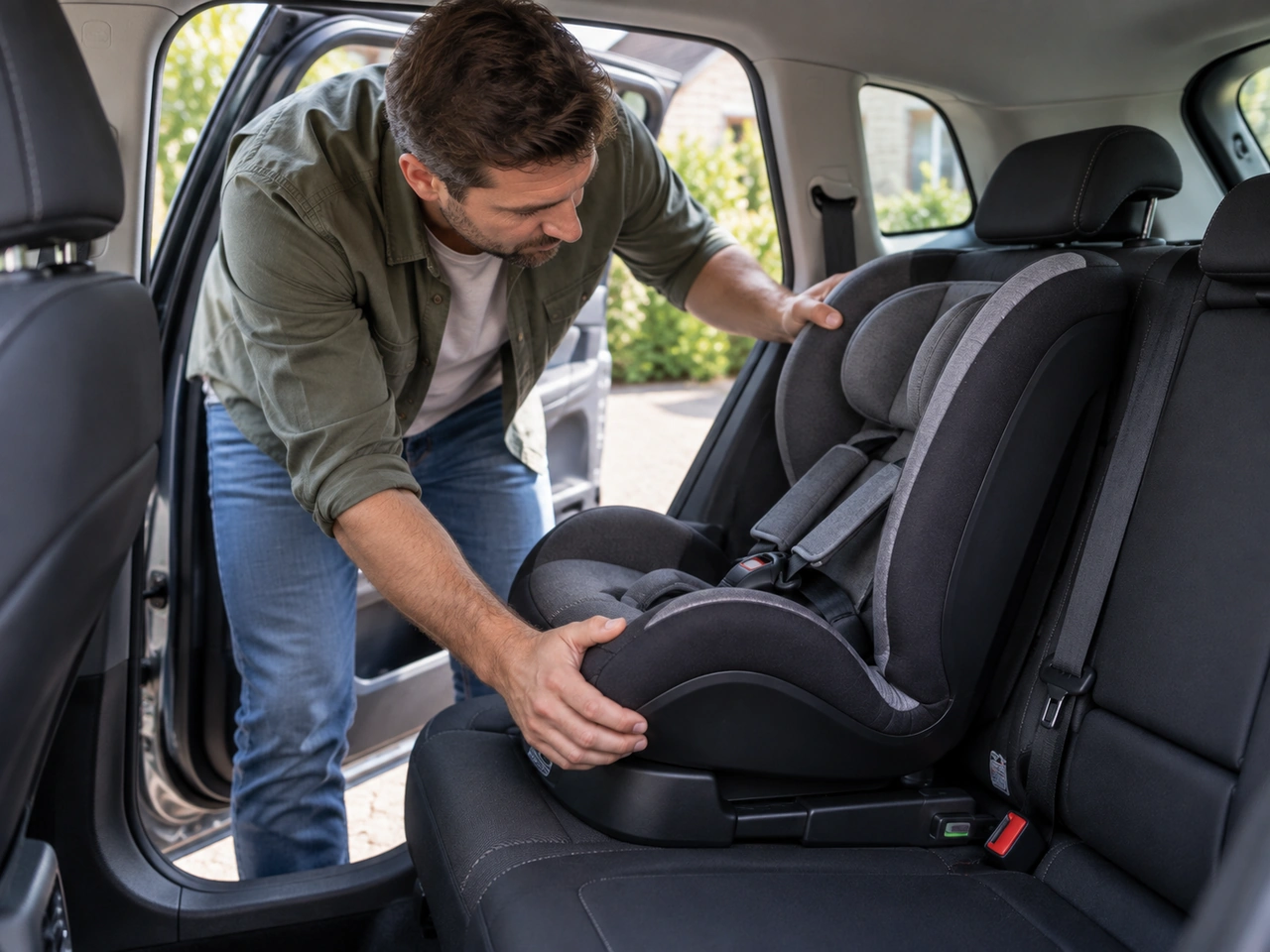
354. What should you check after fitting a child restraint?
A child restraint should be installed securely and used according to the manufacturer's instructions. Check that the seat is firmly attached, the belt or ISOFIX connection is correct, and the child is restrained properly before driving.
AI-generated by Traffic-rules.com • WCIT • CC BY-SA
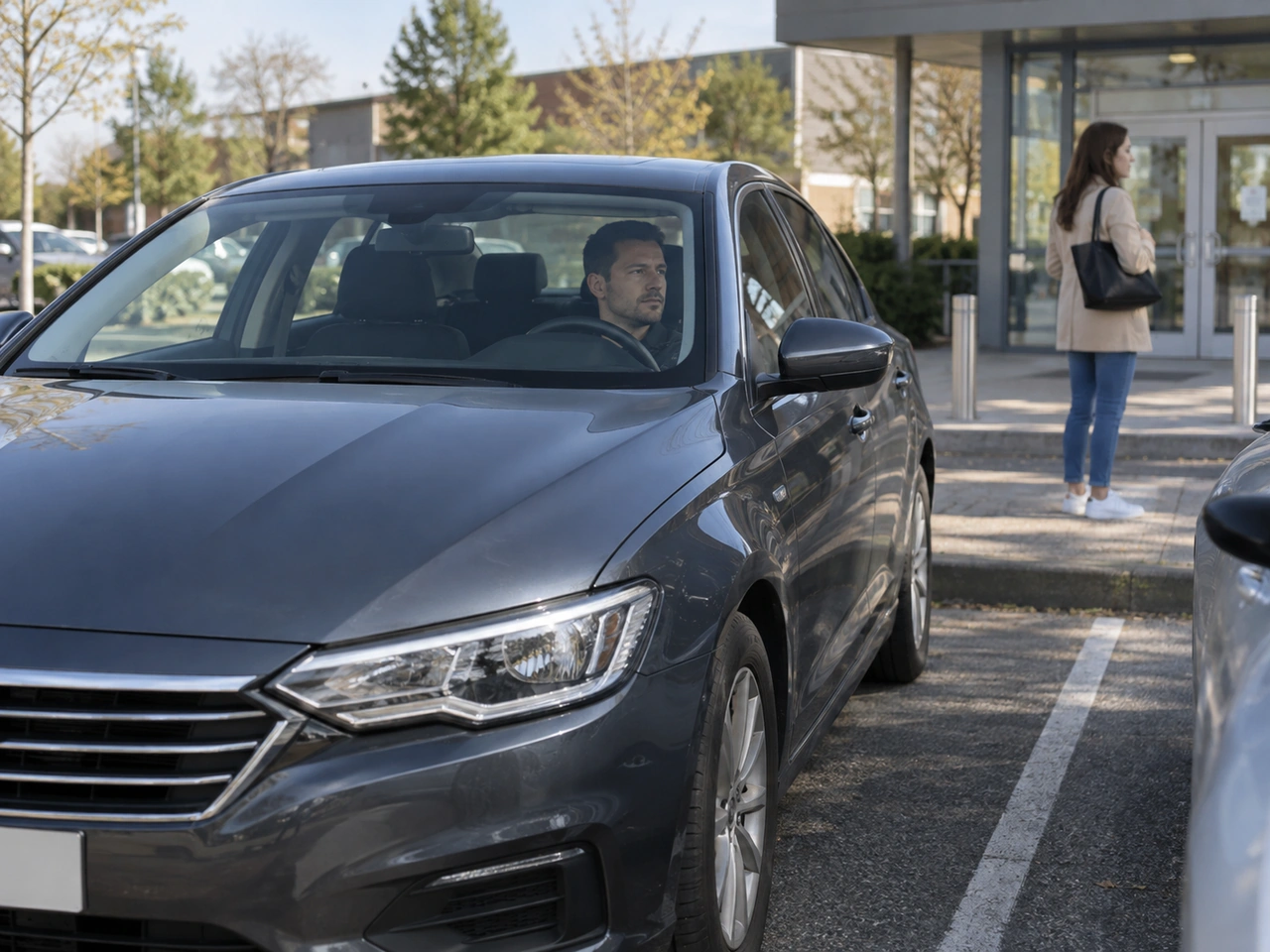
355. Why should unnecessary engine idling be avoided?
An idling combustion engine uses fuel while the vehicle is stationary. Avoid unnecessary idling where it is safe and appropriate to switch the engine off, taking account of the vehicle manufacturer's instructions and local rules.
AI-generated by Traffic-rules.com • WCIT • CC BY-SA
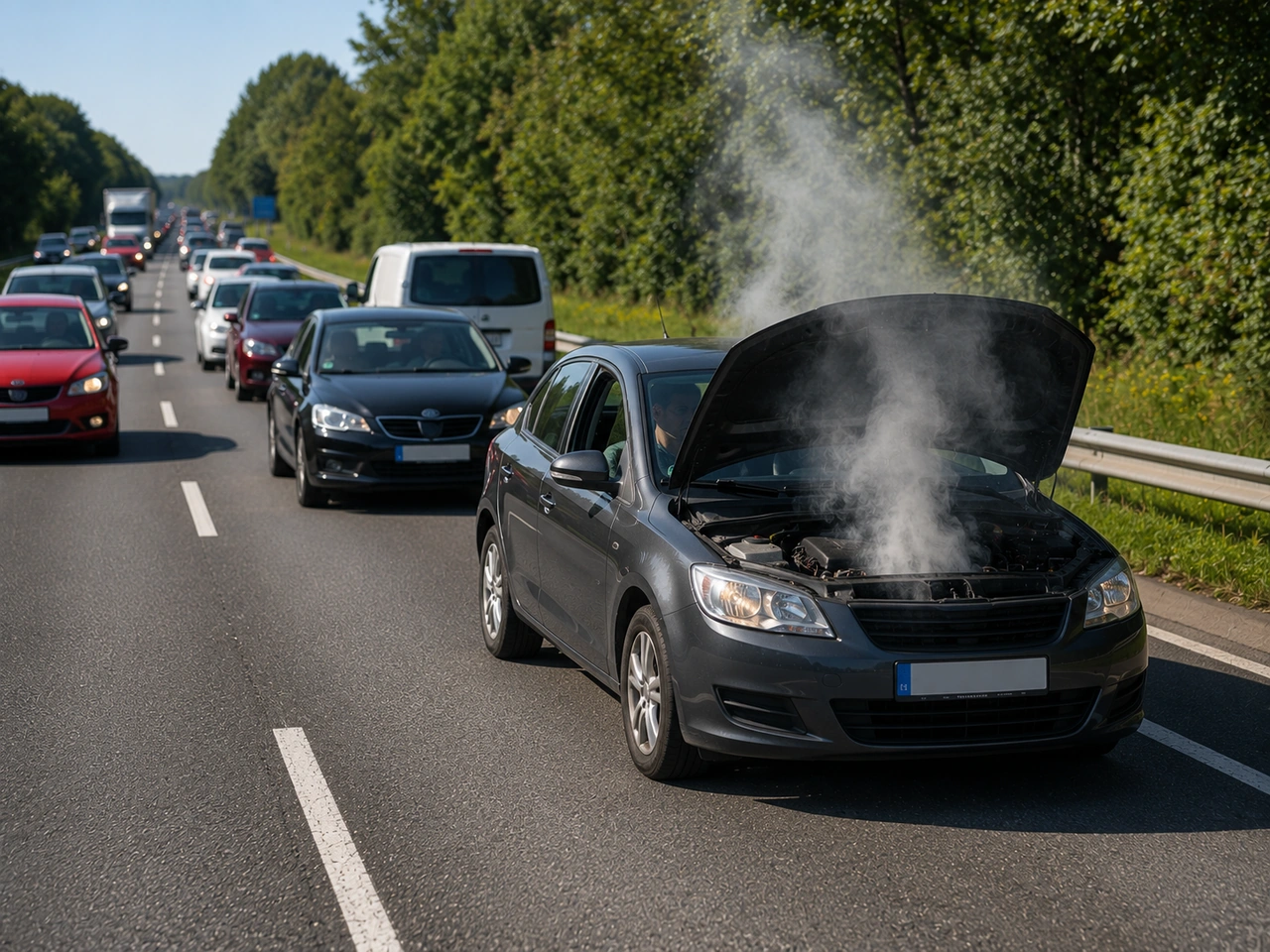
356. What should you do if your vehicle breaks down on a busy road?
If your vehicle breaks down, make it visible and get yourself away from moving traffic. Safety comes before repairing the vehicle.
AI-generated by Traffic-rules.com • WCIT • CC BY-SA
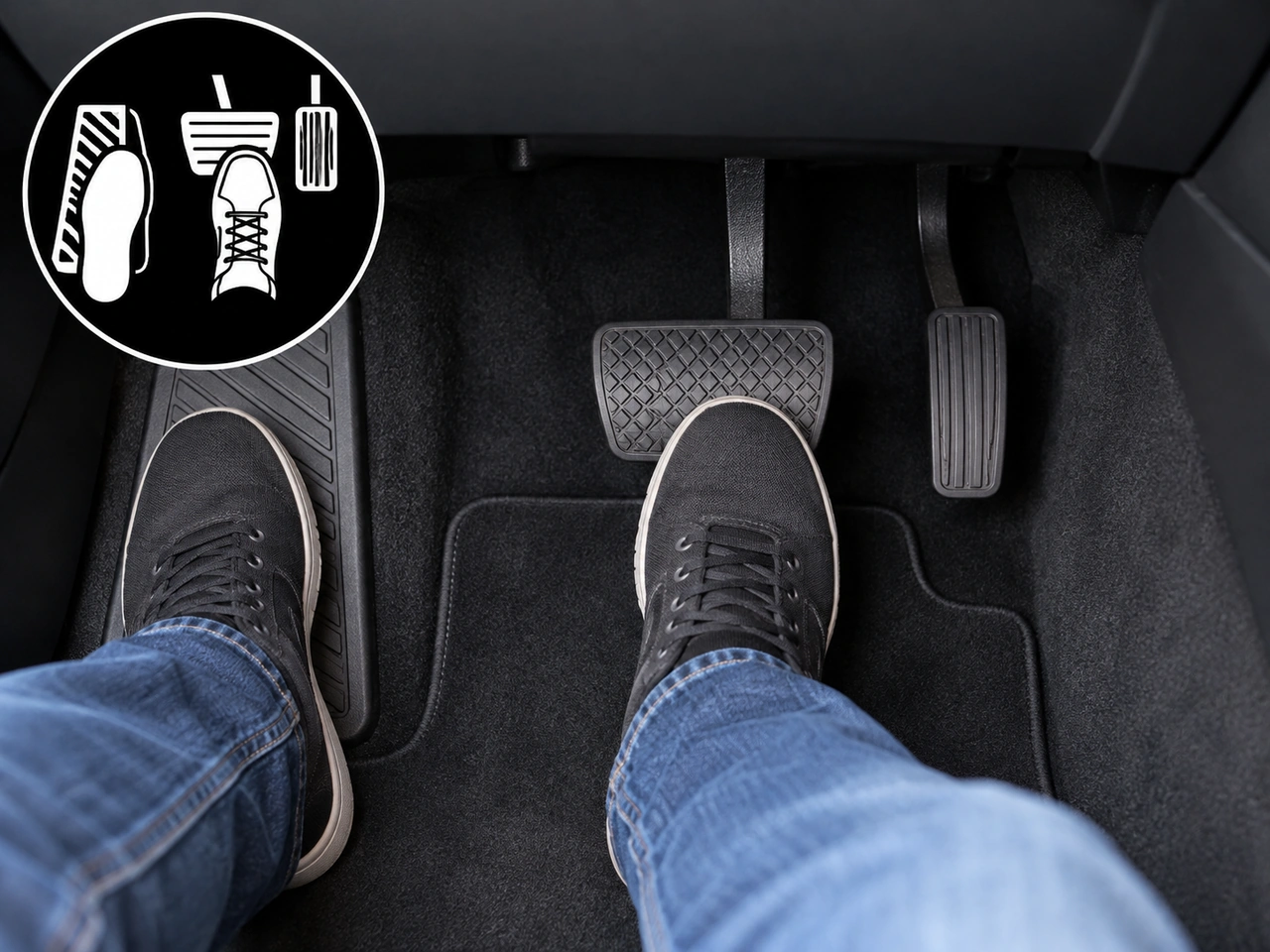
357. Which foot should normally operate the brake and accelerator in an automatic vehicle?
In an automatic vehicle, the right foot should normally operate both the brake and accelerator pedals. The left foot should rest on the footrest to reduce the risk of pressing both pedals at the same time.
AI-generated by Traffic-rules.com • WCIT • CC BY-SA
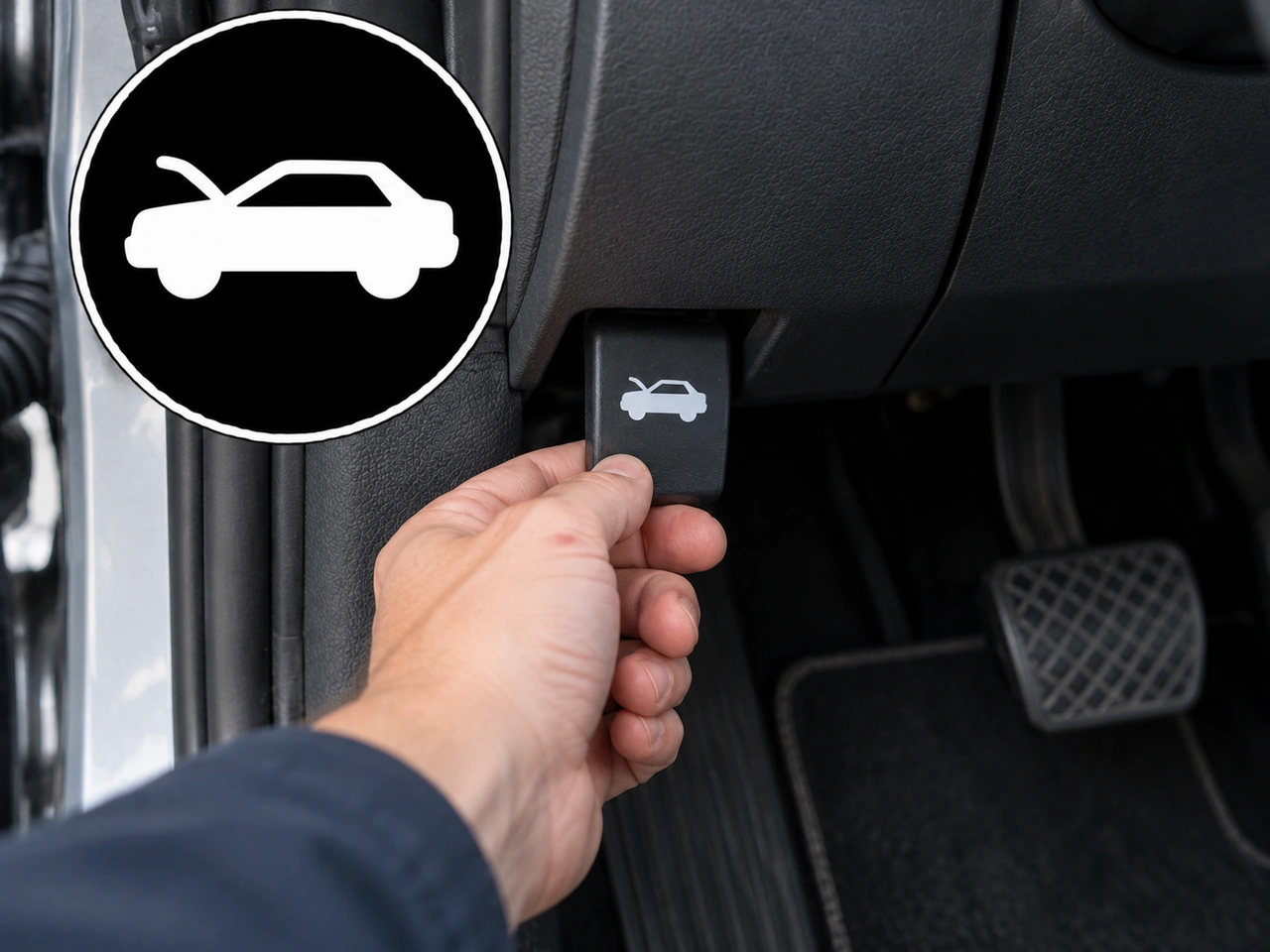
358. What does this vehicle-control symbol indicate?
This control releases the bonnet so that it can be opened. A secondary safety catch under the bonnet normally has to be released before it can be fully raised.
AI-generated by Traffic-rules.com • WCIT • CC BY-SA
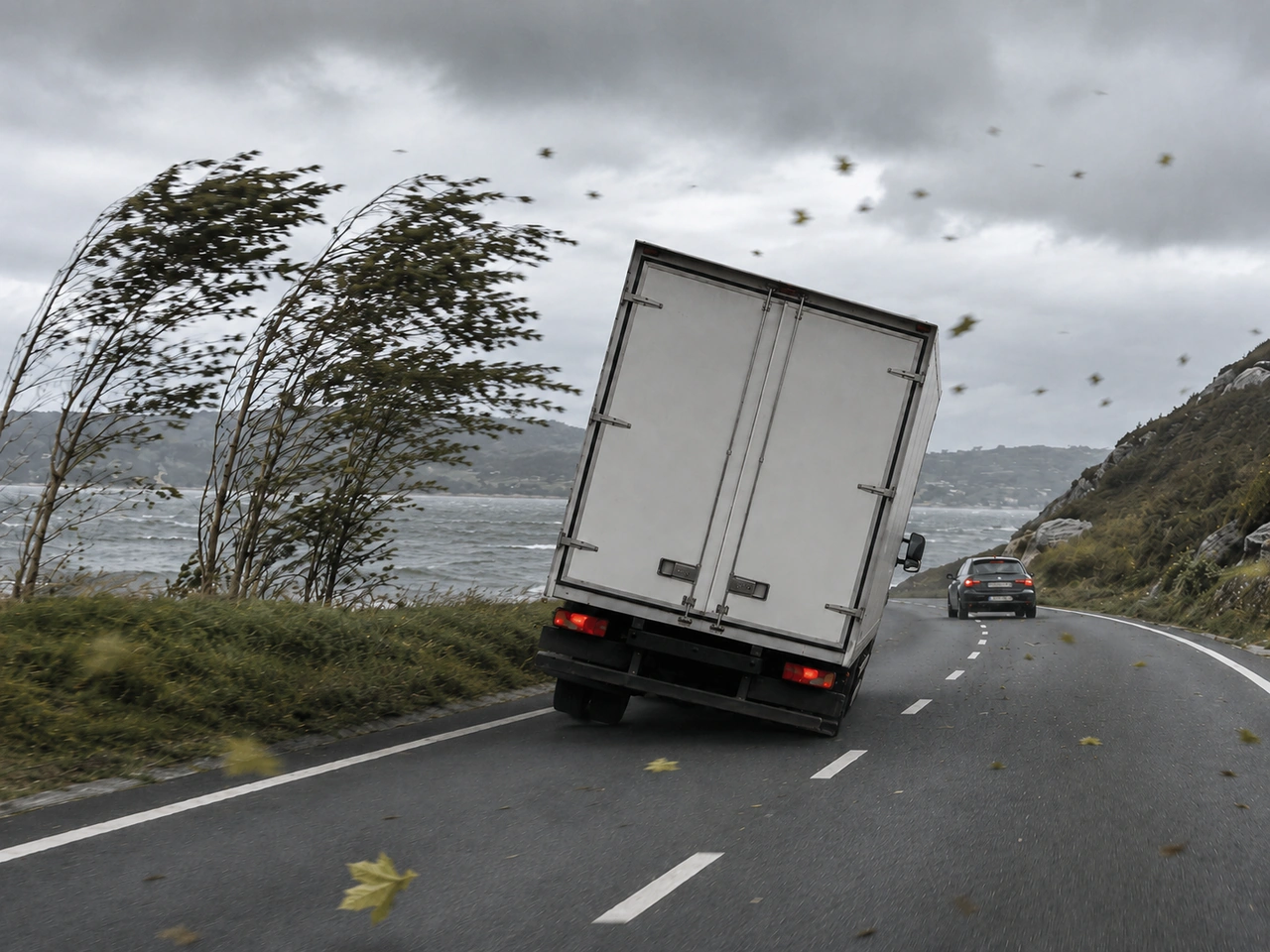
359. Which vehicles are especially vulnerable to strong crosswinds?
High-sided vehicles can be pushed sideways because of their large side area. Cyclists and motorcyclists can also be strongly affected by sudden gusts.
AI-generated by Traffic-rules.com • WCIT • CC BY-SA
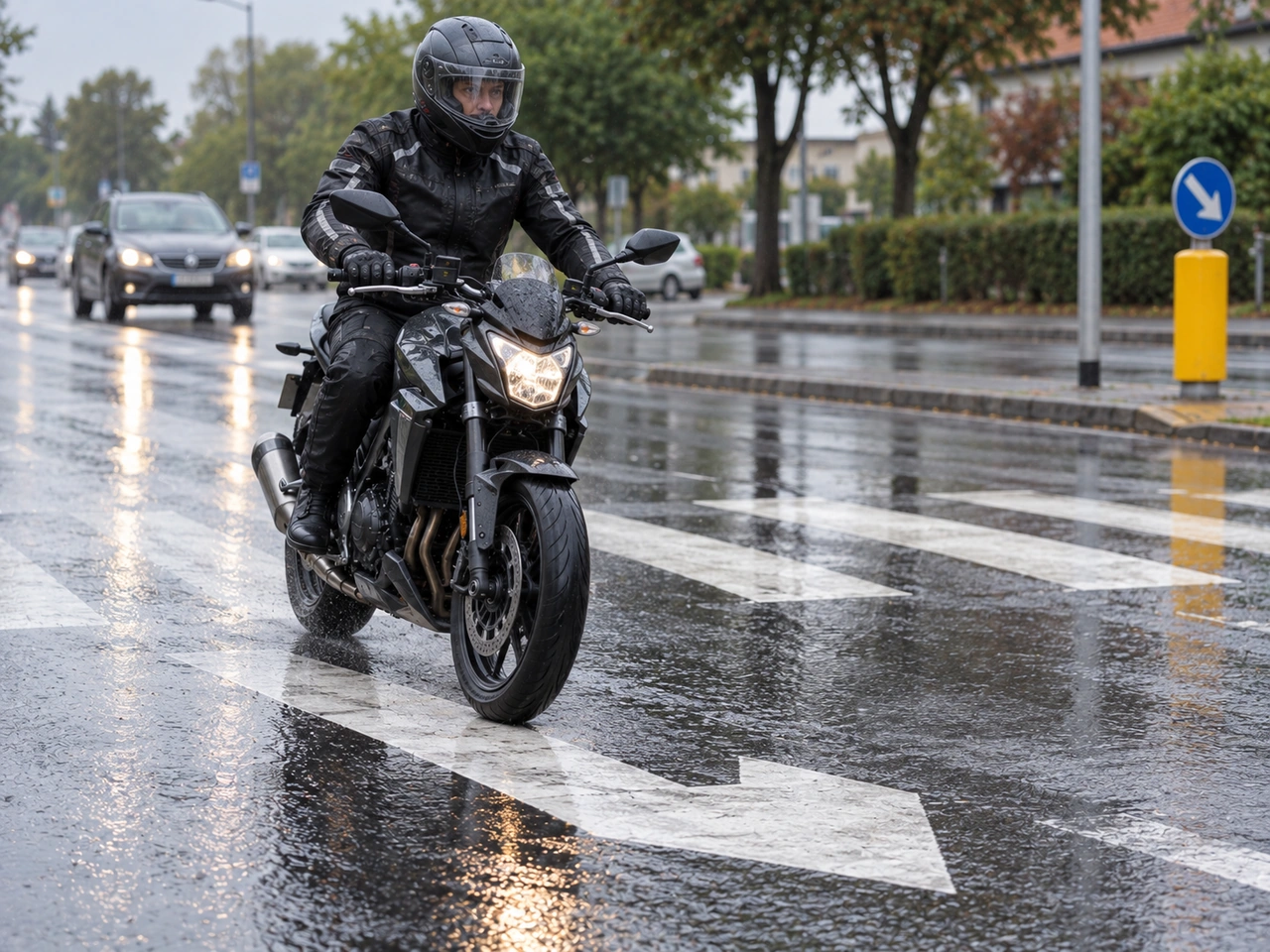
360. Why should motorcyclists take extra care on wet road markings?
Wet painted road markings can provide less grip than the surrounding road surface. Ride smoothly over them and avoid sudden braking, acceleration or steering that could cause the tyres to lose grip.
AI-generated by Traffic-rules.com • WCIT • CC BY-SA
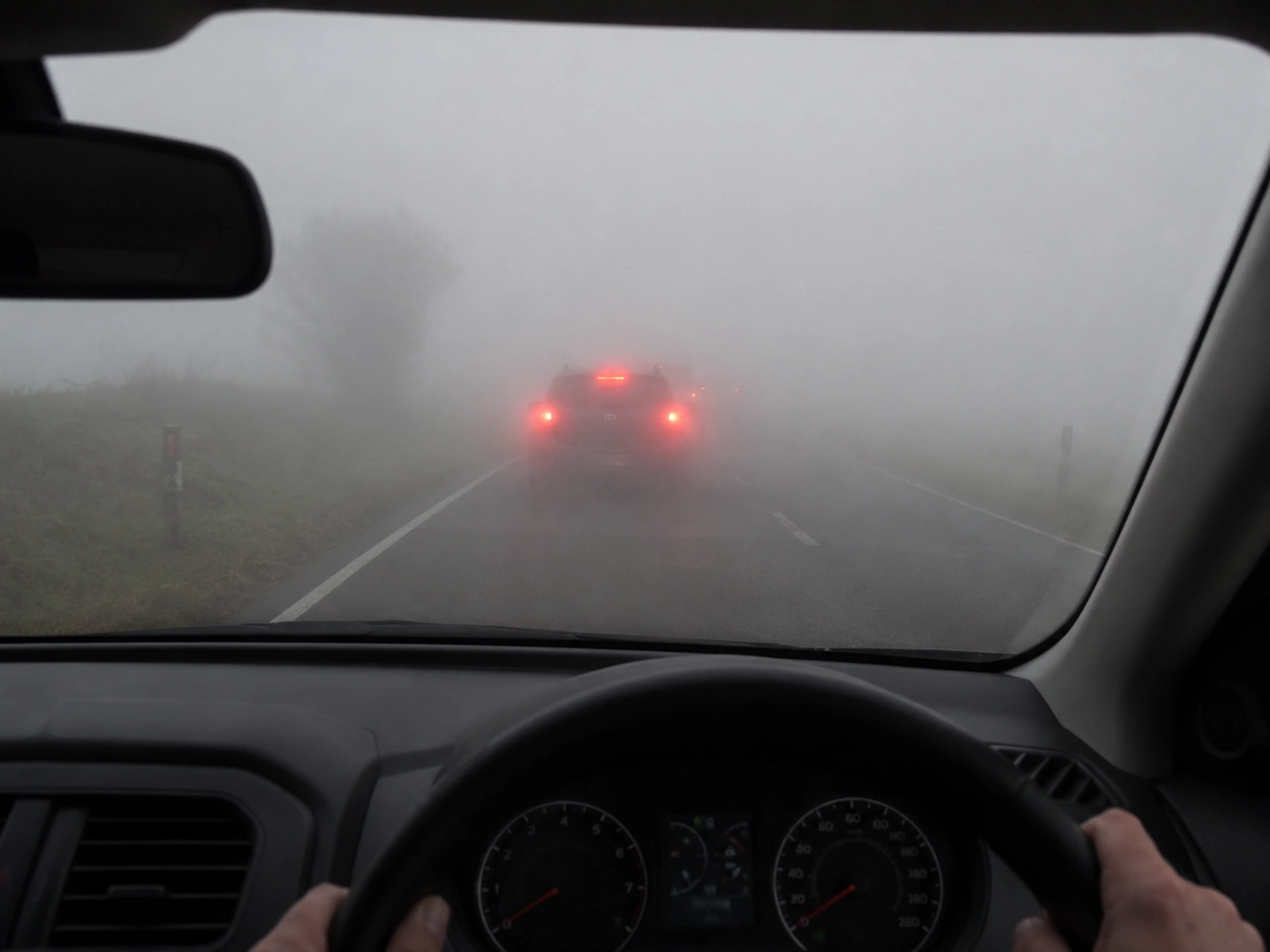
361. Why should you reduce speed in fog?
Fog can hide obstacles, pedestrians, and other vehicles. Lower speed gives you more time to react.
AI-generated by Traffic-rules.com • WCIT • CC BY-SA
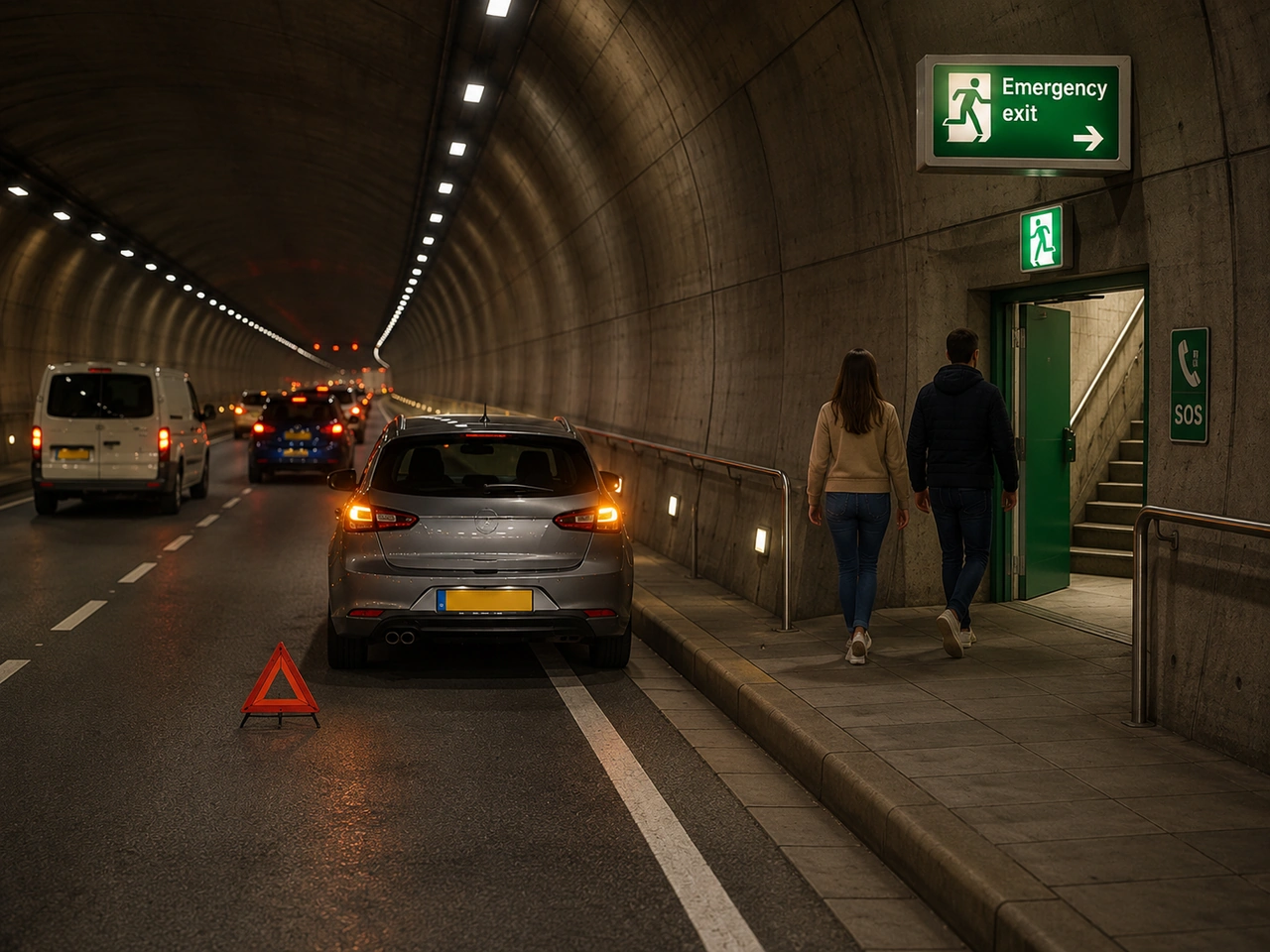
362. Where should you go after safely leaving a disabled vehicle in a tunnel?
Move away from live traffic and use a marked emergency exit, refuge area, or protected walkway where available.
AI-generated by Traffic-rules.com • WCIT • CC BY-SA
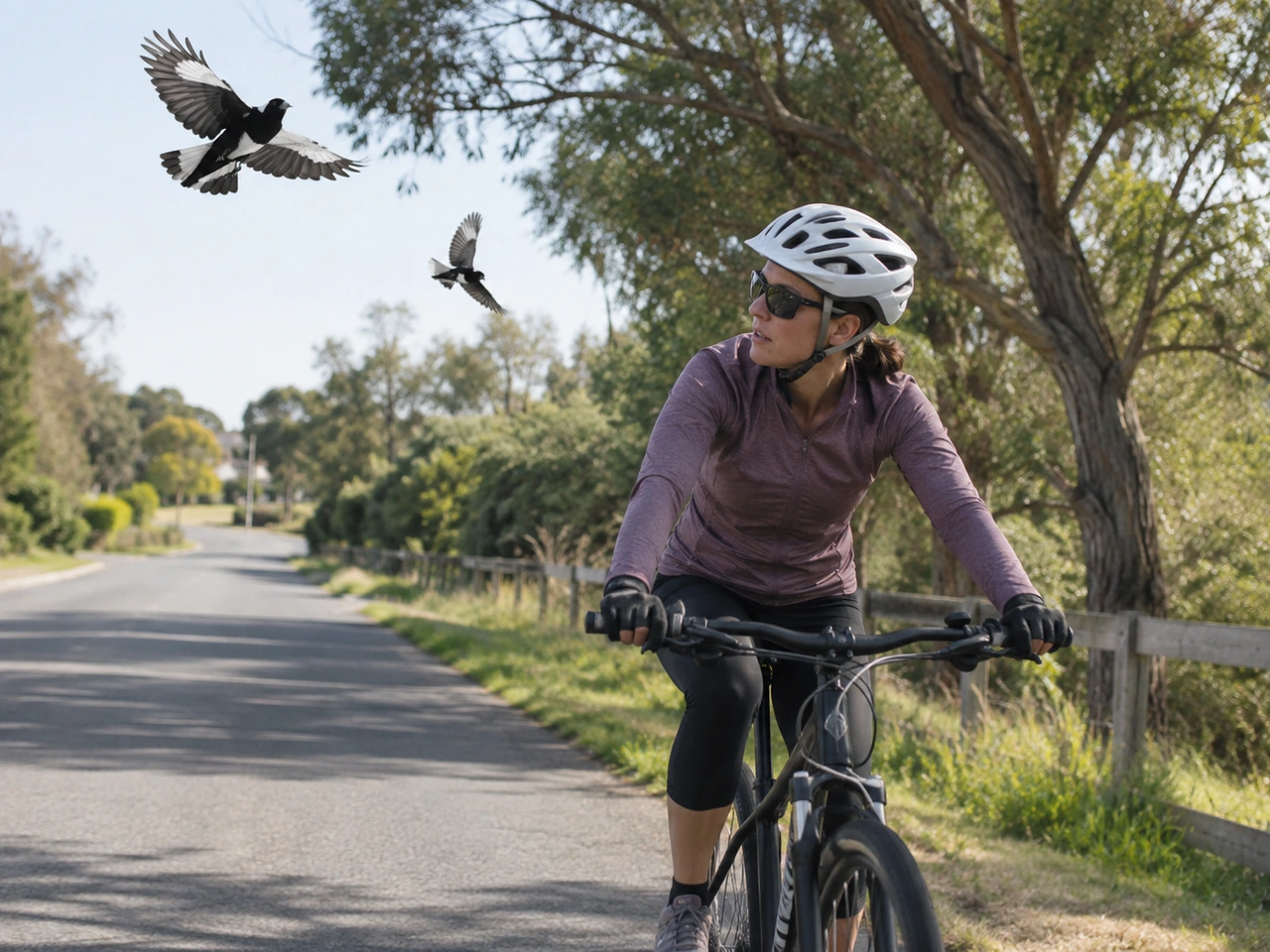
363. What should you do if birds are swooping at you while cycling?
Some birds become territorial during the breeding season and may swoop people near their nests. Stay calm, avoid provoking or approaching the birds, and leave the area safely. If necessary and safe, dismount and walk your bicycle through or away from the area while keeping your helmet on.
AI-generated by Traffic-rules.com • WCIT • CC BY-SA
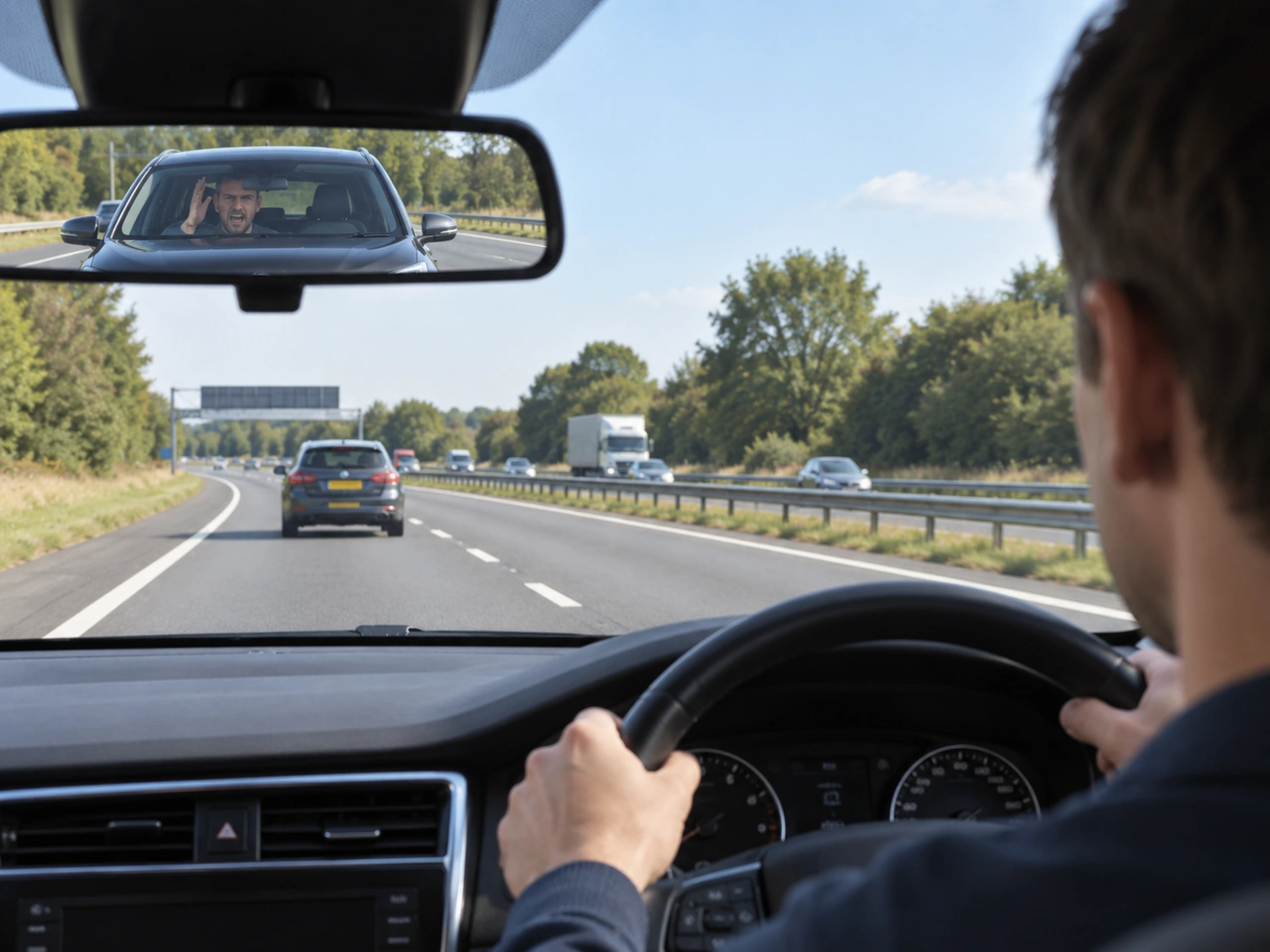
364. What should you do if another driver behaves aggressively towards you?
If another driver behaves aggressively, do not retaliate or become involved in a confrontation. Stay calm, increase the distance between you, and let the other vehicle move away when possible. If you feel threatened, go to a safe public place and seek appropriate assistance.
AI-generated by Traffic-rules.com • WCIT • CC BY-SA
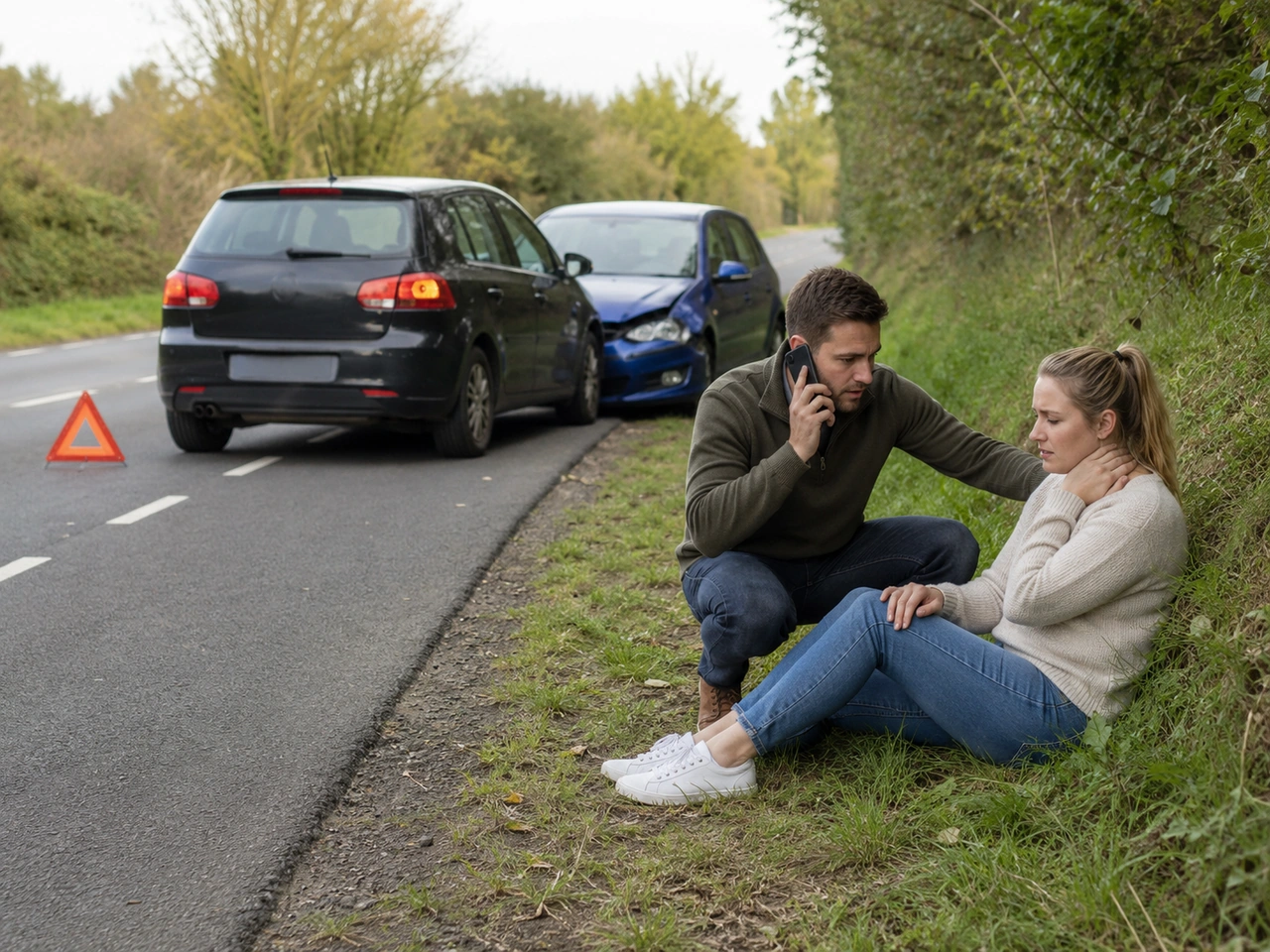
365. What should you do if someone is injured in a road collision?
Moving an injured person can worsen spinal or other injuries. Keep them calm, protect them from further danger, and provide first aid only within your level of training.
AI-generated by Traffic-rules.com • WCIT • CC BY-SA
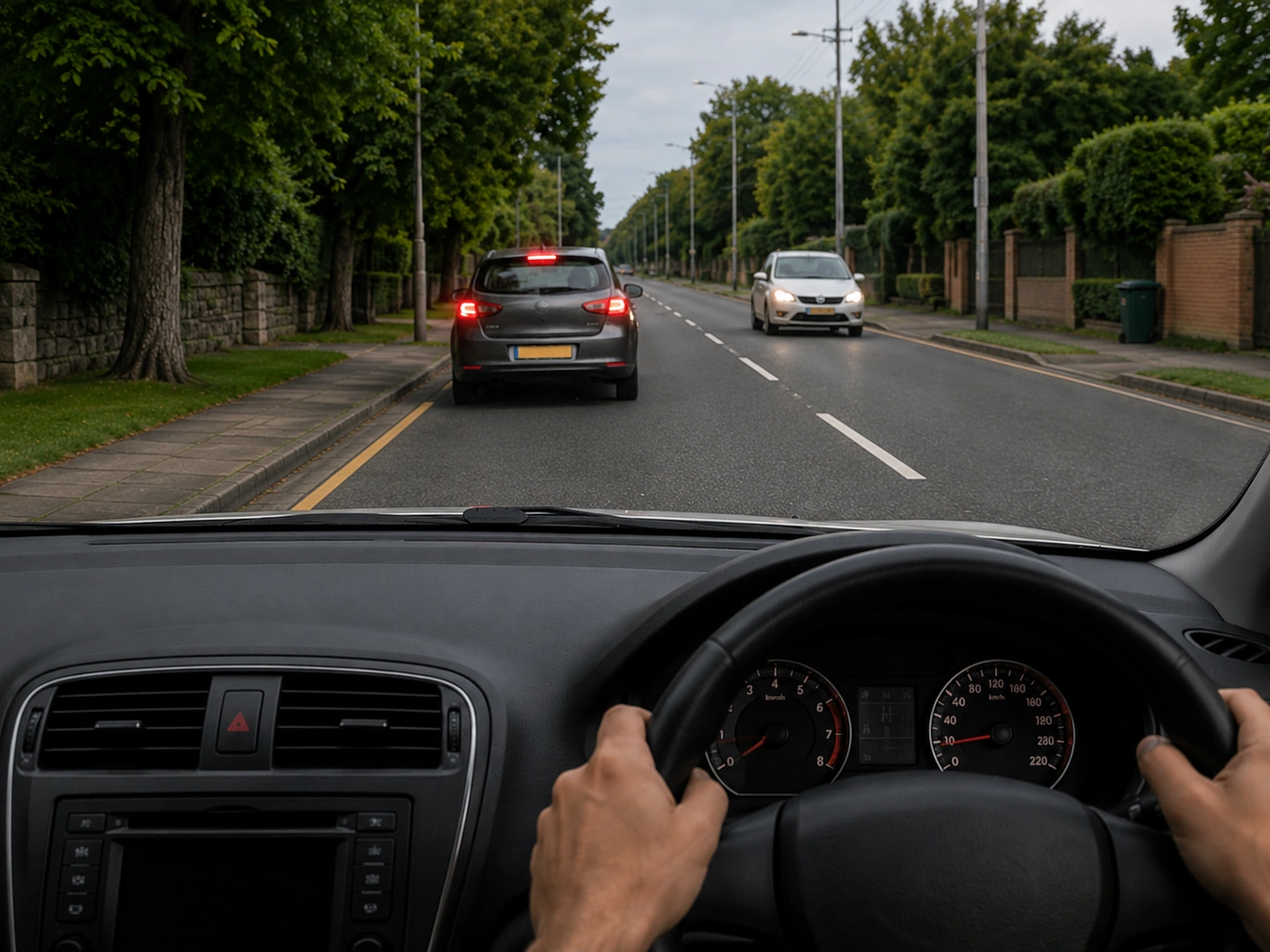
366. Why should you avoid sudden braking when it is not necessary?
Sudden braking can surprise drivers behind you and increase the risk of a rear-end collision.
AI-generated by Traffic-rules.com • WCIT • CC BY-SA
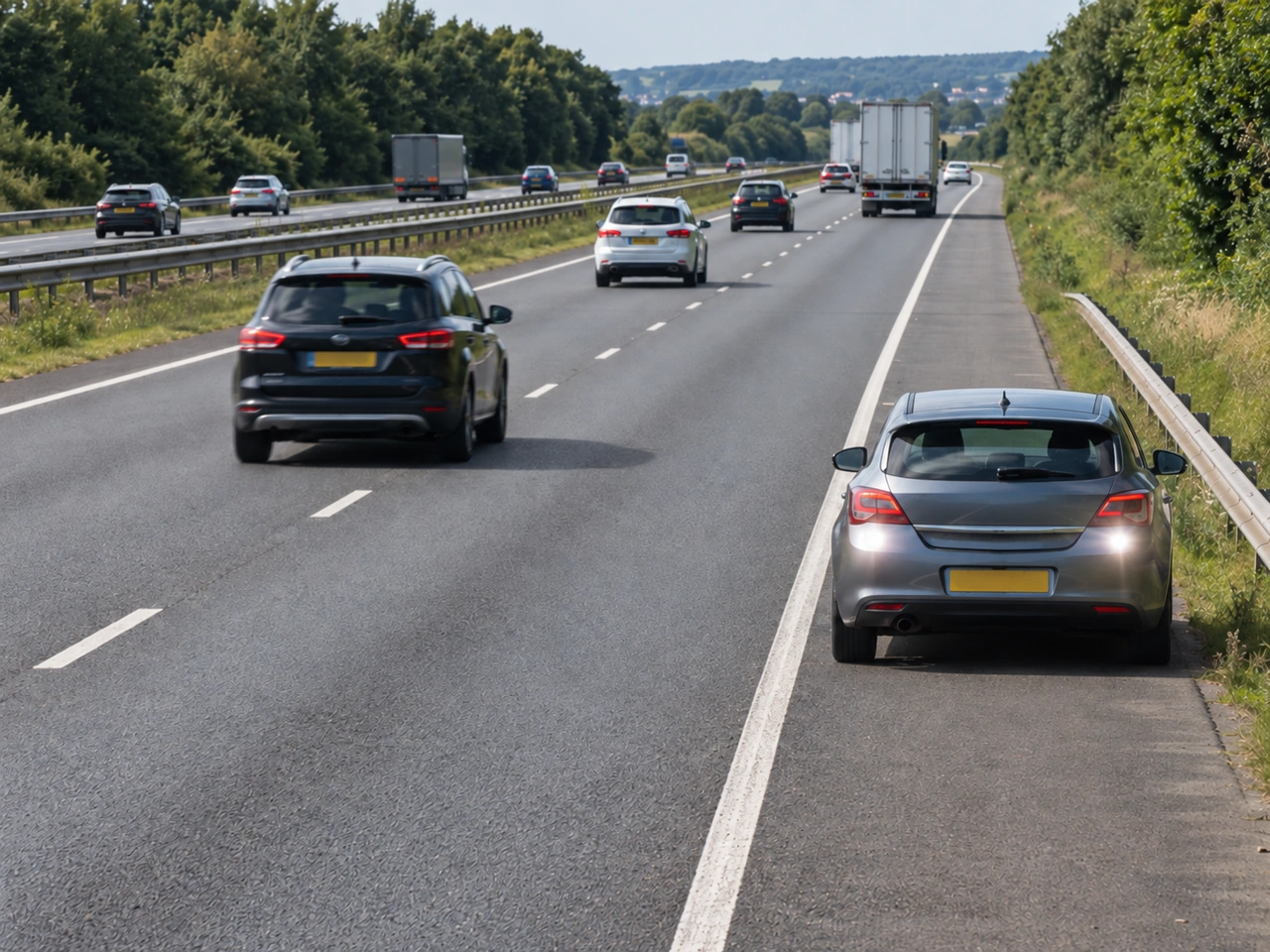
367. Why are reversing and making a U-turn on a motorway extremely dangerous?
Motorway traffic travels at high speed. Unexpected reversing or turning can cause a severe collision.
AI-generated by Traffic-rules.com • WCIT • CC BY-SA
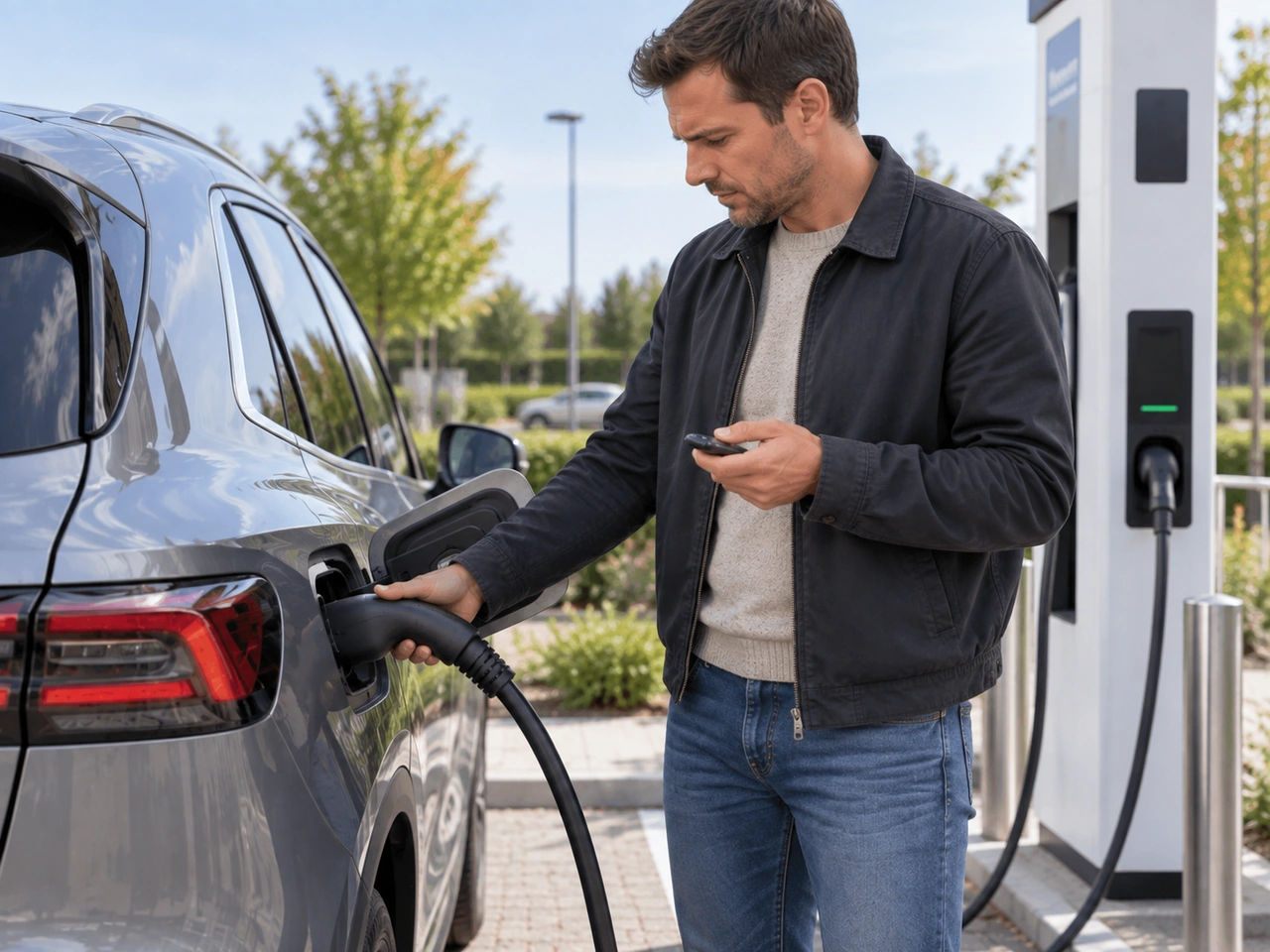
368. What should you do if an EV charging connector will not release from the vehicle?
Charging connectors may remain locked while charging or until the vehicle is unlocked. Stop the charging session and follow the vehicle or charger's release procedure. Never force the connector; if it remains stuck, seek appropriate assistance.
AI-generated by Traffic-rules.com • WCIT • CC BY-SA
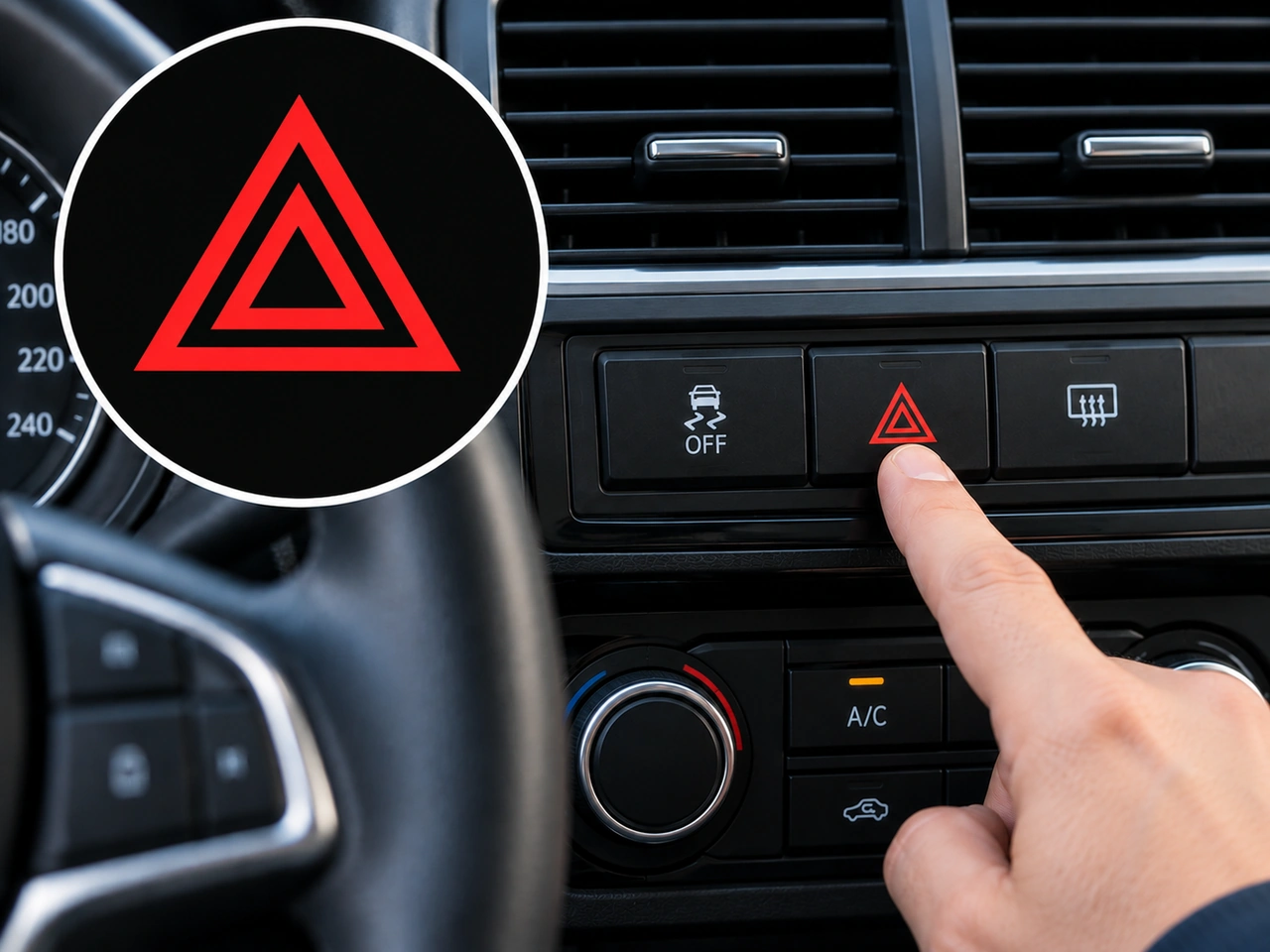
369. What does this dashboard symbol indicate?
This symbol indicates the hazard warning lights. When activated, all direction indicators flash simultaneously to warn other road users of a hazard or unusual situation.
AI-generated by Traffic-rules.com • WCIT • CC BY-SA
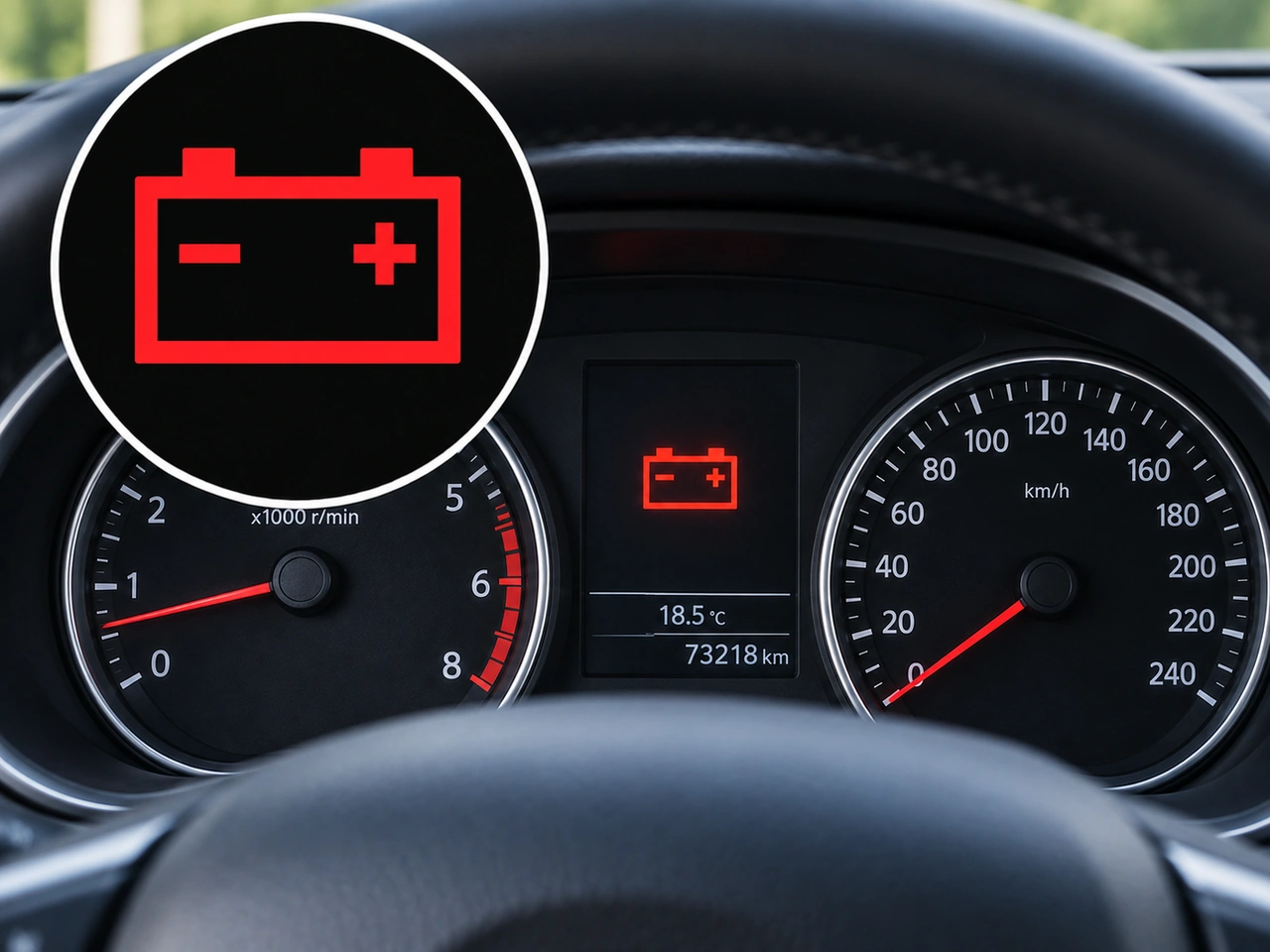
370. What does this dashboard symbol indicate?
This symbol indicates a problem with the vehicle's charging system. If it remains illuminated while the engine is running, the battery may not be charging correctly because of a fault with the alternator, battery, wiring, or related components.
AI-generated by Traffic-rules.com • WCIT • CC BY-SA
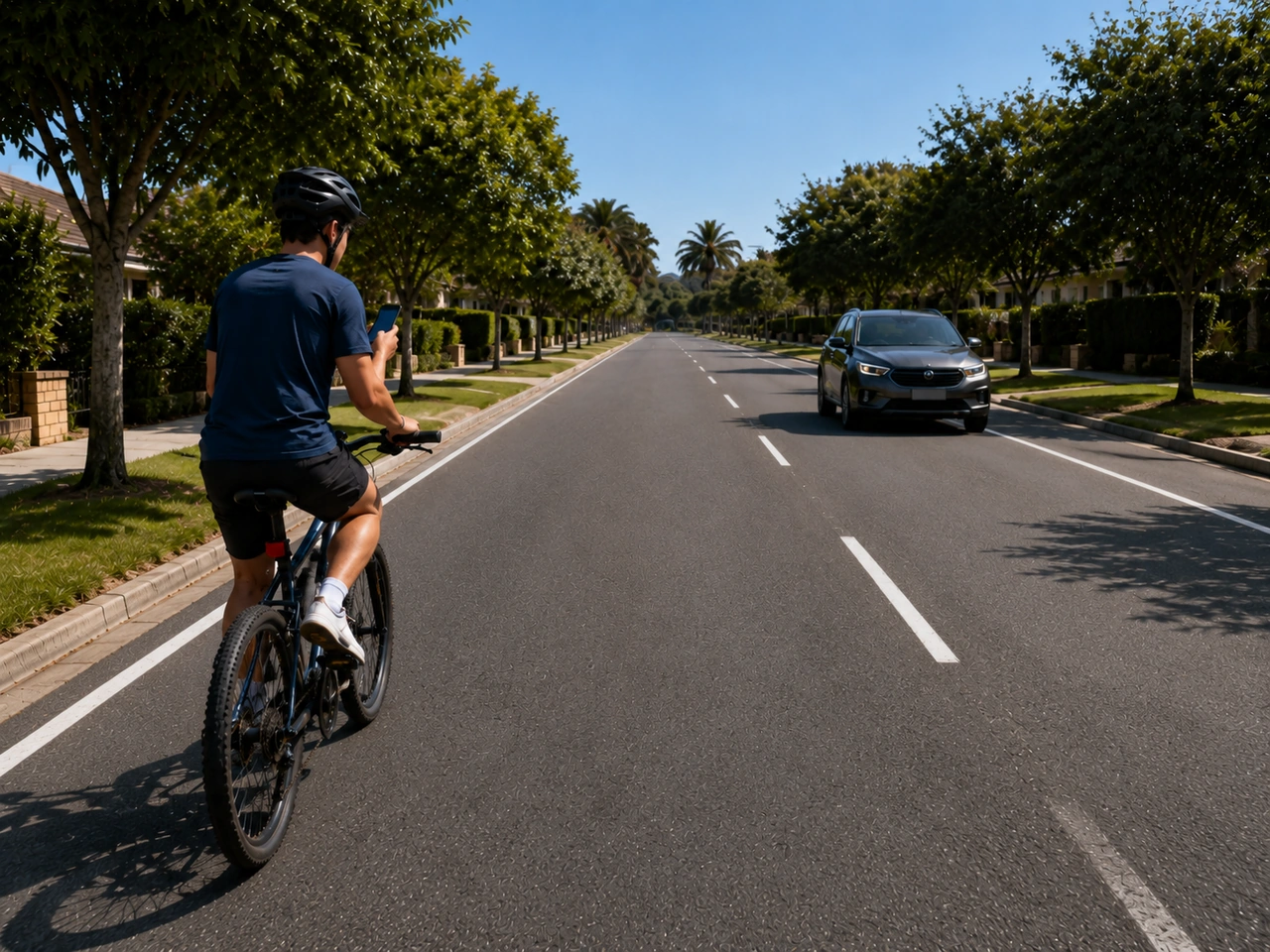
371. Why should cyclists avoid using a handheld phone?
Using a phone can distract you and may prevent you from steering, braking, or reacting properly.
AI-generated by Traffic-rules.com • WCIT • CC BY-SA
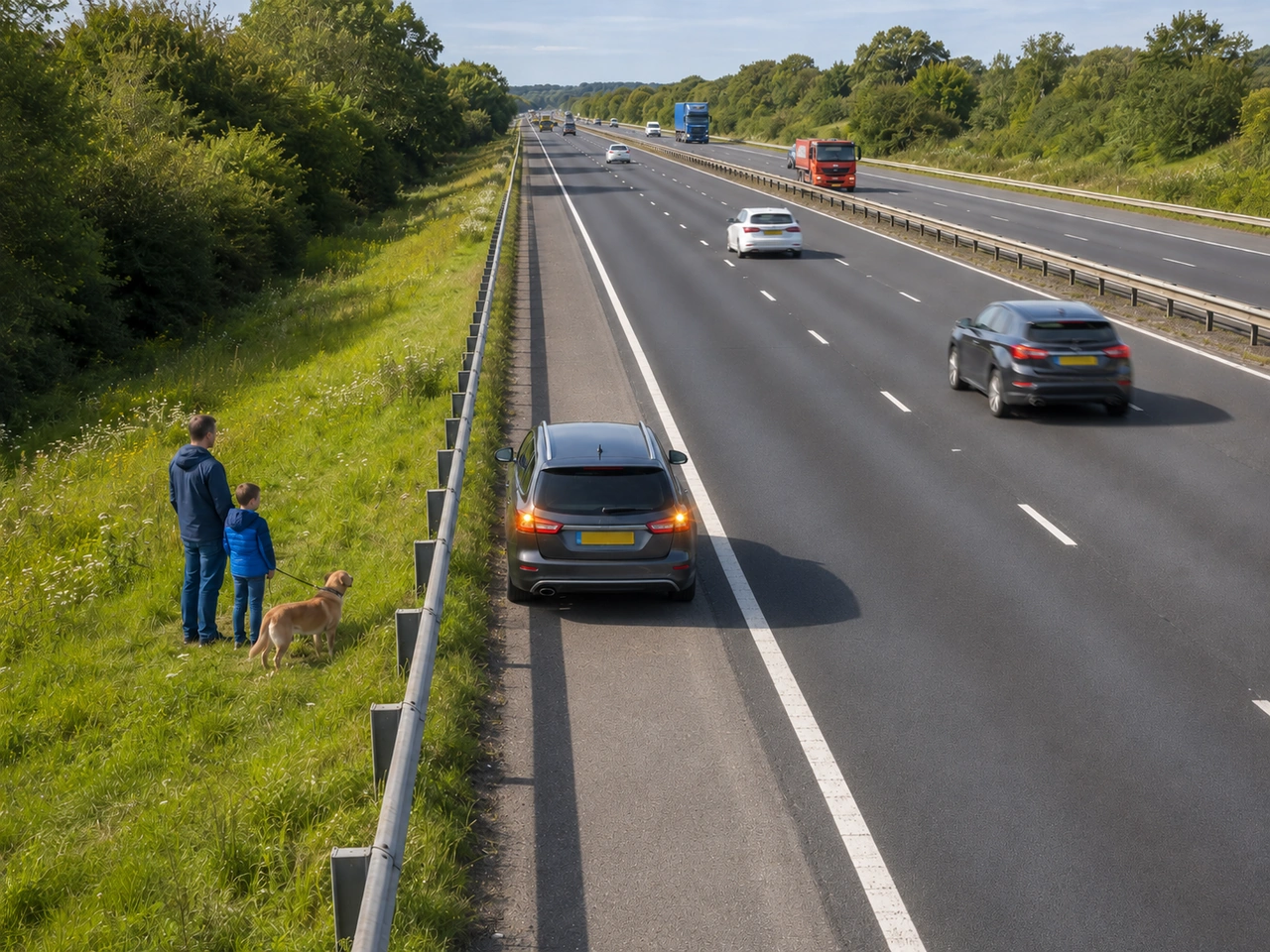
372. Where should passengers wait after safely leaving a broken-down vehicle?
Move passengers, children, and pets away from the carriageway. On high-speed roads, wait behind a safety barrier where possible.
AI-generated by Traffic-rules.com • WCIT • CC BY-SA
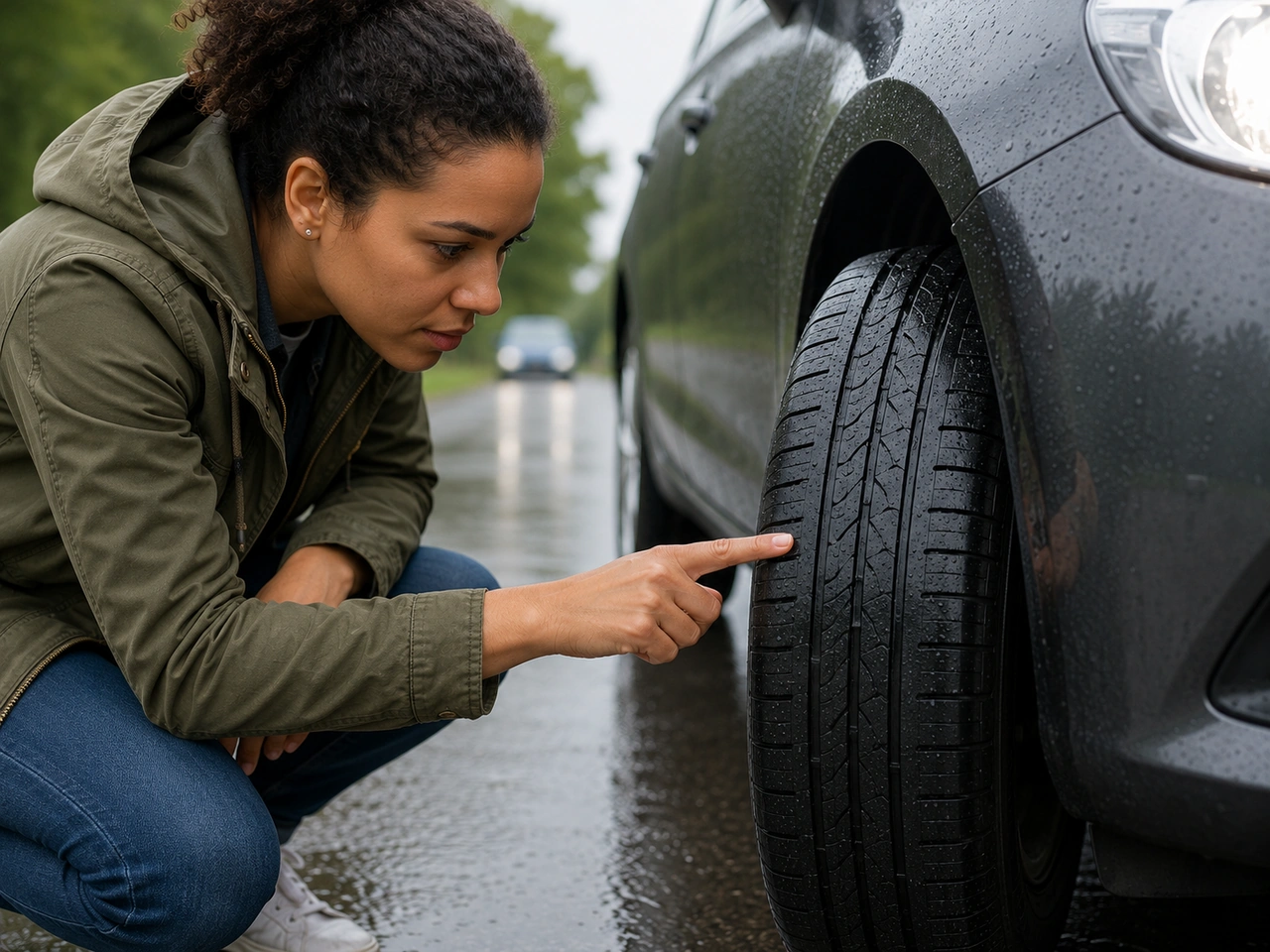
373. Why is adequate tyre tread important?
Tyre tread helps the vehicle grip the road and disperse water. Worn tread increases the risk of skidding and aquaplaning, especially in wet conditions.
AI-generated by Traffic-rules.com • WCIT • CC BY-SA
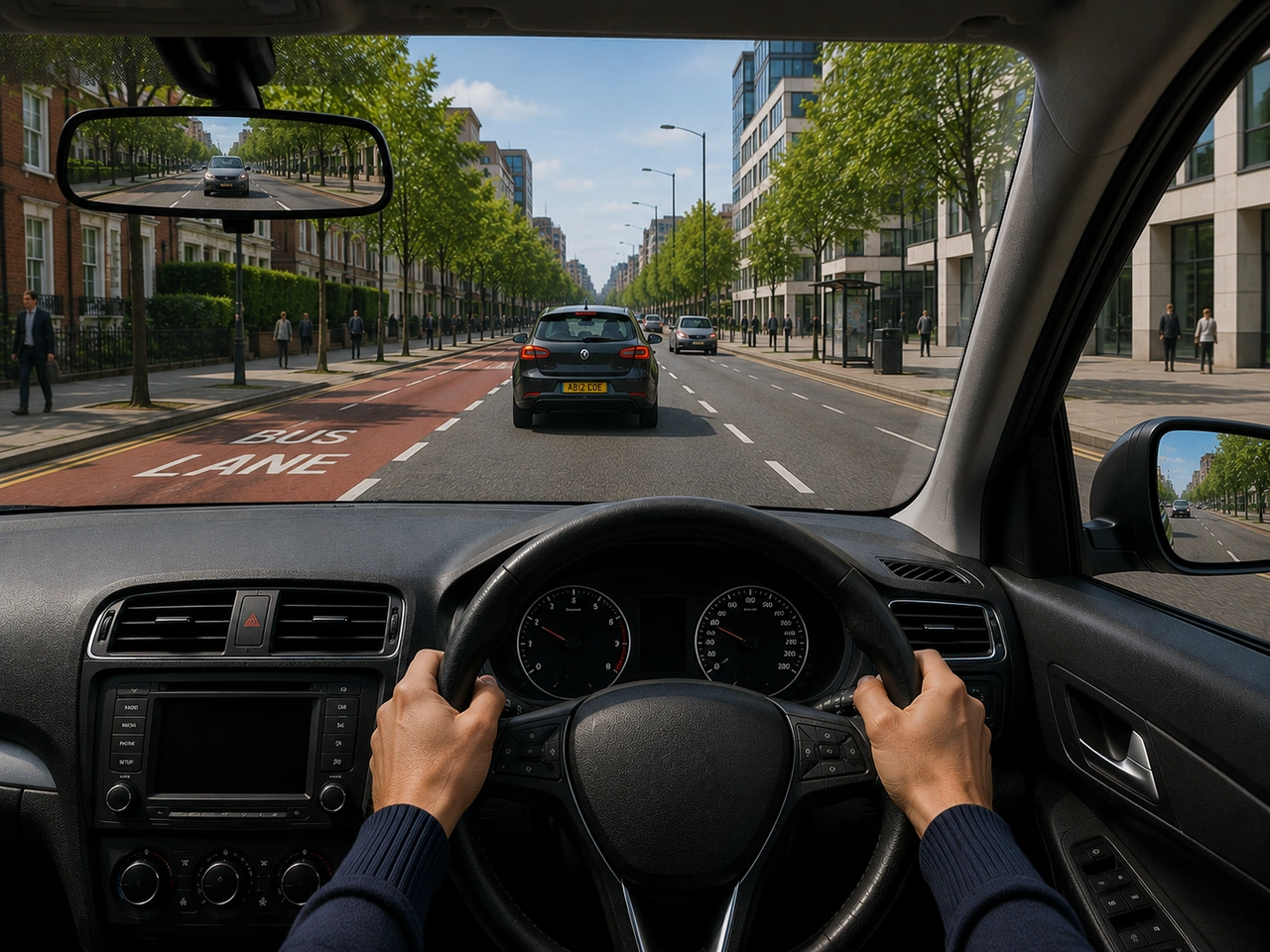
374. Why should you take extra care when crossing a tram or bus lane?
Check carefully before crossing or entering a tram or bus lane. Trams cannot steer around obstacles, and both trams and buses may need significant distance to stop.
AI-generated by Traffic-rules.com • WCIT • CC BY-SA
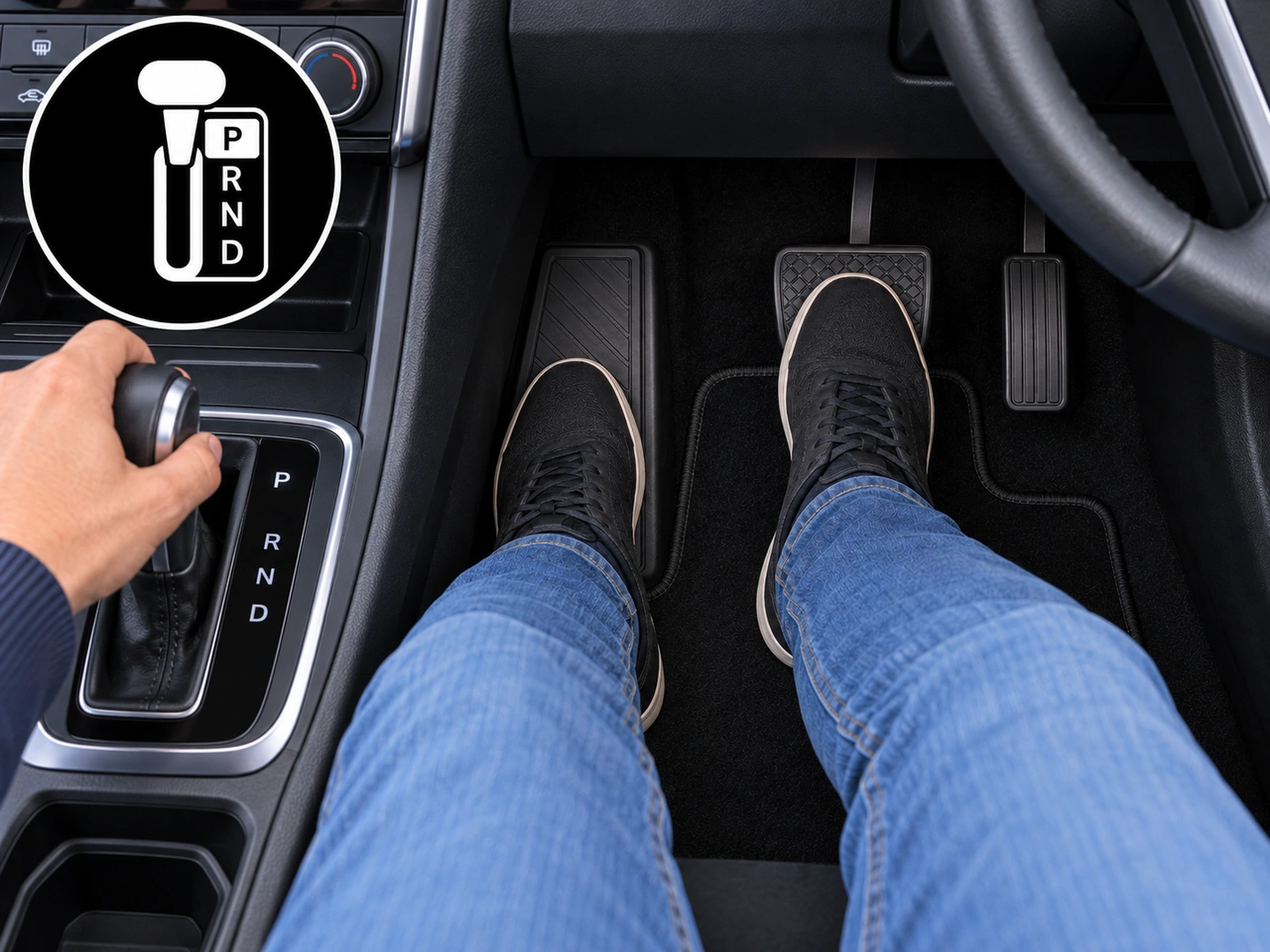
375. When should you select P (Park) in an automatic vehicle?
Select P (Park) only after the vehicle has come to a complete stop. Selecting Park while the vehicle is moving can damage the transmission.
AI-generated by Traffic-rules.com • WCIT • CC BY-SA
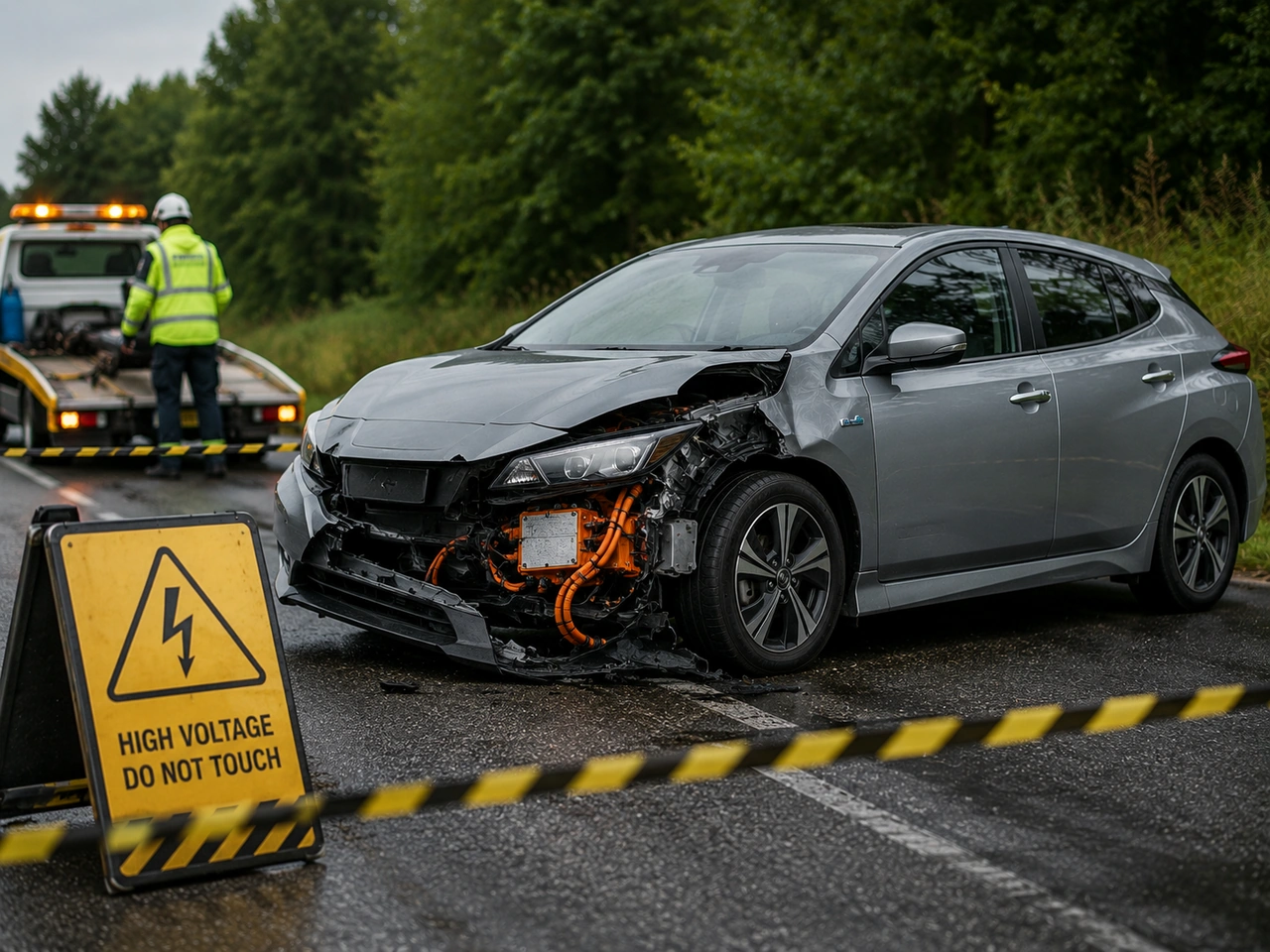
376. What should you do around a damaged electric or hybrid vehicle?
Electric and hybrid vehicles can contain dangerous high-voltage systems. Do not touch damaged cables, batteries, or electrical components.
AI-generated by Traffic-rules.com • WCIT • CC BY-SA
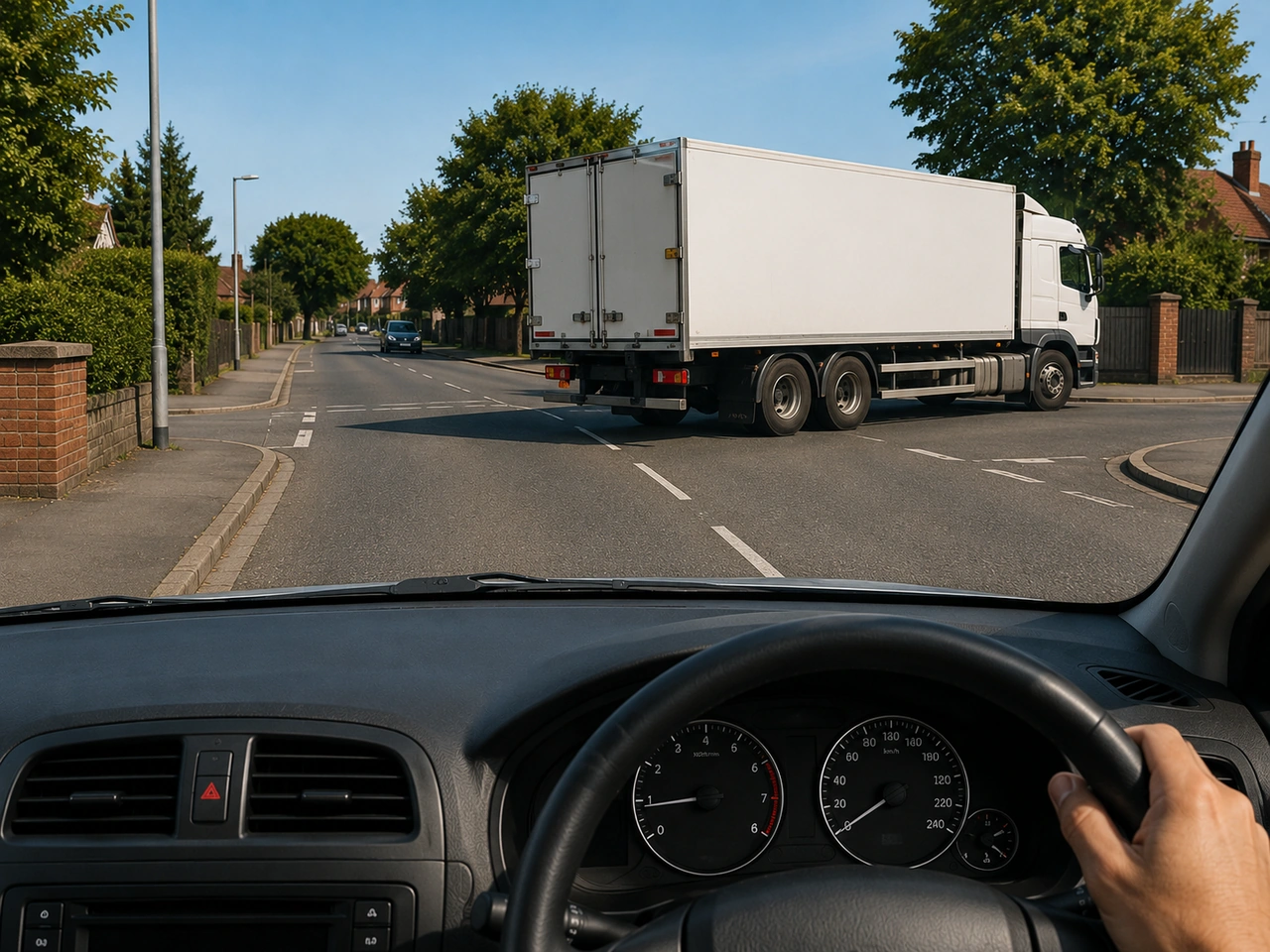
377. Why should you leave space beside large vehicles when they turn?
Large vehicles often swing wide when turning and have larger blind spots. Keep clear and do not move into the space beside them.
AI-generated by Traffic-rules.com • WCIT • CC BY-SA
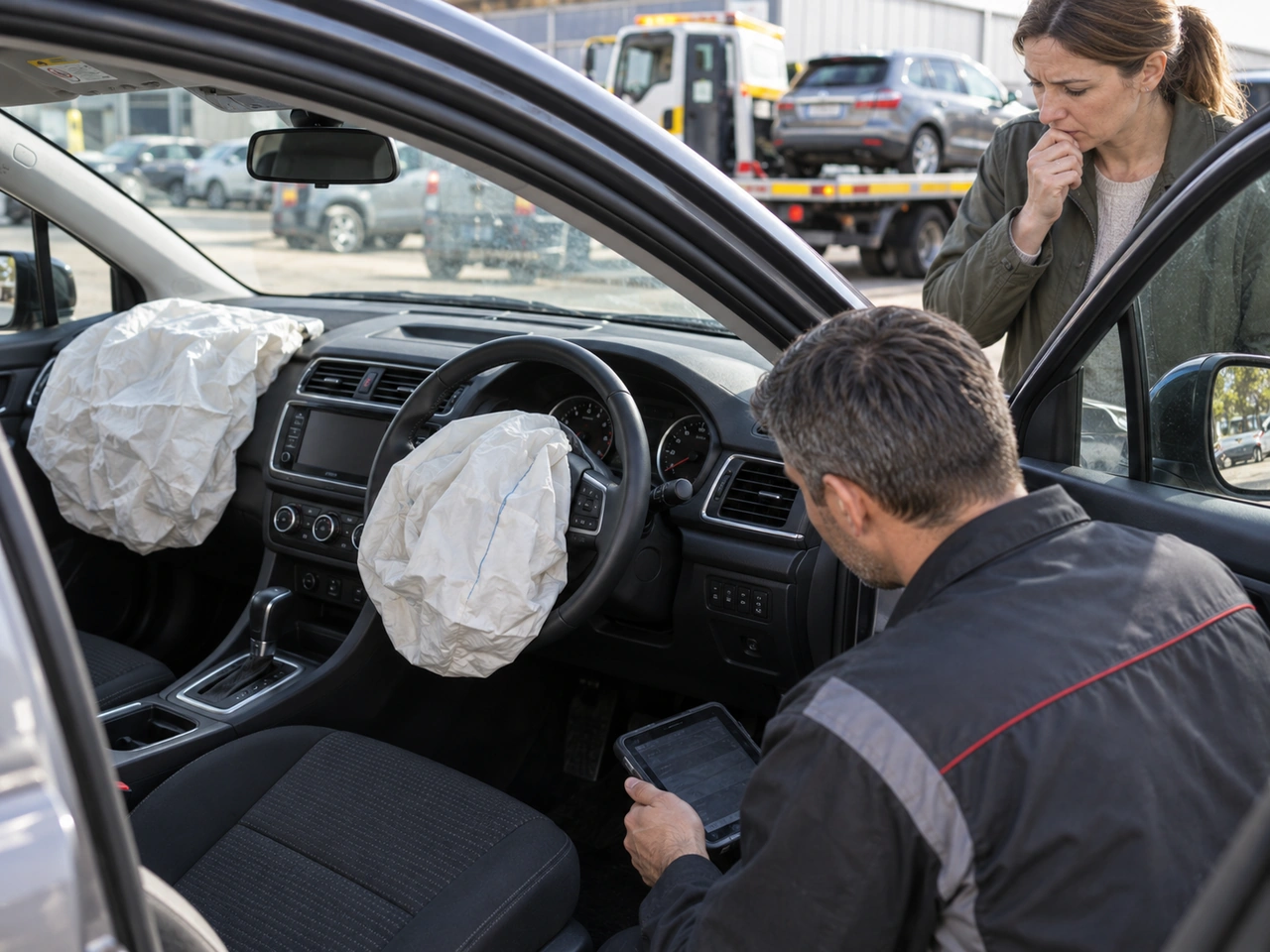
378. What should happen after an airbag has deployed?
A deployed airbag is a single-use safety component. After deployment, the restraint system should be professionally inspected and the airbag and any other affected components replaced or repaired as required before the system is relied upon again.
AI-generated by Traffic-rules.com • WCIT • CC BY-SA
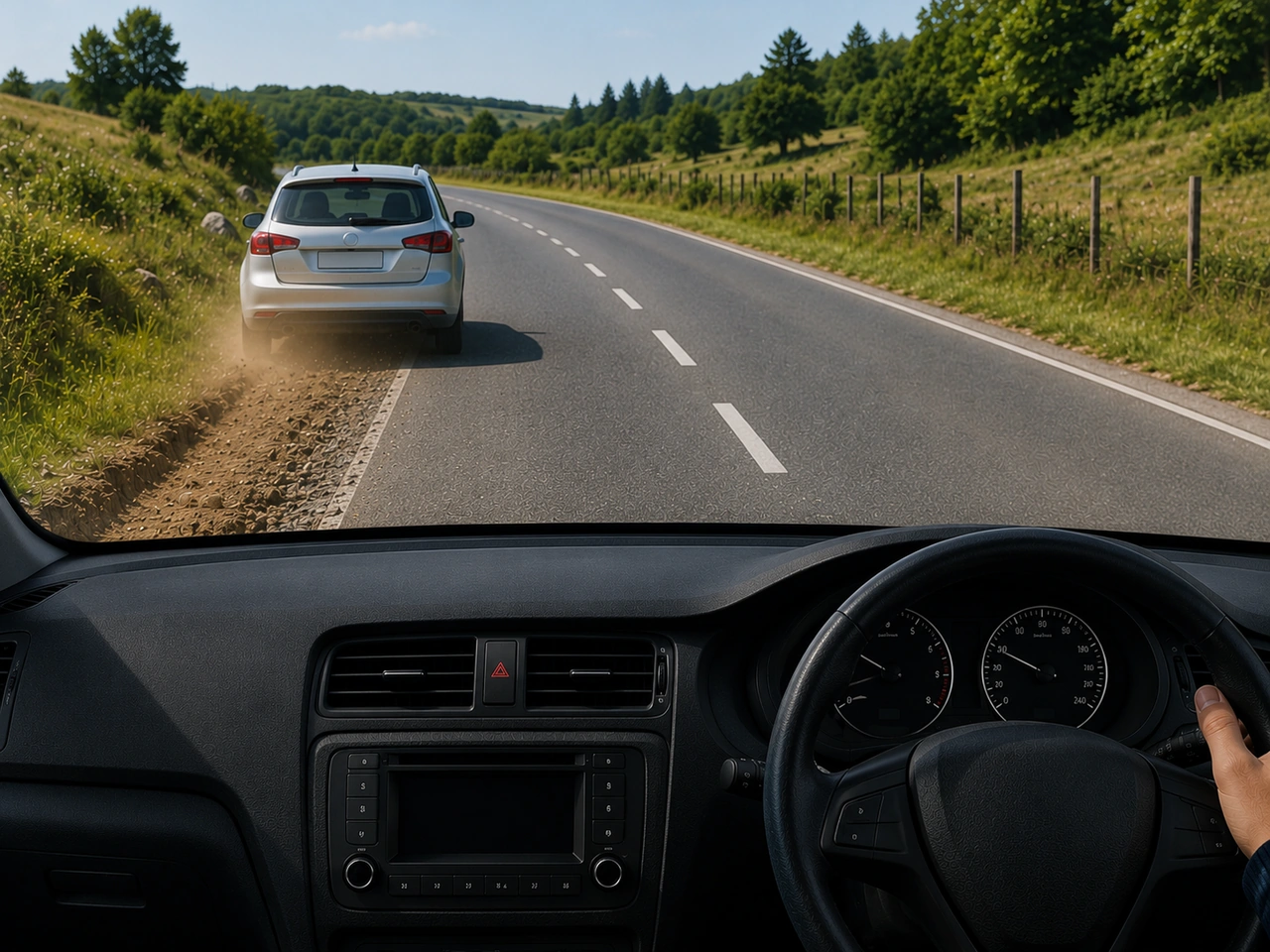
379. Why should you avoid driving too close to the edge of the road?
Road edges can be soft, uneven, or damaged. Driving too close to the edge can reduce control or cause the vehicle to leave the road.
AI-generated by Traffic-rules.com • WCIT • CC BY-SA
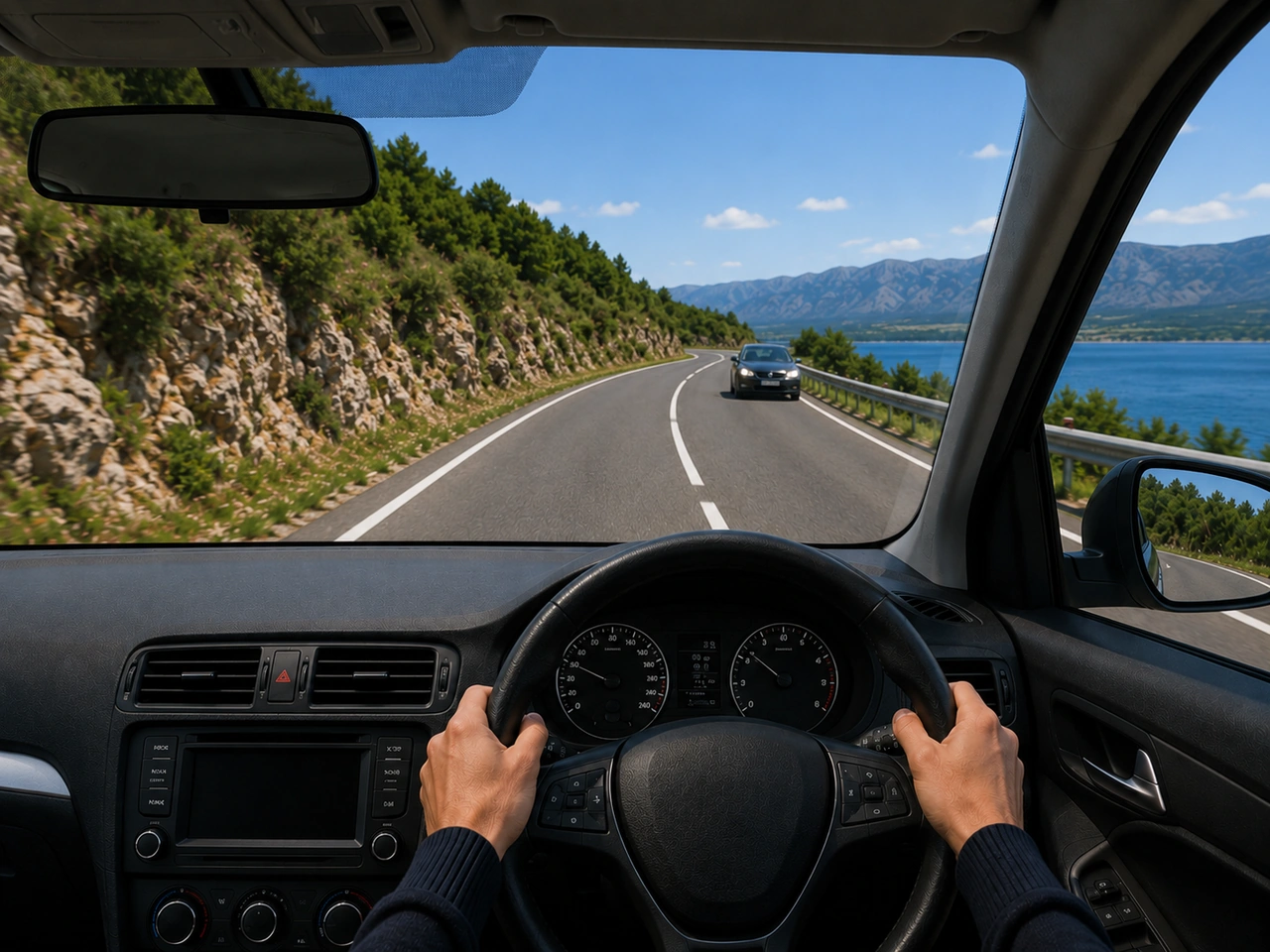
380. Why should you avoid braking hard on a curve?
Hard braking on a curve can upset the vehicle's balance and reduce grip. Slow down before the curve and steer smoothly.
AI-generated by Traffic-rules.com • WCIT • CC BY-SA
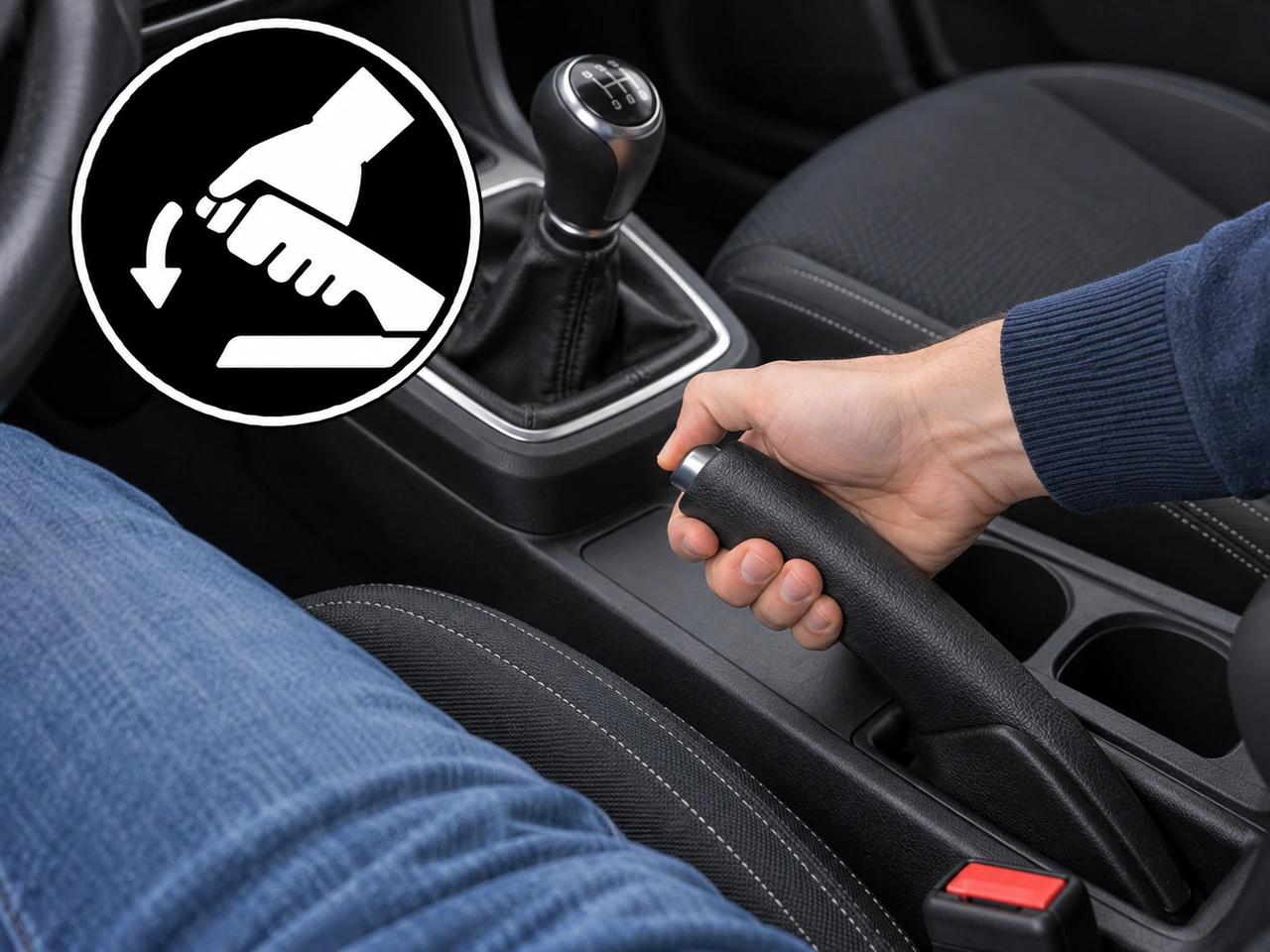
381. What should you do with a manual parking brake before driving away?
The manual parking brake should be released fully before driving away. Driving with it partly applied can cause unnecessary brake wear and overheating.
AI-generated by Traffic-rules.com • WCIT • CC BY-SA
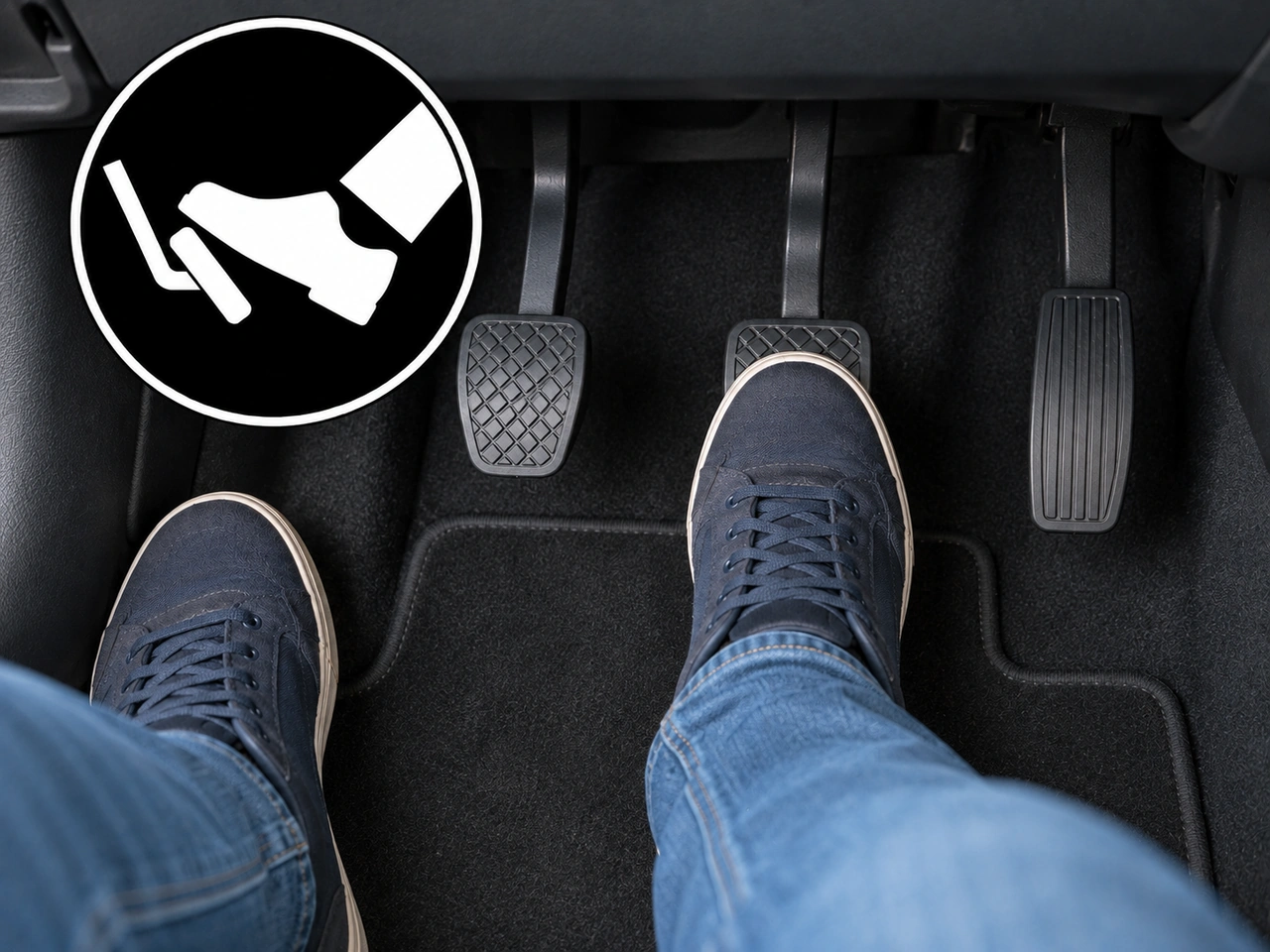
382. Which pedal is used to slow down or stop the vehicle?
The brake pedal is used to reduce the vehicle's speed or bring it to a stop. In a manual vehicle, it is the middle pedal.
AI-generated by Traffic-rules.com • WCIT • CC BY-SA
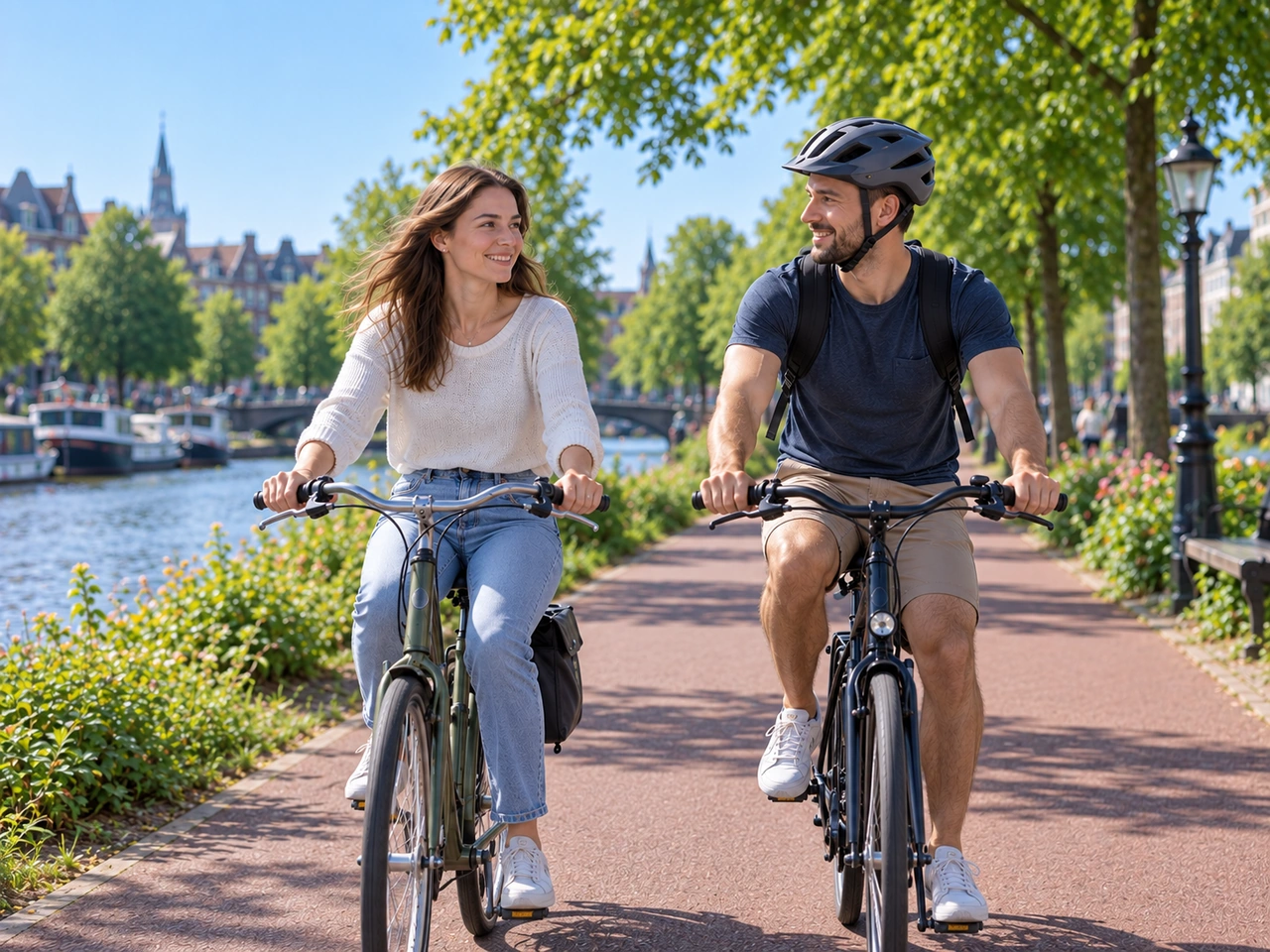
383. Are bicycle helmets generally required in Malaysia?
Bicycle helmets are not generally required for all cyclists in Malaysia, although specific age or regional rules may apply.
AI-generated by Traffic-rules.com • WCIT • CC BY-SA
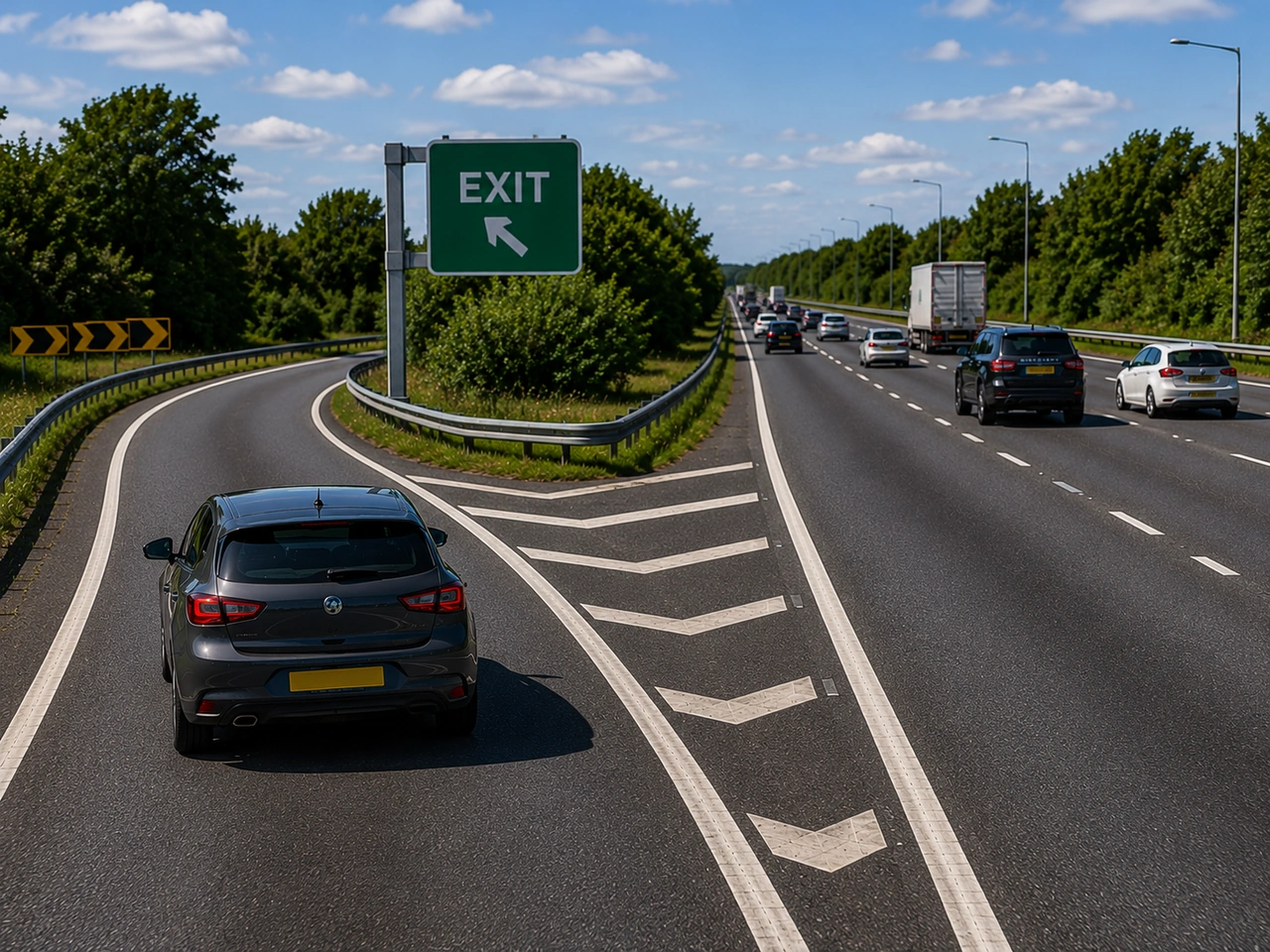
384. What should you do before leaving a motorway?
Plan your exit early, move into the correct lane safely, and reduce speed after entering the exit road where appropriate.
AI-generated by Traffic-rules.com • WCIT • CC BY-SA
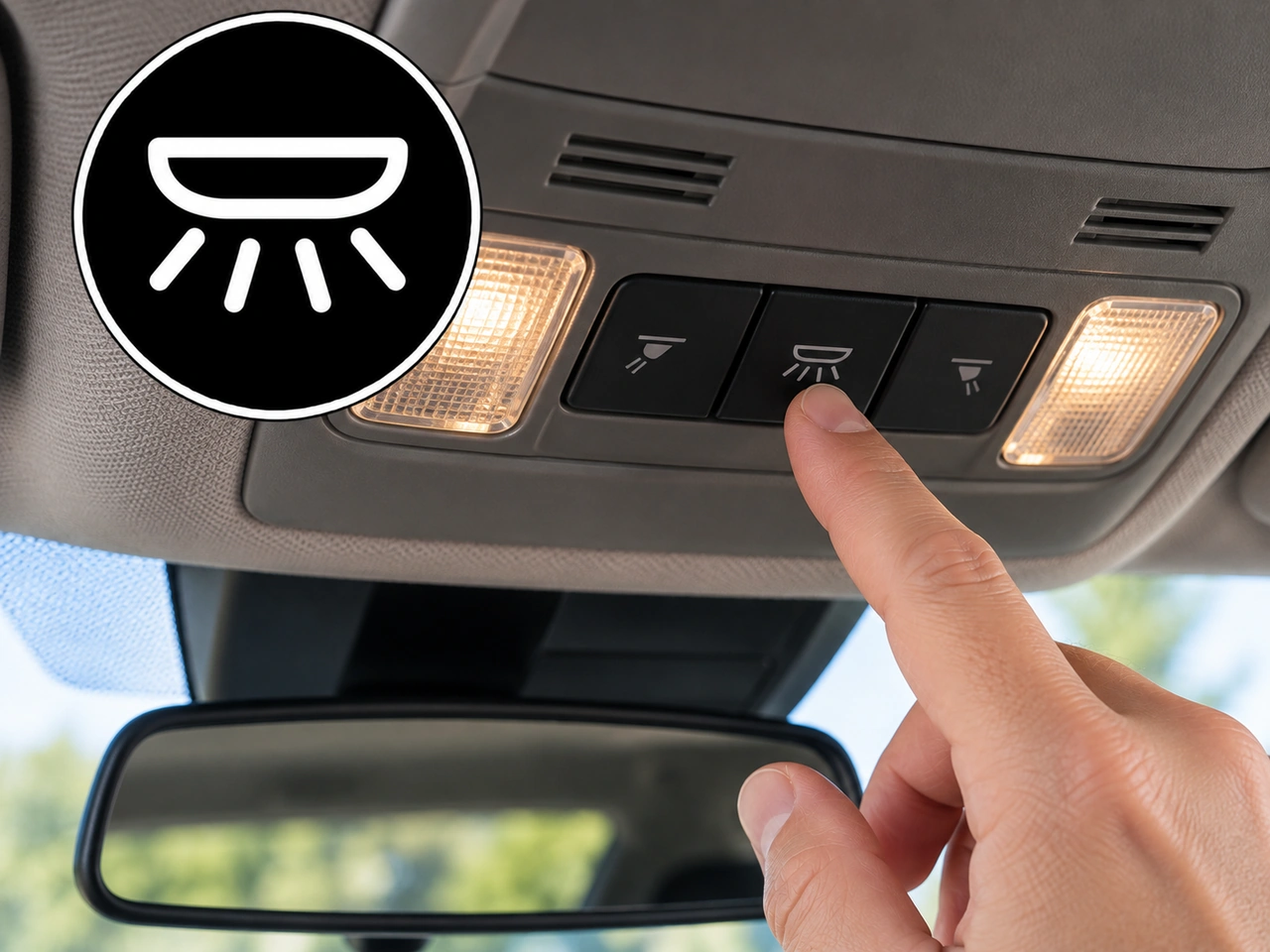
385. What does this vehicle-control symbol indicate?
This control operates the vehicle's interior lighting. Depending on the vehicle, the lights can be switched on manually or set to illuminate automatically when a door is opened.
AI-generated by Traffic-rules.com • WCIT • CC BY-SA
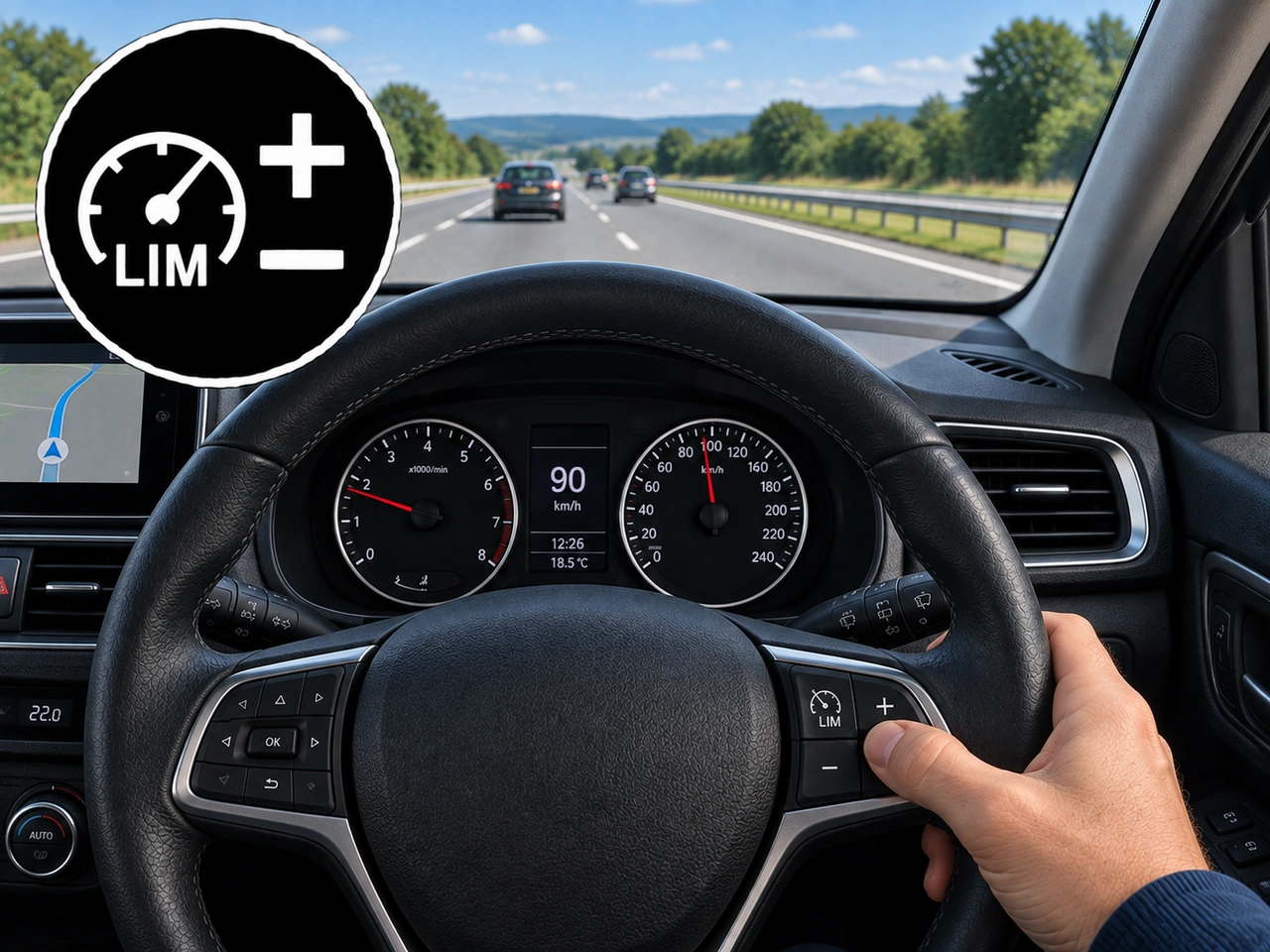
386. What do the + and − controls normally adjust when the speed limiter is active?
When the speed limiter is active, the + and − controls normally increase or decrease the selected maximum speed. The exact adjustment steps can vary between vehicles.
AI-generated by Traffic-rules.com • WCIT • CC BY-SA
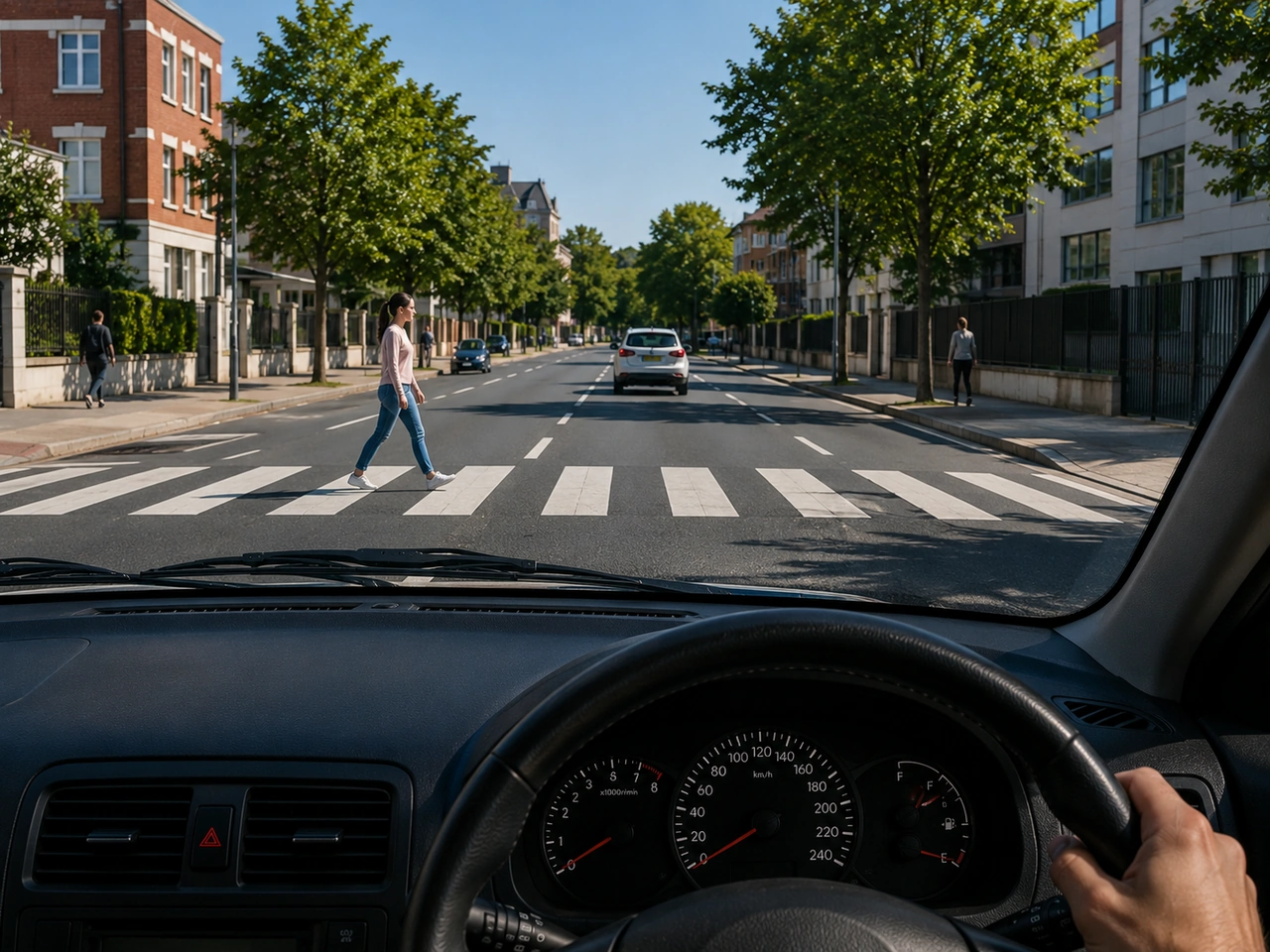
387. What is the purpose of a pedestrian crossing?
Pedestrian crossings provide a designated place where people can safely cross the road.
AI-generated by Traffic-rules.com • WCIT • CC BY-SA
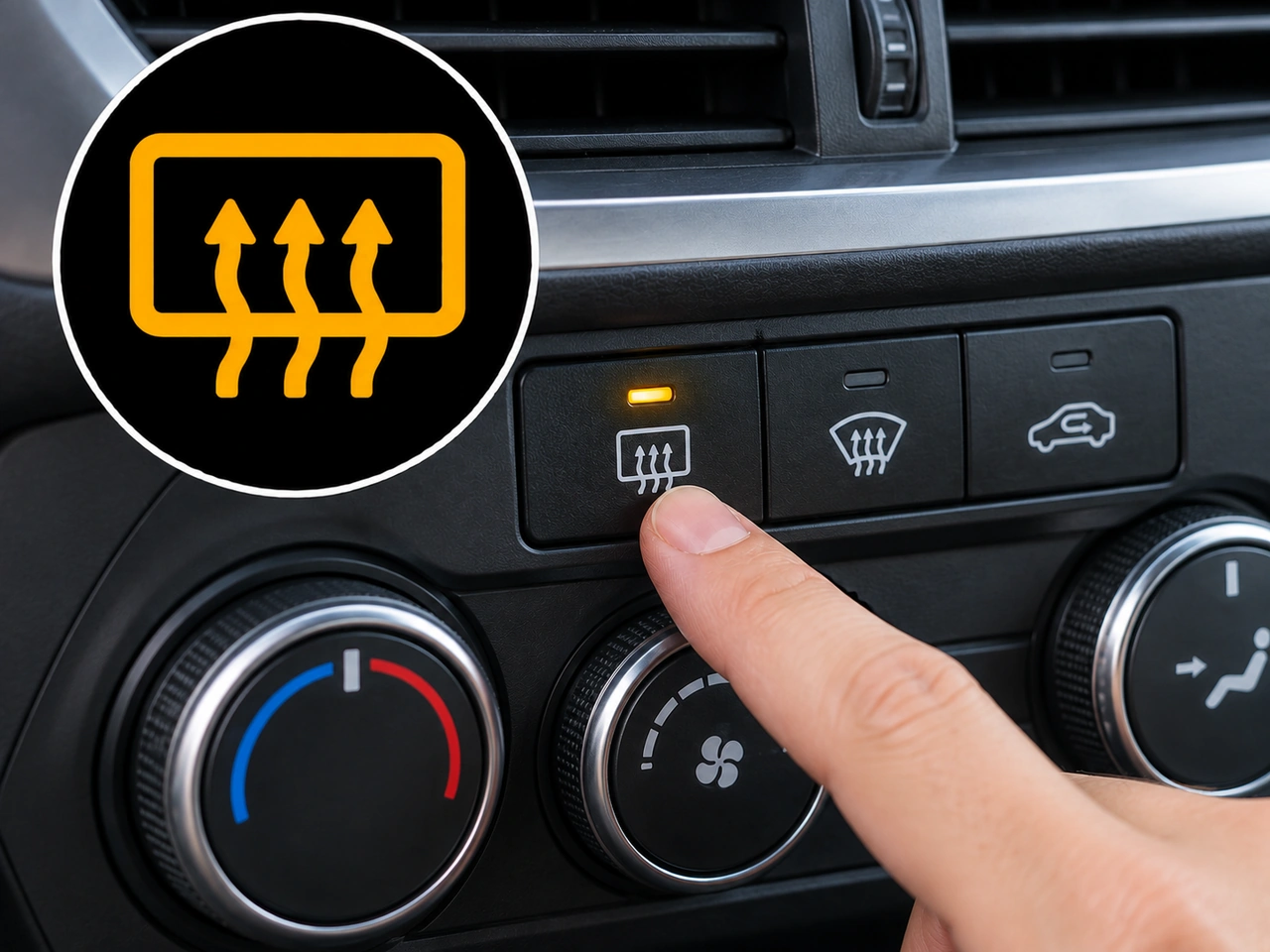
388. What does this dashboard symbol indicate?
This symbol indicates the rear window demister. It heats the rear window to help clear condensation, mist or frost and improve visibility.
AI-generated by Traffic-rules.com • WCIT • CC BY-SA
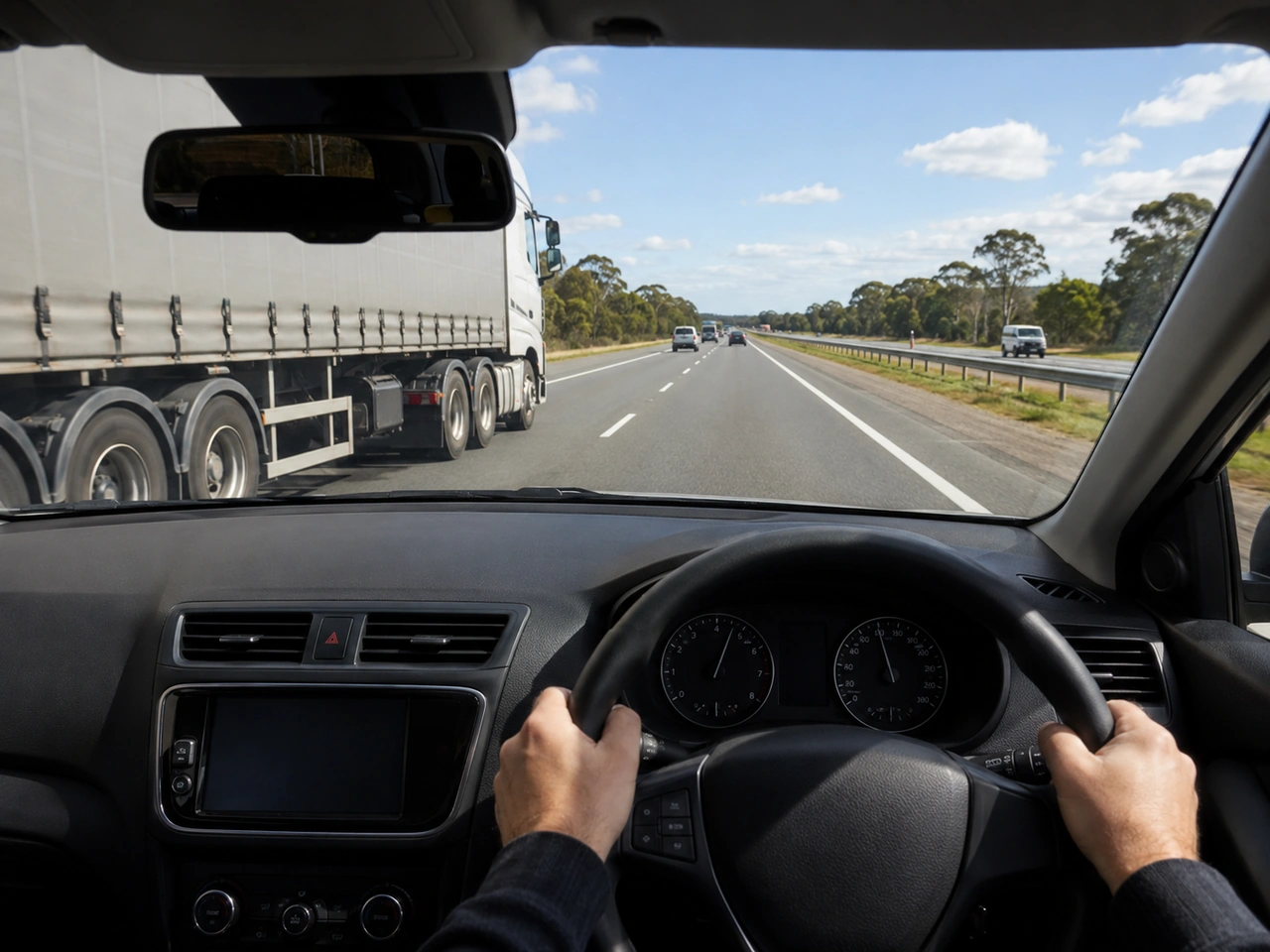
389. It is safer to drive faster than the speed limit when overtaking.
You must still drive safely and obey traffic laws. Speeding increases risk and is not automatically justified by overtaking.
AI-generated by Traffic-rules.com • WCIT • CC BY-SA
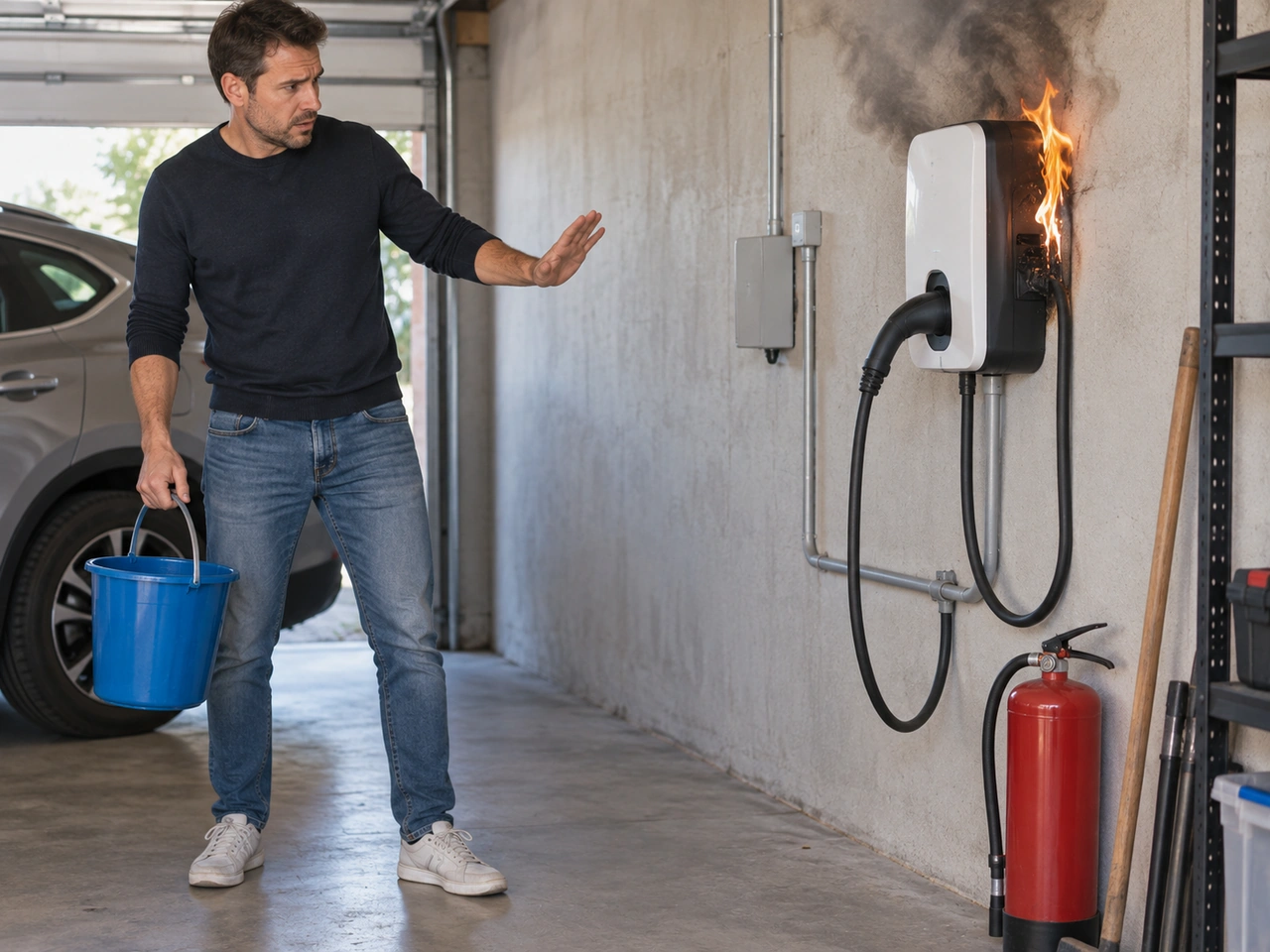
390. Why should you not use water on a fire involving live electrical equipment?
Do not use water on a fire involving energised electrical equipment, because water can conduct electricity and create a serious electric-shock hazard. Keep clear, disconnect the power only if it is safe to do so, and call the emergency services. Use only a suitable fire extinguisher if it is safe and you know how to use it.
AI-generated by Traffic-rules.com • WCIT • CC BY-SA
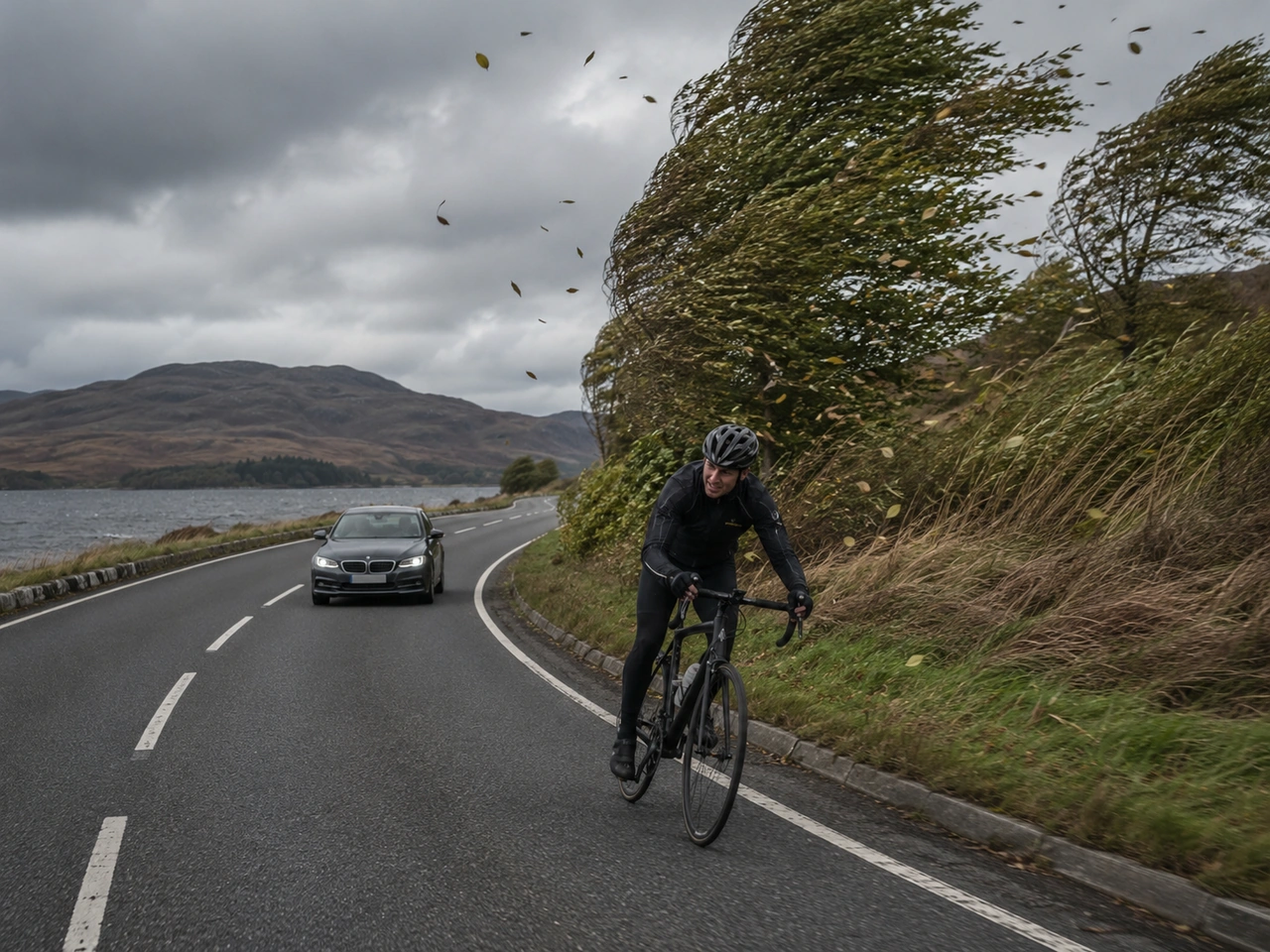
391. Why should you leave extra space when passing cyclists in strong winds?
Strong gusts can affect cyclists' balance and direction. Extra passing space reduces the risk of a collision.
AI-generated by Traffic-rules.com • WCIT • CC BY-SA
392. What colour is a stop sign usually?
Stop signs are almost always red because red is universally associated with danger and the need to stop immediately.
AI-generated by Traffic-rules.com • WCIT • CC BY-SA
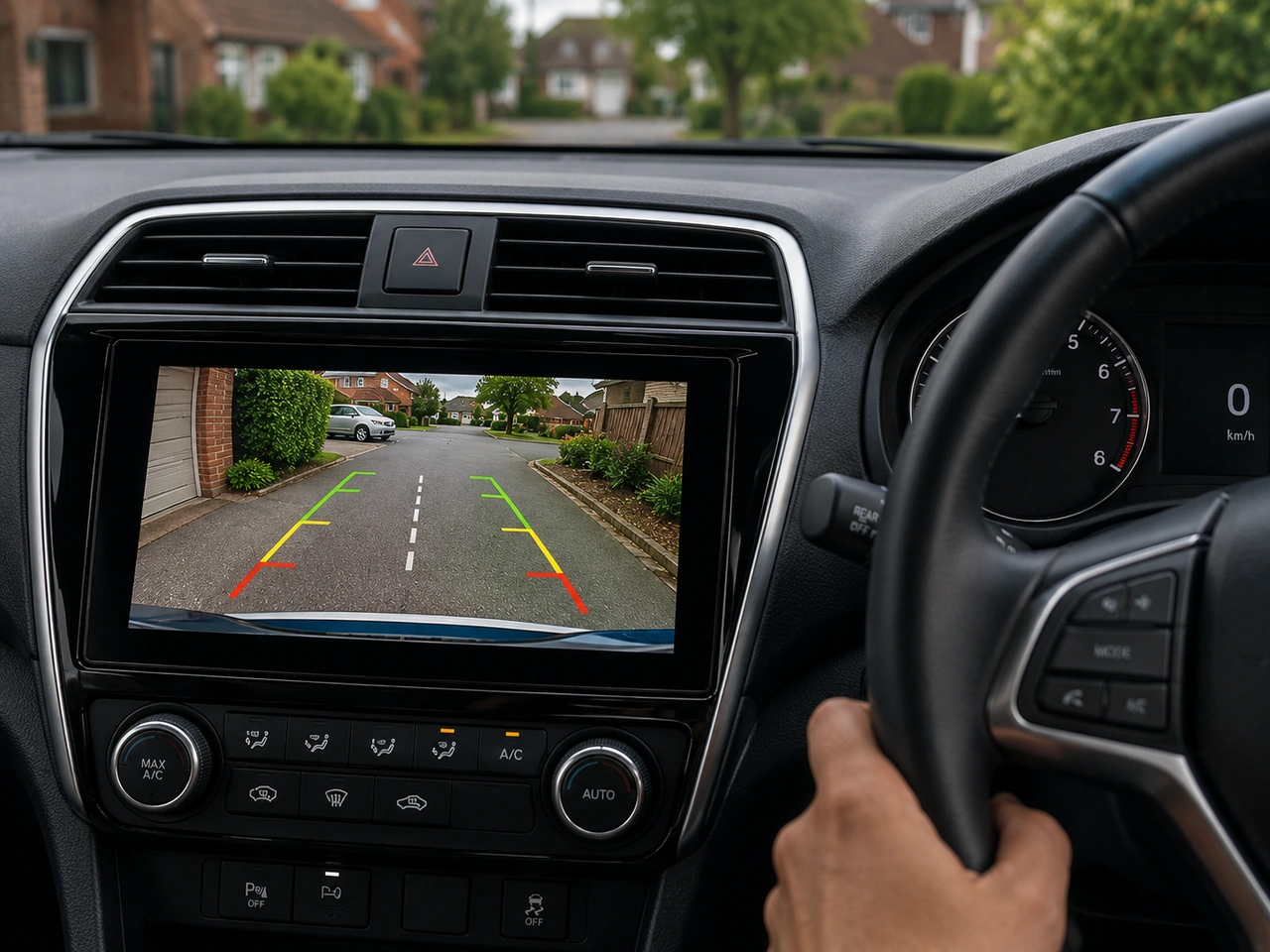
393. Why should you not rely only on a reversing camera?
Reversing cameras can help, but they may have blind spots and limited coverage. Always check your mirrors and surroundings, look around where possible, and reverse slowly.
AI-generated by Traffic-rules.com • WCIT • CC BY-SA
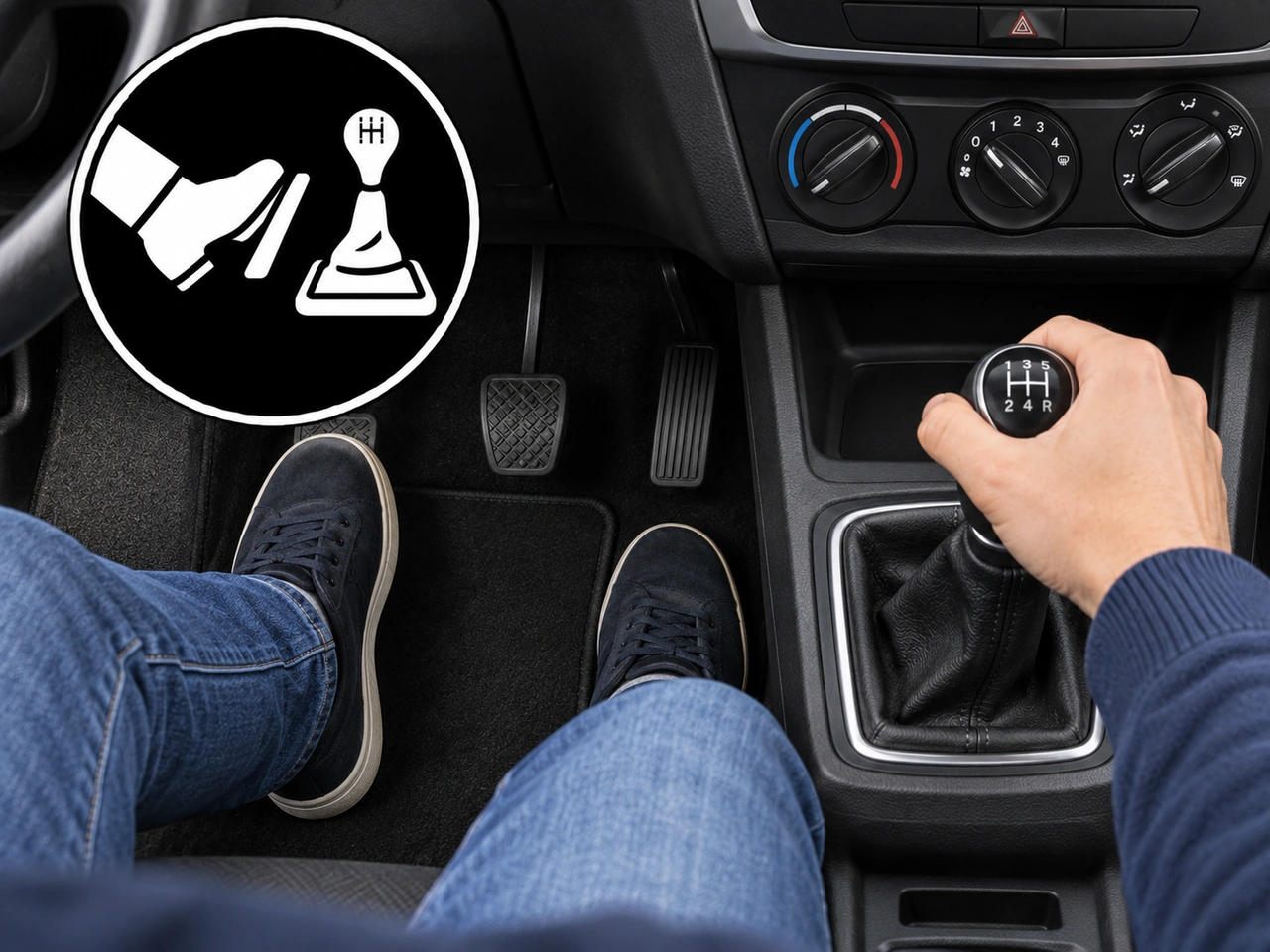
394. What should you normally do before changing gear in a manual vehicle?
Pressing the clutch pedal disconnects the engine from the transmission so that another gear can be selected. After changing gear, the clutch should be released smoothly.
AI-generated by Traffic-rules.com • WCIT • CC BY-SA
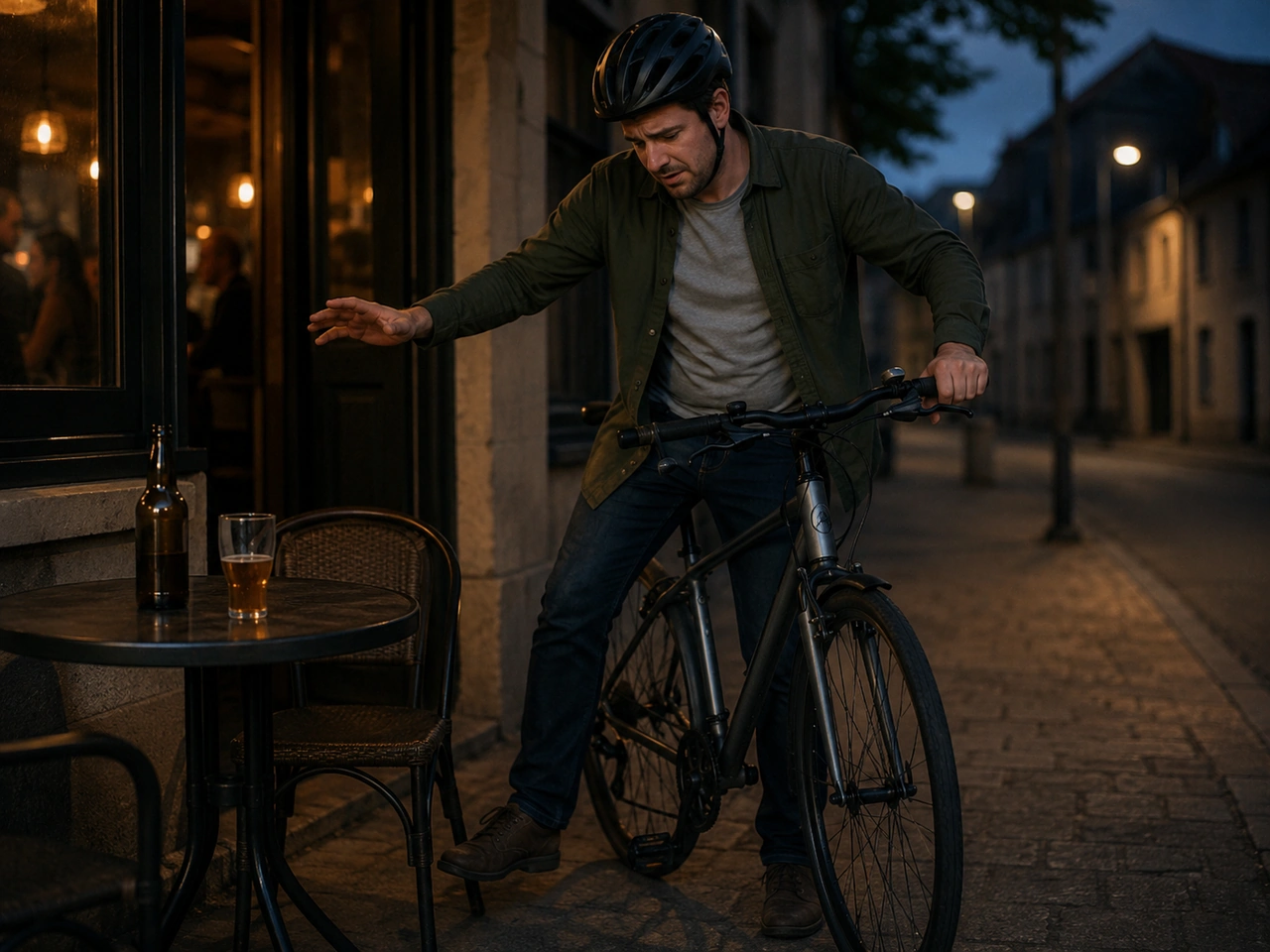
395. Why is riding a bicycle after drinking alcohol dangerous?
Alcohol can make it harder to balance, steer, judge distances, and react to hazards. Riding a bicycle while impaired may also be against the law.
AI-generated by Traffic-rules.com • WCIT • CC BY-SA
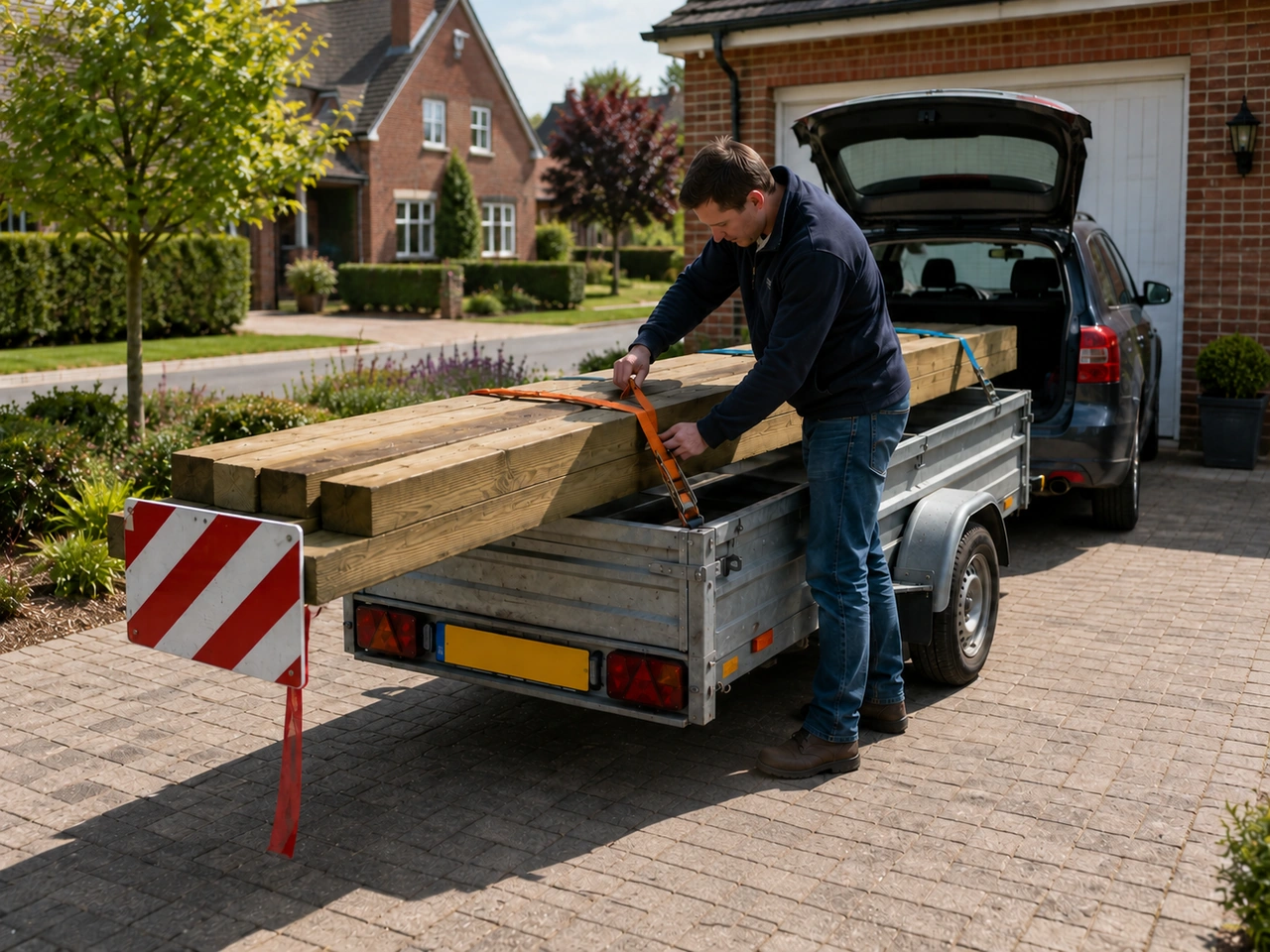
396. What should you do if a load extends beyond the vehicle?
An extending load may create additional danger and may require specific markings or equipment under local rules.
AI-generated by Traffic-rules.com • WCIT • CC BY-SA
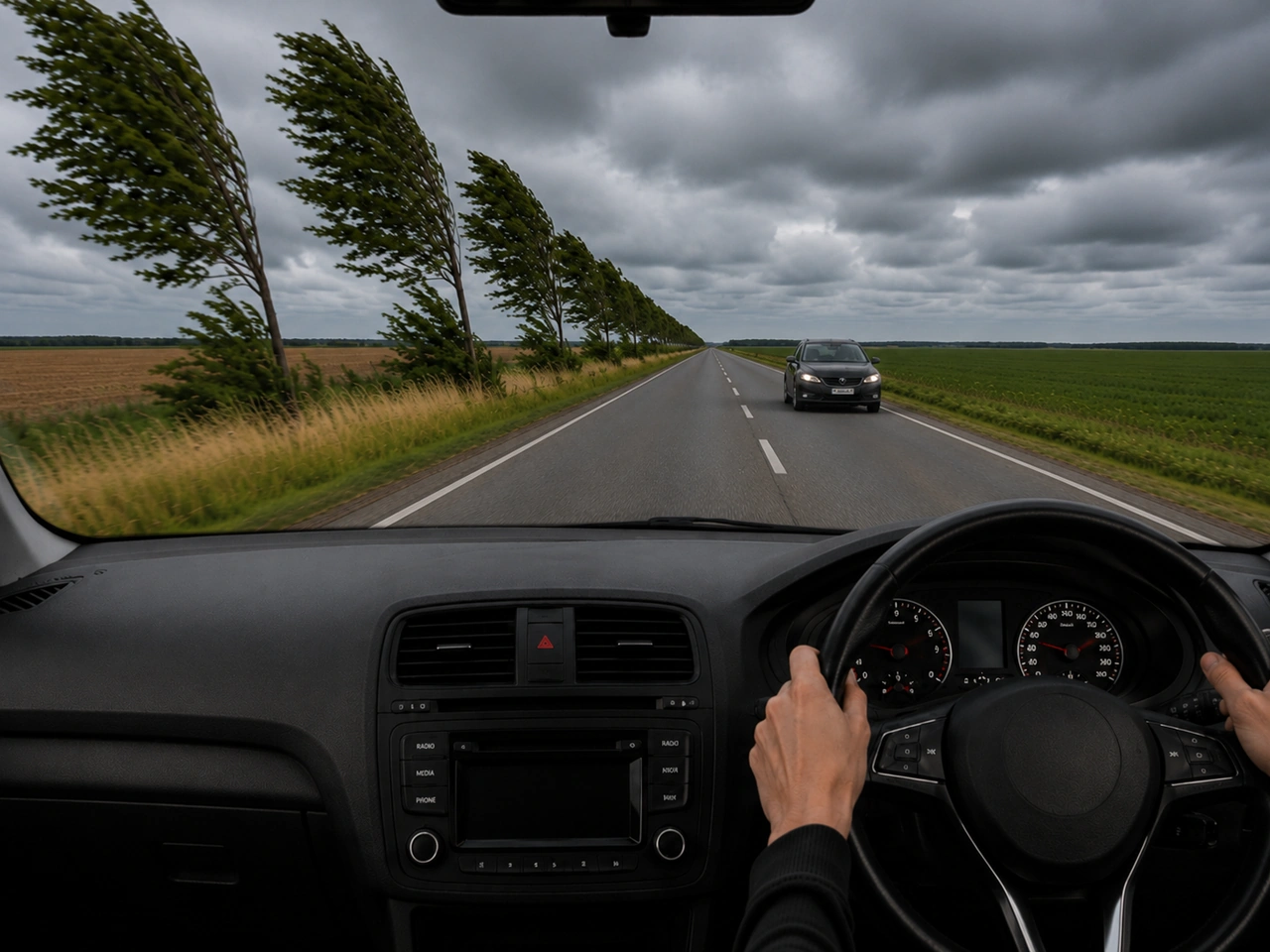
397. What should you do when driving in strong wind?
Strong wind can affect vehicle control, especially near open areas, bridges, large vehicles, cyclists, and motorcyclists.
AI-generated by Traffic-rules.com • WCIT • CC BY-SA
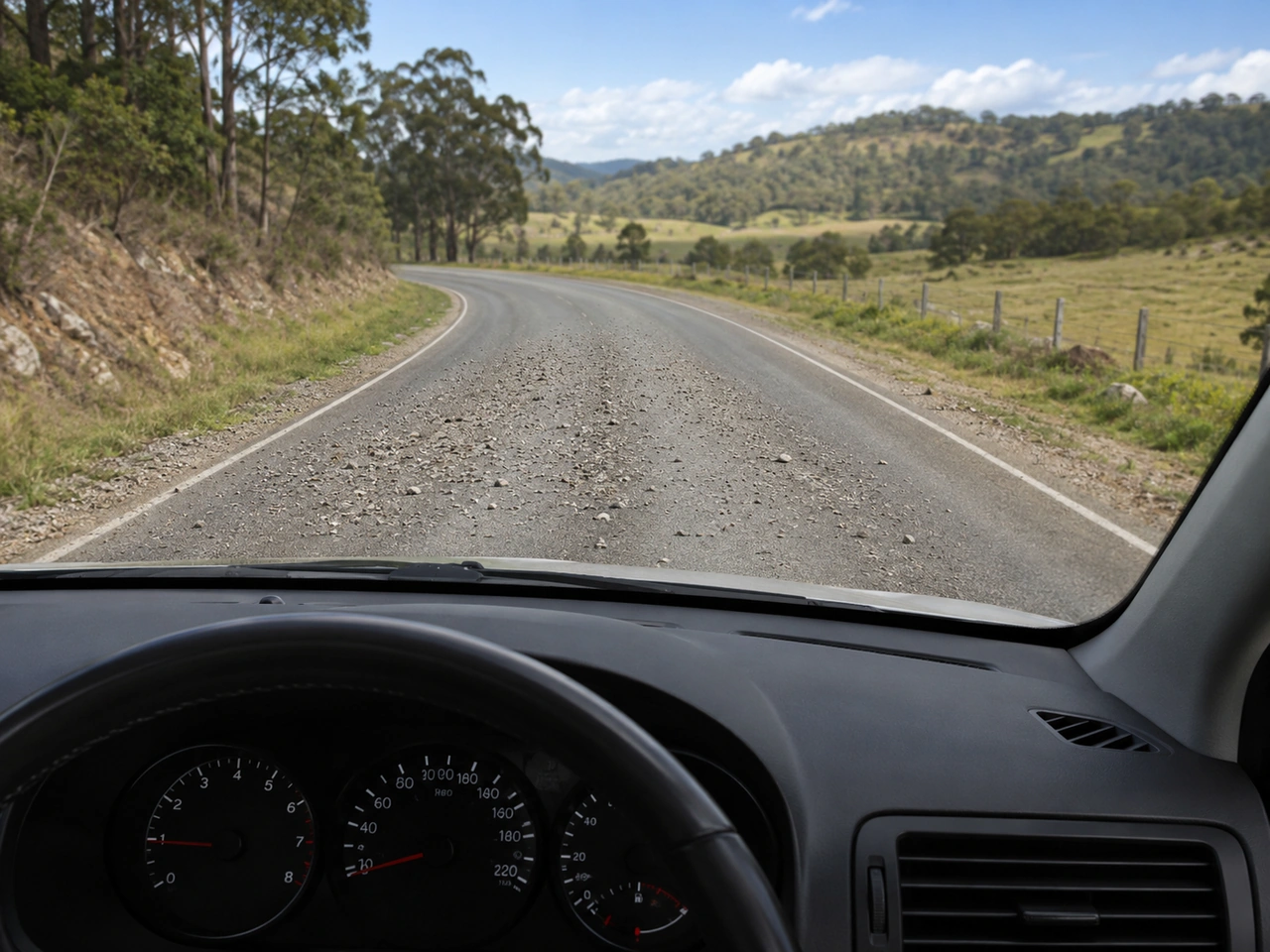
398. What should you do if you see loose gravel on the road?
Loose gravel reduces grip and can make the vehicle skid. Slow down and use smooth steering and braking.
AI-generated by Traffic-rules.com • WCIT • CC BY-SA
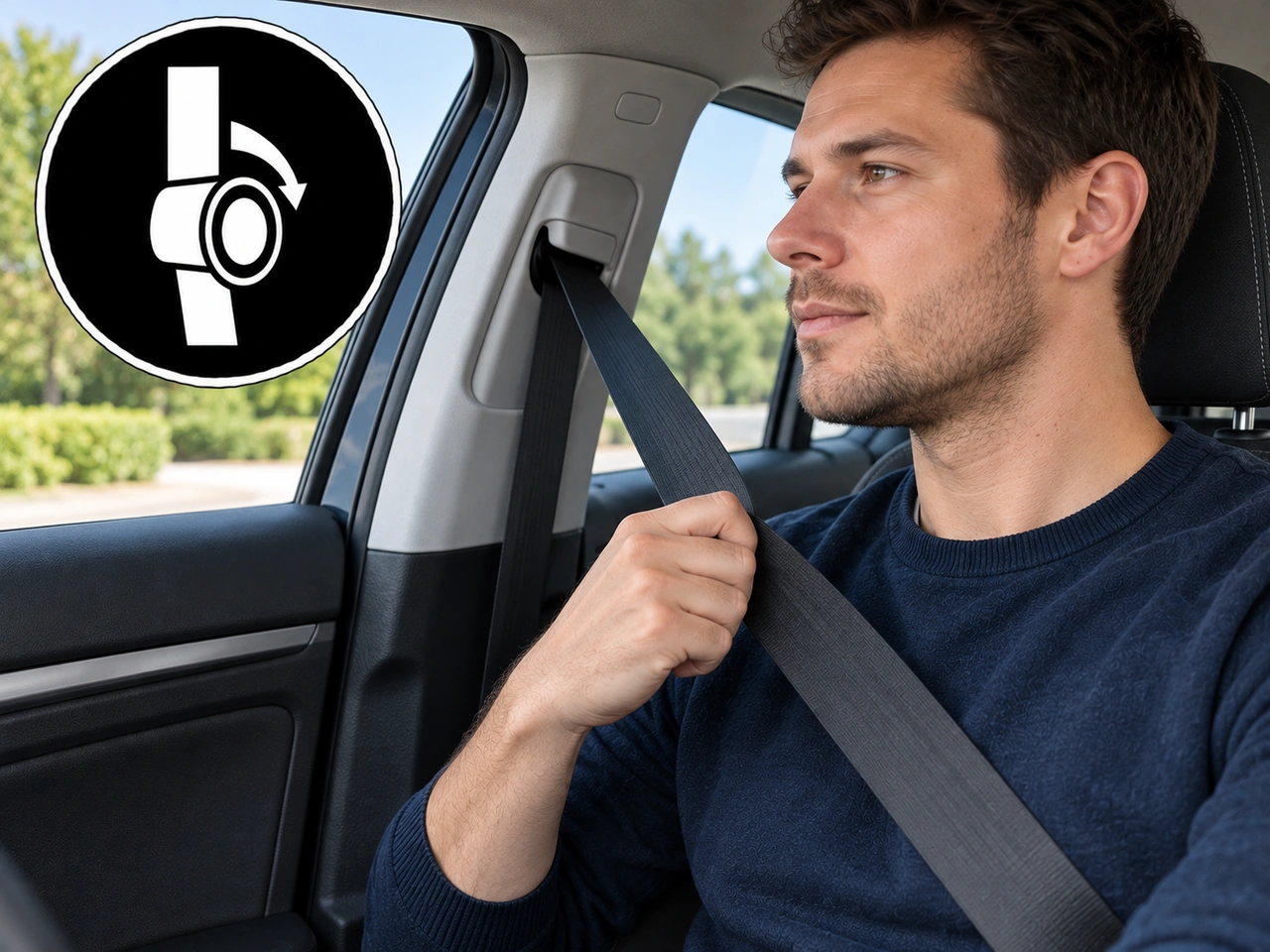
399. What is the purpose of the seat-belt retractor?
The seat-belt retractor takes up slack and helps keep the belt properly positioned against the body. It allows normal movement but can lock during sudden braking, rapid belt movement or a collision.
AI-generated by Traffic-rules.com • WCIT • CC BY-SA
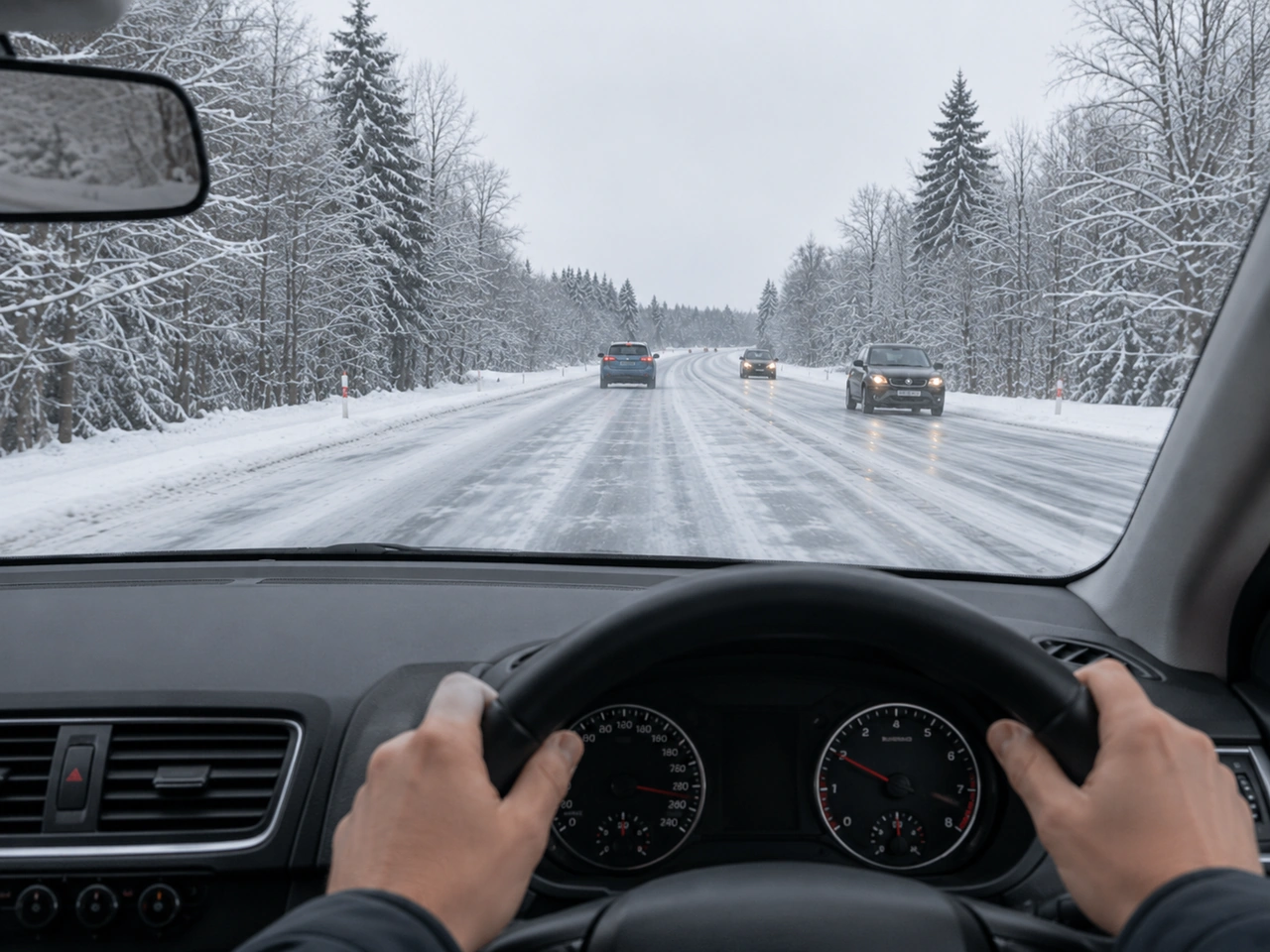
400. Why should you leave a much larger following distance on an icy road?
Tyres have much less grip on ice, so braking takes longer. Extra distance gives you more time to slow down safely.
AI-generated by Traffic-rules.com • WCIT • CC BY-SA