


QuizTraffic rulesNetherlands
This interesting quiz helps you test your knowledge in a clear and visual way. With easy multiple-choice questions, you can quickly build confidence and learn new facts while keeping it simple, interactive, and fun.
 Traffic signs
 Traffic rules
 Netherlands
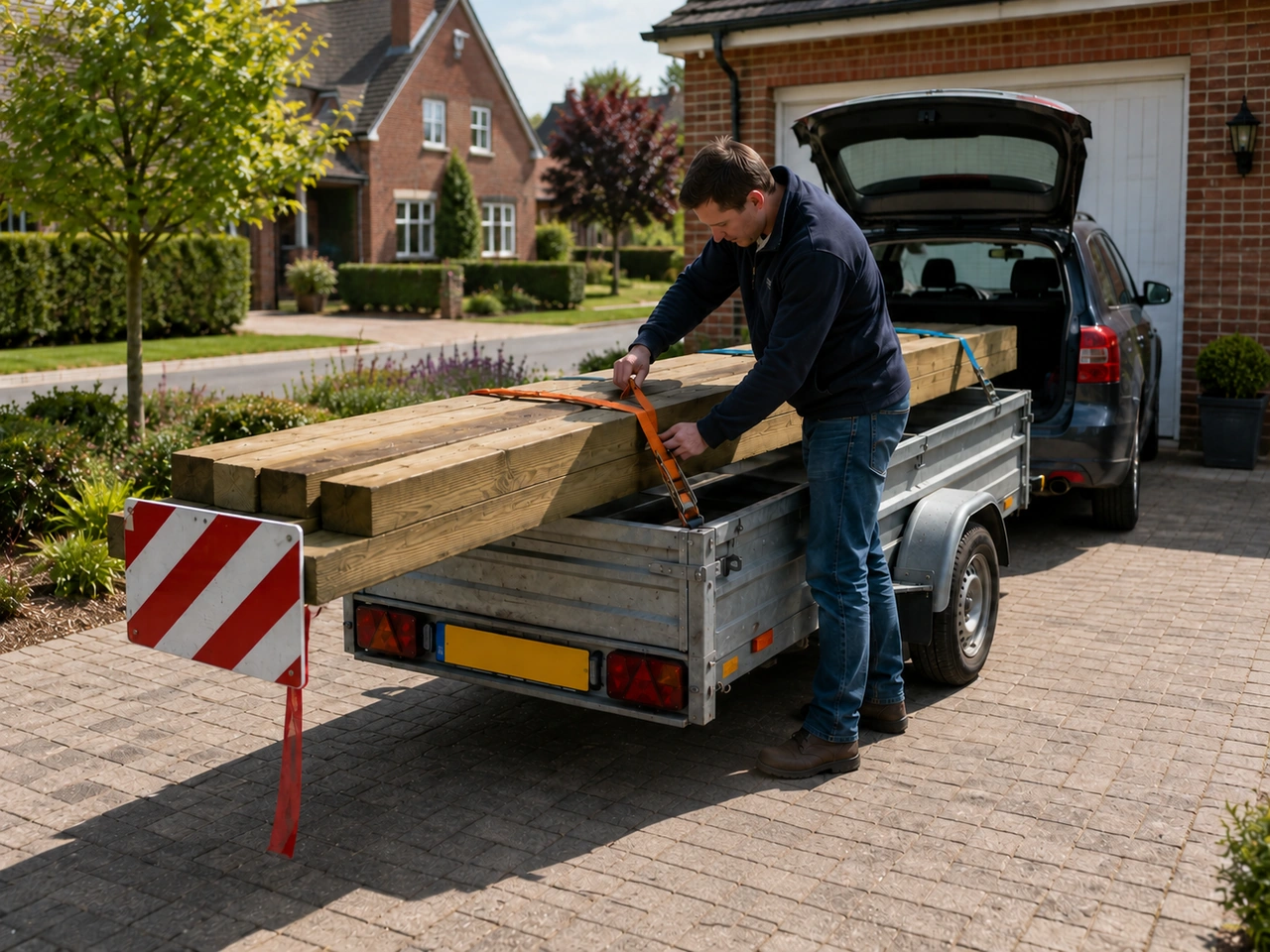
201. What should you do if a load extends beyond the vehicle?
An extending load may create additional danger and may require specific markings or equipment under local rules.
AI-generated by Traffic-rules.com • WCIT • CC BY-SA

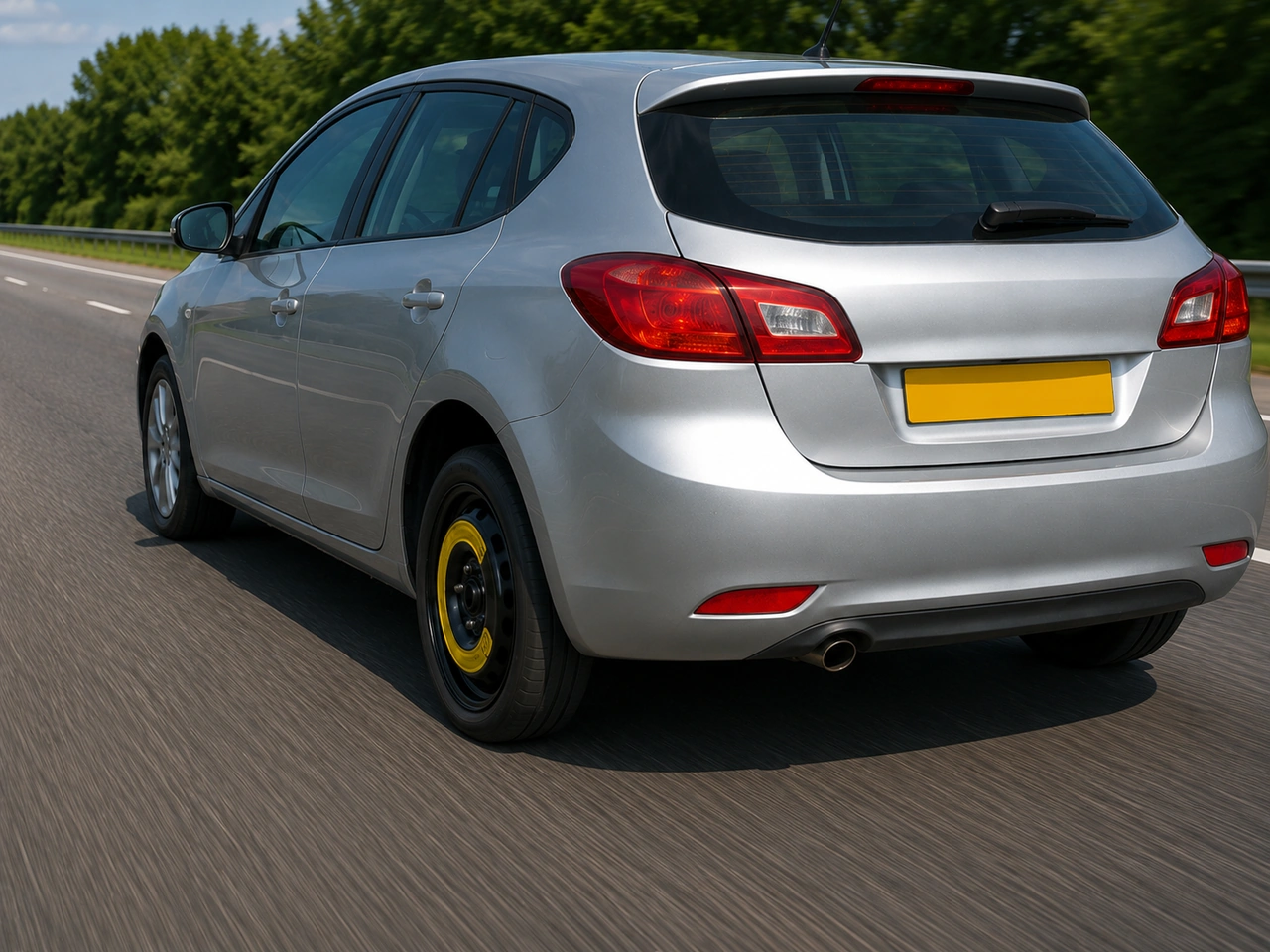
202. What should you do after fitting a temporary spare wheel?
Temporary spare wheels may have limited speed, distance, and handling capabilities. Arrange a proper repair or replacement promptly.
AI-generated by Traffic-rules.com • WCIT • CC BY-SA
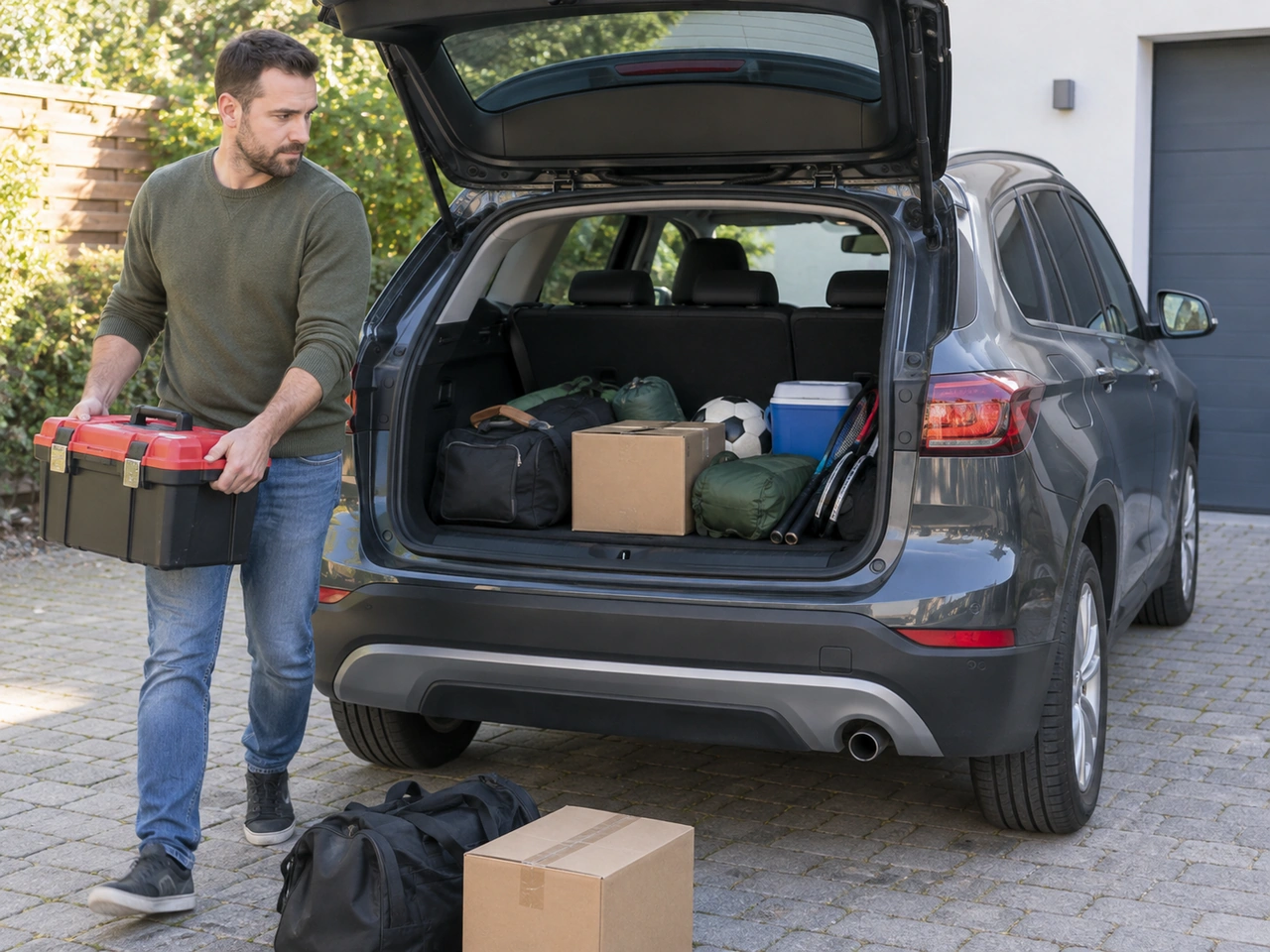
203. How can unnecessary weight affect a vehicle's energy use?
Extra weight generally requires more energy when accelerating and climbing. Removing unnecessary heavy items can help reduce fuel or energy consumption while keeping all essential equipment in the vehicle.
AI-generated by Traffic-rules.com • WCIT • CC BY-SA
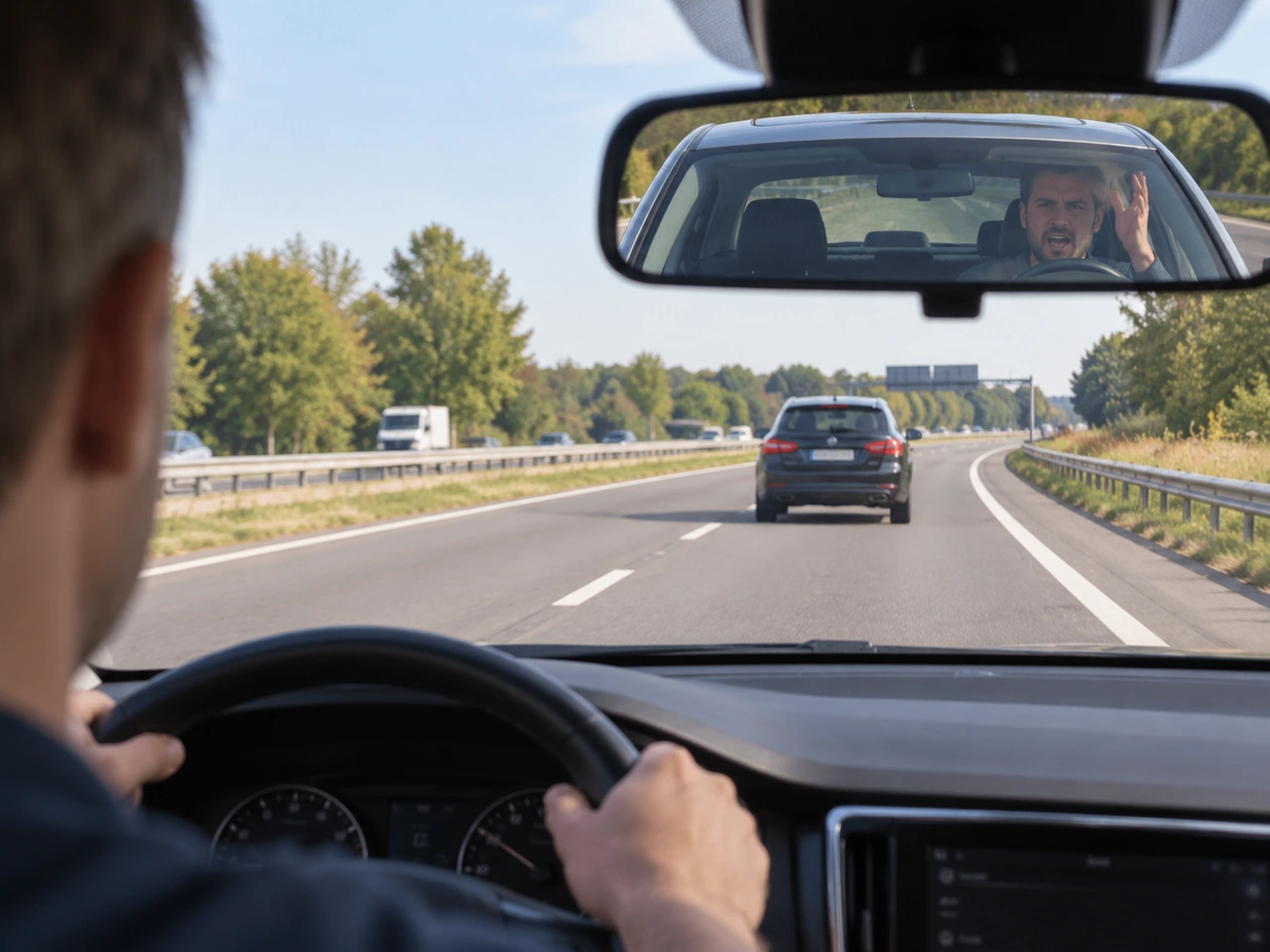
204. What should you do if another driver behaves aggressively towards you?
If another driver behaves aggressively, do not retaliate or become involved in a confrontation. Stay calm, increase the distance between you, and let the other vehicle move away when possible. If you feel threatened, go to a safe public place and seek appropriate assistance.
AI-generated by Traffic-rules.com • WCIT • CC BY-SA
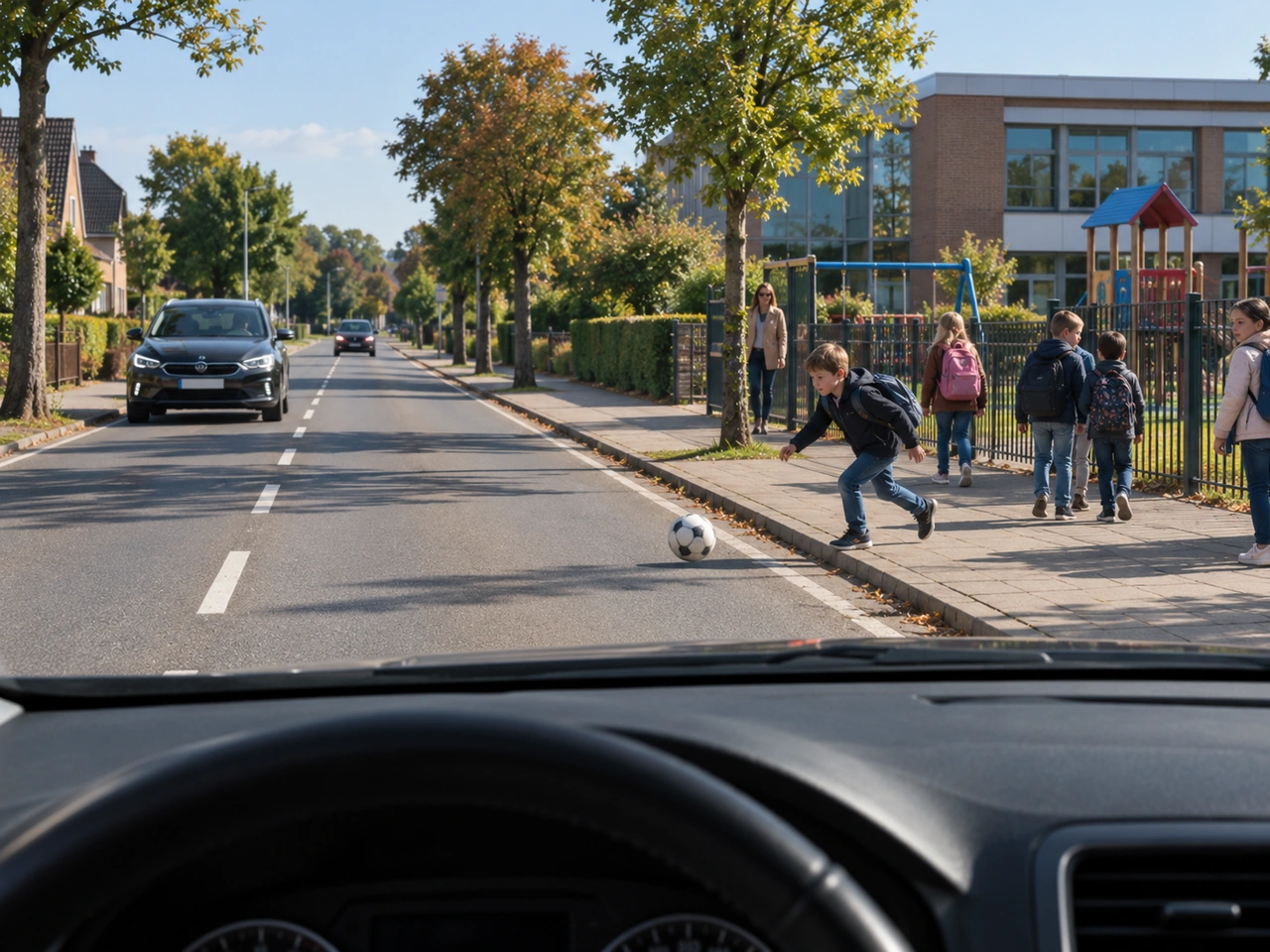
205. Why should you slow down near schools or playgrounds?
Children may suddenly cross the road or move unexpectedly, so drivers should slow down and stay alert near schools and playgrounds.
AI-generated by Traffic-rules.com • WCIT • CC BY-SA
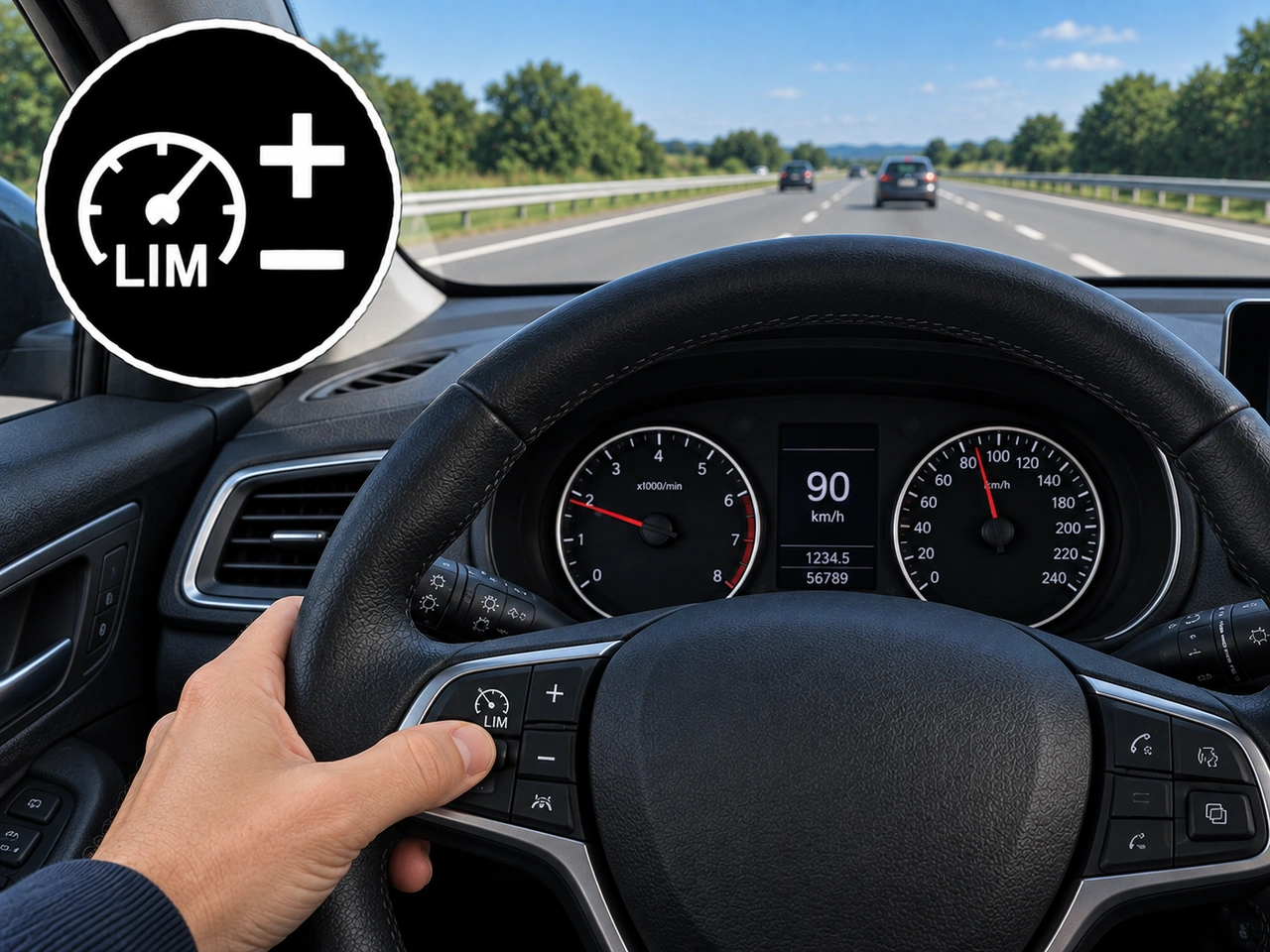
206. What do the + and − controls normally adjust when the speed limiter is active?
When the speed limiter is active, the + and − controls normally increase or decrease the selected maximum speed. The exact adjustment steps can vary between vehicles.
AI-generated by Traffic-rules.com • WCIT • CC BY-SA
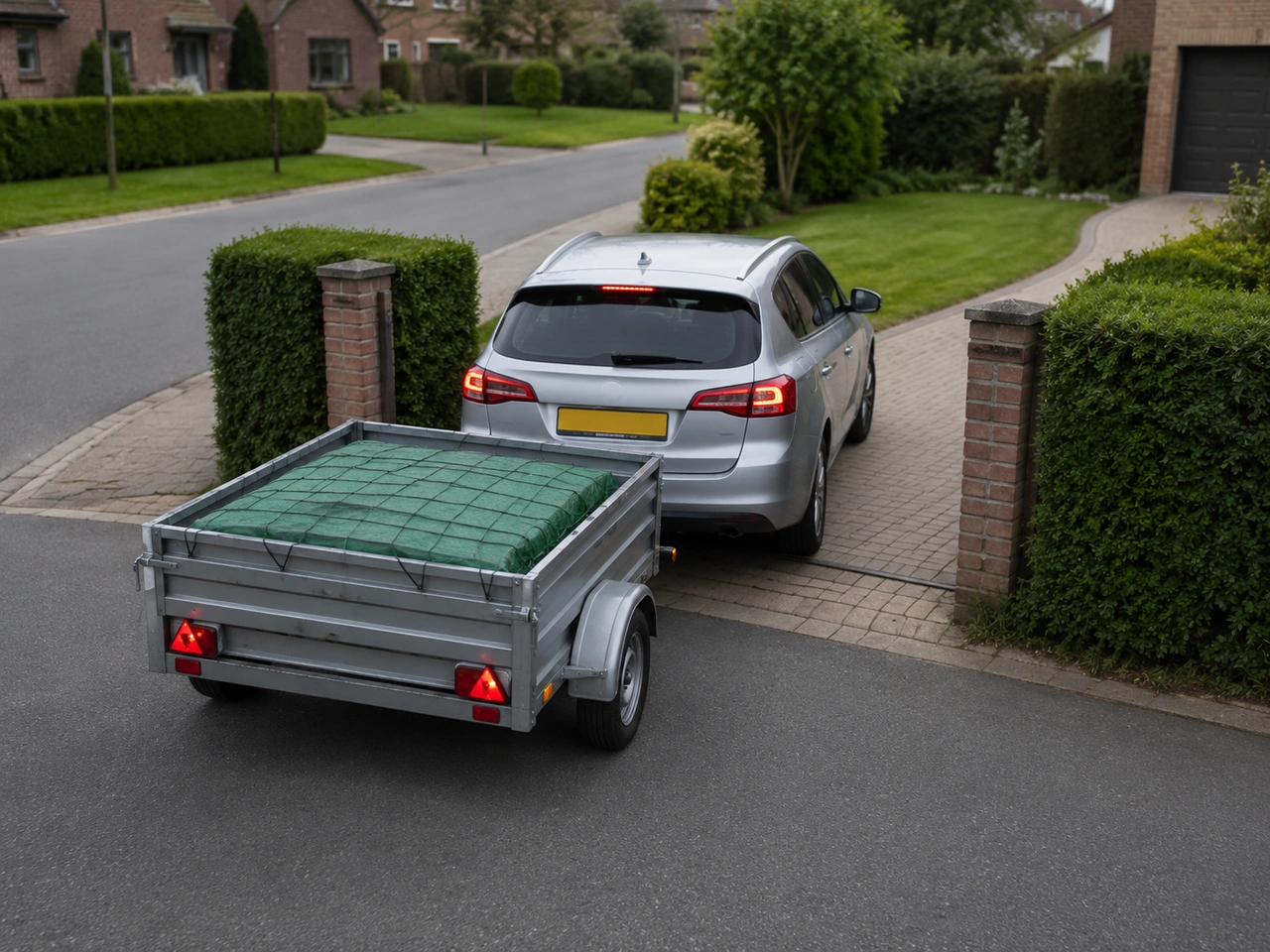
207. What should you do when reversing with a trailer?
Trailers react quickly to steering while reversing. Move slowly, observe carefully, and use a guide only from a safe visible position.
AI-generated by Traffic-rules.com • WCIT • CC BY-SA
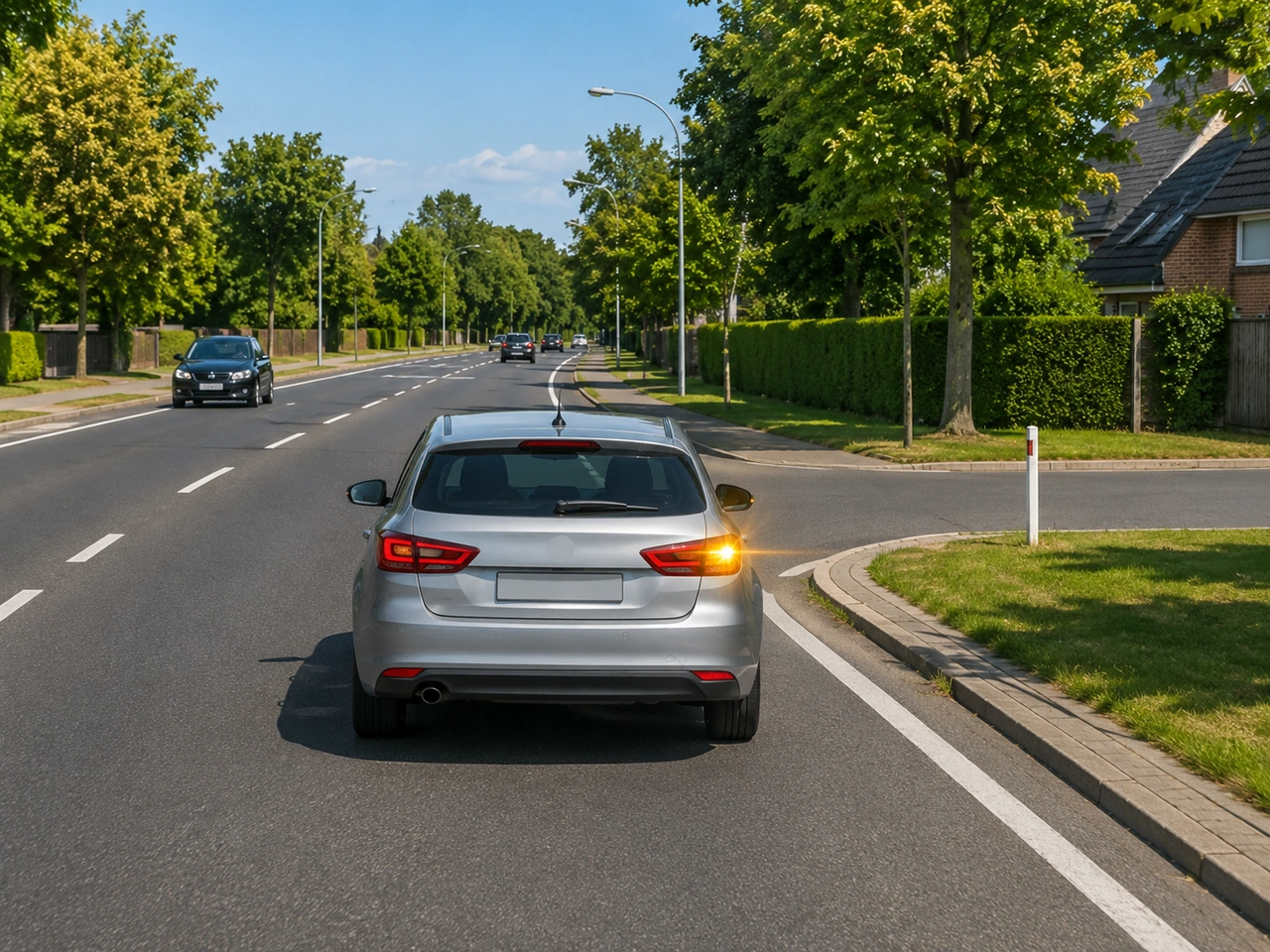
208. Why should you use your indicator before turning?
Indicators help other drivers, cyclists, and pedestrians understand your intentions in time.
AI-generated by Traffic-rules.com • WCIT • CC BY-SA
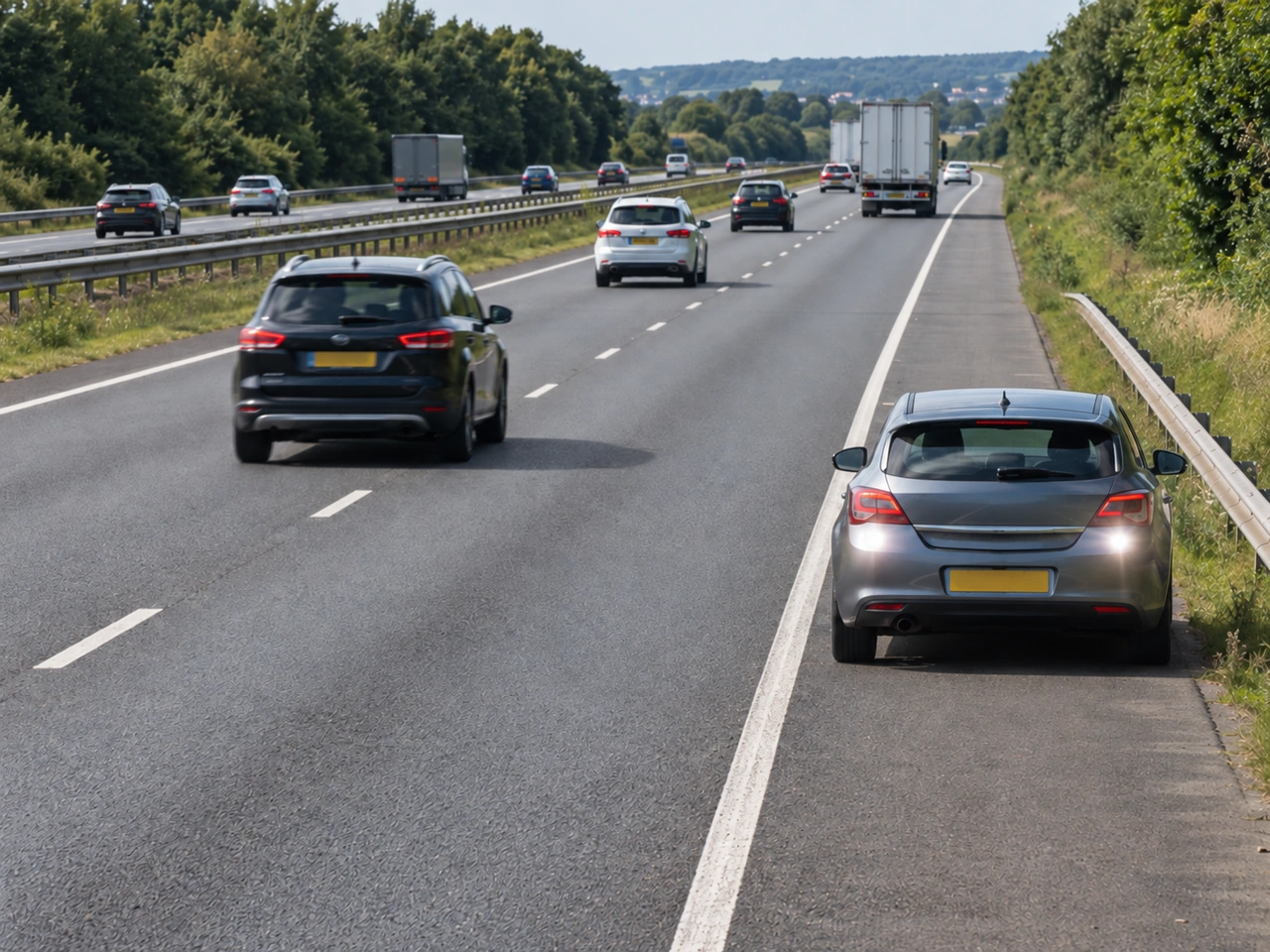
209. Why are reversing and making a U-turn on a motorway extremely dangerous?
Motorway traffic travels at high speed. Unexpected reversing or turning can cause a severe collision.
AI-generated by Traffic-rules.com • WCIT • CC BY-SA
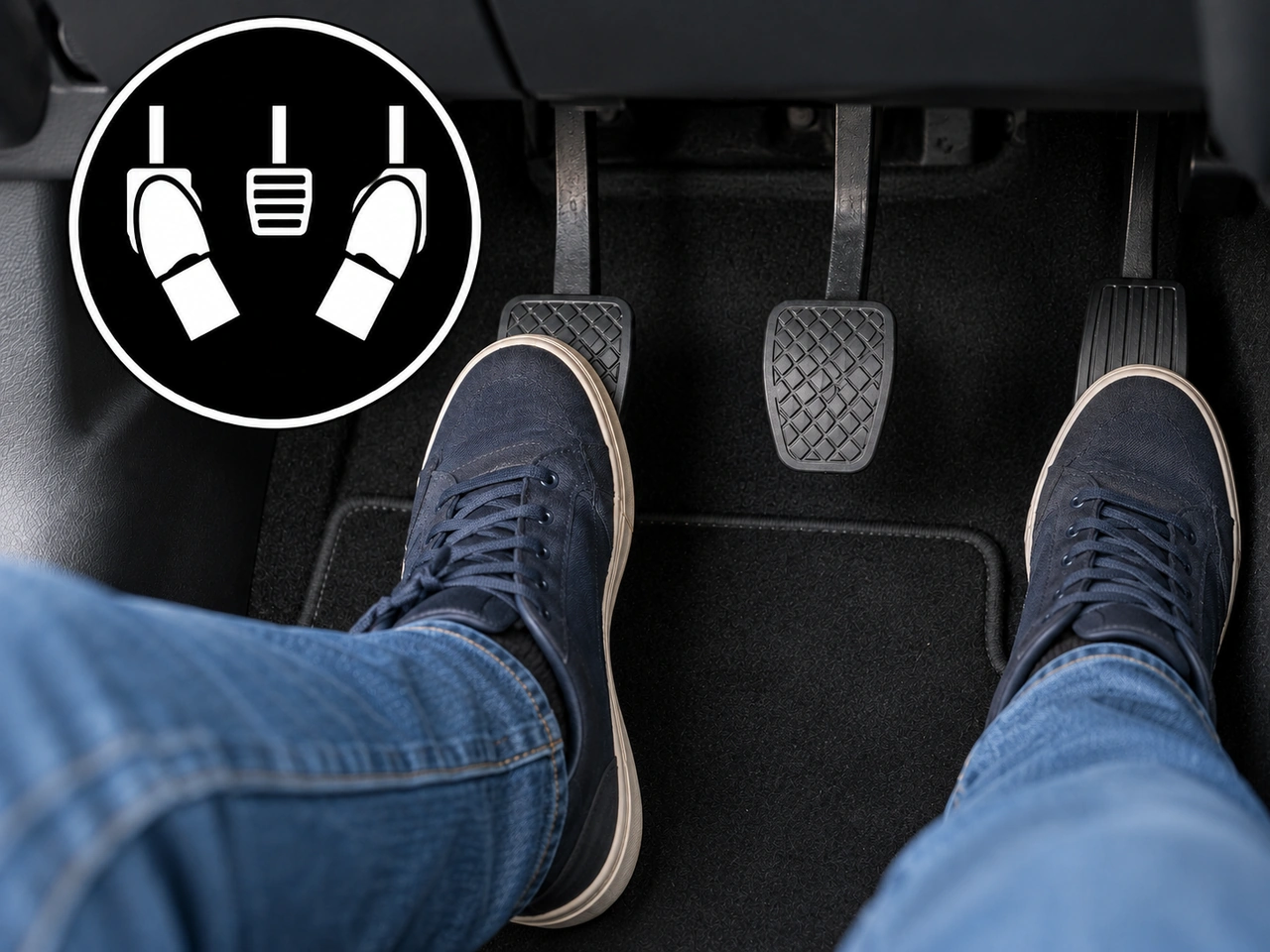
210. How should you use the clutch and accelerator when moving off?
When moving off, release the clutch pedal smoothly through the biting point while applying the accelerator progressively. This helps the vehicle move away smoothly without stalling or excessive engine speed.
AI-generated by Traffic-rules.com • WCIT • CC BY-SA
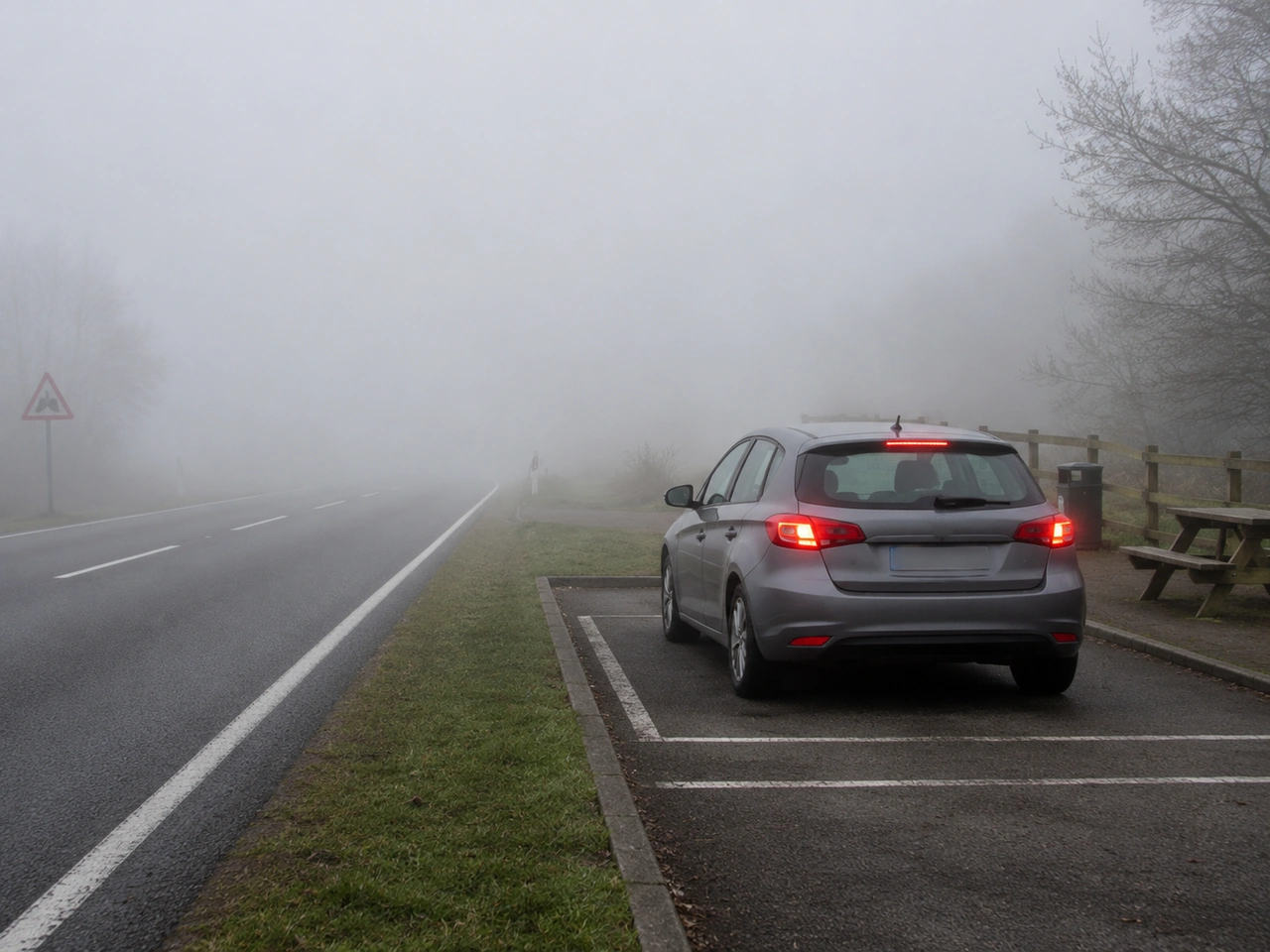
211. What should you do if fog becomes so thick that you cannot see safely?
If visibility becomes dangerously poor, find a safe place to stop rather than continuing without being able to see clearly.
AI-generated by Traffic-rules.com • WCIT • CC BY-SA
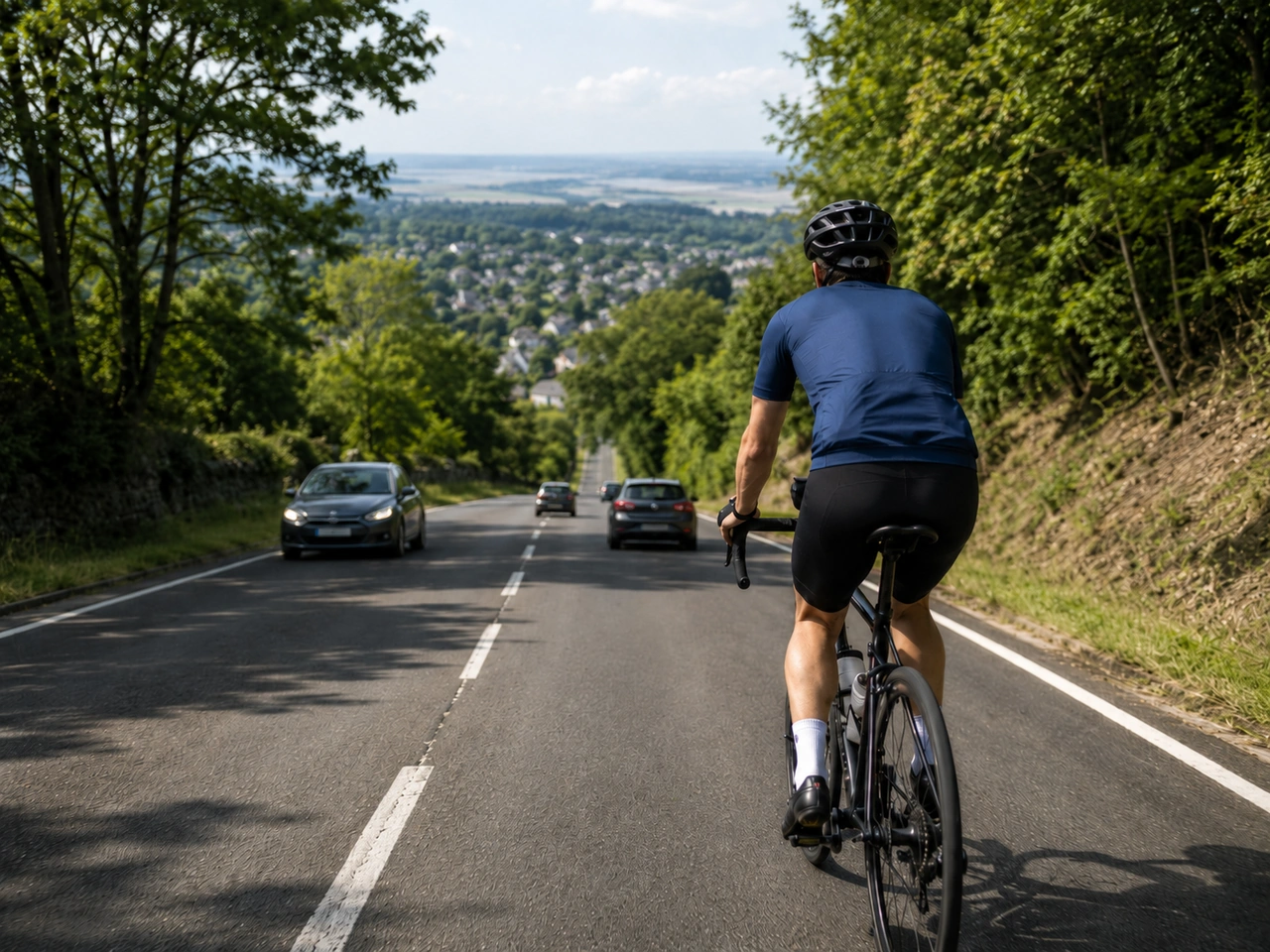
212. What should cyclists do when cycling downhill?
Higher speed increases stopping distance and reduces reaction time. Maintain a speed that allows you to stop safely.
AI-generated by Traffic-rules.com • WCIT • CC BY-SA
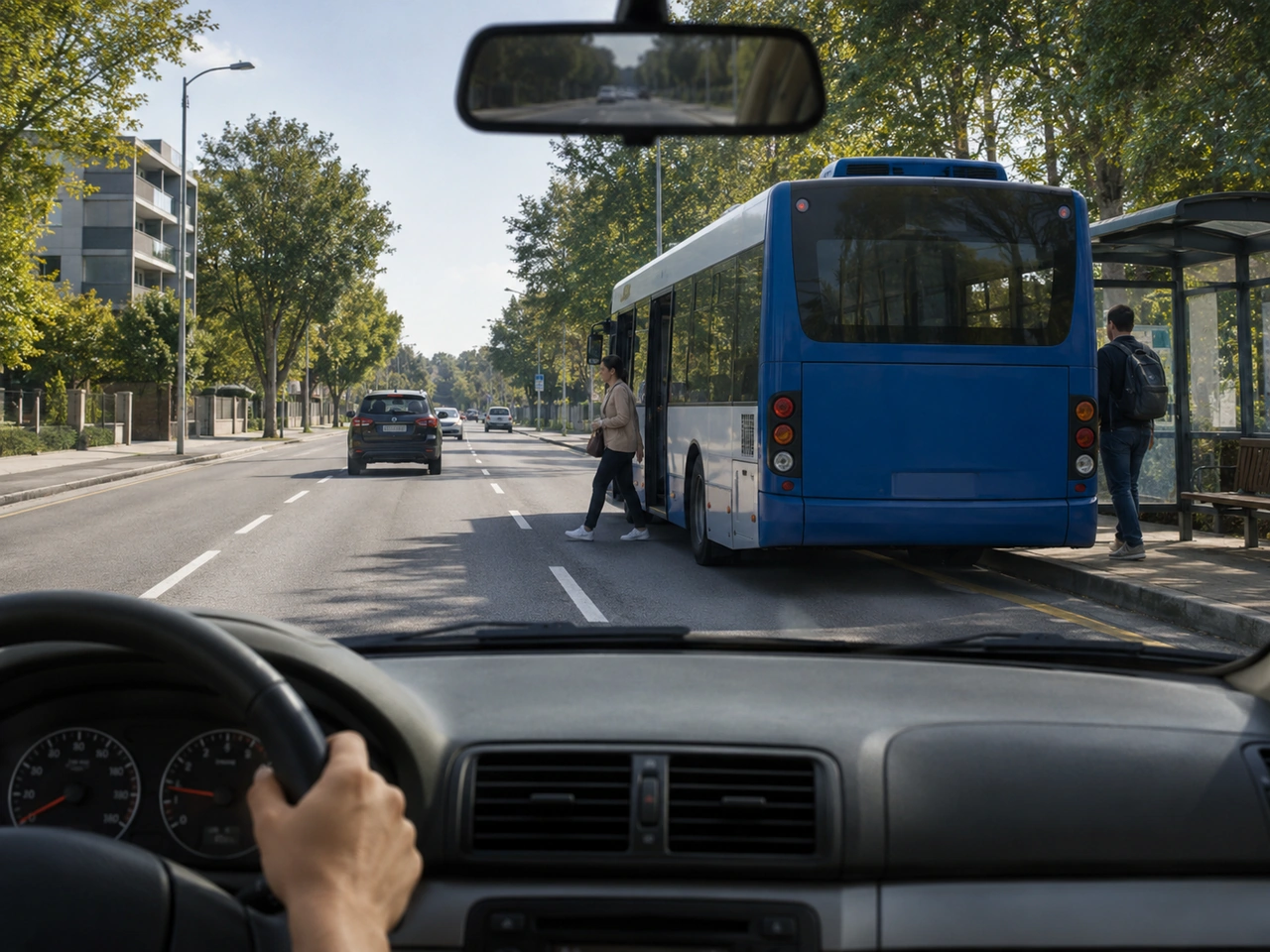
213. Why should you be careful when driving beside a bus at a stop?
Stopped buses can hide pedestrians, and passengers may cross unexpectedly. Slow down and be ready to react.
AI-generated by Traffic-rules.com • WCIT • CC BY-SA
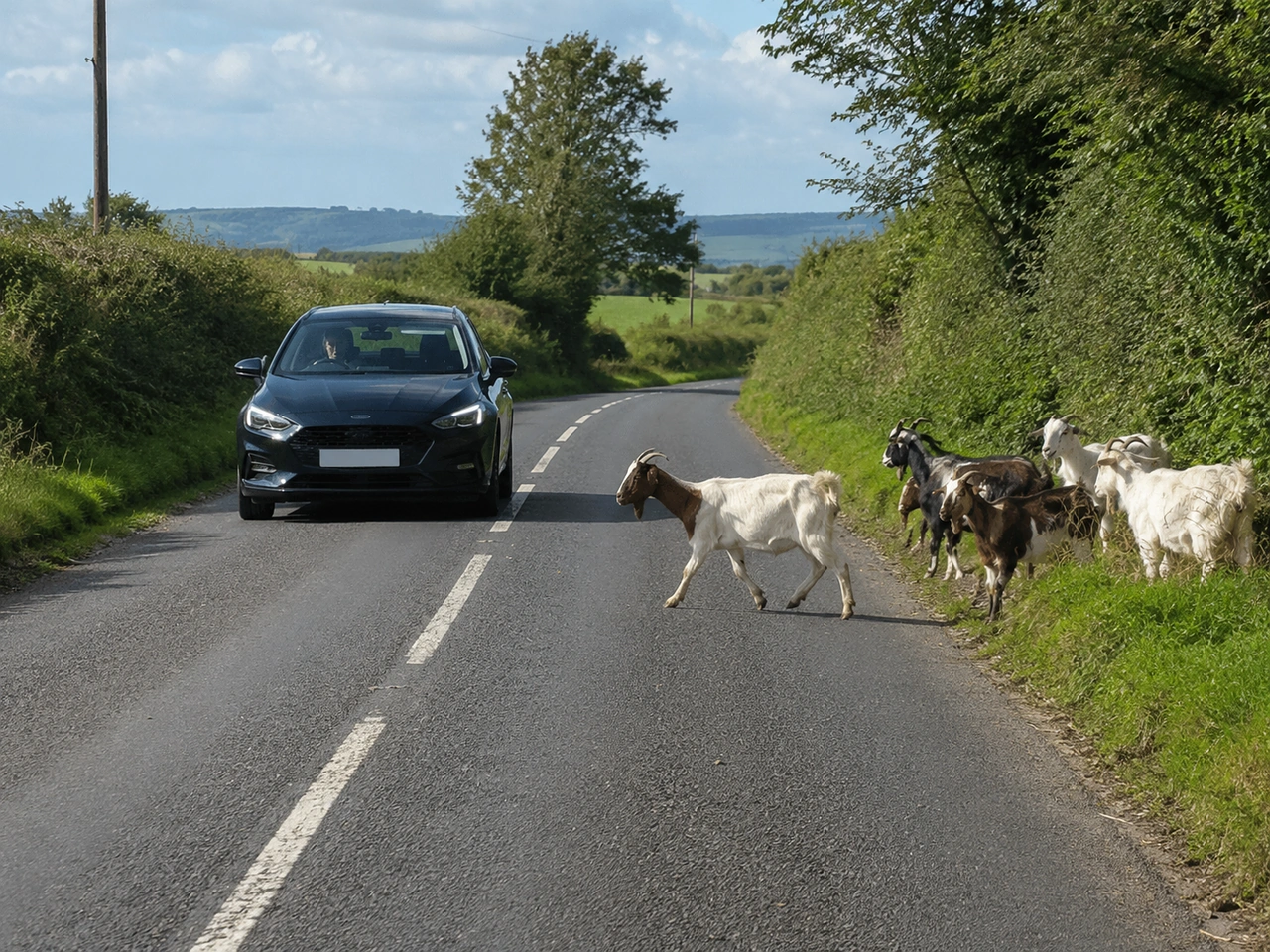
214. What should you do if animals are gathered beside a narrow rural road?
Animals beside a narrow road may step into your path. Slow down and leave as much safe space as possible.
AI-generated by Traffic-rules.com • WCIT • CC BY-SA
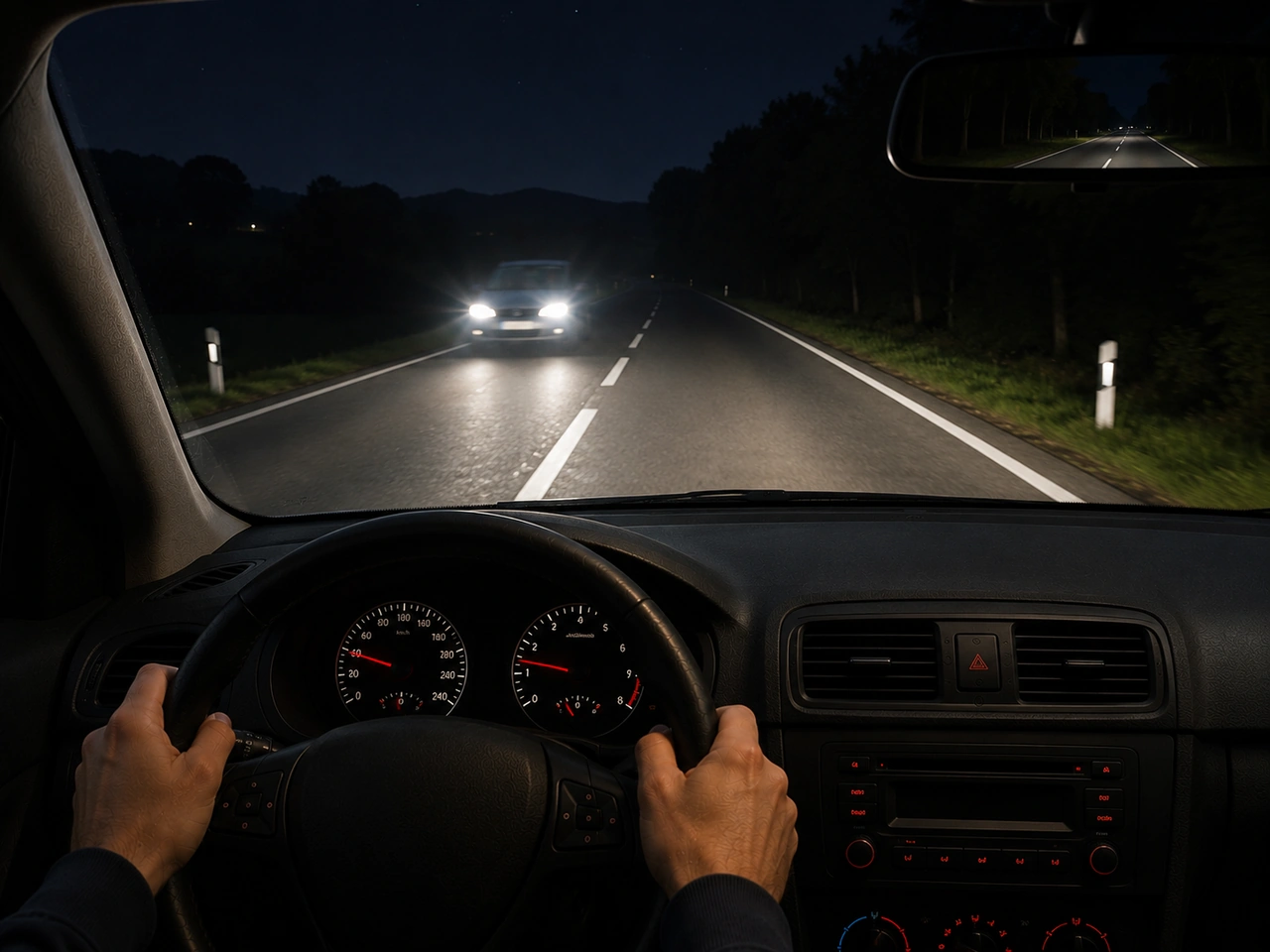
215. What should you do if oncoming headlights dazzle you at night?
Bright headlights can reduce your vision. Avoid staring at them, slow down if needed, and use the road edge or lane markings to guide you safely.
AI-generated by Traffic-rules.com • WCIT • CC BY-SA
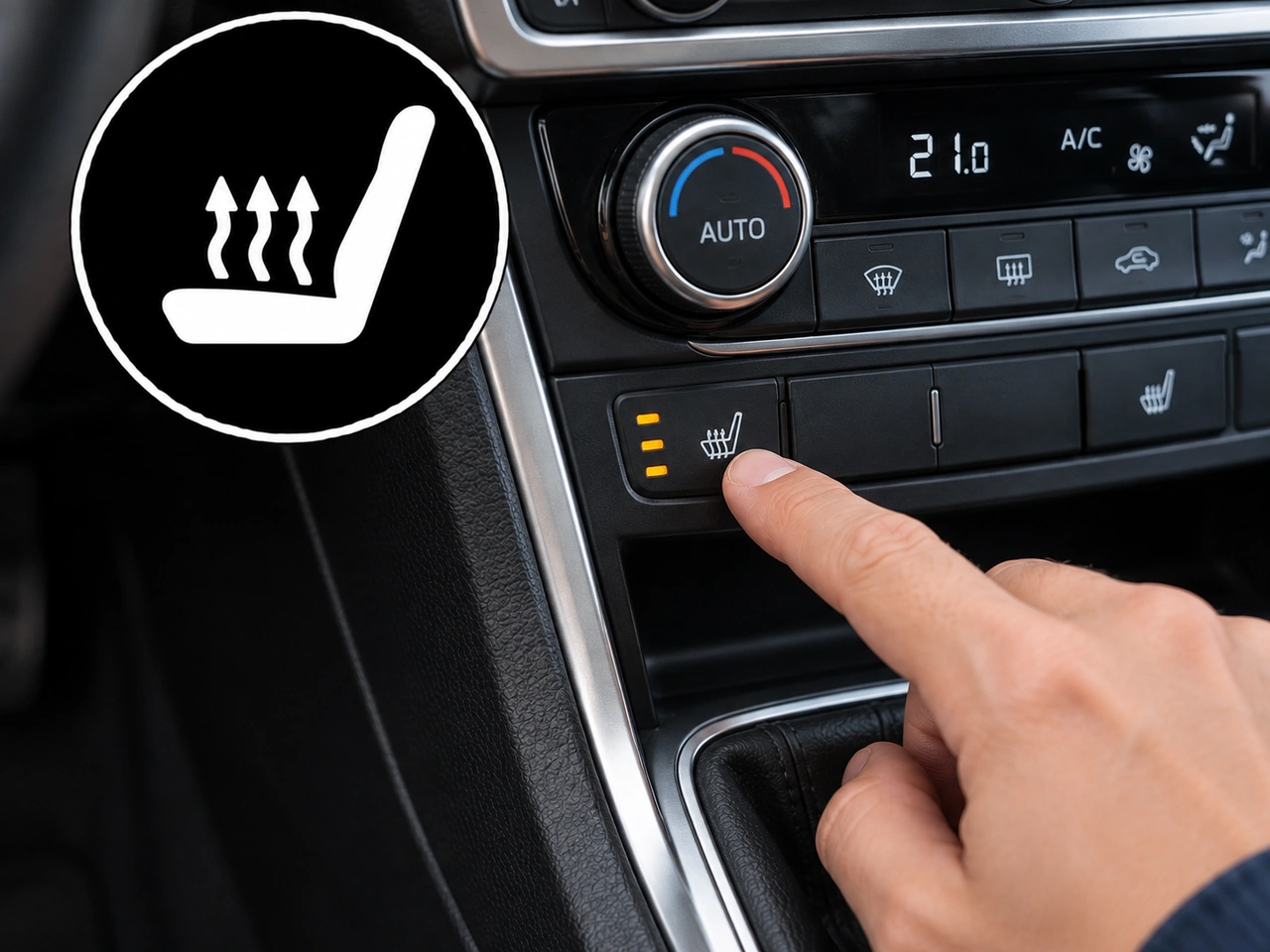
216. What does this vehicle-control symbol indicate?
This control activates the seat heating, which warms the seat cushion and, on many vehicles, the backrest. Several heat levels may be available.
AI-generated by Traffic-rules.com • WCIT • CC BY-SA
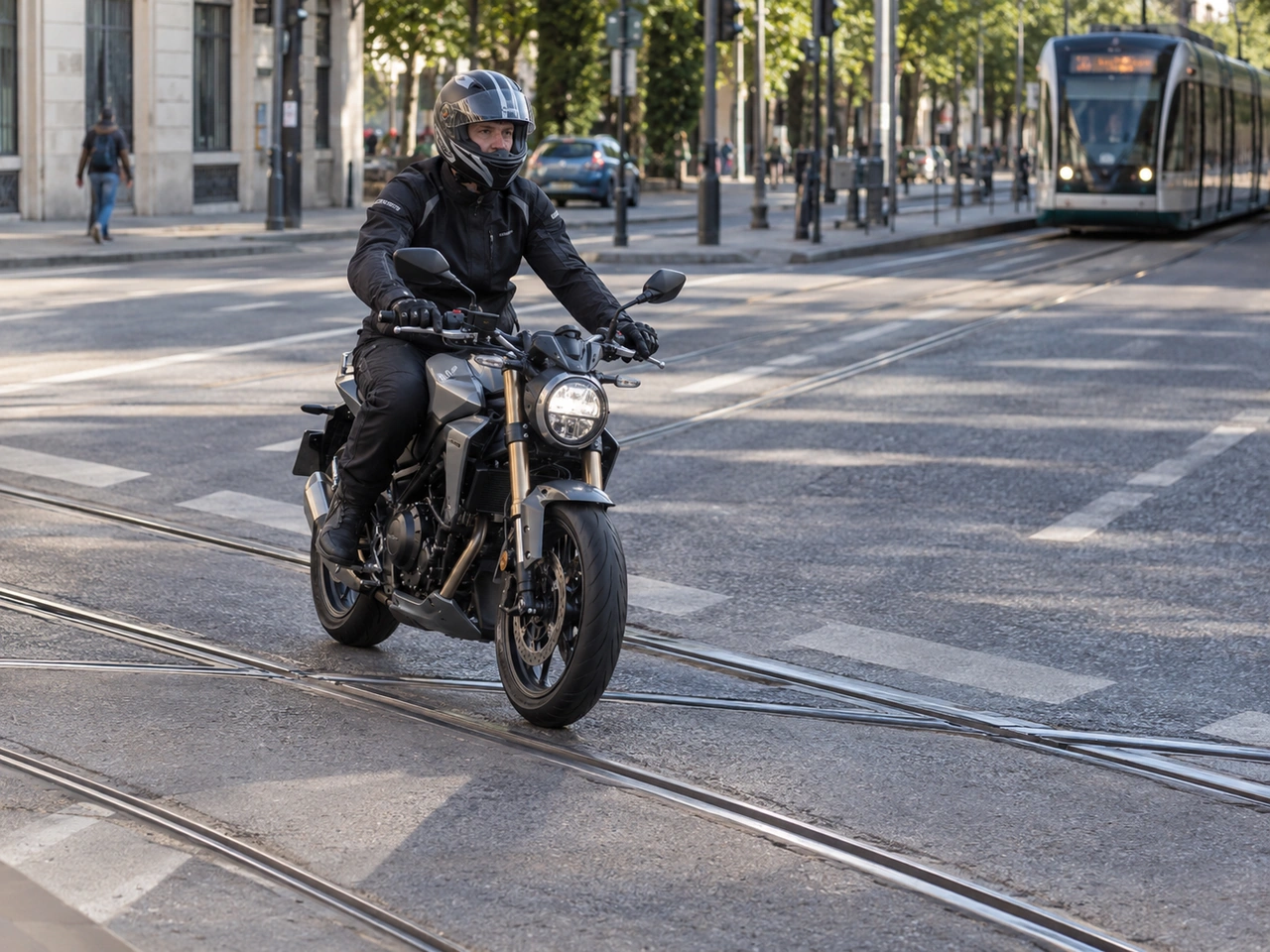
217. How should a motorcyclist cross tram or railway rails?
Rails can be slippery and can catch a motorcycle tyre, especially when wet. Cross them at a sufficiently large angle, as close to perpendicular as practical, and avoid sudden braking, acceleration or steering while crossing.
AI-generated by Traffic-rules.com • WCIT • CC BY-SA
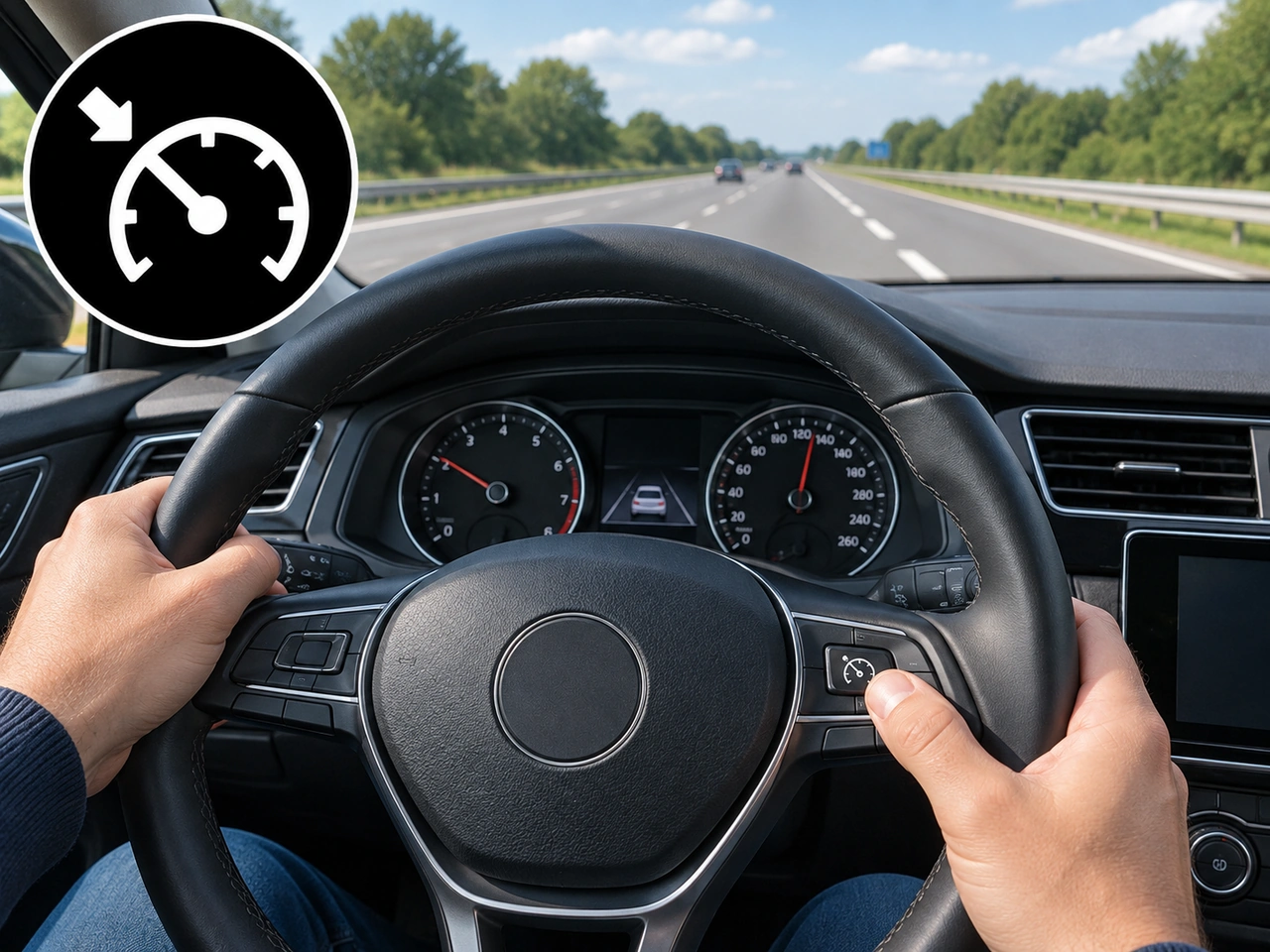
218. What is the purpose of cruise control?
Cruise control can maintain a selected speed without the driver continuously pressing the accelerator. The driver must remain attentive and ready to brake or take control when necessary.
AI-generated by Traffic-rules.com • WCIT • CC BY-SA
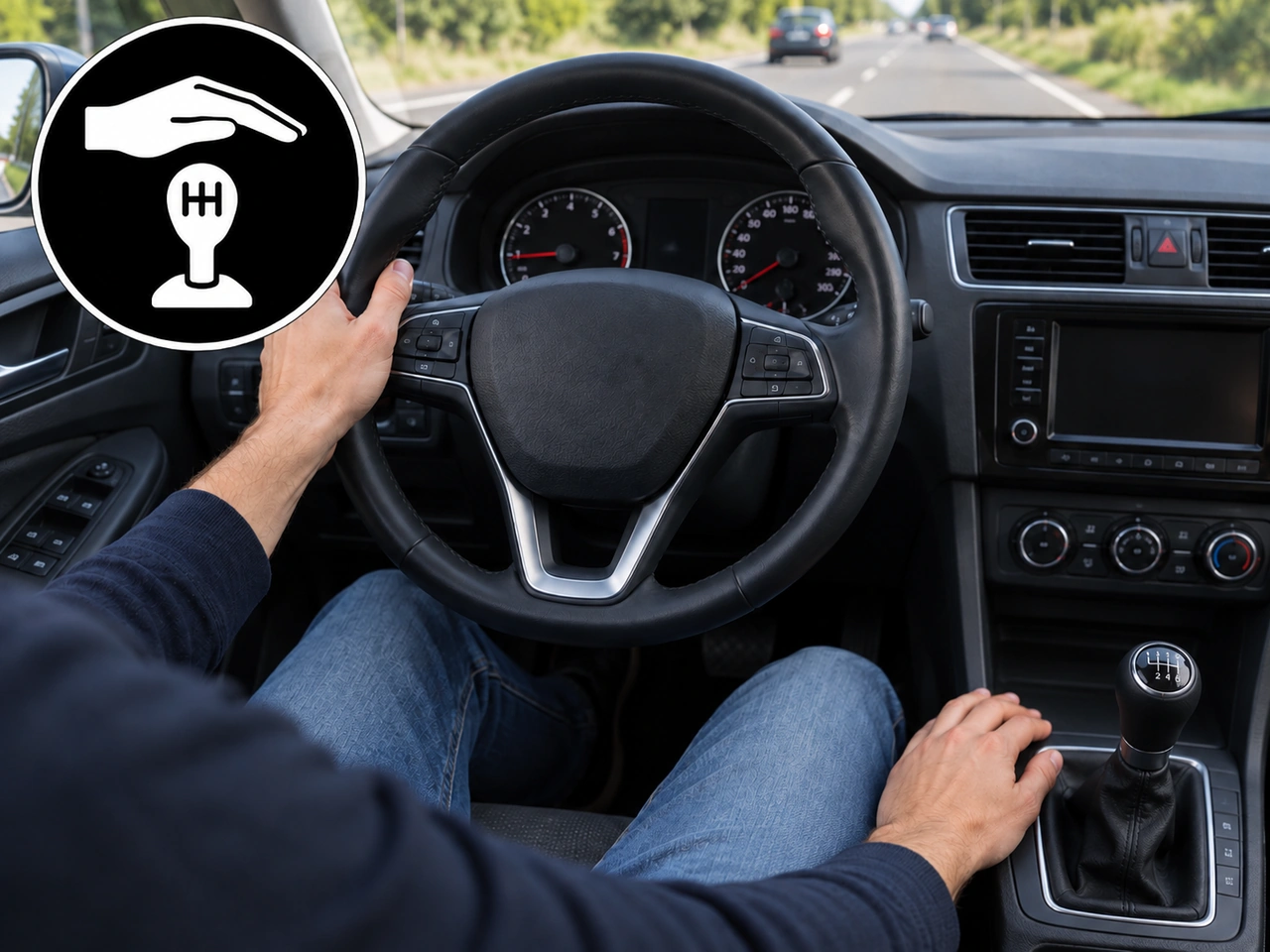
219. Why should you avoid resting your hand on the gear lever while driving?
Resting your hand on the gear lever can place unnecessary pressure on parts of the gear-selection mechanism and contribute to wear. Keep both hands on the steering wheel when you are not changing gear.
AI-generated by Traffic-rules.com • WCIT • CC BY-SA
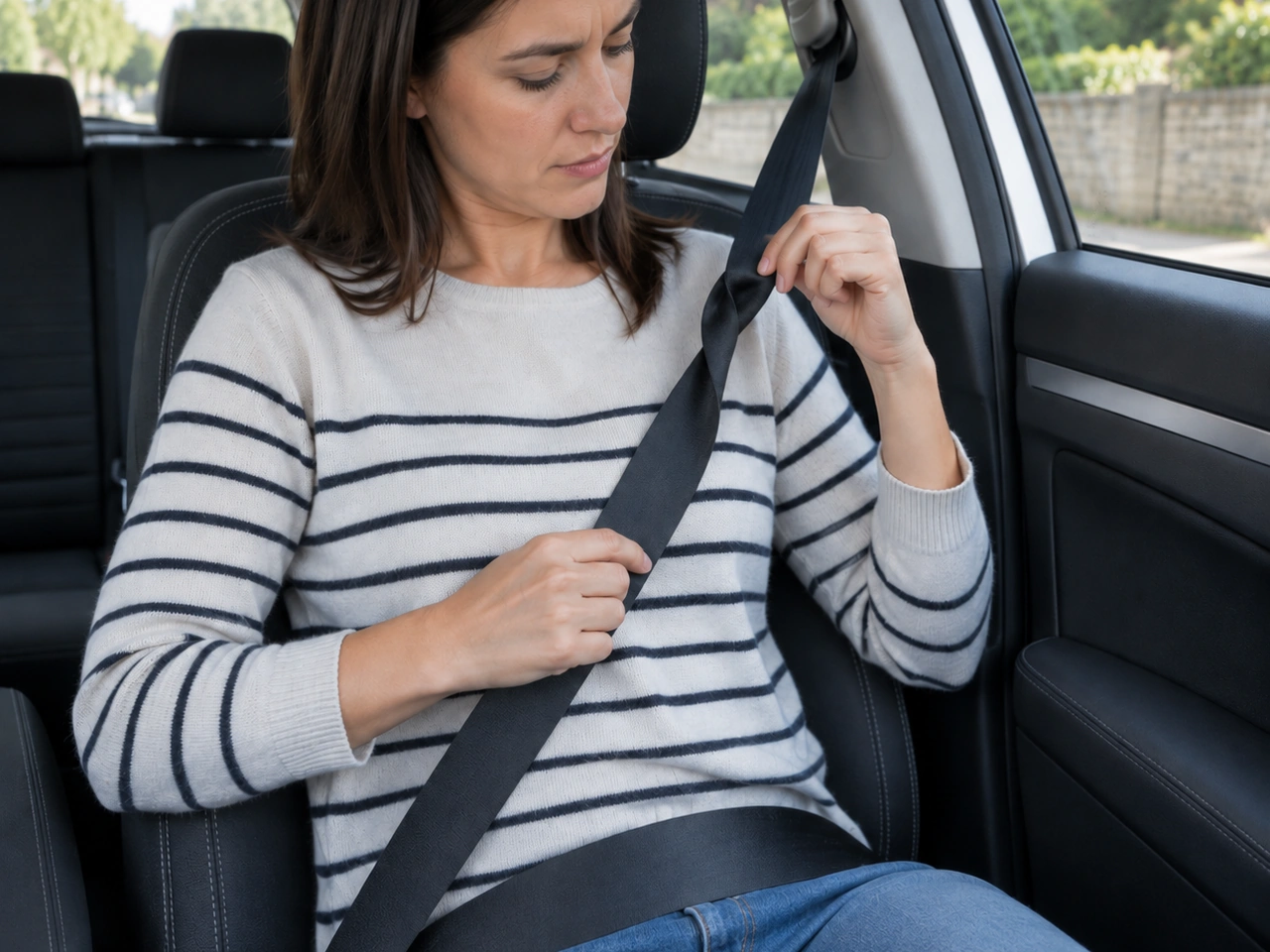
220. Why should a seat belt not be twisted when worn?
A seat belt should lie flat against the body without twists. A twisted belt concentrates force over a smaller area and may provide less effective protection in a collision.
AI-generated by Traffic-rules.com • WCIT • CC BY-SA
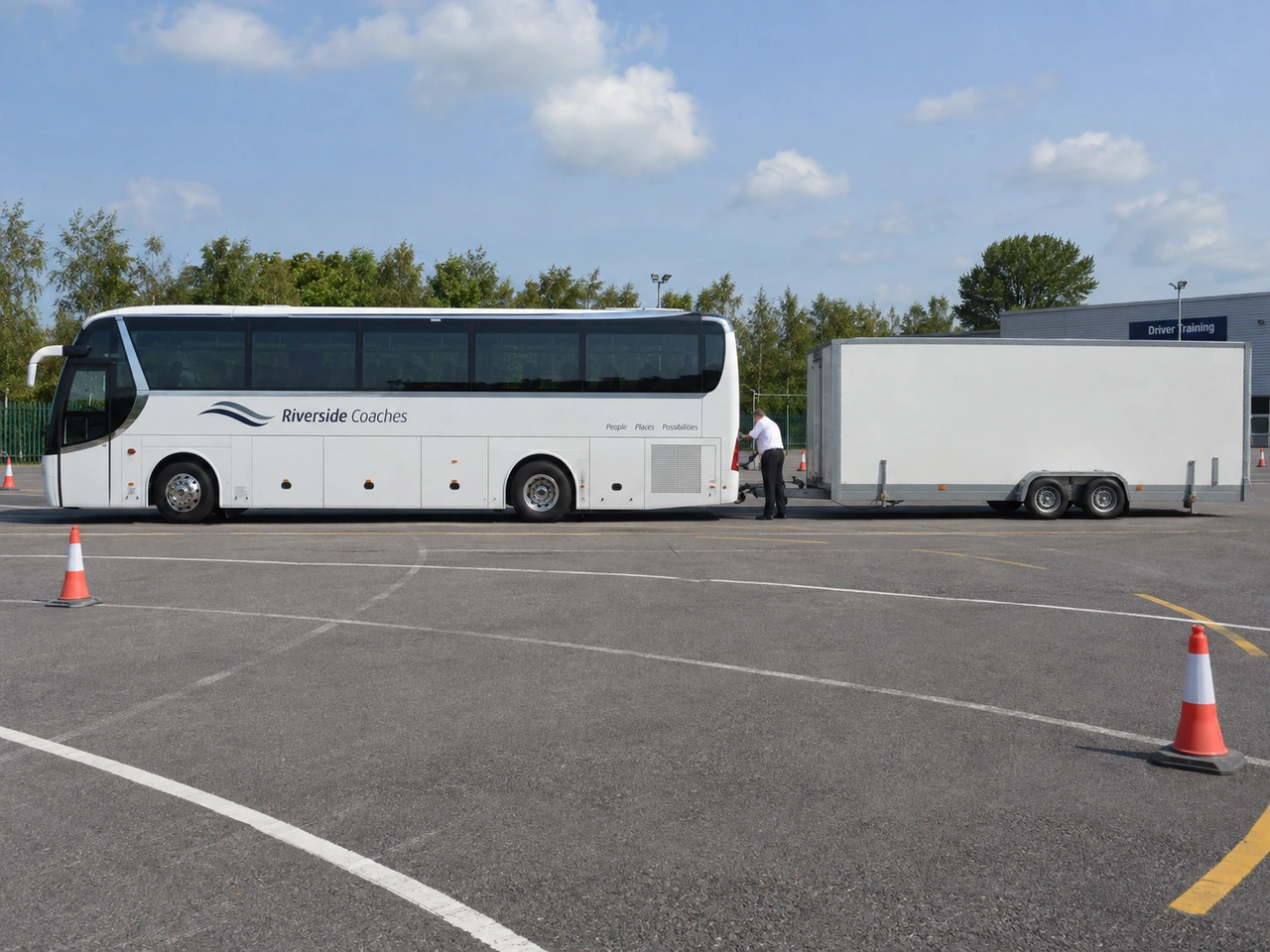
221. What is the minimum licence for a D bus towing a trailer over 750 kg?
Category D permits a trailer with a maximum authorised mass of up to 750 kg. A category D vehicle towing a trailer above 750 kg requires category DE.
AI-generated by Traffic-rules.com • WCIT • CC BY-SA
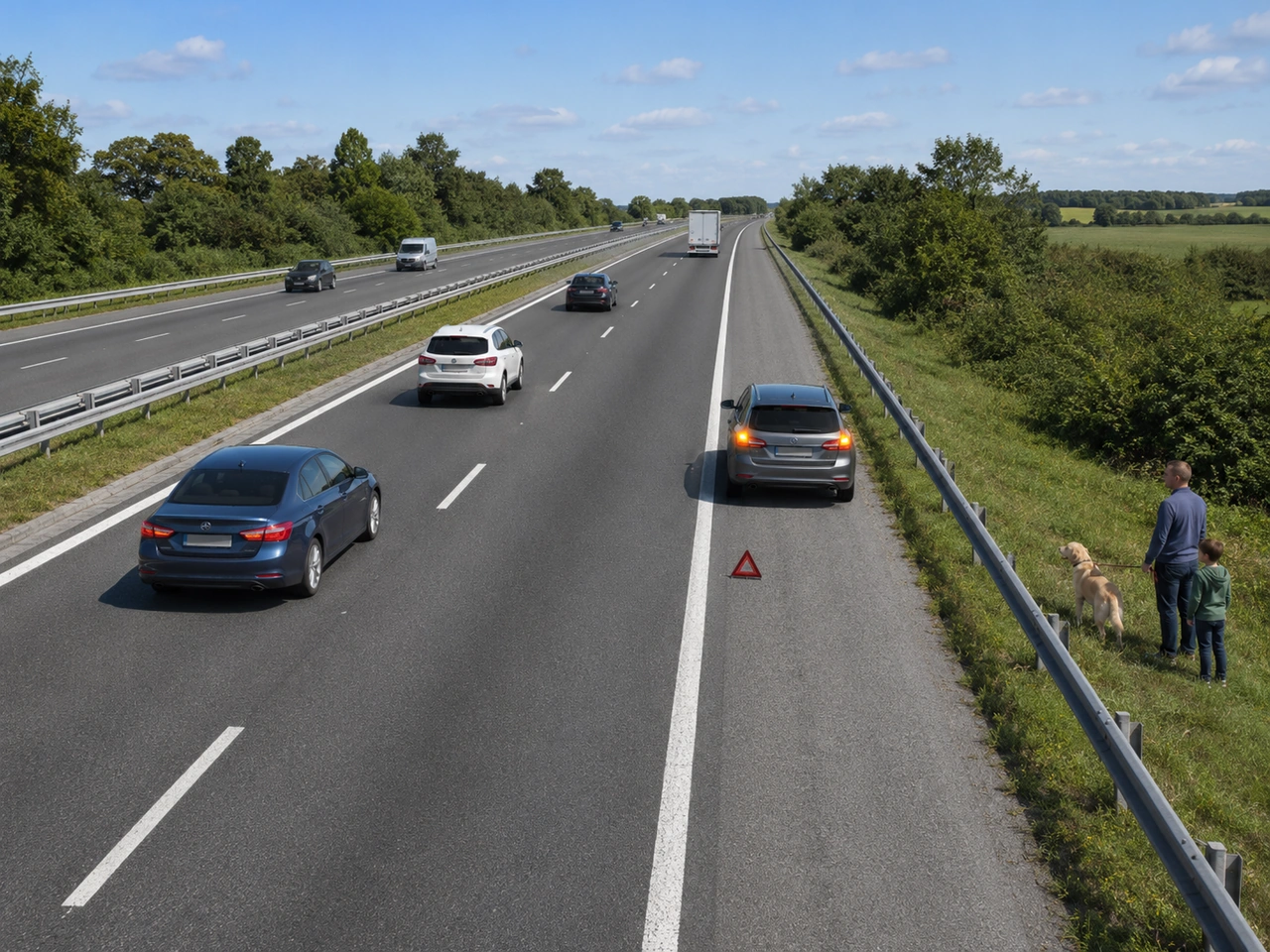
222. Where should passengers wait after safely leaving a broken-down vehicle?
Move passengers, children, and pets away from the carriageway. On high-speed roads, wait behind a safety barrier where possible.
AI-generated by Traffic-rules.com • WCIT • CC BY-SA
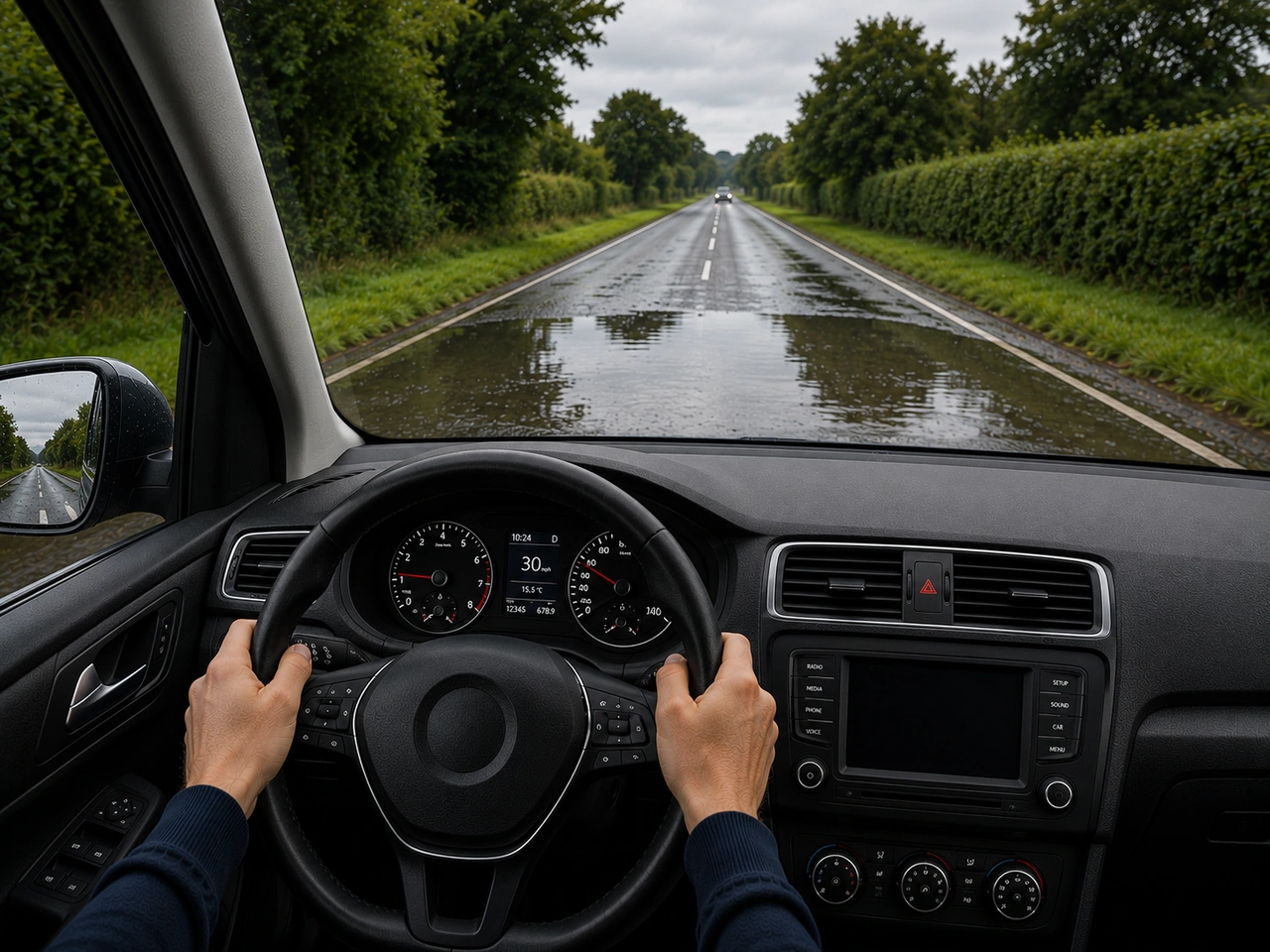
223. What should you do before driving through a puddle?
Large puddles can hide holes, reduce grip, or cause water to splash onto pedestrians or other vehicles. Slow down and proceed carefully.
AI-generated by Traffic-rules.com • WCIT • CC BY-SA
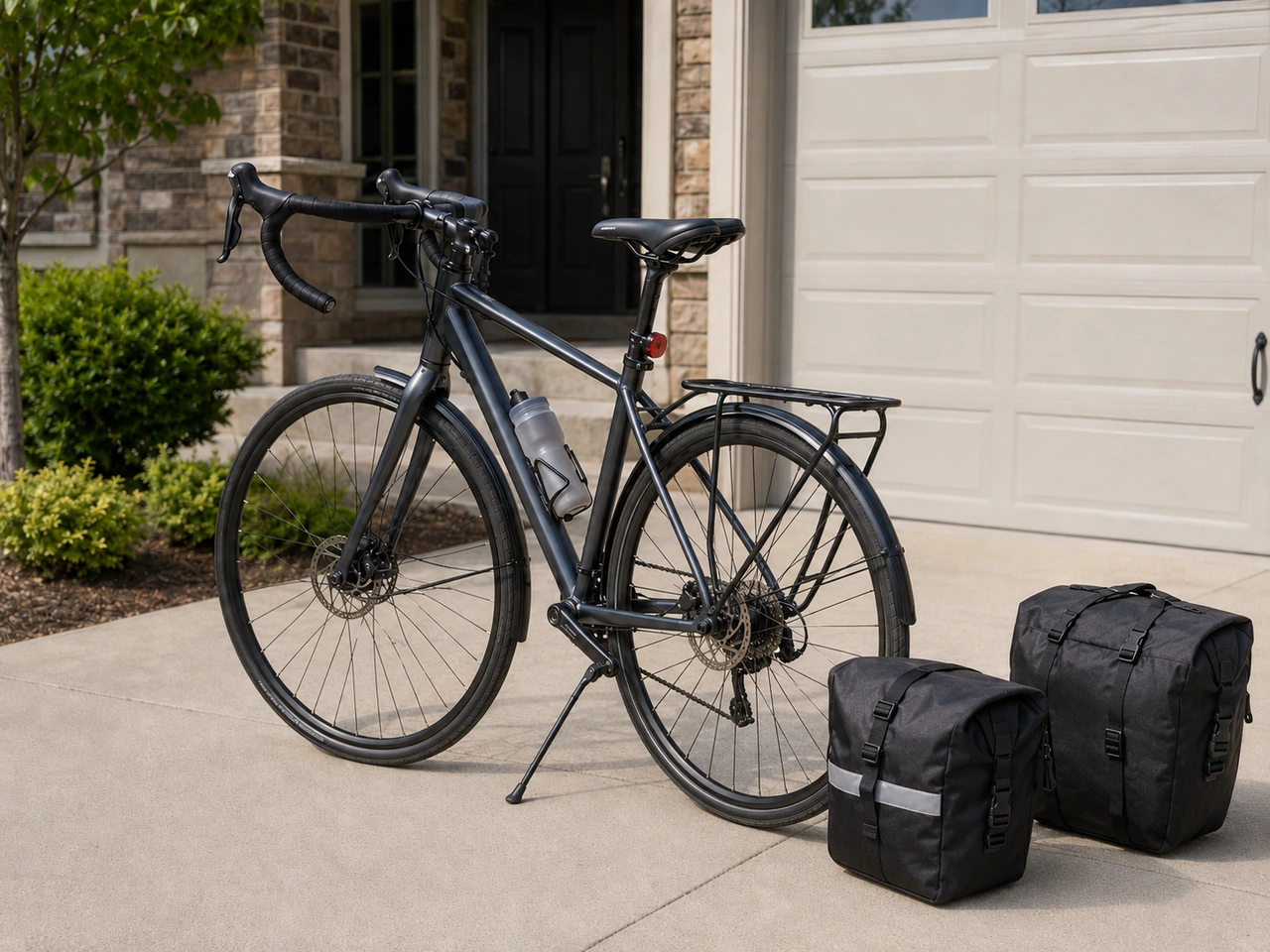
224. How should luggage be carried on a bicycle?
Loose or badly positioned luggage can interfere with control, become caught in the wheels, or hide bicycle lights.
AI-generated by Traffic-rules.com • WCIT • CC BY-SA
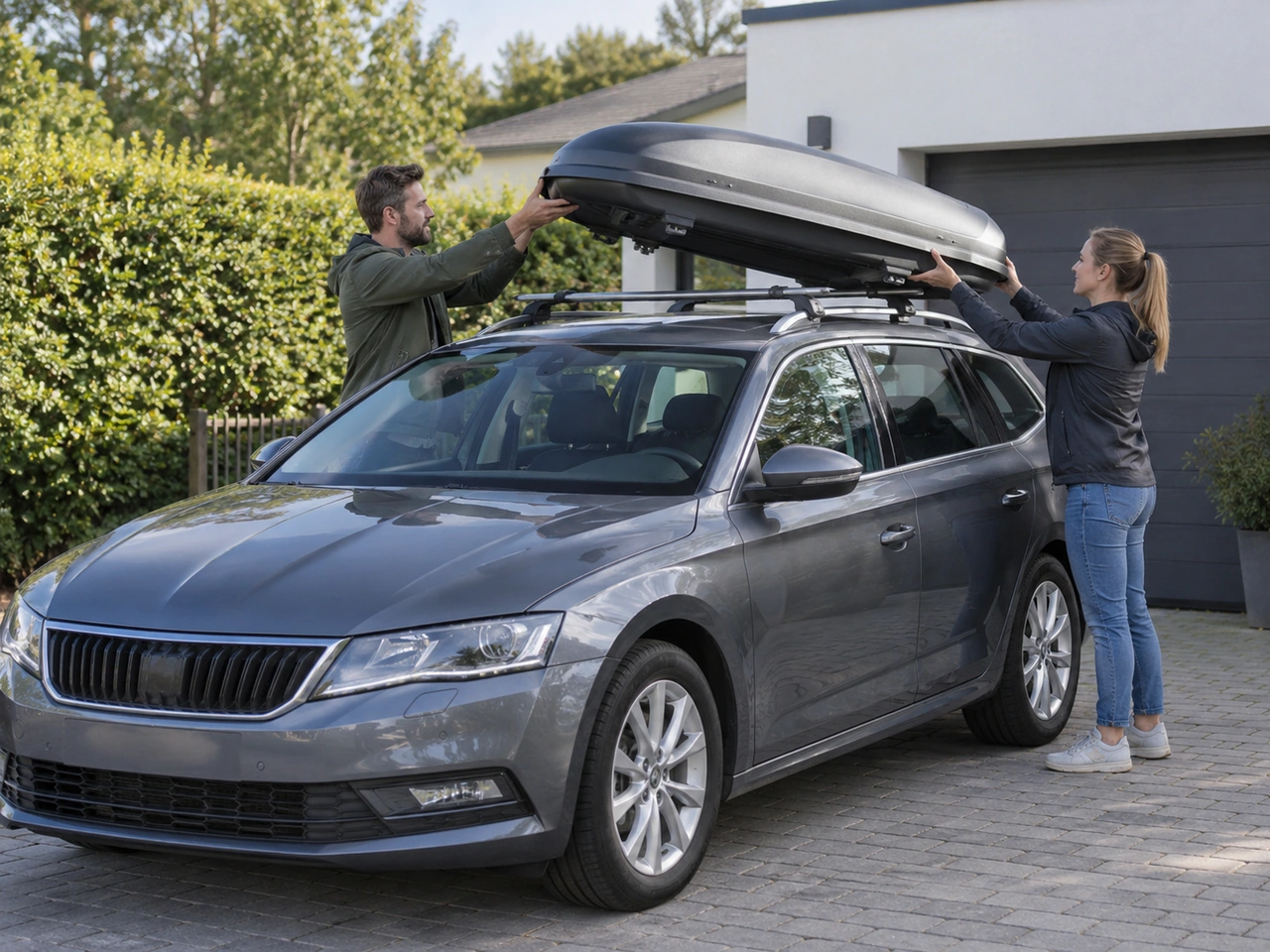
225. Why should an unused roof rack or roof box be removed?
An unused roof rack or roof box increases aerodynamic drag, particularly at higher speeds. Removing it when it is not needed can reduce fuel or energy consumption.
AI-generated by Traffic-rules.com • WCIT • CC BY-SA
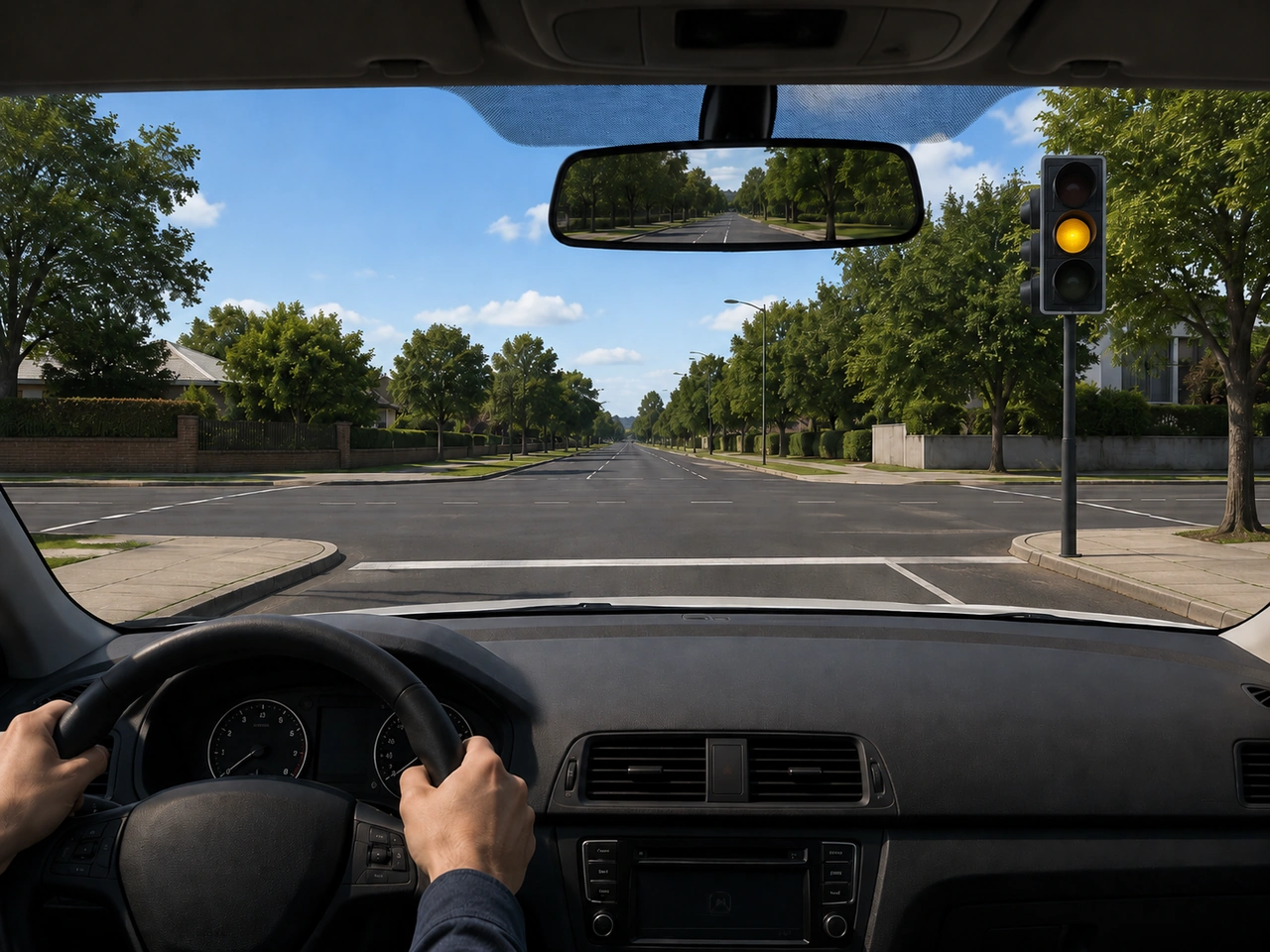
226. You may drive through an amber light without slowing down.
An amber light means you should stop if you can do so safely. If you are too close to stop safely, continue through the junction with caution.
AI-generated by Traffic-rules.com • WCIT • CC BY-SA
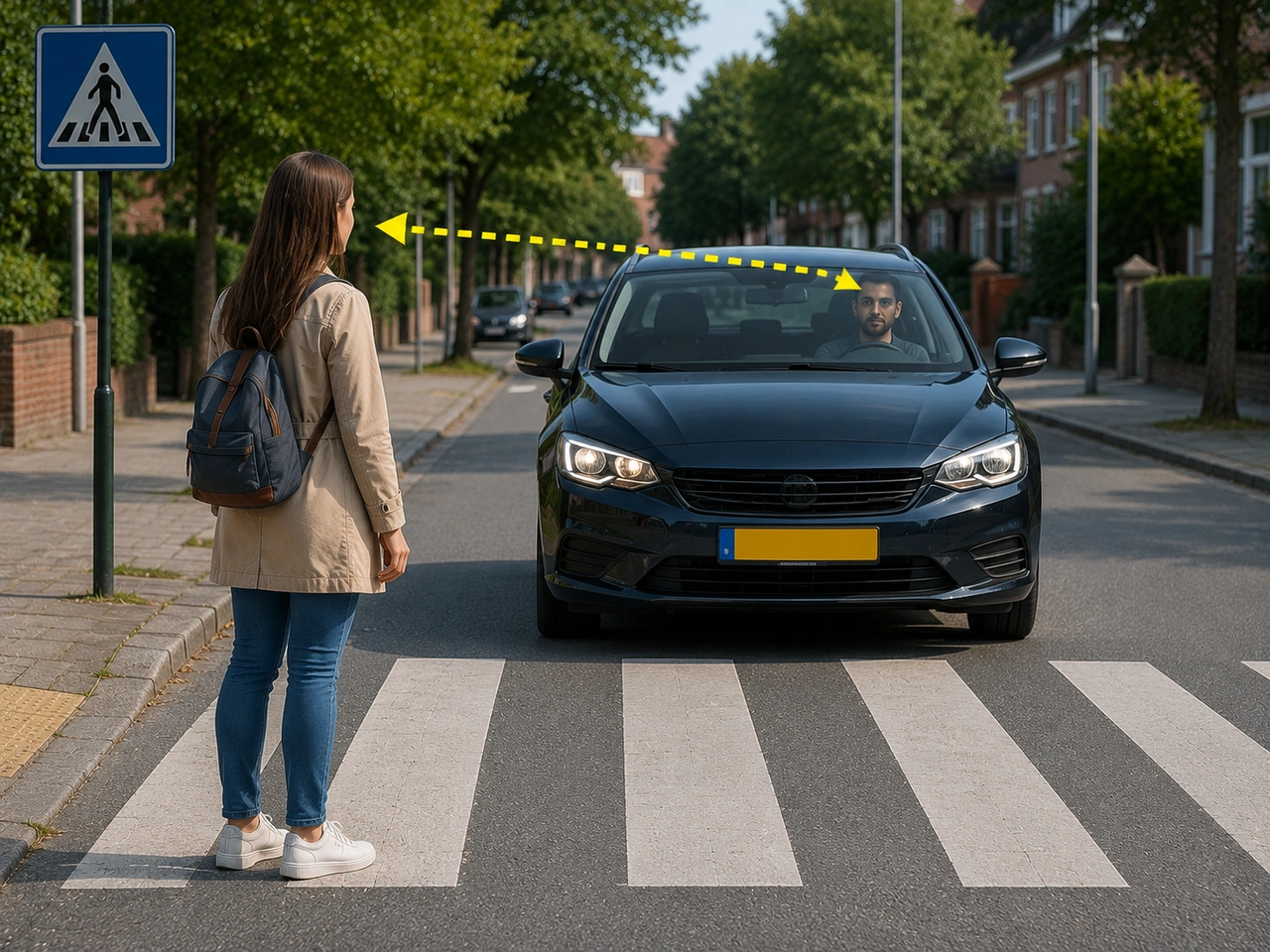
227. Why should you make sure drivers have seen you before crossing?
Before crossing, make sure approaching drivers have noticed you and that it is safe to proceed. Do not assume that a driver will stop simply because you have seen each other.
AI-generated by Traffic-rules.com • WCIT • CC BY-SA
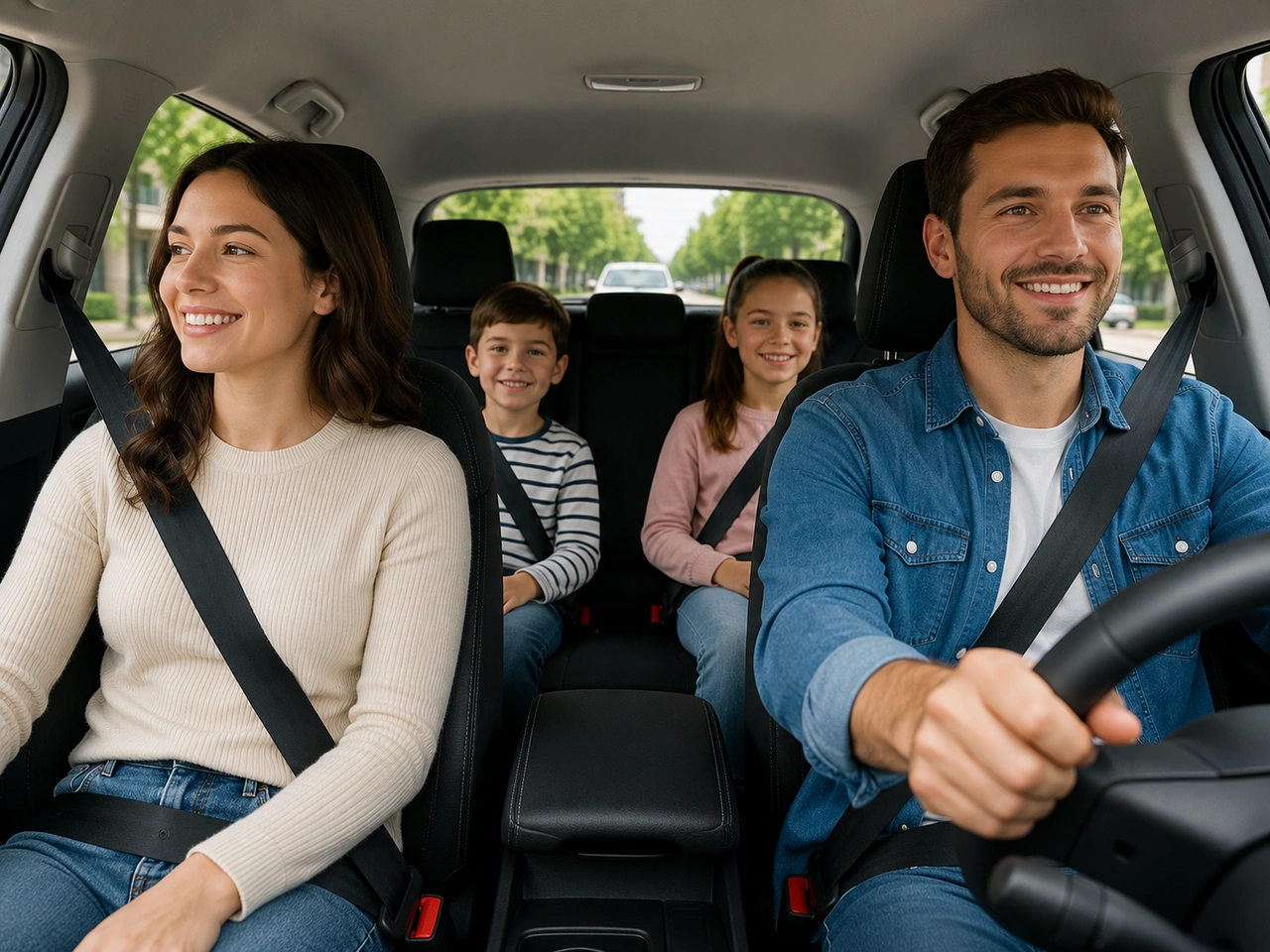
228. Who should always wear a seat belt?
Seat belts greatly reduce the risk of serious injury in a crash and should be worn by everyone in the vehicle.
AI-generated by Traffic-rules.com • WCIT • CC BY-SA
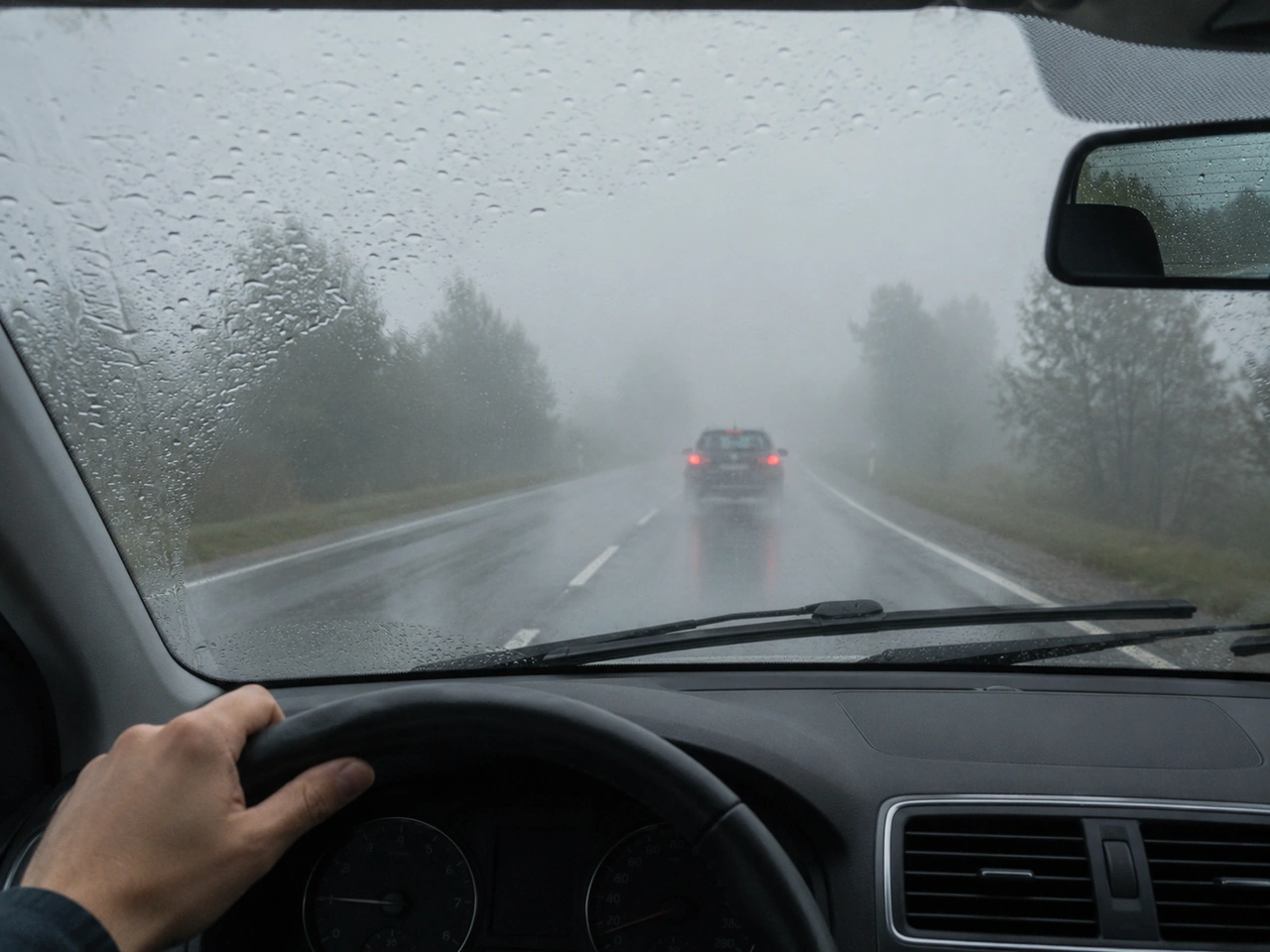
229. Why should you adjust your speed in bad weather?
Rain, snow, fog, and ice can reduce visibility and tyre grip. Lower speed gives you more time and distance to react and stop safely.
AI-generated by Traffic-rules.com • WCIT • CC BY-SA
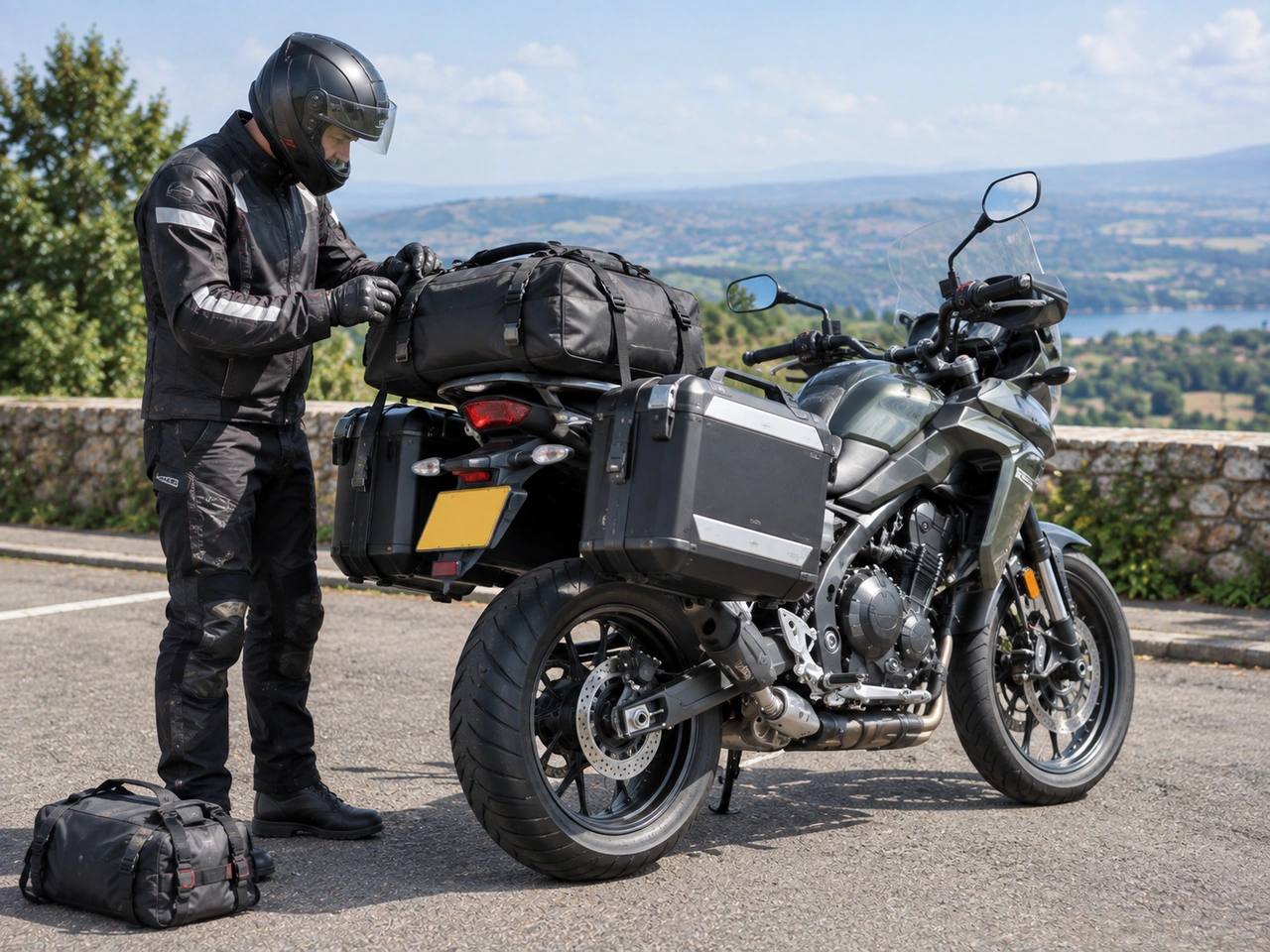
230. How should luggage be carried on a motorcycle?
Motorcycle luggage should be securely fastened and sensibly distributed. A loose, uneven or badly positioned load can affect balance, steering and braking, or become caught in moving parts.
AI-generated by Traffic-rules.com • WCIT • CC BY-SA
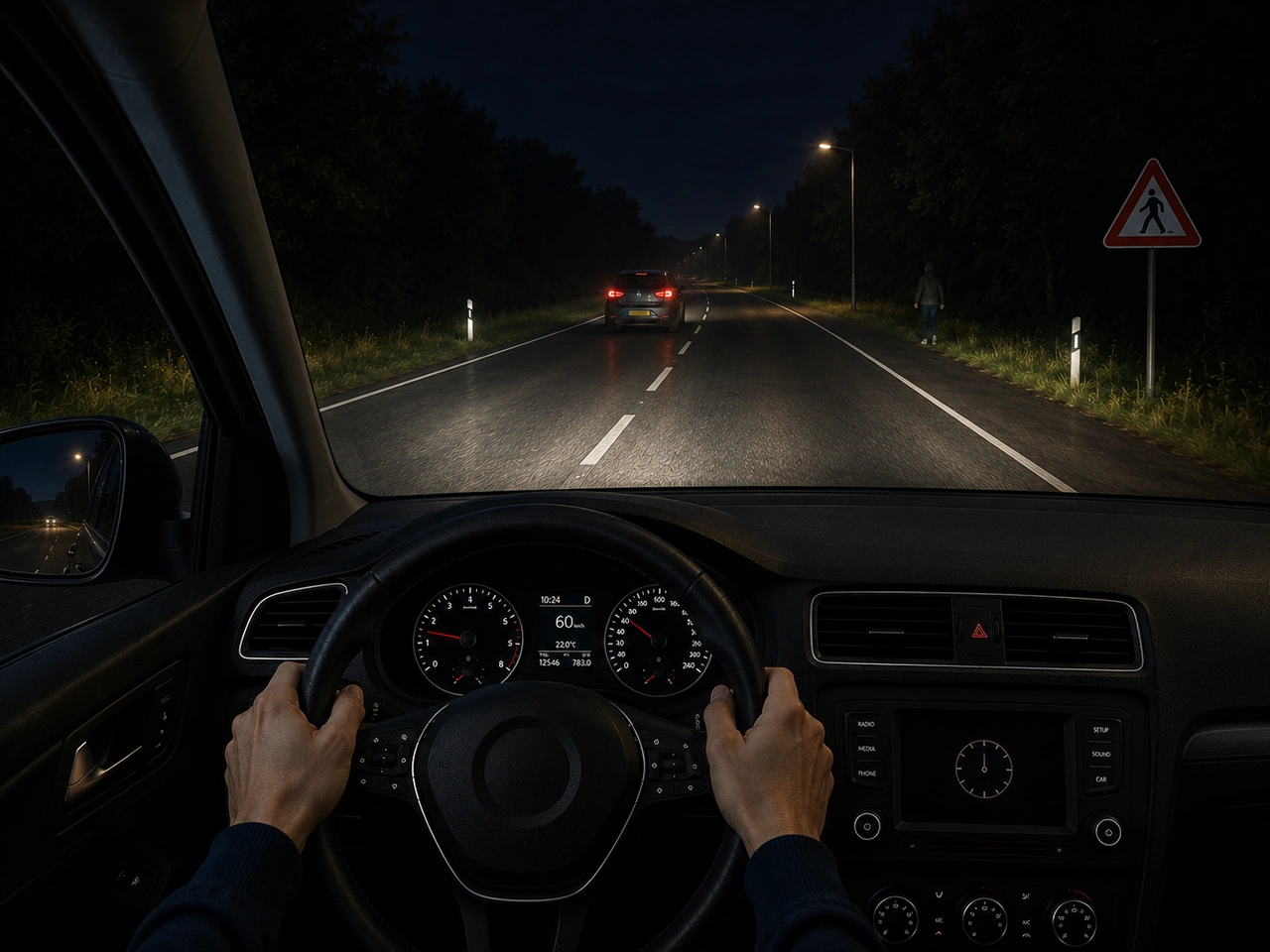
231. Why should you be extra careful at night?
At night, it is harder to see pedestrians, cyclists, road markings, and hazards. Reduce speed and use the correct lights.
AI-generated by Traffic-rules.com • WCIT • CC BY-SA
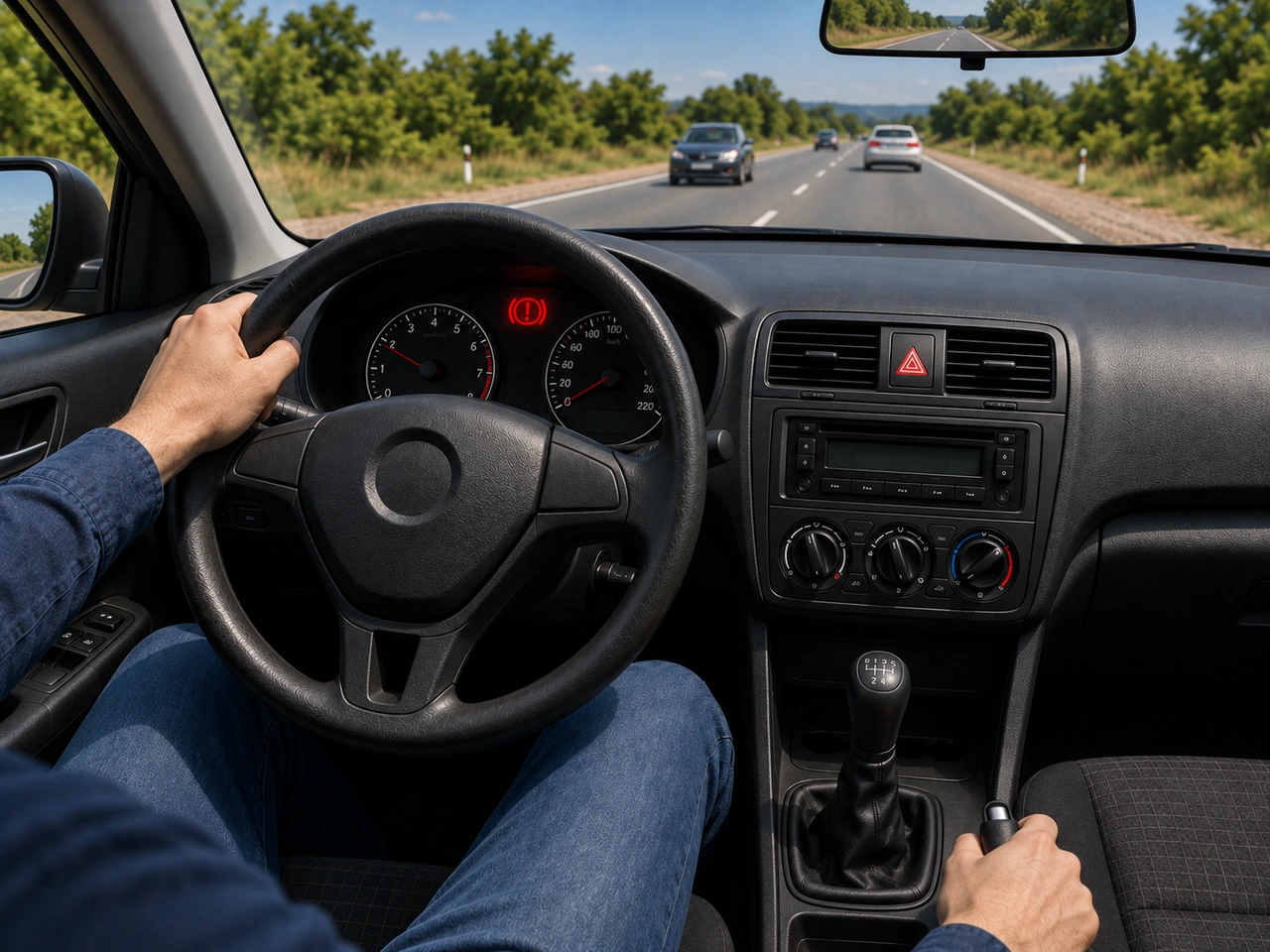
232. What should you do if the service brakes fail while driving?
Remain calm, warn other road users, and use other available braking methods to reduce speed. This may include engine braking or a lower gear, and careful use of the parking or emergency brake according to the vehicle's design. Steer toward the safest available stopping area.
AI-generated by Traffic-rules.com • WCIT • CC BY-SA
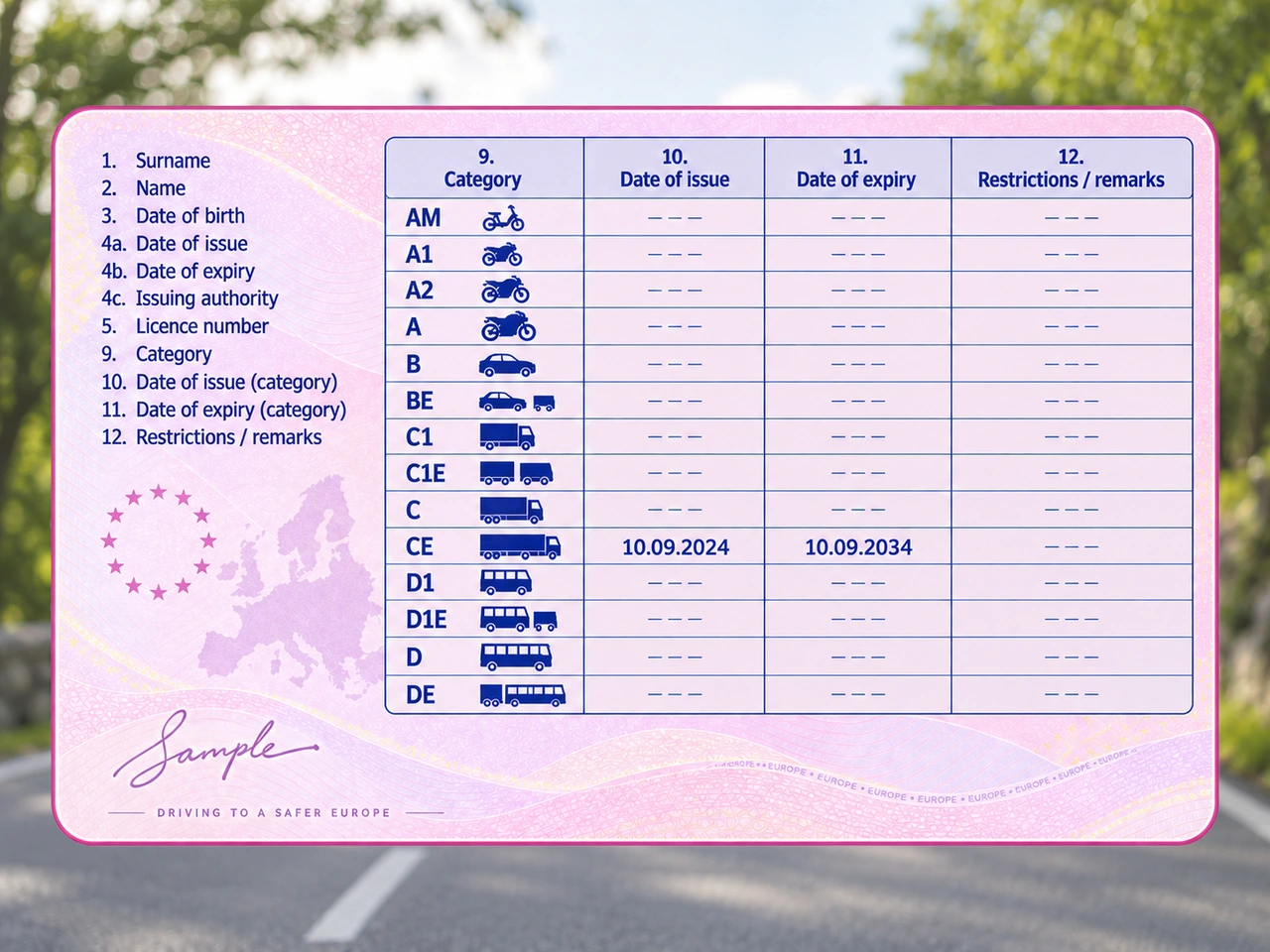
233. Which vehicle combination is covered by driving licence CE?
Category CE covers combinations consisting of a category C towing vehicle and a trailer or semi-trailer with a maximum authorised mass above 750 kg.
AI-generated by Traffic-rules.com • WCIT • CC BY-SA
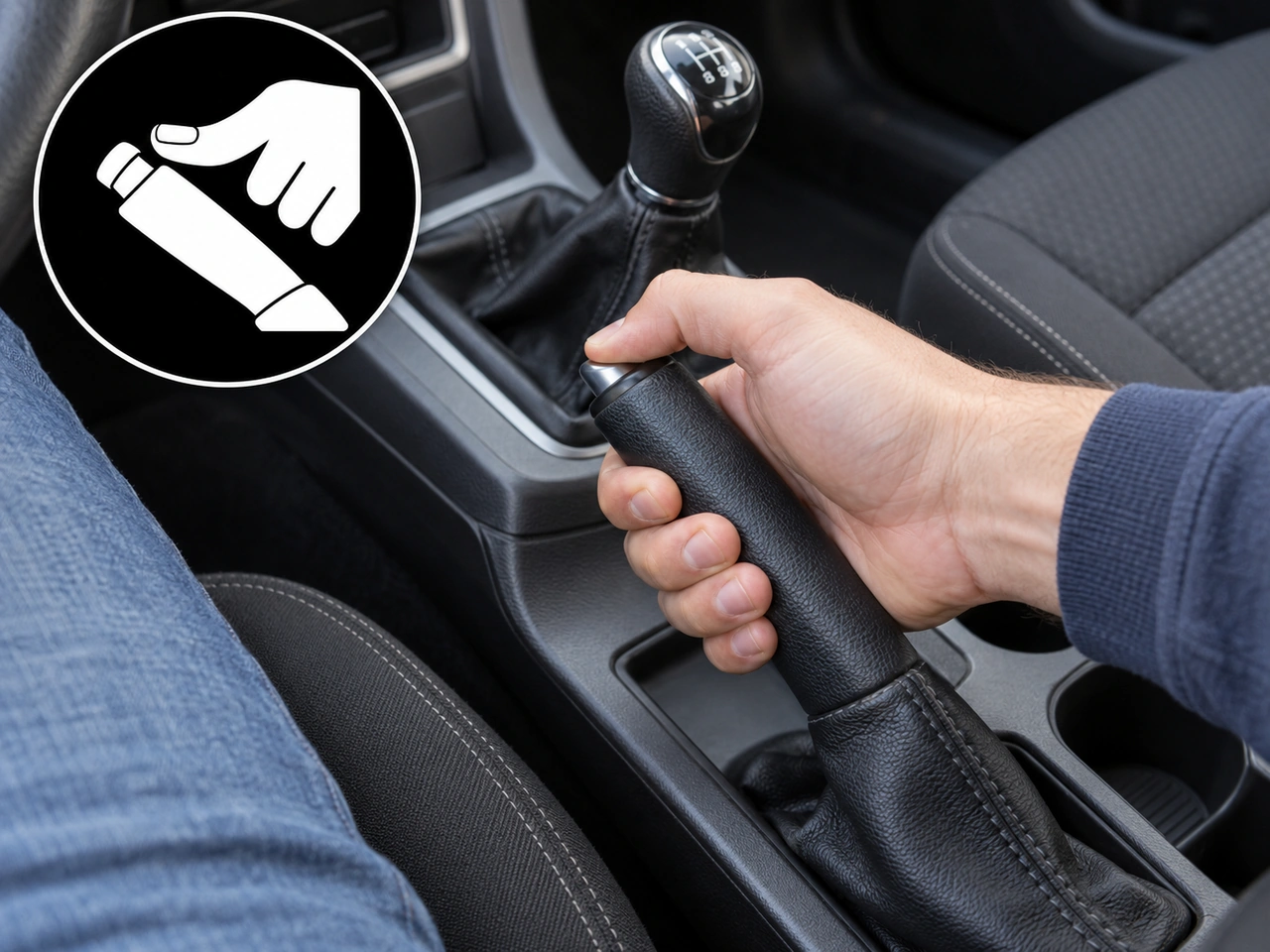
234. What is the button on a manual handbrake lever used for?
To release a manual handbrake, pull the lever up slightly, press and hold the release button, then lower the lever under control.
AI-generated by Traffic-rules.com • WCIT • CC BY-SA
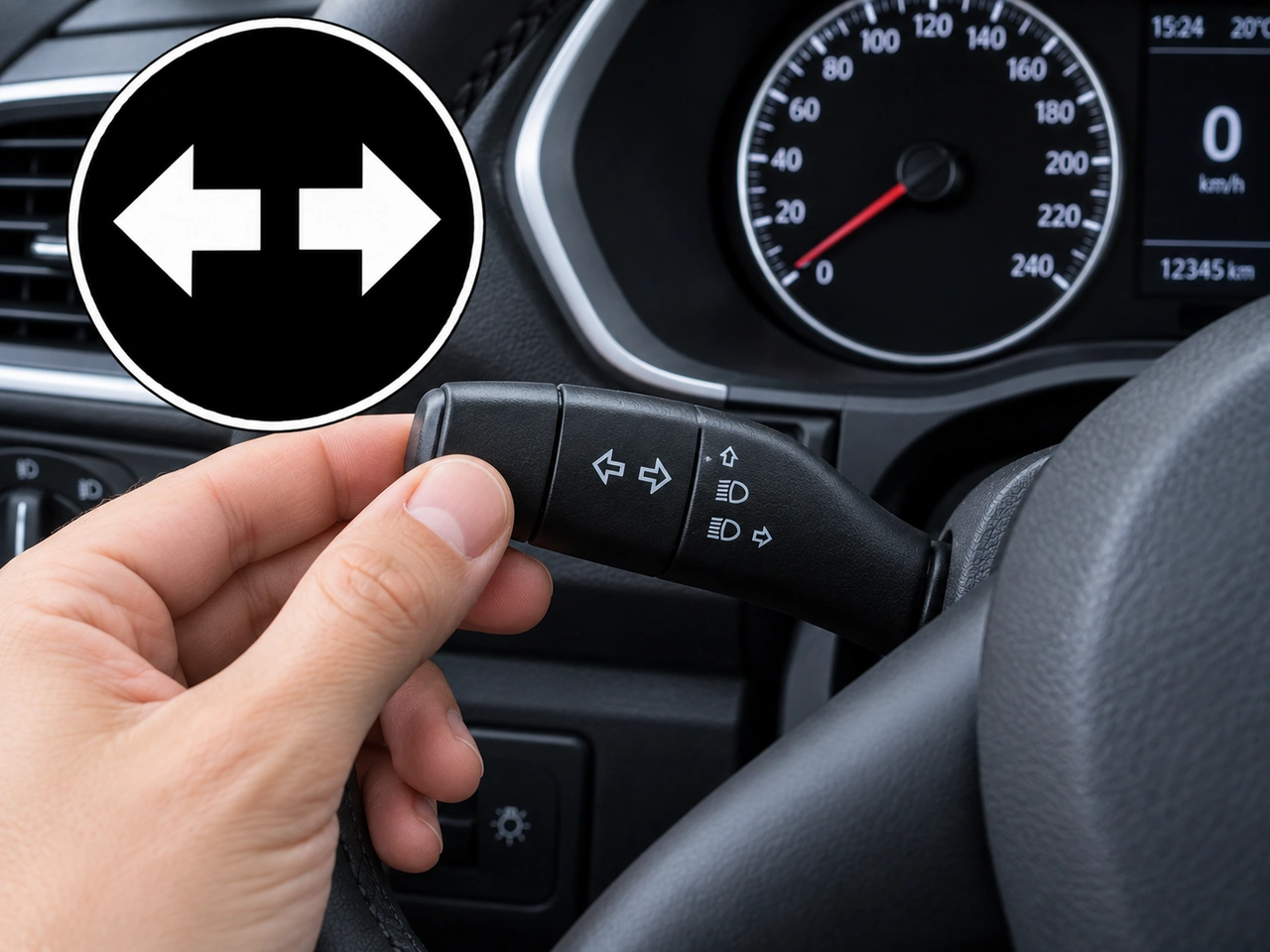
235. Which control is normally used to operate the direction indicators?
The direction indicators are normally operated using a stalk beside the steering wheel. Moving the stalk up or down activates the indicators on the corresponding side of the vehicle.
AI-generated by Traffic-rules.com • WCIT • CC BY-SA
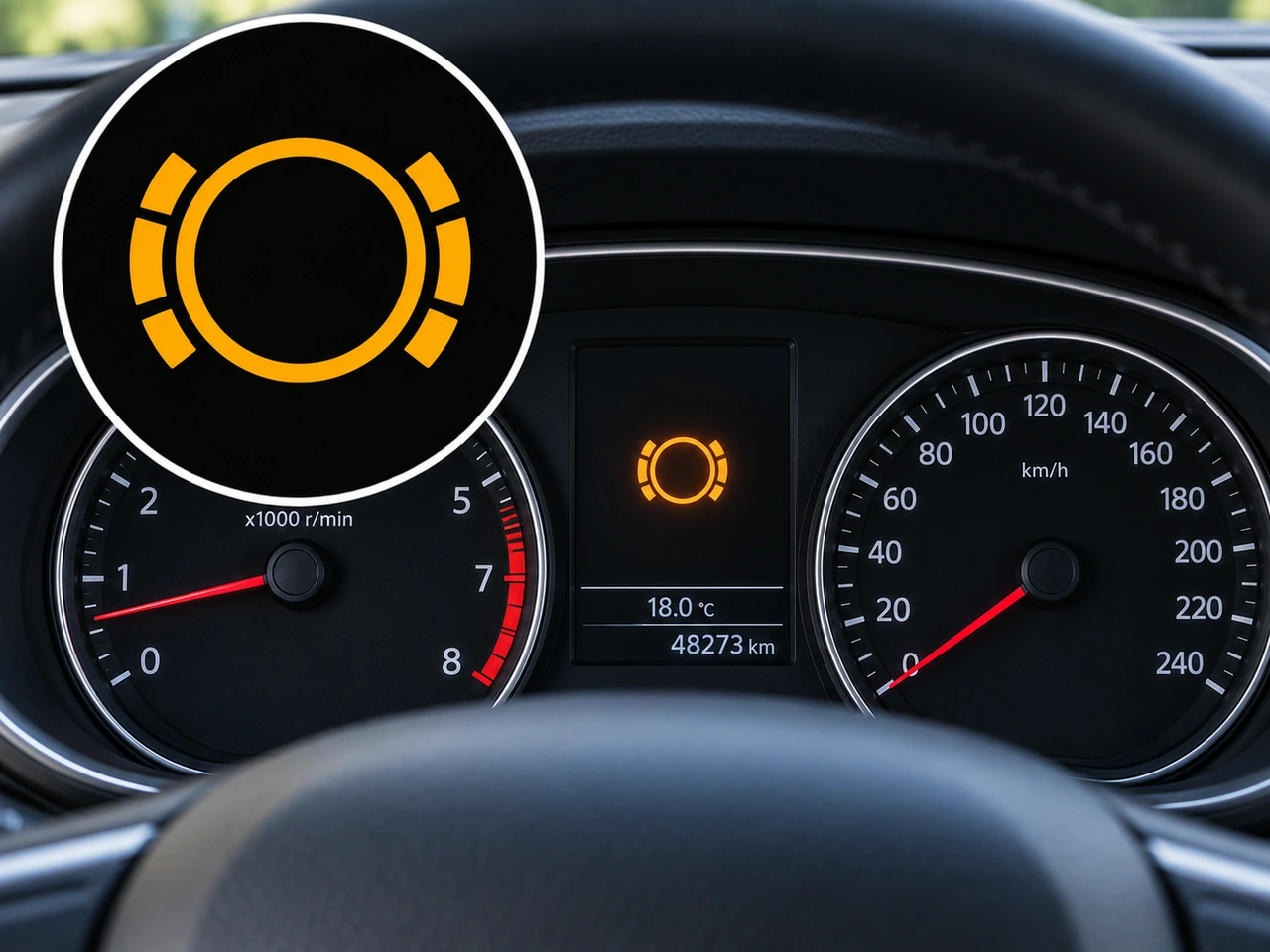
236. What does this dashboard symbol indicate?
This symbol indicates that the brake pads may be worn and should be inspected. Continuing to drive with excessively worn brake pads can reduce braking performance and damage other brake components.
AI-generated by Traffic-rules.com • WCIT • CC BY-SA
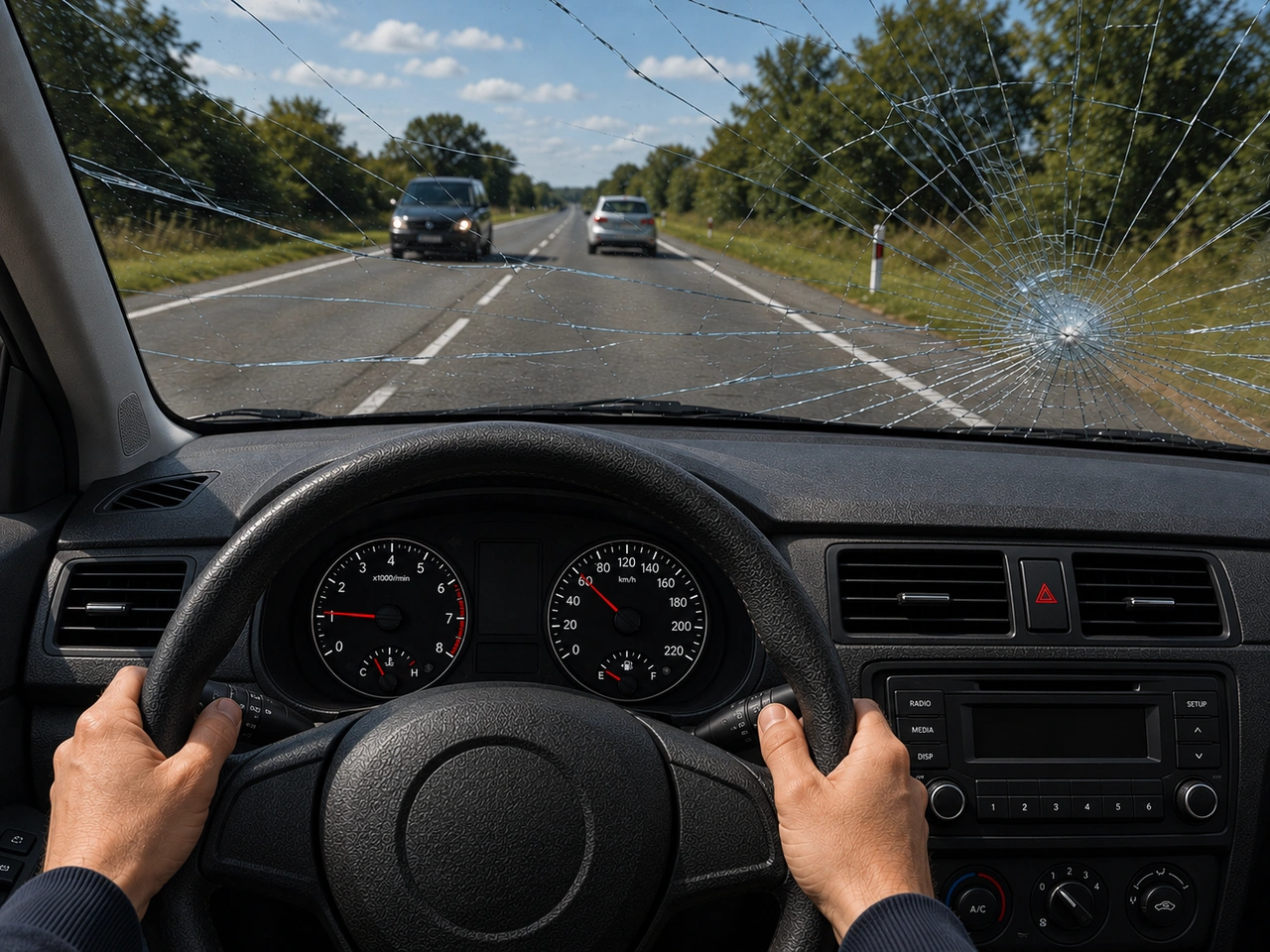
237. What should you do if the windscreen becomes damaged while driving?
Severe damage can obstruct your view and weaken the glass. Do not continue if you cannot see the road clearly.
AI-generated by Traffic-rules.com • WCIT • CC BY-SA
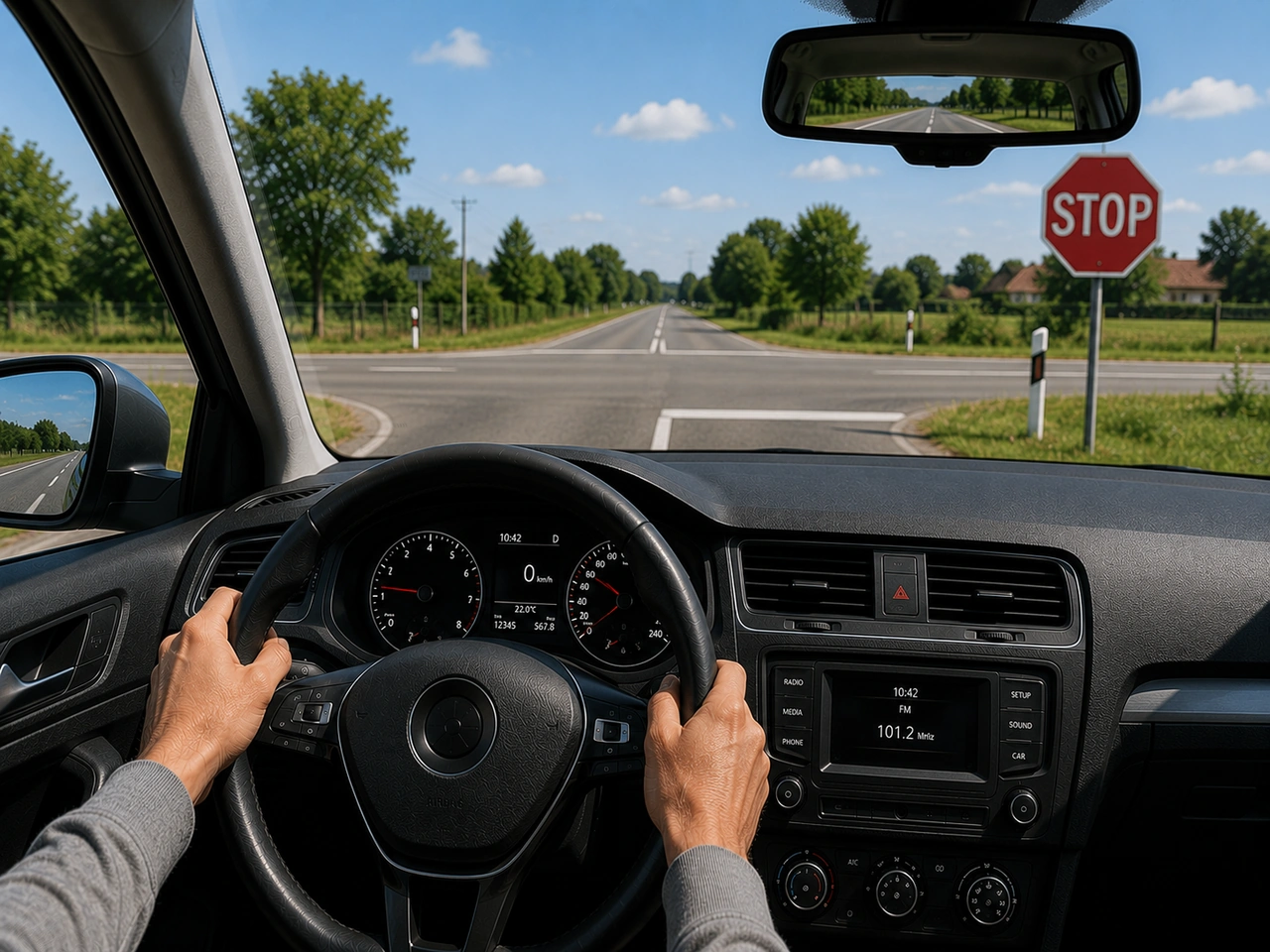
238. You may ignore a stop sign if the road looks empty.
A stop sign means you must come to a complete stop, even if no other traffic is visible.
AI-generated by Traffic-rules.com • WCIT • CC BY-SA
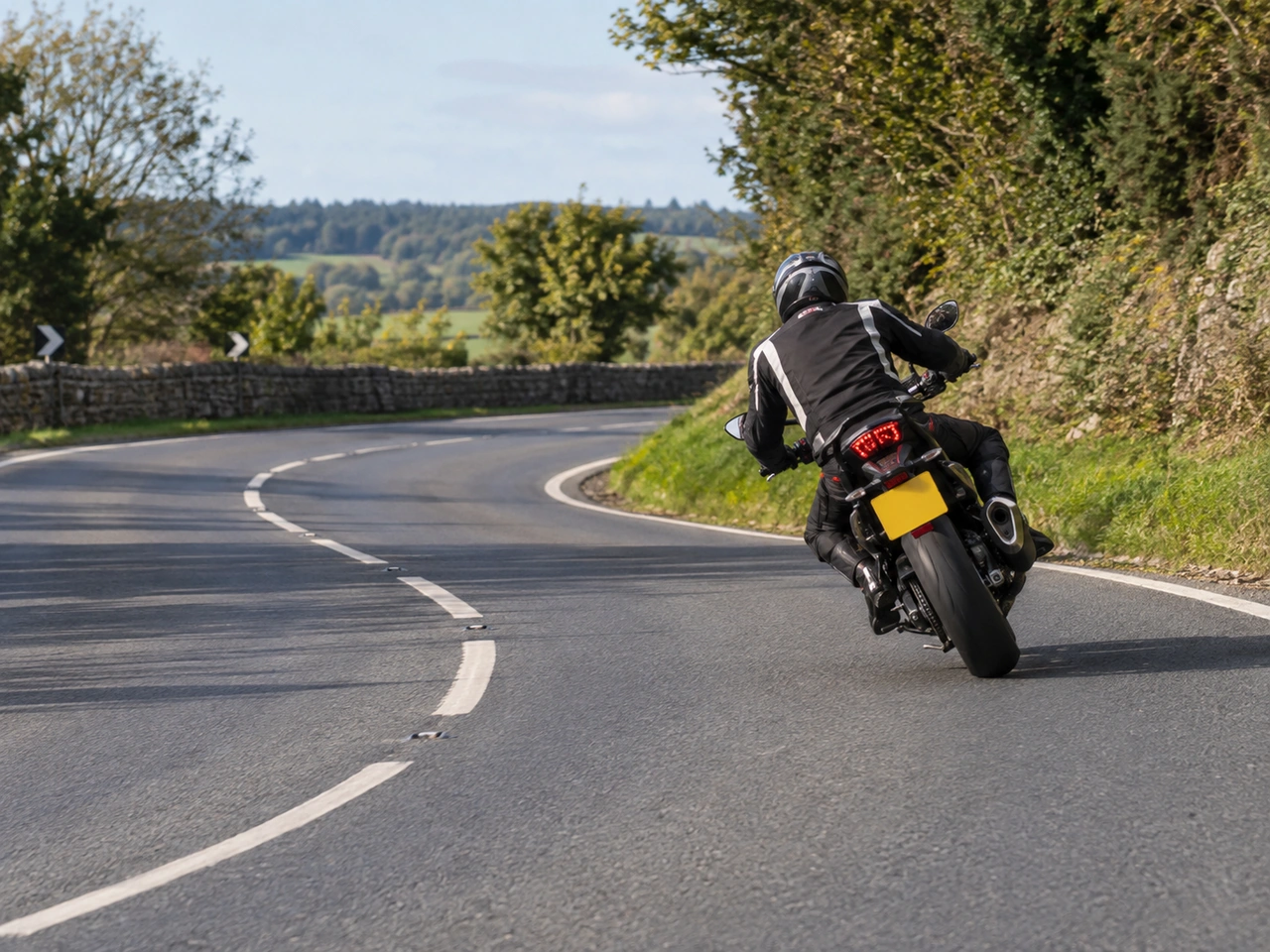
239. Why should hard braking be avoided while a motorcycle is leaning in a bend?
When a motorcycle is leaning, the tyres are already using grip to turn. Hard braking can demand additional grip and may reduce stability. Whenever possible, adjust speed before the bend and use smooth, controlled inputs while cornering.
AI-generated by Traffic-rules.com • WCIT • CC BY-SA
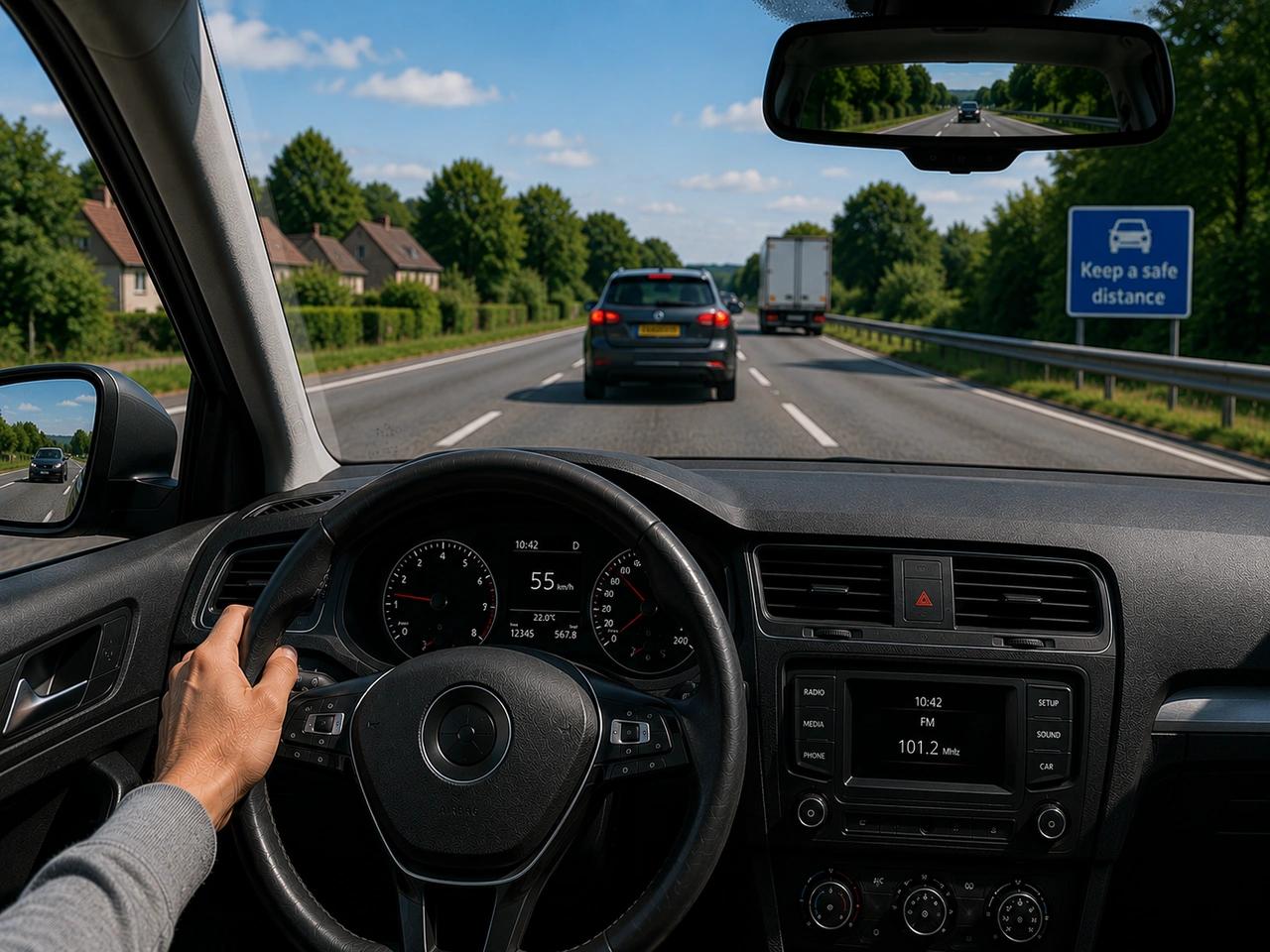
240. You should follow the vehicle in front as closely as possible in traffic.
You should keep a safe following distance so you have enough time to react if traffic slows or stops suddenly.
AI-generated by Traffic-rules.com • WCIT • CC BY-SA
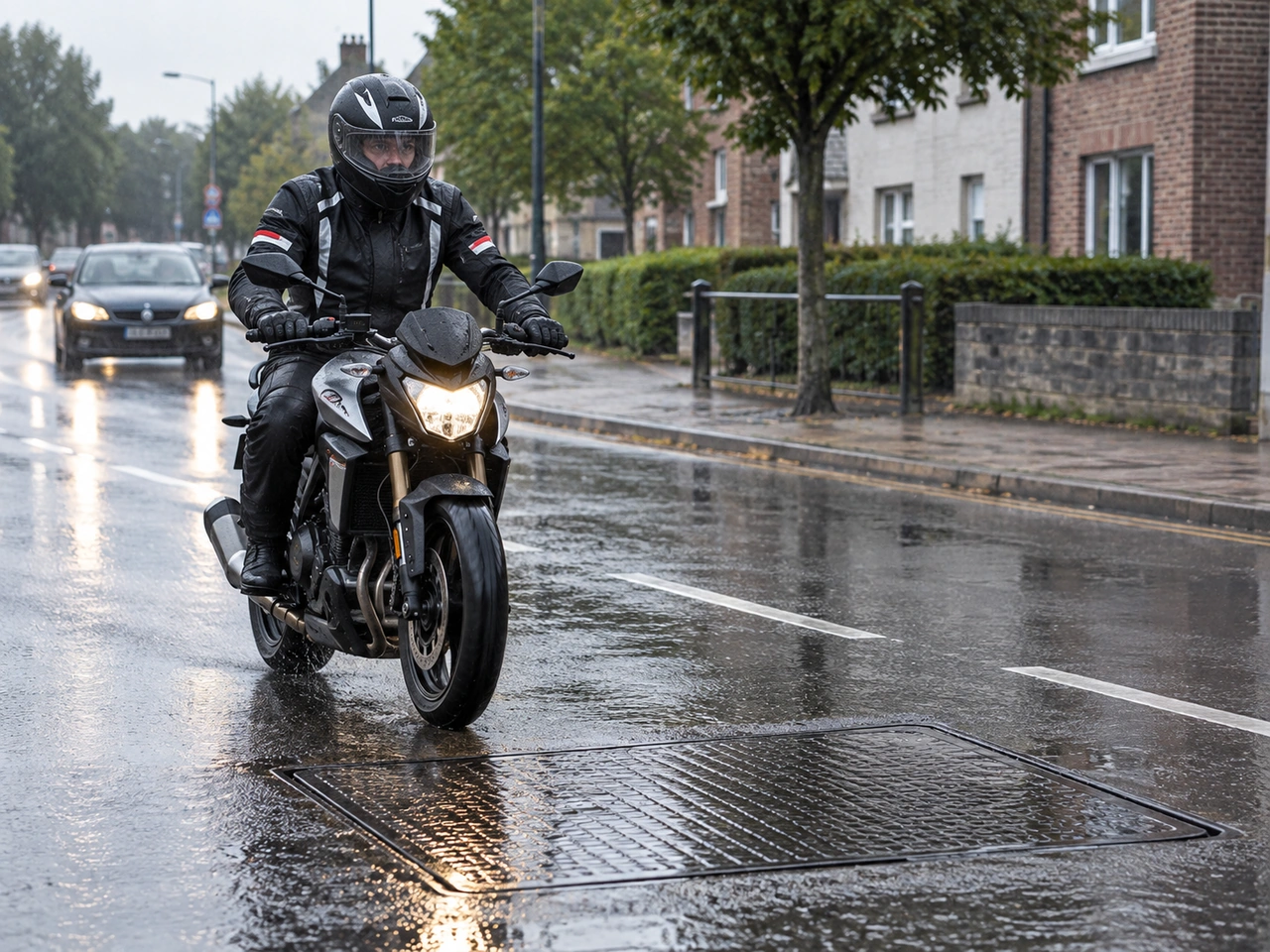
241. Why should motorcyclists take extra care on wet metal covers?
Wet metal surfaces, such as drain or inspection covers, can provide much less grip than the surrounding road. Cross them smoothly, keep the motorcycle as upright as practical and avoid sudden braking, acceleration or steering.
AI-generated by Traffic-rules.com • WCIT • CC BY-SA
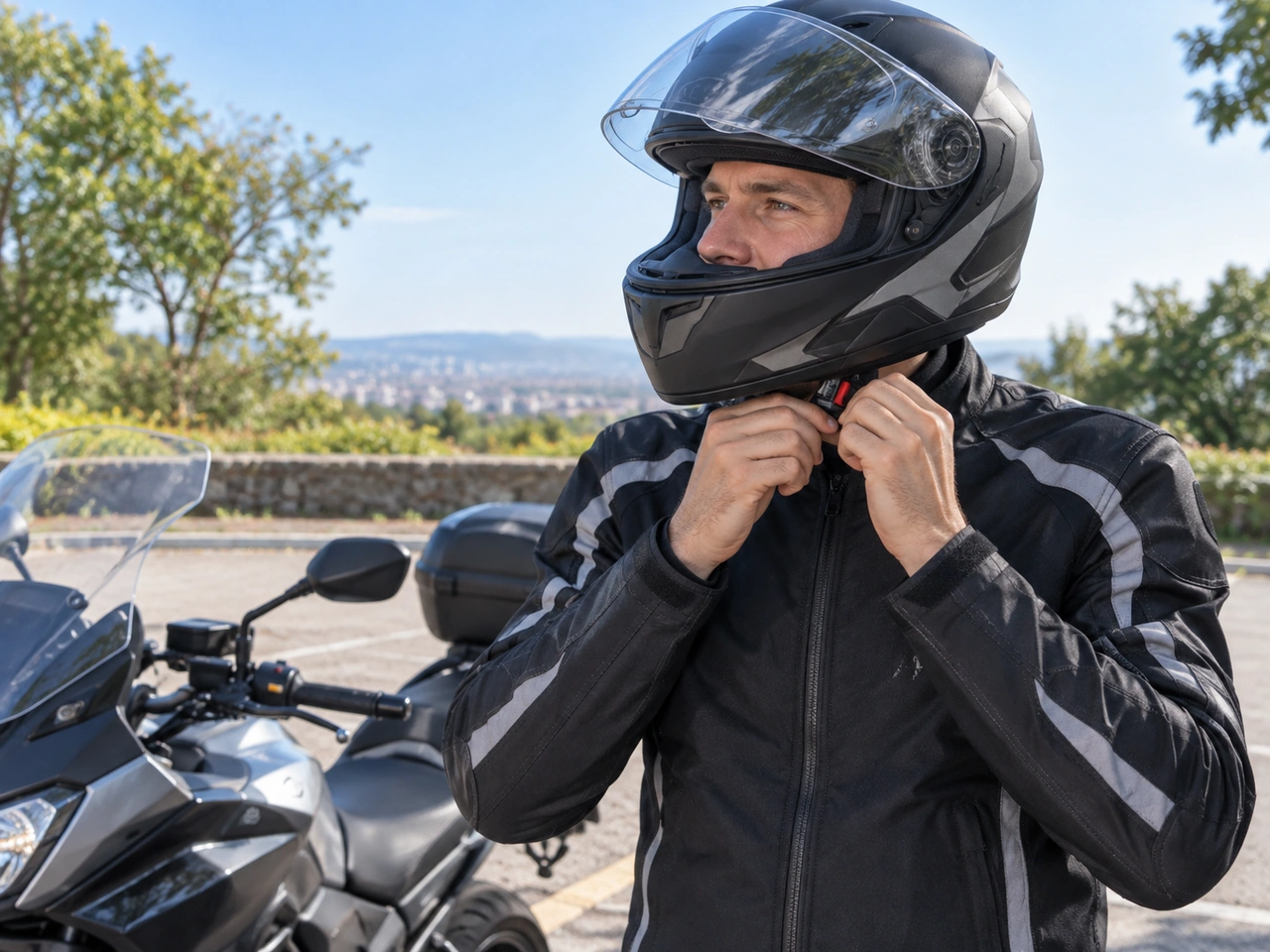
242. Why should a motorcycle helmet be worn correctly and securely fastened?
A correctly fitted and securely fastened motorcycle helmet helps protect the rider's head and can reduce the risk and severity of head injury in a collision or fall.
AI-generated by Traffic-rules.com • WCIT • CC BY-SA
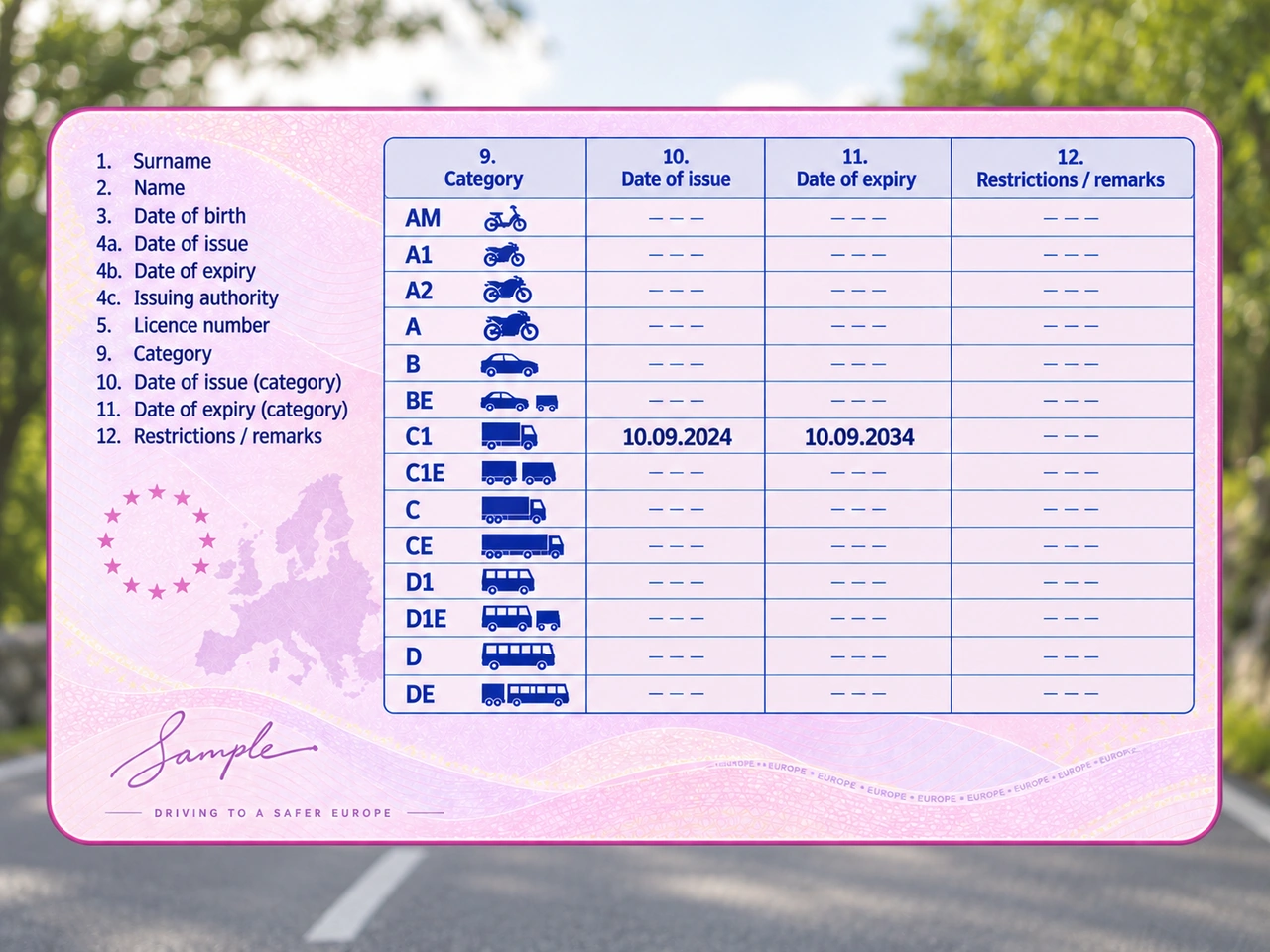
243. Which vehicles are covered by driving licence C1?
Category C1 covers motor vehicles, other than buses, with a maximum authorised mass above 3,500 kg and not exceeding 7,500 kg. They may carry no more than eight passengers in addition to the driver and may tow a trailer up to 750 kg.
AI-generated by Traffic-rules.com • WCIT • CC BY-SA
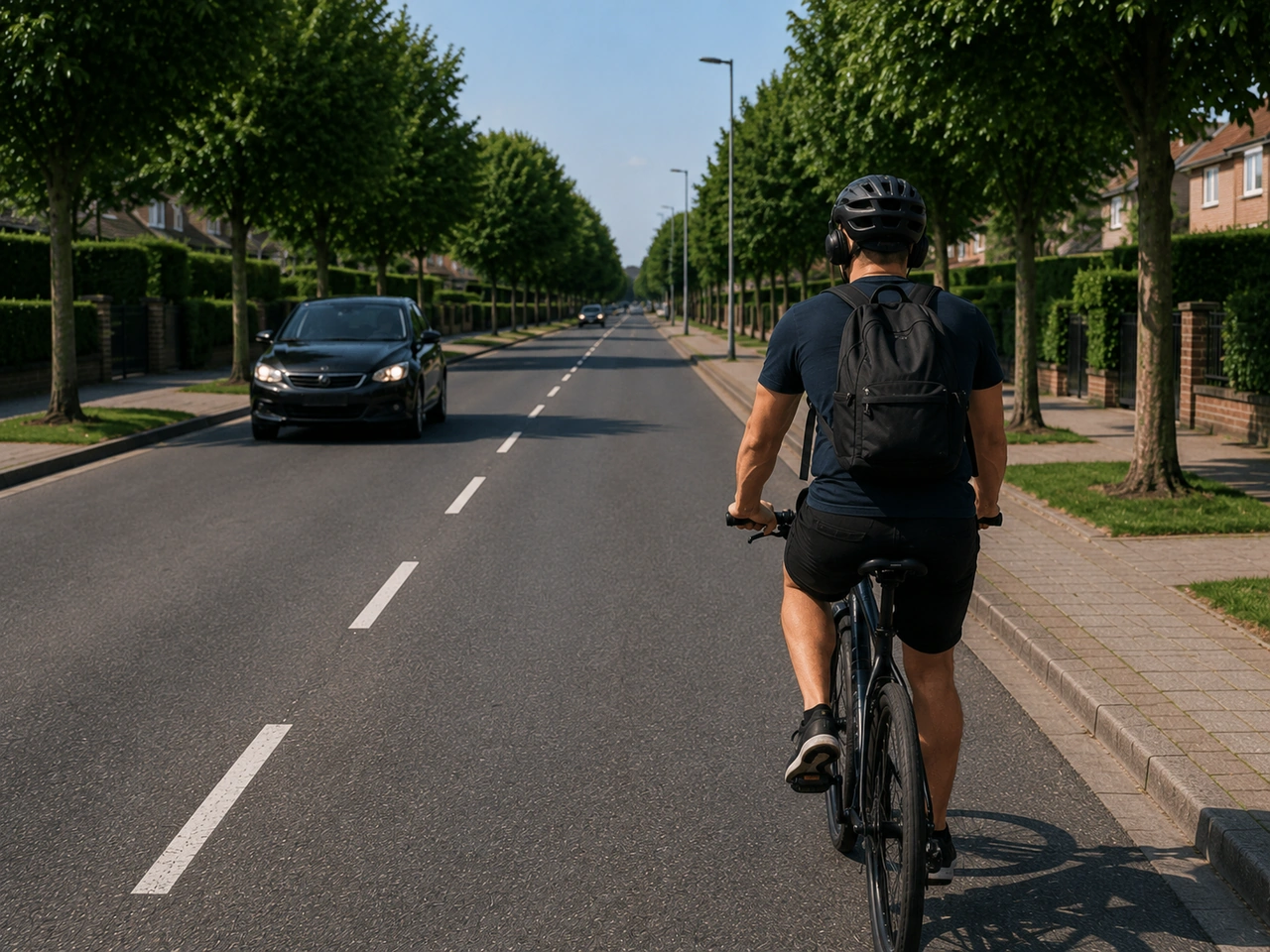
244. Why can loud music be dangerous while cycling?
Hearing approaching vehicles, bells, horns, and other warning sounds is an important part of staying aware.
AI-generated by Traffic-rules.com • WCIT • CC BY-SA
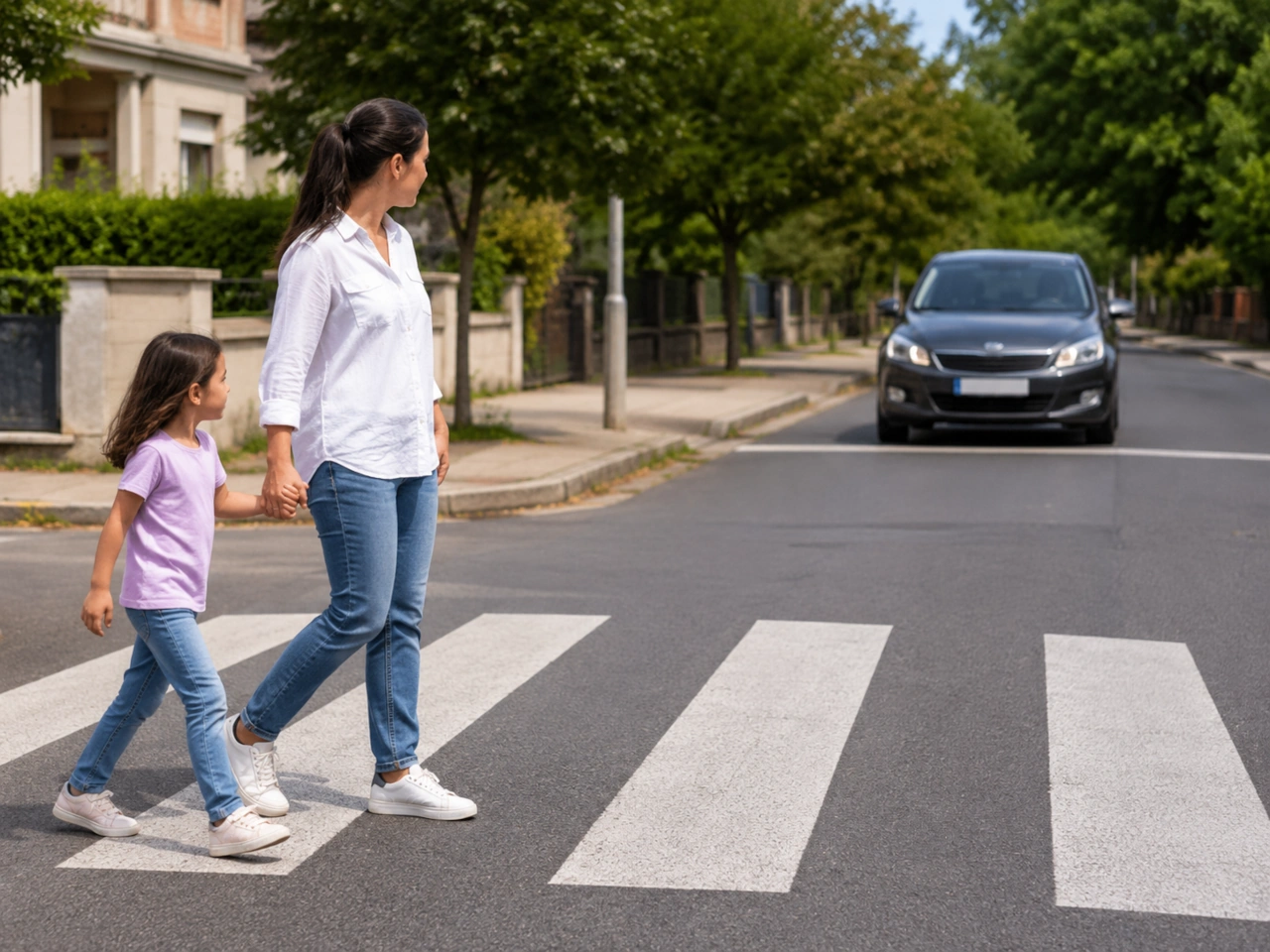
245. What is the safest way to cross the road with a child?
Children can be unpredictable near traffic. Keep them close and guide them safely across the road.
AI-generated by Traffic-rules.com • WCIT • CC BY-SA
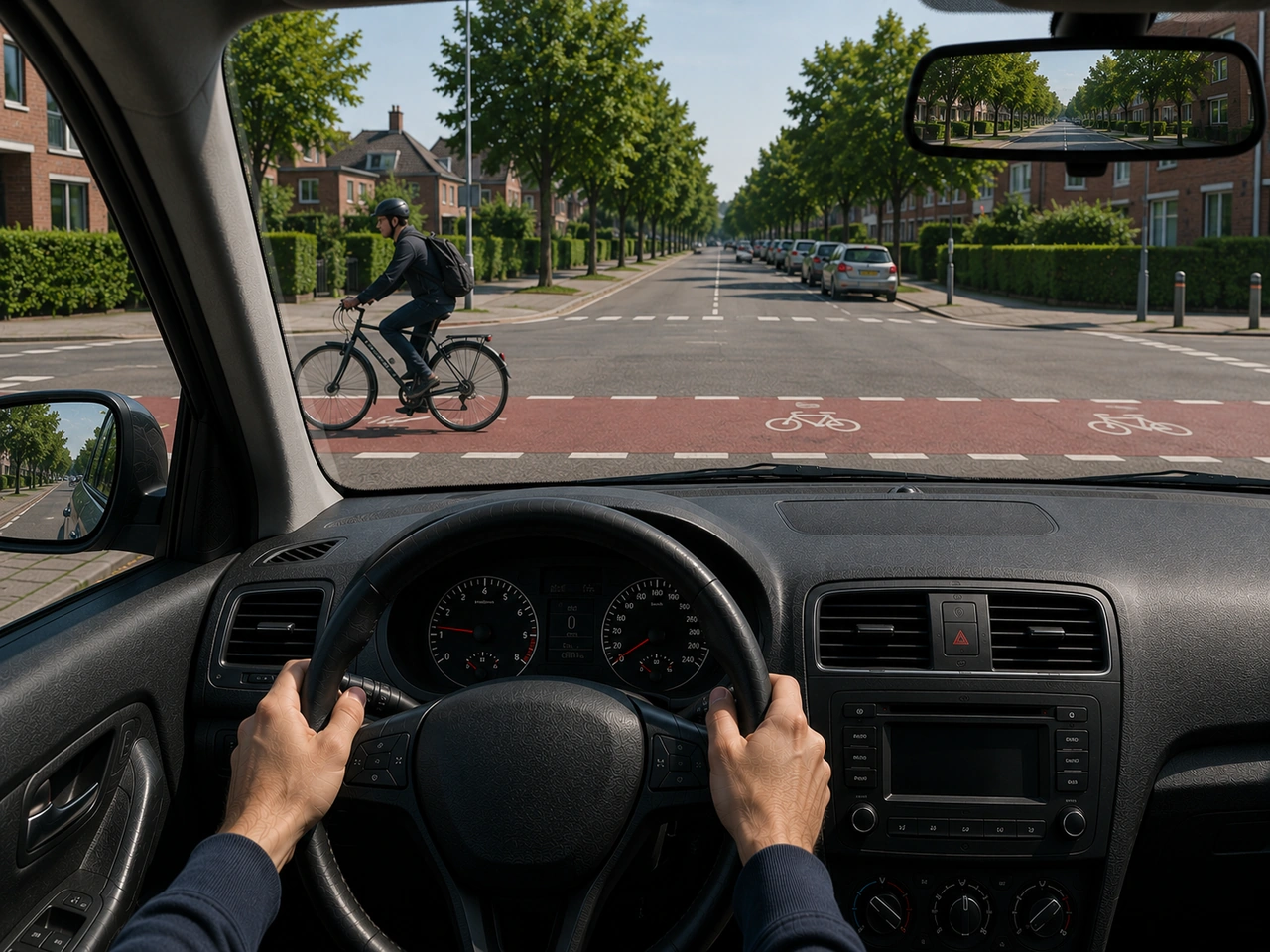
246. What should you do before turning across a cycle lane?
Cyclists may be beside or behind you when you turn. Check mirrors and blind spots, signal clearly, and turn only when it is safe.
AI-generated by Traffic-rules.com • WCIT • CC BY-SA
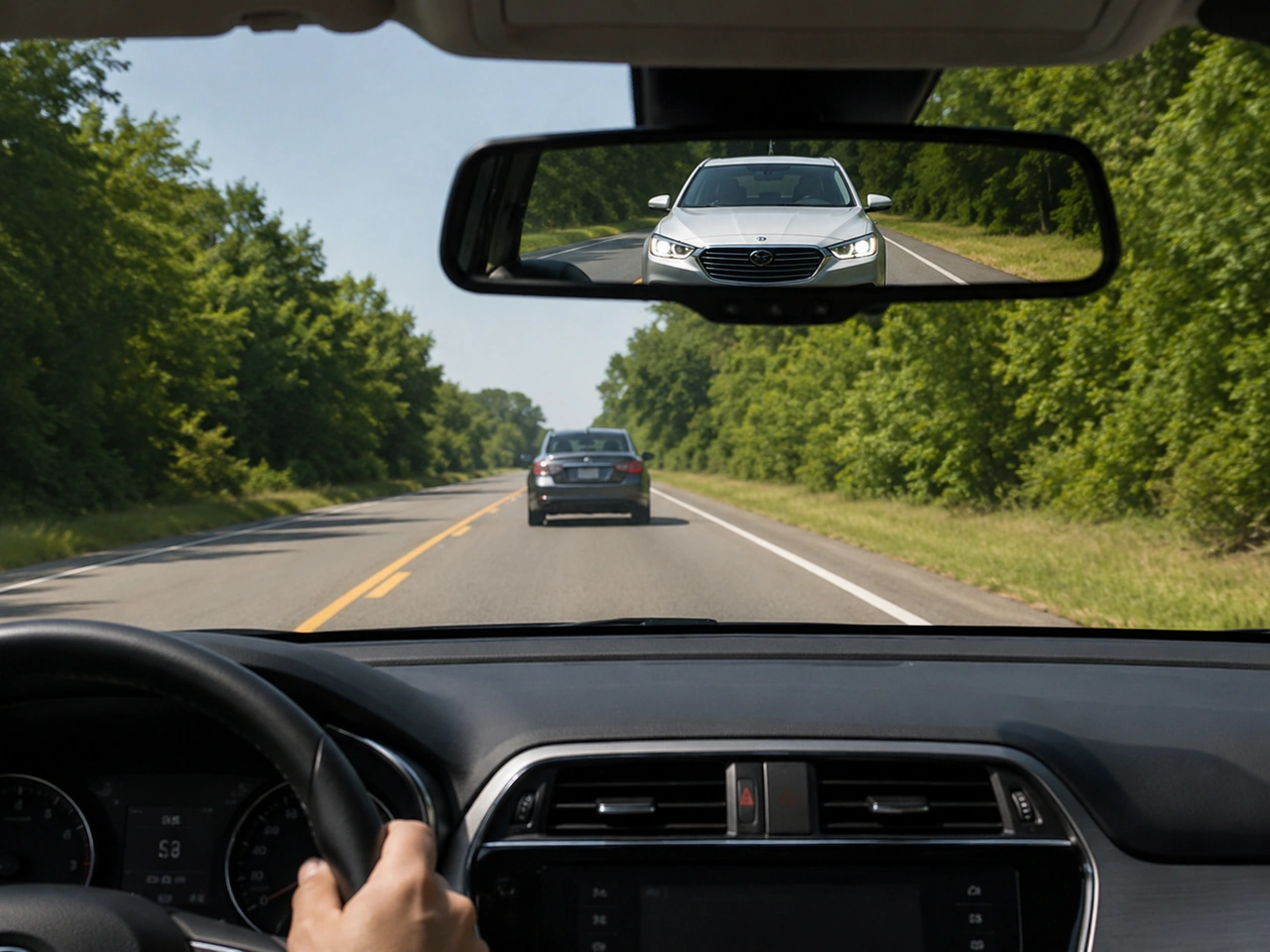
247. What should you do if another vehicle is tailgating you?
If someone follows too closely, avoid sudden actions. Keeping more space in front gives you more time to brake gently if needed. If it is safe, allow the tailgating vehicle to pass.
AI-generated by Traffic-rules.com • WCIT • CC BY-SA
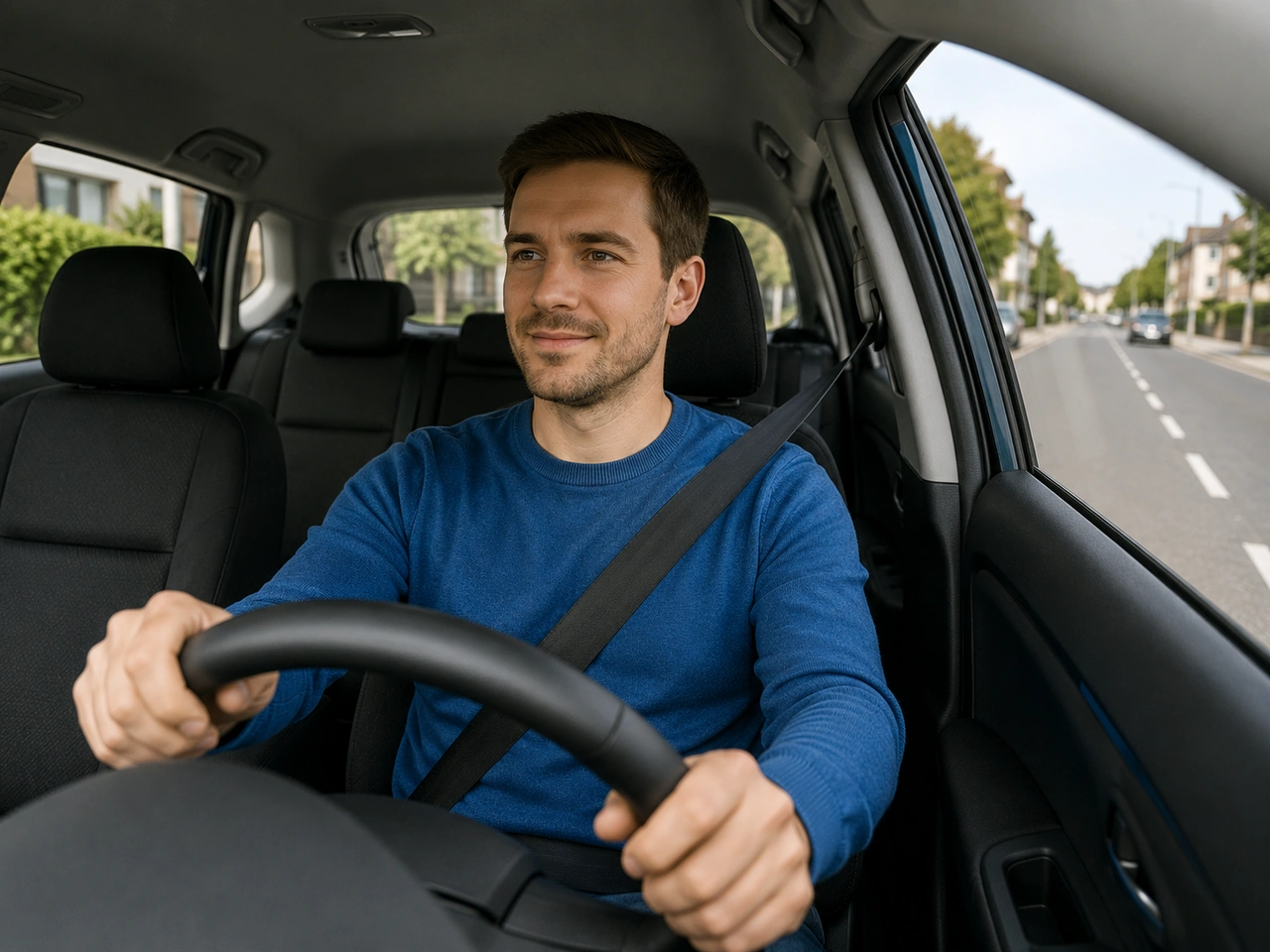
248. You should always wear a seat belt, even on short trips.
Seat belts reduce the risk of serious injury and should be worn on every trip, even short ones.
AI-generated by Traffic-rules.com • WCIT • CC BY-SA
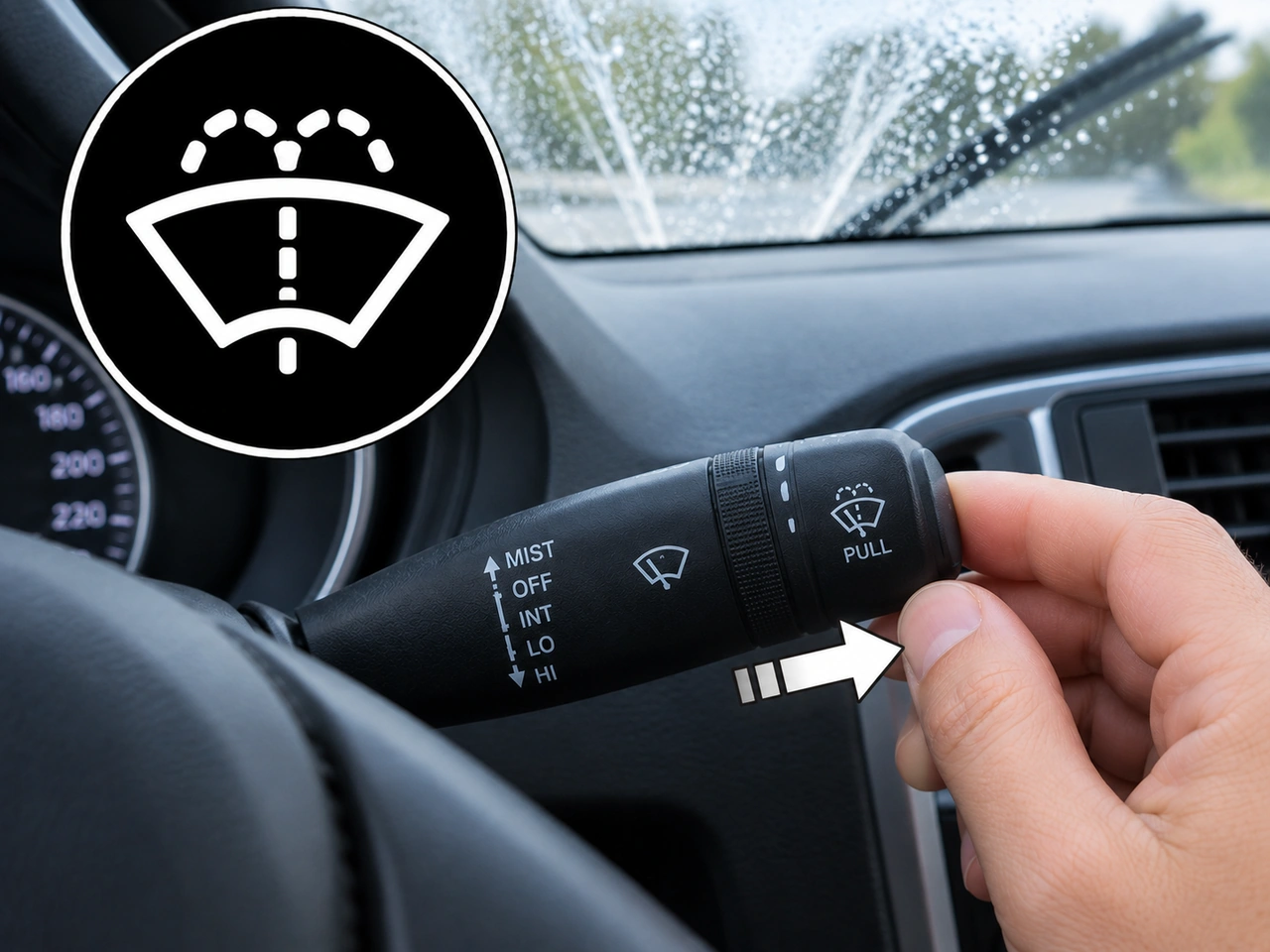
249. What does this vehicle-control symbol indicate?
This symbol indicates the windscreen washer. Operating the control sprays washer fluid onto the windscreen and normally activates the wipers to help clean the glass.
AI-generated by Traffic-rules.com • WCIT • CC BY-SA
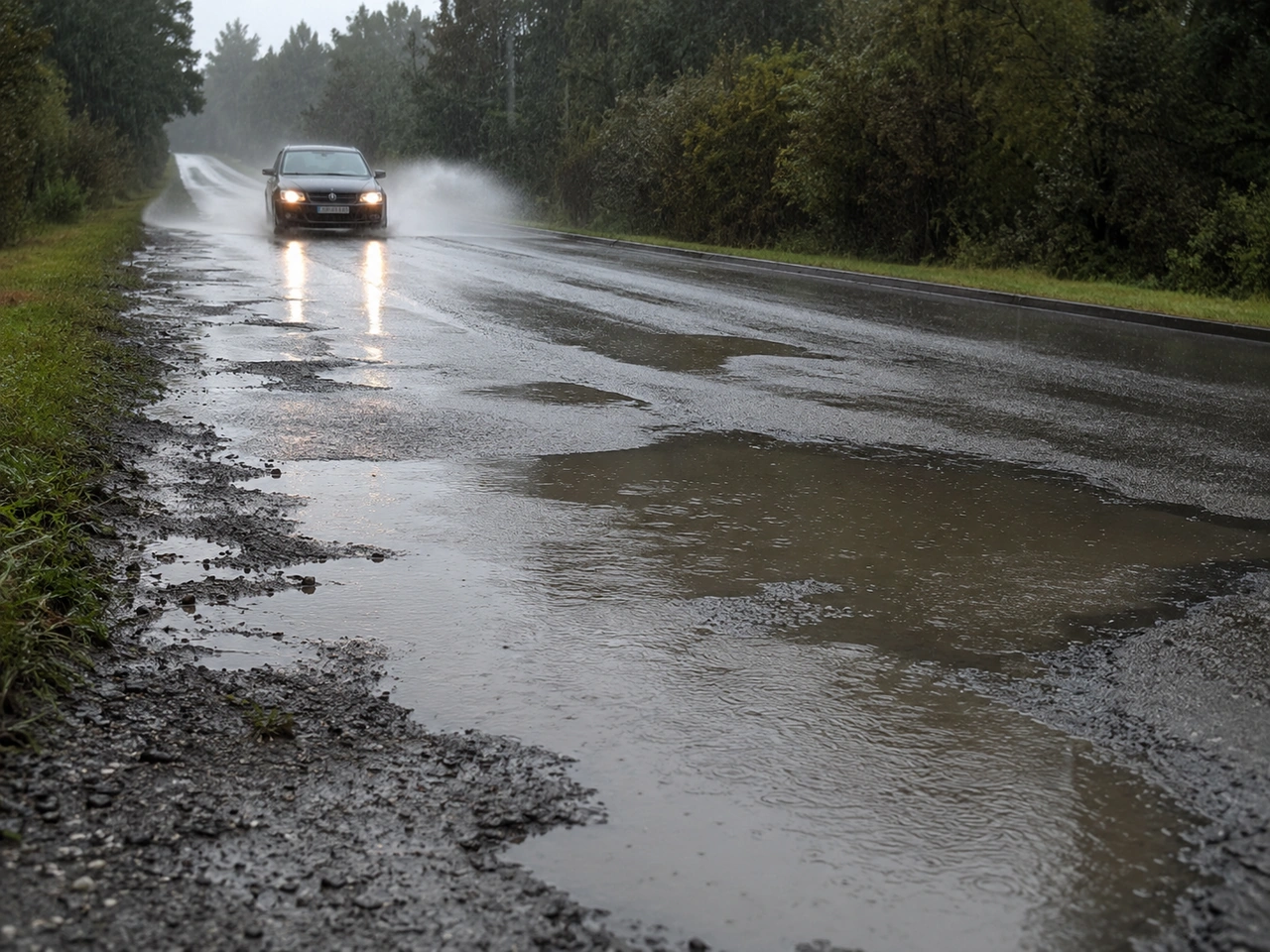
250. Which roads are most likely to cause aquaplaning?
Standing water can collect in dips, ruts, or puddles, increasing the chance that tyres will lose grip.
AI-generated by Traffic-rules.com • WCIT • CC BY-SA