


QuizTraffic rulesNetherlands
This interesting quiz helps you test your knowledge in a clear and visual way. With easy multiple-choice questions, you can quickly build confidence and learn new facts while keeping it simple, interactive, and fun.
 Traffic signs
 Traffic rules
 Netherlands
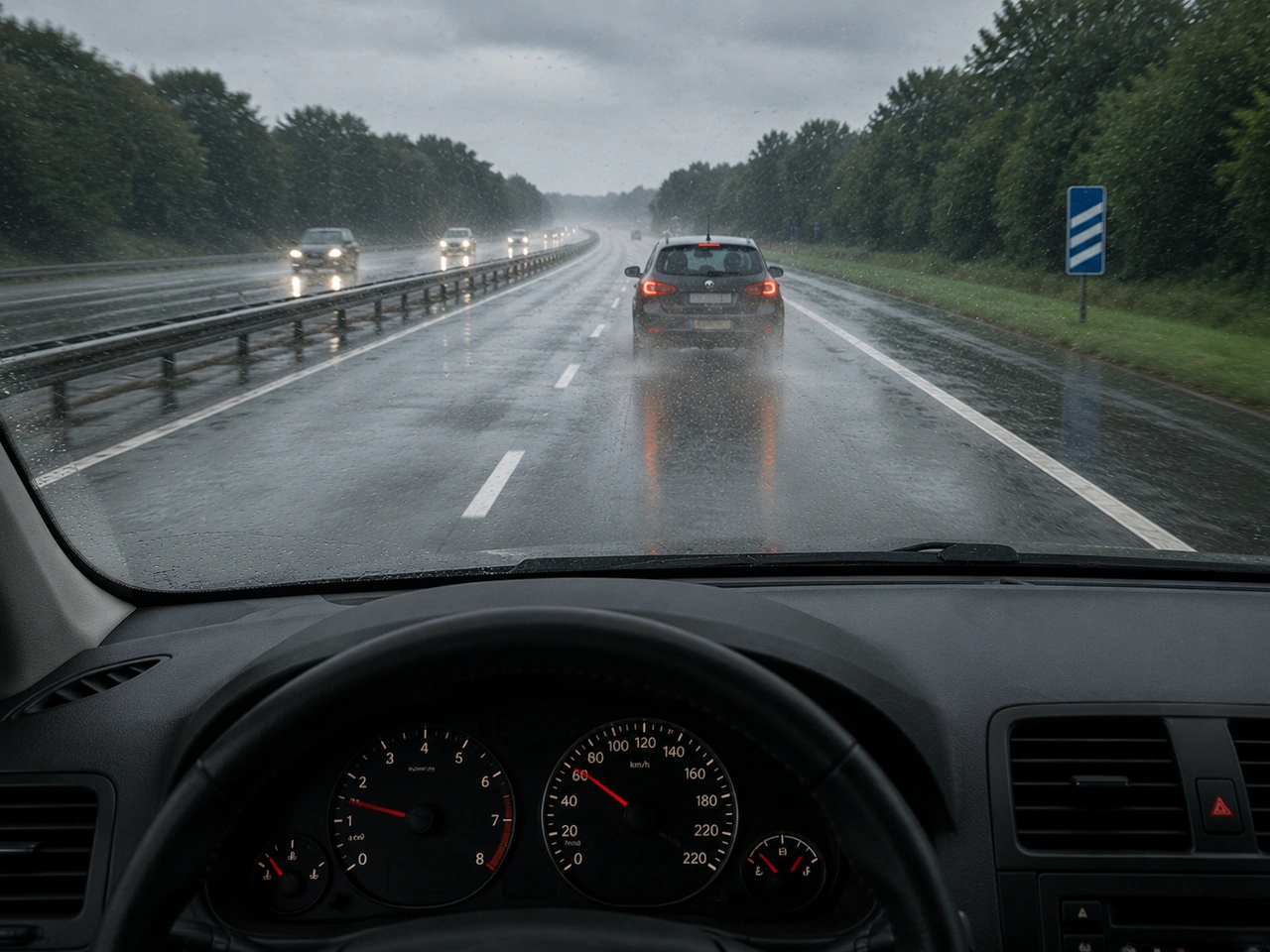
301. Why should you increase your following distance on wet roads?
Water reduces grip between the tyres and the road, so it takes longer to slow down or stop safely.
AI-generated by Traffic-rules.com • WCIT • CC BY-SA

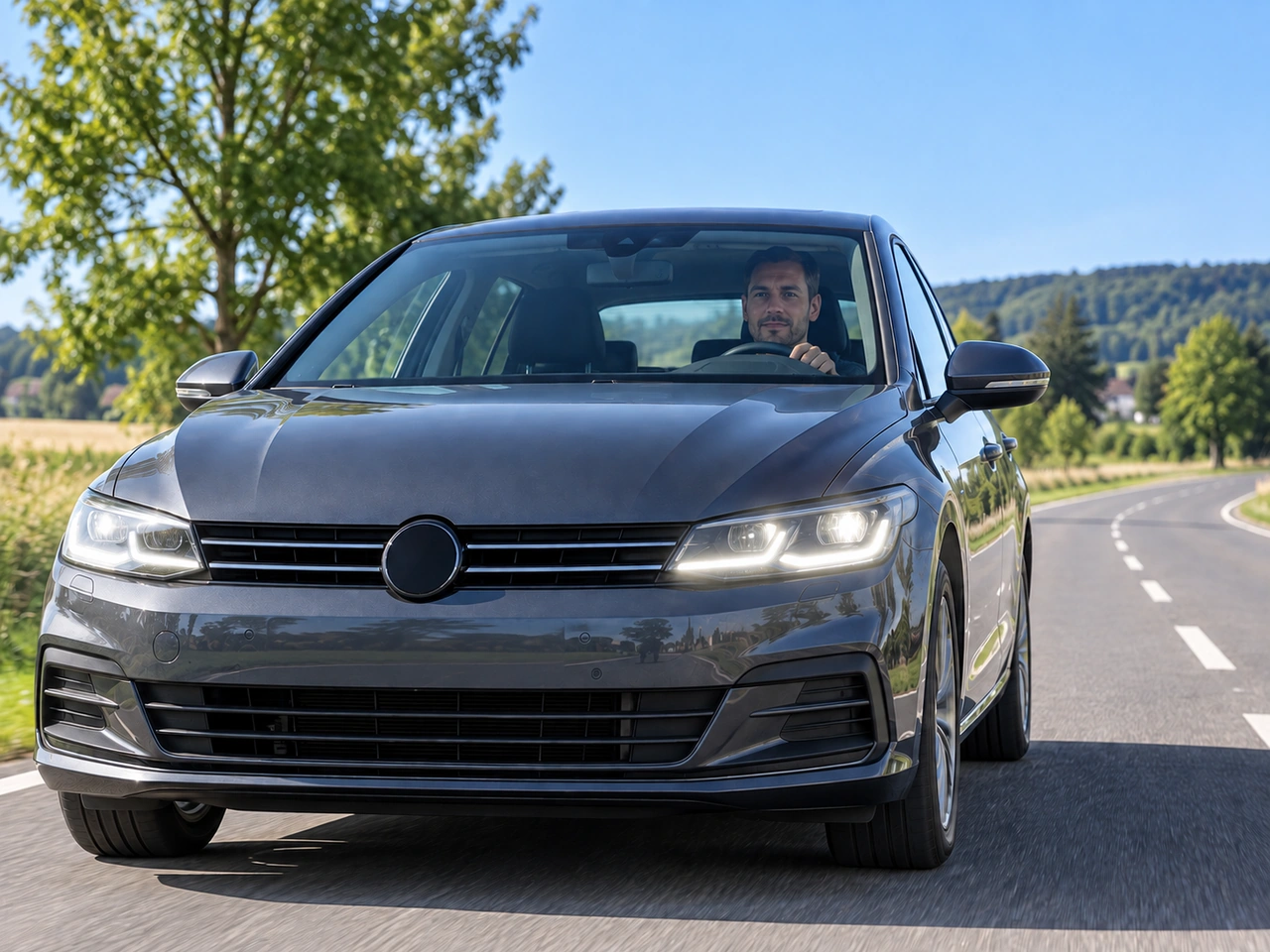
302. Are headlights required during the day in Netherlands?
Drivers in Netherlands are not generally required to use headlights during normal daytime conditions.
AI-generated by Traffic-rules.com • WCIT • CC BY-SA
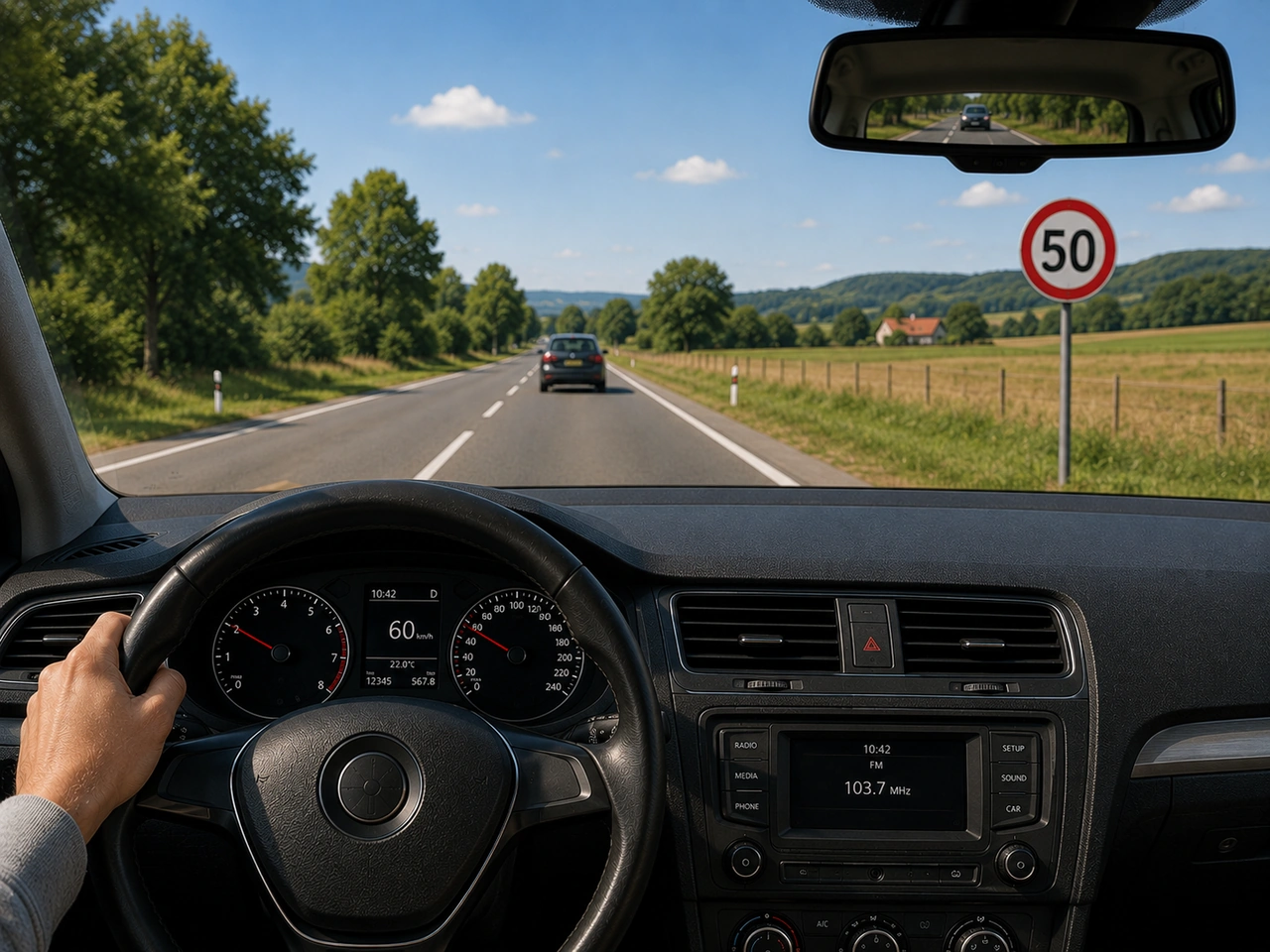
303. Speed limits only apply when there is heavy traffic.
Speed limits apply at all times unless a different limit is clearly indicated.
AI-generated by Traffic-rules.com • WCIT • CC BY-SA
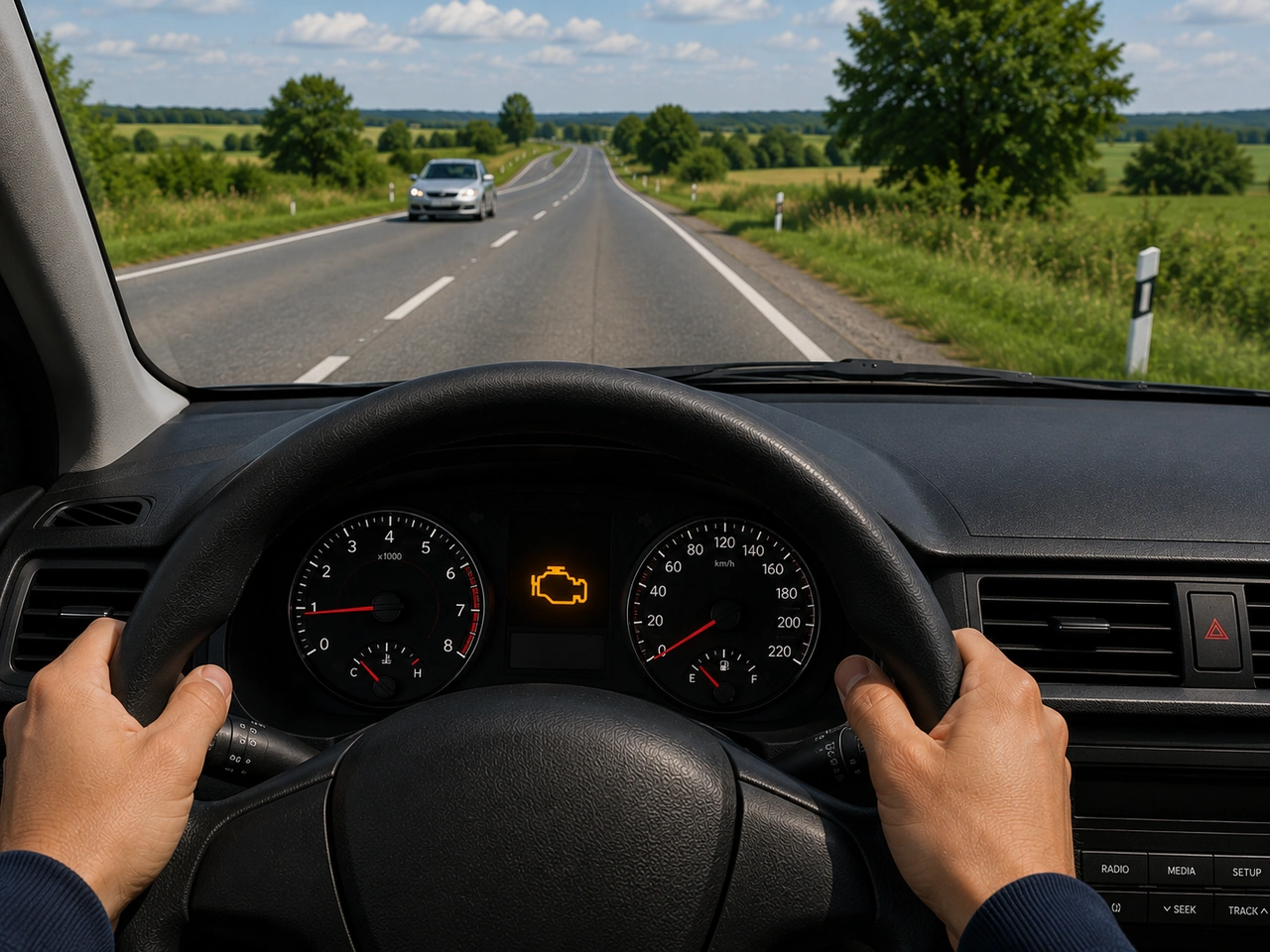
304. What should you expect if the engine suddenly stalls while the vehicle is moving?
Power assistance may be reduced when the engine stops. Keep control, use the hazard lights if needed, and steer toward a safe stopping area.
AI-generated by Traffic-rules.com • WCIT • CC BY-SA
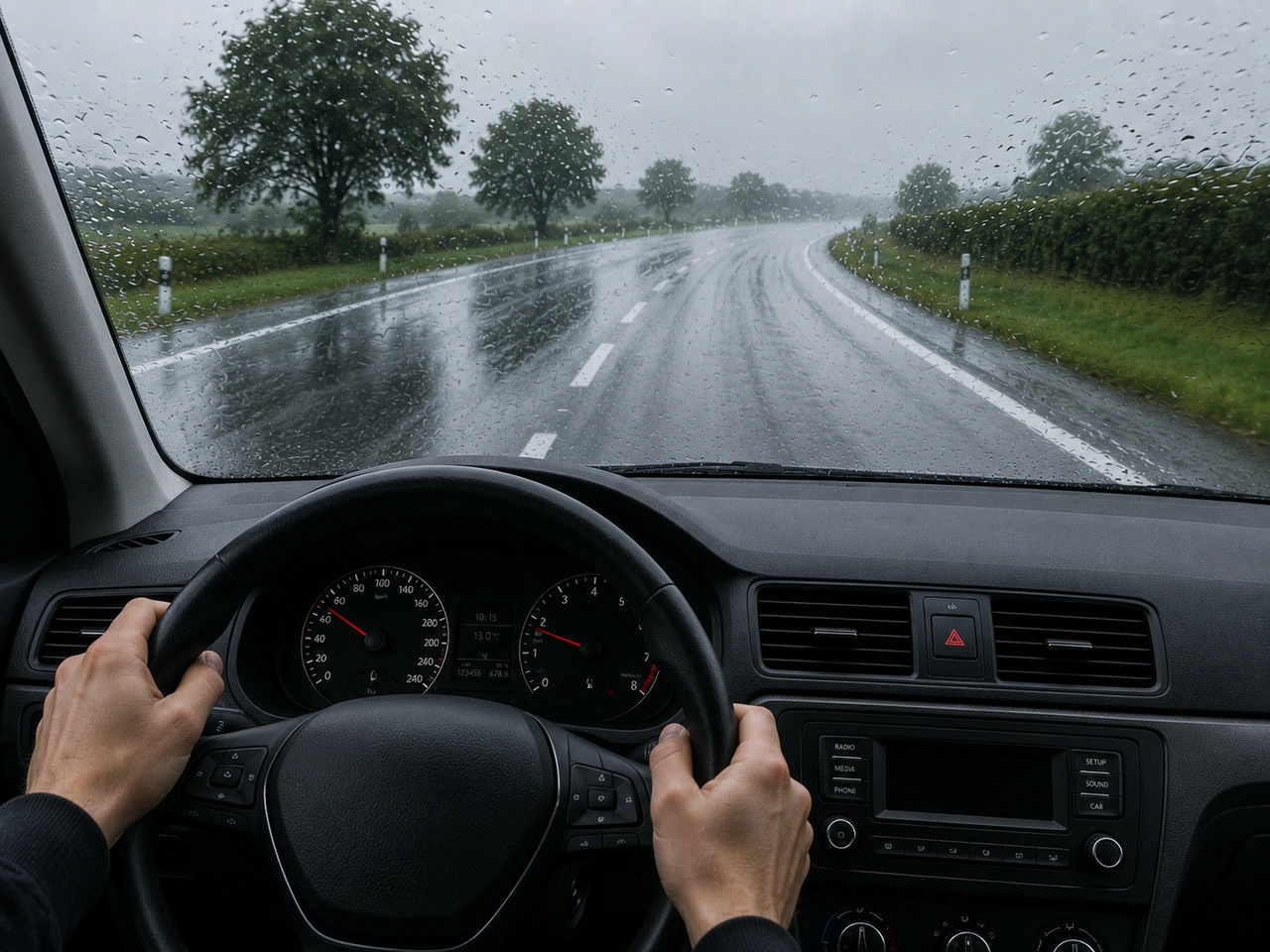
305. What should you do if your vehicle begins to aquaplane?
Aquaplaning happens when the tyres lose contact with the road surface. Ease off the accelerator, avoid sudden movements, and wait for grip to return.
AI-generated by Traffic-rules.com • WCIT • CC BY-SA
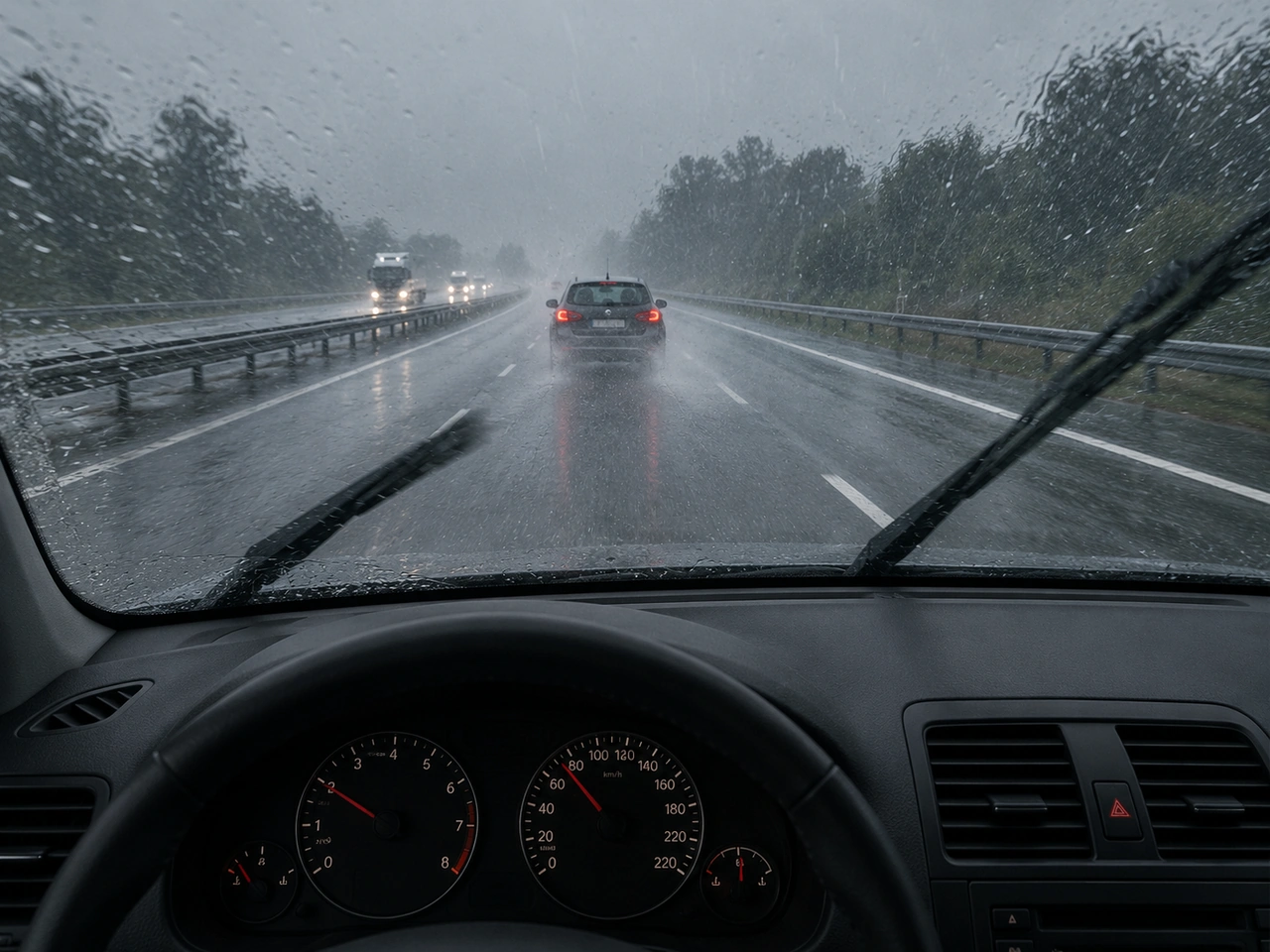
306. What should you do when driving through heavy rain?
Heavy rain reduces grip and visibility. Lower speed and extra distance give you more time to react safely.
AI-generated by Traffic-rules.com • WCIT • CC BY-SA
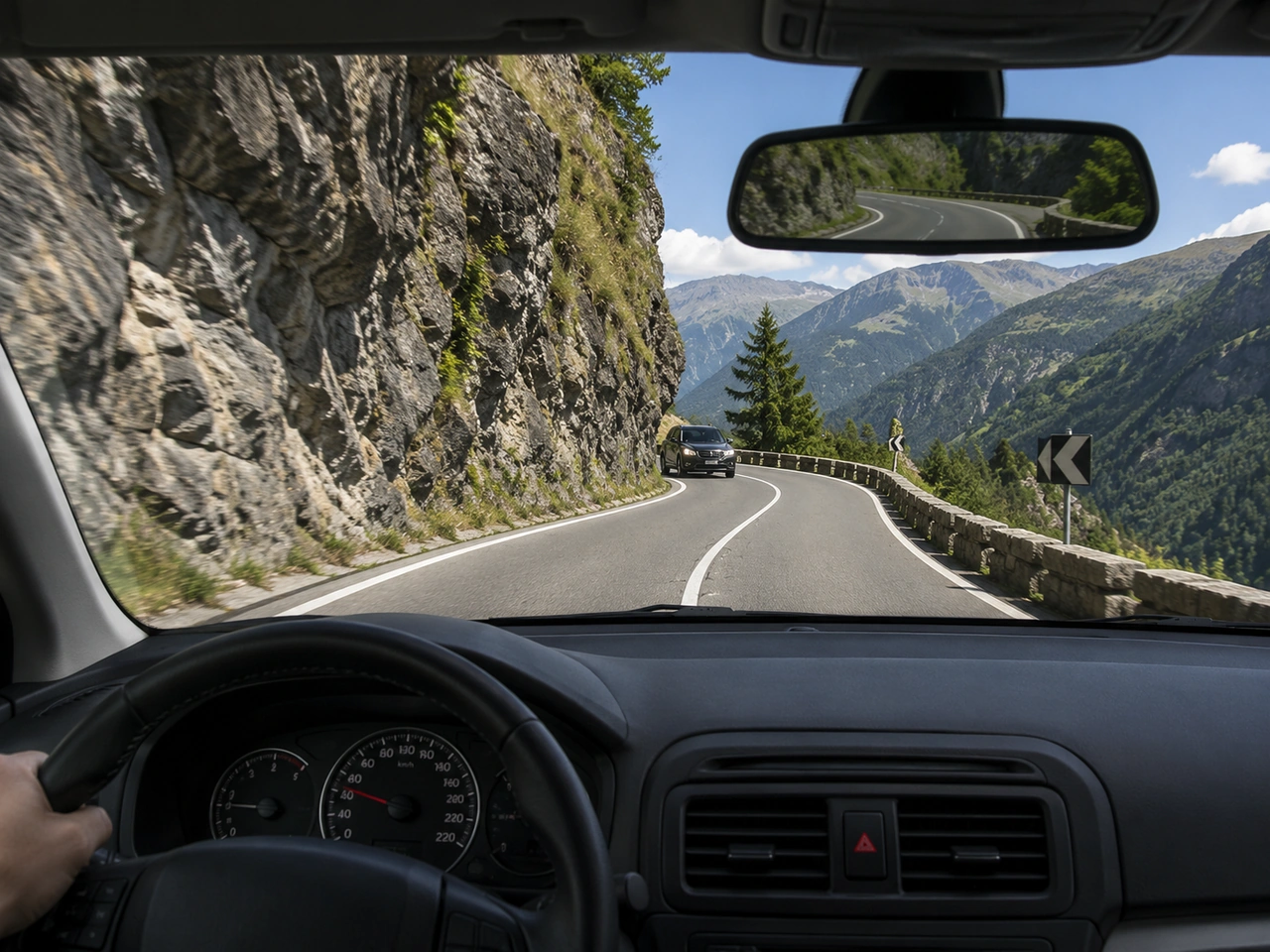
307. How should you approach a sharp bend on a mountain road?
Mountain bends may hide oncoming vehicles, cyclists, animals, or debris. Slow down before entering and keep a safe road position.
AI-generated by Traffic-rules.com • WCIT • CC BY-SA
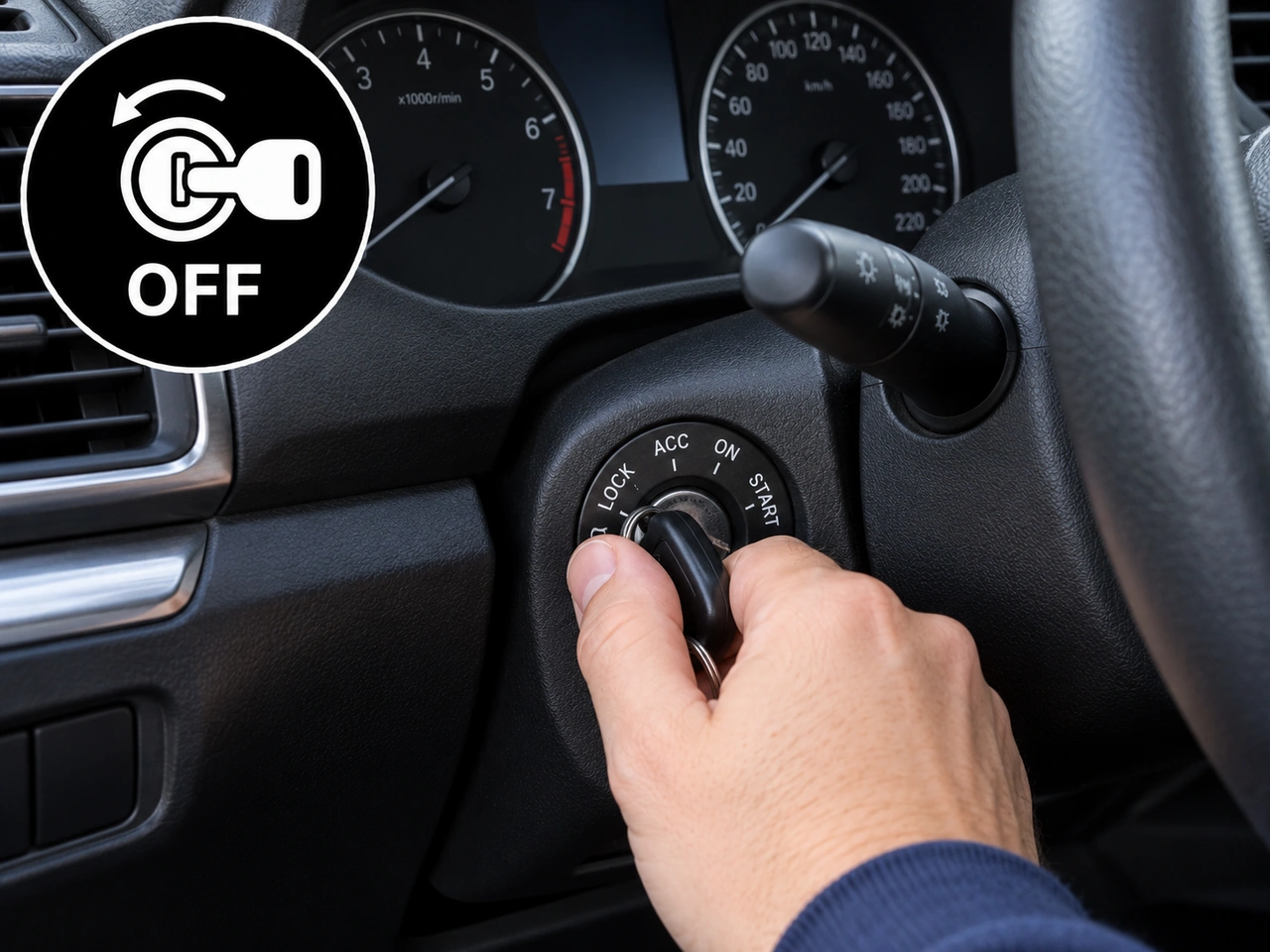
308. What does turning a traditional ignition switch to OFF normally do?
Turning a traditional ignition switch to OFF switches off the engine and ignition systems. The key can then normally be moved to the LOCK position and removed.
AI-generated by Traffic-rules.com • WCIT • CC BY-SA
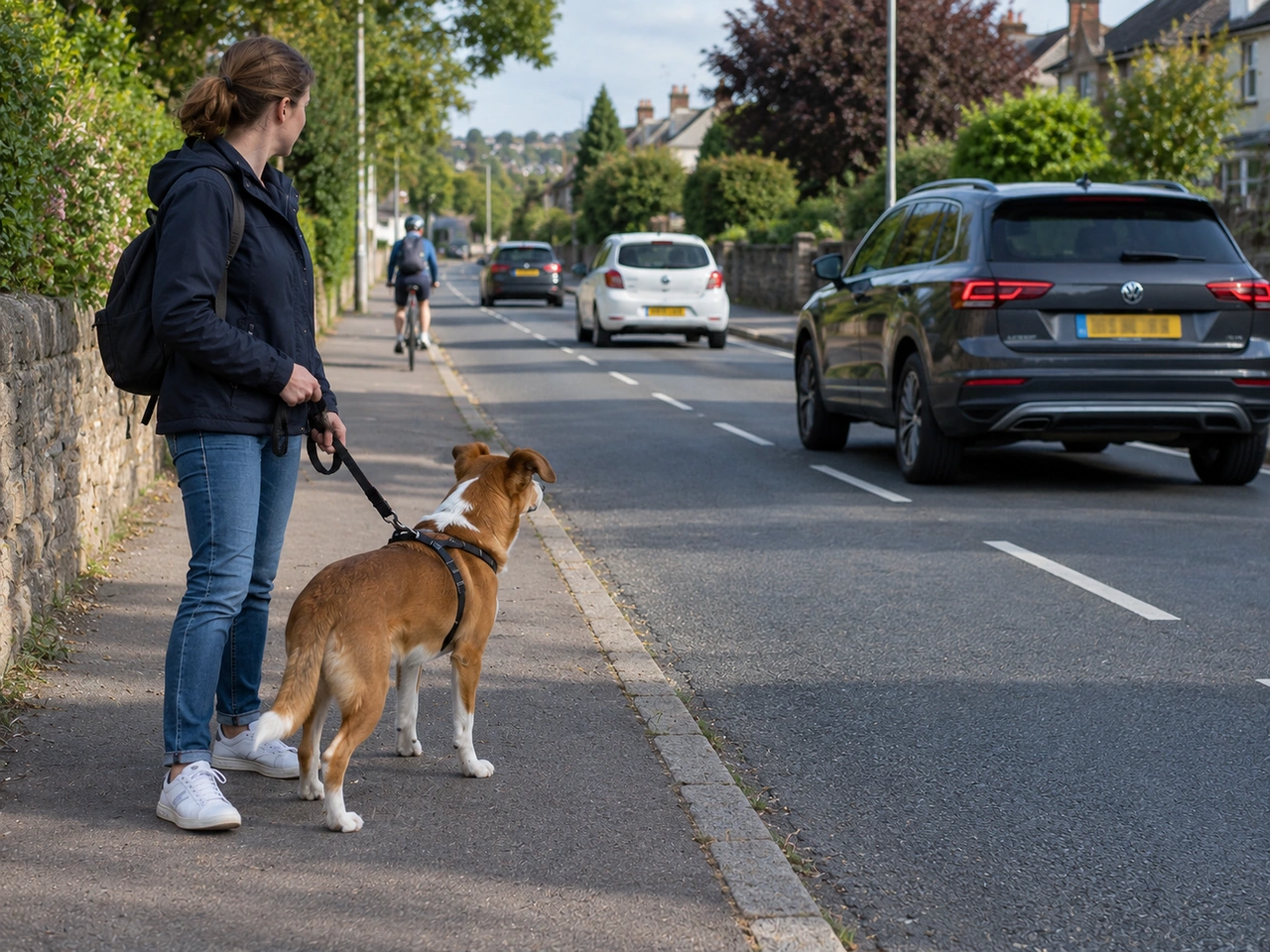
309. Why should you keep a dog on a leash near traffic?
Dogs can react unpredictably to vehicles, people, noises, or other animals. Keeping a dog under close control on a leash near traffic reduces the risk of it suddenly entering the road and endangering itself or other road users.
AI-generated by Traffic-rules.com • WCIT • CC BY-SA
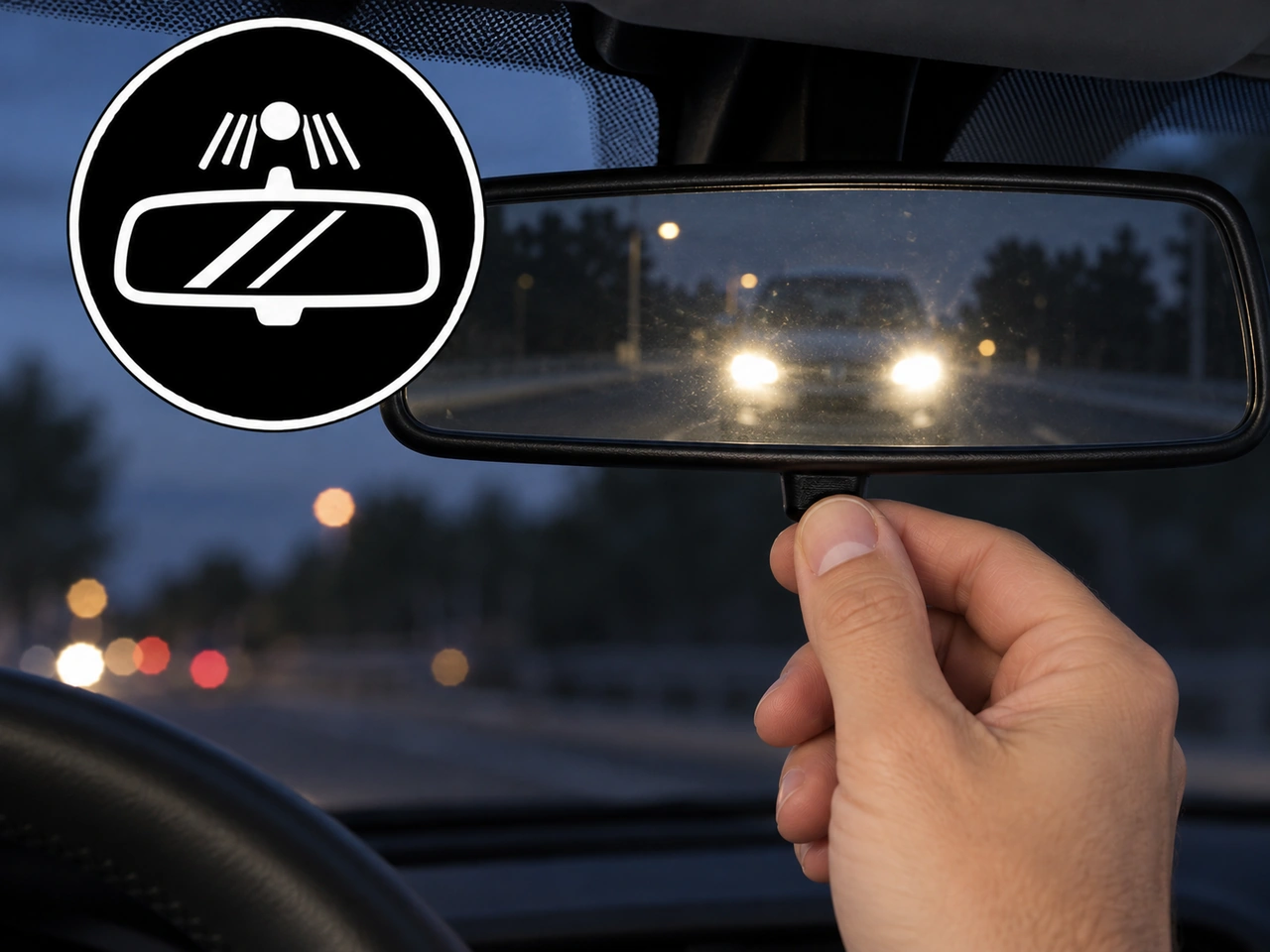
310. What is the purpose of the anti-dazzle control on the rear-view mirror?
The anti-dazzle setting reduces glare from the headlights of vehicles behind, helping the driver maintain a clear view without being dazzled.
AI-generated by Traffic-rules.com • WCIT • CC BY-SA
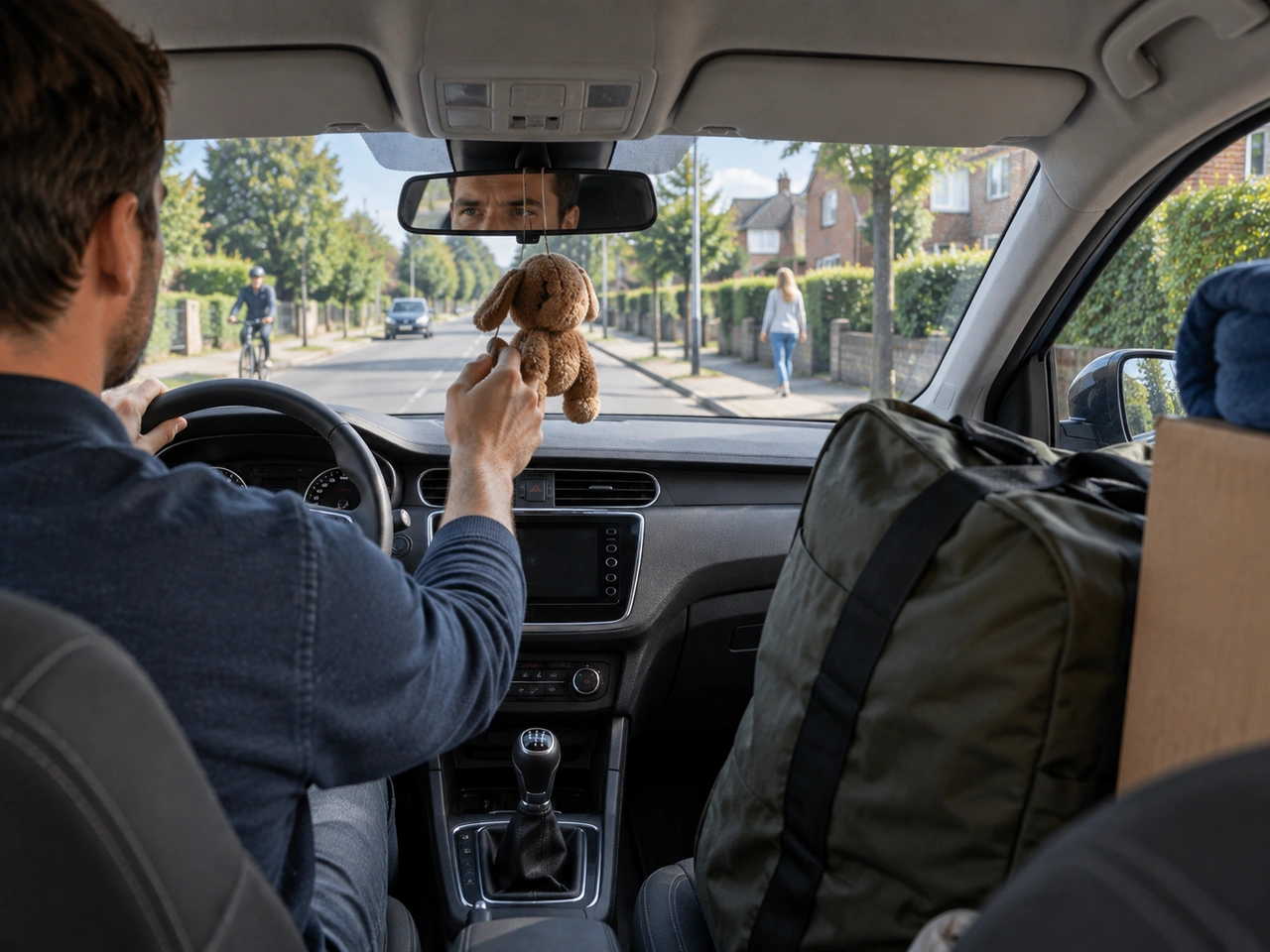
311. Why must luggage or other objects not obstruct the driver's view?
The driver must have a clear view of the road and surroundings. Luggage, decorations, or other objects that obstruct the windscreen, windows, or mirrors can hide pedestrians, cyclists, vehicles, signs, or other hazards.
AI-generated by Traffic-rules.com • WCIT • CC BY-SA
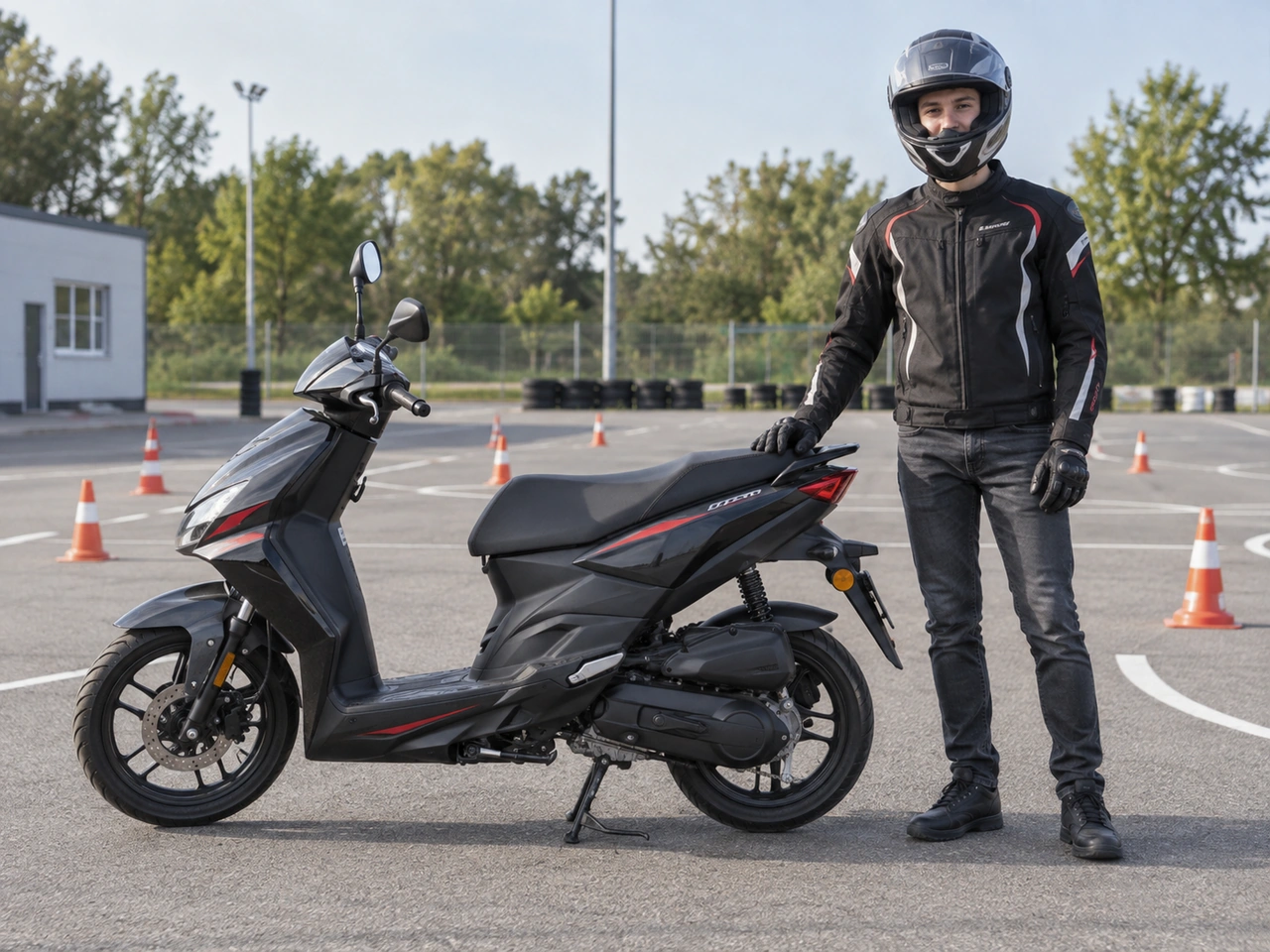
312. Which licence category is mainly associated with mopeds?
Driving licence AM is mainly associated with mopeds. Category AM covers mopeds with a design speed above 25 km/h and up to 45 km/h.
AI-generated by Traffic-rules.com • WCIT • CC BY-SA
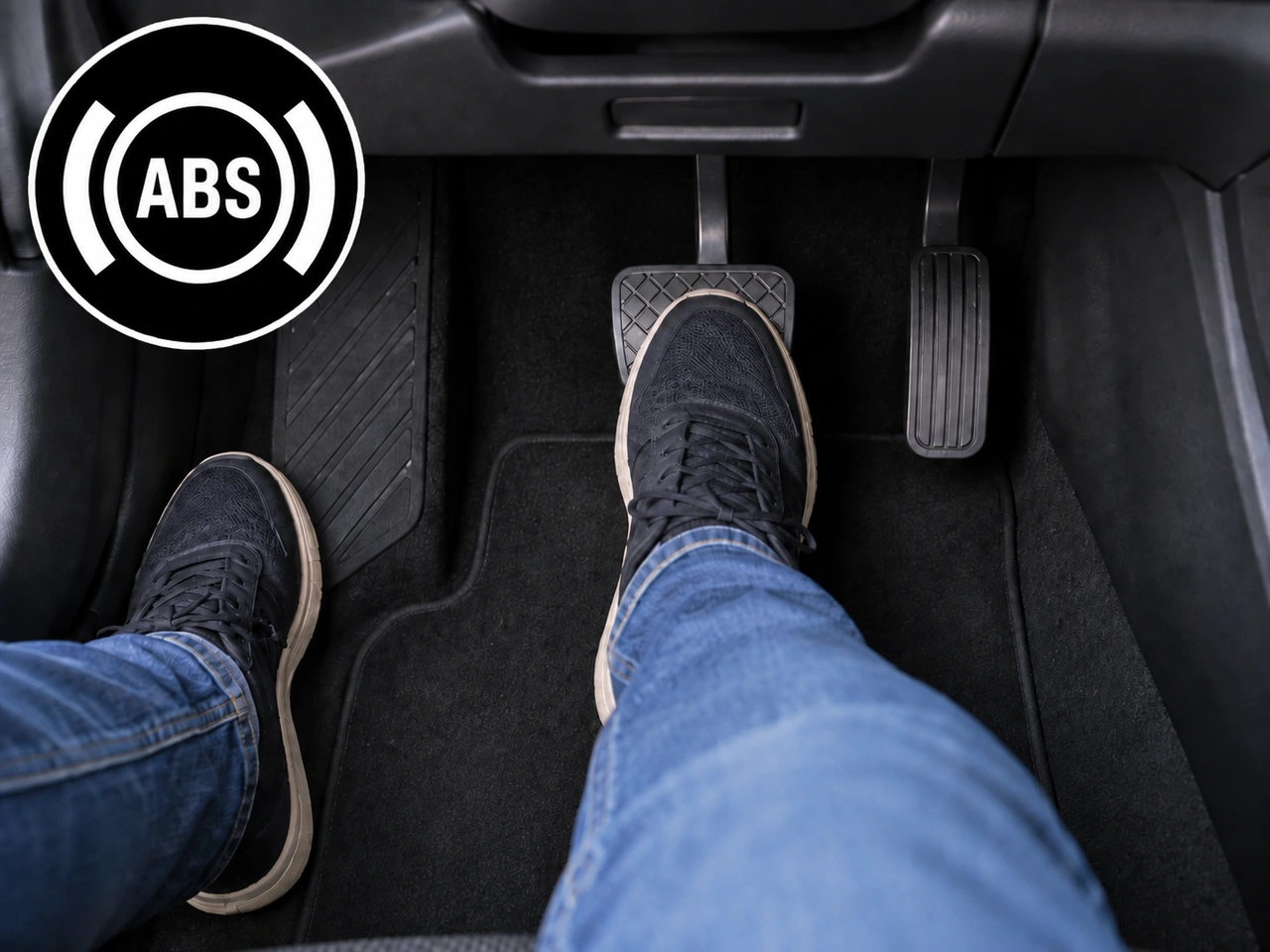
313. How should you use the brake pedal during emergency braking in a vehicle with ABS?
During emergency braking with ABS, press the brake pedal firmly and keep it pressed. Pulsation or vibration through the pedal can be normal while ABS is operating, so do not pump or release the brake.
AI-generated by Traffic-rules.com • WCIT • CC BY-SA
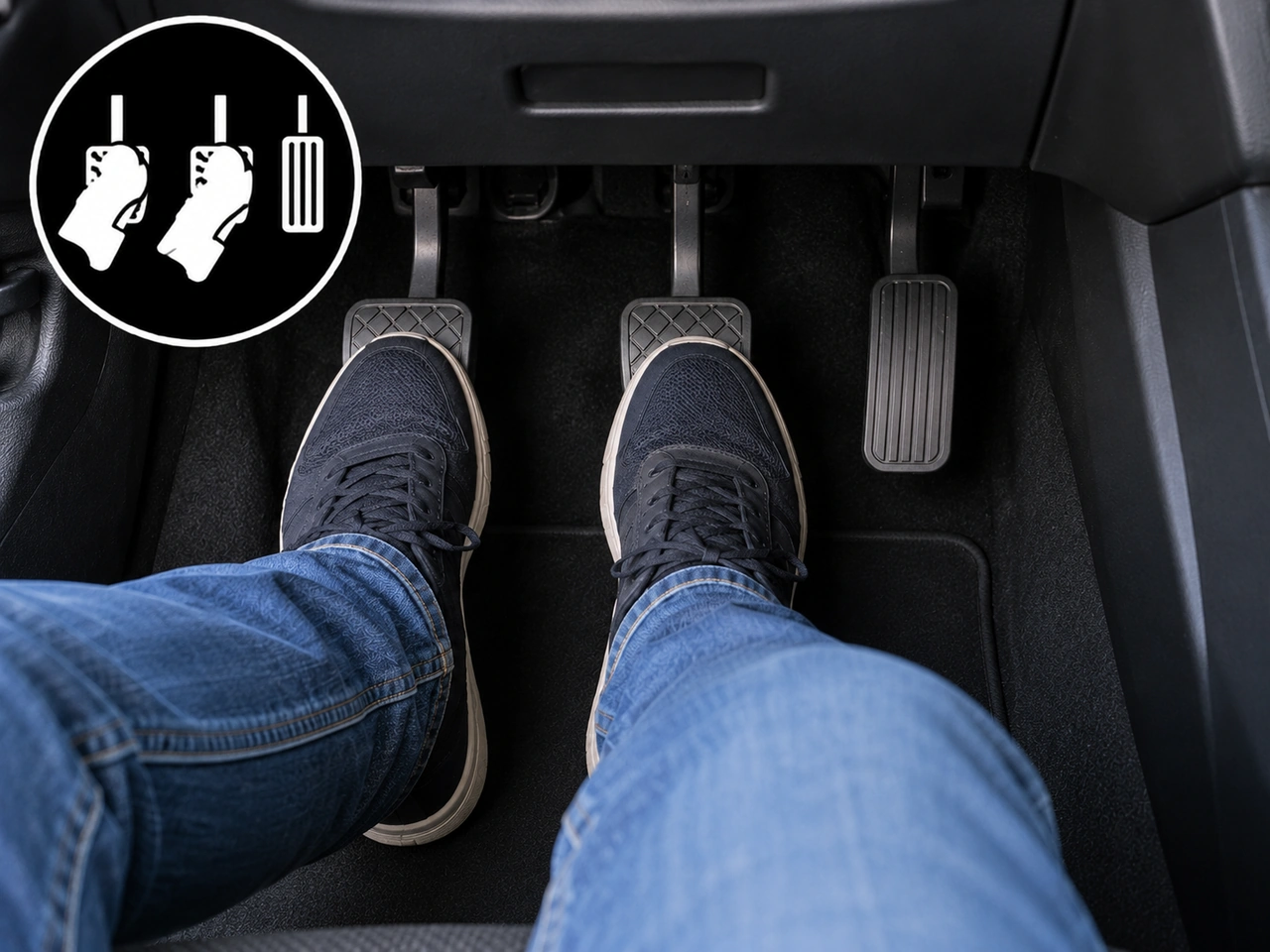
314. What should you do with the clutch when bringing a manual vehicle to a stop?
When stopping a manual vehicle, brake normally and press the clutch pedal before the engine speed becomes too low and the engine stalls. Avoid pressing the clutch unnecessarily early, as this reduces engine braking.
AI-generated by Traffic-rules.com • WCIT • CC BY-SA
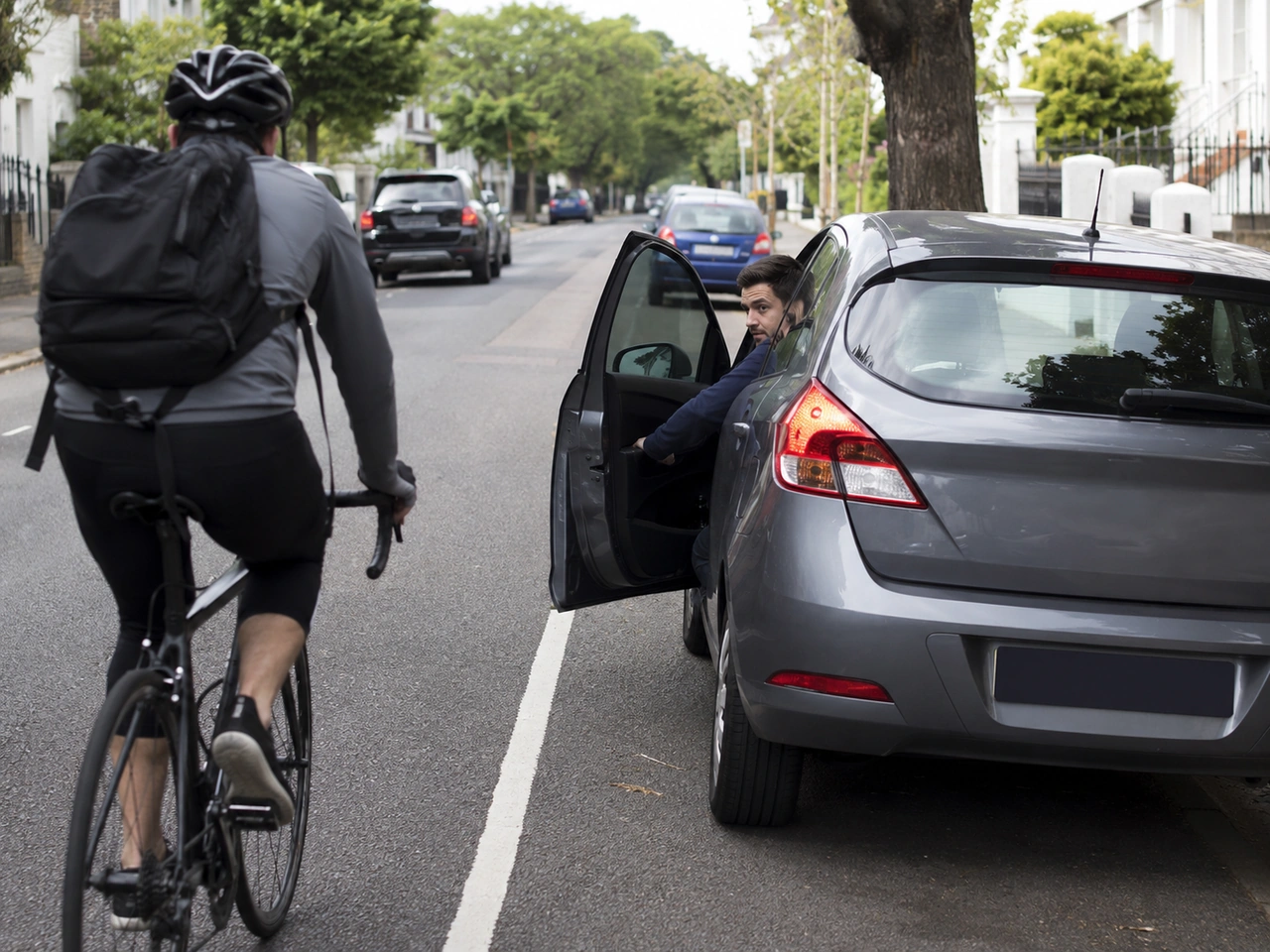
315. You do not need to look for cyclists when opening your car door.
You should always check for cyclists, motorcyclists, and other road users before opening a door.
AI-generated by Traffic-rules.com • WCIT • CC BY-SA
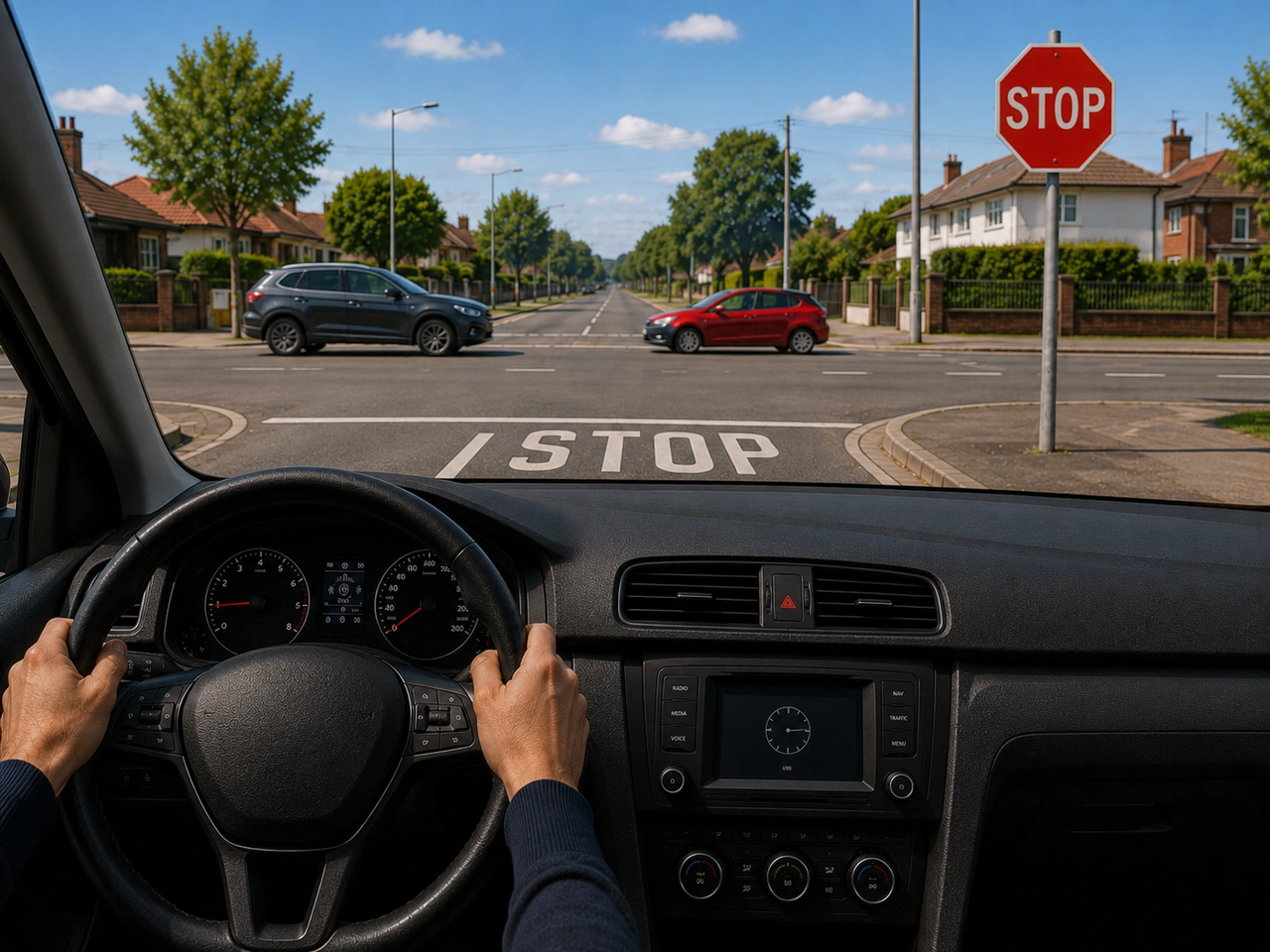
316. What should you do when approaching a stop sign?
A stop sign requires you to come to a complete stop at the required position. Check carefully for other road users and proceed only when it is safe.
AI-generated by Traffic-rules.com • WCIT • CC BY-SA
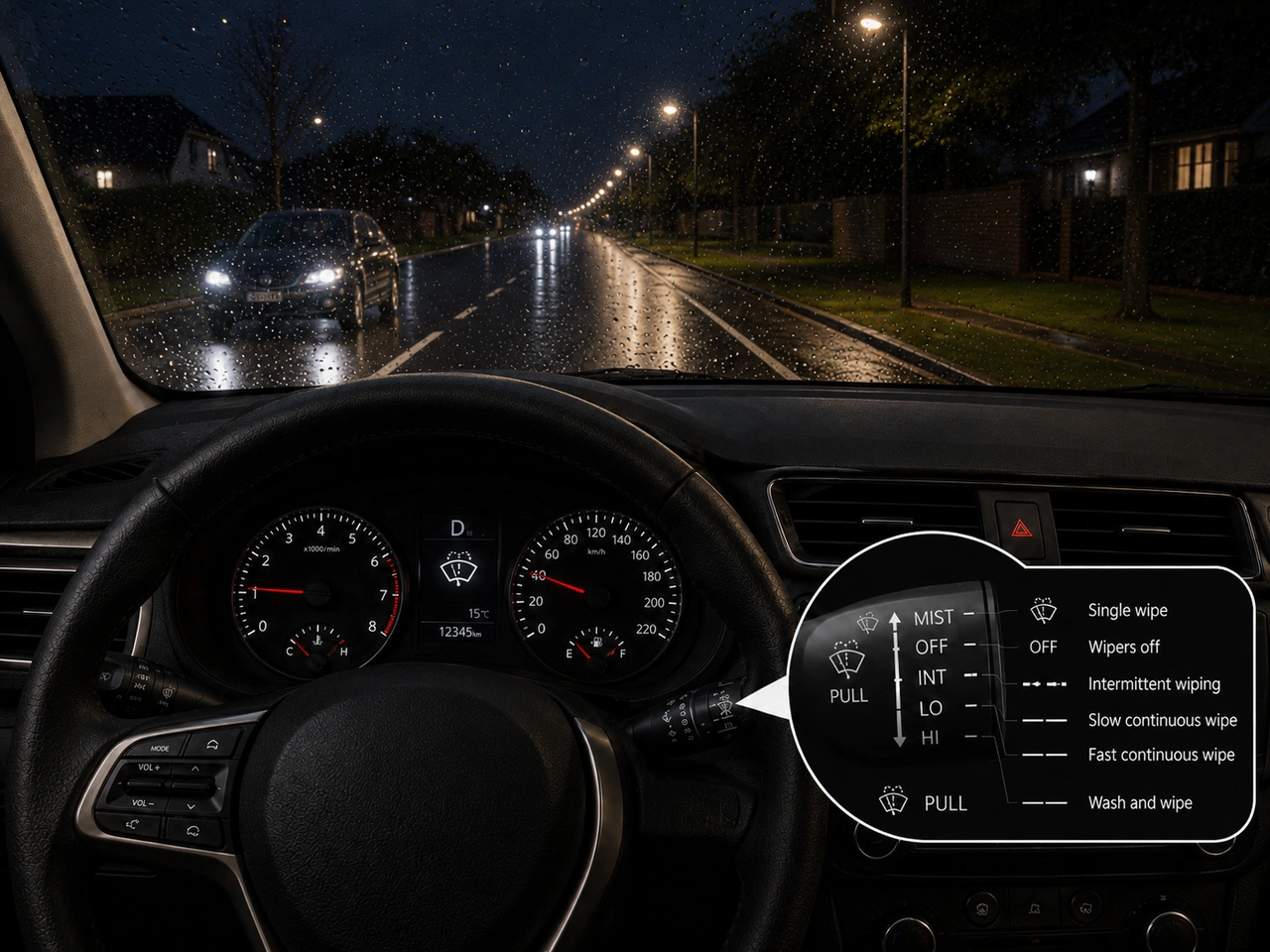
317. What should you do if the windscreen wipers stop working during heavy rain?
Do not continue when you cannot see clearly. Slow down smoothly and stop somewhere protected from traffic.
AI-generated by Traffic-rules.com • WCIT • CC BY-SA
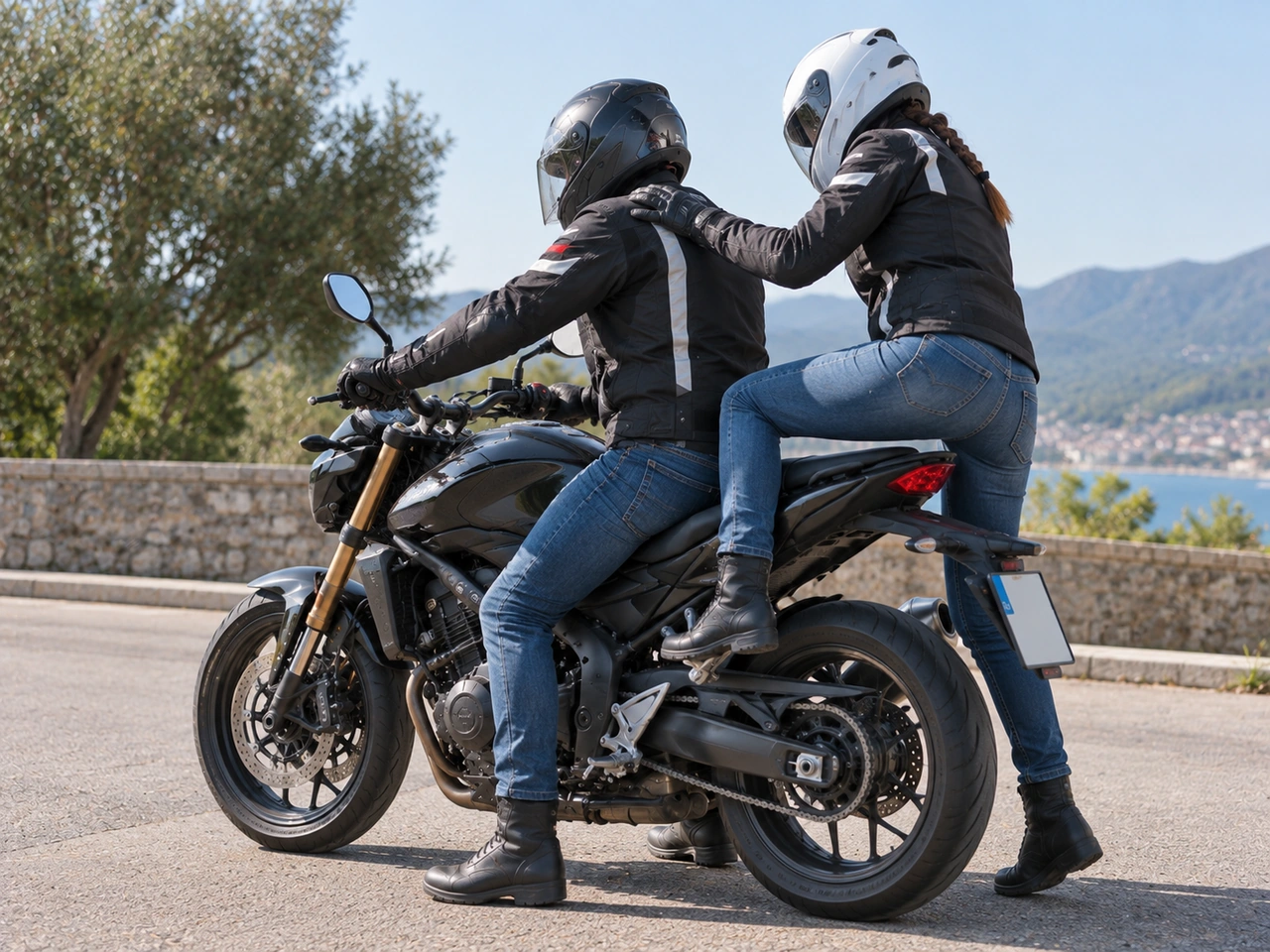
318. When should a passenger get on or off a motorcycle?
A passenger getting on or off can shift the motorcycle's balance suddenly. The motorcycle should be stationary and stable, and the passenger should wait until the rider is ready and prepared to support the extra movement.
AI-generated by Traffic-rules.com • WCIT • CC BY-SA
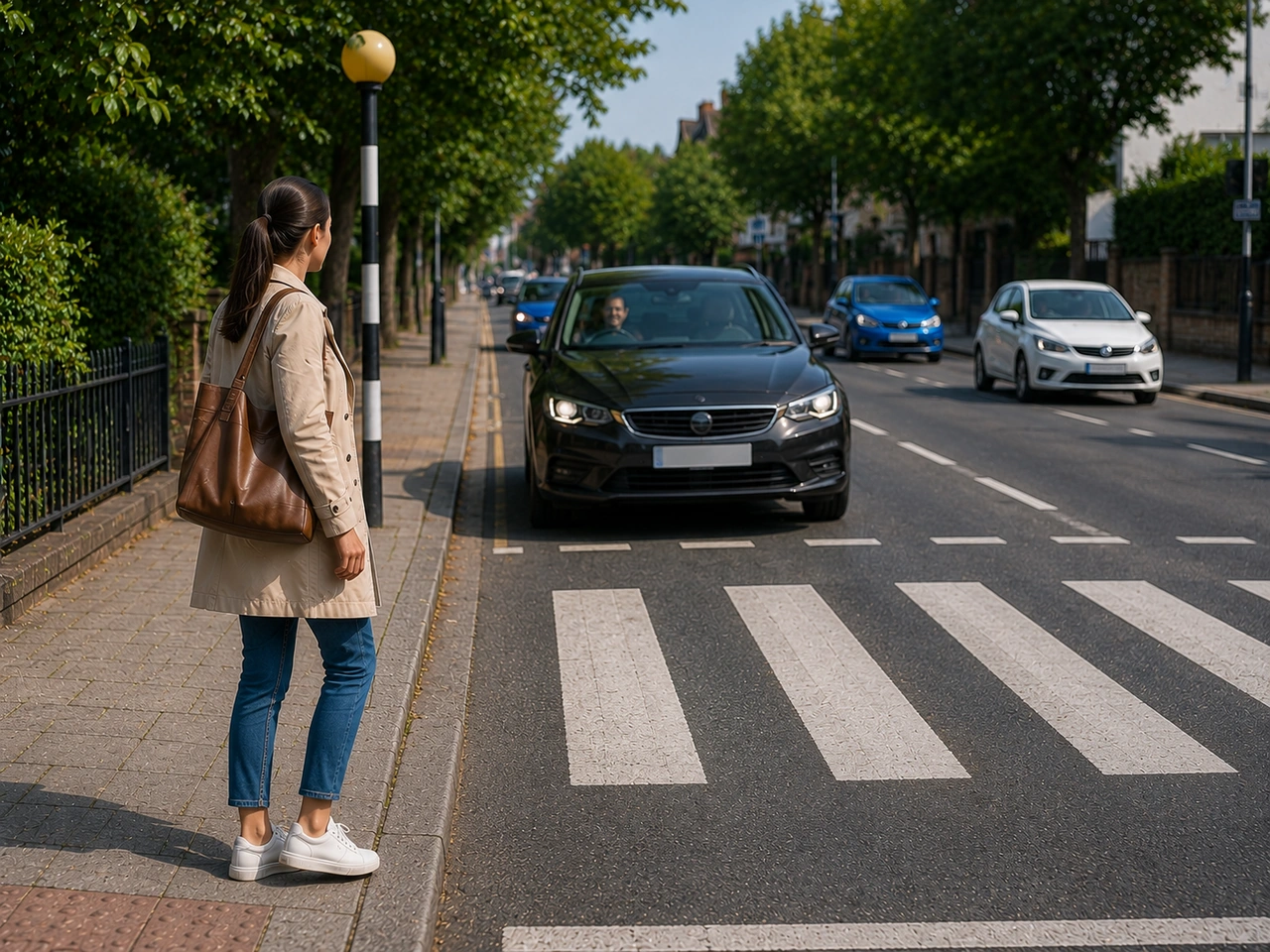
319. What should you do if traffic stops and a driver waves you across?
One driver may stop, but other vehicles may still be moving. Always check all lanes before crossing.
AI-generated by Traffic-rules.com • WCIT • CC BY-SA
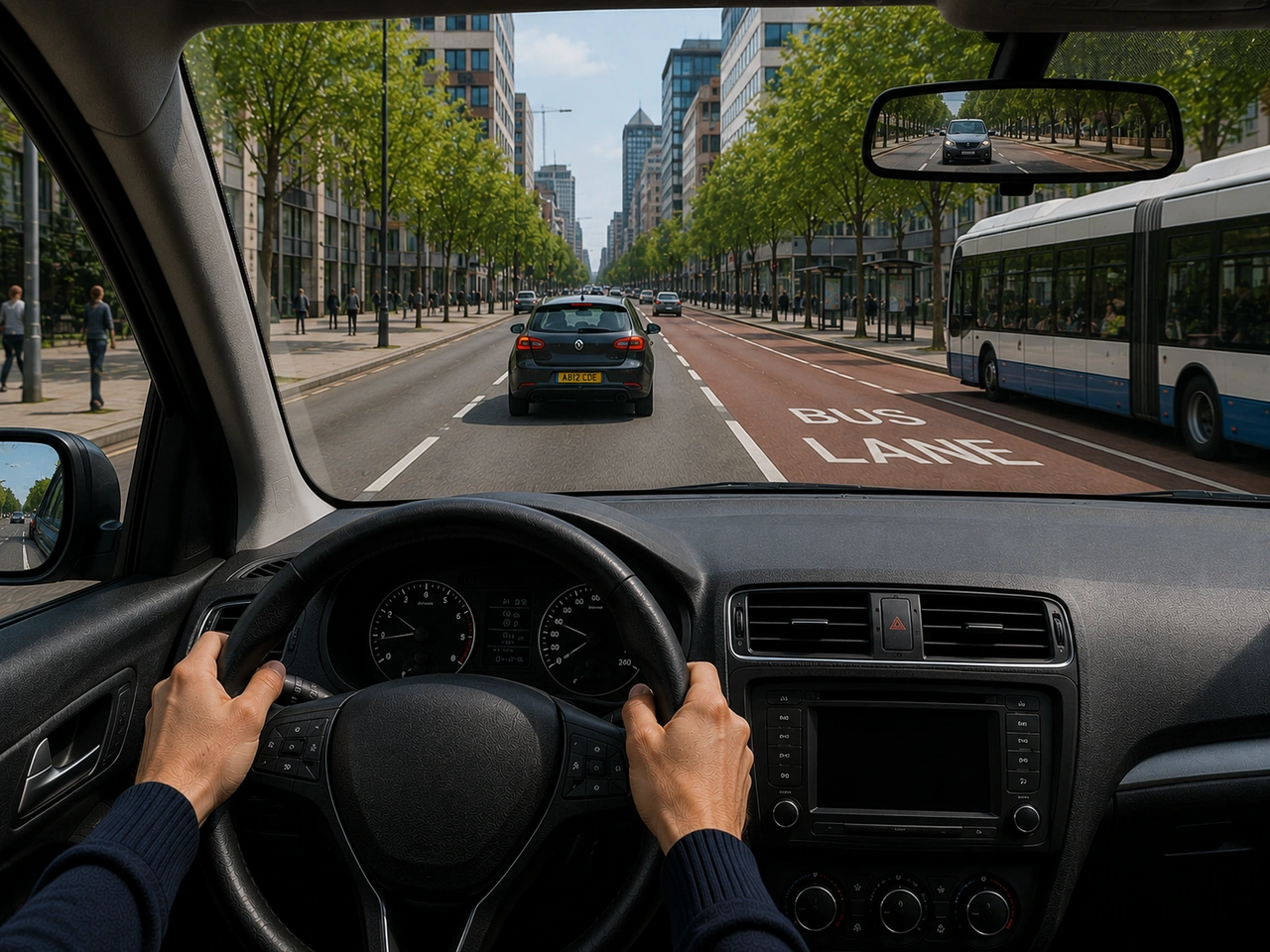
320. Why should you take extra care when crossing a tram or bus lane?
Check carefully before crossing or entering a tram or bus lane. Trams cannot steer around obstacles, and both trams and buses may need significant distance to stop.
AI-generated by Traffic-rules.com • WCIT • CC BY-SA
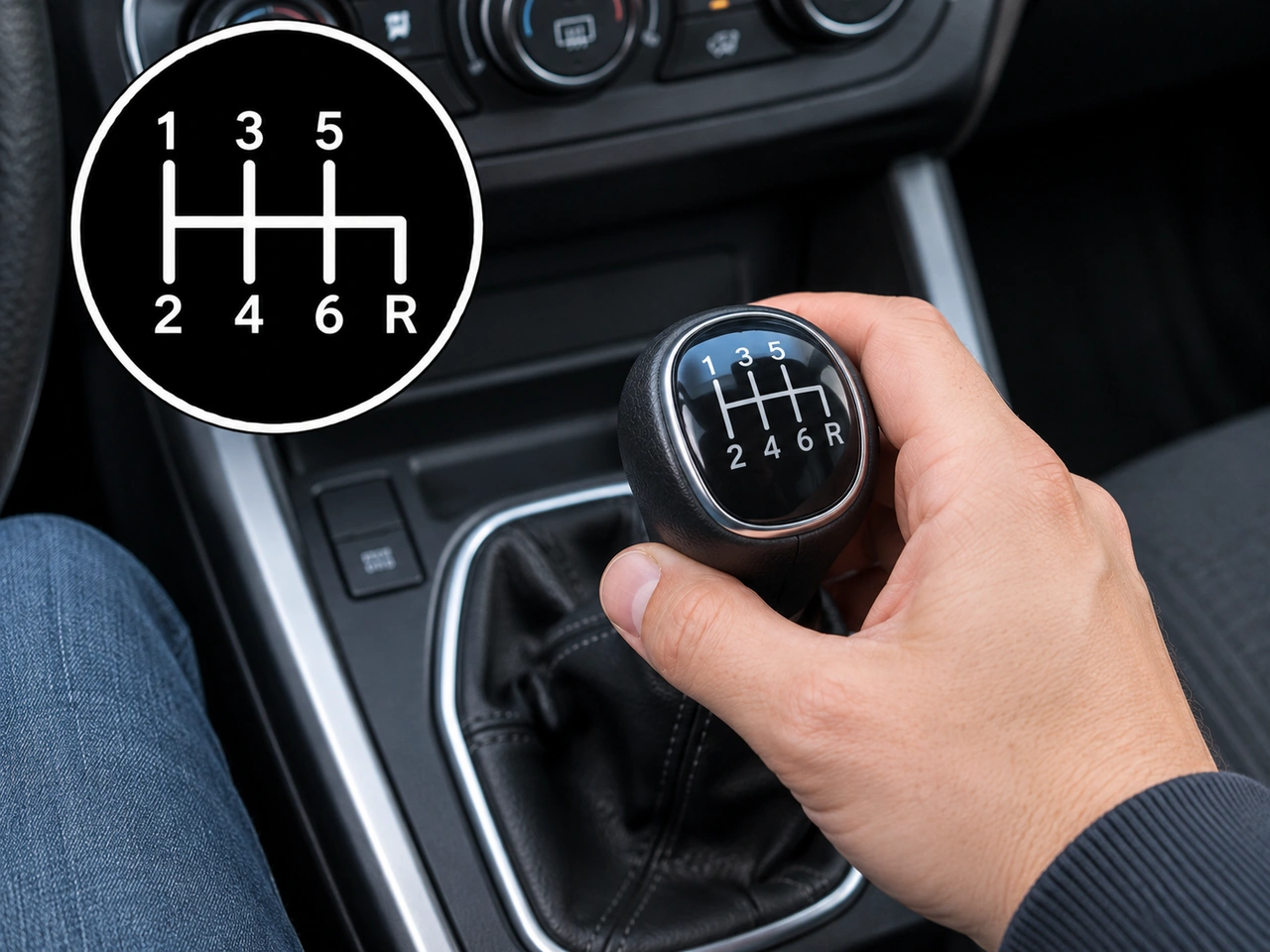
321. Which gear is normally used when moving off from a standstill?
1st gear is normally used when moving off from a standstill because it provides the greatest pulling power at low speed.
AI-generated by Traffic-rules.com • WCIT • CC BY-SA
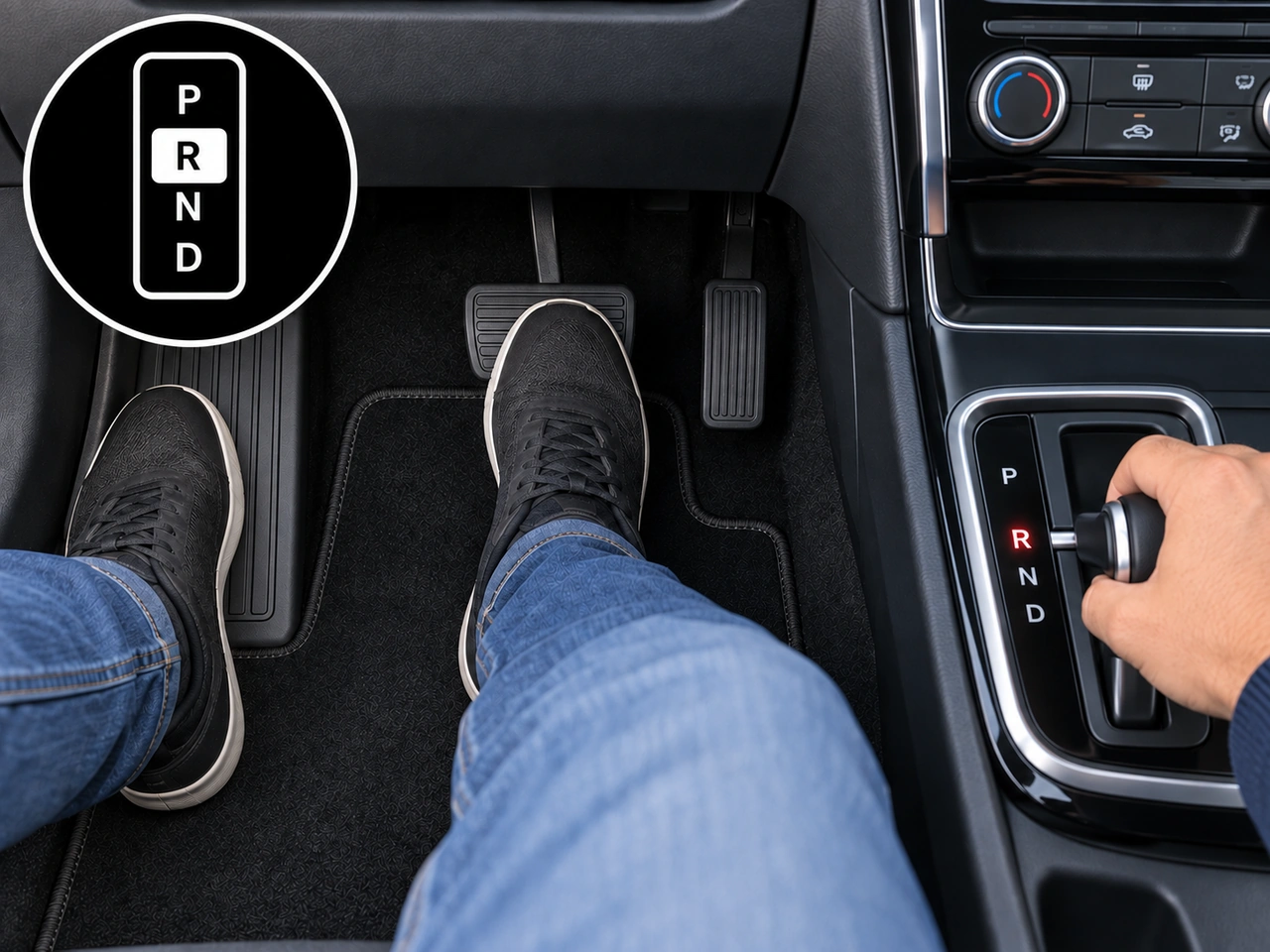
322. When should you select R (Reverse) in an automatic vehicle?
Select R (Reverse) only after the vehicle has come to a complete stop. Selecting Reverse while the vehicle is still moving forward can damage the transmission.
AI-generated by Traffic-rules.com • WCIT • CC BY-SA
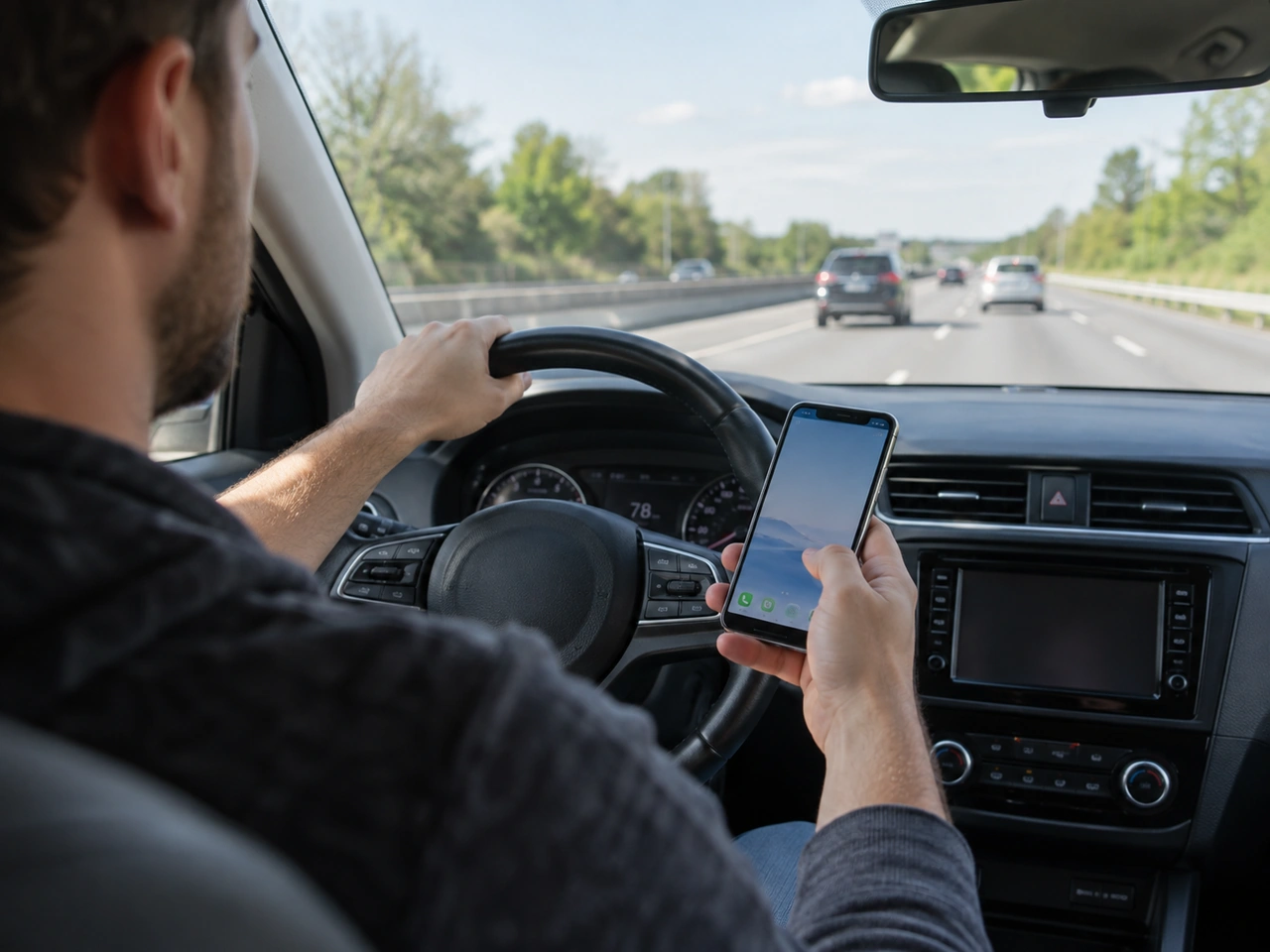
323. Can drivers use a handheld phone while driving in Netherlands?
Drivers in Netherlands are generally not allowed to use a handheld phone while driving.
AI-generated by Traffic-rules.com • WCIT • CC BY-SA
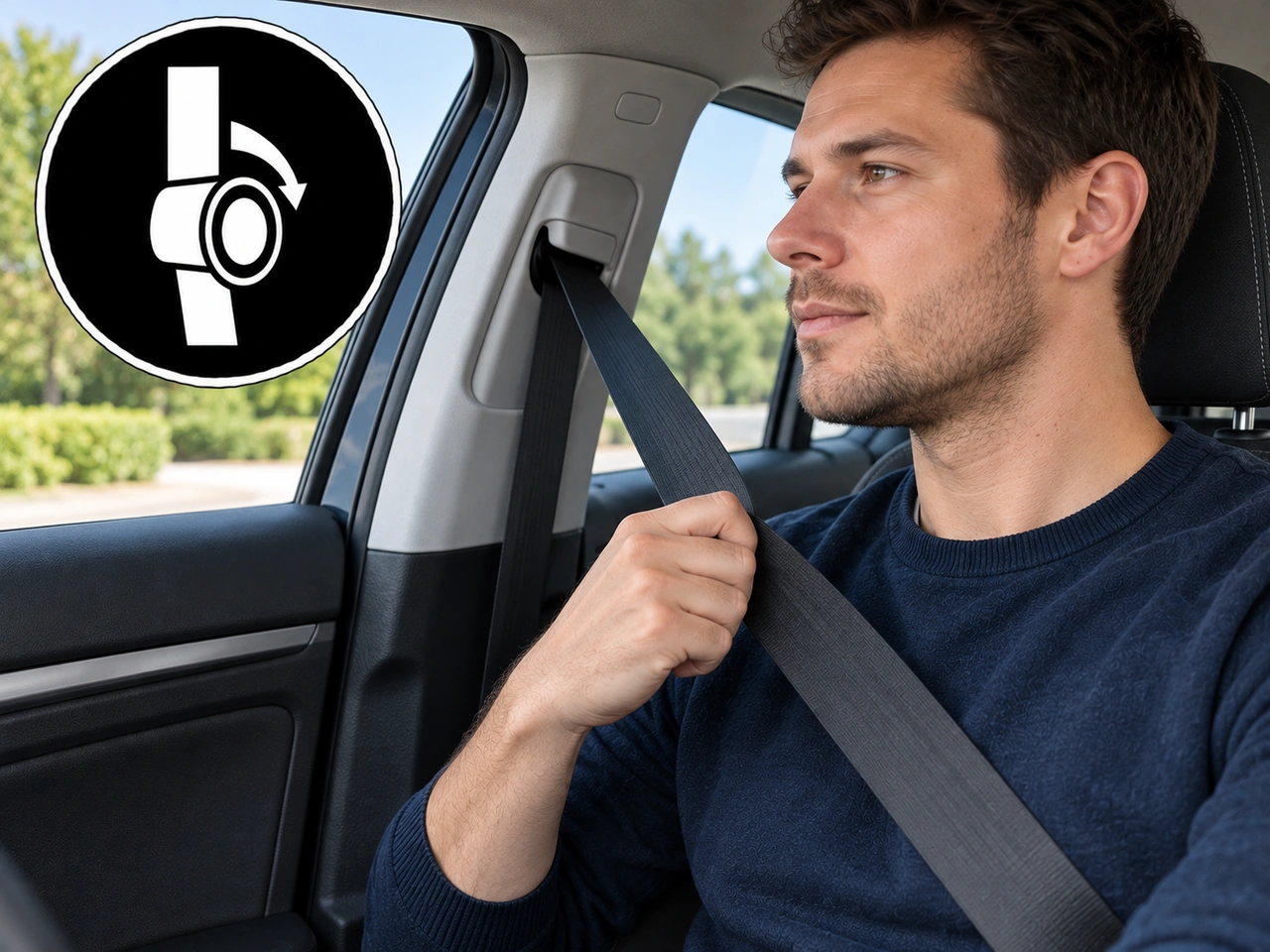
324. What is the purpose of the seat-belt retractor?
The seat-belt retractor takes up slack and helps keep the belt properly positioned against the body. It allows normal movement but can lock during sudden braking, rapid belt movement or a collision.
AI-generated by Traffic-rules.com • WCIT • CC BY-SA
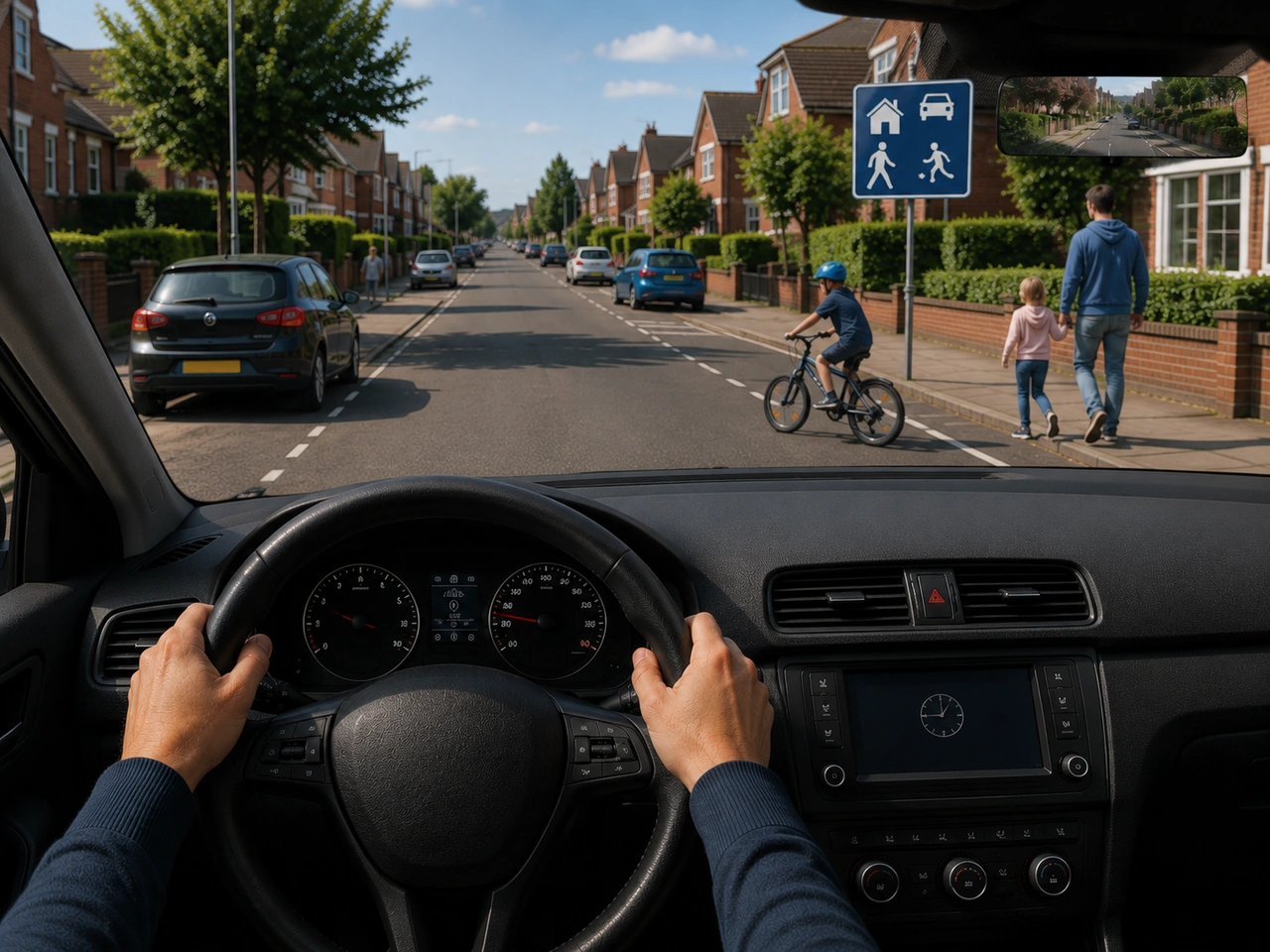
325. Why should you reduce speed in residential areas?
Residential areas often have pedestrians, cyclists, parked vehicles, driveways, and children, and hazards may appear suddenly. Lower speed gives you more time to react and stop safely.
AI-generated by Traffic-rules.com • WCIT • CC BY-SA
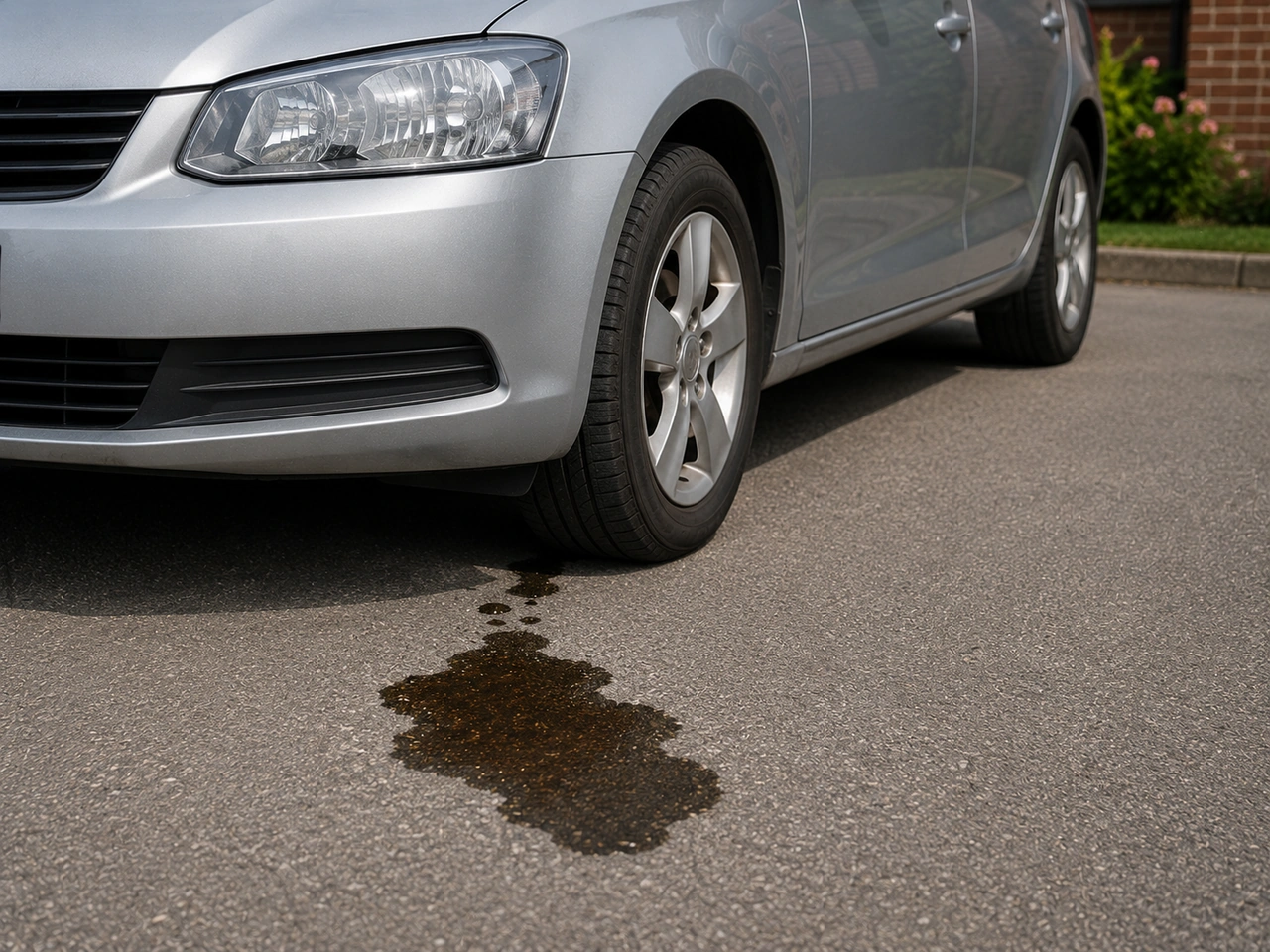
326. What should you do if you notice an unfamiliar fluid underneath your vehicle?
Clear water from air conditioning can be normal, but oil, coolant, fuel, transmission fluid, or brake fluid may indicate a fault requiring urgent attention.
AI-generated by Traffic-rules.com • WCIT • CC BY-SA
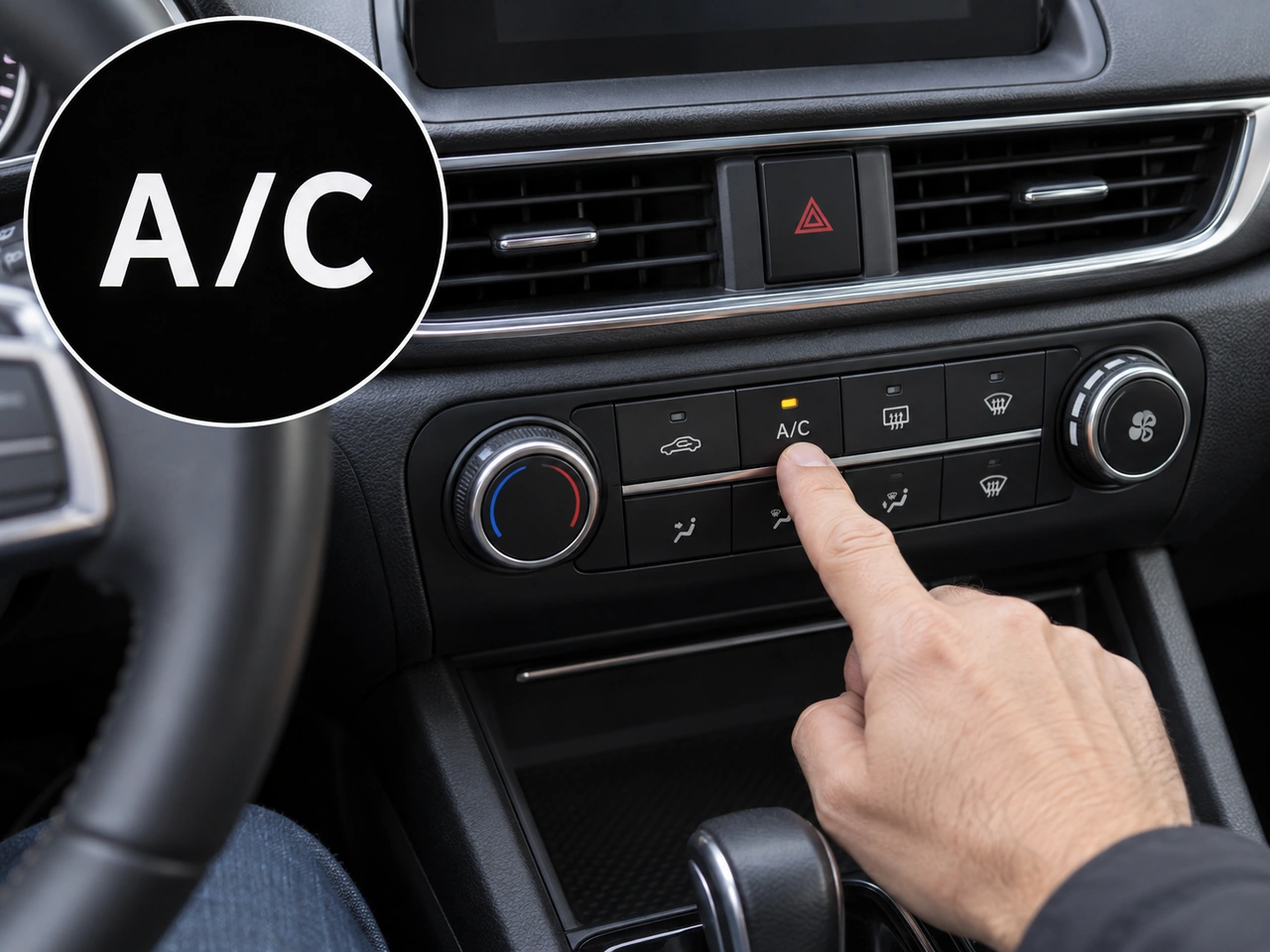
327. What does this vehicle-control symbol indicate?
The A/C symbol controls the vehicle's air-conditioning system. Air conditioning can cool and dehumidify the air inside the vehicle, which can also help clear mist from the windows.
AI-generated by Traffic-rules.com • WCIT • CC BY-SA
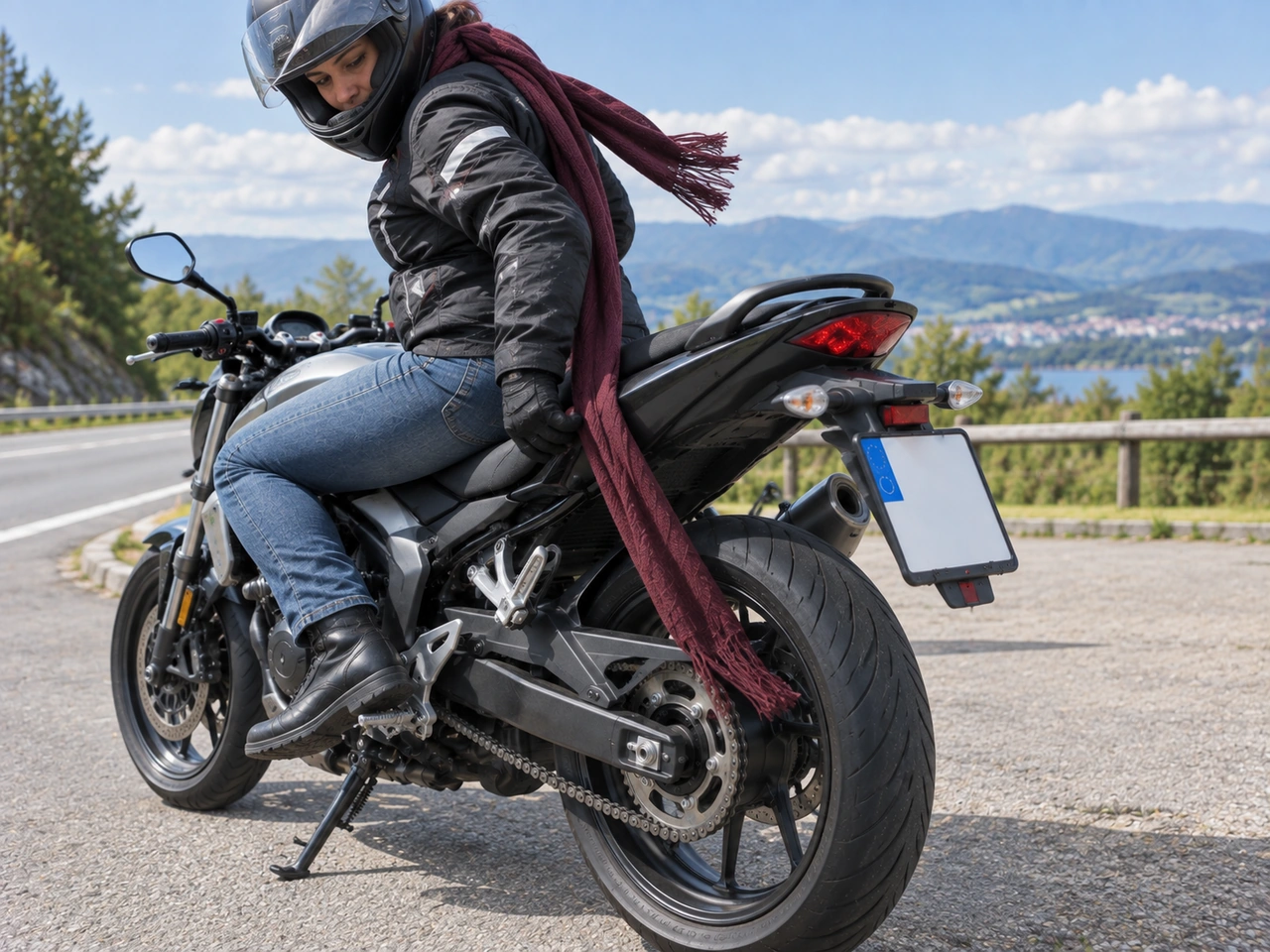
328. Why should loose clothing be avoided when riding a motorcycle?
Loose clothing, straps or scarves can flap in the wind or become caught in moving parts such as the chain or wheel. Motorcycle clothing should fit securely and should not have loose items that could interfere with safe riding.
AI-generated by Traffic-rules.com • WCIT • CC BY-SA
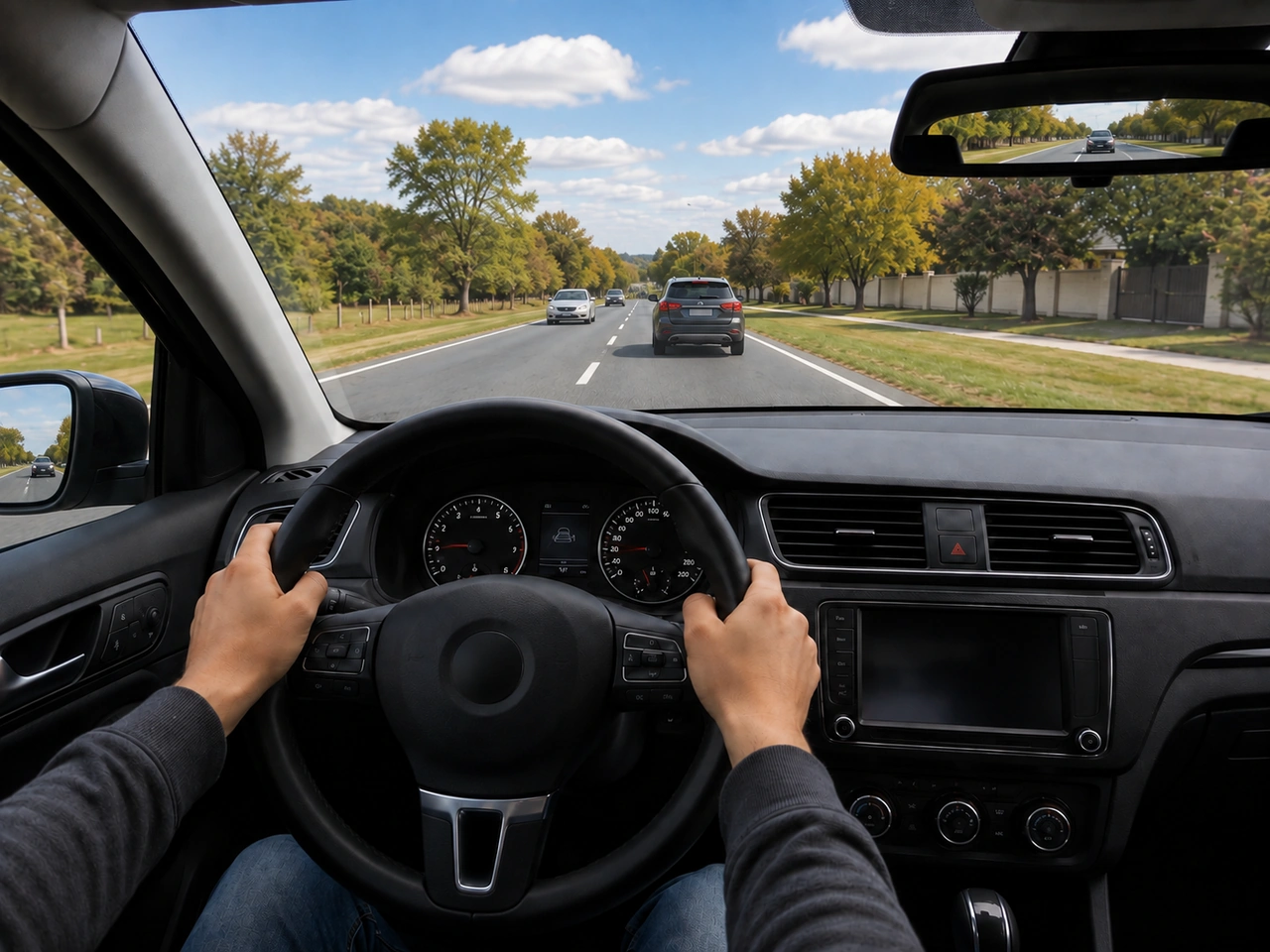
329. You should keep both hands ready to control the steering.
Keeping proper control of the steering wheel helps you react safely to changes in traffic and road conditions.
AI-generated by Traffic-rules.com • WCIT • CC BY-SA
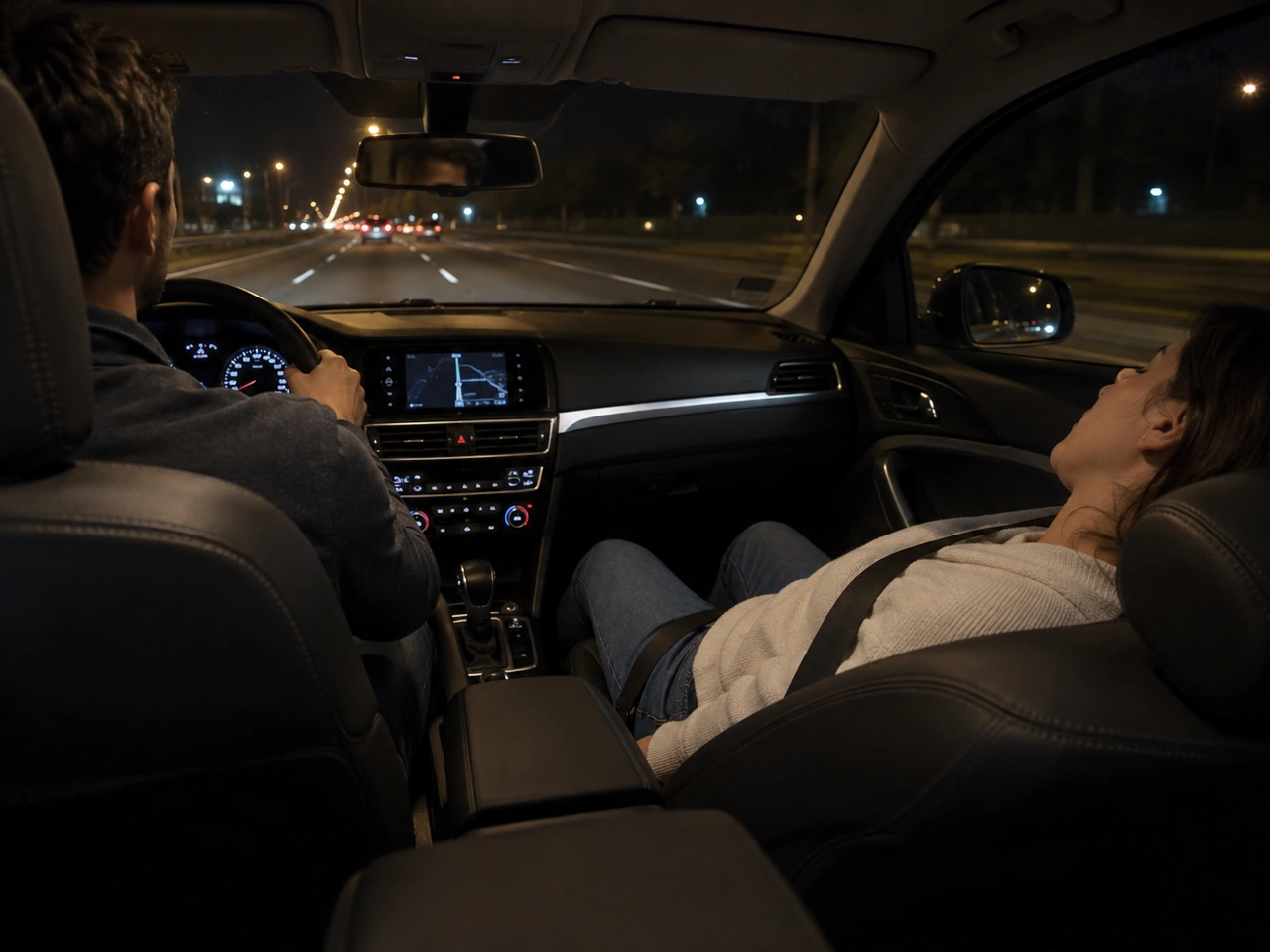
330. Why should you avoid travelling with the seatback excessively reclined?
An excessively reclined seat can affect how the seat belt fits and restrains your body and may increase the risk of sliding under the lap belt in a collision. Sit in a reasonably upright position so the lap belt stays low across the hips and the shoulder belt lies correctly across the chest.
AI-generated by Traffic-rules.com • WCIT • CC BY-SA
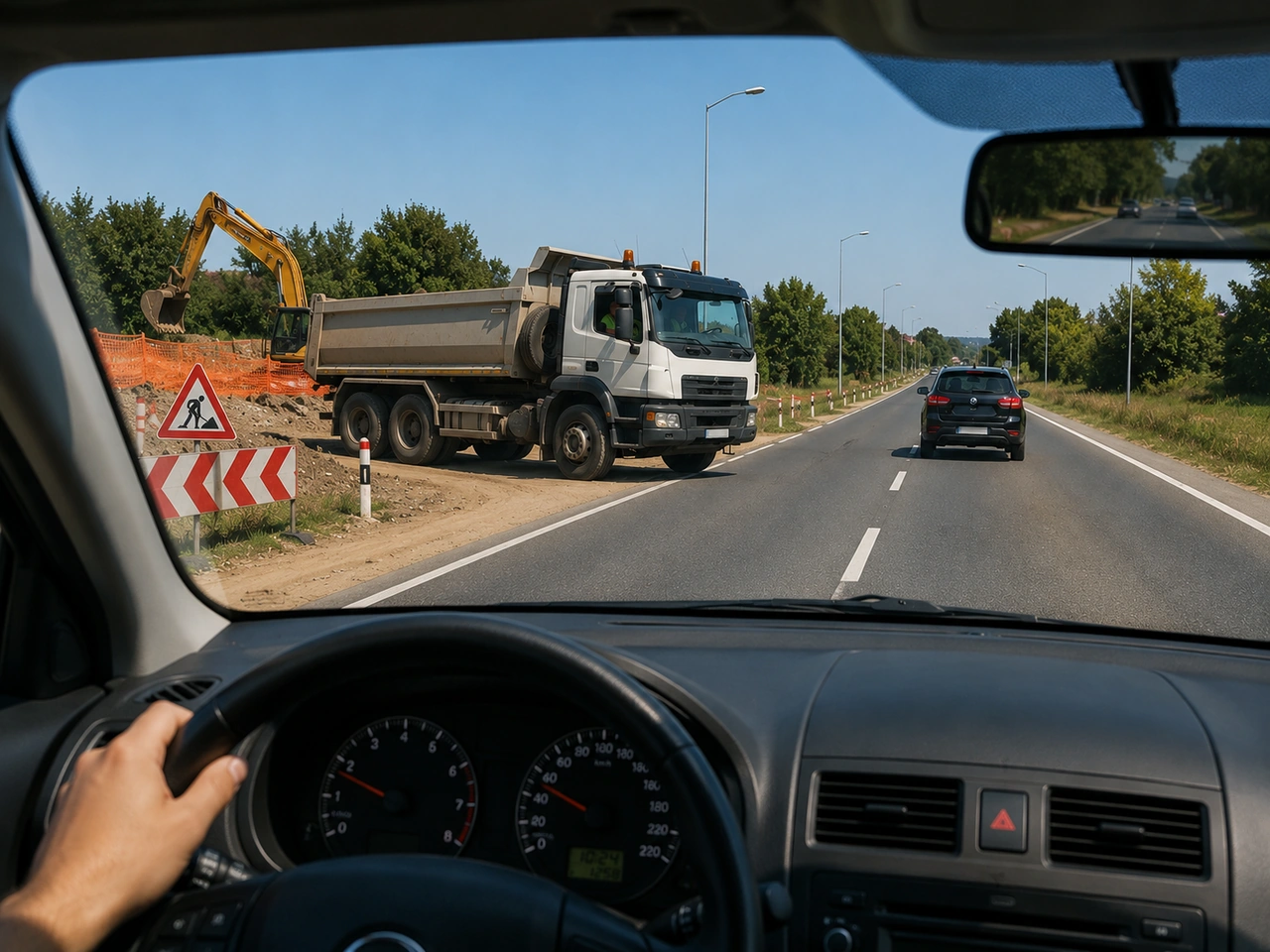
331. What should you do when construction vehicles enter or leave the road?
Construction vehicles may move slowly, have limited visibility, or carry loose material. Give them time and space to manoeuvre.
AI-generated by Traffic-rules.com • WCIT • CC BY-SA
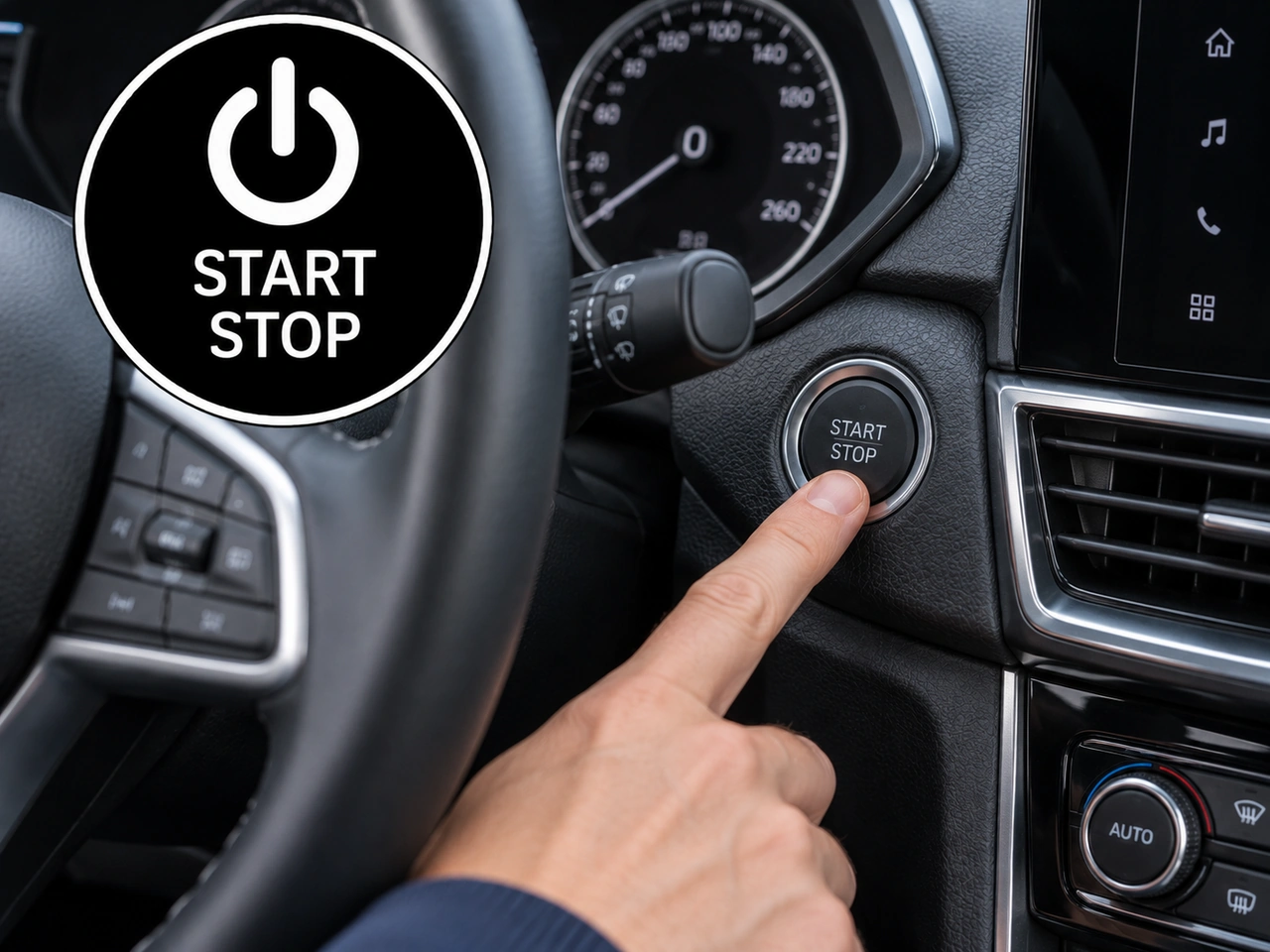
332. What does this vehicle-control button operate?
The engine start/stop button is used to start or switch off the vehicle's engine or electric drive system. Starting the vehicle normally also requires the brake or clutch pedal to be pressed.
AI-generated by Traffic-rules.com • WCIT • CC BY-SA
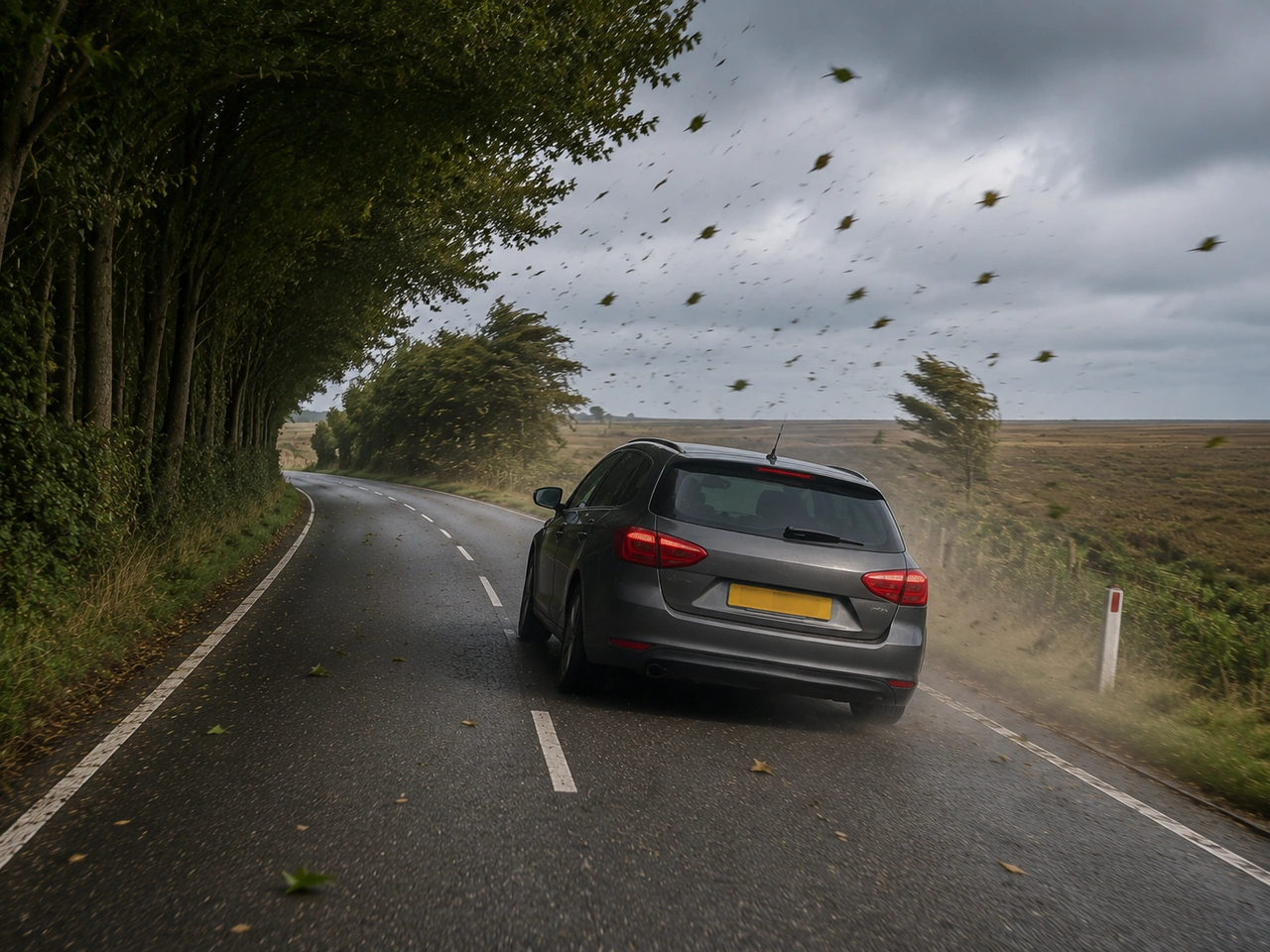
333. What should you expect when leaving a sheltered area during strong winds?
Buildings, trees, and other obstacles can block wind. When you leave shelter, a sudden gust may push your vehicle.
AI-generated by Traffic-rules.com • WCIT • CC BY-SA
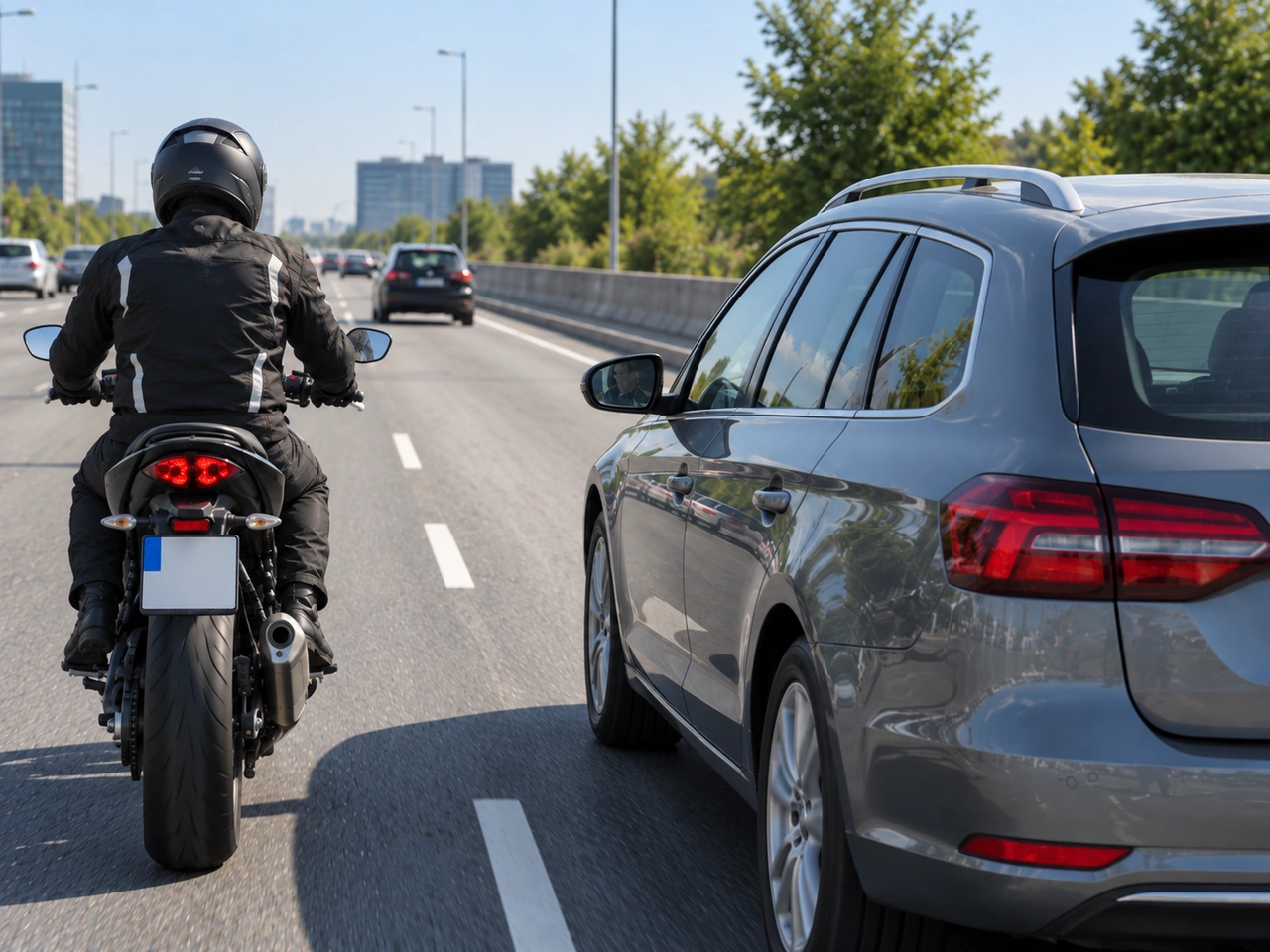
334. Why should a motorcyclist avoid riding in another vehicle's blind spot?
Motorcycles can be difficult to see, particularly when they remain in another vehicle's blind spot. Avoid staying alongside a vehicle where the driver may not see you, and choose a position where you are more likely to be visible.
AI-generated by Traffic-rules.com • WCIT • CC BY-SA
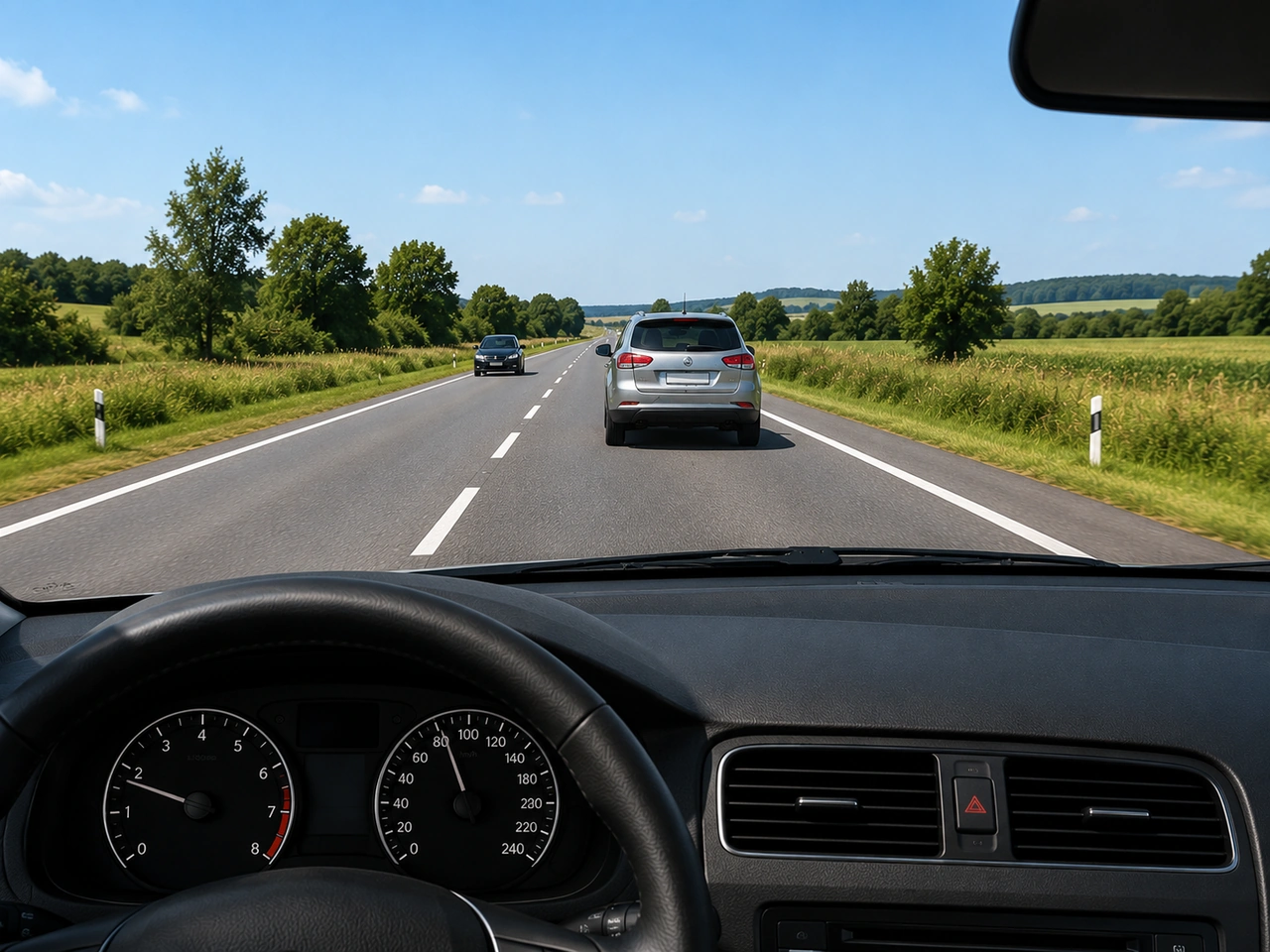
335. Why should you keep a safe following distance?
A safe following distance gives you enough time to react if the vehicle in front slows down or stops suddenly.
AI-generated by Traffic-rules.com • WCIT • CC BY-SA
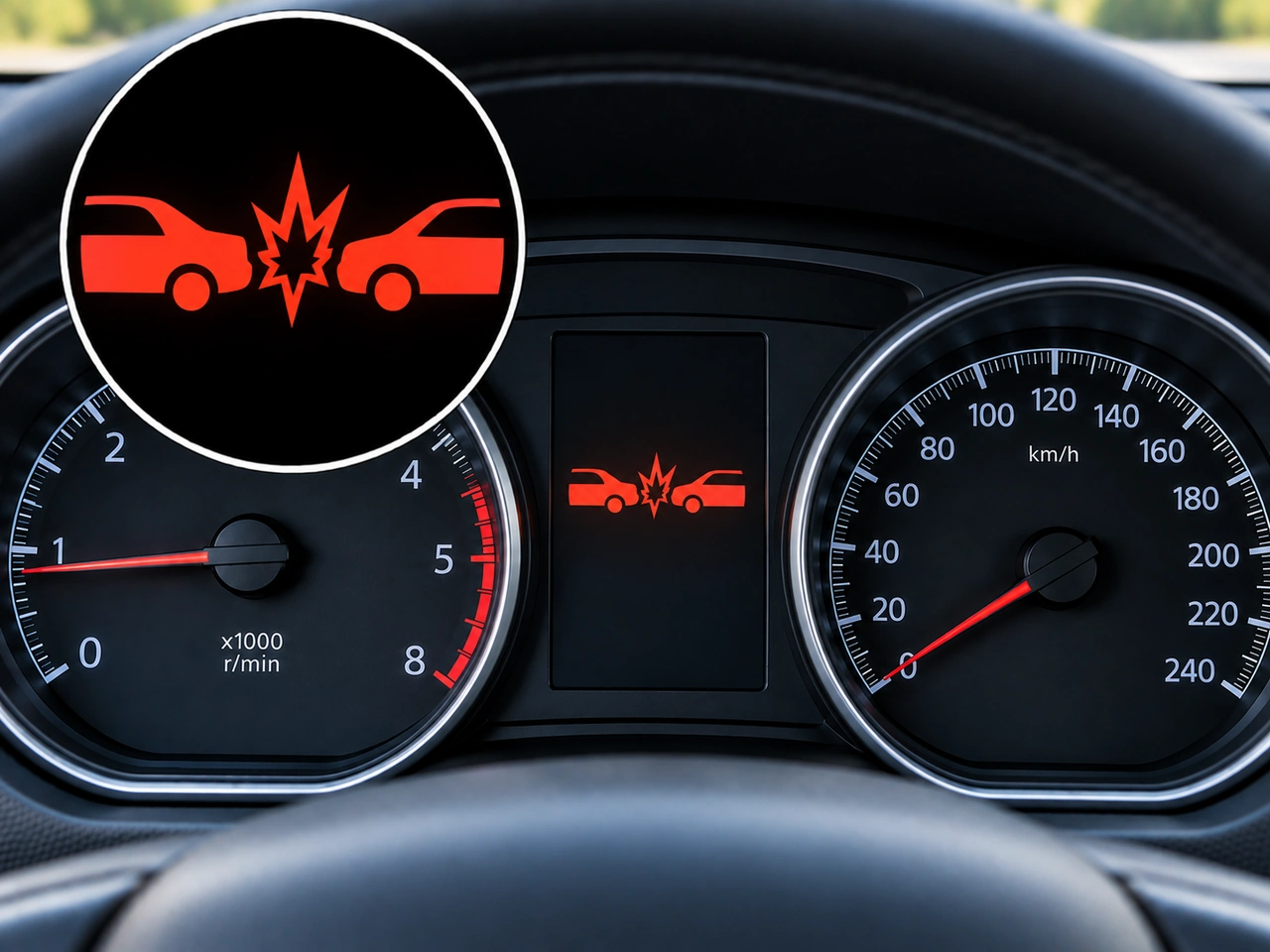
336. What does this dashboard symbol indicate?
This symbol relates to the forward-collision warning or automatic emergency braking system. It may warn the driver when the vehicle detects a risk of collision with traffic ahead.
AI-generated by Traffic-rules.com • WCIT • CC BY-SA
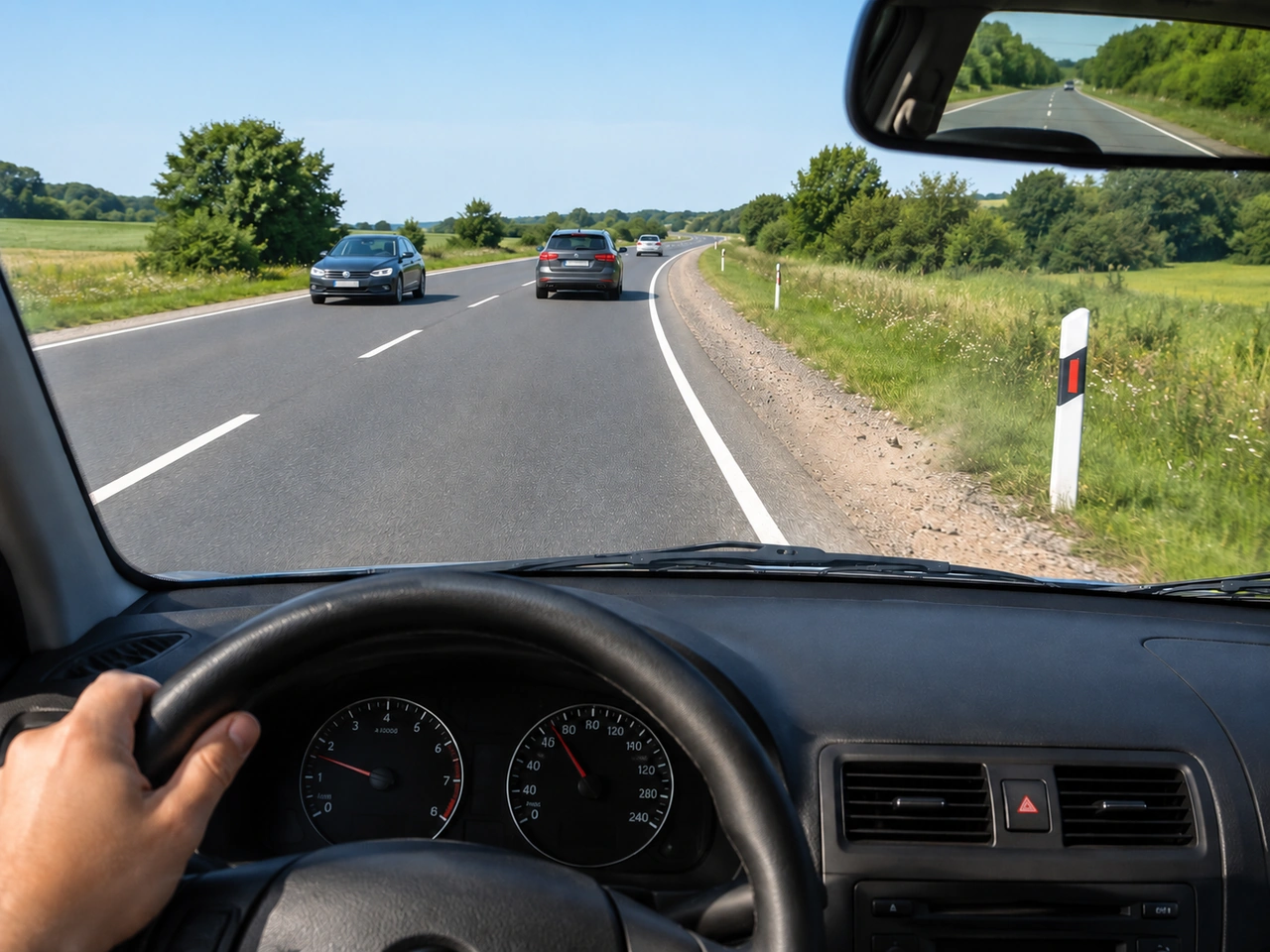
337. What should you do if your vehicle begins to drift onto the shoulder?
If you drift onto the shoulder, avoid sudden steering or braking. Slow gently and return to the road smoothly when it is safe.
AI-generated by Traffic-rules.com • WCIT • CC BY-SA
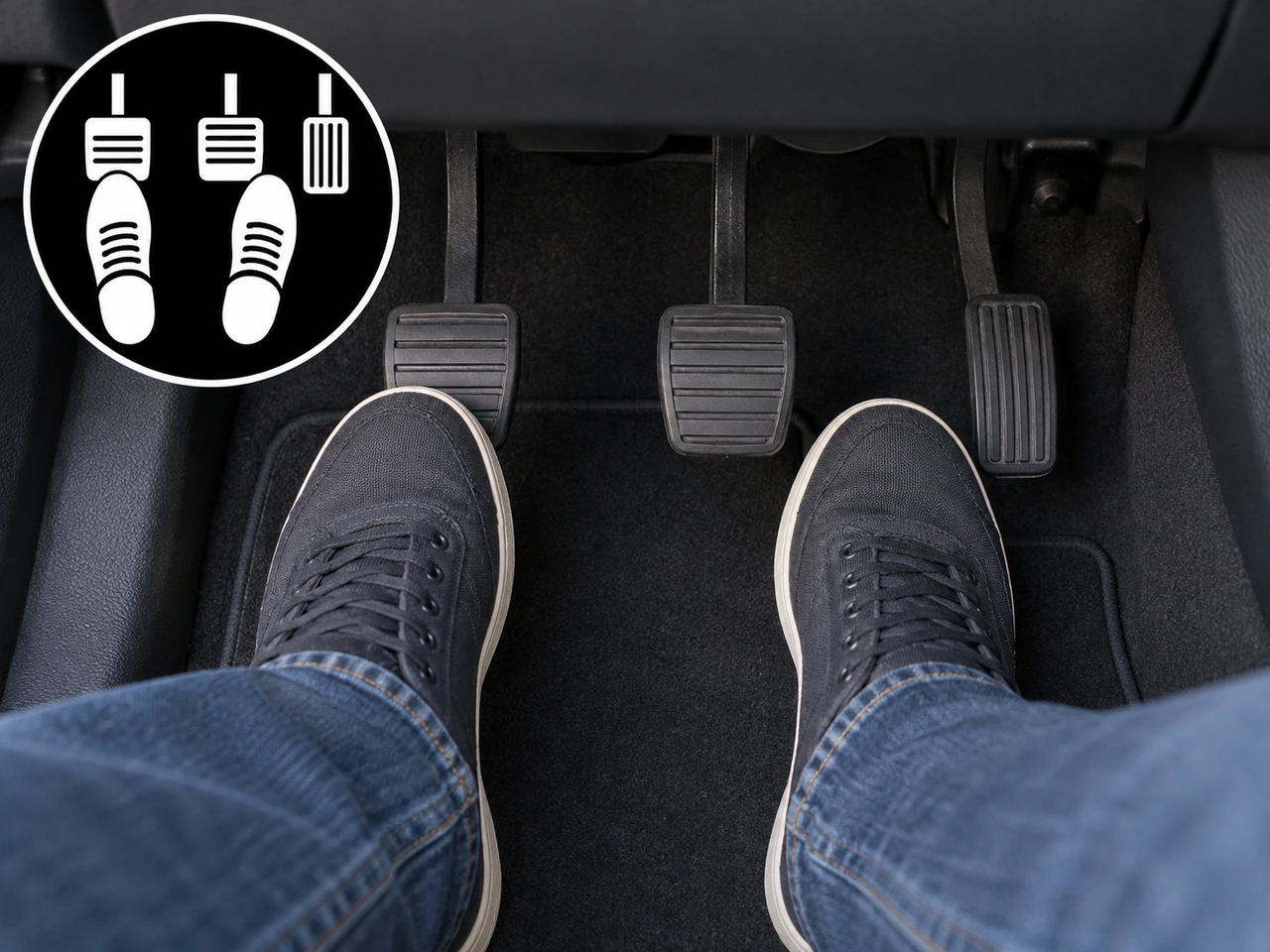
338. Which foot normally operates the brake and accelerator in a manual vehicle?
In a manual vehicle, the right foot normally operates both the brake and accelerator pedals, while the left foot operates the clutch.
AI-generated by Traffic-rules.com • WCIT • CC BY-SA
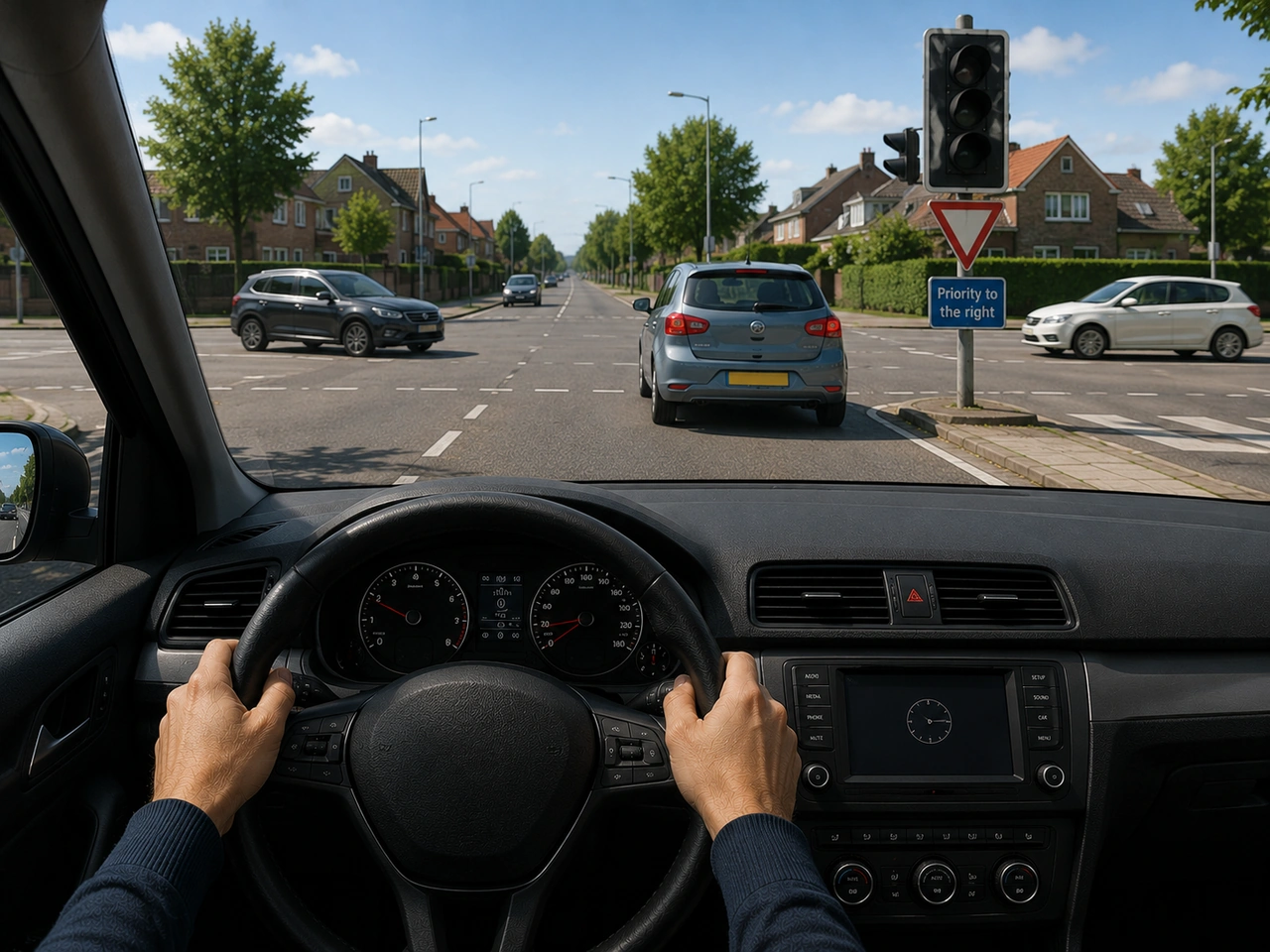
339. What should you do when traffic lights are not working?
If traffic lights are not working, slow down, observe carefully, and follow signs, road markings, or local priority rules.
AI-generated by Traffic-rules.com • WCIT • CC BY-SA
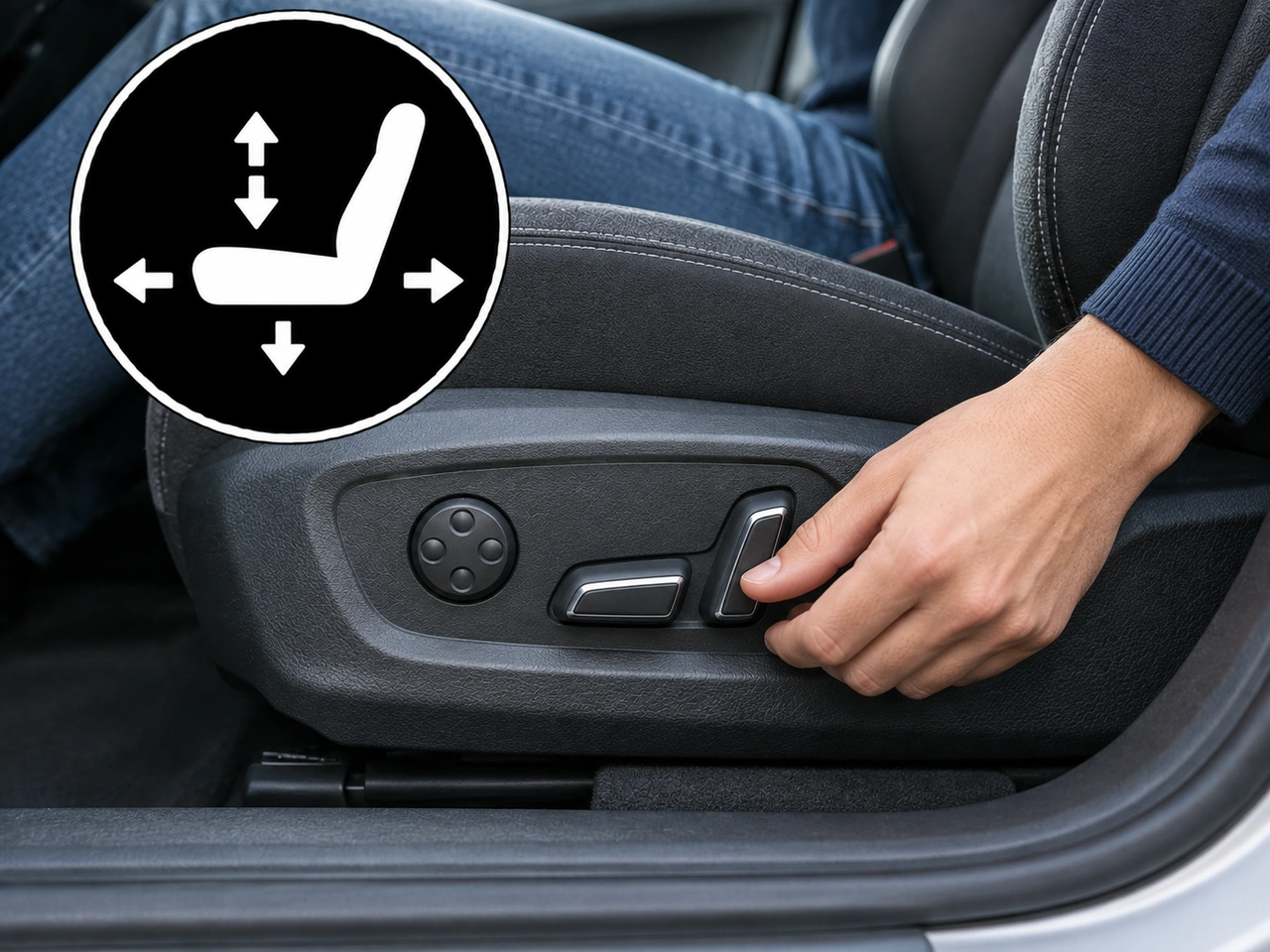
340. What does this vehicle-control symbol indicate?
This control adjusts the position of the seat. Depending on the vehicle, it may move the seat forwards or backwards, raise or lower it, or change the backrest angle.
AI-generated by Traffic-rules.com • WCIT • CC BY-SA
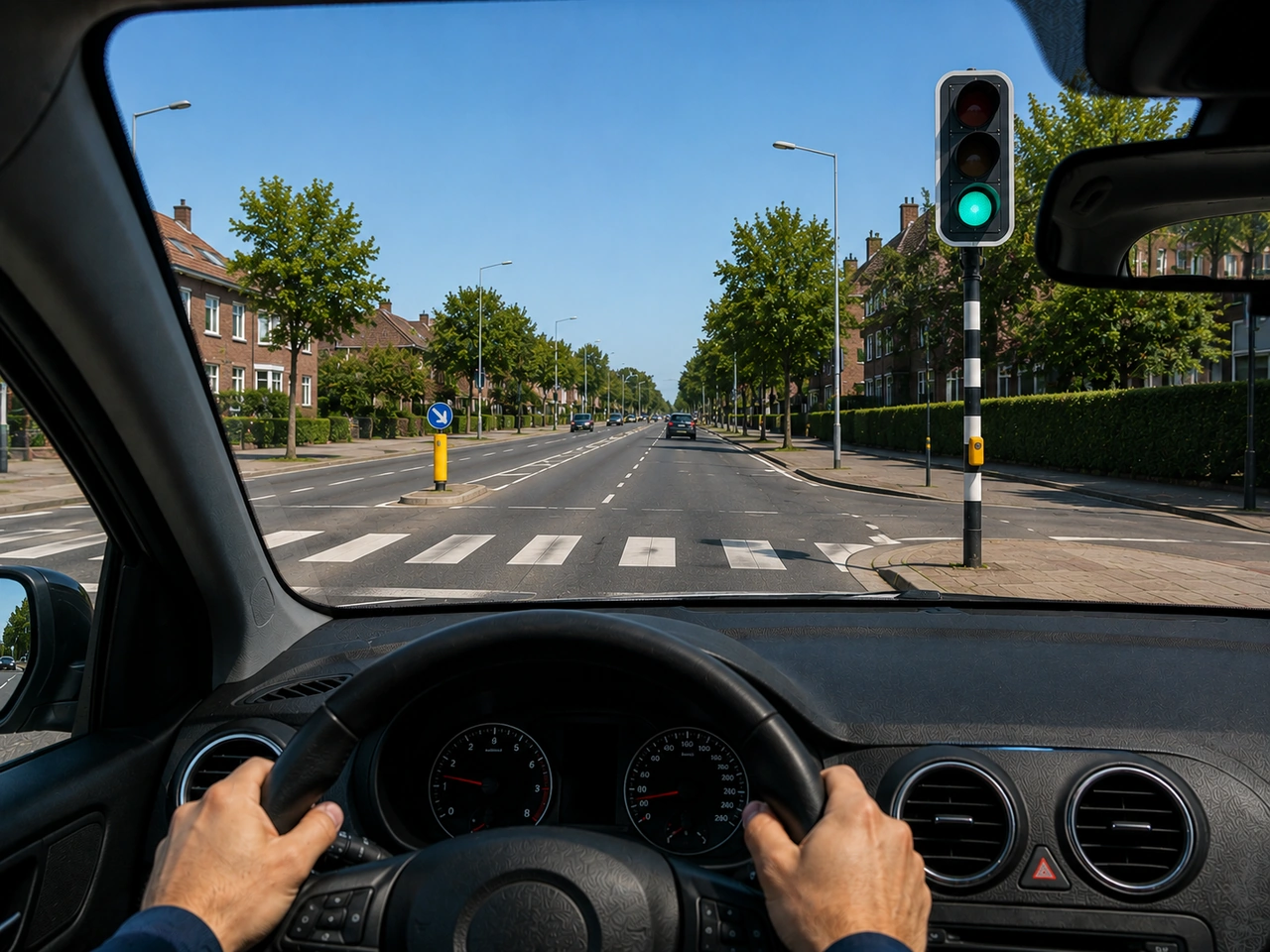
341. What does a green traffic light mean?
A green light allows you to continue, but you must still watch for pedestrians, cyclists, and other road users.
AI-generated by Traffic-rules.com • WCIT • CC BY-SA
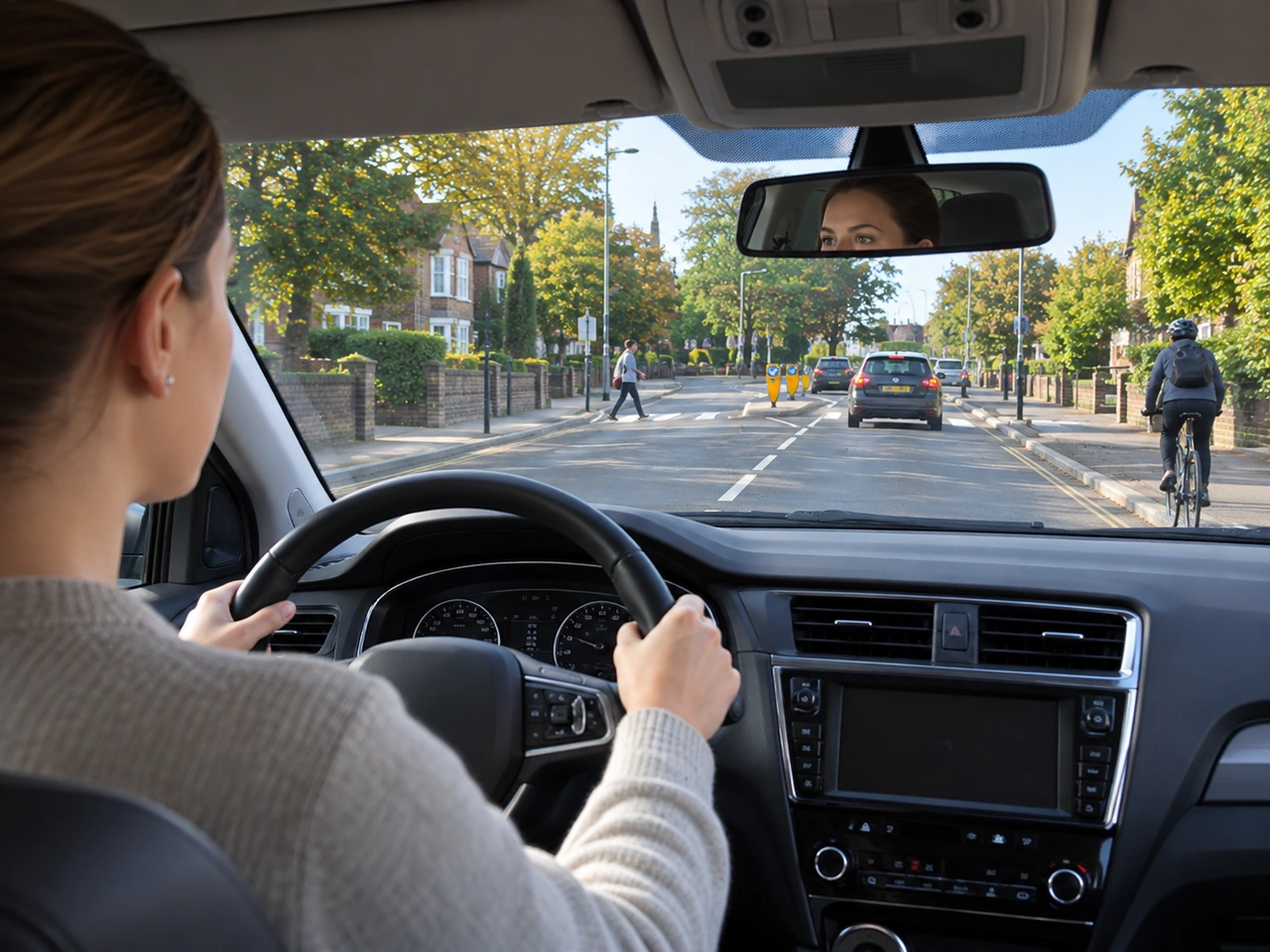
342. Why should you look well ahead while driving?
Looking well ahead helps you identify developing hazards early, such as slowing traffic, pedestrians, junctions, or changing road conditions. Earlier detection gives you more time to assess the situation and respond smoothly and safely.
AI-generated by Traffic-rules.com • WCIT • CC BY-SA
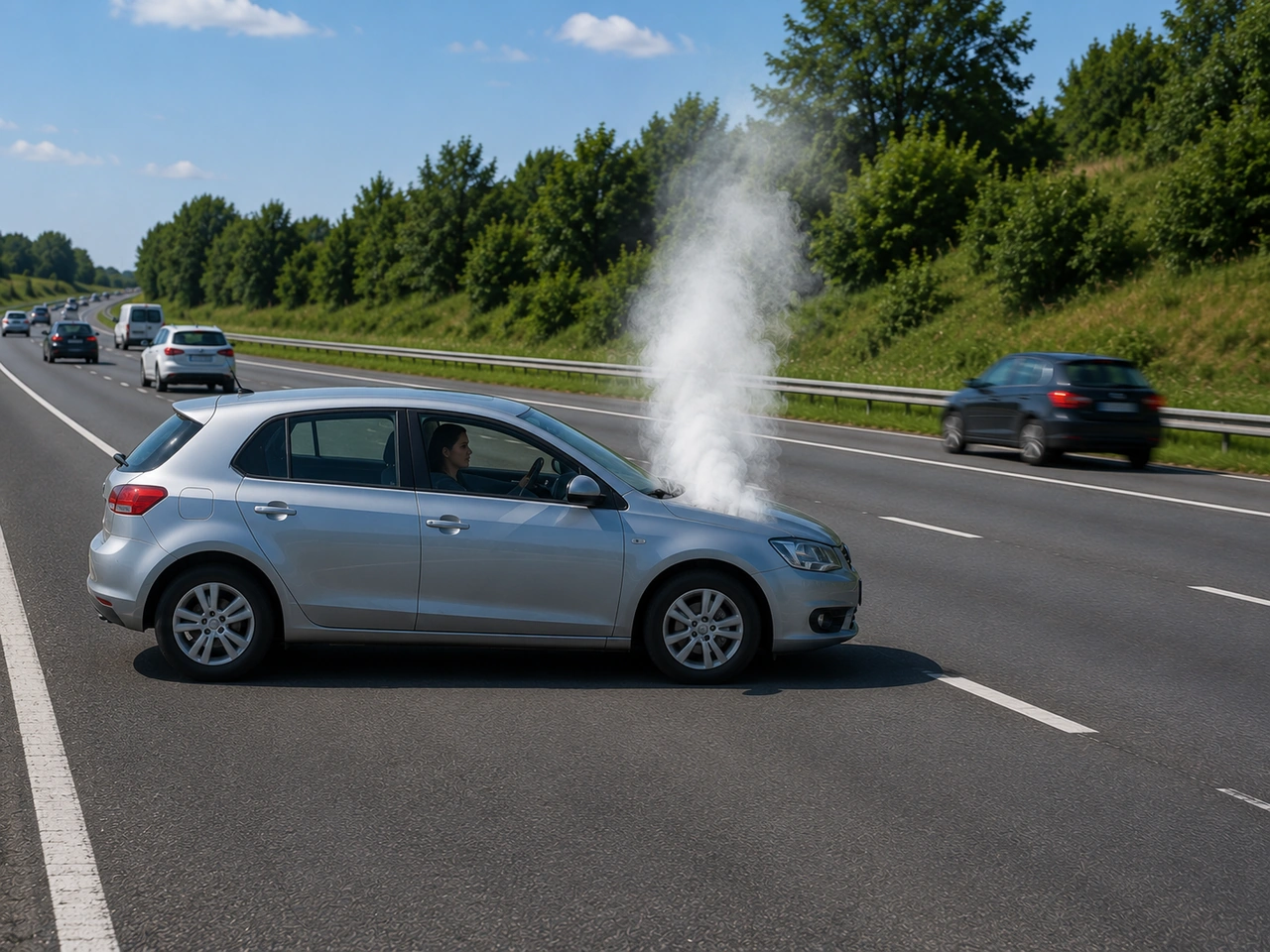
343. What should you do if your vehicle breaks down on a busy road?
If your vehicle breaks down, make it visible and get yourself away from moving traffic. Safety comes before repairing the vehicle.
AI-generated by Traffic-rules.com • WCIT • CC BY-SA
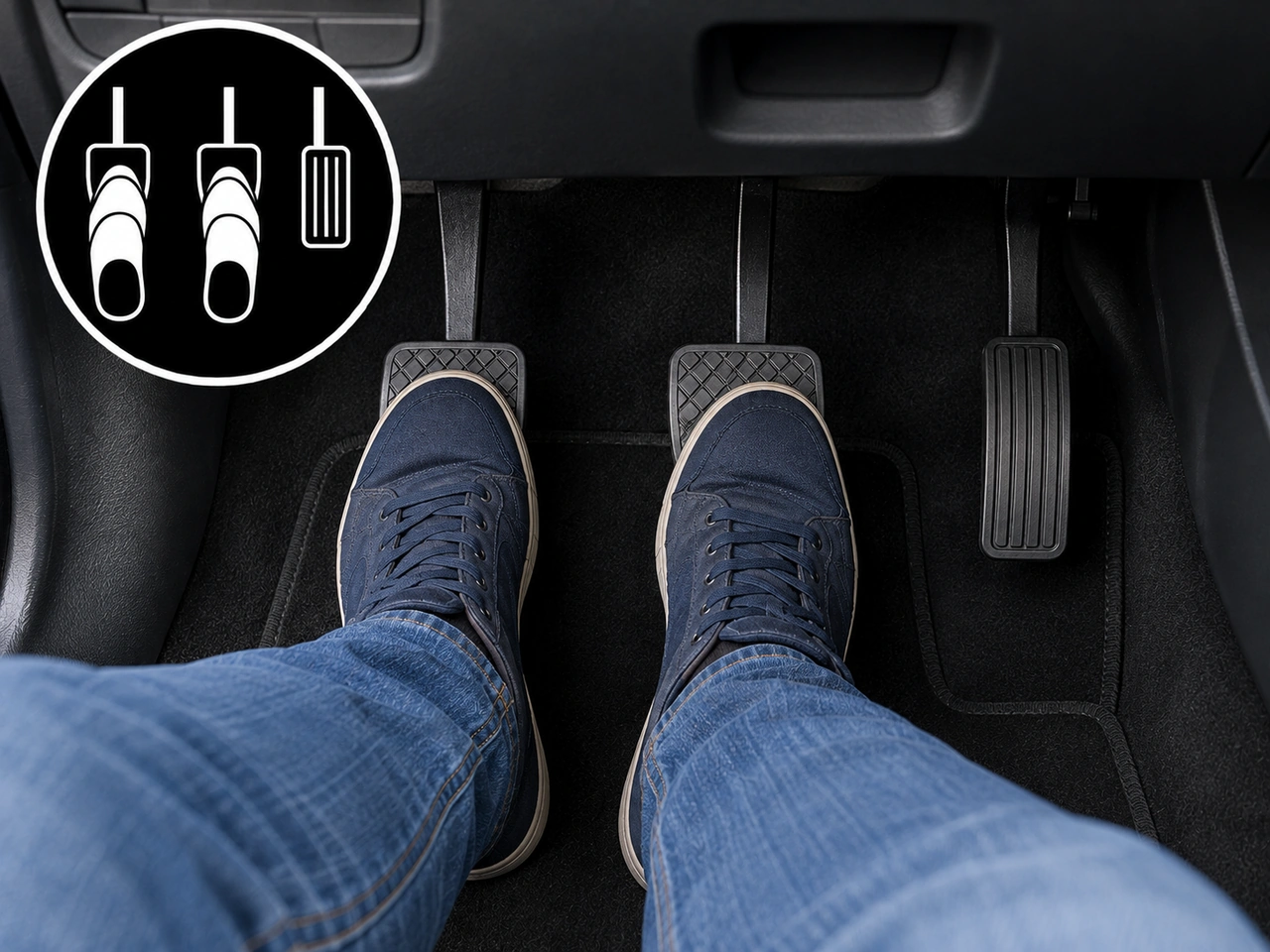
344. What should you do with the clutch during emergency braking in a manual vehicle?
During emergency braking in a manual vehicle, maintain firm pressure on the brake and press the clutch pedal fully so the engine does not stall as the vehicle slows. Do not reduce braking pressure while operating the clutch.
AI-generated by Traffic-rules.com • WCIT • CC BY-SA
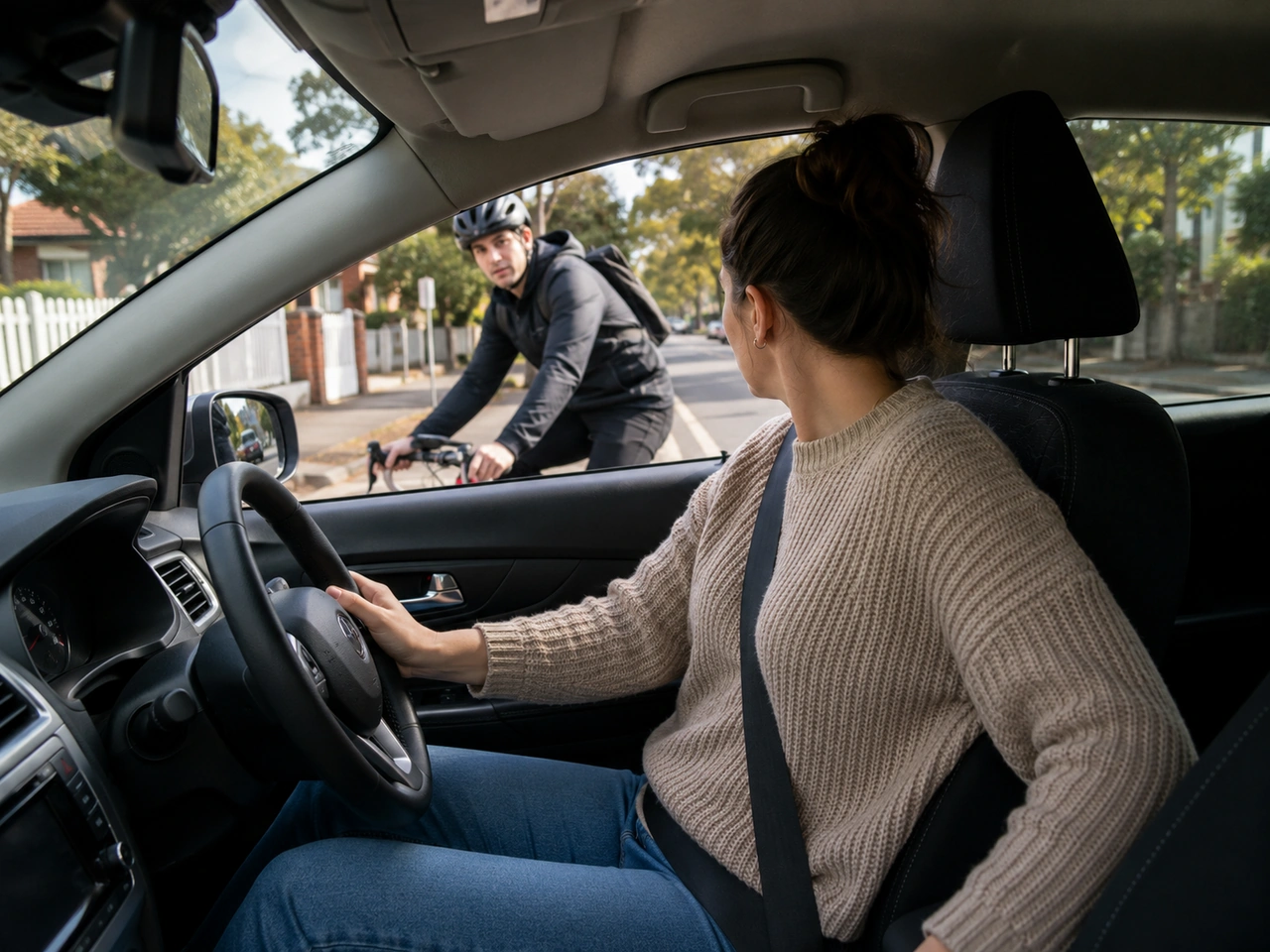
345. Why should you check blind spots before moving off?
Mirrors do not show every area around your vehicle. A blind-spot check can reveal cyclists, pedestrians, motorcyclists, or vehicles before you move off.
AI-generated by Traffic-rules.com • WCIT • CC BY-SA
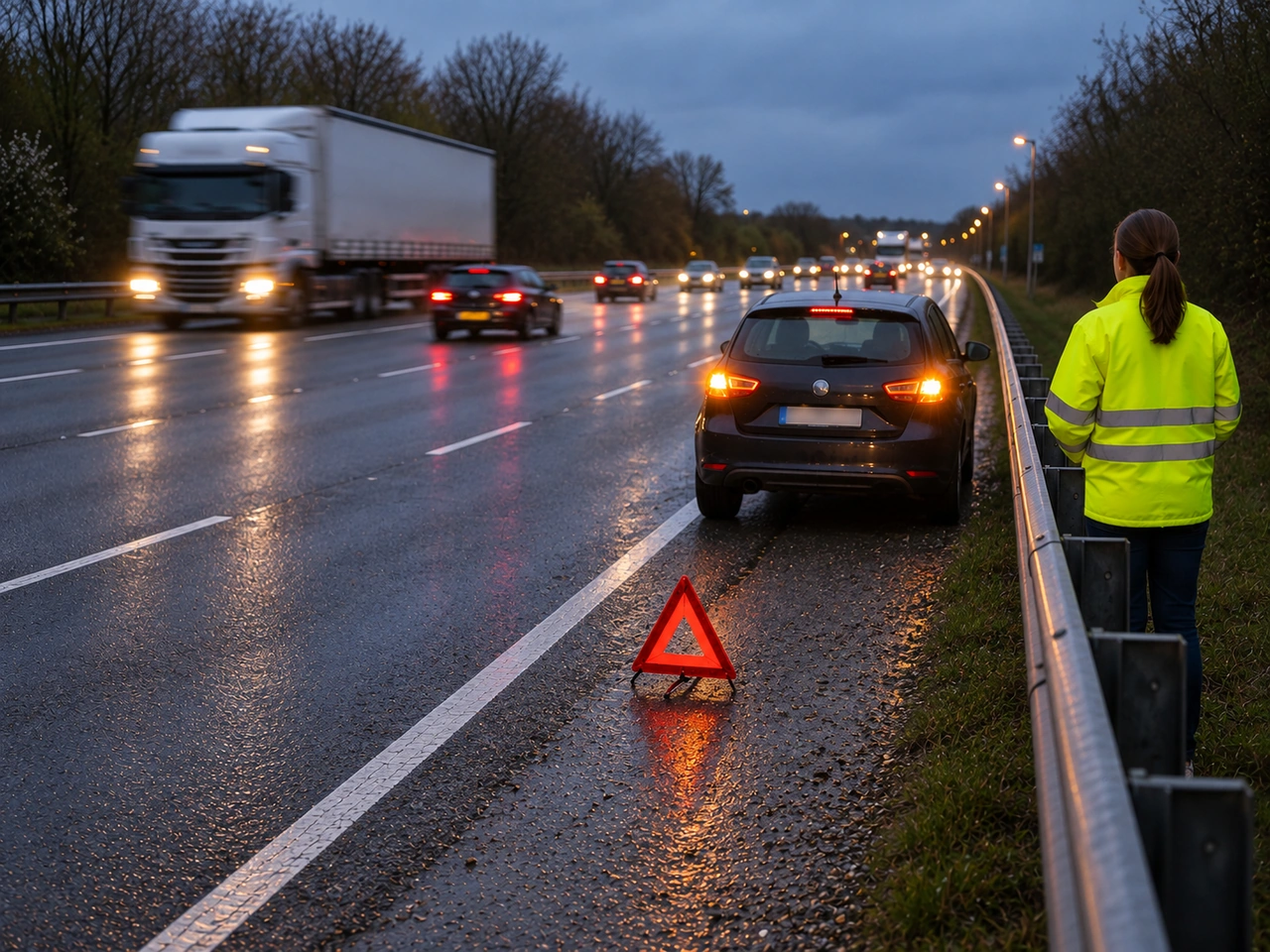
346. Why is high-visibility clothing useful during a roadside breakdown?
High-visibility clothing improves your visibility, especially at night or in poor weather, but you must still remain away from traffic.
AI-generated by Traffic-rules.com • WCIT • CC BY-SA
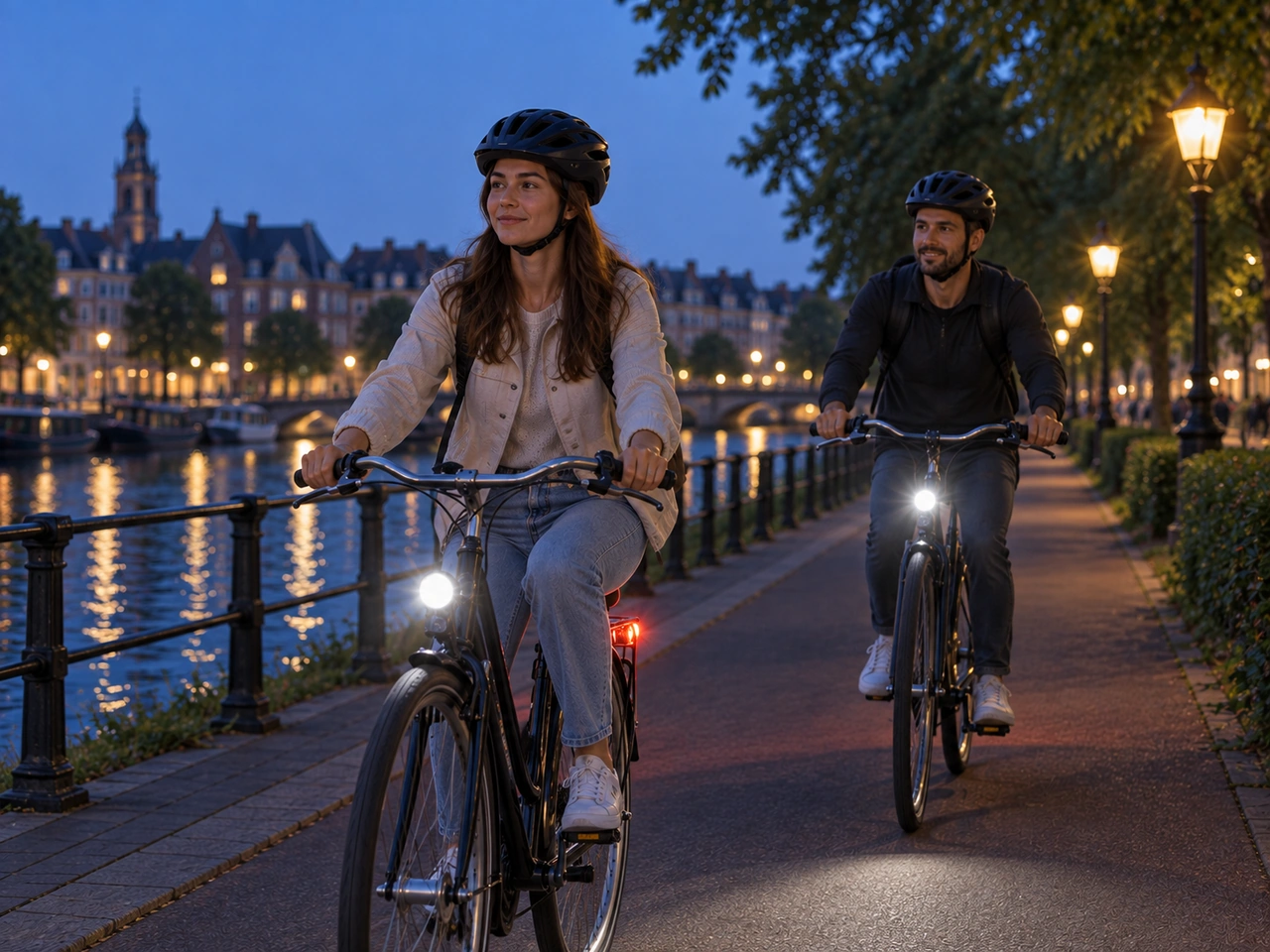
347. Are bicycle lights required at night in Netherlands?
Cyclists in Netherlands are generally required to use bicycle lights at night.
AI-generated by Traffic-rules.com • WCIT • CC BY-SA
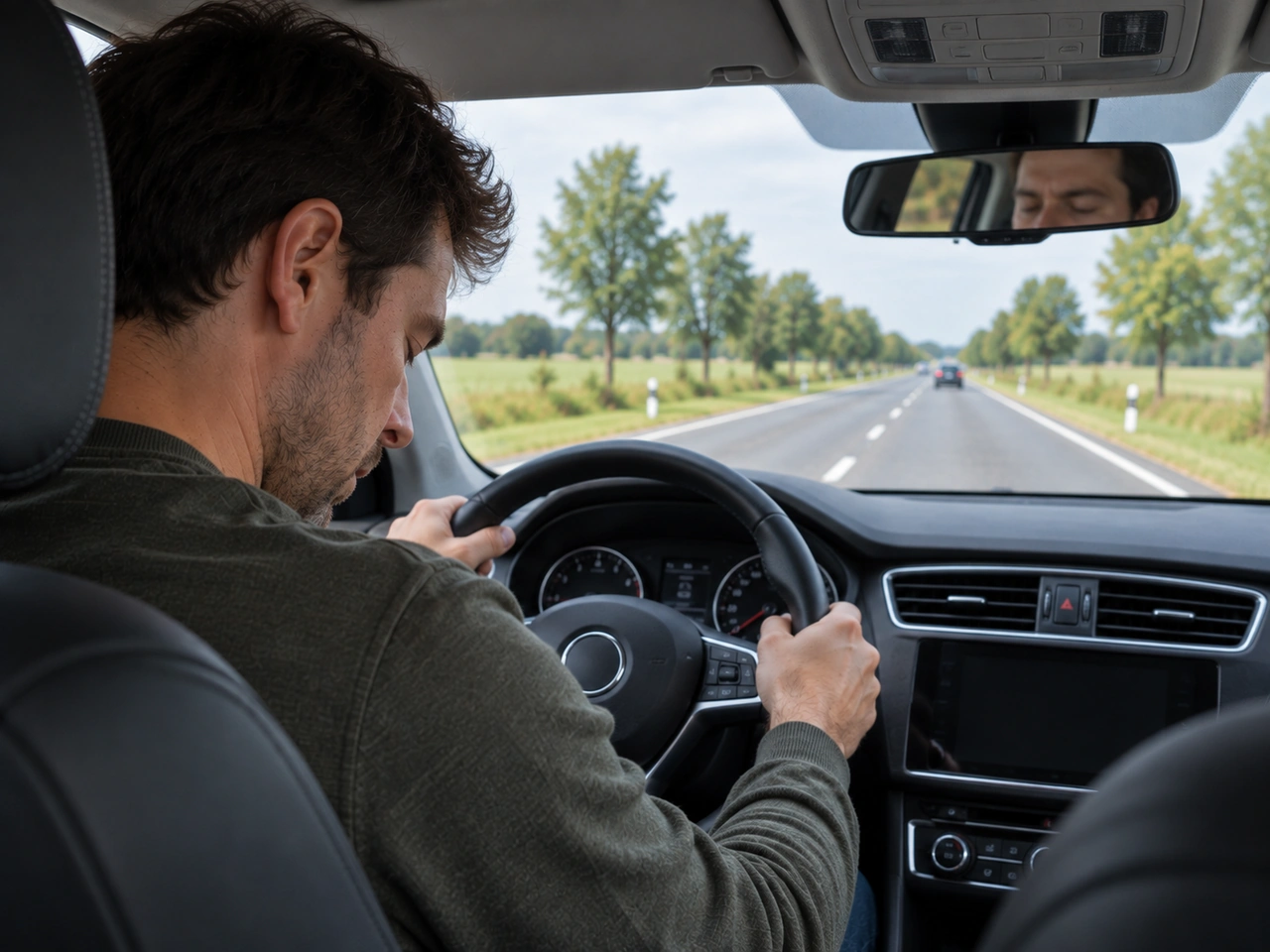
348. Why is a microsleep especially dangerous while driving?
A microsleep is a brief, involuntary episode of sleep that can last for a few seconds. During that time, you may lose awareness of the road and travel a considerable distance without reacting to hazards.
AI-generated by Traffic-rules.com • WCIT • CC BY-SA
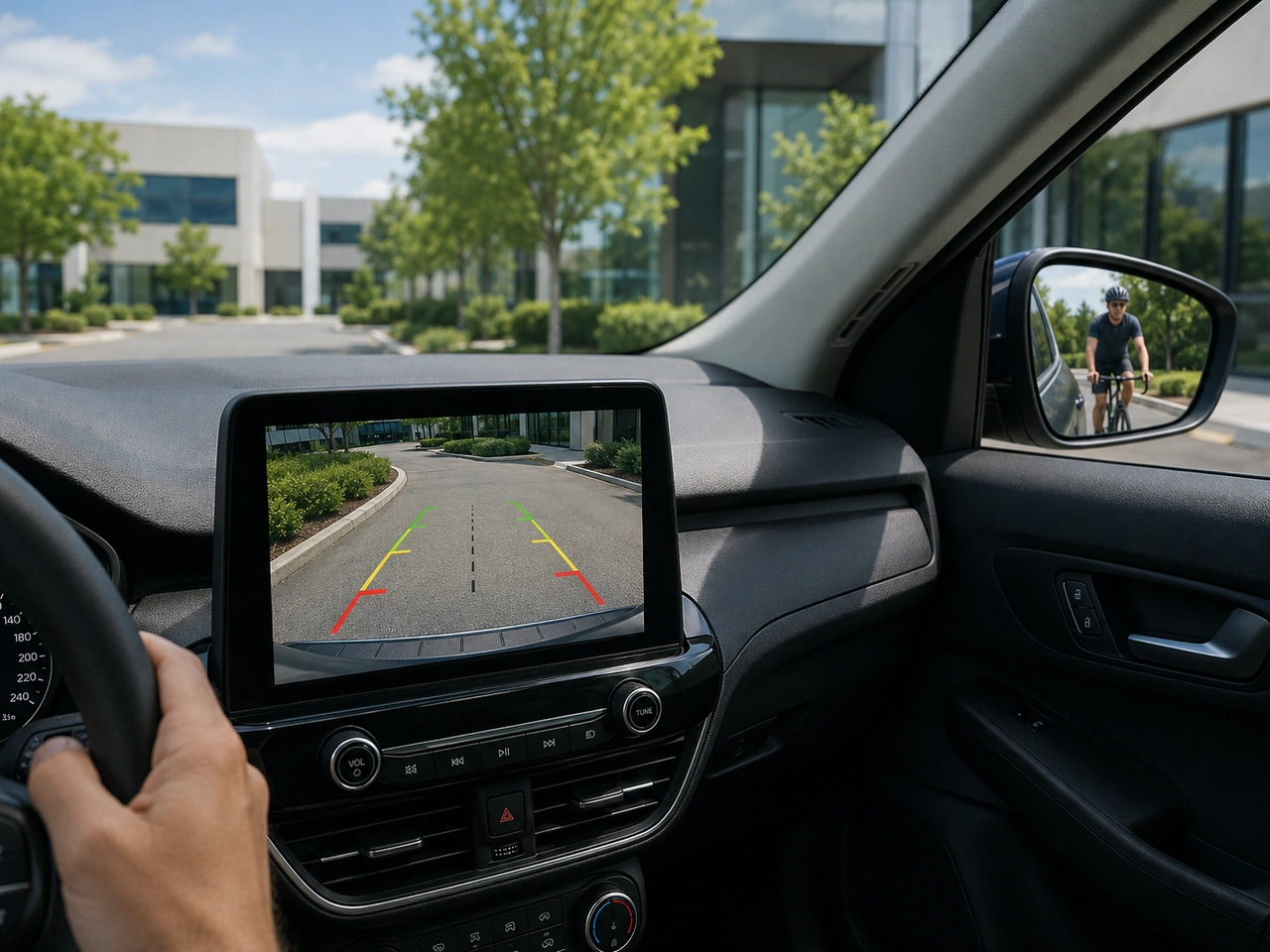
349. Why should you not rely only on a reversing camera?
Reversing cameras can help, but they may have blind spots and limited coverage. Always check your mirrors and surroundings, look around where possible, and reverse slowly.
AI-generated by Traffic-rules.com • WCIT • CC BY-SA
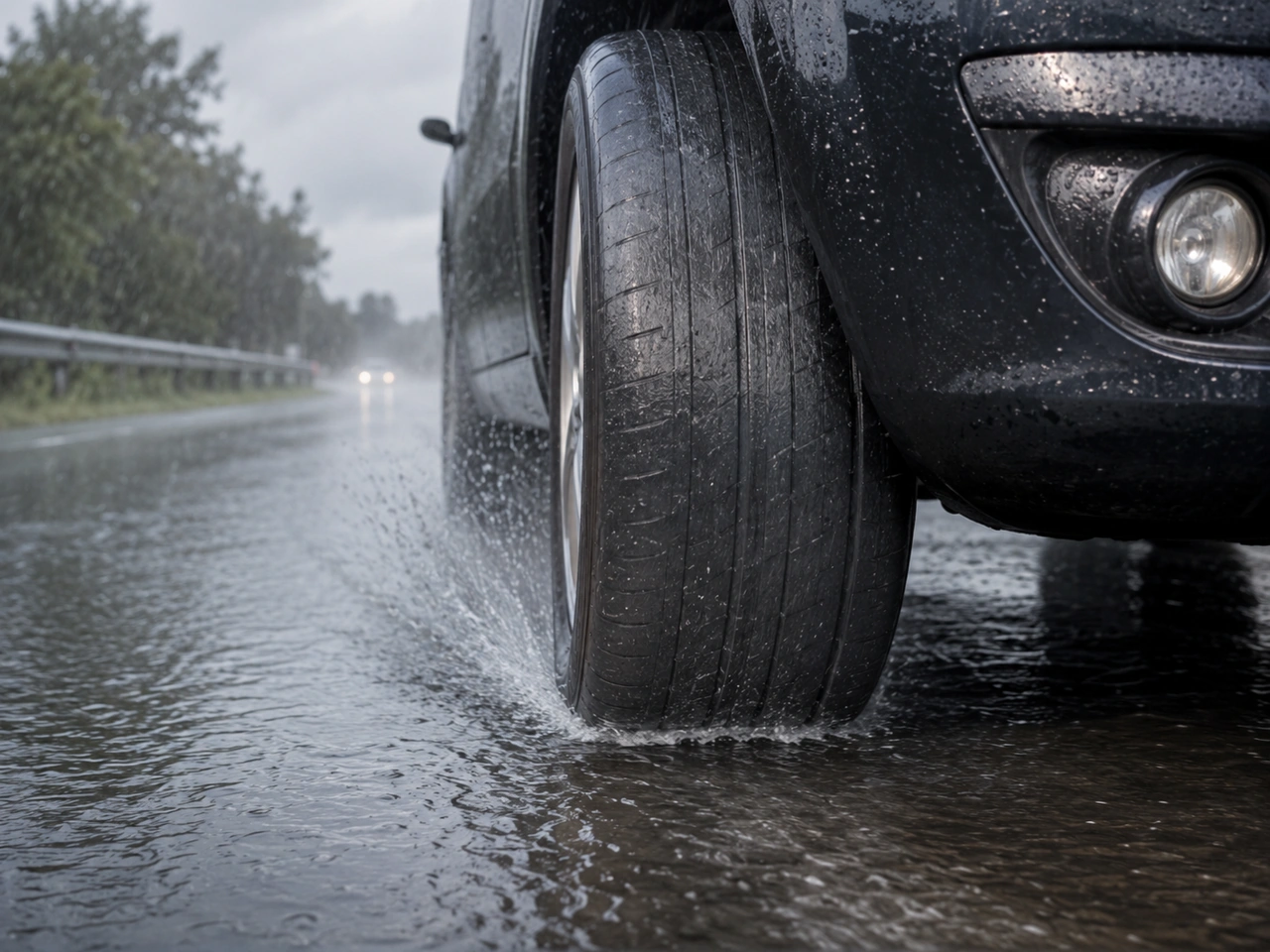
350. How can worn tyres affect driving in heavy rain?
Tyre tread helps channel water away and maintain grip. Worn tyres cannot clear water as effectively, increasing stopping distance and the risk of aquaplaning.
AI-generated by Traffic-rules.com • WCIT • CC BY-SA