


QuizTraffic rulesNetherlands
This interesting quiz helps you test your knowledge in a clear and visual way. With easy multiple-choice questions, you can quickly build confidence and learn new facts while keeping it simple, interactive, and fun.
 Traffic signs
 Traffic rules
 Netherlands
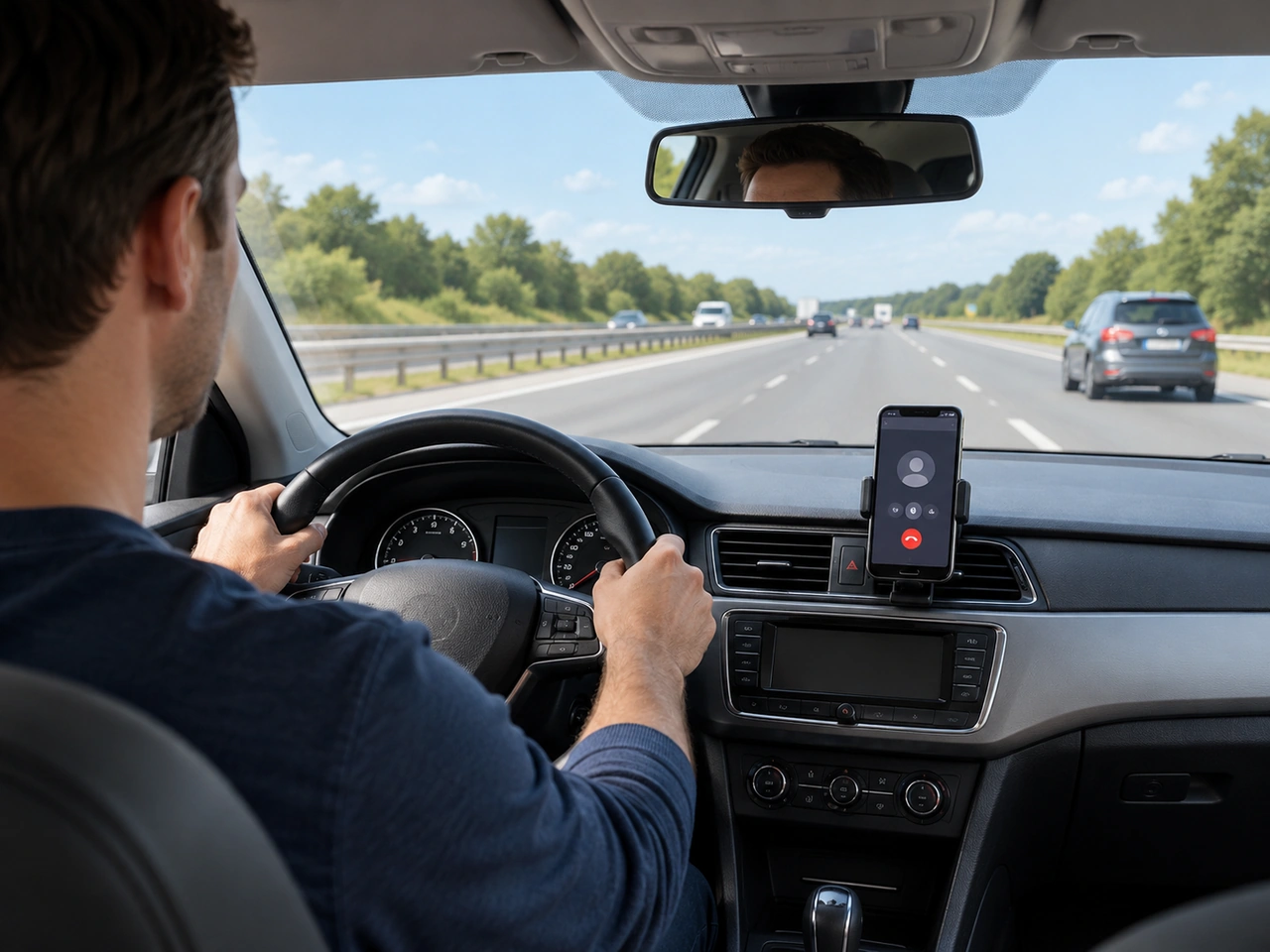
451. How may drivers normally use a phone while driving in Netherlands?
When phone use while driving is permitted in Netherlands, drivers must generally use a hands-free system rather than holding the phone.
AI-generated by Traffic-rules.com • WCIT • CC BY-SA

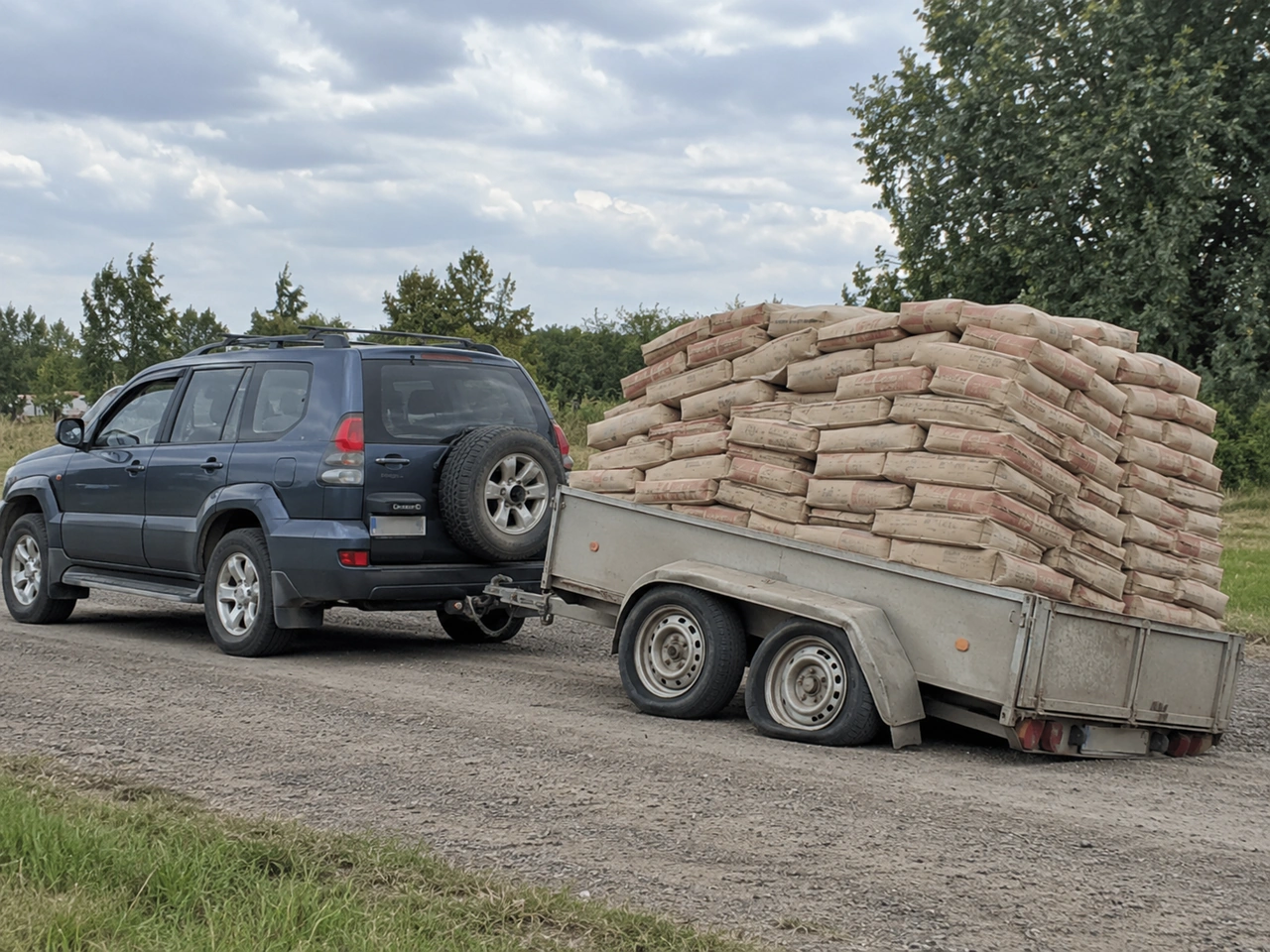
452. Why should you avoid overloading a trailer?
Overloading can affect braking, steering, tyres, suspension, and trailer stability. Always remain within permitted limits. After loading, check that the load is secure and correctly distributed before starting your journey.
AI-generated by Traffic-rules.com • WCIT • CC BY-SA
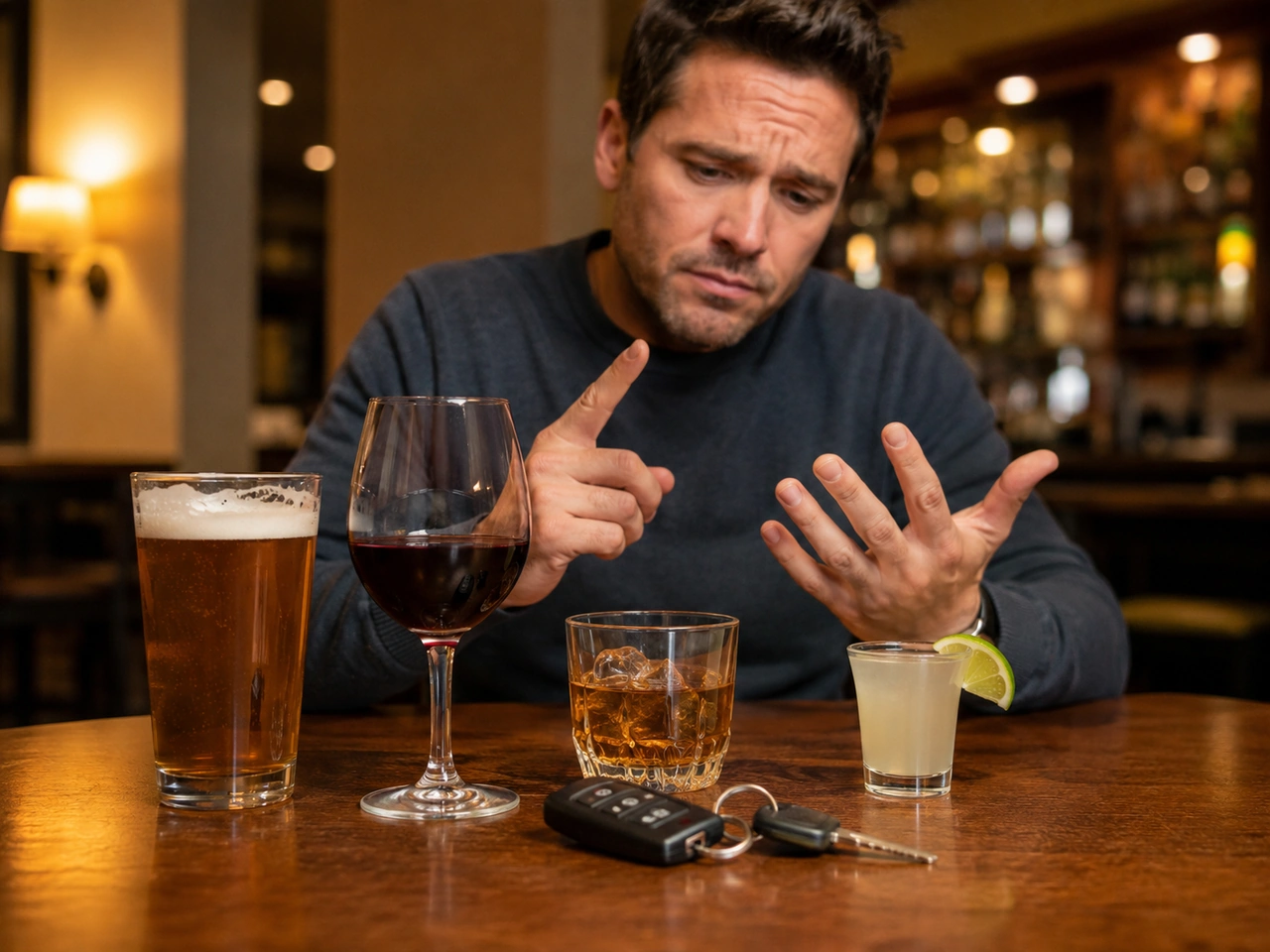
453. Why is counting drinks an unreliable way to decide whether you can drive?
Alcohol concentration and serving sizes vary, and factors such as body size, food, medication, and time can affect impairment.
AI-generated by Traffic-rules.com • WCIT • CC BY-SA
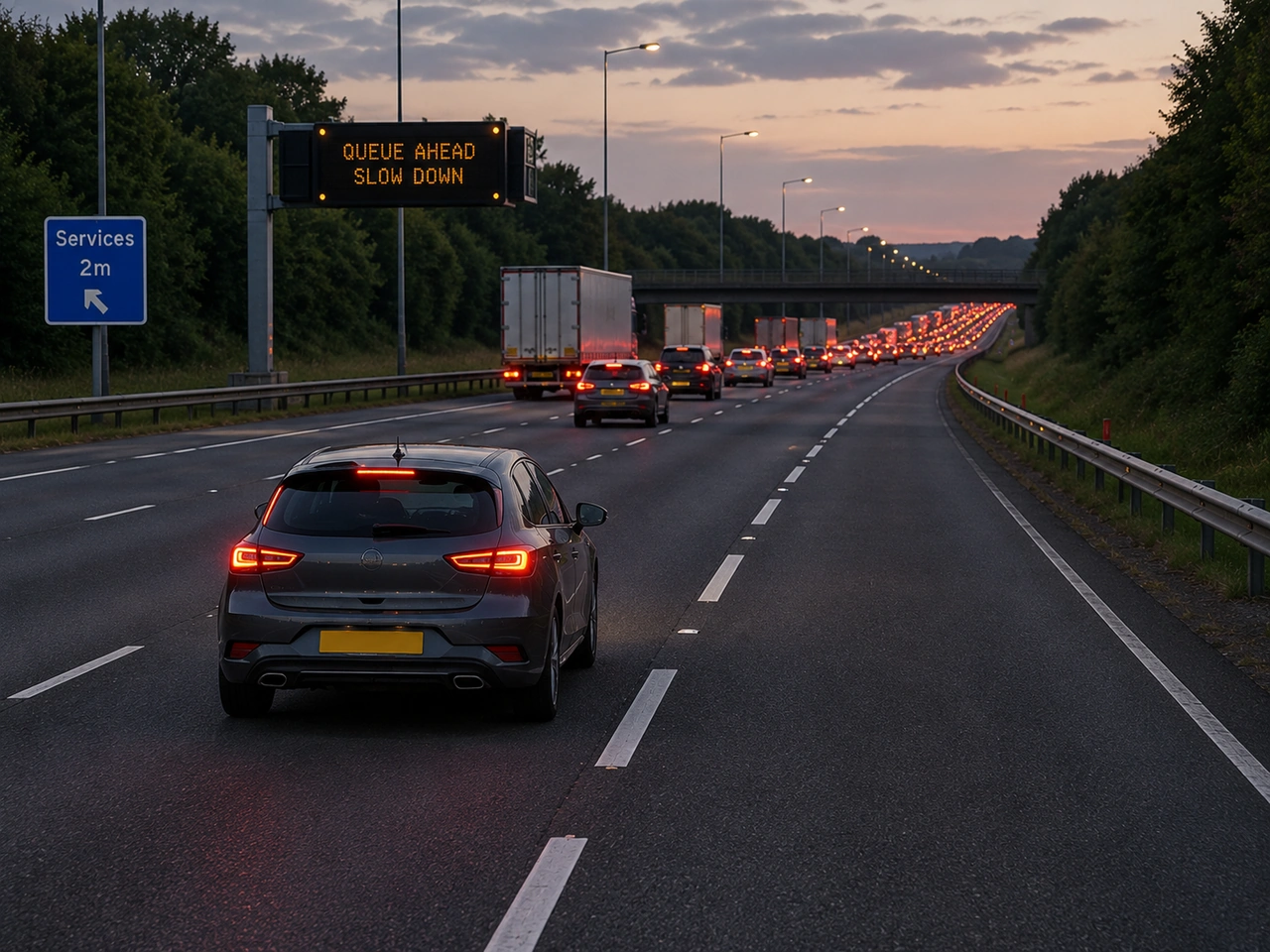
454. What should you do when approaching stationary or slow-moving traffic on a motorway?
Motorway queues can appear suddenly. Early braking gives following traffic more time to react.
AI-generated by Traffic-rules.com • WCIT • CC BY-SA
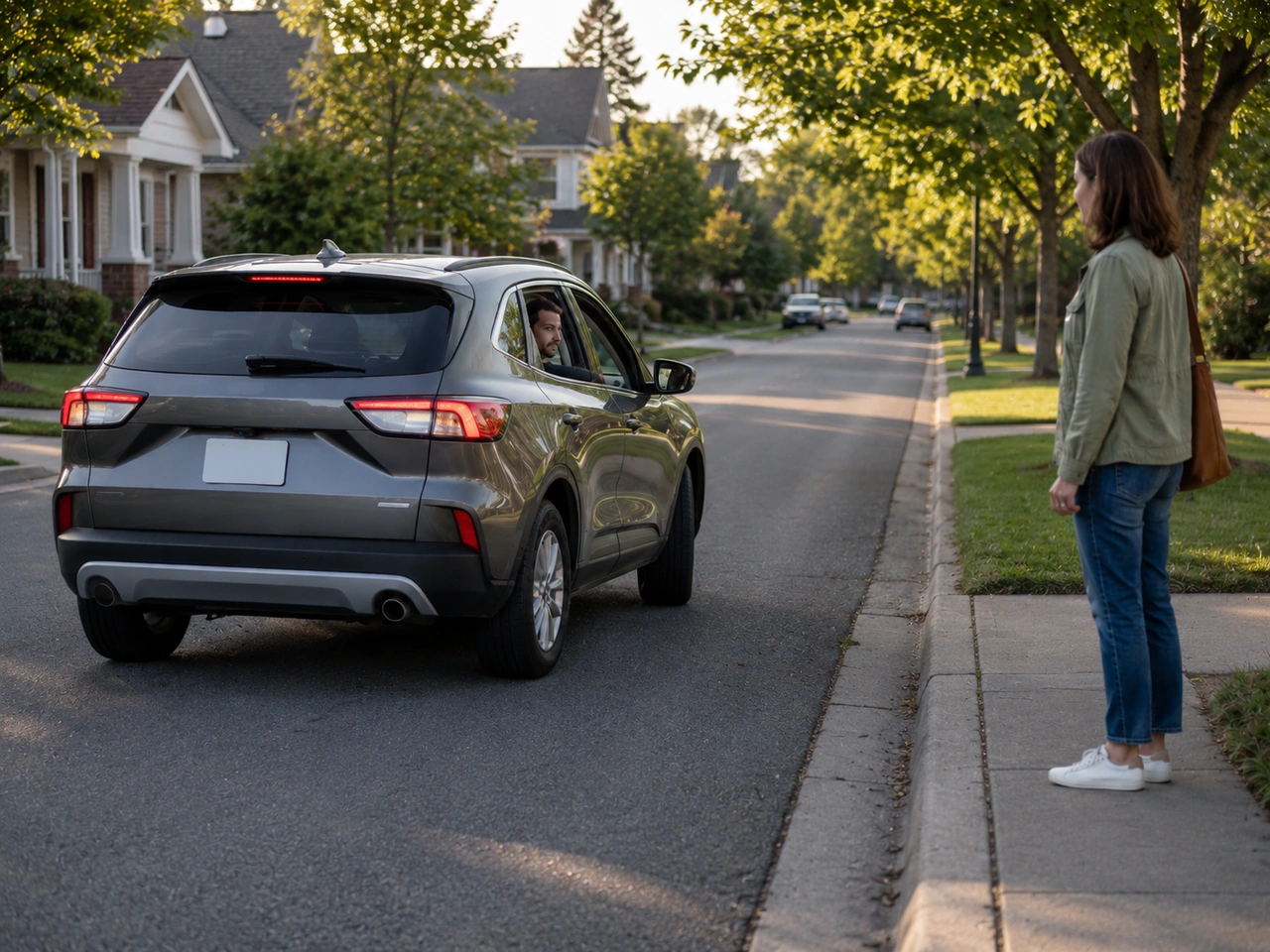
455. What should you do if a vehicle is reversing near you?
Reversing vehicles have blind spots. Stay away from the vehicle and make sure the driver can see you.
AI-generated by Traffic-rules.com • WCIT • CC BY-SA
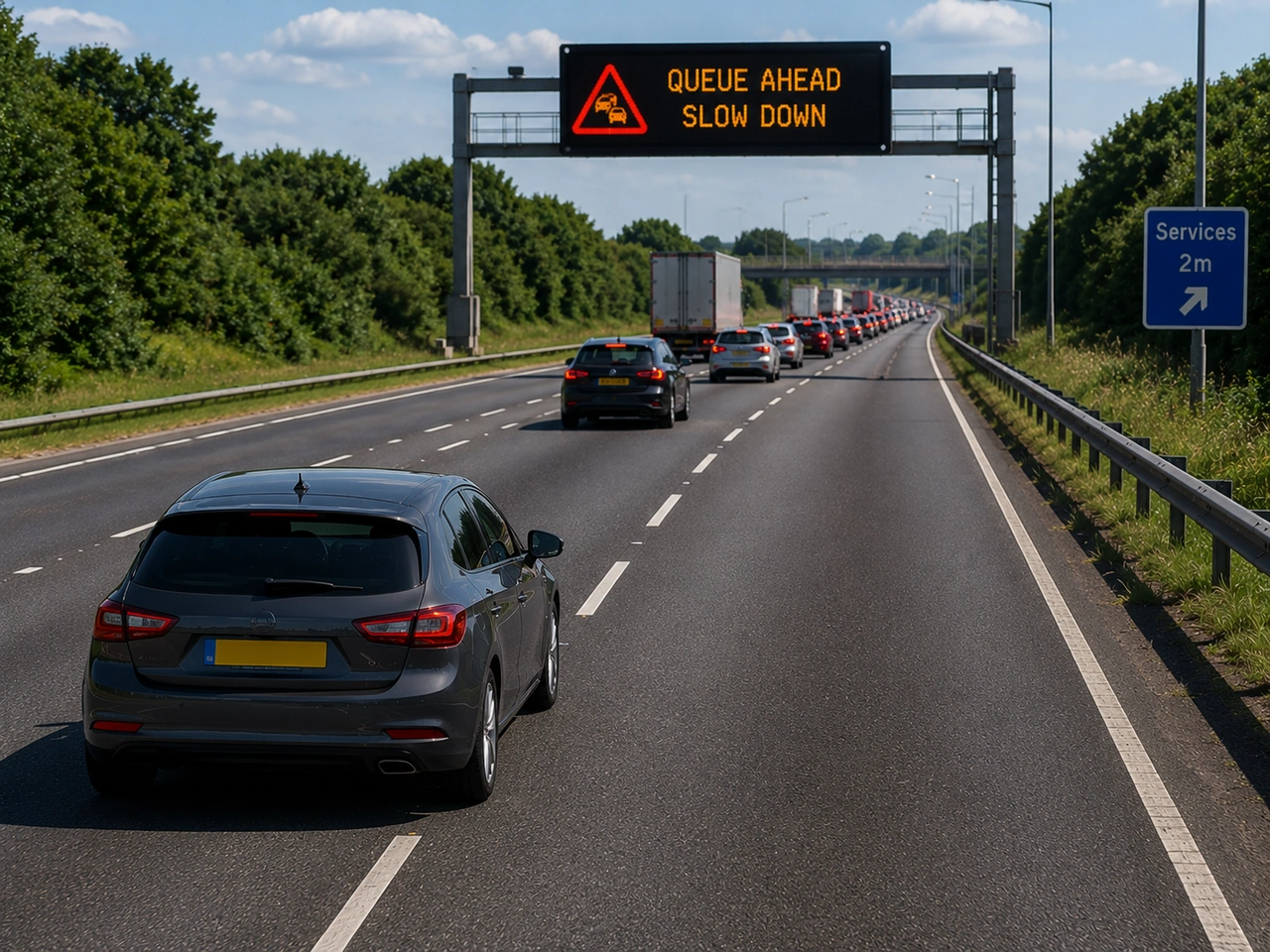
456. Why is a larger following distance needed at motorway speeds?
At higher speeds, you travel farther during your reaction time and need more distance to brake. A larger gap gives you more time and space to stop safely.
AI-generated by Traffic-rules.com • WCIT • CC BY-SA
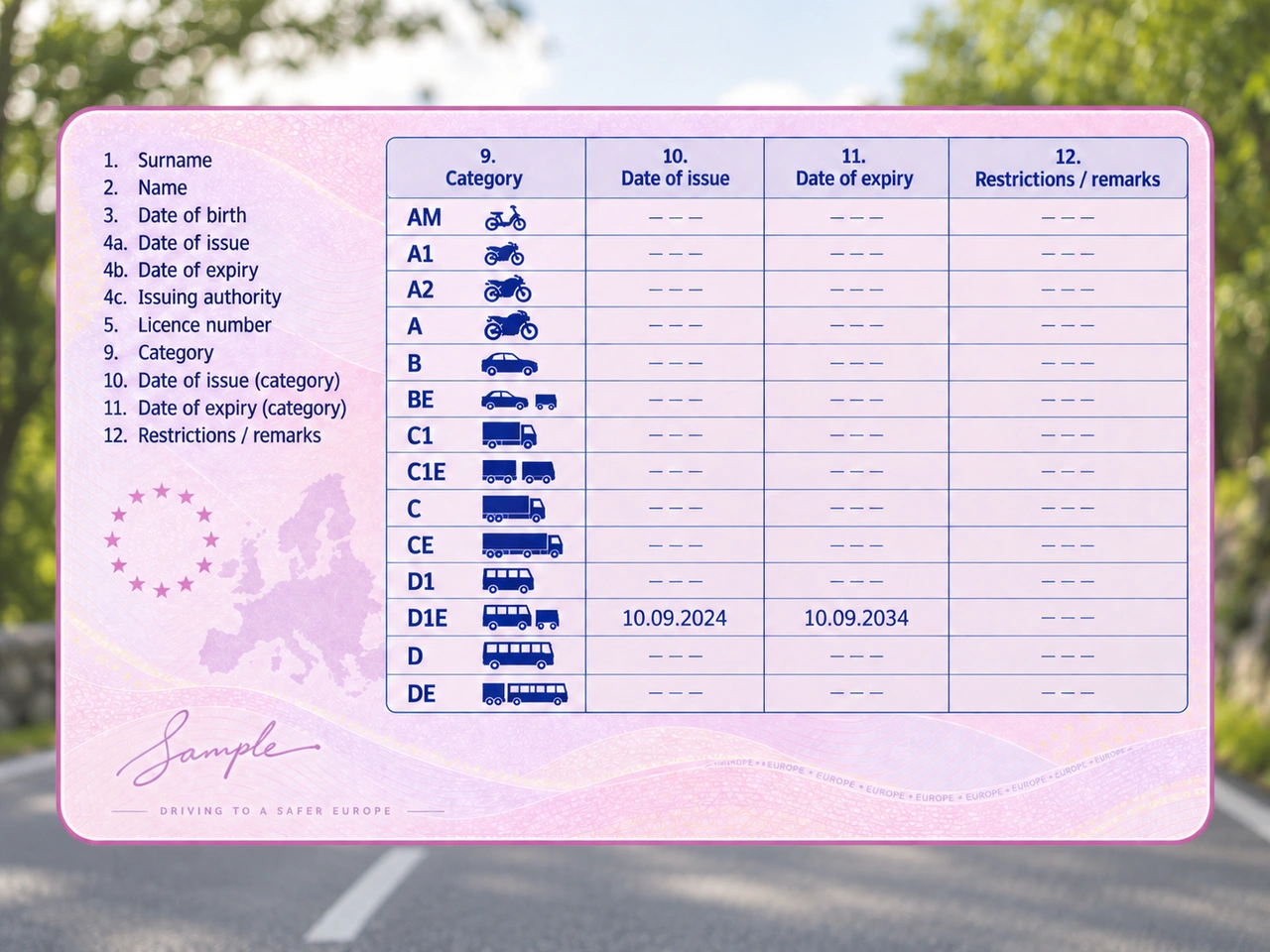
457. Which vehicle combination is covered by driving licence D1E?
Category D1E covers combinations consisting of a category D1 vehicle and a trailer with a maximum authorised mass above 750 kg.
AI-generated by Traffic-rules.com • WCIT • CC BY-SA
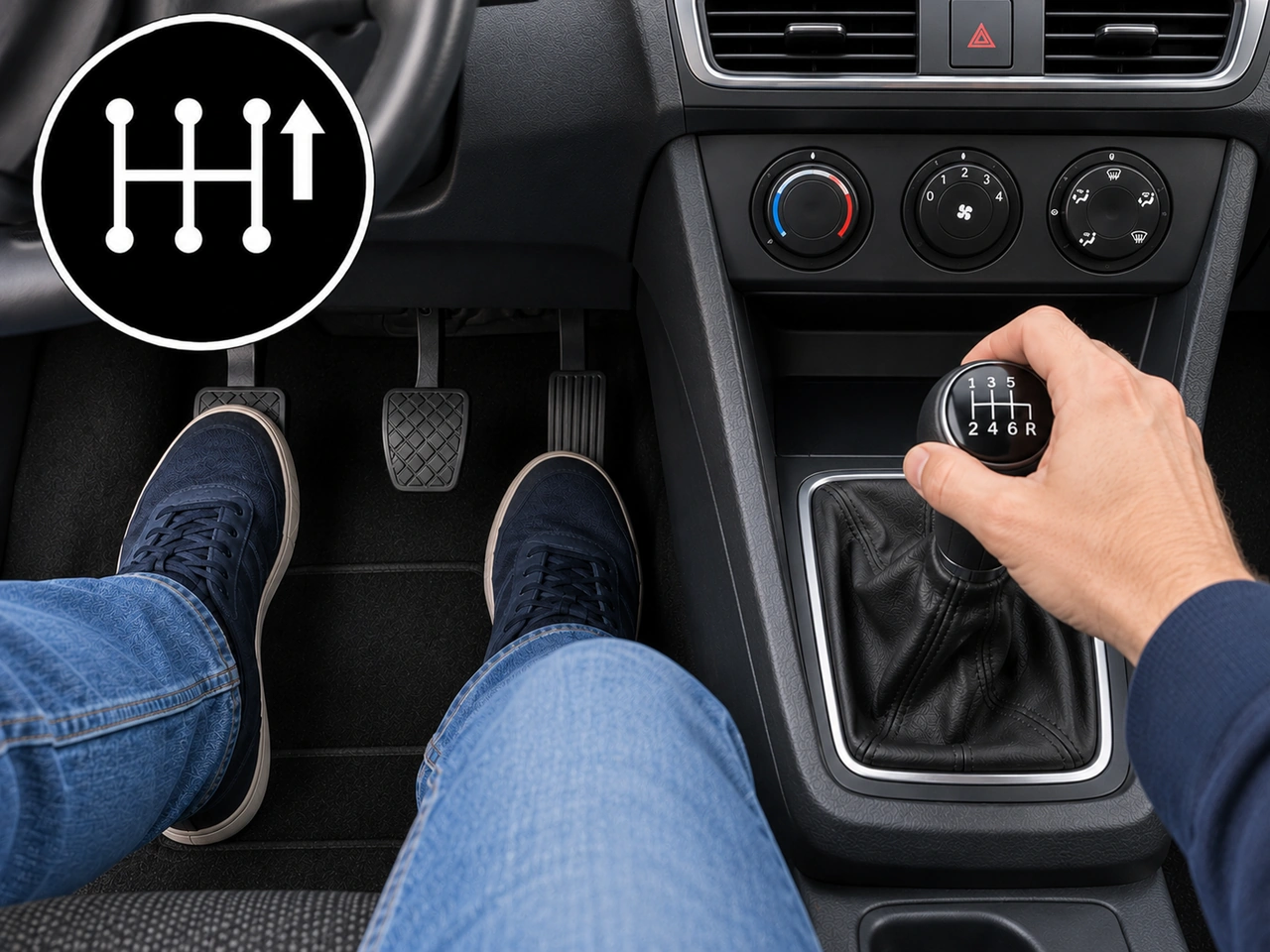
458. What should you normally do with the accelerator when changing to a higher gear?
When changing to a higher gear, ease off the accelerator as you press the clutch and select the next gear. Release the clutch smoothly and then apply the accelerator progressively.
AI-generated by Traffic-rules.com • WCIT • CC BY-SA
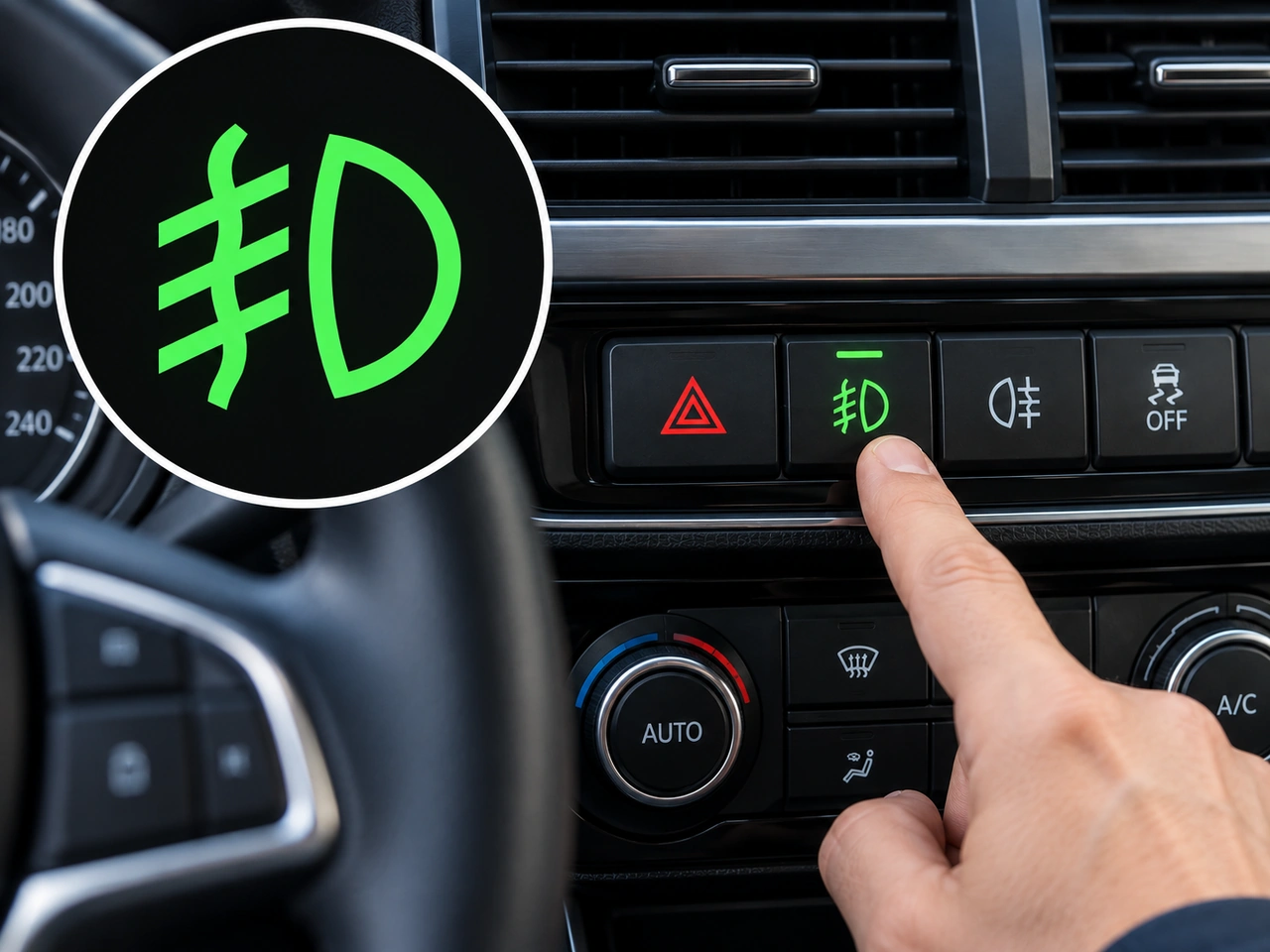
459. What does this dashboard symbol indicate?
This symbol indicates that the front fog lights are switched on. Front fog lights are designed to improve illumination close to the road in conditions of severely reduced visibility. Rules governing their use vary by country.
AI-generated by Traffic-rules.com • WCIT • CC BY-SA
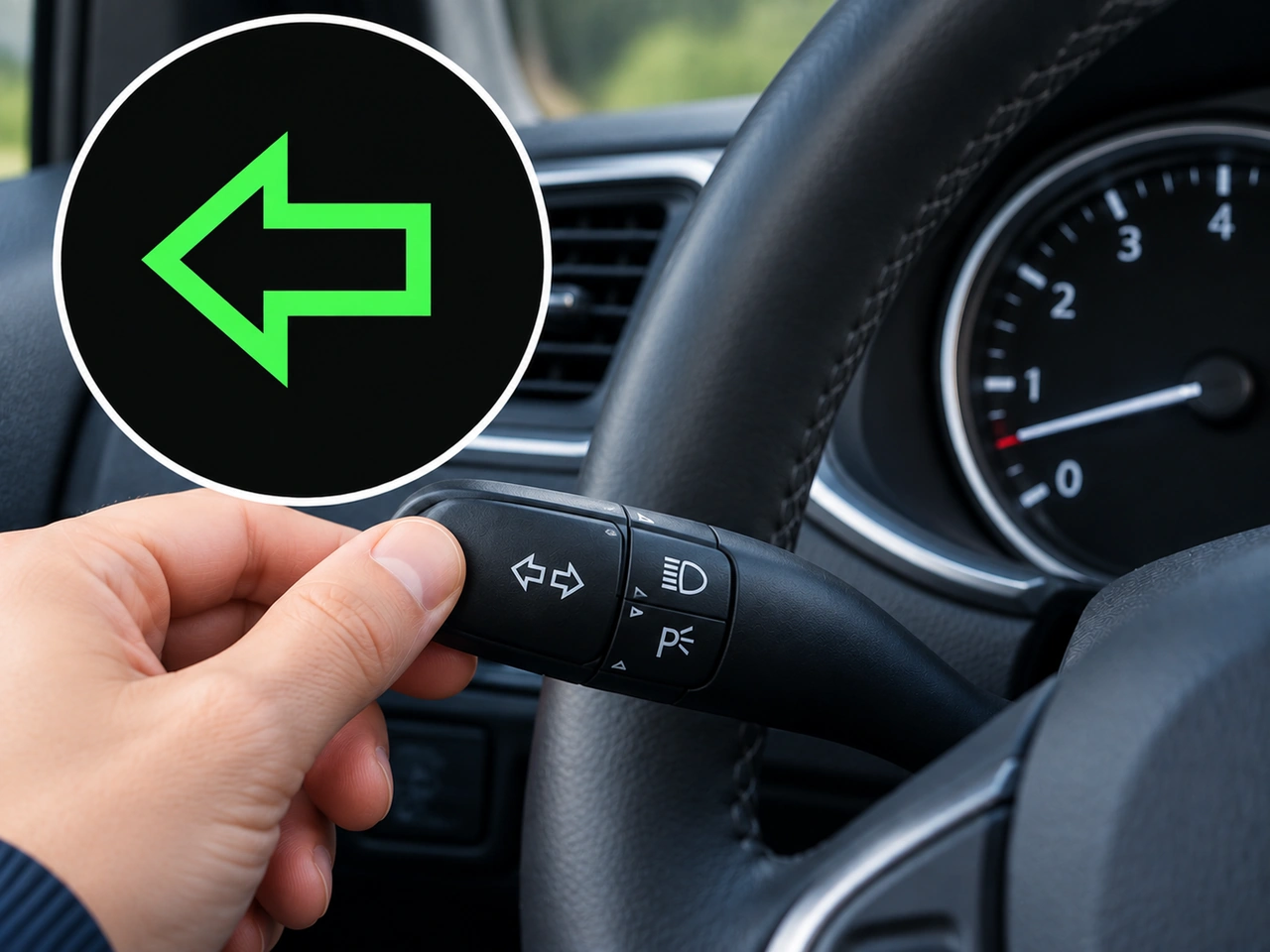
460. What does this dashboard symbol indicate?
This symbol indicates that a direction indicator is operating. The flashing indicator shows the direction in which the driver intends to turn or change position on the road.
AI-generated by Traffic-rules.com • WCIT • CC BY-SA
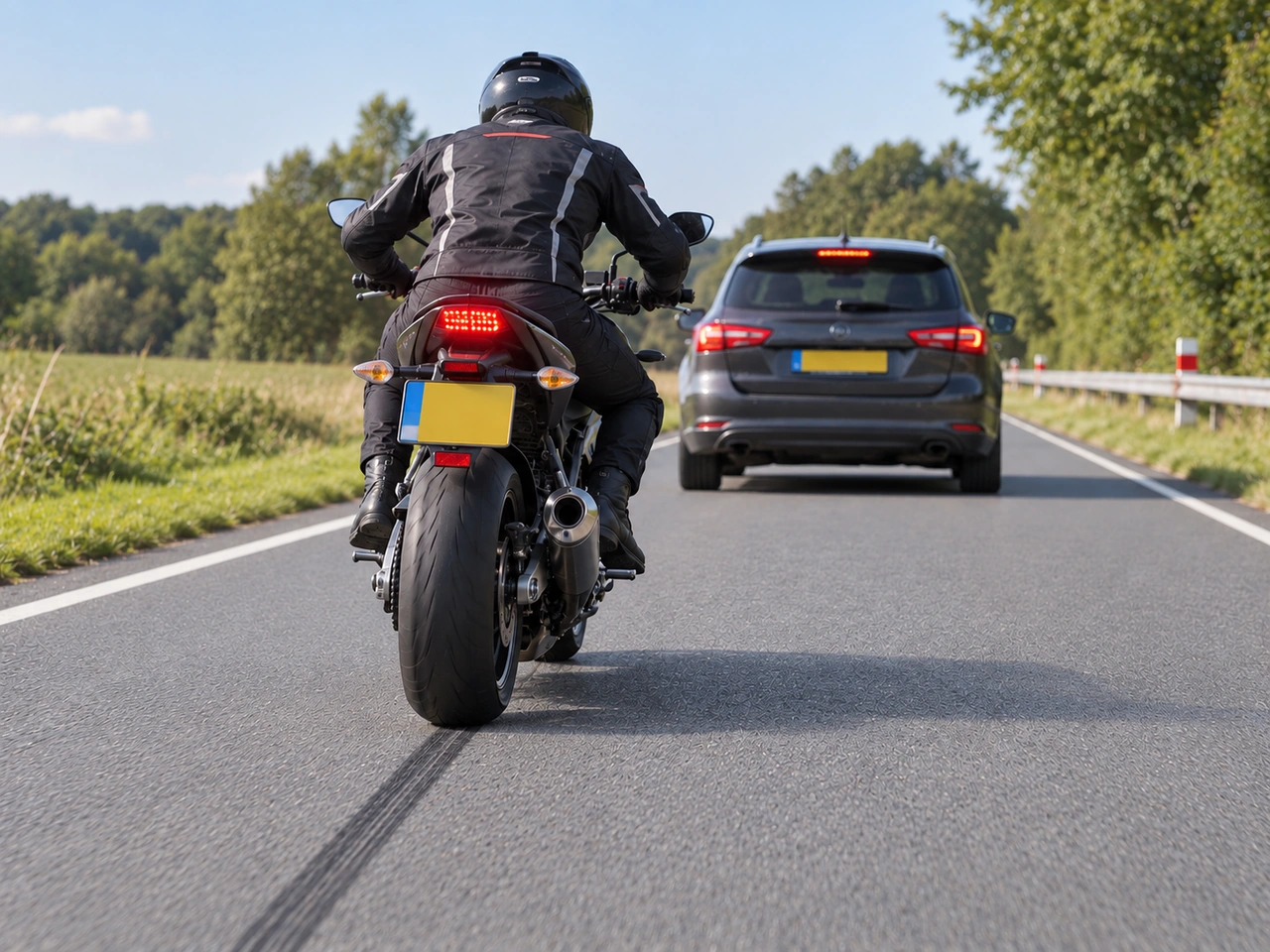
461. How should a motorcyclist brake in an emergency?
During emergency braking, use both brakes firmly and progressively while keeping the motorcycle as upright and stable as practical. Avoid sudden steering. If ABS is fitted, maintain firm braking pressure and allow the system to work.
AI-generated by Traffic-rules.com • WCIT • CC BY-SA
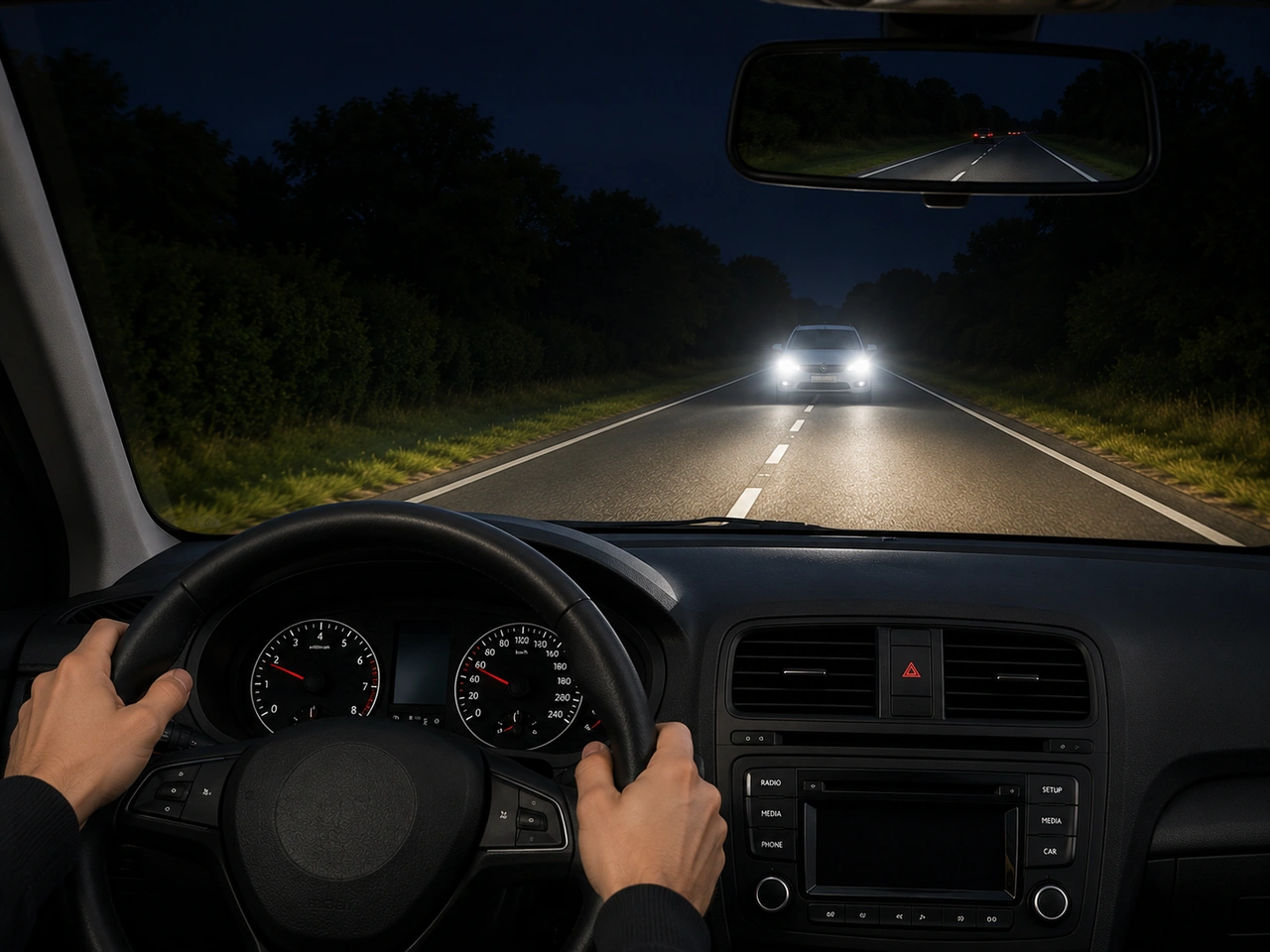
462. What should you do if your main beam could dazzle another driver?
Main beam can dazzle other road users and reduce their visibility. Switch to dipped headlights whenever your main beam could dazzle another driver.
AI-generated by Traffic-rules.com • WCIT • CC BY-SA
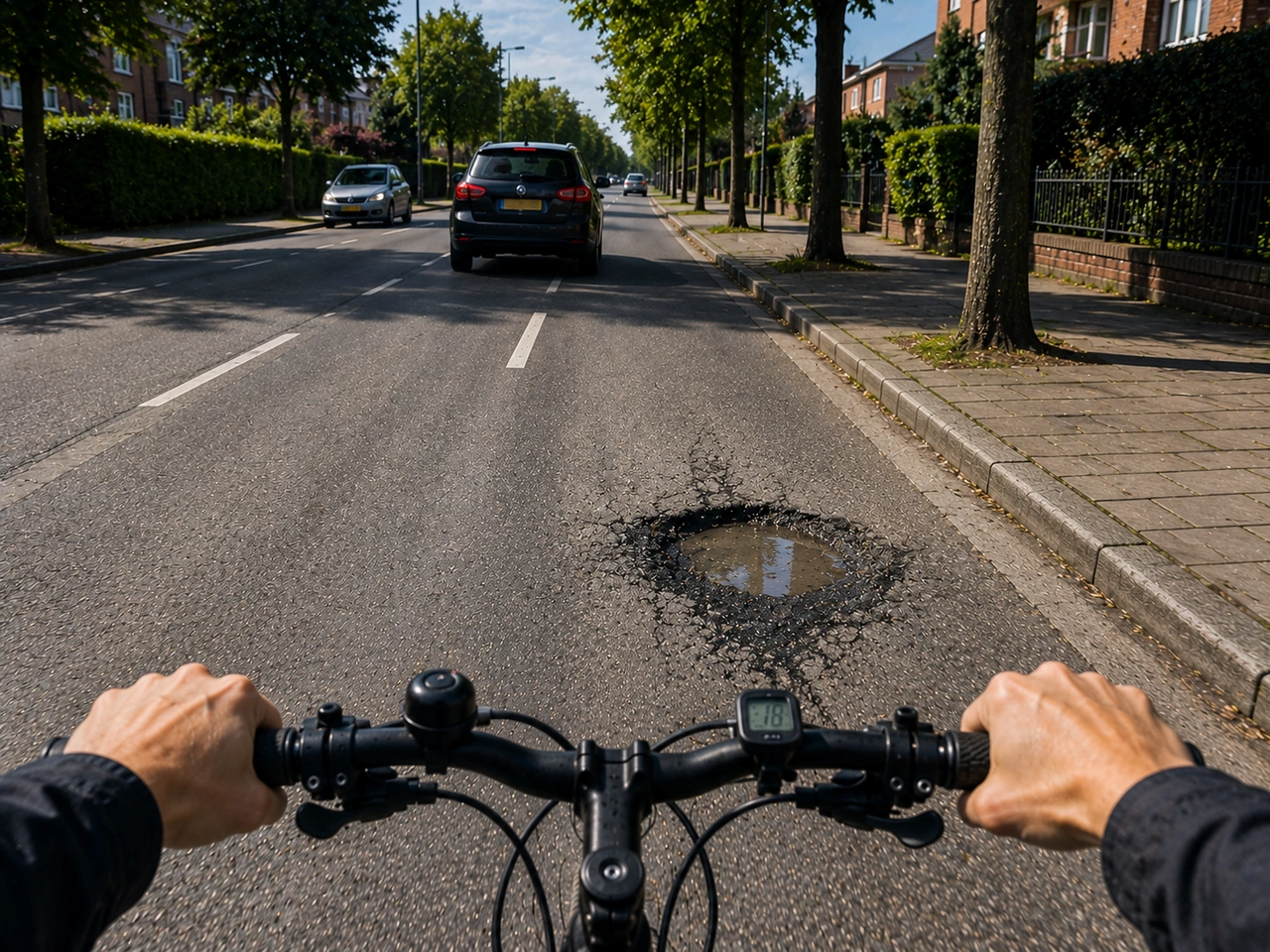
463. How should a cyclist react to a pothole?
Sudden swerving can place you in the path of traffic. Check your surroundings and change direction gradually.
AI-generated by Traffic-rules.com • WCIT • CC BY-SA
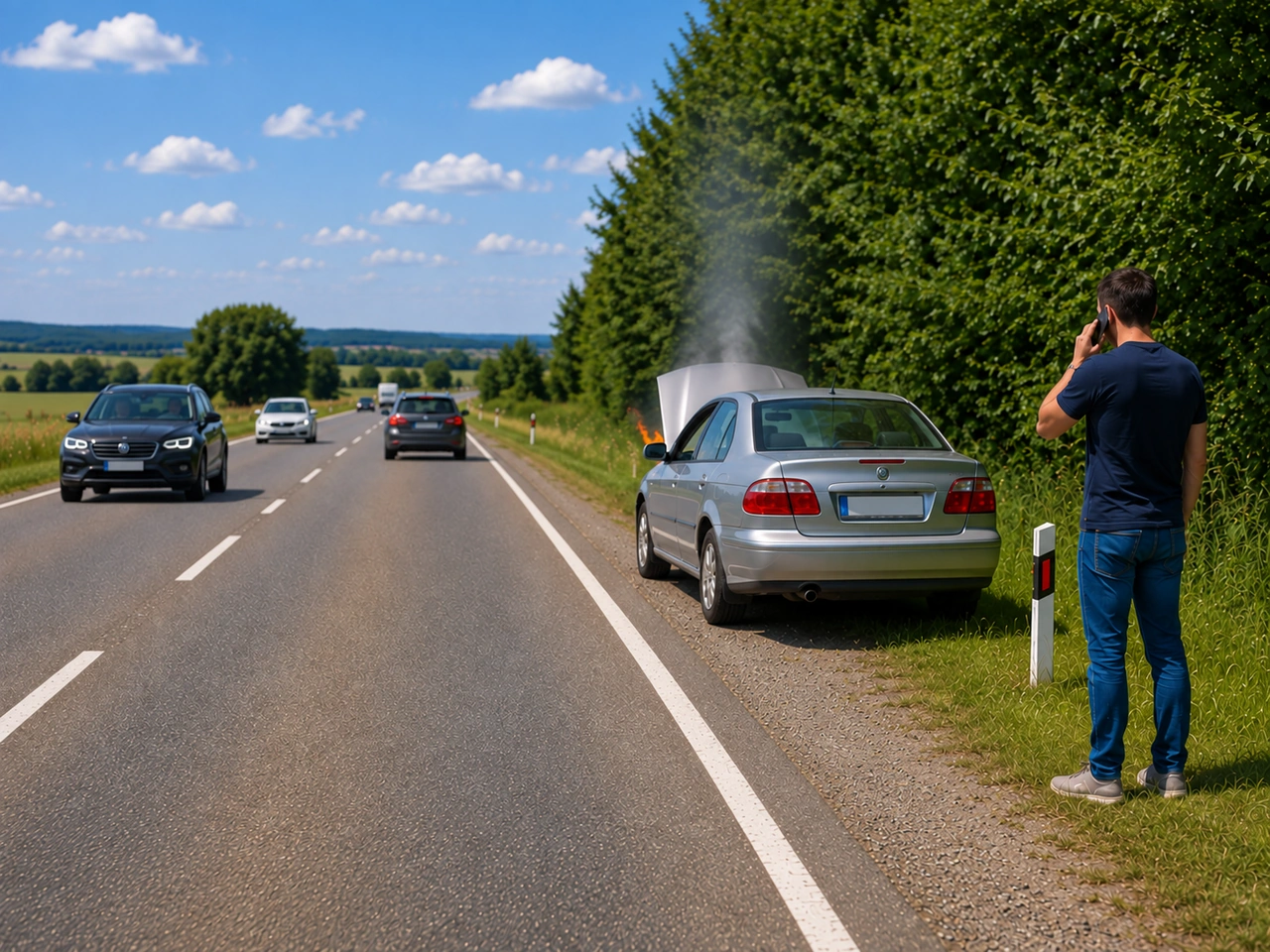
464. What should you do if your vehicle catches fire?
Move everyone well away from the vehicle and call emergency services. If the fire is small and it is safe to do so, use a suitable fire extinguisher. Opening the bonnet fully can supply additional oxygen and cause the fire to intensify.
AI-generated by Traffic-rules.com • WCIT • CC BY-SA
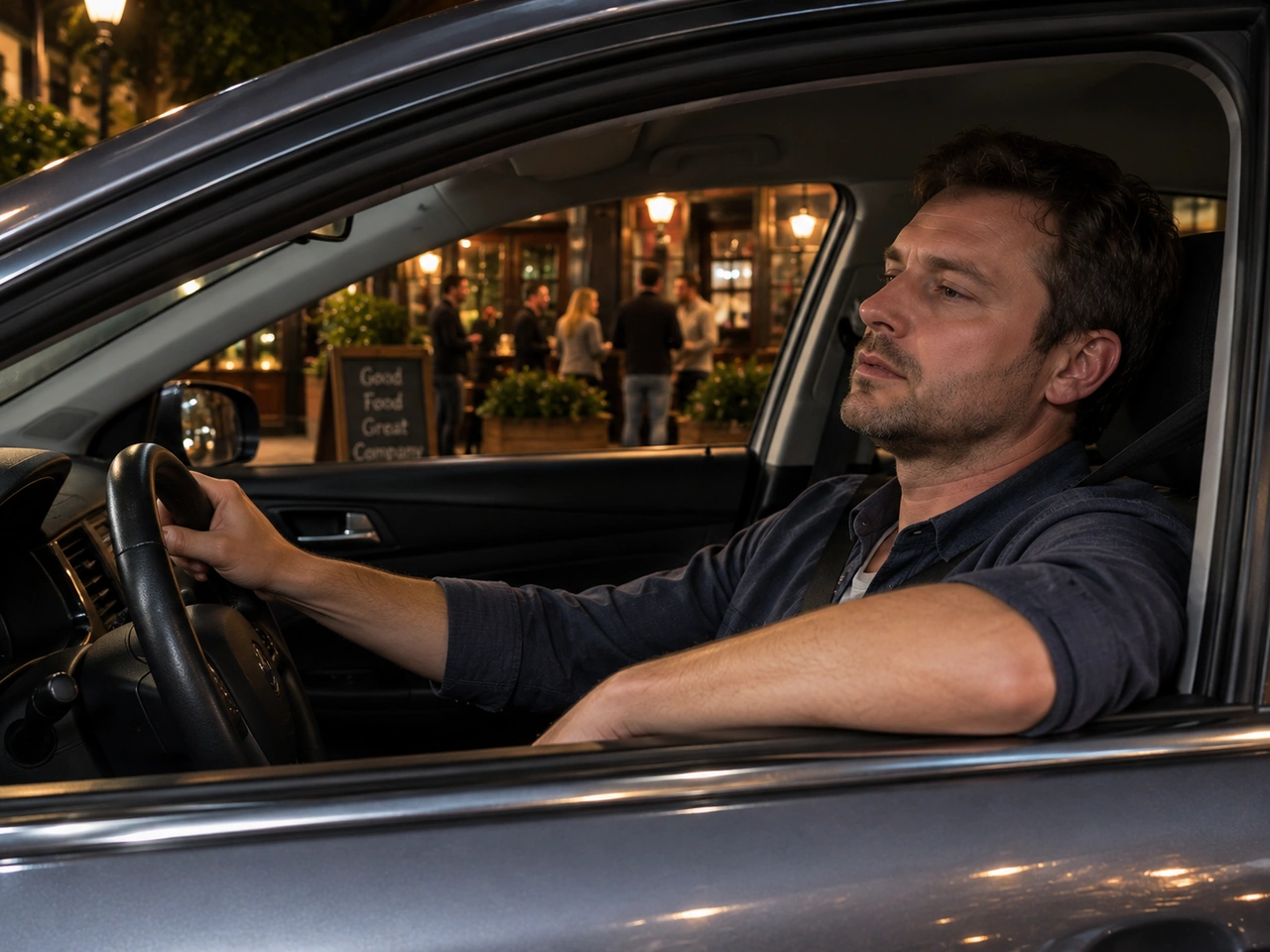
465. Does opening a window make an alcohol-impaired driver safe?
Fresh air may make someone feel more awake, but it does not reduce their alcohol concentration or restore safe driving ability.
AI-generated by Traffic-rules.com • WCIT • CC BY-SA
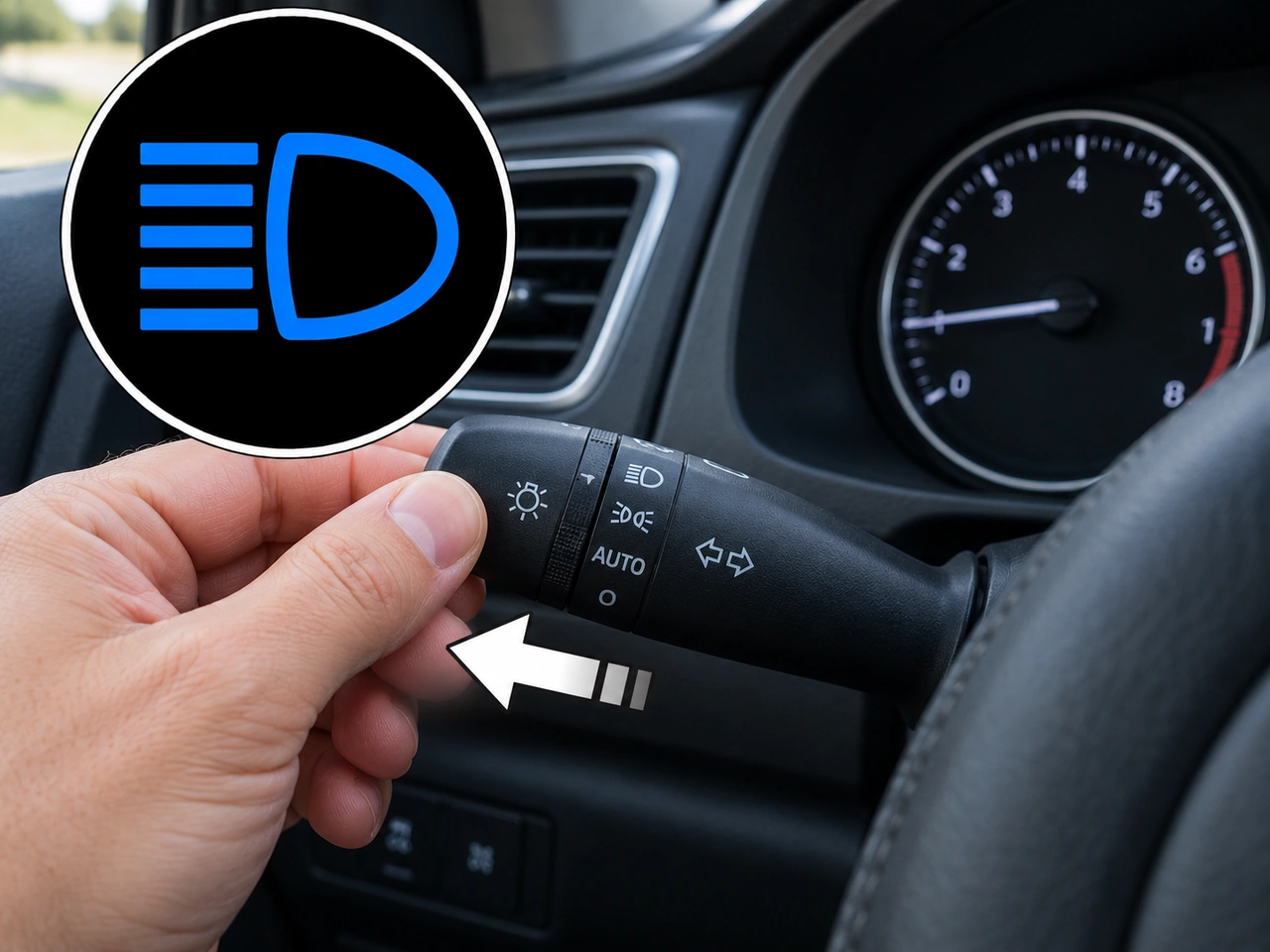
466. What does pulling the lighting stalk towards you normally do?
Pulling the lighting stalk towards you normally flashes the main-beam headlights. This briefly illuminates the main beam while the stalk is held or operated.
AI-generated by Traffic-rules.com • WCIT • CC BY-SA
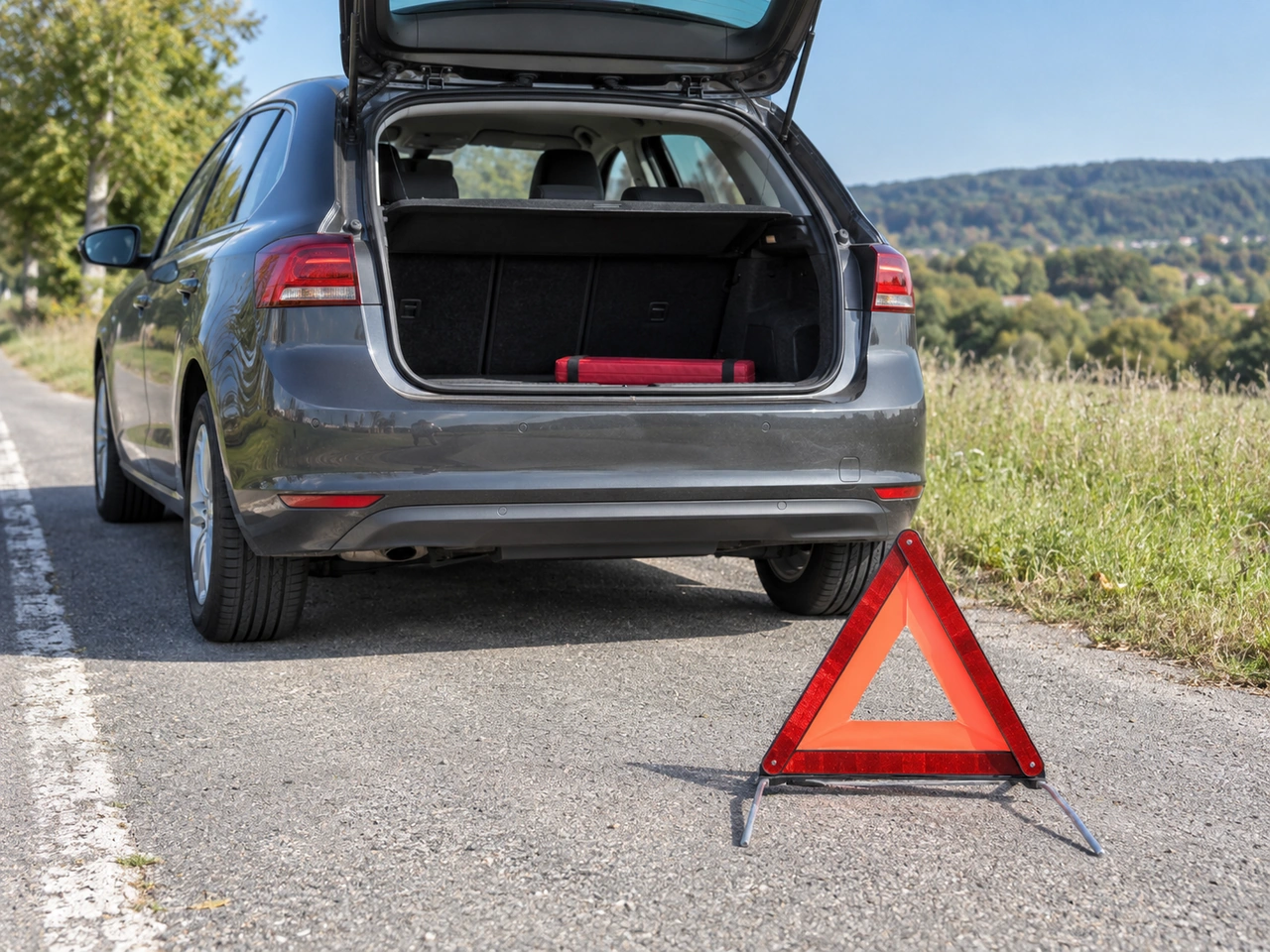
467. Is a warning triangle required in cars in Netherlands?
Cars in Netherlands are not generally required to carry a warning triangle.
AI-generated by Traffic-rules.com • WCIT • CC BY-SA
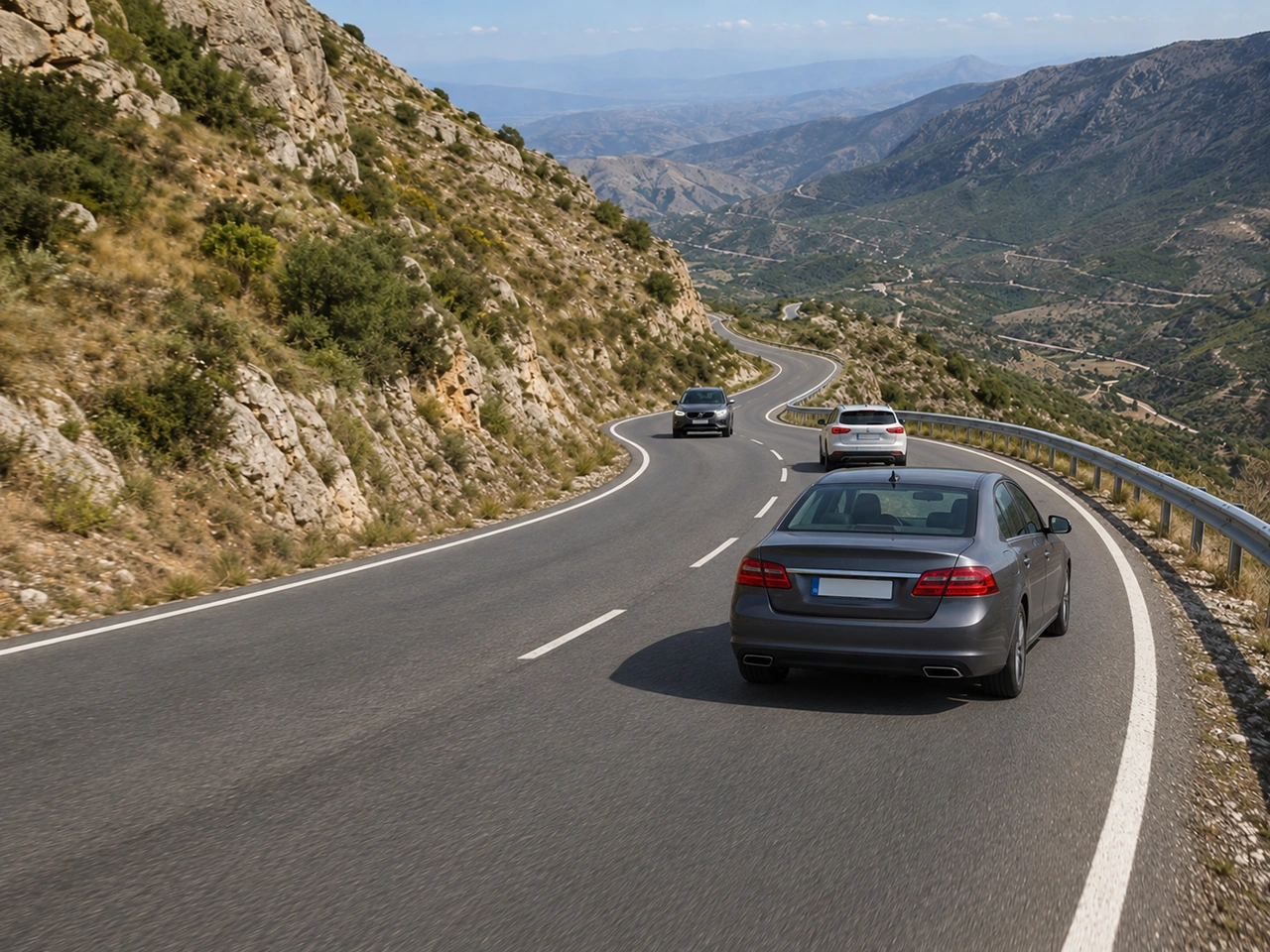
468. What can happen if you use the brakes continuously on a long descent?
Continuous braking can cause the brakes to overheat and fade, reducing braking performance. Use a lower gear to help control speed with engine braking.
AI-generated by Traffic-rules.com • WCIT • CC BY-SA
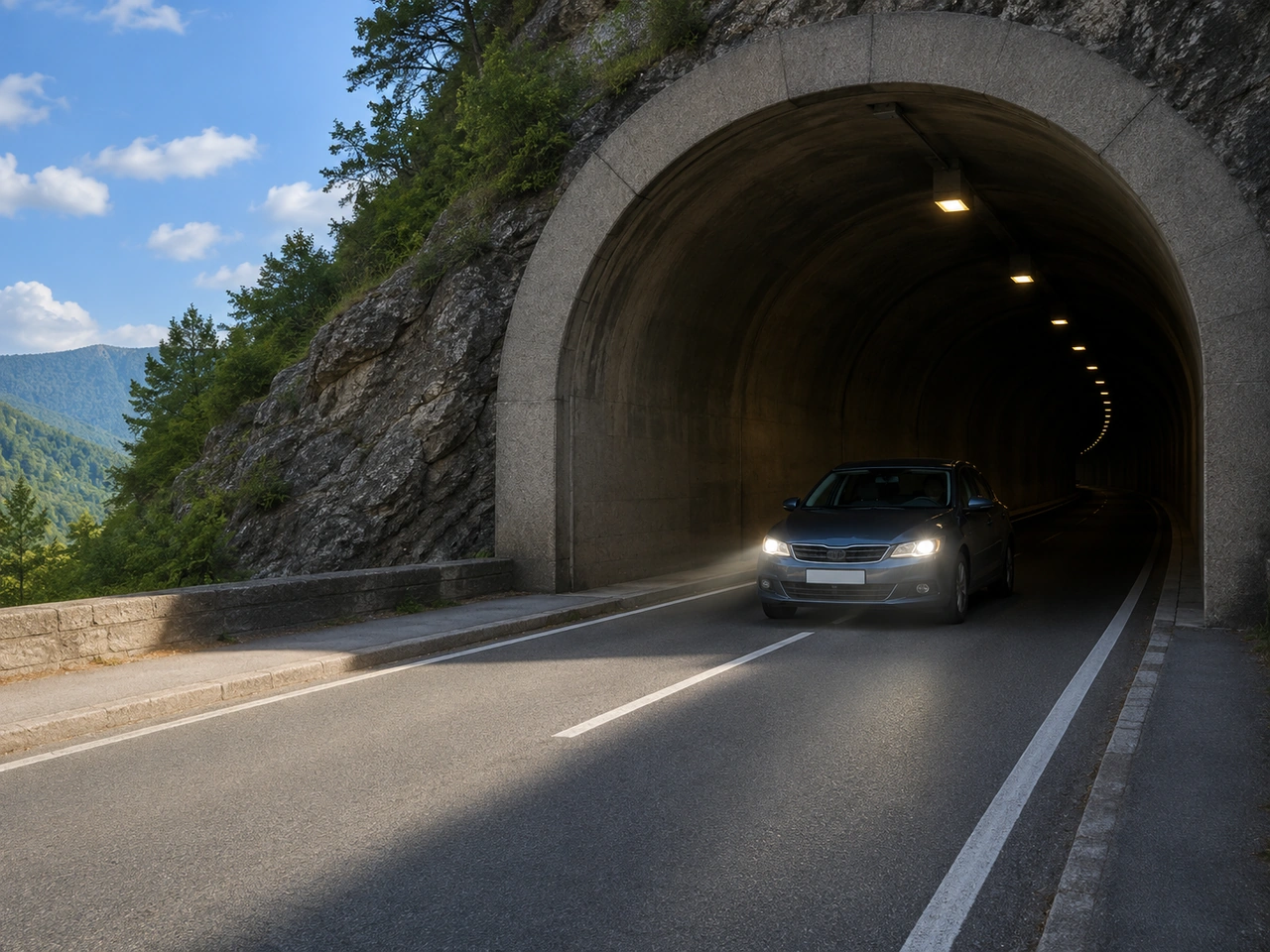
469. Why should you switch on dipped headlights before entering a tunnel?
Tunnel lighting may be much darker than daylight. Dipped headlights help you see and make your vehicle more visible.
AI-generated by Traffic-rules.com • WCIT • CC BY-SA
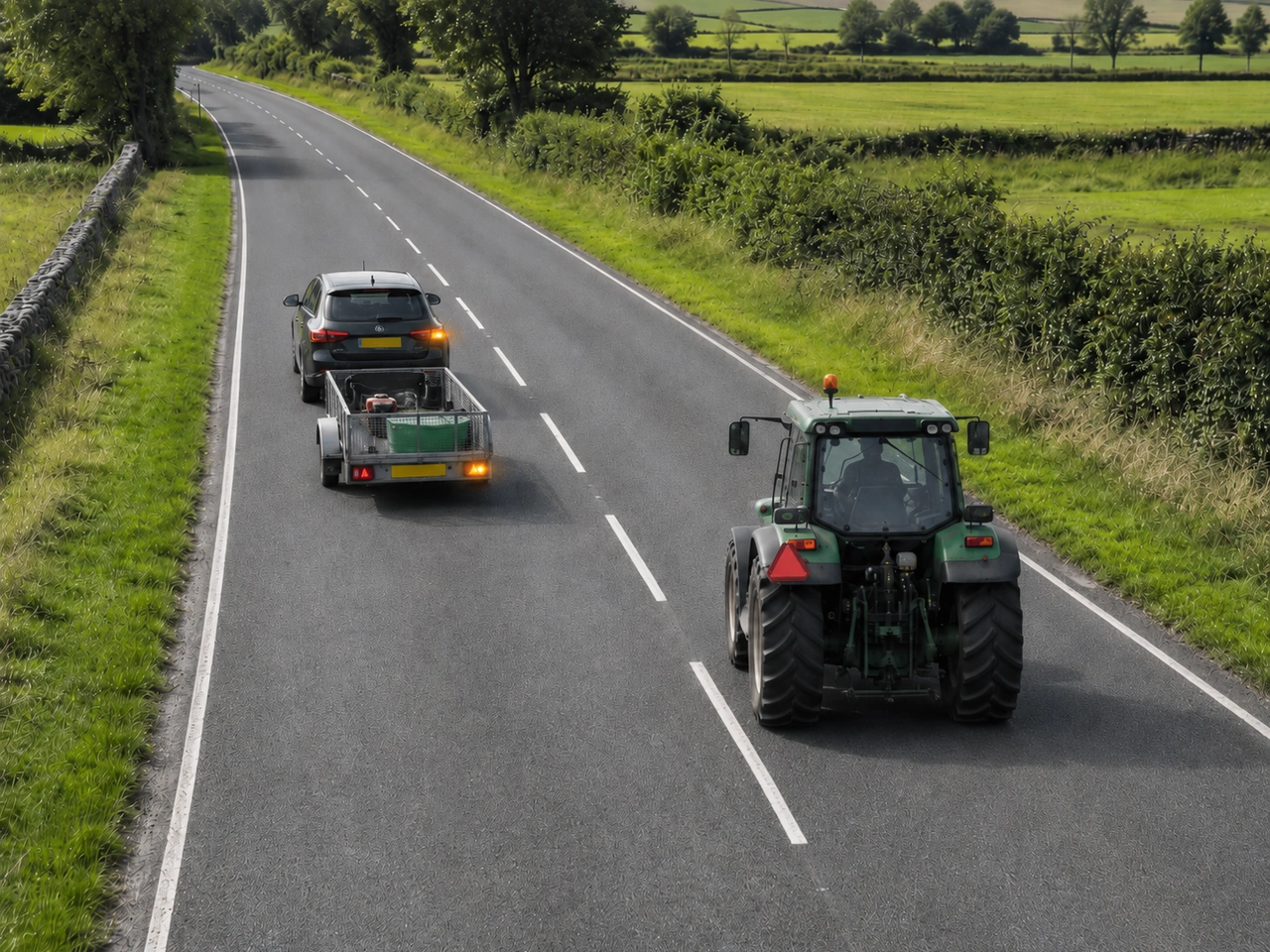
470. What should you do before overtaking while towing a trailer?
A towing vehicle accelerates more slowly, and the trailer makes the whole vehicle combination longer. Remember to allow a much larger safe gap before overtaking and enough space to return safely to your lane.
AI-generated by Traffic-rules.com • WCIT • CC BY-SA
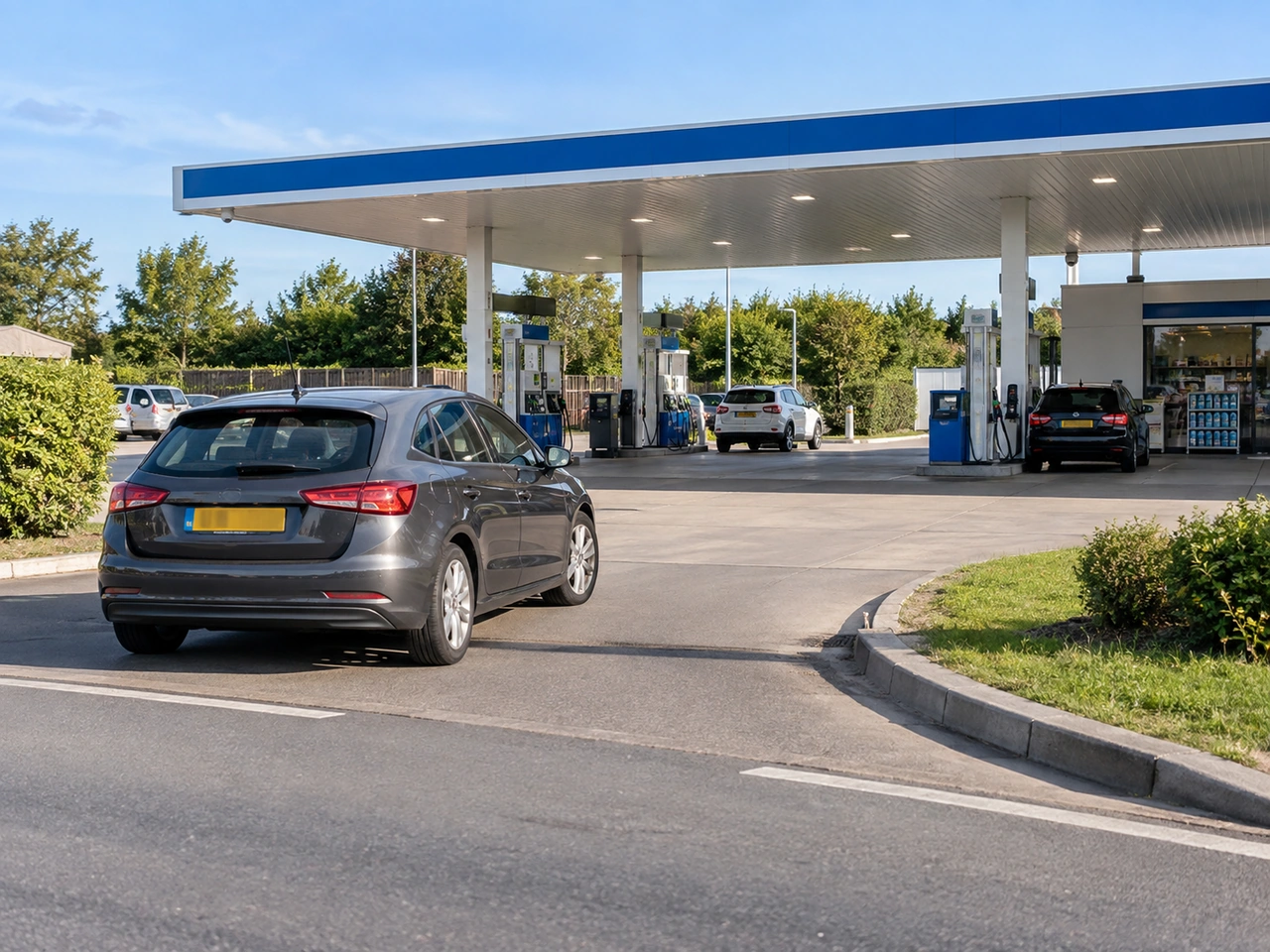
471. How should you position your vehicle beside a fuel pump?
Position the vehicle so the fuel filler is close to the pump and the hose can reach without being stretched tightly across or around the vehicle. Stop within the designated refuelling area and leave enough space to use the pump safely.
AI-generated by Traffic-rules.com • WCIT • CC BY-SA
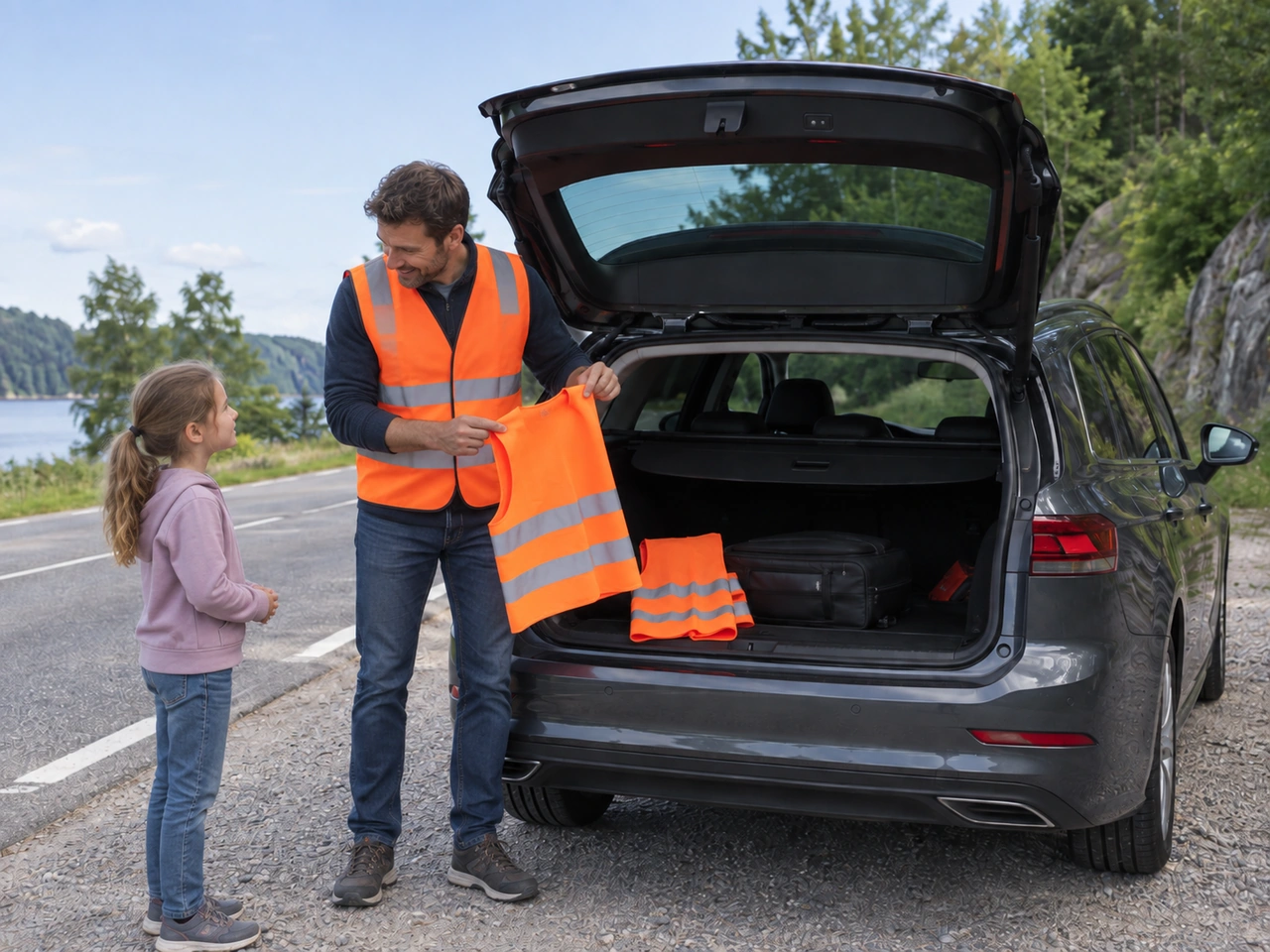
472. Is a high-visibility vest required in cars in Netherlands?
Cars in Netherlands are not generally required to carry a high-visibility vest.
AI-generated by Traffic-rules.com • WCIT • CC BY-SA
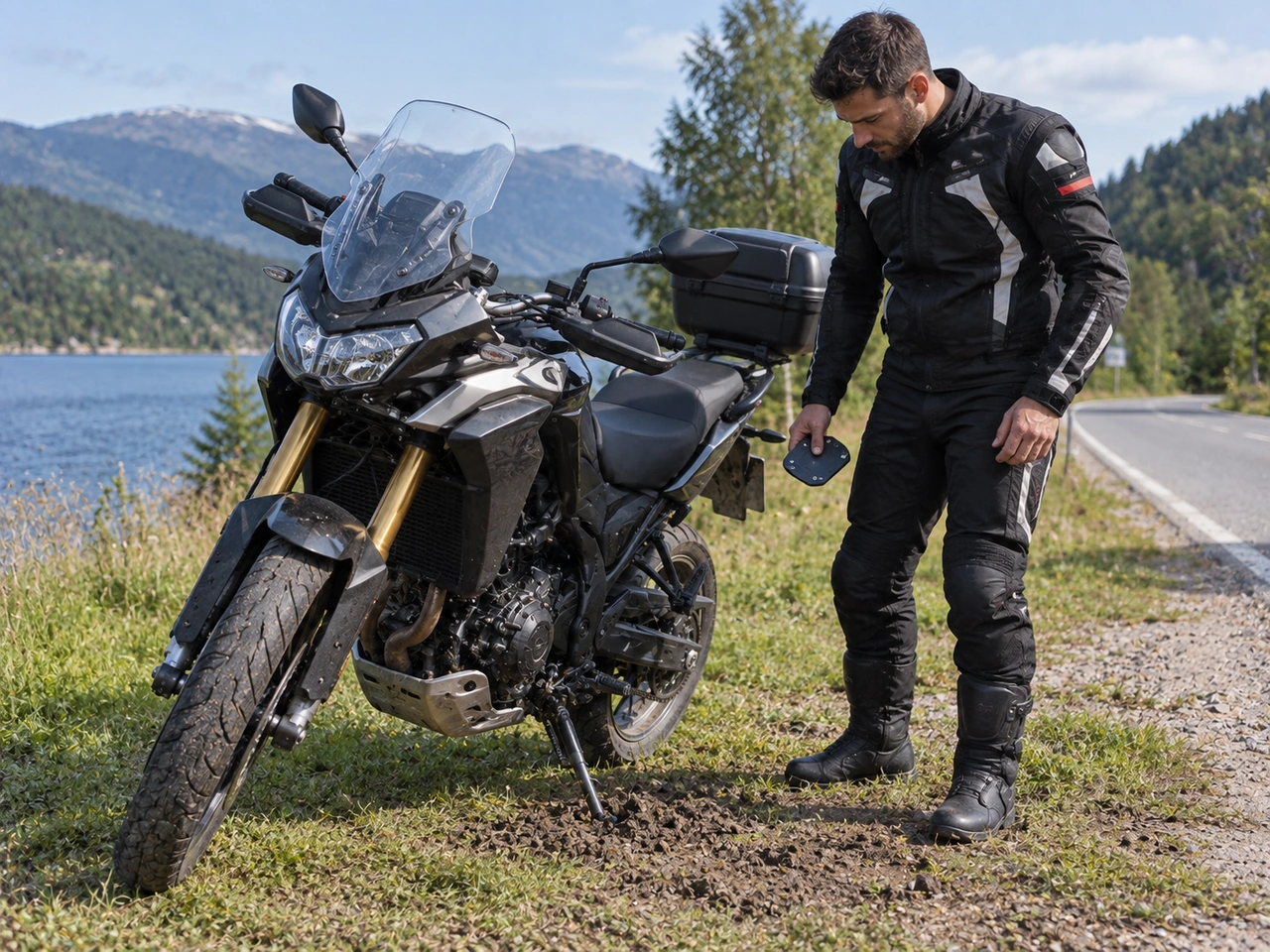
473. Why should you take care when parking a motorcycle on soft ground?
On soft or unstable ground, the side or centre stand can sink or move, causing the motorcycle to fall. Park on a firm, stable surface or use a suitable support under the stand when necessary.
AI-generated by Traffic-rules.com • WCIT • CC BY-SA
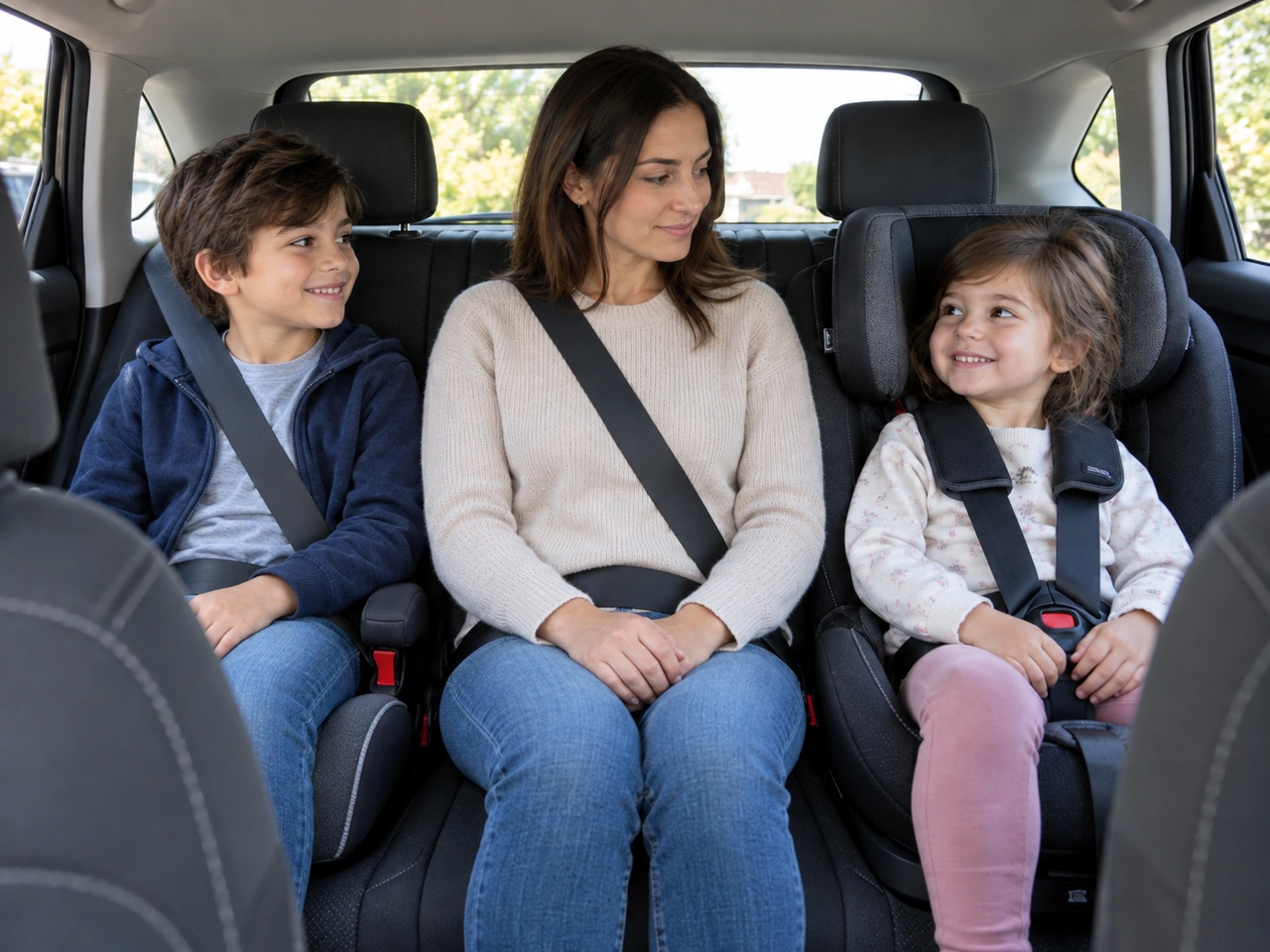
474. Should rear-seat passengers be securely restrained?
Rear-seat passengers should be securely restrained using seat belts or suitable child restraints as appropriate. Proper restraint reduces the risk of serious injury and prevents occupants from being thrown around or forwards in a collision.
AI-generated by Traffic-rules.com • WCIT • CC BY-SA
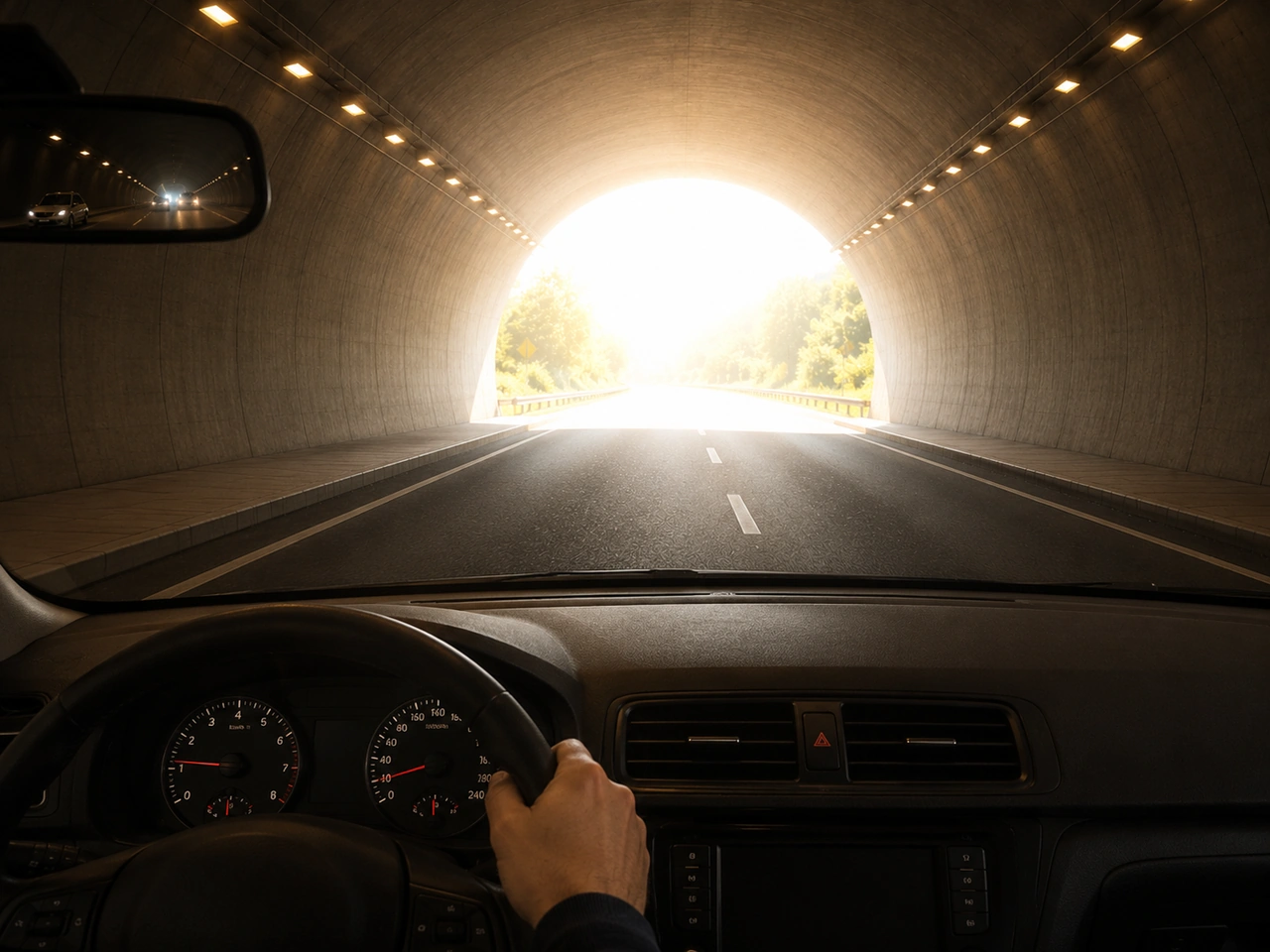
475. What should you expect when leaving a tunnel in bright sunlight?
Your eyes may need time to adjust from the darker tunnel to bright daylight. Reduce speed if necessary and remain alert.
AI-generated by Traffic-rules.com • WCIT • CC BY-SA
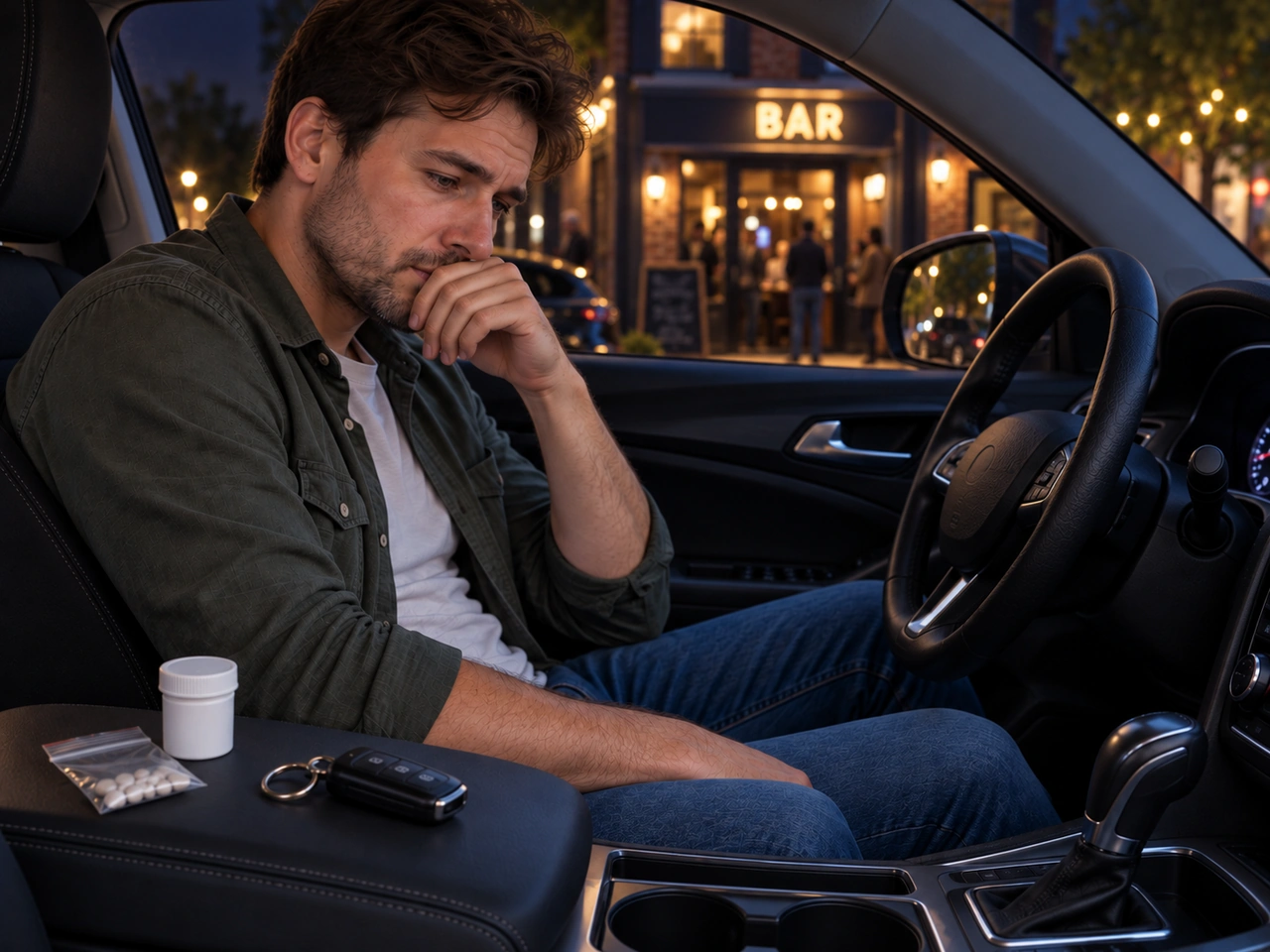
476. What should you do if you have taken drugs that may impair your driving?
Drugs can impair judgement, coordination, concentration, and reaction time. Their effects can be unpredictable and may continue after you feel that the main effects have passed. Do not drive while impaired.
AI-generated by Traffic-rules.com • WCIT • CC BY-SA
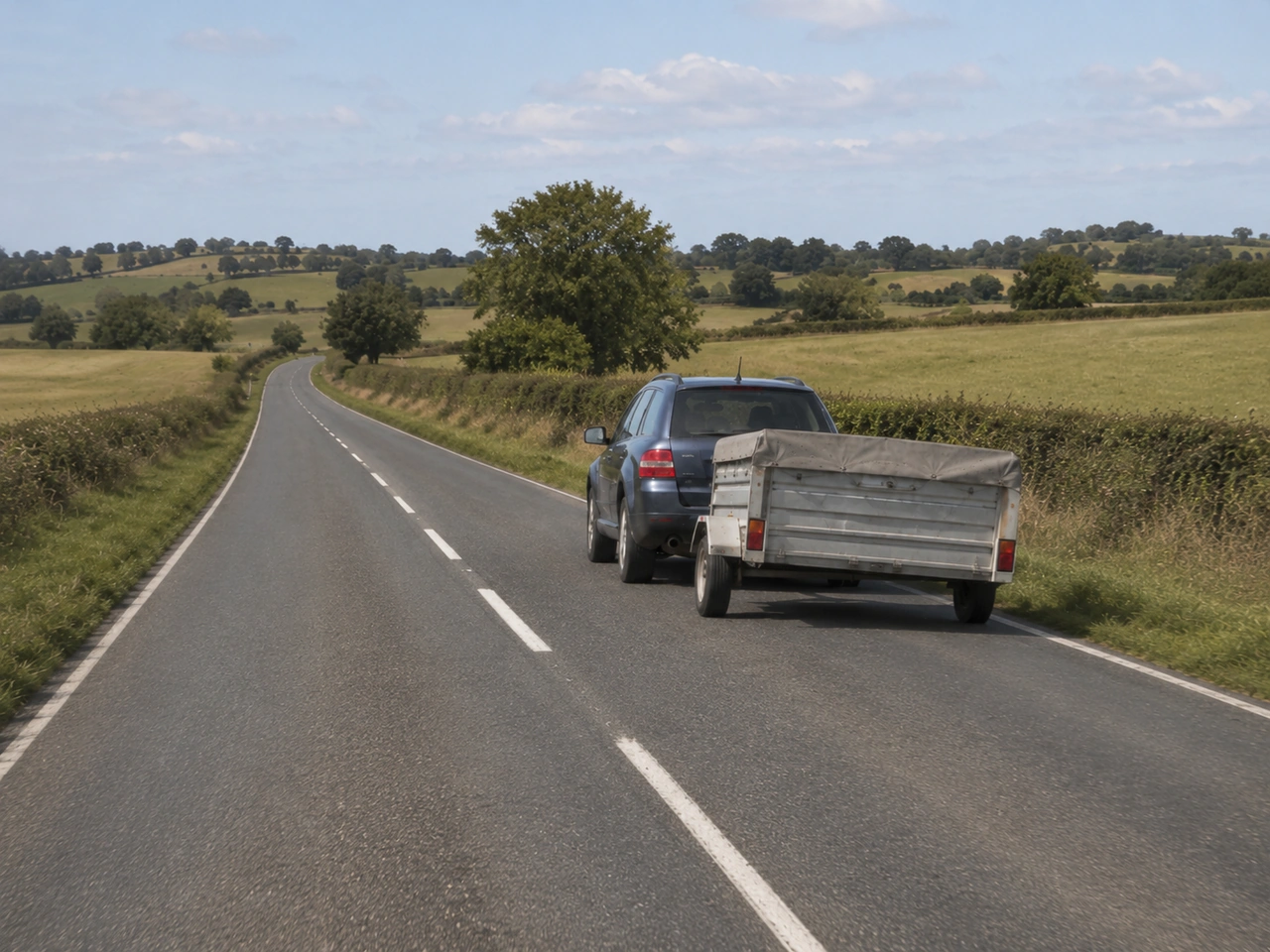
477. What should you do if a trailer begins to sway?
Sudden steering or braking can worsen trailer sway. Stay calm, hold a steady course, and reduce speed smoothly.
AI-generated by Traffic-rules.com • WCIT • CC BY-SA
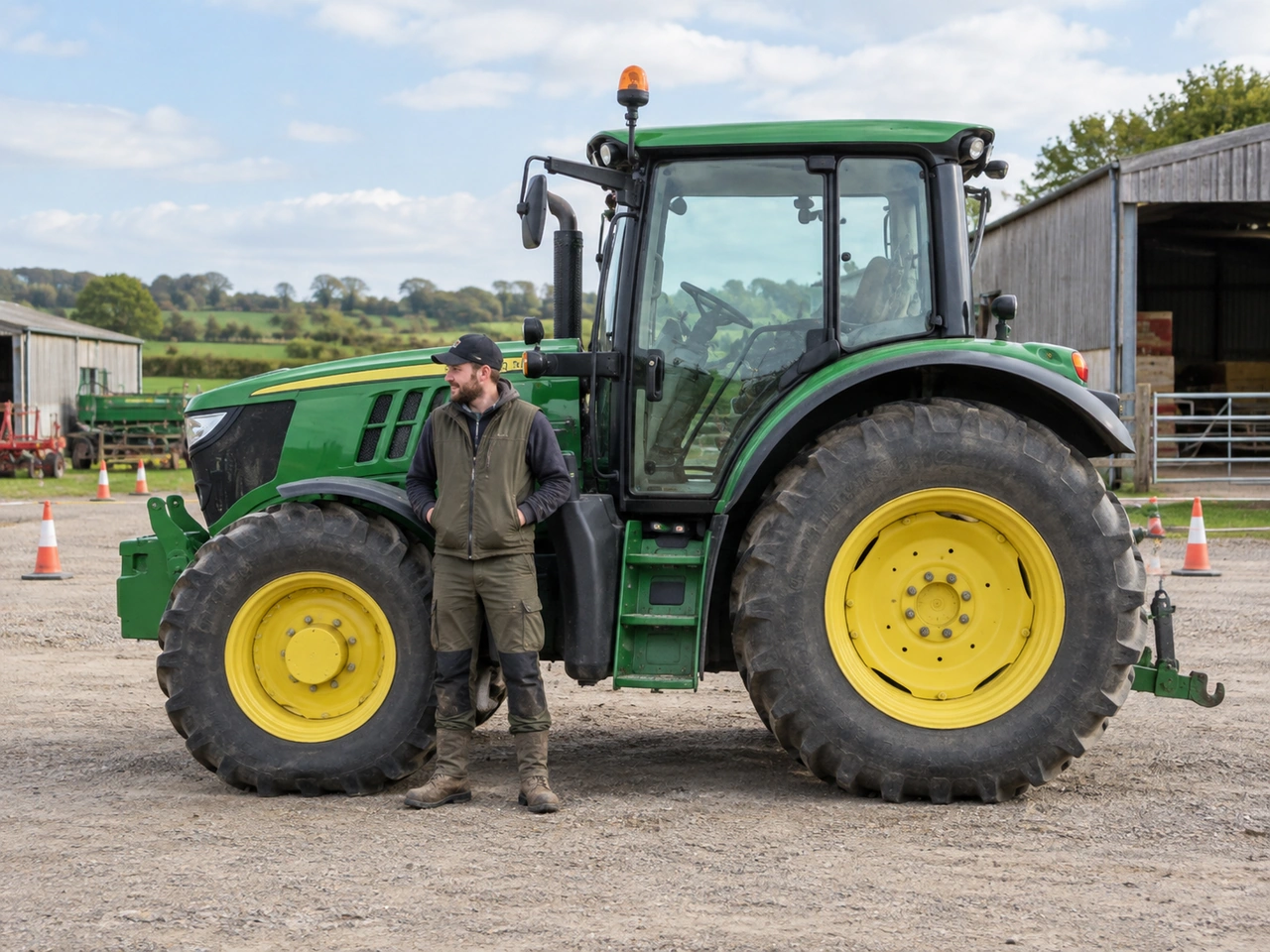
478. Which EU driving licence category is used for tractors?
There is no single harmonised EU driving licence category for agricultural or forestry tractors. The required licence depends on national rules. For example, Belgium uses category G, the Netherlands category T, and Germany categories L and T.
AI-generated by Traffic-rules.com • WCIT • CC BY-SA
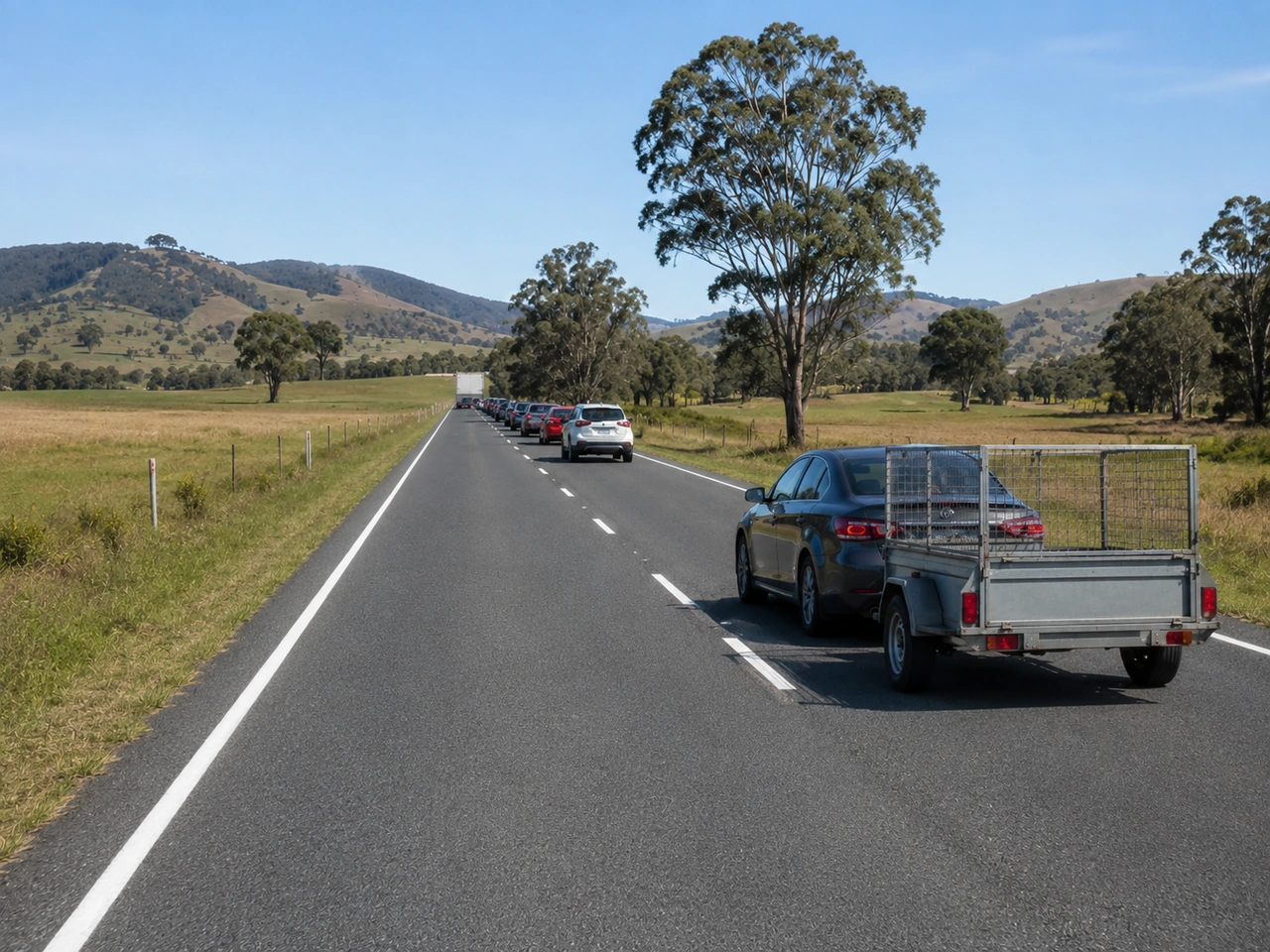
479. Why should you leave extra following distance when towing?
Towing adds weight and can increase stopping distance. Extra space gives you more time to react and brake smoothly.
AI-generated by Traffic-rules.com • WCIT • CC BY-SA
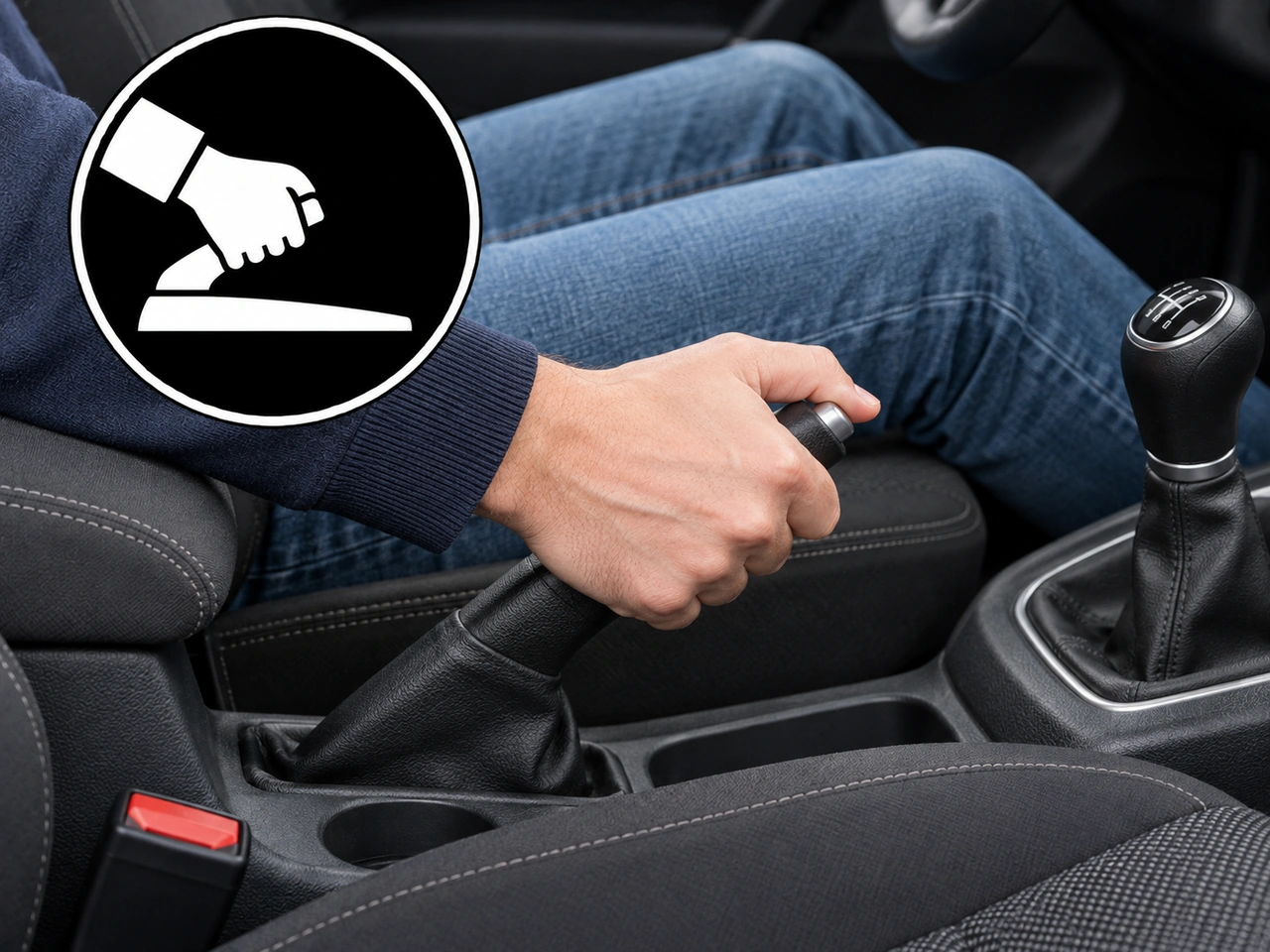
480. What is the purpose of the manual parking brake?
The manual parking brake helps keep the vehicle stationary when parked. It is normally applied by pulling up the handbrake lever and released before driving away.
AI-generated by Traffic-rules.com • WCIT • CC BY-SA
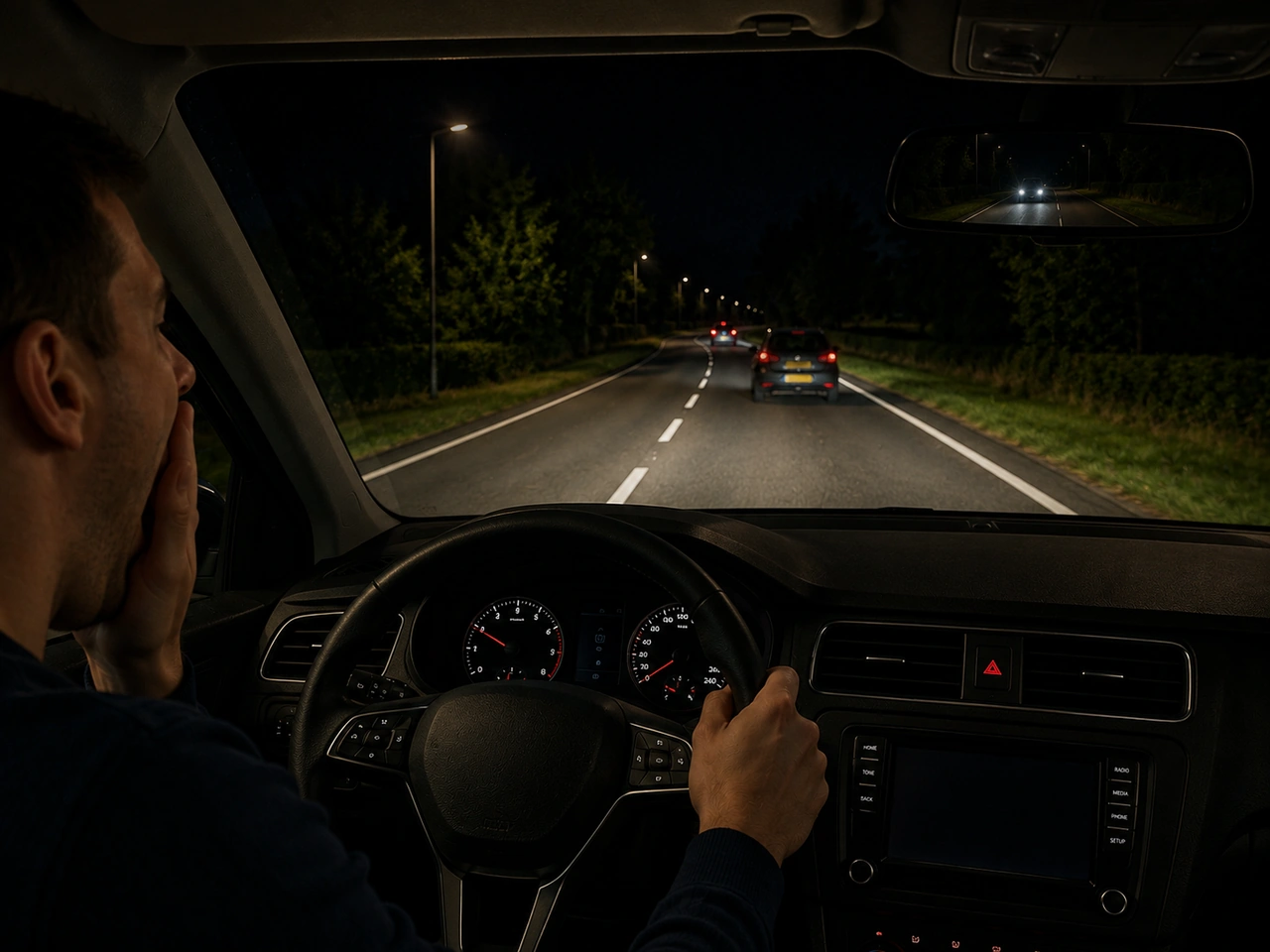
481. What should you do if you feel tired while driving?
Driving while tired reduces concentration and reaction time. Stop somewhere safe and rest before continuing.
AI-generated by Traffic-rules.com • WCIT • CC BY-SA
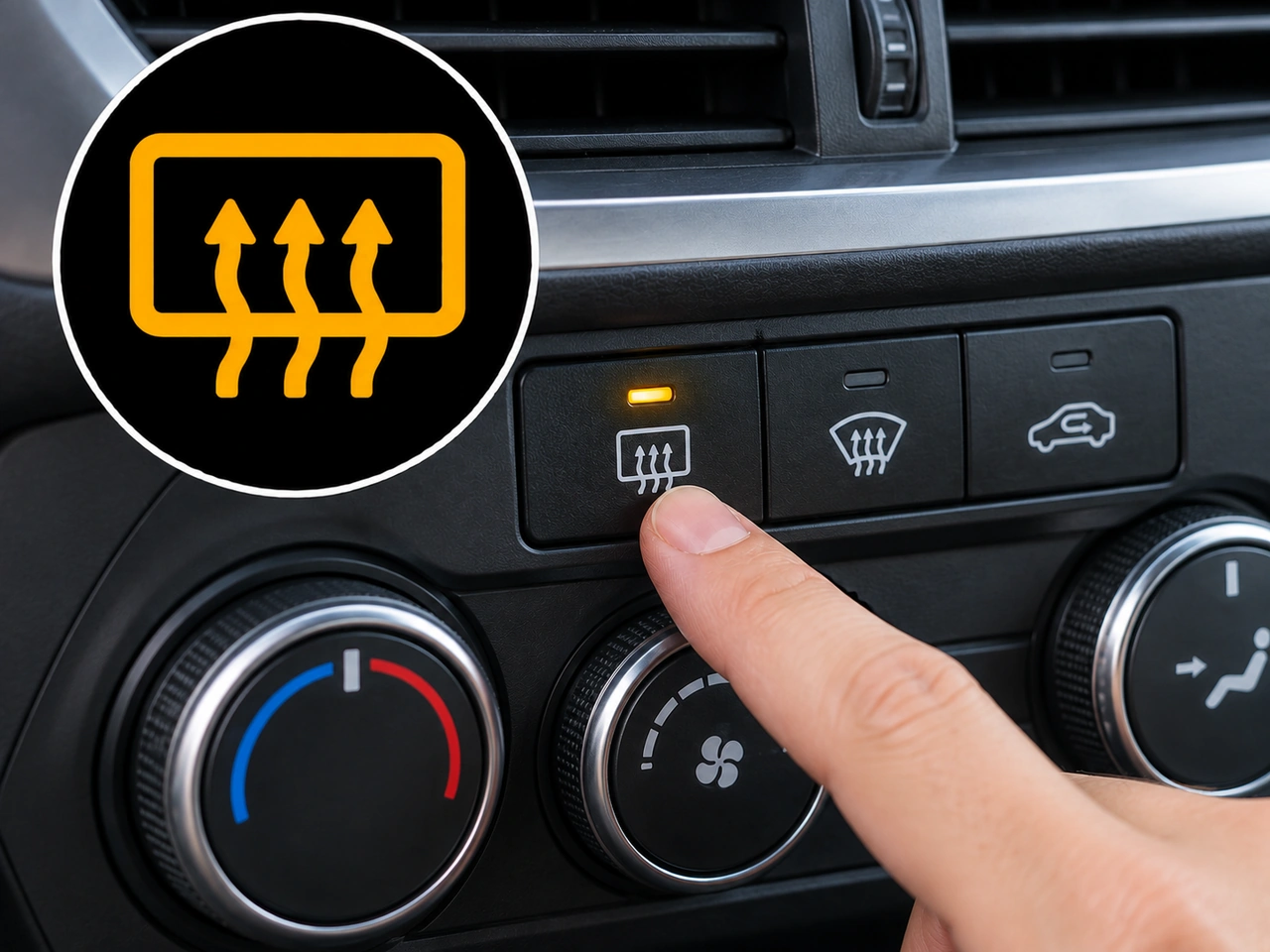
482. What does this dashboard symbol indicate?
This symbol indicates the rear window demister. It heats the rear window to help clear condensation, mist or frost and improve visibility.
AI-generated by Traffic-rules.com • WCIT • CC BY-SA
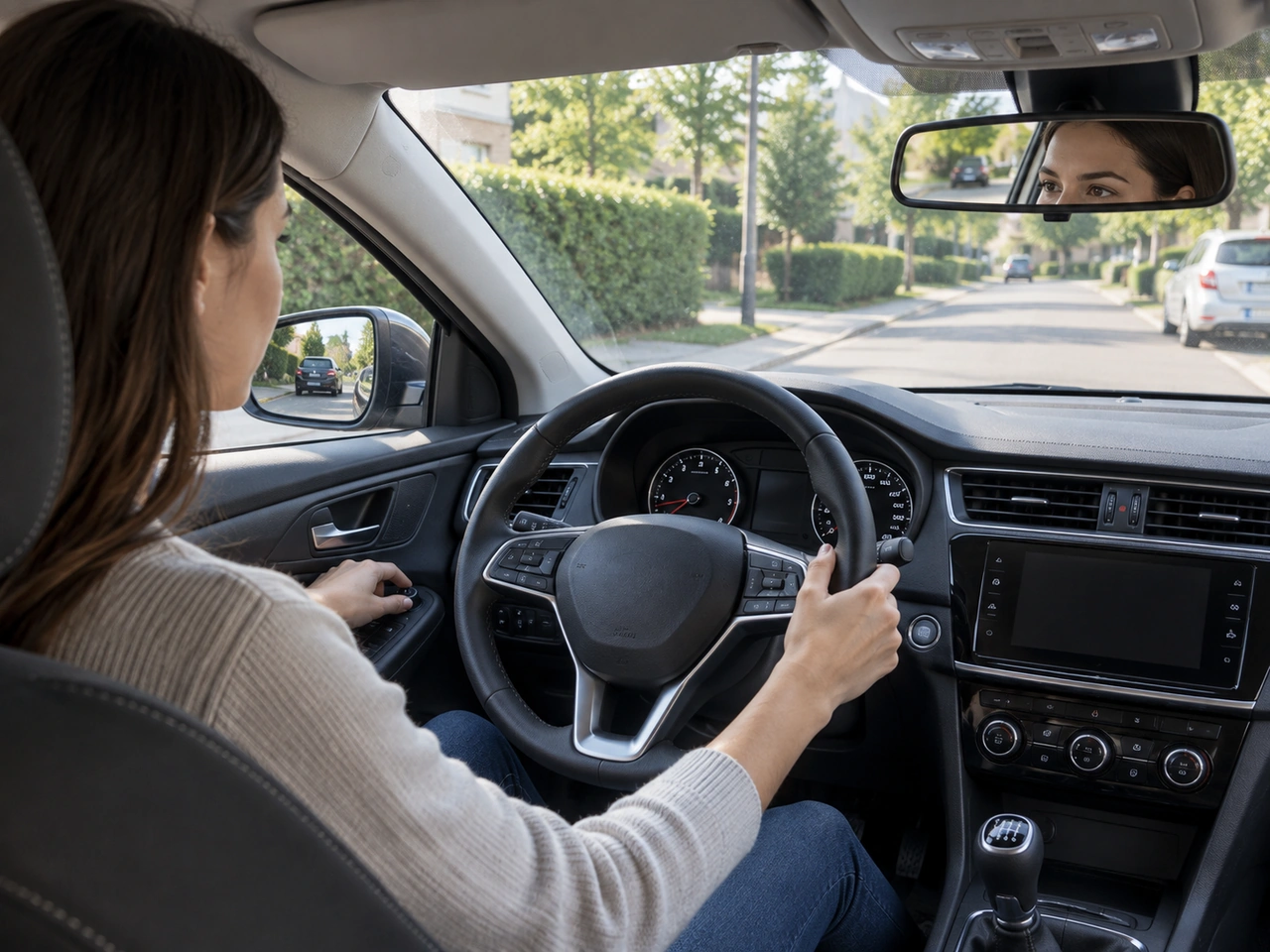
483. Why should you adjust the seat and mirrors correctly before driving?
A correct driving position helps you operate the pedals and steering comfortably and maintain proper control. Correctly adjusted mirrors improve your view around the vehicle and help reduce blind spots. Adjust both before starting your journey.
AI-generated by Traffic-rules.com • WCIT • CC BY-SA
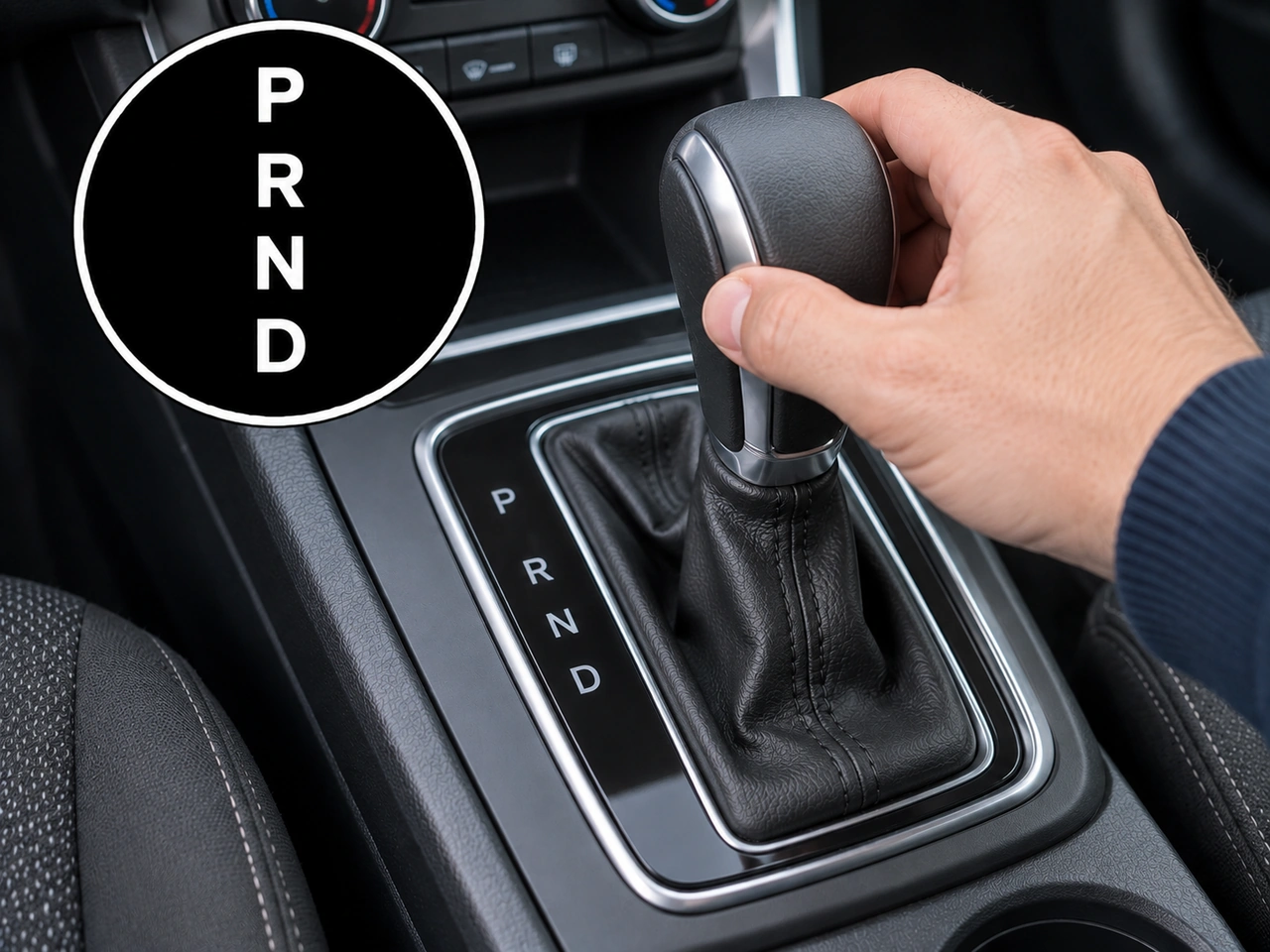
484. Which selector position prevents drive being transmitted to the wheels?
Select N (Neutral) when drive should not be transmitted to the wheels. Unlike Park, Neutral does not lock the transmission to prevent the vehicle from rolling.
AI-generated by Traffic-rules.com • WCIT • CC BY-SA
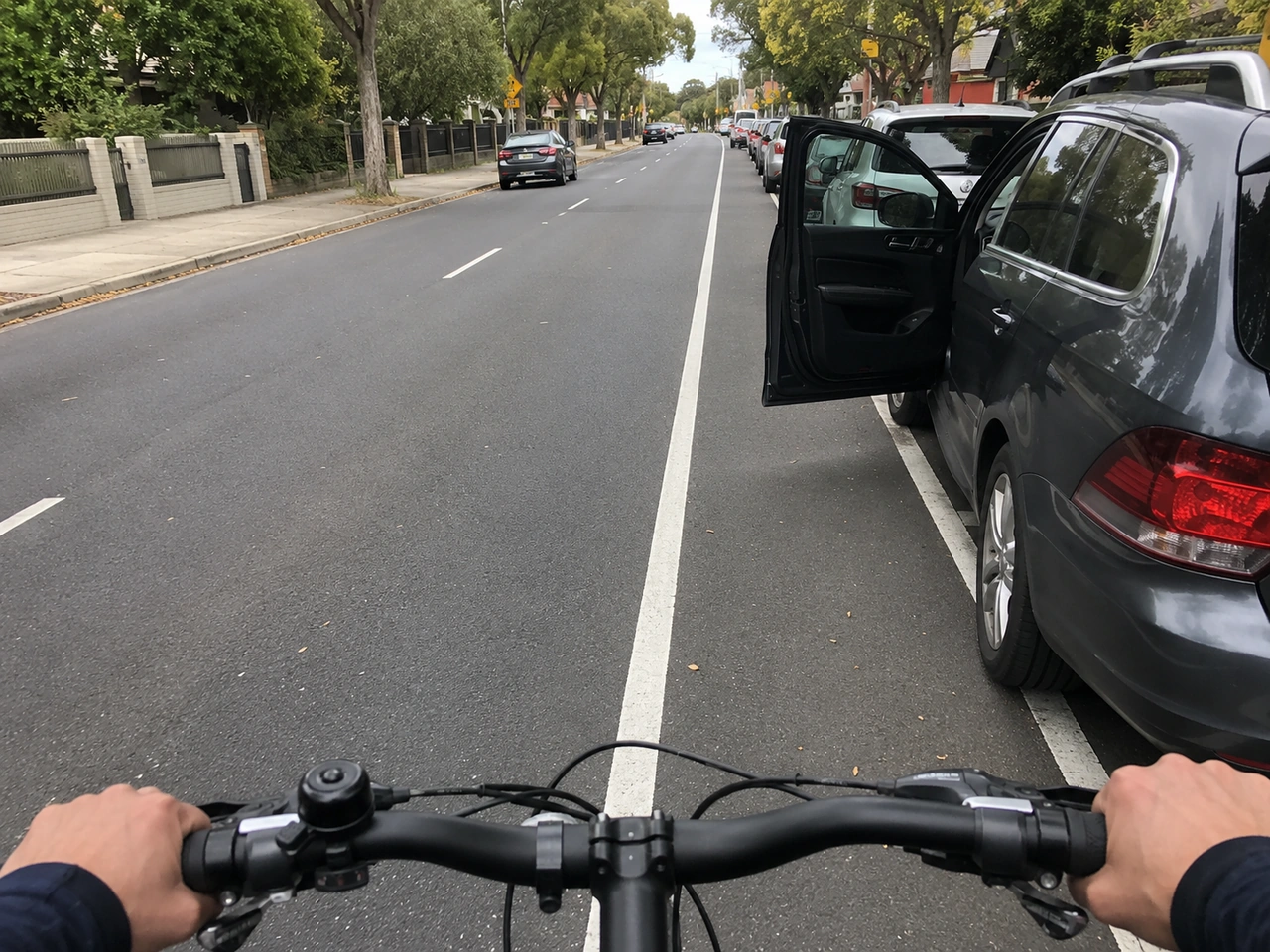
485. Why should you leave space when cycling beside parked cars?
A driver or passenger may open a door without seeing you. Leaving space reduces the risk of a dooring collision.
AI-generated by Traffic-rules.com • WCIT • CC BY-SA
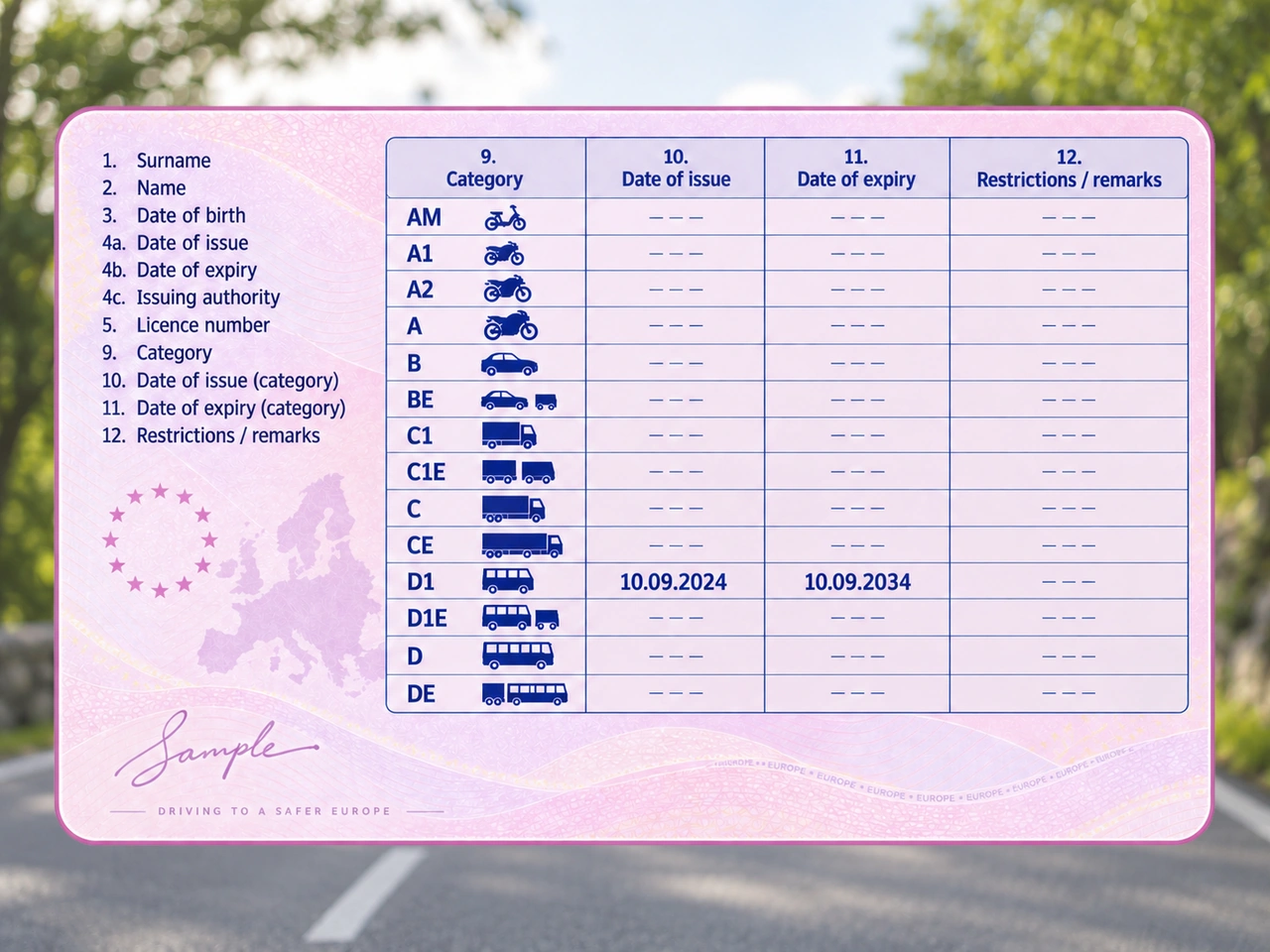
486. Which passenger vehicles are covered by driving licence D1?
Category D1 covers vehicles designed to carry no more than 16 passengers in addition to the driver and with a maximum length of 8 metres. A trailer up to 750 kg may be towed.
AI-generated by Traffic-rules.com • WCIT • CC BY-SA
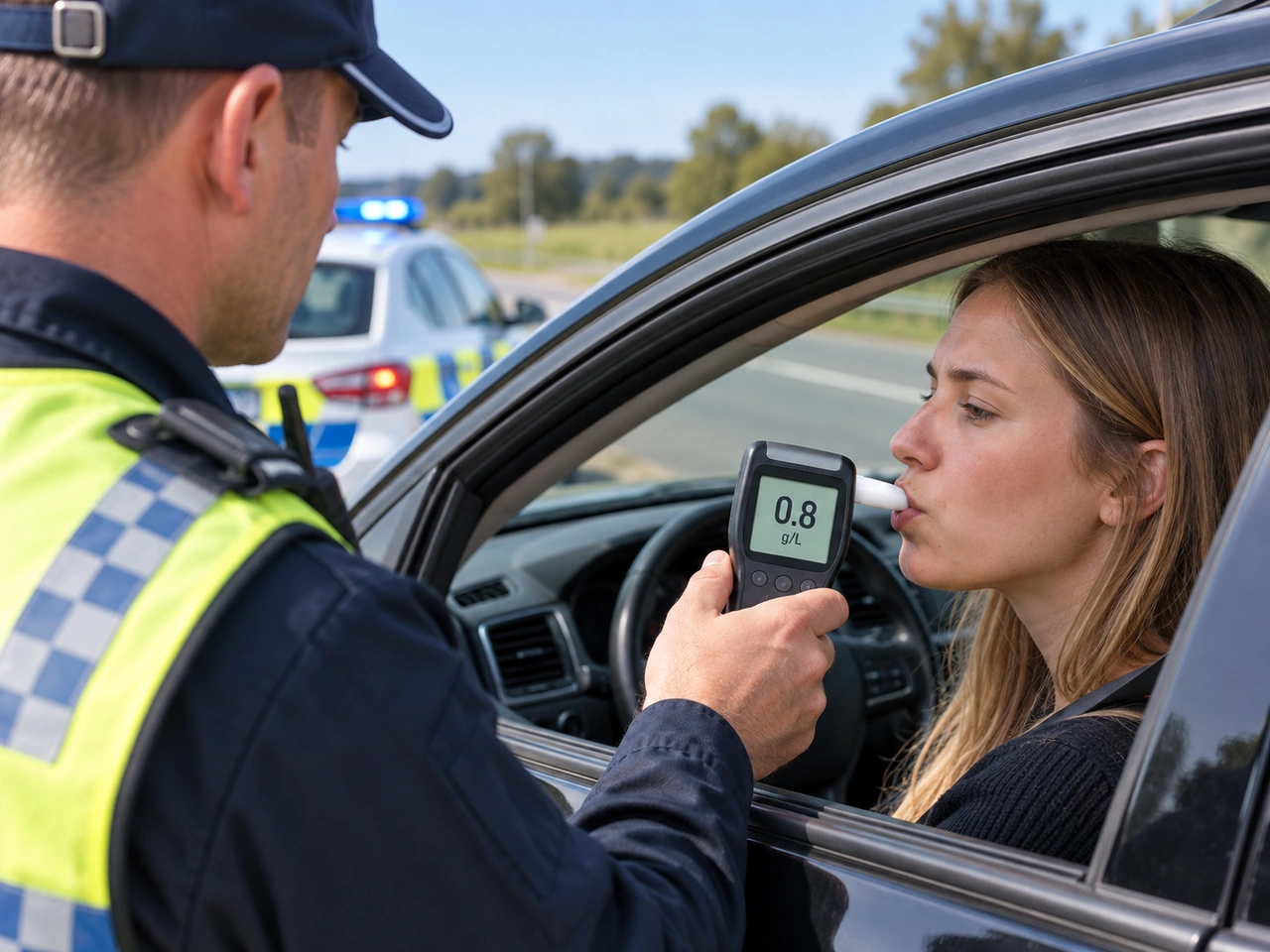
487. What is the legal blood alcohol limit for ordinary drivers in Netherlands?
The legal blood alcohol limit for ordinary drivers in Netherlands is 0.5 g/L.
AI-generated by Traffic-rules.com • WCIT • CC BY-SA
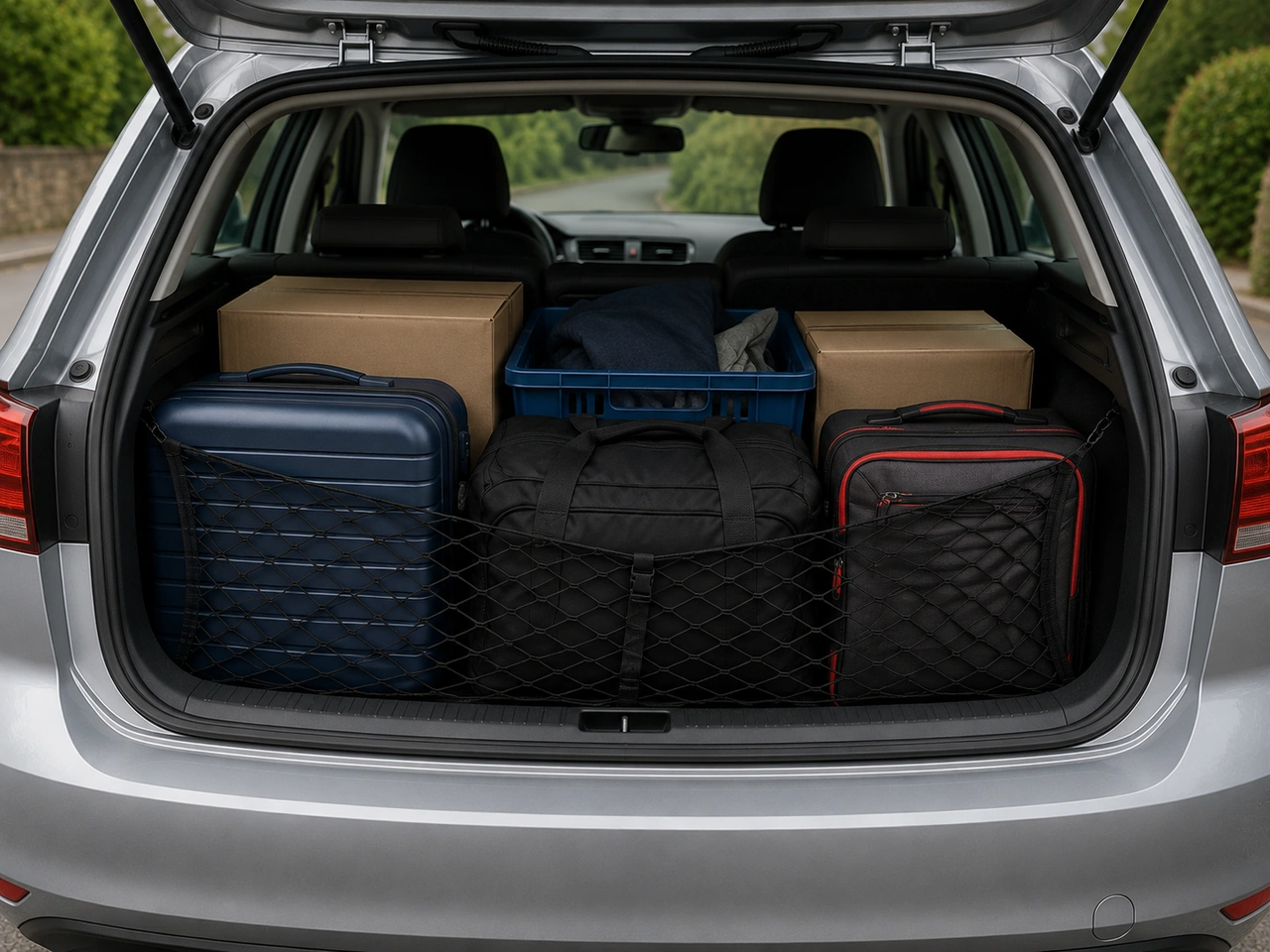
488. How should luggage or other cargo be carried in or on a vehicle?
Unsecured or overloaded cargo can affect steering and braking, injure occupants during sudden stops, or fall into the road. It must not obstruct the driver's view or vehicle lights.
AI-generated by Traffic-rules.com • WCIT • CC BY-SA
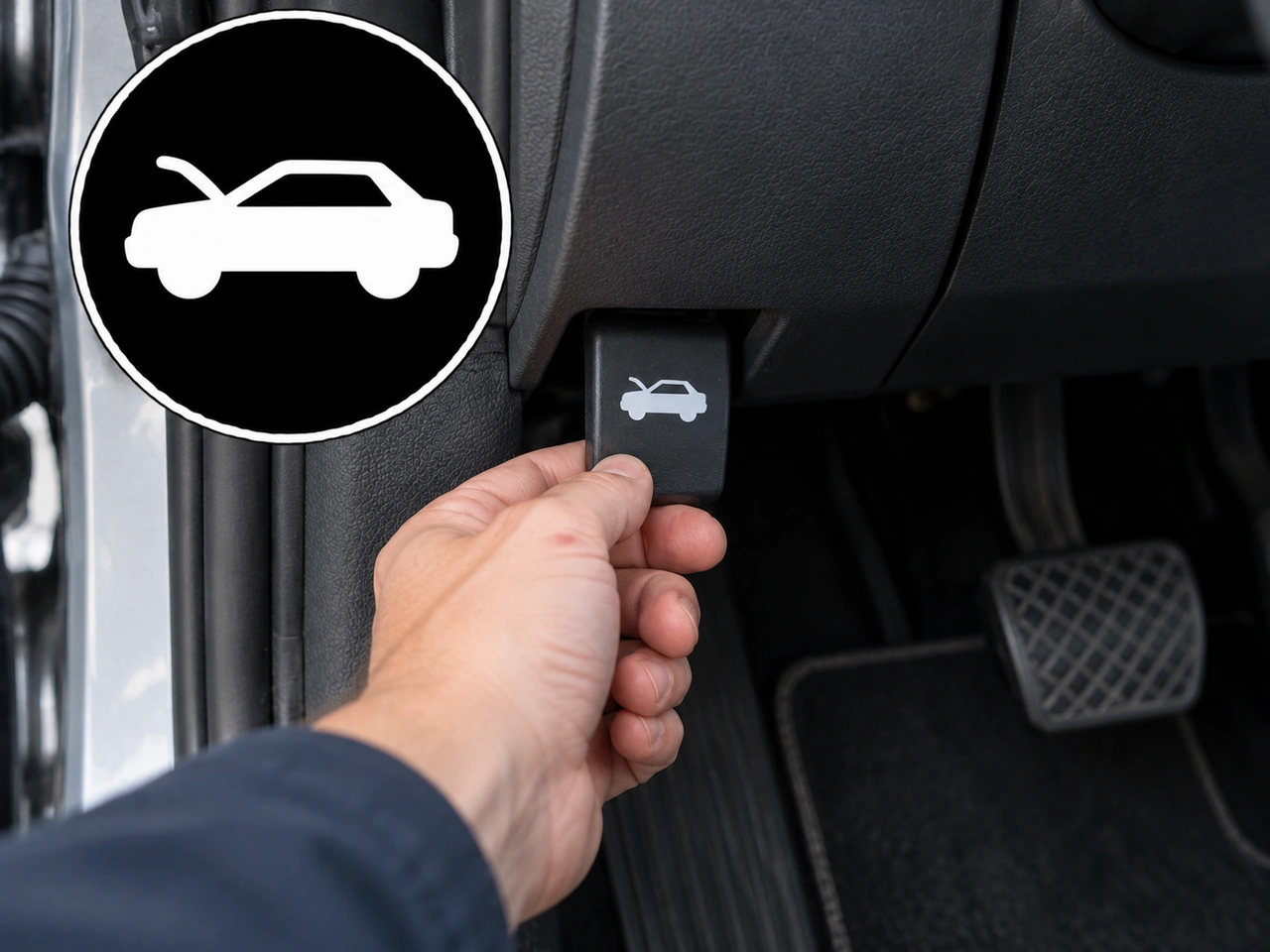
489. What does this vehicle-control symbol indicate?
This control releases the bonnet so that it can be opened. A secondary safety catch under the bonnet normally has to be released before it can be fully raised.
AI-generated by Traffic-rules.com • WCIT • CC BY-SA
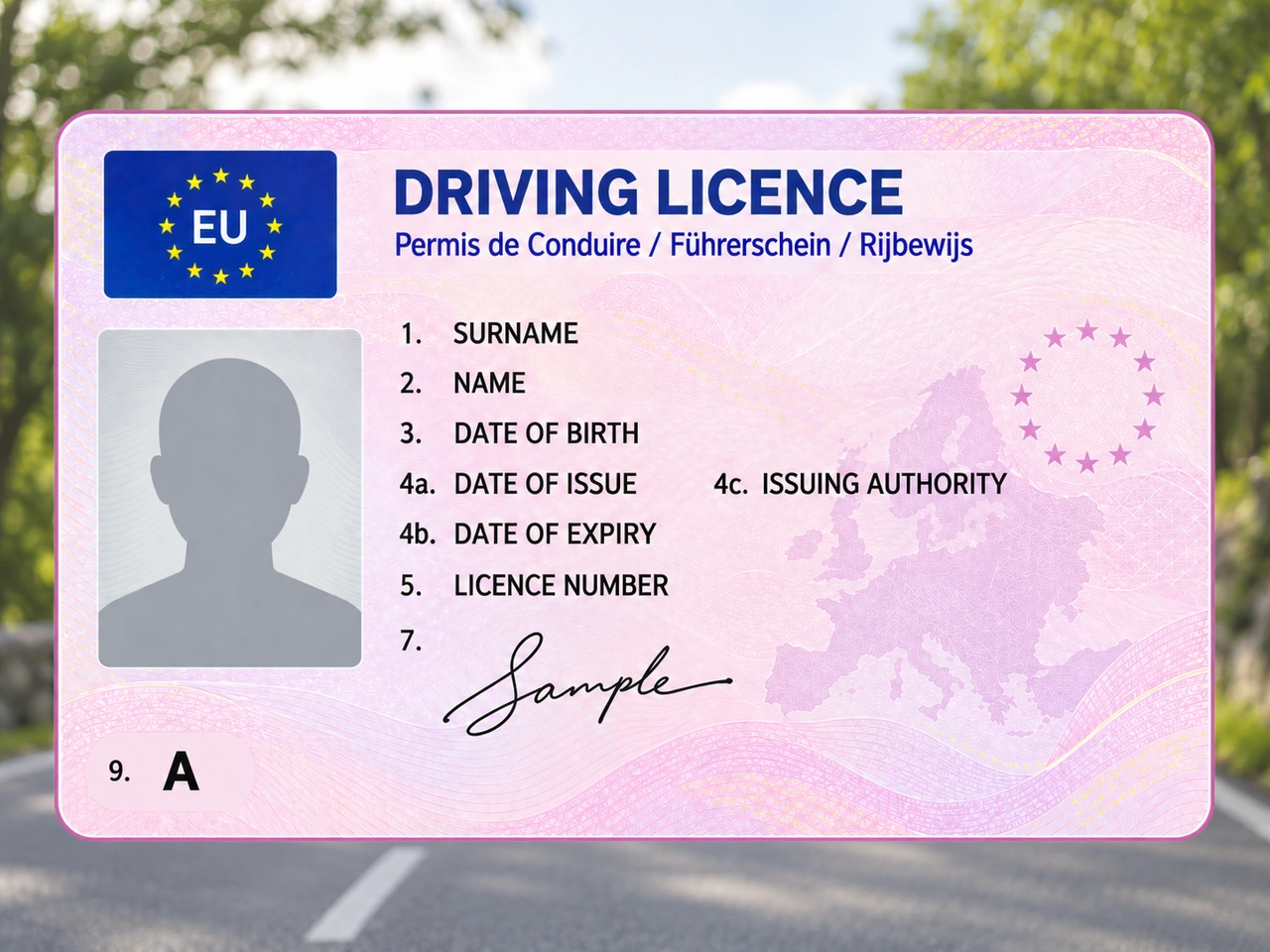
490. Which vehicle type is mainly associated with driving licence A?
Driving licence A is mainly associated with motorcycles. Category A1 covers lighter motorcycles, A2 covers medium-powered motorcycles, and A covers more powerful motorcycles.
AI-generated by Traffic-rules.com • WCIT • CC BY-SA
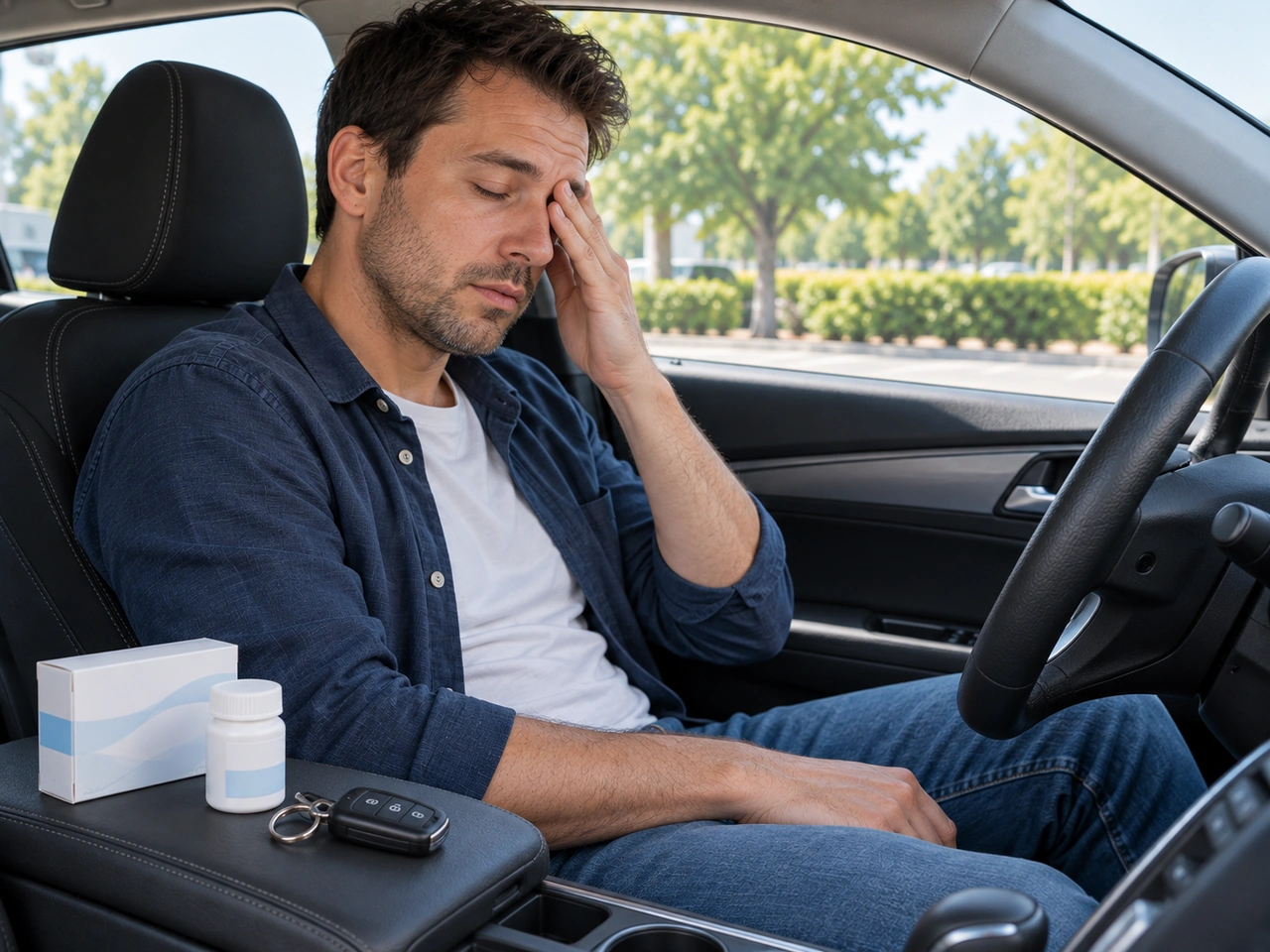
491. What should you do if medicine makes you feel drowsy?
If a medicine causes drowsiness, your concentration, judgement, and reaction time may be reduced. Do not drive until you are fit to do so and the effect has passed.
AI-generated by Traffic-rules.com • WCIT • CC BY-SA
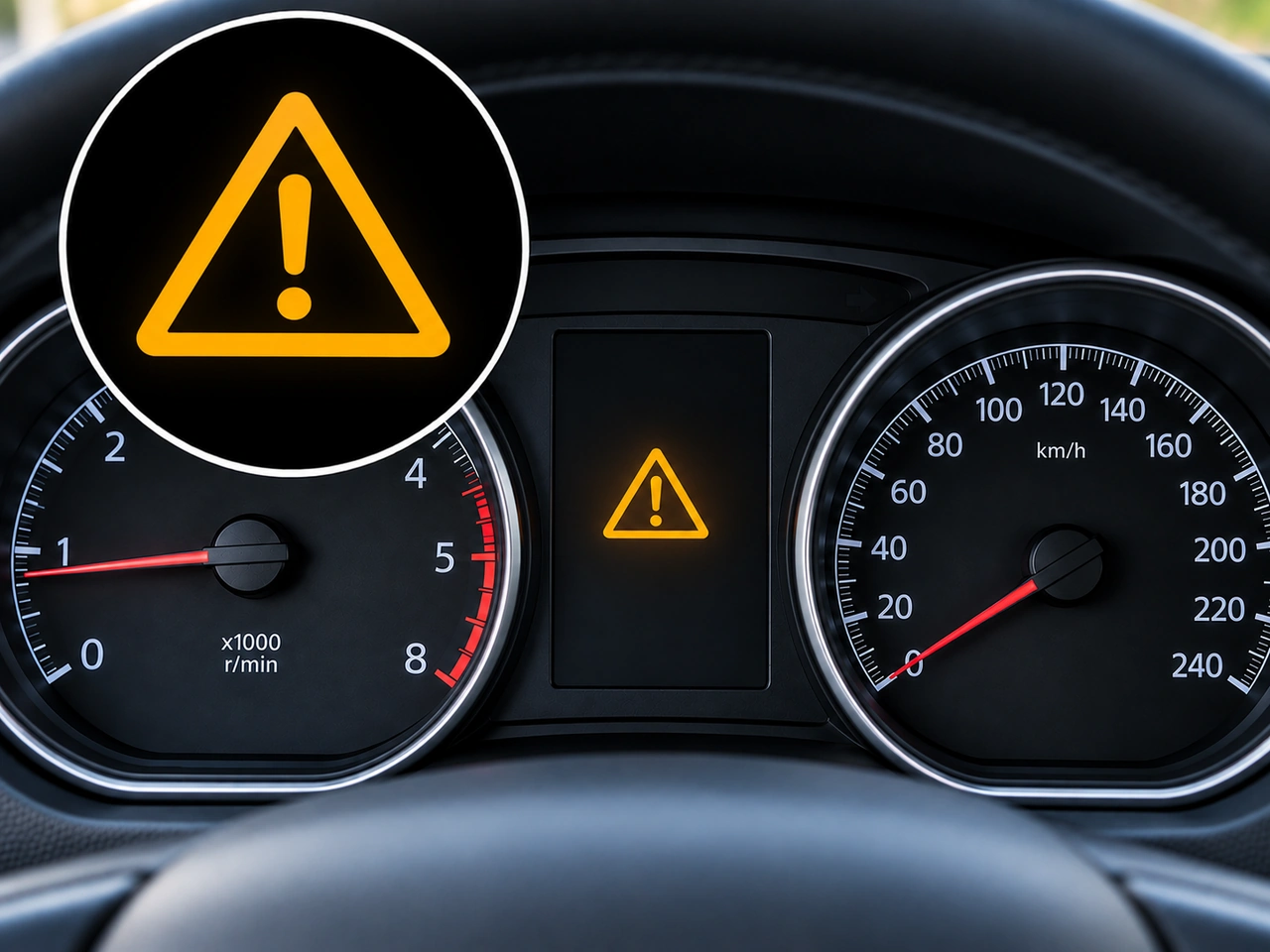
492. What does this dashboard symbol indicate?
This is a general or master warning symbol. It indicates that the vehicle has detected a condition requiring attention and is often accompanied by a message or another warning on the instrument display.
AI-generated by Traffic-rules.com • WCIT • CC BY-SA
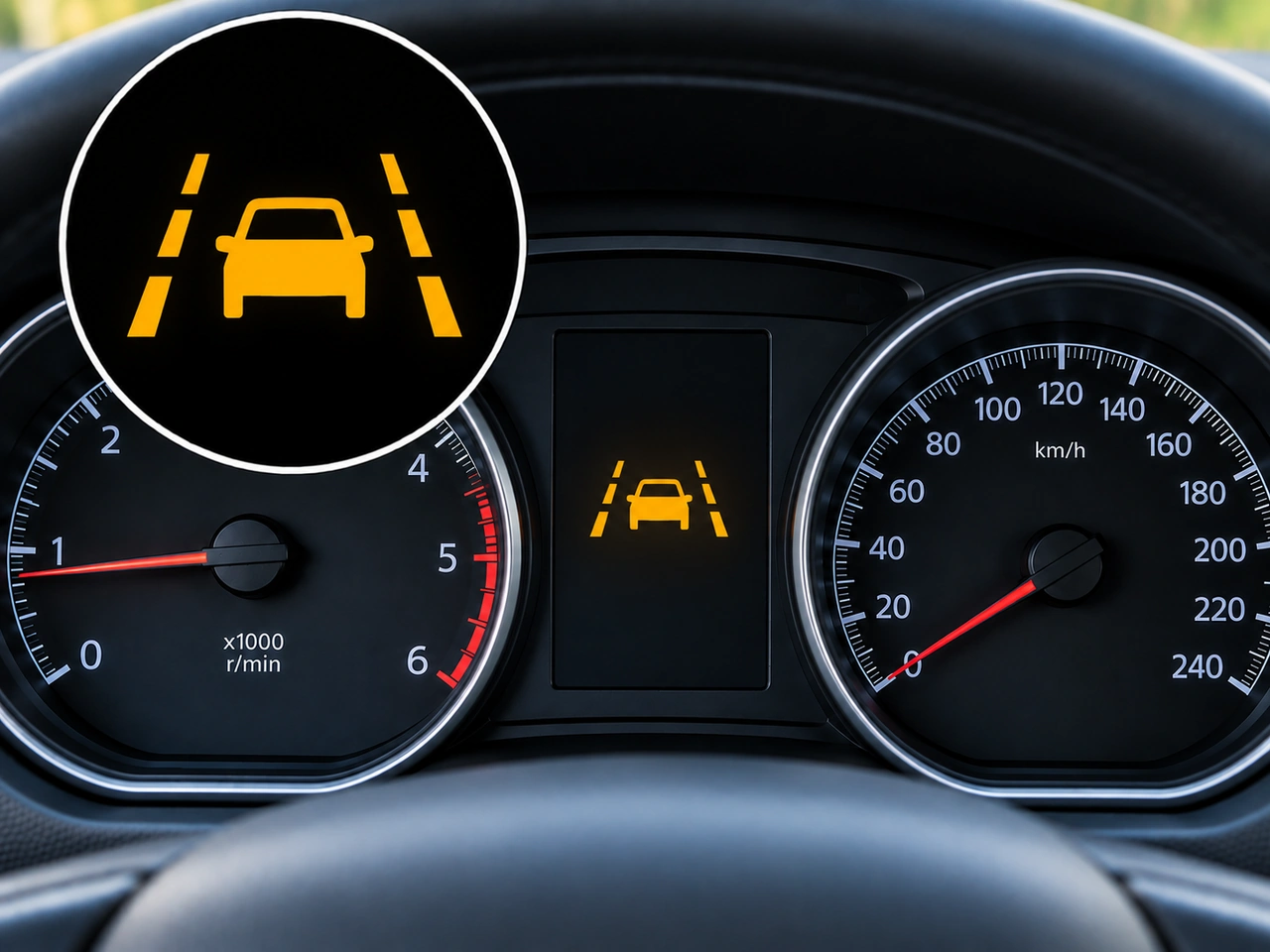
493. What does this dashboard symbol indicate?
This symbol relates to the lane-departure warning or lane-keeping system. The system monitors the vehicle's position within its lane and may warn the driver if the vehicle begins to leave the lane unintentionally.
AI-generated by Traffic-rules.com • WCIT • CC BY-SA
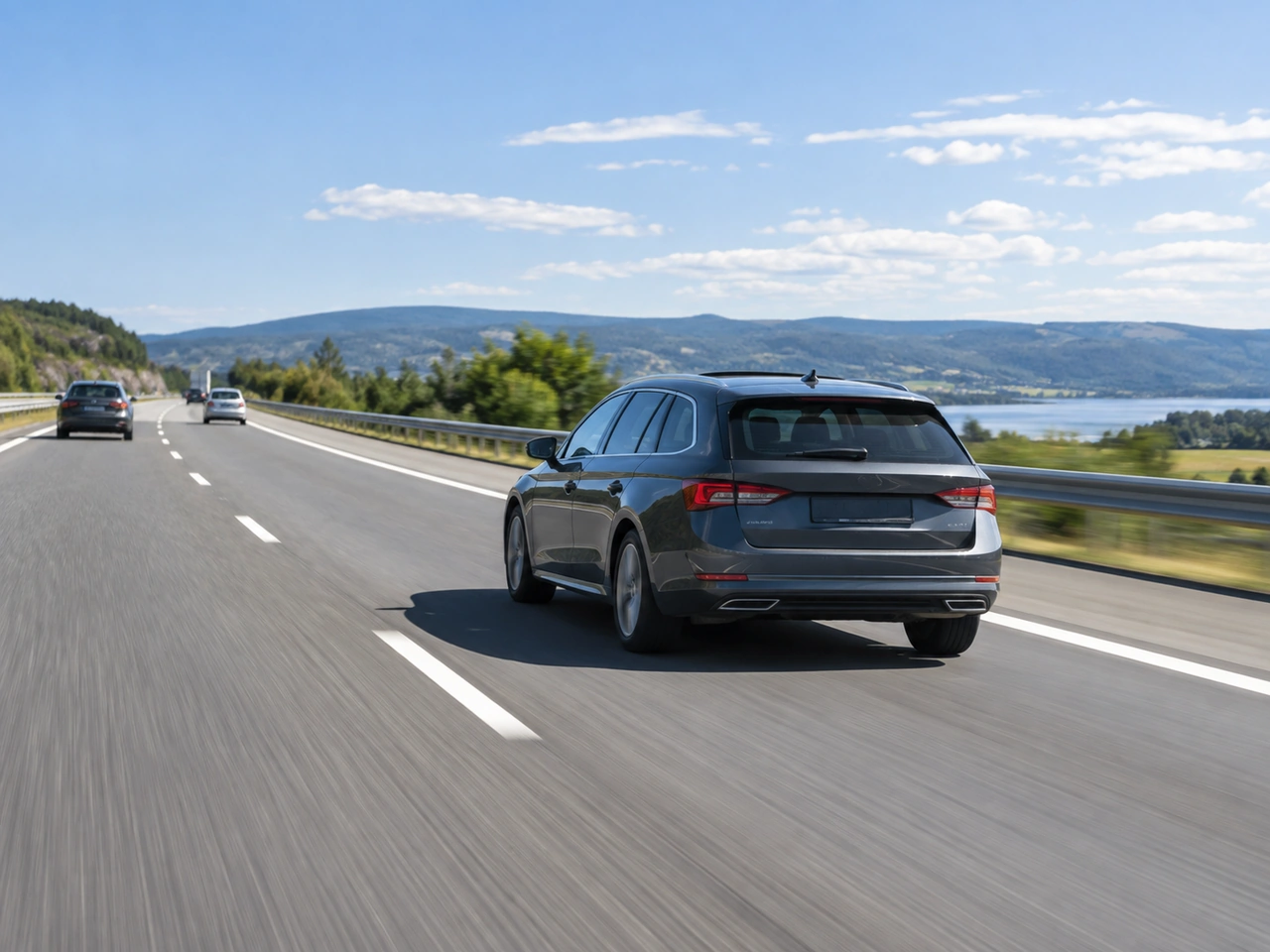
494. How can higher speed affect fuel or energy consumption?
As speed increases, aerodynamic resistance generally rises, so the vehicle needs more energy to maintain that speed. Driving smoothly at an appropriate speed can therefore reduce fuel or energy consumption.
AI-generated by Traffic-rules.com • WCIT • CC BY-SA
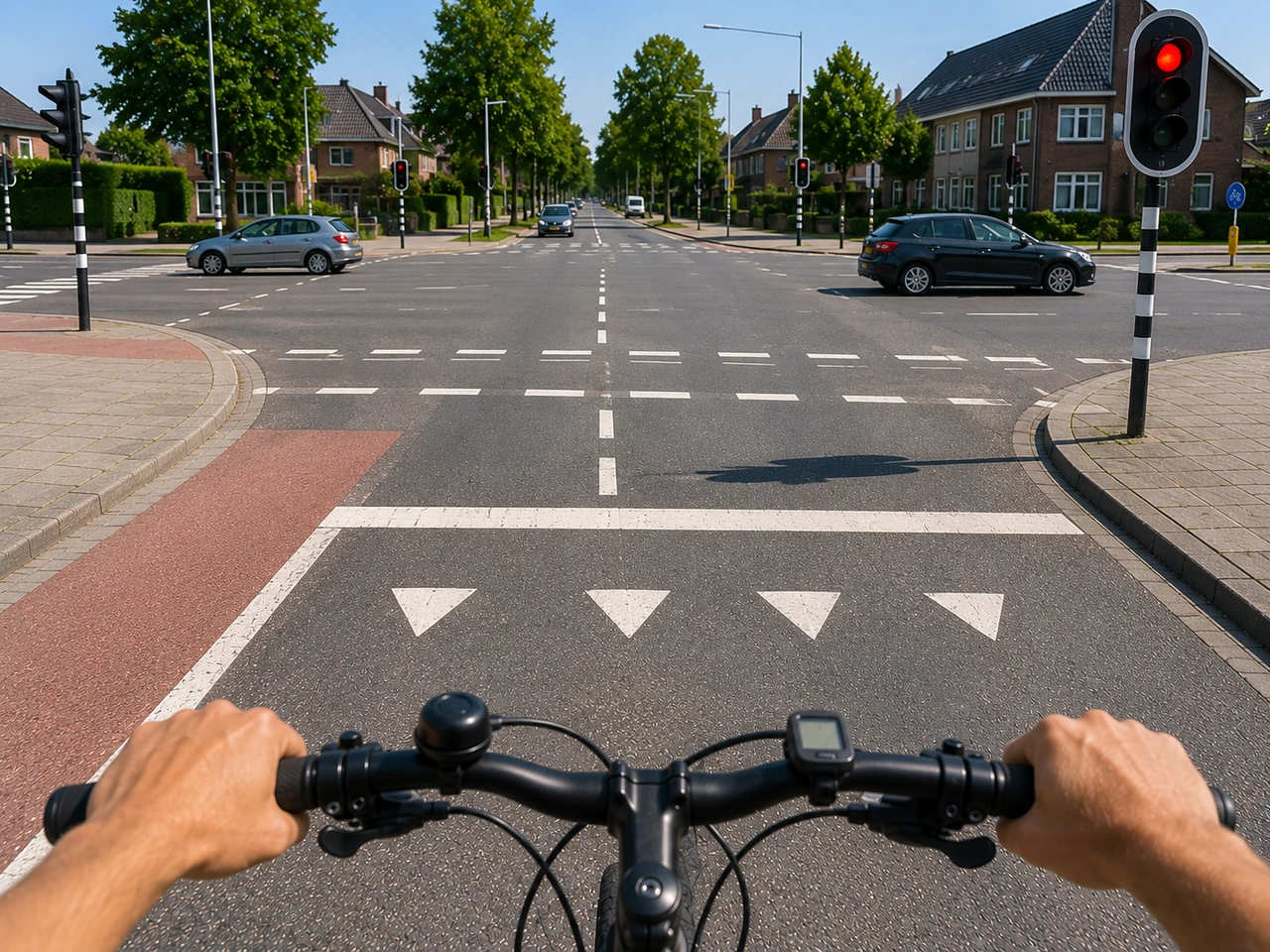
495. What should cyclists do when approaching a junction?
Junctions create conflict points between road users. Slowing down gives you more time to see hazards and react safely.
AI-generated by Traffic-rules.com • WCIT • CC BY-SA
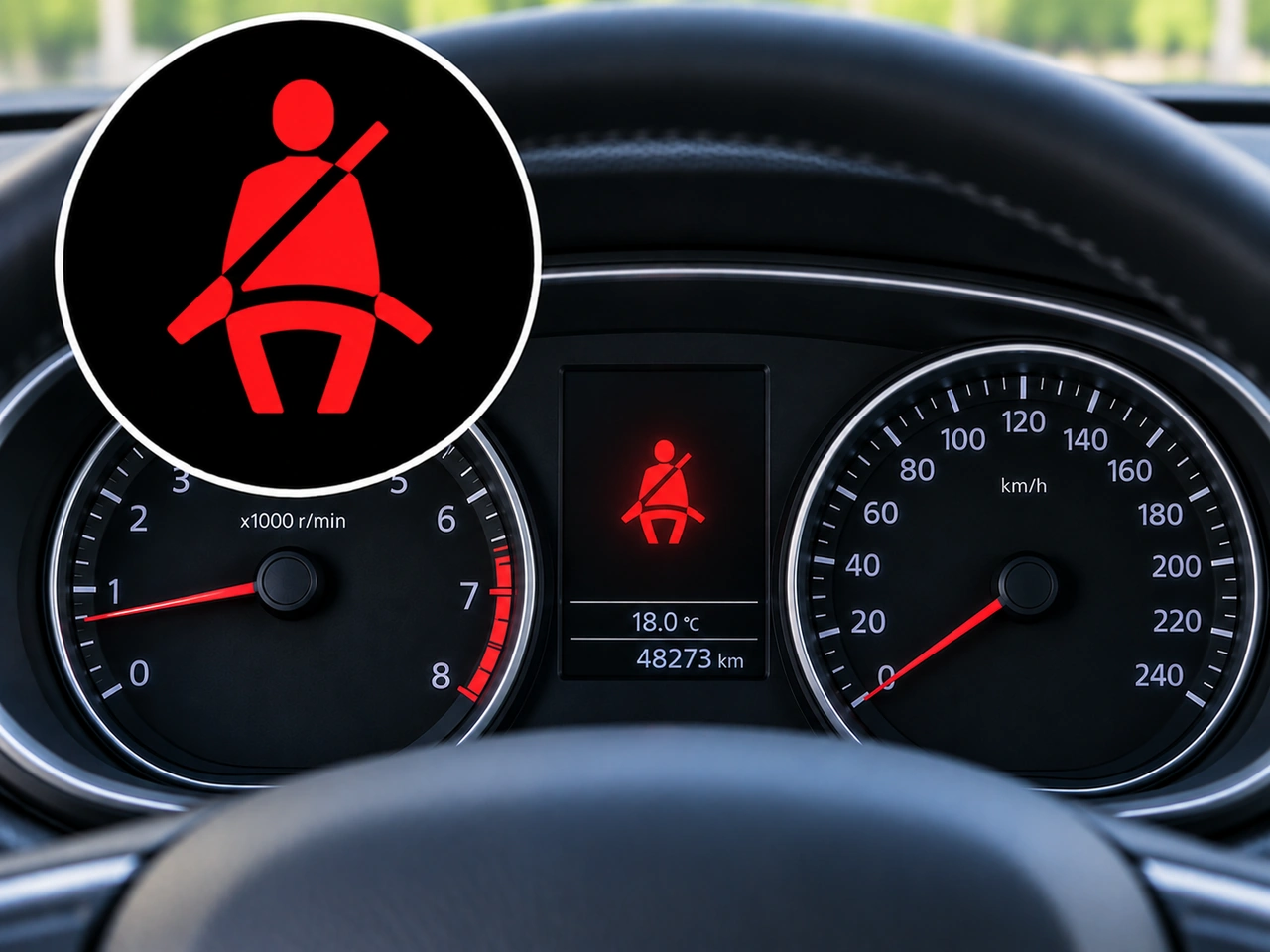
496. What does this dashboard symbol indicate?
This symbol is a seat-belt reminder. It indicates that the driver or another detected occupant has not fastened their seat belt.
AI-generated by Traffic-rules.com • WCIT • CC BY-SA
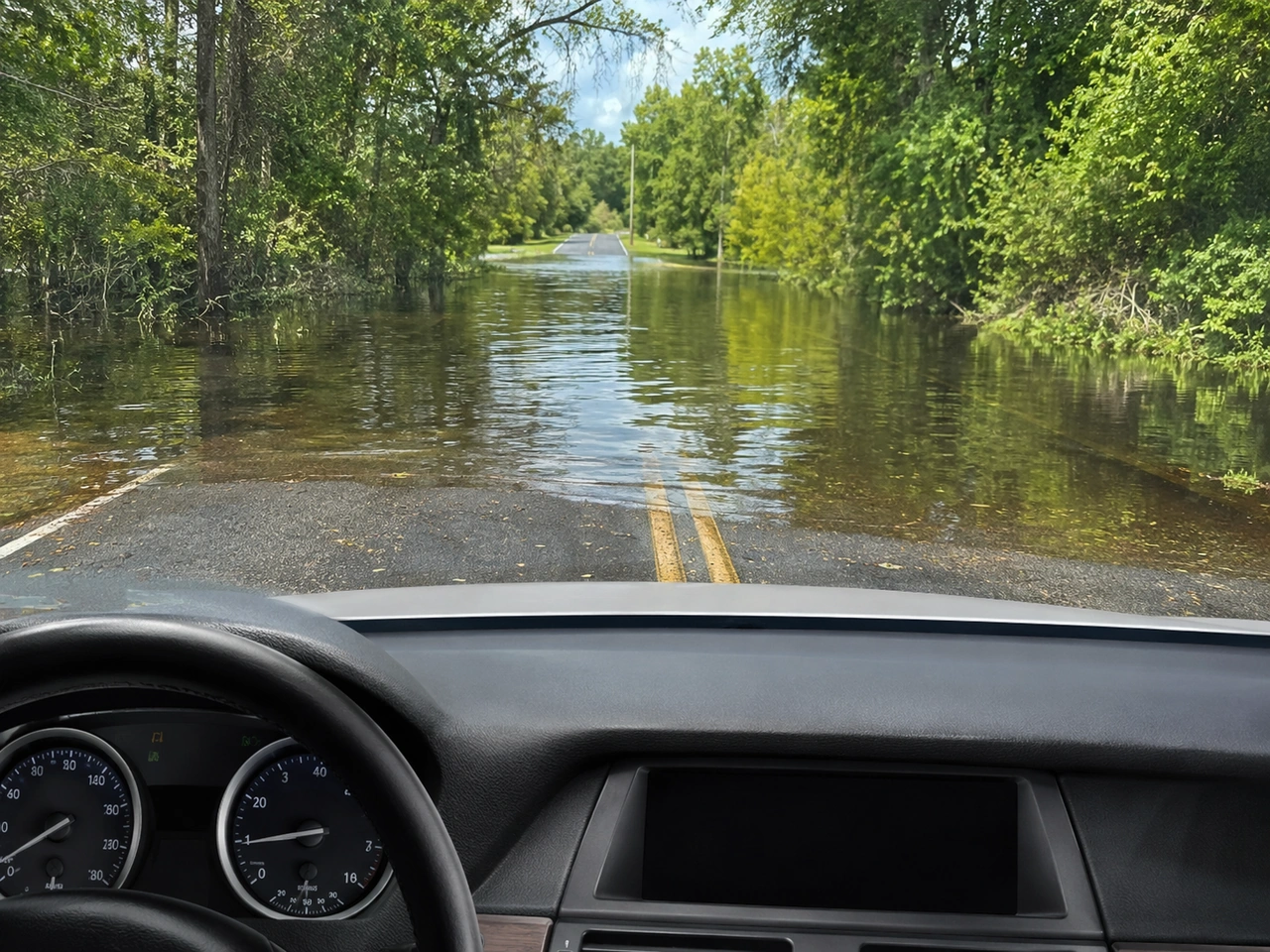
497. Why should you avoid driving through deep water?
Deep water can damage the engine, reduce braking ability, hide hazards, or cause the vehicle to lose grip. Reduce speed, assess the depth and conditions carefully, and avoid entering the water if you are unsure it is safe. If necessary, stop and use another route.
AI-generated by Traffic-rules.com • WCIT • CC BY-SA
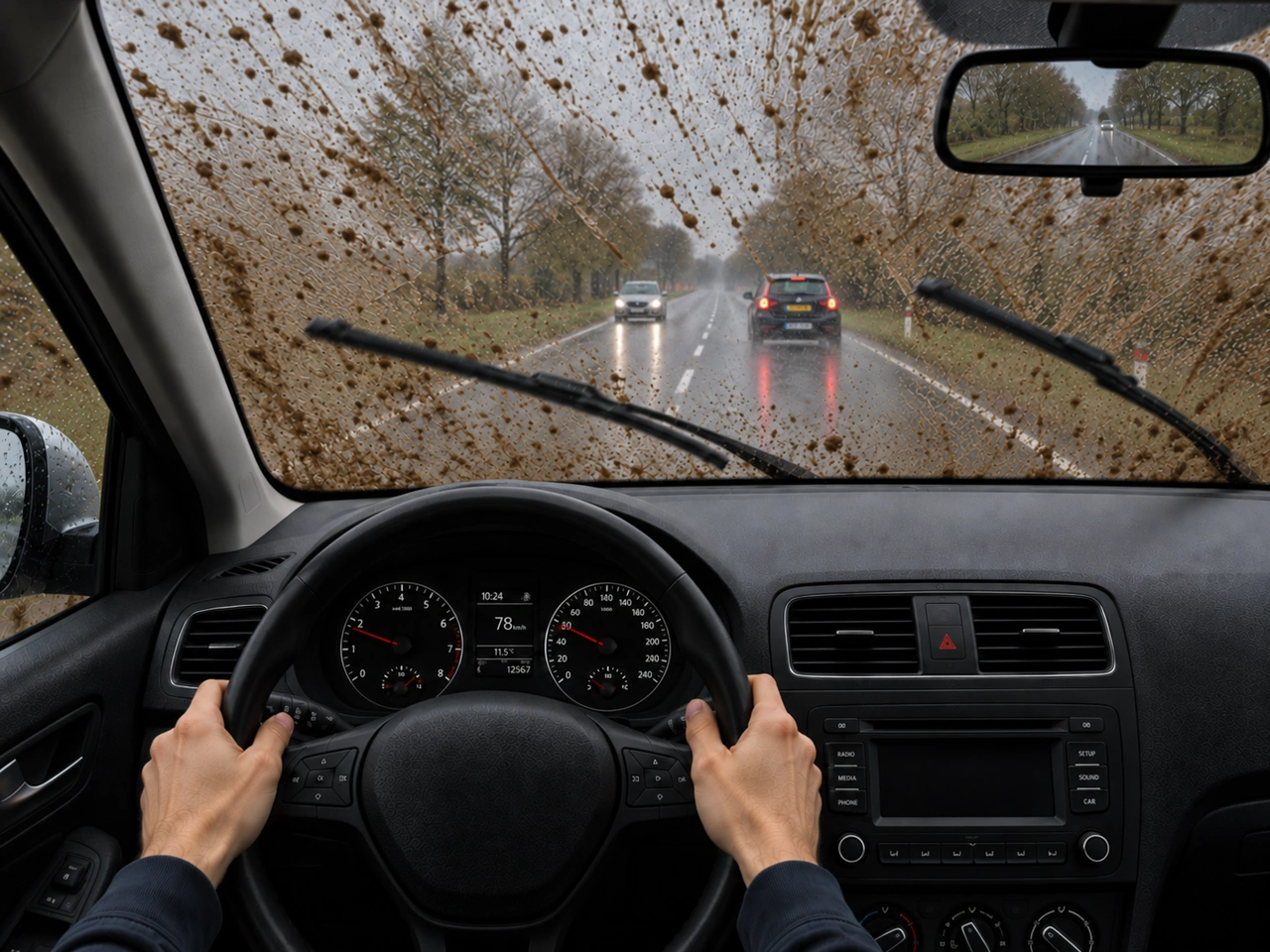
498. What should you do if your windscreen becomes covered with mud or spray?
Clear visibility is essential. Slow down safely and use your washers and wipers until you can see the road clearly again.
AI-generated by Traffic-rules.com • WCIT • CC BY-SA
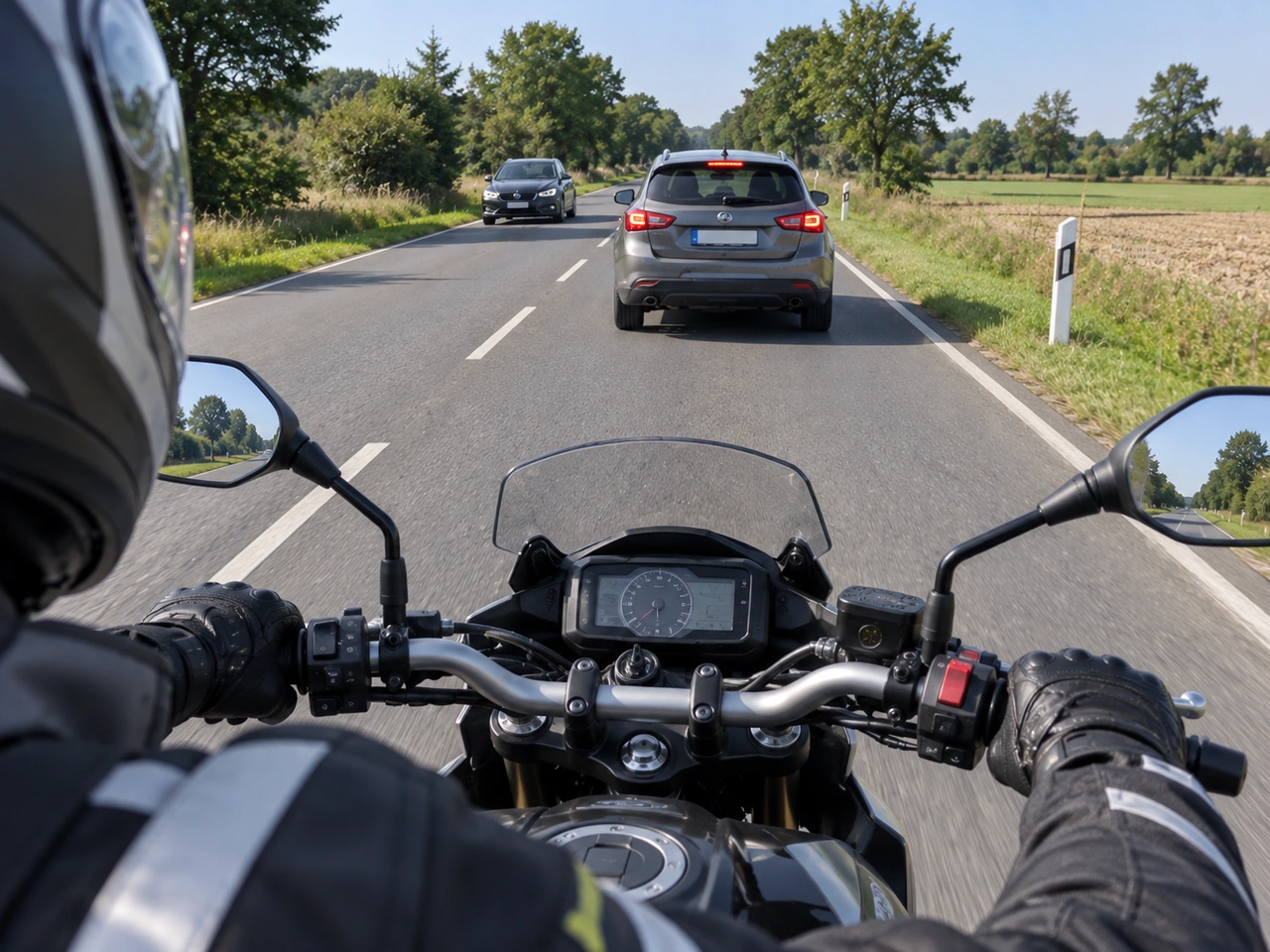
499. How should you normally brake on a motorcycle?
During normal braking, use both the front and rear brakes smoothly and progressively. The front brake normally provides much of the braking force, while the rear brake also helps slow and stabilise the motorcycle. Sudden or poorly balanced braking can reduce stability or cause a wheel to lose grip.
AI-generated by Traffic-rules.com • WCIT • CC BY-SA
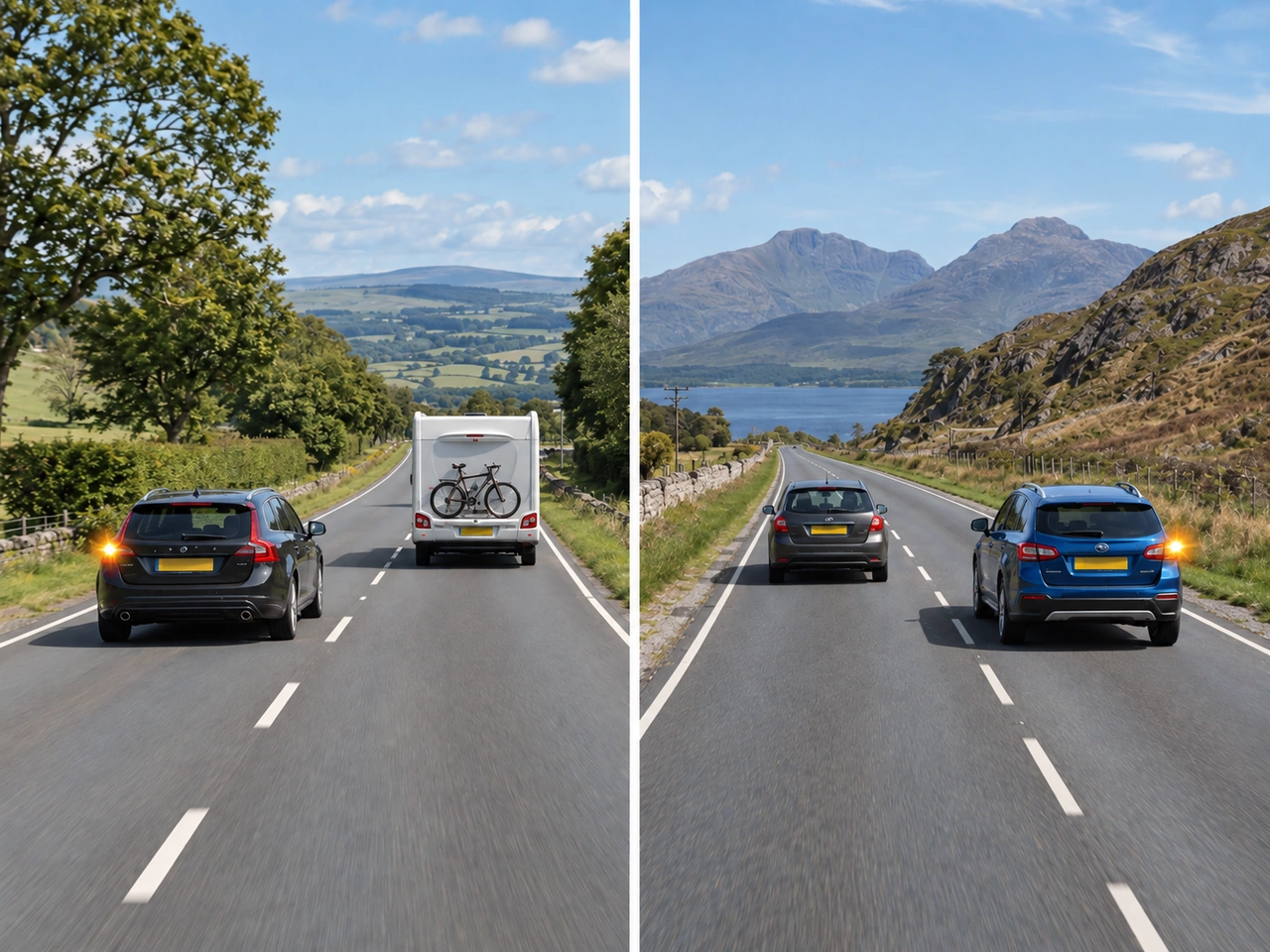
500. Which side is normally used for overtaking in Netherlands?
Drivers normally overtake on the left-hand side in Netherlands.
AI-generated by Traffic-rules.com • WCIT • CC BY-SA