


QuizTraffic rulesNorway
This interesting quiz helps you test your knowledge in a clear and visual way. With easy multiple-choice questions, you can quickly build confidence and learn new facts while keeping it simple, interactive, and fun.
 Traffic signs
 Traffic rules
 Norway
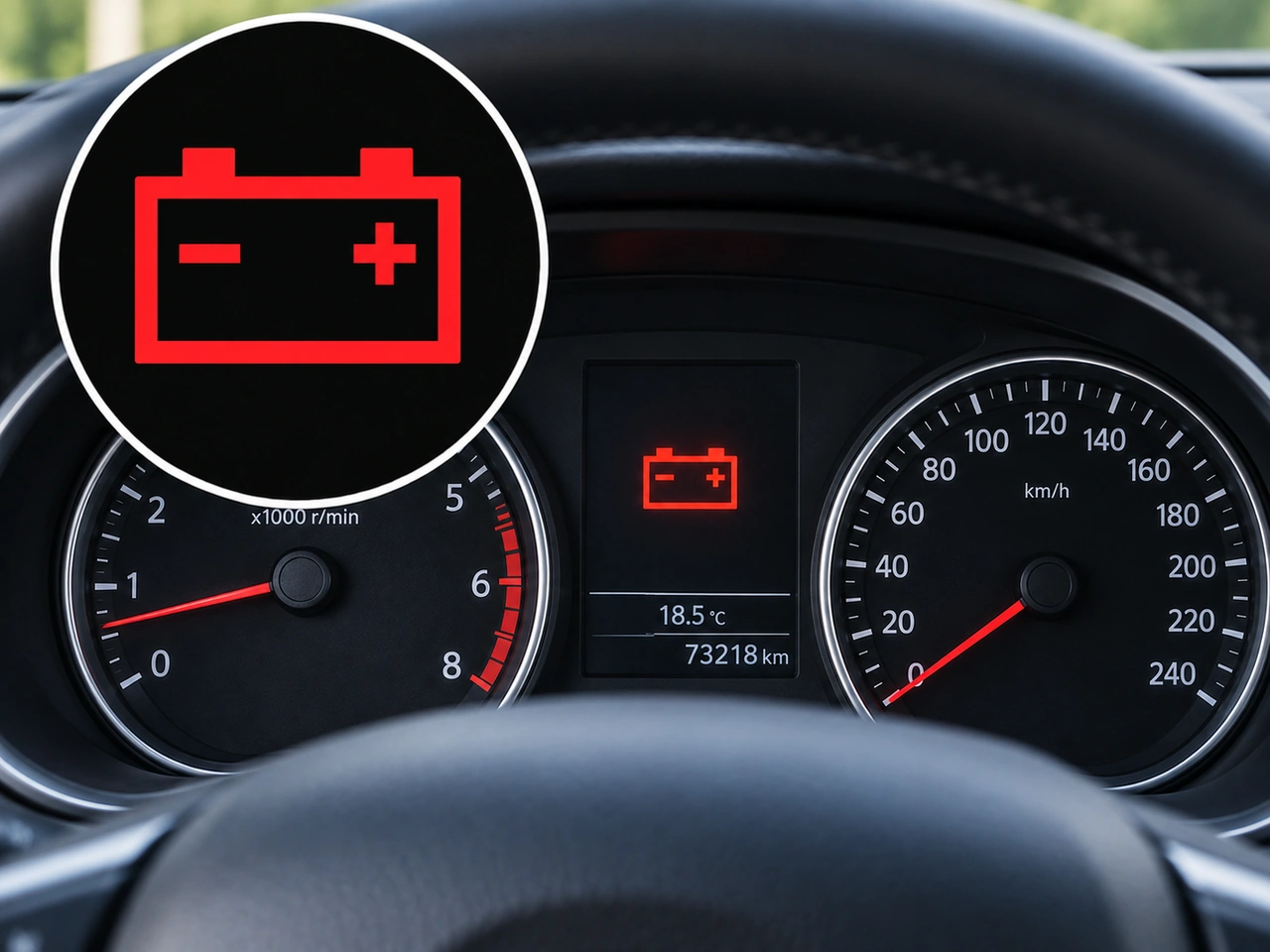
51. What does this dashboard symbol indicate?
This symbol indicates a problem with the vehicle's charging system. If it remains illuminated while the engine is running, the battery may not be charging correctly because of a fault with the alternator, battery, wiring, or related components.
AI-generated by Traffic-rules.com • WCIT • CC BY-SA

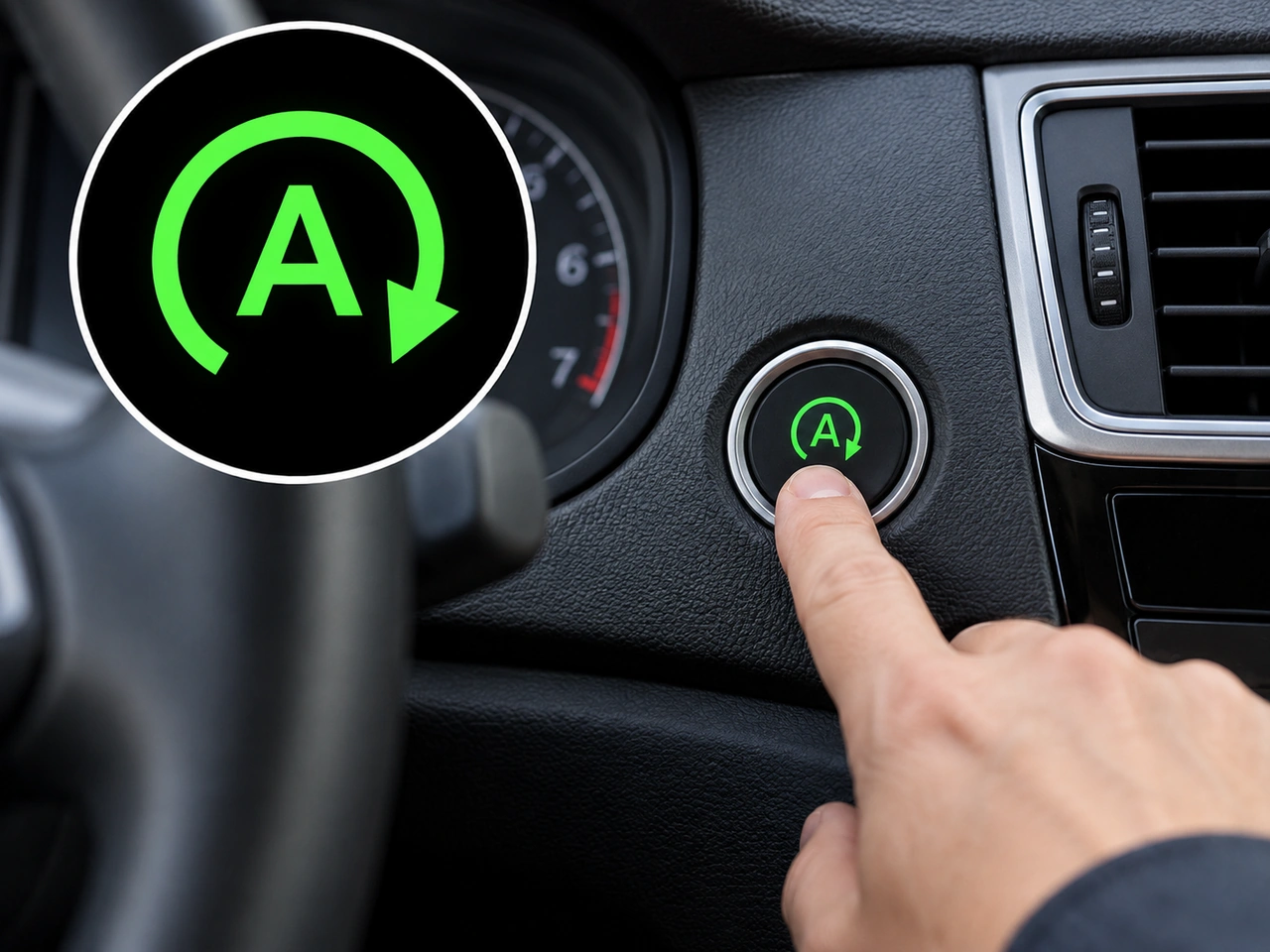
52. What does this dashboard symbol indicate?
This symbol relates to the automatic start-stop system, which can switch the engine off temporarily while the vehicle is stationary and restart it when driving resumes. The exact colour and appearance may vary between vehicles.
AI-generated by Traffic-rules.com • WCIT • CC BY-SA
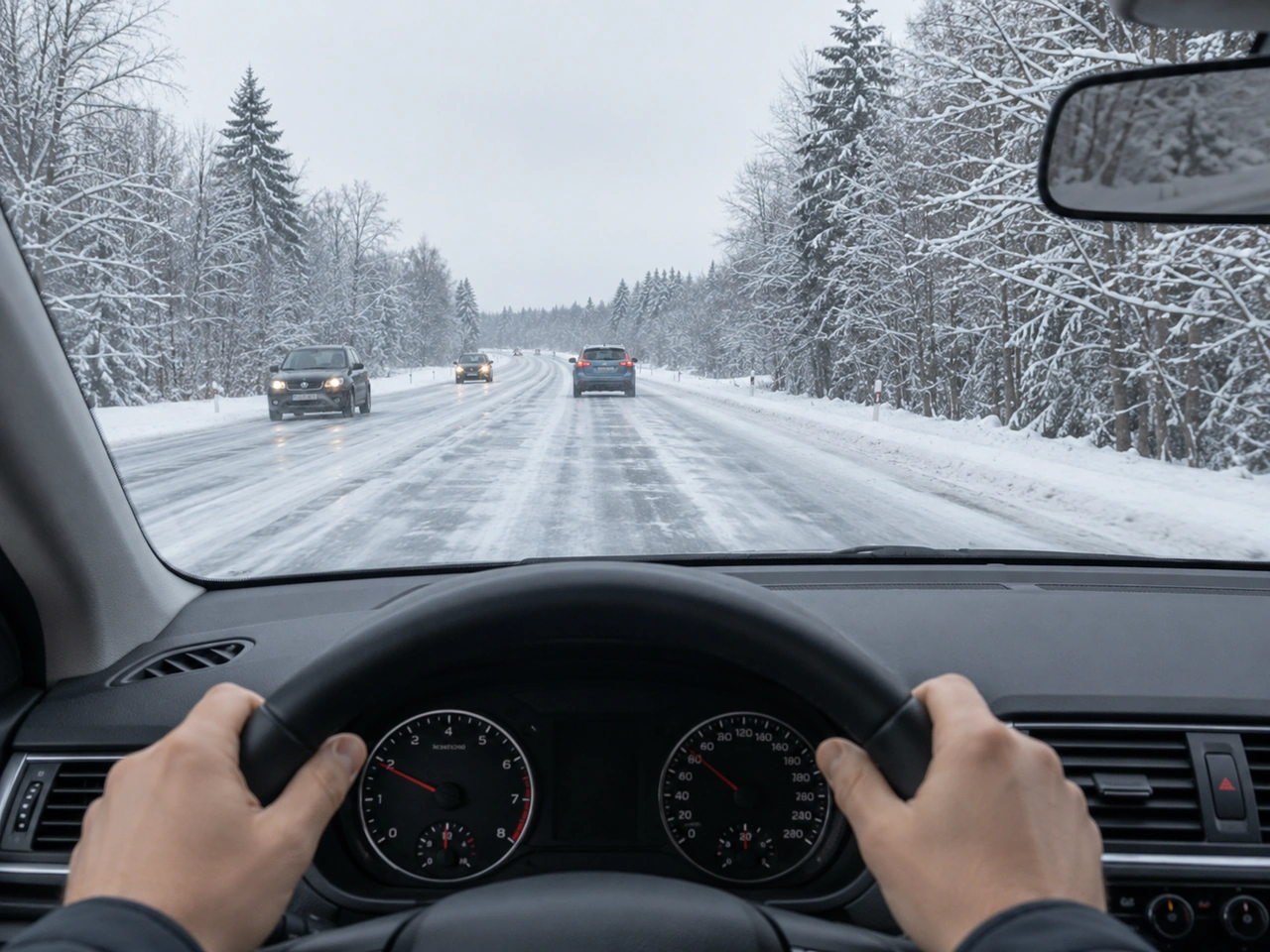
53. Why should you leave a much larger following distance on an icy road?
Tyres have much less grip on ice, so braking takes longer. Extra distance gives you more time to slow down safely.
AI-generated by Traffic-rules.com • WCIT • CC BY-SA
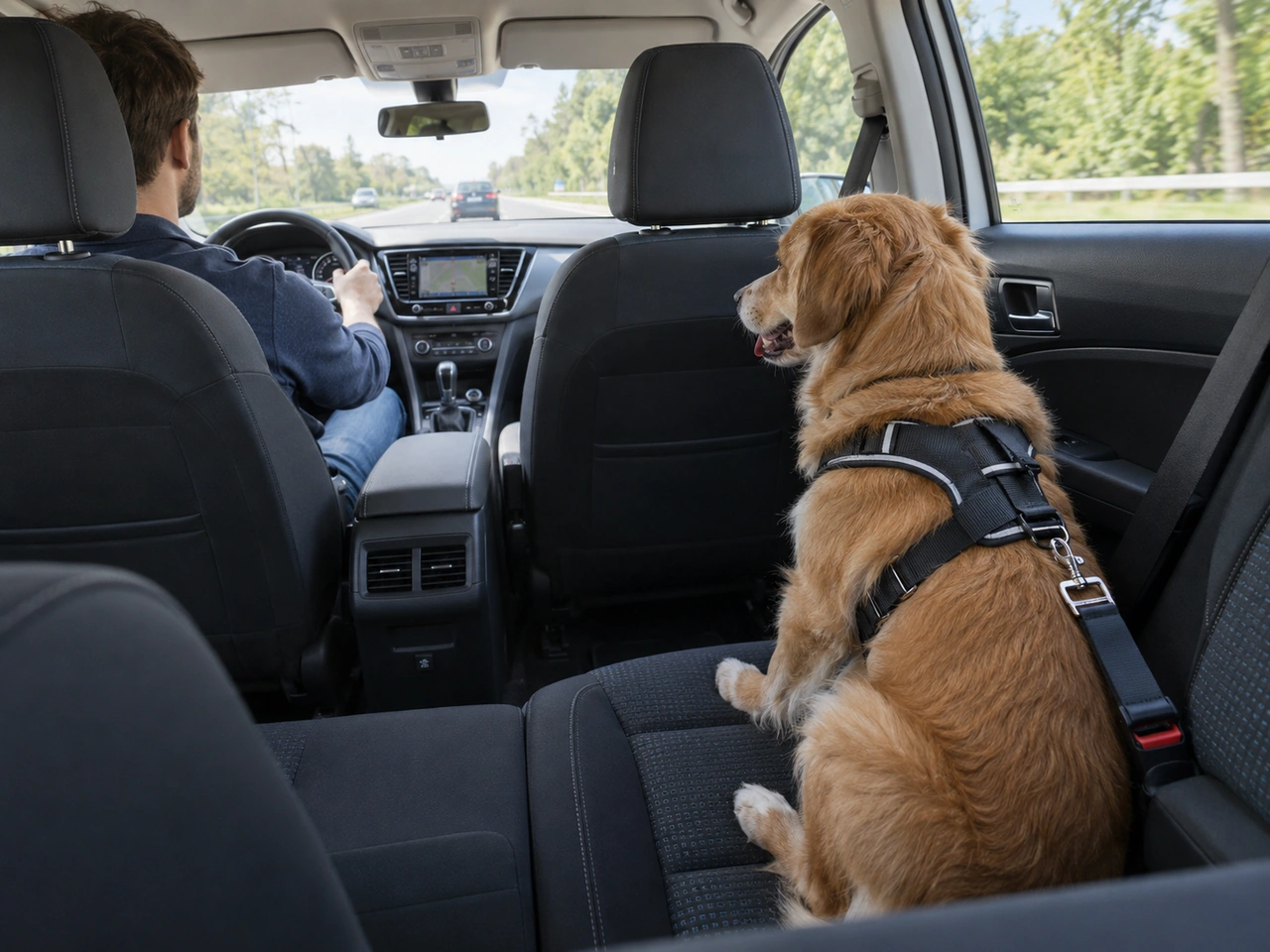
54. How should pets be carried safely in a vehicle?
A pet moving freely inside a vehicle can distract the driver and may be thrown around during sudden braking or a collision. Use a suitable carrier, harness, barrier, or other secure restraint appropriate for the animal and vehicle.
AI-generated by Traffic-rules.com • WCIT • CC BY-SA
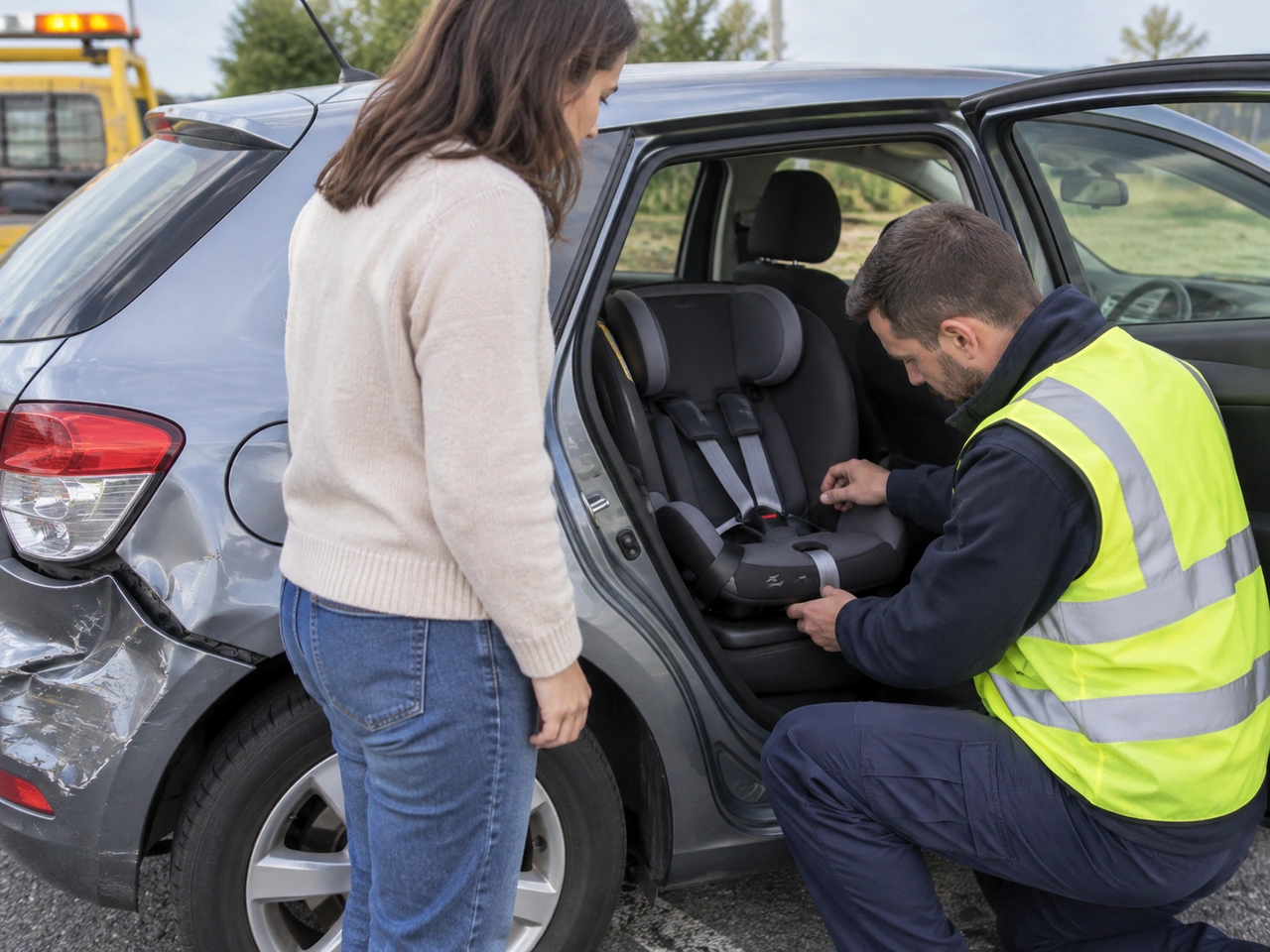
55. What should you do with a child restraint after a collision?
A child restraint may be damaged in a collision even when the damage is not obvious. Follow the manufacturer's instructions, as the restraint may need to be inspected or replaced before it is used again.
AI-generated by Traffic-rules.com • WCIT • CC BY-SA
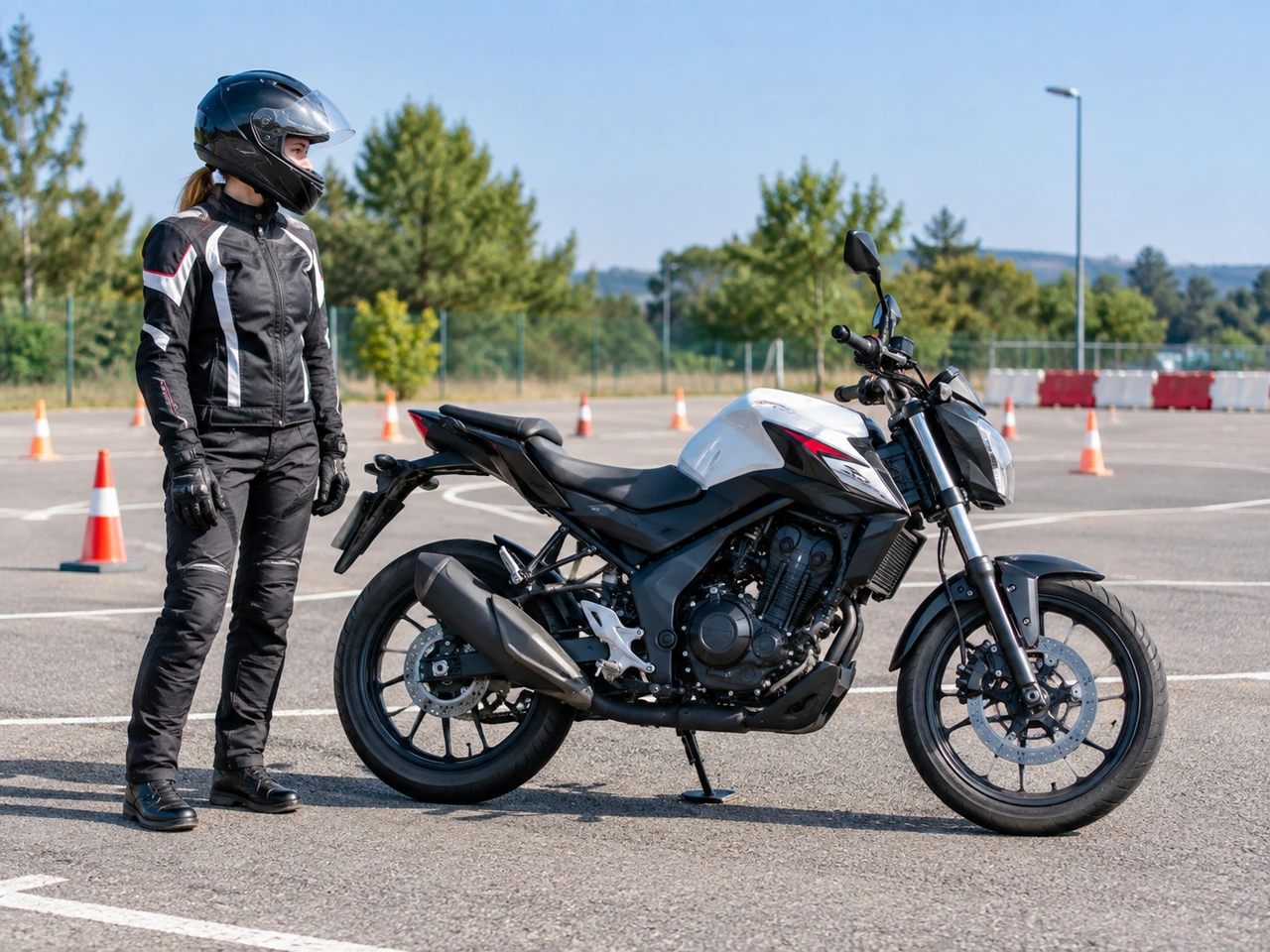
56. What is the minimum licence for a 125 cm³, 11 kW motorcycle at 0.1 kW/kg?
Category A1 covers motorcycles with an engine capacity not exceeding 125 cm³, power not exceeding 11 kW, and a power-to-weight ratio not exceeding 0.1 kW/kg.
AI-generated by Traffic-rules.com • WCIT • CC BY-SA
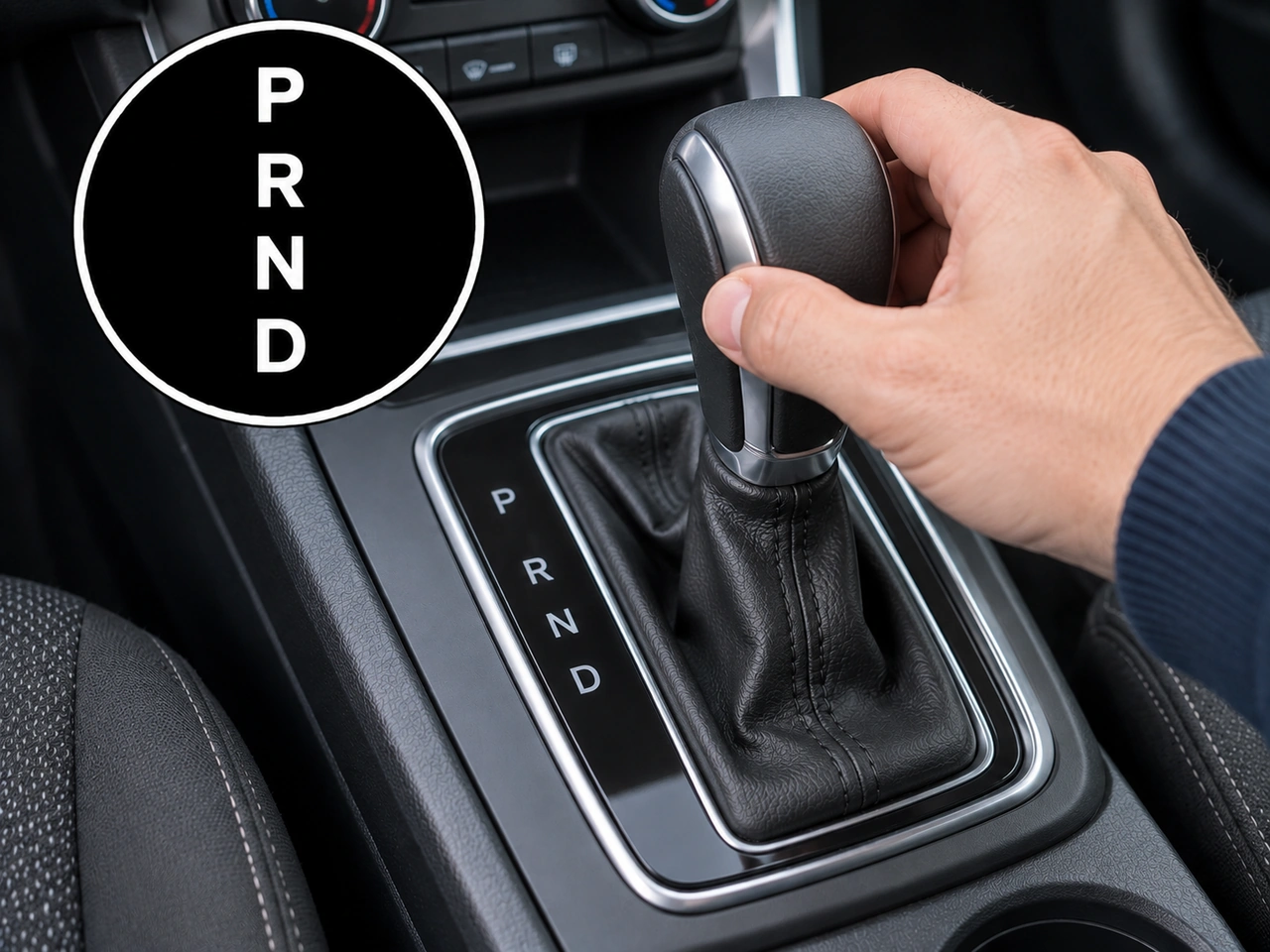
57. Which selector position is used for normal forward driving?
Select D (Drive) for normal forward driving in a vehicle with an automatic transmission. The transmission then selects the appropriate gear automatically.
AI-generated by Traffic-rules.com • WCIT • CC BY-SA
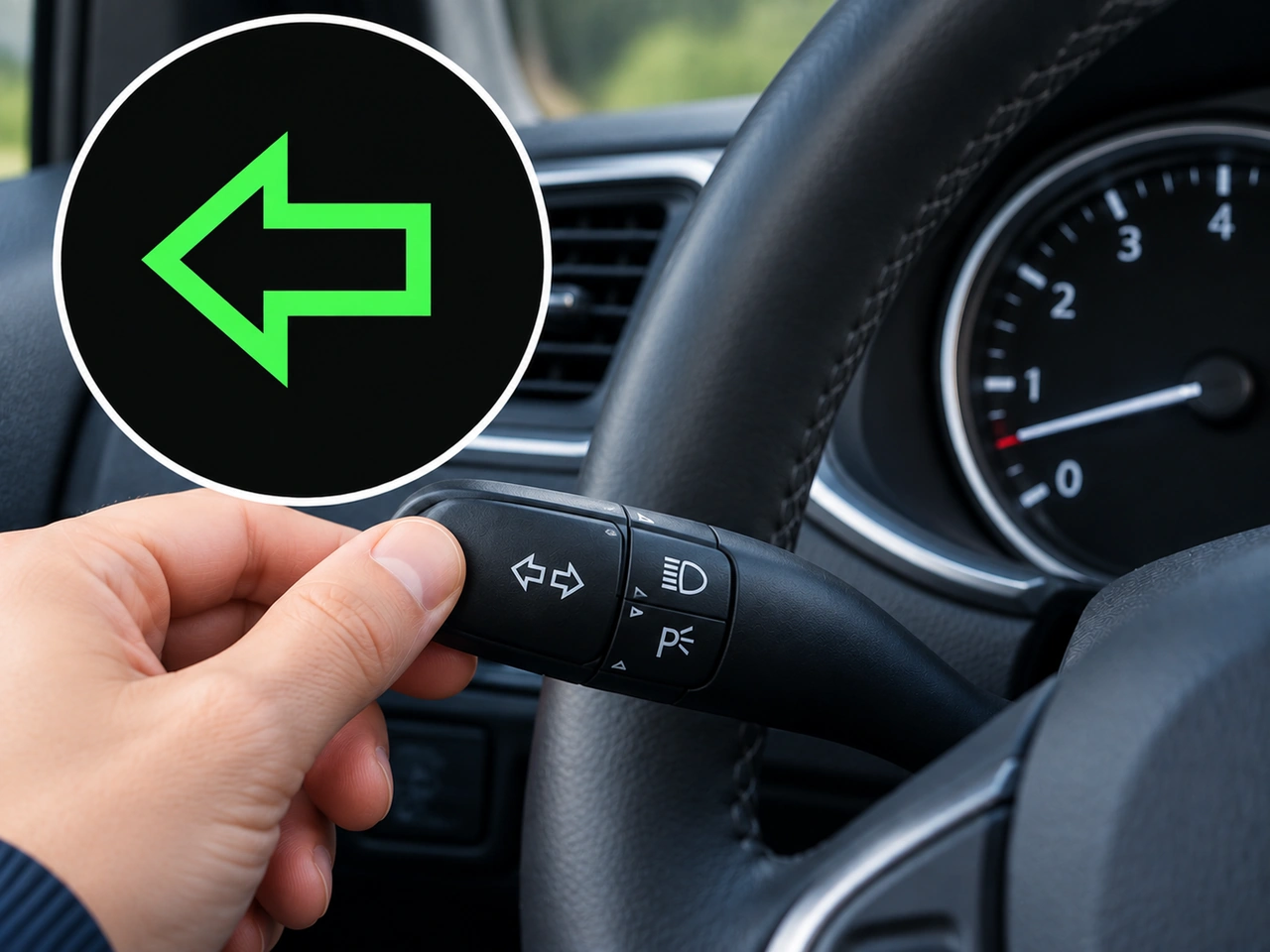
58. What does this dashboard symbol indicate?
This symbol indicates that a direction indicator is operating. The flashing indicator shows the direction in which the driver intends to turn or change position on the road.
AI-generated by Traffic-rules.com • WCIT • CC BY-SA
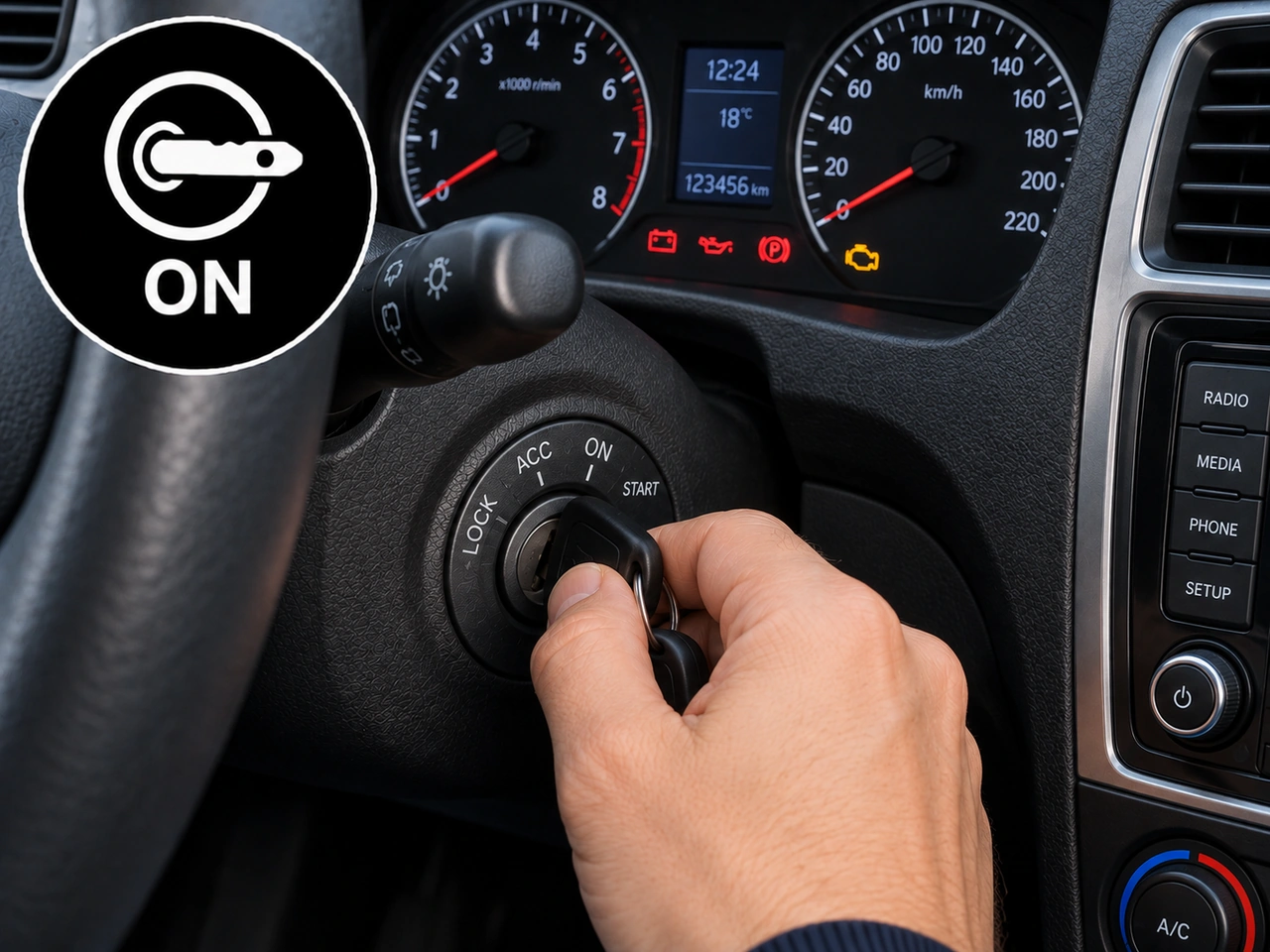
59. What does the ON position of a traditional ignition switch normally do?
The ON position normally switches on the vehicle's electrical and ignition systems without operating the starter motor. The engine is started by turning the key further to the START position.
AI-generated by Traffic-rules.com • WCIT • CC BY-SA
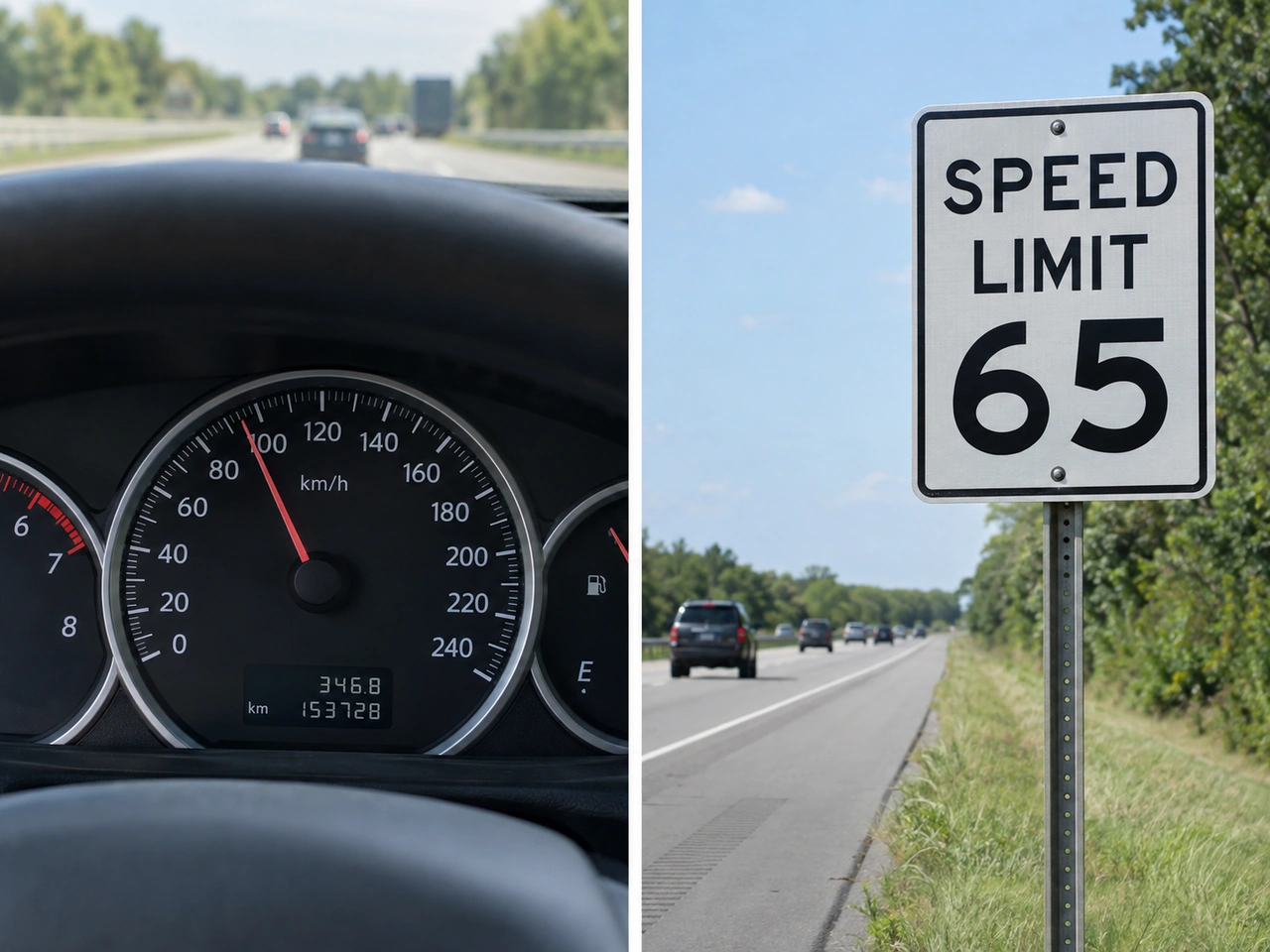
60. Which speed unit is used in Norway?
Road speeds in Norway are shown in kilometres per hour (km/h).
AI-generated by Traffic-rules.com • WCIT • CC BY-SA
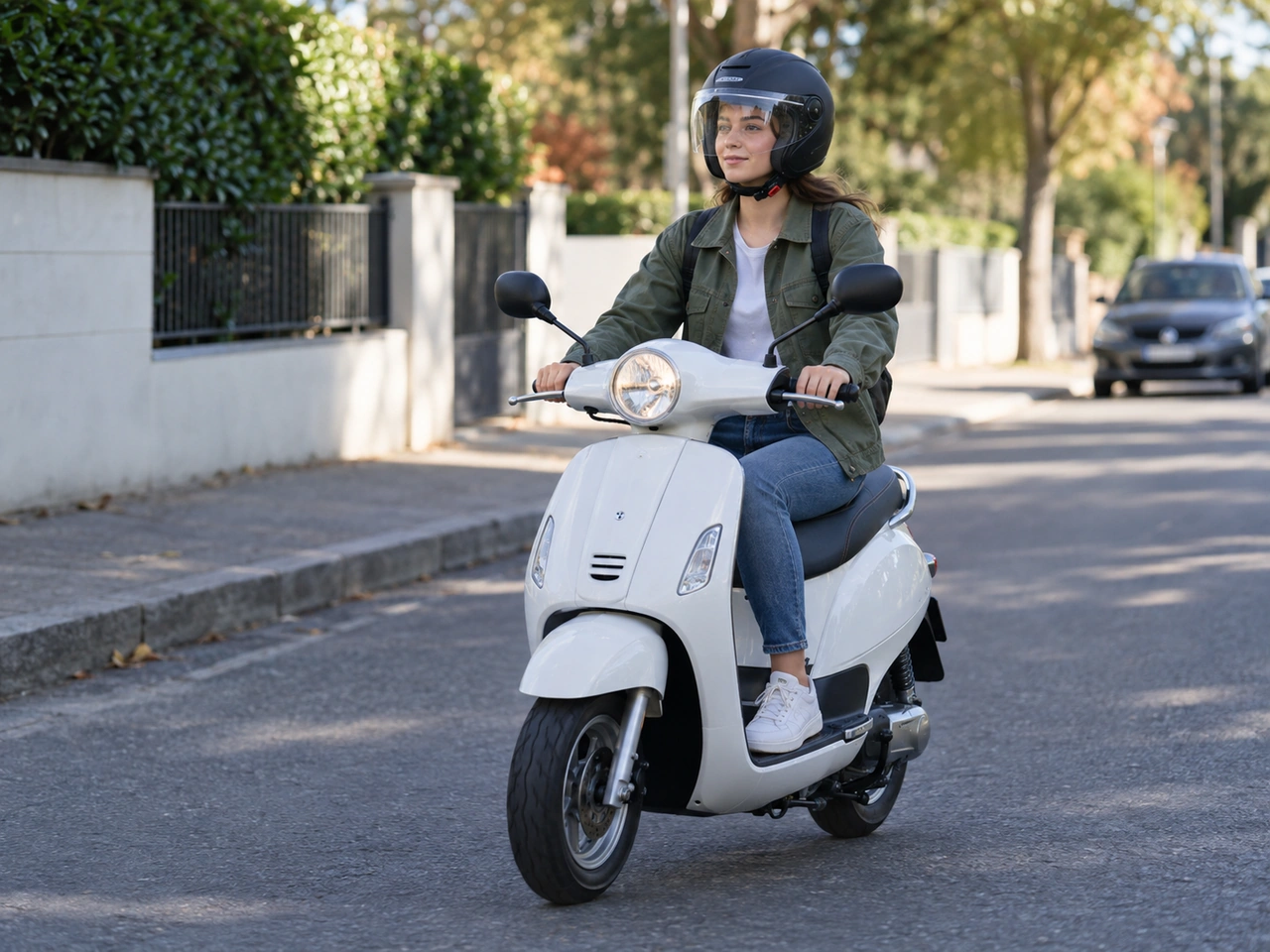
61. Are moped riders generally required to wear a helmet in Norway?
Moped riders in Norway are generally required to wear an approved helmet.
AI-generated by Traffic-rules.com • WCIT • CC BY-SA
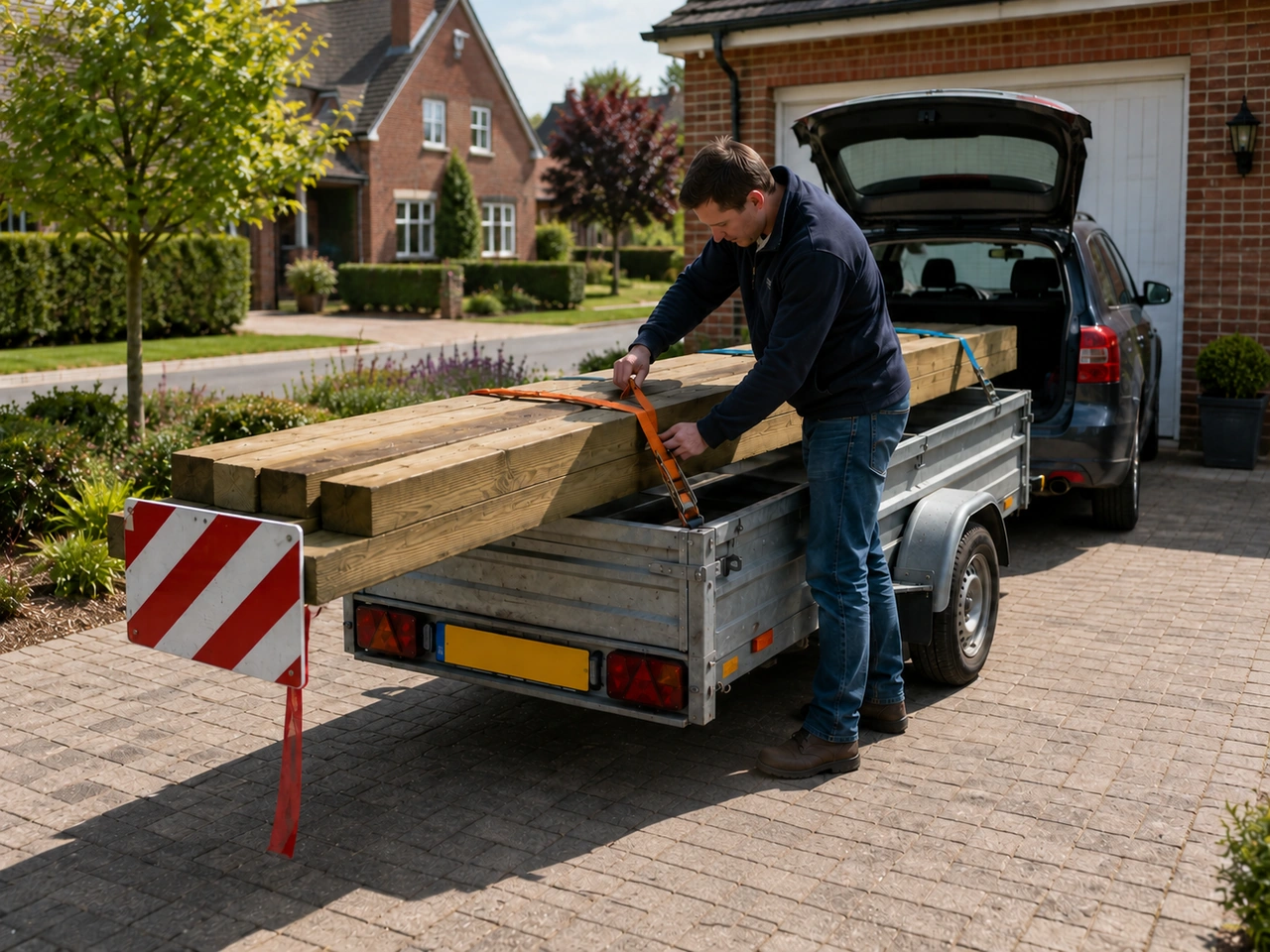
62. What should you do if a load extends beyond the vehicle?
An extending load may create additional danger and may require specific markings or equipment under local rules.
AI-generated by Traffic-rules.com • WCIT • CC BY-SA
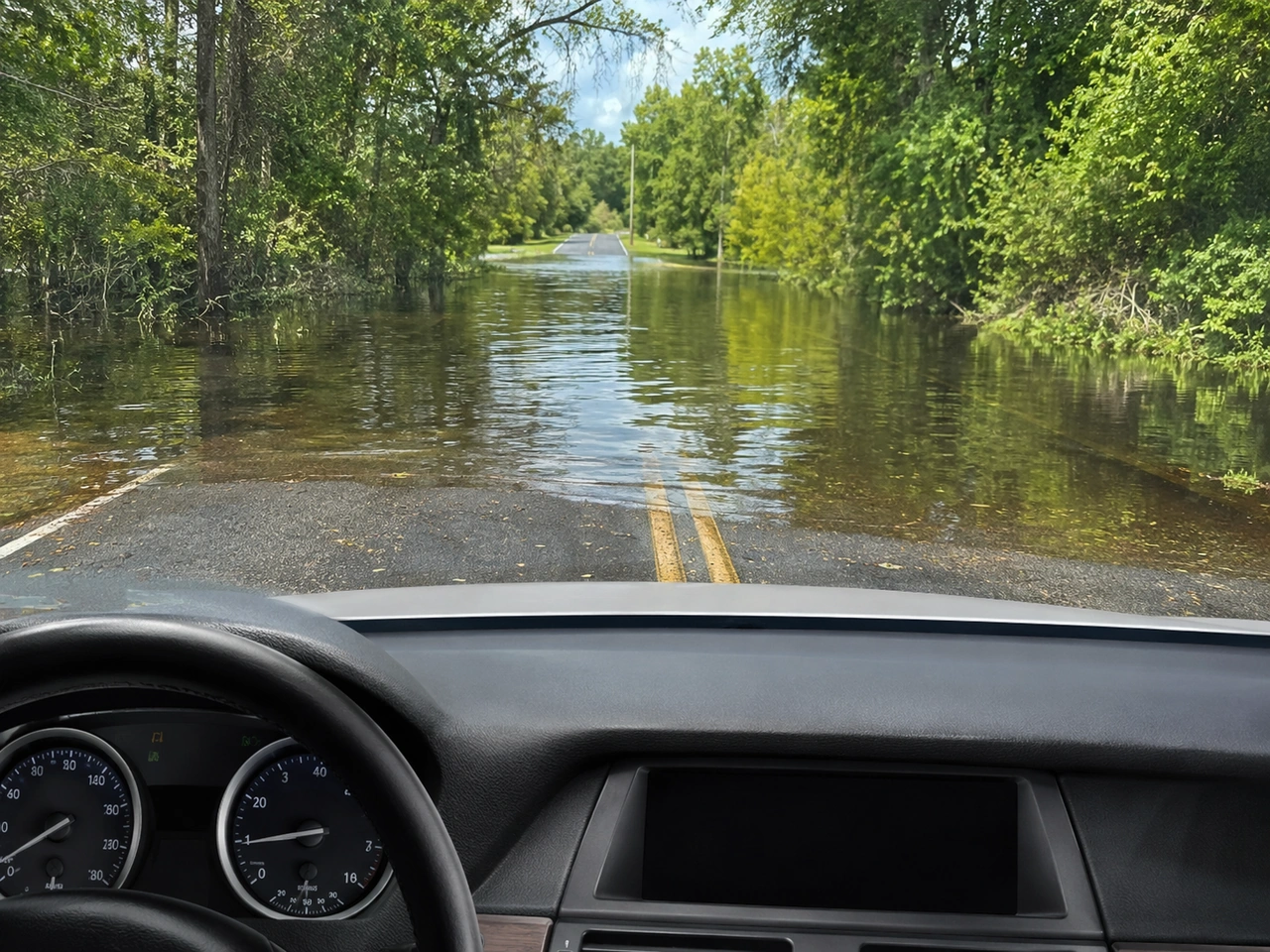
63. Why should you avoid driving through deep water?
Deep water can damage the engine, reduce braking ability, hide hazards, or cause the vehicle to lose grip. Reduce speed, assess the depth and conditions carefully, and avoid entering the water if you are unsure it is safe. If necessary, stop and use another route.
AI-generated by Traffic-rules.com • WCIT • CC BY-SA
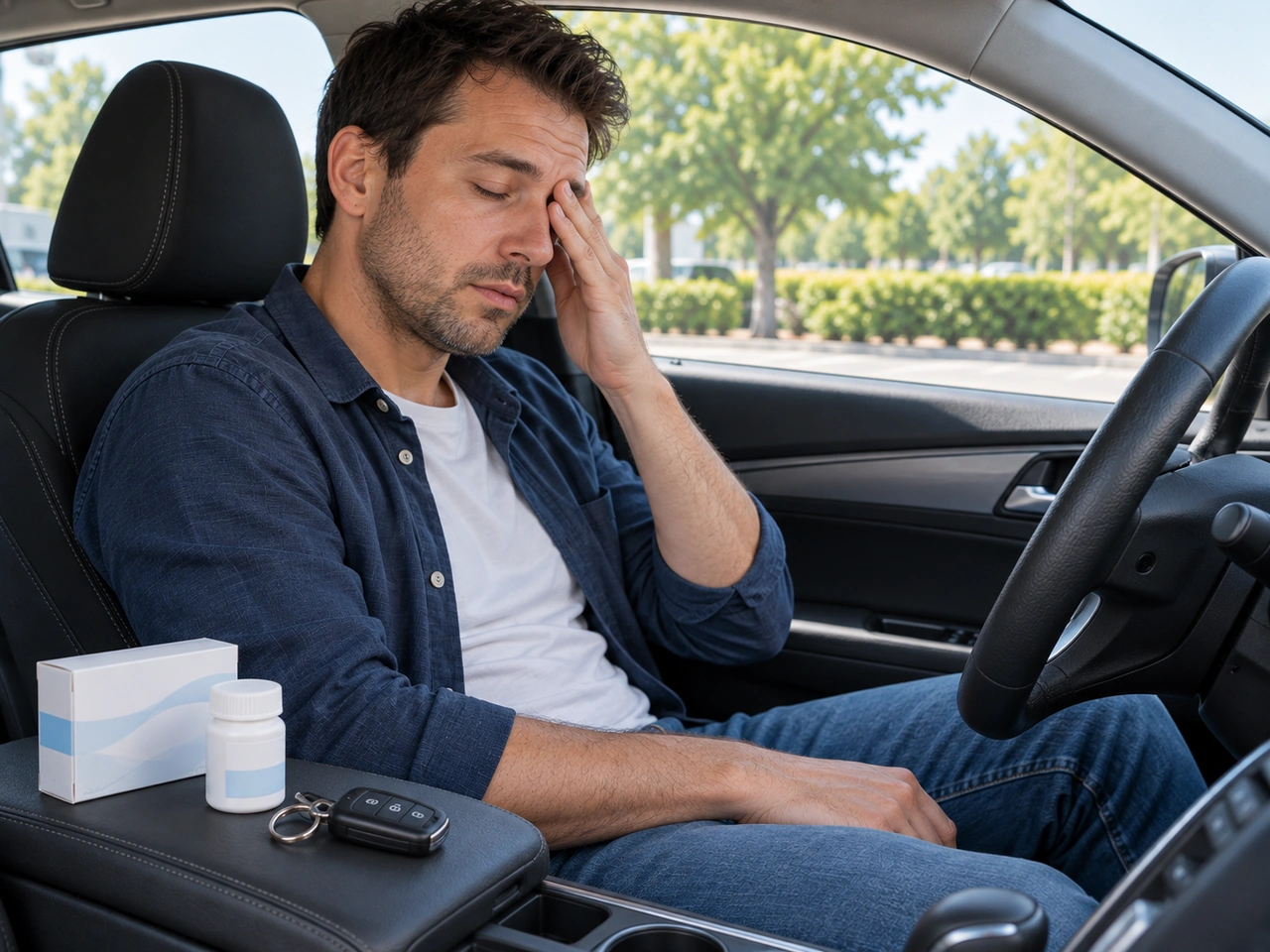
64. What should you do if medicine makes you feel drowsy?
If a medicine causes drowsiness, your concentration, judgement, and reaction time may be reduced. Do not drive until you are fit to do so and the effect has passed.
AI-generated by Traffic-rules.com • WCIT • CC BY-SA
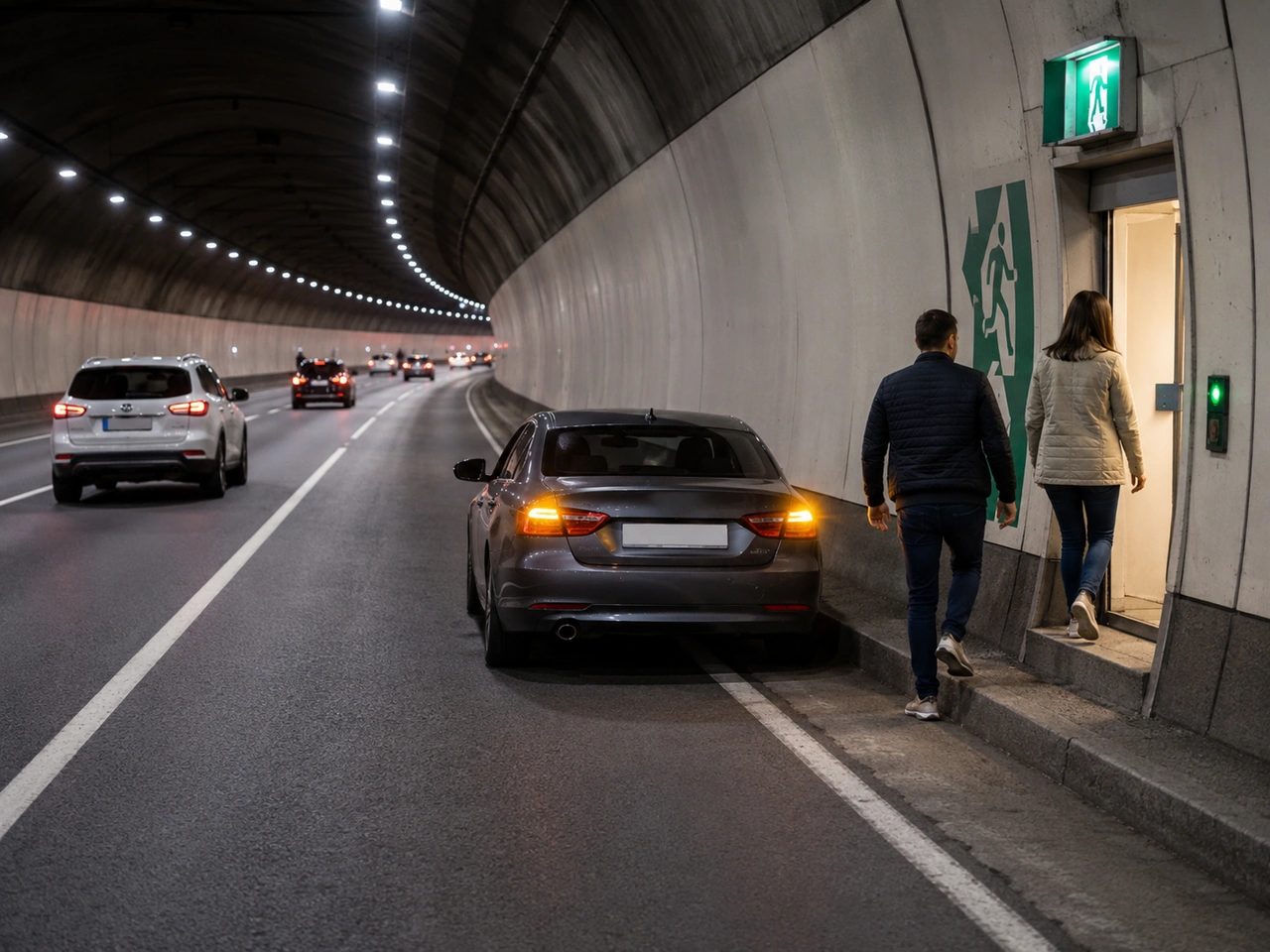
65. Where should you go after safely leaving a disabled vehicle in a tunnel?
Move away from live traffic and use a marked emergency exit, refuge area, or protected walkway where available.
AI-generated by Traffic-rules.com • WCIT • CC BY-SA
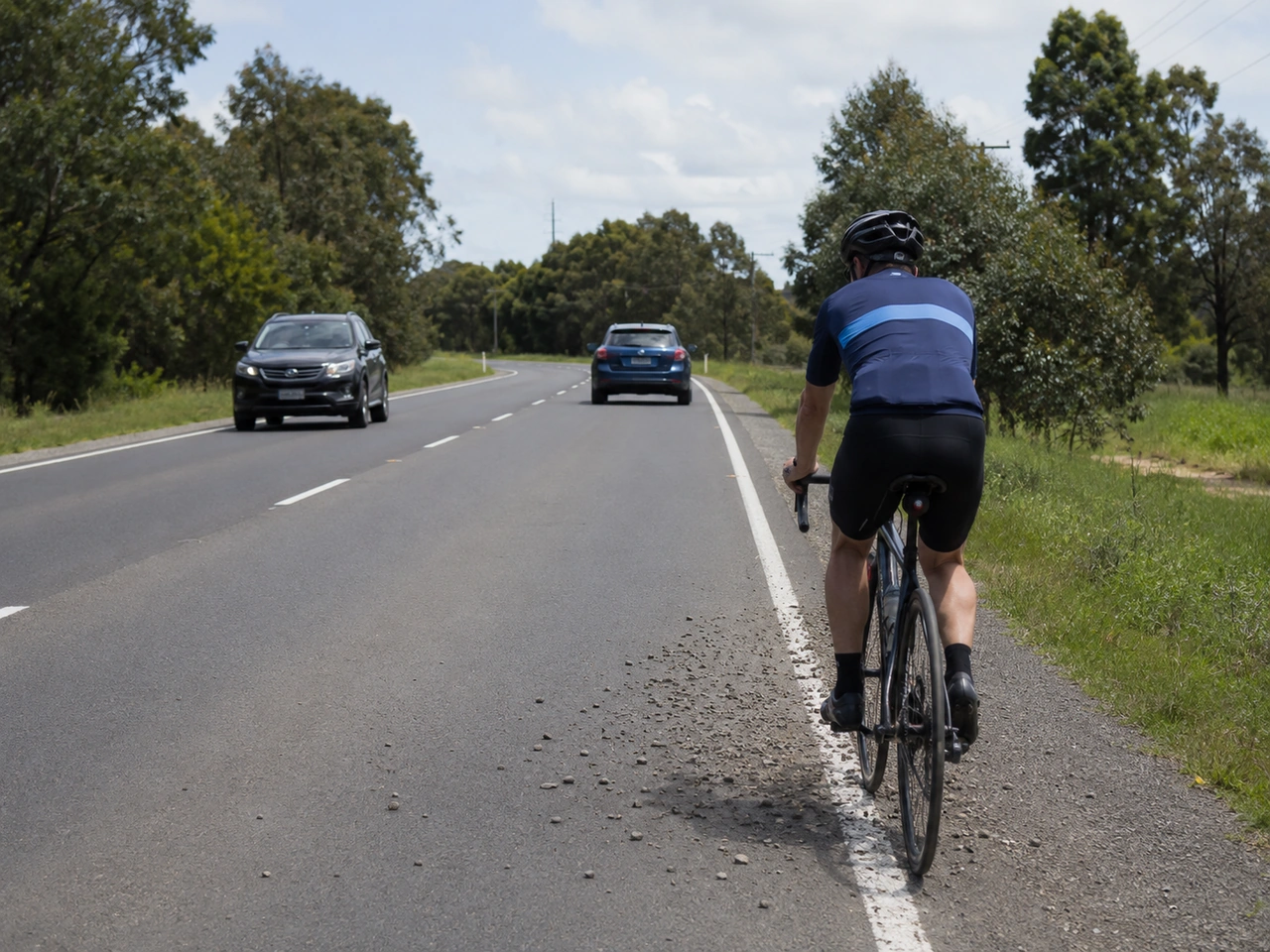
66. What should cyclists do when riding over loose gravel or road debris?
Loose material reduces tyre grip. Smooth steering and controlled speed lower the chance of losing balance.
AI-generated by Traffic-rules.com • WCIT • CC BY-SA
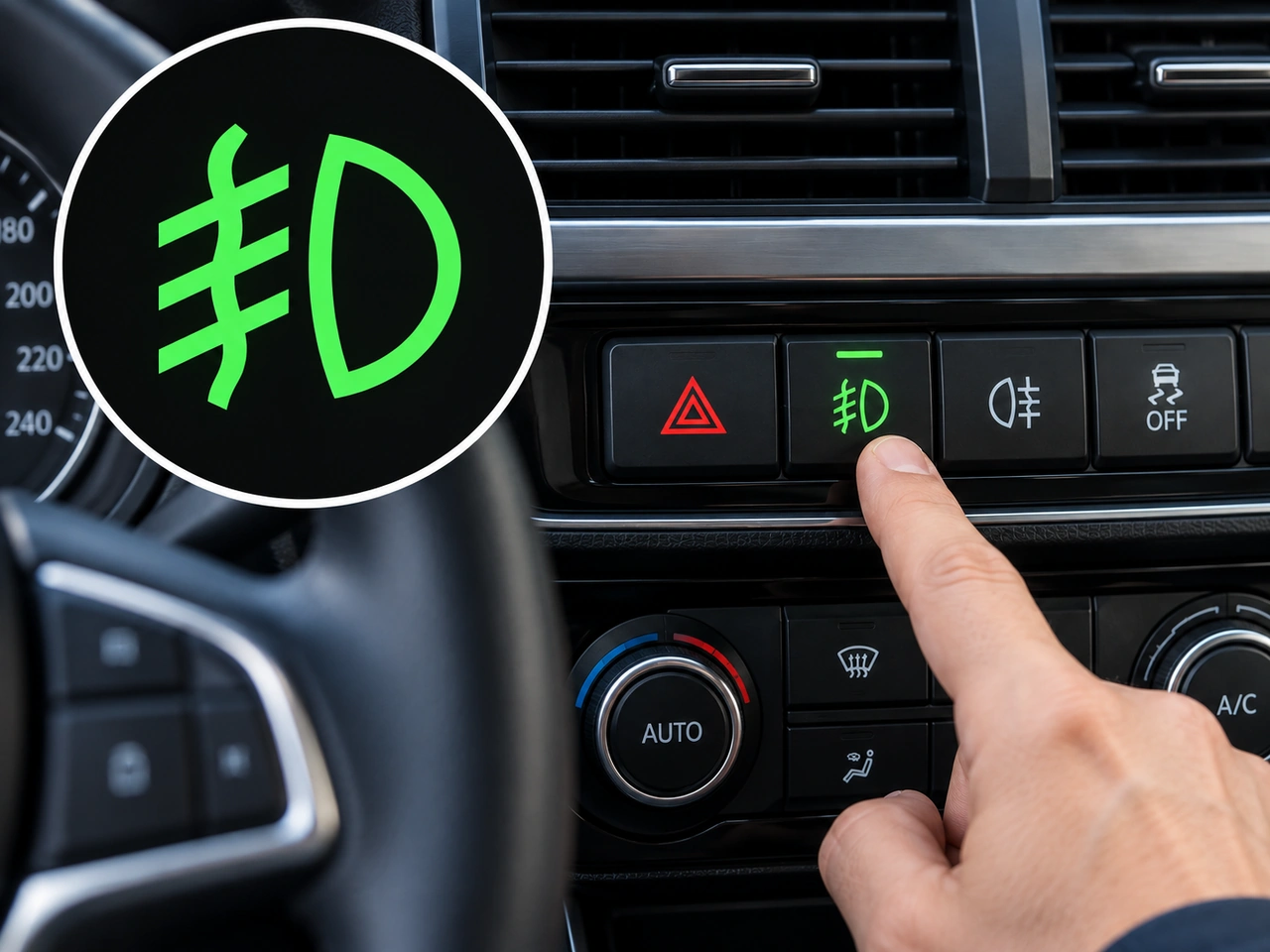
67. What does this dashboard symbol indicate?
This symbol indicates that the front fog lights are switched on. Front fog lights are designed to improve illumination close to the road in conditions of severely reduced visibility. Rules governing their use vary by country.
AI-generated by Traffic-rules.com • WCIT • CC BY-SA
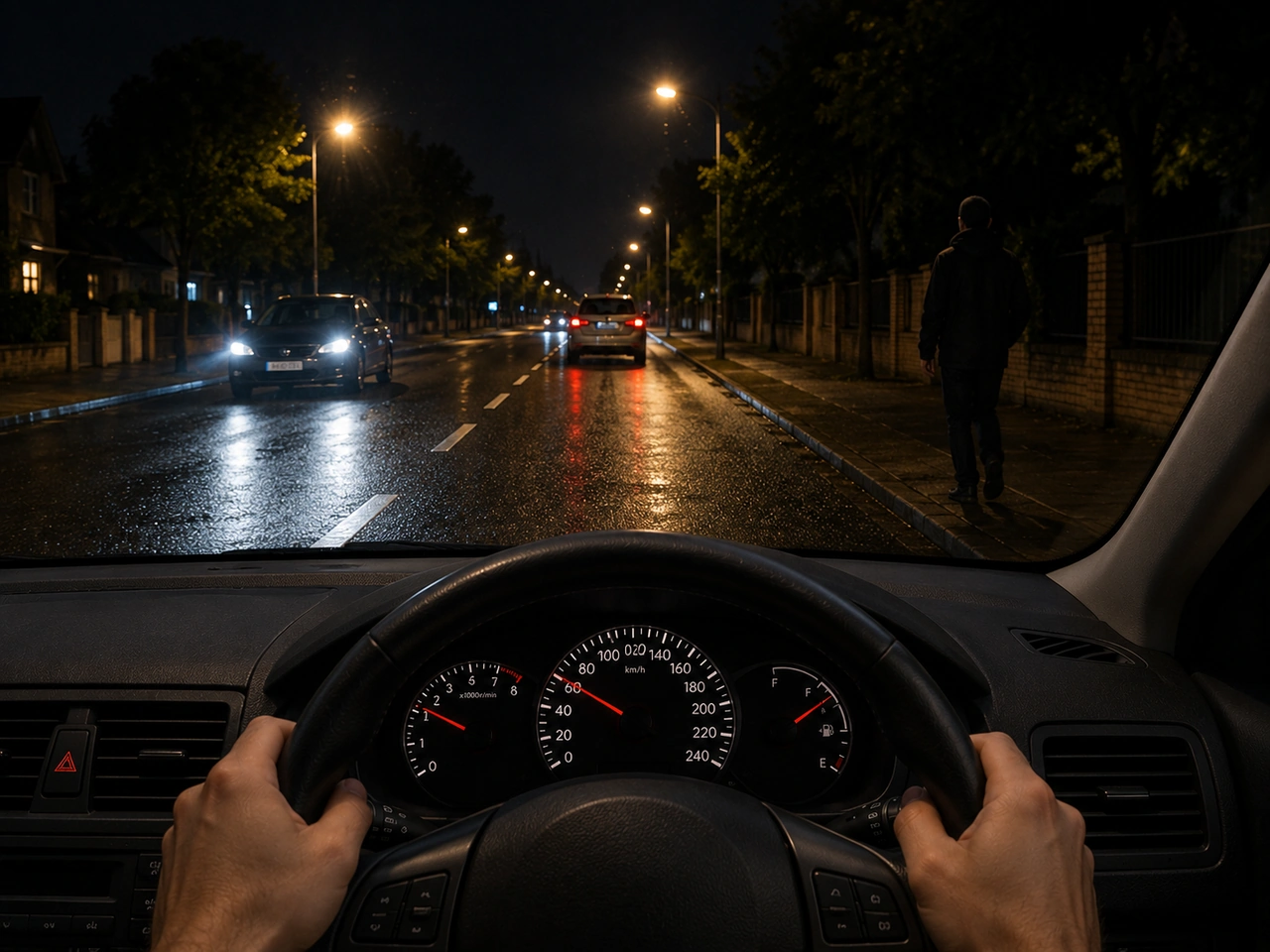
68. Why should you avoid wearing dark clothing at night?
Dark clothing makes pedestrians harder to see in low-light conditions. Bright or reflective clothing improves visibility.
AI-generated by Traffic-rules.com • WCIT • CC BY-SA
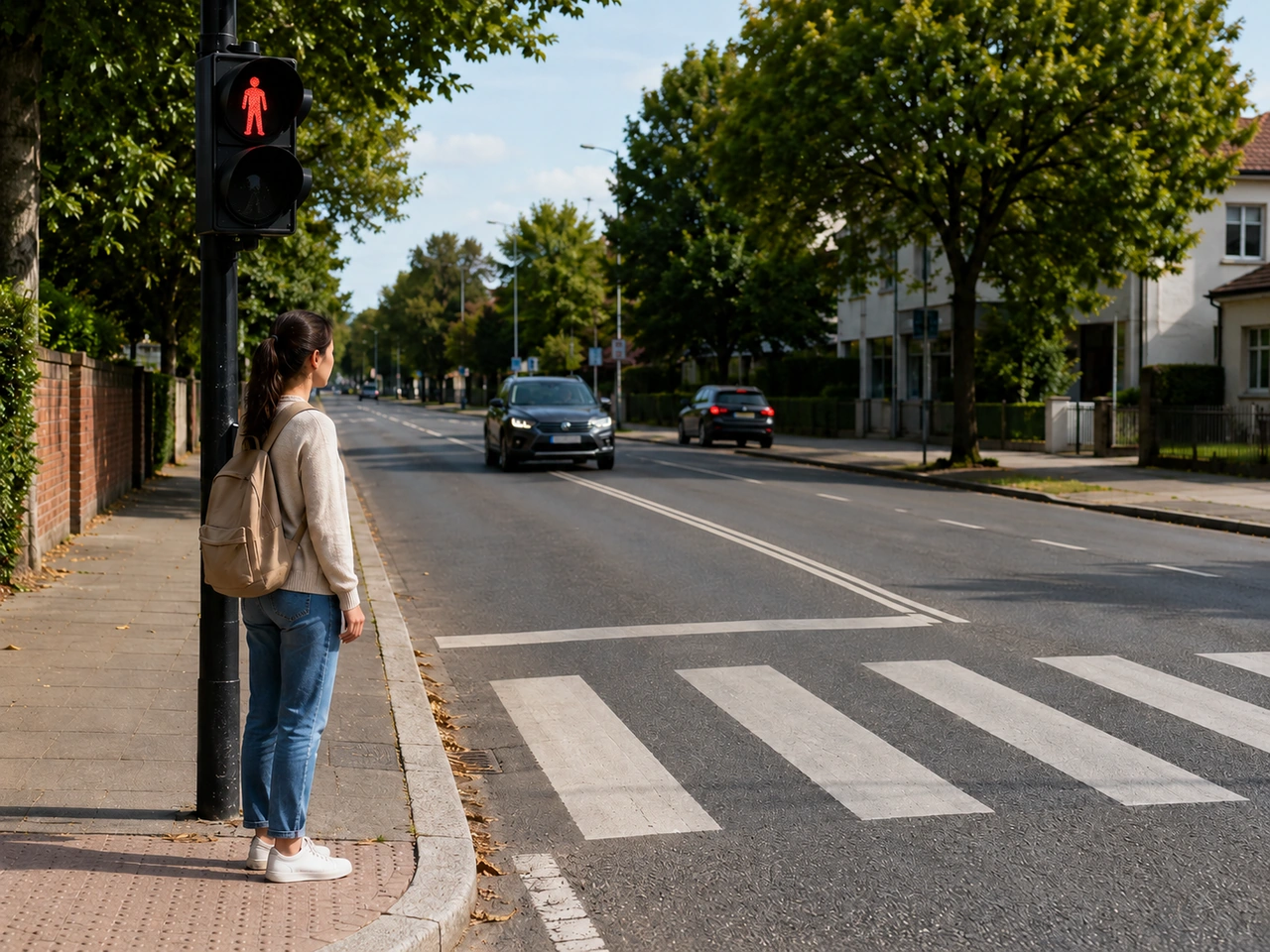
69. What should you do if the pedestrian light is red?
A red pedestrian signal means you should wait before crossing.
AI-generated by Traffic-rules.com • WCIT • CC BY-SA
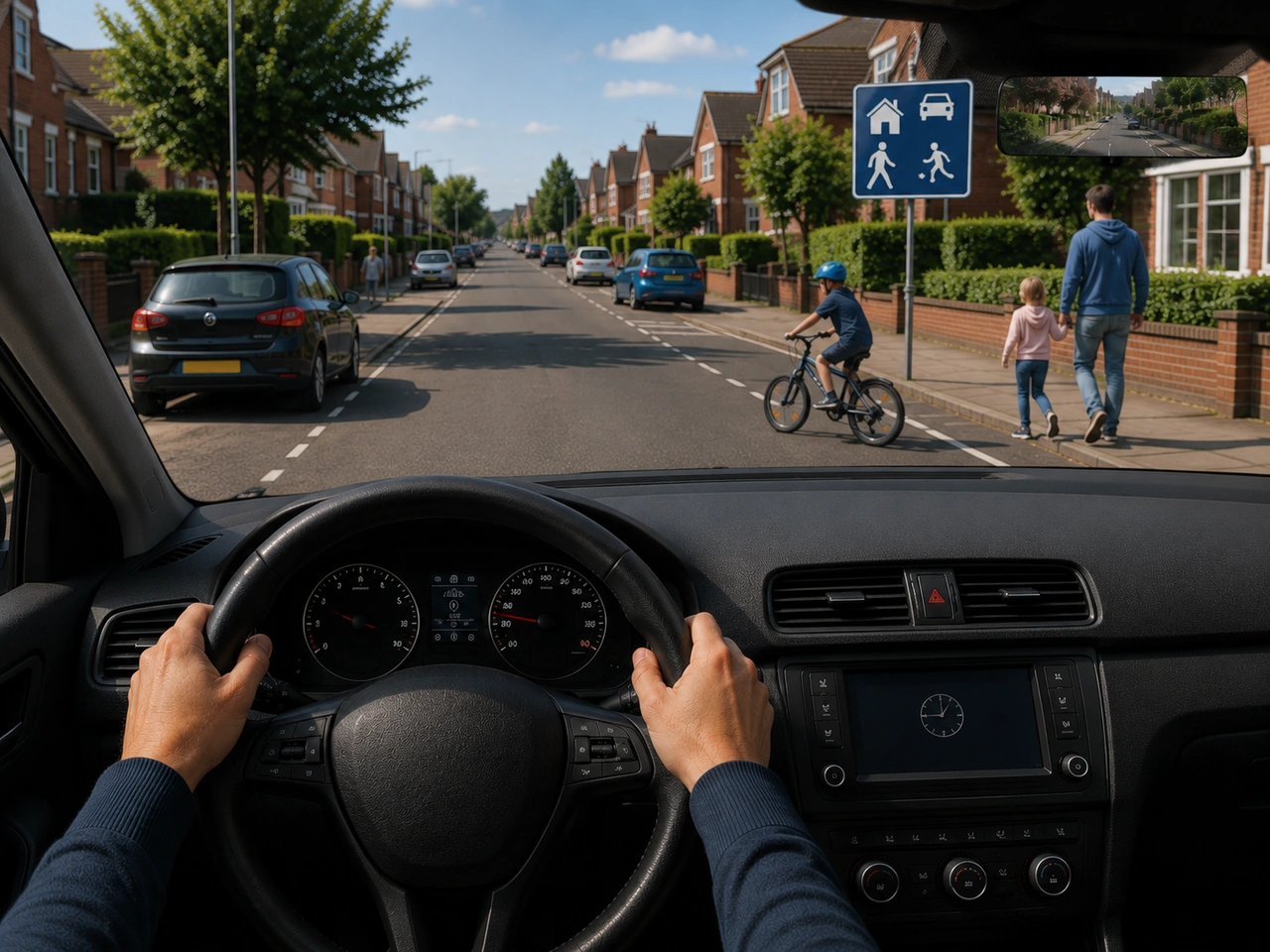
70. Why should you reduce speed in residential areas?
Residential areas often have pedestrians, cyclists, parked vehicles, driveways, and children, and hazards may appear suddenly. Lower speed gives you more time to react and stop safely.
AI-generated by Traffic-rules.com • WCIT • CC BY-SA
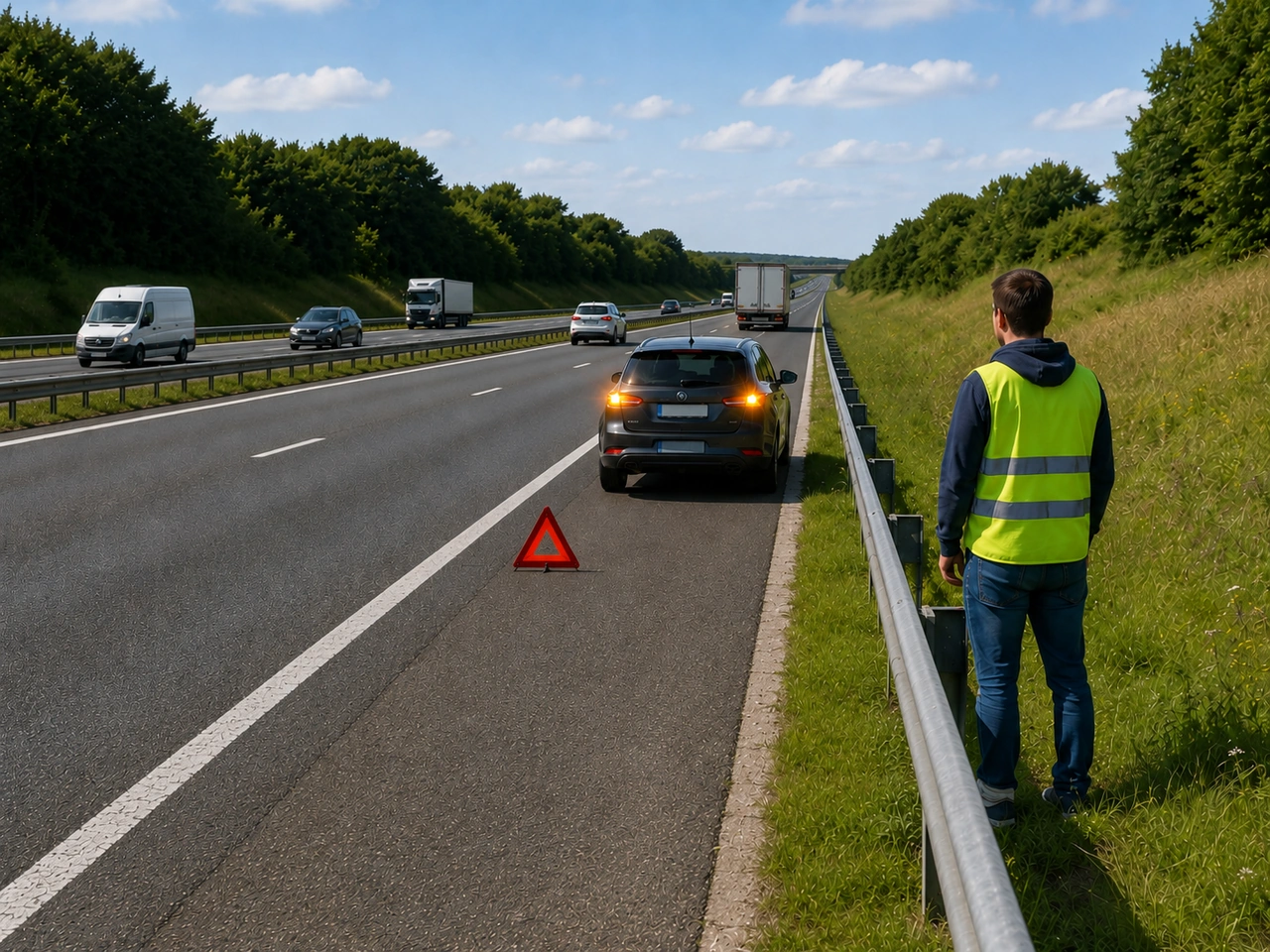
71. Where should you normally wait after a breakdown on a high-speed road?
A stationary vehicle can be struck by passing traffic. Waiting behind a barrier provides better protection.
AI-generated by Traffic-rules.com • WCIT • CC BY-SA
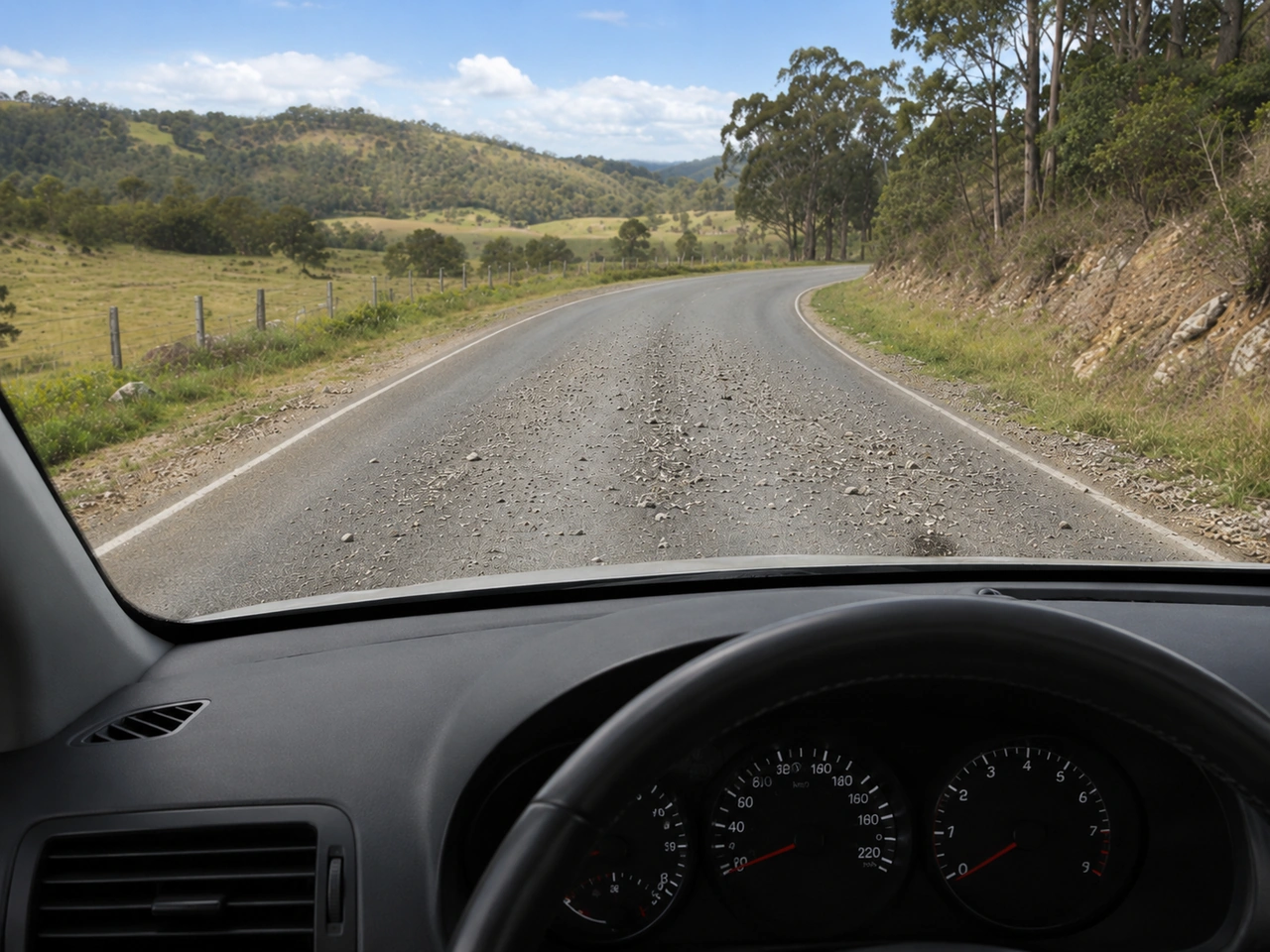
72. What should you do if you see loose gravel on the road?
Loose gravel reduces grip and can make the vehicle skid. Slow down and use smooth steering and braking.
AI-generated by Traffic-rules.com • WCIT • CC BY-SA
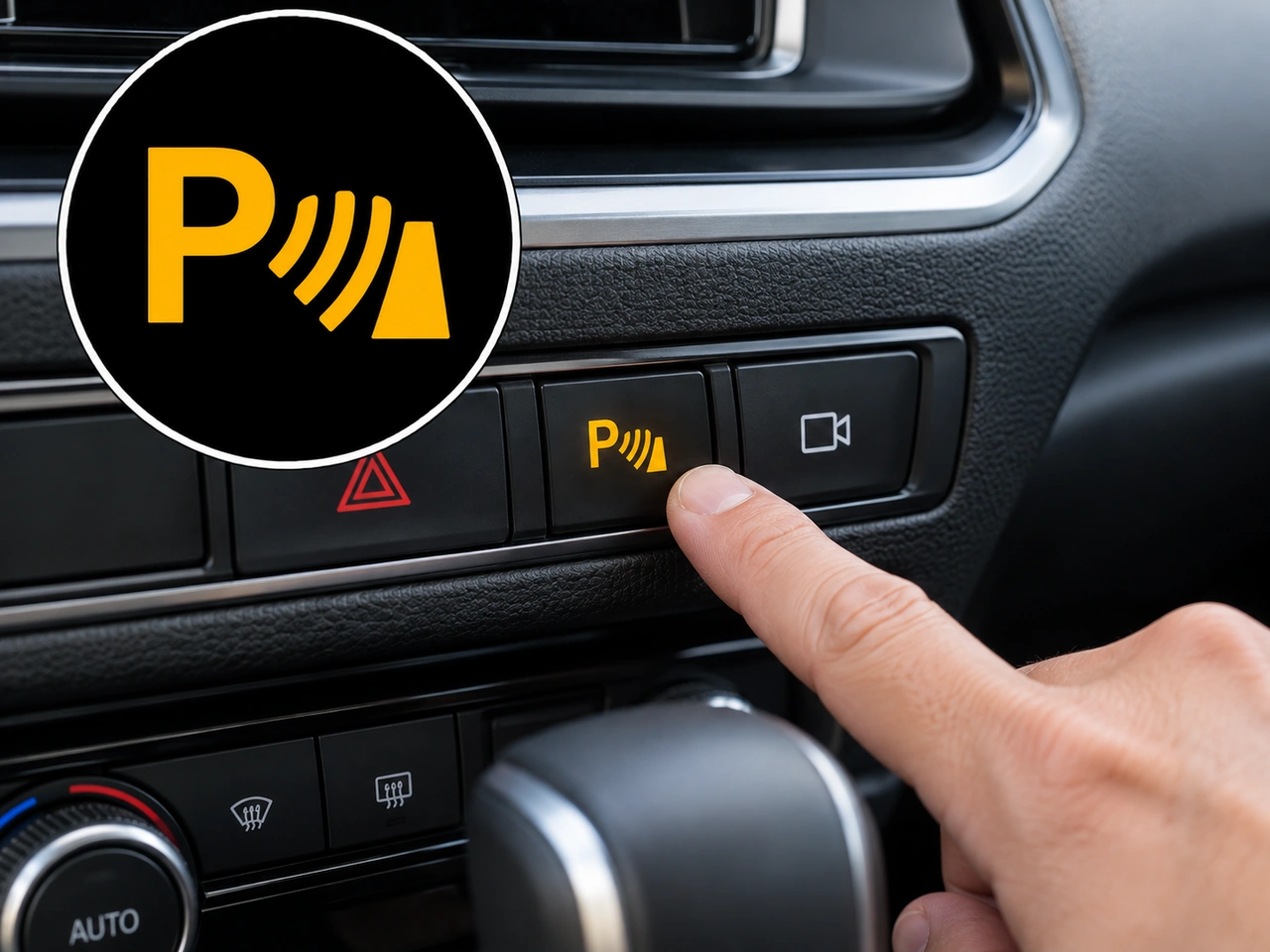
73. What does this dashboard symbol indicate?
This symbol relates to the vehicle's parking assistance system. Depending on the vehicle, the system may use sensors or cameras to detect obstacles and assist the driver while parking.
AI-generated by Traffic-rules.com • WCIT • CC BY-SA

74. Why can mixing alcohol with medicine be dangerous for drivers?
Some prescription and non-prescription medicines can intensify alcohol-related drowsiness, dizziness, poor coordination, or reduced concentration.
AI-generated by Traffic-rules.com • WCIT • CC BY-SA
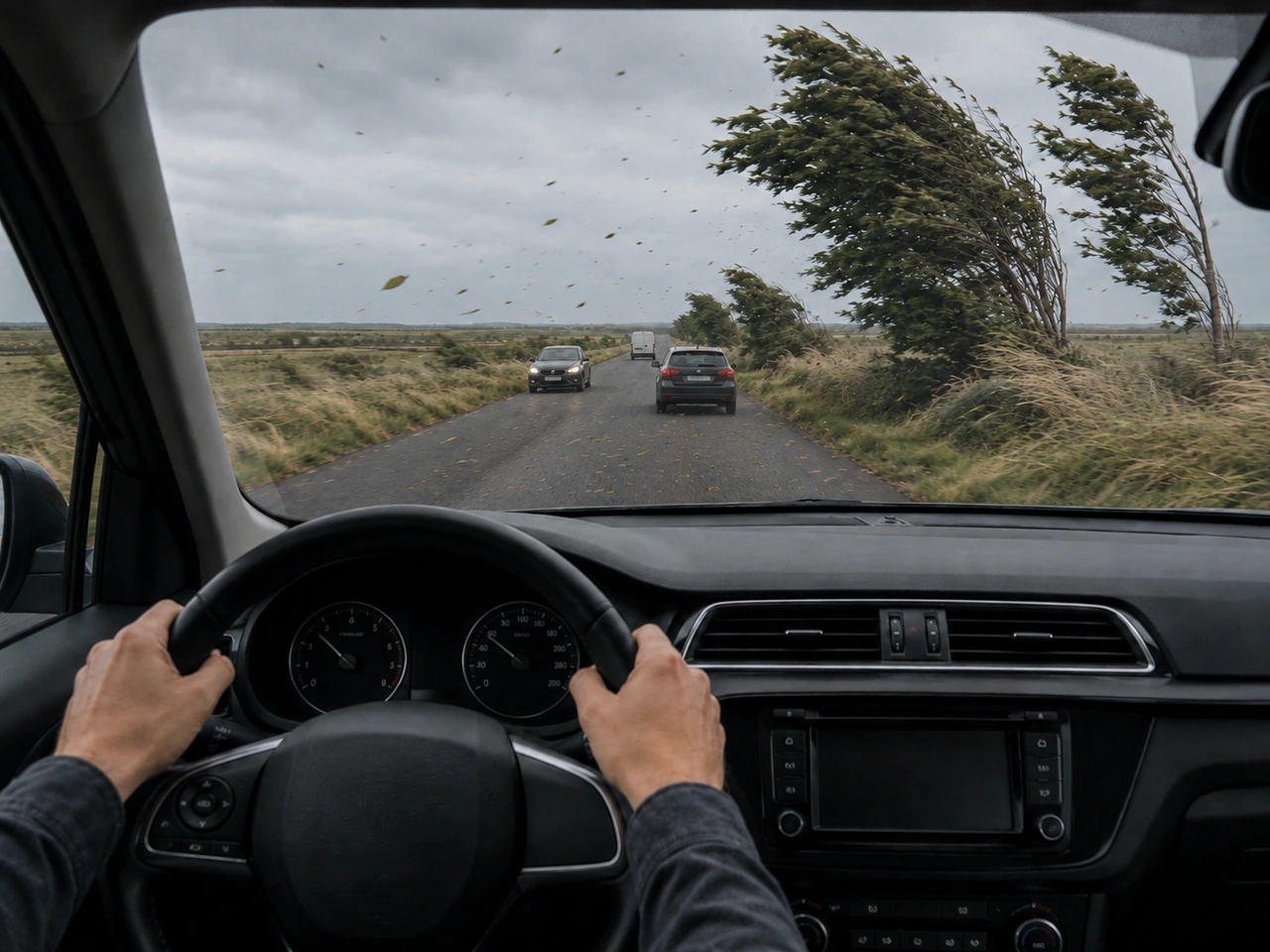
75. What should you do if strong winds push your vehicle sideways?
Strong winds can push your vehicle off course, especially at higher speeds. Reduce speed and use smooth steering to stay in control.
AI-generated by Traffic-rules.com • WCIT • CC BY-SA
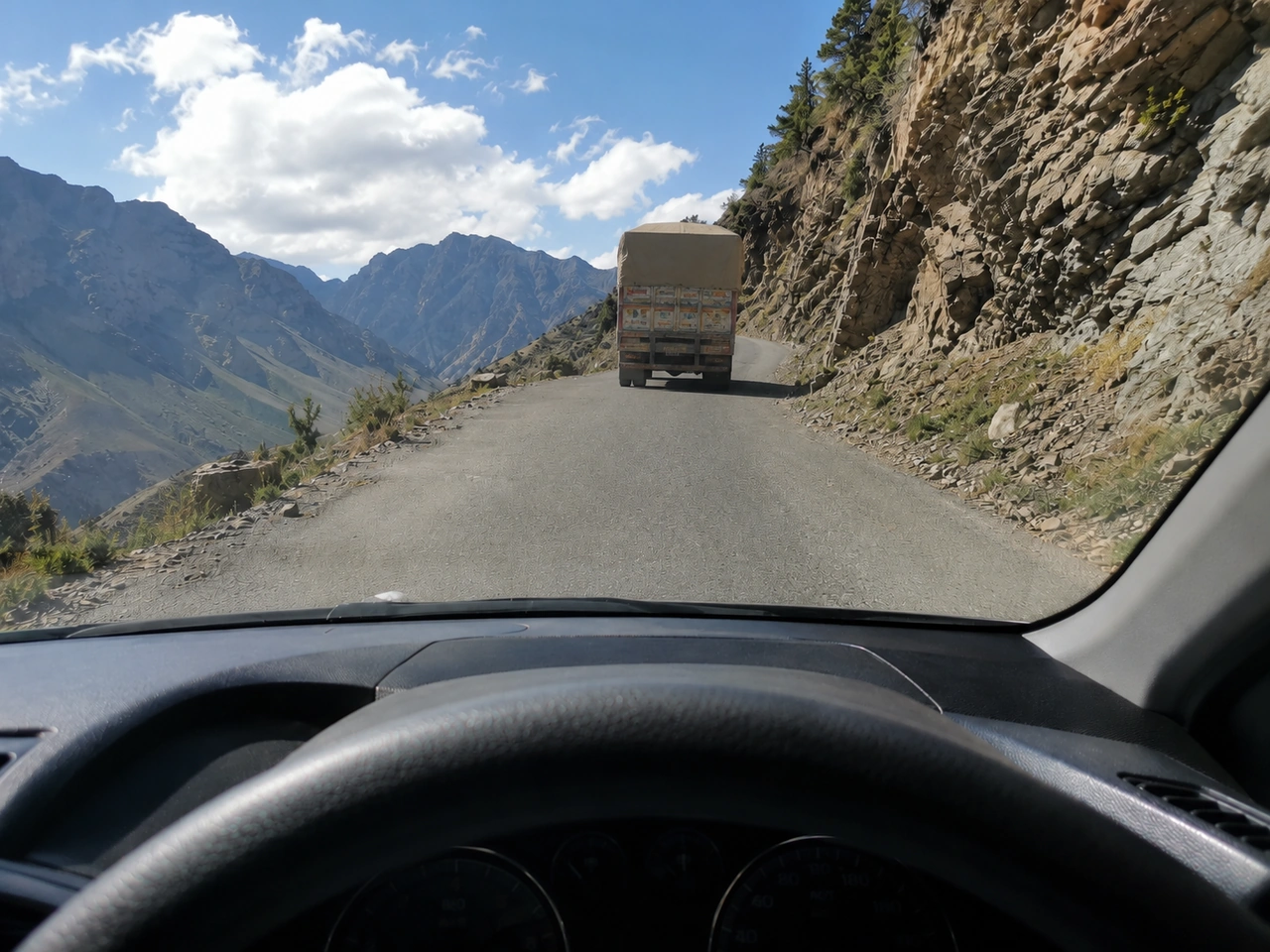
76. Why should you leave extra space behind a vehicle climbing a steep hill?
Vehicles may lose speed or briefly roll backward when starting on a steep incline. Extra space gives you more time to react.
AI-generated by Traffic-rules.com • WCIT • CC BY-SA
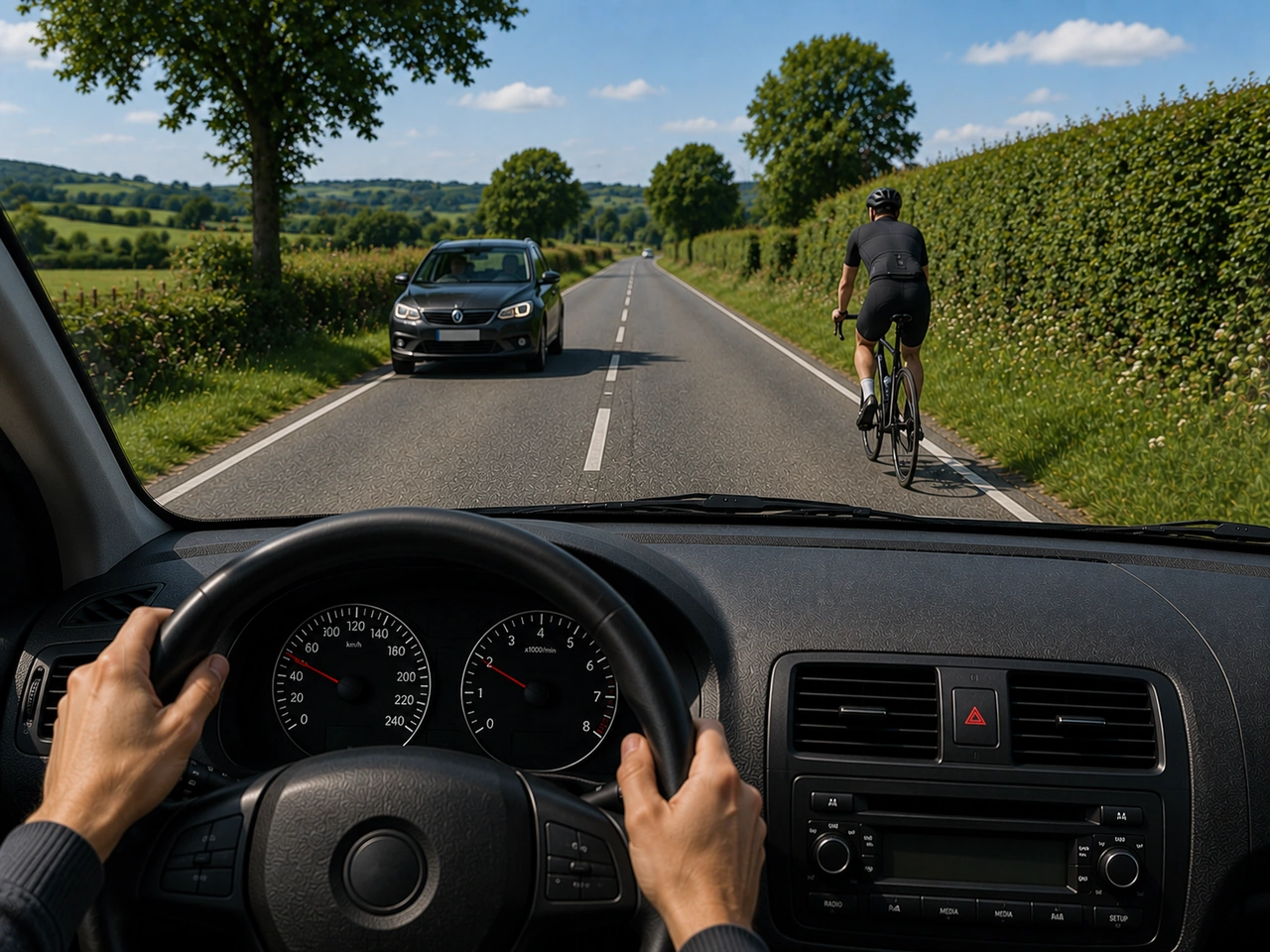
77. What should you do when following a cyclist on a narrow road?
Cyclists may need to avoid potholes, drains, or wind gusts. Keep distance and only pass when you can leave plenty of space.
AI-generated by Traffic-rules.com • WCIT • CC BY-SA
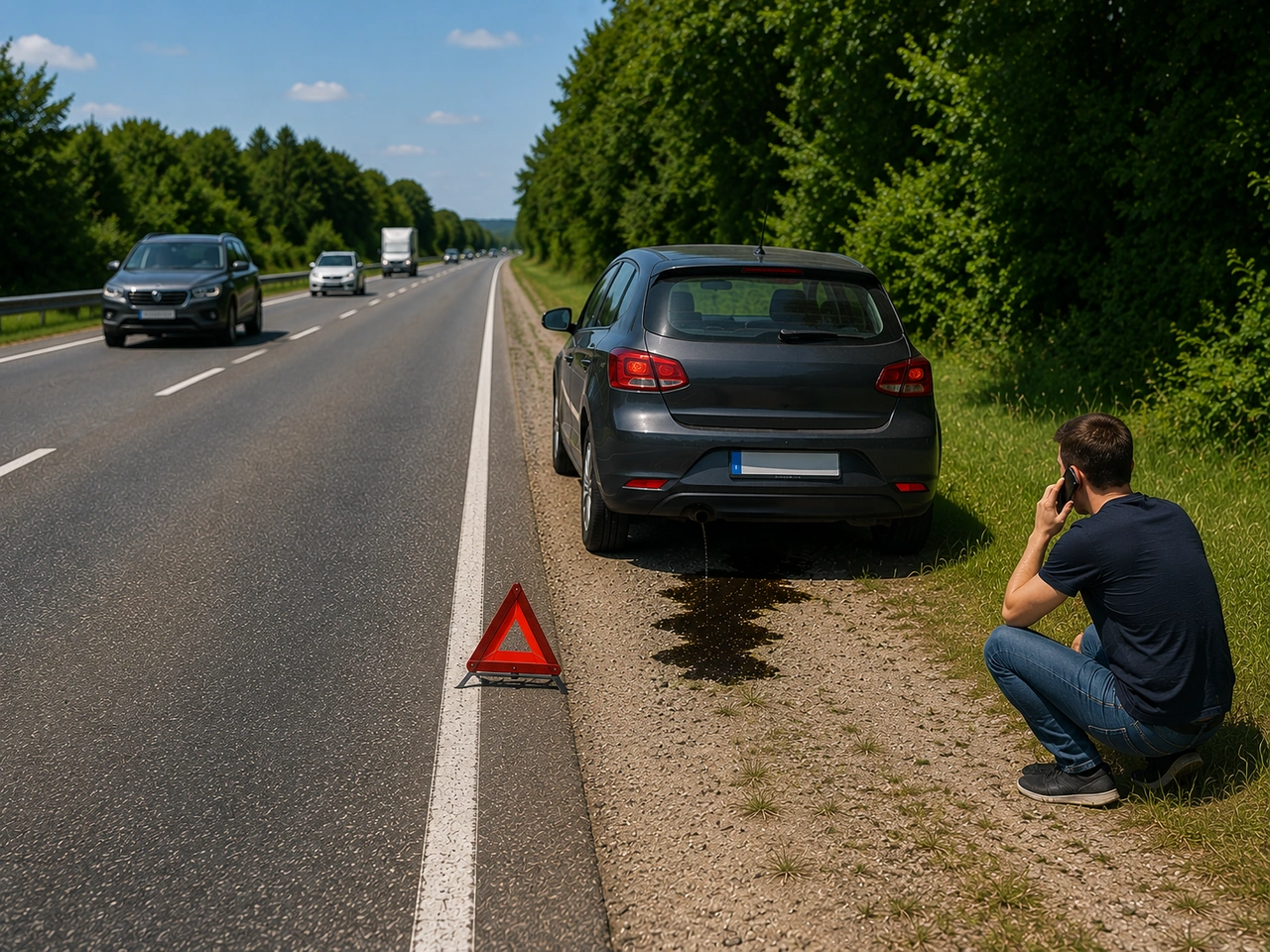
78. What should you do if you smell fuel or see fuel leaking from your vehicle?
Leaking fuel creates a serious fire risk. Keep people away, do not restart the engine, and arrange professional assistance.
AI-generated by Traffic-rules.com • WCIT • CC BY-SA
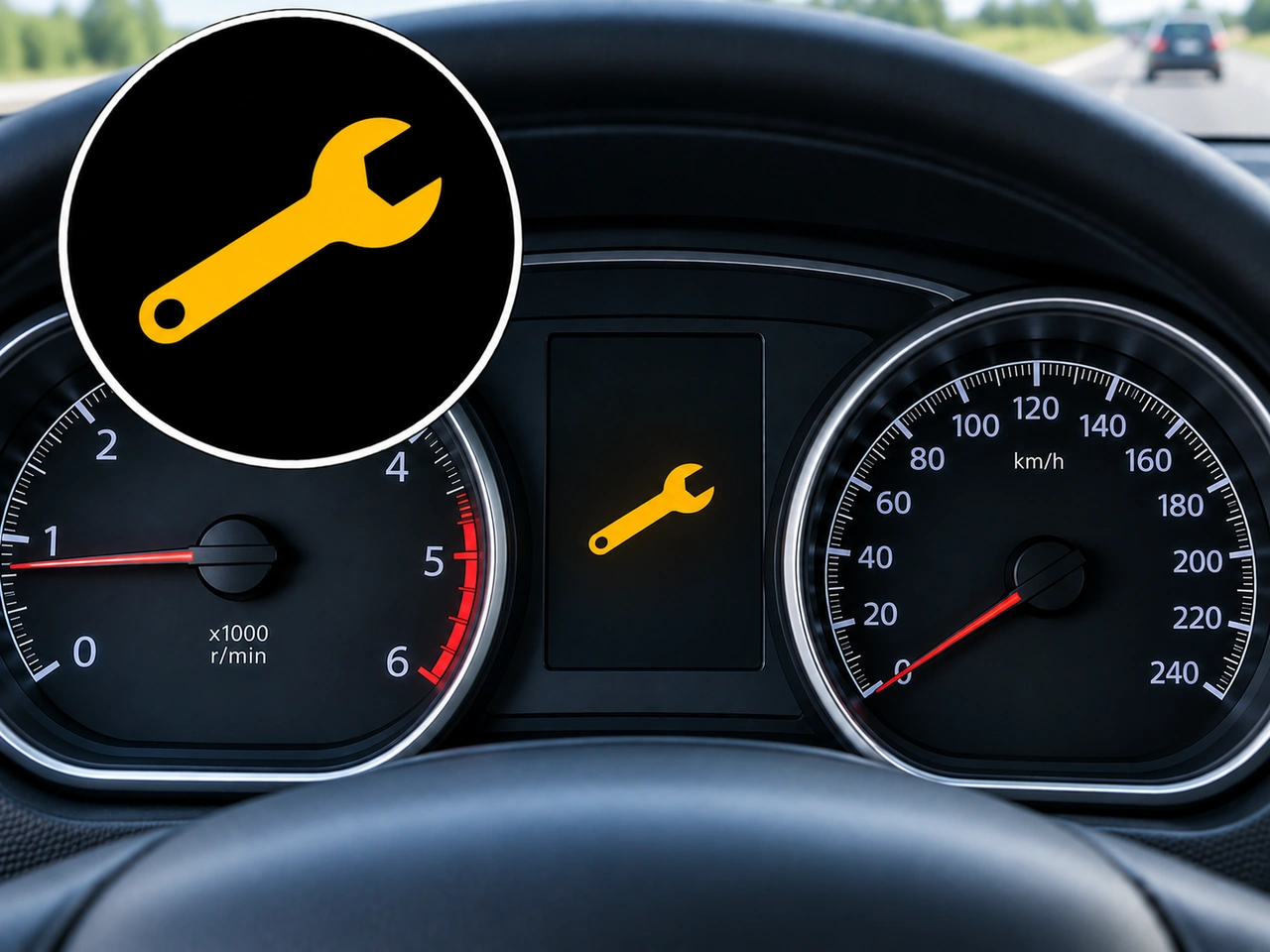
79. What does this dashboard symbol indicate?
This symbol indicates that the vehicle requires servicing or maintenance. The exact meaning and required maintenance can vary between vehicles, so check the vehicle information display or owner's manual.
AI-generated by Traffic-rules.com • WCIT • CC BY-SA
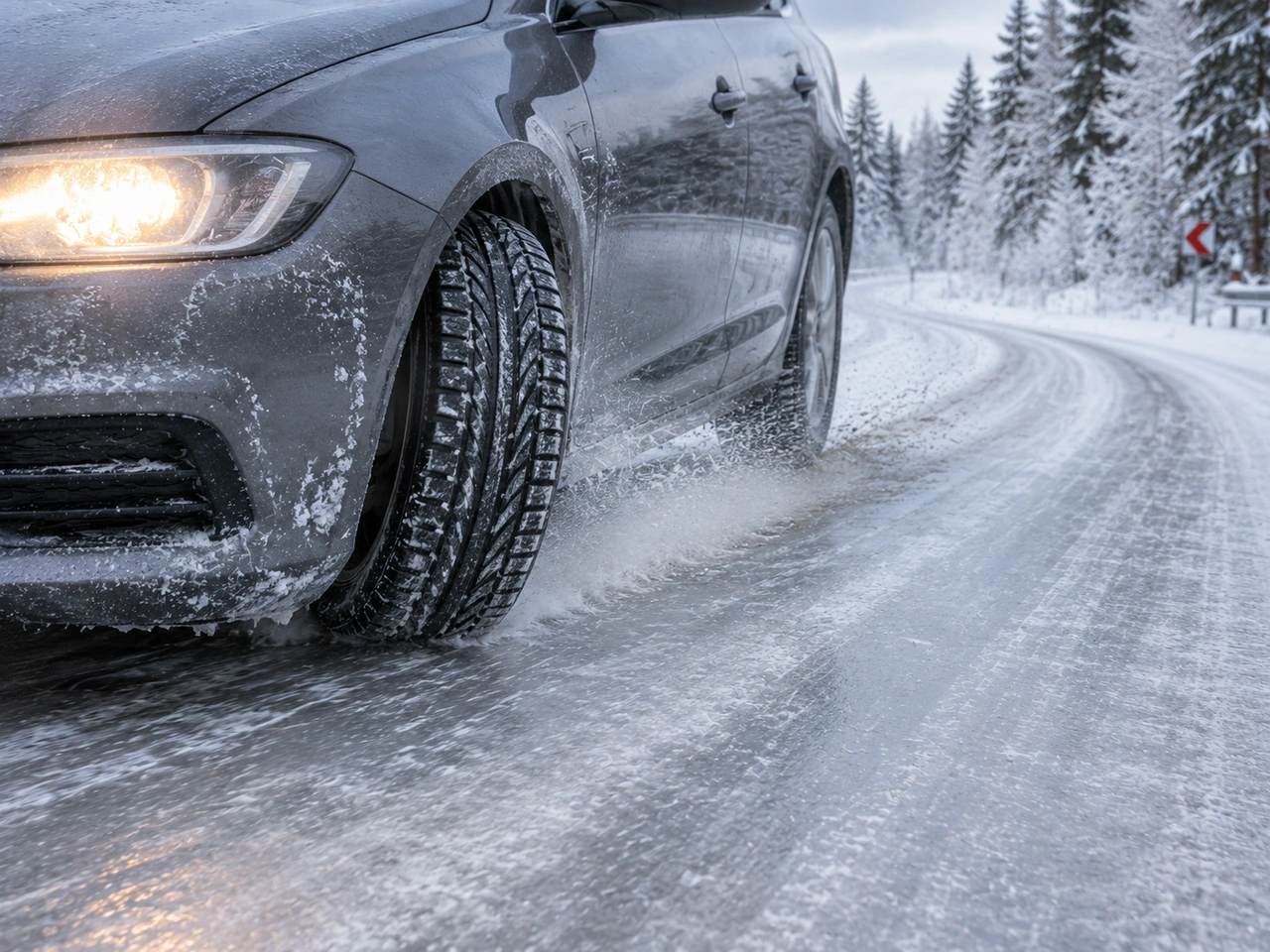
80. Why should you avoid sudden steering movements on snow or ice?
Abrupt steering can overwhelm the limited grip available on a slippery surface. Steering smoothly helps keep the vehicle stable.
AI-generated by Traffic-rules.com • WCIT • CC BY-SA
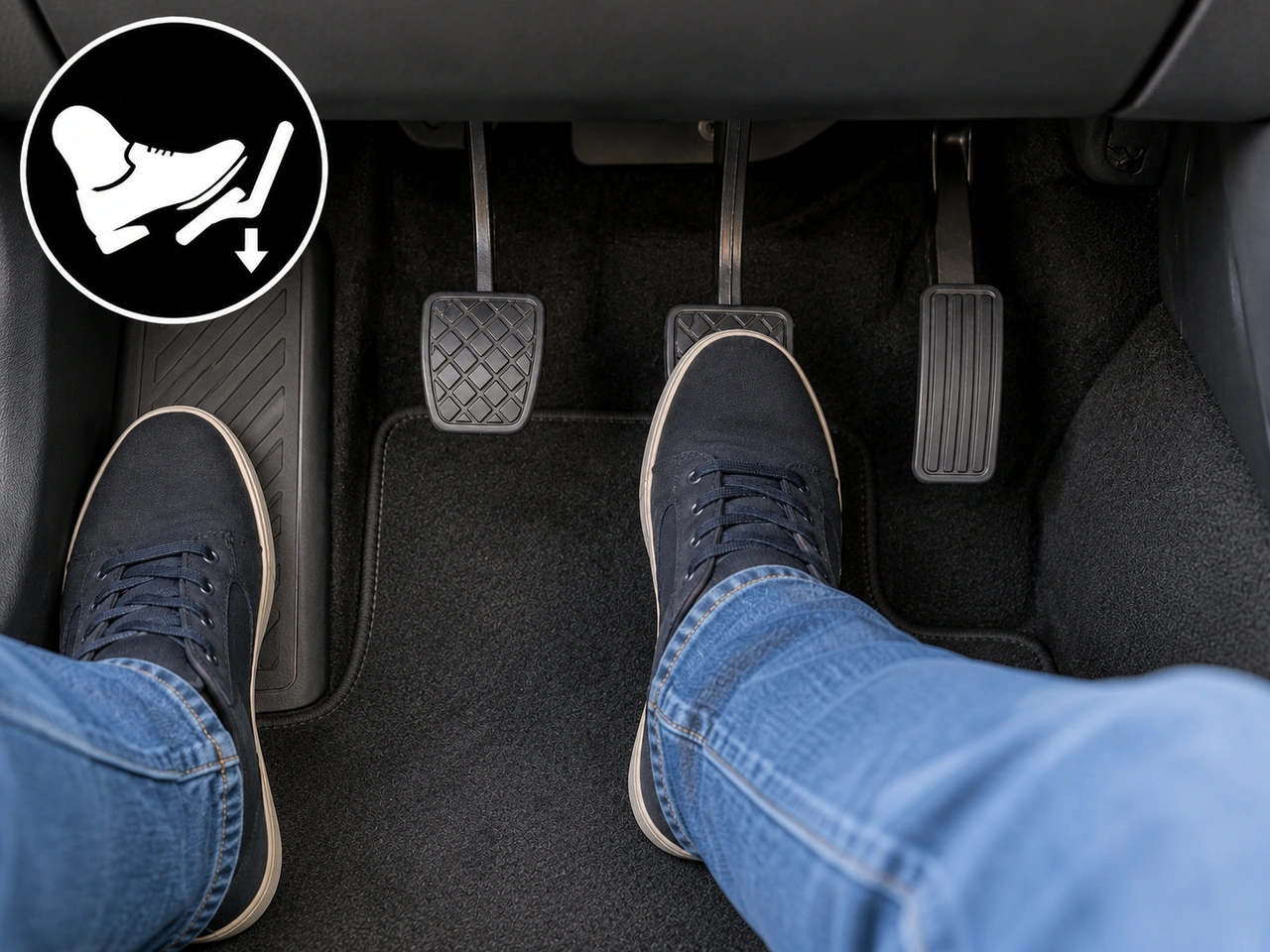
81. How should you normally apply the brake pedal for a smooth stop?
For normal braking, apply the brake pedal progressively and smoothly. As the vehicle comes to a stop, easing the pressure slightly can help avoid a sudden jerk.
AI-generated by Traffic-rules.com • WCIT • CC BY-SA
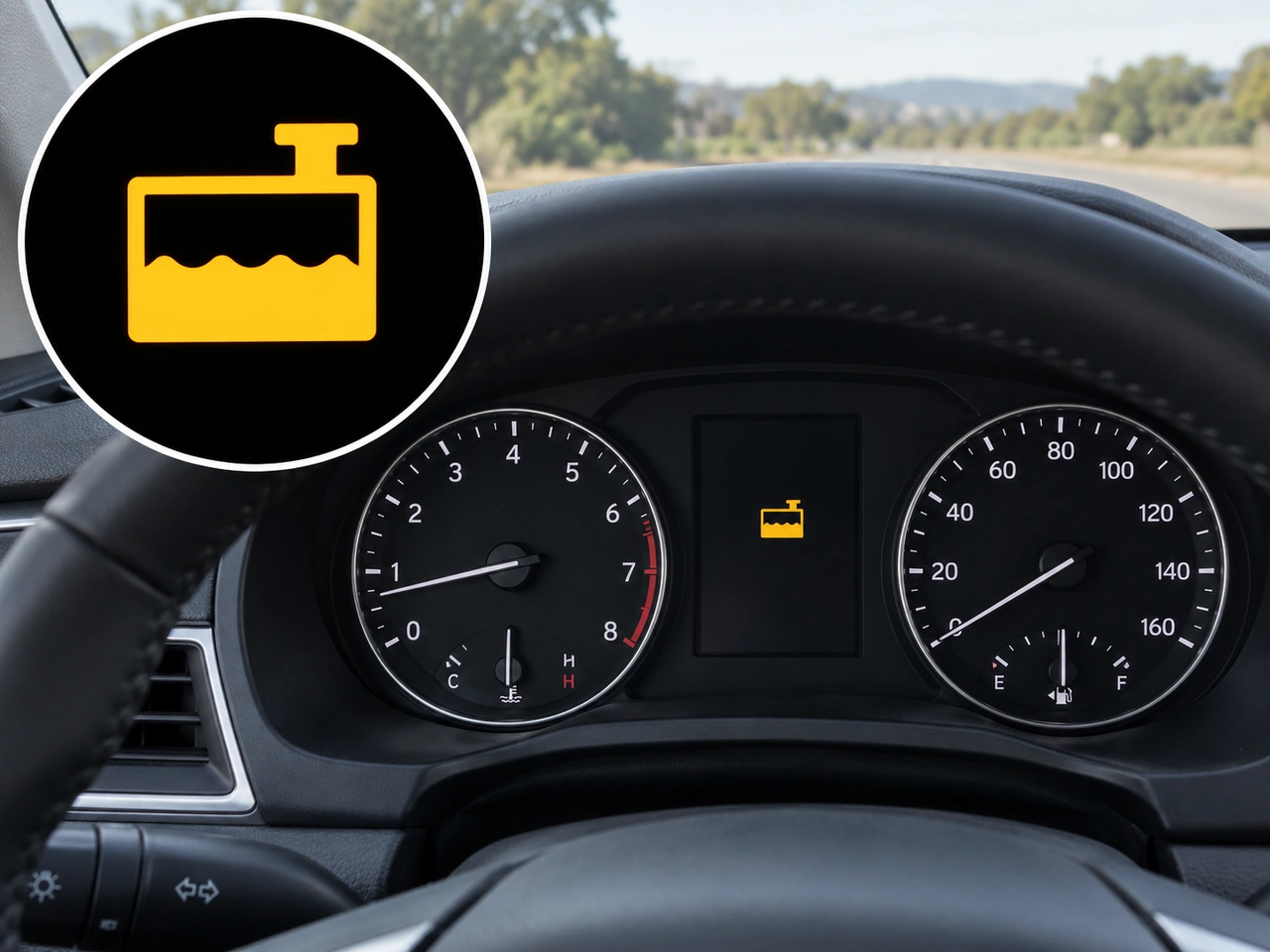
82. What does this dashboard symbol indicate?
This symbol indicates that the engine coolant level is low. Check the coolant level when the engine is cool and refill it with the correct coolant if necessary.
AI-generated by Traffic-rules.com • WCIT • CC BY-SA
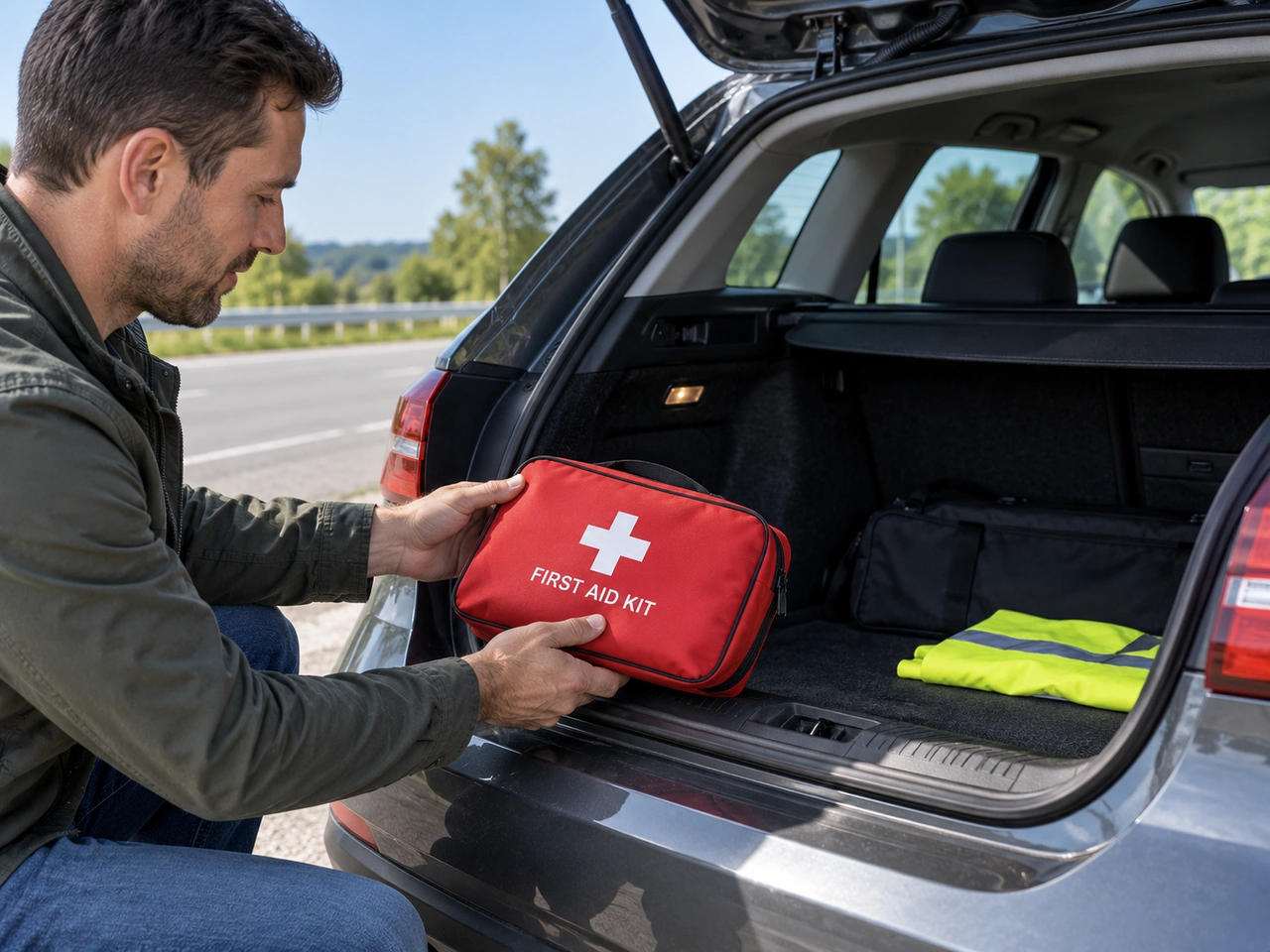
83. Is a first-aid kit required in cars in Norway?
Cars in Norway are not generally required to carry a first-aid kit.
AI-generated by Traffic-rules.com • WCIT • CC BY-SA
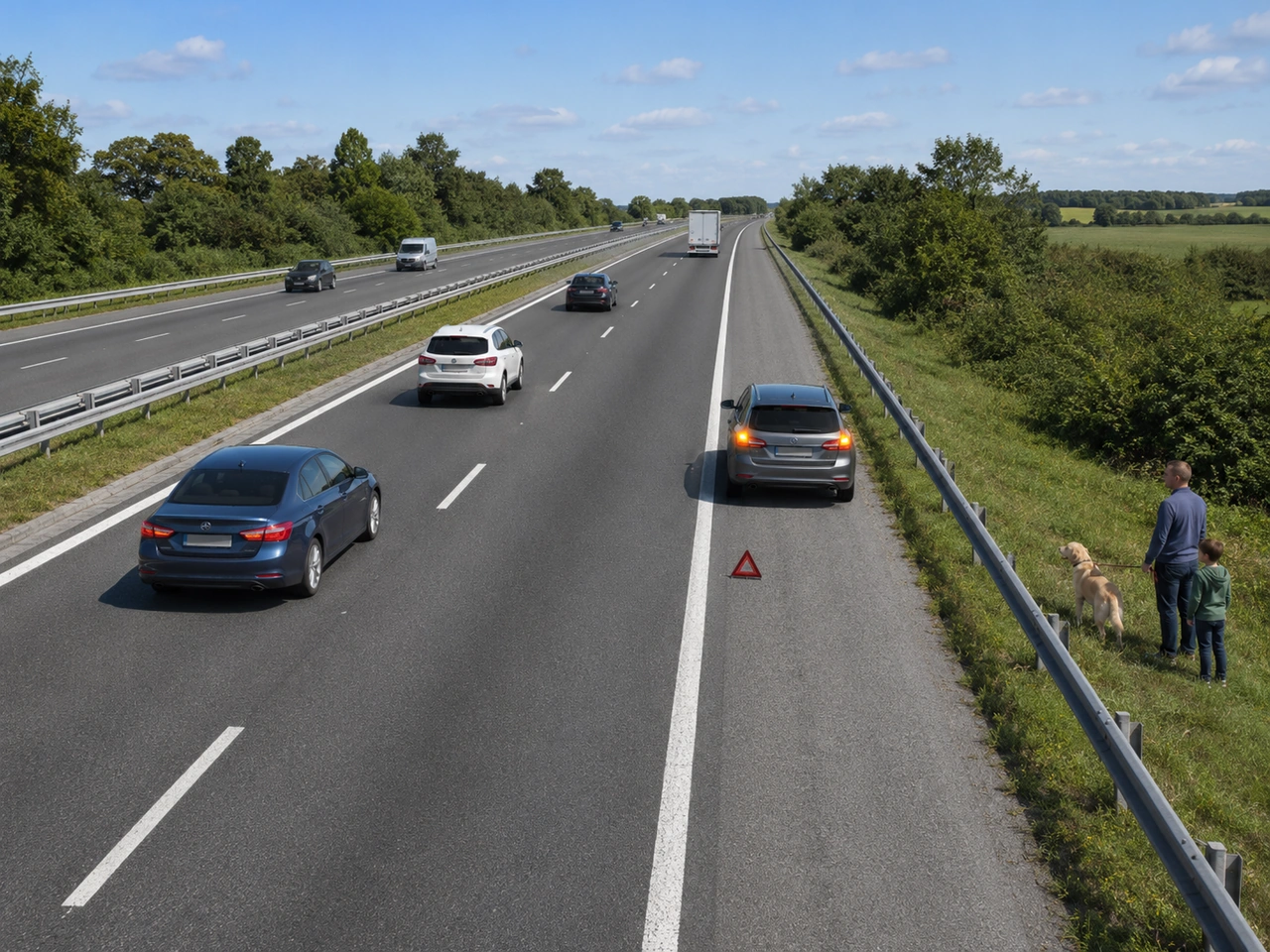
84. Where should passengers wait after safely leaving a broken-down vehicle?
Move passengers, children, and pets away from the carriageway. On high-speed roads, wait behind a safety barrier where possible.
AI-generated by Traffic-rules.com • WCIT • CC BY-SA
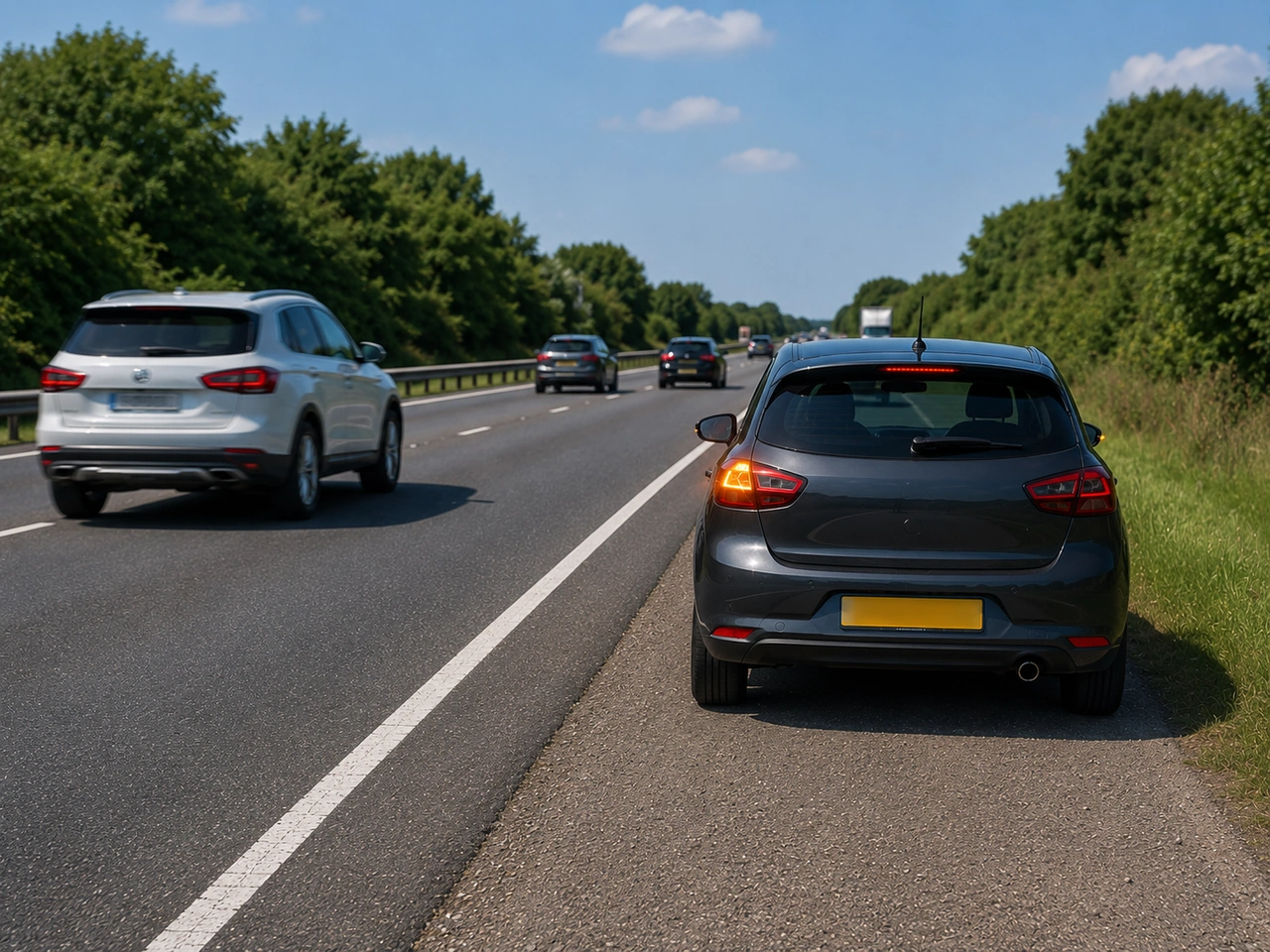
85. What should you do before rejoining traffic after a breakdown?
Check mirrors and blind spots, signal clearly, and build up speed safely without causing approaching traffic to brake suddenly.
AI-generated by Traffic-rules.com • WCIT • CC BY-SA
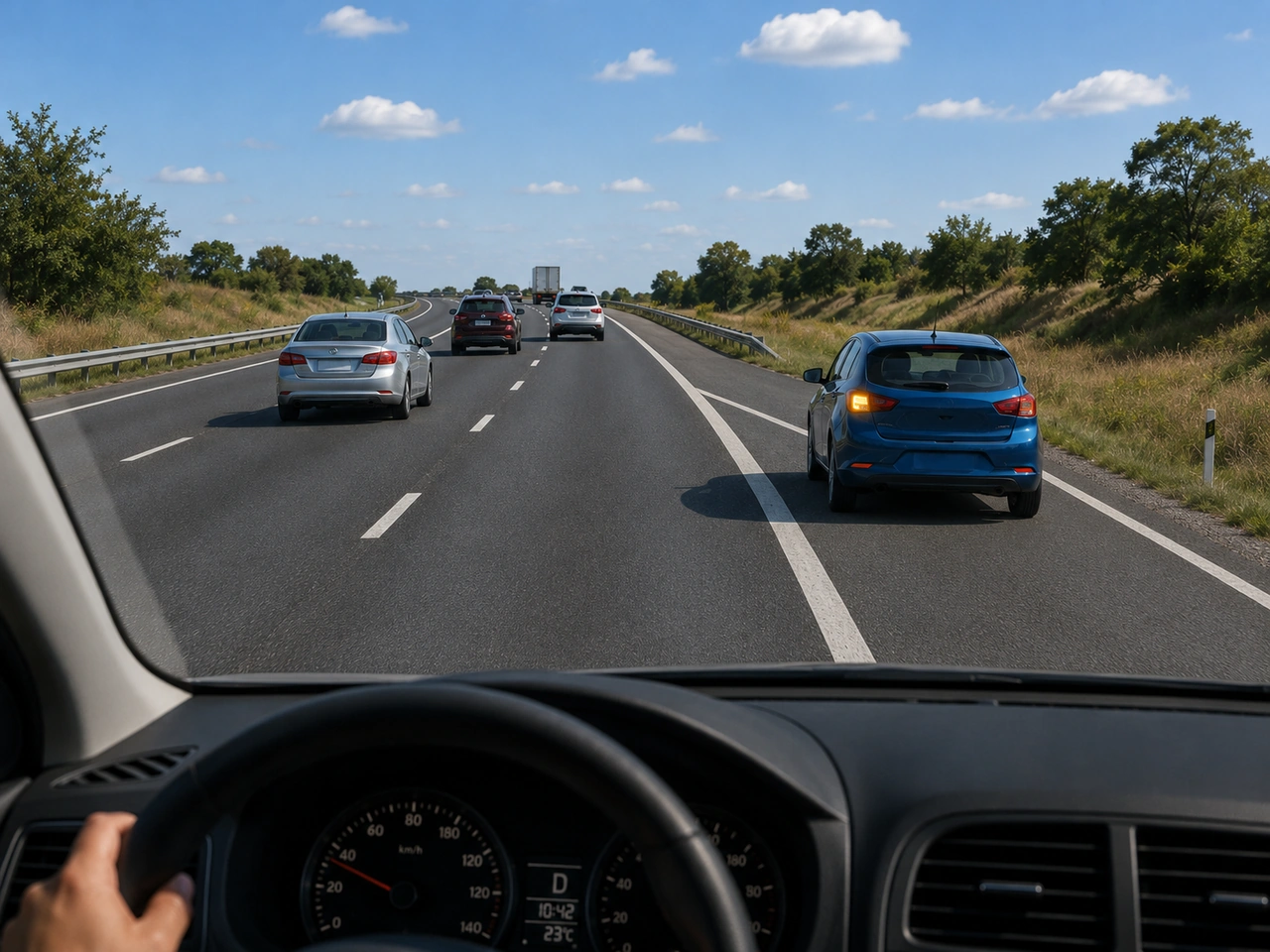
86. What should you do when joining a motorway from an entry lane?
Use the entry lane to build a suitable speed, check carefully, signal, and merge only when it is safe.
AI-generated by Traffic-rules.com • WCIT • CC BY-SA
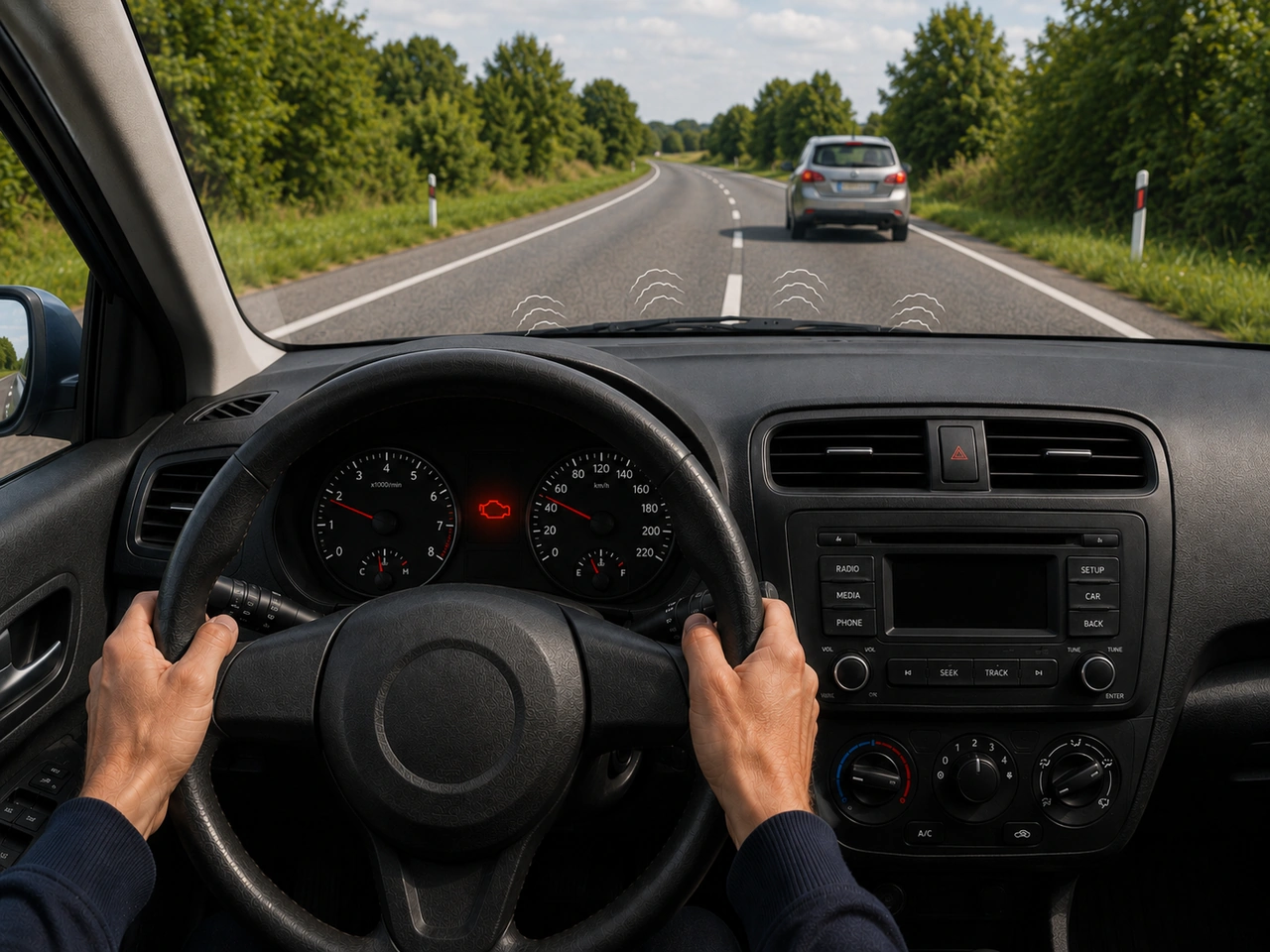
87. What should you do if a red warning light appears with an unusual noise?
A red warning combined with an unusual noise may indicate a serious fault. Continuing could cause damage or loss of control.
AI-generated by Traffic-rules.com • WCIT • CC BY-SA
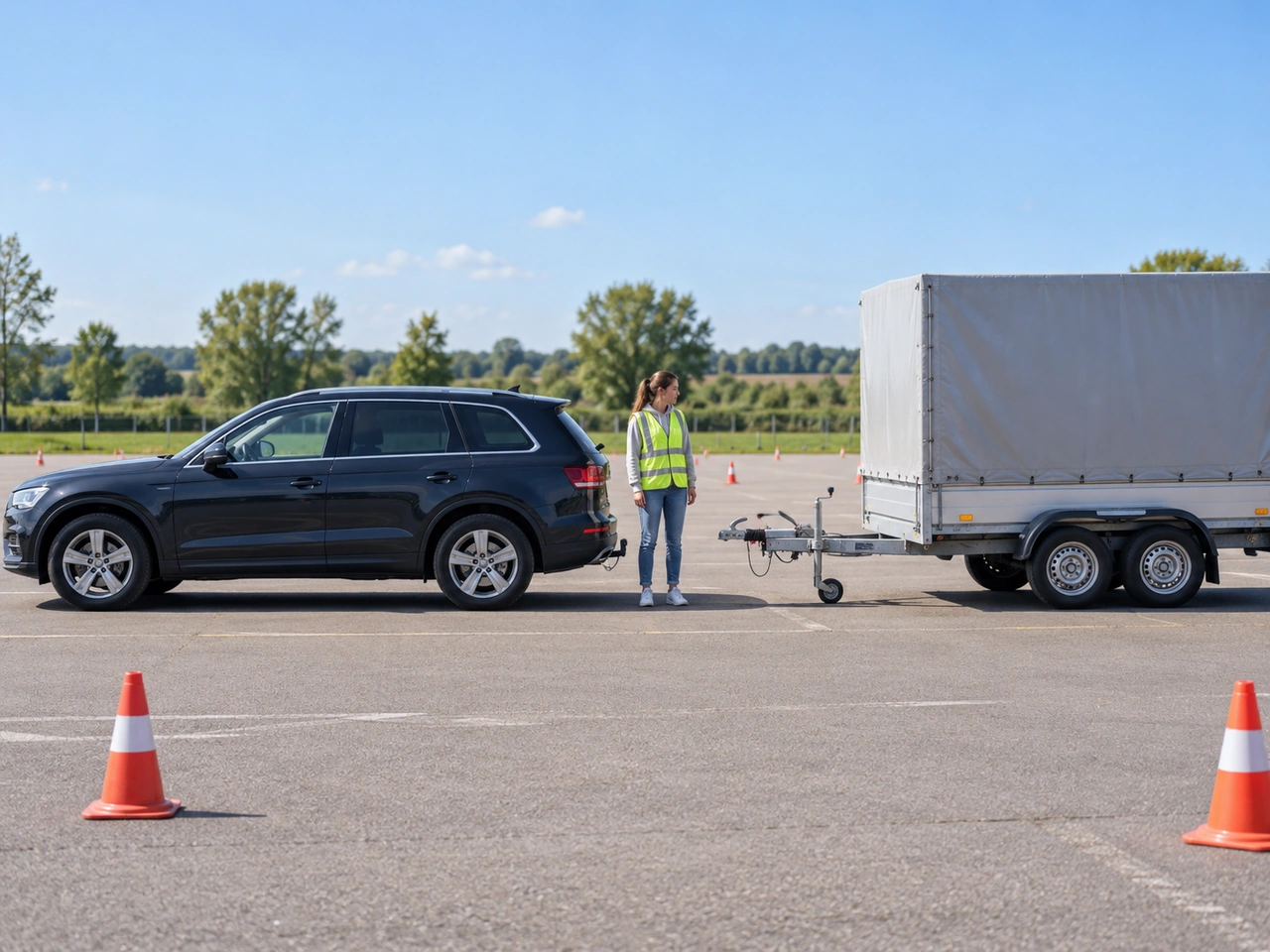
88. What licence is needed for a B vehicle towing a trailer up to 3,500 kg above 4,250 kg combined MAM?
Category BE covers a category B towing vehicle with a trailer or semi-trailer having a maximum authorised mass of up to 3,500 kg. Category B with Code 96 is limited to combinations with a maximum authorised mass of up to 4,250 kg.
AI-generated by Traffic-rules.com • WCIT • CC BY-SA
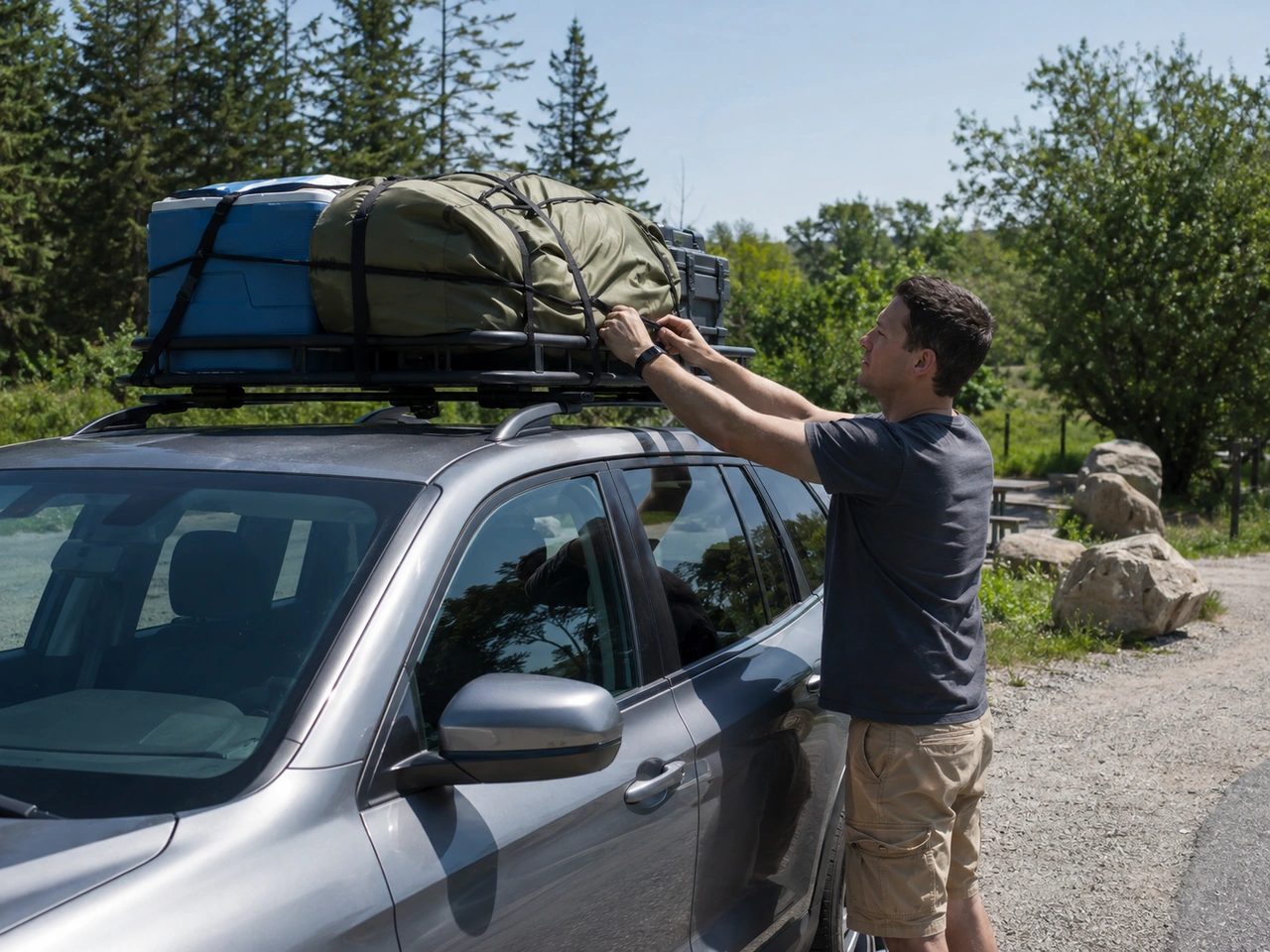
89. Why must a roof load be securely attached?
A roof load is exposed to strong airflow and movement. It must be restrained correctly and kept within the permitted limits.
AI-generated by Traffic-rules.com • WCIT • CC BY-SA
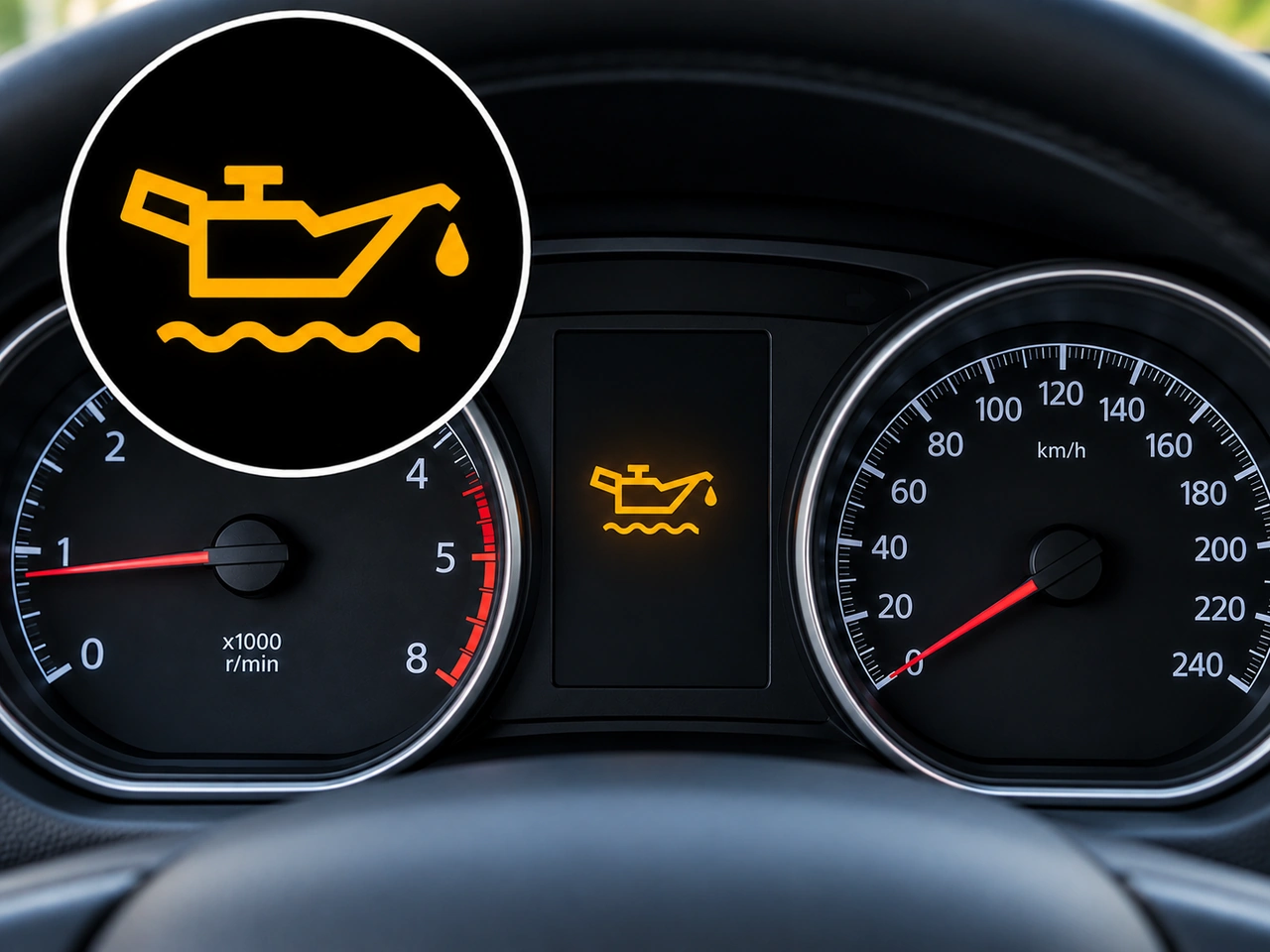
90. What does this dashboard symbol indicate?
This symbol indicates that the engine oil level is low. Check the oil level according to the manufacturer's instructions and add the correct oil if necessary.
AI-generated by Traffic-rules.com • WCIT • CC BY-SA
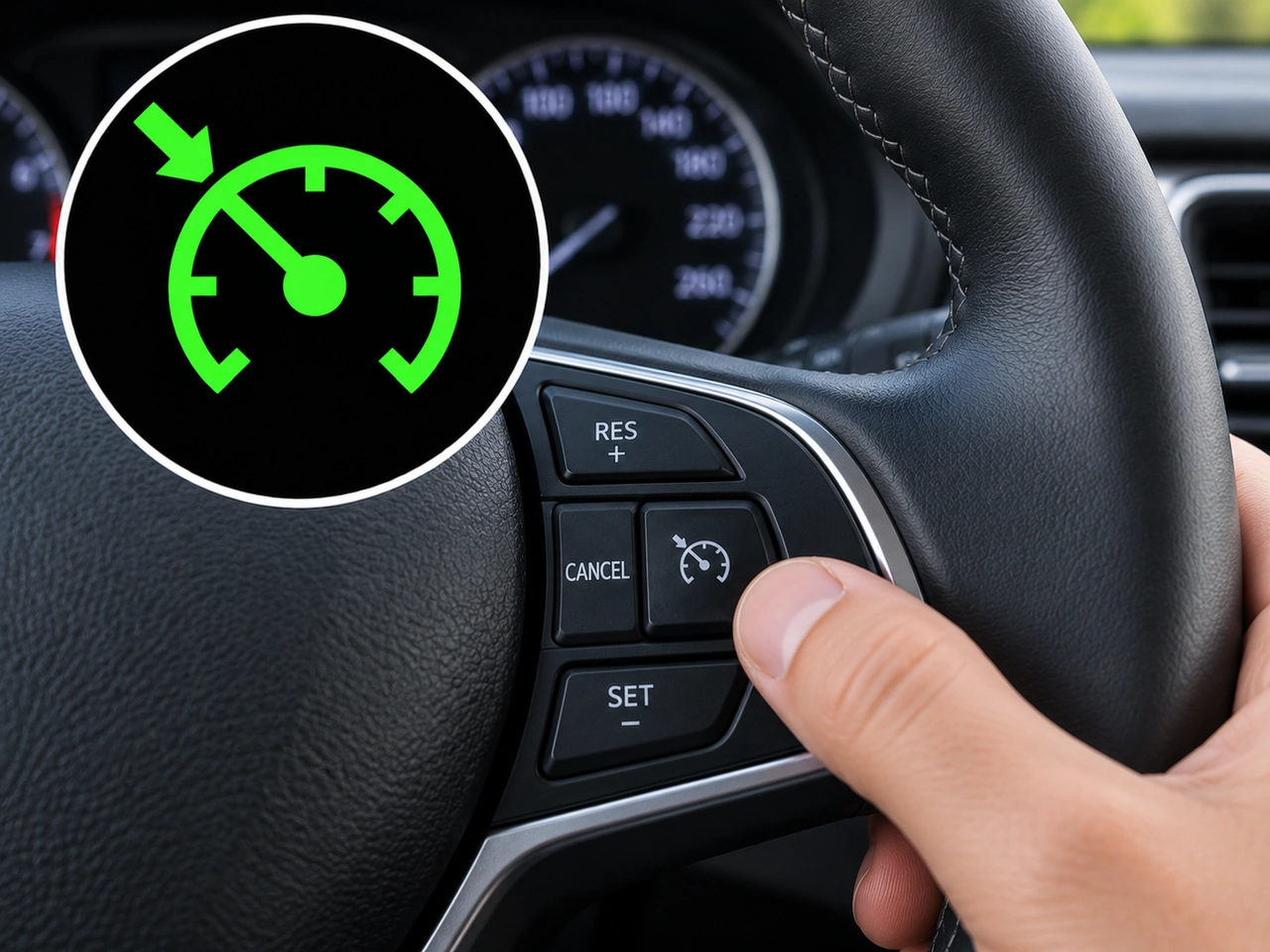
91. What does this dashboard symbol indicate?
This symbol indicates the cruise-control system. Cruise control can maintain a selected vehicle speed without the driver continuously pressing the accelerator. The exact indicator behaviour can vary between vehicles.
AI-generated by Traffic-rules.com • WCIT • CC BY-SA
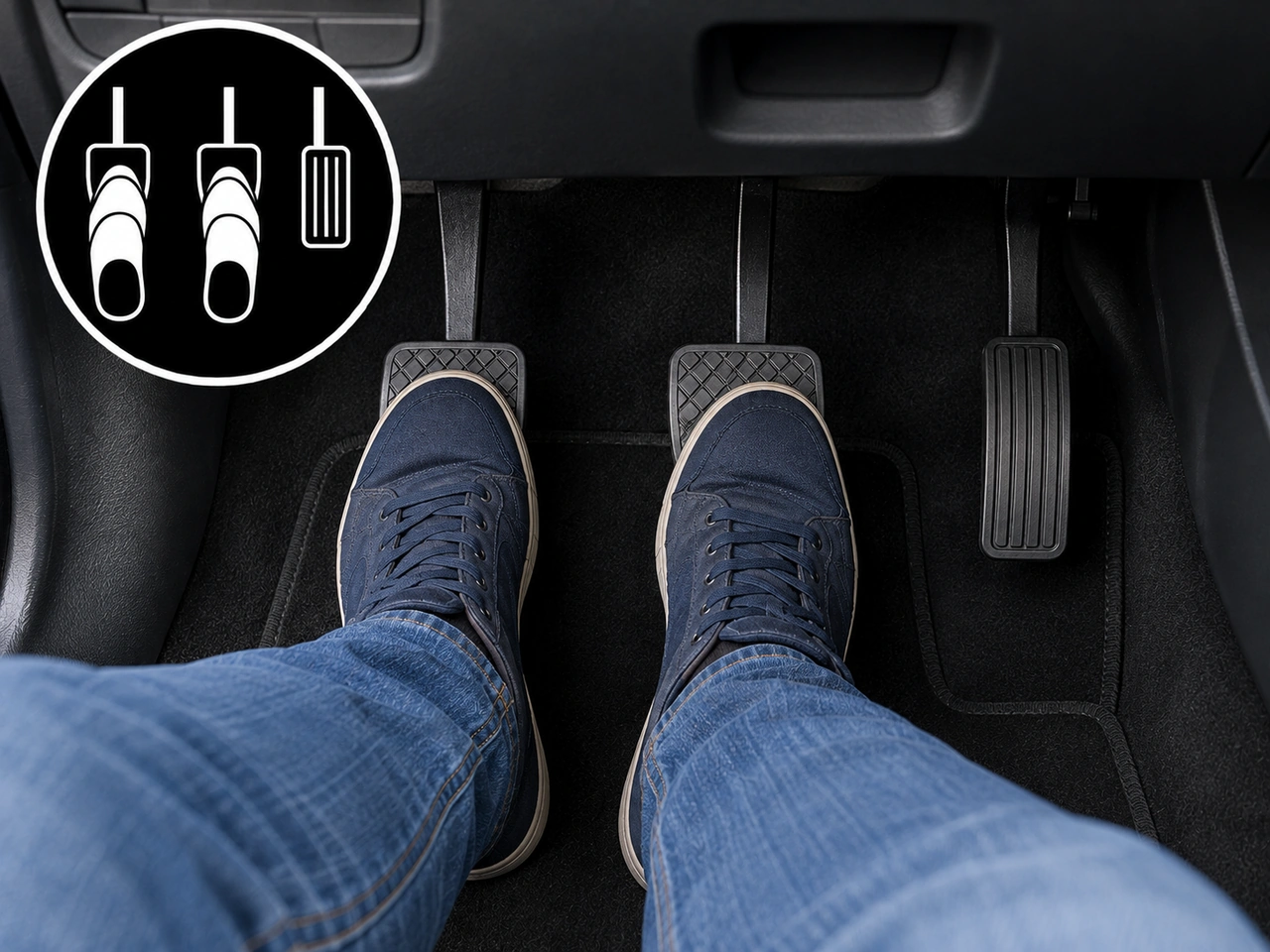
92. What should you do with the clutch during emergency braking in a manual vehicle?
During emergency braking in a manual vehicle, maintain firm pressure on the brake and press the clutch pedal fully so the engine does not stall as the vehicle slows. Do not reduce braking pressure while operating the clutch.
AI-generated by Traffic-rules.com • WCIT • CC BY-SA
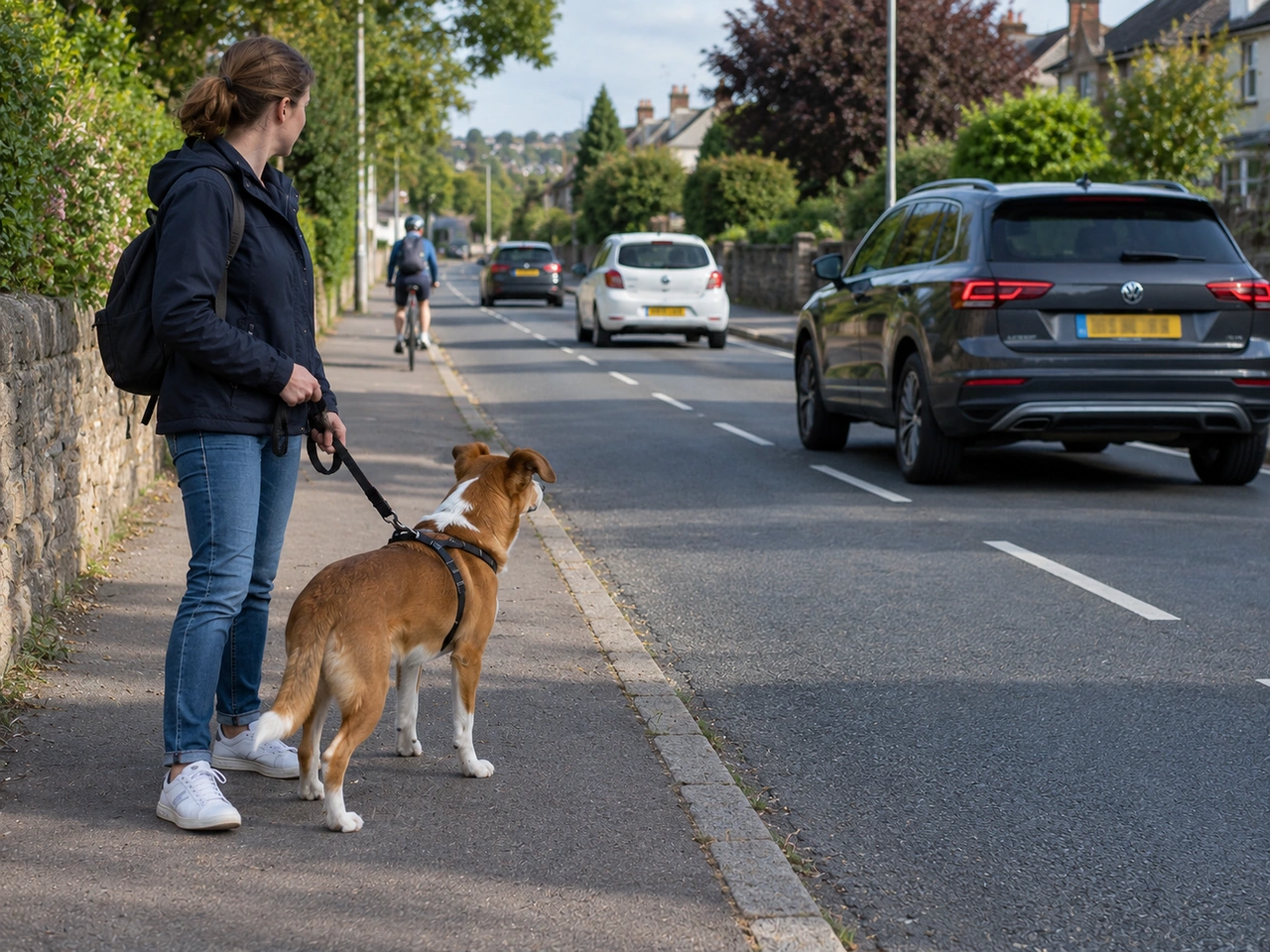
93. Why should you keep a dog on a leash near traffic?
Dogs can react unpredictably to vehicles, people, noises, or other animals. Keeping a dog under close control on a leash near traffic reduces the risk of it suddenly entering the road and endangering itself or other road users.
AI-generated by Traffic-rules.com • WCIT • CC BY-SA
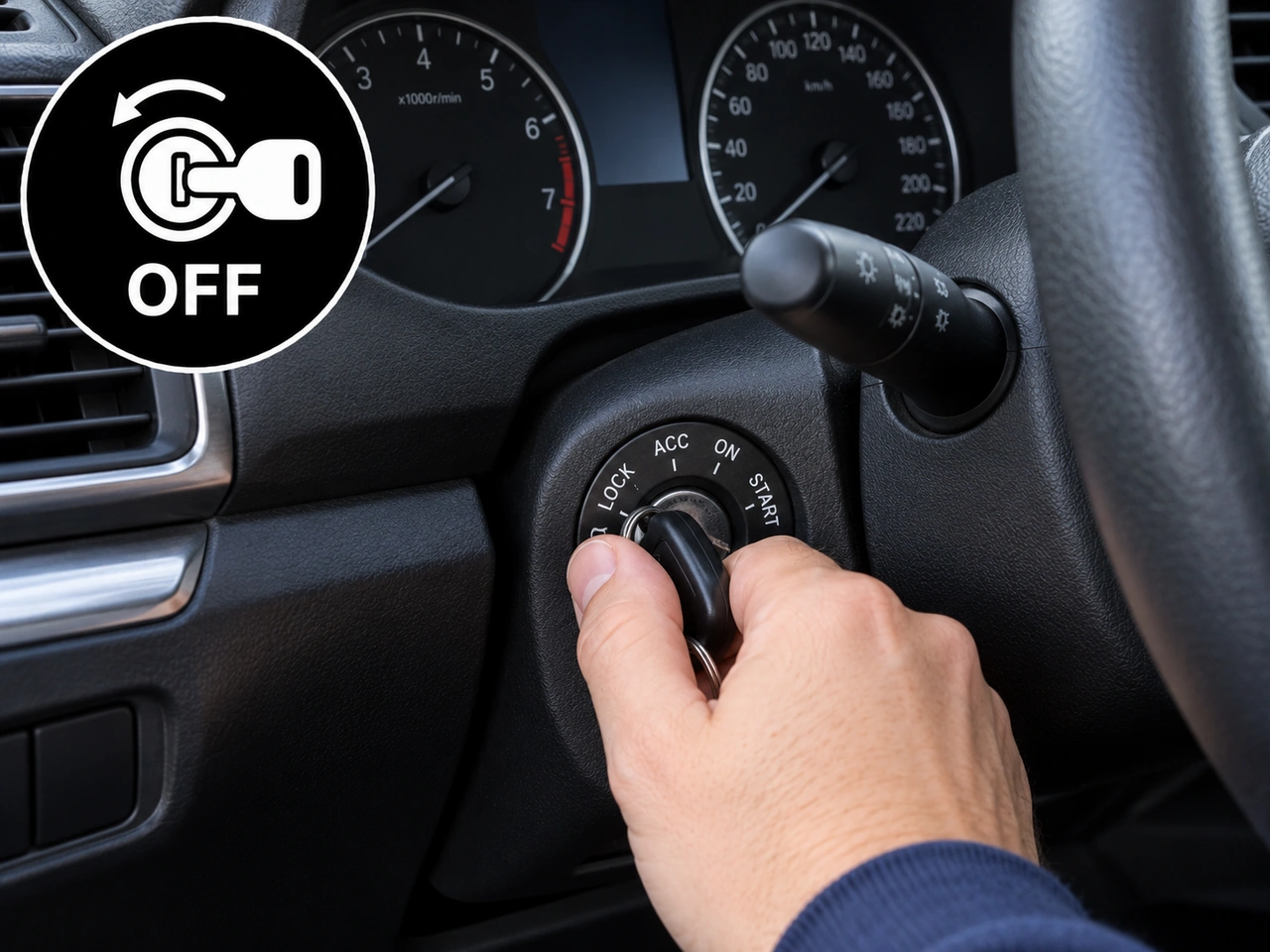
94. What does turning a traditional ignition switch to OFF normally do?
Turning a traditional ignition switch to OFF switches off the engine and ignition systems. The key can then normally be moved to the LOCK position and removed.
AI-generated by Traffic-rules.com • WCIT • CC BY-SA
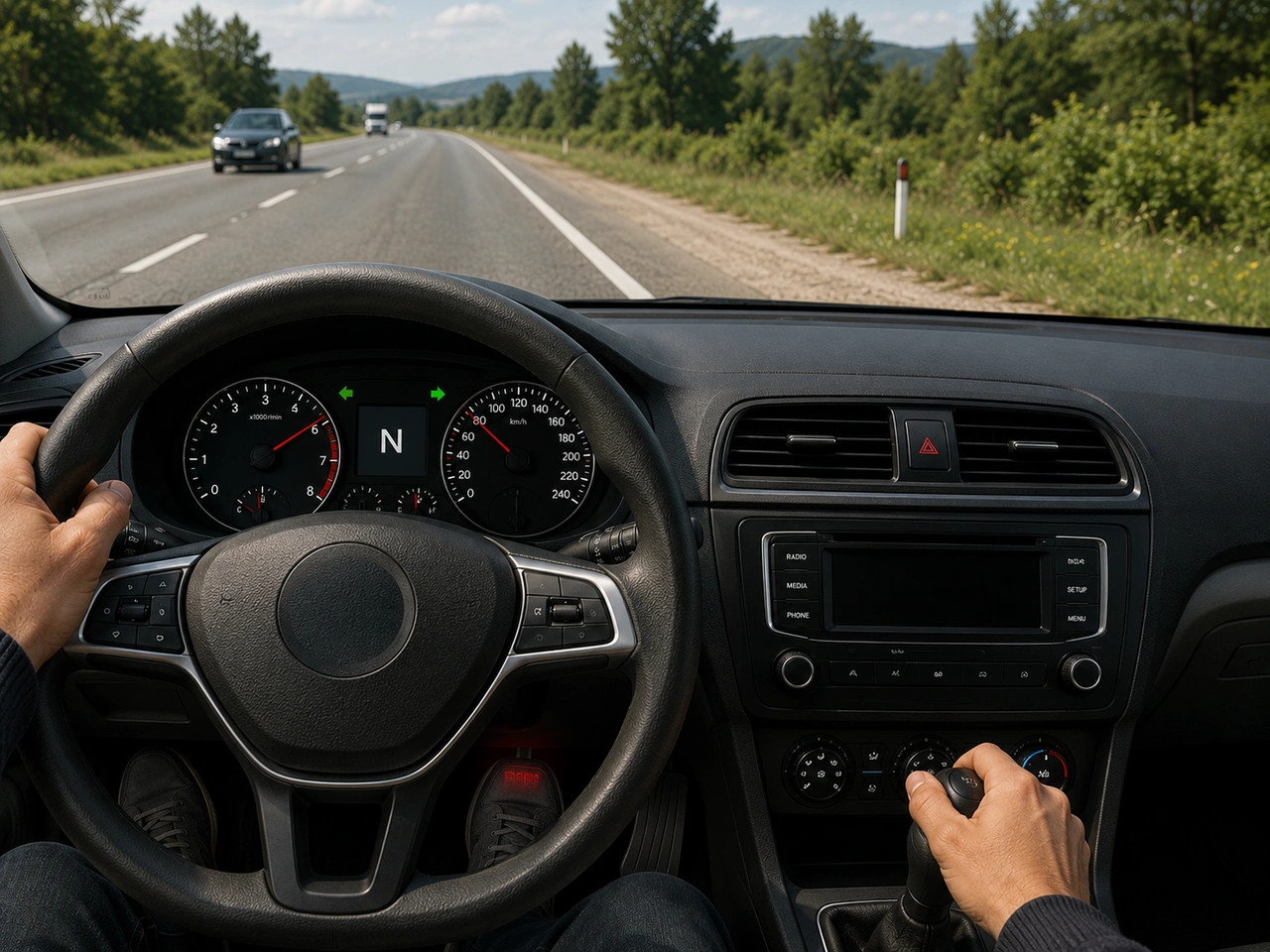
95. What should you do if the accelerator becomes stuck while you are driving?
Selecting neutral disconnects engine power from the wheels. Brake firmly, maintain steering control, and switch off the engine after stopping safely.
AI-generated by Traffic-rules.com • WCIT • CC BY-SA
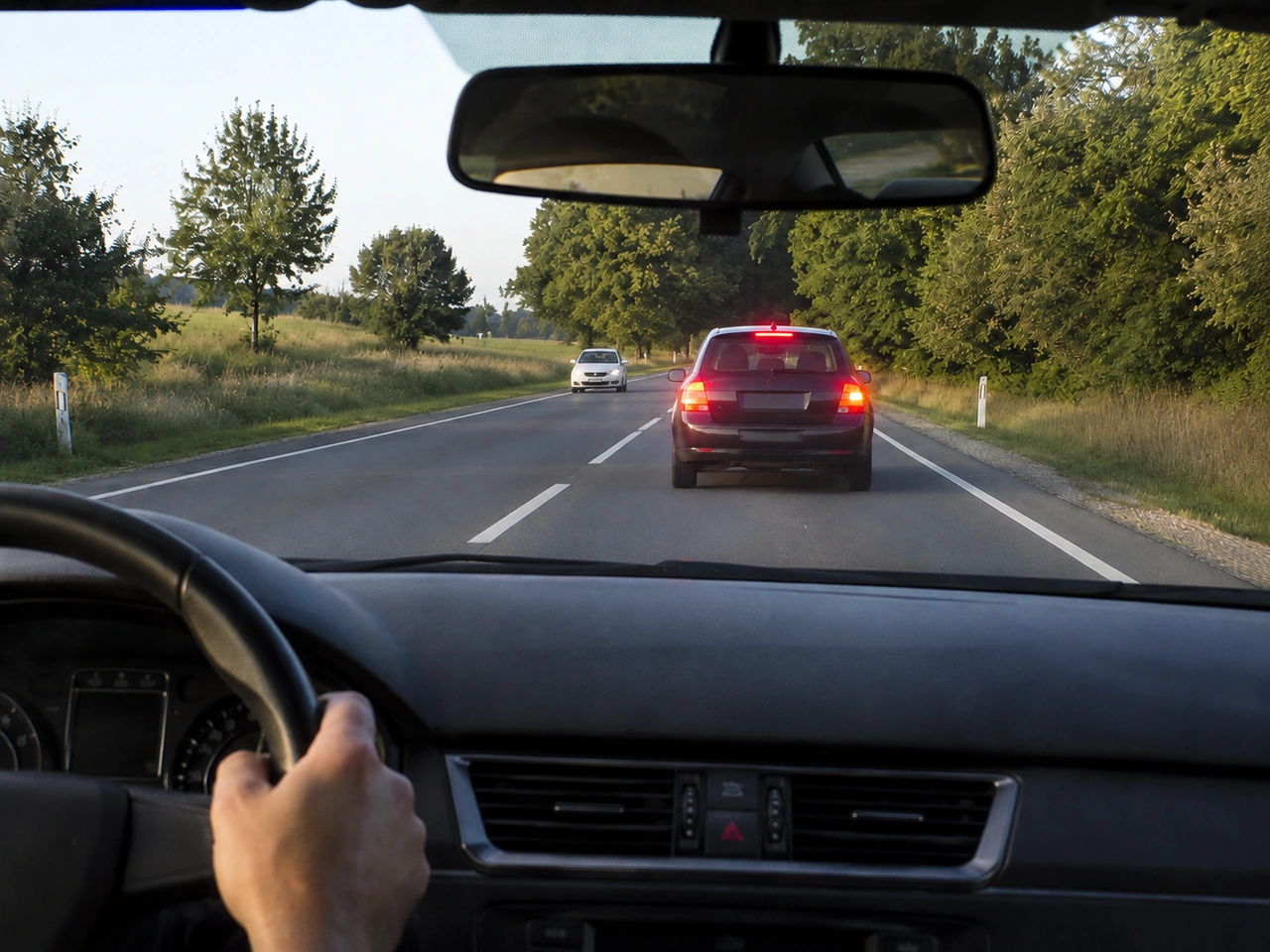
96. Why should you avoid sudden braking when it is not necessary?
Sudden braking can surprise drivers behind you and increase the risk of a rear-end collision.
AI-generated by Traffic-rules.com • WCIT • CC BY-SA
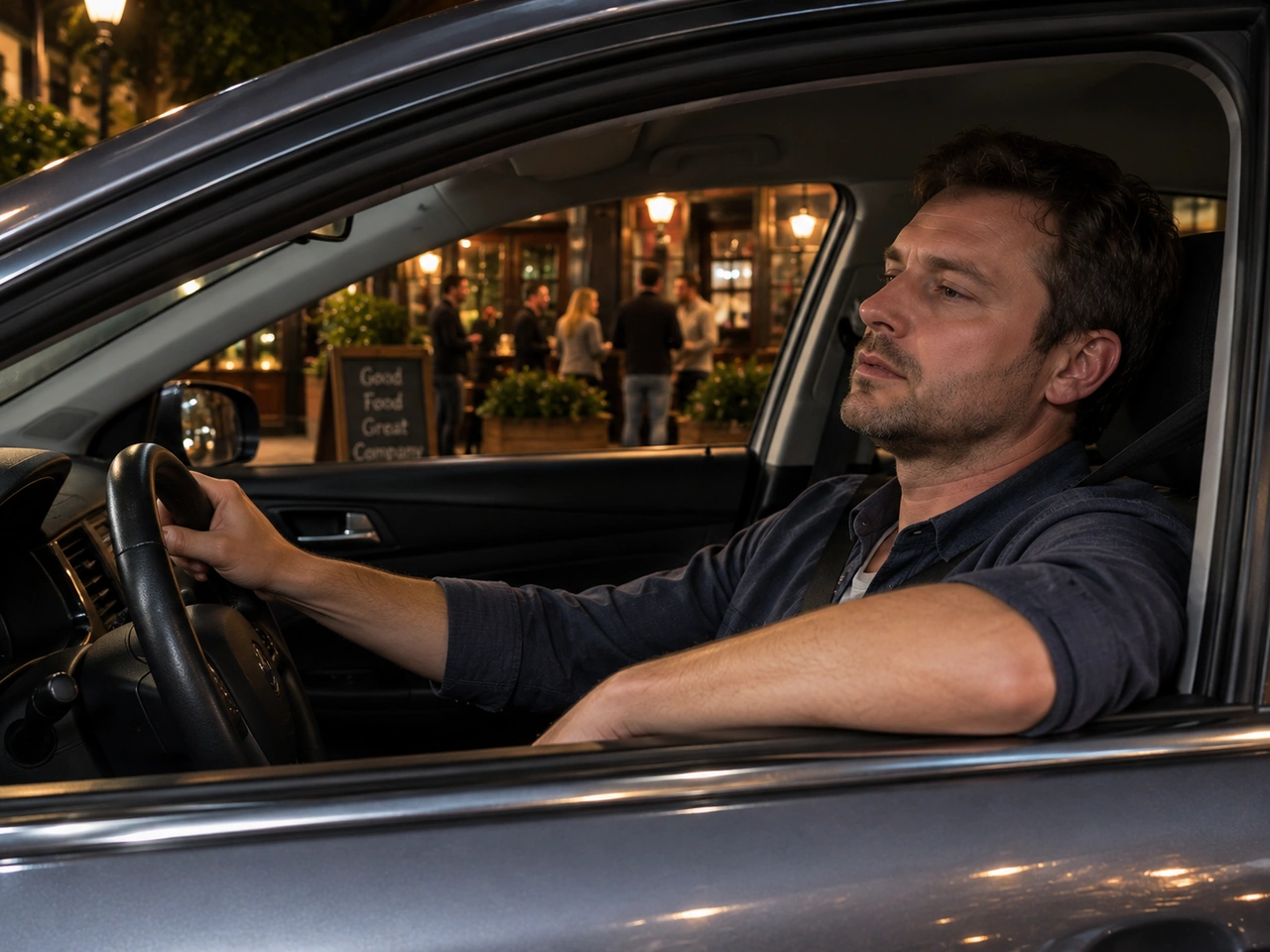
97. Does opening a window make an alcohol-impaired driver safe?
Fresh air may make someone feel more awake, but it does not reduce their alcohol concentration or restore safe driving ability.
AI-generated by Traffic-rules.com • WCIT • CC BY-SA
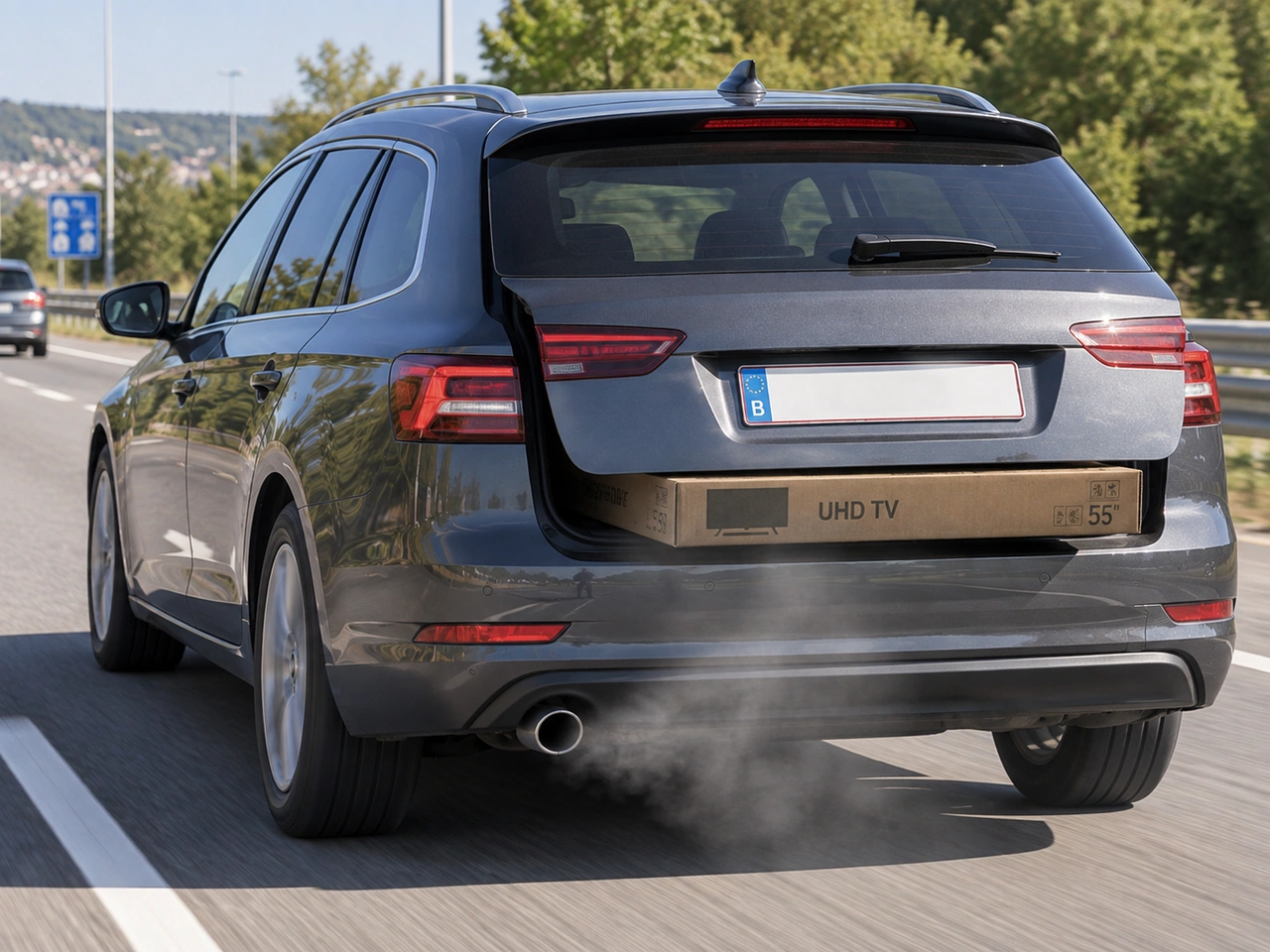
98. What is a danger of driving a petrol or diesel vehicle with the boot or tailgate open?
Driving with the boot or tailgate open can allow exhaust gases to be drawn into the vehicle. Exhaust fumes may contain carbon monoxide, which is poisonous and may be difficult to detect. Keep the luggage compartment properly closed while driving whenever possible.
AI-generated by Traffic-rules.com • WCIT • CC BY-SA
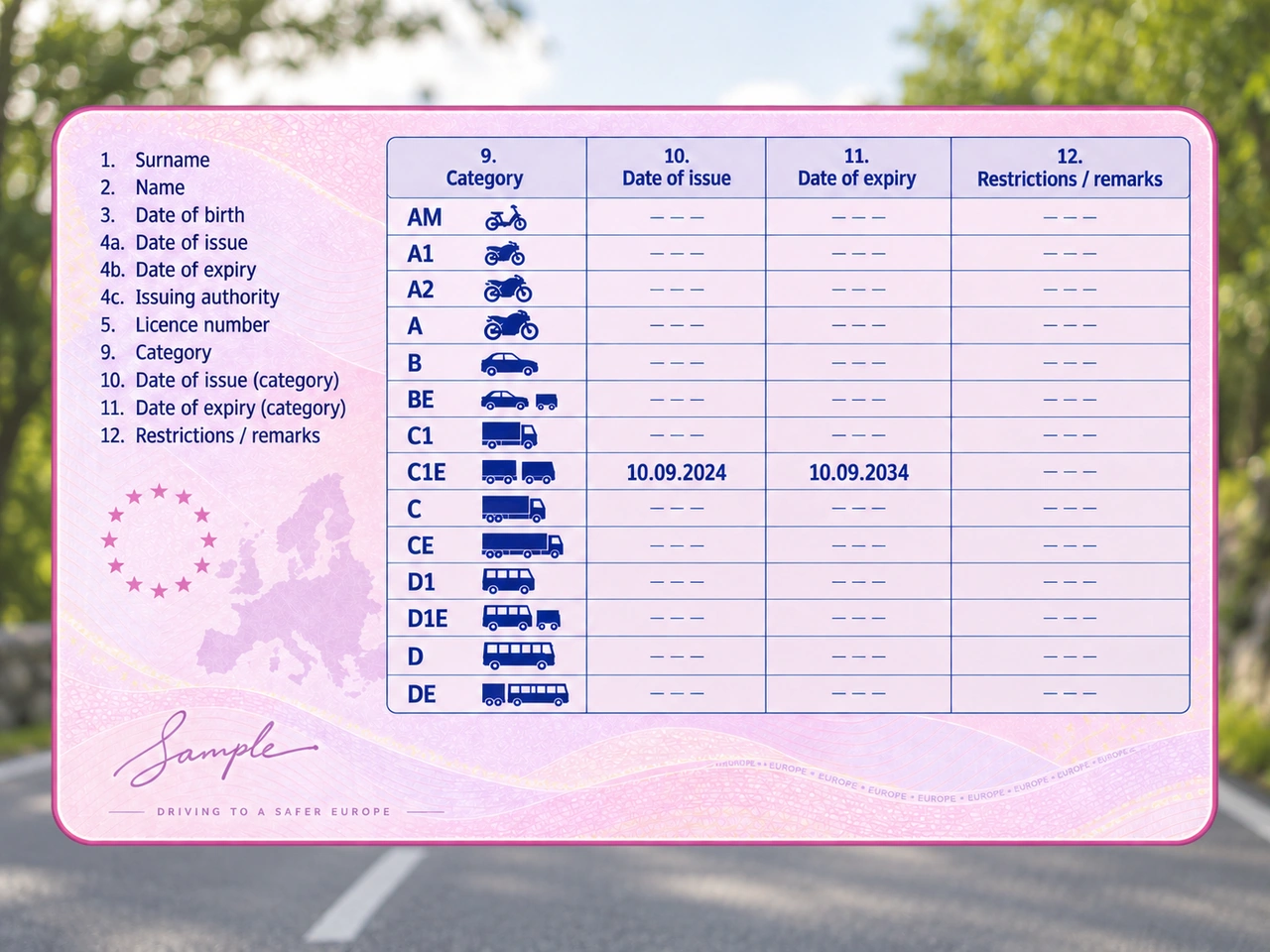
99. Which vehicle combination is covered by driving licence C1E?
Category C1E covers a category C1 vehicle with a trailer over 750 kg, provided the combination does not exceed 12,000 kg. It can also cover certain category B vehicles towing trailers over 3,500 kg, again with a combined maximum authorised mass not exceeding 12,000 kg.
AI-generated by Traffic-rules.com • WCIT • CC BY-SA
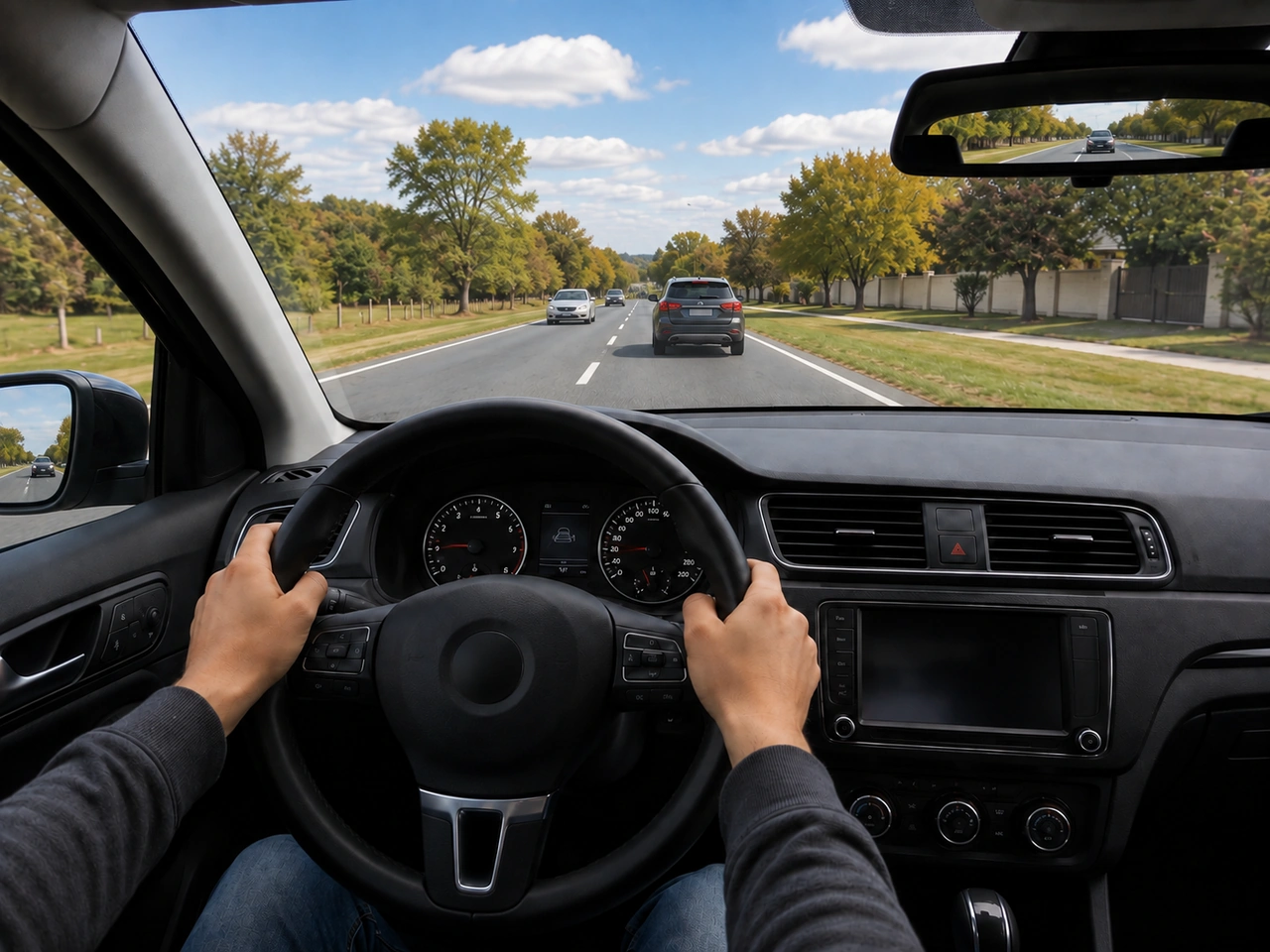
100. You should keep both hands ready to control the steering.
Keeping proper control of the steering wheel helps you react safely to changes in traffic and road conditions.
AI-generated by Traffic-rules.com • WCIT • CC BY-SA