


QuizTraffic rulesNorway
This interesting quiz helps you test your knowledge in a clear and visual way. With easy multiple-choice questions, you can quickly build confidence and learn new facts while keeping it simple, interactive, and fun.
 Traffic signs
 Traffic rules
 Norway
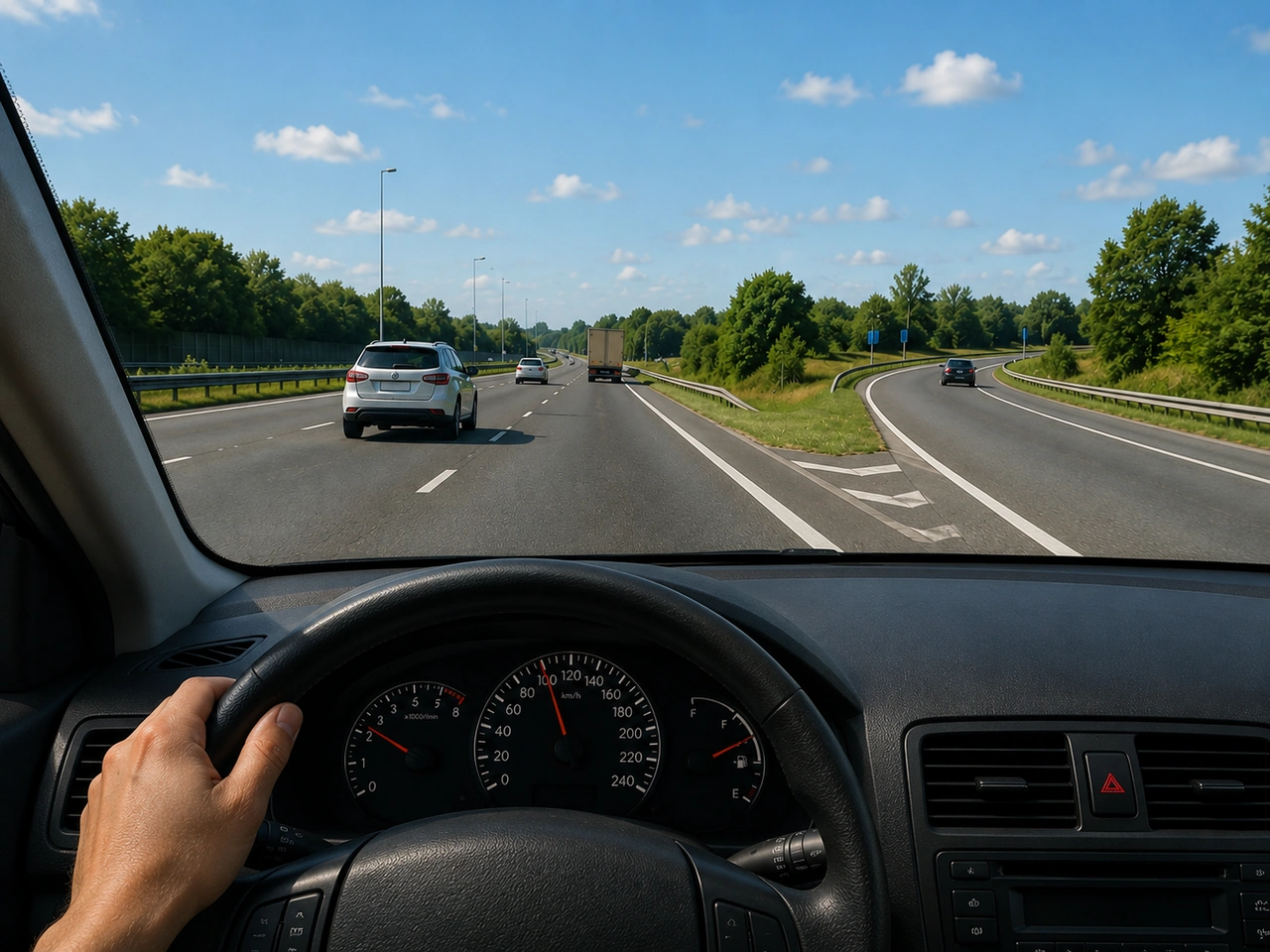
1. What should you do if you miss your motorway exit?
Never reverse or make a sudden manoeuvre. Continue safely and change your route at the next suitable exit.
AI-generated by Traffic-rules.com • WCIT • CC BY-SA

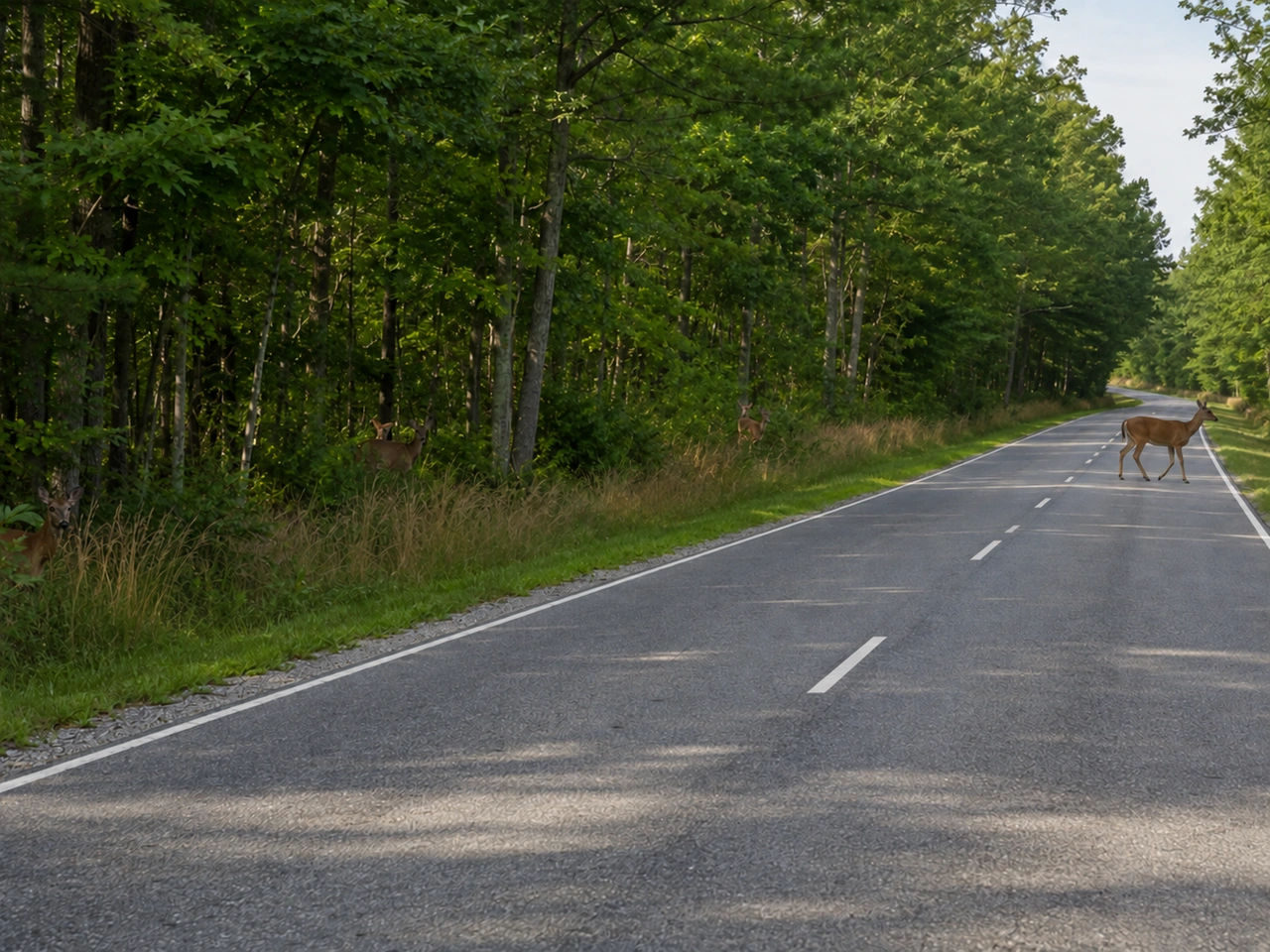
2. What should you expect after one wild animal crosses the road?
Many animals travel in groups. Slow down and continue watching both sides of the road.
AI-generated by Traffic-rules.com • WCIT • CC BY-SA
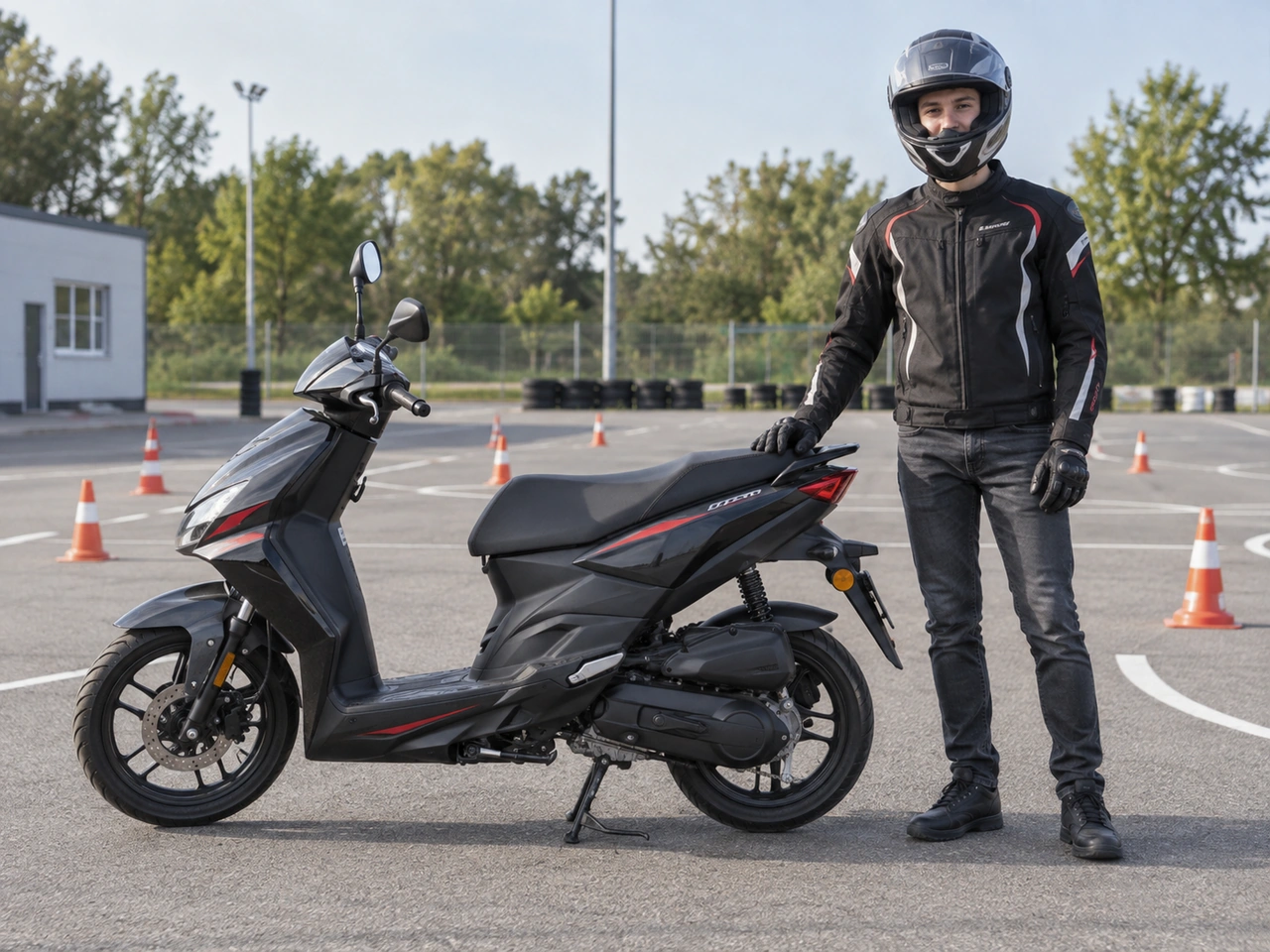
3. Which licence category is mainly associated with mopeds?
Driving licence AM is mainly associated with mopeds. Category AM covers mopeds with a design speed above 25 km/h and up to 45 km/h.
AI-generated by Traffic-rules.com • WCIT • CC BY-SA
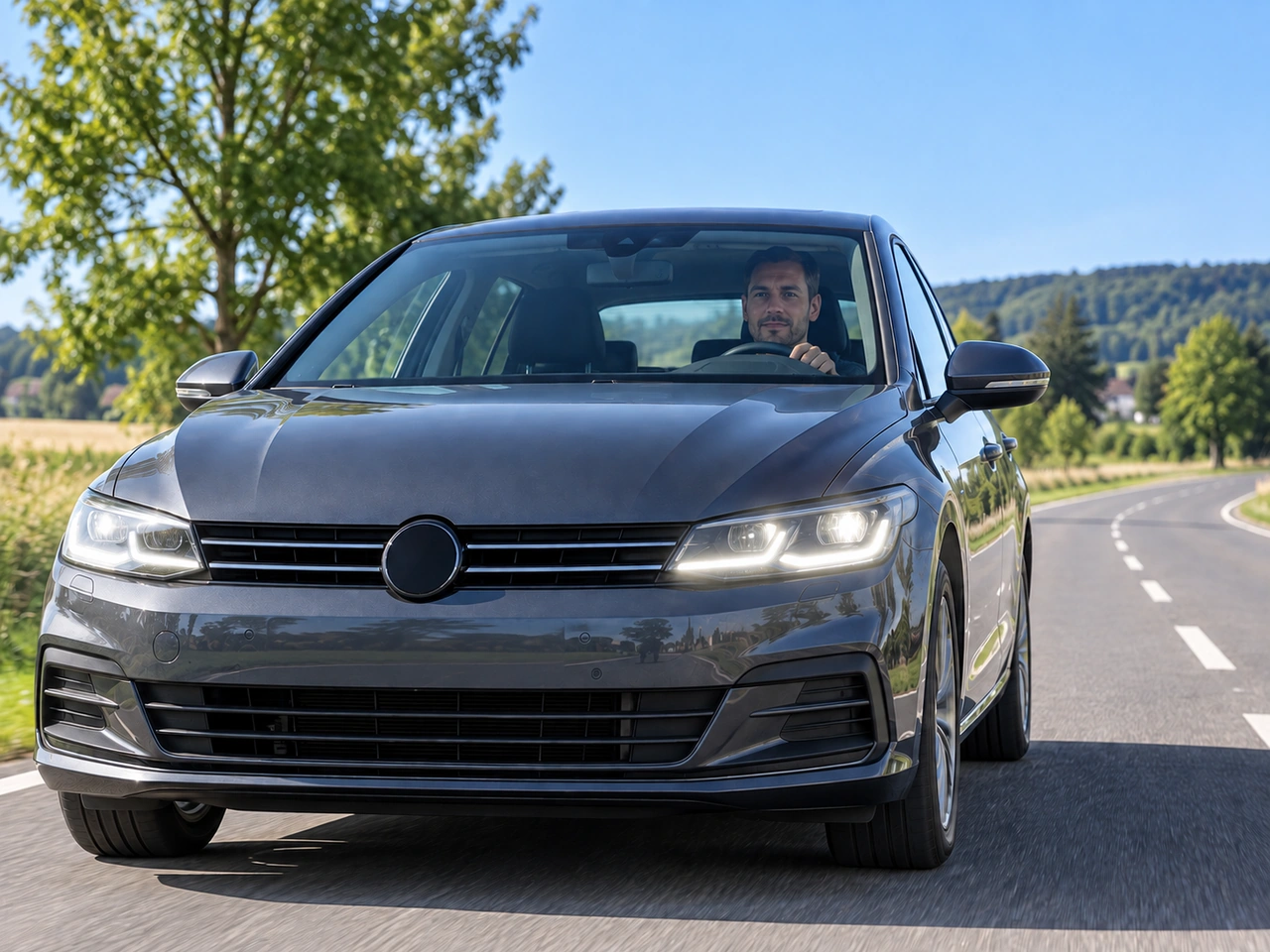
4. Are headlights required during the day in Norway?
Drivers in Norway are generally required to use daytime running lights or dipped headlights during the day.
AI-generated by Traffic-rules.com • WCIT • CC BY-SA
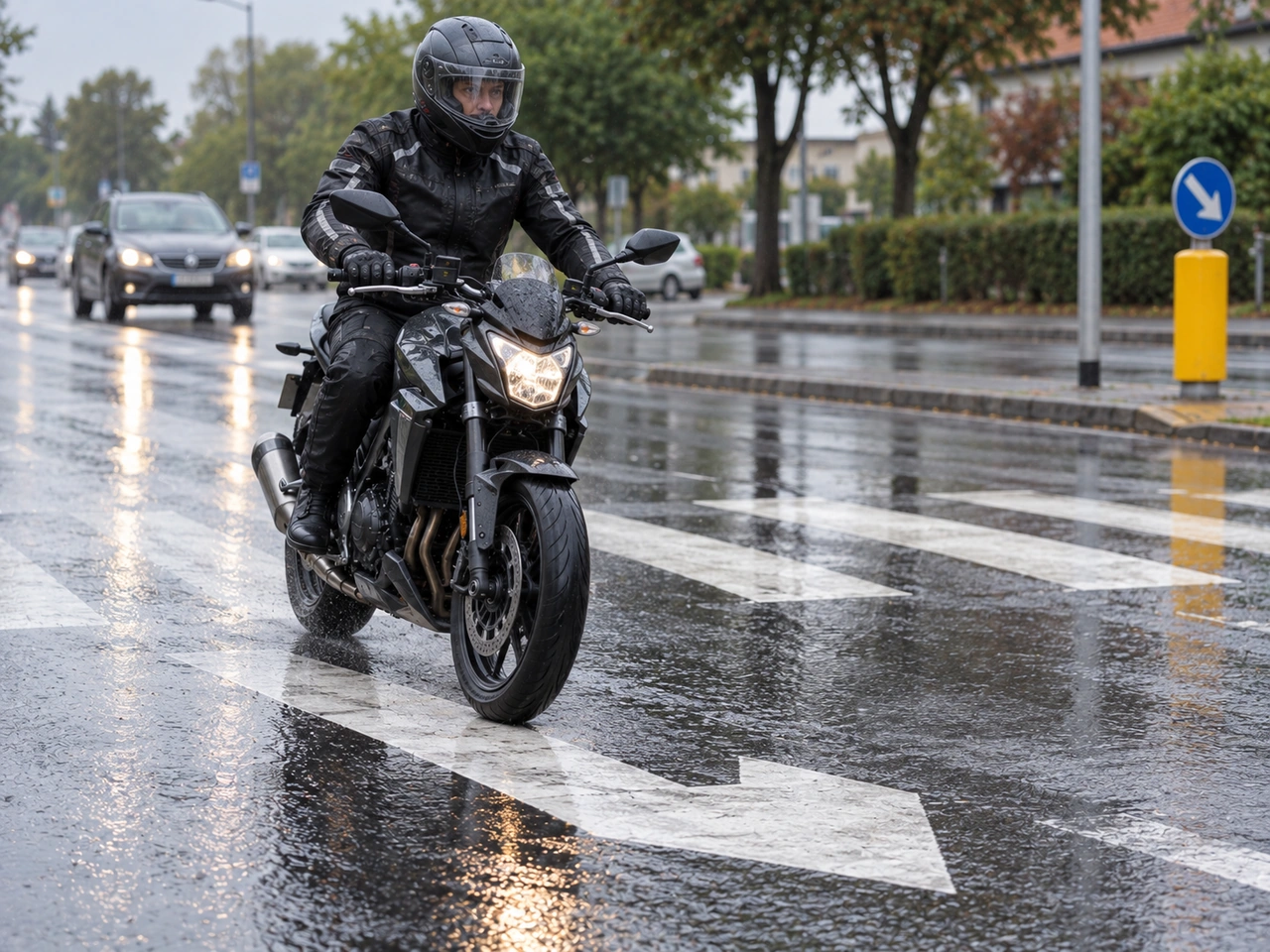
5. Why should motorcyclists take extra care on wet road markings?
Wet painted road markings can provide less grip than the surrounding road surface. Ride smoothly over them and avoid sudden braking, acceleration or steering that could cause the tyres to lose grip.
AI-generated by Traffic-rules.com • WCIT • CC BY-SA
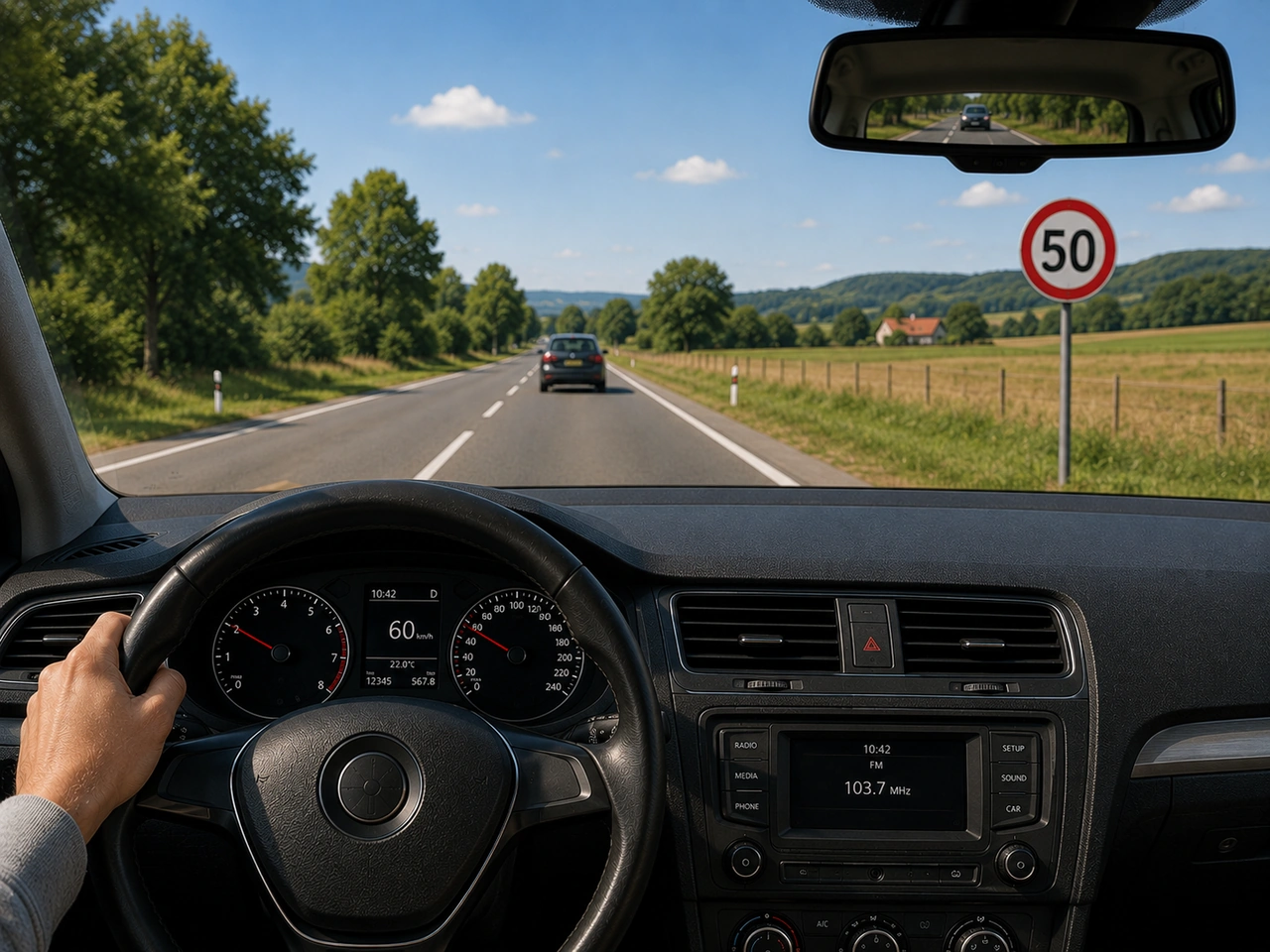
6. Speed limits only apply when there is heavy traffic.
Speed limits apply at all times unless a different limit is clearly indicated.
AI-generated by Traffic-rules.com • WCIT • CC BY-SA
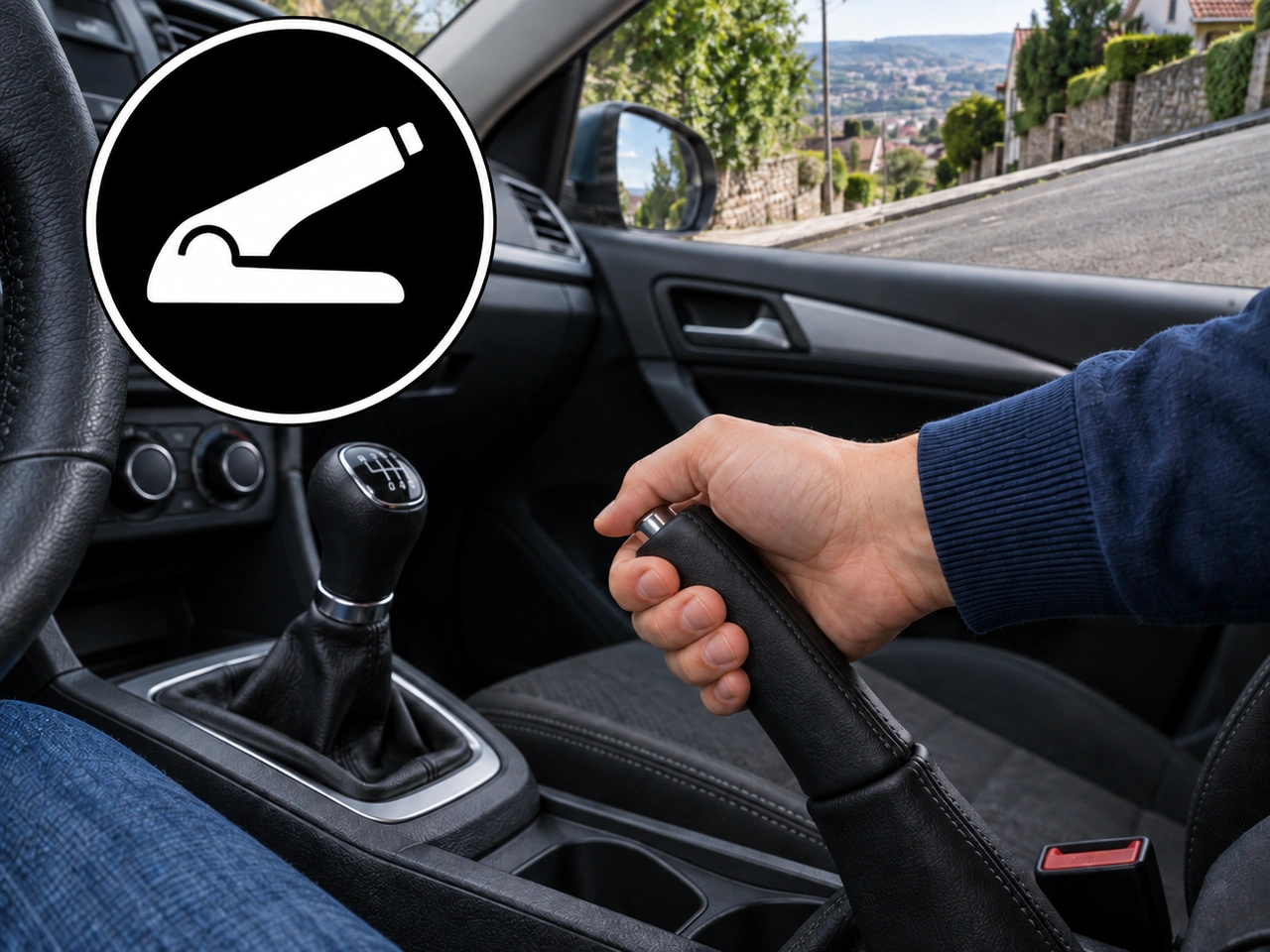
7. What should you do with the parking brake when parking on a slope?
When parking on a slope, apply the parking brake firmly to help prevent the vehicle from rolling. Selecting an appropriate gear or Park provides additional security.
AI-generated by Traffic-rules.com • WCIT • CC BY-SA
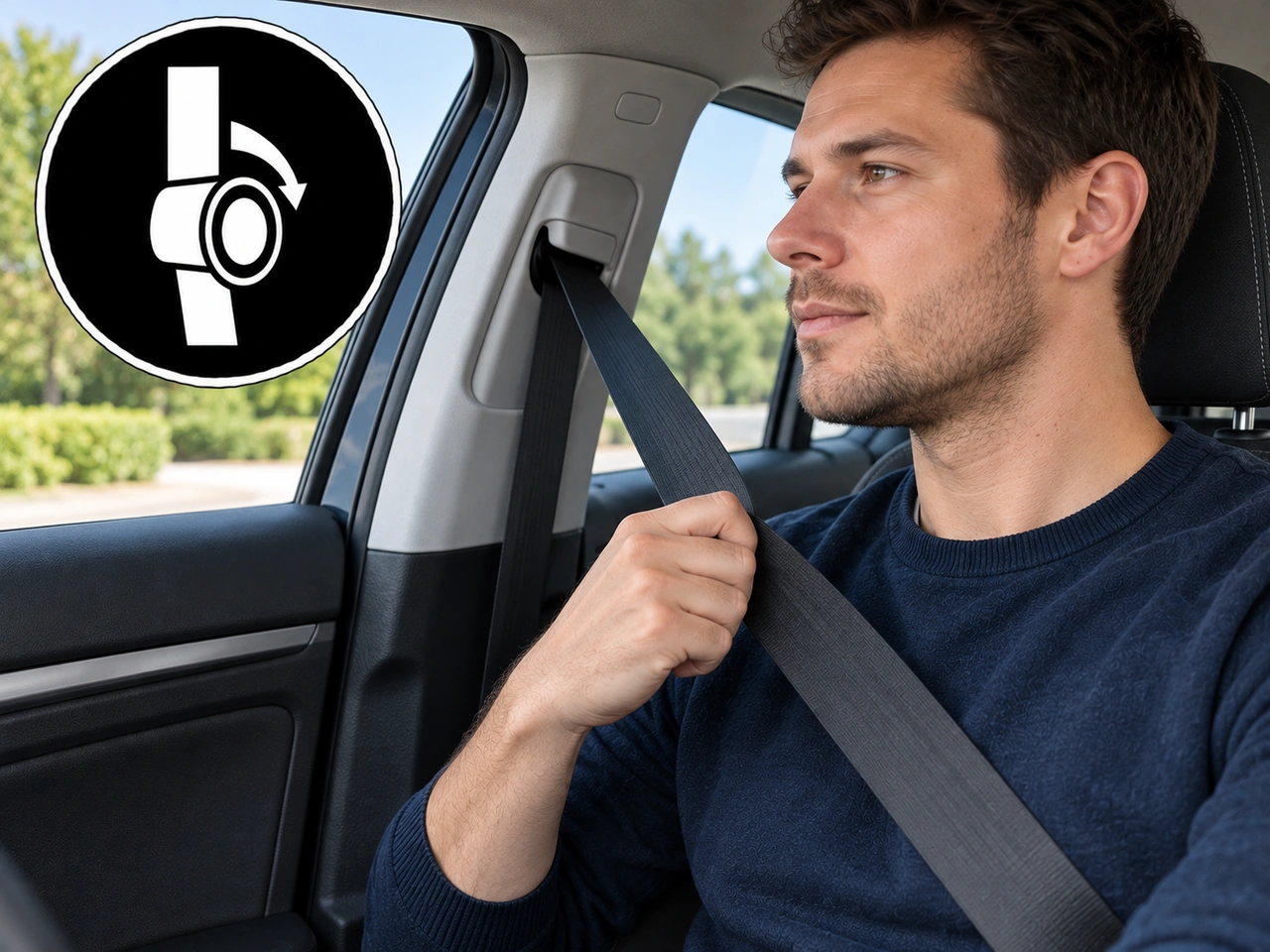
8. What is the purpose of the seat-belt retractor?
The seat-belt retractor takes up slack and helps keep the belt properly positioned against the body. It allows normal movement but can lock during sudden braking, rapid belt movement or a collision.
AI-generated by Traffic-rules.com • WCIT • CC BY-SA
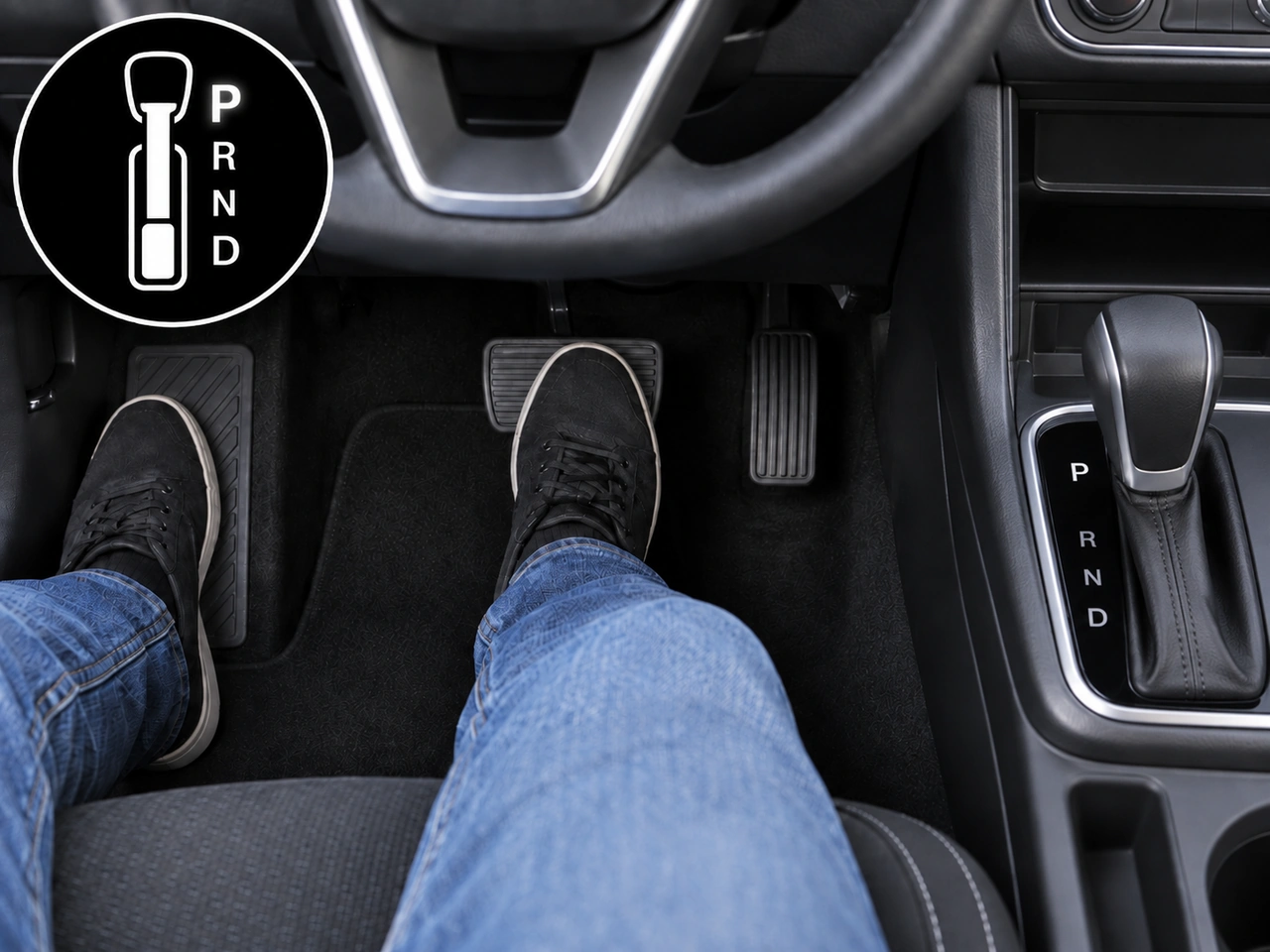
9. What should you normally select before leaving an automatic vehicle parked?
Select P (Park) before leaving an automatic vehicle parked. Park locks the transmission to help prevent the vehicle from rolling; the parking brake should also be applied.
AI-generated by Traffic-rules.com • WCIT • CC BY-SA
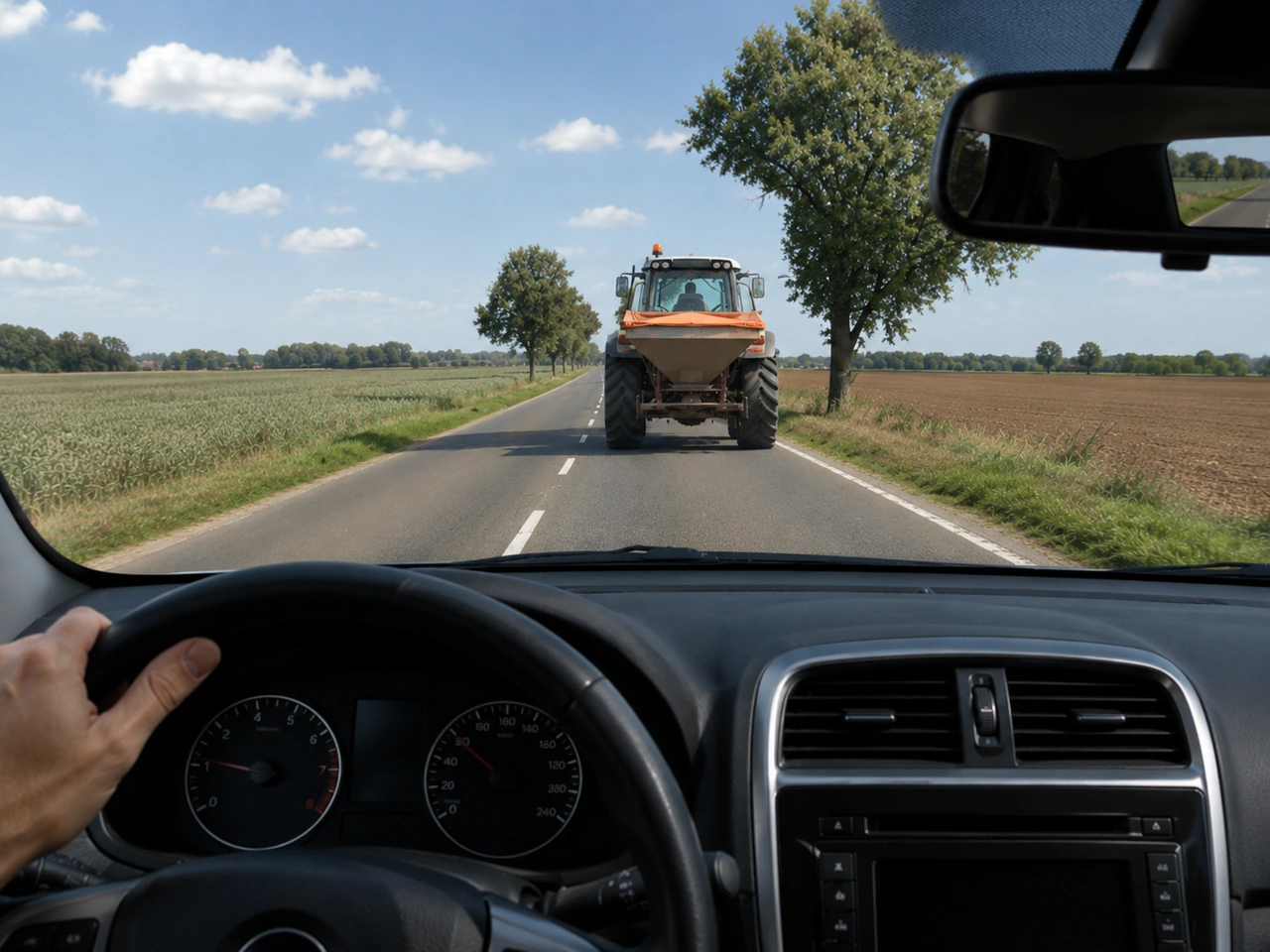
10. What should you do if you approach slow-moving farm machinery?
Farm machinery may be wide, slow, or turn unexpectedly. Keep distance and only overtake when you have a clear view and enough space.
AI-generated by Traffic-rules.com • WCIT • CC BY-SA
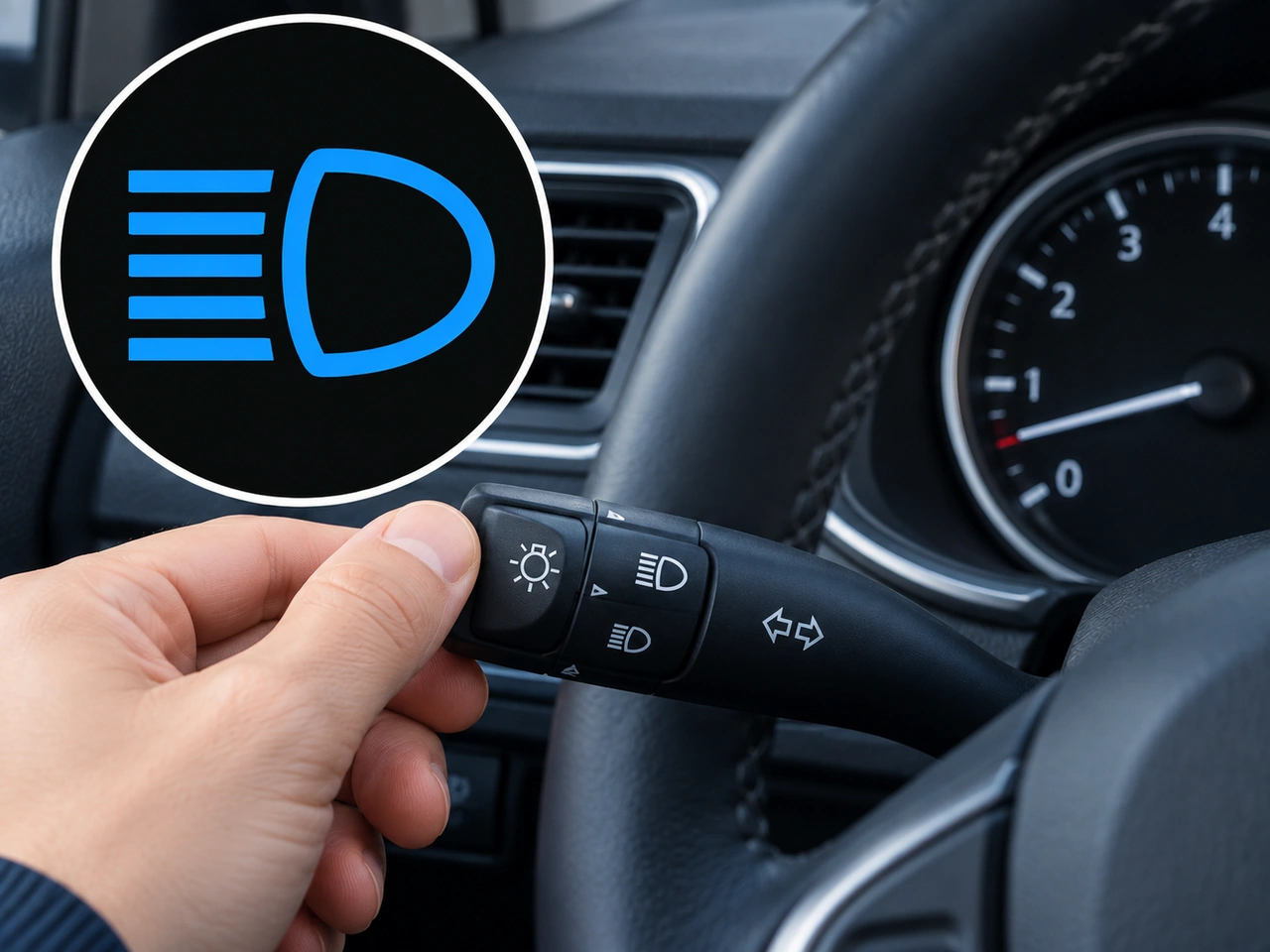
11. What does this dashboard symbol indicate?
This symbol indicates that the main beam headlights are switched on. Main beam illuminates the road farther ahead but can dazzle other road users, so it should be changed to dipped headlights when necessary.
AI-generated by Traffic-rules.com • WCIT • CC BY-SA
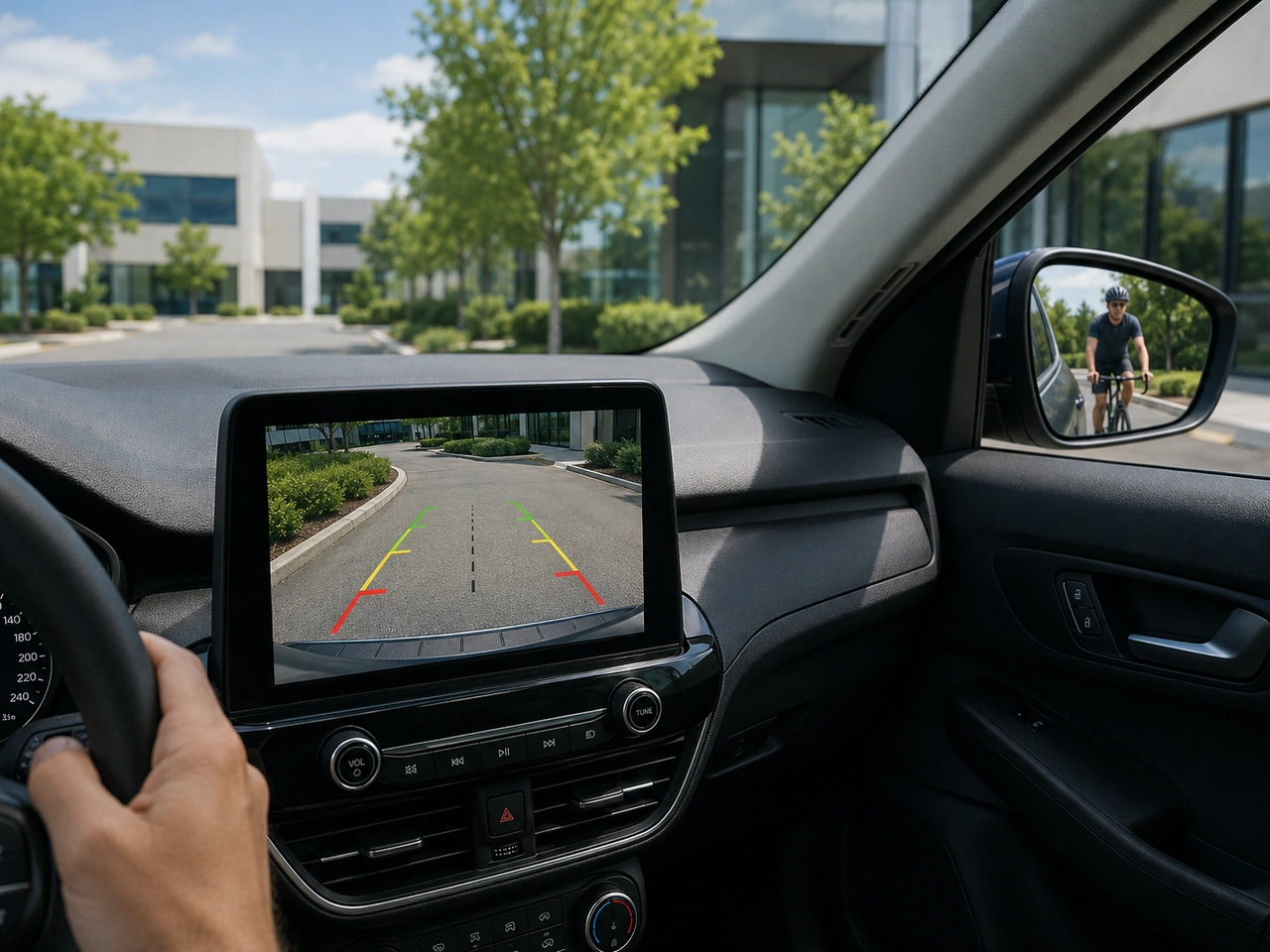
12. Why should you not rely only on a reversing camera?
Reversing cameras can help, but they may have blind spots and limited coverage. Always check your mirrors and surroundings, look around where possible, and reverse slowly.
AI-generated by Traffic-rules.com • WCIT • CC BY-SA
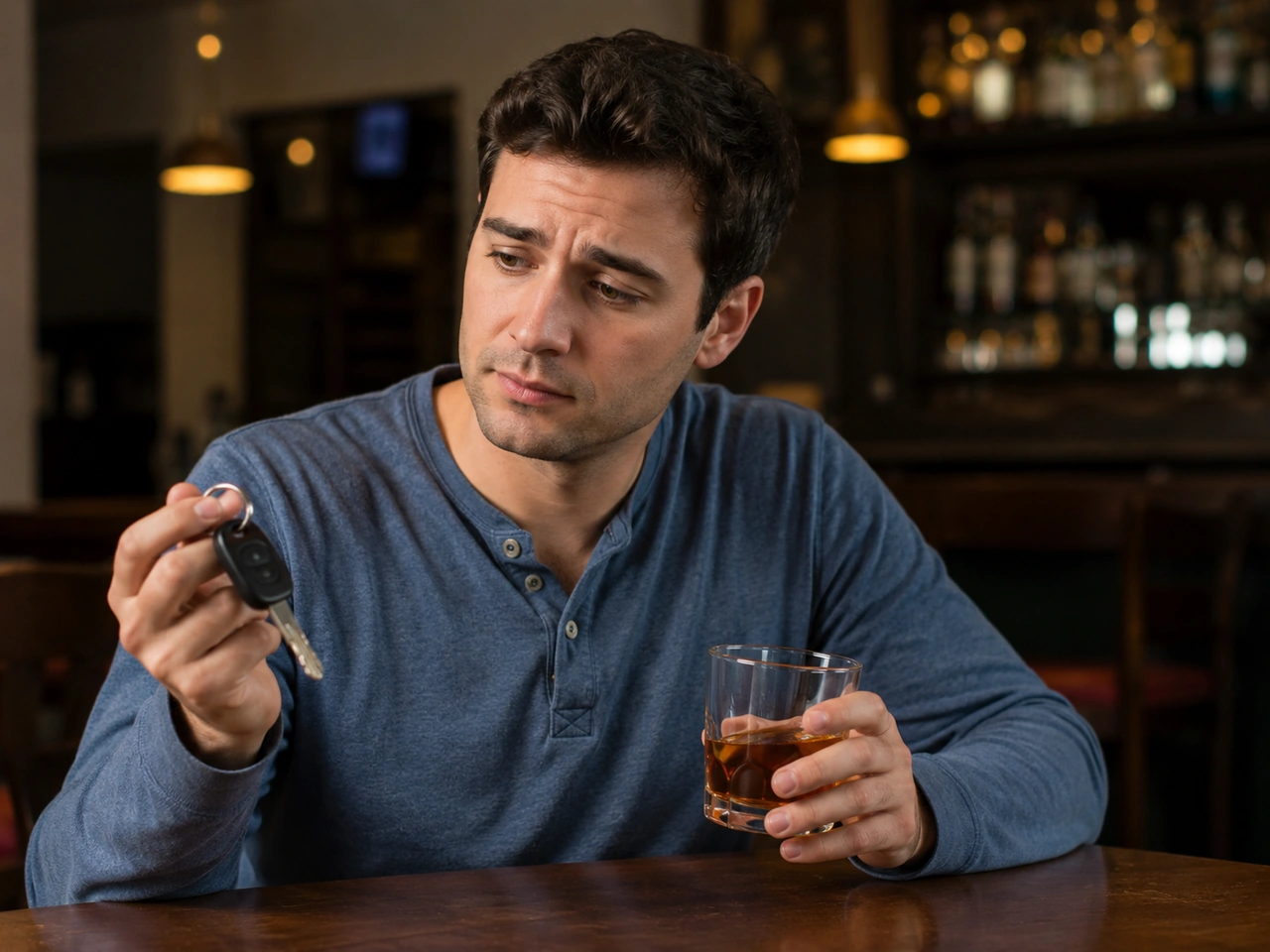
13. What is the safest choice if you have consumed alcohol?
Alcohol can impair judgement, coordination, vision, and reaction time. A sober driver, taxi, public transport, or an overnight stay is the safer choice.
AI-generated by Traffic-rules.com • WCIT • CC BY-SA
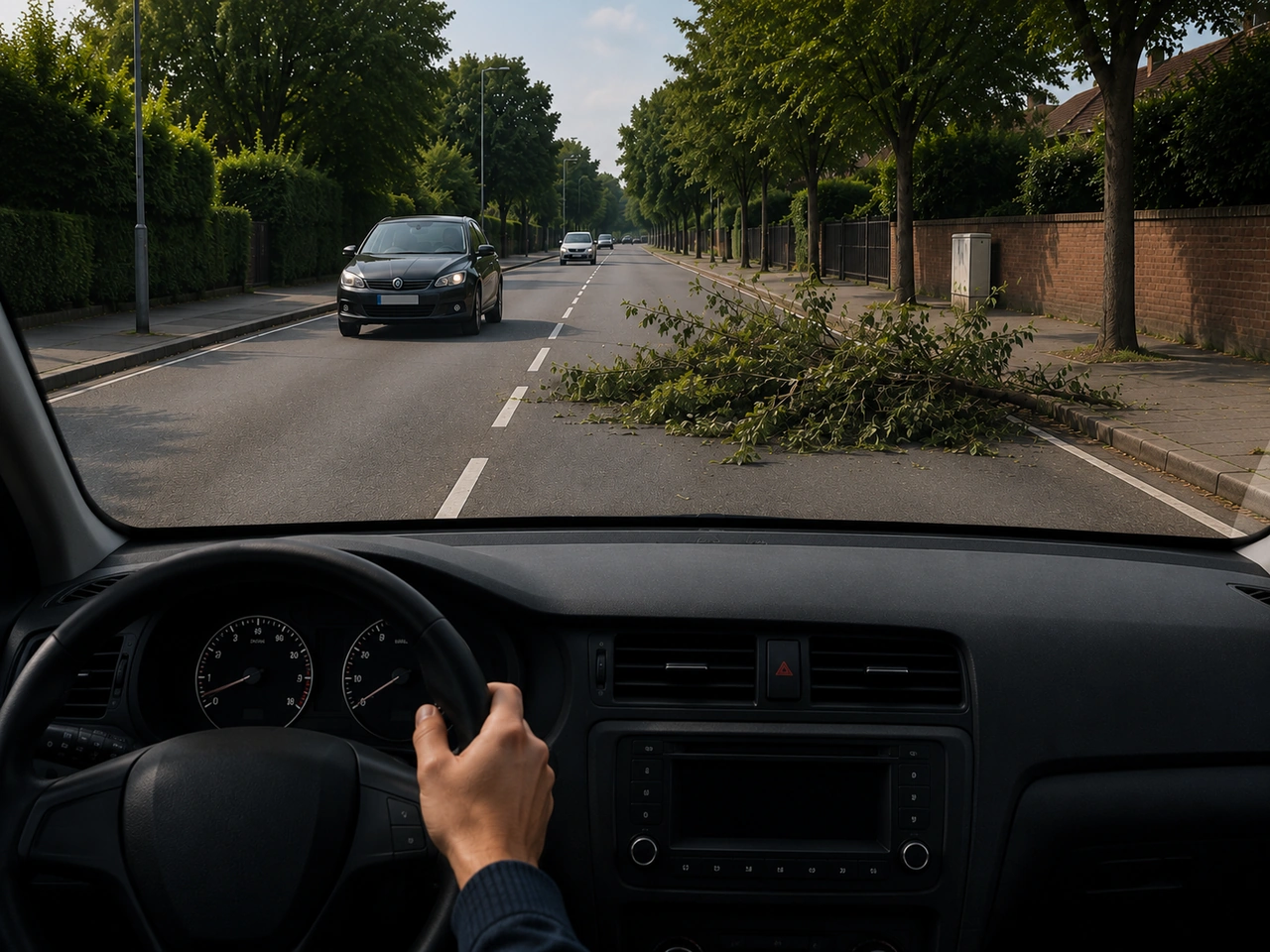
14. What should you do if your lane is blocked by an obstacle?
If your lane is blocked, reduce speed, check mirrors and oncoming traffic, and only move around the obstacle when it is safe.
AI-generated by Traffic-rules.com • WCIT • CC BY-SA
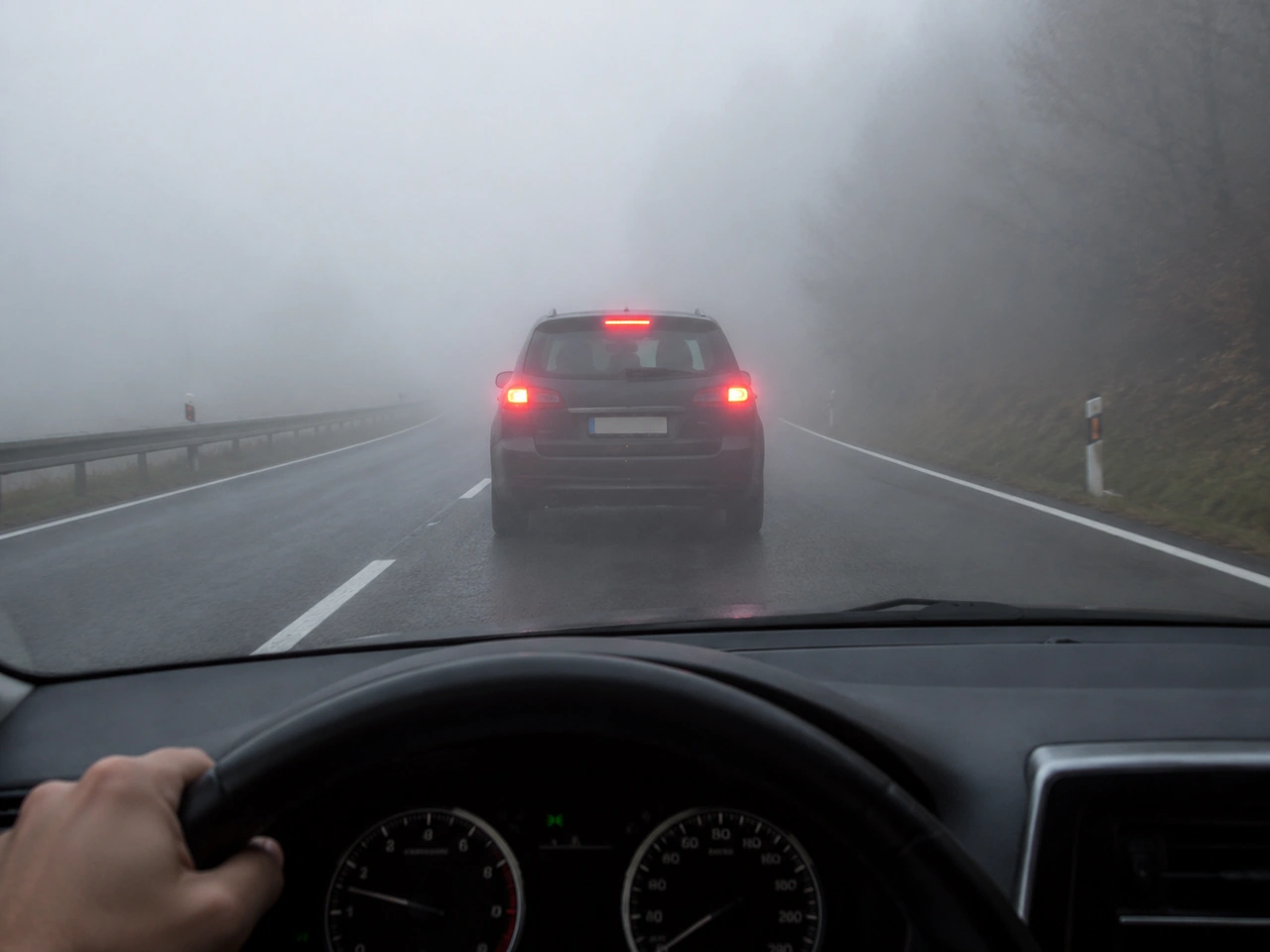
15. Why should you avoid following another vehicle too closely in fog?
Following too closely reduces your reaction time and can lead to a collision if the vehicle ahead slows unexpectedly.
AI-generated by Traffic-rules.com • WCIT • CC BY-SA
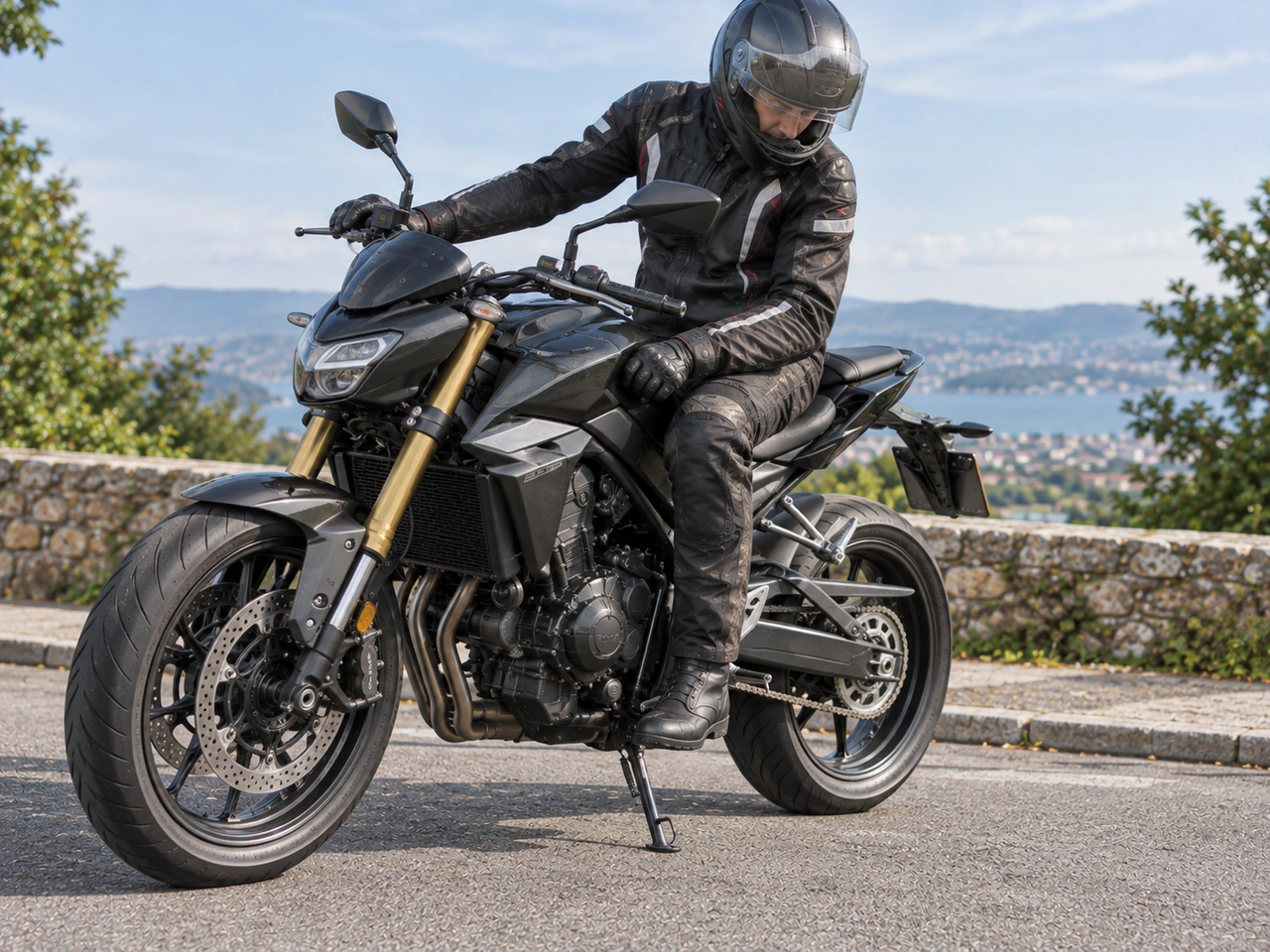
16. Should the side stand be fully raised before riding a motorcycle?
The side stand should be fully raised before riding. If it remains down, it may strike the road surface, particularly when turning, and could cause the rider to lose control.
AI-generated by Traffic-rules.com • WCIT • CC BY-SA
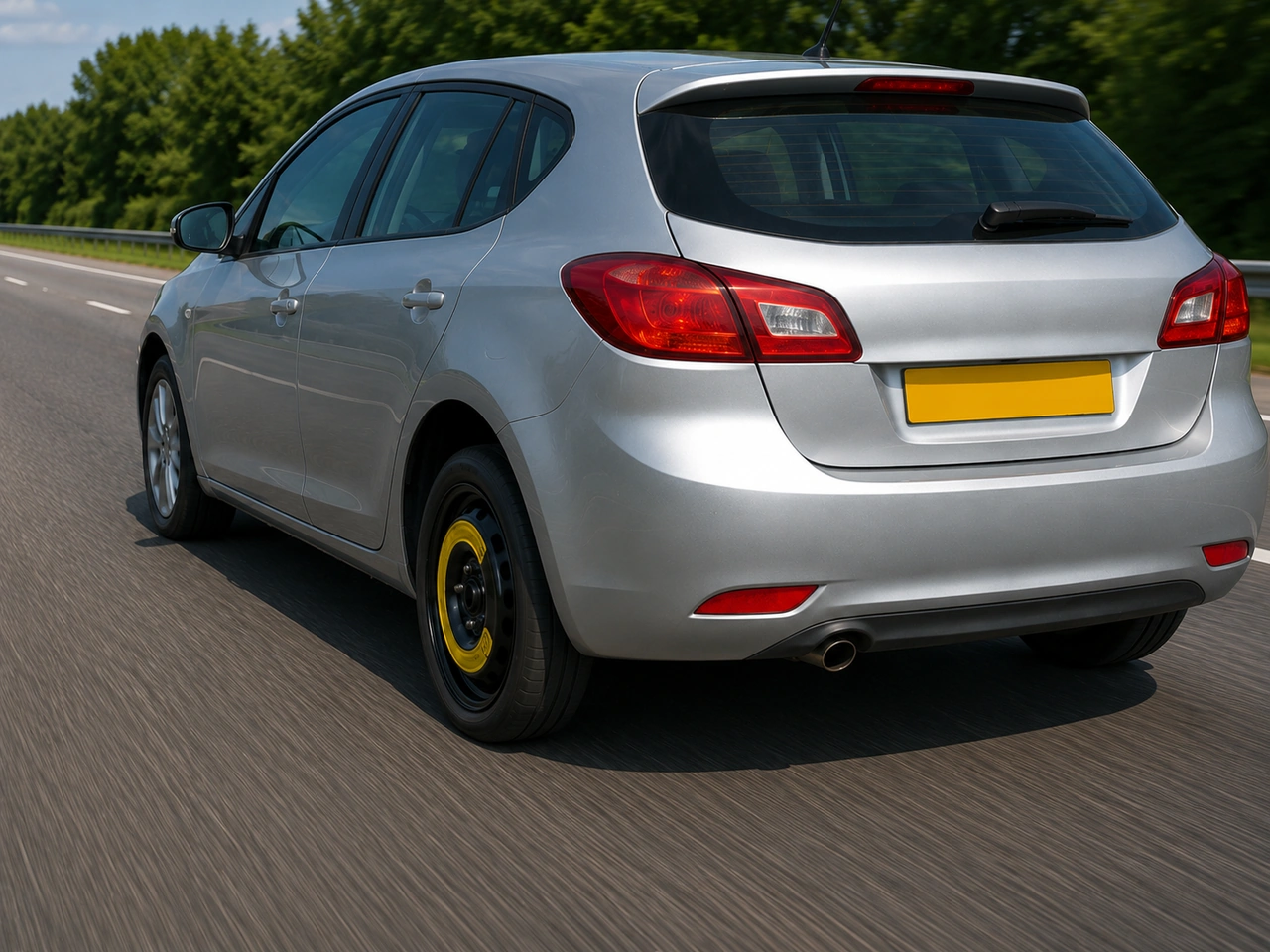
17. What should you do after fitting a temporary spare wheel?
Temporary spare wheels may have limited speed, distance, and handling capabilities. Arrange a proper repair or replacement promptly.
AI-generated by Traffic-rules.com • WCIT • CC BY-SA
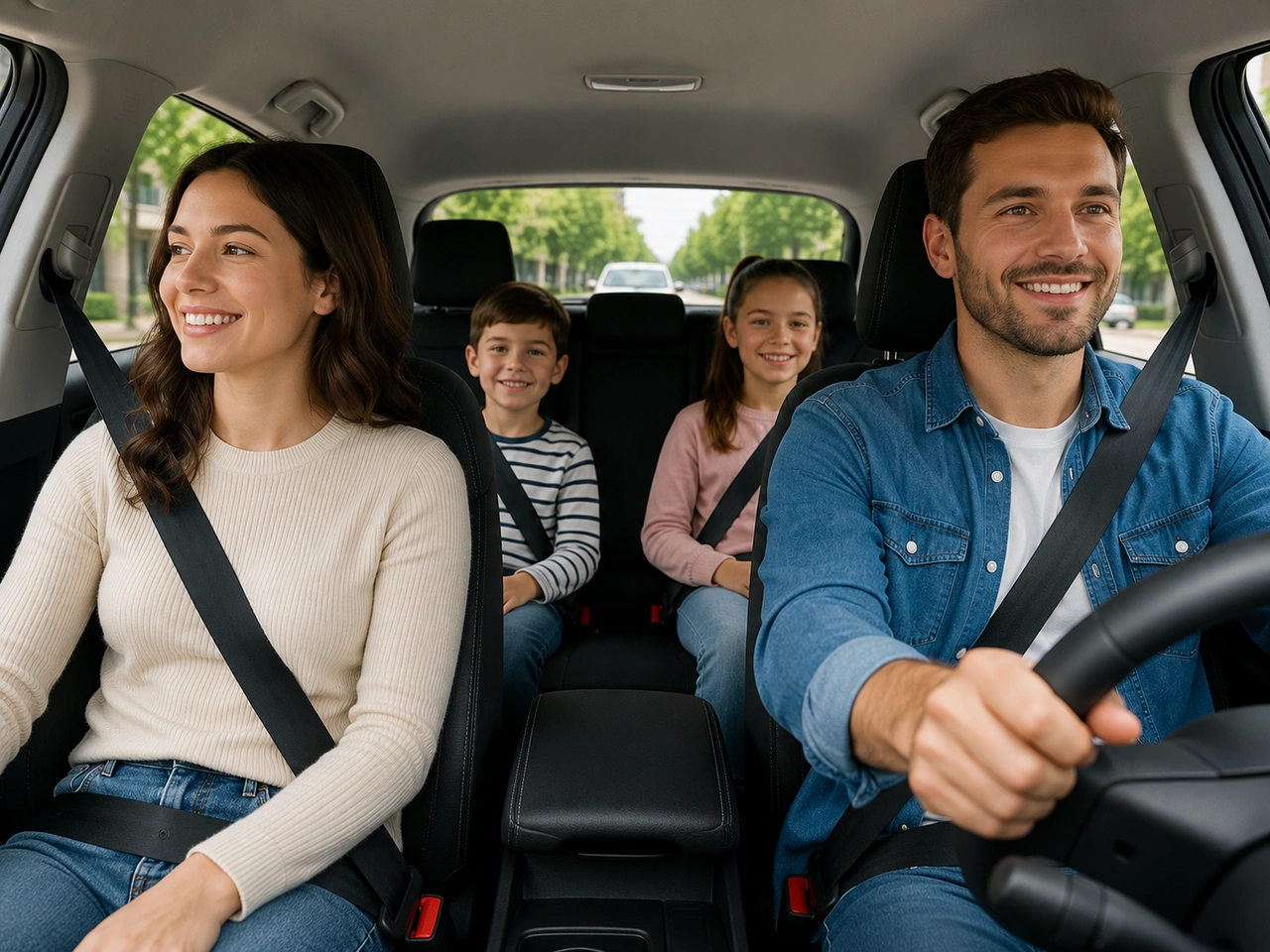
18. Who should always wear a seat belt?
Seat belts greatly reduce the risk of serious injury in a crash and should be worn by everyone in the vehicle.
AI-generated by Traffic-rules.com • WCIT • CC BY-SA
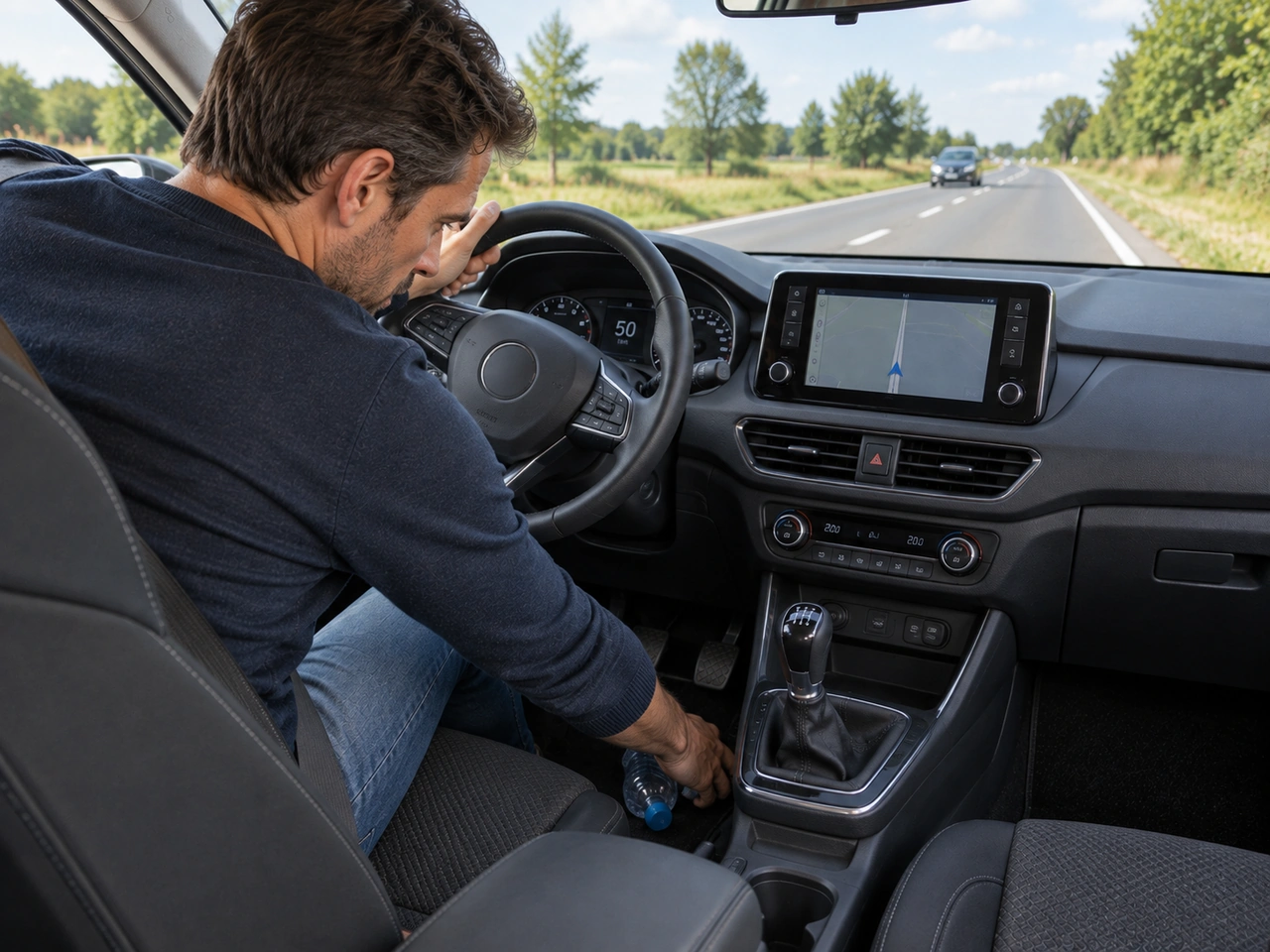
19. What should you do if an object falls into the driver's footwell while driving?
Do not reach down for an object while driving, as this takes your attention away from the road and can affect vehicle control. If something falls into the driver's footwell, keep control of the vehicle and stop somewhere safe before removing it.
AI-generated by Traffic-rules.com • WCIT • CC BY-SA
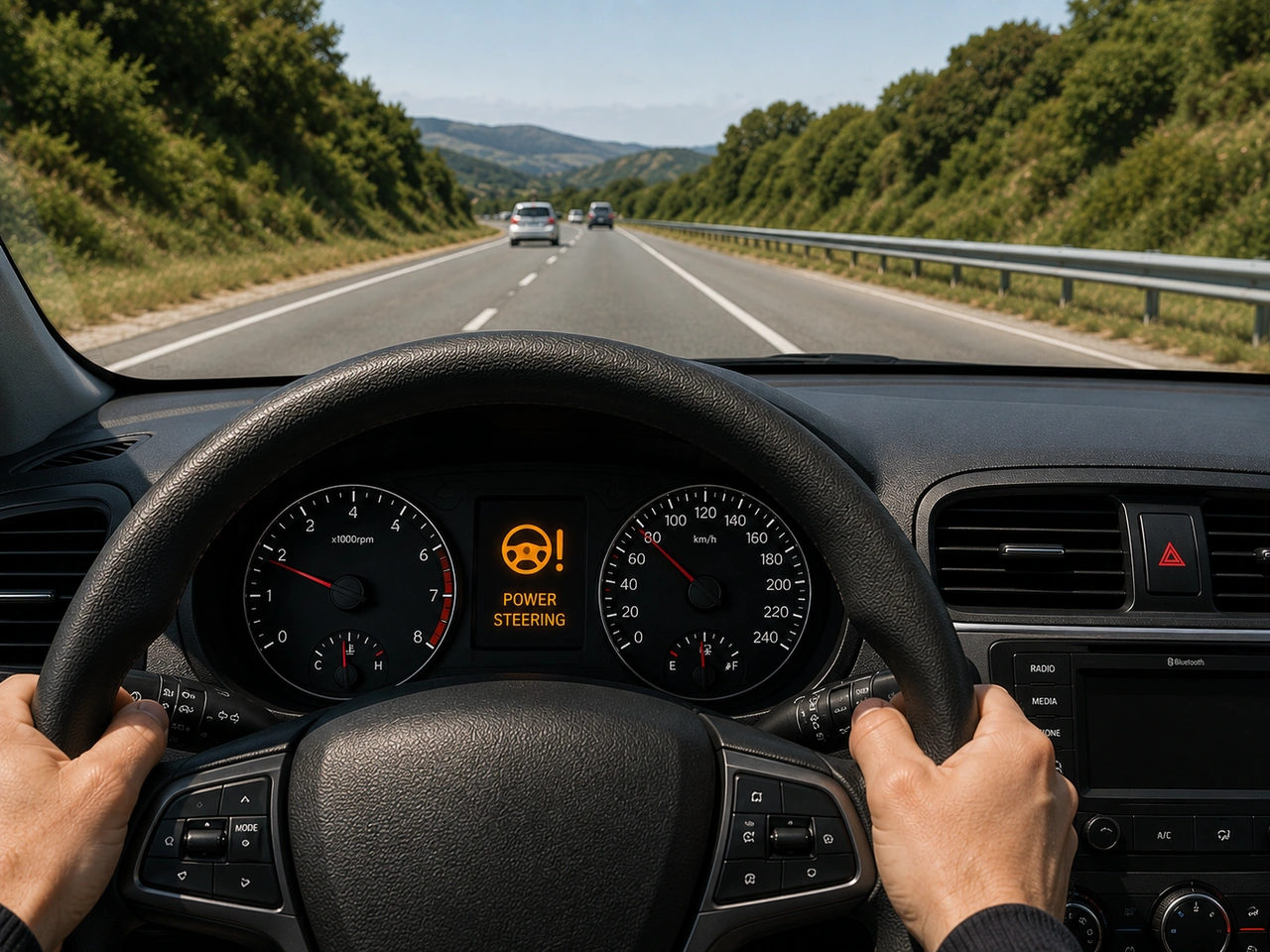
20. What should you do if the power steering suddenly stops assisting you?
The vehicle can normally still be steered, but much more effort may be required. Reduce speed and arrange an inspection.
AI-generated by Traffic-rules.com • WCIT • CC BY-SA
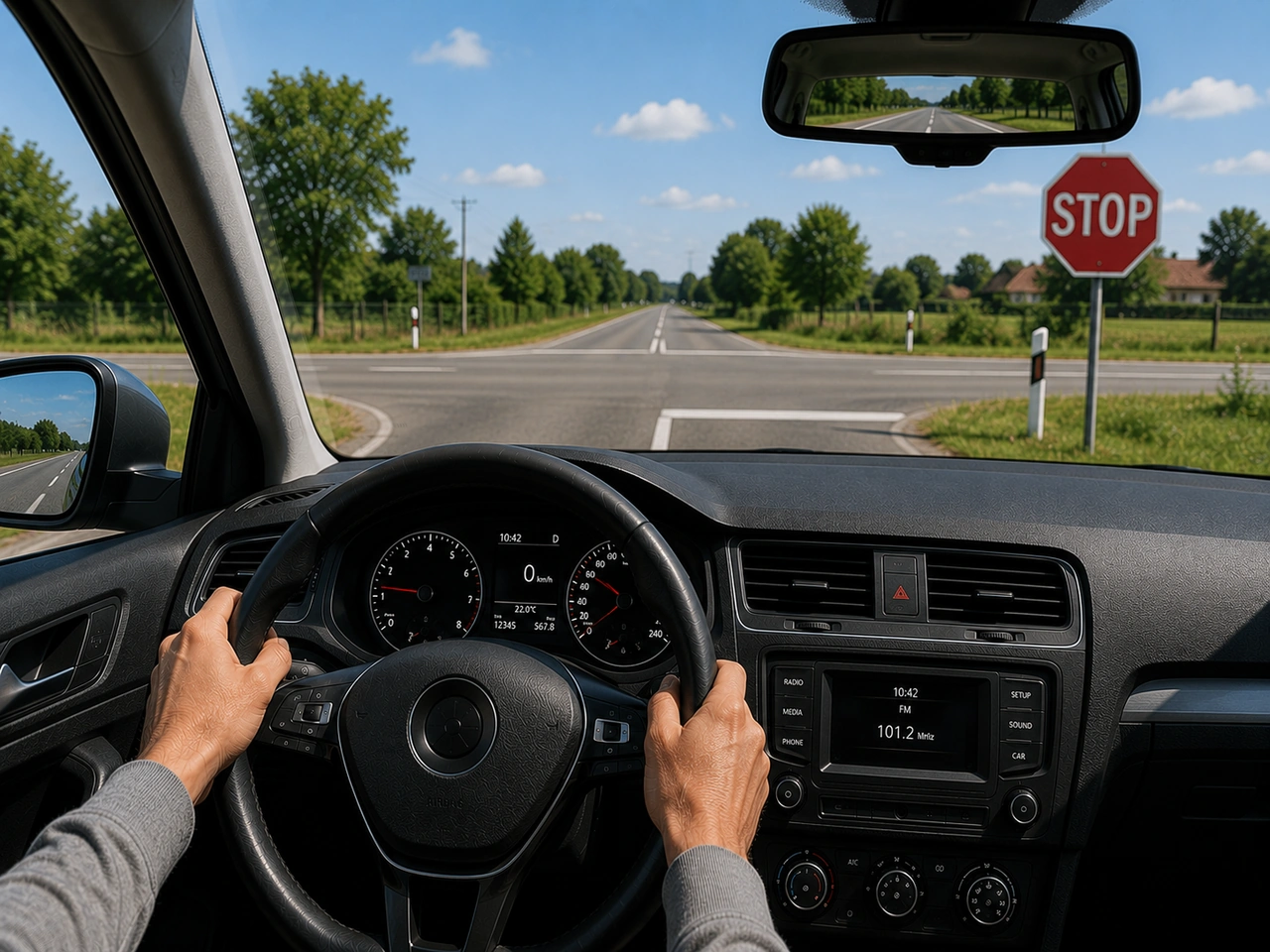
21. You may ignore a stop sign if the road looks empty.
A stop sign means you must come to a complete stop, even if no other traffic is visible.
AI-generated by Traffic-rules.com • WCIT • CC BY-SA
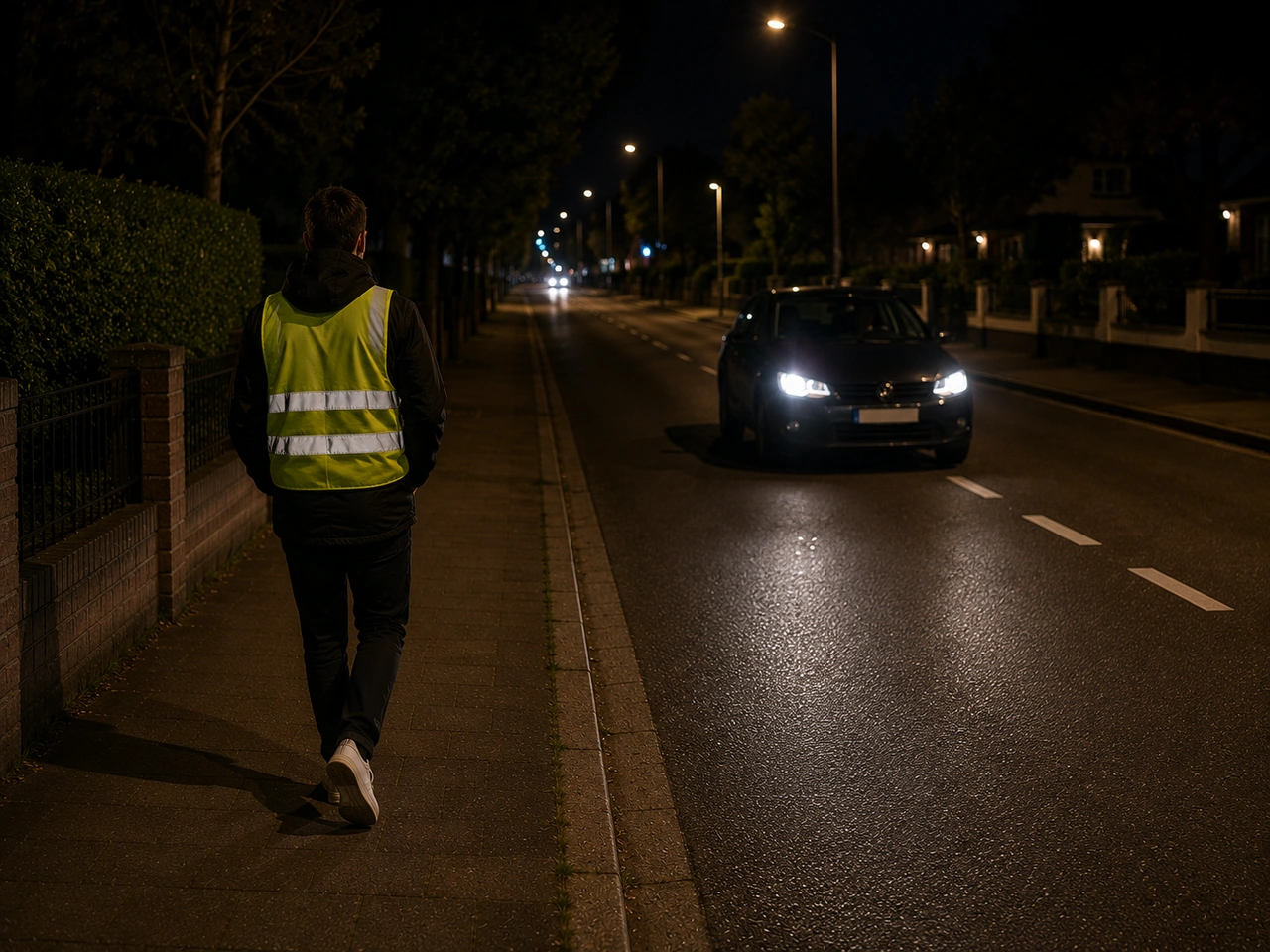
22. Why is it important to make yourself visible at night?
Bright or reflective clothing helps drivers notice pedestrians in low-light conditions.
AI-generated by Traffic-rules.com • WCIT • CC BY-SA
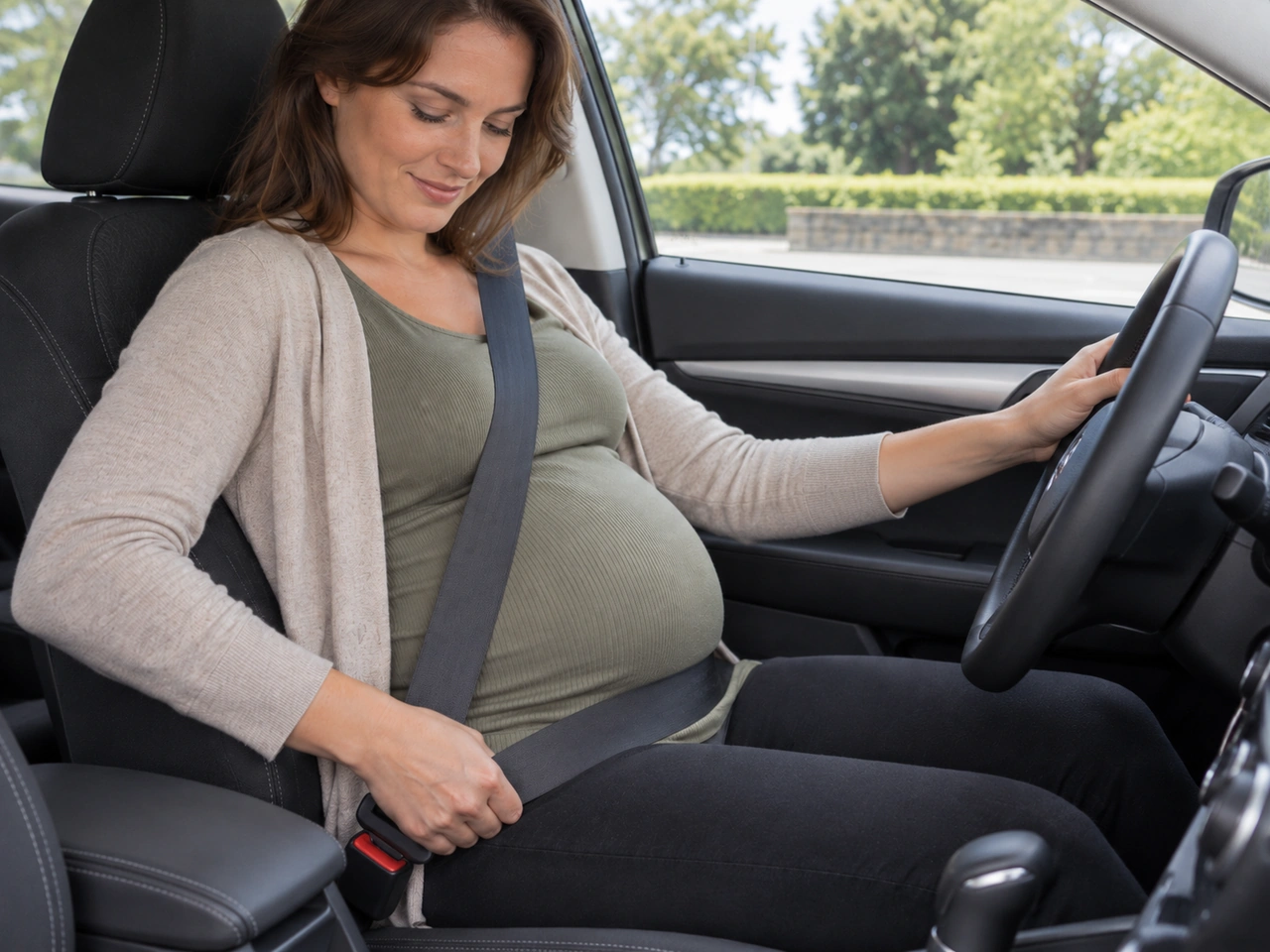
23. How should a three-point seat belt normally be worn during pregnancy?
During pregnancy, a three-point seat belt should be worn correctly. The lap belt should sit low across the hips, below the abdomen, while the shoulder belt should pass across the chest and to the side of the abdomen. The belt should fit snugly and should not be placed behind the back or under the arm.
AI-generated by Traffic-rules.com • WCIT • CC BY-SA
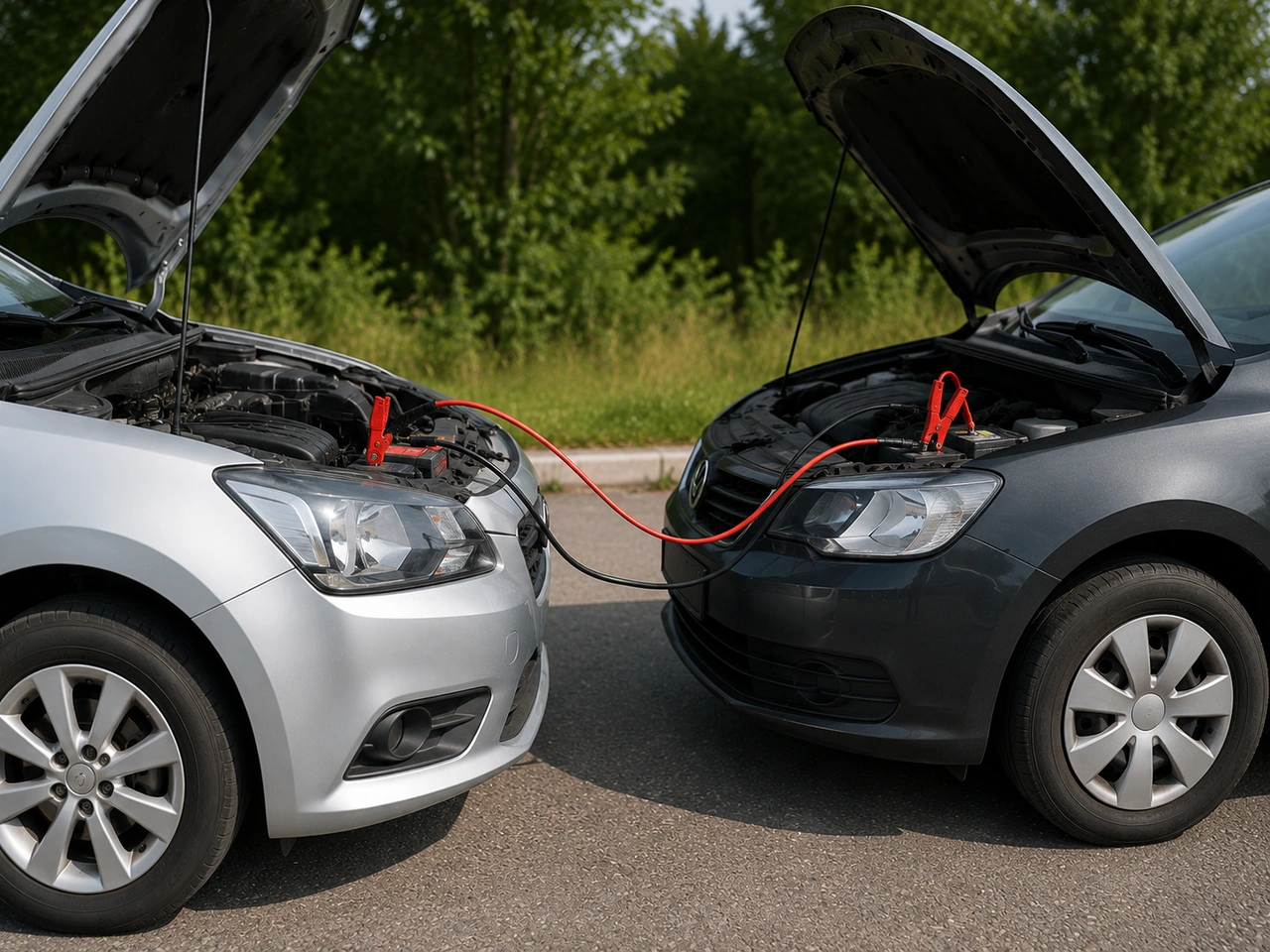
24. What should you do before attempting to jump-start a vehicle?
Incorrect jump-starting can damage electrical systems, cause sparks, or make a battery explode. Connect the leads in the correct order before starting the vehicles, and follow the manufacturer's procedure exactly.
AI-generated by Traffic-rules.com • WCIT • CC BY-SA
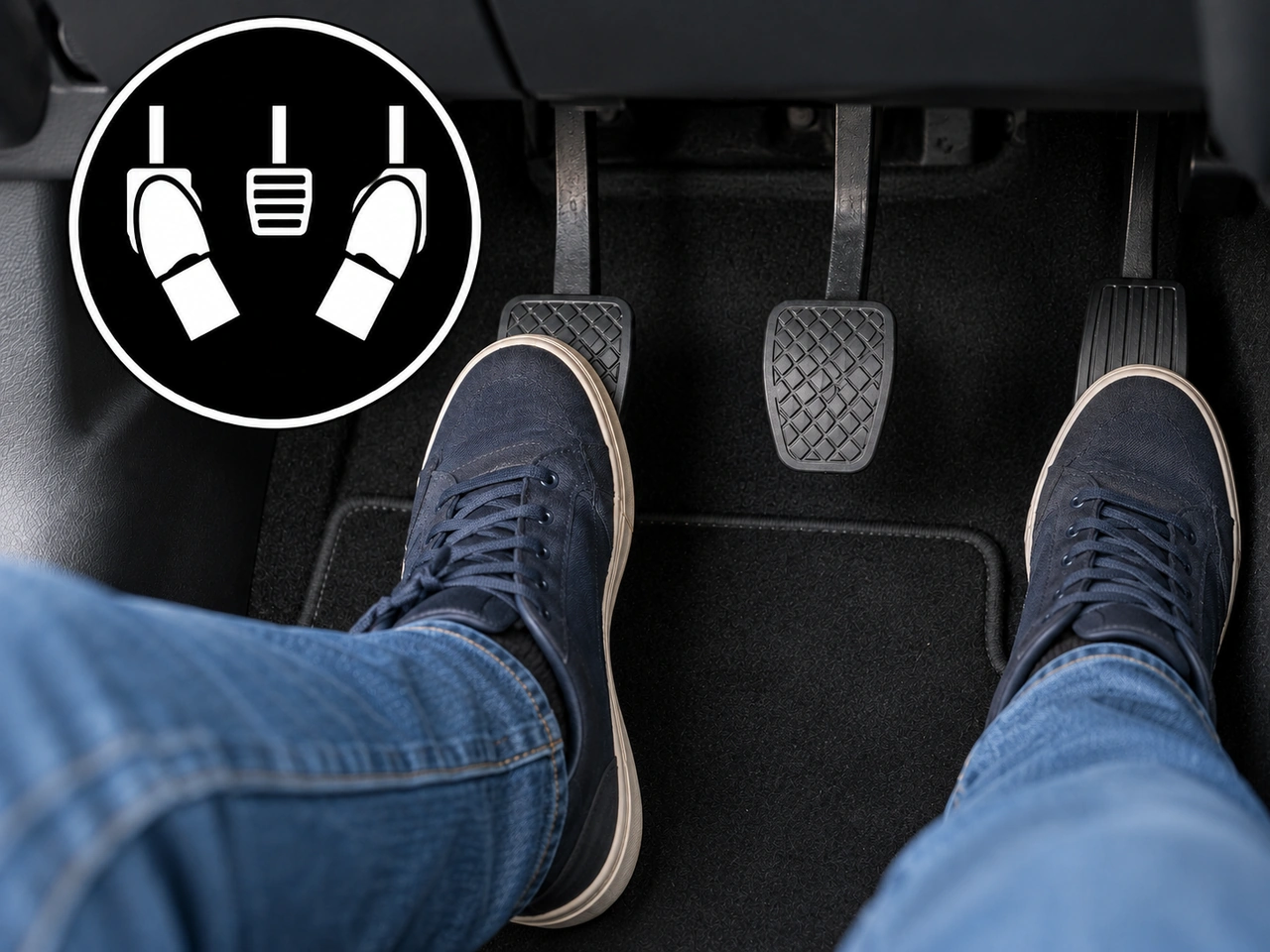
25. How should you use the clutch and accelerator when moving off?
When moving off, release the clutch pedal smoothly through the biting point while applying the accelerator progressively. This helps the vehicle move away smoothly without stalling or excessive engine speed.
AI-generated by Traffic-rules.com • WCIT • CC BY-SA
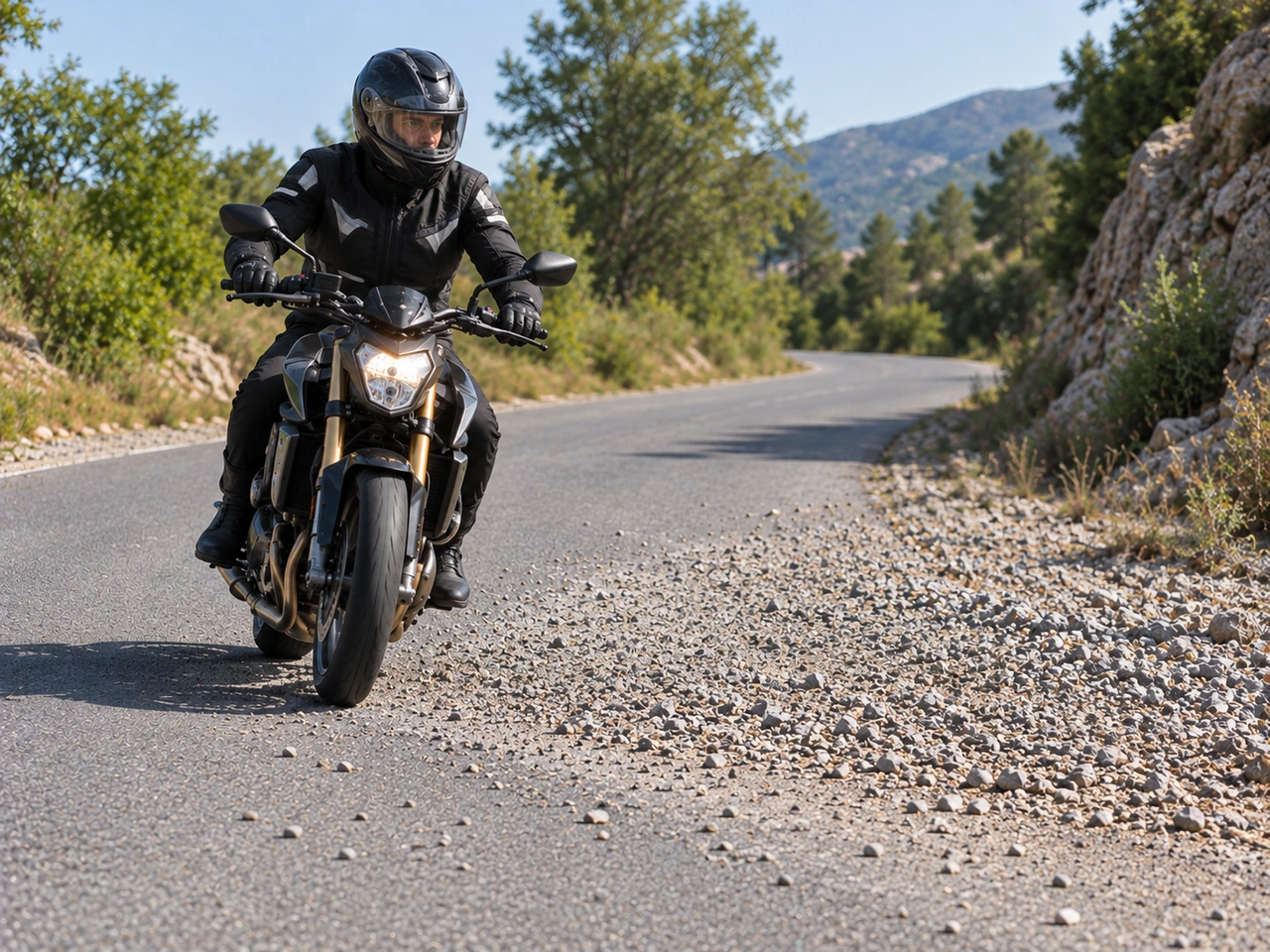
26. What should a motorcyclist do when approaching loose gravel?
Loose gravel can significantly reduce tyre grip. Reduce speed before reaching it, keep the motorcycle as upright as practical, and avoid sudden braking, acceleration or steering while crossing the loose surface.
AI-generated by Traffic-rules.com • WCIT • CC BY-SA
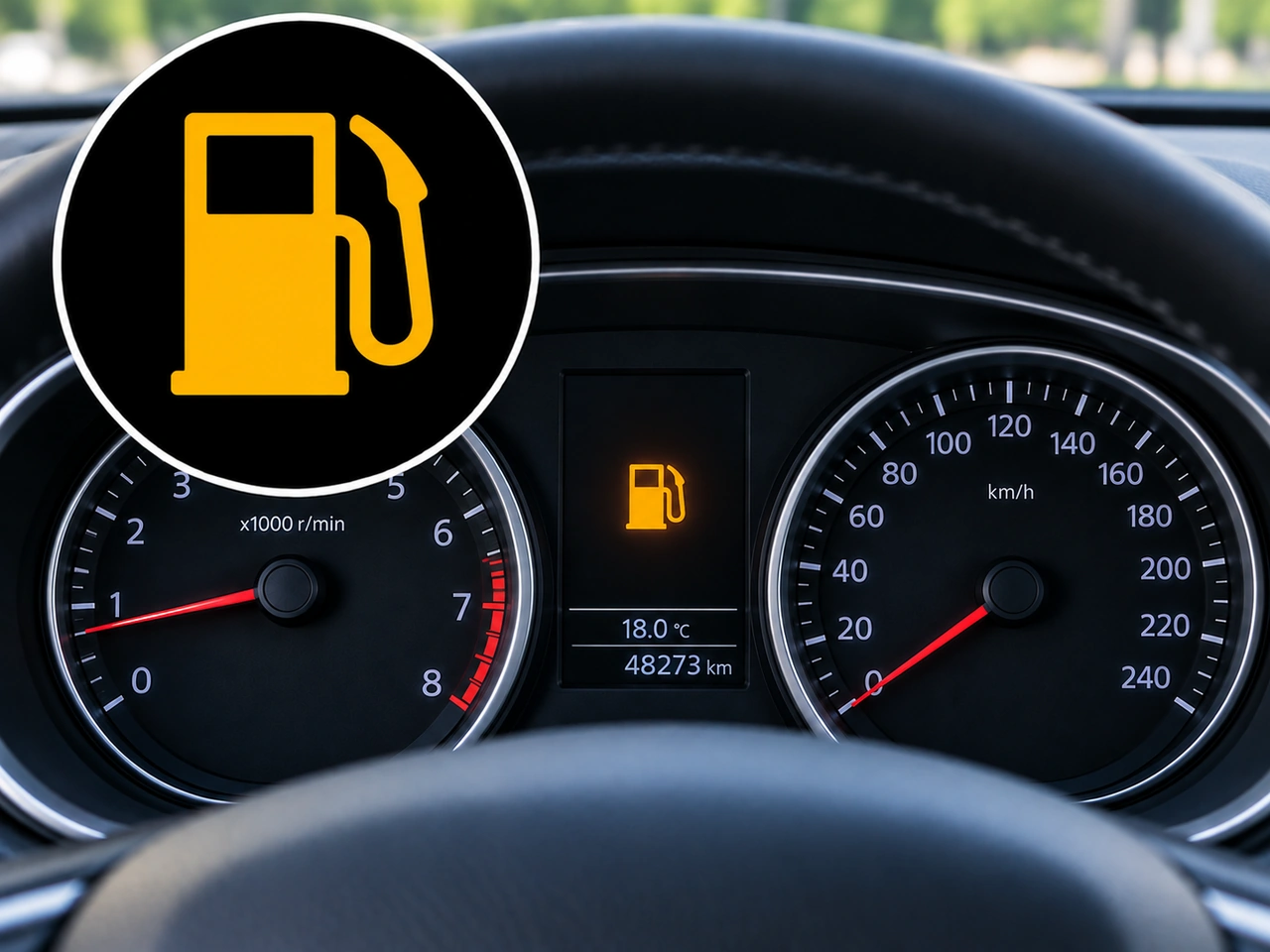
27. What does this dashboard symbol indicate?
This symbol indicates that the fuel level is low. Refuel soon to reduce the risk of running out of fuel.
AI-generated by Traffic-rules.com • WCIT • CC BY-SA
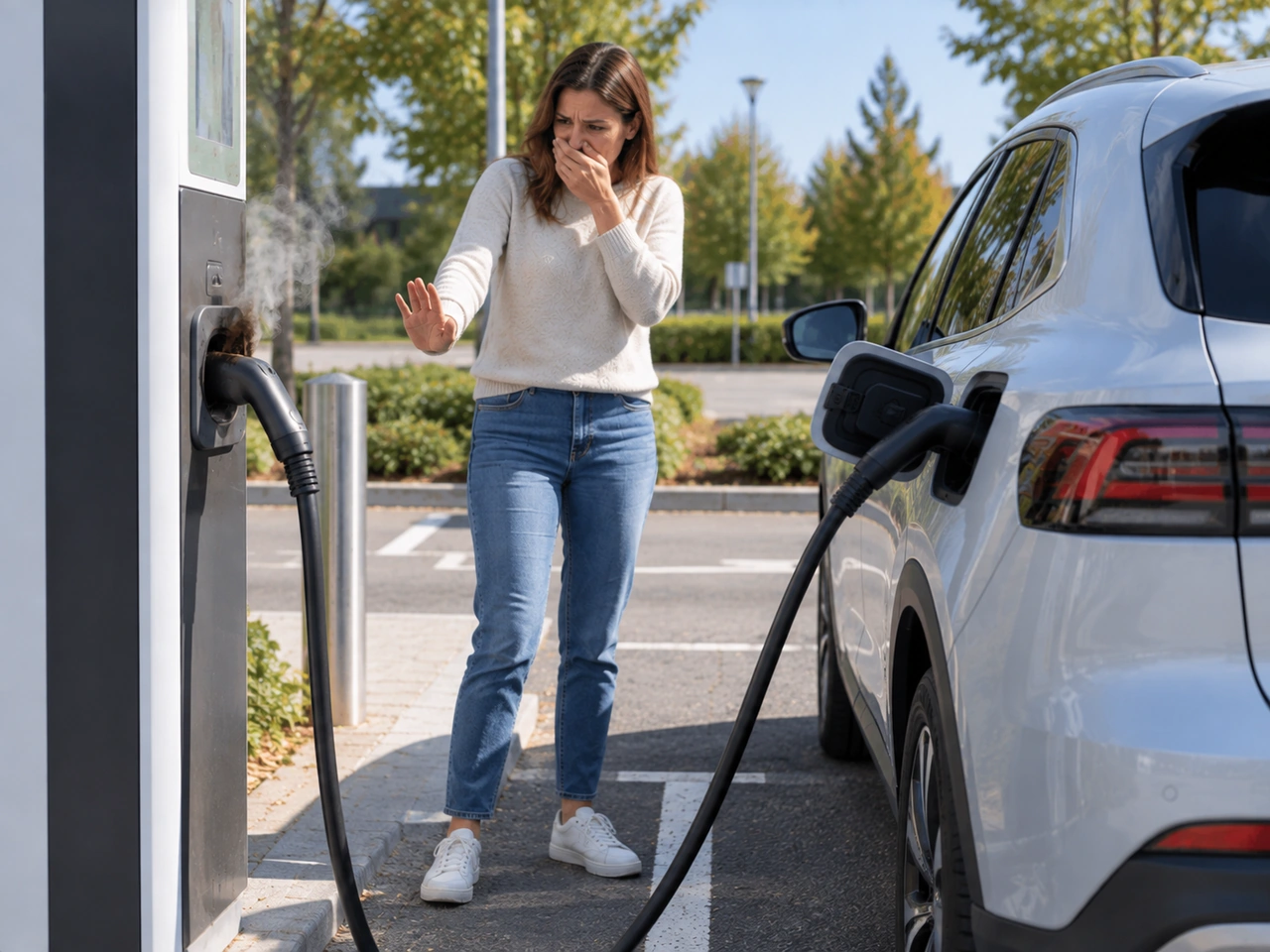
28. What should you do if EV charging equipment becomes unusually hot or smells burnt?
Unusual heat, a burning smell, smoke, sparks, or repeated charging faults can indicate an electrical problem. Stop using the charging equipment if it is safe to do so, keep clear of anything damaged or overheating, and report the fault or seek appropriate assistance.
AI-generated by Traffic-rules.com • WCIT • CC BY-SA
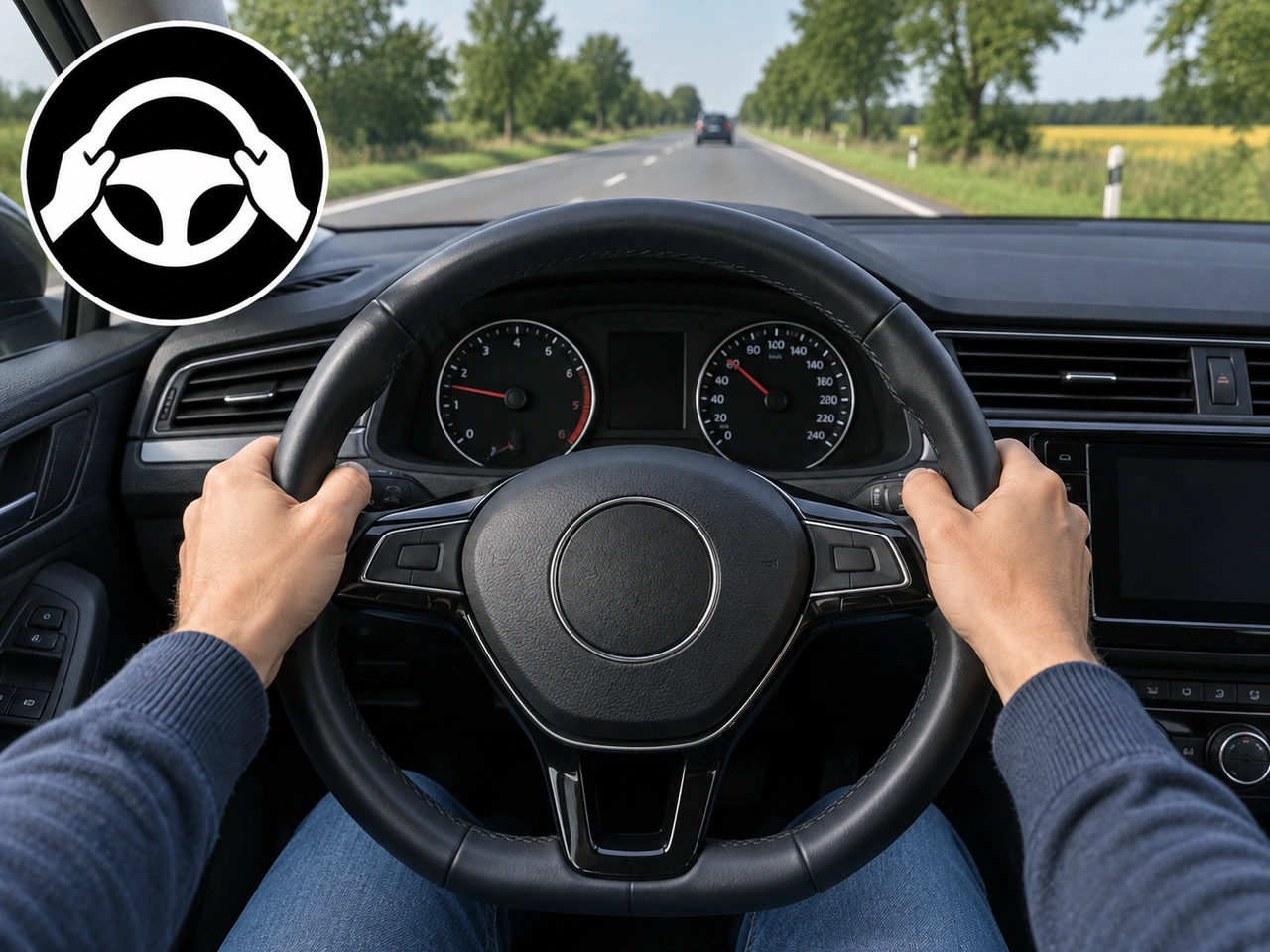
29. How should you normally hold the steering wheel while driving?
Hold the steering wheel with both hands in a balanced position so that you can steer smoothly and react quickly. A position around nine and three o'clock generally provides good control.
AI-generated by Traffic-rules.com • WCIT • CC BY-SA
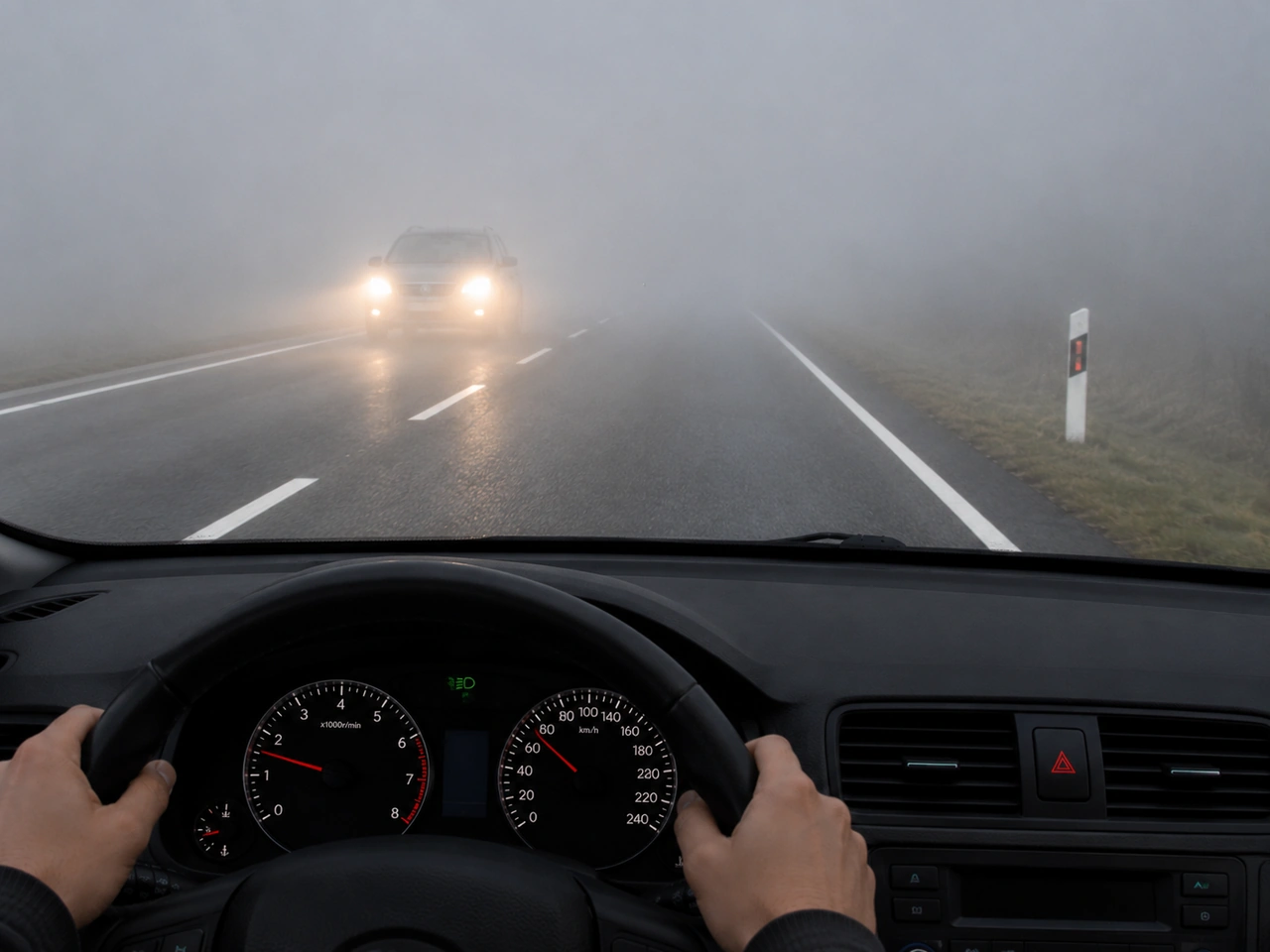
30. Why can fog make it difficult to judge the speed of other vehicles?
Fog reduces visual information, making it harder to judge how far away another vehicle is and how quickly it is approaching.
AI-generated by Traffic-rules.com • WCIT • CC BY-SA
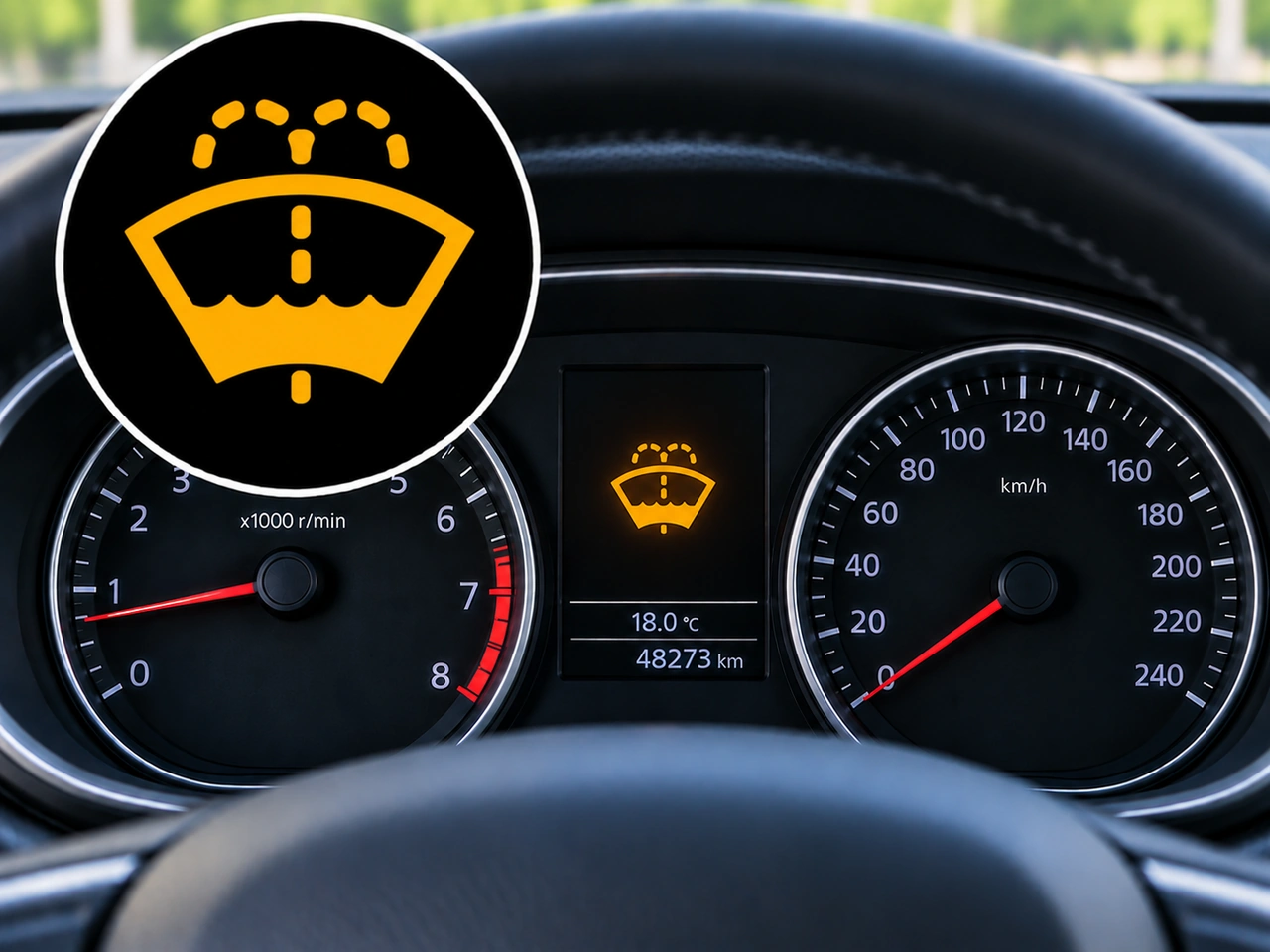
31. What does this dashboard symbol indicate?
This symbol indicates that the windscreen washer fluid level is low. Refill the washer-fluid reservoir with suitable fluid when possible.
AI-generated by Traffic-rules.com • WCIT • CC BY-SA
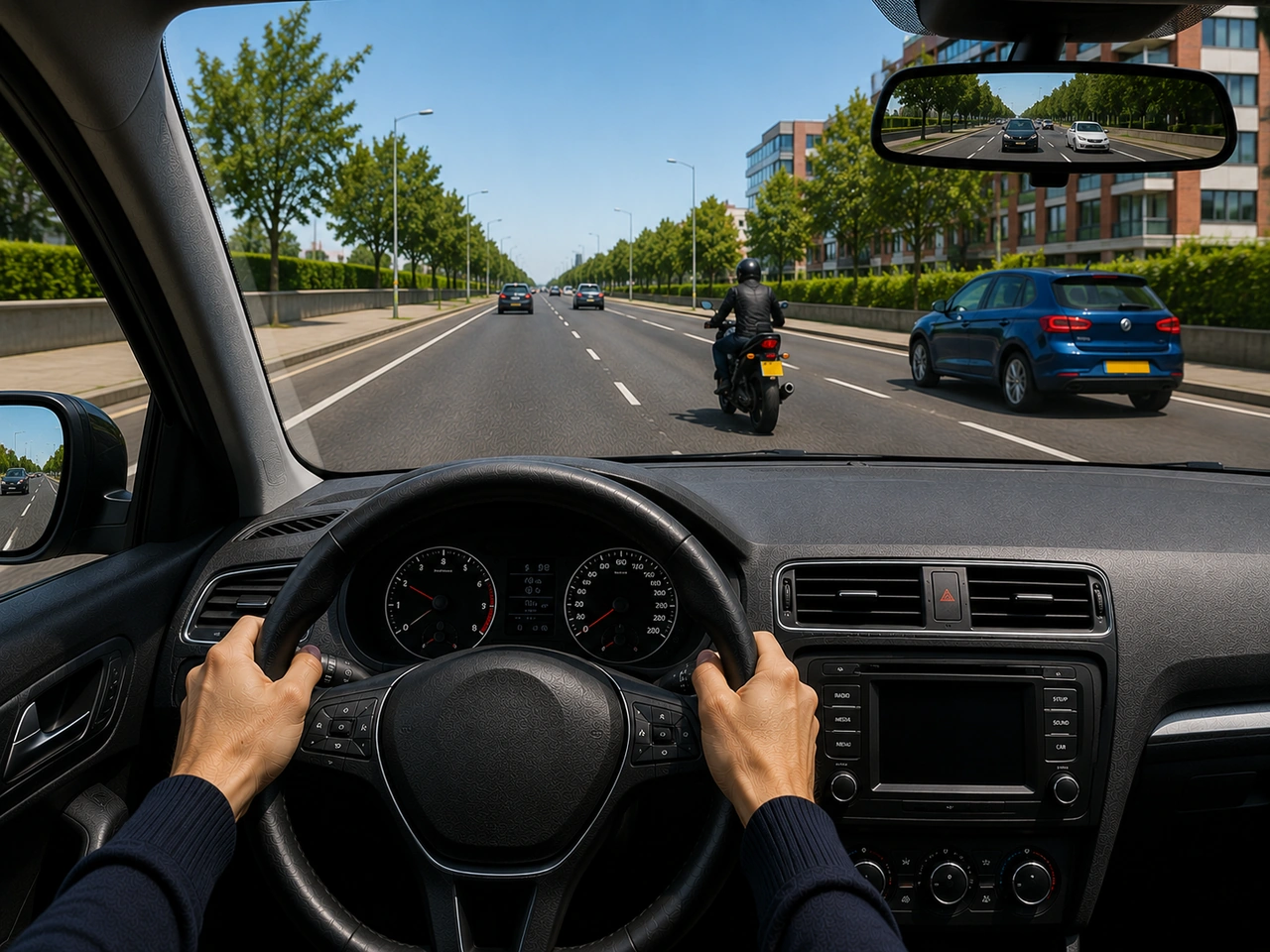
32. Why should you check for motorcyclists before changing lanes?
Motorcyclists are smaller and can be hidden in blind spots. Check mirrors, signal, and look carefully before changing lanes.
AI-generated by Traffic-rules.com • WCIT • CC BY-SA
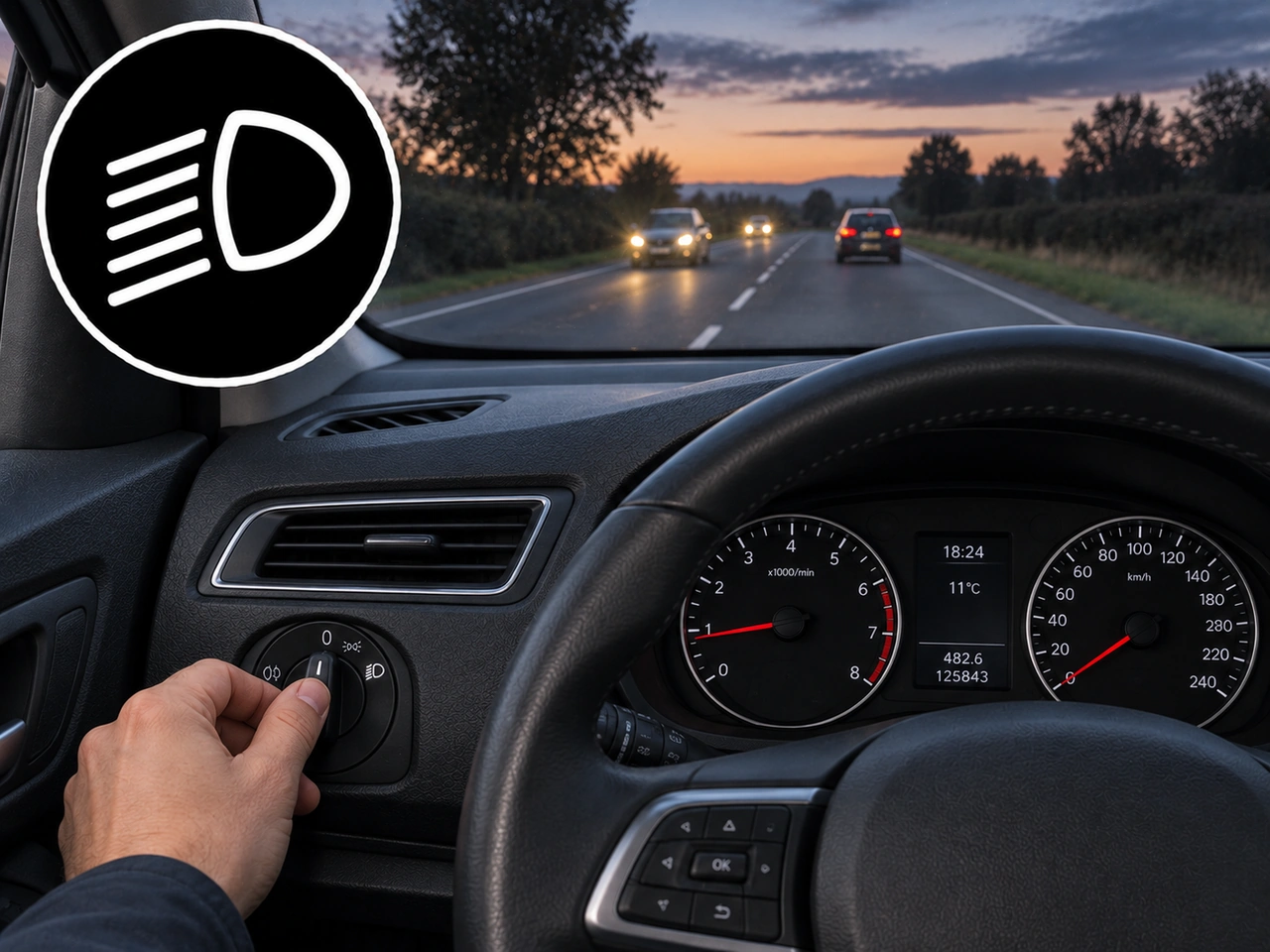
33. Which control is normally used to switch on the dipped headlights?
The lighting control is normally used to switch on the dipped headlights. Depending on the vehicle, it may be a rotary switch or part of a lighting stalk.
AI-generated by Traffic-rules.com • WCIT • CC BY-SA
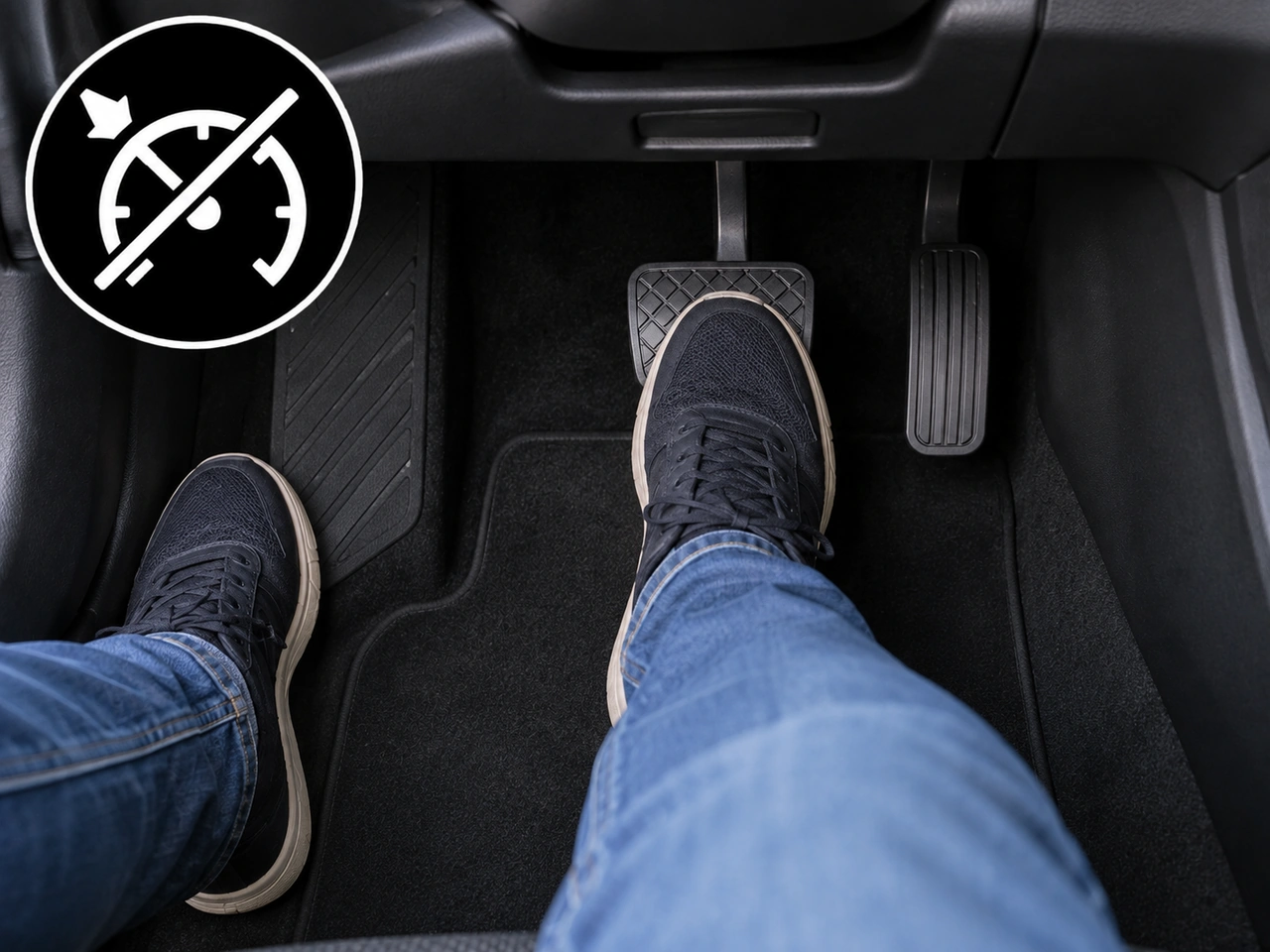
34. What normally happens to cruise control when you press the brake pedal?
Pressing the brake pedal normally cancels or temporarily disengages cruise control, returning speed control to the driver.
AI-generated by Traffic-rules.com • WCIT • CC BY-SA
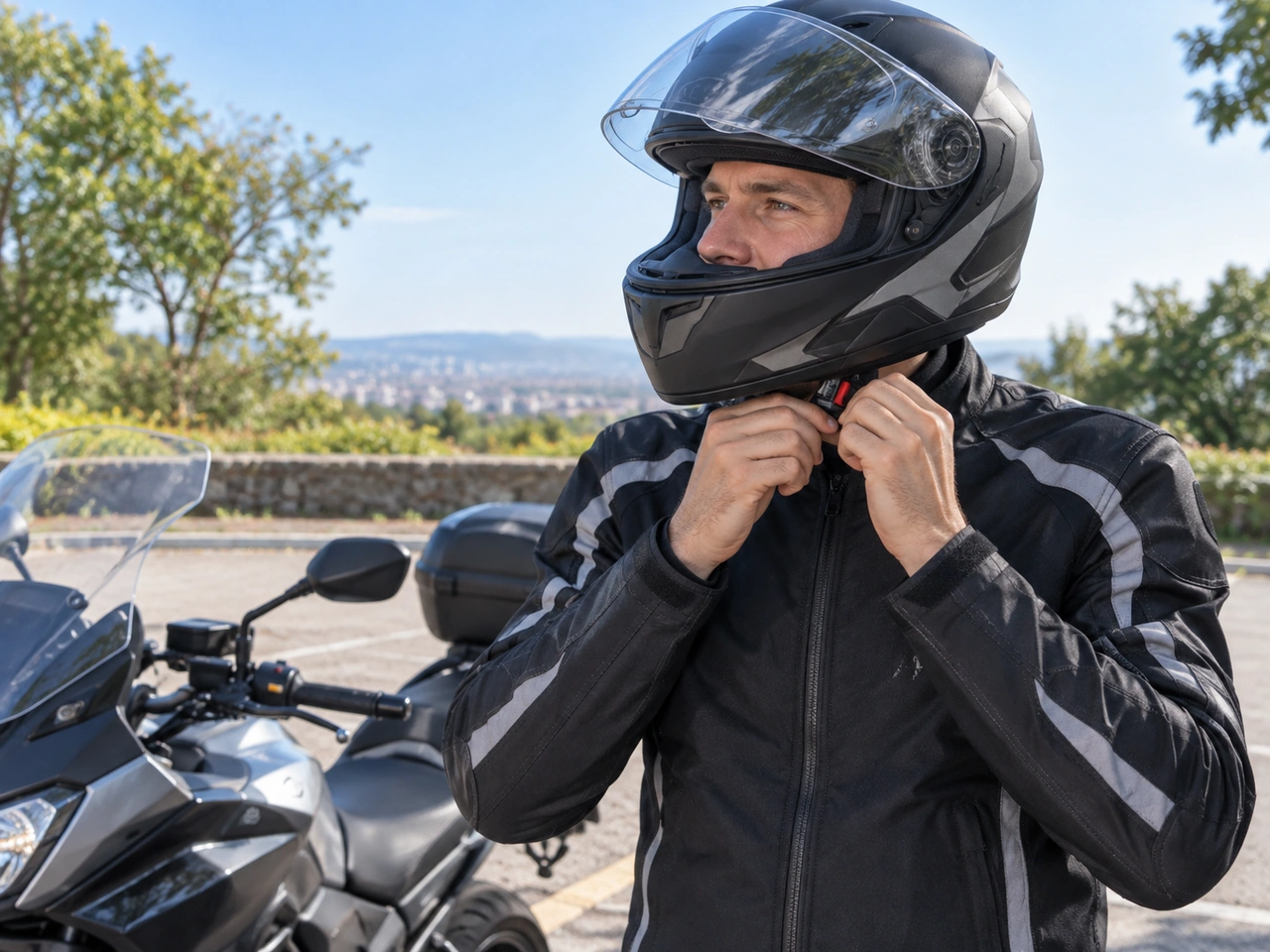
35. Why should a motorcycle helmet be worn correctly and securely fastened?
A correctly fitted and securely fastened motorcycle helmet helps protect the rider's head and can reduce the risk and severity of head injury in a collision or fall.
AI-generated by Traffic-rules.com • WCIT • CC BY-SA
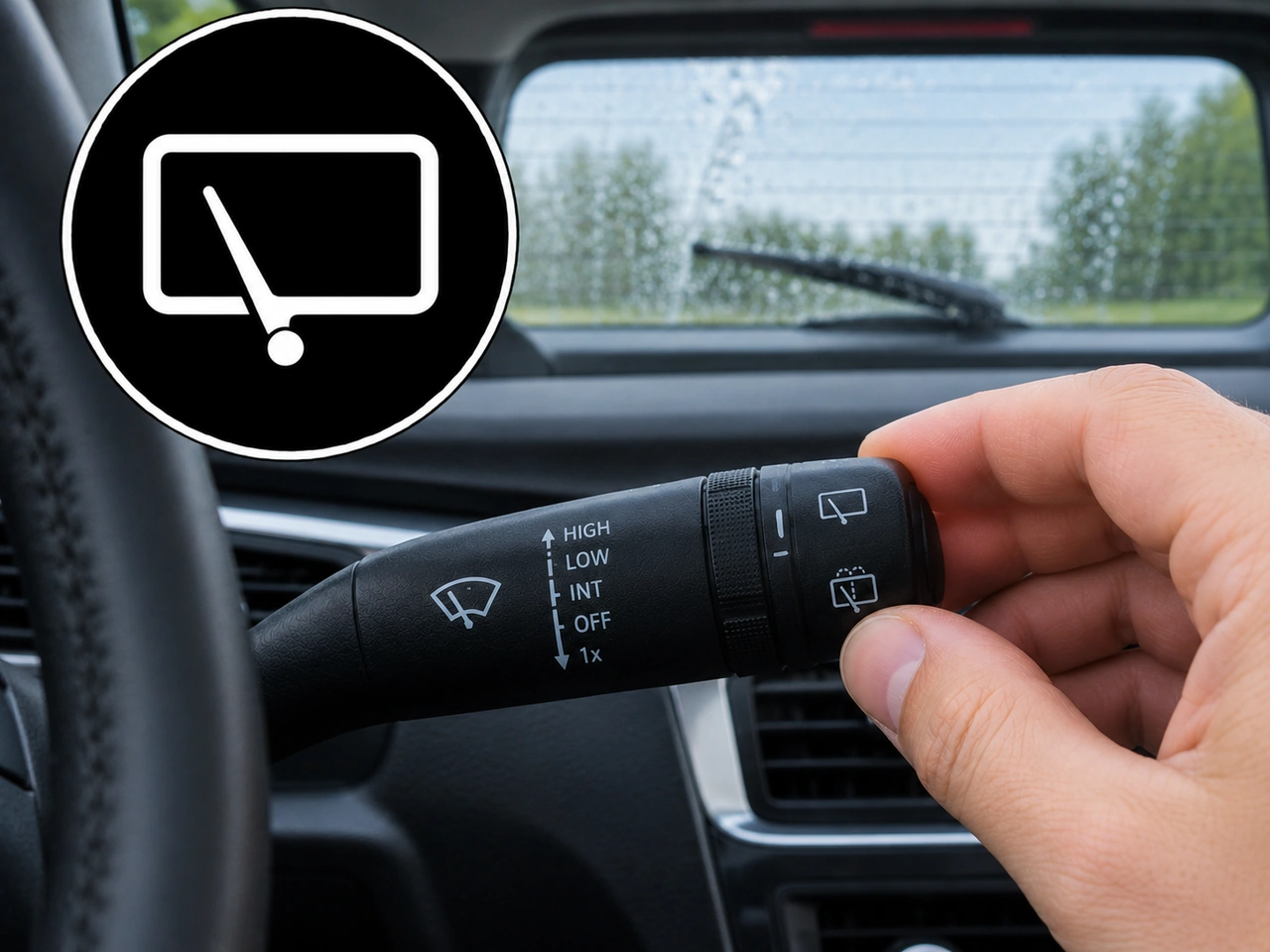
36. What does this vehicle-control symbol indicate?
This symbol controls the rear window wiper. Depending on the vehicle, the same control may also operate the rear-window washer.
AI-generated by Traffic-rules.com • WCIT • CC BY-SA
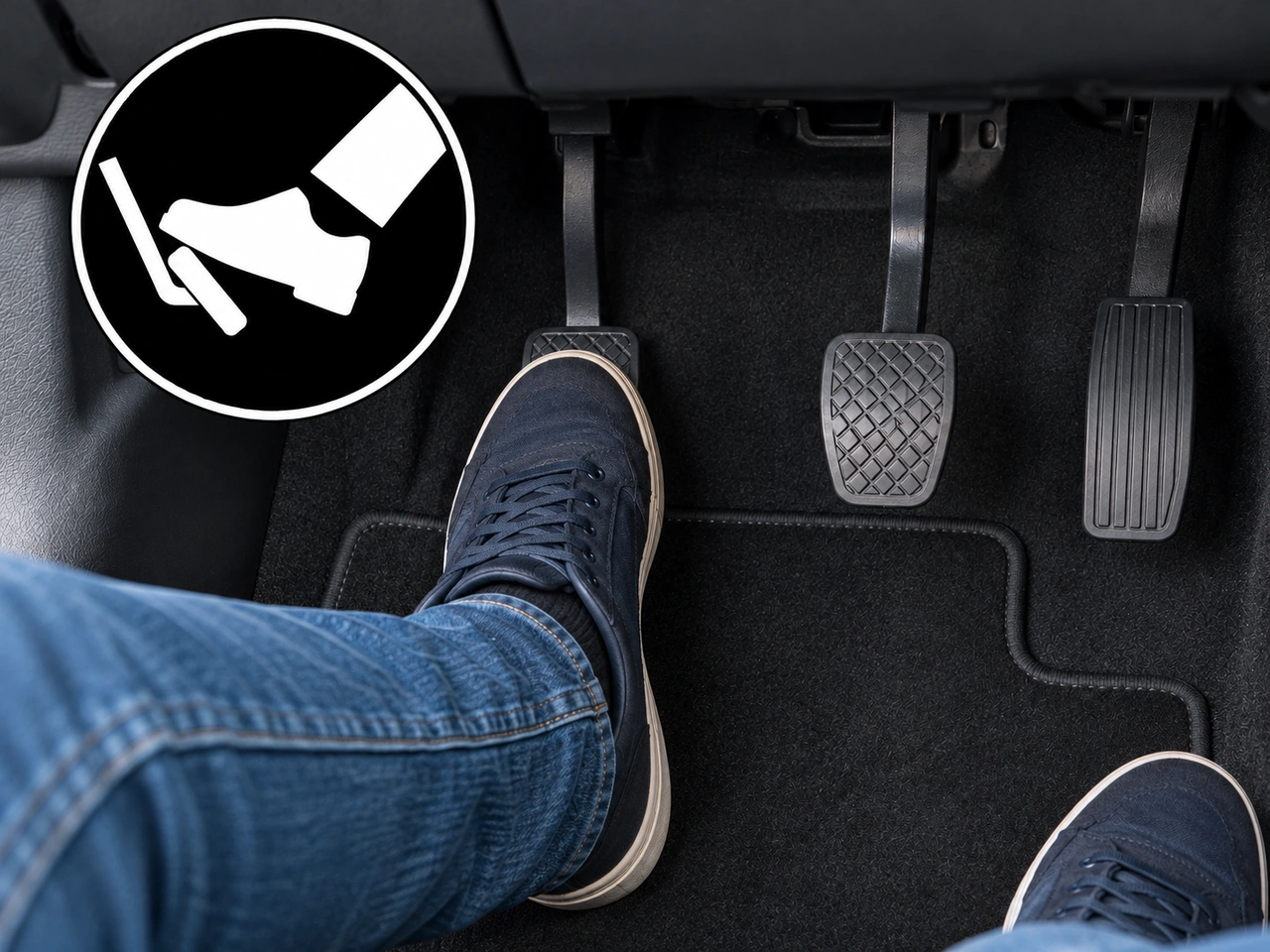
37. Why should you press the clutch pedal fully when changing gear?
Pressing the clutch pedal fully disengages the engine from the transmission, allowing the gear to be changed smoothly and reducing unnecessary wear on the gearbox and clutch.
AI-generated by Traffic-rules.com • WCIT • CC BY-SA
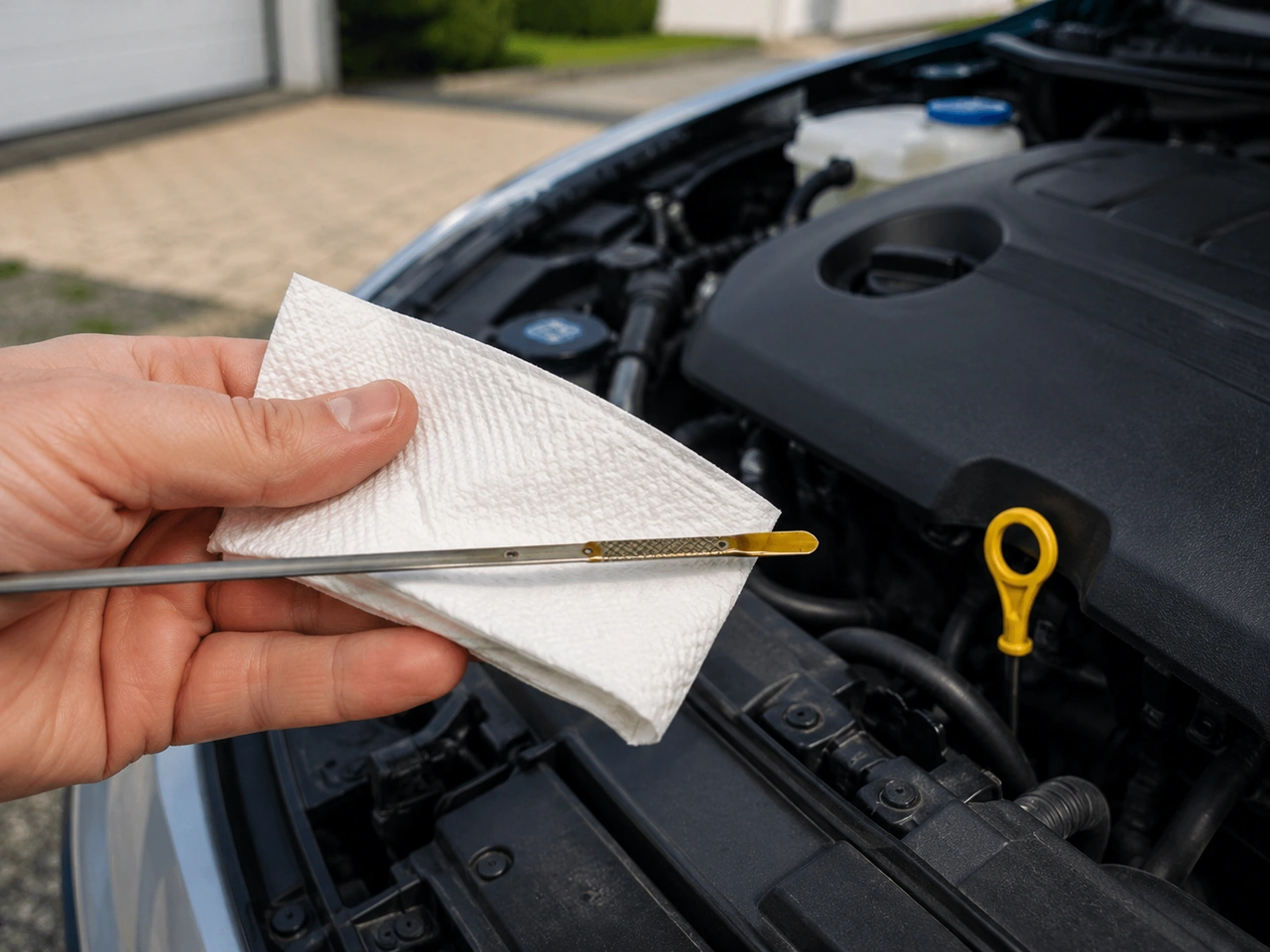
38. How should you check the engine oil level?
Use the dipstick or electronic oil-level system as described in the owner's manual. The engine is usually switched off, and the vehicle should be standing on level ground.
AI-generated by Traffic-rules.com • WCIT • CC BY-SA
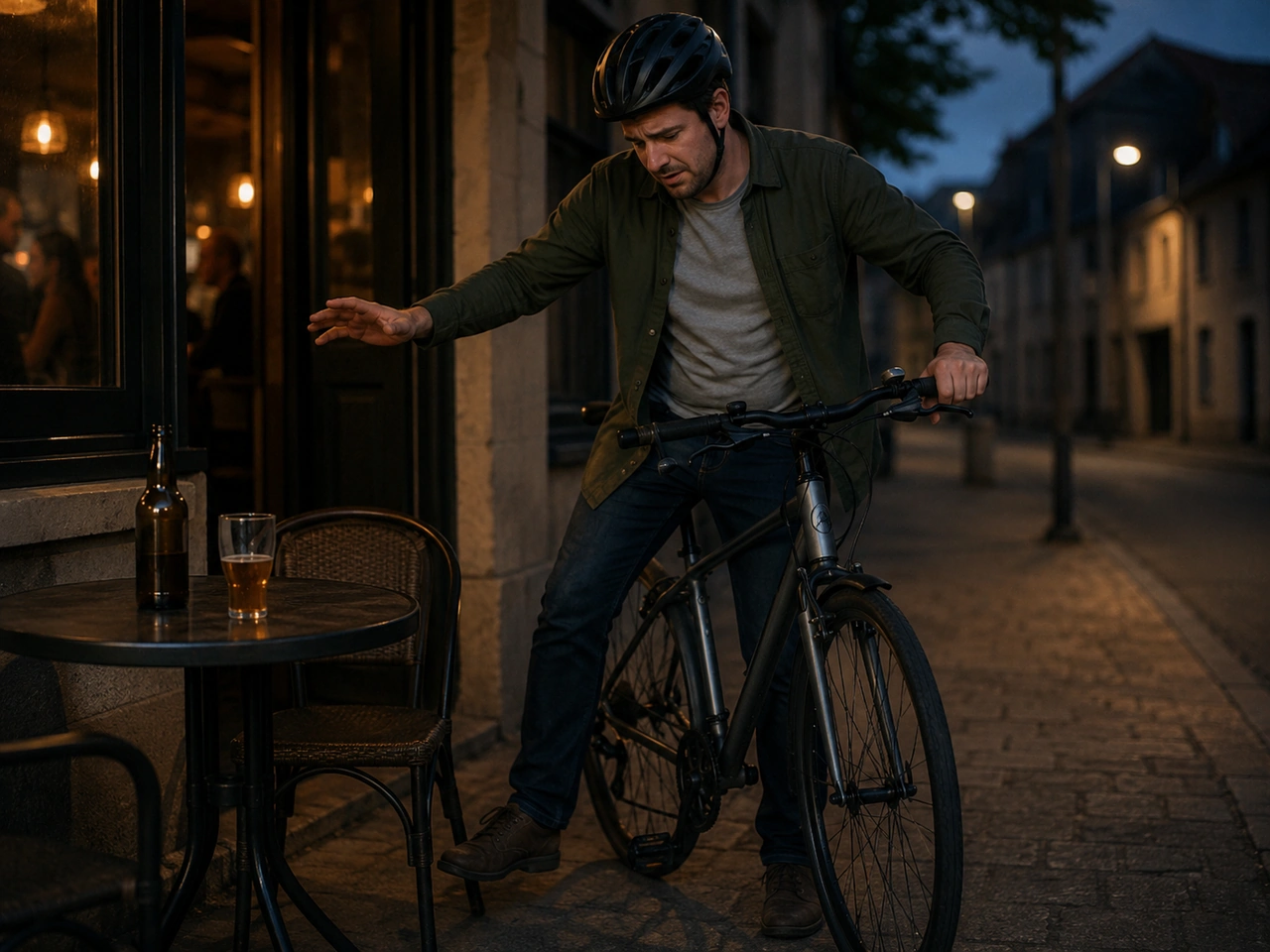
39. Why is riding a bicycle after drinking alcohol dangerous?
Alcohol can make it harder to balance, steer, judge distances, and react to hazards. Riding a bicycle while impaired may also be against the law.
AI-generated by Traffic-rules.com • WCIT • CC BY-SA
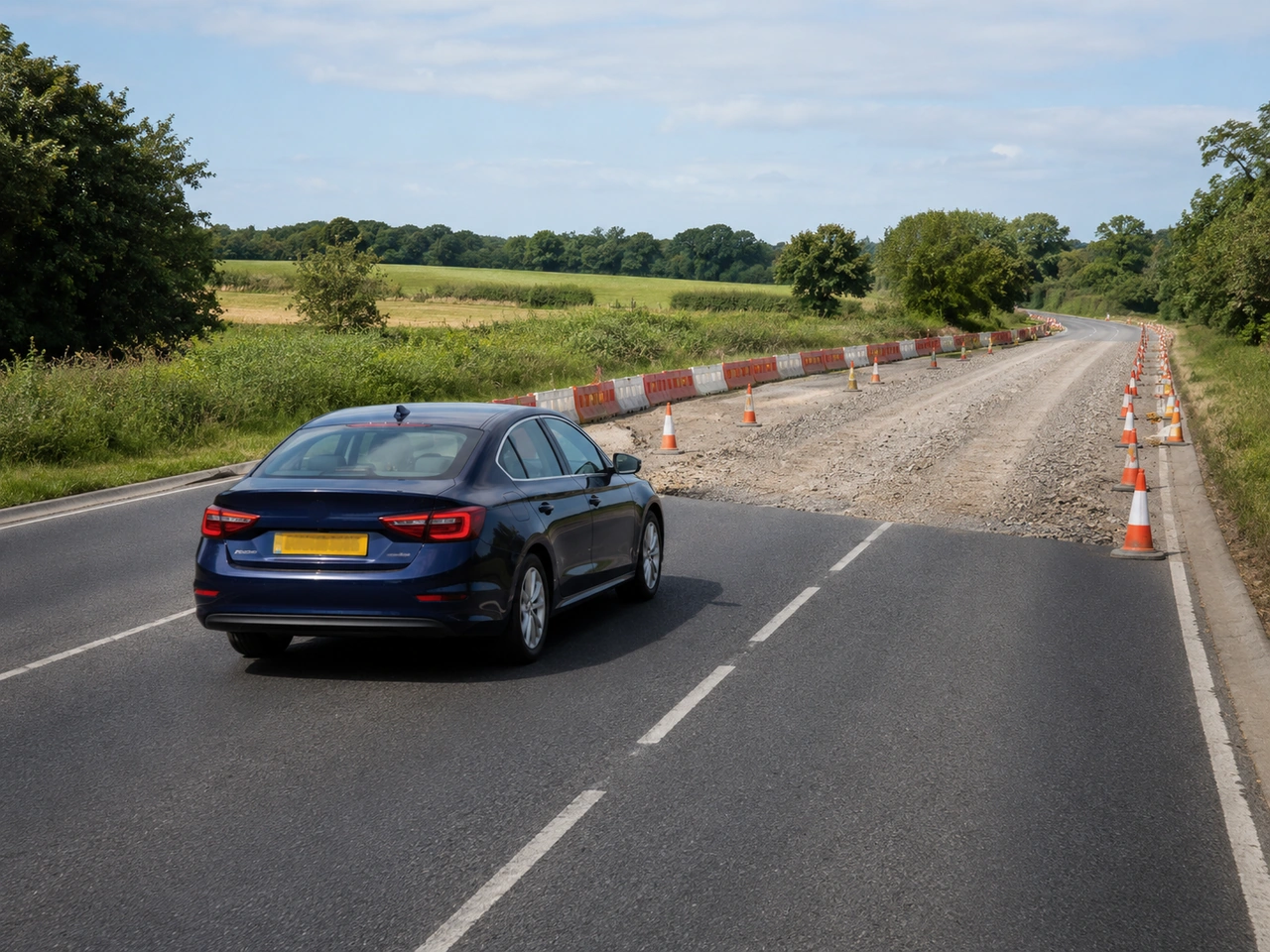
40. Why can temporary road surfaces increase stopping distance?
Temporary surfaces may provide less grip than normal asphalt. Reduce speed and allow more distance for braking.
AI-generated by Traffic-rules.com • WCIT • CC BY-SA
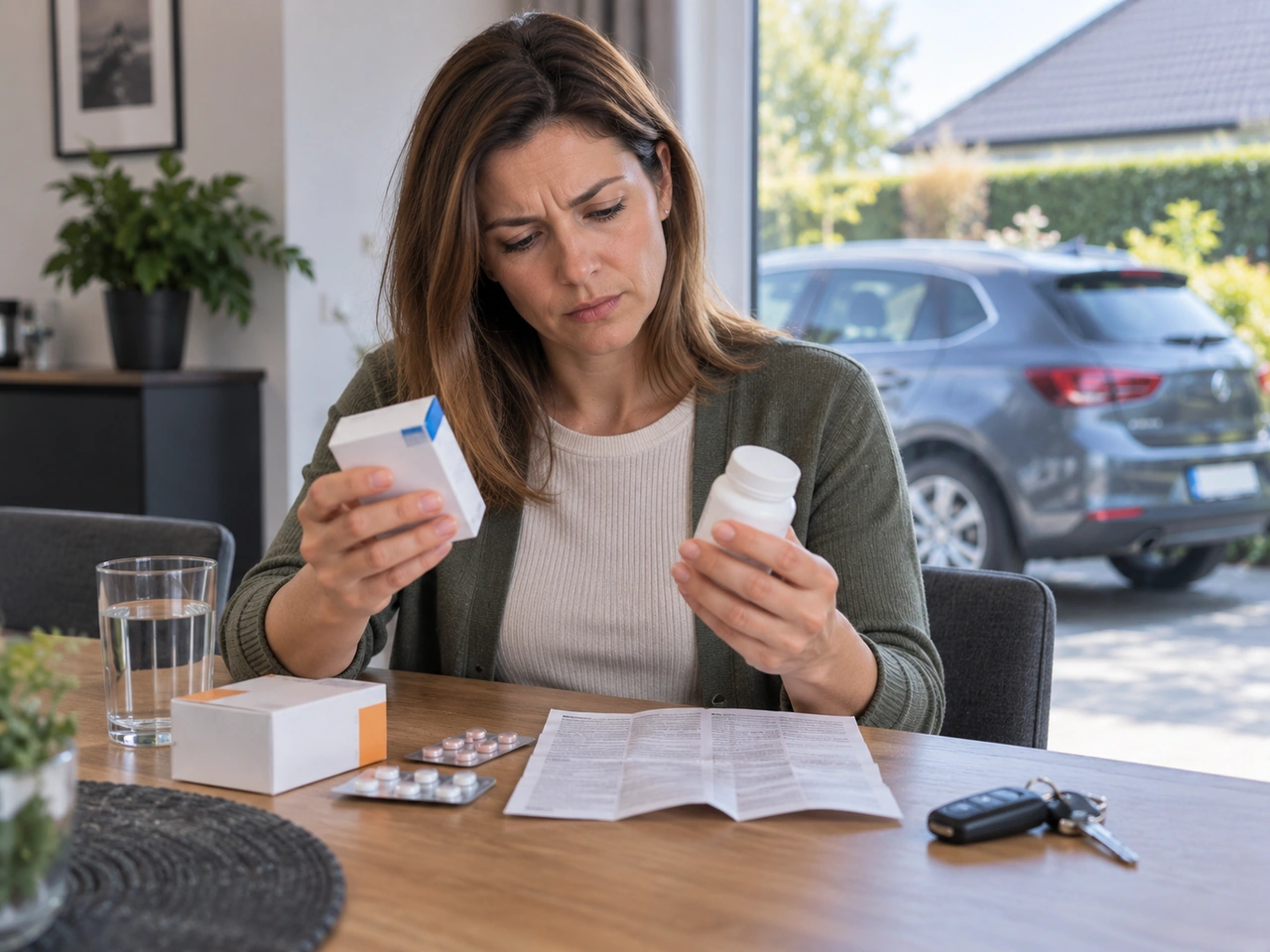
41. Why should you be careful when taking more than one medicine before driving?
Different medicines can interact or have combined side effects such as drowsiness, dizziness, blurred vision, or slower reactions. Check the instructions and seek advice from a doctor or pharmacist if you are unsure whether it is safe to drive.
AI-generated by Traffic-rules.com • WCIT • CC BY-SA
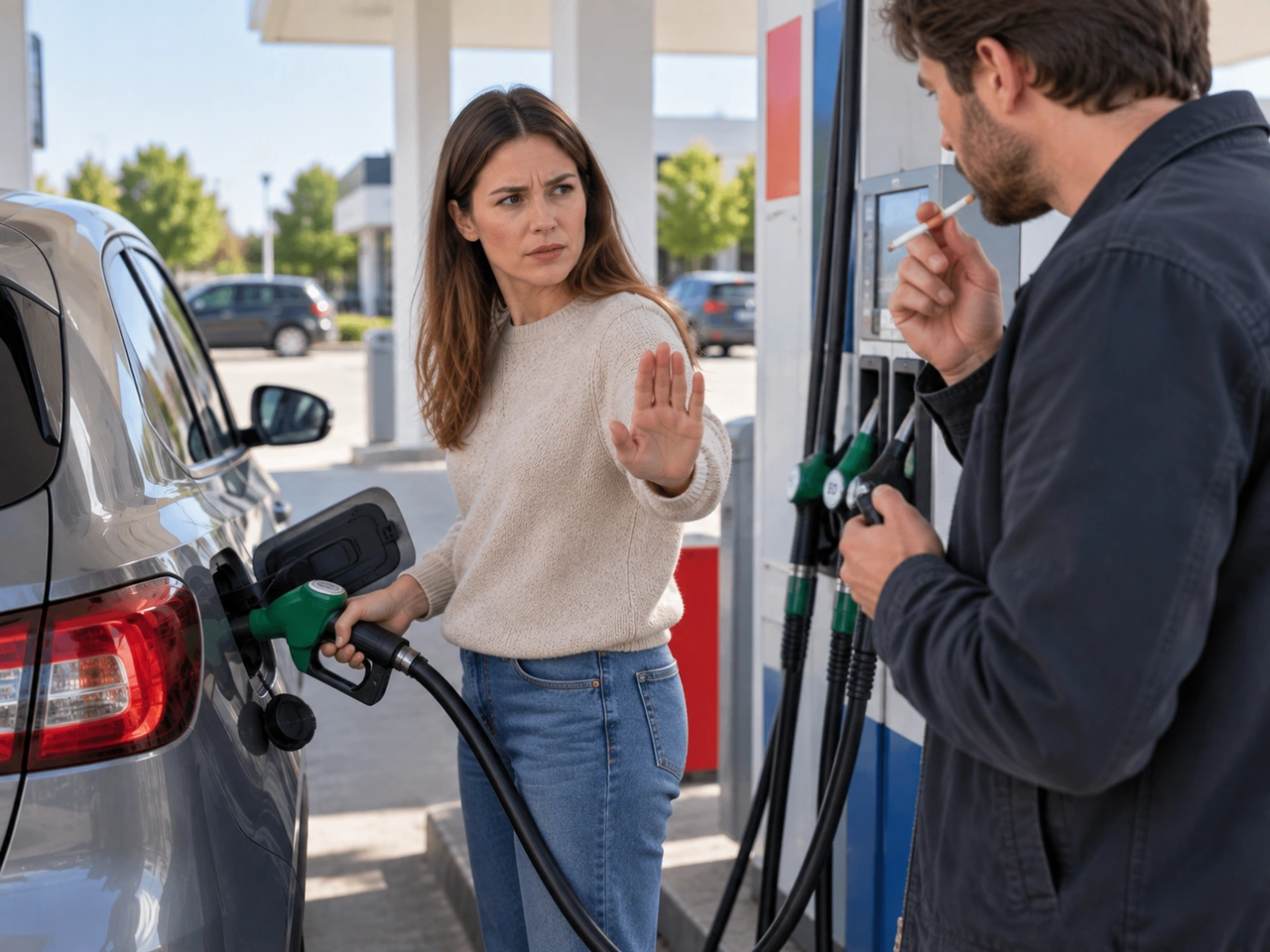
42. Why must you avoid smoking or open flames at a filling station?
Petrol and other fuels can produce flammable vapours. Smoking, open flames, sparks, or other ignition sources can ignite these vapours and cause a serious fire. Follow all filling-station safety rules while refuelling.
AI-generated by Traffic-rules.com • WCIT • CC BY-SA
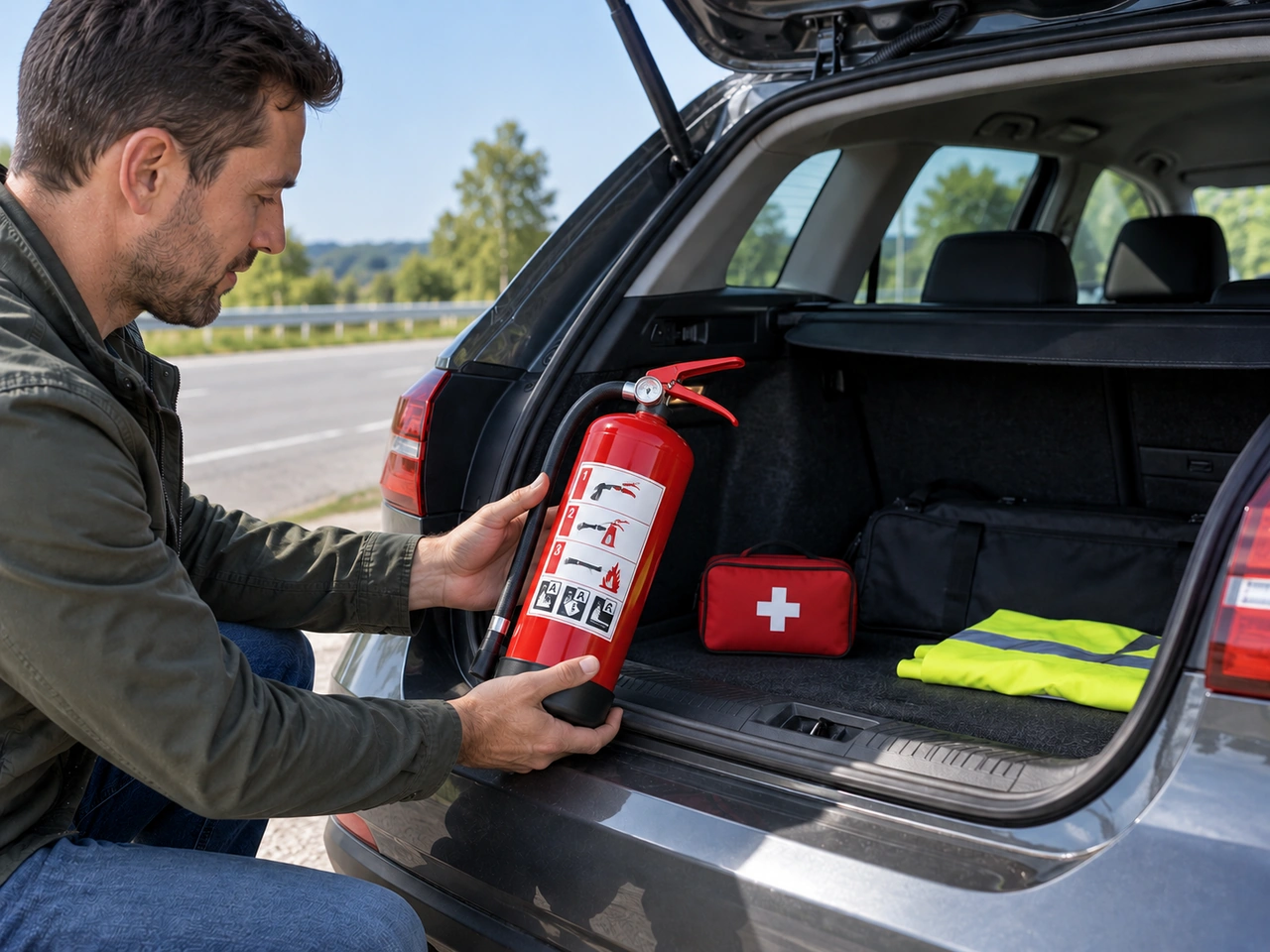
43. Is a fire extinguisher required in cars in Norway?
Cars in Norway are not generally required to carry a fire extinguisher.
AI-generated by Traffic-rules.com • WCIT • CC BY-SA
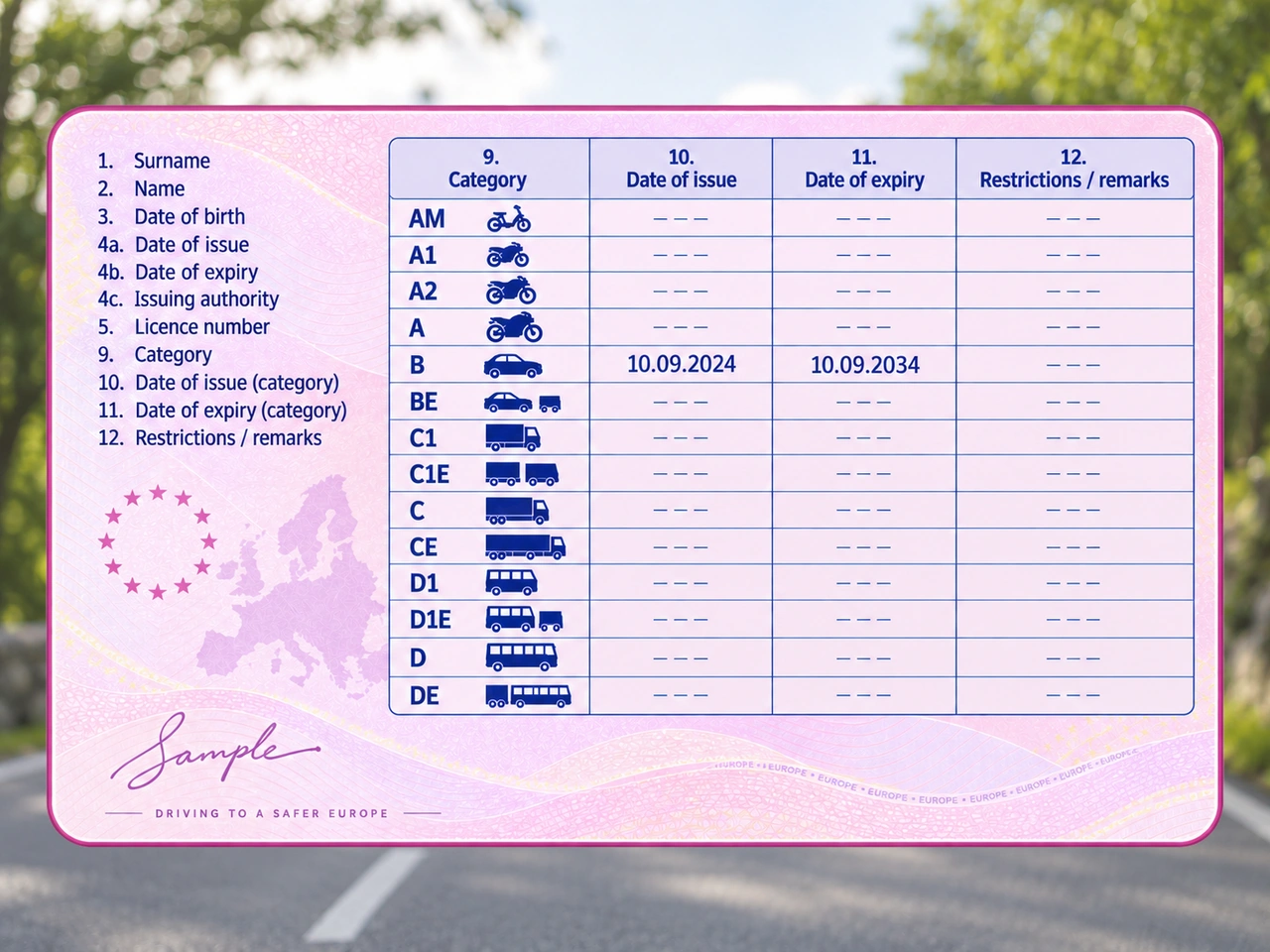
44. Which vehicles are normally covered by driving licence B?
Category B normally covers motor vehicles with a maximum authorised mass of no more than 3,500 kg and designed to carry no more than eight passengers in addition to the driver. Trailer rules depend on the trailer and combined authorised mass.
AI-generated by Traffic-rules.com • WCIT • CC BY-SA
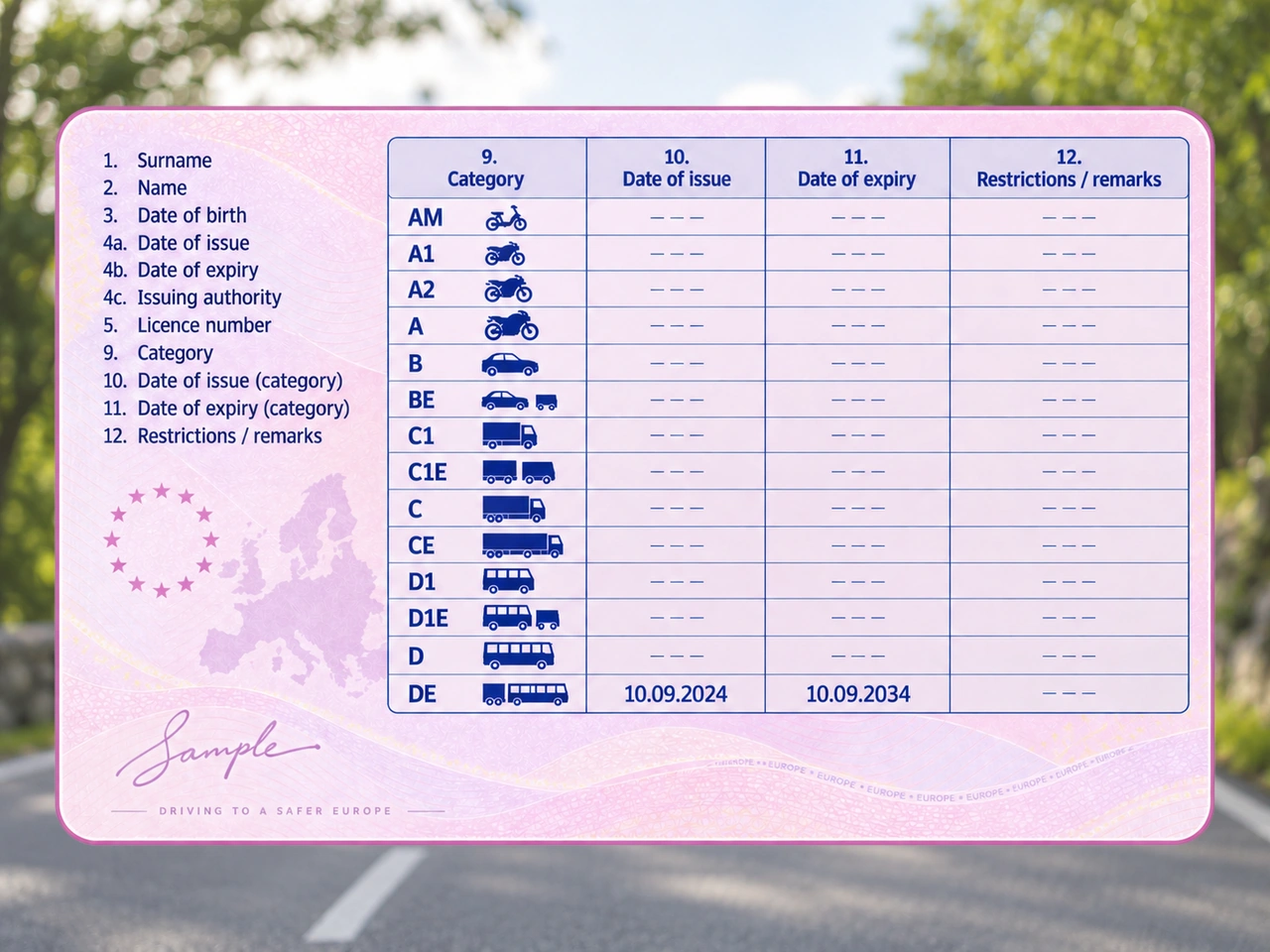
45. Which vehicle combination is covered by driving licence DE?
Category DE covers combinations consisting of a category D towing vehicle and a trailer with a maximum authorised mass above 750 kg.
AI-generated by Traffic-rules.com • WCIT • CC BY-SA
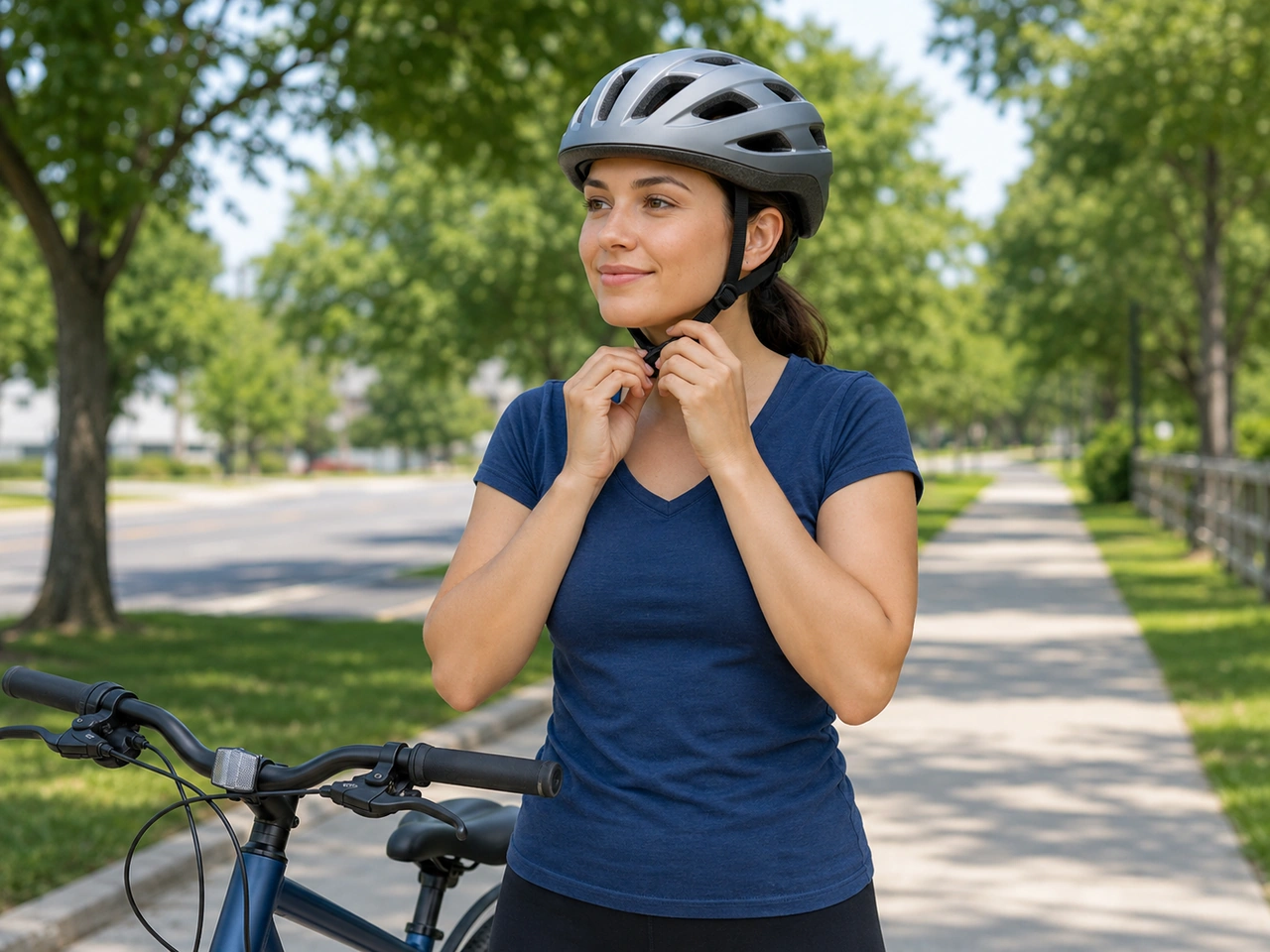
46. How should a bicycle helmet fit?
A helmet should sit level on the head and remain securely in place so it can provide effective protection.
AI-generated by Traffic-rules.com • WCIT • CC BY-SA
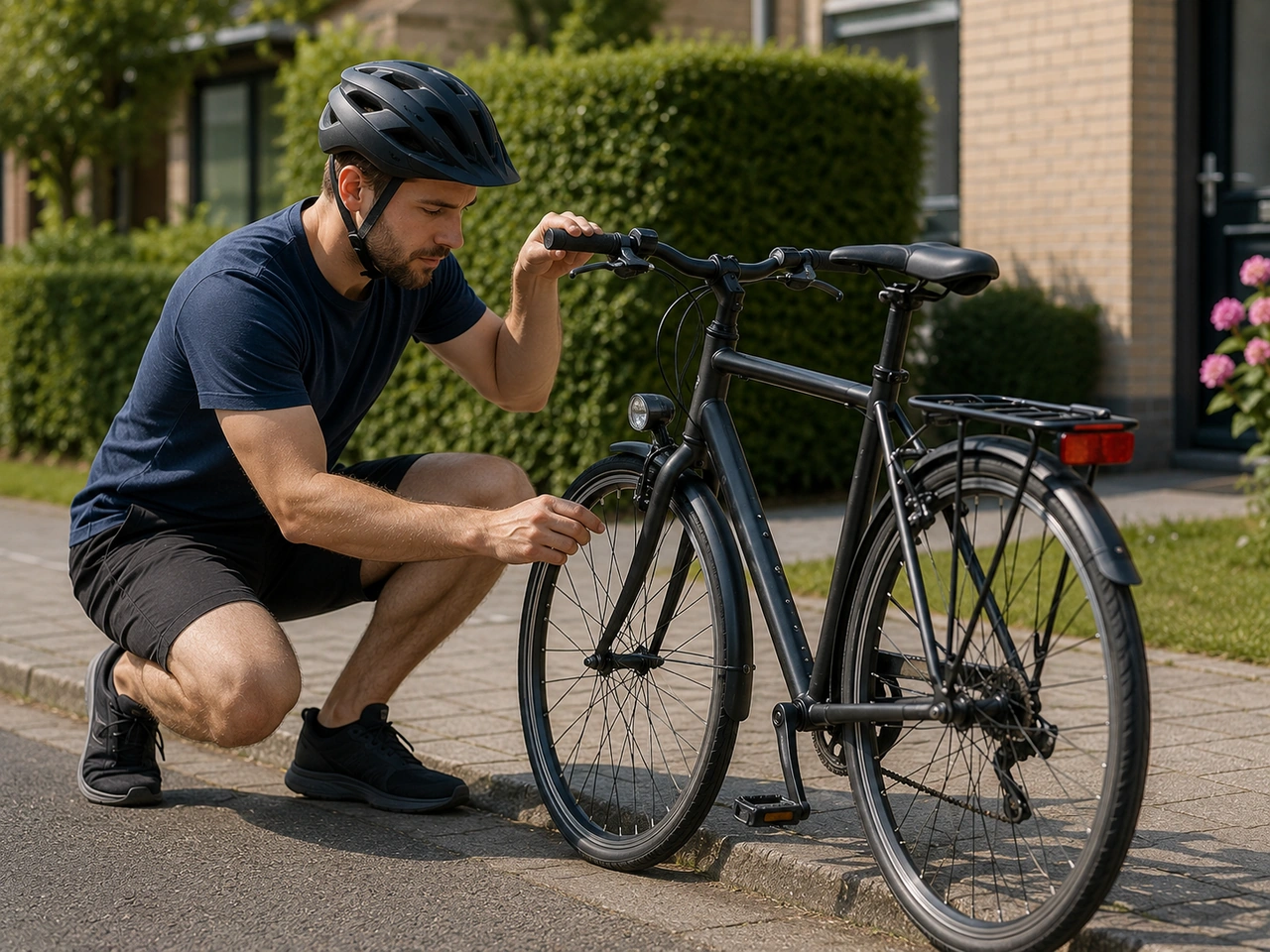
47. What should you check before starting a bicycle journey?
A basic safety check can reveal problems with the brakes, tyres, lights, or steering before they cause an accident.
AI-generated by Traffic-rules.com • WCIT • CC BY-SA
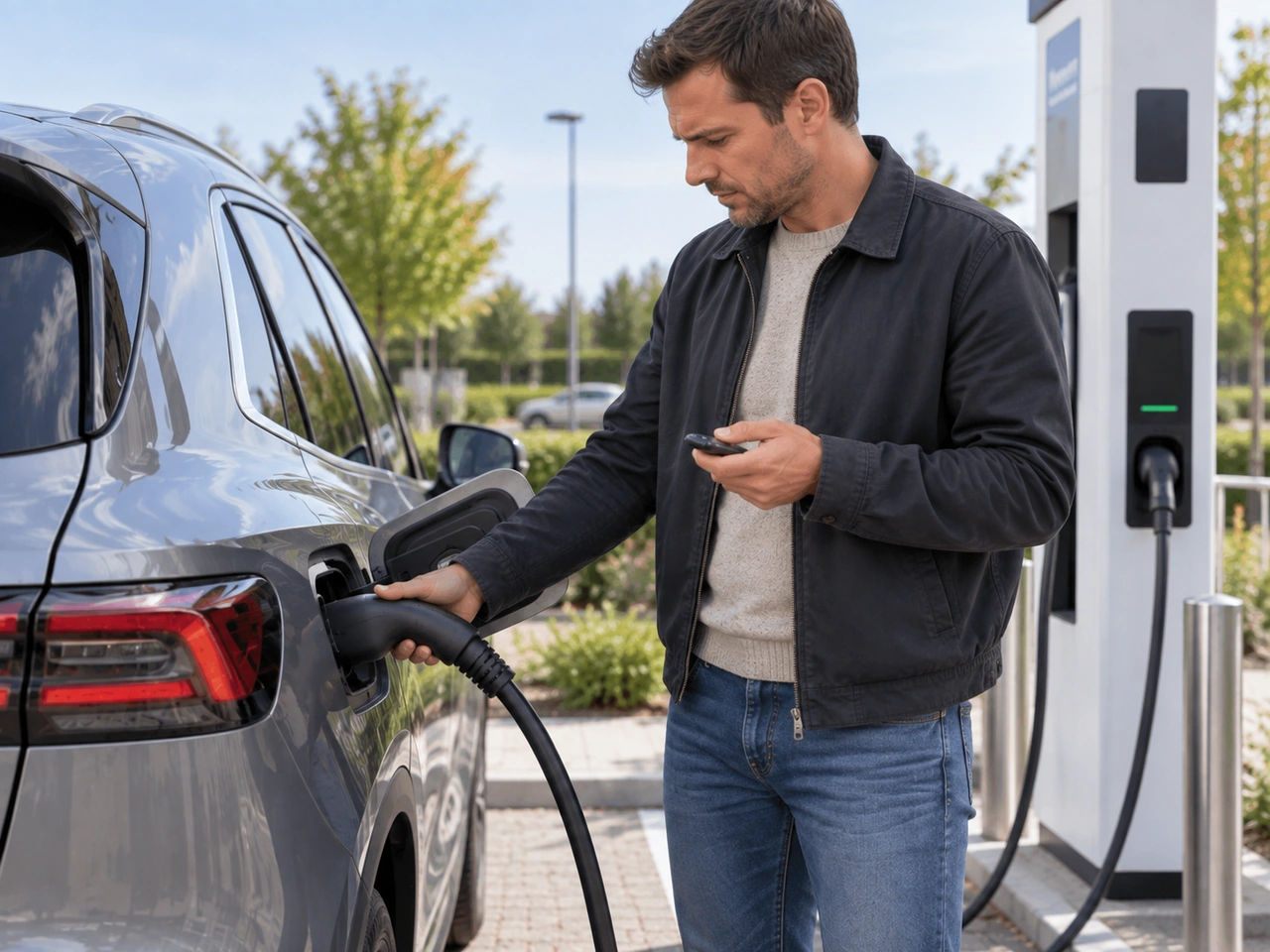
48. What should you do if an EV charging connector will not release from the vehicle?
Charging connectors may remain locked while charging or until the vehicle is unlocked. Stop the charging session and follow the vehicle or charger's release procedure. Never force the connector; if it remains stuck, seek appropriate assistance.
AI-generated by Traffic-rules.com • WCIT • CC BY-SA
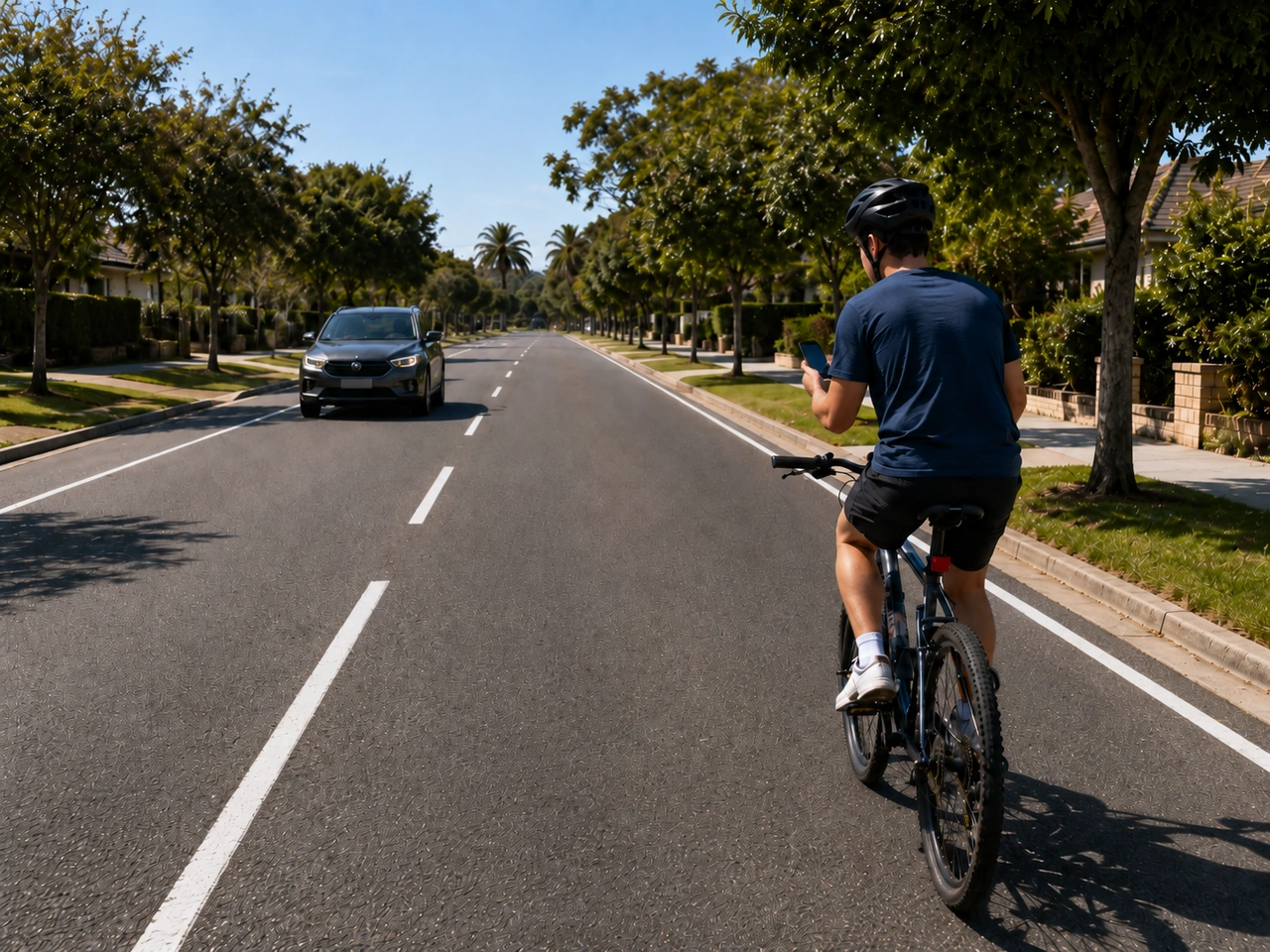
49. Why should cyclists avoid using a handheld phone?
Using a phone can distract you and may prevent you from steering, braking, or reacting properly.
AI-generated by Traffic-rules.com • WCIT • CC BY-SA
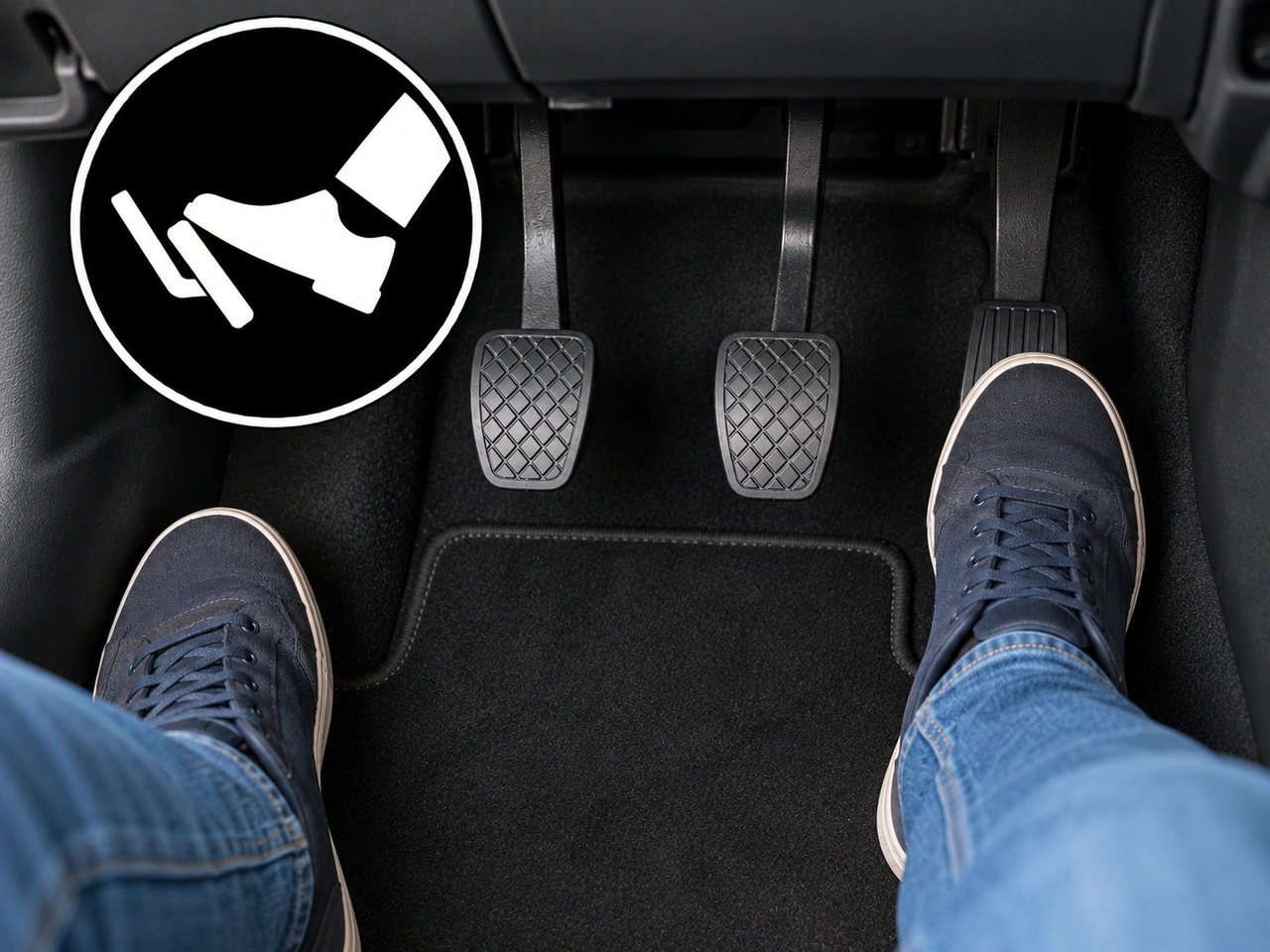
50. Which pedal is used to increase the vehicle's speed?
The accelerator pedal controls the amount of power delivered by the engine and is used to increase or maintain the vehicle's speed. It is the right-hand pedal.
AI-generated by Traffic-rules.com • WCIT • CC BY-SA