


QuizTraffic rulesNorway
Test your knowledge with our multiple-choice quiz. Learn from each answer and improve your understanding of the traffic rules and road signs of Norway.
 Traffic signs
 Traffic rules
 Norway
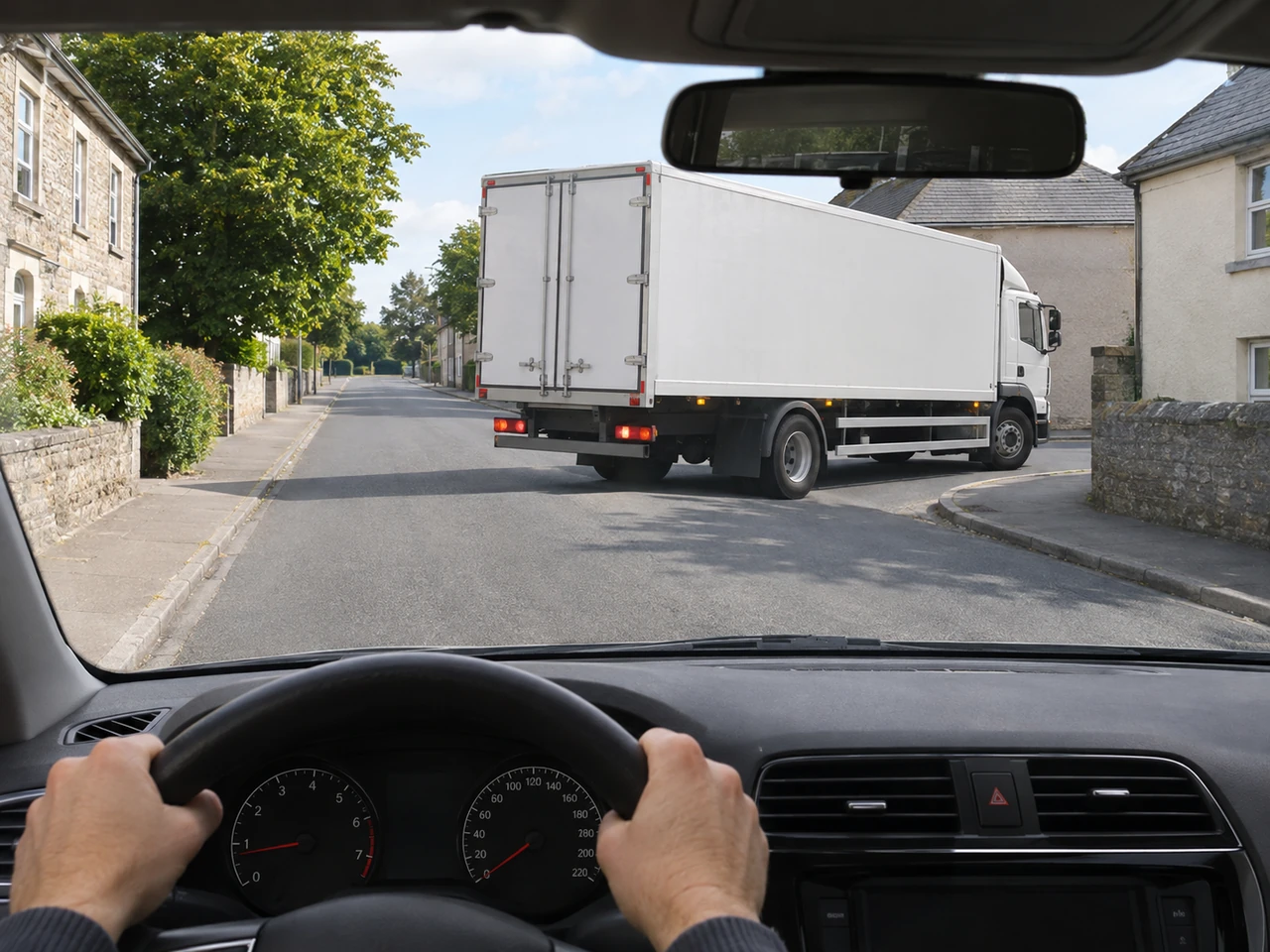
1051. Large vehicles may need extra room to turn.
A bus or lorry may need more road space than a car to complete a turn. Keep clear and be prepared to wait rather than moving into the space it needs.

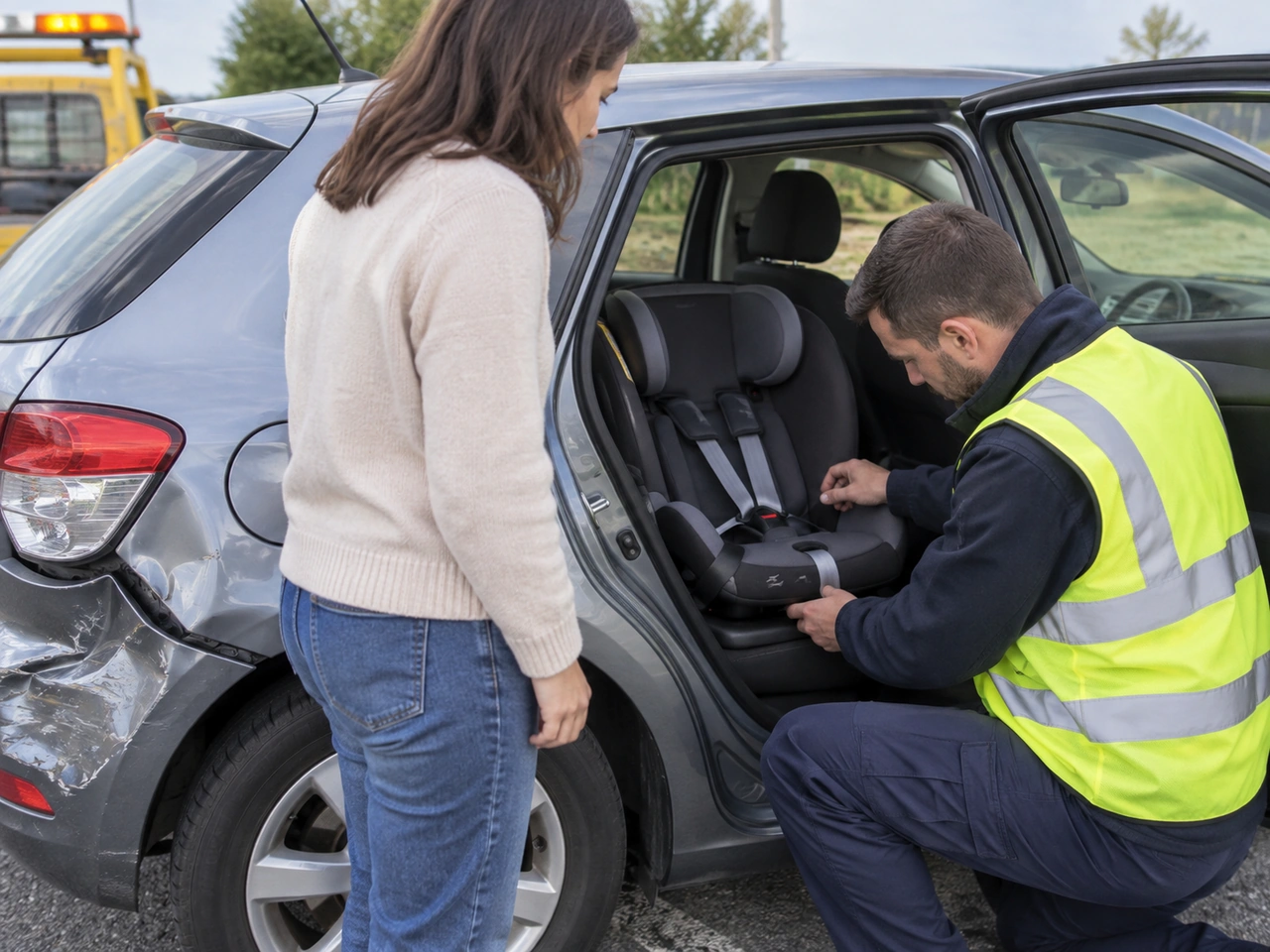
1052. What should you do with a child restraint after a collision?
A child restraint may be damaged in a collision even when the damage is not obvious. Follow the manufacturer's instructions, as the restraint may need to be inspected or replaced before it is used again.
🔗 Sources
United States — NHTSA; child-seat crash replacement guidance and manufacturer instructions
Image credit: AI-generated
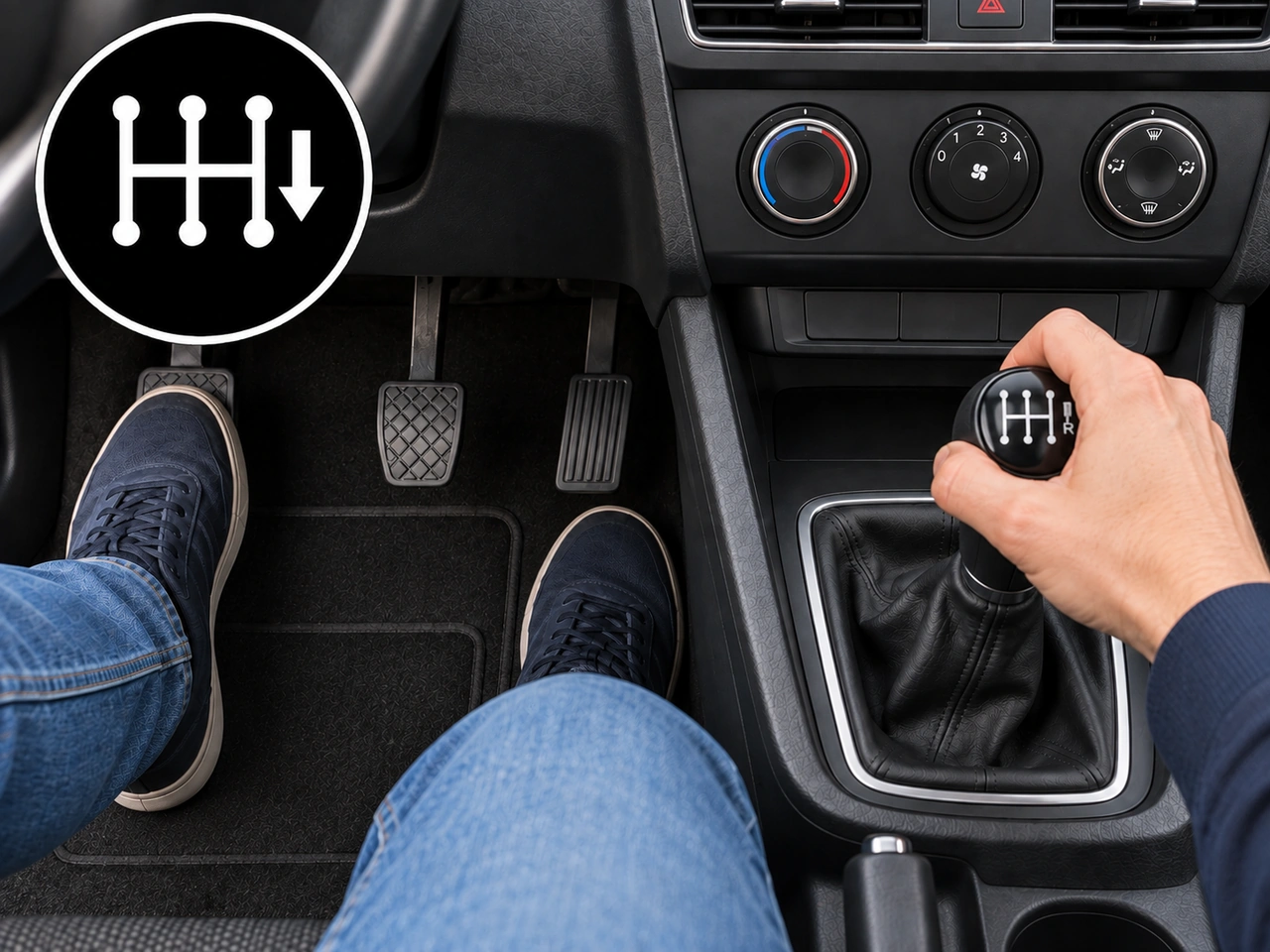
1053. What can selecting a lower gear provide in a manual vehicle?
Selecting a suitable lower gear can increase engine braking, helping the vehicle slow or control its speed without relying entirely on the brakes.
On a descent, a suitable lower gear can help control speed. Avoid sudden downshifts on slippery roads.
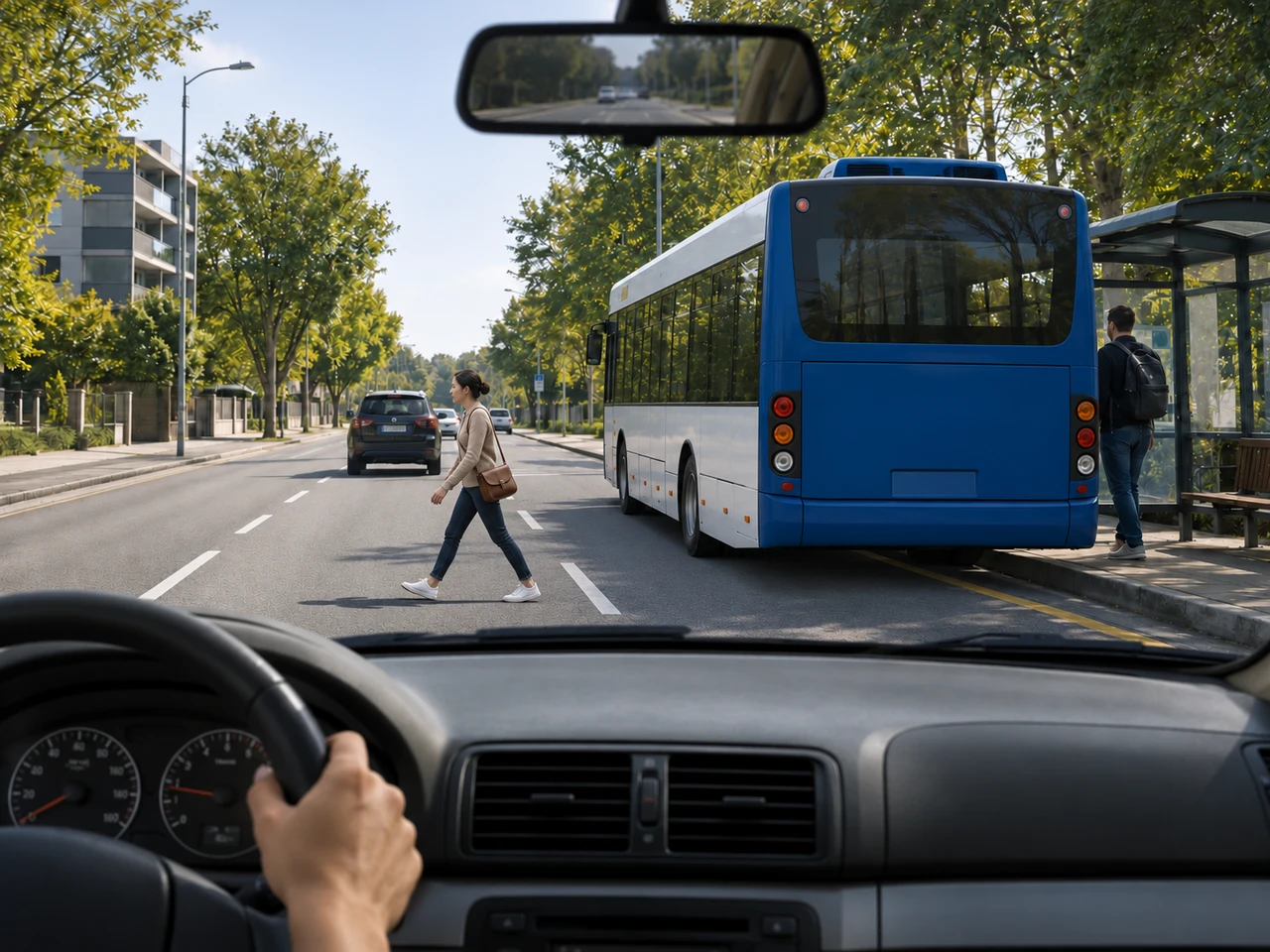
1054. Why should you be careful when driving beside a bus at a stop?
Stopped buses can hide pedestrians, and passengers may cross unexpectedly. Slow down and be ready to react.
Norway. On roads with a speed limit of 60 km/h or less, give way to a bus when its driver signals that it is leaving a stop.
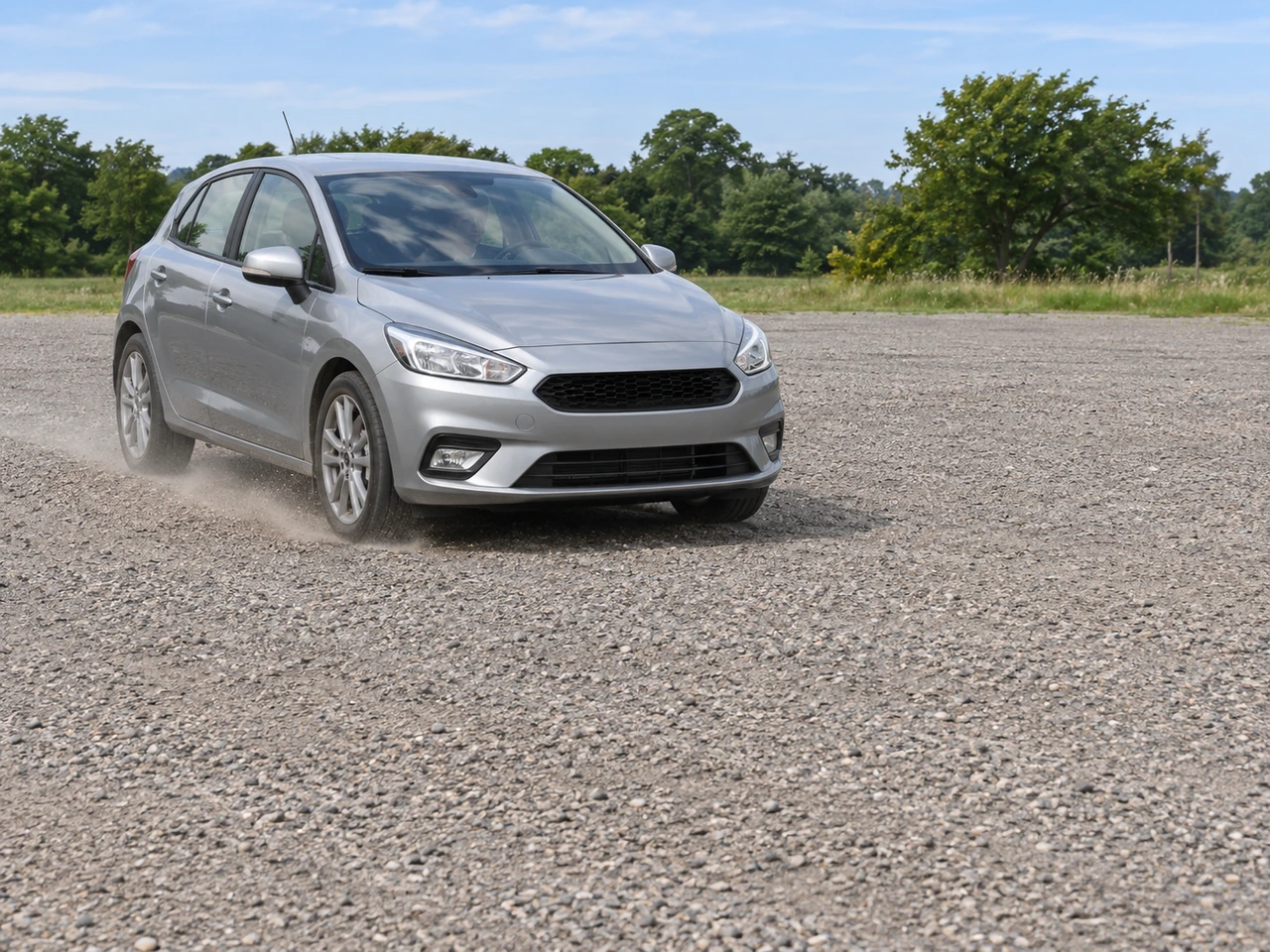
1055. Does ABS guarantee a shorter stopping distance on every surface?
The anti-lock braking system (ABS) helps prevent wheel lock and retain steering control during braking. It does not guarantee a shorter stop on every surface. Keep a safe distance and follow the braking instructions for your vehicle.
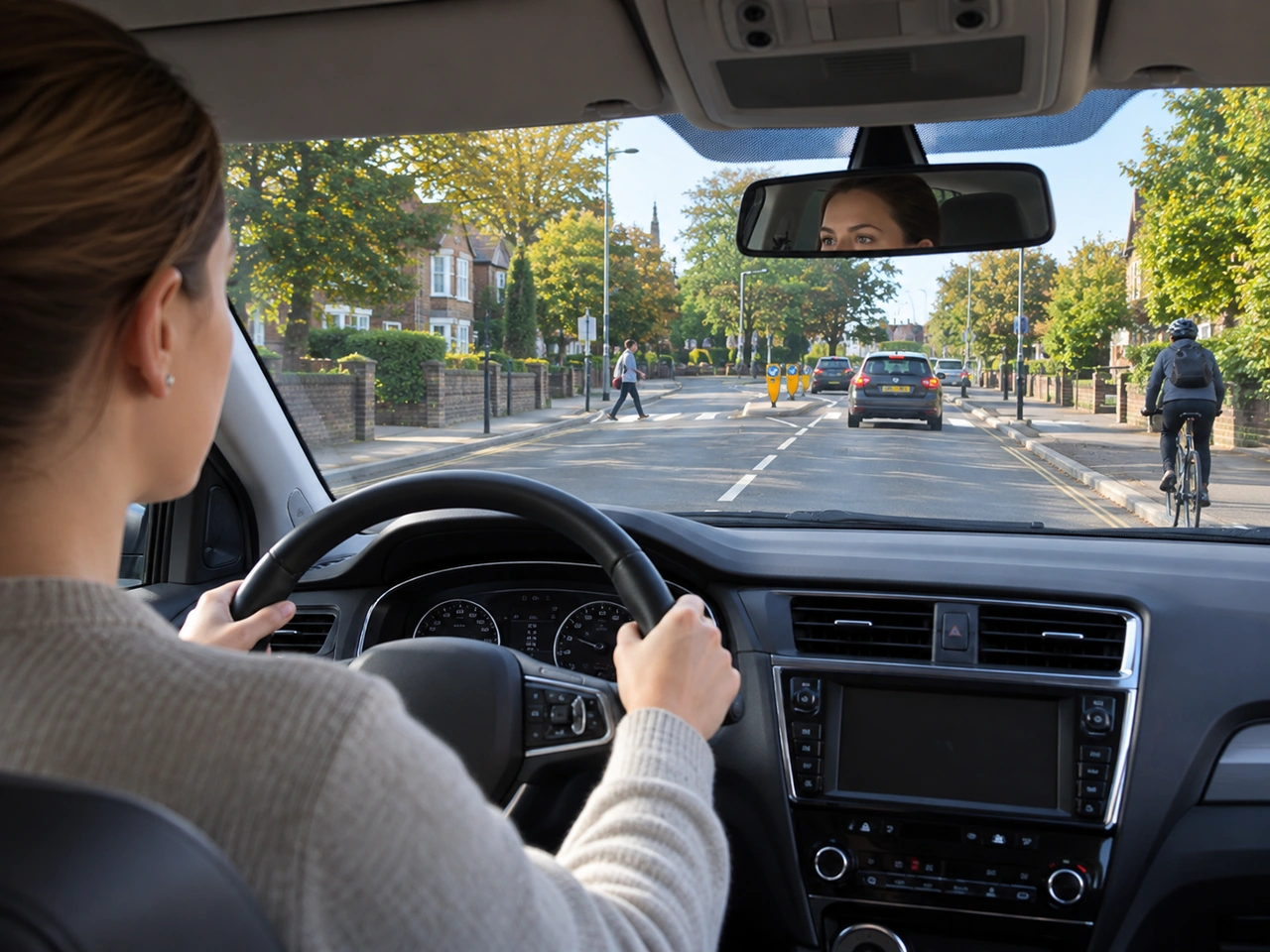
1056. Why should you look well ahead while driving?
Looking well ahead helps you identify developing hazards early, such as slowing traffic, pedestrians, junctions, or changing road conditions. Earlier detection gives you more time to assess the situation and respond smoothly and safely.
🔗 Sources
Oregon DMV — general advice on spacing, lane changes, curves, scanning and overtaking
Image credit: AI-generated
1057. Why should unnecessary engine idling be avoided?
An idling combustion engine uses fuel while the vehicle is stationary. Avoid unnecessary idling where it is safe and appropriate to switch the engine off, taking account of the vehicle manufacturer's instructions and local rules.
🔗 Sources
Norwegian Public Roads Administration – Traffic rules, Section 16
Image credit: AI-generated
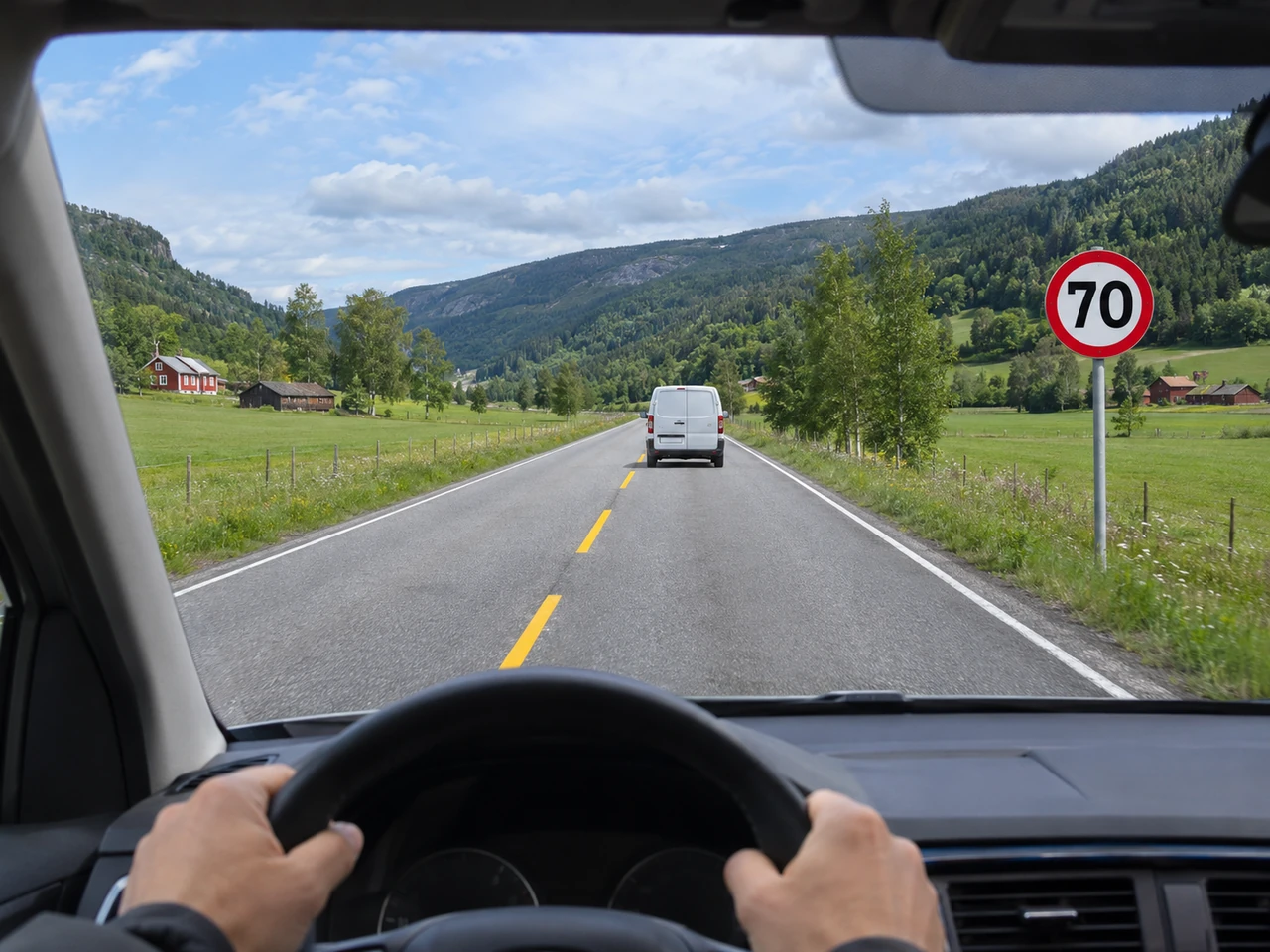
1058. Overtaking always makes it safe to exceed the speed limit.
You must still drive safely and obey traffic laws. Speeding increases risk and is not automatically justified by overtaking.
🔗 Sources
Norway, Road Traffic Act, § 6: speed rules.
Traffic Rules, § 12(2)–(3): clear road and safe return when overtaking.
Image credit: AI-generated country-specific scene.
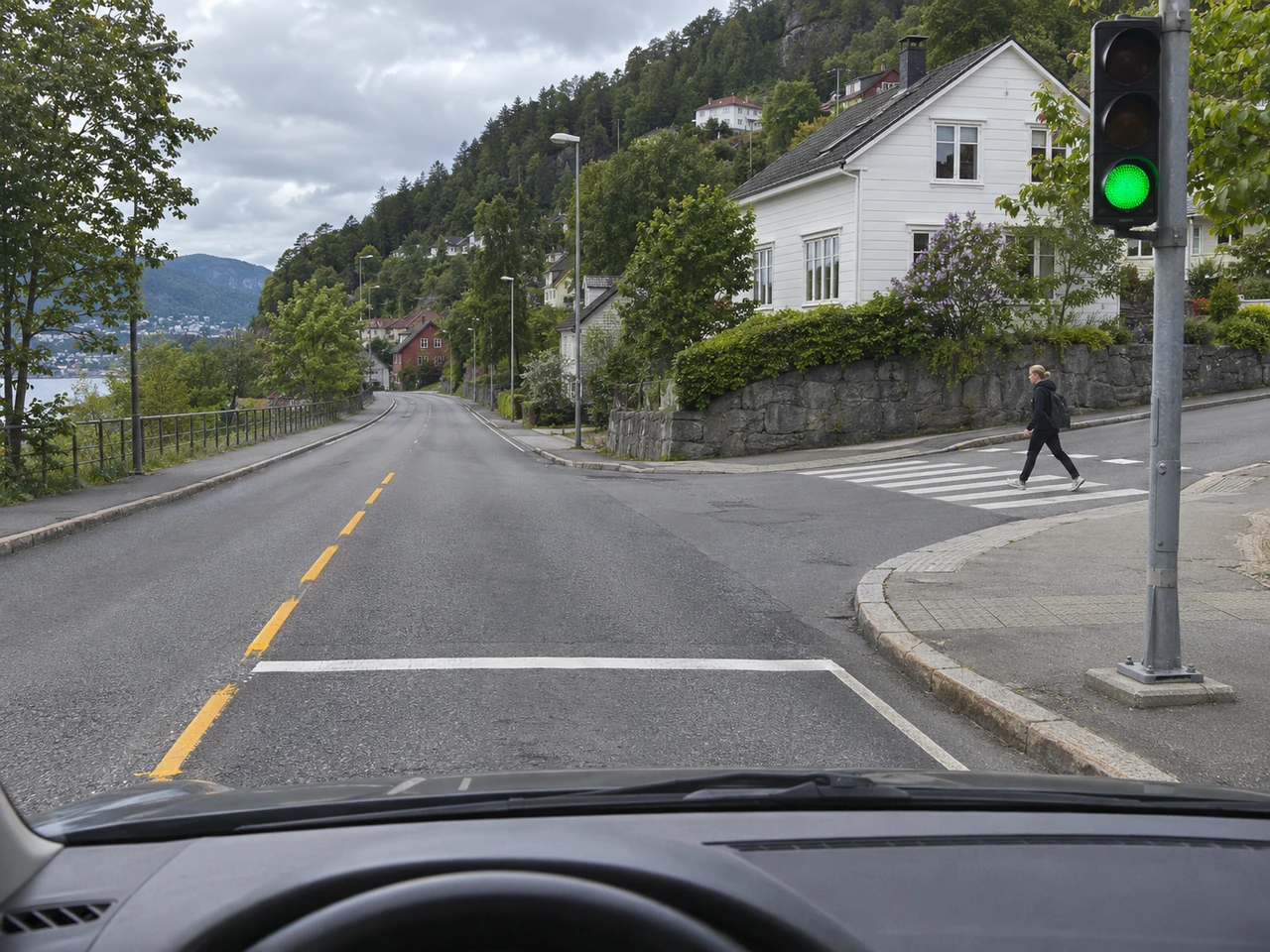
1059. What does a green traffic light mean?
A green light allows you to continue, but you must still watch for pedestrians, cyclists, and other road users.
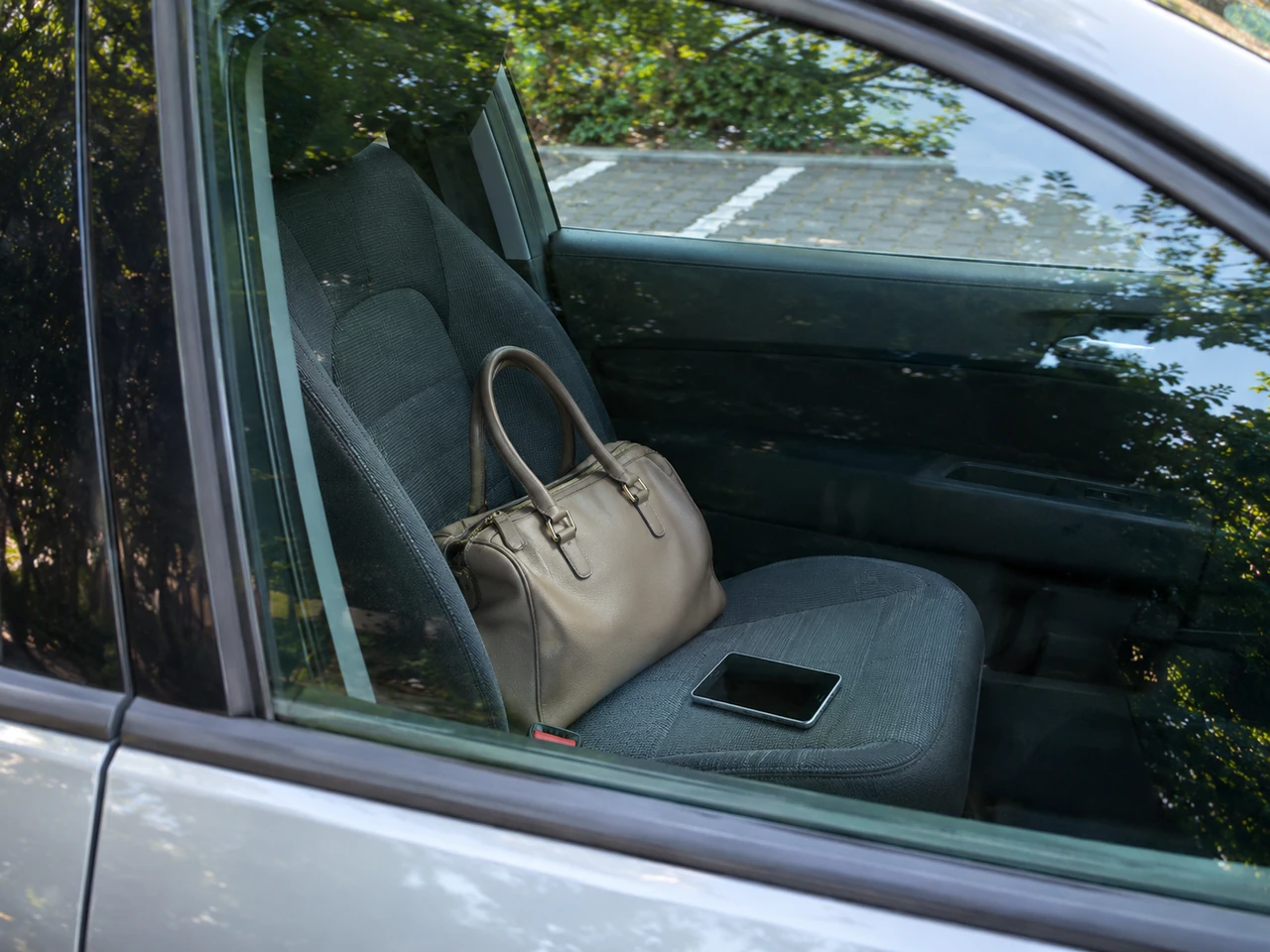
1060. Leaving valuables in view can attract thieves to your parked car.
Bags, phones and other belongings left on show can attract thieves. Remove valuables when leaving the car; locking the doors does not remove the risk of theft.
🔗 Sources
The Highway Code (Great Britain) • Safety guidance, Vehicle security: contents out of sight
Image credit: AI-generated
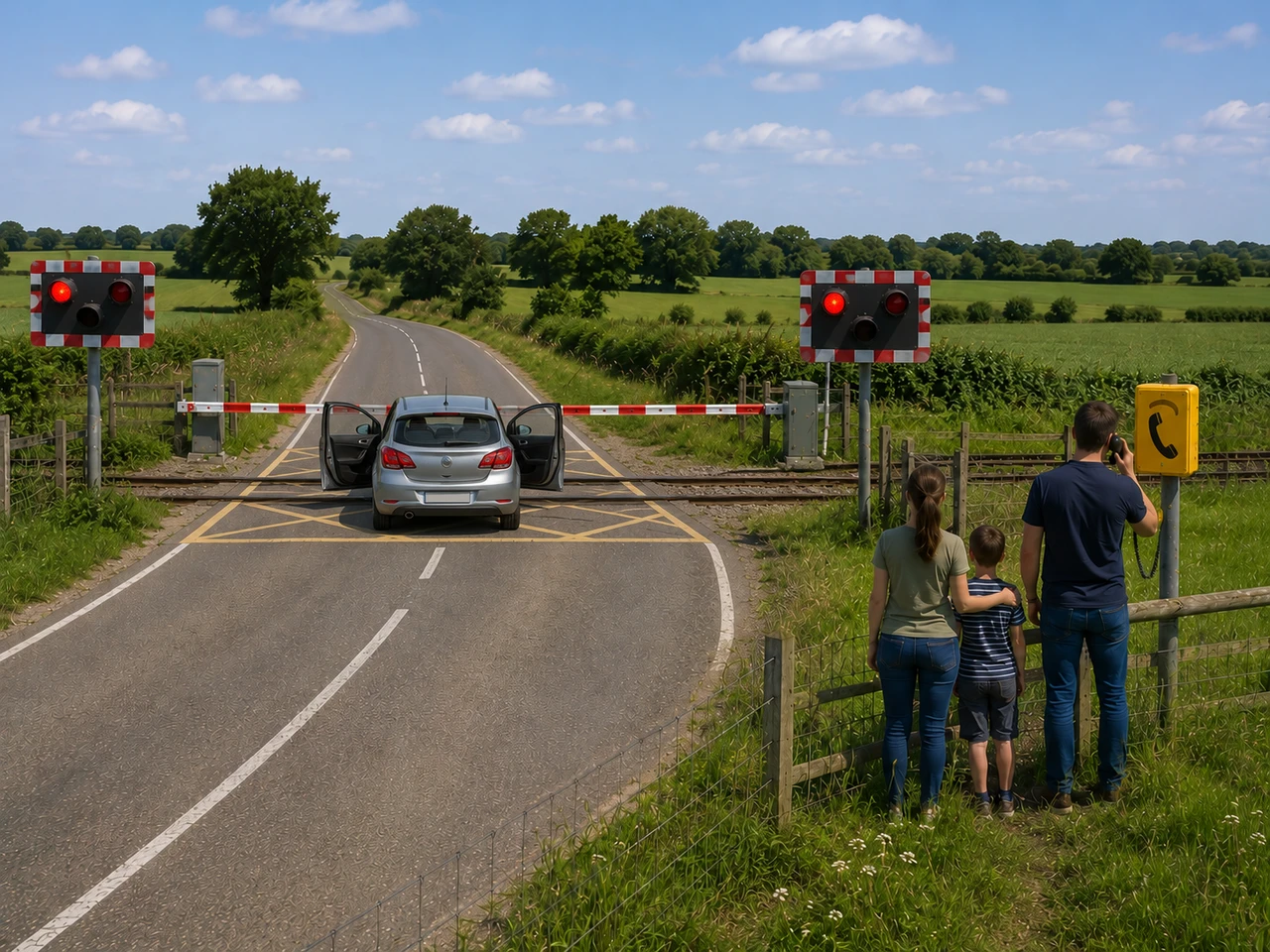
1061. What should you do if your vehicle becomes stuck on a railway crossing?
Get everyone out immediately and move well clear of the tracks and railway land. Do not delay evacuation to collect belongings, keep trying to restart, or push the vehicle. From safety, urgently use the crossing's emergency contact arrangements or call the emergency services. Give the exact crossing location and identification details if available without returning to danger.
Get everyone out and clear of the crossing immediately. Great Britain guidance then uses an available railway telephone to alert the signal operator; follow their instructions.
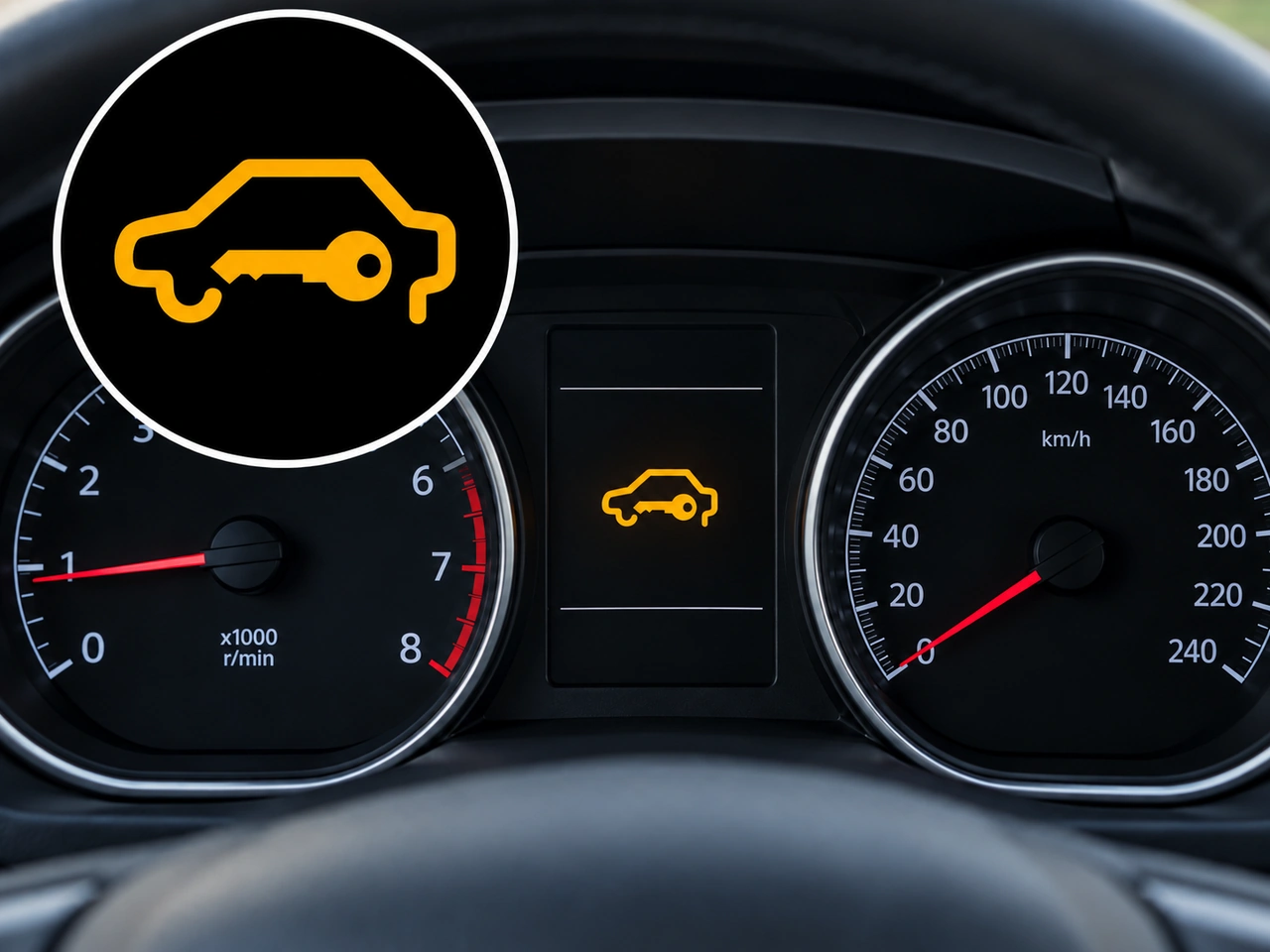
1062. What does this dashboard symbol indicate?
This symbol relates to the vehicle's immobiliser or anti-theft system. If it remains illuminated or flashes unexpectedly, the vehicle may not recognise the key or there may be a fault in the security system.
The security indicator may flash when the vehicle is parked. If it behaves unexpectedly or the engine will not start, check the key and follow the handbook.
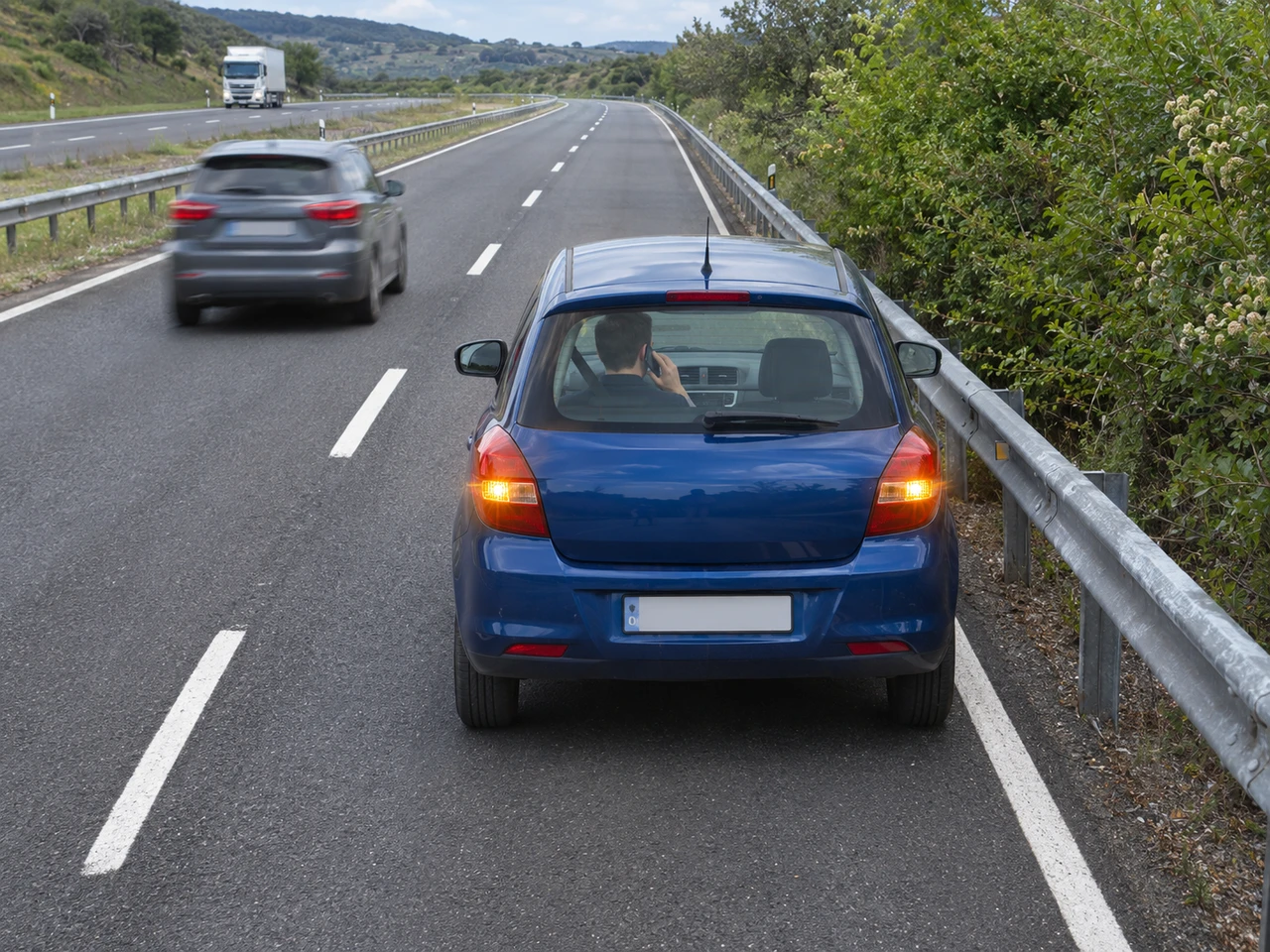
1063. What should you do if it is unsafe to leave a stranded vehicle?
If you cannot leave safely, keep your seat belt fastened, use the hazard warning lights and contact the emergency services immediately. Explain that you are stranded and cannot get out safely, give your location and follow the operator’s instructions. Do not attempt to cross live traffic lanes. This advice concerns an unsafe exit; fire or another immediate threat inside the vehicle may require urgent evacuation.
On motorways, if safe exit is impossible, remain belted with hazards on and call emergency services.
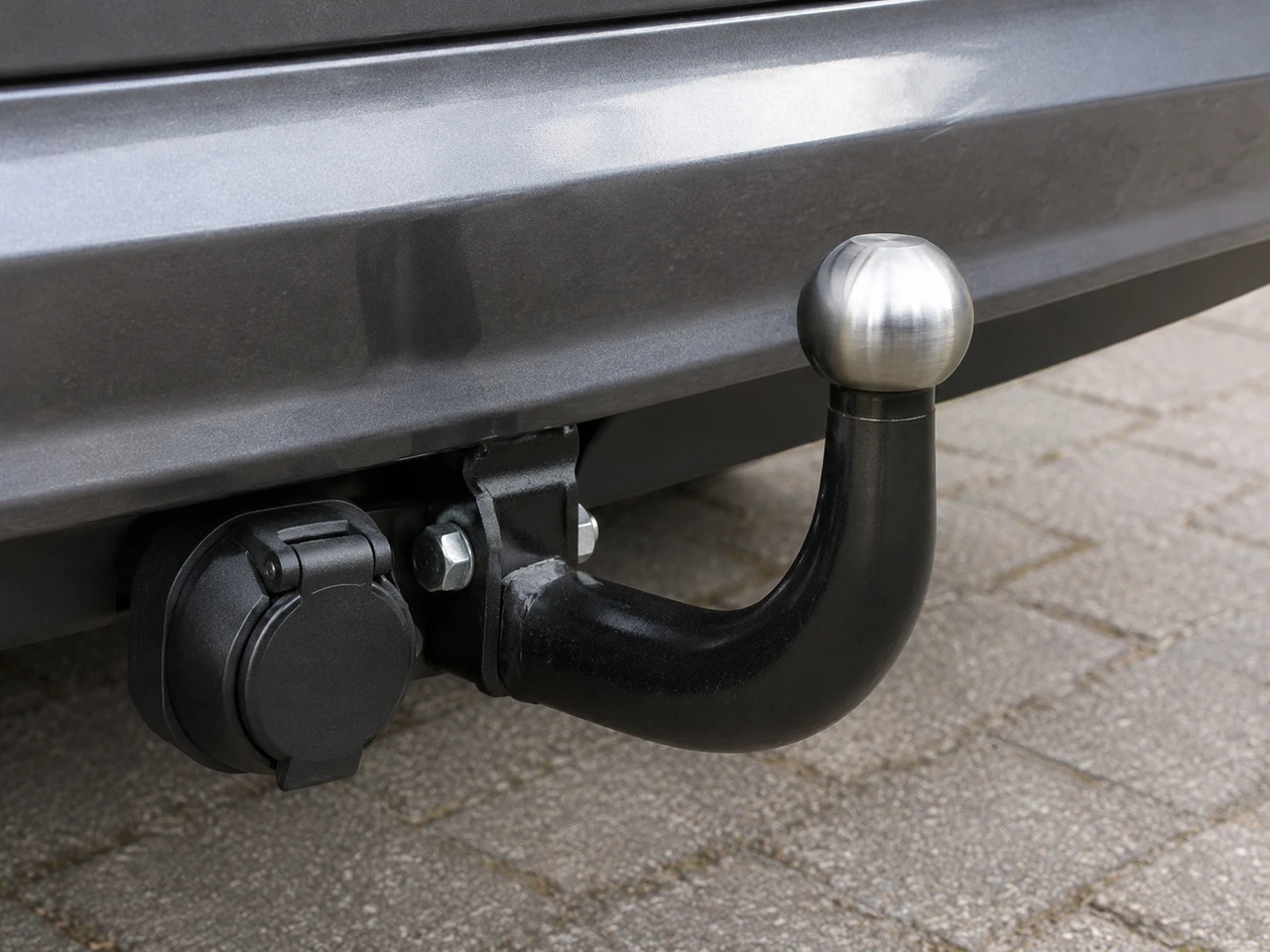
1064. Towbar vertical-load limits do not matter when using a towbar-mounted cycle carrier.
Count the carrier, bicycles and accessories against the vehicle and towbar's permitted vertical load. Also follow the carrier's own load limits. Maximum towing weight is a different rating.
🔗 Sources
Ford / Thule carrier specification (manufacturer guidance) • Safety guidance, combined carrier and load versus vehicle noseweight limit; check all component limits
Image credit: AI-generated
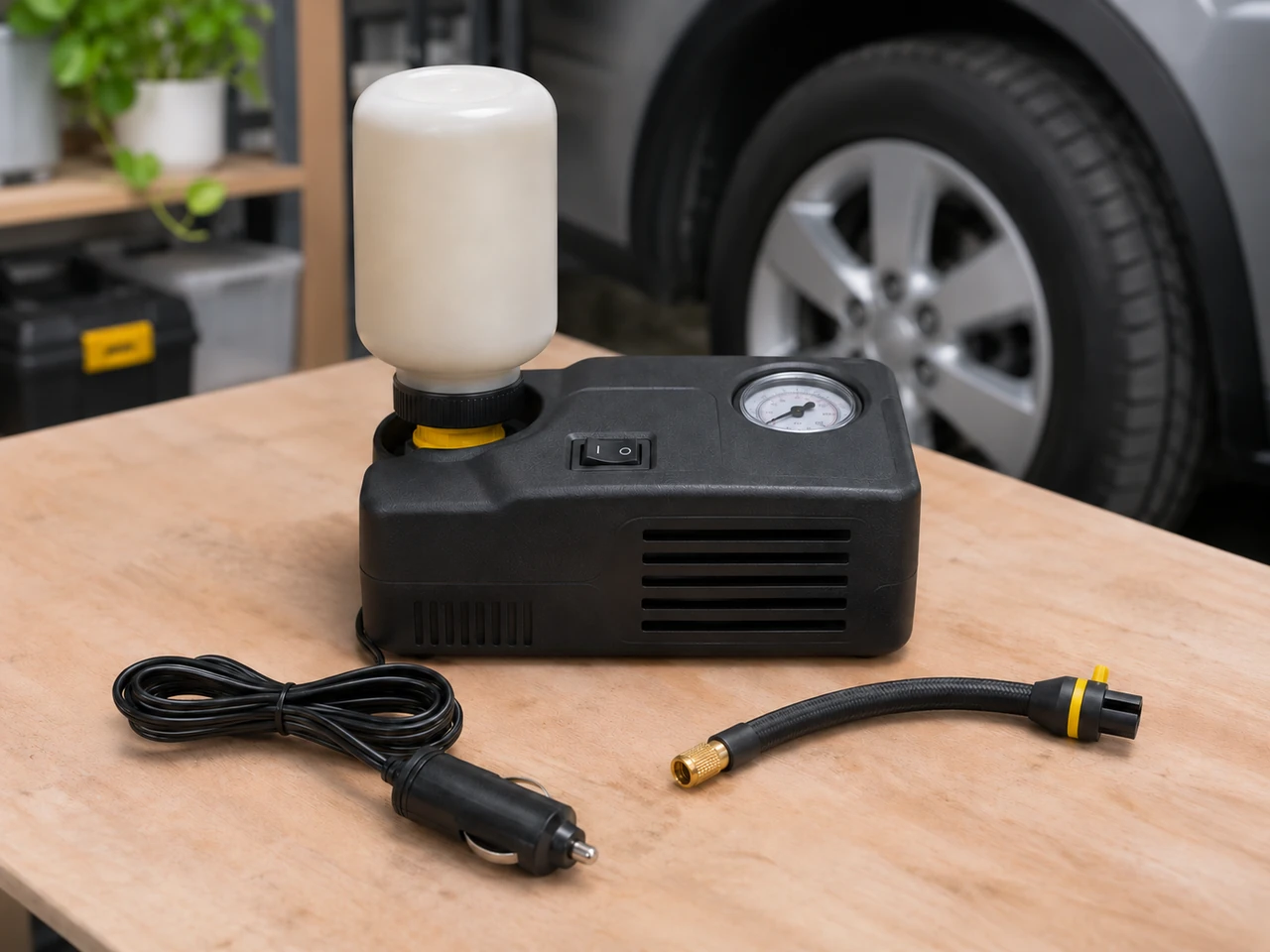
1065. Emergency tyre sealant can repair every type of tyre damage.
Sealant kits have limits and cannot make every damaged tyre safe. Damage outside the kit's permitted repair area, large holes or structural damage may make it unsuitable. Follow the kit and vehicle instructions and call for assistance if needed.
🔗 Sources
General technical guidance: Renault Megane Sedan — kit limitations and temporary repairs.
Image credit: AI-generated
