


QuizTraffic rulesNorway
This interesting quiz helps you test your knowledge in a clear and visual way. With easy multiple-choice questions, you can quickly build confidence and learn new facts while keeping it simple, interactive, and fun.
 Traffic signs
 Traffic rules
 Norway
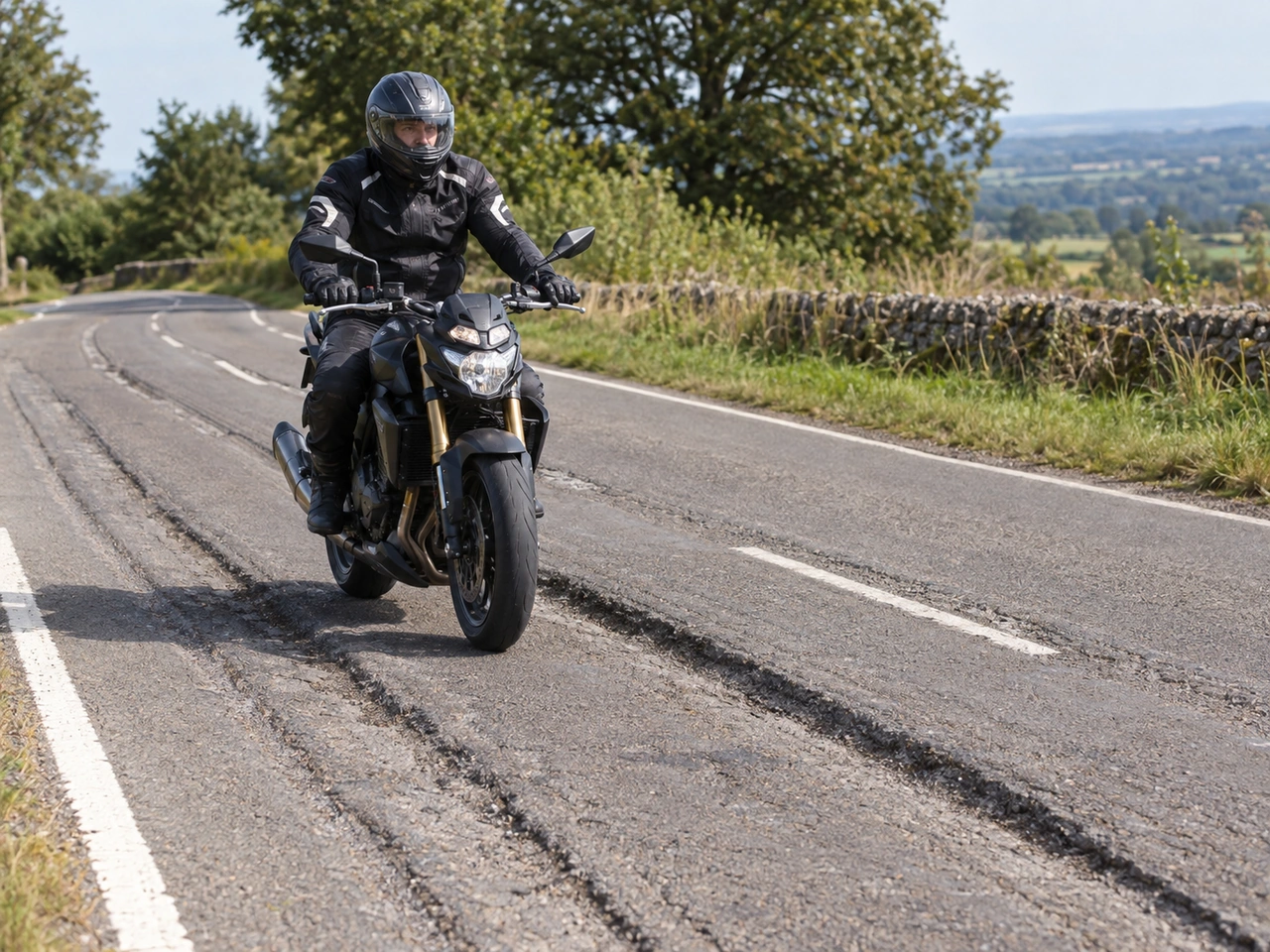
401. How should a motorcyclist react to grooves or ruts in the road?
Longitudinal grooves or ruts can affect a motorcycle's steering and may make the wheels follow the uneven surface. Reduce speed where necessary, keep a relaxed but steady grip and avoid sudden braking, acceleration or steering corrections.
AI-generated by Traffic-rules.com • WCIT • CC BY-SA

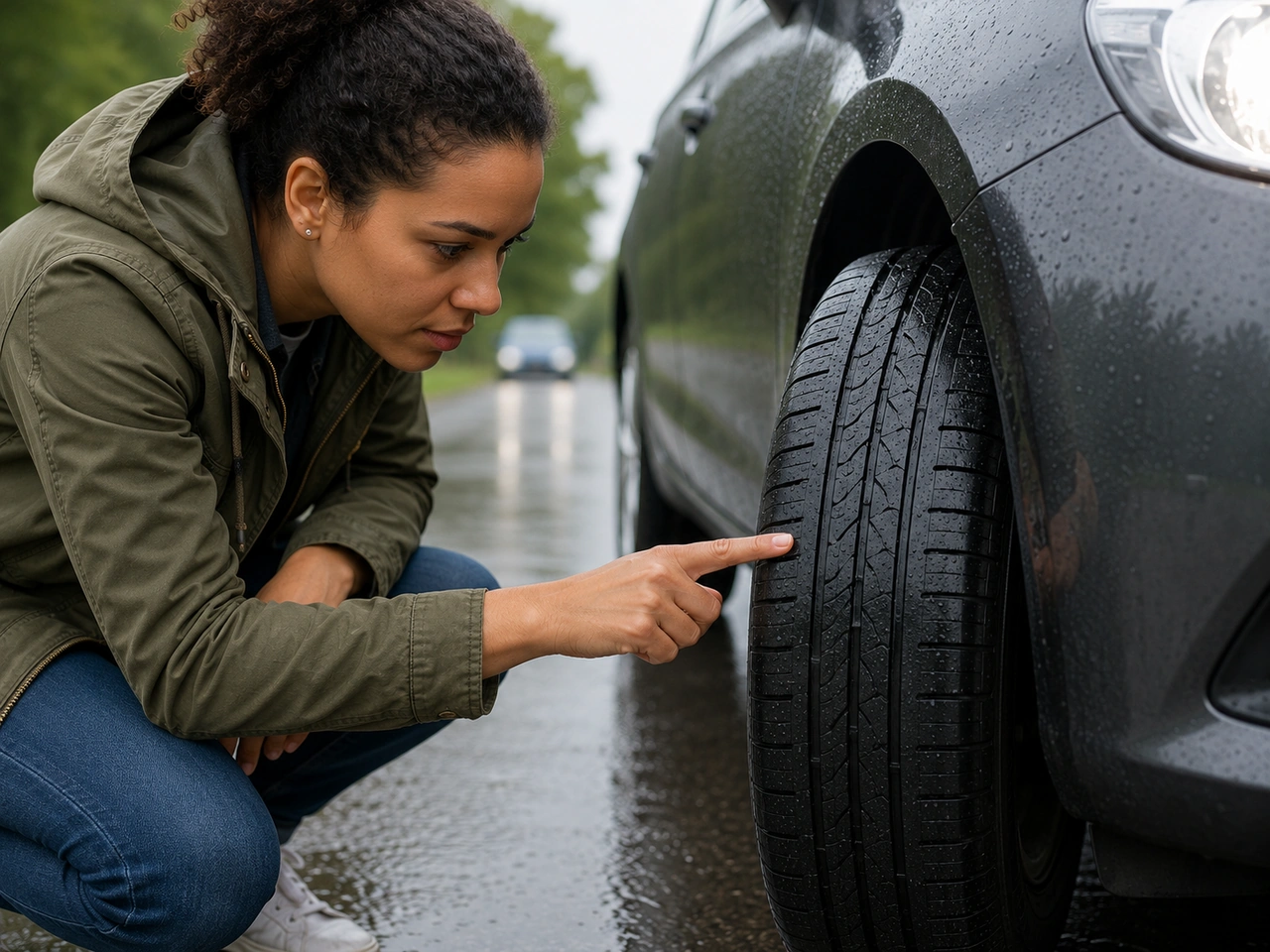
402. Why is adequate tyre tread important?
Tyre tread helps the vehicle grip the road and disperse water. Worn tread increases the risk of skidding and aquaplaning, especially in wet conditions.
AI-generated by Traffic-rules.com • WCIT • CC BY-SA
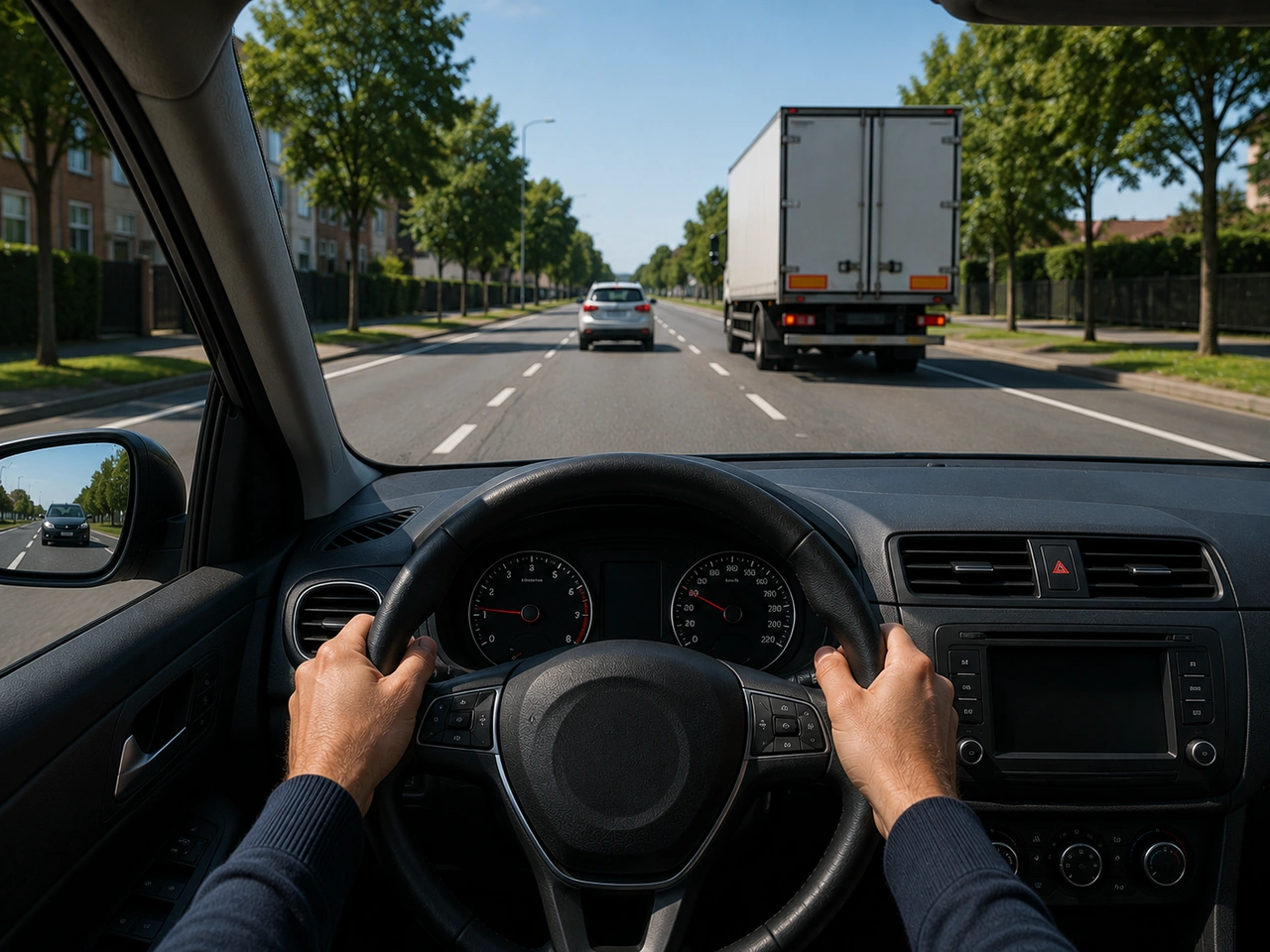
403. You should stay focused on the road and avoid unnecessary distractions.
Distractions reduce awareness and reaction time, making driving more dangerous.
AI-generated by Traffic-rules.com • WCIT • CC BY-SA
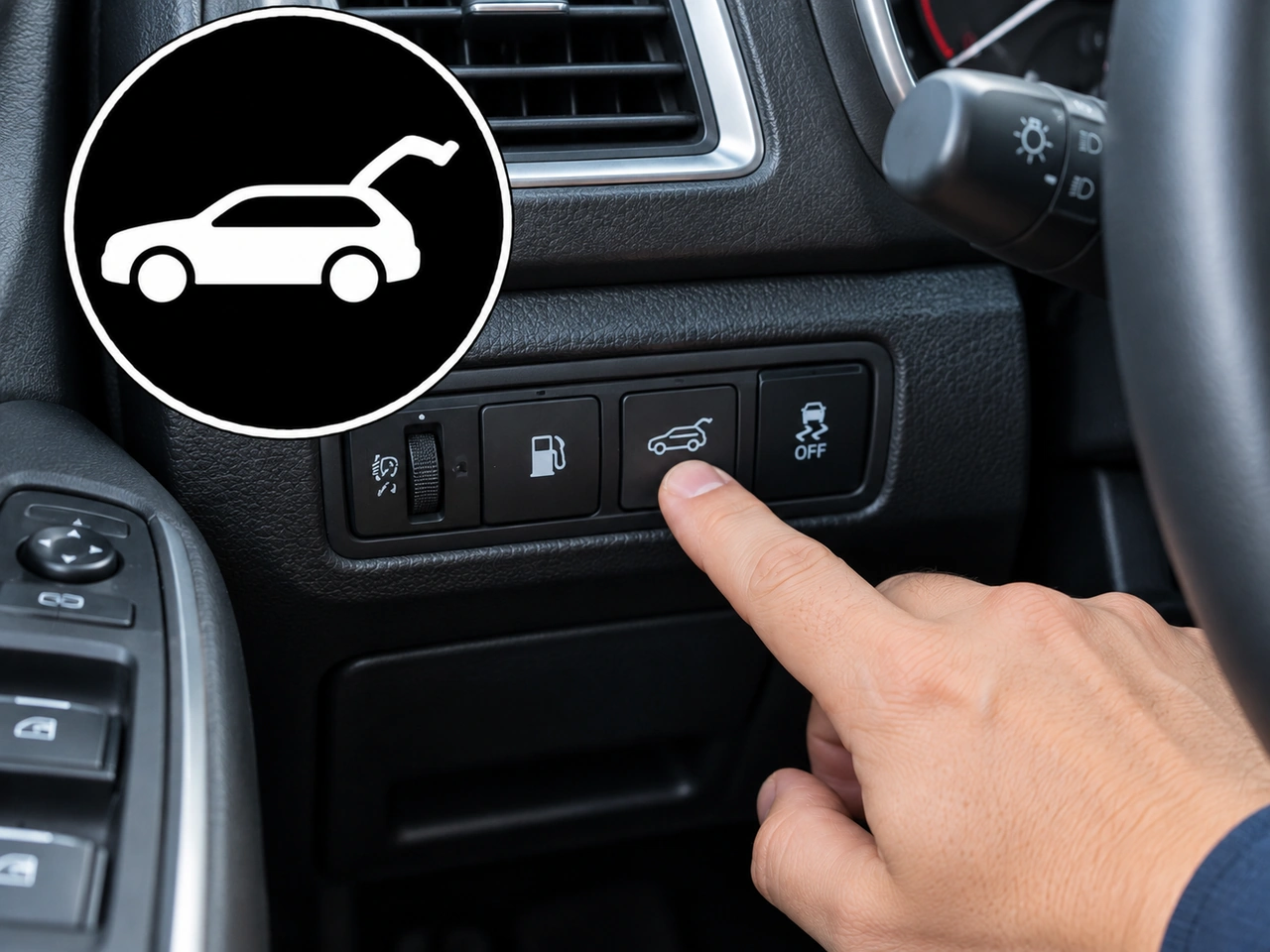
404. What does this vehicle-control symbol indicate?
This symbol indicates the boot or tailgate release. Operating the control unlocks or opens the luggage compartment, depending on the vehicle.
AI-generated by Traffic-rules.com • WCIT • CC BY-SA
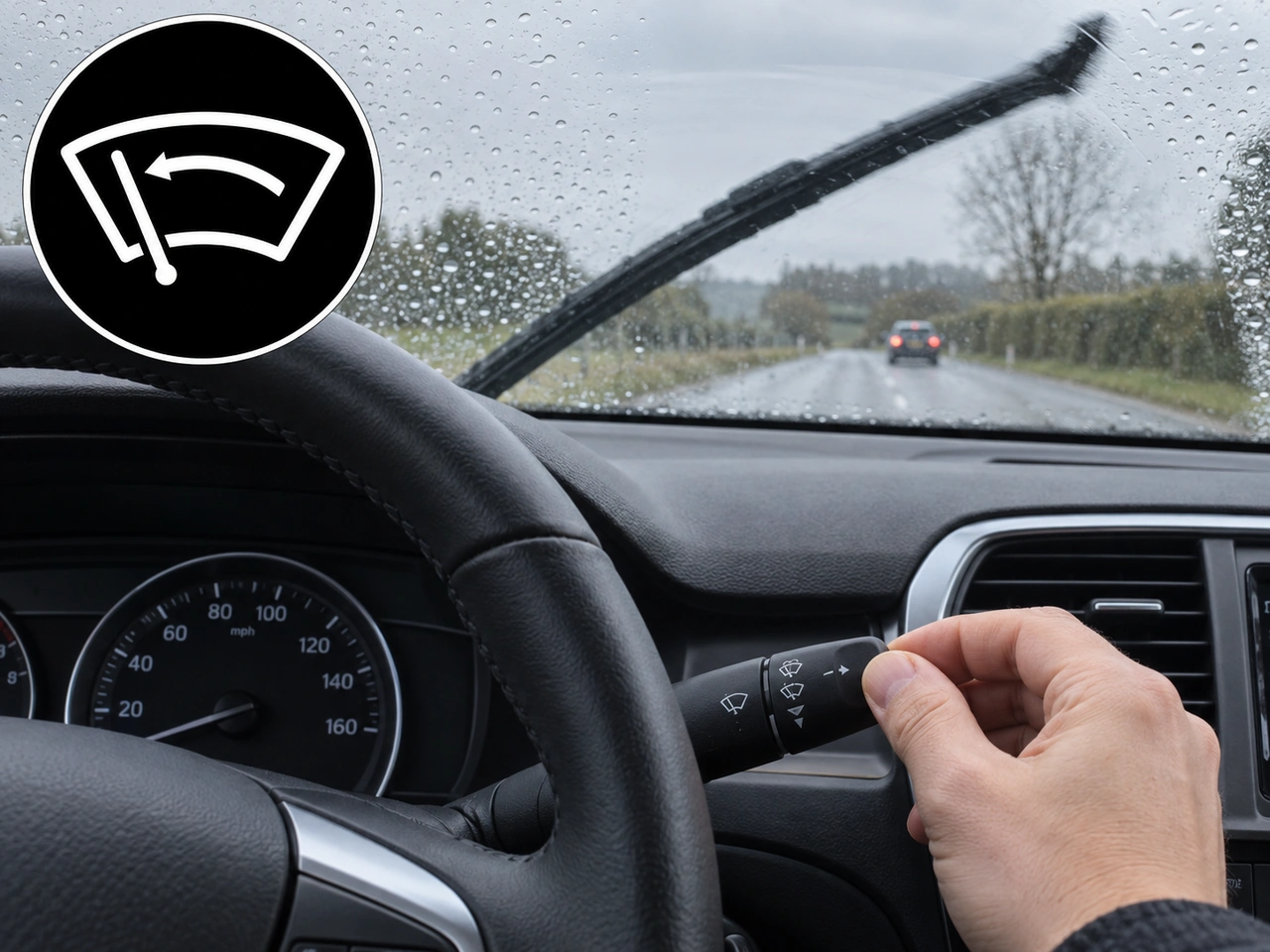
405. What does the single-wipe position of the windscreen-wiper control do?
The single-wipe position operates the windscreen wipers for one sweep and then stops. It is useful when only a small amount of water or spray needs to be cleared from the windscreen.
AI-generated by Traffic-rules.com • WCIT • CC BY-SA
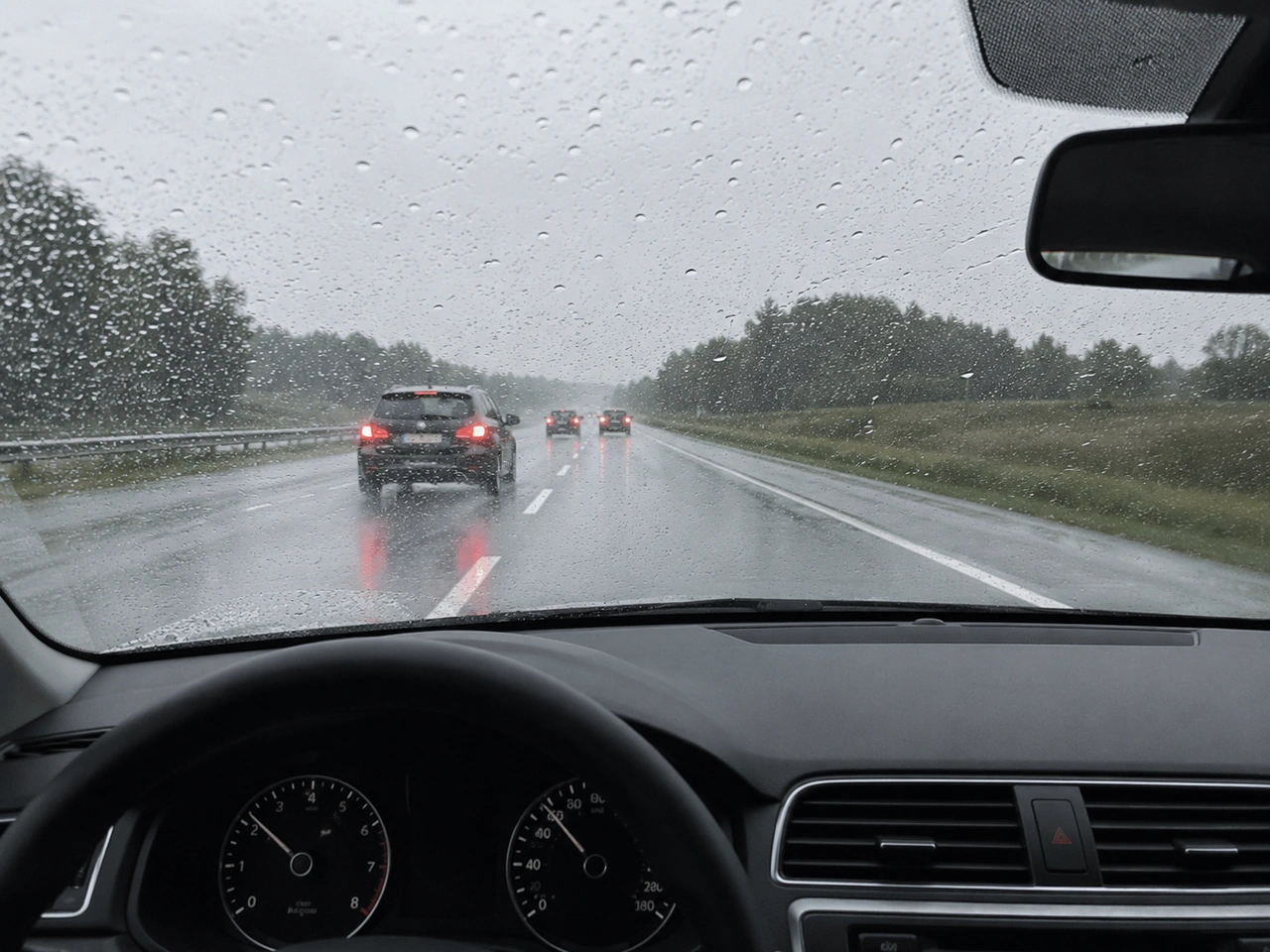
406. Rain can reduce tyre grip and increase stopping distance.
Wet roads reduce traction, so your vehicle may need more distance to stop safely.
AI-generated by Traffic-rules.com • WCIT • CC BY-SA
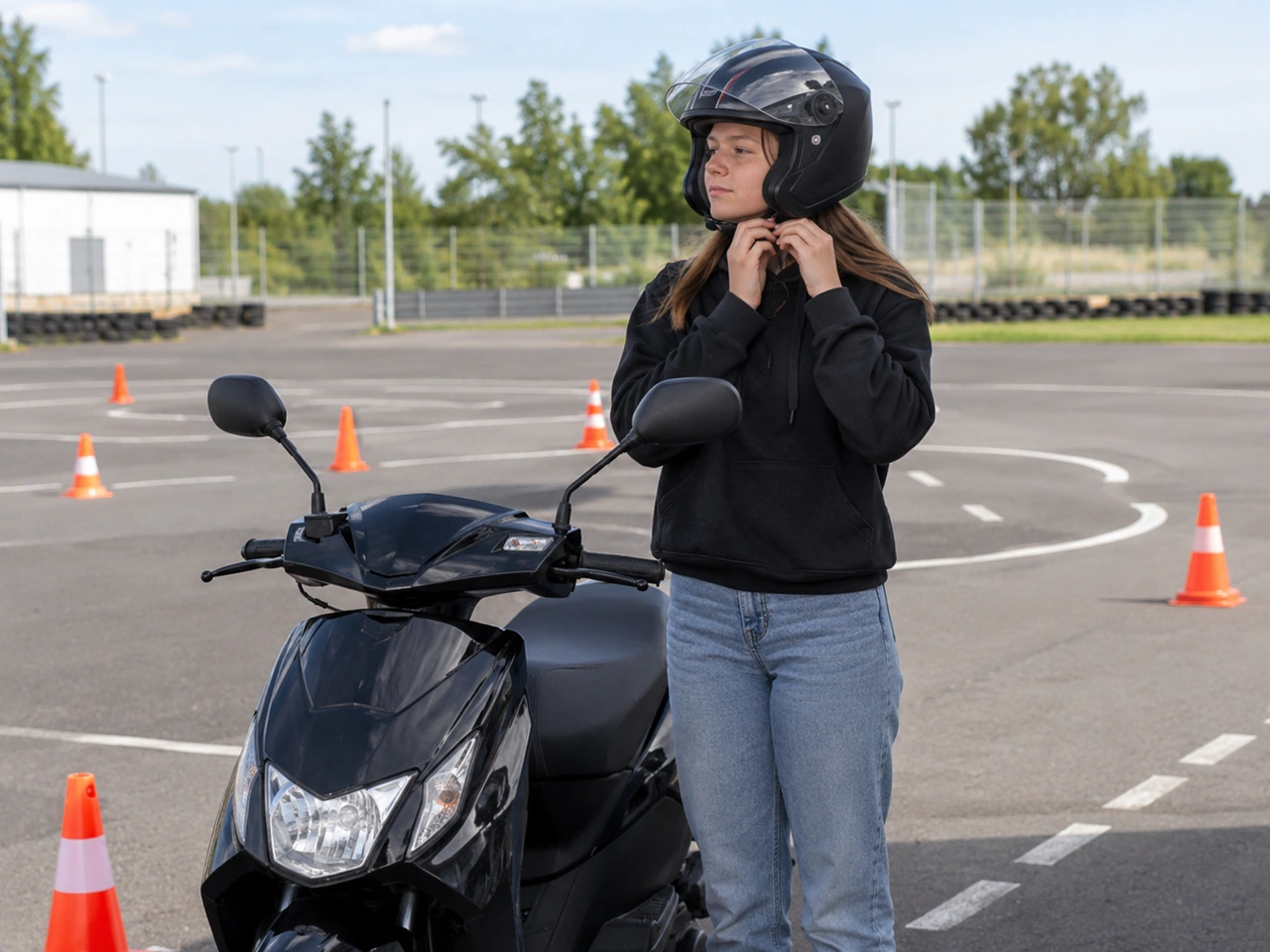
407. What is the minimum age for riding a moped in Norway?
The minimum age for riding a moped in Norway is generally 16 years.
AI-generated by Traffic-rules.com • WCIT • CC BY-SA
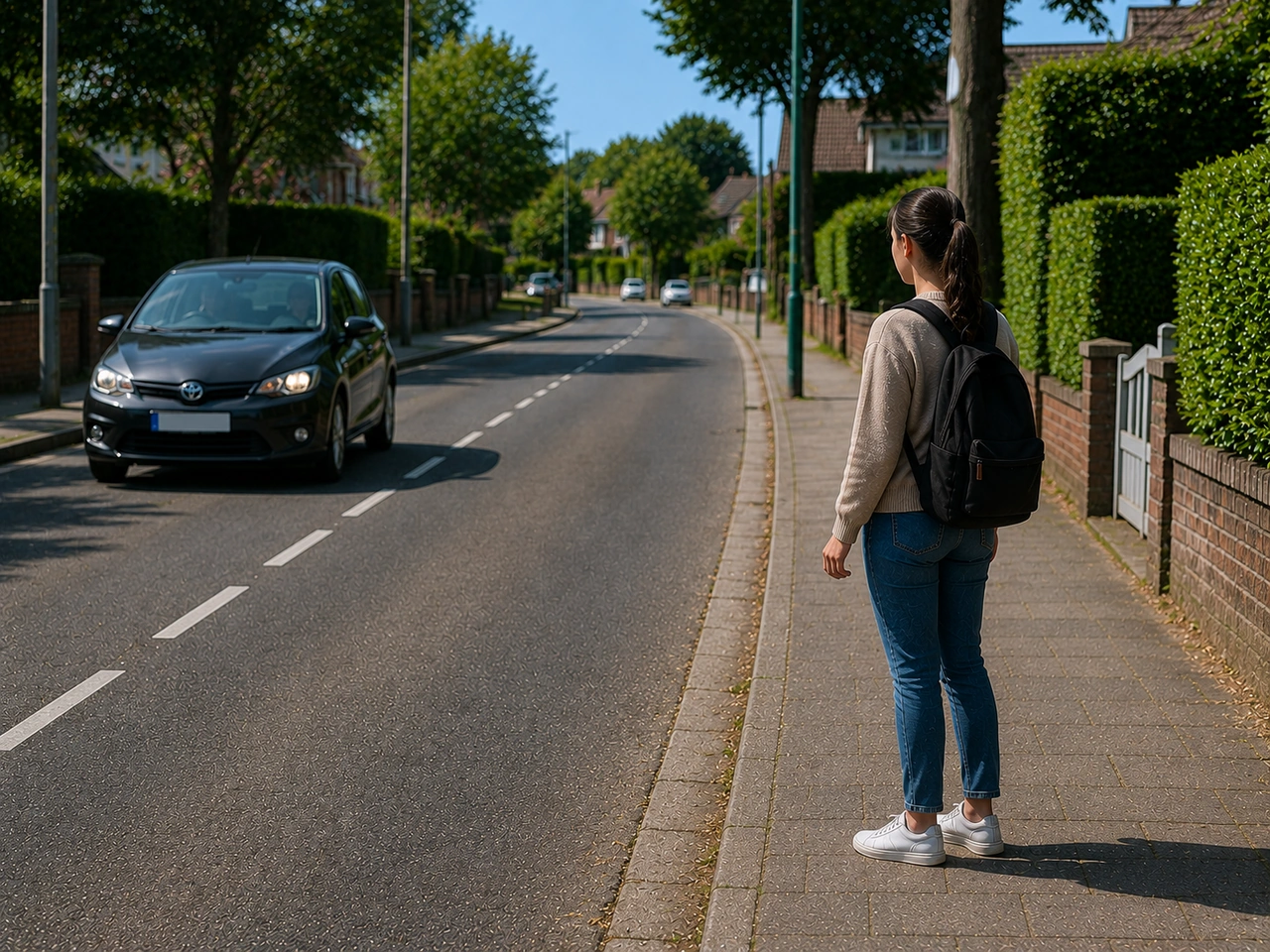
408. What is the best place to cross the road?
Use a designated crossing whenever possible. It is usually the safest place to cross the road.
AI-generated by Traffic-rules.com • WCIT • CC BY-SA
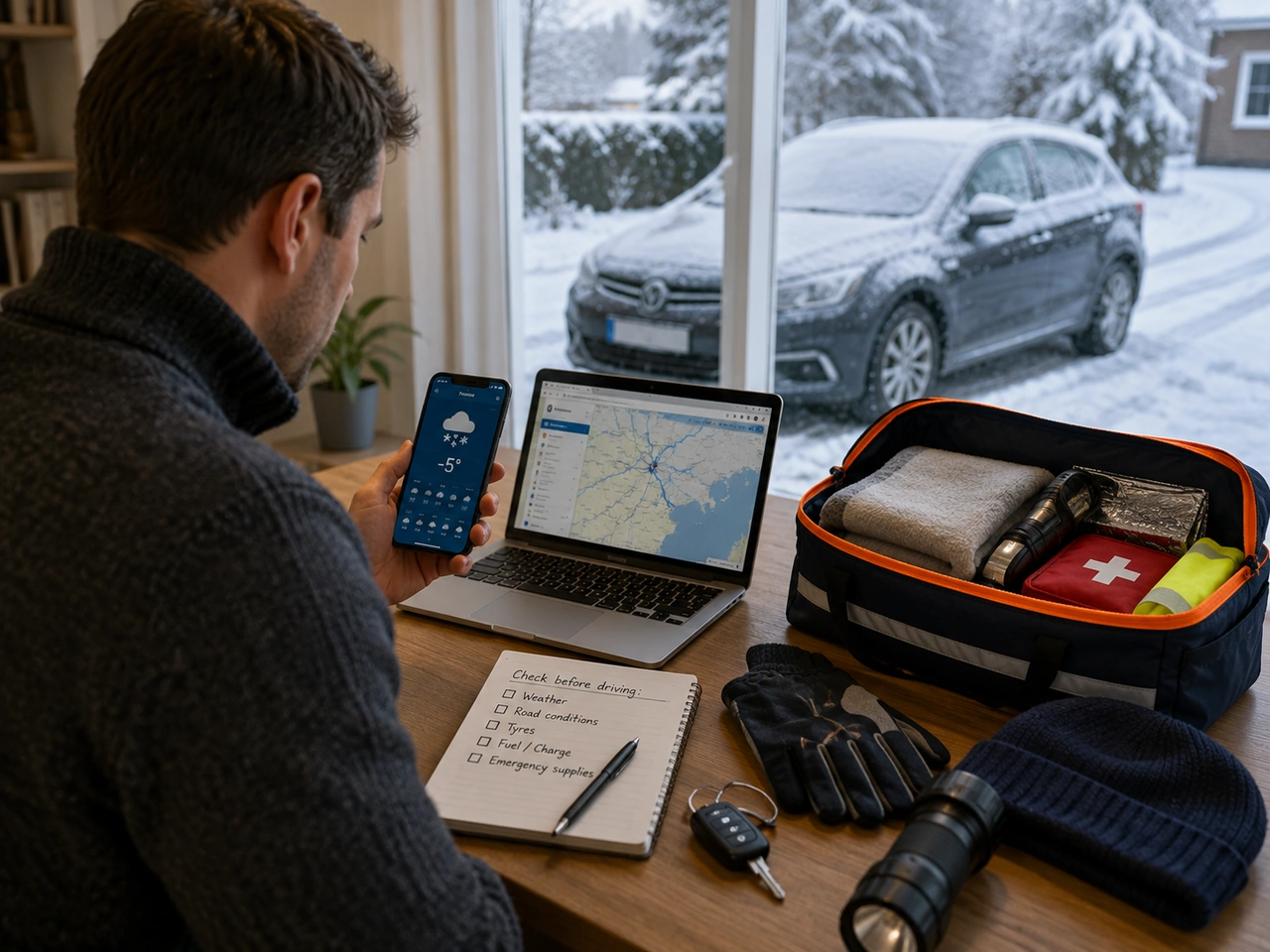
409. What should you check before beginning a journey in severe winter weather?
Check whether the journey is necessary and prepare for delays or changing conditions. Suitable tyres, sufficient fuel or charge, warm clothing, and basic emergency supplies may be important.
AI-generated by Traffic-rules.com • WCIT • CC BY-SA
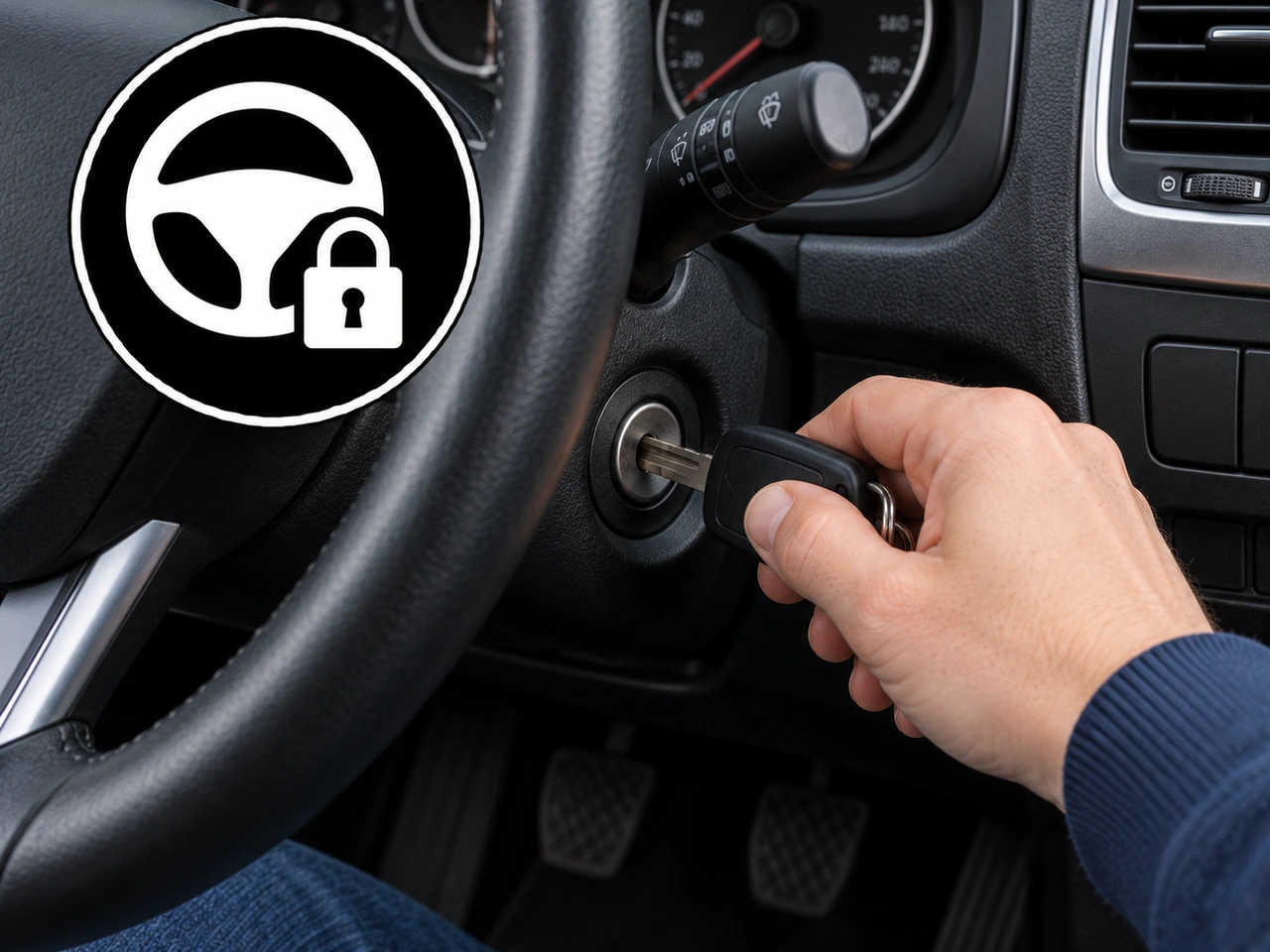
410. What may happen to the steering when the ignition key is removed?
On vehicles fitted with a steering lock, removing the ignition key may allow the steering lock to engage. Never remove the key while the vehicle is moving.
AI-generated by Traffic-rules.com • WCIT • CC BY-SA
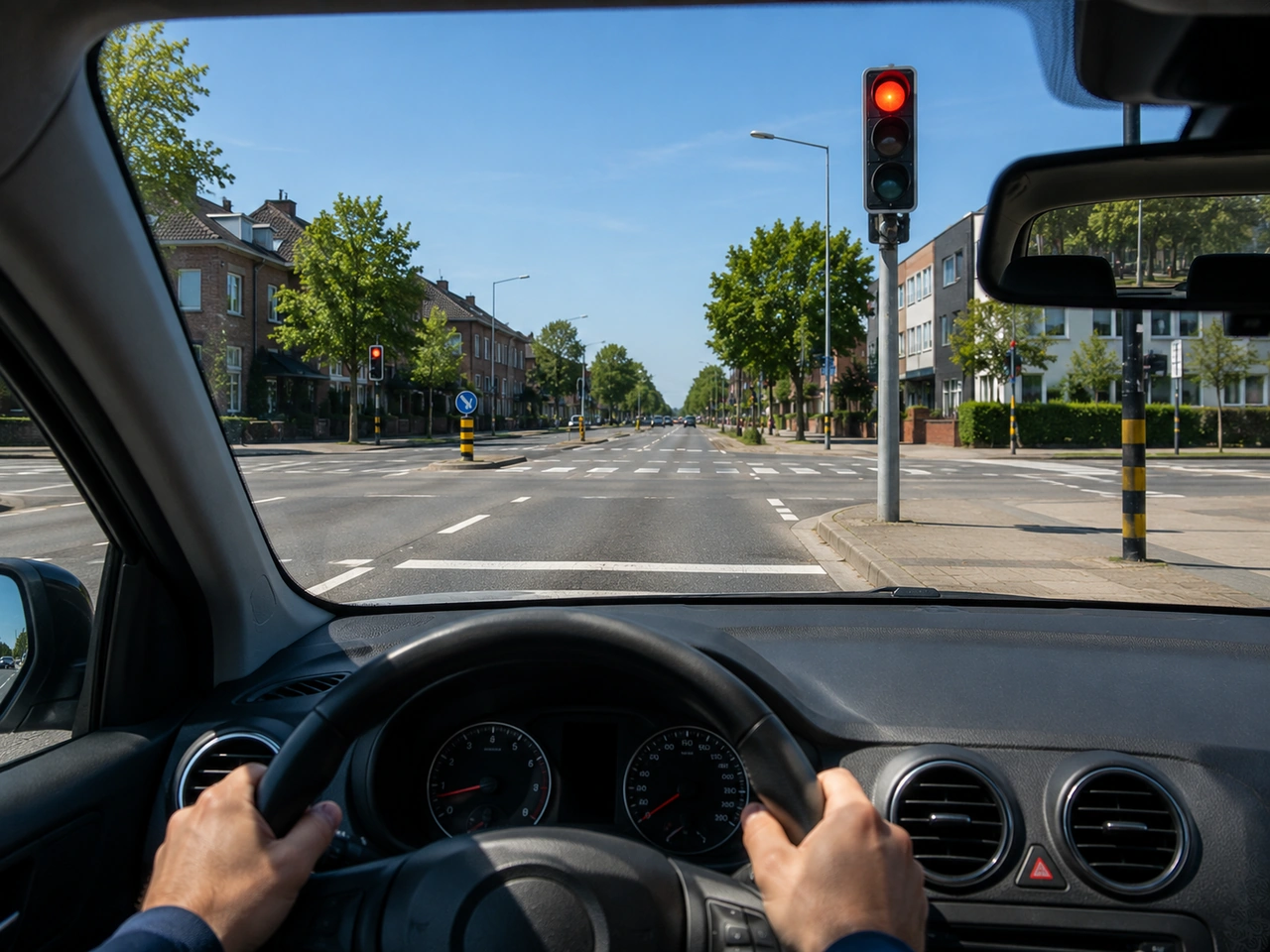
411. What should you do when a traffic light turns red?
A red traffic light means you must stop before the stop line, pedestrian crossing, or intersection unless a sign or signal indicates otherwise.
AI-generated by Traffic-rules.com • WCIT • CC BY-SA
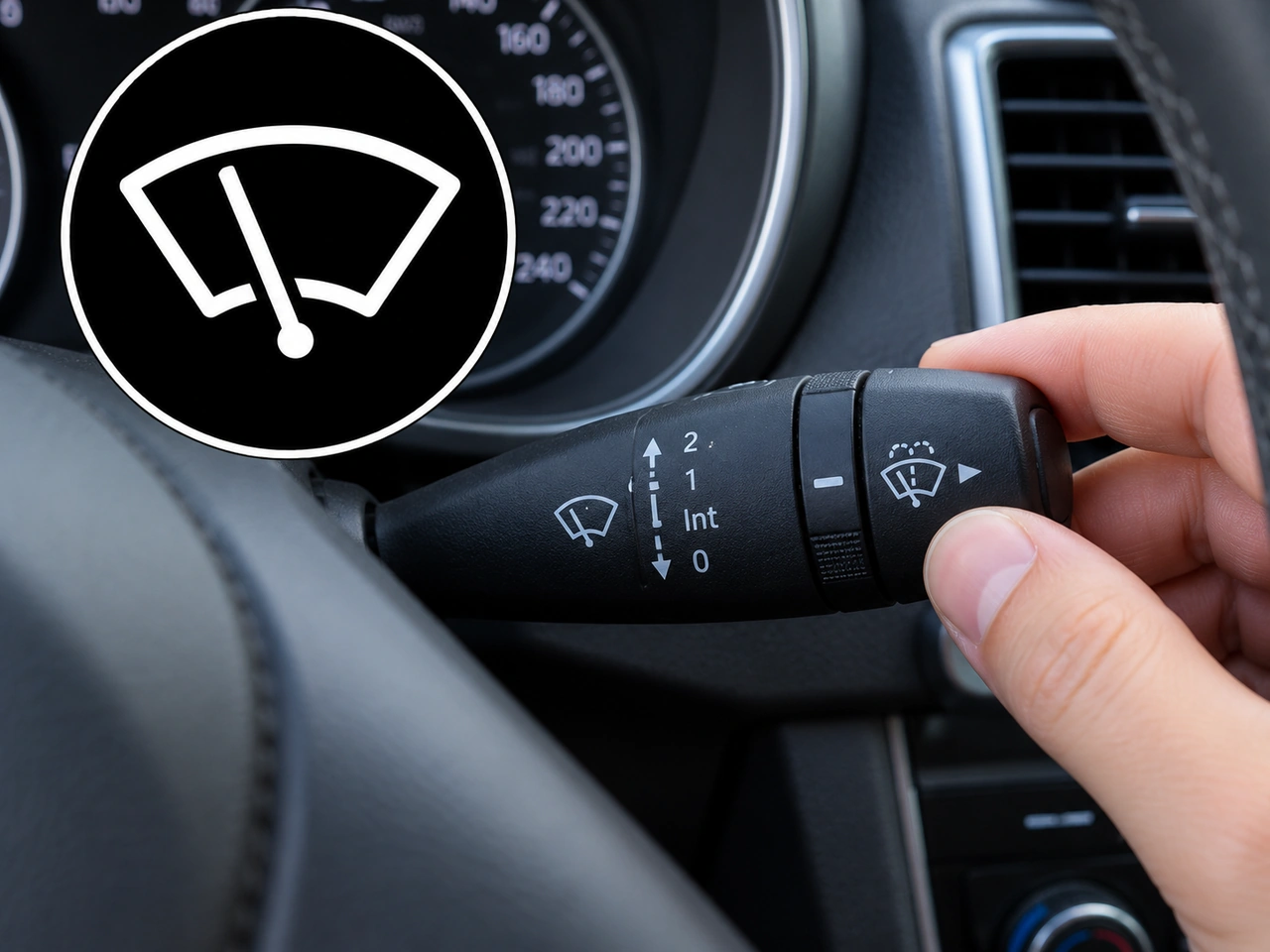
412. What does this vehicle-control symbol indicate?
This symbol relates to the windscreen wipers. The control allows the driver to select an appropriate wiping mode or speed for the amount of rain and visibility conditions.
AI-generated by Traffic-rules.com • WCIT • CC BY-SA
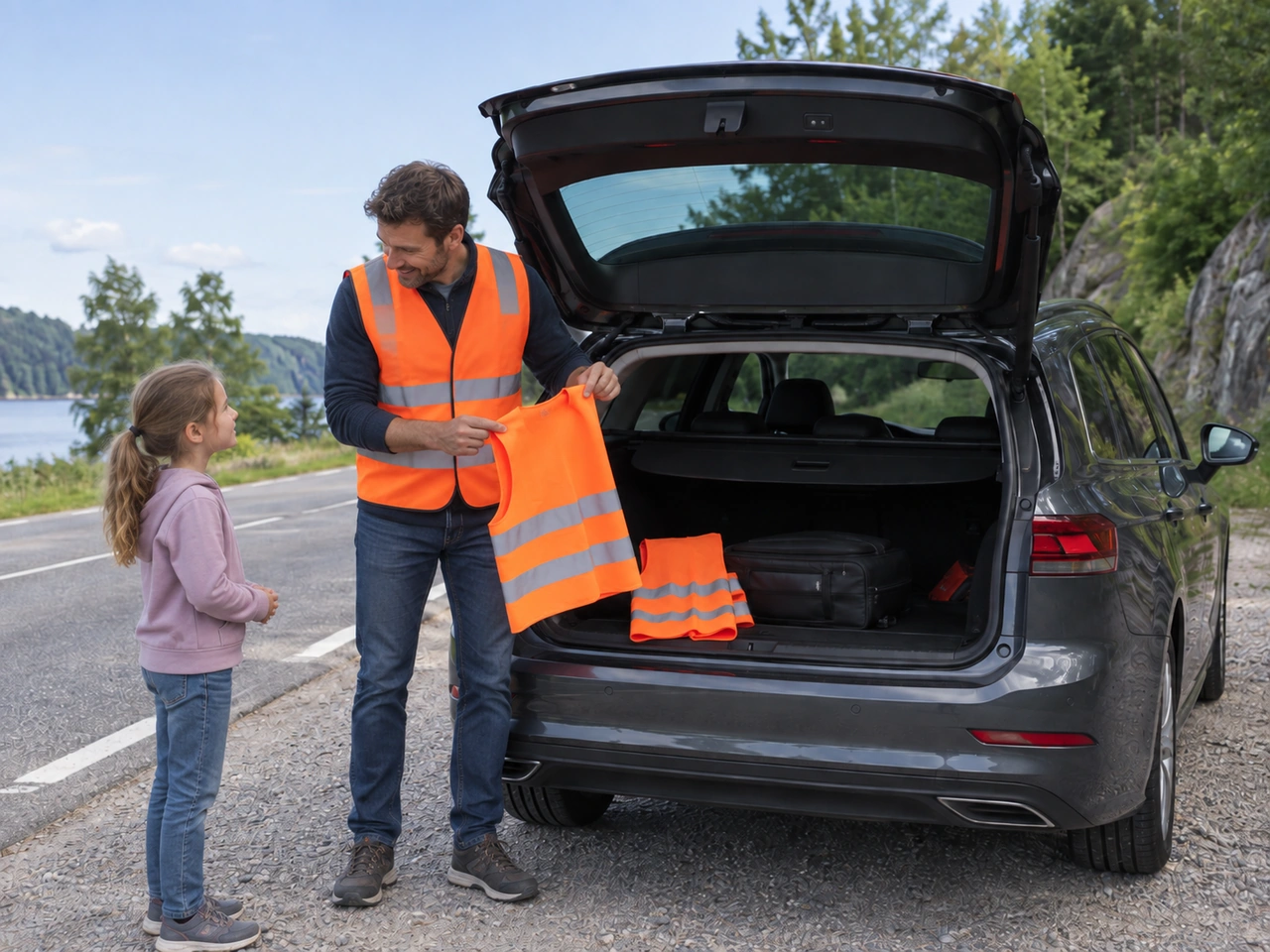
413. Is a high-visibility vest required in cars in Norway?
Cars in Norway are required to carry a high-visibility vest.
AI-generated by Traffic-rules.com • WCIT • CC BY-SA
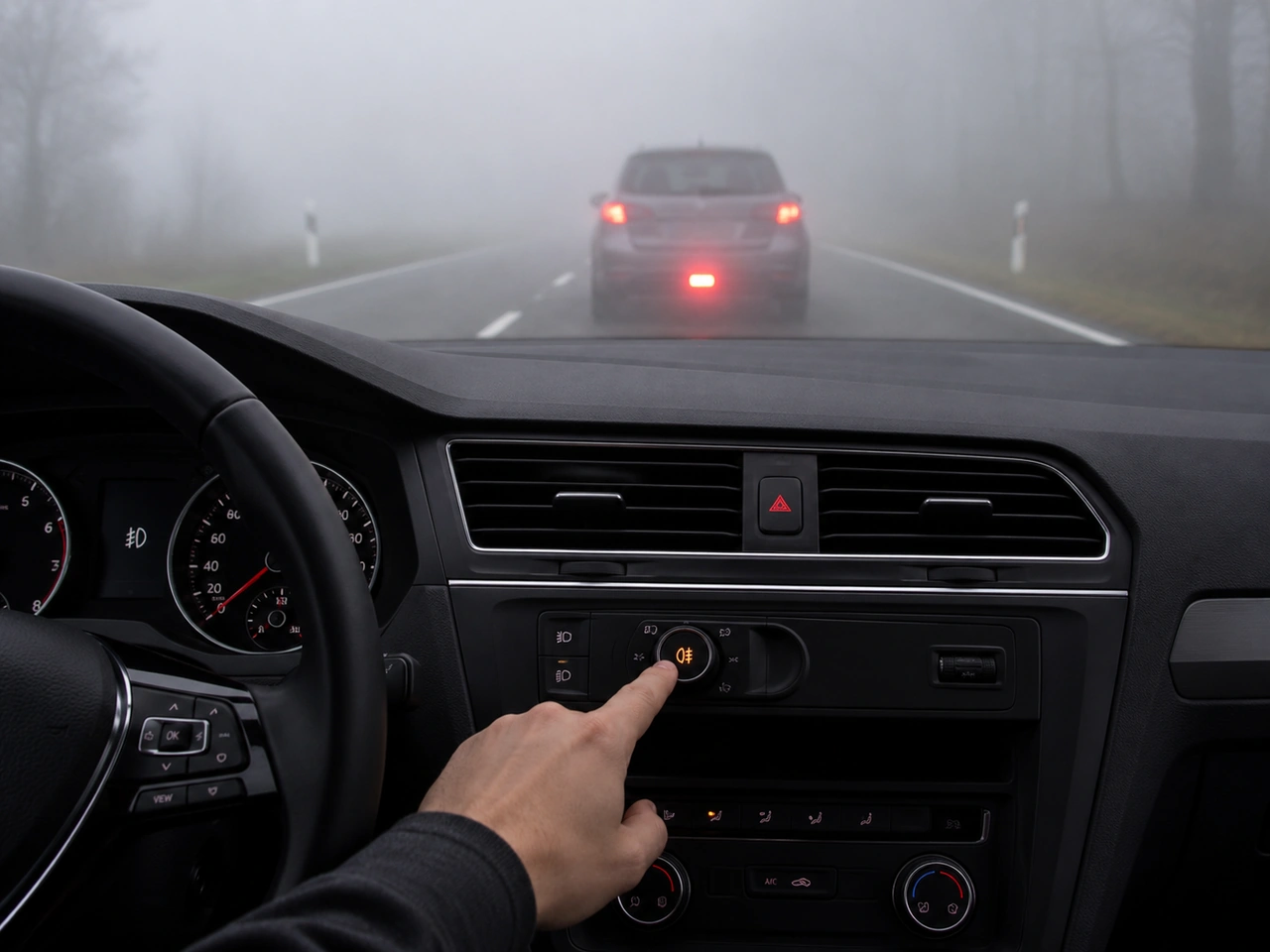
414. When should you use rear fog lights?
Rear fog lights are very bright and should only be used when visibility is poor enough to require them.
AI-generated by Traffic-rules.com • WCIT • CC BY-SA
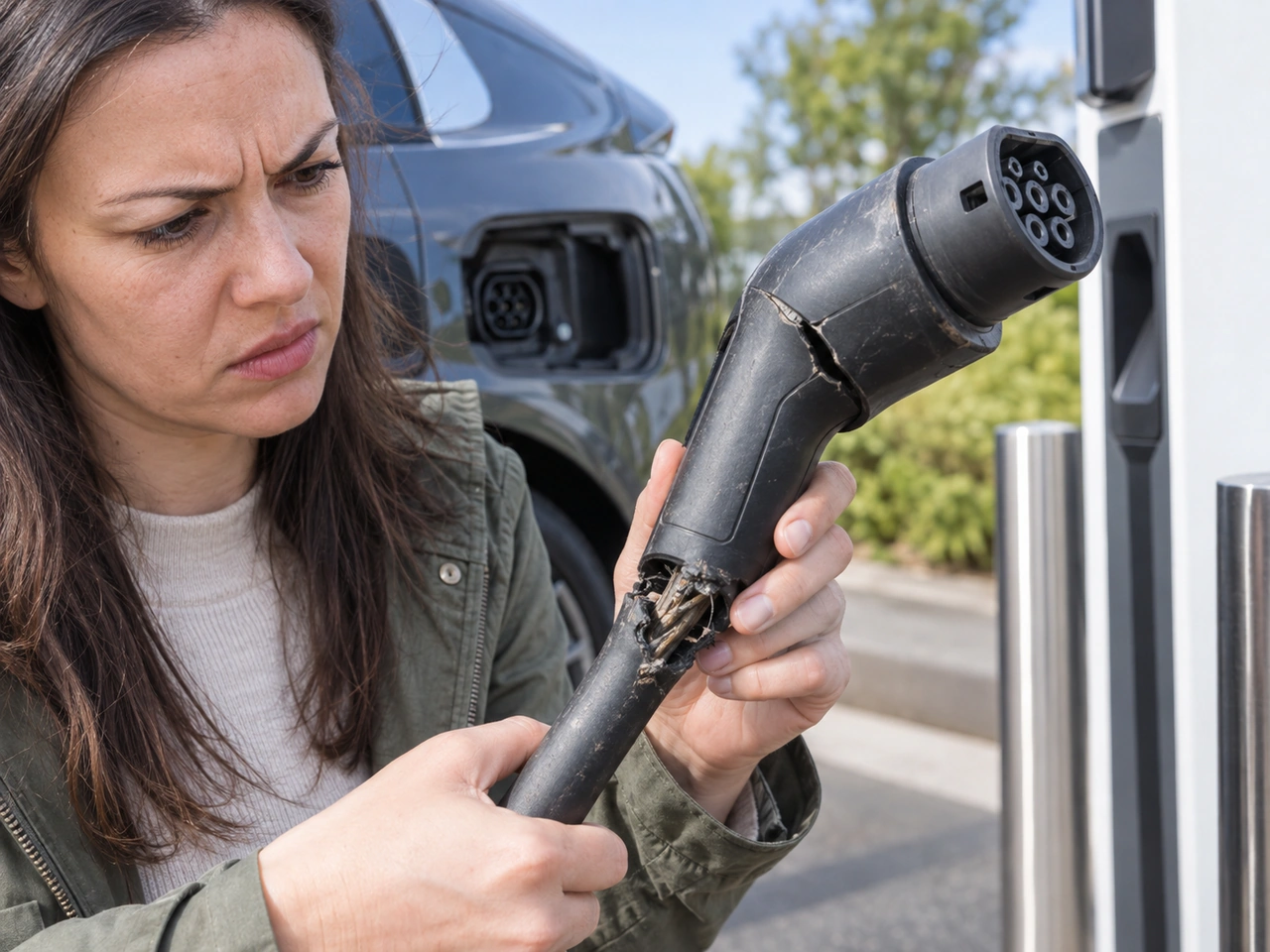
415. What should you do if an EV charging cable or connector is damaged?
Do not use a damaged charging cable or connector. Damage can create a risk of electric shock, overheating, or fire. Use suitable undamaged charging equipment and report the fault or arrange professional repair or replacement.
AI-generated by Traffic-rules.com • WCIT • CC BY-SA
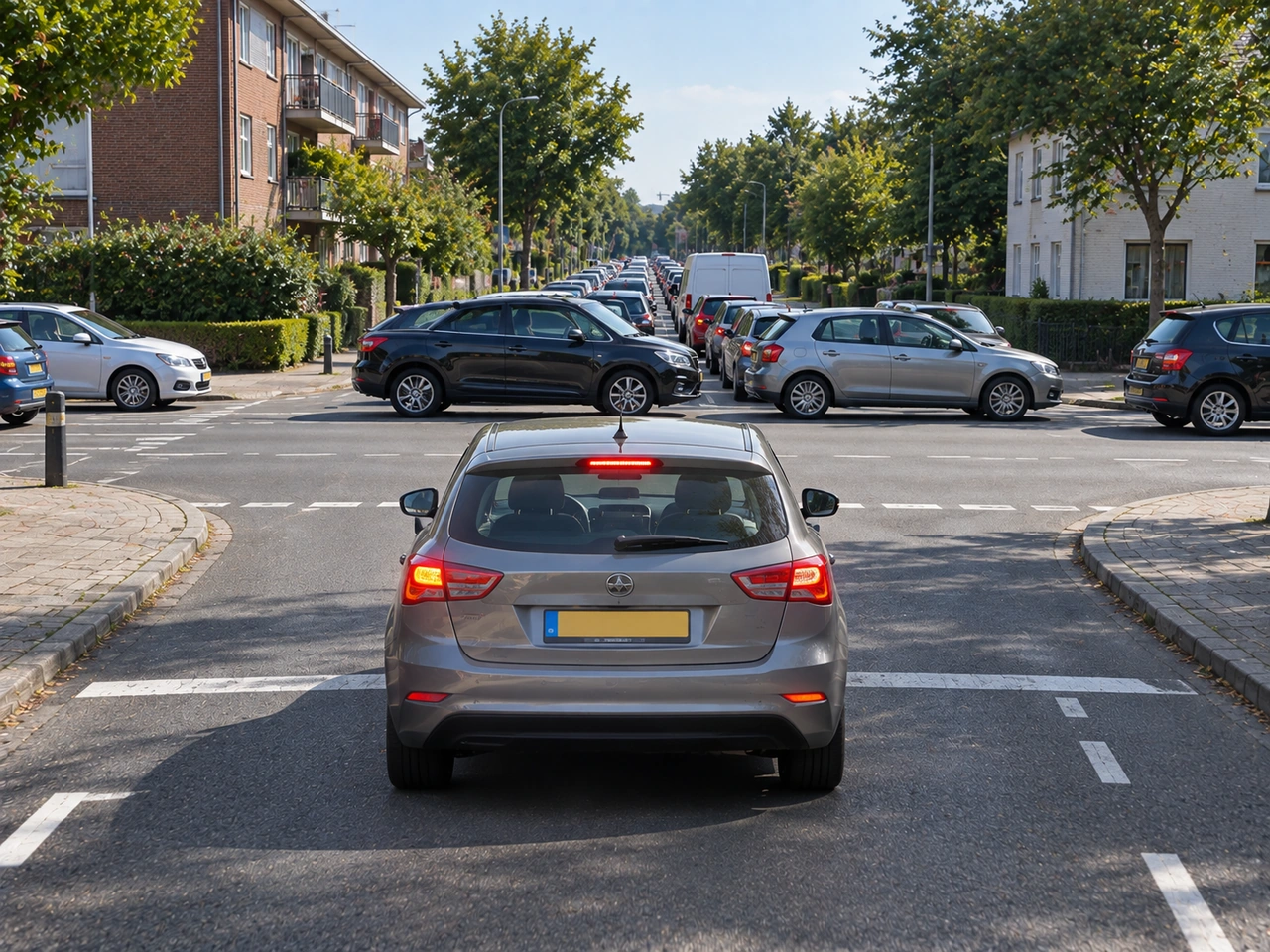
416. What should you do if traffic ahead is blocking a junction?
Do not enter a junction if traffic ahead prevents you from clearing it safely. Waiting before the junction helps avoid blocking crossing traffic, pedestrians, cyclists, or other road users.
AI-generated by Traffic-rules.com • WCIT • CC BY-SA
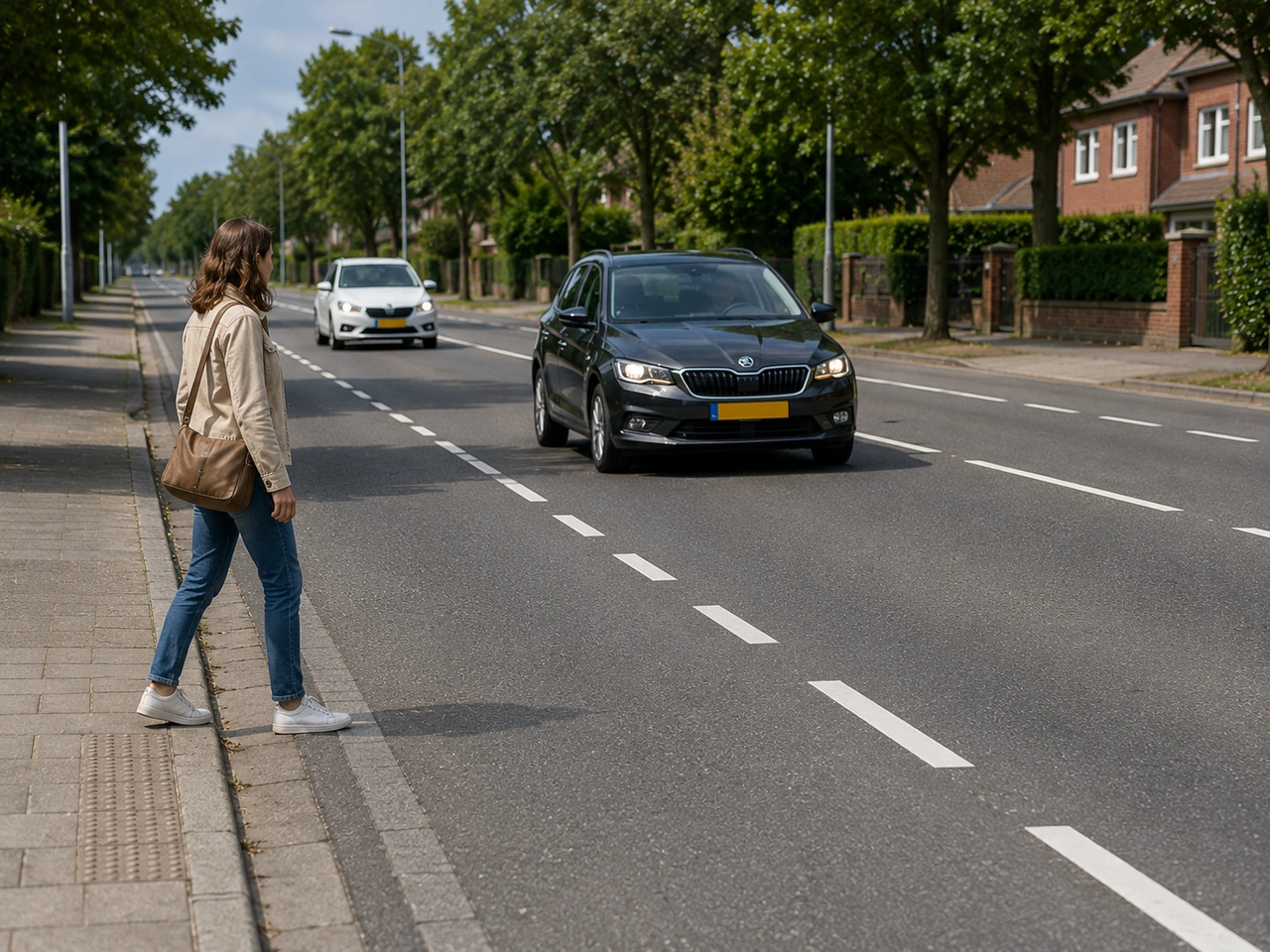
417. What should you do before crossing the road?
Always check for approaching traffic from every direction before crossing.
AI-generated by Traffic-rules.com • WCIT • CC BY-SA
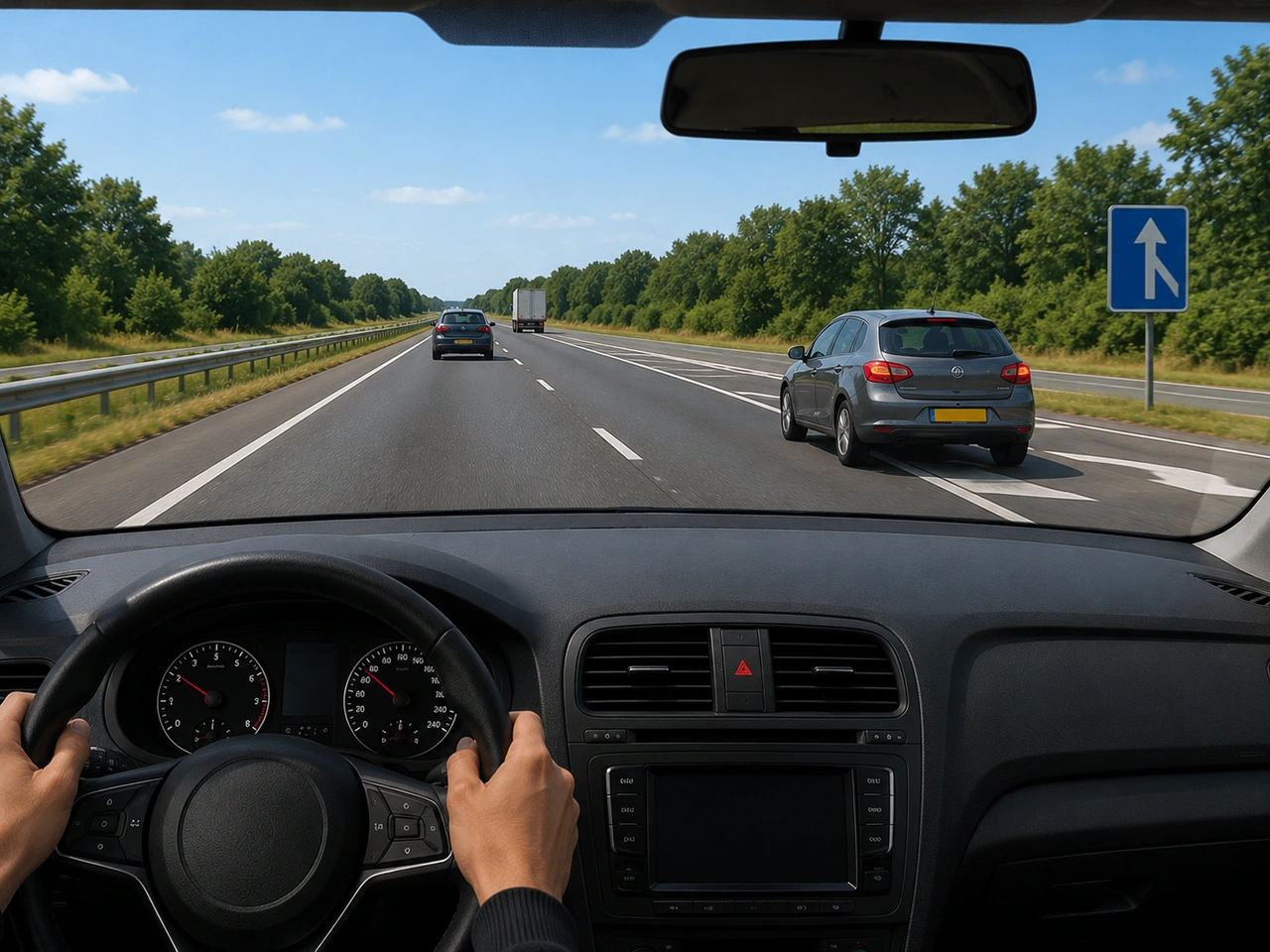
418. What should you do when traffic is merging from another lane?
When traffic merges, good observation and speed control help vehicles join safely without sudden braking or conflict.
AI-generated by Traffic-rules.com • WCIT • CC BY-SA
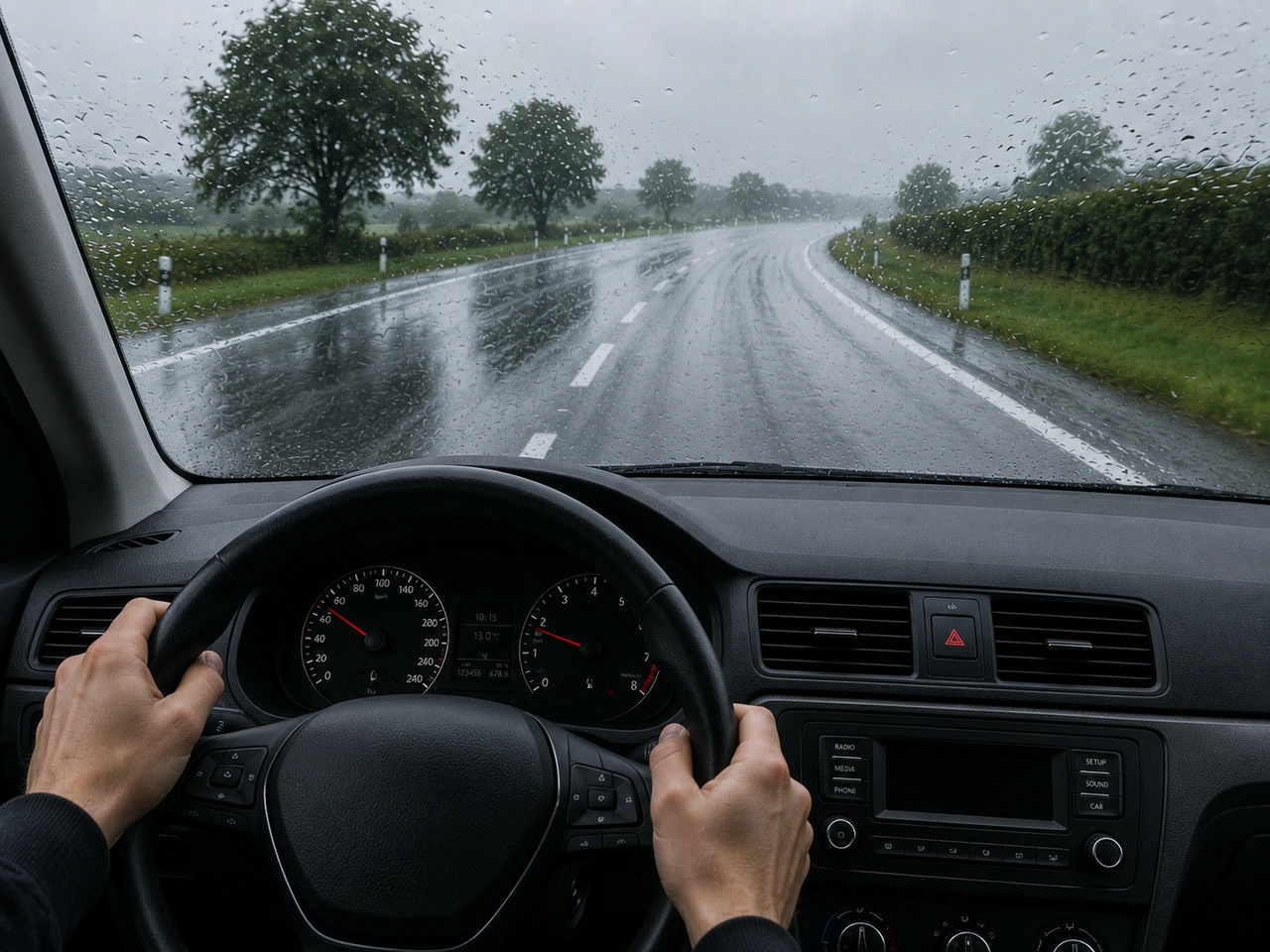
419. What should you do if your vehicle begins to aquaplane?
Aquaplaning happens when the tyres lose contact with the road surface. Ease off the accelerator, avoid sudden movements, and wait for grip to return.
AI-generated by Traffic-rules.com • WCIT • CC BY-SA
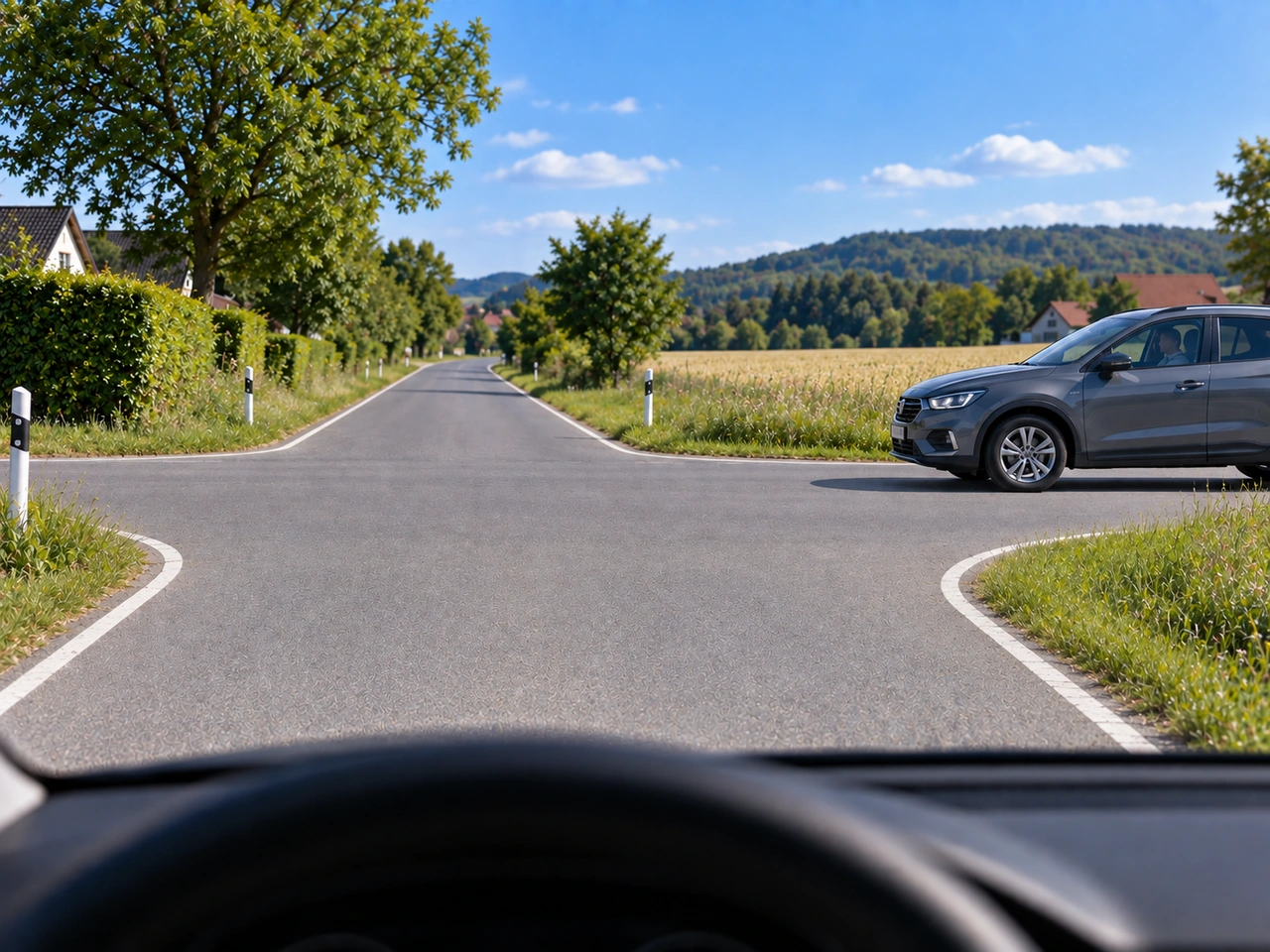
420. Who generally has priority at an uncontrolled intersection in Norway?
At an uncontrolled intersection in Norway, you generally give way to traffic approaching from the right.
AI-generated by Traffic-rules.com • WCIT • CC BY-SA
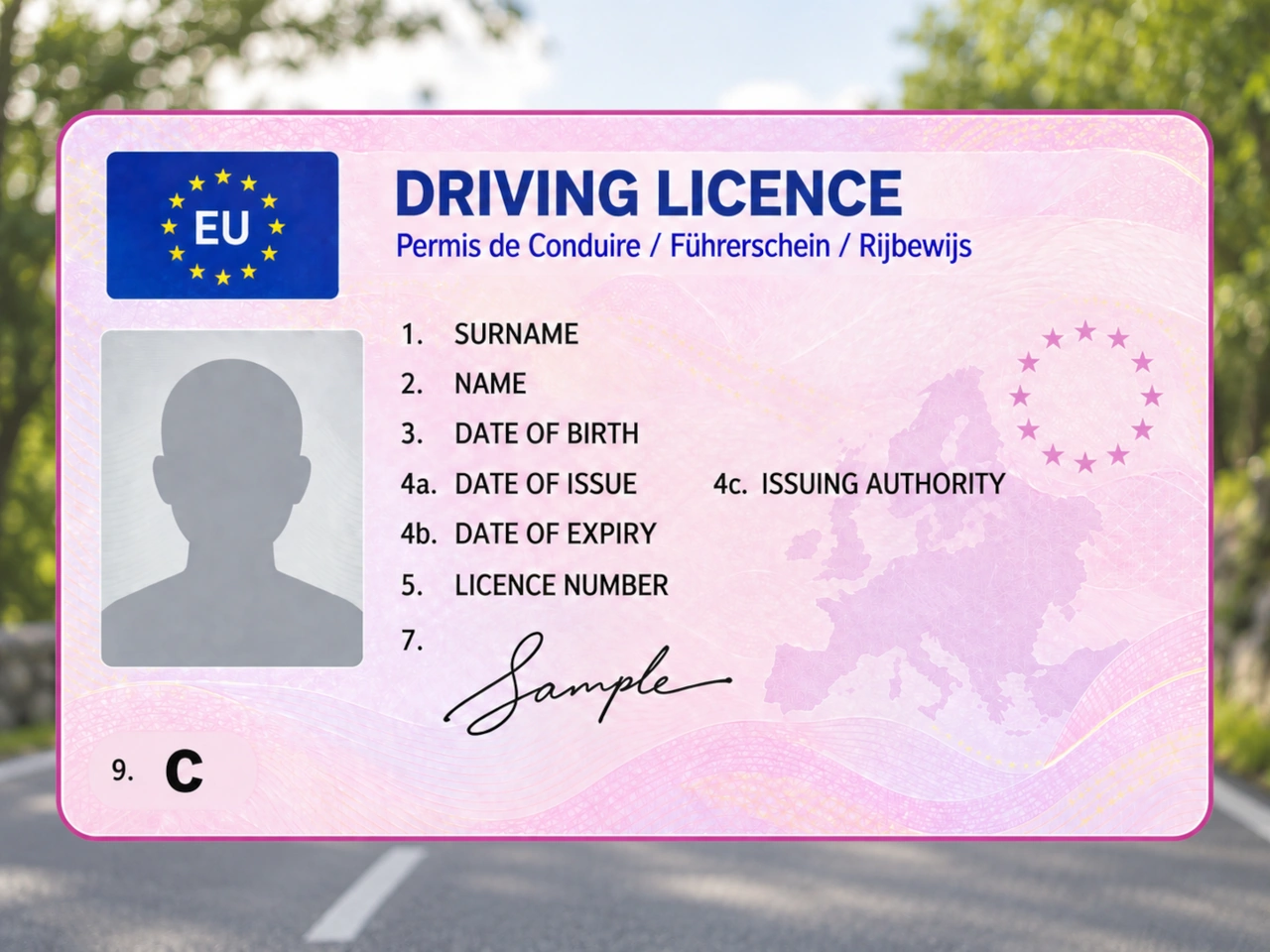
421. Which vehicle type is mainly associated with driving licence C?
Driving licence C is mainly associated with trucks. Category C1 covers smaller heavy vehicles, C covers larger heavy vehicles, and C1E and CE allow heavier trailers.
AI-generated by Traffic-rules.com • WCIT • CC BY-SA
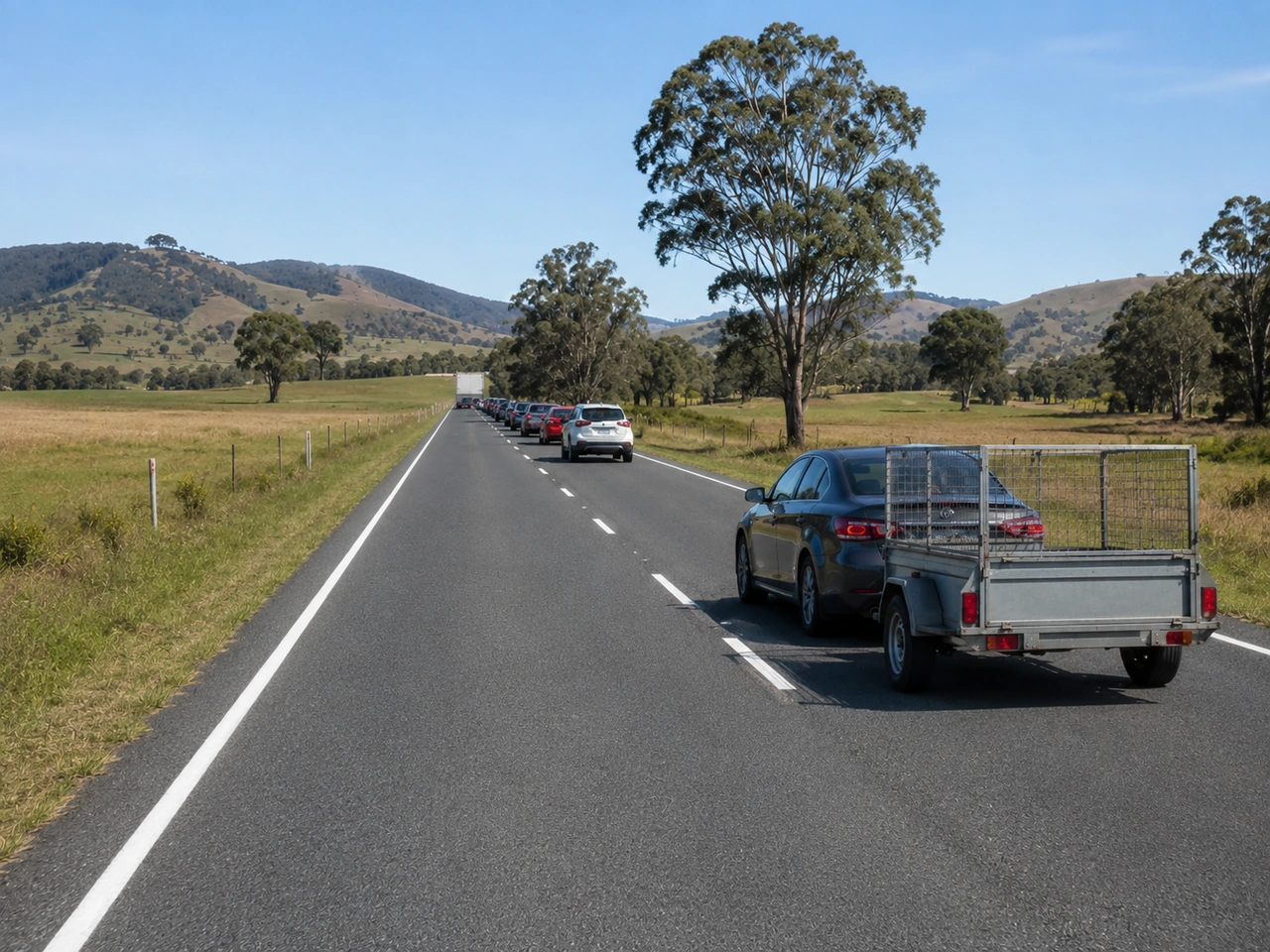
422. Why should you leave extra following distance when towing?
Towing adds weight and can increase stopping distance. Extra space gives you more time to react and brake smoothly.
AI-generated by Traffic-rules.com • WCIT • CC BY-SA
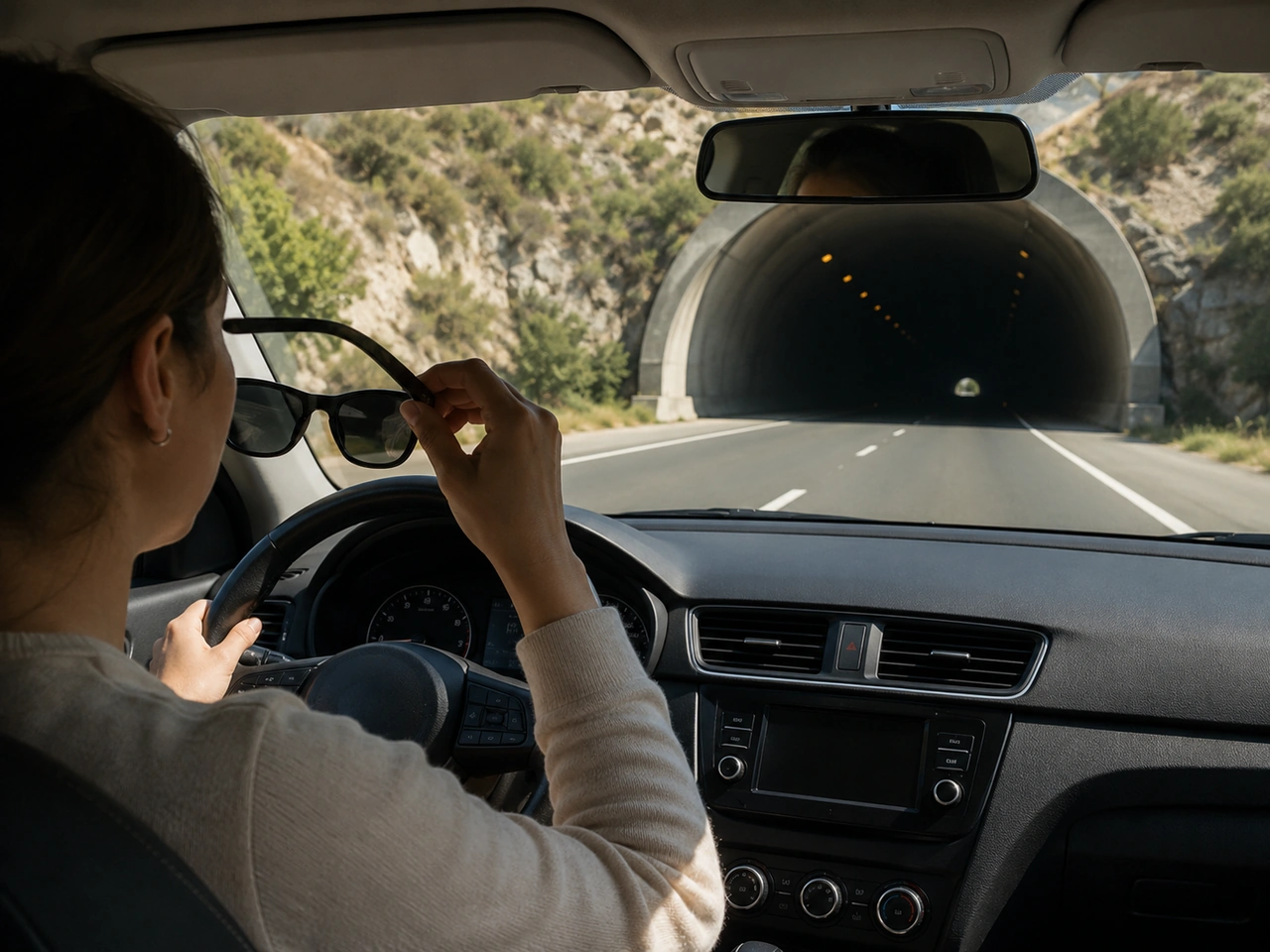
423. Why should you remove dark sunglasses before entering a tunnel?
Dark sunglasses reduce the amount of light reaching your eyes and can make hazards inside a tunnel harder to see.
AI-generated by Traffic-rules.com • WCIT • CC BY-SA
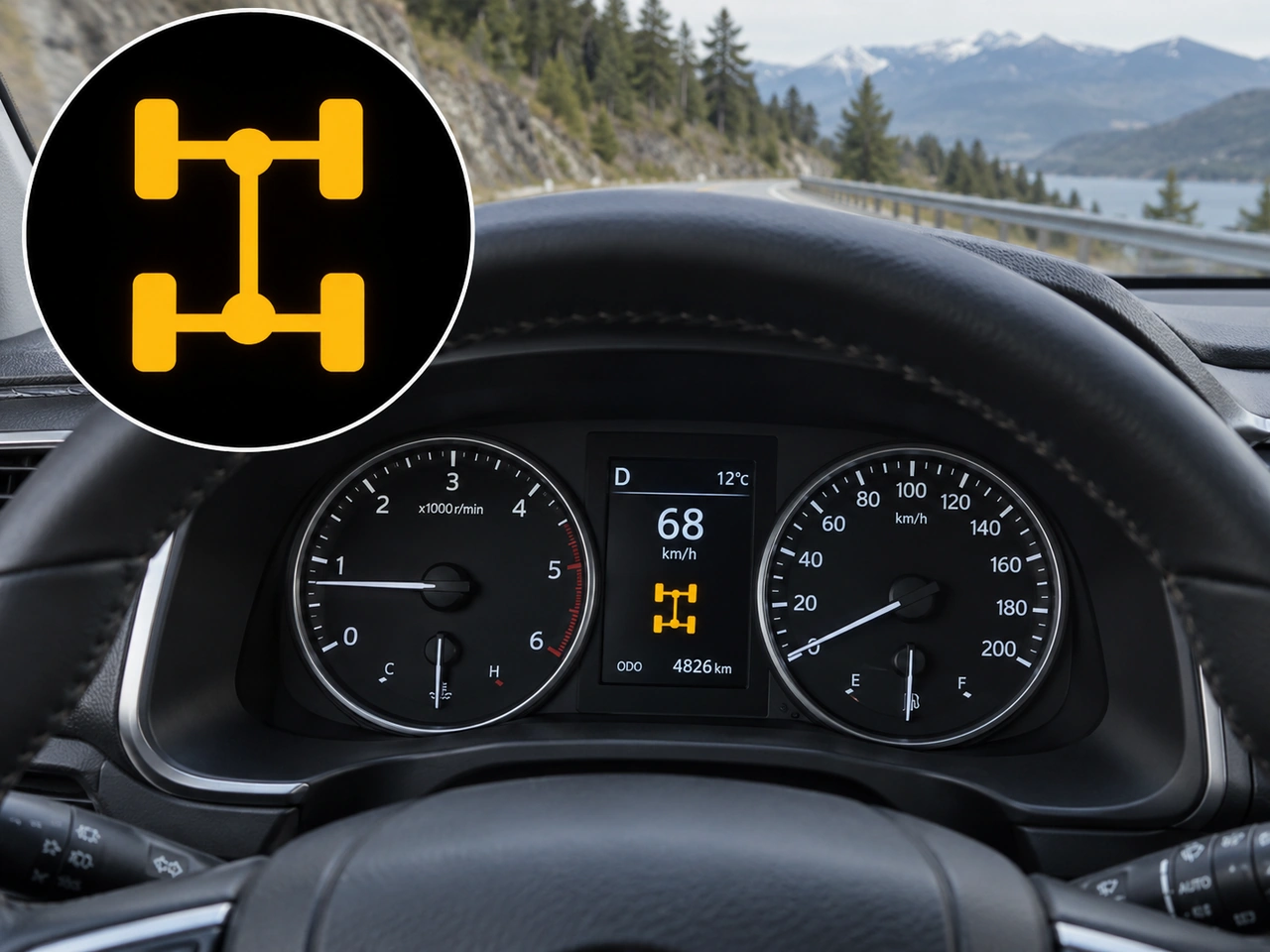
424. What does this dashboard symbol indicate?
This symbol relates to the vehicle's four-wheel-drive system, which can transmit power to all four wheels. The exact symbol and operating modes vary between vehicles.
AI-generated by Traffic-rules.com • WCIT • CC BY-SA
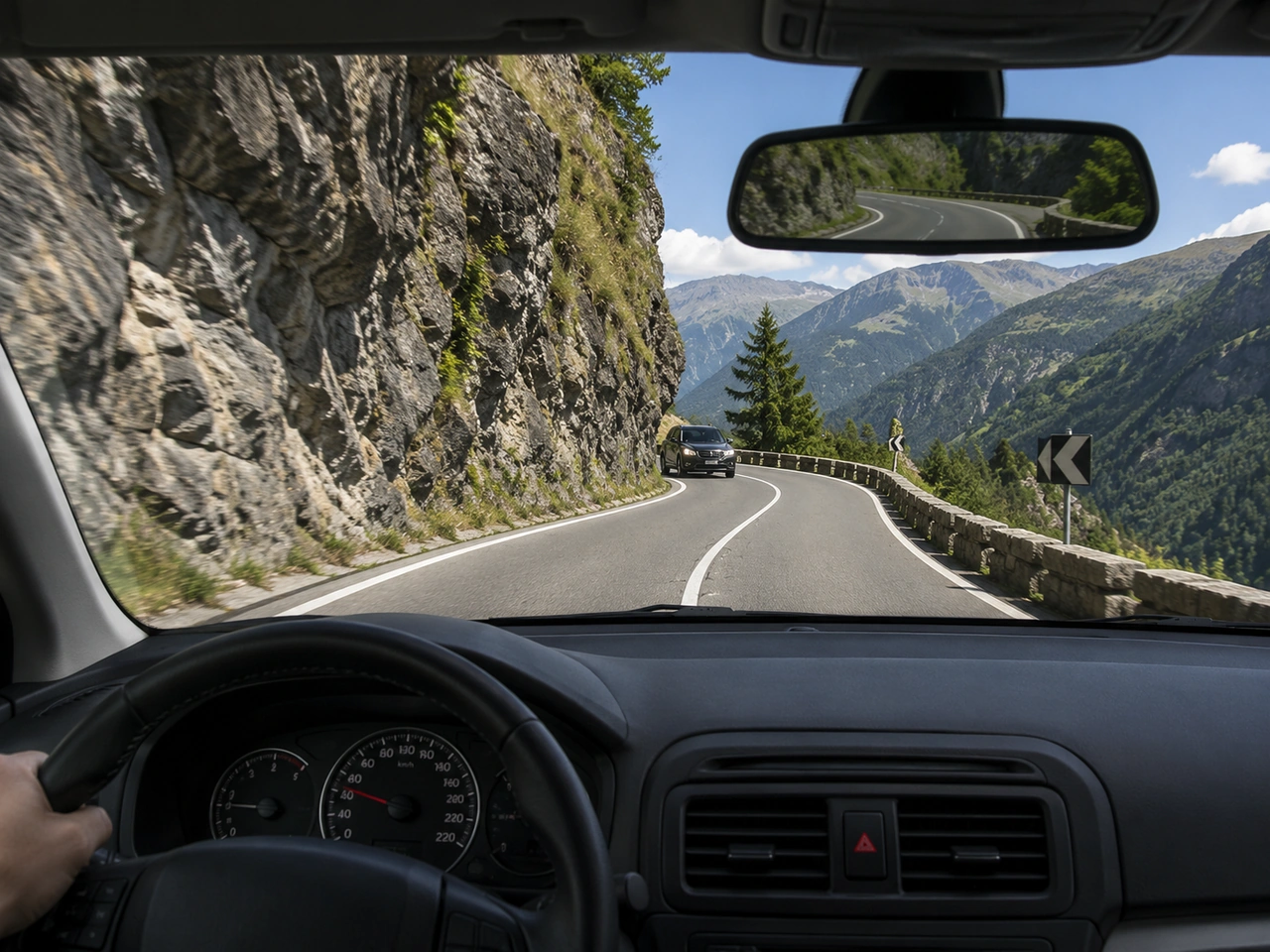
425. How should you approach a sharp bend on a mountain road?
Mountain bends may hide oncoming vehicles, cyclists, animals, or debris. Slow down before entering and keep a safe road position.
AI-generated by Traffic-rules.com • WCIT • CC BY-SA
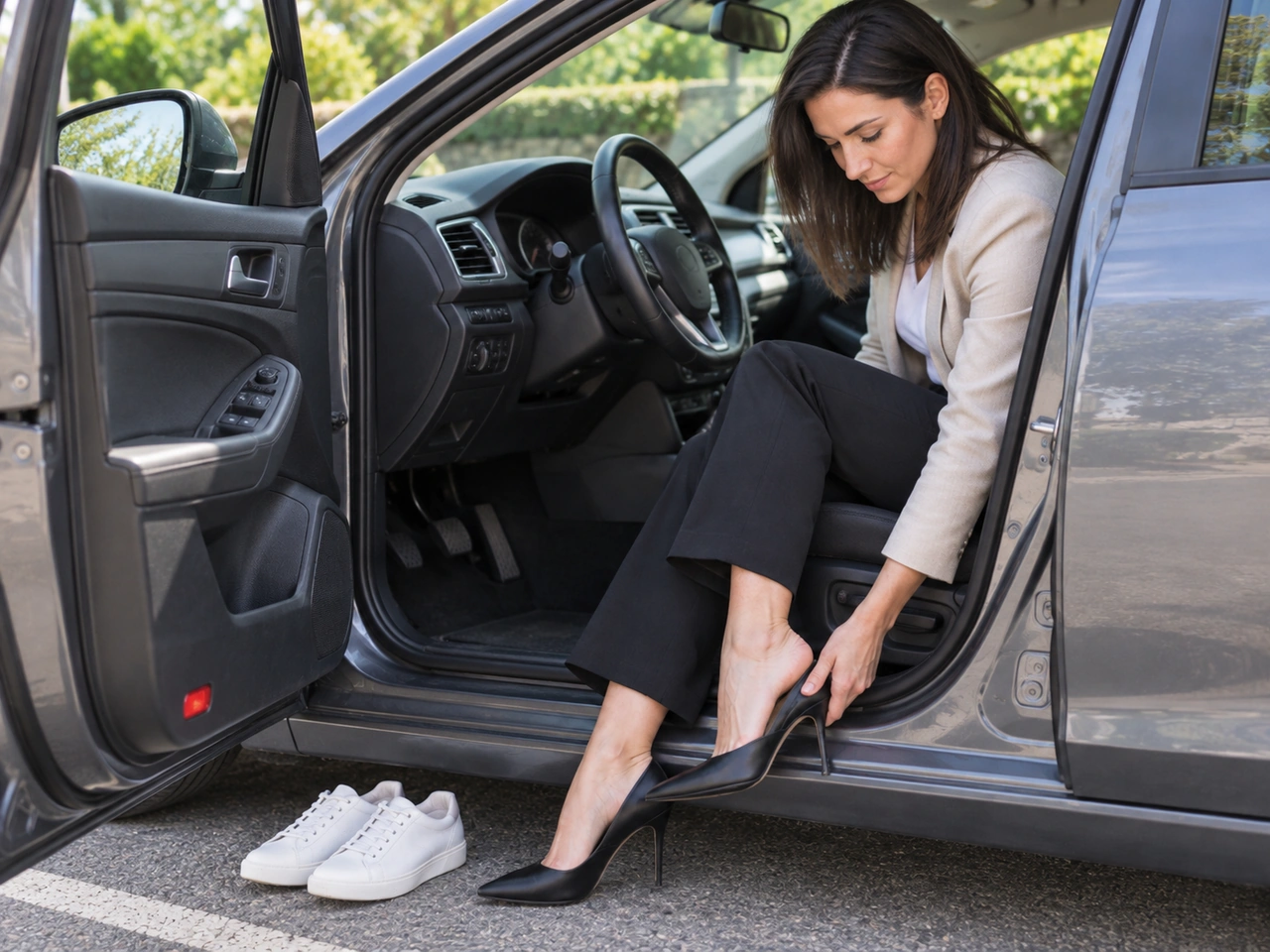
426. Why should you wear suitable footwear when driving?
Suitable footwear helps you operate the accelerator, brake, and clutch accurately. Loose, bulky, or slippery footwear can interfere with pedal control or become caught around the pedals.
AI-generated by Traffic-rules.com • WCIT • CC BY-SA
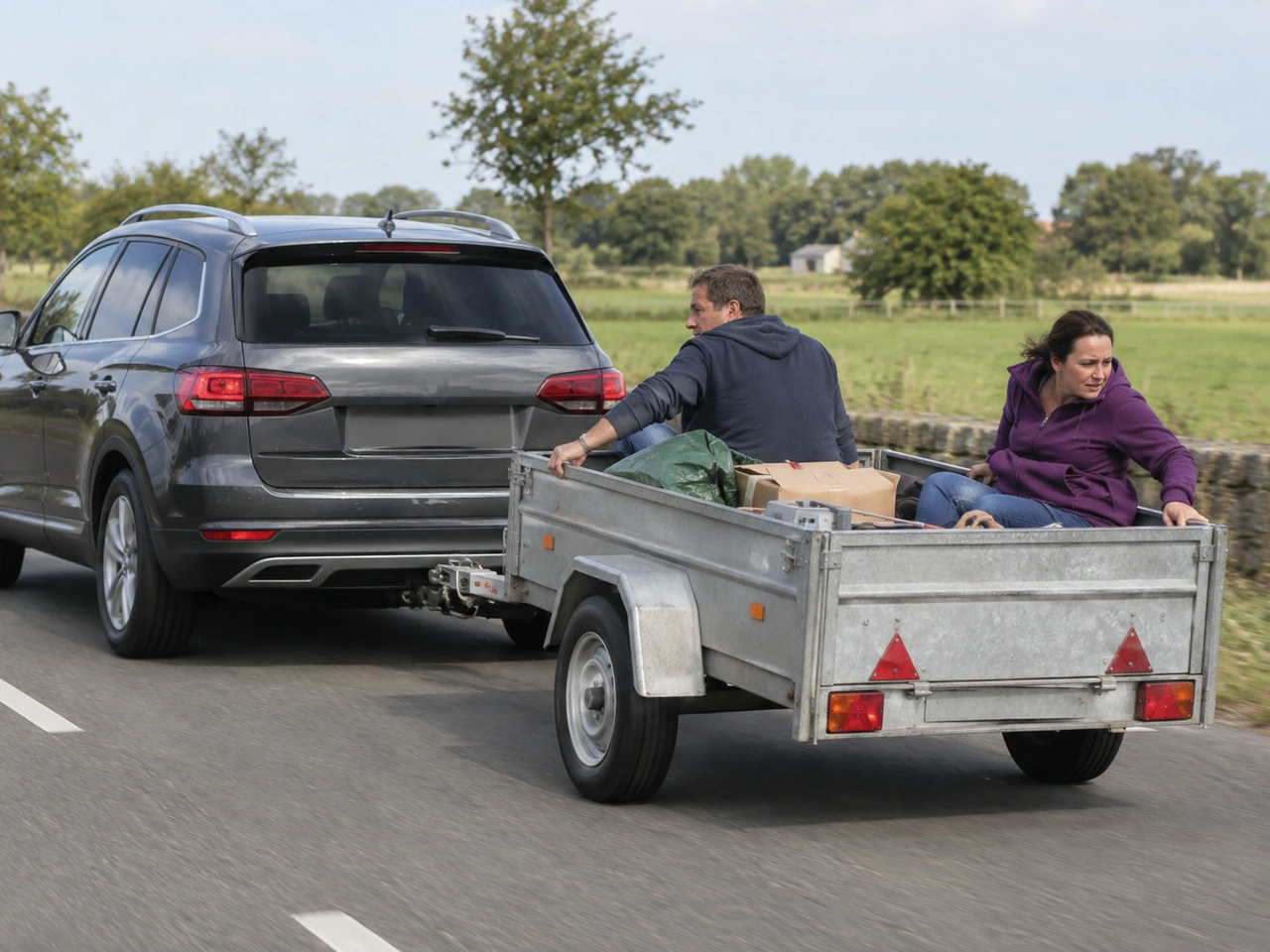
427. Should passengers travel in an ordinary goods trailer?
An ordinary goods trailer is not designed to carry passengers and normally has no suitable seats or restraint systems. Passengers should travel in seating positions designed and approved for carrying people. Special passenger-carrying trailers may be subject to different local rules.
AI-generated by Traffic-rules.com • WCIT • CC BY-SA
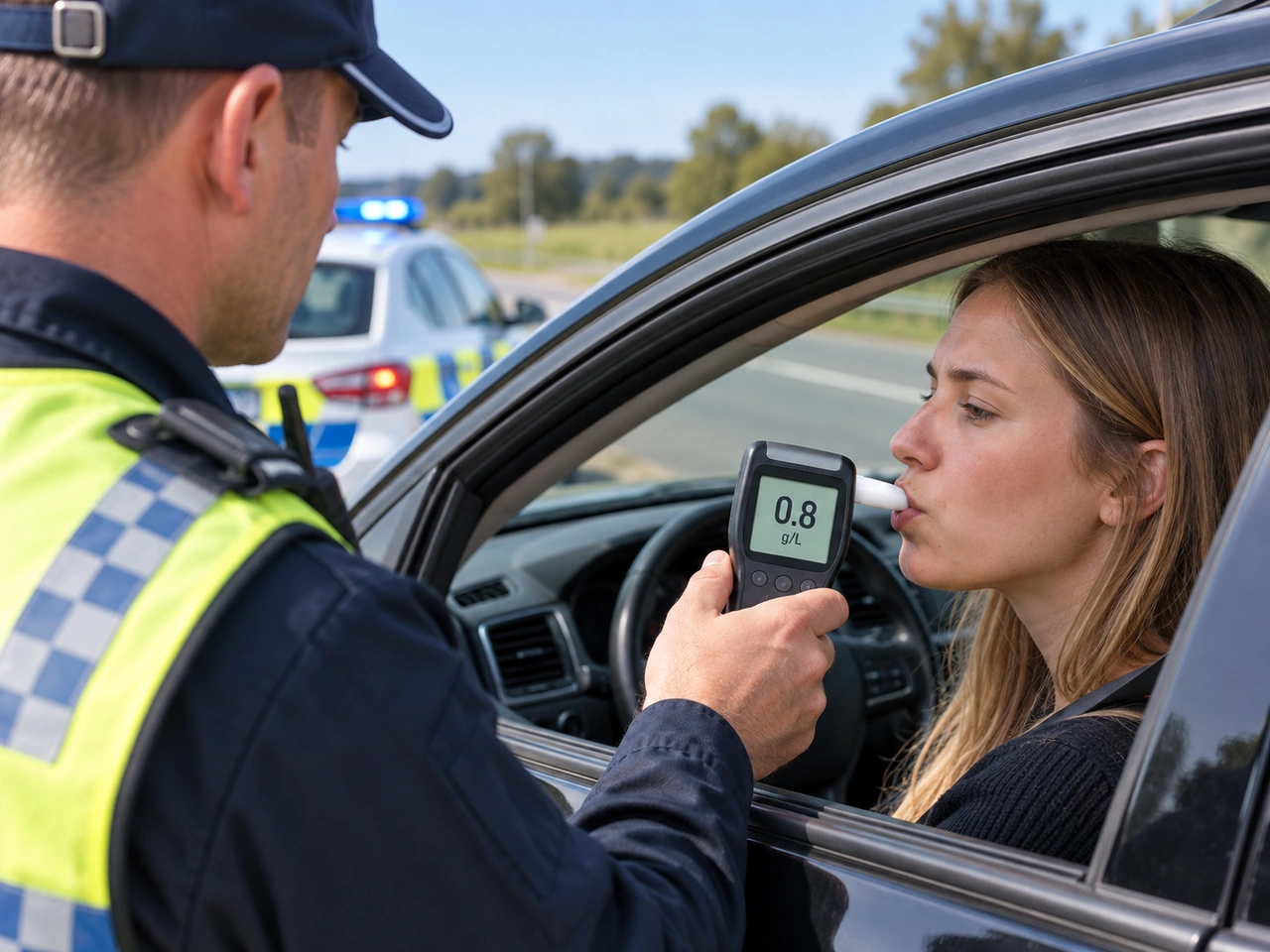
428. What is the legal blood alcohol limit for ordinary drivers in Norway?
The legal blood alcohol limit for ordinary drivers in Norway is 0.2 g/L.
AI-generated by Traffic-rules.com • WCIT • CC BY-SA
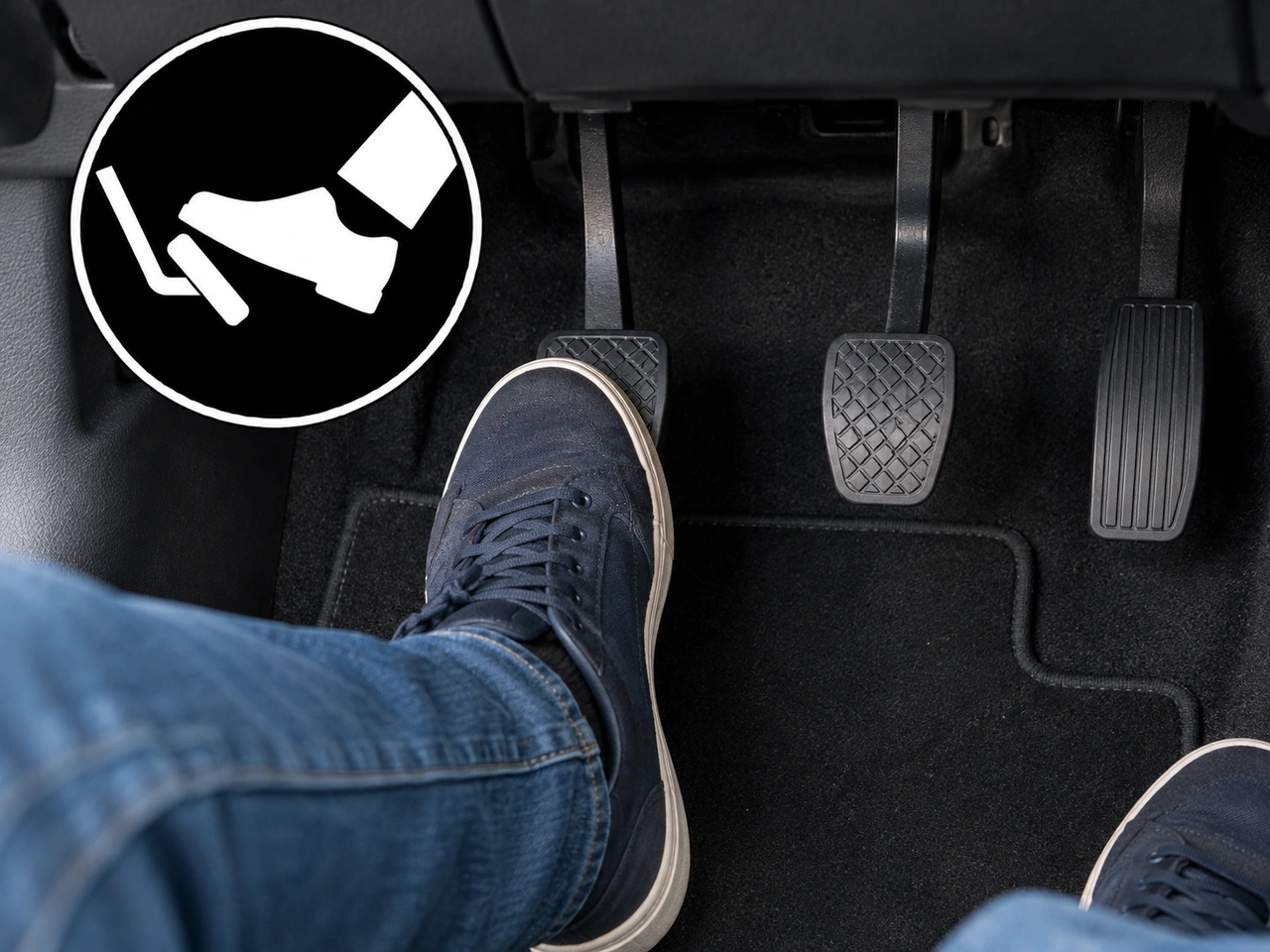
429. What is the purpose of the clutch pedal in a manual vehicle?
Pressing the clutch pedal temporarily disconnects the engine from the transmission, allowing the driver to change gear or stop without stalling the engine.
AI-generated by Traffic-rules.com • WCIT • CC BY-SA
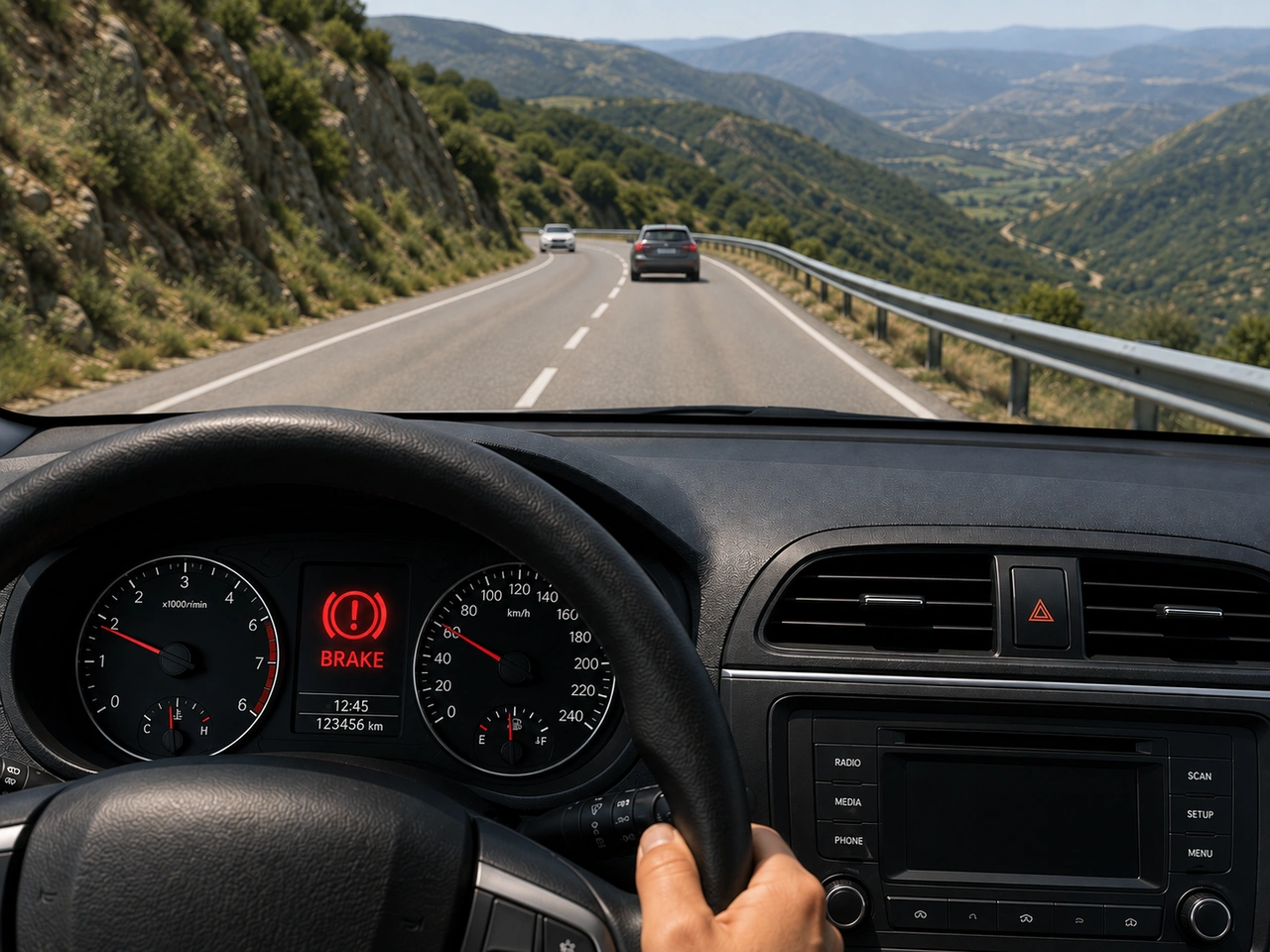
430. What should you do if the brakes fade during a long descent?
Continuous braking can cause overheating and reduced braking performance. A lower gear provides engine braking and reduces demand on the brakes.
AI-generated by Traffic-rules.com • WCIT • CC BY-SA
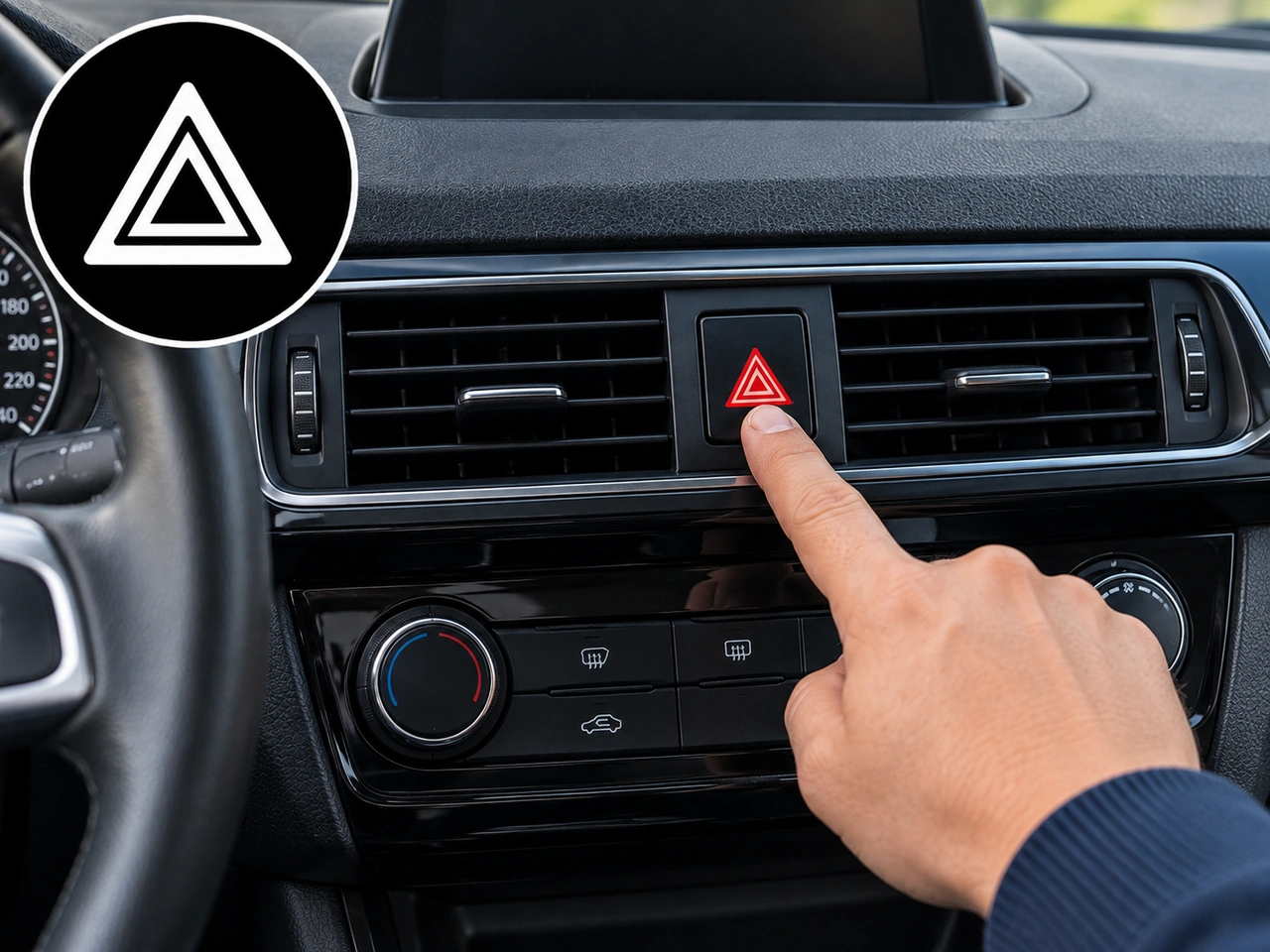
431. Which control activates all direction indicators at the same time?
The hazard warning light switch activates all direction indicators at the same time to warn other road users of a hazard or emergency.
AI-generated by Traffic-rules.com • WCIT • CC BY-SA
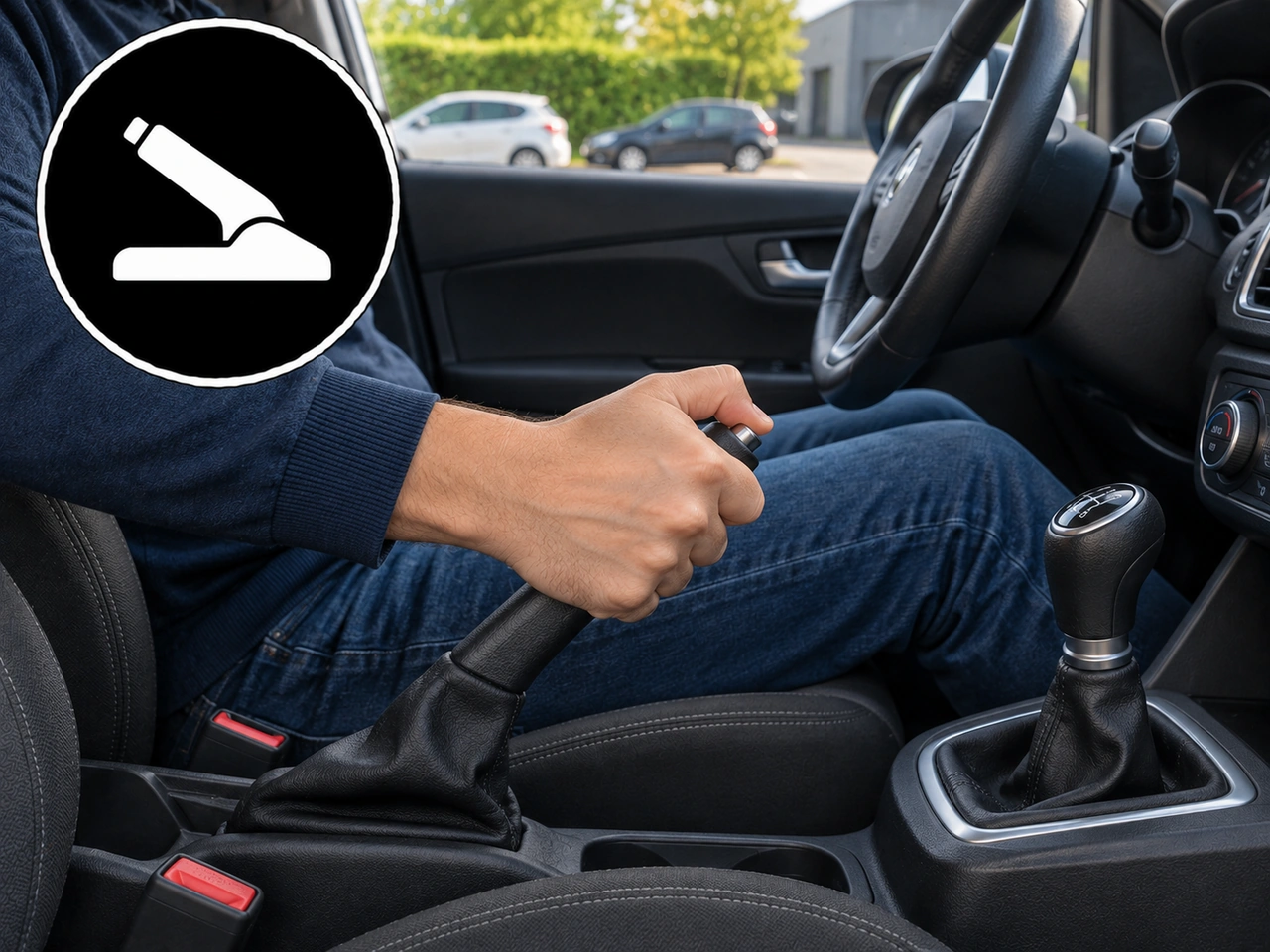
432. What should you do with the parking brake before leaving a parked vehicle?
Before leaving a parked vehicle, apply the parking brake securely to help prevent unintended movement. Also select the appropriate gear or transmission position for parking.
AI-generated by Traffic-rules.com • WCIT • CC BY-SA
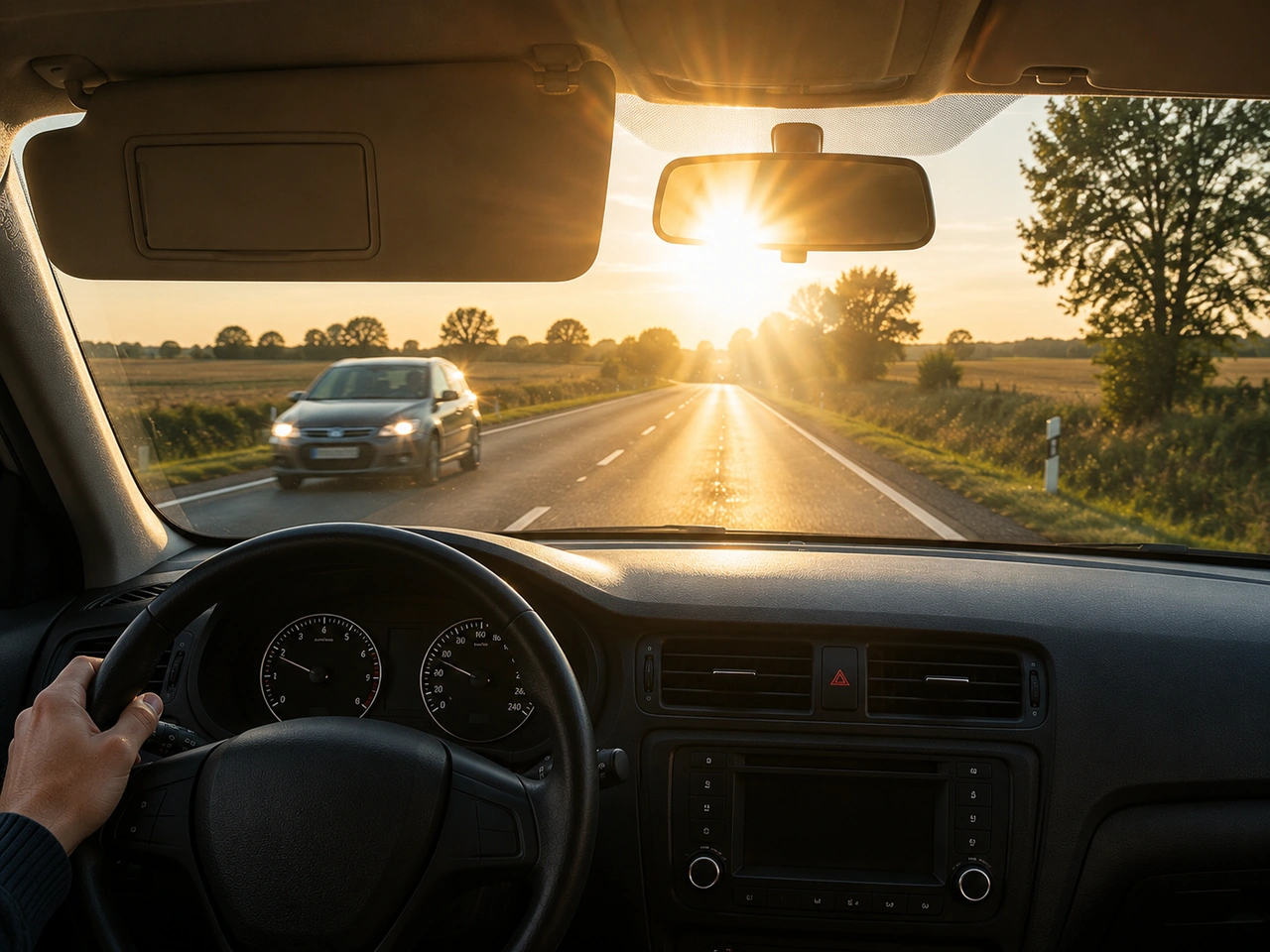
433. What should you do if you are dazzled by low sun?
Low sun can greatly reduce visibility. Slow down, increase your safety margin, and use the sun visor or sunglasses if needed.
AI-generated by Traffic-rules.com • WCIT • CC BY-SA
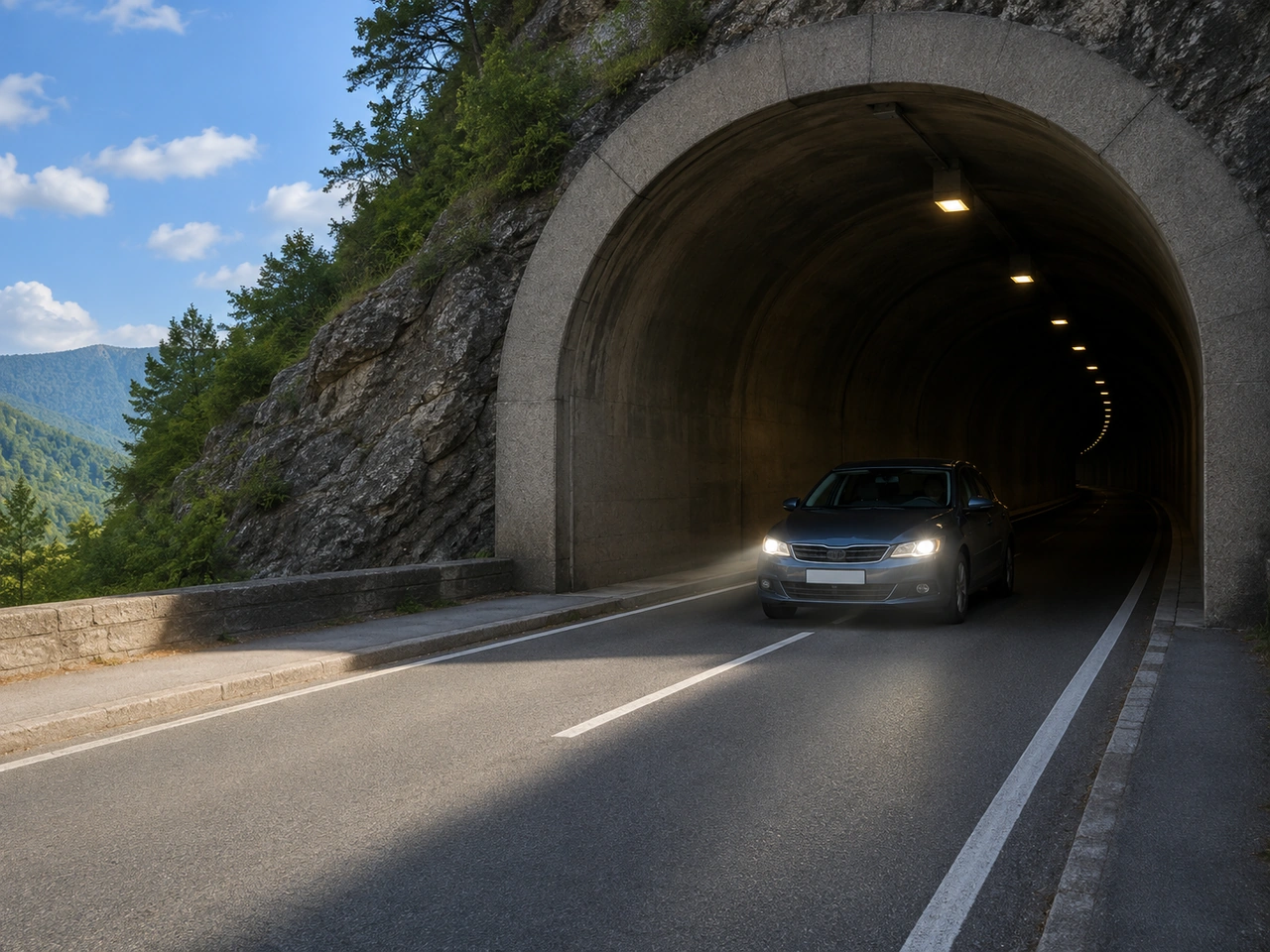
434. Why should you switch on dipped headlights before entering a tunnel?
Tunnel lighting may be much darker than daylight. Dipped headlights help you see and make your vehicle more visible.
AI-generated by Traffic-rules.com • WCIT • CC BY-SA
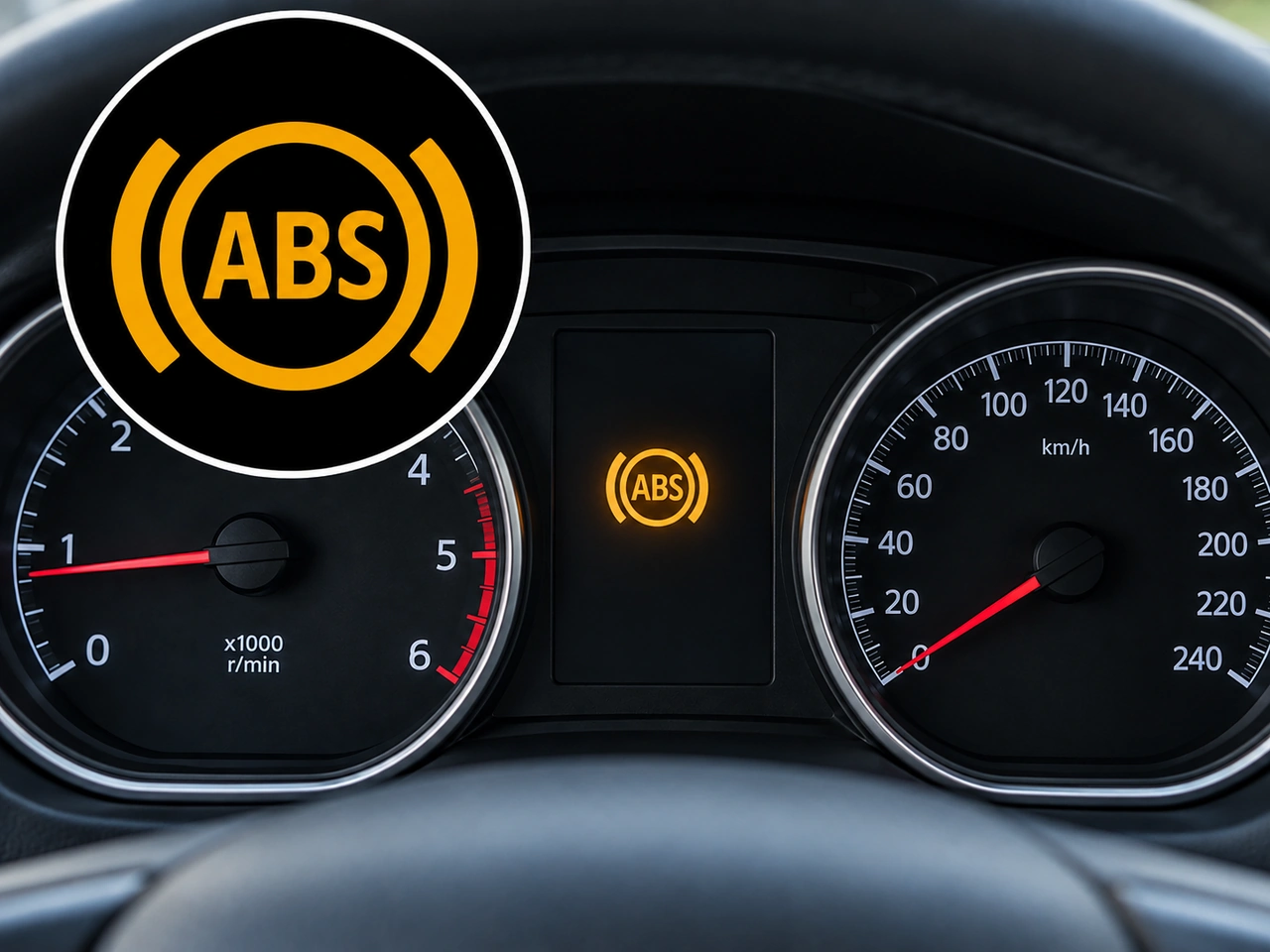
435. What does this dashboard symbol indicate?
This symbol indicates a possible fault with the anti-lock braking system (ABS). Normal braking may still be available, but ABS may not operate during heavy braking, so the system should be checked.
AI-generated by Traffic-rules.com • WCIT • CC BY-SA
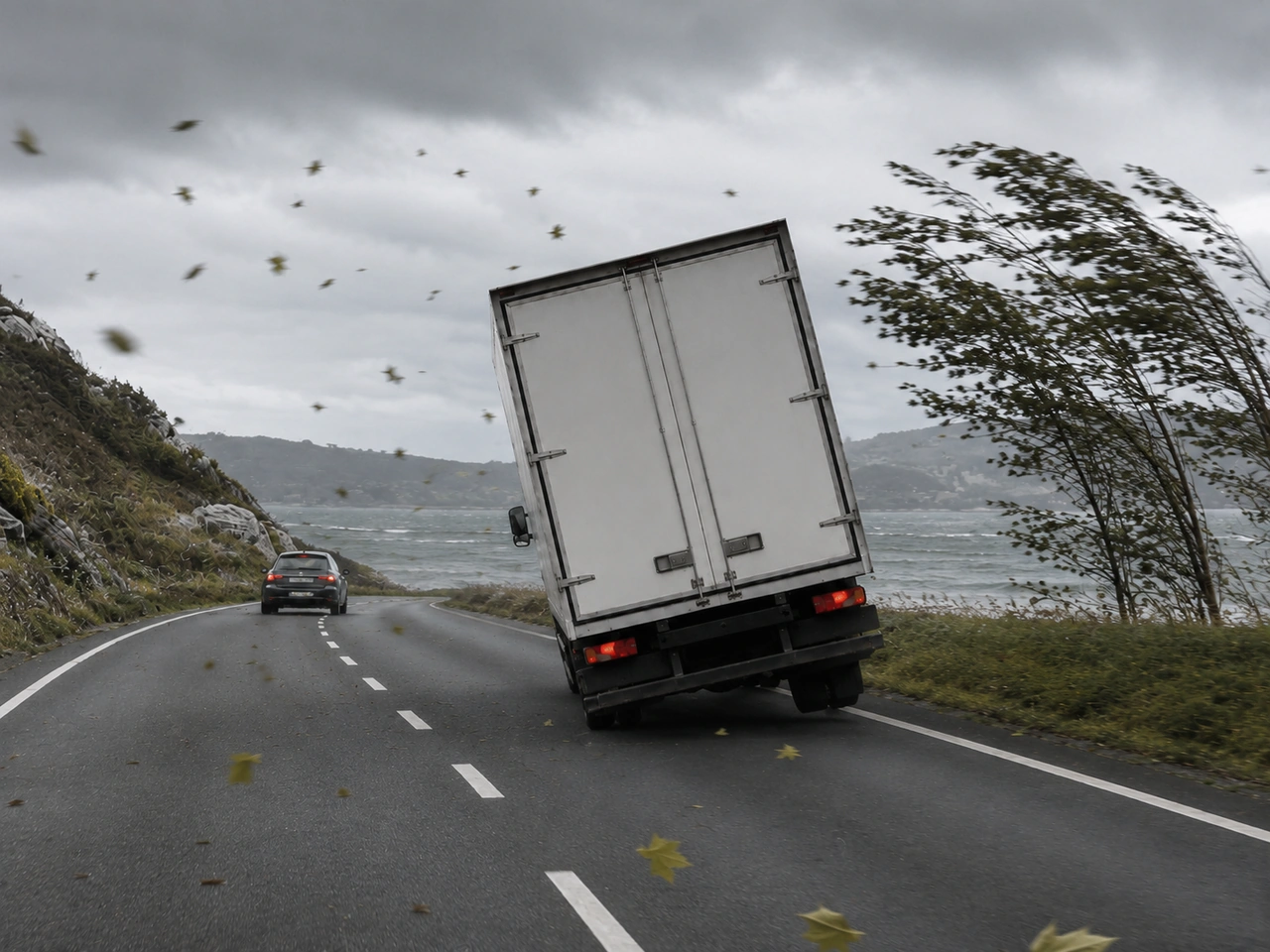
436. Which vehicles are especially vulnerable to strong crosswinds?
High-sided vehicles can be pushed sideways because of their large side area. Cyclists and motorcyclists can also be strongly affected by sudden gusts.
AI-generated by Traffic-rules.com • WCIT • CC BY-SA
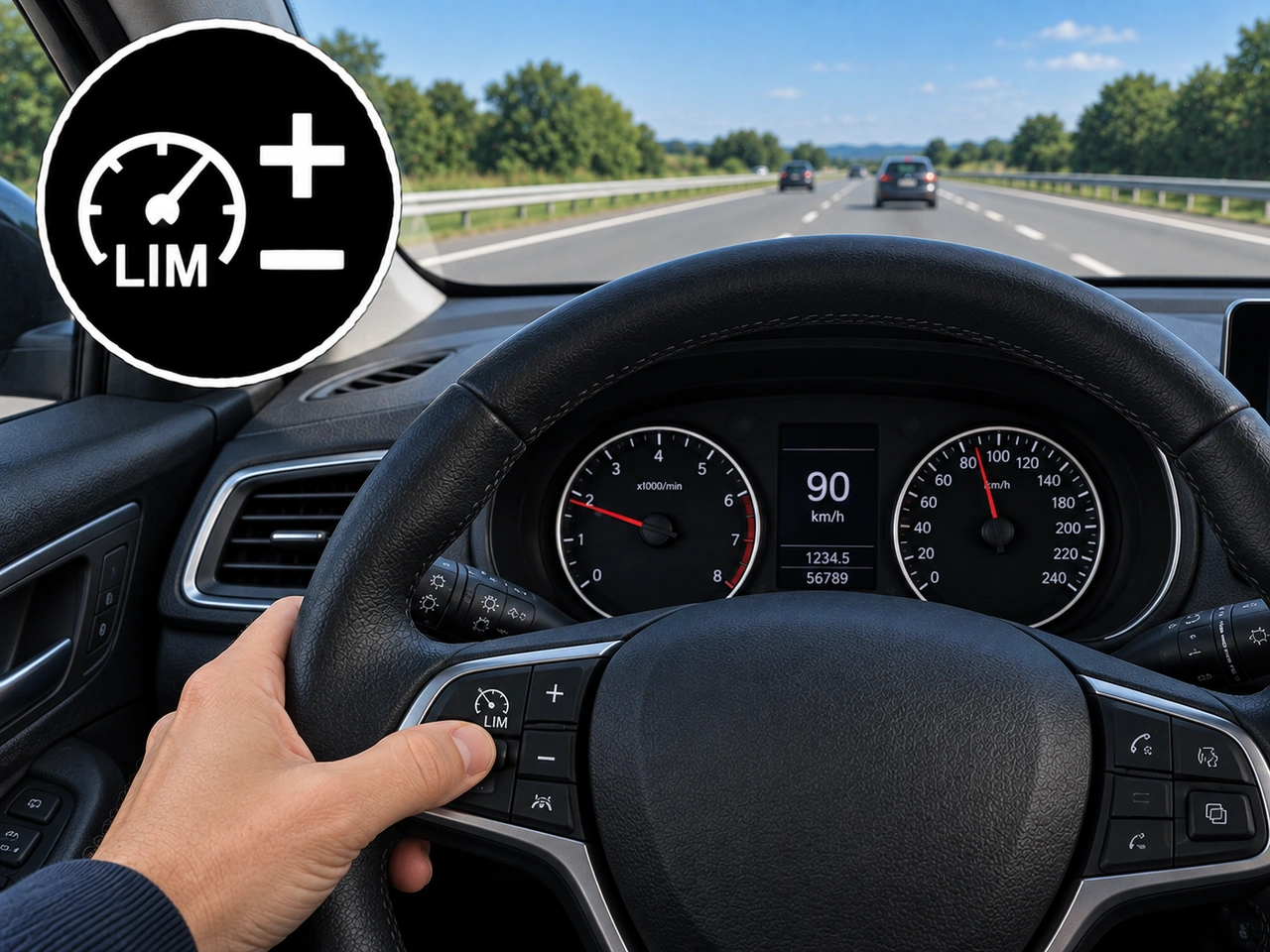
437. What do the + and − controls normally adjust when the speed limiter is active?
When the speed limiter is active, the + and − controls normally increase or decrease the selected maximum speed. The exact adjustment steps can vary between vehicles.
AI-generated by Traffic-rules.com • WCIT • CC BY-SA
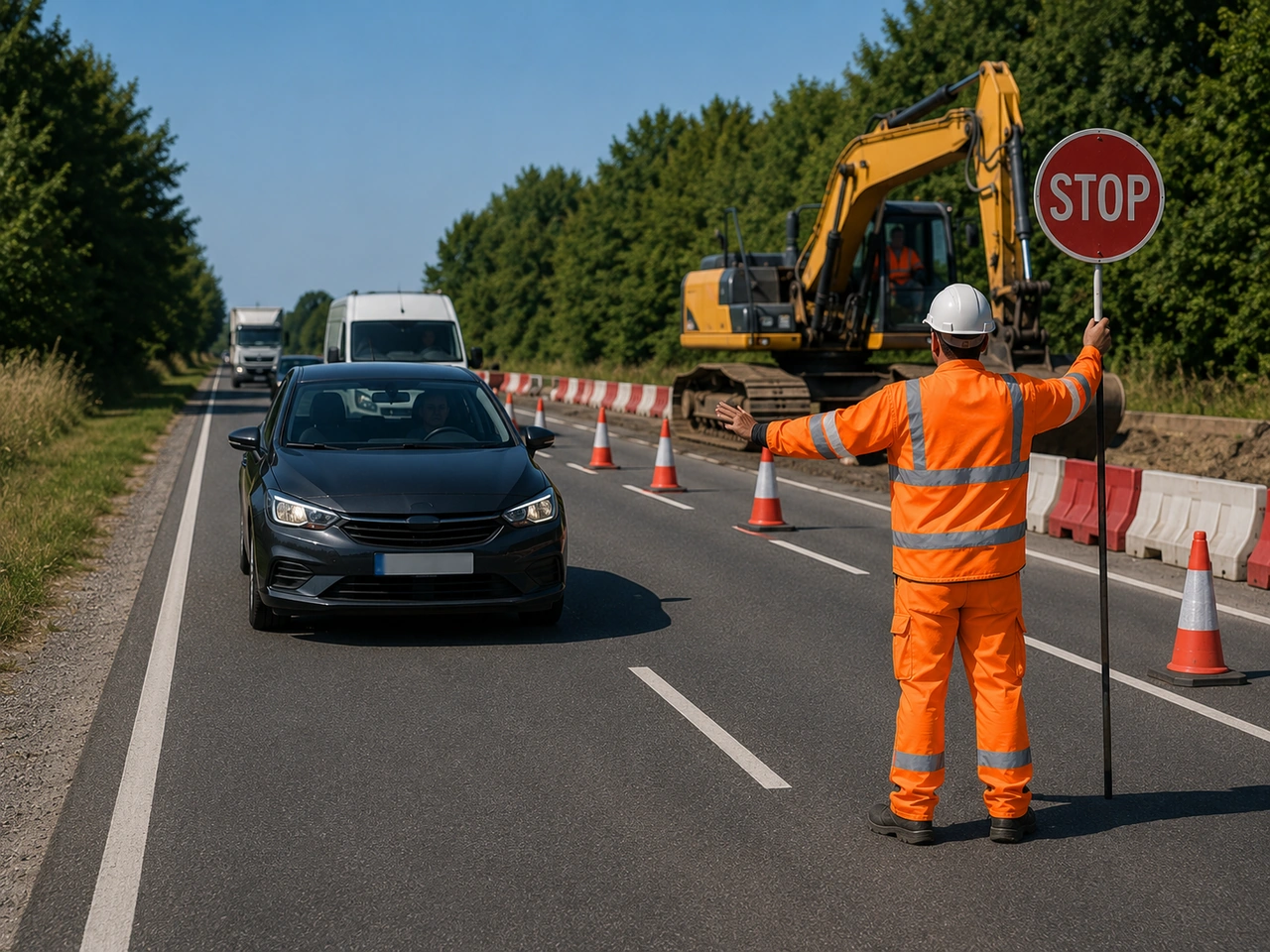
438. What should you do when a road worker directs traffic?
Authorised road workers may control traffic through a work zone. Watch carefully and follow their directions.
AI-generated by Traffic-rules.com • WCIT • CC BY-SA
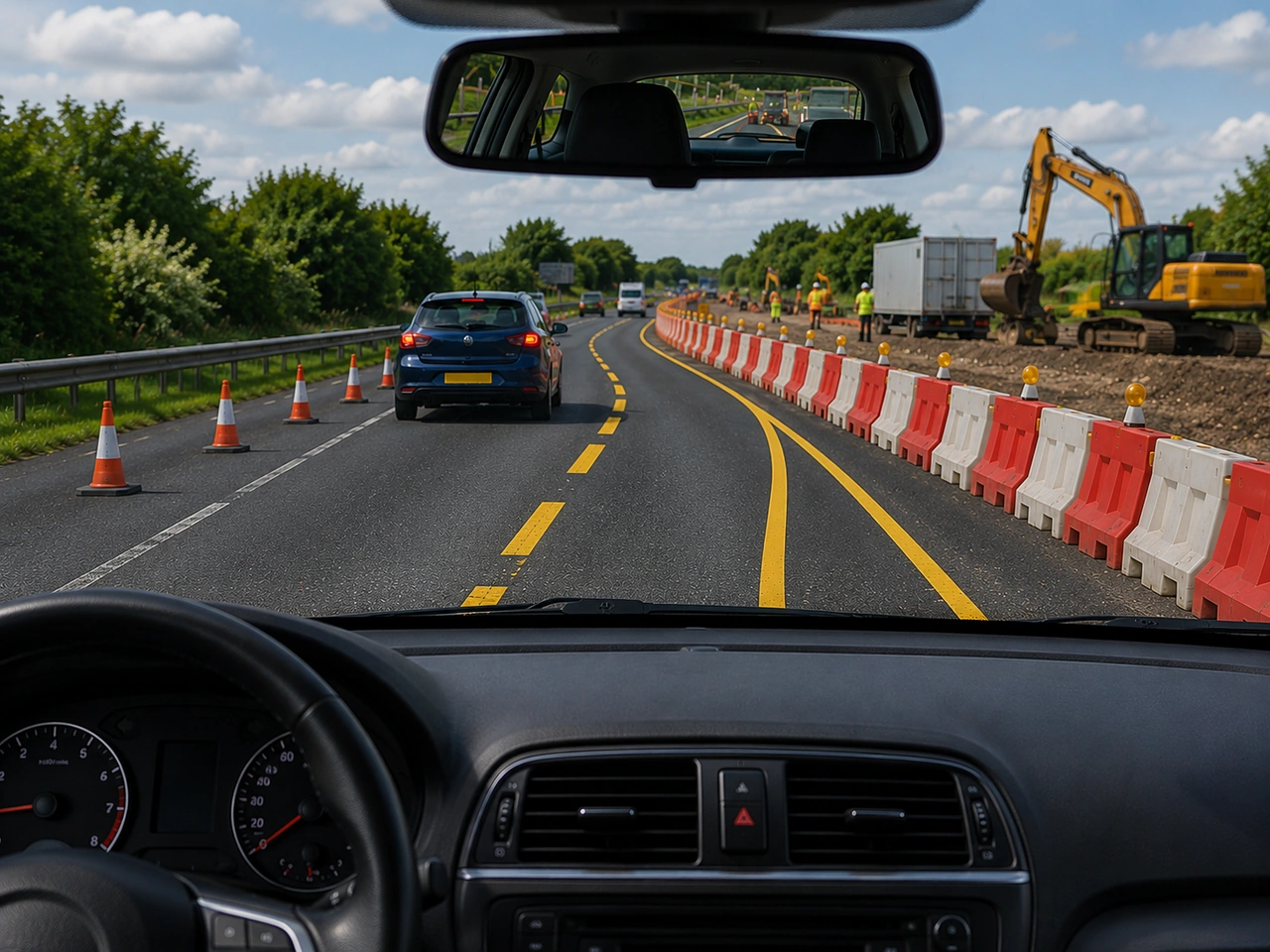
439. Which road markings should you follow through roadworks?
Temporary road markings may replace the normal lane layout during roadworks. Follow the markings and signs that currently guide traffic.
AI-generated by Traffic-rules.com • WCIT • CC BY-SA
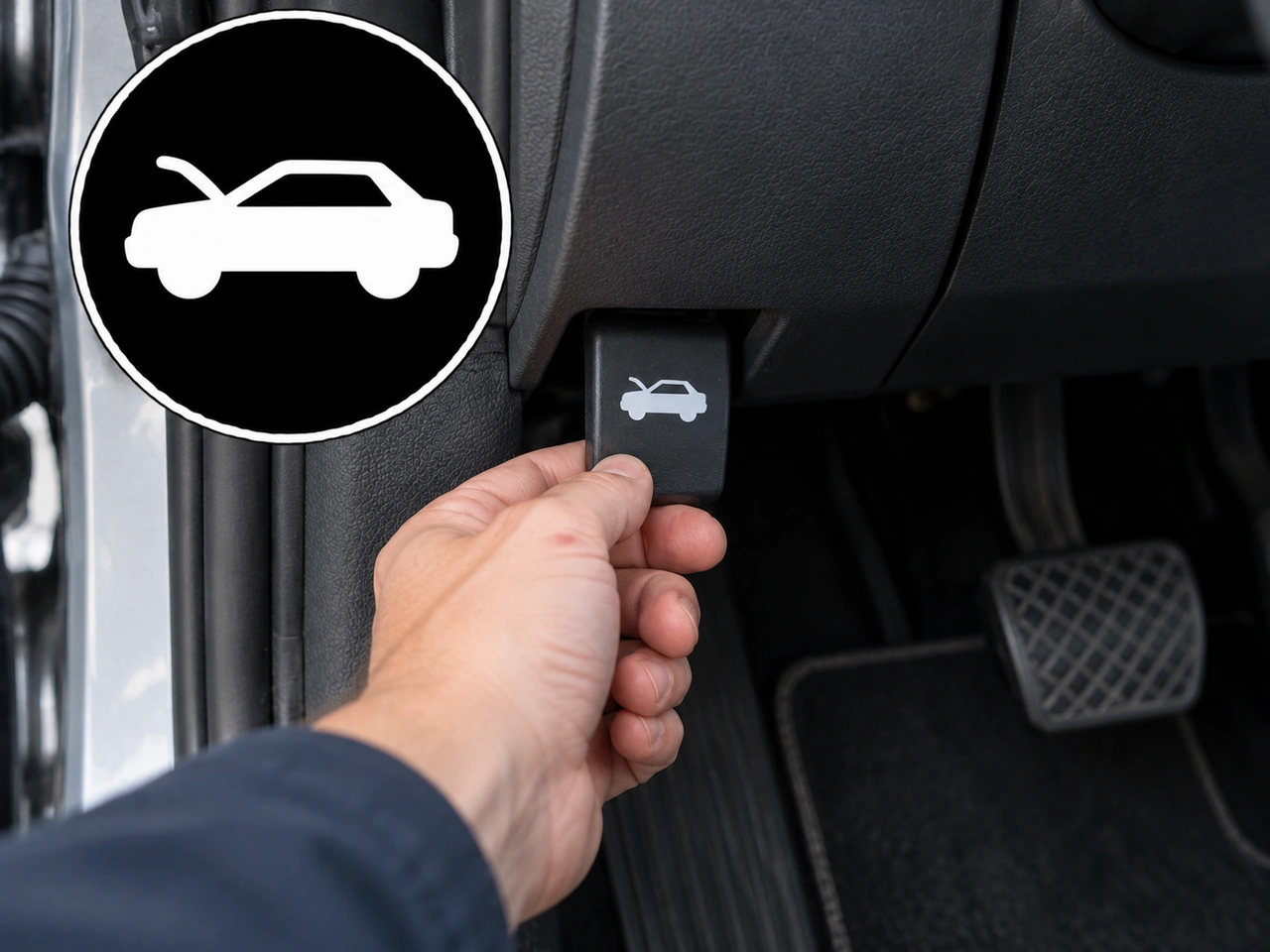
440. What does this vehicle-control symbol indicate?
This control releases the bonnet so that it can be opened. A secondary safety catch under the bonnet normally has to be released before it can be fully raised.
AI-generated by Traffic-rules.com • WCIT • CC BY-SA
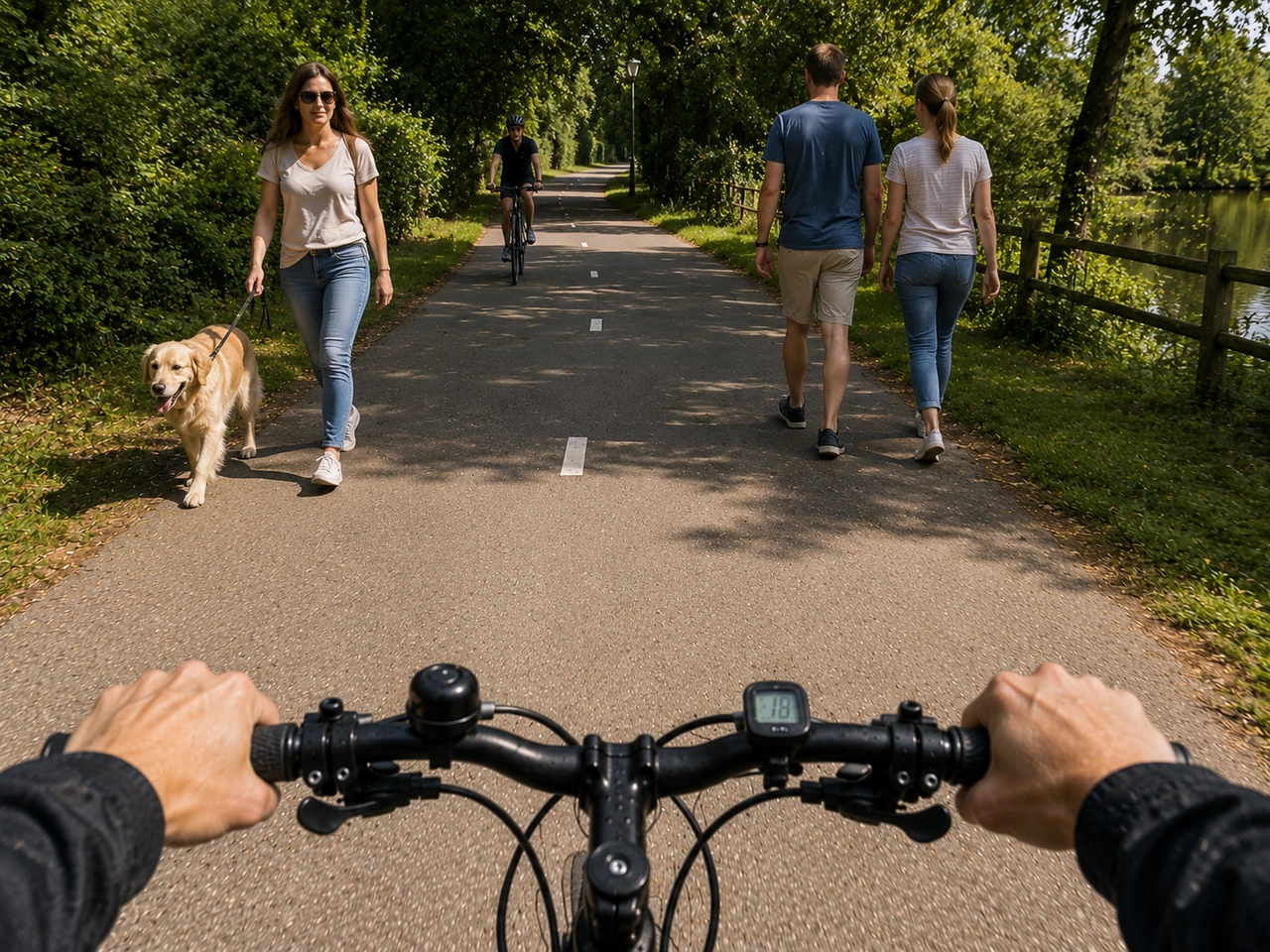
441. What should cyclists do when passing pedestrians on a shared path?
Pedestrians may change direction unexpectedly. A warning and safe passing distance reduce the risk of a collision.
AI-generated by Traffic-rules.com • WCIT • CC BY-SA
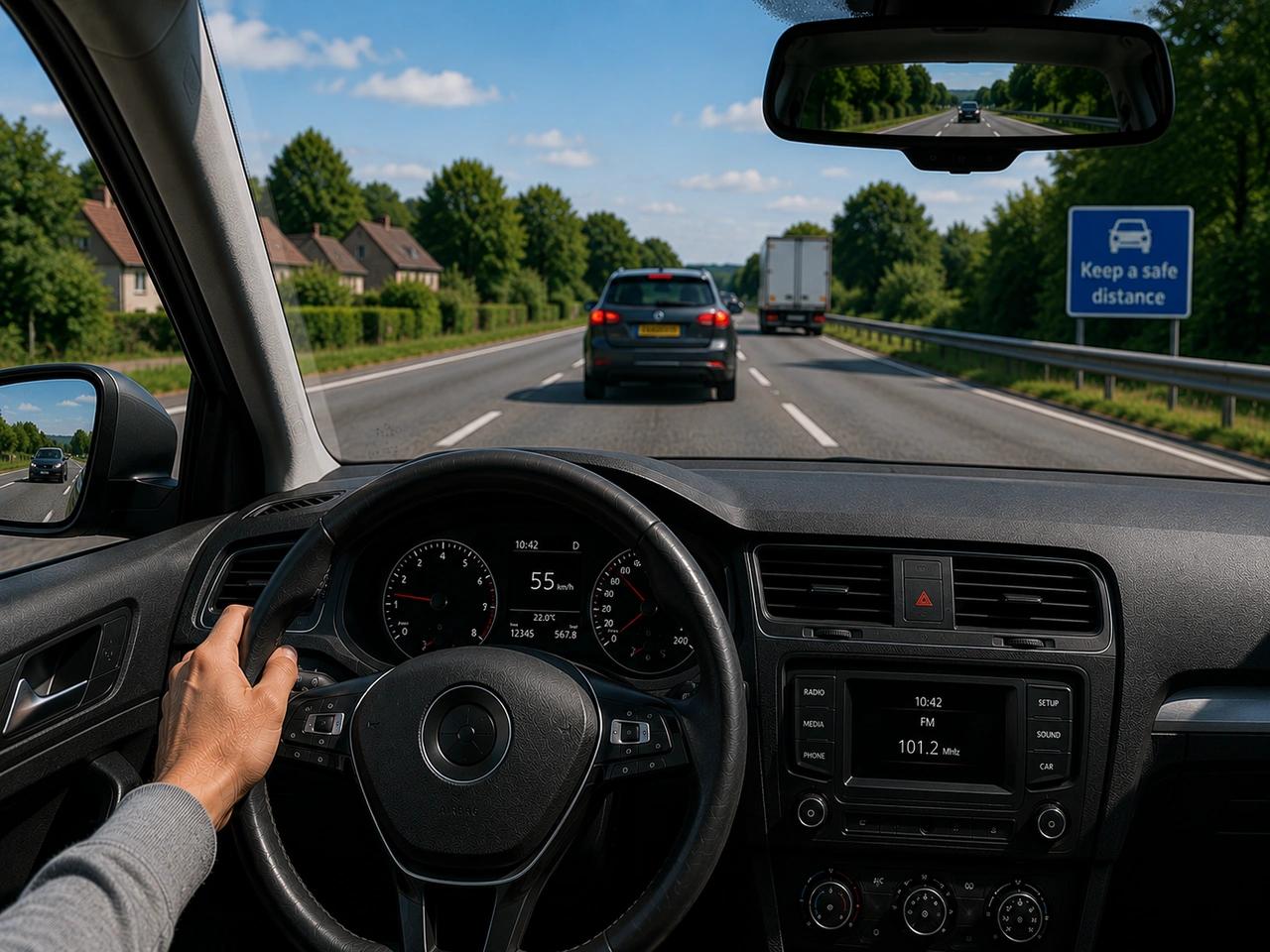
442. You should follow the vehicle in front as closely as possible in traffic.
You should keep a safe following distance so you have enough time to react if traffic slows or stops suddenly.
AI-generated by Traffic-rules.com • WCIT • CC BY-SA
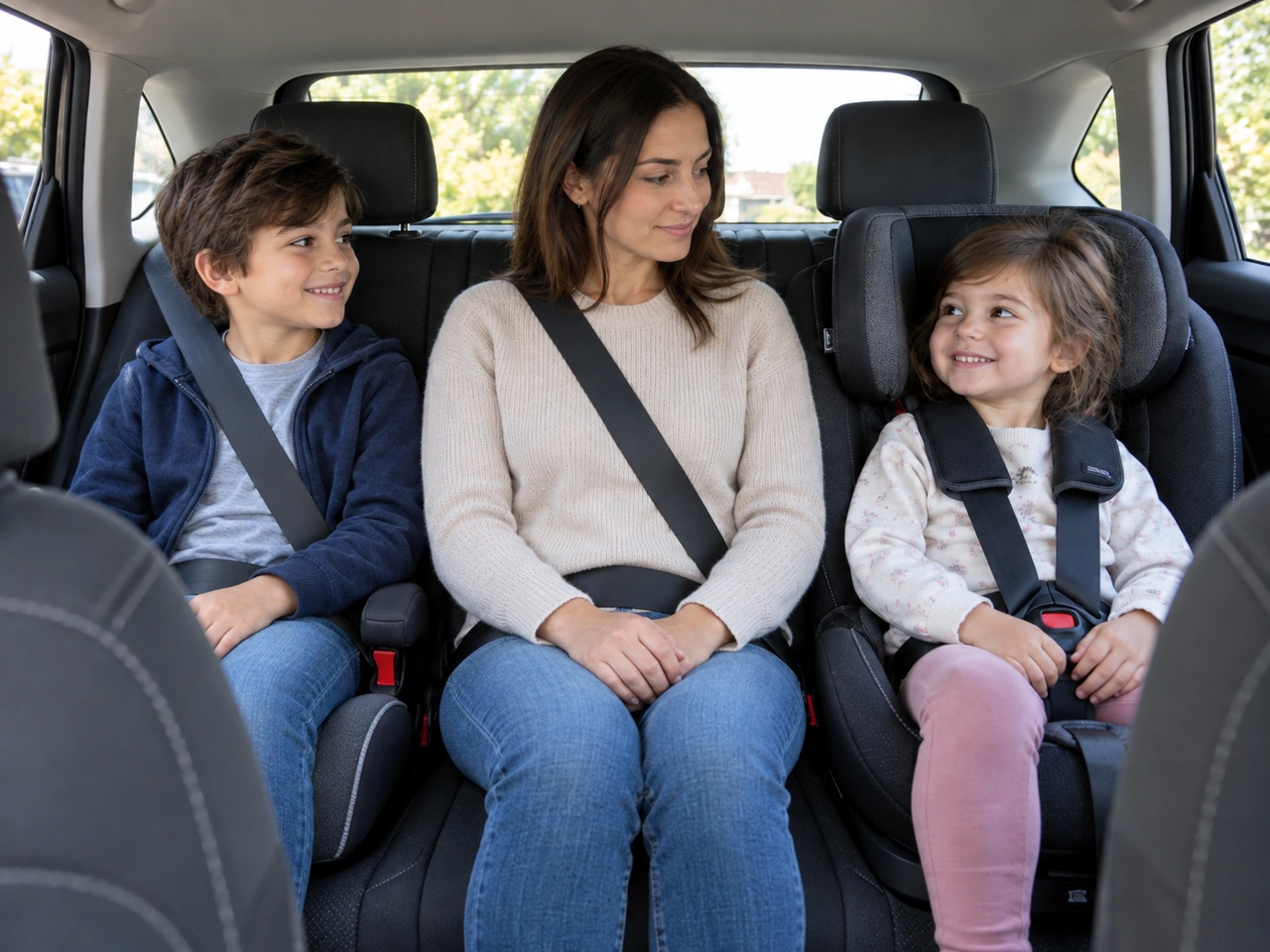
443. Should rear-seat passengers be securely restrained?
Rear-seat passengers should be securely restrained using seat belts or suitable child restraints as appropriate. Proper restraint reduces the risk of serious injury and prevents occupants from being thrown around or forwards in a collision.
AI-generated by Traffic-rules.com • WCIT • CC BY-SA
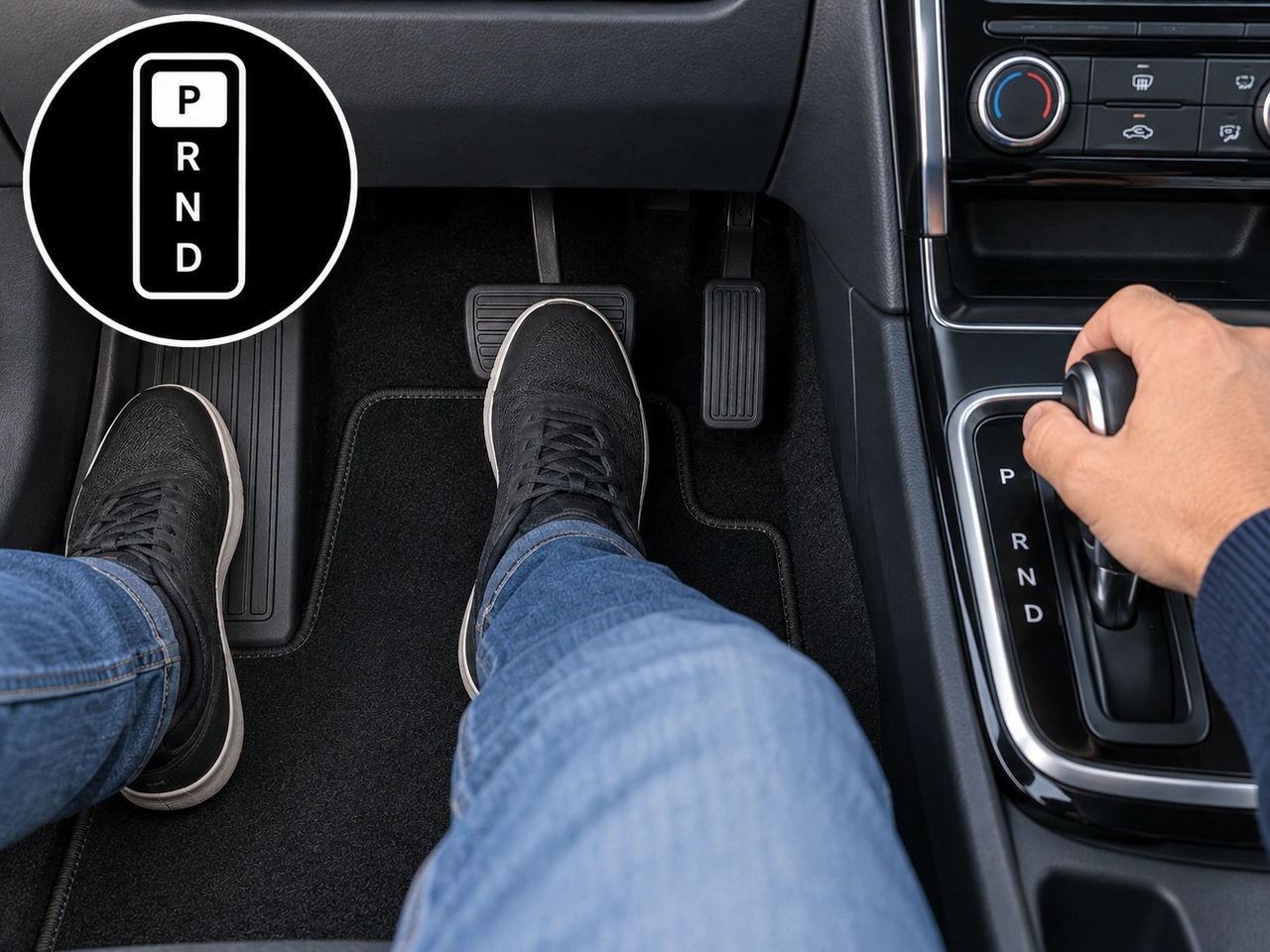
444. When should you select P (Park) in an automatic vehicle?
Select P (Park) only after the vehicle has come to a complete stop. Selecting Park while the vehicle is moving can damage the transmission.
AI-generated by Traffic-rules.com • WCIT • CC BY-SA
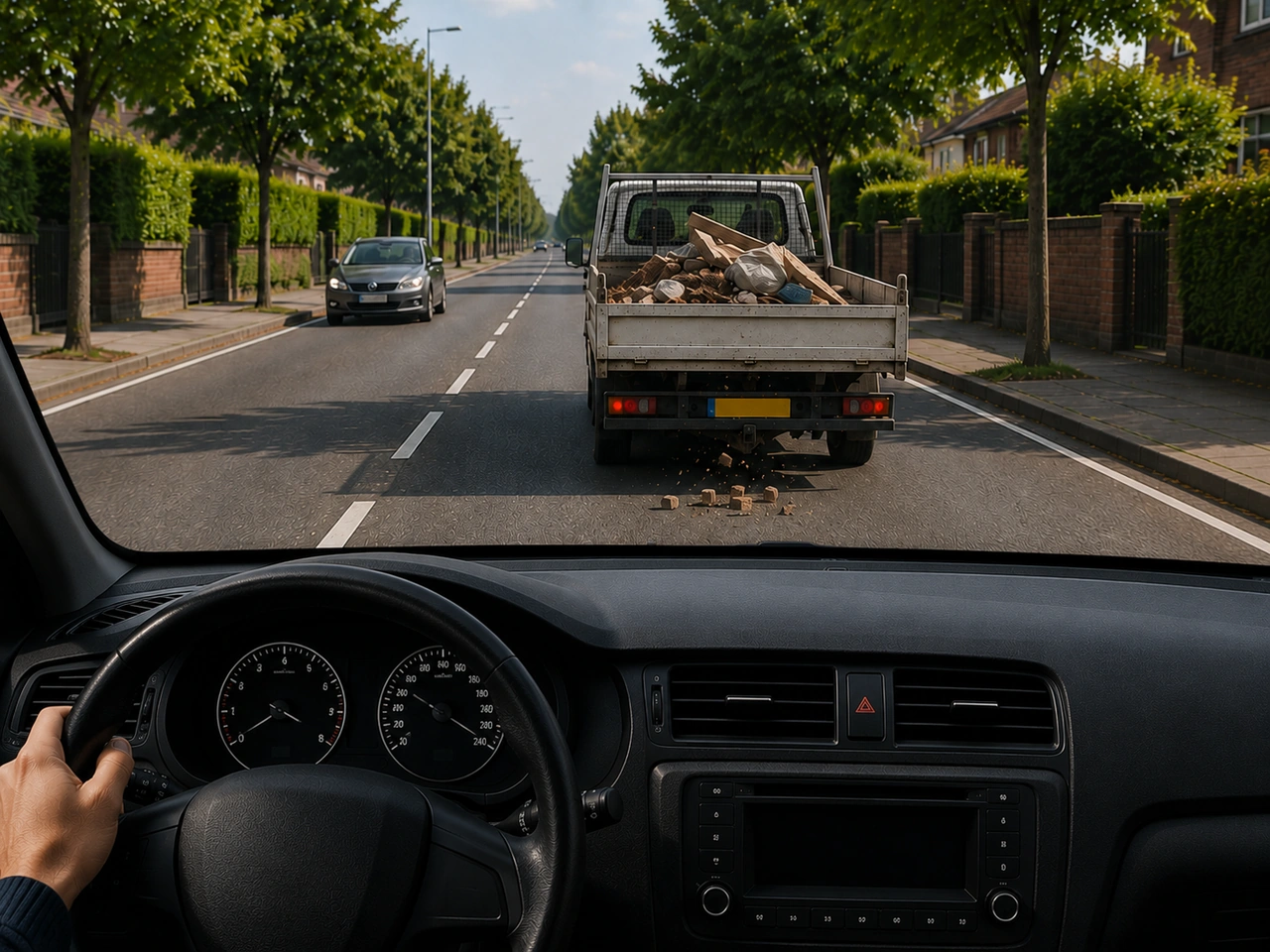
445. Why should you be cautious when following a vehicle carrying a loose load?
A poorly secured load can fall or shift suddenly. Keep extra distance and avoid following too closely.
AI-generated by Traffic-rules.com • WCIT • CC BY-SA
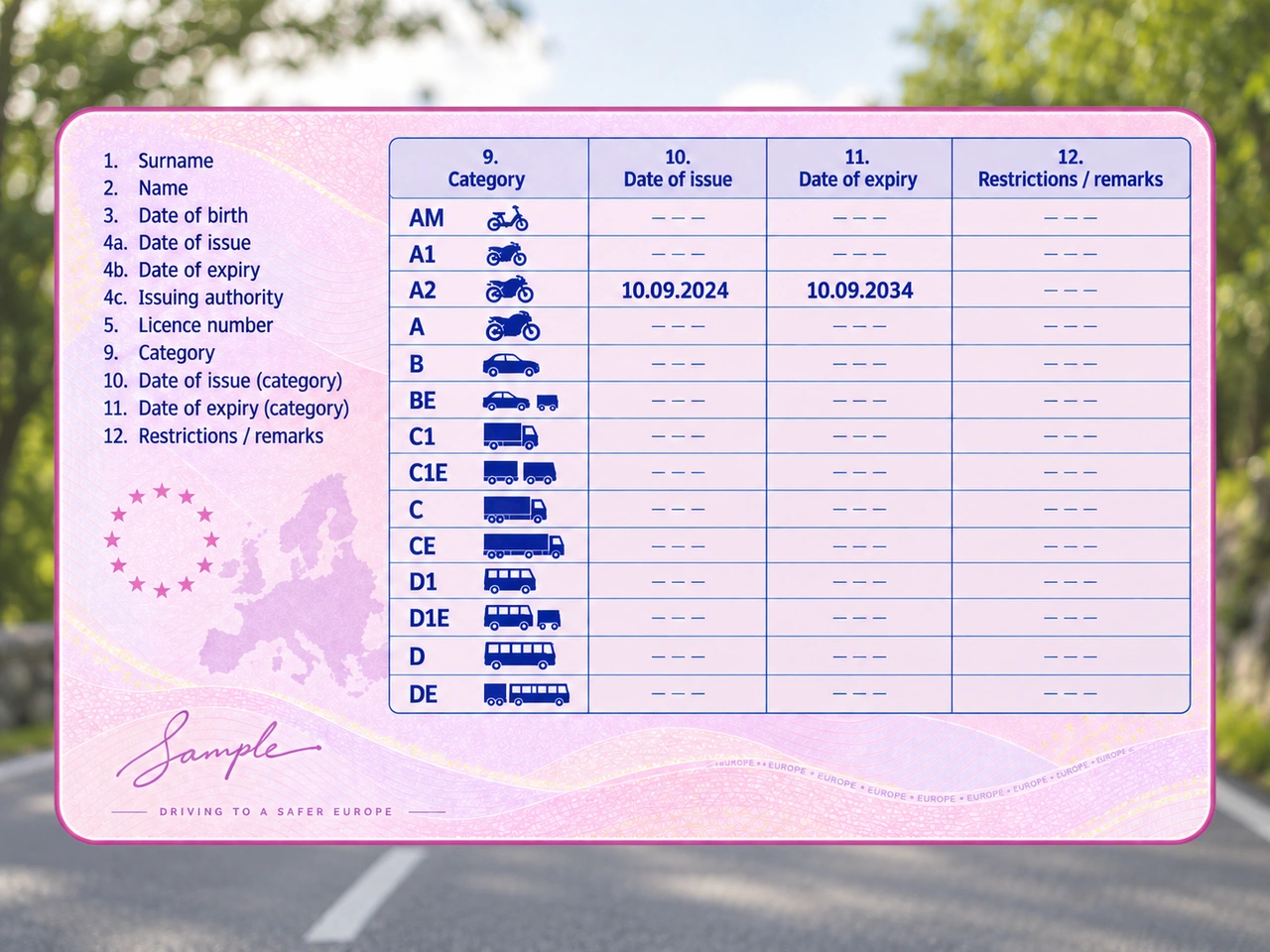
446. Which motorcycles are covered by driving licence A2?
Category A2 covers motorcycles with power not exceeding 35 kW and a power-to-weight ratio not exceeding 0.2 kW/kg. The motorcycle must not be derived from a vehicle with more than double its power.
AI-generated by Traffic-rules.com • WCIT • CC BY-SA
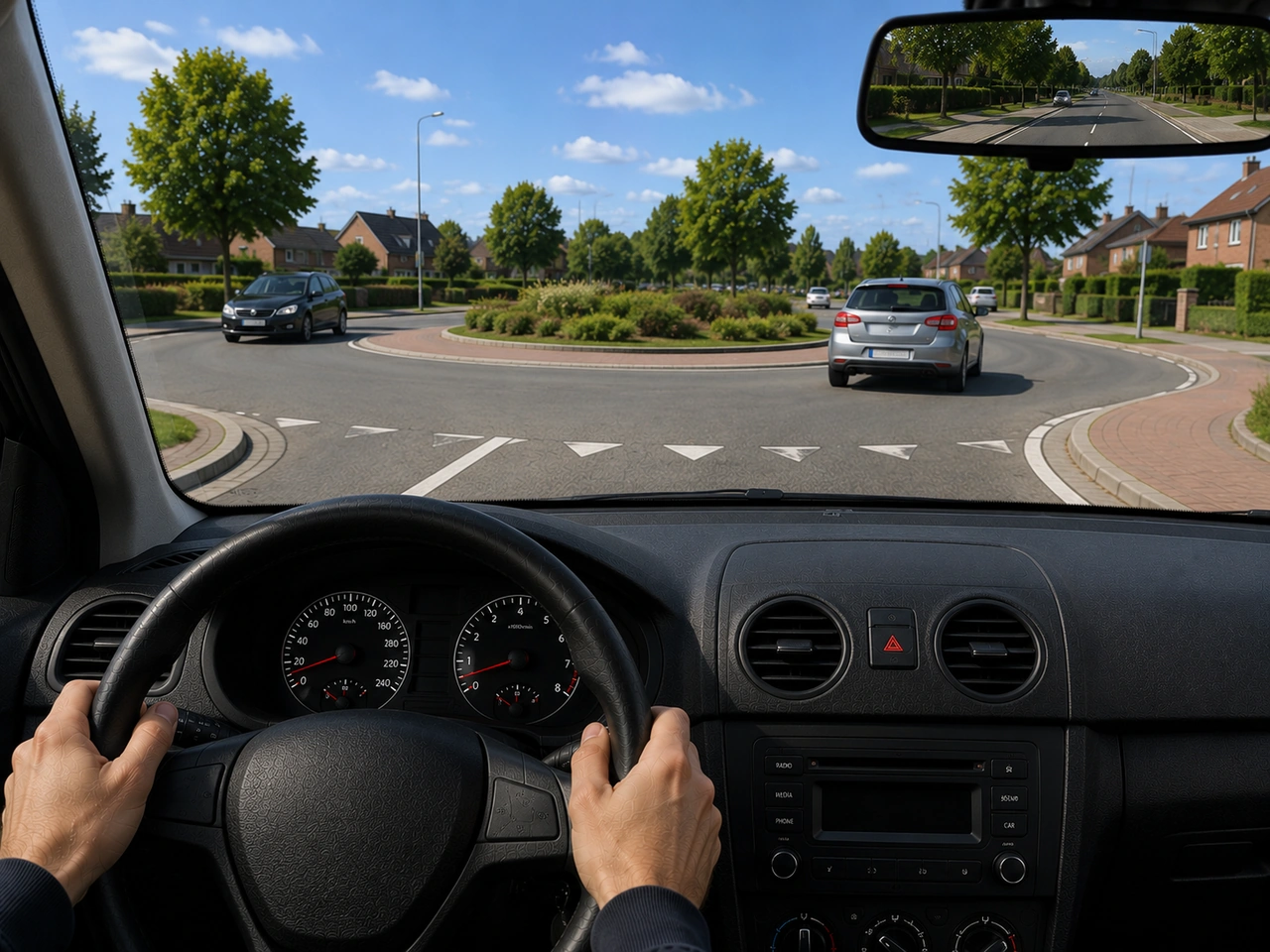
447. What should you do when entering a roundabout?
When approaching a roundabout, reduce your speed, observe traffic, follow the signs and local priority rules, and enter only when it is safe.
AI-generated by Traffic-rules.com • WCIT • CC BY-SA
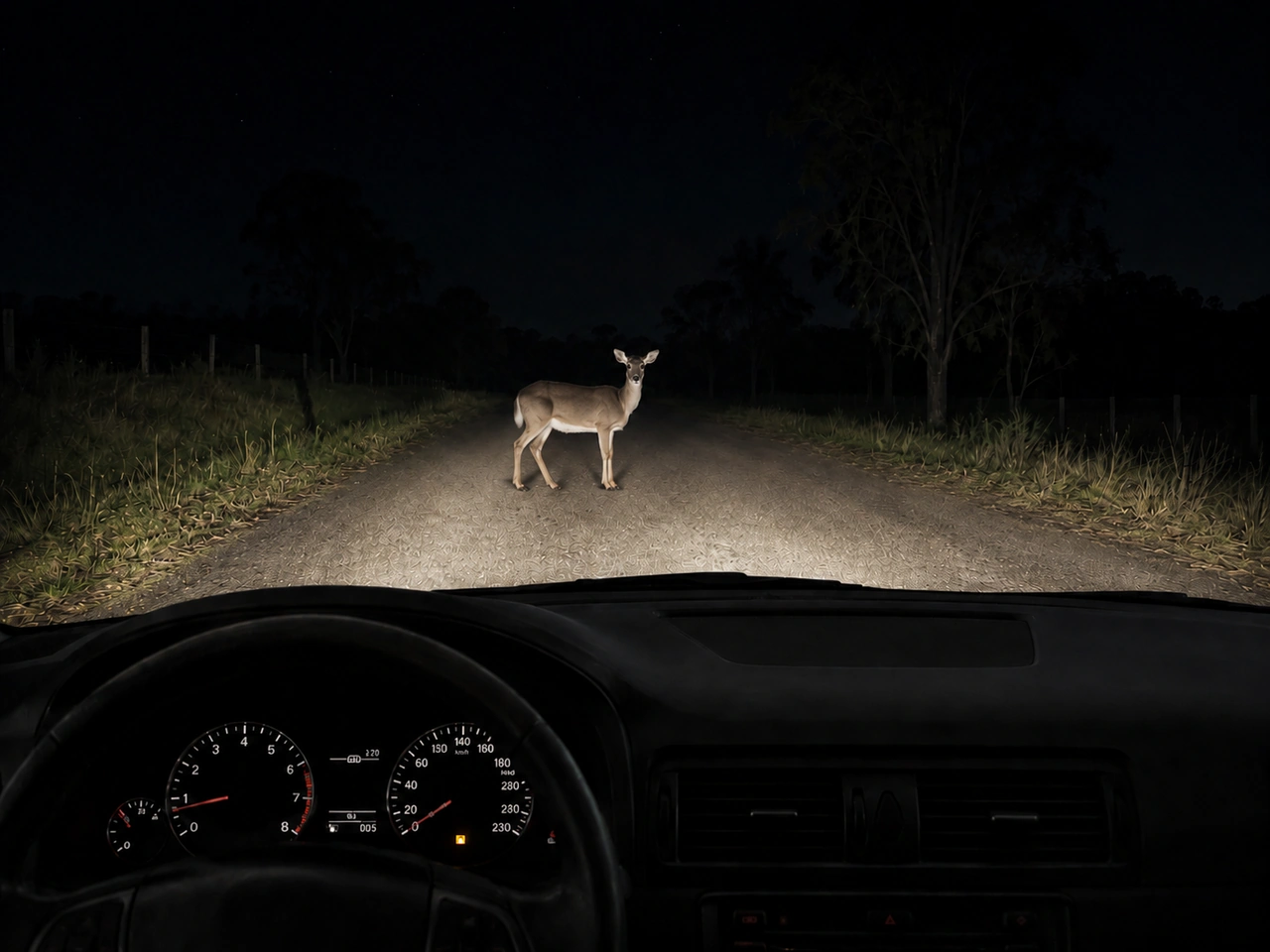
448. What should you do if an animal is standing on the road at night?
Animals may freeze, turn back, or move unpredictably when caught in vehicle headlights.
AI-generated by Traffic-rules.com • WCIT • CC BY-SA
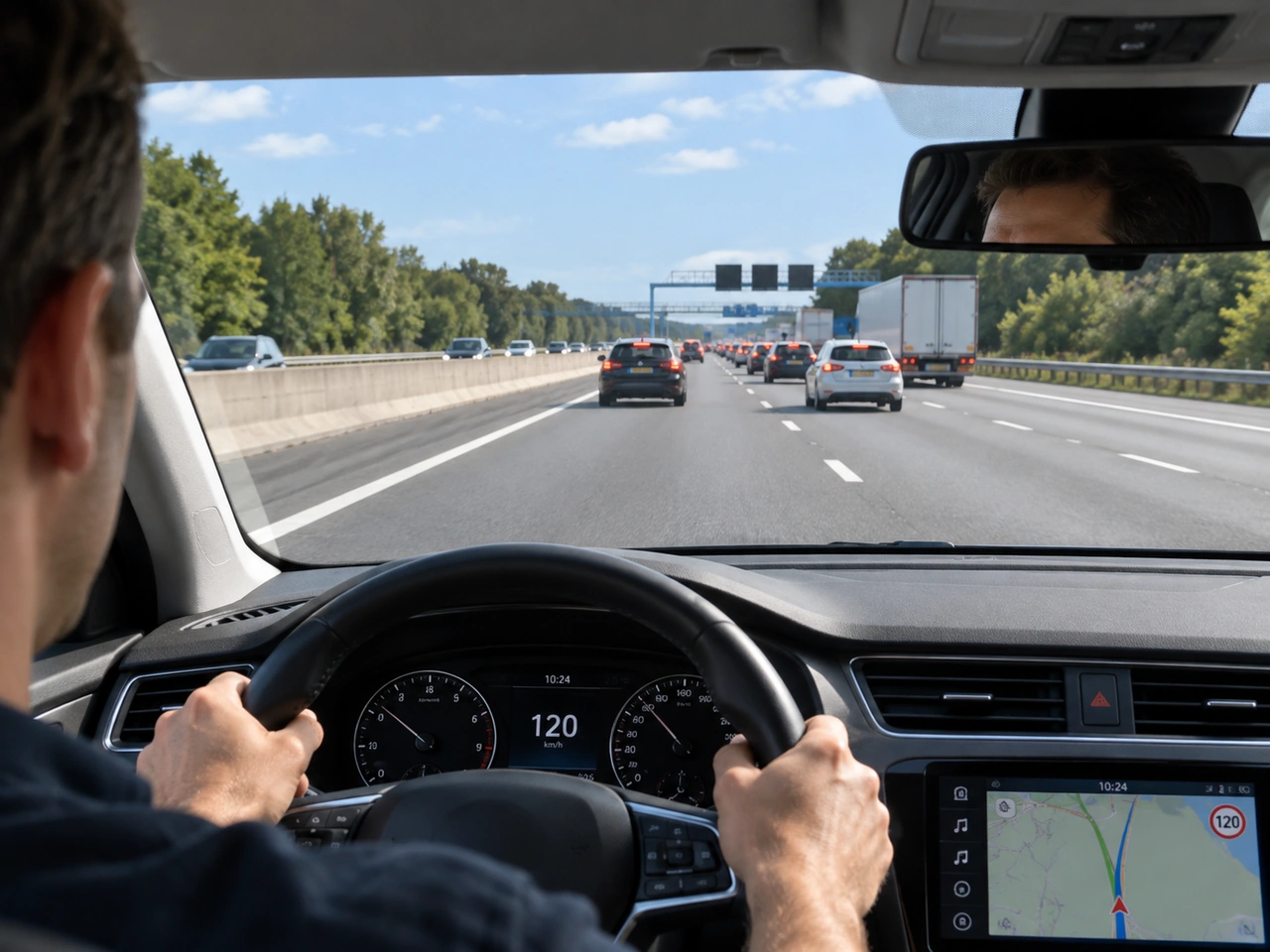
449. How does higher speed affect a vehicle's stopping distance?
As speed increases, the vehicle travels farther while the driver reacts and requires more distance to brake. This means the total stopping distance increases significantly as speed rises.
AI-generated by Traffic-rules.com • WCIT • CC BY-SA
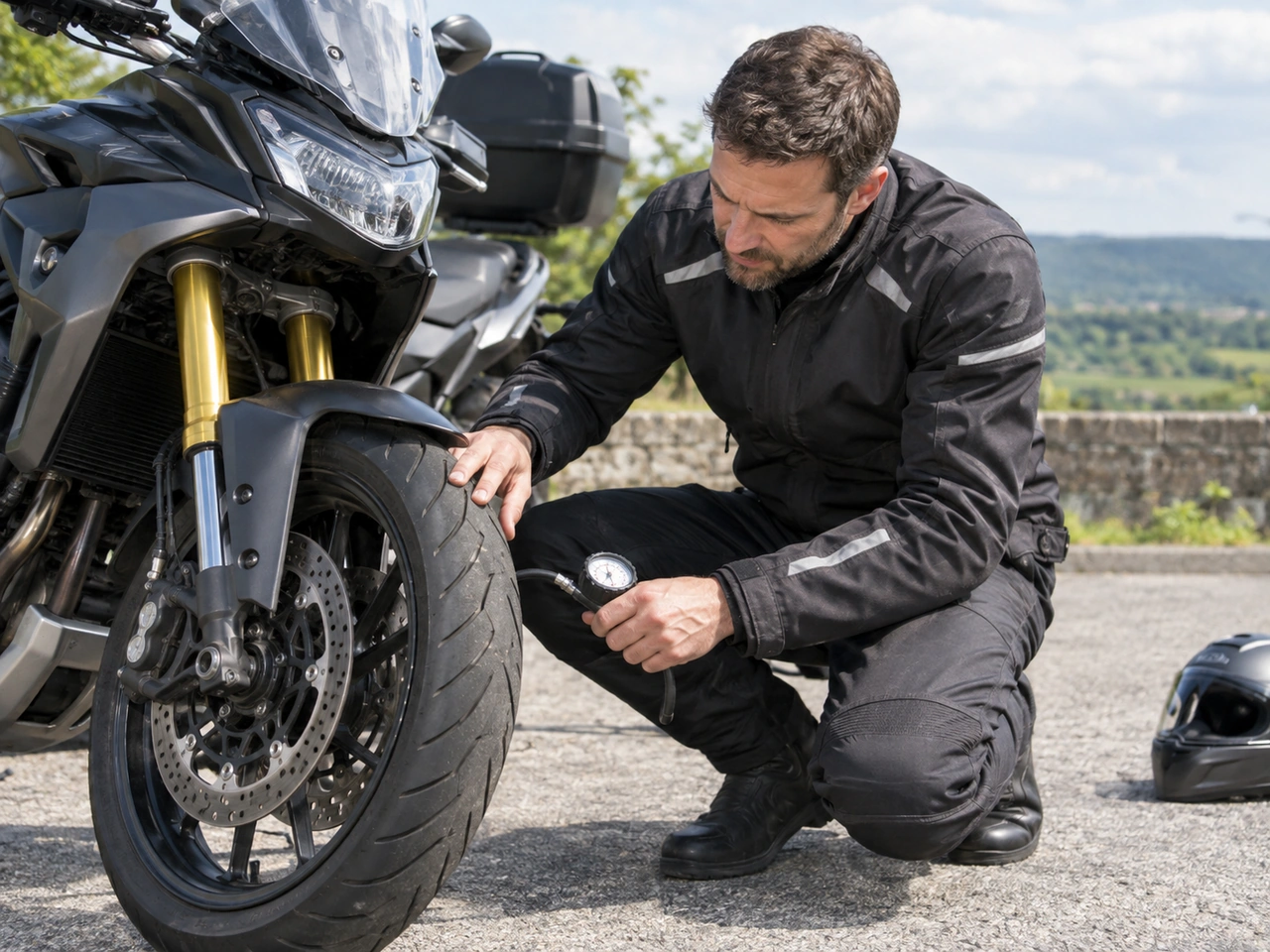
450. Why are tyre condition and pressure especially important on a motorcycle?
A motorcycle relies on a relatively small area of tyre contact with the road. Correct tyre pressure, tread and condition are important for grip, steering, stability and braking. Check the tyres regularly and follow the manufacturer's recommended pressures.
AI-generated by Traffic-rules.com • WCIT • CC BY-SA