


QuizTraffic rulesPoland
Test your knowledge with our multiple-choice quiz. Learn from each answer and improve your understanding of the traffic rules and road signs of Poland.
 Traffic signs
 Traffic rules
 Poland
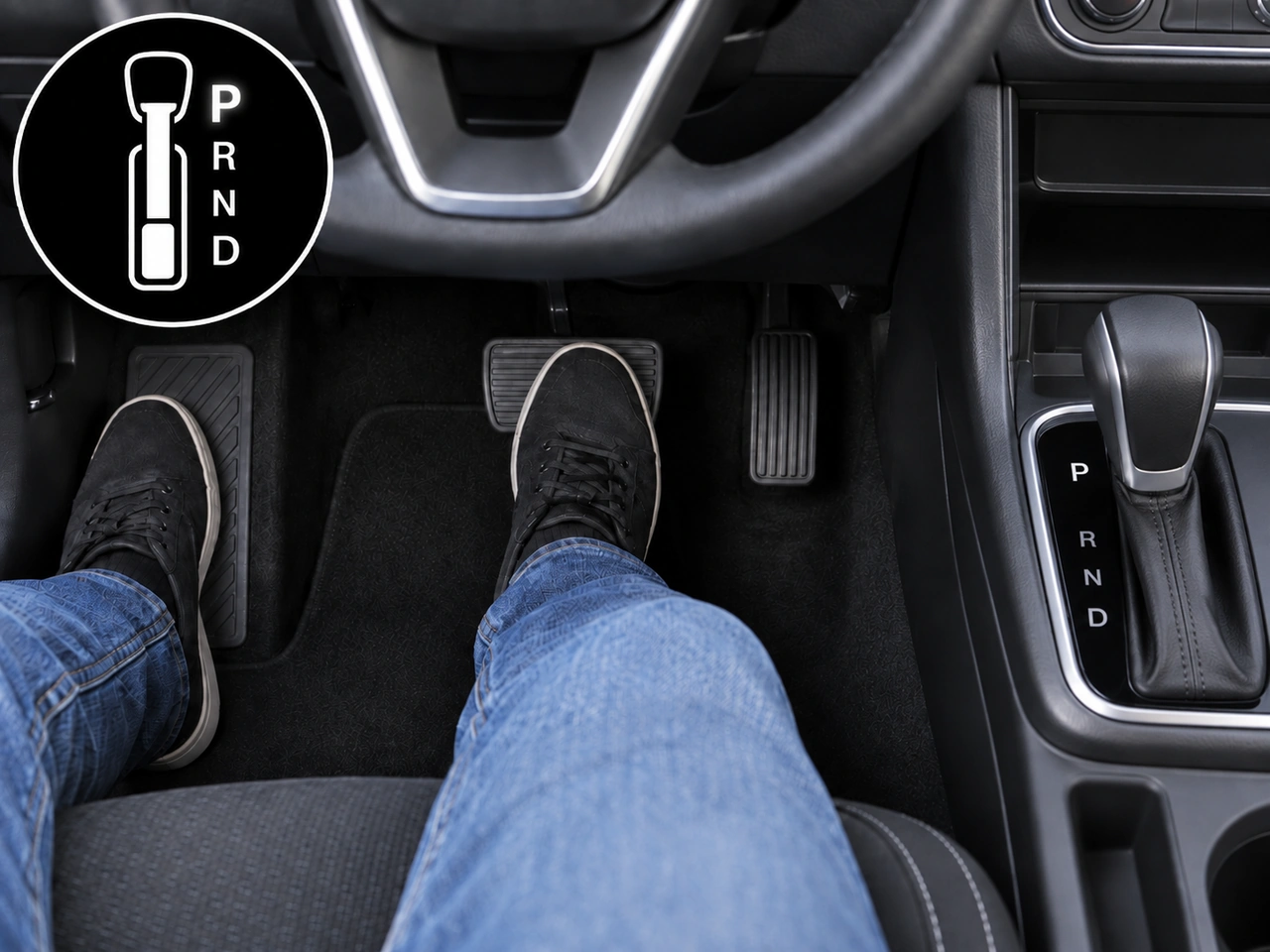
101. What should you normally select before leaving an automatic vehicle parked?
Select P (Park) before leaving an automatic vehicle parked. Park locks the transmission to help prevent the vehicle from rolling; the parking brake should also be applied.
AI-generated by Traffic-rules.com • WCIT • CC BY-SA

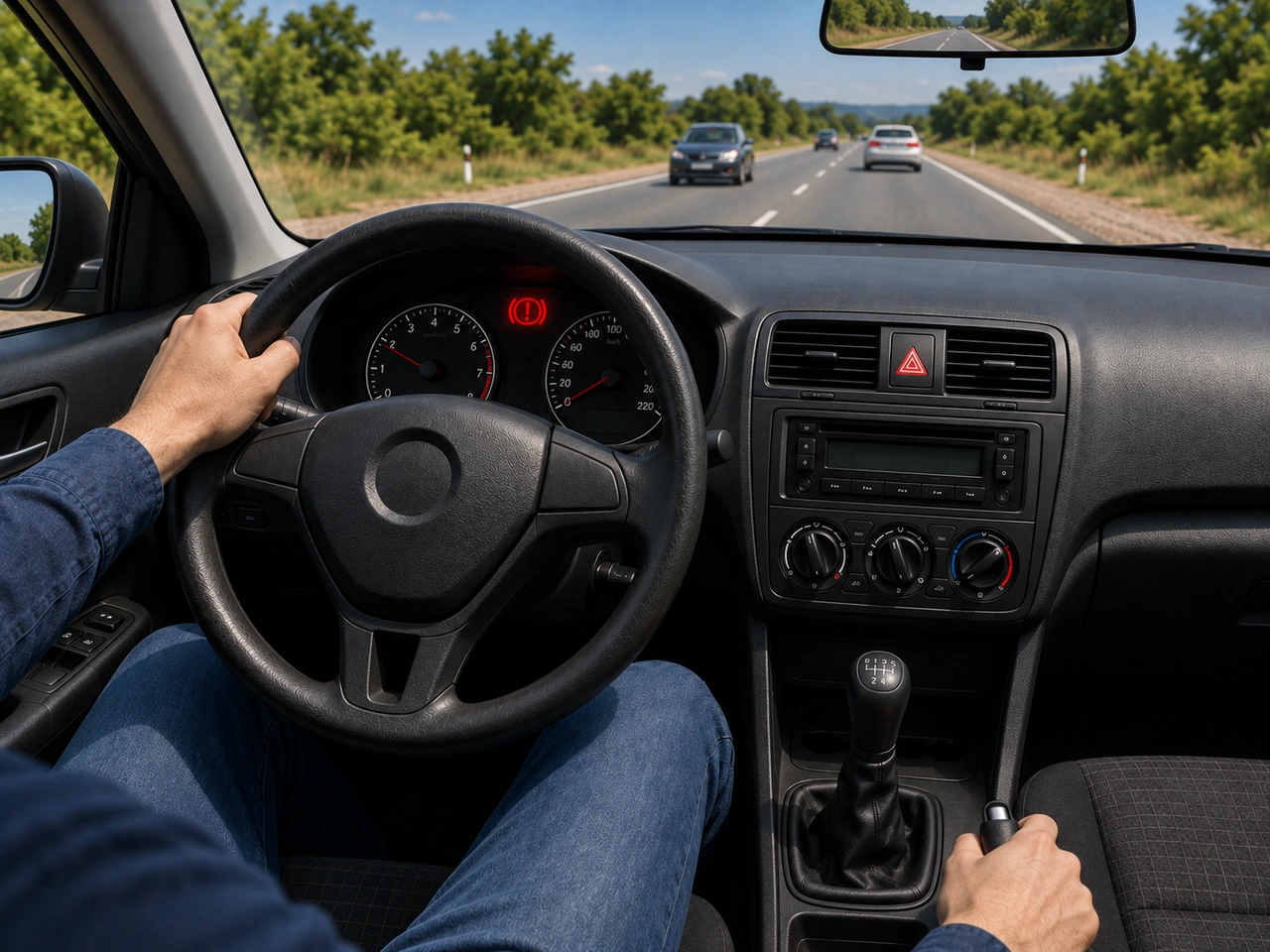
102. What should you do if the service brakes fail while driving?
Remain calm, warn other road users, and use other available braking methods to reduce speed. This may include engine braking or a lower gear, and careful use of the parking or emergency brake according to the vehicle's design. Steer toward the safest available stopping area.
AI-generated by Traffic-rules.com • WCIT • CC BY-SA
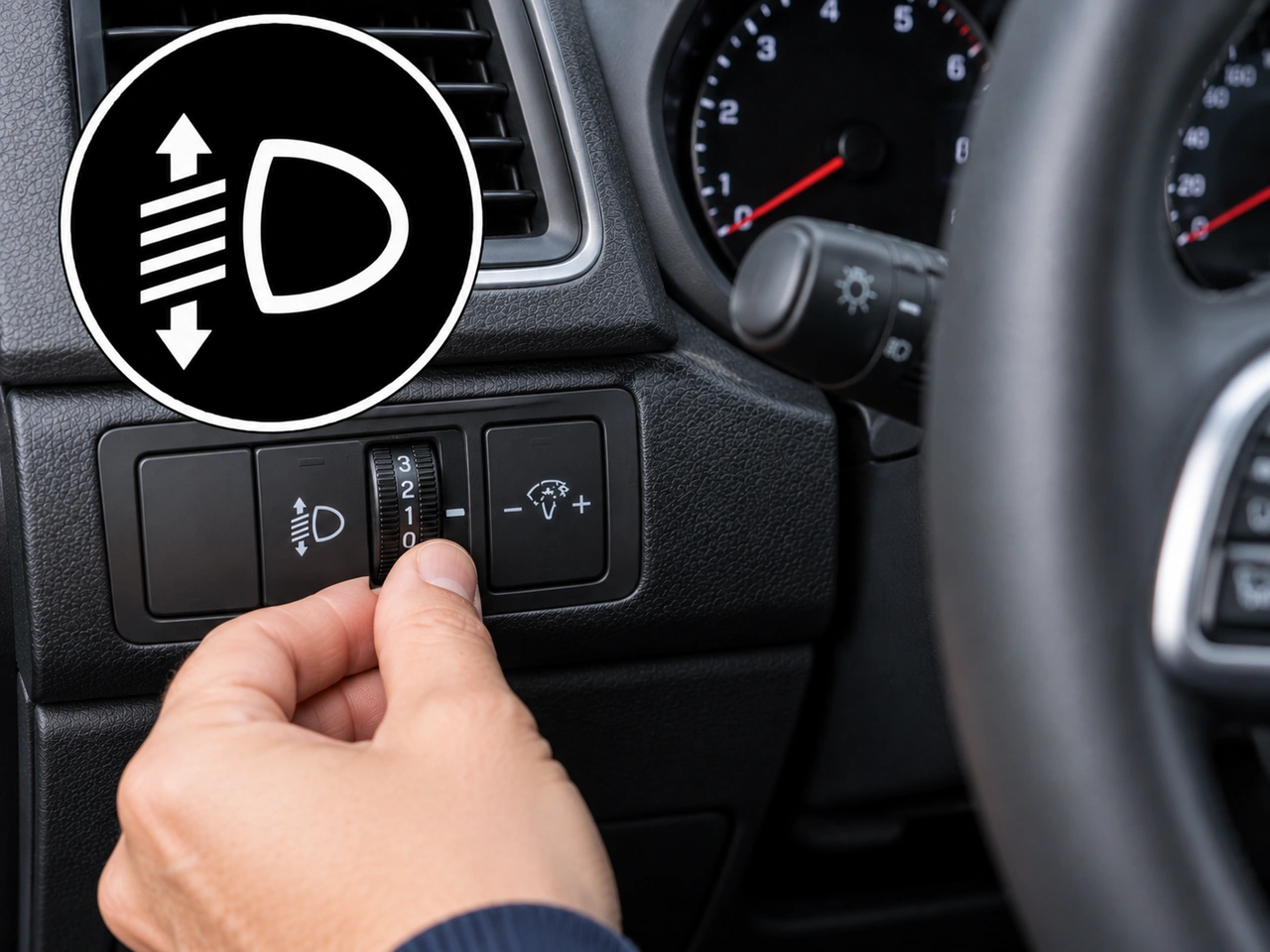
103. What does this vehicle-control symbol indicate?
This control adjusts the vertical aim of the headlights. It can be used to lower the beam when the vehicle is heavily loaded, helping to avoid dazzling other road users.
AI-generated by Traffic-rules.com • WCIT • CC BY-SA
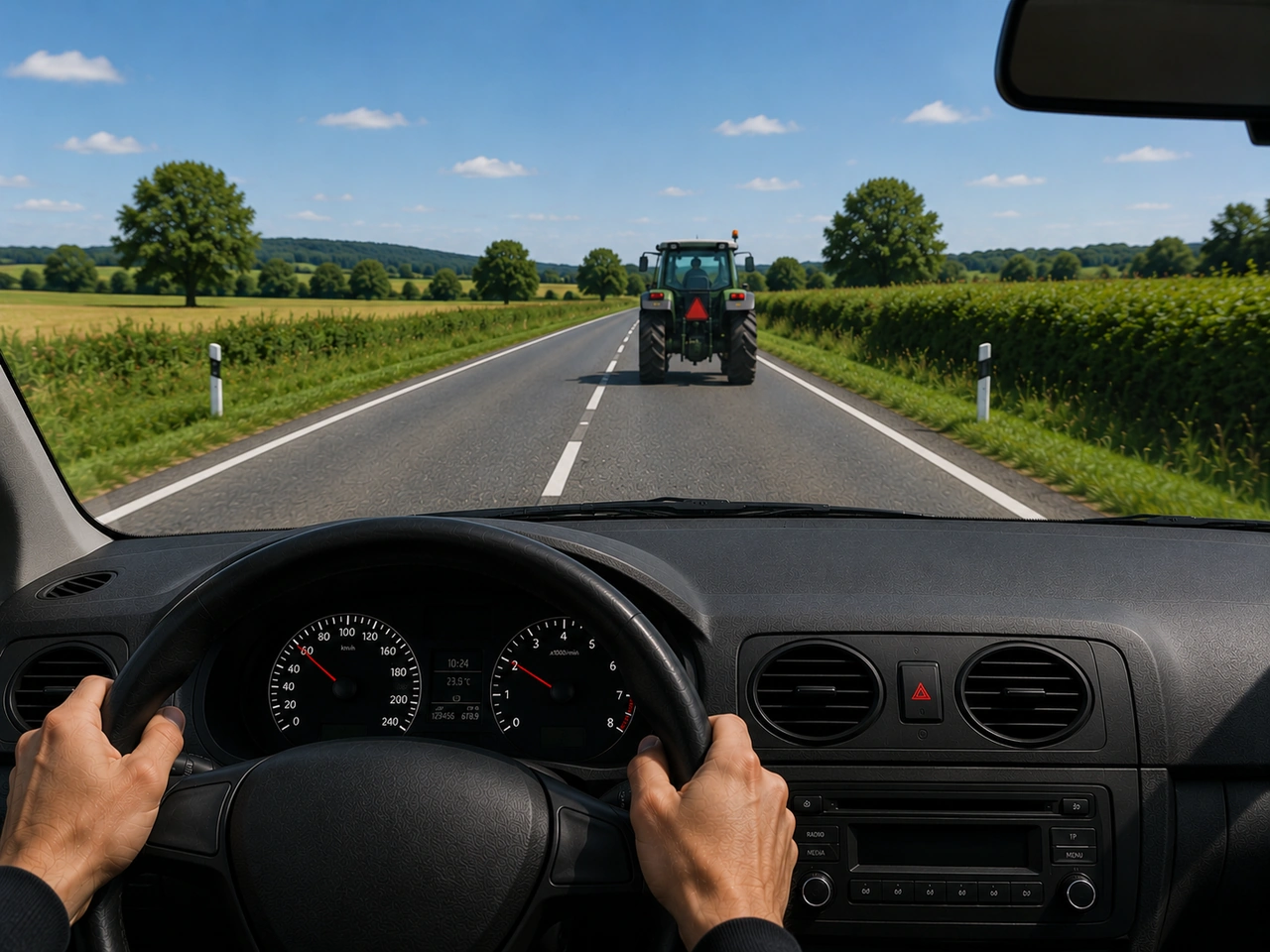
104. What should you do before overtaking a slow-moving vehicle?
Before overtaking, make sure you have enough visibility, space, and time. Signal clearly before moving out, do not exceed the speed limit, and never overtake if the road ahead is not clear.
AI-generated by Traffic-rules.com • WCIT • CC BY-SA
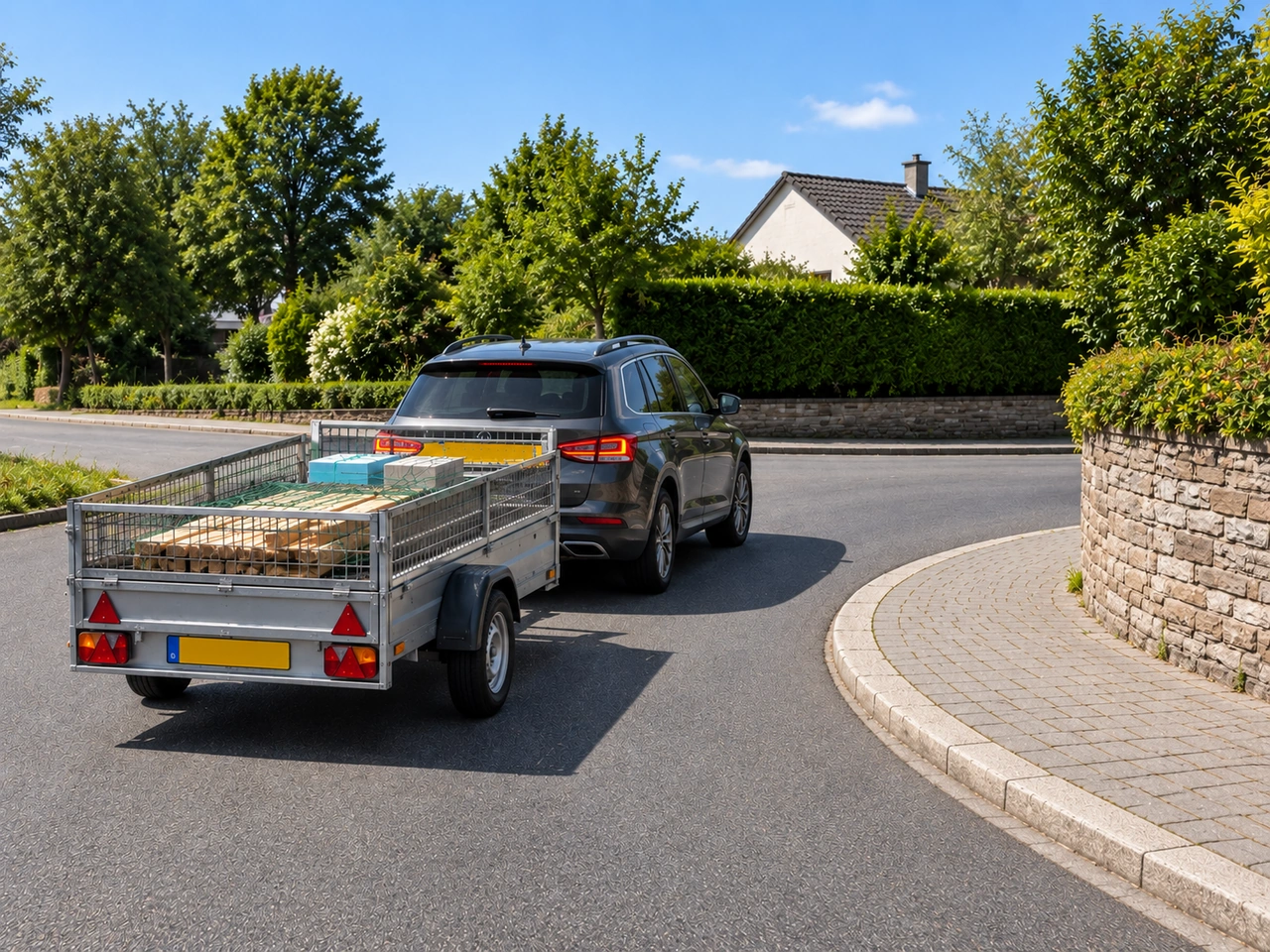
105. Why must you take wider turns when towing a trailer?
Trailer wheels cut closer to the inside of a turn. Allow enough clearance from kerbs, signs, pedestrians, and other vehicles.
AI-generated by Traffic-rules.com • WCIT • CC BY-SA
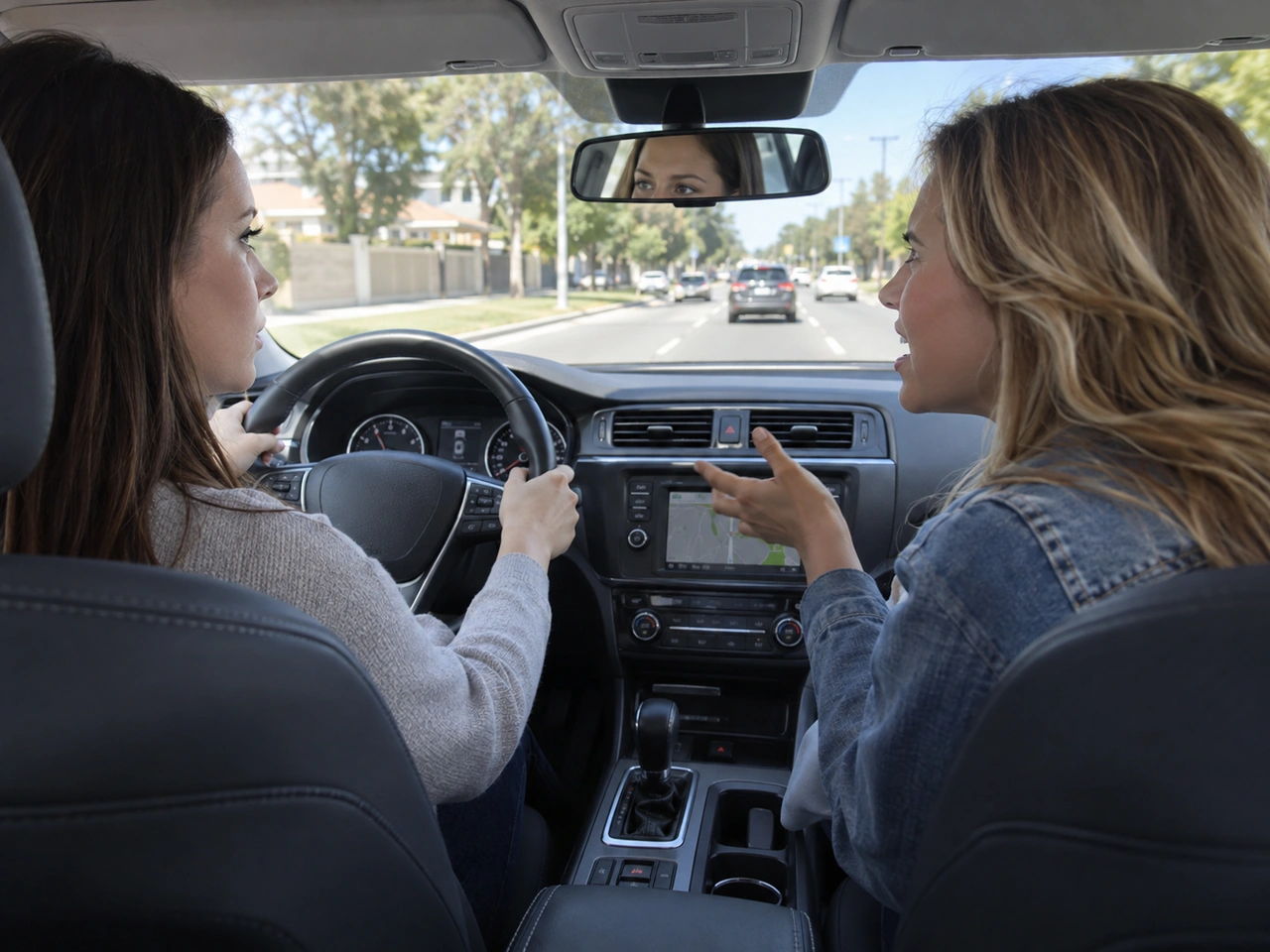
106. What should you do if passengers are distracting you while driving?
Passengers can reduce a driver's attention and concentration. If their behaviour becomes distracting, ask them to stop and keep your focus on driving. If necessary, stop somewhere safe before dealing with the situation.
AI-generated by Traffic-rules.com • WCIT • CC BY-SA
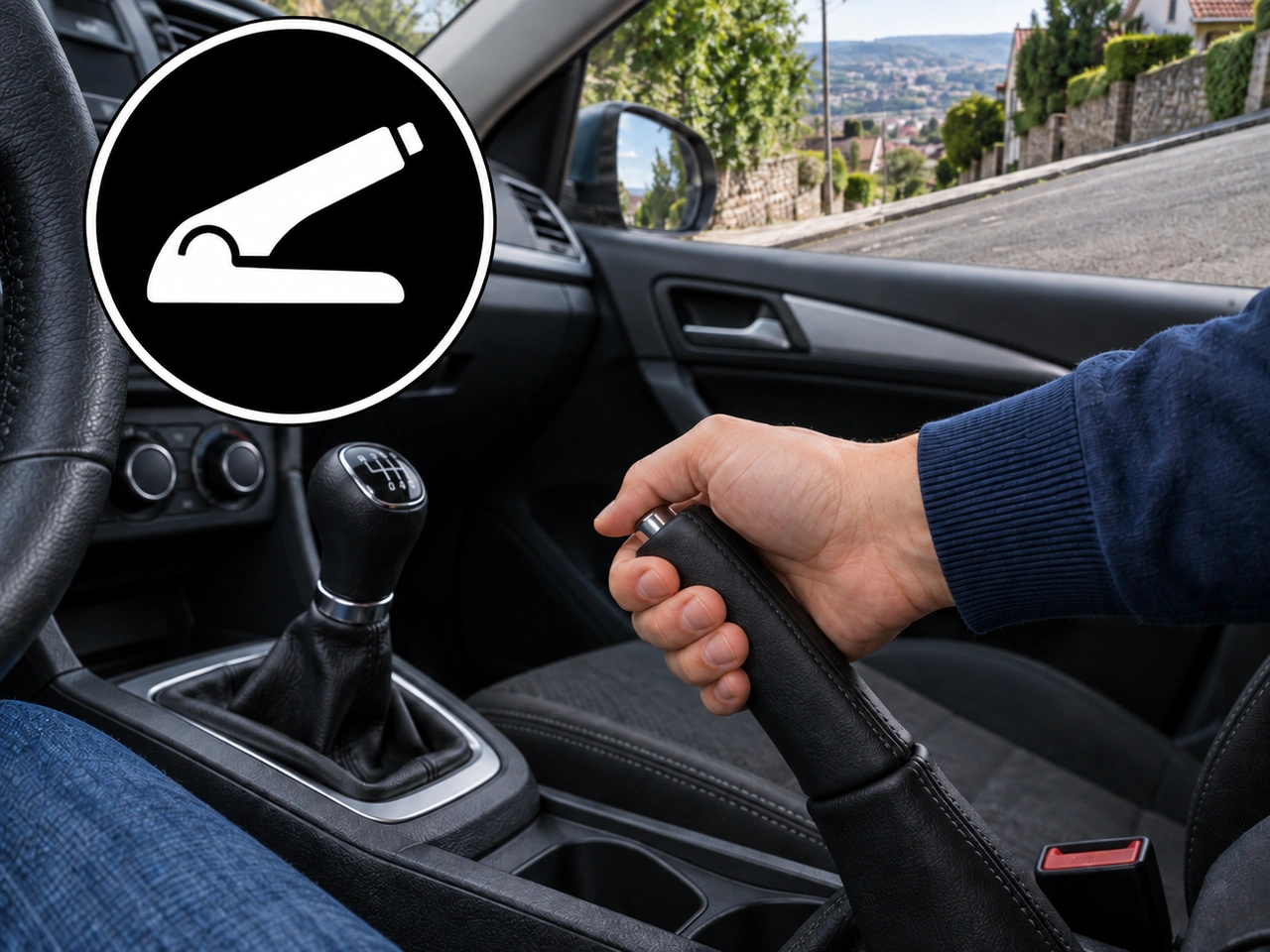
107. What should you do with the parking brake when parking on a slope?
When parking on a slope, apply the parking brake firmly to help prevent the vehicle from rolling. Selecting an appropriate gear or Park provides additional security.
AI-generated by Traffic-rules.com • WCIT • CC BY-SA
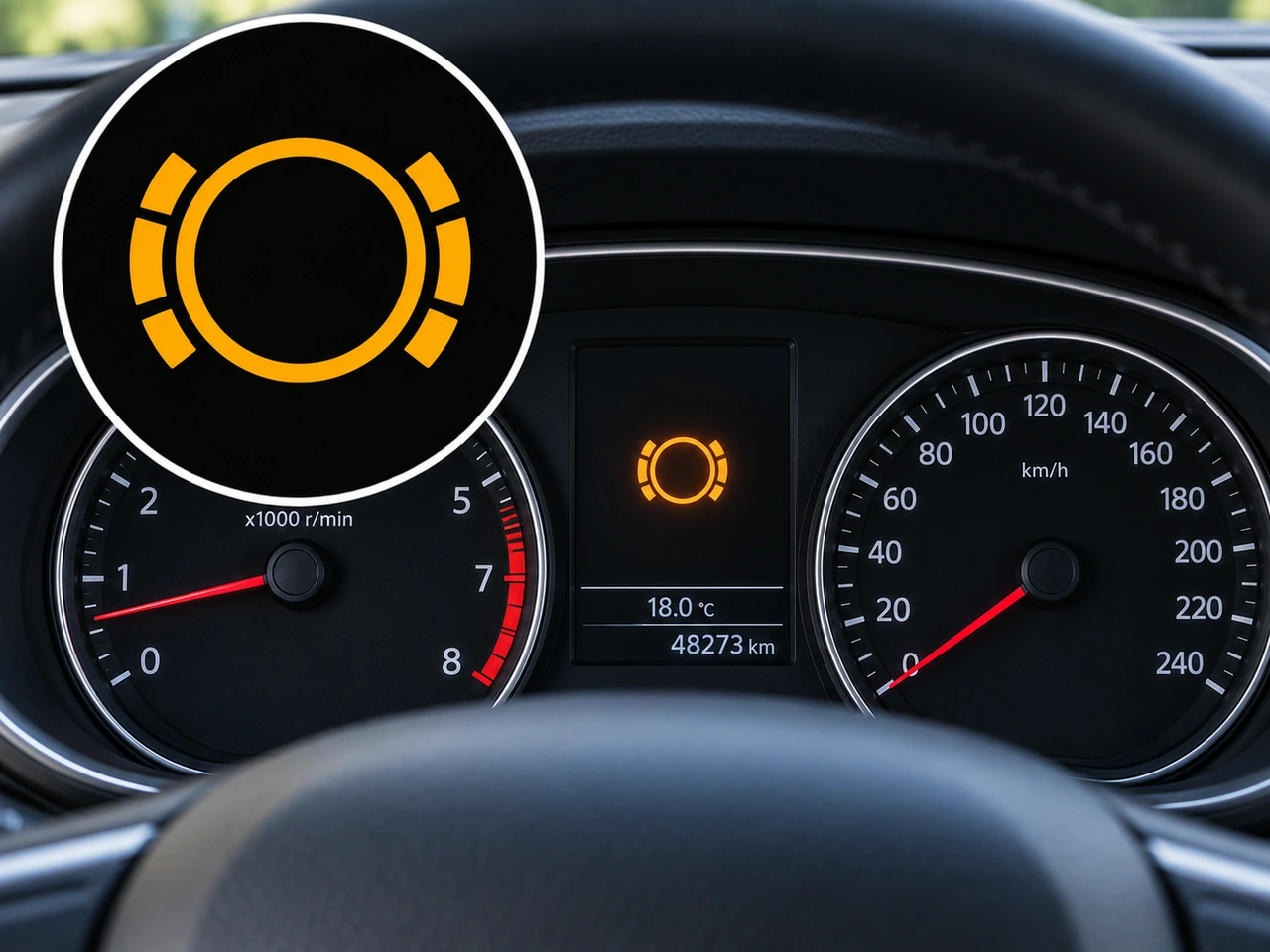
108. What does this dashboard symbol indicate?
This symbol indicates that the brake pads may be worn and should be inspected. Continuing to drive with excessively worn brake pads can reduce braking performance and damage other brake components.
AI-generated by Traffic-rules.com • WCIT • CC BY-SA
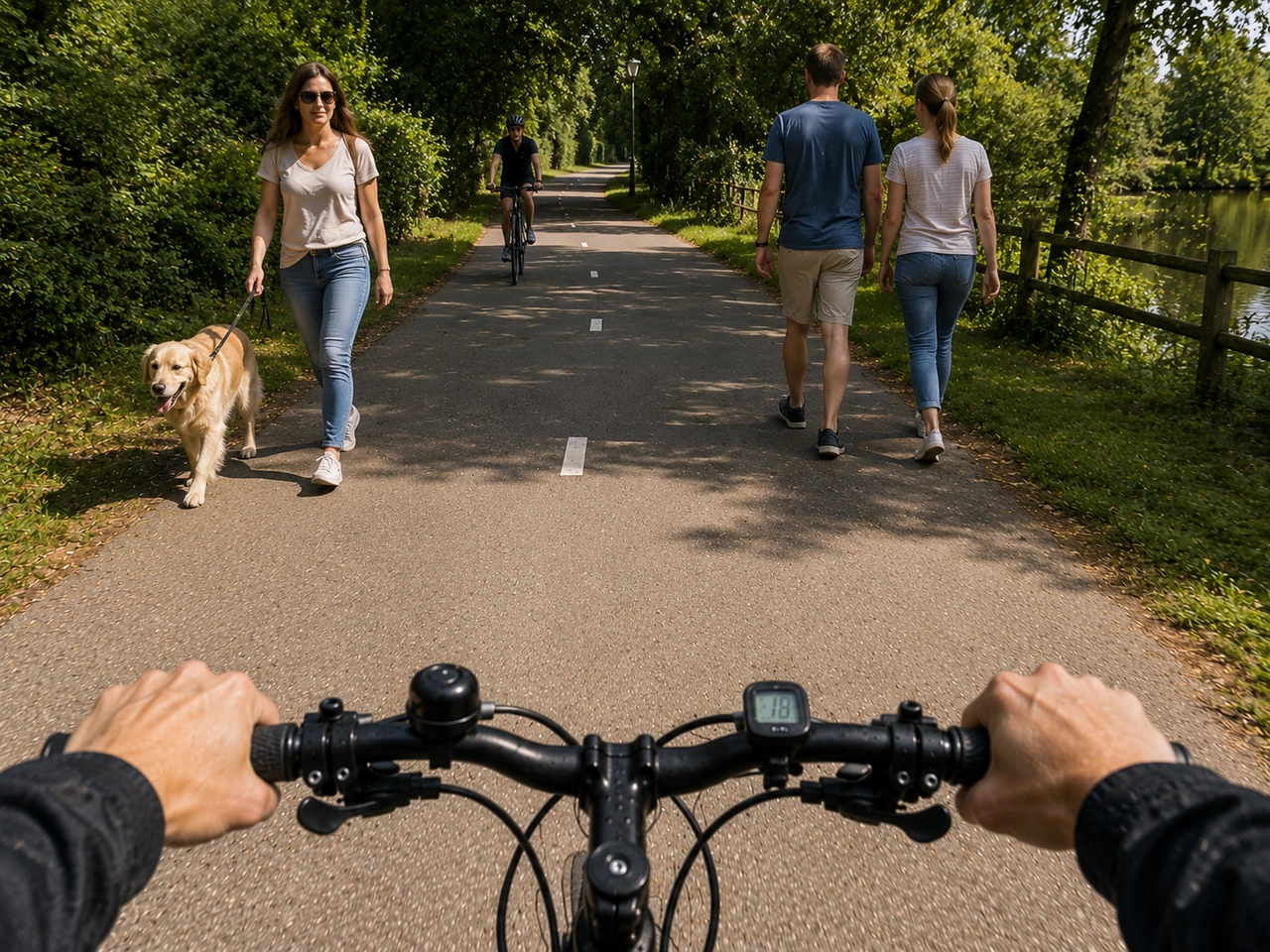
109. What should cyclists do when passing pedestrians on a shared path?
Pedestrians may change direction unexpectedly. A warning and safe passing distance reduce the risk of a collision.
AI-generated by Traffic-rules.com • WCIT • CC BY-SA
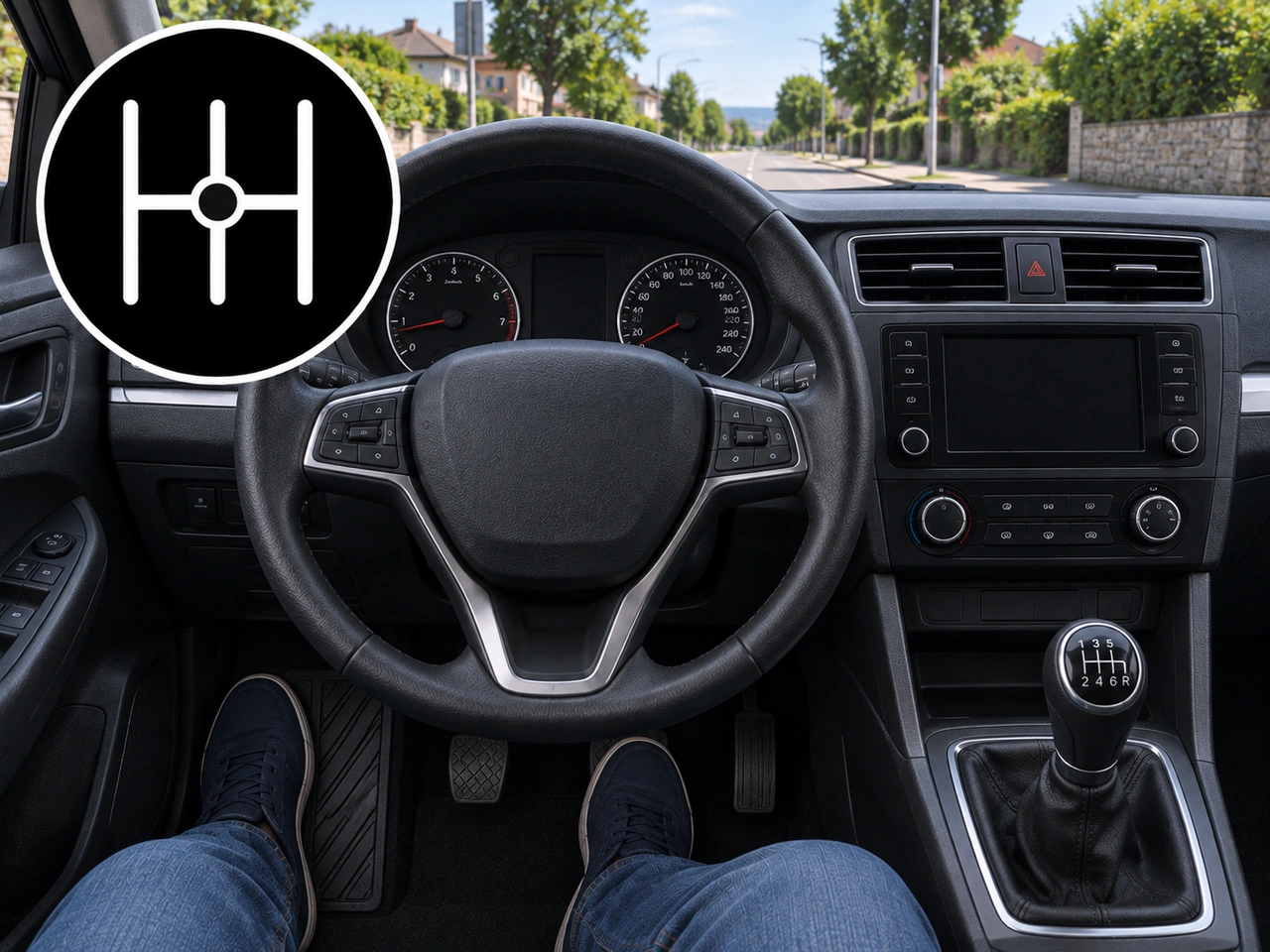
110. What should you normally do with the gearbox during a longer stop in a manual vehicle?
During a longer stop, selecting neutral and releasing the clutch can reduce unnecessary strain on the clutch release mechanism. Keep the vehicle securely held with the brake or parking brake as appropriate.
AI-generated by Traffic-rules.com • WCIT • CC BY-SA
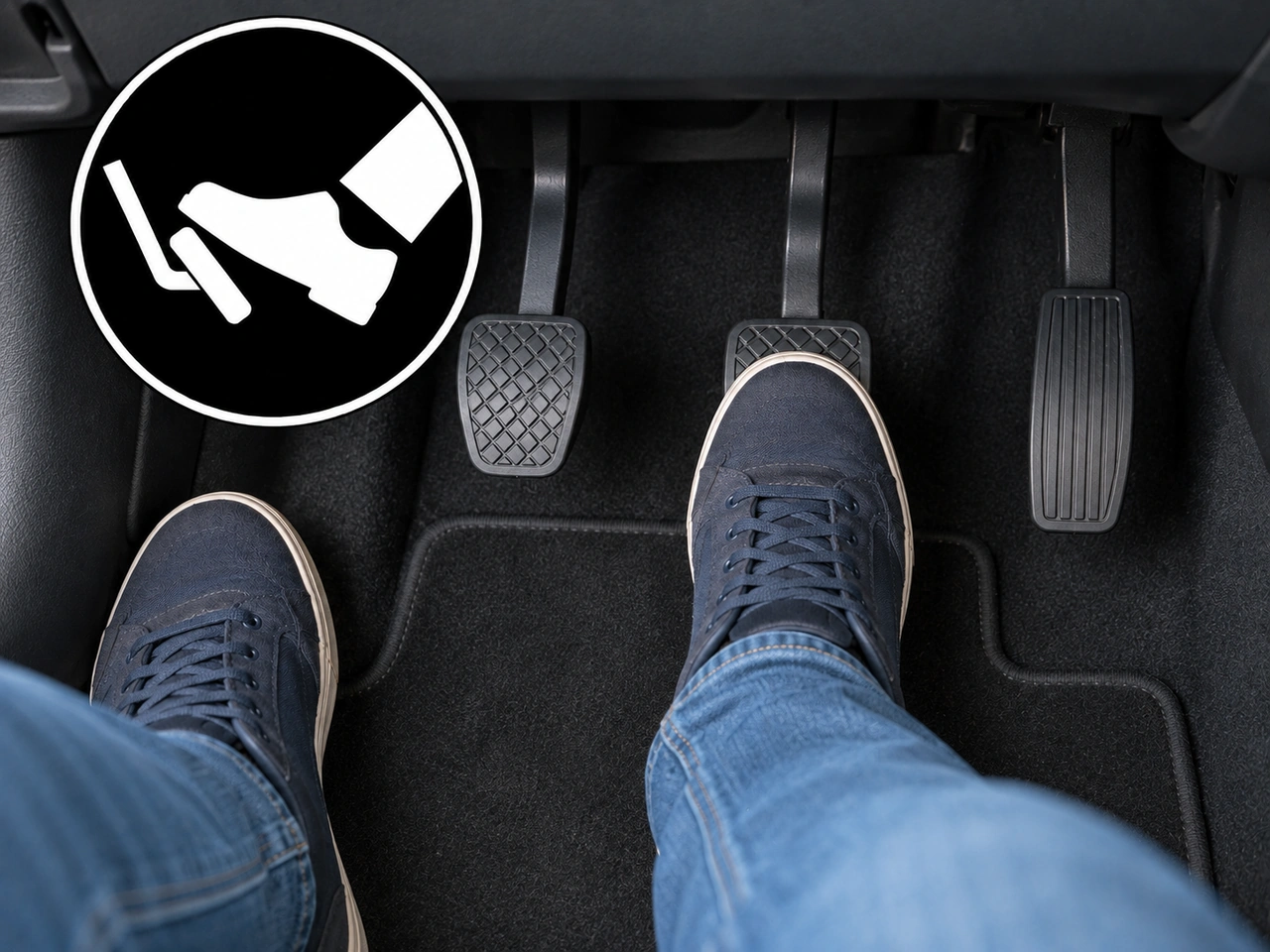
111. Which pedal is used to slow down or stop the vehicle?
The brake pedal is used to reduce the vehicle's speed or bring it to a stop. In a manual vehicle, it is the middle pedal.
AI-generated by Traffic-rules.com • WCIT • CC BY-SA
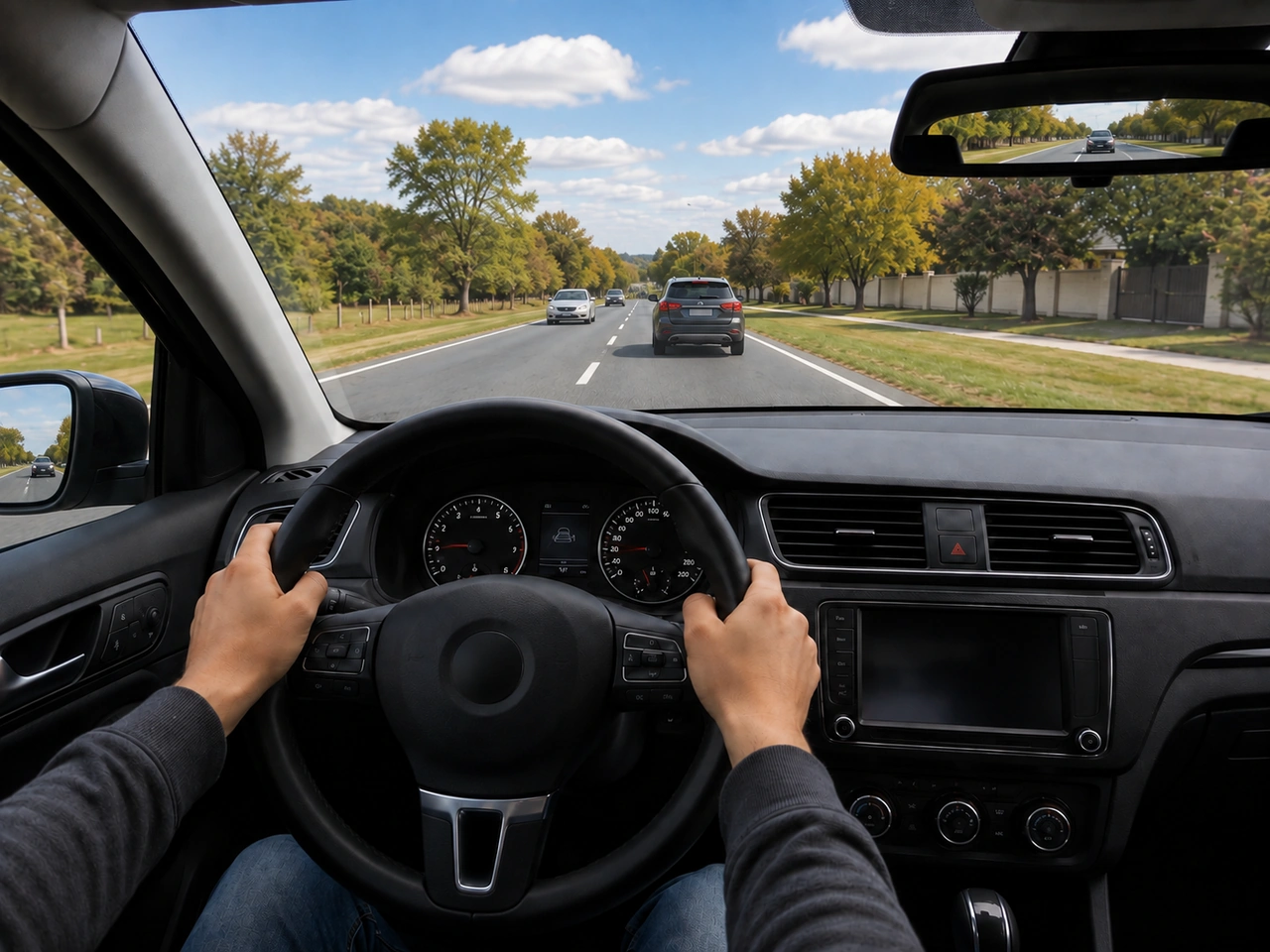
112. You should keep both hands ready to control the steering.
Keeping proper control of the steering wheel helps you react safely to changes in traffic and road conditions.
AI-generated by Traffic-rules.com • WCIT • CC BY-SA
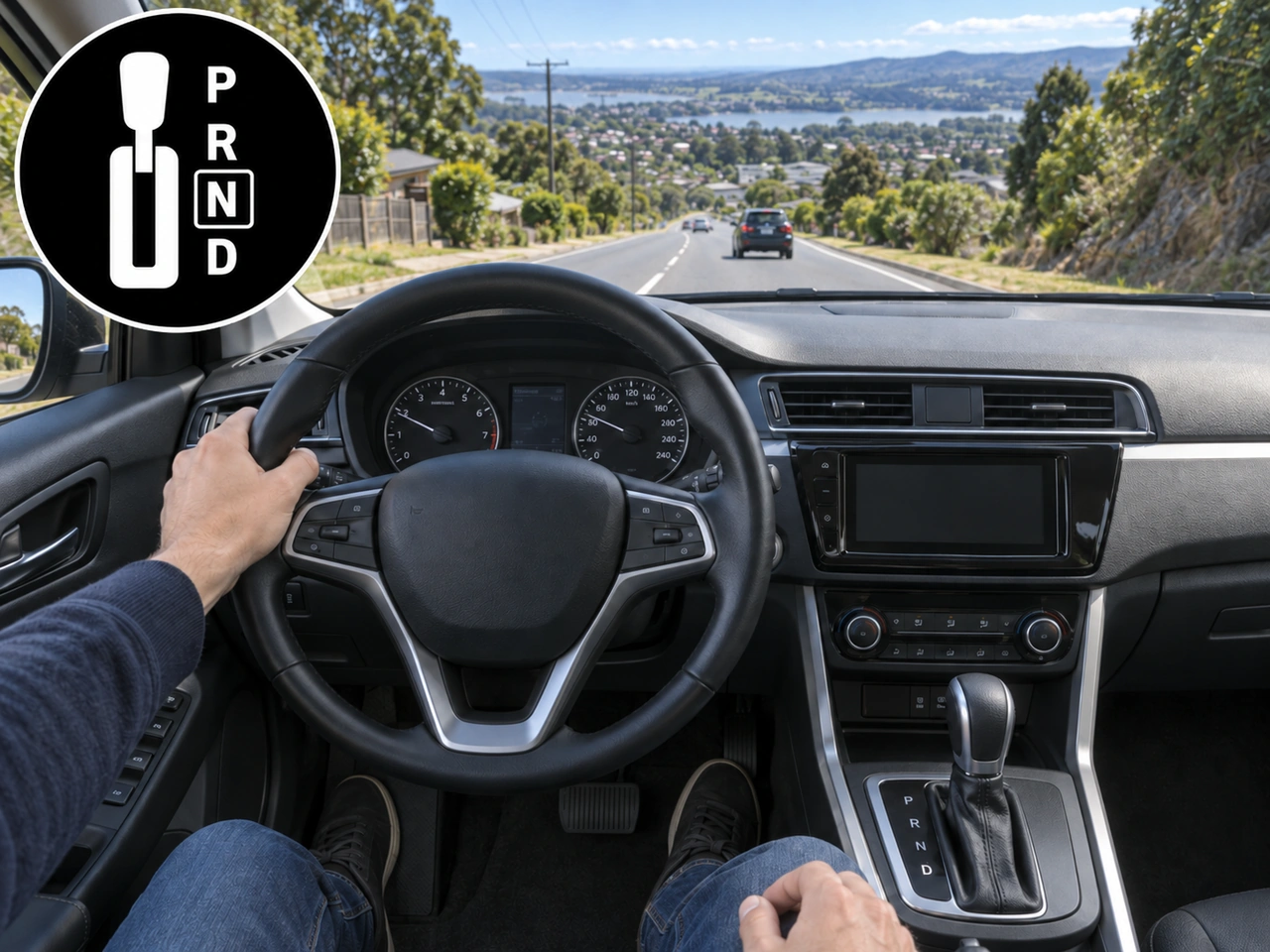
113. Why should you avoid selecting N while driving downhill in an automatic vehicle?
Selecting N (Neutral) while driving downhill disconnects the engine from the driven wheels, reducing engine braking. Keep an appropriate drive or gear selected so you can maintain better control of the vehicle.
AI-generated by Traffic-rules.com • WCIT • CC BY-SA
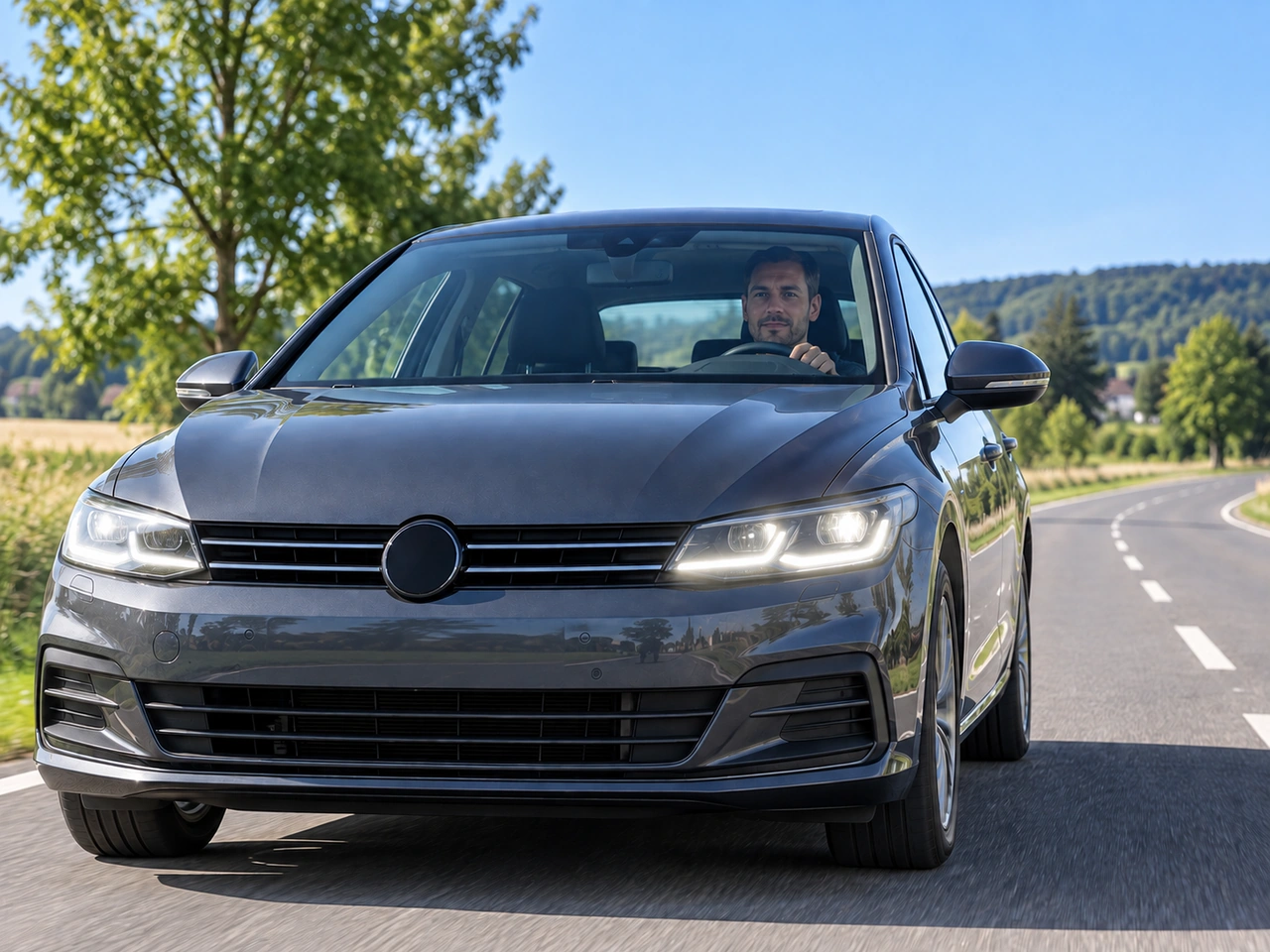
114. Are headlights required during the day in Poland?
Drivers in Poland are generally required to use daytime running lights or dipped headlights during the day.
AI-generated by Traffic-rules.com • WCIT • CC BY-SA
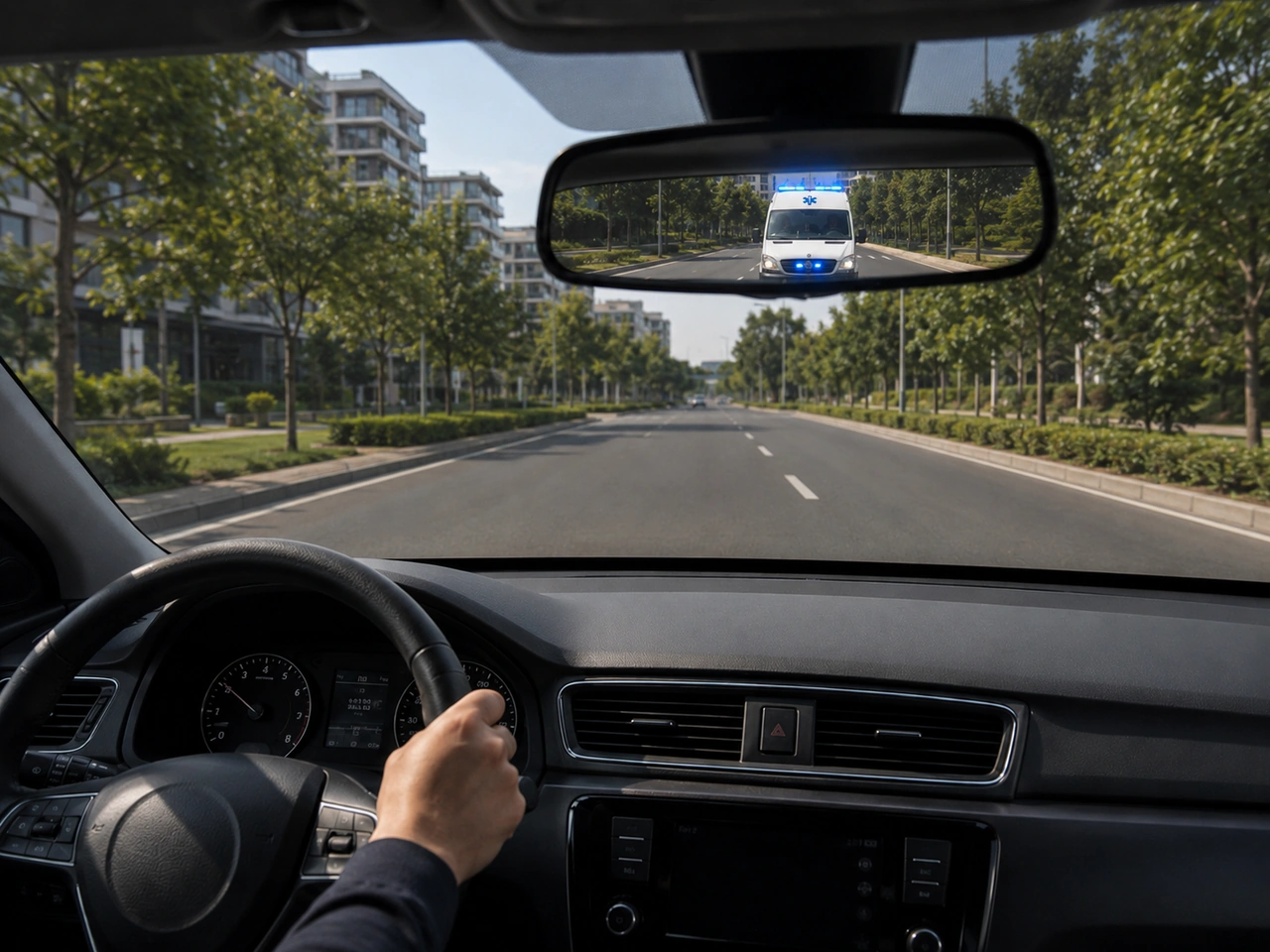
115. What should you do if an emergency vehicle approaches with lights or siren on?
When an emergency vehicle uses lights or siren, check your surroundings and make room safely without sudden or dangerous movements.
AI-generated by Traffic-rules.com • WCIT • CC BY-SA
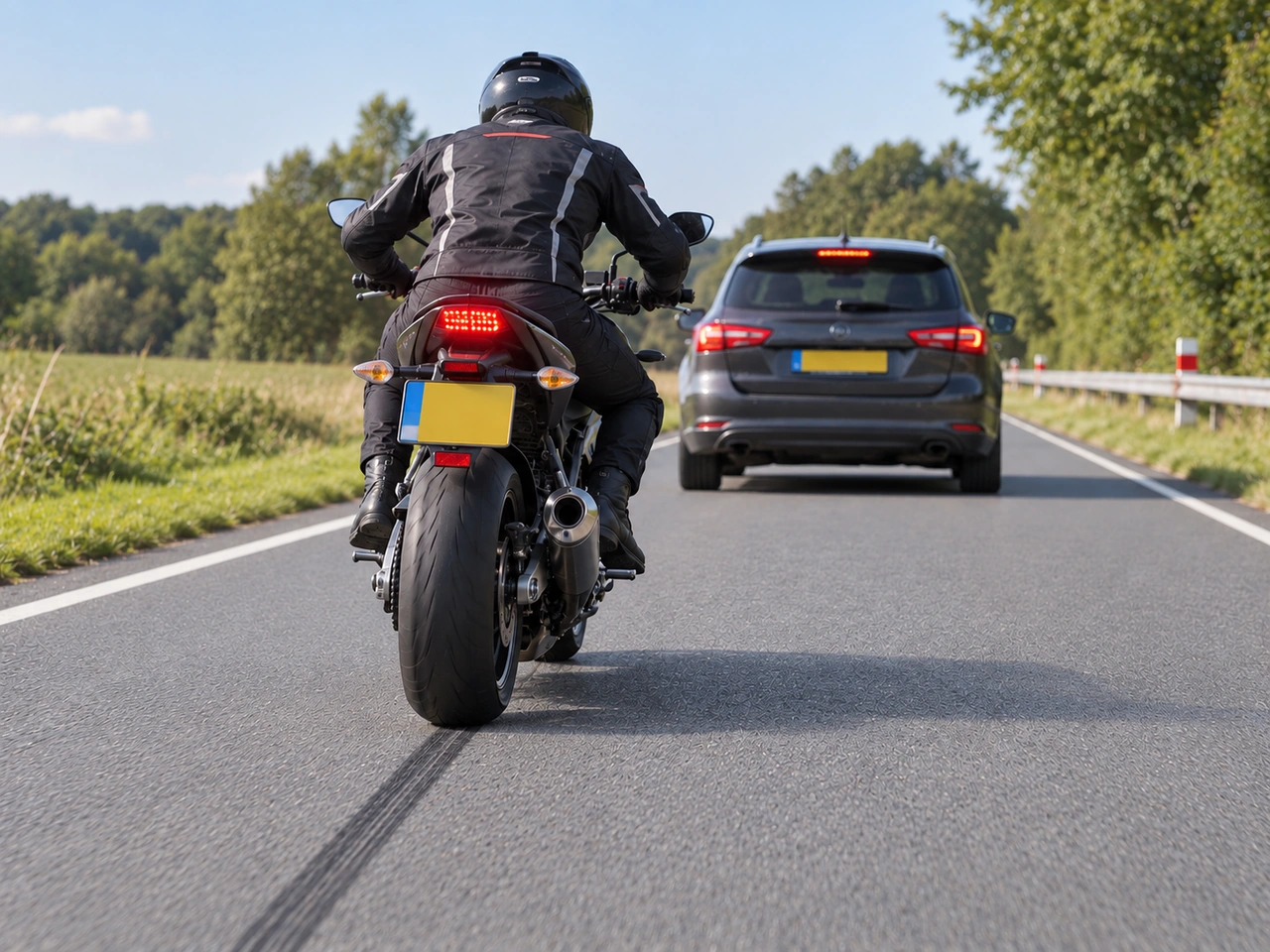
116. How should a motorcyclist brake in an emergency?
During emergency braking, use both brakes firmly and progressively while keeping the motorcycle as upright and stable as practical. Avoid sudden steering. If ABS is fitted, maintain firm braking pressure and allow the system to work.
AI-generated by Traffic-rules.com • WCIT • CC BY-SA
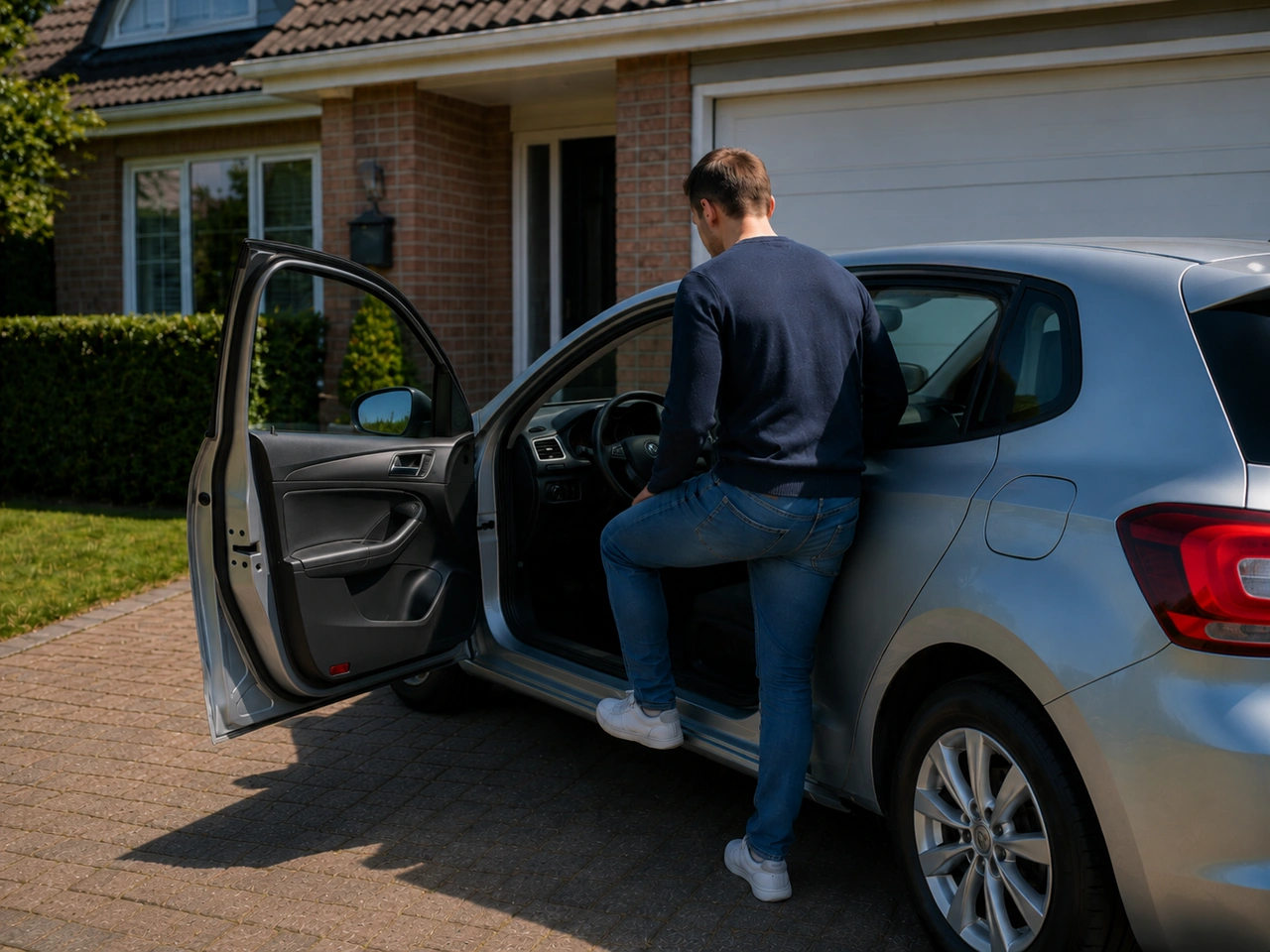
117. When should you fasten your seat belt?
Fasten your seat belt before the vehicle starts moving and keep it fastened throughout the journey. Make sure your passengers are also safely seated and properly restrained.
AI-generated by Traffic-rules.com • WCIT • CC BY-SA
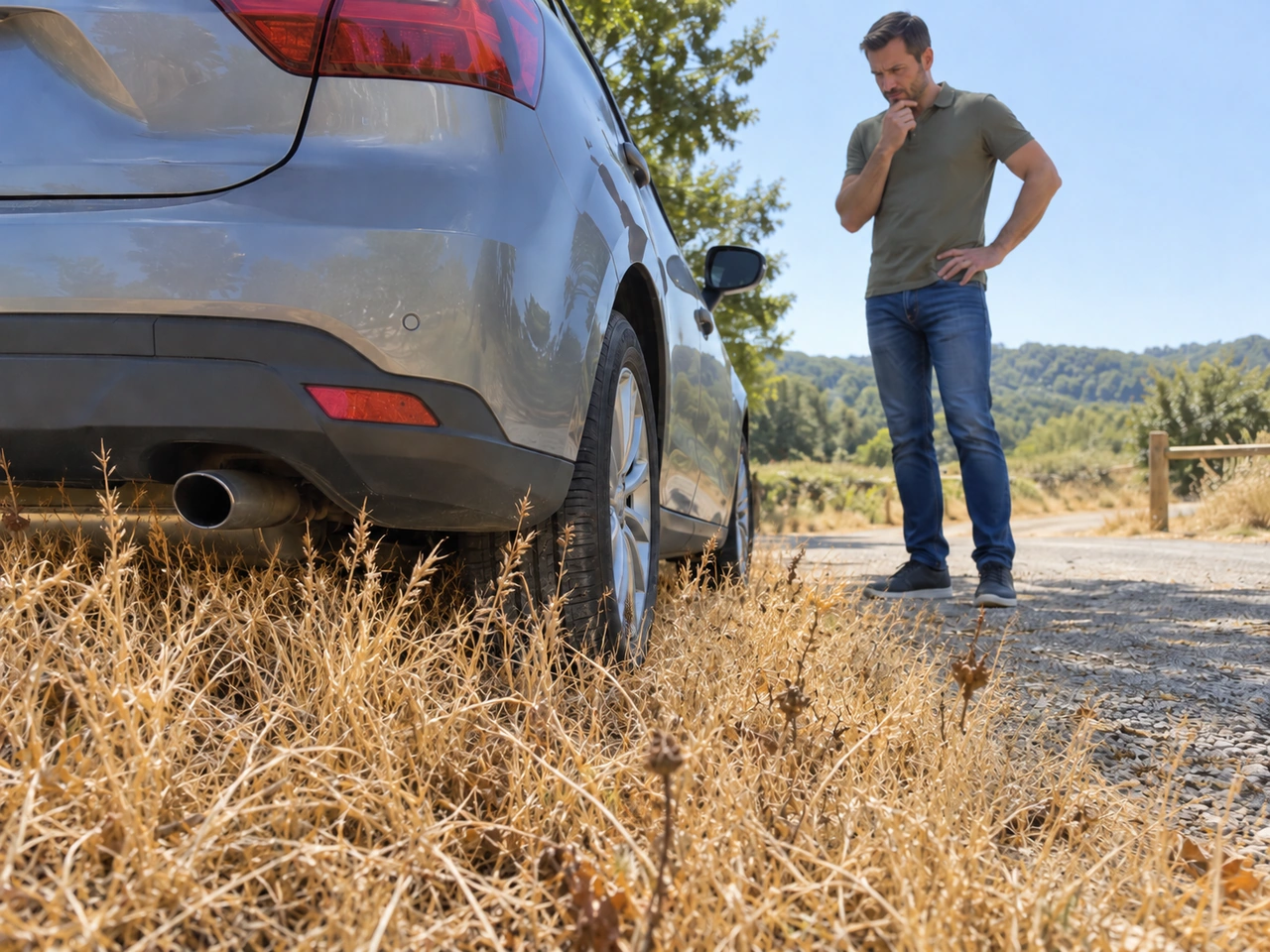
118. Why should you avoid parking a petrol or diesel vehicle on dry grass?
Parts of the exhaust system, especially the catalytic converter, can become very hot while driving. Parking over dry grass, leaves, or other combustible vegetation can create a fire risk. Park on a suitable non-flammable surface whenever possible.
AI-generated by Traffic-rules.com • WCIT • CC BY-SA
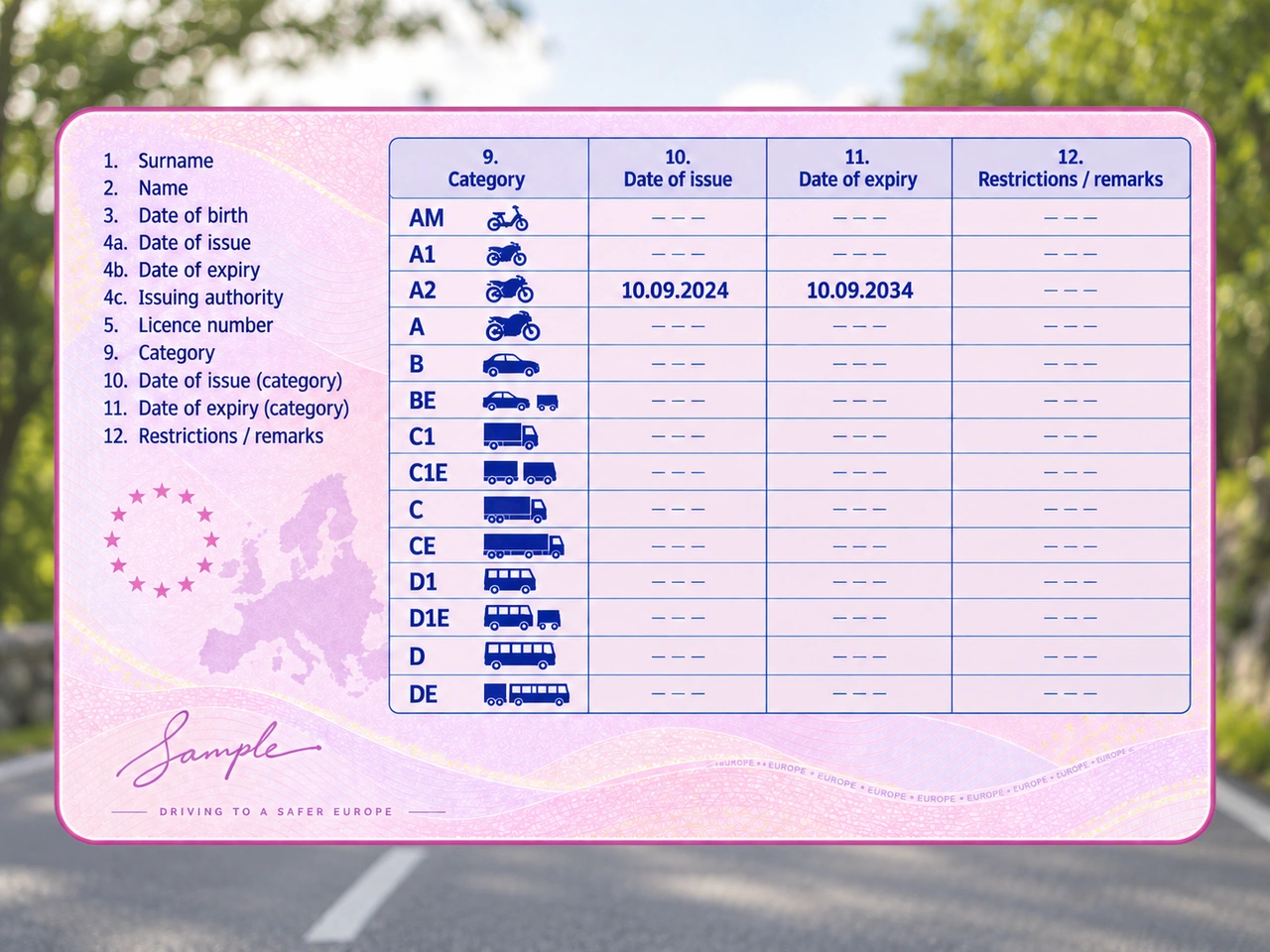
119. Which motorcycles are covered by driving licence A2?
Category A2 covers motorcycles with power not exceeding 35 kW and a power-to-weight ratio not exceeding 0.2 kW/kg. The motorcycle must not be derived from a vehicle with more than double its power.
AI-generated by Traffic-rules.com • WCIT • CC BY-SA
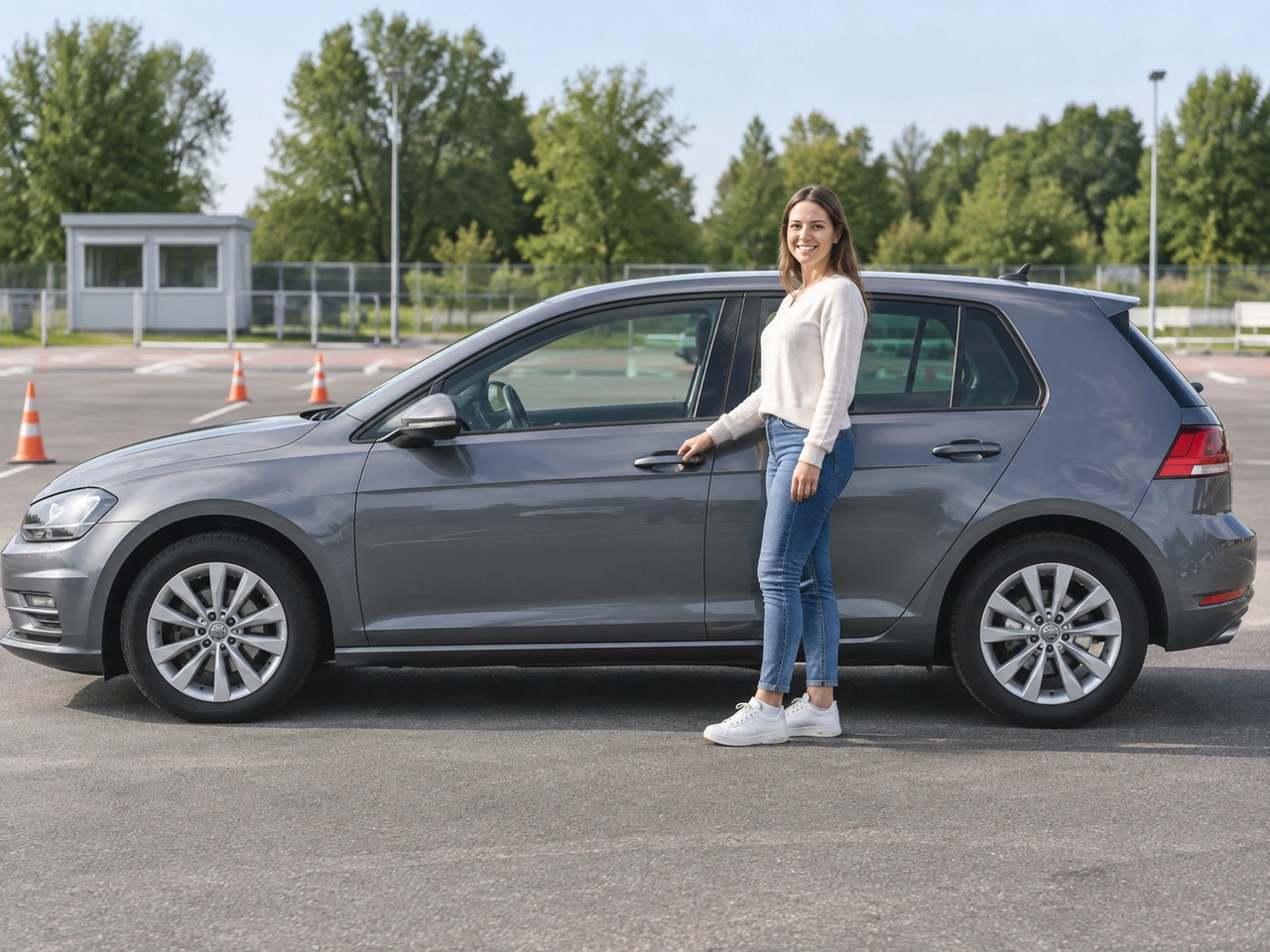
120. Which licence category is mainly associated with cars?
Driving licence B is mainly associated with cars. Category B covers ordinary cars, while category B with Code 96 and category BE allow heavier trailer combinations.
AI-generated by Traffic-rules.com • WCIT • CC BY-SA
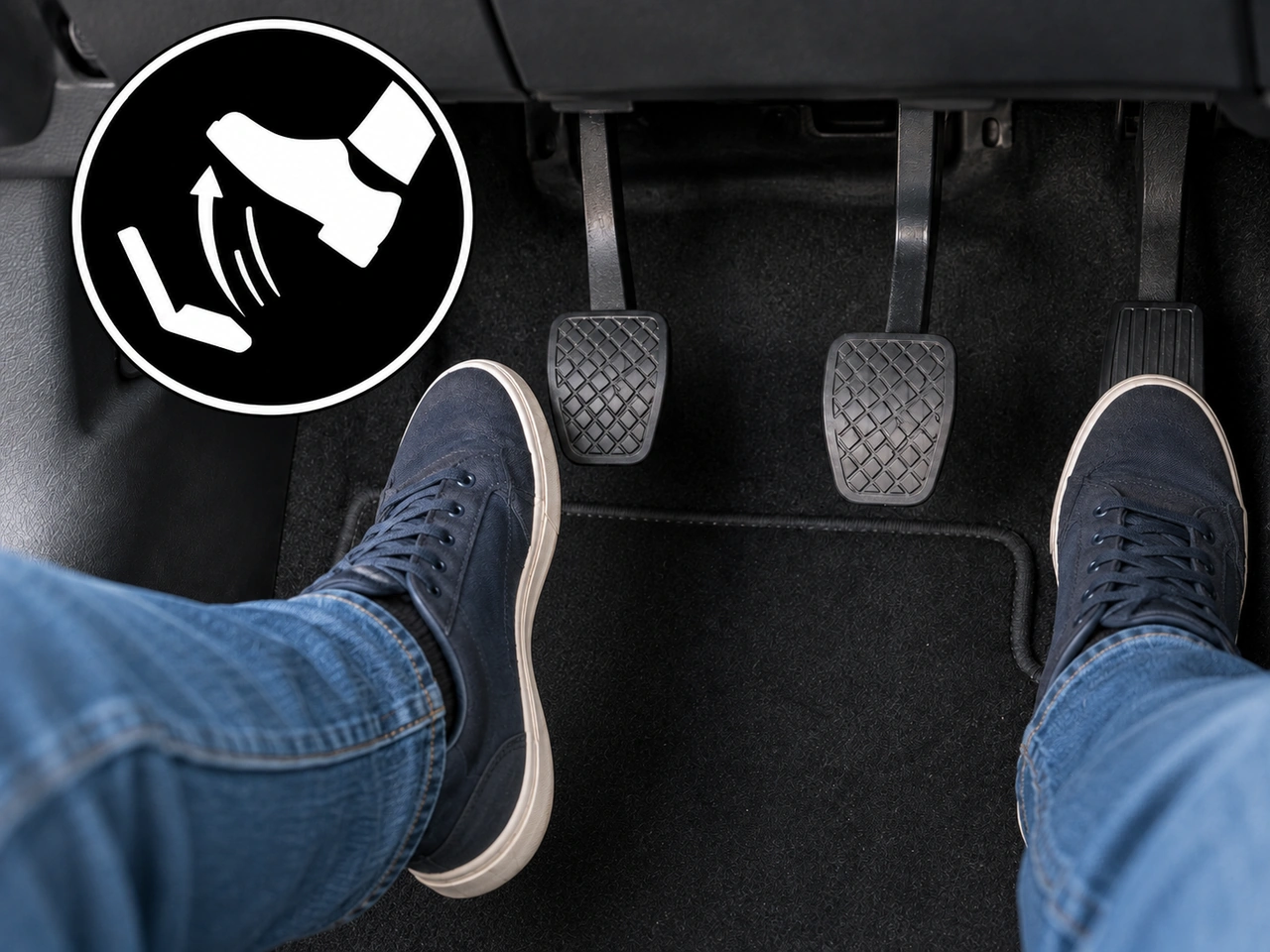
121. What may happen if you release the clutch too quickly when moving off?
Releasing the clutch pedal too quickly when moving off can cause the engine to stall. Release the clutch smoothly through the biting point while applying the accelerator progressively.
AI-generated by Traffic-rules.com • WCIT • CC BY-SA
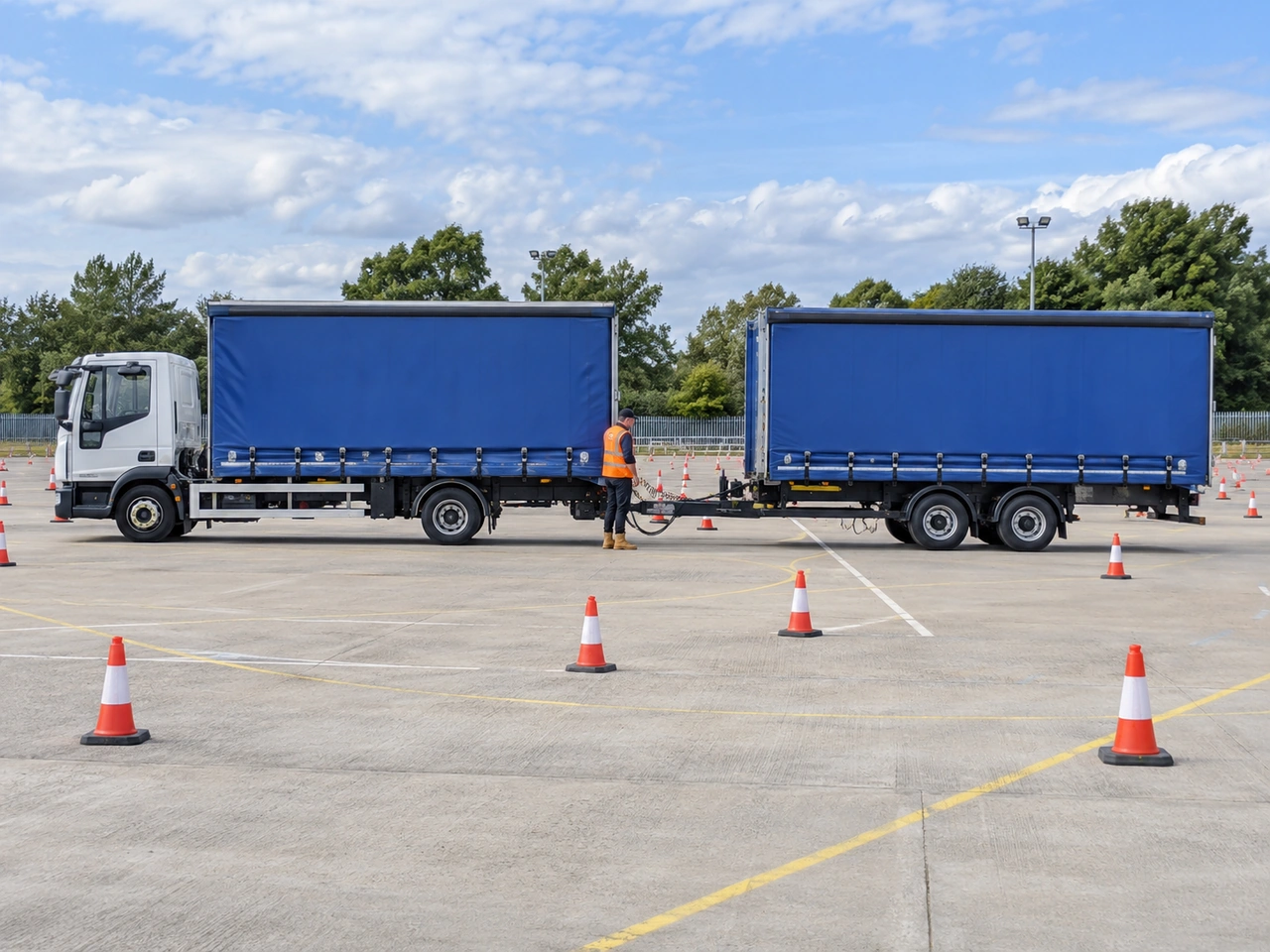
122. What is the minimum licence for a 12,000 kg C1 combination with a trailer over 750 kg?
Category C1E covers a category C1 vehicle towing a trailer or semi-trailer over 750 kg, provided the maximum authorised mass of the combination does not exceed 12,000 kg.
AI-generated by Traffic-rules.com • WCIT • CC BY-SA
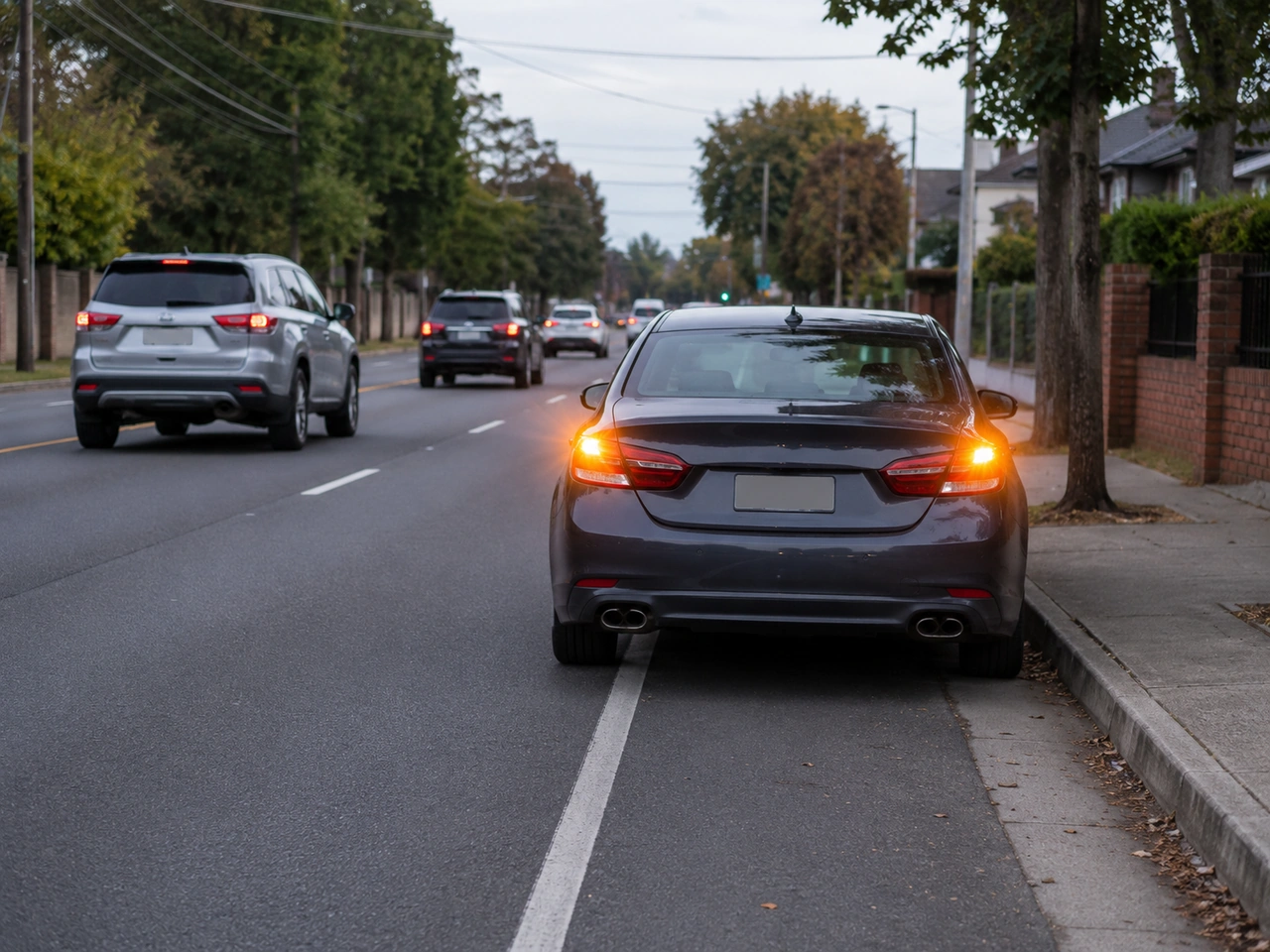
123. You may park anywhere as long as you leave your hazard lights on.
Hazard lights are used to warn other road users of a hazard or an unexpectedly stopped vehicle. They do not make illegal or unsafe parking acceptable.
AI-generated by Traffic-rules.com • WCIT • CC BY-SA
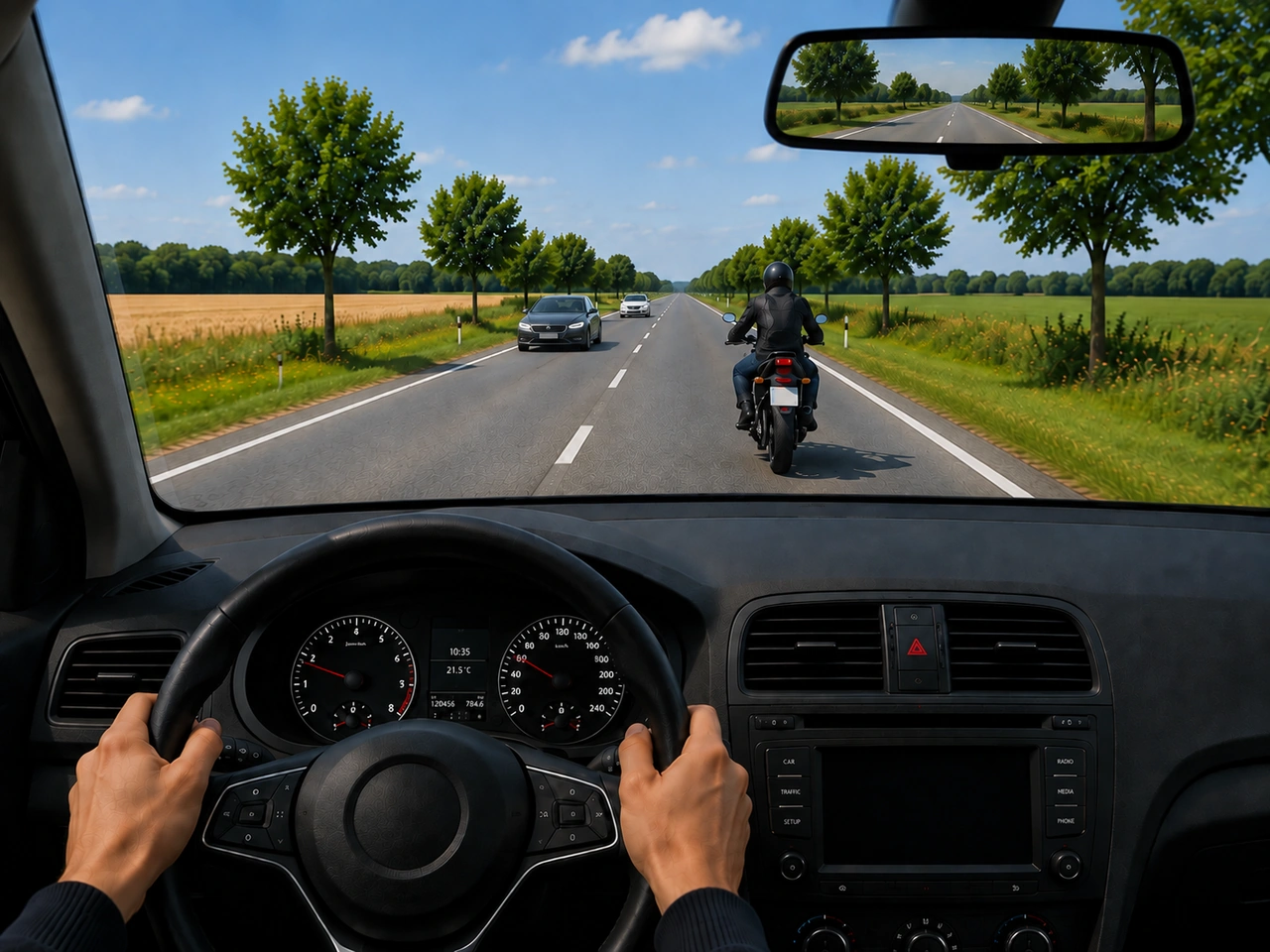
124. Why should you leave extra space behind a motorcycle?
Motorcyclists are more exposed than car drivers. Extra following distance gives you more time to react safely.
AI-generated by Traffic-rules.com • WCIT • CC BY-SA
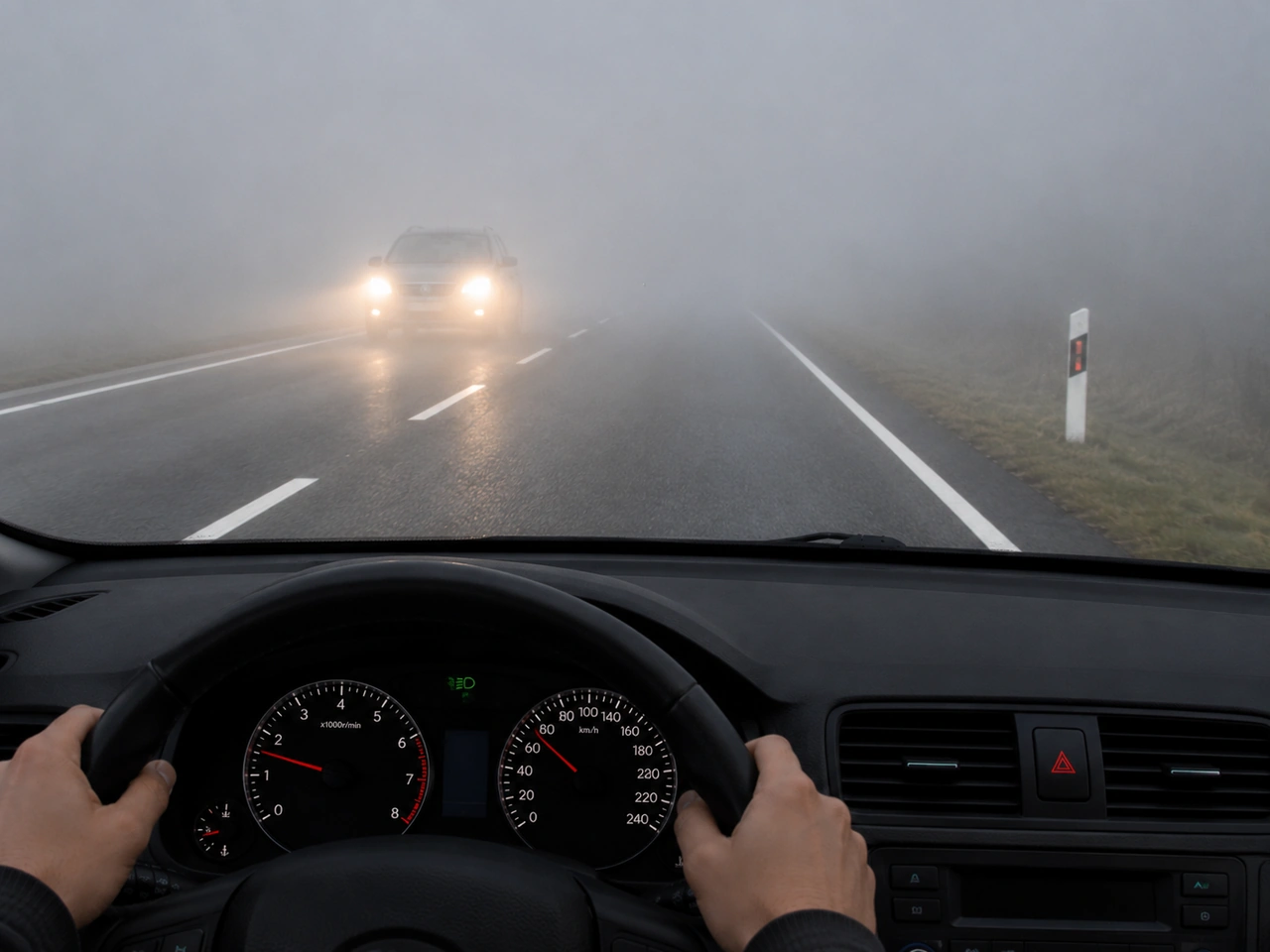
125. Why can fog make it difficult to judge the speed of other vehicles?
Fog reduces visual information, making it harder to judge how far away another vehicle is and how quickly it is approaching.
AI-generated by Traffic-rules.com • WCIT • CC BY-SA
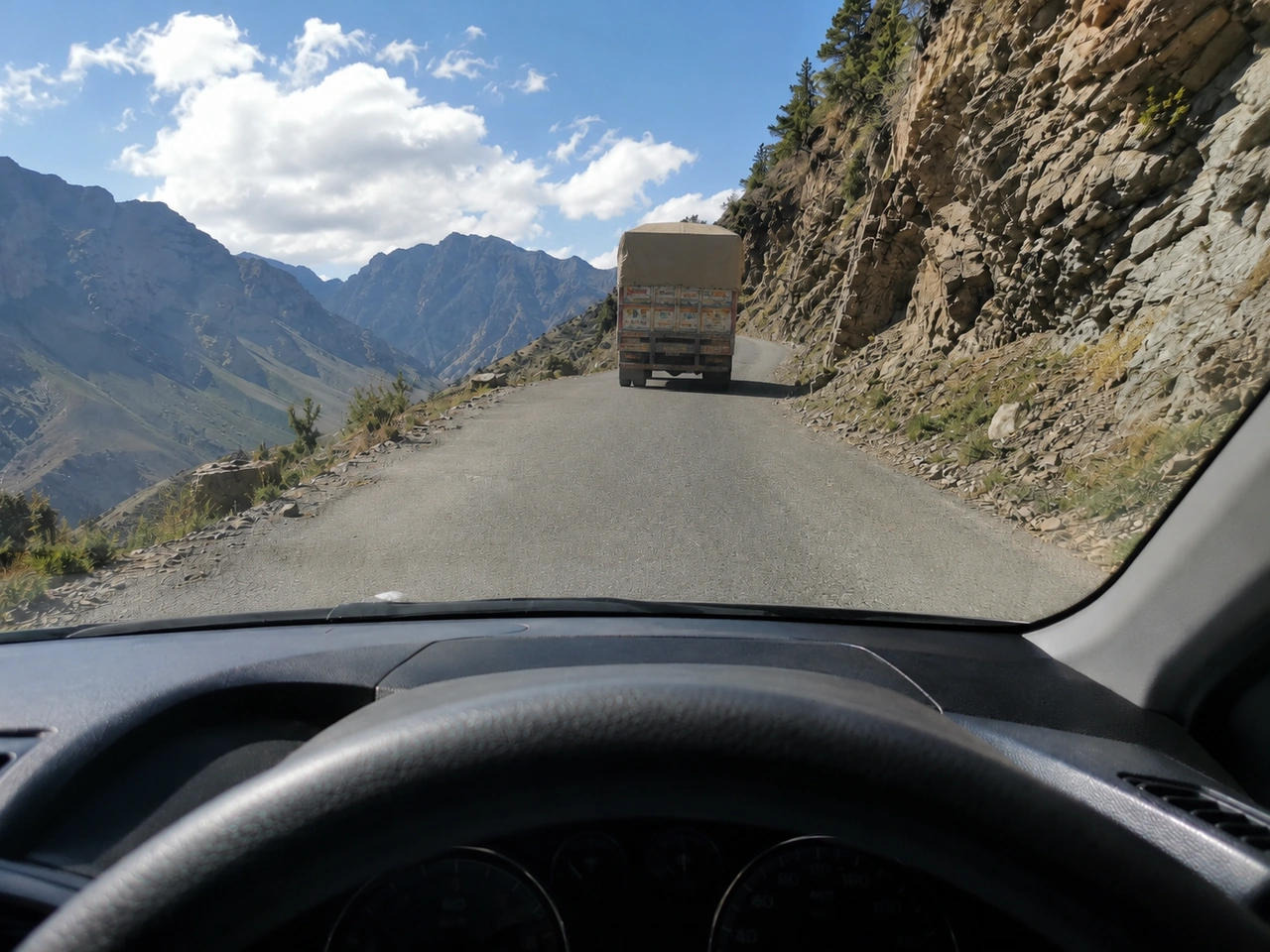
126. What should you do if your vehicle begins rolling backward on a steep incline?
Stop the vehicle under control, apply the parking brake if necessary, and prepare to move away again safely.
AI-generated by Traffic-rules.com • WCIT • CC BY-SA
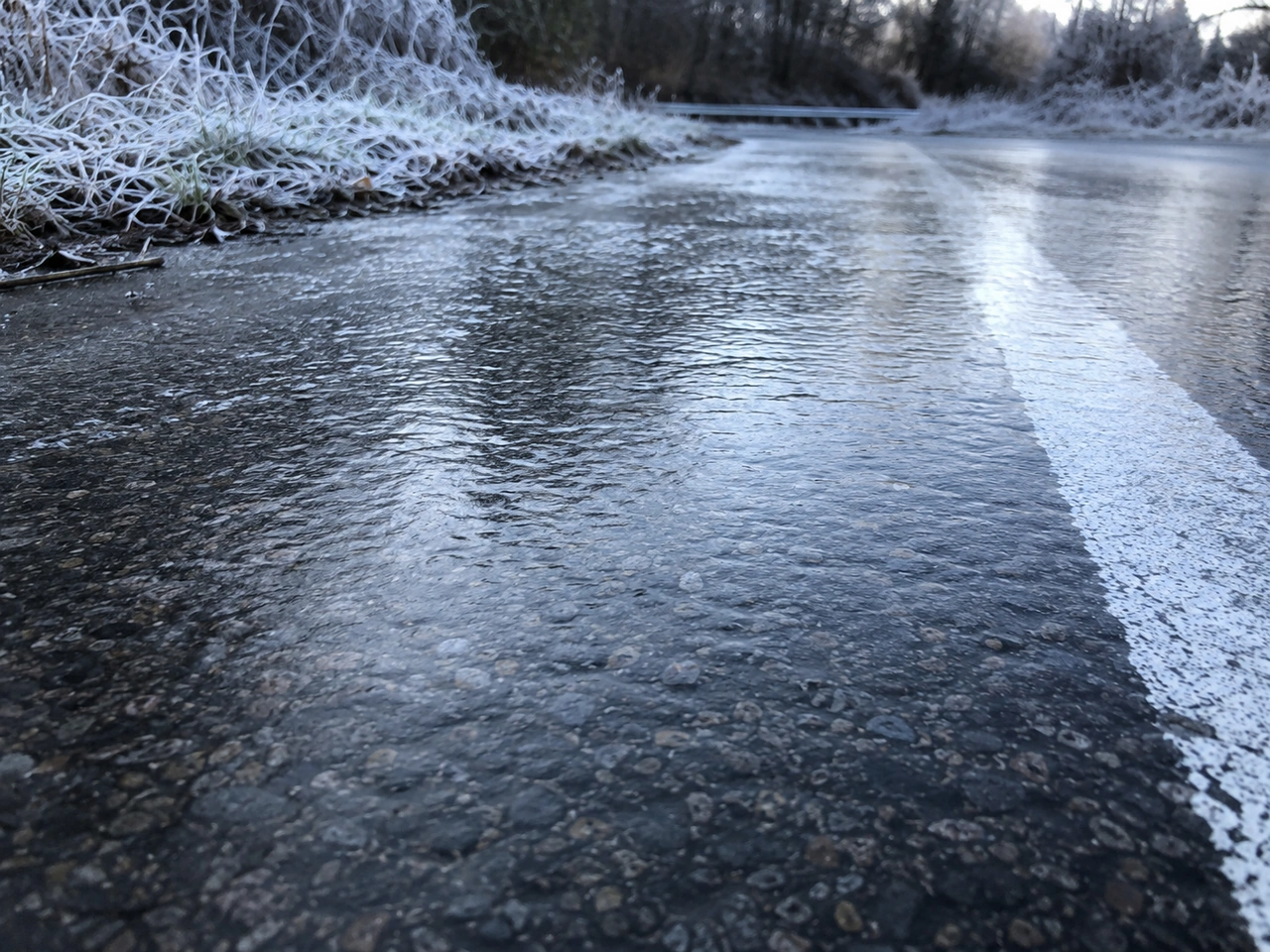
127. What is black ice?
Black ice is difficult to detect because the road surface may look merely wet. It can cause a sudden and severe loss of grip.
AI-generated by Traffic-rules.com • WCIT • CC BY-SA
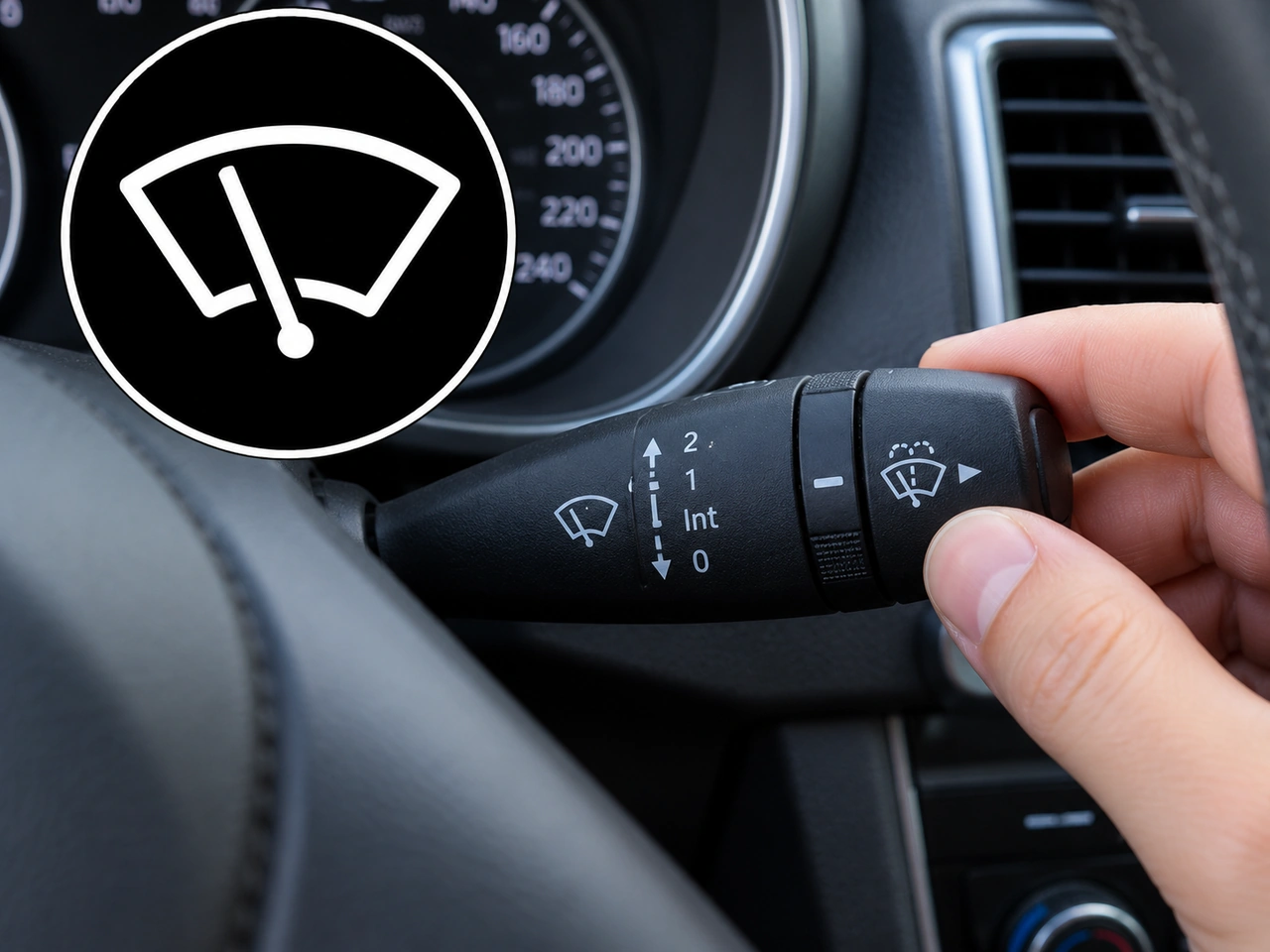
128. What does this vehicle-control symbol indicate?
This symbol relates to the windscreen wipers. The control allows the driver to select an appropriate wiping mode or speed for the amount of rain and visibility conditions.
AI-generated by Traffic-rules.com • WCIT • CC BY-SA
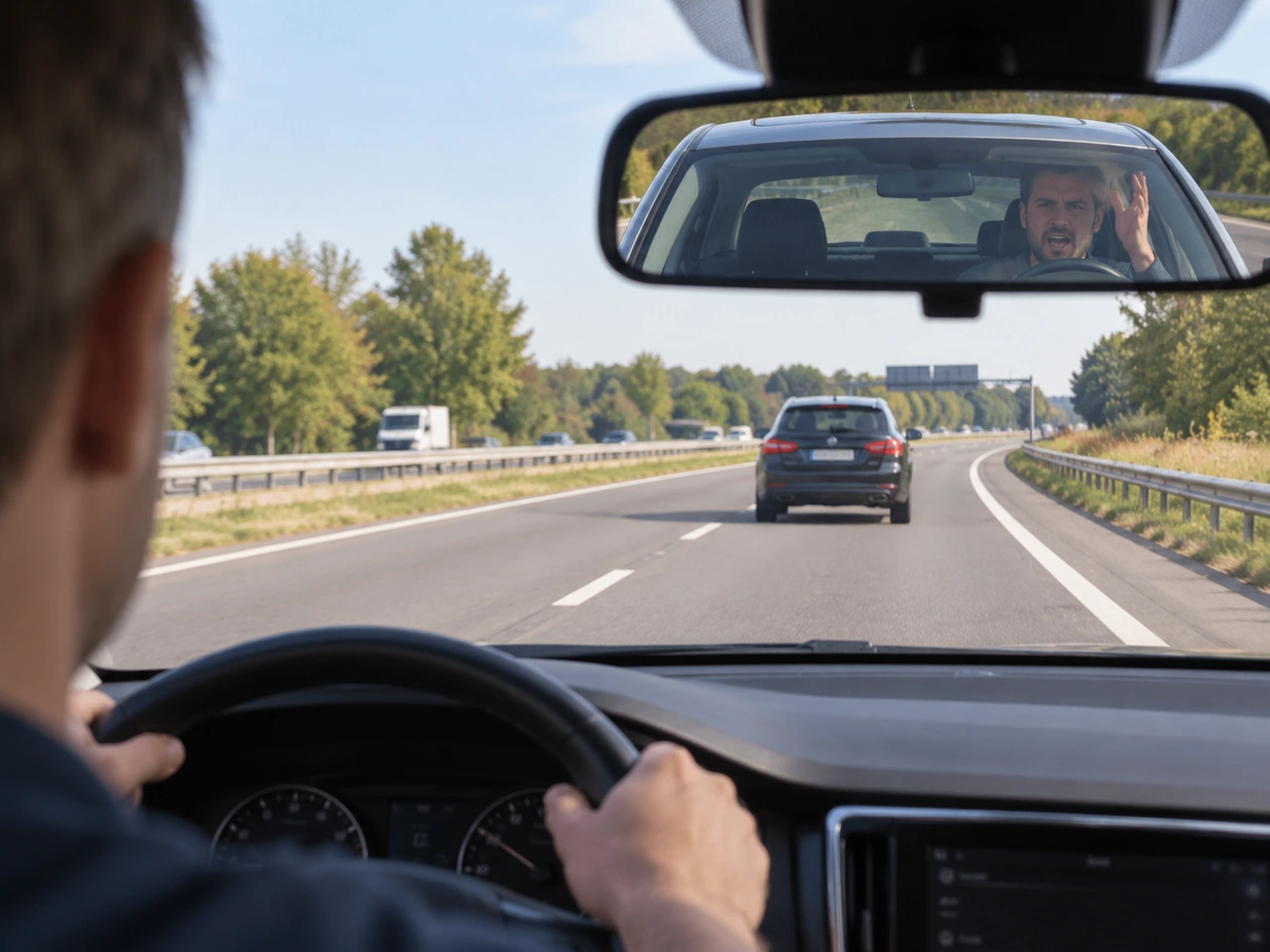
129. What should you do if another driver behaves aggressively towards you?
If another driver behaves aggressively, do not retaliate or become involved in a confrontation. Stay calm, increase the distance between you, and let the other vehicle move away when possible. If you feel threatened, go to a safe public place and seek appropriate assistance.
AI-generated by Traffic-rules.com • WCIT • CC BY-SA
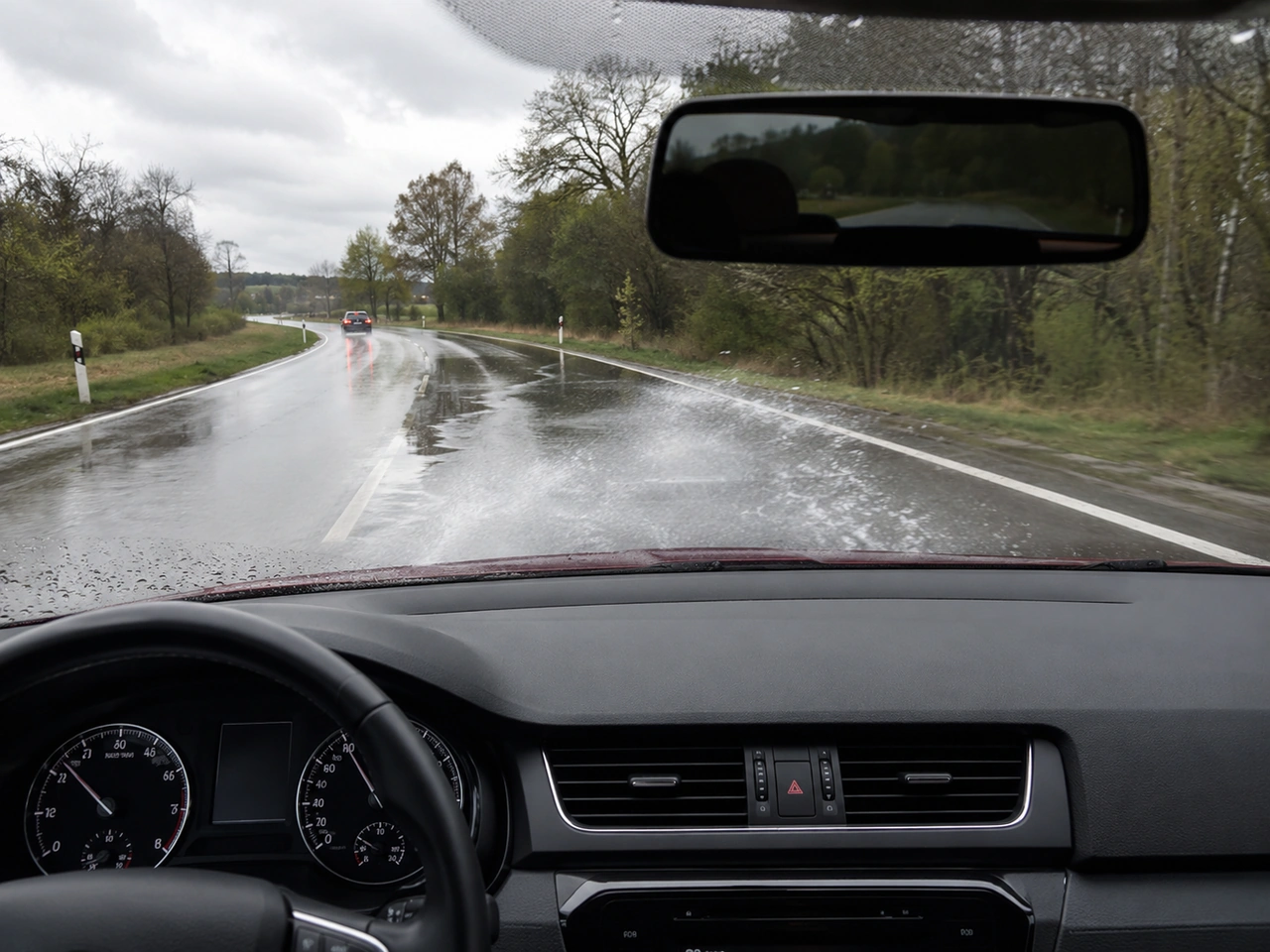
130. Why is it dangerous to drive through standing water at speed?
Driving too fast through water can cause aquaplaning, where the tyres lose grip and the driver may lose control.
AI-generated by Traffic-rules.com • WCIT • CC BY-SA
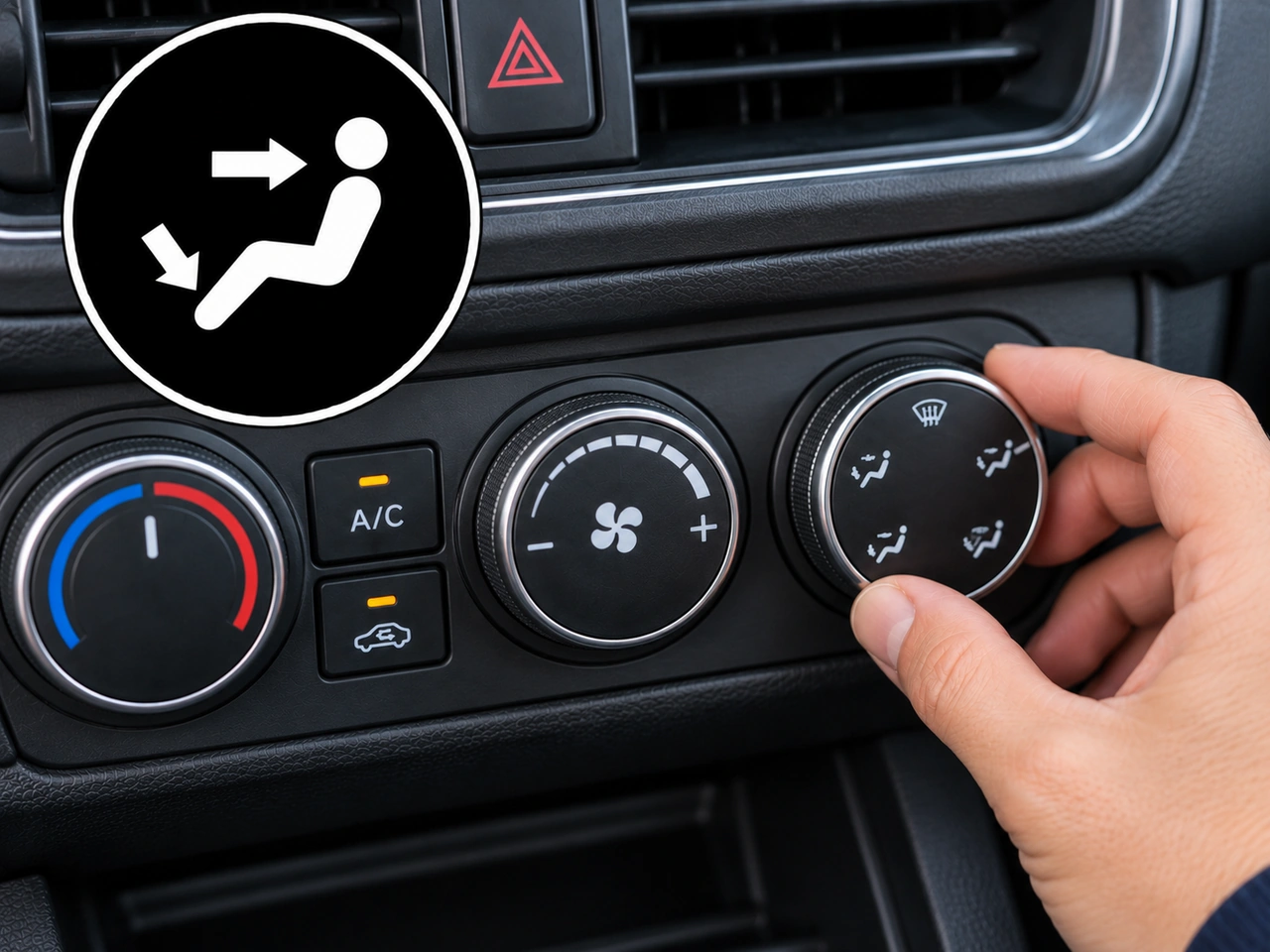
131. What does this vehicle-control symbol indicate?
This control selects the direction of the ventilation airflow, such as towards the face, feet or windscreen.
AI-generated by Traffic-rules.com • WCIT • CC BY-SA
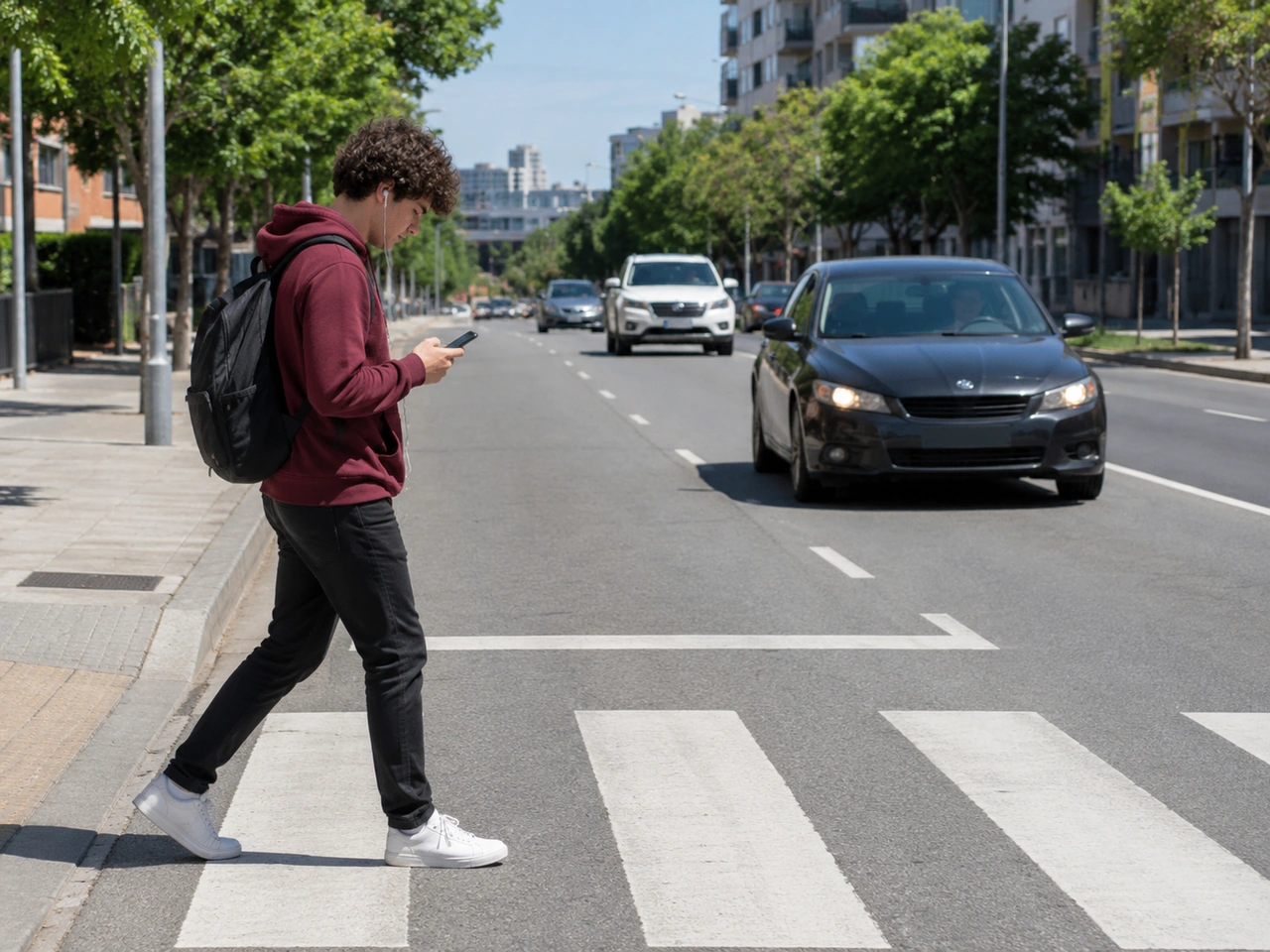
132. Why is it dangerous to cross while listening to loud music?
Loud music can reduce your awareness of vehicles, bicycles, horns, and other warning sounds.
AI-generated by Traffic-rules.com • WCIT • CC BY-SA
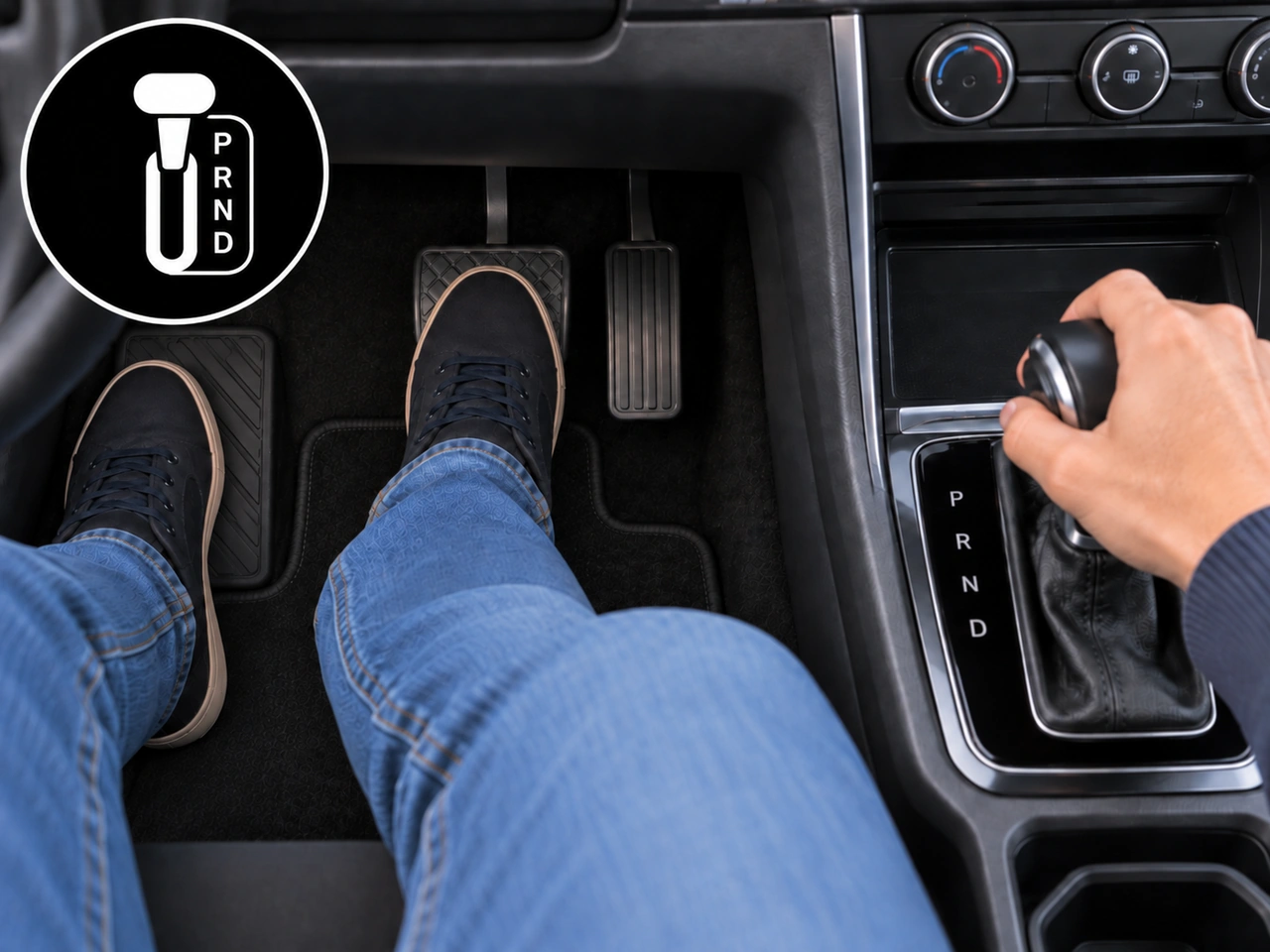
133. What should you normally do before selecting D or R in an automatic vehicle?
Before selecting D (Drive) or R (Reverse), keep the brake pedal pressed to prevent the vehicle from moving unexpectedly when the gear is engaged.
AI-generated by Traffic-rules.com • WCIT • CC BY-SA
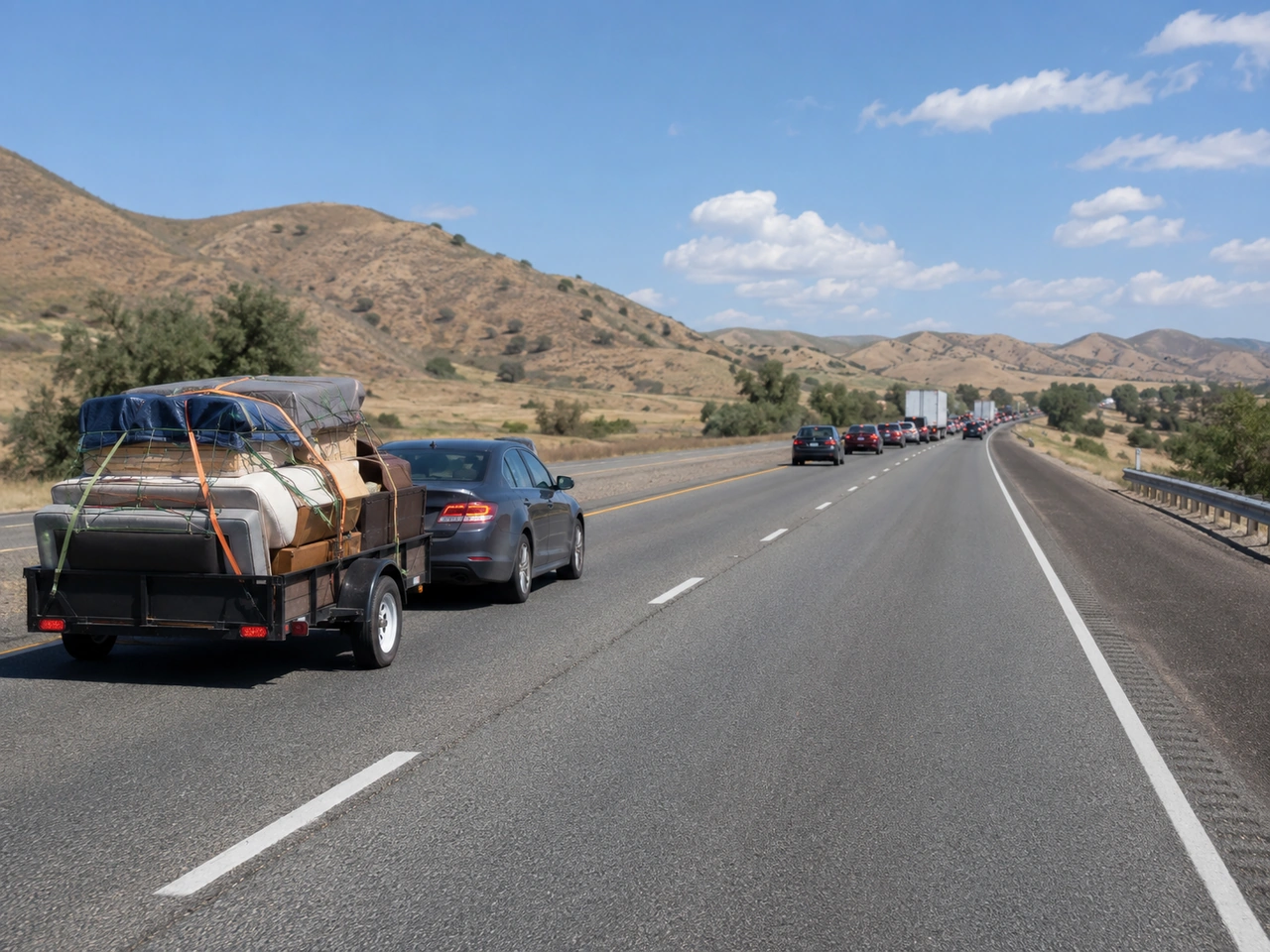
134. How can a heavy load affect stopping distance?
A heavily loaded vehicle has more mass and may require additional distance to slow down or stop safely.
AI-generated by Traffic-rules.com • WCIT • CC BY-SA
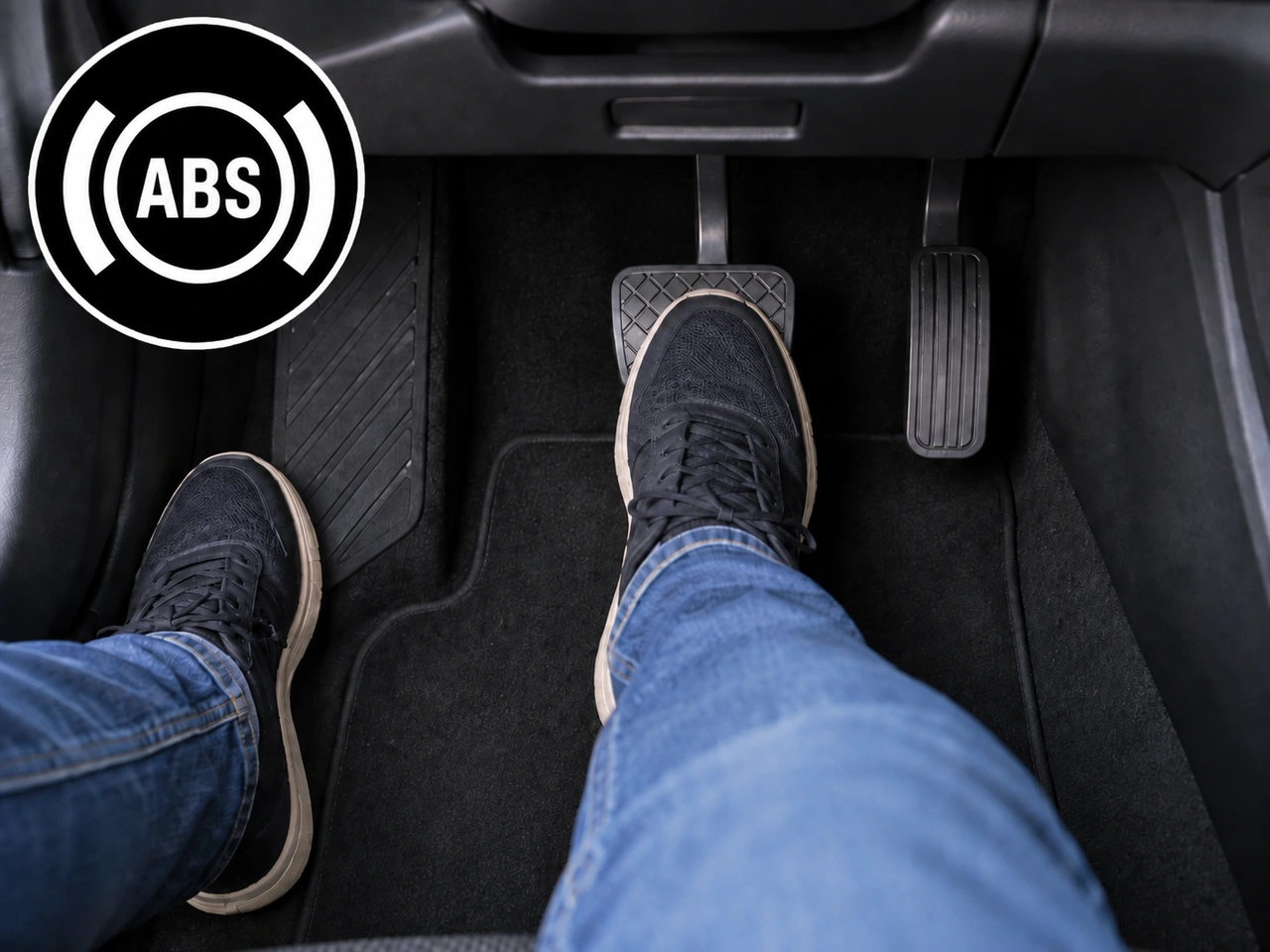
135. How should you use the brake pedal during emergency braking in a vehicle with ABS?
During emergency braking with ABS, press the brake pedal firmly and keep it pressed. Pulsation or vibration through the pedal can be normal while ABS is operating, so do not pump or release the brake.
AI-generated by Traffic-rules.com • WCIT • CC BY-SA
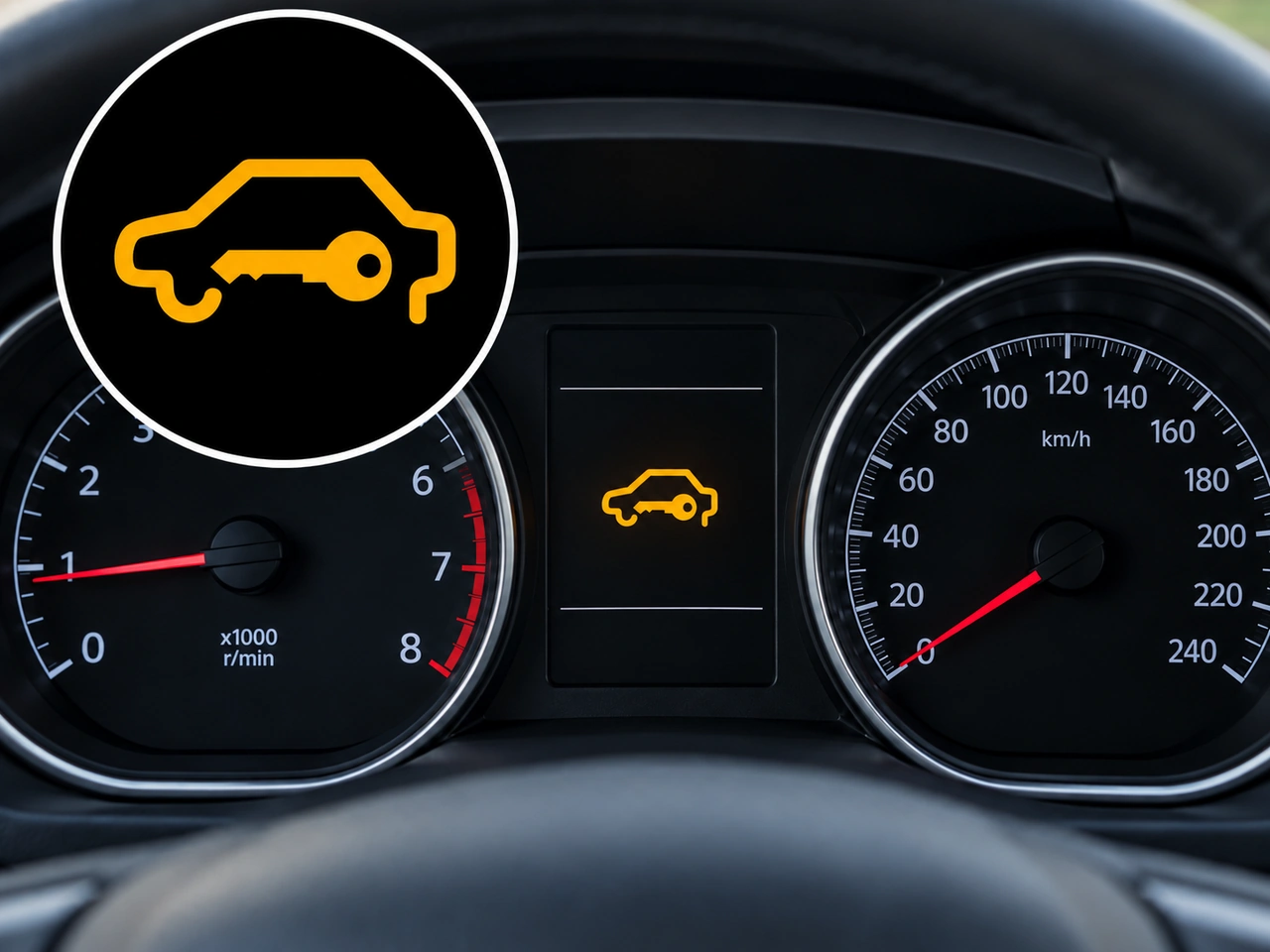
136. What does this dashboard symbol indicate?
This symbol relates to the vehicle's immobiliser or anti-theft system. If it remains illuminated or flashes unexpectedly, the vehicle may not recognise the key or there may be a fault in the security system.
AI-generated by Traffic-rules.com • WCIT • CC BY-SA
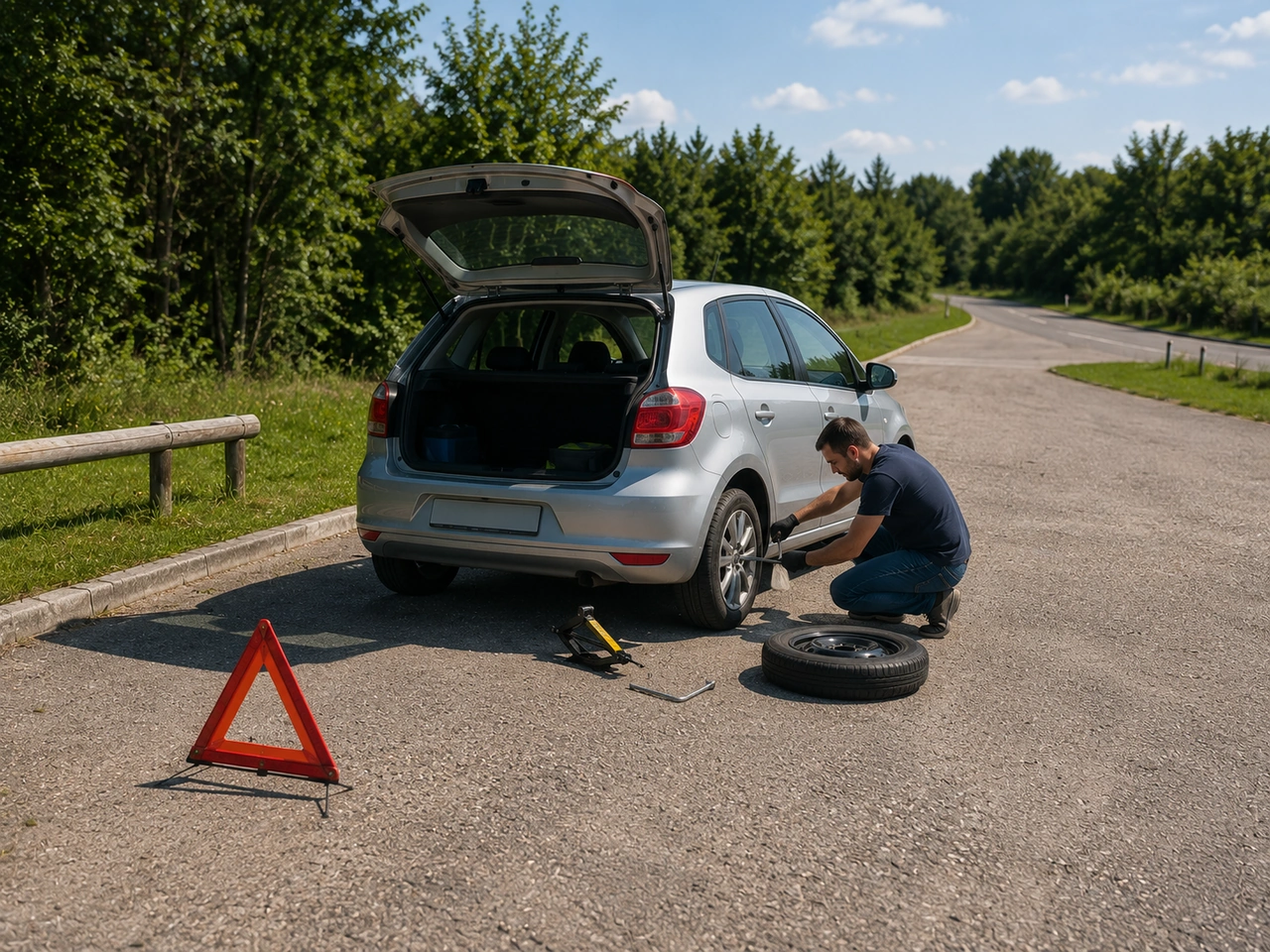
137. Where should you change a wheel after a puncture?
The vehicle must be stable and protected from traffic. Apply the parking brake and follow the manufacturer's wheel-changing instructions.
AI-generated by Traffic-rules.com • WCIT • CC BY-SA
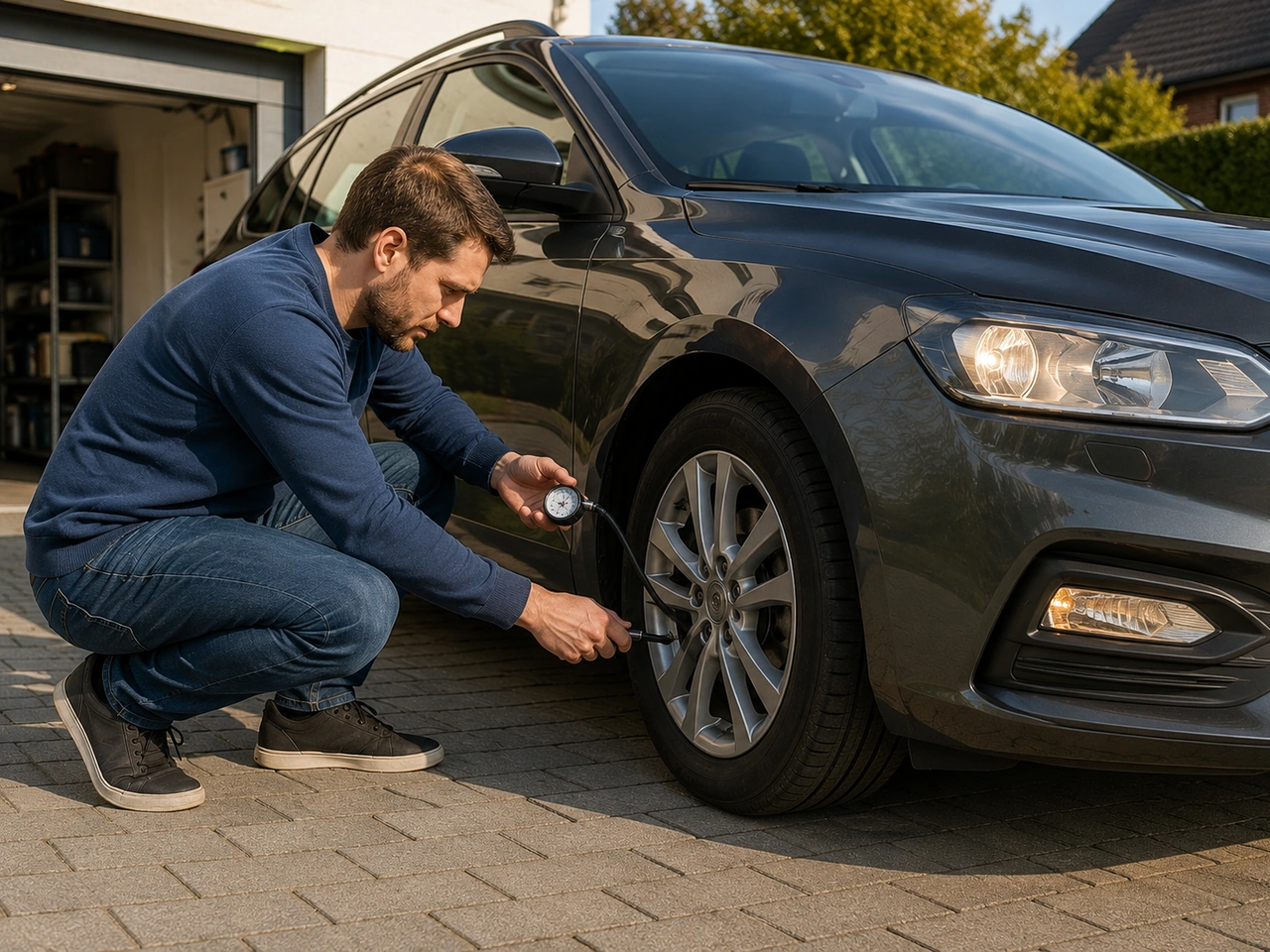
138. How should tyre pressure normally be checked?
Tyre pressure rises as tyres become warm. Check them when cold and use the pressure specified on the vehicle label or in the owner's manual.
AI-generated by Traffic-rules.com • WCIT • CC BY-SA
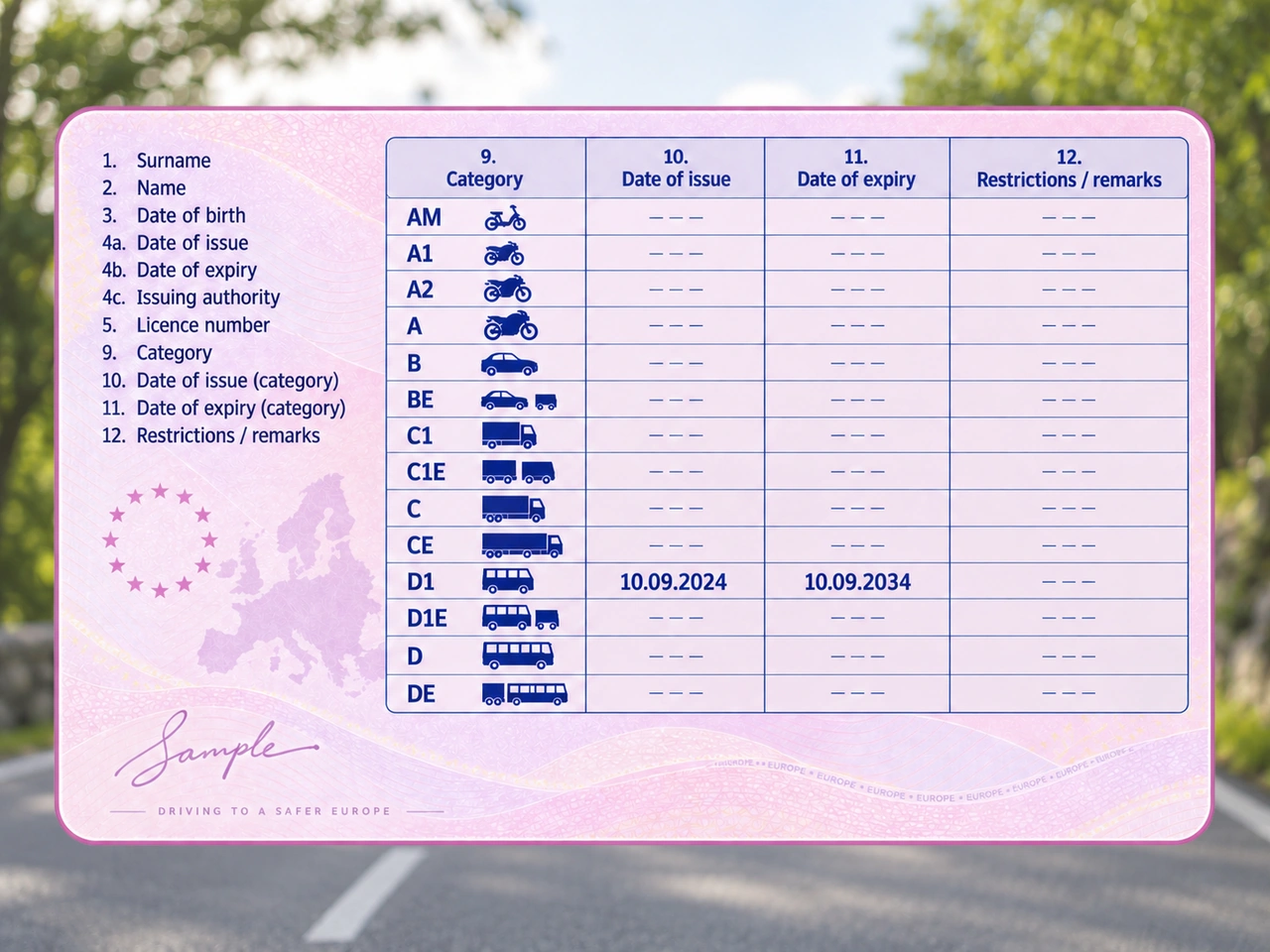
139. Which passenger vehicles are covered by driving licence D1?
Category D1 covers vehicles designed to carry no more than 16 passengers in addition to the driver and with a maximum length of 8 metres. A trailer up to 750 kg may be towed.
AI-generated by Traffic-rules.com • WCIT • CC BY-SA
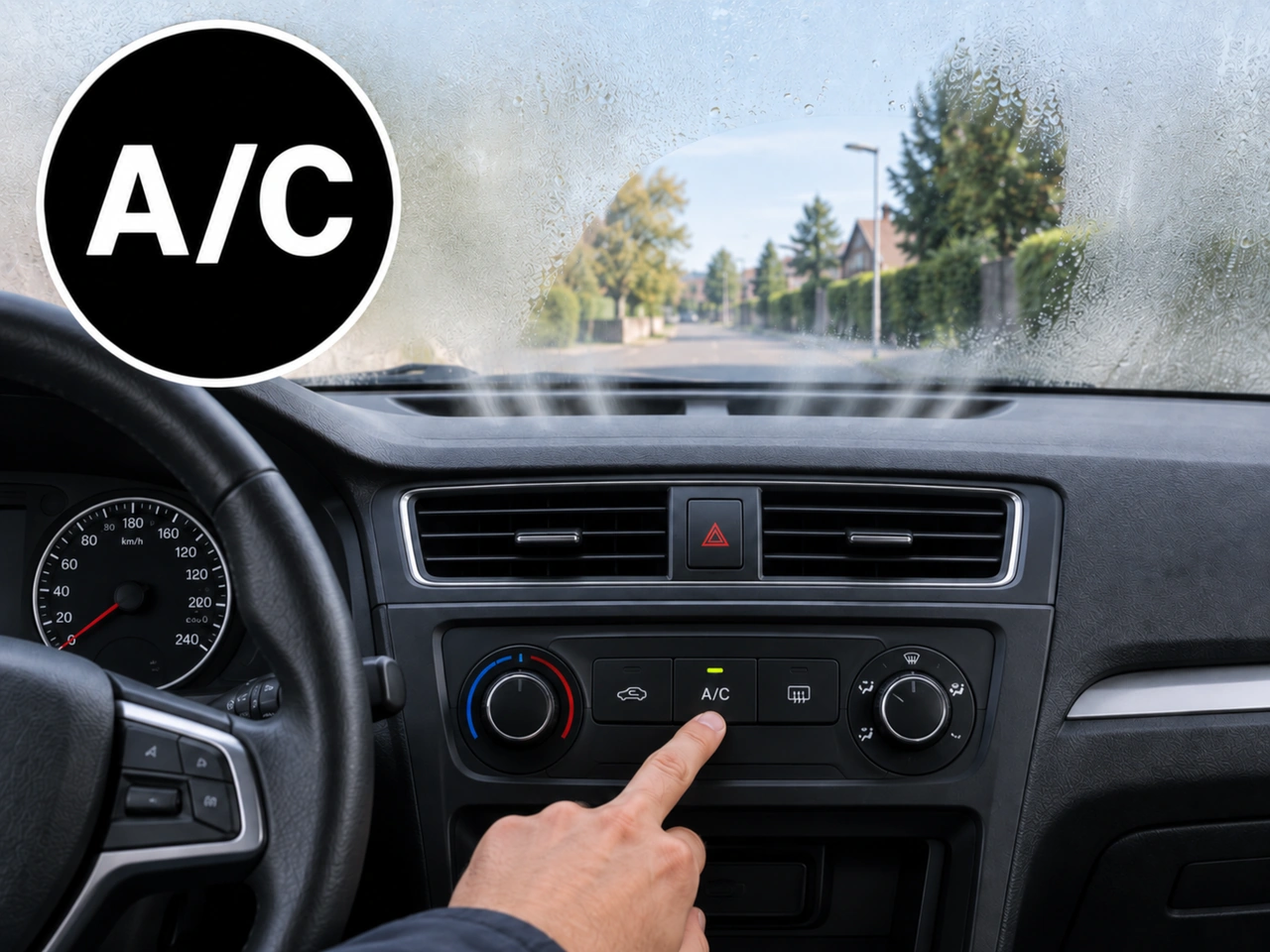
140. How can air conditioning help demist the windows?
Using the air conditioning can help demist the windows because it removes moisture from the cabin air. Directing this drier air towards the windscreen can clear condensation more quickly.
AI-generated by Traffic-rules.com • WCIT • CC BY-SA
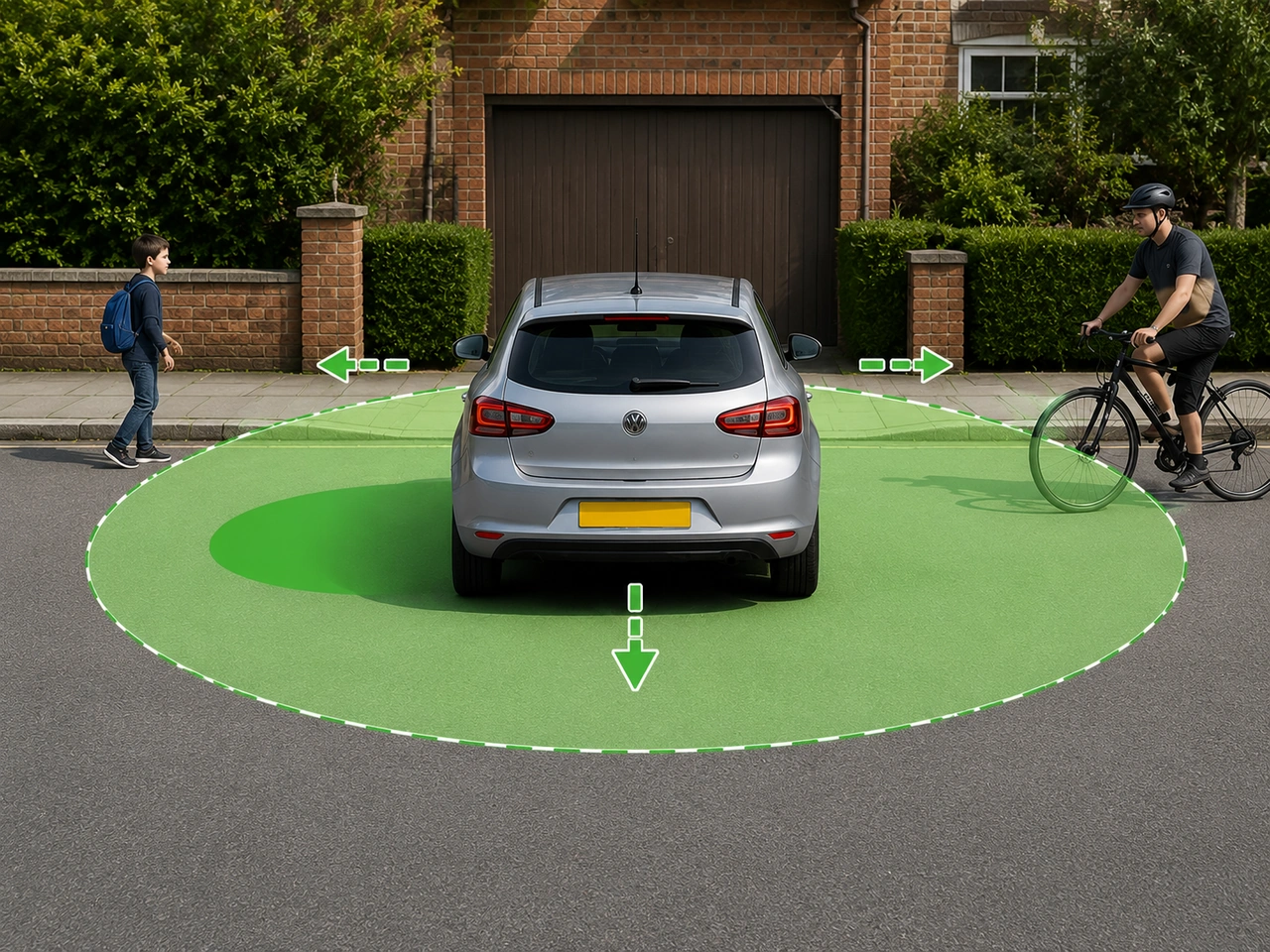
141. What should you do before reversing your vehicle?
Before reversing, check all around the vehicle, including blind spots, for pedestrians, cyclists, vehicles, and other hazards. Reverse slowly and keep checking as you move.
AI-generated by Traffic-rules.com • WCIT • CC BY-SA
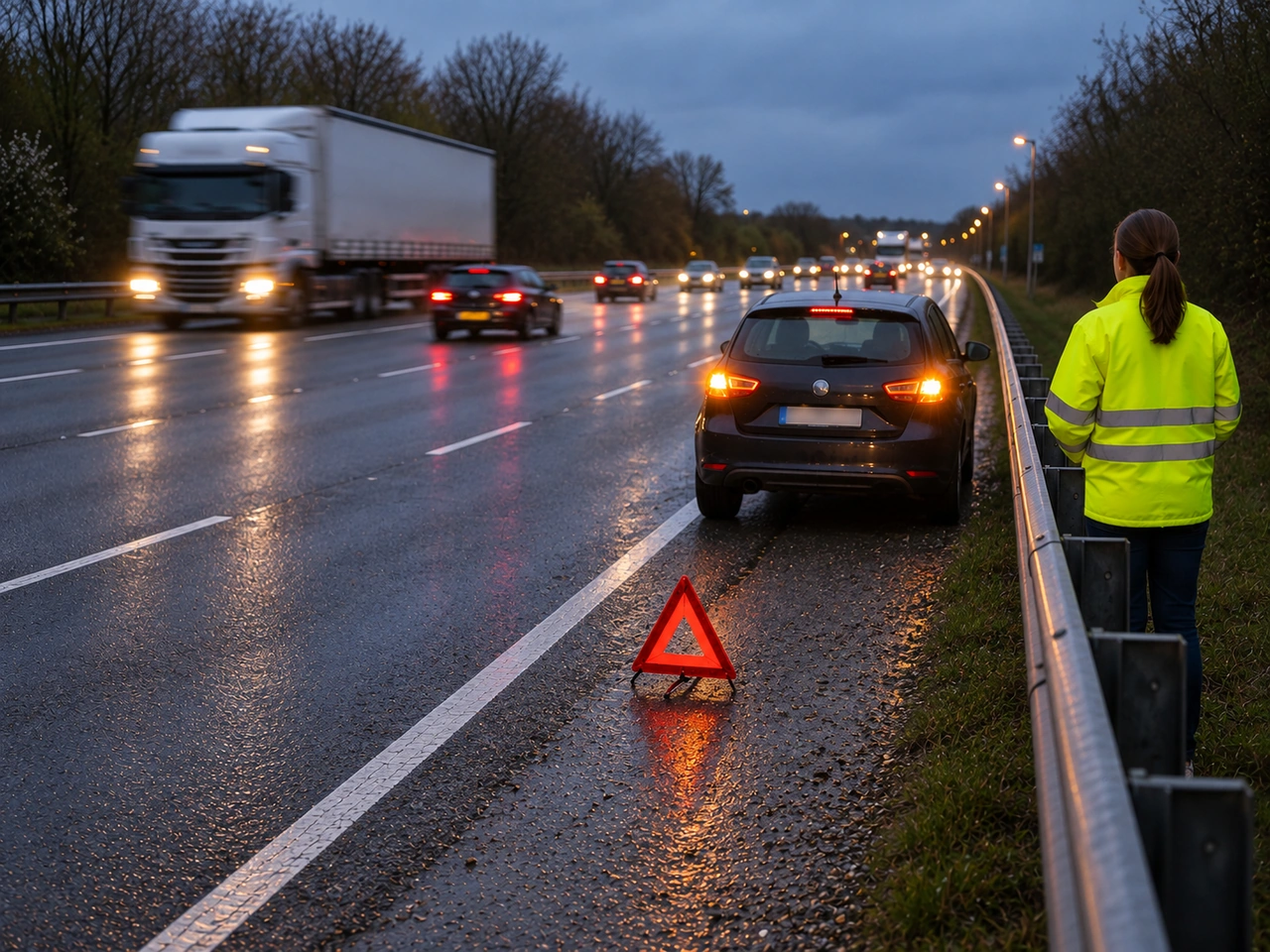
142. Why is high-visibility clothing useful during a roadside breakdown?
High-visibility clothing improves your visibility, especially at night or in poor weather, but you must still remain away from traffic.
AI-generated by Traffic-rules.com • WCIT • CC BY-SA
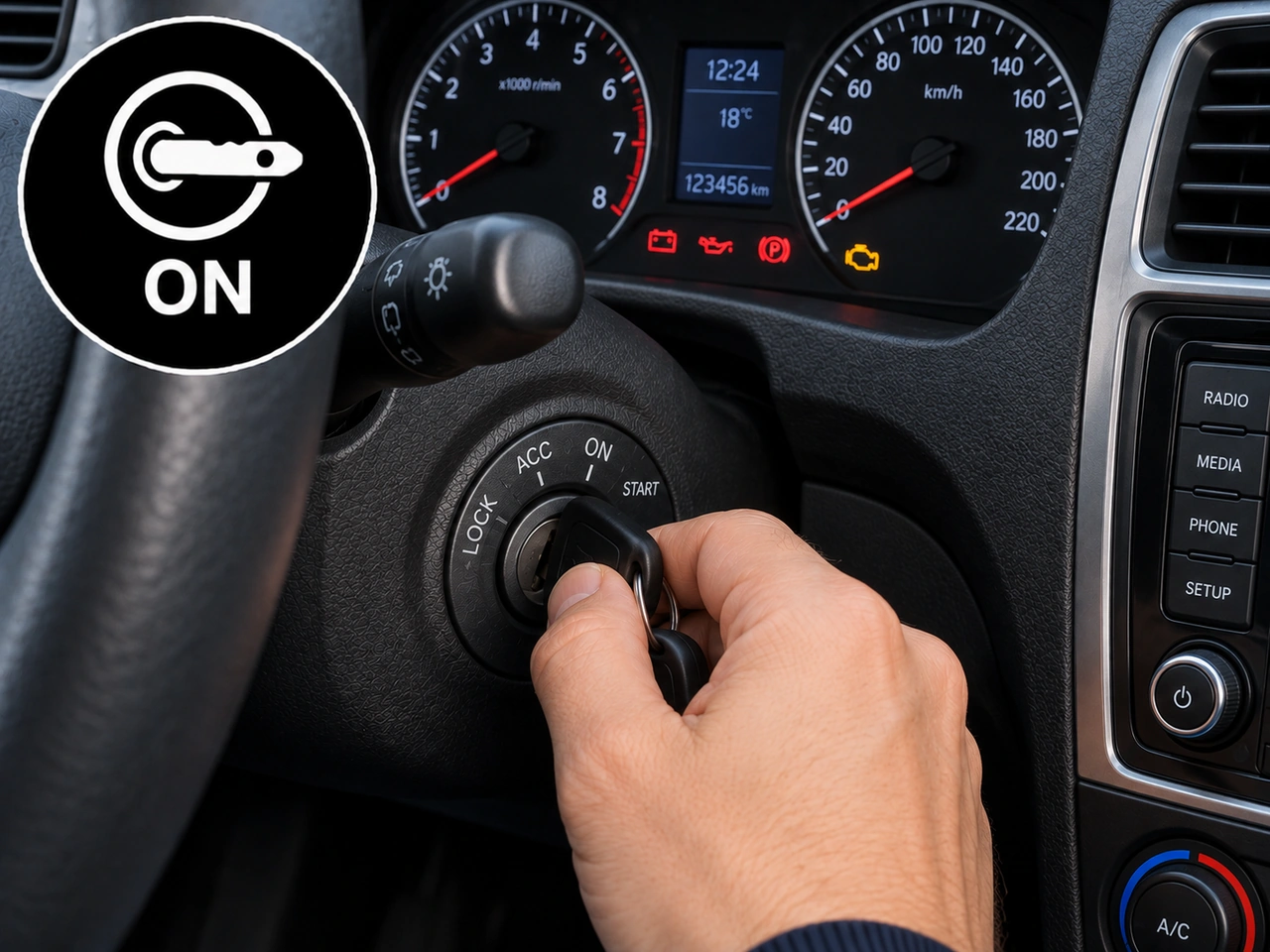
143. What does the ON position of a traditional ignition switch normally do?
The ON position normally switches on the vehicle's electrical and ignition systems without operating the starter motor. The engine is started by turning the key further to the START position.
AI-generated by Traffic-rules.com • WCIT • CC BY-SA
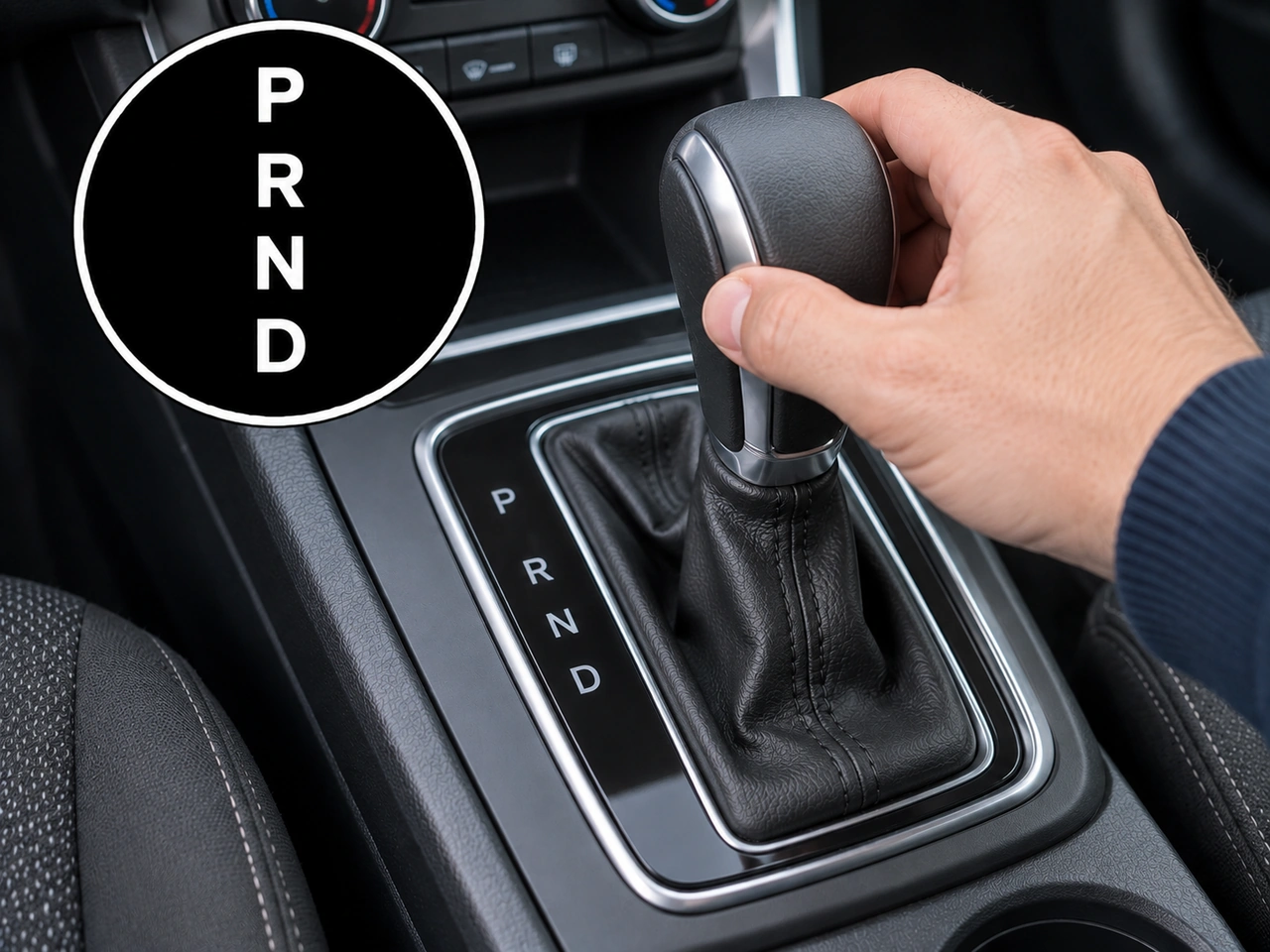
144. Which selector position is used when parking the vehicle?
Select P (Park) when parking an automatic vehicle. Park locks the transmission, but the parking brake should also be applied to secure the vehicle.
AI-generated by Traffic-rules.com • WCIT • CC BY-SA
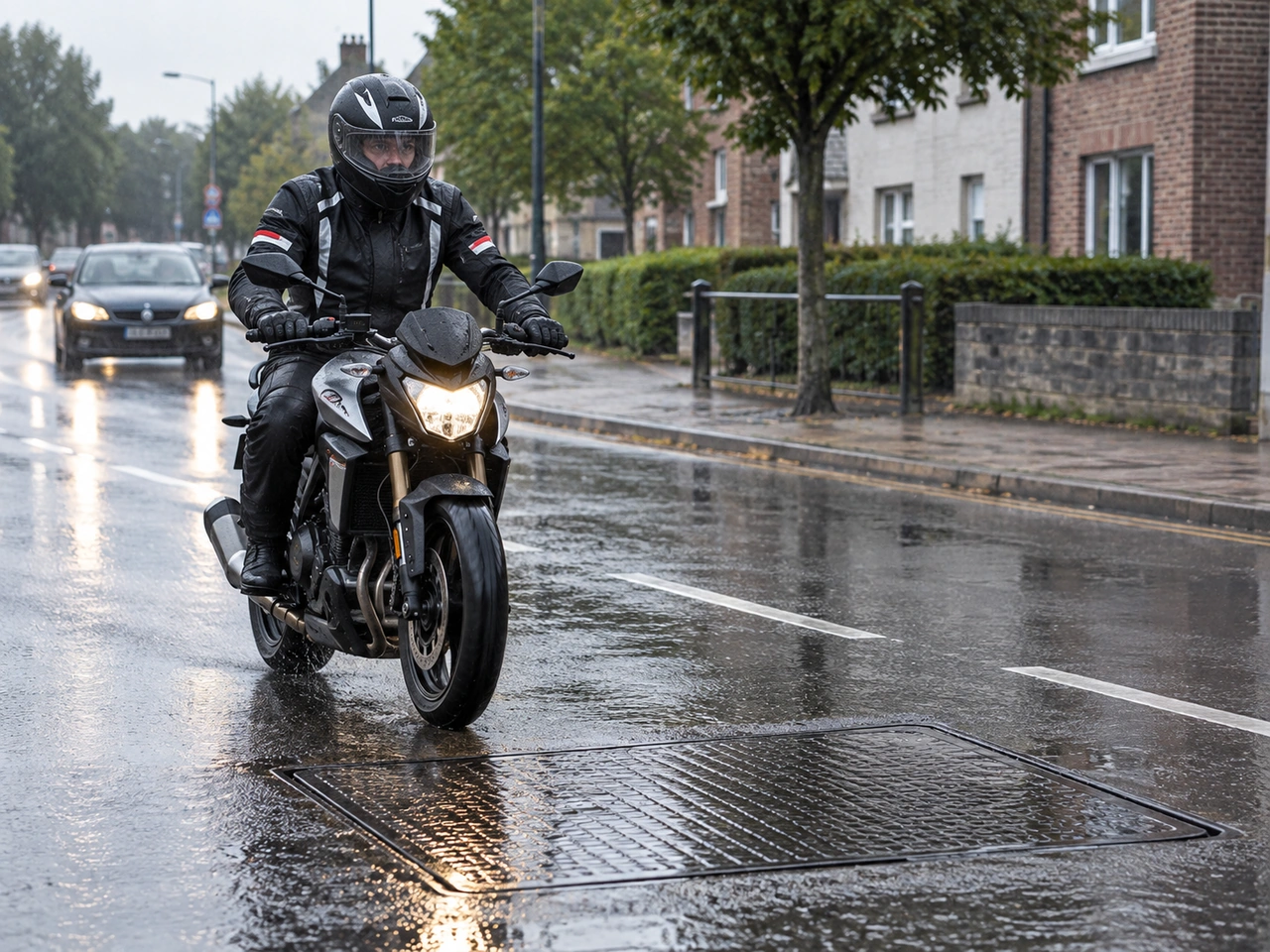
145. Why should motorcyclists take extra care on wet metal covers?
Wet metal surfaces, such as drain or inspection covers, can provide much less grip than the surrounding road. Cross them smoothly, keep the motorcycle as upright as practical and avoid sudden braking, acceleration or steering.
AI-generated by Traffic-rules.com • WCIT • CC BY-SA
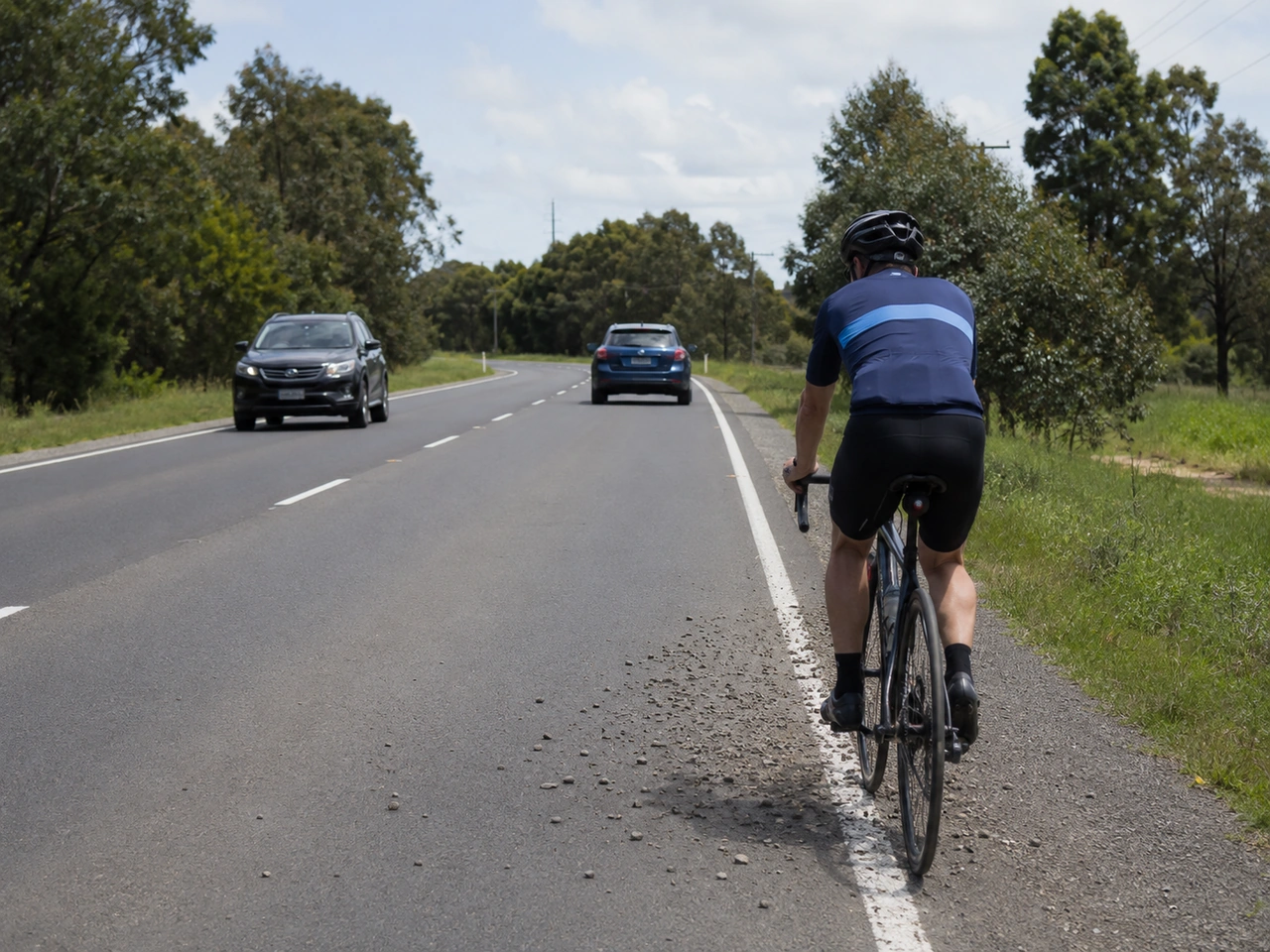
146. What should cyclists do when riding over loose gravel or road debris?
Loose material reduces tyre grip. Smooth steering and controlled speed lower the chance of losing balance.
AI-generated by Traffic-rules.com • WCIT • CC BY-SA
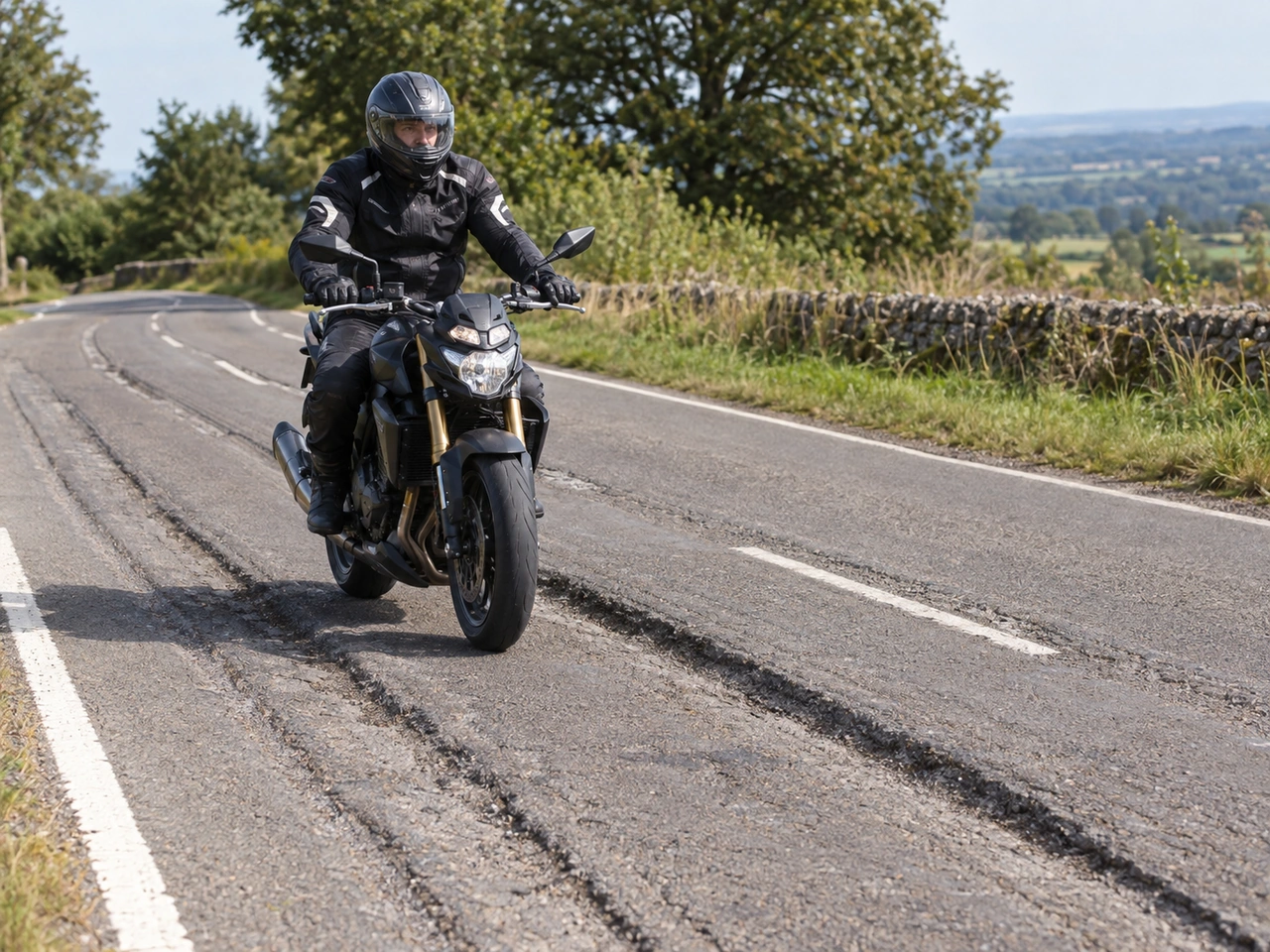
147. How should a motorcyclist react to grooves or ruts in the road?
Longitudinal grooves or ruts can affect a motorcycle's steering and may make the wheels follow the uneven surface. Reduce speed where necessary, keep a relaxed but steady grip and avoid sudden braking, acceleration or steering corrections.
AI-generated by Traffic-rules.com • WCIT • CC BY-SA
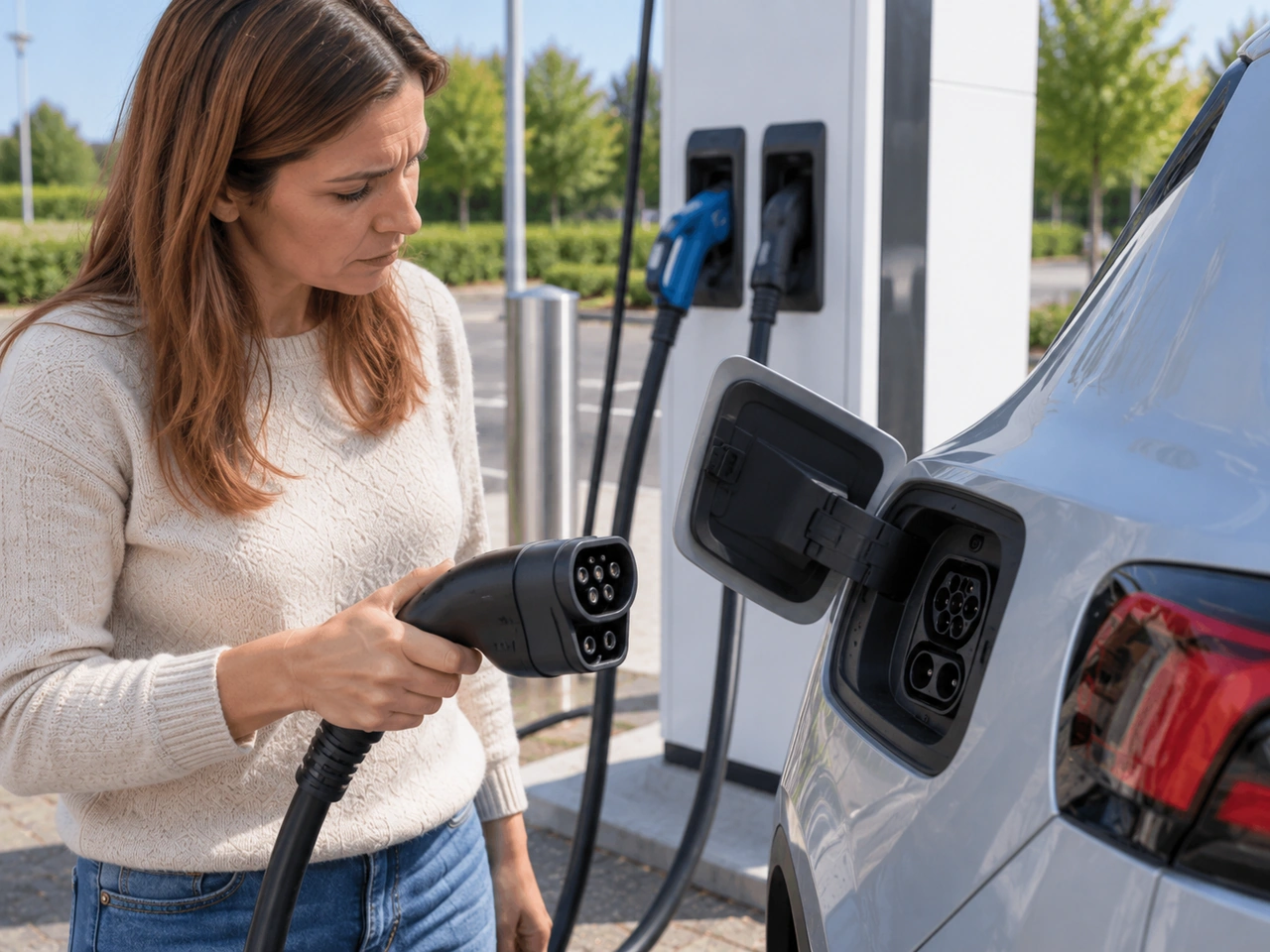
148. What should you check before connecting an electric vehicle to a charger?
Charging connectors and charging capabilities can vary between vehicles and charging stations. Use compatible charging equipment that is suitable for the vehicle and follow the vehicle and charger manufacturer's instructions.
AI-generated by Traffic-rules.com • WCIT • CC BY-SA
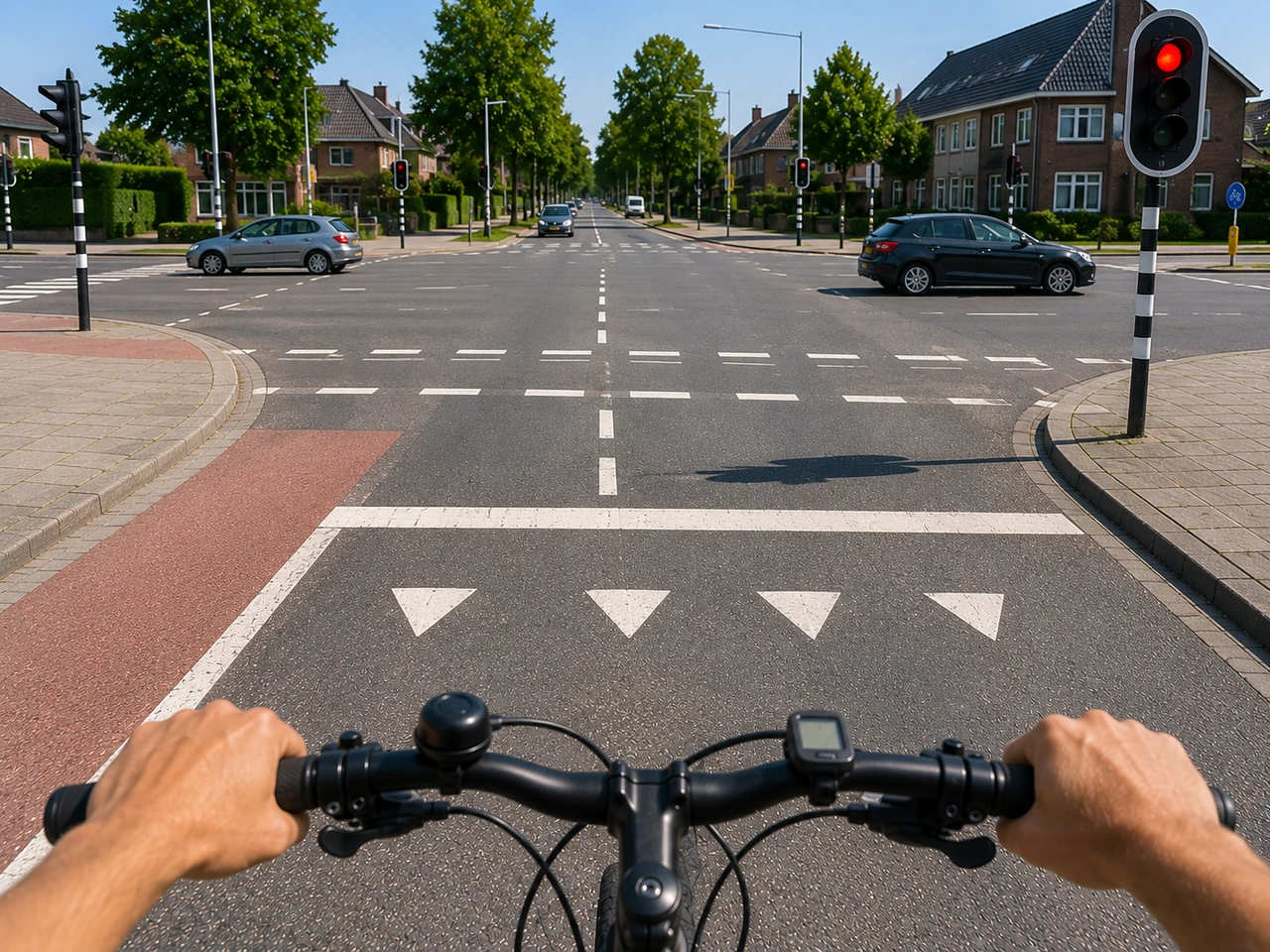
149. What should cyclists do when approaching a junction?
Junctions create conflict points between road users. Slowing down gives you more time to see hazards and react safely.
AI-generated by Traffic-rules.com • WCIT • CC BY-SA
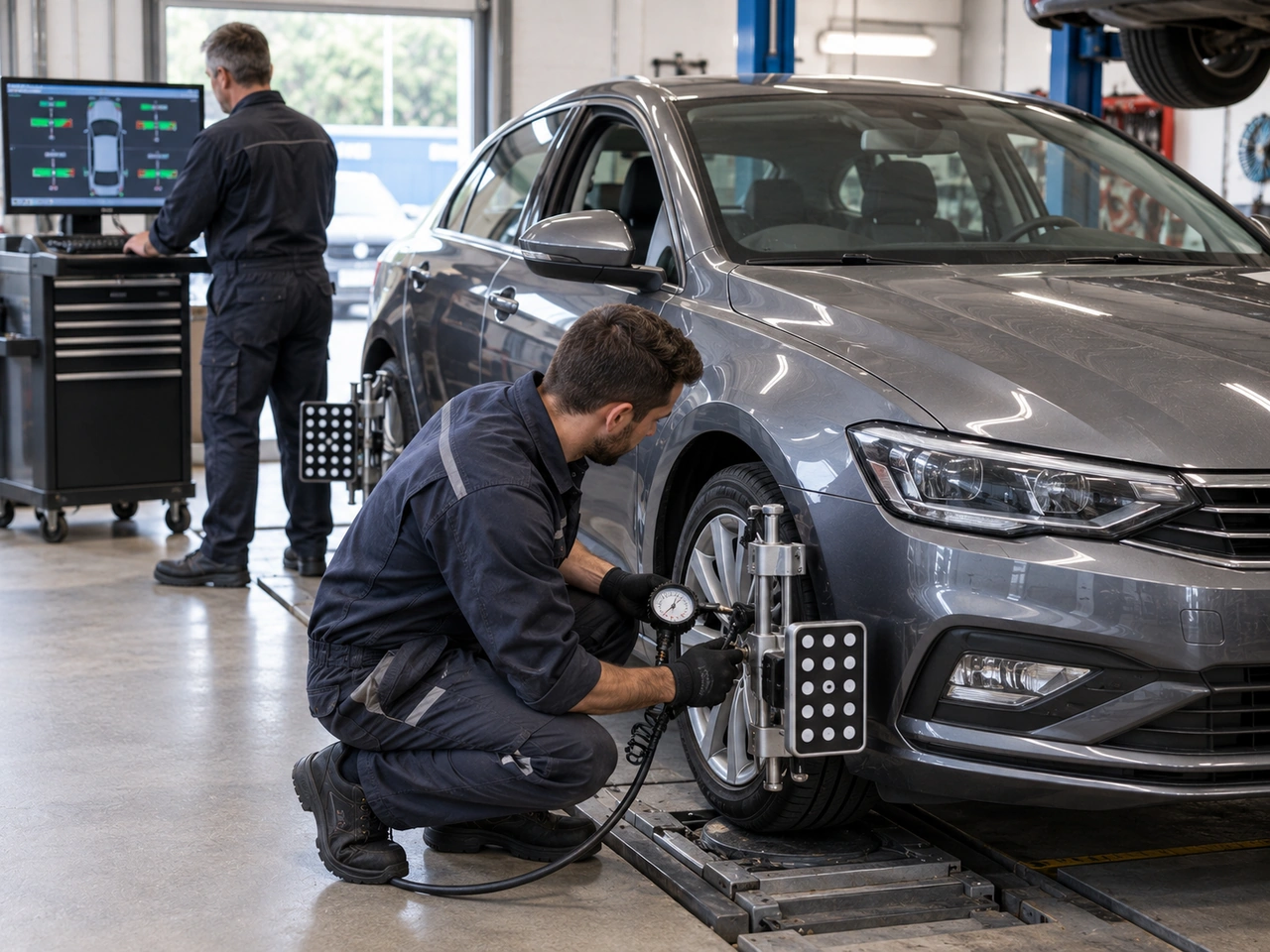
150. What should you do if the vehicle consistently pulls to one side?
Persistent pulling can be caused by incorrect tyre pressure, wheel misalignment, suspension wear, or a braking fault. It should not be ignored.
AI-generated by Traffic-rules.com • WCIT • CC BY-SA