Additional signs

An additional sign is a traffic sign placed directly below another sign to provide extra information or clarify how the main sign should be understood. It can specify conditions such as distance, time periods, road users affected, directions, or special circumstances. Additional signs do not create new rules by themselves but modify, limit, or explain the meaning of the sign above them so drivers can apply the rule correctly in that specific situation.
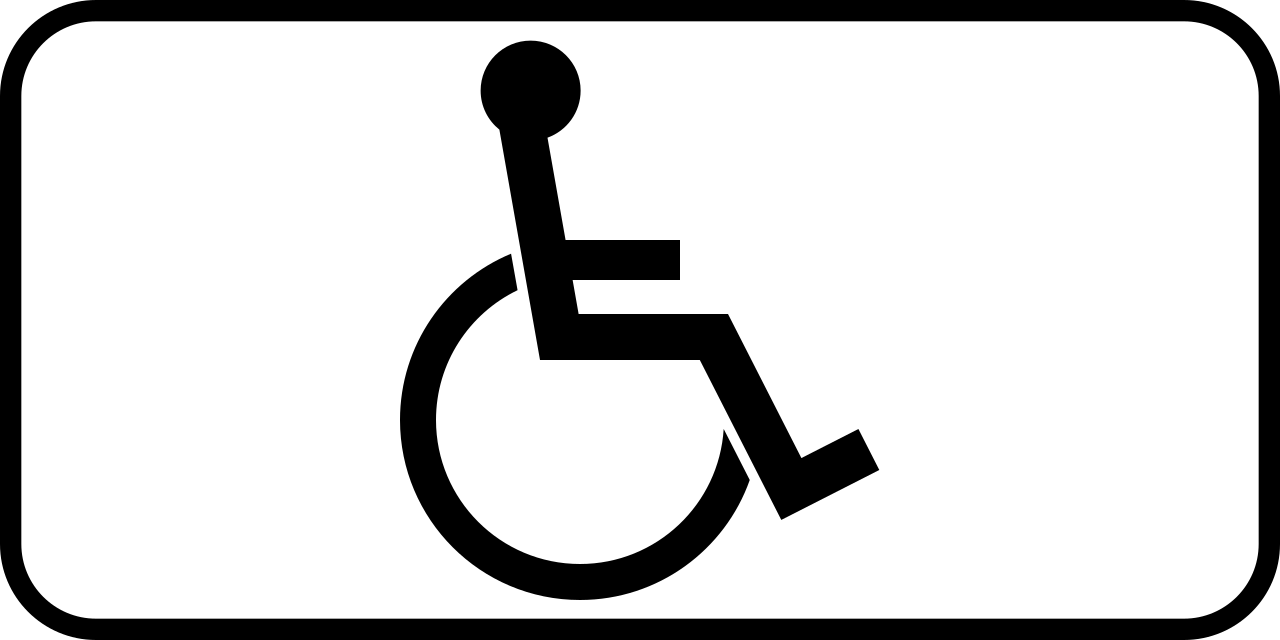
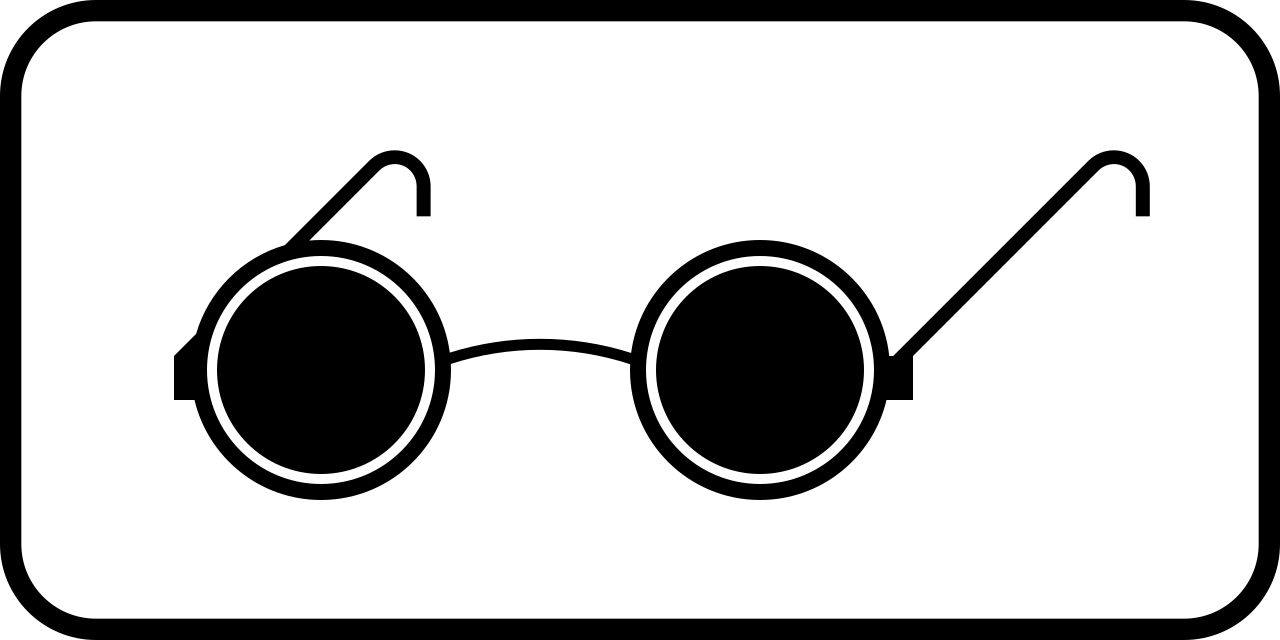
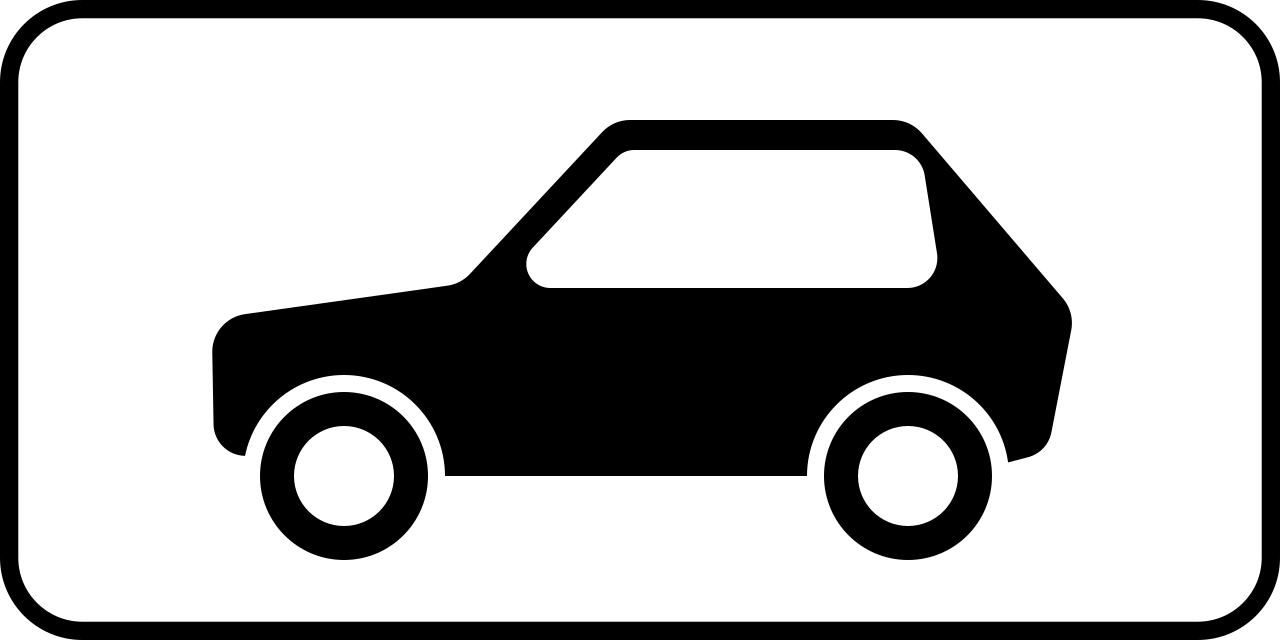
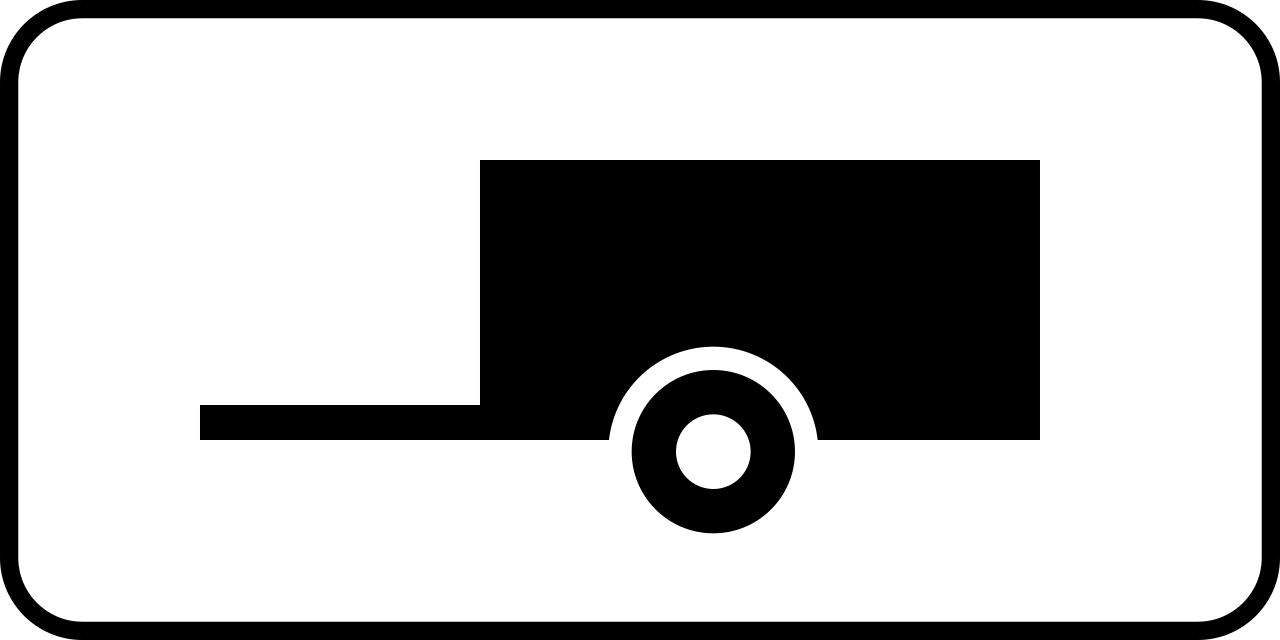
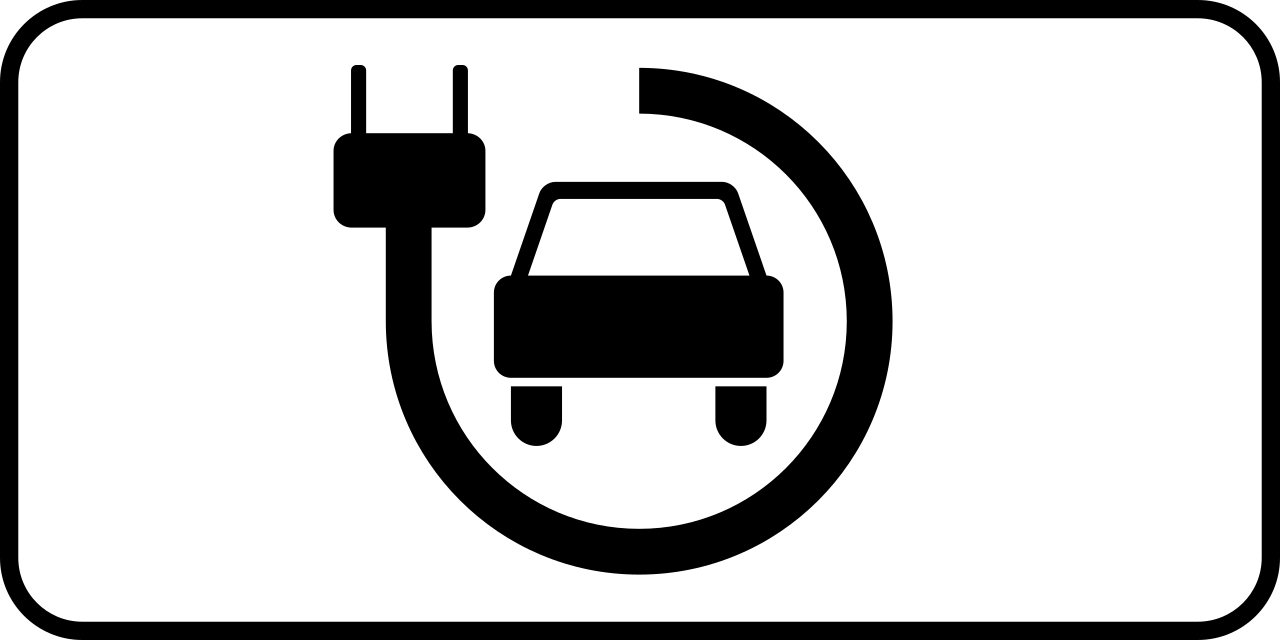
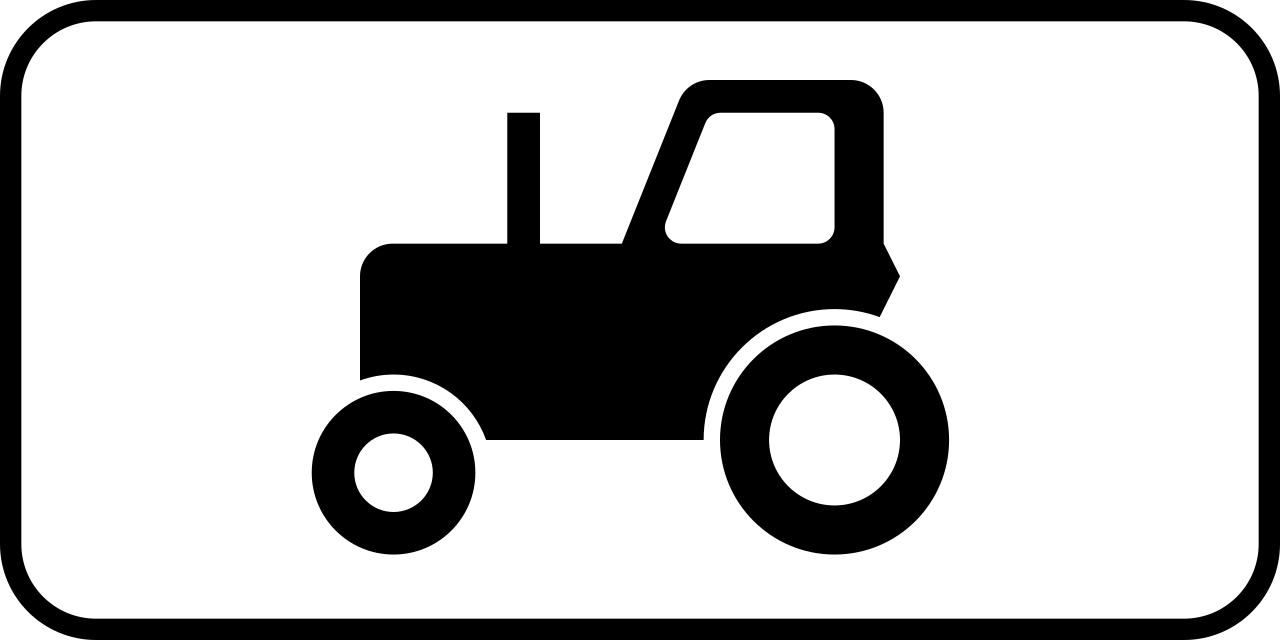
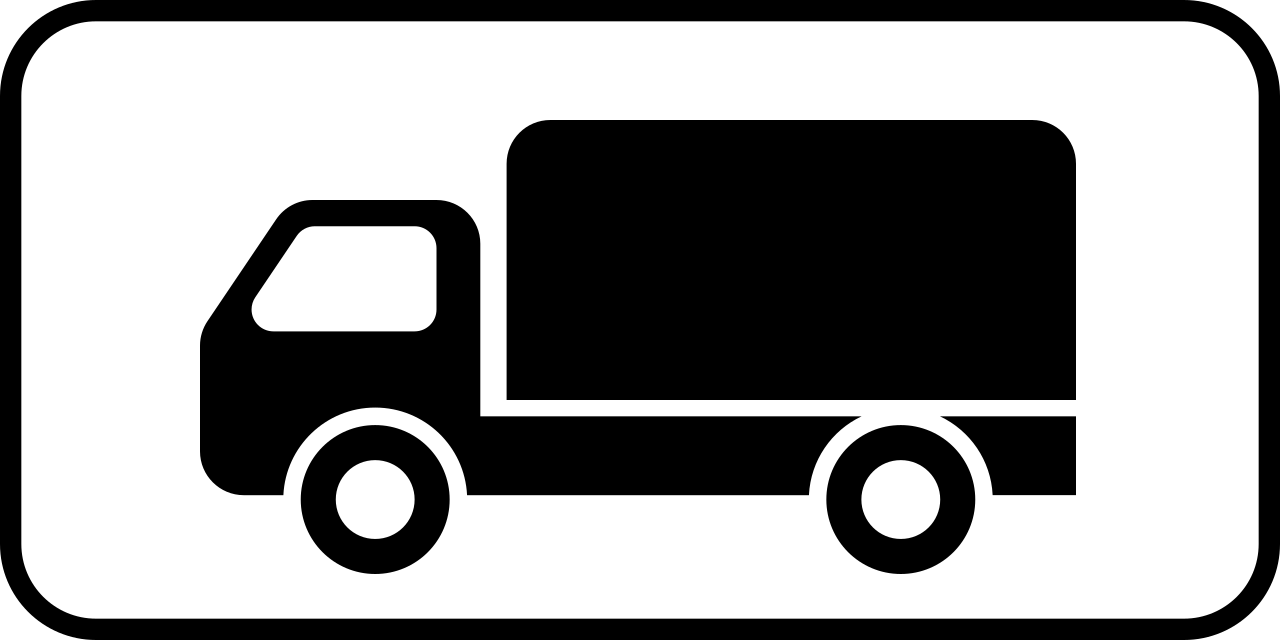
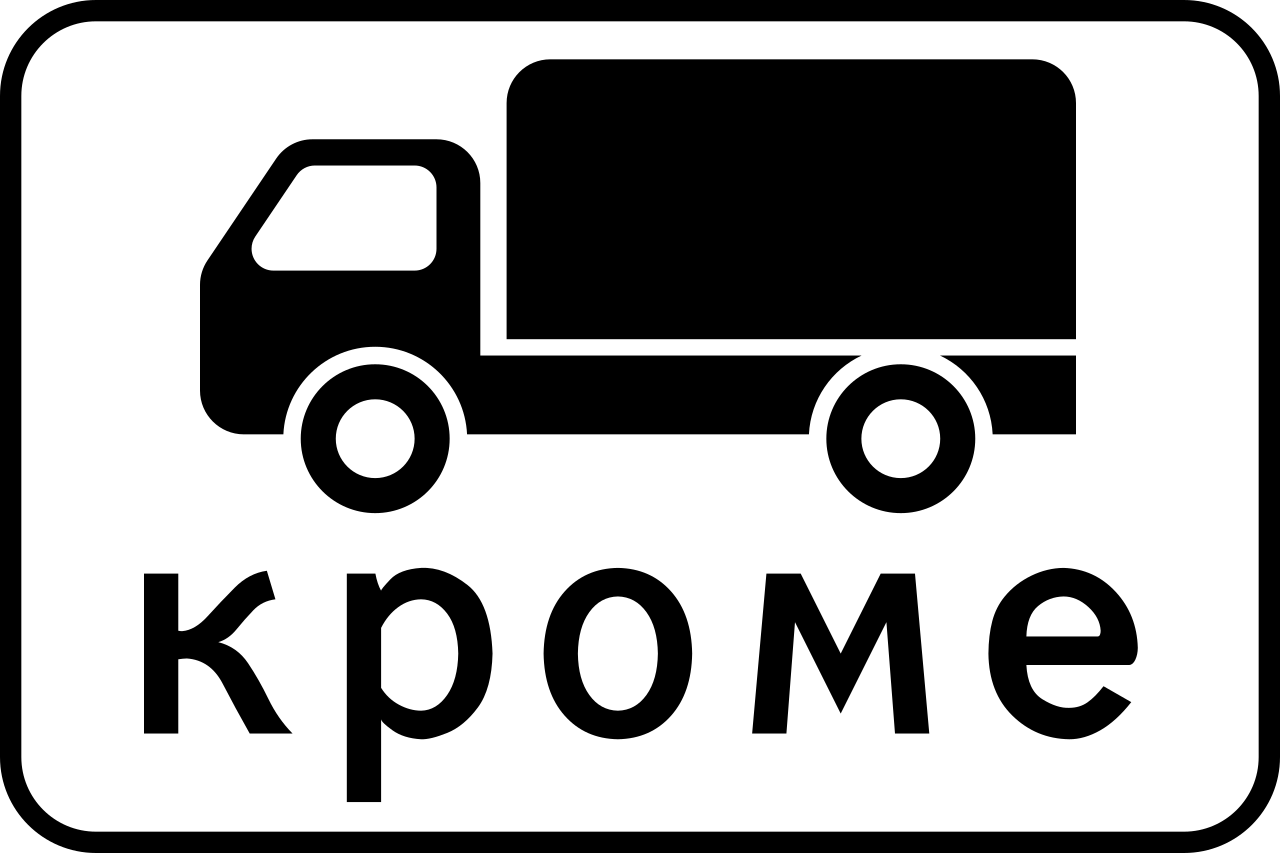
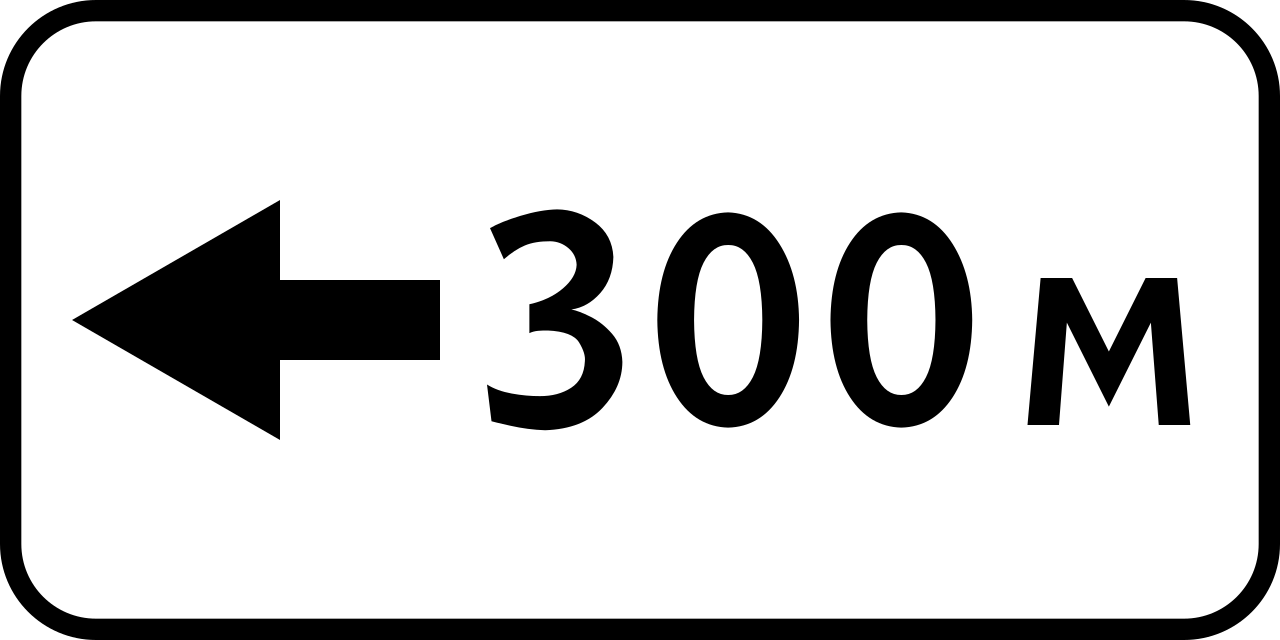
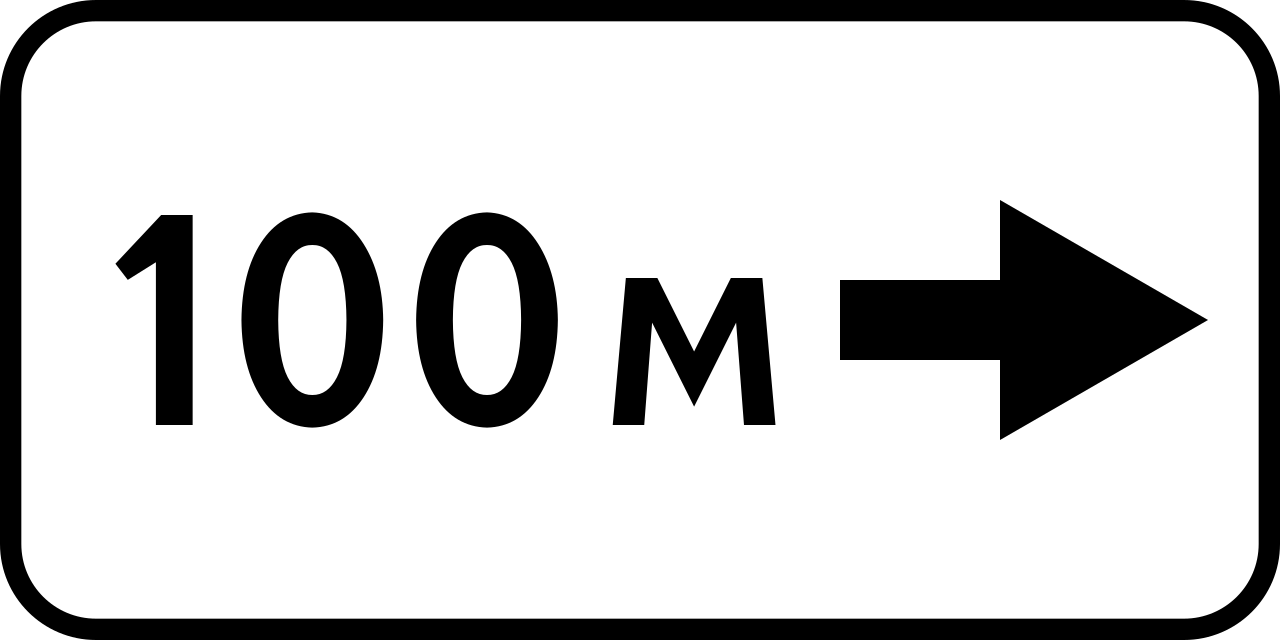
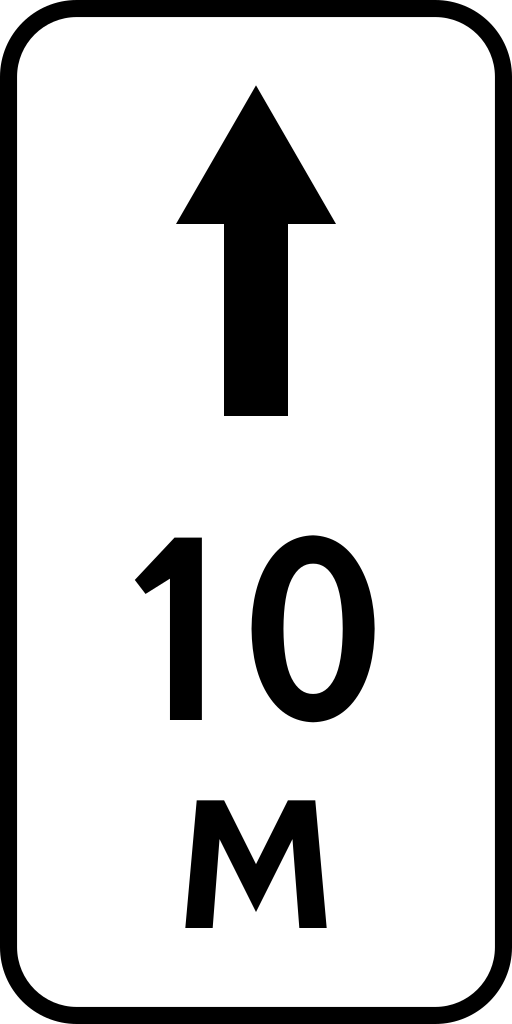
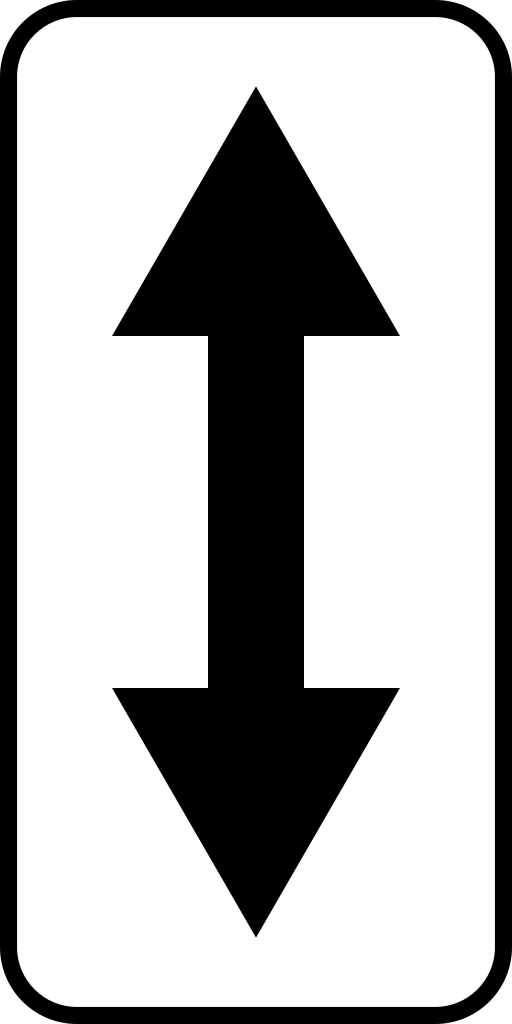
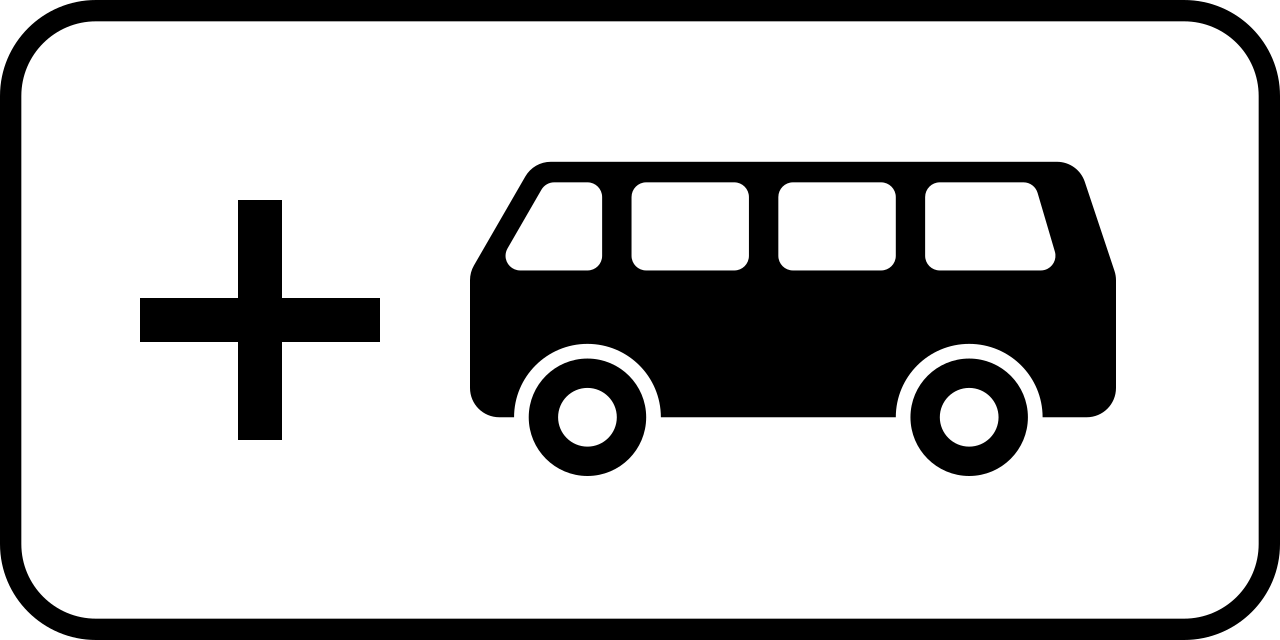
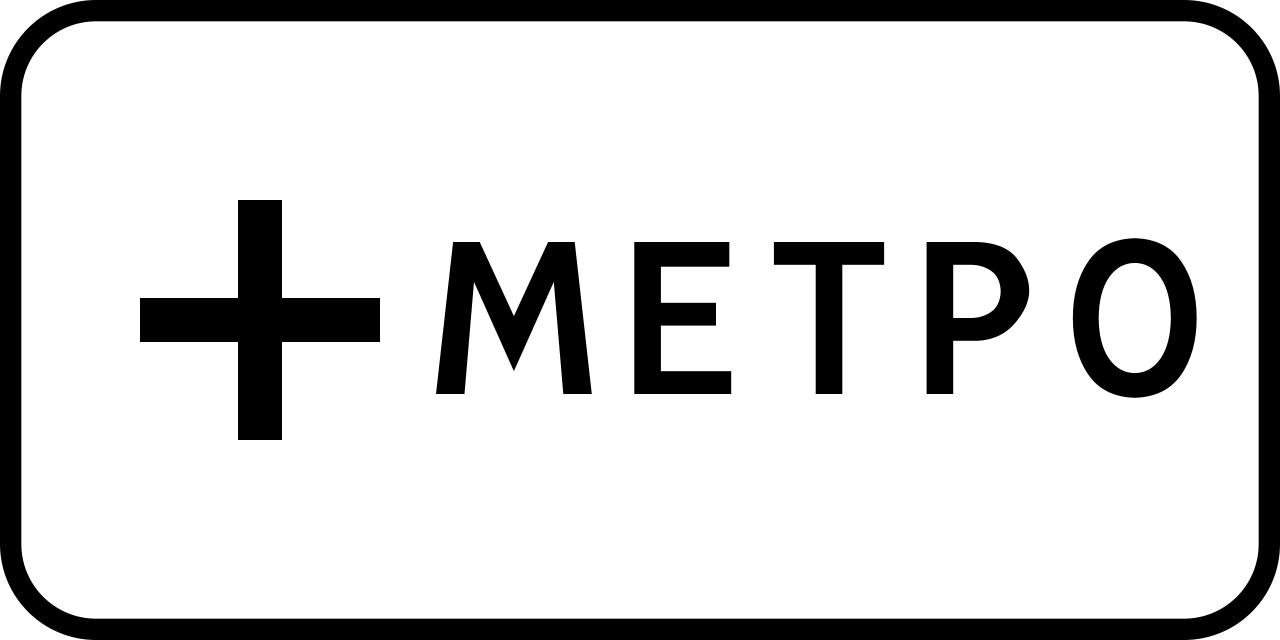
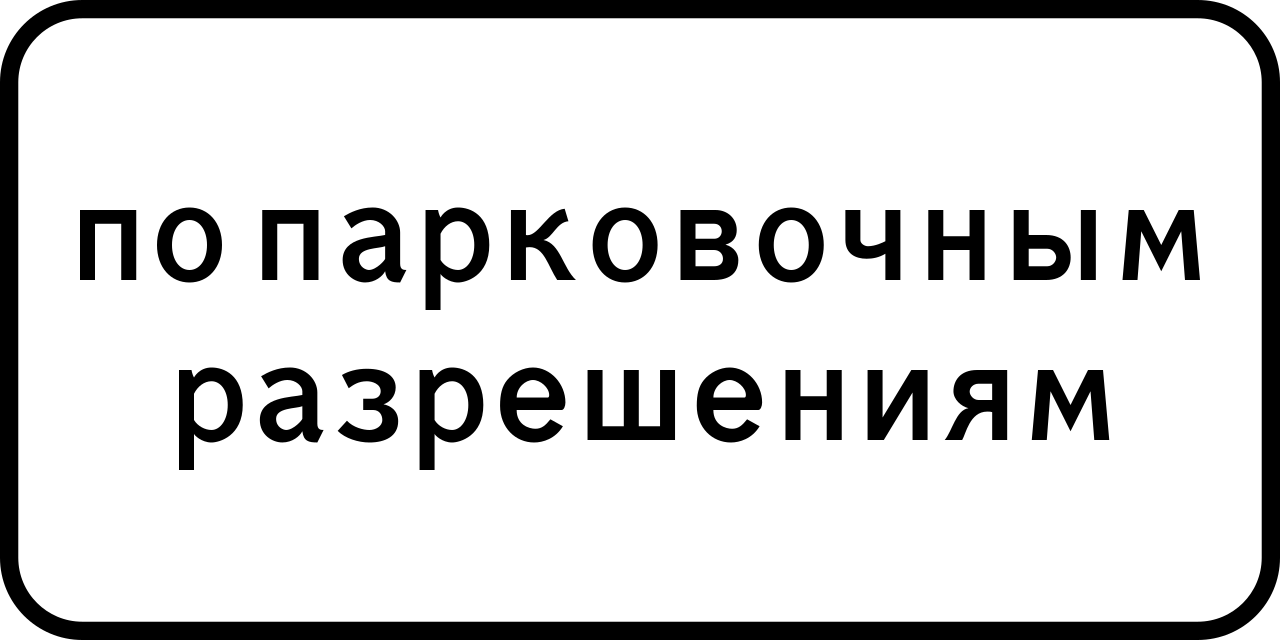
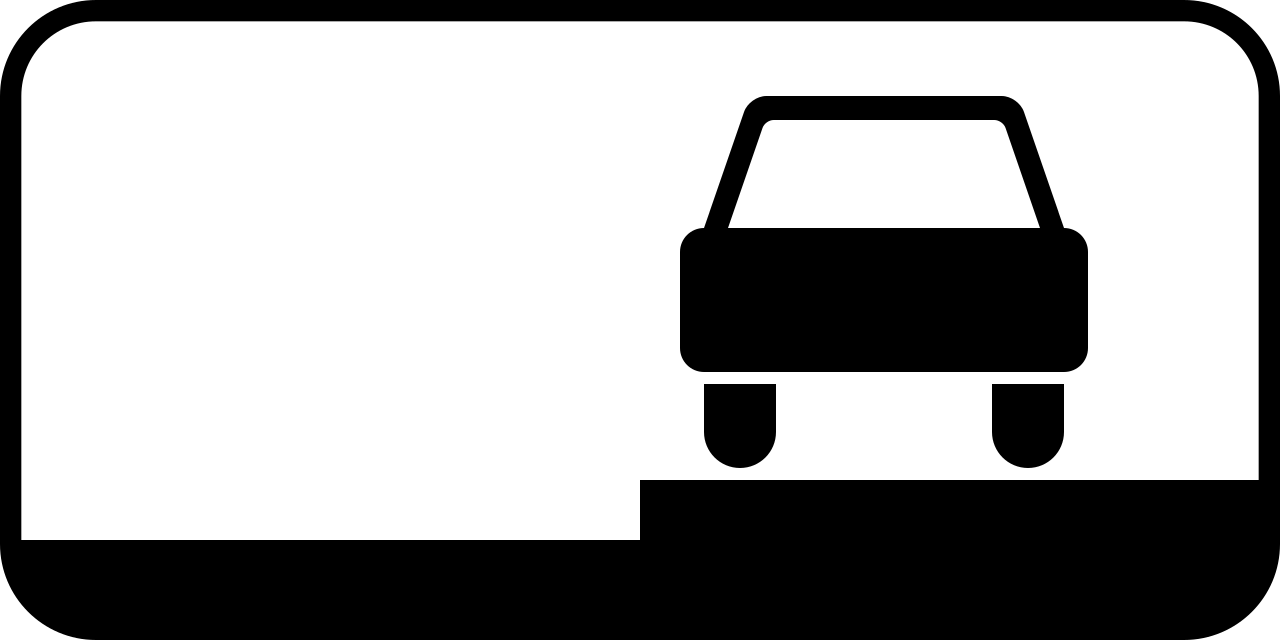
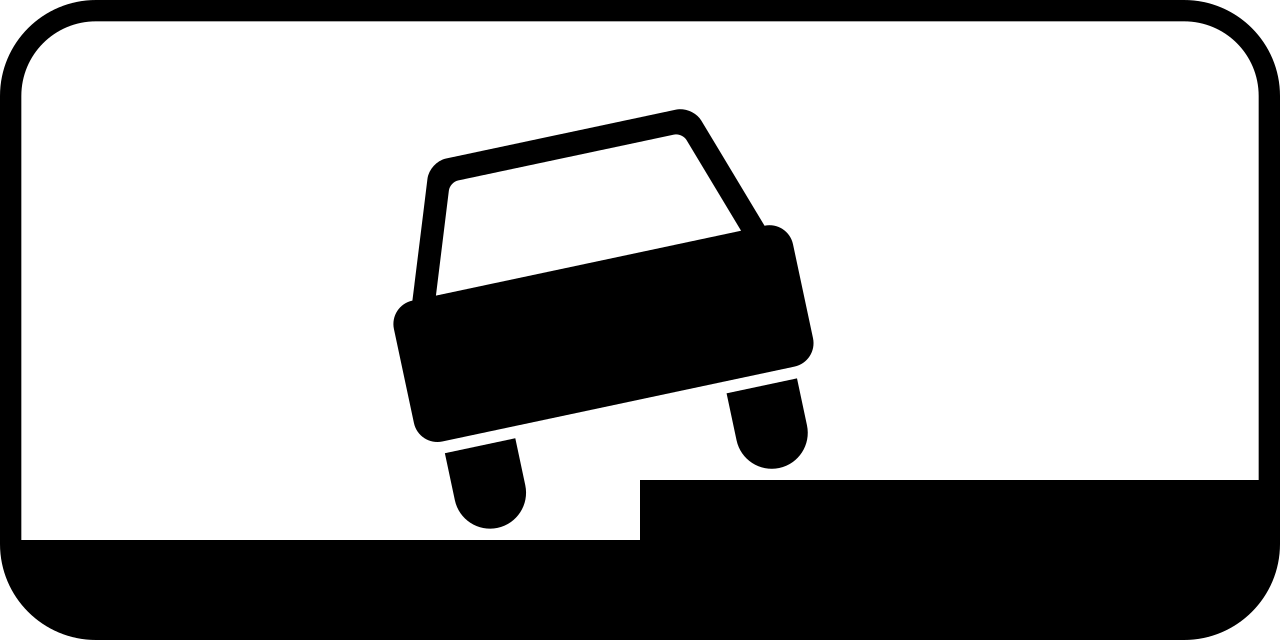
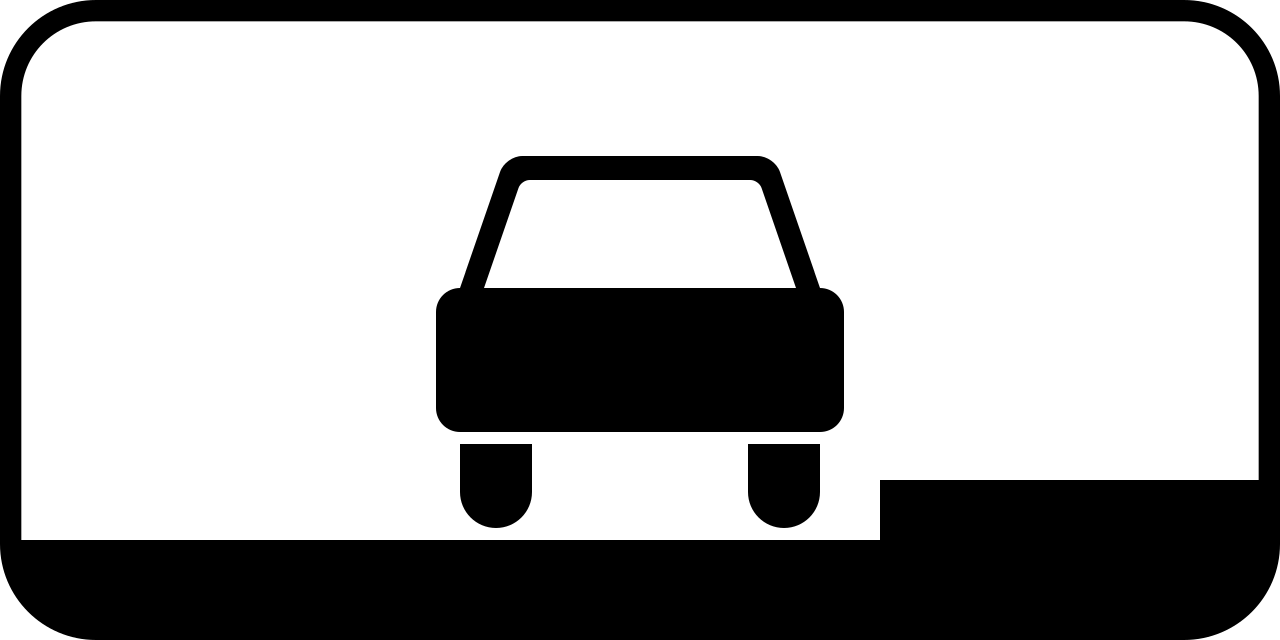
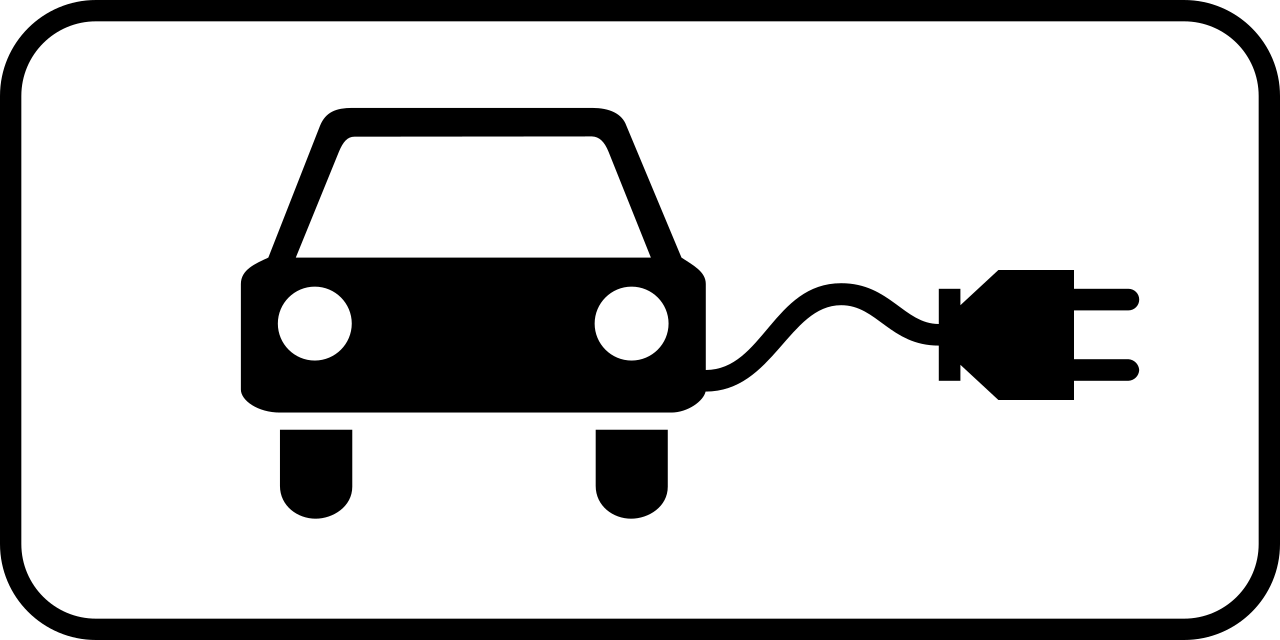
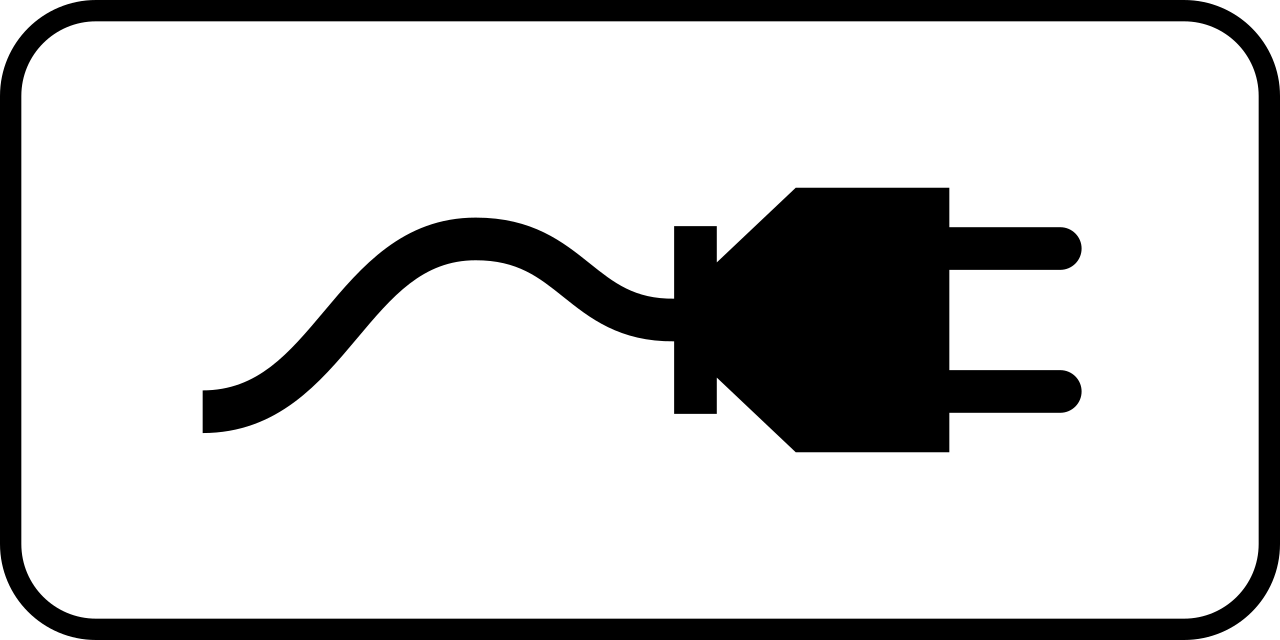
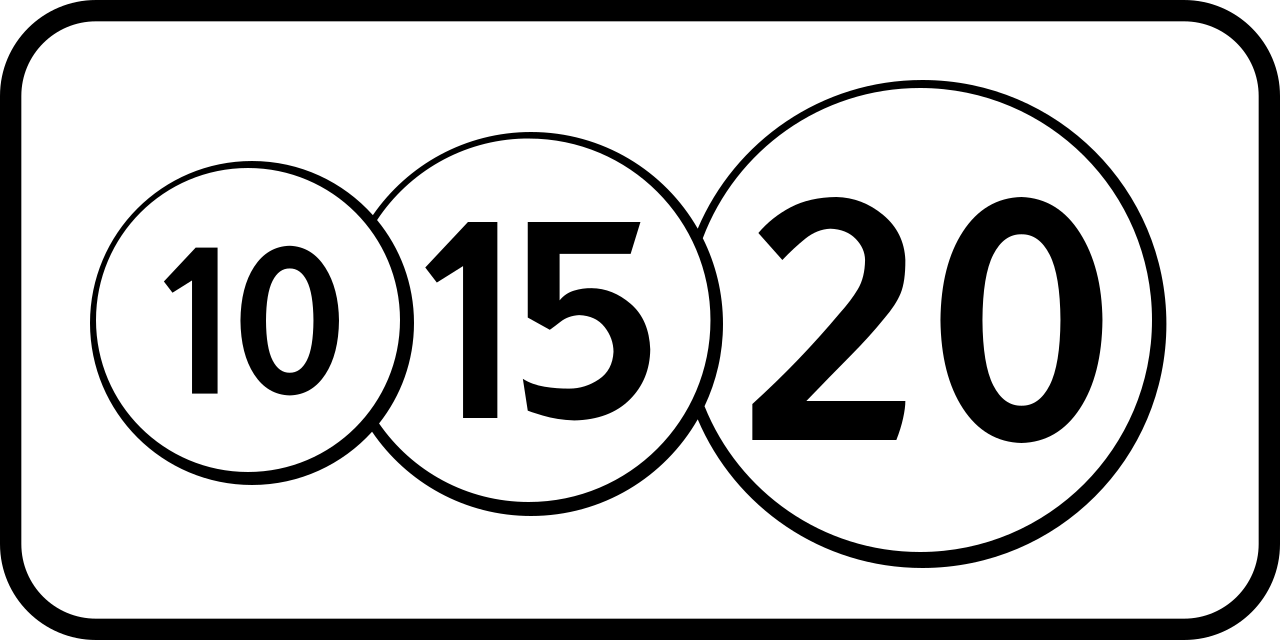
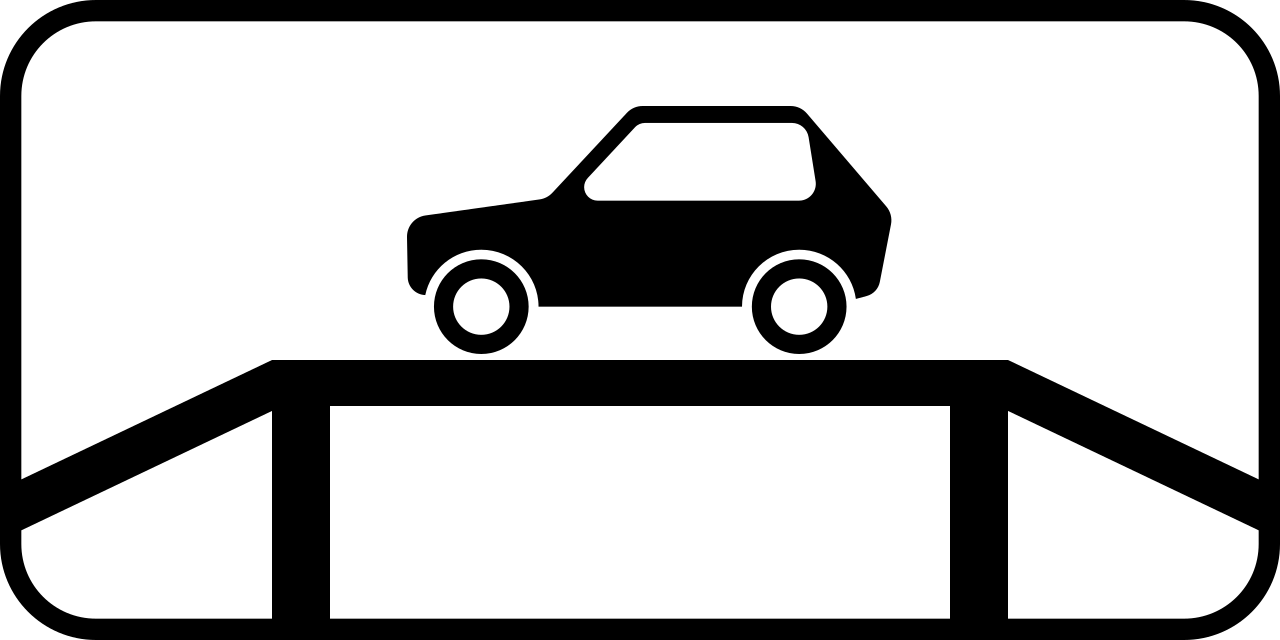
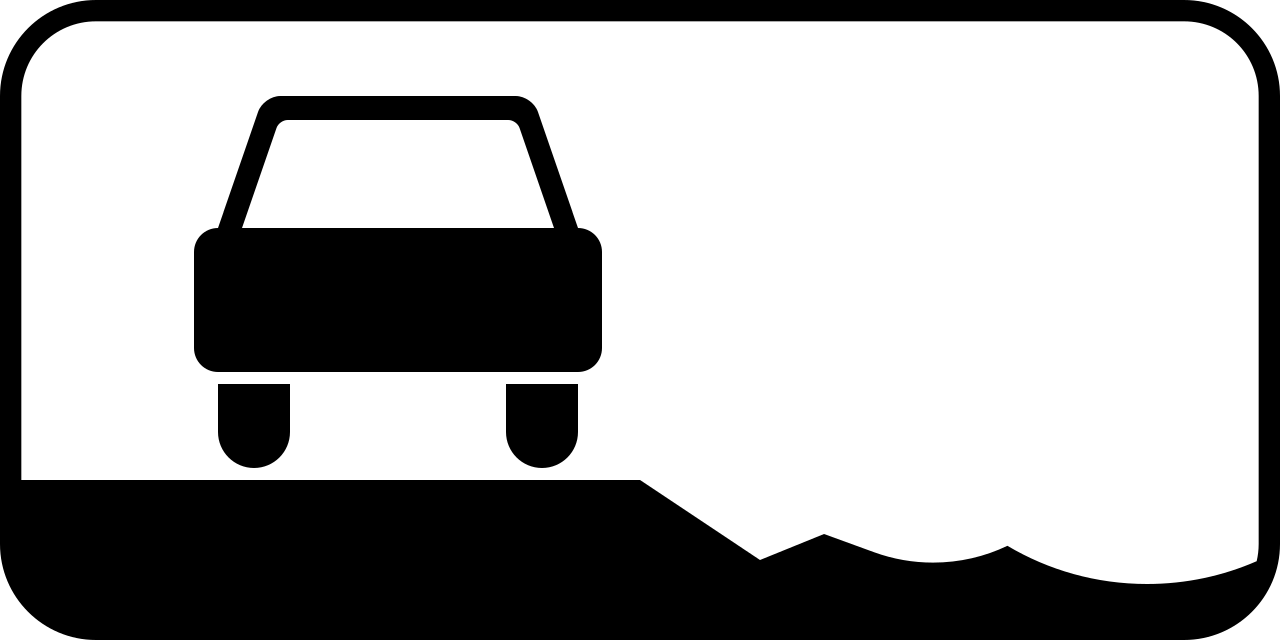
For disabled people. For blind people. For personal transporters. For cyclists. For motorcycles. For cars. For cars with trailer. For electric cars. For tractors. For trucks. For buses. For dangerous cargo. For low-emission vehicles. Disabled allowed. Personal transporters allowed. Cyclists allowed. Motorcycles allowed. Cars allowed. Electric cars allowed. Taxis allowed. Trucks allowed. Buses allowed. To the left. To the left or right. To the right. ... meter to the left. ... meter to the right. Panel begin in ... meter. Panel valid. Panel end. Panel valid on lane. ... meter ahead. Stop ... meter ahead. For ... meter. Weight. Crossroad shape. Roundabout shape. Park and ride with bus. Park and ride with tram. Park and ride with metro. Parking with permit only. Parallel parking on sidewalk. Parallel parking partially on sidewalk. Parallel parking on roadway. Perpendicular parking on sidewalk. Perpendicular parking partially on sidewalk. Perpendicular parking on roadway. Parking with idle engine prohibited. Illegal parking towing. Disc parking. During time shown. During working days. Working days during time shown. During monday to friday. At days during time shown. During saturday, sunday and holidays. Charging station. Electric vehicles during charging. Photo or video recording. Payment obligation. Vehicle inspection platform. Soft verge. Wet.
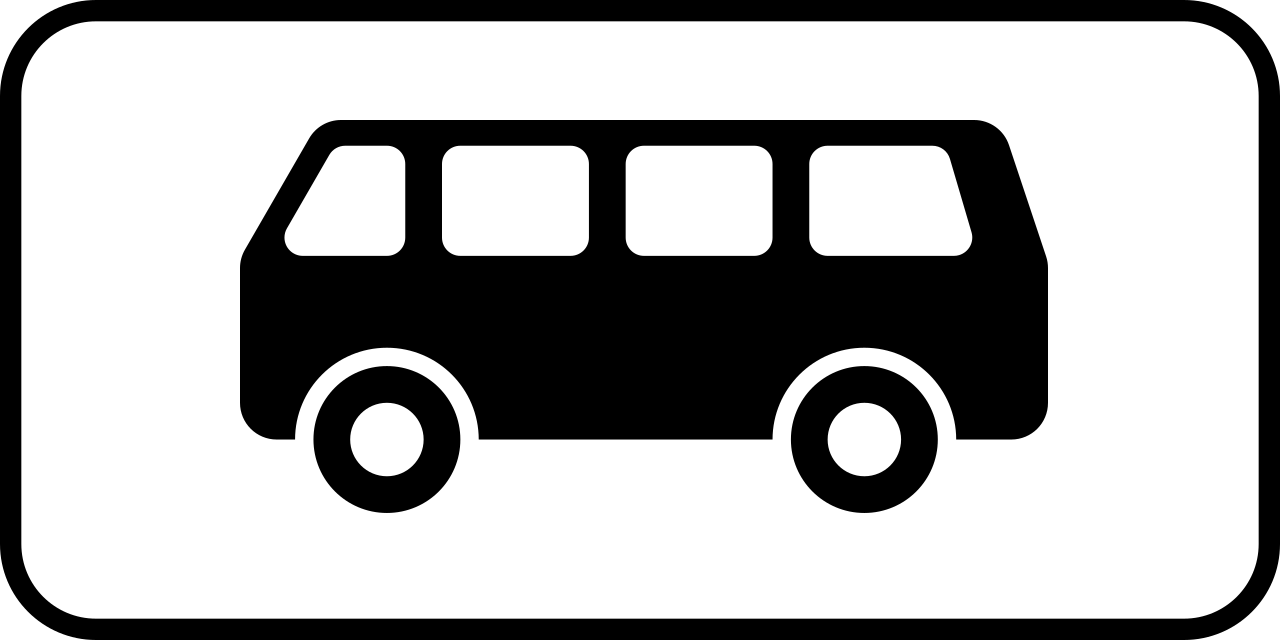
11. For buses

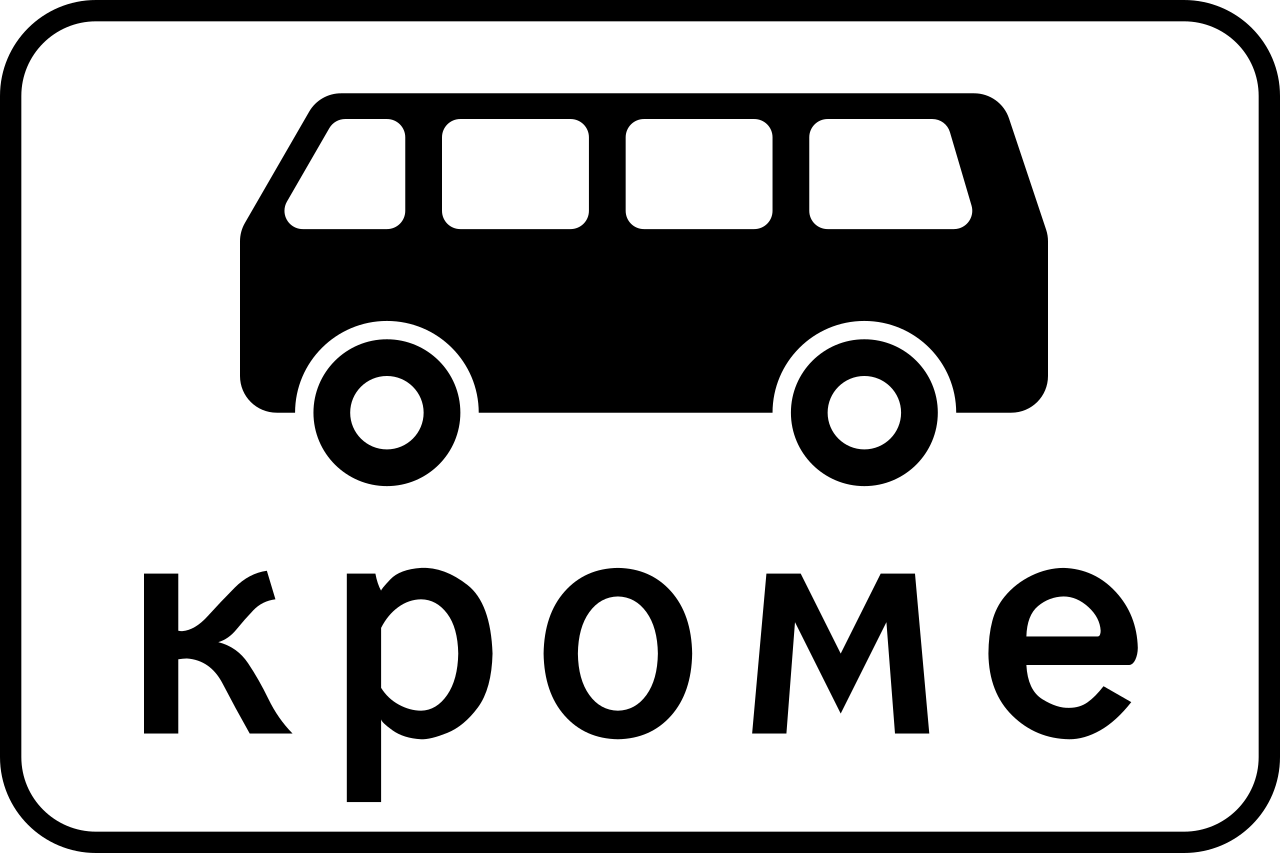
The supplementary sign for buses is a traffic panel placed below a main sign to indicate that the rule, restriction, or permission applies specifically to buses. A bus is a motor vehicle designed for carrying multiple passengers, typically 9 or more seats including the driver.

For buses.

© via Wikimedia.org

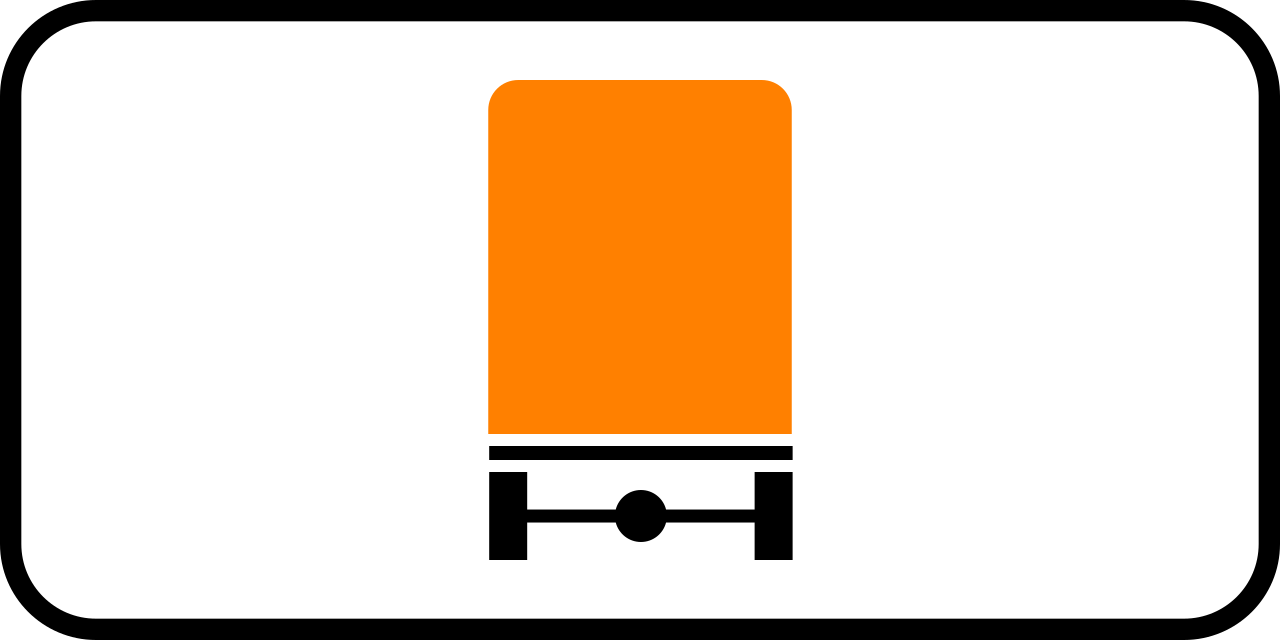
12. For dangerous cargo

The supplementary sign for dangerous cargo (also called for vehicles carrying hazardous materials) is a traffic panel placed below a main sign to indicate that the rule, restriction, or permission applies specifically to vehicles transporting dangerous goods. Dangerous cargo includes substances that pose risks to health, safety, or the environment. Often classified under ADR (European Agreement concerning the International Carriage of Dangerous Goods by Road).

For dangerous cargo.

© via Wikimedia.org

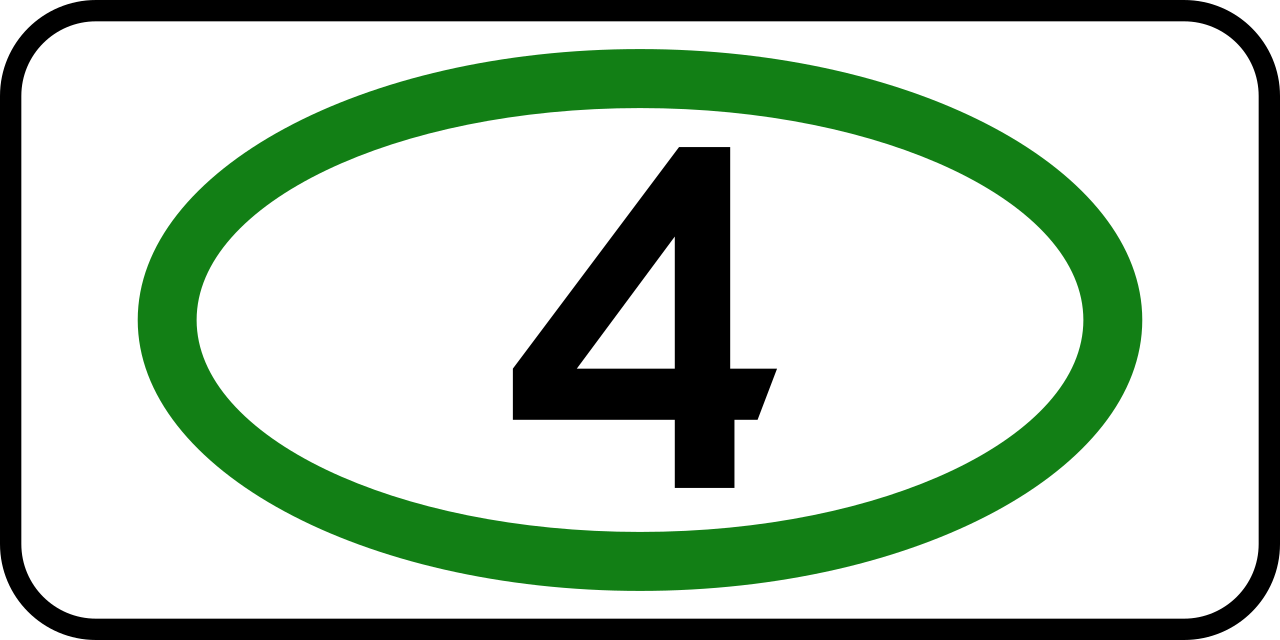
13. For low-emission vehicles

The supplementary sign for low-emission vehicles is a traffic panel placed below a main traffic sign to indicate that the rule, restriction, or permission applies specifically to low-emission vehicles—typically for environmental protection purposes. A low-emission vehicle (LEV) produces significantly fewer pollutants than standard vehicles. This includes: Eelectric vehicles (EVs), plug-in hybrids (PHEVs), hydrogen/fuel cell vehicles and some Euro 6+ compliant petrol/diesel cars.

For low-emission vehicles.

© via Wikimedia.org

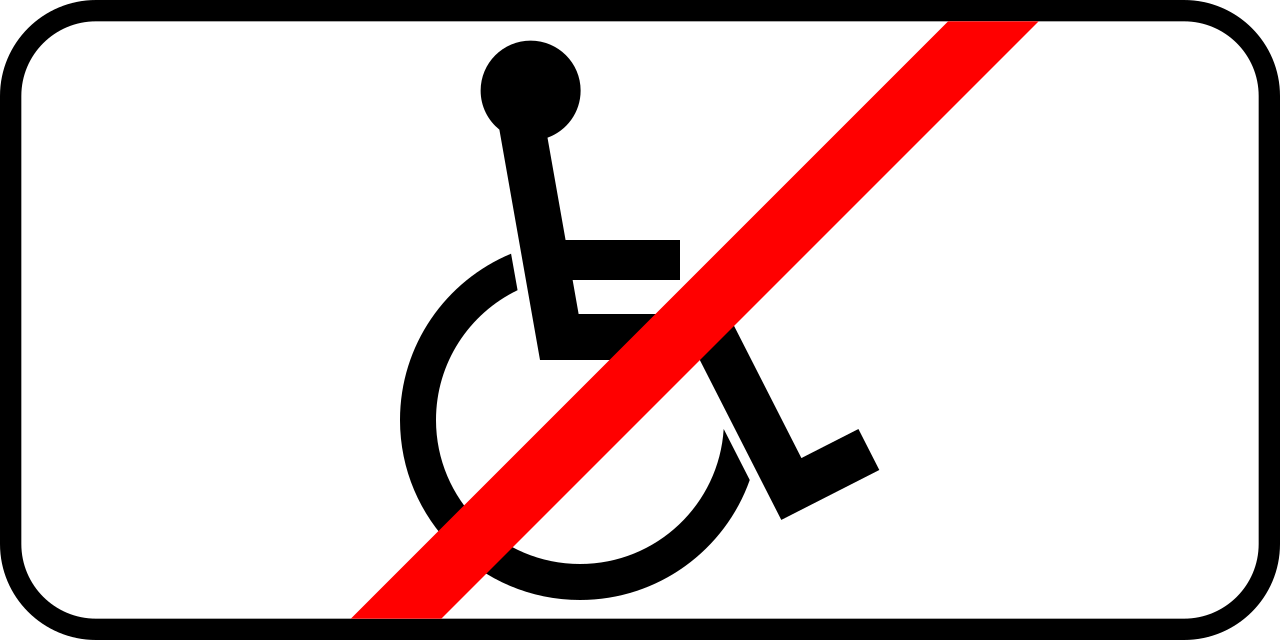
14. Disabled allowed

A supplementary sign disabled allowed (often with a wheelchair symbol ♿) is used beneath a main traffic sign to indicate an exception or specific permission for persons with disabilities—typically those with a valid disabled parking permit. May include text: “Disabled allowed”, “Except disabled”, Disabled only”

Disabled allowed.

© via Wikimedia.org

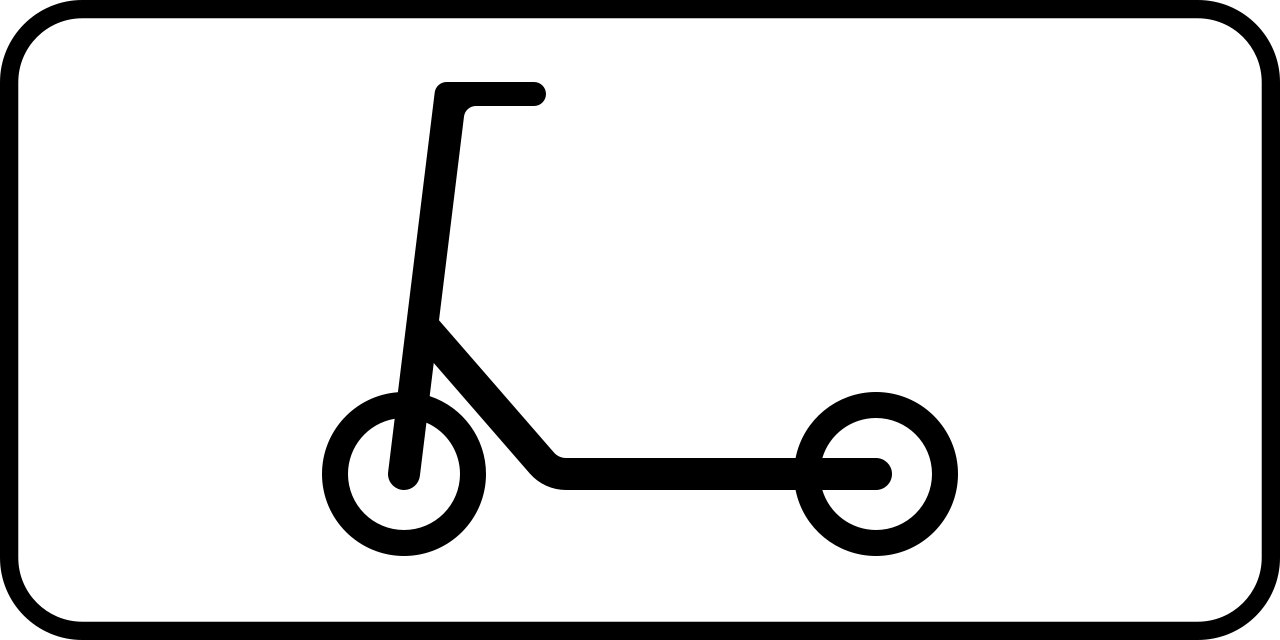
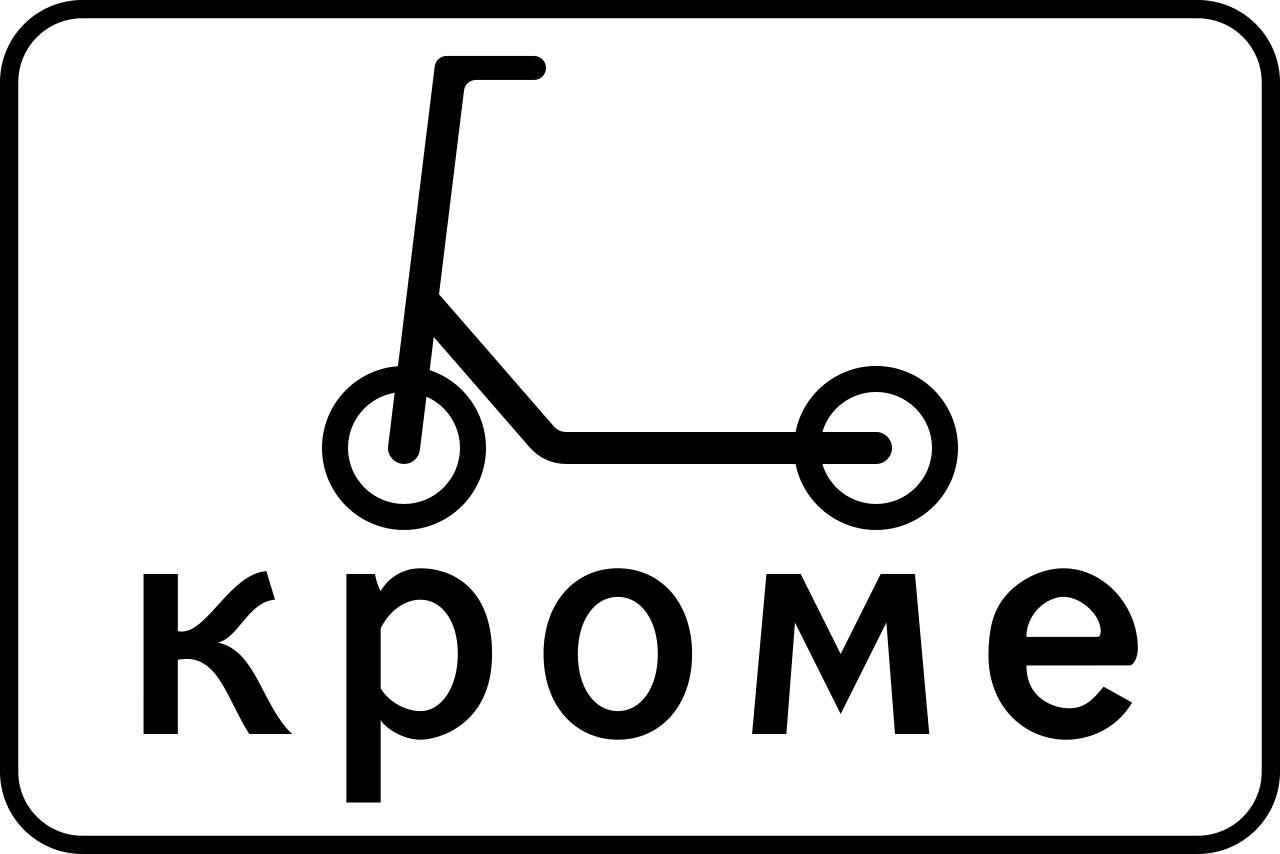
15. Personal transporters allowed

A supplementary sign Personal transporters allowed indicates that users of personal transporters are permitted in an area where other road users may be restricted or prohibited. Access or use is allowed for personal transporters, such as: segways, self-balancing scooters, Eelectric unicycles, hoverboards. May include text: “Personal transporters allowed”, “Except personal transporters”.

Personal transporters allowed.

© via Wikimedia.org

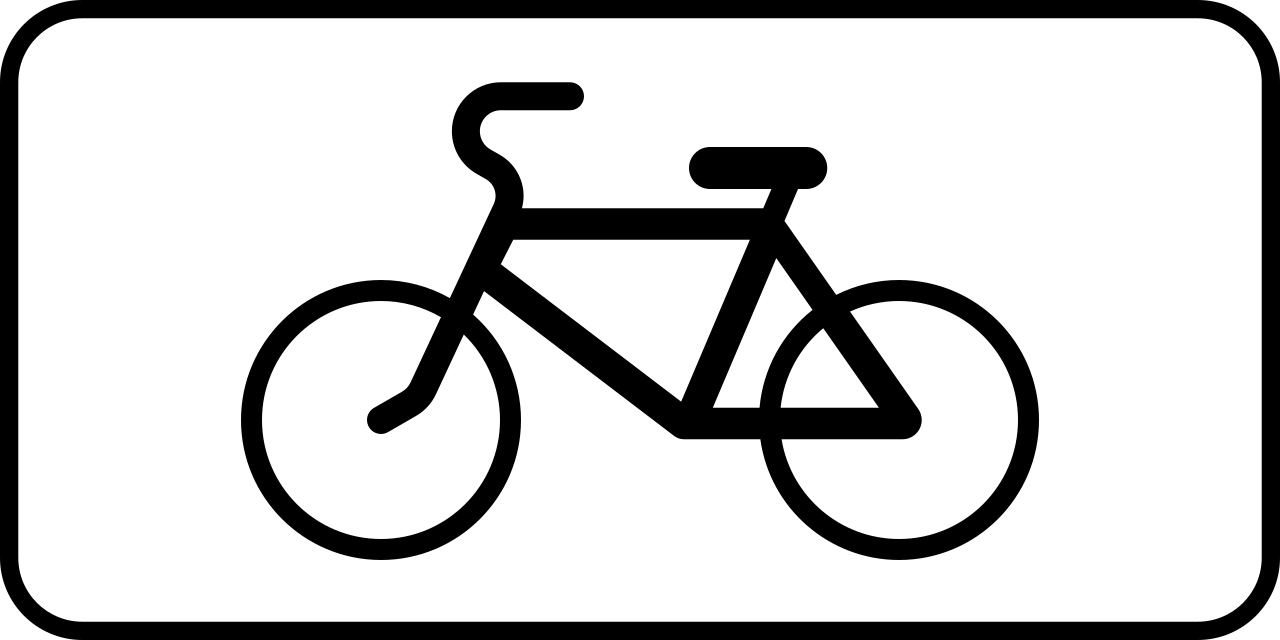
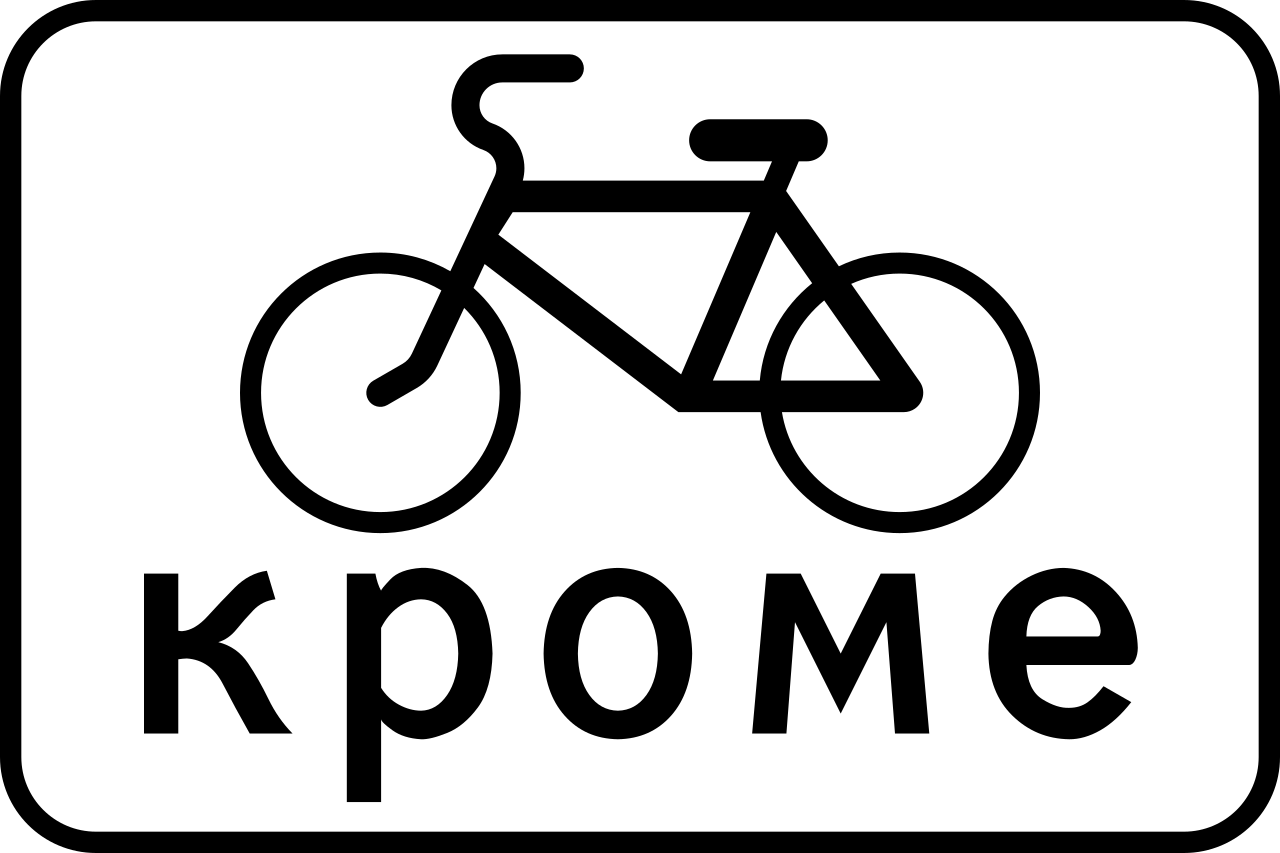
16. Cyclists allowed

A supplementary sign cyclists allowed indicates that cyclists (bicycle riders) are permitted to access or use the road, lane, or area, even if it is otherwise restricted. Access is allowed for cyclists, either as an exception to a restriction or as an indicated user group. May include text: “Cyclists allowed”, “Except bicycles”, “Bicycles permitted”.

Cyclists allowed.

© via Wikimedia.org

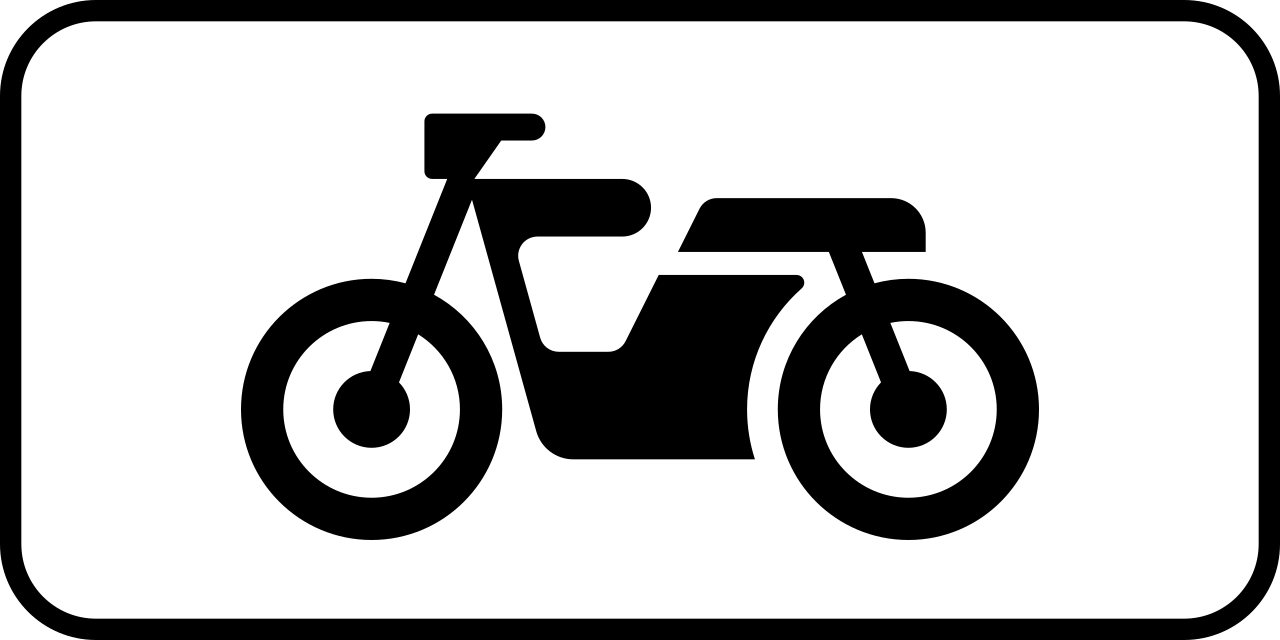
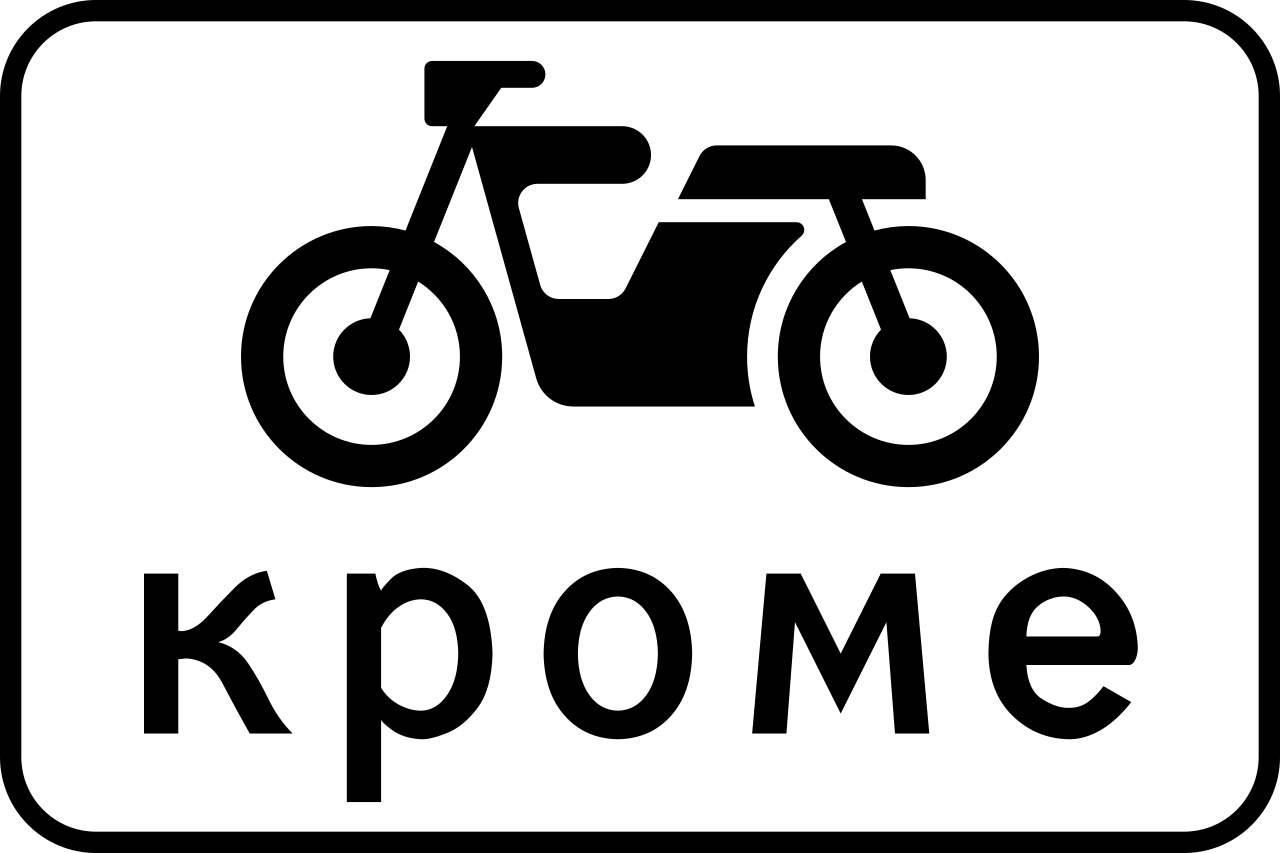
17. Motorcycles allowed

The supplementary sign motorcycles allowed indicates that motorcycles are permitted to access or use a road, path, or area, even if it is generally restricted by the main sign. Motorcycles are excepted from the restriction indicated above (e.g. no entry, no motor vehicles, no parking, etc.). All other vehicles or users must comply with the restriction unless also excepted. May include text: “Motorcycles allowed”, “Except motorcycles”.

Motorcycles allowed.

© via Wikimedia.org

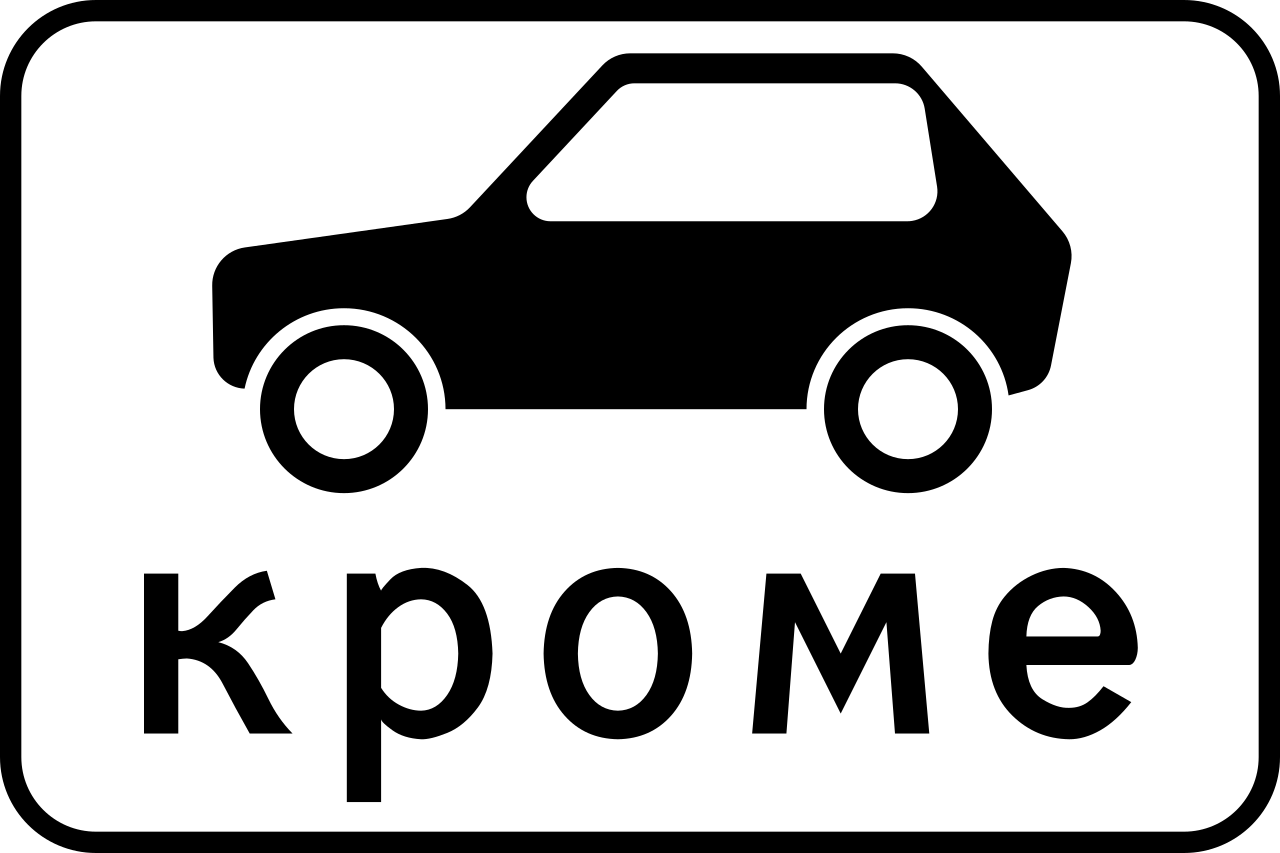
18. Cars allowed

The supplementary sign cars allowed indicates that passenger cars are permitted to access, enter, or use a road, area, or facility—even if the main traffic sign shows a restriction. This sign modifies the main traffic sign to allow cars, while still prohibiting other vehicles or users not mentioned. May include text: “Cars allowed”, “Except cars”.

Cars allowed.

© via Wikimedia.org

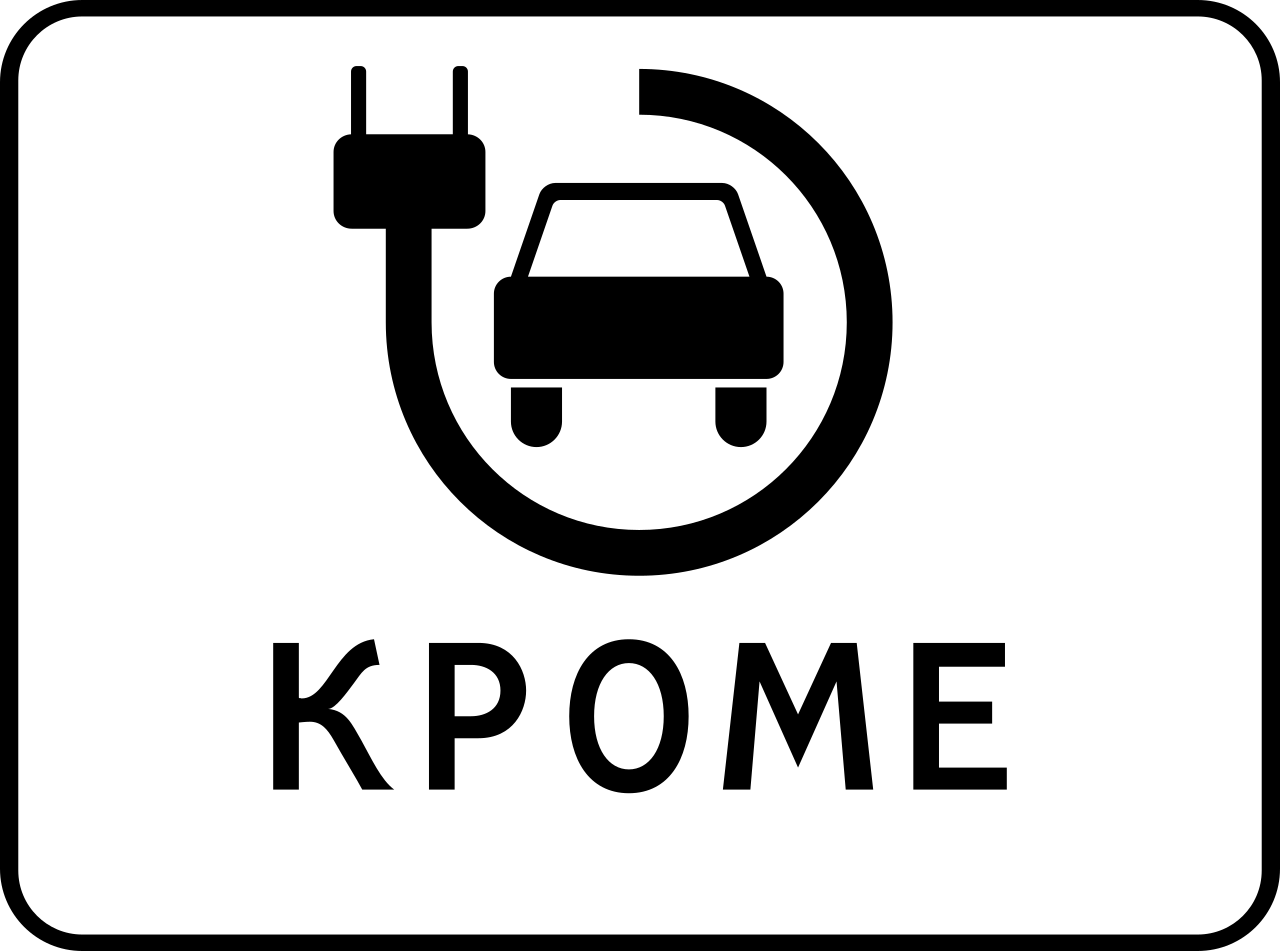
19. Electric cars allowed

The supplementary sign electric cars allowed indicates that electric vehicles (EVs) are permitted to access, enter, or park in an area where other vehicles may be restricted. Electric cars are excepted from the restriction on the main sign. May include text: “Except electric cars”, “Electric vehicles allowed”, “Only for EVs”.

Electric cars allowed.

© via Wikimedia.org

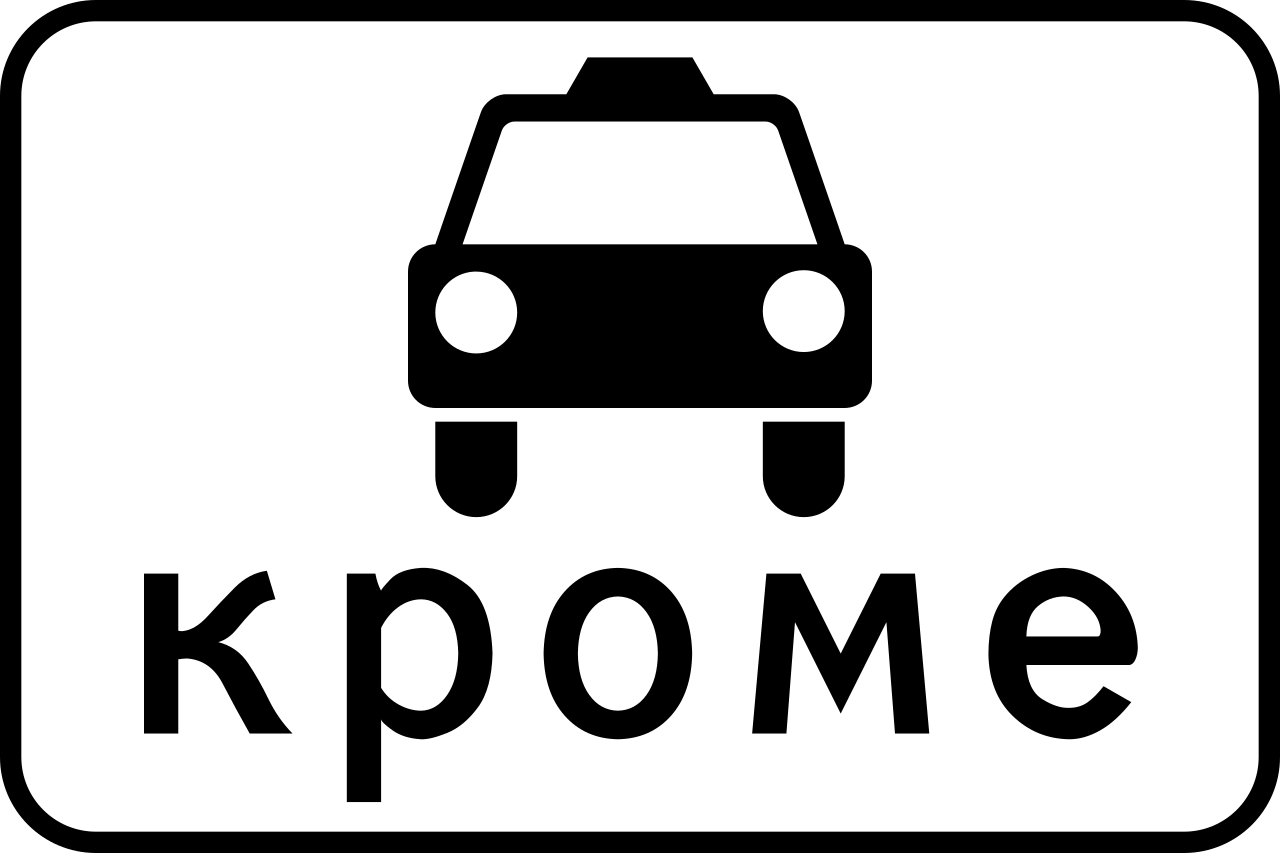
20. Taxis allowed

The supplementary sign taxis allowed indicates that taxis are permitted to access, enter, or use a road, lane, or area, even if other vehicles are restricted by the main sign. Licensed taxis are excepted from the restriction indicated on the main sign above. All other road users (including private cars or ride-hailing services, unless also licensed as taxis) must follow the restriction. May include text: “Taxis allowed”, “Except taxis”, “Only for taxis”.

Taxis allowed.

© via Wikimedia.org