


Traffic signsSweden
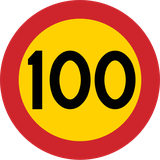 Traffic rules
 Sweden
226. Traffic rules
Traffic rules are laws and regulations that govern how road users behave on public roads. They cover subjects such as speed, priority, overtaking, parking, traffic lights, road signs, lane use and the responsibilities of drivers, cyclists and pedestrians. Traffic rules are designed to organise traffic, reduce conflicts and improve road safety. Rules differ between countries and sometimes between regions, so road users should know the regulations that apply where they are travelling.
What are traffic rules?
Traffic rules are laws and regulations that determine how drivers, cyclists, pedestrians and other road users must behave on the road.
🔗 gov.uk • UK Department for Transport, regulatory signs
🔗 gov.uk • UK Department for Transport, the signing system
Why are traffic rules important?
Traffic rules help organise traffic, prevent conflicts and reduce the risk of accidents by making the behaviour of road users more predictable.
🔗 gov.uk • UK Department for Transport, regulatory signs
🔗 gov.uk • UK Department for Transport, the signing system
What is the difference between traffic rules and traffic signs?
Traffic rules are the laws governing road use, while traffic signs communicate specific warnings, restrictions, obligations or information to road users.
🔗 gov.uk • UK Department for Transport, regulatory signs
🔗 gov.uk • UK Department for Transport, the signing system

227. Driving school
A driving school is an organisation that provides professional theory and practical training for learner drivers. Qualified instructors teach traffic rules, vehicle control, observation, manoeuvres and safe driving in real traffic. Depending on the country and licence category, driving-school lessons may be optional, required before obtaining a provisional licence or compulsory after repeated exam failures. Driving schools prepare candidates for the official exams, but the exams themselves are normally conducted by an independent exam centre or licensing authority.
What is a driving school?
A driving school provides professional instruction to help learner drivers prepare for their theory and practical driving examinations.
🔗 vlaanderen.be • Flemish Government, category B theory exam
🔗 vlaanderen.be • Flemish Government, category B practical exam
🔗 vlaanderen.be • Flemish Government, category B follow-up training
🔗 vlaanderen.be • Flemish Government, category B training overview
What do you learn at a driving school?
Training can include traffic rules, road signs, vehicle control, observation, manoeuvres, hazard awareness and driving safely in normal traffic.
🔗 vlaanderen.be • Flemish Government, category B theory exam
🔗 vlaanderen.be • Flemish Government, category B practical exam
🔗 vlaanderen.be • Flemish Government, category B follow-up training
🔗 vlaanderen.be • Flemish Government, category B training overview
Are driving-school lessons mandatory?
This depends on the country, licence category and chosen training route. Some learners may practise privately, while others must complete a minimum number of professional lessons.
🔗 vlaanderen.be • Flemish Government, category B theory exam
🔗 vlaanderen.be • Flemish Government, category B practical exam
🔗 vlaanderen.be • Flemish Government, category B follow-up training
🔗 vlaanderen.be • Flemish Government, category B training overview
228. Traffic signs
A traffic sign is a standardised visual symbol placed along roads to guide, warn, or regulate drivers, cyclists, and pedestrians. These signs provide essential information about road conditions, rules, directions, and potential hazards, helping to ensure safety and smooth traffic flow. They come in various shapes and colours—such as triangular warning signs, circular prohibitory or mandatory signs, and rectangular information signs—each designed for quick recognition and clear understanding.
How are traffic signs grouped in Sweden?
The catalogue uses A warnings, B priority, C prohibitions, D obligations, E instructions, and several guidance/information groups.
Is a temporary speed limit at roadworks binding in Sweden?
Where an authorised temporary regulatory speed limit is in force, you must obey it. A roadworks warning alone should not be mistaken for a new numerical limit, but conditions may require driving more slowly.
