QuizTraffic rulesSlovakia

This interesting quiz helps you test your knowledge in a clear and visual way. With easy multiple-choice questions, you can quickly build confidence and learn new facts while keeping it simple, interactive, and fun.

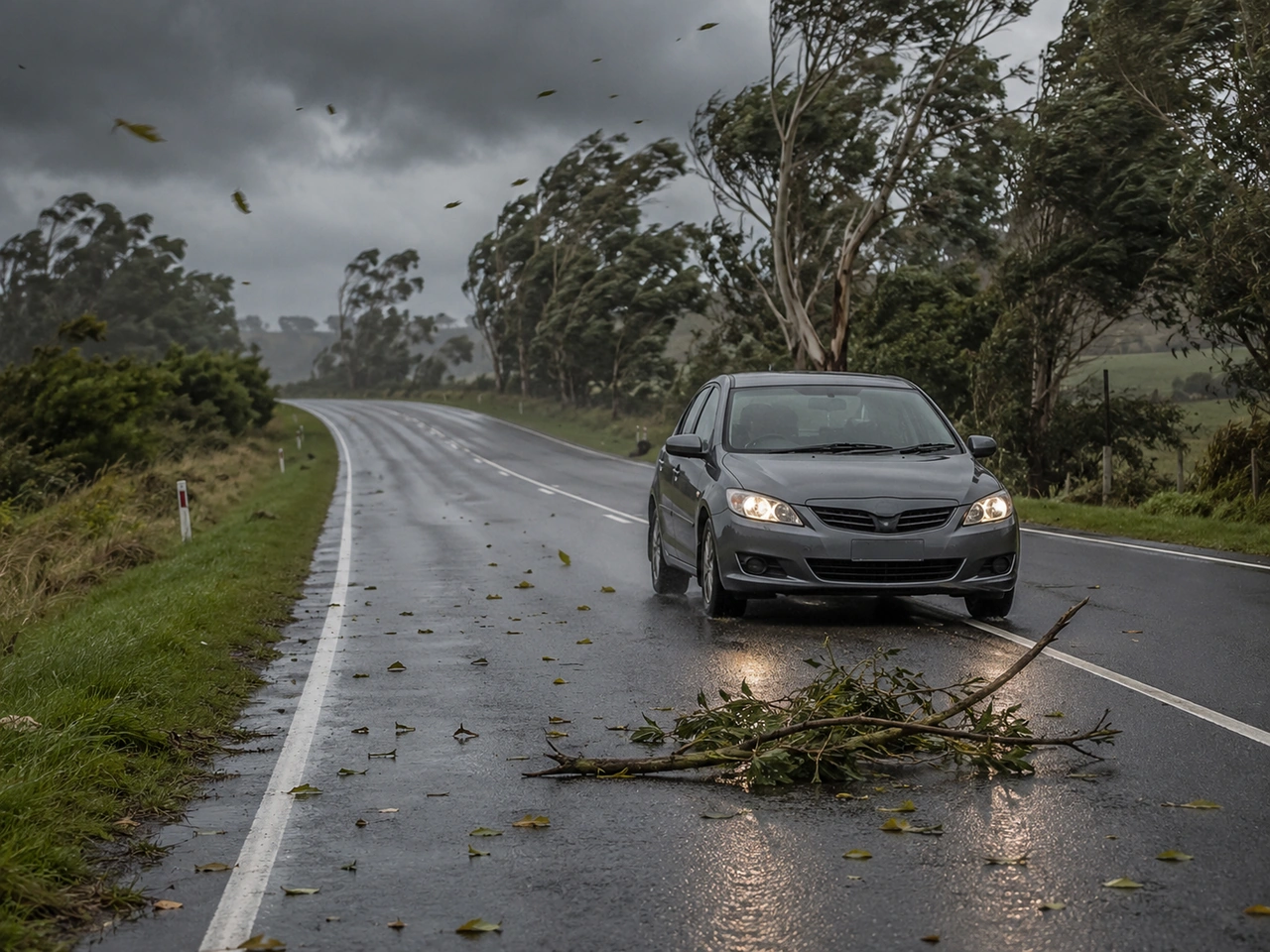
What should you do when branches or debris are blowing onto the road?

201. What should you do when branches or debris are blowing onto the road?

Follow the vehicle ahead closely for protection.
Change lanes immediately without reducing speed.
Drive over smaller debris if it appears harmless.
✓ Slow down and avoid hazards safely.

Wind can blow unexpected obstacles onto the road. Reduce speed and avoid them safely.

Wind-blown branches and debris on a road
AI-generated by Traffic-rules.com • WCIT • CC BY-SA
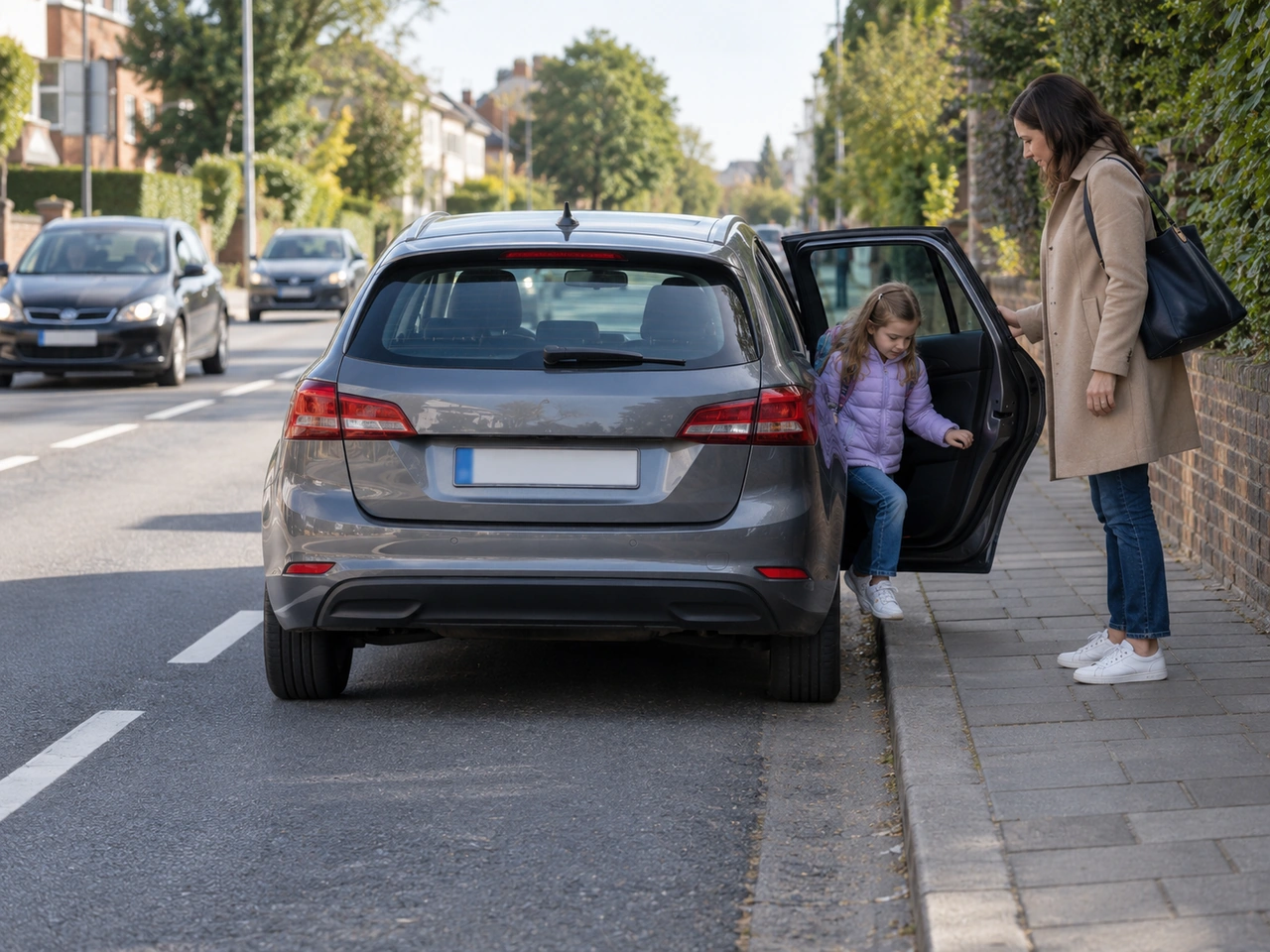
Where should passengers get in or out of a vehicle when possible?

202. Where should passengers get in or out of a vehicle when possible?

From the rear door nearest the centre of the road.
Through whichever door opens first.
From the driver's side in every situation.
✓ On the side away from moving traffic.

Passengers should get in or out on the side away from moving traffic whenever possible. This is particularly important for children, who may not recognise approaching traffic or other road users. Before opening any door, check that it is safe.

Passenger leaving a vehicle on the side away from traffic
AI-generated by Traffic-rules.com • WCIT • CC BY-SA
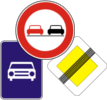
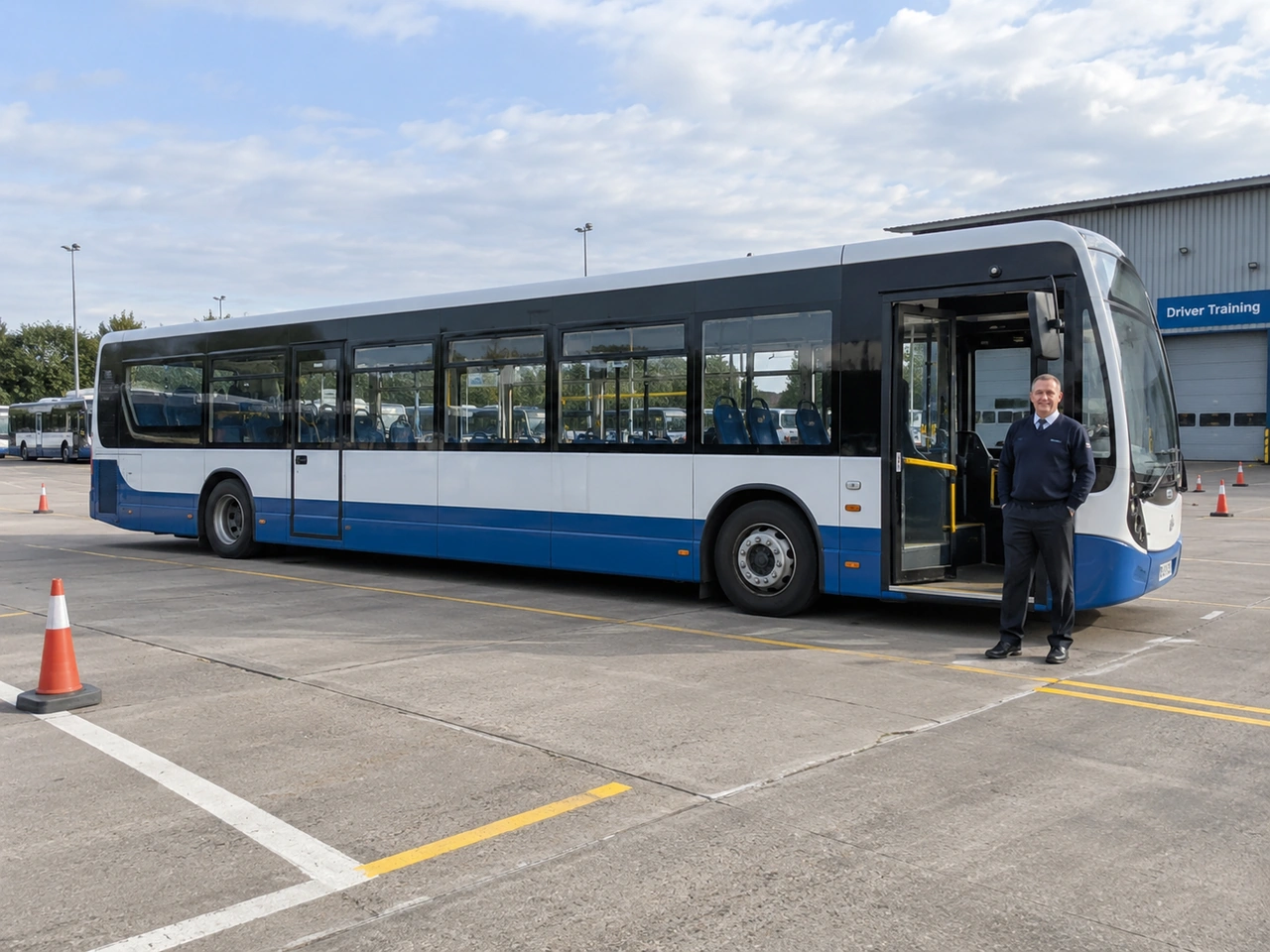
What is the minimum licence for a bus designed for more than 16 passengers?

203. What is the minimum licence for a bus designed for more than 16 passengers?

Licence C.
Licence D1.
✓ Licence D.
Licence B.

Category D1 is limited to vehicles designed for no more than 16 passengers in addition to the driver. A bus designed for more than 16 passengers therefore requires category D.

Bus designed for more than 16 passengers
AI-generated by Traffic-rules.com • WCIT • CC BY-SA
What should you do after fitting a temporary spare wheel?

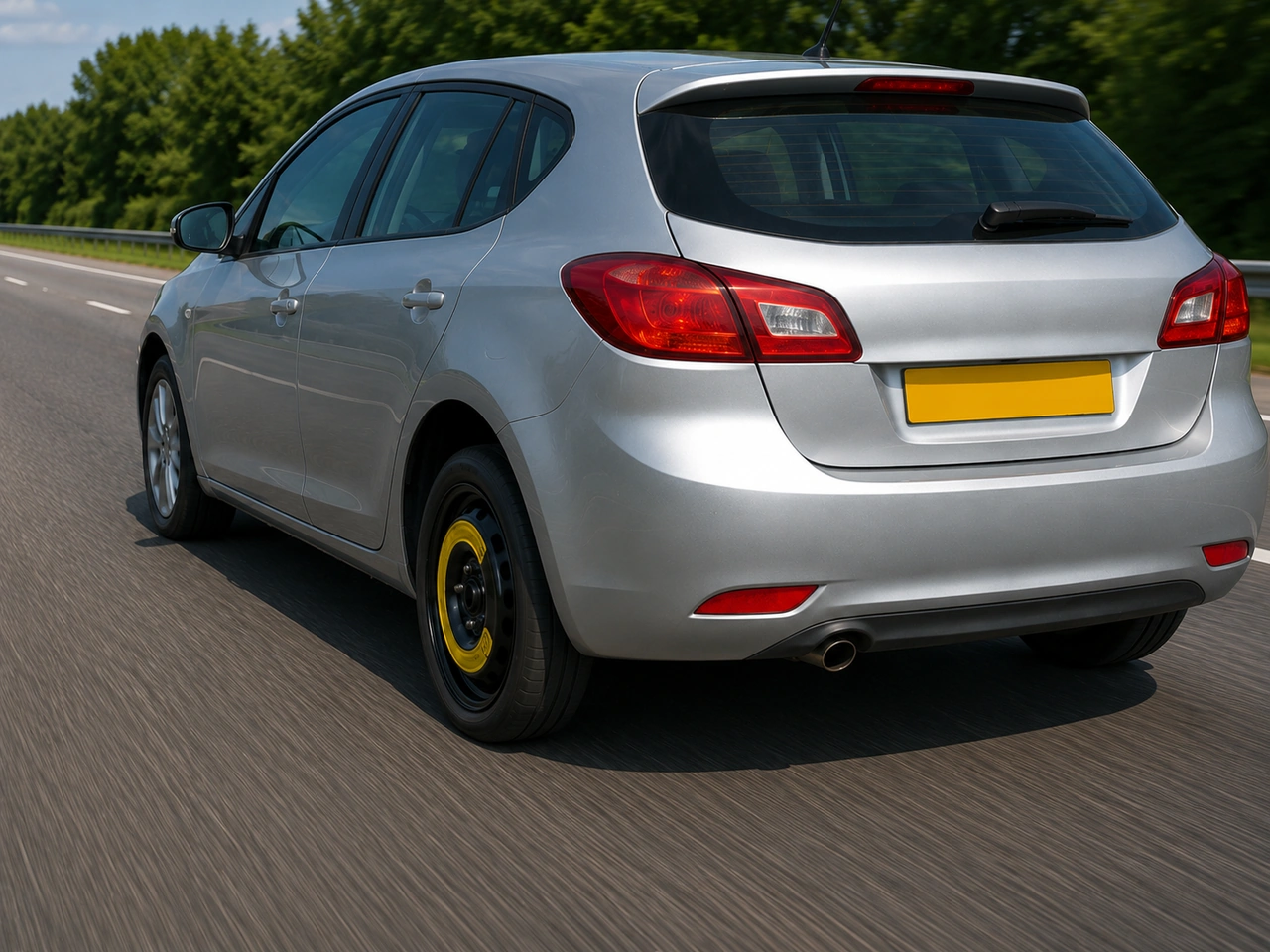
204. What should you do after fitting a temporary spare wheel?

Use it as a permanent replacement if it looks undamaged.
Ignore its speed restriction on short journeys.
Increase its pressure to match the other tyres.
✓ Follow its speed and distance restrictions and replace it as soon as possible.

Temporary spare wheels may have limited speed, distance, and handling capabilities. Arrange a proper repair or replacement promptly.

Temporary spare wheel fitted to a vehicle
AI-generated by Traffic-rules.com • WCIT • CC BY-SA
Why are roads especially slippery during rain after a dry period?

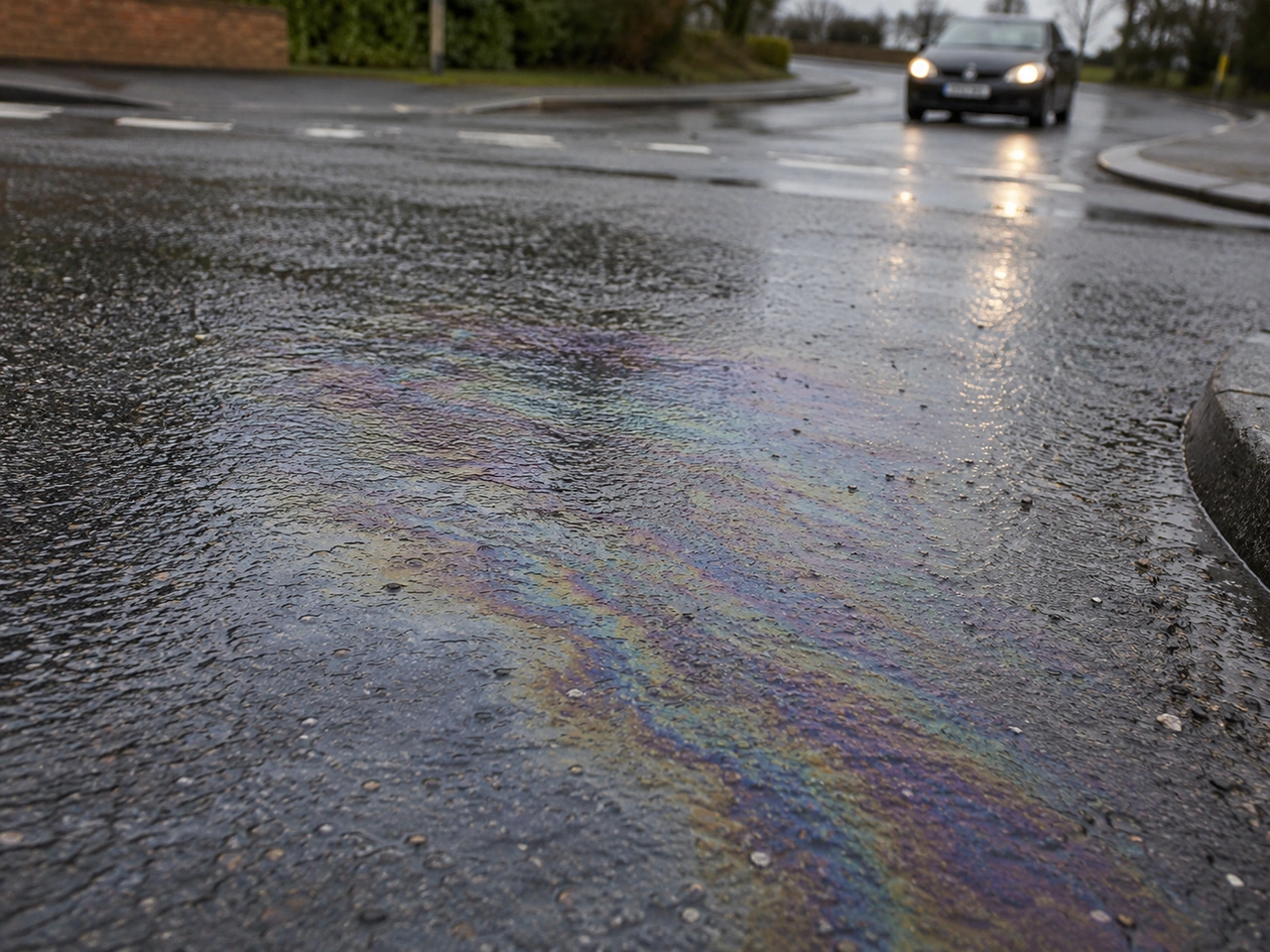
205. Why are roads especially slippery during rain after a dry period?

The first rain makes the road surface softer.
Tyres need time to adjust to a wet road.
✓ Oil, dust, and dirt mix with water on the road surface.
Cold rain quickly reduces the tyre pressure.

After a dry period, oil and dirt can build up on the road. The first rain mixes with them and can make the surface very slippery.

Rain falling on a road after dry weather
AI-generated by Traffic-rules.com • WCIT • CC BY-SA
What should you do before driving if snow or ice covers your vehicle?

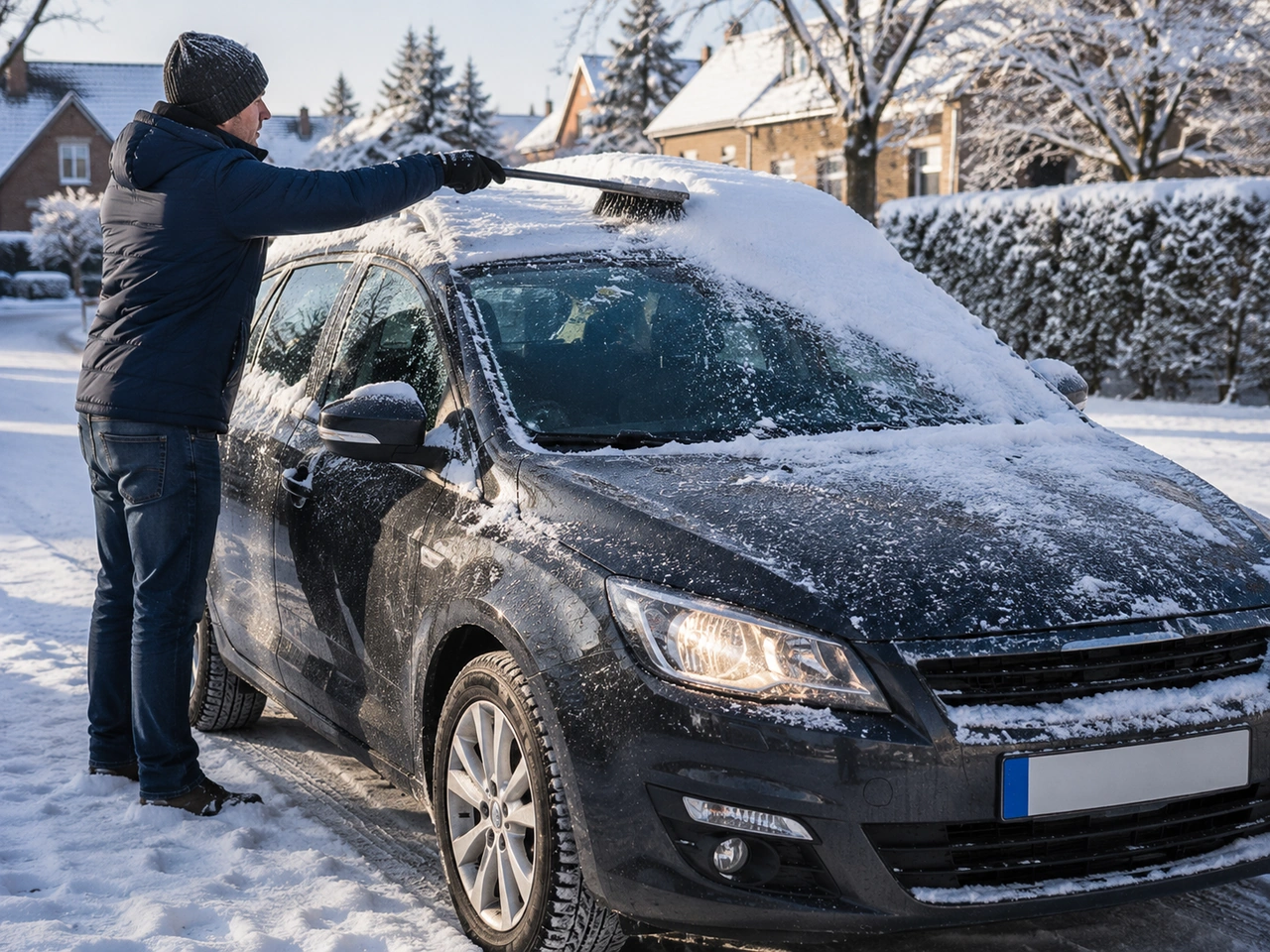
206. What should you do before driving if snow or ice covers your vehicle?

✓ Clear the windows, mirrors, lights, roof, and number plates.
Clear only the windows and mirrors.
Leave snow on the roof if it is firmly packed.
Let the heater clear the ice while you drive.

You need a clear view in every direction. Snow or ice left on the roof can also fall or blow onto other road users.

Clearing snow and ice from a vehicle before driving
AI-generated by Traffic-rules.com • WCIT • CC BY-SA
Why should you be extra careful at night?

207. Why should you be extra careful at night?

✓ Visibility is reduced.
Vehicles need more distance to accelerate.
Road markings become less important.
Road surfaces are usually more slippery.

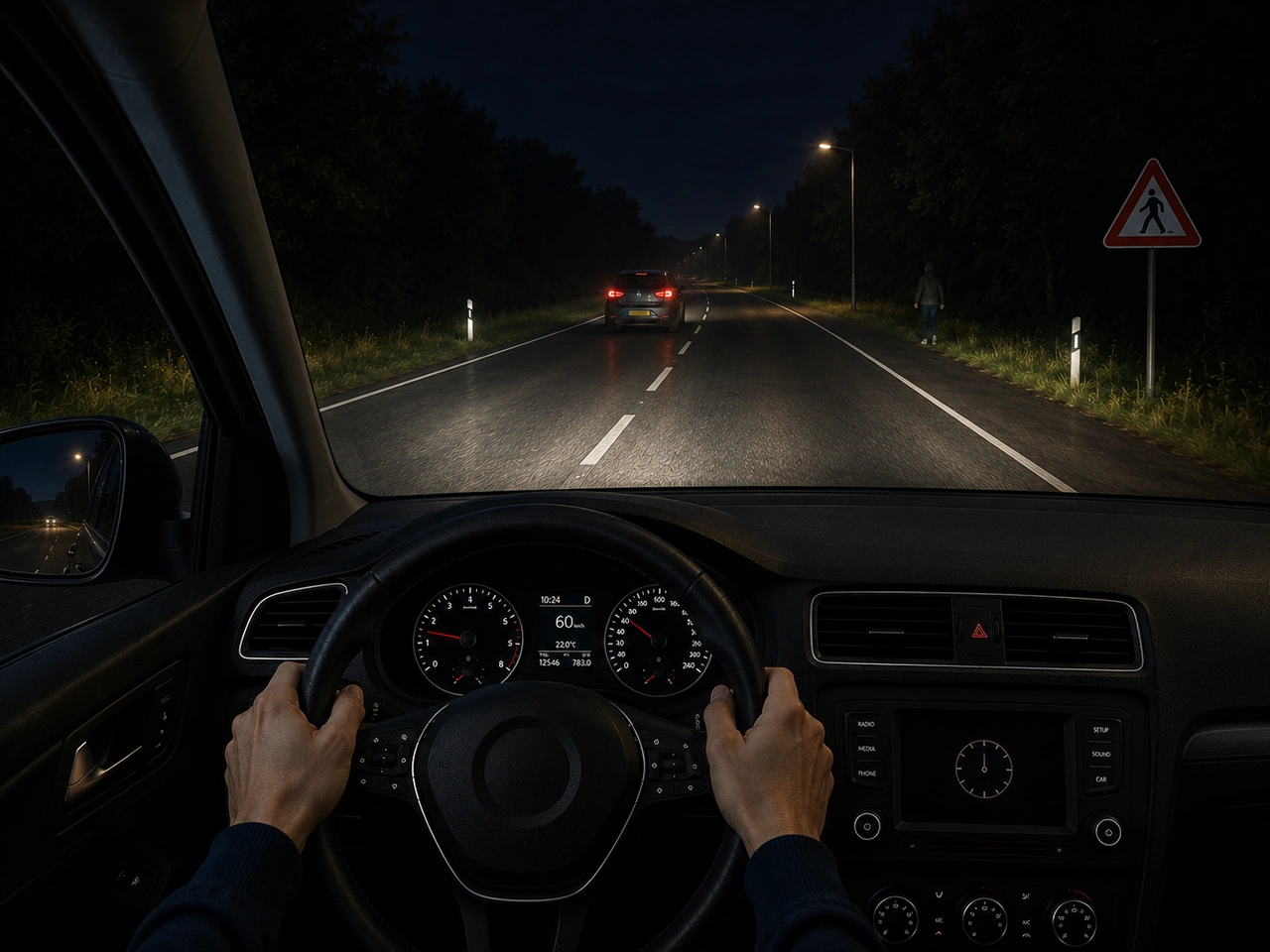
At night, it is harder to see pedestrians, cyclists, road markings, and hazards. Reduce speed and use the correct lights.

Road traffic in reduced night-time visibility
AI-generated by Traffic-rules.com • WCIT • CC BY-SA
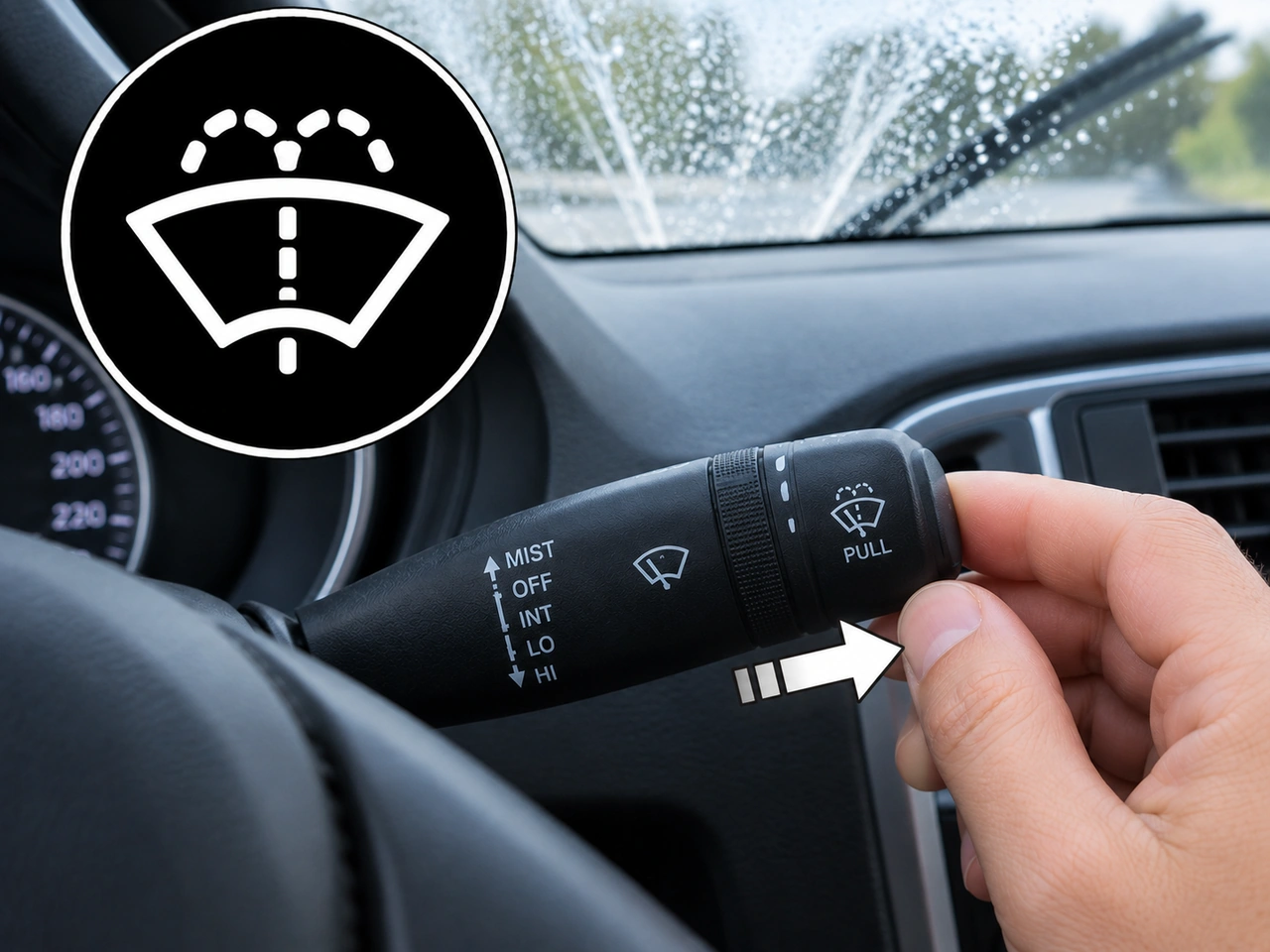
What does this vehicle-control symbol indicate?

208. What does this vehicle-control symbol indicate?

Windscreen wiper speed.
✓ Windscreen washer.
Air recirculation.
Rear window demister.

This symbol indicates the windscreen washer. Operating the control sprays washer fluid onto the windscreen and normally activates the wipers to help clean the glass.

Windscreen-washer control and spray symbol
AI-generated by Traffic-rules.com • WCIT • CC BY-SA
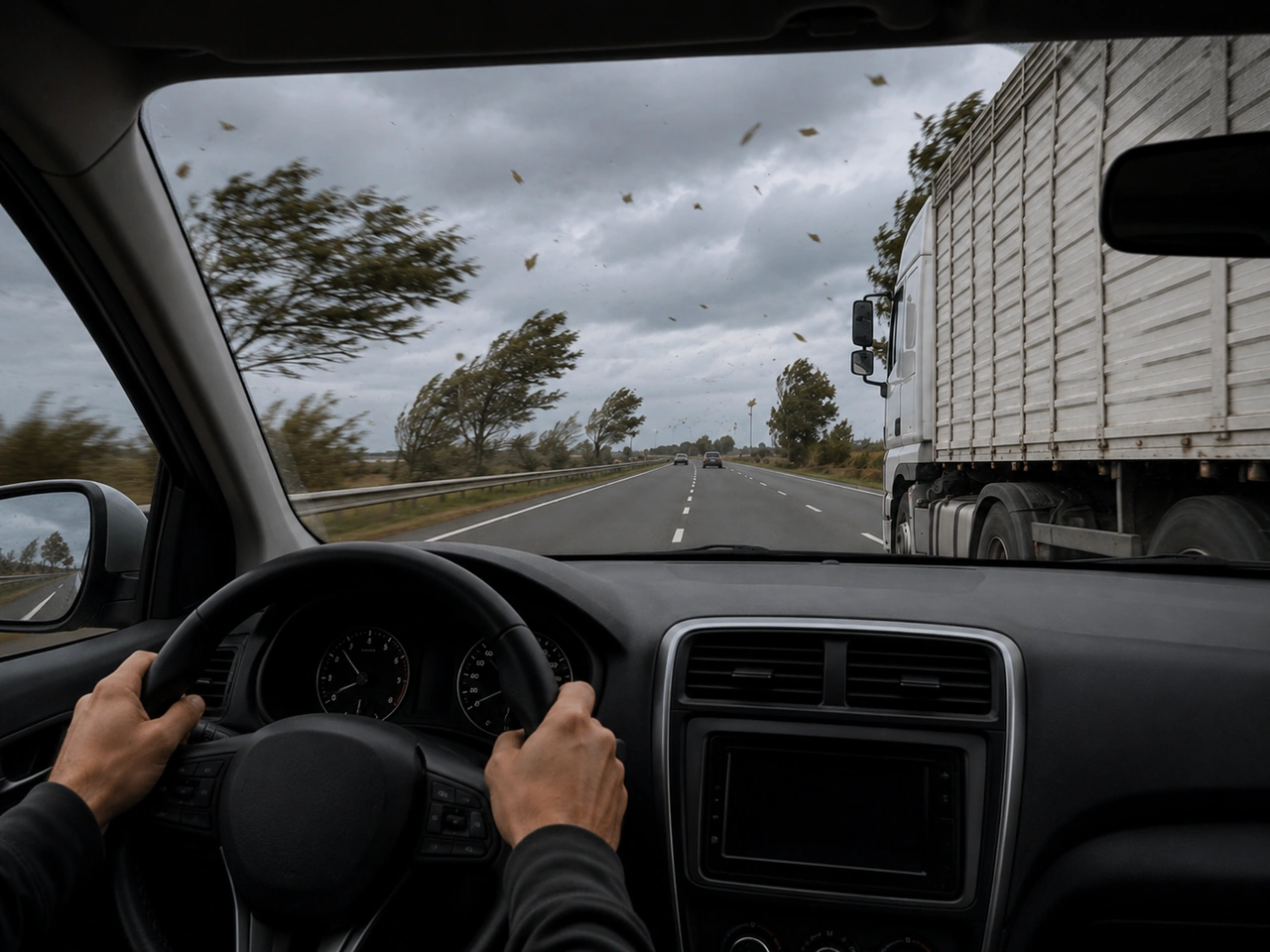
How should you pass a large vehicle in strong winds?

209. How should you pass a large vehicle in strong winds?

✓ Be prepared for sudden wind changes when passing.
Keep the steering fixed while you move past it.
Use the horn before moving alongside the vehicle.
Stay close beside it to remain sheltered from the wind.

Large vehicles can block wind and then expose you to strong gusts when you pass them.

Vehicle passing a large vehicle in windy conditions
AI-generated by Traffic-rules.com • WCIT • CC BY-SA
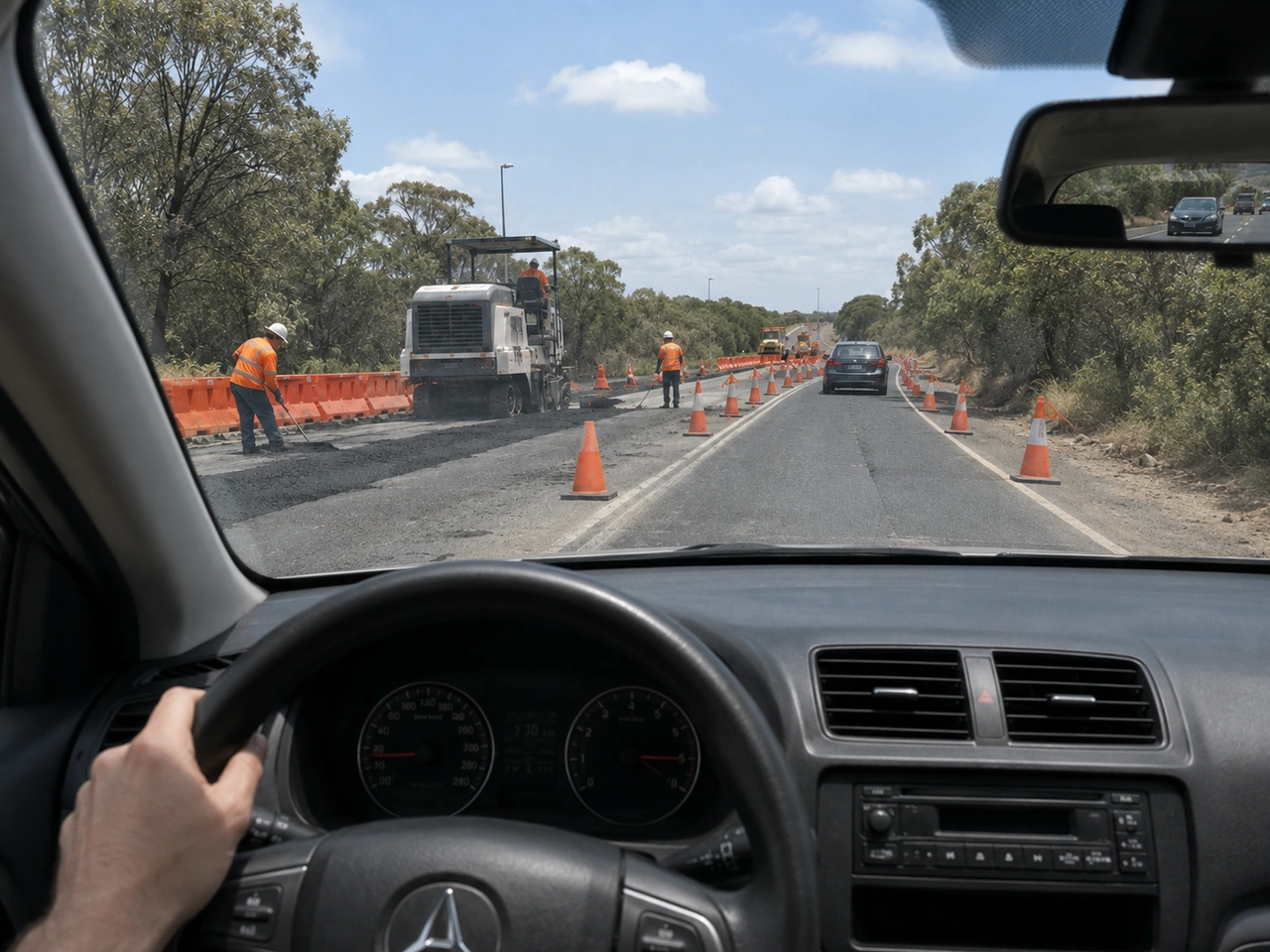
Why should you reduce speed when approaching roadworks?

210. Why should you reduce speed when approaching roadworks?

You should not reduce speed near roadworks.
✓ Road workers, narrow lanes, and unexpected hazards may be present.
To keep construction dust off the windscreen.
To reduce exhaust gases near construction sites.

Roadworks can involve workers, machinery, changing lane layouts, and uneven surfaces. Lower speed gives you more time to react.

Vehicle approaching a roadworks area
AI-generated by Traffic-rules.com • WCIT • CC BY-SA
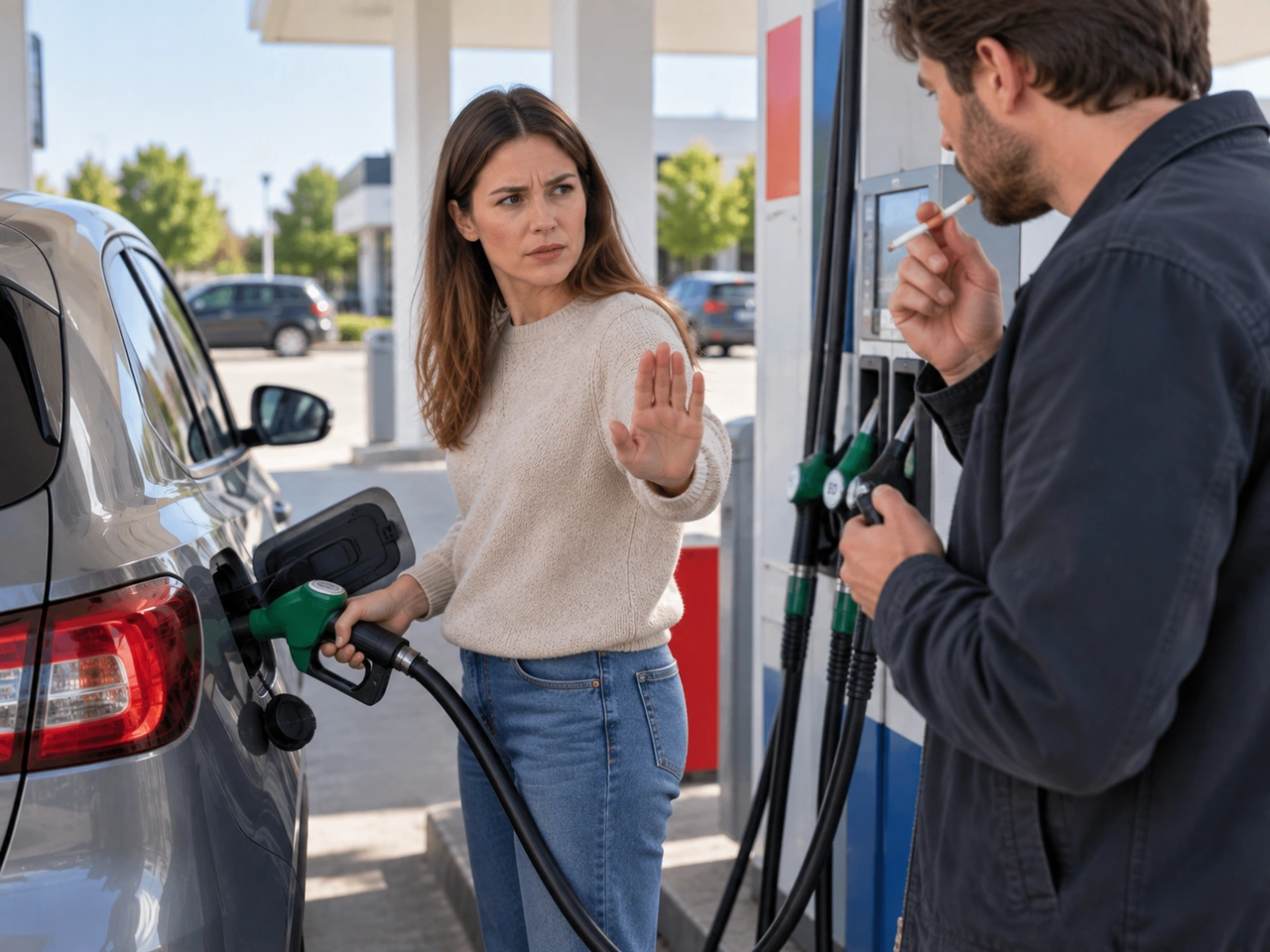
Why must you avoid smoking or open flames at a filling station?

211. Why must you avoid smoking or open flames at a filling station?

✓ Fuel vapours can ignite and cause a fire.
Open flames can reduce the fuel's quality.
Smoke can interfere with the fuel gauge.
Heat can make the fuel nozzle stop automatically.

Petrol and other fuels can produce flammable vapours. Smoking, open flames, sparks, or other ignition sources can ignite these vapours and cause a serious fire. Follow all filling-station safety rules while refuelling.

No-smoking warning at a filling station
AI-generated by Traffic-rules.com • WCIT • CC BY-SA
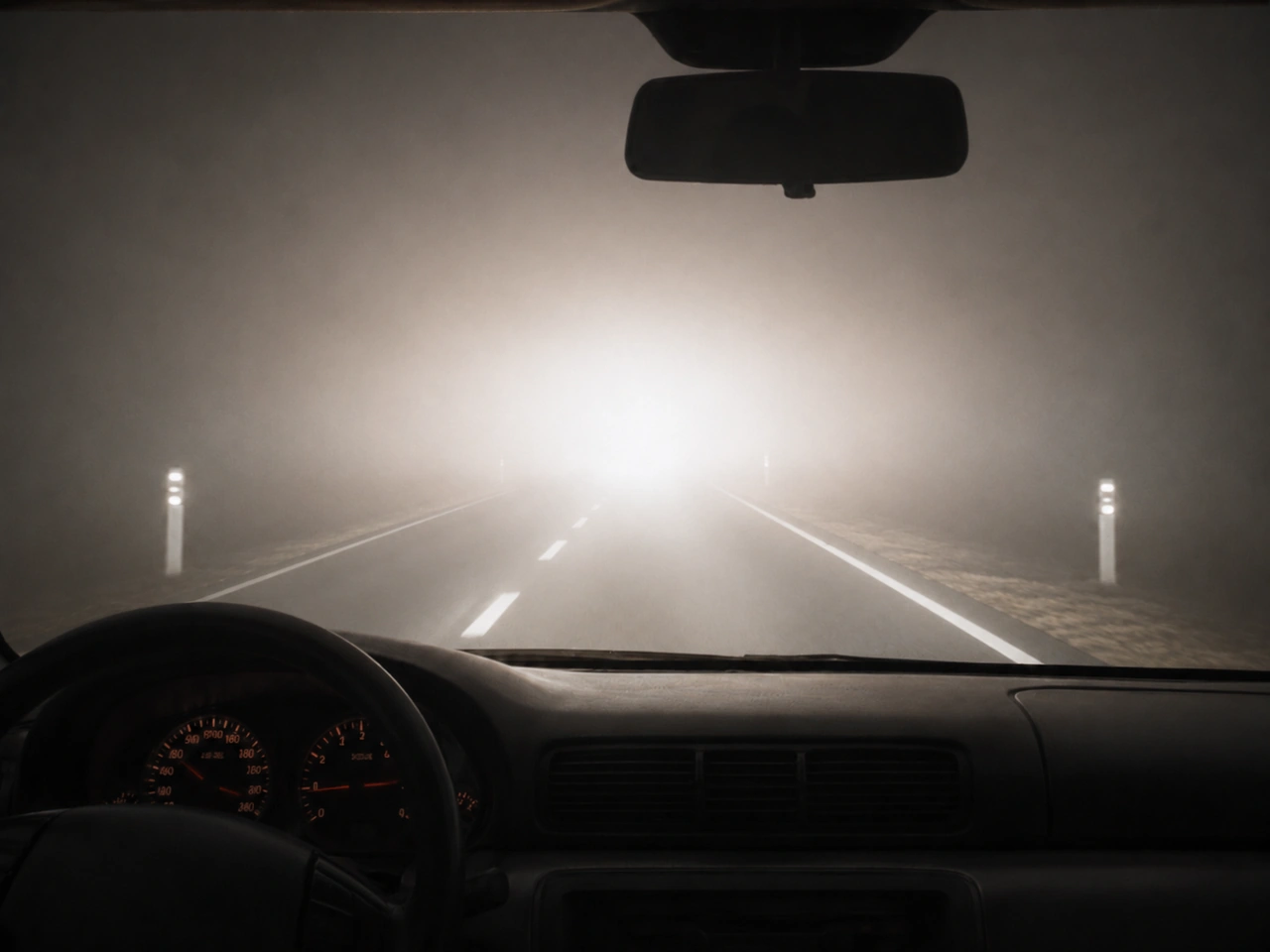
Why can main-beam headlights make driving in fog more difficult?

212. Why can main-beam headlights make driving in fog more difficult?

✓ The light can reflect off fog droplets and reduce visibility.
The stronger beam uses too much electrical power.
The brighter light makes the windscreen mist more quickly.
Main beam reduces the effectiveness of the fog lights.

Main beam can reflect back from fog and create glare, making it harder to see the road ahead.

Headlight glare reflected by fog
AI-generated by Traffic-rules.com • WCIT • CC BY-SA
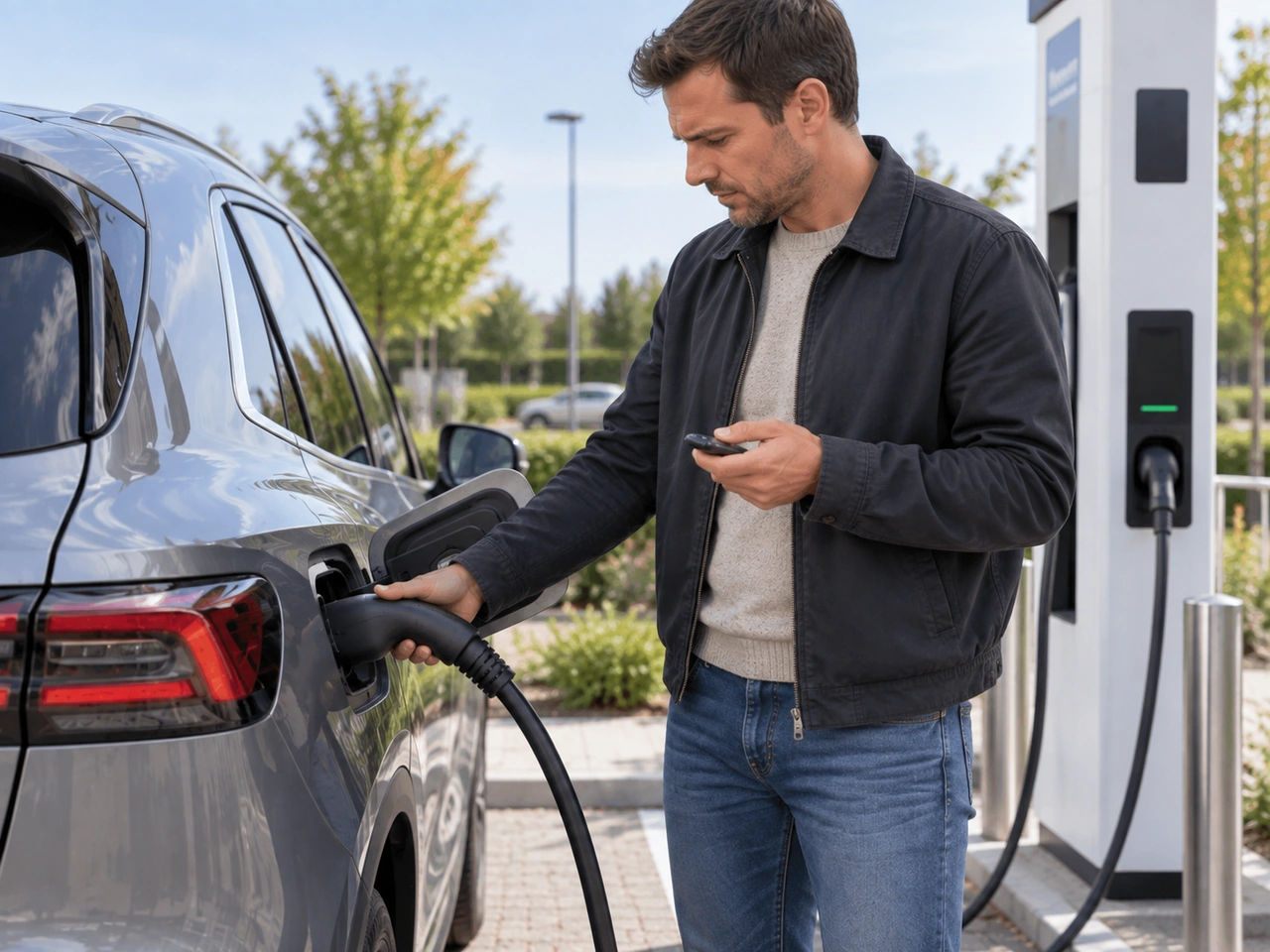
What should you do if an EV charging connector will not release from the vehicle?

213. What should you do if an EV charging connector will not release from the vehicle?

Pull the connector out as hard as possible.
✓ Stop the charging session, unlock the vehicle, and follow the instructions.
Use a tool to prise the connector from the charging port.
Twist the connector from side to side until it comes loose.

Charging connectors may remain locked while charging or until the vehicle is unlocked. Stop the charging session and follow the vehicle or charger's release procedure. Never force the connector; if it remains stuck, seek appropriate assistance.

Charging connector attached to an electric vehicle
AI-generated by Traffic-rules.com • WCIT • CC BY-SA
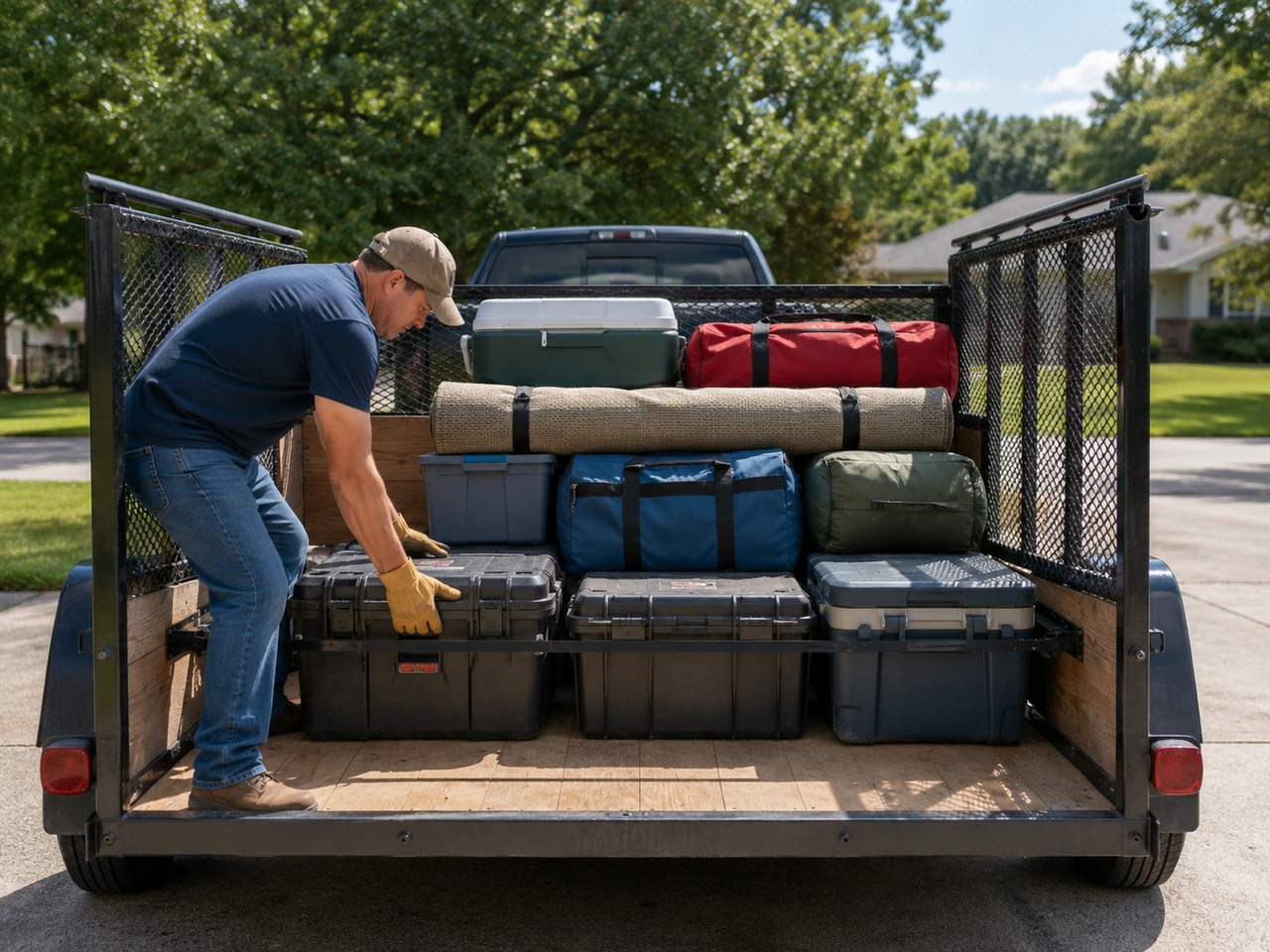
Why should heavy items be placed low and evenly distributed?

214. Why should heavy items be placed low and evenly distributed?

✓ To help keep the vehicle stable.
To increase the available luggage space.
To reduce wear on the engine.
To reduce fuel consumption.

A high or uneven load can make the vehicle unstable, especially during braking, cornering, or sudden steering.

Heavy luggage positioned low in a vehicle
AI-generated by Traffic-rules.com • WCIT • CC BY-SA
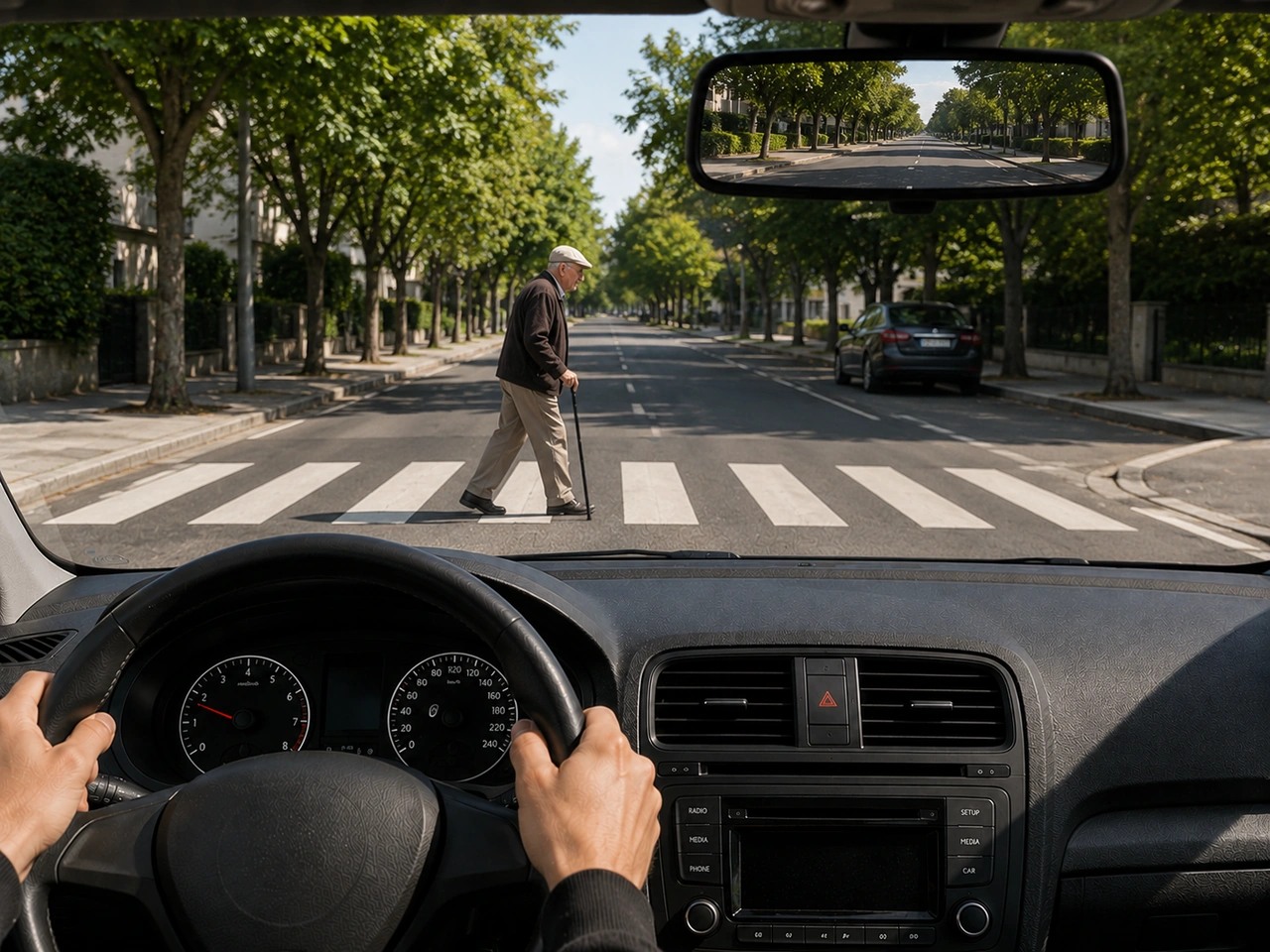
What should you do if a pedestrian is crossing slowly?

215. What should you do if a pedestrian is crossing slowly?

✓ Wait patiently and let them finish crossing.
Move forward slowly to show that you are waiting.
Pass as soon as they have cleared your part of the road.
Drive around them if there is enough room.

Some pedestrians may need more time to cross. Stay patient, keep a safe distance, and do not pressure them.

Pedestrian crossing the road slowly
AI-generated by Traffic-rules.com • WCIT • CC BY-SA
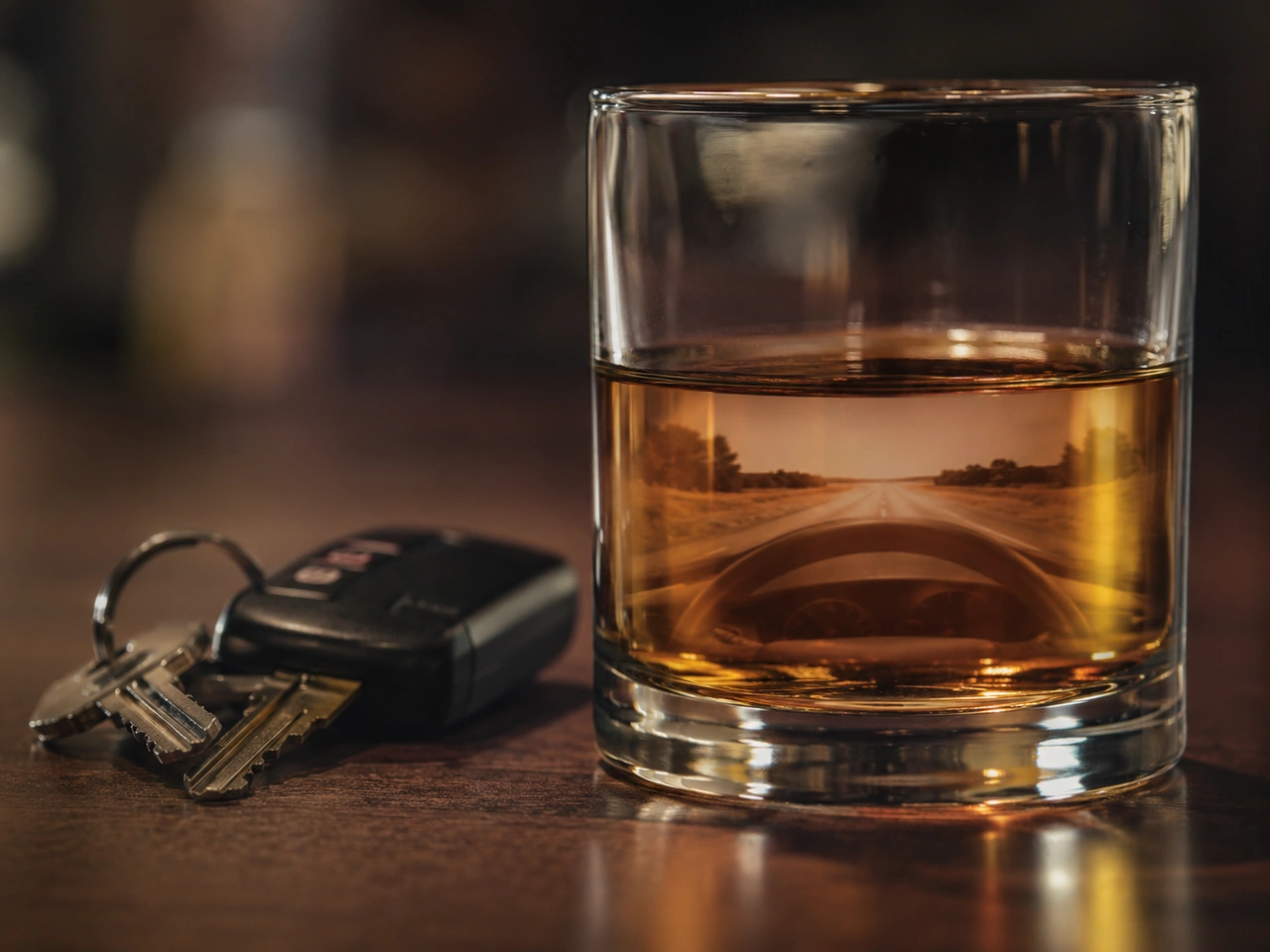
How can alcohol affect your driving ability?

216. How can alcohol affect your driving ability?

It improves your vision in poor light.
It has no effect if you drive slowly.
It makes your reactions faster.
✓ It can reduce judgement, coordination, and reaction speed.

Alcohol affects several abilities needed for safe driving, including concentration, decision-making, coordination, and hazard perception.

Alcohol impairment and driving ability
AI-generated by Traffic-rules.com • WCIT • CC BY-SA
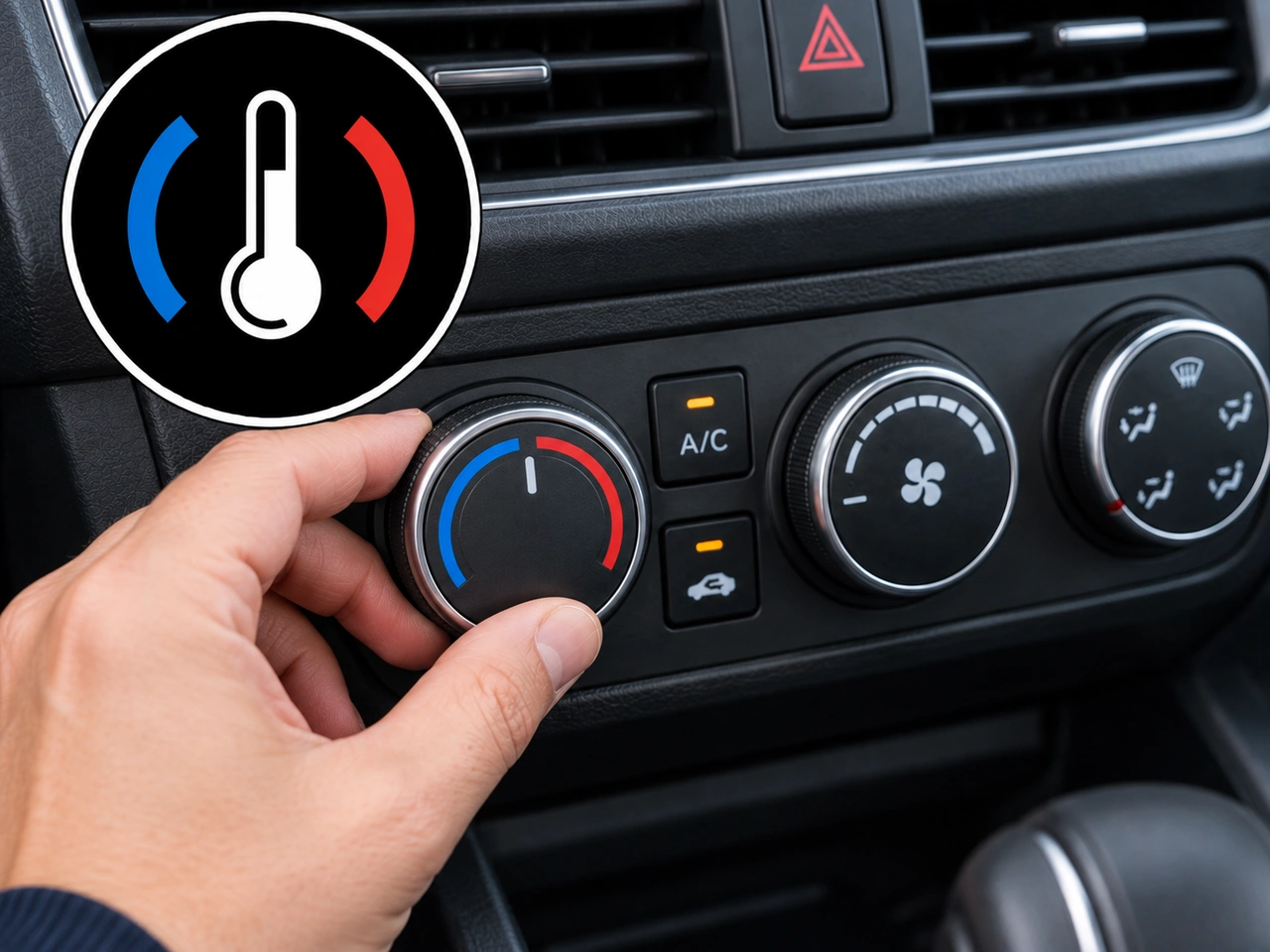
What does this vehicle-control symbol indicate?

217. What does this vehicle-control symbol indicate?

Air conditioning.
Air recirculation.
✓ Cabin temperature adjustment.
Cabin fan speed.

This control adjusts the temperature of the air supplied to the cabin. Turning it towards the blue side lowers the selected temperature, while turning it towards the red side raises it.

Control for adjusting the cabin temperature
AI-generated by Traffic-rules.com • WCIT • CC BY-SA
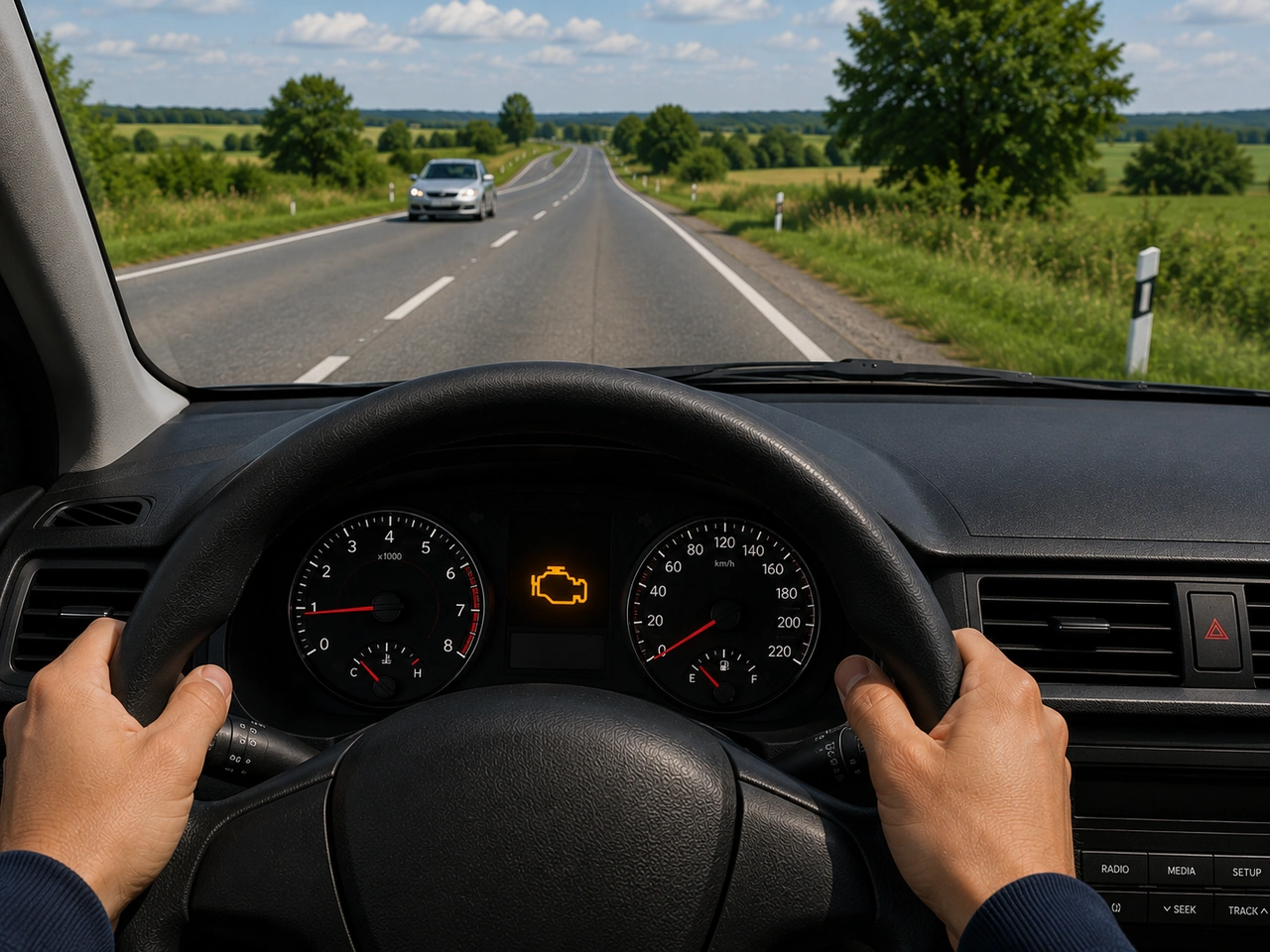
What should you expect if the engine suddenly stalls while the vehicle is moving?

218. What should you expect if the engine suddenly stalls while the vehicle is moving?

✓ Steering and braking may require more effort, so move to a safe place.
The steering and brakes will stop working completely.
The steering will become lighter as the vehicle slows.
The vehicle will stop immediately when the engine stops.

Power assistance may be reduced when the engine stops. Keep control, use the hazard lights if needed, and steer toward a safe stopping area.

Driver responding to an engine stall while moving
AI-generated by Traffic-rules.com • WCIT • CC BY-SA
What should you do if you are unsure who has priority at a junction?

219. What should you do if you are unsure who has priority at a junction?

Rely on eye contact and enter the junction first.
Check only the direction that normally has priority.
✓ Slow down and proceed only when it is safe.
Proceed if the other driver appears to be slowing down.

If priority is unclear, reduce speed, observe carefully, and avoid entering the junction until you are sure it is safe.

Vehicles approaching a junction with uncertain priority
AI-generated by Traffic-rules.com • WCIT • CC BY-SA
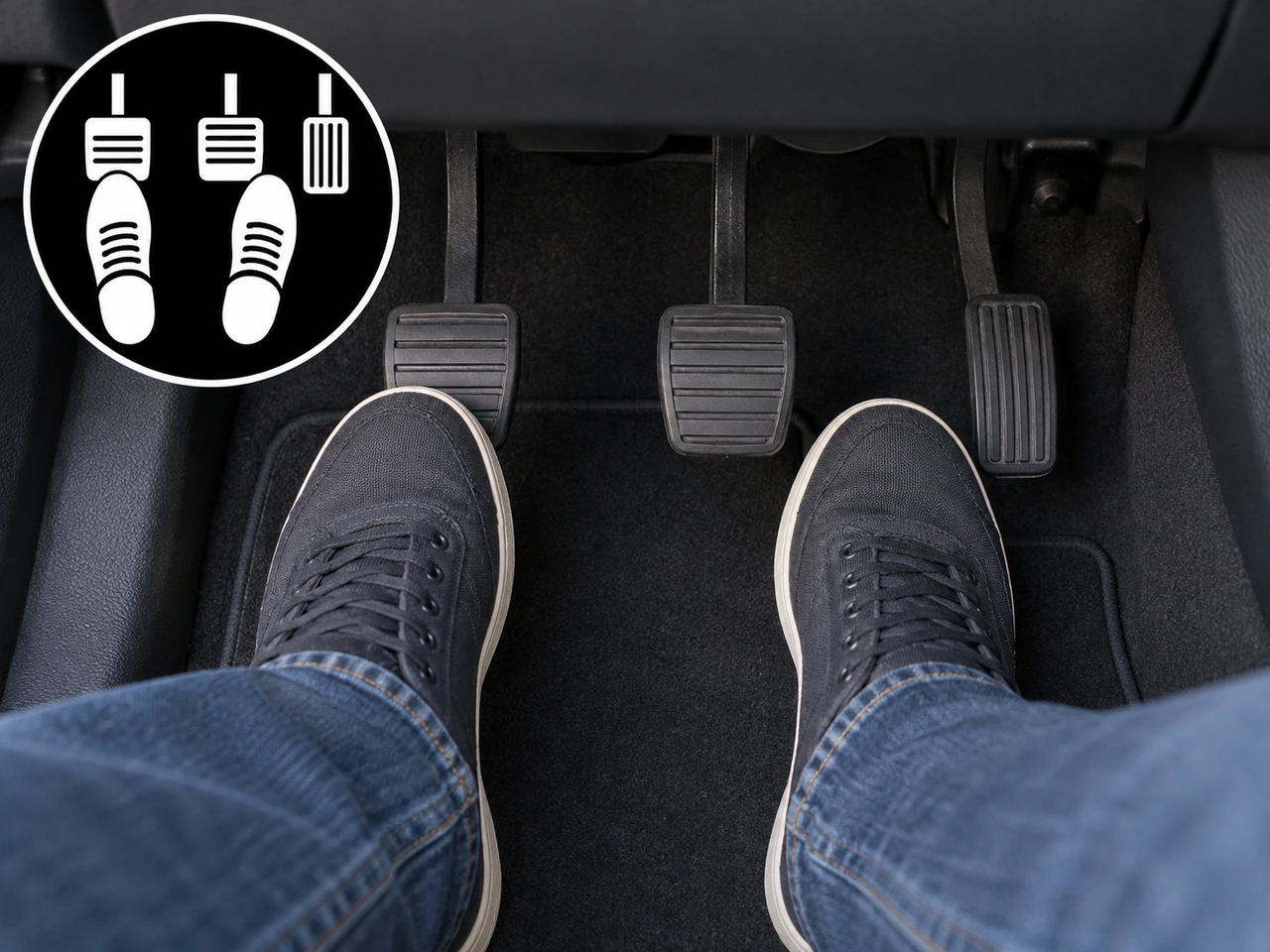
Which foot normally operates the brake and accelerator in a manual vehicle?

220. Which foot normally operates the brake and accelerator in a manual vehicle?

The left foot for the brake and right foot for the accelerator.
✓ The right foot.
The left foot.
Either foot.

In a manual vehicle, the right foot normally operates both the brake and accelerator pedals, while the left foot operates the clutch.

Pedal arrangement and foot controls in a manual vehicle
AI-generated by Traffic-rules.com • WCIT • CC BY-SA
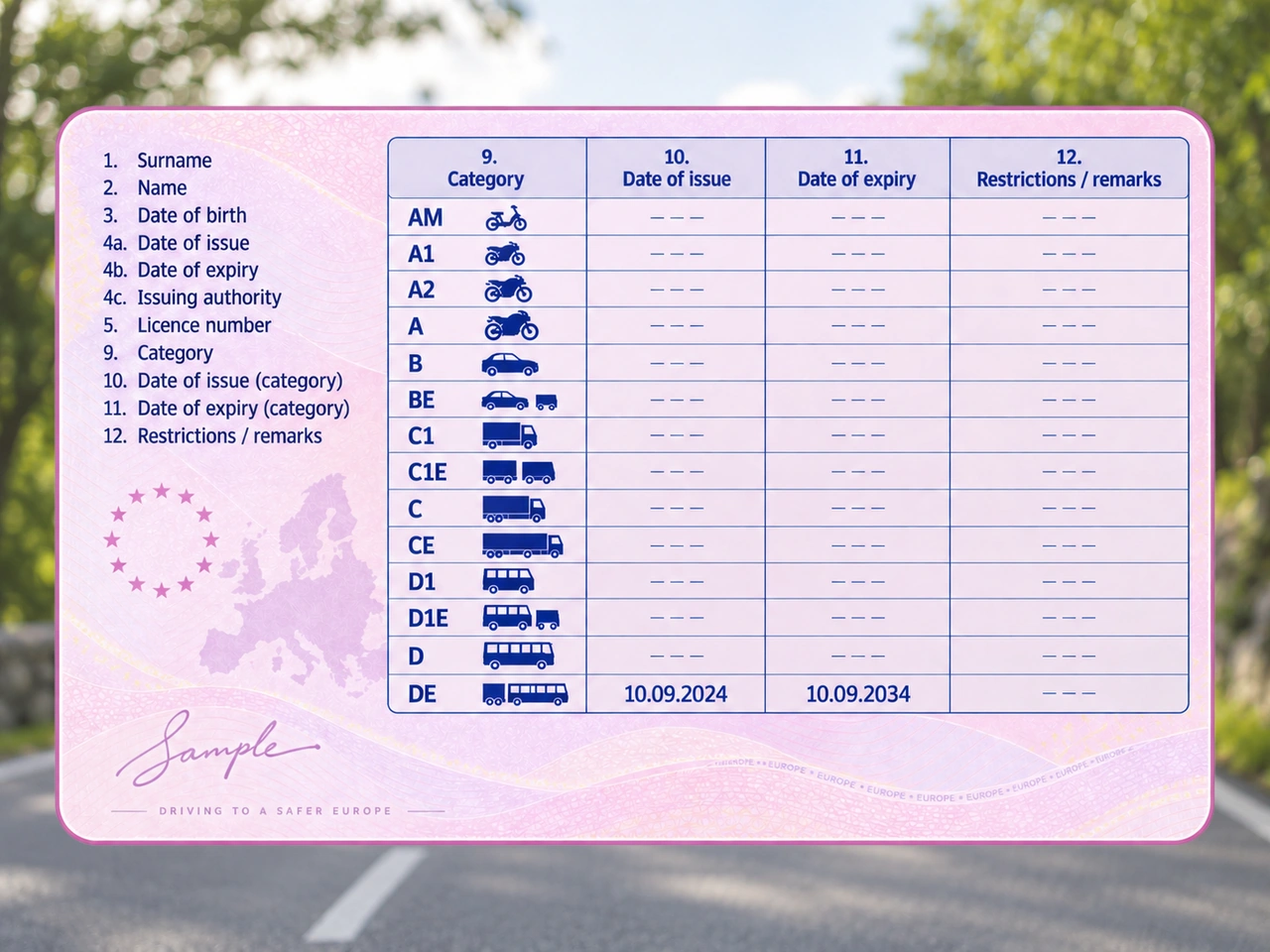
Which vehicle combination is covered by driving licence DE?

221. Which vehicle combination is covered by driving licence DE?

A category C vehicle with a heavy trailer.
✓ A category D vehicle with a trailer over 750 kg.
A category D1 vehicle without a trailer.
A category D vehicle with a trailer up to 750 kg.

Category DE covers combinations consisting of a category D towing vehicle and a trailer with a maximum authorised mass above 750 kg.

Bus and trailer covered by category DE
AI-generated by Traffic-rules.com • WCIT • CC BY-SA
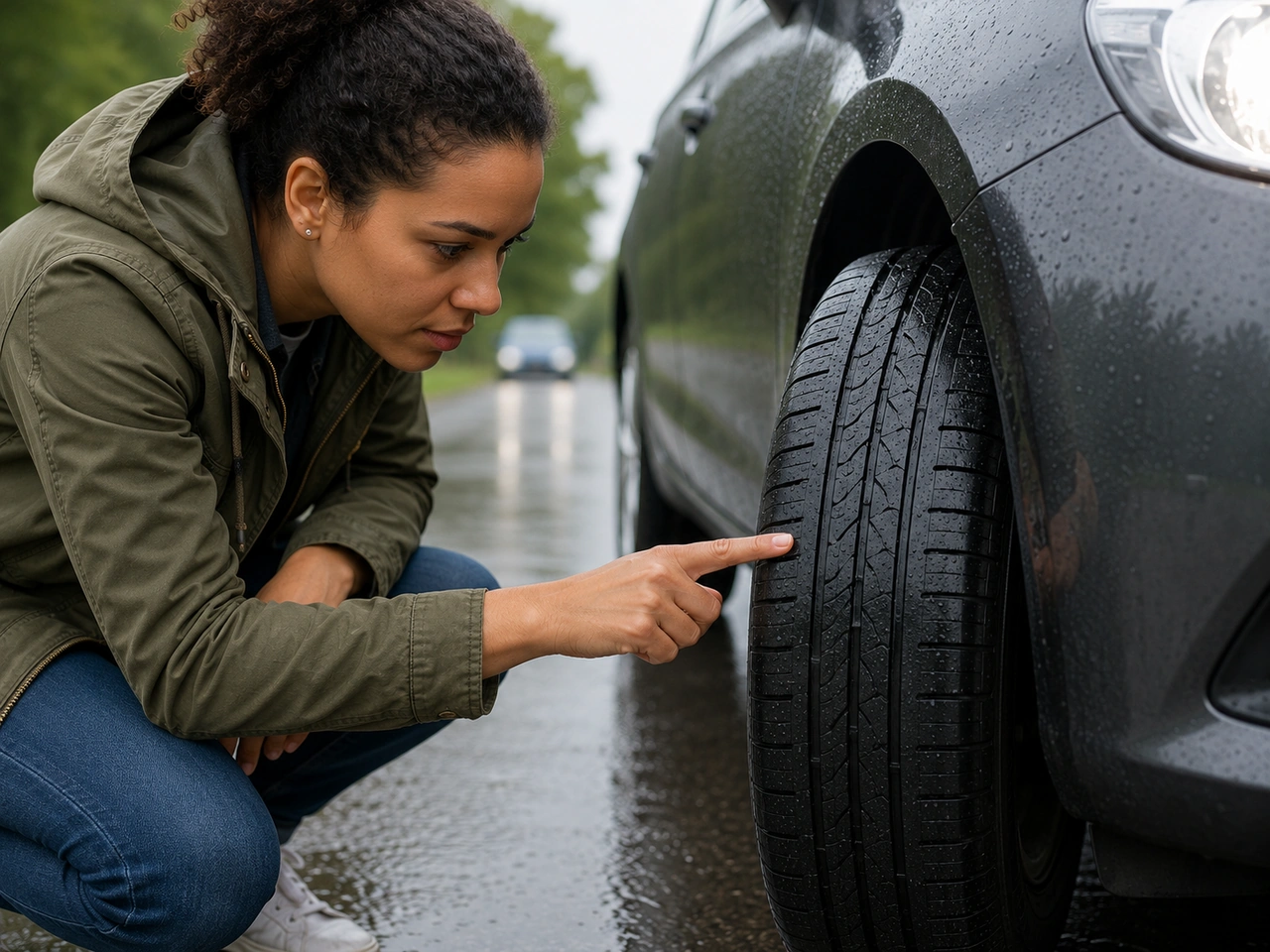
Why is adequate tyre tread important?

222. Why is adequate tyre tread important?

It increases the amount of power from the engine.
It makes wheel alignment unnecessary.
✓ It helps maintain grip and move water away from the tyre.
It keeps the tyres from becoming warm while driving.

Tyre tread helps the vehicle grip the road and disperse water. Worn tread increases the risk of skidding and aquaplaning, especially in wet conditions.

Tread grooves on a vehicle tyre
AI-generated by Traffic-rules.com • WCIT • CC BY-SA
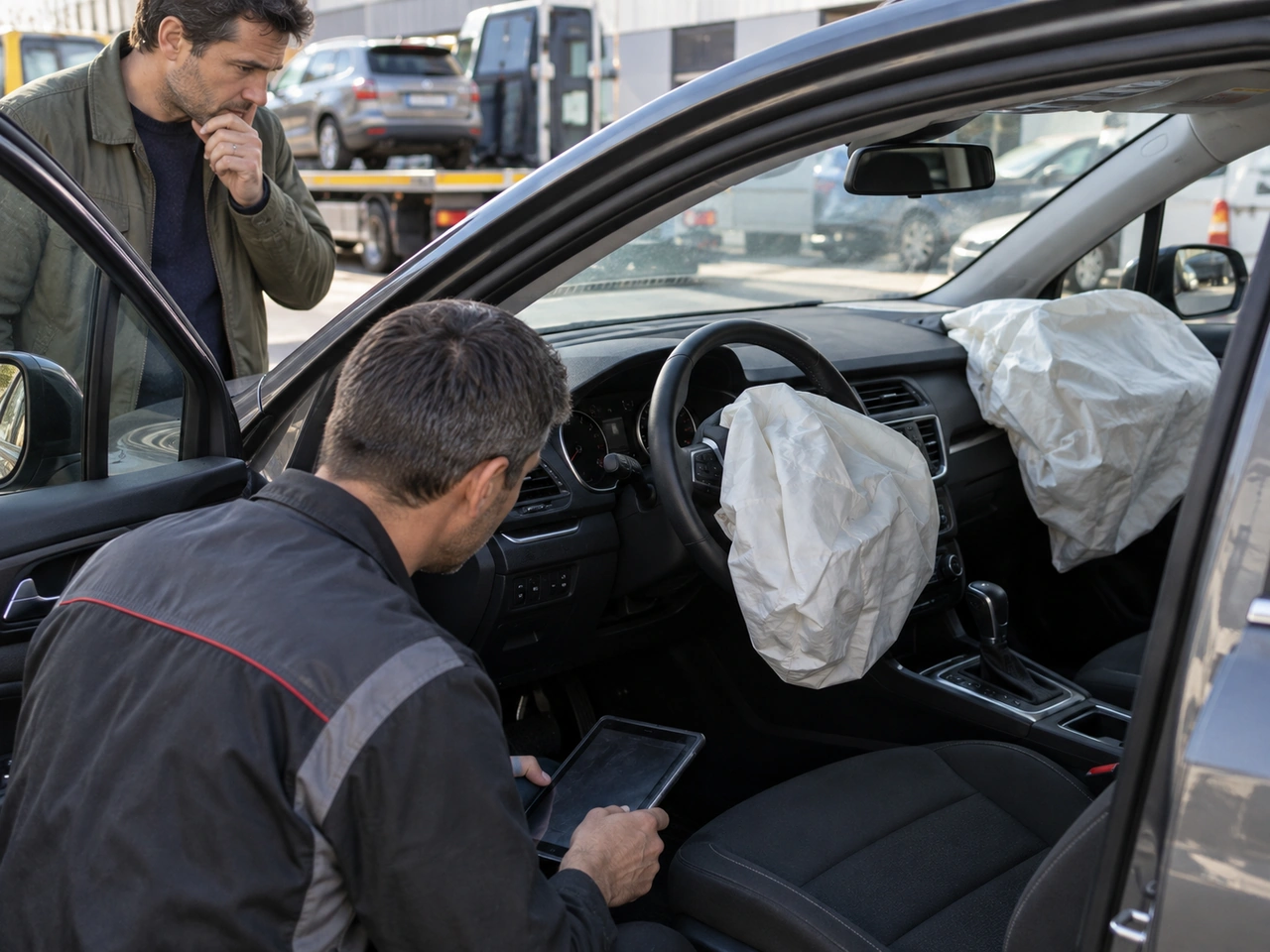
What should happen after an airbag has deployed?

223. What should happen after an airbag has deployed?

✓ The restraint system should be professionally inspected and repaired.
Only the airbag warning light needs to be reset.
The airbag can be removed and the vehicle used normally.
The airbag can be folded back into the dashboard.

A deployed airbag is a single-use safety component. After deployment, the restraint system should be professionally inspected and the airbag and any other affected components replaced or repaired as required before the system is relied upon again.

Deployed airbag inside a vehicle
AI-generated by Traffic-rules.com • WCIT • CC BY-SA
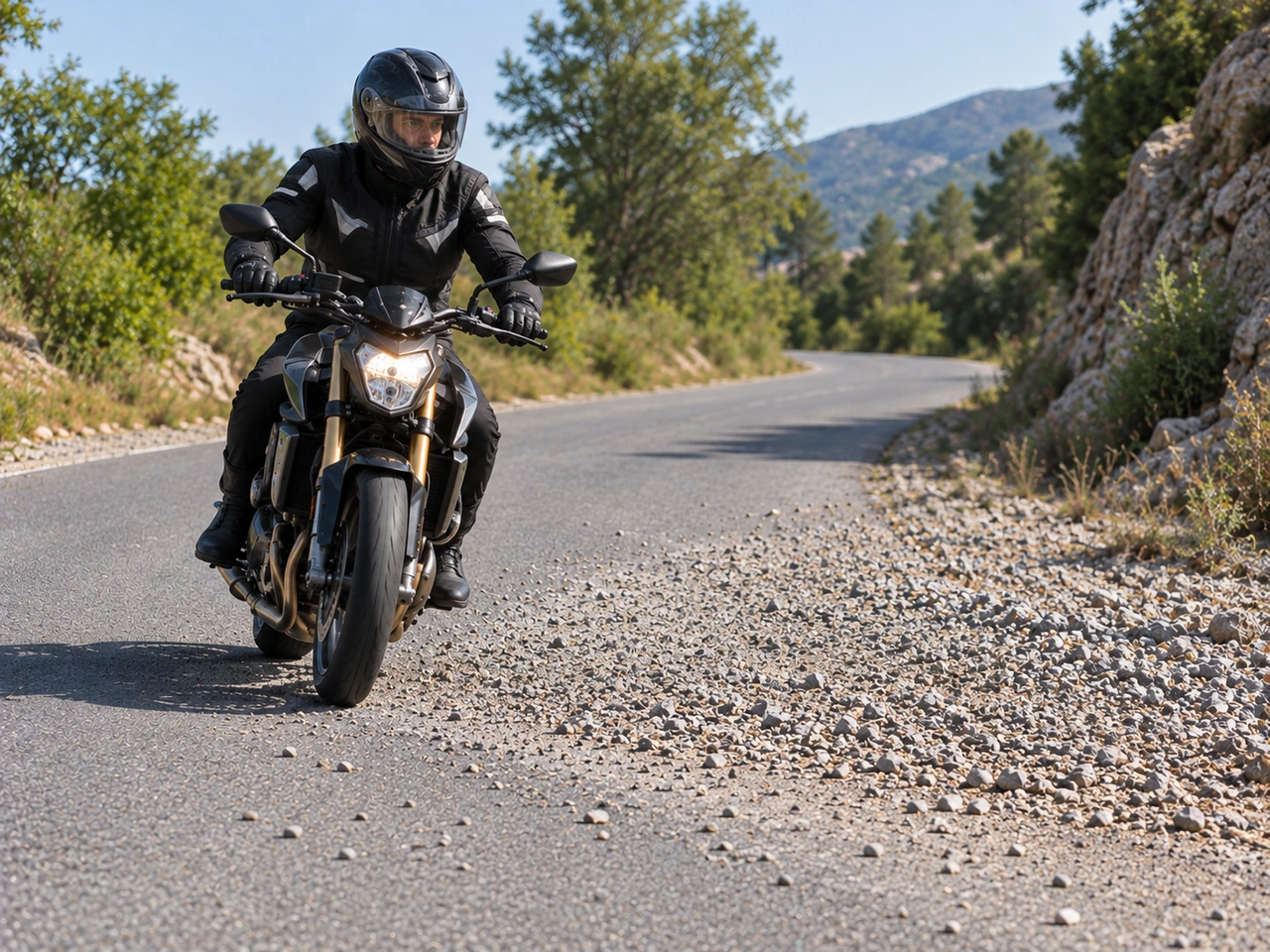
What should a motorcyclist do when approaching loose gravel?

224. What should a motorcyclist do when approaching loose gravel?

Accelerate sharply to cross it quickly.
Lean the motorcycle more than usual.
Turn suddenly to avoid every loose stone.
✓ Reduce speed before reaching it and use smooth controls.

Loose gravel can significantly reduce tyre grip. Reduce speed before reaching it, keep the motorcycle as upright as practical, and avoid sudden braking, acceleration or steering while crossing the loose surface.

Motorcyclist approaching loose gravel
AI-generated by Traffic-rules.com • WCIT • CC BY-SA
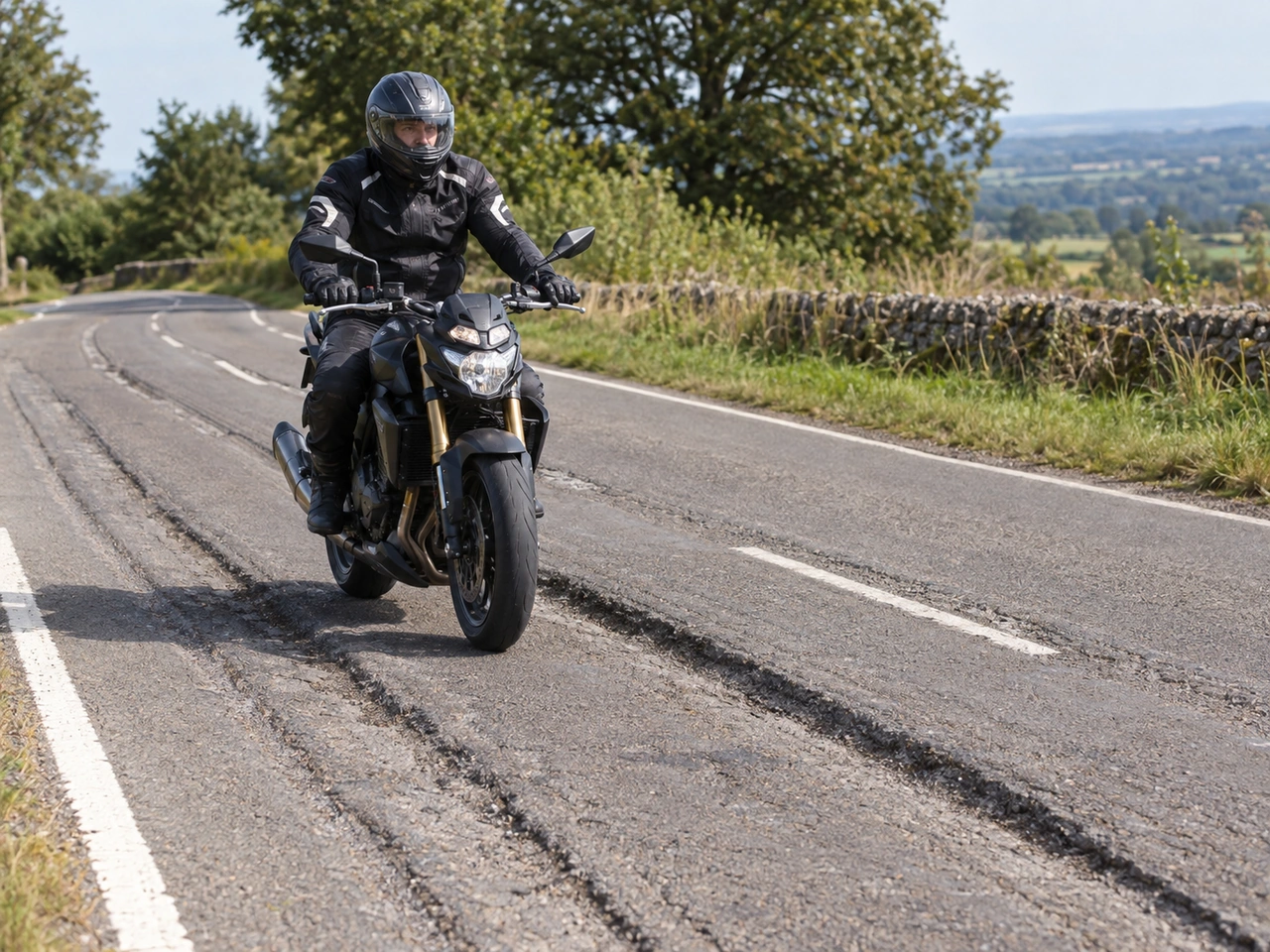
How should a motorcyclist react to grooves or ruts in the road?

225. How should a motorcyclist react to grooves or ruts in the road?

Brake hard while riding through them.
✓ Reduce speed and keep a relaxed, steady grip.
Grip the handlebars as tightly as possible.
Make quick steering corrections as the bike moves.

Longitudinal grooves or ruts can affect a motorcycle's steering and may make the wheels follow the uneven surface. Reduce speed where necessary, keep a relaxed but steady grip and avoid sudden braking, acceleration or steering corrections.

Motorcyclist approaching grooves in the road surface
AI-generated by Traffic-rules.com • WCIT • CC BY-SA
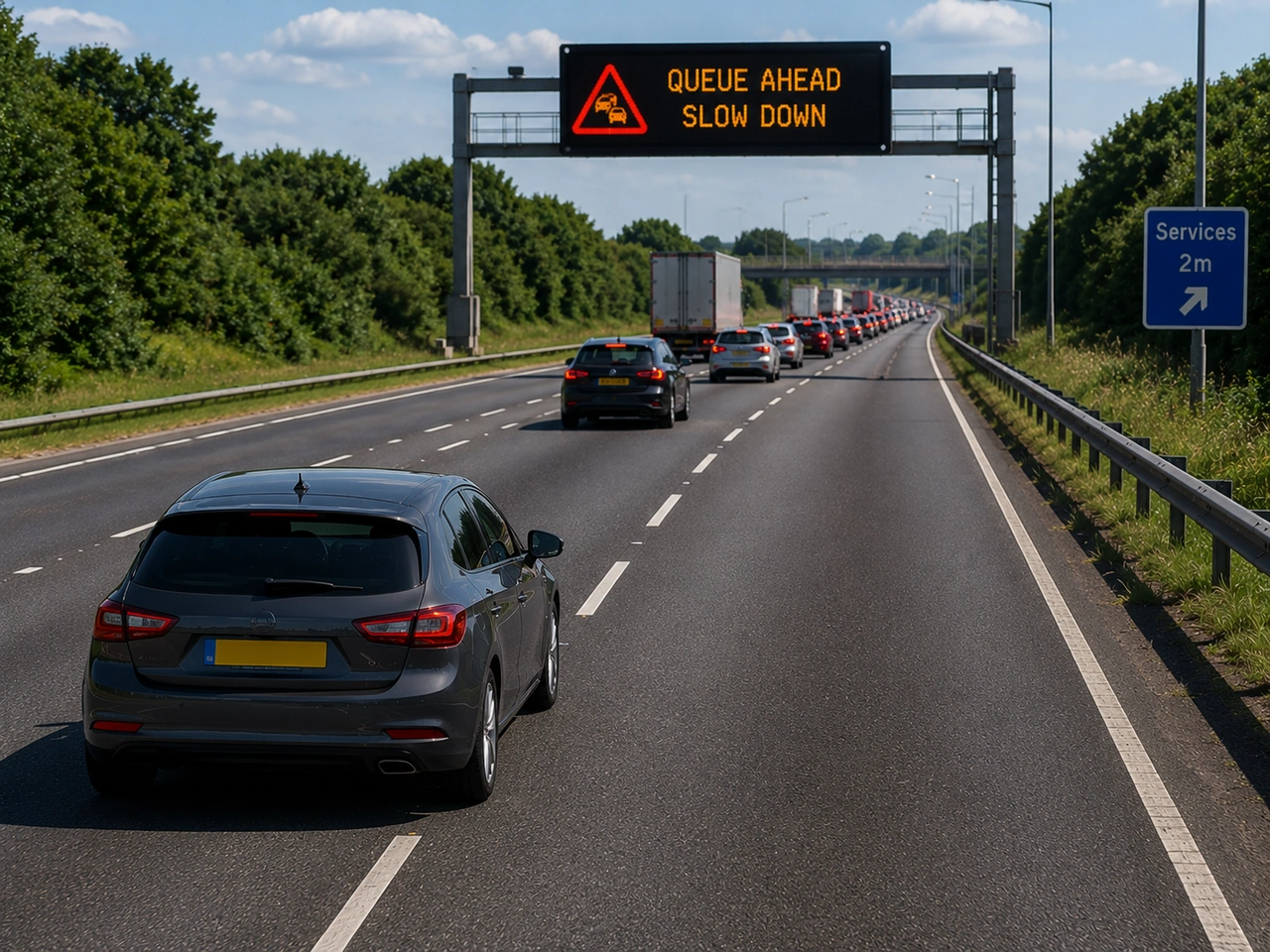
Why is a larger following distance needed at motorway speeds?

226. Why is a larger following distance needed at motorway speeds?

It prevents the tyres from becoming too warm.
It makes the vehicle easier to steer.
✓ You need more distance to react and stop safely.
It keeps the engine from working too hard.

At higher speeds, you travel farther during your reaction time and need more distance to brake. A larger gap gives you more time and space to stop safely.

Following distance between vehicles on a motorway
AI-generated by Traffic-rules.com • WCIT • CC BY-SA
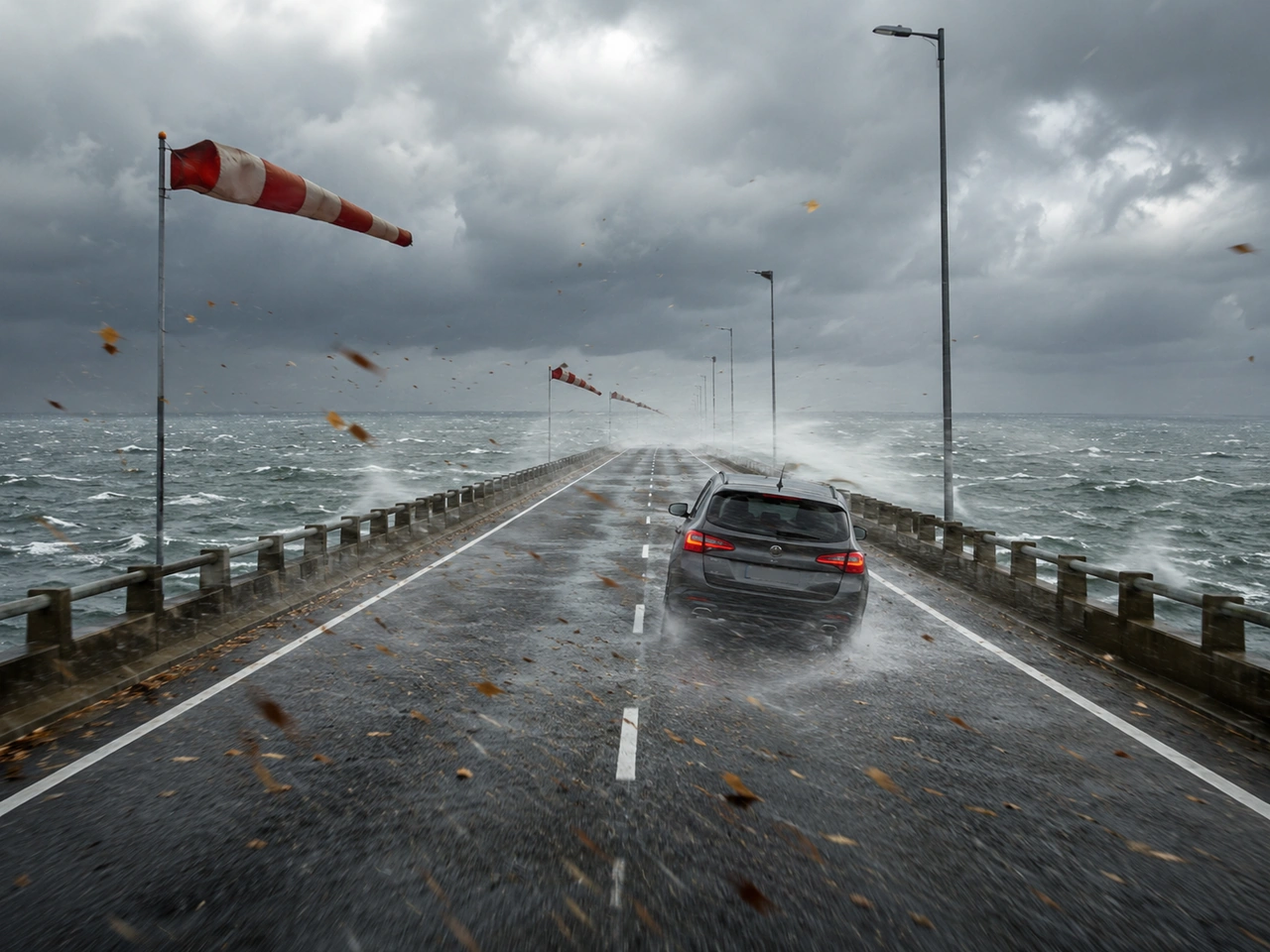
Why can bridges be dangerous in strong winds?

227. Why can bridges be dangerous in strong winds?

Vehicles require more engine power on bridges.
✓ They are often exposed to stronger gusts.
Steering works less effectively above water.
Vehicles automatically accelerate on bridges.

Bridges are often open and exposed, allowing strong winds to affect vehicles more suddenly.

Exposed bridge in strong wind
AI-generated by Traffic-rules.com • WCIT • CC BY-SA
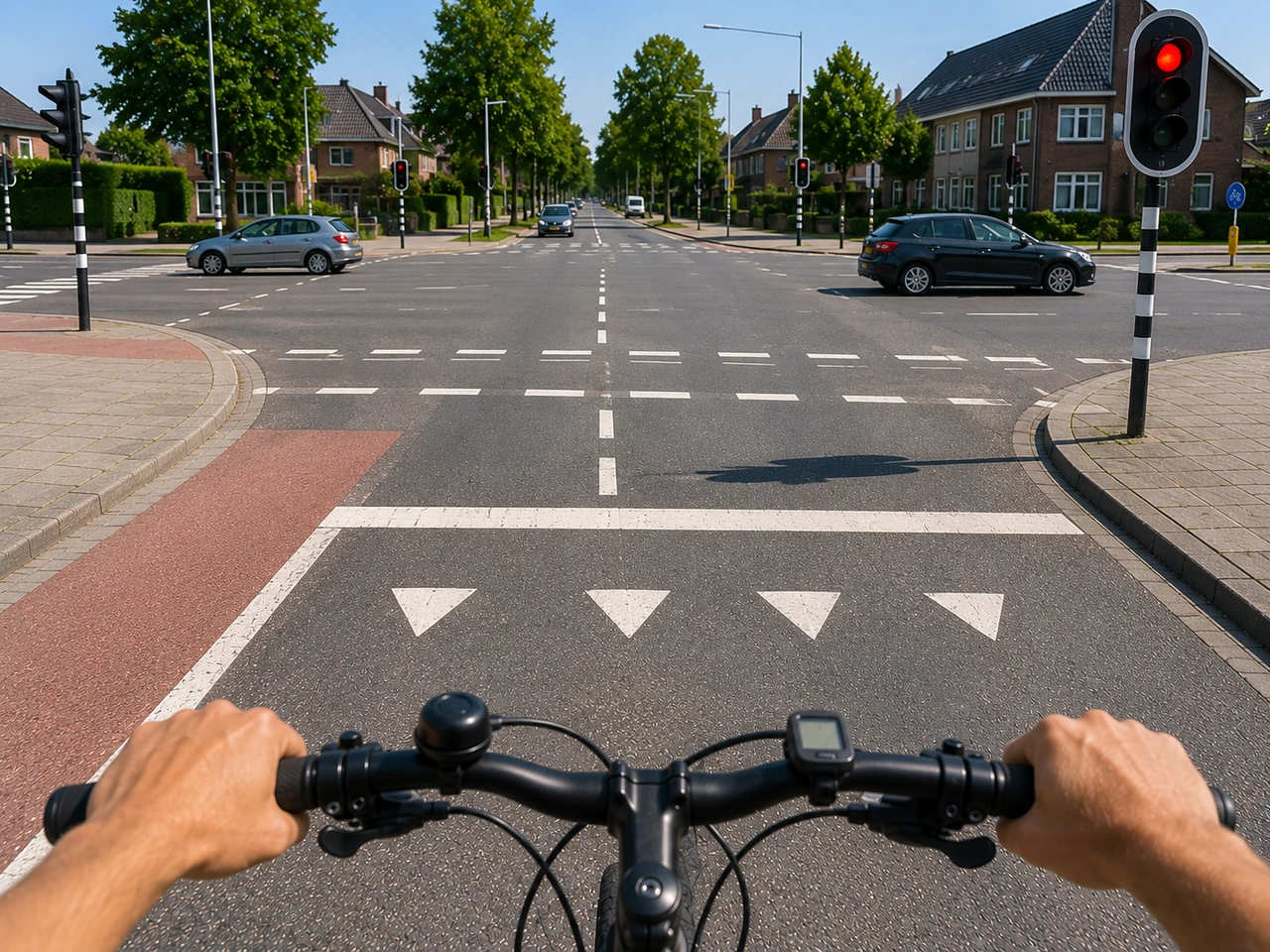
What should cyclists do when approaching a junction?

228. What should cyclists do when approaching a junction?

Rely on other road users to give way to you.
Maintain your speed if no traffic is visible.
✓ Reduce speed, observe carefully, and be ready to stop.
Watch only the traffic directly ahead of you.

Junctions create conflict points between road users. Slowing down gives you more time to see hazards and react safely.

Cyclist approaching a road junction
AI-generated by Traffic-rules.com • WCIT • CC BY-SA
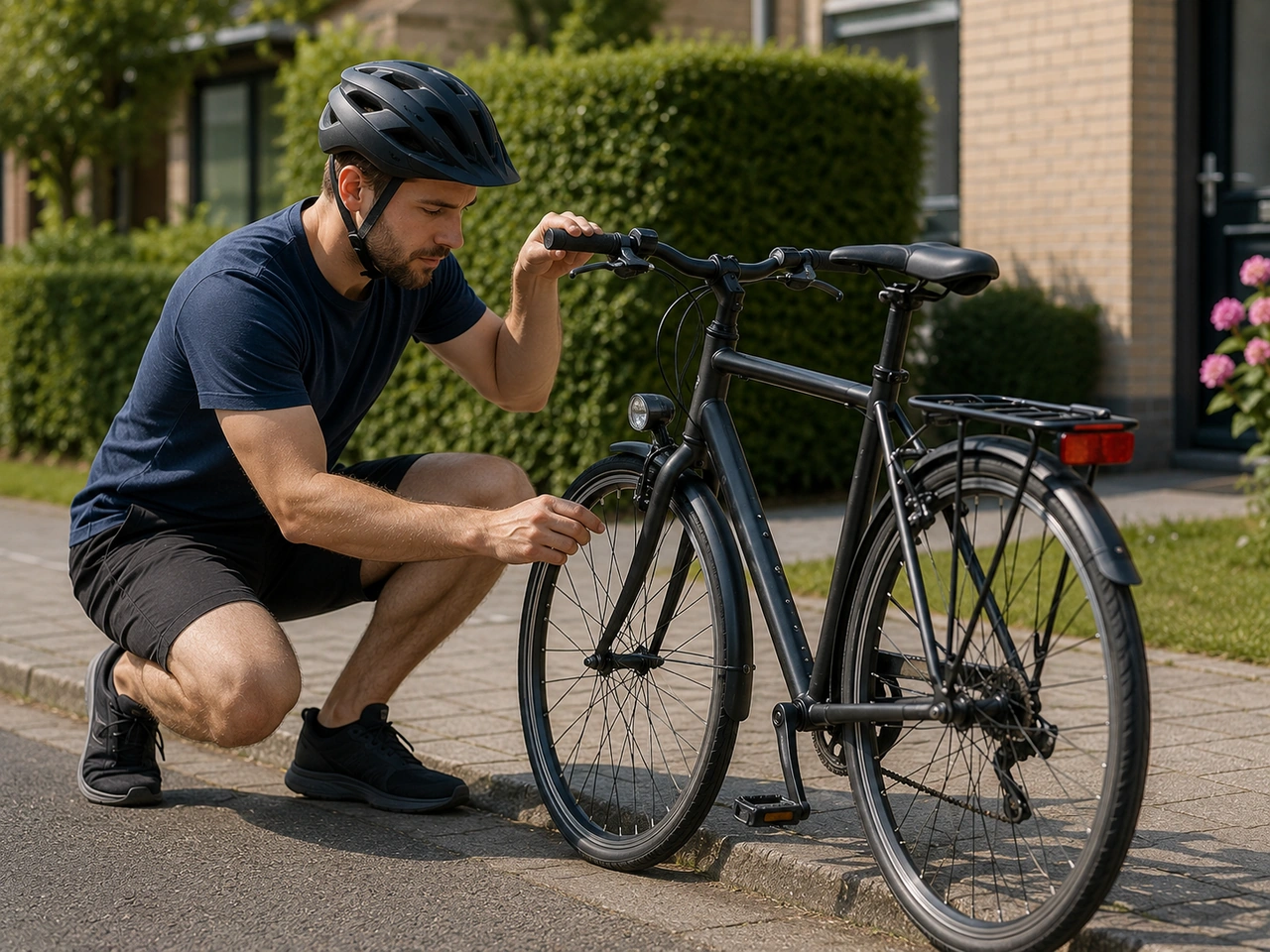
What should you check before starting a bicycle journey?

229. What should you check before starting a bicycle journey?

Nothing if the bicycle worked properly yesterday.
Only the brakes if the journey is short.
The lights, but not the steering or brakes.
✓ The brakes, tyres, lights, and steering.

A basic safety check can reveal problems with the brakes, tyres, lights, or steering before they cause an accident.

Checking a bicycle before a journey
AI-generated by Traffic-rules.com • WCIT • CC BY-SA
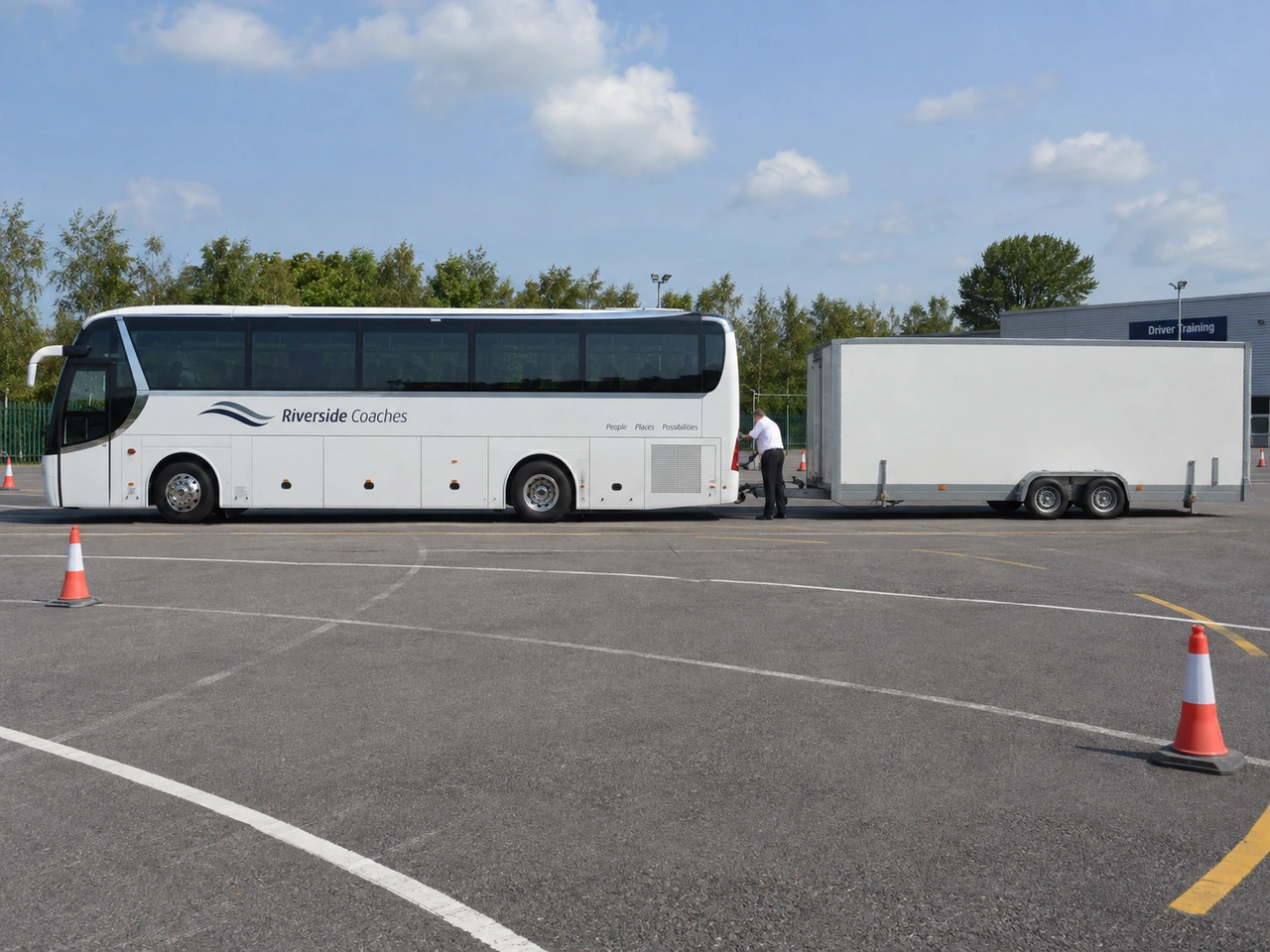
What is the minimum licence for a D bus towing a trailer over 750 kg?

230. What is the minimum licence for a D bus towing a trailer over 750 kg?

Licence D.
Licence BE.
✓ Licence DE.
Licence D1E.

Category D permits a trailer with a maximum authorised mass of up to 750 kg. A category D vehicle towing a trailer above 750 kg requires category DE.

Category D bus towing a trailer over 750 kg
AI-generated by Traffic-rules.com • WCIT • CC BY-SA
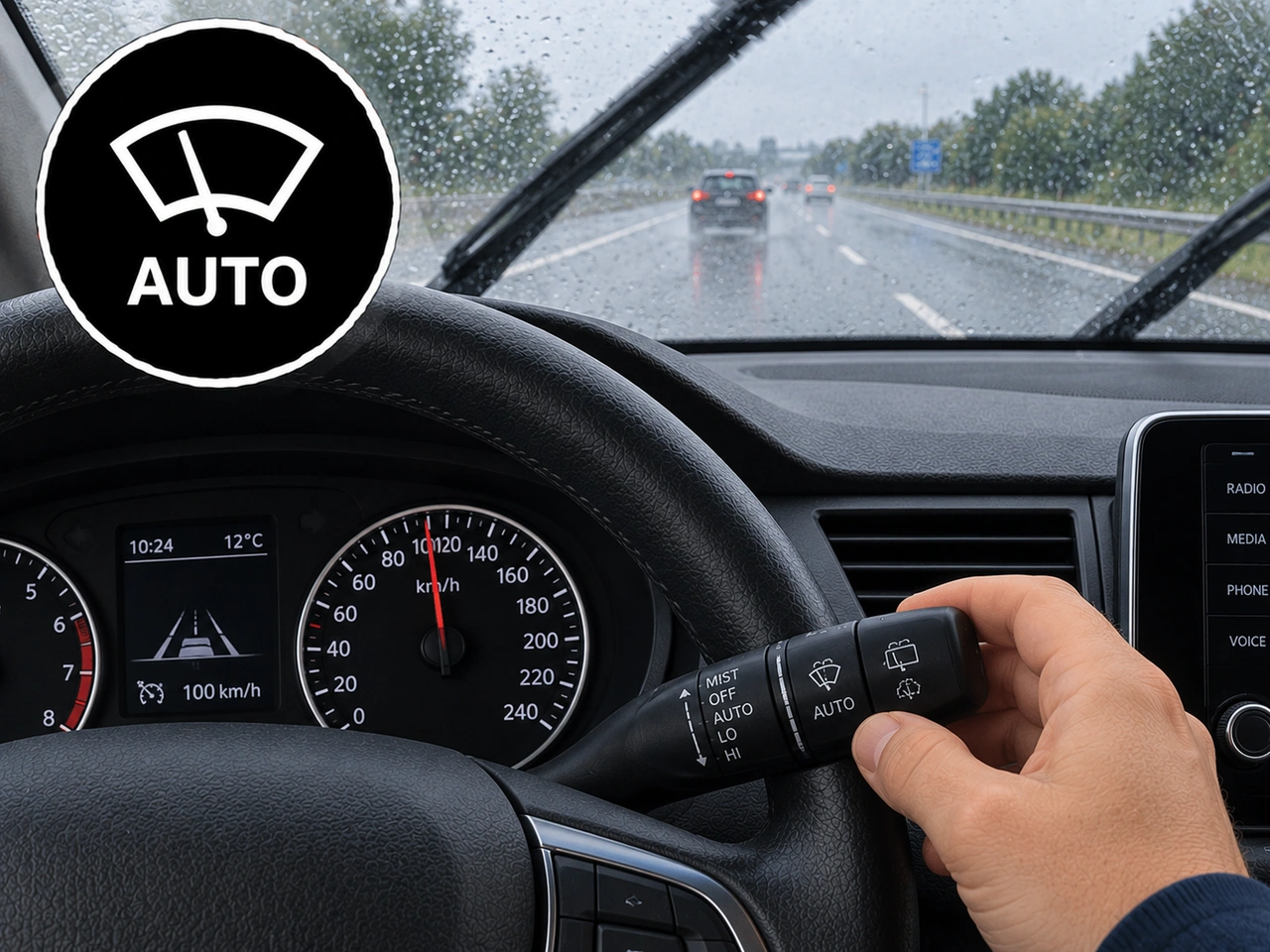
What does AUTO on a windscreen-wiper control normally do?

231. What does AUTO on a windscreen-wiper control normally do?

Runs the wipers continuously at maximum speed.
✓ Operates the wipers automatically when rain is detected.
Operates only the rear wiper.
Sprays washer fluid automatically.

When AUTO is selected, a rain sensor can operate the windscreen wipers automatically and adjust their operation according to the amount of moisture detected on the windscreen.

AUTO setting on the windscreen-wiper control
AI-generated by Traffic-rules.com • WCIT • CC BY-SA
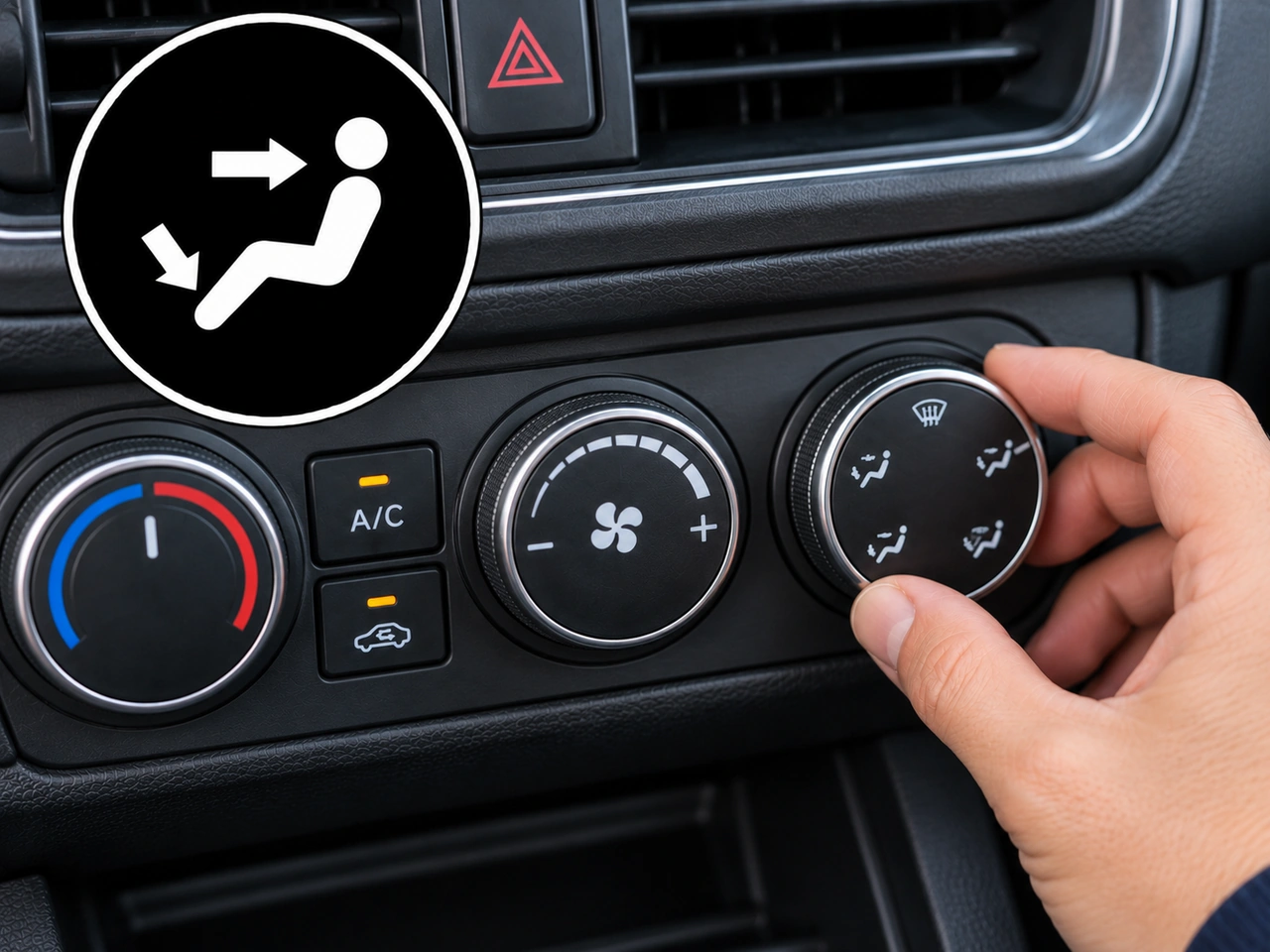
What does this vehicle-control symbol indicate?

232. What does this vehicle-control symbol indicate?

Cabin temperature adjustment.
✓ Airflow direction.
Air conditioning.
Cabin fan speed.

This control selects the direction of the ventilation airflow, such as towards the face, feet or windscreen.

Control for directing cabin ventilation airflow
AI-generated by Traffic-rules.com • WCIT • CC BY-SA
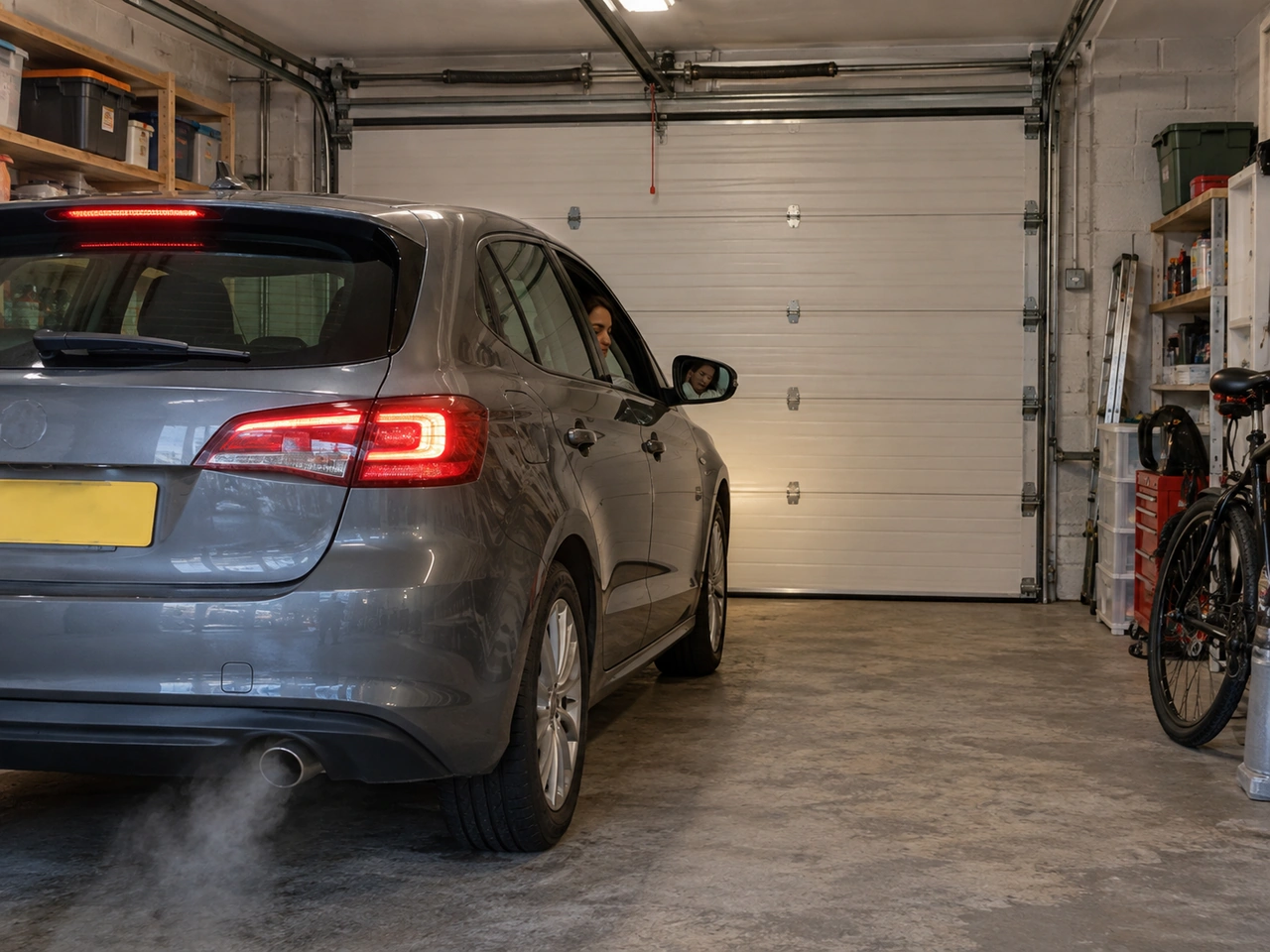
Why should you never leave a petrol or diesel engine running in an enclosed space?

233. Why should you never leave a petrol or diesel engine running in an enclosed space?

The tyres can lose pressure more quickly.
The cooling system can stop working.
The battery can become overcharged.
✓ Dangerous carbon monoxide can build up.

Exhaust gases from petrol and diesel engines can contain carbon monoxide, a poisonous gas that can build up quickly in an enclosed or poorly ventilated space. Never leave the engine running inside a closed garage or similar area.

Running vehicle engine in an enclosed space
AI-generated by Traffic-rules.com • WCIT • CC BY-SA
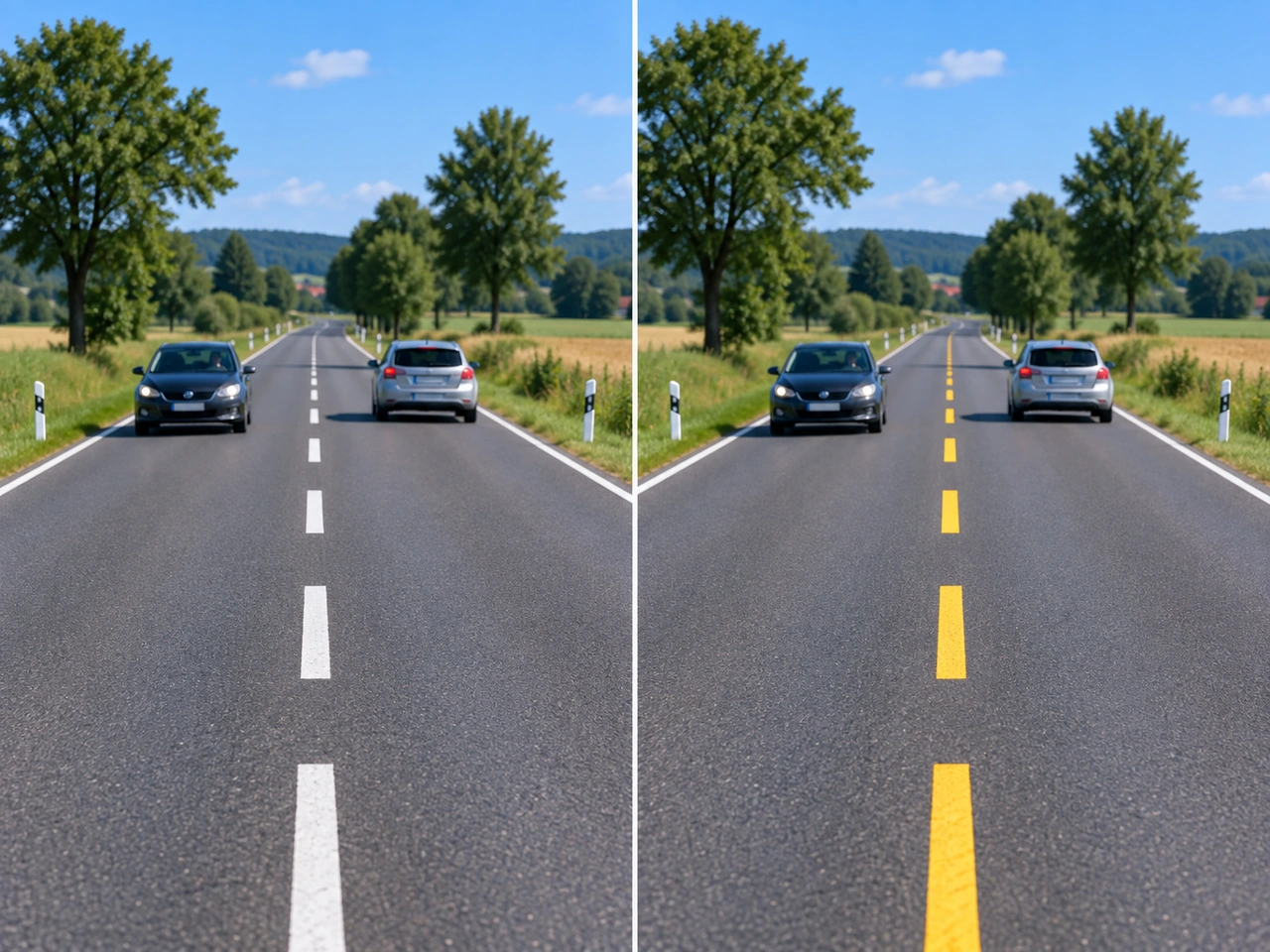
What colour is normally used for the centre line separating opposing traffic in Slovakia?

234. What colour is normally used for the centre line separating opposing traffic in Slovakia?

✓ White.
Yellow.

Roads in Slovakia normally use a white centre line to separate traffic travelling in opposite directions.

Centre-line markings separating opposing traffic
AI-generated by Traffic-rules.com • WCIT • CC BY-SA
What is the purpose of the manual parking brake?

235. What is the purpose of the manual parking brake?

✓ To help keep the vehicle stationary when parked.
To disengage the clutch.
To slow the vehicle during normal driving.
To select reverse gear.

The manual parking brake helps keep the vehicle stationary when parked. It is normally applied by pulling up the handbrake lever and released before driving away.

Manual handbrake lever in a vehicle
AI-generated by Traffic-rules.com • WCIT • CC BY-SA
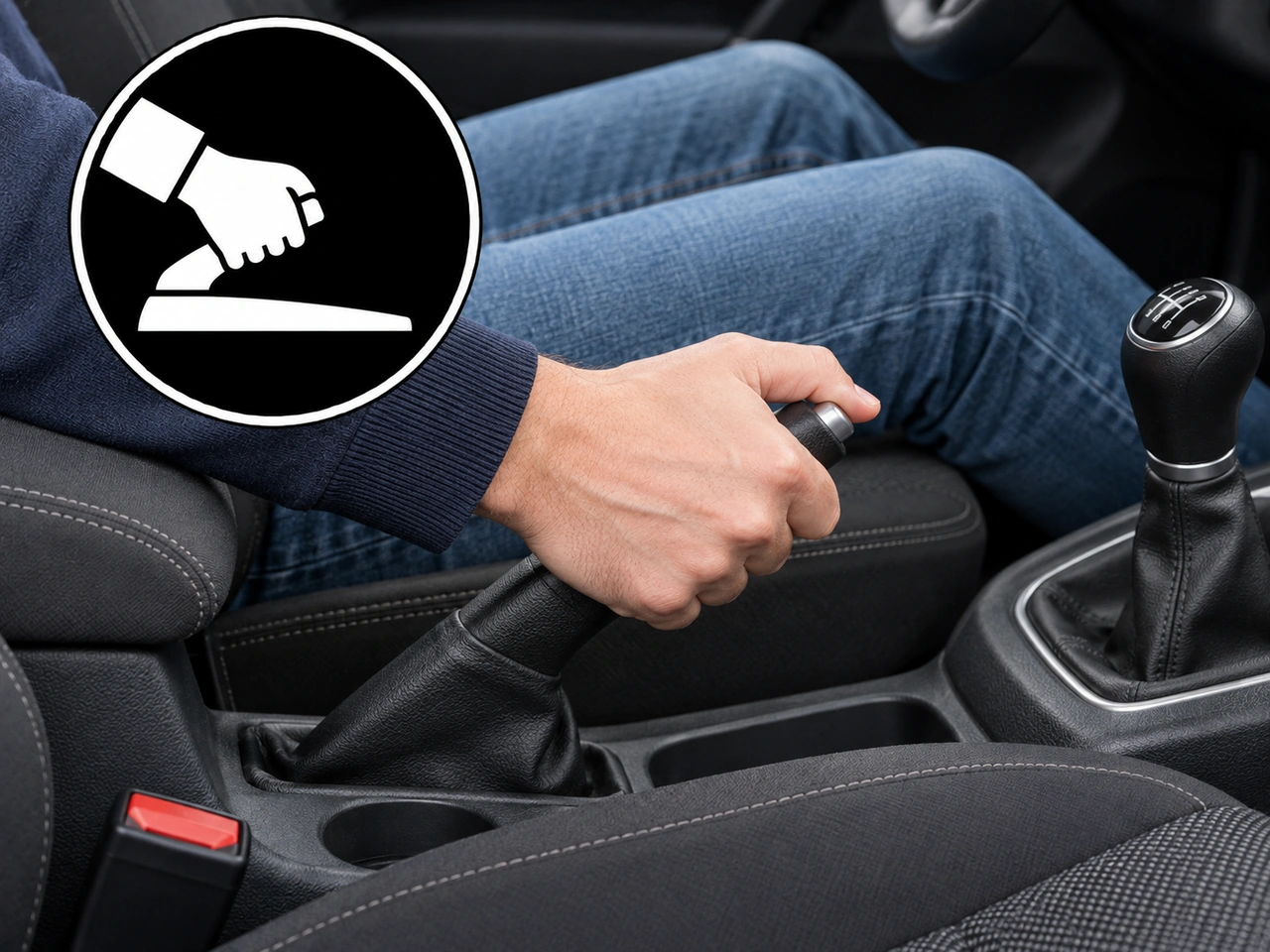
What should cyclists do when an emergency vehicle with lights and siren approaches?

236. What should cyclists do when an emergency vehicle with lights and siren approaches?

Keep riding normally and let the driver find a way past.
Move aside quickly without checking around you.
Follow closely behind it once it passes.
✓ Stay alert and move to a safe position without obstructing it.

Emergency vehicles need a clear route. Move predictably and stop only where doing so is safe.

Cyclist near an approaching emergency vehicle
AI-generated by Traffic-rules.com • WCIT • CC BY-SA
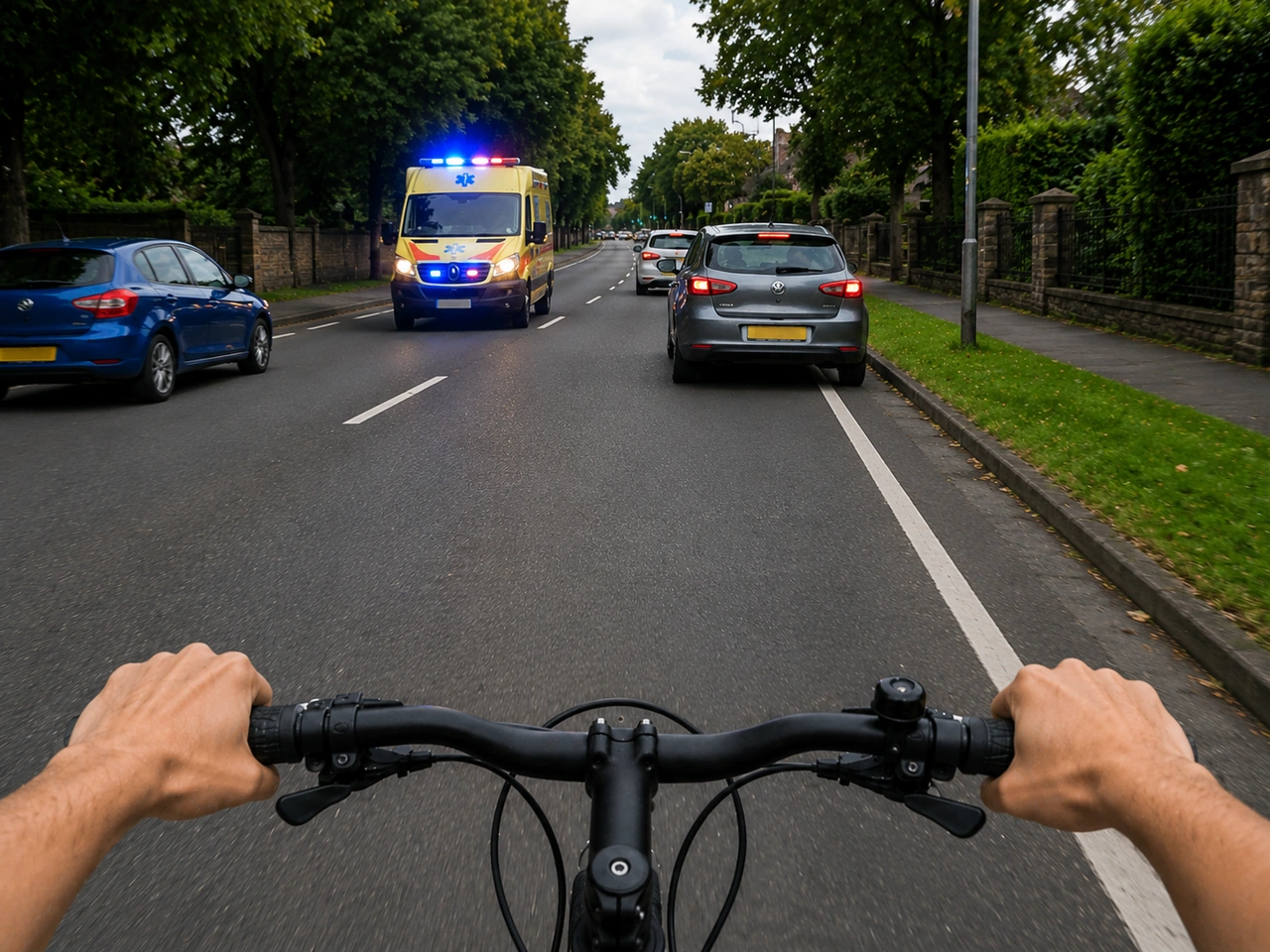
Why should you take care when parking a motorcycle on soft ground?

237. Why should you take care when parking a motorcycle on soft ground?

✓ The stand may sink into the ground and the motorcycle could fall.
The engine may become difficult to start.
The chain may become too tight.
The tyres may immediately lose air pressure.

On soft or unstable ground, the side or centre stand can sink or move, causing the motorcycle to fall. Park on a firm, stable surface or use a suitable support under the stand when necessary.

Motorcycle stand resting on soft ground
AI-generated by Traffic-rules.com • WCIT • CC BY-SA
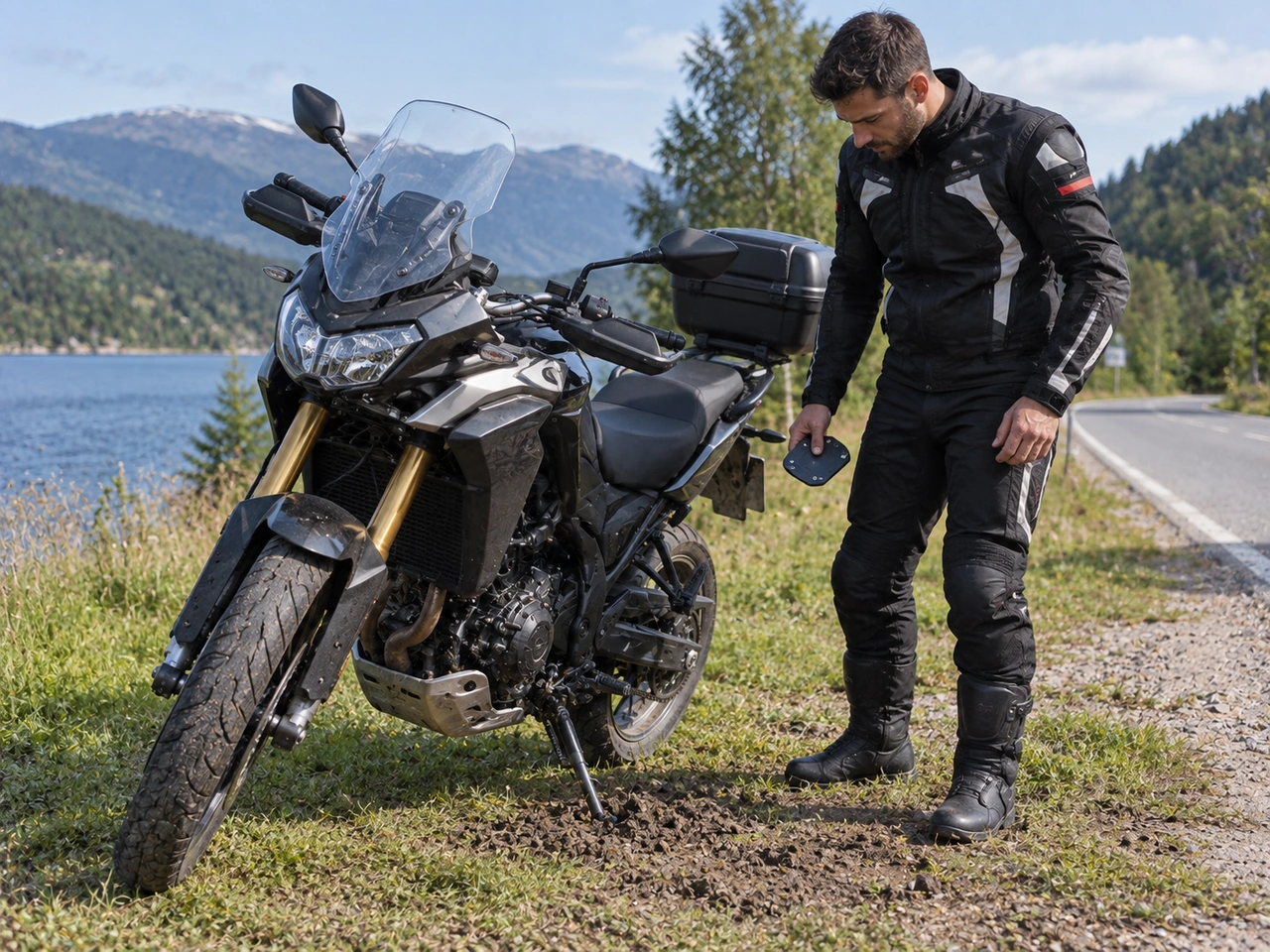
It is safe to look at your phone briefly while driving.

238. It is safe to look at your phone briefly while driving.

✓ False.
True.

Using your phone while driving is distracting and dangerous, even for a very short moment.

Driver glancing at a phone while driving
AI-generated by Traffic-rules.com • WCIT • CC BY-SA
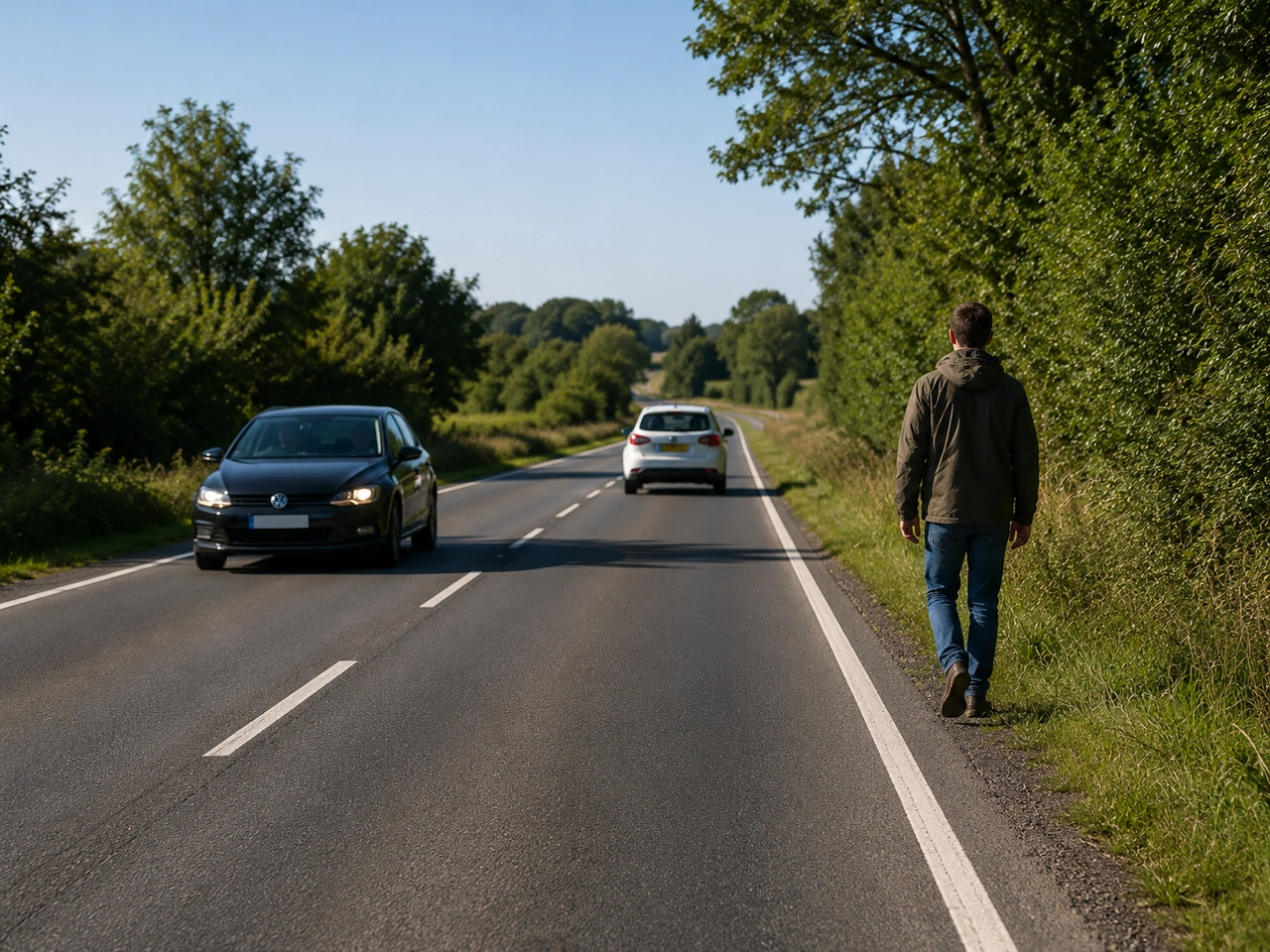
What should you do if there is no pavement?

239. What should you do if there is no pavement?

✓ Walk where you can be seen and stay alert.
Always walk in the same direction as traffic.
Walk close to traffic so drivers can see you.
Pay attention only to traffic approaching from behind.

If there is no pavement, stay as far from traffic as possible and remain alert. The exact side of the road depends on local traffic rules.

Pedestrian walking beside a road without a pavement
AI-generated by Traffic-rules.com • WCIT • CC BY-SA
Why can loud music be dangerous while cycling?

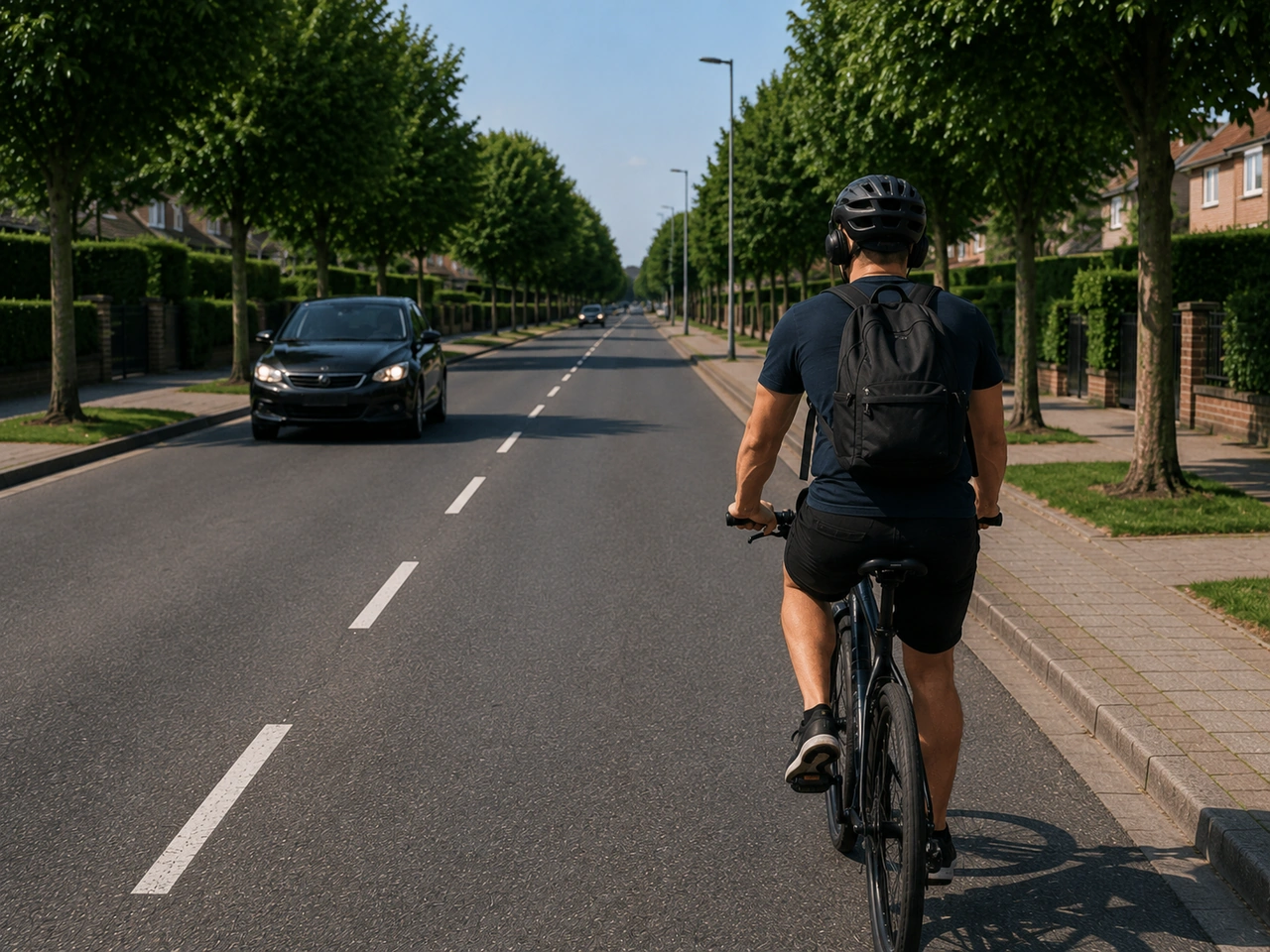
240. Why can loud music be dangerous while cycling?

It reduces the grip of the tyres.
✓ You may not hear traffic or warning sounds.
It makes the bicycle harder to balance.
It makes the brakes respond more slowly.

Hearing approaching vehicles, bells, horns, and other warning sounds is an important part of staying aware.

Cyclist listening to music near traffic
AI-generated by Traffic-rules.com • WCIT • CC BY-SA
What should you do before releasing the parking brake on a slope?

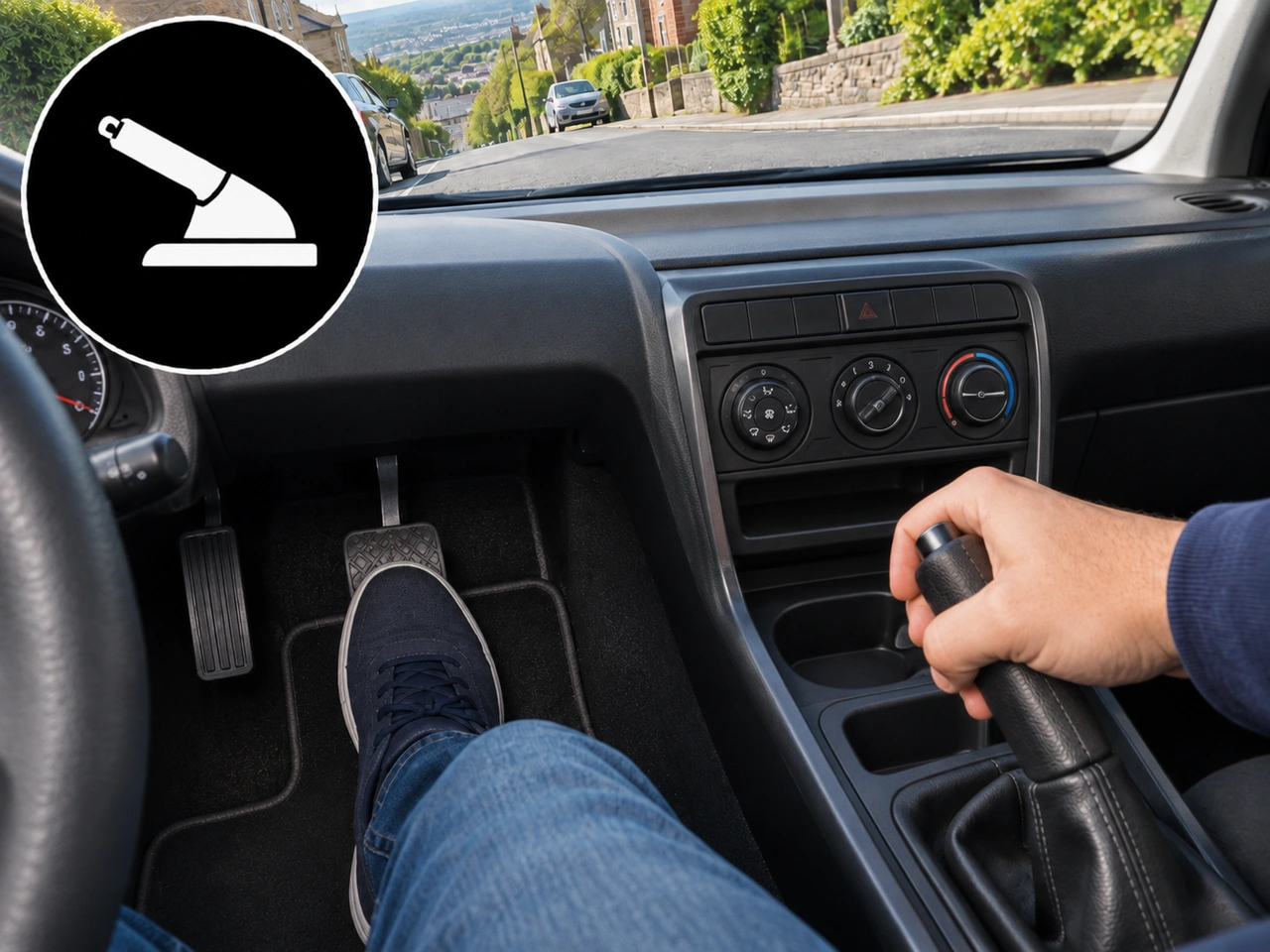
241. What should you do before releasing the parking brake on a slope?

✓ Make sure the vehicle is securely controlled before releasing it.
Press the accelerator fully.
Select neutral and release all pedals.
Turn the steering wheel fully.

Before releasing the parking brake on a slope, make sure the vehicle cannot roll unexpectedly. Use the service brake or, when moving off in a manual vehicle, establish the clutch biting point and sufficient power before releasing the parking brake.

Preparing to release the parking brake on a slope
AI-generated by Traffic-rules.com • WCIT • CC BY-SA
Why should cyclists avoid riding in a large vehicle's blind spot?

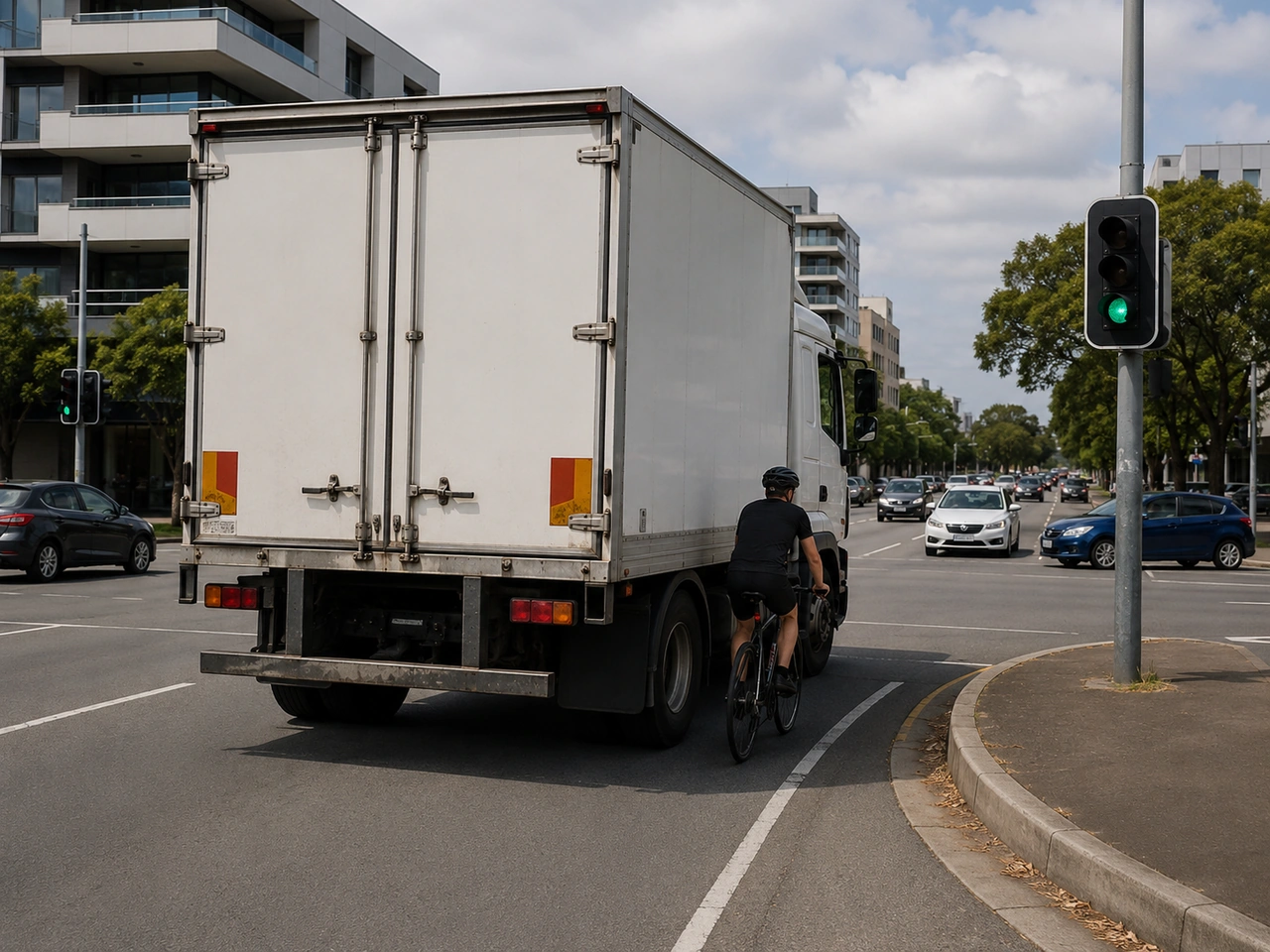
242. Why should cyclists avoid riding in a large vehicle's blind spot?

Blind spots matter only when a vehicle is reversing.
The driver can always hear a cyclist beside the vehicle.
Cyclists must always stay behind large vehicles.
✓ The driver may not be able to see them.

Buses and trucks have large areas where the driver cannot see cyclists, especially beside the vehicle and near turns.

Cyclist in a large vehicle's blind spot
AI-generated by Traffic-rules.com • WCIT • CC BY-SA
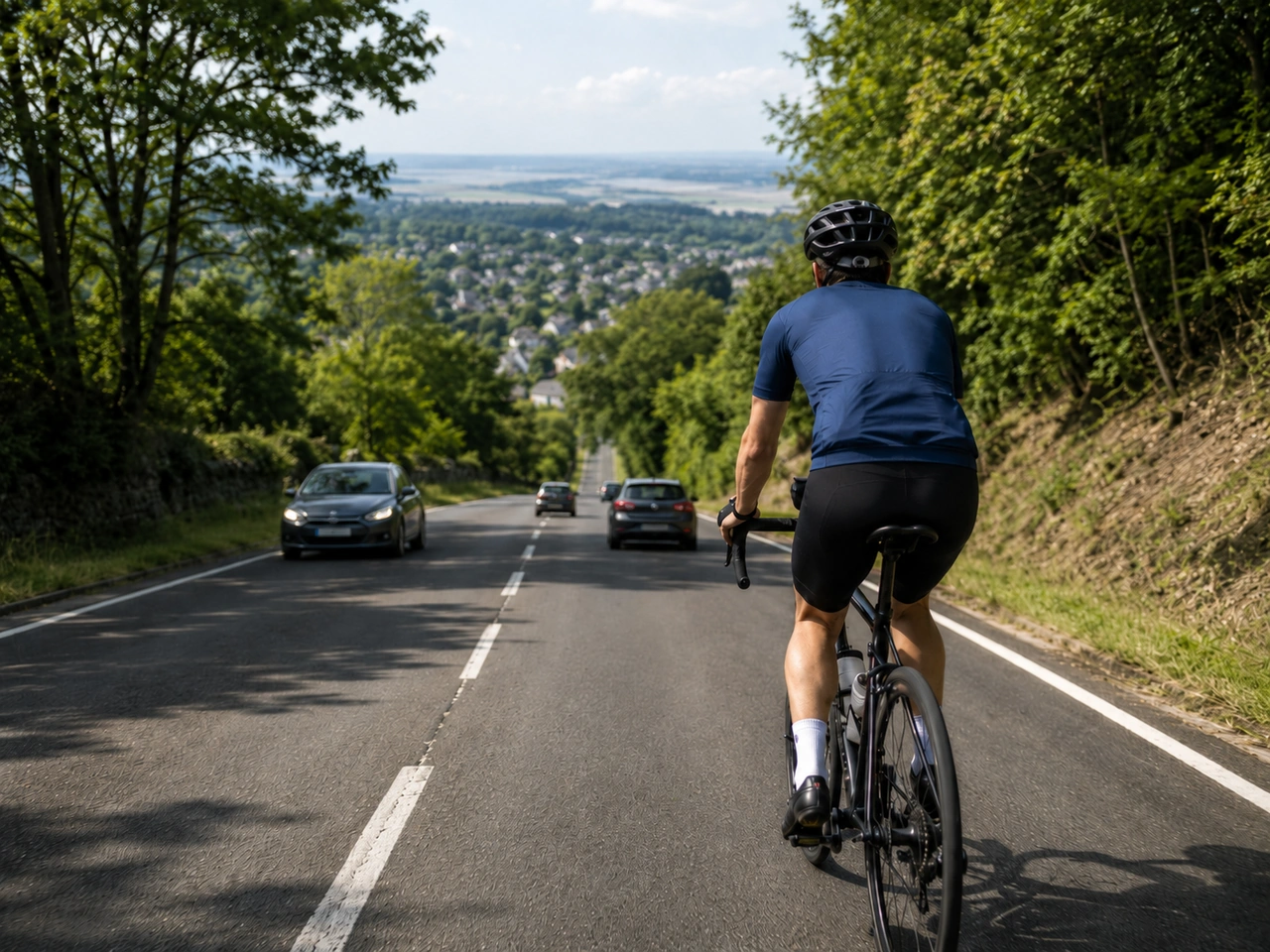
What should cyclists do when cycling downhill?

243. What should cyclists do when cycling downhill?

✓ Control your speed and keep both hands ready to brake.
Use only one brake to reduce the risk of skidding.
Let the bicycle gain speed while the road ahead is clear.
Look only at the road directly in front of you.

Higher speed increases stopping distance and reduces reaction time. Maintain a speed that allows you to stop safely.

Cyclist riding down a hill
AI-generated by Traffic-rules.com • WCIT • CC BY-SA
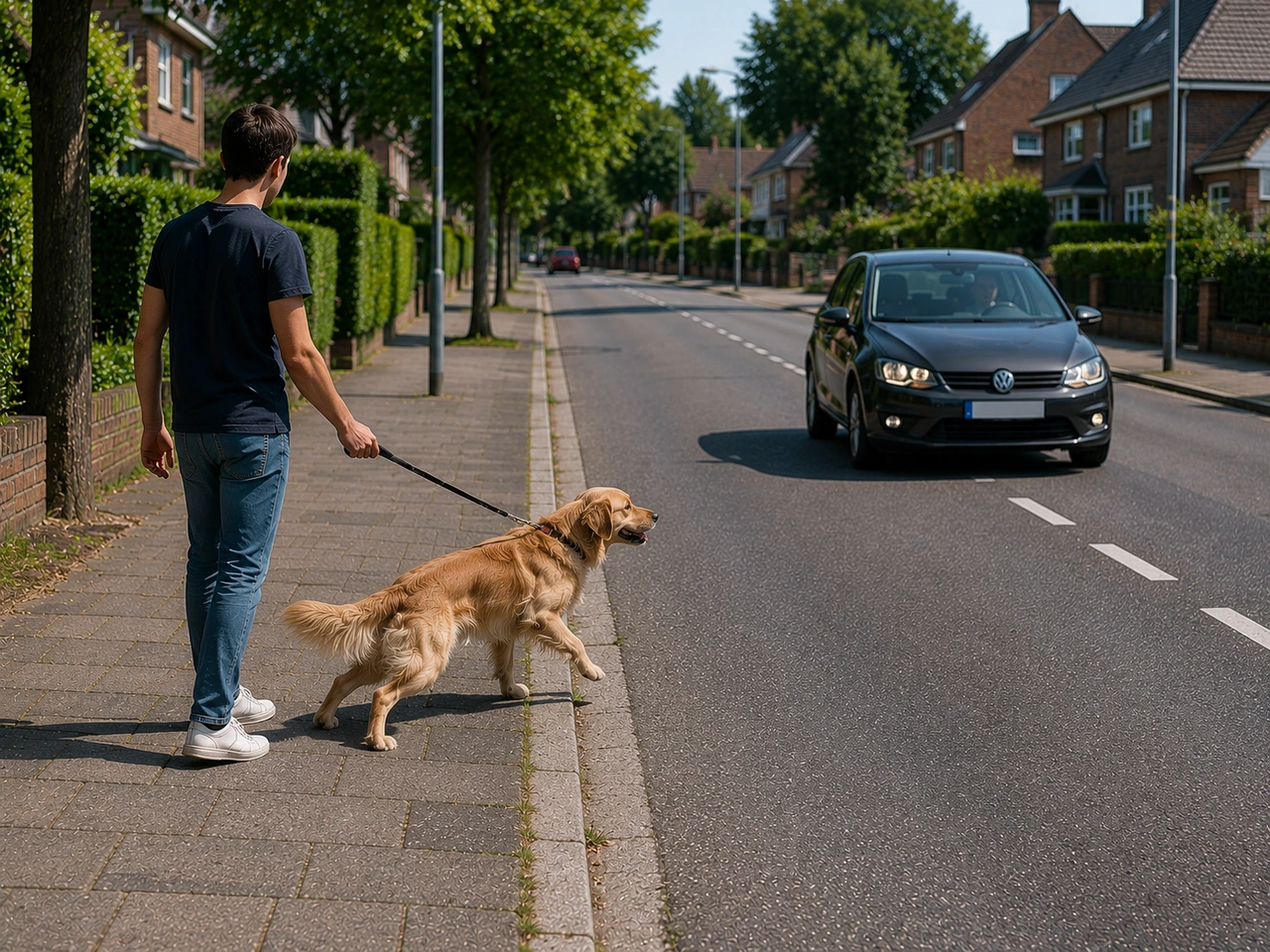
Why should pedestrians avoid sudden movements near traffic?

244. Why should pedestrians avoid sudden movements near traffic?

Drivers always expect pedestrians to walk straight.
Sudden movements are prohibited near traffic.
✓ Drivers may not have enough time to react.
You lose priority if you change direction suddenly.

Sudden movements can surprise drivers and reduce the time they have to slow down or stop safely.

Pedestrian movements close to road traffic
AI-generated by Traffic-rules.com • WCIT • CC BY-SA
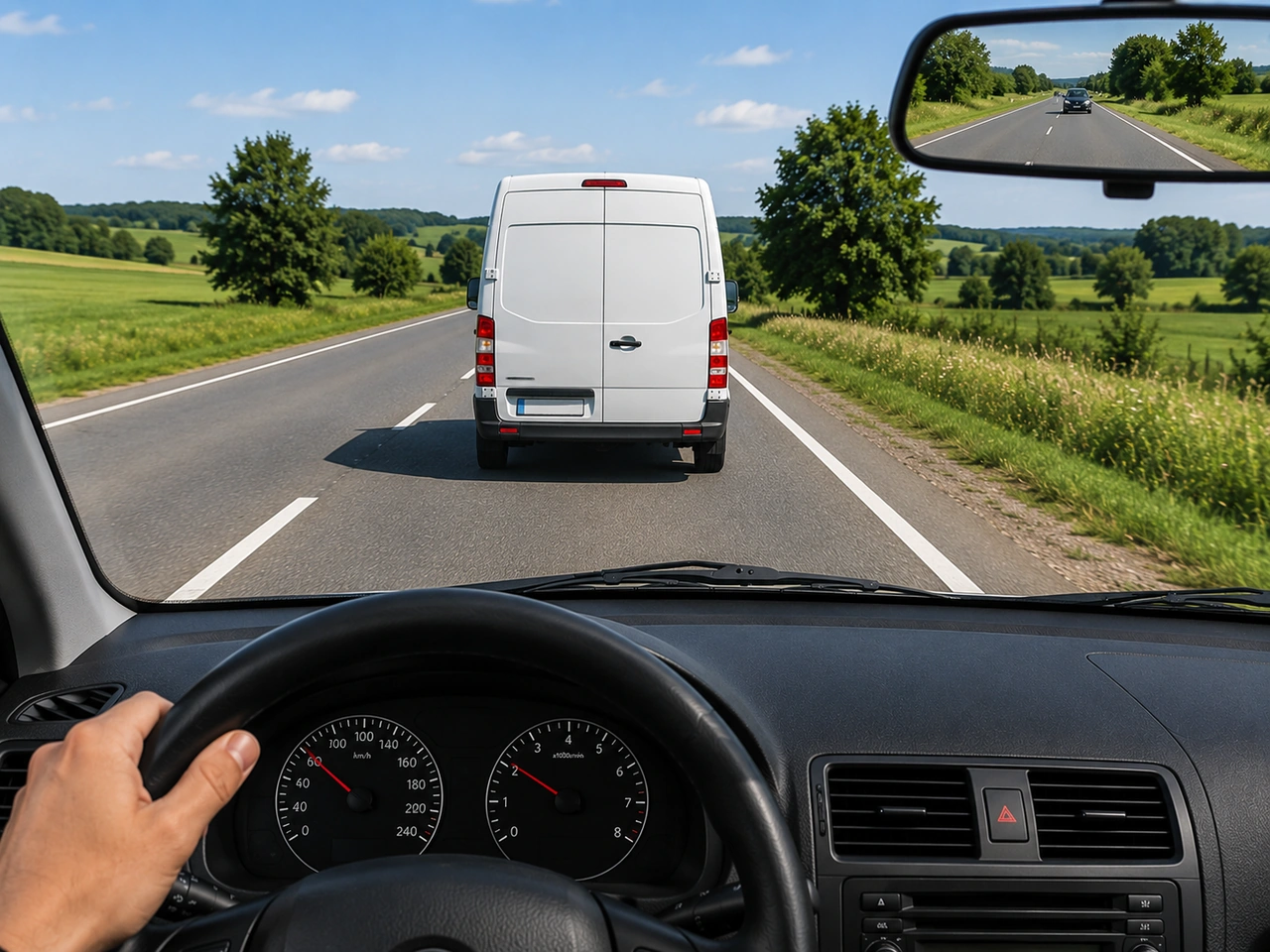
What is the main risk when following a vehicle with limited rear visibility?

245. What is the main risk when following a vehicle with limited rear visibility?

The vehicle must always travel more slowly.
✓ The driver may not see you clearly.
The driver can see you better if you follow closely.
The vehicle has priority when changing lanes.

Vans, trucks, and vehicles with blocked rear windows may have limited visibility. Keep extra distance and avoid sitting in blind spots.

Vehicle with limited rearward visibility
AI-generated by Traffic-rules.com • WCIT • CC BY-SA
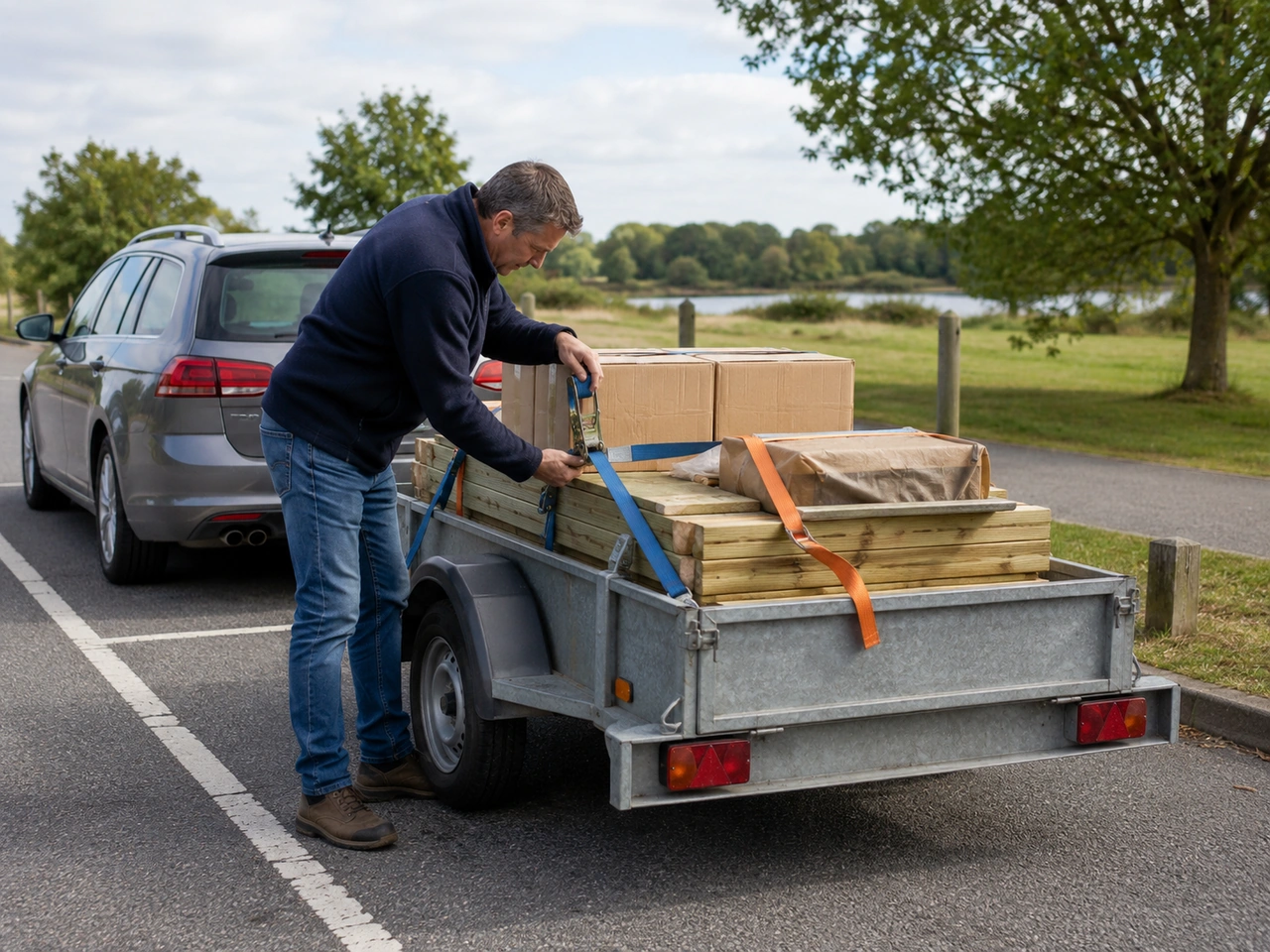
What should you check shortly after securing a load?

246. What should you check shortly after securing a load?

✓ Stop safely and check that the restraints are still tight.
Check the load only when you reach your destination.
Loosen the restraints slightly after the load has settled.
Assume the load is secure once the journey has started.

Loads and straps may settle or loosen after the journey begins. Recheck them at a safe stopping place.

Rechecking straps securing a vehicle's load
AI-generated by Traffic-rules.com • WCIT • CC BY-SA
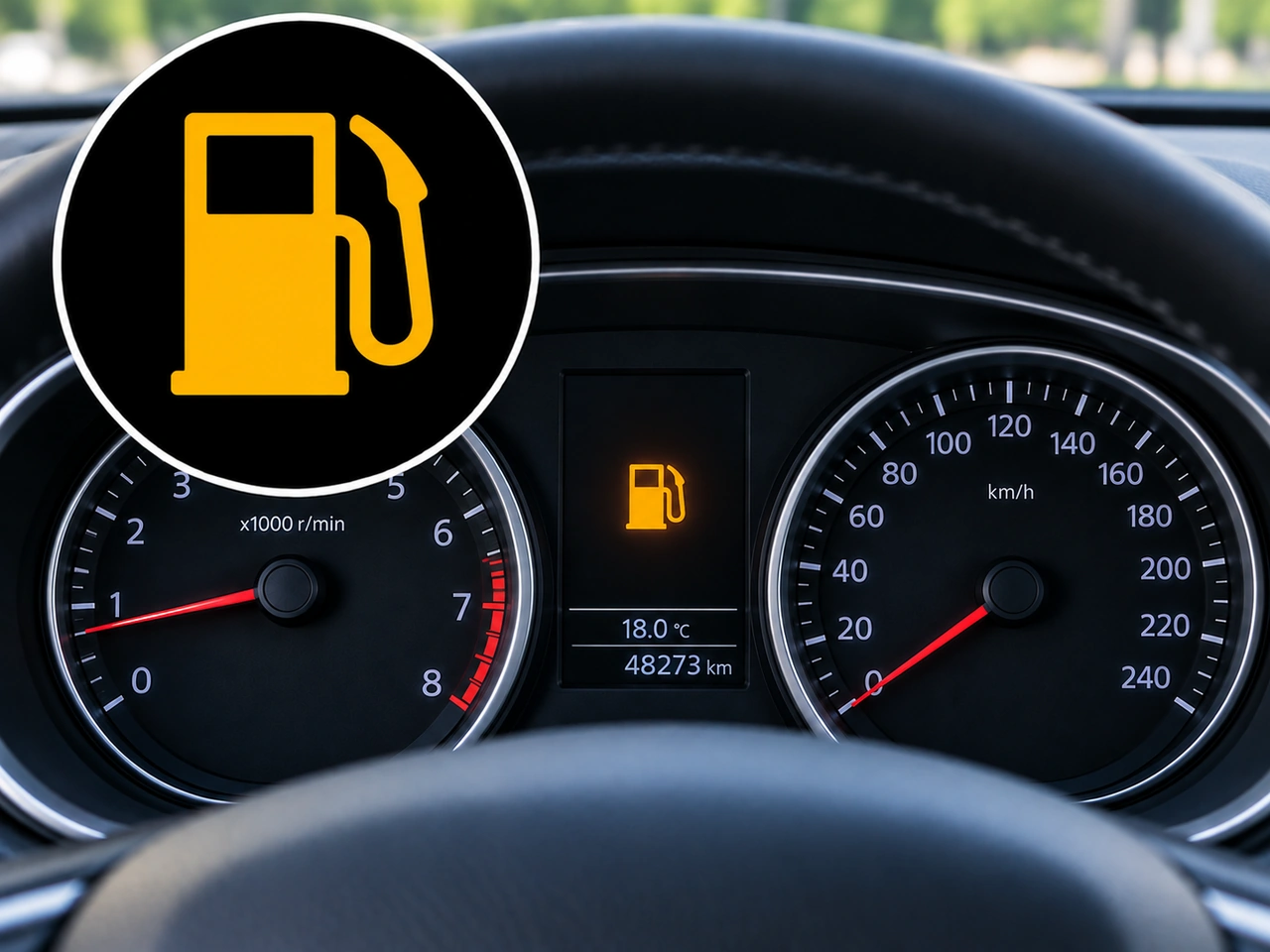
What does this dashboard symbol indicate?

247. What does this dashboard symbol indicate?

Low washer fluid.
✓ Low fuel level.
Engine-temperature warning.
Low engine oil.

This symbol indicates that the fuel level is low. Refuel soon to reduce the risk of running out of fuel.

Low-fuel warning symbol on the dashboard
AI-generated by Traffic-rules.com • WCIT • CC BY-SA
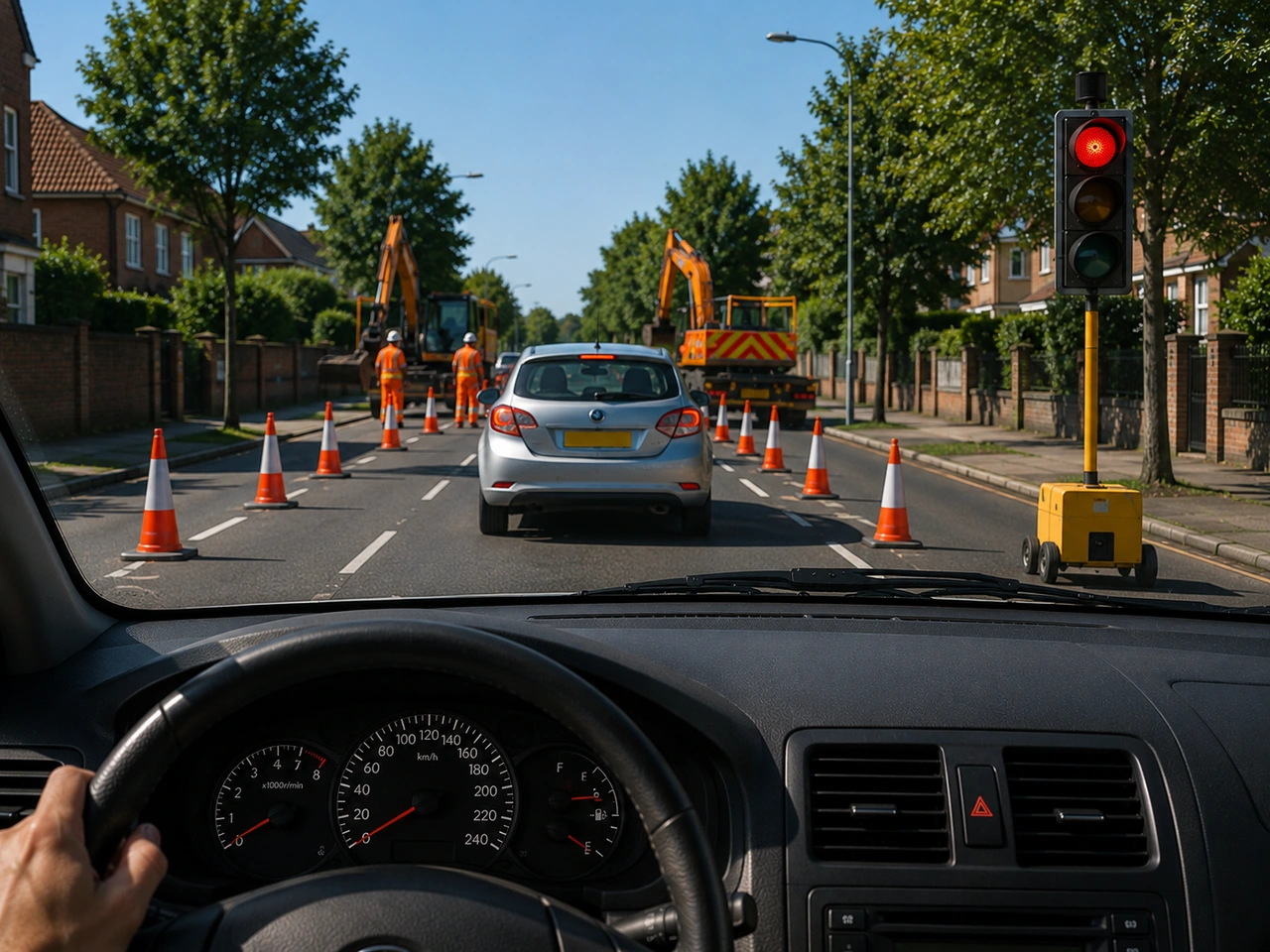
What should you do when roadworks are ahead?

248. What should you do when roadworks are ahead?

✓ Slow down and follow the temporary signs.
Follow the vehicle ahead closely through the work zone.
Maintain normal speed if your lane remains open.
Use your horn to warn road workers that you are approaching.

Roadworks can create narrow lanes, workers near traffic, uneven surfaces, and temporary rules. Slow down and follow the signs.

Roadworks and temporary traffic signs ahead
AI-generated by Traffic-rules.com • WCIT • CC BY-SA
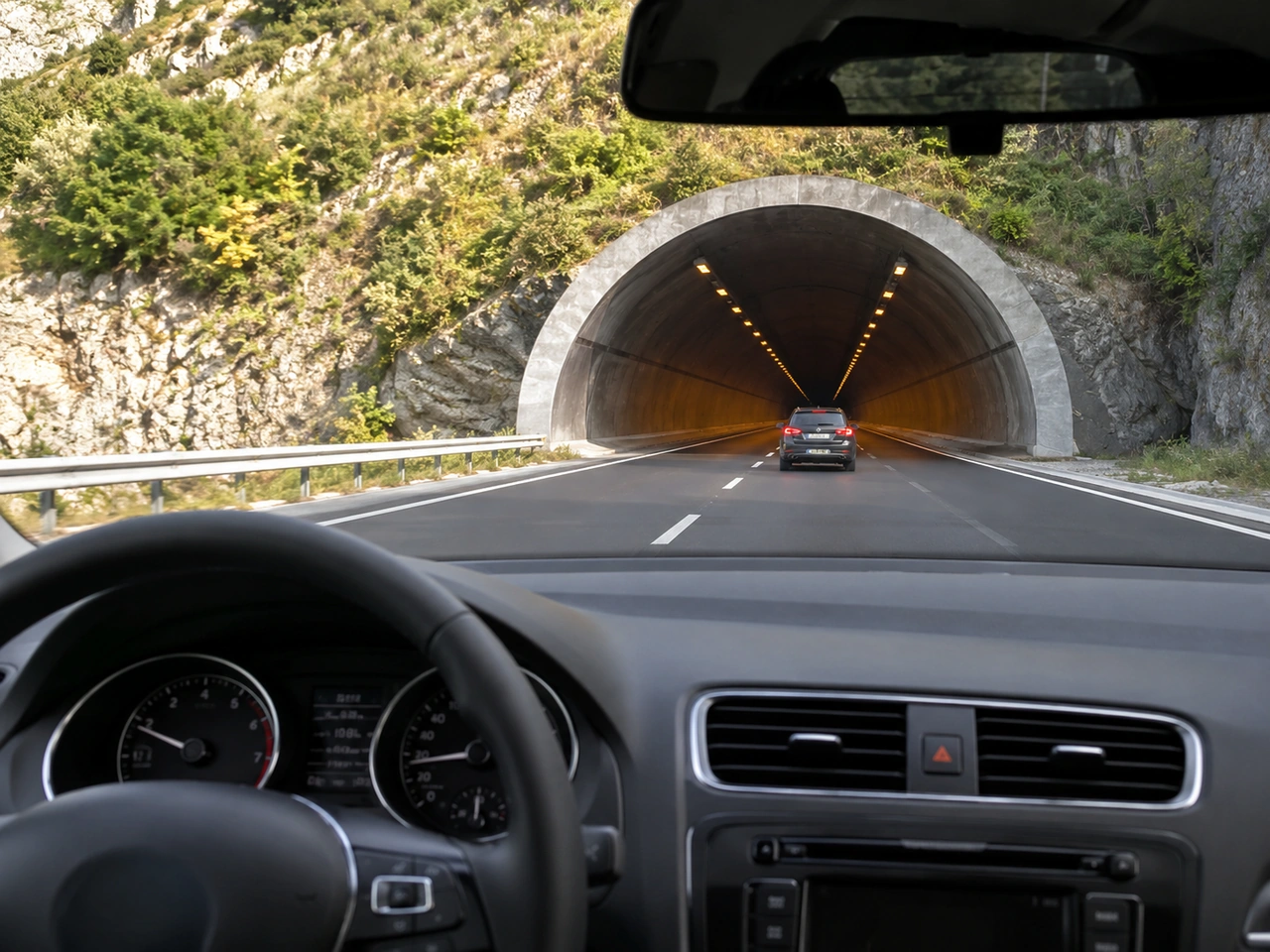
What should you do when approaching a tunnel?

249. What should you do when approaching a tunnel?

Stop and wait until the tunnel is clear.
Increase speed to spend less time inside.
✓ Use the correct lights and keep a safe distance.
Switch on the hazard lights before entering.

When entering a tunnel, use the correct lights, keep enough distance, and stay alert for slower traffic.

Vehicle approaching a road tunnel
AI-generated by Traffic-rules.com • WCIT • CC BY-SA
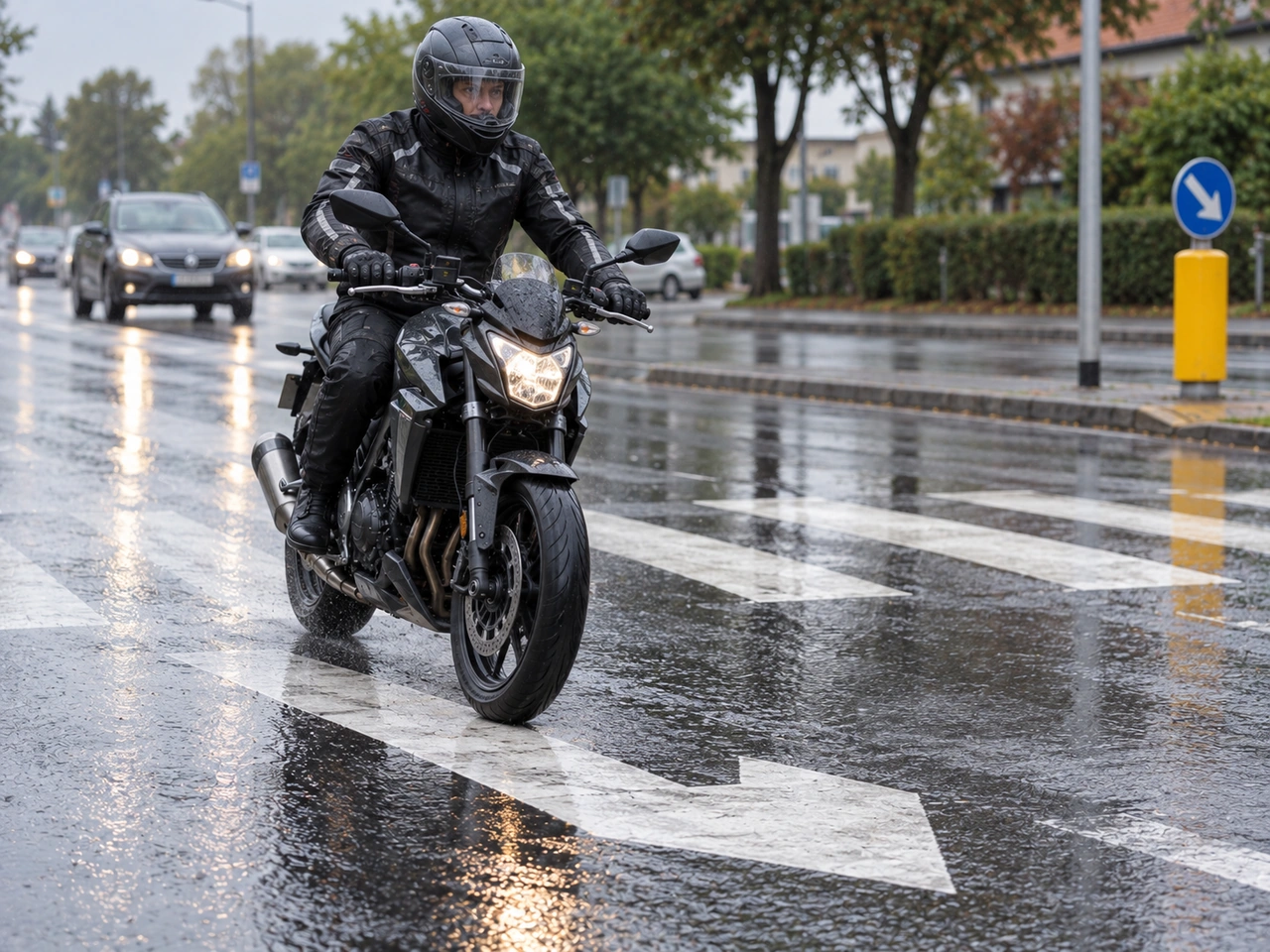
Why should motorcyclists take extra care on wet road markings?

250. Why should motorcyclists take extra care on wet road markings?

They can increase the motorcycle's engine temperature.
They can cause the tyre pressure to rise suddenly.
They can prevent the indicators from working.
✓ They can provide less grip than the surrounding road.

Wet painted road markings can provide less grip than the surrounding road surface. Ride smoothly over them and avoid sudden braking, acceleration or steering that could cause the tyres to lose grip.

Motorcycle approaching wet painted road markings
AI-generated by Traffic-rules.com • WCIT • CC BY-SA