


QuizTraffic rulesThailand
This interesting quiz helps you test your knowledge in a clear and visual way. With easy multiple-choice questions, you can quickly build confidence and learn new facts while keeping it simple, interactive, and fun.
 Traffic signs
 Traffic rules
 Thailand
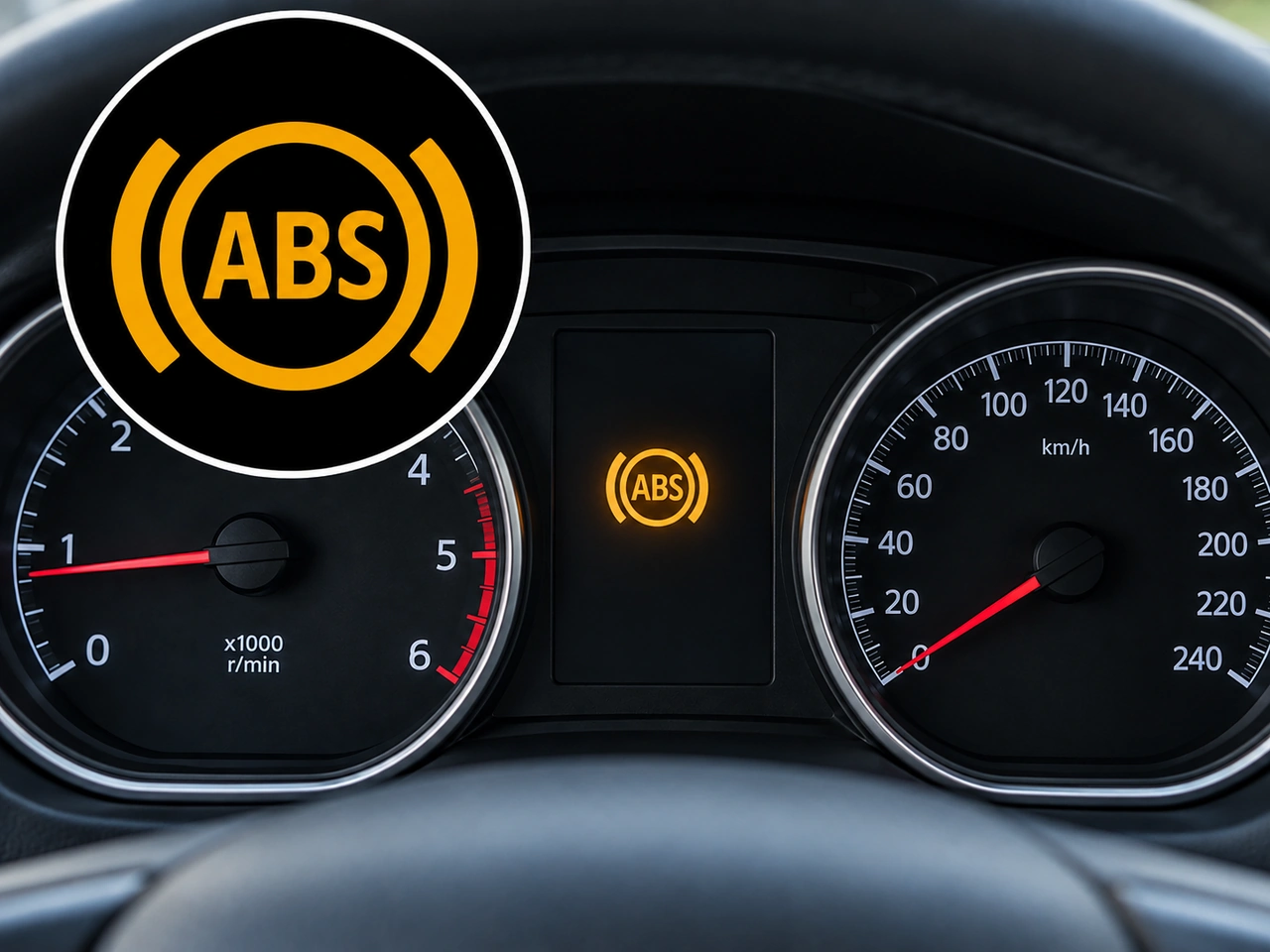
101. What does this dashboard symbol indicate?
This symbol indicates a possible fault with the anti-lock braking system (ABS). Normal braking may still be available, but ABS may not operate during heavy braking, so the system should be checked.
AI-generated by Traffic-rules.com • WCIT • CC BY-SA

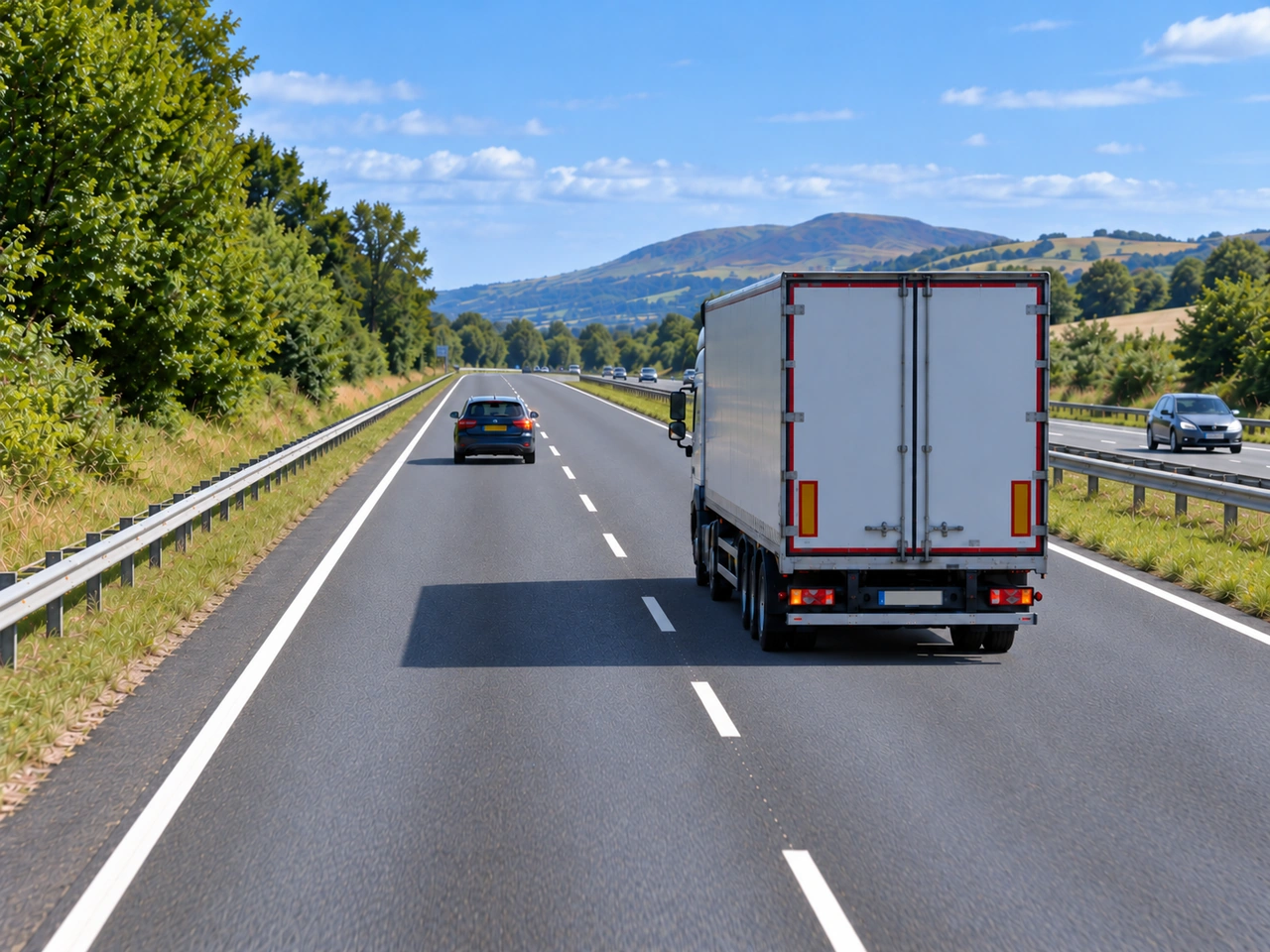
102. What should you normally do after completing an overtake?
After overtaking, return to the normal driving lane when you have passed the other vehicle by a safe distance. Check your mirrors, signal when appropriate, and avoid moving back too soon.
AI-generated by Traffic-rules.com • WCIT • CC BY-SA
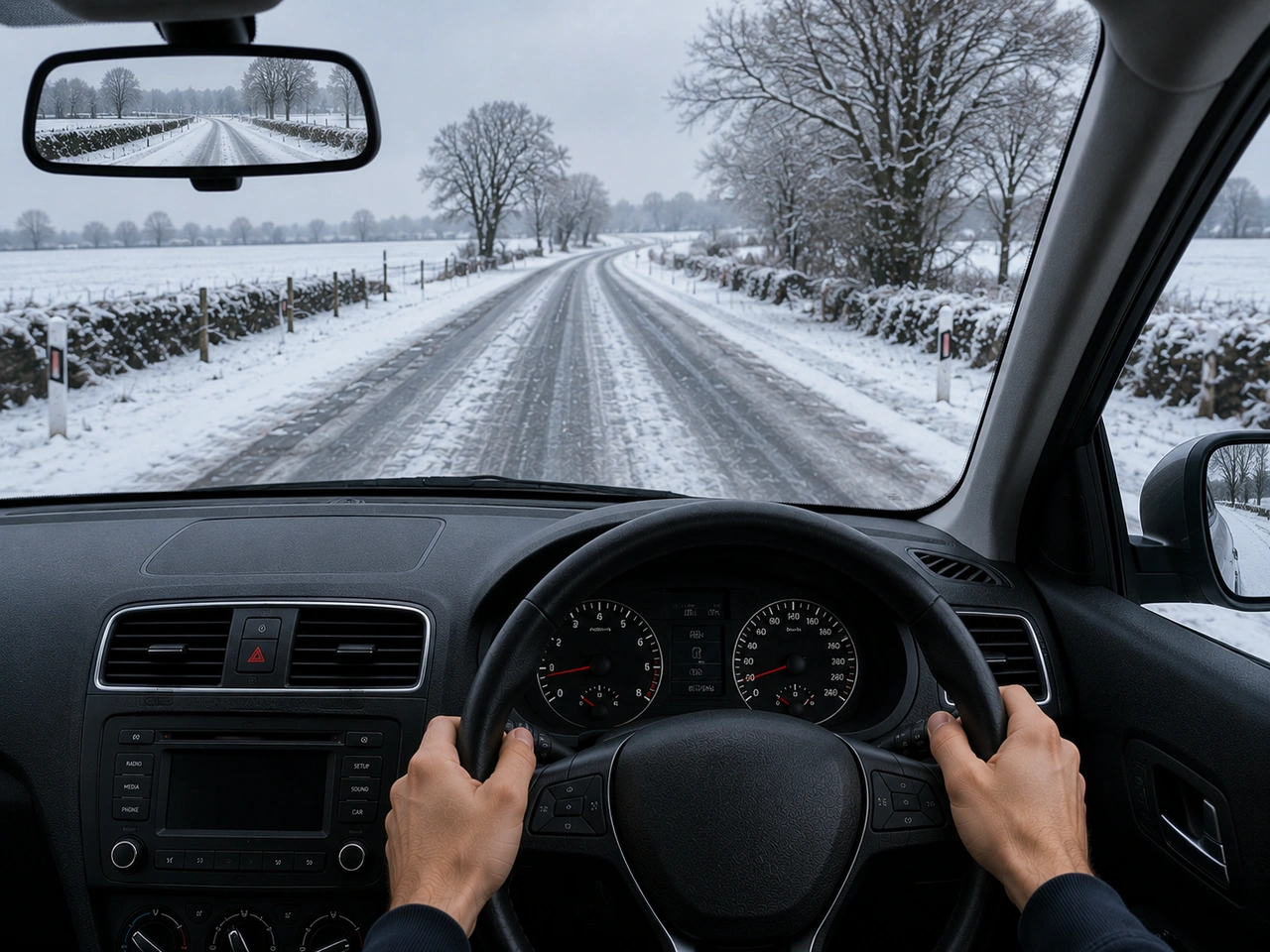
103. What should you do when driving on icy roads?
Ice greatly reduces tyre grip. Drive gently, keep extra distance, and avoid sudden movements that could cause a skid.
AI-generated by Traffic-rules.com • WCIT • CC BY-SA
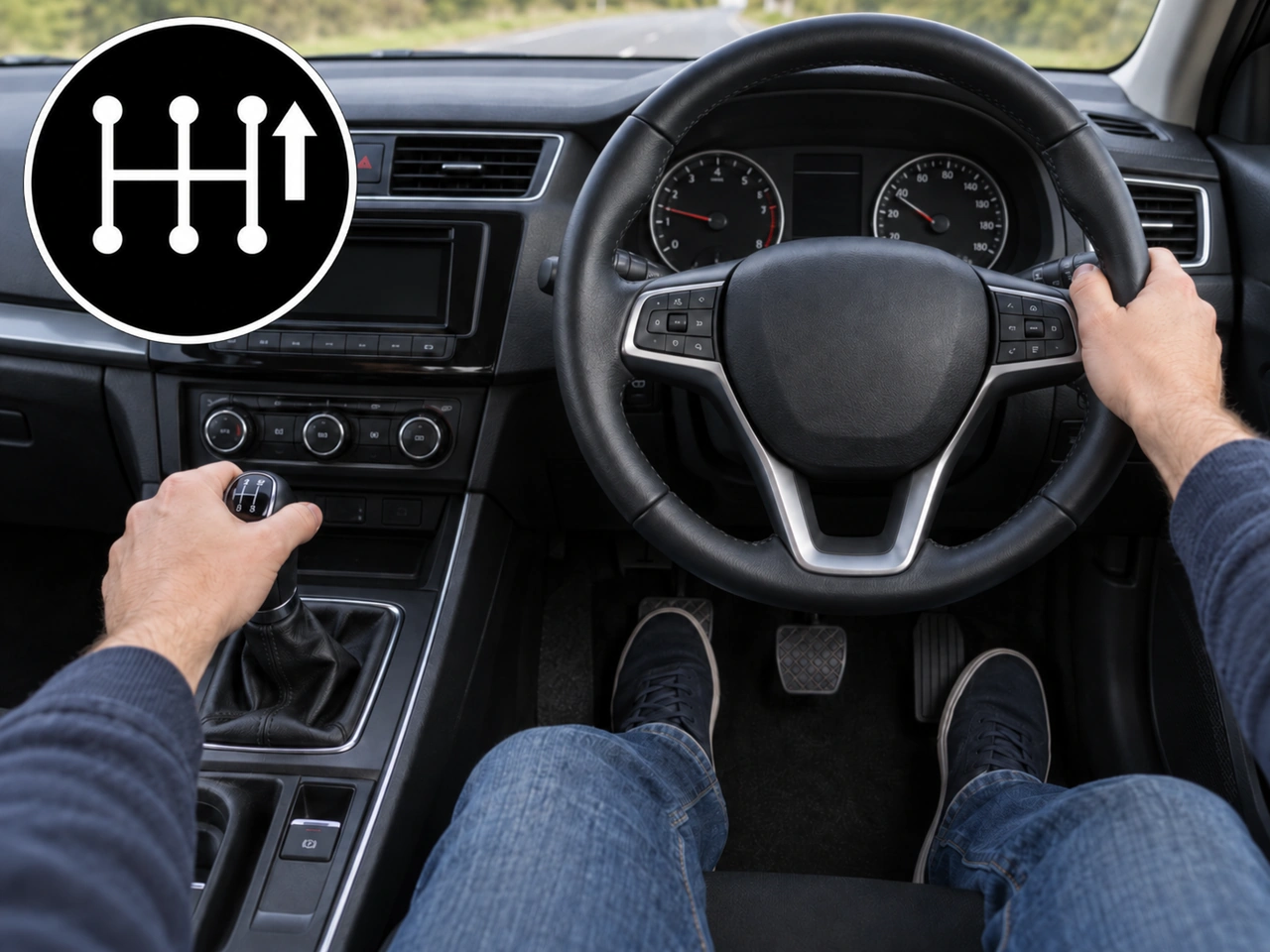
104. What should you normally do with the accelerator when changing to a higher gear?
When changing to a higher gear, ease off the accelerator as you press the clutch and select the next gear. Release the clutch smoothly and then apply the accelerator progressively.
AI-generated by Traffic-rules.com • WCIT • CC BY-SA
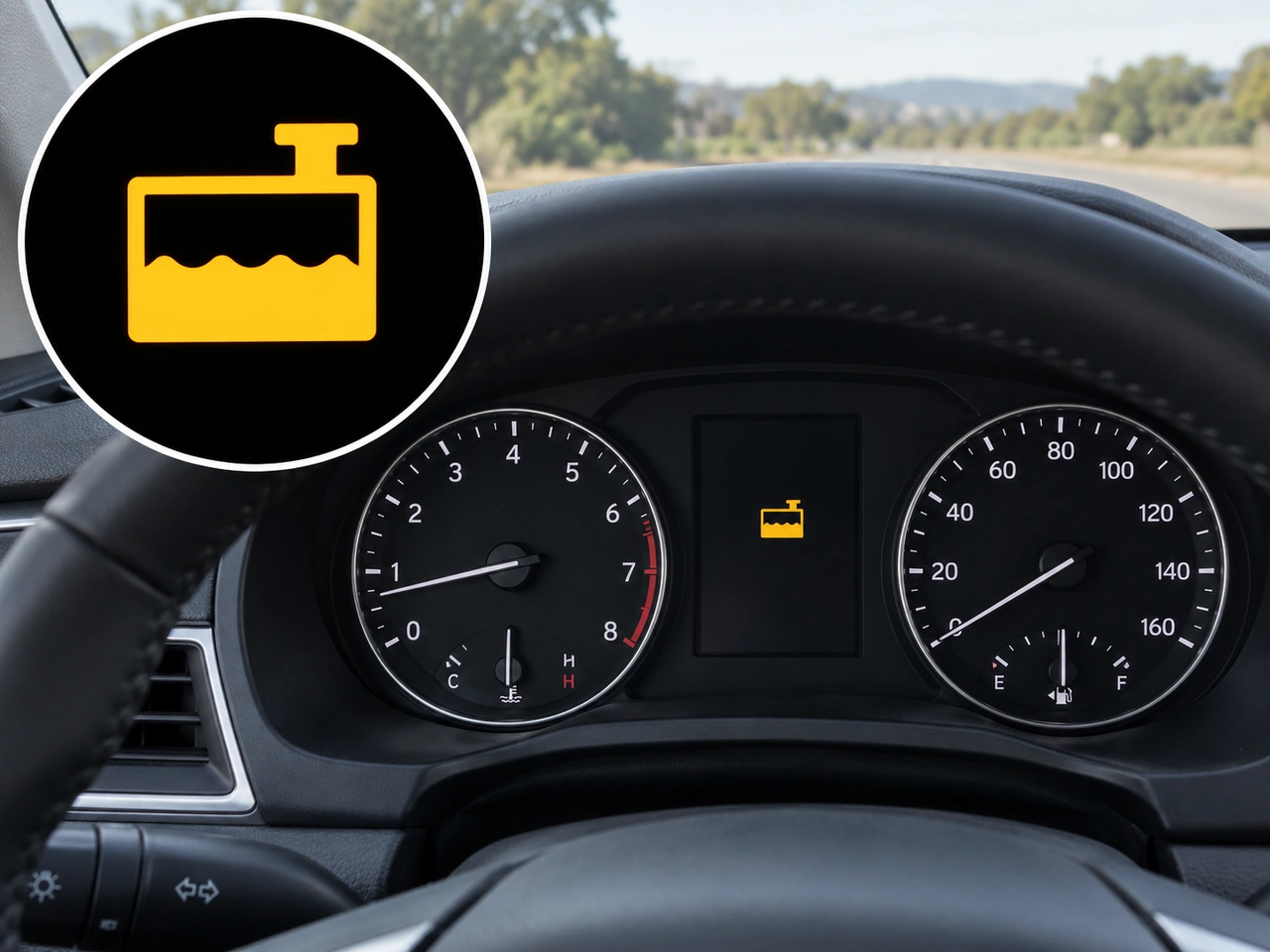
105. What does this dashboard symbol indicate?
This symbol indicates that the engine coolant level is low. Check the coolant level when the engine is cool and refill it with the correct coolant if necessary.
AI-generated by Traffic-rules.com • WCIT • CC BY-SA
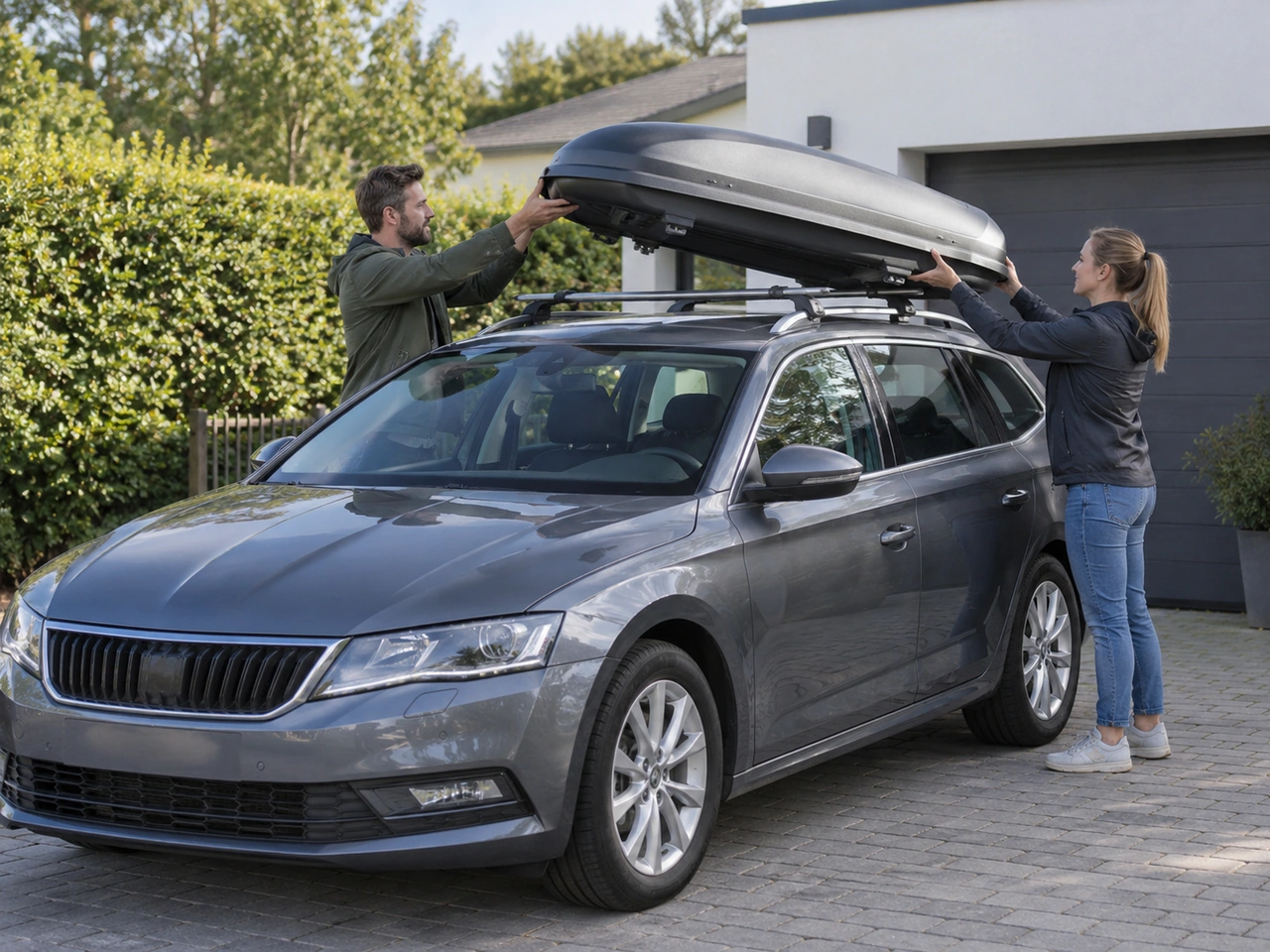
106. Why should an unused roof rack or roof box be removed?
An unused roof rack or roof box increases aerodynamic drag, particularly at higher speeds. Removing it when it is not needed can reduce fuel or energy consumption.
AI-generated by Traffic-rules.com • WCIT • CC BY-SA
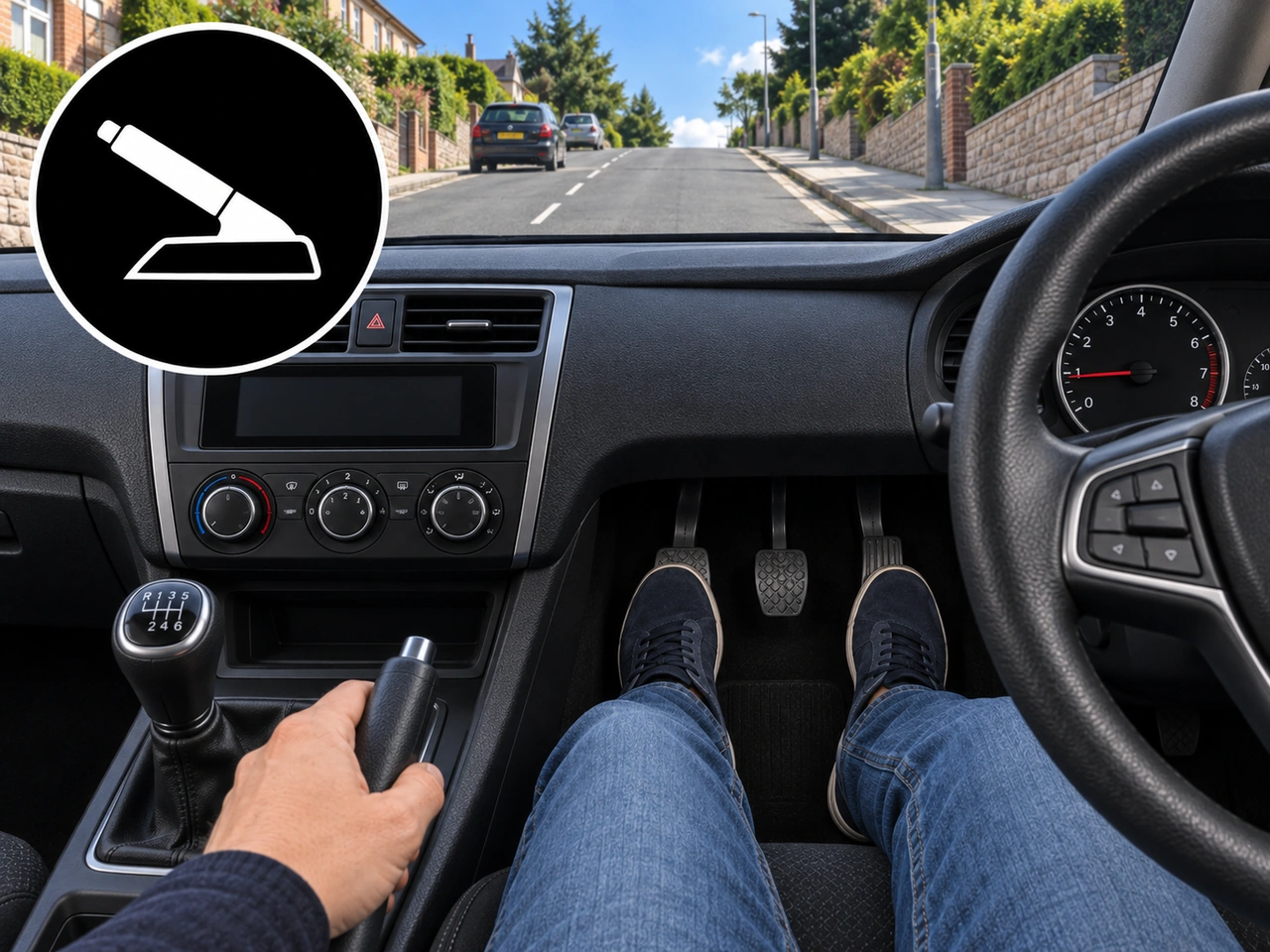
107. How can the parking brake help when moving off uphill?
When moving off uphill, the parking brake can hold the vehicle stationary while you prepare to move. Release it smoothly once the clutch reaches the biting point and sufficient power is applied.
AI-generated by Traffic-rules.com • WCIT • CC BY-SA
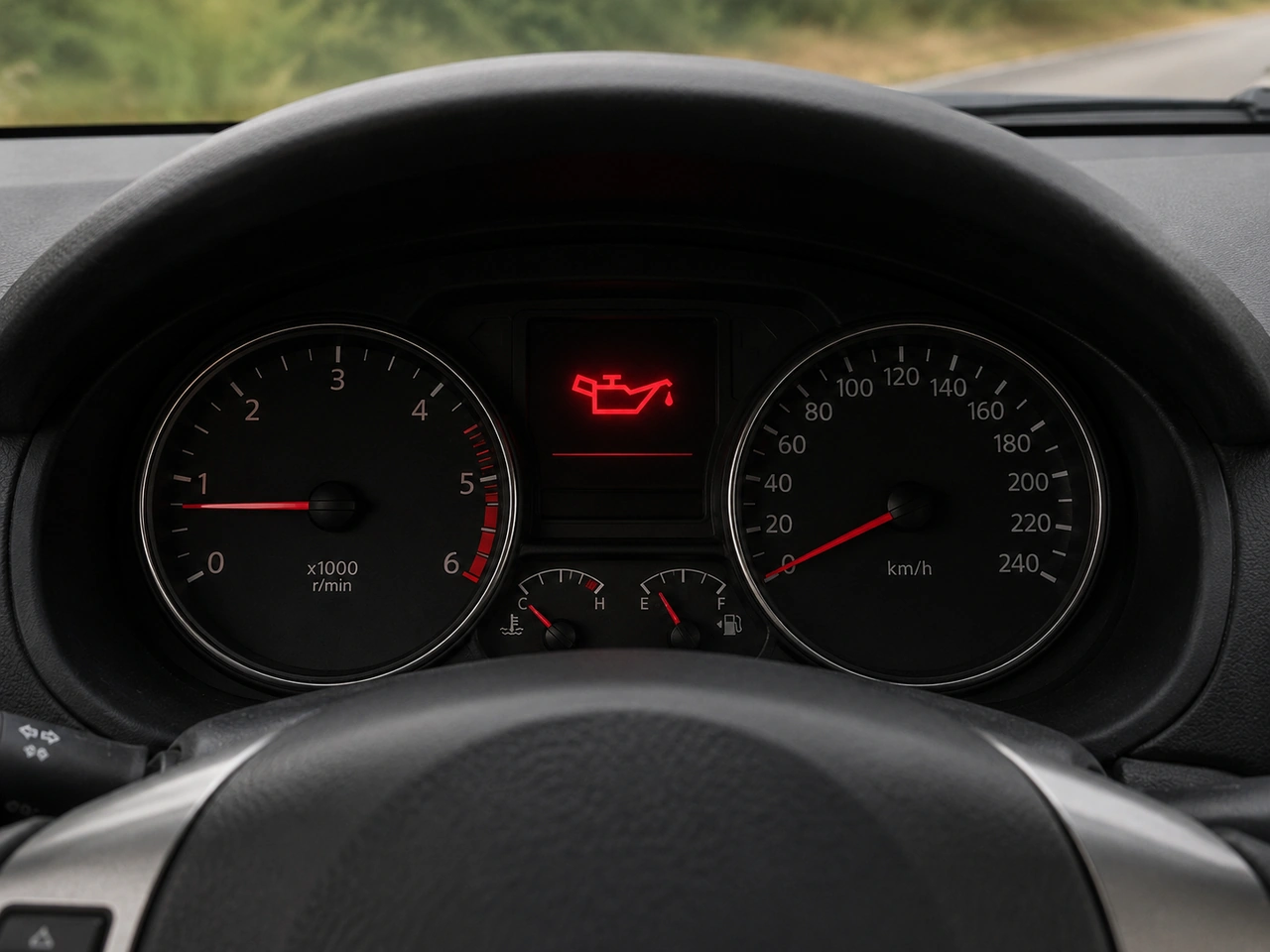
108. What should you do if the oil-pressure warning light stays on?
Low oil pressure can quickly cause severe engine damage. Stop as soon as it is safe, switch off the engine, and investigate the cause before continuing.
AI-generated by Traffic-rules.com • WCIT • CC BY-SA
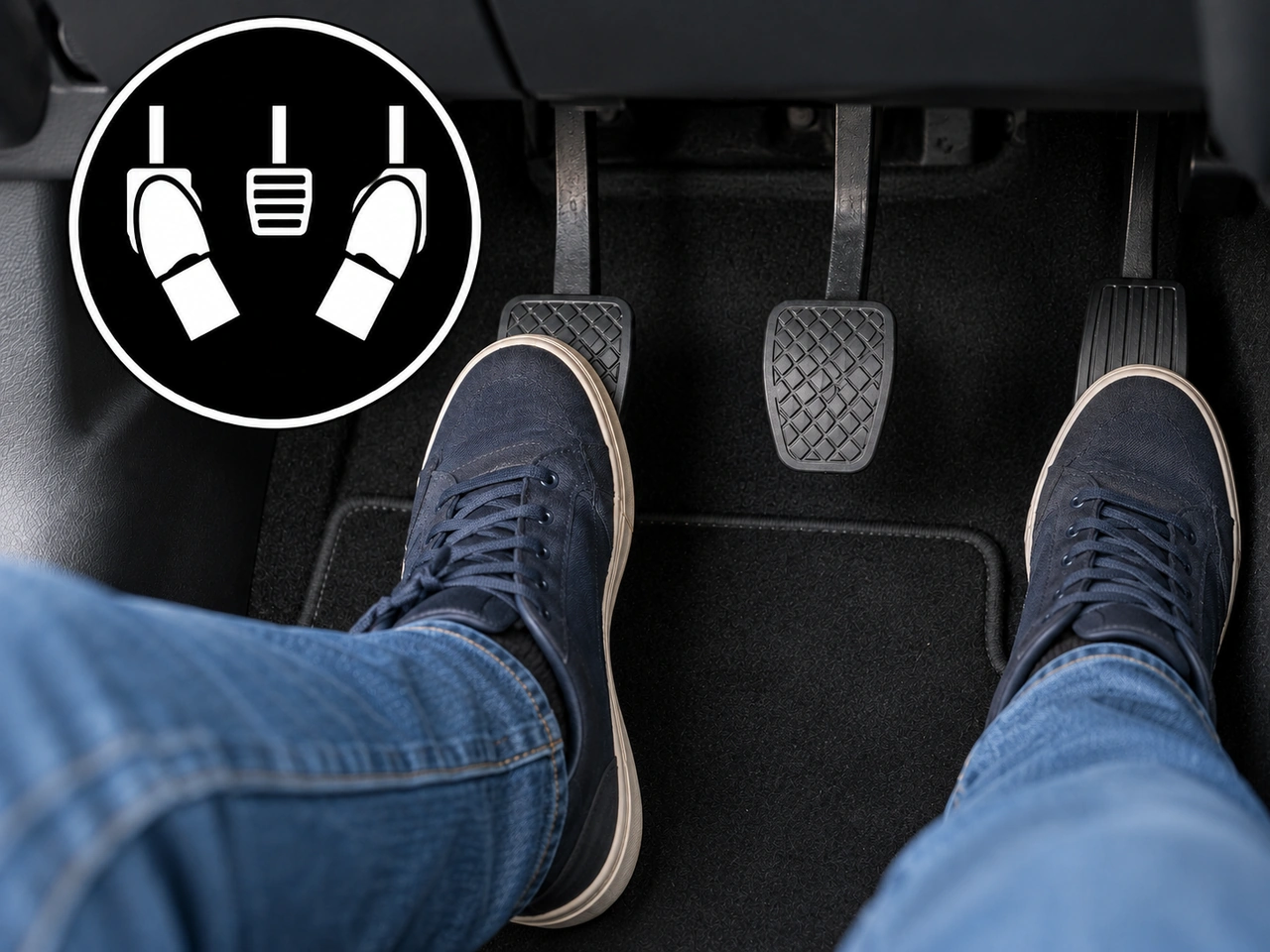
109. How should you use the clutch and accelerator when moving off?
When moving off, release the clutch pedal smoothly through the biting point while applying the accelerator progressively. This helps the vehicle move away smoothly without stalling or excessive engine speed.
AI-generated by Traffic-rules.com • WCIT • CC BY-SA
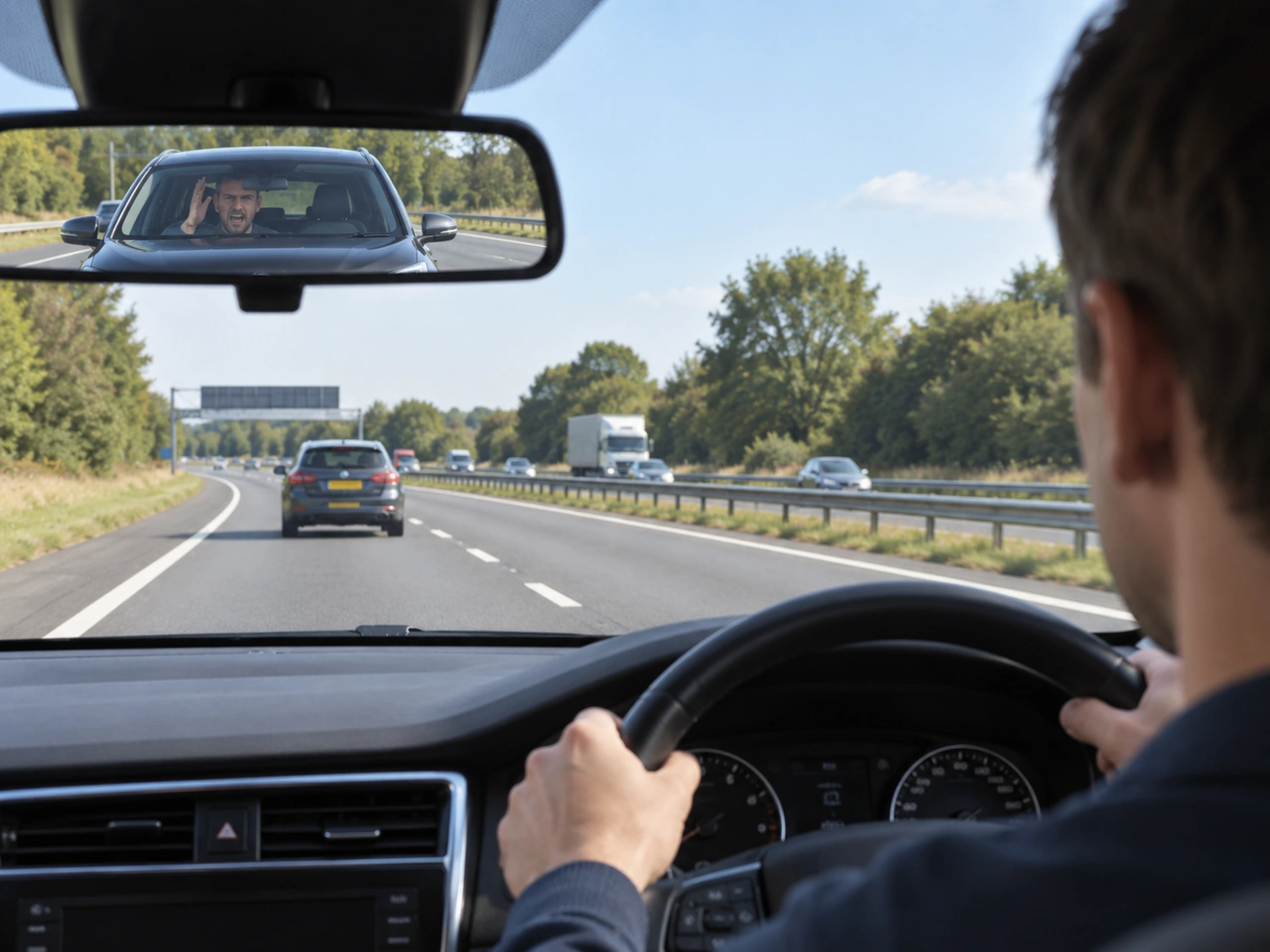
110. What should you do if another driver behaves aggressively towards you?
If another driver behaves aggressively, do not retaliate or become involved in a confrontation. Stay calm, increase the distance between you, and let the other vehicle move away when possible. If you feel threatened, go to a safe public place and seek appropriate assistance.
AI-generated by Traffic-rules.com • WCIT • CC BY-SA
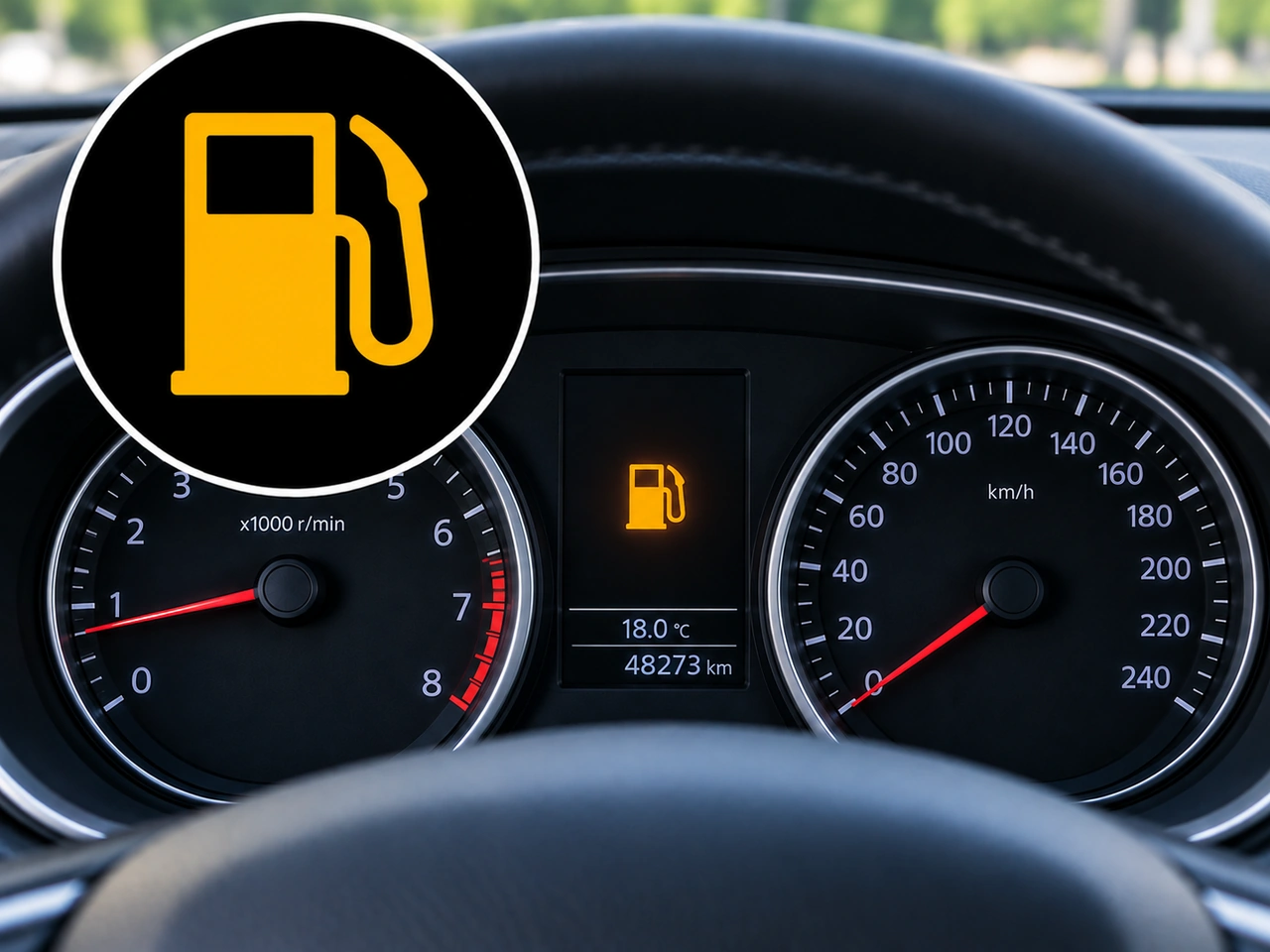
111. What does this dashboard symbol indicate?
This symbol indicates that the fuel level is low. Refuel soon to reduce the risk of running out of fuel.
AI-generated by Traffic-rules.com • WCIT • CC BY-SA
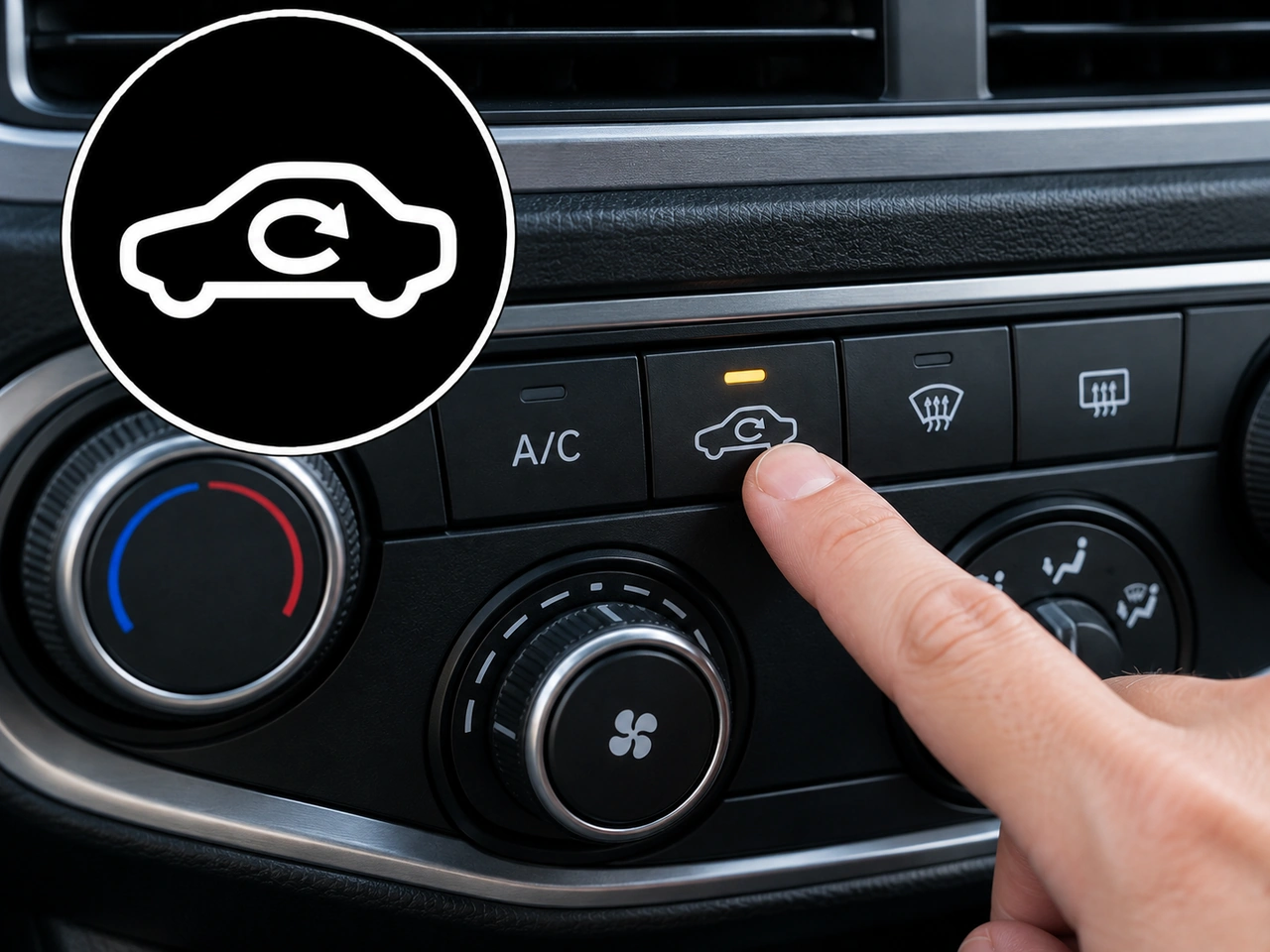
112. What does this vehicle-control symbol indicate?
This symbol activates air recirculation, which reduces the amount of outside air entering the vehicle and recirculates air already inside the cabin. It can be useful when driving through polluted air or when cooling the interior quickly.
AI-generated by Traffic-rules.com • WCIT • CC BY-SA
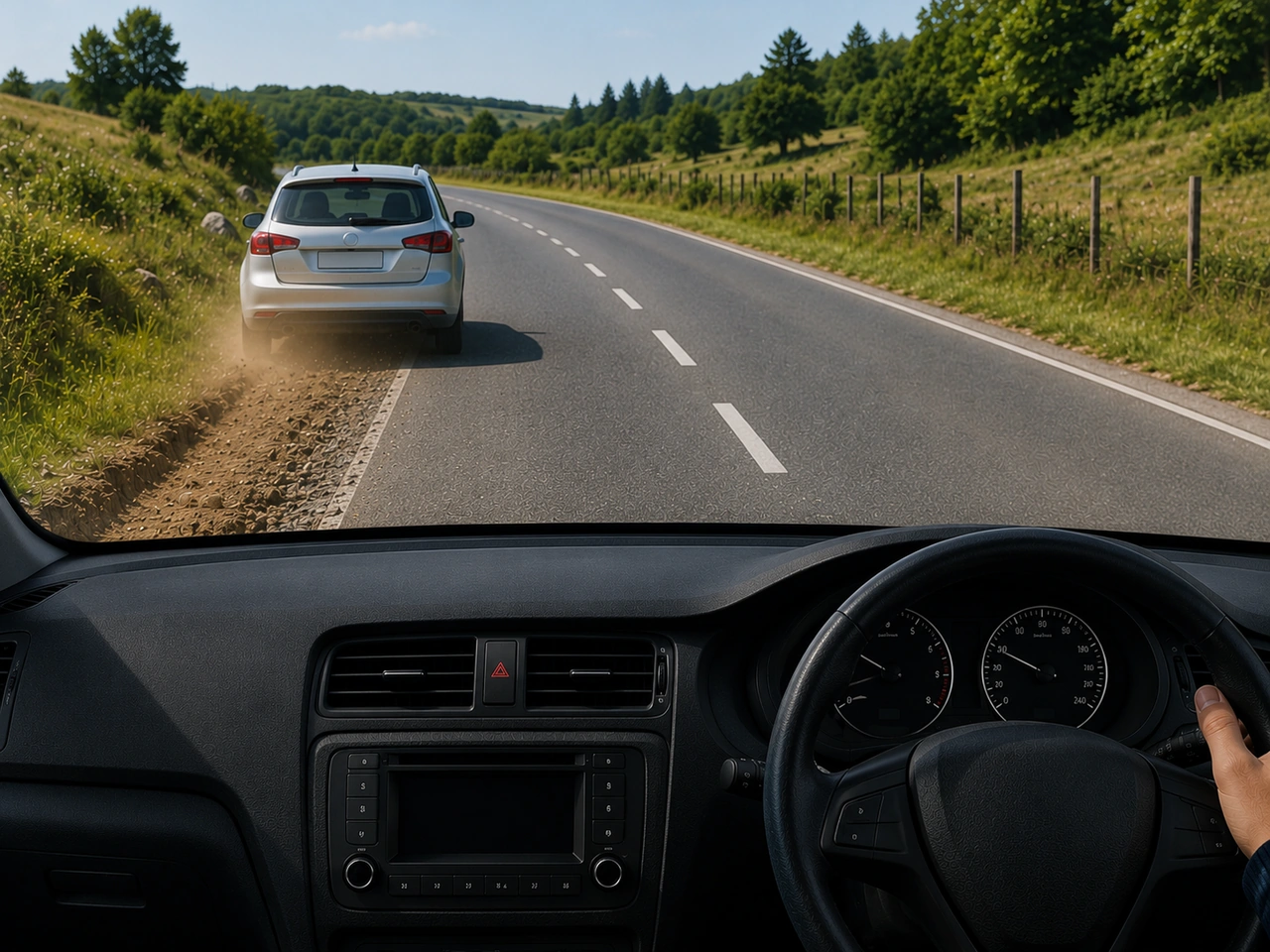
113. Why should you avoid driving too close to the edge of the road?
Road edges can be soft, uneven, or damaged. Driving too close to the edge can reduce control or cause the vehicle to leave the road.
AI-generated by Traffic-rules.com • WCIT • CC BY-SA
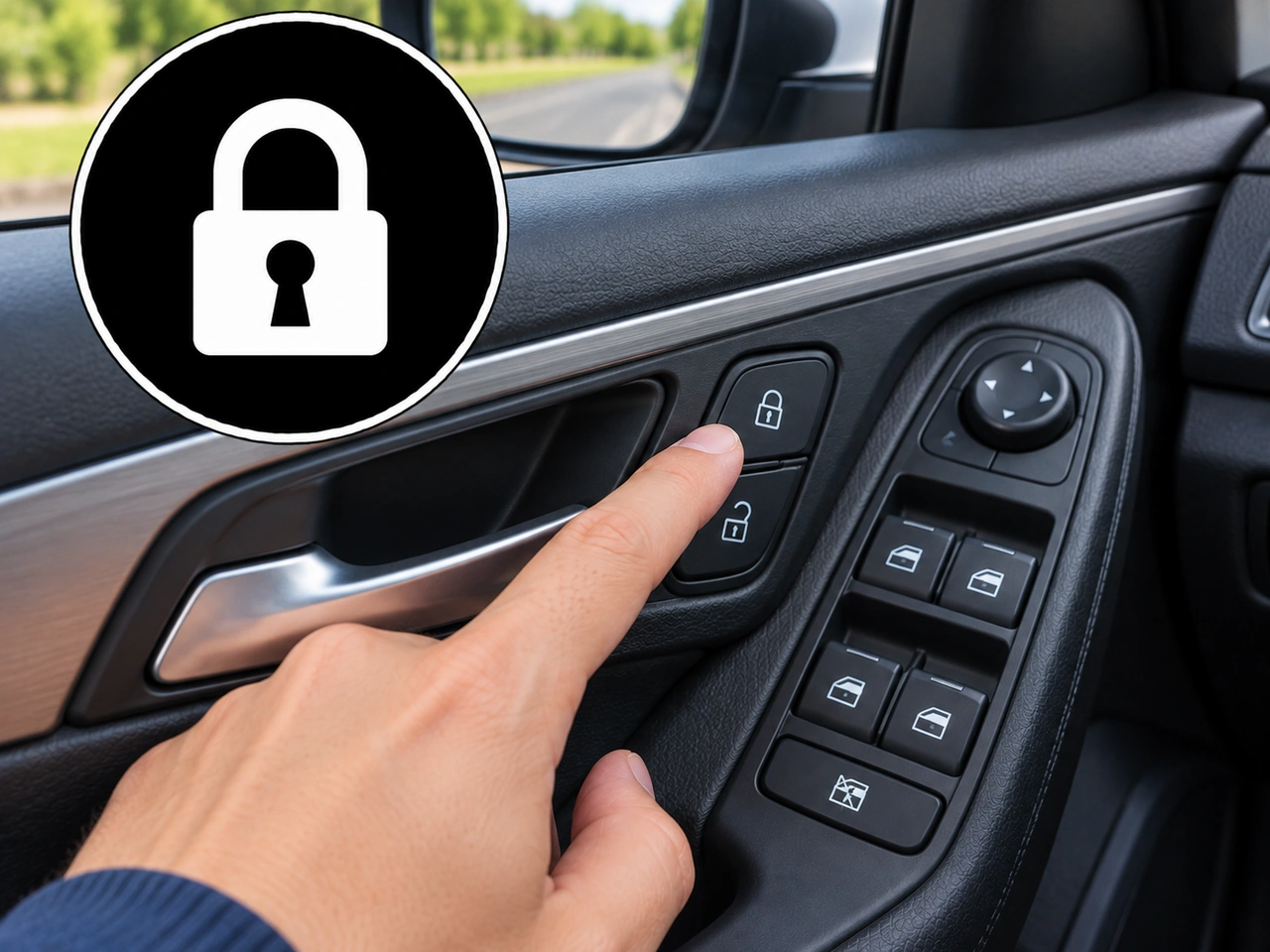
114. What does this vehicle-control symbol indicate?
This control operates the vehicle's central door locking system. Pressing it locks or unlocks the vehicle's doors, depending on the current lock state.
AI-generated by Traffic-rules.com • WCIT • CC BY-SA
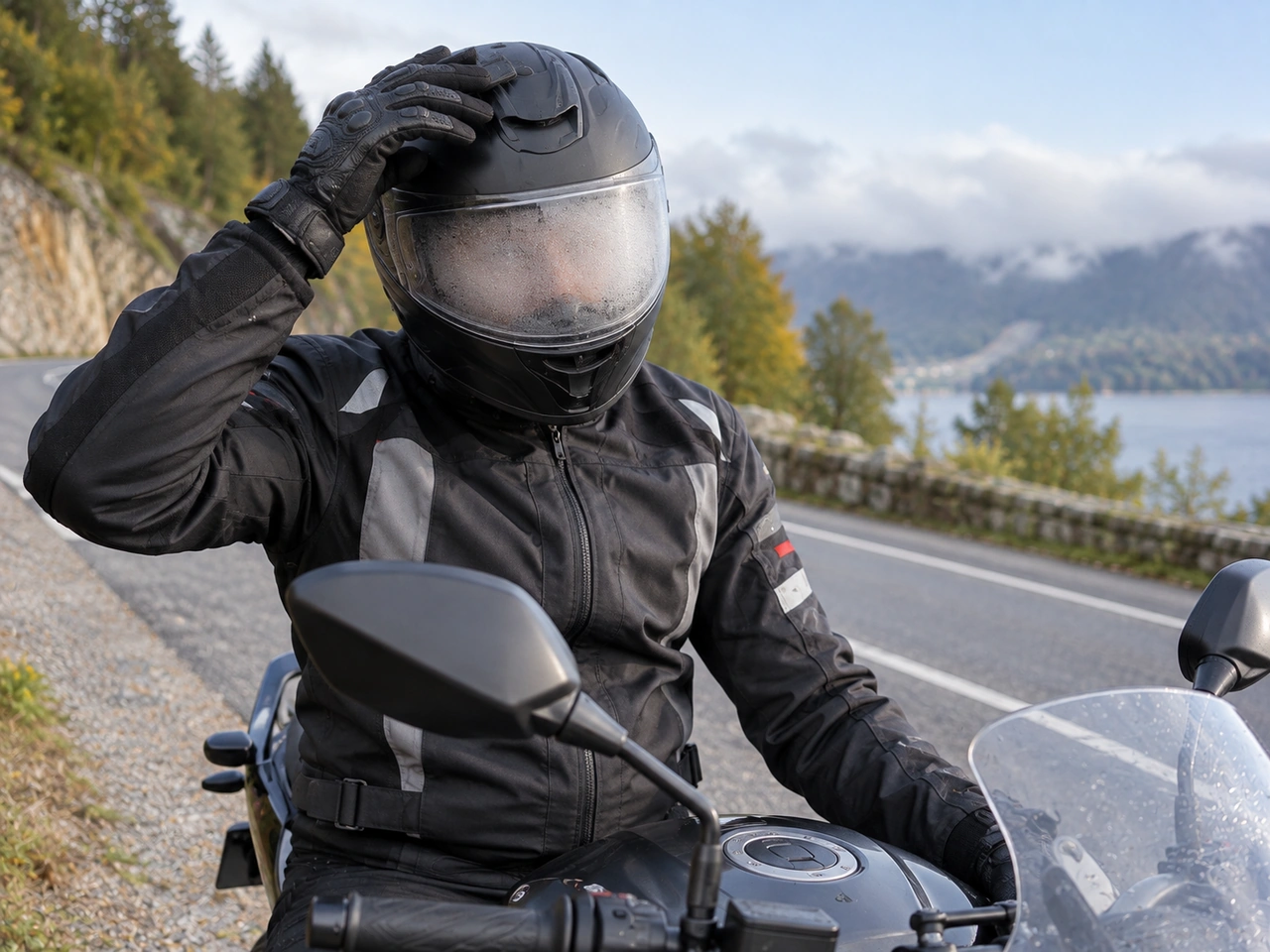
115. What should you do if your motorcycle helmet visor starts to fog?
A fogged visor can seriously reduce your view of the road. Reduce speed and use the helmet's ventilation, demisting or anti-fog features where available. If you cannot restore a clear view safely, stop in a safe place before continuing.
AI-generated by Traffic-rules.com • WCIT • CC BY-SA
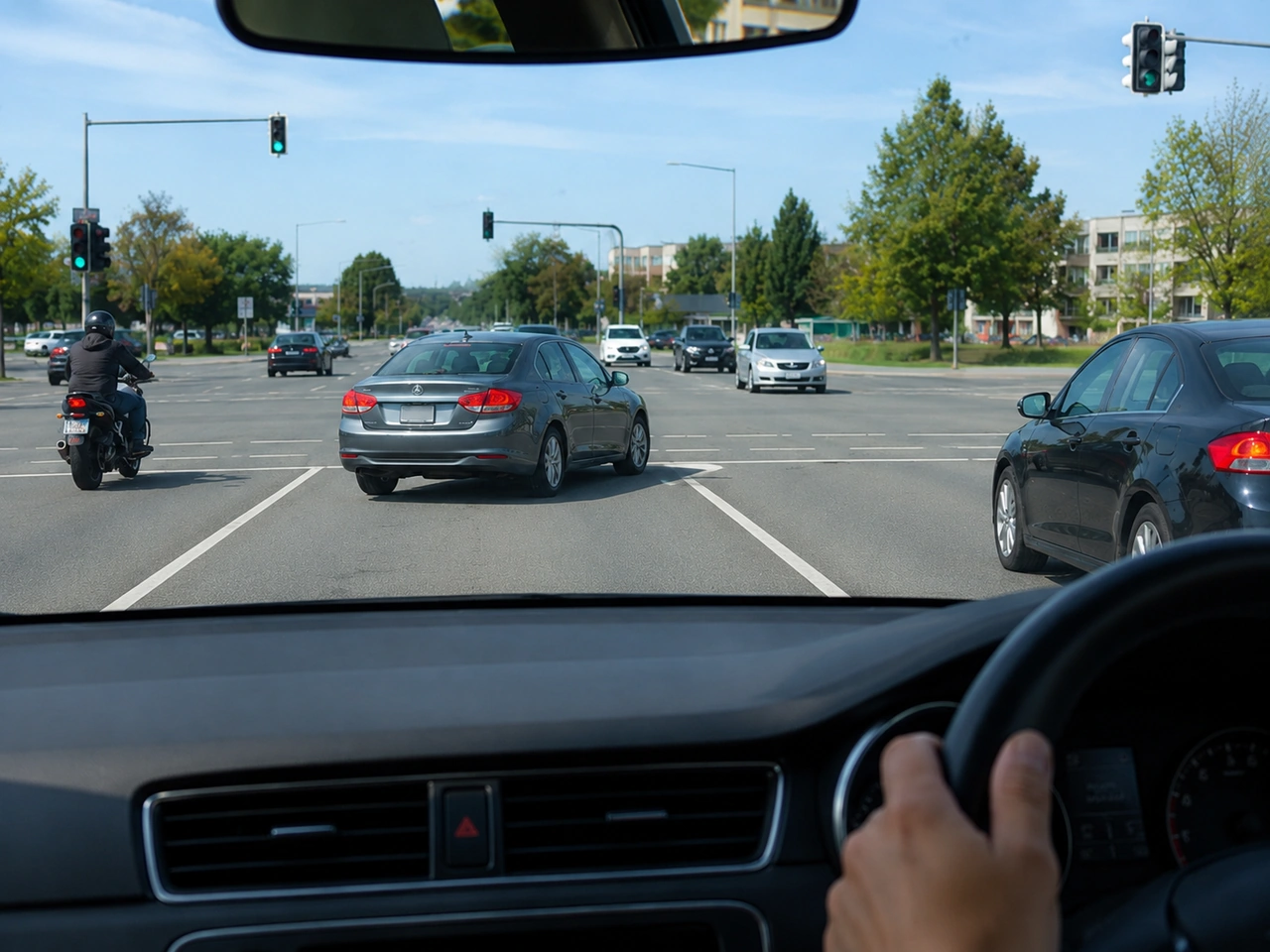
116. Why should you avoid changing lanes inside an intersection?
Changing lanes inside an intersection can surprise drivers, cyclists, and pedestrians. It is safer to choose the correct lane before entering.
AI-generated by Traffic-rules.com • WCIT • CC BY-SA
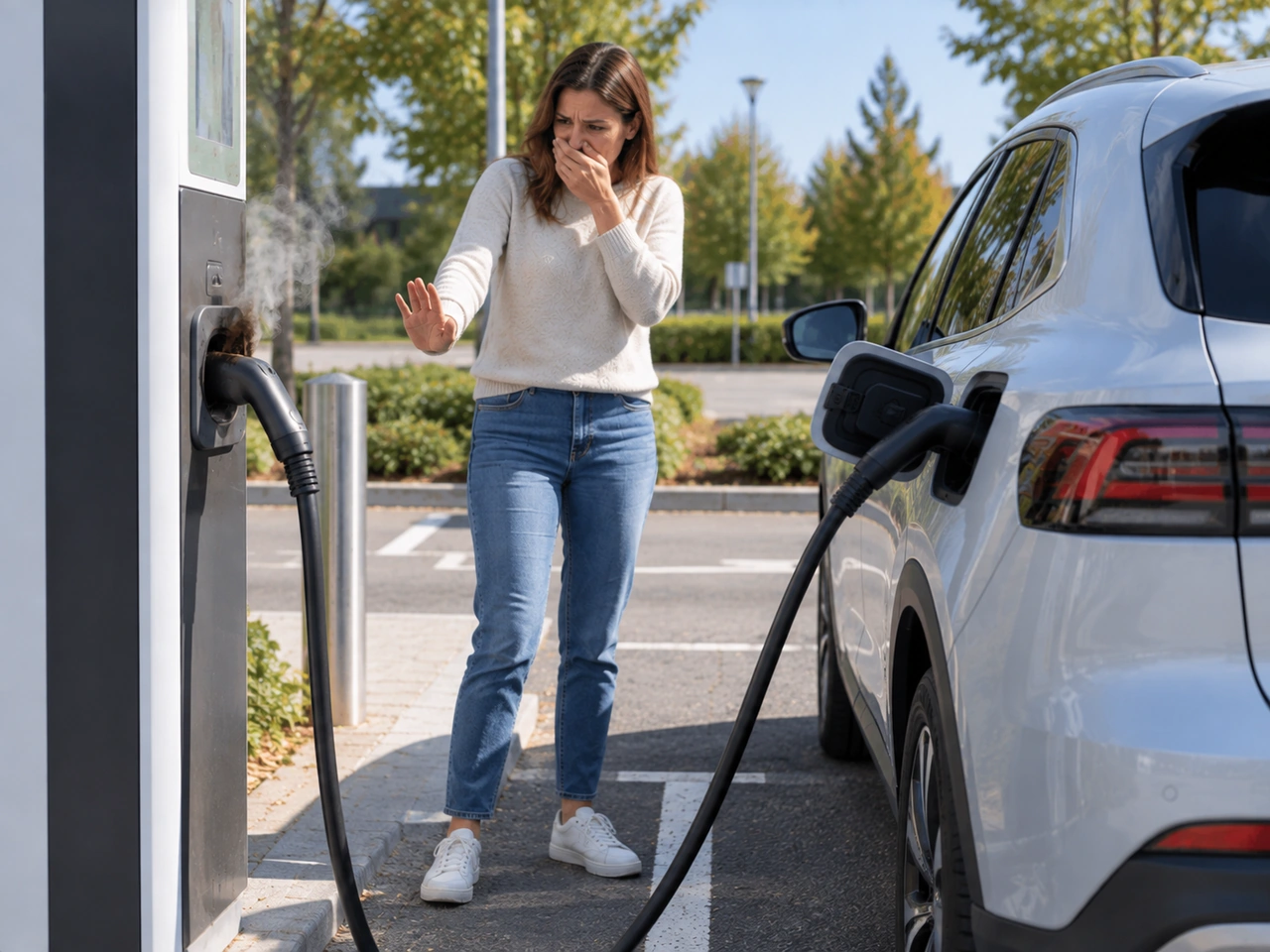
117. What should you do if EV charging equipment becomes unusually hot or smells burnt?
Unusual heat, a burning smell, smoke, sparks, or repeated charging faults can indicate an electrical problem. Stop using the charging equipment if it is safe to do so, keep clear of anything damaged or overheating, and report the fault or seek appropriate assistance.
AI-generated by Traffic-rules.com • WCIT • CC BY-SA
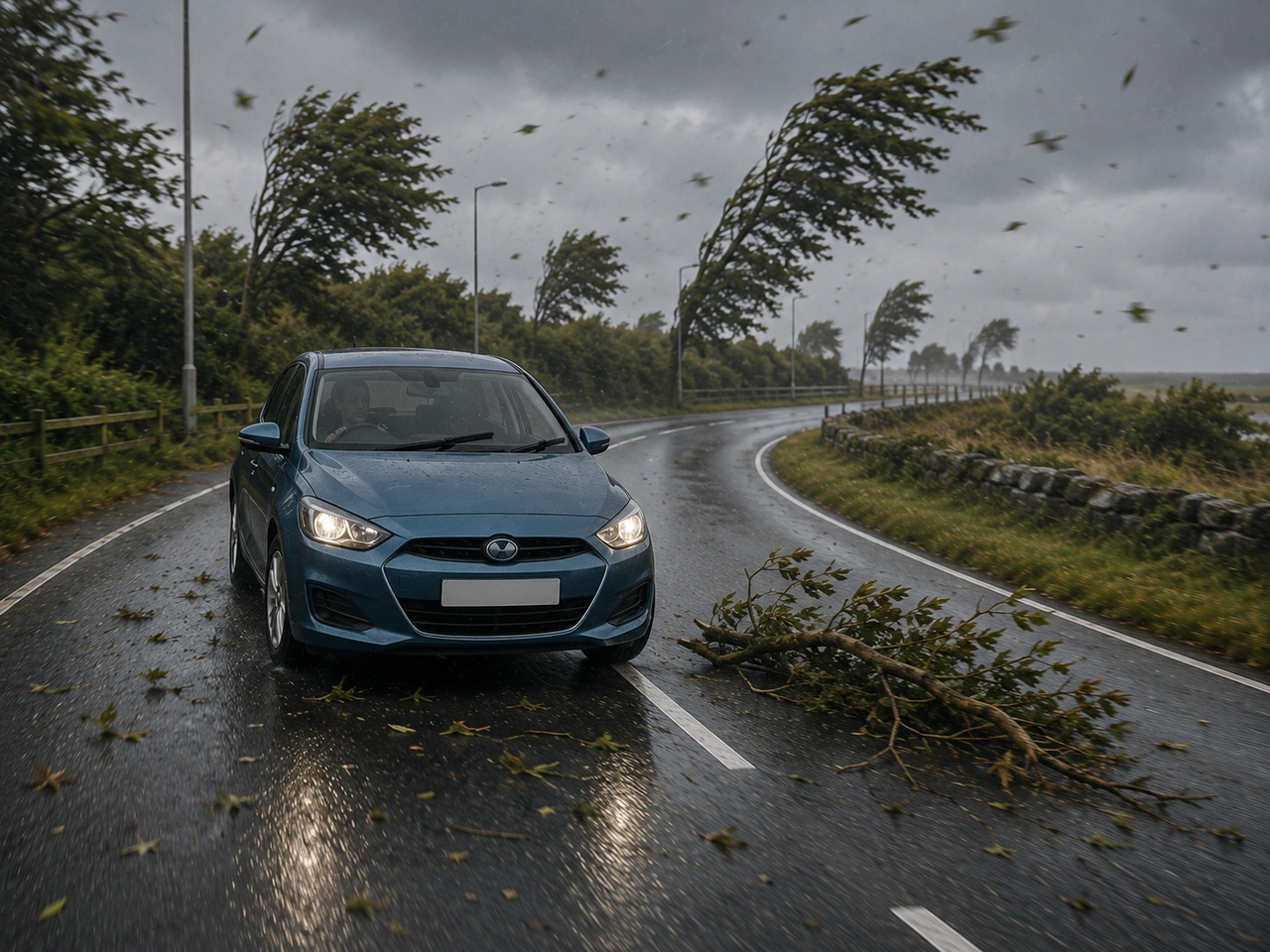
118. What should you do when branches or debris are blowing onto the road?
Wind can blow unexpected obstacles onto the road. Reduce speed and avoid them safely.
AI-generated by Traffic-rules.com • WCIT • CC BY-SA
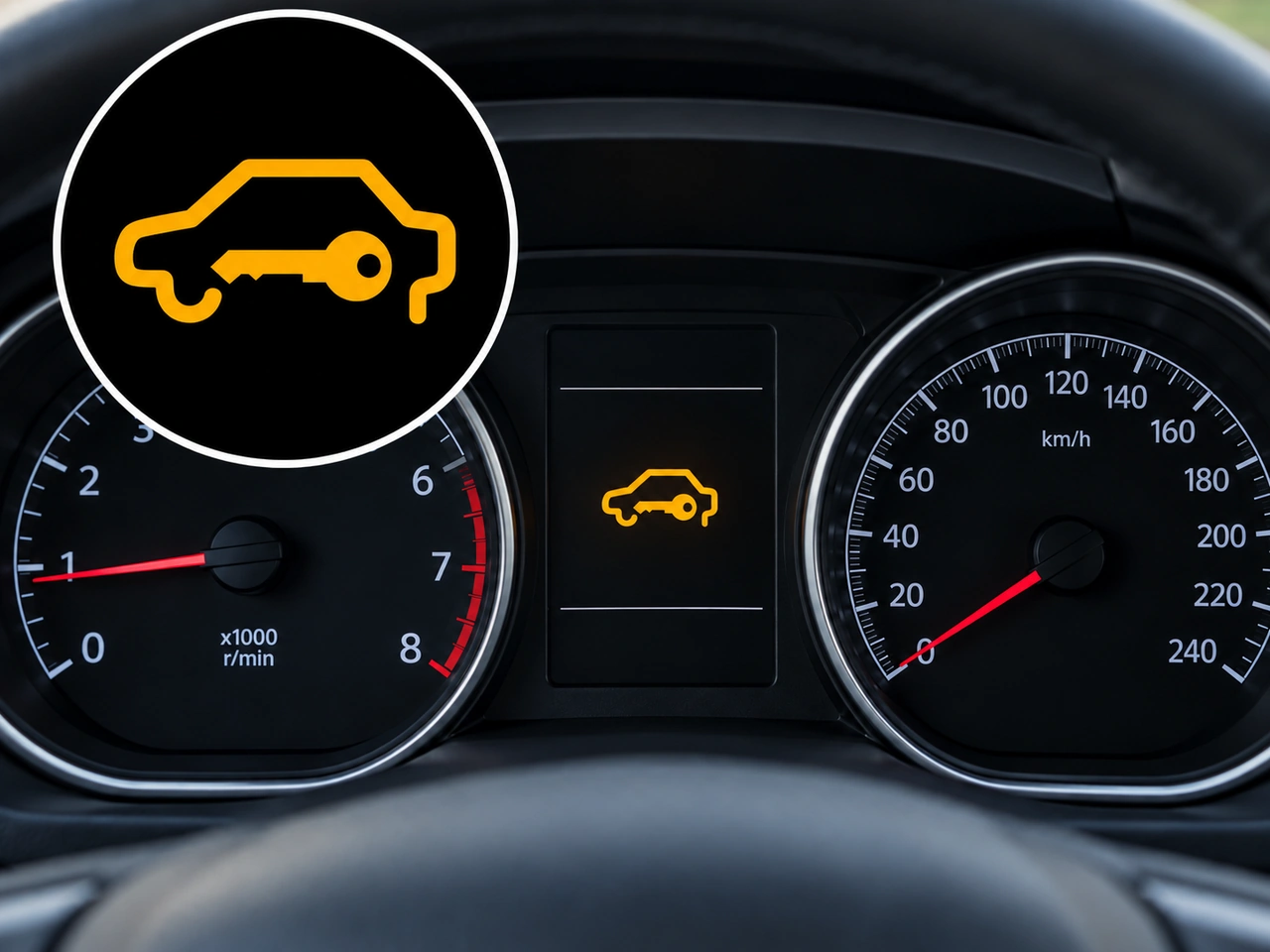
119. What does this dashboard symbol indicate?
This symbol relates to the vehicle's immobiliser or anti-theft system. If it remains illuminated or flashes unexpectedly, the vehicle may not recognise the key or there may be a fault in the security system.
AI-generated by Traffic-rules.com • WCIT • CC BY-SA
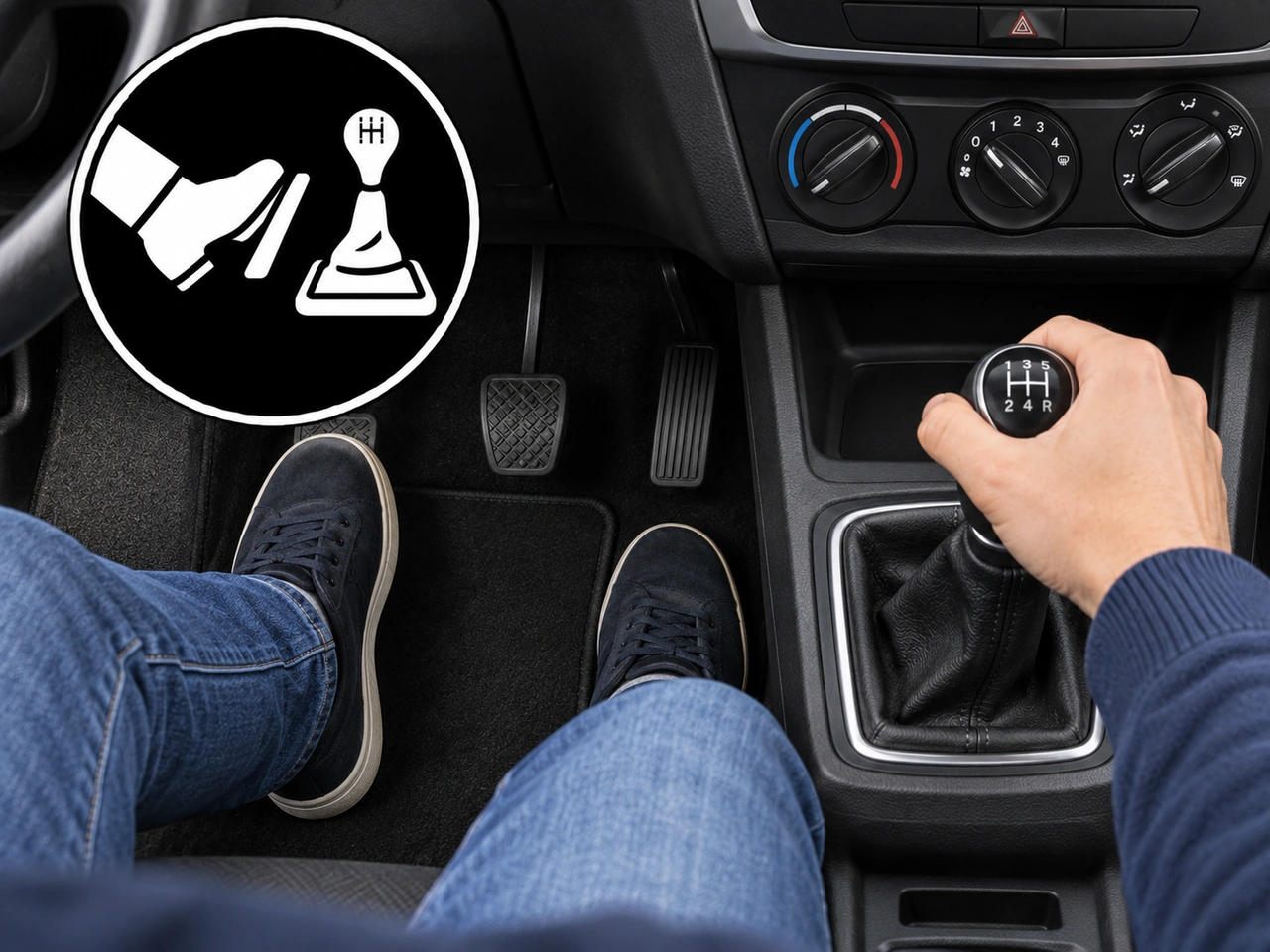
120. What should you normally do before changing gear in a manual vehicle?
Pressing the clutch pedal disconnects the engine from the transmission so that another gear can be selected. After changing gear, the clutch should be released smoothly.
AI-generated by Traffic-rules.com • WCIT • CC BY-SA
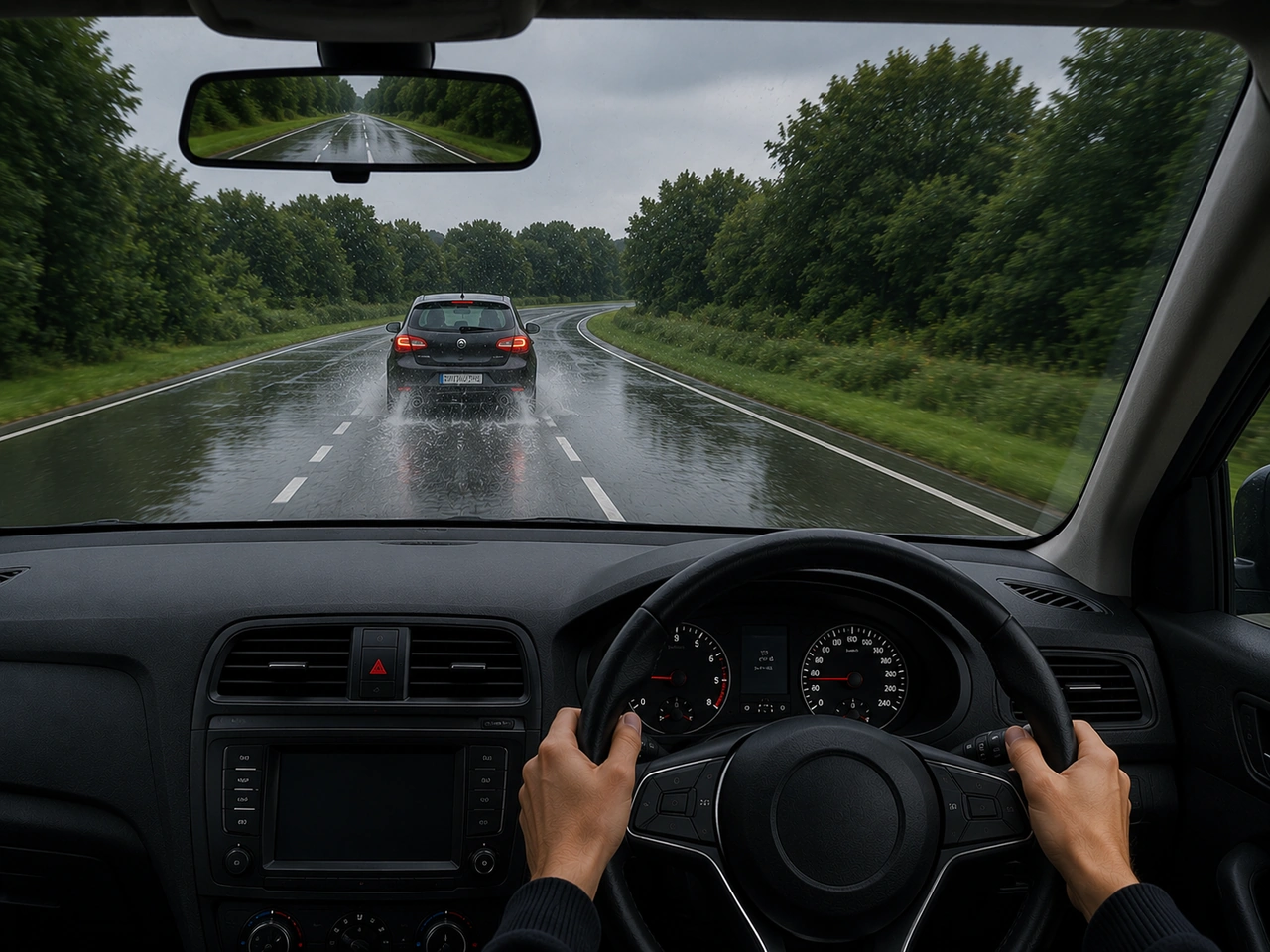
121. What should you do if your brakes feel less effective after driving through water?
Water can reduce braking performance. After driving through water, check the brakes gently when it is safe to do so.
AI-generated by Traffic-rules.com • WCIT • CC BY-SA
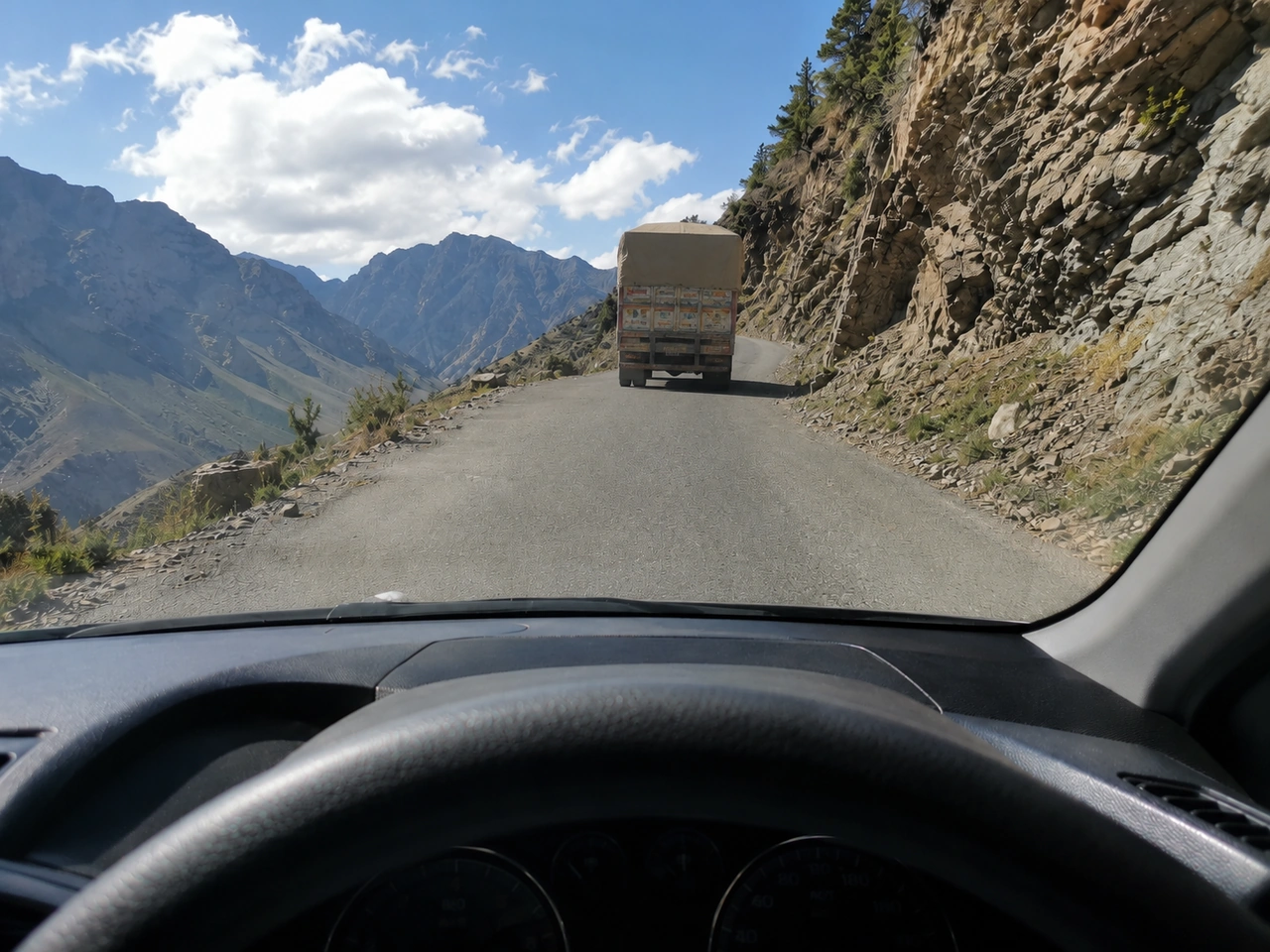
122. Why should you leave extra space behind a vehicle climbing a steep hill?
Vehicles may lose speed or briefly roll backward when starting on a steep incline. Extra space gives you more time to react.
AI-generated by Traffic-rules.com • WCIT • CC BY-SA
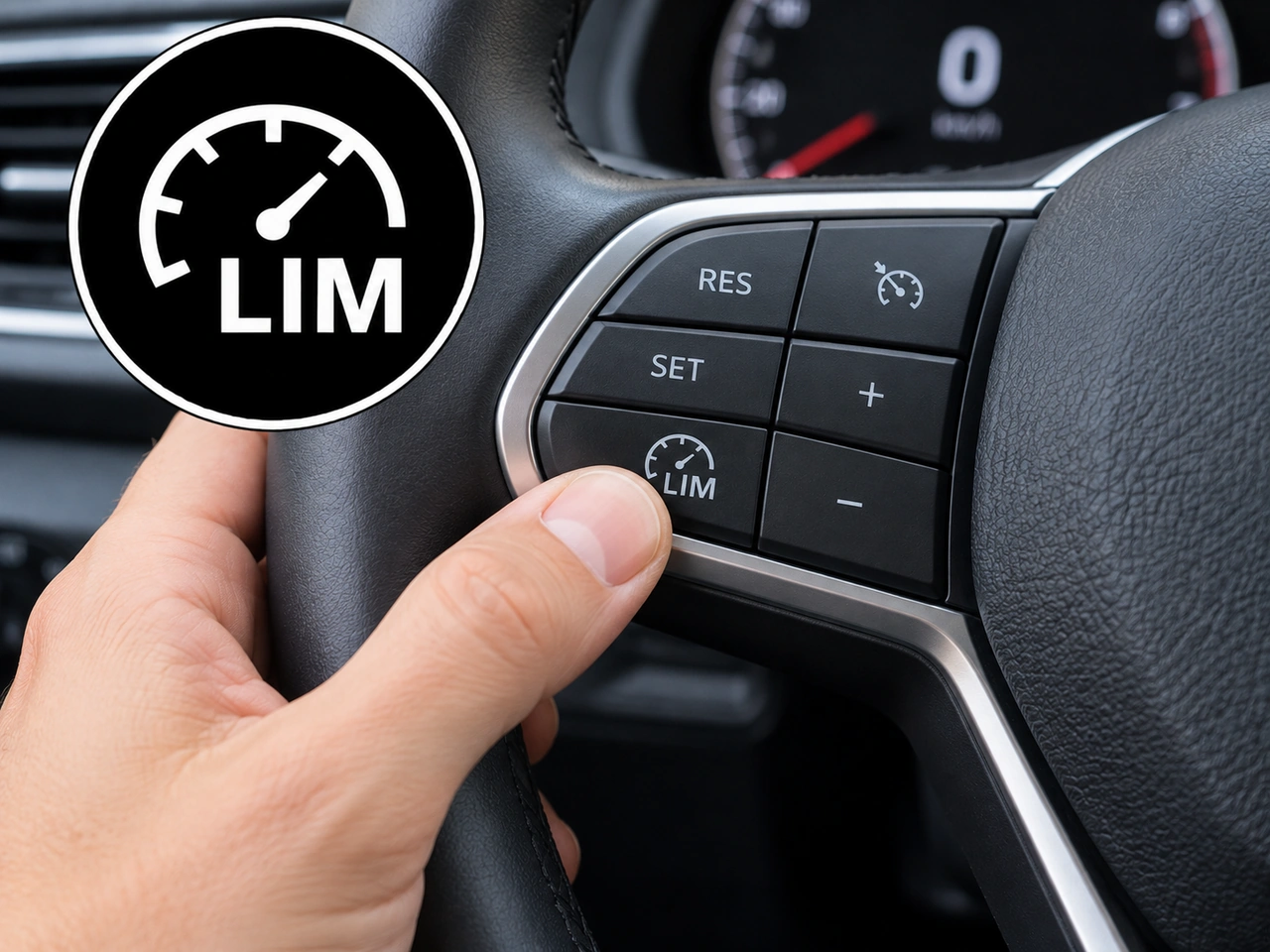
123. What does this vehicle-control symbol indicate?
The speed limiter allows the driver to set a maximum speed that the vehicle should not normally exceed while the accelerator is being used.
AI-generated by Traffic-rules.com • WCIT • CC BY-SA
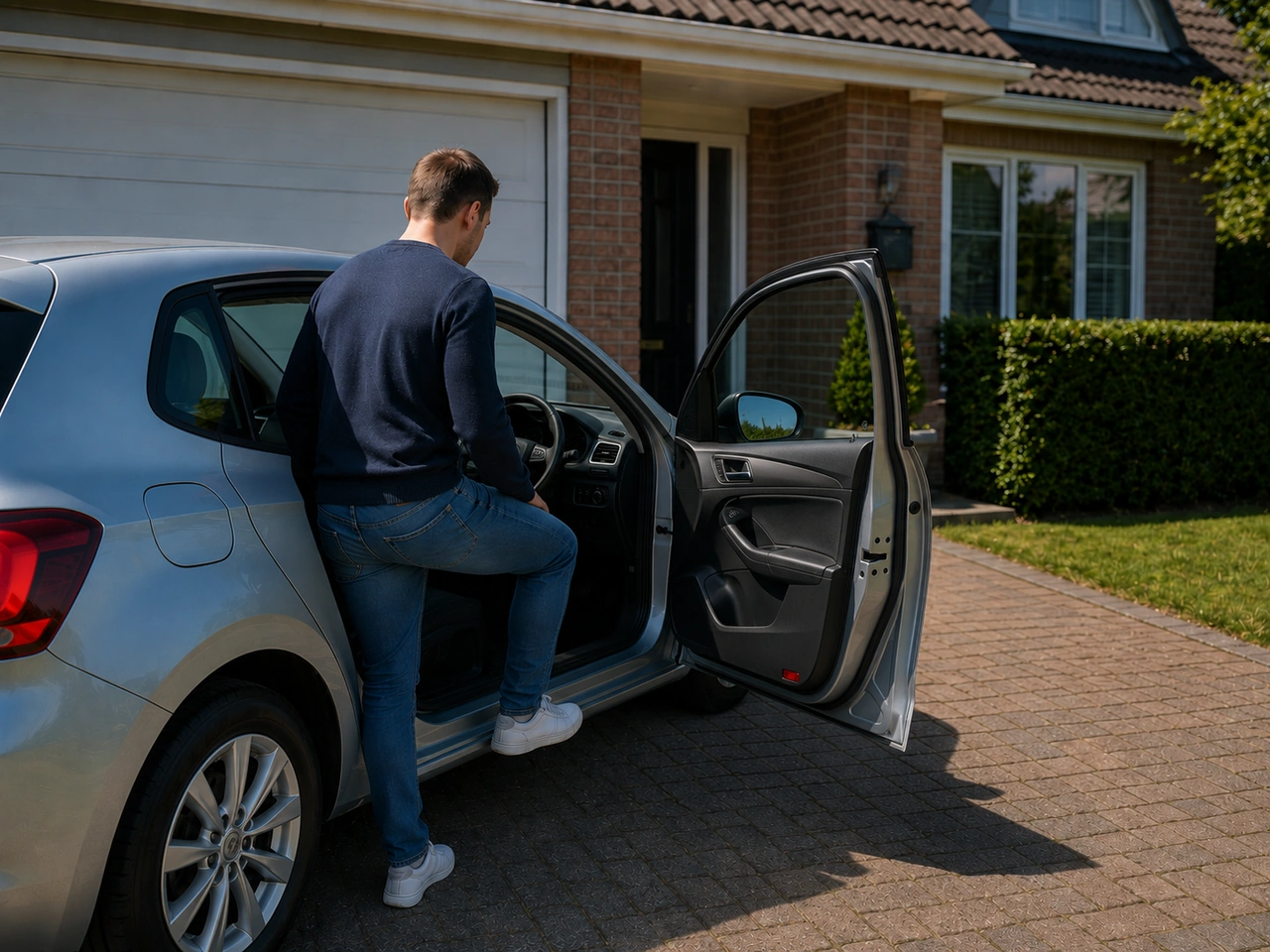
124. When should you fasten your seat belt?
Fasten your seat belt before the vehicle starts moving and keep it fastened throughout the journey. Make sure your passengers are also safely seated and properly restrained.
AI-generated by Traffic-rules.com • WCIT • CC BY-SA
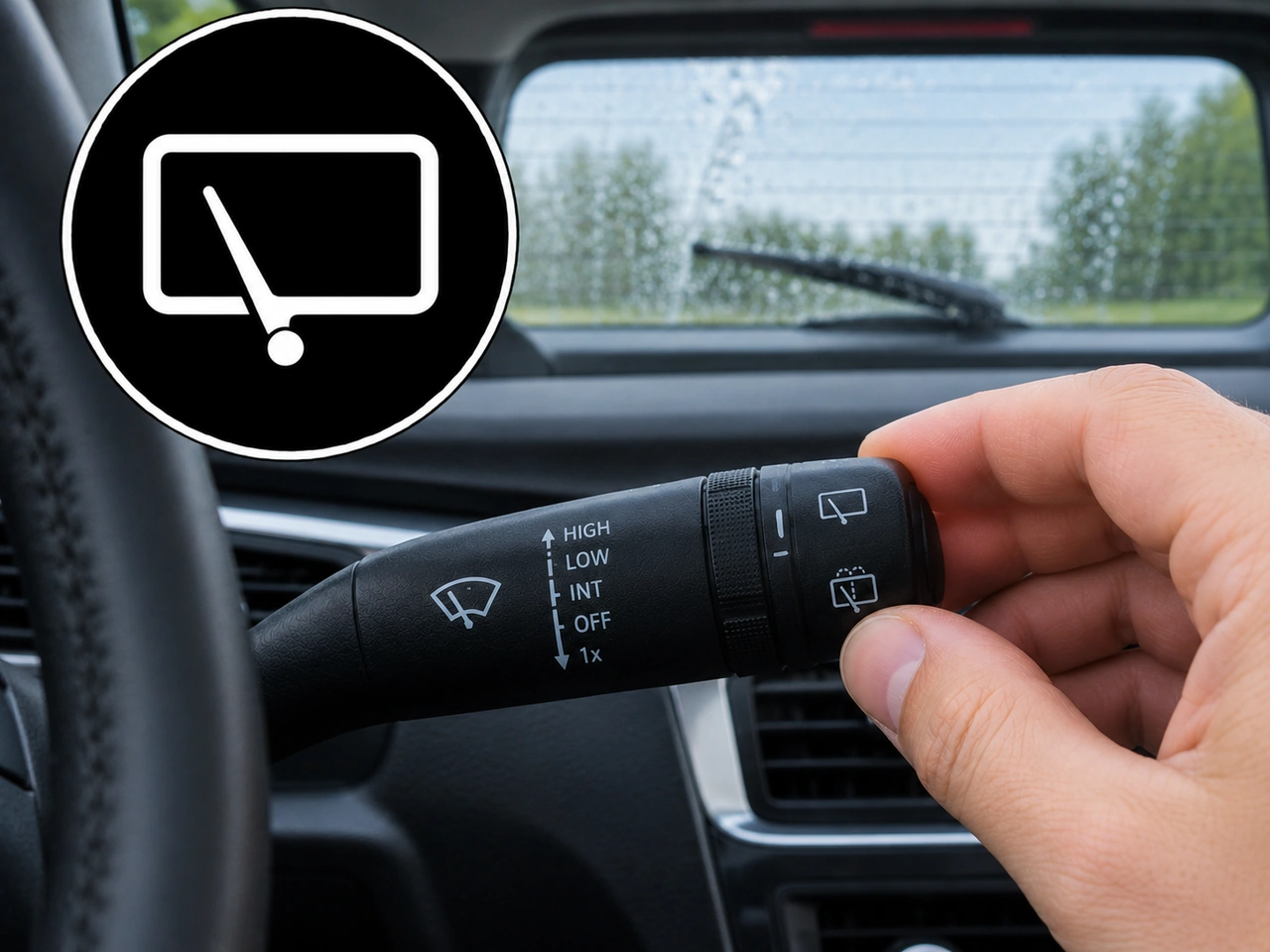
125. What does this vehicle-control symbol indicate?
This symbol controls the rear window wiper. Depending on the vehicle, the same control may also operate the rear-window washer.
AI-generated by Traffic-rules.com • WCIT • CC BY-SA
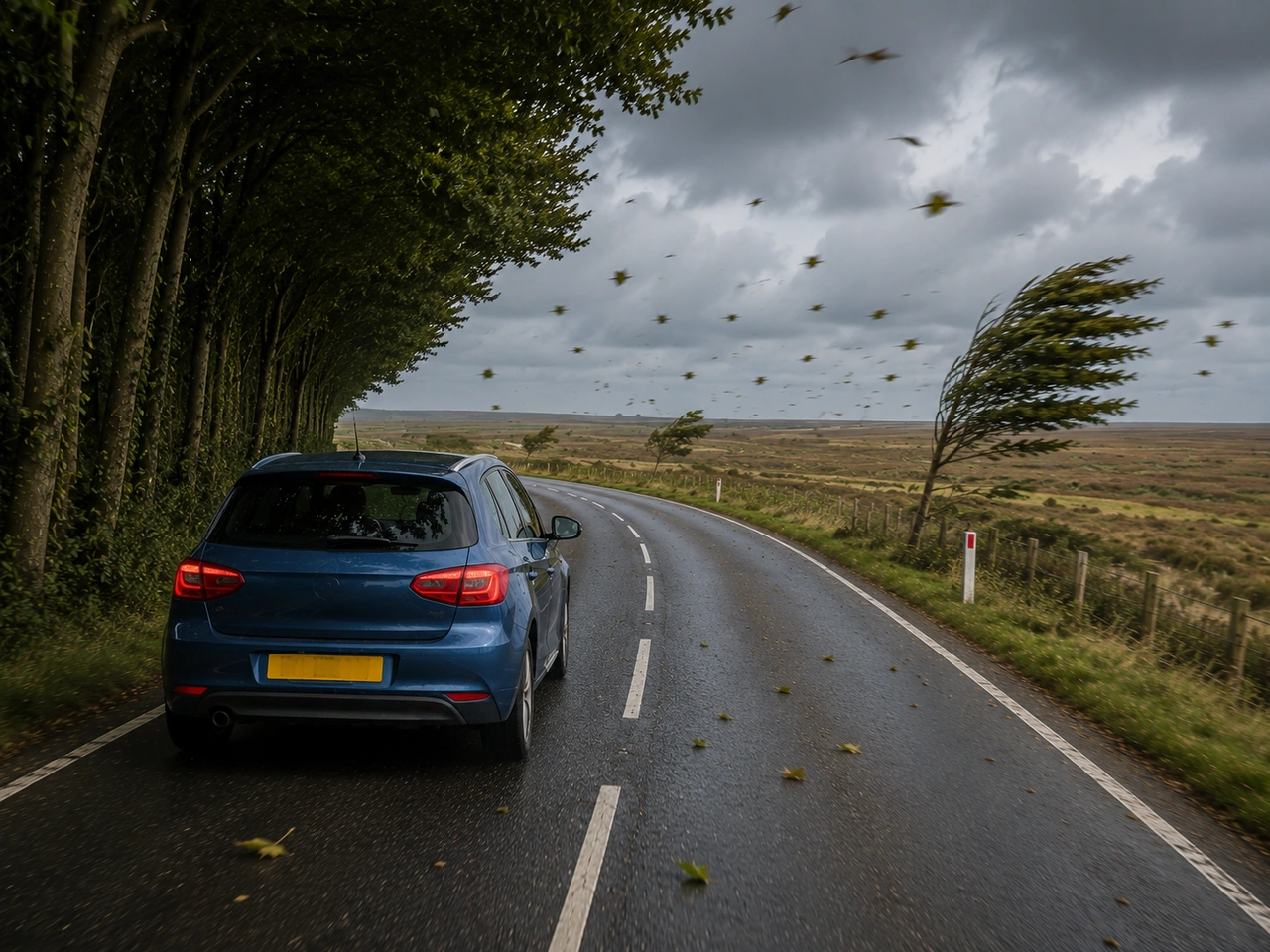
126. What should you expect when leaving a sheltered area during strong winds?
Buildings, trees, and other obstacles can block wind. When you leave shelter, a sudden gust may push your vehicle.
AI-generated by Traffic-rules.com • WCIT • CC BY-SA
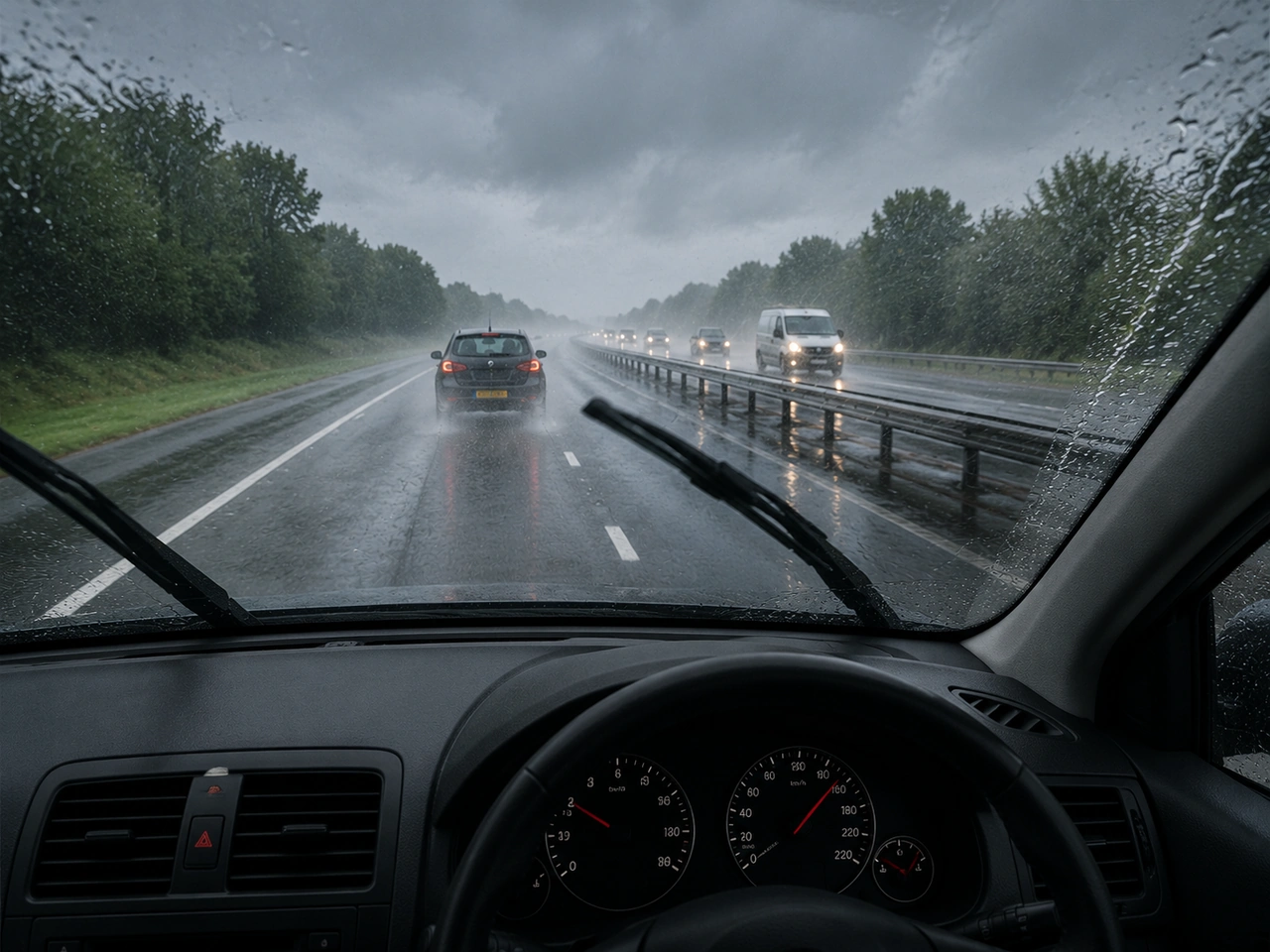
127. What should you do when driving through heavy rain?
Heavy rain reduces grip and visibility. Lower speed and extra distance give you more time to react safely.
AI-generated by Traffic-rules.com • WCIT • CC BY-SA
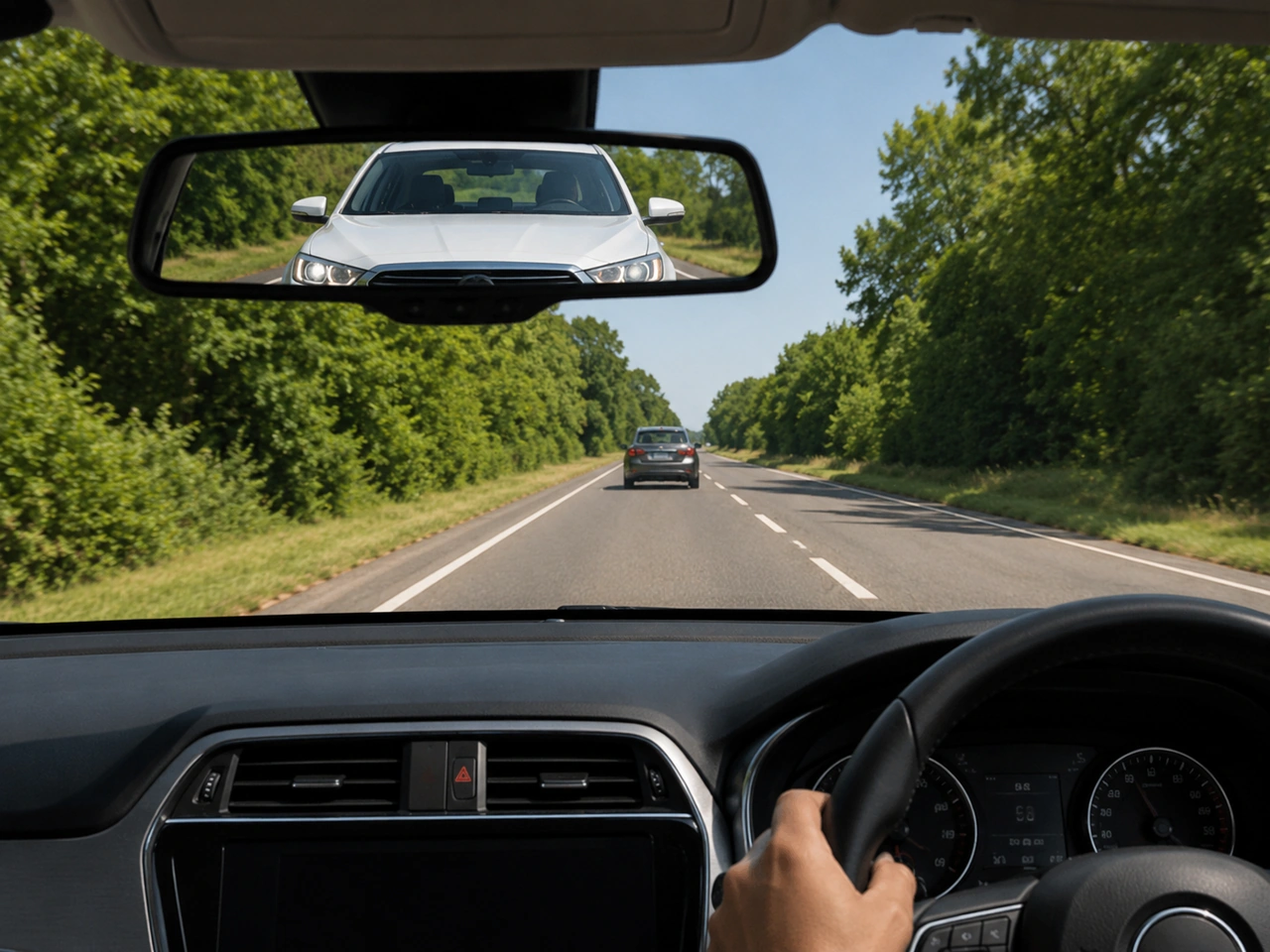
128. What should you do if another vehicle is tailgating you?
If someone follows too closely, avoid sudden actions. Keeping more space in front gives you more time to brake gently if needed. If it is safe, allow the tailgating vehicle to pass.
AI-generated by Traffic-rules.com • WCIT • CC BY-SA
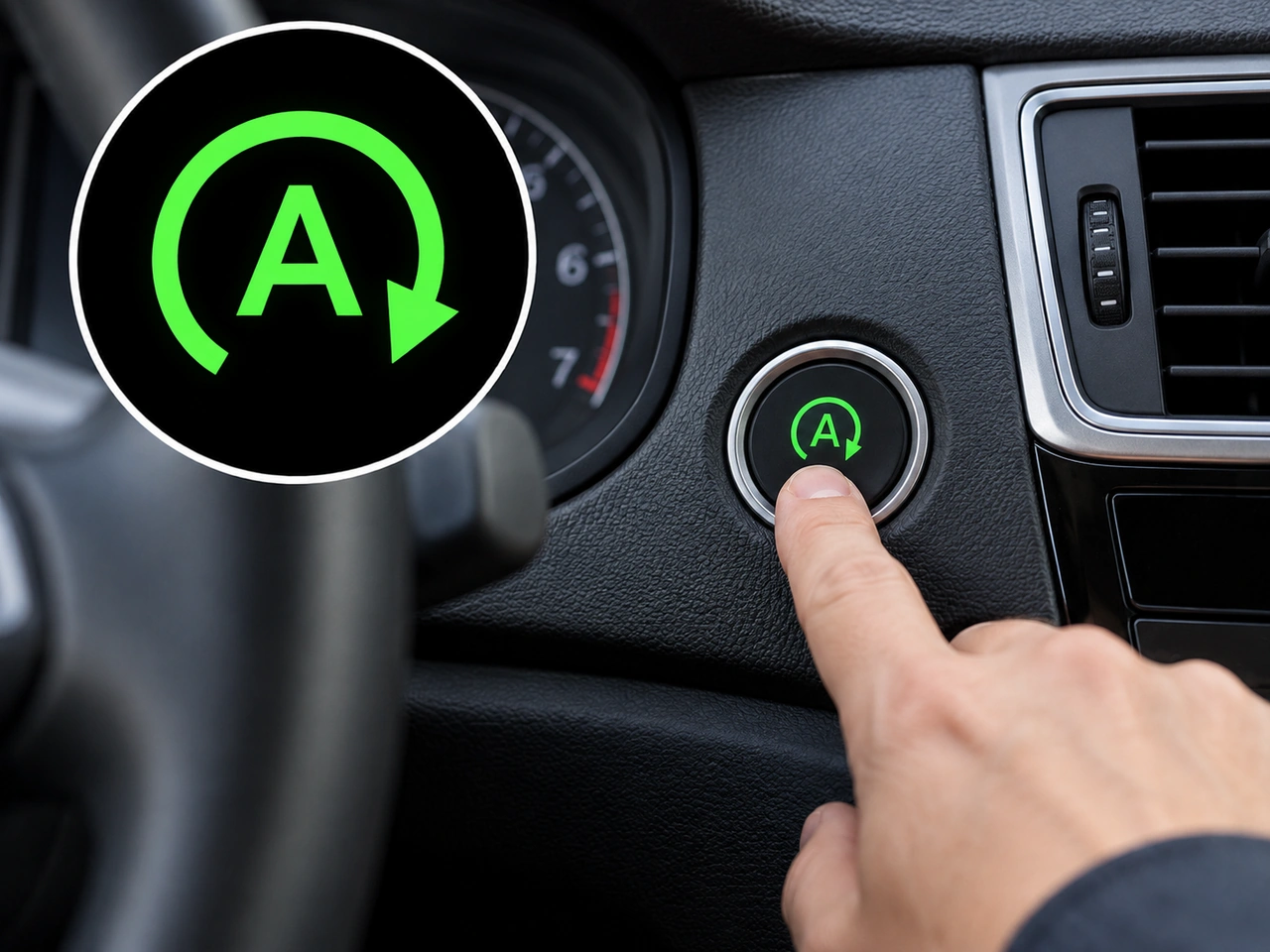
129. What does this dashboard symbol indicate?
This symbol relates to the automatic start-stop system, which can switch the engine off temporarily while the vehicle is stationary and restart it when driving resumes. The exact colour and appearance may vary between vehicles.
AI-generated by Traffic-rules.com • WCIT • CC BY-SA
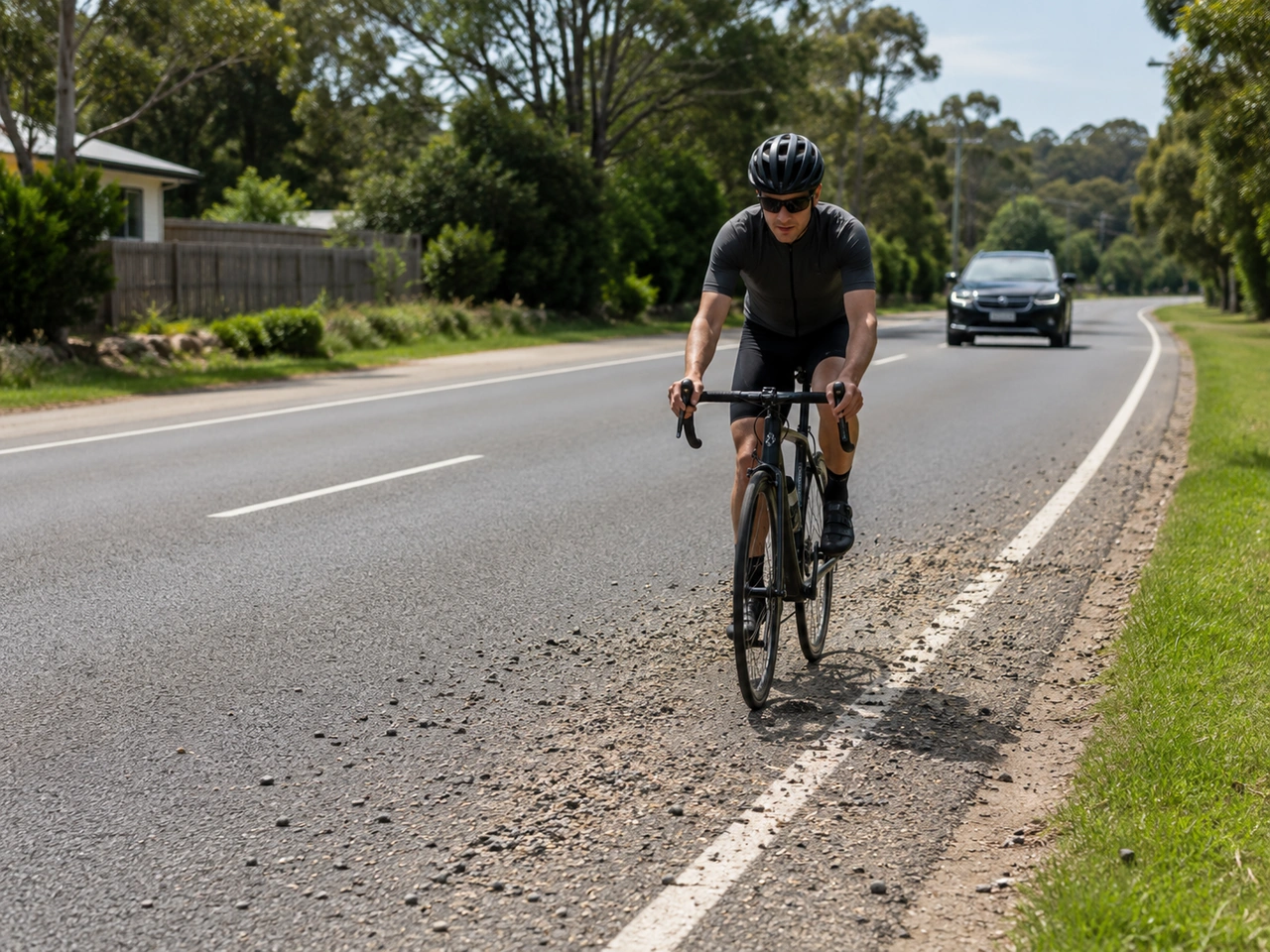
130. What should cyclists do when riding over loose gravel or road debris?
Loose material reduces tyre grip. Smooth steering and controlled speed lower the chance of losing balance.
AI-generated by Traffic-rules.com • WCIT • CC BY-SA
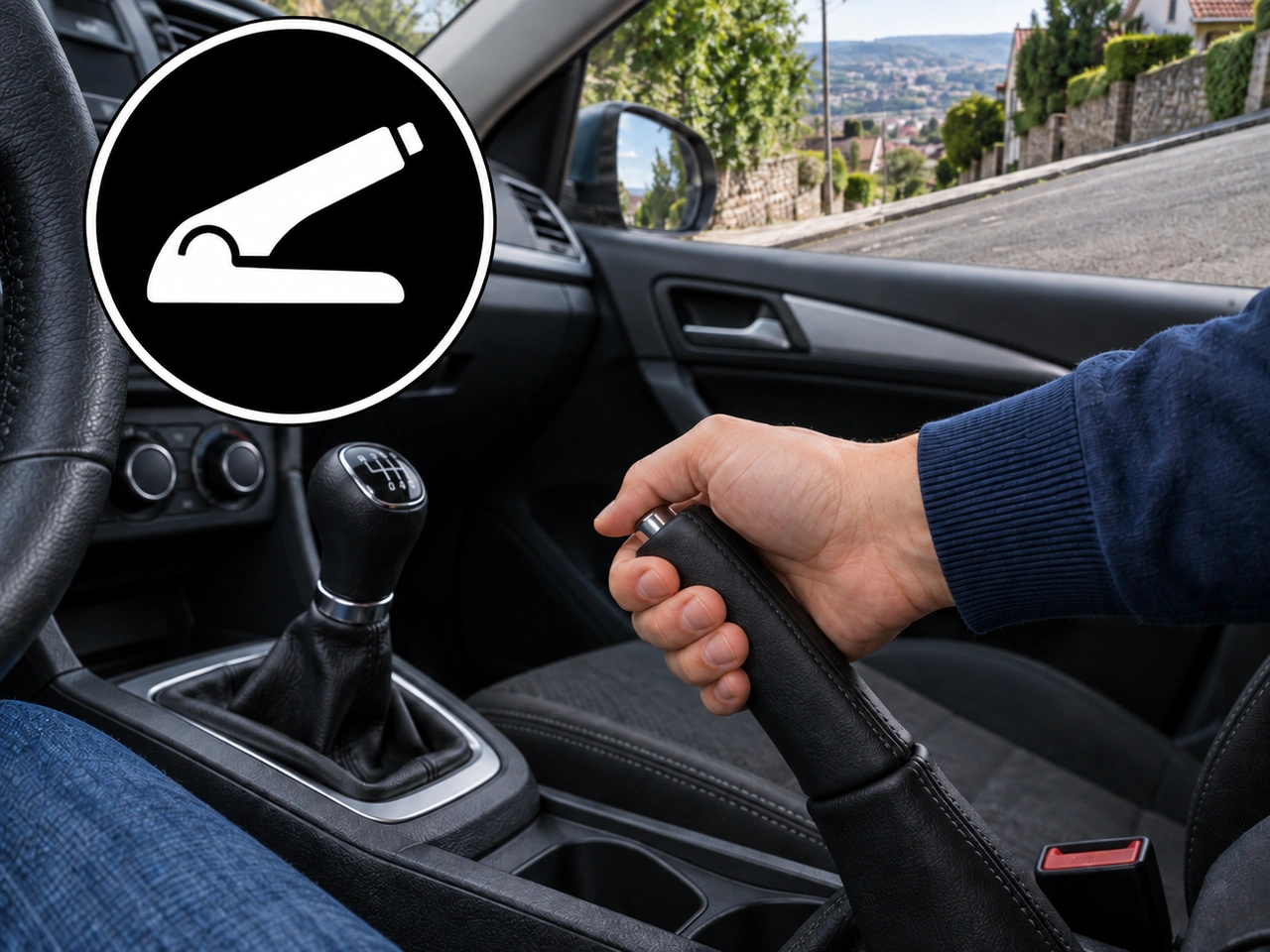
131. What should you do with the parking brake when parking on a slope?
When parking on a slope, apply the parking brake firmly to help prevent the vehicle from rolling. Selecting an appropriate gear or Park provides additional security.
AI-generated by Traffic-rules.com • WCIT • CC BY-SA
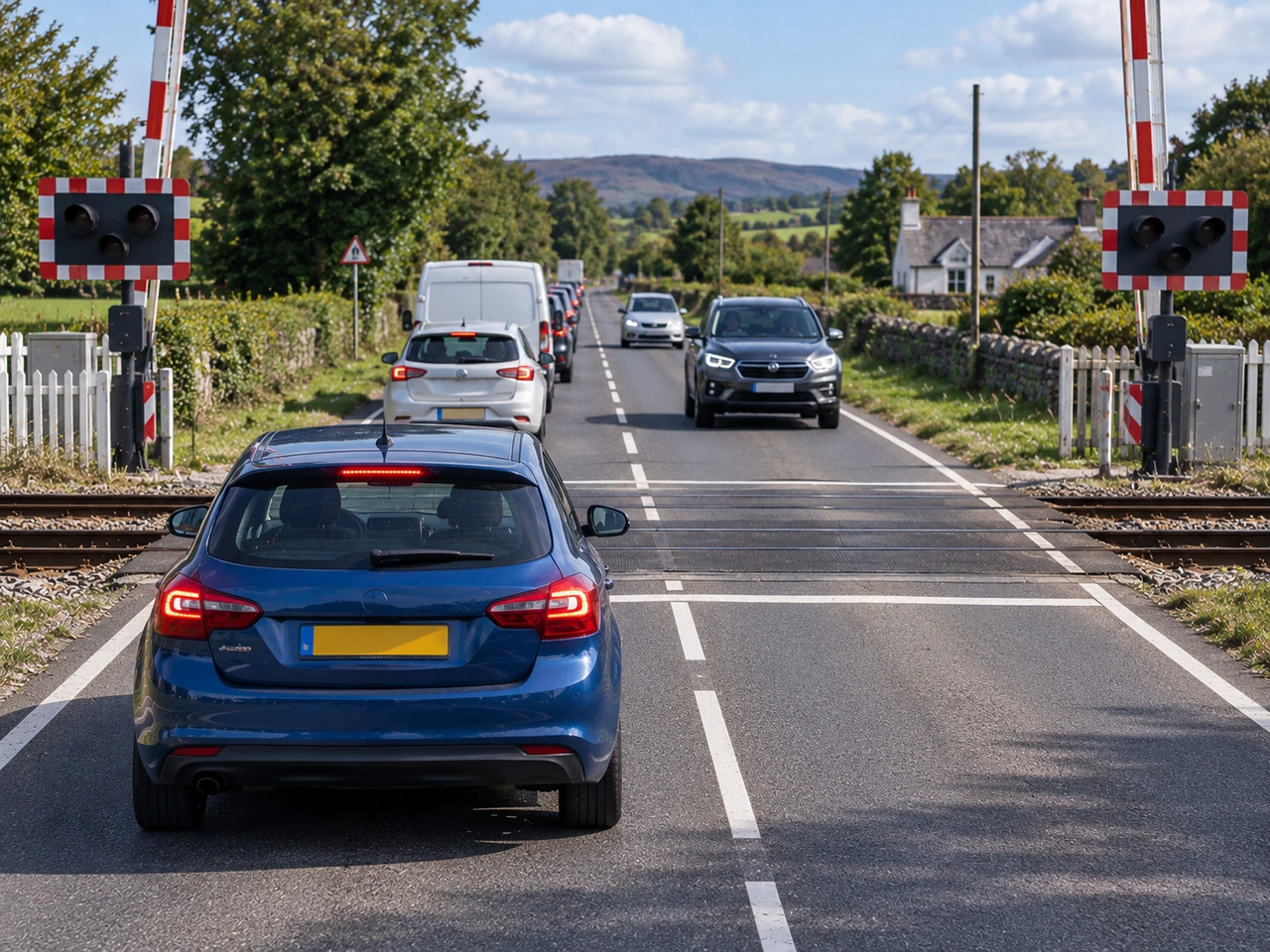
132. What should you do if traffic beyond a railway crossing is blocked?
Never enter a railway crossing unless you can clear the tracks completely. If traffic ahead is blocked, wait before the crossing so you cannot become trapped on the railway.
AI-generated by Traffic-rules.com • WCIT • CC BY-SA
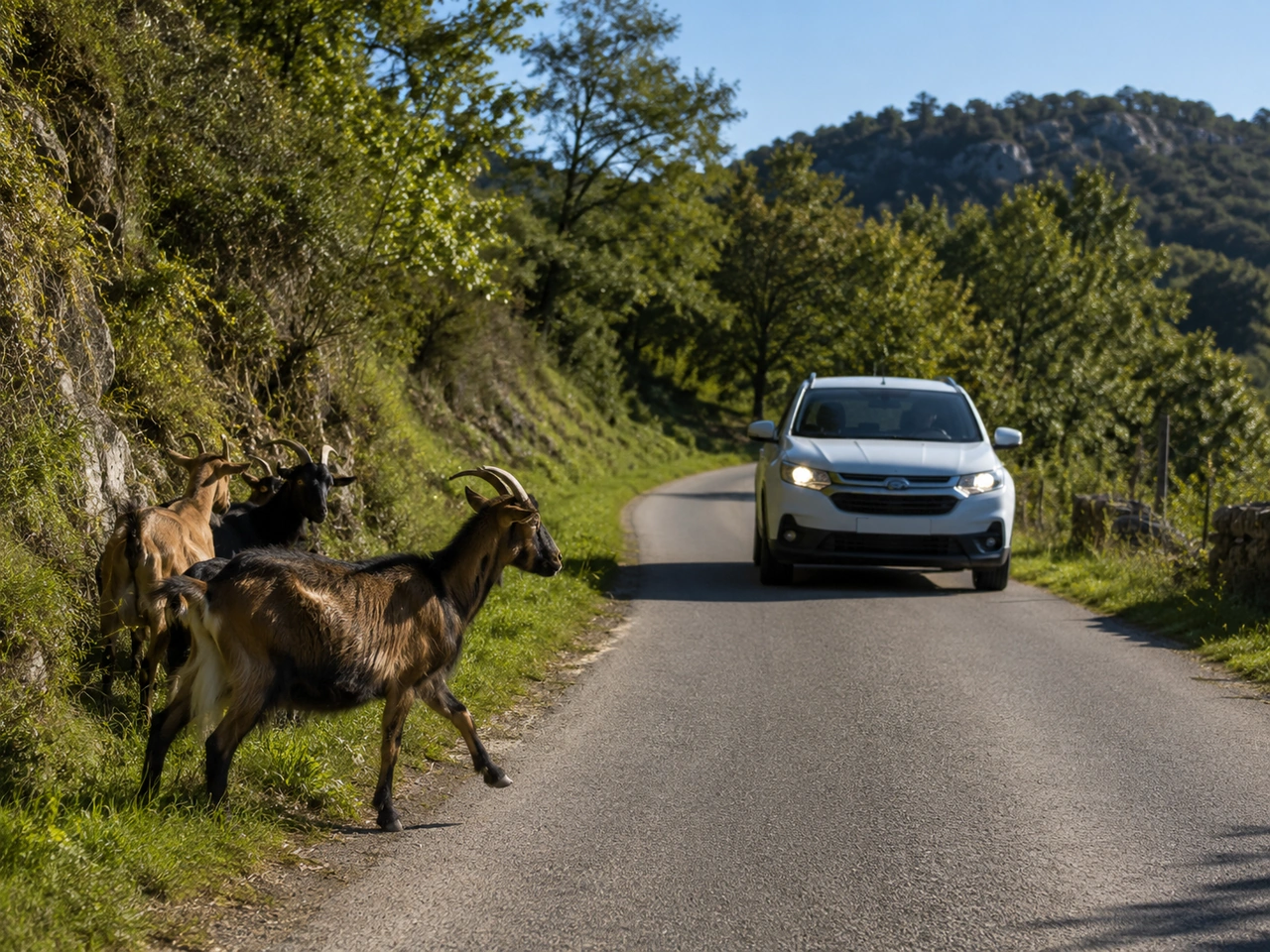
133. What should you do if animals are gathered beside a narrow rural road?
Animals beside a narrow road may step into your path. Slow down and leave as much safe space as possible.
AI-generated by Traffic-rules.com • WCIT • CC BY-SA
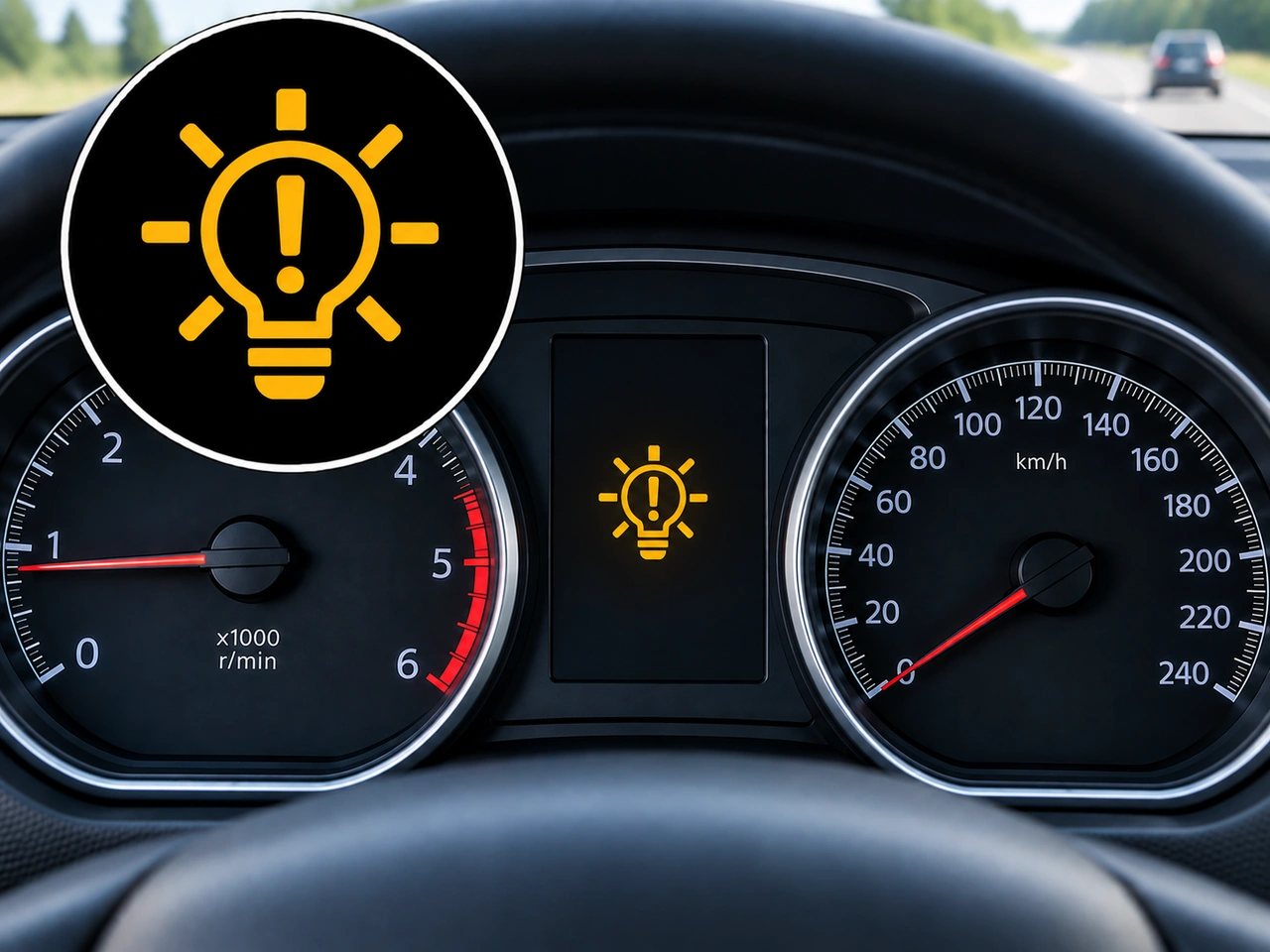
134. What does this dashboard symbol indicate?
This symbol indicates a possible failure of an exterior vehicle light, such as a headlight, tail light, brake light or indicator. Check the vehicle's exterior lights and replace or repair any faulty light.
AI-generated by Traffic-rules.com • WCIT • CC BY-SA
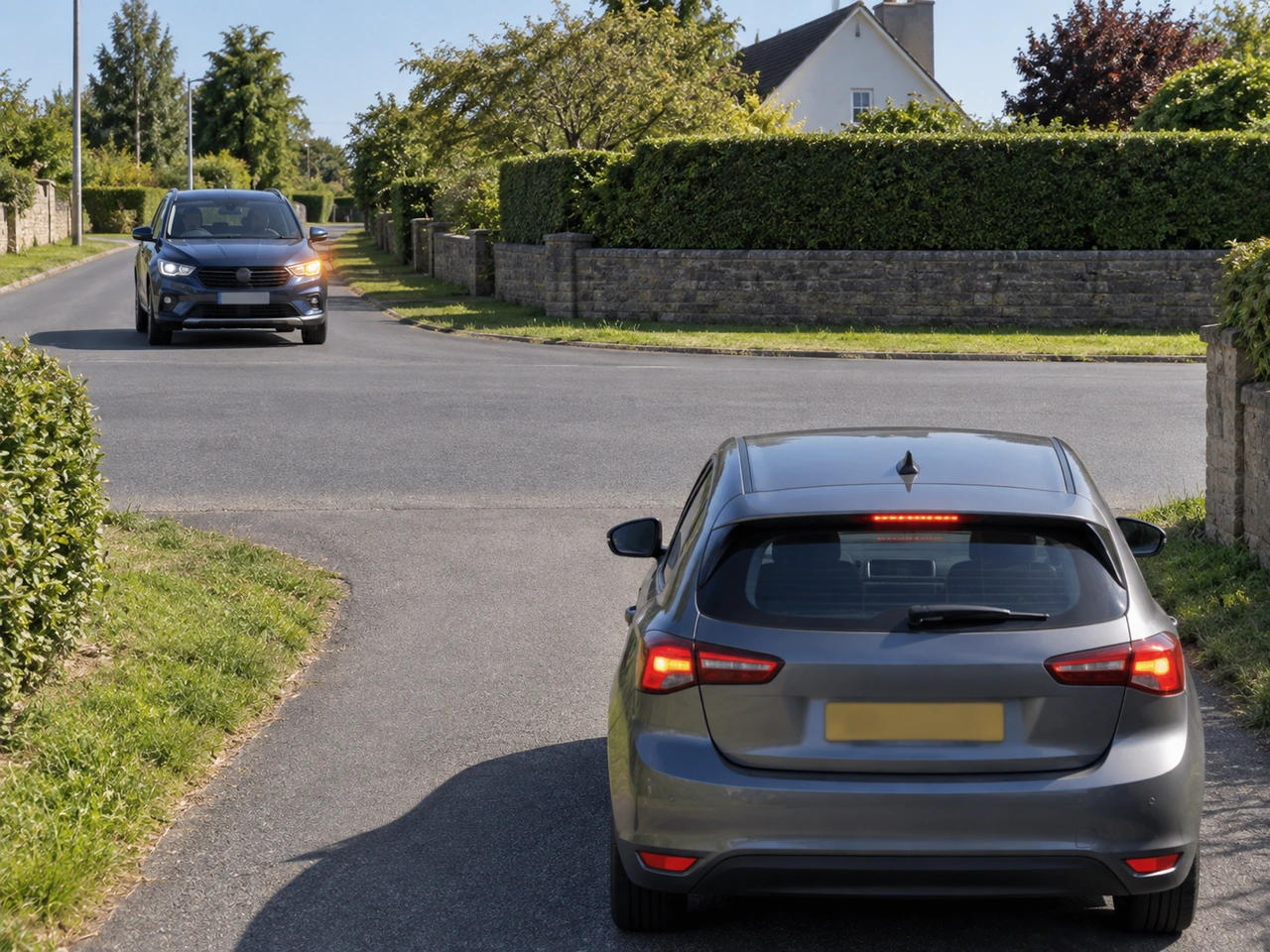
135. What should you do if another vehicle is signalling to turn?
An indicator shows an intention, but it does not guarantee that the driver will turn. The signal may have been left on accidentally or the driver's intentions may change. Observe the vehicle's speed and position and proceed only when you are sure it is safe.
AI-generated by Traffic-rules.com • WCIT • CC BY-SA
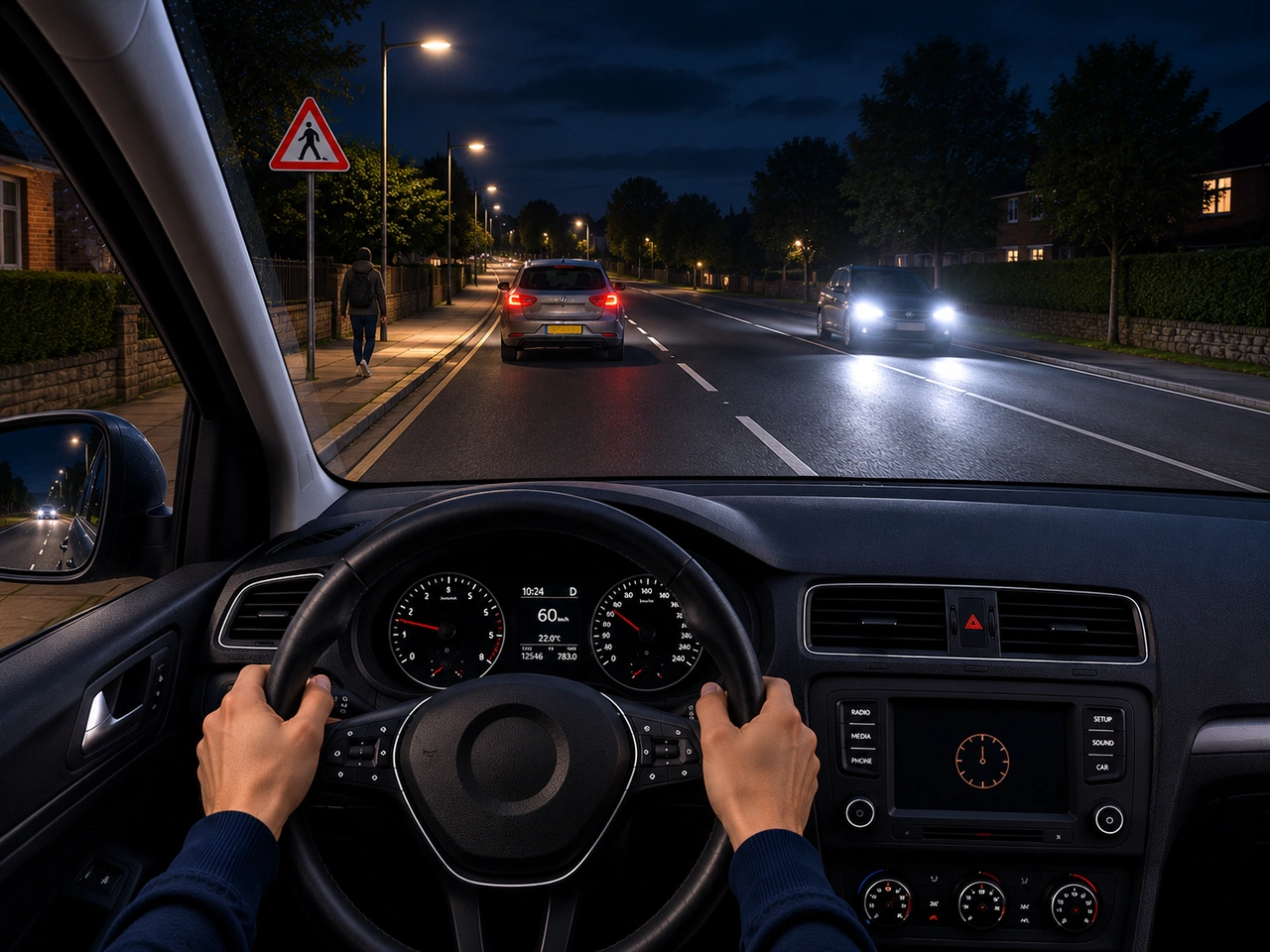
136. Why should you be extra careful at night?
At night, it is harder to see pedestrians, cyclists, road markings, and hazards. Reduce speed and use the correct lights.
AI-generated by Traffic-rules.com • WCIT • CC BY-SA
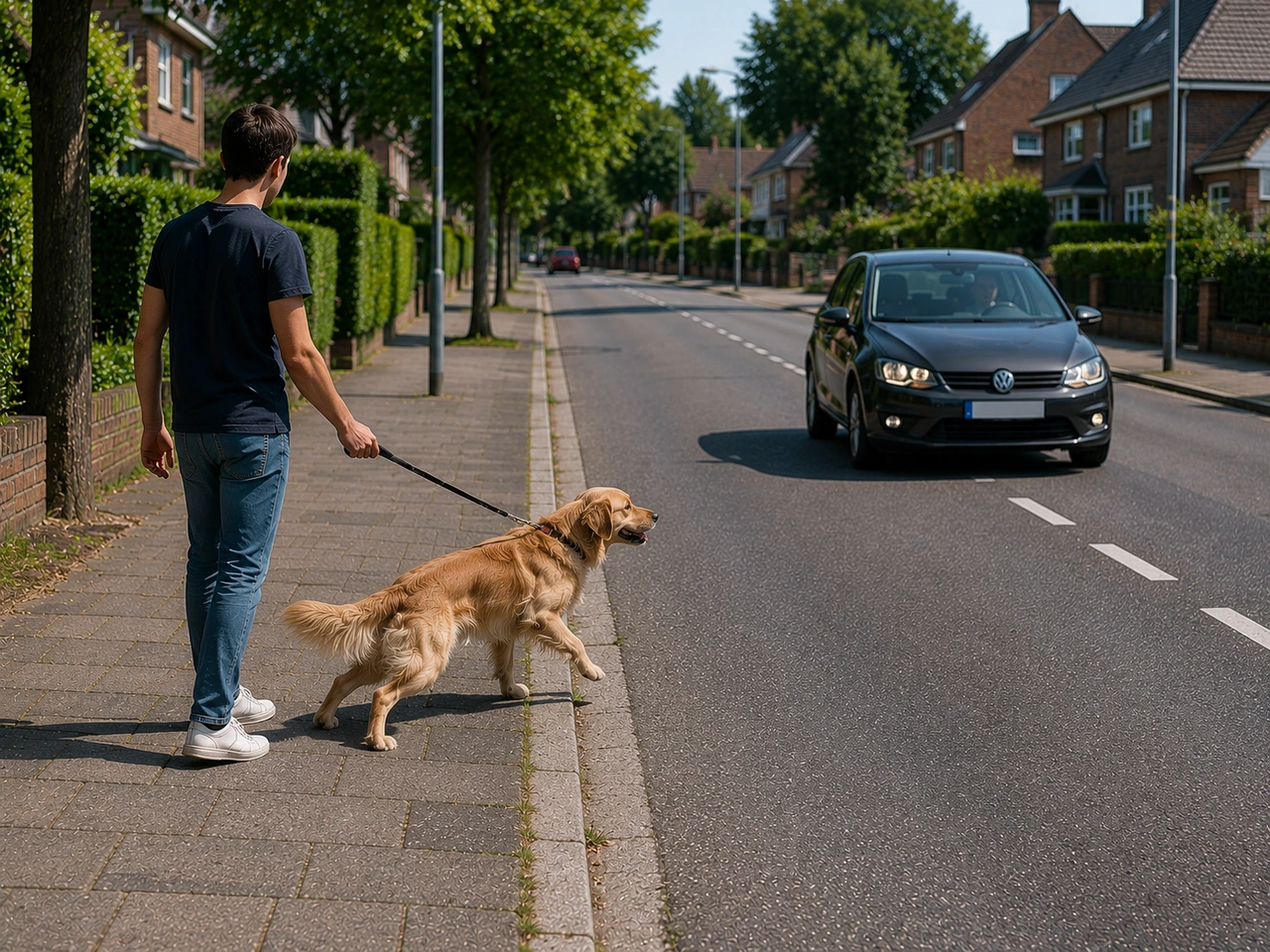
137. Why should pedestrians avoid sudden movements near traffic?
Sudden movements can surprise drivers and reduce the time they have to slow down or stop safely.
AI-generated by Traffic-rules.com • WCIT • CC BY-SA
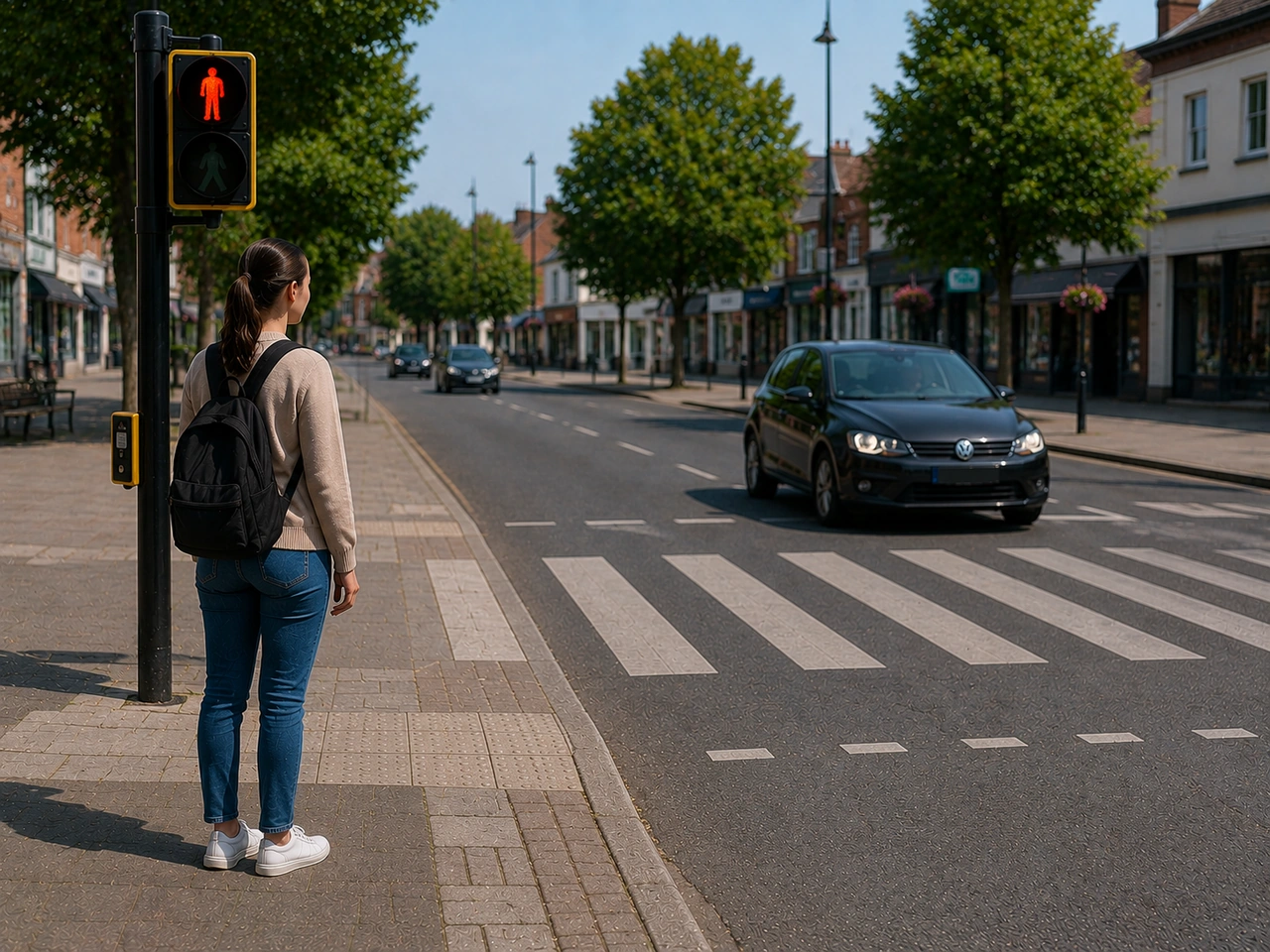
138. What should you do if the pedestrian light is red?
A red pedestrian signal means you should wait before crossing.
AI-generated by Traffic-rules.com • WCIT • CC BY-SA
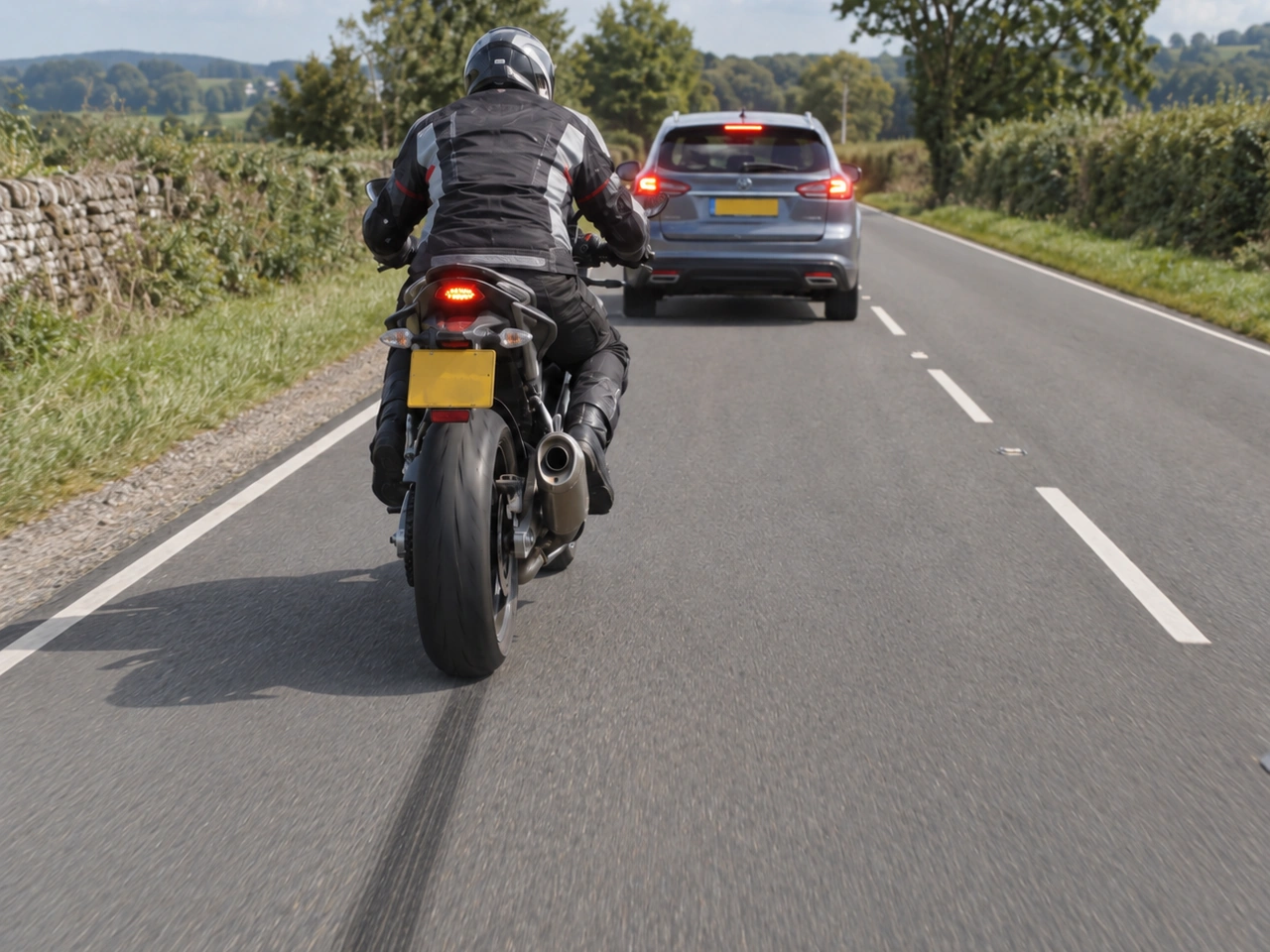
139. How should a motorcyclist brake in an emergency?
During emergency braking, use both brakes firmly and progressively while keeping the motorcycle as upright and stable as practical. Avoid sudden steering. If ABS is fitted, maintain firm braking pressure and allow the system to work.
AI-generated by Traffic-rules.com • WCIT • CC BY-SA
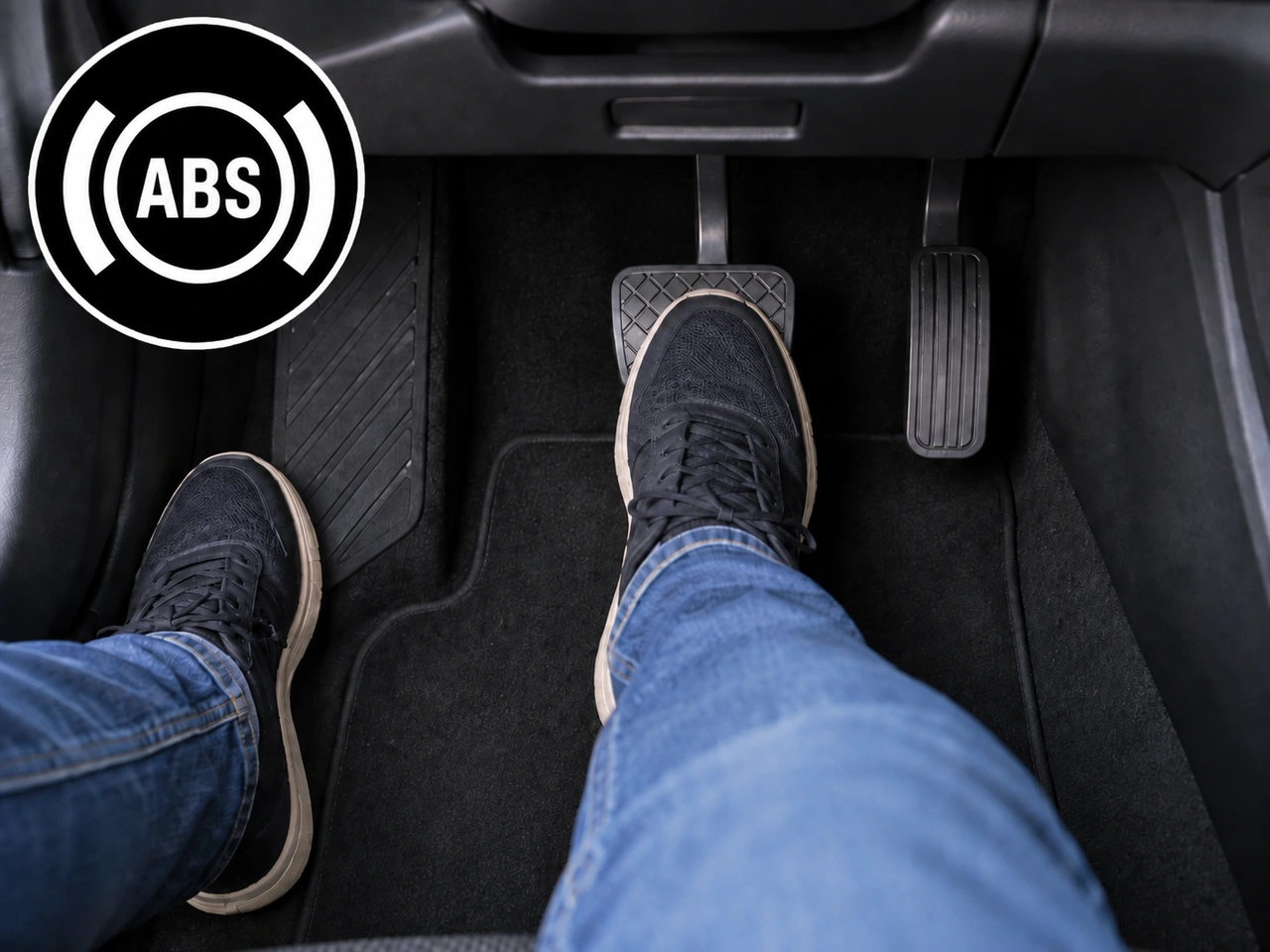
140. How should you use the brake pedal during emergency braking in a vehicle with ABS?
During emergency braking with ABS, press the brake pedal firmly and keep it pressed. Pulsation or vibration through the pedal can be normal while ABS is operating, so do not pump or release the brake.
AI-generated by Traffic-rules.com • WCIT • CC BY-SA
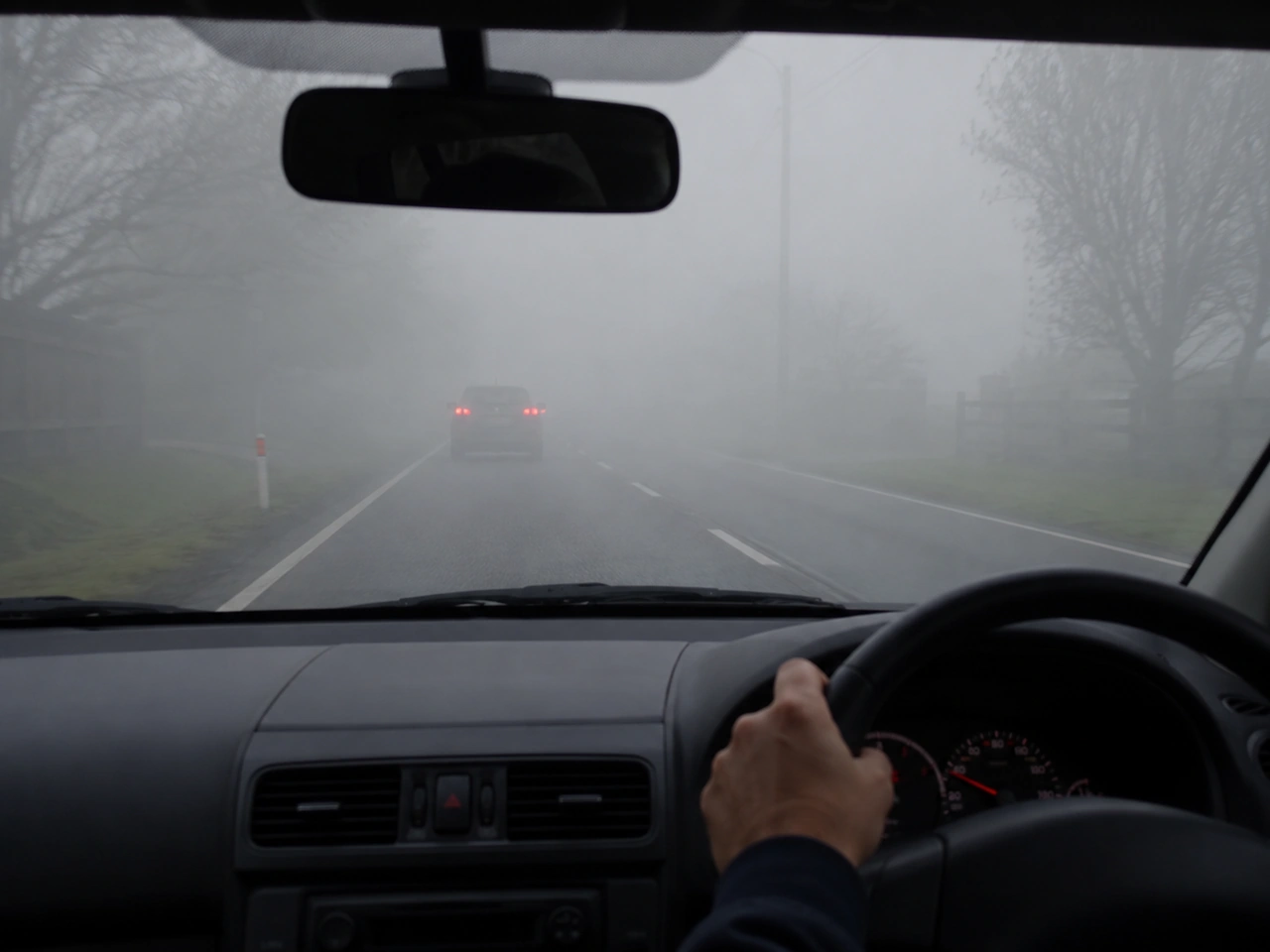
141. What should you do if visibility is reduced by fog?
Fog makes it harder to see and be seen. Reduce speed, increase following distance, and use the correct lights.
AI-generated by Traffic-rules.com • WCIT • CC BY-SA
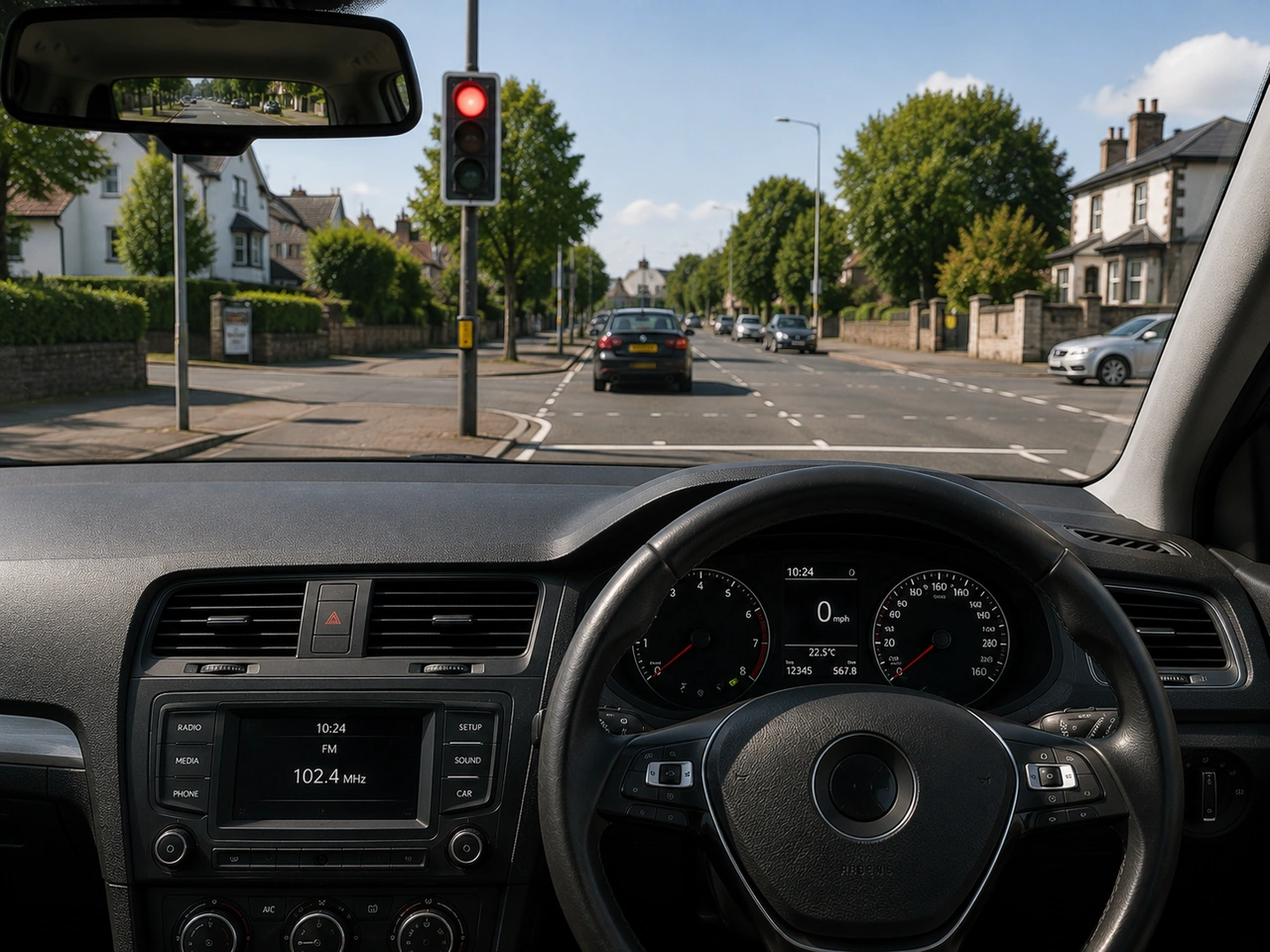
142. You must stop at a red traffic light.
A red traffic light means you must stop and wait until it is allowed to proceed.
AI-generated by Traffic-rules.com • WCIT • CC BY-SA
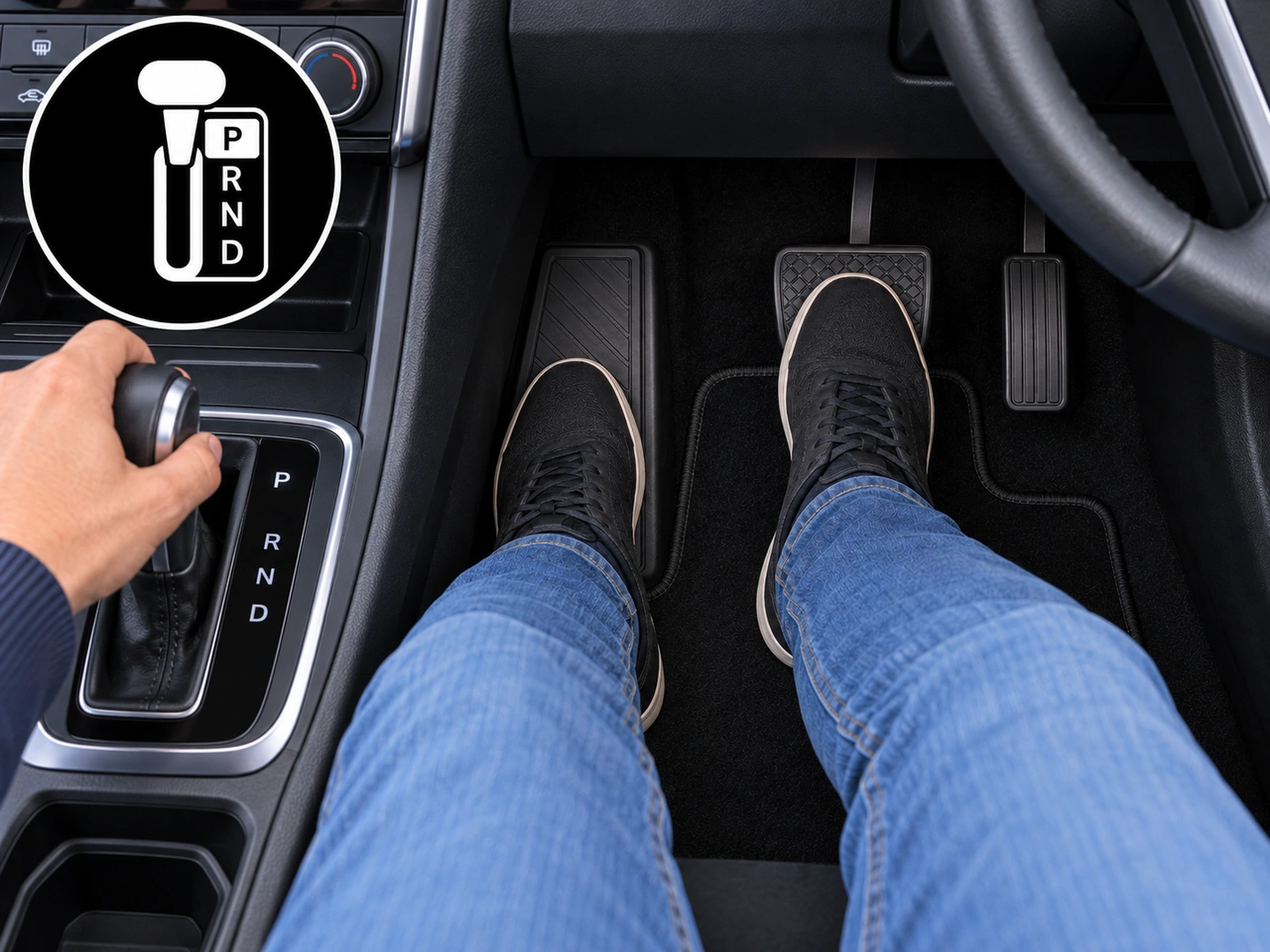
143. When should you select P (Park) in an automatic vehicle?
Select P (Park) only after the vehicle has come to a complete stop. Selecting Park while the vehicle is moving can damage the transmission.
AI-generated by Traffic-rules.com • WCIT • CC BY-SA
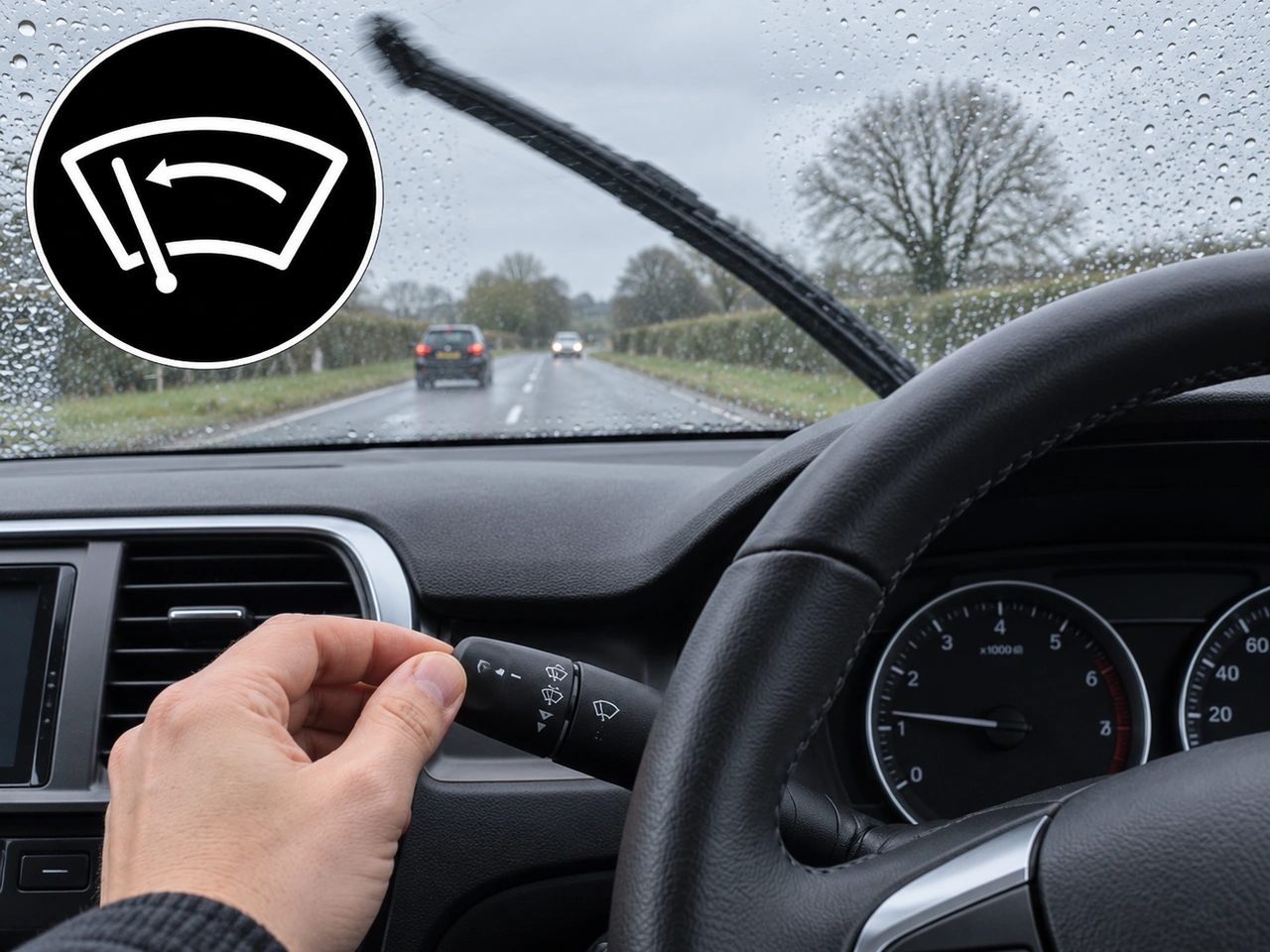
144. What does the single-wipe position of the windscreen-wiper control do?
The single-wipe position operates the windscreen wipers for one sweep and then stops. It is useful when only a small amount of water or spray needs to be cleared from the windscreen.
AI-generated by Traffic-rules.com • WCIT • CC BY-SA
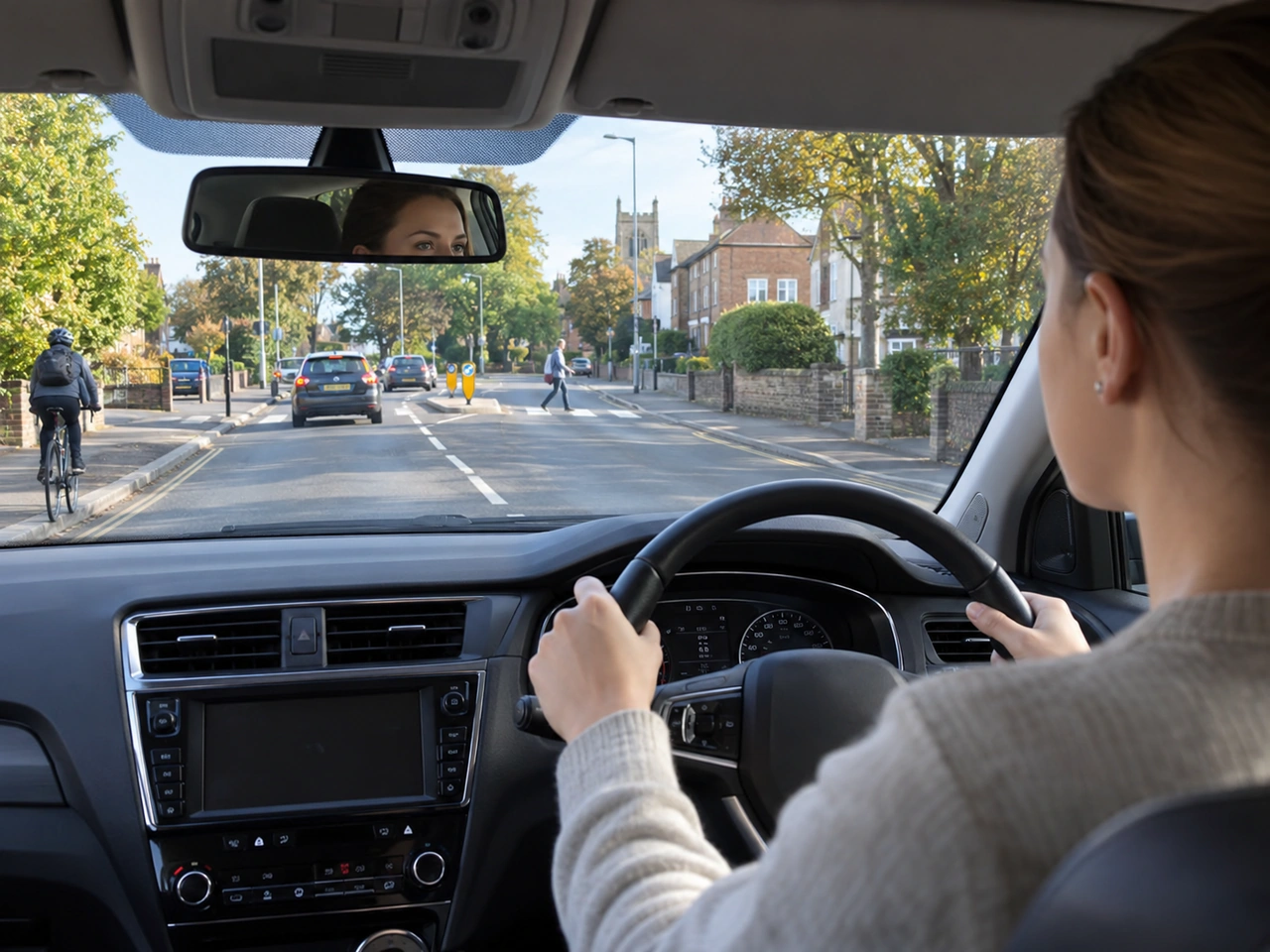
145. Why should you look well ahead while driving?
Looking well ahead helps you identify developing hazards early, such as slowing traffic, pedestrians, junctions, or changing road conditions. Earlier detection gives you more time to assess the situation and respond smoothly and safely.
AI-generated by Traffic-rules.com • WCIT • CC BY-SA
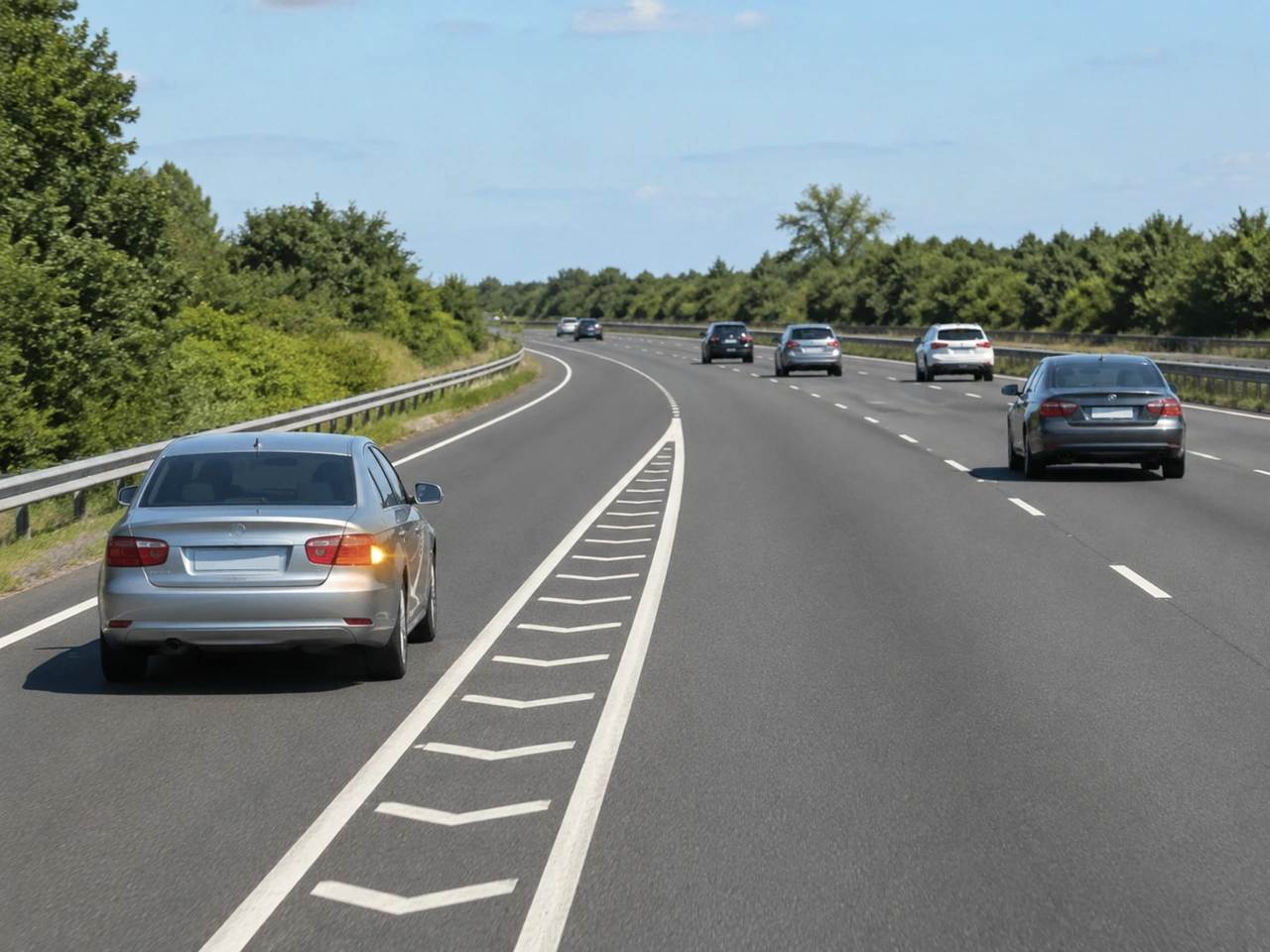
146. What should you do when joining a motorway from an entry lane?
Use the entry lane to build a suitable speed, check carefully, signal, and merge only when it is safe.
AI-generated by Traffic-rules.com • WCIT • CC BY-SA
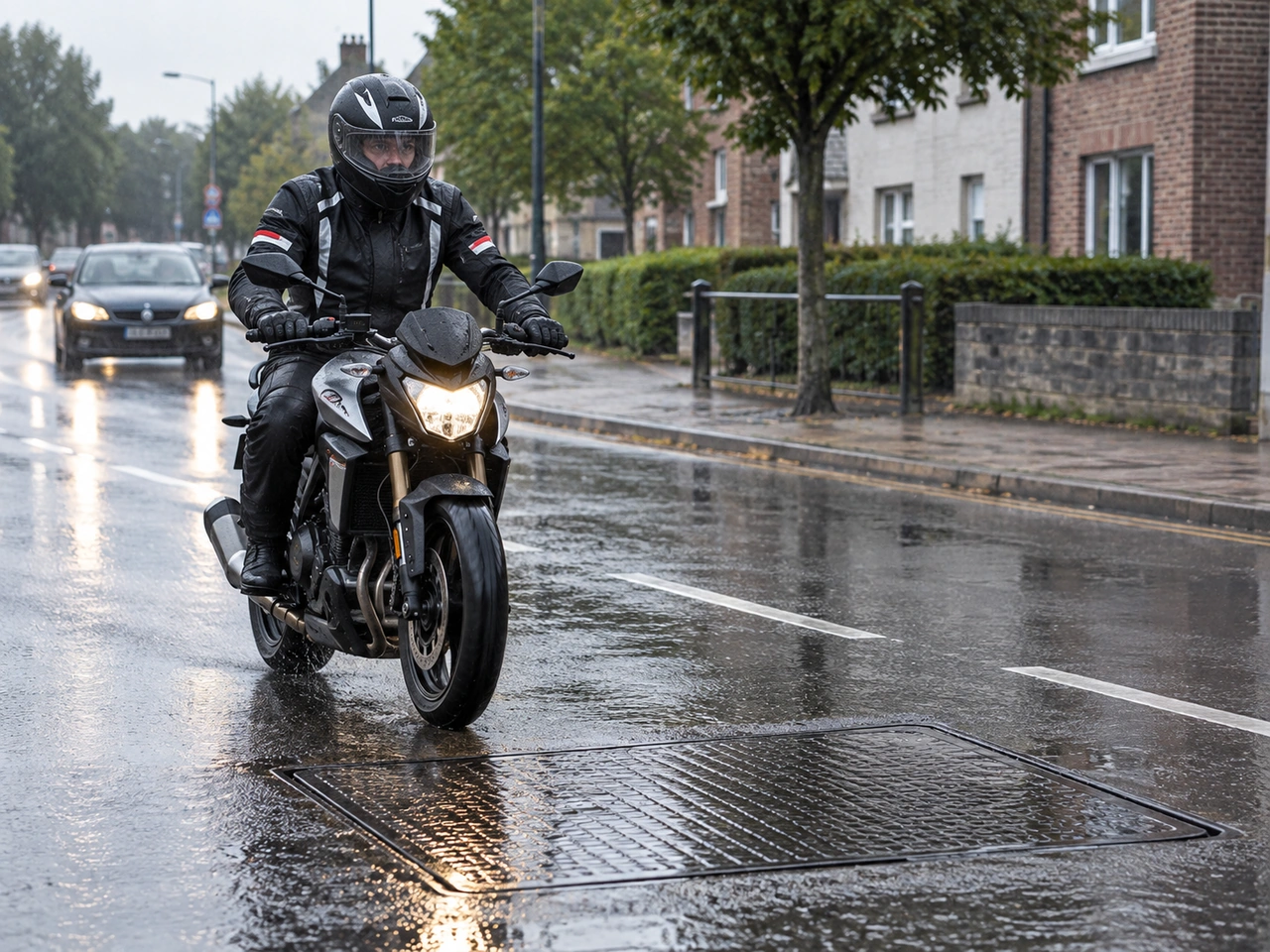
147. Why should motorcyclists take extra care on wet metal covers?
Wet metal surfaces, such as drain or inspection covers, can provide much less grip than the surrounding road. Cross them smoothly, keep the motorcycle as upright as practical and avoid sudden braking, acceleration or steering.
AI-generated by Traffic-rules.com • WCIT • CC BY-SA
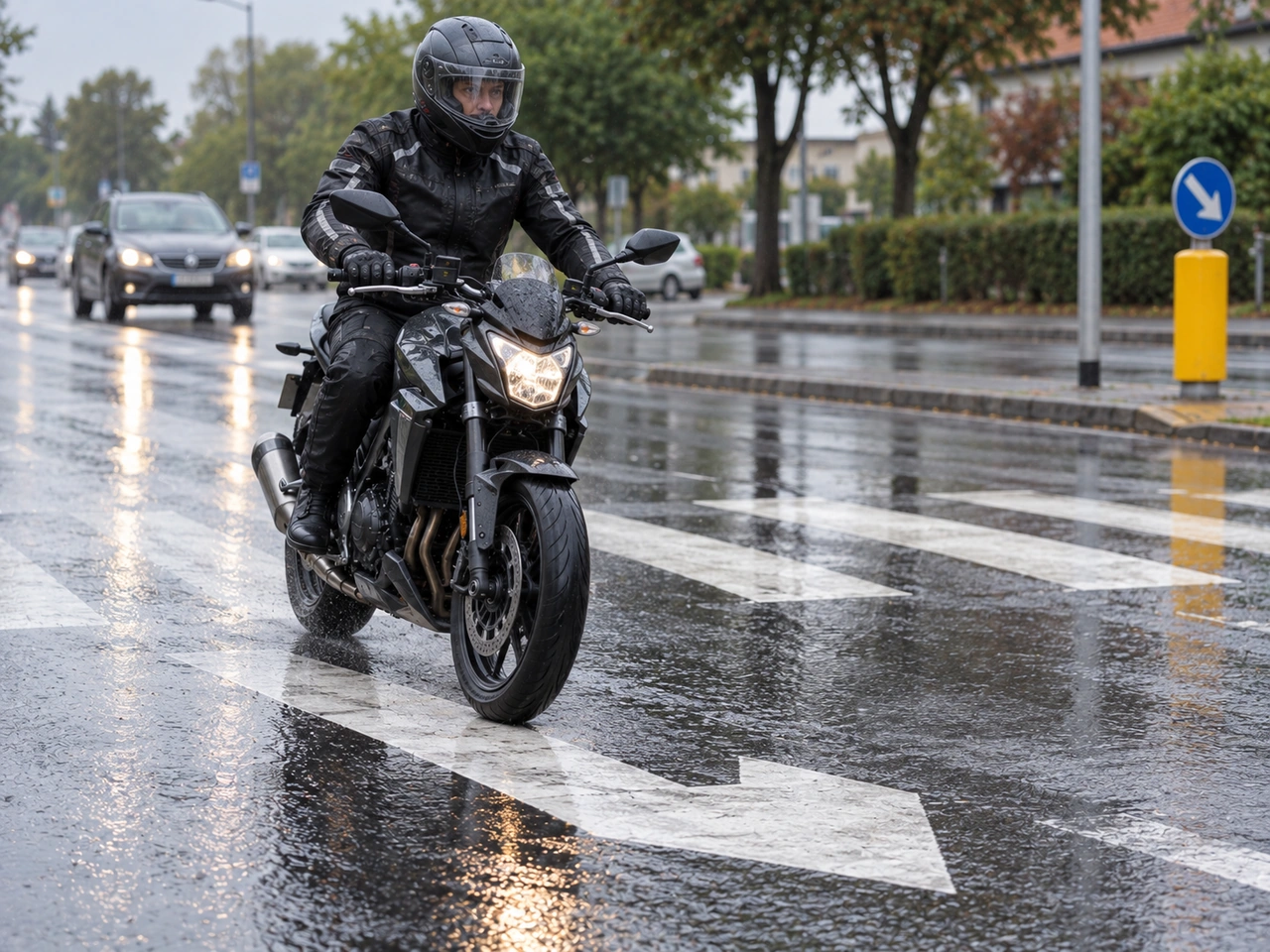
148. Why should motorcyclists take extra care on wet road markings?
Wet painted road markings can provide less grip than the surrounding road surface. Ride smoothly over them and avoid sudden braking, acceleration or steering that could cause the tyres to lose grip.
AI-generated by Traffic-rules.com • WCIT • CC BY-SA
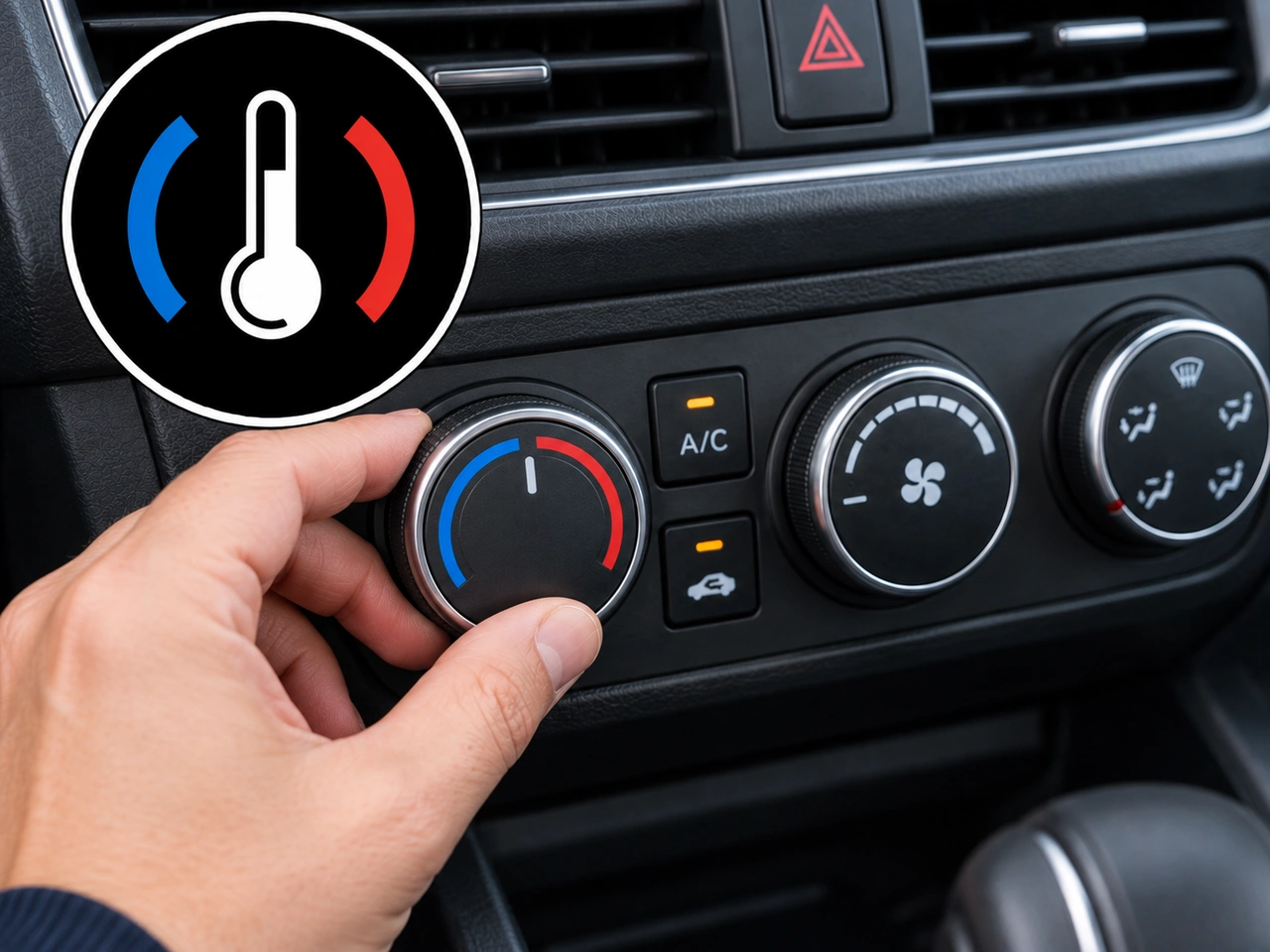
149. What does this vehicle-control symbol indicate?
This control adjusts the temperature of the air supplied to the cabin. Turning it towards the blue side lowers the selected temperature, while turning it towards the red side raises it.
AI-generated by Traffic-rules.com • WCIT • CC BY-SA
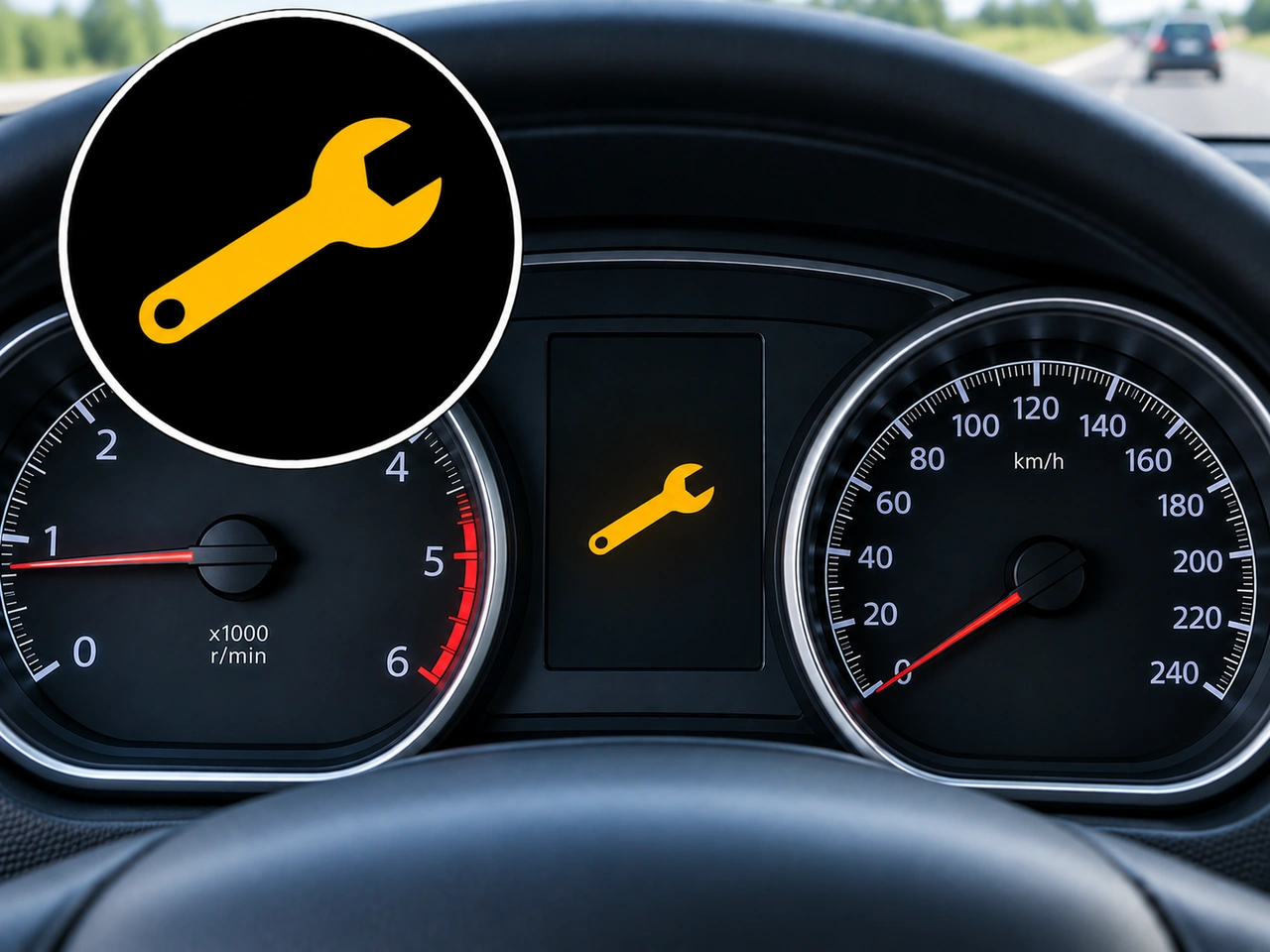
150. What does this dashboard symbol indicate?
This symbol indicates that the vehicle requires servicing or maintenance. The exact meaning and required maintenance can vary between vehicles, so check the vehicle information display or owner's manual.
AI-generated by Traffic-rules.com • WCIT • CC BY-SA