QuizTraffic rulesUkraine

This interesting quiz helps you test your knowledge in a clear and visual way. With easy multiple-choice questions, you can quickly build confidence and learn new facts while keeping it simple, interactive, and fun.


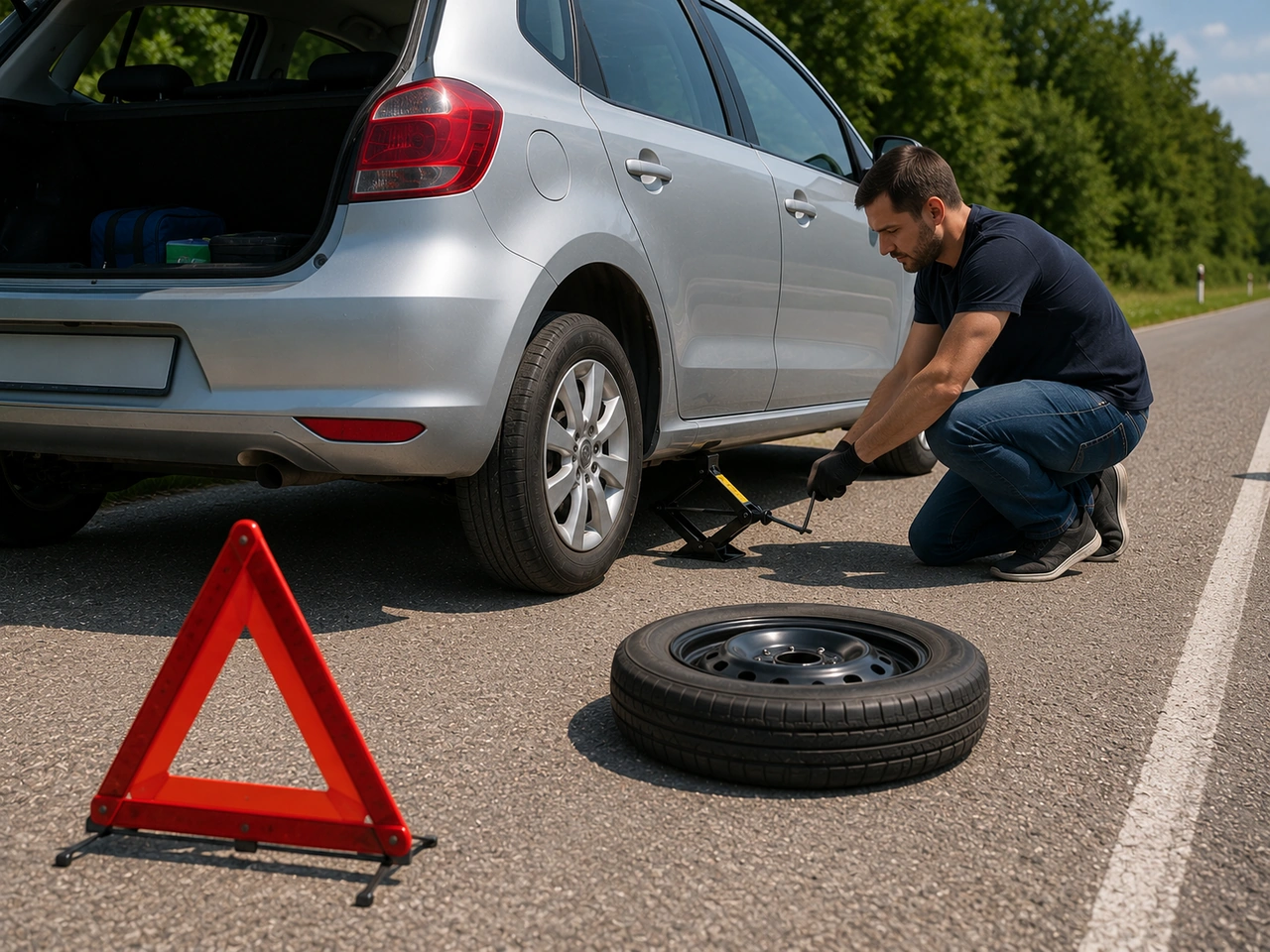
What is important when raising a vehicle with its jack?

151. What is important when raising a vehicle with its jack?

✓ Use the correct jacking point and never go underneath a vehicle on a jack.
Use any solid-looking part underneath the vehicle.
Raise the vehicle before applying the parking brake.
Work underneath if the jack appears stable.

A jack can slip or fail if it is incorrectly positioned. Secure the vehicle and use additional approved supports before working underneath it.

Vehicle raised at a jacking point for a wheel change
AI-generated by Traffic-rules.com • WCIT • CC BY-SA
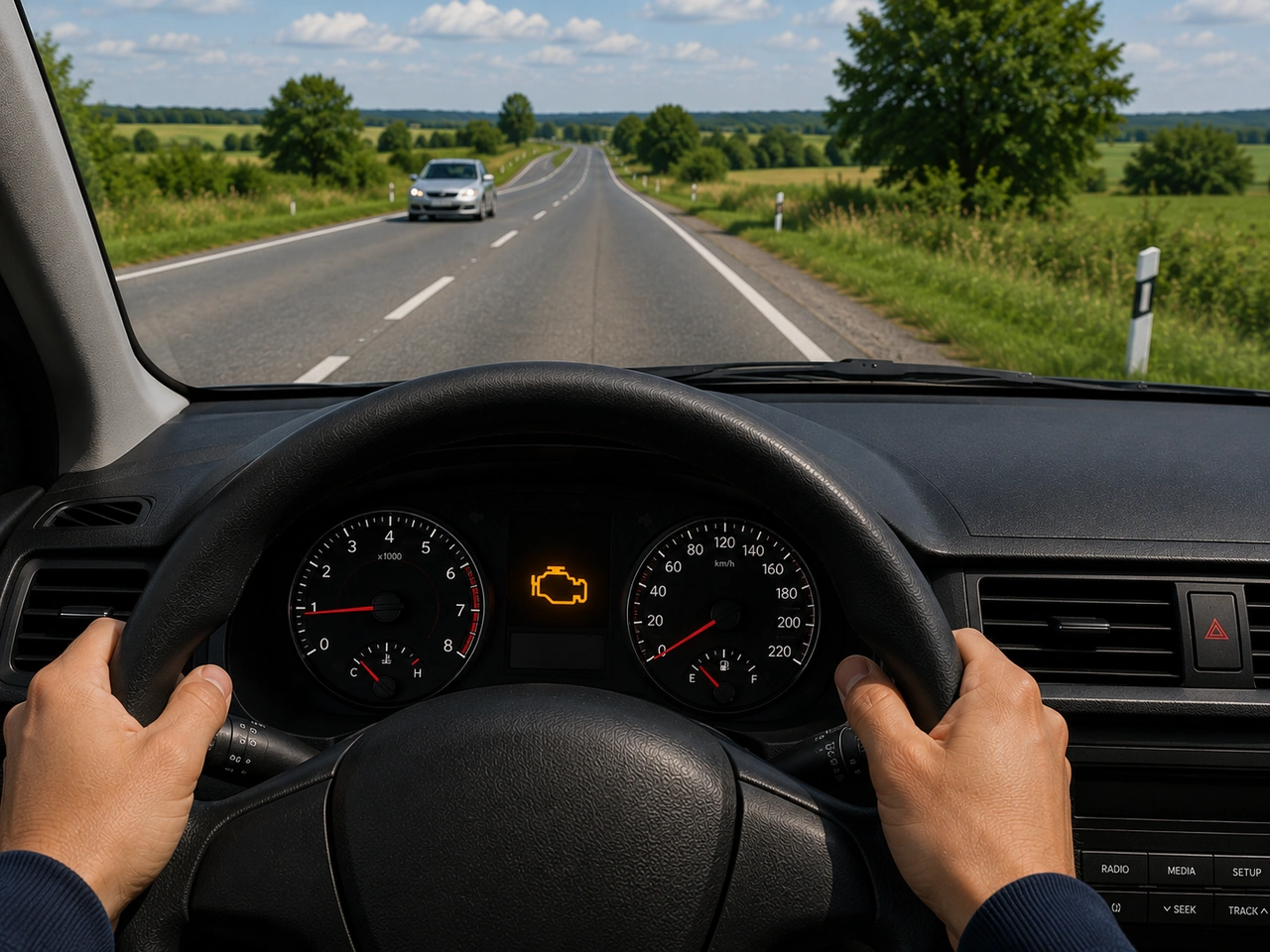
You should keep both hands ready to control the steering.

152. You should keep both hands ready to control the steering.

✓ True.
False.

Keeping proper control of the steering wheel helps you react safely to changes in traffic and road conditions.

Driver keeping both hands on the steering wheel
AI-generated by Traffic-rules.com • WCIT • CC BY-SA
What should you do if a tyre-pressure warning appears and handling changes?

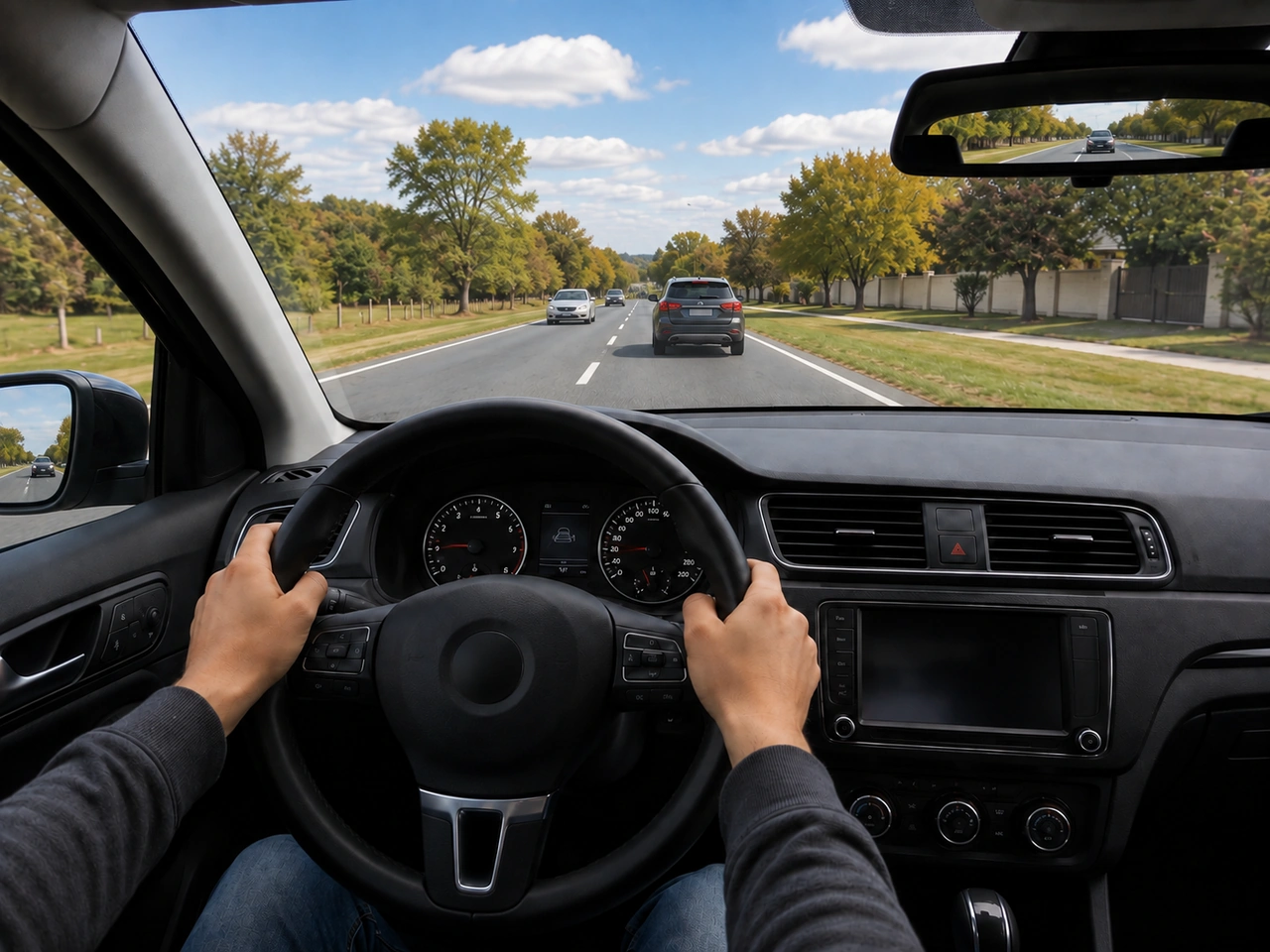
153. What should you do if a tyre-pressure warning appears and handling changes?

Accelerate slightly to warm the tyre.
Brake firmly to test whether the tyre still has grip.
Release air from the other tyres to balance the pressure.
✓ Reduce speed and stop safely to check the tyres.

A pressure loss or damaged tyre can affect steering and braking. If the tyre-pressure warning appears together with a change in handling, it may indicate a serious tyre problem. Stop safely and inspect the tyres before continuing.

Tyre-pressure warning and a tyre inspection
AI-generated by Traffic-rules.com • WCIT • CC BY-SA
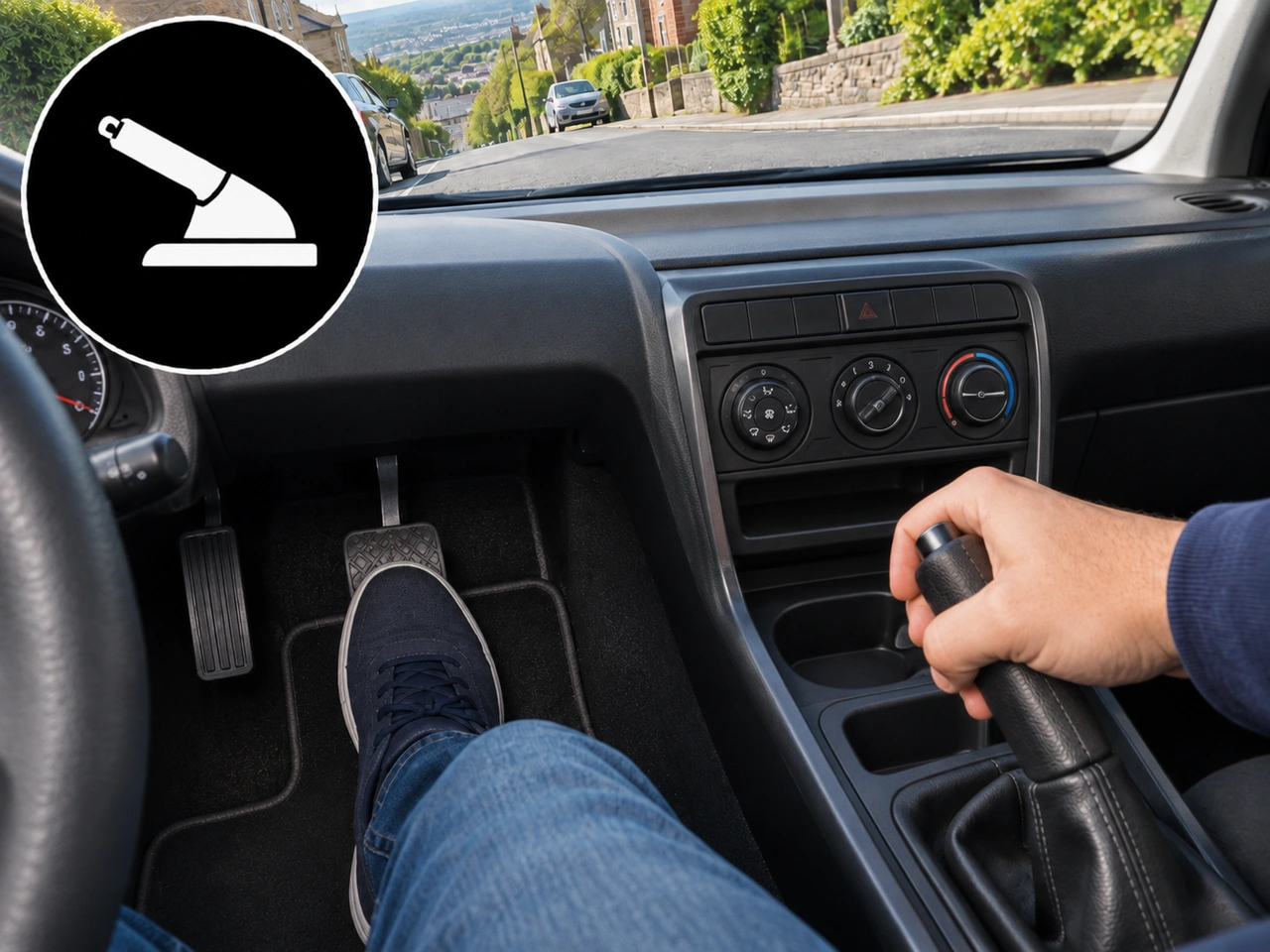
What should you do before releasing the parking brake on a slope?

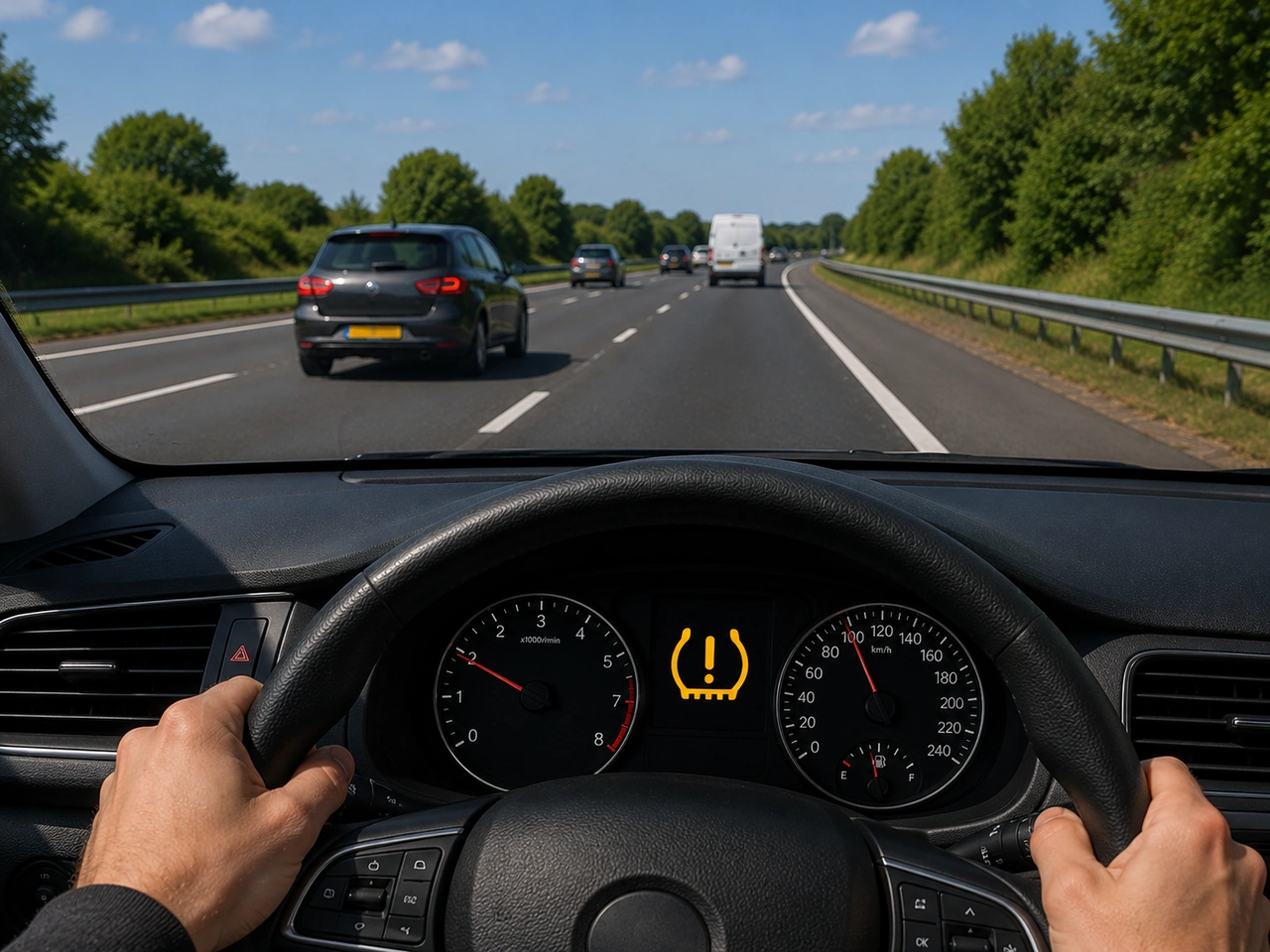
154. What should you do before releasing the parking brake on a slope?

✓ Make sure the vehicle is securely controlled before releasing it.
Turn the steering wheel fully.
Select neutral and release all pedals.
Press the accelerator fully.

Before releasing the parking brake on a slope, make sure the vehicle cannot roll unexpectedly. Use the service brake or, when moving off in a manual vehicle, establish the clutch biting point and sufficient power before releasing the parking brake.

Preparing to release the parking brake on a slope
AI-generated by Traffic-rules.com • WCIT • CC BY-SA
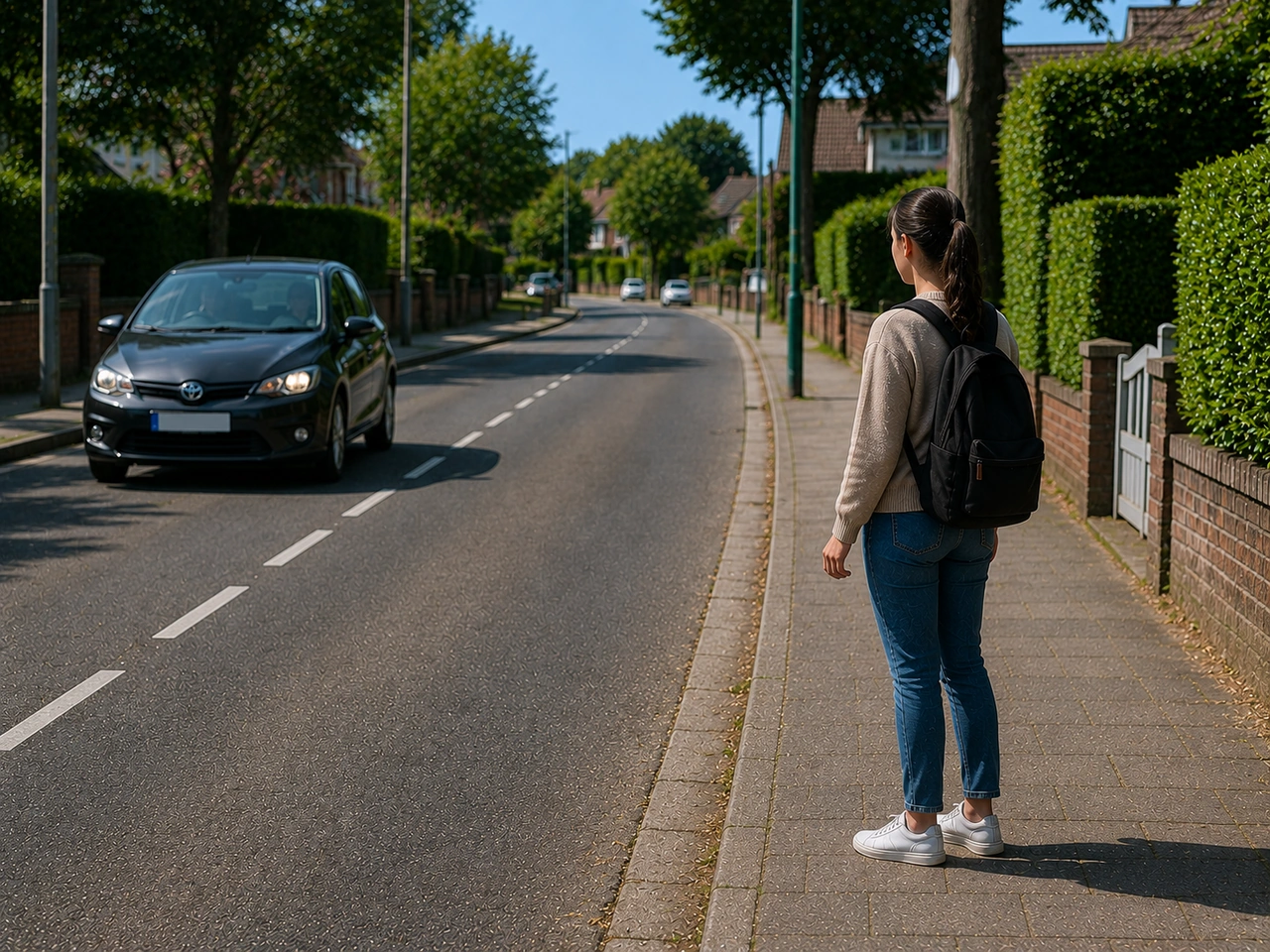
What is the best place to cross the road?

155. What is the best place to cross the road?

Between parked vehicles if traffic appears quiet.
✓ At a designated crossing.
At a junction without checking for turning traffic.
At the shortest point, even if visibility is limited.

Use a designated crossing whenever possible. It is usually the safest place to cross the road.

Designated crossing for pedestrians
AI-generated by Traffic-rules.com • WCIT • CC BY-SA
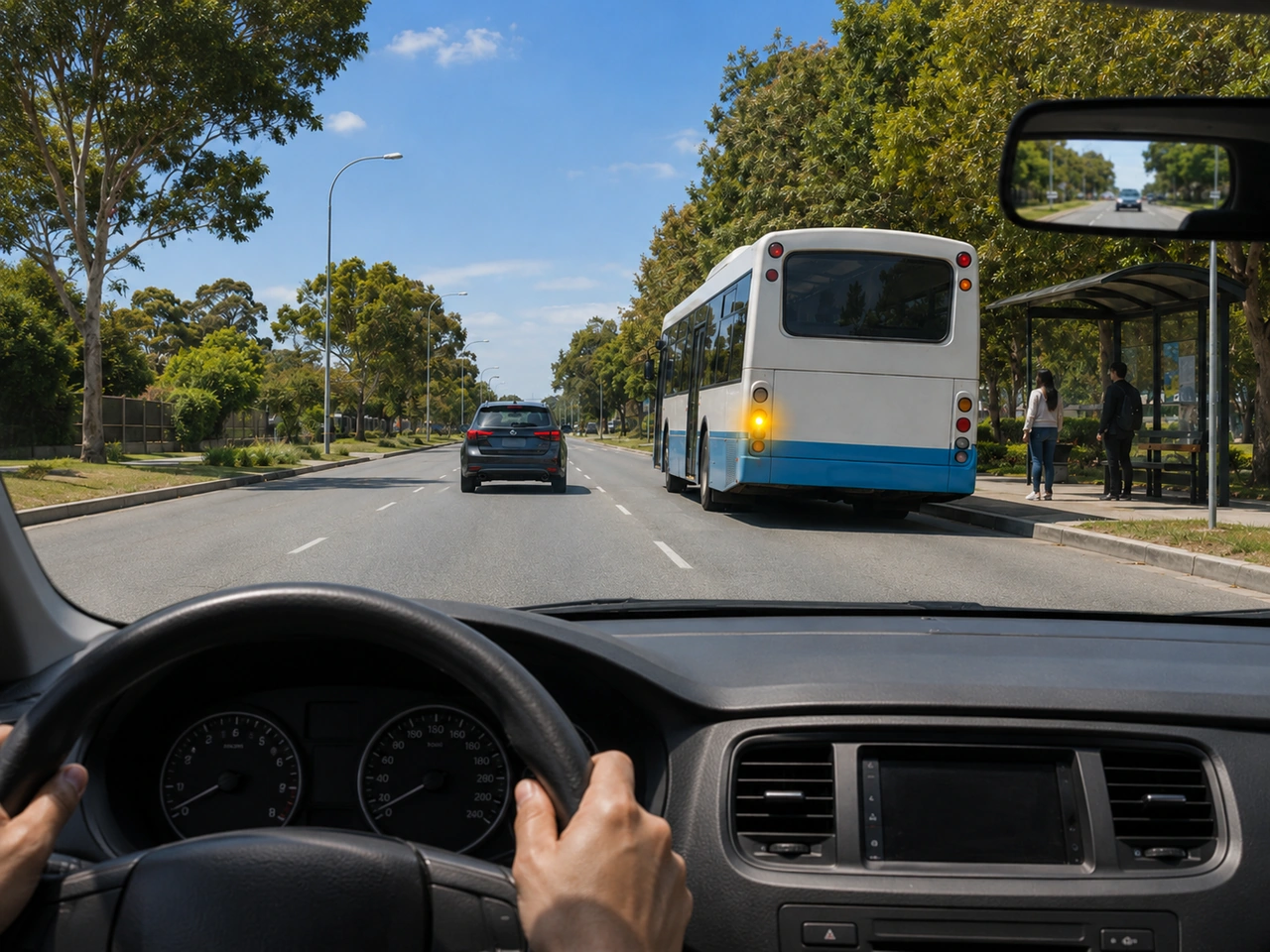
What should you do when a bus signals to pull away from a bus stop?

156. What should you do when a bus signals to pull away from a bus stop?

✓ Slow down and be prepared to let it move out when safe.
Sound your horn so the bus waits for you.
Accelerate and pass before the bus moves out.
Drive closely beside the bus to prevent it moving out.

Buses may pull away after picking up passengers. Slow down, check the traffic situation, and allow space when it is safe.

Bus signalling to pull away from a stop
AI-generated by Traffic-rules.com • WCIT • CC BY-SA
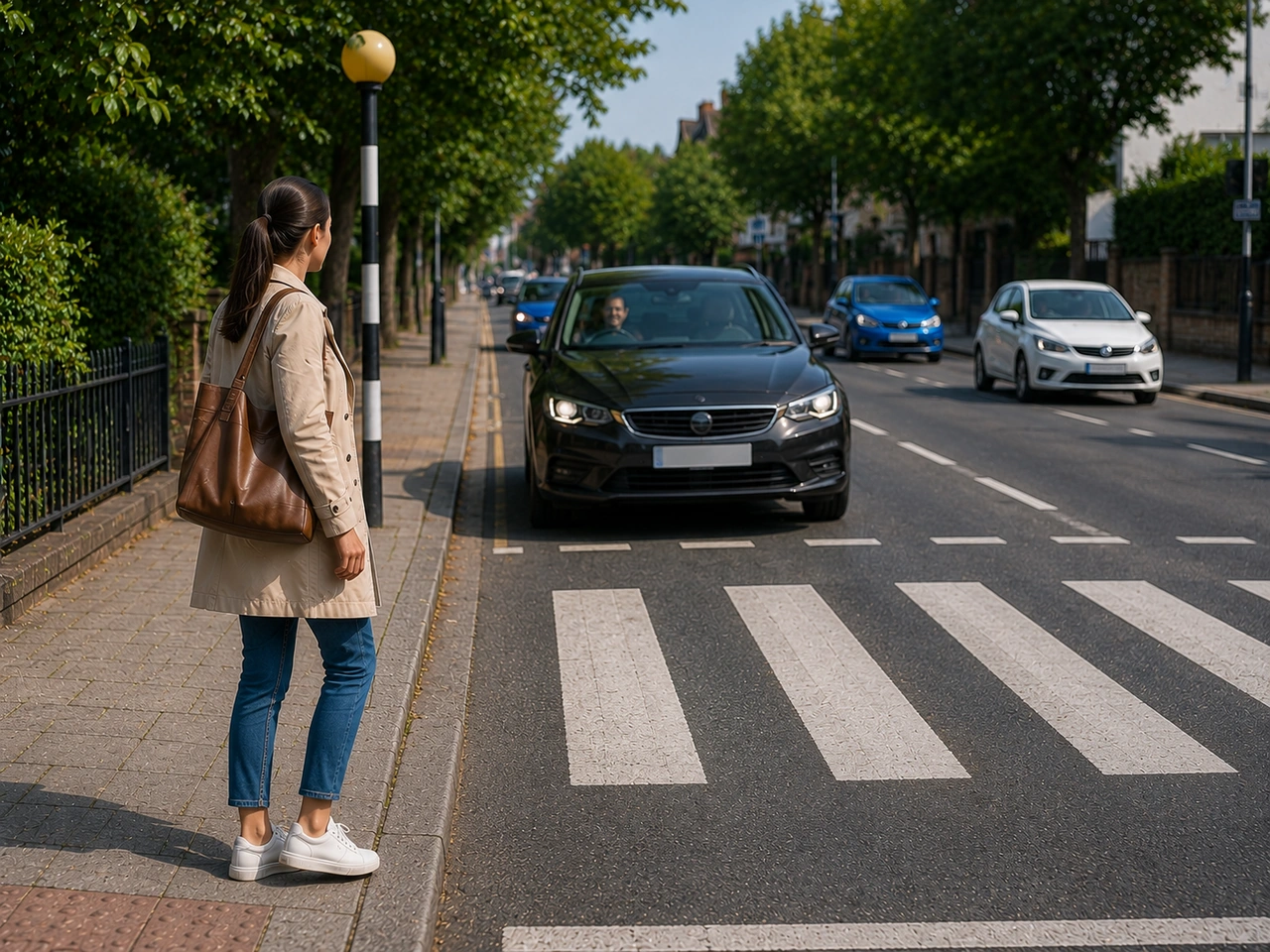
What should you do if traffic stops and a driver waves you across?

157. What should you do if traffic stops and a driver waves you across?

Check only the lane nearest to you.
✓ Check that all lanes are safe before crossing.
Watch the stopped driver instead of the other traffic.
Cross immediately once the driver waves you through.

One driver may stop, but other vehicles may still be moving. Always check all lanes before crossing.

Driver waving a pedestrian across the road
AI-generated by Traffic-rules.com • WCIT • CC BY-SA
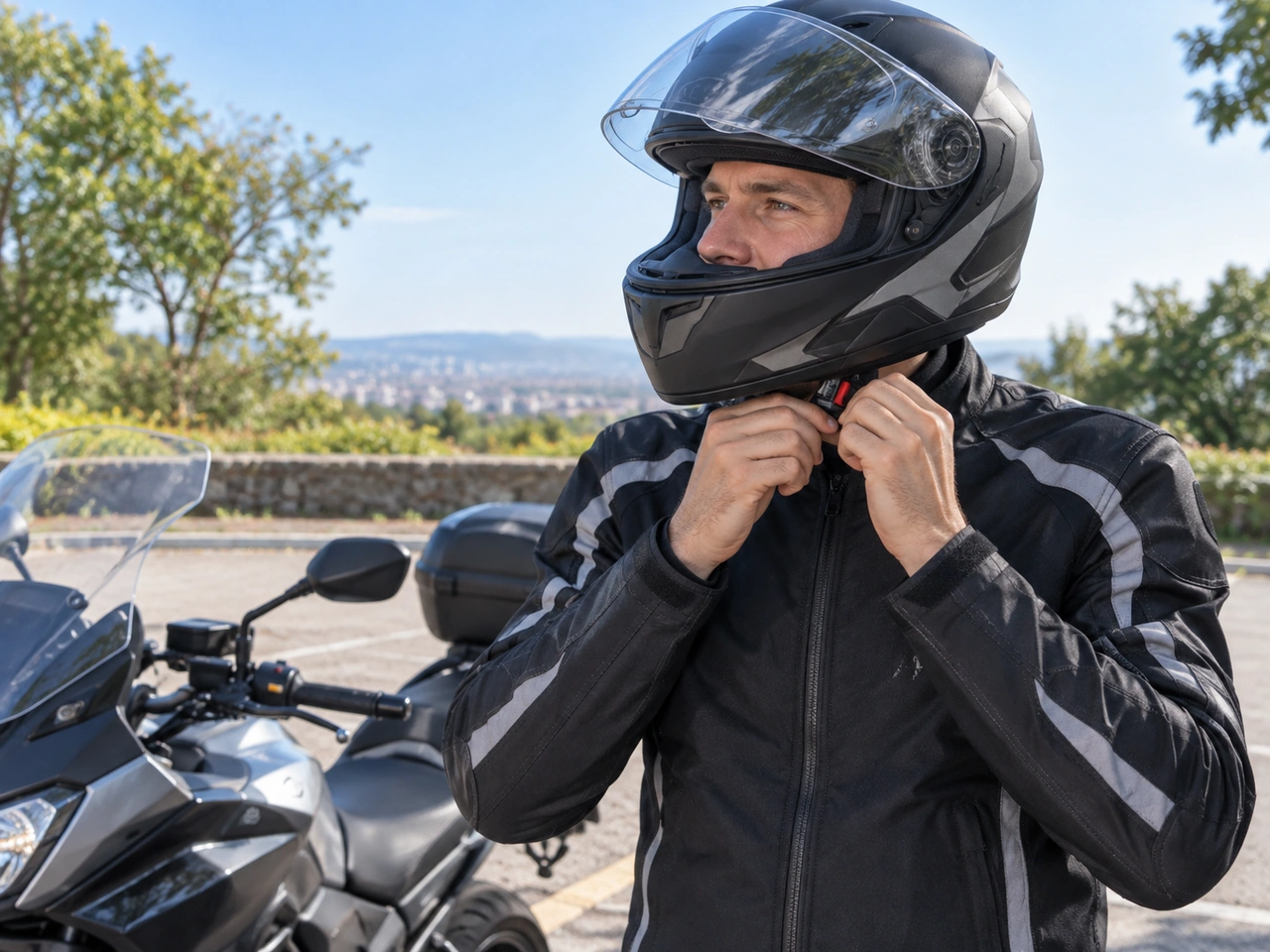
Why should a motorcycle helmet be worn correctly and securely fastened?

158. Why should a motorcycle helmet be worn correctly and securely fastened?

To improve the rider's hearing in traffic.
To make the motorcycle easier to balance.
✓ To reduce the risk of serious head injury in a collision.
To reduce fuel consumption at higher speeds.

A correctly fitted and securely fastened motorcycle helmet helps protect the rider's head and can reduce the risk and severity of head injury in a collision or fall.

Motorcyclist wearing a securely fastened helmet
AI-generated by Traffic-rules.com • WCIT • CC BY-SA
What should you do before a long journey to reduce the risk of driver fatigue?

159. What should you do before a long journey to reduce the risk of driver fatigue?

✓ Get enough sleep before starting the journey.
Drink several energy drinks before leaving.
Plan to drive through the night.
Keep the cabin as warm as possible.

Getting enough sleep before a long journey helps reduce the risk of driver fatigue. Plan breaks in advance and avoid starting a long drive when you are already tired.

Rest and preparation before a long drive
AI-generated by Traffic-rules.com • WCIT • CC BY-SA

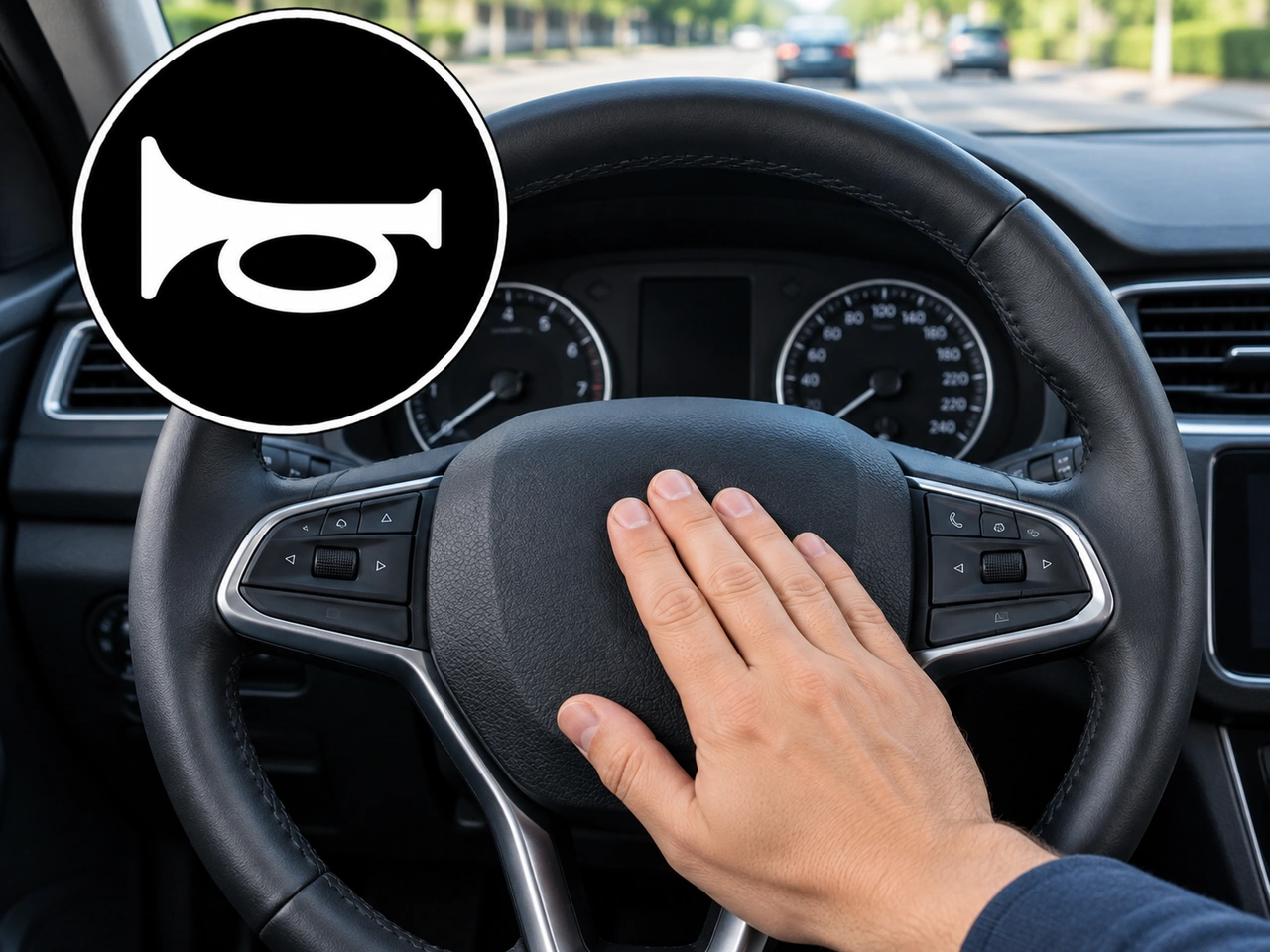
What does this vehicle-control symbol indicate?

160. What does this vehicle-control symbol indicate?

Headlight flash.
Parking assistance.
✓ Horn.
Hazard warning lights.

This symbol indicates the horn control. The horn is used to warn other road users of your presence when necessary.

Vehicle horn control and symbol
AI-generated by Traffic-rules.com • WCIT • CC BY-SA
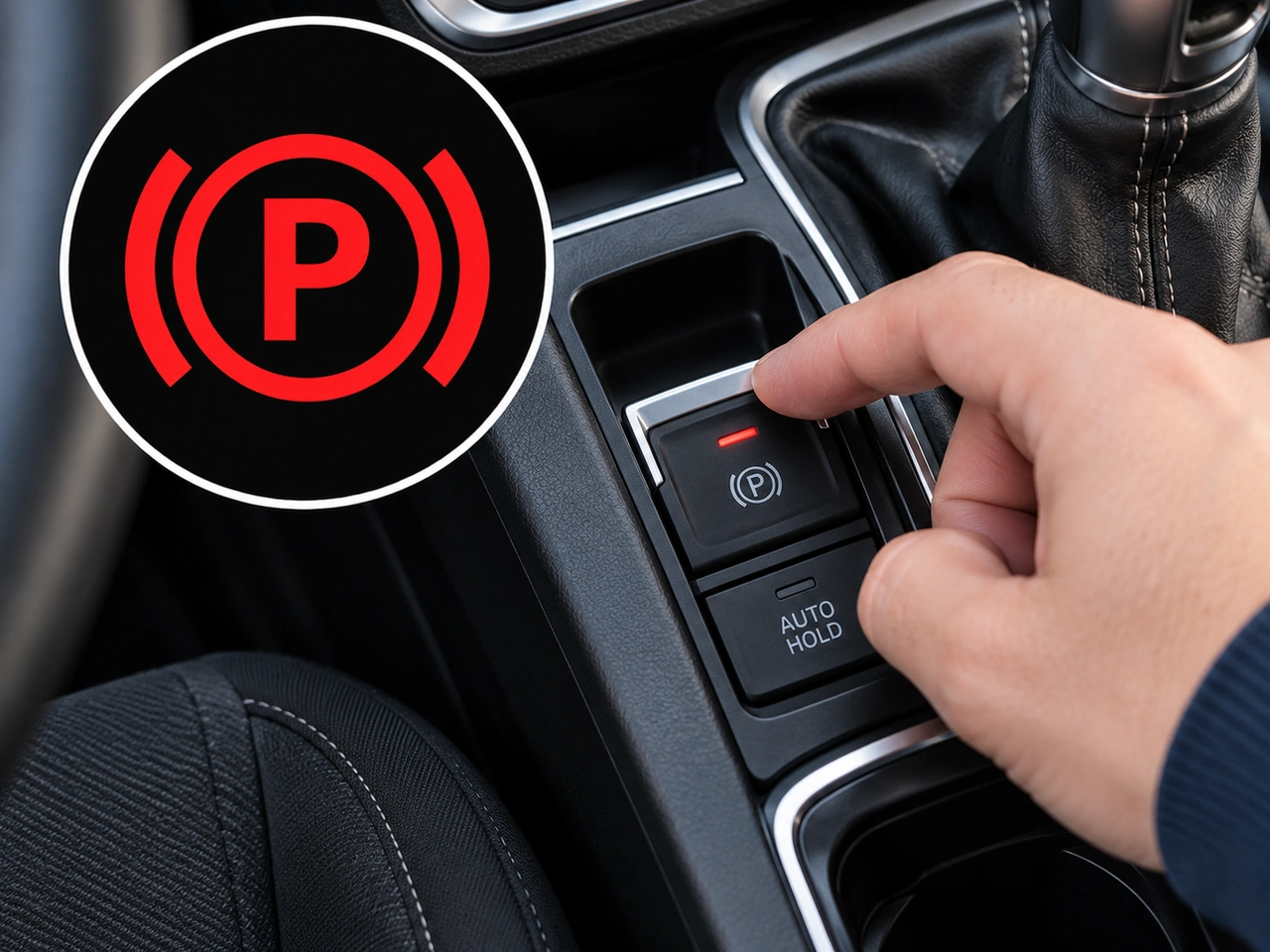
What does this dashboard symbol indicate?

161. What does this dashboard symbol indicate?

✓ Parking brake applied.
Low tyre pressure.
Power-steering fault.
Brake pads worn.

This symbol indicates that the parking brake is applied. It should normally go out when the parking brake is fully released.

Parking-brake indicator symbol on the dashboard
AI-generated by Traffic-rules.com • WCIT • CC BY-SA
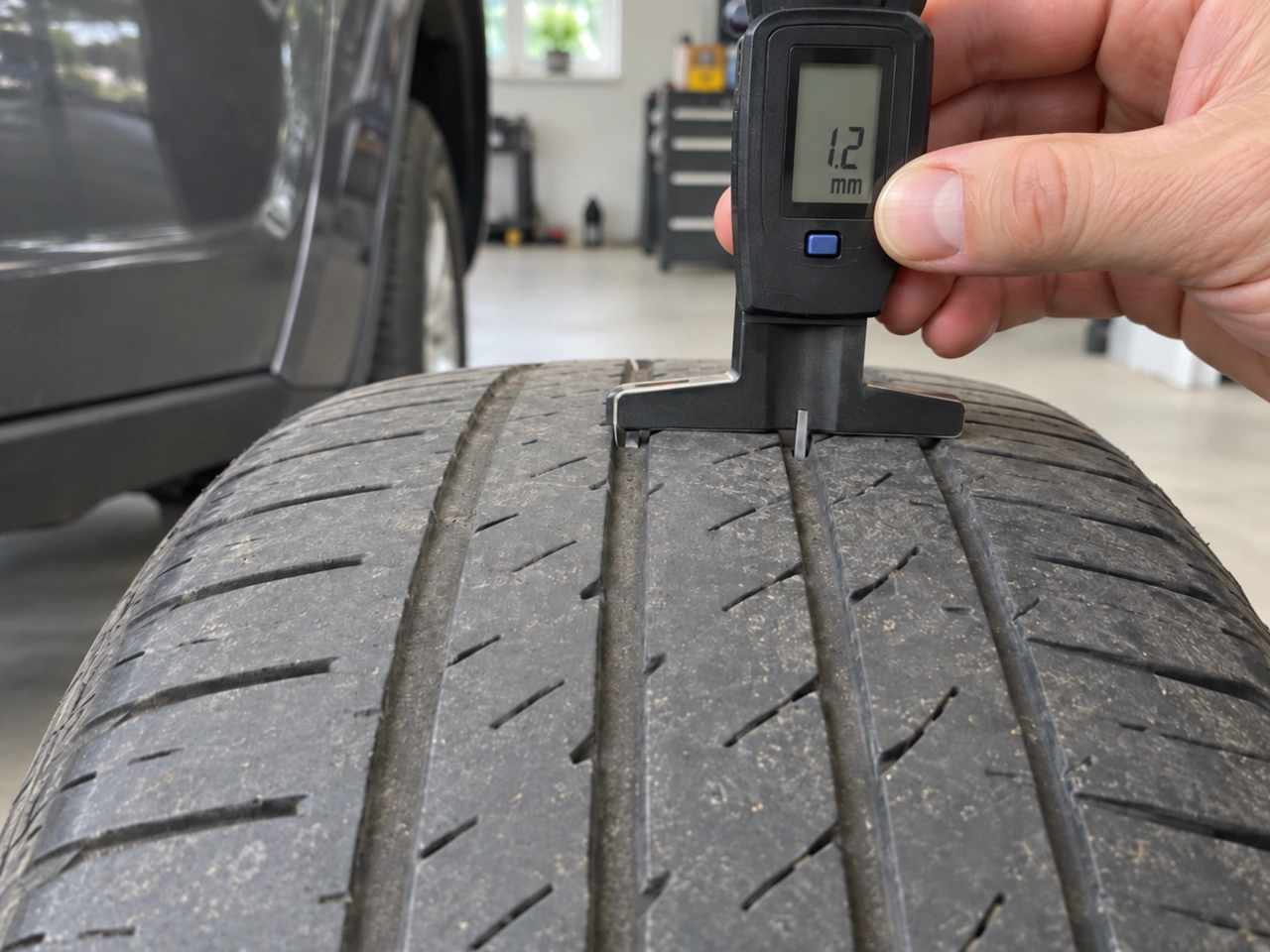
What is the general minimum legal tread depth for car tyres in Ukraine?

162. What is the general minimum legal tread depth for car tyres in Ukraine?

1.0 mm.
1.5 mm.
✓ 1.6 mm.
2.0 mm.

The general minimum legal tread depth for car tyres in Ukraine is 1.6 mm. Higher minimums may apply to winter tyres, during winter periods or in winter conditions.

Measuring tread depth on a vehicle tyre
AI-generated by Traffic-rules.com • WCIT • CC BY-SA
What should you do if an EV charging connector will not release from the vehicle?

163. What should you do if an EV charging connector will not release from the vehicle?

✓ Stop the charging session, unlock the vehicle, and follow the instructions.
Twist the connector from side to side until it comes loose.
Use a tool to prise the connector from the charging port.
Pull the connector out as hard as possible.

Charging connectors may remain locked while charging or until the vehicle is unlocked. Stop the charging session and follow the vehicle or charger's release procedure. Never force the connector; if it remains stuck, seek appropriate assistance.

Charging connector attached to an electric vehicle
AI-generated by Traffic-rules.com • WCIT • CC BY-SA
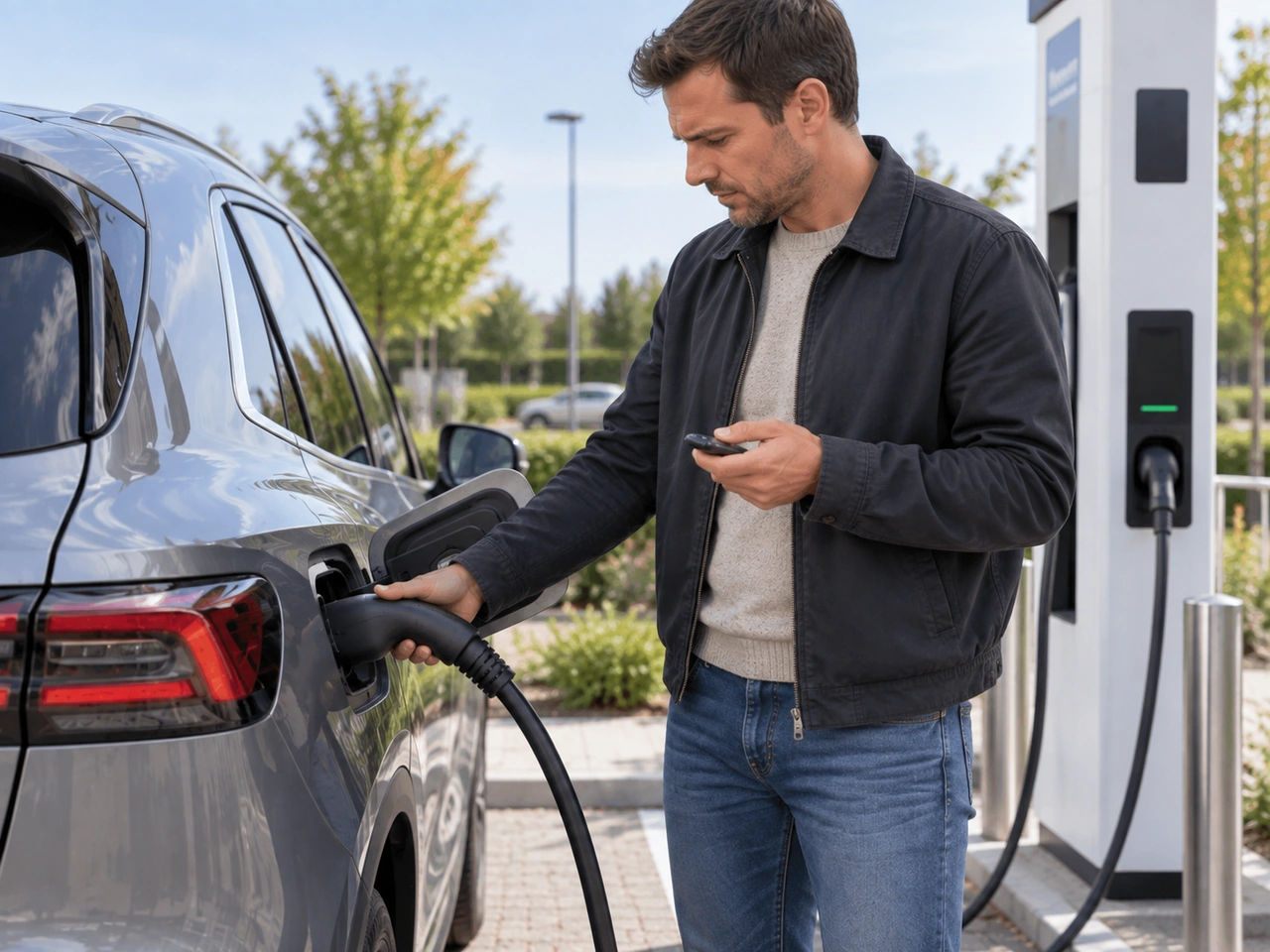
What should you normally do after completing an overtake?

164. What should you normally do after completing an overtake?

✓ Return to the normal driving lane when it is safe.
Slow down before returning to the normal lane.
Remain in the overtaking lane until another vehicle approaches.
Move back immediately in front of the vehicle you passed.

After overtaking, return to the normal driving lane when you have passed the other vehicle by a safe distance. Check your mirrors, signal when appropriate, and avoid moving back too soon.

Vehicle returning to its lane after overtaking
AI-generated by Traffic-rules.com • WCIT • CC BY-SA
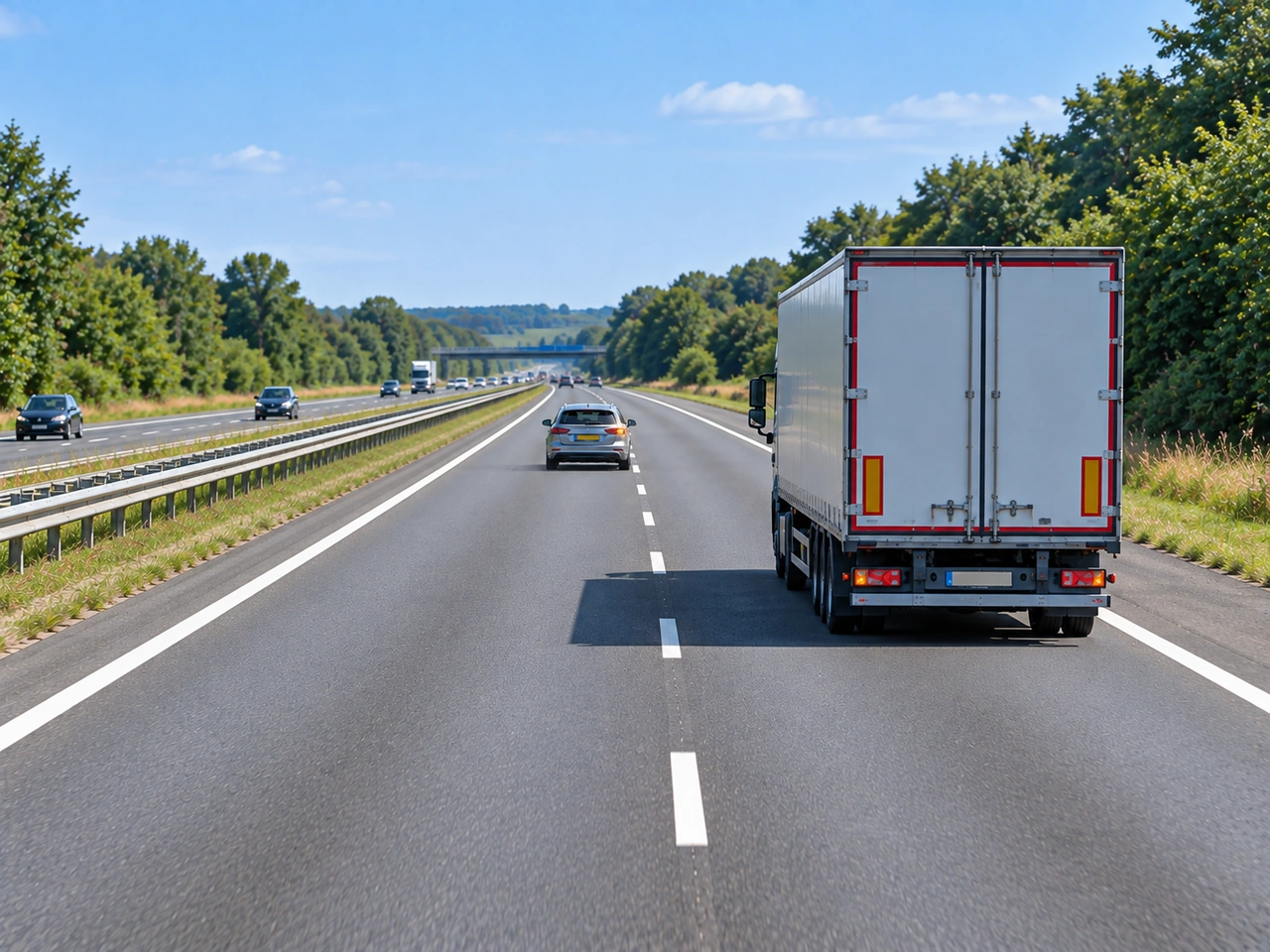
What should you expect when lanes become narrower in roadworks?

165. What should you expect when lanes become narrower in roadworks?

All vehicles must drive in the centre of the lane.
Large vehicles must stop before entering the narrow section.
Temporary lane markings no longer need to be followed.
✓ Less space between your vehicle, barriers, and other traffic.

Narrow lanes leave less room for error. Keep a steady position, avoid drifting toward barriers or nearby vehicles, and reduce speed if necessary.

Narrow traffic lanes through roadworks
AI-generated by Traffic-rules.com • WCIT • CC BY-SA
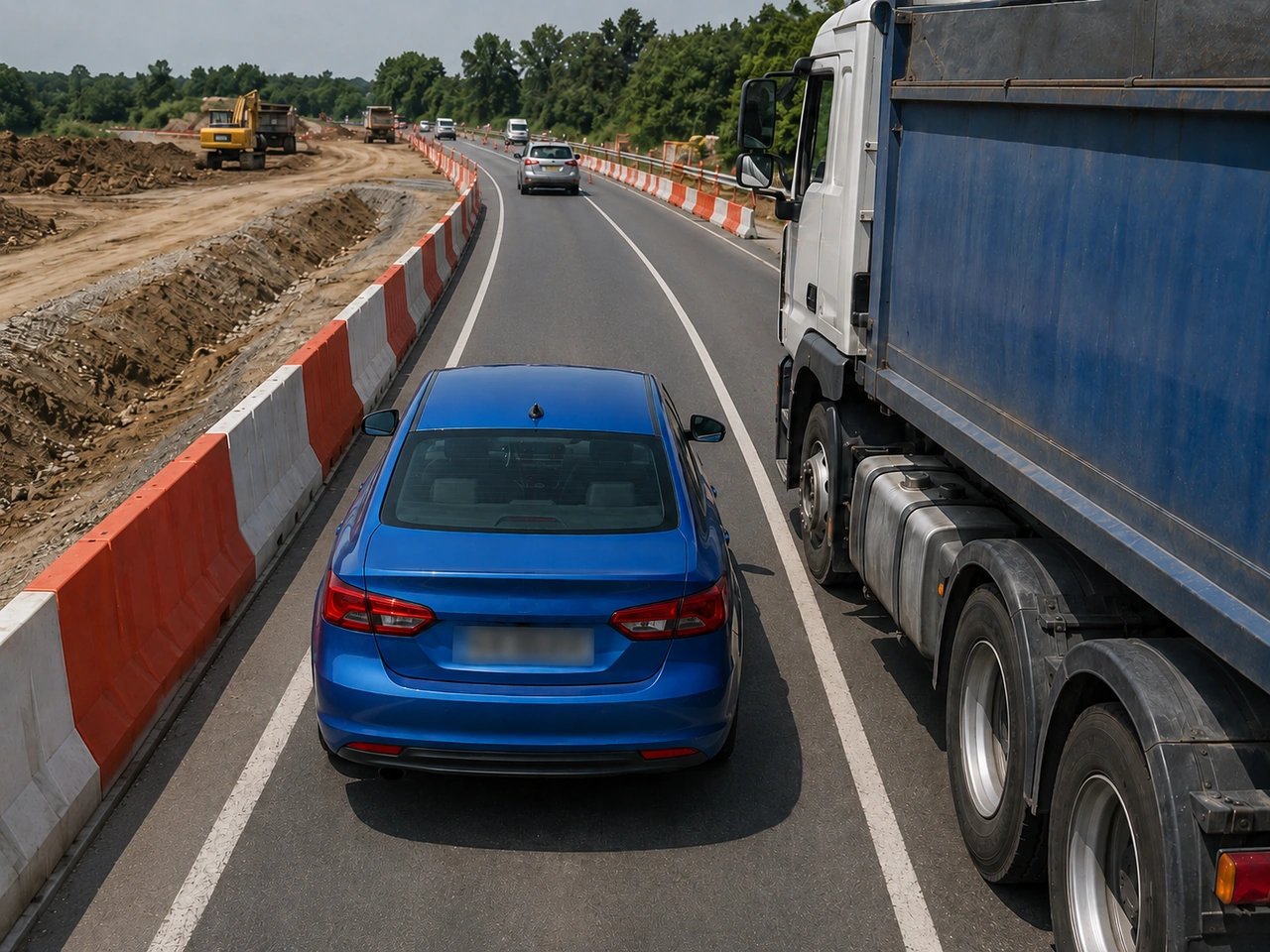
What does this vehicle-control symbol indicate?

166. What does this vehicle-control symbol indicate?

Automatic headlights.
Headlight level adjustment.
✓ Instrument-panel brightness.
Front fog lights.

This control adjusts the brightness of the instrument panel and dashboard illumination, allowing the driver to reduce or increase the lighting level.

Control for adjusting instrument-panel brightness
AI-generated by Traffic-rules.com • WCIT • CC BY-SA
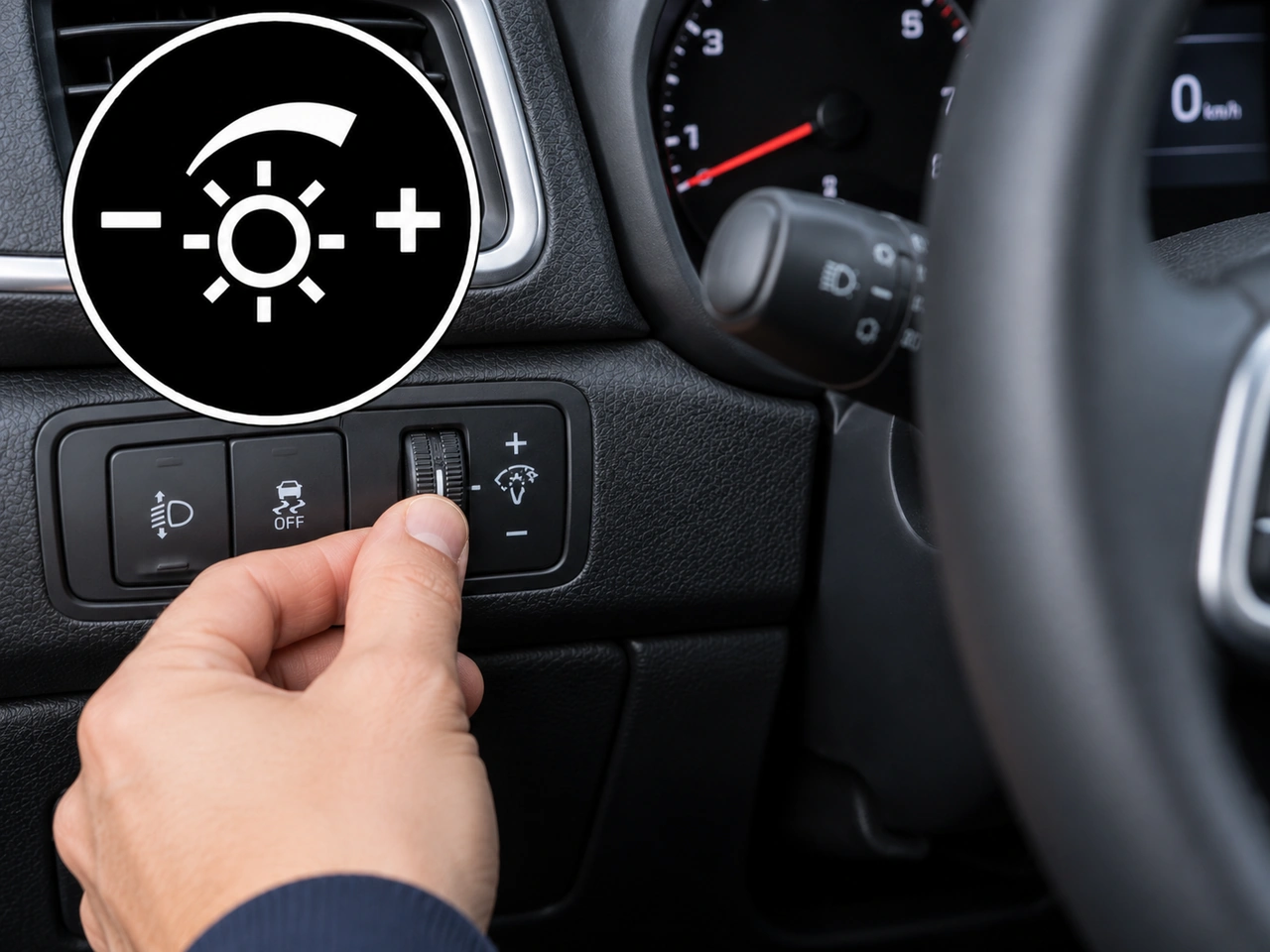
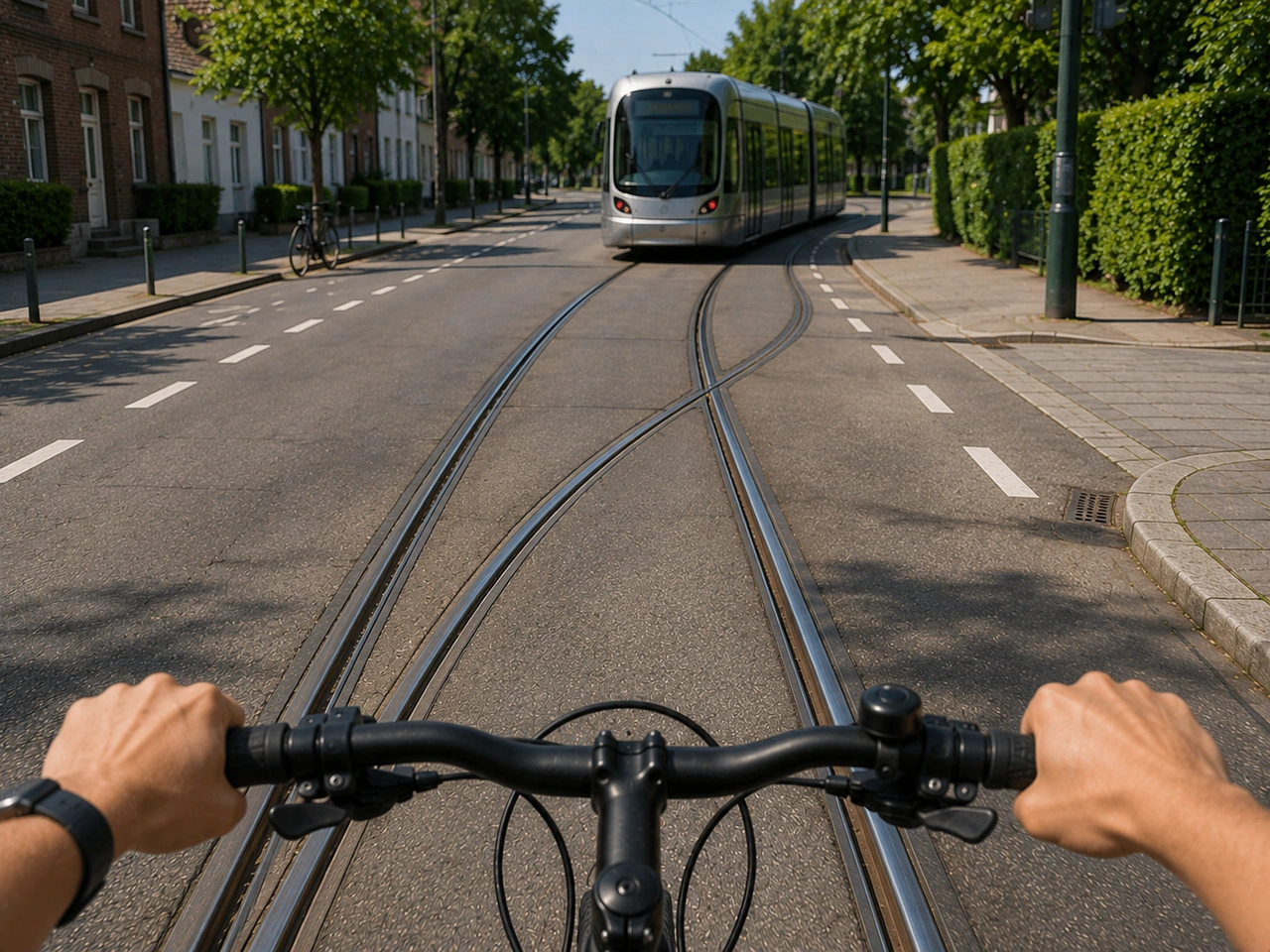
How should cyclists cross railway or tram tracks?

167. How should cyclists cross railway or tram tracks?

✓ Cross at a safe angle, as close to perpendicular as possible.
Follow the rails briefly before crossing them.
Increase speed so the wheels cannot get caught.
Keep the wheels parallel with the rails while crossing.

A bicycle wheel can become trapped in a rail groove. Crossing at a wider angle reduces this risk.

Cyclist crossing rails in the road
AI-generated by Traffic-rules.com • WCIT • CC BY-SA
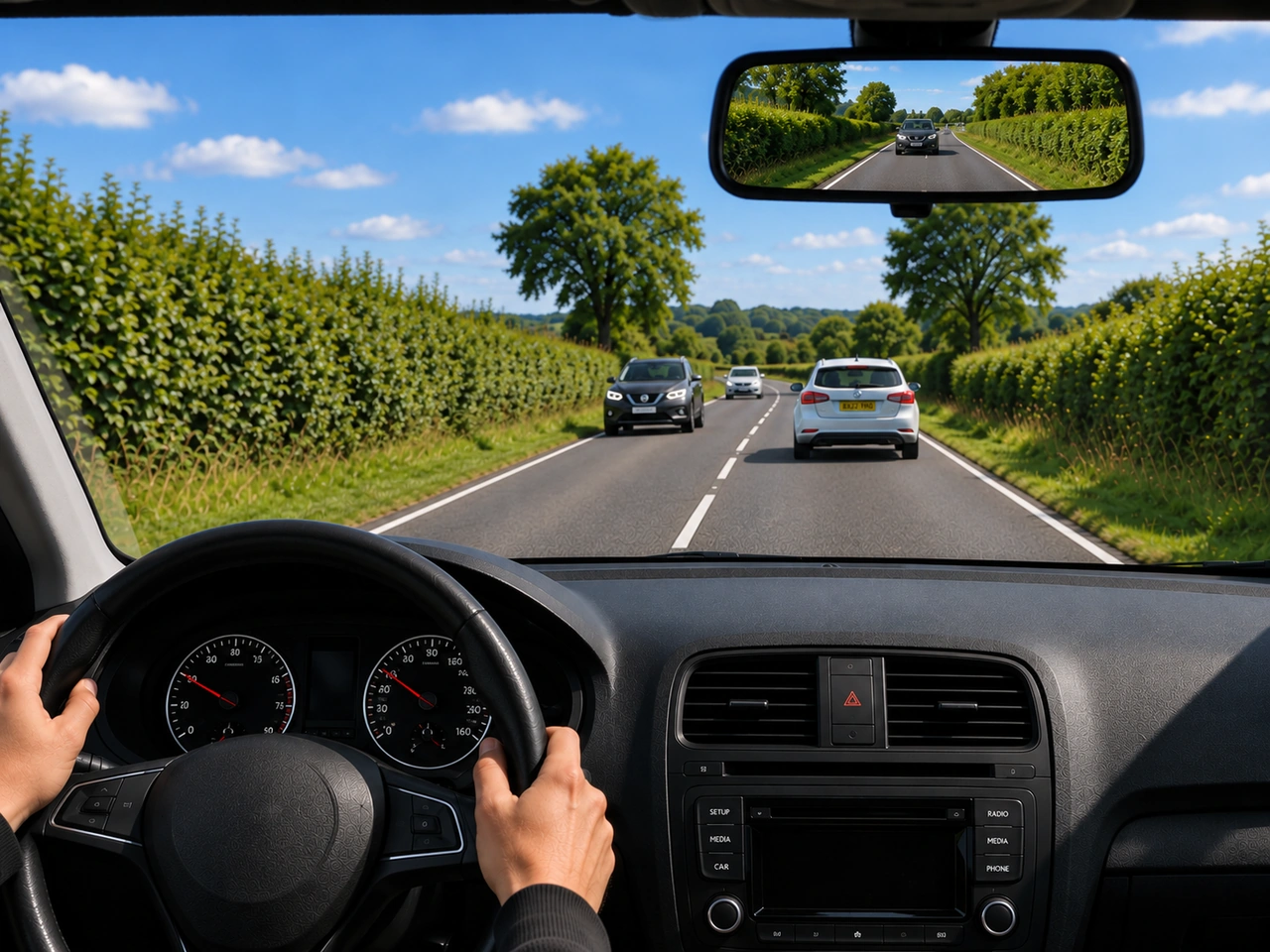
Why should you check your mirrors before braking?

168. Why should you check your mirrors before braking?

To shorten the distance needed to stop.
To check whether your brake lights are working.
✓ To know what is happening behind you.
To check whether the road surface is slippery.

Checking your mirrors helps you understand what is happening behind you and anticipate how following traffic may react. In an emergency, do not delay necessary braking.

Driver checking following traffic before braking
AI-generated by Traffic-rules.com • WCIT • CC BY-SA
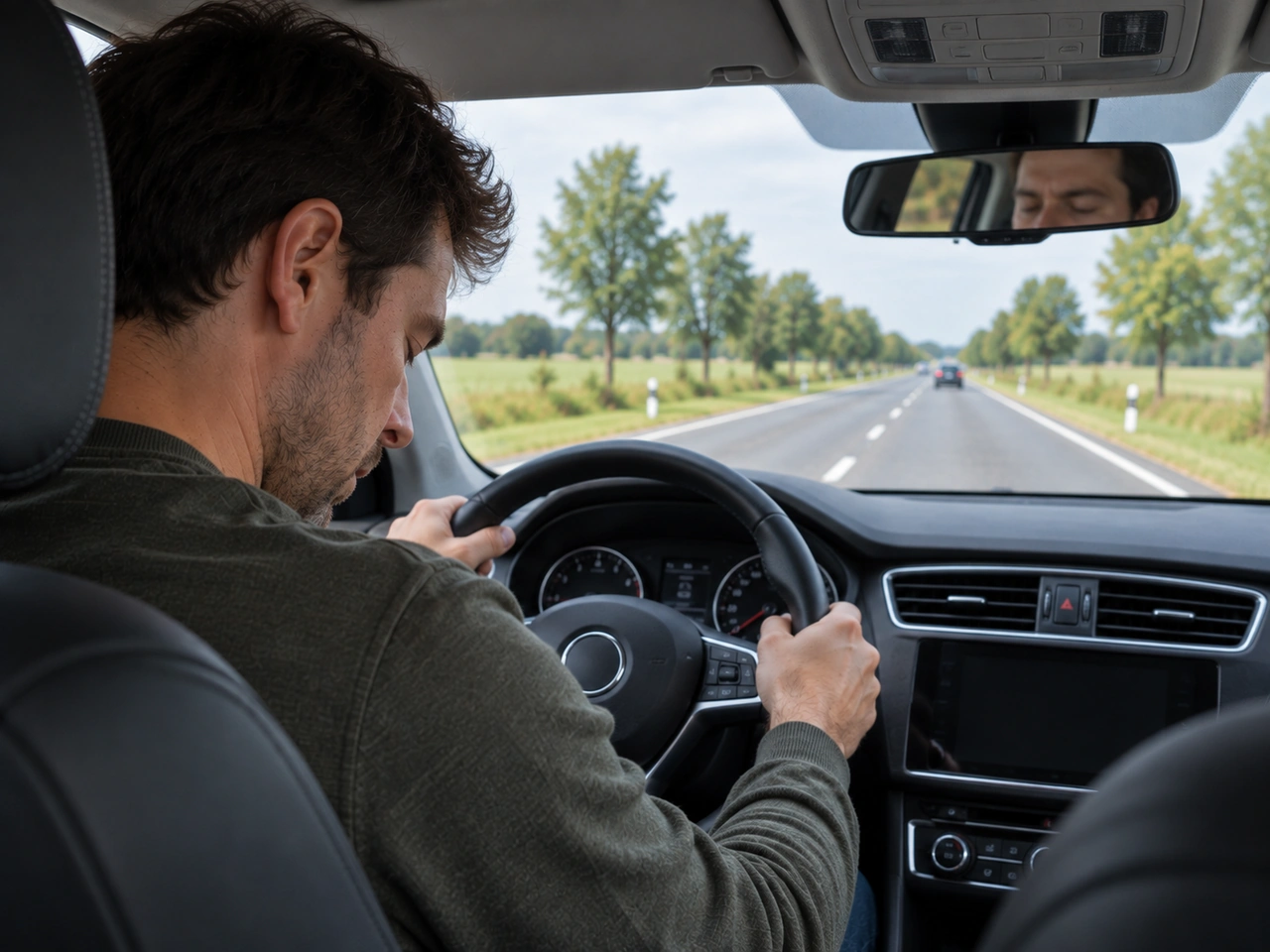
Why is a microsleep especially dangerous while driving?

169. Why is a microsleep especially dangerous while driving?

It only affects your ability to hear.
✓ You can lose awareness of the road for several seconds.
It usually makes you drive more slowly.
It makes the steering feel heavier.

A microsleep is a brief, involuntary episode of sleep that can last for a few seconds. During that time, you may lose awareness of the road and travel a considerable distance without reacting to hazards.

Driver losing alertness at the wheel
AI-generated by Traffic-rules.com • WCIT • CC BY-SA
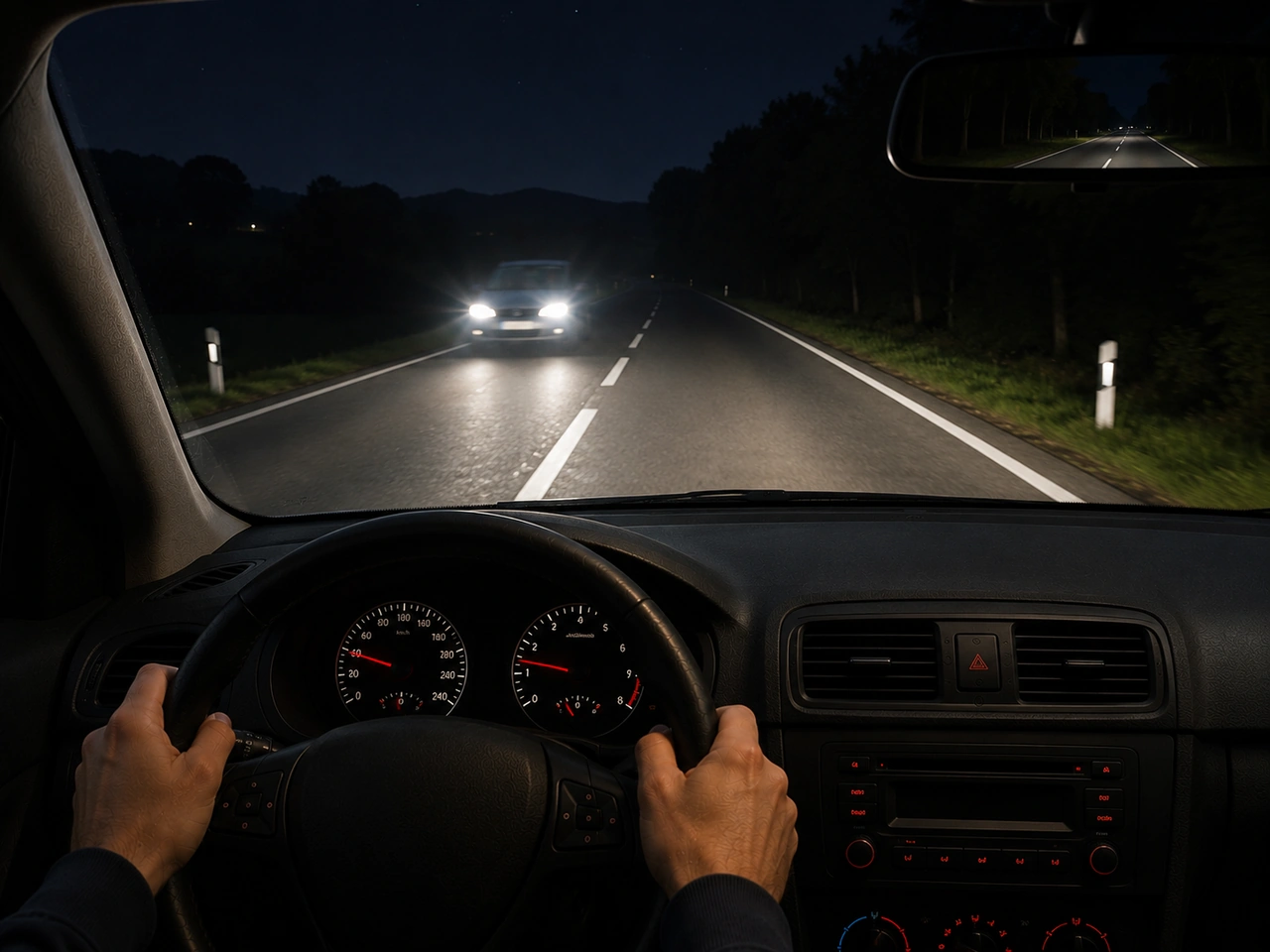
What should you do if oncoming headlights dazzle you at night?

170. What should you do if oncoming headlights dazzle you at night?

Move closer to the centre of the road for a clearer view.
Turn on your interior lights to reduce the glare.
Look briefly at the headlights to judge their position.
✓ Slow down and look toward the edge of your lane.

Bright headlights can reduce your vision. Avoid staring at them, slow down if needed, and use the road edge or lane markings to guide you safely.

Oncoming headlights dazzling a driver at night
AI-generated by Traffic-rules.com • WCIT • CC BY-SA
What should you do if another road user makes a mistake?

171. What should you do if another road user makes a mistake?

Use your horn repeatedly to express your frustration.
Immediately overtake them to get past the situation.
✓ Stay calm and avoid creating more danger.
Drive closer so they notice your presence.

Road users can make mistakes. Staying calm and reacting safely helps prevent crashes.

Driver responding to another road user's mistake
AI-generated by Traffic-rules.com • WCIT • CC BY-SA
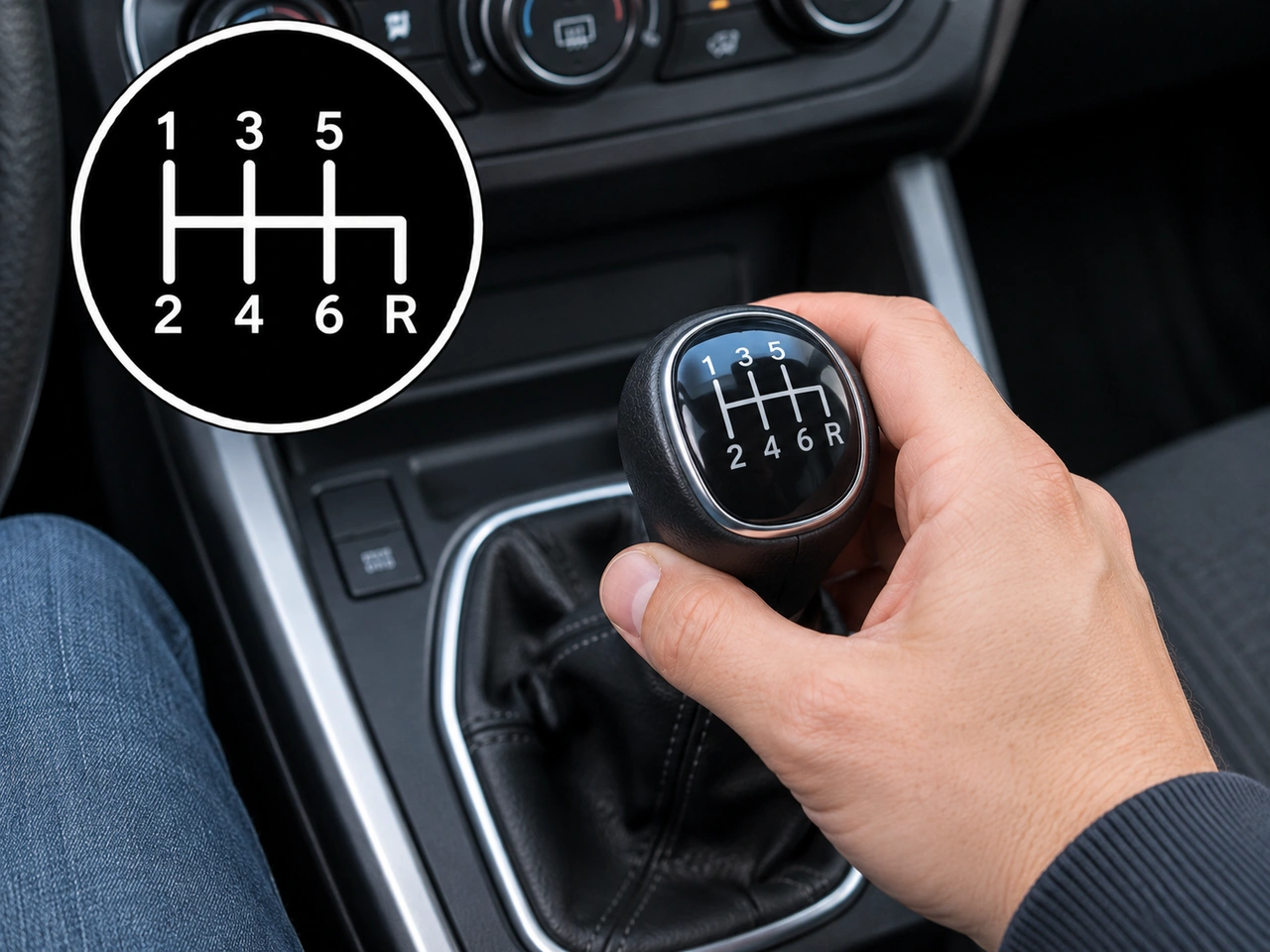
Which gear is normally used when moving off from a standstill?

172. Which gear is normally used when moving off from a standstill?

2nd gear.
✓ 1st gear.
Reverse.
Neutral.

1st gear is normally used when moving off from a standstill because it provides the greatest pulling power at low speed.

Manual gear lever and gear-selection pattern
AI-generated by Traffic-rules.com • WCIT • CC BY-SA
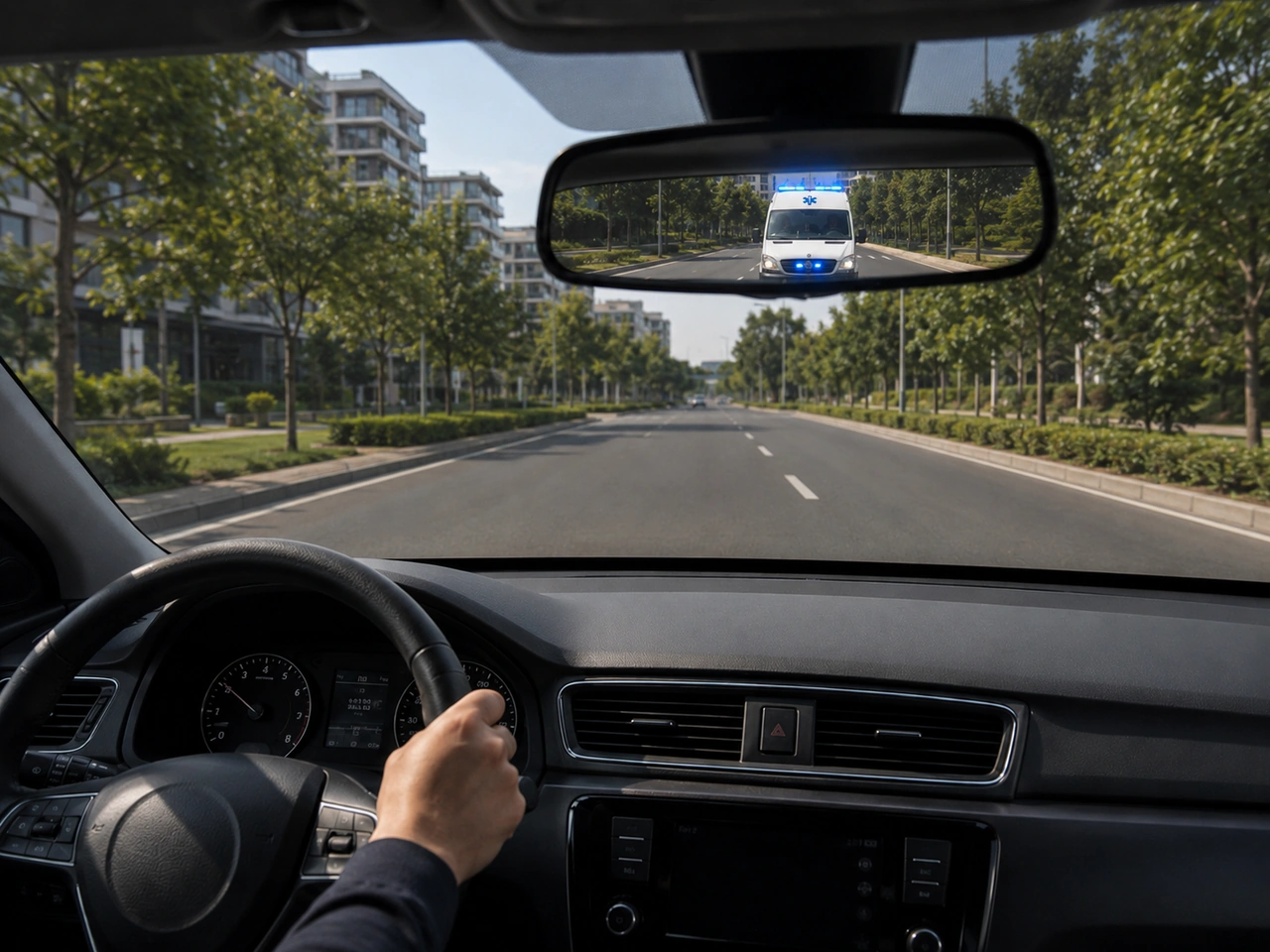
What should you do if an emergency vehicle approaches with lights or siren on?

173. What should you do if an emergency vehicle approaches with lights or siren on?

Stop immediately wherever you are.
Ignore it if there is not enough room to pass.
✓ Stay calm and make room safely.
Speed up so the vehicle can follow you.

When an emergency vehicle uses lights or siren, check your surroundings and make room safely without sudden or dangerous movements.

Emergency vehicle approaching with warning lights flashing
AI-generated by Traffic-rules.com • WCIT • CC BY-SA
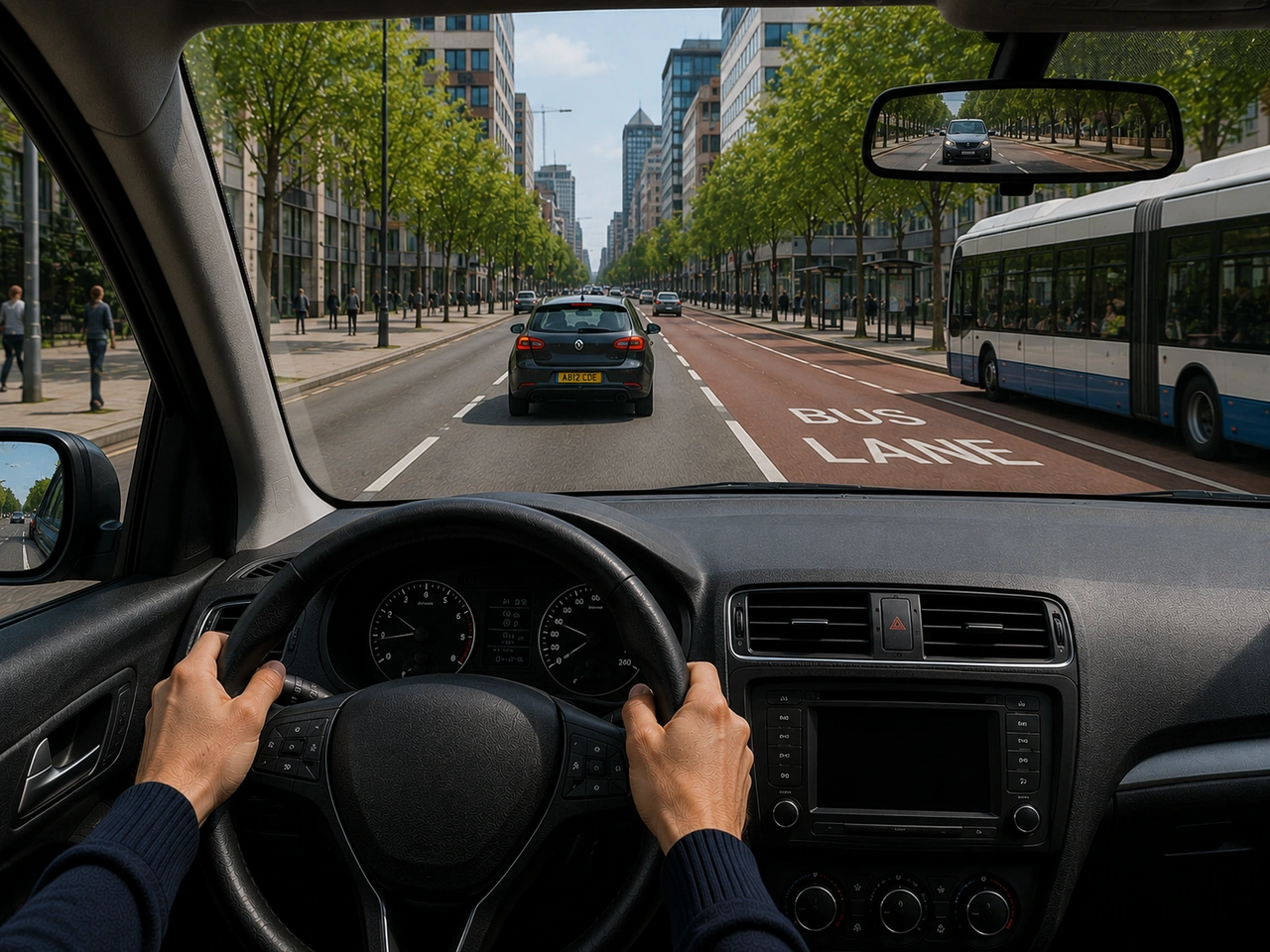
Why should you take extra care when crossing a tram or bus lane?

174. Why should you take extra care when crossing a tram or bus lane?

These lanes are usually free from moving traffic.
You only need to check for traffic from one direction.
✓ A tram or bus may approach quickly.
Cars always have priority over trams and buses.

Check carefully before crossing or entering a tram or bus lane. Trams cannot steer around obstacles, and both trams and buses may need significant distance to stop.

Traffic crossing a lane used by public transport
AI-generated by Traffic-rules.com • WCIT • CC BY-SA
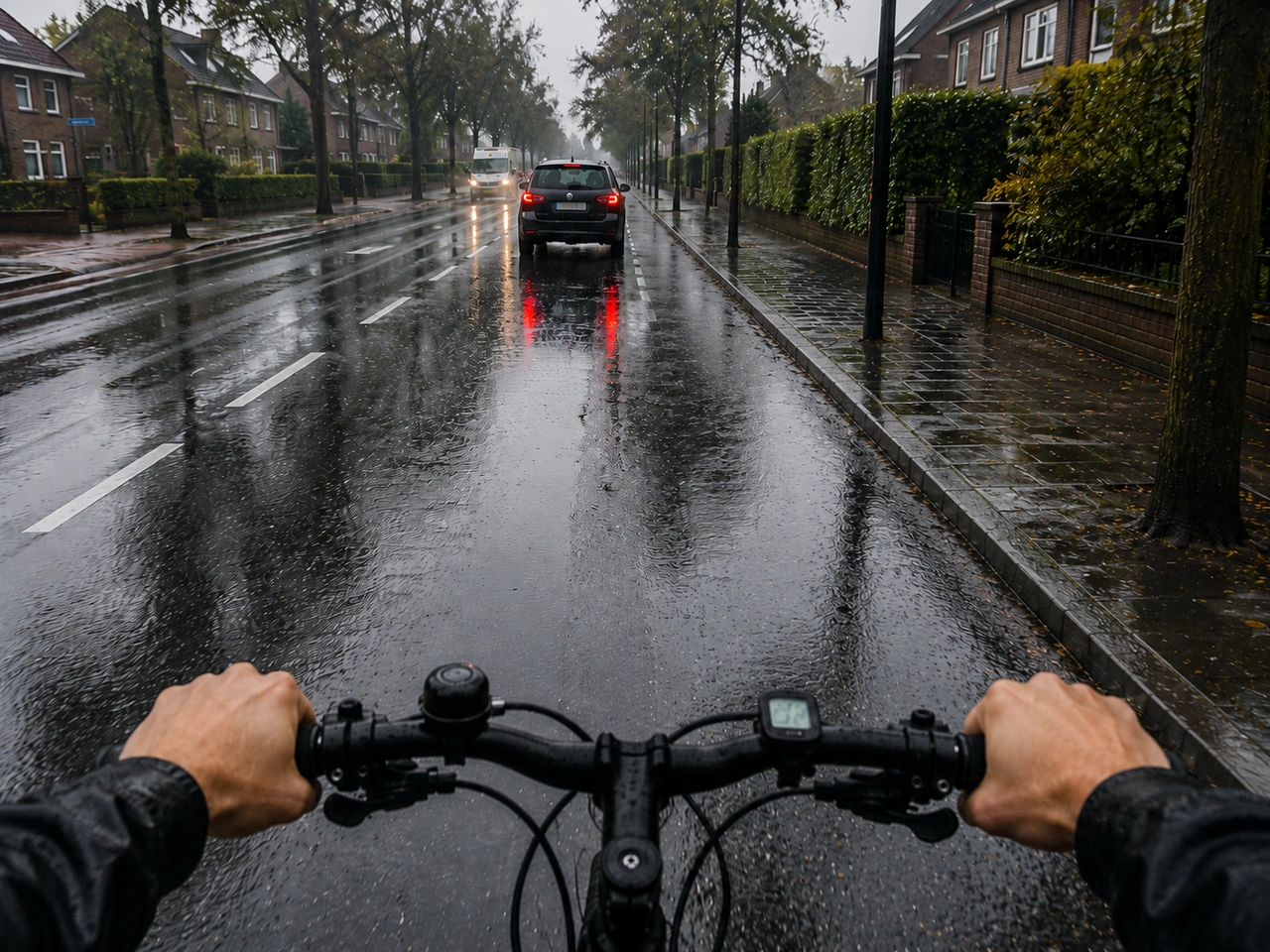
How should cyclists brake on a wet road?

175. How should cyclists brake on a wet road?

✓ Brake earlier and more gradually than usual.
Brake later and more firmly than usual.
Brake sharply once you are close to stopping.
Use only one brake to avoid skidding.

Wet surfaces reduce grip and increase stopping distance. Smooth, early braking helps prevent skidding.

Cyclist braking on a wet road
AI-generated by Traffic-rules.com • WCIT • CC BY-SA
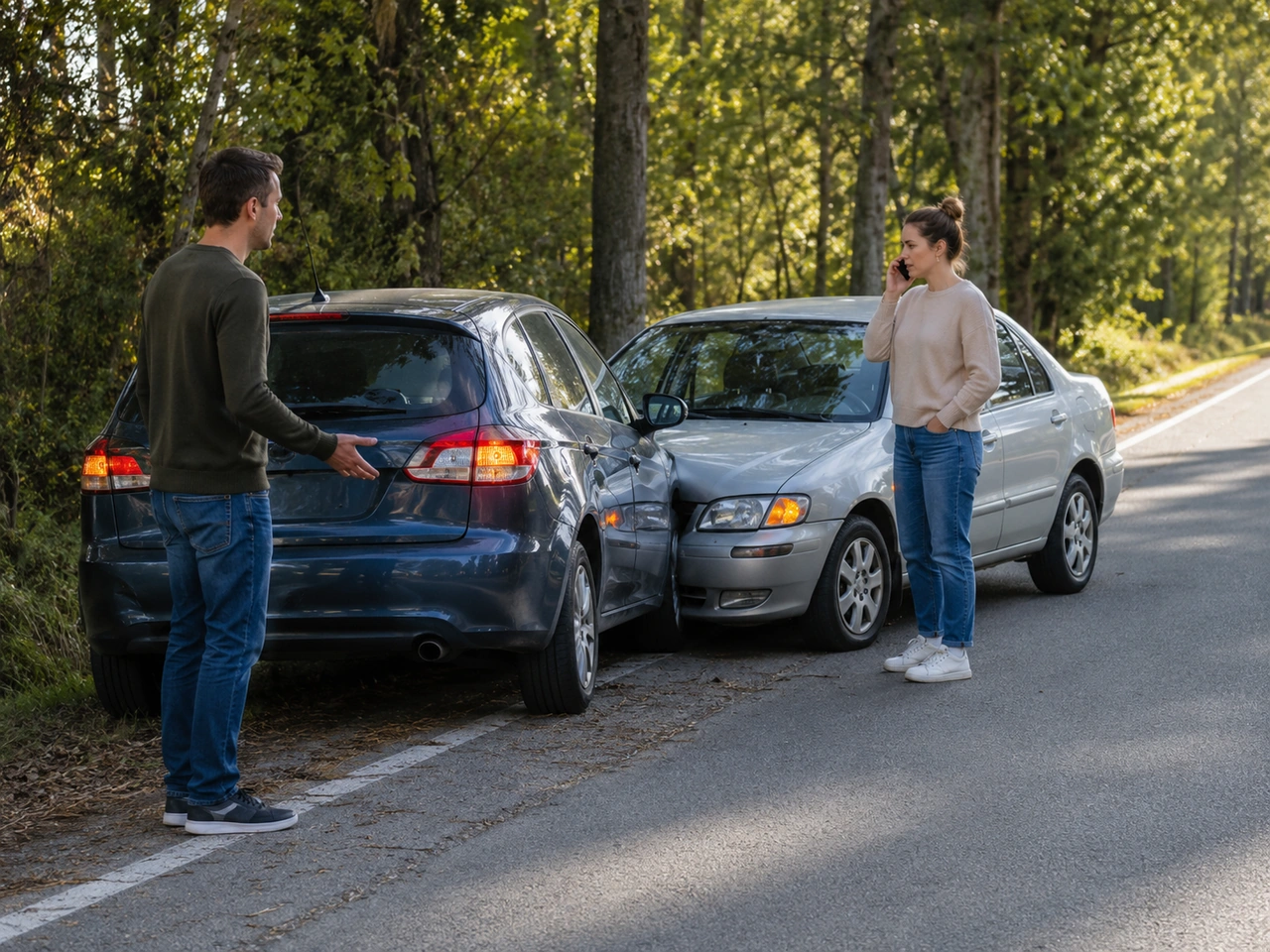
What should you do first after a collision?

176. What should you do first after a collision?

Call your insurance company before checking for danger.
Continue driving if the vehicles can still move.
Discuss who caused the collision before calling for help.
✓ Stop, check for danger and injuries, and call for help if needed.

Stop the vehicle, warn other traffic where appropriate, assess immediate danger and injuries, and contact the emergency services when needed. Exchange any details required by local law.

Vehicles stopped after a road collision
AI-generated by Traffic-rules.com • WCIT • CC BY-SA
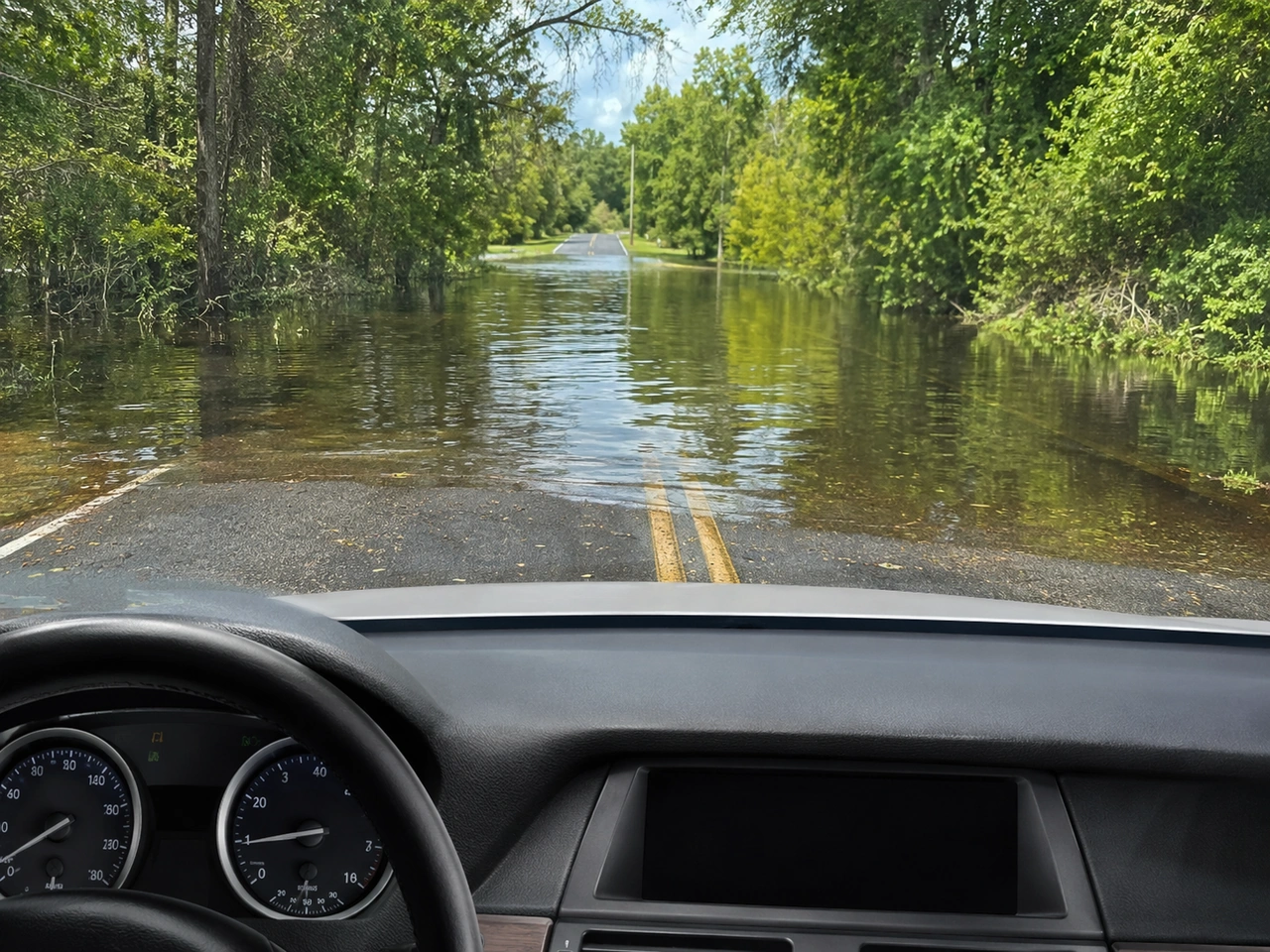
Why should you avoid driving through deep water?

177. Why should you avoid driving through deep water?

✓ It can damage your vehicle or make you lose control.
Driving through deep water is always prohibited.
Water causes the tyres to lose air pressure.
Deep water makes the engine use too much oil.

Deep water can damage the engine, reduce braking ability, hide hazards, or cause the vehicle to lose grip. Reduce speed, assess the depth and conditions carefully, and avoid entering the water if you are unsure it is safe. If necessary, stop and use another route.

Deep water covering part of a road
AI-generated by Traffic-rules.com • WCIT • CC BY-SA
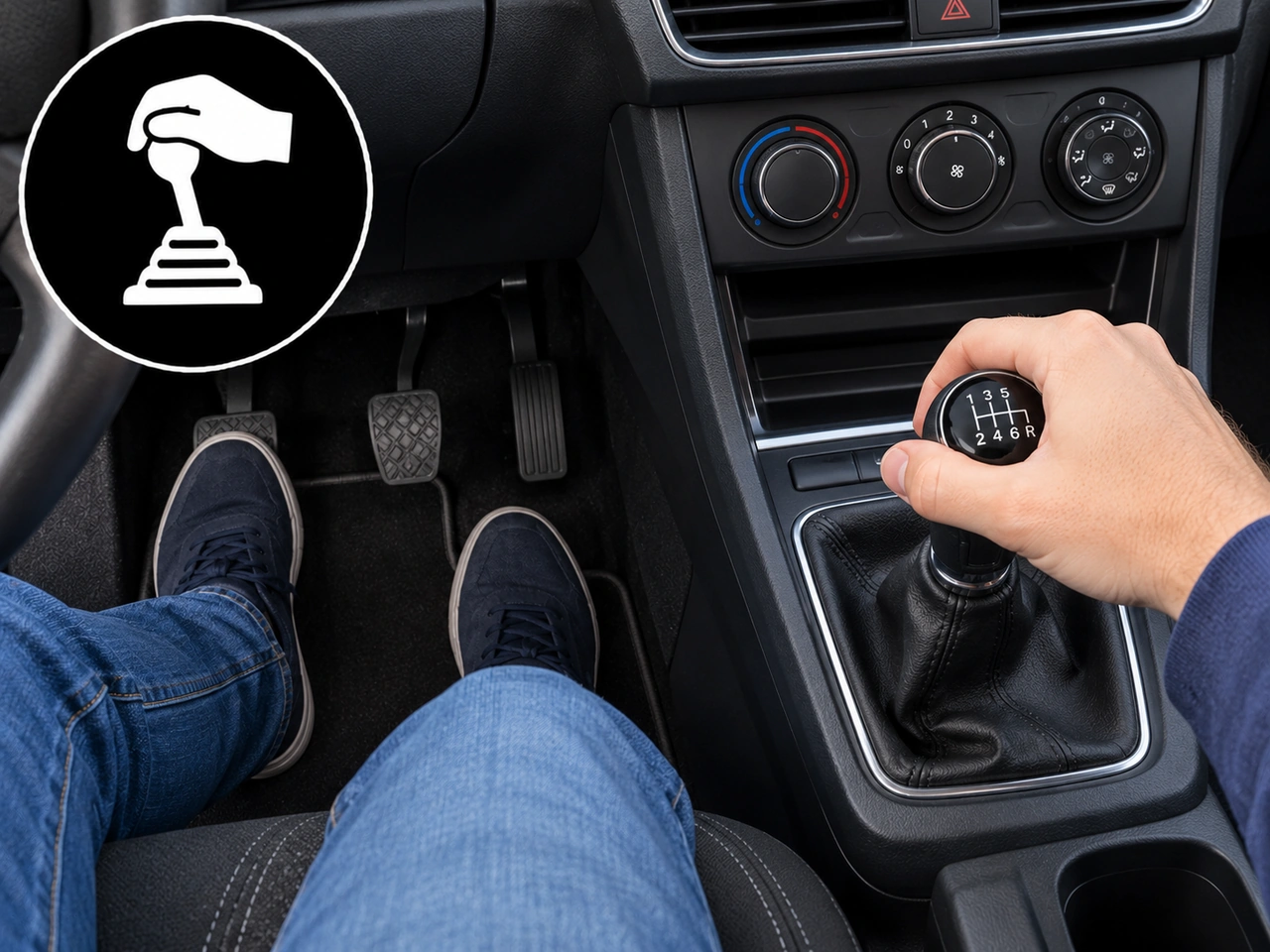
What should you do if a gear does not engage easily in a manual vehicle?

178. What should you do if a gear does not engage easily in a manual vehicle?

Release the clutch suddenly.
Push the lever harder until the gear engages.
✓ Avoid forcing the gear lever.
Press the accelerator fully.

If a gear does not engage easily, do not force the gear lever. Make sure the clutch is fully pressed and the vehicle's speed is suitable for the gear before trying again.

Operating a manual gear lever without forcing it
AI-generated by Traffic-rules.com • WCIT • CC BY-SA
What should you do if an unusual vibration develops in the steering wheel?

179. What should you do if an unusual vibration develops in the steering wheel?

Increase speed until the vibration becomes less noticeable.
Hold the steering wheel more tightly and continue.
Reduce the tyre pressure slightly to smooth the ride.
✓ Reduce speed and have the tyres, wheels, and steering checked.

An unusual vibration may indicate tyre damage, wheel imbalance, loose components, or another mechanical fault. Reduce speed and arrange an inspection.

Driver experiencing vibration through the steering wheel
AI-generated by Traffic-rules.com • WCIT • CC BY-SA
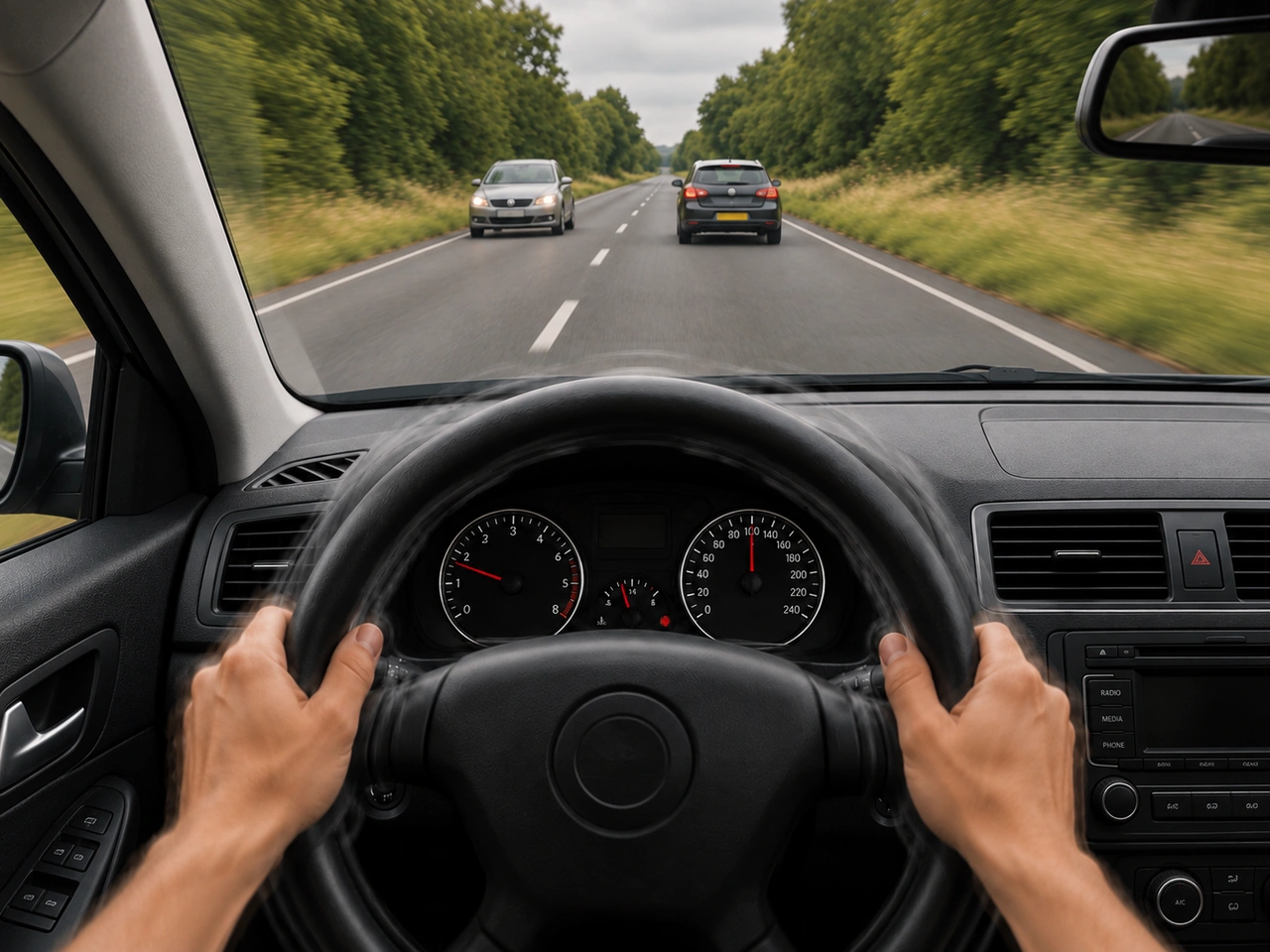
What makes up the total stopping distance of a vehicle?

180. What makes up the total stopping distance of a vehicle?

Reaction distance and following distance.
Tyre distance and braking distance.
Visibility distance and reaction distance.
✓ Reaction distance and braking distance.

The total stopping distance consists of the distance travelled while the driver reacts to a hazard plus the distance travelled while the vehicle is braking to a stop.

Reaction and braking distances before a vehicle stops
AI-generated by Traffic-rules.com • WCIT • CC BY-SA
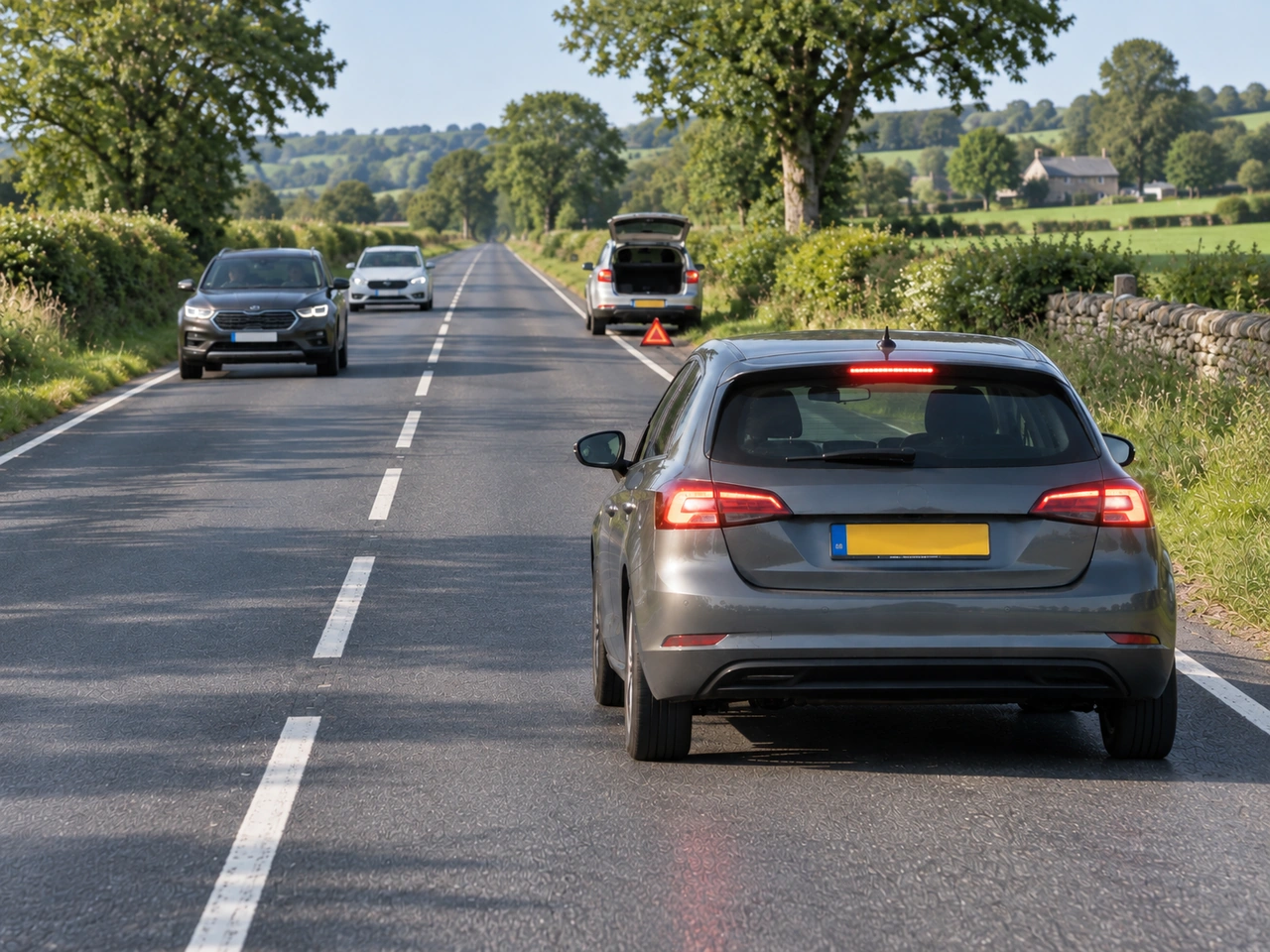
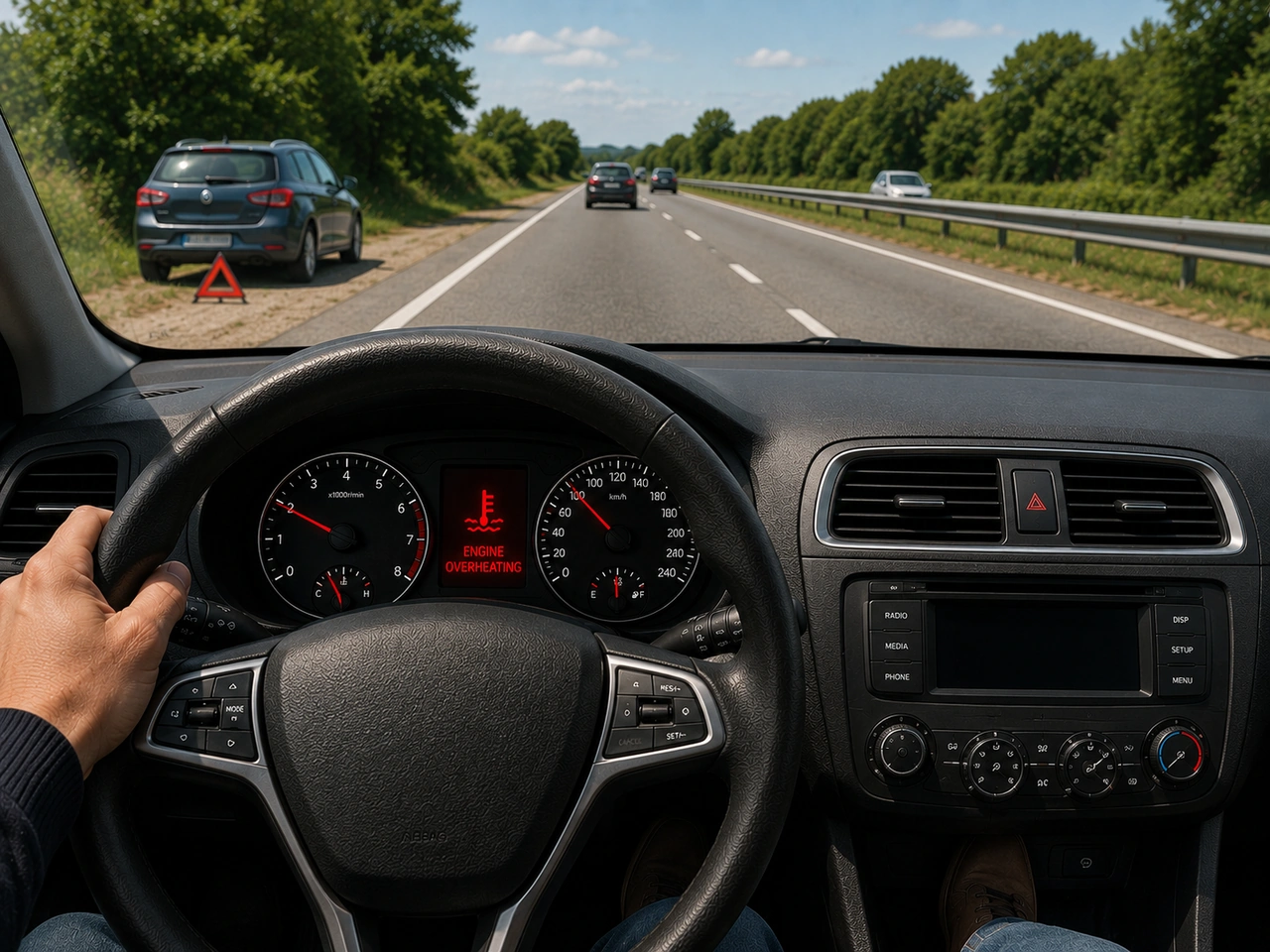
What should you do if the engine-temperature warning shows overheating?

181. What should you do if the engine-temperature warning shows overheating?

Continue driving slowly until the warning disappears.
Increase engine speed to improve coolant circulation.
✓ Stop safely, switch off the engine, and allow it to cool.
Ignore it if the engine still sounds normal.

Continuing to drive an overheating vehicle can cause severe damage. Allow the engine to cool and follow the manufacturer's instructions.

Engine-overheating warning on the dashboard
AI-generated by Traffic-rules.com • WCIT • CC BY-SA
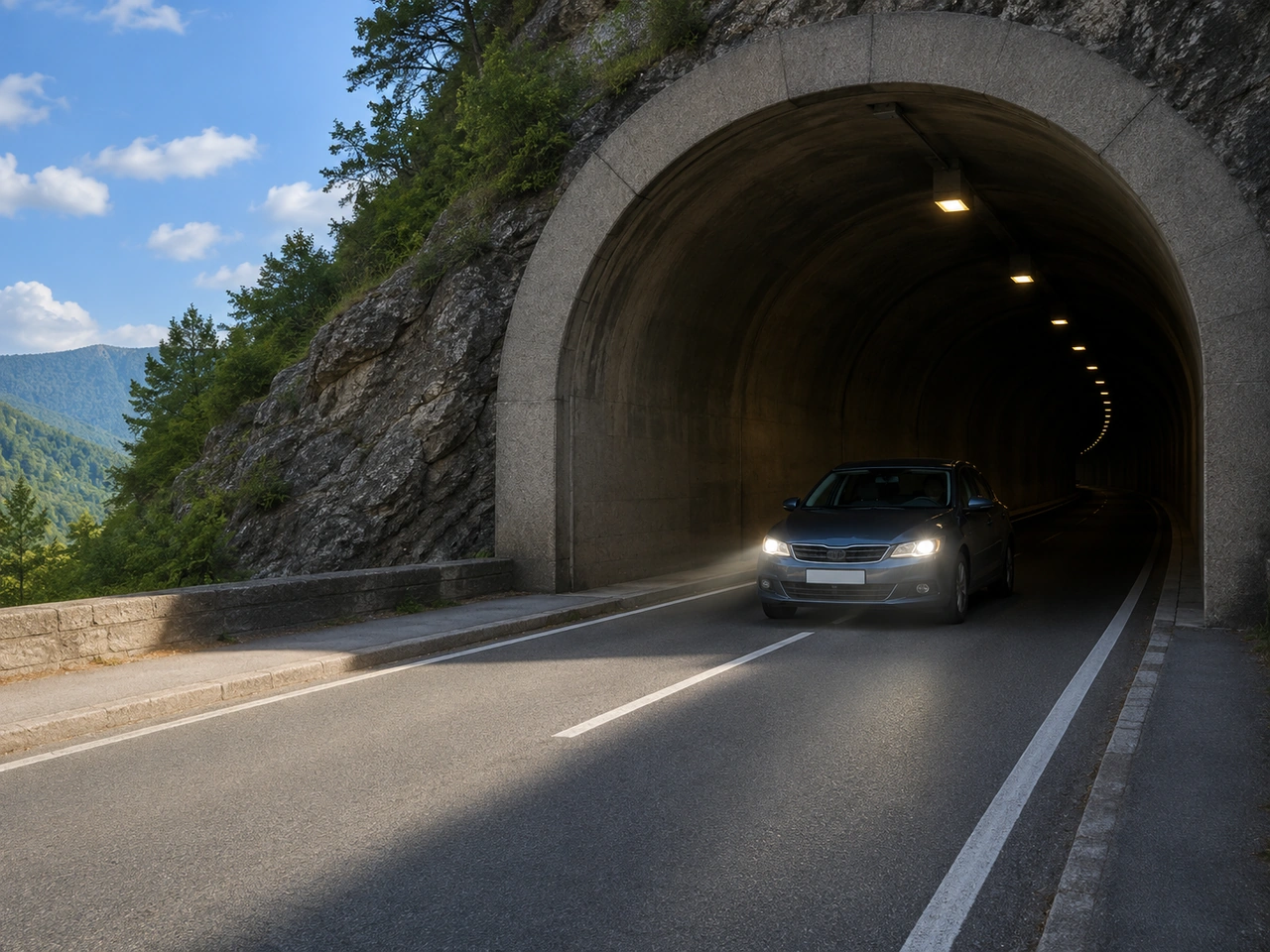
Why should you switch on dipped headlights before entering a tunnel?

182. Why should you switch on dipped headlights before entering a tunnel?

To prevent the tunnel lights from becoming too bright.
To reduce fuel consumption.
✓ To improve visibility and help other road users see you.
To reduce tyre wear inside the tunnel.

Tunnel lighting may be much darker than daylight. Dipped headlights help you see and make your vehicle more visible.

Vehicle using dipped headlights before entering a tunnel
AI-generated by Traffic-rules.com • WCIT • CC BY-SA
When should you switch off your fog lights?

183. When should you switch off your fog lights?

Never, because they always improve visibility.
Whenever you stop at a traffic light.
Only after the journey is finished.
✓ When visibility improves and they are no longer needed.

Fog lights can dazzle other road users when visibility is normal, so switch them off when conditions improve.

Fog-light control as visibility improves
AI-generated by Traffic-rules.com • WCIT • CC BY-SA
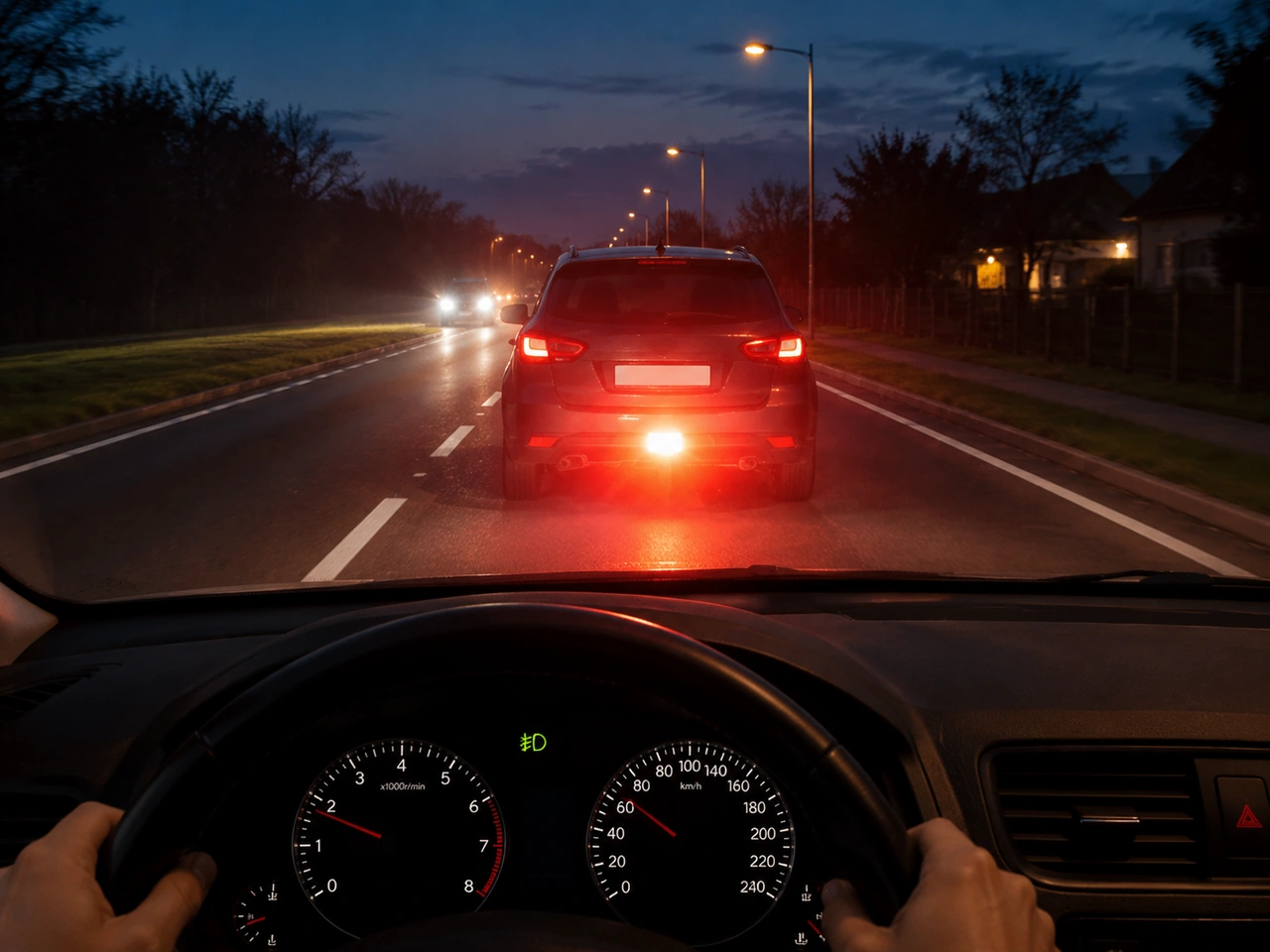
Why can fog make it difficult to judge the speed of other vehicles?

184. Why can fog make it difficult to judge the speed of other vehicles?

✓ Limited visibility makes distances and movement harder to estimate.
Fog makes vehicles appear larger than they are.
Fog causes vehicles to travel at uneven speeds.
Fog makes road markings appear closer together.

Fog reduces visual information, making it harder to judge how far away another vehicle is and how quickly it is approaching.

Other traffic partly obscured by fog
AI-generated by Traffic-rules.com • WCIT • CC BY-SA
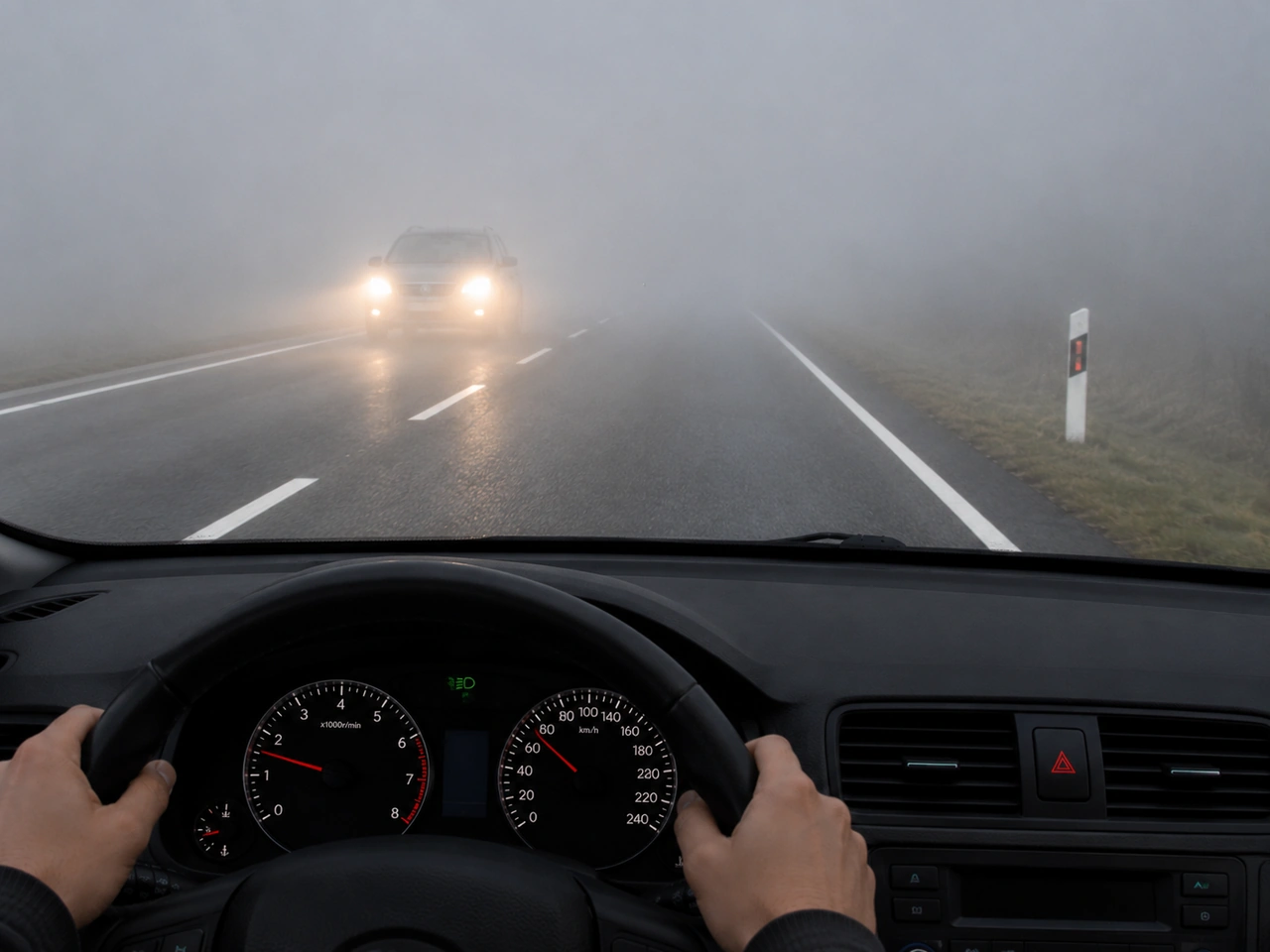
Why should you be careful when driving beside a bus at a stop?

185. Why should you be careful when driving beside a bus at a stop?

The road surface is usually more slippery near bus stops.
A stopped bus always has priority over passing traffic.
Vehicles beside a bus must always stop and wait.
✓ Passengers may step out or cross near the bus.

Stopped buses can hide pedestrians, and passengers may cross unexpectedly. Slow down and be ready to react.

Vehicle passing a bus at a stop
AI-generated by Traffic-rules.com • WCIT • CC BY-SA
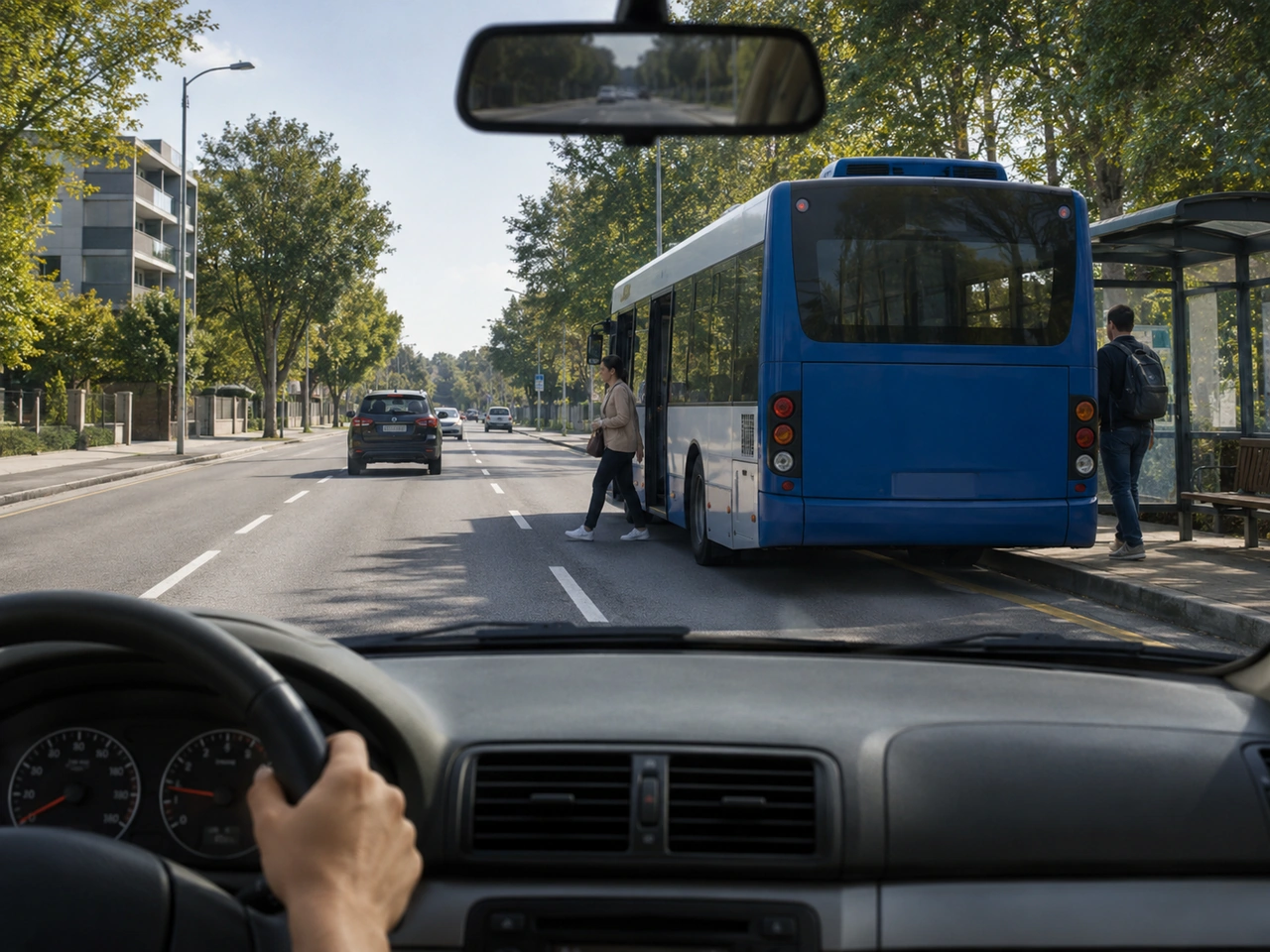
What should you do if a load extends beyond the vehicle?

186. What should you do if a load extends beyond the vehicle?

Secure only the part that remains inside the vehicle.
✓ Make sure it is legal, secure, and properly marked when required.
Leave it unmarked if it is easy to see.
Let the load extend as far as necessary.

An extending load may create additional danger and may require specific markings or equipment under local rules.

Load projecting beyond a vehicle
AI-generated by Traffic-rules.com • WCIT • CC BY-SA
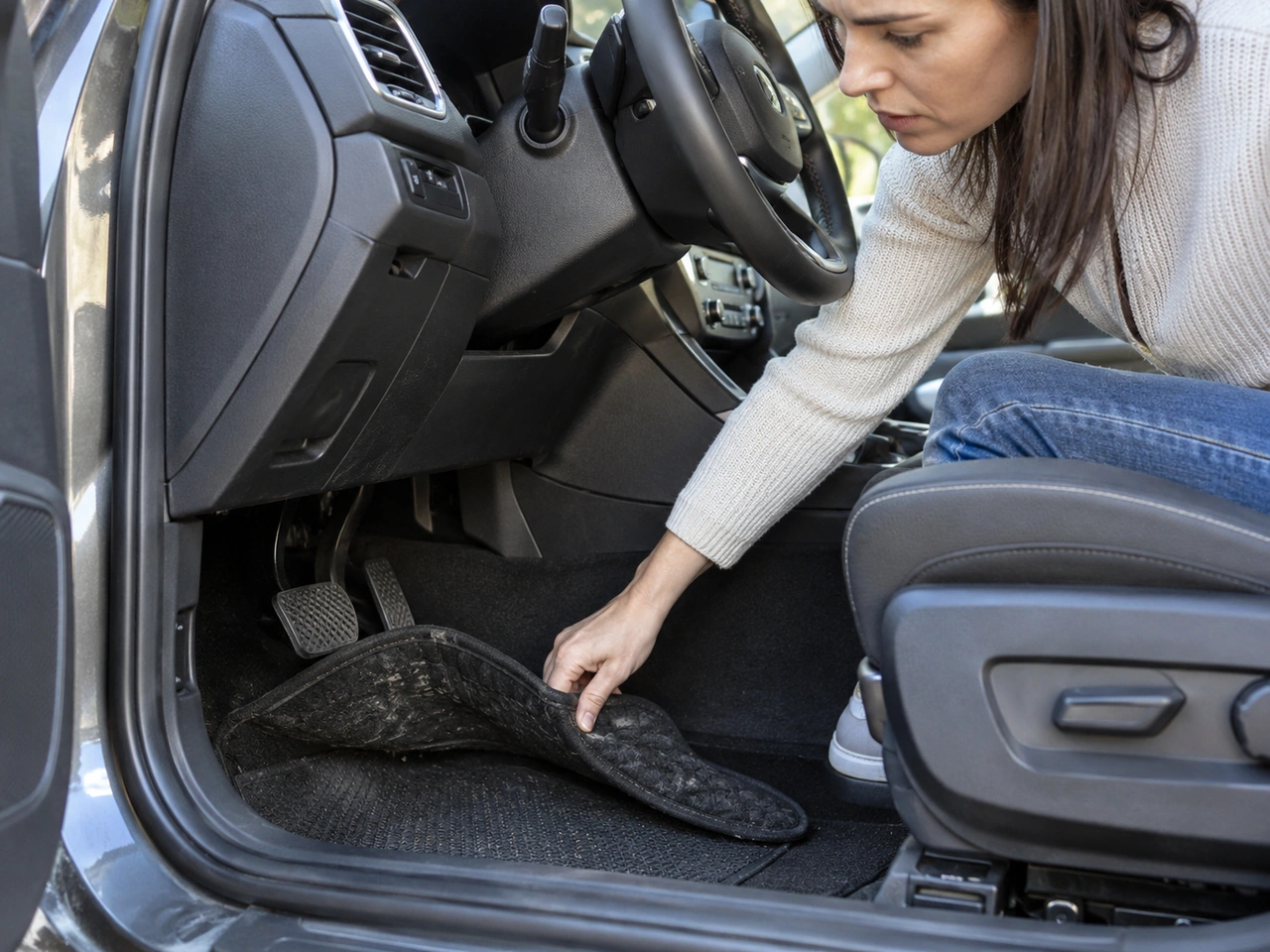
Why should the driver's floor mat be properly secured?

187. Why should the driver's floor mat be properly secured?

It could prevent the seat belt from locking.
It could reduce the effectiveness of the airbags.
It could cause the tyres to lose pressure.
✓ It could slide forwards and interfere with the pedals.

A loose or incorrectly fitted floor mat can move into the pedal area and interfere with the accelerator, brake, or clutch. Make sure the driver's floor mat is correctly fitted, secured, and does not obstruct any pedal.

Driver's floor mat near the pedals
AI-generated by Traffic-rules.com • WCIT • CC BY-SA
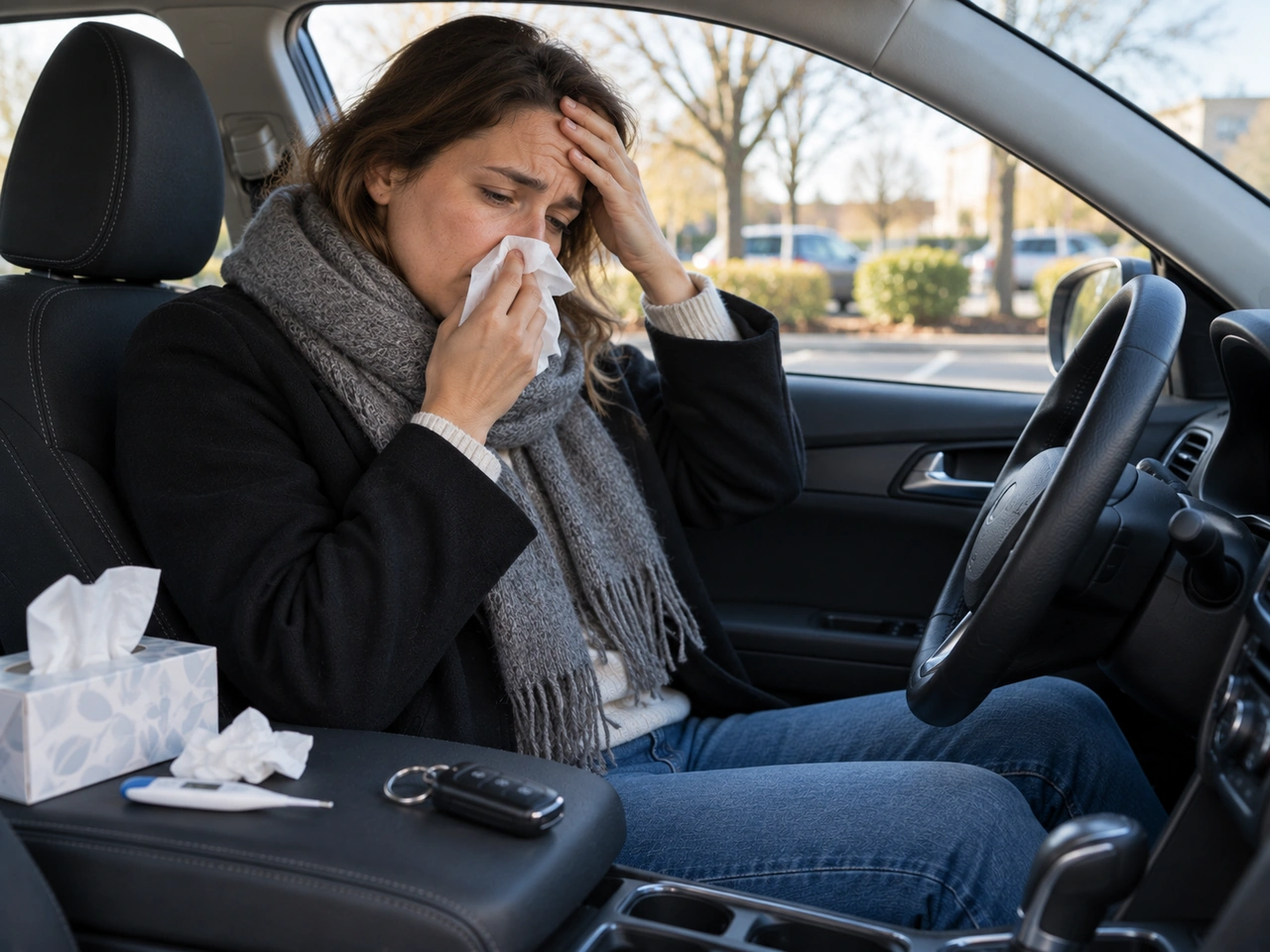
What should you do if illness affects your ability to drive safely?

188. What should you do if illness affects your ability to drive safely?

Open a window to help you stay alert.
✓ Do not drive until you are fit to do so.
Drive slowly and avoid busy roads.
Ask a passenger to watch the road for you.

Illness can reduce concentration, alertness, coordination, or reaction time. If you do not feel fit to drive safely, postpone the journey or use another form of transport.

Driver feeling unwell before a journey
AI-generated by Traffic-rules.com • WCIT • CC BY-SA
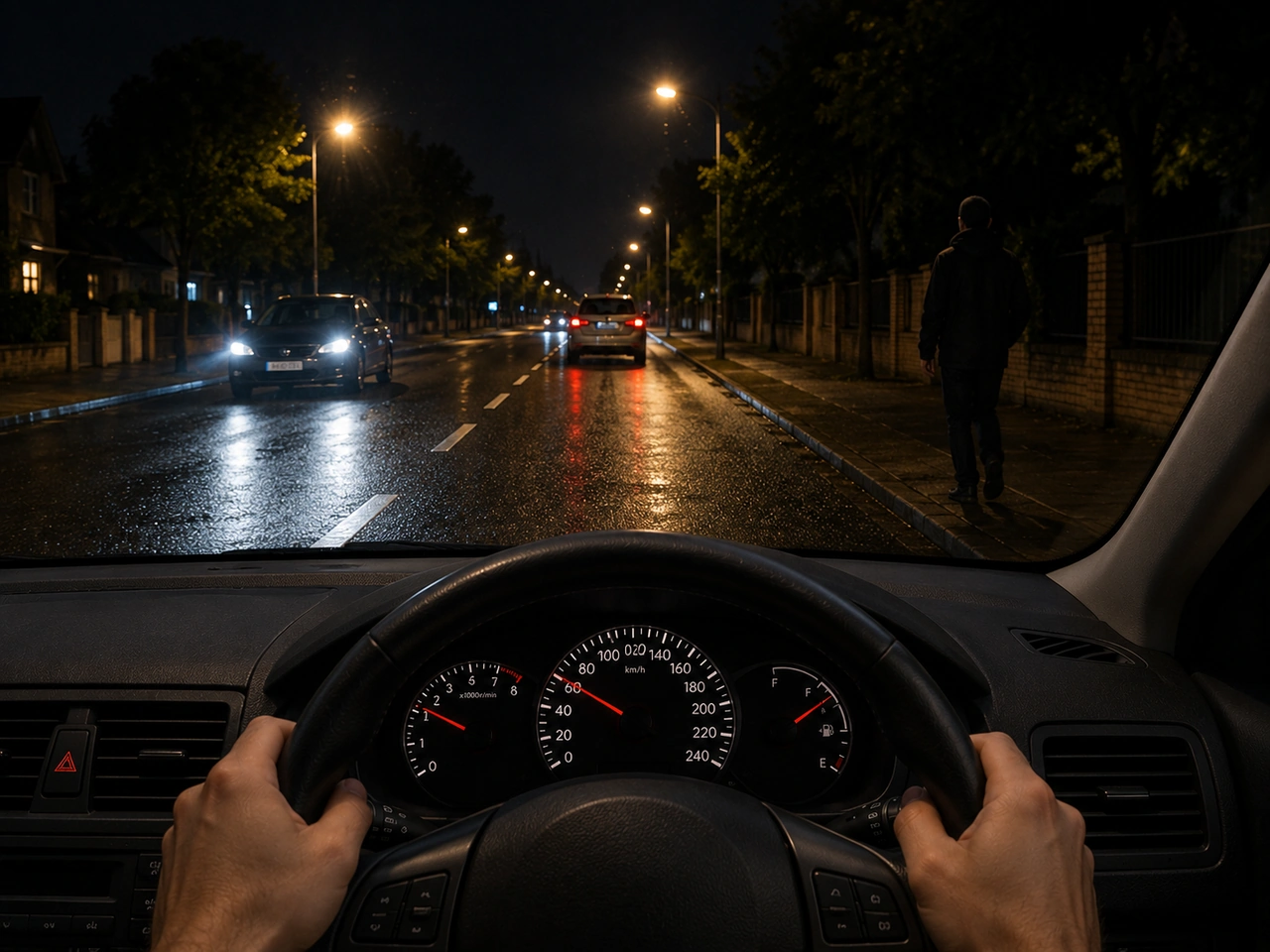
Why should you avoid wearing dark clothing at night?

189. Why should you avoid wearing dark clothing at night?

✓ Drivers may have difficulty seeing you.
Dark clothing reflects more light from vehicles.
Clothing colour matters only on unlit roads.
Street lighting makes dark clothing easy to see.

Dark clothing makes pedestrians harder to see in low-light conditions. Bright or reflective clothing improves visibility.

Pedestrian wearing dark clothing at night
AI-generated by Traffic-rules.com • WCIT • CC BY-SA
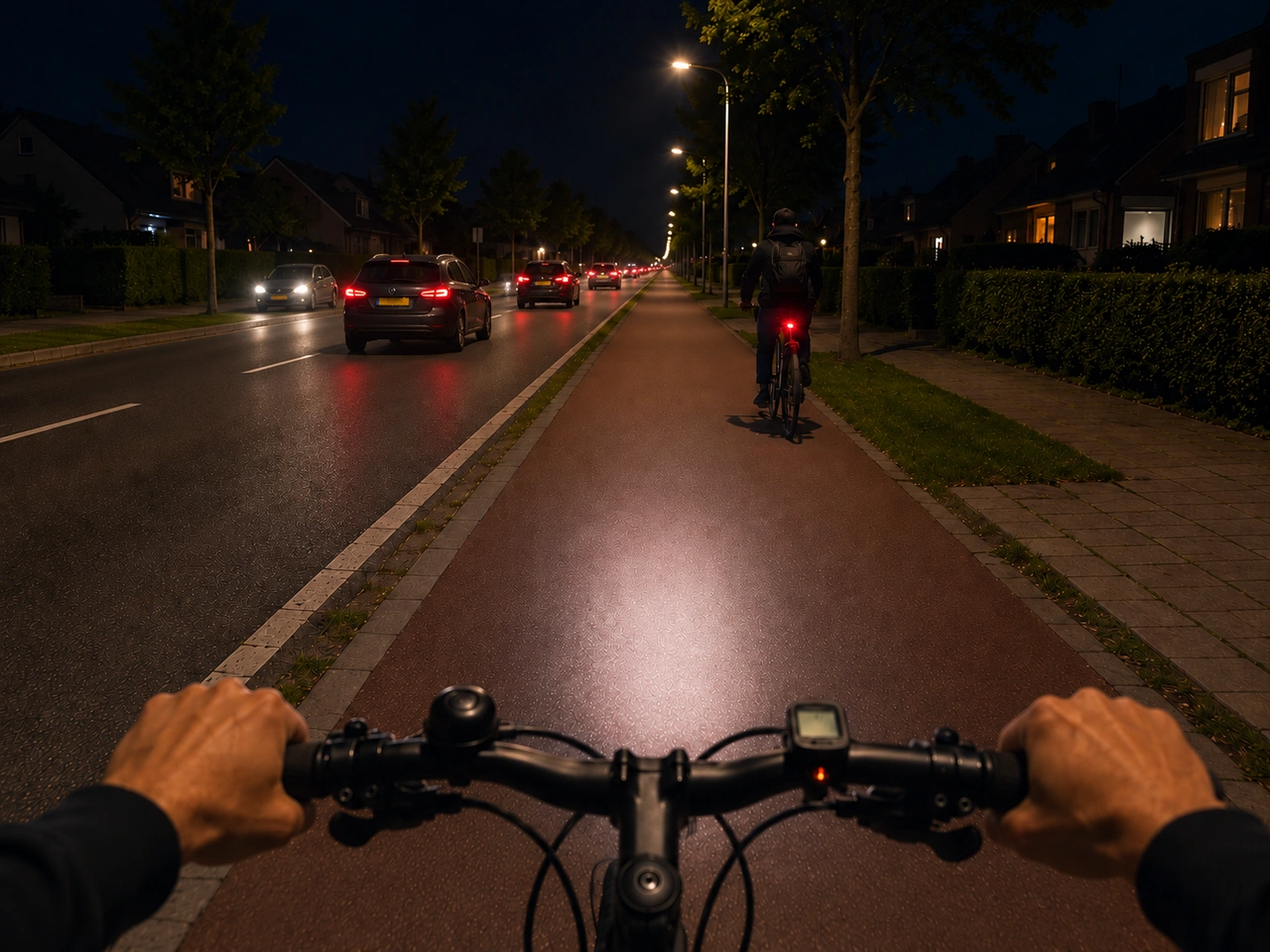
Why is it important to use bicycle lights at night?

190. Why is it important to use bicycle lights at night?

They are needed only on roads without street lighting.
They make the bicycle easier to control.
✓ They help you see and help others notice you.
They make reflective clothing unnecessary.

Front and rear lights improve visibility and make it easier for drivers, cyclists, and pedestrians to detect you.

Bicycle lights used when riding at night
AI-generated by Traffic-rules.com • WCIT • CC BY-SA
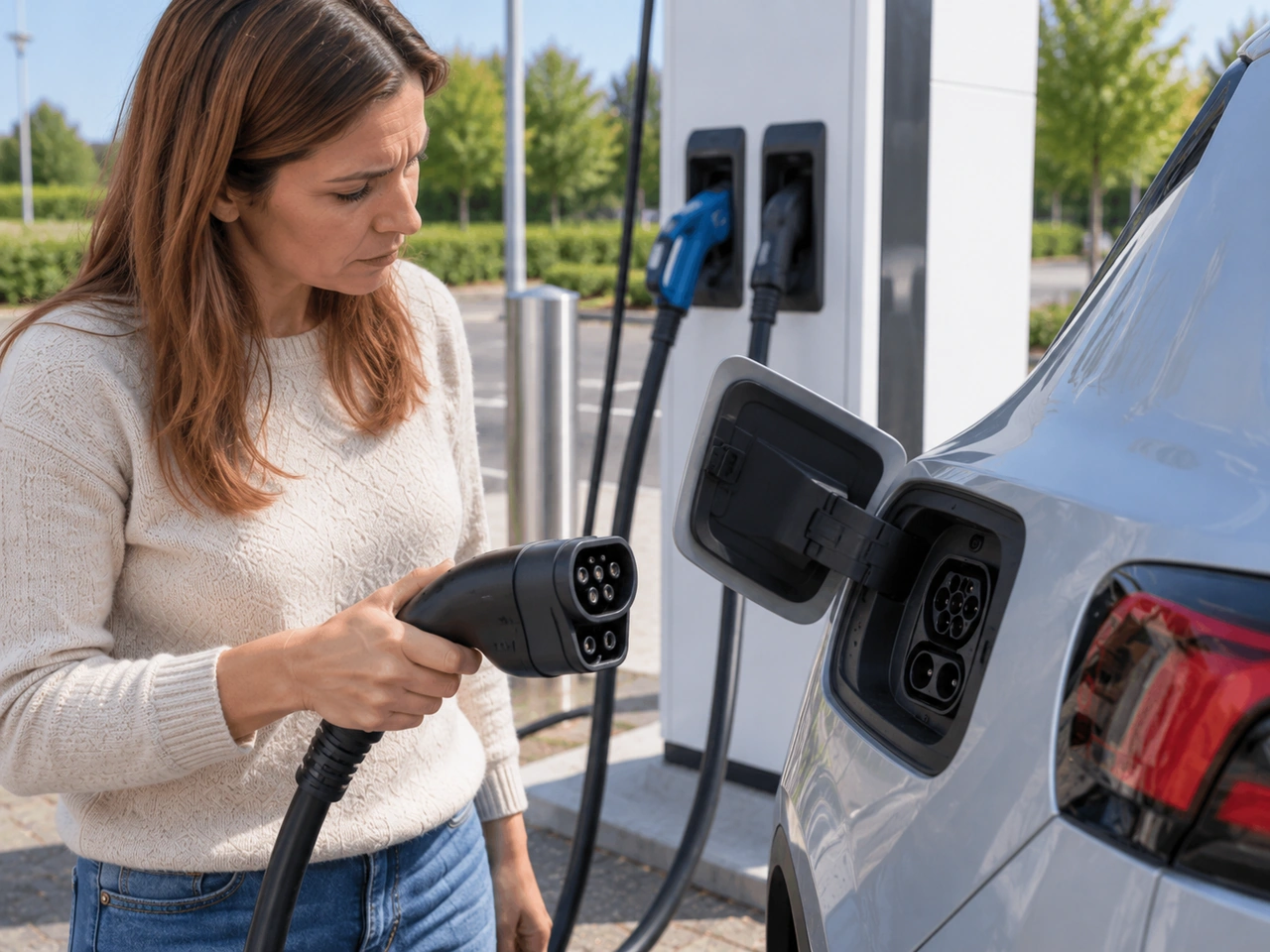
What should you check before connecting an electric vehicle to a charger?

191. What should you check before connecting an electric vehicle to a charger?

✓ That the connector and charging equipment are suitable for the vehicle.
That the vehicle's headlights are switched on.
That the charging cable is as long as possible.
That the vehicle doors remain unlocked.

Charging connectors and charging capabilities can vary between vehicles and charging stations. Use compatible charging equipment that is suitable for the vehicle and follow the vehicle and charger manufacturer's instructions.

Matching an electric vehicle's connector to suitable charging equipment
AI-generated by Traffic-rules.com • WCIT • CC BY-SA
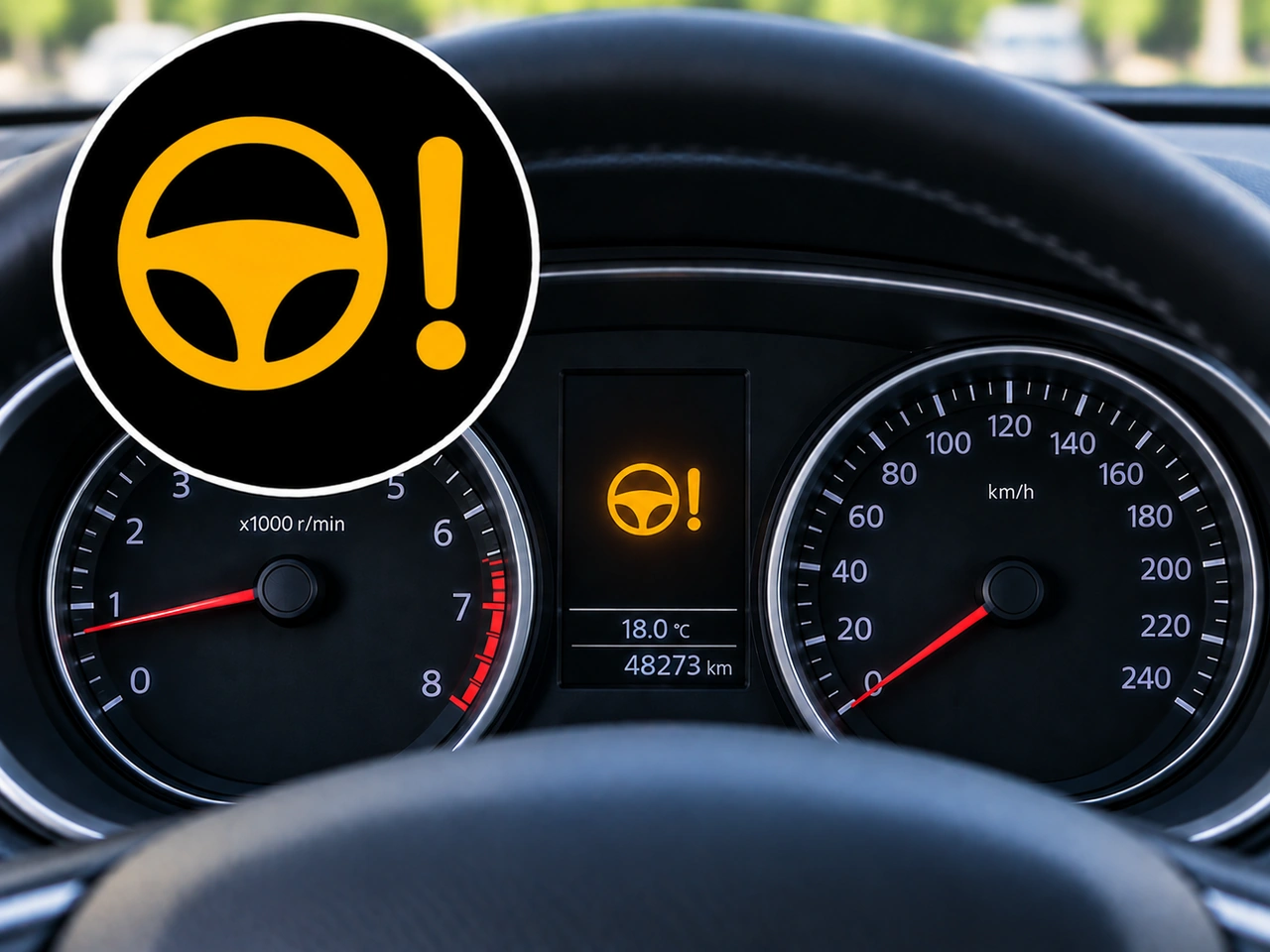
What does this dashboard symbol indicate?

192. What does this dashboard symbol indicate?

Low tyre pressure.
Electronic stability control.
Charging-system warning.
✓ Power-steering warning.

This symbol indicates a possible fault with the power-steering system. Steering assistance may be reduced or unavailable, making the steering wheel harder to turn.

Power-steering warning symbol on the dashboard
AI-generated by Traffic-rules.com • WCIT • CC BY-SA
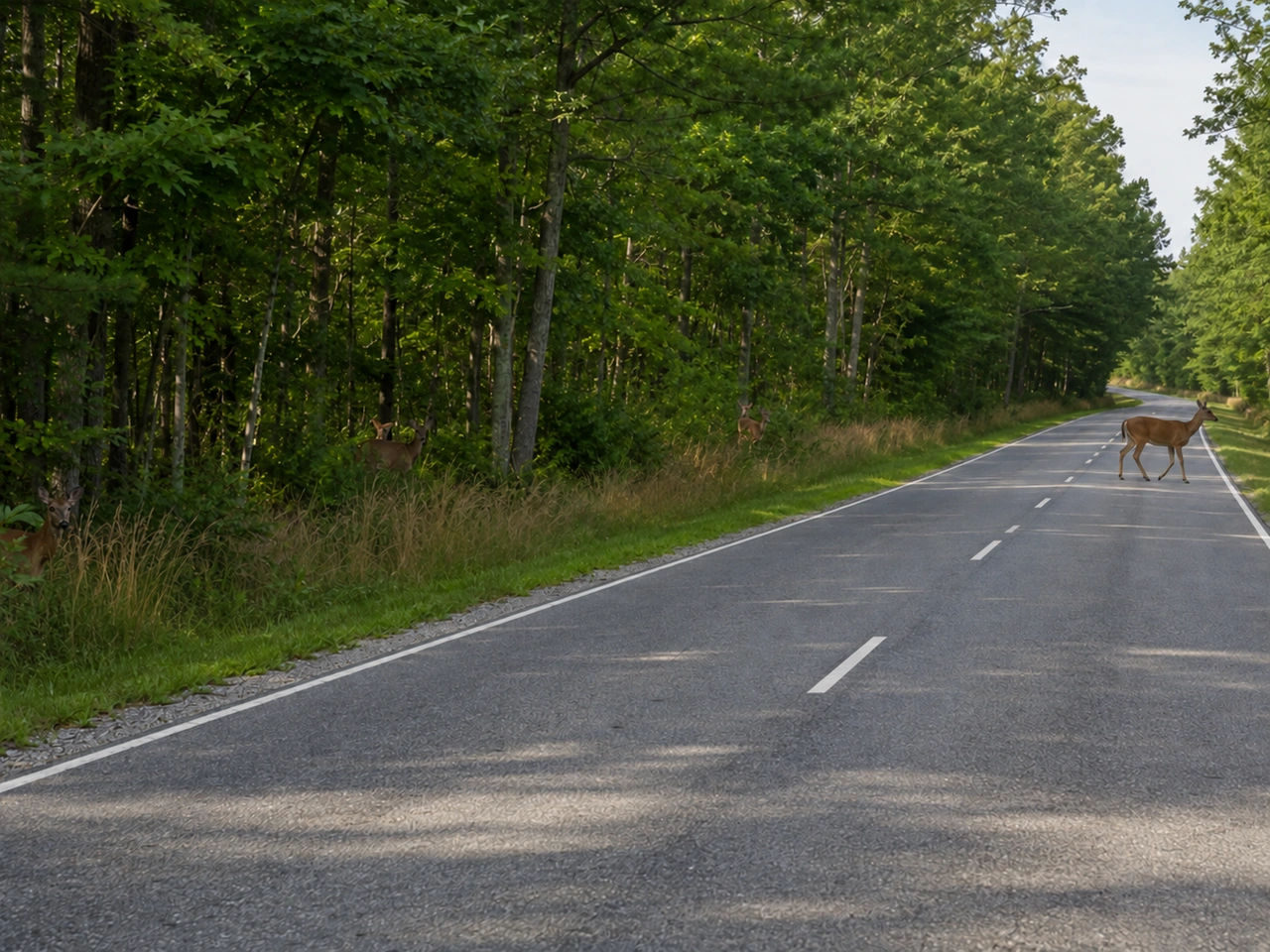
What should you expect after one wild animal crosses the road?

193. What should you expect after one wild animal crosses the road?

The animal will usually return the same way.
✓ More animals may follow.
The road is likely to remain clear.
Wild animals normally cross roads one at a time.

Many animals travel in groups. Slow down and continue watching both sides of the road.

Wild animals crossing a road
AI-generated by Traffic-rules.com • WCIT • CC BY-SA
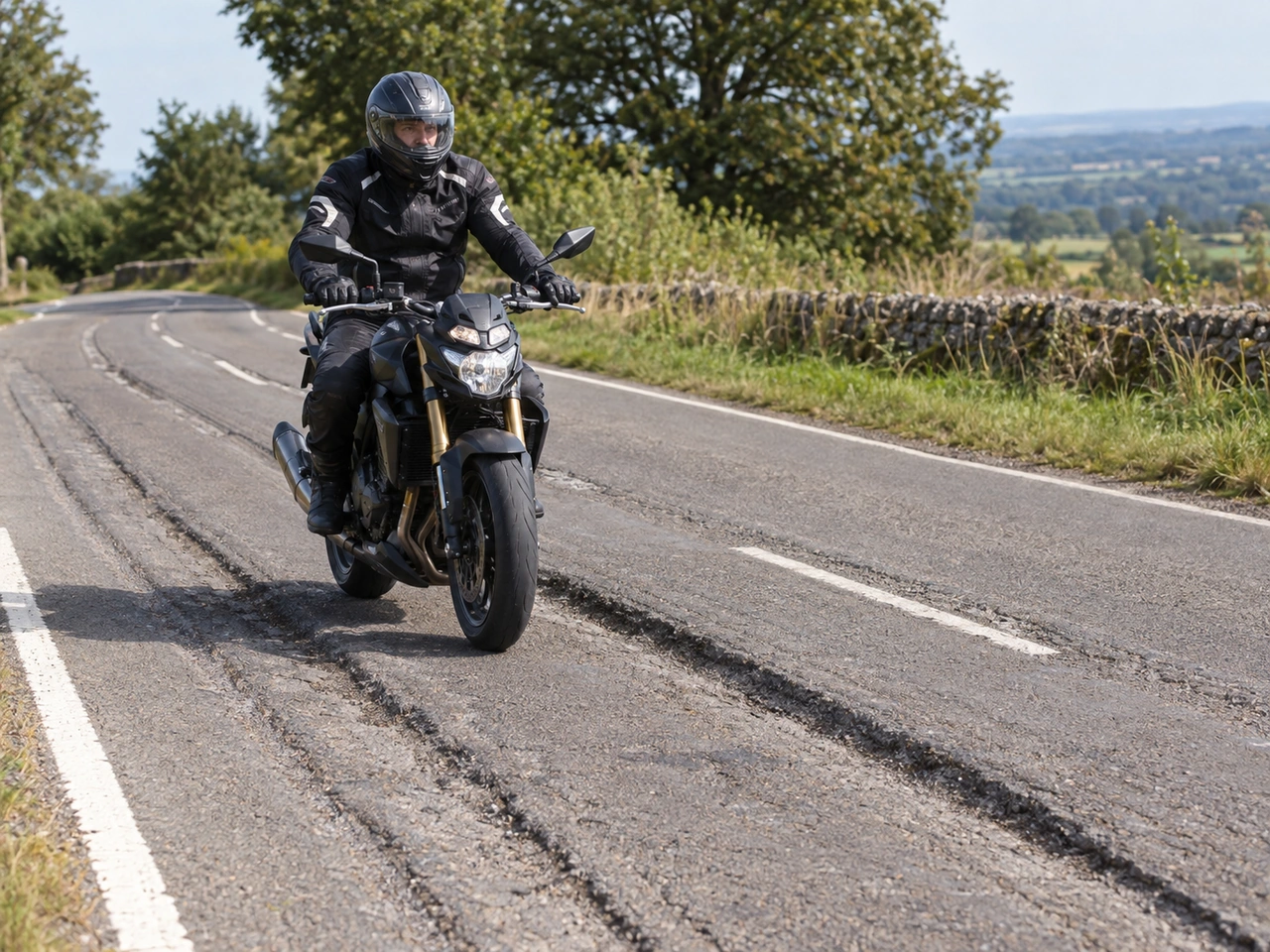
How should a motorcyclist react to grooves or ruts in the road?

194. How should a motorcyclist react to grooves or ruts in the road?

Accelerate sharply to cross them quickly.
Brake hard while riding through them.
✓ Reduce speed and keep a relaxed, steady grip.
Grip the handlebars as tightly as possible.

Longitudinal grooves or ruts can affect a motorcycle's steering and may make the wheels follow the uneven surface. Reduce speed where necessary, keep a relaxed but steady grip and avoid sudden braking, acceleration or steering corrections.

Motorcyclist approaching grooves in the road surface
AI-generated by Traffic-rules.com • WCIT • CC BY-SA
What is the main emergency number in Ukraine?

195. What is the main emergency number in Ukraine?

911.
✓ 112.
111.
000.

The main emergency number in Ukraine is 112.

112 emergency telephone number
AI-generated by Traffic-rules.com • WCIT • CC BY-SA
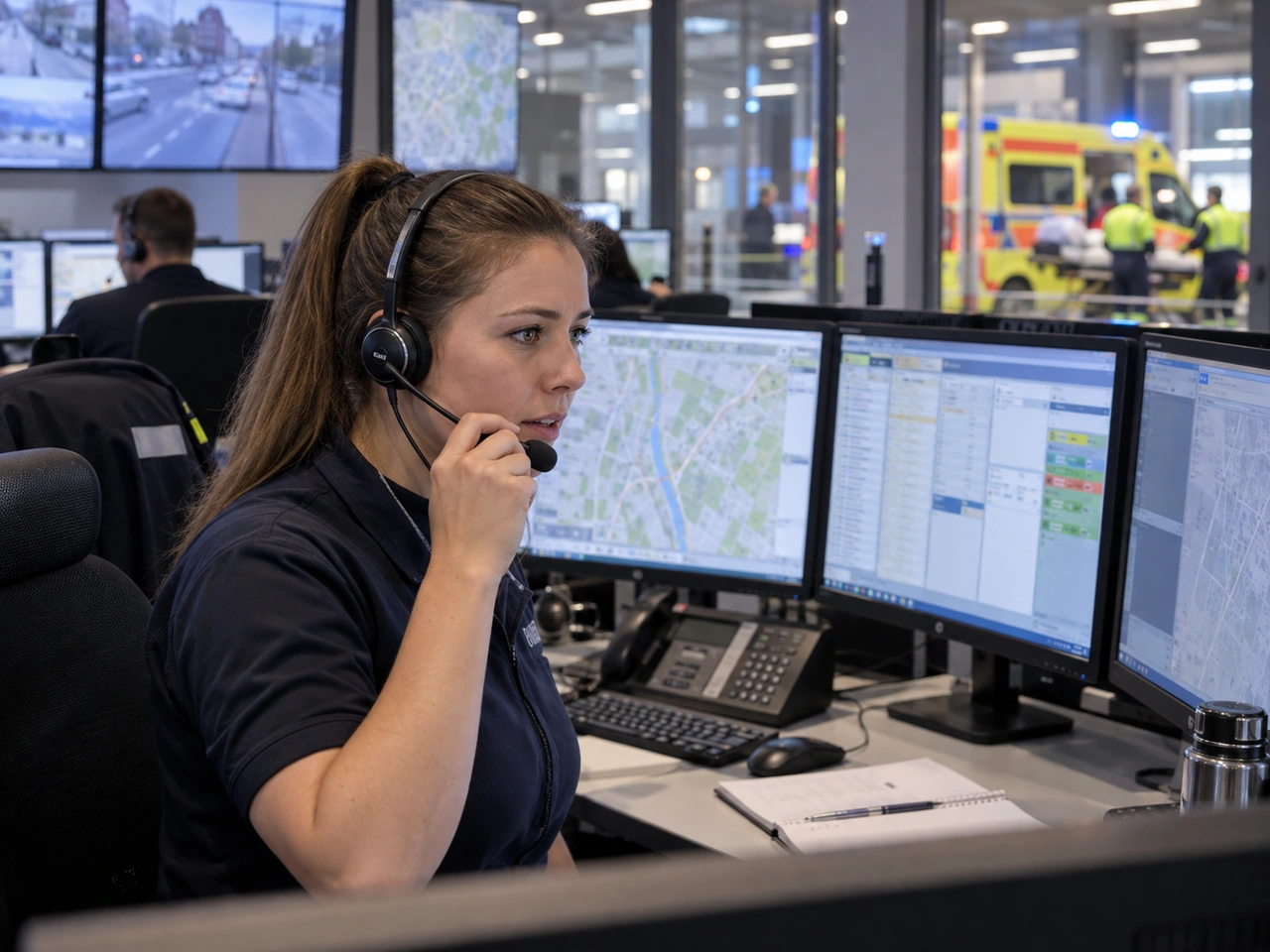
Why should you remove dark sunglasses before entering a tunnel?

196. Why should you remove dark sunglasses before entering a tunnel?

To make the vehicle headlights work more effectively.
To prevent the lenses from reflecting tunnel lights.
✓ Your eyes need to adjust to the lower light level.
Because tunnel lighting can damage dark lenses.

Dark sunglasses reduce the amount of light reaching your eyes and can make hazards inside a tunnel harder to see.

Driver removing sunglasses before entering a tunnel
AI-generated by Traffic-rules.com • WCIT • CC BY-SA
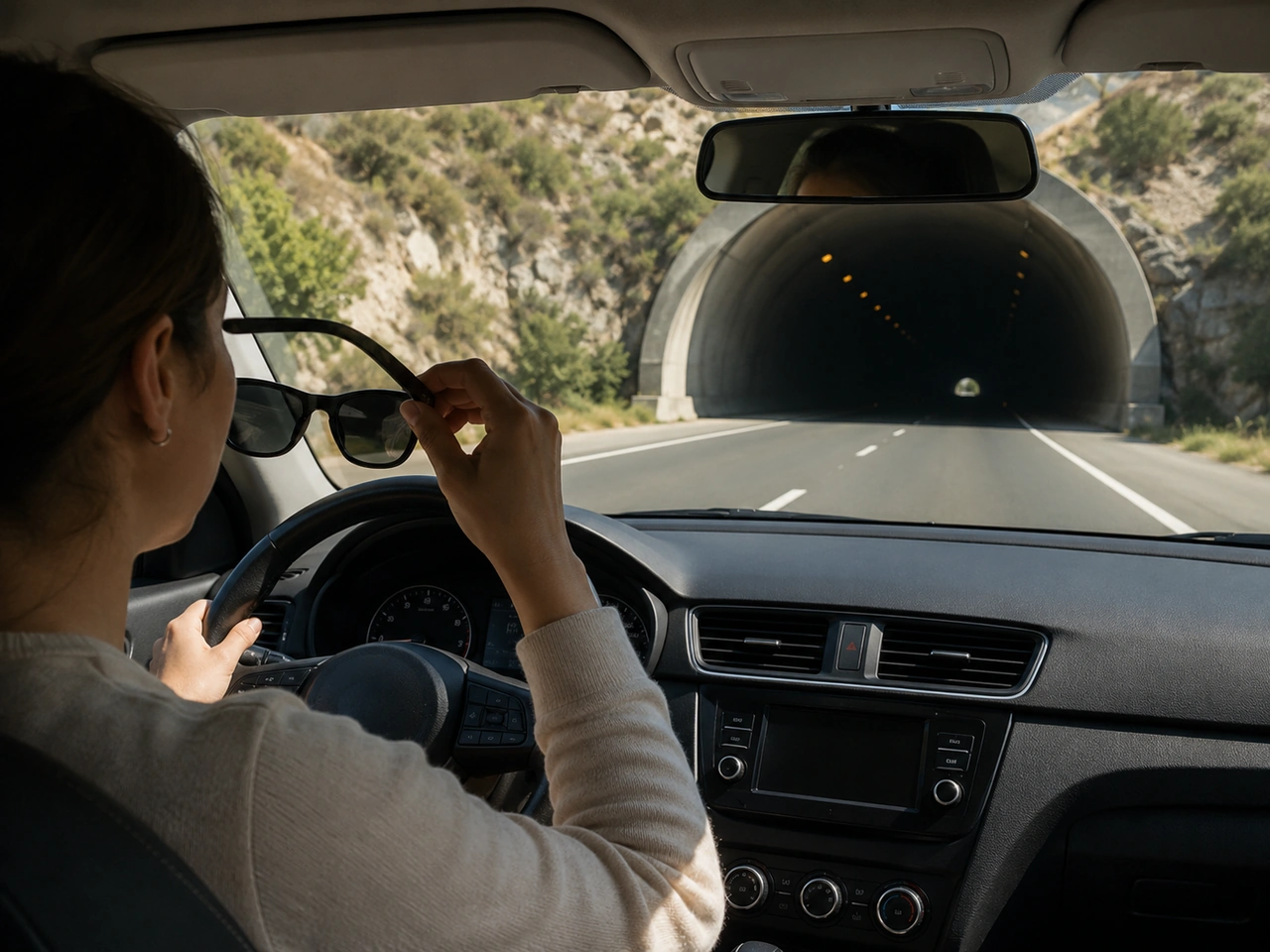
What should you do when a traffic light turns red?

197. What should you do when a traffic light turns red?

Continue if the junction appears clear.
Follow the vehicle ahead through the junction.
✓ Stop and wait until you may proceed.
Stop only if other traffic is approaching.

A red traffic light means you must stop before the stop line, pedestrian crossing, or intersection unless a sign or signal indicates otherwise.

Red traffic light at a junction
AI-generated by Traffic-rules.com • WCIT • CC BY-SA
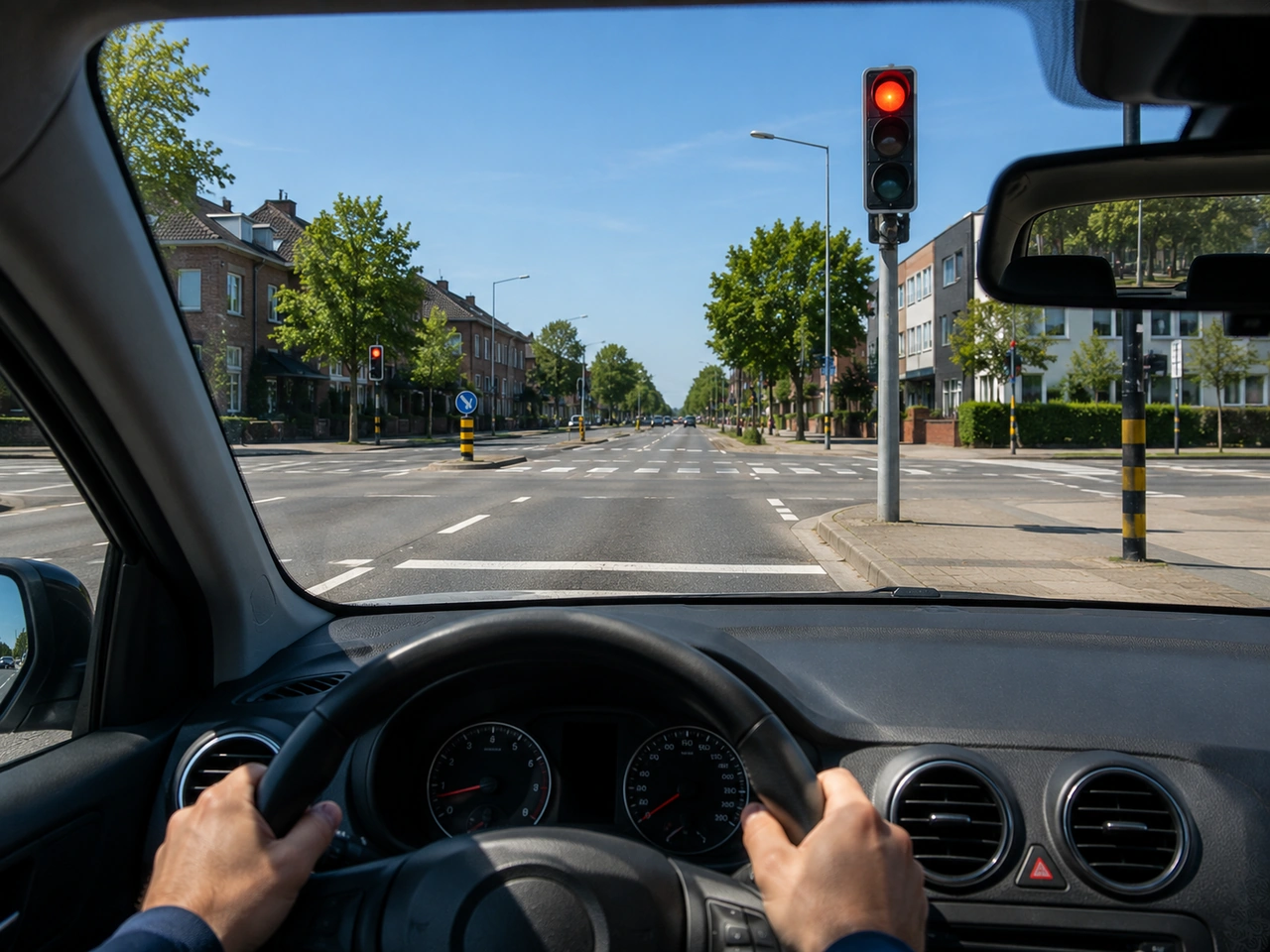
What should you do around a damaged electric or hybrid vehicle?

198. What should you do around a damaged electric or hybrid vehicle?

Disconnect exposed electrical components yourself.
✓ Keep clear of damaged high-voltage components and call trained assistance.
Move damaged high-voltage parts away from the road.
Inspect damaged cables closely before calling for help.

Electric and hybrid vehicles can contain dangerous high-voltage systems. Do not touch damaged cables, batteries, or electrical components.

Damaged electric vehicle and high-voltage safety risks
AI-generated by Traffic-rules.com • WCIT • CC BY-SA
What should a motorcyclist do before entering a bend?

199. What should a motorcyclist do before entering a bend?

Accelerate before checking how sharp the bend is.
Brake hard after beginning to lean.
✓ Reduce speed before the bend and look through it.
Look only at the road directly in front of the wheel.

Adjust your speed before entering the bend so you can steer smoothly and remain within a safe position. Look through the bend towards where you want to travel and be prepared for hazards that may be hidden from view.

Motorcyclist approaching a bend
AI-generated by Traffic-rules.com • WCIT • CC BY-SA
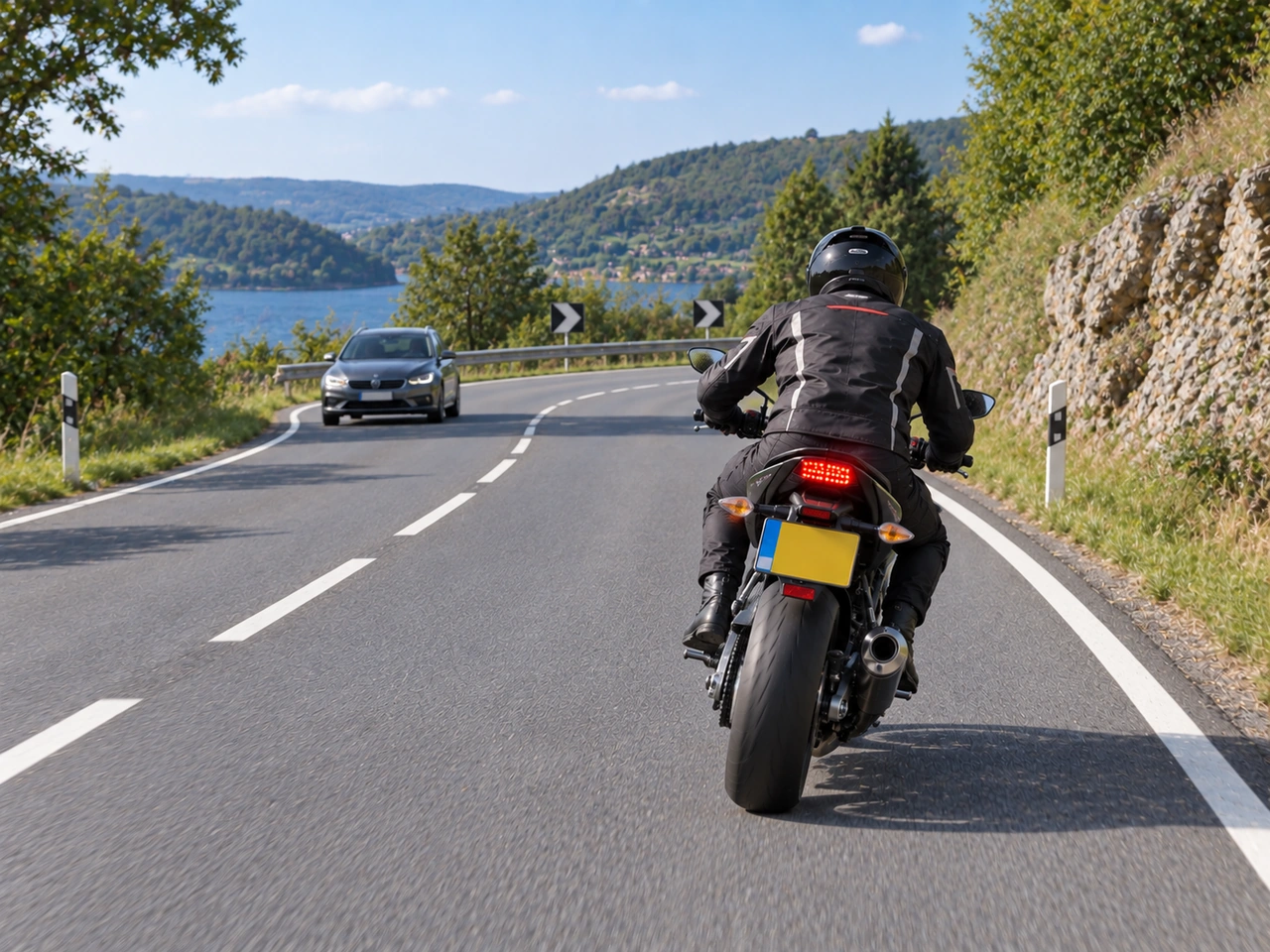
What should you expect if the engine suddenly stalls while the vehicle is moving?

200. What should you expect if the engine suddenly stalls while the vehicle is moving?

The steering and brakes will stop working completely.
The steering will become lighter as the vehicle slows.
✓ Steering and braking may require more effort, so move to a safe place.
The vehicle will stop immediately when the engine stops.

Power assistance may be reduced when the engine stops. Keep control, use the hazard lights if needed, and steer toward a safe stopping area.

Driver responding to an engine stall while moving
AI-generated by Traffic-rules.com • WCIT • CC BY-SA